Yale Symphony Orchestra
Elizabeth Askren, Music Director
Jeffrey Douma and William Boughton, Guest Conductors with Yale Glee Club Program
Missa de Requiem
José Maurício Nunes Garcia
Yale Glee Club
Jeffrey Douma, Conductor
Introit and Requiem
Soloists: Cayley Tolbert-Schwartz, Sofia Sato, Bill Qian, Seung Min Baik
Kyrie
Gradual and Tract
Soloists: Claire Zhong, Anna Zoltowski, Gbemiga Salu, Aviv Fetaya
Dies Irae
Soloists: Katie Gurney, Alistair Lam, Ayush Iyer, Kyle Thomas-Ramos
Ingemisco Tamquam Reus
Soloist: Alliese Bonner
Inter Oves Locum Praesta
Soloists: Anjal Jain, Alexis Cruz, Harry Pambianchi, Ethan Cooper
Offertorio
Soloists: Joshua Li, Everett Tolbert-Schwartz
Sanctus
Benedictus
Soloists: Cayley Tolbert-Schwartz, Alexis Cruz, John Raskopf
Agnus Dei
Lux Aeterna INTERMISSION
Firebird Ballet Suite (1945)
Igor Stravinsky
Introduction – Prelude and Dance of the Firebird – Variations (Firebird)
Pantomime I
Pas de deux: Firebird and Ivan Tsarevich
Pantomime II
Scherzo: Dance of the Princesses
Pantomime III
Rondo (Khorovod)
Infernal Dance
Lullaby (Firebird)
Final Hymn
Overture to "Girl Crazy"
George Gershwin
The 24/25 Woolsey Series is generously supported by the Daniel Feller ’74 Yale Symphony Endowment Fund in Honor of John Mauceri (Music Director 1968-74).
This concert is made possible through the generous support of the Charles B. Kaufmann III ’66 Yale Glee Club Fund.
Text and Translation for the Requiem Mass
Introit
Requiem aeternam dona eis, Domine, et lux perpetua luceat eis. Te decet hymnus, Deus in Sion, et tibi reddetur votum in Jerusalem. Exaudi orationem meam, ad te omnis caro veniet.
Introit
Eternal rest grant unto them, O Lord, and mayperpetual light shine upon them. A hymn becometh Thee, O God, in Sion, and unto Thee shall a vow be paid in Jerusalem. Listen to my prayer; unto Thee all flesh shall come.
Kyrie
Kyrie eleison. Christe eleison. Kyrie eleison.
Kyrie
Lord, have mercy upon us. Christ have mercy upon us. Lord, have mercy upon us.
Gradual and Tract
Requiem aeternam dona eis
Domine, et lux perpetua luceat eis. In memoria aeterna erit Justus: ab auditione mala non timebit.
Absolve Domine animas omnium fidelium defunctorum ab omno vinculo delictorum et gratia tua illis succurente mereantur evadere iudicium ultionis, et lucis aeterne beatitudine perfrui.
Gradual and Tract
Grant them eternal rest, O Lord. and let perpetual light shine upon them. He shall be justified in everlasting memory, and he will not be afraid of any evil tidings.
Forgive, O Lord, the souls of all the faithful departed from all the chains of their sins, and may they deserve to avoid the judgement of revenge by your fostering grace, and enjoy the everlasting blessedness of light.
Dies Irae
Dies iræ! dies illa
Solvet sæclum in favilla
Teste David cum Sibylla! Quantus tremor est futurus, quando judex est venturus, cuncta stricte discussurus!
Dies Irae
Day of wrath! O day of mourning! See fulfilled the prophets’ warning, Heaven and earth in ashes burning! Oh, what fear man’s bosom rendeth, when from heaven the Judge descendeth, on whose sentence all dependeth. Tuba mirum spargens sonum per sepulchra regionum, coget omnes ante thronum.
Wondrous sound the trumpet flingeth; through earth’s sepulchers it ringeth; all before the throne it bringeth.
Mors stupebit et natura, cum resurget creatura, judicanti responsura.
Death is struck, and nature quaking, all creation is awaking, to its Judge an answer making.
Liber scriptus proferetur, in quo totum continetur, unde mundus judicetur. Judex ergo cum sedebit, quidquid latet apparebit: nil inultum remanebit.
Lo! the book, exactly worded, wherein all hath been recorded: thence shall judgment be awarded. When the Judge his seat attaineth, and each hidden deed arraigneth, nothing unavenged remaineth.
Quid sum miser tunc dicturus? Quem patronum rogaturus, cum vix justus sit securus?
What shall I, frail man, be pleading? Who for me be interceding, when the just are mercy needing?
Rex tremendæ majestatis, qui salvandos salvas gratis, salva me, fons pietatis. Recordare, Jesu pie, quod sum causa tuæ viæ: ne me perdas illa die. Quærens me, sedisti lassus: redemisti Crucem passus: tantus labor non sit cassus. Juste judex ultionis, donum fac remissionis ante diem rationis.
King of Majesty tremendous, who dost free salvation send us, Fount of pity, then befriend us! Think, good Jesus, my salvation cost thy wondrous Incarnation; leave me not to reprobation! Faint and weary, thou hast sought me, on the cross of suffering bought me. shall such grace be vainly brought me? Righteous Judge! for sin’s pollution grant thy gift of absolution, ere the day of retribution.
Ingemisco, tamquam reus
Ingemisco, tamquam reus: culpa rubet vultus meus: supplicanti parce, Deus. Qui Mariam absolvisti, et latronem exaudisti, mihi quoque spem dedisti. Preces meæ non sunt dignæ: sed tu bonus fac benigne, ne perenni cremer igne.
Guilty, now I pour my moaning Guilty, now I pour my moaning, all my shame with anguish owning; spare, O God, thy suppliant groaning! Thou the sinful woman savedst; thou the dying thief forgavest; and to me a hope vouchsafest. Worthless are my prayers and sighing, yet, good Lord, in grace complying, rescue me from fires undying!
Inter oves locum præsta
Inter oves locum præsta, et ab hædis me sequestra, statuens in parte dextra. Confutatis maledictis, flammis acribus addictis: voca me cum benedictis. Oro supplex et acclinis, cor contritum quasi cinis: gere curam mei finis. Lacrimosa dies illa, qua resurget ex favilla judicandus homo reus. Huic ergo parce, Deus: Pie Jesu Domine, dona eis requiem. Amen.
With thy favored sheep O place me
With thy favored sheep O place me; nor among the goats abase me; but to thy right hand upraise me. While the wicked are confounded, doomed to flames of woe unbounded call me with thy saints surrounded. Low I kneel, with heart submission, see, like ashes, my contrition; help me in my last condition. Ah! that day of tears and mourning! From the dust of earth returning man for judgment must prepare him; Spare, O God, in mercy spare him! Lord, all pitying, Jesus blest, grant them thine eternal rest. Amen.
Offertorio
Domine Jesu Christe, Rex gloriae, libera animas omnium fidelium defunctorum de poenis inferni, et de profundo lacu; libera eas de ore leonis, ne absorbeat eas tartarus, ne cadant in obscurum. Sed signifer sanctus Michael repraesentet eas in lucem sanctam:
Offering Lord, Jesus Christ, King of Glory, deliver the souls of all the faithful departed from infernal suffering and from thebottomless abyss; deliver them from the lion’s mouth, that hell engulf them not, that they sink not into darkness. But let the standard-bearer Saint Michael lead them quickly into the holy light:
Quam olim Abrahae promisisti et semini ejus. Hostias et preces tibi, Domine, laudis offerimus; tu suscipe pro animabus illis, quarum hodie memoriam facimus; fac eas, Domine, de morte transire ad vitam.
As of old Thou didst promise to Abraham and his seed. Sacrifices and prayers of praise we offer to Thee, O Lord; accept them for those souls of whom we this day commemorate; Cause them, O Lord, to pass from death to life.
Sanctus
Sanctus, Sanctus, Sanctus Dominus Deus Sabaoth. Pleni sunt coeli et terra gloria tua. Hosanna in excelsis.
Sanctus
Holy, Holy, Holy Lord God of Hosts.
Heaven and earth are full of Thy glory. Hosanna in the highest.
Benedictus
Benedictus qui venit in nomine Domini. Hosanna in excelsis.
Benedictus
Blessed is he who comes in the name of the Lord. Hosanna in the highest.
Agnus Dei
Agnus Dei, qui tollis peccata mundi, dona eis requiem.
Agnus Dei, qui tollis peccata mundi, dona eis requiem.
Agnus Dei, qui tollis peccata mundi, dona eis requiem sempiternam.
Agnus Dei
Lamb of God, who takest away the sins of the world, grant them rest everlasting. Lamb of God, who takest away the sins of the world, grant them rest everlasting. Lamb of God, who takest away the sins of the world, grant them eternal rest.
Lux aeterna
Lux aeterna luceat eis, Domine, cum sanctis tuis in aeternum, quia pius es. Requiem aeternam dona eis, Domine; et lux perpetua luceat eis. Cum sanctis tuis in aeternum, quia pius es.
Eternal Light
May light eternal shine upon them, O Lord, with Thy saints in eternity, because Thou art merciful. Eternal rest grant unto them, O Lord; and may perpetual light shine upon them, with thy saints for evermore, for thou art gracious.
Elizabeth Askren, Director
Praised for “inspiring virtuosic achievements from the pit” (Opera Today) and “palpable happiness” (Le Monde) from the artists with whom she collaborates, Elizabeth Askren empowers musicians around the world as a conductor, educator, and cultural activist.
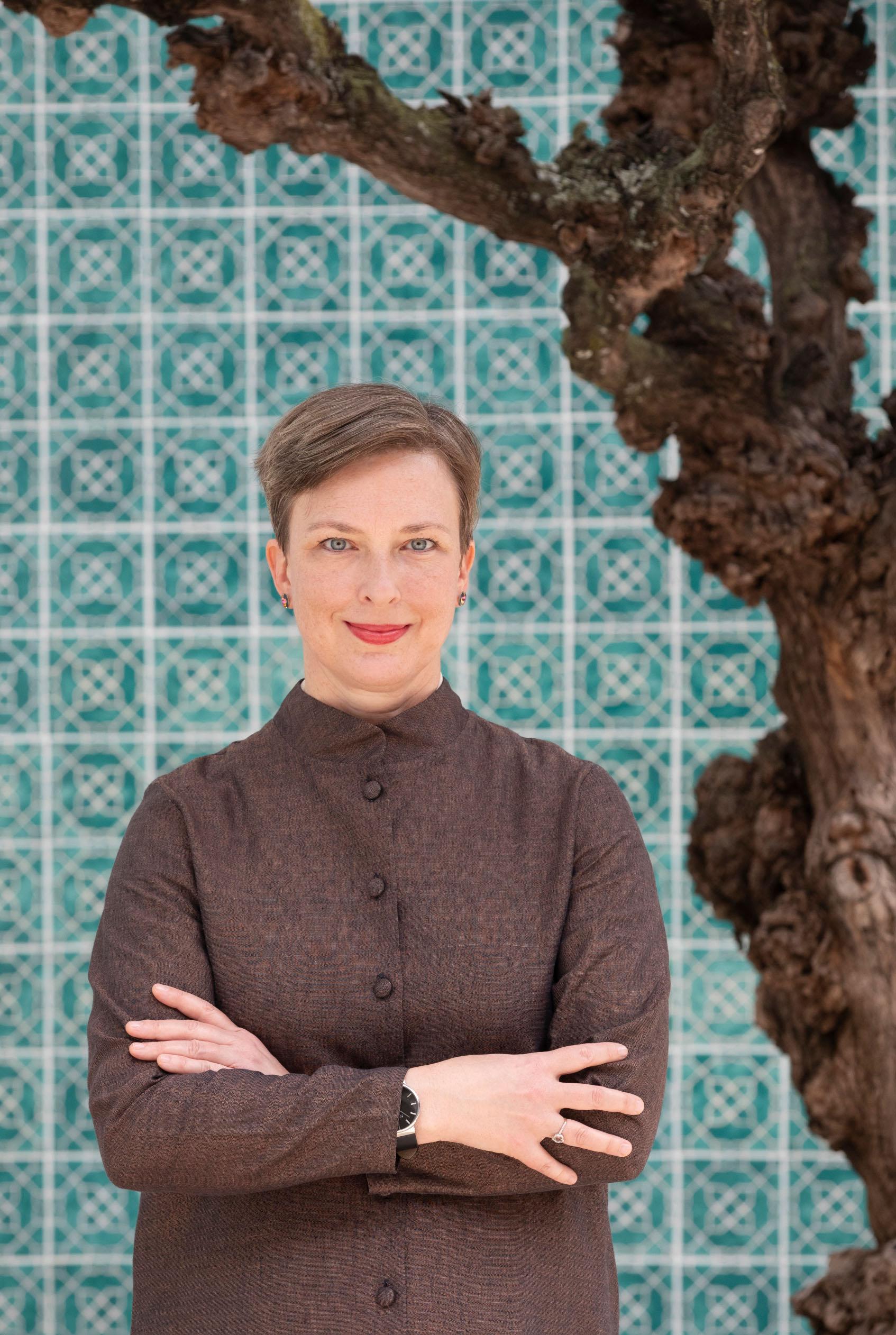
An OPERA America 2024 Opera Grant winner, Askren performs regularly with leading opera houses and orchestras, including The Dallas Opera, with which she enjoys a privileged relationship, Chicago Lyric Opera, where she was on music staff for the 2024-25 season, and Hawaii Opera Theatre, of which she is the company's first ever Principal Guest Conductor. She is also the Music Director of Paola Prestini and Brenda Shaughnessey’s Sensorium Ex, a Ford Foundation-funded multi-modal opera exploring issues at the intersection of AI, disability, and the human voice.
Askren is the Founder and Artistic Director of Transylvanian Opera Academy (TOA), Romania’s first opera studio. Created in 2017, TOA has been featured on national television, radio, and press while partnering with the Paris Opera’s Academy, TEDx, and Opera for Peace. She is also the creator and host of MaestraMagic!, a children’s edutainment series distributed by The Dallas Opera. Askren recently published The Magic Flute comic book, an adaptation from MaestraMagic!’s Opera Bytes episode, which is available on amazon.com and select bookstores.
A master teacher at both The Dallas Opera’s Hart Institute and at the Paris Opera’s Academy, Askren made history by judging the Paris Philharmonic’s inaugural La Maestra Competition for Women Conductors. She is invited regularly to speak about
leading and entrepreneurship in the arts, mentoring young artists, and cultivating humanity in the age of AI through outlets including PBS Newshour, NPR, Radio France Internationale, and The Ford Foundation/ How Institute.
Learn more at www.elizabethaskren.com.
William Boughton, Guest Conductor
Born into a musical family - his grandfather (Rutland Boughton) was a composer, his father a professional viola player and his mother a singer. After studies, at New England Conservatory (Boston), Guildhall School of Music (London) and Prague Academy as a cellist, he entered the profession in London playing with the Royal Philharmonic, BBC and London Sinfonietta Orchestras.
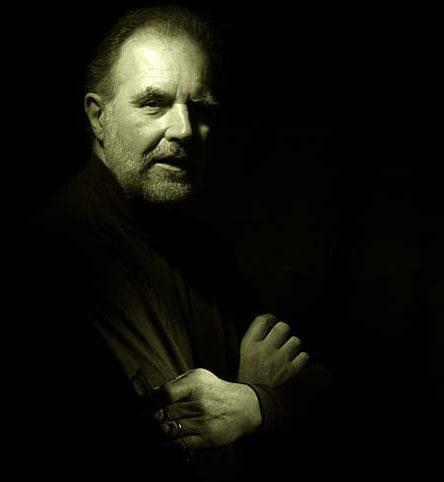
The experience of playing in orchestras led to a passion to pursue a career in conducting studying with George Hurst and then Sir Colin Davis. In 1980 he formed the English String Orchestra initially focusing on early 20th Century English repertoire but developing it into late 20th and 21st Century Contemporary music commissioning over 20 works from composers such Peter Sculthorpe, John Joubert, Anthony Powers, Michael Berkeley, John Metcalf, Stephen Roberts and Adrian Williams. The depth of his partnership with the ESO was epitomised in 1985 when, as Artistic Director of the Malvern Festival, he collaborated with Sir Michael Tippett to present a musical celebration of the composer’s eightieth birthday which was the subject of a BBC “Omnibus” documentary. With the ESO he built a significant discography of internationally acclaimed recordings with Nimbus Records - predominantly of English music, a number of which reached the Top Ten in the US Billboard charts.
Between 1986–93 he was also Artistic & Music Di-
rector of the Jyvaskyla Sinfonia in Finland and guest conducted with numerous orchestras including the London Symphony, Philharmonia, San Francisco, Royal Philharmonic, Finnish Radio, Mittel Deutsch Radio, working with artists such as Nigel Kennedy, Leonidas Kavakos, Emmanuel Ax, Radu Lupu and Viktoria Mullova.
In October 1993, William Boughton was awarded an Honorary Doctorate from Coventry University in recognition of his expertise in British music. In November 1995, he and the ESO presented a weekend of music celebrating the 60th birthday of English composer Nicholas Maw, marking another milestone in his championship of contemporary English music. In 1996 William Boughton commenced a second term as Artistic Director of the Malvern Festival.
The 2005/6 Season was his final year with the ESO in which they celebrated the Orchestra’s 25th Anniversary performing a ‘Complete Beethoven Symphony Cycle’, and created a new series of pre-concert performances of British contemporary music, including works by Birtwistle, Knussen. Watkins, Woolrich, Holloway and Turnage.
In July 2007 he became the 10th Music Director of the New Haven Symphony Orchestra (NHSO), with whom he instituted a ‘Composer in Residence’ Scheme (Augusta Read Thomas, Christopher Theofanidis, Hannah Lash) and started a major Walton Project with concerts, lectures/talks and recordings on the Nimbus Label. With the NHSO he has received two ASCAP Awards (2011 & 2014) for Adventurous Programming and received critical acclaim for the Walton Project, with Gramophones Edward Greenfield nominating it for ‘Record of the Year’ (2010). In October 2014 two new recordings were released with the New Haven Symphony of William Walton and Augusta Read Thomas.
His commitment and dedication to the younger generation is epitomized through his teaching – creating a cello studio in one of the poorest areas of New Haven, building the NHSO’s Education Dept, working with the State and Regional Youth Orchestras and teaching at the Yale School of Music. In May 2016 he visited Central China University for Conducting Master-classes and conducted the Hubei Symphony. He regularly records for both Nimbus and Lyrita Labels and guest conducts in the USA.
Jeffrey Douma, Conductor
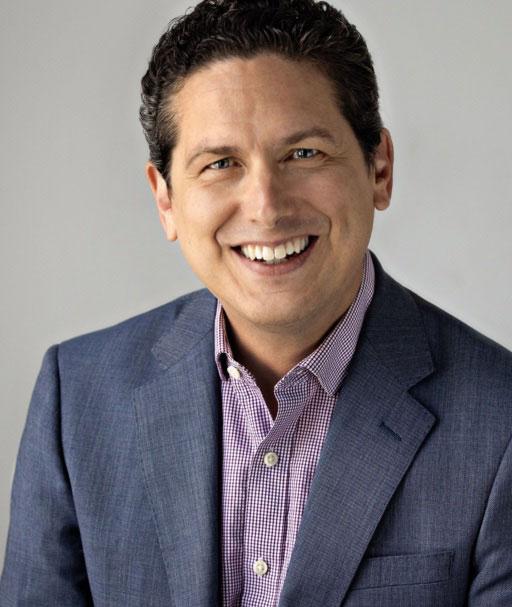
Jeffrey Douma is the Marshall Bartholomew Professor in the Practice of Choral Music at the Yale School of Music, and has served as Director of the Yale Glee Club since 2003. The Glee Club has been hailed under his direction by The New York Times as “one of the best collegiate singing ensembles, and one of the most adventurous.” He also heads Yale’s graduate program in choral conducting and serves as founding Director of the Yale Choral Artists and Director of the Chamber Choir and Choral Conducting Workshop at Yale’s Norfolk Festival. Douma has appeared as guest conductor with choruses and orchestras on six continents, including the Royal Melbourne Philharmonic Orchestra, Singapore’s Metropolitan Festival Orchestra, Lithuanian Chamber Orchestra, Estonian National Youth Orchestra, Daejeon Philharmonic Choir, Buenos
Aires Philharmonic Orchestra, Moscow Chamber Orchestra, Tbilisi Symphony Orchestra, Orquesta Solistas de la Habana, Istanbul’s Tekfen Philharmonic, Norway’s Edvard Grieg Kor, the Symphony Choir of Johannesburg, the New Haven Symphony Orchestra, and the Central Conservatory’s EOS Orchestra in Beijing, as well as the Yale Philharmonia and Yale Symphony Orchestras. He also serves as Musical Director of the Yale Alumni Chorus, which he has lead on eleven international tours. He served previously as Choirmaster at the Cathedral of St. Joseph in Hartford, CT, where performances with the professional Schola Cantorum ranged from Bach St. John Passion with baroque orchestra to Arvo Pärt Te Deum, and recently served as Director of Music at the Unitarian Society of New Haven.
Choirs under his direction have performed in Leipzig’s Neue Gewandhaus, Dvorak Hall in Prague, St. Peter’s Basilica in Rome, Notre Dame de Paris, Singapore’s Esplanade, Argentina’s Teatro Colon, the Oriental Arts Center in Shanghai, Lincoln Center’s Avery Fisher and Alice Tully Halls, and Carnegie Hall, and he has prepared choruses for performances under such eminent conductors as Marin Alsop, William Christie, Valery Gergiev, Sir Neville Mar-
riner, Sir David Willcocks, Dale Warland, Krzysztof Penderecki, Nicholas McGegan, Craig Hella Johnson, and Helmuth Rilling.
Douma has presented at conferences of the ACDA and NCCO, and the Yale Glee Club has appeared as a featured ensemble at NCCO national and ACDA divisional conferences. Active with musicians of all ages, Douma served for several years on the conducting faculty at the Interlochen Center for the Arts. He frequently serves as clinician for festivals and honor choirs. Recent engagements include conducting masterclasses at the China International Chorus Festival, the University of Michigan School of Music, the Jacobs School of Music at Indiana University, the Royal Academy of Music in London, the Hochschule der Künste in Zurich, the Florence International Choral Festival, and the Berlin Radio Choir’s International Masterclass, as well as residencies at the Central Conservatory of Music, Beijing and at Luther College as Visiting Conductor of the internationally renowned Nordic Choir.
An advocate of new music, Douma established the Yale Glee Club Emerging Composers Competition and Fenno Heath Award, and has premiered new works by such composers as Jennifer Higdon, Joel Thompson, Caroline Shaw, Dominick Argento, Paola Prestini, Ayanna Woods, Bright Sheng, Ned Rorem, Rodrigo Cadet, Ted Hearne, Han Lash, Martin Bresnick, David Lang, Derrick Skye, Rene Clausen, Bongani Magatyana, and James Macmillan. He also serves as editor of the Yale Glee Club New Classics Choral Series, published by Boosey & Hawkes. His original compositions are published by G. Schirmer and Boosey & Hawkes. A tenor, Douma has appeared as an ensemble member and soloist with some of the nation’s leading professional choirs.
In 2003, Douma was one of only two North American conductors invited to compete for the first Eric Ericson Award, the premier international competition for choral conductors. Prior to his appointment at Yale he served as Director of Choral Activities at Carroll College and taught on the conducting faculties of Smith College and St. Cloud State University.
Douma earned the Bachelor of Music degree from Concordia College, Moorhead, MN, and the Doctor of Musical Arts degree in conducting from the University of Michigan. He lives in Hamden, CT, with his wife, pianist and conductor Erika Schroth.
Missa de Requiem
José Maurício Nunes Garcia
This is the first time the YSO has performed this work.
José Maurício Nunes Garcia was at the height of his career when he composed his Missa de Requiem, perhaps today his most famous and oft-performed work, in 1816 following the death of both his mother and Queen Maria I of Portugal. He had recently been appointed as Master of the Royal Chapel in Rio de Janeiro when the Portuguese Royal Family moved to Brazil, making him the chief musician of the kingdom of Portugal.
Garcia, born in Rio de Janeiro to biracial parents and humble origins, had rocketed up the musical ranks, picking up priesthood along the way, to become the “father of Brazilian classical music.” Heavily influenced by the Viennese School, especially Mozart and Haydn, Garcia conducted the first Brazilian performance of Mozart’s Requiem, an influence that features heavily in the Missa de Requiem on tonight’s program, as evident from the parallels in the opening bars.
But these parallels certainly do not take away from the originality of the work (Mozart had borrowed from Haydn in his own Requiem as well). Scholars have noted the imprint of the modinha, a Brazilian art song genre, in the Requiem: “certain inflections, a certain charm, a certain tenderness — distinctly ours — permeate it, modify it, and transform it,” wrote Brazilian musicologist Eurico Nogueira França. And, as Brazilian writer and musician Alfredo d'Escragnolle Taunay wrote in 1896 (translated): “what unction, what solemnity in that Requiem, together with an utterly admirable simplicity! This is great music, leaving far behind all the misplaced theatricality of Rossini, Berlioz, Verdi, and so many others.”
There’s a certain poignancy and anguish that suffuses this powerful masterpiece, and it’s difficult not to hear the outpouring of his grief for his mother (and perhaps
the Queen) between its intimacy and tenderness. We are thrilled for the chance to bring it to you alongside the incredible Yale Glee Club tonight.
— Tobias Liu ’26
Overture to "Girl Crazy"
George Gershwin
This is the first time the YSO has performed this work.
One of the most influential figures in American music history is the multi-talented composer and pianist George Gershwin. Although many of his orchestral works—including Rhapsody in Blue and An American in Paris—remain his most popular in the concert hall, he also wrote some of the most well-known Broadway, Tin Pan Alley, and Hollywood hits before his death at the tragically young age of 38. His infusion of jazz throughout his works helped bring the genre to wider audiences; this mix of jazz and popular music quickly became part of the defining musical sound of 1920s and 1930s America.
Among his most successful Broadway musicals was his 1930 romantic comedy Girl Crazy, with lyrics from his brother and frequent musical collaborator Ira Gershwin. The musical follows the story of the wealthy womanizer and New Yorker Danny Churchill, whose parents banish him to rural Arizona to manage his family’s ranch (and get his mind off of women, money, and alcohol). However, Danny quickly turns the ranch into a tourist hotspot, bringing in showgirls and guests from across the country. Danny tries to impress the local postmistress Molly Gray, but she grows tired and annoyed by his constant flirting. After multiple women fight over Danny, he finally wins Molly over, and the two fall in love.
Girl Crazy was a huge success for Gershwin—critics considered it some of his best writing. The musical’s entertaining story, thrilling music, and talented performers quickly made it an immensely popular show, and it closed on Broadway after 272 performances across 8 months. The musical led to a film adaptation featuring Judy Garland in 1943, and also influenced a 1992 Broadway musical, Crazy for You, which retained some
of Gershwin’s original music but changed aspects of the plot to make it less dated.
The Overture to Girl Crazy, arranged for full orchestra by Don Rose, is an action-packed collection of some of the musical’s greatest and most iconic songs. After a lively opening, listeners are sure to recognize the first two songs featured—“I Got Rhythm” and “Embraceable You.” Filled with lush strings, bold brass chords, and gorgeous woodwind solos, the work moves through additional popular songs from the musical like “But Not For Me” before barreling to an exciting finish with the full orchestra. This roughly six-minute overture is a thrilling addition to the YSO’s final concert of the season, and we hope you leave the concert humming at least one of the iconic melodies from this piece!
—
Ben Graham ’28
The Firebird: Suite (1945 version)
Igor Stravinsky
This is the first time the YSO has performed the 1945 edition
The Firebird ballet was conceived during a period when Western audiences were increasingly enamored by the music of the “Big Five” Russian composers: Mily Balakirev, Alexander Borodin, César Cui, Modest Mussorgsky, and Nikolai Rimsky-Korsakov. In 1909, the Ballets Russes was in need of a new production that would celebrate this distinctly Russian style. With impresario Sergei Diaghilev at the helm, renowned choreographer and dancer Michel Fokine assembled a team to create a story based on the following lines from the 1844 Yakov Polonsky poem “A Winter’s Journey”:
“And in my dreams I see myself on a wolf's back
Riding along a forest path
To do battle with a sorcerer-tsar
In that land where a princess sits under lock and key,
Pining behind massive walls.
There gardens surround a palace all of glass; There Firebirds sing by night And peck at golden fruit.”
The cast of characters draws on some of the most
well-known tales from Russian folklore, including the immortal, evil king Koschei, his thirteen captive princesses, Ivan Tsarevich (Prince Ivan), and the Firebird. This would be a magical story of the triumph of good over evil.
At just 28 years old, Igor Stravinsky was commissioned to compose the ballet’s score. A high-profile opportunity for a young composer yet to reach his prime, Stravinsky accepted the offer that would soon launch him to the international stage. It was the first of three ballet scores—Petrushka and The Rite of Spring were written in the next three years—which led him to stardom and remain among his most beloved and influential works. Although The Firebird was an early composition, its dazzling array of colors and textures foreshadowed the influence Stravinsky would have on tonality, rhythm, and form in classical music.
Indeed, Stravinsky employed numerous creative techniques to tell the story of The Firebird. He grew most prominently as a composer under the tutelage of Rimsky-Korsakov, developing the language and technique to masterfully write for what he called a “wastefully large” orchestra. Determined to evoke the narrative as vividly and colorfully as possible with the music alone, Stravinsky assigned harmonic motifs to Koschei and the Firebird: alternating minor and major thirds for the evil sorcerer and a sequence of chromatic notes for the iridescent magic of the Firebird. This was one of an abundance of references to his mentor who passed away two years earlier. Stravinsky also took direct melodic inspiration from Rimsky-Korsakov’s Sinfonietta on Russian Themes and Mlada when writing the material for the ballet’s “Rondo: Khorovod,” “Infernal Dance,” and conclusion.
Received with great acclaim, The Firebird came to define Stravinsky to international audiences. Its great popularity led him to arrange three suites (1911, 1919, and 1945) from the original score. The 1945 version is the longest, spanning ten movements and including short “Pantomime” movements from the original score. Following the same plot as the ballet, the suite opens with an “Introduction” during the dark of night, when Ivan stumbles upon Koschei’s enchanted garden. Before long, striking accents and string tremolos signal the entrance of the magical Firebird in the “Prelude and Dance” and “Variations.” Ivan then engages the Firebird in a “Pas de Deux,” and in order to evade capture,
the Firebird bestows the prince with a magical feather. Ivan, determined to pursue his love for the dancing princesses in the “Scherzo” and “Rondo: Khorovod,” unknowingly wanders into Koschei’s trap and summons the Firebird to his aid with the feather.
Bewitching the evil sorcerer, the Firebird sends Koschei and his subjects into an “Infernal Dance.” With an almost unthinkable level of rhythmic precision, syncopation, and intensity, the orchestra tumbles towards a terrifying climax before Koschei collapses from exhaustion. Having fallen into a deep sleep, the Firebird offers a “Lullaby” played by solo bassoon. With the immortal Koschei defeated and his captives freed, a new day emerges as the solo French horn introduces the “Final Hymn.” Stravinsky layers this Russian folk tune throughout almost every section of the orchestra until the full ensemble erupts with light and vigor in a triumphant conclusion.
The Firebird bridged tradition with modernity, simultaneously honoring Stravinsky’s Russian roots and his mentor’s teachings while eagerly anticipating the transformative arc of classical music in the 20th century. It was the gateway composition between Stravinsky’s time in Russia and his introduction to the Western world where he lived for the remainder of his life. As the YSO’s concluding performance in the 2025-2026 season, The Firebird offers the orchestra the opportunity to celebrate all that was and foretell all that soon will be.
— Nate Strothkamp ‘26
Yale Symphony Orchestra
Elizabeth Askren, Director
Brian Robinson, Manager
Tommaso Bailo, Assistant Conductor
President
Tobias Liu
Secretary
Eleanor Ohm
Publicity
Helen Qi
David Stolyarov
Social
Sasha Tarassenko
Emily Zhang
Programming
Jacob Leshnower
Community
Jasmine Chen
Naomi Main
Nathaniel Strothkamp
Tour
Eric Zhang
Librarians
Gloria Baek
Head Librarian
Jasmine Chen
Ella Saputra
Stage Crew
Lee Dufallo
Grady Flinn
Eugene Lee
Amber Sun
Eric Zhang
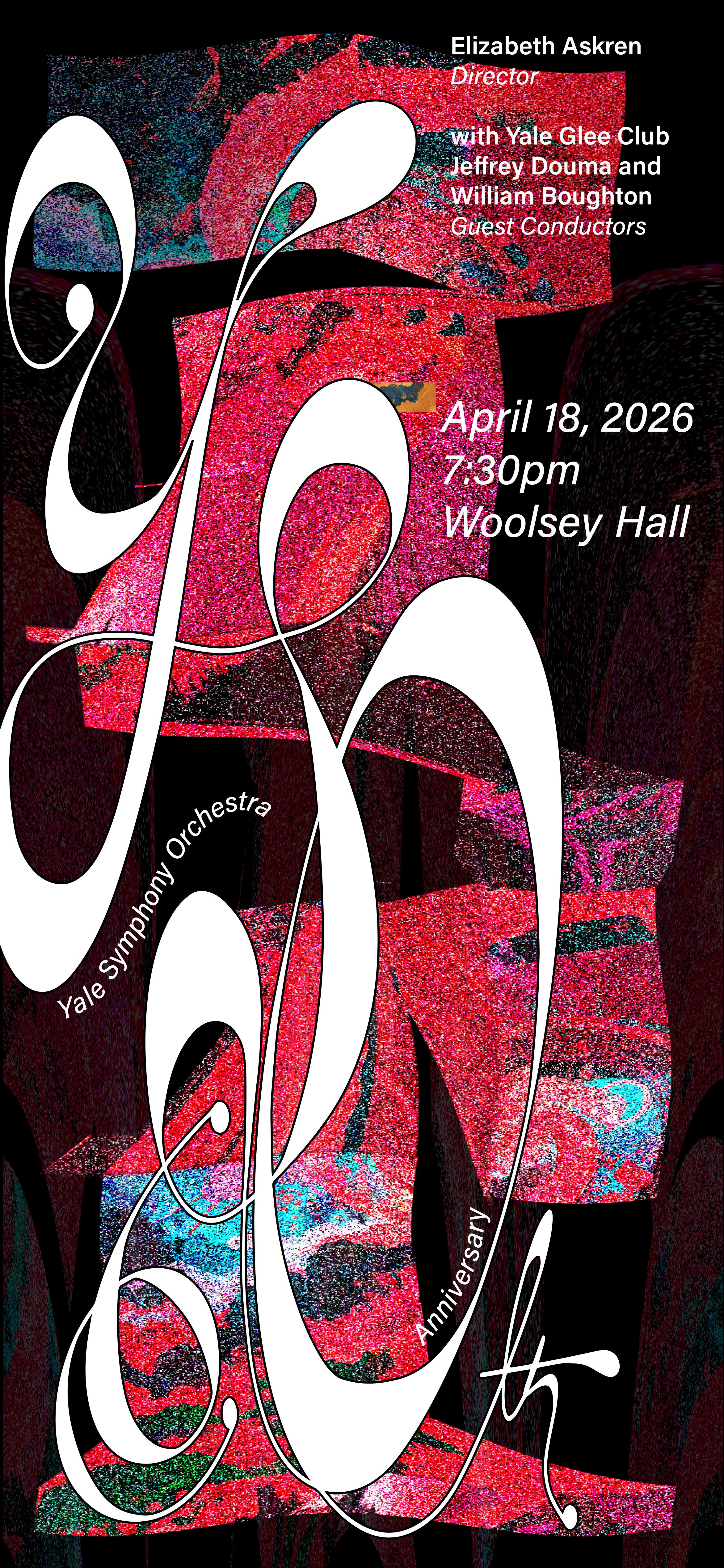
Cover Design
Becca Cheng ART ’26
First Violin
Nate Strothkamp ’26 Concertmaster
Tobias Liu ’26 Co-Concertmaster
Gloria Baek ’27
Tai Caputo ’29
Ines Choi ’27
Toby Huang ’29
Josie Kelleher ’26
Jonah Kwon ’29
Isabel Li ’29
Joy Ni ’29
Marco Opeña ’28
Ella Saputra ’27
Amber Sun ’28
Parisa Verma ’27
Justine Xu ’27
Mindy Zhao ’29
Second Violin
Naomi-Jeanne Main ’26, Principal
Holly Lacey ’29, Co-Principal
Mina Chang ’28
Maxine Chen ’29
Camille Denman ’26
Sofia Heredia ’29
Rachel Kim ’26
Timothy Lee ’27
Jacob Lewis ’29
Ian Li ’29
Jane Lim ’29
Talia Roselaar ’29
Winslow Solomon ’29
Victoria Tan ’28
Viola
Elan Jiang ’28, Principal
Benjamin Graham ’28
Co-Principal
Josephine Buruma ’29,
Jia Dunsby ’28
R. Grady Flinn ’29
Anna Koontz ’29
Lucian Mikush ’29
Aviv Pilipski ’29
Helen Qi ’27
Sarah Wagner ’29
Amanda Wu ’28
Violoncello
Kira Wang ’26, Principal
Danielle Yoon ’28, Co-Principal
Josef Bell ’29
Gabriela Berger ’27
David Cho ’27
Lee Dufallo ’28
Benjamin Gruenbaum ’27
Sarah J. Lee ’28
Juliette Mandelbrot ’28
Contrabass
Yuvin Kang ’29, Principal
Eleanor Ohm ’27
Kayla Ruano-Lumpris ’28
Andrew Vinther MUS ’27
Flute
Joelle Kim ’28
Lauren Kim ’26
Eugene Lee ’29
Sasha Tarassenko ’27
Oboe
Benjamin Hambleton ’28
Alex Moore ’26
Grace Ort ’29
Alexander Vakov ’29
Clarinet
Ethan Chen ’28
Mia Gribbon ’29
Daniel Lee ’29
Amelia Shaw ’28
Bassoon
Amelia Newman ’29
Leah Wu ’29
Eric Zhang ’27
Linda Zhou ’29
French Horn
Thomas Chang ’29
Jasmine Chen ’27
Julian Kolthammer ’29
Joshua Lee ’29
Bryce Lowden ’28
Ethan Mash ’27
Trumpet and Cornet
August Lee-Kovach ’29
Caden Mather ’29
Jared Wyetzner ’27
Emily Zhang ’27
Trombone
Lucas Haas ’26, Principal
Patrick Qiu ’28
Konrad Kurczynski ’26
Tuba
Michael Toben
Harp
Sophia Jho ’28
Timpani and Percussion
Nate Mathew ’26, Principal
Jonny Duncan ’29
Jacob Leshnower ’27
David Stolyarov ’28
Zahra Virani ’27
About the Orchestra
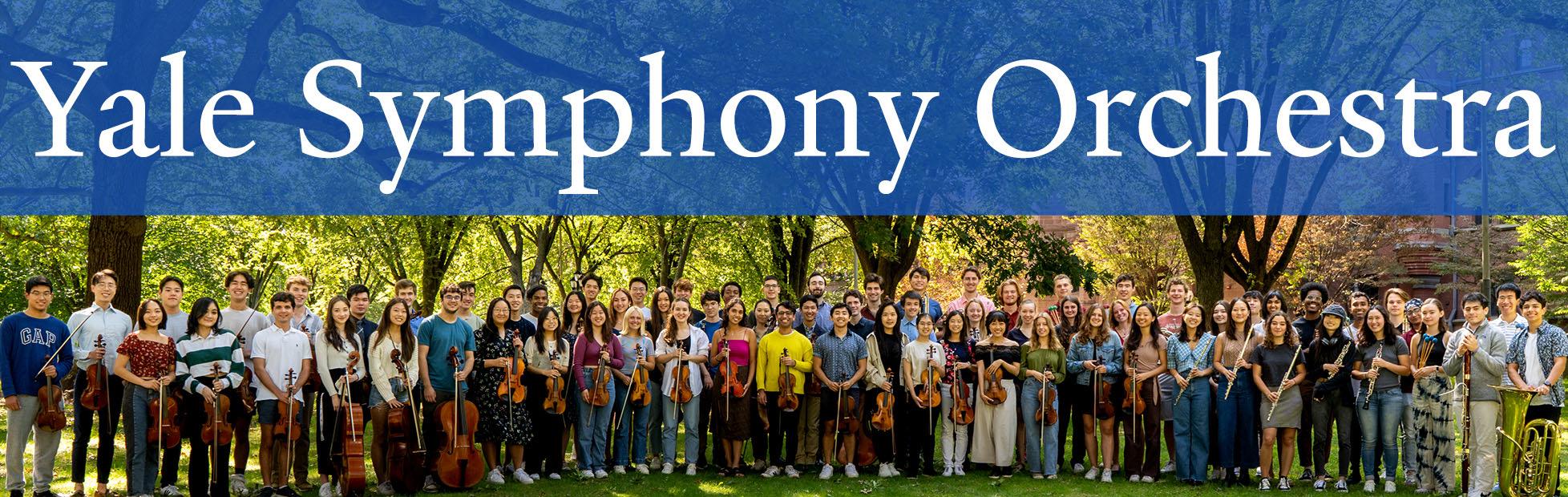
The Yale Symphony Orchestra was founded in 1965 by a group of students who saw the growing potential for a large orchestral ensemble to thrive on campus. The YSO provides a means for students to perform orchestral music at the conservatory level while taking advantage of all that Yale, a liberal-arts institution, has to offer.
The YSO boasts an impressive number of alumni who have gone on to successful musical careers with: New York Philharmonic (Sharon Yamada, 1st violin), the Boston Symphony Orchestra (Haldan Martinson, principal 2nd violin, and Owen Young, cello), Vancouver Symphony (Henry Shapard, principal cellist), the Los Angeles Philharmonic (David Howard, clarinet), the San Francisco Symphony (the late William Bennett, oboe), Philadelphia Orchestra (Jonathan Beiler, violin), Toronto Symphony (Harry Sargous, oboe, ret.) and the Israel Philharmonic (Miriam Hartman, viola); as well as music director of the Baltimore Symphony Orchestra Marin Alsop; National Public Radio commentator Miles Hoffman; composers Michael Gore, Robert Beaser, Conrad Cummings, Stephen Paul Hartke, Robert Kyr, and more.
Throughout its history the YSO has been committed to commissioning and performing new music. Notably, the YSO presented the European premiere of Leonard Bernstein’s Mass in 1973, the world premiere of the definitive restoration of Charles Ives’ Three Places in New England, the U.S. premiere of Debussy’s Khamma, and the East Coast premiere of Benjamin Britten’s The Building of the House.
The YSO programs orchestral works written by new and emerging composers, as well as lesserheard works by established and obscure composers. The full list of YSO premieres can be seen at https://yso.yale.edu/concert-history/premieres.
The YSO has performed with internationally recog-
nized soloists; including Yo-Yo Ma, Frederica von Stade, Emmanuel Ax, David Shifrin, Thomas Murray, and Idil Biret. Each year the YSO is proud to perform major solo concerti played by the student winners of the William Waite Concerto Competition.
The YSO has performed at New York City’s Carnegie Hall, Avery Fisher Hall at Lincoln Center, and St. Patrick’s Cathedral. In the past ten years, the YSO has toured domestically and internationally, including a 2010 tour of Turkey with acclaimed pianist Idil Biret. Ms. Biret rejoined the orchestra for a recording of Paul Hindemith’s piano concerti, which were released in 2013 on the Naxos label.
Past tours have brought the orchestra to Portugal, Korea, Central Europe, Italy, Brazil, and Russia. The YSO completed its first tour of Mexico in March of 2023, and just returned from a five concert tour of North Macedonia and Greece. The full list of YSO tours can be seen at https://yso.yale.edu/concert-history/tours.
The YSO is famous for its legendary Halloween Show, a student-directed and -produced silent movie, performed around midnight in full costume. Long a Yale tradition, the Halloween Show sells out Woolsey Hall days in advance, and the production details and storyline remain closely guarded secrets until the night of performance. Recent cameo film appearances include James Franco, Woody Allen, Alanis Morisette, Rosa DeLauro, Jodie Foster and Jimmy Kimmel.
The YSO music directors include Richmond Browne, John Mauceri, C. William Harwood, Robert Kapilow, Leif Bjaland, Alasdair Neale, David Stern, James Ross, James Sinclair, Shinik Hahm, George Rothman, and Toshiyuki Shimada and William Boughton. This year marks Elizabeth Askren's first year as Director.
Yale Glee Club
Jeffrey Douma, Music Director
T. Sean Maher, Operations and Production Manager
Kevin Vondrak, Assistant Conductor
Omeno Abutu, Student Conductor
John Raskopf, Student Conductor
President
Kyle Thomas Ramos
Manager
Kinnea Cheuk
Winter Tour Managers
Ayush Iyer
Anjal Jain
Domestic Tour Managers
Alliese Bonner
Matthew Chen
Social Chairs
Catalina Ossmann
Elizabeth Wolfram
Publicity Chairs
Sofia Sato
Joleen Bakalova
Stage Managers
Logan Gilbert
Alex Kingma
Archivists
Kylie Berg
Angelique Wheeler
Alumni Coordinators
Nate Stein
Anna Zoltowski
Community Engagement
Claire Zhong
Wardrobe Managers
Mika Hiroi
Joshua Li
Website Managers
Erika Lu
Aurelia Keberle
Soprano
Tamara Bafi ’27
Joleen Bakalova ’28
Kylie Berg ’28
Alliese Bonner ’27
Yara Chami ’26
Kinnia Cheuk ’26
Abril Cornejo ’27
Senlee Dieme ’26†
Sophie Dvorak ’26
Manon Gilles ’29
Katie Gurney ’26
Anjal Jain ’26
Aurelia Keberle ’27
Rose Kosciuszek ’27
Catherine Lee ’27
Miriam Levenson ’29
Christina Logvynyuk, GSAS ’26
Erica Lu ’28
Rhea McTiernan Huge ’27
Teresa Ng ’29
Lizzie Rowan ‘29
Cayley Tolbert–Schwartz ’28
Naomi Tracey–Hegg ’29
Elizabeth Wolfram ’27
Claire Zhong ’28
Alto
Omeno Abutu ’27
Temiladeoluwa Adeniran ’29
Anya AitSahlia ‘25
Alexis Cruz ’28
Penelope Emerson ‘29
Logan Gilbert ’28
Mika Hiroi ’28
Audrey Jamieson ’29
Sreetama Kushari ’29
Alistair Lam ’27†
Alexis Mburu ’27
Catalina Ossmann ’27
Aryana Ramos–Vazquez ’26
Fiona Ress ’29
Sofia Sato ’28
Francesca Sisskind ’29
Myla Toliver ’28
Hila Tor ’28
Angelique Wheeler ’26
Thisbe Wu ’26
Grace Xu ‘29
Anna Zoltowski ’27
Dibora Yilma ’29
Tenor
Jonathan Akinniyi ’26
Matthew Chen ’27
Schandy Cordero ’28
Ayush Iyer ’26
Andrew Jean–Charles ’27
Dennis Jin ‘28
Tavian Jones ’26
Rory Latham ‘26
David Liebowitz ’26†
Henry Liu ‘28
Parker Mednikow ’29
Stephen Morris ’27
Prithvi Narayanan ’28
Harry Pambianchi ’29
Bill Qian ’26
John Raskopf ’27
Gbemiga Salu ’27
Nate Stein ’28
Noah Stein ’26
Ari Tsomocos ’27
Kevin Vondrak YSM ’26
Corin Wang ’29
Andrew Xu ’27
Bass
Seung Min Baik ’26
Andrew Boanoh ’27
Rory Bricca ‘26
Alexandre Campant ’29
Ryan Chao ‘28
Ethan Cooper ’29
Zach Fayed ‘29
Aviv Fetaya ’26
Creed Gardiner ’26
Ben Graham ’28
Zach Jarvis ’28
Alex Kingma ’28
Lukas Koutsoukos ’27
Josh Li ’26
Alex Moore ‘26
Frank Petty ’29
Vishwa Rakasi ’29
Kyle Thomas Ramos ’26
Liam Richardson ‘25
Sampson Thomas ‘29
Everett Tolbert–Schwartz ’26
Lukas Vander Elst ’28
Ben Weiss ’27
Justin Wright ‘29
Andrew Xu ‘29
Ben Xu ’26†
Jeffrey Yang ’28
Charlie Zhong ’29


Yale Glee Club



About Yale Glee Club
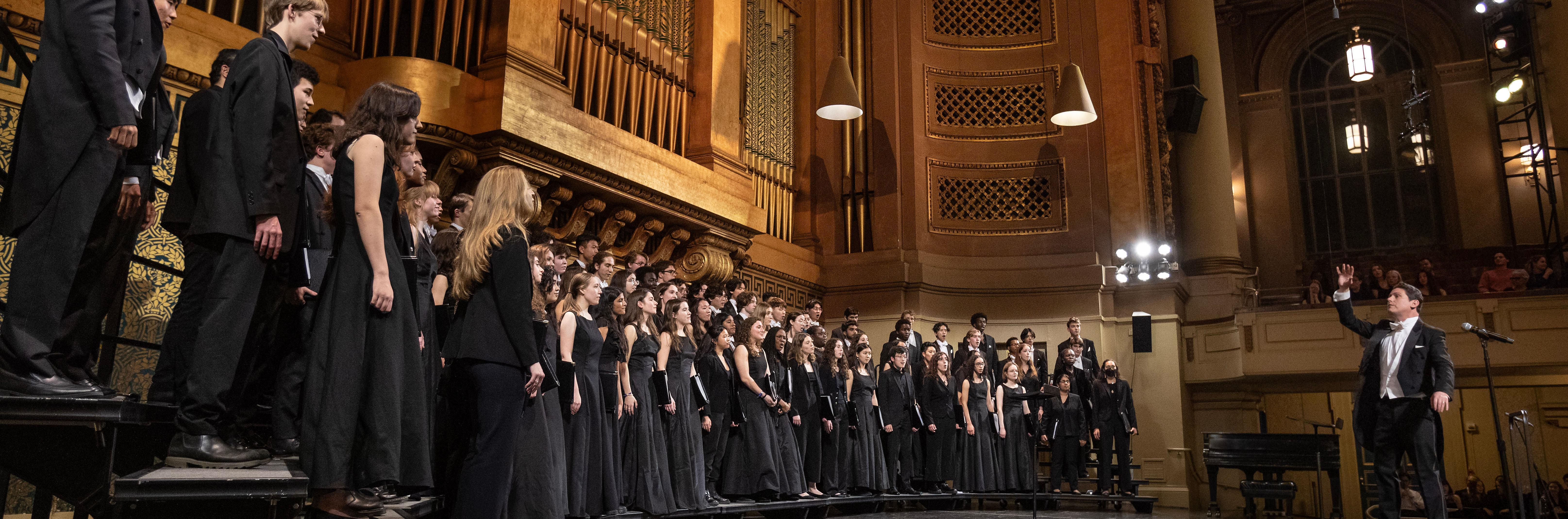
From its earliest days as a group of thirteen men from the Class of 1861 to its current incarnation as a 80-voice all-gender chorus, the Yale Glee Club, Yale’s principal undergraduate mixed chorus and oldest musical organization, has represented the best in collegiate choral music.
In recent seasons, the Glee Club’s performances have received rave reviews in the national press, from The New York Times (“One of the best collegiate singing ensembles, and one of the most adventurous…an exciting, beautifully sung concert at Carnegie Hall”) to The Washington Post (“Under the direction of Jeffrey Douma, the sopranos—indeed, all the voices— sang as one voice, with flawless intonation … their treacherous semitones and contrapuntal subtleties became otherworldly, transcendent even”).
The students who sing in the Yale Glee Club might be majors in music or biology, English or political science, philosophy or mathematics. They are drawn together by a love of singing and a common understanding that raising one’s voice with others to create something beautiful is one of the noblest human pursuits.
The Glee Club’s repertoire embraces a broad spectrum of music from the 16th century to the present, including motets, contemporary works, music from folk traditions throughout the world, and traditional Yale songs. Committed to the creation of new music, the Glee Club presents frequent premieres of newly commissioned works and sponsors two annual competitions for young composers. They have been featured on NPR’s Weekend Edition, WQXR’s “The Choral Mix,” and BBC Radio 3’s “The Choir.” Choral orchestral masterworks are also an important part of the Glee Club’s repertoire; recent performances include Verdi Requiem, Mozart Requiem,
Stravinsky Symphony of Psalms, Shaw Music in Common Time, Orff Carmina Burana, Vaughan Williams Dona Nobis Pacem, Bernstein Chichester Psalms, Britten War Requiem and Cantata Misericordium, Fauré Requiem, Haydn Missa in Tempore Belli, Missa in angustiis, and Creation, Brahms Ein deutsches Requiem, Nänie, and Schicksalslied, Mendelssohn Elijah, Penderecki Credo, Aaron Jay Kernis Symphony of Meditations, Purrington Words for Departure, and choral symphonies of Mahler and Beethoven.
One of the most traveled choruses in the world, the Yale Glee Club has performed in every major city in the United States and embarked on its first overseas tour in 1928. It has since appeared before enthusiastic audiences throughout North and South America, Europe, Asia, Australia, and Africa.
Historically a leading advocate of international choral exchange, the Glee Club has hosted countless guest ensembles at Yale and at New York’s Lincoln Center in conjunction with its own international festivals. In 2012, the Glee Club carried this tradition forward with the first Yale International Choral Festival in New Haven, and in June of 2018 presented the third incarnation of the festival, hosting choirs from Sri Lanka, Mexico, Germany, and New York City, along with the Yale Alumni Chorus and Yale Choral Artists.
The Glee Club has appeared under the baton of many distinguished guest conductors from Leopold Stokowski to Sir David Willcocks to Robert Shaw. Recent collaborations have included performances under the direction of Marin Alsop, Grete Pedersen, Matthew Halls, Sir Neville Marriner, Dale Warland, Nicholas McGegan, Stefan Parkman, Simon Carrington, Erwin Ortner, David Hill, Craig Hella Johnson, and Helmuth Rilling.
The Yale Glee Club has had only seven directors in its 165-year history and is currently led by Jeffrey Douma. Previous directors include Marshall Bartholomew (1921–1953), who first brought the group to international prominence and who expanded the Glee Club’s repertoire beyond college songs to a broader range of great choral repertoire; Fenno Heath (1953–1992), under whose inspired leadership the Glee Club made the transition from TTBB chorus to mixed chorus; and most recently David Connell (1992–2002), whose vision helped carry the best traditions of this ensemble into the twentyfirst century.
The Yale Symphony Orchestra would like to thank the following for their support:
$5,000 or more
Anonymous
The William Bray Fund for Music
Daniel B. Feller, M.D. ’74
James M. Ford, M.D. ’84, MED ’89
Kerry Fowler '73 B.S., '74 M.S., '78 Ph.D. Itzak Gartenberg
David N. Herskovitz ’84
Yale Symphony Orchestra Director’s Resource Fund
James R. Meehan, Ph.D. ’71
Robert L. Perkel, M.D. ’72
Prof. John K. Roth GRD ’66
Wendy Sharp ’82 and Dean Takahashi ’80, ’83 SOM
Mr. Hao and Michelle Wang
$1,000—4,999
Diane Z. Alexander ’83
Ms. Ana Isabel Ayerbe ’86
Daniel Berger ’93
Ms. Jean S. Brenner ’71
Dr. Stephen Y. Chang ’95
Randall S. Edson, M.D. ’70
Mr. Gary S. Ginstling ’88
Mr. Abel G. Halpern ’88
Ms. Rebecca Rusack Hawkins ’83
Dr. Elizabeth Petri Henske ’81
Mr. Robert C. Hensky ’81
$500—999
Mr. Peter Belina
Mr. Daniel Meyer Berger ’93
Mr. David A. Burkhart ’76, ’77 MUS
Mindy B. Chanan
Prof. Lori Fisler Damrosch ’73
Mr. Matthew T. Gabbard ’07
Mr. Matthew Dean Griffith ’14
Mrs. Jeanie K. Jho ’99
Drake M. Lamen, M.D. ’73
Karl R. Laskowski, M.D. ’03 MED ’07 MED ’08
Ms. Caroline Sangwon Lee ’89
Mr. Robert C. Lieberman ’86
Mr. Jonathan Lewis
Mr. Philip Henry Lima ’83
Mr. Christopher Lin-Brande ’10
Dr. Hyun Jung Ko
Mr. Neal E. Kravitz ’79
Steven Liu, M.D. ’97
Ms. Linda A. Marianiello ’80
Mr. Joel Marks
Mr. Frank Oh
Ms. Isabel Padien O’Meara ’99
Ms Sarah Payne ’98
Mr. Jeremy Mrose Rissi ’99
Dr. Pamela S. Tauchi-Nishi
Mrs. Julia A. Viazmenski
Mr. Robert P. Masland, III ’72
Dr. Steven Nishi
Valeria Constance Norton, M.D. ’87
Ms. Erika Johnson Rissi ’98
Mr. Peter Johannes van Roessel ’96
Dr. John K. Roth ’65 M.A., ’66 Ph.D.
Prof. Margo J. Schlanger ’89, LAW ’93
Charles Michael Sharzer ’12
Mr. Ralph A. Schweinfurth
Dr. Jennifer Kyung Shin ’99
Dietrich L. Snell, Esq. ’78 LAW ’82
Justin Daniel Stilwell ’09
Mrs. Linda & Steve Totilas
Mr. Austin Wang ’25
Prof. Robert K. Wimpleberg ’68
Mr. James Charles Barket MUS ’88
John A. Baron, M.D. ’67
Mr. Benjamin G. Bartolome ’16
Jean Bennett M.D., Ph.D. ’76
Dr. Joshua A. Bloom ’77
Mr. Martin J. Brennan III ’87
Mr. Devon R. Breton-Pakozdi ’16
Mr. Samuel William Byrne ’09
David C. Cansler, Ph.D. ’74
Mr. Michael A. Carrier ’91
Ms. Danica Chin ’99
Mr. Charles Cocores
Mr. Conrad M. Cummings ’70
Ms. Jane C. Datta ’84
Dr. Frank Samuel David ’92
Ms. Amy C DeLouise ’85
Dr. Sarah R. Dewey
Mr. Thomas C. Duffy
Richard H. Dumas
Ms. Margaret Edwards
Mr. Thomas K. Emmons ’69
Ms. Sarah A. Felstiner ’91
Mr. Brian Christopher Fidali ’11
Daniel S. Fierer
Mr. Matthew T. Gabbard ’07
Ms. Donna Gacek
Kathleen Gacek
Pamela J. Gray ’74
Richard W. Hadsell, ’71 M.Phil., ’75 Ph.D.
Mr. James B. Harding ’87
Mr. Kyung Suk Hwang
Dr. Michel T. Jackson ’83
Dr. David H. Jho, M.D., Ph.D. ’98
Ms. Ellen Kaner ’80
John W. Karrel ’75
Michael S. Kerekes
Brian D. Koh ’99 M.S., ’01 M.Phil., ’07 M.D.
Mr. Steven Lewis ’18
Ms. Samantha Lichtin ’16
Ms. Sharon B. Like ’78
Dr. Roopa K. Kalyanaraman Marcello ’01
Ms. Michelle Elizabeth Kanter ’03
Mr. Steven M. Kaufman ’81
Ms. Erika Penzer Kerekes ’88
Mr. Lee P. Kessler
Ms. Bee-Seon Keum ’05 MUS ’06
Brian D. Koh, M.D. GRD ’01, MED ’01
Ms. Kathrin D. Lassila ’81
Mr. Steven Lewis ’18
Ms. Sharon B. Like ’78
Mr Jeffrey Lipnick
Prof. Mary T. Lui HON ’10
Ms. Caitlin L. McAuliffe ’09
Mr. Jared Lee Middleman ’13
Mrs. Veronica Calle Middleman ’13
Dr. Sayuri Miyamoto ’82
Mr. Randi Moore
Mr. Brian G. Mountford ’86
Mr. Mark Mulligan ’84
Dr. Natalia Neparidze
Mr. Jesse Newman ’70
Mr. Ian A. Niederhoffer ’19
Mr. Andre L. O’Neil ’88
Mr. Timothy A. Orr ’09
Ms. Julianne Theresa Parolisi ’02
Ms. Nira Pollock ’93
Paul P. Promadhat ’90
Mr. Kevin Qian ’14
Glenn M. Reiter ’73 B.A., ’76 J.D.
Daniel Rissi ’73
Mr. Peter Johannes van Roessel ’96
Ms. Julie Ann Schneider ’93
Ms. Dana Lee Schneider ’15
Mrs. C. Newton Schenck
Ms. Serena W. Shapard ’20
Mr. Shu-Ping Shen ’01
Dr. Robert J. Shevlin ’69
Ms. Jennifer Siegel ’90 GRD ’98
Mr. Jie Song
Mr. Sasha Henry Spector ’93
Dr. Gary K. Steinberg ’74
Dr. Mary C. Stoddard ’08
Ms. Victoria Yu-Than Su ’96
Ms. Elizabeth A. Sullivan ’74 GRD ’76
Ms. Patricia Borga Suvari ’83
Dr. Sandra M. Sweetnam ’71
Ms. Tasha Yap Tanhehco ’01
Mr. Glenn R. Thrope ’08
Meghan K. Titzer ’06
Mr. Peter Tropper ’73
Mr. & Mrs. Andrew F. Veitch
Claudia B. Veitch
Dr. Nathaniel O. Wallace ’69
Ms. Anna T. Weesner ’87
Mr. David Adam Weinstein ’10
Ms. Cindy Q. Xue ’17
Mr. Jonathan H. Zeitlin ’87
Tax-deductible contributions to the Yale Symphony Orchestra make up a significant part of our total operating budget. Your donations are vital to us, and are very much appreciated. Please consider making a donation to the Yale Symphony Orchestra. https://yso.yale.edu/why-give-to-the-yso