Medical Research Changes Lives Help Make a Di erence by Participating in a Clinical Trial
REASONS OUR PATIENTS JOIN:
• They want access to the most cutting edge, newest treatments available to fight their cancer.
• They want to contribute to science and discovery to help the next generations of cancer patients.
• They like the close monitoring of their cancer, their treatments, and side e ects.
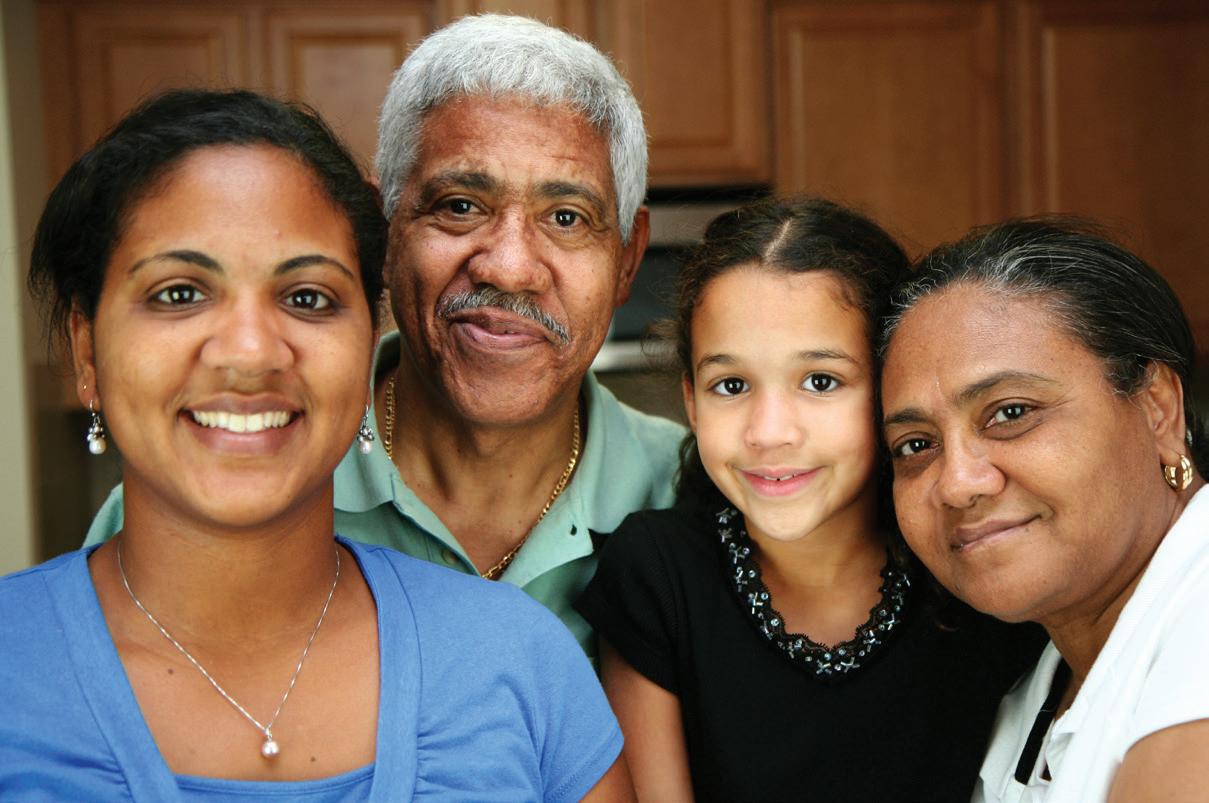
• They want to make sure that researchers are including people from their communities in studies so that we can know how new treatments work for everyone
FOR MORE INFORMATION PLEASE CALL:
Yale Cancer Center Clinical Trials O ce (203) 785-5702
smilowcancerhospital.org
smilowcancerhospital.org | Follow us on:





Smilow Cancer Hospital Introduction to Clinical Trials
What Are Clinical Trials ?
Clinical trials are research studies that involve patient volunteers and allow healthcare providers and patients access to the latest medicines and treatments before they are approved for wider use. ese studies answer important questions such as, “What are the side e ects of a medicine?” or “Which treatment is better?” All medicines that are currently approved were rst available to patients through clinical trials.
Many new treatments are designed based on what has worked in the past, in e orts to improve care. You may be interested in or asked if you’d like to enter a trial and it is important to learn as much as possible about the trial. Your doctor will explain the trial you are eligible to participate in; please ask as many questions as you would like so you fully understand the trial before deciding to participate.
Clinical trials may help researchers nd new ways to treat, diagnose, and prevent cancer, and manage the symptoms of cancer or the side e ects from cancer treatment. e Food and Drug Administration (FDA) approves all trials in di erent phases before patients can be treated, and patients are closely monitored throughout all phases.
PHASES OF A CLINICAL TRIAL INCLUDE:
PHASE 1 (also known as Early Phase)
• Phase 1 trials test new treatments by themselves or in combination for the first time in human volunteers. Only small numbers of volunteers join these trials.
• The purpose of these trials is to assess the safety of the new treatment, find the right amount of medicine to give, and determine how it should be given (when and how).
• Phase 1 trials find out important pieces of information including how the new treatment interacts with the body and fights cancer.
PHASE 2
• If the goals of a Phase 1 trial are met, a Phase 2 clinical trial is often done to further decide if the new treatment is e ective for fighting certain types of cancer.
• As in a Phase 1 trial, a Phase 2 clinical trial continues to look for any side e ects of the treatment.
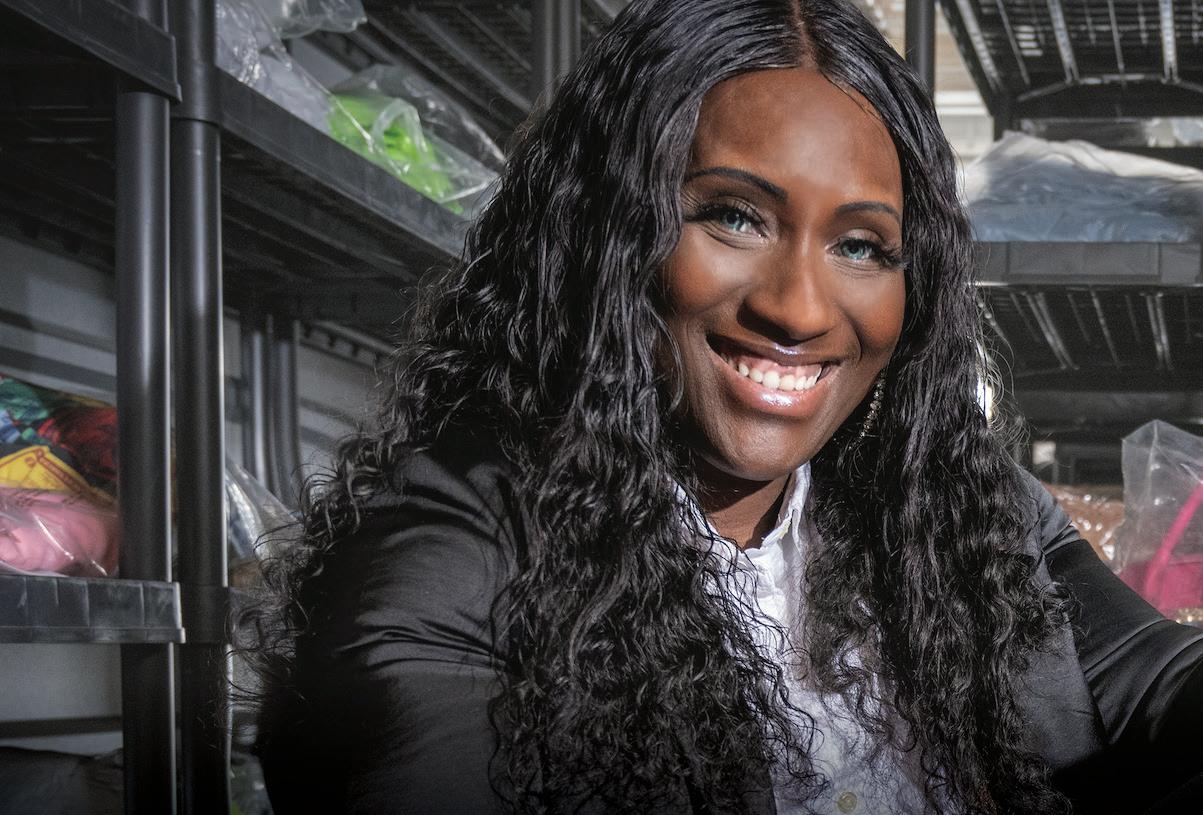


I had no hesitation in taking part in a clinical trial; if there was a chance it could save my life, I was going to take it. It may sound scary, but I would not be here today if it were not for the trial and the women before me that took part. I am proud to say that I am part of this story. If you have to face cancer, you might as well try and help others in the process.
PHASE 3
• Phase 3 clinical trials compare the safety and e ectiveness of the new treatment compared with what patients are currently getting.
• These trials include large numbers of patient volunteers.
• If the new treatment is as e ective or more e ective than the treatment patients are currently getting, it may be approved by the FDA as a new cancer therapy.
PHASE 4
• A Phase 4 clinical trial happens after the treatment is approved by the FDA as a new standard treatment.
• It may also be done to further assess safety over a longer period of time in a larger group of patients, or in a group of patients that may not have been included in the original Phase 3 trial.
TYPES OF TREATMENTS IN CLINICAL TRIALS:
• Immunotherapy – medicine that uses the body’s immune system to recognize cancer cells as invaders, and kill them.
• Chemotherapy – a medicine that kills cancer cells directly.
• Targeted therapies – medicine that targets a certain protein found in the body or cancer cells to stop cancer growth.
DECIDING TO PARTICIPATE:
• Participation is your choice; you can always stop the study at any time for any reason.
• Participating in a clinical trial is a chance to join research that may lead to new discoveries and treatments that may improve outcomes for cancer patients.
• The treatment in a clinical trial may work to treat your cancer with di erent side e ects than usual cancer treatment.
– Joshalyn Mills, breast cancer survivor


• People who participate in clinical trials have increased clinic visits and are monitored more closely during the course of their treatment for any side e ects or other concerns that may not have been expected.
STEPS FOR PARTICIPATION:
LEARN MORE
• If you are interested in learning more about clinical trial opportunities, you will be referred to the clinical trial team to meet, discuss clinical trials, and answer your questions.
• A doctor will decide if a trial is a good match for you and will recommend one if they think there is a good fit.
• You will learn about the trial and review an information form with the clinical trial team that goes over the details of participation.
JOIN
• If you are interested in learning more about clinical trial.
• If you are interested in participating, you will be invited to sign a consent form indicating that you understand the information provided to you.
• Following consent, you will enter the screening period –that means you will have tests done to confirm you and the trial are a good match, which could include a physical exam, labs, imaging, possible biopsy, and other tests, depending on the requirements of the trial.
START TREATMENT
• You will start treatment – this is similar to other treatment visits, but there will be additional visits and assessments to monitor your health and well-being very closely throughout the trial and learn more about the new treatment.
