46 From Windowsill to Garden: Starting Your Seeds Indoors
48 Garden Design for Paws, Plants & Peace of Mind
50 Following the Water Home: Simple Ways to Protect Our Local Waterways
56 Feathered Beginnings: A Practical Guide to Brooding & Raising Chicks
54 Our Planet, Our Power
60 Bringing Backyard Dreams to Life for the Last 20 Years
People, Places, Events
40 Making an Impact
44 Discover the Magic of North Carolina 4-H Summer Camps
52 Earth Day 2026 in Yadkinville
55 Gloria Sews-Open in New Location!
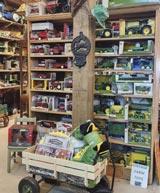
66 Yadkin Valley Collectors: International Harvester Collectors
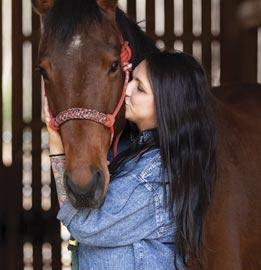
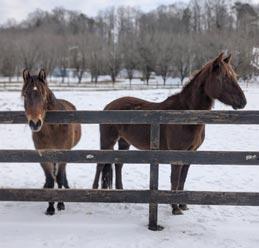
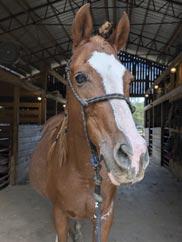
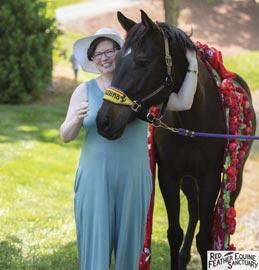
72 Red Feather Equine Sanctuary
82 Child Advocates: The Guardian ad Litem Program
Yadkin Valley Readers & Writers
68 Reader’s Trail: National Library Week Author Events 70 Book Reviews
Wellness
42 Immunizations Prevent Disease: A Measles Spotlight
In Every Issue 16 Recipe Box 20 Editor’s Letter 22 Beginnings 23 On the Cover 50 A River Runs Through It 86 100th Birthdays 88 What Is That?
92 Pet Pics
94 Business Section 97 Closing Devotions
March-April
2026
Throughout this issue, you’ll find a wealth of fun discoveries to fill your Yadkin Valley Weekends. Visit andyadkinvalleymagazine.com sign up to receive a free weekly email with suggestions for fun ways to visit a special event or make a special memory.
Anyone can provide advice. At Edward Jones, our goal is to provide advice and guidance tailored to your needs.
That’s why we live and work in your community. When it comes to your financial needs and goals, we believe you deserve face-to-face attention.
You talk, we listen, and we get to know you.
For more information or to schedule a complimentary financial review, call or stop by today.
www.edwardjones.com Member SIPC
FINANCIAL ADVISORS
Dobson
Paul J. Bunke, Sr., CFP®, ChFC,®AAMS™ 124 W. Kapp Street, Suite C PO Box 407 Dobson, NC 27017
336-386-0846
paul.bunke@edwardjones.com
Audra Cox, ABFP ™ 715 S Main St, Suite B Dobson, NC 27017 336-569-7385 • 844-795-3462 audra.cox@edwardjones.com
Elkin
Frank H. Beals
965 North Bridge Street Elkin, NC 28621
336-835-4411
frank.beals@edwardjones.com
Timothy Johnson
116 E. Market St. Elkin, NC 28621
336-835-1124
timothy.johnson@edwardjones.com
Nathan Sturgill
116 E Market Street Elkin, NC 28621
336-835-1124
nathan.sturgill@edwardjones.com
Jonesville
Aaron L. Misenheimer, CFP®, ChFC® 1530 NC Hwy 67, Suite A Jonesville, NC 28642
336-258-2821
Mount Airy
Andi Draughn Schnuck 496 N. Main Street Mount Airy, NC 27030 336-789-1707
andi.schnuck@edwardjones.com
Dale Draughn, AAMS™ 140 Franklin Street Mount Airy, NC 27030
336-789-0136
dale.draughn@edwardjones.com
Logan Draughn 492 N. Main Street Mount Airy, NC 27030
336-789-3323
logan.draughn@edwardjones.com
Kody Easter, AAMS™, CRPC™, CFP® 304 East Independence Blvd Mount Airy, NC 27030 336-789-2079
kody.easter@edwardjones.com
Randy D. Joyce
136 W. Lebanon Street Mount Airy, NC 27030
336-789-6238
randy.joyce@edwardjones.com
aaron.misenheimer@edwardjones.com
Tammy H. Joyce, AAMS™ 136 W. Lebanon Street, Mount Airy, NC 27030 336-789-6238
tammy.joyce@edwardjones.com
Tanner Joyce 752 S. Andy Griffith Parkway, Suite 400 Mount Airy, NC 27030 336-245-9112
tanner.joyce@edwardjones.com
Pilot Mountain
Tiffany L. Smith 106-B South Depot Stree Pilot Mountain, NC 27041 336-368-2575
tiffany.l.smith@edwardjones.com
Michael Warren, WMCP® 101-D Shoals Road, Pilot Mountain, NC 27041 336-368-0782
michael.warren@edwardjones.com
Yadkinville
Christopher L. Funk 128 South State Street • PO Box 790 Yadkinville, NC 27055 • 336-679-2192
chris.funk@edwardjones.com
38 Asian Chicken Sheet Pan Dinner 28 Black Walnut Cookies 34 Blueberry Cheescake Dutch Baby
At Yadkin Valley Magazine we value the concerns, ideas and interests of our readers. We welcome all story ideas and suggestions, always keeping an open file and working them in when possible. All story ideas should be submitted by mail to: PO Box 2077, Yadkinville, NC 27055.
WEEKENDS
Please submit information regarding fundraisers, gallery show openings, plays, readings, concerts or other performances at least two months in advance of an issue’s cover date. Sign up for our free weekly newsletter yadkinvalleyweekends.com/weekends
DISTRIBUTION
The magazine is FREE at locations throughout the Yadkin Valley. You will find a highlight listing of pick-up locations on our web site at www.yadkinvalleymagazine.com Not all locations will always have copies in stock.
ADVERTISING
We view our advertisers as people providing a service or a product who are genuinely interested in their customers. These businesses make it possible for you to enjoy the magazine for free. We hope that you’ll make them your first choice when you need the products and services they offer. Be sure to share that you read about them in Yadkin Valley Magazine.
Information about advertising is available at: yadkinvalleymagazine.com/advert ising
Health and educational articles included in Yadkin Valley Magazine are for information purposes only. Be sure to consult your personal physician before you begin any diet, medicine or course of treatment.
Yadkin Valley Magazine is a publication of Crossroads Publishing, LLC. PO Box 2077
Yadkin Valley Magazine is a publication of Crossroads Publishing, LLC. PO Box 2077
Yadkinville, NC 27055
Yadkinville, NC 27055
336-961-2620
336-961-2620
yadkinvalleymagazine@gmail .com
March-April 2026
January-February 2024 Volume 24 Number 3
Volume 26 Number 4
PUBLISHER
PUBLISHER
Leah Wagoner Williams
Leah Wagoner Williams
ADVERTISING SALES
ASSISTANT EDITORS
Victoria Williams
Leah Wagoner Williams
Rebecca Williams
Ken & Denise Knight
ADVERTISING SALES
CONTRIBUTING WRITERS
Leah Wagoner Williams
Peggy Isenhour
Ken & Denise Knight
Dr. Heather Kilbourne
Carmen Long
CONTRIBUTING WRITERS
Kellee Payne
Scott Duckworth
Lisa Prince
Peggy Isenhour
Chelsea Johnson
June Rollins
Courtney Tevepaugh
Madaline Jones
Dr. Heather Kilbourne
Karen Wagoner
Jill Walker
Carmen Long
Sharee Parker
Jessica Wall
Christi Pate
Kellee Payne
Patty Williams
Lisa Prince
June Rollins
Victoria Williams
Leslie Rose
Chelsea Johnson
Jessica Wall
Rebecca Williams
Madaline Jones
Molly Johnson
Sharee Parker
PHOTOGRAPHS & PHOTOGRAPHERS
Scott Duckworth
Peggy Isenhour
PHOTOGRAPHS & PHOTOGRAPHERS
Chelsea Johnson
awardwinning small batch, artisan Black Cherry Yogurt does not contain artifical flavors or preservatives!
Carmen Long
Madaline Jones
Lisa Prince
Carmen Long
Sharee Parker
Chelsea Johnson
Christi Pate
June Rollins
Kellee Payne
June Rollins
Madaline Jones
Molly Johnson
Leslie Rose
Leah Williams
Leah Williams
Rebecca Williams
Rebecca Williams
Victoria Williams
DISTRIBUTION
Sharee Parker
Gray & Amber Harris
Ken & Denise Knight
Kellee Payne
Michael Scott
Courtney Tevepaugh
Isaac Williams
Peggy Isenhour
Mark Williams
Rebecca Williams
DISTRIBUTION
Rebecca Cranfill
Ken & Denise Knight
Debbie & Andy Hennings
Michael Scott
a line from leah
SPRING! There is something about spring in the Yadkin Valley, especially following the unusually cold weather we have had. If pollen didn’t make me sniffly, spring would be perfect. I am ready to shed winter coats and get my hands in the dirt. If you are looking for projects around your house and yard, this issue has plenty of ideas.
If you’d rather explore the Yadkin Valley, events will begin to pop up as the weather warms. A new event in Yadkinville this year is an Earth Day celebration sponsored by Yadkin Valley Magazine and other local businesses. It falls during National Library Week, and we have NC environmental author Georgann Eubanks featured during the event. Local businesses and organizations will also have relevant information to share with you. Register for some fabulous door prizes, too! You can find more information on pages 50-51, or watch our Facebook page as we get closer to the event. We hope to see you there!
Of course, be sure to try the fantastic recipes in this issue!
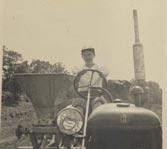
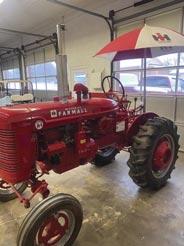
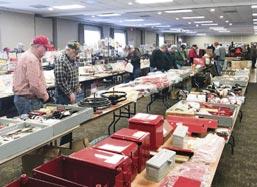
Be sure to read about International Harvester collectors in this issue. Working on that made me think about the Farmall that was the first tractor I drove as a little girl. I don’t have a photo of it, and the tractor is long gone. But my husband remembered a picture of his mother on an IH tractor, so I am including it instead. I am sure that there are many Yadkin Valley readers who remember spring as a very busy time on the farm!
I have a growing list of items to double or maybe triple check for each issue. The most recent addition to that list is the date on the cover. For those of you who were confused about the most recent issue that had “November-December 2026” on the cover, yep-I goofed! I do not promise to make no mistakes in the future, but I will do my best not to do that again! Thank you to each reader and advertiser who showed me grace. It means a lot that I can make a mistake and you still love Yadkin Valley Magazine!
Peggy Dull Williams
Our telephone number is 336-961-2620 web address: yadkinvalleymagazine.com
Please email the following: Advertising Inquiries Weekends/Events Calendar Submissions
BEST Yadkin Valley COOKS recipes Pet Photos to: yadkinvalleymagazine@gmail.com
Yadkin Valley Magazine assumes no responsibility for unsolicited materials. Entire contents copyright 2024 All rights reserved. Reproduction of our created advertising materials and design work are strictly prohibited. Yadkin Valley Living, Yadkin Valley Magazine, Yadkin Valley Weekends, Best Yadkin Valley Cooks, 52 Pounds and then some!, are trademarks of Crossroads Publishing LLC, PO Box 2077, Yadkinville, NC 27055.
Proudly printed in the USA. Every effort has been made to ensure the accuracy of the information contained in the magazine. We assume no responsibility for changes in schedules, prices, hours or information.
Before travelling long distances, it is always wise to use the contact numbers included in the magazine to confirm that the events you wish to enjoy are still on schedule.
The contents of advertising and articles do not necessarily represent the views of the publisher. The publishers assume no responsibility for errors or omissions of any advertisement beyond the actual cost of the advertisement. In no event shall the publishers be liable for any consequenstial damage or any damages in excess of the cost of the advertisement.
Before you replace the wood on your deck, talk to us about…DECK RESTORE™ or DECK REVIVE products. Both products revive and protect wood surfaces such as wood and composite decking, stairs, docks and more. They install at a fraction of the cost of total surface replacement while adding years of life to older wood decks!
Our Design Specialist can offer creative ideas on any painting project. Whether you’re just needing a little guidance… or the whole idea.
Want to see more before & after samples of our work? Call me today and I’ll be glad to bring photos by for you to see. Discover how our superior protective coatings stand up to the toughest elements Mother Nature can throw at it. How much will it cost? My consultation visit and estimate are FREE. —Mark Diachenko. Mark@PaintandCoatingsLTD.com
It Won’t be Long
Visit June’s website at: www.junerollins.com
I enjoy all the seasons; winter’s stillness, spring’s aliveness, autumn’s coziness and summer’s carefreeness. But it’s spring I wish for the most. I want it to arrive early. Especially this year.
I’m not sure if it’s because I’m older (70 in April), or because I’m retired with more time to check the outside temperature on-the-hour-every-hour, but winter’s chill felt more severe this year than in years past. And I hate being cold.
I remember when we first moved to the Western NC mountains and feeling accosted by the biting icy winds. I had been comforted by locals assuring me that, “We’re having an especially cold winter this year.”
But after twelve winters of wearing insulated underwear under my clothes because the more usual milder winters never happened, I realized mountain winters are just plain cold. I can’t imagine living in the Northern states with sub zero temperatures and, not inches, but feet of snow. I want spring to arrive early this year so I can thaw out.
Last November I planted dutch iris and daffodil bulbs. Now, on still chilly March mornings, their green stems emerging from frozen ground are announcing, It won’t be long.
It won’t be long before flowers are blooming, bees are buzzing, birds are building, bunnies are hopping, and ewes are lambing. I’ll be packing away my long johns and reaching for short sleeves. Soon I’ll be sweating and complaining about the unusually hot temperatures for this time of year. But we’re not there yet. Let’s not rush things. Does anyone wish for spring to be over like we wish for winter to be over? Maybe school children, wishing to be freed into early summer fun. But not us old folks, we find our bliss in the hope of an eternal spring.
Wishing All Spring’s Renewal, June
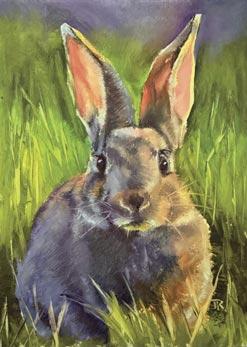
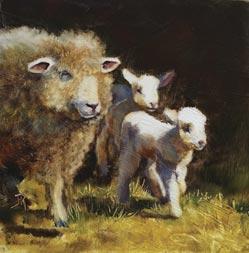
I always look forward to opening an email from June Rollins. I enjoy her submissions for “beginnings” and the artwork she includes to accompany it. For this issue, I was pleasantly surprised to receive photos of four of her lovely paintings! Though I had tentatively planned on something else for the March-April cover, “Love What You Do” made me rethink my plan.
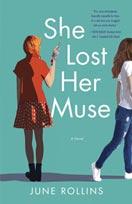
June is a signature member of Watercolor Society of NC and the Southern Watercolor Society, though she also paints with oils. Animals and nature are common subjects in her artwork. In addition to teaching workshops, she is also an author with an art reference guide and two novels to her credit. Her books are available on Amazon.
June began writing for Yadkin Valley Magazine and sharing her artwork with the Yadkin Valley 23 years ago. This is the fourth time her artwork has been featured on the cover.
On the Cover
You can learn more about June and her artwork at junerollins.com.
Johnson
Family & Consumer Sciences Agent
N.C. Cooperative Extension Yadkin County Center Cooperative Extension Chelsea_Johnson@ncsu.edu
Follow along on Facebook @YadkinCountyFCS
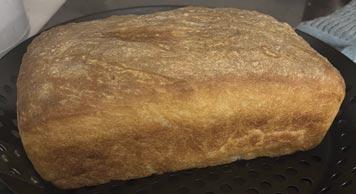
Knead to Know: Making Your Own Bread
Bread has been a staple food for centuries, and there's something incredibly satisfying about baking your own. The smell of freshly baked bread wafting through your home is an experience like no other. Not only is homemade bread delicious, but it’s also a fun and rewarding activity. Whether you’re a beginner or an experienced baker, making your own bread can be a fulfilling experience. Why Make Your Own Bread?
When you bake at home, you control the ingredients. You can choose flours, avoid preservatives, and choose your own additives. You can experiment with flavors and textures by adding herbs, cheeses, nuts, and even dried fruits! The process can be therapeutic, and the result – a loaf of bread made with your own hands – is immensely gratifying.
Tips for Baking Success
Don’t Rush! Allow adequate time for the dough to rise. Patience is key! Once you’re comfortable with the basics, try adding different ingredients like herbs, cheeses, or seeds. Keep your bread wrapped in a cloth or sealed in a bag to maintain freshness. It can be stored at room temperature for a few days or frozen for longer storage.
Making your own bread is more than just creating a delicious loaf – it’s a chance to create something tangible with your own hands. As you become more experienced, you’ll find joy in experimenting with different recipes and techniques. So, gather your ingredients, roll up your sleeves, and get ready to enjoy the fruits of your labor! Happy baking!
Simple Sandwich Bread
Ingredients
3 Cups All-Purpose Flour
1 ½ teaspoon salt
1 ½ teaspoon instant yeast
1 ½ teaspoon sweetener of choice
(honey, sugar, maple syrup, etc)
1 ½ cups of water
Drizzle of olive oil
Directions
In a bowl, mix ingredients to create a wet, “tacky” dough.
Cover and let sit for 2 hours.
Once the dough has risen, use utensils to carefully pull the dough from the sides of the bowl, folding towards the middle to create a round shape.
Drizzle the olive oil around the dough, pulling it off the bottom. Roll the dough into a cylinder shape and place it in a buttered bread pan.
Let the dough rise in the bread pan for 1 hour or until it reaches the top of the pan.
Place into a 375F oven for 45 minutes.
Sourdough Bread
Sourdough bread, known for its distinctive tangy flavor and chewy texture, is a beloved staple in many households. What sets it apart from other breads is its natural leavening process, which involves a fermented starter made from flour and water. This starter contains wild yeast and beneficial bacteria that not only help the dough rise but also contribute to its unique taste and smell. Additionally, sourdough is often easier to digest and has a lower glycemic index compared to breads made with commercial yeast. The art of sourdough baking has seen a resurgence in recent years, with home bakers embracing the process of nurturing a starter and perfecting their techniques for a tasty loaf.
Take a clean bowl and add your flour, warm water, instant yeast, salt, and sourdough discard. Use a wooden chopstick or the end of a wooden spoon to gently bring all the ingredients together into a shaggy dough. You don't need it to be fully smooth, just ensure that all of the flour is wet.
Cover the bowl in cling film and set it somewhere warm for 1 - 2 hours. It really depends on the temperature of your house with this one. If your house is warm, 1 hour will be plenty. In the depths of winter or with air conditioning, you may need more than 2 hours. You just want it to double in size, no more or less, or it won't rise in the oven.
Around 45 minutes before you want to put your bread into the oven, you'll need to put a Dutch oven into the oven and preheat it to around 430F.
Once your dough has doubled in size, grab a piece of parchment paper and lay it out on your counter. Sprinkle on a few tablespoons of rice flour or fine semolina flour (this is just so that the dough doesn't stick to your hands). Scoop your dough out with your hands - if it's particularly wet, it's perfectly fine to pour it onto the paper. If it's not too wet, use the flour and your finger tips to gently bring it into a round shape - you will need to pull each side over the other to do this. If your dough is too wet - don't fret, just try and bring it into some kind of shape without getting too messy.
Carefully take your Dutch oven out of the oven and remove the lid. Use the parchment or baking paper as a handle to gently place your discard bread inside the pot and put the lid back on.
Bake in the oven, with the lid on, for 30 minutes at 430F. Then remove the lid of the pot and bake for a further 10 minutes at 390F. Remove the bread from the oven and allow it to cool on a wire rack. Try to let it cool for at least an hour before cutting it. It will still taste great if you cut it hot, but it's so much easier to cut if you let it cool!
Go For the Green
Family & Consumer Sciences Agent
N.C. Cooperative Extension
Surry & Alleghany County Centers
New green growth on trees, plants, and grass is a welcome sight after several months of cold and snowy winter weather. The many shades of spring green remind me of St. Patrick’s Day and delicious fresh greens growing in the garden. Seeing those little green stems and leaves sprouting through the soil is almost magical.
Leafy greens are one of the first things you can plant this spring. A cool crop, the seeds can be planted as soon as the soil can be worked or started even earlier from seed indoors. Don’t have space or the desire for a traditional garden, no worries. Leafy greens can be successfully grown in containers on your porch, deck or in a flower bed. I recycle plastic hanging basket flowerpots from the plants I purchase the previous season and plant a variety of seeds (kale, spinach leaf lettuce, arugula and herbs) over a period of several weeks. Not planting all the seeds at the same time will ensure the fresh greens will be available the entire growing season. A benefit of growing your own plants is being able to harvest just before you want to eat it for ultimate freshness. As soon as the leaves are 2-3 inches tall, you can cut or gently break off the leaves as you need them without harvesting the whole plant. Once the plant reaches the desired size, harvest the remaining leaves. Rinse the lettuce under running water to wash. To dry, place the washed greens in a salad spinner or pat dry with paper towels or a clean cloth. Store the clean greens in the salad spinner or in a perforated plastic bag in the refrigerator.
Leafy greens can be used in so many different recipes. They can be mixed with cooked meats and other vegetables for a main dish salad. Cut the leaves into shreds and add them to tacos or a sandwich.
Skip the bread and use larger leaves as wraps for a low carb option.
Salads are a fun way to be creative in the kitchen and make a perfect spring meal.
The possibilities are endless. For a little different version of a salad, try a Walnut Crusted Salmon Grain Bowl. This recipe uses kale as the base with a grain, baked salmon and homemade dressing to round out the bowl. Not only are homemade dressings delicious, but you also know exactly what is in them compared to the long list of ingredients in many prepared varieties
Even if you don’t see any leprechauns or rainbows in your yard this Saint Patrick’s Day, your pots of greens are almost like pots of gold. Growing your greens and making your own dressings can definitely result in more money in your pocket. A pack of seeds costs less than one box or bag of mixed greens and provides several more servings. Added bonuses are the stress relief and exercise gardening can provide along with the pleasure of seeing your garden flourish. Enjoy the season and take advantage of the opportunity to grow some of your own food this spring.
For more gardening information, contact North Carolina Cooperative Extension, Surry Center at 336-401-8035 or visit our website at surry.ces.ncsu.edu
Walnut Crusted Salmon Grain Bowl
Total Time: 1 Hour, 10 Mins
Serves: 4
Serving Size: 1 piece
Meal: Dinner or Lunch
Description: Crispy walnut-crusted salmon meets quinoa, roasted butternut squash, and kale for a nourishing bowl full of flavor.
Ingredients
Bowl Components
⅓ cup dry quinoa
1 ½ cup cubed butternut squash or cooked sweet potato
3 cups of kale or leafy green of your choice
¼ cup feta
¼ cup parsley
4 teaspoons olive oil, divided
Walnut Crusted Salmon
1 pound of salmon fillets
½ cup finely chopped California walnuts
1 ½ tablespoons Dijon mustard
1 ½ teaspoons honey
1 teaspoon garlic powder
1 teaspoon lemon zest
½ teaspoon smoked paprika
Kosher salt and black pepper to taste
Dressing
2 tablespoons olive oil
¼ cup apple cider vinegar
Juice from half a lemon
1 tablespoon Dijon mustard
1 teaspoon honey
¼ teaspoon paprika
Kosher salt and black pepper to taste
PREPARATION
Cook quinoa according to package directions.
Preheat the oven to 400F. Line a large baking sheet with parchment paper. Toss squash with 2 teaspoons olive oil, salt, and pepper. Roast on a baking sheet for 15-20 min until tender. Set aside to cool.
Make salmon: In a small bowl, combine Dijon, honey, garlic powder, lemon zest, paprika, salt, and pepper.
Add salmon to a parchment lined baking sheet. Spread mixture over salmon. Sprinkle chopped walnuts over top and gently press down to adhere to salmon.
Bake salmon for 10-12 min until opaque and flakes easily with a fork.
Massage kale with 2 teaspoons of olive oil in a large bowl. Add cooked quinoa, roasted squash, feta, and parsley to the bowl and toss to combine.
Add all dressing ingredients to a jar fitted with a lid. Shake well to emulsify.
Serve greens and veggies in a bowl and top with a fillet of walnut crusted salmon. Serve with dressing. Garnish with more parsley, if desired.
Source: California Walnuts
foodsandflavors ™ ~ with ShaRee Parker
Black Walnut Cookies
1 cup butter, room temperature
2/3 cups granulated sugar
2/3 cups light brown sugar
2 eggs, room temperature
1 teaspoon vanilla extract
1 teaspoon butter extract
1 teaspoon black walnut extract
2 ¼ cups all-purpose flour
1 teaspoon baking powder
½ teaspoon baking soda
½ teaspoon salt
½ teaspoon cinnamon
2 cups black walnuts, chopped
Preheat the oven to 350 degrees.
In a large bowl with a mixer, cream together the butter and sugars. Add the eggs, vanilla extract, butter extract, and black walnut extract and mix well.
Sift the flour, measure, and sift again with the baking powder, baking soda, salt, and cinnamon in a separate bowl. Slowly mix the flour mixture into the butter mixture until creamy. Add the black walnuts to the mixture and mix well.
Using a 1 ½” scoop, scoop out the dough onto ungreased, parchment lined, or silicone lined cookie sheets. Bake for approximately 12-14 minutes or until lightly browned. Let cookies cool on cookie sheets for 2-3 minutes and then place cookies on wire racks to cool completely. Store in a glass cookie jar with a lid. Yields approximately 4 dozen cookies.
If you like black walnuts, you will enjoy these crunchy cookies that are loaded with rich distinctive flavor.
Mortgage Lifter Tomato
Ashworth Sweet Corn
Sugar Snap Pea
Sunspot Sun Sunflower
State Fair Zinnia
Edisto 47 Muskmelon
foodsandflavors ™ ~ with Lisa Prince
Director, NC Egg Association
Eggs… Easter & Springtime
Eggs have long been a symbol of new life and renewal, making them a natural fit for Easter and the arrival of spring. As days grow longer and the world begins to bloom, eggs represent fresh beginnings, hope, and the simple joy of starting anew. From colorful Easter eggs to cherished family traditions, they remind us of the season’s beauty and promise.
In springtime kitchens and celebrations, eggs also take center stage as a versatile, nourishing staple. Whether baked into brunch dishes, dyed for Easter baskets, or shared around the table with loved ones, eggs connect the rhythms of the season with moments of togetherness—celebrating growth, gratitude, and the warmth of spring’s return.
Visit NCEGG.ORG to sign up to receive NC Egg Association’s monthly e- newsletter, which features egg-inspired recipe ideas, cooking and safety tips and information on NC’s egg farming families!
OVERNIGHT FRENCH TOAST
https://ncegg.org/recipe/overnight-french-toast/
Total Time: 1 hour 40 minutes
Servings: 12
Ingredients
1 (1 lb.) loaf sourdough bread, torn into 1” pieces
8 Large eggs
2 ½ cups milk
½ cup granulated sugar
½ cup brown sugar
1 tablespoons vanilla extract
1 teaspoon ground cinnamon
½ teaspoon ground ginger
¼ teaspoon ground nutmeg
¼ teaspoon salt
3 cups fresh berries such as strawberry, blueberries, raspberries
1 tablespoons confectioners sugar, to serve Maple syrup, to serve
Instructions
Prepare a 9”x13” baking dish with nonstick cooking spray. Place bread pieces or cubes in the prepared dish in an even layer. In a medium bowl, add eggs, milk, granulated sugar, brown sugar, vanilla extract, cinnamon, ginger, nutmeg and salt. Whisk to combine, then pour over bread. Cover with plastic wrap and refrigerate overnight.
When ready to bake, preheat the oven to 350°F. Remove plastic wrap from the dish and bake for 45-60 minutes, until desired texture.
Top with fresh berries, sprinkled confectioners’ sugar and maple syrup, if desired.
Combine all ingredients in a medium bowl. Stir to mix well. Garnish and serve.
For the Baked Bread Cups
Preheat the oven to 375° F.
Lightly spray a 12 standardsize muffin cup mold with olive oil spray.
Carefully insert a slice of bread into each muffin cup. Press with fingers against the mold on bottom and up the sides. Crusts should stick out.
Evenly spray olive oil over bread cups.
Bake for 16-18 minutes or until golden brown. Remove from heat and let cool.
Spoon 2-3 tablespoons of egg salad into bread cups. Garnish with herbs or a jalapeño slice. Serve.
foodsandflavors ™ ~
Gluten Free
with Peggy Isenhour
Welcome Spring!
March is a special month because it bridges winter and spring. Spring begins March 20th, a time when day and night are almost equal in length. It marks a time of hope, balance, and fresh starts. April really begins feeling like spring. It’s a month of beauty and balance – longer days and warmer air. Flowers bloom, trees begin to show their leaves, and gardeners begin to plant their flowers. Plenty of showers help the gardens to flourish. As the saying goes, “April showers bring May flowers.” Easter is a religious holiday celebrated on April 5. Easter is observed on the first Sunday after the first full moon on or after the spring Equinox. Easter is one of the most meaningful days among Christians because it celebrates hope, new life, and victory over death.
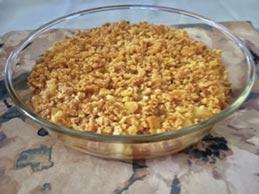
This month’s recipes are Cranberry Chicken Salad and Pineapple casserole. The chicken salad has a sweet and savory balance with the cranberries and chicken complimenting each other. The salad is great on croissants, wraps, or sandwiches, or can be served on a bed of lettuce or with crackers. The flavors improve as it chills, so it is great to make a day ahead as a time saver. Pineapple casserole is a Southern comfort classic. The juicy pineapple and sharp cheddar cheese give an unexpected surprise. The buttery crust gives the casserole an added crunch.
If you are making these recipes gluten free, I have added in parentheses the brands I prefer.
Happy Spring! Happy Easter! Blessings!
Cranberry Chicken Salad
4 cups cooked chicken shredded
2 crisp apples, diced with peeling left on
1 cup dried cranberries
1 cup chopped celery
½ cup chopped pecans or walnuts
¼ cup red onion, finely chopped
1/3 cup mayonnaise
1/3 cup Greek yogurt
1 tablespoon Dijon mustard (French’s is gluten free)
1 tablespoon fresh lemon juice
1-2 tablespoons honey according to sweetness desired
Salt & pepper to taste
Instructions:
In a large bowl, combine the chicken, apples, cranberries, celery, and red onion. In a small bowl whisk together the yogurt, mayonnaise, mustard, lemon juice, honey, salt and pepper. Pour the dressing over the chicken mixture and toss until well coated. Chill in the refrigerator for at least 30 minutes or overnight. Sprinkle chopped nuts on top before serving.
Pineapple Casserole
1 20 oz can pineapple tidbits
1 20 oz can crushed pineapple, drained
2 cups shredded sharp cheddar cheese
½ cup white sugar, or to taste
1/3 cup all purpose flour (King Arthur Measure for Measure gluten free flour at Walmart)
*30 Ritz crackers crushed (Lance gluten free baked original crackers at Walmart)
½ cup unsalted butter, melted
Preheat the oven to 350°. Drain the can of pineapple tidbits, reserving ¼ cup of the pineapple juice. Discard remaining juice. In a large bowl, combine pineapple tidbits, reserved ¼ cup juice, drained crushed pineapple, cheese, sugar and flour. Mix together. Pour into 1 quart casserole dish. Mix cracker crumbs and melted butter in a small bowl. Sprinkle over pineapple mixture. Bake in a preheated oven for about 30 minutes or until golden brown.
*If unable to find Lance gluten free crackers, Schar Entertainment gluten free crackers can be substituted.
Blueberry Cheesecake Dutch Baby
A flavorful, oven-baked pancake filled with juicy blueberries and rich cream cheese. Quick and easy to make, it's perfect for a spring breakfast or brunch!
Servings: 4
Prep Time: 10 minutes
Cook Time: 30 minutes
Ingredients
6 eggs
1 cup milk
1 cup oat flour (or regular flour)
2 cups blueberries (fresh or frozen)
4 ounces cream cheese
1/4 cup unsalted butter
1 teaspoon vanilla extract
Dash of salt
Instructions
1. Preheat oven to 400 degrees.
2. Put the butter in a 15" cast iron skillet and place it in the preheating oven. Remove it from the oven once the butter has melted.
3. Cut the cream cheese into 1/2 inch pieces and set aside.
4. Add the eggs, milk, oat flour, vanilla, and salt to a large mixing bowl and whisk together until smooth.
5. Pour the batter into the skillet with the melted butter.
6. Sprinkle the blueberries and cream cheese pieces on top and place in the preheated oven.
7. Bake for 30 minutes or until the edges are starting to turn golden brown. Enjoy with your favorite toppings!
Note:
This pancake is delicious served with maple syrup, whipped cream, and extra blueberries. You can also see the recipe at https://rightathome.blog/blueberry-cheesecake-german-pancakes/
Thanks to Violet Parcha for sharing this recipe.
Quality without Question
Inspected Daily
USDA PRIME and Choice Meats for specials and updates!
USDA PRIME and CHOICE Meats Inspected Daily
Wings, Steaks, Burgers, Pork, the freshest cuts of meats fresh breads and sides
133 Old Buck Shoals Road • Mount Airy 336-786-2023 Monday-Friday 9-6 Saturday 9-5 Closed 1-2 for lunch Monday-Thursday
Key Lime Pound Cake
From the Best Yadkin Valley Cooks Cookbook
1 1/2 cups butter, softened
1/2 cup shortening
2 cups granulated sugar
5 whole eggs, room temperature
3 cups all purpose flour
1/2 teaspoon baking powder
1/2 cup milk
1/2 cup lime juice
1 1/2 teaspoons vanilla extract
Glaze
1/4 cup granulated sugar
1/4 cup butter
3 tablespoons lime juice
Mix together flour and baking powder.
Cream butter, shortening and sugar until light and fluffy.
Beat eggs in one at a time.
Beat flour mixture alternately with milk just until incorporated.
Stir in lime juice and vanilla.
Pour batter into a greased/floured 10-inch tube pan.
Bake at 325 degrees for 90 minutes or until toothpick come out clean. Allow cake to cool for 10 minutes before turning out onto a wire rack.
While warm, prick cake top with a toothpick.
Pour lime glaze over warm cake; cool completely before serving.
Glaze: Combine sugar, butter and lime juice in a small saucepan. Bring to a boil. Continue to boil, stirring constantly for 1 minute; remove from heat.
PEMF therapy
We’ll Help You Feel BETTER!
Whether you’ve had a whiplash injury, took a fall, or just overdid it at the gym, let us help you heal naturally!
These types of injuries involve your soft tissue, which consists of nerves, muscles, tendons, ligaments and cartilage. Unlike broken bones, soft tissue injuries can take years to heal.
If your spine is out of alignment, it can cause tissue tears, irritation, inflammation and scar tissue. When ig- nored,this can lead to altered biomechanics, spinal degen- eration and disabling osteoarthritis.
Chiropractic care can improve your joint range of mo- tion and break up scar tissue, increase your circulation and reduce inflammation for a faster more complete healing. A Chiropractic adjustment is a controlled motion that can restore the alignment and function of your spine. The Open Rehabilitation Journal states controlled motion “can stimulate the repair and restoration of function.”
Everyday is More Fun When You Feel Fantastic!.
We see patients every day that come in struggling to walk, lift or turn their heads. Yet, after completing their program of Chiropractic care they have returned to their normal activities.
Don’t suffer needlessly from misaligned, injured and inflexible spinal joints. Spinal adjustments effectively reduce pain and enhance health... without drugs or surgery!
Let us help you and the people you care about live healthier and more active lives. CALL NOW!
Asian Chicken Sheet Pan Dinner
From the Best Yadkin Valley Cooks Cookbook
An easy to prep ahead meal that packs crunchy veggies with sweet pineapple and moist chicken, all coated in delicious Asian flavors you would have with take out. It's great served over rice or all by itself!
Serves 4
2 large boneless skinless chicken breast, cubed
2 cups chopped broccoli
1 red pepper sliced
1 small red onion chunked
1 cup of fresh pineapple, cubed
1 small can of water chestnuts, drained
For chicken marinade:
2 tablespoons low sodium soy sauce
2 teaspoons minced garlic
1 Tablespoon olive oil
For sauce:
3 tablespoons low sodium soy sauce
3 tablespoons Hoisin sauce
1 tablespoon rice vinegar
1 teaspoon ginger (ground spice works)
1 teaspoon minced garlic
1/4 teaspoon chili garlic sauce (or to taste if you like more heat) sesame seeds to garnish, optional
Marinate cubed chicken breast overnight.
Preheat oven to 400 degrees. Line a large sheet pan with parchment paper. Create a divided "section" on the pan using the parchment paper to separate chicken from veggies and fruit. This helps your veggies to roast, not steam from the moisture in the meat. Lightly spray (or toss) veggies with olive oil. Roast 25 minutes or until chicken is cooked. Mix together sauce ingredients.
Combine chicken and veggies, pineapple in a large bowl and pour sauce over, tossing to coat. Serve and enjoy!
Easter Cheese Ball
This playful Easter cheese ball is made with just 6 ingredients including cream cheese, cheddar, bacon, ranch seasoning mix, and Worcestershire sauce. Formed into the shape of a carrot, sprinkled with cheese, and finished off with fresh leafy greens for the carrot top, this adorable appetizer is colorful, fun, and delicious with crackers!
Prep Time 15 minutes minutes
Chill Time 30 minutes minutes
Total Time 45 minutes minutes
Servings 12 servings
Author Melissa Williams, persnicketyplates.com
Ingredients
16 ounces cream cheese at room temperature
2 tablespoons ranch seasoning mix or one packet
2 cups finely shredded cheddar cheese divided
6 slices bacon cooked and crumbled
1 tablespoon Worcestershire sauce
1 bunch cilantro or parsley for carrot top
Instructions
To a large bowl, add the softened cream cheese and ranch seasoning. Use a hand mixer on low to mix until well combined.
Add one cup of the shredded cheddar, the crumbled bacon, and Worcestershire sauce to the mixture. Stir until combined.
Lay out a large piece of plastic wrap on a baking sheet and place the cheese mixture on top. Use the plastic wrap to help form it into the shape of a carrot.
Flip the carrot-shaped cheese ball to a large serving platter or cutting board. Use the remaining cup of cheddar cheese to cover the cheese ball, pressing gently to make sure it sticks. Place cilantro or parsley stems into the top of the carrot cheese ball.
Refrigerate for 30 minutes to let the cheese ball firm up. Serve with crackers, veggies, olives, or your favorite dippers.
Notes
▻Skip the bacon and mix in chopped green onions for flavor.
▻Use full-fat block cream cheese for best texture—avoid the tub variety.
▻Try chive cream cheese and leave out ranch seasoning, or add your own blend—onion powder, garlic powder, or a dash of hot sauce.
▻Feel free to switch up the inside cheese, but stick with orange cheddar for the outside to keep the carrot look.
▻If the mixture is too soft to mold, chill it first to make it easier to shape.
▻Keep in an airtight container in the fridge.
▻Cheese balls stay fresh in the refrigerator for up to 2 weeks.
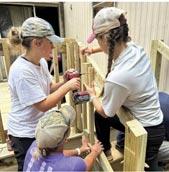
Making an Impact
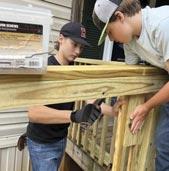
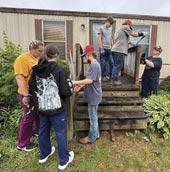
Since 2011, Impact Yadkin has brought together youth and adult volunteers to make a difference by serving neighbors and reaching out to the community.
This year’s event will take place June 6-12. Middle and high school students, under the supervision of adult volunteers, will tackle home projects like roofing, building ramps, painting, and landscaping to assist homeowners who need a helping hand. Outreach events called “Party in the Park” are also scheduled to reach local children through Bible stories, games, and music.
All of this is possible only through the commitment of volunteers, dedication of churches and other organizations, and the generosity of sponsors. Chris Hauser, a local pastor who founded Impact Yadkin, says that the young people are impacted by volunteering as much as the homeowners are impacted by the assistance.
For more information, follow Magnify Ministries on Facebook or Instagram. You may also contact organizers by email at info@magnifyministries.org. Volunteers and potential sponsors are asked to respond by May 1.
Discover Your Best Self at Aesthetix Laser and Medspa
At Aesthetix Laser and Medspa , we believe in the power of self-care and transformation. Our mission is to help you look and feel your absolute best through cutting-edge treatments, personalized care, and a luxurious experience that rejuvenates both body and mind.
Our team of licensed medical professionals offers a variety of customized services including:
●Neurotoxin and Dermal Fillers
●Laser Hair Removal
●IPL - photofacials
●Frax
●Microneedling
●RF Microneedling
●Hair Restoration
● Anteage and Revision skin care products
● Hydration
“I am committed to helping women embrace their natural beauty with confidence by offering personalized care that honors every stage of life. Through education, compassion, and skilled touch, I aim to inspire a now standard of self-care that prioritizes wellness, radiance, and self-love at any age.” Meet Misty Green, our new aesthetician! Now scheduling appointments!
Ready to start your journey? Consultations are complimentary!
Contact us at 336-409-0241 or visit our website www.aesthetixlaserandmedspa.com to schedule your appointment. Follow us on @aesthetixlaserandmedspa_pllc for the latest updates, tips, and specials.
Exclusive Offer
Let us celebrate you! Book Your Appointment and mention this ad for 20% off your first treatment as a new client. Don’t miss the chance to begin your transformation today!
Aesthetix Laser and Medspa: Where Beauty Meets Science, and Confidence Comes Naturally.
Wellness
Immunizations Prevent Disease: A Measles Spotlight
There are sixteen preventable diseases that children can be protected against by vaccination before the age of nineteen. And most of those are administered in early childhood, starting as early as birth. According to HealthyChildren.org, the website of the American Academy of Pediatrics, there are many common myths about vaccines that just aren’t true. Like the myth that most of these diseases were dying out even before the vaccines were developed. But the truth is, although better controlled through education, better living conditions, and vaccines, the pathogens that cause these diseases are still out in our communities. Another common myth is that these diseases, like chicken pox, won’t kill, so the vaccines aren’t important. Again, not true. Before widespread use of the vaccine, there were 150 deaths per year and now less than 30
Jessica O. Wall, MPH Director, Yadkin County Human Services Agency
Medical Clinic and Wic jwall@yadkincountync.gov 336-849-7588
Other common myths are that immunizations can cause conditions such as Tdap causing Sudden Infant Death Syndrome (SIDS) or vaccines causing autism. There has been no scientific evidence to prove that the Tdap vaccine causes SIDS. This vaccine is typically given when a child is 2 months old, which is also when we tend to see the highest incidence of SIDS related death. However, this spike in SIDS deaths is more closely related to the child’s physical and neurological development, coupled with their environment like sleep position and room temperature. In addition, according to Dr. Whitney Casares in an article written for HealthyChildren.org (May 16, 2025), “Extensive evidence from the American Academy of Pediatrics (AAP), the National Academy of Medicine and researchers around the world also have concluded that there is no causal association between the MMR vaccine and autism”.
So, you know they’re important, but how do they work? Vaccines are designed to work with your body’s natural immune system to help you build immunity to the disease. When someone comes in contact with a germ, either a virus or bacteria, the germ enters their body and begins to multiply and attack healthy cells. This causes an infection. Your body’s response to this invasion is to attack the germ and destroy it. In the process, your body is left with cells that can remember the germs it has already come in contact with. These cells, called antibodies, will be able to recognize and fight the disease in the future. When someone is vaccinated, they are given a small dose of the germ that causes a specific disease, so as to imitate an infection, but should not actually cause an illness. This helps the body develop antibodies to that disease, so in the future, when it comes in contact with the disease, your immune system is ready to recognize it and fight back.
One vaccine preventable disease you have likely seen in the news lately is measles. Measles is highly contagious, with 9 in 10 contacts who lack immunity getting infected. Measles spreads through the air when a sick person coughs or sneezes. The virus can stay in the air for 2 hours after a person leaves the space. Measles symptoms appear 11 to 12 days after exposure to the virus. Symptoms may include a high fever, cough, runny nose, red and/or watery eyes and rash. The rash will present 2 to 4 days after symptoms begin and usually lasts 5 to 6 days. Measles is infectious 4 days before and 4 days after the rash appears.
The first licensed use of the measles vaccine was in 1963. Before this, measles was a common childhood illness. And most children recovered. But not all did and there were pediatric deaths from the disease. Prior to consistent administration of the vaccine, there were 400 to 500 deaths per year. In 2025, there were 3 confirmed deaths. The U. S. is seeing an increase in measles cases while also seeing a decline in the vaccination rate. According to data from HealthyChildren.org, the U.S. had more cases in 2025 than any year since 1991. With these higher rates of illness, people will be more at risk of exposure to the disease. Vaccination is the best way to protect yourself from contracting the illness.
What happens if you are exposed to measles, or get measles? If a doctor thinks you have measles and tests you, you should stay home while you wait for your results. This is called isolation. If you test positive, people who were in contact (sharing airspace) with you while you were contagious also need to stay home for 21 days. There are three groups that would not have to stay home after an exposure: someone born before 1957, someone who has had
measles, or someone who has been vaccinated. If you learn of your exposure soon enough, you could get a vaccine or other treatment. However, these are small windows of time. Vaccine prior to exposure is still the best way to prevent measles.
As the U.S. sees increases in the number of measles cases, it’s likely that we will see more exposures. Those positive for measles will be required to isolate and local health officials will investigate each case and quarantine those who are exposed who do not have some kind of proven immunity such as their age, prior infection or up to date vaccine status.
Plant Sale
The
Arboretum
at Tanglewood Park 4201 Manor House Circle Clemmons, NC 27012
Friday, May 1 from 8 am until 2 pm
Arboretum Volunteers and Educators at Tanglewood (AVET) will hold its annual spring plant sale at the Arboretum at Tanglewood Park from 8AM to 2PM on Friday, May 1st. Enjoy the beauty of the gardens while making your way to one of Forsyth County’s premier plant sales. Selections include herbaceous perennials, flowering shrubs and trees, native plants, milkweed, annuals, herbs and more; plus, new for this year is carnivorous plants. The Arboretum Volunteers and Educators at Tanglewood organize this fundraiser which provides support for the NC State Extension Master Gardener (EMG) volunteer program in Forsyth County. Proceeds from your purchase help maintain the Arboretum at Tanglewood Park and fund the monthly Adult Education lecture series held at Tanglewood Park throughout the year. Shop early for best selection. Sales are cash or check only. For additional information, call 336.703.2850.
The Arboretum at Tanglewood Park showcases plants that grow in Forsyth County, NC. The Arboretum is managed by North Carolina Cooperative Extension, Forsyth County Center, in partnership with Forsyth County Parks and Recreation and NC State Extension Master Gardener volunteers. The Arboretum is open to the public during the normal operating hours of Tanglewood Park.
4-H Agent
N.C. Cooperative Extension Yadkin County Center madaline_jones@ncsu.edu
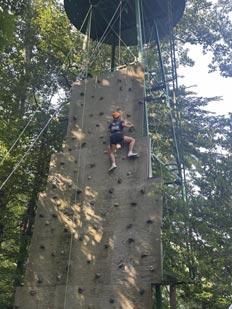
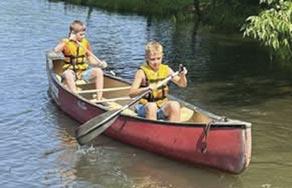
Discover the Magic of North Carolina 4-H Summer Camps!
Are you looking for the ultimate summer experience for your child? North Carolina 4-H has been a leader in youth development for over 80 years, teaching vital life skills through our premier camping centers. According to the North Carolina 4-H organization:
"For more than 80 years, North Carolina 4-H camping has taught youth life skills through centers located from the mountains to the sandhills to the coast. Each year, more than 7,000 youth from across the state participate in 4-H camping programs at North Carolina’s 4-H educational centers."
Our Three Coastal-to-Mountain Locations
We are proud to offer three unique educational centers across our great state:
Betsy-Jeff Penn 4-H Educational Center – Reidsville
Eastern 4-H Center – Columbia Millstone 4-H Camp – Ellerbe
The Classic Summer Experience
4-H Camp is one of the most rewarding experiences a young person can have. We offer a classic, six-day residential summer program for children ages 8–14. Our camps are packed with the activities kids love most, including:
Adventure: Archery, rock wall climbing, high ropes (for older campers), and canoeing.
Creativity & Fun: Arts & crafts, talent shows, and dance nights.
Nature & Outdoors: Swimming, nature exploration, and organized games.
More Than Just Fun
While the kids are busy having a blast, they are also growing. Camp is a life-changing environment where youth learn to be leaders, gain independence, and connect deeply with nature. It is a place where "learning by doing" creates memories and skills that last a lifetime.
How to Register
Ready to start the adventure? Visit the North Carolina 4-H Camps website for general information, FAQs, and pricing.
Don’t wait! Spaces fill up quickly. To reserve your spot, contact your local Cooperative Extension 4-H Development Agent as soon as possible.
General NC Extension Info: Visit ces.ncsu.edu and click the “County Centers” tab to find your local office.
Yadkin County Residents: Contact Madaline Jones at madaline_jones@ncsu.edu or call 336-849-7908.
NC Cooperative Extension is an equal opportunity provider and welcomes all to participate in our programs.
Home & Garden From Windowsill to Garden: Starting Your Seeds Indoors
WRITER/PHOTOS
Kellee Payne
Commercial and Consumer
Horticulture Agent
N.C. Cooperative Extension
Yadkin County Center
kellee_payne@ncsu.edu
Facebook @YadkinCountyHorticulture
The Yadkin Valley is a gardener’s paradise, but as any local knows, our "frost-free" dates can be a bit of a gamble. While we wait for the redbuds to bloom and the soil to warm up, there is a quiet, green magic happening on kitchen counters and in basements across the valley. Starting your seeds indoors isn't just a way to beat the winter blues—it’s the best way to ensure a head start on a bountiful harvest. Here is how to get your garden growing while the North Carolina wind is still nipping at your nose.
Success begins long before the first tray is filled with soil, starting with the selection of viable seeds. It is always best to purchase from reputable suppliers and ensure the packets are dated for the current year you intend to plant. If you are using leftover seeds from previous seasons, it is wise to perform a simple germination test to avoid the heartbreak of empty pots later. To do this, place a few seeds on a damp paper towel, fold it over, and tuck it into a plastic storage bag. Keep the towel moist and store the bag in a warm location. After a couple of weeks—though this timing can vary depending on the seed type—check to see how many have sprouted. This simple test allows you to determine the germination percentage and decide if those seeds are still vigorous enough for your garden.
Once you have confirmed your seeds are ready to grow, choosing the correct seed-starting medium is the next vital step. Unlike the heavy red clay found in our local backyards, a good starting medium should be light and wellaerated to allow delicate new roots to breathe. It is crucial to use a sterile, "soilless" mix to ensure it is entirely
disease and insect-free, protecting vulnerable seedlings from common issues like damping-off. These mixes are typically low in nutrients by design, as a germinating seed carries its own food supply to start; however, you should plan to begin adding a diluted, balanced fertilizer once the plants develop their first set of true leaves and begin their rapid growth phase.
As you begin sowing, do not forget the most important administrative task in the garden: labeling. It is easy to think you will remember which tray holds the "Better Boy" tomatoes and which holds the "Roma," but once those first green sprouts appear, they all look remarkably similar. Use waterproof markers and sturdy stakes to label each variety clearly with the name and the date you sowed them. This small step prevents confusion later in the season when you are deciding where to place each plant in your garden beds.
Beyond soil and labeling, two critical environmental factors dictate success: planting depth and soil temperature. As a general rule of thumb, most seeds should be planted at a depth of roughly two to three times
their width. Tiny seeds, like lettuce or certain flowers, may need to be sown on the surface because they require light to germinate, while larger seeds like beans need a deeper "blanket" of soil. Furthermore, seeds have a preferred "internal alarm clock" triggered by temperature. While some cool-season crops can sprout in 50°F soil, most of our favorite summer vegetables prefer a soil temperature between 70°F and 80°F to germinate quickly and uniformly. Using a waterproof heat mat can help maintain this consistent warmth, preventing the seeds from rotting in cold, damp soil. Knowing exactly when to start that feeding regimen requires a close eye on your seedlings' development. The first leaves to emerge from a seed are actually called cotyledons, which often look like simple, smoothedged ovals and don't resemble the adult plant at all. A few days later, the plant will produce its "true leaves." These are the leaves that boast the characteristic shape and texture of the vegetable you’re growing—be it the jagged edge of a tomato leaf or the broad heart-shape of a pepper. Once you see this second set of leaves appear, the plant has exhausted its internal energy stores and is ready for you to provide the nutrients it needs to grow strong.
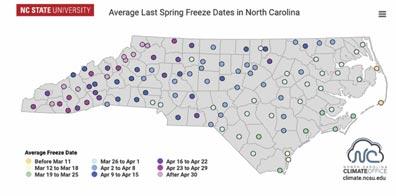
The heartbeat of any local garden is the average last spring freeze, which for the Yadkin Valley typically falls between April 18 and April 24. While it’s tempting to rush outdoors at the first sign of a warm March afternoon, North Carolina weather is famously fickle. Once you know your seeds are viable, count backward from that late-April window to plan your sowing. For sun-loving favorites like tomatoes, you’ll want to start roughly six to eight weeks before that final frost date, while heatseekers like peppers often need a full ten-week head start. For a complete guide on specific timing for everything from asparagus to watermelons, the NC State Extension provides an excellent NC Vegetable Planting Guide (https://extensiongardener.ces.ncsu.edu/wpcontent/uploads/2016/07/NC-Vegetable-PlantingGuide.pdf?fwd=no) that serves as a perfect roadmap for our region.
The final, and perhaps most critical, stage of the j ourney is "hardening off." After weeks of pampered life indoors, your seedlings need time to adjust to the elements. About a week before your planned planting date—aiming for that safe window after April 24—begin placing your trays outside in a sheltered, shady spot for just an hour or two. Gradually increase their exposure to the wind and direct sun each day. This slow introduction prevents transplant shock and ensures that when they finally meet the rich valley soil, they are ready to hit the ground running.
Our office is an equal opportunity provider, so if you have any questions related to horticulture, please contact Kellee Payne at kellee_payne@ncsu.edu or 336-849-7908.
Spring in the Yadkin Valley is about more than just chores – For us, it’s about "Lemonading," or finding joy in the imperfect garden. This garden guide covers designing for pets, when to start from seeds, when to buy starter plants, and six essential foliage plants for year-round color in the foothills.
It’s that time of year again. The gray days of winter are dragging on, and if you’re like me, you’re ready for the green to take over the foothills. If you’ve lived here long enough, you know the late-winter shifts. One day, you’re sitting on the porch in a short-sleeved shirt. The next morning, you’re scrambling to cover your sensitive plants because a surprise frost has rolled down from the Blue Ridge.
Gardening shouldn’t feel like another set of chores on your to-do list. It shouldn’t be a battle against nature or your dog. This season, use the mindset we call "Lemonading."
Lemonading is a strategy for taking those sour situations life throws at us (like the unexpected freeze, or the never-ending weeds) and turning them into something predictable and desirable. It’s an intentional shift in mindset. It’s moving away from the idea of the "perfect" magazine yard and toward a "lived-in" garden. After a long, gray winter in Yadkin Valley, we don’t need more chores. We need more joy.
So, how do we build a garden that handles real life (pets, budgets, and busy schedules) while still looking beautiful?
Design for the Whole Family
If you have a dog, you don’t just have a garden; you have a playground. Many people try to ban their pets from the plant beds, only to get frustrated when the dogs find their way through them anyway.
The move is simple: Don’t ban the dog; design for them.
A Patrol Path: Dogs are creatures of habit. They usually run the same route along the fence line to bark at squirrels or whatever is passing by. Instead of fighting a losing battle by planting delicate plants there, leave a big enough gap between the fence and your plants to mulch and let them have their highway.
Paw-Friendly Groundcover: Consider using soft groundcover like thyme and ajuga bugleweed. Mulch for high-traffic zones. It’s easier on their paws and holds up better than plain grass.
A garden shared with a pet is a garden used more often. When we design for the chaos, we stop stressing and start "Lemonading." Watching a happy dog nap in the sun is better than a garden gnome.
Scott Duckworth with Mitchell’s Nursery & Greenhouse
Seeds vs. Starters
Every spring, we get questions like "Should I grow from seed, or buy the plant?" The answer usually comes down to a balance of patience and instant gratification. The seed packet or the 4-inch pot. Which one is "better"? The answer depends entirely on what you want to grow and how much money or time you want to save.
Seeds: These are for the patient gardener who wants that connection to nature (and wants to save money for bigger trees later). Seeds are fantastic for root vegetables (carrots, onions, garlic, radish, potatoes) because you do not have to transplant. Annual flowers grow easily from seed, but there are time-consuming steps to get to the size and color of greenhouse-grown plants.
Starters: These are for the gardener who needs a quick win to feel motivated. Slow growers like Lavender or Hostas can take years to get to their potential if grown from seed. Buying a starter plant gives you immediate structure and impact. This is great for you if you have a busy schedule or have limited space.
Use starters to create the "bones" of your garden so it looks good on day one, and if you use seeds to grow crops, it is a good idea to focus on varieties that are harder to find for transplants, like root vegetables.
The Secret to Year-Round Interest
Flowers are the showstoppers, but they can be seasonal and struggle with freezing temps. Foliage is the backbone. If you want a "Simple & Beautiful" landscape in our Zone 7 climate, you need plants that look good even when they aren't blooming.
Here are six Yadkin Valley favorites that offer color long after the flowers fade:
Camellia: These fast growers love the sun or shade. They come in several flowering colors and keep green, glossy
leaves all year. These will work well in flower gardens and as a privacy hedge.
Sunshine Ligustrum: If you have a dull spot, this electric yellow-green shrub acts like a ray of light. It is incredibly hardy; the foliage stays bright all year, even in the dead of winter.
Purple Loropetalum: These plants offer weeping yearround purple foliage and pink fringe flowers in the spring. Loropetalum contrasts well against green lawns and shrubs.
Kaleidoscope Abelia: Just like the name suggests, this plant changes with the seasons. You’ll see lemons, oranges, and greens all on one branch. Plus, it produces tiny white flowers that butterflies absolutely love.
Blue Rug Juniper: A green groundcover that adds a rough texture to the landscape. These work well in spots that need erosion control. It’s tough as nails and requires almost zero pruning.
Nandina 'Firepower': This non-invasive variety brings a wide range of color in a compact size. They are a lovely green, but as soon as the first frost hits, they turn a fire red that lasts all winter long.
Harvesting Joy
At the end of the day, your garden shouldn't be a source of "shoulds." I should weed more. I should have planted those earlier.
Instead, let it be the place where you practice making ‘lemonade out of lemons.’ When the dog runs through the path you built or when that packet of carrot seeds finally breaks the soil, that’s a win. When you sit on your porch, surrounded by the purples, greens, and yellows of your evergreen foliage, that’s peace of mind.
This spring, don't build a ‘magazine-perfect’ garden; build a ‘lived-in’ garden that fits your life. If you’re not sure where to start, come see us at Mitchell’s. We’ll help you find the right plants to turn your "yard work" into "growing joy.”
March 14
Spaghetti Dinner 5-7 pm
April 4
Boston Butts Sale (preorder, pick up only) 3-5 pm
Home & Garden
WRITER/PHOTOS
Rebecca Craps
Natural Resources Agent
N. C. Cooperative Extension Forsyth County Center rlcraps@ncsu.edu www.forsyth.cc/CES
Following the Water Home: Simple Ways to Protect Our Local Waterways
Spring in the Yadkin Valley brings much anticipated longer days, the beauty of green landscapes, and a renewed desire to connect with the outdoorsand with it, an important reminder that what we do on land doesn’t stay on land. It’s that often cherished time of year when many of us head back outside - finally! - working in our yards, fertilizing lawns, and washing pollen off our cars - the outdoor equivalent of spring cleaning. It’s also a season when our collective, everyday choices have a major impact on the waterways that run through our communities. At the heart of it all is the Yadkin River, a cherished part of our region, and a vital natural resource that we all rely on.
The Yadkin River: Connecting Our Communities
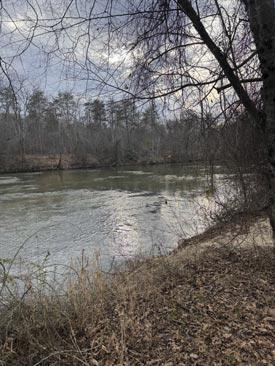
The Yadkin River is central to the landscape of our region, shaping the Yadkin Valley and sustaining communities along its path. The river is fed by countless small creeks, streams, and tributaries - many of which run quietly through backyards, farms, roadside ditches, and neighborhoods. From small headwater streams in the foothills to the river channels we recognize by name, these local waterways support wildlife, provide places to fish, paddle, and explore, and supply water for homes, farms, and businesses. What happens on the land around us - often just steps from our front doors - directly affects the health of these streams and the river they flow into.
That connection is what makes a watershed so important. A watershed includes all the land where rainfall drains into a common body of water. In the Yadkin River watershed, rain that falls on rooftops, lawns, driveways, fields, and roads doesn’t just disappear - it carries with it whatever is on the ground. Soil, fertilizers, pesticides, oil, pet waste, and grass clippings can all be washed into nearby creeks, and, eventually, into the Yadkin River. Protecting our waterways starts much closer to home than many people realize - from our yards to our streams, and from our streams to the river.
Why Springtime Choices Matter
Spring is an especially important time to think about how our daily choices impact local waterways. As outdoor activity increases, so does the potential for polluted runoff. Heavy spring rains wash excess fertilizer, yard waste, and other pollutants into storm drains and roadside ditches.
Unlike wastewater from our homes, stormwater runoff is not treated before it enters local creeks and streams. Those storm drains often lead straight to nearby waterways. That means simple, everyday actions - both good and bad - can have a direct impact on water quality. The good news is that even small changes, when multiplied across a community, add up to a big difference.
Managing Water Where It Falls
One of the most effective ways to protect waterways is to manage rainwater where it falls. Instead of letting water run off of hard surfaces like roofs, driveways,
streets, and parking lots, we can slow it down, spread it out, and give it time to soak into the ground. The good news is there are a number of relatively easy-toimplement rainwater management tools including rain gardens, rain barrels and cisterns, and permeable surfaces.
Rain gardens are shallow, planted areas designed to collect runoff. Filled with native plants that have deep root systems, rain gardens help filter pollutants, slow the movement of water which also reduces erosion, and provide food and habitat for wildlife, especially pollinators. Rain barrels and cisterns capture water from downspouts and store it to use on lawns, gardens, or in landscaping. Using collected rainwater not only reduces runoff, but also helps conserve treated drinking water.
Permeable surfaces, such as gravel paths, permeable pavers, or mulched areas, allow rain to soak into the soil instead of running off into storm drains. Even simple steps - like redirecting a downspout into a grassy area - can help keep rainwater where it falls and out of the street.
Small Daily Actions That Add Up
In addition to intentional methods of dispersing rainwater, our daily habits play a powerful role in protecting local waterways.
Use fertilizers and pesticides thoughtfully. Apply only when needed, follow all label directions, and avoid applying products before a heavy rain or during other adverse weather conditions. Soil testing, available through your local N.C. Cooperative Extension center, can help determine whether fertilizer is needed at all. Keep yard waste out of ditches and streams. Grass clippings and leaves may seem harmless and even natural, but when they wash into waterways they add excess nutrients that can fuel algae growth which, in turn, harms aquatic life and negatively impacts overall water quality.
Wash vehicles wisely. Washing cars on grass or at a commercial car wash helps keep soaps and oils out of storm drains, and out of our local waterways. Pick up pet waste. Pet waste contains bacteria and nutrients that can be carried into streams during rainfall. Maintain septic systems. Regular inspection and maintenance help prevent leaks that can contaminate groundwater and nearby waterways.
These are small actions on their own, but when practiced across neighborhoods and communities, they help protect the streams and lakes we all share.
Working Together for Cleaner Water
While no single action can solve water quality challenges, collective effort makes a measurable difference. When neighbors across a community make small, thoughtful changes, the benefits ripple downstream. Community cleanups, educational programs, and local conservation efforts all play a role in improving water quality. Just as important is learning how your own home and property fit into the larger watershed - and taking steps that keep soil and pollutants out of nearby creeks and streams.
N.C. Cooperative Extension works alongside residents, landowners, and community partners to provide researchbased guidance on soil testing, water-friendly landscaping, rain garden design, and everyday practices that protect local waterways. These tools empower individuals to turn good intentions into lasting habits.
As spring unfolds across the Yadkin Valley, consider how your daily routines connect you to the river. Choosing to apply less fertilizer, slow stormwater, or keep yard waste out of ditches may seem small - but together, those choices help protect our drinking water, preserve recreational opportunities, and support native wildlife that rely on water resources.
Protecting our waterways doesn’t require perfectionjust participation. And every positive step taken upstream helps keep the Yadkin River and downstream waters healthy for generations to come.
N.C. Cooperative Extension offers local programs, workshops, and resources to help residents protect soil and water at home. Topics include:
Soil testing and responsible fertilizer use Rain garden design and rain barrel installation Water-friendly land management for homes and farms
To learn more about opportunities in your community, contact your local N.C. Cooperative Extension center to explore upcoming programs this spring.
Bio
Rebecca Craps is a Natural Resources and Environmental Systems Agent with N.C. Cooperative Extension in Forsyth County. Her work focuses on water resources, land and forest management, invasive species, and wildlife conservation, with an emphasis on helping communities better understand and care for their local environment. She is also the county Pesticide Coordinator helping to administer the NC State Pesticide Safety Education Program.
YOU ARE INVITED TO JOIN US for EARTH DAY 2026 in YADKINVILLE
April 22nd, 4-7 pm
at THE FRONT YARD, 240 East Main Street
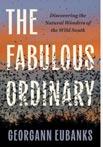
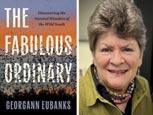
Guest Speaker Georgann Eubanks, celebrated NC writer, teacher, and environmental documentarian, will be featured. She has spent years chronicling the fragile ecosystems of the American South and calling attention to the environmental challenges they face. Over time she has developed extraordinary insight into the region’s natural treasures and environmental uncertainties. Her latest book, “The Fabulous Ordinary” celebrates the everyday marvels of nature with a focus on nature and native landscapes.
Event Schedule
4 -7 pm Come when you can! Meet the author, visit local businesses and organizations throughout the event
4:15 pm Georgann Eubanks
The Month of Their Ripening: North Carolina heritage foods from nature
6 pm Georgann Eubanks
The Fabulous Ordinary: Discovering the natural wonders of the South
Enjoy a snack, register for door prizes. and have some Earth Day conversation! Books will be available for sale and signing.
Event Participants From the Region
Kellee Payne
Horticulture Agent,
NC Cooperative Extension
Whether you have a garden already or want to have one, Kellee is a great resource for Yadkin County!
John Kessler
NC Forest Service
Chat with John about forestry topics and pick up a loblolly pine seedling to plant at home!
Rebecca Williams
Refill Carolina
Trying to live low waste? Rebecca can offer suggestions to help you.
UNIFI, Inc.
Learn about REPREVE-plastic bottles are used to create yarn for commercial and industrial fibers! Yadkin County Beekeepers Association
Chat with a beekeeper and see an observation hive!
Town of Yadkinville
The town needs your input regarding pedestrian and bicycle needs.
Why Refill?
Less Plastic Waste
Earth Day 2026 theme is Our Planet, Our Power, and that means it’s time to use your voice for good. While I love showing people how to live more eco-friendly, I also know that our climate issues are not on us, the consumer alone. About one hundred companies create around seventy percent of our greenhouse gas emissions.
Using your voice is the best way to show your support for our planet. While lowering your consumption and carpooling are great ways to support the planet, our lawmakers are the ones who need to hear us. They are the ones who are supporting or vetoing certain laws that protect us and Earth. The first and easiest way to make sure your lawmakers are hearing you is by voting. Even the small, local votes mean something.
County officials decide laws and policies impacting local budgets, zoning, land use, and other local initiatives. These are the people who help keep land in local people’s hands and prevent things like A.I. Data Centers from being built in your neighborhood.
State legislators, while not making local decisions, are still very important. See who is running and what their stance is on topics that are important to you.
Make sure you do your research (from a trusted source) before voting. If you’d like to do more than vote, you can call your representatives to let them know your concerns about upcoming legislation. You can find contact information on the NC General Assembly website. The more information you can give them, the better. While generalized thoughts are still good, if there is a specific law or bill you’re worried about, make sure to mention it.
Earth Day is April 22nd, and while I support you going out and picking up some trash on the 22nd or whatever you may do to celebrate, I suggest everyone finds a way to make every day Earth Day.
Rebecca Wlliams Refill Carolina
Gloria Mastin opened Gloria Sews in 2009 after many manufacturing jobs-like hers-were eliminated in the area. She learned to sew in high school, and thought she would enjoy working with fabric and meeting others who share both the skill and art of sewing. Originally on Main Street in North Wilkesboro, she later moved to 10th Street and has been at her current location for 15 years.
In her new location in Wilkesboro, she will continue to offer fabric, notions, and custom quilting with her Gammill Statler long arm quilting machine. Since purchasing this machine in 2013, Gloria can quilt many size projects. Baby quilts may only take a couple of hours to quilt, but king size quilts can take all day for basic quilting patterns or multiple days if the pattern is complex.
If you can’t make it to the shop, she also sells fabric and notions on Etsy.
Mackenzie Hall Area Livestock Agent N.C. Cooperative Extension mackenzie_hall@ncsu.edu
Davie County Center (336) 753-6100 / davie.ces.ncsu.edu
Yadkin County Center (336) 849-7908 / yadkin.ces.ncsu.edu
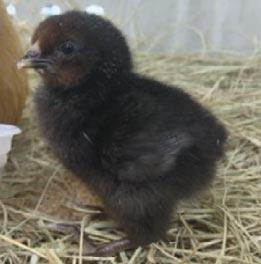
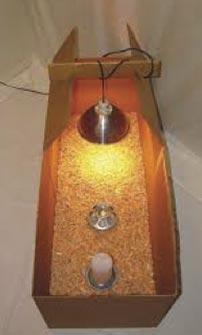
Feathered Beginnings: A Practical Guide to Brooding and Raising Chicks
Have you thought about raising your own chickens for eggs or meat production? Now's the time to start preparing before those cute chicks start arriving at your local farm store and you get suckered into an impulse buy! For small farmers and backyard poultry enthusiasts alike, the journey from tiny chicks to healthy adult birds is one of the most rewarding experiences in animal husbandry. Whether you’re raising birds for eggs, meat, show, or simply the joy of keeping poultry, getting the start right matters, right down to the heat lamp and feeder placement. Like any good enterprise, a productive flock begins with quality input. Source chicks from reputable hatcheries, ideally those participating in the National Poultry Improvement Program (NPIP). These sources help ensure healthier birds with predictable traits, whether you’re targeting high egg production from Leghorns, dual-purpose breeds like White Plymouth Rocks, or specialized strains for exhibition.
Brooding is the first critical phase of a chick’s life, spanning roughly the first six weeks. Setting up the brooder and bedding well before the chicks arrive, including absorbent litter and checked equipment, ensures a smooth start. Brooding is the most delicate and decisive stage in a chick’s life. During their first weeks, chicks rely entirely on their environment for warmth, safety, and nourishment. A well-managed brooder doesn’t just keep chicks alive; it sets the foundation for strong immune systems, proper growth, and long-term productivity. A brooding area must provide: consistent warmth, protection, and access to food and water. Chicks should be placed in a clean, draft-free enclosure after they arrive, with all equipment tested and adjusted ahead of time. This preparation helps reduce stress during those crucial first hours when chicks are especially vulnerable. Temperature control is the single most important aspect of brooding. Newly hatched chicks typically require temperatures near 90–95°F (32–35°C), depending on season and housing conditions. Each week, the heat can be gradually reduced
by about five degrees as the chicks develop feathers and better regulate their own body temperature. While thermometers are useful, experienced poultry keepers know that chick behavior is the best indicator of comfort. Chicks huddled tightly under the heat source are too cold, while those panting or pressing against the brooder walls are likely too warm. Ideally, chicks will spread out evenly, moving freely between warmer and cooler areas as needed. Heat lamps remain a popular option for small flocks, though safety is paramount. Lamps should be securely fastened, positioned to avoid fire hazards, and adjusted carefully as chicks grow. Other brooding systems such as propane brooders or radiant heat plates offer alternatives that may improve energy efficiency and reduce fire risk.
Space requirements change quickly during the brooding period. Young chicks need enough room to move, stretch, and access feed and water without crowding. Overcrowding can lead to stress, uneven growth, and behaviors like feather pecking. Bedding, or litter, plays an important role in chick health. Materials such as wood shavings or chopped straw provide insulation and absorb moisture. Wet or compacted litter should be removed promptly, as damp conditions increase the risk of respiratory issues and disease. Smooth or slippery surfaces should be avoided altogether, as they can lead to leg problems in young birds. The brooder should be arranged so that feed and water are easy to reach, but not directly under the heat source. As chicks grow, equipment height and spacing should be adjusted to encourage natural movement. Brooding typically lasts four to six weeks, depending on breed, weather, and housing
conditions. As chicks feather out, they become less dependent on supplemental heat and more tolerant of cooler temperatures. Gradually removing heat sources rather than stopping abruptly helps ease the transition. This phase is also an opportunity to prepare chicks for their next environment. Introducing roosts, increasing ventilation, and expanding space helps young birds adapt smoothly to life in the grow-out area or outdoor coop.
To maintain healthy birds, keep fresh feed available at all times. Store feed securely in a dry place protected from rats and mice. The greatest cost of raising chickens is the cost of feed. Feed consumption per bird varies primarily with egg production rate, body size, energy concentration of the feed, and age and activities of the birds. It is also influenced by the health of the bird and by the enviroment, especially temperature. The type of feed recommended varies with the age and intended use of the bird. It is very important that young birds receive starter diets and mature laying hens receive an appropriate laying diet.
Commercially prepared rations are available for the specific age and type of bird you have, whether it is for meat, eggs, or both. Do not feed layer rations to younger birds or starter/grower rations to birds producing eggs. Problems associated with inadequate nutrition can occur rapidly in the growing bird. Often these changes are irreversible. What you think you are saving in feed may cost you in bird performance. Birds that can go outdoors may supplement their diets with greens and insects. It will not take them long to devour the greens within their fenced enclosure. You may include fresh grass cuttings as long as these have not been treated with any chemicals. Table scraps, including stale bread, leafy vegetables and peelings, can also provide variety while decreasing feed costs. Limit these treats to what the birds can eat within 10 to 20 minutes. If you overfeed them on scraps, they may not eat balanced diets. Scraps must be fresh; never use any type of spoiled feedstuff. Poultry feeds should provide proteins, carbohydrates, fats, minerals and vitamins in proper balance. Incomplete or unbalanced diets often result in nutritional diseases. Always follow the instructions on the feed label; provide supplements only when and as directed on the label. A feed listed as "complete" is formulated and mixed to supply nutritional needs of the bird for which it is specified if fed according to recommendations. It is common tendency among small flock owners to supplement a complete feed with grain mixtures. This can lead to a nutritional imbalance and poor performance. Consult your feed supplier if you do not understand the tag's directions. There is no strong economic advantage associated with mixing poultry feeds on the farm, unless home-grown grains are available. Custom mixing, which combines a concentrate with home-grown grain, may reduce feed cost, simplify milling and ensure the production of a well-balanced diet. Do not overlook water as an important nutrient. A constant supply of clean, fresh water is essential to maintaining healthy poultry. Twenty hens can drink about a gallon of water each day in cool weather. Water consumption increases dramatically during
hot weather. Provide additional water when temperatures are above 80 degrees.
Raising chicks is a rewarding journey, but it doesn't have to be a solo venture. As you prepare your brooder and welcome your new arrivals, keep in mind that local resources are always available to help you navigate the challenges of poultry management. Whether you’re a first-time hobbyist or a seasoned producer, our goal at the Extension Office is to see your flock thrive. Don’t hesitate to reach out with questions, together, we can ensure a healthy start for your birds and a successful season for our local agricultural community.
Visit https://www.ces.ncsu.edu/people to find your local County Extension Center.
If you’d like to learn more about advertising with us contact: Leah Williams 336-961-2620 yadkinvalleymagazine@gmail.com
Large Selection of Imported Wine & Beer Boar's Head Products Gourmet Snacks Vintage, Antique & Rustic Decor Local Hand-Crafted Furniture & Gifts
Picnic Baskets & Gift Baskets Art Classes, Wine & Paint & Book Clubs Special Events
Bringing Backyard Dreams to Life for the last 20 years
As a high schooler, Andrew Lankford of Stokes County borrowed his grandpa’s lawn mower to mow neighbor’s yards. Using his own truck and trailer, he would haul the mower to school so that he could get right to work each afternoon. Just a teenager trying to earn some money, Andrew had grown up around equipment since Grandpa owned a grading business. He first drove a track hoe when he was five years old, so beginning his own business while still in high school shouldn’t have surprised anyone.
After high school, he continued to mow yards while training and working as a firefighter. When he and his wife, Brandi, met he was mowing ten yards. That number grew so that Brandi quit her job to mow full time. Andrew eventually left firefighting as the business continued to expand.
Andrew’s Mowing and Landscaping now employs four people year round, with some extra help during their summer busy time. In addition to mowing lawns, they offer clearing, grading, and installation of landscape and hardcape features. They also offer maintenance so that you can enjoy those outdoor spaces without the hassle of upkeep! Brandi takes care of billing, payroll, and other bookkeeping tasks as well as pricing jobs. Andrew and his crew serve mainly Stokes and surrounding counties, but will travel a little farther to install custom hardscapes.
The Lankfords enjoy the independence and flexibility of owning their own business. Since Andrew races on the side, they appreciate that their crew can continue the work in their absence.
Whether you need weekly yard mowing, a custom landscape design, or a fabulous outdoor area for entertaining, give Andrew’s Mowing and Landscaping a call!
Call Andrew’s Mowing and Landscaping to get a free estimate for creating your dream yard!
Want to be part of the Andrew’s Mowing & Landscaping Team?
We are always looking for people who are willing to learn the skills needed to be successful in our business. If you already have or are willing to get your pesticide license and CDL, we will train you on machinery. Apply at andrewsmowingandlandscaping.com
The National International Harvesters Collectors Association formed in 1990 to bring together tractor collectors and enthusiasts. There are currently 37 chapters of the association in the United States, with another three international chapters.
Locally, Chapter 42 of the International Harvesters Collectors Association serves mainly members from the
foothills and piedmont of our state. Chapter 42 travels this area in North Carolina attending Farm, Tractor and Toy shows. Membership meetings are held once per quarter at a show or with a member who hosts a meal while inviting the group to review a personal collection. It was organized in 2013. Membership in the chapter is open to anyone who has an interest in International Harvester products or the history of the International Harvester Company in North Carolina. A 501(c)(3) non-profit, the group actively supports ag related charities such as food banks and gleaning programs. They award scholarships to students from farm families, and are working to grow relationships with FFA organizations in the area. Following Hurricane Helene, they supported Chapter 43 in the western part of the state as they provided relief to hurricane victims.
In addition to their work to support the agricultural community, International Harvester Collectors work to preserve agricultural history, particularly as it relates to the tractors they love.
In March, Chapter 42 will host the 34th Annual IHC Winter Convention in Clemmons. This event will bring members from across the country for three days of all things International Harvester. Vendors, classes, and local tours will conclude with a banquet featuring Max Armstrong of This Week in Agribusiness fame. The trade show is open to the public, as is the auction on Friday night. Tickets are required to participate in classes and Saturday night’s banquet, but are not limited to IHC members. You can find more information on their Facebook page or website, ihcollectorsnc42.com.
Charter Members of Chapter 42 of the IHC, taken at Windmill Acres Farm in Winston-Salem in 2013.
2026 Winter Convention Highlights
(convention schedule and related costs available at ihcollectorsnc42.com)
Village Inn Hotel & Conference Center 6205 Ramada Drive, Clemmons, NC
Trade show with Parts, Shirts, Hats, Collectibles, Memorabilia and more, Thursday and Friday 8:30 to 5, Saturday 8:30 to noon (open to the public)
Classes: Thurs, March 19-Friday, March 20
Tours: Billy Graham Museum, Childress Vineyards/RCR Raceshop, Mt. Airy-Mayberry/Andy Griffith Tour, Friendship Farms/Windmill Acres
IH Auction: Friday evening (Open to the public)
Banquet with special guest Max Armstrong: Saturday evening
A Rare 1954 Farmall Super A-1 tractor that belonged to Chapter 42 member Nolan Brown of Yadkinville
2026 Schedule
April 11 Glory Days points pull for YVP 2937 Radiator Rd, Yadkinville, NC
May 1 Lawnmowers 7 pm
May 2 Antique Tractors 3 pm
May 23 Carolina Truck & Tractor Pullers 5 pm
June 19 Lawnmowers 7 pm
June 20 Antique Tractors 3 pm
August 7 Lawnmowers 7 pm
August 8 Antique Tractors 3 pm
September 11 Lawnmowers 7 pm
September 12 Antique Tractors 3 pm
October 2 Lawnmowers 7 pm
October 3 Antique Tractors 3 pm
Oct 10 Carolina Truck & Tractor Pullers 5 pm
November 6 Lawnmowers 7 pm
November 7 Antique Tractors 3 pm
**Dates subject to change or cancellation**
Tractor donation to South Irdell .FFA
L to R. Tim Honeycutt, Jacob Gantt FFA Instructor, Jeff Noah, Wesley Fishel and Neil Fishel.
convention.
National Library Week is April 19-25, and we invite you to celebrate it with events across the Yadkin Valley! John Claude Bemis, award-winning author of middle grade favorites will make several stops in the area. In addition to school visits, the events listed below are open to the public.
You can also meet some local authors at the Yadkin County Public Library!
Monday, April 20, 2026 with John Claude Bemis
TBA Virtual Visit (check with the library for more information) Sponsored by: Yadkinville Public Library, 336-679-8792
TUESDAY, APRIL 21, 2026 with John Claude Bemis
11am Homeschool/Community Presentation at Elkin Public Library
3:30 Writer’s Workshop at Elkin Public Library
Sponsored by: Elkin Public Library, 111 N Front Street, 336-835-5586
Thursday, April 23, 2026 with John Claude Bemis
3:15 Creative Workshop-Hands on Learning at Alleghany Public Library
Sponsored by: Alleghany Public Library, 115 Atwood Street, 336-372-5573
Saturday, April 25, 2026 with John Claude Bemis
10 am Author talk/Q & A/Book Signing at Chestnut Grove Middle School Gym 2185 Chestnut Grove Road, King Sponsored by: King Public Library, 336-983-3868 & Walnut Cove Public Library,336-591-7496
Saturday, April 25, 2026 with local authors
10 am Local Author Talks at the Yadkin County Public Library with Karen Hand, Vegas the Great Dane and Rebecca “Becky” McCollum Dorman, The Adventures of Molly & Marcie Sponsored by: Yadkin County Public Library, 233 East Main Street, 336-679-8792
Any changes to this schedule will be announced on the NWRL website and posted to individual library Facebook pages.
John Claude Bemis is the award-winning author of six middle-grade novels, a picture book, and the Rodeo Hawkins graphic novel series. A former elementary school teacher, John earned his Master’s of Education in Literacy from UNC Chapel Hill and taught fourth and fifth grades for thirteen years. He received the Excellence in Teaching Award from UNC-Chapel Hill for his work as an author-presenter in schools and served as North Carolina’s Piedmont Laureate for Children’s Literature, promoting literacy and the literary arts. A popular instructor and inspiring guide to writers of all ages— kids, teens, and adults— he teaches creative writing workshops and leads retreats around the world. Beyond the creative expression of writing, John is also a sculptural mask-maker, a songwriter, and musician. He lives with his wife and daughter in Hillsborough, North Carolina.
johnclaudebemis.com
https://www.instagram.com/johnclaudebemis/
https://www.facebook.com/john.c.bemis
Readers Around the Yadkin Valley
Nigeria in the 1960’s
In the novel, Dancing Woman, Elaine Orr brings us the portrait of a young female artist, torn between two men and two cultures, struggling to find her passion and her purpose.
The book is set in 1963 Nigeria. Isabel Hammond is an expat who accompanies her agricultural aid worker husband to Nigeria, leaving her known world in Virginia in search of inspiration for her art and for her life. While her husband becomes consumed with work, Isabel feels the loneliness of her new environment. Then she meets charismatic local singer Bobby Tunde, and a night of passion changes her life’s trajectory.
Soon after, Isabel unearths an ancient sculpture in her garden. She knows the dancing female figure is not hers to keep. Yet the connection grows, and Isabel begins to wonder if the statue holds a deeper meaning. Can it guide Isabel to her true self?
Born in Nigeria to expat parents, Orr tells a story full of history, language, culture, and the life of the expat society. The novel is described by Charles Frazier, author of Cold Mountain, as, “Deeply rooted in time and place, with a fascinating cast of complicated, enigmatic characters.”
A Mother’s Love Knows No Boundaries
Nell Joslin’s Measure of Devotion is a vivid, emotionally raw exploration of family, loyalty, and the brutal upheavals wrought by the Civil War. Set in October 1863, with war raging around her, Susannah Shelburne receives the devastating news that her son Francis—a Confederate soldier—has been gravely wounded. Despite her husband Jacob’s illness, Susannah makes the dangerous journey to Tennessee to nurse her son back to health and carry him home.
This novel is not a romanticized version of war. It’s a look at dysfunctional family dynamics and explores how love and ideals can clash during wartime. Susannah feels the anguish and deprivation of camp life and the grief of a mother separated from her son by personal conviction.
The Historical Novel Society describes Measure of Devotion as a “very-polished and impressive page-turning debut novel.” Civil-War fiction fans will cherish it. Wellknown book reviewer, D. G. Martin, writes in the Salisbury Post, “such complicated, fractious family struggles — torn by politics, ideology, and war — are nothing new.”
Allison Bowling of Forsyth County did not grow up on a ranch, and owned her first horse as an adult. But boy did that first horse, Mario, bring about big changes for her. A thoroughbred born to race, Mario was retiring from the racetrack when Allison adopted him. As an animal lover, Allison’s eyes were opened to the need for advocacy and rescue work and she eventually set about to create a place of care and compassion for horses who needed a sanctuary.
Red Feather Equine Sanctuary is named for the Cherokee belief that cardinals carry spiritual messages to us from loved ones. The red feather is a reminder that Mario may have been the beginning of this journey, but continuing the work is a promise to be kept.
Allison adopted Mario in 2020 and began her nonprofit in 2021. Originally boarding Mario, through a series of very fortunate events, a property became available. She initially planned to use that space to provide a home for retired racehorses. After rescuing two feral horses, the work of Red Feather Equine Sanctuary had truly begun.
Where do the horses come from? Some are owner surrendered. Maybe the owner can no longer care for the horse, or the horse has outlived it original use and the owner no
longer wants it. Unfortunately, some horses come from law enforcement when they are seized in neglect or cruelty cases. Red Feather Equine Sanctuary is not able to take in all of the horses that need a home. Knowing that they cannot save all of them, Allison and her team do their best to provide stability and loving care to the ones they are able to accept. The sanctuary is currently home to more than 40 equines, with many of them seniors age 25-35. They also provide a home for a variety of pigs, cats and dogs.
In addition to providing a home for these animals, Red Feather Equine Sanctuary also seeks to provide humane education in the form of workshops and community events. Programs range from foundational horsemanship to partnering with community organizations to support youth through equine-assisted learning and restorative justice initiatives.
“Though Mario passed away in 2024, his spirit lives on in every rescue and every act of kindness at the sanctuary. Guided by his memory, my vision is simple but bold: to create a future where every horse is valued, protected, and given the second chance they deserve.”
Allison Bowling
Volunteers make much of the sanctuary’s work possible, and you can apply to volunteer on the Red Feather website. Don’t know much about horses? That is not a problem. Volunteers who work with the horses receive extensive training to prepare them. There are also opportunities to help in other ways. Maybe you cannot commit to the training and obligation of caring for horses daily, but you know how to mend fences. Perhaps you can volunteer to work at the Rescue for the Roses fundraiser. If you have some time to share, Allison and her team will find a job that utilizes your skills and talents.
Zephyra arrived at the sanctuary severely underweight and suffering from neglect. Thankfully care came in time for her!
Volunteers make the work of the sanctuary possible.
RESCUE FOR THE ROSES
Our 3rd Annual Alternative Derby Party April 26, 2026 at Medaloni Cellars in Lewisville, NC Live Music by the Brown Mountain Lightning Bugs
Sip wine, save horses!
Good wine, great people, and horses worth celebrating. Rescue for the Roses flips Derby day on its head with a relaxed, joyful fundraiser supporting lifelong sanctuary and second chances for horses who need it most.
Save the Date! Tickets will be available starting March 1.
Silent Auction ● Live Music & Games ● All Ages Bouncy Derby
Trotter Street Kids
HOW IT WORKS:
of
6. Drop off the box at your local DROP OFF LOCATION by the DAY BEFORE* the pick-up day
* Please follow ALL these directions to ensure that nothing is lost from your project.
Drop Off locations:
1st Fridays - Mo’s Boots and Carhart: Boone, W Jefferson, & Newland
2nd Fridays – Wilkes County Hardware, N Wilkesboro
3rd Fridays – HG Greene: Ronda and Jonesville Yadkin Valley Quilts: Elkin
4th Fridays – Red Hill General Store: Hillsville, VA Harmon’s Western Wear: Woodlawn, VA
Offering Medical Supplies and Equipment
Bathroom Aids & Safety
Sanitation and Deodorizers Beds & Accessories
Braces, Splints & Slings
Custom Fit Compression Garments
Daily Living Aids Health Monitors
Mobility Aids & Equipment
Surgical Supplies
Bathroom
Child Advocates: The Guardian ad Litem Program
By Amanda Swift and Tamara Lakey
Each year hundreds of North Carolina children find themselves in living conditions of abuse, neglect, or dependency which lead to social services intervention. These children, through no fault of their own, are often removed from their parents or caregivers with or without notice and taken to foster homes and group homes throughout the state. While circumstances at home were not safe for the children, being placed in the foster care system comes with its own set of challenges which can be confusing, scary, and uncertain for many. Social workers work alongside the family to regain a sense of safety and normalcy so that the children can return home but this often takes several months and even years or not at all. This leaves the child in a state of limbo as they wait for their caregivers and the court.
In 1983 the NC Guardian ad Litem program was initiated by state legislature. This program was established by North Carolina General Assembly as a division of the North Carolina Administrative Office of the Courts. Pursuant to G.S. 7B-601:” When a petition alleging abuse or neglect of a juvenile is filed in district court, the judge appoints a volunteer GAL advocate and an attorney advocate to provide team representation to the child. GAL child advocates are trained, supervised, and supported by Program Staff in each county of the state. A team of GAL attorney advocates, volunteers, and staff provide legal and best interests advocacy to North Carolina children who are alleged by a department of social services.”
Everyday North Carolina citizens answer the call to advocate for local children. Despite the flow of interest and applications there are still children who are in need of their own advocate. NC Guardian ad Litem volunteers do not need any special educational or vocational credentials to be considered to volunteer. Advocates come from all walks of life, race, and social economic status. These advocates are paired with a local attorney to speak on behalf of their child clients. To be considered for the
program potential volunteers must be at least 18 years of age, undergo an interview following a completed application, and have no past/present major criminal offenses as well as no past/present involvement in a child abuse or neglect case as an offending party. Volunteer advocates are invited to onboard with a training of 30 hours in total which is divided between an online training in a Moodle room forum and either in-person or virtual sessions with others who are likewise interested in the program. Successful completion of training is followed up by case assignment and supervision by staff of the NC Guardian ad Litem (NCGAL) office.
A volunteer can be assigned to a child client who is just a few days old or a teen who is nearing the age of majority. Advocates often remain on a child client’s case until either the case closes with permanency, or the child reaches 18 years of age. Advocates have the ability to bridge the gap for teen child clients in particular who want to stay informed as to how their family case is going in court by sharing the outcomes of court hearings with the minor child. Advocates can also request that child clients who are above the age of 12 be given the opportunity to speak to the court in person if the child client desires to do so.
Volunteer advocates are expected to visit with their child clients monthly unless there are travel constraints and, in that case, phone calls and virtual meetings can occur as well as courtesy visits from other counties. Additionally, volunteers interview parents, teachers, and any others in the child’s life who can provide insight as to the best interest of the child. Advocates can attend meetings with regard to their child clients to include family and school meetings. Advocates are usually assigned between 1-3 child clients at a time and these clients are typically within the same family group. Volunteers may search for programs and services that may
better assist their child clients and make these programs known to the assigned social worker and the court. As the child’s case progresses through the court system the volunteer advocate will work with their assigned supervisor to prepare a court report, and possibly testimony if warranted, for each hearing. The contents of the report speak almost entirely to the current situation of the child client and any potential needs that arise for the child while in care. Space is also provided in the body of the report for the advocate to share the child’s expressed wishes. Children sometimes choose to communicate their feelings through letters and drawings which the advocate provides to the court through the NC Guardian ad Litem attorney advocate.
Locally, District 34 was established in 1994. NC 34th Judicial District Guardian ad Litem Program serves Alleghany, Ashe, Wilkes, and Yadkin counties. According to NCGAL District Administrator Tamara Lakey, “As of January 31, 2026, there were over 188 children served by NCGAL in Wilkes County alone. Of that 180+ children, 85 children do not have a GAL Volunteer Child Advocate to serve on their cases and pursue their best interest.”
Lakey went on to say, “The 34th District NCGAL program and 5 staff served over 300 children in the four counties as of January 31, 2026. Of that 300 children, 139 children did not have an advocate to be their voice.” And finally, “There were 48 children in foster care in Yadkin County who were served by NCGAL and 21 of those children did not have
an advocate.” When volunteer advocates are not available to take a case, NCGAL staff take on child client cases until a suitable match with an advocate can be found. Currently there are 5 staff assigned to cover the fourcounty district.
Local programs regularly offer opportunities for volunteers to come together for additional trainings and events to encourage comradery.
During the month of April both state leadership and NCGAL offices acknowledge and celebrate the contributions that NC Guardian ad Litem volunteers selflessly make to the North Carolina child welfare system.
The NC Guardian ad Litem program is always looking for more advocates to join the mission to speak up for children who find themselves in the foster care system. More information can be found at: www.VolunteerForGAL.org. Locally District 34 shares information through its Facebook page at: NC Guardian ad Litem-Alleghany, Ashe, Wilkes, Yadkin counties. Those who are interested or have additional questions should contact the local office via email at: GAL.Dist34@nccourts.org
When a child’s life is in limbo you could be a beacon to help navigate them through one of the toughest experiences of life. Consider joining the NC Guardian ad Litem program today. A child in your community needs you!
presents their Annual Spring Fling March 28th - 10am to 4pm
Davie Parks and Recreation Gym (old Davie County High School) 151 Southwood Drive Mocksville, NC
Local Artisans
$1.00 Admission collected at the door to support local Davie County charities Food Trucks Available on Site!
If you know someone who has recently celebrated this milestone birthday, Yadkin Valley Magazine would love to recognize them. Send in their name and a photo by April 1 to see them in the May/June issue. Photos mailed in will not be returned, so please send a copy. 100th Birthday
103
Odessa Brown
What IS That?
The next two correct entries drawn win a copy of one of our Yadkin Valley Magazine cookbooks.
Enter by postcard, letter or email, be sure to include your: name, PHYSICAL MAILING ADDRESS and guess. And if you’d like, tell us about your experiences using or collecting this item. Entries must be received no later than 4/16/26, Winner will be drawn 4/17/26. The winners will be notified by mail and announced in the May/June 2026 issue. All entries become the property of Yadkin Valley Magazine. Turn to p. 90 to read about the January/February contest.
Mail your guess to: “What is That Contest” Yadkin Valley Magazine PO Box 2077 • Yadkinville, NC 27055 or e-mail: yadkinvalleymagazine@gmail.com. You can also enter on-line at: yadkinvalleymagazine.com
the sound of home! ...a cherished grandfather or mantel clock an
Bulova • Hermle
Howard Miller
Why should you buy your new Grandfather Clock from Oldtown Clock Shop & Repair?
Our clocks are under factory warranty and we do the warranty work
We deliver your new clock for FREE
We “set up” your clock in your home or business
We offer a full service department
And even after offering all those extras that others don’t… Our prices are very competitive!
We carry Howard Cleaning ProductsGreat for clocks and around the house, too!
Now offering watch battery replacement and watch band re-sizing!
Congratulations to the winners of the January-February What IS That? contest. There were a lot of responses to this one and the correct answer is bed warmer! Warm coals would have been place inside and the warmer slid between the covers to warm the covers before getting in bed. A few readers remembered using one when homes were not as warm as they are now.
The first name drawn and the winner of $100 is Lisa Pendry of Boonville. The second and third names drawn are Jimmy Renegar of Mocksville and Kelly Adams of WinstonSalem. They will receive a Yadkin Valley Cookbook.
Thanks to everyone who entered, and be sure to keep sending in those entries with your mailing address!
Please be sure to include your name and physical mailing address with your entries. You cannot be the winner if I don’t know how to send a prize to you!
Duchess
Patty
Ginger
Cape
Jasper
Church
Maybelline
BJ
Tux & Brutus
See your cat, dog, bunny, horse, or hamster in the pages of Yadkin Valley Magazine. Send a photo to yadkinvalleymagazine@gmail.com
Max & Millie
Rosie
Nutter Butter
Tinkerbell
Milo
Goldie
Ollie
The Business Section
Take charge of your debt, one step at a time
If you’re dealing with debt, you’re far from alone. More than 80% of U.S. households carry some form of debt (2025 Federal Reserve report), and since 2019, total household debt for Americans has increased more than 31%, to $18.59 trillion.
While debt can help you achieve important goals, such as buying a home or getting an education, it can also create strain on your life and finances. If you only make minimum payments, for example, you’ll hold debt longer and pay more in interest.
Having a clear debt reduction plan can help you take control, reduce anxiety and even save money.
Know your debt. The first step is understanding what you owe. Make a comprehensive list of all your debts, including credit cards, mortgages, auto loans, student loans and medical bills. For each one, note the total amount owed, the interest rate and your minimum payment requirements.
Next, add it all up to see your total debt load. Then calculate your debt-to-income ratio by dividing your total monthly debt payments by your gross monthly income. A good rule of thumb is to keep this ratio below 35% if you have a mortgage or 20% if you don't.
Manage what you owe. Now that you have the big picture, look for opportunities to reorganize your debt more effectively. Perhaps you can refinance existing loans at lower interest rates, consolidate multiple debts into a single payment or transfer high-interest credit card balances to cards that offer lower or 0% introductory rates for up to 12 months.
These strategies won't reduce the total amount you owe,
but they can make your debt more manageable and potentially save you money on interest. Just watch out for fees and make sure you understand new terms before making changes.
Set your payment target. Start by identifying your required minimum payments across all debts. Missing these can trigger fees and penalties and damage your credit score, so treat them as non-negotiable expenses in your budget. Next, look at your budget to identify any funds available after covering all essential expenses. Consider how much of this surplus to put toward paying down debt versus saving for other goals. Remember that building an emergency fund and saving for retirement are also important priorities that shouldn’t be sidelined.
If you have no surplus, you may need to cut back on things like eating out, clothes shopping, on-line subscriptions, entertainment or expensive vacations while you bring your debt in line. Consider an additional part-time job for extra income to pay off your debt sooner.
Prioritize your debt. Finally, decide which debts to tackle first with any extra payments. One approach is to focus on paying off the debt with the highest interest rate first, which minimizes the total interest you’ll pay over time. Alternately, you can target the smallest balance first to help you build momentum and motivation.
Taking control of your debt doesn't happen overnight, but with a clear strategy, you can make steady progress toward your financial goals.
This article was written by Edward Jones for use by your local Edward Jones Financial Advisor. Edward Jones, Member SIPC
Mount Airy
Paul J. Bunke, Sr., CFP®, ChFC,®AAMS™
Financial Advisor
124 W. Kapp Street, Suite C PO Box 407 Dobson, NC 27017
Financial Advisor 965 North Bridge Street Elkin, NC 28621
336-835-4411
frank.beals@edwardjones.com
Timothy Johnson
Financial Advisor
116 E. Market St. Elkin, NC 28621
336-835-1124
timothy.johnson@edwardjones.com
Nathan Sturgill
Financial Advisor
Pilot Mountain Yadkinville Dobson
116 E Market Street
Elkin, NC 28621
336-835-1124
nathan.sturgill@edwardjones.com
Aaron L. Misenheimer, CFP®, ChFC®
Financial Advisor
1530 NC Hwy 67, Suite A Jonesville, NC 28642
336-258-2821
aaron.misenheimer@edwardjones.com
Andi Draughn Schnuck
Financial Advisor
496 N. Main Street Mount Airy, NC 27030
336-789-1707 andi.schnuck@edwardjones.com
Dale Draughn, AAMS™
Financial Advisor
140 Franklin Street Mount Airy, NC 27030
336-789-0136
dale.draughn@edwardjones.com
Logan Draughn
Financial Advisor
492 N. Main Street Mount Airy, NC 27030 336-789-3323
logan.draughn@edwardjones.com
Kody Easter, AAMS™, CRPC™, CFP®
Financial Advisor
304 East Independence Blvd Mount Airy, NC 27030
336-789-2079
kody.easter@edwardjones.com
Randy D. Joyce
Financial Advisor 136 W. Lebanon Street Mount Airy, NC 27030
336-789-6238
randy.joyce@edwardjones.com
Tammy H. Joyce, AAMS™ Financial Advisor
136 W. Lebanon Street, Mount Airy, NC 27030
336-789-6238
tammy.joyce@edwardjones.com
Tanner Joyce
Financial Advisor
752 S. Andy Griffith Pkwy, Suite 400 Mount Airy, NC 27030
336-245-9112
tanner.joyce@edwardjones.com
Tiffany L. Smith 106-B South Depot Street Pilot Mountain, NC 27041 336-368-2575
tiffany.l.smith@edwardjones.com
Michael Warren, WMCP®
Financial Advisor 101-D Shoals Road, Pilot Mountain, NC 27041
336-368-0782
michael.warren@edwardjones.com
Christopher L. Funk
Financial Advisor
128 South State Street • PO Box 790 Yadkinville, NC 27055
336-679-2192
chris.funk@edwardjones.com
Left to right: Tanner Joyce, Paul Bunke, Logan Draughn, Andi Draughn Schunck, Frank Beals, Christopher Funk, Tiffany Smith, Dale Draughn, Nathan Sturgill, Michael Warren, Aaron Misenheimer, Kody Easter, Tim Johnson, Audra Cox and Randy Joyce Not Pictured: Tammy Joyce
low him are invited to pattern their lives after his example. That does not mean avoiding hard truths, but it does mean speaking those truths with humility and grace. It means listening as much as we speak. It means offering forgiveness when the world tells us to hold grudges. It means showing compassion, especially to those who are different from us.
Like the crocus pushing through frozen ground, our witness may feel small at times. It may seem insignificant in the face of so much noise and division. But God has always worked through small acts of faithfulness. A kind word, a helping hand, a prayer offered in quiet confidence are some of the ways God’s love breaks through the cold soil of the world.
Winter will not last forever. God is still bringing new life. As people of faith, we are called to be part of that unfolding story. May our words, our actions, and our lives together bear witness to the enduring love of God, so that the world might see, believe, and hope once again.
Gentry
“What Are You Looking For?” Closing Devotions
The land is still dormant under the blanket of winter when we first see them. The ground is cold and gray, and everything around us seems quiet, even lifeless. Then, almost without warning, small bright green arms of crocus bulbs stretch up through the dirt and emerge into the light. Sometimes they even push their way through lingering snow, quietly but confidently sharing their promise of spring. Long before the air feels warm or the fields are ready to be worked, the crocus begins nature’s proclamation that the seasons are changing.
Soon after, tiny buds appear on the trees, barely noticeable unless you slow down and really look. Then come the Bradford pears, raising their white, snowlike arms to the sky. All of creation seems to whisper the same message: winter will not last forever. Nature is giving its witness, if we are willing to see it. Even after the hardest season, life returns. Hope rises. God is still at work.
The Bible uses the word “witness” in much the same way. Witness is an interesting and powerful word in Scripture. Many churches use the word witness to describe a testimony about how God has worked in our lives. That understanding is faithful and true, but the idea of witness in the Bible is even broader. At its heart, the Bible itself is a witness: a faithful sharing of God’s work, told and retold across generations. In fact, the word witness appears more than 400 times in Scripture, with 181 of those in the New Testament alone.
After the resurrection of Jesus, “witness” became a defining word for the early church. The apostles understood themselves as witnesses to what God had done in Christ. When they chose new leaders, they sought those who had been eyewitnesses to Jesus’ life, his teachings, his death, and his resurrection. What they had seen and heard firsthand gave them the courage to tell the story of Jesus and to live according to his teachings.
We know the Gospels today because those first followers shared their witness through spoken word. Later believers carefully wrote down those stories, preserving what had been passed along. Over time, the church protected that witness and handed it on to the next generation, and the next, all the way to us. Our faith rests on the faithfulness of witnesses who refused to let the story of God’s love be lost.
To be a witness, then, is first to see. It means paying attention to what God is doing around us and within us. It also means using our voices to share what we have seen and known to be true. But the crocus teaches us a third way to witness, one that may be just as powerful as words. We can witness through our lives and our actions.
This kind of witness does not rely on speeches or argu-
ments. It shows up in how we treat one another, how we respond to hardship, and how we live out our faith day by day. The question before the church today is not only how well we tell the Gospel with our words, but how clearly we live the Gospel with our lives.
Our world feels deeply disconnected right now. Neighbors who once waved across the fence now avoid difficult conversations. One side of the political spectrum rarely speaks with the other, and when they do, it is often with anger rather than understanding. Social media algorithms make sure we mostly see posts from people who already agree with us, creating echo chambers that affirm our beliefs but rarely challenge us to grow. This kind of division can feel overwhelming.
Rev. Dr. Heather Kilbourne spends her days helping rural churches dream God-sized dreams for their communities. She is the founder and Director of Faith in Rural Communities at the NC Rural Center. She is an ordained minister in the United Methodist Church and served churches in Yadkin and Burke Counties. She can be reached at hkilbourne@ncruralcenter.org.
Yet division is not new to human history. Scripture itself was written in times of conflict, exile, and uncertainty. God’s people have always faced moments when the world felt fractured and hope seemed fragile. And in every one of those moments, God called ordinary people to be faithful witnesses.
Each of us has a choice to make about what our witness will be for such a time as this. What will people see when they look at our lives? Will they see fear, resentment, and anger? Or will they see patience, kindness, and a quiet confidence rooted in God’s love?
Being a witness does not mean winning arguments or proving we are right. It means pointing our lives toward the love of God so that others might catch a glimpse of that love through us. It means choosing peace in a world that thrives on conflict. It means living in a way that reflects the character of Christ, even when it is difficult.
Jesus is called the Prince of Peace, and those who fol-
continued on previous page
Care South, Inc. is a locally owned and respected agency that has provided more than 20 years of In-Home Aide Care to individuals who require assistance with Activities of Daily Living (ADLs).
To inquire about services for you or a family member or employment opportunities for:
In-Home Aides, Certified Nursing Assistants (C.N.A), and Personal Care Assistants (P.C.A), please contact us at:
Mission
To deliver exceptional Personal Care Services (PCS), allowing the client to live safely and comfortably in their own home and to provide leadership in which employees have faith and confidence.
What Programs are Provided through the Agency?
• Community Alternative Program for adults (CAP/DA)
• Personal Care Services (PCS)
• Veterans Administration (VA)
• Temporary or Long-term Care
• Chore Respite
• Private pay
Summary of the Service Provided:
• Activities of Daily Living (ADLs) (i.e., eating, bathing, dressing, toileting, mobility, and grooming)
• Instrumental Activities of Daily Living (iADLs) (i.e., light housekeeping, meal prep)
Practices and Staff:
• Licensed and bonded in North Carolina.
• RN Supervisor conducts quarterly visits to the home.
• CPR Instructor
• Staffing Coordinators provide 24/7 On-Call Services.
• Caregivers complete monthly in-services, maintain C.P.R., and perform skills competency verification by the R.N.
• Comprehensive background investigation of all caregivers (i.e., criminal background)