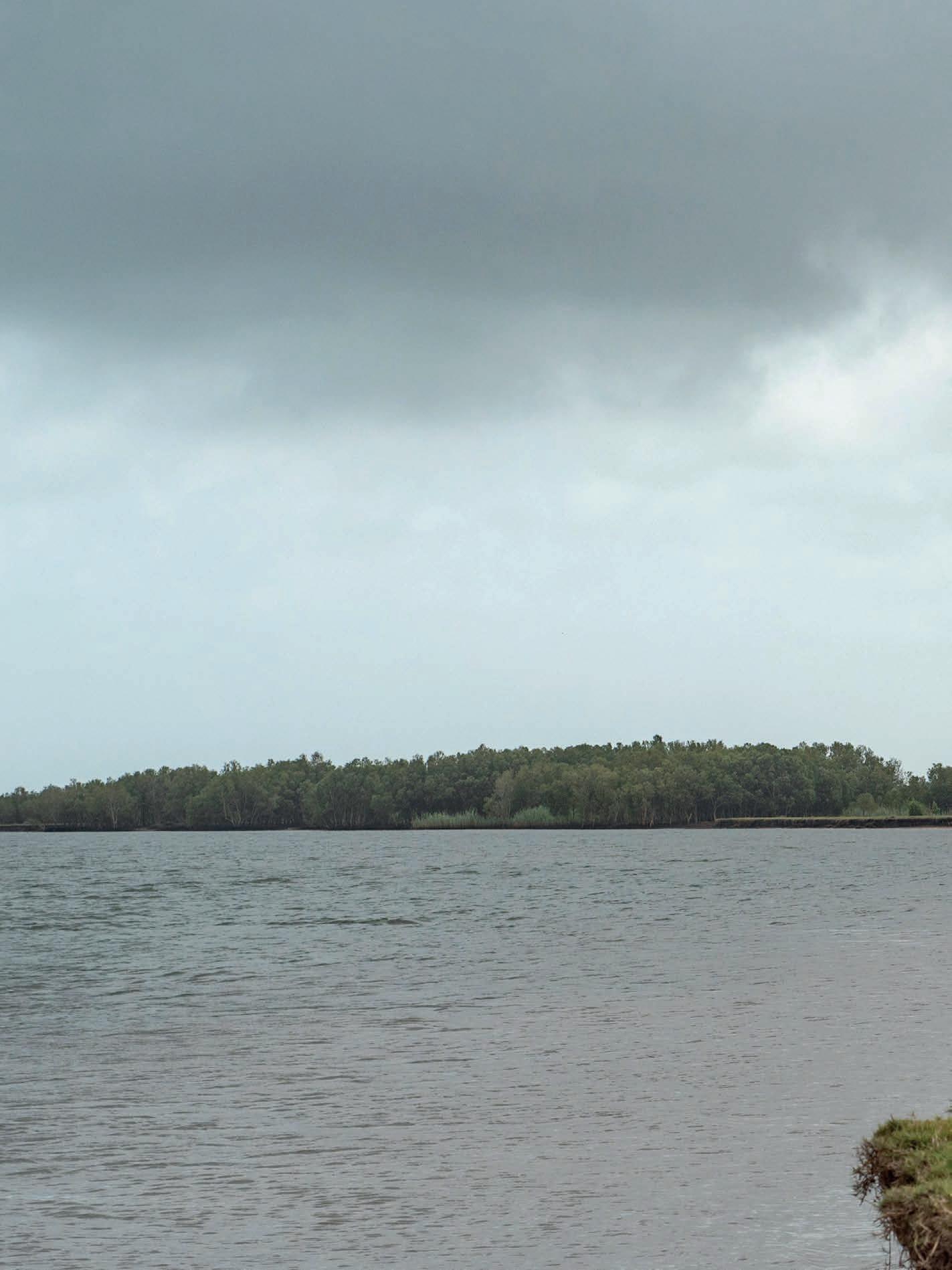
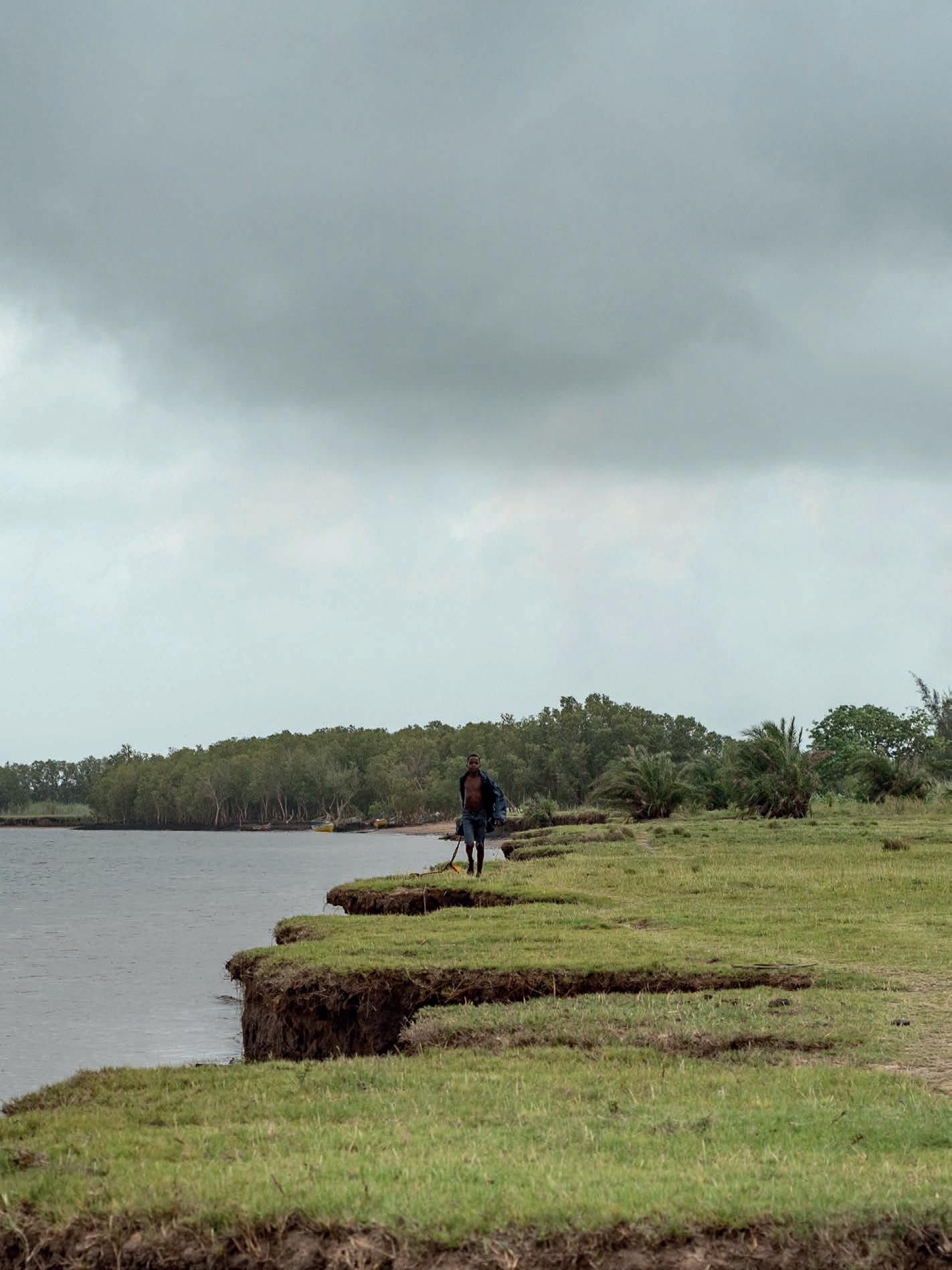
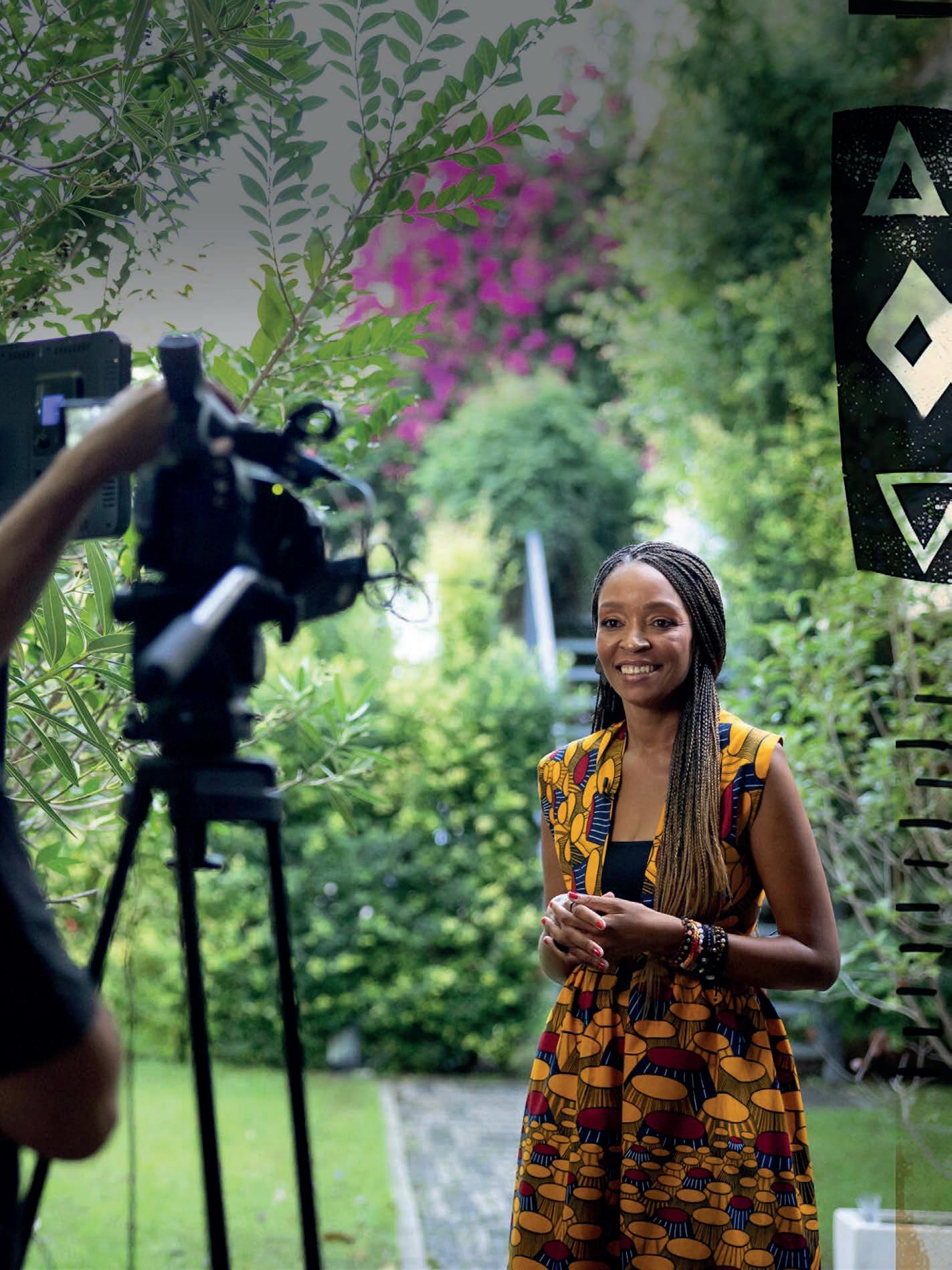
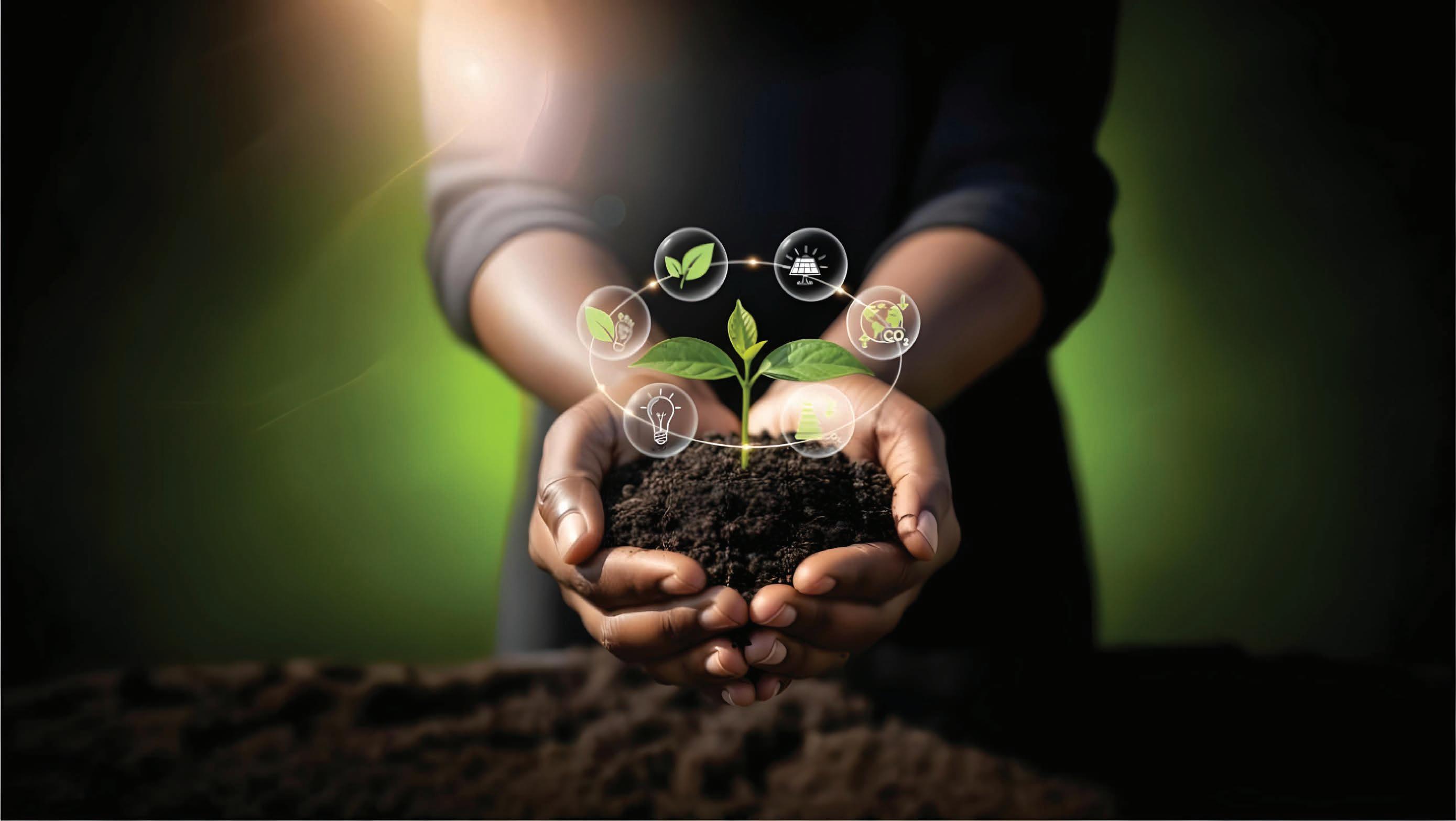
Uma floresta destruída pelas cheias renasceu graças à força da comunidade.
Fotografia:
Cortesia de
Enrico
Nicosia
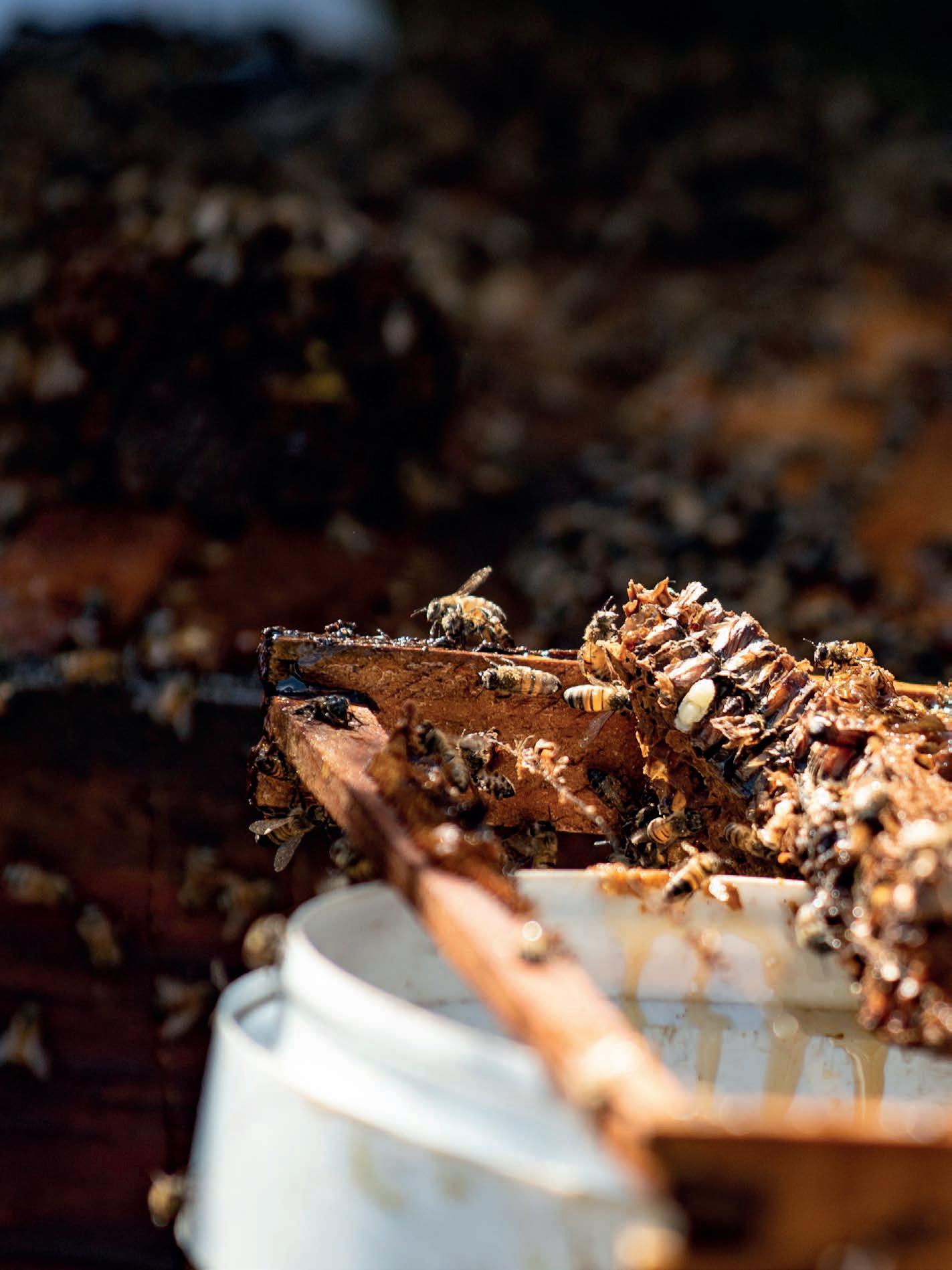
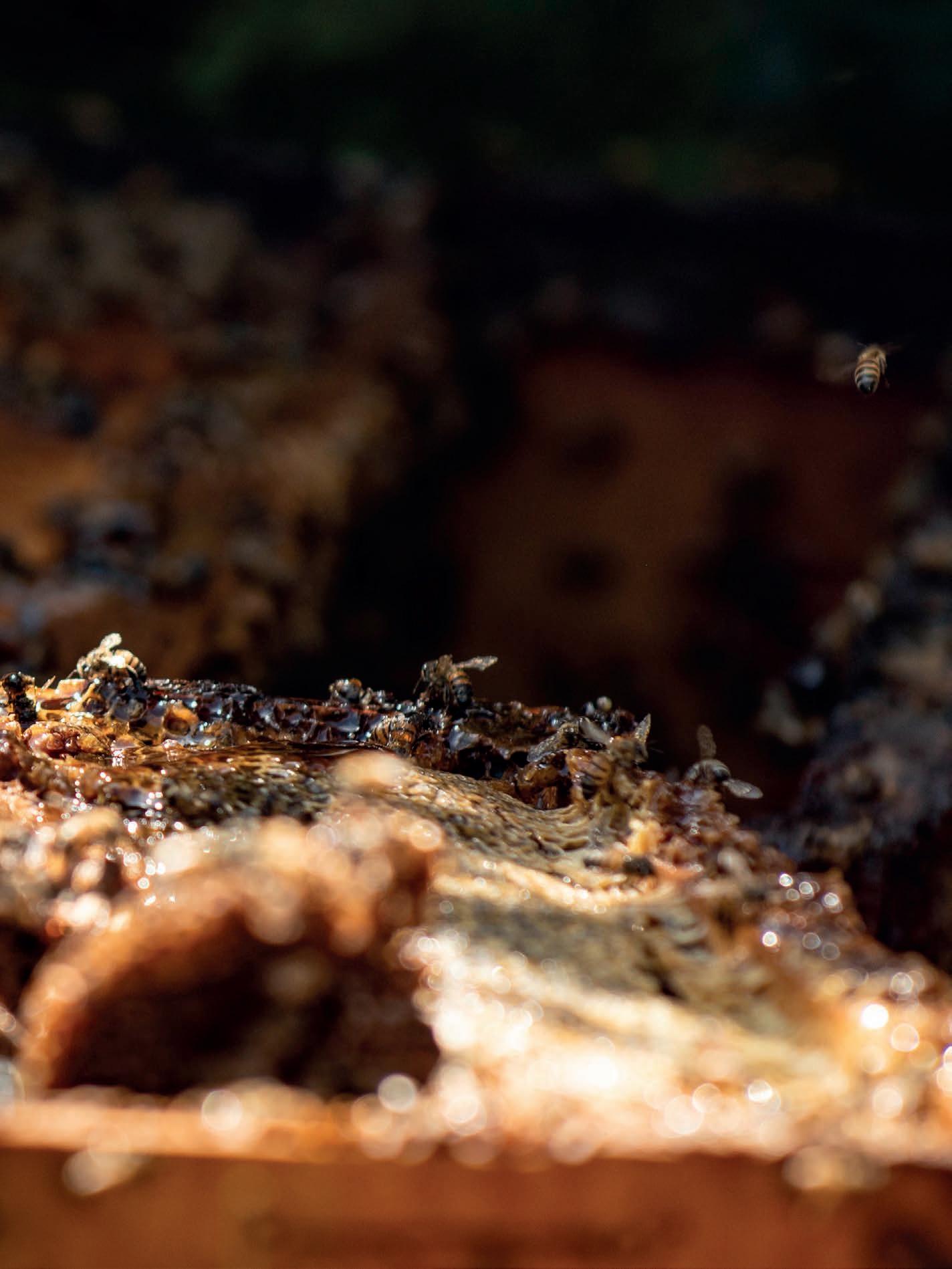
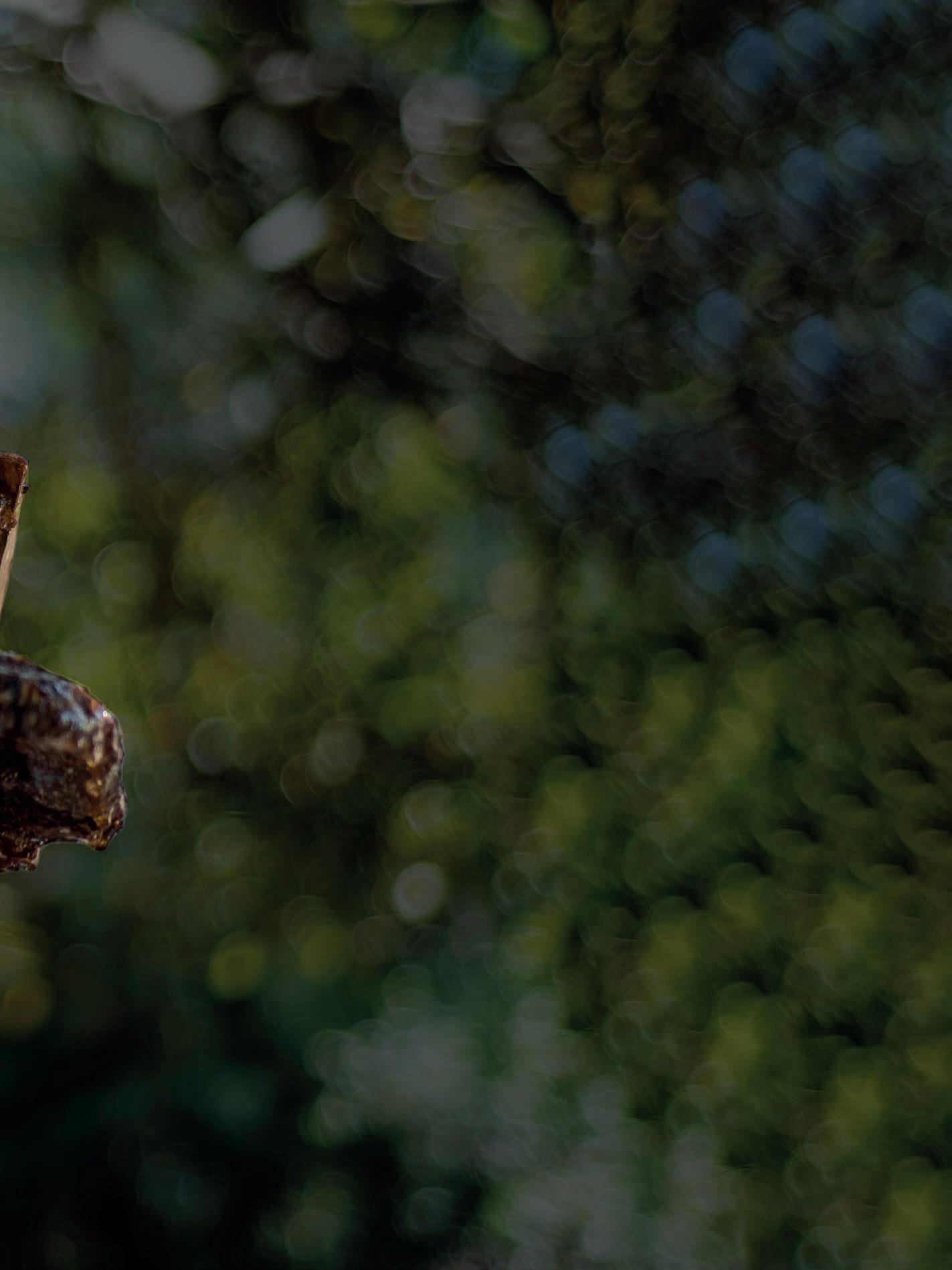
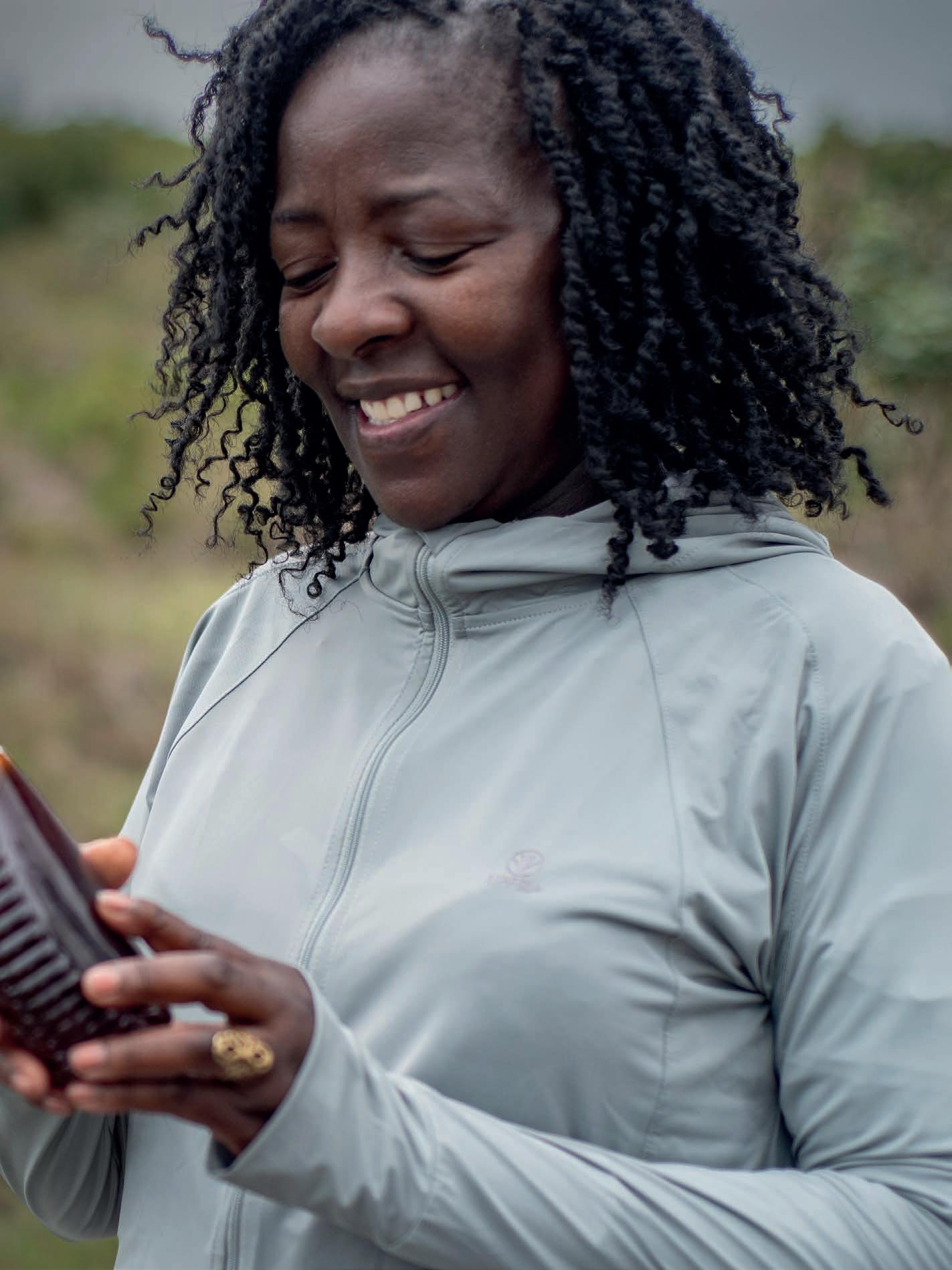
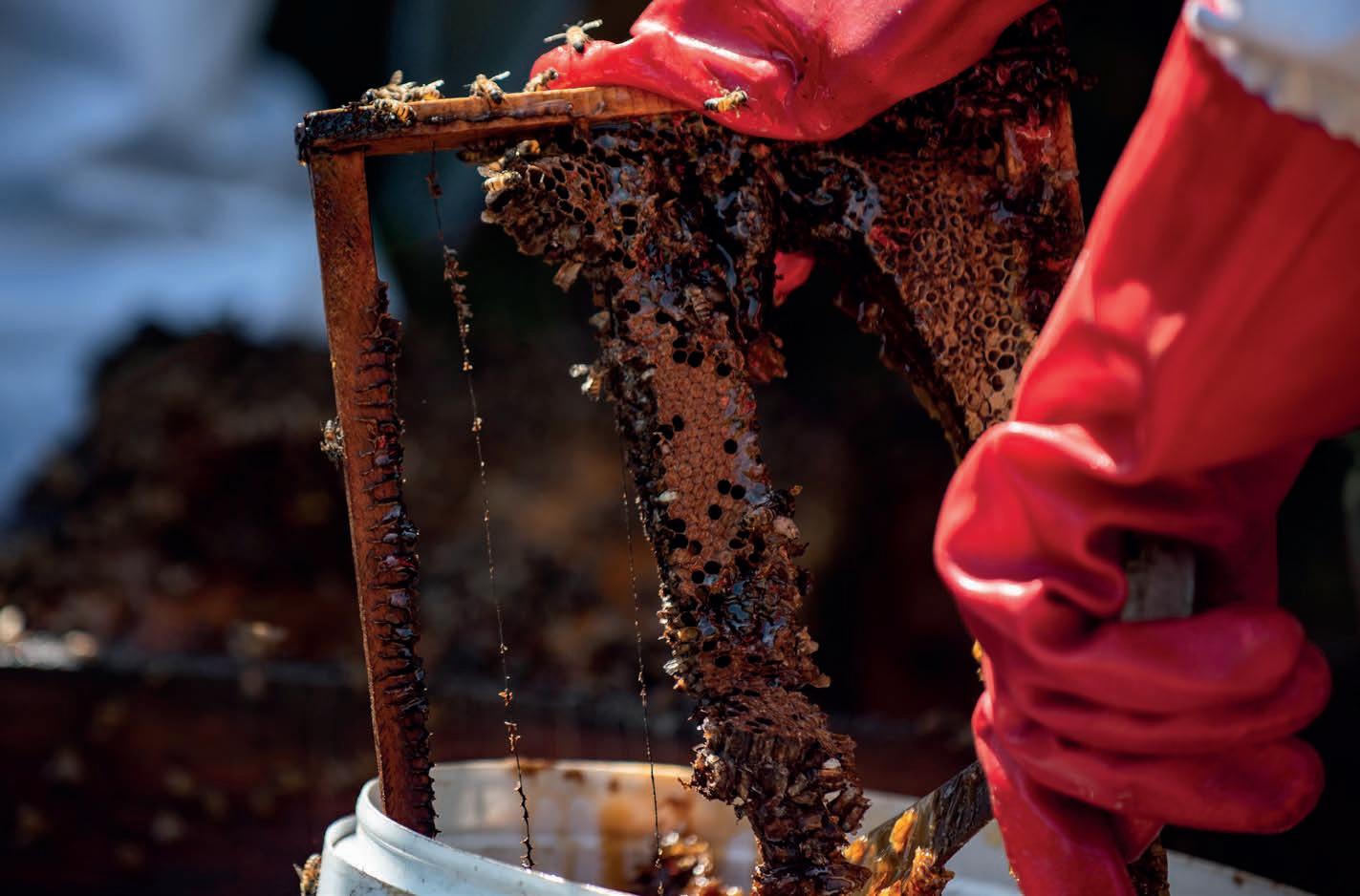
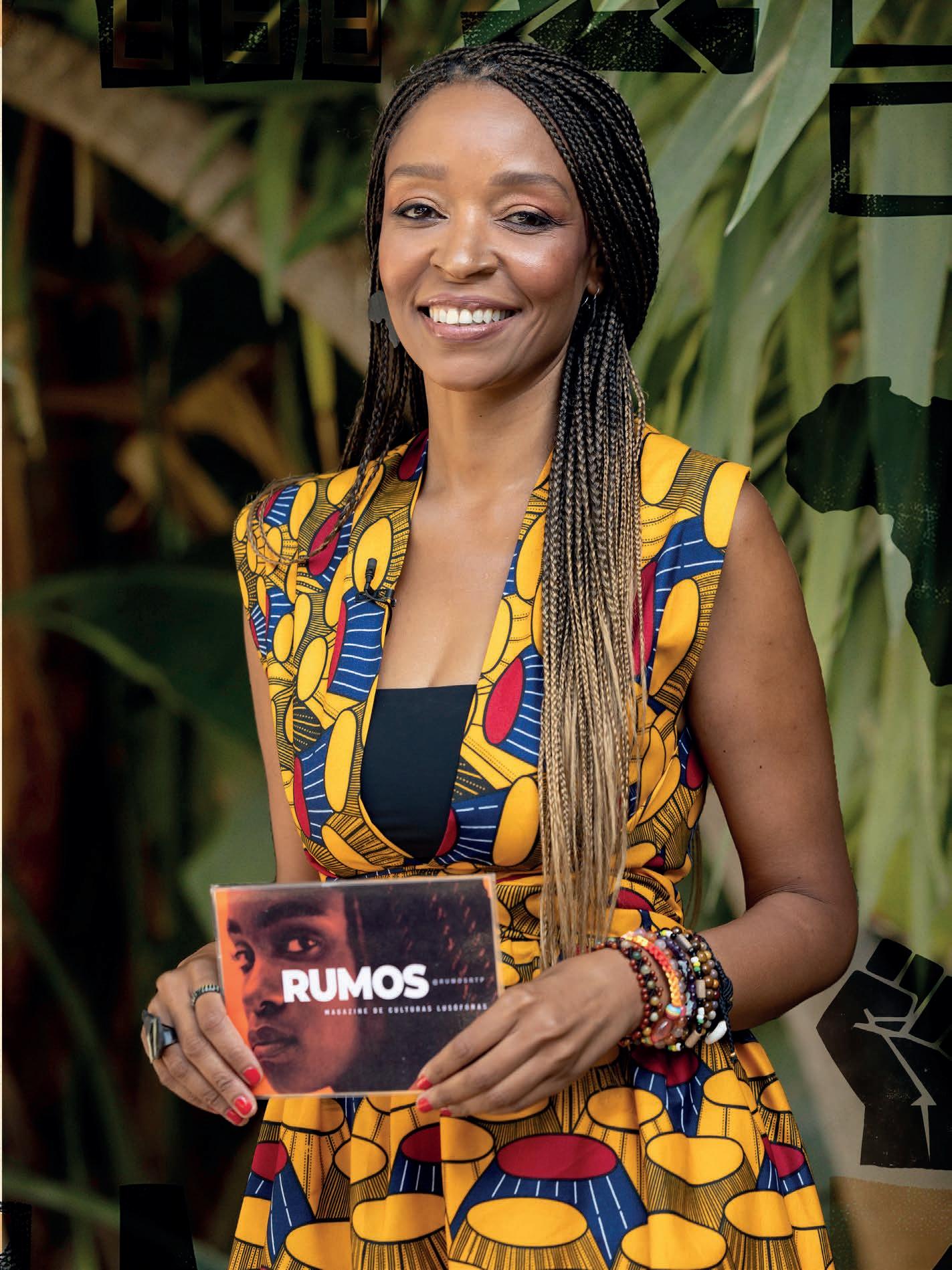
O mel de mangal distingue-se pela densidade, cor escura e sabor intenso.
O ouro da renascença
Por Enrico Nicosia
No rio Limpopo, em Moçambique, uma floresta de mangais destruída pelas cheias voltou a viver graças ao empenho da comunidade local, que desenvolve actividades sustentáveis como a produção de mel.
“Ao longo das margens do rio crescia uma densa floresta de mangais. Depois, a cheia de 2000 levou tudo.”
Agostinho Nhanzimo é o presidente do Comité de Gestão dos Recursos Naturais do estuário do rio Limpopo. É ele quem conta os acontecimentos que, primeiro, destruíram e, depois, fizeram renascer a floresta de mangais nas proximidades de Xai-Xai, cidade costeira do sul de Moçambique, a cerca de 200 quilómetros da capital, Maputo. Outrora exuberante, a floresta ribeirinha sofreu, ao longo dos anos, os efeitos combinados da acção humana e das forças naturais que a mutilaram. Depois veio o renascimento, quando o empenho de organizações locais e internacionais levou ao desenvolvimento de actividades económicas sustentáveis que hoje garantem a saúde dos mangais.
Nascido e criado em Chilaulene, um pequeno centro rodeado por dunas
Futuro nas raízes
Foram necessários anos para devolver a vida ao mangal. Desde 2010, com o apoio de organizações internacionais como o Pnuma (Programa das Nações Unidas para o Meio Ambiente), a Usaid (Agência dos Estados Unidos para o Desenvolvimento Internacional) e
de areia e planícies de lama, Nhanzimo viu a história do seu país atravessar a floresta de mangais do Limpopo. A longa guerra civil, travada entre 1976 e 1992 deixou marcas também neste recanto. A floresta, rodeada pelas águas do rio e do oceano, tinha apenas uma entrada e uma saída. “As tropas não entravam nesta área para evitar ficarem encurraladas”, conta Nhanzimo. “Assim, muitas pessoas instalaram-se perto do estuário do Limpopo para fugir ao conflito, começando a explorar os recursos locais.” Além disso, outros factores, como a subida do nível do mar e a transformação do solo em salinas, enfraqueceram, ao longo do tempo, a floresta de mangais, até que, em 2000, chegaram o ciclone Eline e as cheias subsequentes. Submersos durante 45 dias, os mangais da margem norte do rio morreram por stress hídrico e mais de 400 hectares de floresta foram perdidos.
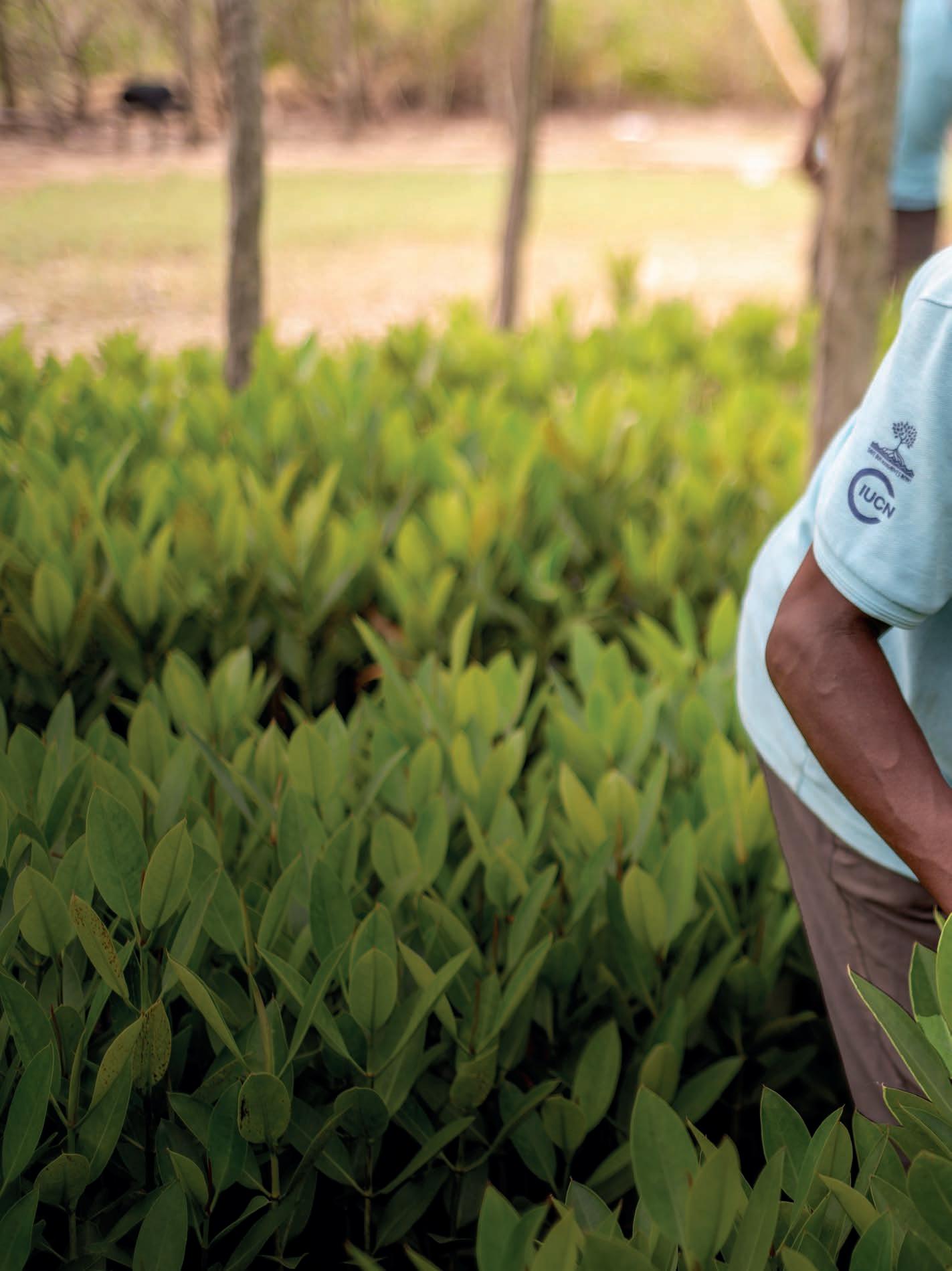
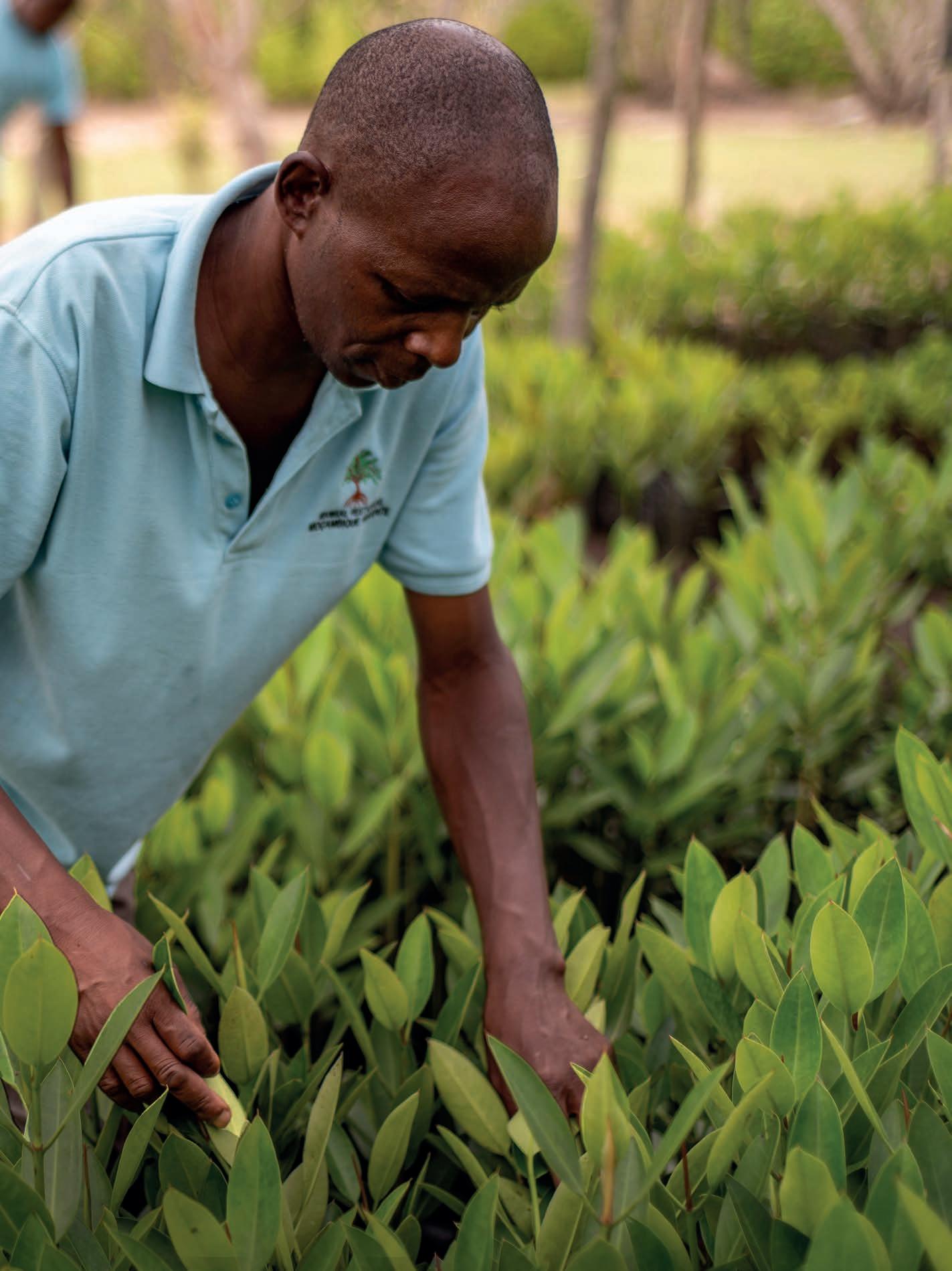
a Convenção de Nairobi, os esforços da população local permitiram que a floresta renascesse. Com a orientação da Agência Moçambicana para o Controlo da Qualidade Ambiental (Aqua), as comunidades do estuário do Limpopo criaram um viveiro de mangais
Fotografia: Cortesia de Enrico Nicosia
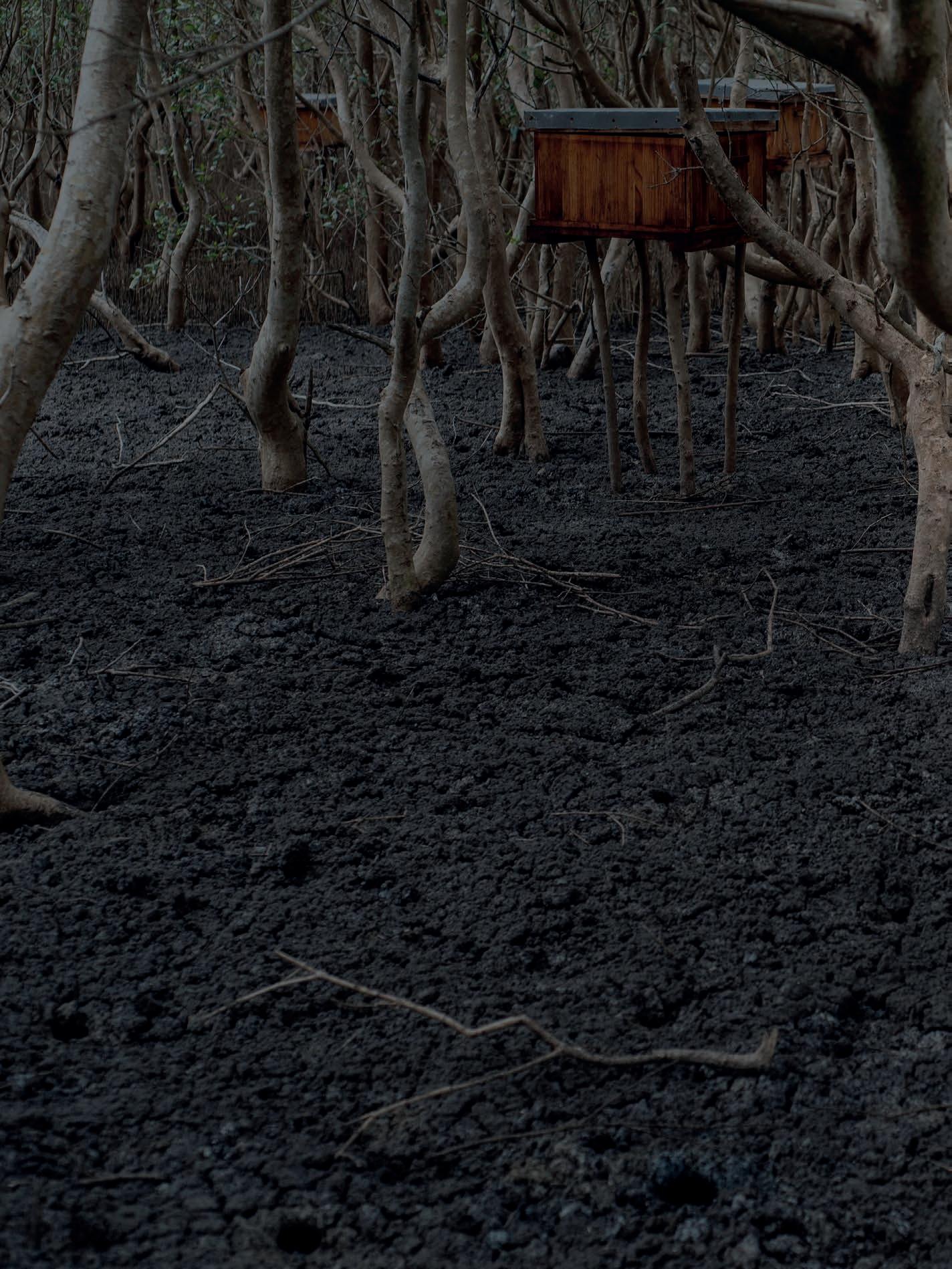
e plantaram jovens mudas entre os meandros do rio, utilizando a restauração hidrológica, uma técnica que consiste em escavar canais ao longo da floresta para garantir a circulação da água. Com a maré, as sementes e os propágulos das jovens plantas difundem-se mais facilmente e estabilizam-se onde conseguem adaptar-se melhor. Assim, hoje, na margem norte do Limpopo, voltou a existir uma floresta rica em espécies de mangais. Mas o objectivo final não é a simples restauração.
Como explica à Nuova Ecologia Jacinta Laissone, delegada provincial da Aqua, “Agora é necessário garantir a sustentabilidade económica e ecológica do mangal, mantendo a floresta saudável e promovendo o desenvolvimento de actividades alternativas à exploração dos recursos oferecidos pelos mangais. Por isso pensámos na produção de mel. Graças à venda do produto, por exemplo, não é necessário explorar madeira para obter rendimentos económicos e, ao mesmo tempo, protege-se a floresta de mangais que acolhe as colmeias.”
A produção de mel é, portanto, de momento, apenas o último capítulo da longa história de renascimento e conservação dos mangais do estuário do Limpopo.
Segundo Nhanzimo, “O mel que produzimos entre os mangais é uma grande oportunidade para a nossa comunidade.”
Os primos Rogério Salomão Mauai e Carlos Macave também fazem parte
do Comité de Gestão dos Recursos Naturais do estuário do Limpopo e cuidam das colmeias. Após a cheia de 2000, tinham deixado as margens do rio para procurar trabalho na África do Sul. Mas depois, graças à recuperação do mangal, regressaram a Chilaulene. “Para a nossa comunidade, a reconstrução da floresta era importante. Aqui, os mangais são fundamentais para o sustento dos habitantes e para a protecção do território”, afirma Mauai. Todos os dias, os dois primos controlam as jovens plantas do viveiro e, todas as semanas, visitam as abelhas das colmeias. “A produção de mel é uma actividade nova e já se começam a ver os resultados. Garante um apoio económico quando outros recursos escasseiam”, explica Macave. Nos períodos de seca e de proibição da pesca, o mel pode também representar uma fonte adicional de rendimento.
Caracterizado por uma cadeia artesanal, o mel de mangal do estuário do Limpopo é hoje vendido apenas localmente, mas o objectivo é aumentar a produção para alcançar outros mercados. “Um quilo de mel é vendido por cerca de 500 meticais (cerca de 7 euros), mas em cidades como Maputo o preço pode subir até 1000 meticais”, explica Erudito Malate, coordenador da FAO, que, em 2023, apoiou a iniciativa fornecendo 200 colmeias. “Cada colmeia pode chegar a produzir 12 quilos de mel por ano, proporcionando assim um rendimento adicional muito útil para a população local.”
Cada colmeia pode produzir até 12 quilos
de mel por ano.
Em outras zonas de Moçambique e das regiões tropicais do mundo, a produção de mel de mangal está a afirmar-se como uma actividade económica sustentável capaz de reduzir a pressão sobre estas florestas em risco, que crescem entre o mar e a terra. Ainda limitado a poucos mercados, o mel de mangal distingue-se pelo seu
sabor doce e salgado. “É um mel diferente daquele produzido noutras florestas tropicais. É mais denso, mais escuro e mais saboroso, graças às plantas que as abelhas visitam para recolher o néctar”, conclui Agostinho Nhanzimo, enquanto observa as mais de 200 colmeias espalhadas entre os mangais do estuário do seu Limpopo.
(Este artigo foi originalmente publicado na revista italiana La Nuova Ecologia e é aqui reproduzido com autorização do autor.)
Fotografia: Cortesia de Enrico Nicosia
Um quilo de mel de mangal pode valer até 1000 meticais em Maputo.
Fotografia: Cortesia de Enrico Nicosia
The gold of rebirth
By Enrico Nicosia
On the Limpopo river in Mozambique, a mangrove forest destroyed by floods has come back to life thanks to the commitment of the local community, which is developing sustainable activities such as honey production.
“Along the riverbanks there was a dense mangrove forest. Then the flood of 2000 swept everything away.”
Agostinho Nhanzimo is president of the Natural Resources Management Committee of the Limpopo river estuary. He recounts the events that first destroyed and then brought back to life the mangrove forest near Xai-Xai, a coastal town in southern Mozambique, around 200 kilometres from the capital, Maputo. Once lush, the riverside forest suffered over the years from the combined effects of human activity and natural forces that mutilated it. Then came rebirth, when the commitment of local and international organisations led to the development of sustainable economic activities that today safeguard the health of the mangroves.
Born and raised in Chilaulene, a small
A future in the roots
It took years to restore life to the mangroves. Since 2010, with the support of international organisations such as the United Nations Environment Programme (UNEP), the United States Agency for International Development (USAID) and the Nairobi Convention, the efforts of the local population have enabled the forest to
settlement surrounded by sand dunes and mudflats, Nhanzimo saw the history of his country pass through the Limpopo mangrove forest. The long civil war, fought between 1976 and 1992, also left its mark on this corner. The forest, surrounded by the waters of the river and the ocean, had only one entrance and one exit. “The troops did not enter this area to avoid being trapped,” Nhanzimo explains. “So many people settled near the Limpopo estuary to escape the conflict, beginning to exploit local resources.” In addition, other factors, such as rising sea levels and the conversion of land into salt pans, gradually weakened the mangrove forest until, in 2000, Cyclone Eline and the subsequent floods arrived. Submerged for 45 days, the mangroves on the northern bank of the river died from water stress and more than 400 hectares of forest were lost.
be reborn. Under the guidance of the Mozambican Environmental Quality Control Agency (Aqua), the communities of the Limpopo estuary created a mangrove nursery and planted young seedlings along the river’s meanders, using hydrological restoration – a technique that involves digging channels through the forest to ensure wa-
ter circulation. With the tide, seeds and propagules from young plants spread more easily and stabilise where they are best able to adapt. Today, on the northern bank of the Limpopo, a species-rich mangrove forest has returned. But the ultimate goal is not simple restoration.
As Jacinta Laissone, Aqua’s provincial delegate, explains to La Nuova Ecologia, “We now need to ensure the economic and ecological sustainability of the mangroves, keeping the forest healthy and promoting alternative activities to the exploitation of the resources offered by the mangroves. That is why we thought about honey production. Thanks to the sale of this product, for example, it is no longer necessary to exploit timber for income and, at the same time, the mangrove forest that hosts the hives is protected.” Honey production is therefore, for the
moment, only the latest chapter in the long story of the rebirth and conservation of the mangroves of the Limpopo estuary.
According to Nhanzimo, “The honey we produce among the mangroves is a great opportunity for our community.”
The cousins Rogério Salomão Mauai and Carlos Macave are also members of the Natural Resources Management Committee of the Limpopo estuary and look after the hives. After the 2000 flood, they had left the riverbanks to seek work in South Africa. Later, thanks to the recovery of the mangroves, they returned to Chilaulene. “For our community, rebuilding the forest was important. Here, the mangroves are essential for people’s livelihoods and for protecting the land,” Mauai says. Every day, the two cousins monitor the young
Where war and the cyclone left their scars, the community planted a future.
plants in the nursery and, every week, they check on the bees in the hives. “Honey production is a new activity and we are already beginning to see the results. It provides financial support when other resources are scarce,” Macave explains. During periods of drought and fishing bans, honey can also represent an additional source of income.
Characterised by an artisanal production chain, mangrove honey from the Limpopo estuary is currently sold only locally, but the aim is to increase output in order to reach other markets. “One kilo of honey sells for around 500 meticais (about seven euros), but in cities such as Maputo the price can rise to 1,000 meticais,” explains Erudito Malate, FAO coordinator, who in 2023 supported the initiative by providing 200 hives.
“Each hive can produce up to 12 kilos of honey per year, thus providing a very useful additional income for the local population.”
In other areas of Mozambique and in tropical regions around the world, mangrove honey production is establishing itself as a sustainable economic activity capable of reducing pressure on these threatened forests, which grow between sea and land. Still limited to a few markets, mangrove honey is distinguished by its sweet and salty flavour. “It is different from the honey produced in other tropical forests. It is denser, darker and more flavourful, thanks to the plants the bees visit to collect nectar,” concludes Agostinho Nhanzimo, as he looks over the more than 200 hives scattered among the mangroves of his Limpopo estuary.
(This article was originally published in the Italian magazine La Nuova Ecologia and is reproduced here with the author’s permission.)
4 O ouro da renascença
Renascimento dos mangais e sustento em mel Mangrove rebirth and livelihoods through honey
38 Miragem by Enid Nkini Sofisticação com raízes moçambicanas Sophistication with Mozambican roots
46 Hospital Central de Maputo
Millennium bim entrega
UCI Pediátrica reabilitada
Millennium bim hands over refurbished PICUt
54 SóEles
Onde a liderança se revela sem máscara
Where leadership reveals itself without a mask
72 The Dinner Club
Uma noite de conexão e transformação
A night of connection and transformation
82 UBA
UBA destaca transformação agrícola no FIDA
UBA highlights agricultural transformation at IFAD
90 Aleitamento Materno
Aleitamento Materno Exclusivo: Simples e Eficaz
Exclusive breastfeeding: simple and effective
95 30 Anos. 30 Mil Bolas.
BCI celebra 30 anos reforçando inclusão
BCI celebrates 30 years strengthening
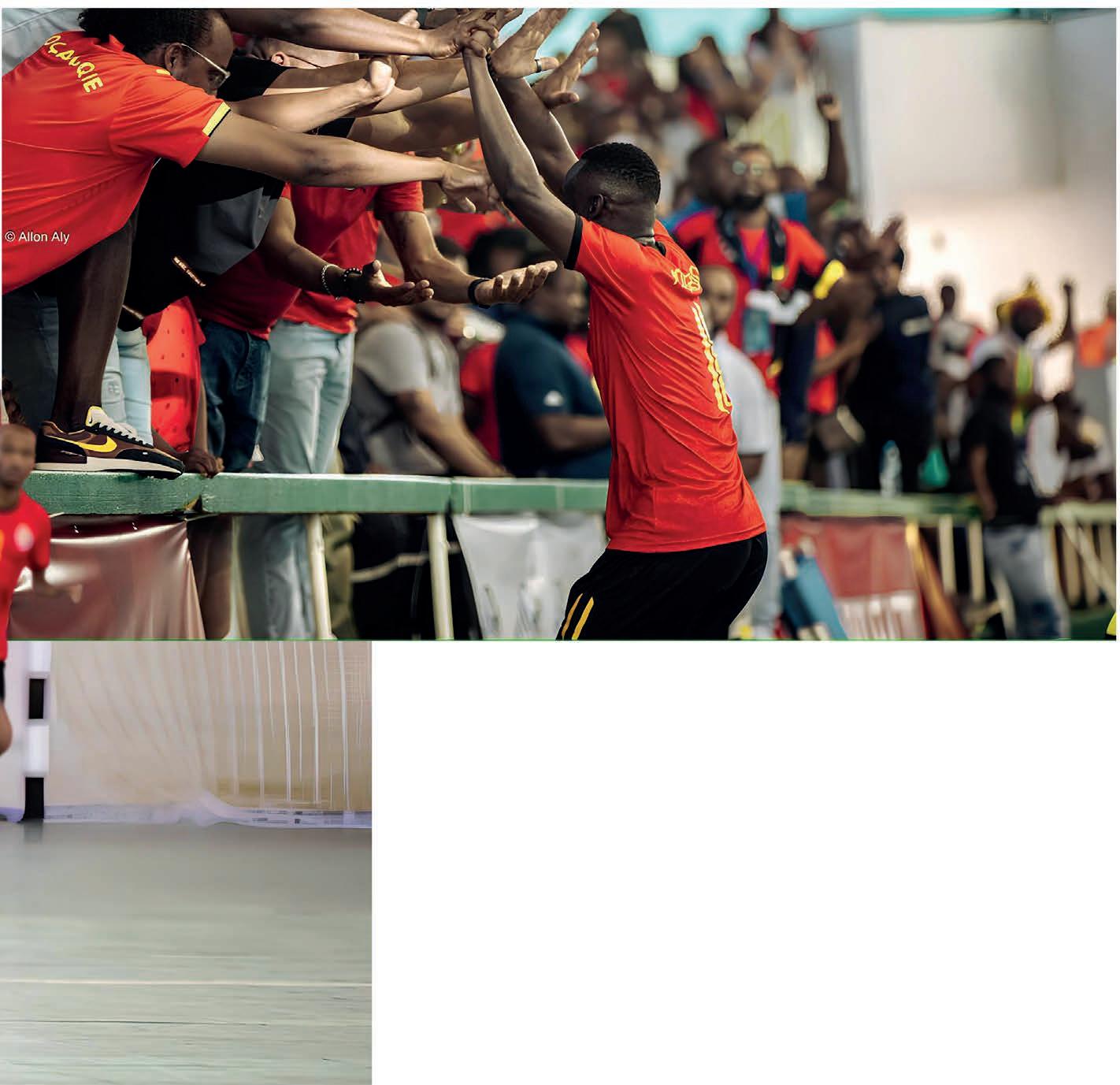
98 Futsal
Moçambique carimba vaga no CAN Mozambique seal place at AFCON
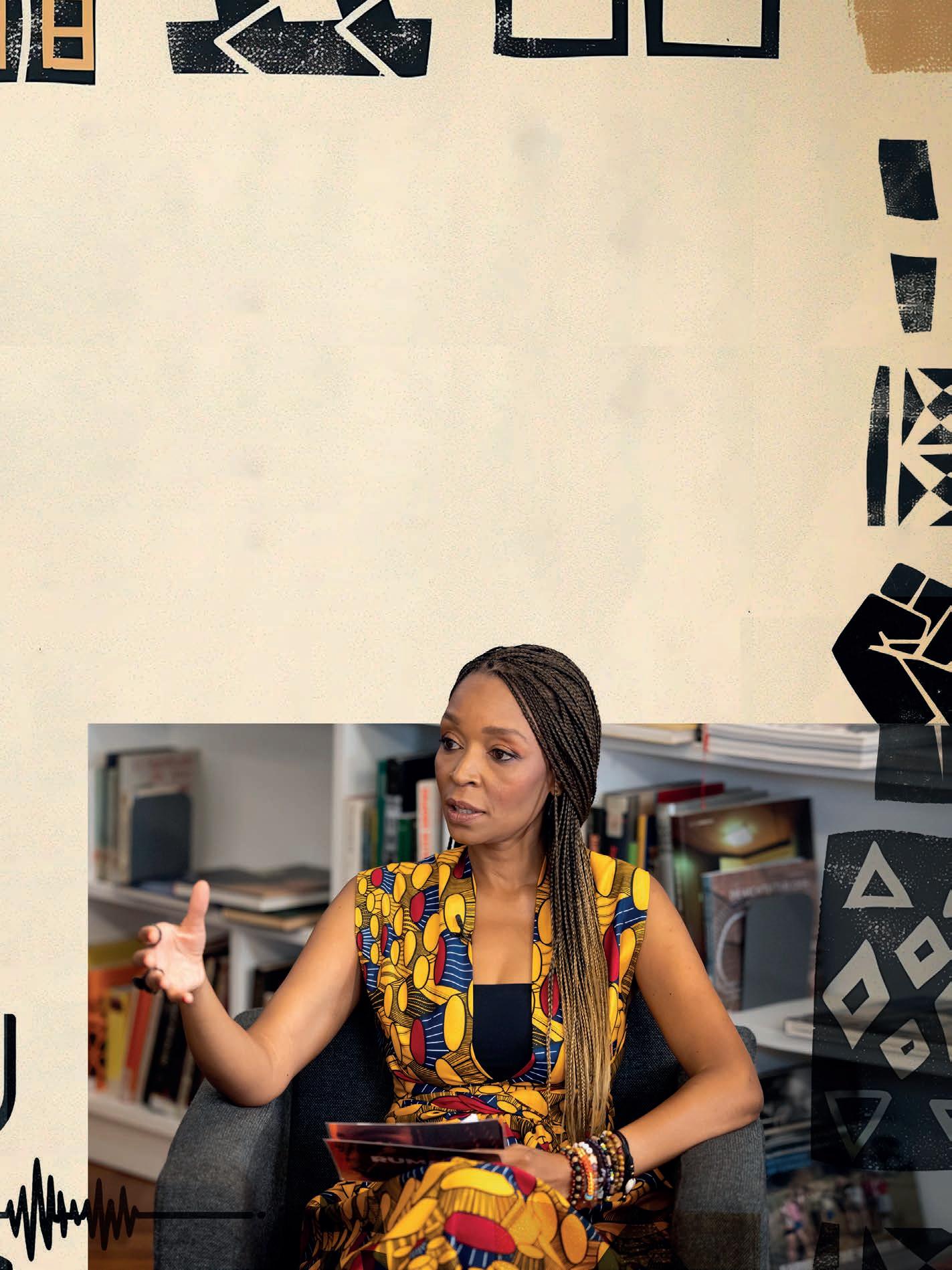
20 Paula Cardoso
Quando o ofício se torna intervenção
When a profession becomes intervention
Caro leitor,
Do Director / From the Director
Abrimos o ano com a Xonguila 88, depois de uma edição lançada ainda em Dezembro que cobriu também Janeiro. Iniciamos agora um novo ciclo editorial, com histórias que merecem ser contadas.
Neste número, conversamos com Paula Cardoso, num diálogo franco sobre identidade, diáspora e responsabilidade pública. Do jornalismo à intervenção, a sua trajectória mostra como a pertença se constrói no tempo e na escolha consciente de agir.
Esforços em prol da sustentabilidade levam-nos ao estuário do rio Limpopo. Ali, onde as cheias deixam marcas profundas, hoje cresce novamente o mangal, fruto da persistência das comunidades e de modelos económicos responsáveis. A reconstrução começa na decisão de cuidar e ganha força na acção colectiva.
Destacamos também na nossa revista o compromisso social do Millennium bim com a reabilitação da UCI Pediátrica do HCM, a afirmação da criação nacional no lançamento da fragrância Miragem by Enid Nkini, e a reflexão sobre liderança em espaços como o The Dinner Club e o SóEles.
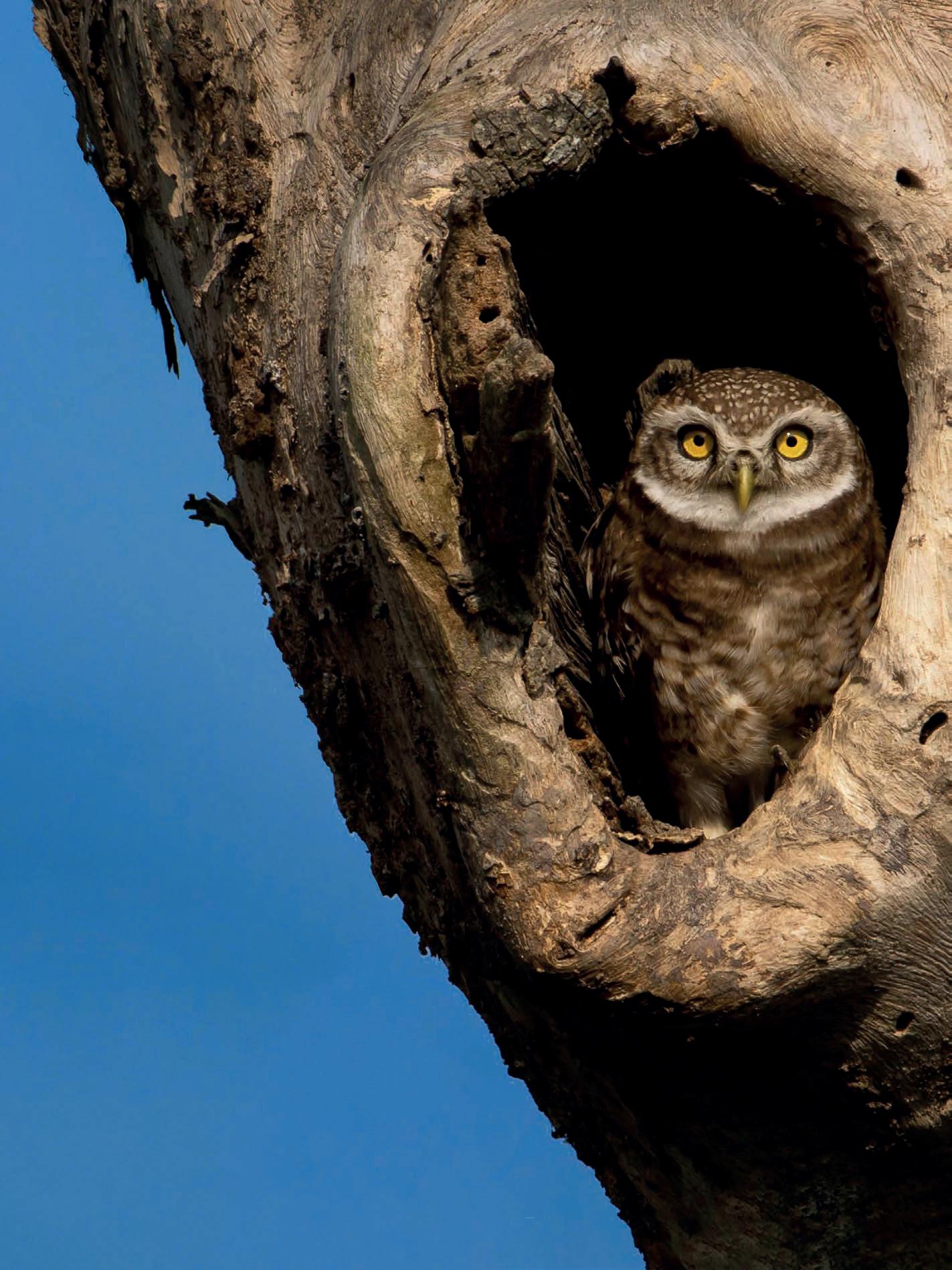
E há ainda saúde, desporto e ambiente, do aleitamento materno à presença da selecção de futsal no CAN, passando pelo papel das corujas na protecção das colheitas.
Estas são algumas das histórias desta edição. Outras aguardam a sua descoberta.
Votos de uma excelente leitura.
Dear reader,
We open the year with Xonguila 88, following an edition released in December that also covered January. We now begin a new editorial cycle, with stories that deserve to be told.
In this issue, we speak with Paula Cardoso in a frank conversation about identity, diaspora and public responsibility. From journalism to civic intervention, her trajectory shows how belonging is built over time and through the conscious choice to act.
Efforts towards sustainability take us to the Limpopo River estuary. There, where floods have left deep scars, mangroves are once again taking root, the result of community perseverance and responsible economic models. Reconstruction begins with the decision to care and gains strength through collective action.
We also highlight the social commitment of Millennium bim in the rehabilitation of the paediatric intensive care unit at HCM, the assertion of national creativity with the launch of the fragrance Miragem by Enid Nkini, and a reflection on leadership in spaces such as The Dinner Club and SóEles.
There is also health, sport and the environment, from breastfeeding to the national futsal team’s presence at the Africa Cup of Nations, as well as the role of owls in protecting crops.
These are some of the stories in this edition. Others await your discovery.
We wish you an excellent read.
Nuno Soares Director
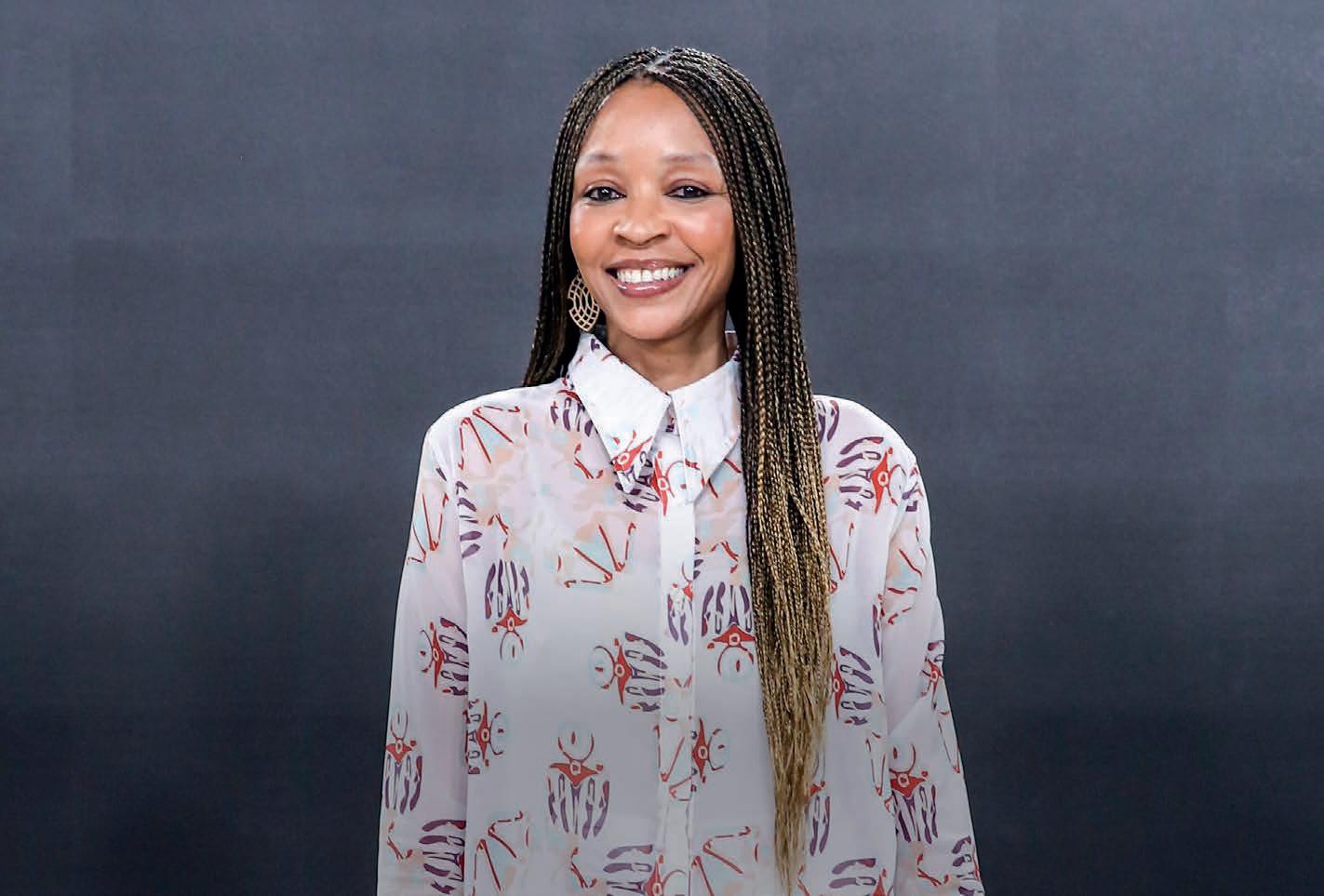
Fotografia: Cortesia de Paula Cardoso
Saiu de Moçambique ainda criança, mas levou o país consigo. A pertença não se fixou apenas na memória do lugar, foi-se construindo na família, nos gestos, na língua, na comida, na estética e nas ligações que nunca se quebraram. No jornalismo, encontrou um ofício que lhe ensinou a observar o mundo com atenção, rigor e consciência das relações de poder, entre a imprensa escrita e a experiência televisiva na RTP África. Mais tarde, com o Afrolink, transformou esse percurso em intervenção pública. Nesta conversa, Paula Cardoso fala de identidade, diáspora, racismo, desgaste e responsabilidade, não a partir da nostalgia ou da vitimização, mas de um lugar assumido, consciente e escolhido.
Há ausências que não se recordam, apenas se sentem. Crescer longe da terra onde nasceste deixou-te com esse tipo de pertença que não se aprende nem se herda, apenas se sente?
Eu diria que há uma herança. Independentemente do sentir, esta pertença que eu sinto também a herdei. É indissociável porque eu nasci em Moçambique. Embora tenha vindo para Portugal muito pequena, ainda não tinha 3 anos, mas estava quase a fazê-los. O meu pai e a minha mãe também nasceram em Moçambique. A minha família é moçambicana da parte materna e paterna, a família mais directa. Esse enquadramento moçambicano acabou por me trazer uma educação e uma exposição à cultura moçambicana, ou às culturas de Moçambique, desde sempre. Nunca houve um distanciamento. Essa presença notava-se não apenas
nas comidas, continuo a ter como pratos preferidos aqueles que fazem parte da gastronomia moçambicana, mas também na estética, nas capulanas, nas pulseiras, na sonoridade própria dessas pulseiras. É uma memória que, embora eu sinta que foi construída, recorda-me Moçambique. O meu pai falava línguas nacionais e sempre houve este reconhecer da minha moçambicanidade, o viver essa moçambicanidade, mesmo à distância. Recordo-me da festa dos moçambicanos, que acontecia anualmente no Verão, e que me dava essa ligação ao país, através do encontro com tios e primos. Lembro-me perfeitamente do frango no churrasco, do milho assado, de tantas particularidades que tornam impossível dizer que foi apenas uma questão de sentir. Moçambique esteve sempre presente nas vivências, em experiências muito concretas.
Fotografia: Cortesia de Paula Cardoso
“Moçambique esteve sempre presente nas vivências, em experiências muito concretas.”
A ideia de viver “entre lugares” surge muitas vezes associada a uma dificuldade de pertença, mas Paula Cardoso nunca leu a sua história nesses termos. A identidade sempre foi clara. É moçambicana e faz questão de o afirmar, recusando formulações que diluam essa pertença. Vive em Portugal desde muito cedo, por escolha dos pais, mas nunca romantizou esse percurso. Foi um caminho de afirmação e de lutas concretas por reconhecimento e direitos. Nunca sentiu necessidade de diluir quem é. As adaptações que existiram, sobretudo na adolescência, passaram pelo cabelo, não como rejeição, mas como tentativa de facilitar o quotidiano num contexto dominado pela normatividade branca. Hoje lê esse percurso com distância e lucidez. Houve ajustes, não rupturas. A identidade manteve-se inteira. Moçambicana, a viver em Portugal, sem romantização e sem fragmentação.
Quando entraste no jornalismo, que ilusões tinhas sobre a profissão que o tempo tratou de desfazer?
Na realidade, eu não tinha muitas ilusões, ou talvez nenhuma. Eu não fazia ideia do que iria encontrar, porque não tinha referências. Não estava a fazer televisão, portanto, não foi por aí que entrei. Sempre fui uma pessoa de imprensa escrita e, sendo uma pessoa de imprensa escrita sem referências na própria imprensa escrita, para além dos jornais que lia, a minha expectativa era apenas trabalhar. Era isso. Não pensava em mais nada para além disso. E percebi que não havia espaço. Existia uma ideia de um Portugal branco e de que os temas tinham de estar alinhados com aquilo que se estima serem as vontades dessa audiência. Os temas envolvendo pessoas negras, quando tinham cobertura, estavam quase sempre associados a situações de excelência ou a situações de exclusão. Histórias como estas tinham
espaço, assim como as do atleta ou do músico, os lugares do entretenimento, onde a presença negra foi sendo tolerada, nunca aceite. Tudo isto para dizer que eu não entrei no jornalismo com ilusões sobre a profissão, mas tornou-se evidente que havia coisas que eu não podia fazer. Entendia-se que não tinham público, que não eram tão válidas quanto outras propostas. À medida que fui avançando na área, afastei também uma perspectiva de progressão na carreira que acabei por ter em Angola, não em Portugal. Mesmo trabalhando mais e melhor, não via qualquer hipótese de promoção. Pessoas incompetentes passavam à minha frente. Isso aconteceu. Em Portugal, essa correspondência entre trabalho e reconhecimento nunca existiu para mim. Mesmo hoje, se eu não tivesse criado o meu próprio projecto, provavelmente não estaríamos aqui a falar. Foi isso que senti: que não haveria esse lugar para mim, fizesse eu o que fizesse.
O jornalismo deu a Paula Cardoso, antes de mais, consciência da palavra. Sempre teve facilidade na escrita, mas foi na prática diária que aprendeu a ouvir-se, a conduzir conversas e a reconhecer vícios da linguagem. Entrevistar e transcrever tornou-se um exercício de afinação constante. Deu-lhe também um olhar mais amplo sobre o mundo. A actualidade obriga a circular entre temas, geografias e contextos distintos, e esse movimento alargou-lhe interesses e leituras da realidade. Ao mesmo tempo, retirou-lhe o romantismo da profissão. A ideia do jornalismo como contrapoder esbarra nos grupos económicos, nas linhas editoriais e na construção da própria noção de notícia. Mudou ainda a sua relação com o tempo. Os prazos comprimem tudo, o passado perde relevância e a pressão torna-se estrutural. Fins-de-semana e feriados deixam de ser referência. O jornalismo ficou como um ofício formador, exigente, mas sem ilusões.
Fotografia: Cortesia de Nuno Fox
Em que momento sentiste que o teu trabalho começou a incomodar mais do que a ser celebrado?
Muito honestamente, eu nunca senti que o meu trabalho, excluindo esta nova etapa da minha vida, tivesse sido celebrado. Fui eu própria celebrando, na medida da minha consciência, a cada momento. Fui celebrando as minhas conquistas e alguns trabalhos que publiquei, de que gostei e com os quais fiquei satisfeita. Fiz esse caminho por mim, até porque sempre fui a única pessoa negra nos contextos profissionais em que estive em Portugal. Era a única jornalista negra e, dessa perspectiva, sabia que tinha de celebrar. Não incomodava porque eu não trabalhava estes temas. Quando digo estes temas,
refiro-me aos temas que hoje trabalho no Afrolink. Quando começo a ter uma presença pública em Portugal, a partir do Afrolink, o projecto que criei para construir o meu próprio espaço, aí percebo que surgem incómodos que têm directamente que ver com as temáticas que estou a trabalhar. Esse incómodo existe. O que sinto é que, com o Afrolink, o meu trabalho é muito mais celebrado do que qualquer outra coisa. Pelo menos é nessa energia que eu estou, na energia da celebração. O incómodo, para mim, significa apenas que o trabalho está a ser feito. Está mais relacionado com o tema em si do que com o meu trabalho em particular. Qualquer pessoa que trabalhe nesta área vai provocar incómodo em Portugal.
Para Paula Cardoso, tudo começa na consciência. É ela que define fronteiras, entre representar e ser usada, entre ocupar um lugar e ser instrumentalizada. Cada convite traz uma agenda, mas a decisão passa sempre por uma pergunta simples: serve ou não o lugar que escolheu ocupar? Quando serve, não há desconforto. A consciência protege. Essa mesma consciência impede também a separação fácil entre confronto externo e desgaste interior. Para ela, um alimenta o outro. Não existe desgaste que não tenha raiz no exterior, nem confronto que não deixe marcas por dentro. Somos seres em relação, lembra, e é dessa fricção com o mundo que nascem as inquietações, as angústias e os mergulhos interiores que sempre a acompanharam. É por isso que ocupar espaços exige mais do que presença. Exige clareza sobre as linhagens que se trazem, sobre quem se representa e, sobretudo, sobre quem vem depois. A representatividade não se proclama, acontece quando alguém se revê. E quando acontece, deixa de ser símbolo para se tornar caminho.
Alguma vez tiveste vontade de recuar, de deixar de falar, de sair de cena? O que te fez ficar?
Não. Nunca tive essa vontade. Estou a falar na fase do Afrolink, porque há claramente um antes e um depois na minha história. Na comunicação social, no jornalismo, se quisermos, há um antes e um depois do Afrolink. Antes, eu trabalhava por conta de outrem, o que me limitava, obviamente, naquilo que podia fazer. O meu último vínculo profissional foi em
Angola, uma realidade diferente, que me permitiu desenvolver uma série de trabalhos que, em Portugal, não conseguiria fazer, mas que nunca me colocaram este dilema de recuar, de deixar de falar ou de sair de cena. Com o Afrolink, começo a trabalhar temáticas que confrontam directamente o sistema que temos em Portugal. Percebo também que há muitas pessoas nesta luta contra o racismo, a xenofobia e todas as formas de discriminação, que recebem mensagens de ódio
e ataques constantes. Tenho consciência de que o discurso de ódio existe e está aí. Não sou imune a ele, mas não me sinto amedrontada. São precisamente estes recuos a que estamos a assistir que me dão ainda mais vontade de avançar e de reconhecer a importância de continuar
a fazer aquilo que faço, em conjunto com outras pessoas. Este trabalho não é individual, é um compromisso colectivo. Não tenho vontade de recuar, nem de deixar de falar, nem de sair de cena. Pelo contrário, continuarei a fazê-lo enquanto sentir que este trabalho é necessário.
Desligar não significa abdicar. A luta contra o racismo e a desigualdade faz parte do quotidiano de Paula Cardoso, mas não ocupa tudo. Há alegria, há amor, há vida para lá do trabalho e da intervenção pública. Há jantares com amigos, riso, uma taça de vinho, futebol e o prazer simples de acompanhar o Sport Lisboa e Benfica. Essa existência paralela não apaga a consciência. Mesmo em momentos de lazer, mantém-se atenta ao que acontece à sua volta. Não ignora situações de discriminação só porque está fora do contexto profissional. Se for preciso intervir, intervém, sem sentir isso como um peso, mas como responsabilidade cívica. O equilíbrio constrói-se nesse ponto intermédio. Desligar quando é possível, cuidar-se, observar limites e estar atenta a eventuais desequilíbrios faz parte da forma como se mantém inteira num confronto que sabe ser permanente.
Houve algum episódio concreto, uma conversa ou um silêncio que funcionou como gatilho para a Afrolink existir?
Sim. Mas não teve que ver com nenhuma situação de violência ou de animosidade. Antes de criar o Afrolink, escrevi um livro infanto-juvenil, A Força Africana, com o título “O Sol desapareceu, será que foi roubado?”. É uma proposta que quero continuar noutros livros. A Força Africana é o grupo de super-heróis e super-heroínas que criei, e a ideia é colocá-los a desvendar mistérios ao longo de várias histórias. O primeiro livro foi publicado em 2020. O Afrolink nasce da Força Africana. Porquê? Porque eu precisava de uma ilustradora ou de um ilustrador negro, alguém que partilhasse a minha
pertença e que percebesse a importância de trazer para o mercado literário infanto-juvenil uma história como esta. Eu cresci sem essas referências literárias e não encontrava nos livros personagens parecidas comigo. Quando tive dificuldade em encontrar alguém para ilustrar o livro, ocorreu-me que seria importante criar um projecto que facilitasse a identificação de perfis de profissionais negros e que permitisse desconstruir a ideia de um Portugal branco. O Afrolink nasce dessa identificação de perfis, dessa visibilização das nossas trajectórias e dos projectos que estamos a desenvolver, desmentindo a ideia de menoridade que continua a ser associada às nossas trajectórias, muitas vezes a partir do preconceito.
Paula Cardoso não identifica partes da sua história que lhe sej am difíceis de contar. Não por entender tudo como público, mas porque distingu e com clareza o que deve ser partilhado do que pertence à intimidade. O que e scolhe partilhar está ligado ao crescimento. Angústias, frustrações e desencontr os da vida, quando partilhados com pessoas de confiança, podem gerar consciência e leveza. Se existe um vazio, ele está no que não conhece, não no que não quer cont ar. A curiosidade dirige-se à ancestralidade, marcada por silêncios e desenraizam entos históricos que dificultam o acesso às origens familiares. Partilha quando faz sentido, com
quem faz sentido, e acredita que muitas dores persistem precisa mente porque não nos permitimos ser vulneráveis.
O que é que hoje já não estás disposta a sacrificar, mesmo em nome de causas maiores?
Sacrificar. Eu não sei se me revejo nessa palavra. Quando fui fazendo as minhas escolhas ao longo da vida, até chegar aqui, e neste momento tenho 46 anos, não sentia que estivesse a sacrificar coisas. Fui tomando decisões, e as decisões implicam sempre incluir umas coisas e excluir outras. Na vida, o equilíbrio é tudo. Com a consciência que tenho hoje, procuro esse equilíbrio. E, nessa procura, o descanso é fundamental. Resumindo, não sacrifico o meu descanso. Não abdico do meu descanso. Isso não quer dizer que, numa ou noutra circunstância, não esteja disposta a abdicar, mas,
como regra, não quero isso para a minha vida. Quanto às causas maiores, a defesa da democracia é fundamental. Para mim, é uma causa maior, porque todas as outras causas que defendo dependem da existência de um sistema que nos permita participar, ser parte, colocar a nossa voz no mundo. Depois, a luta pelos direitos humanos é central, uma causa maior pela qual vale a pena sacrificar tudo. Houve pessoas no passado que morreram para que Moçambique tivesse liberdade, e é importante que continuemos a defender essa liberdade e a lutar por um país melhor para todas as pessoas, seja esse país qual for. Uma causa não é um trabalho, é uma missão. É uma aspiração colectiva.
Fotografia: Cortesia de Paula Cardoso
She left Mozambique as a child, but carried the country with her. Belonging did not settle solely in the memory of place; it was shaped within family, in gestures, in language, in food, in aesthetics and in bonds that were never broken. In journalism, she found a craft that taught her to observe the world with attention, rigour and an awareness of power relations, moving between print media and her experience on RTP África. Later, with Afrolink, she transformed that path into public intervention. In this conversation, Paula Cardoso speaks about identity, diaspora, racism, exhaustion and responsibility, not from a place of nostalgia or victimhood, but from a position that is assumed, conscious and chosen.
There are absences that are not remembered, only felt. Did growing up far from the land where you were born leave you with that kind of belonging that is neither learned nor inherited, only felt?
I would say there is an inheritance. Regardless of feeling, this sense of belonging I have was also inherited. It is inseparable, because I was born in Mozambique. Although I came to Portugal very young, I was not yet three, but nearly. My father and mother were also born in Mozambique. My family is Mozambican on both my mother’s and father’s side, my closest family. That Mozambican framework brought me an upbringing and an exposure to Mozambican culture, or rather to the cultures of Mozambique, from the very beginning. There was never any distance. That
presence could be felt not only in the food – my favourite dishes are still those that are part of Mozambican cuisine – but also in the aesthetics, in the capulanas, in the bracelets and the particular sound they make. It is a memory that, although I feel it was built over time, reminds me of Mozambique. My father spoke national languages and there was always this recognition of my Mozambicanness, this living of that Mozambicanness, even from afar. I remember the Mozambican festival, which took place every summer and gave me that connection to the country through meeting uncles and cousins. I remember perfectly the barbecued chicken, the roasted maize, so many details that make it impossible to say it was simply a matter of feeling. Mozambique was always present in very concrete experiences.
The idea of living “between places” is often associated with difficulty in belonging, but Paula Cardoso has never read her story in those terms. Her identity has always been clear. She is Mozambican and insists on stating it, rejecting formulations that dilute that belonging. She has lived in Portugal since early childhood, by her parents’ choice, but she has never romanticised that journey. It was a path of affirmation and of concrete struggles for recognition and rights. She never felt the need to dilute who she is. The adjustments that did occur, especially in adolescence, involved her hair, not as a rejection, but as an attempt to make daily life easier in a context dominated by white normativity. Today she reads that path with distance and lucidity. There were adjustments, not ruptures. Her identity remained whole. Mozambican, living in Portugal, without romanticism and without fragmentation.
When you entered journalism, what illusions did you have about the profession that time eventually dismantled? In truth, I did not have many illusions, perhaps none at all. I had no idea what I would encounter, because I had no references. I was not working in television, so that was not how I entered. I have always been a print journalist and, as someone in print without references within print beyond the newspapers I read, my only expectation was to work. That was it. I did not think about anything beyond that. And I realised there was no space. There was an idea of a white Portugal and that topics had to align with what was assumed to be the desires of that audience. Topics involving Black people, when they received coverage, were almost always associated either with excellence or with exclusion. Stories like these
had space, as did those of the athlete or the musician, the realms of entertainment, where Black presence has been tolerated rather than accepted.
All of this to say that I did not enter journalism with illusions about the profession, but it became evident that there were things I could not do. It was understood that they had no audience, that they were not as valid as other proposals. As I progressed in the field, I also let go of a perspective of career progression, which I eventually experienced in Angola, not in Portugal. Even working harder and better, I saw no possibility of promotion. Incompetent people moved ahead of me. That happened. In Portugal, that correspondence between work and recognition never existed for me. Even today, had I not created my own project, we probably would not be here talking. That is what I felt: that there would be no place for me, no matter what I did.
Journalism gave Paula Cardoso, above all, an awareness of language. She had always found writing easy, but it was in daily practice that she learned to hear herself, to conduct conversations and to recognise linguistic habits. Interviewing and transcribing became a constant exercise in refinement. It also gave her a broader view of the world. The news cycle forces movement between themes, geographies and contexts, and that movement widened her interests and readings of reality. At the same time, it stripped the profession of its romanticism. The idea of journalism as a counterpower collides with economic groups, editorial lines and the very construction of what is considered news. It also altered her relationship with time. Deadlines compress everything, the past loses relevance and pressure becomes structural. Weekends and holidays cease to be reference points. Journalism remained a formative and demanding craft, but one without illusions.
Fotografia: Cortesia de Sara Matos
At what point did you feel that your work began to unsettle rather than to be celebrated?
Very honestly, I never felt that my work, excluding this new stage of my life, had been celebrated. I celebrated it myself, according to my own awareness, at each moment. I celebrated my achievements and some of the pieces I published, which I liked and with which I was satisfied. I made that journey for myself, not least because I was always the only Black person in the professional contexts I occupied in Portugal. I was the only Black journalist and, from that perspective, I knew I had to celebrate. It did not unsettle because I was not working on these topics. When I say these topics, I mean the ones I work on today at Afrolink. When I begin to have a public presence in Portugal through Afrolink, the project I created to build my own space, that is when I realise discomfort emerges, directly linked to the themes I am addressing. That discomfort exists. What I feel is that, with Afrolink, my work is far more celebrated than anything else. At least that is the energy I inhabit, the energy of celebration. For me, discomfort simply means the work is being done. It is more related to the theme itself than to my work in particular. Anyone working in this area will provoke discomfort in Portugal.
For Paula Cardoso, everything begins with awareness. It defines the boundaries between representing and being used, between occupying a space and being instrumentalised. Every invitation carries an agenda, but the decision always comes down to a simple question: does it serve the place she has chosen to occupy or not? When it does, there is no discomfort. Awareness protects. That same awareness also prevents any easy separation between external confrontation and internal wear. For her, one feeds the other. There is no wear that does not have roots outside, nor confrontation that does not leave marks within. We are relational beings, she reminds us, and it is from that friction with the world that inquietudes, anxieties and inner descents emerge, all of which have always accompanied her.
This is why occupying spaces requires more than presence. It demands clarity about the lineages one carries, about whom one represents and, above all, about those who come after. Representation is not proclaimed; it happens when someone sees themselves reflected. And when that happens, it ceases to be a symbol and becomes a path.
Have you ever felt the urge to step back, to stop speaking, to leave the stage?
What made you stay?
No. I have never felt that urge. I am speaking about the Afrolink phase, because there is clearly a before and an after in my story. In the media, in journalism if you like, there is a before and an after Afrolink. Before, I worked for others, which obviously limited what I could do. My last professional contract was in Angola, a different reality that allowed me to develop a range of work that I would not have been able to do in Portugal, but it never placed me before this dilemma of stepping back, stopping speaking or leaving the stage. With Afrolink, I began to work on
themes that directly confront the system we have in Portugal. I also realised that many people in the fight against racism, xenophobia and all forms of discrimination receive hate messages and constant attacks. I am aware that hate speech exists and is out there. I am not immune to it, but I do not feel afraid. It is precisely these regressions we are witnessing that give me even more determination to move forward and to recognise the importance of continuing to do what I do, together with others. This work is not individual; it is a collective commitment. I have no desire to step back, to stop speaking or to leave the stage. On the contrary, I will continue as long as I feel this work is necessary.
Switching off does not mean giving up. The fight against racism and inequality is part of Paula Cardoso’s daily life, but it does not occupy everything. There is joy, there is love, there is life beyond work and public intervention. There are dinners with friends, laughter, a glass of wine, football and the simple pleasure of following Sport Lisboa e Benfica. That parallel existence does not erase awareness. Even in moments of leisure, she remains attentive to what is happening around her. She does not ignore situations of discrimination simply because she is outside a professional context. If she needs to intervene, she does so, not as a burden, but as civic responsibility.
Balance is built in that middle ground. Switching off when possible, taking care of herself, observing limits and staying alert to potential imbalances are part of how she remains whole in a confrontation she knows to be permanent.
Was there a specific episode, a conversation or a silence that acted as a trigger for Afrolink to exist?
Yes. But it had nothing to do with violence or hostility. Before creating Afrolink, I wrote a children’s book, A Força Africana, entitled “The Sun Disappeared, Was It Stolen?”. It is a proposal I want to continue in other books. A Força Africana is the group of superheroes I created, and the idea is to have them solving mysteries across several stories. The first book was published in 2020. Afrolink was born out of A Força Africana. Why? Because I needed a Black illustrator, someone who shared my sense of belonging and understood the importance of bringing a story
like this into the children’s literary market. I grew up without those literary references and did not find characters who looked like me in books.
When I struggled to find someone to illustrate the book, it occurred to me that it would be important to create a project that made it easier to identify Black professionals and that would help dismantle the idea of a white Portugal. Afrolink was born from that identification of profiles, from making our trajectories and the projects we are developing visible, challenging the notion of inferiority that continues to be associated with our paths, often rooted in prejudice.
Paula Cardoso does not identify parts of her story that are difficult to tell. Not because she sees everything as public, but because she clearly distinguishes what should be shared from what belongs to intimacy. What she chooses to share is connected to growth. Anxieties, frustrations and life’s misalignments, when shared with trusted people, can generate awareness and lightness. If there is a void, it lies in what she does not know, not in what she does not wish to tell. Her curiosity turns towards ancestry, marked by silences and historical uprootings that make access to family origins difficult. She shares when it makes sense, with whom it makes sense, and believes that many pains persist precisely because we do not allow ourselves to be vulnerable.
What are you no longer willing to sacrifice today, even in the name of greater causes?
Sacrifice. I am not sure that word resonates with me. As I made my choices throughout life to arrive here, and I am now 46, I did not feel I was sacrificing things. I was making decisions, and decisions always involve including some things and excluding others. In life, balance is everything. With the awareness I have today, I seek that balance. And in that search, rest is fundamental. In short, I do not sacrifice my rest. I do not give up my rest. That does not mean that, in certain circumstances, I would not be willing to forgo it, but as a rule, I
do not want that for my life. As for greater causes, the defence of democracy is fundamental. For me, it is a greater cause, because all the other causes I defend depend on the existence of a system that allows us to participate, to belong, to place our voice in the world. Then the fight for human rights is central, a greater cause for which it is worth sacrificing everything. There were people in the past who died so that Mozambique could have freedom, and it is important that we continue to defend that freedom and fight for a better country for everyone, whatever country that may be. A cause is not a job; it is a mission. It is a collective aspiration.
Fotografia: Cortesia de Enid Nkini
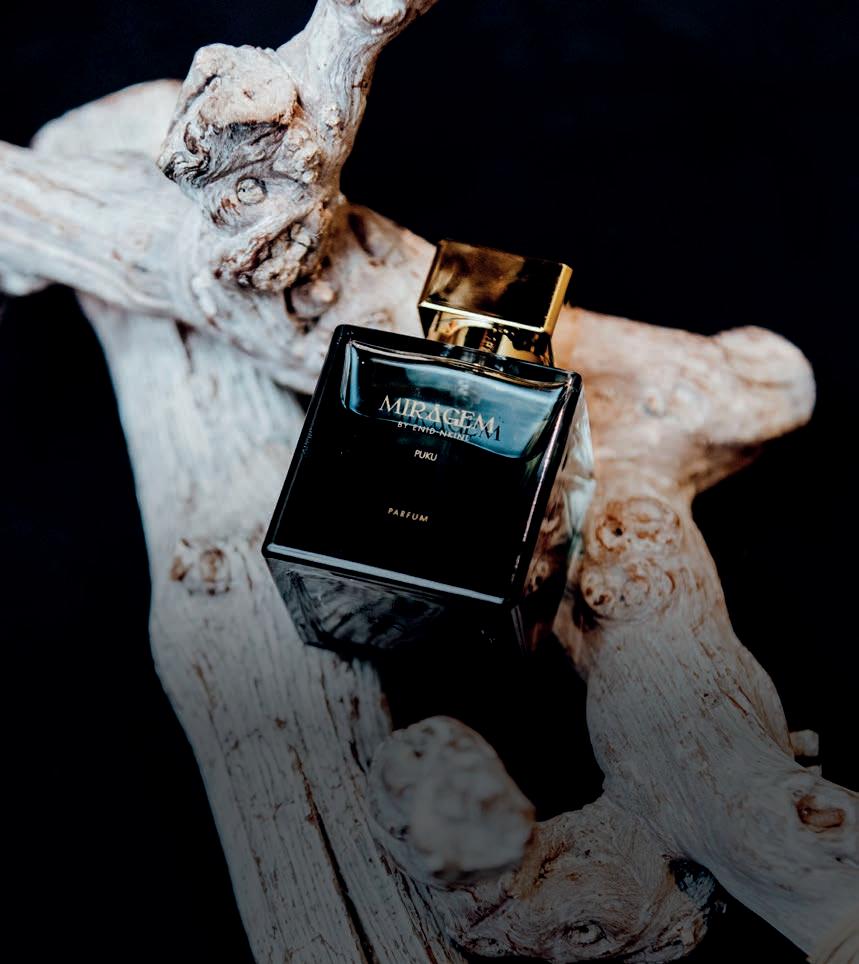
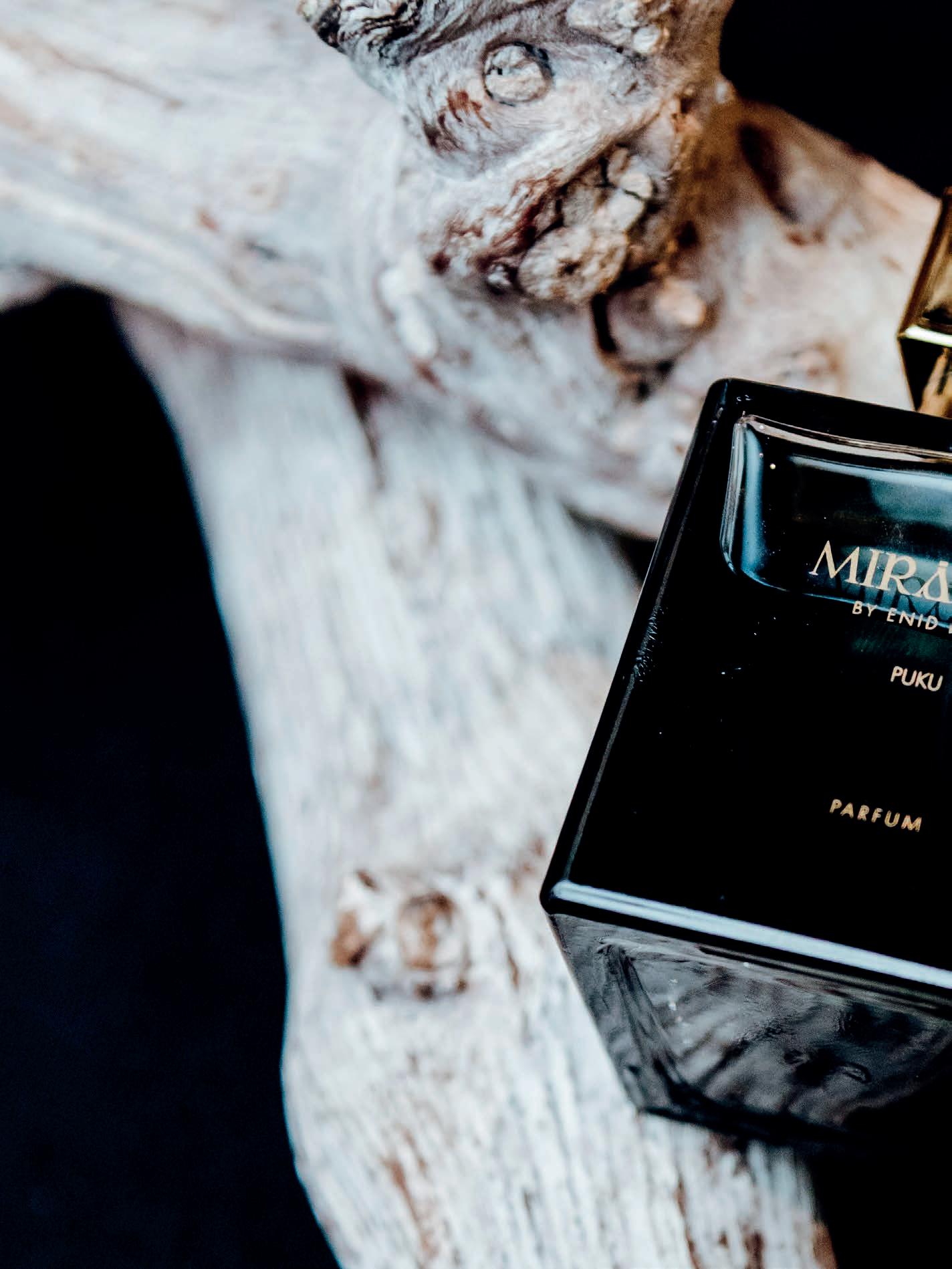
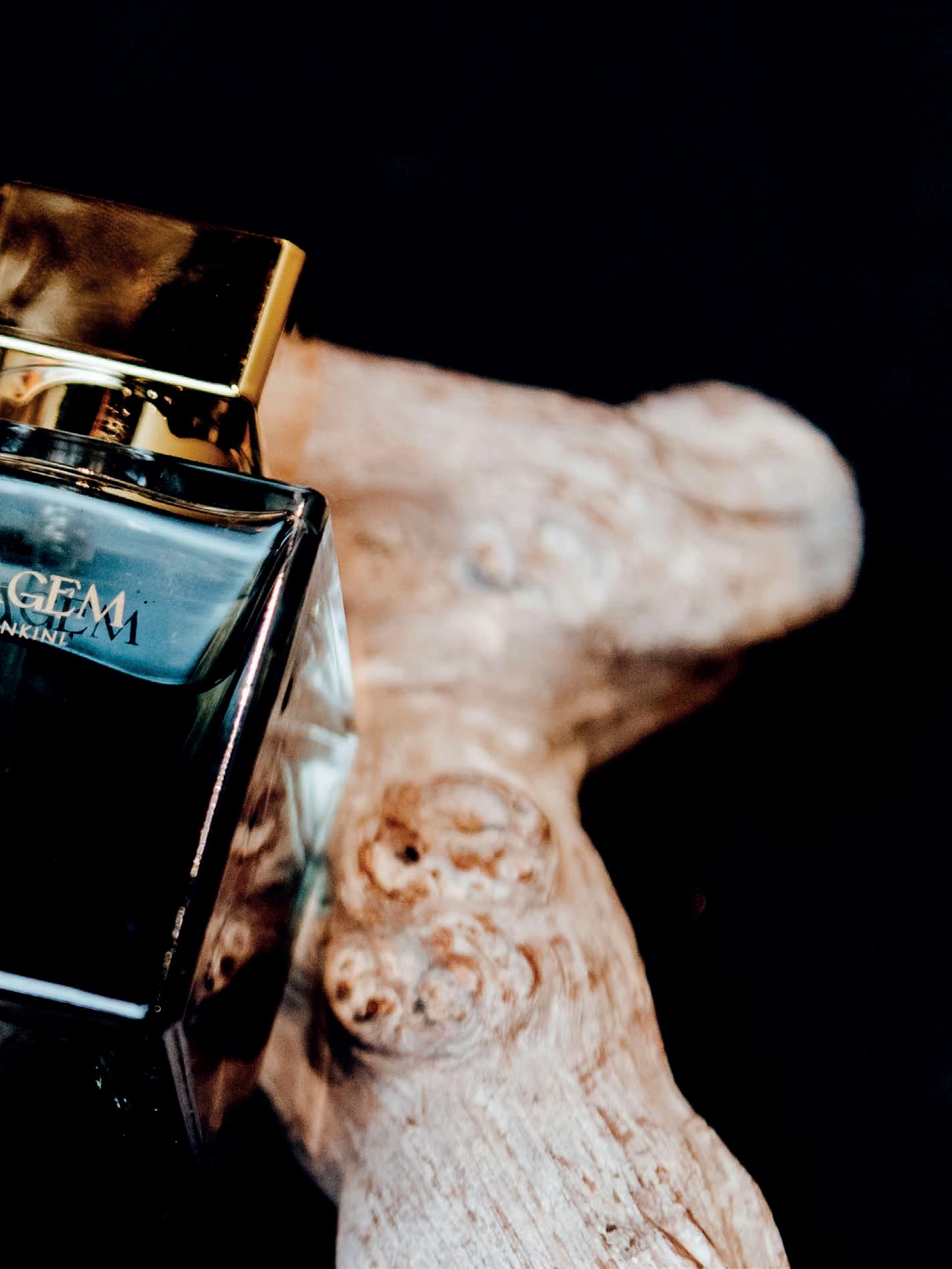
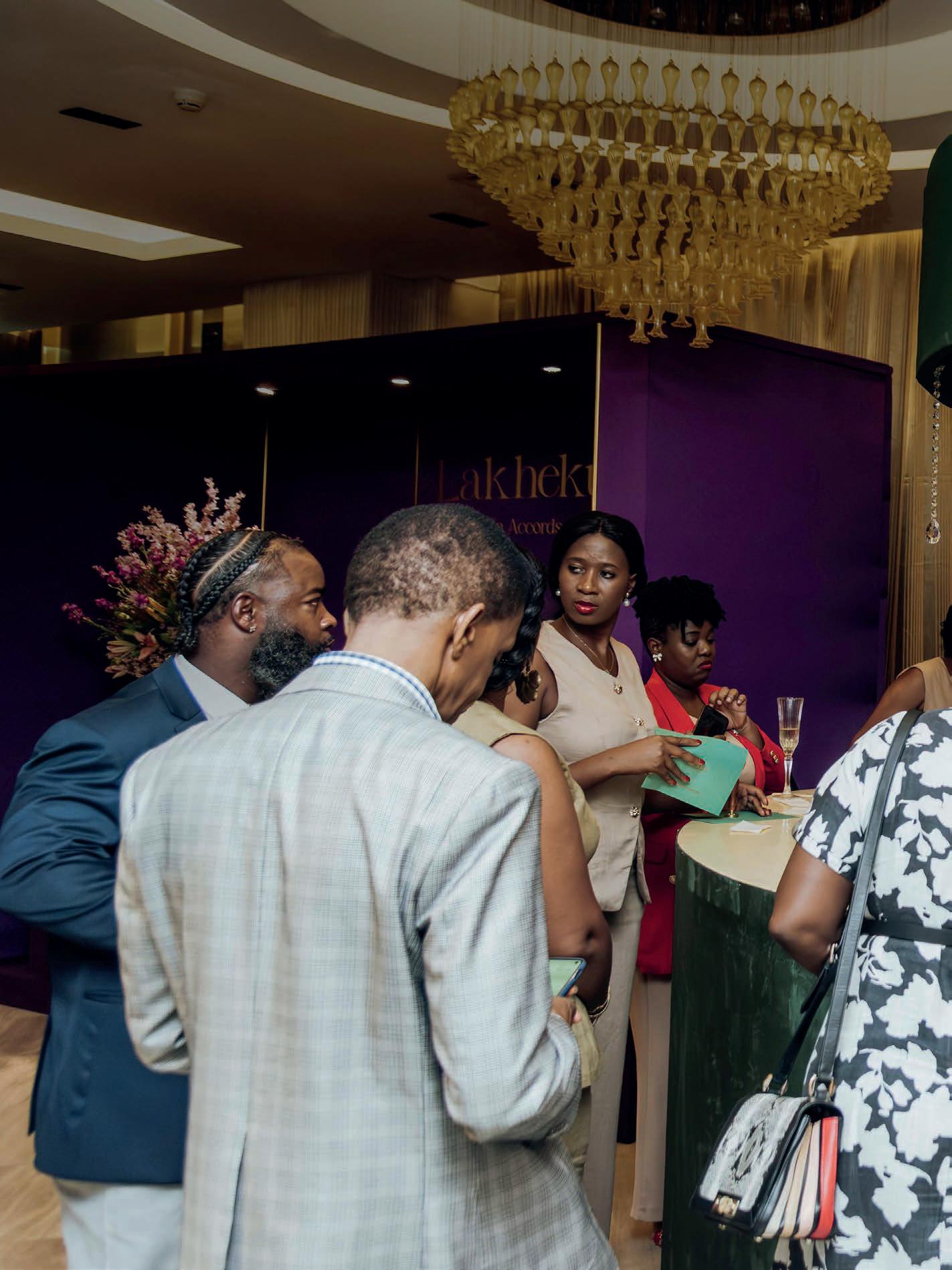
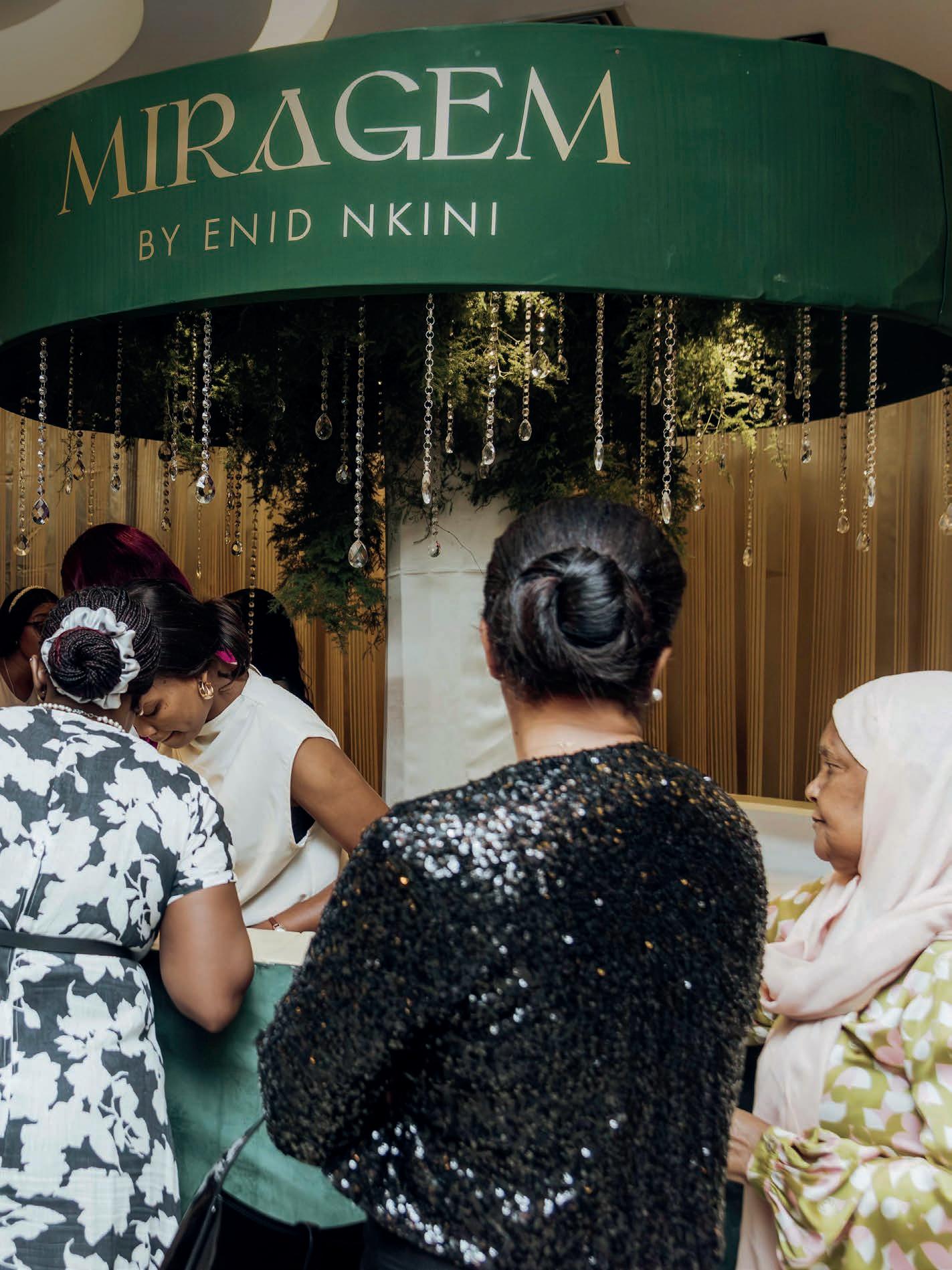
O Hotel Glória acolheu, no passado dia 21 de Janeiro, o lançamento oficial da Miragem by Enid Nkini, numa cerimónia marcada por elegância, forte presença institucional e uma visão clara para o sector da perfumaria em Moçambique. A noite foi desenhada como celebração sensorial e apresentação pública de um projecto com ambição nacional e internacional.
Pensado como encontro intimista, o evento convidou os presentes a despertar os sentidos e a mergulhar na arte da criação olfactiva. Entre convidados institucionais, parceiros, órgãos de comunicação social, amigos e familiares, destacou-se a presença da Ministra do Trabalho, Género e Acção Social, Ivete Alane, cuja participação conferiu um significado especial à ocasião e simbolizou o reconhecimento do talento, da criatividade e da inovação moçambicana.
No seu discurso, a fundadora, Enid Nkini, apresentou a essência da marca com convicção. “Hoje apresentamos ao mundo uma visão”, afirmou, sublinhando o alcance do projecto. A Miragem nasce de um sonho pessoal transformado em propósito colectivo: afirmar que o luxo pode ter raízes africanas, alma moçambicana e ambição global.
Cada fragrância revelada, Luen, Lakheku e Puku, foi descrita como uma tradução de emoções, memórias e identidade. São composições criadas para envolver antes mesmo de serem explicadas, convidando a uma experiência onde o invisível se traduz em presença, sofisticação e autenticidade. O nome da marca reforça essa dimensão sensorial e simbólica.
Ao escolher Moçambique como ponto de partida, a Miragem assume um compromisso com o potencial criativo do país e com a construção de referências que elevem o nome nacional no universo do luxo. A fundadora destacou ainda que o projecto representa um marco importante para o Grupo Luen e para o país, antecipando benefícios directos para milhares de pessoas, com impacto na cadeia de produção, distribuição e comercialização.
A cerimónia contou igualmente com a presença da
Secretária do Estado da Indústria, Custódia Paunde, e de representantes de diversas direcções nacionais ligadas ao apoio ao sector privado, comércio e indústria. A moldura institucional reforçou a importância do diálogo entre iniciativa privada e políticas públicas na dinamização económica e na valorização da criatividade nacional.
O ambiente da noite combinou sofisticação e proximidade, num registo que reflectiu o posicionamento da marca. Ao encerrar a sua intervenção, Enid Nkini expressou gratidão à equipa, parceiros, mentores, fornecedores e família, salientando que o projecto abre caminho para novas etapas.
Com este lançamento, a Miragem afirma-se como uma proposta sólida no panorama da perfumaria moçambicana. Um projecto que traduz identidade em aroma e que projecta, a partir de Maputo, uma assinatura com ambição global.
Uma experiência onde o invisível se traduz em presença, sofisticação e autenticidade.
Fotografia: Cortesia de Enid Nkini
On 21 January, the Hotel Glória hosted the official launch of Miragem by Enid Nkini, in a ceremony defined by elegance, strong institutional presence and a clear vision for the perfumery sector in Mozambique. The evening was conceived as both a sensory celebration and a public unveiling of a project with national and international ambition.
Designed as an intimate gathering, the event invited guests to awaken their senses and immerse themselves in the art of olfactory creation. Among institutional representatives, partners, members of the press, friends and family, the presence of the Minister of Labour, Gender and Social Action, Ivete Alane, stood out. Her attendance lent particular significance to the occasion, symbolising recognition of Mozambican talent, creativity and innovation.
In her address, founder Enid Nkini set out the essence of the brand with conviction. “Today we present a vision to the world,” she stated, underlining the scope of the project. Miragem was born from a personal dream transformed into a collective purpose: to affirm that luxury can have African roots, a Mozambican soul and global ambition. Each fragrance unveiled
– Luen, Lakheku and Puku – was described as a translation of emotions, memories and identity. These compositions are crafted to envelop before they are explained, inviting an experience in which the invisible becomes presence, sophistication and authenticity. The brand’s name reinforces this sensory and symbolic dimension.
By choosing Mozambique as its point of departure, Miragem signals a commitment to the country’s creative potential and to building references that elevate the national name within the world of luxury. The founder also highlighted that the project marks an important milestone for the Luen Group and for the country, anticipating direct benefits for thousands of people across production, distribution and retail chains.
The ceremony was also attended by the Secretary of State for Industry,
Custódia Paunde, alongside representatives from several national directorates linked to private sector support, trade and industry. This institutional framework reinforced the importance of dialogue between private enterprise and public policy in driving economic dynamism and celebrating national creativity.
The atmosphere of the evening combined sophistication with warmth, reflecting the brand’s positioning. In closing, Enid Nkini expressed her gratitude to her team, partners, mentors, suppliers and family, emphasising that the project opens the door to new chapters.
With this launch, Miragem positions itself as a compelling new presence within Mozambique’s perfumery landscape –a project that translates identity into fragrance and projects, from Maputo, a signature with global ambition.
Fotografia: Cortesia de Millennium bim
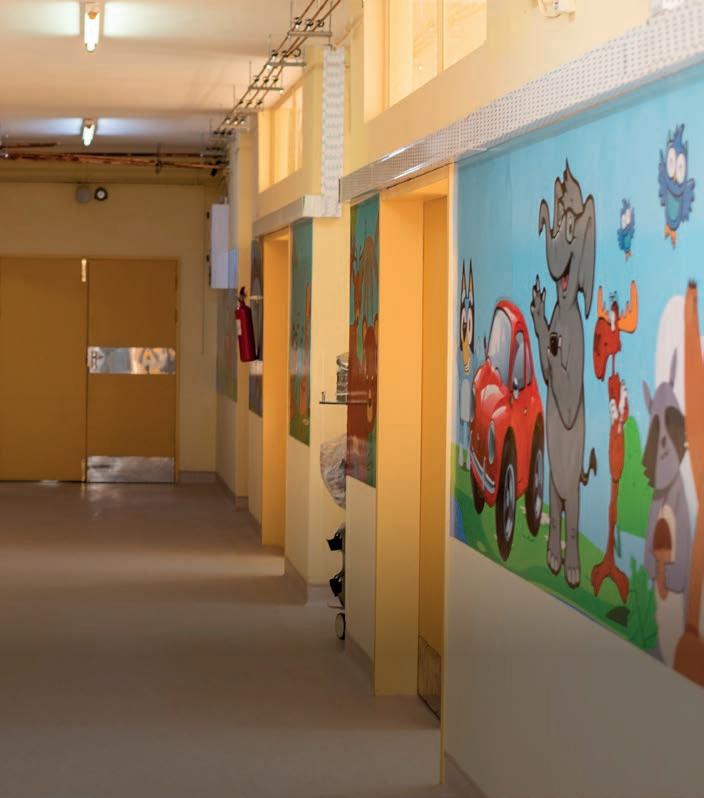
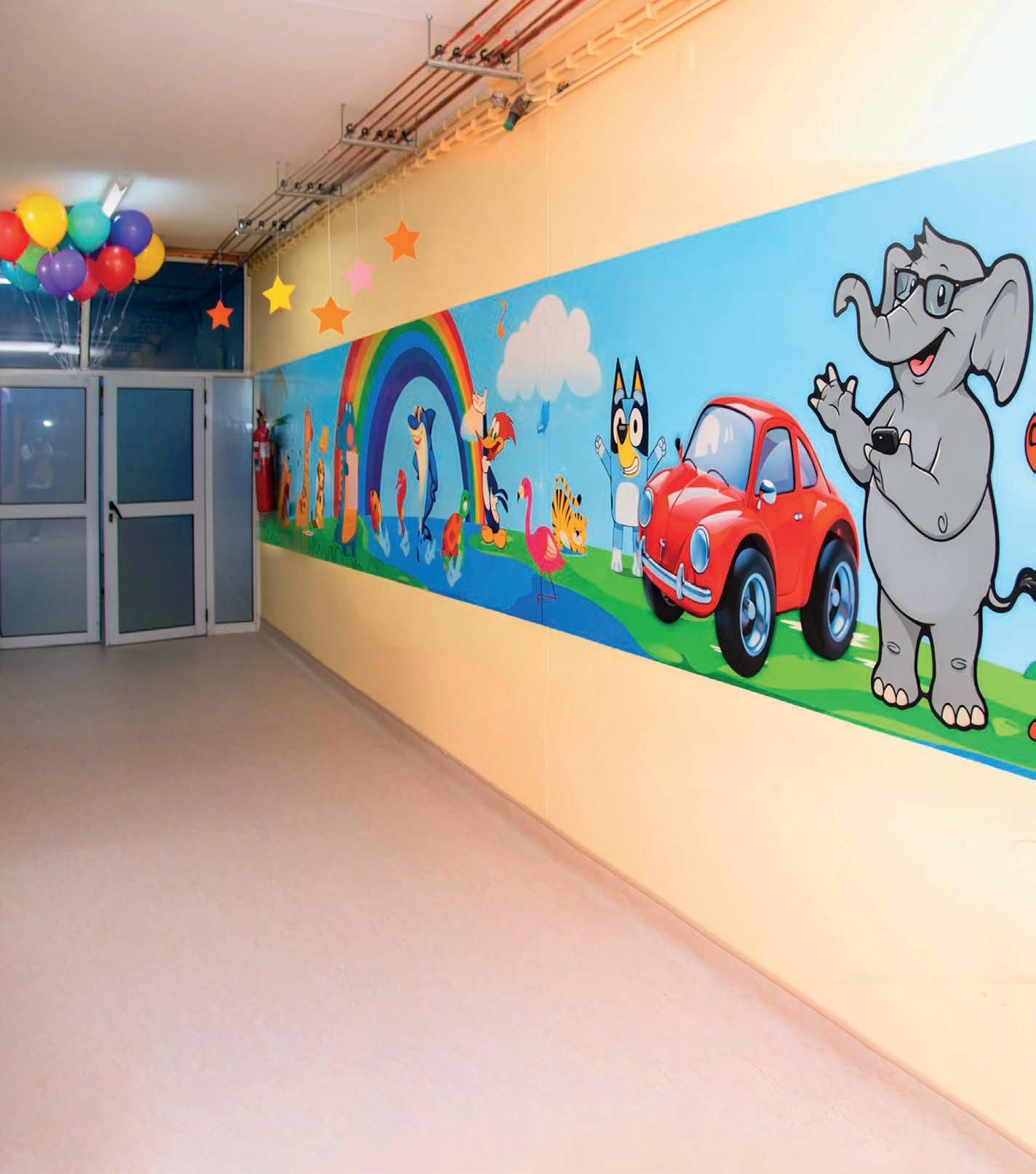
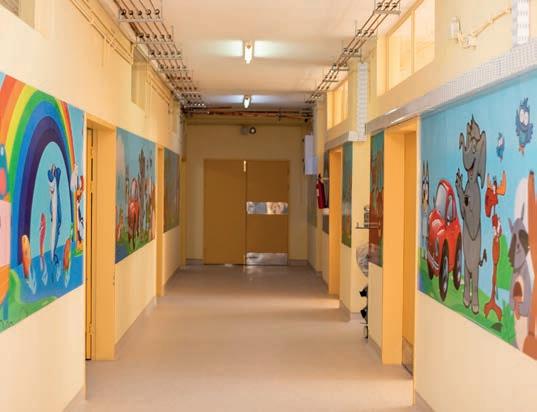
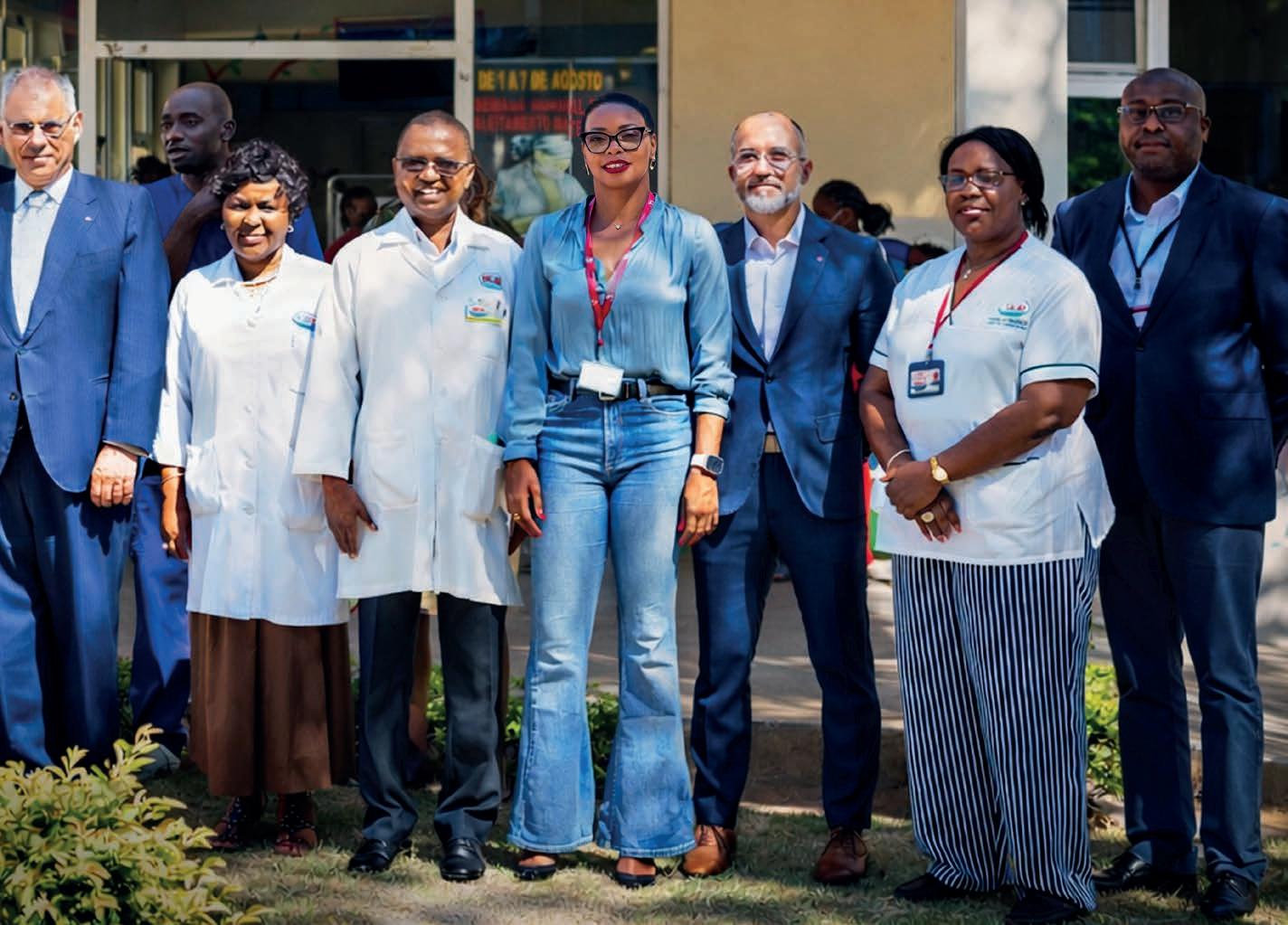
A reabilitação da UCI Pediátrica constitui um contributo relevante para o reforço da capacidade de resposta do hospital.
Millennium bim entrega UCI Pediátrica do HCM reabilitada
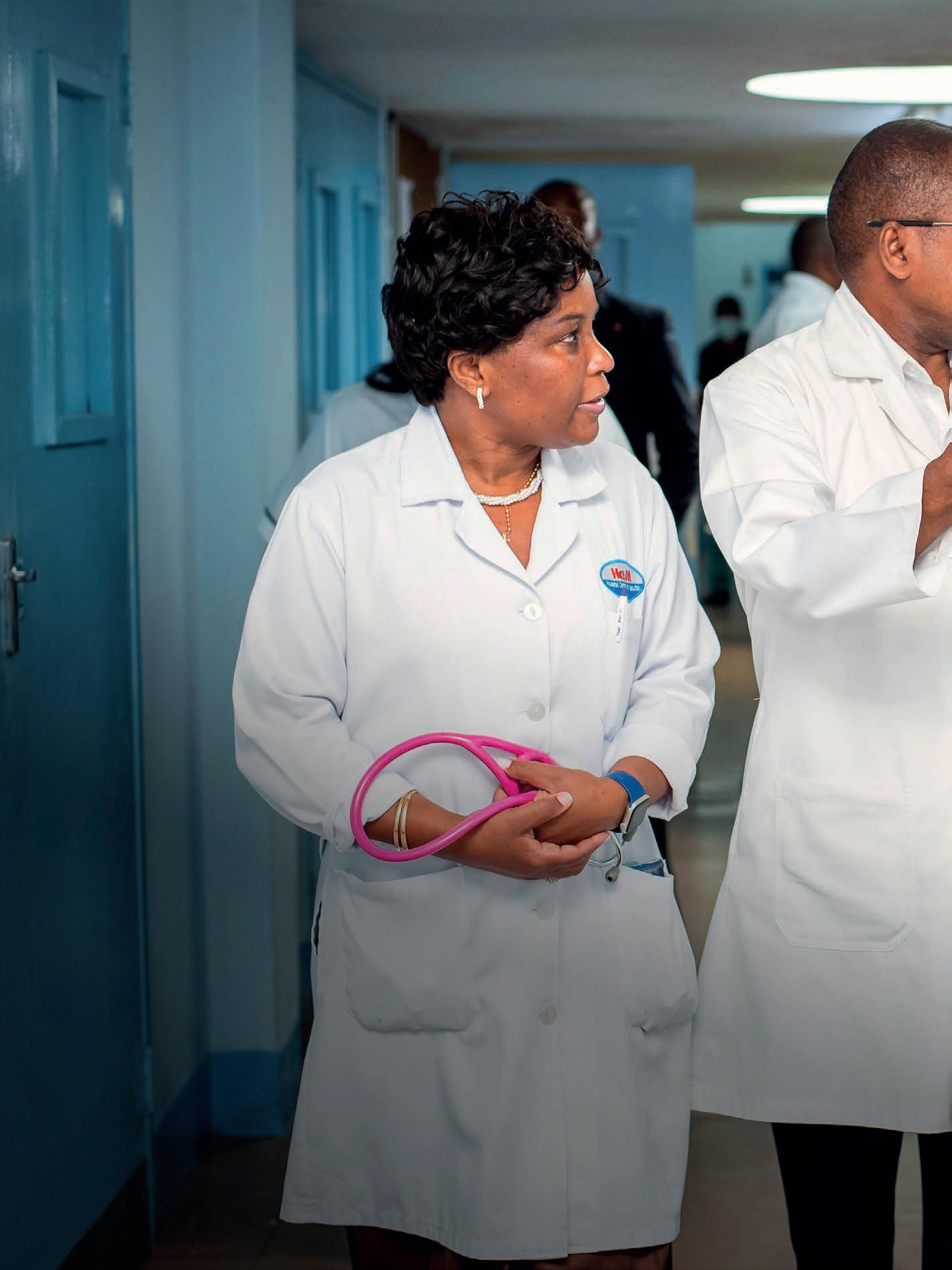
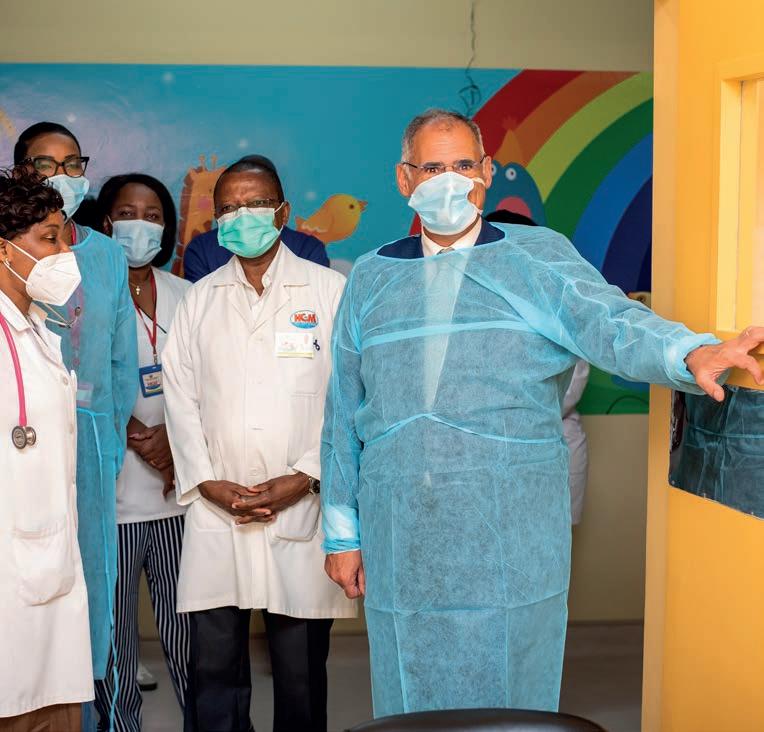
O Millennium bim procedeu, na sexta-feira, dia 6, à entrega oficial da obra de reabilitação da Unidade de Cuidados Intensivos Pediátricos do Hospital Central de Maputo (HCM), uma iniciativa integrada no seu programa de Responsabilidade Social Corporativa “Mais Moçambique Pra Mim”. A intervenção teve início em 2025, no âmbito das comemorações dos 30 anos do Banco em Moçambique.
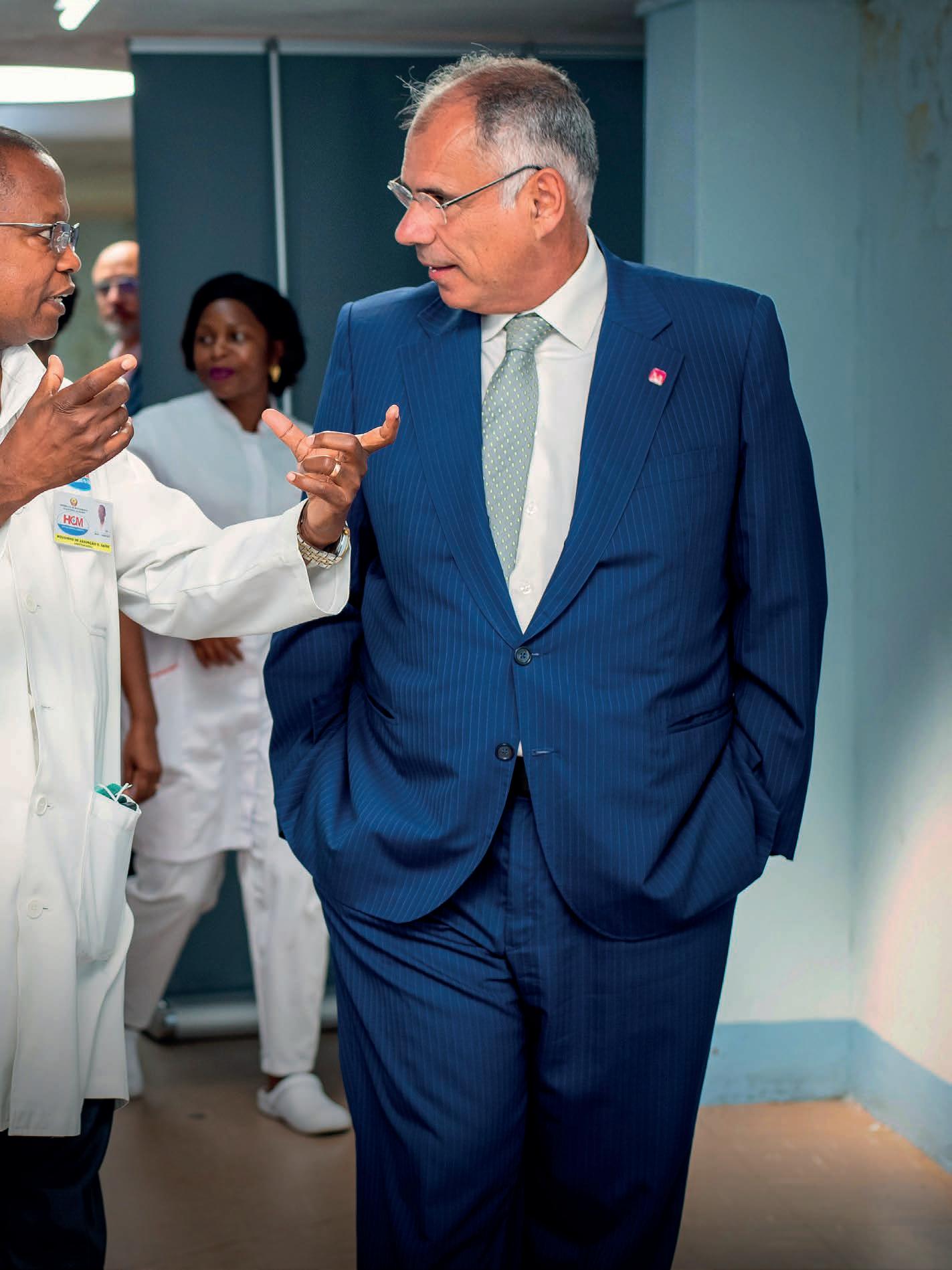
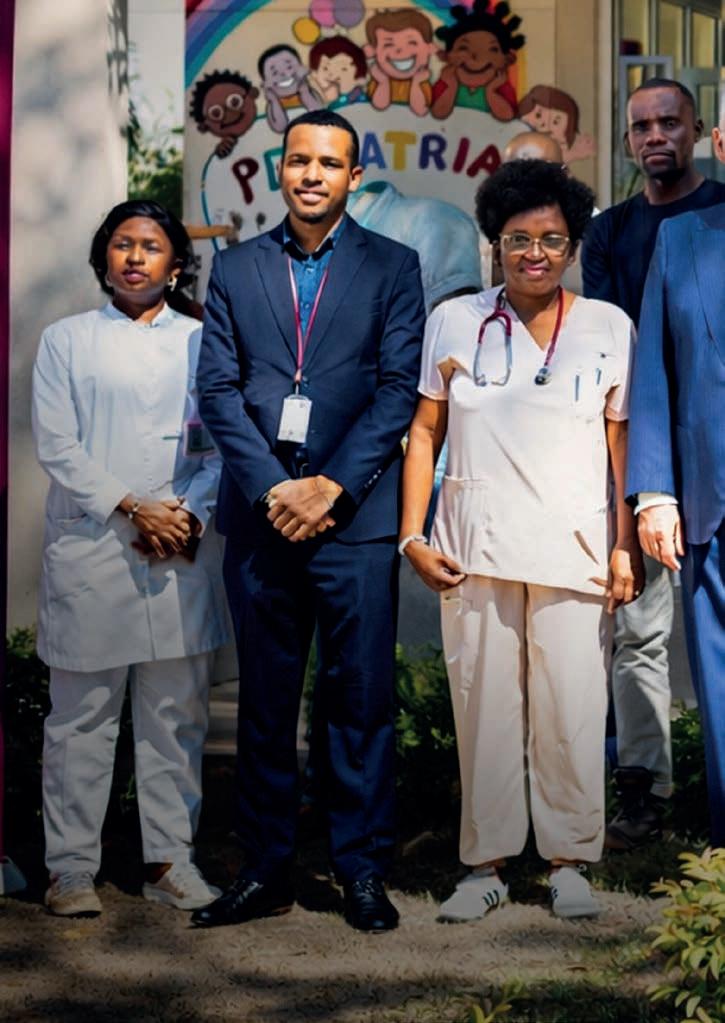
Acerimónia contou com a presença do Presidente da Comissão Executiva do Millennium bim, Rui Pedro, e do Director do Hospital Central de Maputo, Dr. Mouzinho Saíde, que agradeceu ao Banco o gesto e o contributo prestado para a melhoria das condições de atendimento às crianças. O momento assinalou a conclusão de uma intervenção orientada para a melhoria das condições funcionais da unidade e para o reforço das medidas de prevenção da contaminação cruzada, com o objectivo de criar um ambiente mais seguro, digno e adequado à prestação de cuidados intensivos a crianças em estado crítico. Estiveram igualmente presentes, responsáveis e profissionais de saúde desta unidade, que manifestaram reconhecimento pelo impacto positivo da intervenção no reforço da capacidade assistencial e na humanização dos cuidados.
“Cuidar de crianças em situações críticas é semear esperança e investir no futuro.
A entrega desta unidade reabilitada traduz o nosso compromisso com a saúde infantil e com o bem-estar das famílias, contribuindo para um ambiente mais seguro, humanizado e funcional. Cada
criança que recebe cuidados de qualidade representa não apenas uma vida protegida, mas também esperança para toda a sociedade”, afirmou Rui Pedro, Presidente da Comissão Executiva do Millennium bim.
O Hospital Central de Maputo, a maior unidade hospitalar do país, recebe doentes provenientes de todas as províncias, desempenhando um papel central na prestação de cuidados de saúde terciários. A reabilitação da Unidade de Cuidados Intensivos Pediátricos constitui, assim, um contributo relevante para o reforço da capacidade de resposta do hospital, beneficiando directamente crianças, famílias e profissionais de saúde
A obra reforça as medidas de prevenção da contaminação cruzada e melhora as condições funcionais da unidade.
Millennium bim hands over refurbished paediatric intensive care unit at HCM
Millennium bim officially handed over the refurbished Paediatric Intensive Care Unit at the Hospital Central de Maputo (HCM) on Friday, the 6th. The initiative forms part of its Corporate Social Responsibility programme, “Mais Moçambique Pra Mim”. The works began in 2025, as part of the celebrations marking the Bank’s 30th anniversary in Mozambique.
The ceremony was attended by the Chairman of the Executive Committee of Millennium bim, Rui Pedro, and the Director of the Hospital Central de Maputo, Dr Mouzinho Saíde, who expressed his gratitude to the Bank for its gesture and contribution towards improving the conditions of care for children. The event marked the completion of works aimed at enhancing the unit’s functional conditions and strengthening measures to prevent cross-contamination, with the objective of creating a safer, more dignified and appropriate environment for the provision of intensive care to critically ill children. Also in attendance were managers and healthcare professionals from the unit, who acknowledged the positive impact of the refurbishment in strengthening care capacity and promoting more humanised treatment.
“Caring for children in critical situations is about sowing hope and investing in the future. The handover of this refurbished unit reflects our commit-
ment to child health and to the well-being of families, contributing to a safer, more humanised and functional environment. Every child who receives quality care represents not only a protected
life, but also hope for society as a whole,” said Rui Pedro, Chairman of the Executive Committee of Millennium bim.
The Hospital Central de Maputo, the largest hospital in the country, receives patients from all provinces and plays a central role in the provision of tertiary healthcare. The refurbishment of the Paediatric Intensive Care Unit therefore represents a significant contribution to strengthening the hospital’s response capacity, directly benefiting children, families and healthcare professionals.
Fotografia: Cortesia de Millennium bim
Fotografia: Cortesia de SóEles
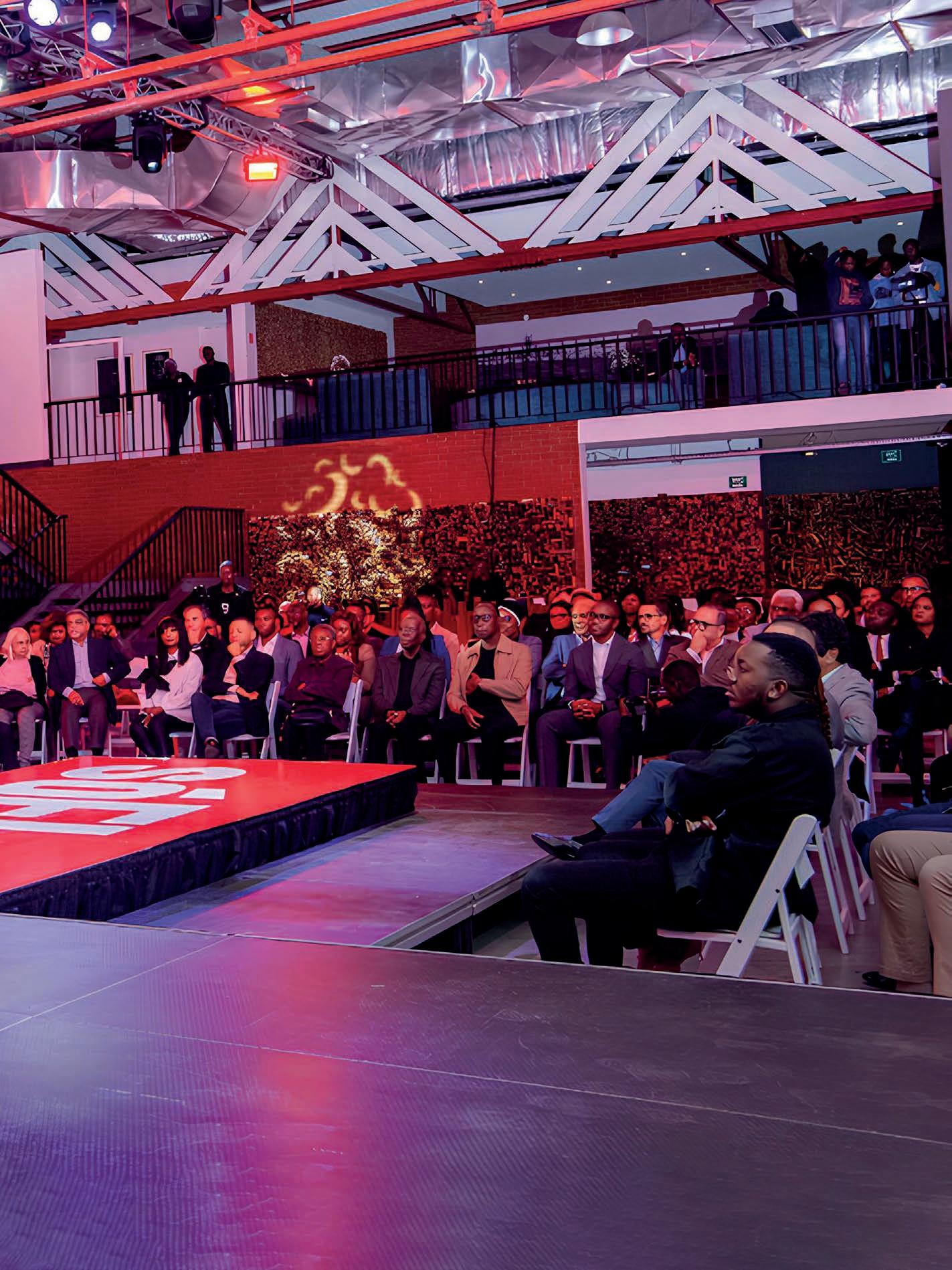
A mentalidade de competição isolada tem vindo a dar lugar a uma cultura de colaboração estratégica.
SóEles Onde a liderança se revela sem máscara
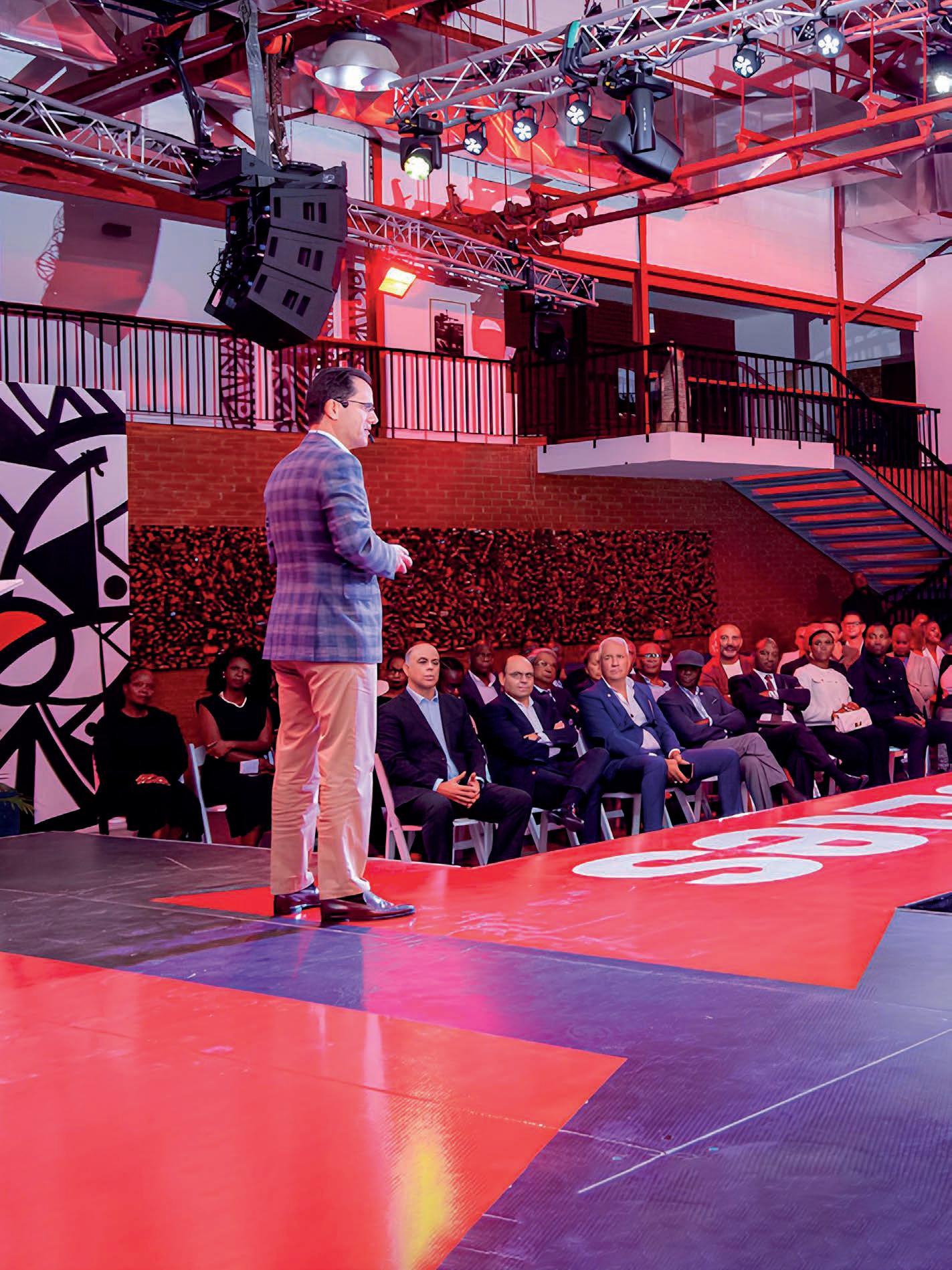
Num contexto empresarial em que o networking tende, muitas vezes, a ficar pela superfície, o sóEles surgiu com uma ambição clara: transformar encontros ocasionais em relações estratégicas e negócios concretos. A iniciativa nasceu de uma visão da Mody Consulting, em colaboração com a PKF Consulting, com o propósito de preencher um vazio crítico no panorama moçambicano. Os seus fundadores identificaram uma lacuna evidente. Existiam eventos, fóruns e conferências, mas faltava uma plataforma capaz de gerar impacto mensurável.
OsóEles propôs-se, desde o início, a ser esse espaço de referência para negócios reais, colaboração efectiva e crescimento estruturado. Mais do que aproximar empresários, pretende ligar intenções a resultados, criando volume de negócios entre membros, apoiando a mobilização de fundos, promovendo mentorias e organizando rodadas de negócios com método e objectividade. A missão é clara: mover a agulha.
Uma experiência pensada para decisores
O sóEles não se apresenta como mais um seminário. Define-se como uma experiência de storytelling, um verdadeiro one-man show que coloca líderes no cen-
momentos de networking, sempre com a ambição de evoluir para algo mais duradouro, uma comunidade estruturada, um clube.
Momentos que ficam
tro do palco para partilhas autênticas e transformadoras. O formato recorda o modelo TEDx, mas é moldado à cultura e às realidades regionais, potenciando vulnerabilidade e ligação genuína. A segmentação é intencional. O público-alvo são executivos e decisores, homens e mulheres que definem estratégias e impulsionam o crescimento das suas organizações. Essa escolha preserva a qualidade da rede e assegura um ambiente onde a troca é relevante, directa e orientada para resultados. Se fosse necessário resumir a essência do projecto em poucas palavras, bastaria dizer: narrativas que inspiram, conexões genuínas. O evento reúne figuras influentes para liderar, inspirar e inovar através de palestras, workshops e
Ao longo das edições já realizadas, vários momentos marcaram o percurso da iniciativa. Na primeira, João Figueiredo trouxe uma sabedoria considerada inestimável. Na seguinte, Paulo Varela criou um ambiente onde o networking deixou de ser casual para se tornar estratégico. A terceira edição contou com Esperança Mangaze, que apresentou uma fusão singular entre o mundo empresarial e a cultura moçambicana, enquanto, na quarta, Francisco Costa destacou a força da atitude e do autocontrolo. Já na quinta edição, Daniel David partilhou a sua história de sucesso, sublinhando a importância da disciplina e da ética profissional. O que une esses momentos não é apenas o brilho das intervenções, mas a vulnerabilidade. Quando um líder expõe falhas, dilemas éticos e decisões difíceis, a sala muda. A máscara cai, a conexão surge. É nesses instantes que a inovação ganha espaço e que os participantes são desafiados a rever as próprias trajectórias.
Da competição isolada à colaboração estratégica
Com o passar do tempo, os organizadores observaram uma transformação signi-
Fotografia: Cortesia de SóEles
ficativa nos participantes. A mentalidade de competição isolada tem vindo a dar lugar a uma cultura de colaboração estratégica. Após cada edição, surgem parcerias, joint-ventures e projectos conjuntos entre membros que antes se viam apenas como concorrentes. O evento actua como catalisador. As ideias discutidas no palco encontram aplicação nas organizações representadas na plateia. A força, a ética e a disciplina partilhadas pelos oradores repercutem-se nas equipas e nos processos internos das empresas participantes.
Crescer sem perder a essência À medida que o sóEles foi ganhando dimensão, sur-
giu um desafio inevitável: crescer sem diluir a qualidade e a exclusividade da rede. A resposta passou por uma evolução estrutural. De evento, passou a clube. Essa transição implicou o refinamento da proposta de valor e a criação de um processo de adesão rigoroso, com formulários detalhados, referências e entrevistas conduzidas por membros seniores. O objectivo é proteger a integridade da comunidade e assegurar que a excelência e a ética permanecem como pilares centrais. Uma governação profissionalizada sustenta esse compromisso.
Um motor de excelência no ecossistema nacional
No actual ecossistema cultural e empreendedor de Moçambique, o sóEles posiciona-se como um motor de excelência estratégica. Ao reunir líderes influentes, contribui para elevar o padrão do networking e do desenvolvimento de negócios, incentivando inovação e pensamento criativo. A plataforma combina peer-learning com geração estruturada de negócios. Ao influenciar directamente práticas de gestão e decisões de investimento, promove soluções sustentáveis para o desenvolvimento económico e social do país.
Comunidade, legado e futuro
O que mais emociona os seus mentores é a força transformadora do propósito. O sóEles deixou de ser
apenas um evento para se tornar uma comunidade de alto desempenho. Empresários que antes competiam colaboram agora entre si, gerando volume de negócios significativo com rigor, compromisso e integridade. Esse é o sinal de que o potencial está a ser convertido em crescimento sustentável. O futuro aponta para consolidação e expansão. Existe uma previsão de sustentabilidade a três a cinco anos, bem como a formalização de uma estrutura com mandatos definidos e um Conselho Consultivo. Estão também em preparação Fóruns de Empresários, grupos confidenciais de partilha entre pares. Em paralelo, desenham-se planos de expansão internacional, sempre com a mesma exigência de qualidade e regras claras. A ambição é inequívoca. O sóEles quer afirmar-se como parceiro estratégico indispensável para executivos e empresários de alto desempenho. Aspira a ser referência em resultados mensuráveis, ética e acesso privilegiado a grandes oportunidades. Mais do que permanecer, pretende definir o futuro da liderança, tornando-se o epicentro onde o sucesso económico é planeado, financiado e concretizado. Num país que procura novas formas de crescer e cooperar, o sóEles apresenta-se como um espaço onde a liderança se revela sem máscara e onde as palavras se transformam em acção.
Fotografia: Cortesia de SóEles
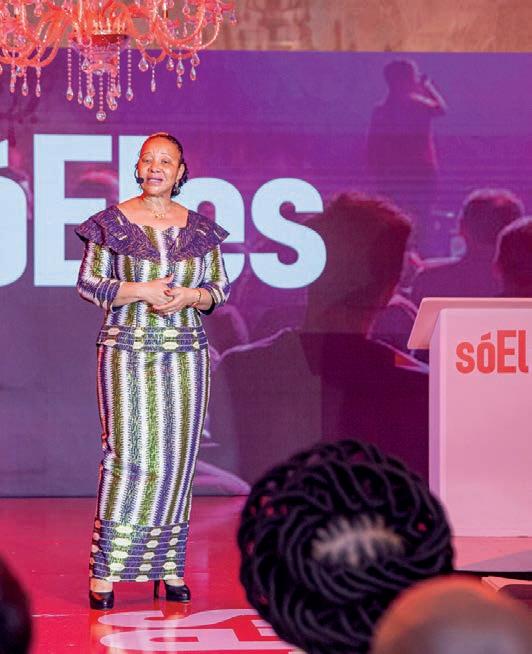
Mais do que um evento, SóEles é uma plataforma onde intenções se convertem em decisões, decisões em parcerias, e parcerias em resultados concretos.
SóEles
Where leadership reveals itself without a mask
In a corporate landscape where networking too often remains at a superficial level, SóEles emerged with a clear ambition: to transform occasional encounters into strategic relationships and tangible business opportunities. The initiative was born from a vision by Mody Consulting, in collaboration with PKF Consulting, with the purpose of addressing a critical gap in the Mozambican landscape. Its founders identified an evident shortcoming. Events, forums and conferences already existed, yet there was no platform capable of generating measurable impact. From the outset, SóEles set out to become that reference space for real business, effective collaboration and structured growth.
More than simply bringing entrepreneurs together, it aims to connect intentions with results, creating business volume among members, supporting fundraising efforts, promoting mentorship and organising structured business rounds with method and objectivity. The mission is clear: to move the needle.
An experience designed for decision-makers
SóEles does not present itself as just another seminar. It defines itself as a storytelling experience, a true one-man show that places leaders centre stage for authentic and transformative sharing. The format recalls the TEDx model, yet it is shaped by local culture and
ed networking moments, always with the ambition of evolving into something more enduring — a structured community, a club.
Moments that endure
regional realities, encouraging vulnerability and genuine connection.
Segmentation is intentional. The target audience consists of executives and decision-makers — men and women who define strategy and drive growth within their organisations. This choice safeguards the quality of the network and ensures an environment where exchange is relevant, direct and results-driven. If the essence of the project had to be summarised in a few words, it would be: narratives that inspire, genuine connections.
The event brings together influential figures to lead, inspire and innovate through talks, workshops and curat-
Across the editions already held, several moments have marked the initiative’s journey. In the first, João Figueiredo brought what many described as invaluable wisdom. In the second, Paulo Varela created an atmosphere where networking shifted from casual to strategic. The third edition featured Esperança Mangaze, who presented a singular fusion between the business world and Mozambican culture, while in the fourth, Francisco Costa highlighted the power of attitude and self-control. In the fifth edition, Daniel David shared his success story, underlining the importance of discipline and professional ethics.
What unites these moments is not merely the brilliance of the interventions, but vulnerability. When a leader exposes failures, ethical dilemmas and difficult decisions, the room changes. The mask falls, connection emerges. It is in these moments that innovation finds space and participants are challenged to reassess their own trajectories.
From isolated competition to strategic collaboration Over time, the organisers have observed a significant
Fotografia: Cortesia de SóEles
transformation among participants. A mindset of isolated competition has gradually given way to a culture of strategic collaboration. After each edition, partnerships, joint ventures and collaborative projects emerge among members who previously saw one another only as competitors.
The event acts as a catalyst. Ideas discussed on stage find practical application within the organisations represented in the audience. The strength, ethics and discipline shared by speakers resonate within teams and internal processes across participating companies.
Growing without losing essence
As SóEles gained scale, an inevitable challenge arose: how to grow without diluting the quality and exclusivity of the network. The response came through structural evolution. From an event, it became a club.
This transition required refining the value proposition and establishing a rigorous membership process, including detailed application forms, references and interviews conducted by senior members.
The objective is to protect the integrity of the community and ensure that excellence and ethics remain central pillars. Professionalised governance underpins this commitment.
A driver of excellence in the national ecosystem
Within Mozambique’s current cultural and entrepreneurial ecosystem, SóEles positions itself as a driver of strategic excellence. By bringing together influential leaders, it contributes to raising the standard of networking and business development, encouraging innovation and creative thinking.
The platform combines peer learning with structured business generation. By directly influencing management practices and investment decisions, it promotes sustainable solutions for the country’s economic and social development.
Community,
legacy and future
What most moves its mentors is the transformative power of purpose. SóEles has ceased to be merely an event; it has become a high-performance commu-
nity. Entrepreneurs who once competed now collaborate, generating significant business volume with rigour, commitment and integrity. This is the clearest sign that potential is being converted into sustainable growth.
The future points towards consolidation and expansion. There is a three- to fiveyear sustainability forecast, alongside the formalisation of a structure with defined mandates and an Advisory Board. Entrepreneurs’ Forums and confidential peer-sharing groups are also in preparation. In parallel, international expansion plans are being designed, always guided by the same demand for quality and clear rules.
The ambition is unequivocal. SóEles seeks to establish itself as an indispensable strategic partner for high-performing executives and entrepreneurs. It aspires to become a benchmark in measurable results, ethics and privileged access to major opportunities. More than simply enduring, it intends to shape the future of leadership, positioning itself as the epicentre where economic success is planned, financed and delivered.
In a country searching for new ways to grow and cooperate, SóEles presents itself as a space where leadership reveals itself without a mask and where words are transformed into action.
BCI comemora 30 anos reforçando laços e inclusão social
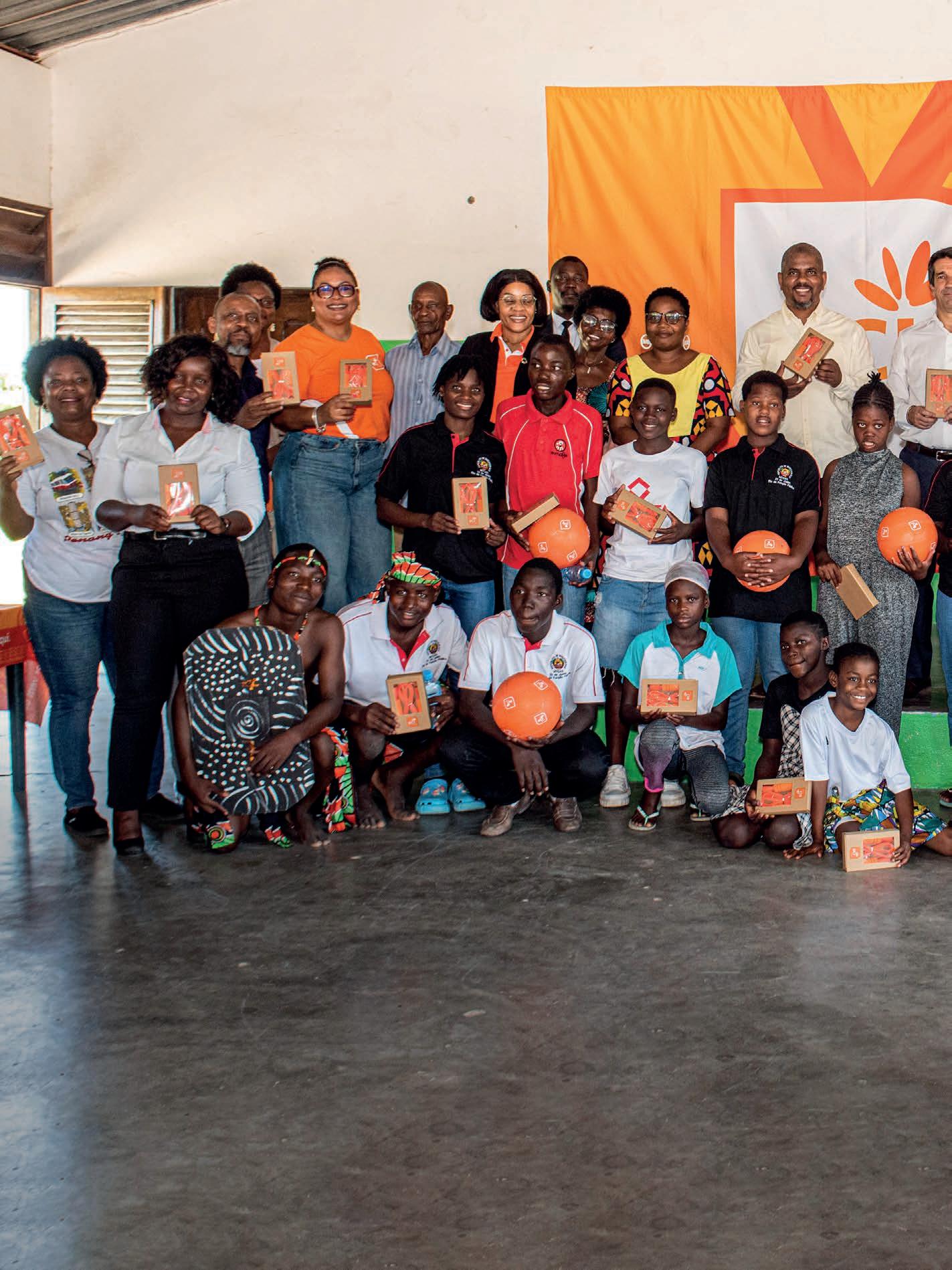
Mais do que um gesto simbólico, uma aposta concreta na inclusão e no desporto.
Fotografia: Cortesia de BCI
BCI comemora 30 anos reforçando laços e inclusão social
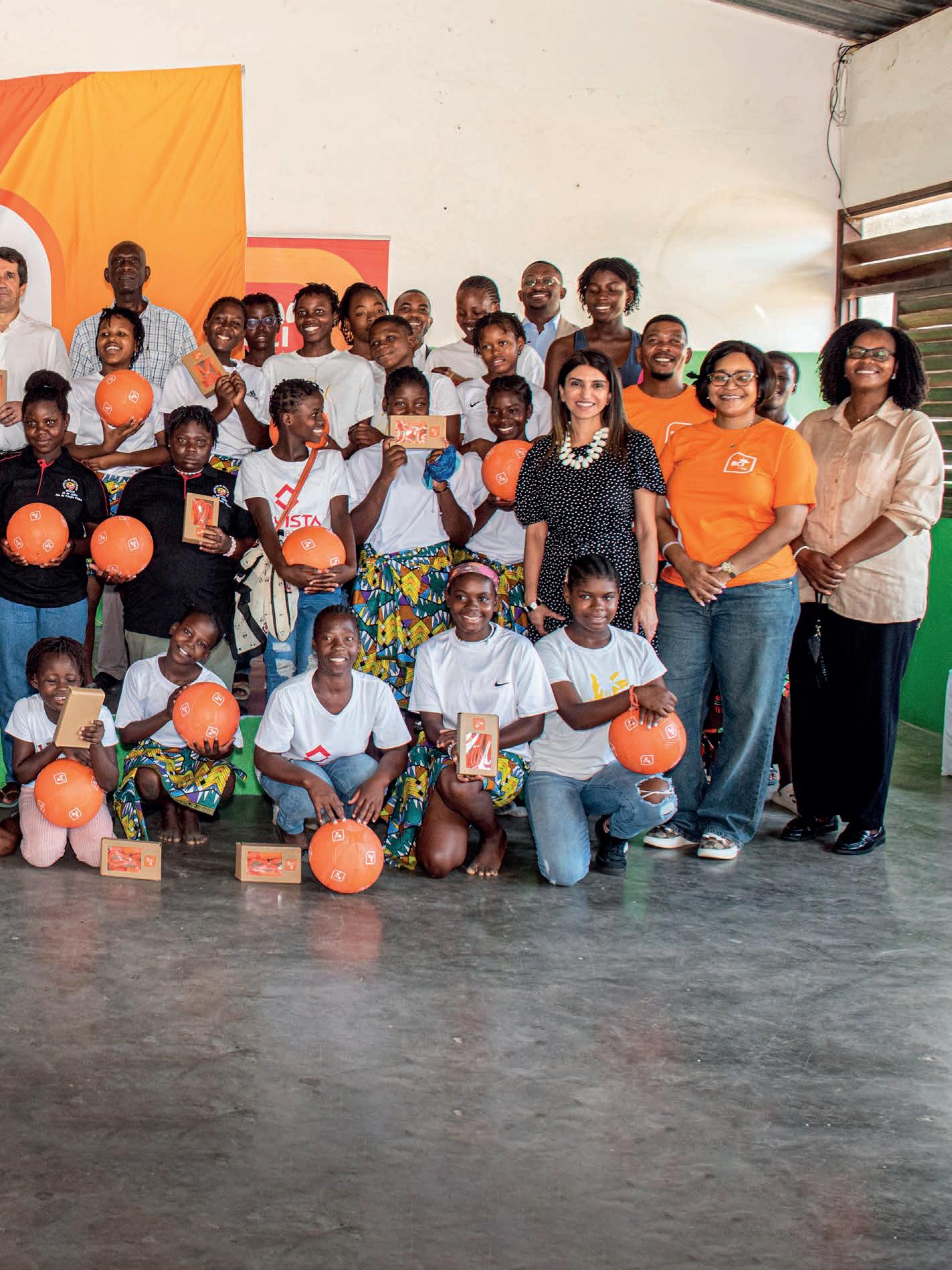
No âmbito das celebrações dos seus 30 anos de actividade, o Banco Comercial e de Investimentos (BCI) está a implementar um vasto programa de responsabilidade social que prevê a oferta de 30 mil bolas em todo o território nacional.
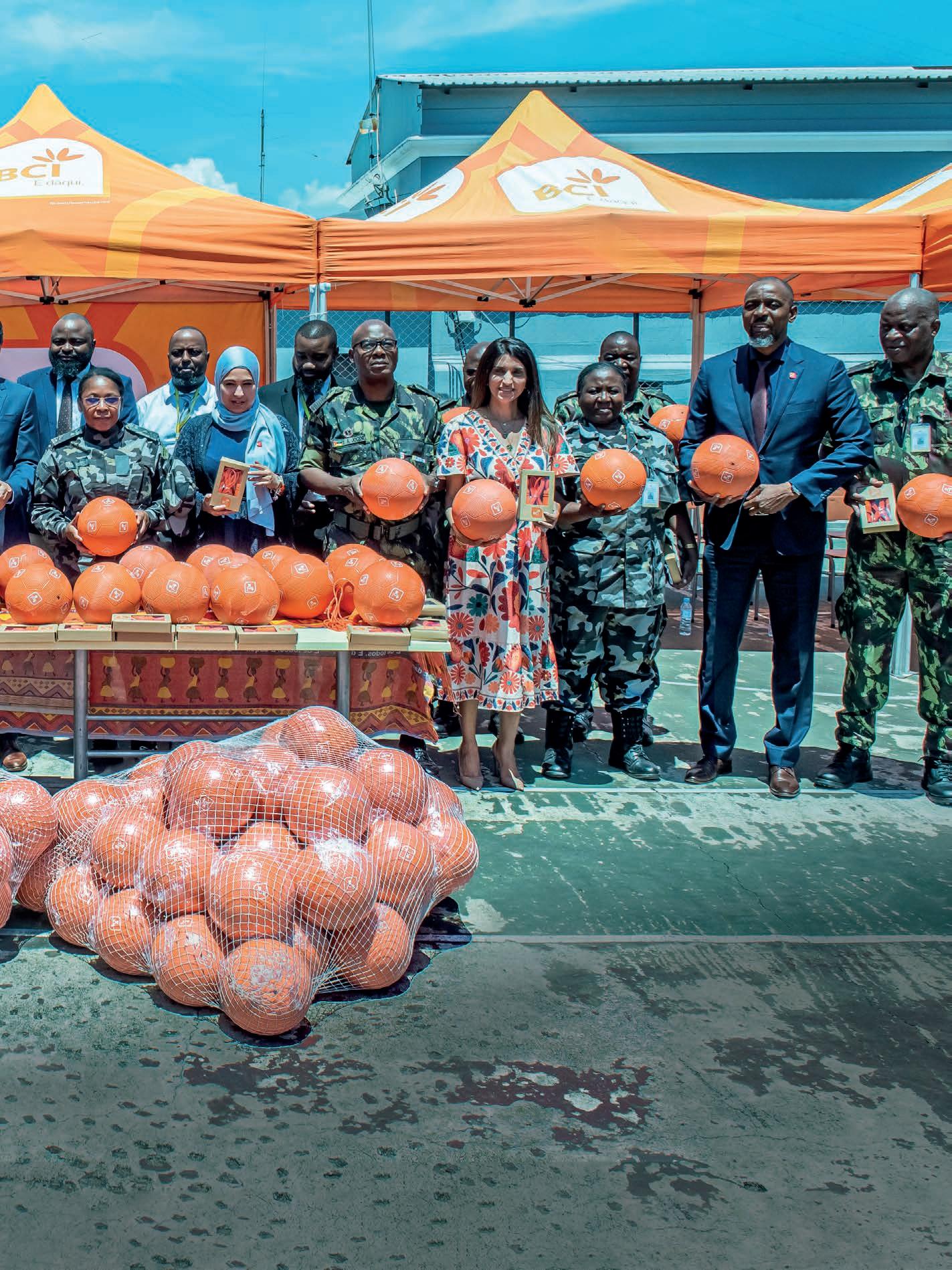
Ainiciativa, estruturada em quatro fases distintas, já alcançou escolas, estabelecimentos penitenciários, quartéis e orfanatos em todo o país, estando prevista, na próxima etapa, a sua extensão às escolas da Polícia. Com esta abordagem progressiva, o Banco reforça o seu compromisso com a inclusão social, o bem-estar e o fortalecimento de instituições que desempenham um papel estruturante na sociedade moçambicana. Mais do que um gesto simbólico, a acção visa incentivar a prática desportiva como instrumento de promoção da saúde, da convivência harmoniosa e do espírito de equipa, valores fundamentais para a construção de comunidades mais coesas, solidárias e resilientes.
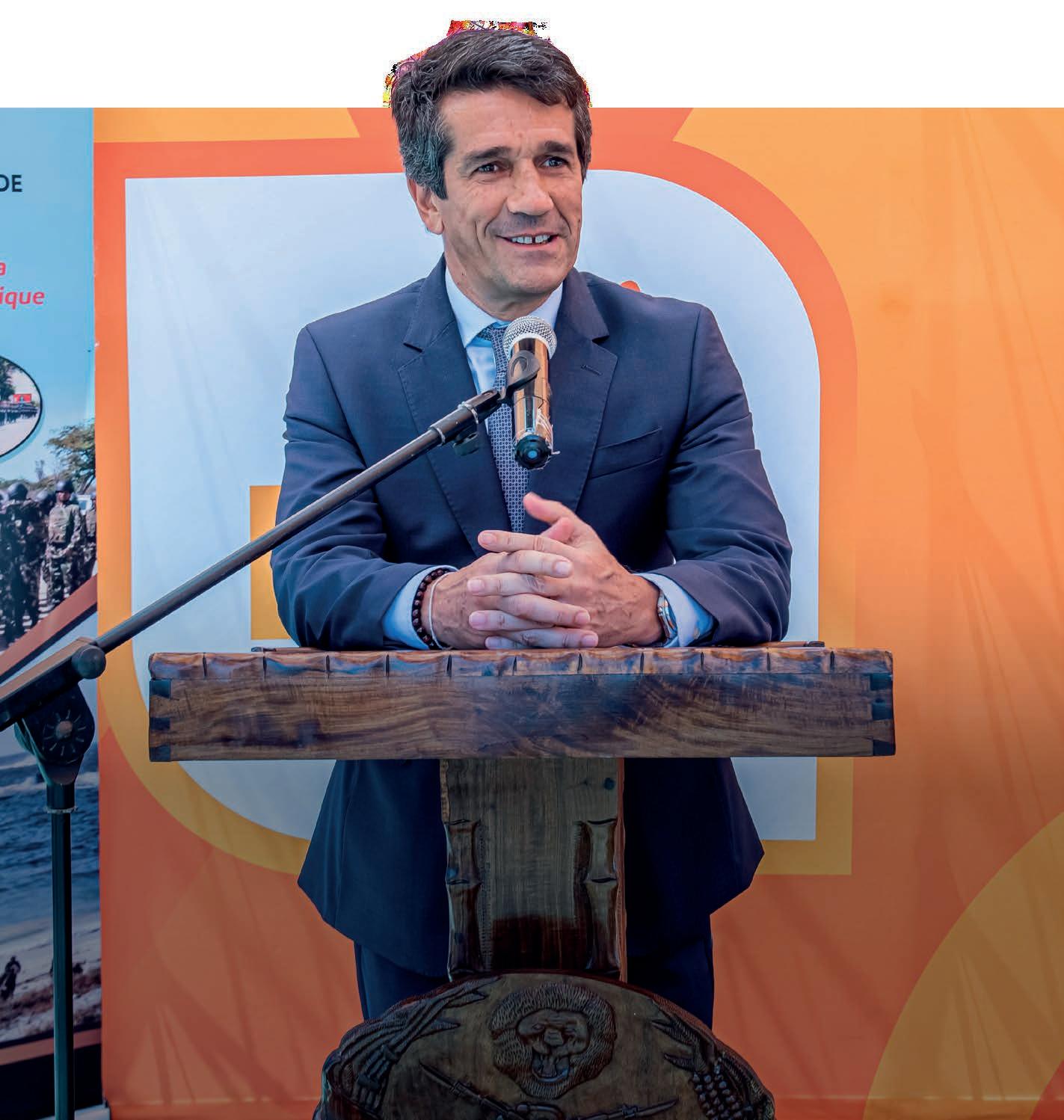
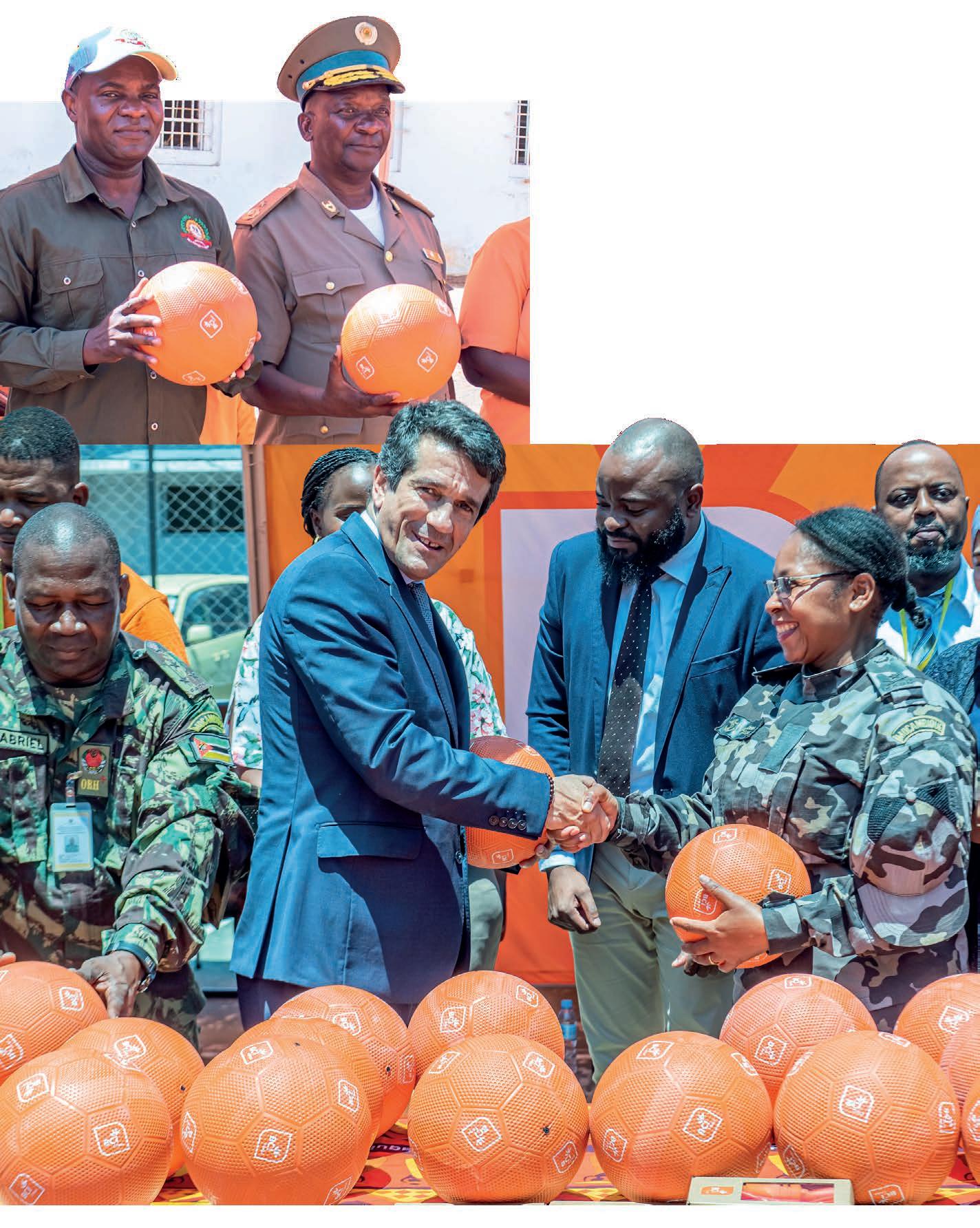
Neste contexto, a 13 de Fevereiro, o Estado-Maior General das Forças Armadas de Defesa de Moçambique recebeu 1.570 bolas e 3.140 cordas de saltar, que serão distribuídas pelos quartéis de norte a sul do país. Na ocasião, o Presidente da Comissão Executiva do BCI, Francisco Costa, destacou o simbolismo da iniciativa, sublinhando que “uma bola traz sempre alegria, boa disposição, companheirismo e espírito de equipa”. O responsável enalteceu igualmente a importância do papel desempenhado pelas Forças Armadas na defesa da soberania e integridade territo-
rial, bem como na manutenção da paz e estabilidade nacional.
Já no dia 20, foi a vez do Orfanato Esperança da Katembe, no município de Maputo, receber bolas e cordas de saltar, numa etapa que abrangerá mais orfanatos ao nível nacional, com a distribuição de 2.660 bolas e cordas de saltar. Durante a cerimónia, Francisco Costa partilhou a origem da iniciativa, recordando uma deslocação pelo país em que observou crianças a brincar, muitas vezes sem bola. “Foi desse cenário que nasceu o propósito de levar a bola cor-de-laranja do BCI às comunidades, como símbolo de alegria, inclusão e oportunidade”, explicou, acrescentando que “a bola é um objecto que nos faz voltar ao passado, que remete para o desporto, para a saúde, para a organização, para a competição saudável e para a definição de objectivos”.
O Programa Nacional de Oferta de Bolas foi oficialmente lançado em Dezembro de 2025, no Estabelecimento Penitenciário Preventivo da Cidade de Maputo, marcando o arranque de um conjunto alargado de acções enquadradas nas comemorações dos 30 anos do Banco. Na ocasião, iniciou-se a distribuição de 2.500 bolas e cordas de saltar pelos estabelecimentos prisionais, com o objectivo de promover
Francisco Costa destacou o simbolismo da iniciativa, sublinhando o poder transformador do desporto nas comunidades.
a inclusão, a saúde e o bem-estar através do desporto, incentivando a prática de actividade física e o desenvolvimento pessoal em contexto penitenciário.
Com esta iniciativa, o BCI reafirma o seu compromisso com o desenvolvimento
sustentável de Moçambique, investindo em projectos que promovem a inclusão social, o desporto e o fortalecimento das instituições nacionais. Celebrar 30 anos é reconhecer o caminho percorrido, mas, sobretudo, renovar a aposta num futuro mais saudável, solidário e inclusivo.
Fotografia: Cortesia de BCI
Uma iniciativa que une escolas, quartéis, orfanatos e estabelecimentos penitenciários sob o mesmo propósito.
BCI celebrates 30 years by strengthening ties and social inclusion
As part of its 30th anniversary celebrations, the Banco Comercial e de Investimentos (BCI) is rolling out an extensive social responsibility programme that will see 30,000 balls distributed across the country.
Structured in four distinct phases, the initiative has already reached schools, correctional facilities, military barracks and orphanages nationwide. In its next stage, the programme will be extended to police training schools. Through this phased approach, the Bank reinforces its commitment to social inclusion, wellbeing and the strengthening of institutions that play a pivotal role in Mozambican society.
More than a symbolic gesture, the initiative aims to encourage participation in sport as a means of promoting health, positive social interaction and team spirit — core values in building more cohesive, supportive and resilient communities.
On 13 February, the General Staff of the Forças Armadas de Defesa de Moçambique received 1,570 balls and 3,140 skipping ropes, which will be distributed to barracks from north to south of the country. Speaking at the ceremony, BCI’s Chief Executive Officer, Francisco Costa, highlighted the symbolic nature of the initiative, noting that “a ball always brings joy, good humour, camaraderie and team spirit”. He also praised the vital role played by the Armed Forces in safeguarding national sovereignty and territorial integrity, as well as maintaining peace and stability.
On 20 February, it was the turn of the Esperança Orphanage in Katembe, in the municipality of Maputo, to receive balls and skipping ropes. This phase will extend to further orphanages nationwide, with the distribution of 2,660 balls and skipping ropes. During the ceremony, Francisco Costa shared the origins of the initiative, recalling a journey across the country during which he observed children playing — often without a ball.
“It was from that scene that the idea emerged to take BCI’s orange ball to communities as a symbol of joy, inclusion and opportunity,” he explained, adding that “a ball is something that takes us back to the past; it speaks to sport, to health, to organisation, to healthy competition and to setting goals”.
The national ball distribution programme was officially launched in December 2025 at the Preventive Detention Facility in the City of Maputo, marking the beginning of a broader set of initiatives aligned with the Bank’s 30th anniversary celebrations. On that occasion, the distribution of 2,500 balls and skipping ropes to correctional institutions began, with the aim of promoting inclusion, health and wellbeing through sport, encouraging physical activity and
Fotografia: Cortesia de BCI
personal development within the prison environment.
Through this initiative, BCI reaffirms its commitment to Mozambique’s sustainable development, investing in projects that foster social inclusion, sport and the strengthening of national institutions. Celebrating 30 years means recognising the journey travelled — but, above all, renewing the commitment to a healthier, more inclusive and more supportive future.
Fotografia: Cortesia de Helton Perengue
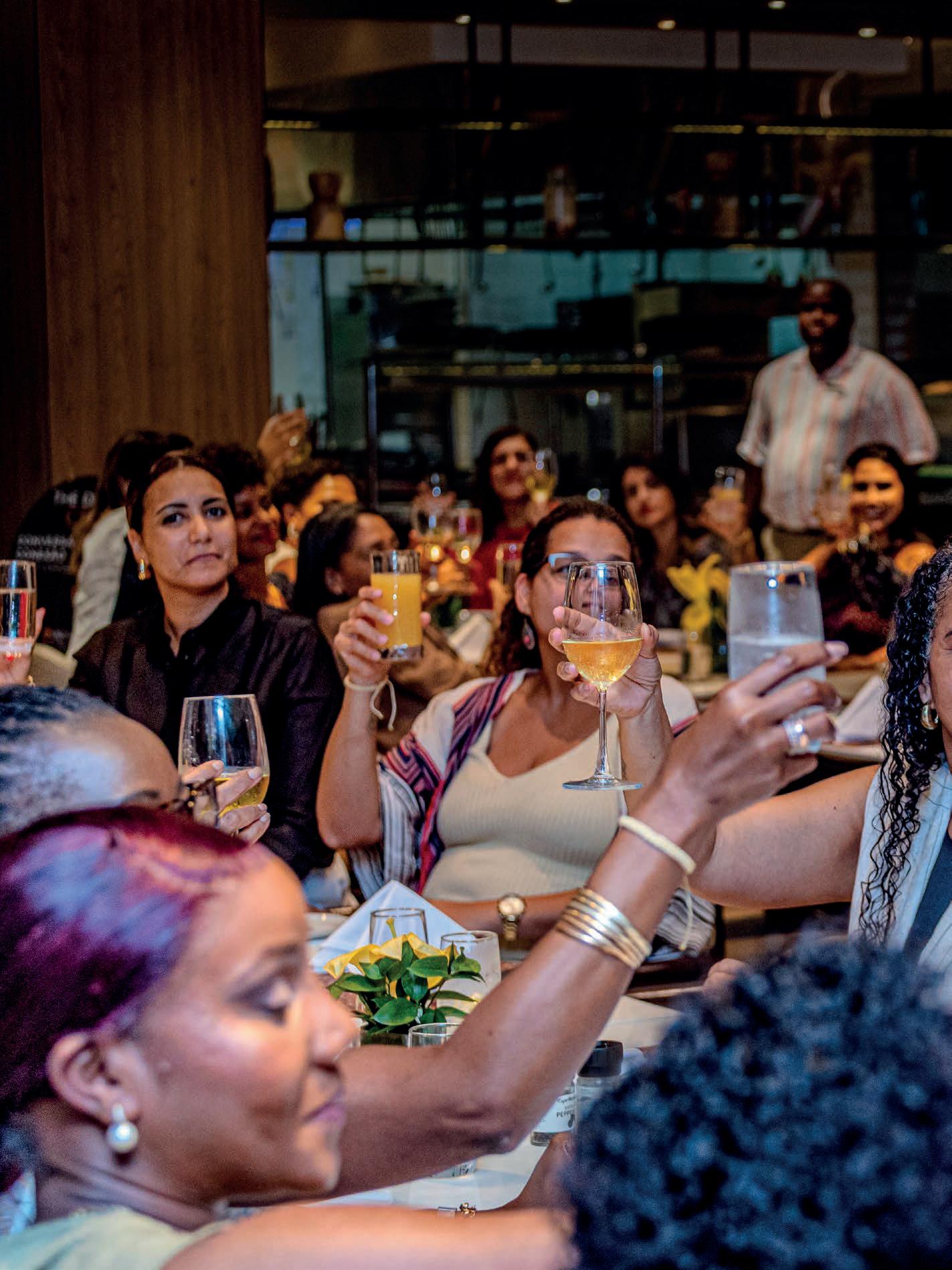
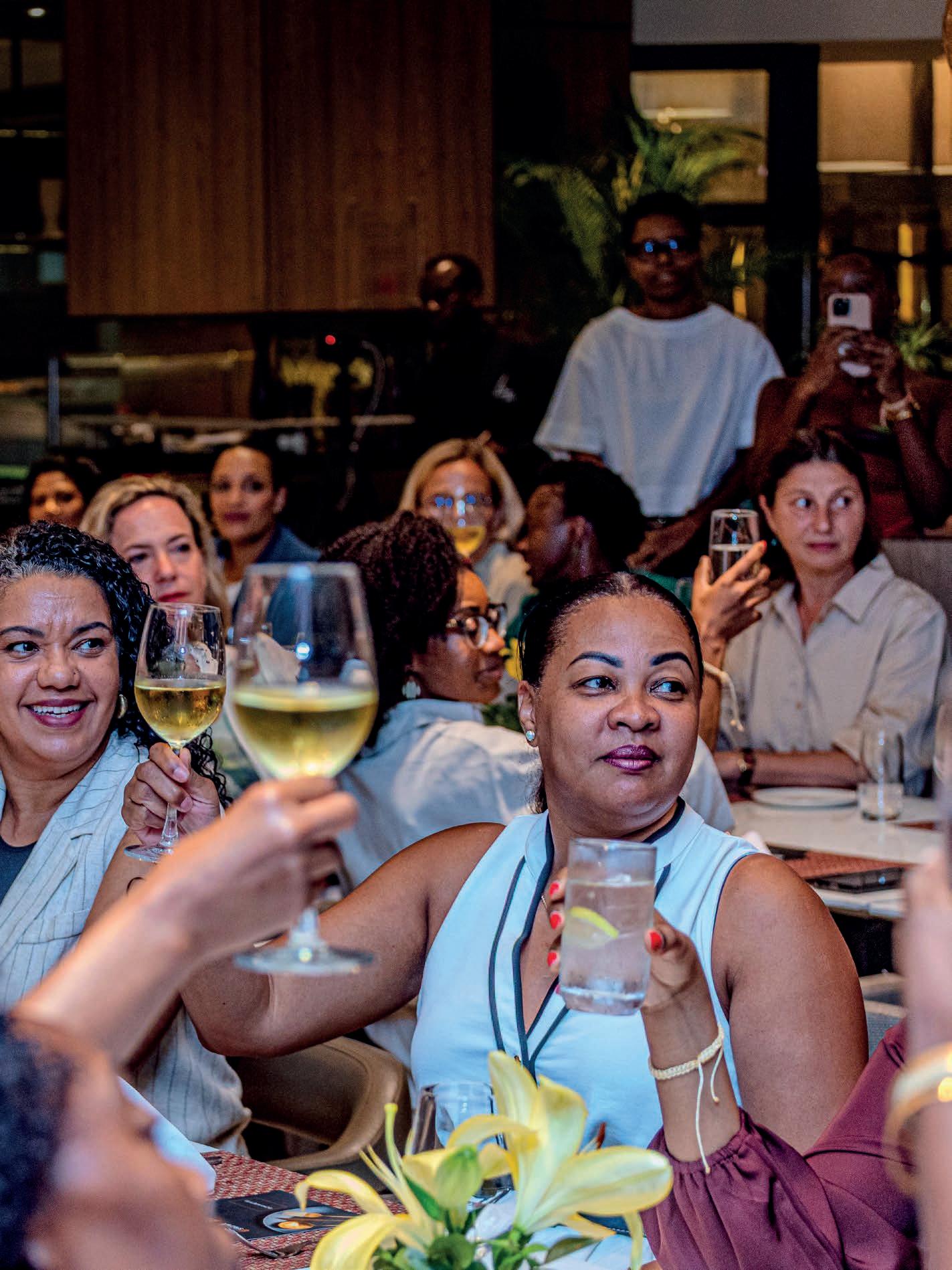
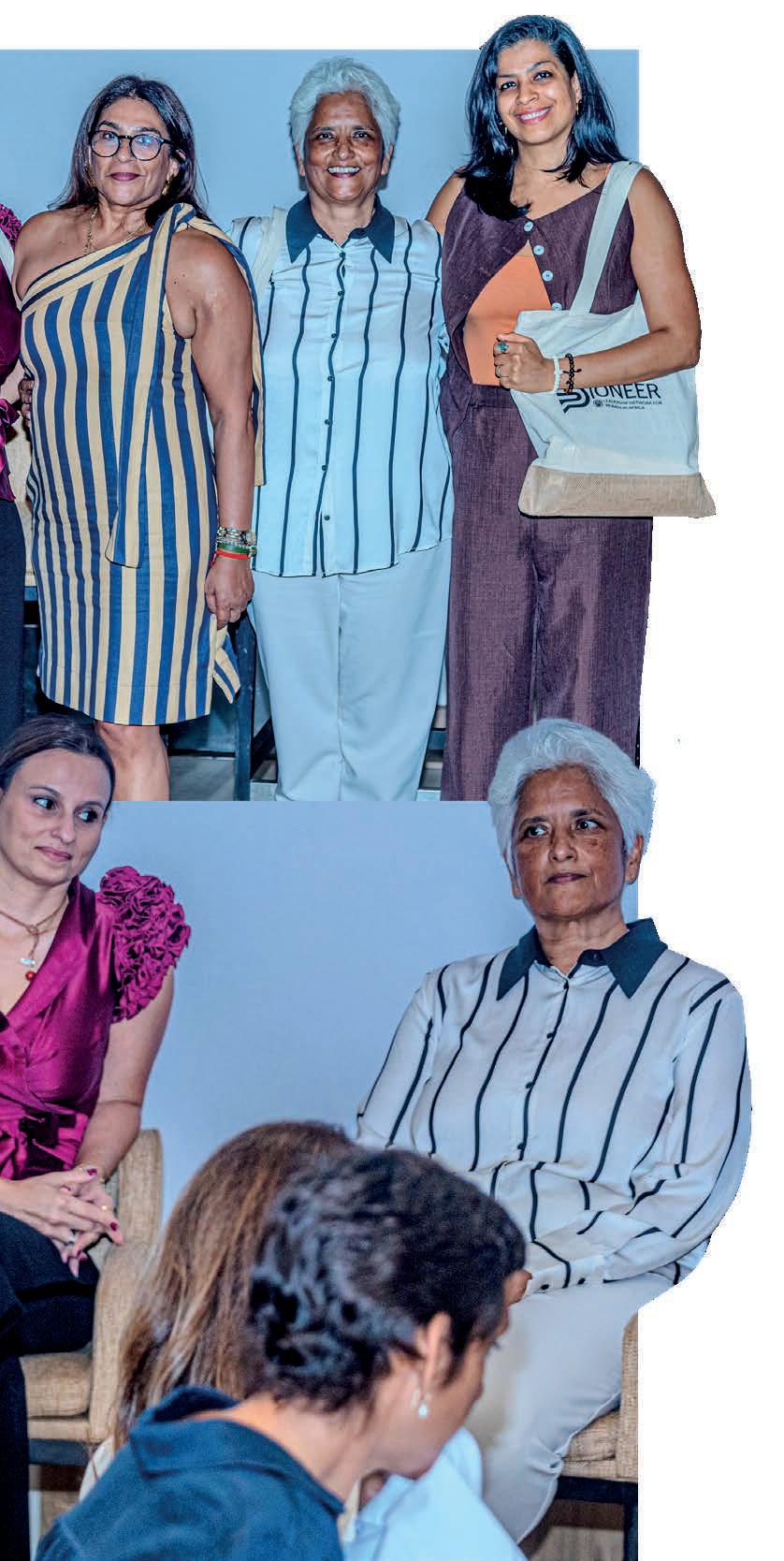
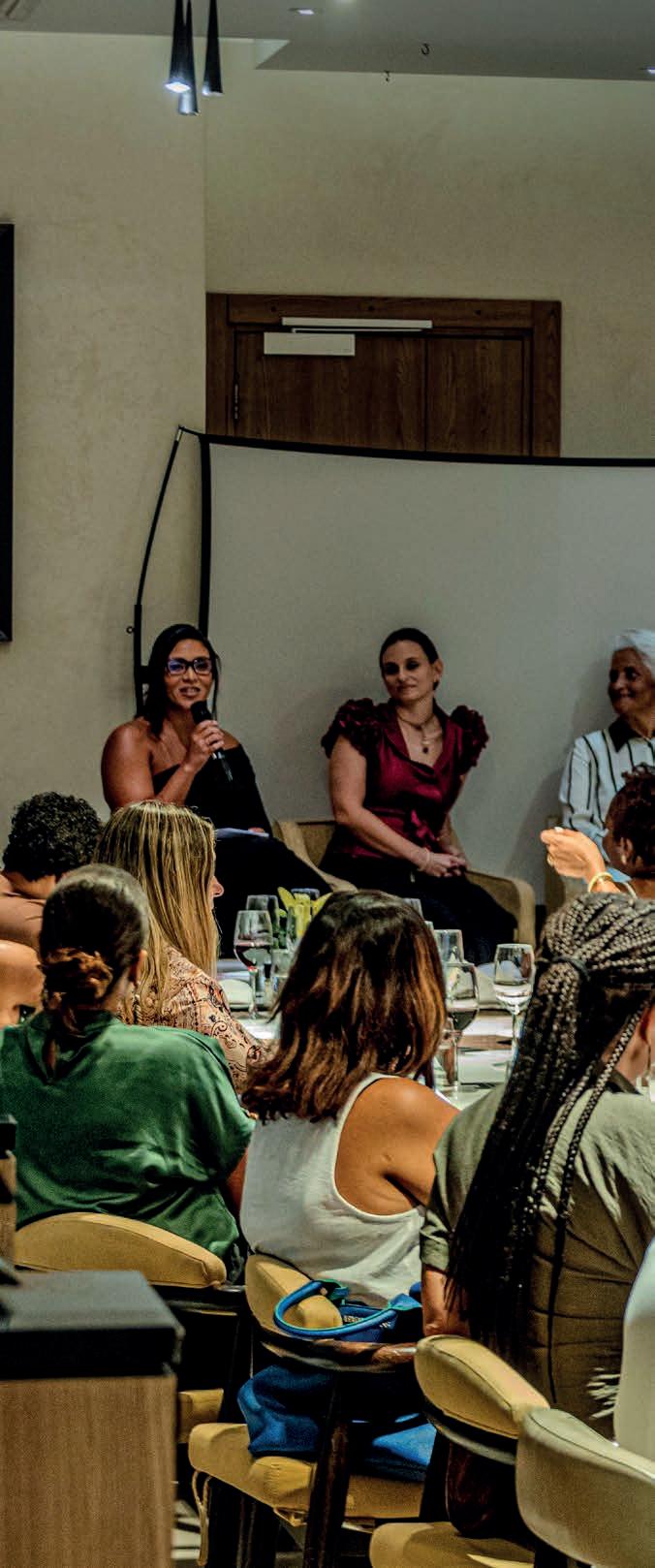
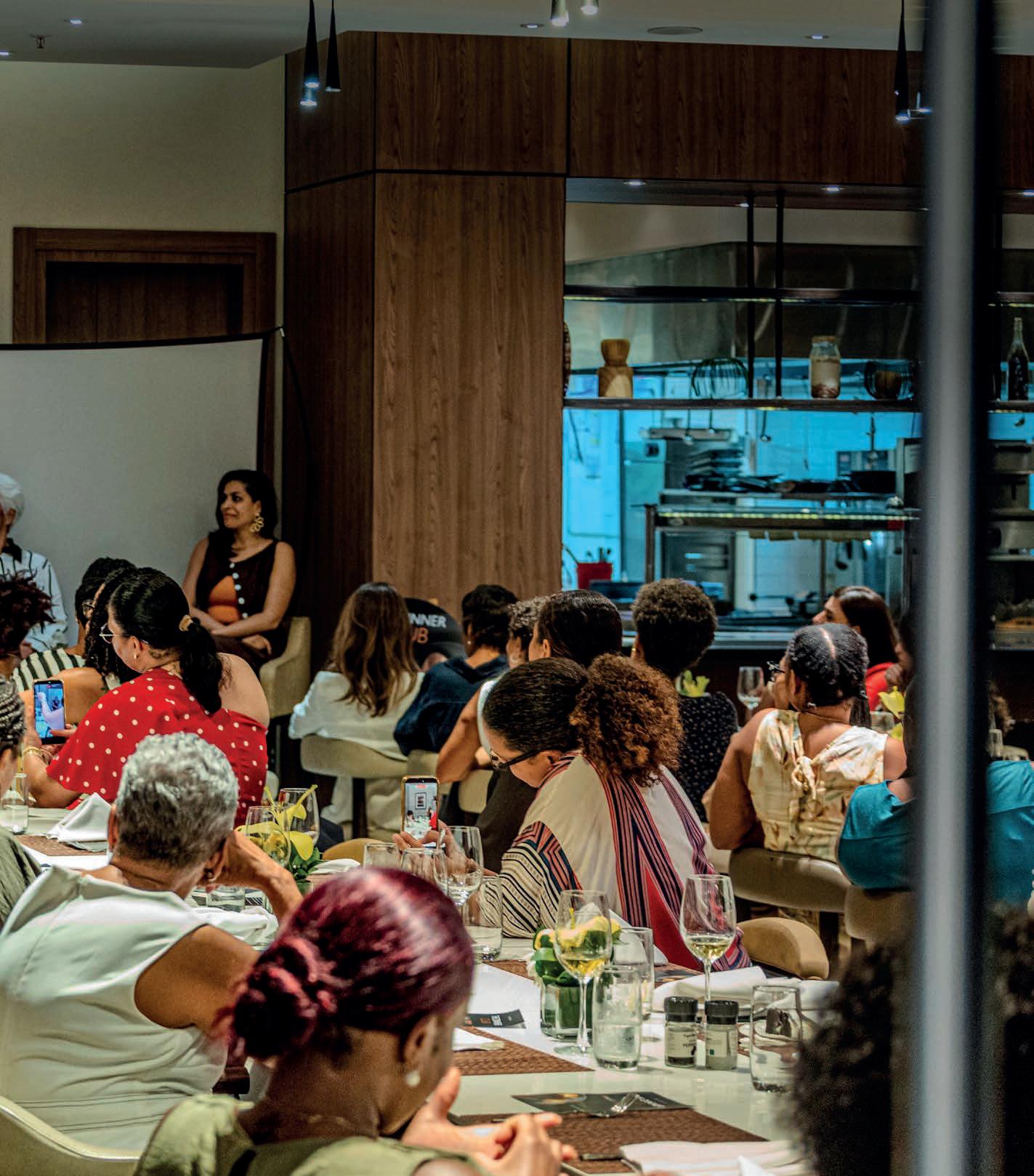
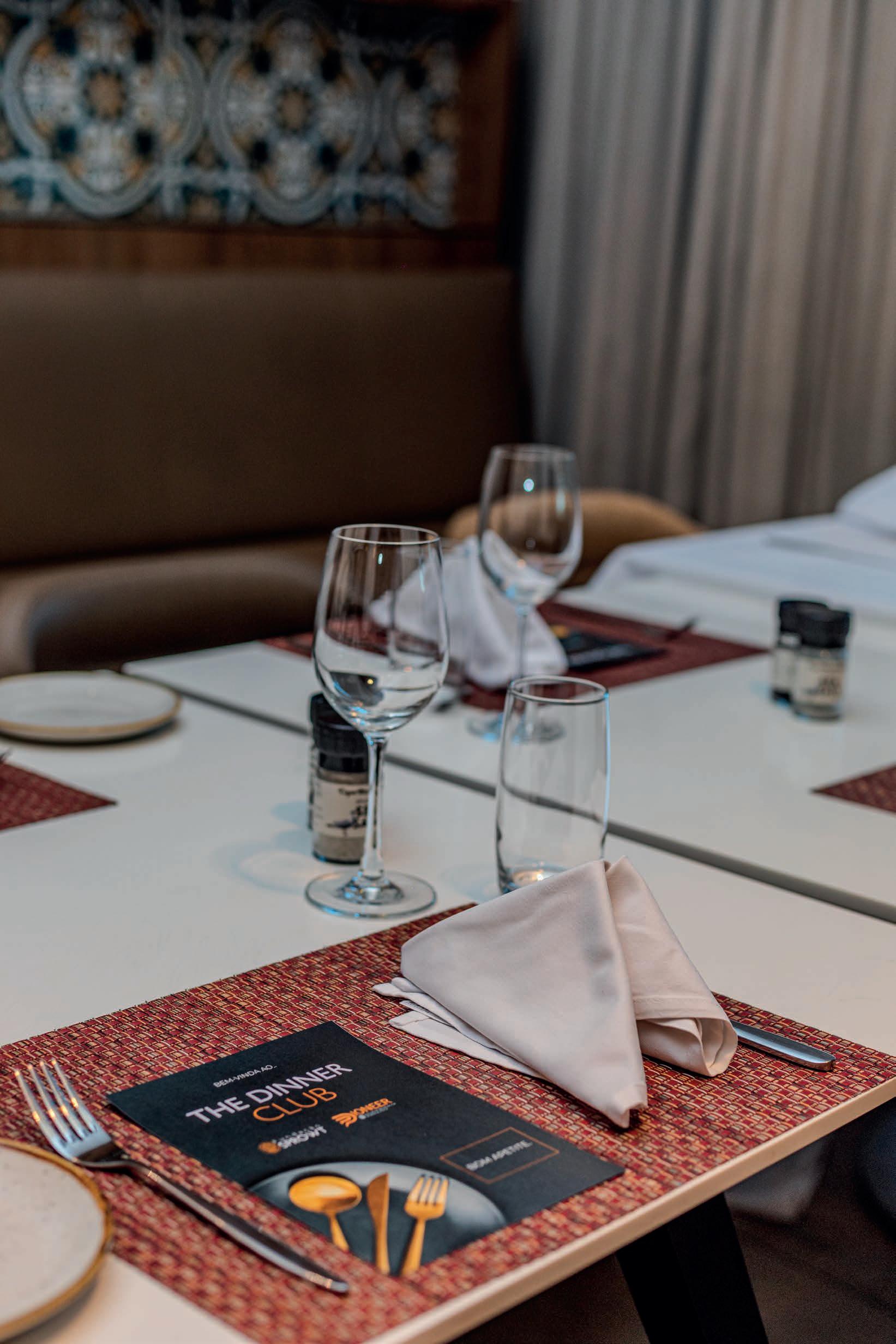
Foi à volta de uma mesa que tudo começou. O The Dinner Club reuniu mulheres lí deres num ambiente intimista, pensado ao detalhe para proporcionar algo raro no ritmo acelerado dos dias de hoje: tempo para parar, escutar e reflectir.
Concebido como um espaço de networking com profundidade, o The Dinner Club vai além do convívio social. A proposta passa por criar momentos de relaxamento, auto-reflexão e partilha genuína, onde cada participante possa acrescentar valor ao seu próprio modo de estar e de viver. Nesta primeira edição, a opção foi clara, o encontro foi exclusivamente feminino. A decisão foi intencional, centrada na necessidade de criar um ambiente reservado, seguro e alinhado com o foco principal da iniciativa.
Depois de um dia de trabalho exigente, saber que a noite seria passada entre outras mulheres líderes, num espaço acolhedor, com conversas relevantes e momentos leves, representou para muitas um verdadeiro intervalo na rotina. Mais do que um jantar, foi uma pausa consciente. O tema escolhido, “Mente, Corpo e Alma”, trouxe para o centro da conversa uma dimensão frequentemente
adiada. A abordagem foi estruturada com três especialistas, cada uma dedicada a um dos pilares. O modelo permitiu uma reflexão aprofundada e, ao mesmo tempo, integrada.
As principais mensagens que emergiram foram claras. A primeira foi a consciência, a percepção de que muitas vivem em piloto automático. Seguiu-se o reconhecimento de que não estão sozinhas nos desafios que enfrentam. Falou-se da importância de reservar tempo para si própria, de fortalecer a conexão interior e de compreender que o amor-próprio é, antes de tudo, a consciência plena da própria existência. Pausar e respirar foram resgatados como actos naturais e necessários ao longo do dia.
A dimensão mente foi trabalhada como ponto de partida. Observação dos pensamentos, identificação de padrões e prática de atenção plena surgiram como
ferramentas essenciais para decisões mais alinhadas e relações mais equilibradas.
No plano do corpo, destacou-se a escuta activa dos sinais físicos. Alimentação, descanso e exercício físico foram abordados como pilares concretos para sustentar energia e bem-estar a longo prazo. Já na vertente da alma, a conversa ganhou profundidade. Propósito, autenticidade e coerência entre sentir e agir tornaram-se palavras-chave. A reflexão convidou cada mulher a revisitar a sua própria essência.
A escolha das oradoras foi determinante para a intensidade do encontro. Carolina Vilalva, Paula Vaz e Nereyda Ah-Hoy trouxeram experiência profissional e vivência holística, transmitindo confiança e criando uma sequência natural entre os temas. A interligação das intervenções tornou evidente que mente, corpo e espírito não são compartimentos isolados, mas dimensões interdependentes. O impacto foi imediato, várias participantes manifestaram o desejo de ver a temática aprofundada em futuras edições.
O jantar integrou ainda um propósito humanitário. As participantes tiveram oportunidade de contribuir com donativos destinados ao apoio às vítimas das cheias em Moçambique. A experiência individual ganhou, assim, uma dimensão colectiva. Beneficiar de um momento de crescimento pessoal e, simultaneamente, saber que se está a apoiar quem enfrenta dificuldades, reforçou o sentido de comunidade.
No final da noite, foi proposto um exercício simples. De forma anónima, cada participante escreveu a palavra que melhor traduzia o que sentia naquele momento. As respostas repetiram-se com força: conexão e transformação. Duas expressões que sintetizam o ambiente vivido.
Fotografia: Cortesia de Helton Perengue
Por detrás do The Dinner Club está a PIONEER Leadership Network for Women in Africa, uma plataforma criada com o espírito de promover mulheres líderes e executivas. O seu objectivo é proporcionar às mulheres um espaço onde possam estar e ser, contribuindo para o seu crescimento profissional e pessoal.
A PIONEER reconhece a necessidade de confiança, conforto e privacidade entre mulheres líderes. Defende um ambiente reservado, onde a partilha e a aprendizagem conjunta acontecem de forma autêntica. Assenta nos princípios de equidade, igualdade, diversidade e inclusão, acolhendo também homens que partilhem este alinhamento em determinados programas e eventos.
Enquanto braço da Fundação SPROWT, a PIONEER mantém presente o eixo “Mind, Body & Soul”, reflectido nesta edição do The Dinner Club. A abordagem holística é entendida como essencial não apenas para mulheres, mas para qualquer pessoa que pretenda desenvolver-se de forma equilibrada. Cuidar, prevenir e manter o alinhamento interno são condições para um crescimento sustentável.
O futuro aponta para novas edições, com diferentes temáticas, ainda que a base mente, corpo e alma permaneça como fio condutor. A convicção é clara, ninguém cresce isoladamente. Sentar, conversar e criar consciência colectiva é parte do caminho.
Se houve algo que esta primeira edição demonstrou, foi que, quando mulheres líderes se reúnem num espaço seguro e intencional, o impacto ultrapassa as horas partilhadas à mesa. Permanece na forma como cada uma regressa ao seu dia seguinte, mais consciente, mais conectada e pronta para transformar.
Fotografia: Cortesia de Helton Perengue
Quando mulheres líderes se reúnem, o impacto ultrapassa as horas partilhadas à mesa.
An evening of connection, awareness and transformation
It was around a table that it all began. The Dinner Club brought together women leaders in an intimate setting, thoughtfully curated to offer something rare in today’s relentless pace: time to pause, listen and reflect.
Conceived as a networking space with depth, The Dinner Club goes beyond socialising. Its purpose is to create moments of relaxation, self-reflection and genuine exchange, where each participant can add value to her own way of being and living. For this inaugural edition, the choice was clear: the gathering was exclusively female. The decision was intentional, centred on the need to create a private, safe environment aligned with the initiative’s core focus.
After a demanding day at work, knowing that the evening would be spent among fellow women leaders in a welcoming space, with meaningful conversations and lighter moments, represented for many a true pause from routine. It was more than a dinner; it was a conscious interlude. The chosen theme, “Mind, body and soul”, brought to the forefront a dimension often postponed. The programme was structured
around three specialists, each dedicated to one of the pillars. This format allowed for both in-depth and integrated reflection.
The key messages that emerged were clear. First, awareness: the recognition that many live on autopilot. Then came the understanding that they are not alone in the challenges they face. The importance of carving out time for oneself was emphasised, as was strengthening inner connection and recognising that self-love begins with full awareness of one’s own existence. Pausing and breathing were reclaimed as natural and necessary acts throughout the day.
The dimension of the mind was explored as the starting point. Observing thoughts, identifying patterns and practising mindfulness were presented as essential tools for making more aligned decisions and fostering more balanced relationships.
In relation to the body, the focus was on actively listening to physical signals. Nutrition, rest and exercise were addressed as tangible pillars for sustaining longterm energy and wellbeing. The conversation deepened further when turning to the soul. Purpose, authenticity and coherence between feeling and action became key themes. Each woman was invited to reconnect with her own essence.
The choice of speakers proved instrumental in shaping the intensity of the evening. Carolina Vilalva, Paula Vaz and Nereyda Ah-Hoy brought both professional expertise and holistic experience, instilling confidence and creating a natural flow between topics. The interconnection between their contributions made it clear that mind, body and spirit are not isolated compartments but interdependent dimensions. The impact was immediate, with several participants expressing a desire to see the theme explored further in future editions.
The dinner also embraced a humanitarian purpose. Participants were invited to make donations in support of victims of the floods in Mozambique. The individual experience thus gained a collective dimension. Benefiting from a moment of personal growth while knowing that support was being extended to those facing hardship reinforced a strong sense of community.
At the close of the evening, a simple exercise was proposed. Anonymously, each participant wrote down the word that best captured how she felt at that moment. Two words resonated repeatedly: connection and transformation. Together, they encapsulated the atmosphere of the event.
Behind The Dinner Club stands the PIONEER Leadership Network for Women in Africa, a platform created with the mission of promoting women leaders and executives. Its aim is to provide women with a space where they can both be and belong, contributing to their professional and personal growth.
PIONEER recognises the importance of trust, comfort and privacy among women leaders. It advocates for a reserved environment where sharing and collective learning can take place authentically. Grounded in the principles of equity, equality, diversity and inclusion, it also welcomes men who share these values within selected programmes and events.
As the women’s leadership arm of the SPROWT Foundation, PIONEER maintains a strong focus on the “Mind, body and soul” axis, reflected in this edition of The Dinner Club. This holistic approach is considered essential not only for women, but for anyone seeking balanced development. Care, prevention and inner alignment are seen as prerequisites for sustainable growth.
The future points to new editions, with different themes, while keeping mind, body and soul as the guiding thread. The conviction is clear: no one grows in isolation. Sitting down, engaging in conversation and cultivating collective awareness are all part of the journey.
If this first edition demonstrated anything, it is that when women leaders gather in a safe and intentional space, the impact extends far beyond the hours shared at the table. It remains in the way each woman returns to the next day: more aware, more connected and ready to transform.
Fotografia: Cortesia de UBA
UBA destaca transformação agrícola africana no FIDA
O United Bank for Africa (UBA) reafirmou o seu compromisso com o desenvolvimento sustentável de África, com especial enfoque na juventude e na transformação agrícola, durante a 49.ª Sessão do Conselho Governativo do Fundo Internacional de Desenvolvimento Agrícola (FIDA), que teve início a 10 de Fevereiro de 2026, em Roma.
Com cerca de 55% da população africana a viver em zonas rurais, a agricultura continua a ser um pilar estratégico para a segurança alimentar, a criação de emprego e o crescimento económico inclusivo no continente. Neste contexto, o UBA reconhece que não é possível desenvolver África sem energia, nem sem alimentos, e que o empo -
deramento dos jovens é fundamental para responder a estes desafios.
Durante a sessão, Tony Elumelu, Presidente do Conselho do UBA Group e fundador da Tony Elumelu Foundation (TEF), discursou perante inúmeros líderes globais, reforçando uma mensagem clara: os jovens africanos não estão à espera de donativos, estão a construir
o futuro de África.
Tony Elumelu participará no diálogo principal em formato fireside chat, sob o tema “Jovens Empreendedores no Centro da Transformação: Da Visão ao Impacto”, ao lado do Presidente do Fundo Internacional de Desenvolvimento Agrícola (FIDA), Álvaro Lario, numa conversa moderada por Melissa Bell, da CNN.
A transformação agrícola e o empoderamento juvenil têm sido áreas centrais do impacto do ecossistema UBA, através da Tony Elumelu Foundation:
• 21% (5.653) dos empreendedores apoiados pela TEF actuam nos sectores da agricultura e do agronegócio;
• Estes empreendedores criaram 428.490 empregos directos e indirectos, reforçando cadeias de valor agrícolas e meios de subsistência rurais;
• A agricultura representa cerca de um terço de todos os empregos gerados por empresas apoiadas pela TEF ao longo da última década;
• 55% dos empreendedores agrícolas apoiados são mulheres, sublinhando o papel crítico da liderança feminina na segurança alimentar, no rendimento das famílias e na resiliência das comunidades.
Fotografia: Cortesia de UBA
A transformação agrícola e o empoderamento juvenil estão no centro do impacto do ecossistema UBA.
Parcerias estratégicas com instituições como PNUD, União Europeia, Banco Africano de Desenvolvimento (AfDB), OACPS, BMZ e GIZ permitiram escalar este impacto, alcançar comunidades subatendidas e mobilizar financiamento, conhecimento e acesso a mercados.
Um histórico de impacto sustentável
O compromisso do Grupo UBA com a agricultura africana é sustentado por acções concretas. O modelo de apoio da TEF vai além do financiamento, combinando capital inicial não reembolsável, formação empresarial de classe mundial através da plataforma TEFConnect, mentoria estruturada e acesso a redes estratégicas, criando condições reais para a sustentabilidade dos negócios agrícolas.
O significado do envolvimento do UBA em fóruns globais
A participação do UBA, através da liderança do seu Presidente do Conselho, em plataformas globais como o IFAD reforça o reconhecimento internacional do Grupo como um catalisador do desenvolvimento africano, comprometido com soluções lideradas por africanos para desafios africanos.
Num contexto em que, até 2030, cerca de 440 milhões de jovens africanos entrarão no mercado de trabalho, o UBA continua a posicionar-se como um parceiro estratégico no financiamento de sectores que criam empregos, impulsionam a inovação e promovem uma prosperidade inclusiva.
Este compromisso reflecte a visão do UBA enquanto Africa’s Global Bank: apoiar iniciativas que transformam economias, capacitam a juventude e constroem um futuro sustentável para África e o mundo.
UBA highlights African agricultural transformation at Ifad
The United Bank for Africa (UBA) has reaffirmed its commitment to Africa’s sustainable development, with a particular focus on youth empowerment and agricultural transformation, during the 49th Session of the Governing Council of the International Fund for Agricultural Development (IFAD), which began on 10 February 2026 in Rome.
With around 55% of Africa’s population living in rural areas, agriculture remains a strategic pillar for food security, job creation and inclusive economic growth across the continent. In this context, UBA recognises that Africa cannot develop without energy, nor without food, and that empowering
young people is essential to addressing these challenges.
During the session, Tony Elumelu, Chairman of the UBA Group and founder of the Tony Elumelu Foundation (TEF), addressed numerous global leaders, reinforcing a clear message: young Africans are not waiting for handouts; they are building Africa’s future.
Tony Elumelu will take part in the main dialogue in a fireside chat format under the theme “Young entrepreneurs at the heart of transformation: from vision to impact”, alongside the President of the International Fund for Agricultural Development (IFAD), Álvaro Lario, in a conversation moderated by Melissa Bell of CNN.
Agricultural transformation and youth empowerment have been central to the impact of the UBA ecosystem through the Tony Elumelu Foundation:
• 21% (5,653) of entrepreneurs supported by TEF operate in the agriculture and agribusiness sectors;
• These entrepreneurs have created 428,490 direct and indirect jobs, strengthening agricultural value chains and rural livelihoods;
• Agriculture accounts for approximately one third of all jobs generated by TEF-supported businesses over the past decade;
• 55% of the agricultural entrepreneurs supported are women, underscoring the critical role of female leadership in food security, household income and community resilience.
Strategic partnerships with institutions such as UNDP, the European Union, the African Development Bank (AfDB), OACPS, BMZ and GIZ have enabled this impact to scale, reaching underserved communities and mobilising finance, expertise and market access.
Fotografia: Cortesia de UBA
A track record of sustainable impact
The UBA Group’s commitment to African agriculture is underpinned by tangible action. TEF’s support model goes beyond funding, combining non-repayable seed capital, world-class business training through the TEFConnect platform, structured mentoring and access to strategic networks, creating real conditions for the sustainability of agricultural enterprises.
The significance of UBA’s engagement in global forums
UBA’s participation, through the leadership of its Chairman, in global platforms such as IFAD reinforces the Group’s international recognition as a catalyst for African development, committed to African-led solutions to African challenges.
At a time when approximately 440 million young Africans are expected to enter the labour market by 2030, UBA continues to position itself as a strategic partner in financing sectors that create jobs, drive innovation and promote inclusive prosperity.
This commitment reflects UBA’s vision as Africa’s Global Bank: supporting initiatives that transform economies, empower young people and build a sustainable future for Africa and the world.
O aleitamento materno é um investimento de longo prazo no desenvolvimento humano.
Bebés amamentados exclusivamente têm menor risco de desnutrição e infecções.
Aleitamento Materno Exclusivo
Simples e Eficaz
Escrito por: Ximena Calero
O aleitamento materno exclusivo continua a ser uma das práticas mais simples e eficazes para garantir um início de vida saudável às crianças, mas, paradoxalmente, ainda é rodeado de desinformação, tabus e dificuldades sociais. Em Moçambique, onde muitos dos desafios de saúde infantil estão ligados à nutrição, o leite materno representa sobrevivência, protecção e esperança. De acordo com a Organização Mundial da Saúde (OMS), o leite materno deve ser o único alimento do bebé durante os primeiros seis meses de vida, sem a introdução de água, chás, papas ou outros alimentos. Esta recomendação baseia-se em décadas de estudos científicos que comprovam que o leite materno contém todos os nutrientes, vitaminas e anticorpos necessários para o desenvolvimento saudável do bebé nesse período crucial da vida.
O primeiro escudo de protecção
O leite materno é a primeira vacina natural que uma criança recebe. Ele fortalece o sistema imunológico, protegendo contra doenças comuns como diarreias, infecções respiratórias e outras complicações que continuam a ser causas significativas de mortalidade infantil em países em desenvolvimento. Segundo a OMS, bebés amamentados exclusivamente têm menor risco de desnutrição, alergias e infecções, além de apresentarem melhor desenvolvimento cognitivo. Num contexto como o moçambicano, onde o acesso a
água potável nem sempre é garantido, a introdução precoce de outros líquidos pode expor o bebé a bactérias e doenças evitáveis. O leite materno, por ser limpo, seguro e sempre disponível, é uma solução natural e eficaz para proteger a criança nos primeiros meses de vida.
Benefícios que vão além da criança
O aleitamento materno exclusivo não beneficia apenas o bebé. As mães também colhem vantagens importantes. Amamentar ajuda na recuperação pós-parto, reduz o risco de hemorragias, contribui para a prevenção do cancro da mama e do ovário e fortalece o vínculo emocional entre mãe e filho. Além disso, do ponto de vista económico, o aleitamento materno é uma prática sustentável. Reduz gastos com fórmulas artificiais, medicamentos e tratamentos hospitalares, aliviando o orçamento das famílias e do sistema de saúde.
Os desafios da prática
Apesar de todos os benefícios, muitas mães enfrentam obstáculos para manter o aleitamento materno exclusivo. Falta de informação adequada, pressão social, retorno precoce ao trabalho, mitos culturais e ausência de apoio familiar são alguns dos factores que levam à interrupção da amamentação antes do tempo recomendado. É comum ainda persistir a ideia de que o leite materno “não é suficiente” ou que o bebé precisa de água nos dias quentes, crenças que a ciência já desmentiu. A OMS é clara ao afirmar que o leite materno contém água suficiente para hidratar o bebé, mesmo em climas quentes.
O papel da comunidade e das políticas públicas Promover o aleitamento materno exclusivo não é responsabilidade apenas das mães. É um compromisso colectivo. Profissionais de saúde, famílias, líderes comunitários e o Estado devem criar ambientes favoráveis à amamentação. Isso inclui campanhas de sensibilização, acompanhamento pré-natal de qualidade, licença de maternidade adequada e espaços seguros para amamentar em locais públicos e de trabalho. As comunidades têm um papel fundamental ao apoiar as mães, substituindo julgamentos por encorajamento e informação correcta. Quando uma mãe se sente apoiada, tem mais confiança para amamentar e seguir as recomendações de saúde.
Um investimento no futuro
O aleitamento materno é um investimento de longo prazo no desenvolvimento humano. Crianças que recebem leite materno de forma adequada tendem a ter melhor desempenho escolar, maior resistência a doenças e mais qualidade de vida. Para um país como o nosso (Moçambique), investir na promoção do aleitamento materno é investir num futuro mais saudável, produtivo e sustentável. Amamentar é um gesto simples, mas de impacto profundo. É um acto de amor que constrói bases sólidas para a vida. Proteger, incentivar e normalizar o aleitamento materno exclusivo é uma das formas mais eficazes de cuidar das nossas crianças e, consequentemente, do nosso país.
Exclusive breastfeeding remains one of the simplest and most effective ways to ensure a healthy start in life. Paradoxically, however, it is still surrounded by misinformation, taboos and social challenges. In Mozambique, where many child health concerns are closely linked to nutrition, breast milk represents survival, protection and hope. According to the World Health Organization (WHO), breast milk should be the baby’s only source of nourishment during the first six months of life, without the introduction of water, teas, porridge or any other foods. This recommendation is grounded in decades of scientific research demonstrating that breast milk contains all the nutrients, vitamins and antibodies required for healthy development during this crucial stage of life.
The first shield of protection
Breast milk is the first natural vaccine a child receives. It strengthens the immune system, protecting against common illnesses such as diarrhoea and respiratory infections, which remain significant causes of child mortality in developing countries. The WHO states that exclusively breastfed babies face a lower risk of malnutrition, allergies and infections, while also benefiting from improved cognitive development. In the Mozambican context, where access to safe
drinking water is not always guaranteed, the earuids can expose infants to bacteria and preventable
ing clean, safe and always available, offers a natural and highly effective means of protection during the first months of life.
Benefits beyond the child
Exclusive breastfeeding benefits not only the baby but also the mother. Breastfeeding supports postnatal recovery, reduces the risk of haemorrhage, helps prevent breast and ovarian cancer, and strengthens the emotional bond between mother and child.
From an economic perspective, breastfeeding is also a sustainable practice. It reduces household expenditure on formula, medication and hospital treatment, easing financial pressure on families
and the wider health system.
The challenges of practice
Despite its proven benefits, many mothers face obstacles in maintaining exclusive breastfeeding. Limited access to accurate information, social pressure, early return to work, cultural myths and lack of family support are among the factors that lead to premature cessation.
Misconceptions persist, including the belief that breast milk is “not enough” or that babies require water during hot weather. Scientific evidence has repeatedly disproved these claims. The WHO is clear that breast milk contains sufficient water to keep a baby adequately hydrated, even in warm climates.
The role of community and public policy
Promoting exclusive breastfeeding is not solely the responsibility of mothers; it is a collective commitment. Health professionals, families, community leaders and the state must work together to create supportive environments. This includes awareness campaigns, quality antenatal care, adequate maternity
leave and safe spaces for breastfeeding in public and at work.
Communities play a vital role by replacing judgement with encouragement and accurate information. When mothers feel supported, they are more confident in following health recommendations and continuing to breastfeed.
An investment in the future
Breastfeeding is a longterm investment in human development. Children who are properly breastfed tend to perform better at school, demonstrate greater resistance to illness and enjoy a higher quality of life. For a country such as Mozambique, investing in the promotion of breastfeeding means investing in a healthier, more productive and more sustainable future.
Breastfeeding is a simple act with profound impact. It is an act of love that lays strong foundations for life. Protecting, encouraging and normalising exclusive breastfeeding remains one of the most effective ways to care for our children — and, ultimately, for our country.
Futsal: Moçambique carimba vaga no CAN
A Selecção Nacional de Futsal de Moçambique assegurou o apuramento para o Campeonato Africano das Nações de Futsal, que se realizará em Marrocos, culminando uma campanha construída com rigor táctico, coesão colectiva e liderança firme. Mais do que uma qualificação, este momento traduz um percurso de consolidação da modalidade no país. O crescimento não surgiu por acaso. Resulta de um processo estruturado, orientado por uma visão técnica consistente e sustentado por coordenação institucional eficaz.
Liderança técnica com identidade
No comando da equipa esteve o seleccionador nacional Nadir Narotam, cuja influência foi determinante ao longo de toda a caminhada. Com um modelo de jogo claramente definido, organização defensiva sólida e transições ofensivas objectivas, conseguiu transformar potencial em rendimento competitivo. A sua intervenção não se limitou à vertente táctica. Incutiu disciplina, reforçou o compromisso colectivo e consolidou uma mentalidade vencedora num grupo que nunca perdeu de vista o objectivo maior. A equipa apresentou maturidade competitiva, sabendo gerir momentos de pressão e responder com eficácia.
Estrutura que sustenta o desempenho
O êxito desportivo teve também um alicerce institucional robusto. Sob coordenação da Comissão Nacional de Futsal, liderada por Pedro Rocha, o trabalho desenvolveu-se em articulação estreita com a Federação Moçambicana de Futebol. A Federação assegurou apoio administrativo, logístico e estratégico, criando condições adequadas para estágios, deslocações internacionais e preparação competitiva. Este enquadramento permitiu alinhar as metas técnicas com uma estratégia nacional para o futsal, demonstrando que resultados consistentes exigem planeamento, liderança e unidade de propósito. A colaboração entre Comissão e Federação evidencia uma maturidade organizacional que começa a produzir efeitos visíveis dentro das quatro linhas.
Um marco para a modalidade
A presença em Marrocos simboliza afirmação continental e consolidação interna. Representa igualmente um sinal de esperança para jovens atletas espalhados pelas províncias, que encontram neste feito um exemplo concreto de que o trabalho estruturado abre portas. O foco desloca-se agora para a preparação do CAN. A exigência aumentará, o nível competitivo será mais elevado, mas o compromisso mantém-se claro: representar Moçambique com identidade própria, ambição legítima e sentido de responsabilidade.
Fotografia:
Cortesia de Pedro Rocha
Futsal: Mozambique book place at the AFCON
Mozambique’s national futsal team have secured qualification for the Africa Cup of Nations, to be held in Morocco, bringing to a close a campaign built on tactical discipline, collective cohesion and firm leadership. More than a simple qualification, this milestone reflects the steady consolidation of the sport in the country. The progress has not come by chance. It is the result of a structured process, guided by a consistent technical vision and underpinned by effective institutional coordination.
Technical leadership with a clear identity
At the helm of the team was head coach Nadir Narotam, whose influence proved decisive throughout the campaign. With a clearly defined playing model, solid defensive organisation and purposeful attacking transitions, he succeeded in transforming potential into competitive performance. His contribution extended beyond tactical matters. He instilled discipline, reinforced collective commitment and fostered a winning mentality within a squad that never lost sight of its primary objective. The team displayed competitive maturity, managing moments of pressure with composure and responding with efficiency.
A structure underpinning performance
Sporting success was also supported by a robust institutional framework. Under the coordination of the National Futsal Commission, led by Pedro Rocha, the work was carried out in close collaboration with the Mozambican Football Federation. The federation provided administrative, logistical and strategic support, ensuring appropriate conditions for training camps, international travel and competitive preparation. This framework made it possible to align technical objectives with a national strategy for futsal, demonstrating that consistent results require planning, leadership and unity of purpose. The cooperation between the commission and the federation highlights an organisational maturity that is beginning to yield visible results on the court.
A milestone for the sport
Participation in Morocco symbolises both continental recognition and domestic consolidation. It also serves as a beacon of hope for young athletes across the provinces, offering tangible proof that structured development opens doors. Attention now turns to preparations for the Africa Cup of Nations. The demands will increase and the level of competition will be higher, yet the commitment remains clear: to represent Mozambique with a distinct identity, legitimate ambition and a strong sense of responsibility.
Fotografia: Cortesia de Centro Cultural Franco-Moçambicano
Sabias
que
as corujas
ajudam a proteger as colheitas e o ambiente?
Em muitas comunidades moçambicanas, ouvir o canto de uma coruja durante a noite continua a causar inquietação. Há quem associe a sua presença a mau-olhado, presságios sombrios ou histórias antigas passadas de geração em geração. O mistério do voo silencioso, os grandes olhos atentos e os hábitos nocturnos ajudaram a construir essa aura de superstição. Mas a verdade é bem diferente.
As corujas são aliadas discretas do equilíbrio natural. Alimentam-se sobretudo de ratos, insectos e pequenos répteis, ajudando a controlar pragas agrícolas e a proteger colheitas, especialmente em zonas rurais. Uma única coruja pode consumir dezenas de roedores numa só noite, um contributo silencioso, mas essencial para a vida humana.
Moçambique acolhe várias espécies de corujas, adaptadas a diferentes habitats, das savanas abertas às florestas, passando por áreas agrícolas e até zonas periurbanas. Entre elas destaca-se a imponente coruja-de-Verreaux, uma das maiores de África, e a coruja-das-torres, frequentemente avistada perto de campos cultivados. A sua presença é, muitas vezes, sinal de um ecossistema saudável.
Curiosamente, em várias culturas africanas, as corujas também simbolizam sabedoria e protecção espiritual. São aves extremamente inteligentes, com uma audição apuradíssima e uma capacidade rara de rodar a cabeça quase por completo, sem mover o corpo. O voo quase invisível, sem ruído, é resultado de penas especiais, uma verdadeira obra-prima da natureza.
Hoje, especialistas em conservação alertam para as ameaças que estas aves enfrentam, desde a destruição do habitat ao envenenamento indirecto causado por pesticidas. O medo e a desinformação levam, por vezes, à perseguição injustificada de uma espécie que só traz benefícios.
Talvez esteja na altura de mudar o olhar. Da próxima vez que ouvir uma
coruja na noite moçambicana, lembre-se, não é um sinal de azar, é a natureza a trabalhar em silêncio. Proteger as corujas é proteger o equilíbrio do nosso ambiente e, no fundo, proteger também a nossa própria vida.
Did you know that owls help to protect crops and the environment?
In many Mozambican communities, hearing the call of an owl at night still causes unease. Some associate its presence with bad omens, dark premonitions or ancient tales passed down through generations. The mystery of its silent flight, its large watchful eyes and nocturnal habits have all helped to shape this aura of superstition. Yet the truth is very different.
Owls are discreet allies in maintaining natural balance. They feed primarily on rodents, insects and small reptiles, helping to control agricultural pests and safeguard crops, particularly in rural areas. A single owl can consume dozens of rodents in one night — a quiet but vital contribution to human livelihoods.
Mozambique is home to several owl species, adapted to a range of habitats from open savannahs and forests to farmland and even peri-urban areas. Among them is the imposing Verreaux's eagle-owl, one of Africa’s largest owls, as well as the barn owl, frequently spotted near cultivated fields. Their presence is often a sign of a healthy ecosystem.
Interestingly, in several African cultures, owls also symbolise wisdom and spiritual protection. They are
remarkably intelligent birds, with exceptionally acute hearing and the rare ability to rotate their heads almost fully without moving their bodies. Their near-silent flight is made possible by specialised feathers — a true masterpiece of nature.
Today, conservation experts warn of the threats these birds face, from habitat destruction to indirect poisoning caused by pesticides. Fear and misinformation sometimes lead to the unjustified persecution of a species that brings only benefits.
Perhaps it is time to reconsider. The next time you hear an owl in the Mozambican night, remember: it is not a sign of misfortune, but nature quietly at work. Protecting owls means protecting the balance of our environment — and, ultimately, safeguarding our own future.
O dia em que o chão decidiu falar
O chão sempre esteve ali. Firme, paciente, disponível. Recebeu passos apressados, quedas inevitáveis, pequenas guerras travadas no silêncio das casas e nos cruzamentos da vida. Nunca escolheu quem o pisaria. Sustentou todos.
Durante muito tempo acreditámos que ele nada sentia. Que era apenas superfície, matéria, pó.
Até que um dia decidiu falar.
Não foi grito nem abalo. Foi consciência.
Uma voz funda a lembrar-nos que cada passo deixa rasto, que cada queda ensina equilíbrio, que cada caminhada, por mais solitária, toca sempre algo maior do que nós.
O chão contou que viu medos transformarem-se em coragem. Viu gente cair e levantar-se com mais firmeza.
Viu mãos que se estenderam depois do conflito. Viu sonhos começarem no exacto lugar onde alguém tropeçou.
Disse-nos que as pequenas guerras não são destino, são travessia. Que os passos anónimos constroem caminhos colectivos. Que as quedas discretas são, muitas vezes, o primeiro gesto de mudança.
Quando o chão falou, não acusou. Inspirou.
Recordou-nos que a terra que pisamos é também promessa. Que não caminhamos sobre vazio, mas sobre história viva.
E que, se escutarmos com atenção, descobrimos que cada passo pode ser semente.
Desde esse dia, há quem caminhe com outra consciência. Não mais por hábito, mas por intenção. Porque percebeu que o chão não é apenas aquilo que nos sustenta.
É aquilo que nos lembra que podemos sempre recomeçar.
O epitáfio do Josemar Araújo e outros ateus do criador
De Ernestino Maute
Entre o sagrado e o profano, a fé e a dúvida, surge Josemar Araújo, um homem que ousou escrever seu próprio epitáfio antes da morte, uma despedida sarcástica ao Criador em quem jamais acreditou.
Neste livro de contos intensos e provocadores, Ernestino Maute mergulha nas vidas de homens
The epitaph of Josemar Araújo and other atheists of the creator
By Ernestino Maute
Between the sacred and the profane, faith and doubt, emerges Josemar Araújo — a man who dared to write his own epitaph before death, a sardonic farewell to the Creator in whom he never once believed.
In this collection of intense and provocative short stories, Ernestino Maute delves into the lives of men and women who walk at the margins of belief, questioning the existence of God and defying fate with sharp words and weary hearts.
Each character is a universe unto themselves; each story, an unsettling mirror of the human condition, where absurdity and existentialism intersect with poetry, irony and unflinching truth.
e mulheres que caminham à margem da crença, questionando a existência divina e desafiando o destino com palavras afiadas e corações exaustos.
Cada personagem, um universo, cada história, um espelho desconfortável da condição humana, onde o absurdo e o existencialismo se cruzam com poesia, ironia e verdade brutal.
Finding Optel, um mistério delicado com alma de bairro
Há filmes que nos conquistam pela história e outros pela forma como nos fazem sentir. Finding Optel consegue ambas as coisas. Este filme sul-africano, passado na Cidade do Cabo, parte de um ponto simples, o desaparecimento de um cão muito querido pela comunidade, para construir um retrato sensível sobre perda, memória e os laços que unem um bairro inteiro.
A protagonista é Claire Abrahams, adolescente de 16 anos e detective informal do bairro. Quando Optel desaparece, Claire decide investigar. O que começa como mais um caso acaba por tocar numa ferida antiga, o desaparecimento do seu irmão mais velho, um trauma familiar nunca resolvido. A busca transforma-se numa viagem emocional entre mistério, crescimento e reconciliação com o passado.
O tom é leve e acessível, com humor subtil e personagens cheias de vida, sem ignorar o peso emocional da narrativa. O filme escolhe ser caloroso sem cair na ingenuidade. Visualmente, destaca-se pelo cuidado estético e pela identidade local, distinção reconhecida com o prémio de Melhor Design de Produção no kykNET Silwerskerm Awards.
A realização é assinada por Mikayla Joy Brown e Jesse Brown. Mikayla assume também o argumento e interpreta Claire com contenção e verdade. O elenco inclui Oscar Petersen, Zenobia Kloppers, Rodney Goliath, Maurice Carpede, Elton Landrew e Omar Adams, compondo um retrato humano e credível da comunidade.
Produzido pela Blended Films, o projecto nasceu de uma open call da Showmax para novos criadores. Estreou no kykNET Silwerskerm Festival e integrou a selecção oficial do BFI London Film Festival, afirmando-se também junto do público internacional.
Com cerca de 80 minutos de duração e diálogos em africâner e inglês, Finding Optel está actualmente disponível na plataforma Showmax, tornando-se facilmente acessível para quem procura cinema africano contemporâneo com identidade e emoção. É um filme que não tenta impressionar pelo excesso. Prefere a proximidade, a escuta e a empatia. Fala de perdas, mas também de esperança.
Finding
Optel, a delicate mystery with a neighbourhood soul
There are films that win us over through story, and others through the way they make us feel. Finding Optel manages both. Set in Cape Town, this South African feature begins with a simple premise – the disappearance of a much-loved community dog – and unfolds into a tender portrait of loss, memory and the ties that bind an entire neighbourhood.
At its centre is Claire Abrahams, a 16-year-old and the area’s unofficial detective. When Optel vanishes, Claire takes it upon herself to investigate. What begins as another local case soon touches an old wound: the disappearance of her older brother, a family trauma that has never truly healed. The search becomes an emotional journey through mystery, adolescence and reconciliation with the past.
The tone is light and accessible, laced with subtle humour and vividly drawn characters, yet it never shies away from the emotional weight of its narrative. The film opts for warmth without tipping into sentimentality. Visually, it stands out for its careful aesthetic and strong sense of place, a distinction recognised with the award for Best Production Design at the kykNET Silwerskerm Awards.
Directed by Mikayla Joy Brown and Jesse Brown, the film also sees Mikayla Joy Brown
take on screenwriting duties while delivering a restrained and authentic performance as Claire. The cast includes Oscar Petersen, Zenobia Kloppers, Rodney Goliath, Maurice Carpede, Elton Landrew and Omar Adams, who together create a credible and affecting portrait of community life.
Produced by Blended Films, the project emerged from an open call by Showmax aimed at discovering new creative voices. It premiered at the kykNET Silwerskerm Festival and went on to screen as part of the official selection at the BFI London Film Festival, establishing its appeal with international audiences as well.