
Xu Jin
Ph.D. in Interior Design
Master of Interior Design
College of Design, Construction, and Planning
University of Florida
PORTFOLIO

Name: Xu Jin
E-mail: stephen-jin@hotmail.com
Cell: (352)284-1308
Personal Statement
LinkedIn: www.linkedin.com/in/xujin1011
Xu Jin recently earned a Ph.D. in Interior Design from the University of Florida, where he also completed a Master of Interior Design in 2018. His work consistently bridges design research and real-world application, offering a unique blend of innovation, technical rigor, and collaborative leadership. This approach aligns seamlessly with design firms that prioritize excellence and client satisfaction.
Professionally, I have contributed to a wide range of projects—from commercial interiors in China to research-driven design guides for educational facilities in the United States. My roles have included space planning, FF&E specification, lighting design, and coordination with multidisciplinary teams, including architects, engineers, and healthcare specialists. I am proficient in Revit, AutoCAD, Adobe Creative Suite, SketchUp, Enscape, and other visualization and analysis tools that support both conceptual development and technical documentation.
I am now seeking an opportunity to re-enter the interior/architecture design industry. With a valid work permit associated with my residency card application, I am authorized to begin working immediately upon hire.
Let's Chat!!!
PROJECT I
DIAMOND HILL APARTMENT 32-402
Residential, Professional Practice
PROJECT II
YADONG GROUP OFFICE VILLA
Commercial, Professional Practice
PROJECT III
YEEGUNG BYHER GROUP OFFICE BUILDING 19/20F
Commercial, Professional Practice
PROJECT IV
SINONE GROUP DINING HALL CONCEPTUAL DESIGN
Commercial, Professional Practice
PROJECT V
VALID SIMULATION: EXPLORING PERCEPTUAL DIFFERENCES BETWEEN PHYSICAL AND VIRTUAL REALITIES.
Master's Thesis
PROJECT VI
PROJECT RE-ENVISION
Study at the University of Florida
PROJECT VII
PHOTOGRAPHY, HAND RENDERINGS AND HAND SKETCH
*All the images are digital renderings, except the photos of the site visits.
01 DIAMOND HILL APARTMENT 32-402
Site: Tianjin, China
Type: Professional Practice
Size: 3,013 sq ft
Collaborator: Fuli Zhang (Co-designer)
Date: Fall 2015
My Contribution and Role
My contributions included site analysis, layout development, material selection, and the creation of detailed 2D and 3D visualizations. I collaborated closely with the principal designer to ensure that every design decision aligned with the family’s lifestyle and cultural values.
Design Concept
Software Used: Autodesk
Autodesk Revit
Autodesk 3Ds Max
Adobe Photoshop
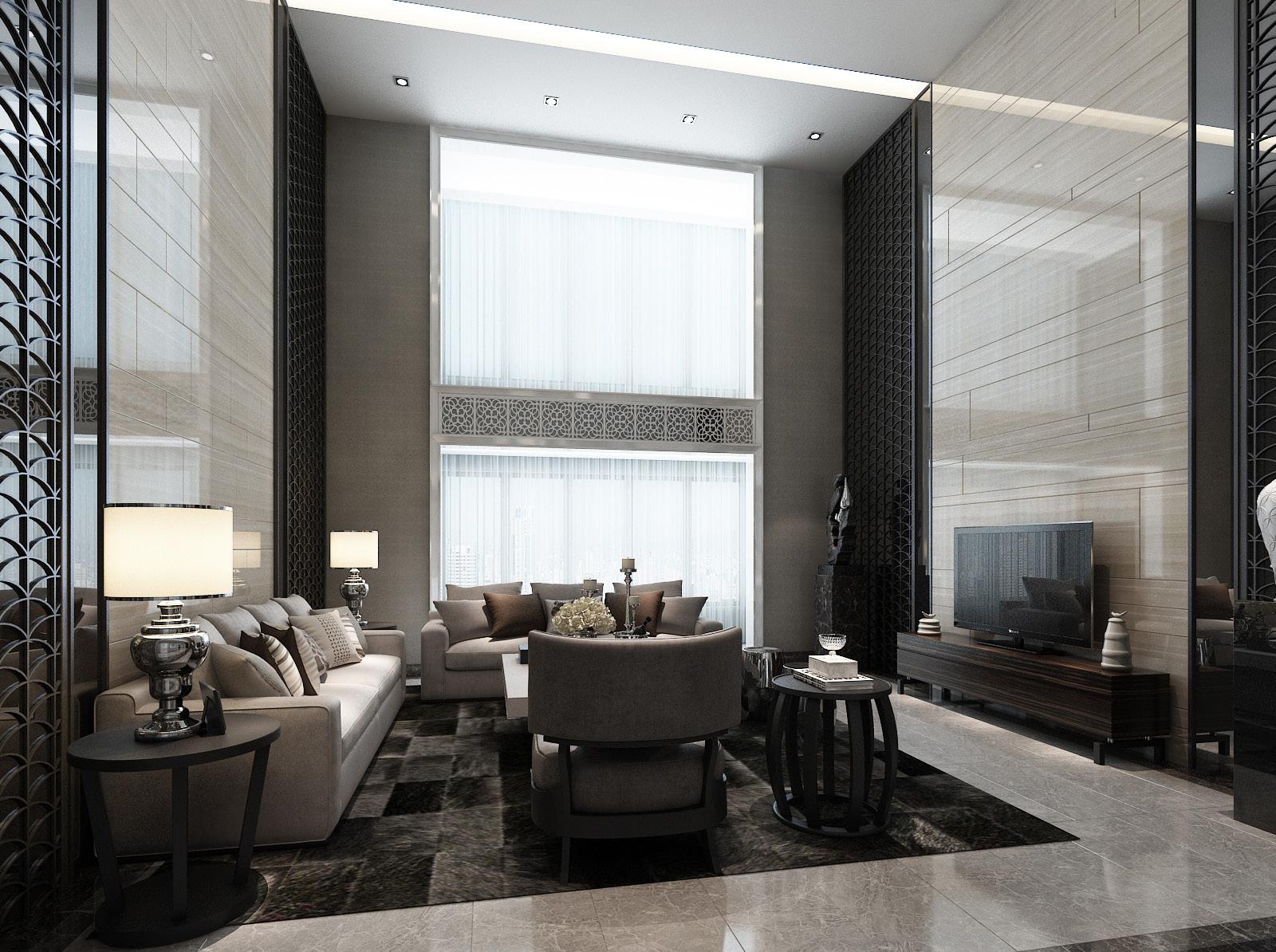
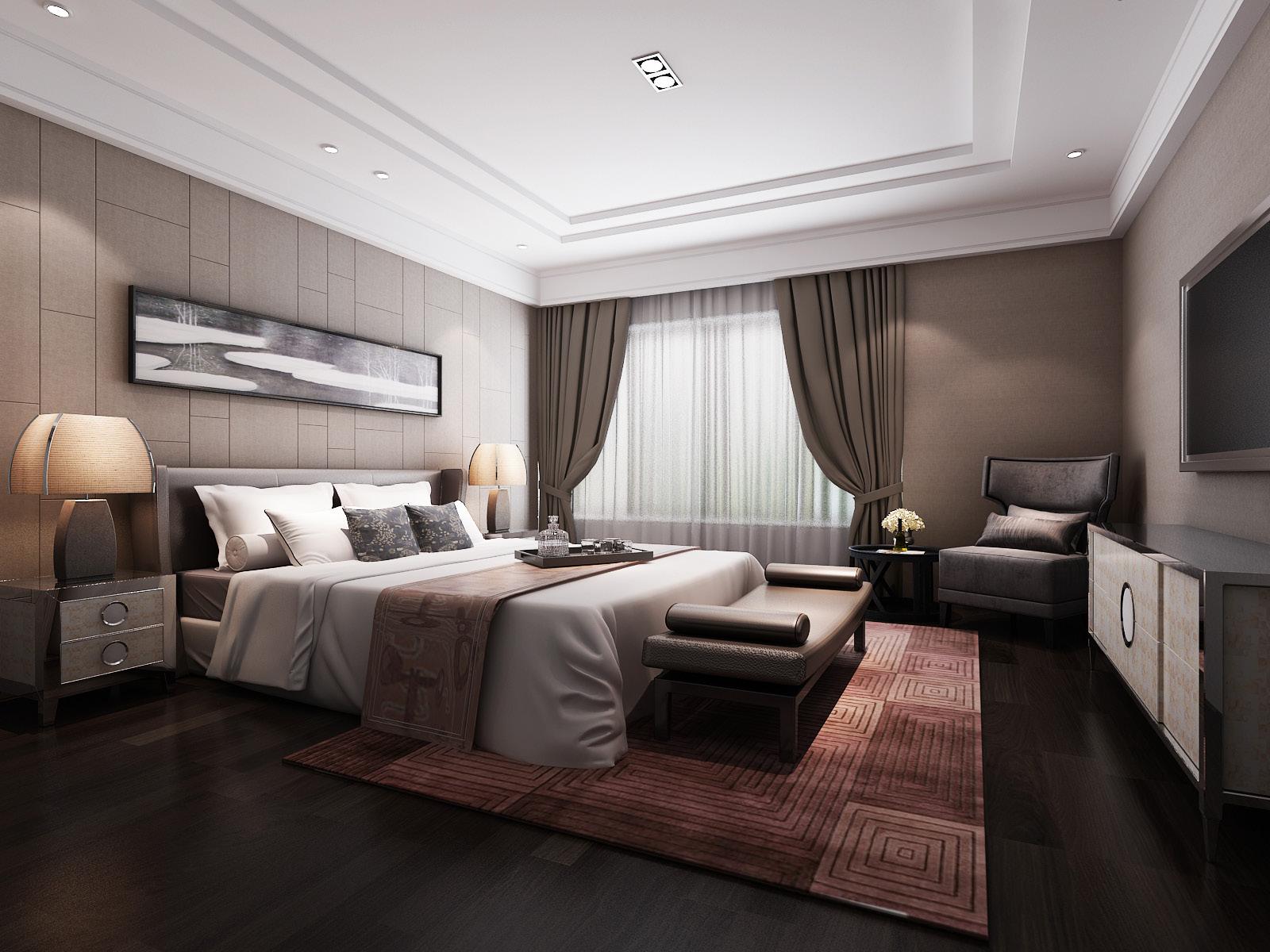
This residential interior was designed for a multi-generational family, with a focus on creating a warm, emotionally resonant environment that supports both individual comfort and shared living. Drawing from NeoChinese design principles, the concept blends traditional aesthetics with modern functionality. Inspired by Ming and Qing dynasty motifs, the space features elegant detailing, harmonious symmetry, and a restrained color palette that evokes serenity and cultural depth.
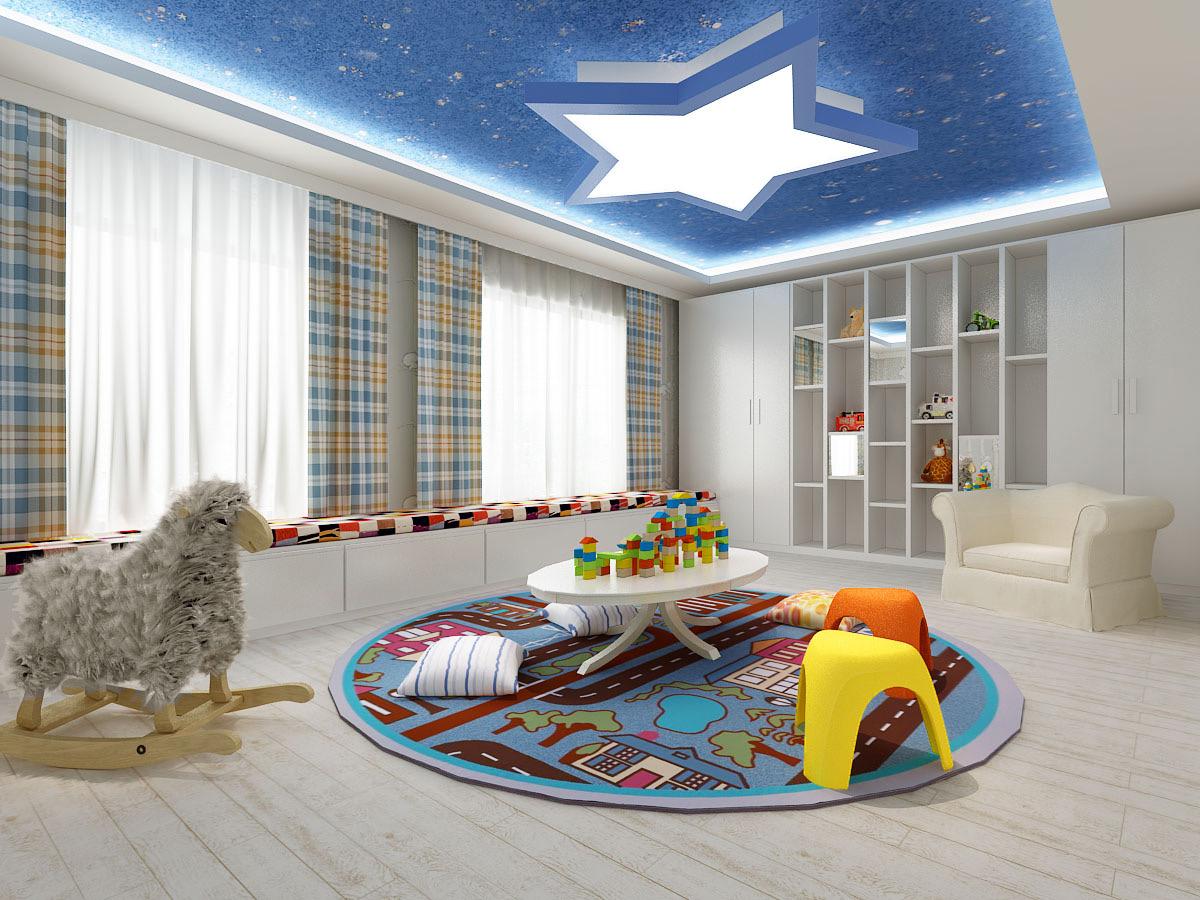
Each room was tailored to the unique needs and preferences of its occupant. For example, the child’s room incorporates playful elements and soft textures to foster creativity and comfort, while the grandparents’ suite emphasizes accessibility and tranquility. Lighting design played a key role in shaping the emotional tone of each space—layered illumination and strategic placement were used to enhance visual comfort and spatial clarity.
The final outcome is a cohesive, livable home that balances tradition and innovation, offering a nurturing environment for all generations.
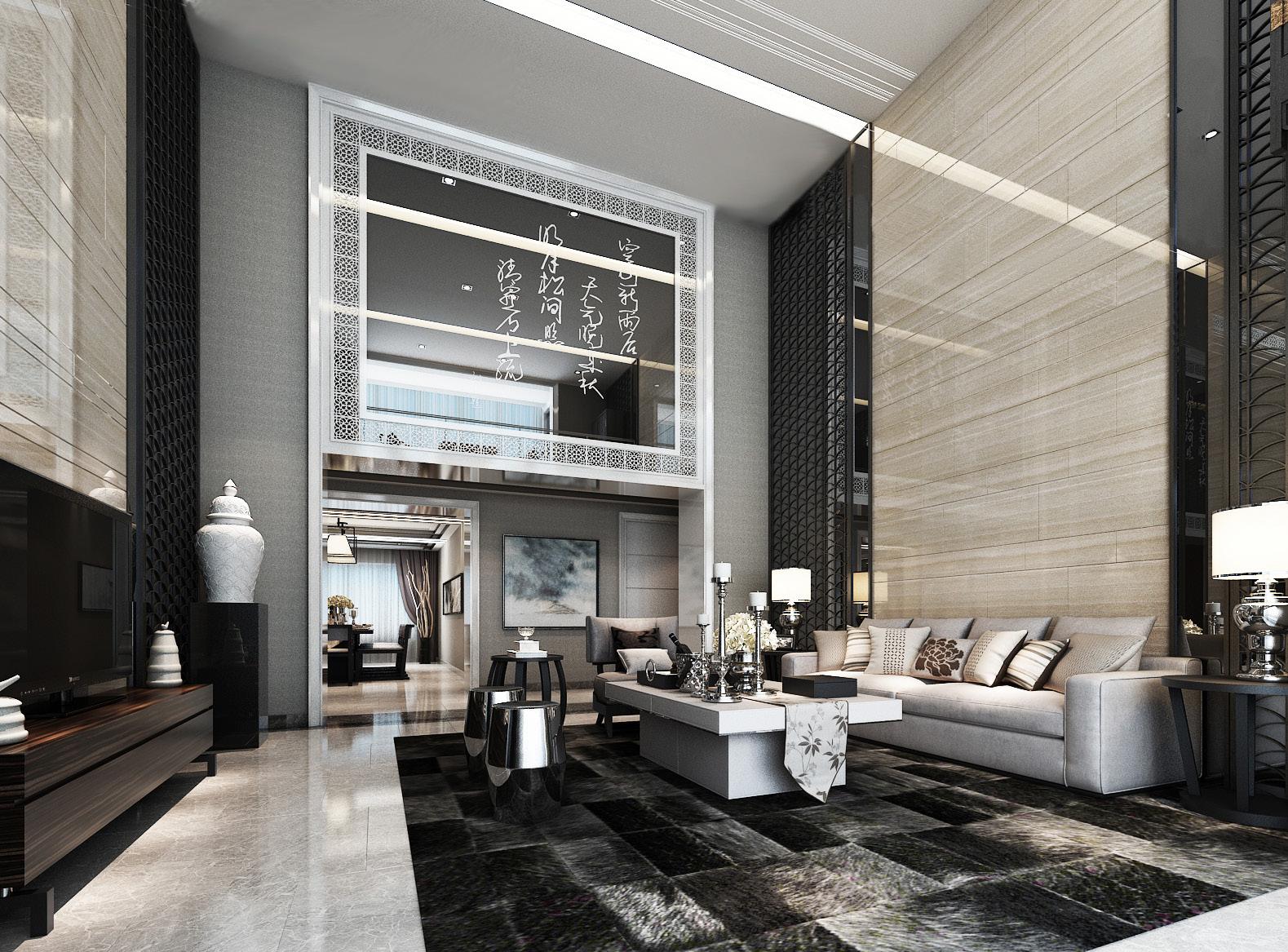
Living Room Rendering View 1
Switching Layout
轻钢龙骨石膏板吊顶暗藏灯带
墙面乳胶漆
装饰镜面(甲供)
装饰木雕花(甲供)
石材套线(甲供)
石材套线(甲供)
石材踢脚线(甲供)
木质窗帘盒(甲供)
轻钢龙骨石膏板吊顶暗藏灯带
木边框(甲供)
装饰镜面(甲供)
装饰木雕花(甲供)
装饰镜面(甲供)
石材饰面(甲供)
成品家具(甲供)
石材踢脚线(甲供)
日期:
镜钢线条(甲供)
轻钢龙骨石膏板叠级吊顶
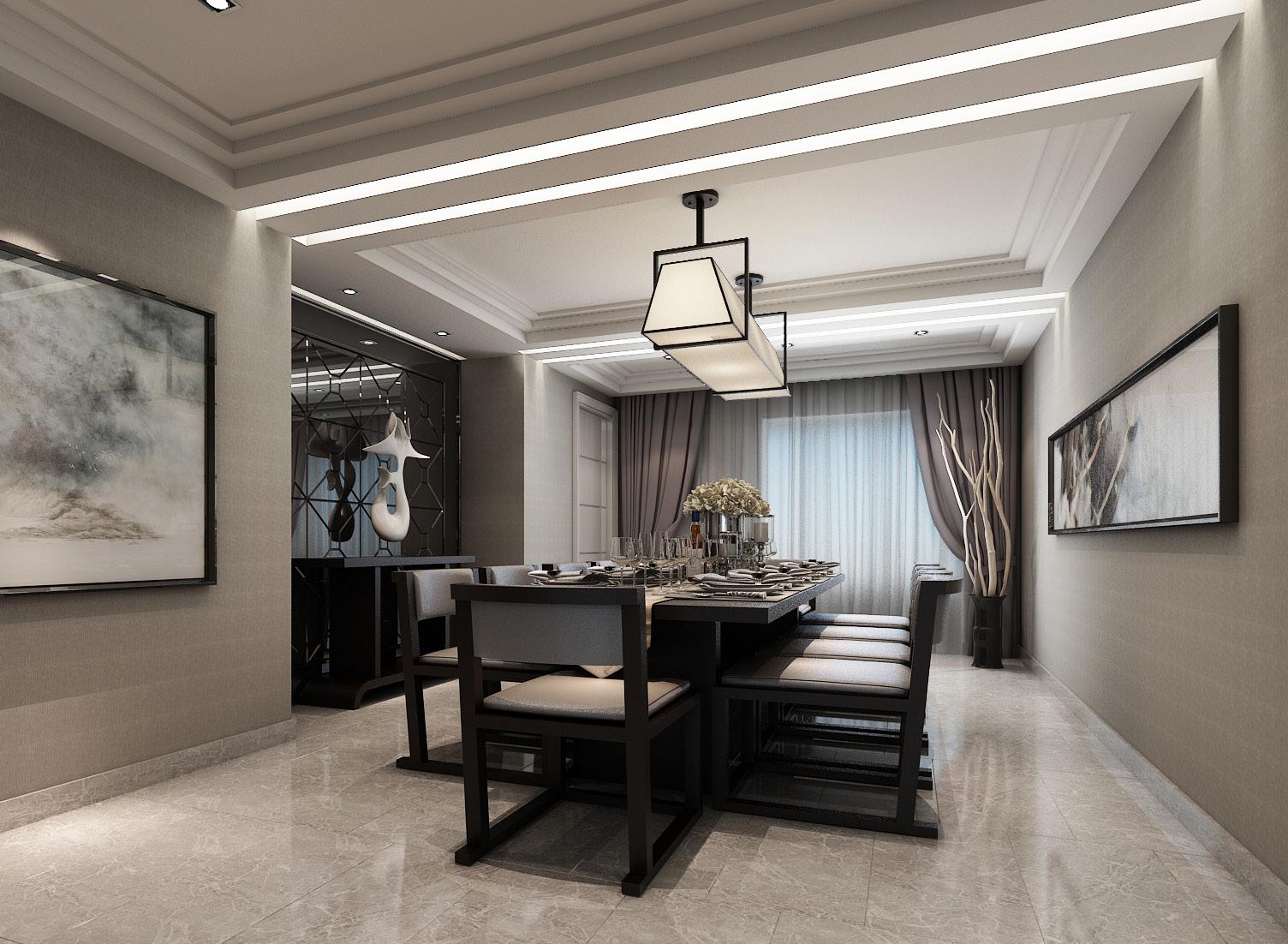
Dining Room Rendering View + Elevation View
新建假梁 墙面乳胶漆
轻钢龙骨石膏板叠级吊顶暗藏灯
成品门套线(甲供)
成品门(甲供)
镜钢线条(甲供)
墙面乳胶漆
石材窗台(甲供)
石材踢脚线(甲供)
镜钢线条(甲供)
轻钢龙骨石膏板叠级吊顶
墙面壁纸(甲供)
石材窗台(甲供)
轻钢龙骨石膏板叠级吊顶 暗藏灯带
墙面壁纸(甲供)
成品家具(甲供)
石材踢脚线(甲供)
木质窗帘盒(甲供)
轻钢龙骨石膏板叠级吊顶
成品家具(甲供)
石材踢脚线(甲供)
轻钢龙骨石膏板叠级吊顶 暗藏灯带
墙面壁纸(甲供)
成品门套线(甲供)
成品门(甲供)
石材踢脚线(甲供) 成品家具(甲供)
轻钢龙骨石膏板叠级吊顶
通长空调出风口(甲供)
墙面乳胶漆
成品门套线(甲供)
成品门(甲供)
成品家具(甲供)
YADONG GROUP OFFICE VILLA
Site Location: Tianjin, China
Type: Professional Practice
Size: 11,463 sq ft
Collaborators:
Enfeng Zhai (Principal Designer), Yu Zhang, Song Gao
Date: Summer 2014 - Spring 2015
My Contribution and Role
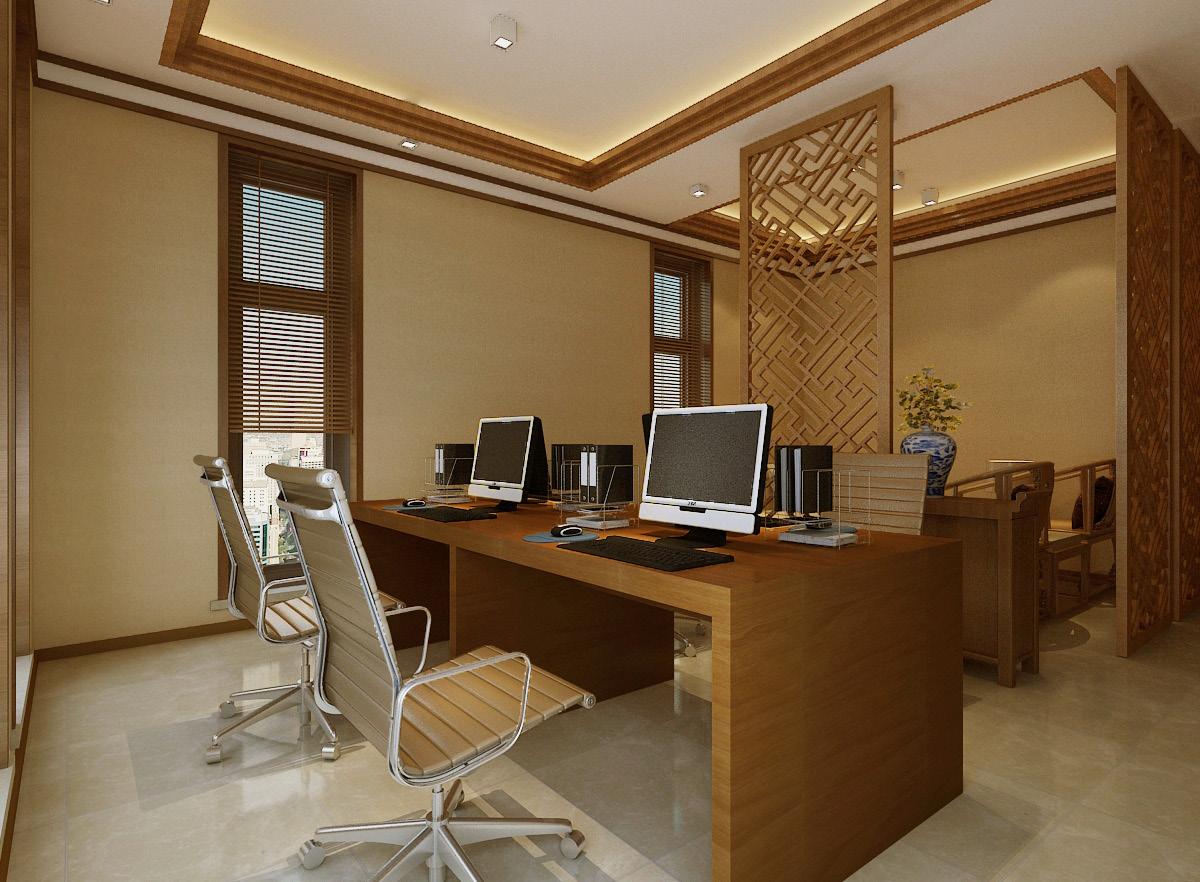
I contributed to site analysis, spatial planning, 3D visualization, and cost estimation. My role also involved coordinating with the principal designer to ensure that each space met operational needs while maintaining visual harmony and cultural resonance.Lastly, I collaborated with the principal designer to select the materials, create cost estimation and construction schedule.
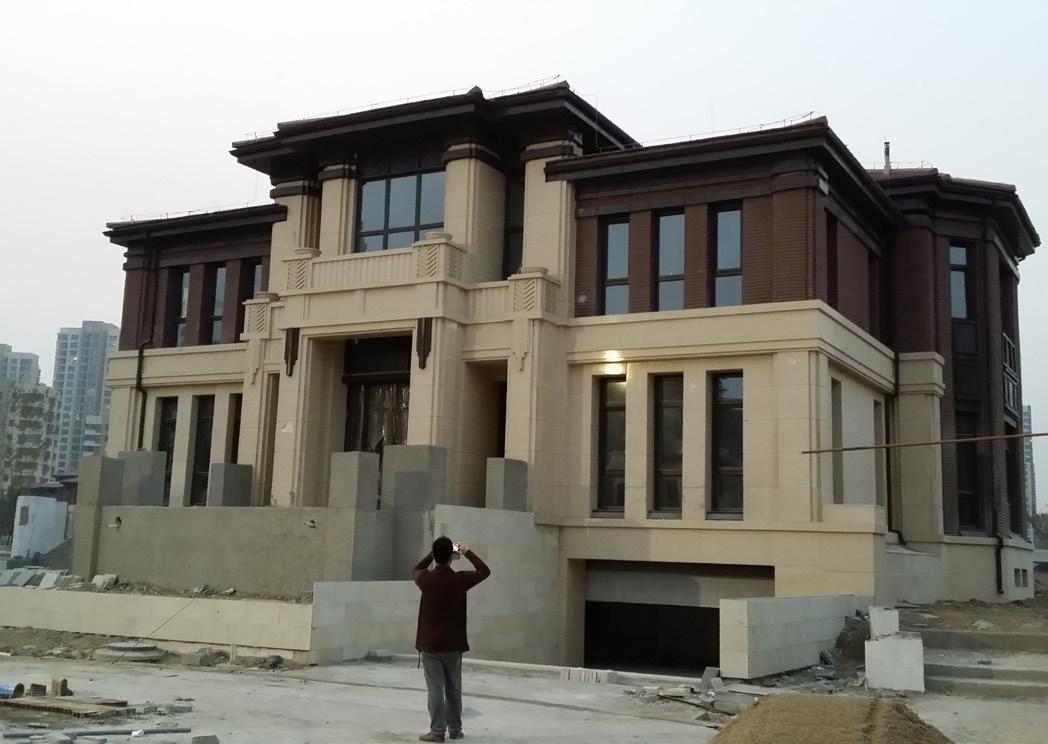
Siter View
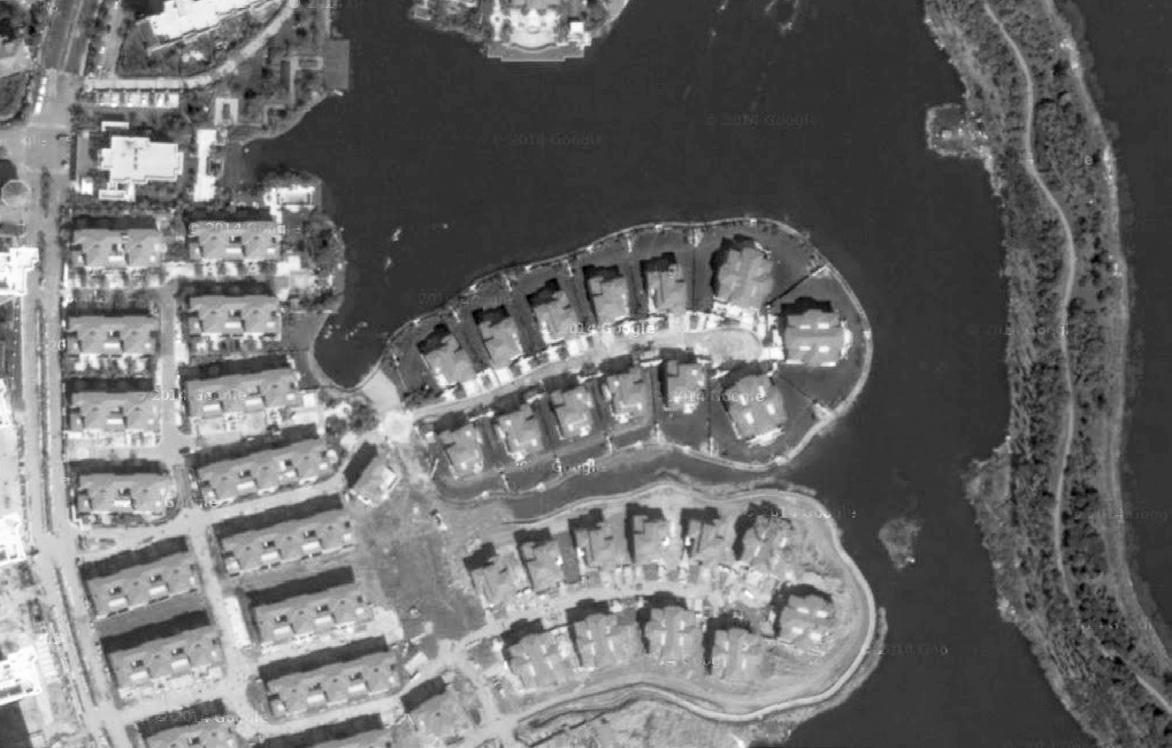
Design Concept
This project involved the adaptive reuse of a luxury villa into a corporate headquarters for the Yadong Group, requiring a delicate balance between residential elegance and professional functionality. Located in a high-end neighborhood, the villa’s architectural character was preserved while transforming its interior into a sophisticated workspace that reflects the company’s prestige and cultural identity. The design concept draws from Neo-Chinese aesthetics, incorporating axial symmetry, layered spatial organization, and refined material palettes. Traditional elements—such as carved wood screens, stone textures, and ornamental detailing—were reinterpreted to suit a modern office environment. The layout includes executive offices, meeting rooms, dining areas, and wellness spaces, each designed to support productivity, comfort, and brand cohesion.
Special attention was given to circulation flow and zoning, allowing for intuitive navigation and functional separation between public and private areas. The final design elevates the workplace experience by merging luxury with cultural depth, offering employees and visitors a refined environment that communicates both professionalism and heritage.
Floor
Second Floor
Main Entrance Lobby + Elevation View
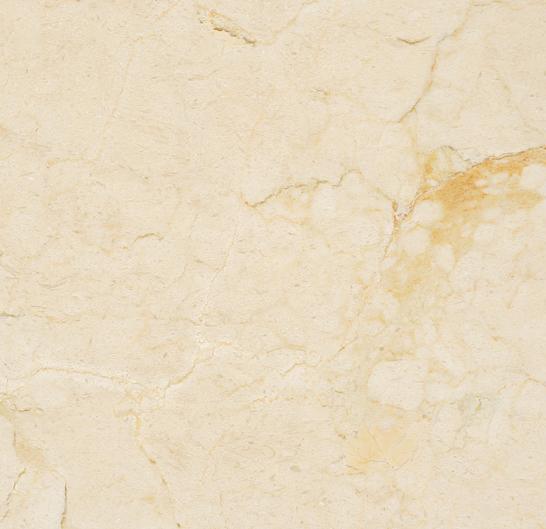
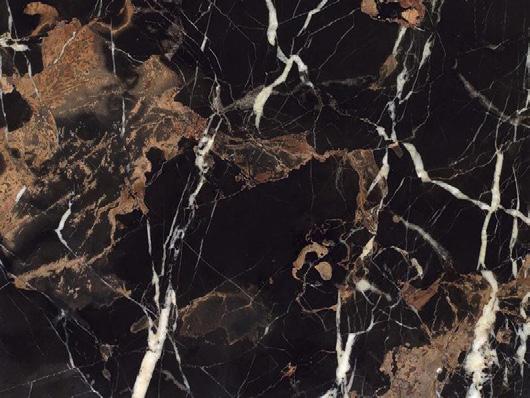
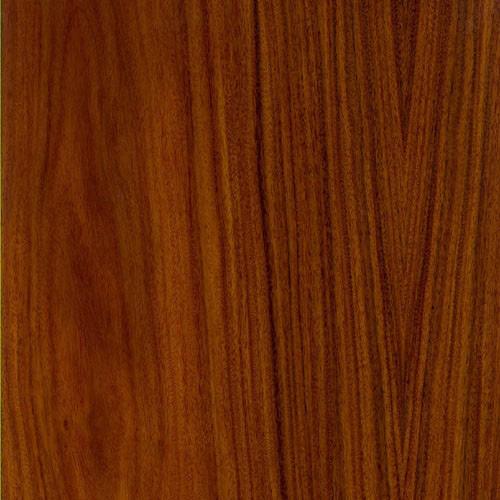
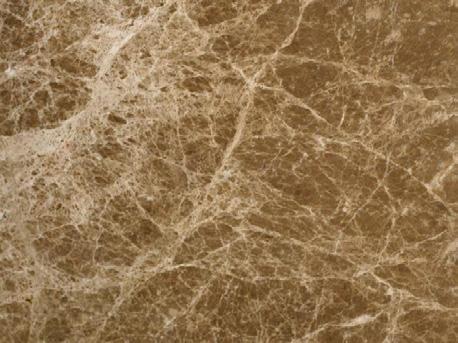
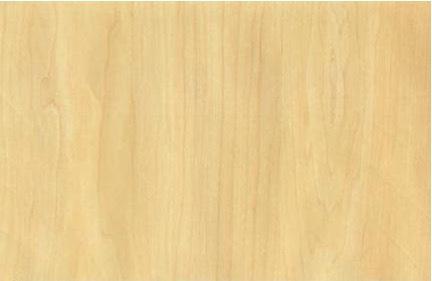
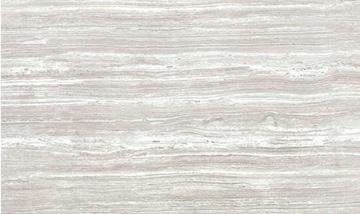
Main Stone and Wood Material Pallet
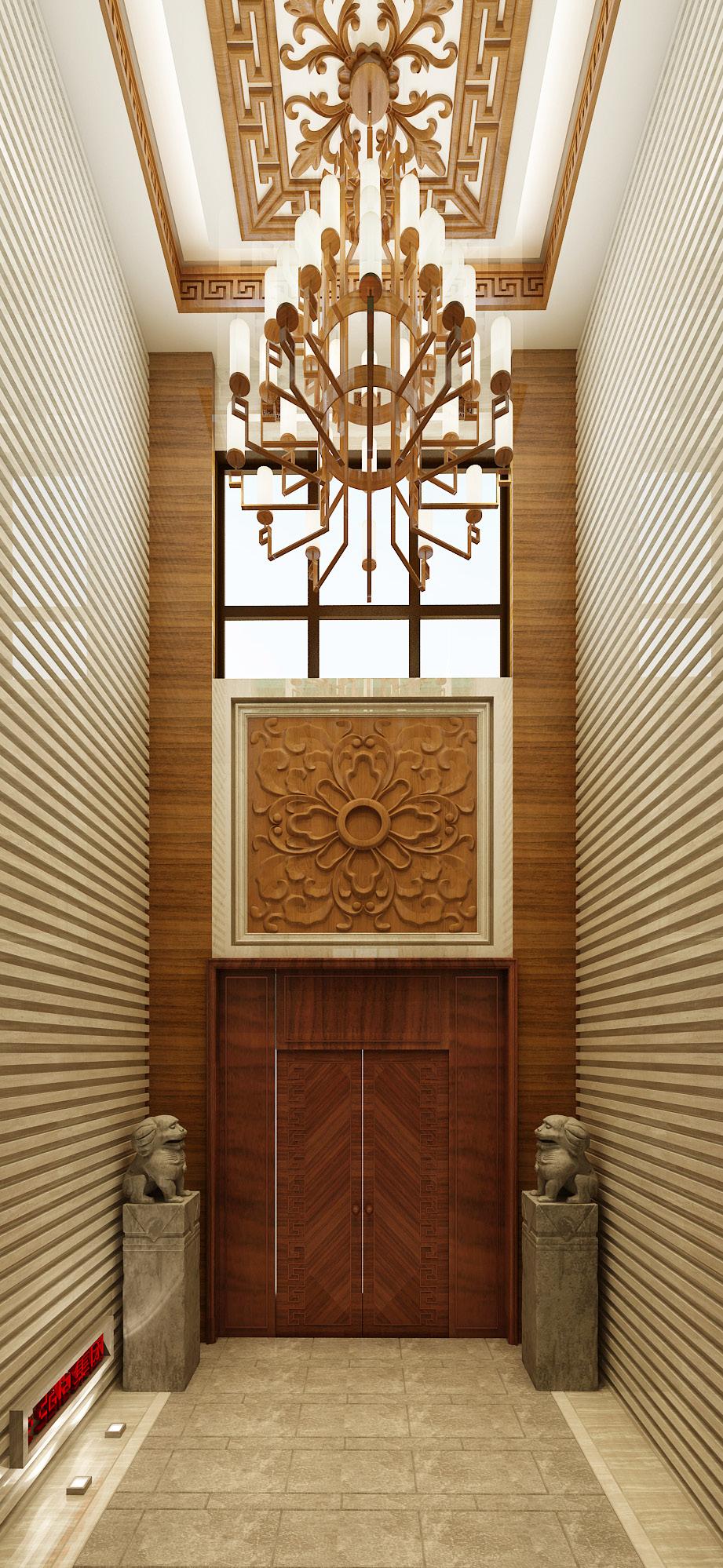
This main entrance lobby epitomizes grand elegance with a modern twist. The space is vast and airy, welcoming visitors with its high ceilings and expansive windows that let in floods of natural light. A magnificent chandelier commands attention at the center, casting a warm, inviting glow. Sleek marble floors add a touch of luxury, while plush seating areas offer comfort and style. The color palette is understated yet sophisticated, with neutral tones that enhance the room's bright and open feel. Artful accents and greenery bring in a sense of balance and harmony, making the lobby both impressive and inviting.

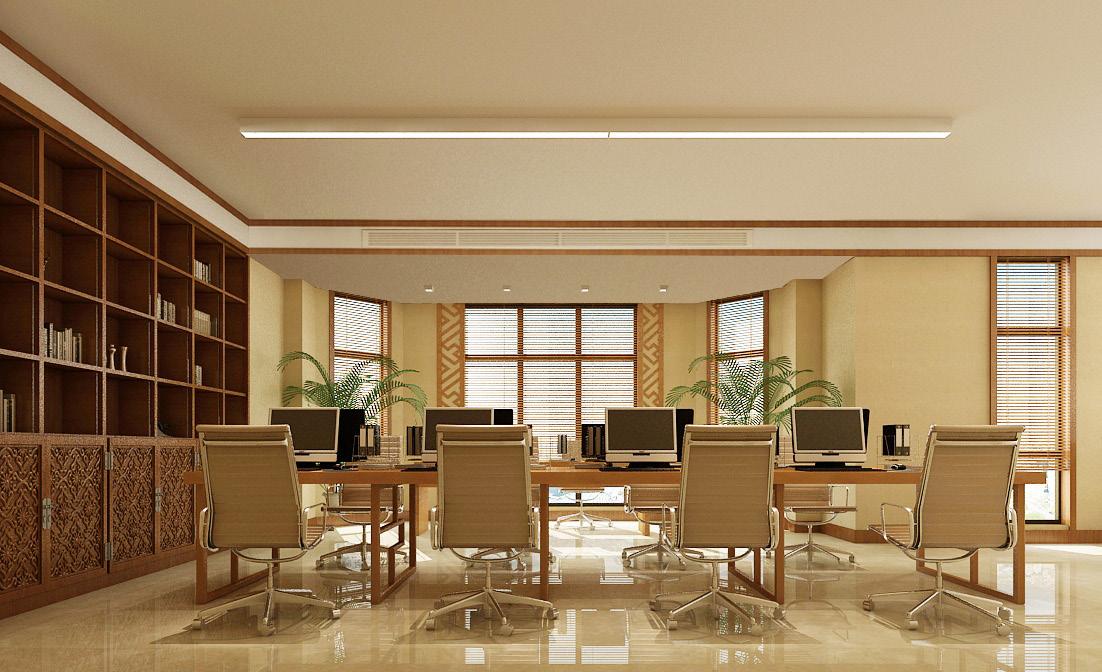
Office I + Elevation View
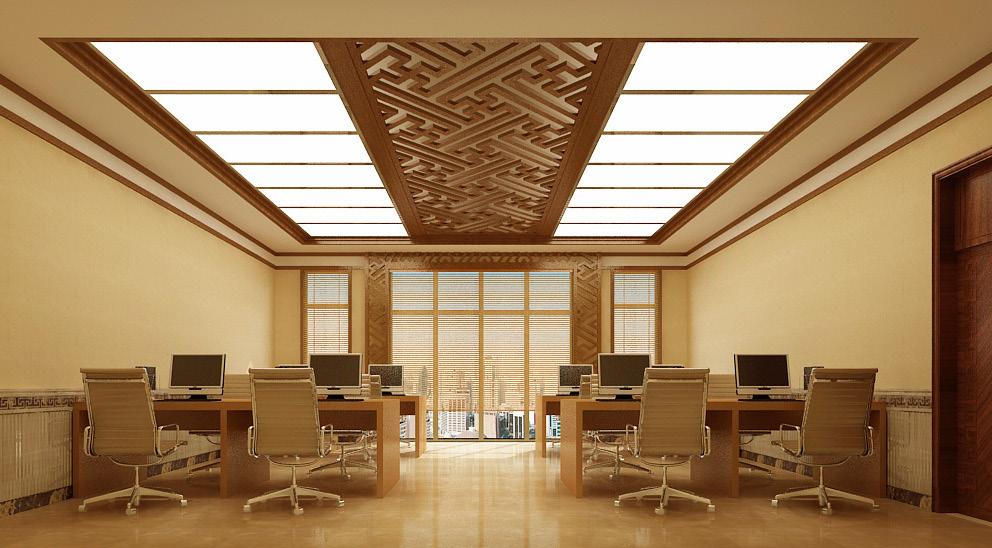
This office area masterfully combines vintage charm with modern comfort. Cozy, upholstered seating with intricate detailing is set against a backdrop of elegant wood paneling and tasteful, muted colors. Soft lighting from a chandelier and table lamps casts a warm glow, enhancing the inviting atmosphere. Large windows, framed by heavy drapes, allow natural light to pour in, balancing the room's elegance with a touch of airiness. The design promotes refined relaxation for employees and creates a perfect space for engaging in thoughtful conversation.
Office I
Small Conference Room + Elevation View
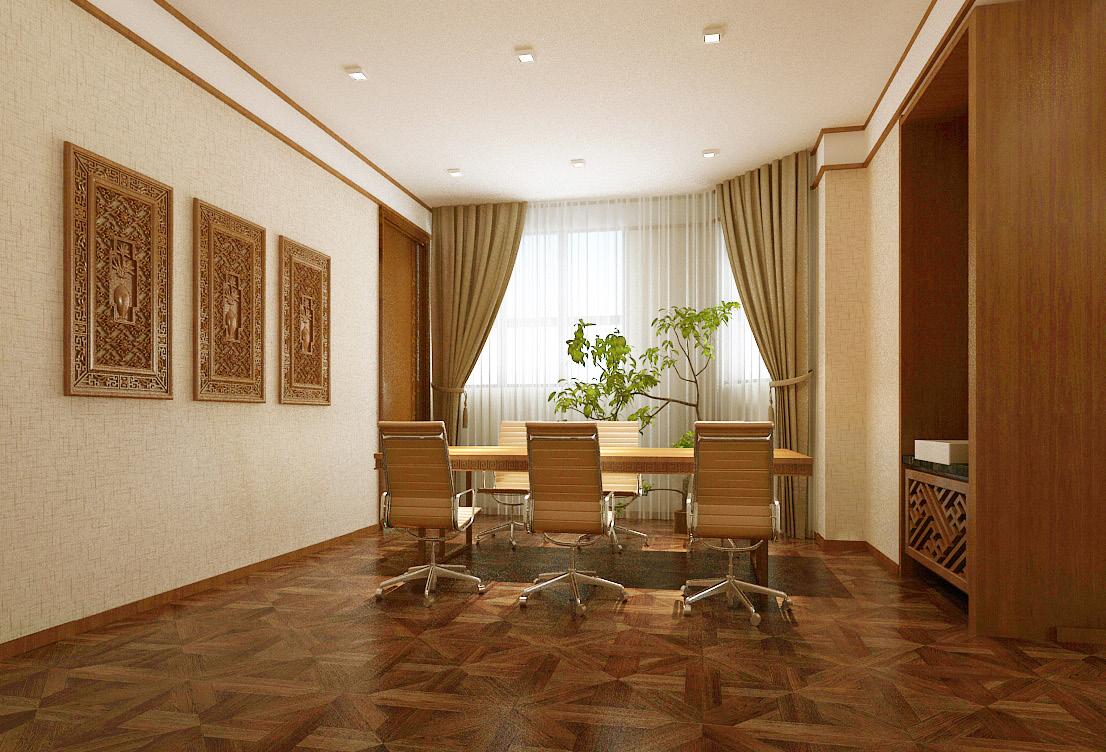
This small conference room is a perfect blend of practicality and comfort. It's designed to foster productive meetings in an intimate setting. The room features a sleek conference table surrounded by modern, ergonomic chairs that ensure comfort during long discussions. Walls are adorned with minimalistic décor, creating a clean and uncluttered environment. dimable lighting overhead provides just the right amount of illumination, while large windows allow natural light to enhance the space.
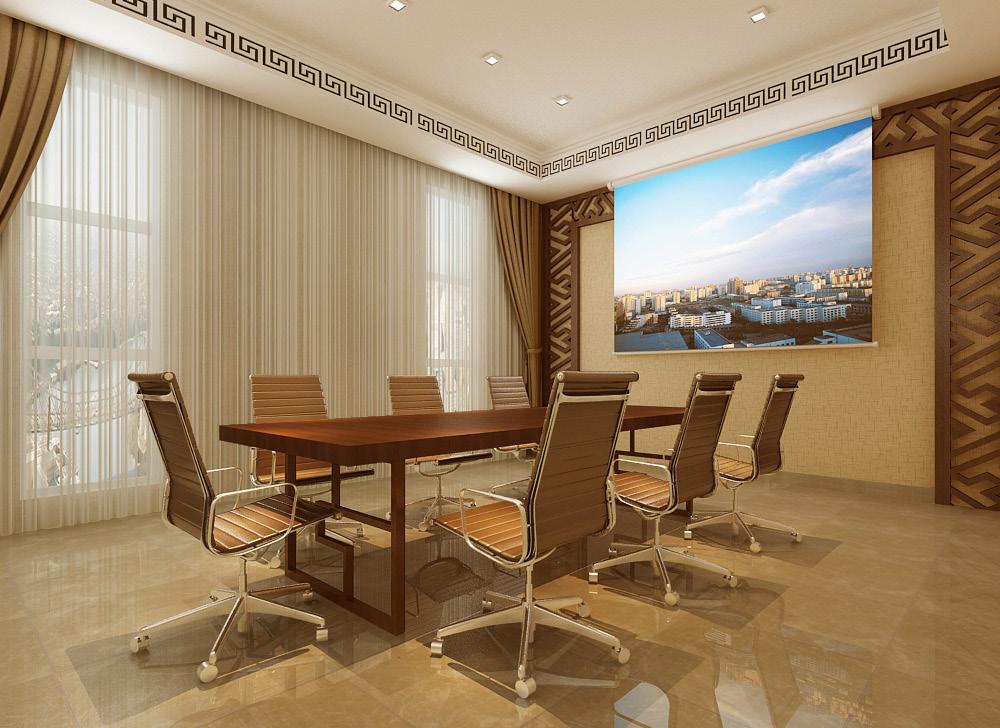
Small Conference Room (1st Floor)
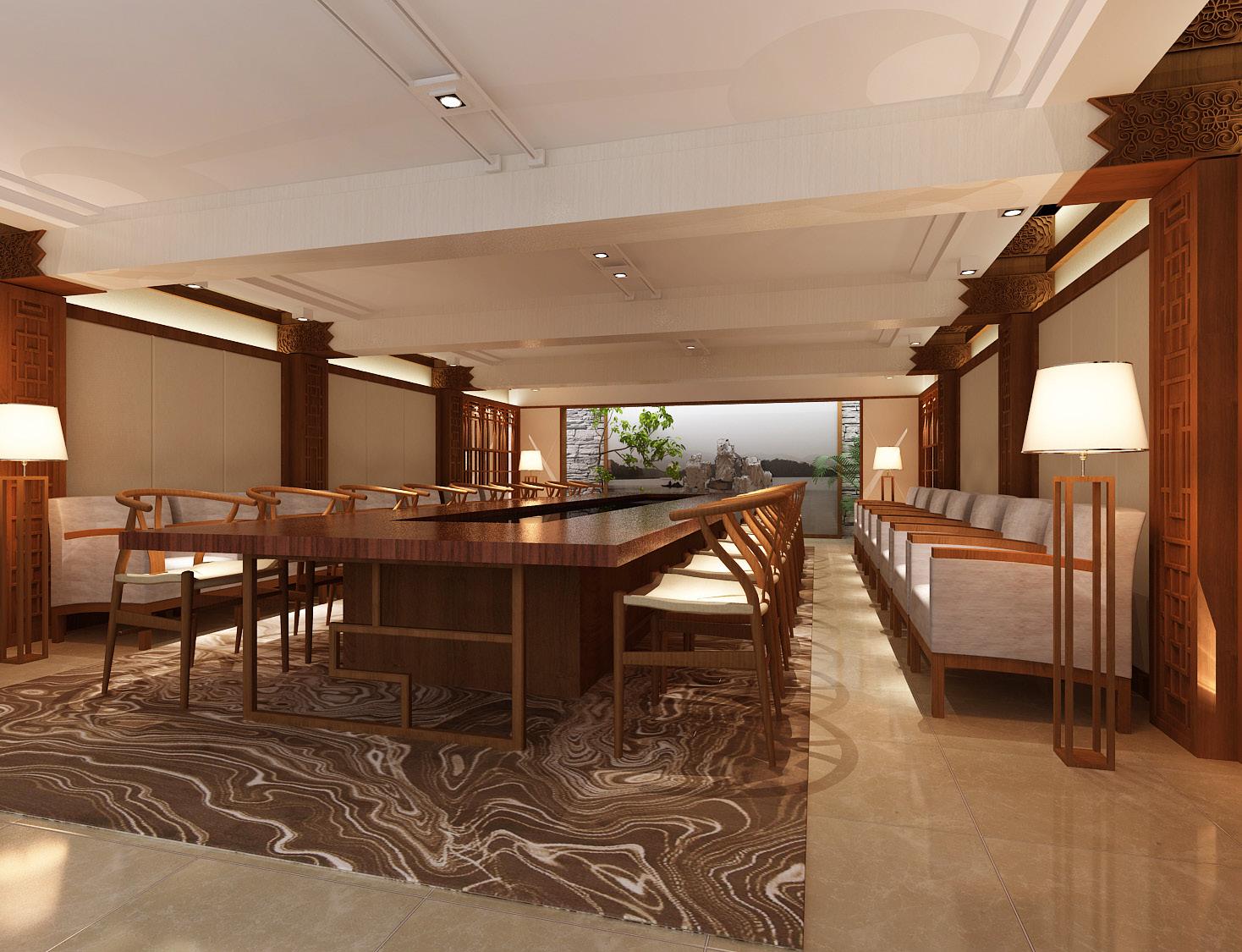
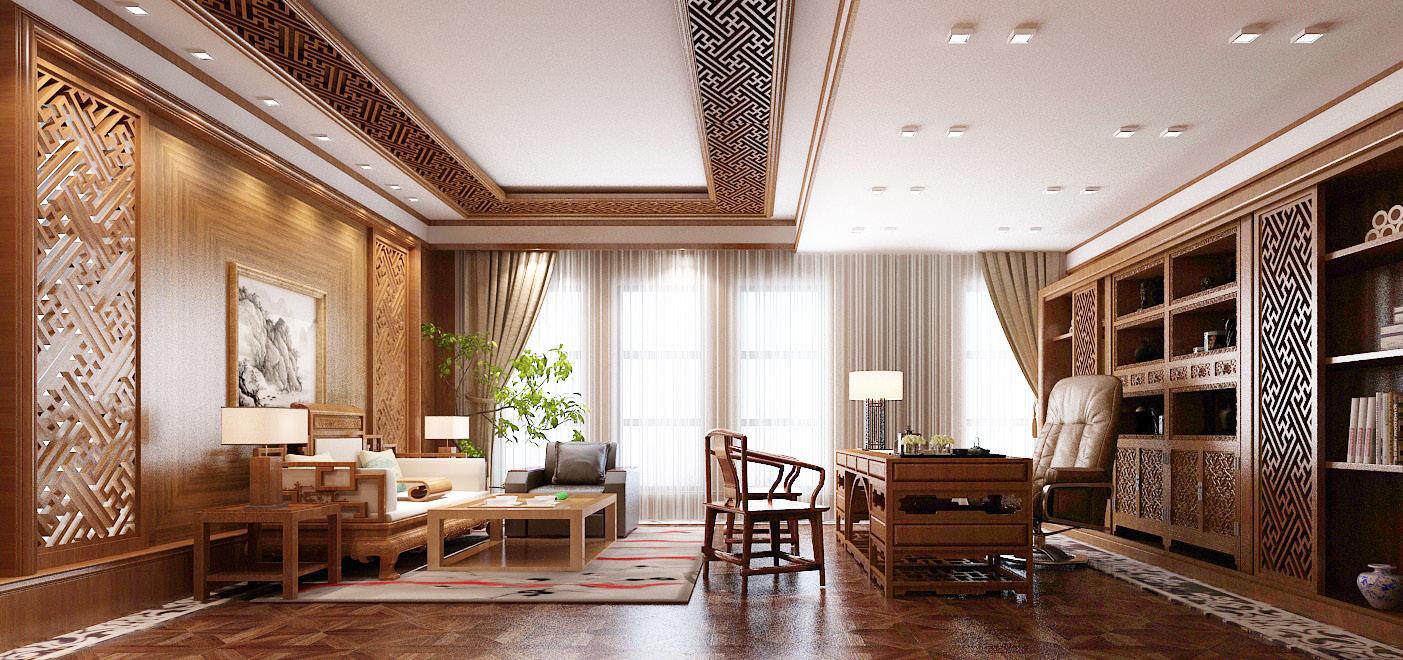
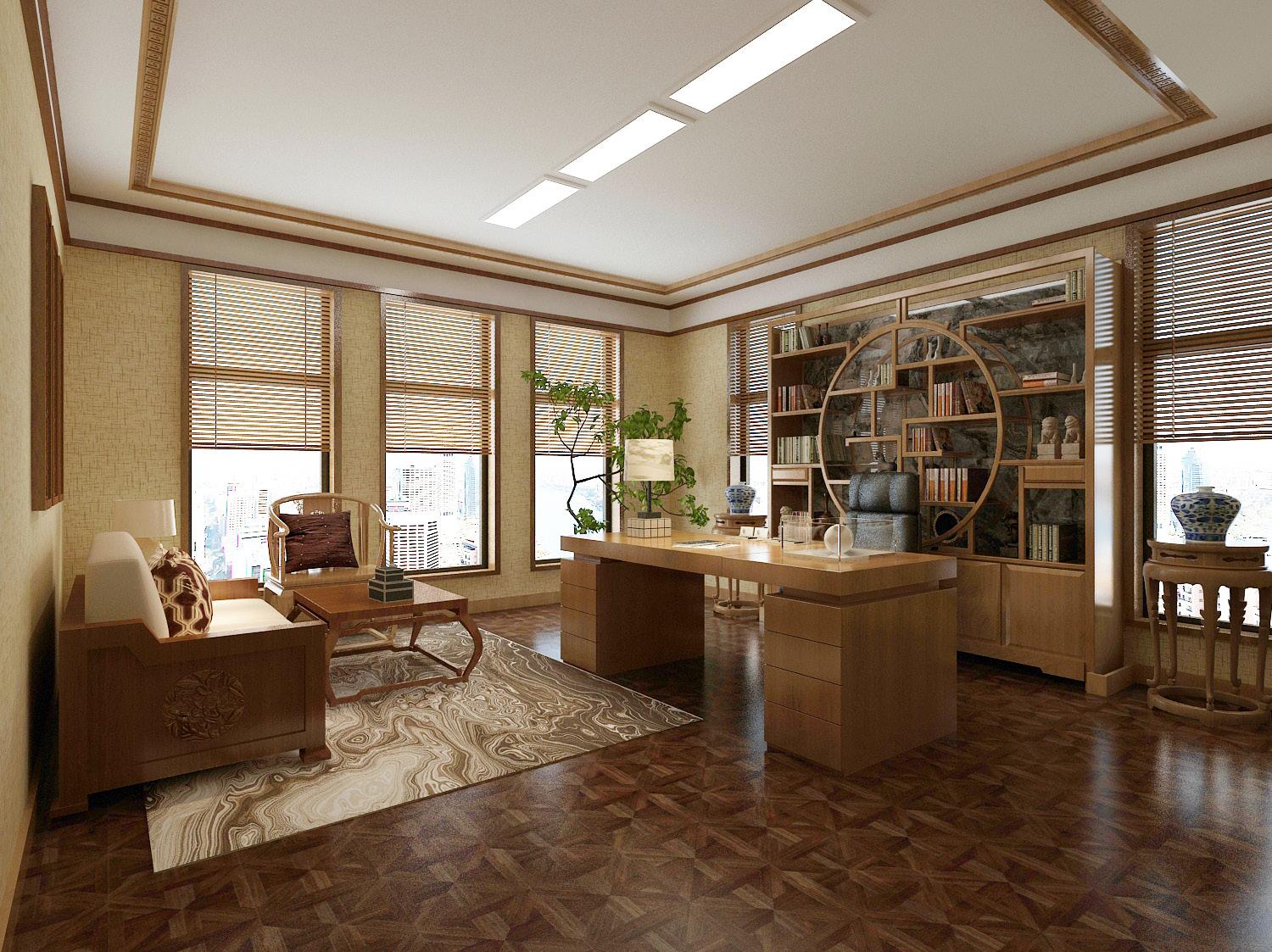
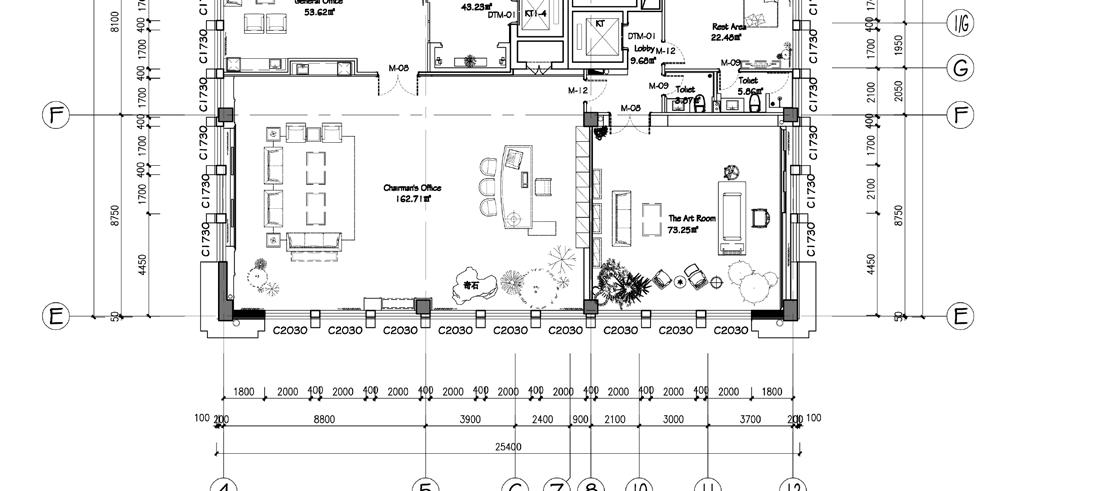
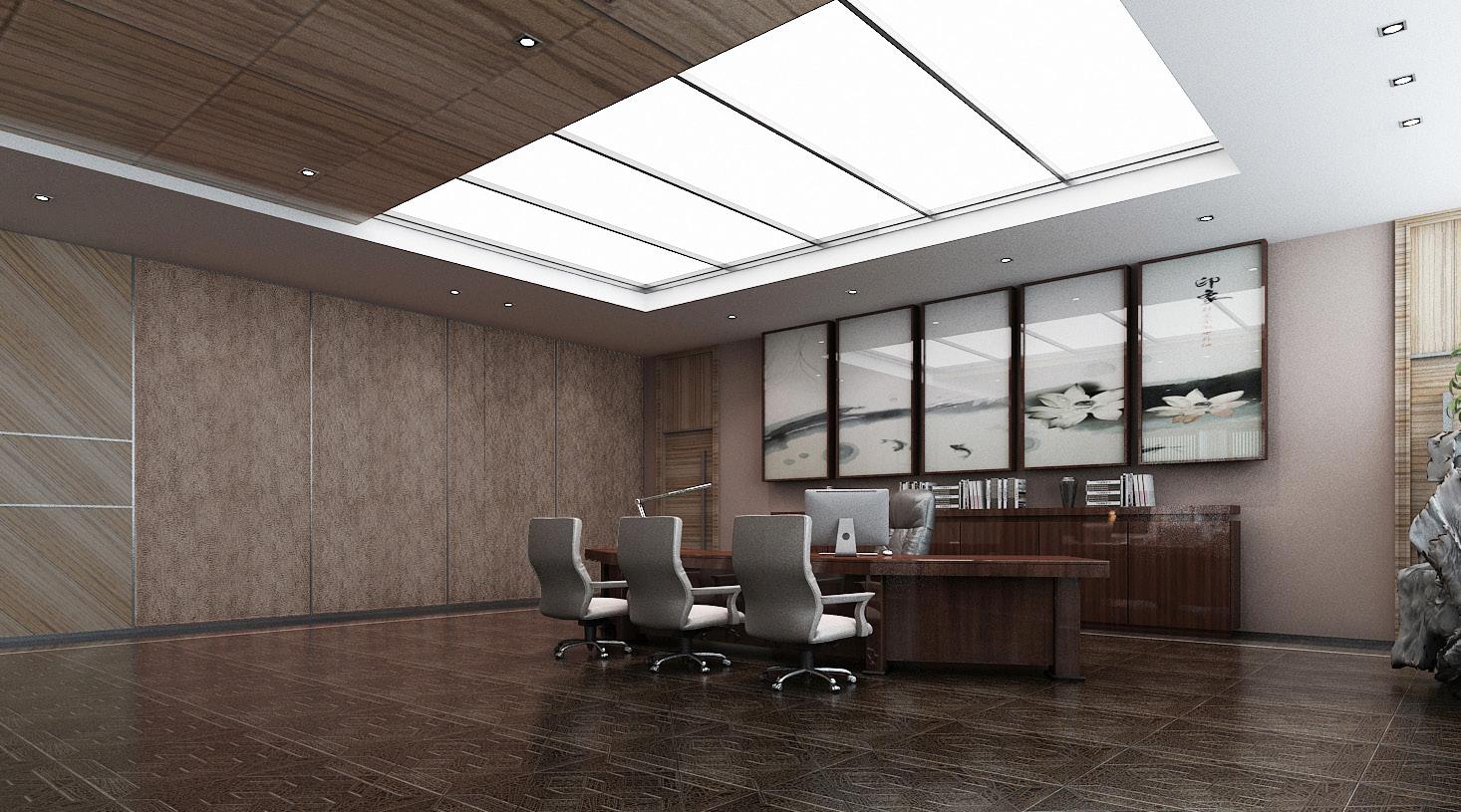
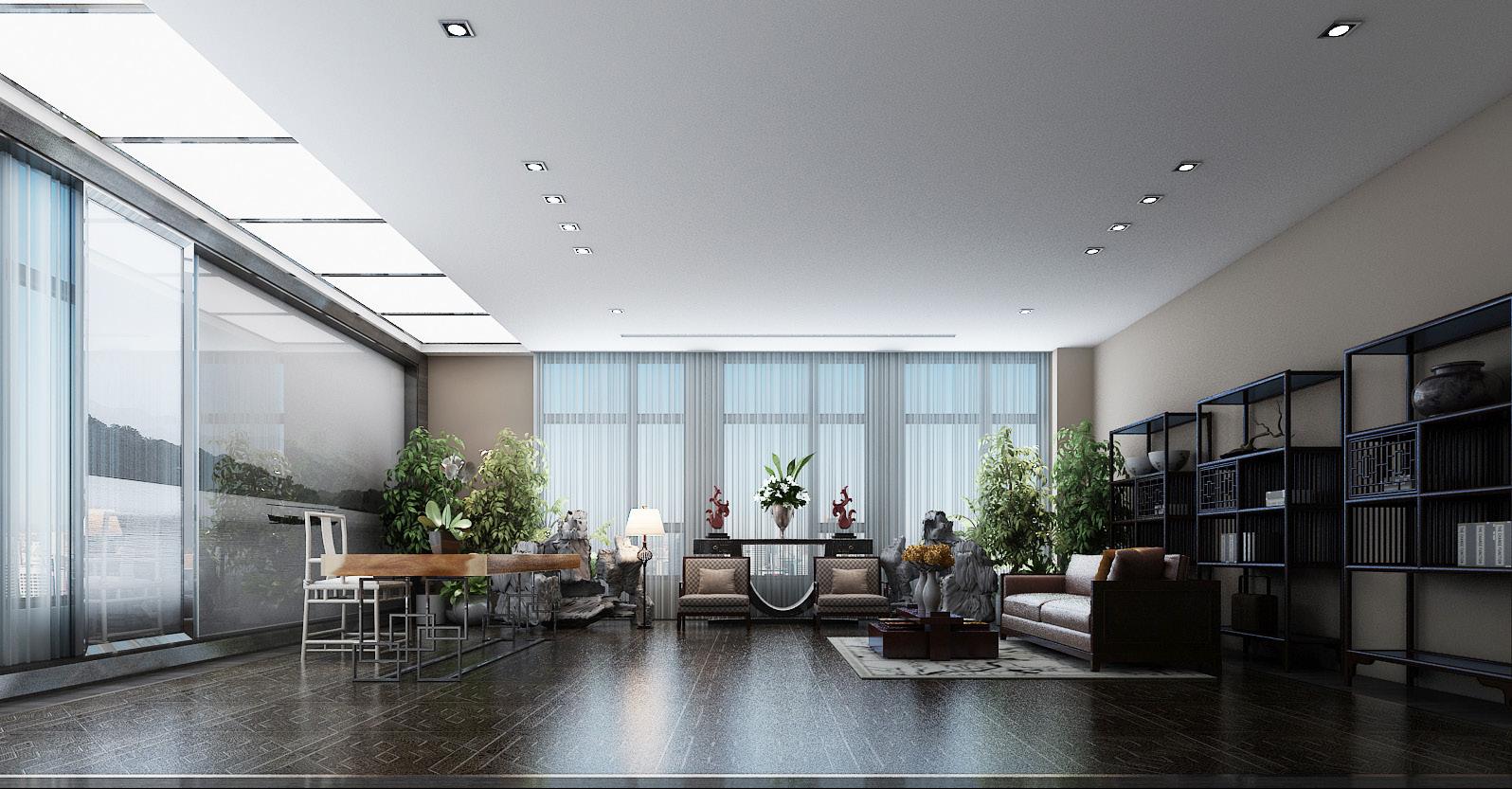
The VP's Office and Large Conference Room features a blend of traditional and modern chinese style elements. A sleek, rosewood table is the centerpiece, surrounded by elegantly crafted wooden chairs with intricate lattice backs. The walls is adorned with delicate Chinese calligraphy, adding an artistic touch. Large, lattice windows in VP's Office allow natural light to filter in, enhancing the room's harmonious and balanced feel. The Skylight at the end of the room and the landscape wall merged the biophilia design ideas into the meeting room.
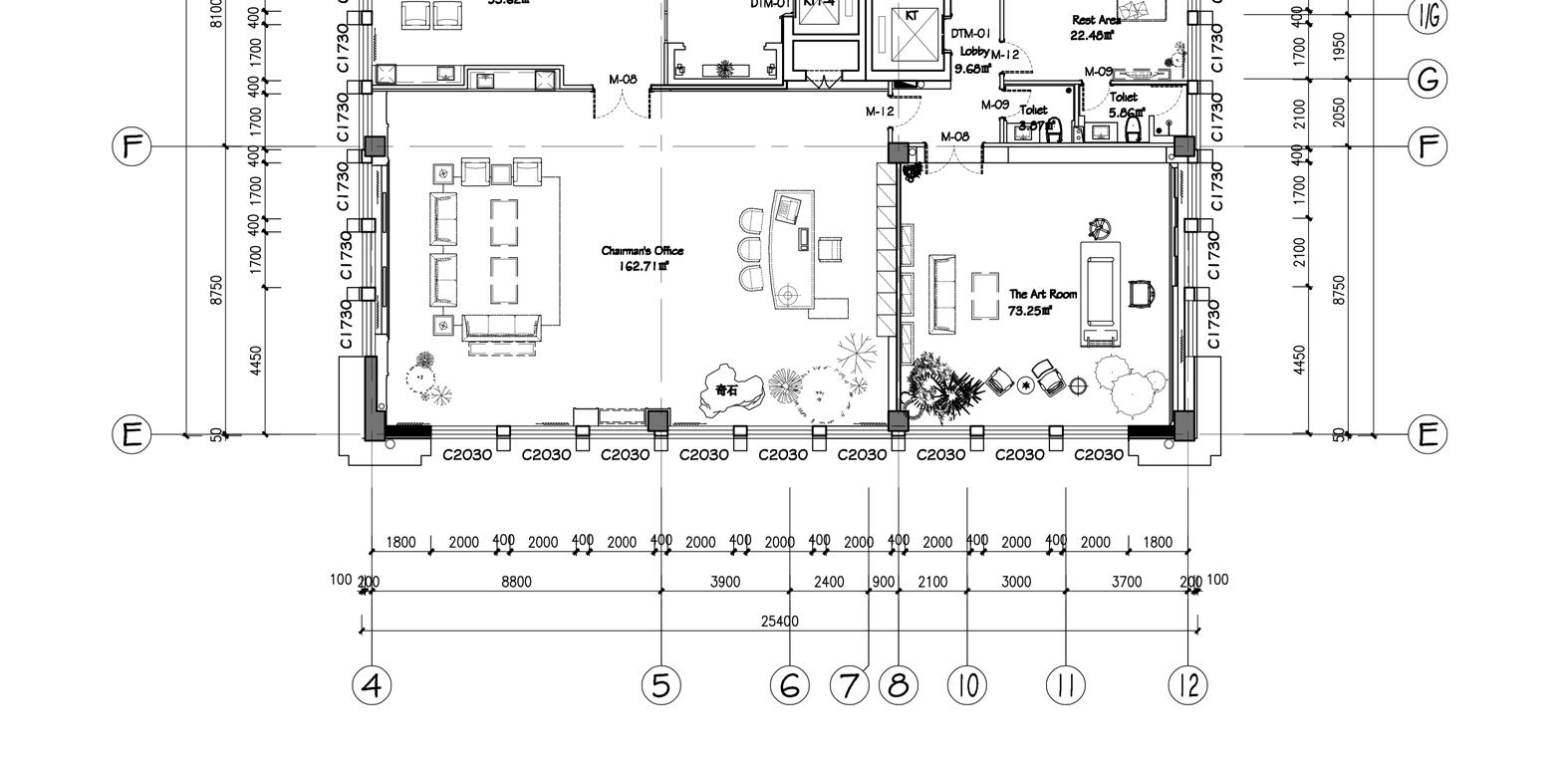
Chairman Office + Elevation View
Chairman Office Meeting Room+ Elevation View
Scale: 二层会客厅天花剖面图 Scale:
Scale: 二层会客厅天花剖面图
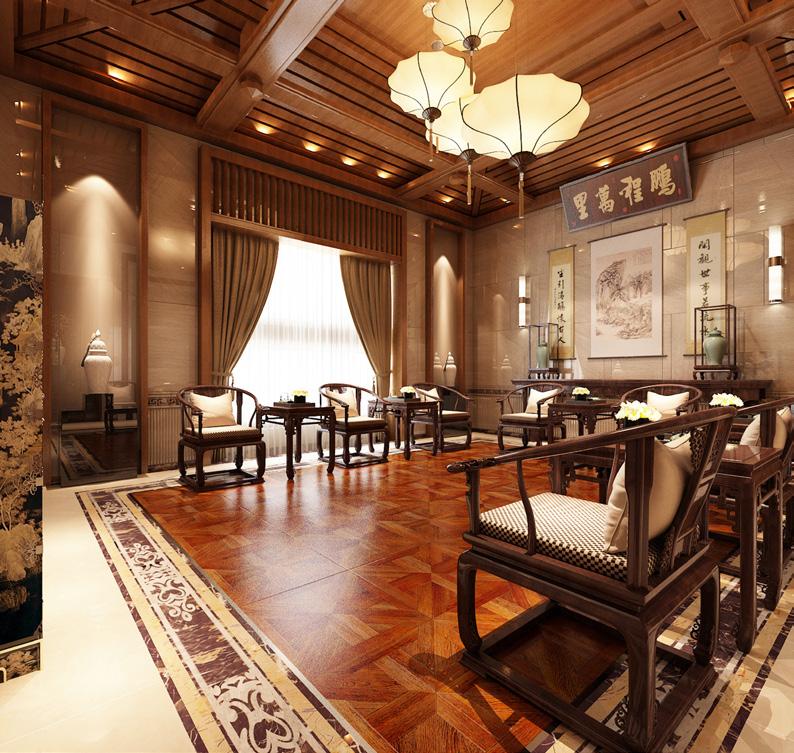
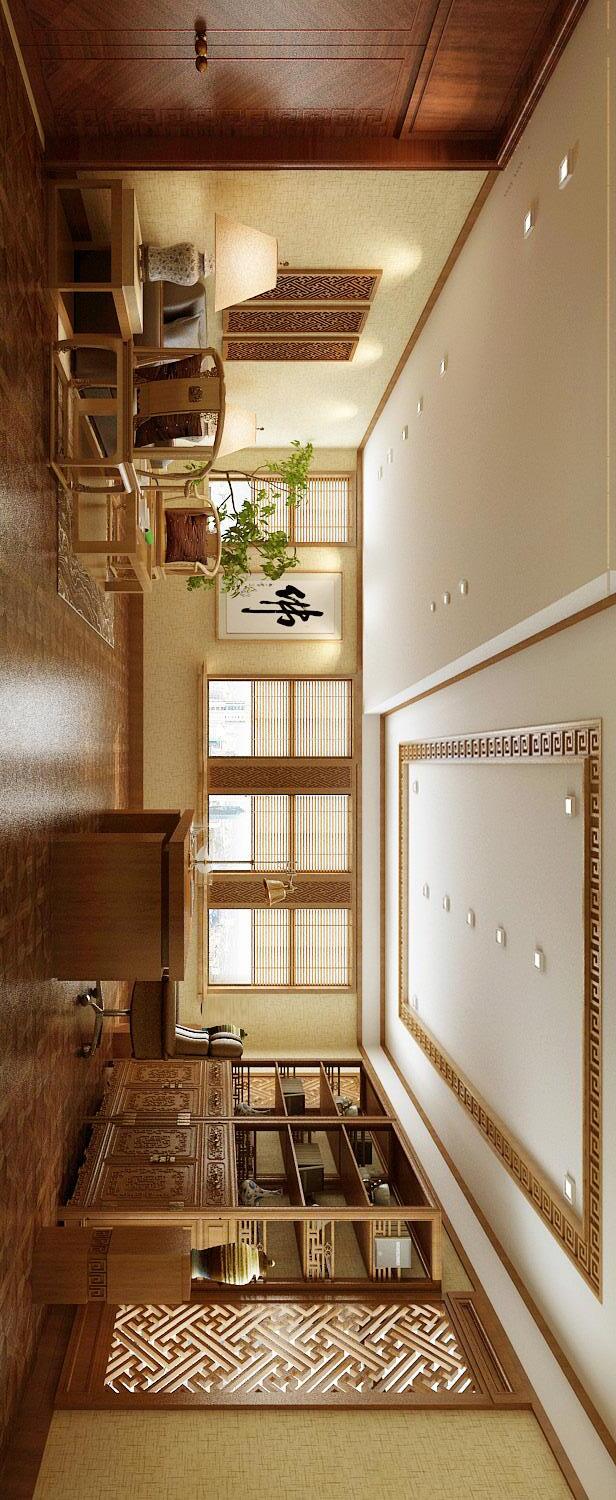
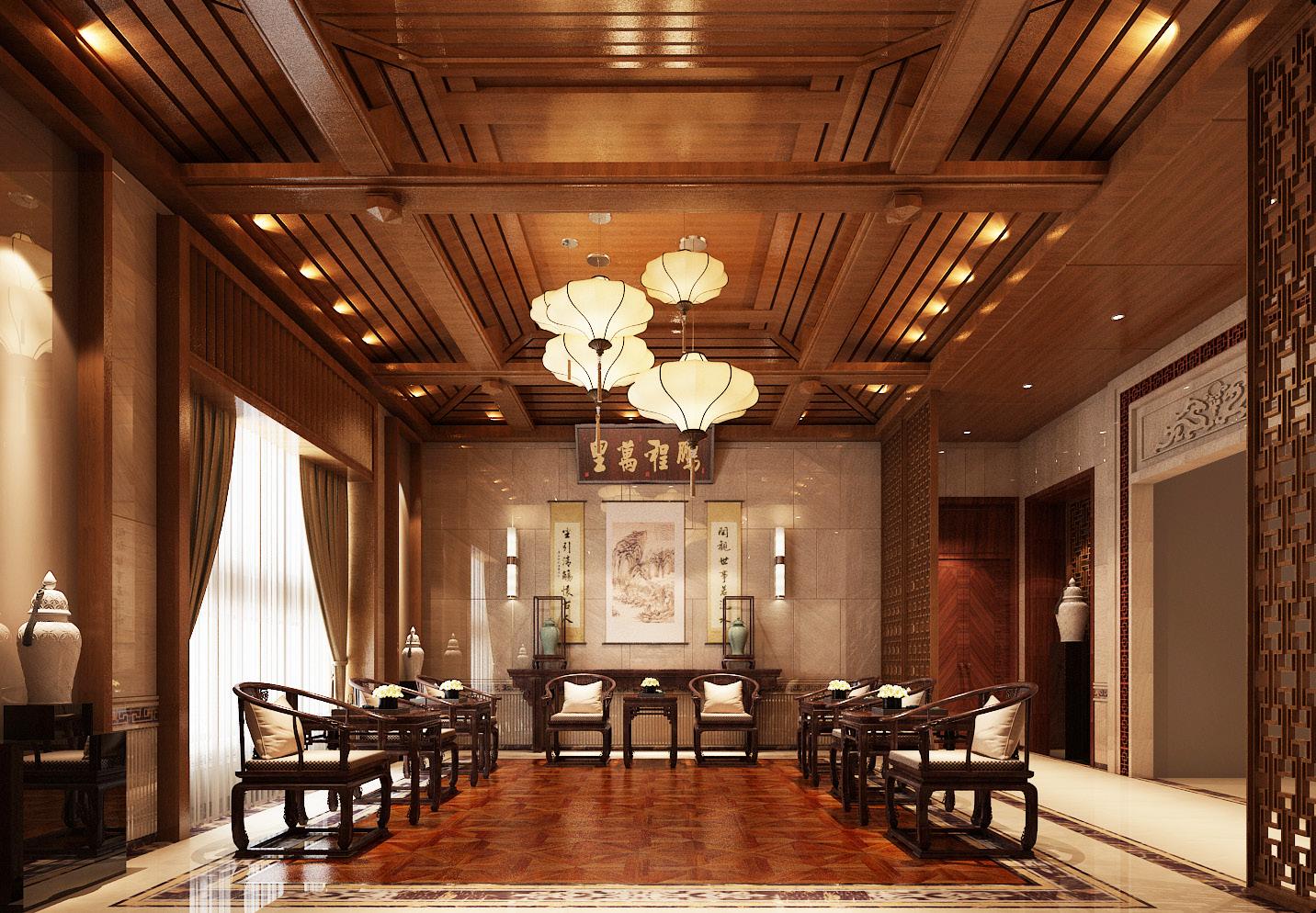
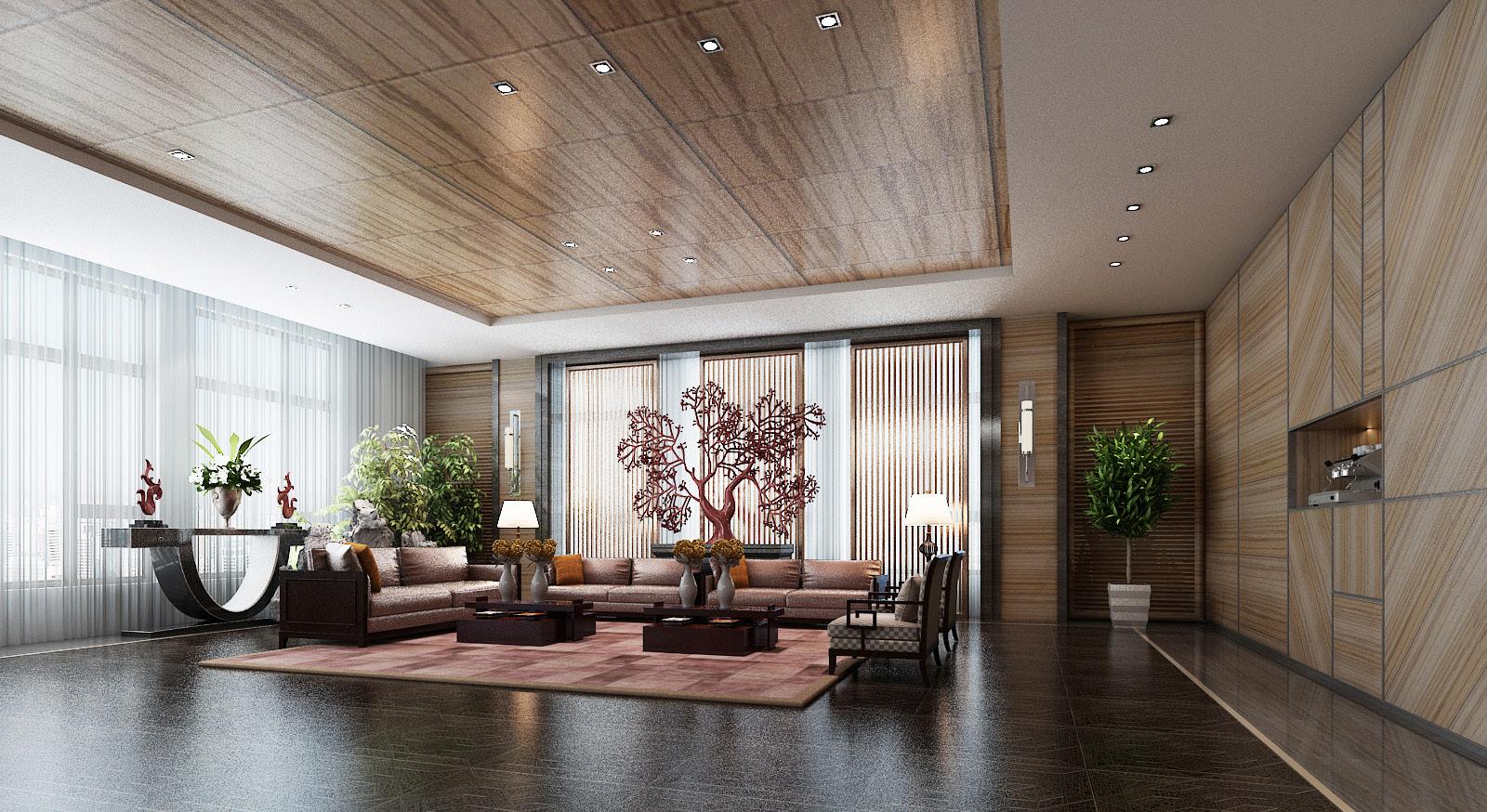
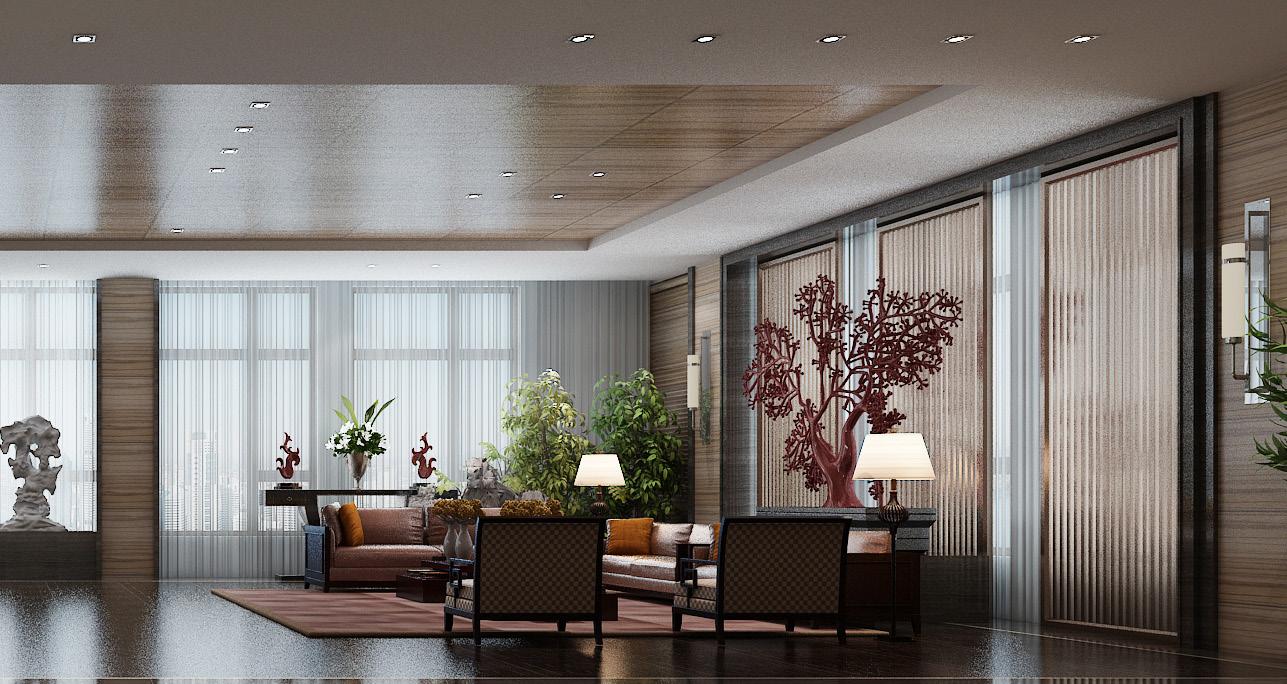
This Guest Meeting Room has an air of refined tranquility, combining traditional Asian elements with a touch of modern elegance. High wooden ceilings with intricate beams and lantern-style lights create a warm ambiance. Framed artwork and calligraphy adorn the walls, adding a sense of cultural richness. The polished wooden floor and symmetrical arrangement of tradational Chinses round-back chairs around small tables invite a cozy, balanced feel. Natural light gently filters through large curtains, enhancing the serene atmosphere. It’s a space where tradition meets comfort, perfect for relaxation and reflection.
Restroom
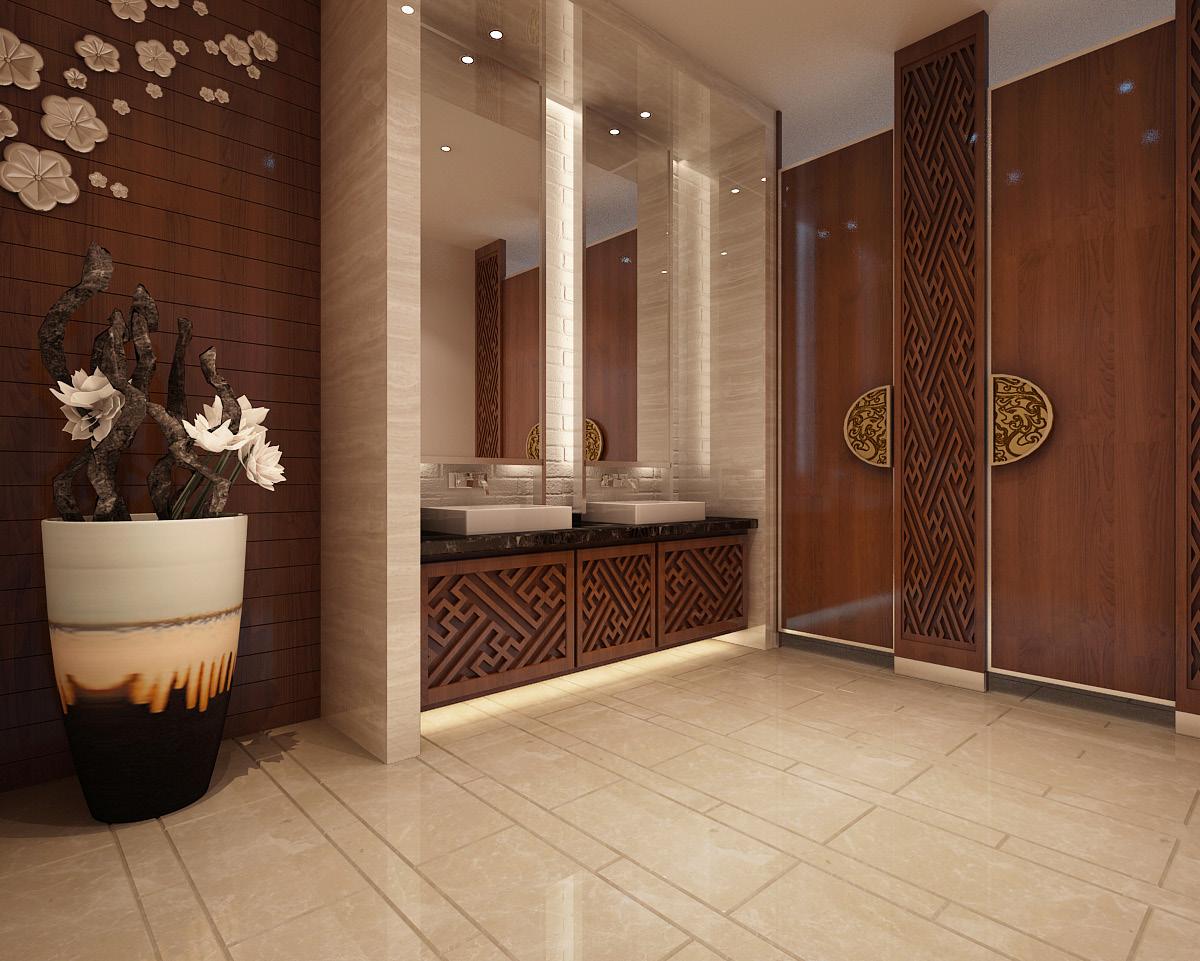
Scale: 剖面详图
暗藏光源
银镜
不锈钢金属包边
石材
黑色石材
实木门板
实木板
Scale: 平面详图
黑色石材 实木门板 实木板
Scale: 立面详图
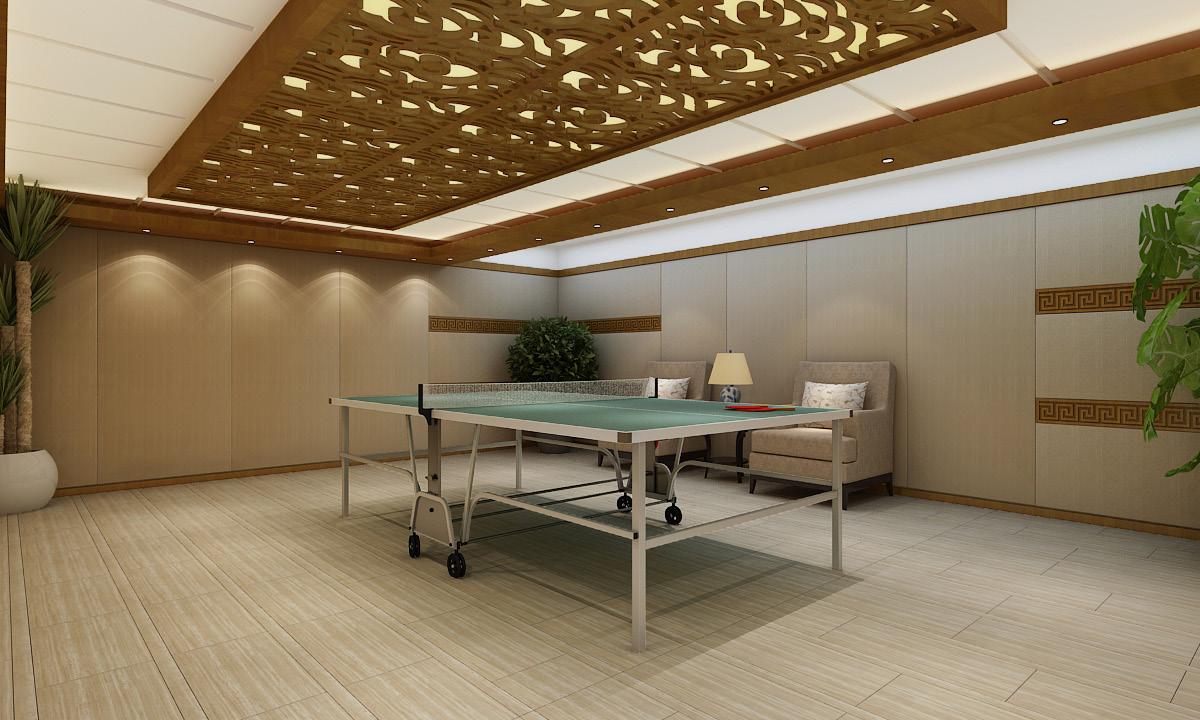
Gymnasium (Basement)
Private Dining Room (12 Seats)
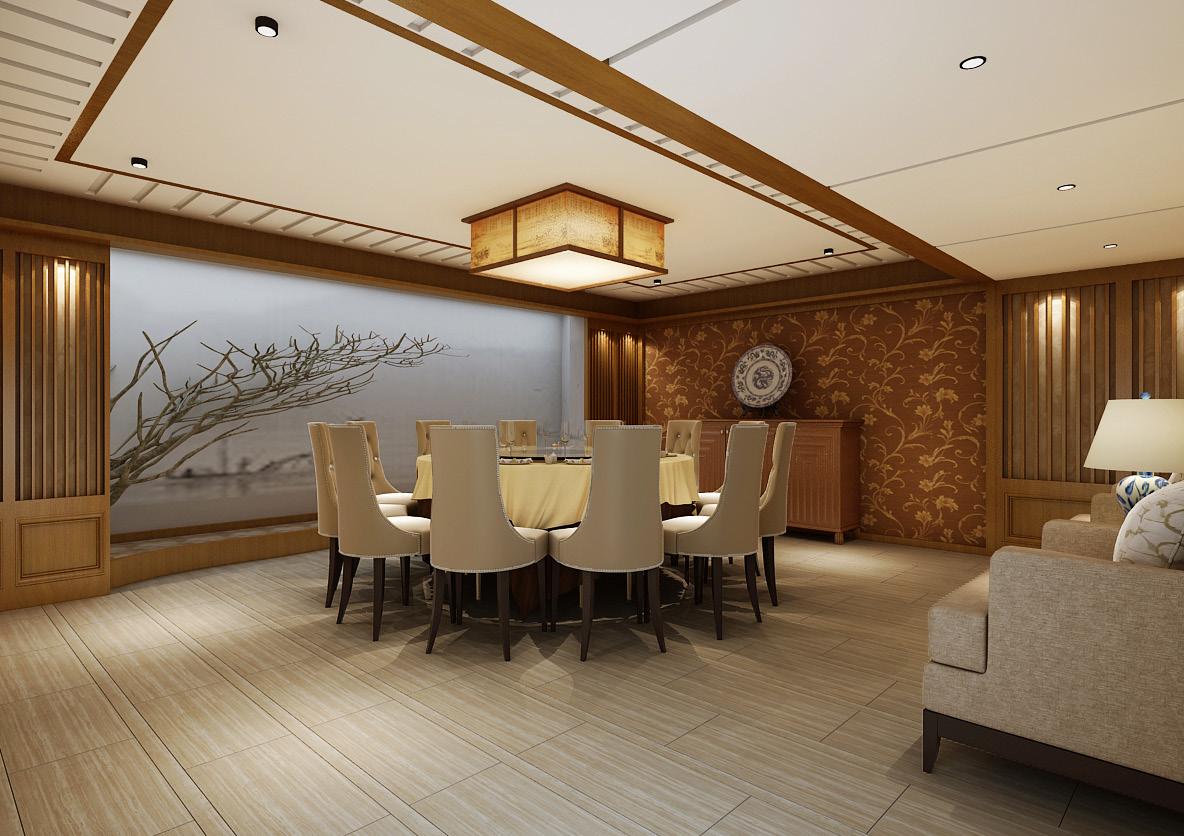
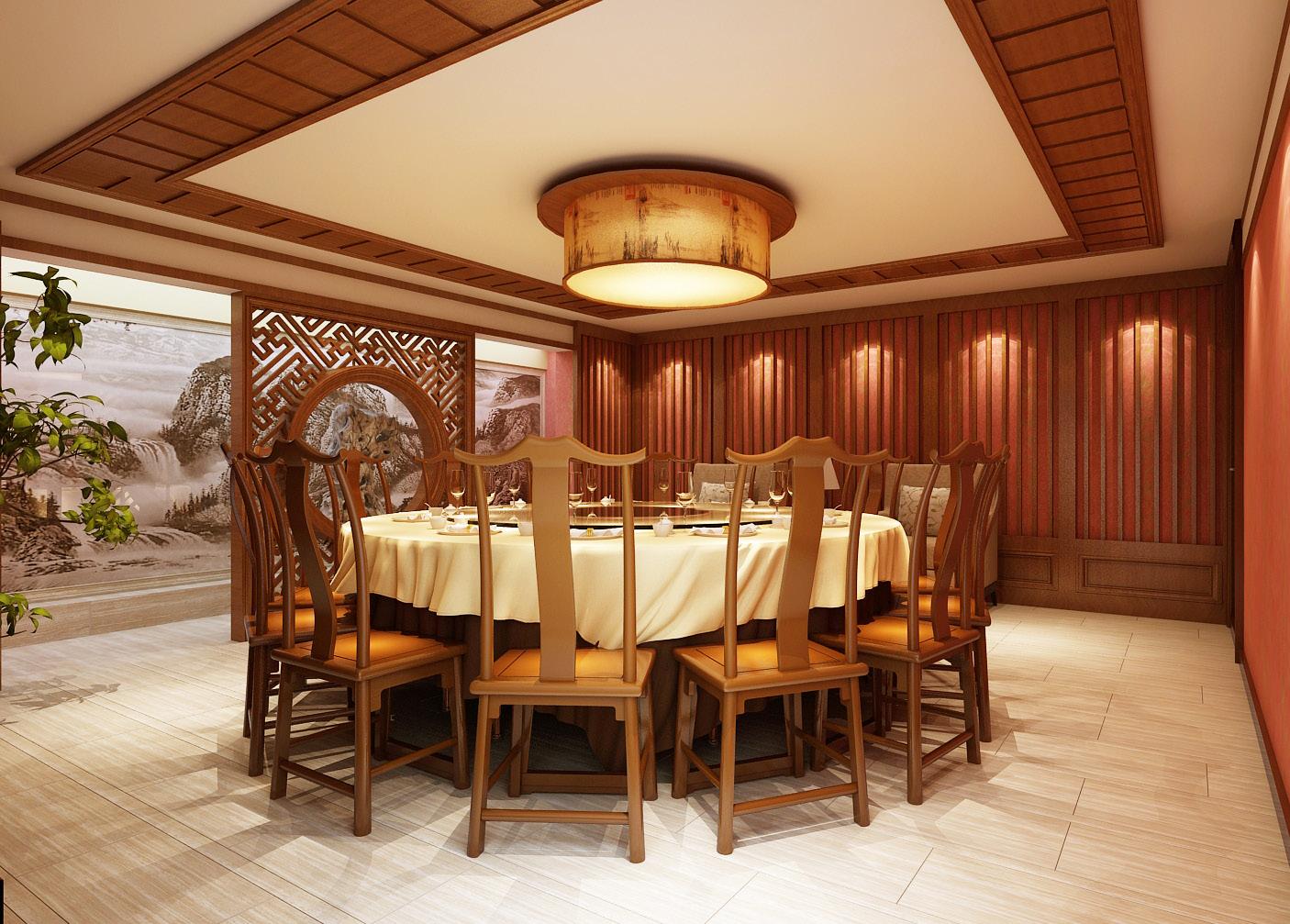
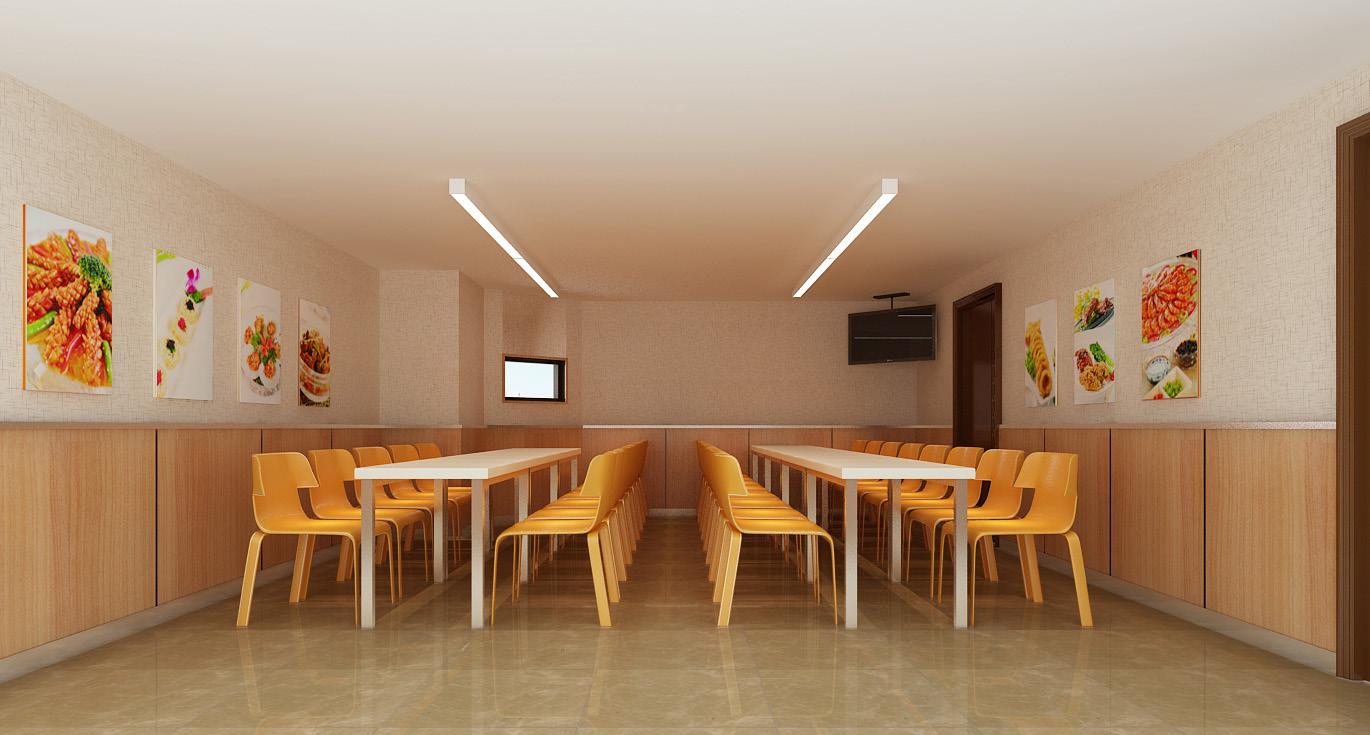
Employee Dining Room
Private Dining Room (14 Seats)
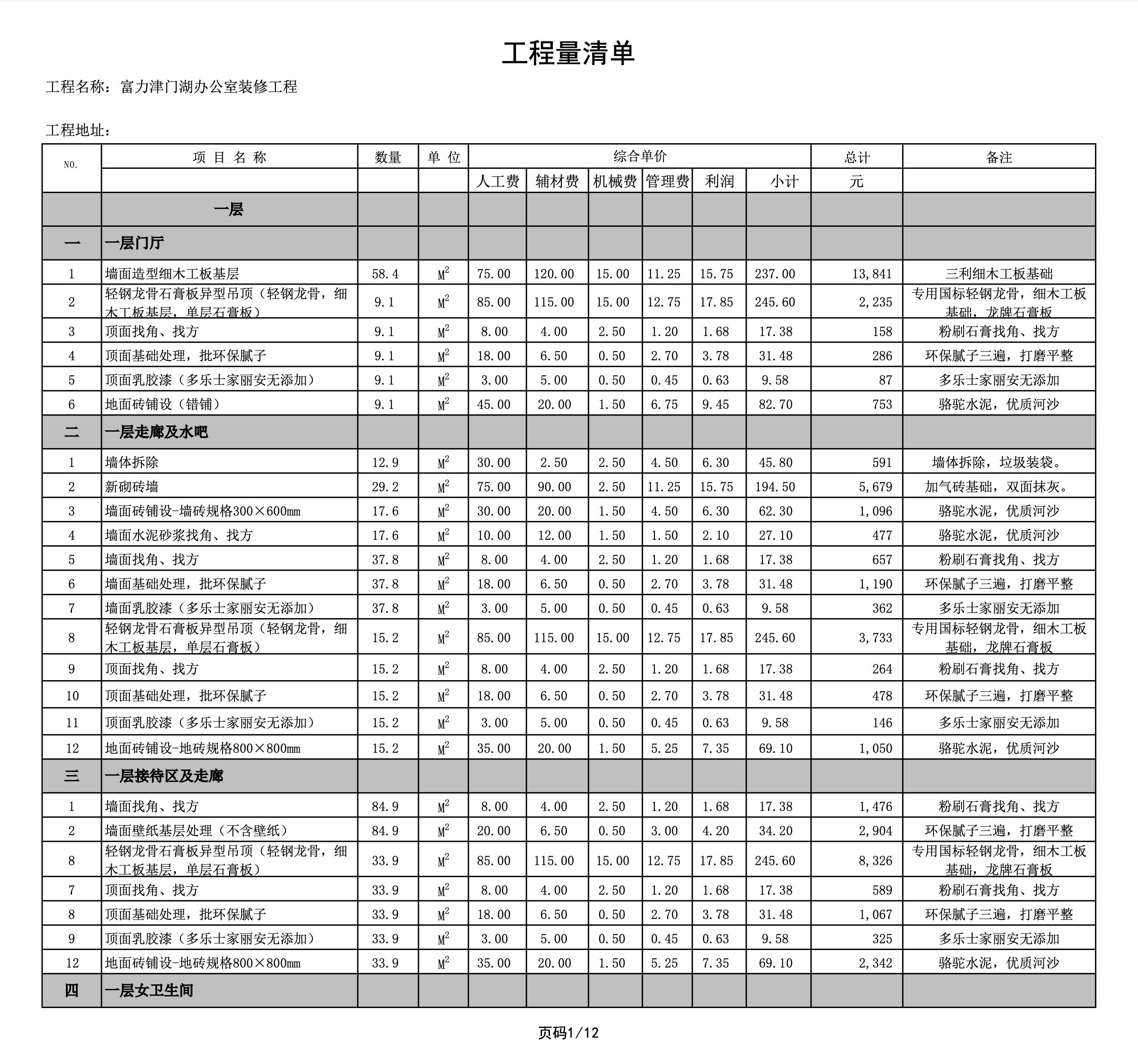
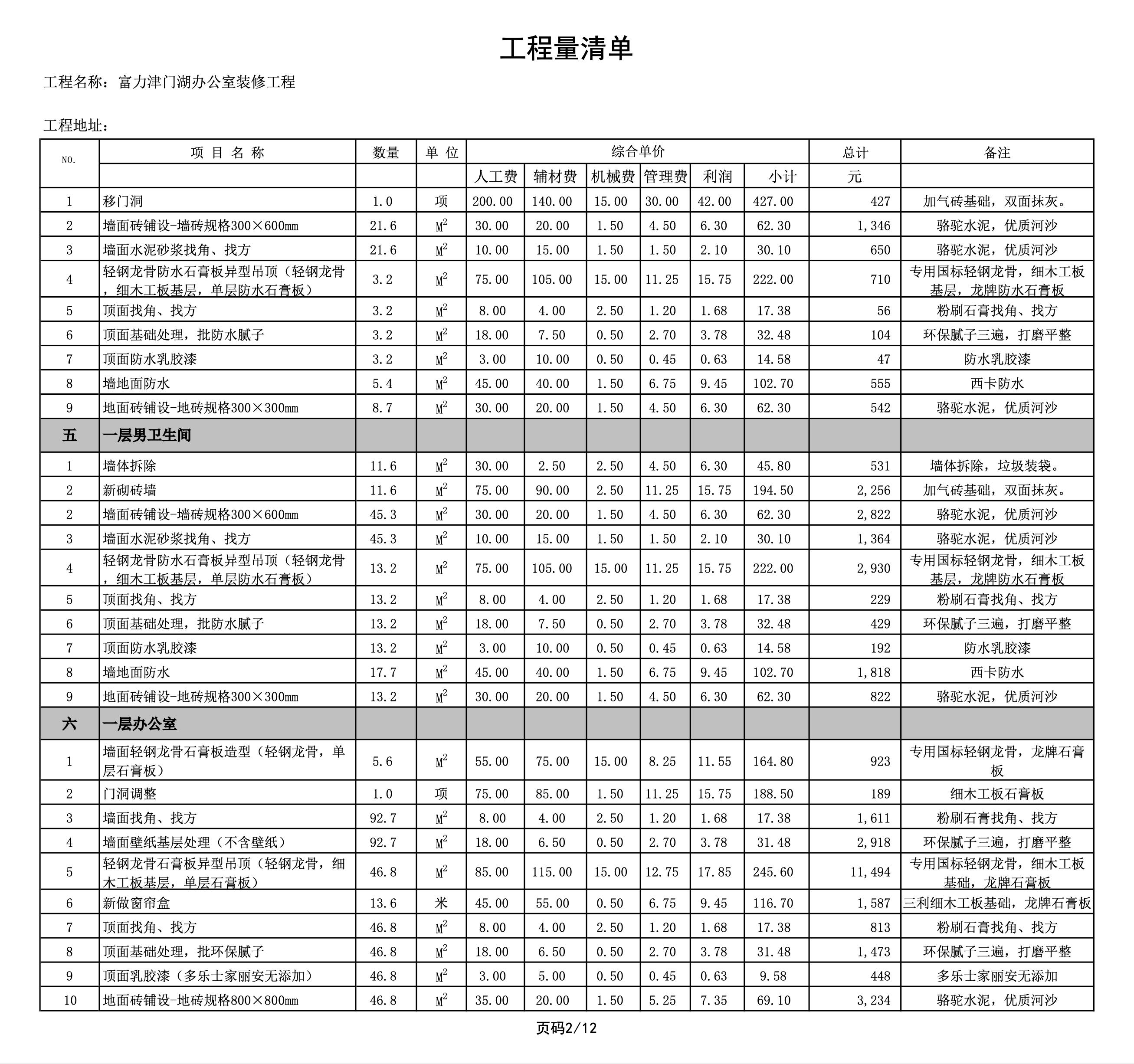
03 YEEGUNG-BYHER GROUP OFFICE BUILDING 19/20TH
FLOOR
Site: Chifeng, Inner Mongolia, China
Type: Professional Practice
Size: 18,987 sq ft
Collaborators:
Enfeng Zhai (Principal Designer), Huilin Zhai, Yu Zhang, and Song Gao
Date: Spring 2014 - Spring 2015
My Contribution and Role
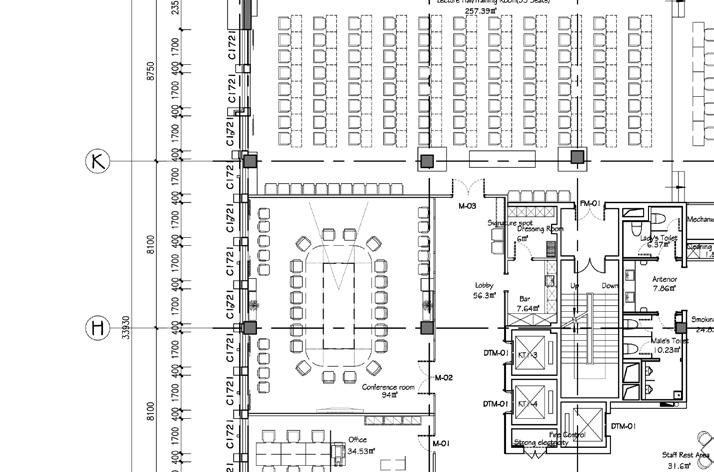
I created the concept floor plan and 3D renderings based on the guidance from the principal designer, who also did the site analysis. My job also included drawing part of 19th Floor construction documents. Moreover, I was working with the Principal Designer to select materials.
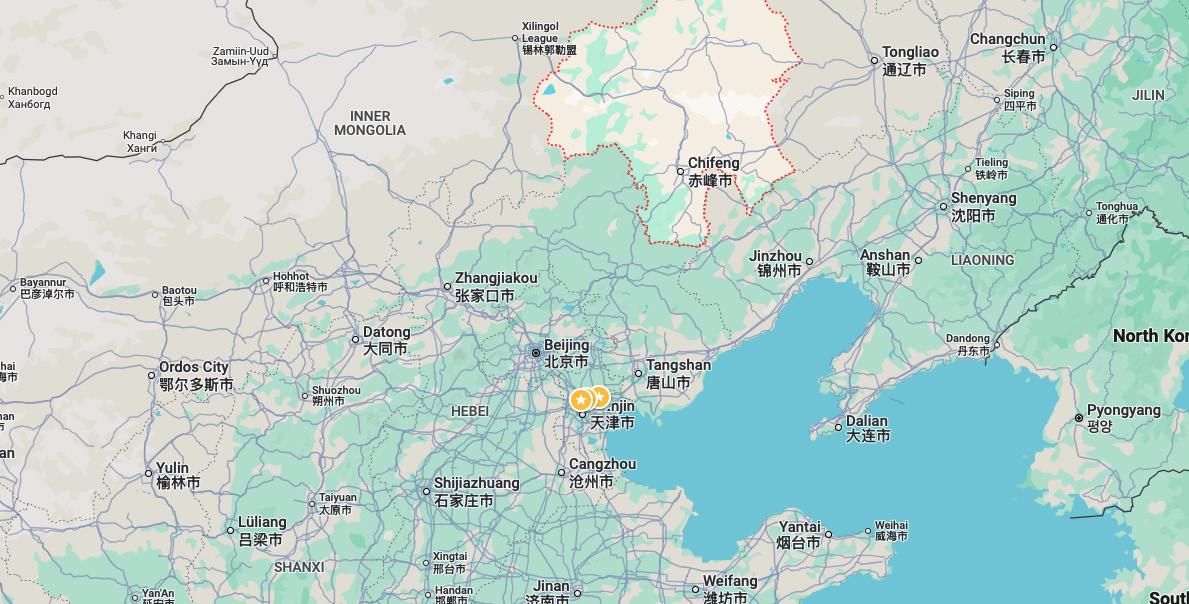
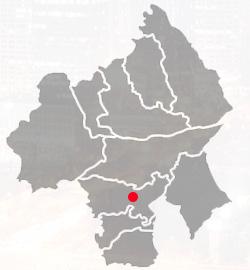
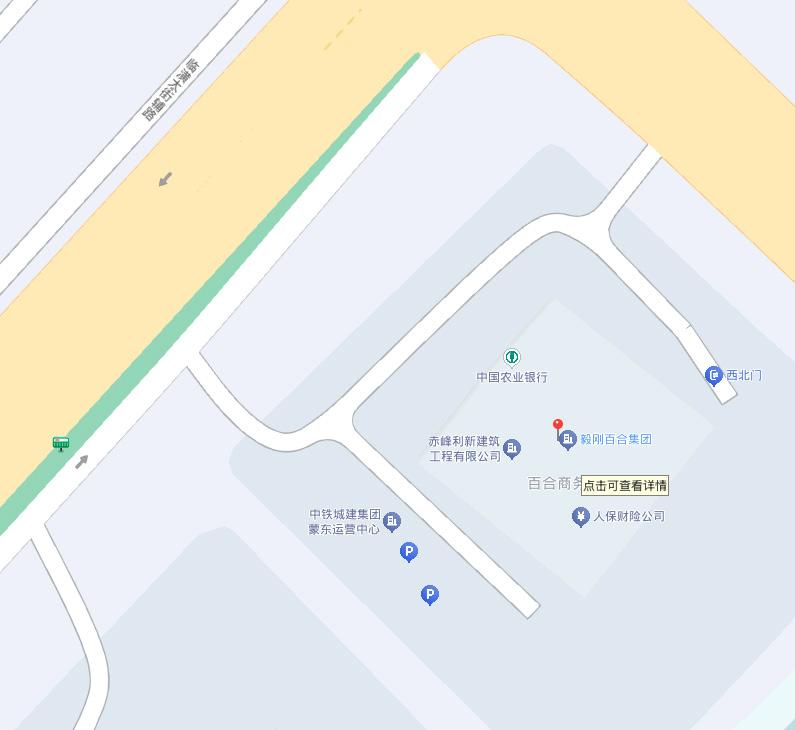
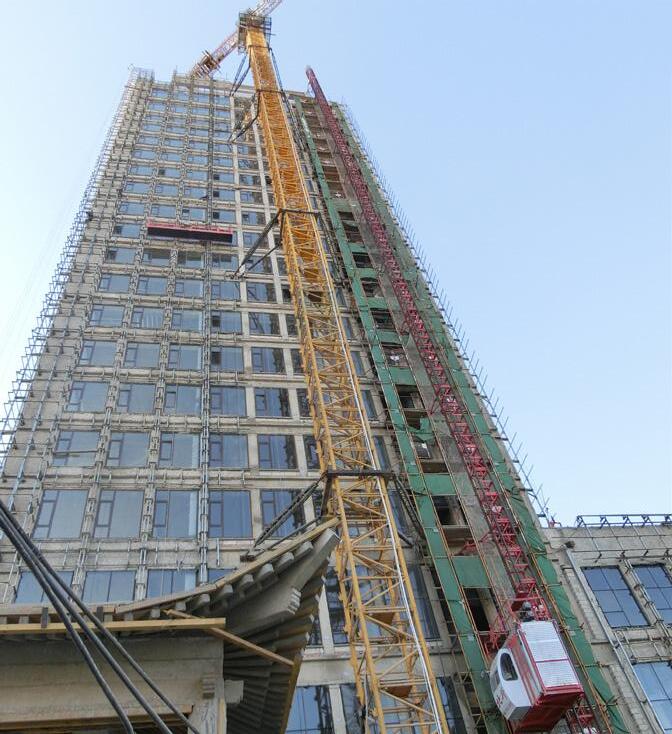
Chifeng Yeegung Byher Group Co., Ltd., established in 1998, is an excellent private enterprise that has grown in Chifeng. The company operates in four main business sectors: trade and commerce, road passenger transport, real estate development, and property services. With the new office building was built, Yeegund Byher reached to the principal designer for the interior design for the 19th and 20th floor, which are the office for the group.
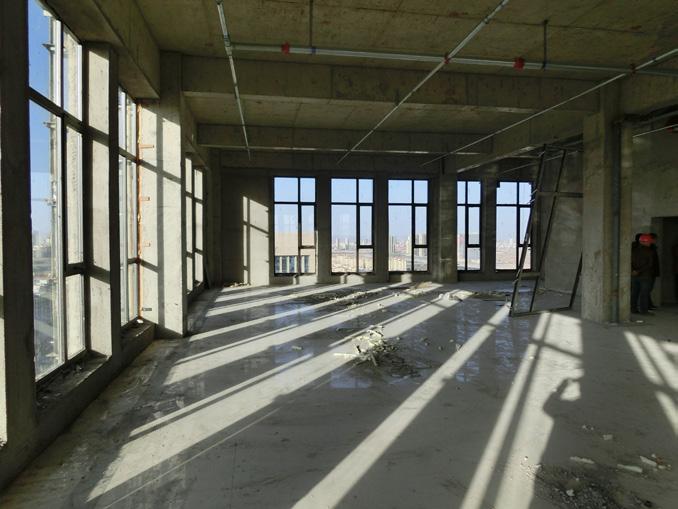
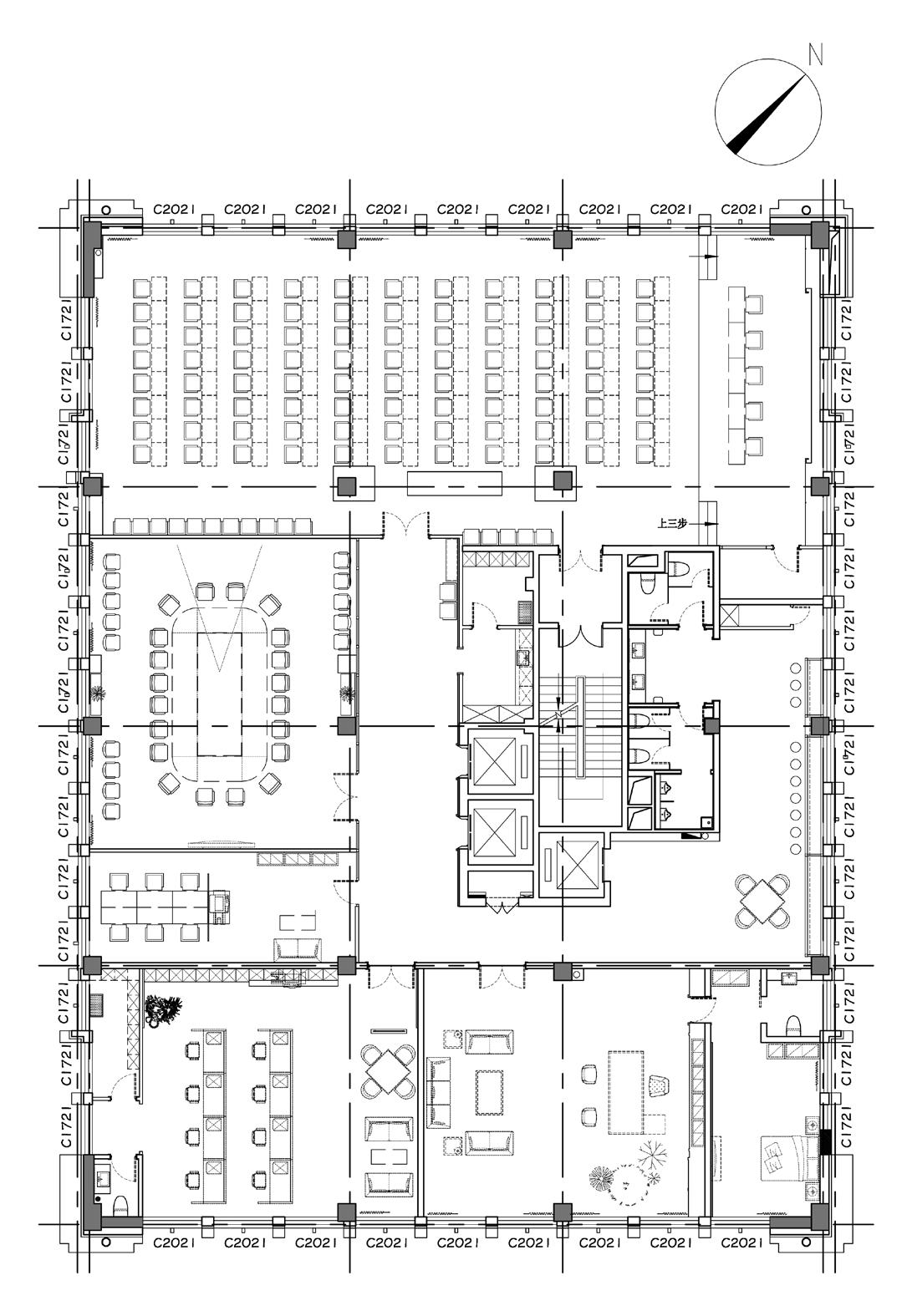
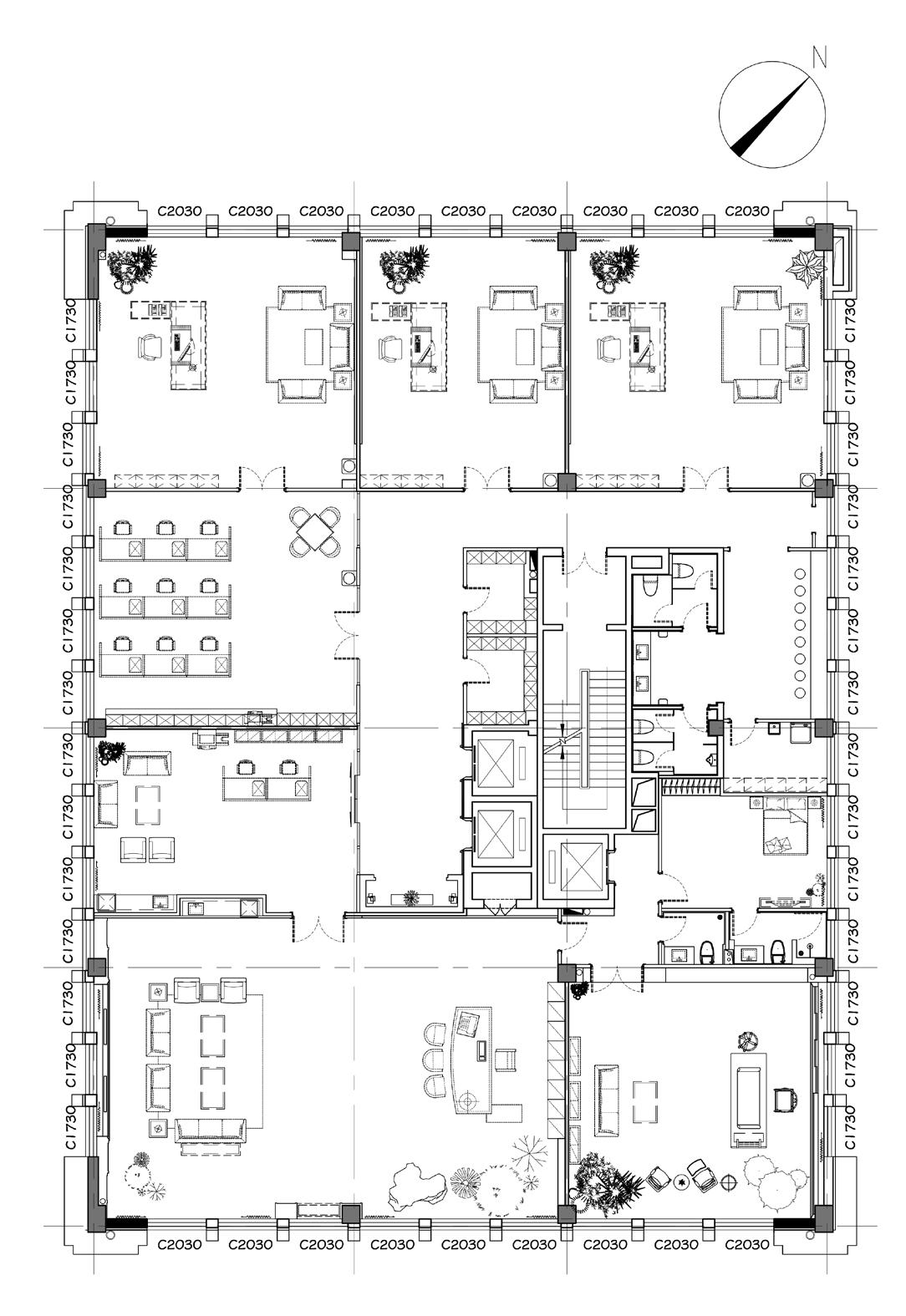
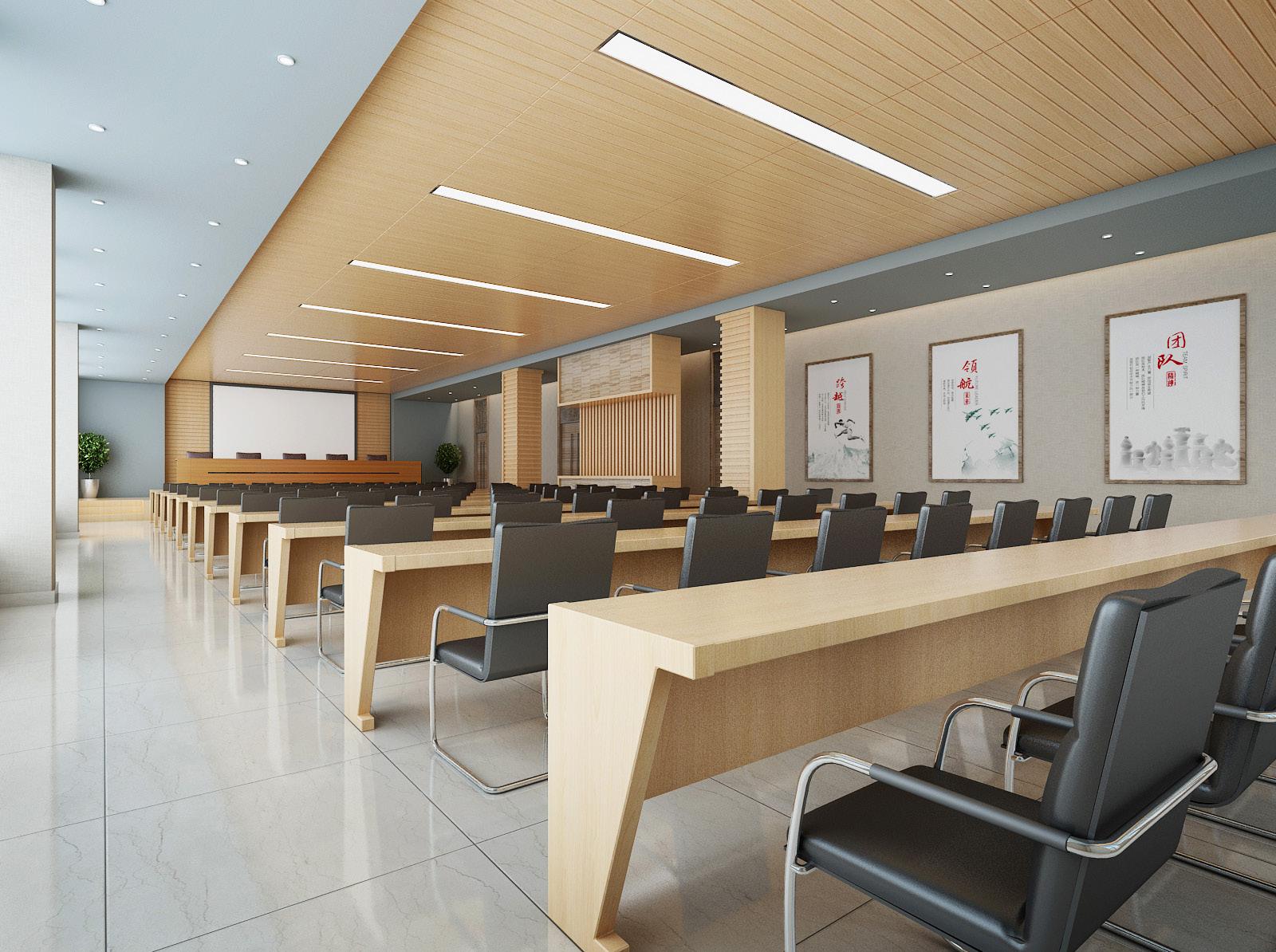
1. Lecture Hall/Training Room
Design Concept
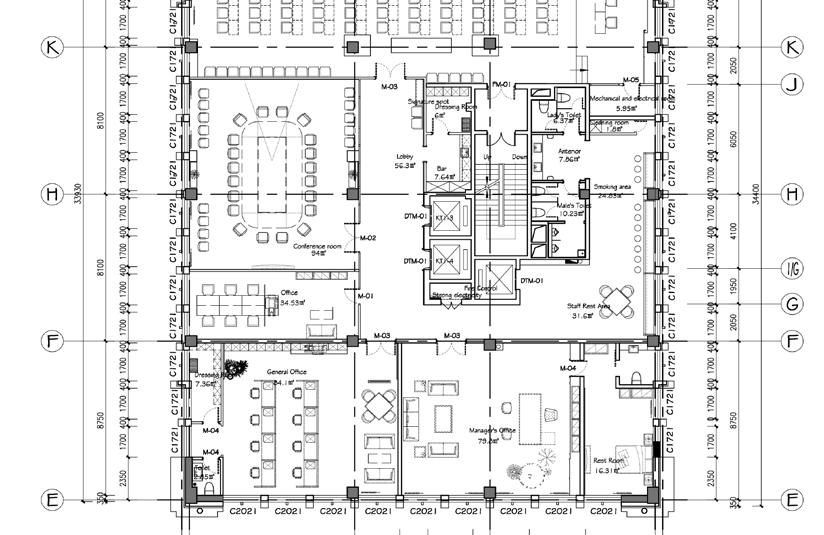
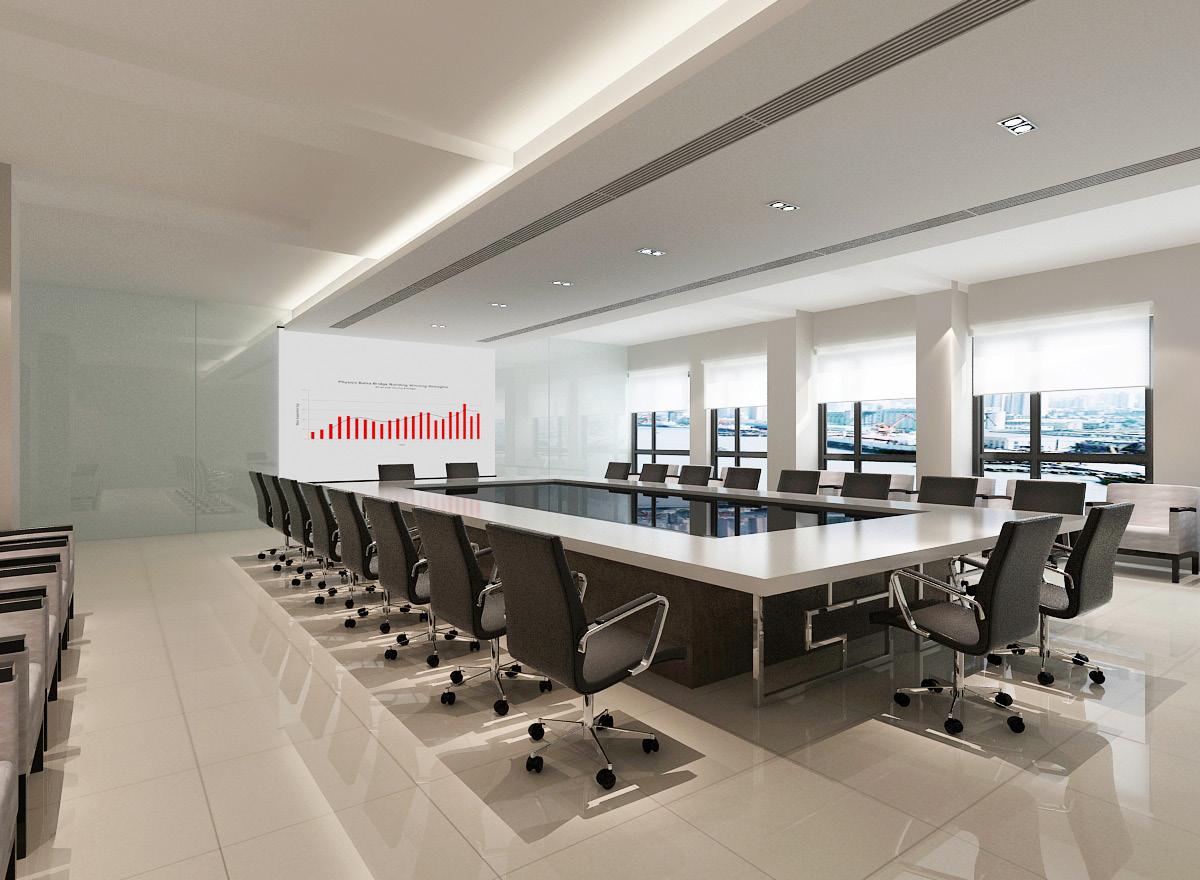
The Yeegung Byher Group's workplace embodies a modern, luxurious design concept with a harmonious blend of natural, tradational chinese pattern, and contemporary elements. This two-floor office interior was seeking a refined, culturally resonant workspace that supports both executive functions and collaborative activity. Located on the 19th and 20th floors of a high-rise, the design reflects the company’s values of innovation, professionalism, and regional pride.
The spatial layout emphasizes hierarchy and clarity, with distinct zones for reception, executive offices, meeting rooms, training areas, and open workspaces. Each zone is differentiated through material contrast, lighting strategy, and spatial rhythm. Natural wood, stone, and metal finishes were selected to convey stability and sophistication, while ergonomic furniture and acoustic treatments enhance comfort and focus.
Drawing inspiration from regional aesthetics, subtle cultural motifs are integrated into wall treatments and decorative elements, creating a sense of place without overwhelming the modern design language. Biophilic touches—such as indoor greenery and daylight access—further support employee well-being and productivity. The final design offers a balanced environment that fosters collaboration, executive presence, and a strong corporate identity.
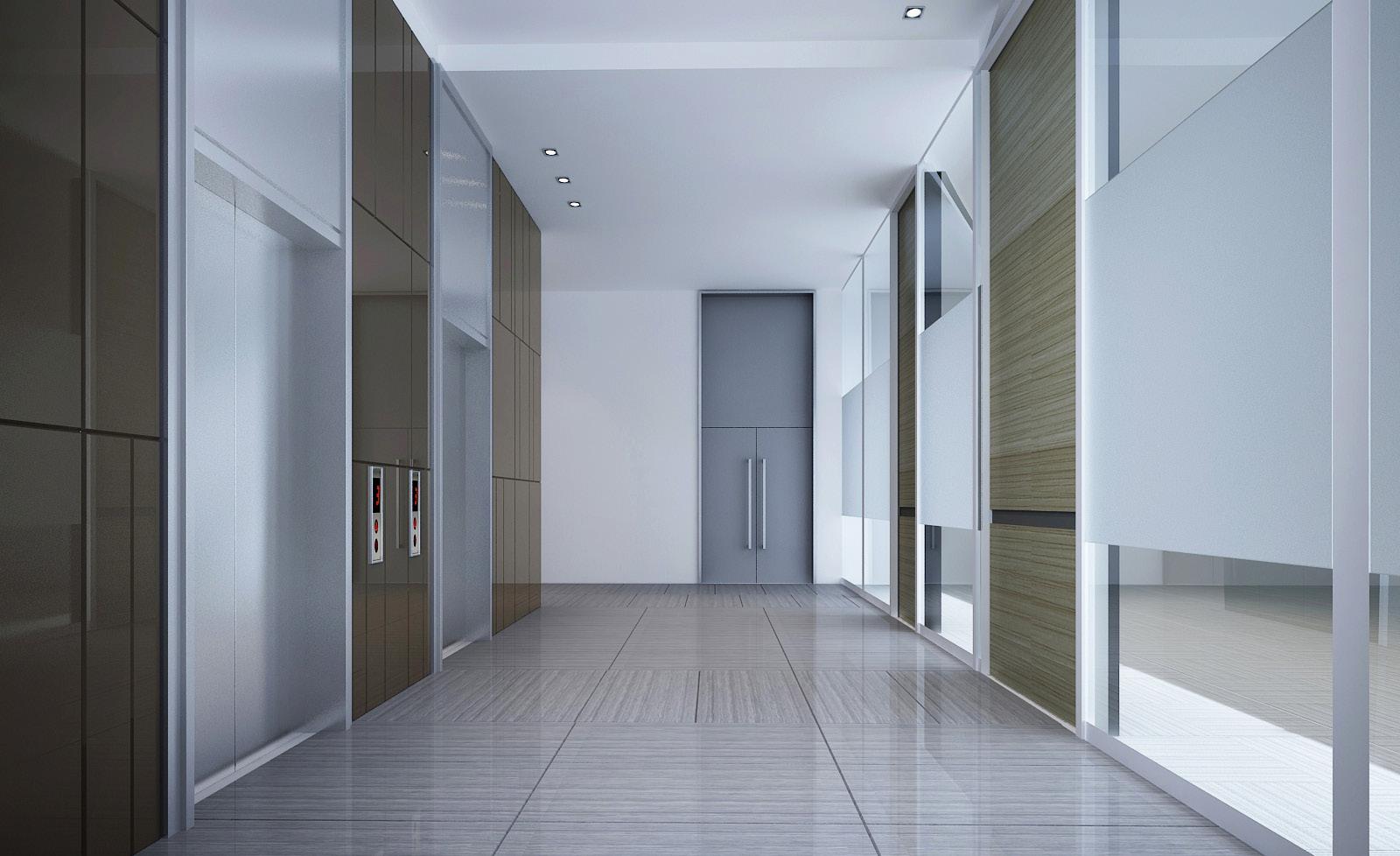
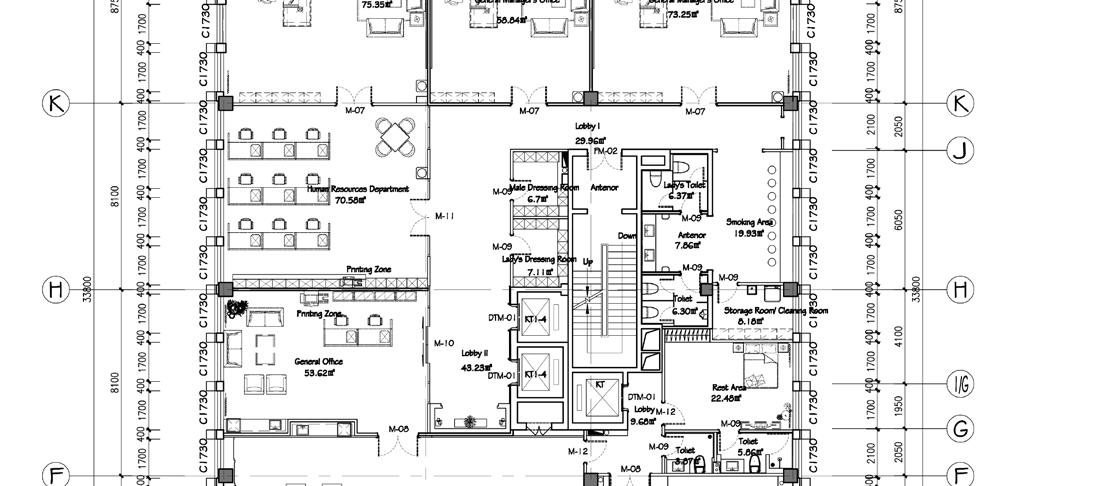
19F Hallway + Elevation View
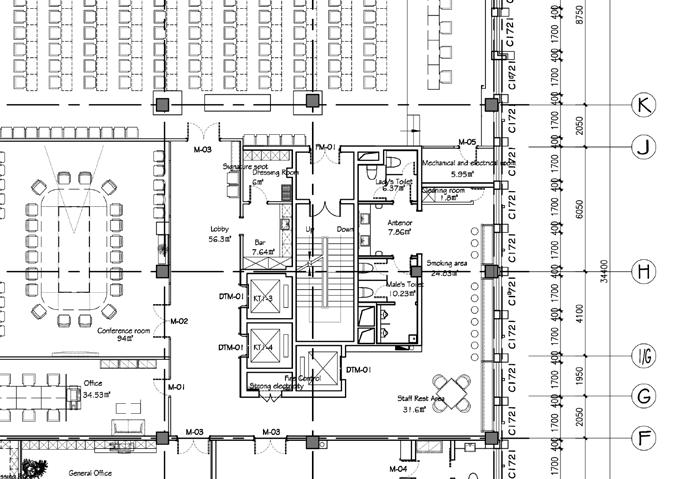
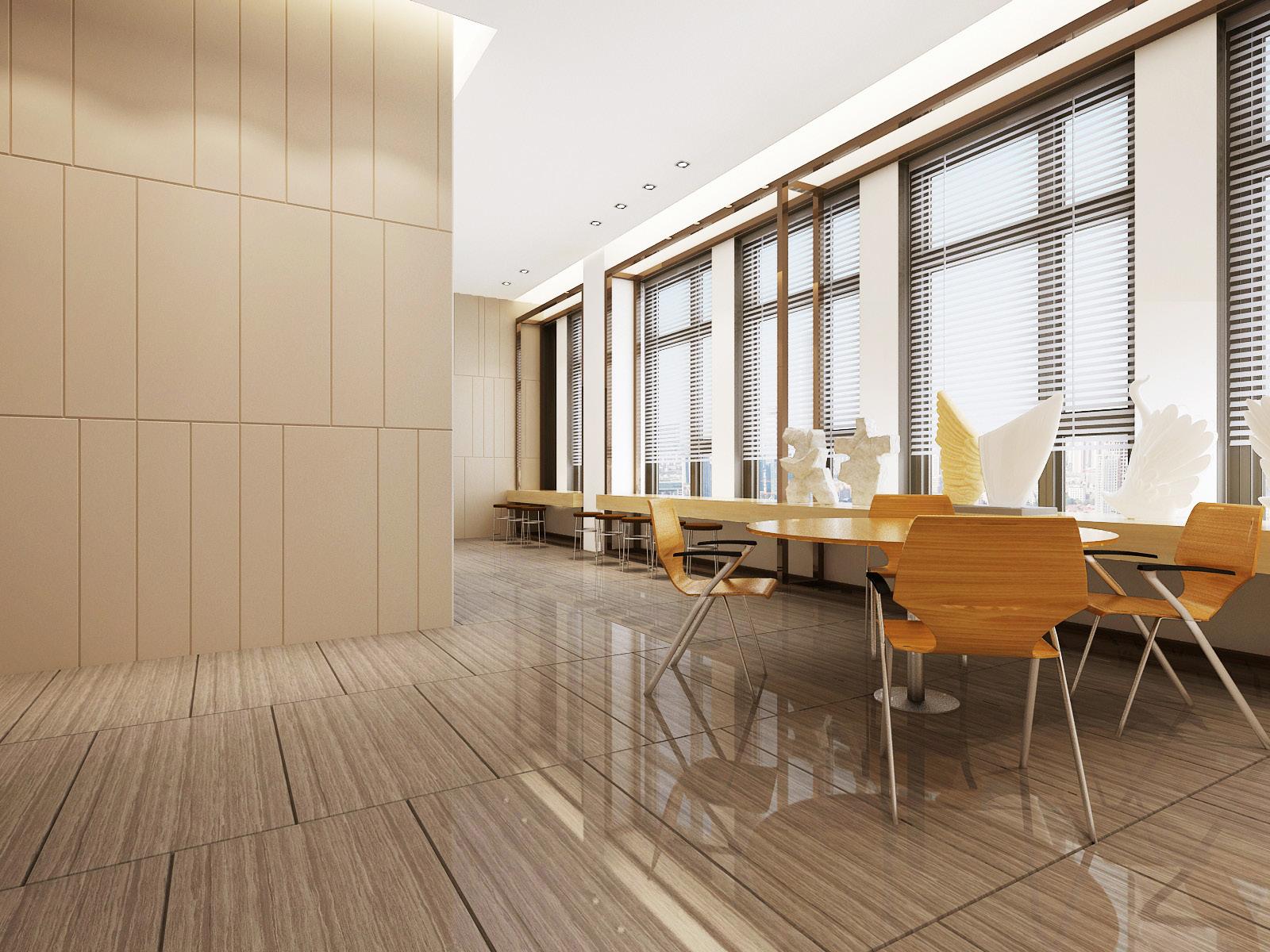
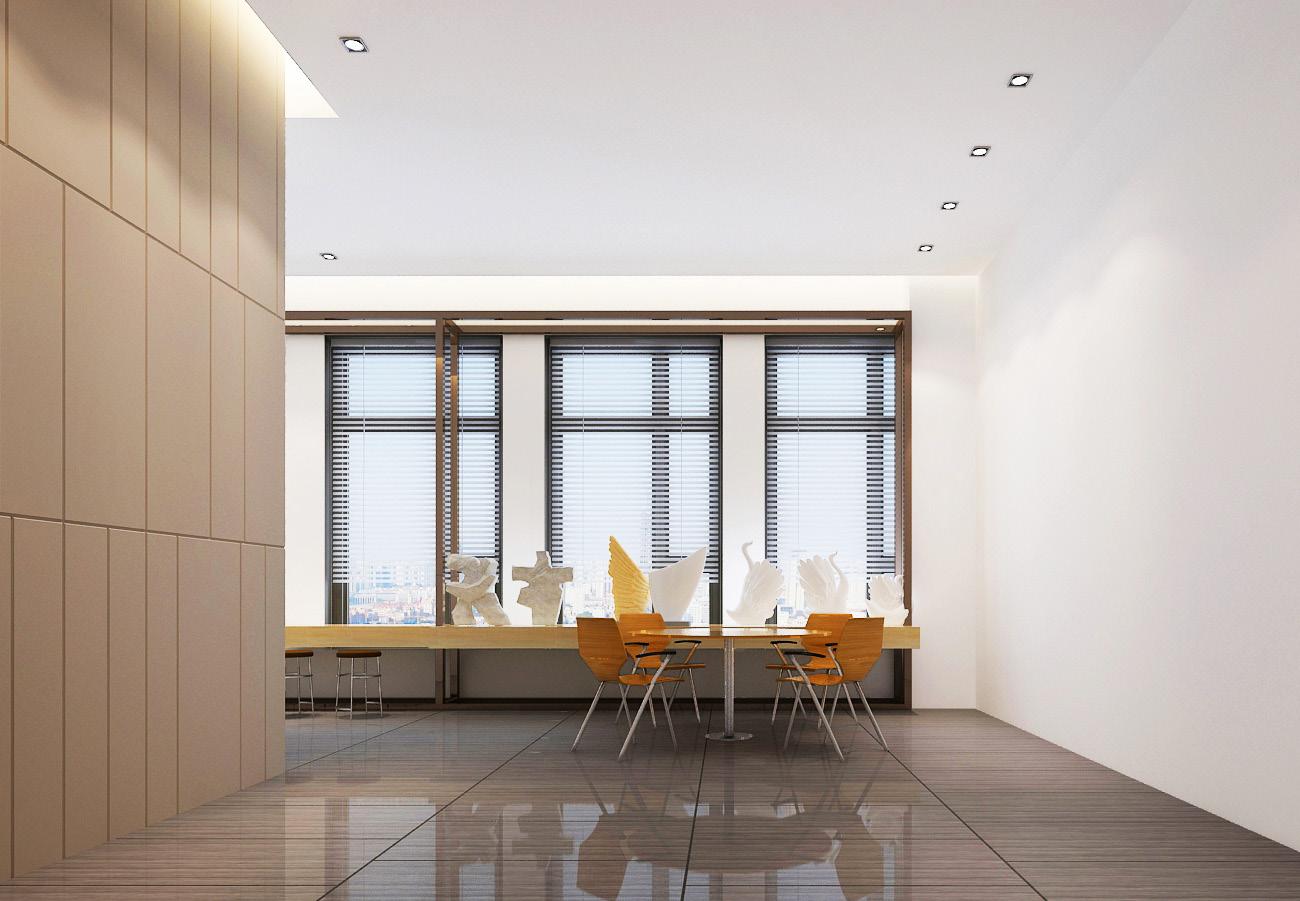
19F Employee Lounge + Hallway



19F Conference Room + Elevation View


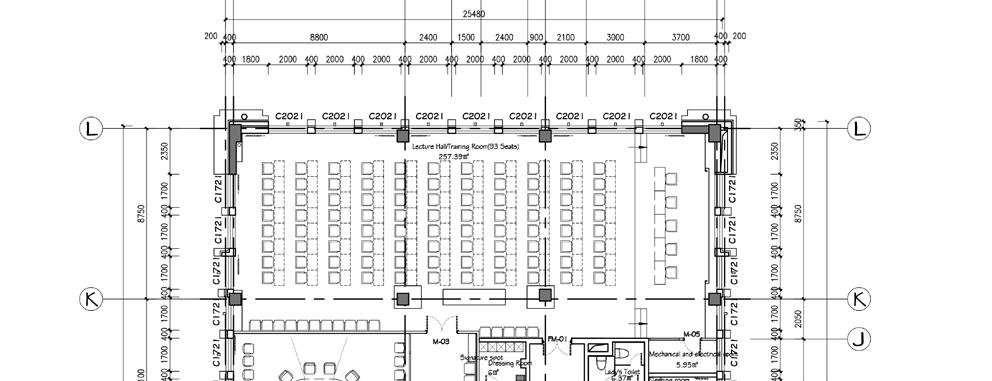
19F Training Room + Elevation View

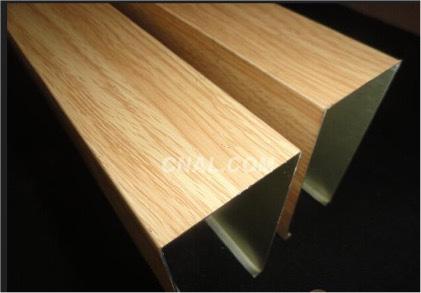

20F Hallway Elevation View + Wayfinding Signage
WAYFINDING System in the Hallway
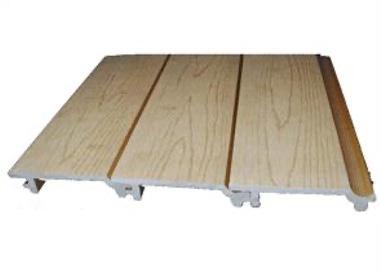
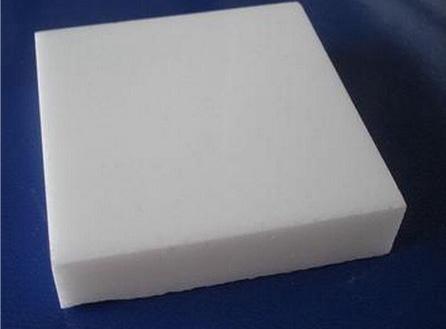
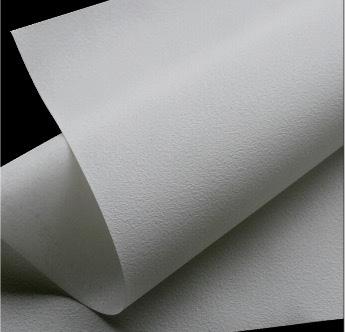
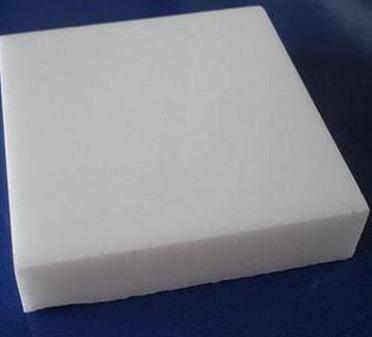
The wayfinding signage, crafted from white wood-plastic compisite letters, elegantly mounted on the wall, serves as a clear and stylish guide within the facility. These signs prominently highlight the men's and women's dressing rooms, ensuring easy navigation for visitors. Additionally, the signage directs attention to the two main office areas, providing a seamless and professional look. The smooth, bright white letters not only enhance visibility but also add a modern touch to the hallway area, making it both functional and aesthetically pleasing.
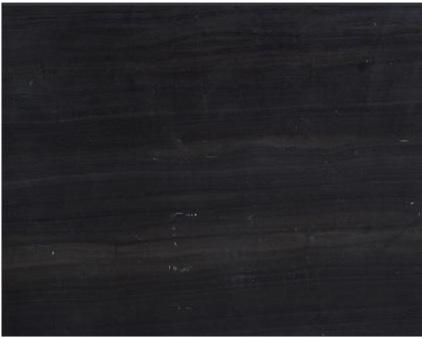
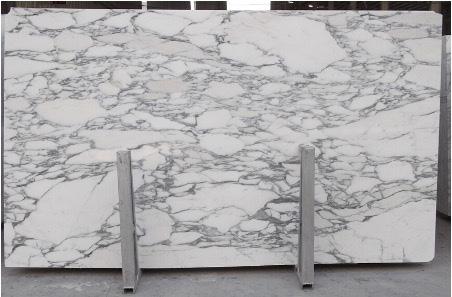
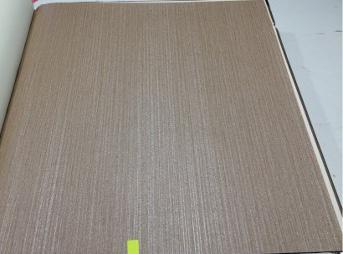
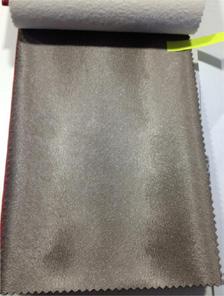
Material & Color Pallet




20F Chairman's Coligraphy + Elevation View
Scale:
Scale:
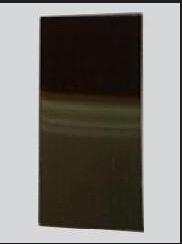
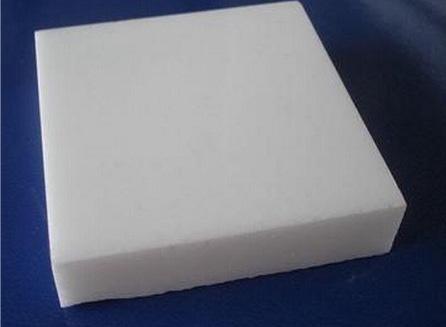
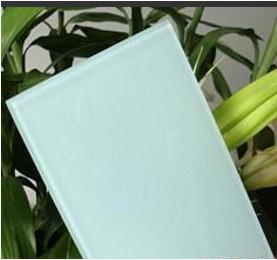
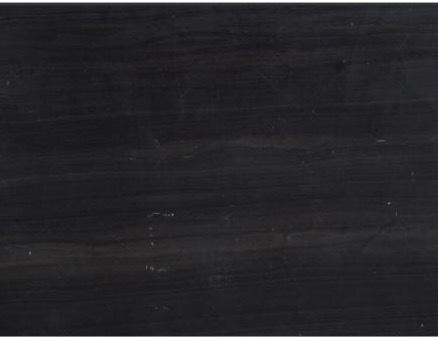

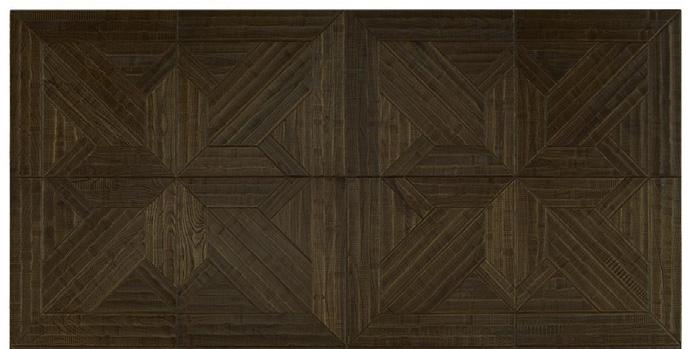
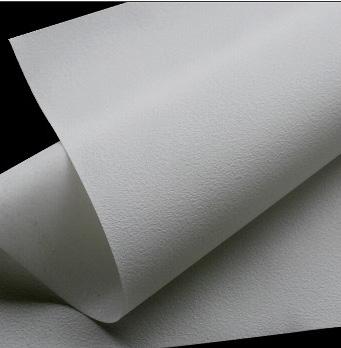
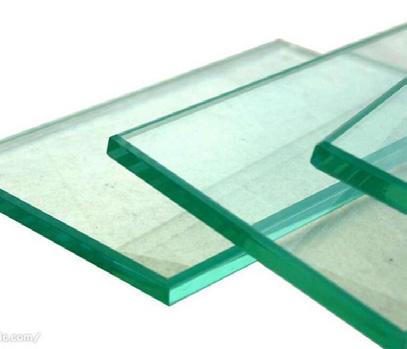
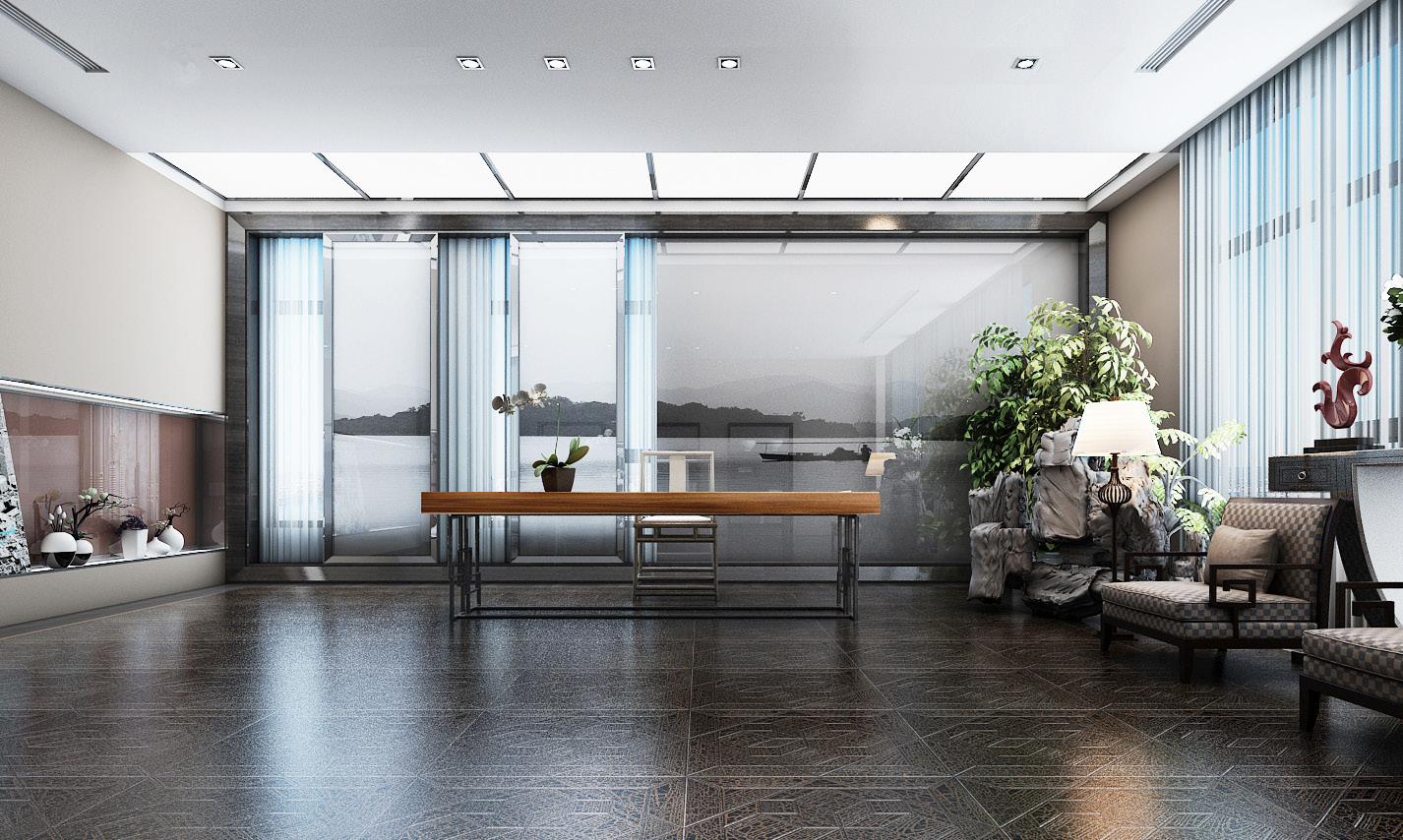
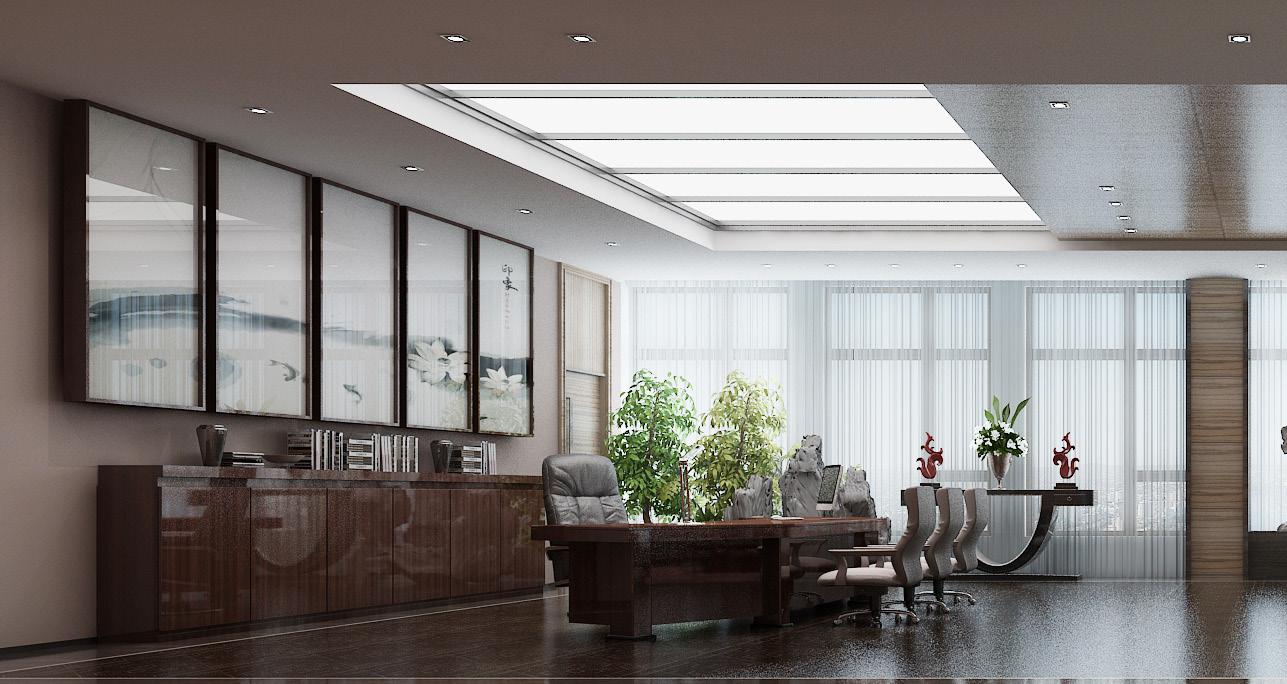
Material & Color Pallet
20F General Manager Office + Elevation View
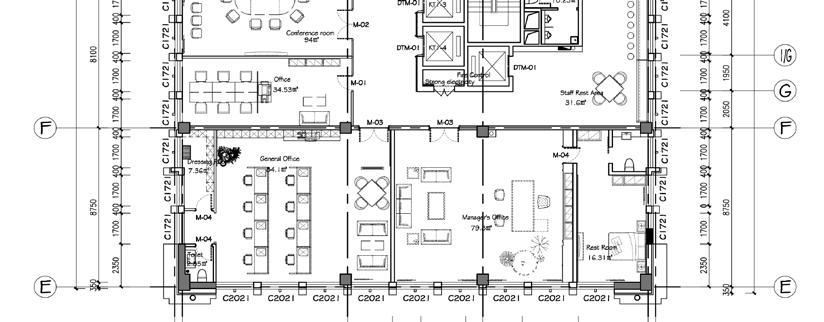
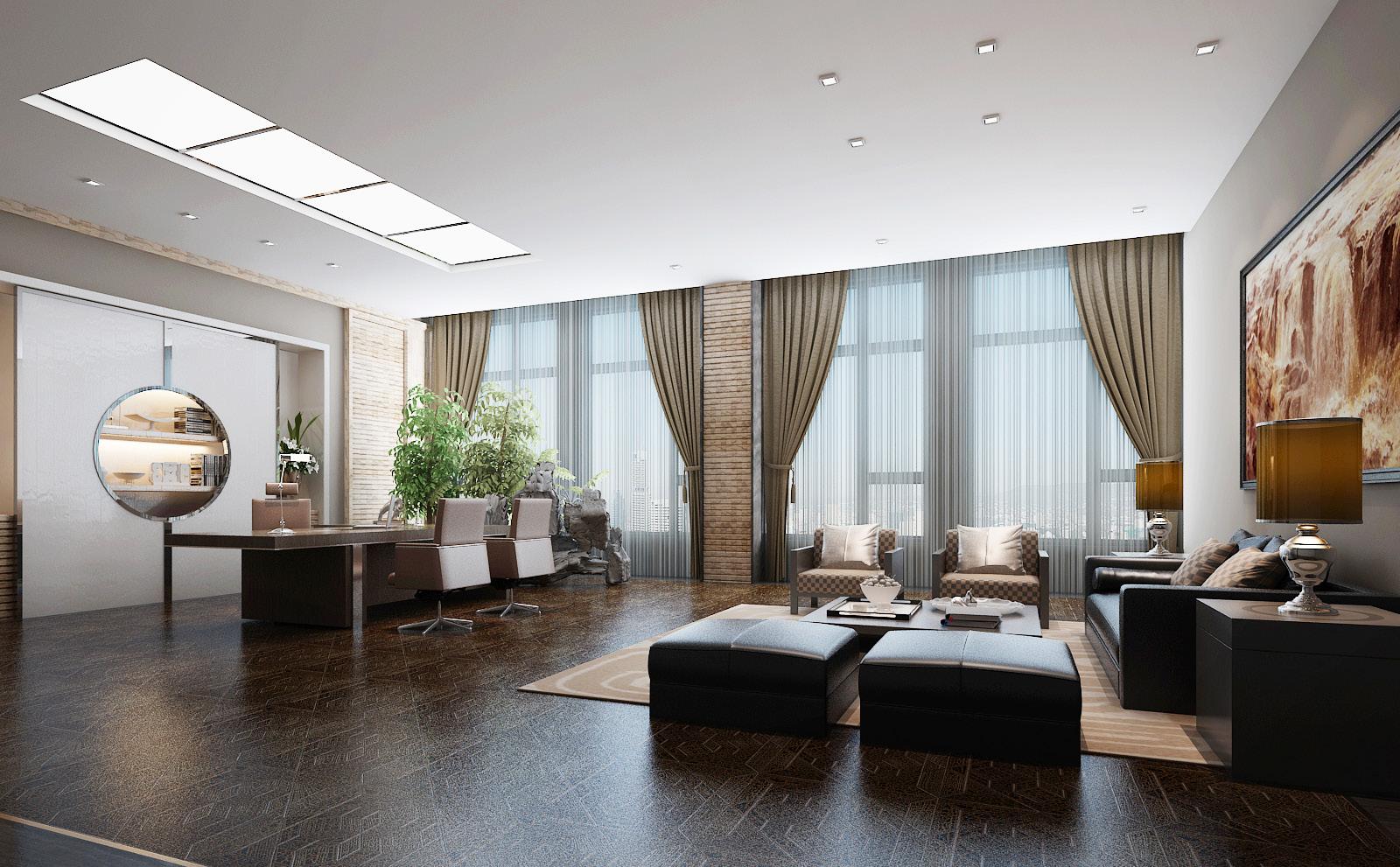
踢脚线
Scale: 总经理办公室 立面
Scale: 总经理办公室 立面 踢脚线
Scale: 总经理办公室 立面

Scale: 总经理办公室 立面

04 SINONE GROUP DINING HALL
CONCEPTUAL DESIGN/VISUALIZATION
Site: Tianjin, China
Type: Professional Practice
Size: 14,652 sq ft
Collaborators:
Enfeng Zhai (Principal Designer), Quan Ye
Date: Spring 2014
My Contribution and Role
I developed the concept layout, 3D renderings, and wayfinding system, working closely with the principal designer to ensure that the space was both visually compelling and operationally efficient. Creating the wayfinding system.
Software Used:
Autodesk AutoCAD, Autodesk 3Ds Max, and Adobe Photoshop
Design Concept
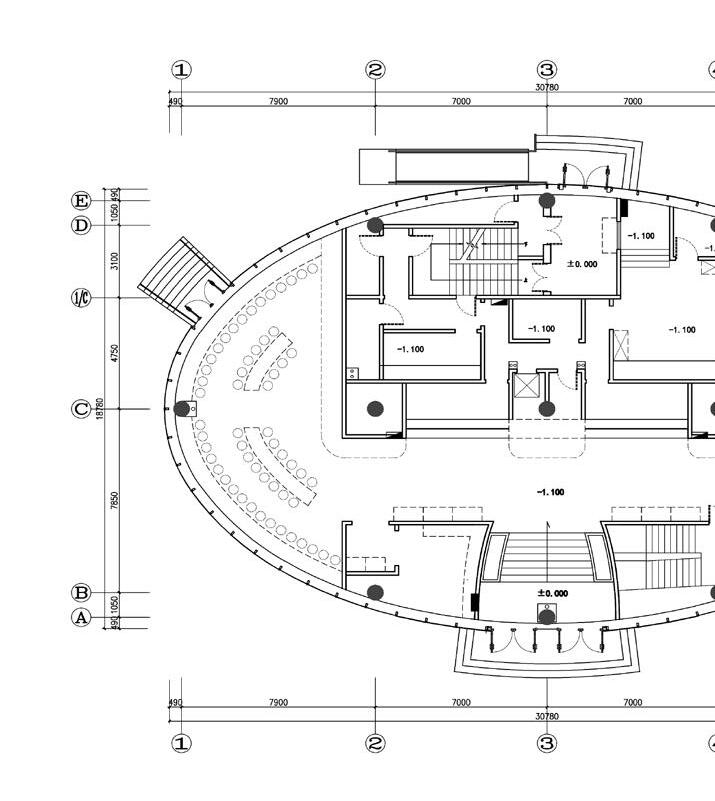
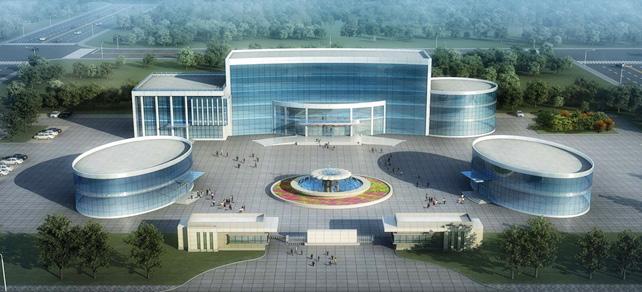
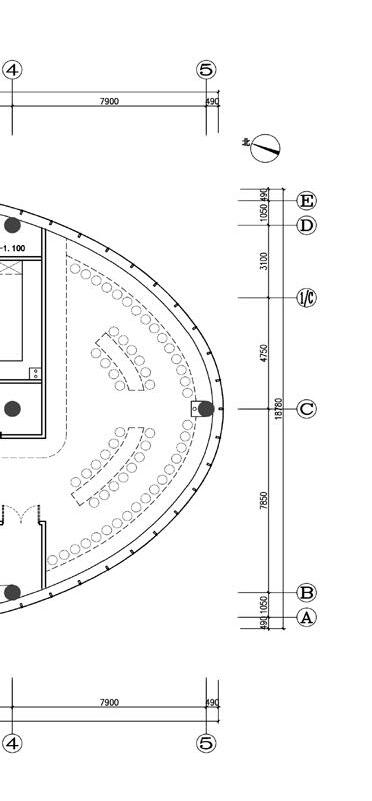
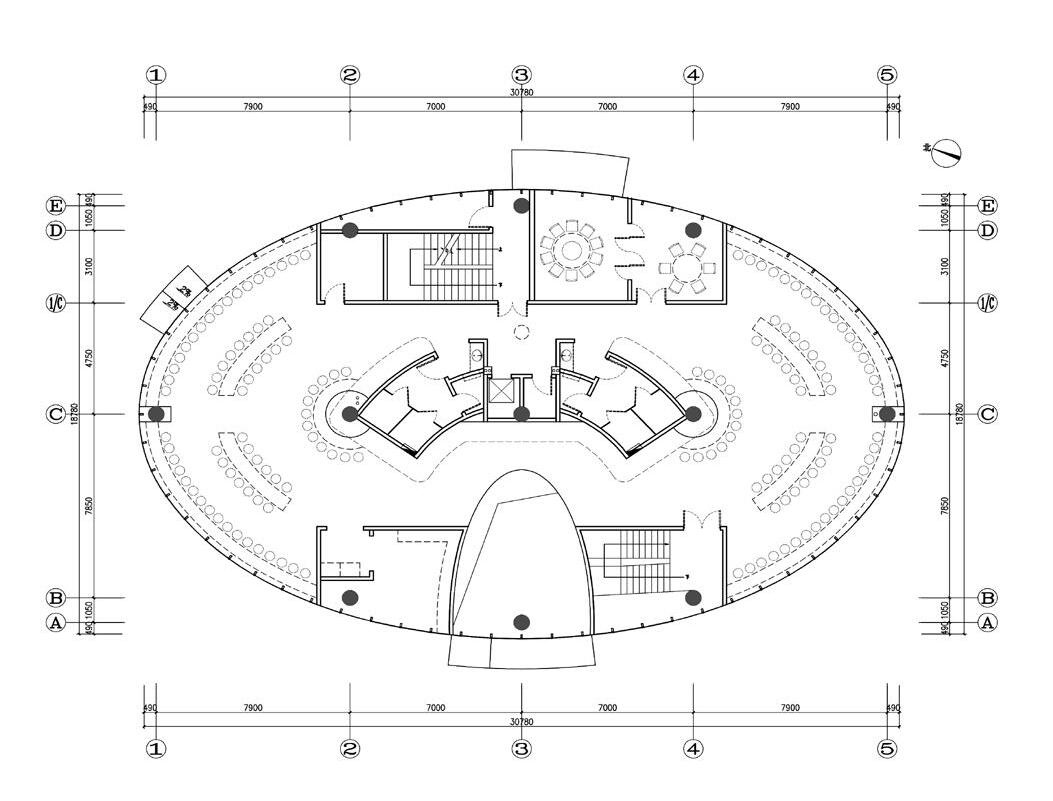
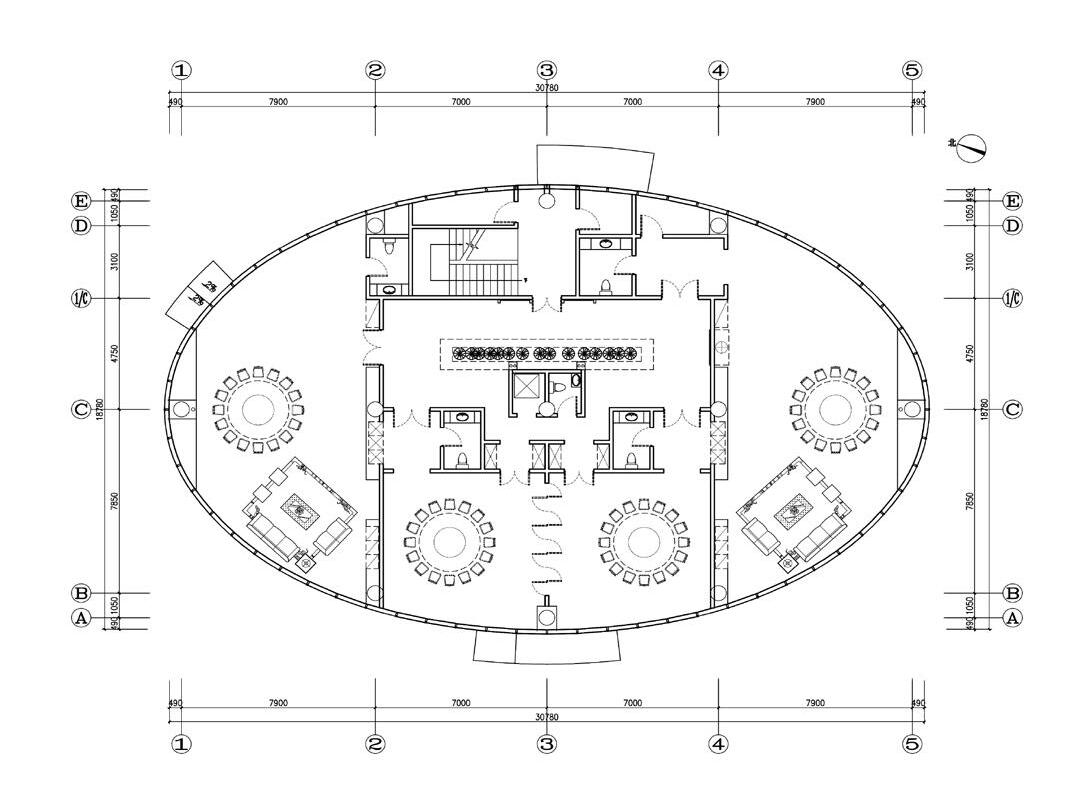
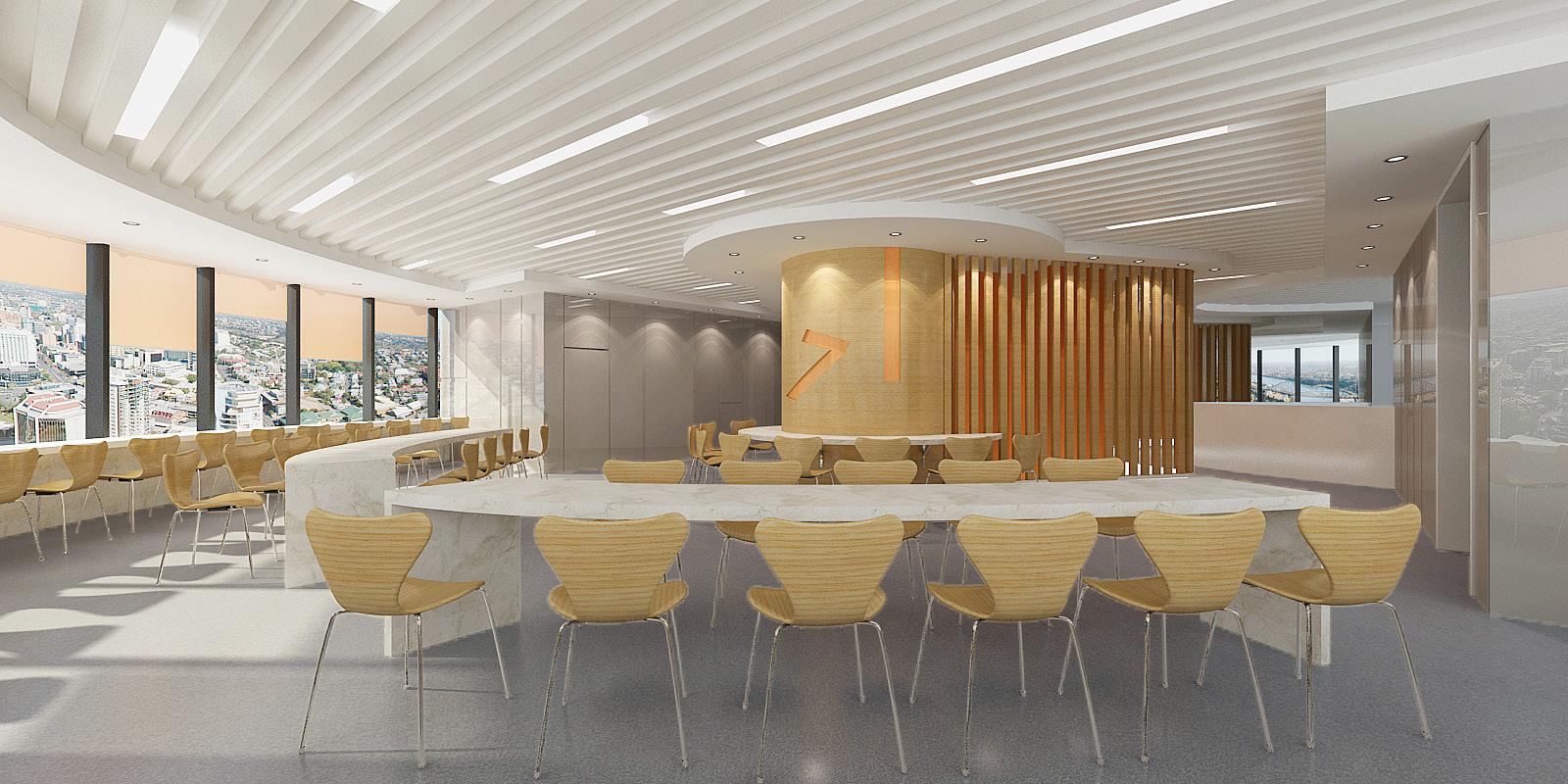
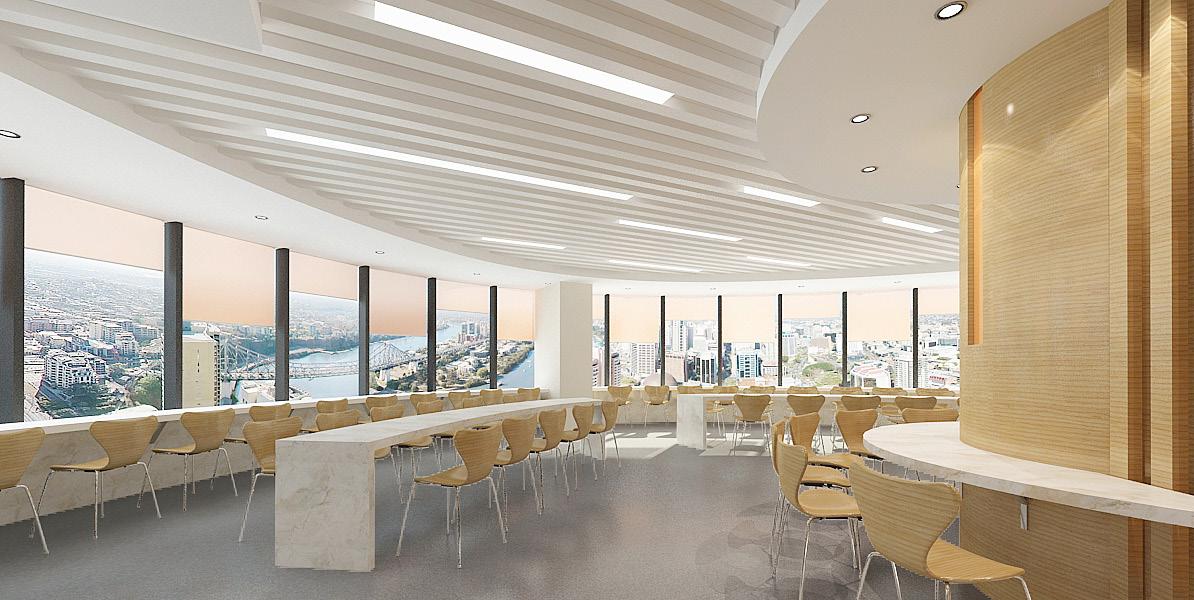
This conceptual design for the Sinone Group Dining Hall was developed to accommodate over 230 employees in a space that prioritizes comfort, clarity, and emotional restoration. Located in Tianjin, China, the project reimagines the corporate dining experience by integrating biophilic principles, intuitive wayfinding, and spatial strategies that support both individual and communal well-being.
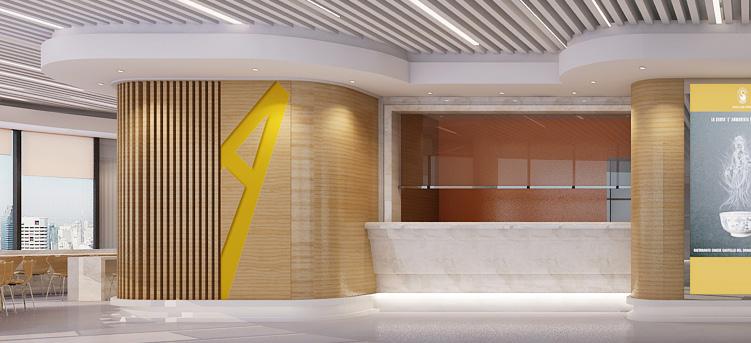
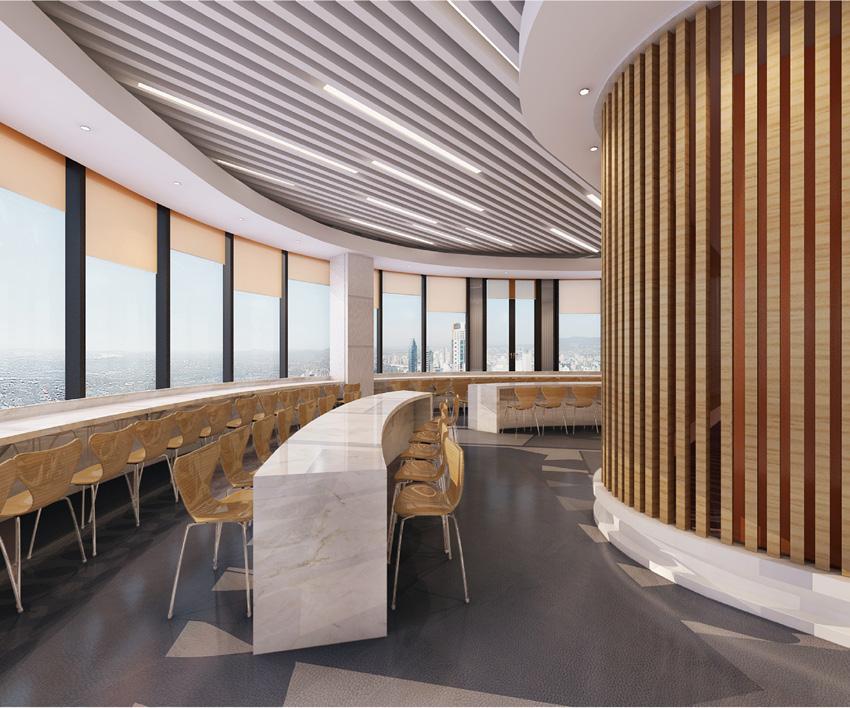
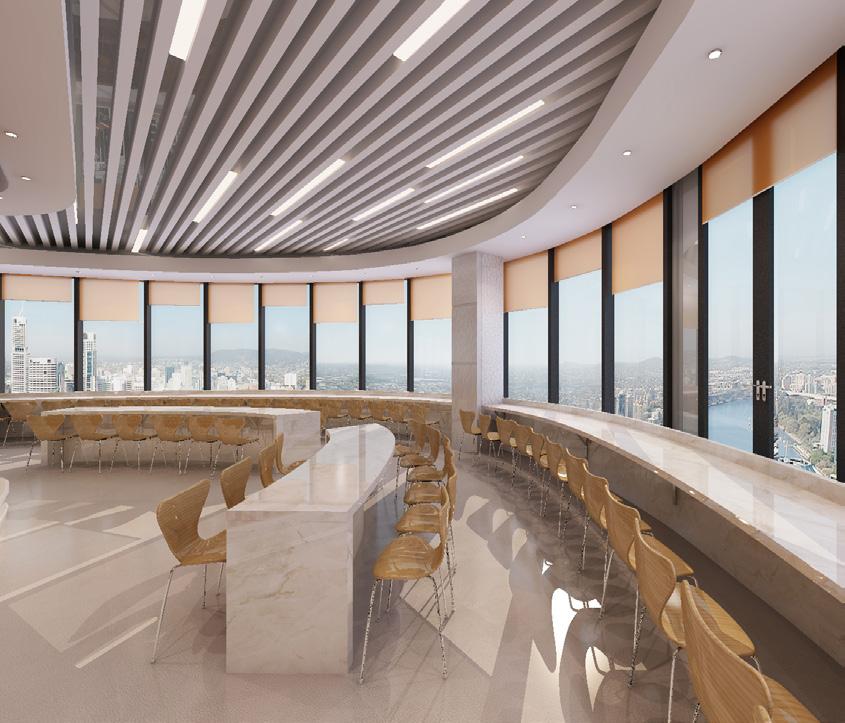
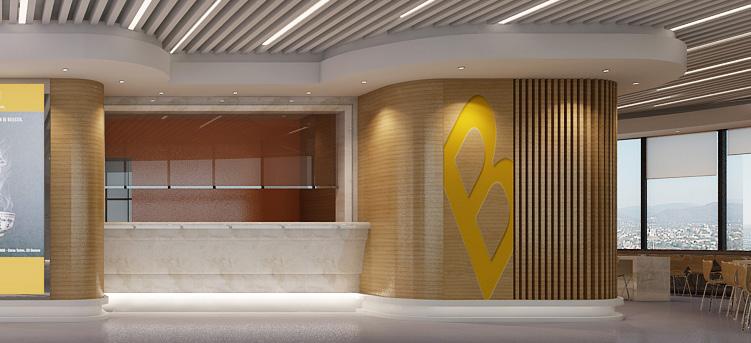
The design centers around a sleek, marble-clad food service core, framed by warm wooden columns and vibrant yellow geometric accents that energize the space. Expansive windows offer panoramic views and abundant natural light, allowing each seat to maintain a visual connection to the outdoors. This aligns with attention restoration theory and biophilic design, promoting mental refreshment and improved mood during breaks.
Acoustic comfort was addressed through ribbed ceiling panels and linear lighting fixtures that soften ambient noise while contributing to a modern, airy atmosphere. Wayfinding is enhanced through
bold letterforms (“A” and “B”) and digital signage, ensuring intuitive navigation across multiple wings and levels.
The final design offers a restorative environment that elevates the everyday dining experience, fostering social interaction, spatial clarity, and a sense of belonging.
Dining Hall
2F East Wing
2F West Wing
1F East Wing
1F West Wing
05 Valid Simulation: Exploring Perceptual Differences Between Physical and Virtual Realities.
Site: Gainesville, FL, U.S.
Type: Master's Thesis Study
Size: 812 sq ft
Collaborators:
Nam-Kyu Park (Thesis Chair), Jason Meneely
Date: Fall 2016 - Summer 2018
My Contribution and Role
As the principal investigator of my master’s thesis, I collaborated with Professor Jason Meneely to develop and generate four virtual environments using two methods: digital rendering and photography. Moreover, using light meter to measure the light illuminance value for both physical and virtual environment. I also worked with both professors to finalize the study’s methodology. Additionally, I conducted data collection and analysis, and wrote the entire thesis. Publication & Report
1. Journal of Interior Design: https://journals.sagepub.com/doi/10.1111/joid.12209
2. Interior Design Educator Council (IDEC) Exchange (Page 19-20): https://idec.org/ wp-content/uploads/2019_Spring_IDEC_Exchange.pdf
Software Used:
Autodesk AutoCAD, Autodesk 3Ds Max, Adobe Photoshop, Lightroom, Autopano Giga, & Photomatix Pro
Background + Purpose of the Study
In recent years, Virtual Reality (VR) headsets technology has grown exponentially and is easily accessible to the public. Interior and architectural designers have used VR as a communication and design development tool to present design projects to their clients (Lubell, 2016). Researchers also have started using VR to simulate real space and to evaluate the authenticity of the virtual space (Kronqvist, Jokinen, & Rossi, 2016). Using VR in the design process is an innovative way to help designers understand the space quickly and access an alternative design plan, which helps the clients look, feel, and understand spatial qualities of a project even when a project has not yet been built (Czarnecki, 2016). VR has also been used to simulate the real world and people can see this simulation through VR devices. However, user’s perception, observation, and experience have not been thoroughly tested. Therefore, the objective of this study is to investigate whether individual’s perception and experience of an interior environment varies from real space (RS) to virtual space (VS).
Literature Review
Although VR is primarily used in practice as a presentation and visualization tool, its potential role as an analytical research tool has received little attention.
• VR holds great potenital for low cost full-scale experiental mock-ups.
• VR devices allow users to interact with a simulated immersive environment rather than viewing a space on a traditional PC screen (Heydarian et al., 2015).
• The immersive quality of VR can impart a more holistic analysis of a proposed design solution (Czarnecki, 2016, Kronqvist, Jokinen & Rossi, 2016).
• There has been little to no work exploring perceptual consistancy between observing virtual environment through VR headsets and the identical physical space.
Research Questions & Methodology
An experimental study was conducted to answer three research questions: 1) Do VR headsets adequately represent real spaces for scholarly research? 2) What are the perceptual limitations of using VR headsets to research the interior environment? 3) How do participants describe the overall experience of using VR headsets?
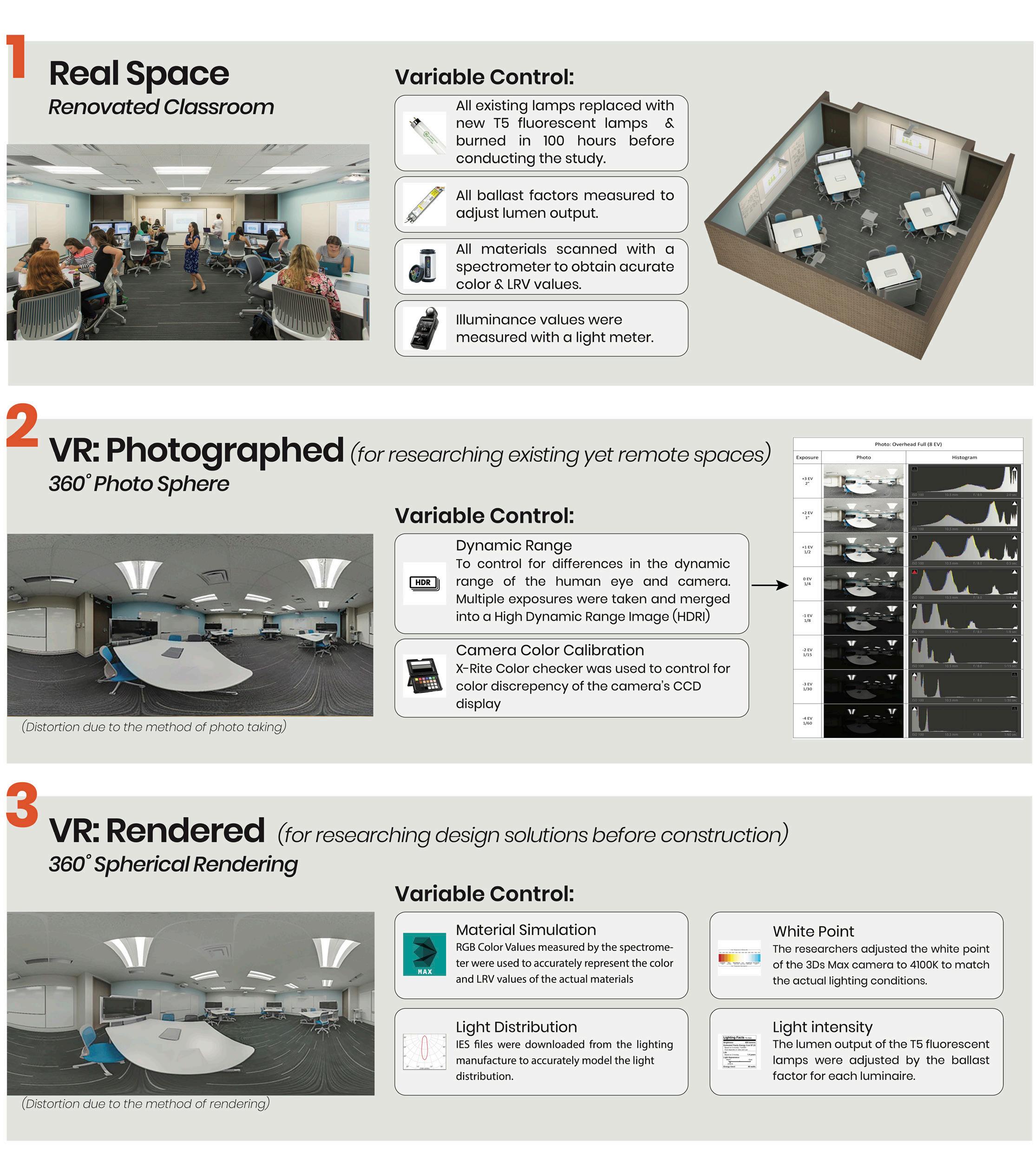
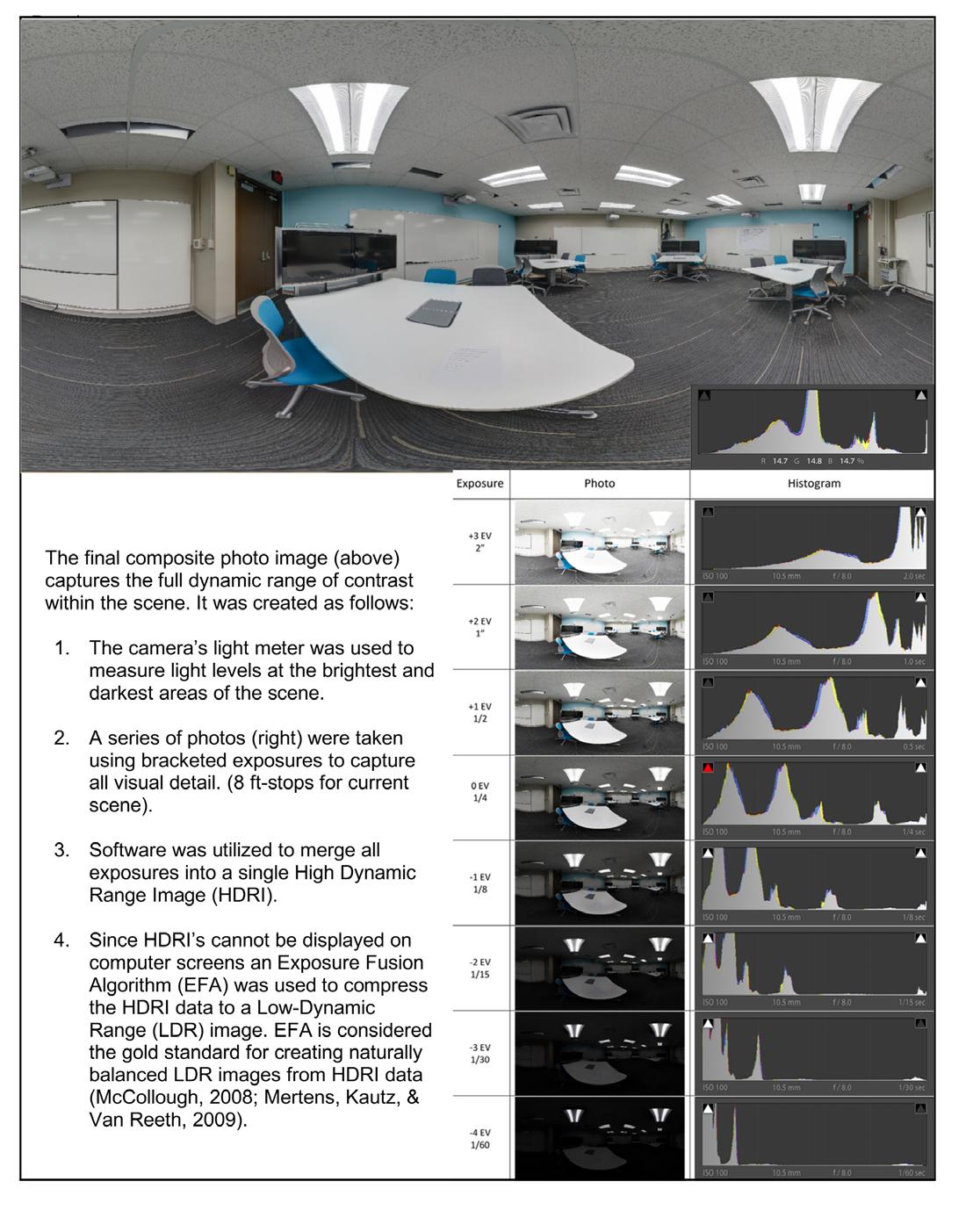
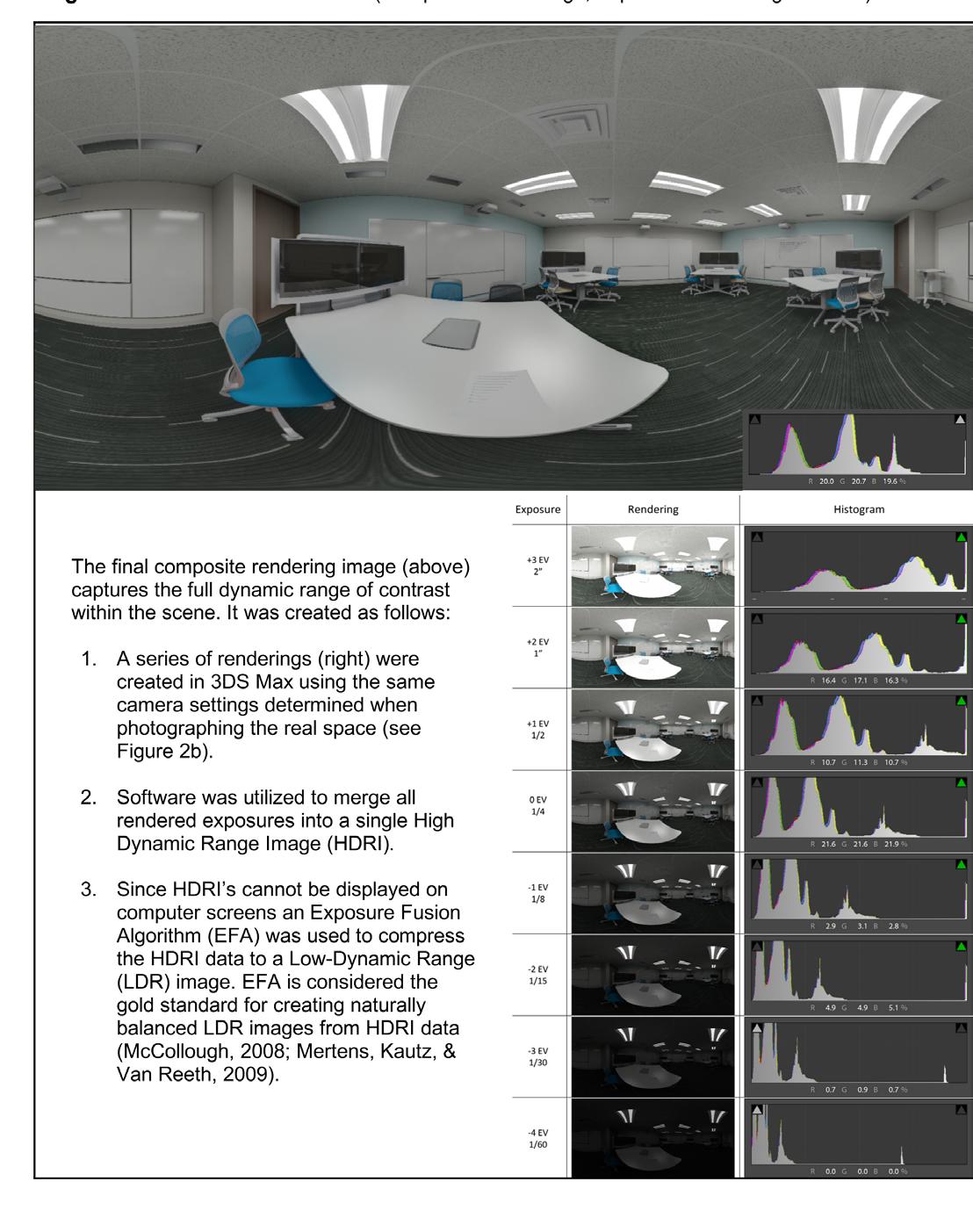
Independent variables included perceived realism, perceived brightness, visual clarity, and the overall experience of using VR headsets. Forty-two participants were divided into two groups and observed a real environment first, and then each group observed one of two VR simulations of the space by wearing Oculus Rift headsets. The real space is a renovated, axial symmetrical multi-media classroom. It is about 812 sq.ft. (28’6” x 28’6”) with a ceiling height of 8’-6” and no windows. The two virtual imulations included a “Photographed VR” experience and a “Rendered VR” experience of the real space.The VR: Photographed experience was built using a 360° photosphere while the VR: Rendered experience was a 360° spherical rendering created with 3Ds Max and the Mental Ray renderer. A 2 x 2 between subject factorial ANOVA was performed to analyze the difference between real space and both VRs.
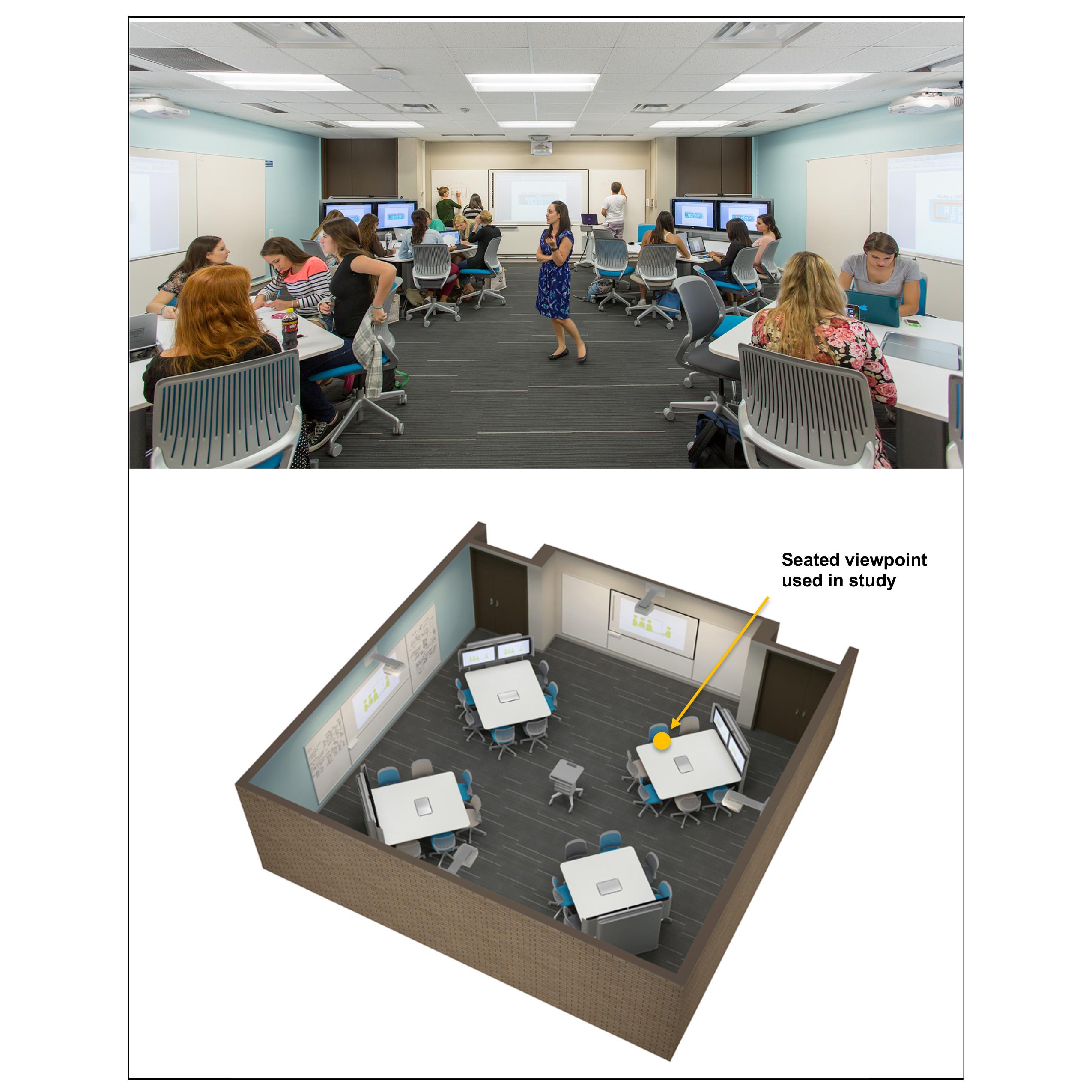
Physical Environment & Isometric Drawing
Three Environment in Overall Head Lighting Condition
References
Czarnecki, J. (2016). Inspired in a Time of Uncertainty. Contract, 57(10), 10.
Heydarian, A., Carneiro, J. P., Gerber, D., Becerik-Gerber, B., Hayes, T., & Wood, W. (2015). Immersive virtual environments versus physical built environments: A benchmarking study for building design and user-built environment explorations. Automation in Construction,54, 116–126. https://doi.org/10.1016/j.autcon.2015.03.020
Kronqvist, A., Jokinen, J., & Rousi, R. (2016). Evaluating the Authenticity of Virtual Environments: Comparison of Three Devices. Advances in Human-Computer Interaction, 2016, 1–14. https://doi.org/10.1155/2016/2937632
Lubell, S. (2016). The Virtual World Becomes Reality. Contract, 57(10), 68-70.
Results and Implication
Participants reported that both VR experiences embodied high perceived realism compared with the real space. Participants also reported similar levels of perceived brightness across all experiences; however, visual clarity/readability in both VR experiences was significantly lower than in the real space. Qualitative participant responses to both VR experiences include “realistic,” “educational,” “novel,” “intriguing,” “fun,” “blurry,” and “dizziness.”
The findings of this study suggest that designers and researchers should be cautious about the following things when using VR headsets to simulate a real environment. First, this study used bracketed photos to capture all available light in the scene and merged them into a High Dynamic Range Image (HDRI). An exposure fusion algorithm was then used to compress the HDRI image into a lower dynamic range so that it could be viewed on a digital display; however, this process might impose some color compression, which could alter results. This might also mislead the evaluation of perceived realism of a virtual reality space. Since participants perceived similar level of brightness in the virtual reality, it is good for studies involve lighting. The color of the virtual reality was perceived similar comparing to the real space. However, researchers and designers should be careful due to the resolution of the lens and the visual clarity is still an issue. Researchers and designers should not use VR headsets to observe small-scale things. Virtual reality also should not be used for research of evaluating the comfort level of a virtual space since people will never sit on a virtual chair to observe a virtual space.
06 Project Re-Envision University of Florida
Site: Gainesville, FL, U.S.
Type: Research Project
Supervisor:
Stephen Bender, Sherry Ahrentzen
Date: Fall 2019 - Spring 2020
My Contribution and Role
As the research assistant of this study, my contribution includes ergonomics research, furniture design, 3D modeling, digital rendering, construction documents, guidebook and recruitment flyer design.
Software Used:
Autodesk Revit, Adobe InDesign, Adobe Photoshop
The Purpose of This Project
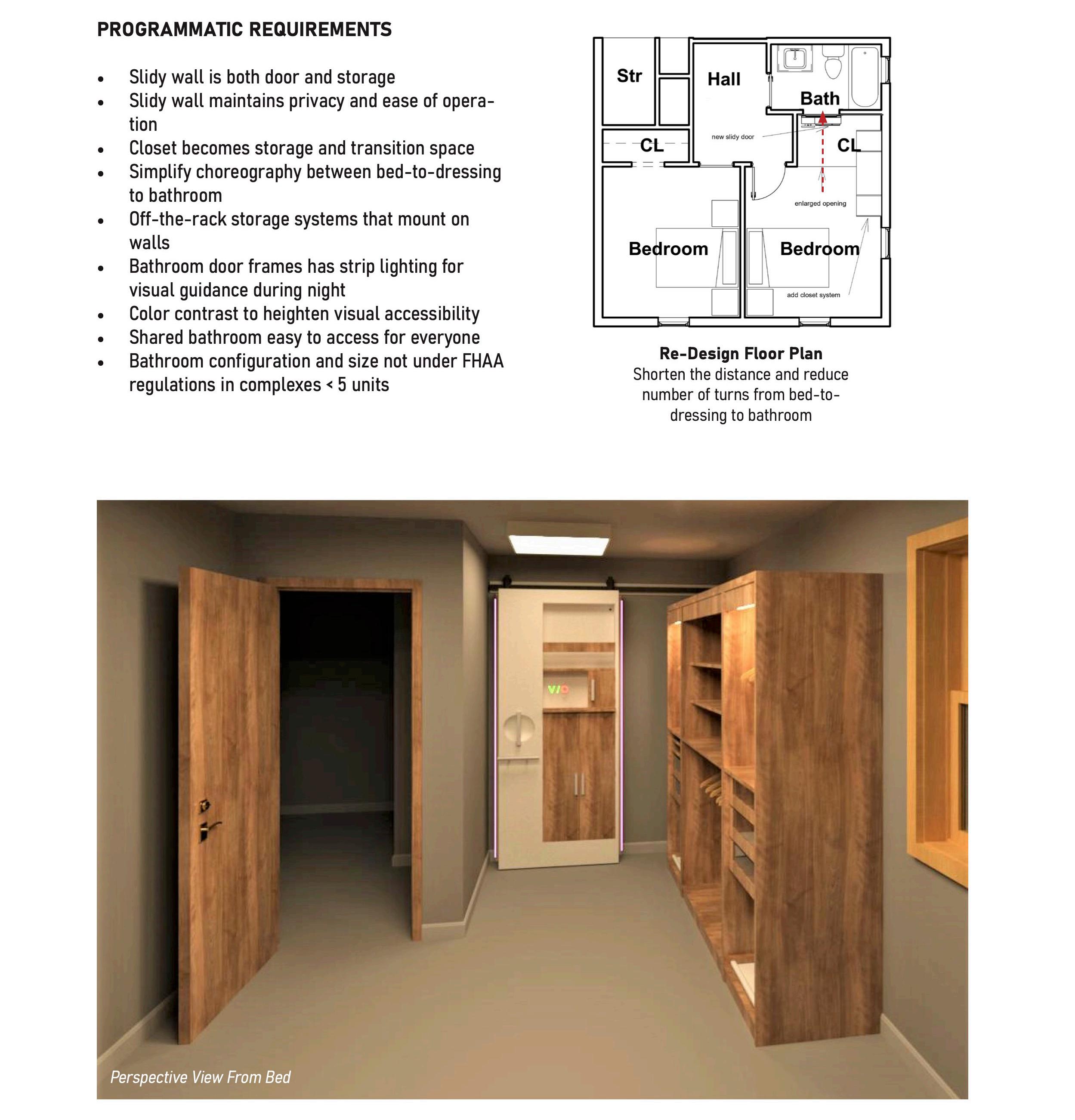
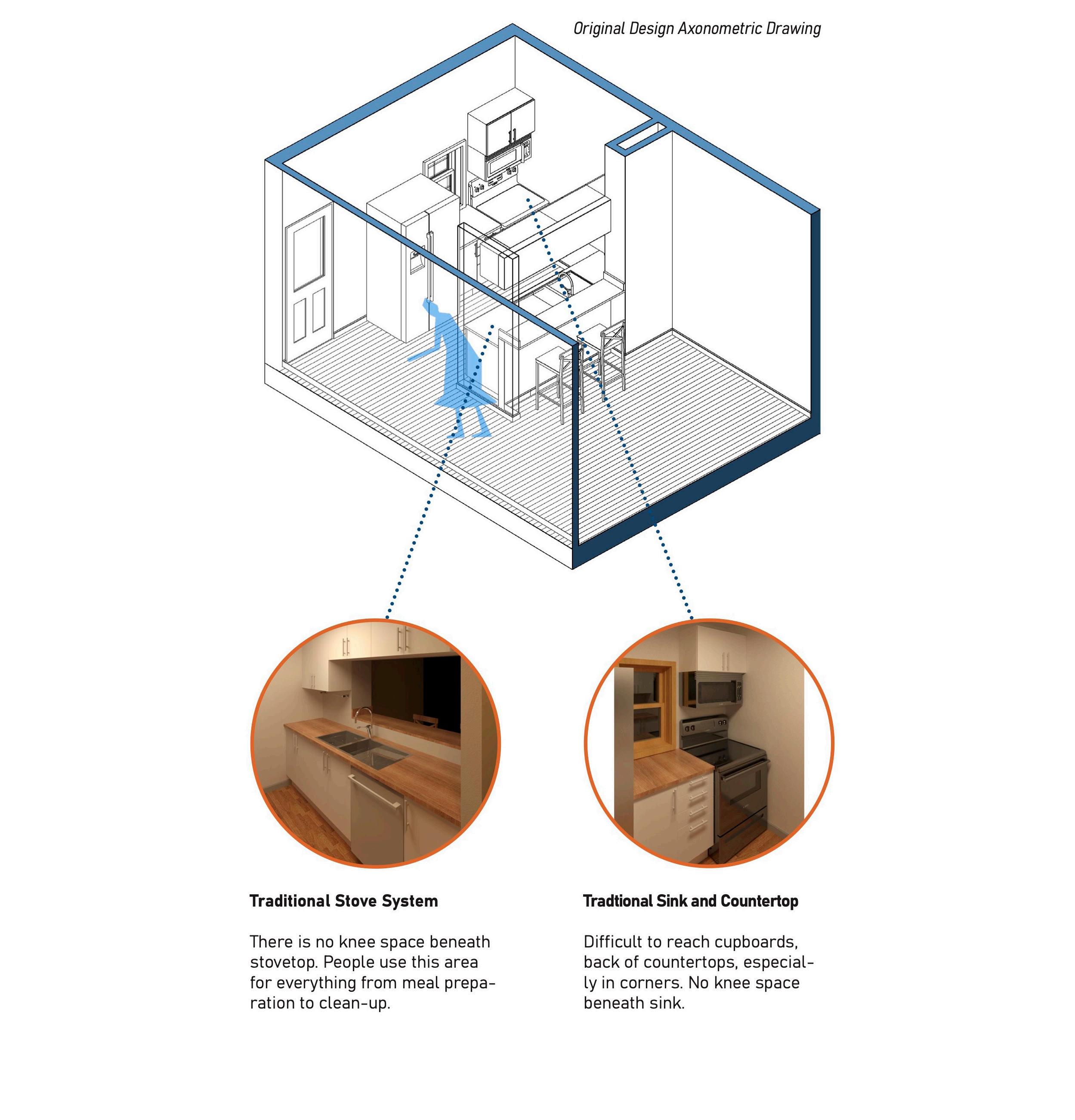
This project is intended to assist those who might be interested in learning more about how to renovate older (1960s and 1970s) US public housing. The particular aspects of renovation within this guidebook pertain to the: 1) transition from the bedroom to the bathroom (including by way of the closet), and 2) the kitchen. The reason these areas of the dwelling were chosen was they were identified as being most problematic for persons with disabilities to navigate and maneuver safely, comfortably, and successfully on a routine basis. There were fiscal constraints regarding the scope of the project, so these two areas of the dwelling were deemed most important for renovating this era of housing such that it can be used by nearly all eligible candidates.
Project Background
This project is that our research team from the University of Florida entered into a cooperative agreement with the US Dept of Housing (HUD) called the UF Project ReEnvision. Our team’s approach was to analyze various floorplans of US public housing from the era of interest. The team developed redesigns of those floorplans via input from our Advisory Council, academic literature reviews, and pilot tests using persons with disabilities who were working with our team to navigate the redesigns in a virtual environment while providing feedback. The actual virtual-reality testing of the redesigns then occurred using recruited participants.
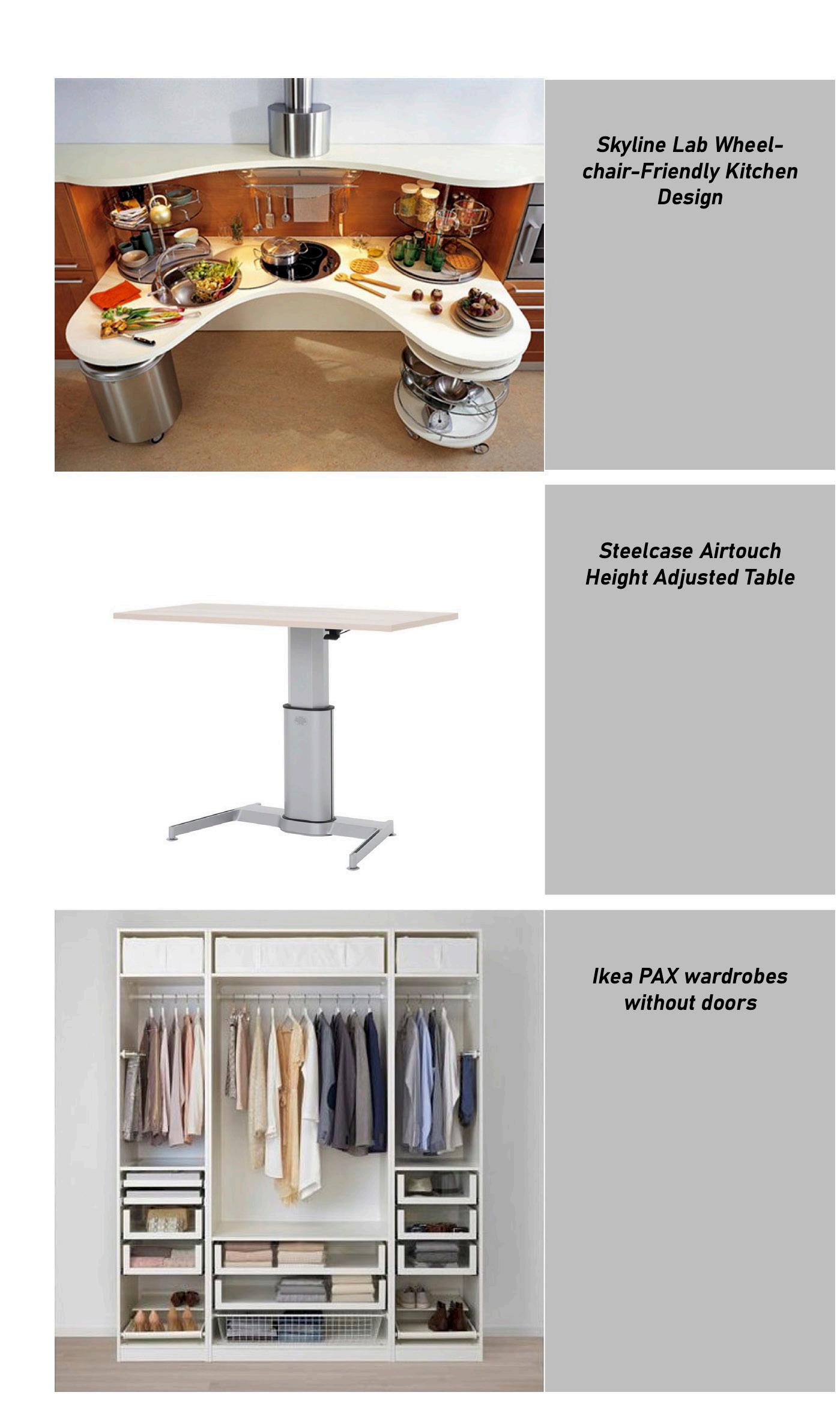
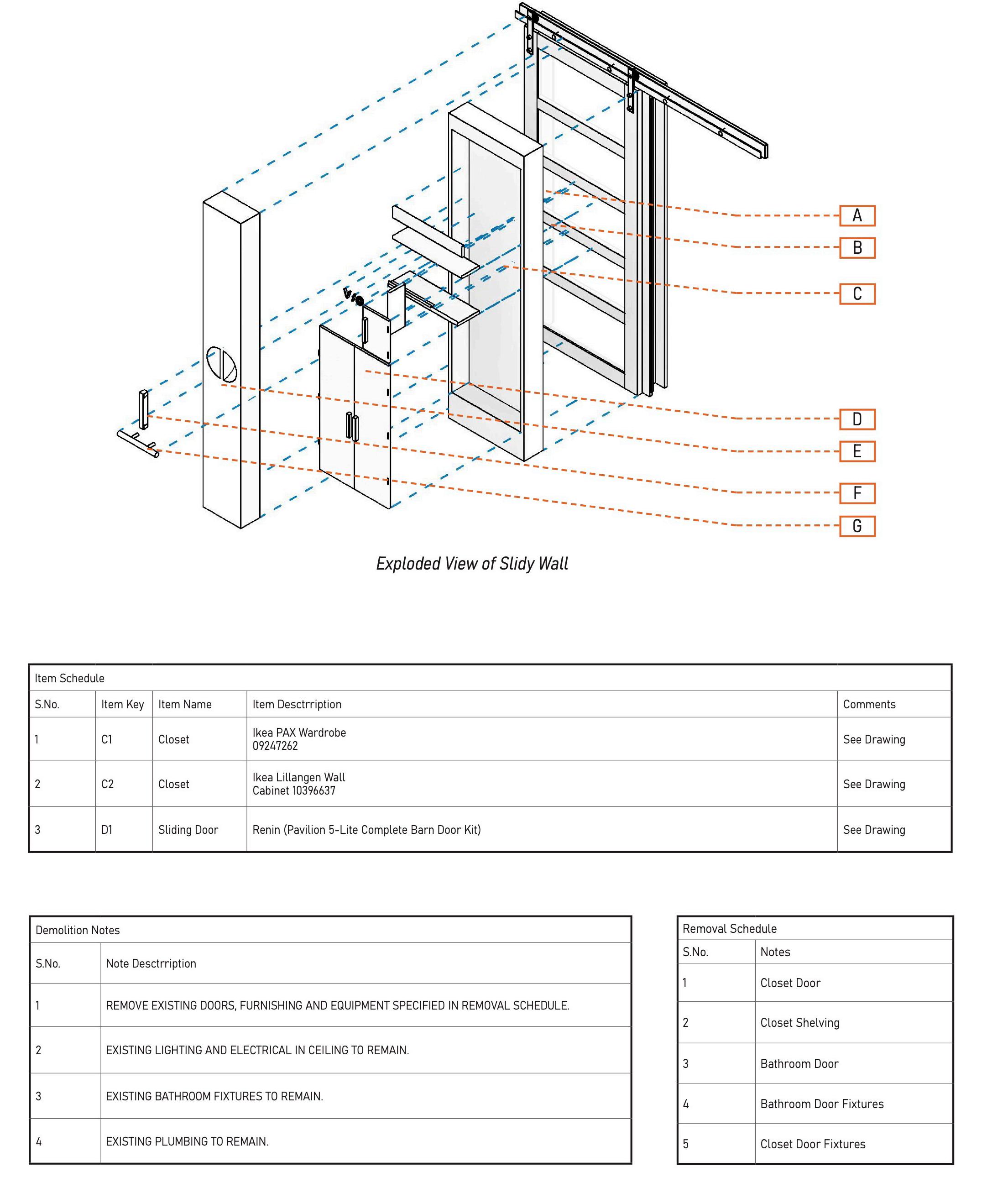
Repurposed Products
Tranition From Bedroom to Bathroom
Original Design
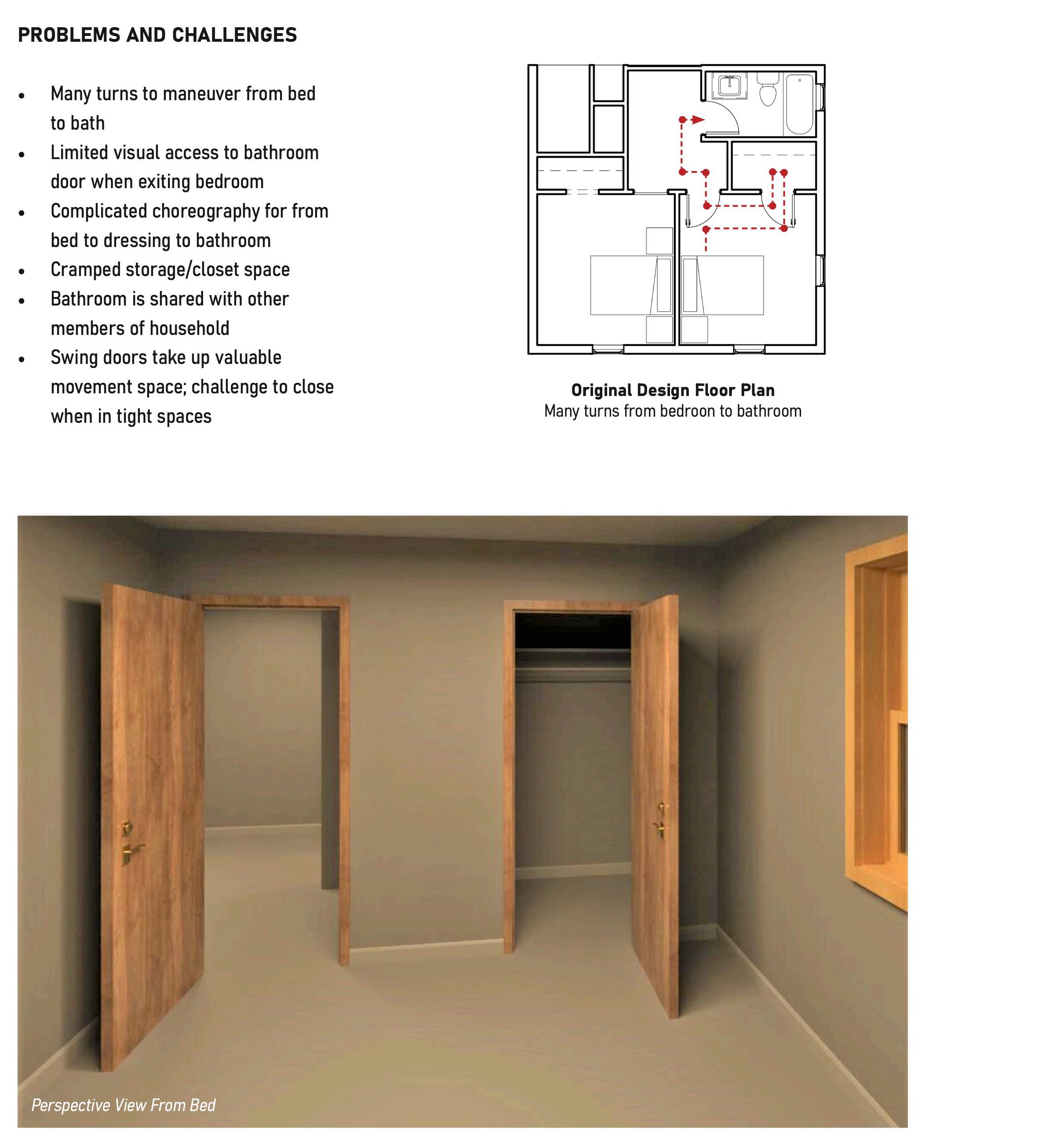
Tranition From Bedroom to Bathroom
Original Design
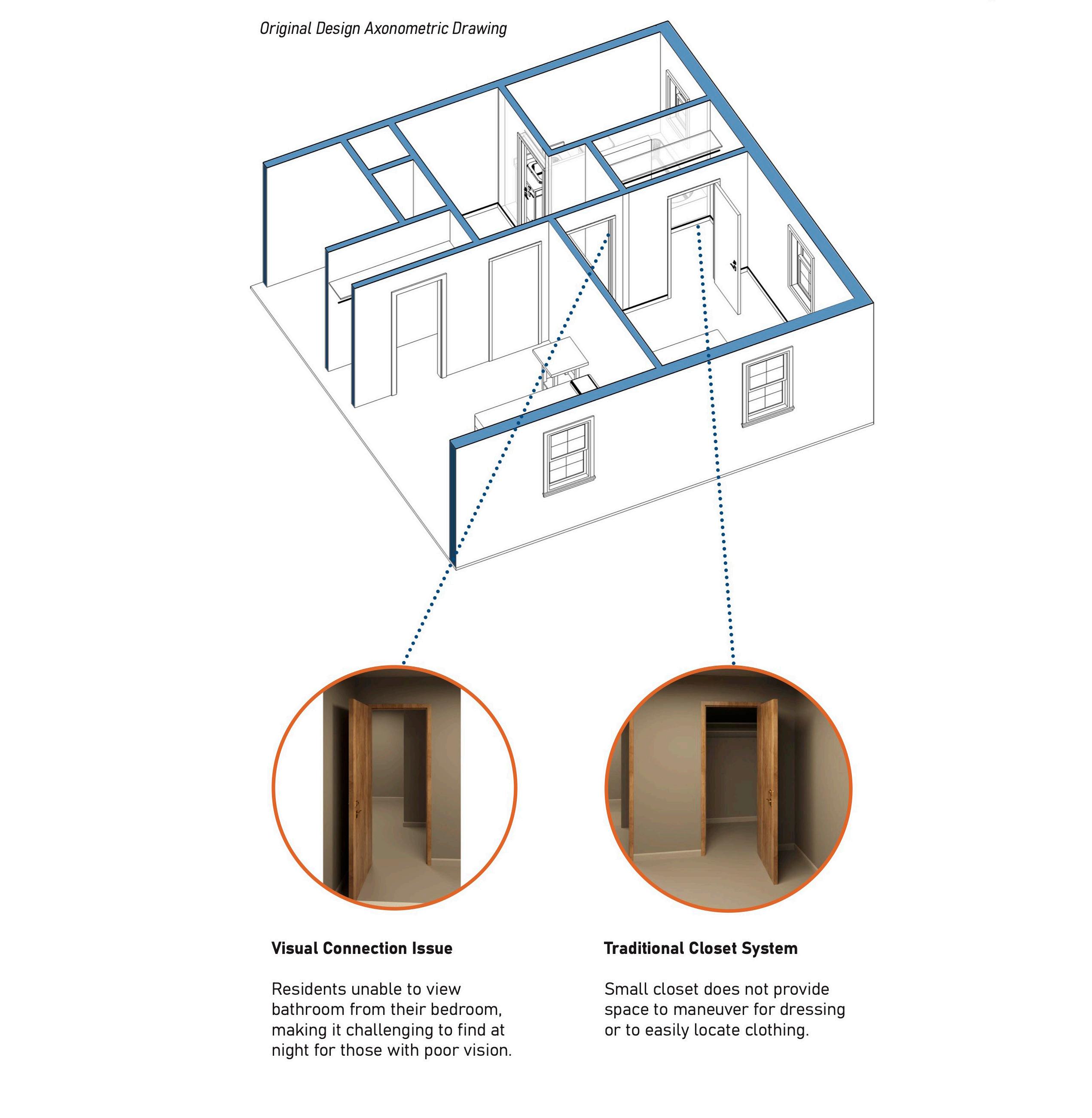
Tranition From Bedroom to Bathroom
Original Design
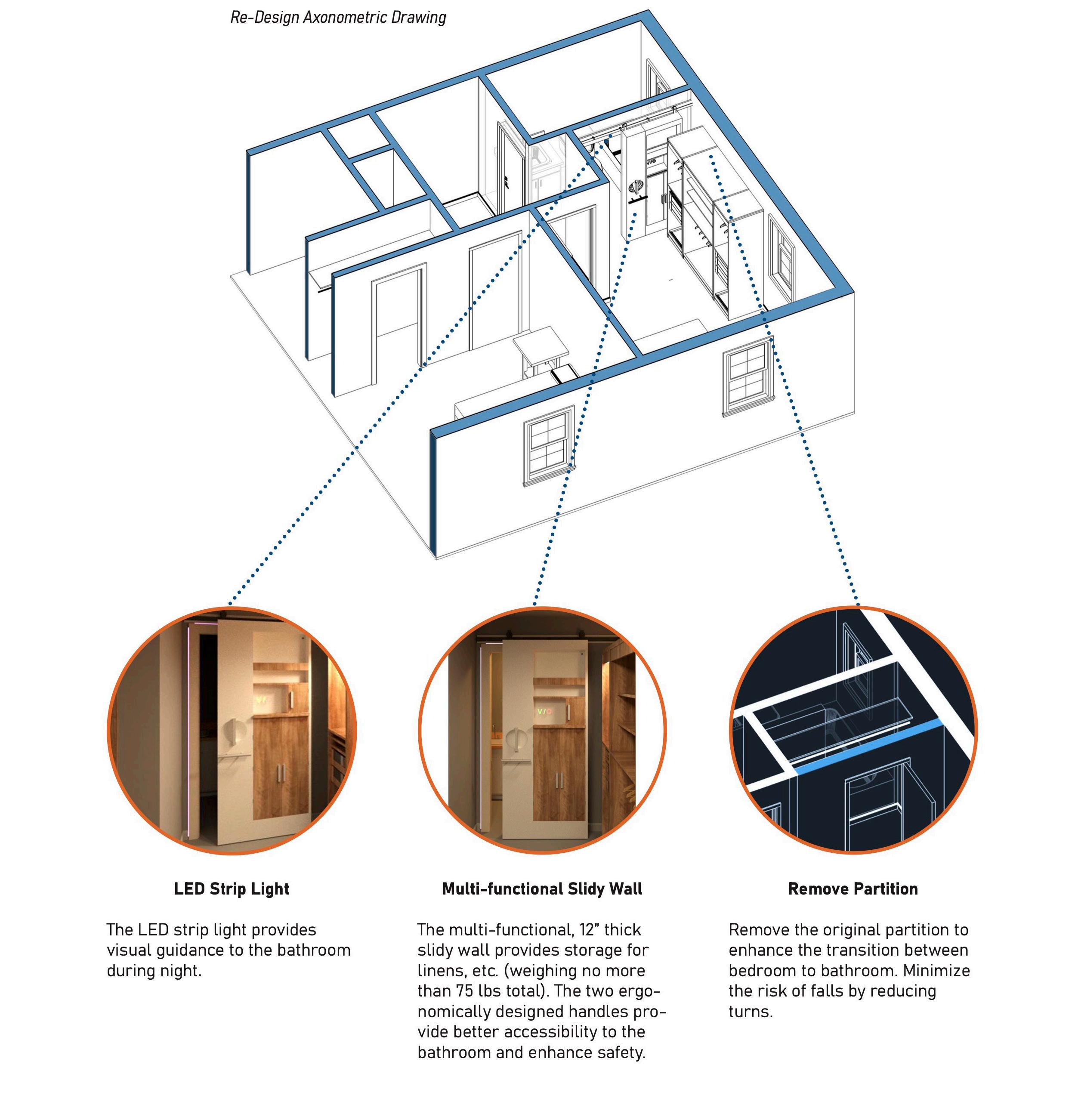
Tranition From Bedroom to Bathroom Re-Design
Tranition From Bedroom to Bathroom
Original
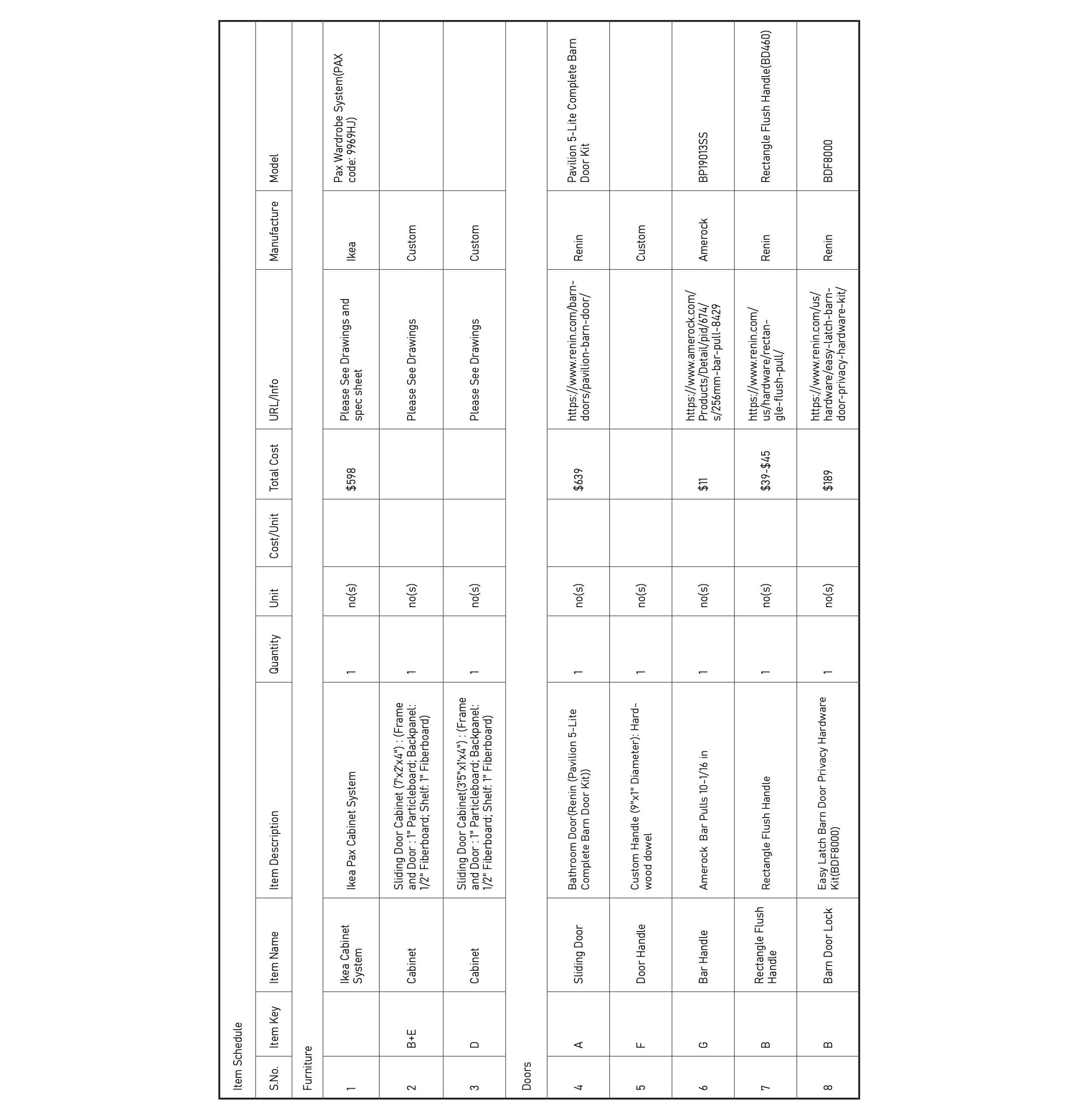
Design Furniture Schedule
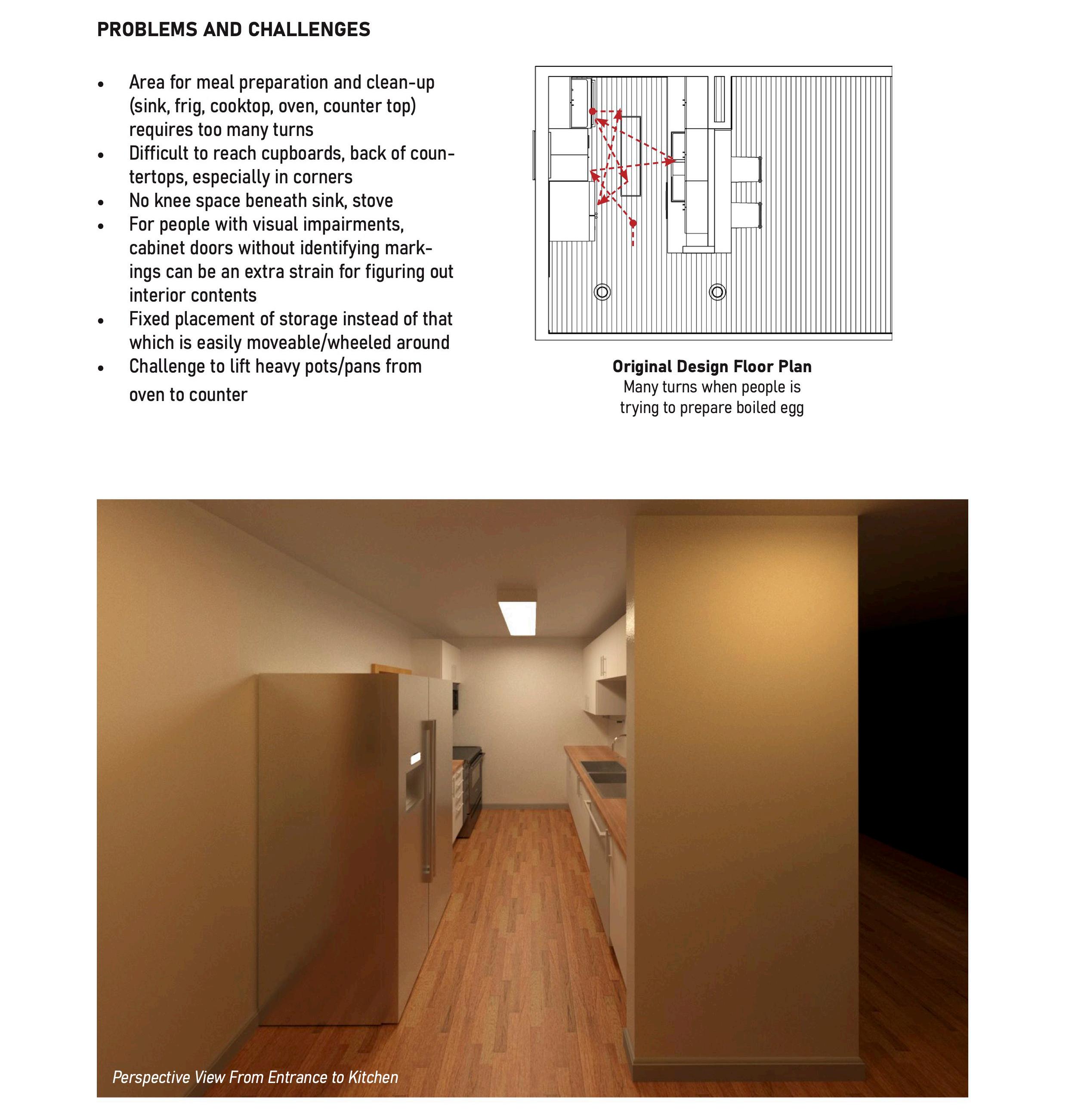
Original Design
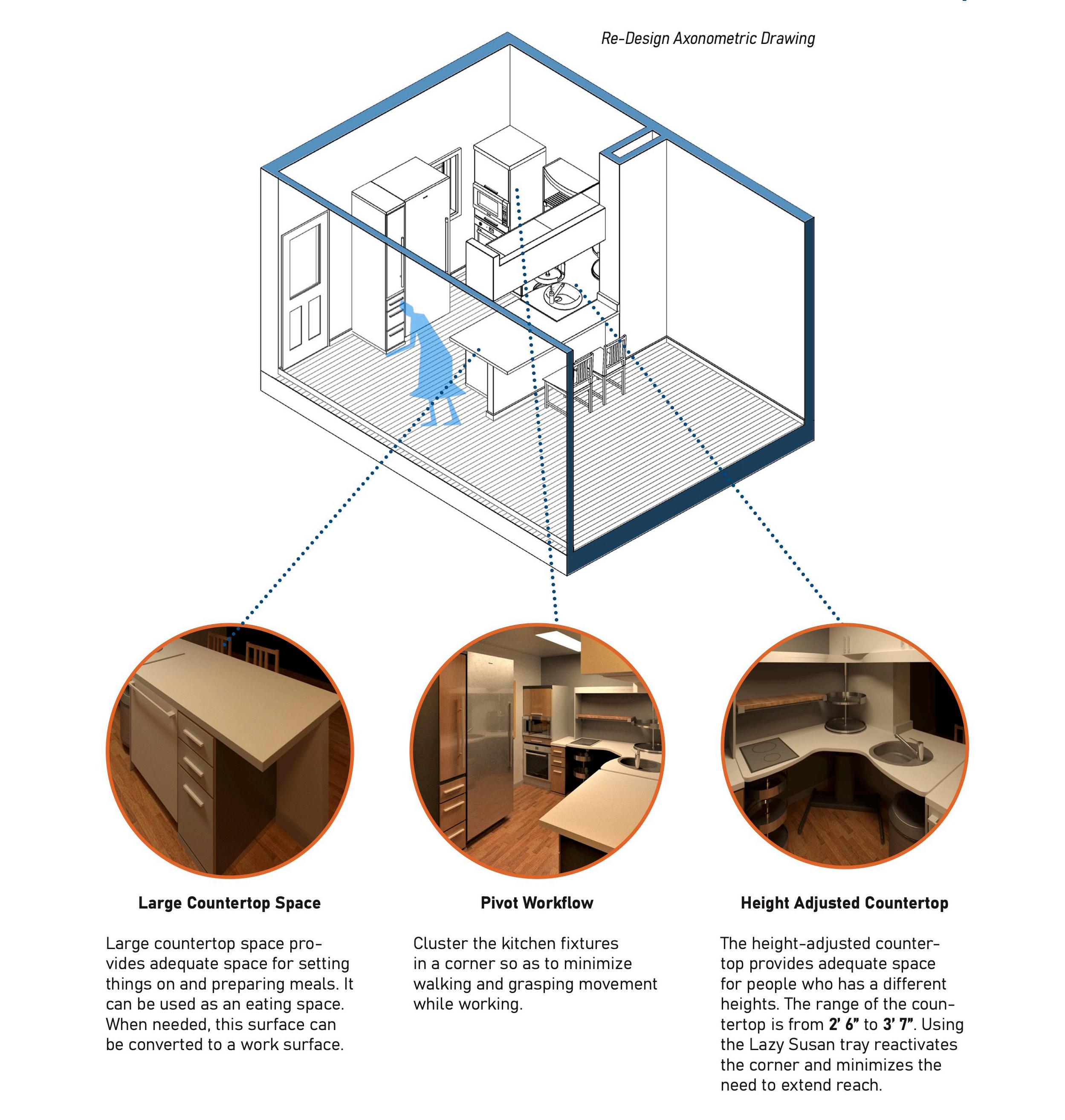
Re-Design - The Pivot Kitchen
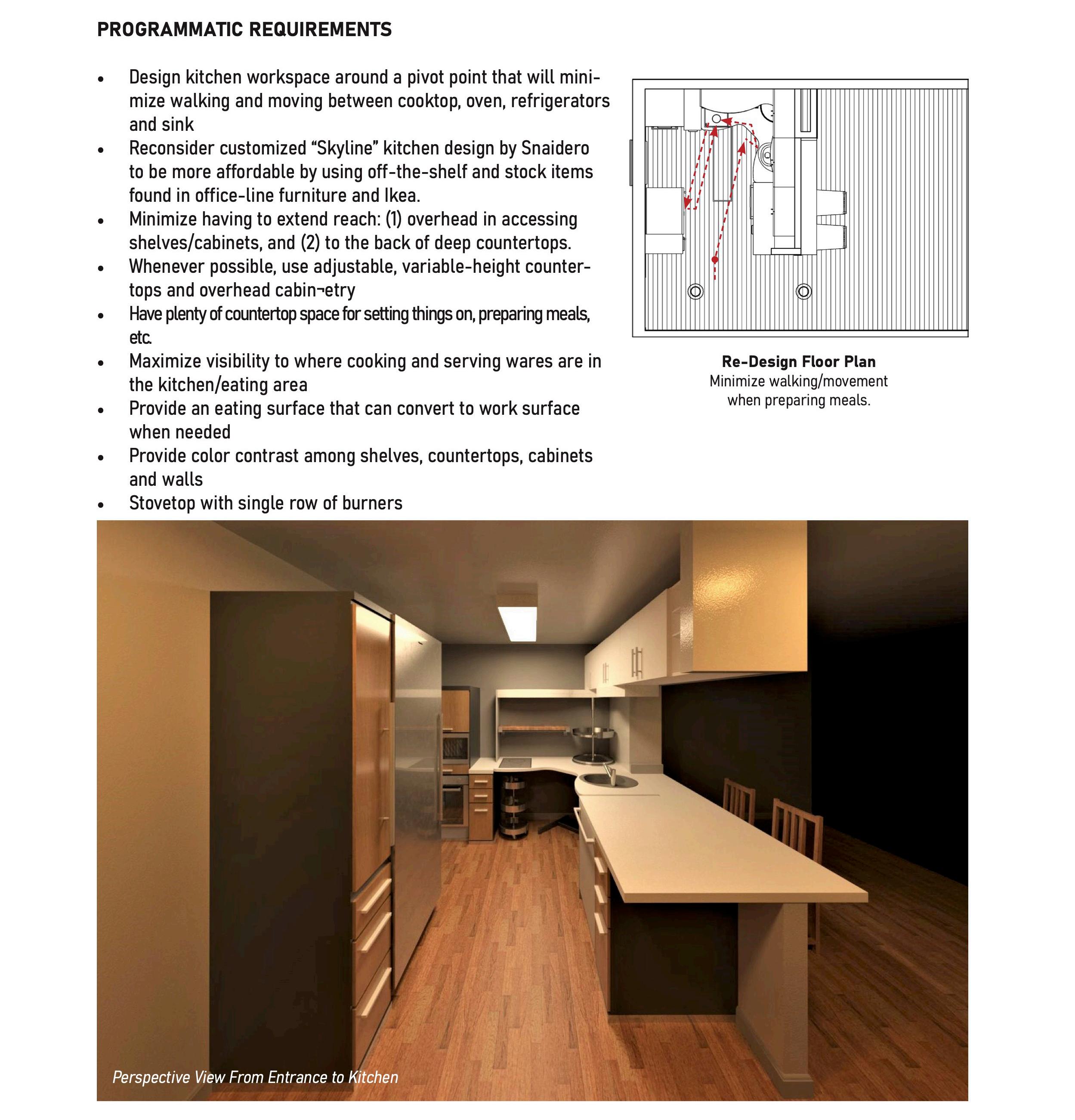
Re-Design - The Pivot Kitchen
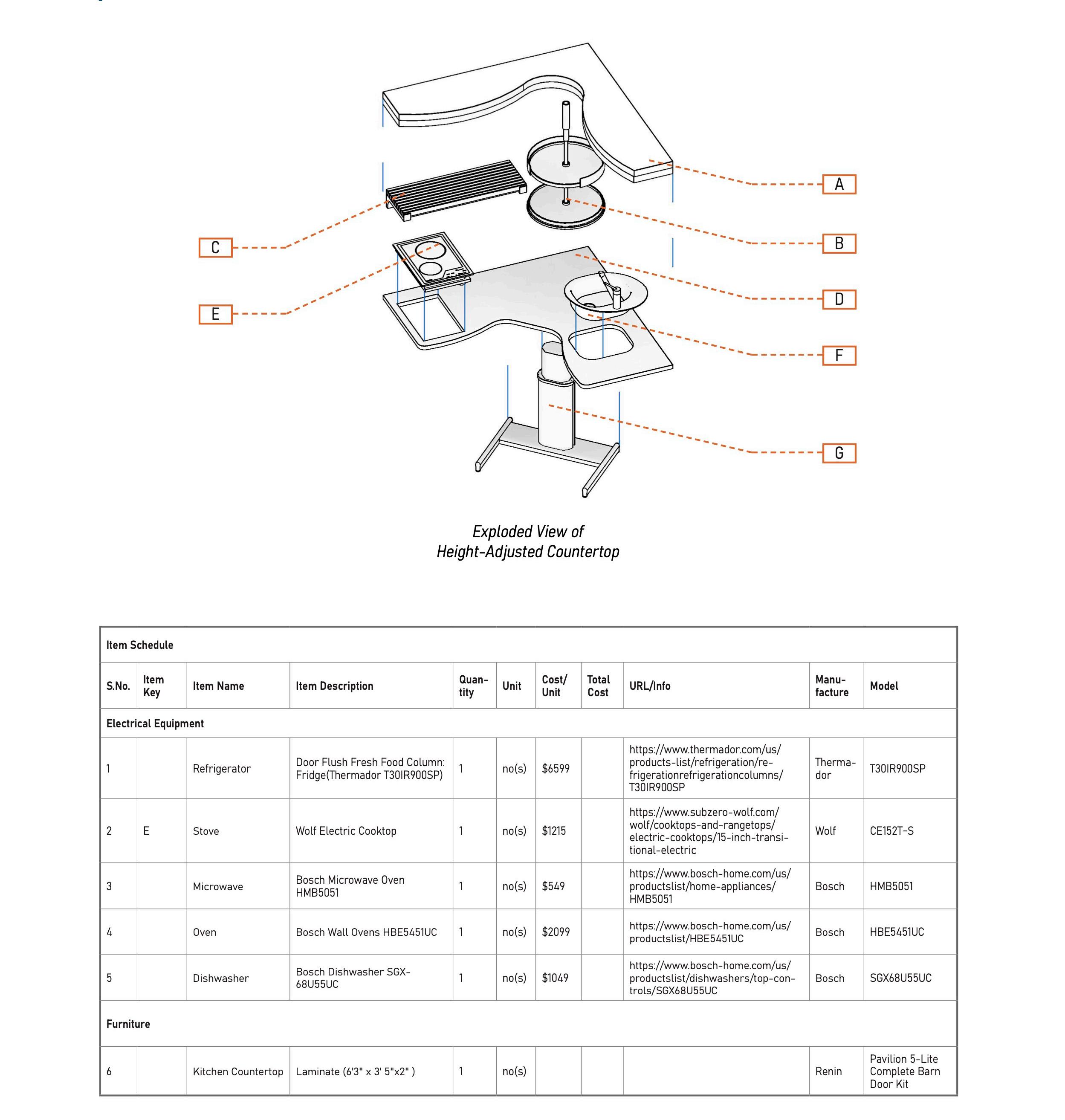
Re-Design - Exploded View & Item Schedule
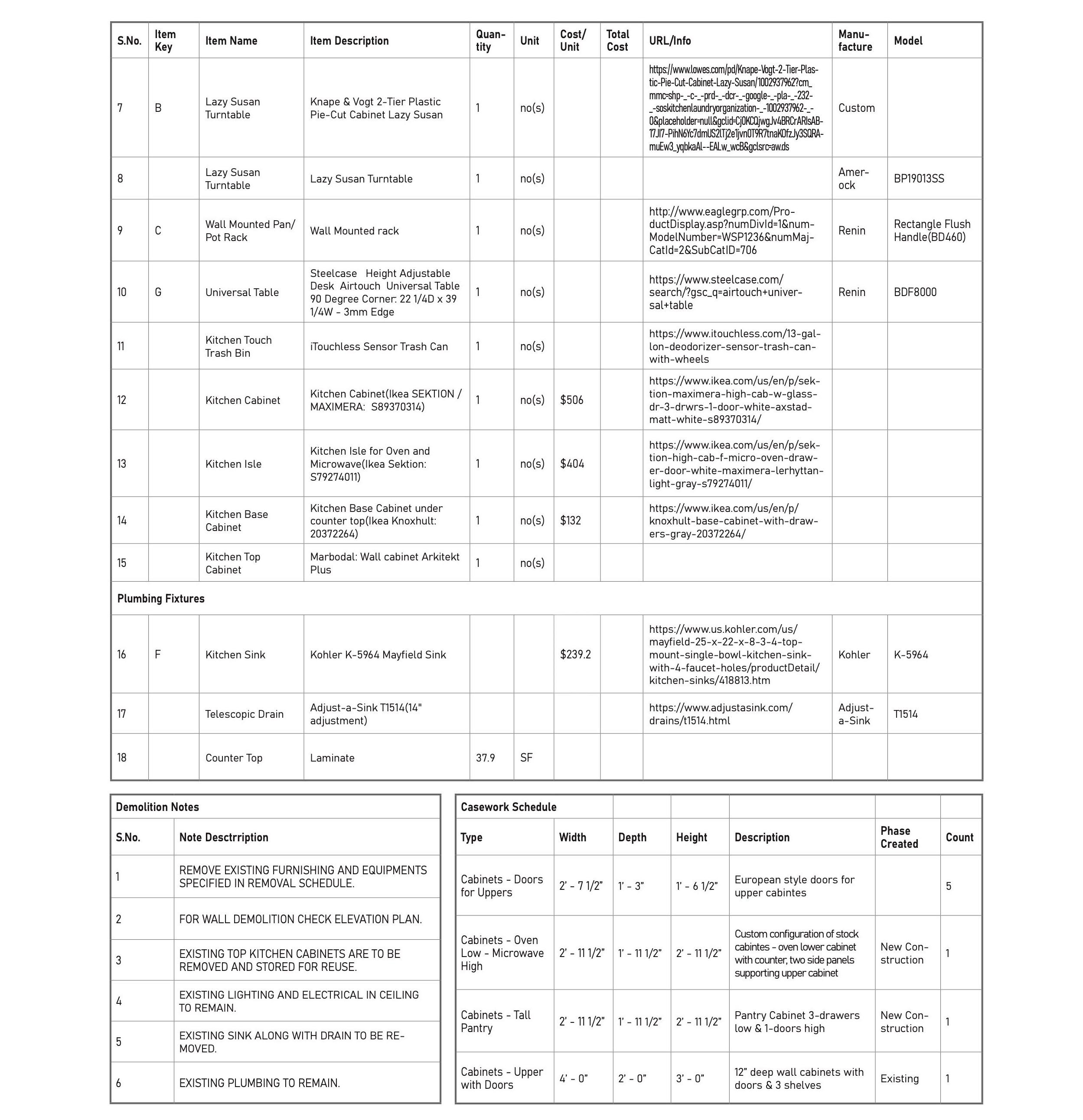
Re-Design Furniture Schedule
07
PHOTOGRAPHY, HAND RENDERINGS AND HAND SKETCH
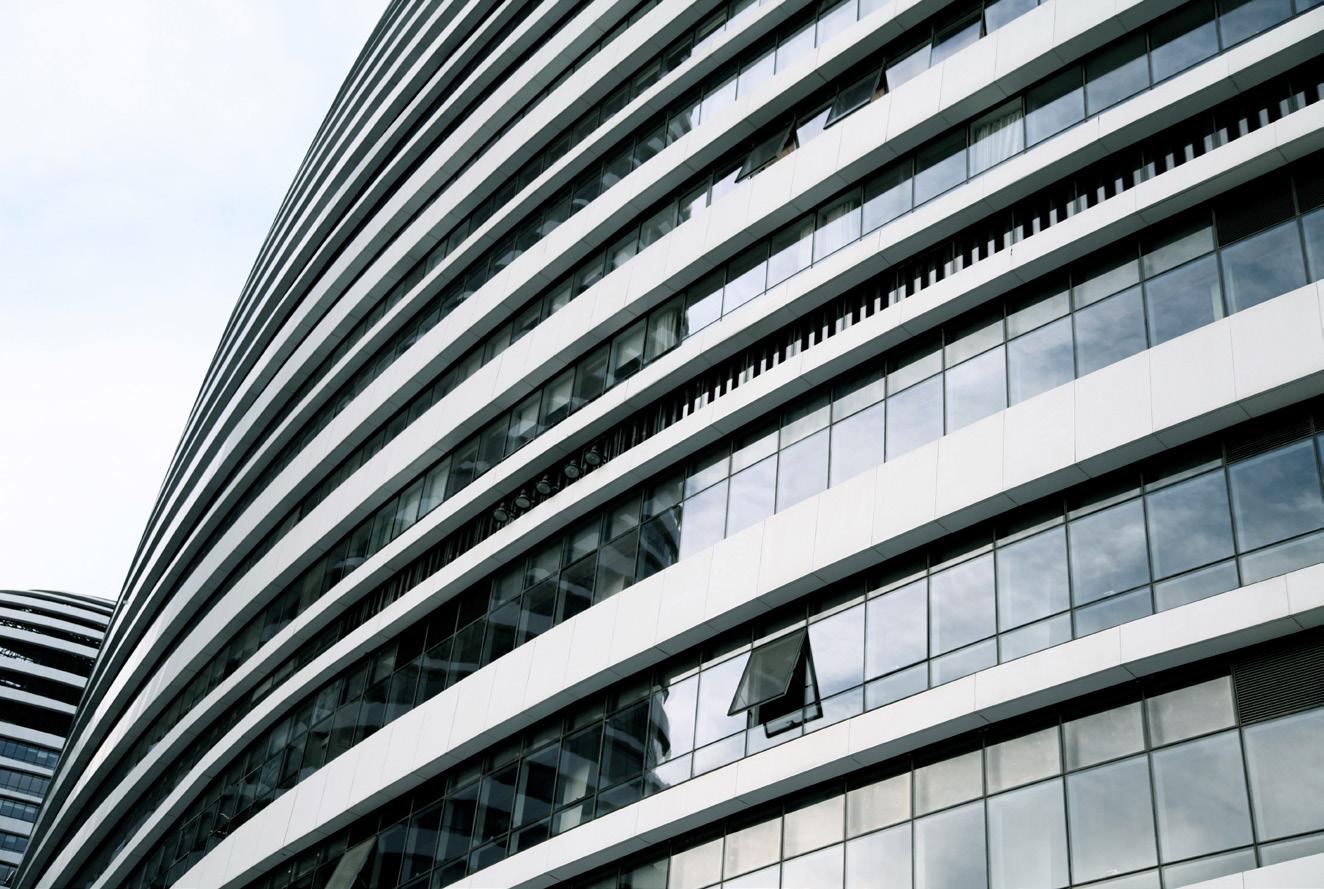


Wangjing SOHO
Date: Dec 4, 2014
Aperture: 4.0
Time of Exposure: 1/250
The Grassland in Tibett
Date: Jul 19, 2012
Aperture: 4.0
Time of Exposure: 1/160
The Sky of Shangri-La
Date: Jul 10, 2011
Aperture: 11.0
Time of Exposure: 1/500
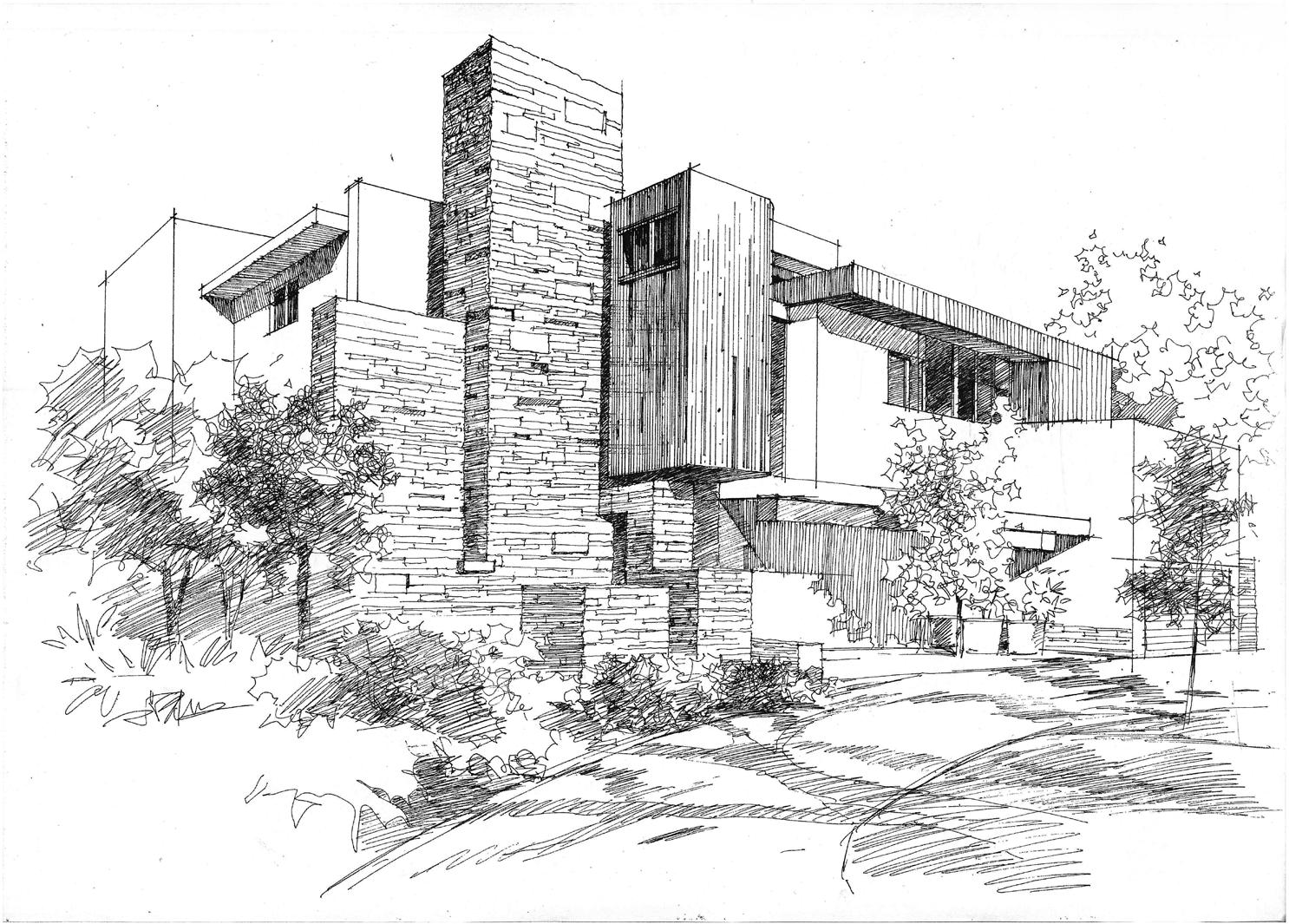
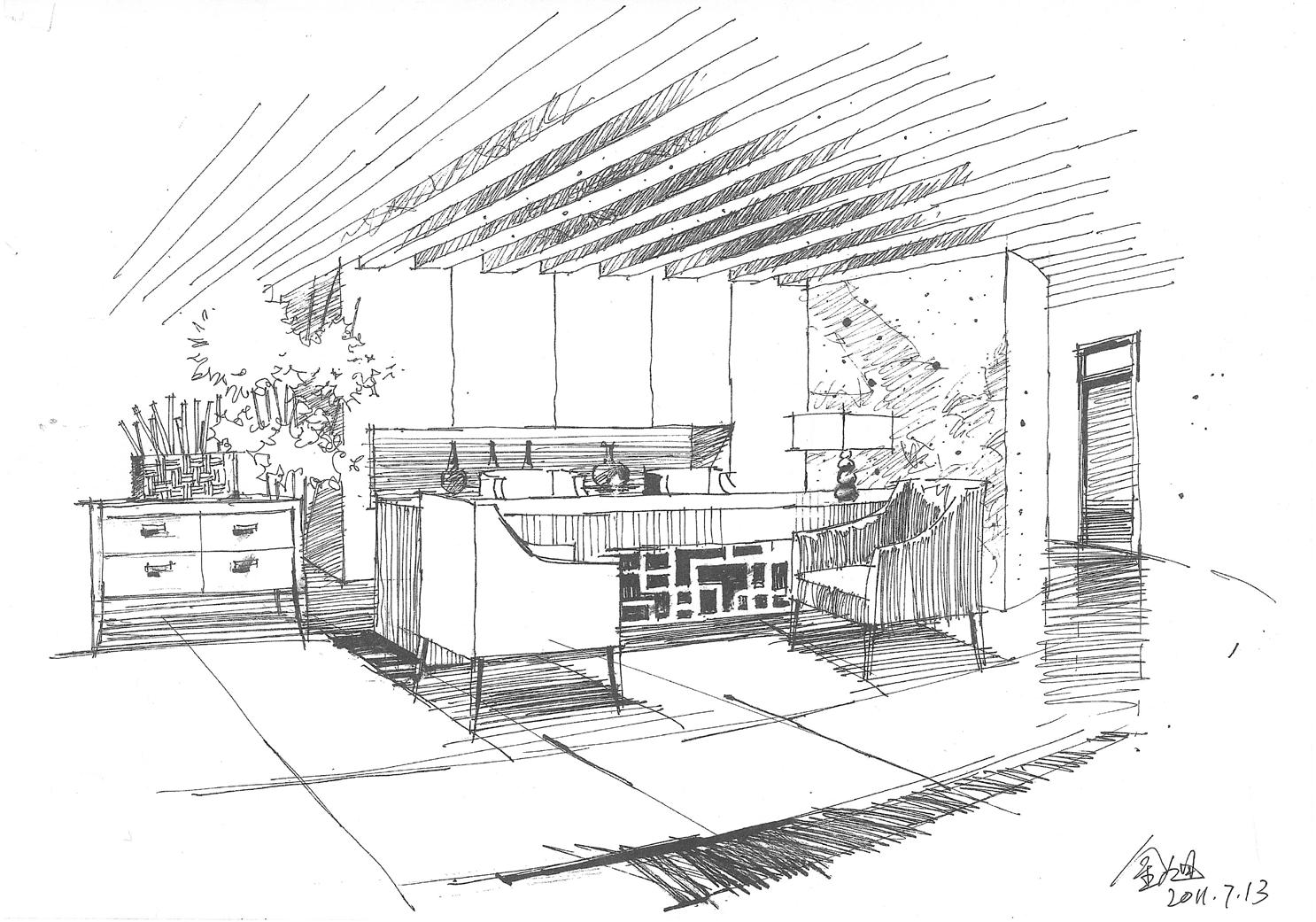

Free Hand Drawings & Hand Rendering
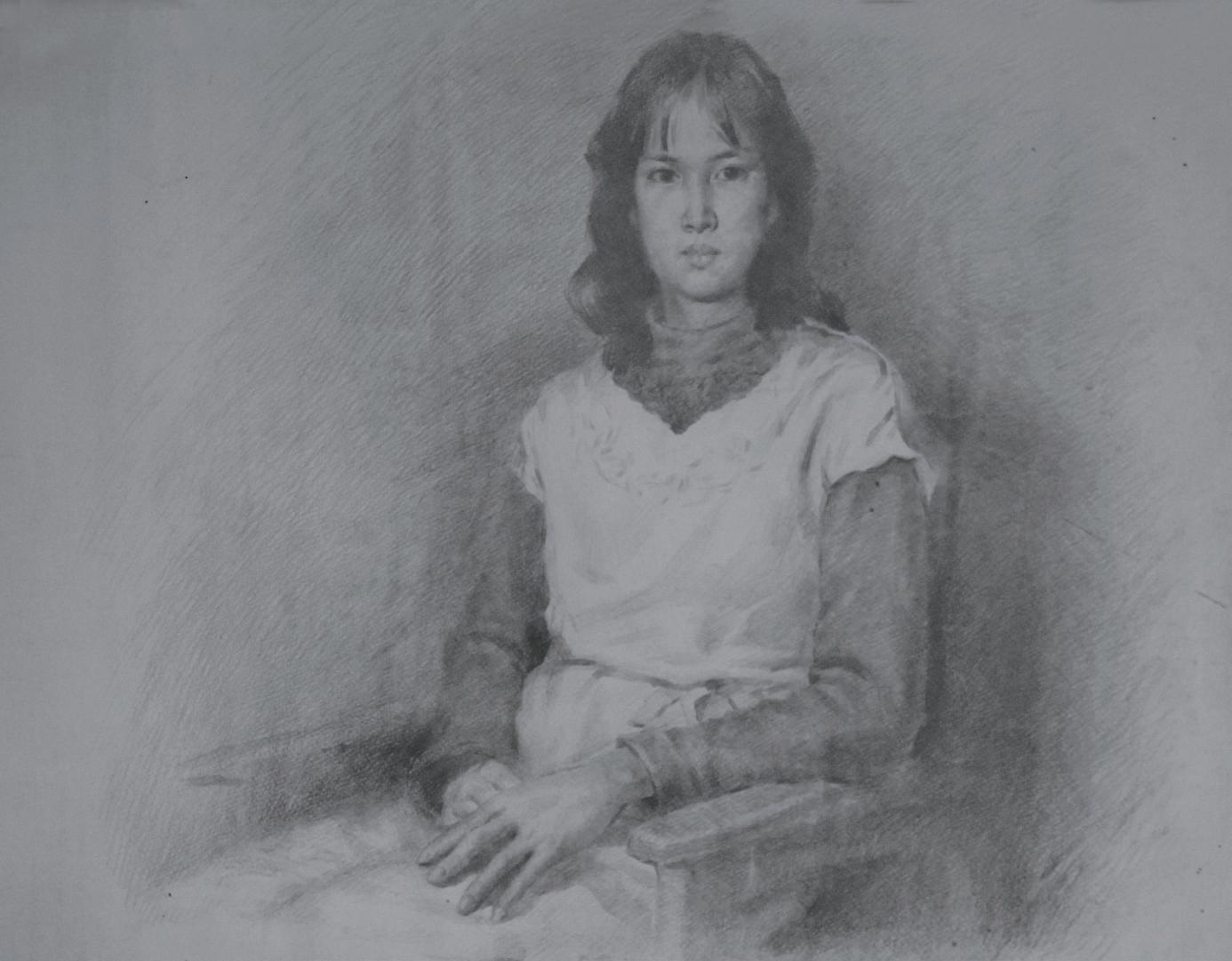
Sketch
Gouache Painting