Xiyan Yan
01

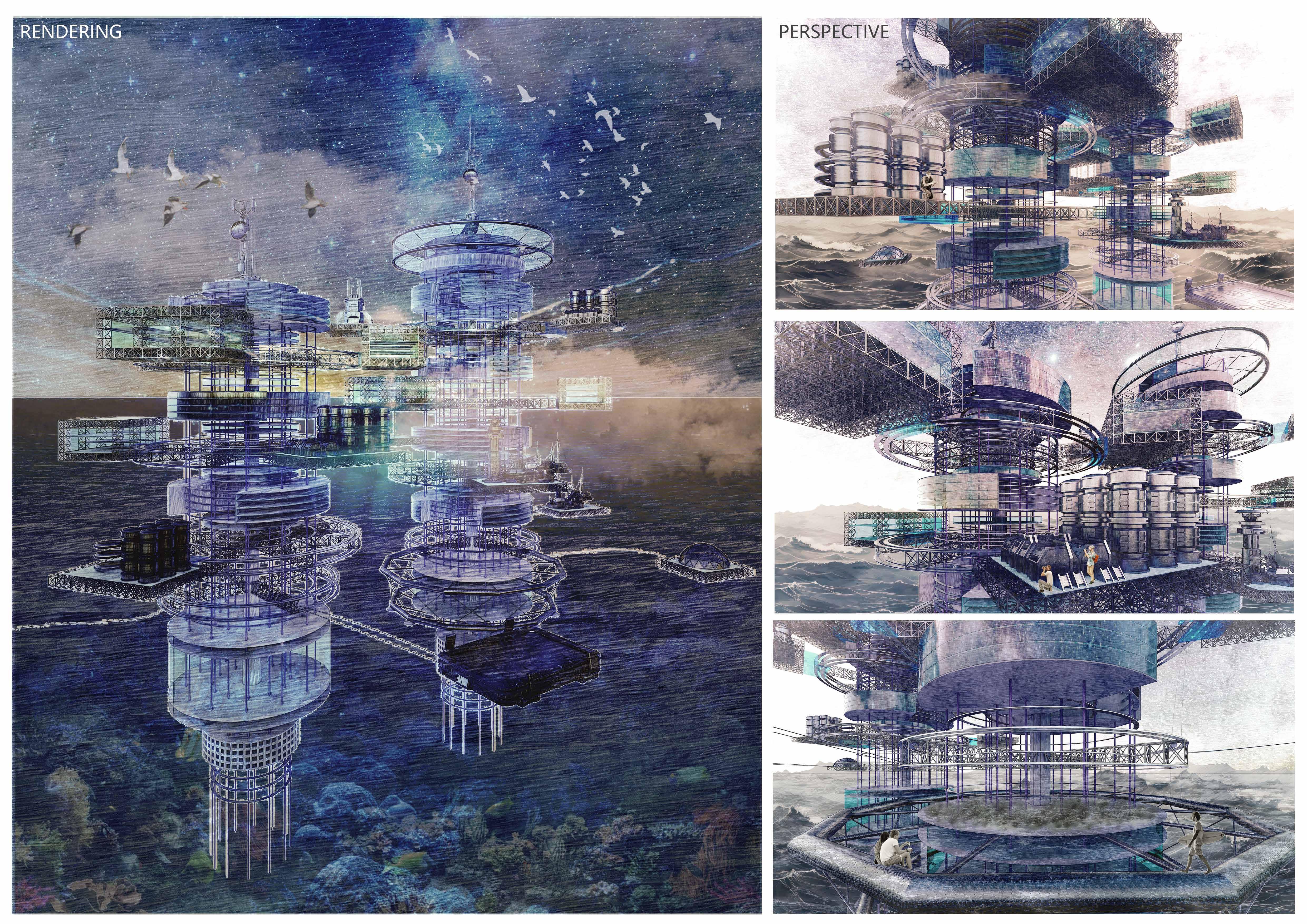
Sea Refuge
High-rise Offshore Building Design for Withstanding Mega-Tsunamis
Time: June-August 2025
Tutor: Peta Carlin
Email: Peta.Carlin@xjtlu.edu.cn
Location: Tokyo, Japan
Project Type: Academic work, individual work
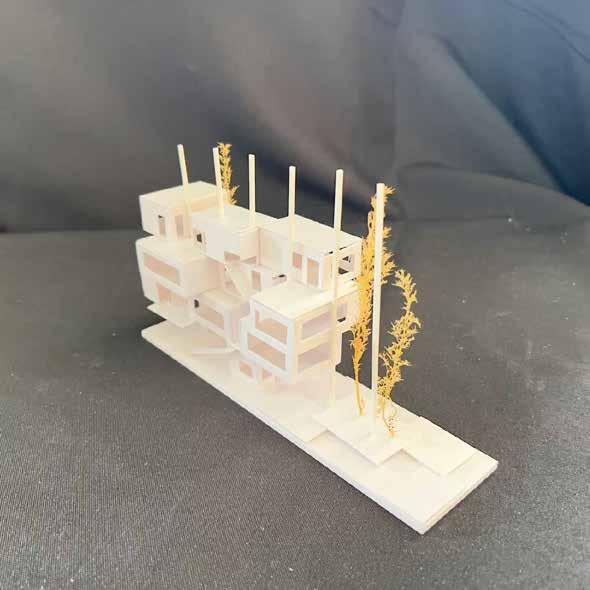
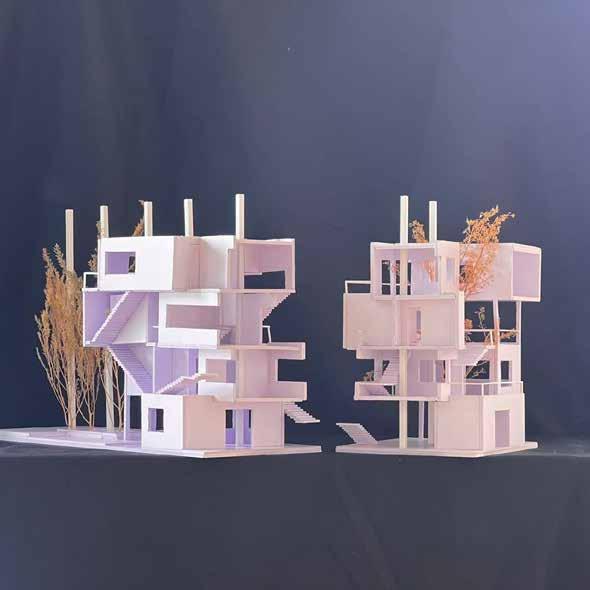
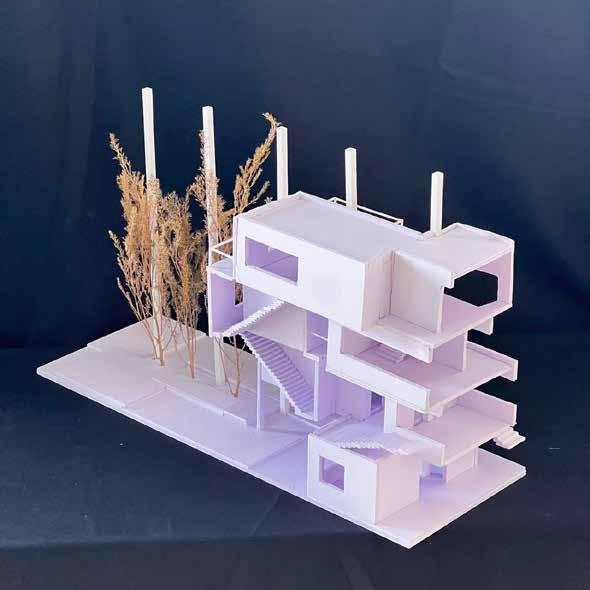
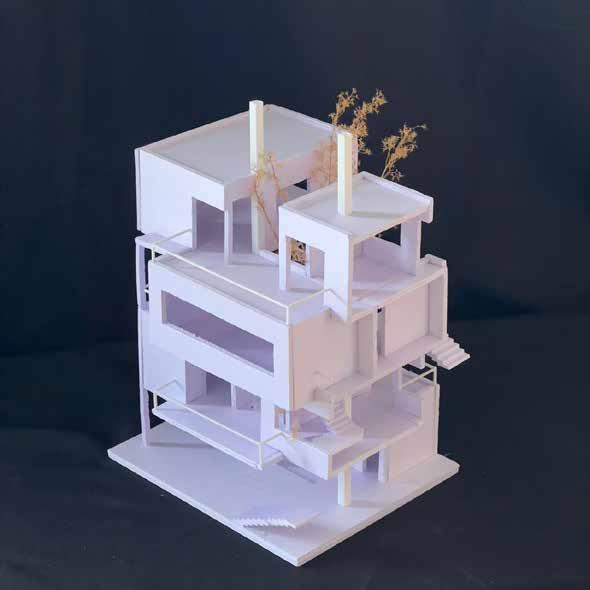
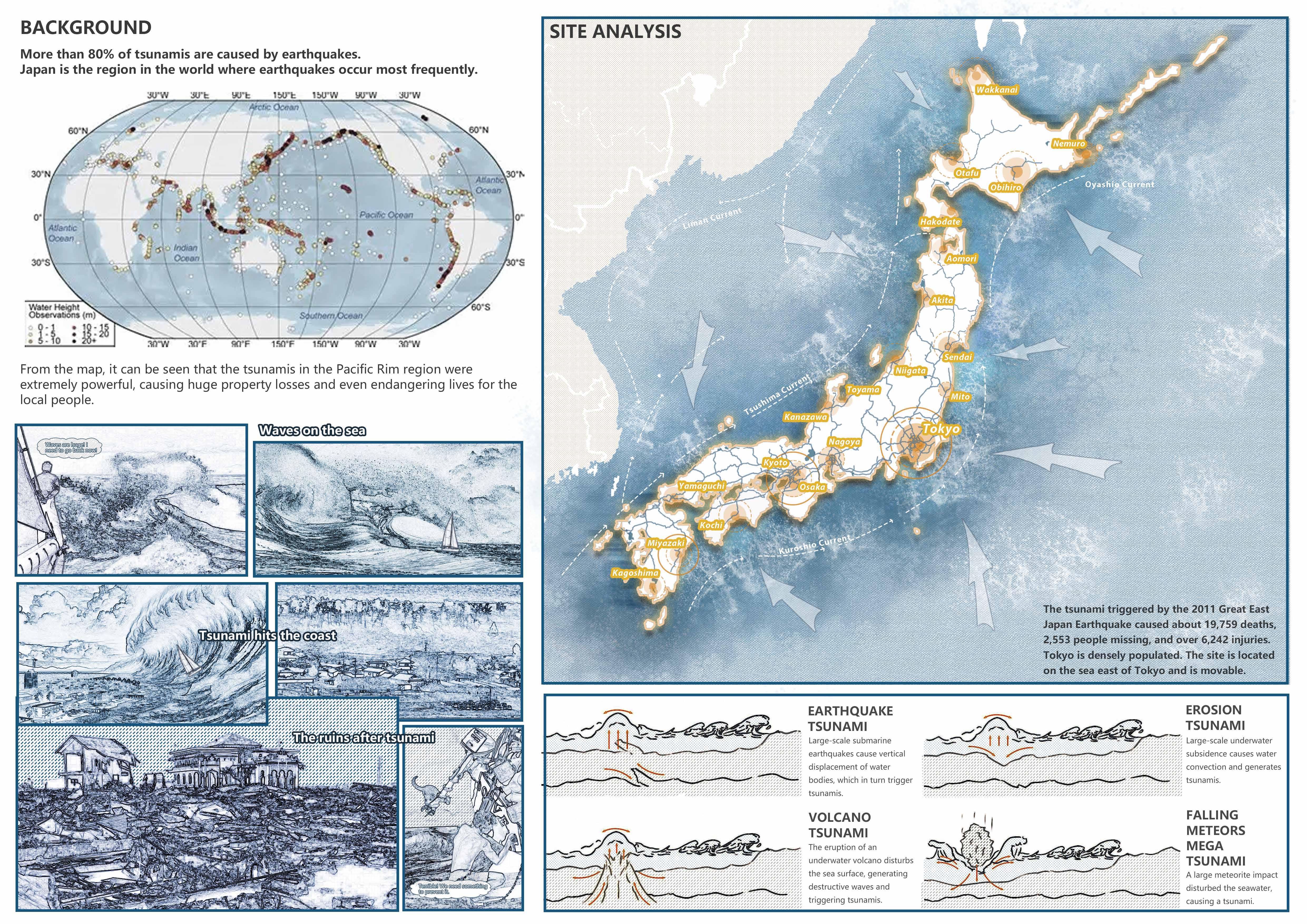
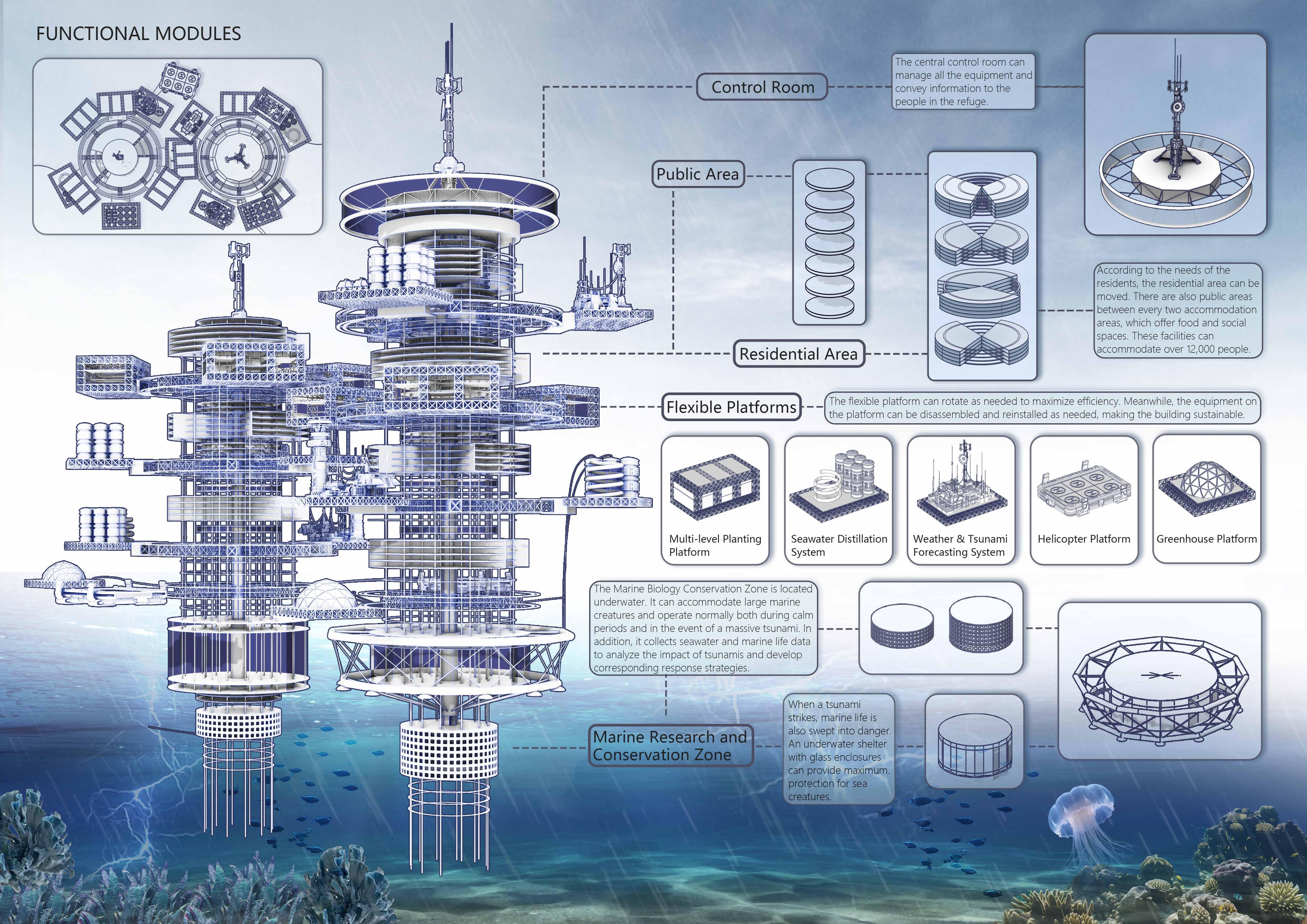
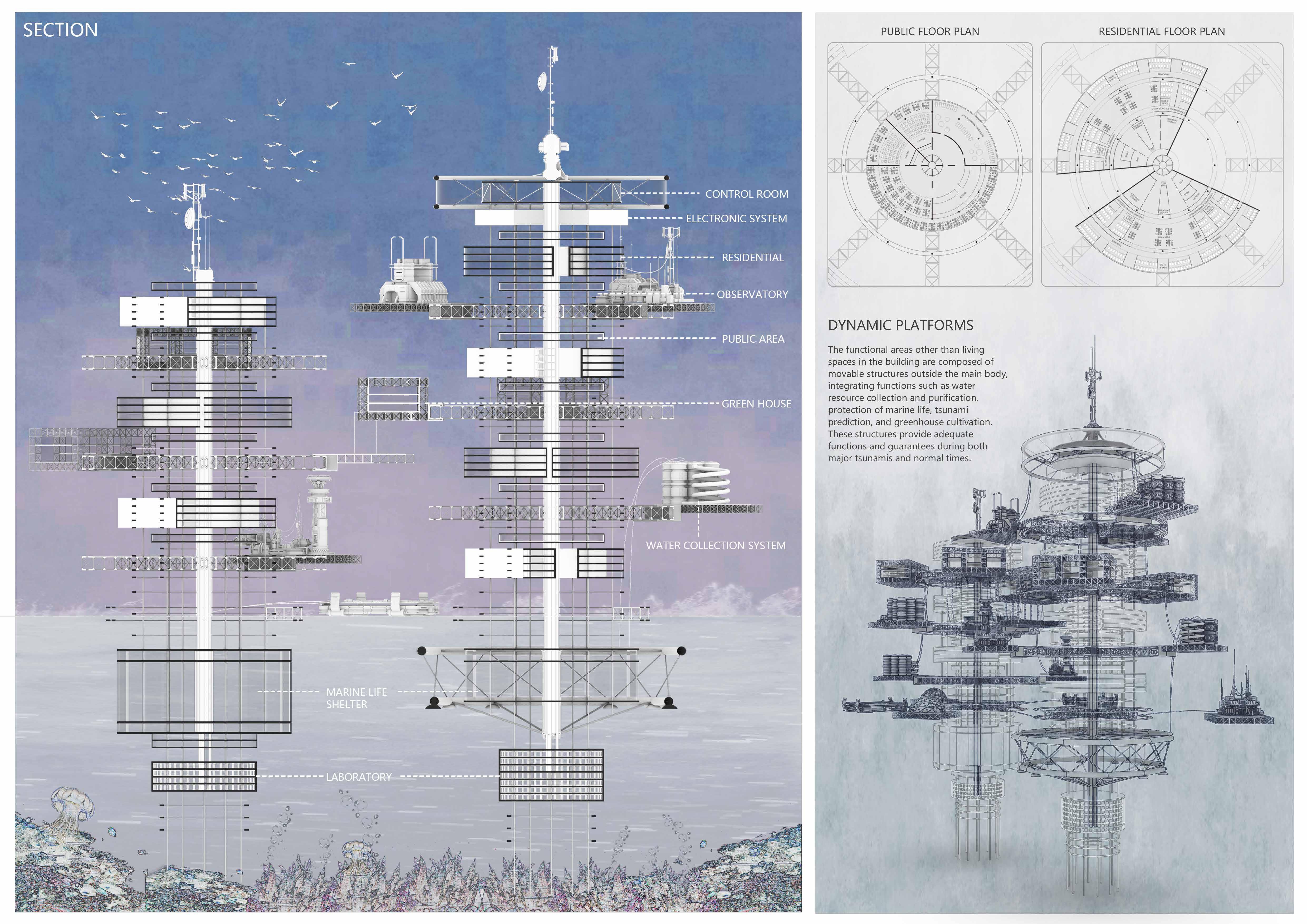
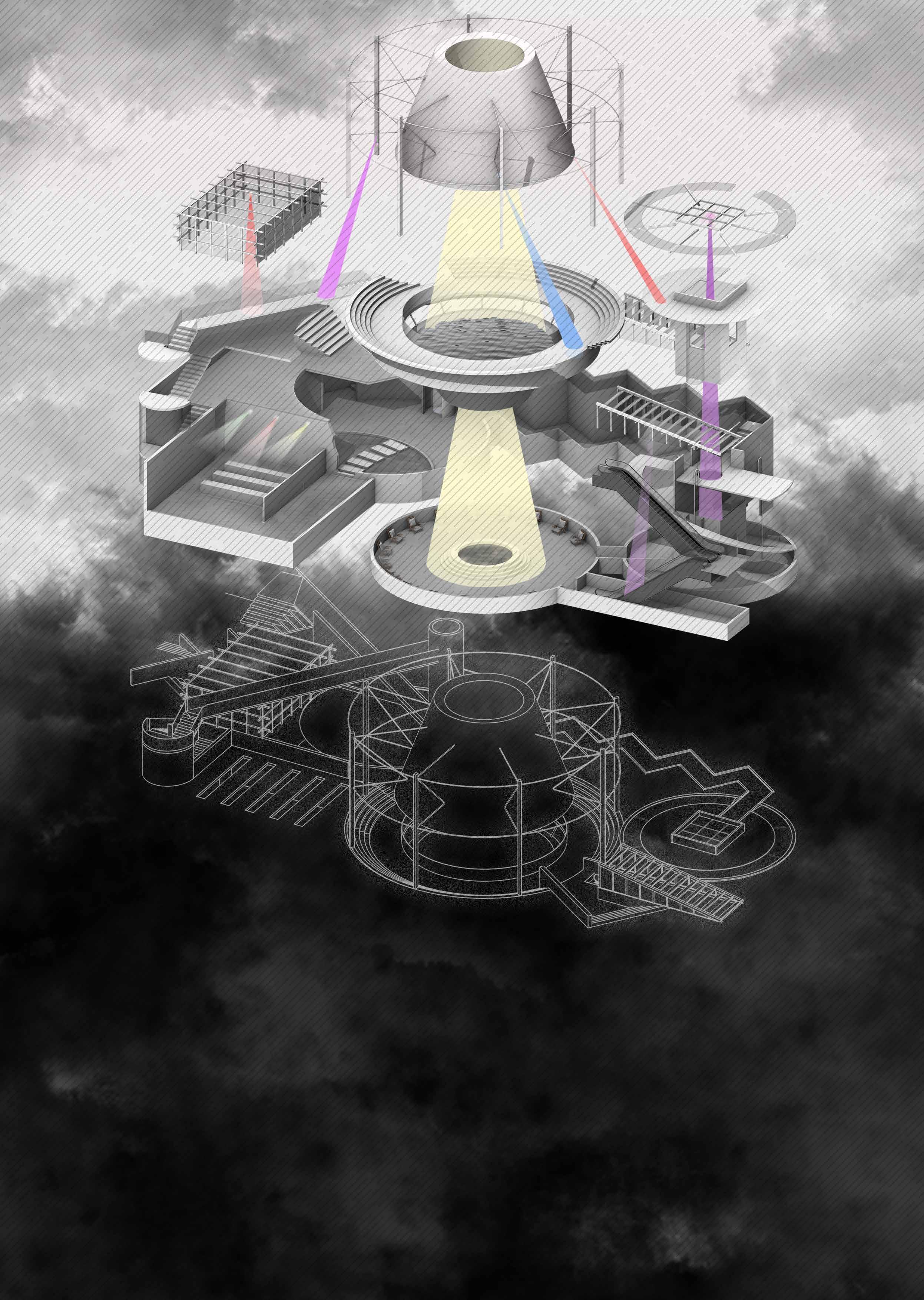
With ongoing global climate change and rising sea levels, the threat of powerful tsunamis is increasing. This project proposes a high-rise structure located offshore near Tokyo, designed specifically to withstand and respond to mega-tsunami events. When a catastrophic tsunami occurs, the building can accommodate up to 12,000 affected residents, providing shelter, food, and basic recreational areas, as well as protected spaces for endangered marine species. In addition, the building is capable of forecasting tsunamis in advance and, during normal conditions, supports marine research and food production.

02 Dreamscape
Cinematic Translation in Spatial Design
TIME: February-June 2024
TUTOR: Fuwei Shao
Email: FuweiShao.PT@xjtlu.edu.cn
Project Type: Academic work, individual work
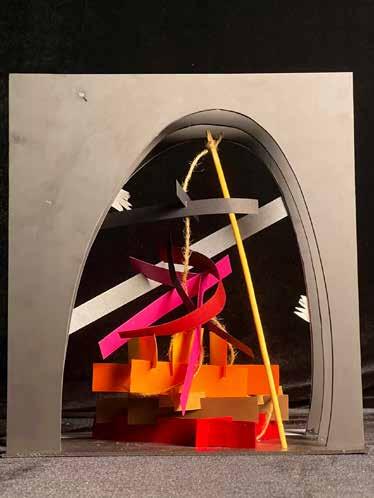
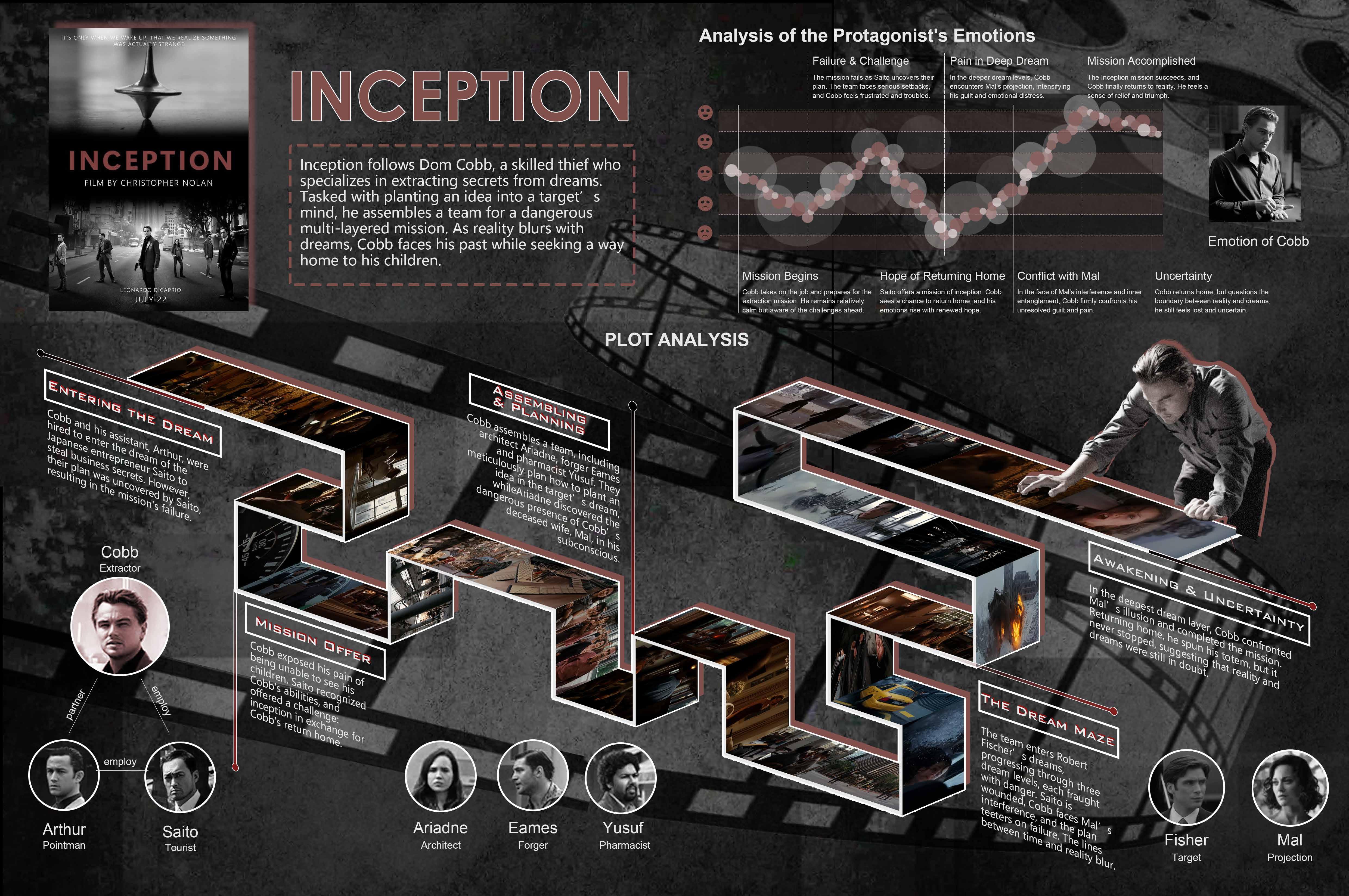
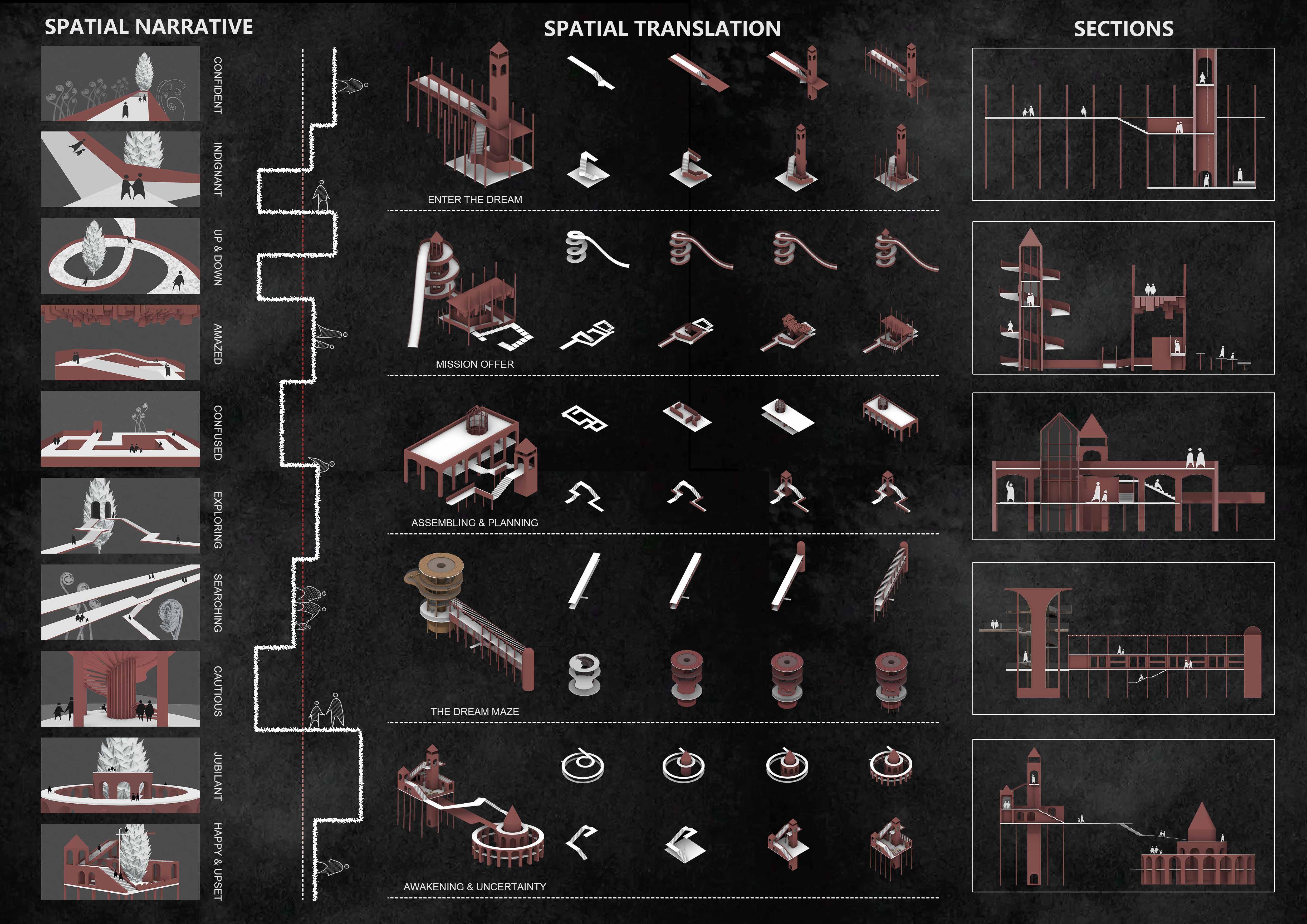
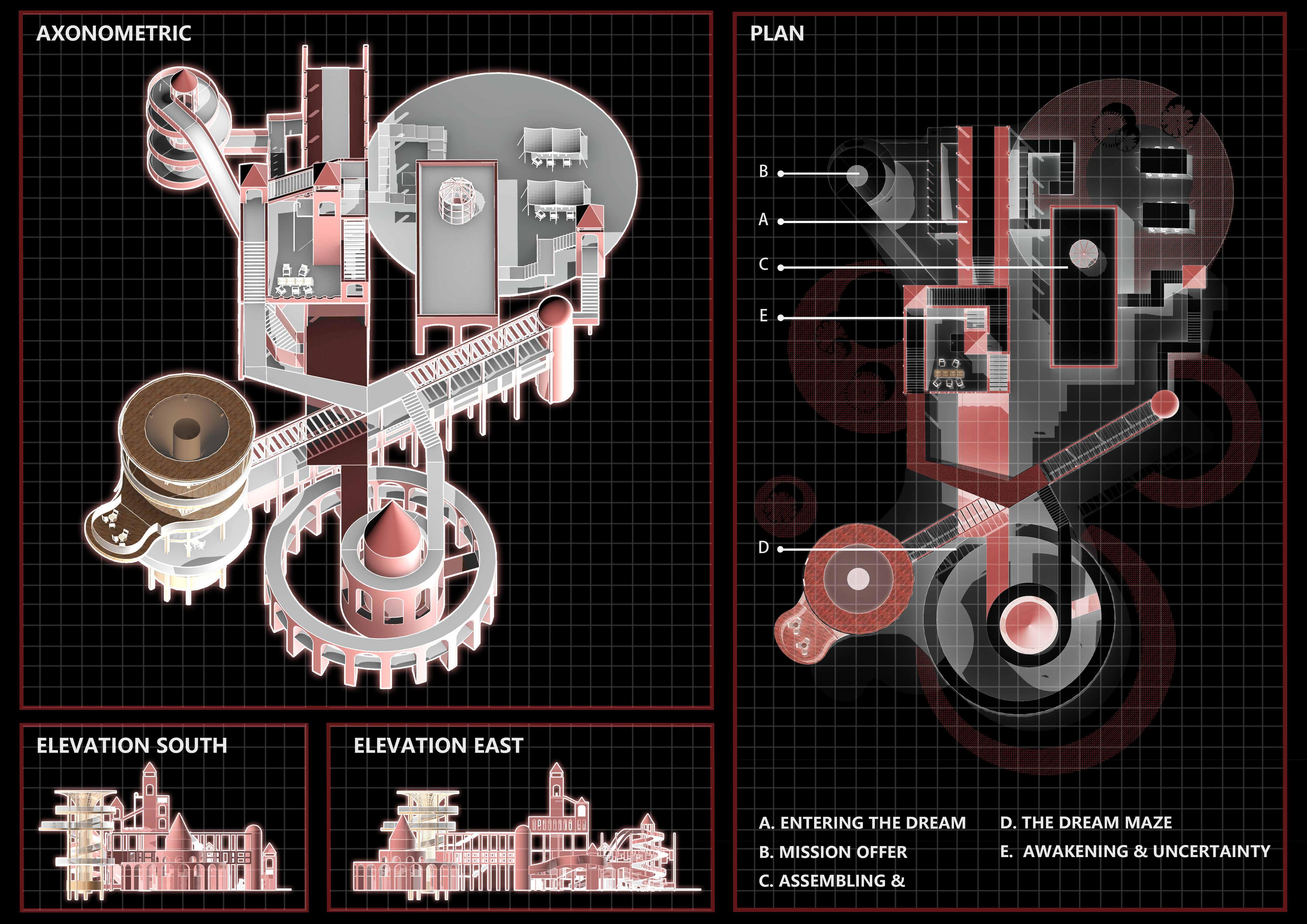
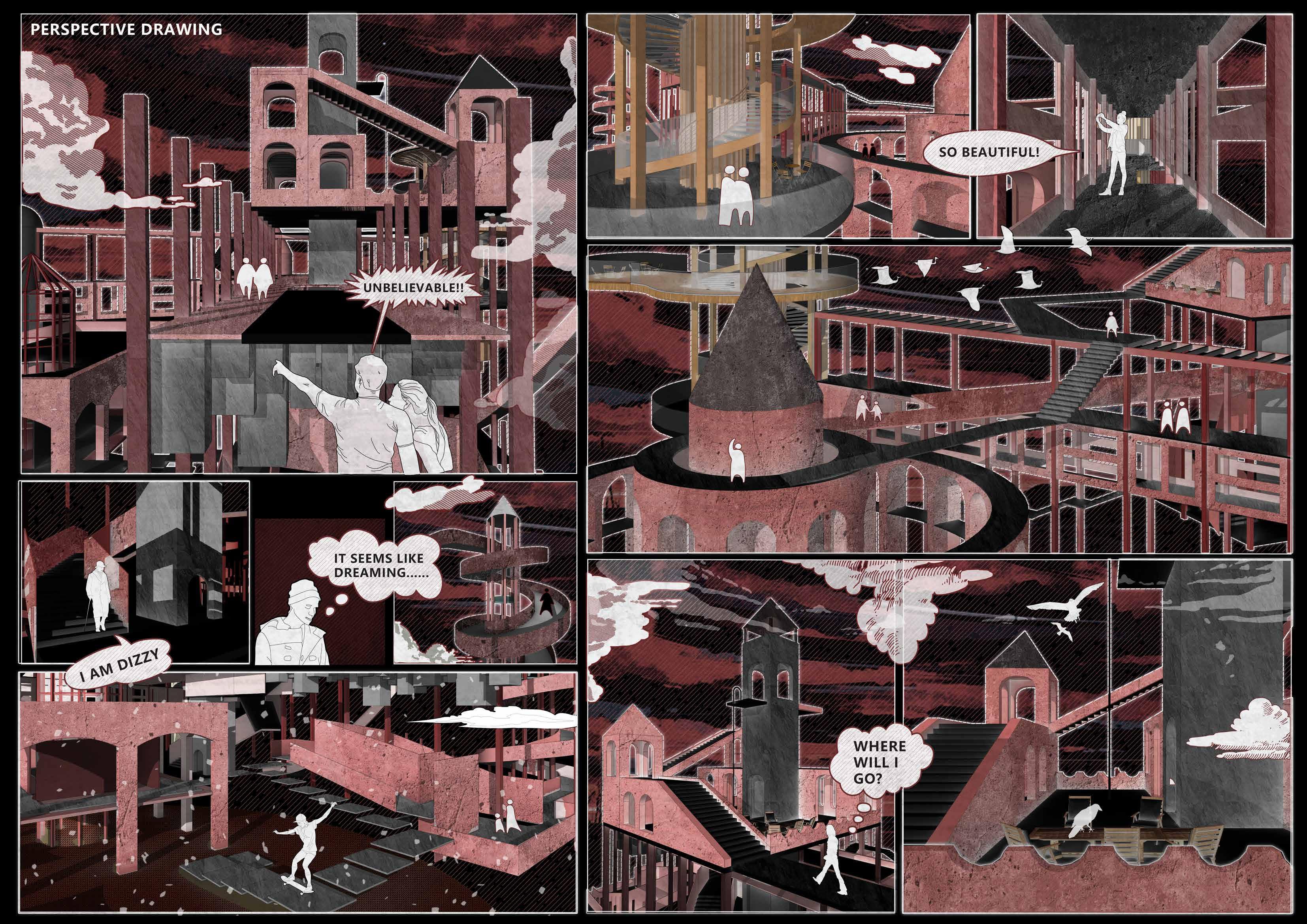
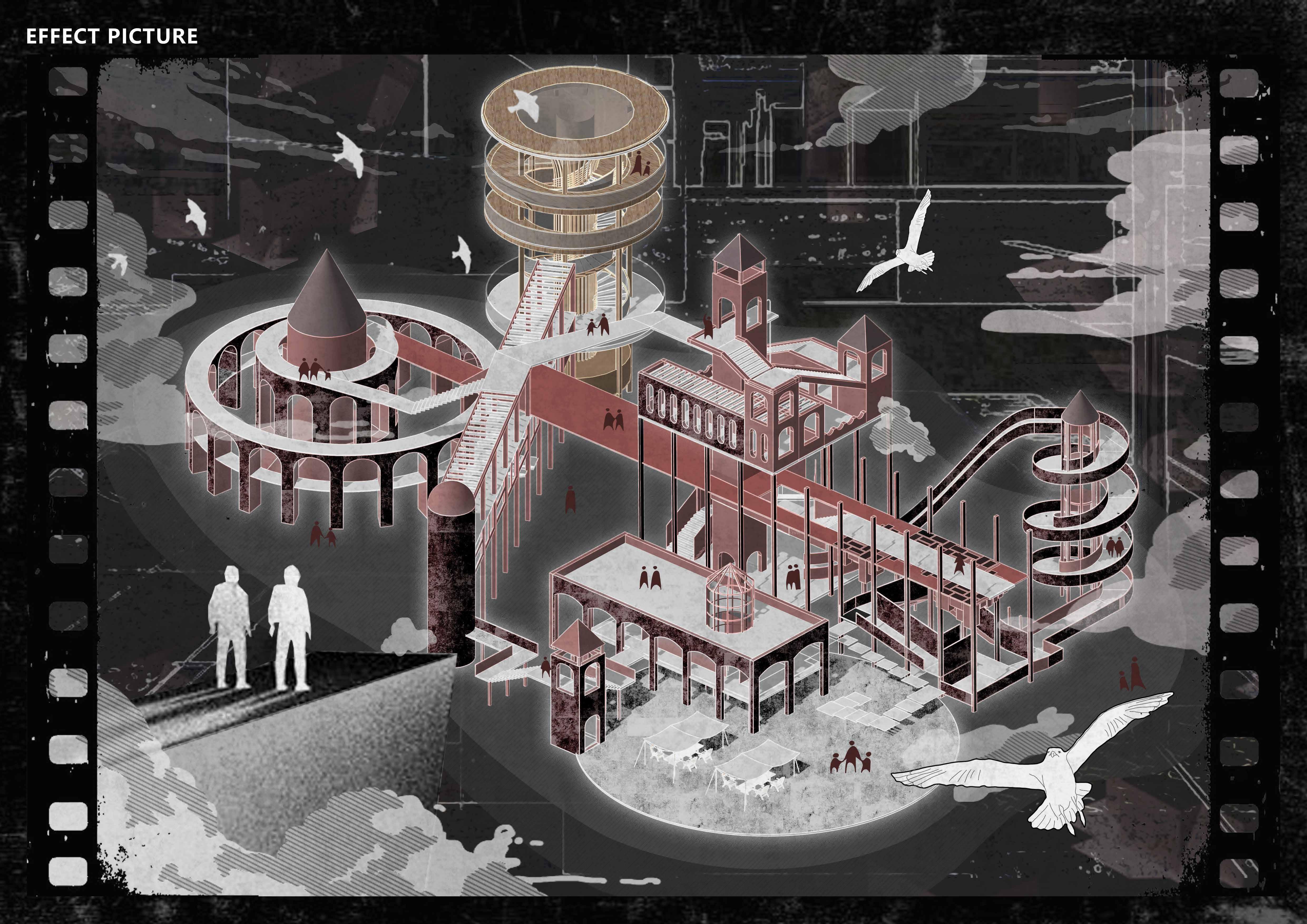
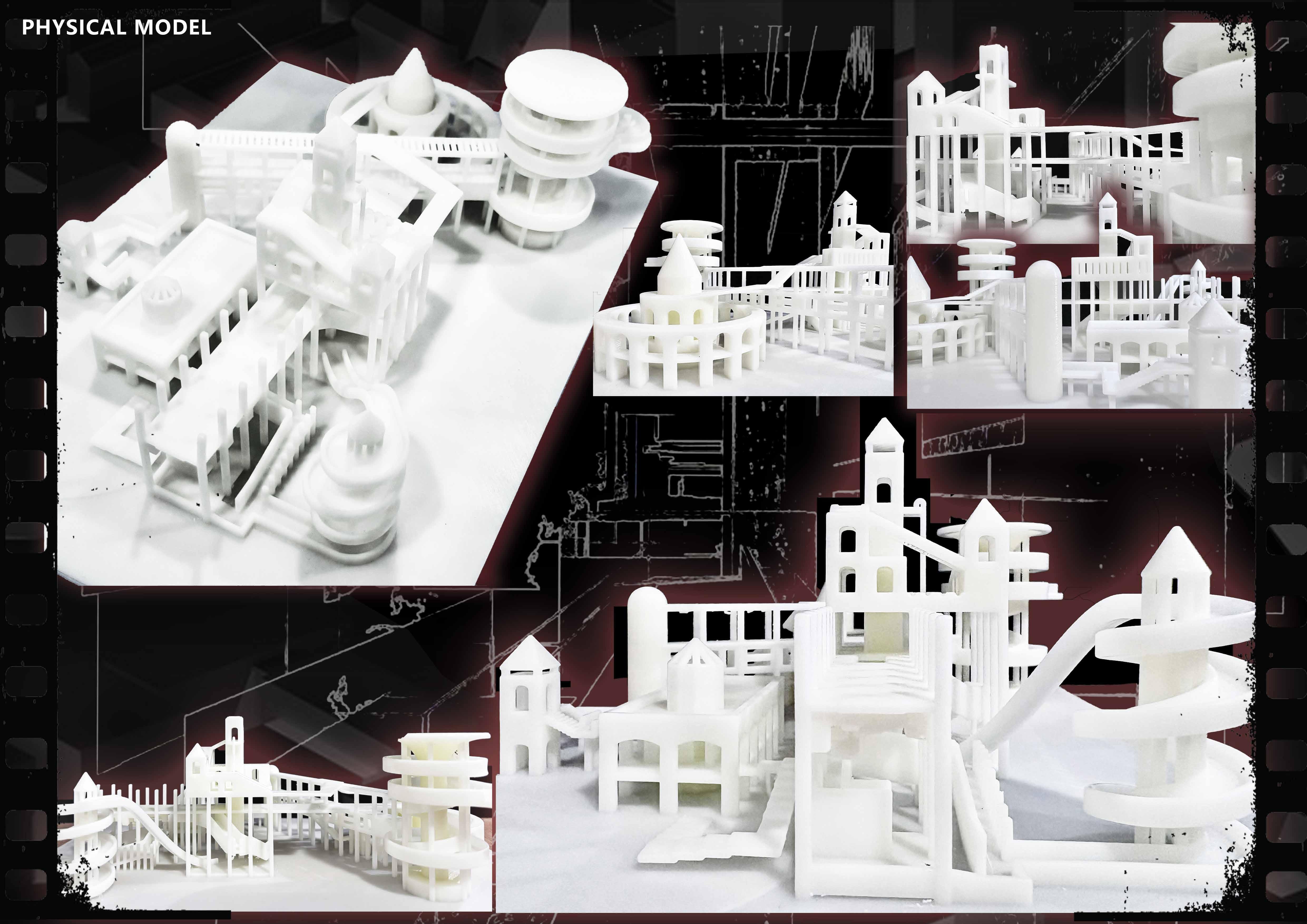
This project explores the emotional potential of space and investigates how spatial design can shift psychological states. Drawing inspiration from the movie Inception , it transforms cinematic narratives into architectural experiences, offering visitors a sequence of dynamic and immersive emotional transitions. Within the building, elements such as zip lines, slides, mazes, and castle-like structures create both physical and mental stimulation. In addition, the project provides spaces for rest and social interaction throughout the building.

Star Observatory
Literary Narrative Complex
Time: June-August 2024
Tutor: Ines Essen
Email: Ines.Essen@xjtlu.edu.cn
Location: Hong Kong, China
Project Type: Academic work, individual work
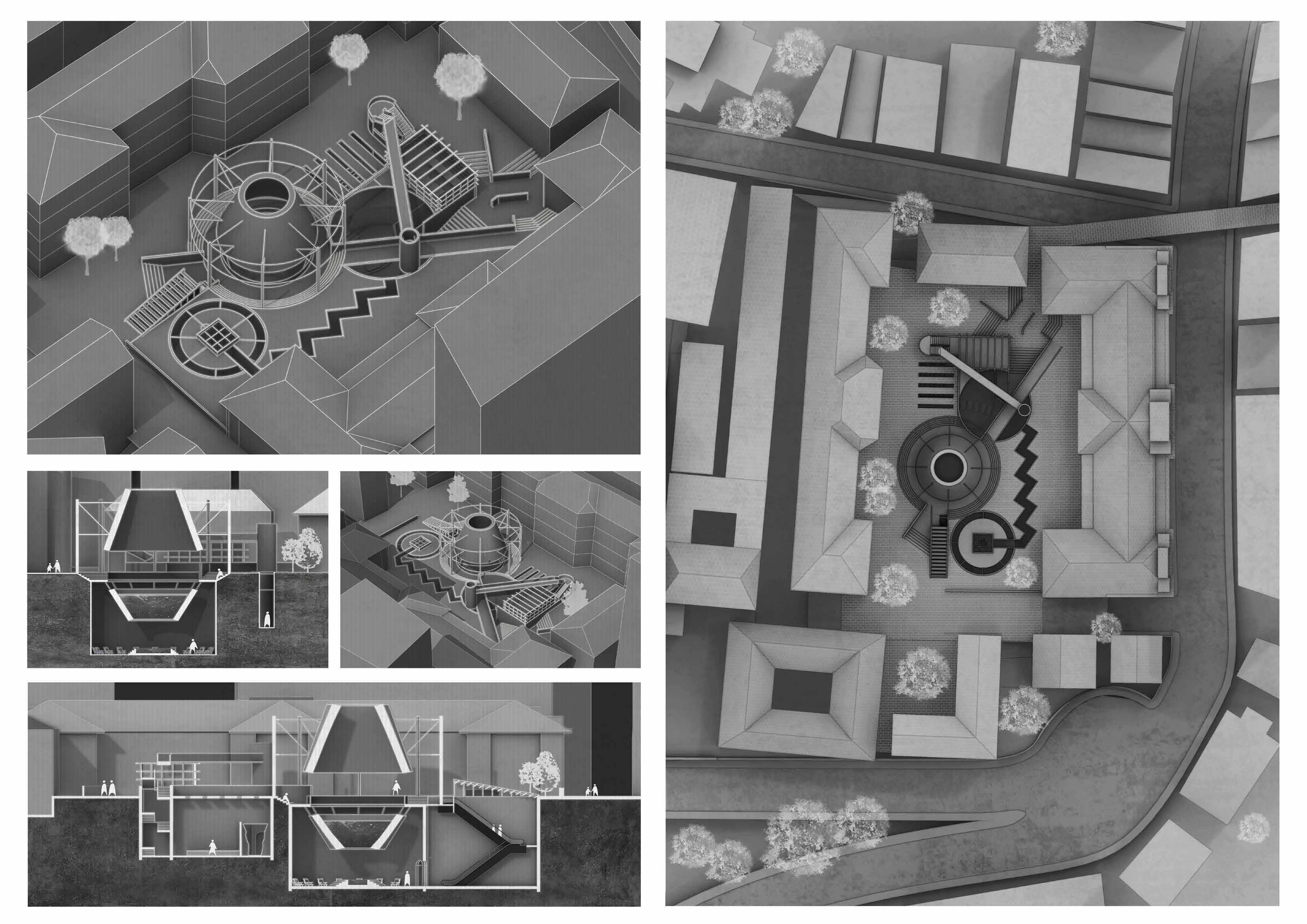
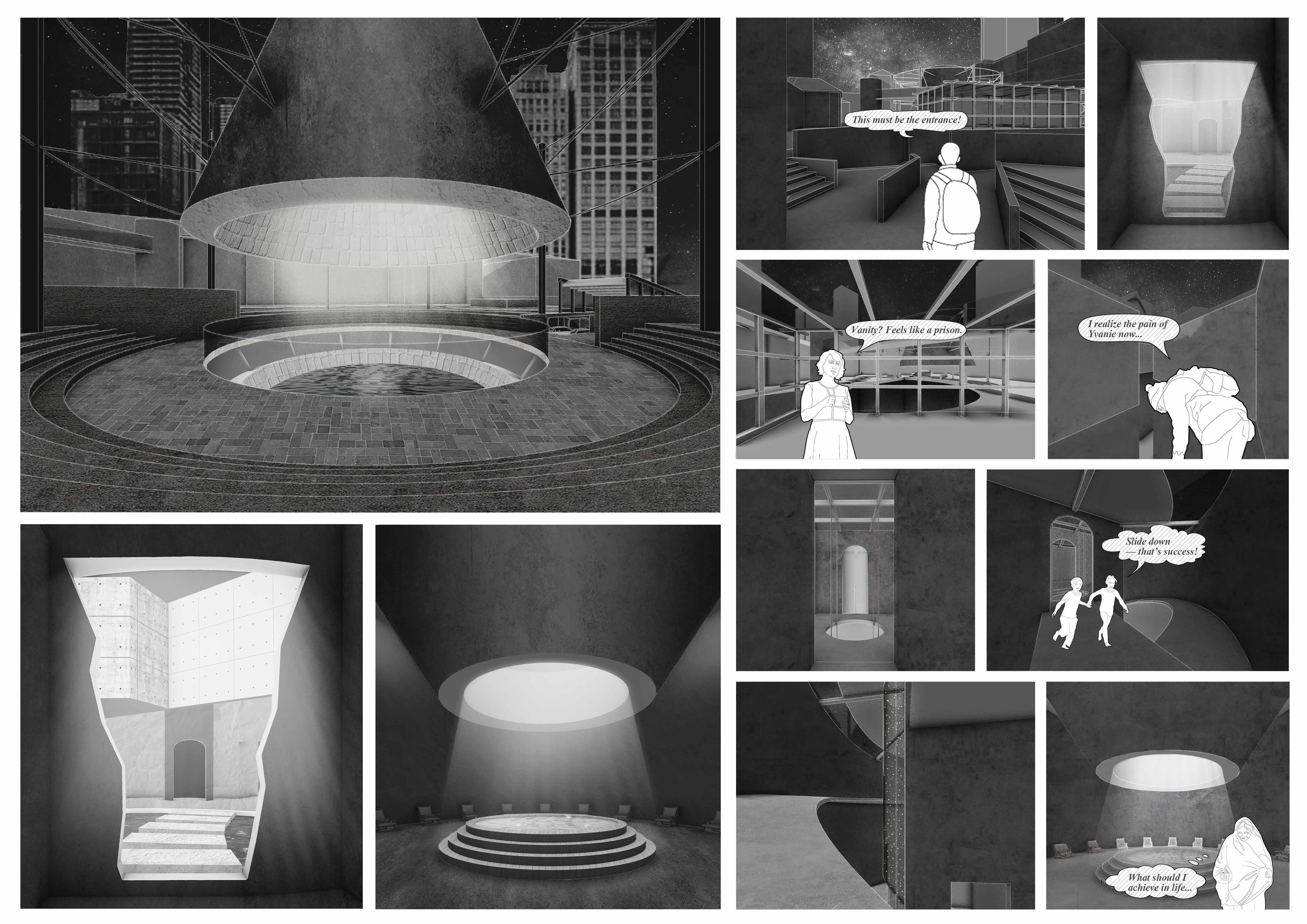
This project is a spatial experience building that integrates stargazing functions. By designing emotional experience spaces inspired by the main characters of the fairy tale Stardust, along with a narrative journey that follows the storyline, the project enables visitors to deeply sense the diverse facets of human nature. As they move through the emotional worlds of different characters, visitors are encouraged to reflect on their own inner states and discover the direction of their hearts. While observing the stars by the reflection on the water, they are invited to find the "starlight" within themselves.
BACKGROUND

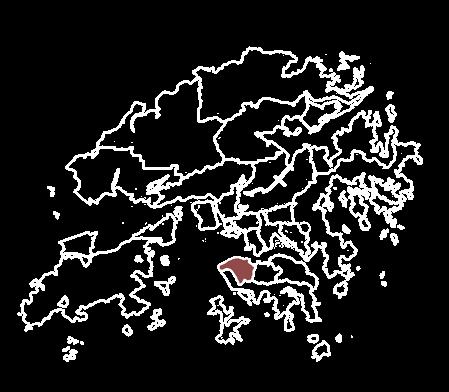
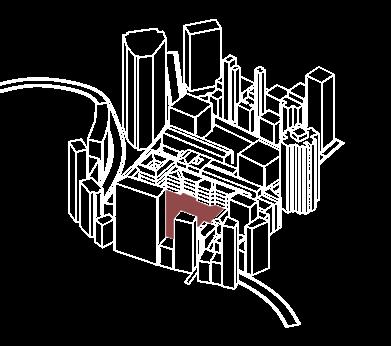
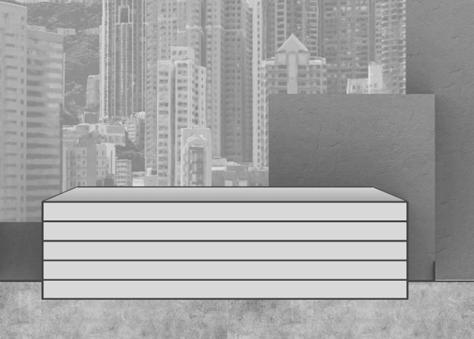
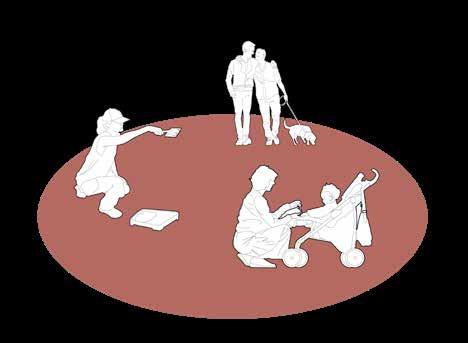
Hong Kong is one of the world's economic centers. The economic prosperity has brought about tremendous work pressure, and excessive development has led to severe light pollution. This project involves creating a series of experiential spaces based on the fairy tale Stardust. By experiencing different emotional spaces, it aims to relieve the stress of the community members, help them rediscover their own life goals, and at the same time make people aware of the serious problem of light pollution.
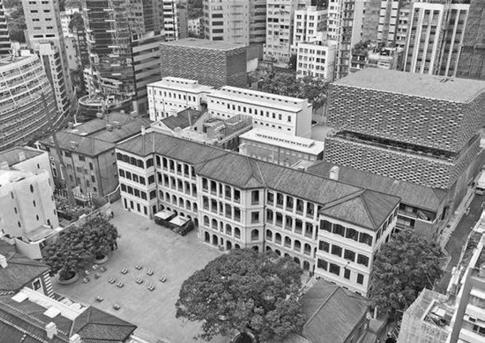
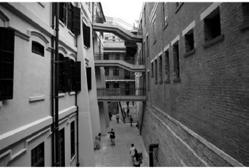

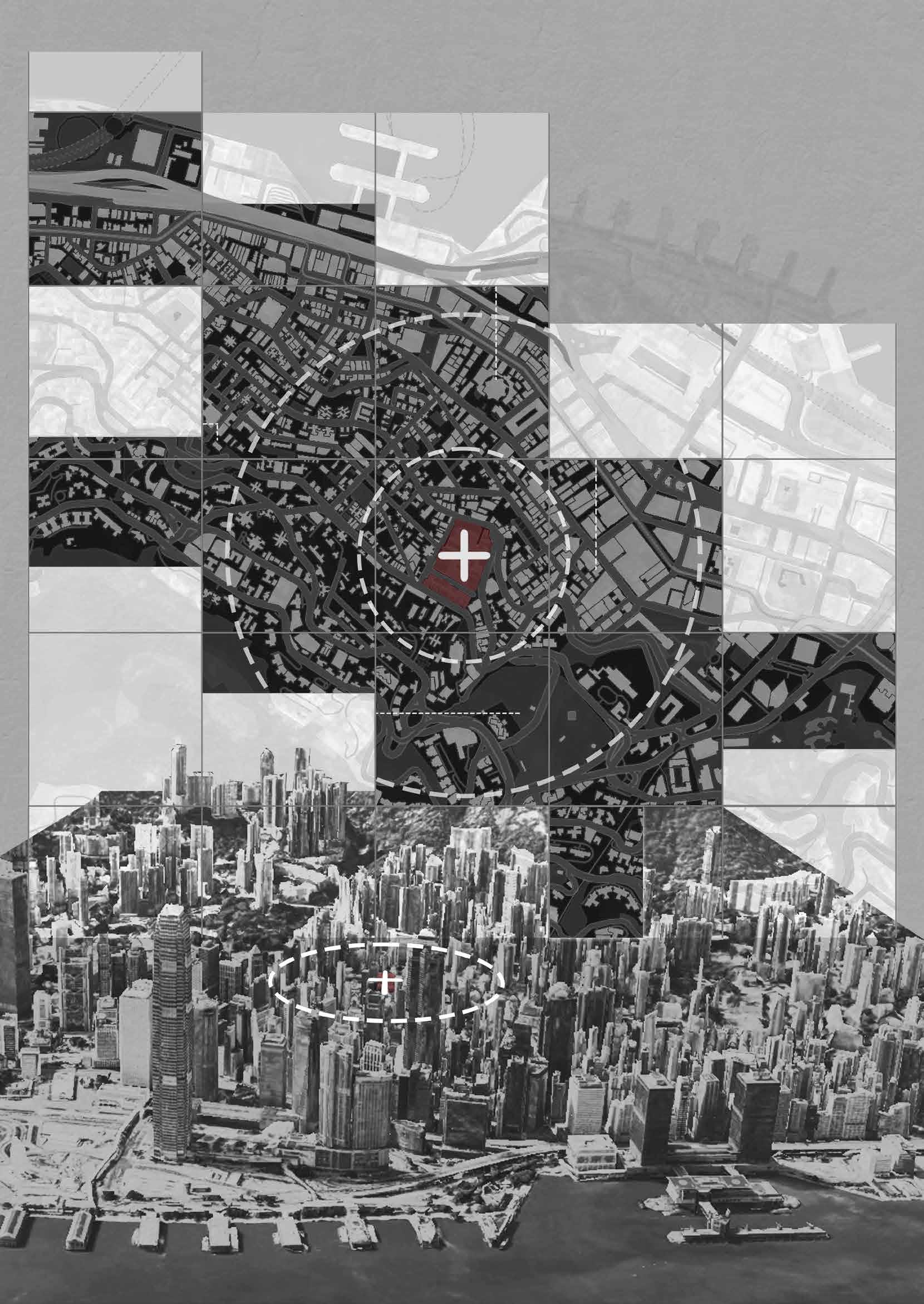
Victoria Prison, located on Old Bailey Street in Central, is one of Hong Kong’s oldest prisons, built in 1841 to detain British naval convicts. As a key colonial judicial institution, it underwent multiple expansions and witnessed the evolution of Hong Kong’s penal system. Damaged during the Japanese occupation in World War II and reopened afterward, it later served as a remand and refugee transit center. Officially decommissioned in 2006, the site was revitalized in 2018 as Tai Kwun – Centre for Heritage and Arts. Today, Victoria Prison stands as one of the city’s most representative colonial structures, preserving the historical memory of Hong Kong’s transformation from a British colony to a modern metropolis.
LAN KWAI FONG
HONG KONG PARK
HONG KONG ZOOLOGICAL AND BOTANICAL GARDENS
HONG KONG MUSEUM OF MEDICAL SCIENCES
HONG KONG
CENTRAL VICTORIA PRISON
DESIGN LOGIC
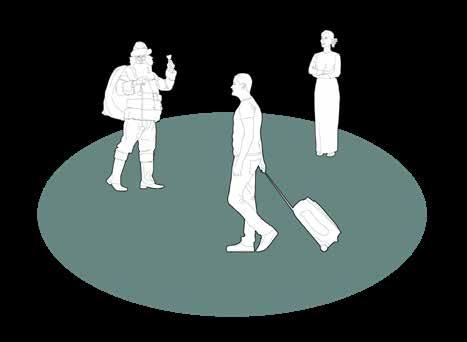
In1840s, Victorian era, a village in England, Tristan wanted to enter fairyland to look for a fallen star to present to his beloved Victoria, and found that the star was actually a beautiful girl. On the way back, Tristan encountered numerous troubles. He fell in love with the stars and discovered his own background, eventually becoming the king.


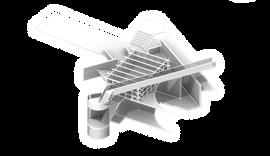
RECEPTION & CAFE


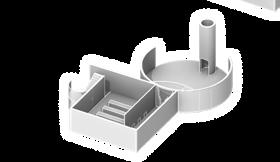
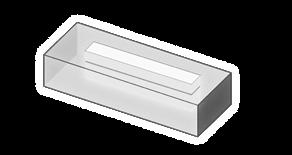







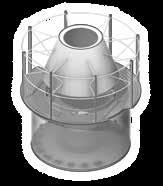
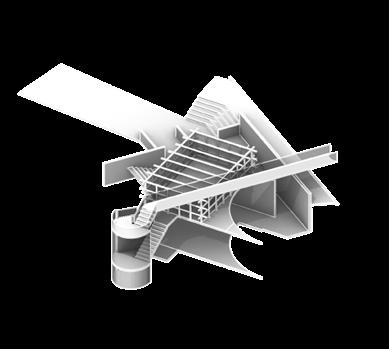
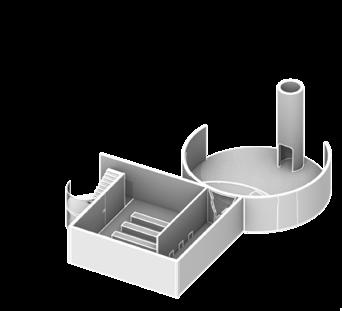



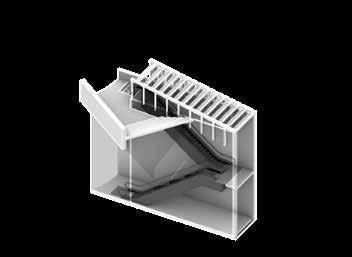
"Hope"
"Guilt"
FEAR
VANITY
KINDNESS
GREED
THE CRACK
MEDITATION HALL
LOVE
GUILT
04

Suncoast Resort
Refuge Design for Vacation and Forest Protection
Time: September-December 2024
Tutor: Francisco Mejias Villatoro
Email: F.Mejias-Villatoro@liverpool.ac.uk
Location: Mallorca, Spain
Project Type: Academic work, group work
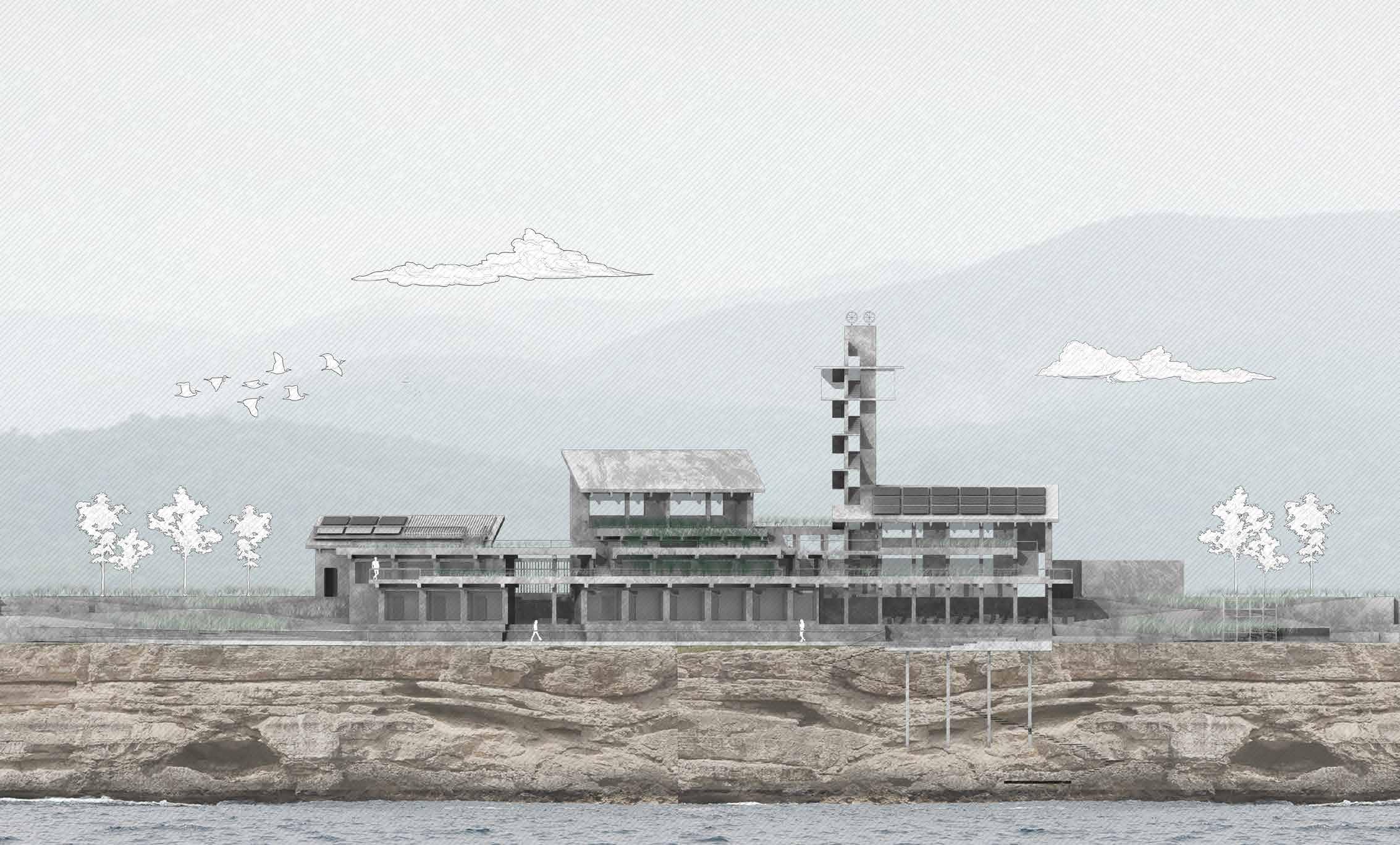
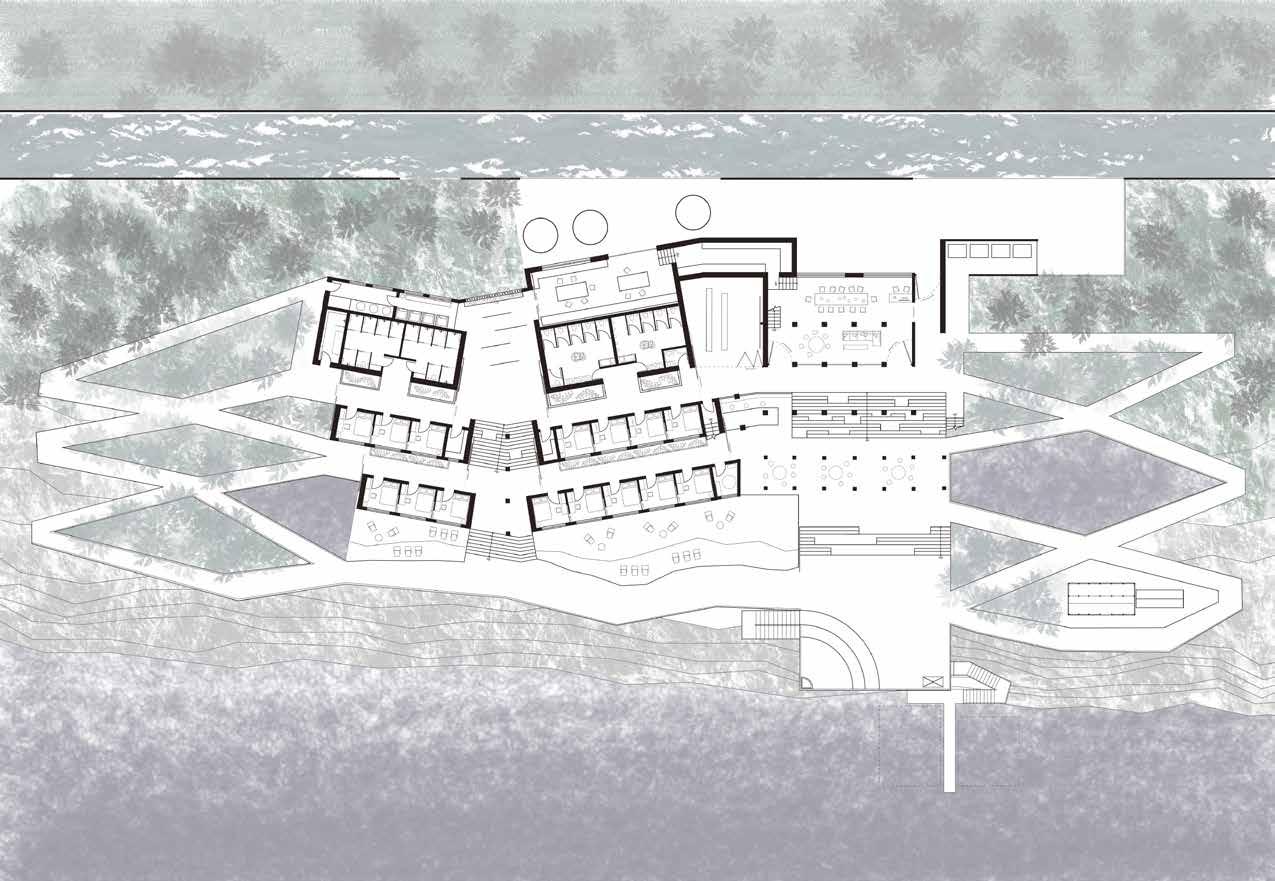
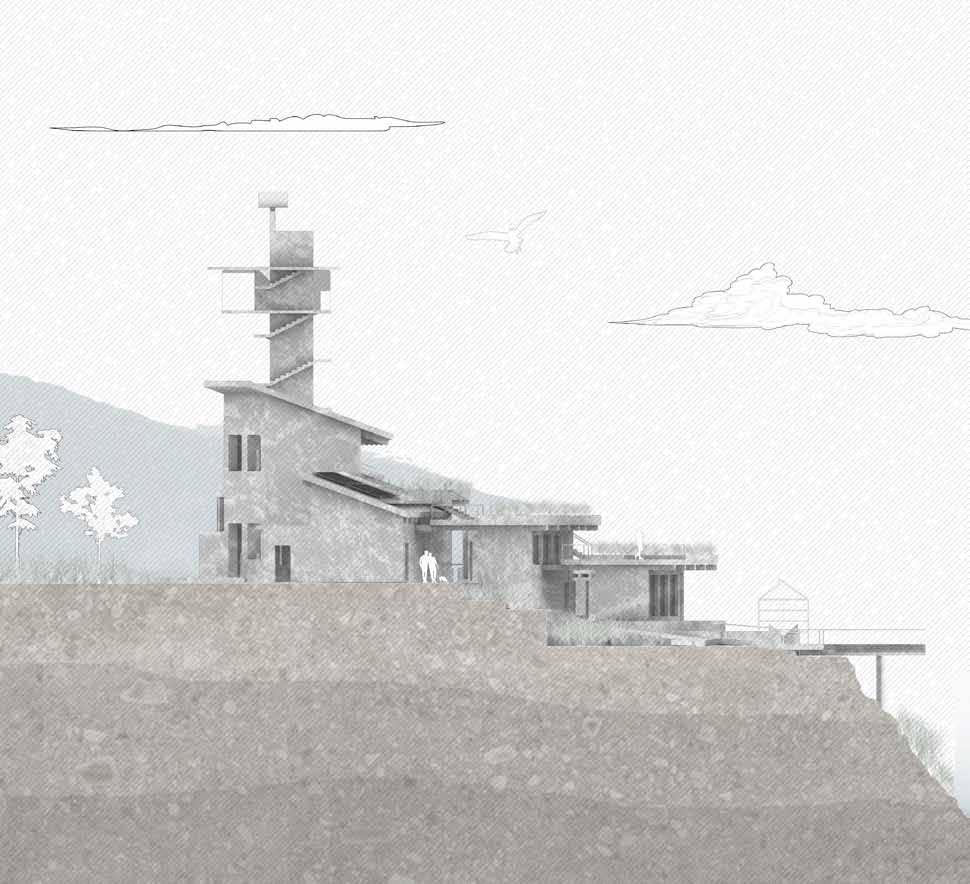
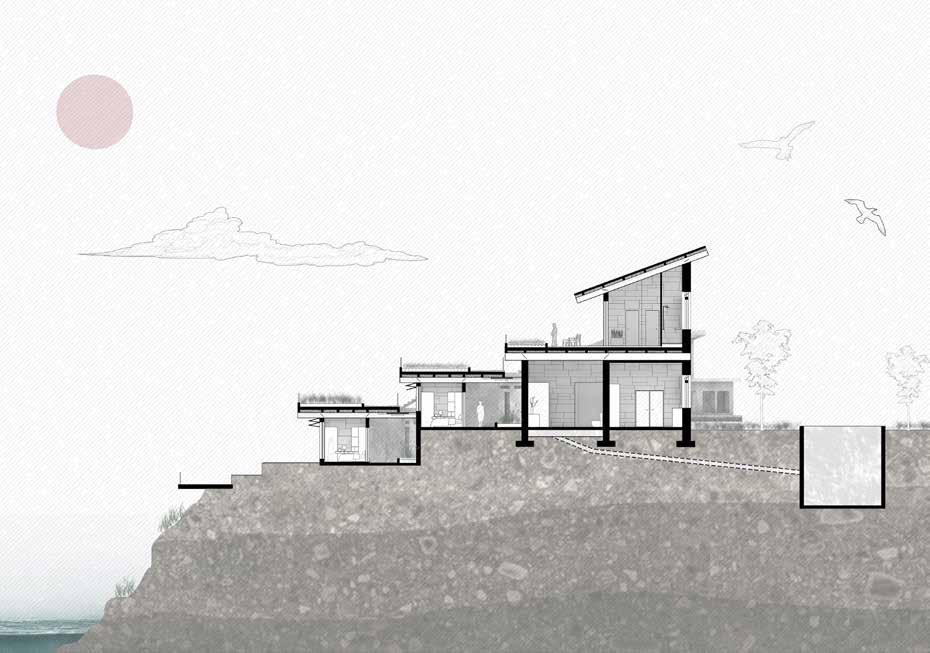
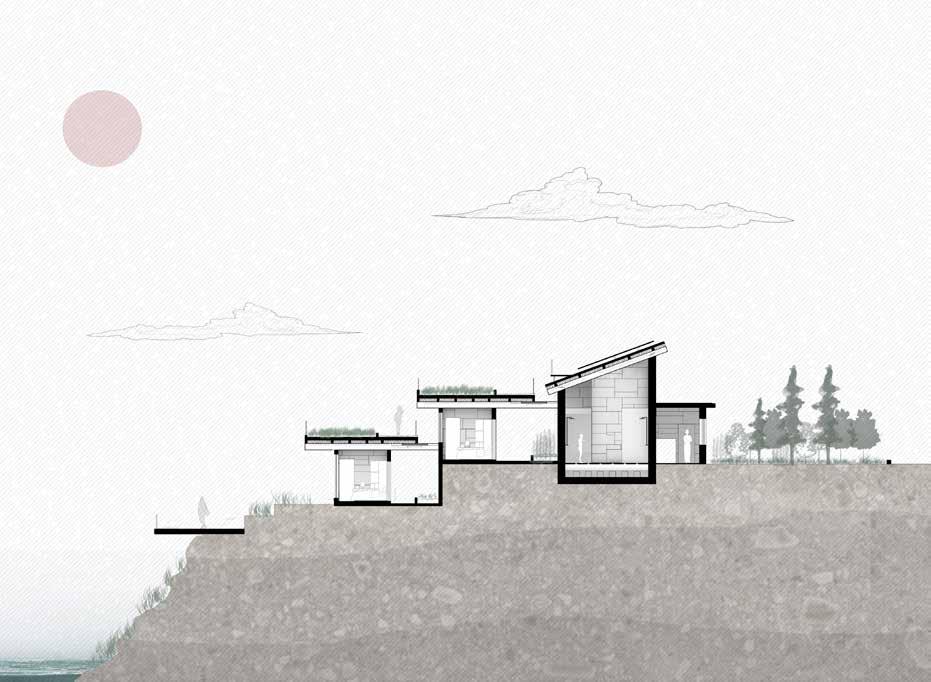
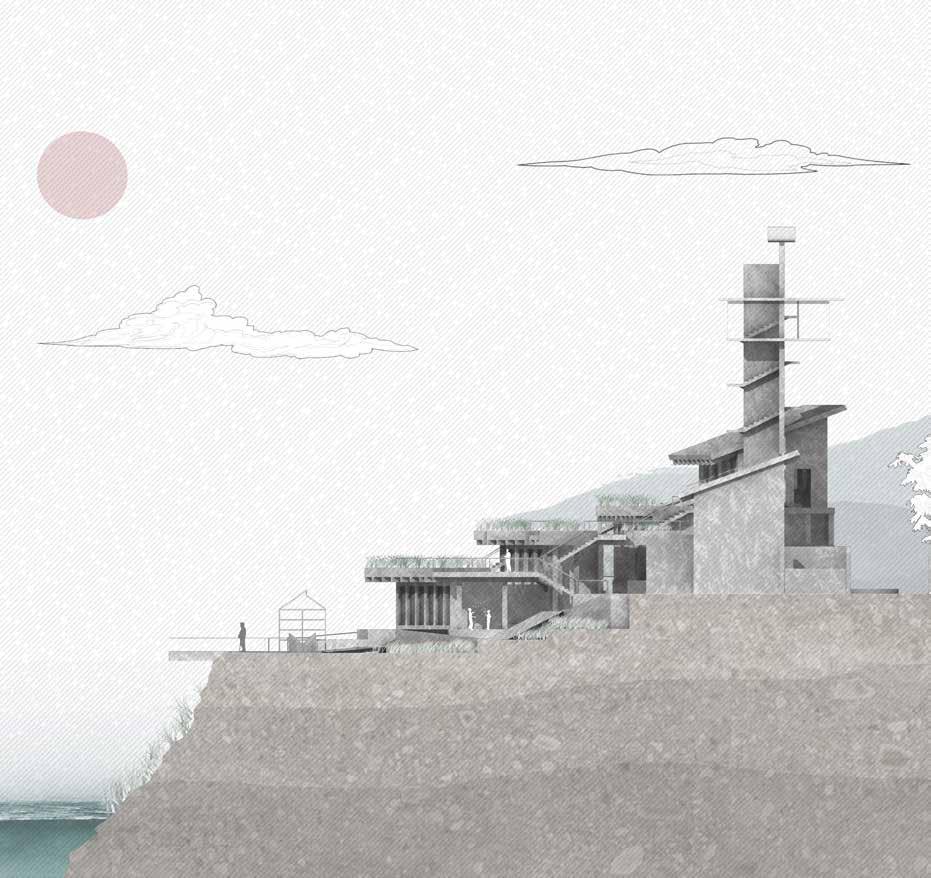
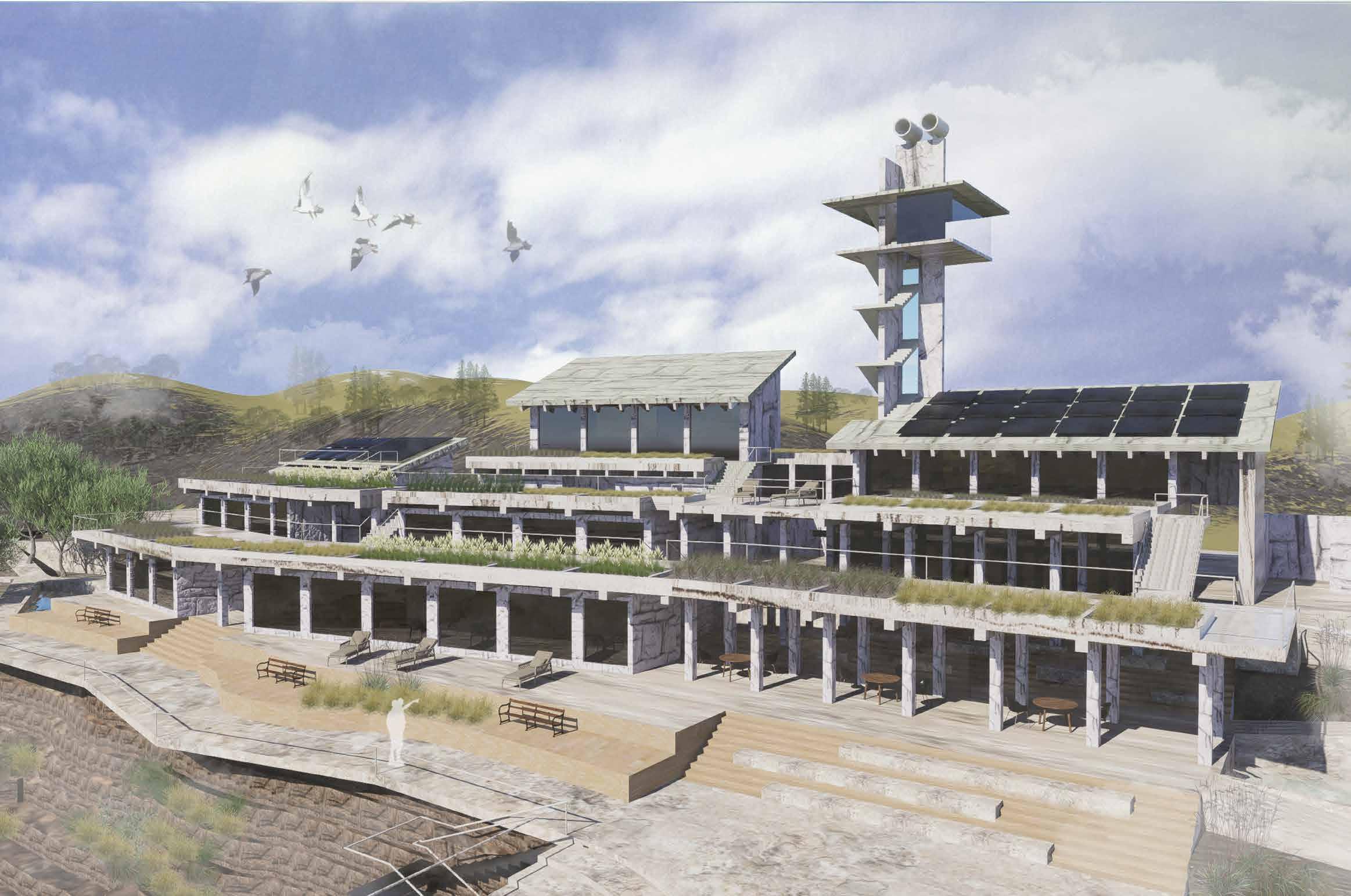
The project located in the southern region of Mallorca, aims to create a refuge that integrates functions of shelter, vacation, and forest protection. The building provides each guest room with generous sea views and follows the natural terrain to maintain harmony with the surrounding environment. Guided by sustainable design principles, the project incorporates rooftop planting areas, a water collection system, and solar panels, providing the rangers and visitors with adequate food, fresh water, and renewable energy.
REGIONAL MAP
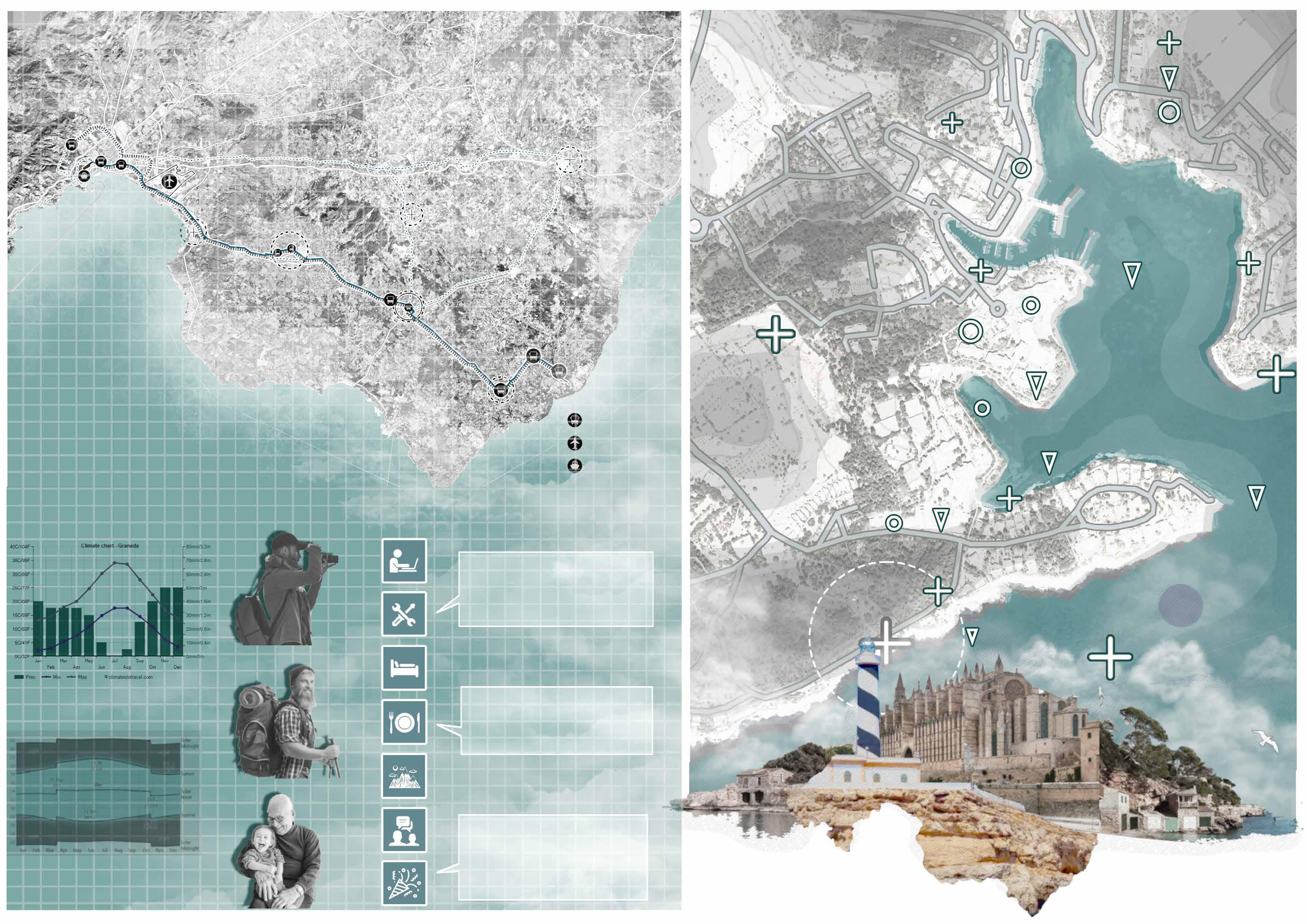
The main means of transportation to Majorca is by air, and the site can be reached directly by transferring to a coach.
CLIMATE CLIENT STUDY
Tourists are the main users of the building, arriving mainly by plane at Majorca and trans-ferring to the site by coach. Most of them are in groups, stay for short periods of time, and with different hiking equipment.
SITE PLAN
Rangers need private living spaces, offices, workshop and observation towers for longterm residence and working. Rangers need to drive into the forest to work.
Majorca has a pleasant climate and beautiful scenery, attracting many people to settle, a considerable number of them are 35 to 45 years old. They enjoy hiking and participating in local traditional activities.
Summer: hot & dry
Palma Cathedral
Formentor Lighthouse
Winter: warm & rainy
Scenic spot
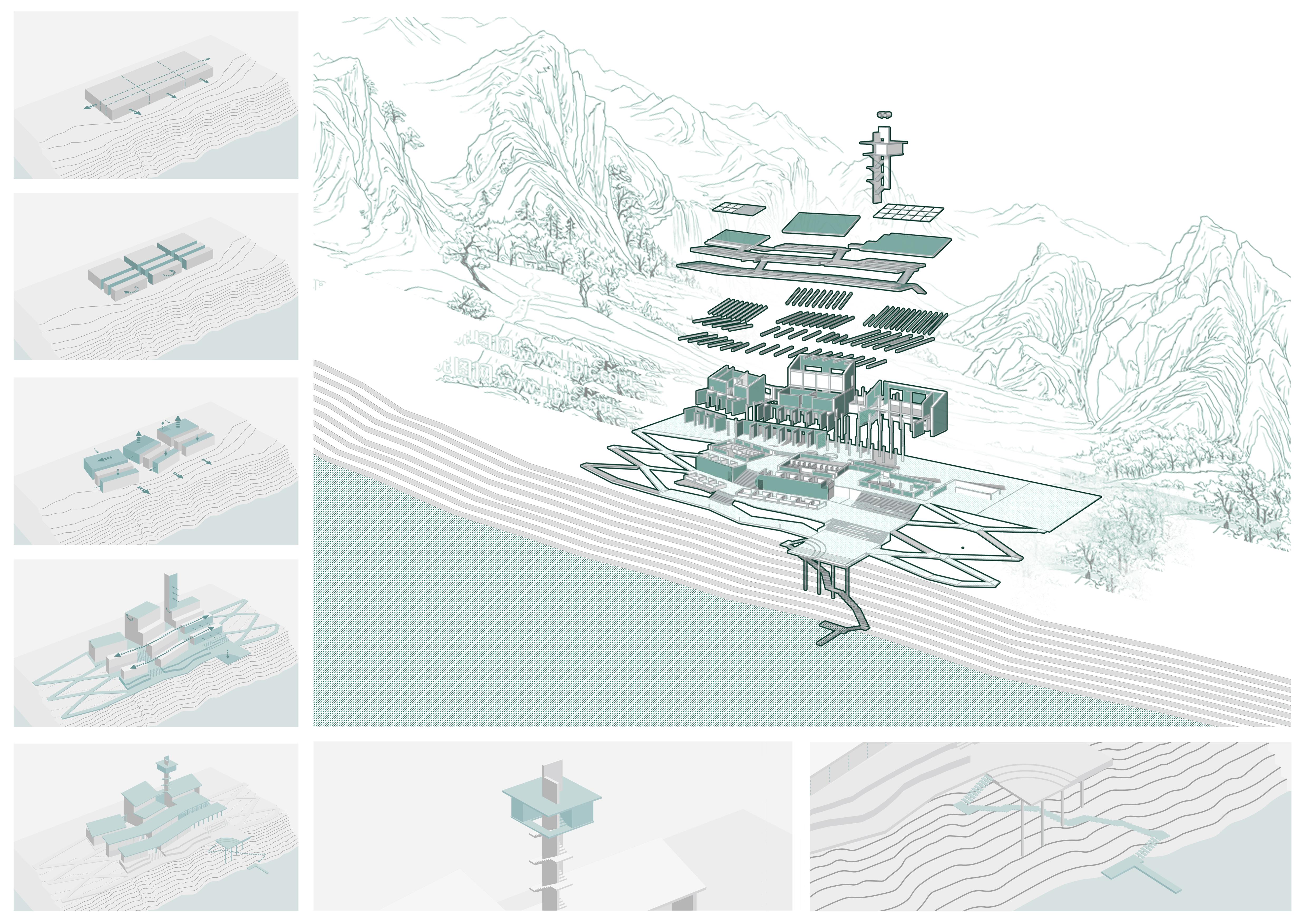
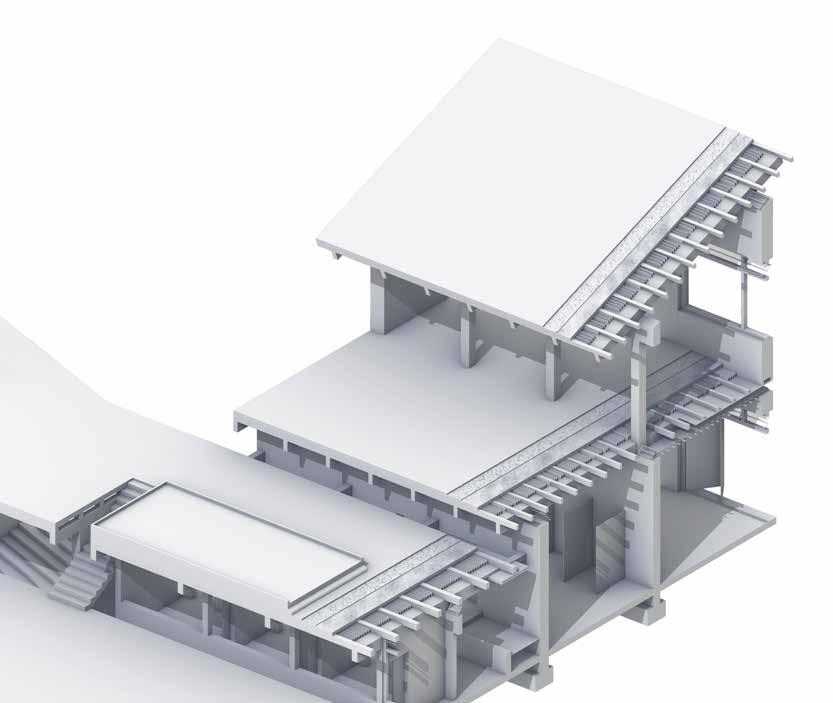
EXPLOSION
OBSERVATION
& COLUMN
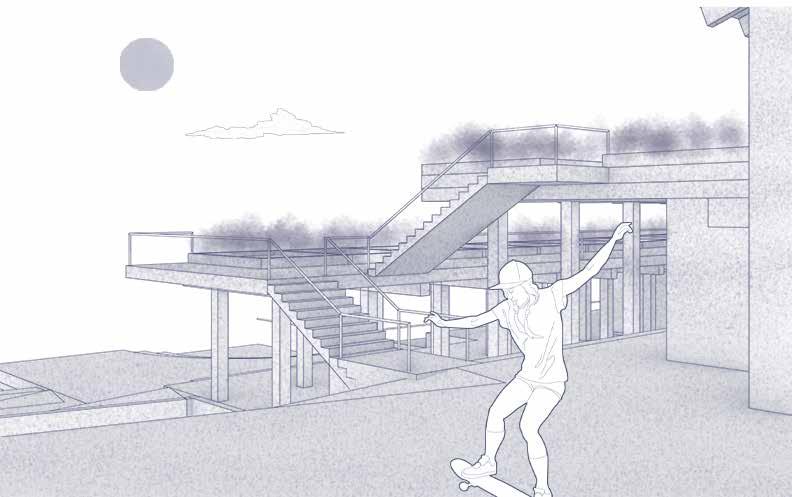
The observatory can observe the mountains and the sea.
Stone Panel
Waterproof Membrane
Insulation (thicker)
Ceiling Finishing
Floor Finish
Waterproof Membrane
Insulation
Ceiling Finishing
FLEXIBLE ROOF
Staircase
Wood Finish with Thermal Insulation
FLOOR
ROOF
TECTONIC AXONOMETRIC
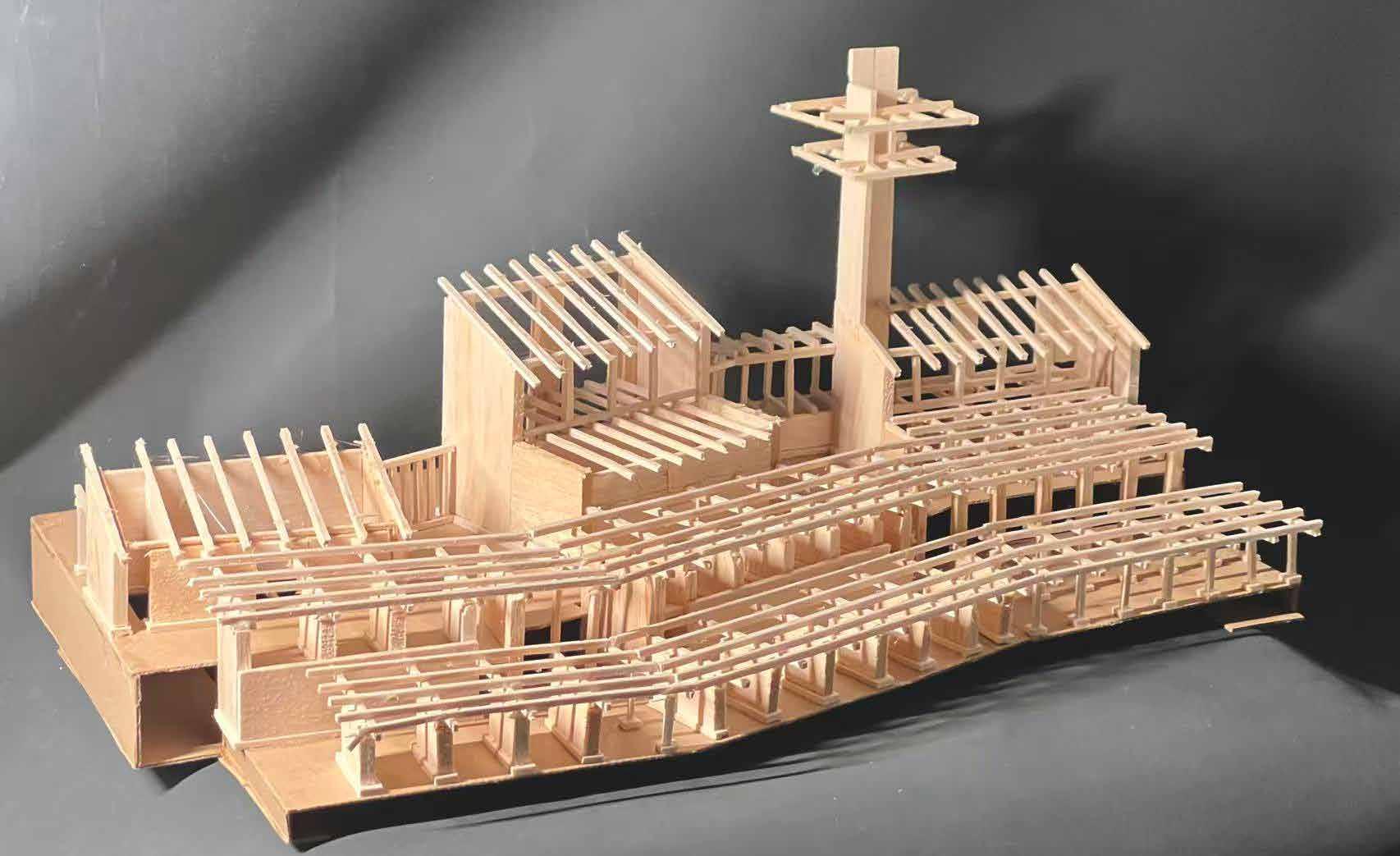
TECTONIC MODEL
Reinforced Concrete Slab
Reinforced Concrete Slab

Harmonic Center
Reconstructed Mixed-use Building within Liverpool Chinatown Redevelopment
Time: February-June 2025
Tutor: Sandy Britton
Email: sbritton@liverpool.ac.uk
Location: Liverpool, United Kingdom
Project Type: Academic work, individual work
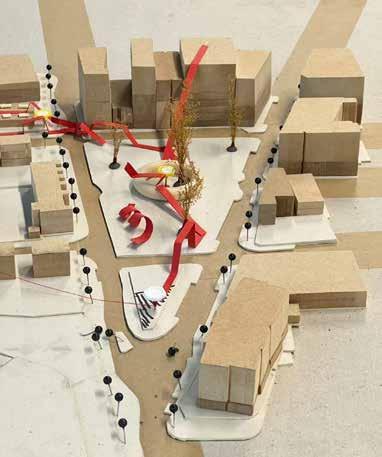
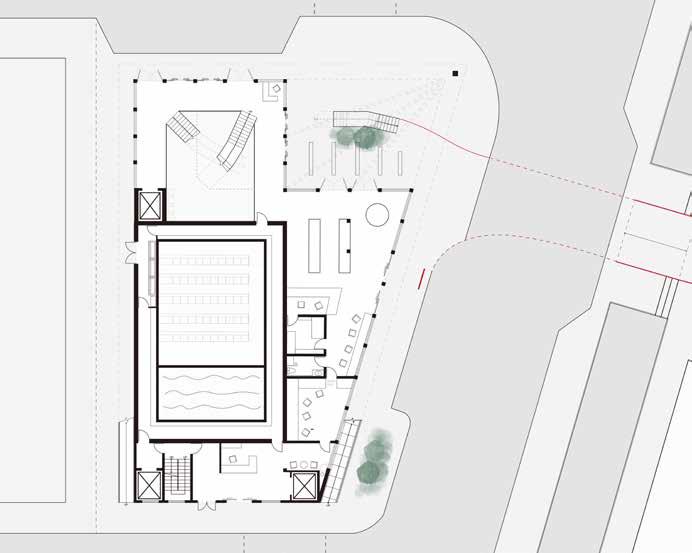
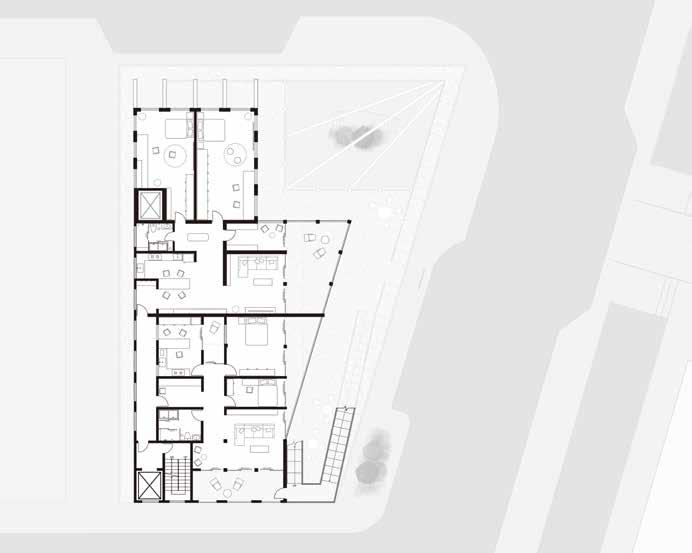
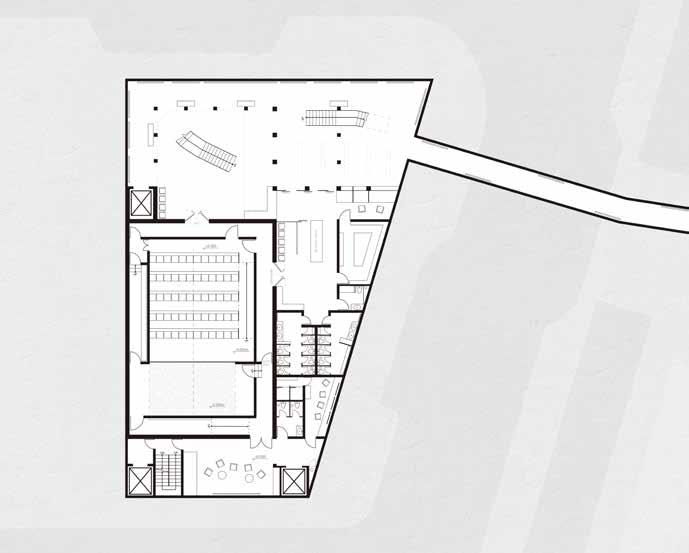
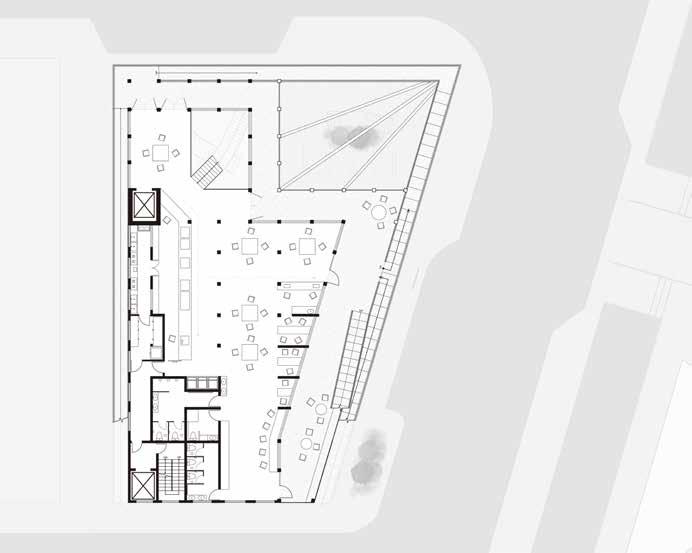
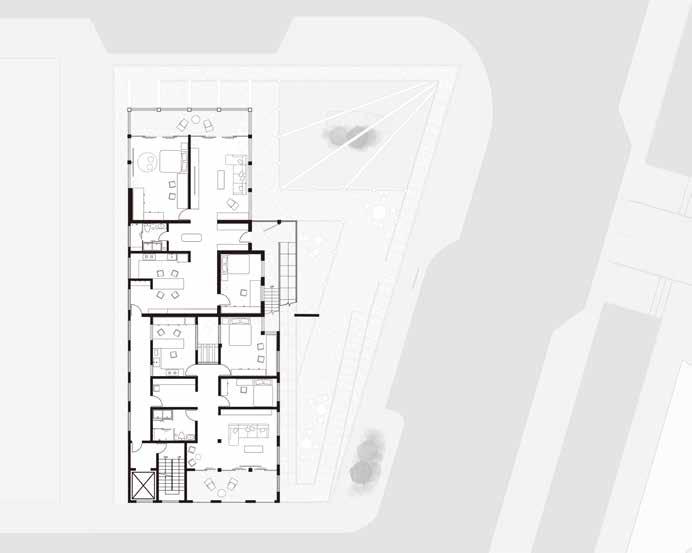
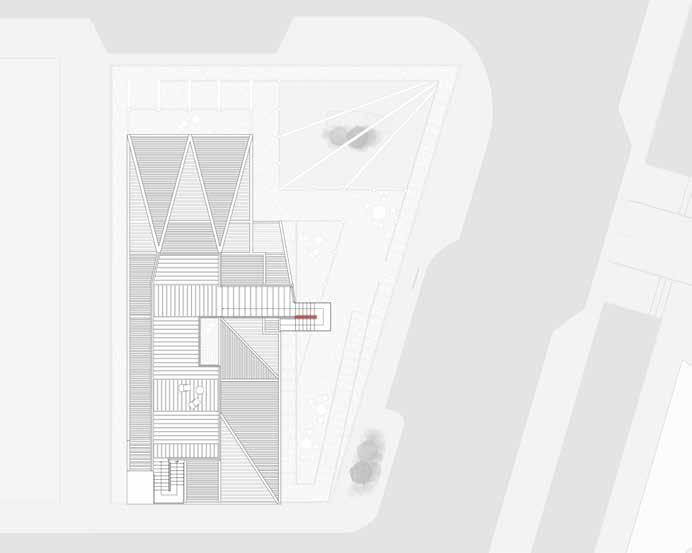
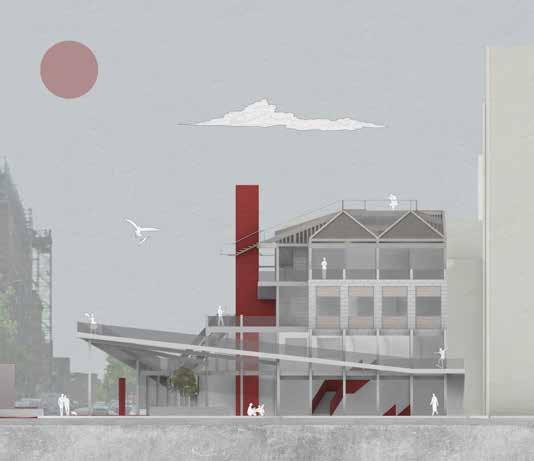
Liverpool’s Chinatown has been declining, gradually losing its appeal to both the Chinese community and local residents. A previous group work aims to explore urban design interventions for improving Nelson Street, the main street of Chinatown. Base on the group work, this project focuses on the reconstruction of a music hub. The goal is to not only accommodate musical performances, but also to attract more visitors to Chinatown, support the transmission of Chinese culture, and integrate additional functions spaces such as apartments, restaurant, and shop.
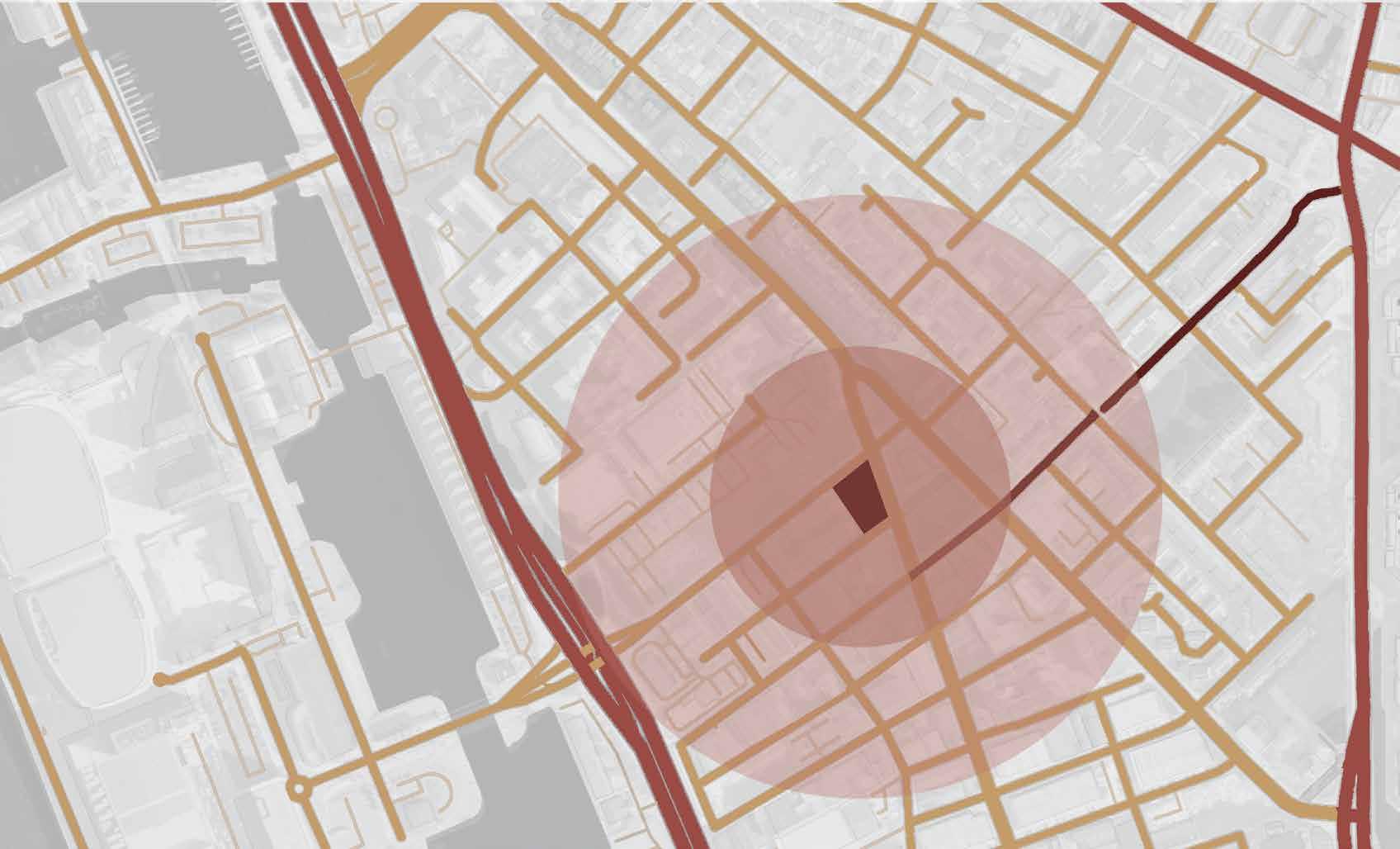
Location: Nelson Street, Liverpool, United Kingdom
The community of Liverpool's Chinatown has experienced a gradual loss of traditional Chinese culture, and a decline in functional diversity and urban connectivity.This project aims to reconstruct the spatial dialogue between the building and the community through the intervention of designing a mixed-use residencial building, and make it as a medium to carry social participation and the continuation of local Chinese culture.
TOURISTS








IN-MIGRANTS




LOCALS







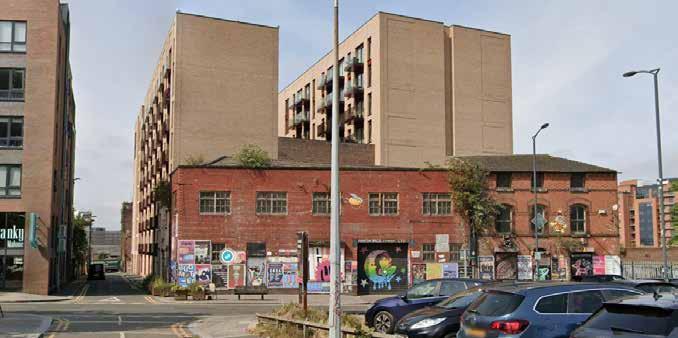
SITE Existing Building:Music Club
• Beautiful graffiti on the facade, but no elements about Chinese culture, which conflicts with the theme of Chinatown.
• The sound insulation performance of the music club is poor.
• There are many non-functional spaces in the site.
• The original building's total area is not enough and structure is weak to add accommodation.

SITE
MATERIALITY
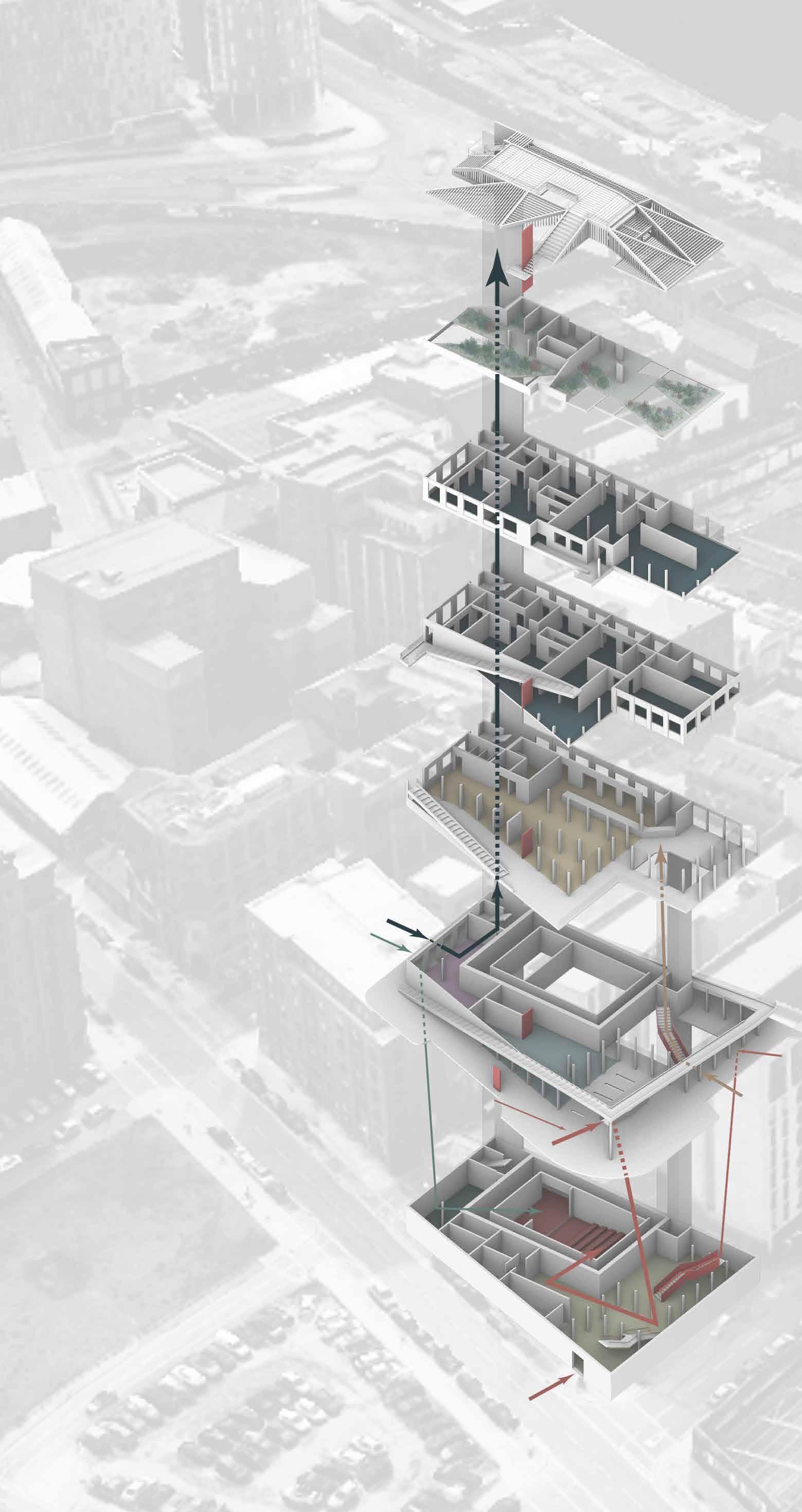
RENDERING EXPLOSION
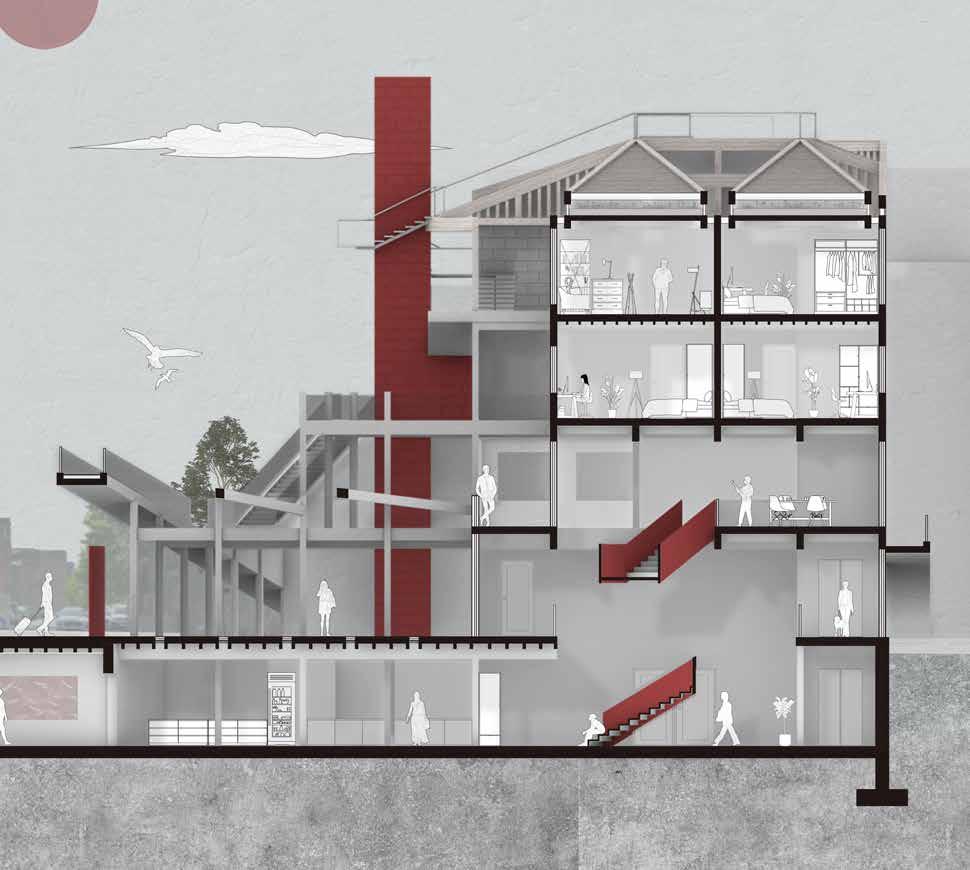
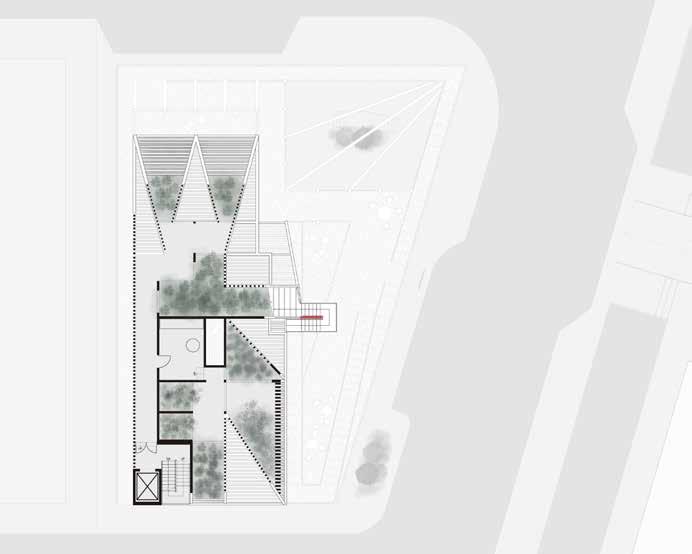
Attic garden
Flats
Flats
Chinese restaurant
To accommodation (for residents)
To green room (for performer)
Reception (for accommodation)
Chinese store
To music venue (for guests)
Green room
Music venue
Exhibition hall
To music venue (from the park)
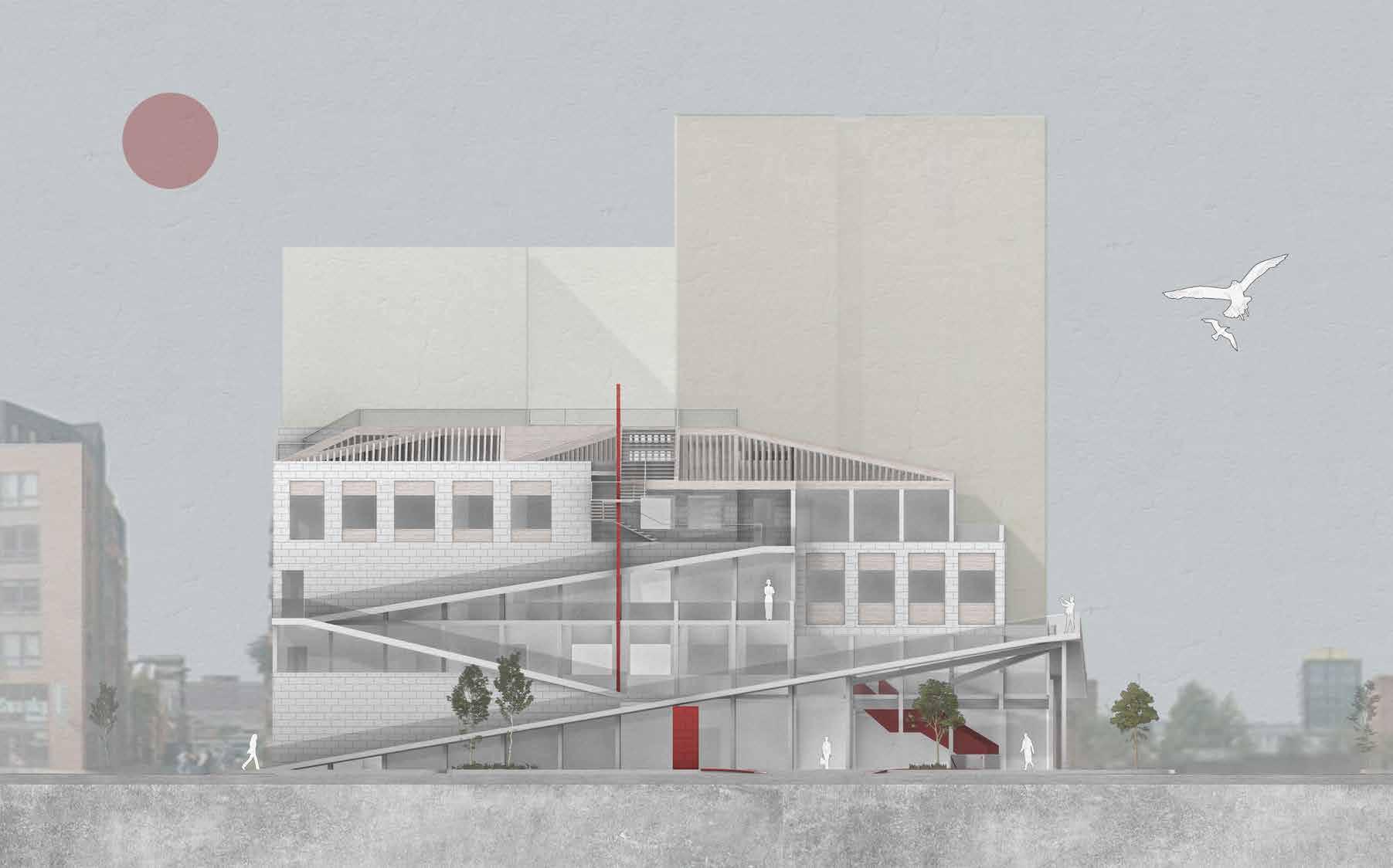
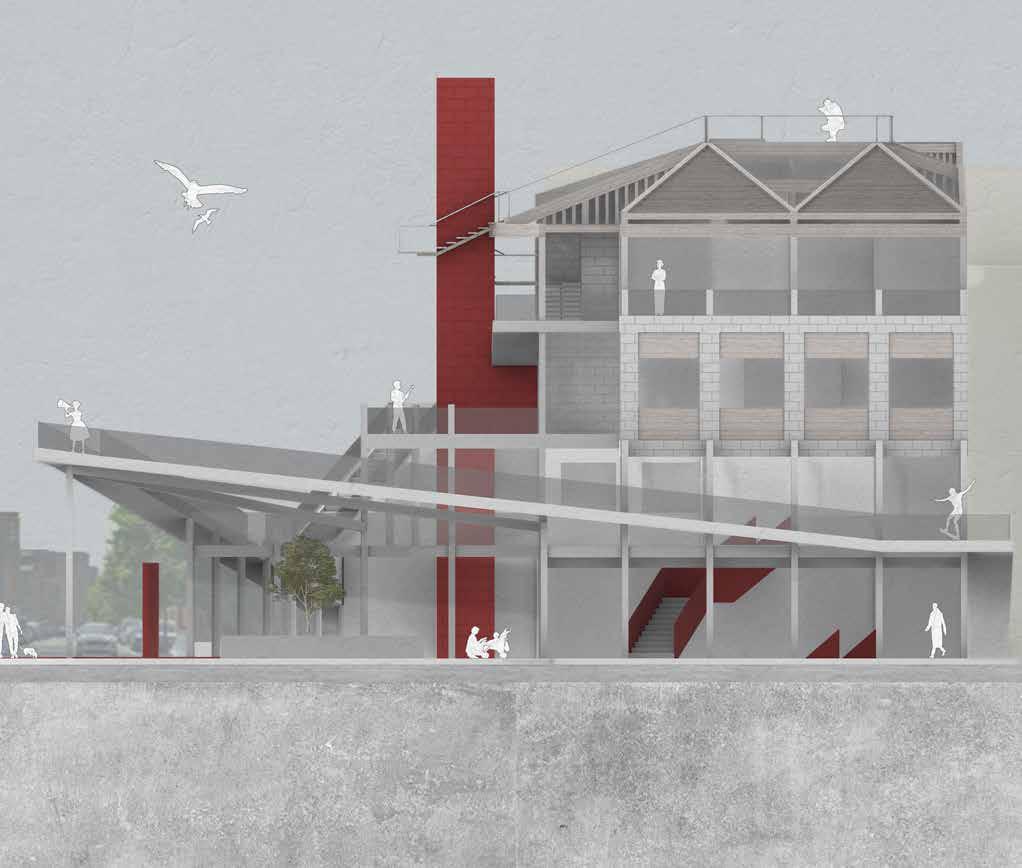
ELEVATION NE-SW
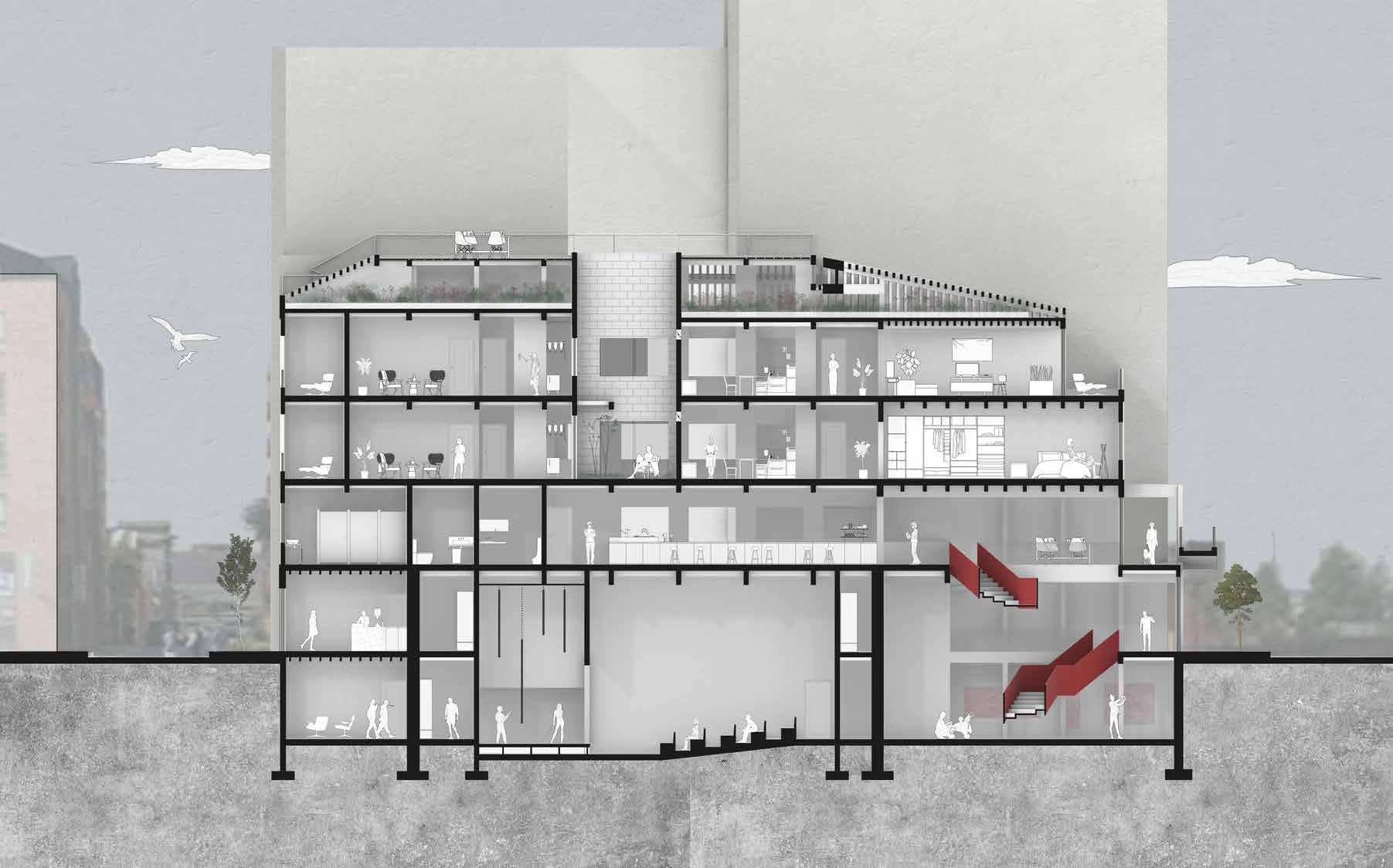
SECTION NE-SW
PERSPECTIVES
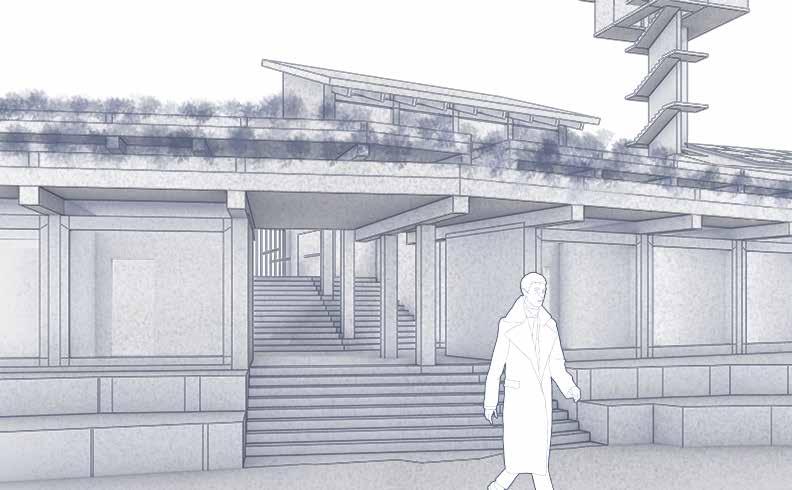
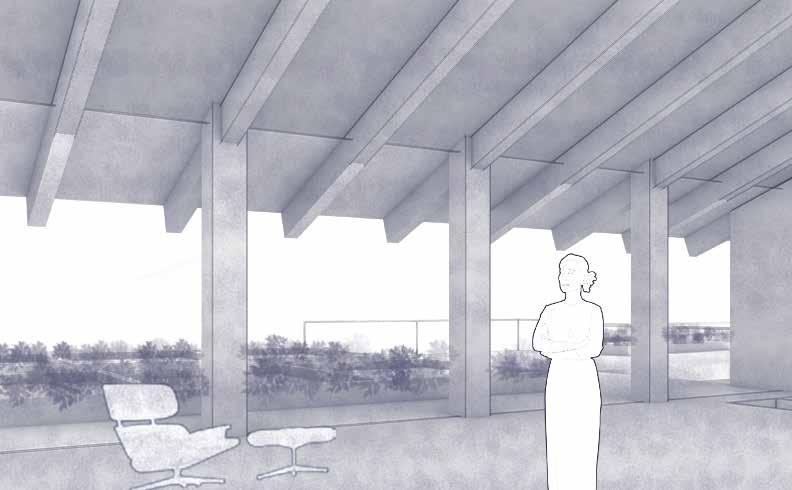
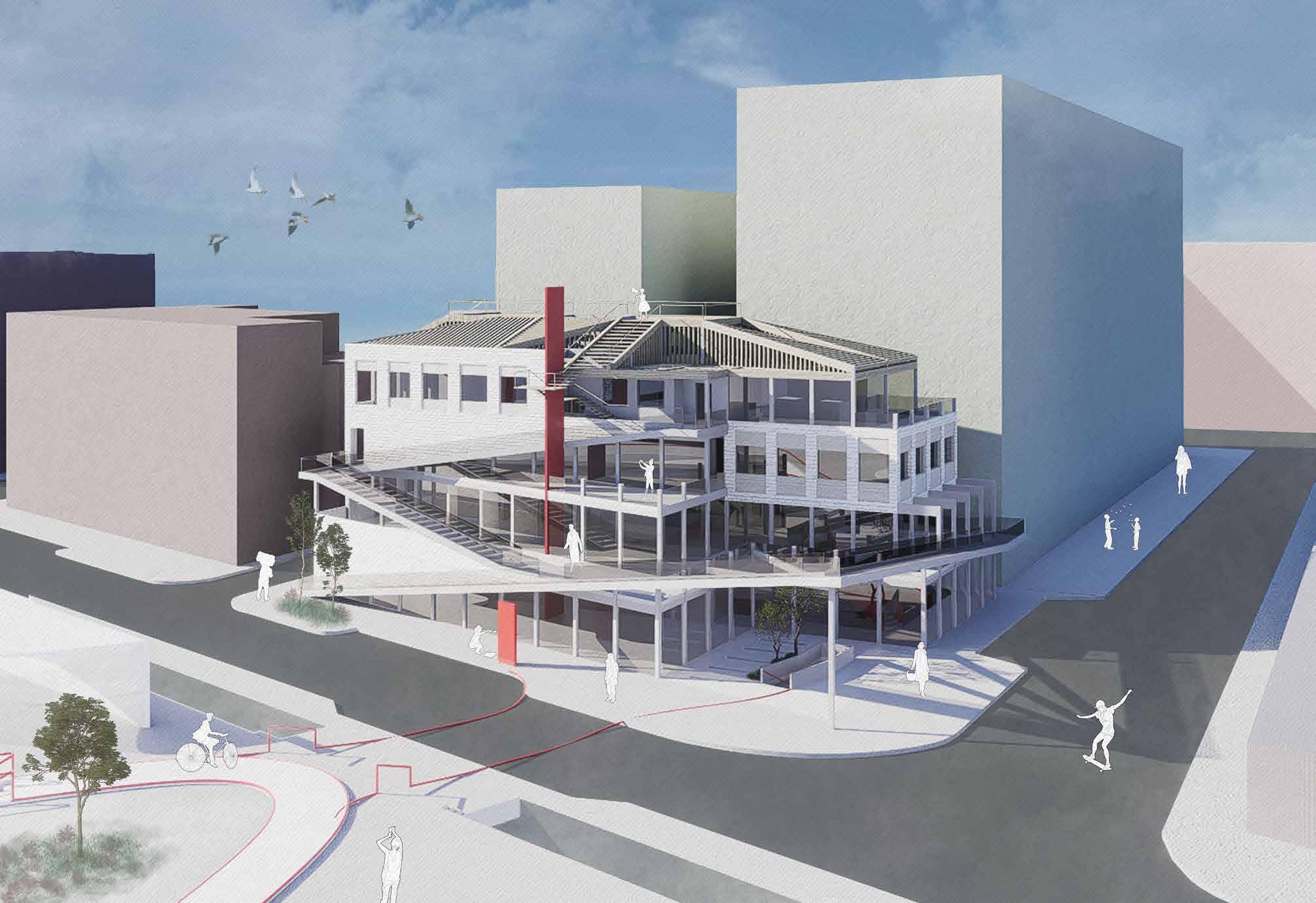
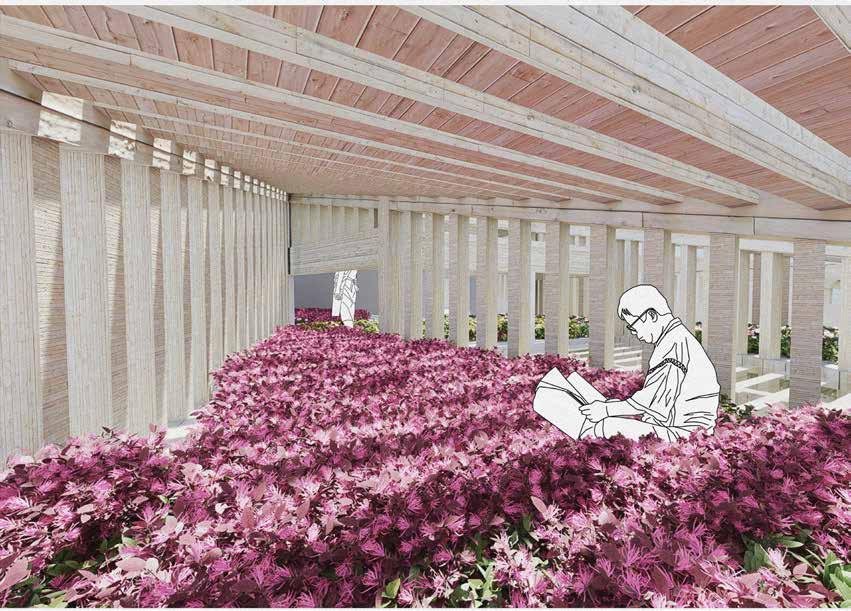
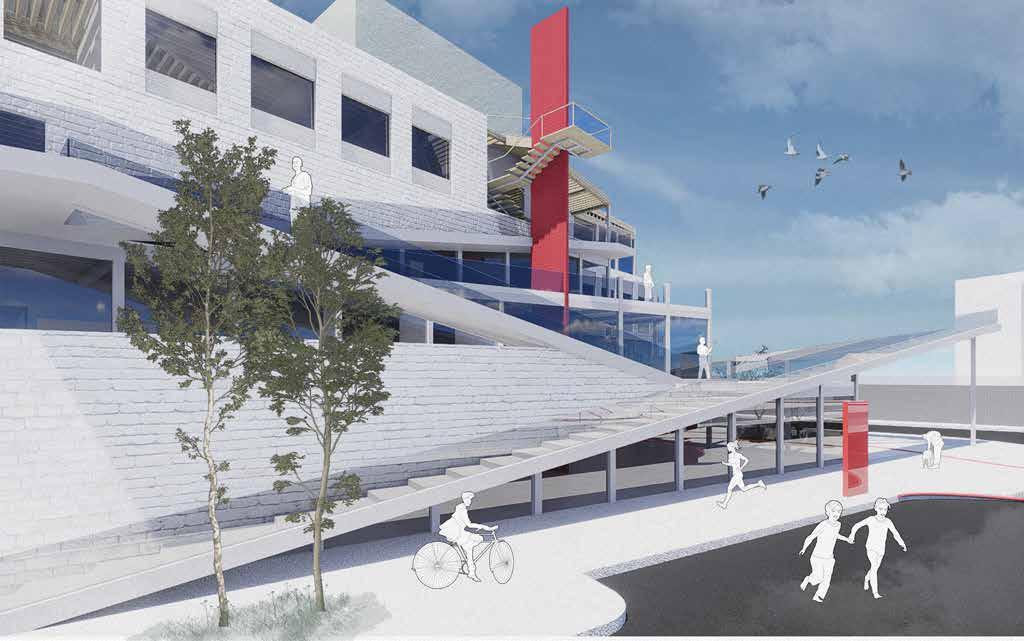
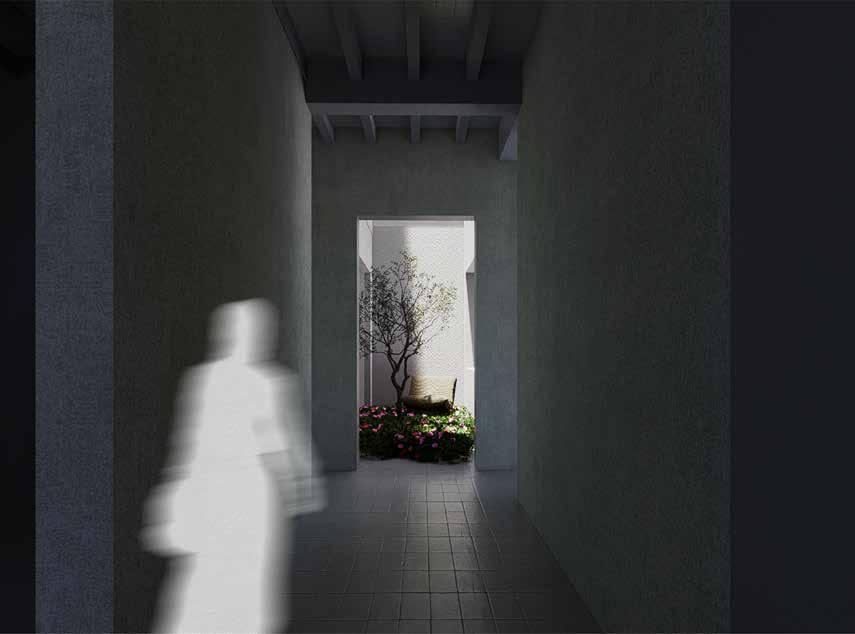
The rendered perspectives illustrate the spacial experience of the project and provide a comprehensive view of the entire building.
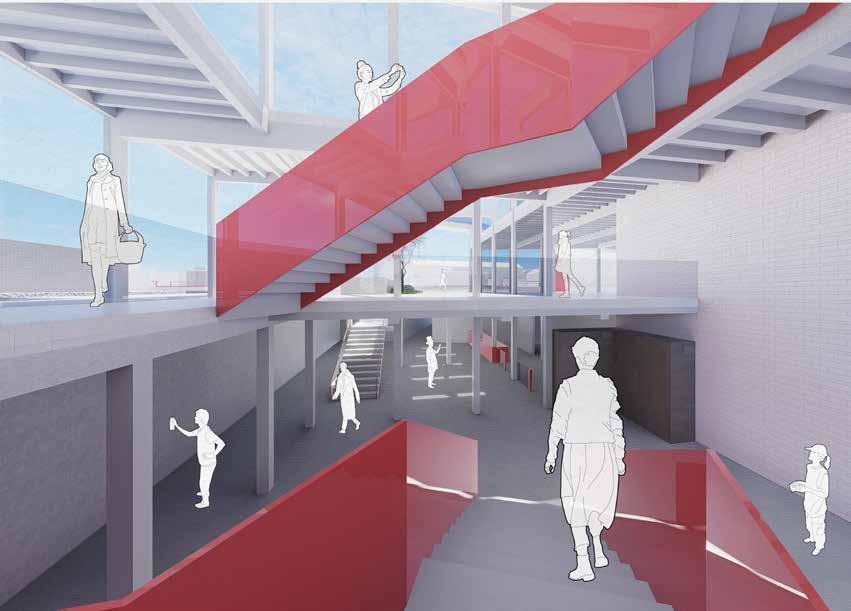
This is the largest public space in this project, connecting the basement to the first floor. The red staircase improve the spatial movement within the building while serving as a symbolic reference to Chinese culture.
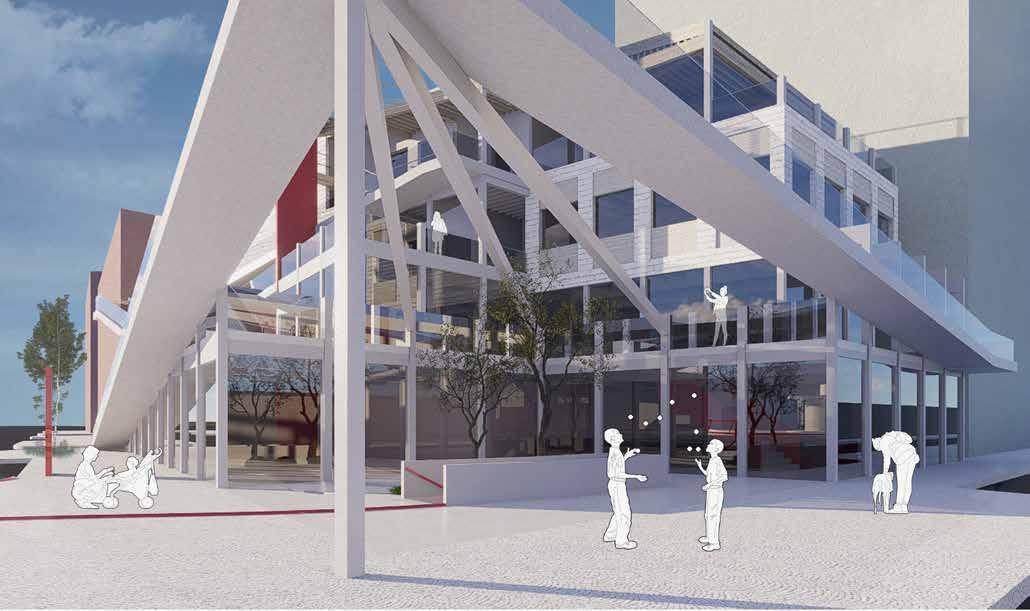
This is the main entrance of the building. The lightweight design enhances visual permeability for pedestrians. The main entrance to the music venue is a descending staircase, links to the park with a red painted line, eventually transforming into a red handrail.
TECTONIC SECTION
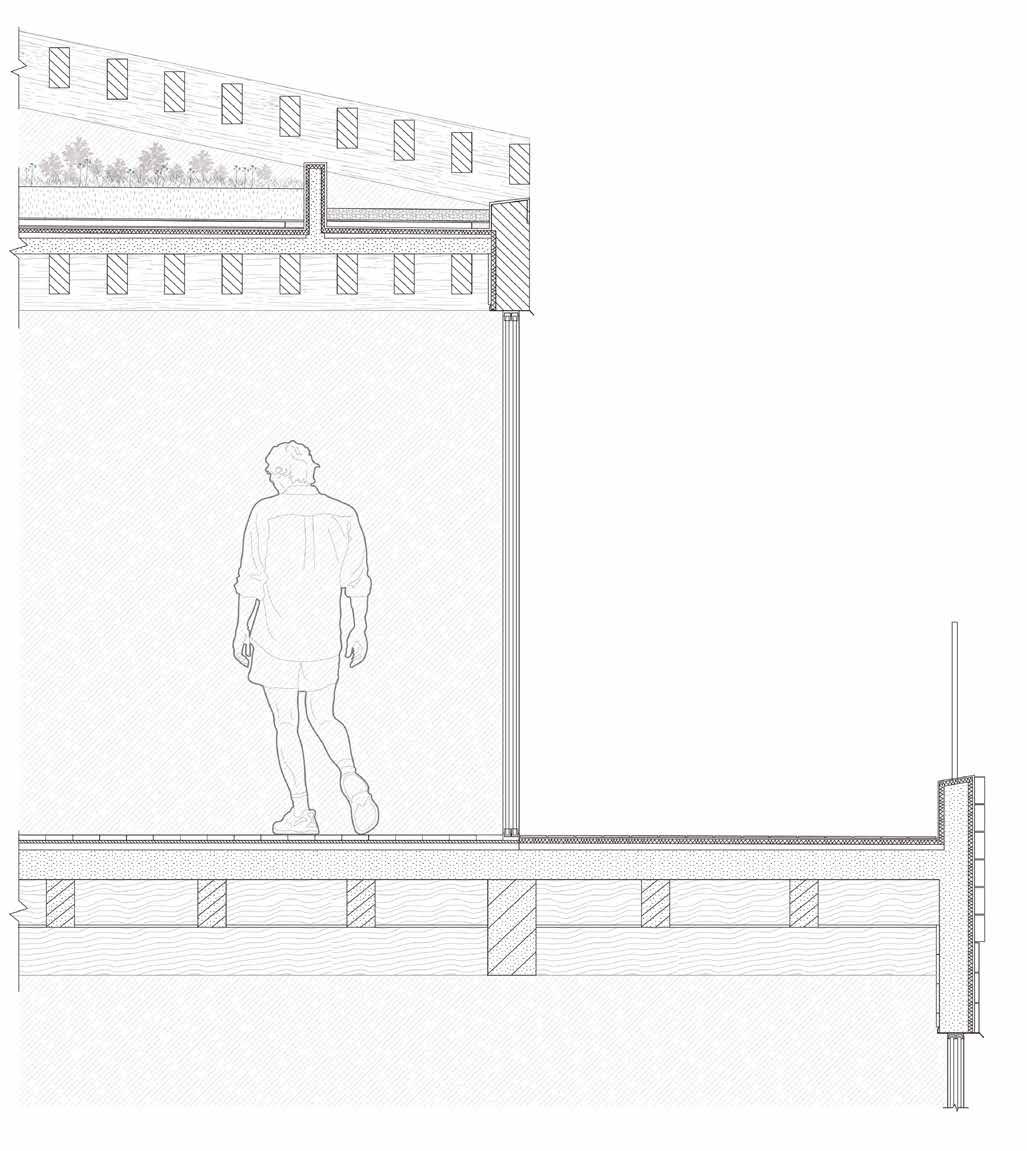
10mm finish surface, anti-slip tiles 4mm waterproof layer, PVC
50mm insulation, polyurethane board
waterproof layer, PVC
50mm insulation, polyurethane board
50mm sloping layer, concrete 120mm slab, reinforced concrete
200mm soil layer/80mm gravel layer
2mm filter layer, non-woven geotextile
50mm drainage channel
80mm gravel layer
2mm filter layer, non-woven geotextile
50mm drainage layer, plastic drainage board 4mm waterproof layer, PVC
50mm insulation, polyurethane board
50mm sloping layer, concrete 150mm slab, reinforced concrete
120mm beam, plywood
50mm insulation, polyurethane board
20mm interior wall finish, wood panel
40mm double vacuum-insulated acoustic glass
(6 mm + 28mm vacuum + 6 mm) with thermally broken aluminum frame, silent sliding track
30mm finish flooring, wood flooring
5mm sound insulation pad
50mm screed layer, concrete 150mm slab, reinforced concrete
200mm ceiling cavity (between reinforced concrete beams), for MEP systems 10mm ceiling, gypsum board
50mm sloping layer, concrete 150mm slab, reinforced concrete 200mm ceiling cavity (between reinforced concrete beams), for MEP systems 10mm ceiling, gypsum board
80mm precast brick panel 4mm waterproof layer, PVC 50mm insulation, polyurethane board 150mm beam, reinforced concrete (20mm interior finish, wood panel)
30mm thermally modified wood panel 4mm waterproof layer, PVC 50mm insulation, polyurethane board 150mm beam, reinforced concrete 20mm interior finish, wood panel
1. Attic garden
8. Facade (brick) 9. Facade (wood)
Belcony
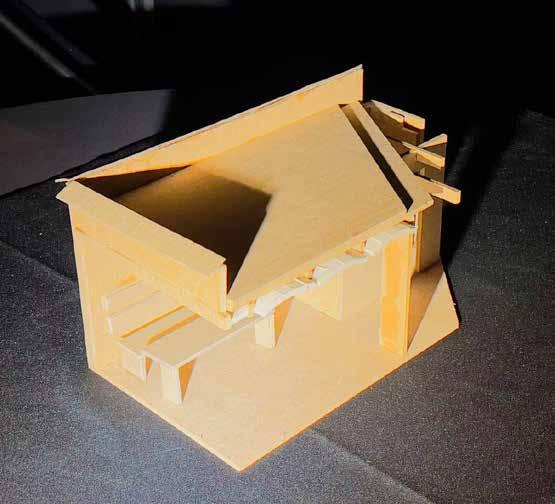
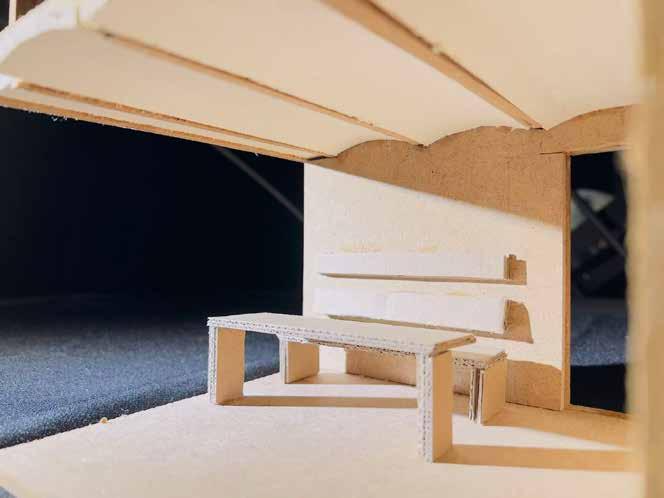
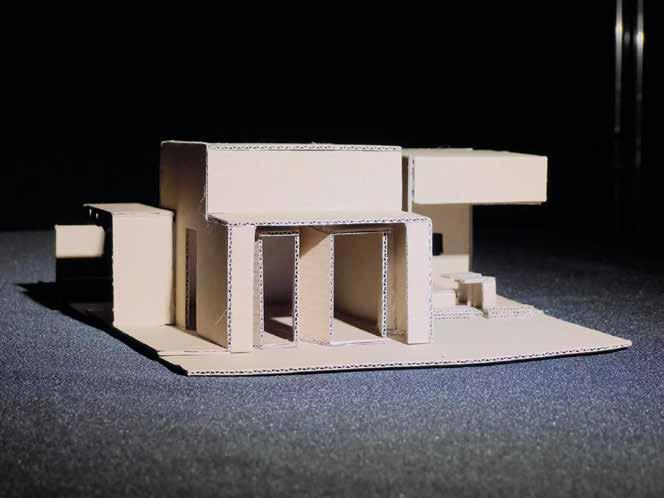
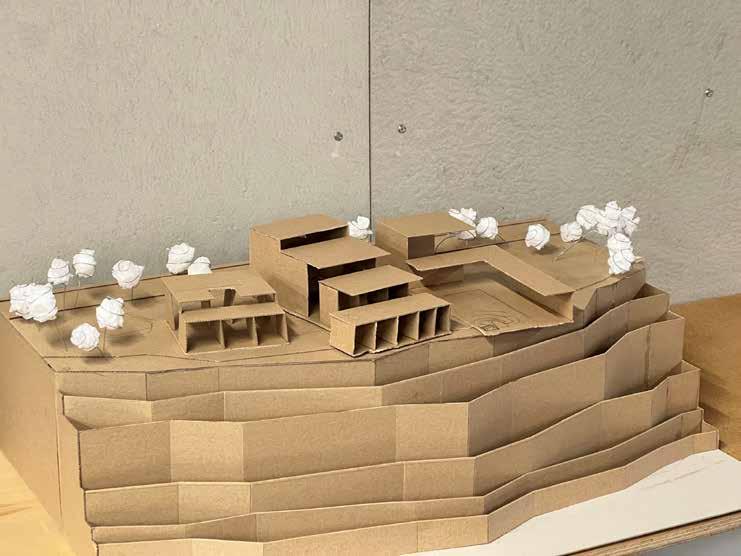
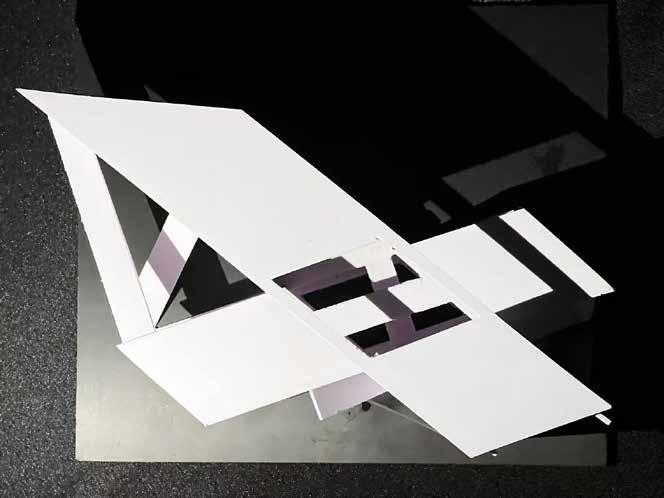
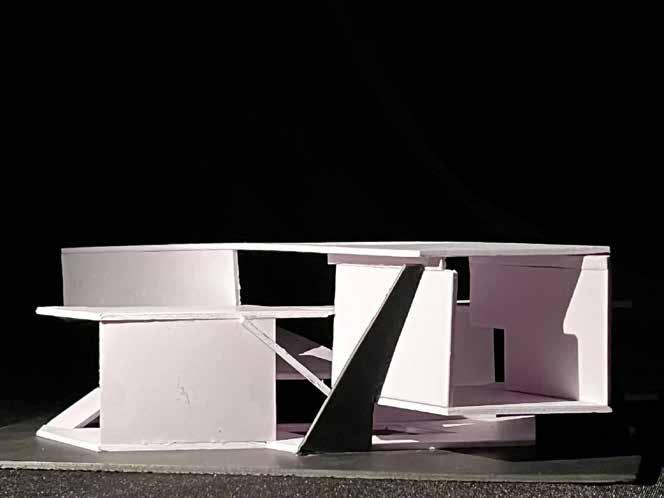
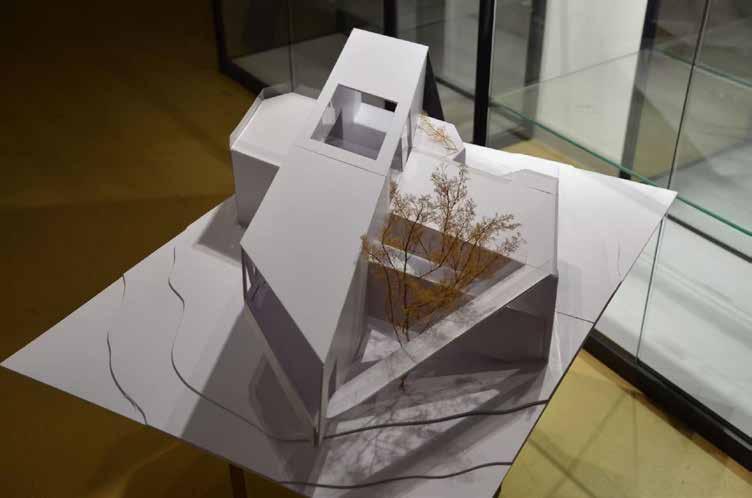
Physical Models