On the live streaming page, users are often presented with countless choices and can switch between them with a simple tap or swipe.
Consu
Users must enter a specific live streaming space to make in stream purchases.
In the live streaming room, users can select and purchase products they like from the items featured in the room.
Users can only select products within the categories listed in the live stream; items not included in the list cannot be chosen.
The live stream will be announced in advance, allowing users to join the notification list ahead of time for easier participation.
Users cannot freely choose when to make purchases, and sometimes have to wait in the live stream for products to go on sale.
Digital capital, through its instrumental rationality, alienates people s perception of their own power of control.”
design sketch production process
Prototype Making
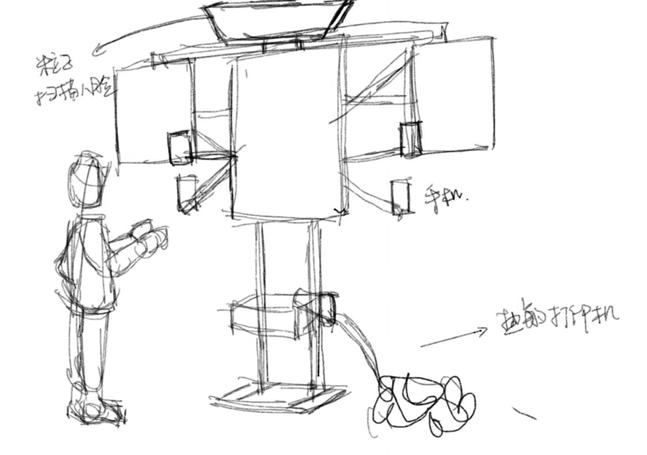
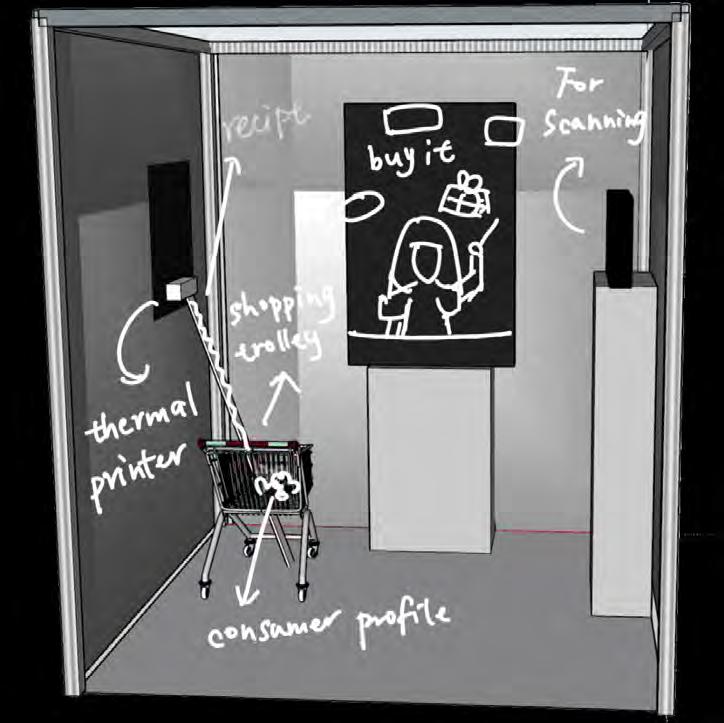
This sketch shows an interactive installation with multiple screens and a thermal printer, where the viewer uses a device to simulate making shopping choices.
ficiencies
Too many screens may overwhelm the viewer and complicate the interaction.
2 Final Sketch
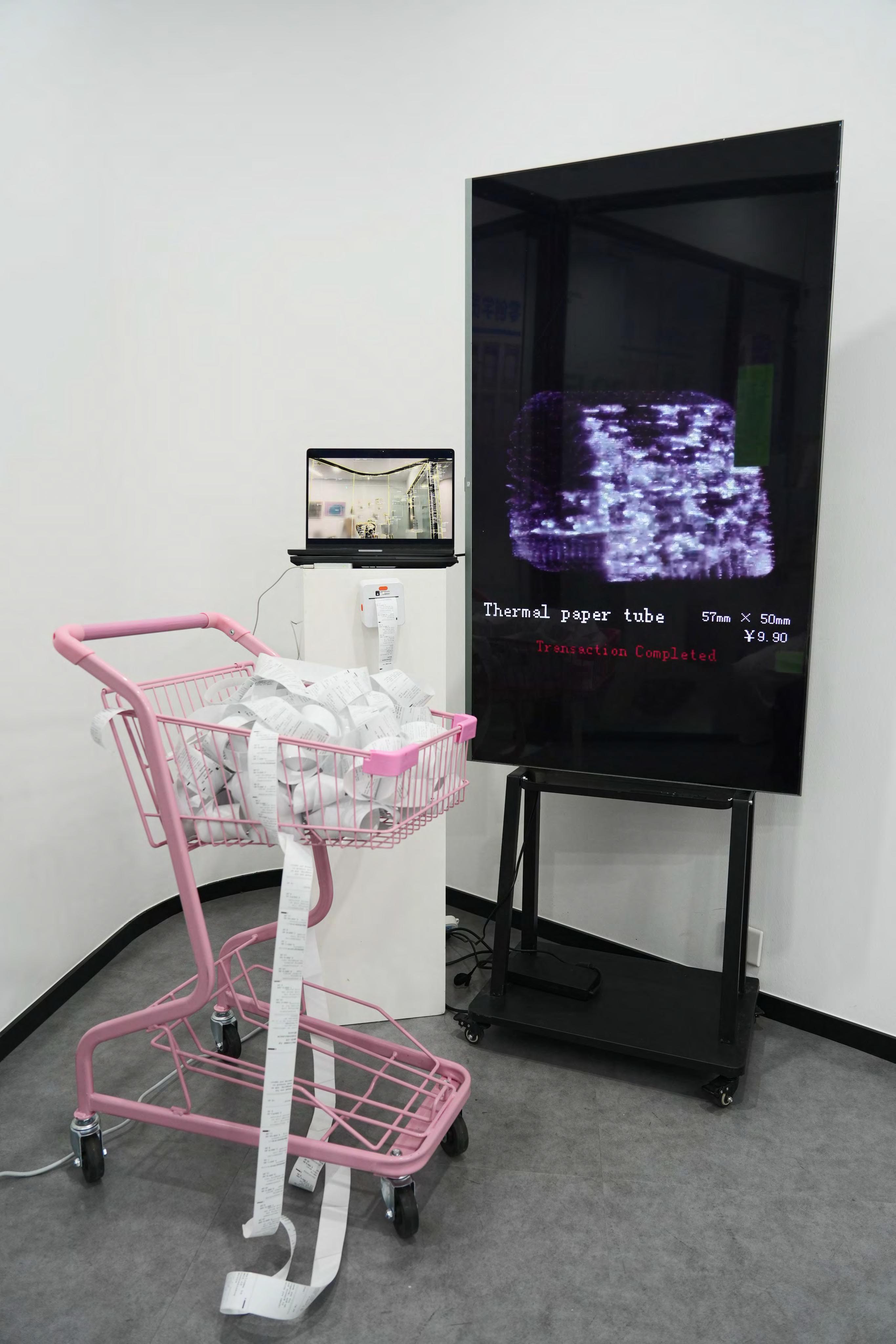
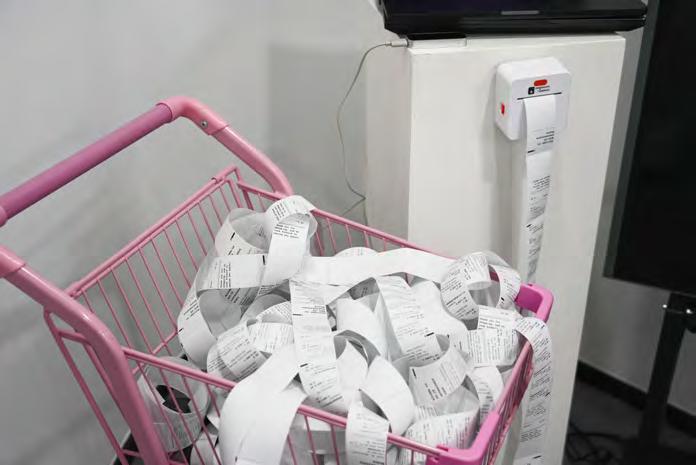
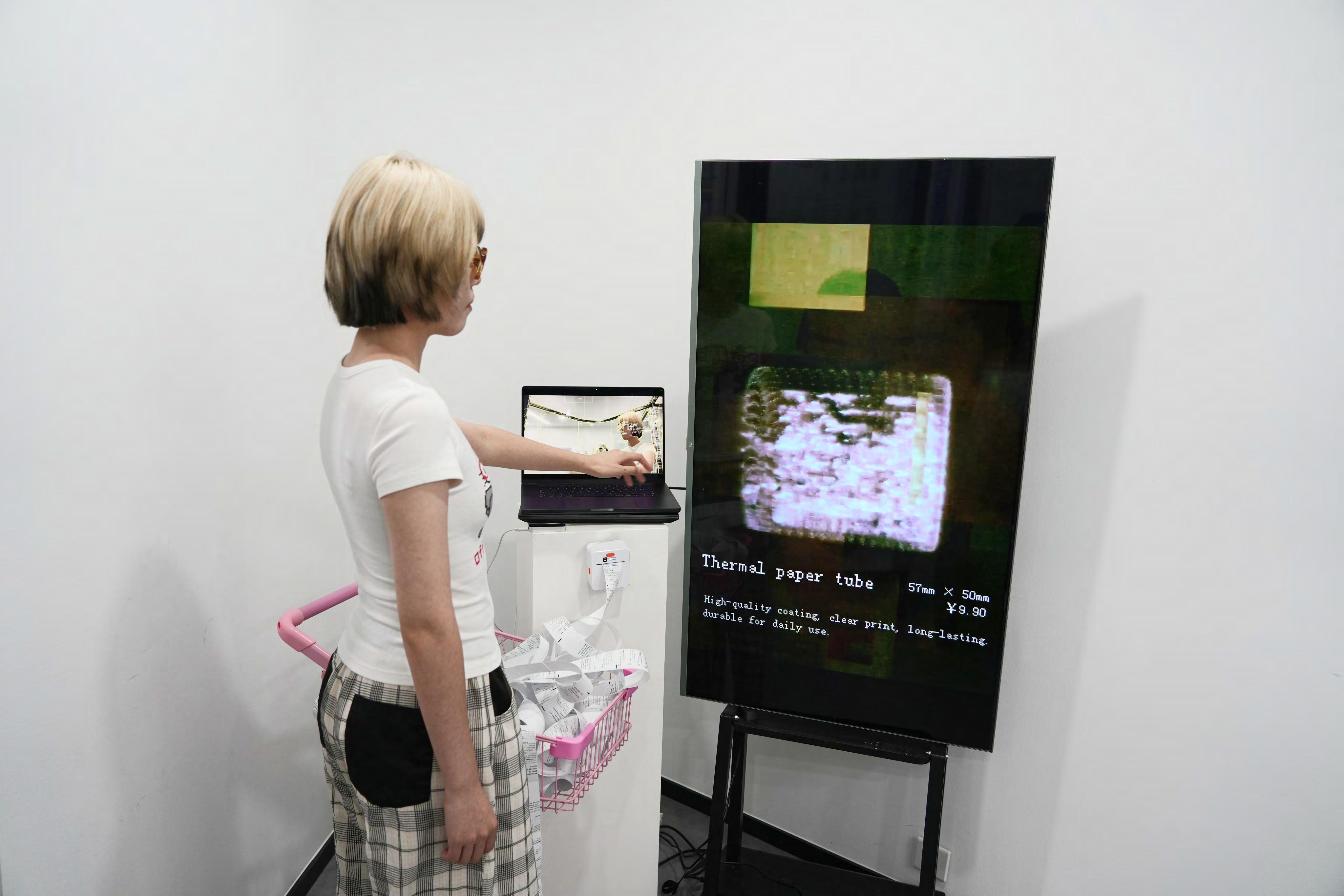
The central screen, side thermal printer, and receiptfilled cart create clear, intuitive interaction. I finally dropped the surrounding frame to keep the space open and suggest a free consumption. atmosphere.
tripo
Video Design Processing
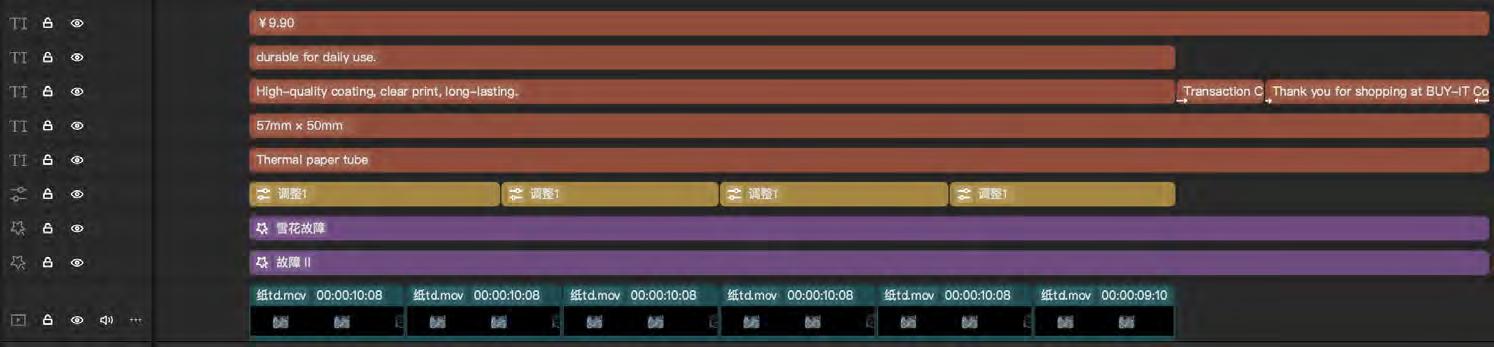
I captured four live-stream clips and reconstructed facial features from multiple anchors to create distorted, algorithm-driven broadcast effects. Each segment applies different color grading and glitch treatments to symbolize emotional manipulation in live commerce.
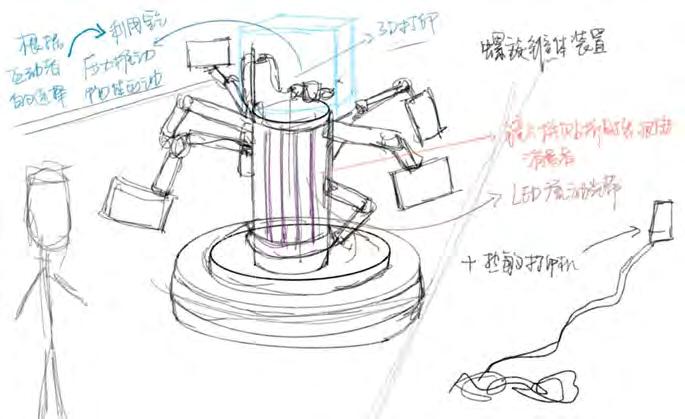
This sketch shows a rotating central structure with multiple robotic arms holding screens to create a 360-degree immersive display, connected to a thermal printer. The structure is overly complex, making it difficult to build and potentially causing unstable interaction.
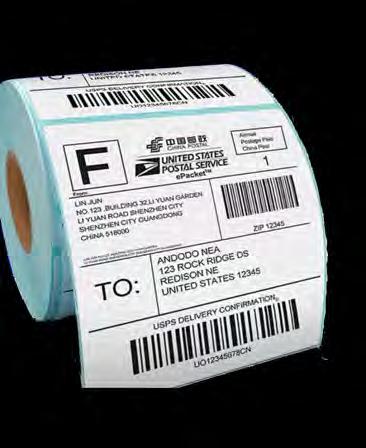
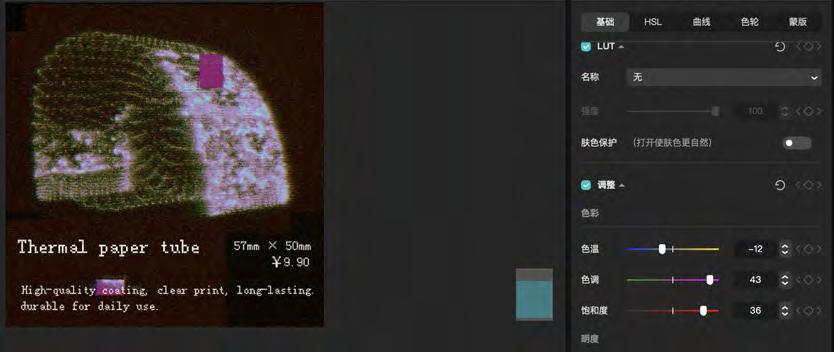
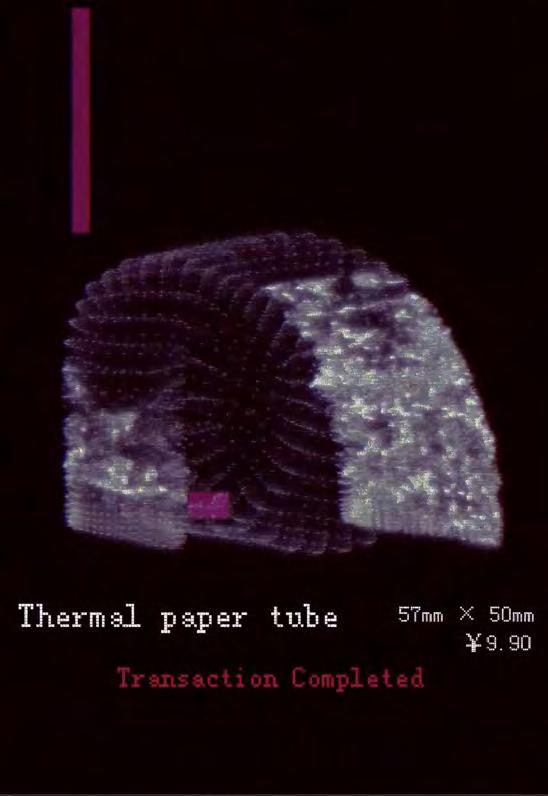
I use a receipt roll as a virtual product. It symbolizes consumption, and its absurd "sale" is designed to heighten the audience's sense of deprived freedom of choice. Why choose receipt rolls?
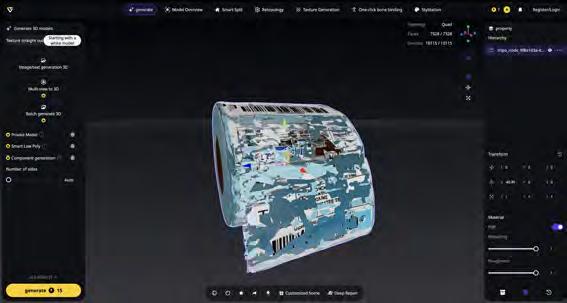
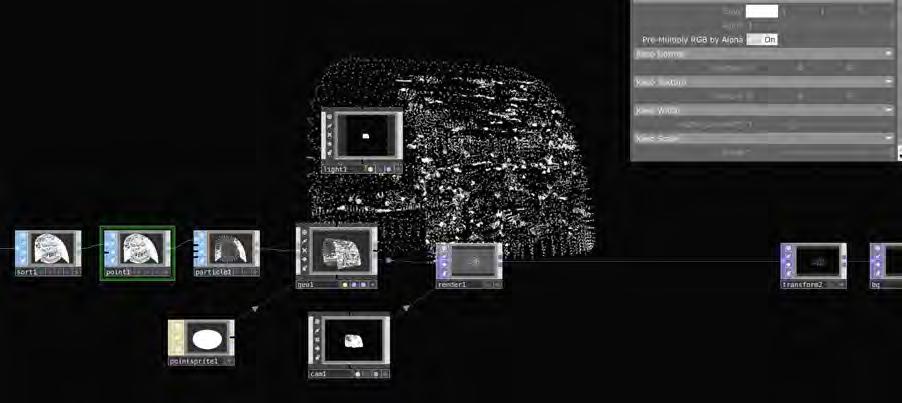
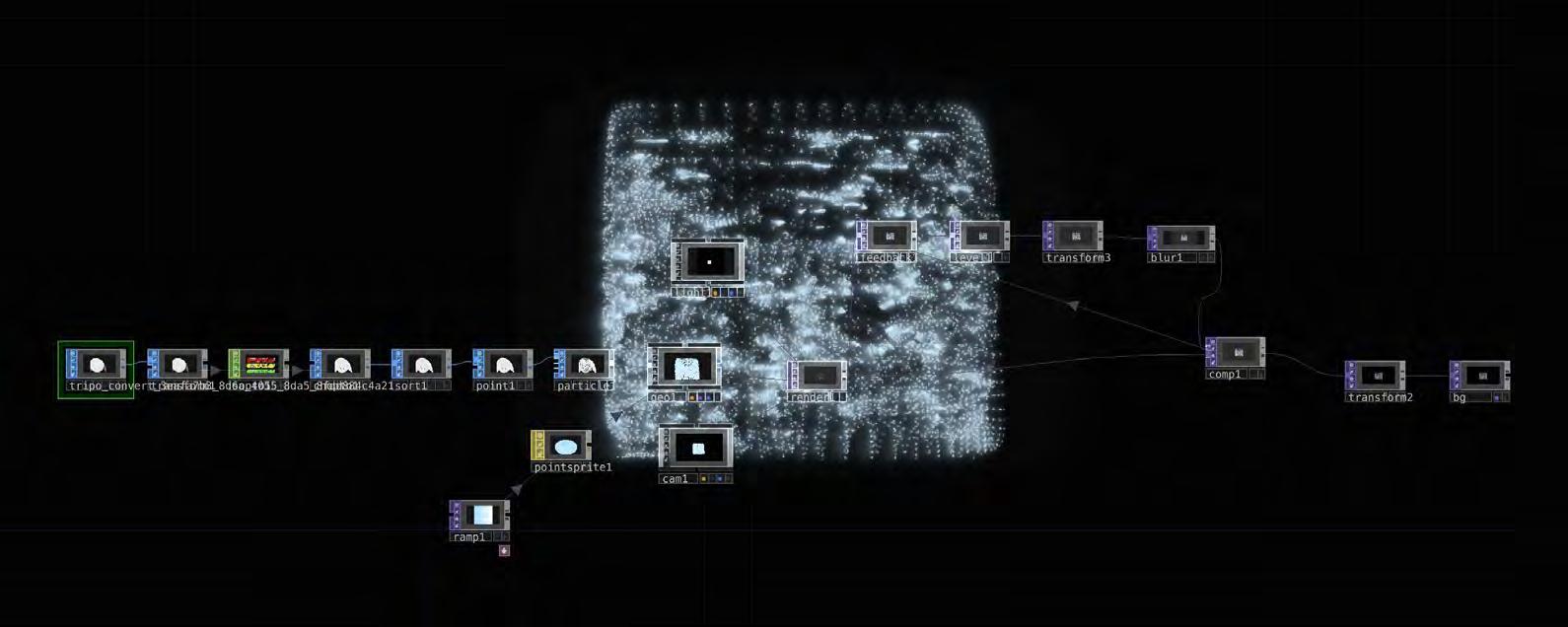
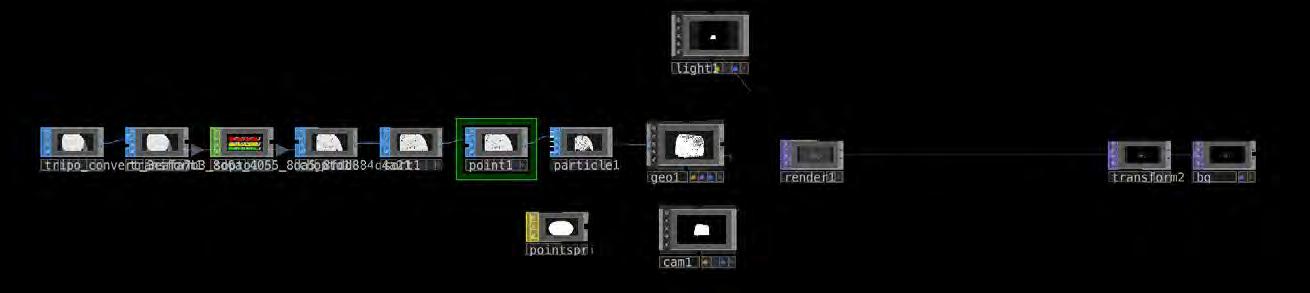
I imported the paper-roll model into TouchDesigner, created a blue particle effect, and set it to , symbolizing the constant circulation and looping display of products. rotate continuously
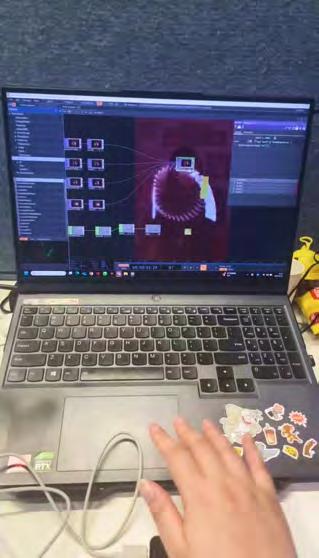
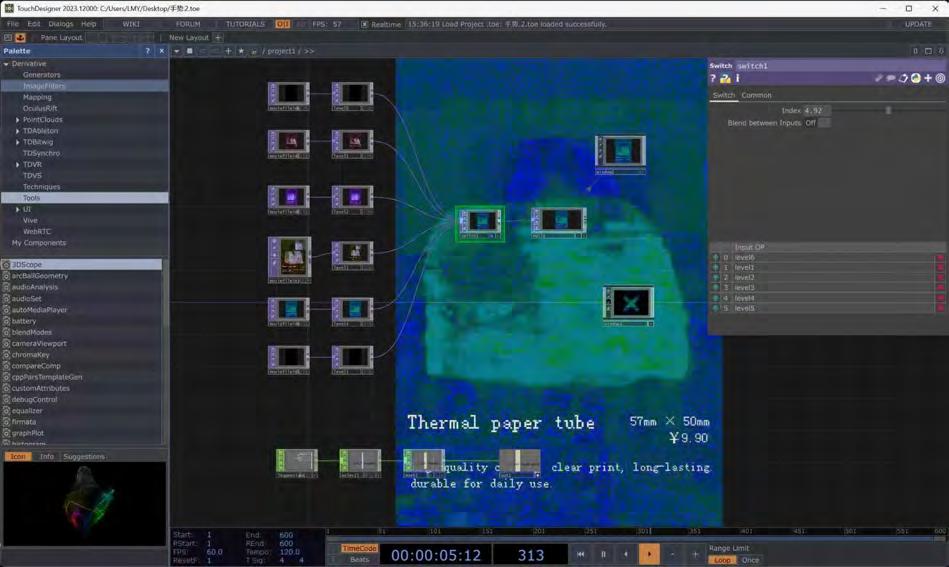
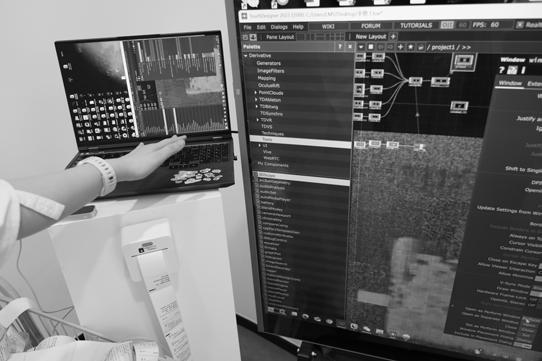
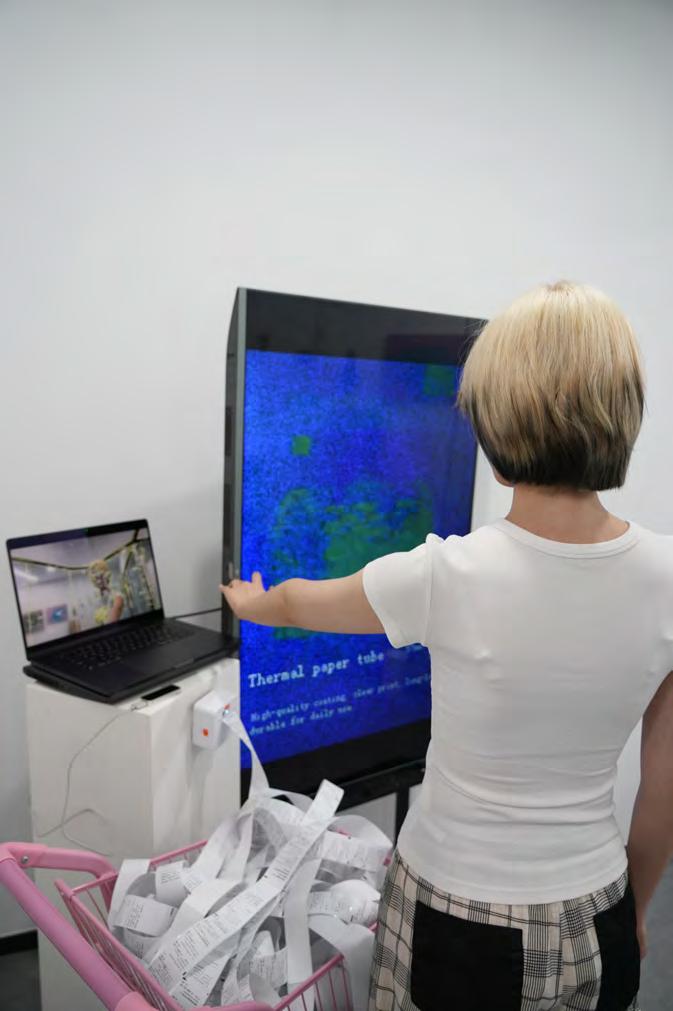
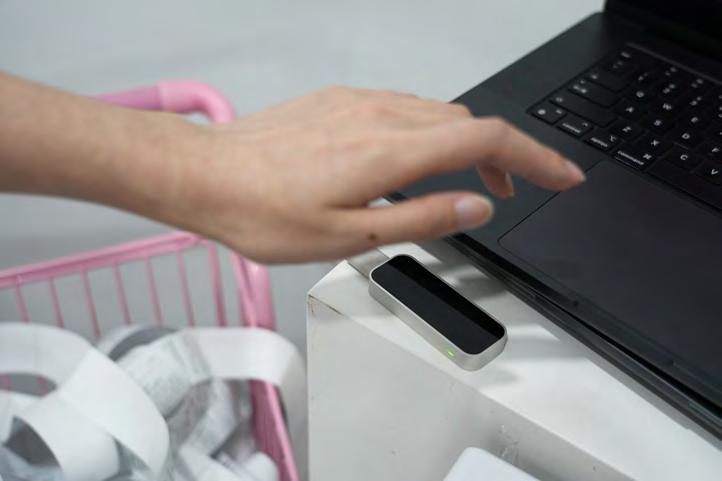
I imported experimental video clips into TouchDesigner, used a central Switch node to control the transitions, and conducted multiple tests on the switching speed driven by LeapMotion gestures.
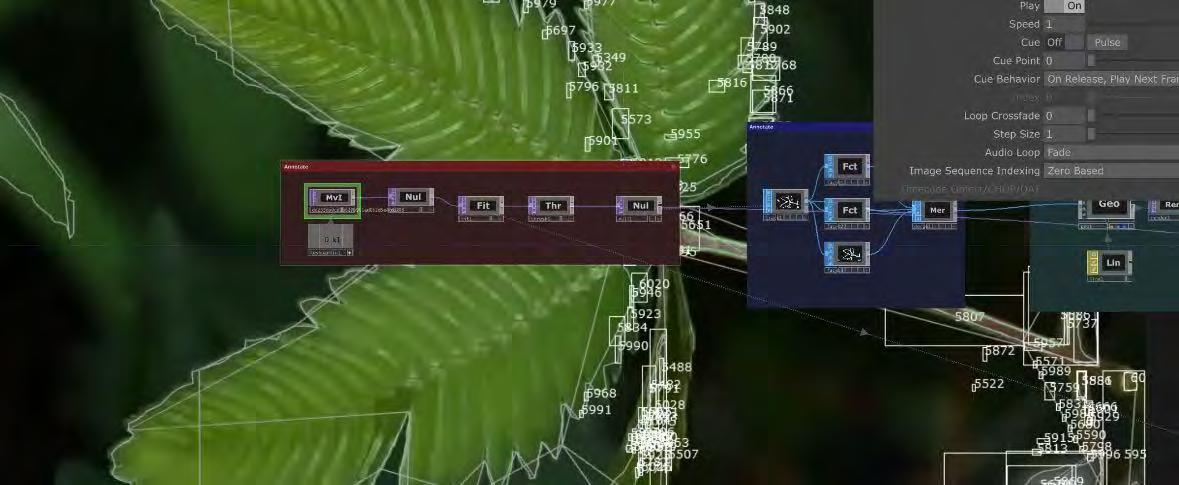
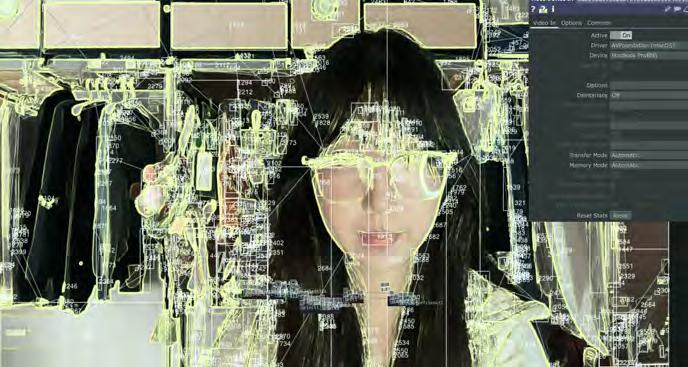
I replaced the original scanning video in TouchDesigner with a live camera feed, allowing it to track the viewer’s face and movements in real time, symbolising how our consumption is monitored by big data and algorithms.
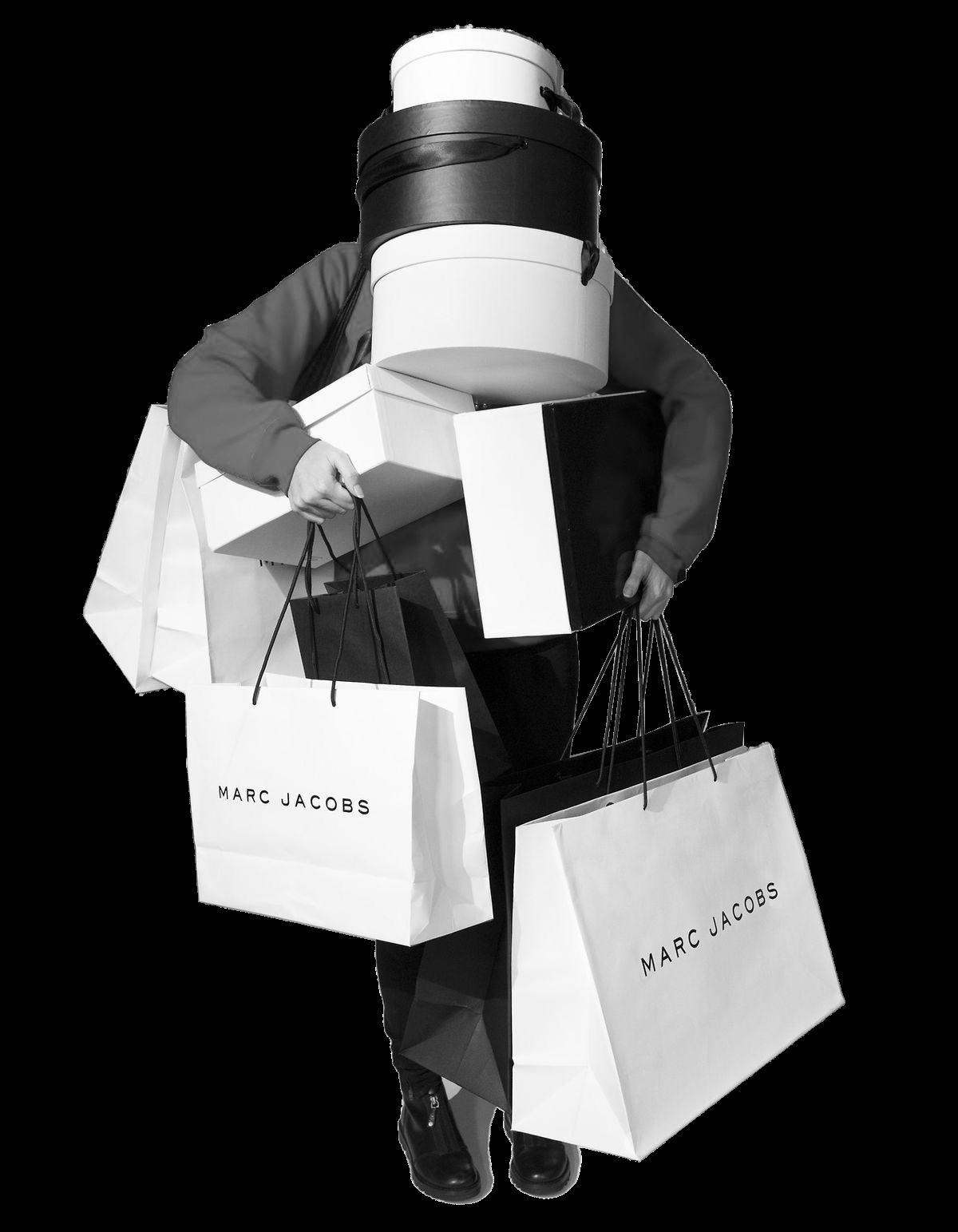
Added a new shopping cart.
final display
Interaction Testing
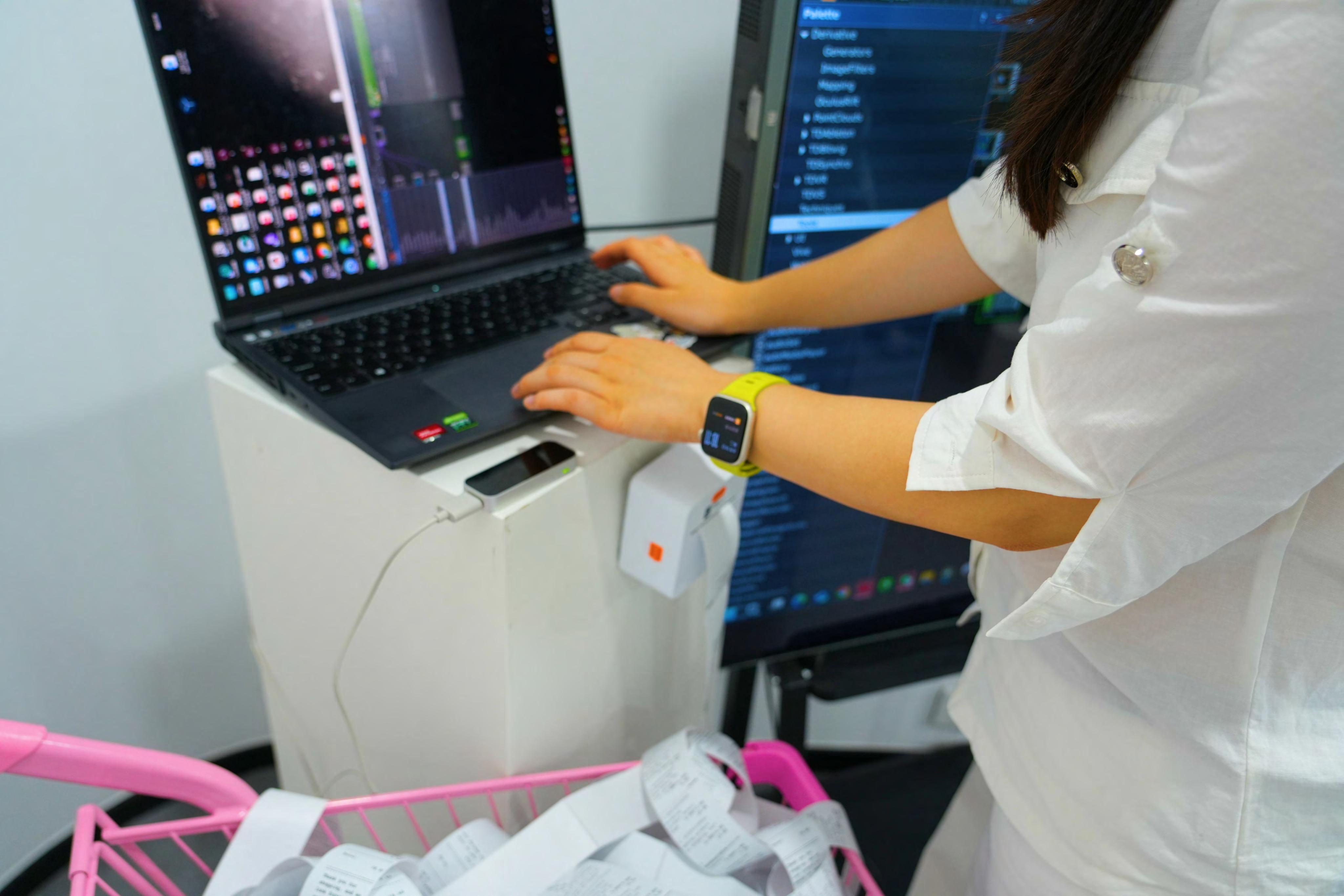
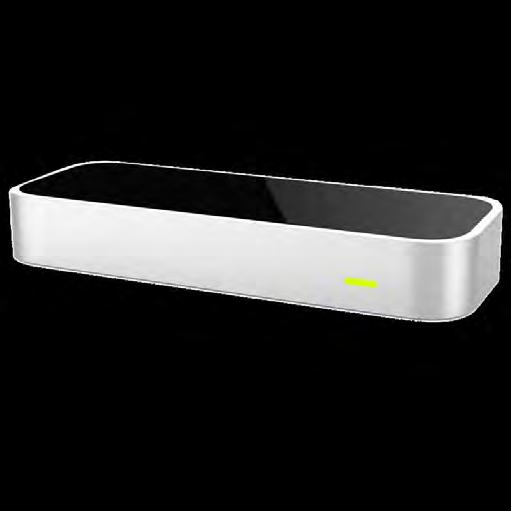
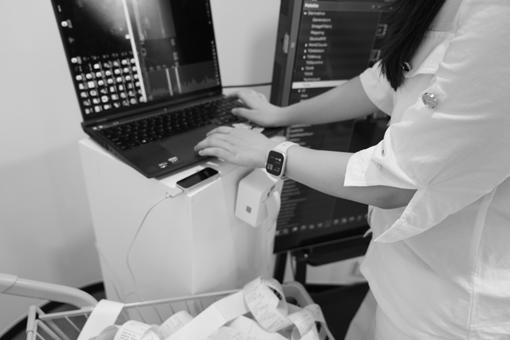
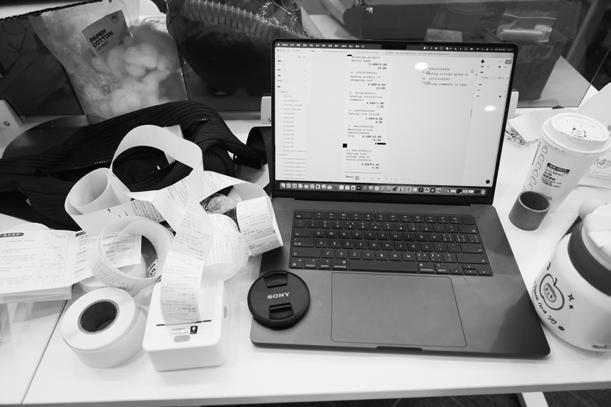
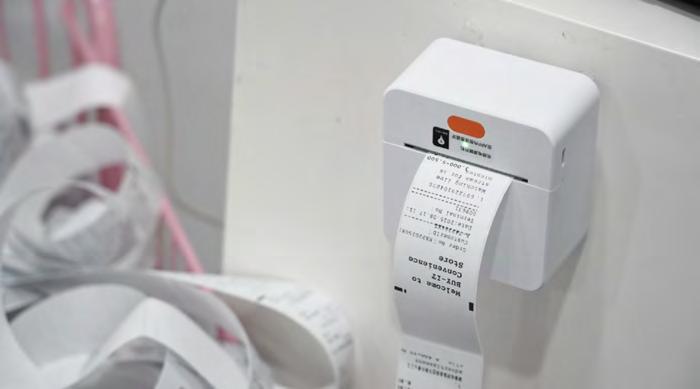
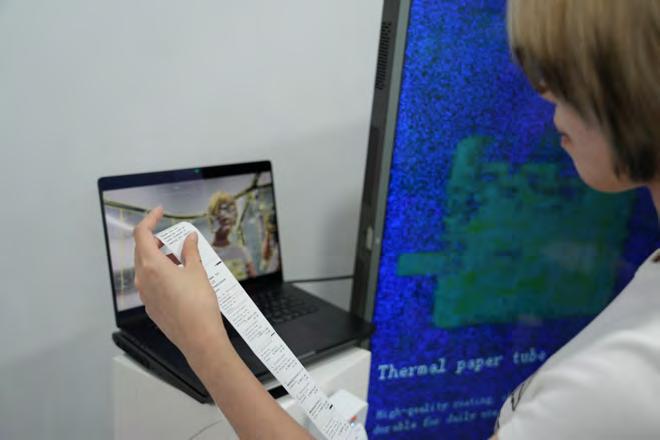
During testing, I calibrated the gesture interaction and fine-tuned the Leap Motion sensitivity to ensure smooth transitions between video segments. I also pre-printed many thermal receipts to fill the shopping cart and set the printer to output a final receipt once all segments were switched, making the interaction coherent and seamless.
Receipt Printing
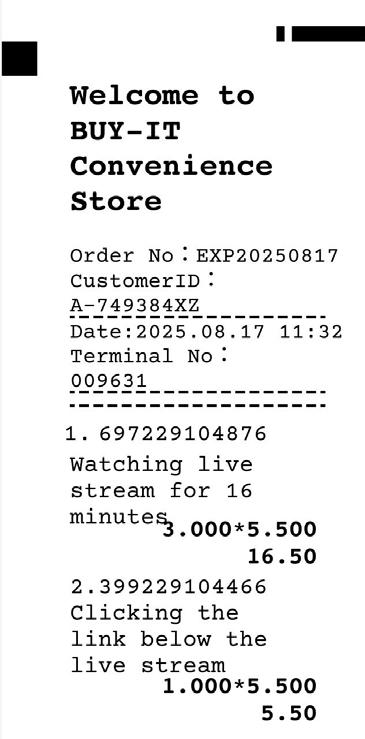
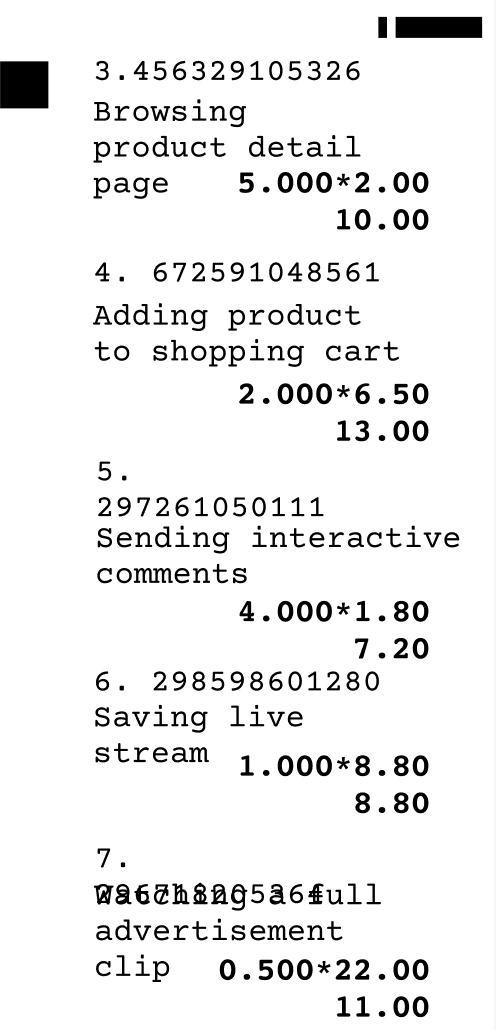
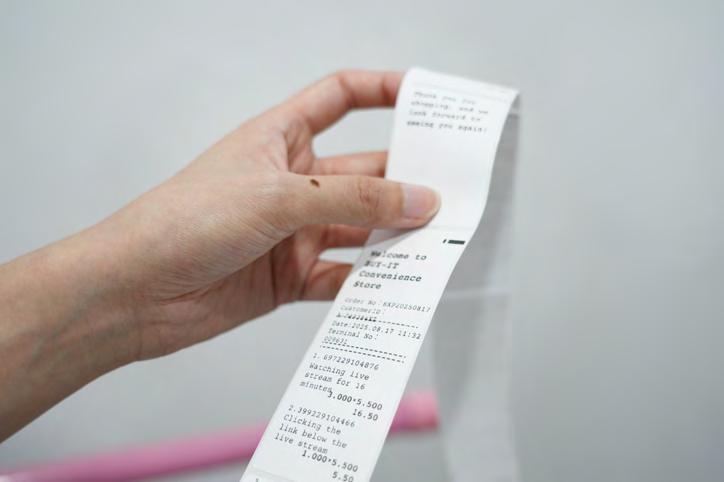
The receipts convert each viewer action— watching, clicking, adding to cart—into itemized entries with codes and prices. This retail-like format makes everyday interactions visible and quantifiable, revealing how platforms track and value user behavior.
Set testing
details interaction process
Reflection
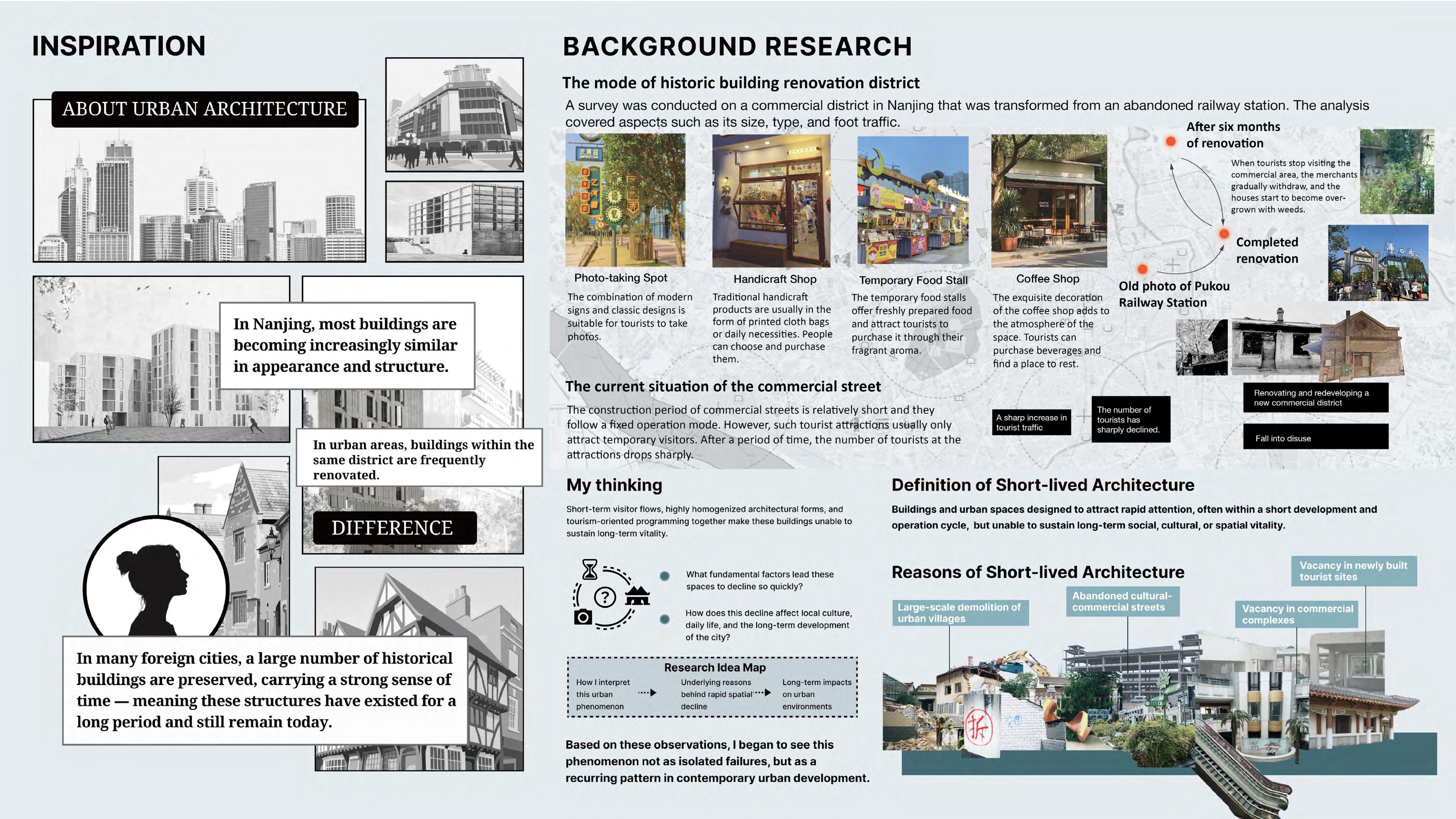
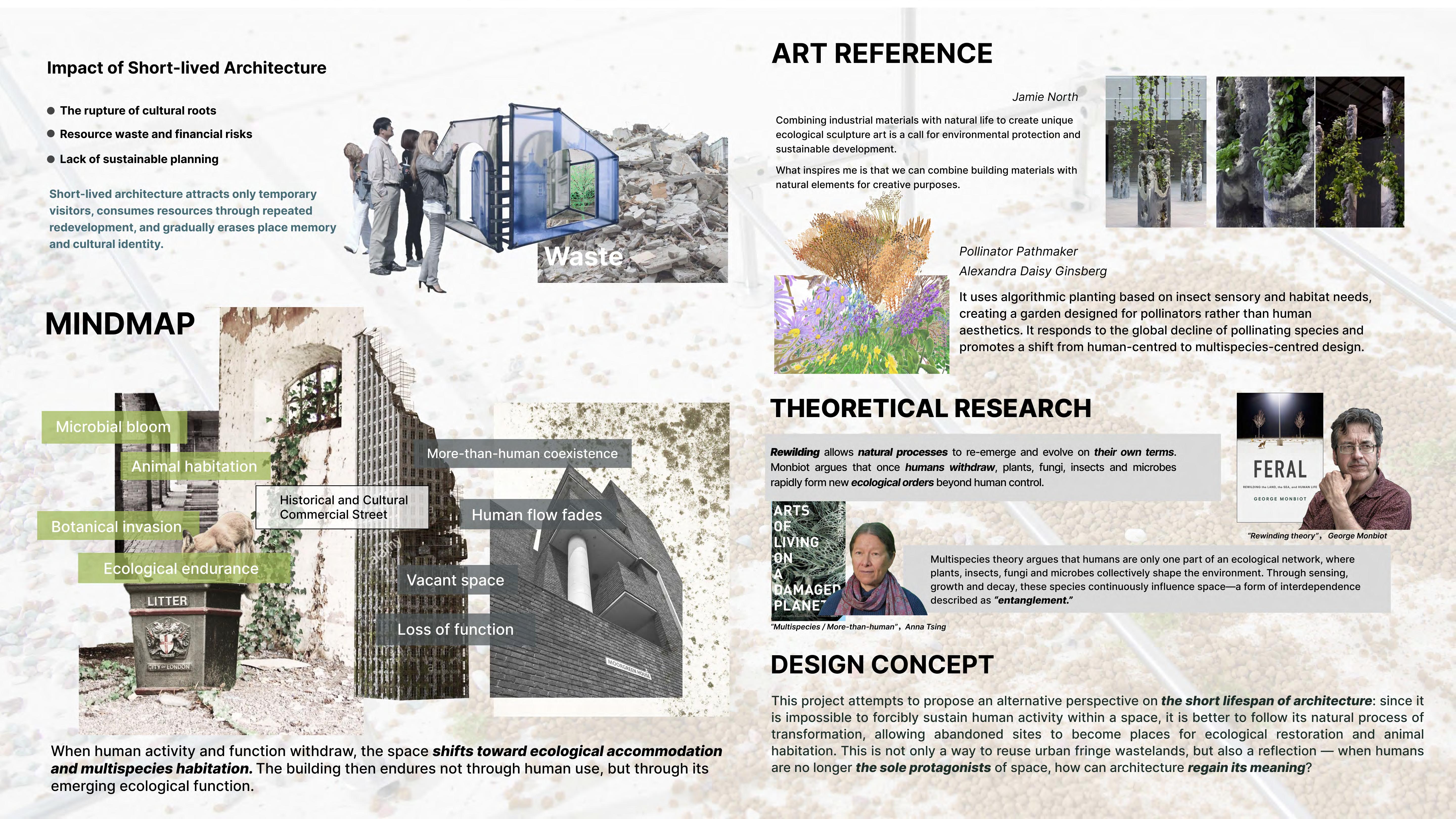
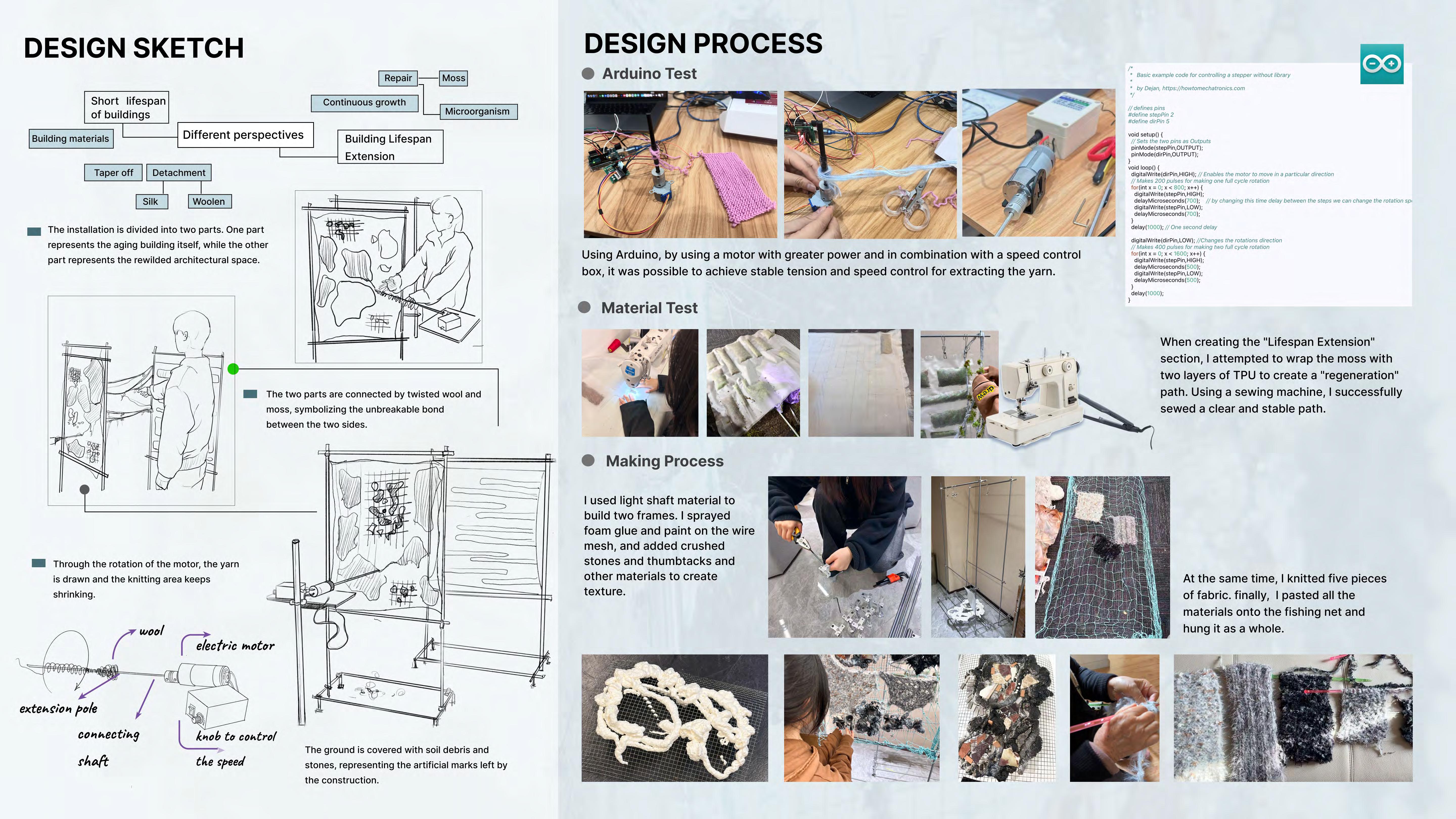
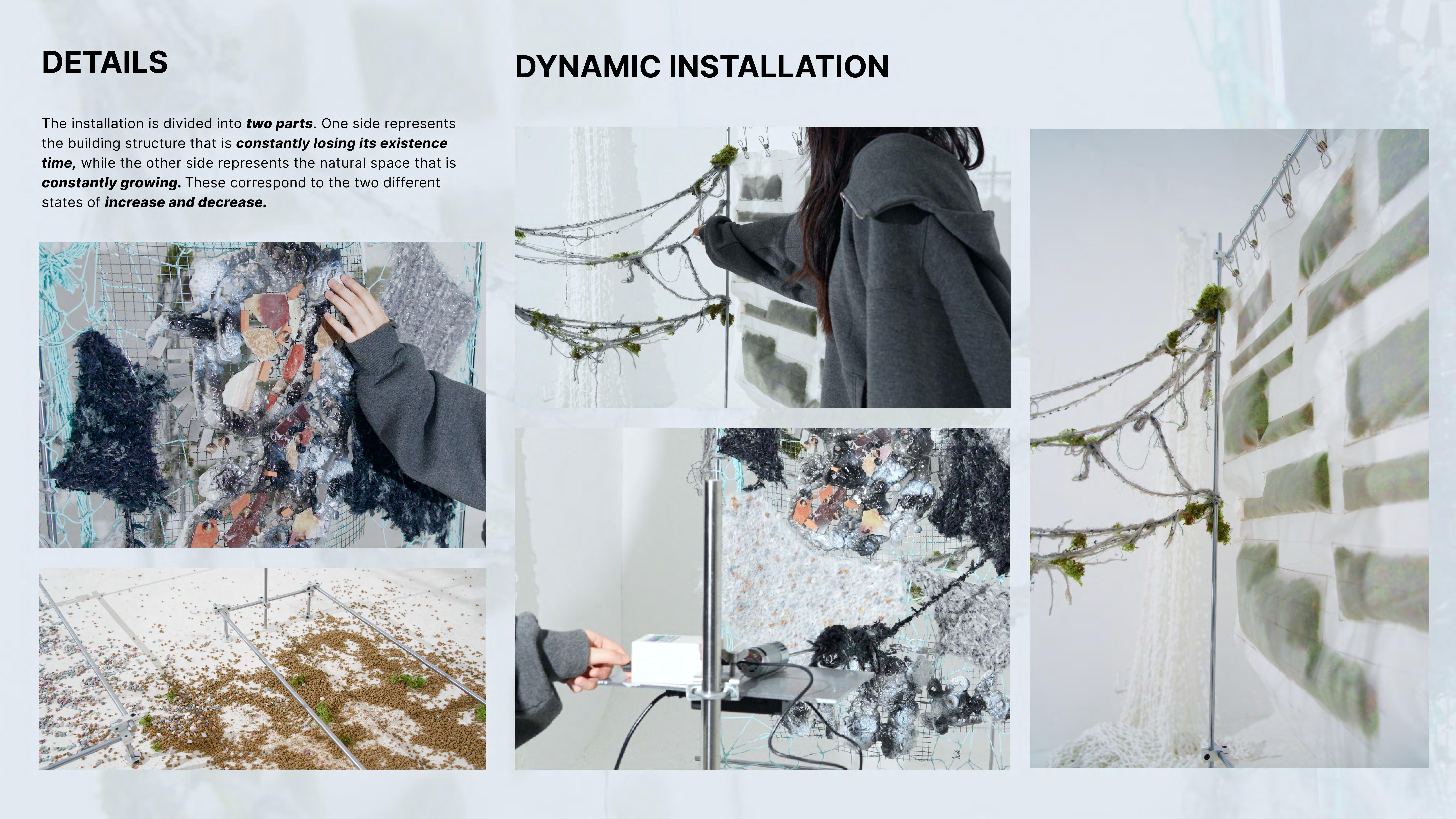
This project developed through a gradual process of inspiration, filming, technical testing, and building the interactive installation. Through this process, I learned how to turn ideas about consumer autonomy and algorithmic influence into an interactive experience. Working with video, gesture interaction, and thermal printing also made me more aware of how digital systems shape everyday behavior. I hope the work encourages viewers to rethink their online “choices,” and I look forward to exploring the relationship between technology and human behavior further in my future studies.