
HUAN XIANG
EDUCATION
Bachelor of Architecture
Tieli City, Heilongjiang Province, China
E-mail: huanx2004@163.com
Tel: +86 13766730080
• University of Liverpool, Liverpool, United Kingdom Sep. 2024-Jun.2026(Expected)
• Xi’an Jiaotong-Liverpool University, Suzhou, China Sep. 2022-Jun. 2024
INTERNSHIP
Intern Designer, Zhongtu Design Co., Ltd., Harbin, Jul. 2025-Aug. 2025 Heilongjiang, China
• Utilized CAD software to assist in drafting and designing detailed plans for the 2025 Urban Heating System Renovation Project in Yichun City, Heilongjiang Province.
• Participated in project meetings and contributed to documentation, helping to maintain project schedules and technical archives.
PROJECT
Old Factory Renovation Project in Shuangta Subdistrict, Apr.2024-Jun.2024 Gusu District, Suzhou , China
• Aimed to transform low-efficiency industrial land into a mixed-use residential community
• Conducted comprehensive site analysis and produced detailed CAD drawings documenting existing conditions;
• Developed a precise 3D site model using Rhino.
Egret Park Art Museum Conceptual Design, Suzhou, China Dec. 2023
• Generated hand-drawn sketches to explore architectural form and concept;
• Built the initial digital model in Rhino for design development.
EXTRACURRICULAR ACTIVITIES
The architecture group’s field trip in Manchester, United Kingdom Oct. 2025
• Conducted on-site field surveys of industrial factory buildings, analyzing their structural systems, spatial layouts, and material applications.
• Produced freehand sketches and observational drawings to record architectural details.
HONORS & AWARDS
• 2nd Prize, 28th Jiangsu College Students Civil Engineering & Structural Innovation Competition Jul. 2025
• Merit Award, 2024 International Concrete Dragon Boat Competition Jun. 2024
OTHERS
• Language: Chinese(Native), English(Fluent)
• Software: Rhino, SU, AI, PS, ID, CAD
• Hobbies:Painting, Gundam models, badminton, ping pong
CURTAIN WALL COURTYARD HOUSE Shanghai New type of working Community Complex
GROUNDED ENERGY
A Public Energy Infrastructure at Liverpool Waterfront
VESSEL OF TERROIR A Winery and Visitor Tasting Centre in Helan Mountain Eastl
CURTAIN WALL COURTYARD HOUSE
Shanghai New type of working Community Complex
1/Individual Work
2/Location: Shanghai, China
3/Time: 2024
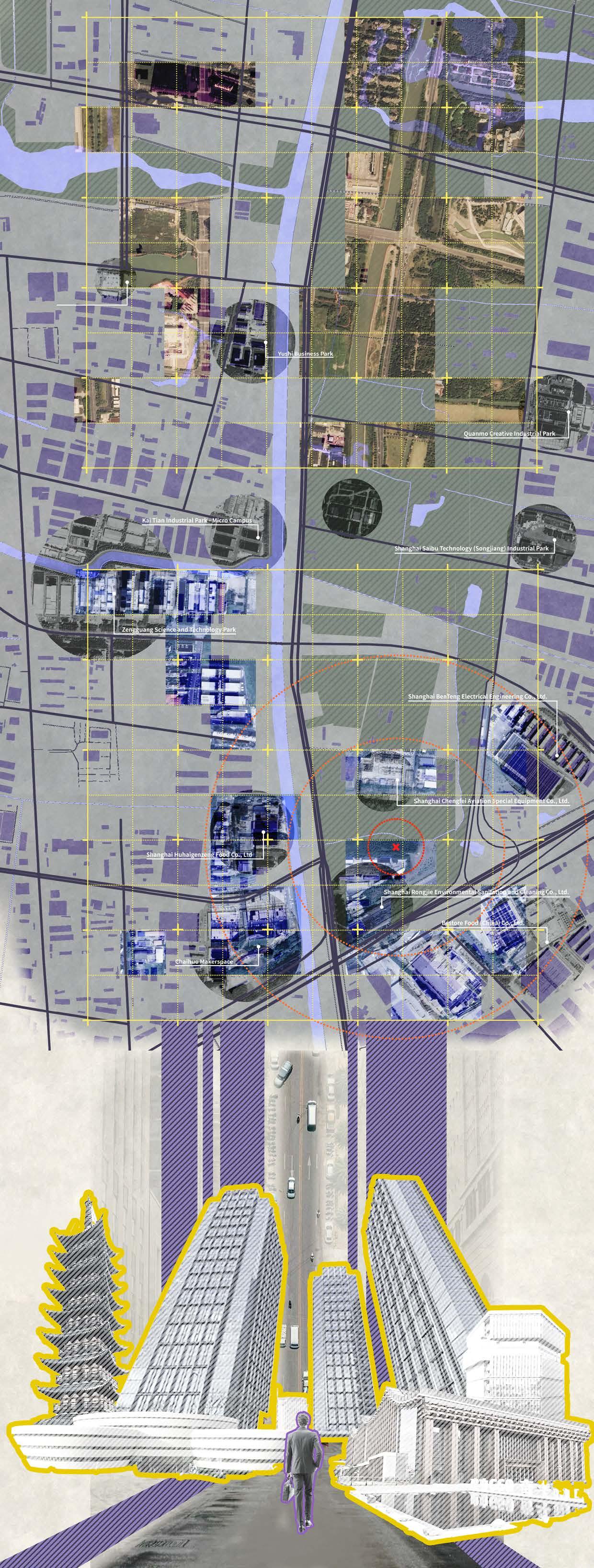
This project is located on the lawn of a maker community in Songjiang District, Shanghai, occupying a piece of underutilised urban land within a rapidly developing innovation-oriented area. The proposal aims to introduce a new type of office space that not only accommodates contemporary working patterns, but also activates vacant land through architectural intervention.
The surrounding context is characterised by a dense concentration of maker centres, start-up incubators, corporate offices, and public entertainment facilities, forming a mixed-use environment driven by creativity, production, and social interaction. Within this setting, the project seeks to respond to both professional and public demands by establishing a flexible and open workspace that supports collaboration while remaining accessible to the wider community. By transforming an existing lawn into an active urban node, the design explores how small-scale office architecture can contribute to the regeneration of fragmented urban spaces and strengthen the spatial and social connections within the maker-oriented district.







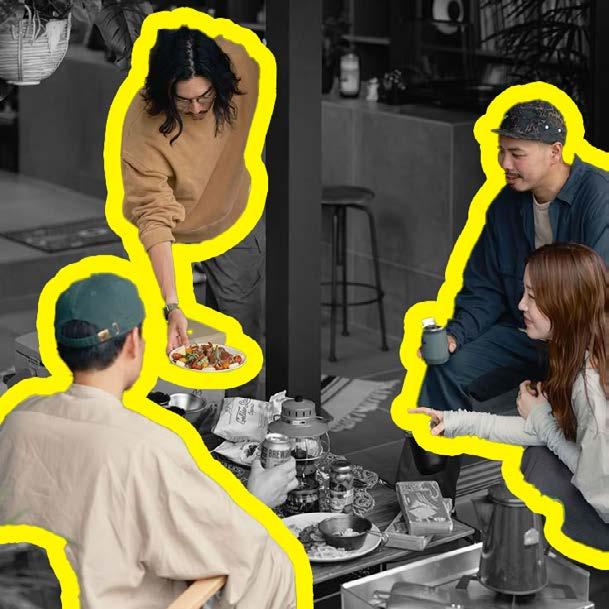

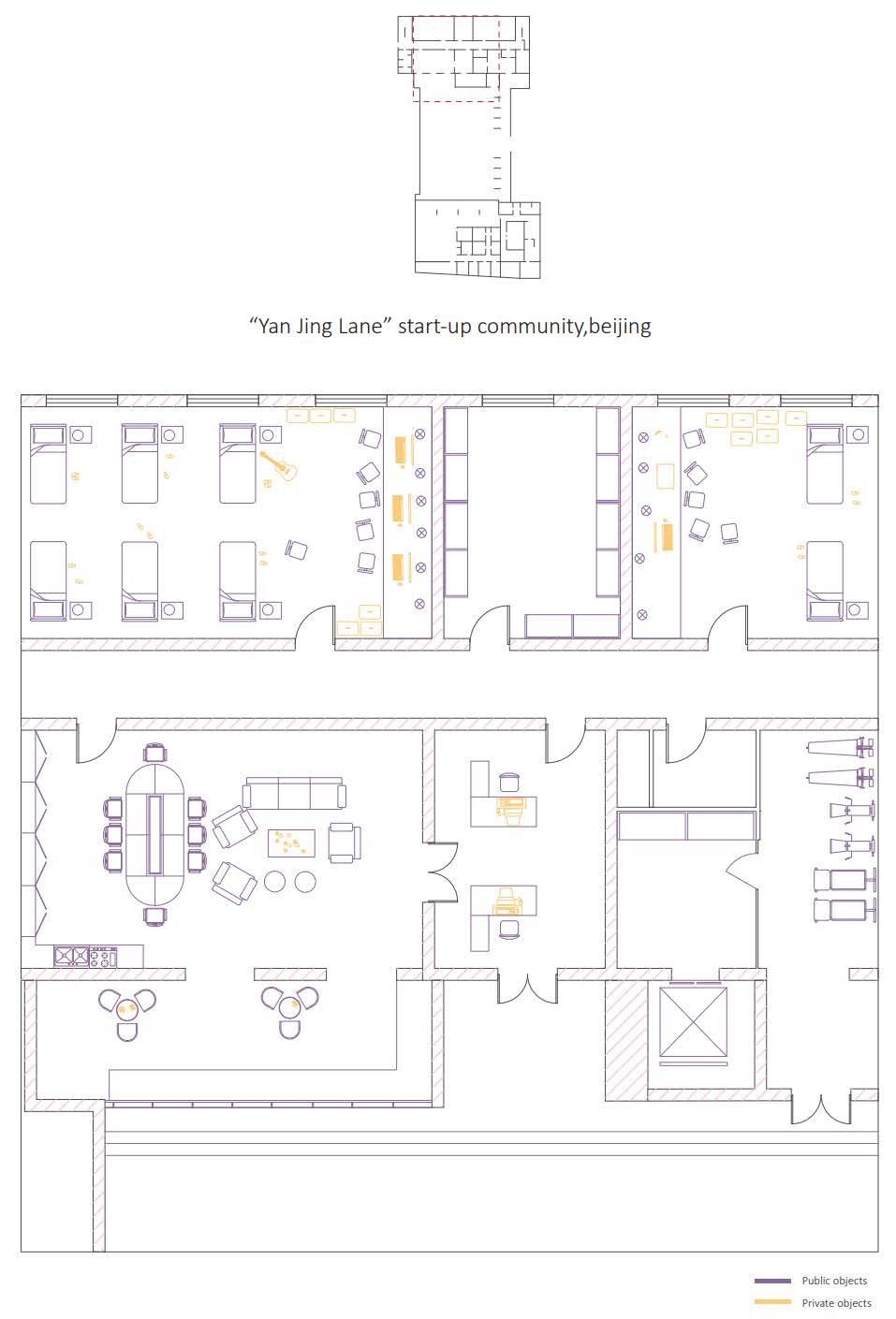
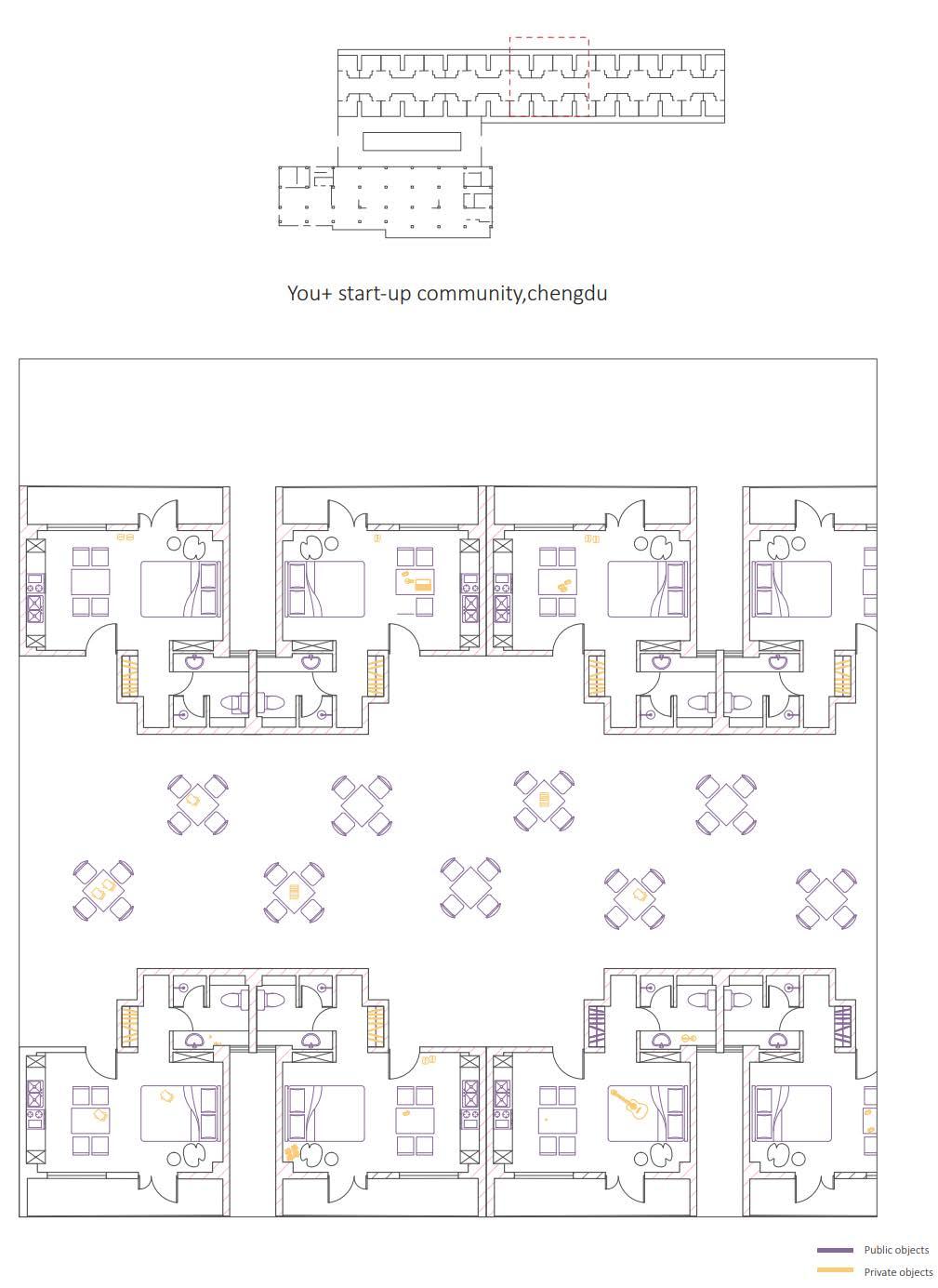
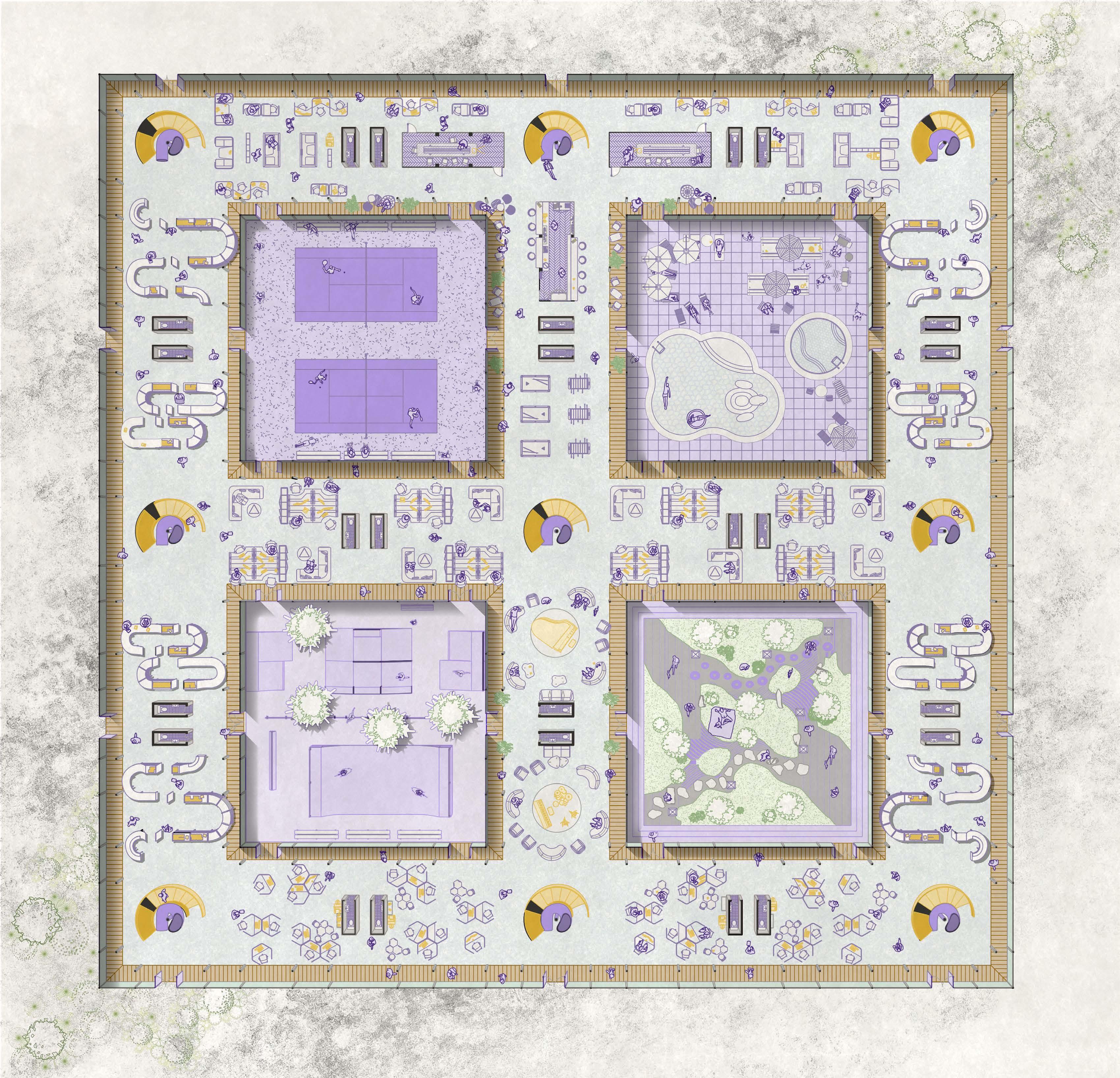
This project was inspired by the Yan Jing Lane community. Two floor plans illustrate the possibility of integrating work, life and entertainment in the future office model. This will be the main goal of this project.

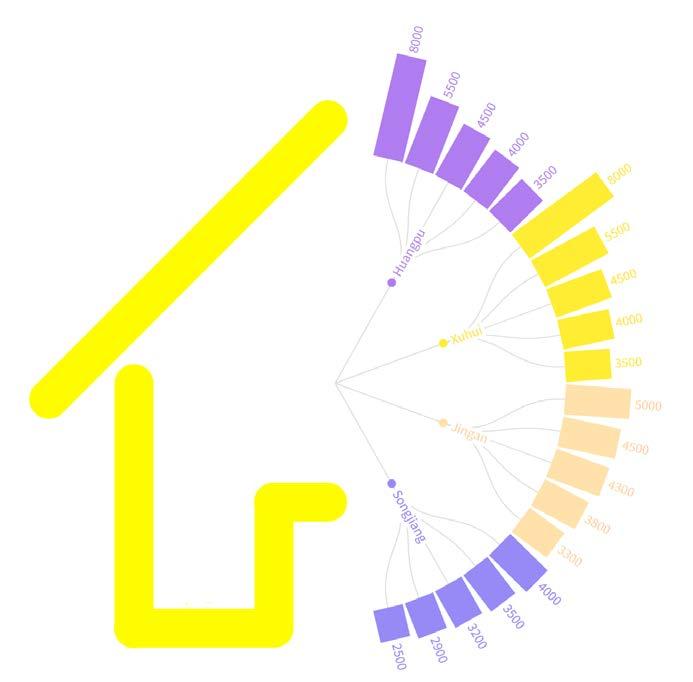
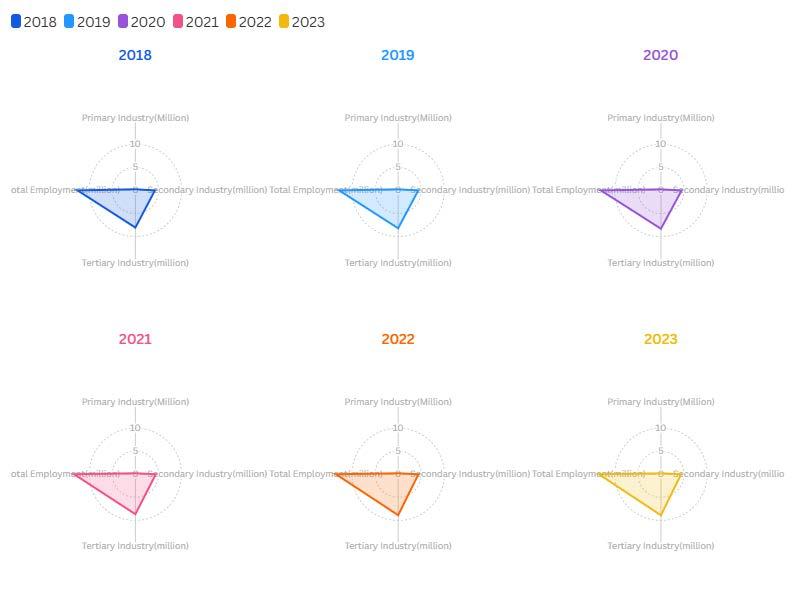
Income of industries in recent years


Rental proportions in the four major districts of Shanghai

The employment situation in the four major industries in Shanghai has been relatively stable in recent years. The stability of traditional industries and the uncertainty of emerging industries provide the foundation for the reshaping of office spaces. At the same time, as one of the leading cities in China's economic development, Shanghai should also pay more attention to enhancing the vitality of work.
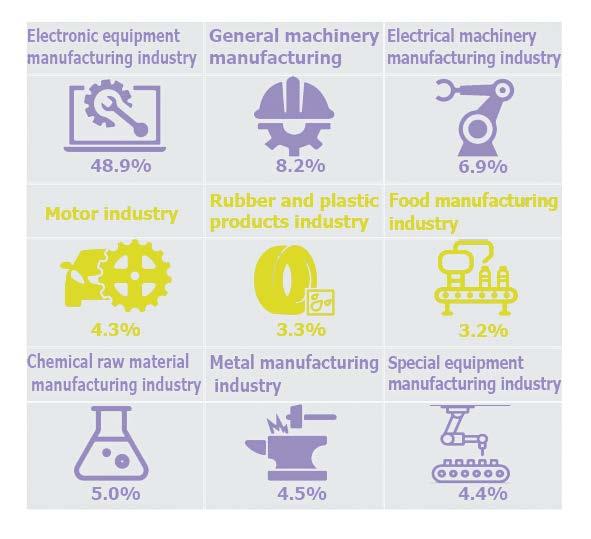
Employment Types and Their Proportions in Songjiang
The site is located in the industrial park of Songjiang District, Shanghai. The table shows that the number of employed people in the electronic technology sector in Songjiang District far exceeds that of other industries. The design concept of the office space for this project will be in line with the working methods of the electronic technology sector.
Agree!
Sauna
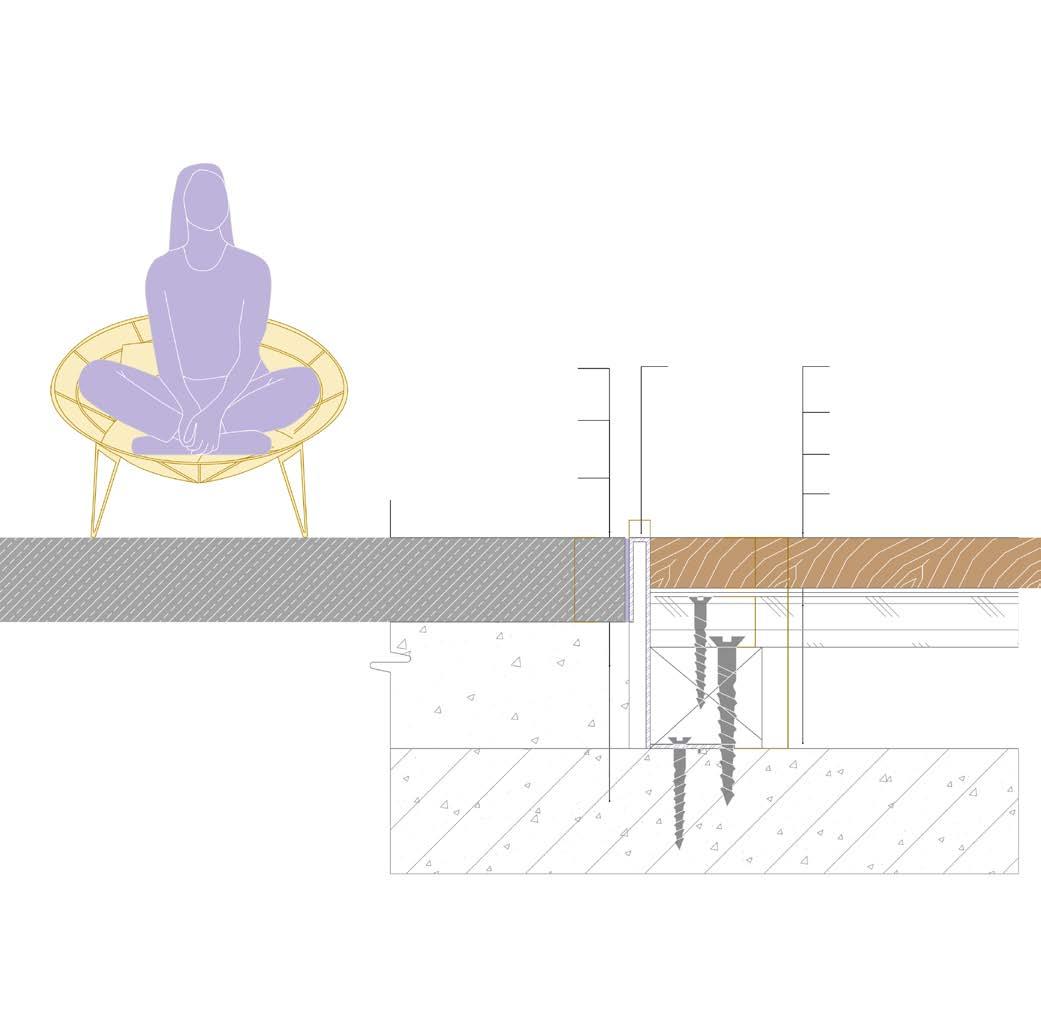
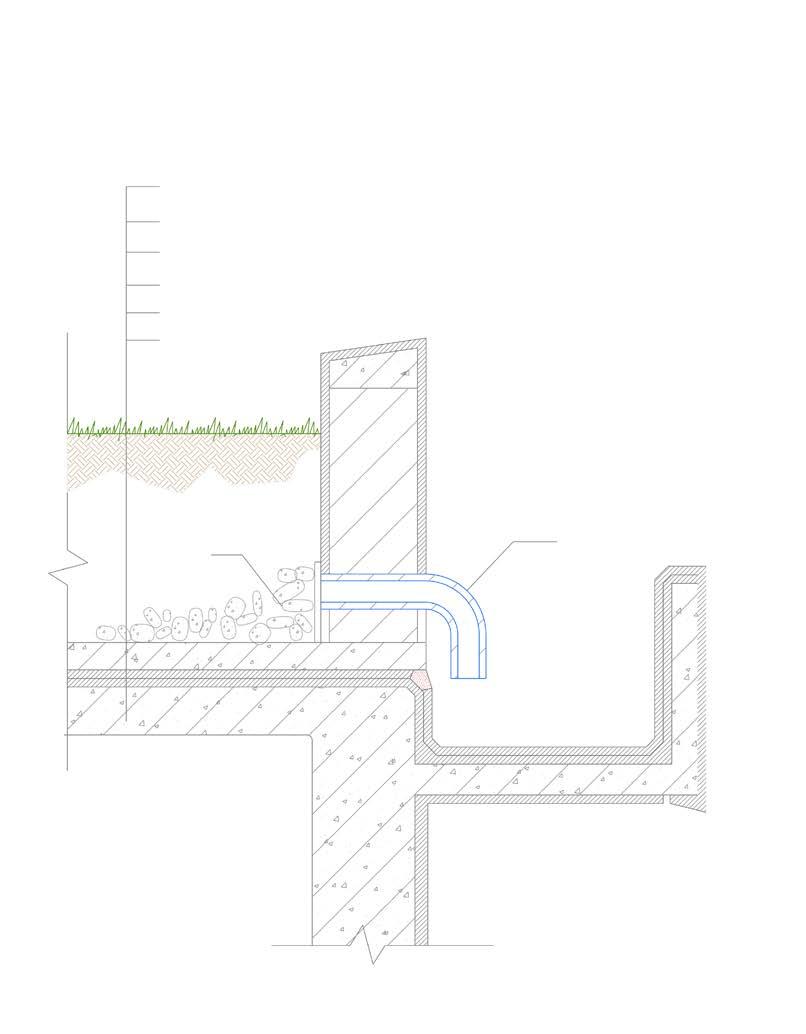
The interior floor is made of terrazzo, while in the corridor area, a wooden structure is used beneath which the base is made of stone.
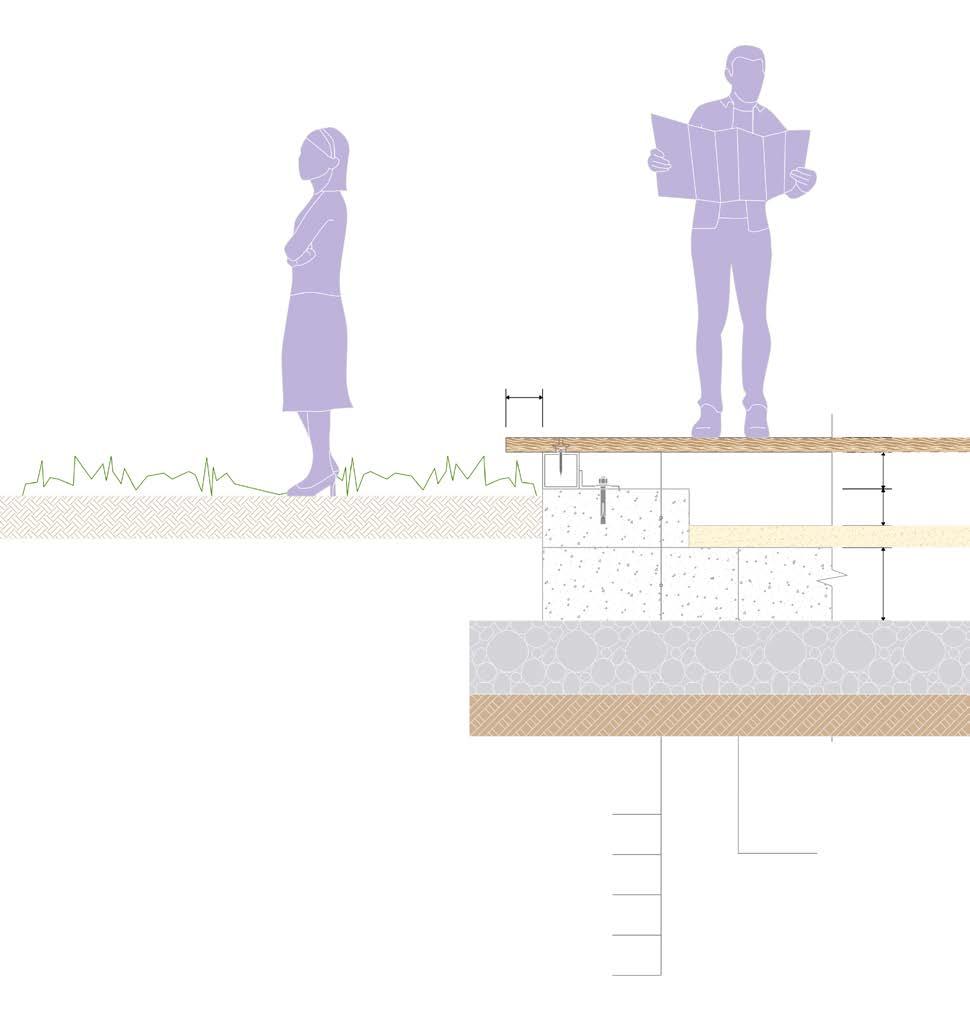
Wooden corridor structure
An outdoor wooden corridor is built to encircle the building along the edge of the grassland, with a suspended space beneath for support.
structure Dig a ditch outside the building and set up
to channel the
into the
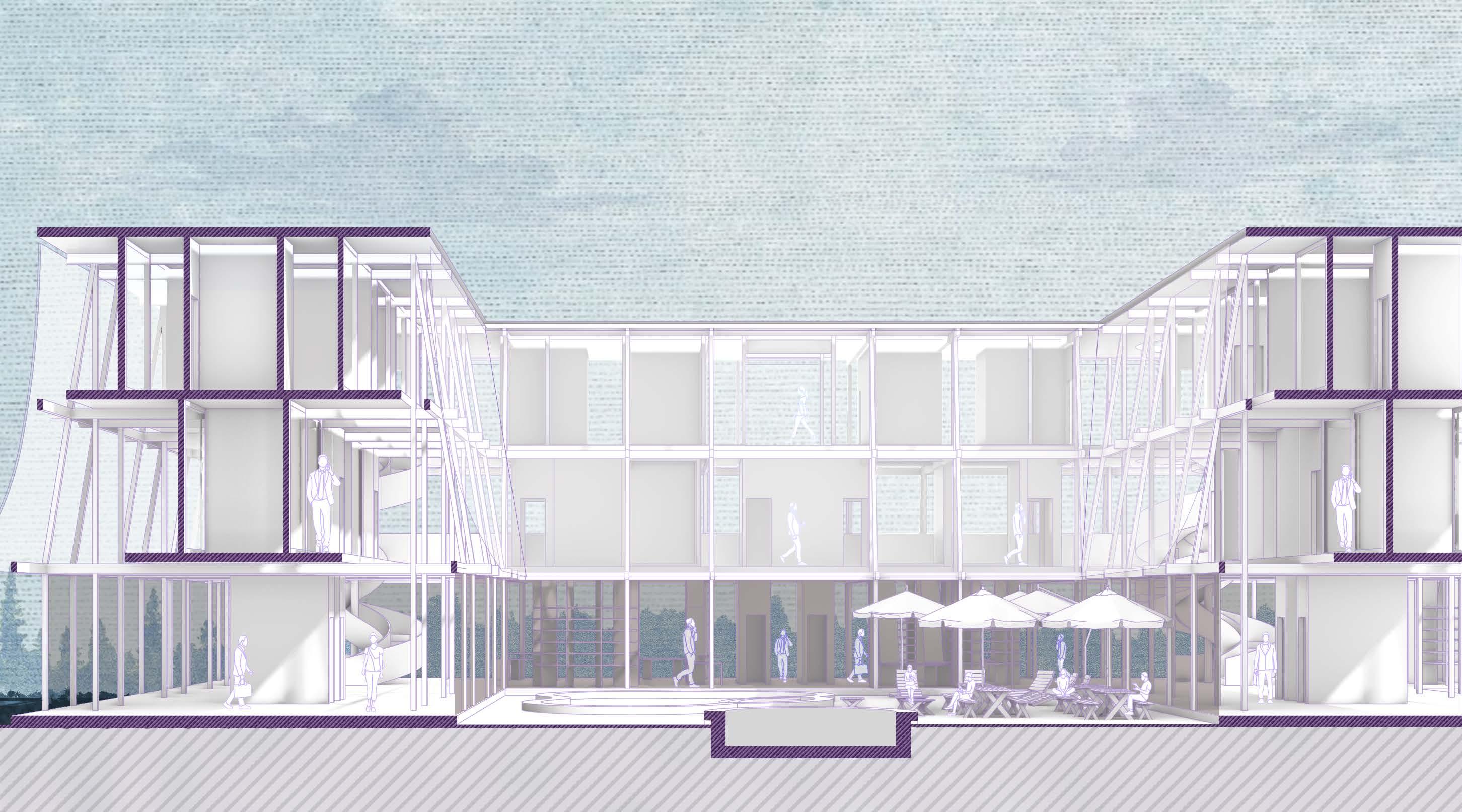
This section diagram illustrates how this project utilizes vertical space to connect different functional areas, and also shows the interweaving of working spaces and entertainment spaces at the horizontal level. In the vertical space, from bottom to top, it progresses from public areas to individual office spaces and then to personal living spaces, gradually becoming more private and personalized. By using this perspective, the boundaries between public and personal areas are separated while still maintaining a connection.
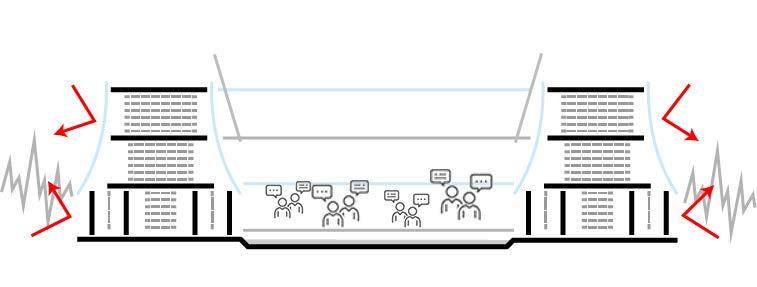
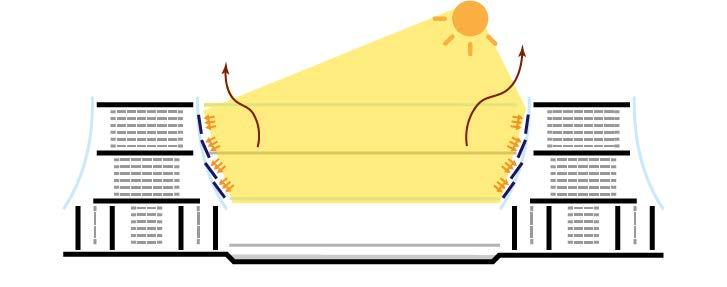
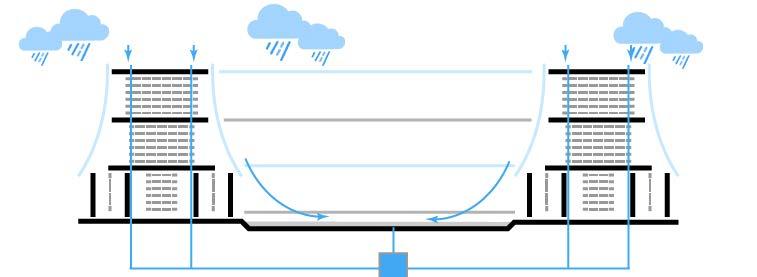
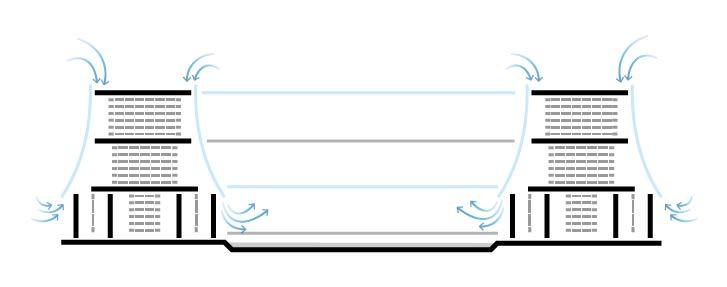
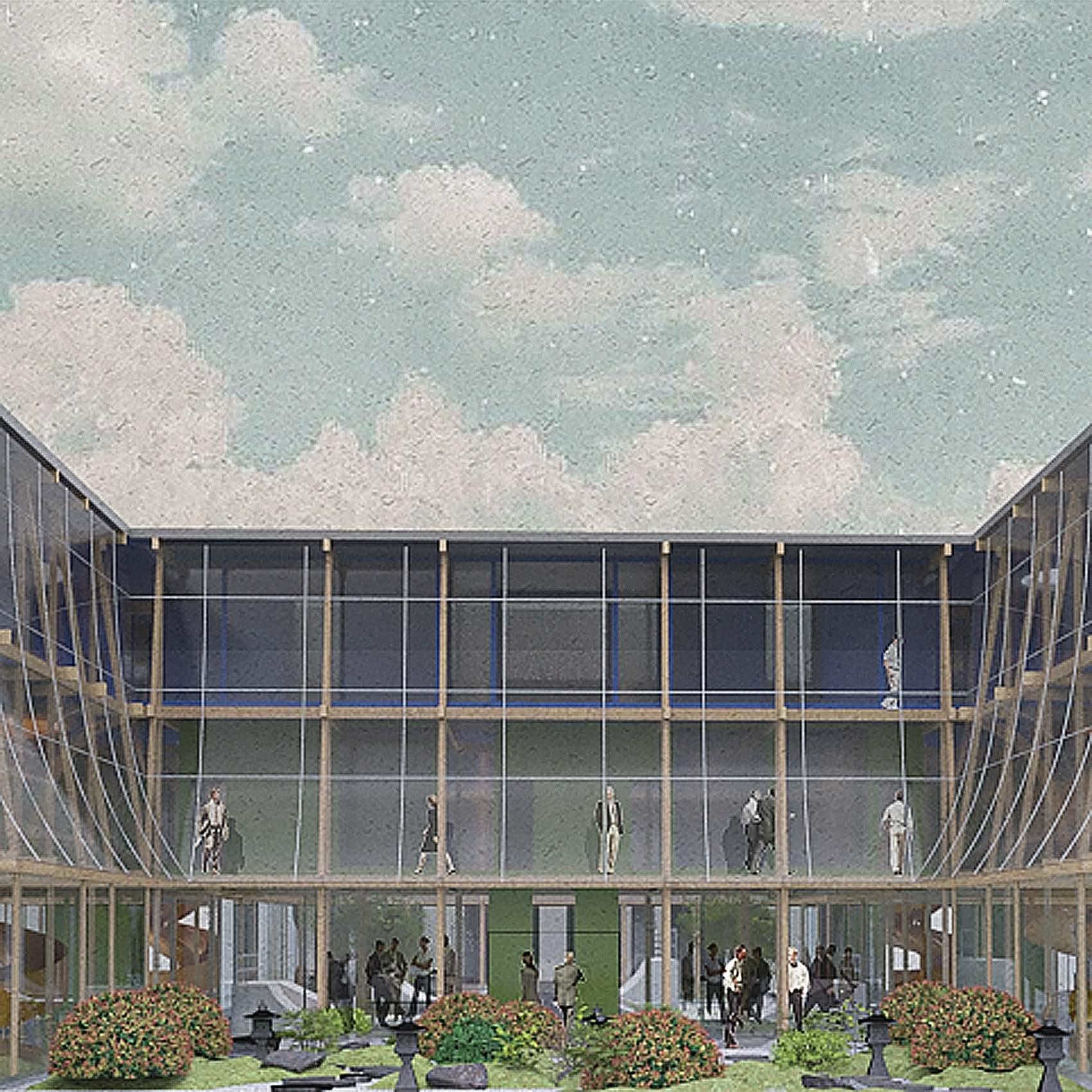
The courtyard structure effectively prevents external noise. Solar panels capture solar energy while reducing direct sunlight exposure and minimizing heat circulation within the building.
At the top, there is a rainwater collection device that is connected to each floor and the underground water tank.
The opening and closing of the sunroof is normal and it also ensures proper ventilation inside.
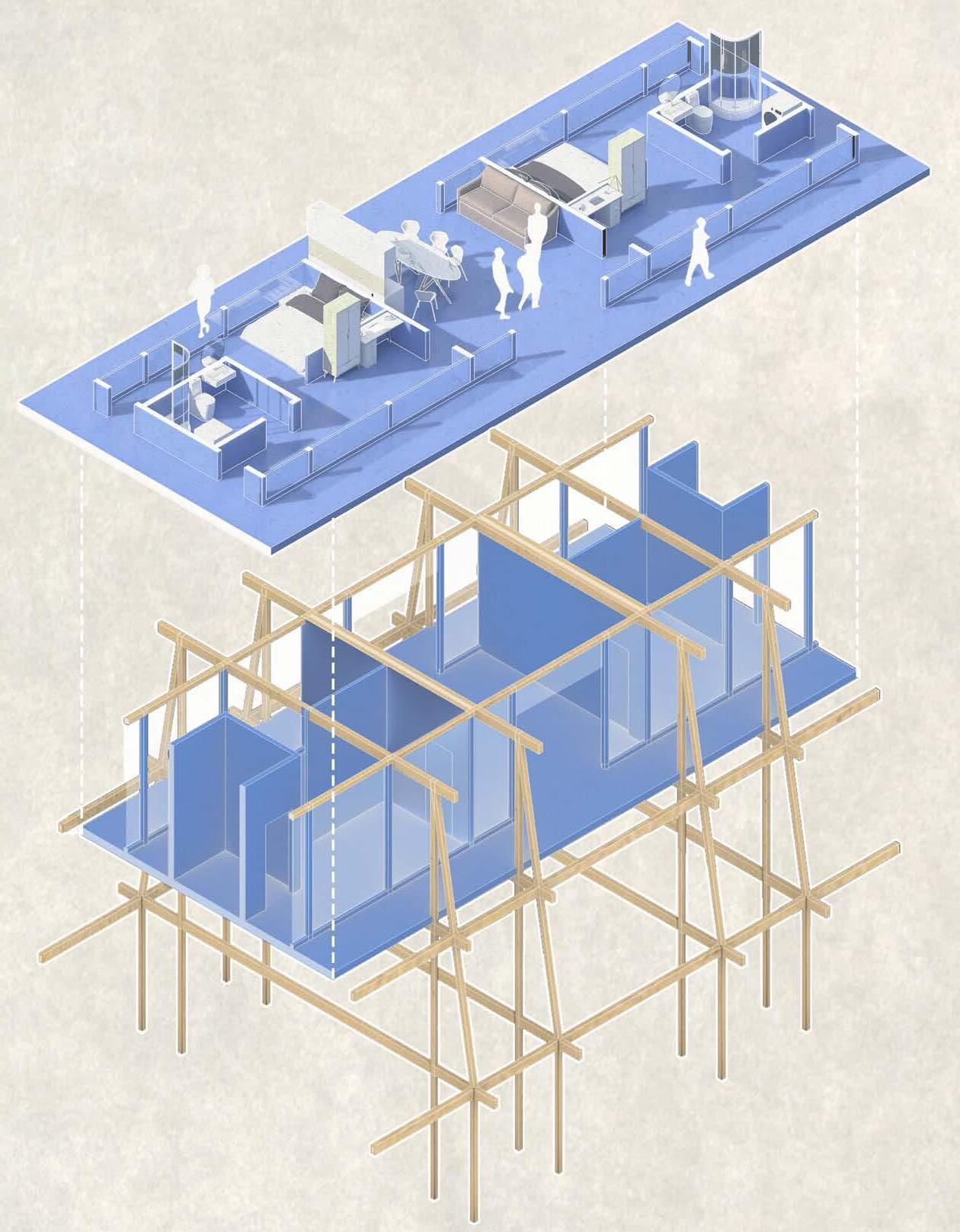
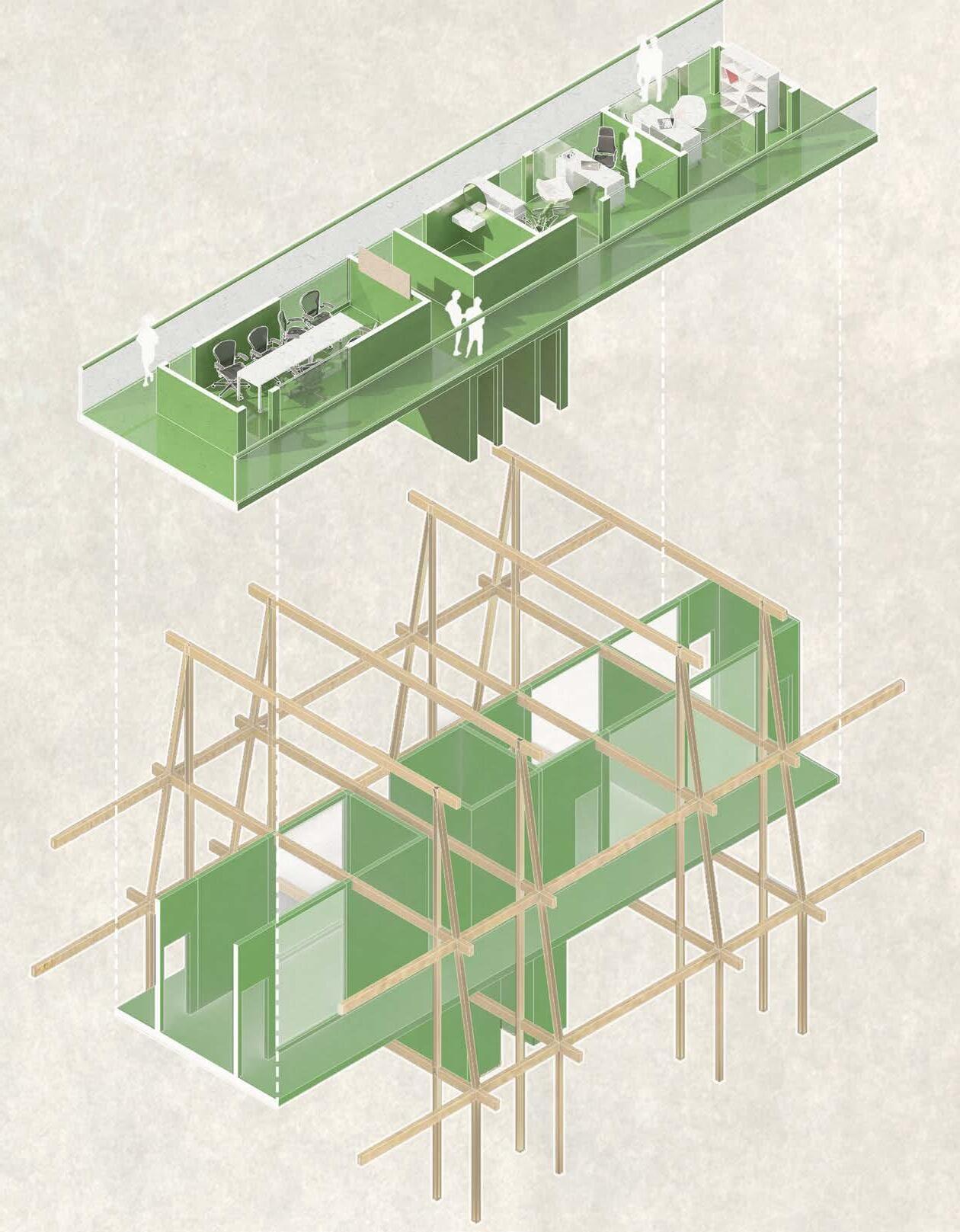
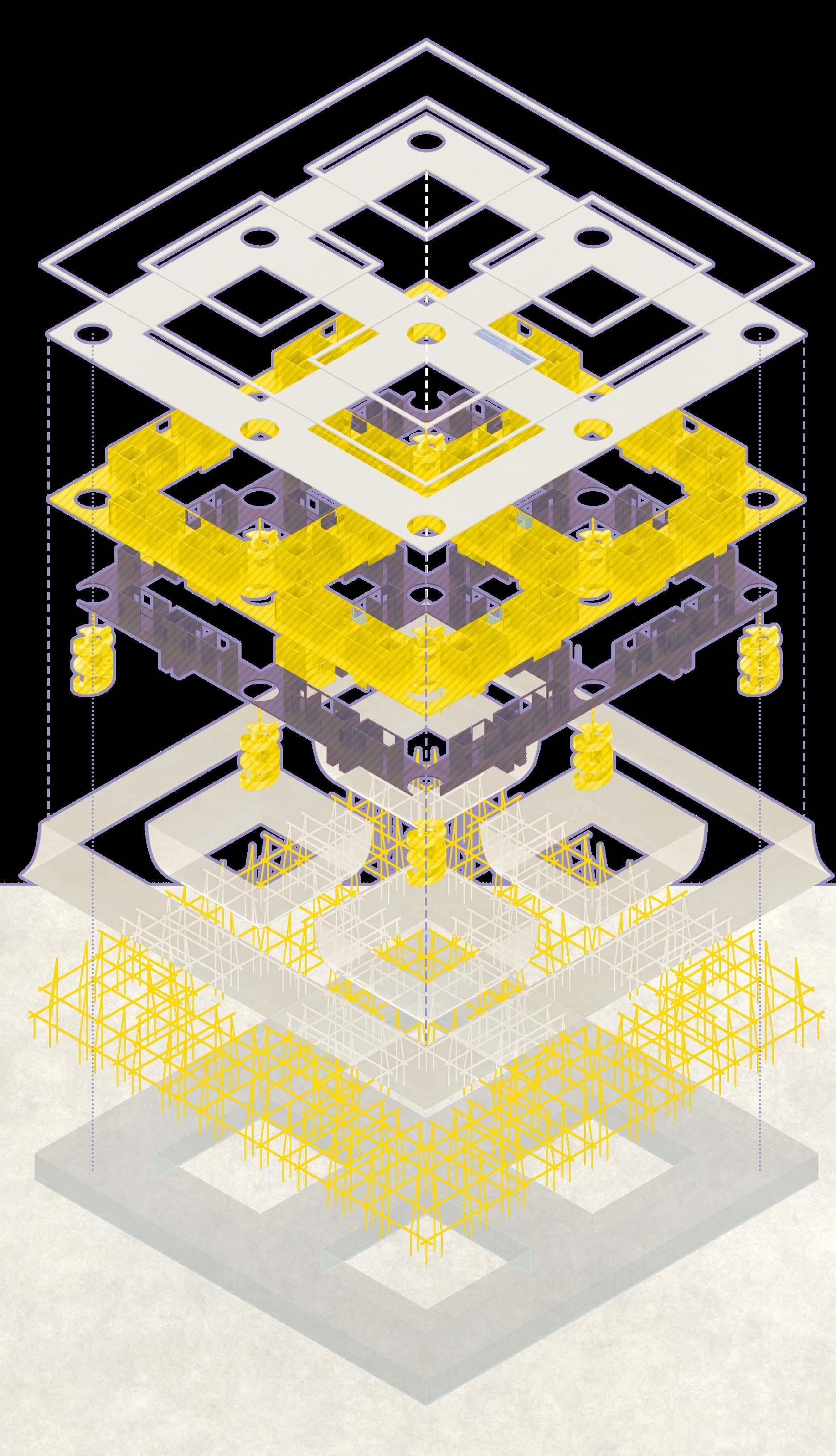
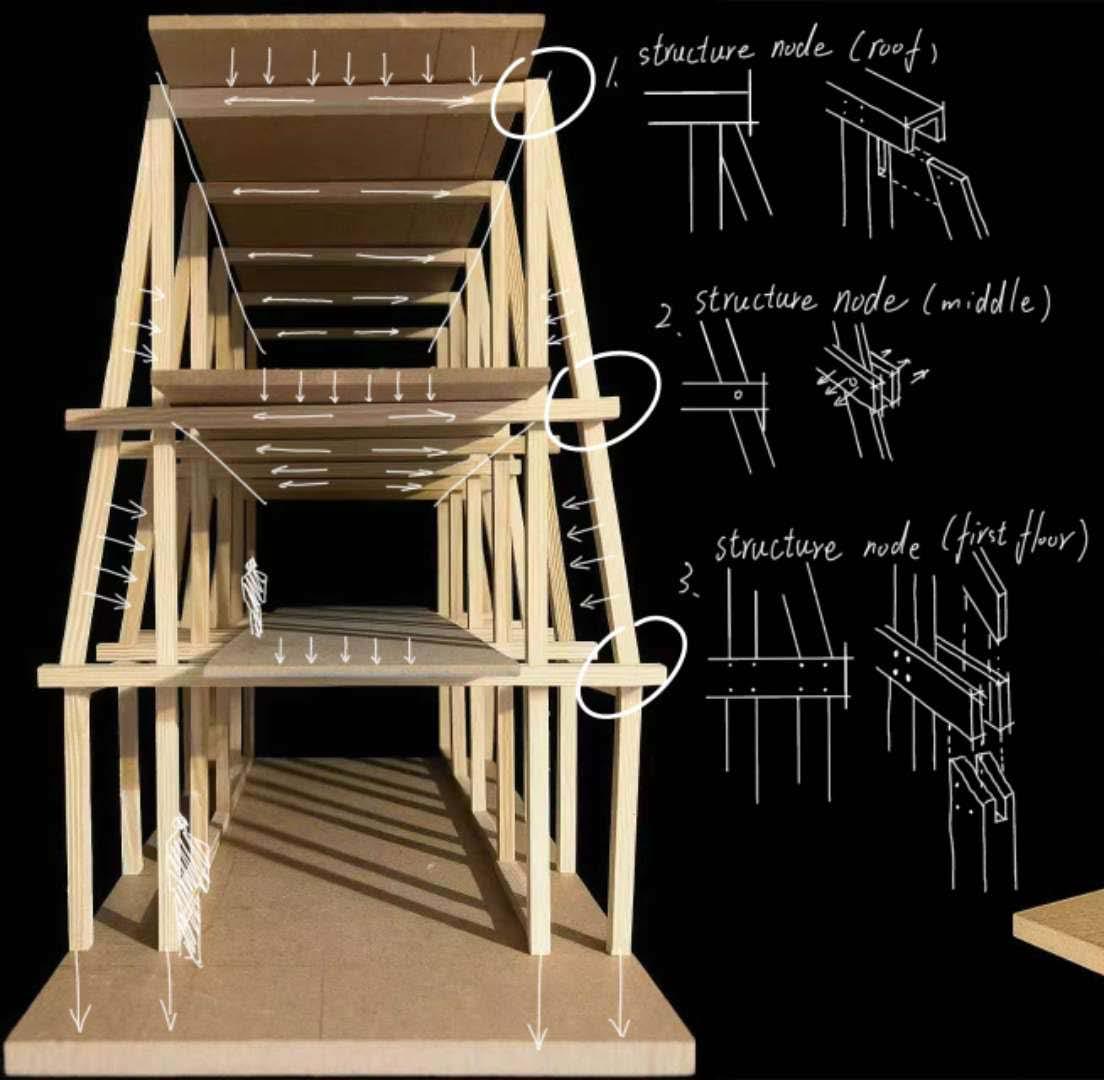
The bamboo and wood serve as the main framework to support the entire building. Two rows of columns form the main loadbearing part. Each floor's functions are established on top of the three-story beams. The inclined beams play the role of connecting the three floors and supporting the facade.
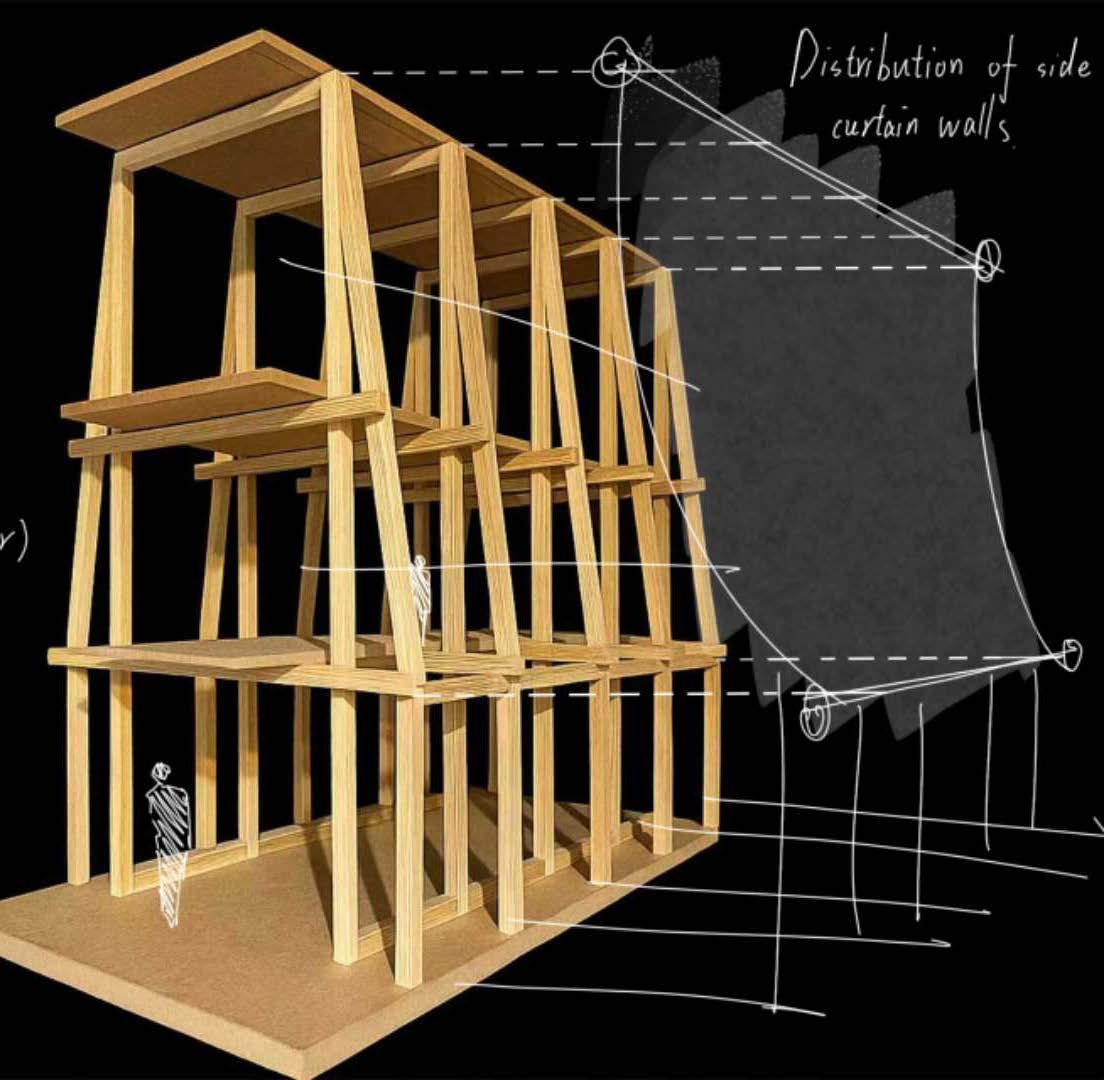
By covering the structural facade with a curved screen material, not only does it provide shading, but it also exposes the internal structural details, achieving the effect of natural lighting.
AXO of FIRST FLOOR(OFFICE SPACE)

The curved facade is composed of a steel grid structure. The facade is covered with flexible solar panels to obtain clean energy. The panels can be adjusted to increase the utilization of sunlight and can be retracted to expose the glass facade.
INTERNAL COURTYARDS- GARDEN

Initial volume
Massing push-pull
Minor adjustment Further pushing Initially, it was based on large rectangular blocks as the initial shape. The middle part is hollowed out to form a central courtyard, which serves as a public space and enhances the vitality of the office area.
Divide the courtyard into four sections to form different functional areas.
CONCEPT SUMMARY
Fine-tune the shape of the facade, tighten the lower layer as the main entrance, and change the facade to a sloping design.
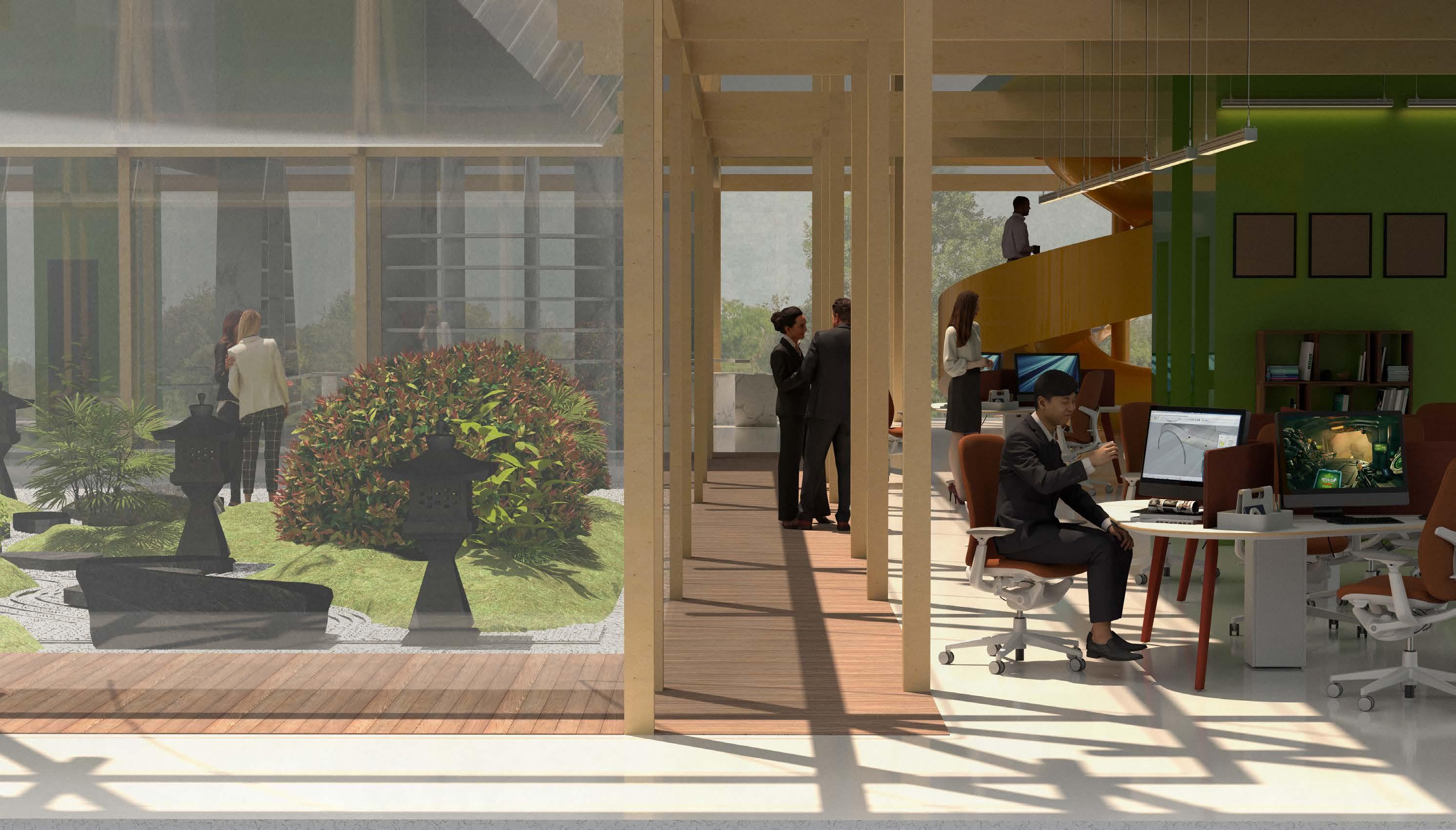
Show the internal environment details, present the cross-narrative between the office area and the activity and entertainment area, the internal view of the garden in the atrium functional area, and the perspective of the office corridor.
This project, with a focus on new office spaces, combines office, entertainment and living spaces in a way that challenges the traditional office model. At the same time, it utilizes solar energy as a clean power source and a wooden structure, delving deeply into the concept of sustainable development.
THE OFFICE AREA ON THE G FLOOR
ROOFTOP RHAPSODY
Chinatown Residential Community Complex
1/Individual Work
2/Location: Liverpool, UK
3/Time: 2024
Liverpool's Chinatown is the world's first Chinatown, Through the survey of Chinatown around the world and its construction methods, we can get different activities corresponding to the different kinds of facade of The Chinatown. These hybrid facades not only reflected the living canditions of the first generation of immigrants but also catered to the local residents Orientalist views. This allowed the early immigrants to shield thamselyes behind these stereotypical masks, as a way to cope with the provalent racism of the time.
In Liverpoal, as the community evalved and new immigrants brought different lifestyles, these old facades na longer met the needs of the new generation, and the vibrancy of Chinatown has shifted elsewhere. This project aims to revitalise the declining Liverpool by reconstructing new facades and re-integrating them into the area, breathing new life into the Chinese group.
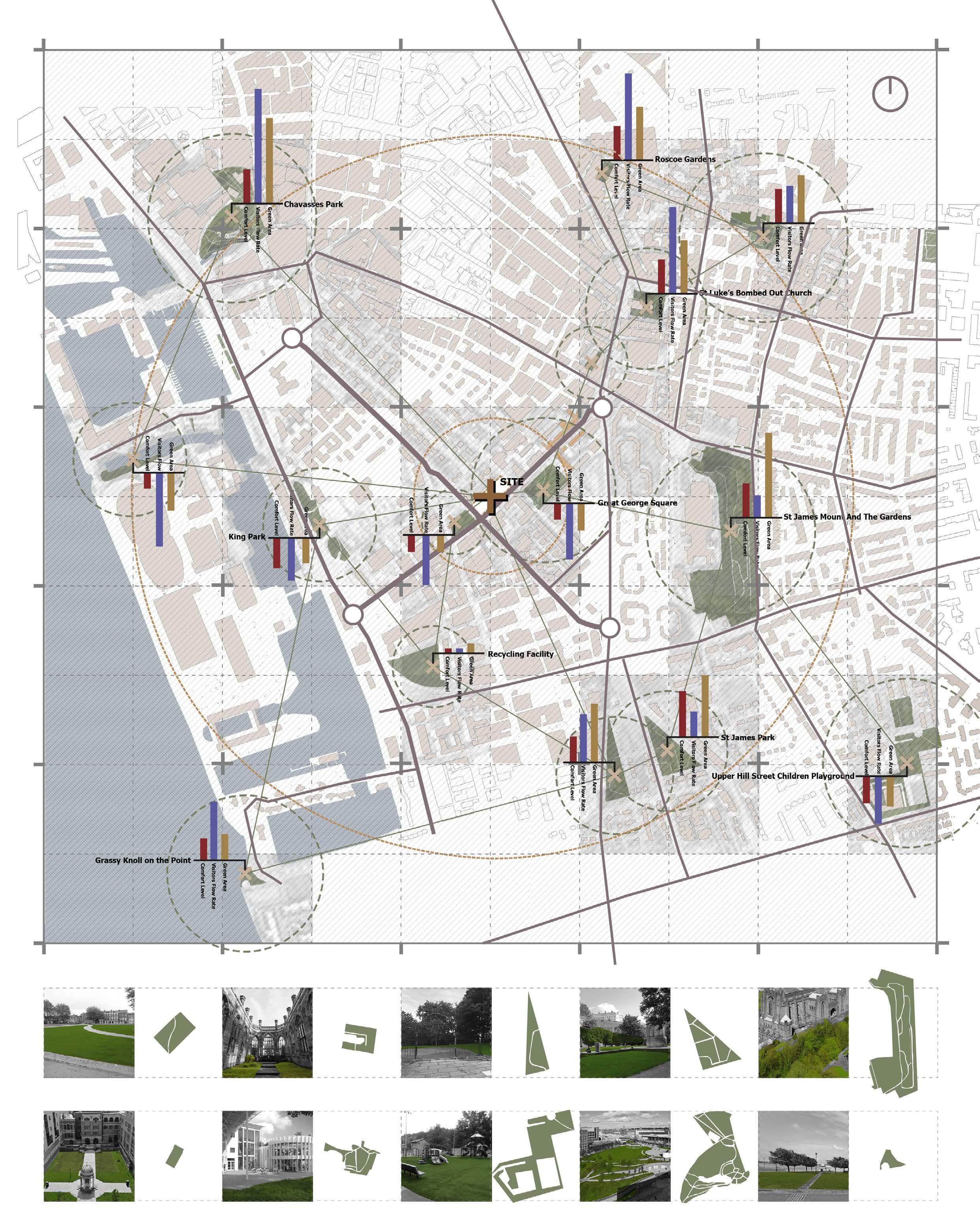
This map, with Liverpool Chinatown at its center and radiating to the surrounding areas, marks all the green spaces within the range. It delves into the forms and distinctive features of these green spaces, while also incorporating information such as their comfort levels and the population density of nearby areas, thus providing a clear and informative overview.

while the side facing the inner
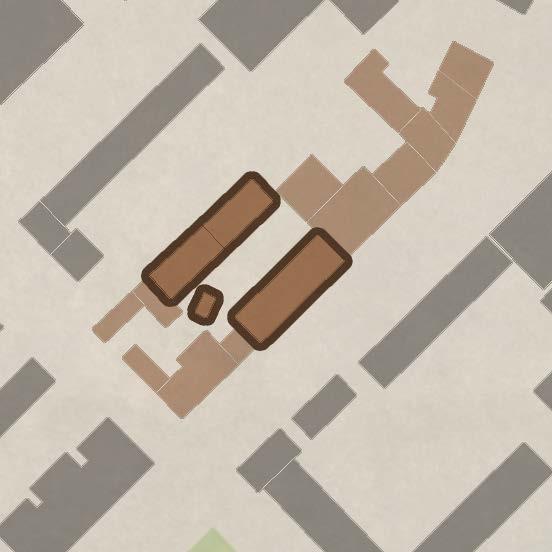

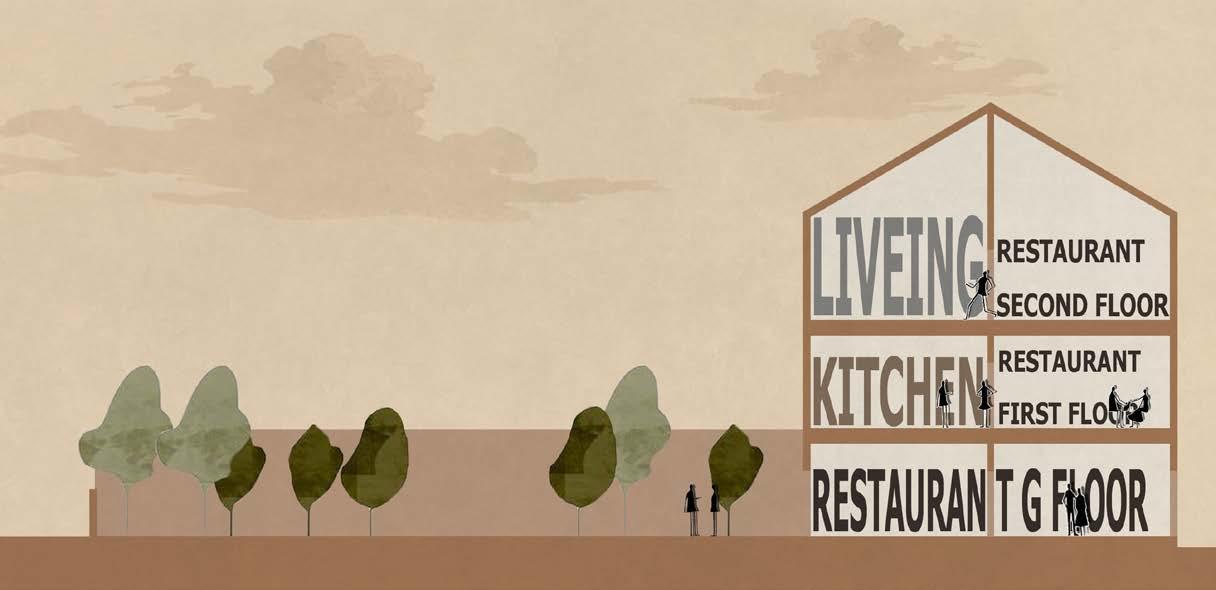
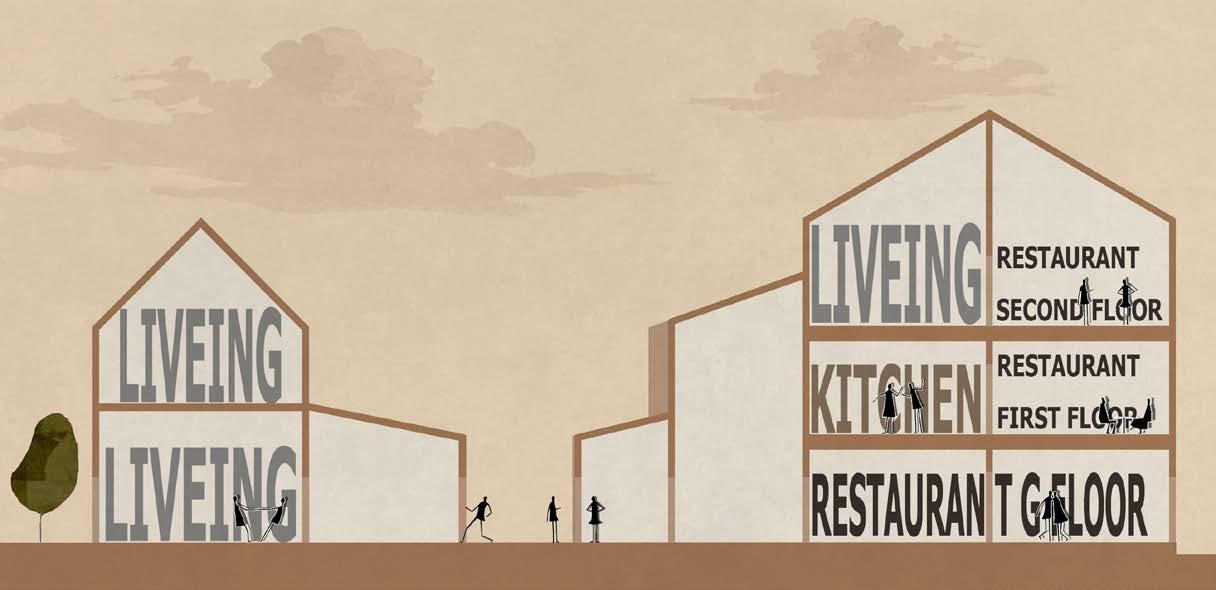
The entire building is used as the venue for the guild hall, and the courtyard serves as the residential area.

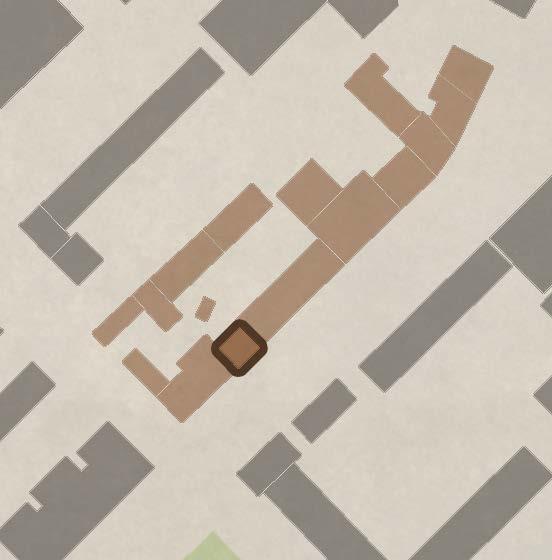
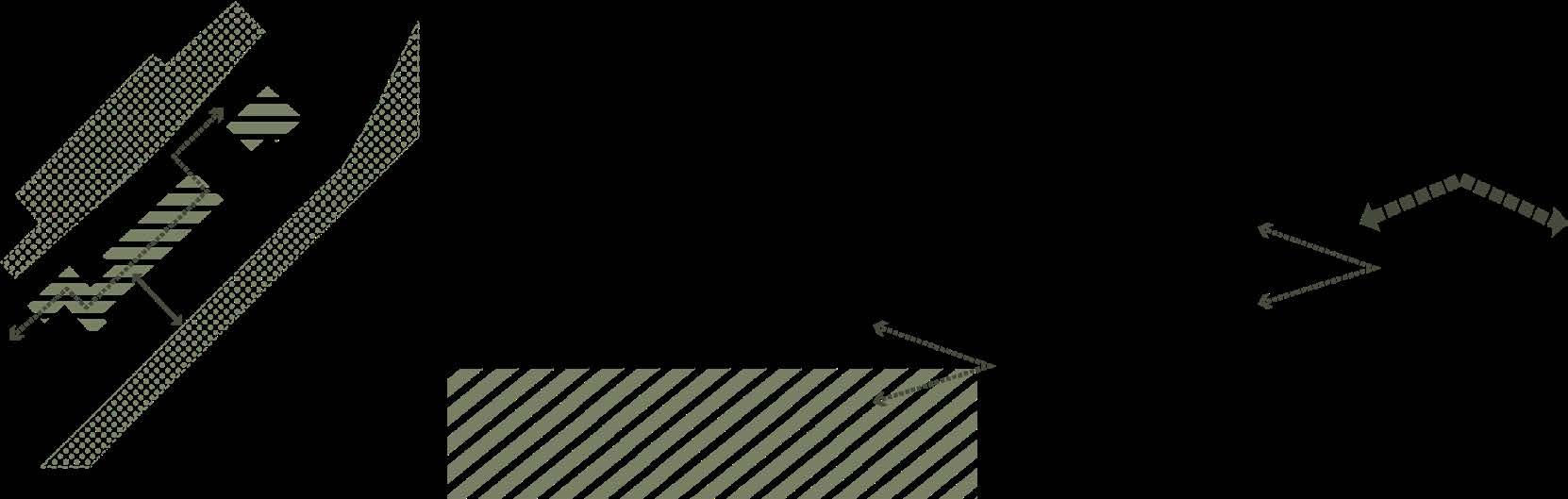
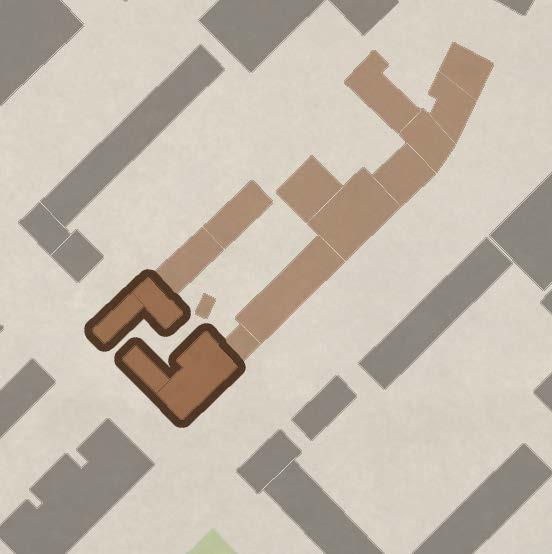
The public area and private residential area are separated by paths and warehouses.


1. RESIDENTIAL AREA TYPE A: BACKYARD
2. RESIDENTIAL AREA TYPE B: NARROW LANE
3. RESIDENTIAL AREA TYPE C: BACKSTREET
4. RESIDENTIAL AREA TYPE D: URBAN GARDEN
5. RESIDENTIAL AREA TYPE E: INNER COURTYARD
Xin Sichuan Restaurant
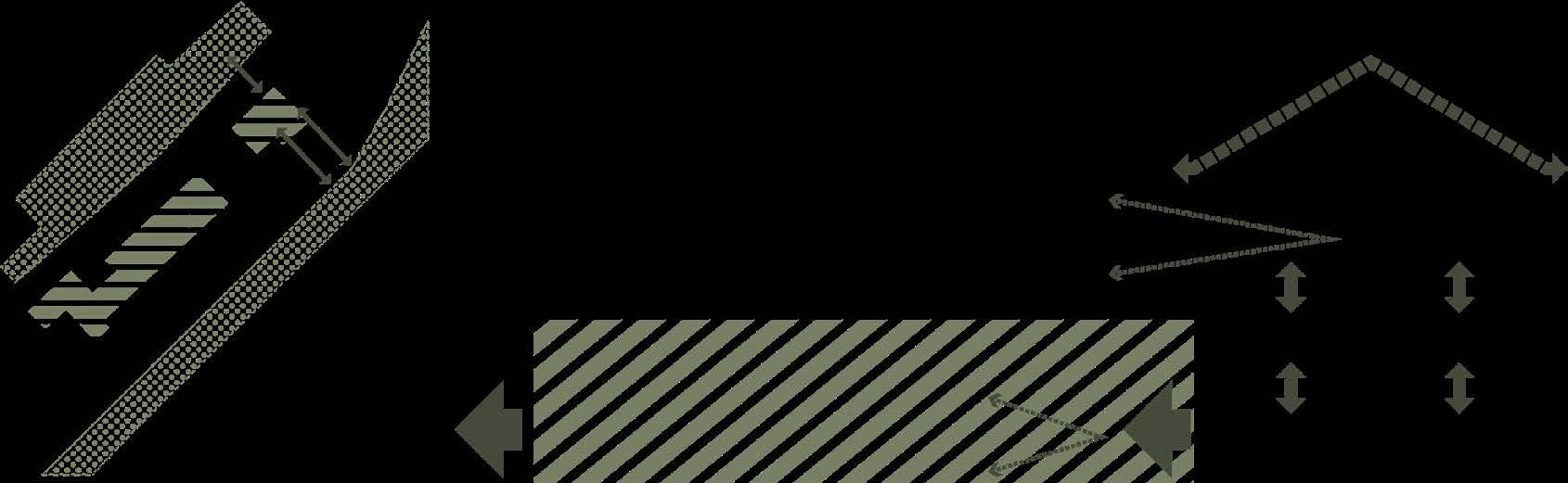
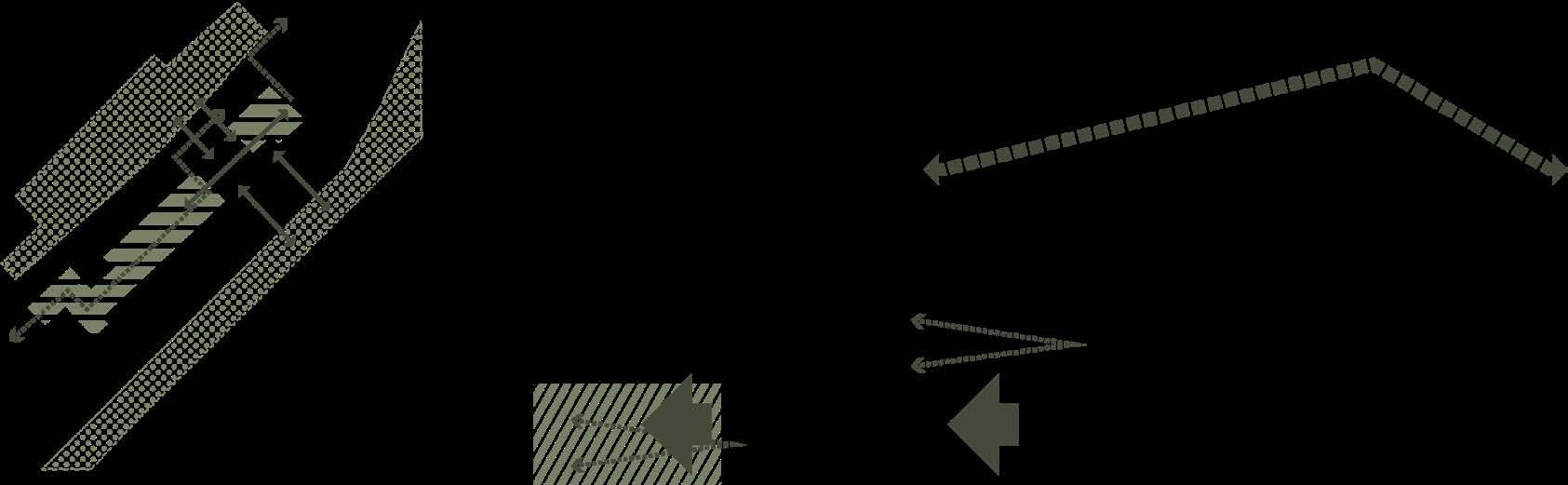
The side of the house facing the street serves as the main part of the restaurant,
courtyard functions as the residential area.
See Yep A ssociation
Zhenbaolou Restaurant, North Garden Restaurant and Hoi Yin Association
The Bagelry Nelson St. Small shops choose the entire first floor as their store space.
China city Restaurant
The side of the house facing the street serves as the main part of the restaurant, while the side facing the inner courtyard functions as the residential area.
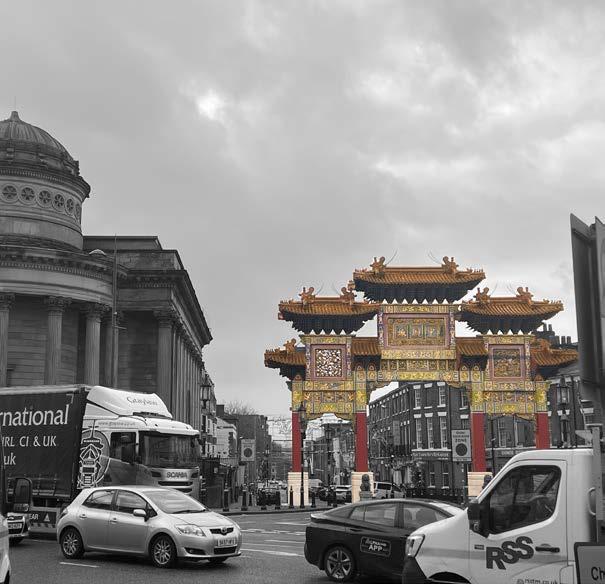
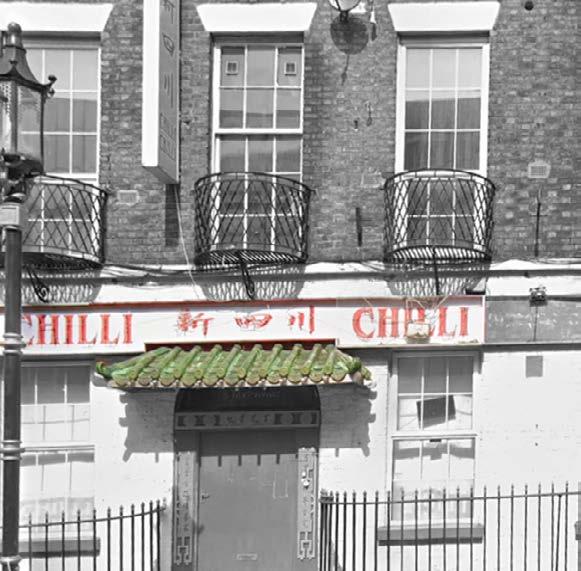
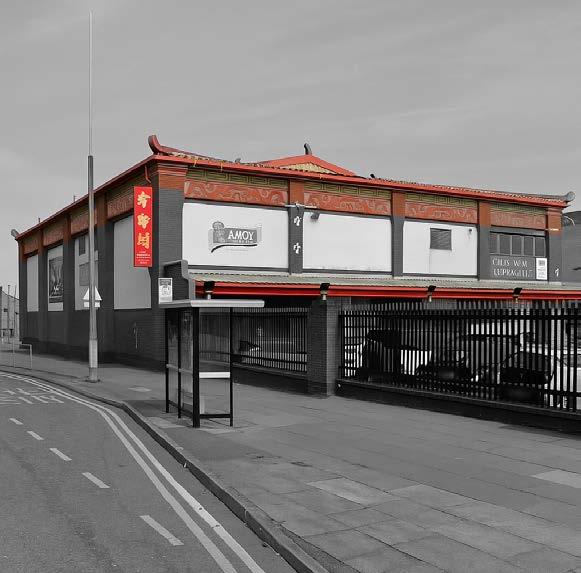

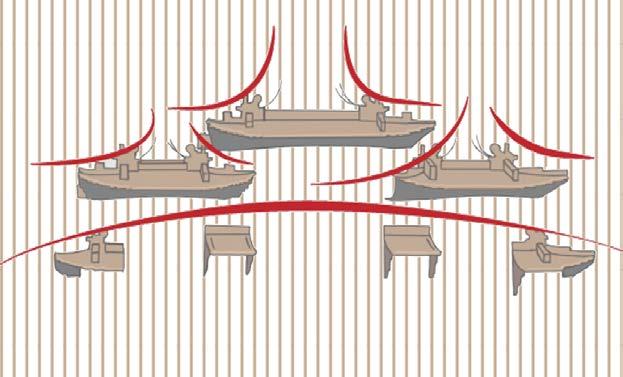
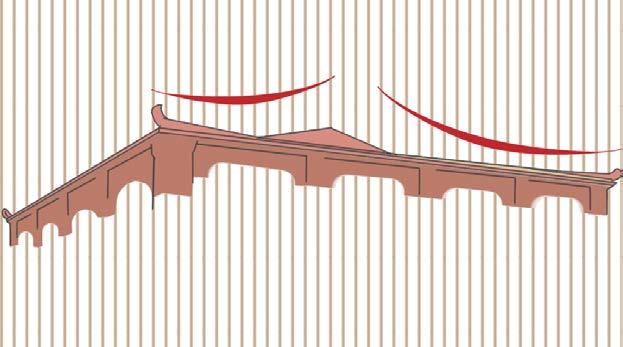
Design of the landmark building at the entrance of Liverpool Chinatown:a traditional Chinese archway, whose top design is worth referencing.
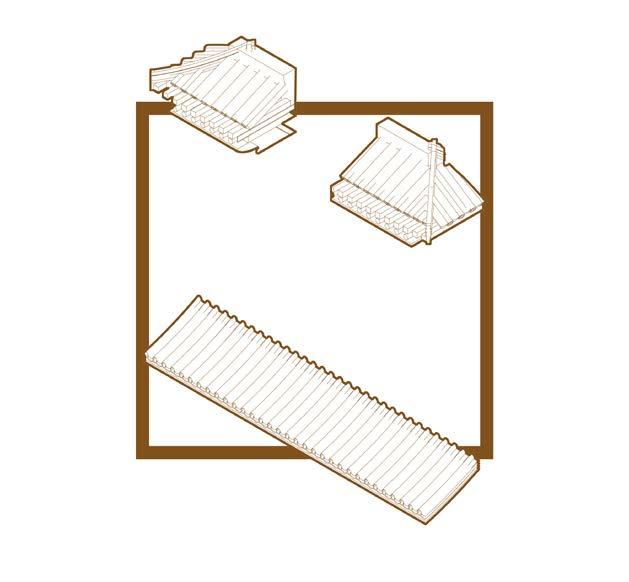
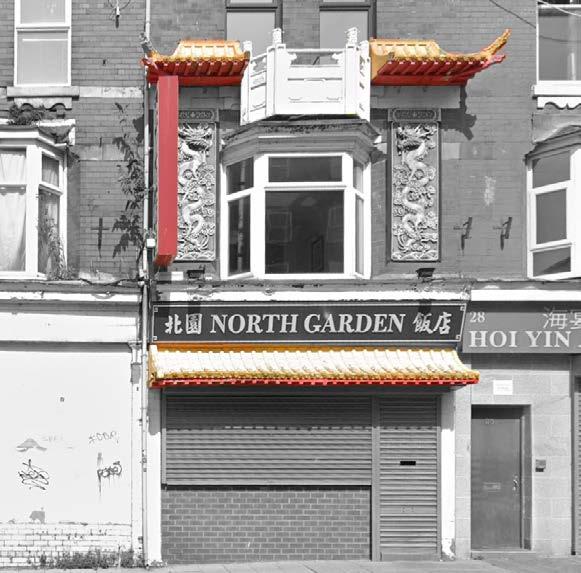
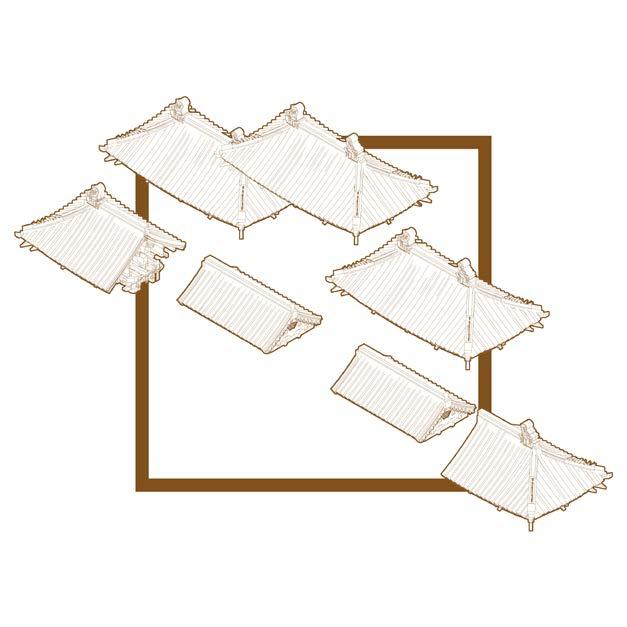
The exterior decoration of the restaurants in Liverpool Chinatown adopts a Chinese-style eaves design.


The exterior decoration of the restaurants in Liverpool Chinatown adopts a Chinese-style eaves design.

The Chinese supermarkets in Liverpool Chinatown feature traditional old-style roofs and traditional patterns as their main elements, surrounded by a circle of Chinese-style eaves.
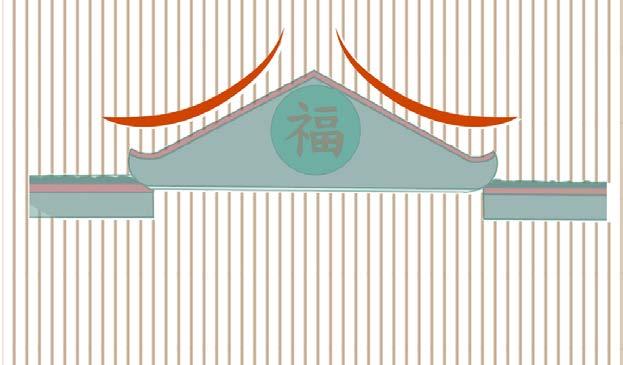
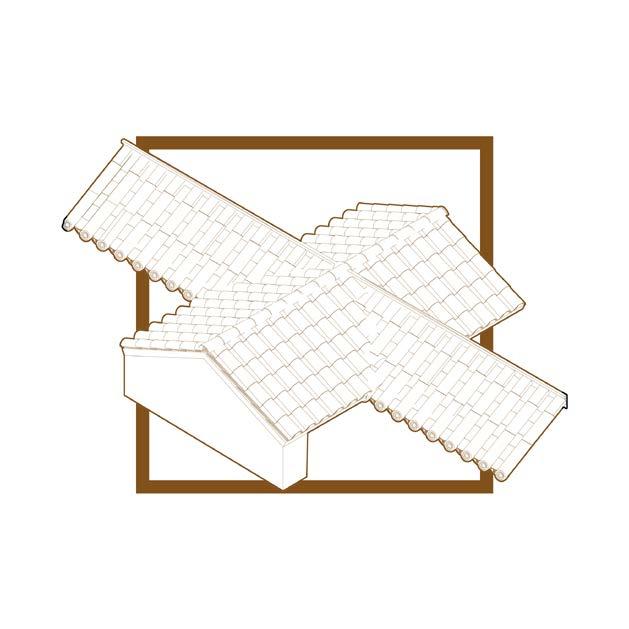
The restaurants in Liverpool Chinatown feature sloped roofs and incorporate traditional Chinese covered bridges inside.
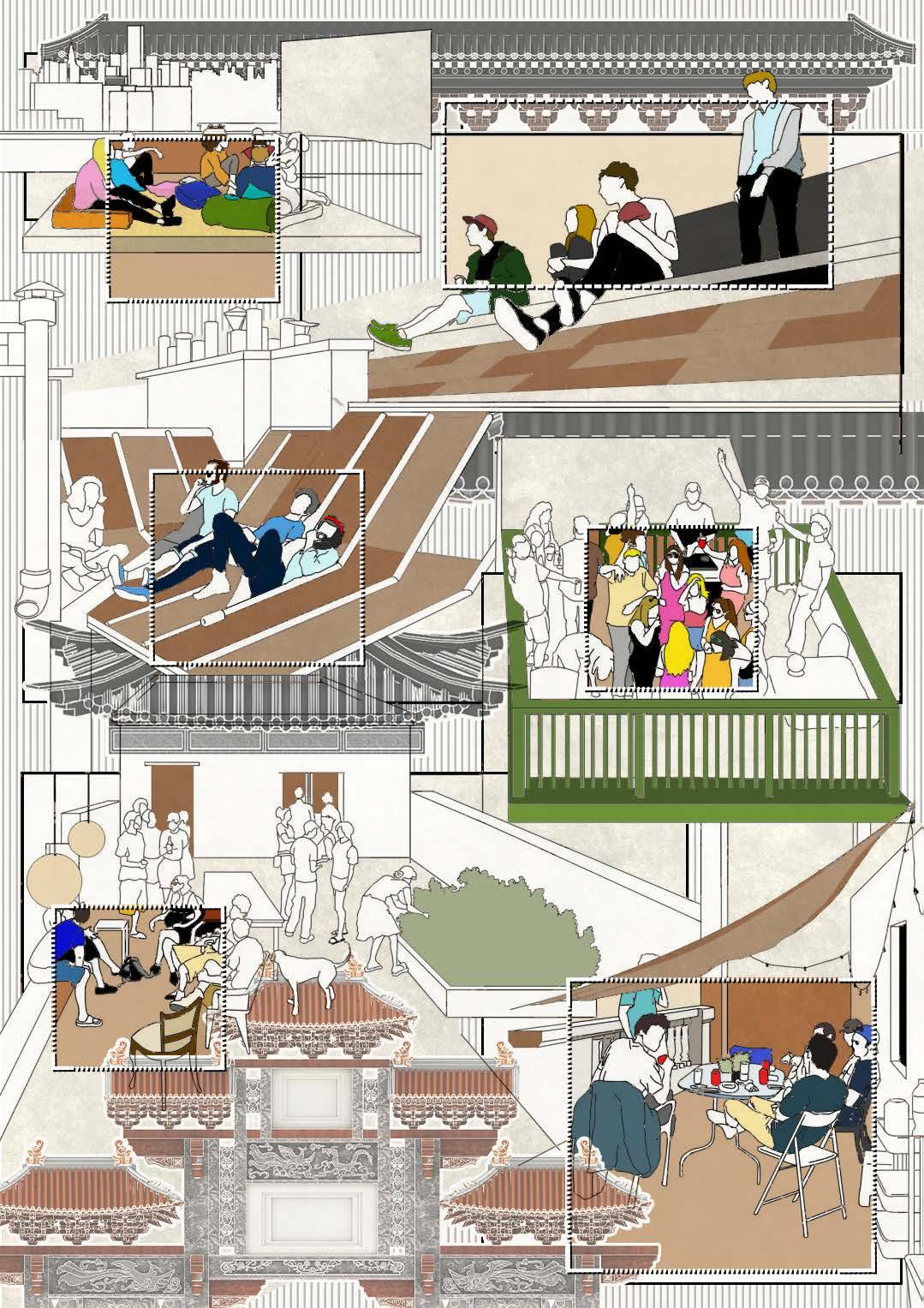
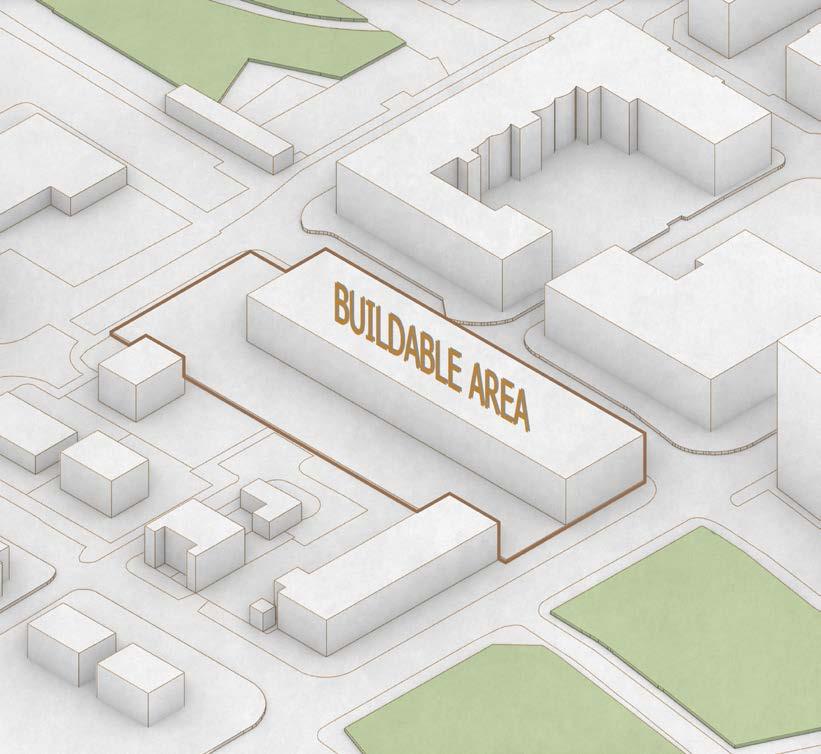
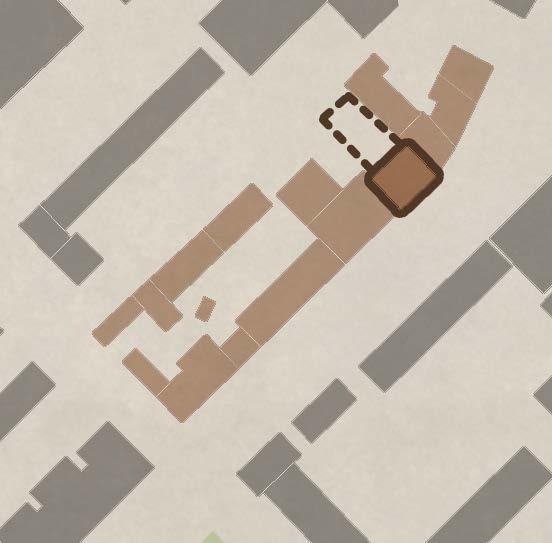
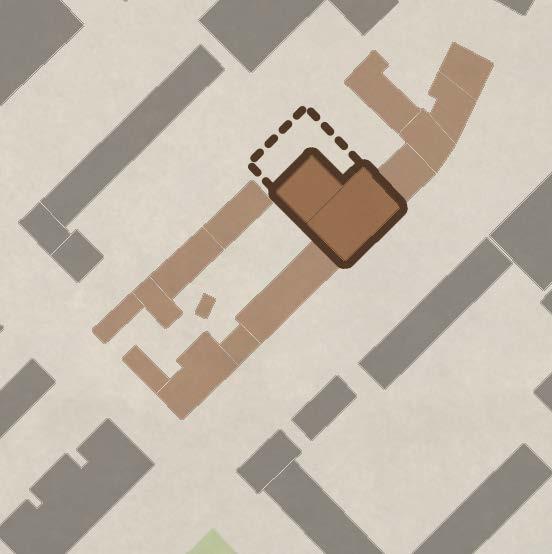
The area of this project is located between two green spaces in Chinatown, opposite the Chinese supermarket.
3. ZONING
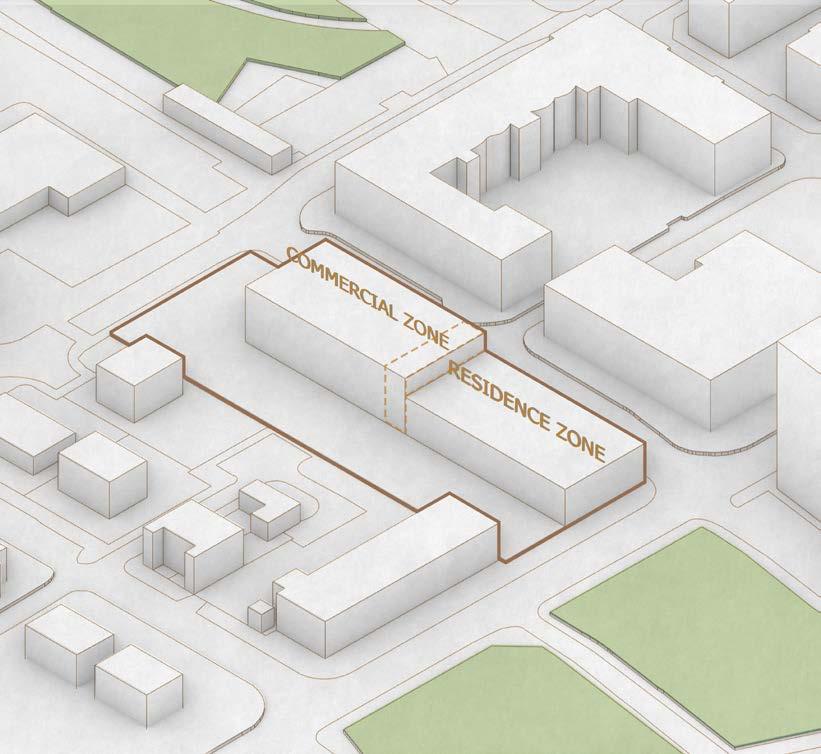
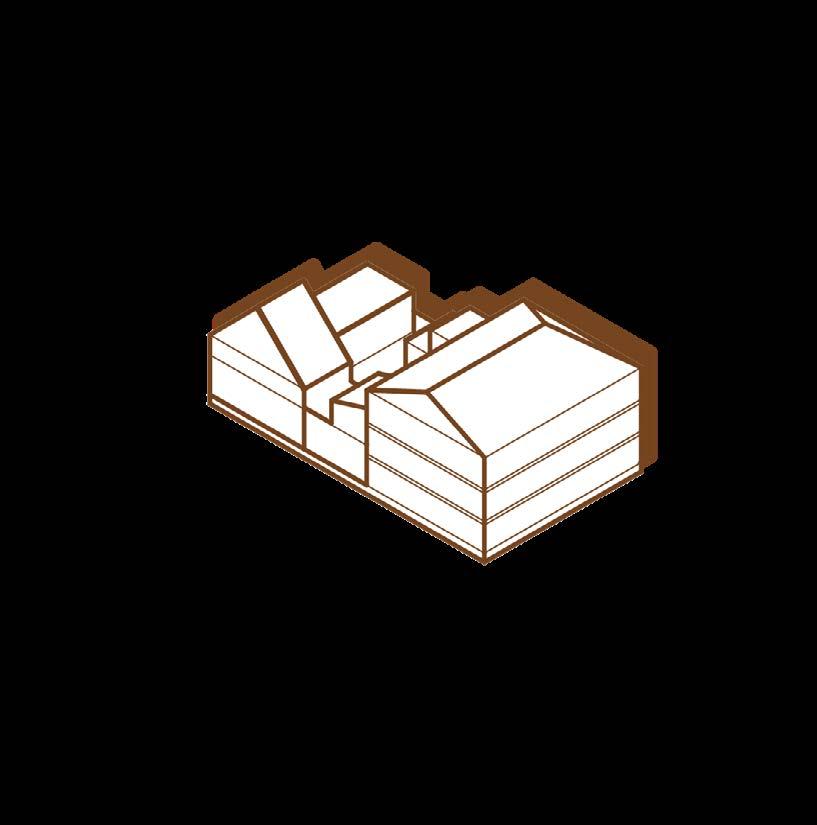
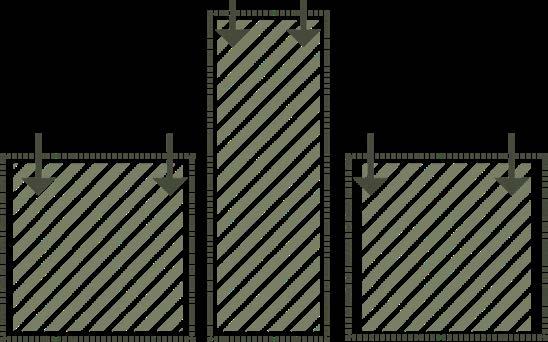
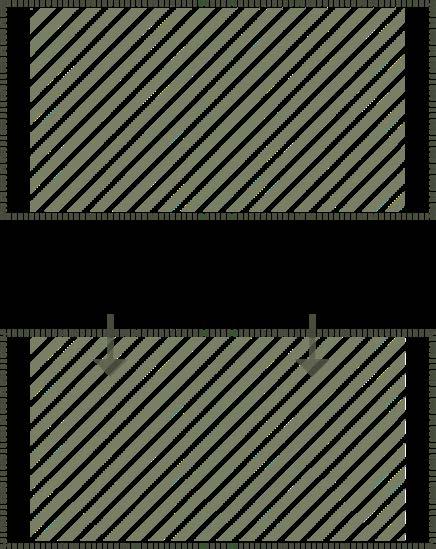
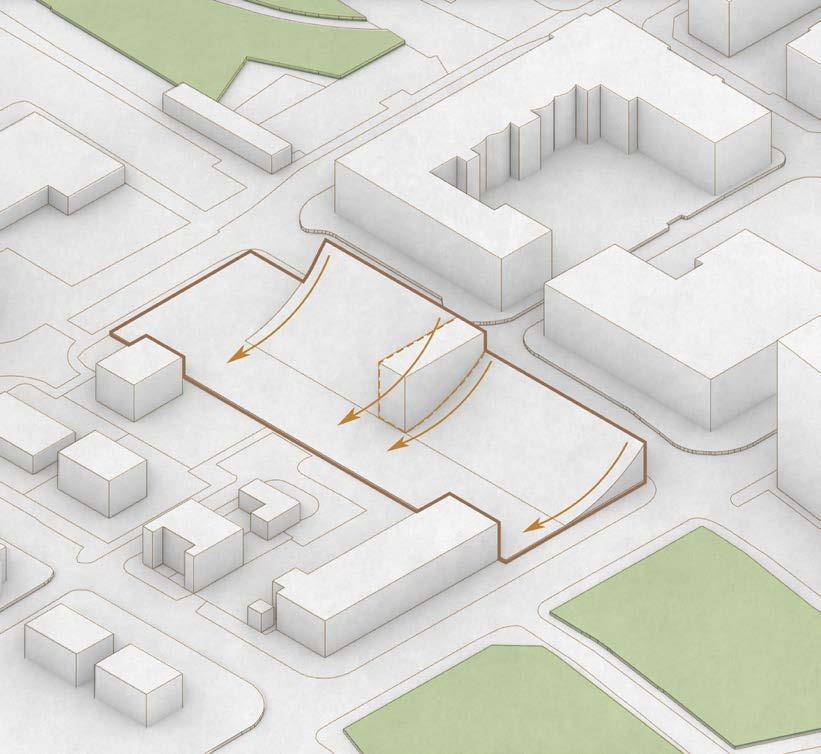
Divide the mass into two parts: the commercial area and the residential area, and add a traffic shaft in the middle.
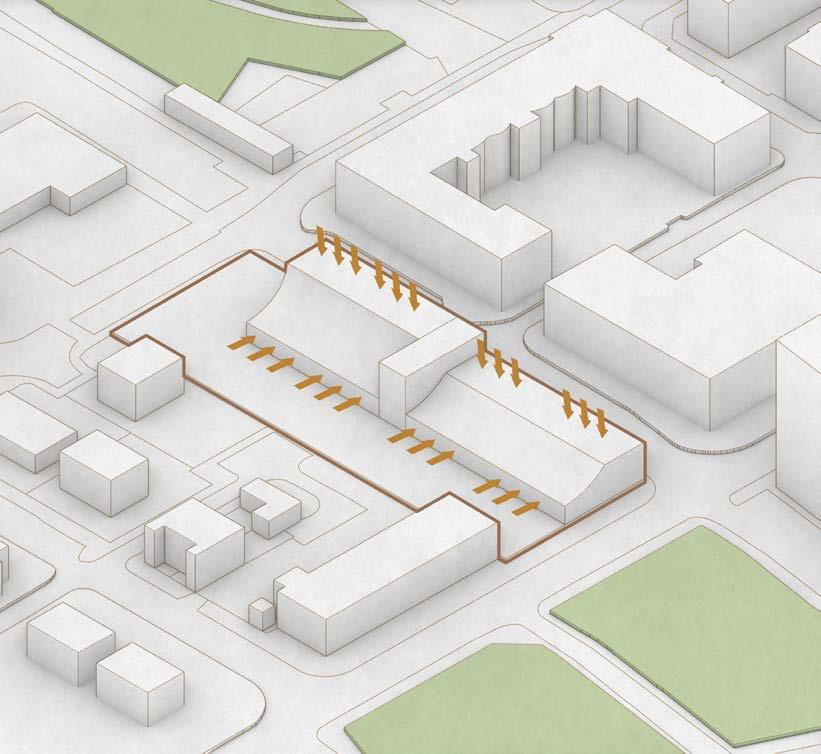
Cut
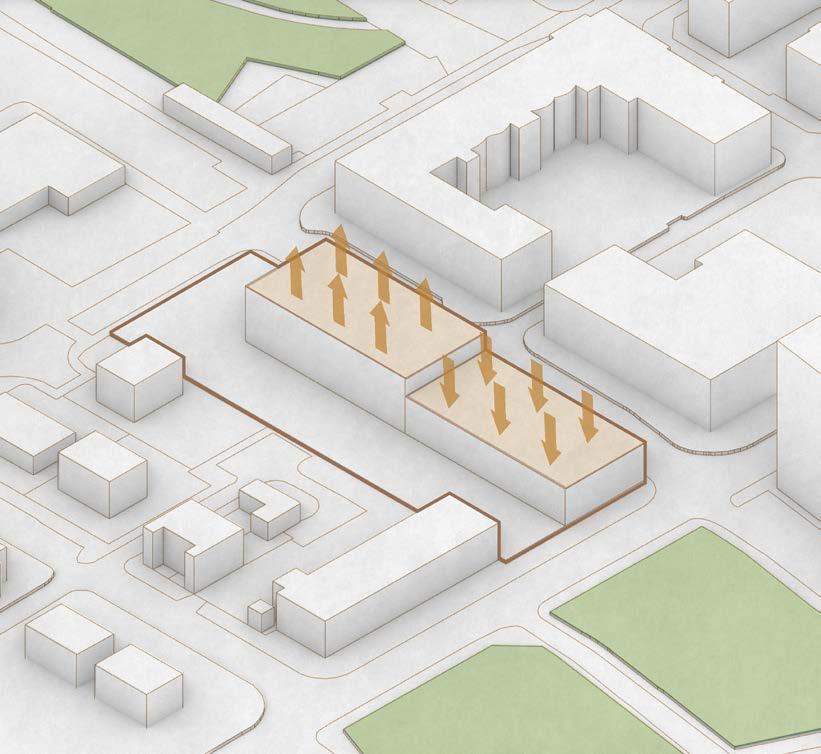
Push and pull the mass to create height differences.
4. SUBSTANTIAL ADJUSTMENT
Curve the tops of both areas.
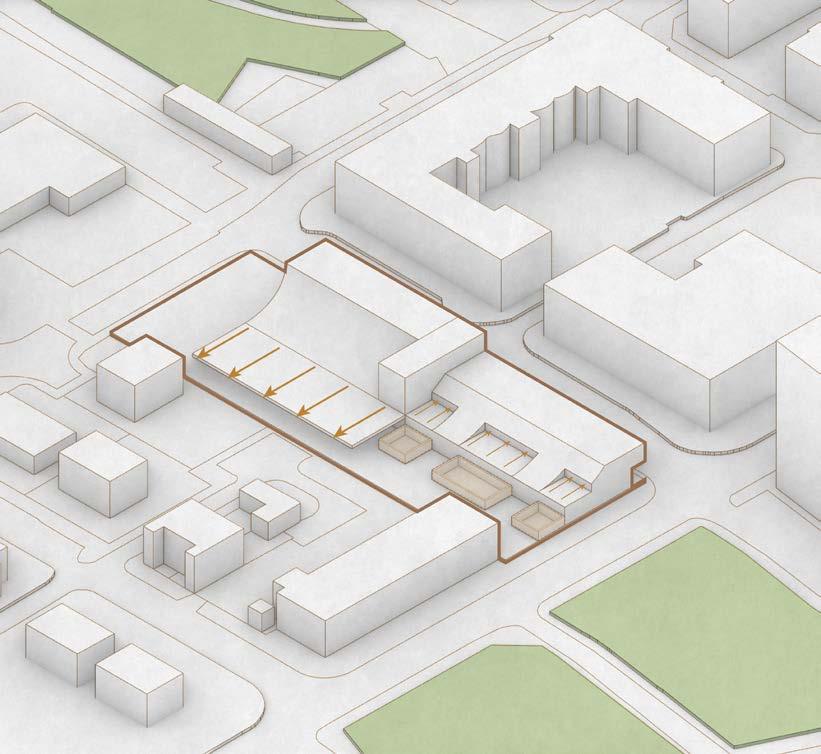
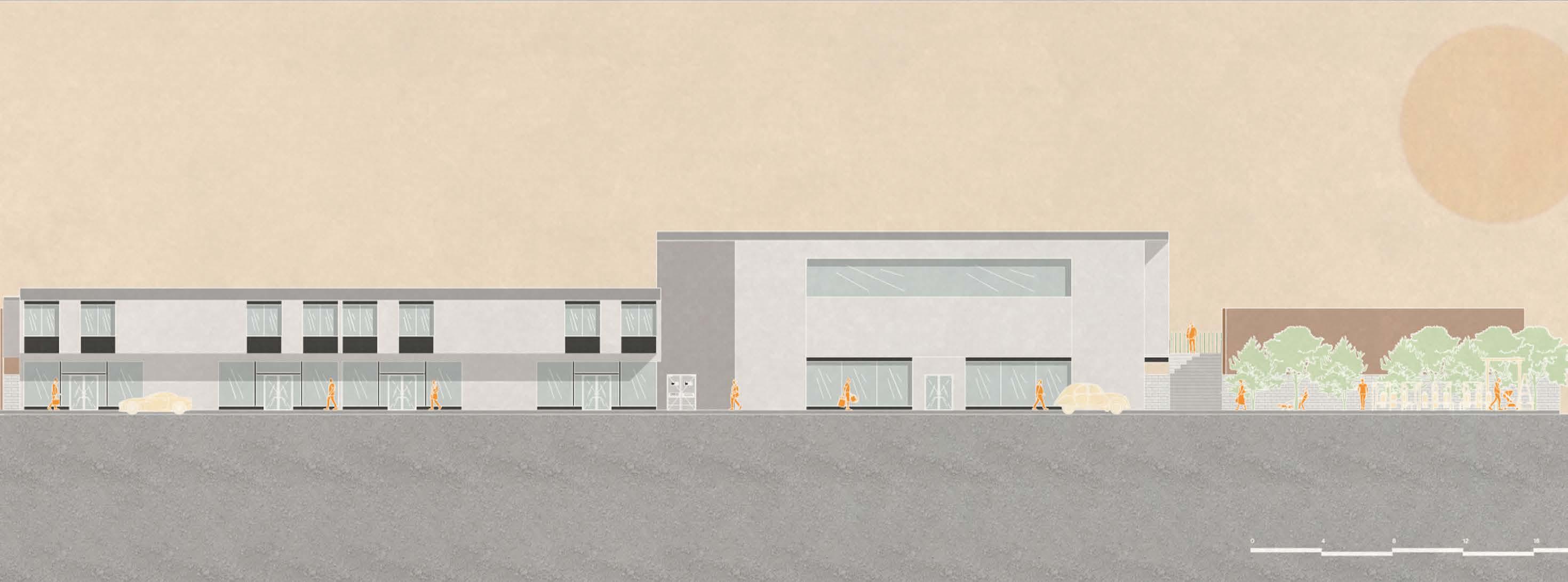

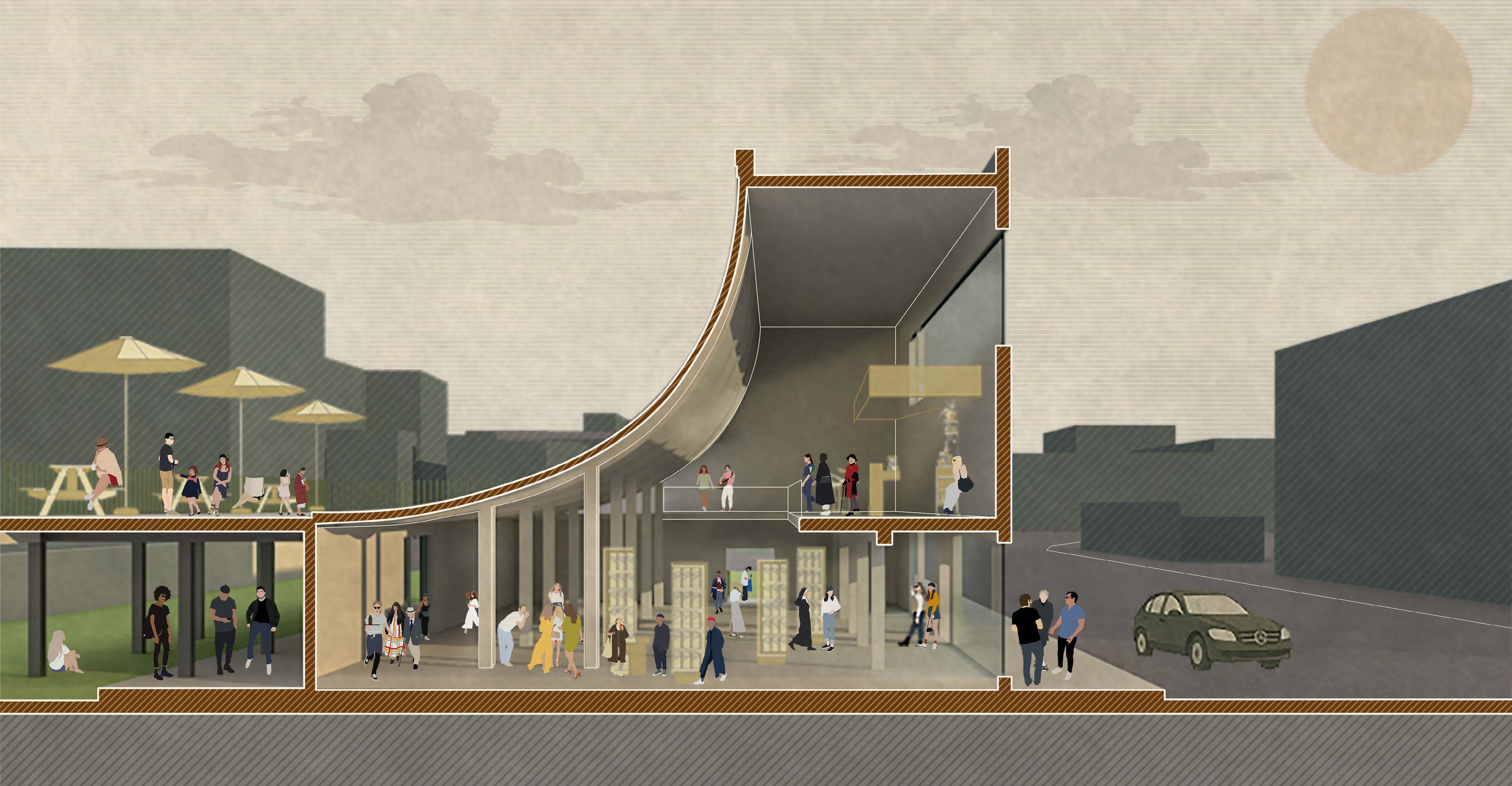


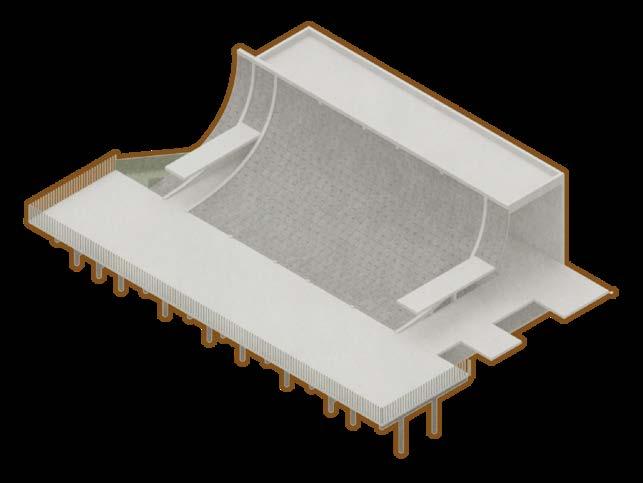
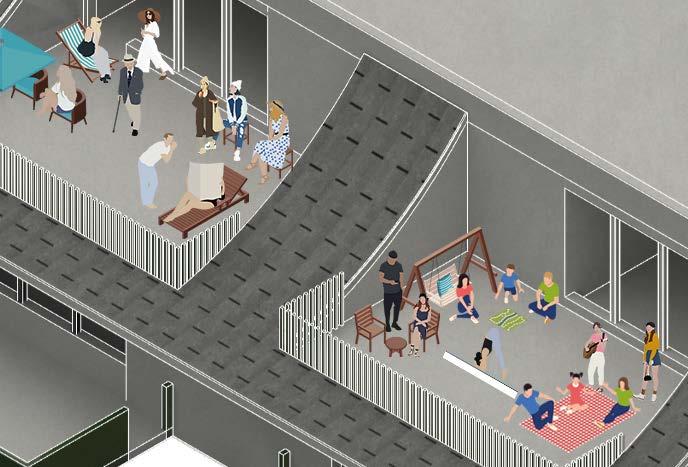
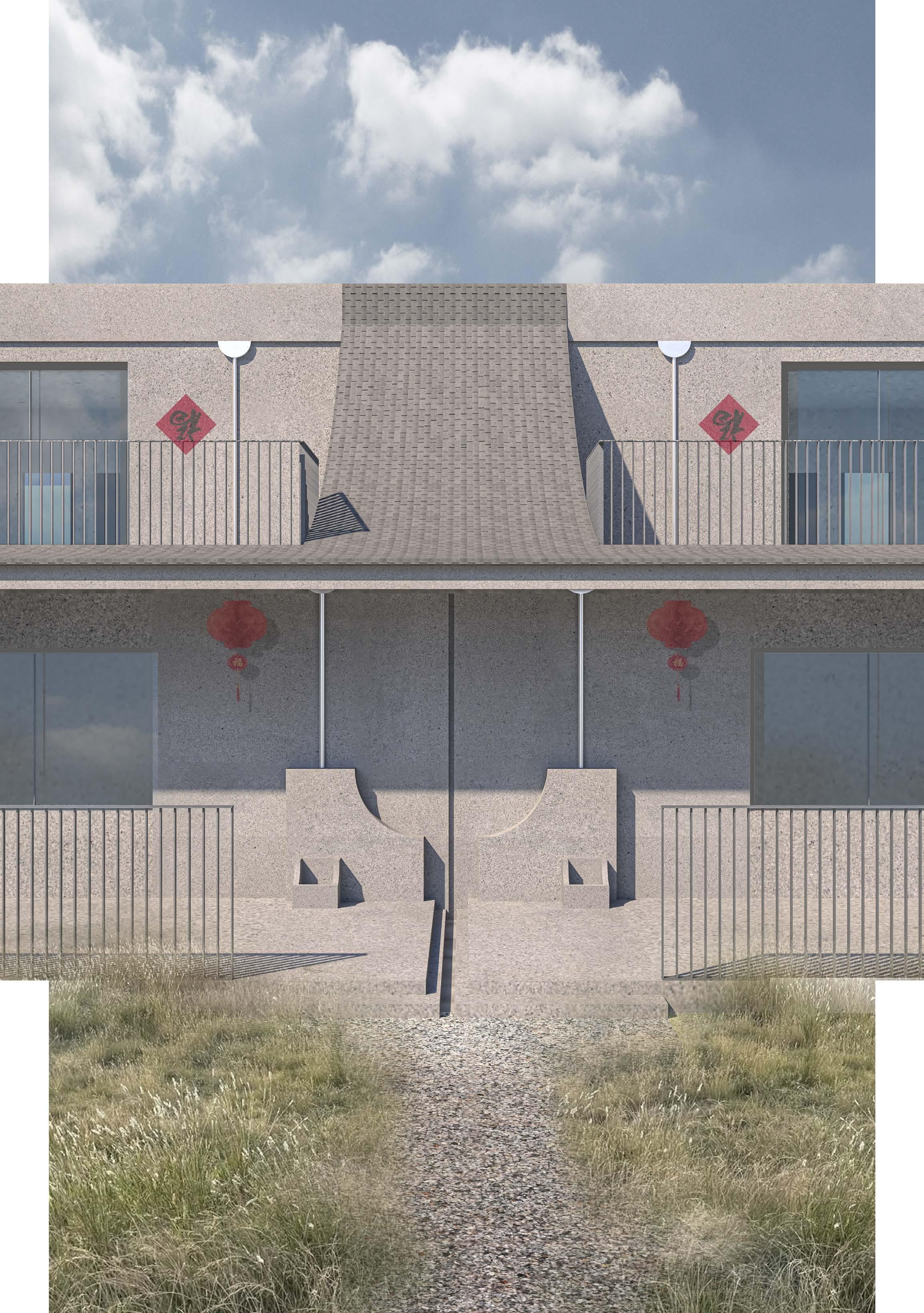
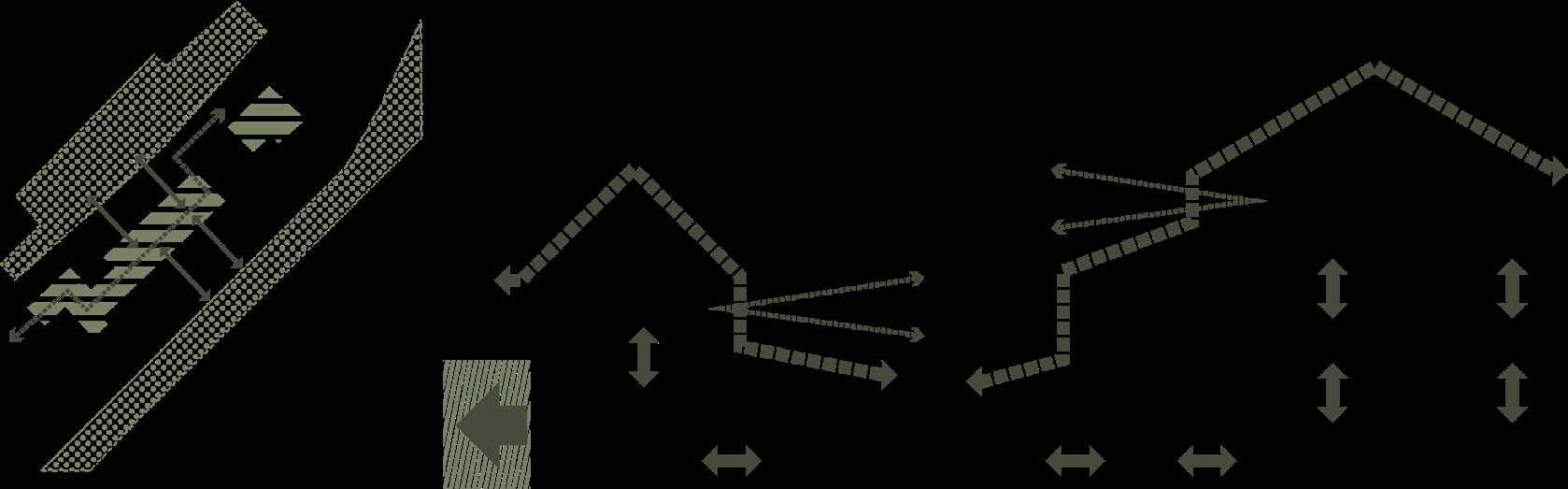
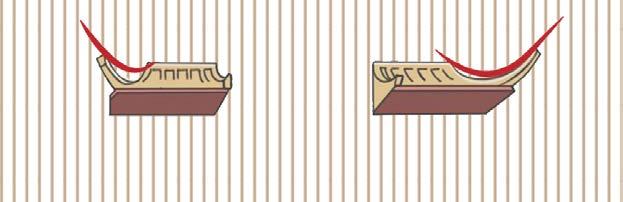
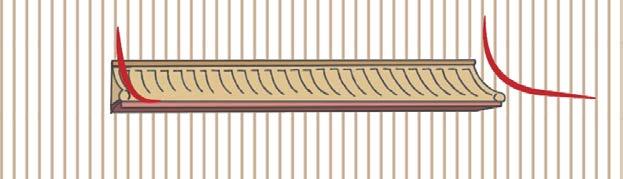
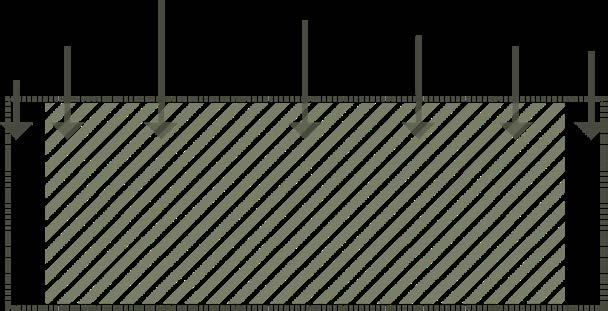
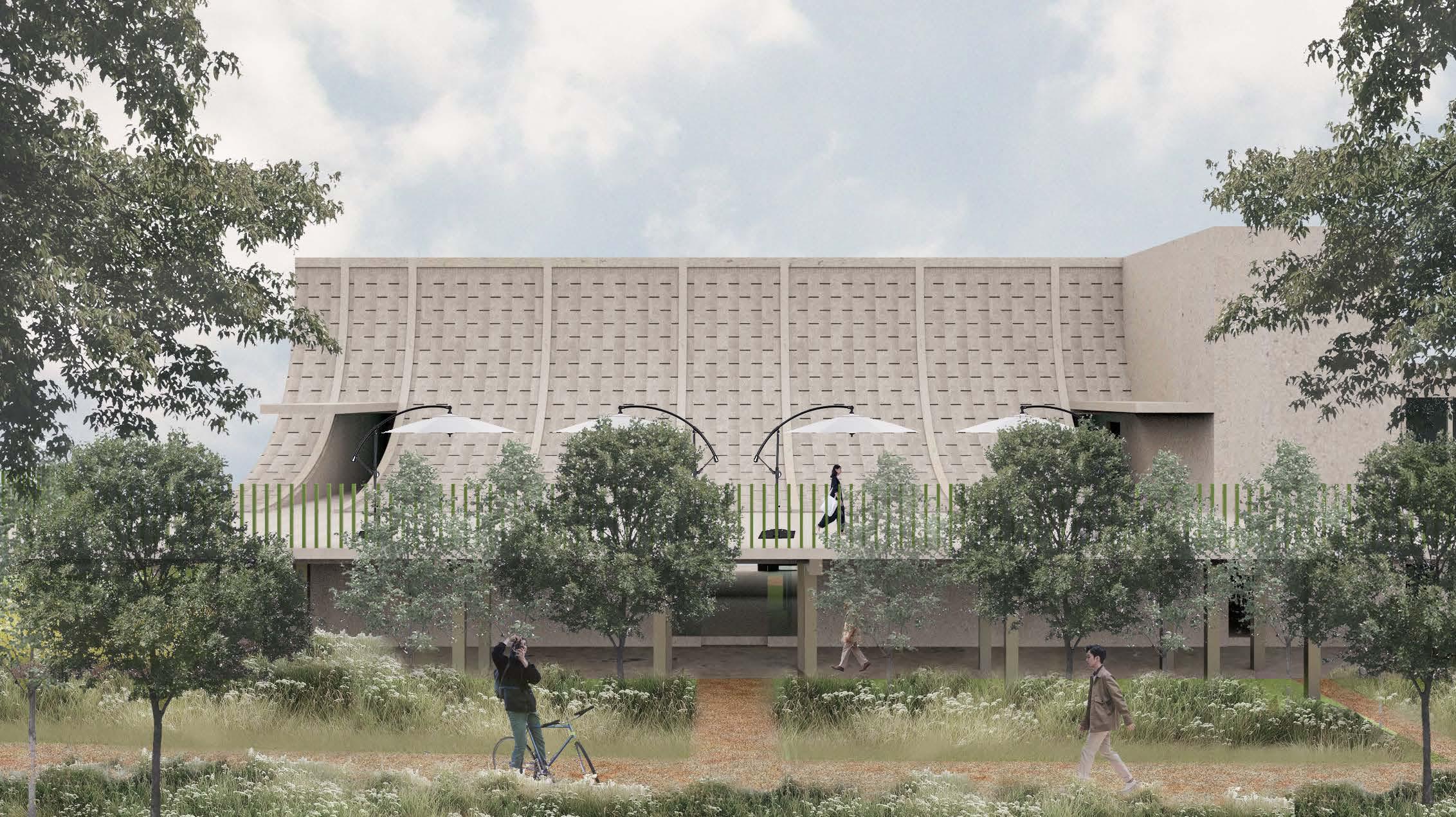
The rear part of the roof is curved while the front is flat, ensuring the facade conforms to local British architecture. This design not only preserves local characteristics but also incorporates Chinese features.
The curved roof in the reference case is constructed with gray tiles.
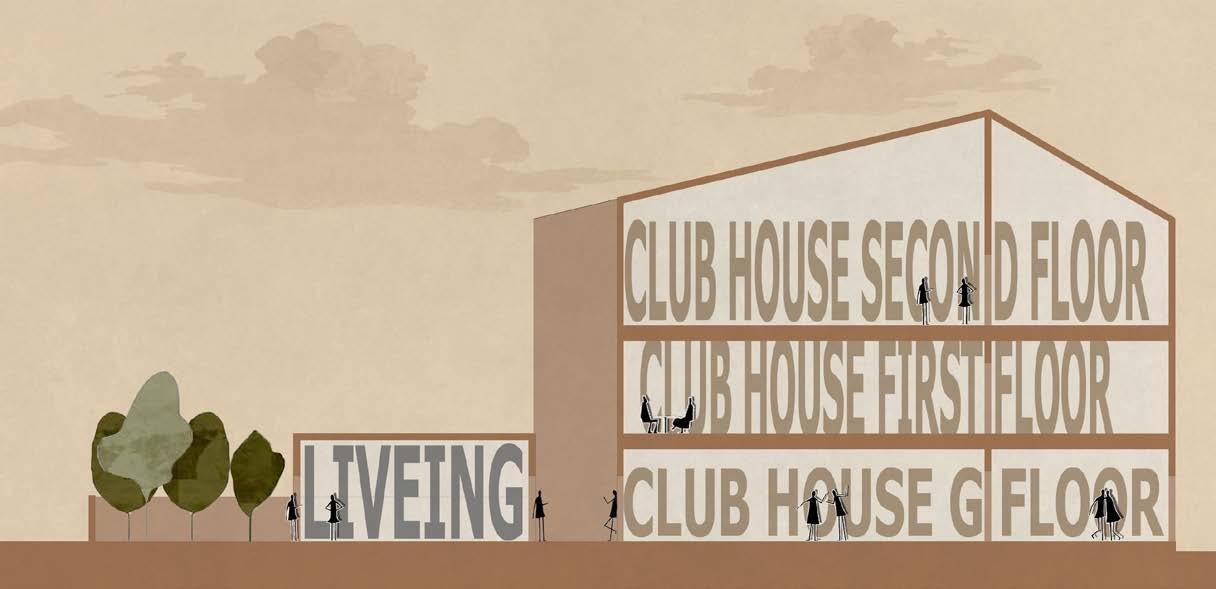
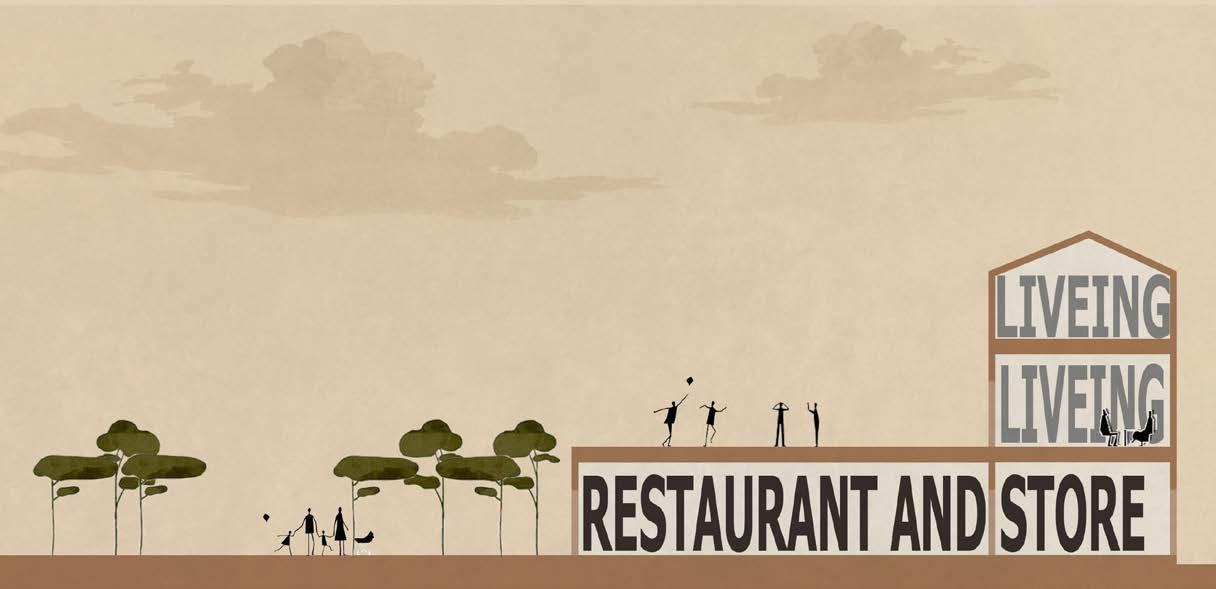
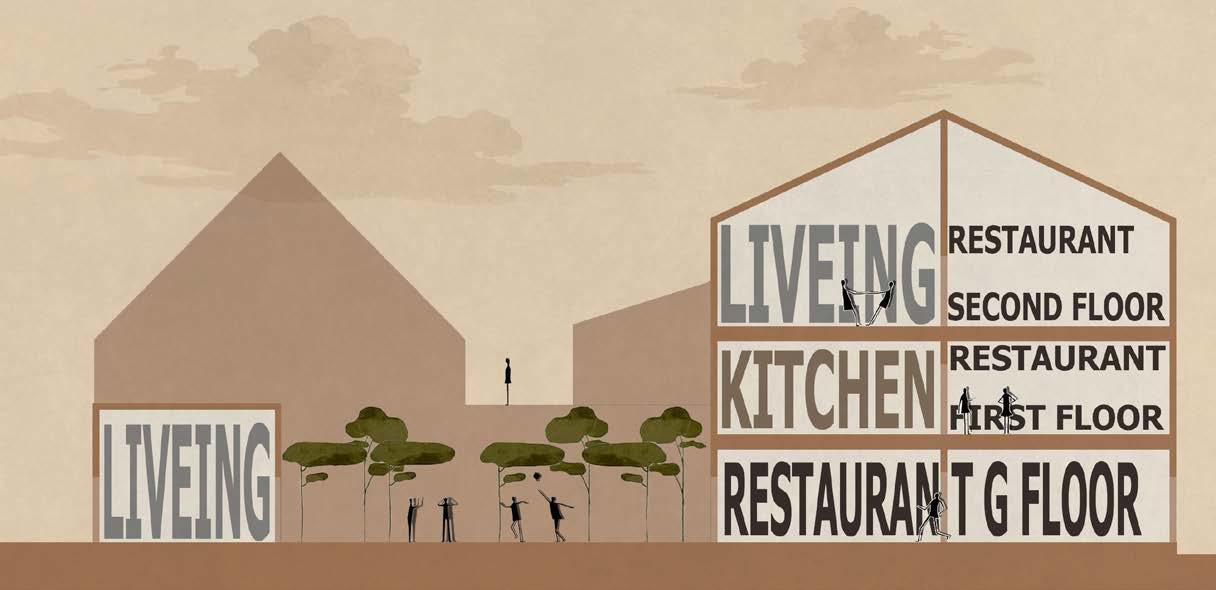
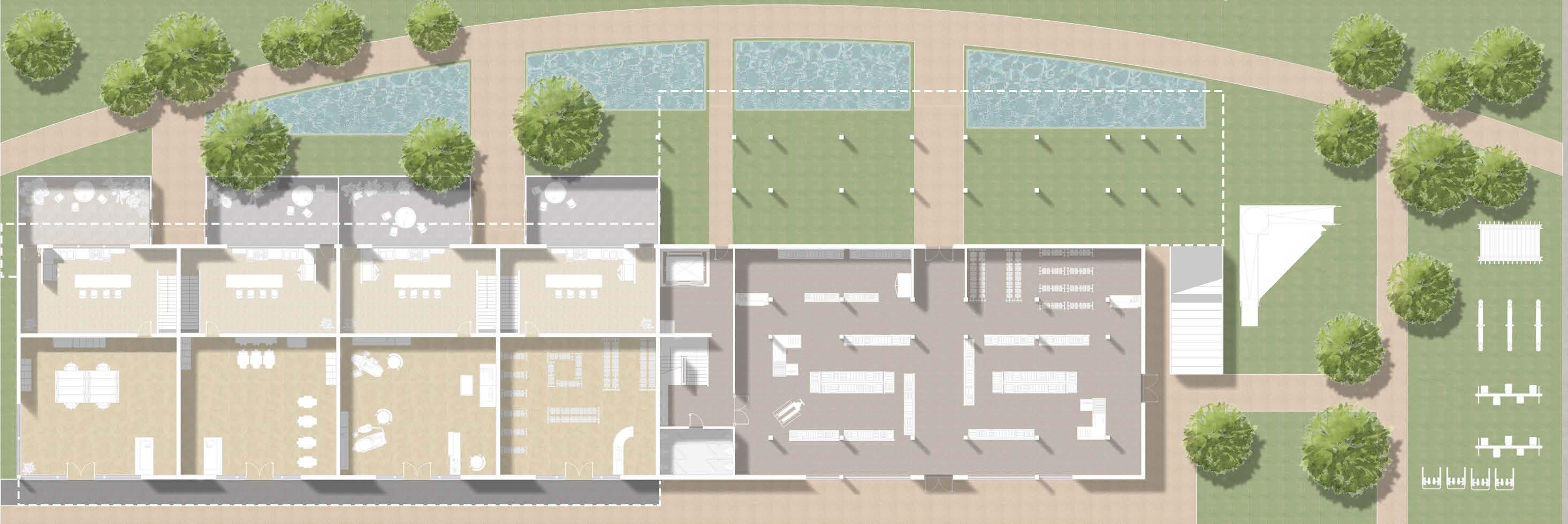
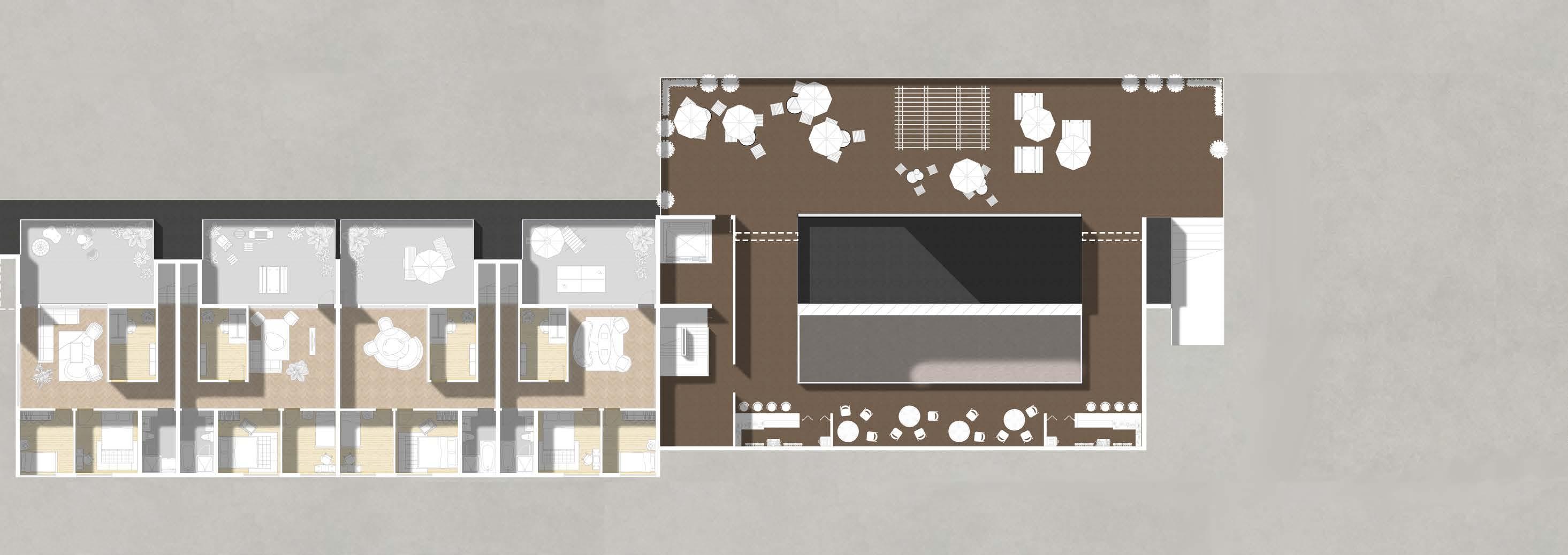
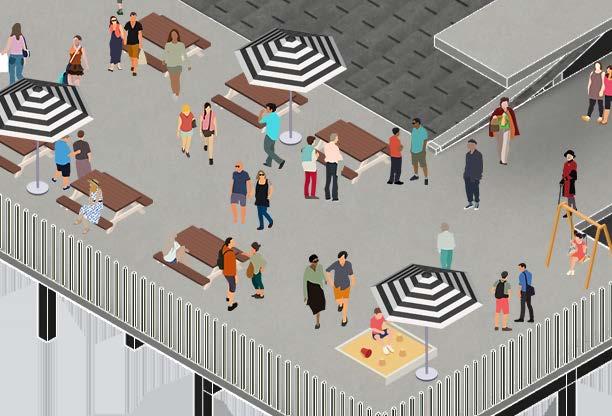
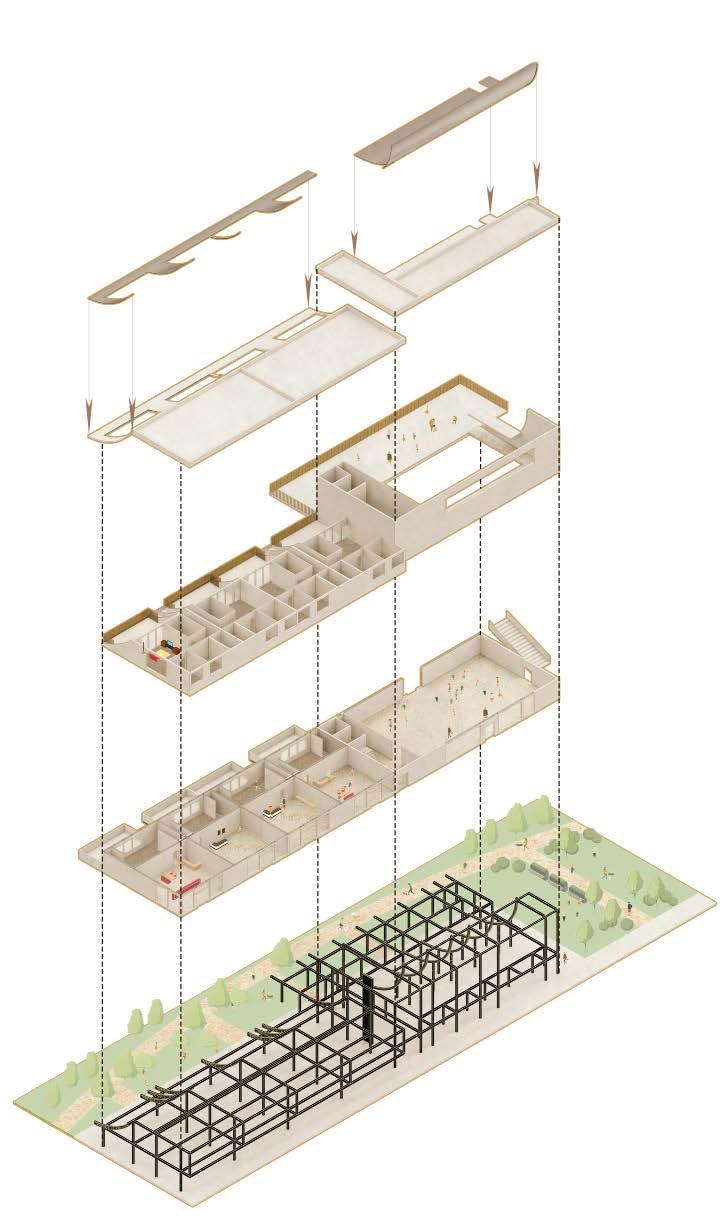
In the residential area, the second floor serves as the main living area. In the commercial area, the second floor features an indoor atrium, and a large outdoor terrace is built on the roof, connecting to the curved roof.
On the first floor of the residential area, referring to other cases in Chinatown, half of the space is used as shops. On the first floor of the commercial area, there is a large market that connects to the internal garden and links to the street outside.

COMMUNITY COMPLEX
VESSEL OF TERROIR
1/Group Work, group members: Xiang Huan, Lixuan Wei
2/Location: Ningxia, China
3/Time: 2025
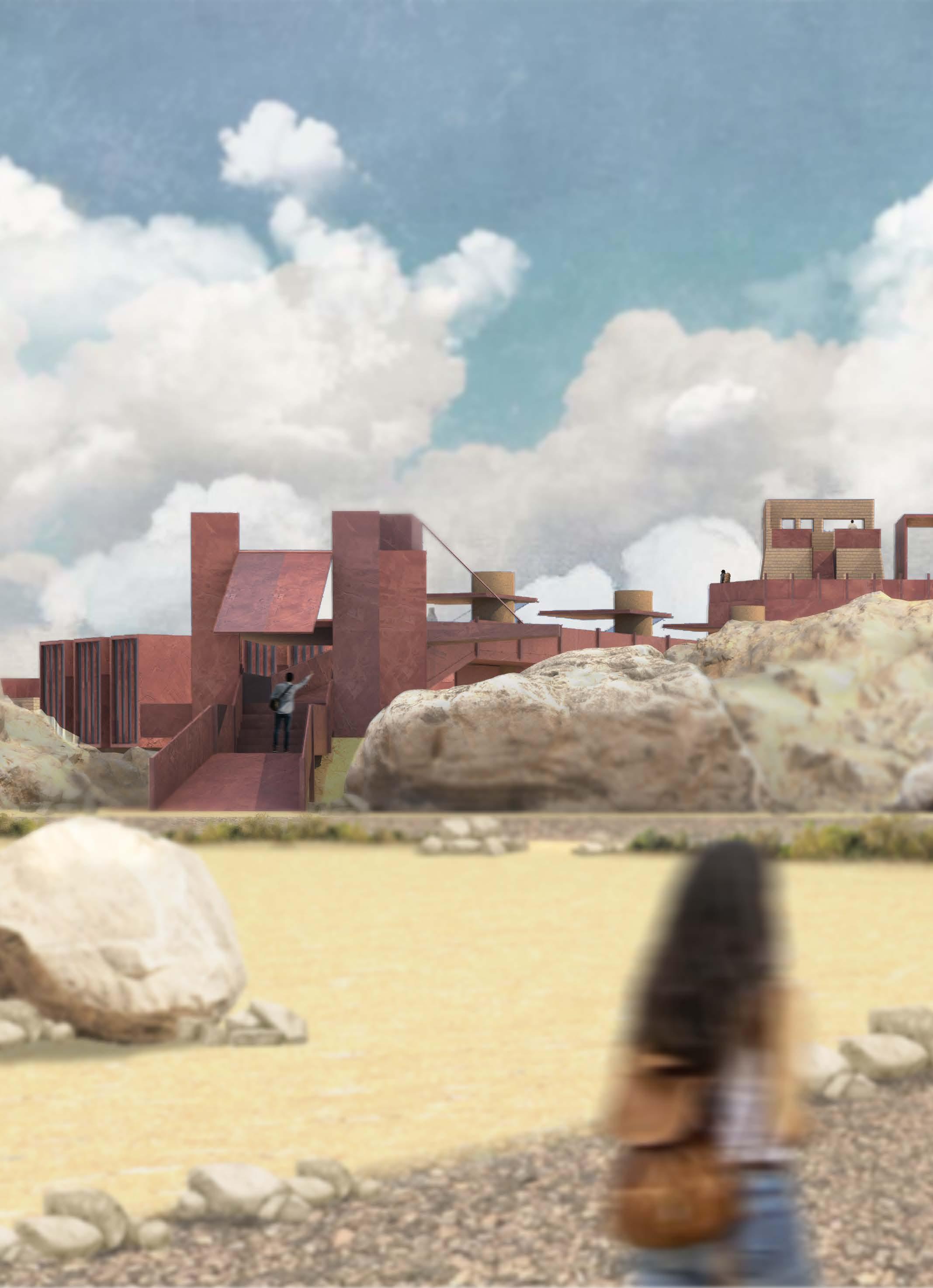
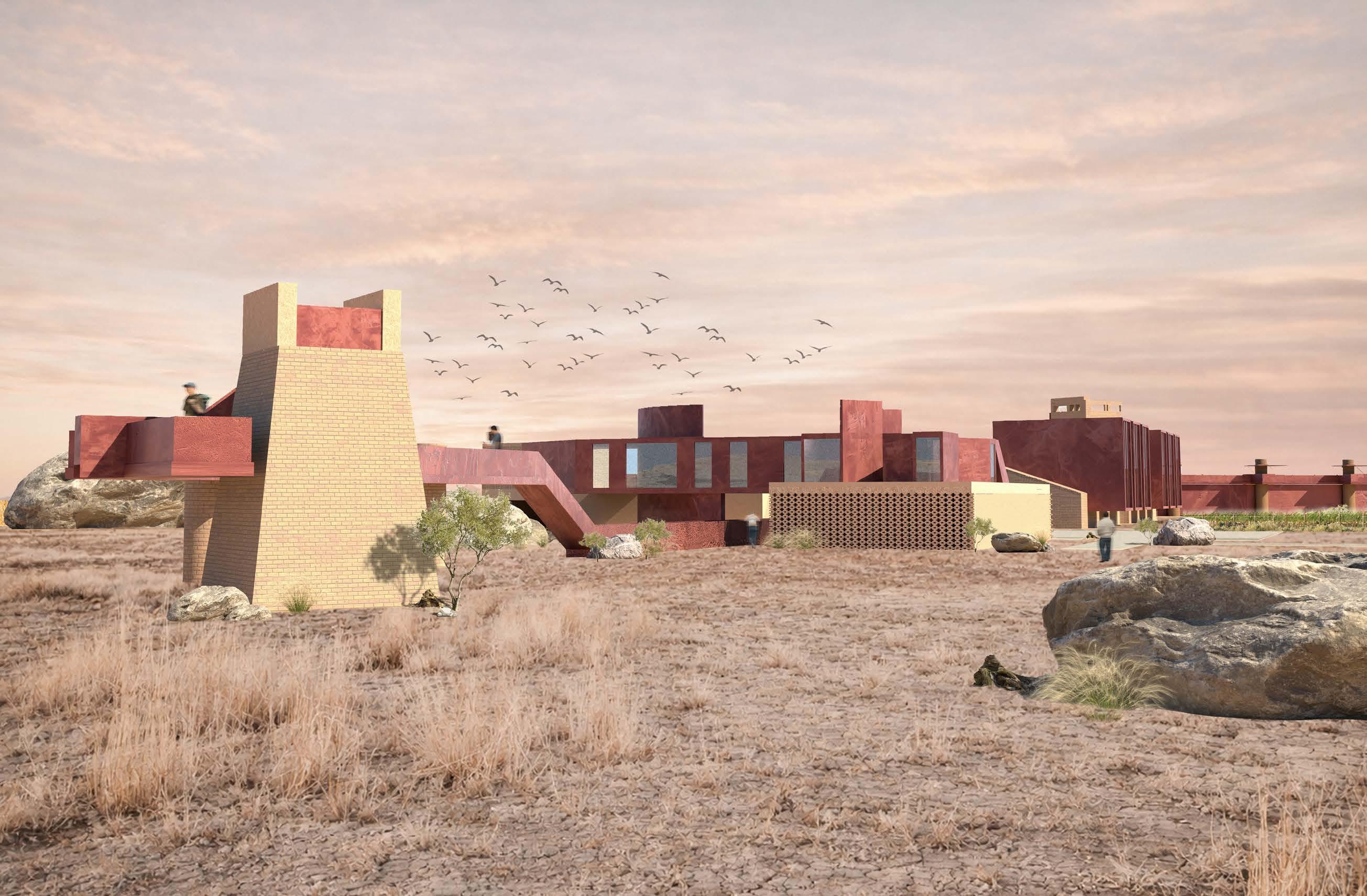
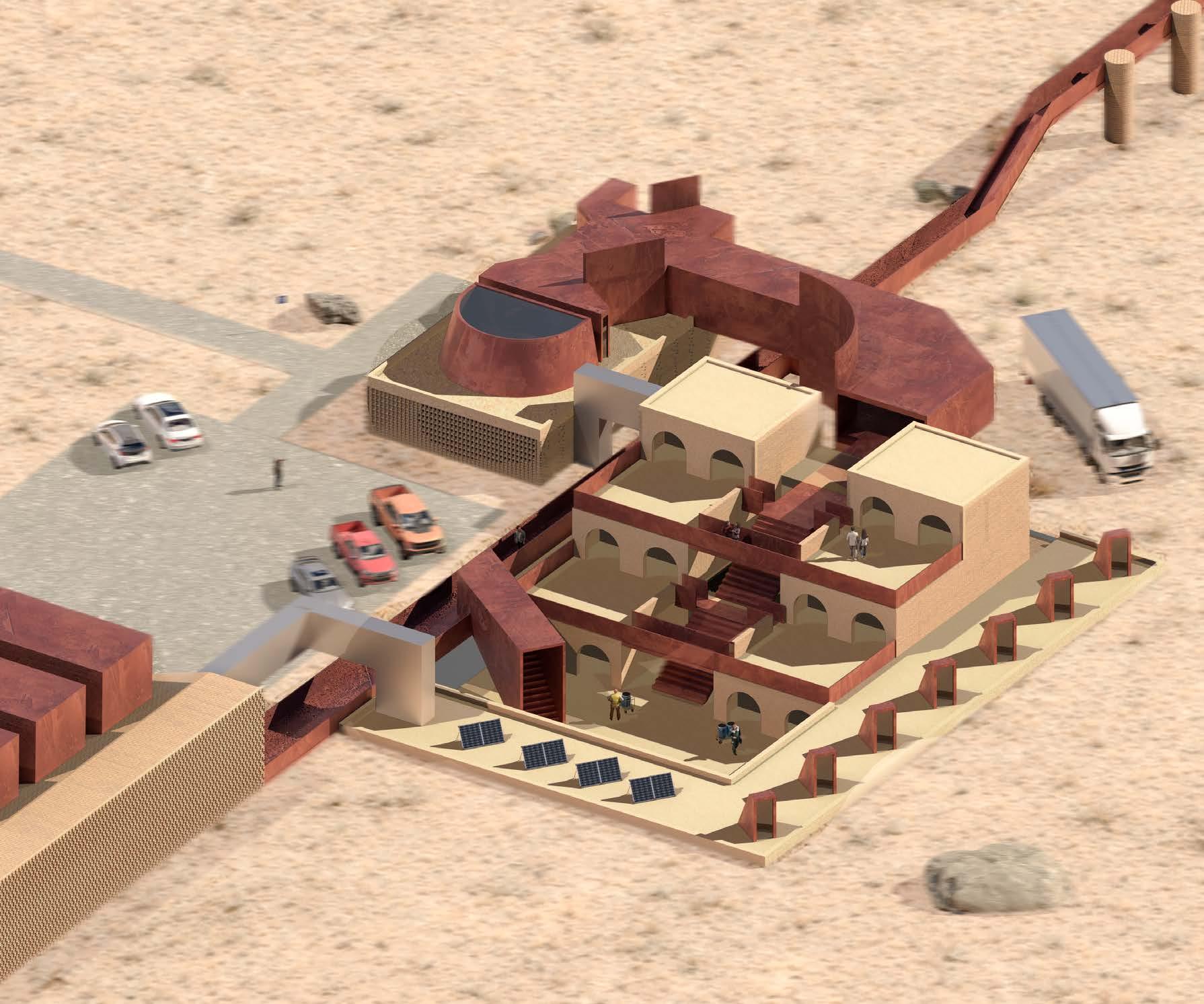
Located at the foot of the Helan Mountains, the project is situated within the remains of Gancheng Fortress, a Ming-dynasty military settlement defined today by fragmented rammed-earth walls.
Rather than competing with the historic ruins, the winery is conceived as an architecture embedded within the existing terrain and material memory of the site. Locally sourced yellow brick, stone from the Helan foothills, and wine-red weathering steel form a restrained material palette that responds to both climate and context.
The visitor route traverses the former fortress from west to east, following a continuous path that interweaves production, storage, and exhibition. Perforated brick walls are introduced to mediate strong sunlight and dry climatic conditions, providing shaded walkways for visitors while ensuring natural ventilation and thermal stability for the production spaces.
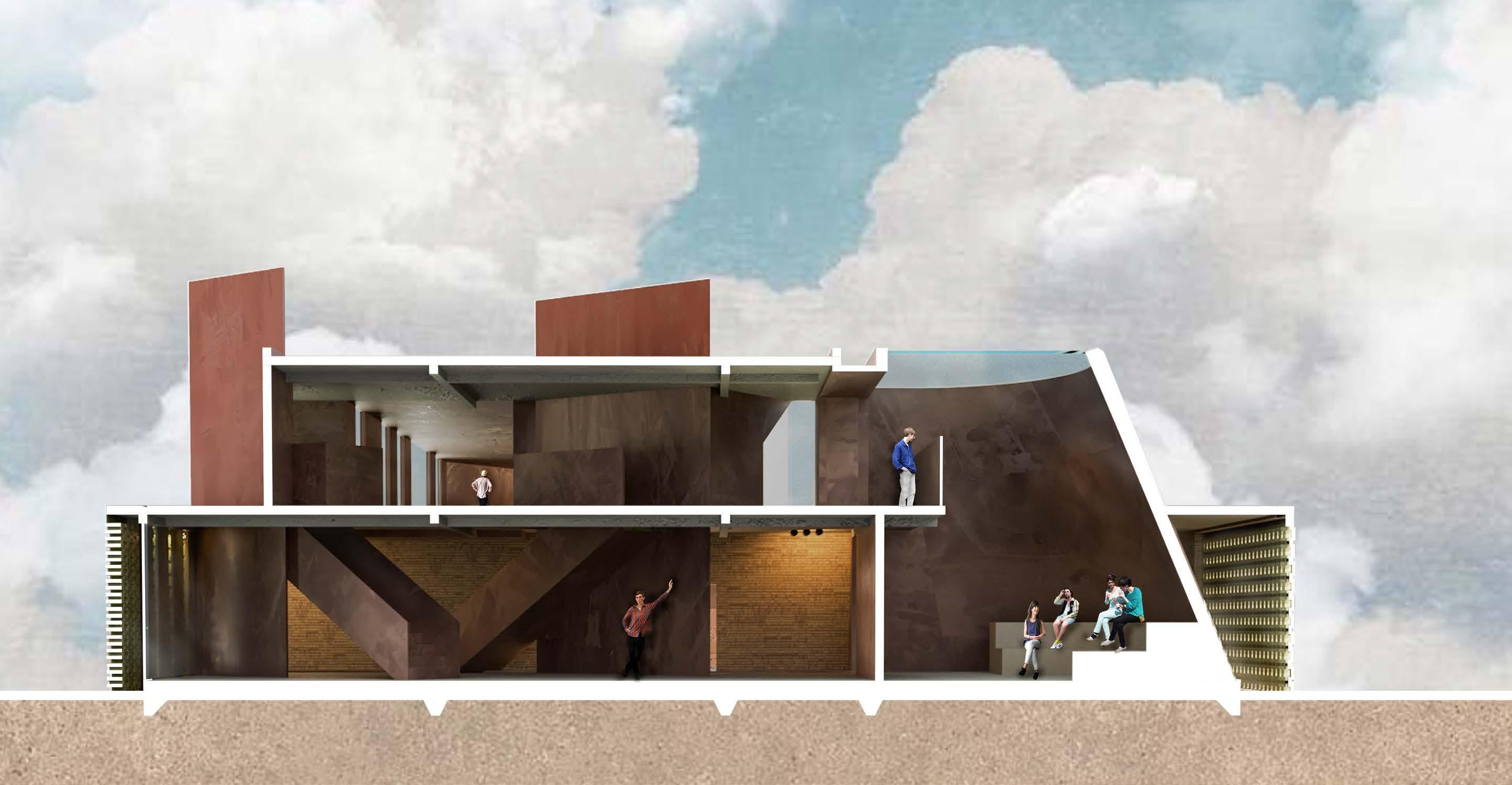
Drawing from the regional typology of cave dwellings and sunken courtyards, the wine cellar is embedded into the ground, offering stable temperature and humidity conditions essential for wine ageing.
In this collaboration, I I am responsible for site analysis, architectural form research, overall modeling for model refinement, and final effect rendering.
A Winery and Visitor Tasting Centre in Helan Mountain Eastl
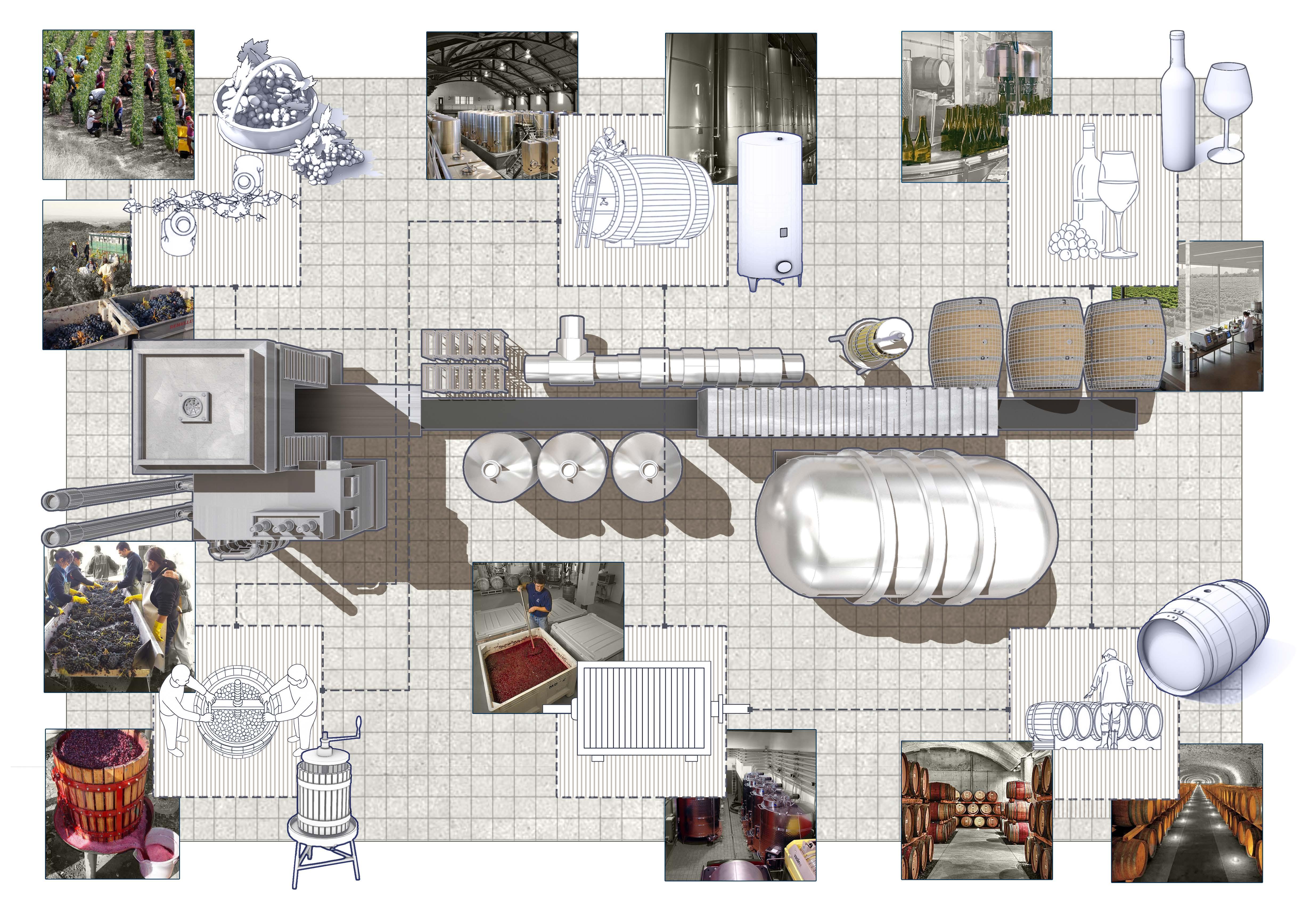
Finally, the finished wine is bottled, sealed, and prepared for distribution and consumption.
2
Harvesting
Grapes are carefully harvested from the vineyard at the right level of ripeness, either by hand or machine.
Fermentation
Yeast (natural or added) converts the grape sugars into alcohol and carbon dioxide. This process can last from several days to weeks.
Aging
The wine is aged in stainless steel tanks, oak barrels, or bottles. This step develops complexity, flavor, and aroma.
Clarification
The wine is clarified by removing solids such as dead yeast cells, grape skins, and other particles through filtering or settling.
Crushing
The grapes are crushed to release their juice. In winemaking, red wines are usually fermented with skins, while white wines are pressed to separate juice from skins.
Bottling
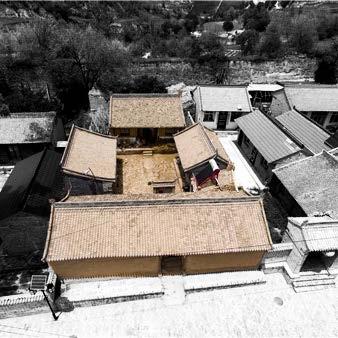
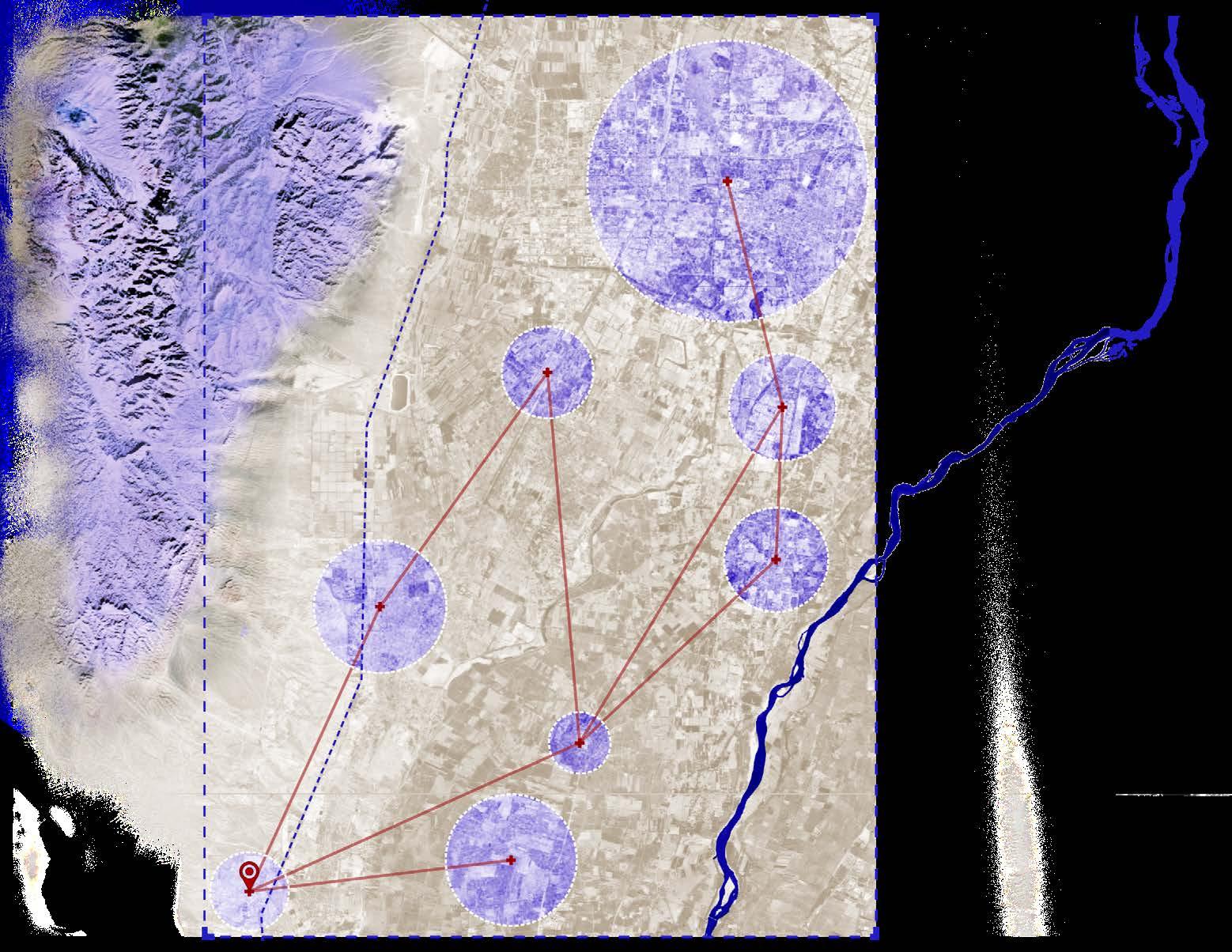
This project is located at the Ganchengzi Ruins in Qingtongxia City, Ningxia Autonomous Region of China. This ruin is situated at the center of the Ningxia wine-producing area, surrounded by vast vineyards and three wineries. Research | The wine industry,embedded in the Gobi climate and the local habitus
TERRAIN FEATURES

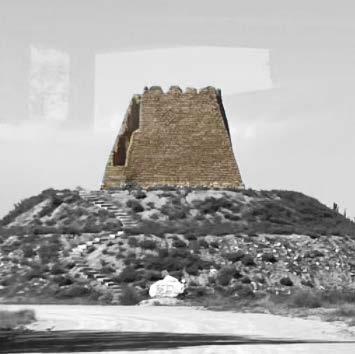
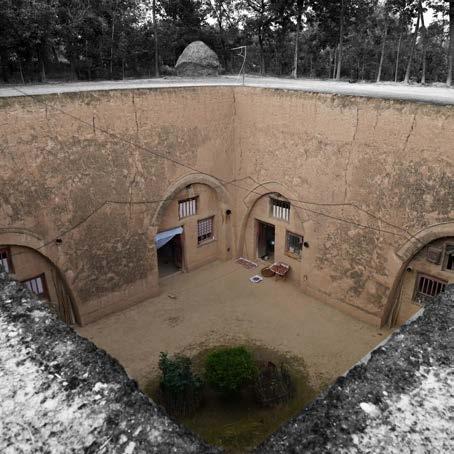
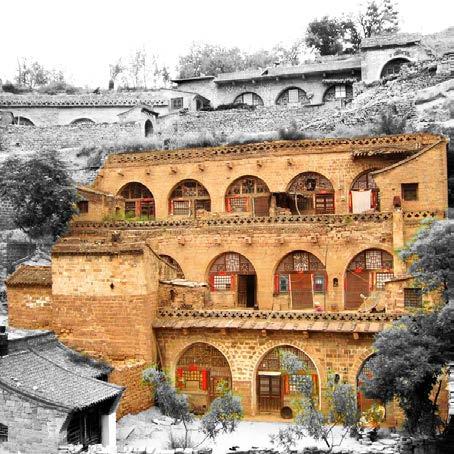
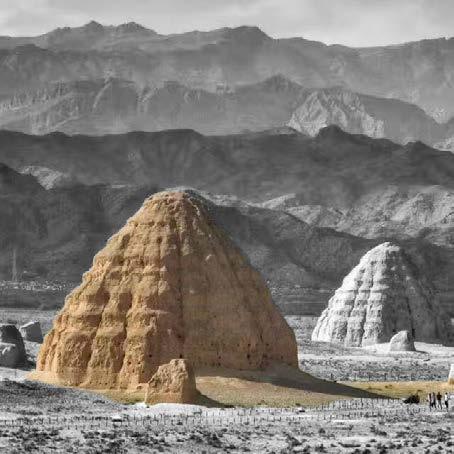

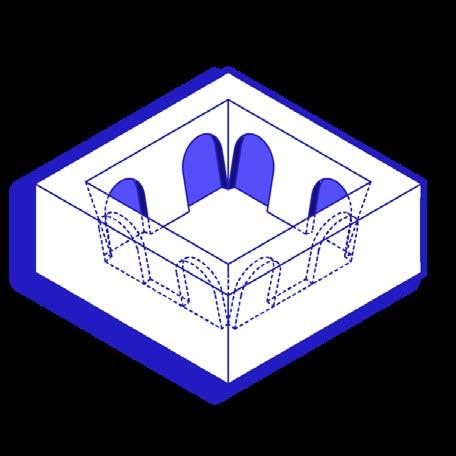

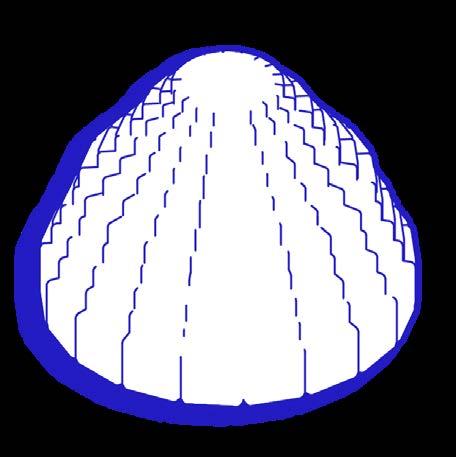
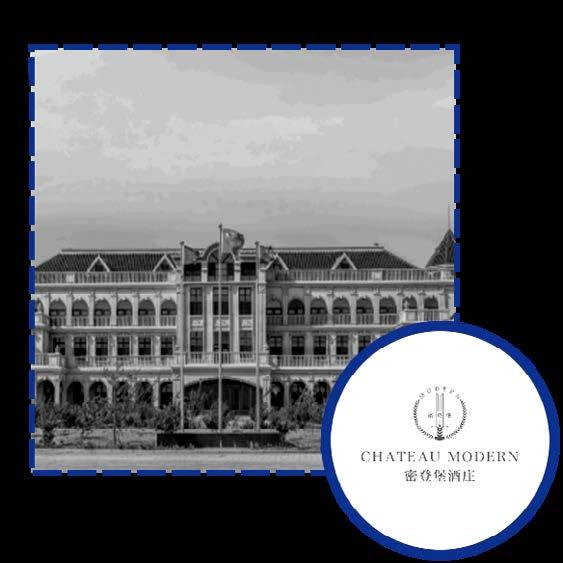
In terms of transportation, there is only one main road extending from the highway to this location.The interior of the ruins was once an old vineyard where the local wine industry was not yet fully developed. Now, with the growth of the local wine industry, these fields are no longer in use.

Topographic Analysis
The site lies on a flat plain enclosed between the Helan Mountains and the Yellow River. Flowing from south to north, the Yellow River enables irrigation within an otherwise arid landscape, while the Helan Mountains form a natural barrier that shields the plain from sandstorms originating from surrounding deserts. Together, the river and the mountains create a protected microclimate that supports agricultural activity and viticulture in the region.
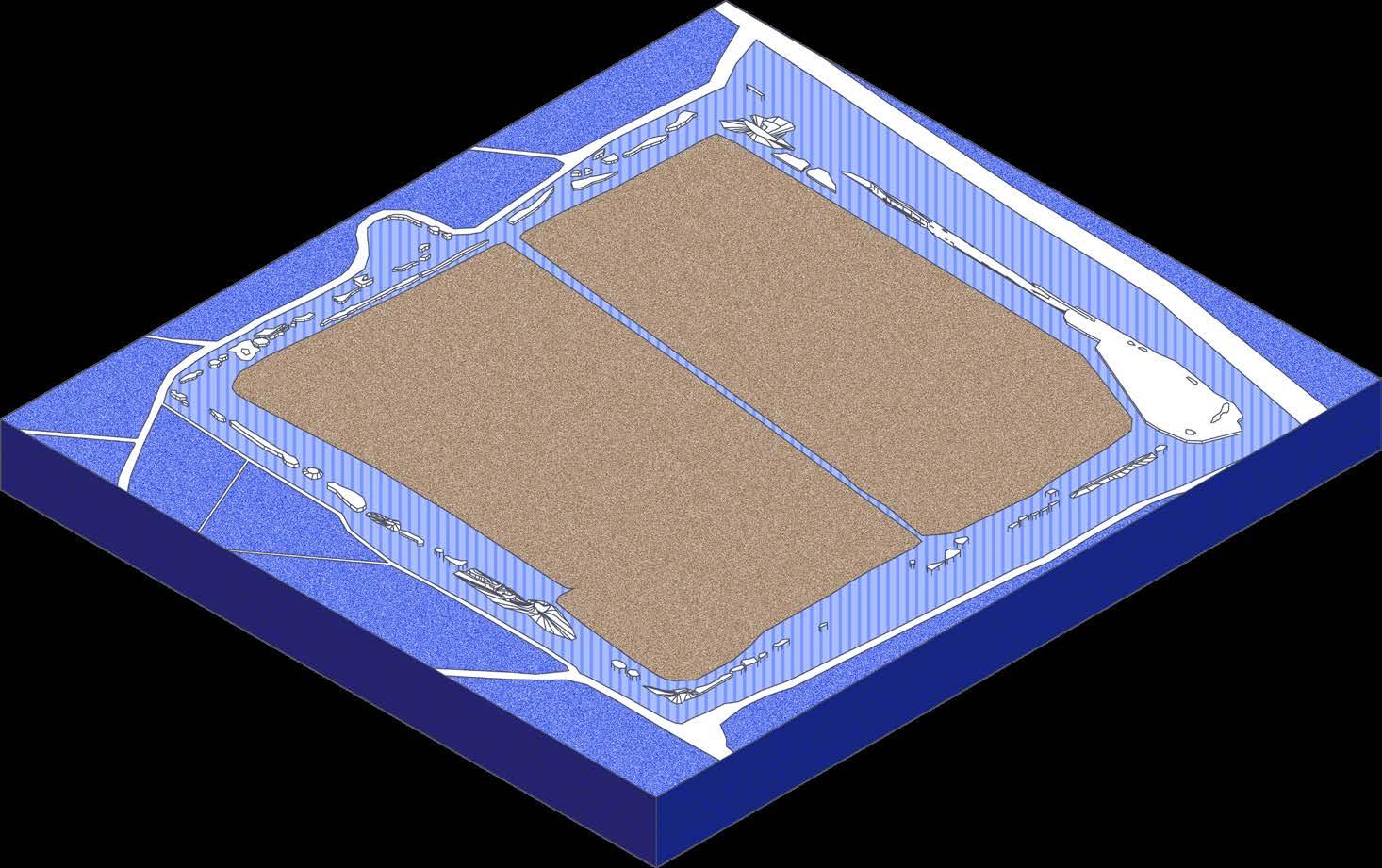
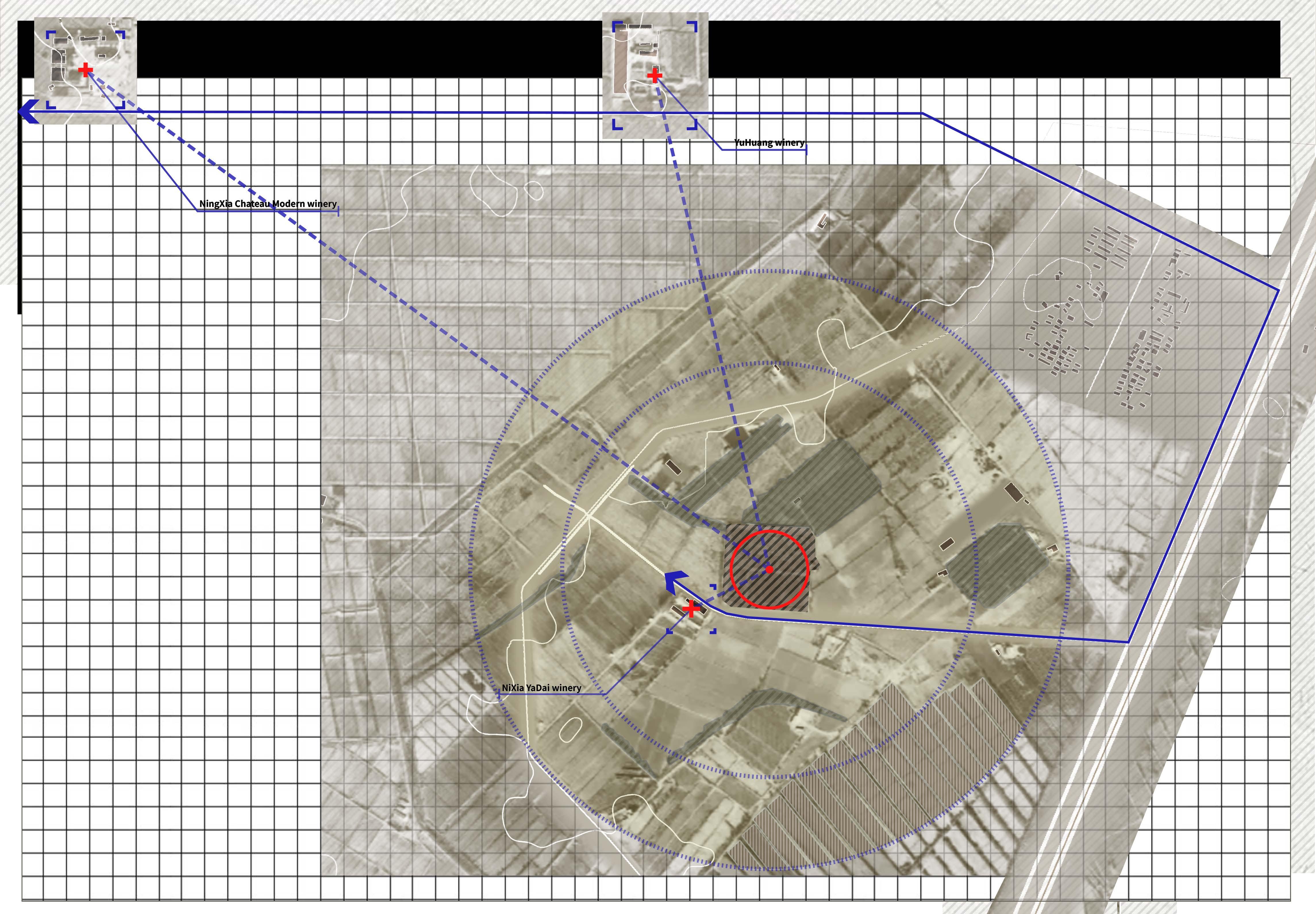
Site Field
The wine industry of the Helan Mountain foothills emerges from a long-standing agricultural landscape shaped by Yellow River irrigation and frontier defence. Historic structures such as Gancheng Fortress reflect a cultural history of cultivation, protection, and adaptation to climate, within which contemporary viticulture continues this territorial logic.
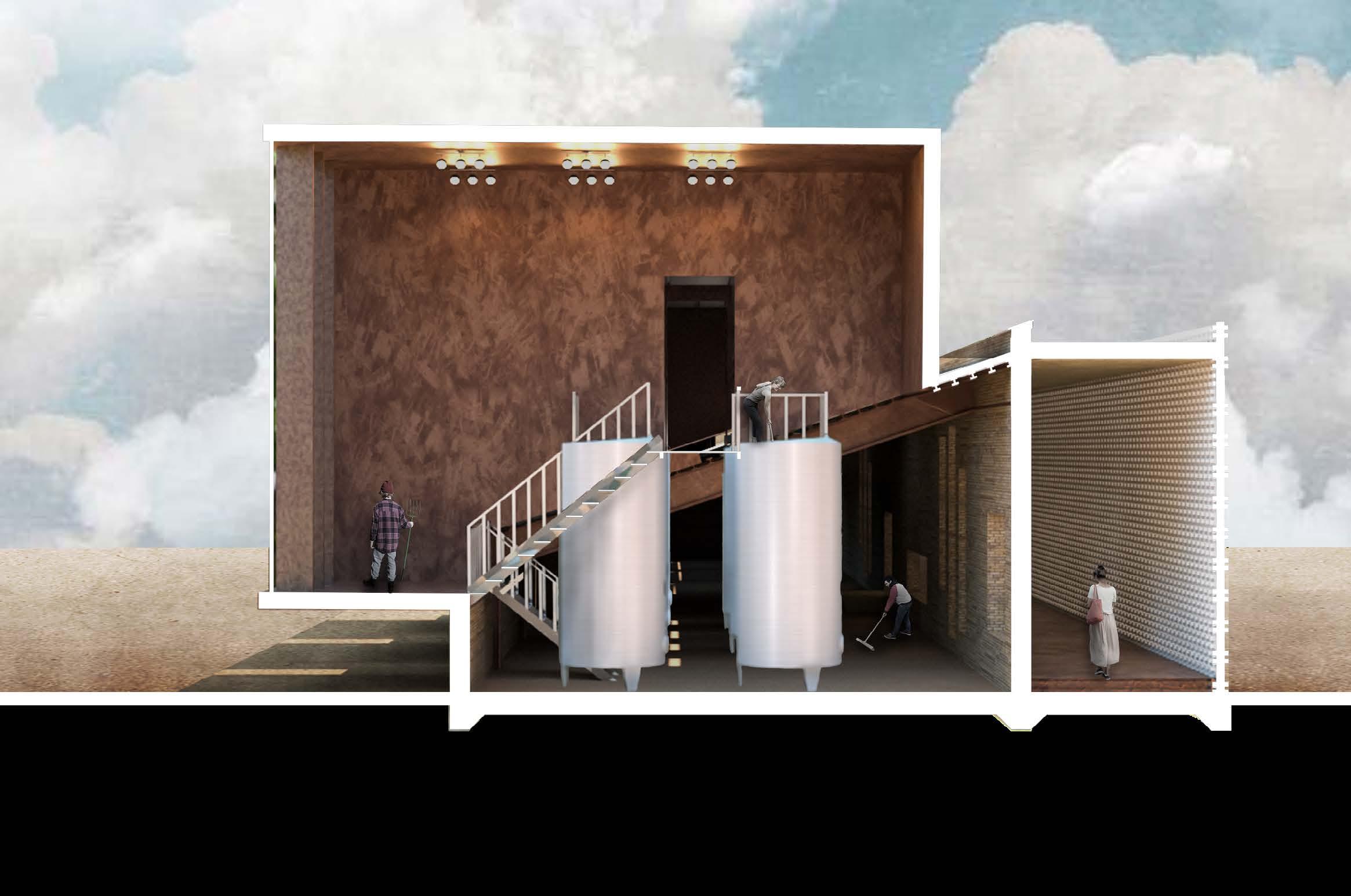
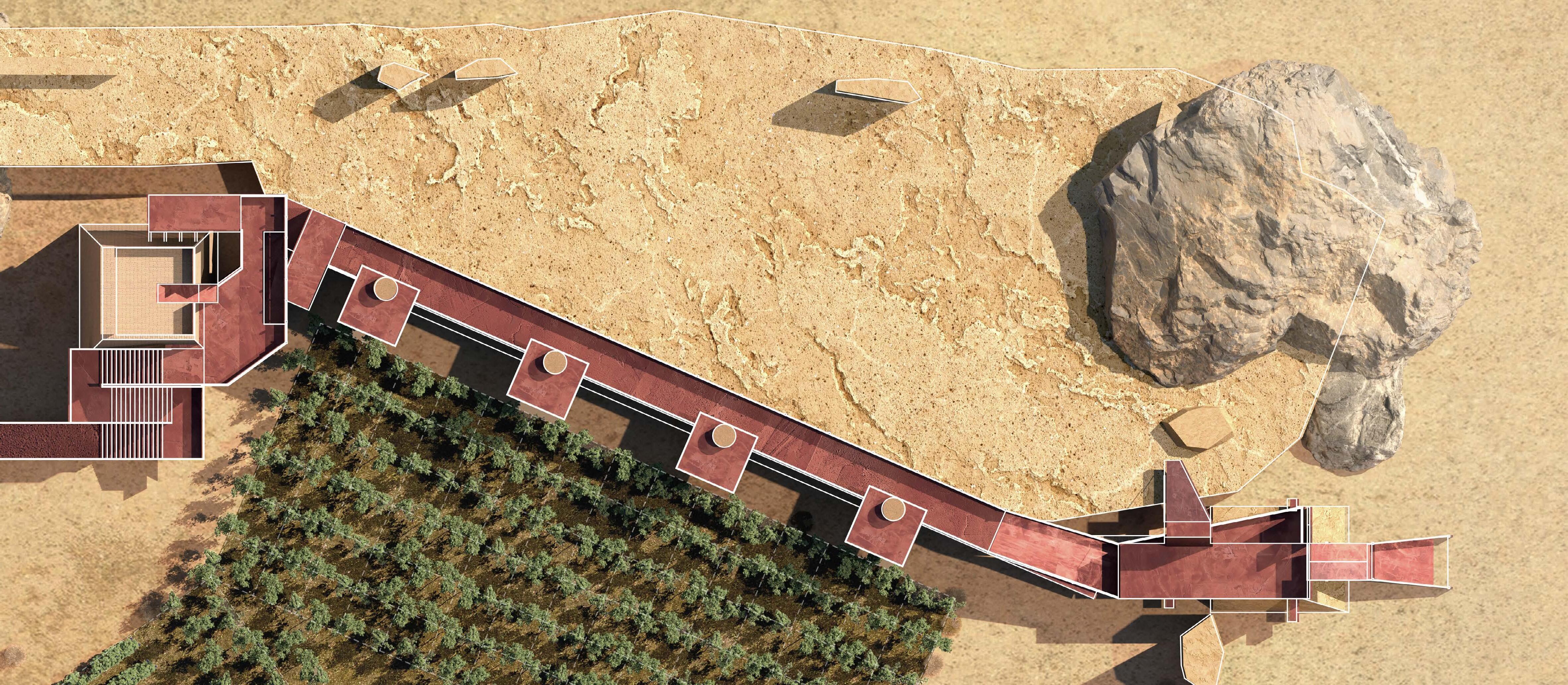
The winery features two interwoven circulation systems. A visitor route ascending from the rammed-earth wall through vineyards, production, and cellar to the tasting hall, and a production route from delivery to cellar and packaging. Their intersecting flows create interlocking volumes, showcasing winemaking while separating public and operational functions.
After harvesting, vehicles carrying the grapes enter through an opening on the west side of the rammed earth wall and unload the grapes onto an open area on the north side of the brewery. The wine will then be fermented in the brewery. The fermented wine will then be aged in an underground cellar before being bottled in the bottling workshop above the cellar.
The building combines weathering steel with locally sourced stone and yellow brick, establishing a dialogue between industrial precision and natural materiality. Metal elements express structural clarity and durability, while stone and brick anchor the architecture to the site’s geological and cultural context, allowing material contrast to articulate both time and use.
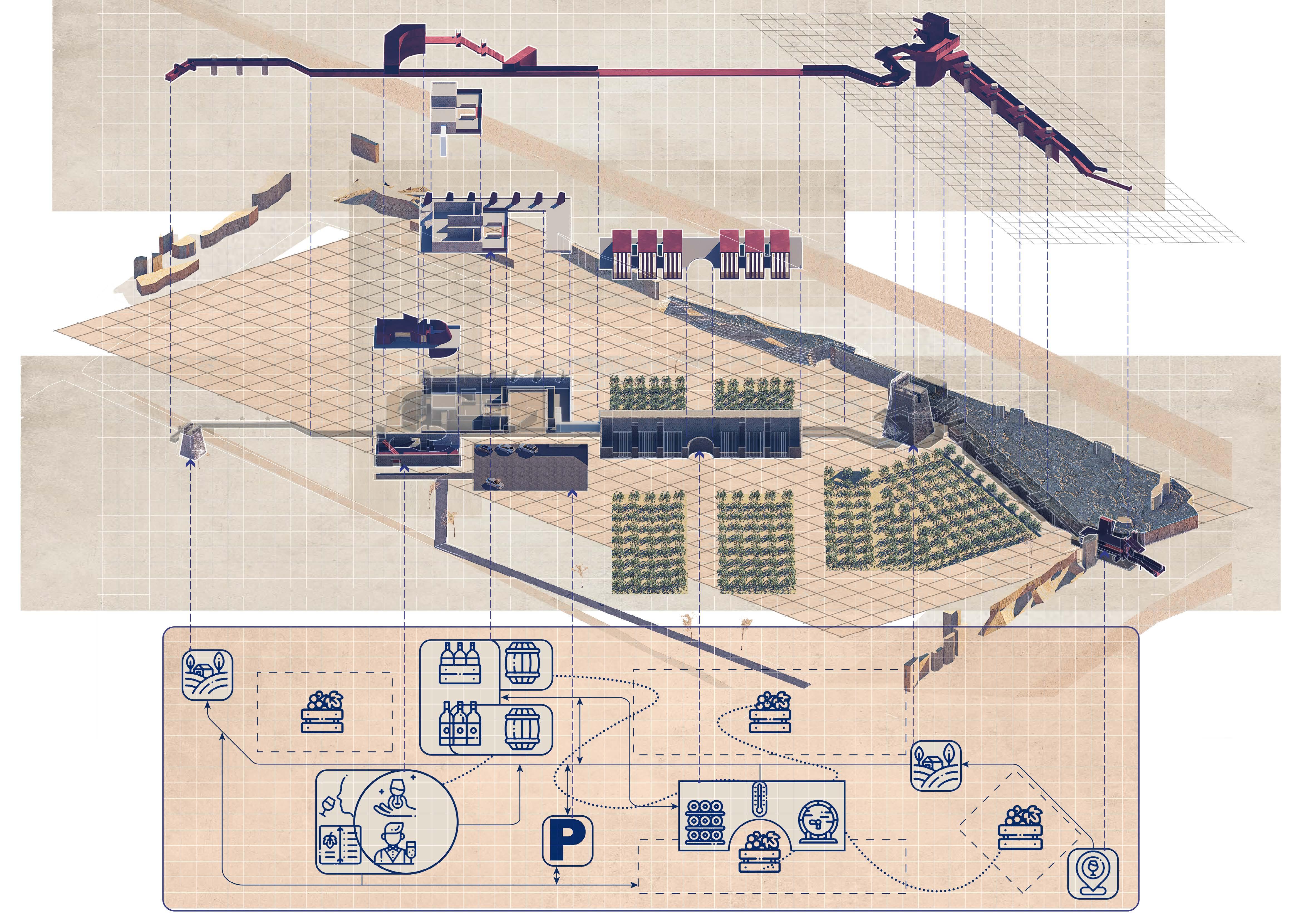
Visitors will ascend to a viewing platform from the southwest corner of the rammed earth wall to admire the vineyards . Following the tour route, they will enter the brewery to learn about the winemaking process. Afterwards, they will descend to the cellars for a visit before returning to the ground floor to view exhibits, taste wines, or listen to lectures.
Entrance to Tour
Observation I
10. Observation II
Brewing room
Parking
Storage
Packaging
Exhibition
Taste
Culture
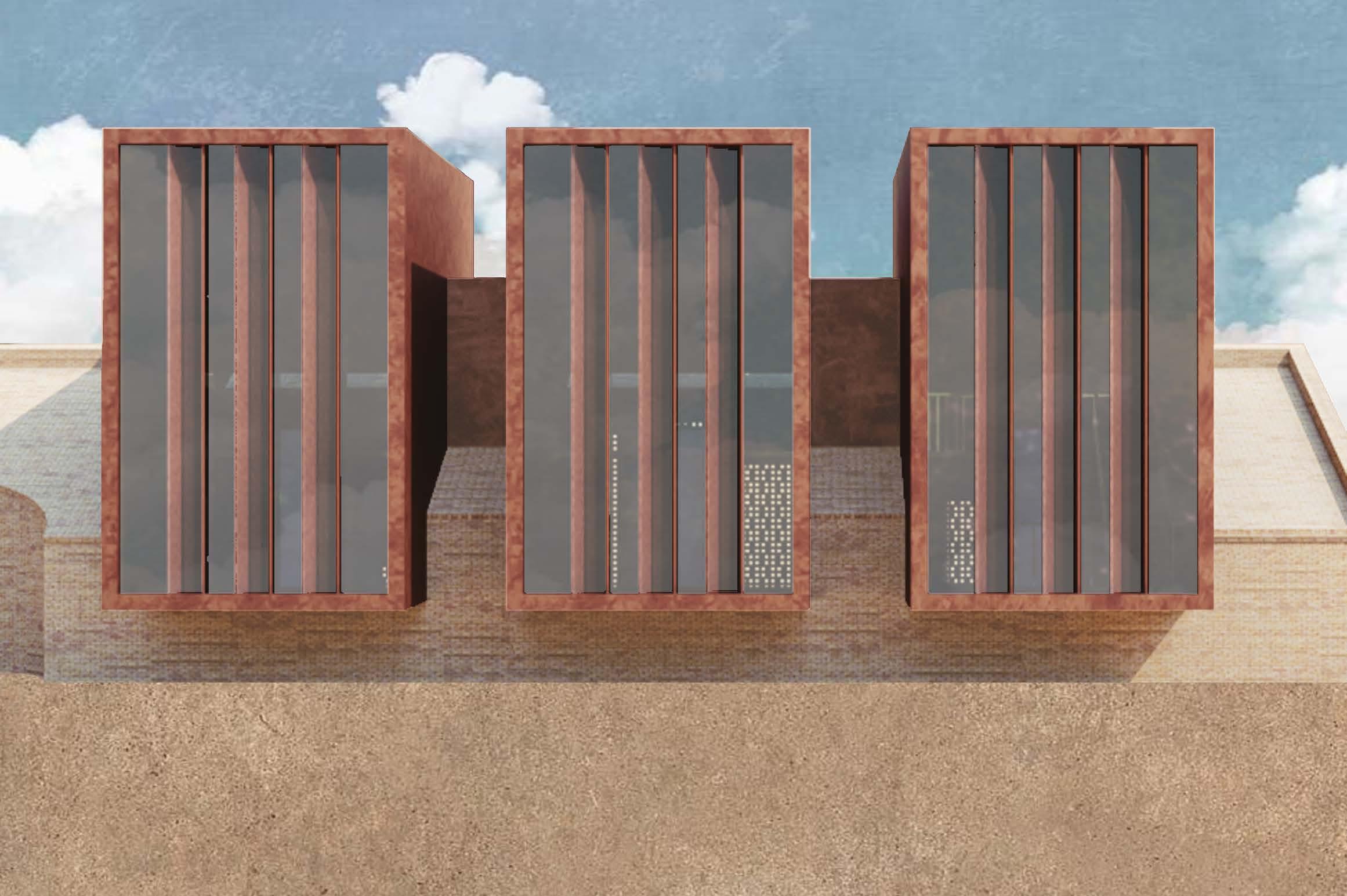
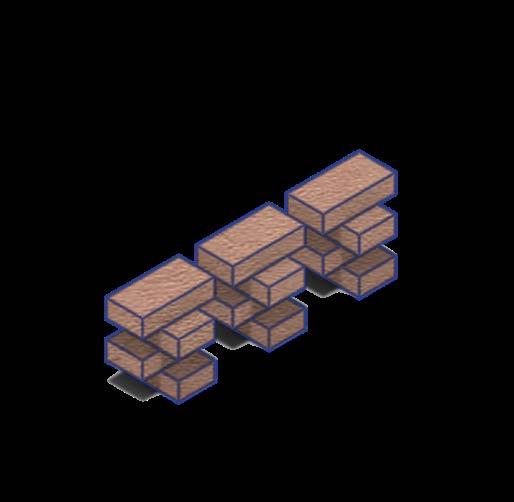
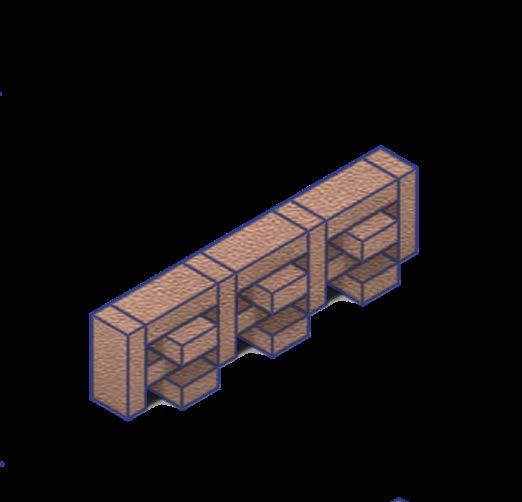
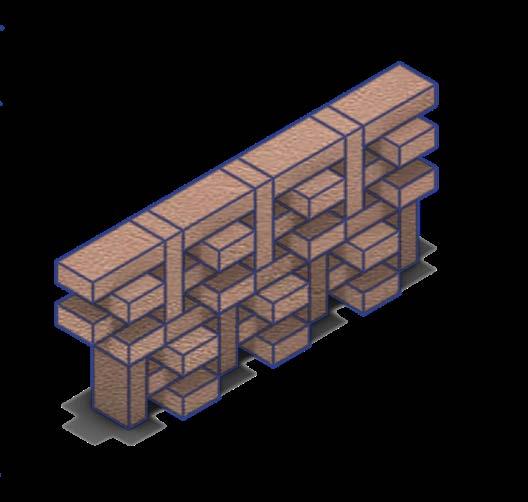
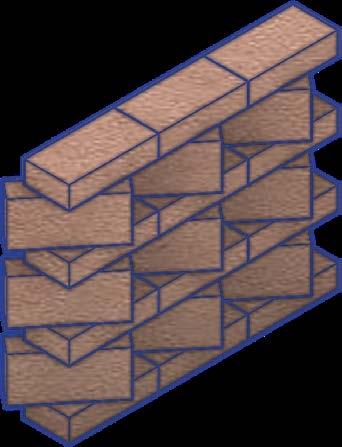
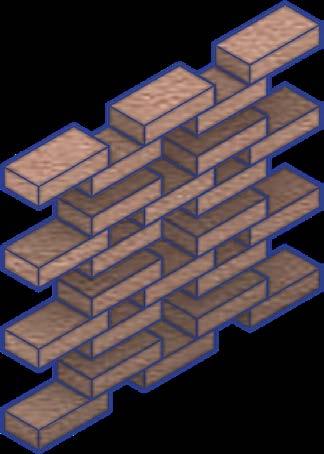
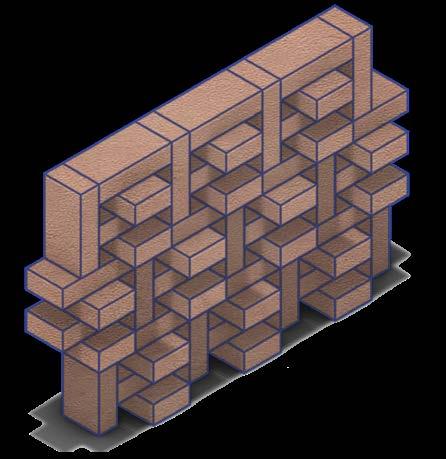
Ningxia features an arid climate with strong solar radiation and large diurnal temperature variations. Traditional perforated brick walls regulate indoor conditions by balancing shading and ventilation through controlled porosity. Solid brick elements reduce solar gain and store heat during the day, while perforations enhance airflow and heat dissipation at night. Locally sourced clay or fired bricks offer high thermal mass and durability. Constructed through staggered or modular brickwork, these walls enable effective passive climate control with minimal technological intervention.

Brick Wall Facade Tectonic Detail

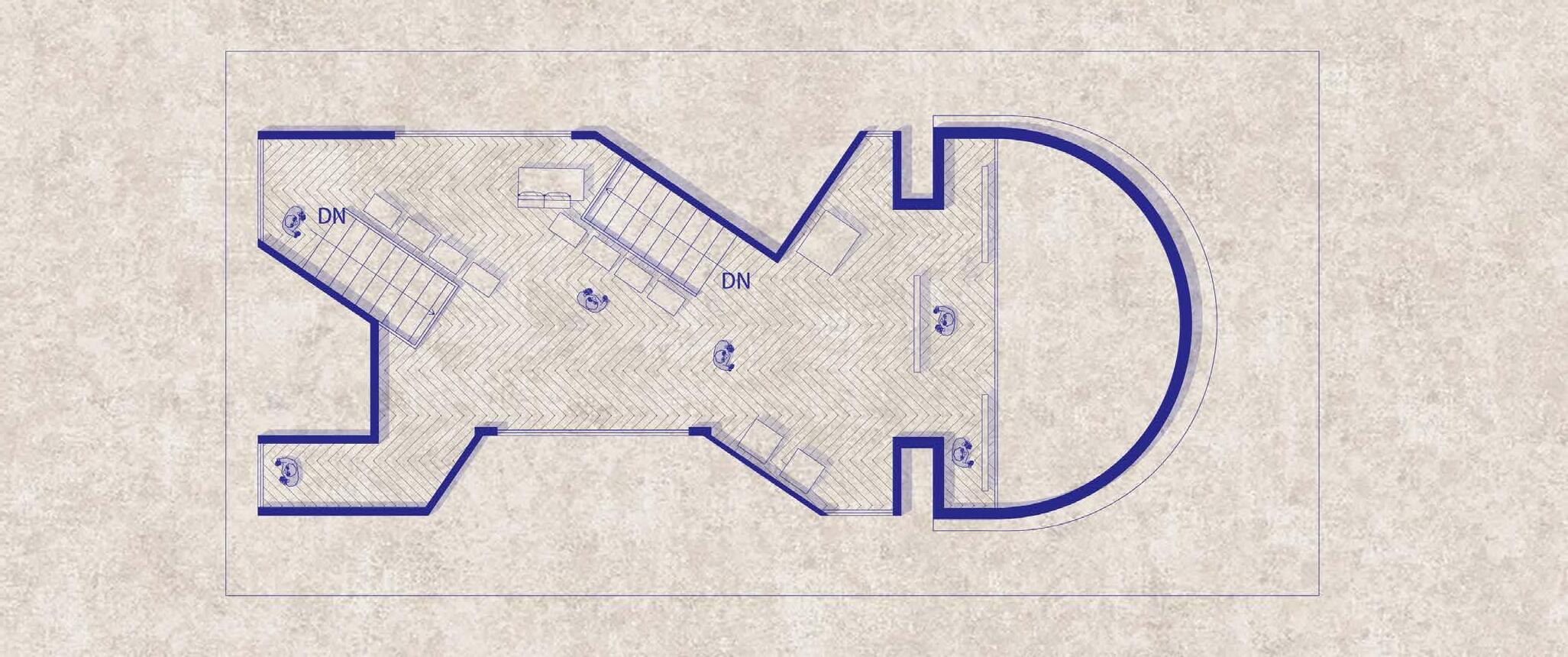
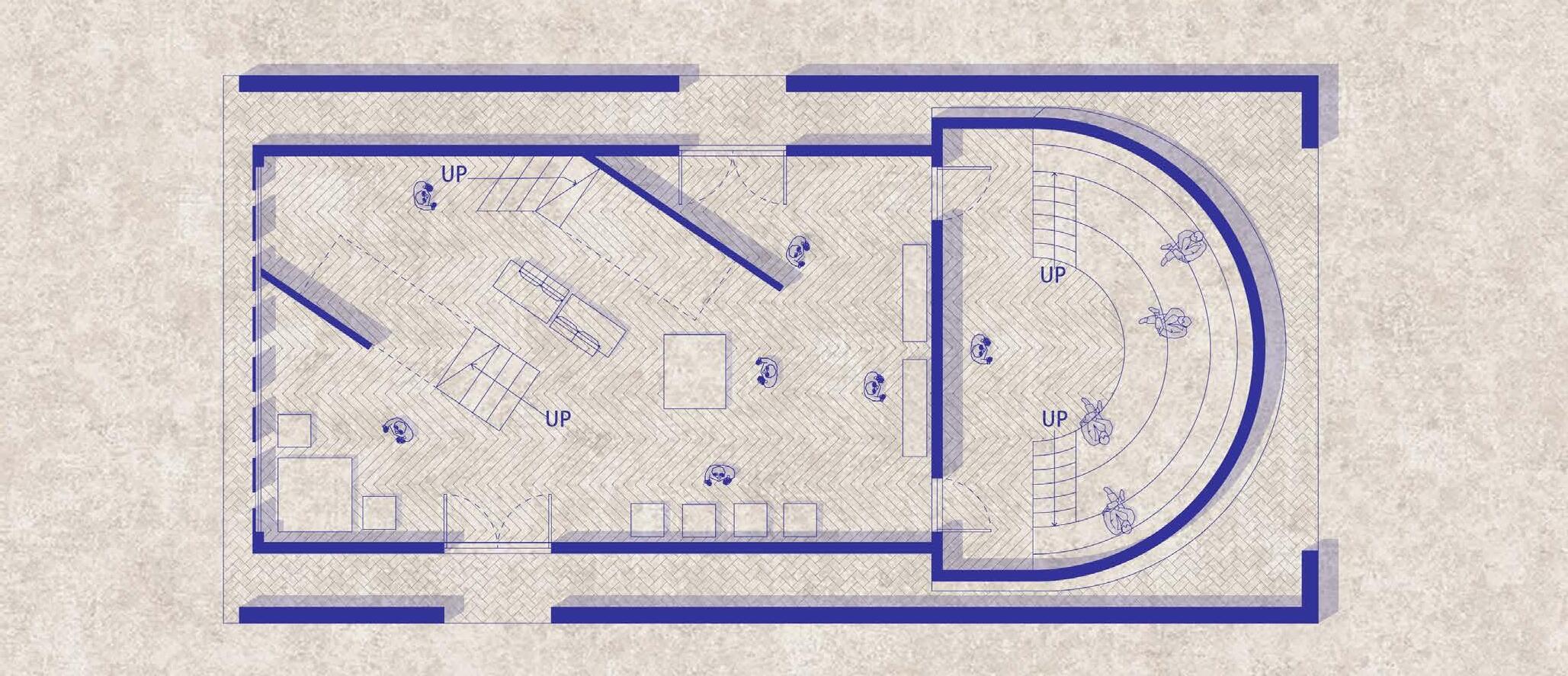
Ground Floor Plan of Wine Culture Exhibition Hall Upper Floor Plan of Wine Culture Exhibition Hall
GROUNDED ENERGY
A Public Energy Infrastructure at Liverpool Waterfront
1/Individual Work
2/Location: Liverpool, UK
3/Time: 2025
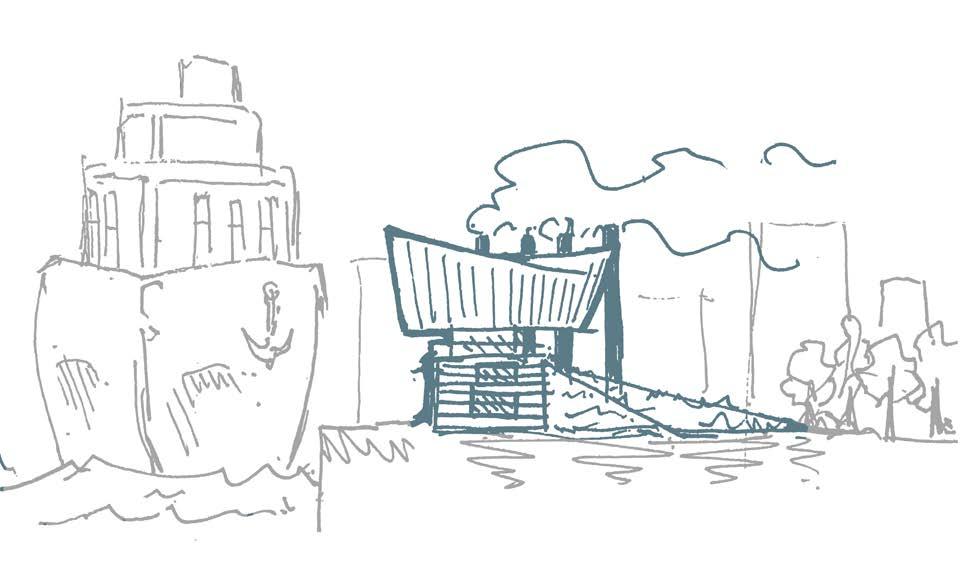
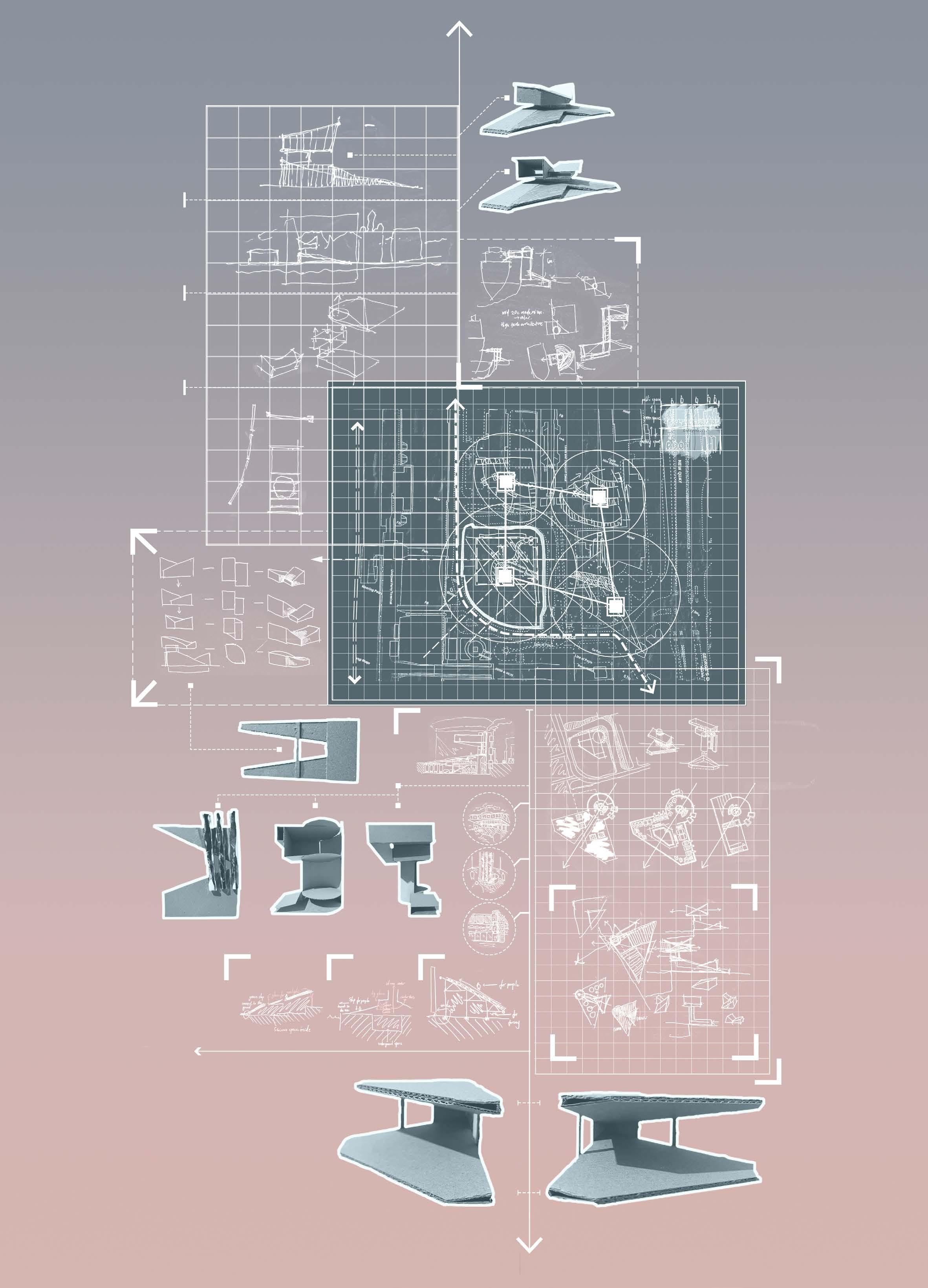
This project explores the integration of energy infrastructure and public space through a natural gas factory embedded beneath a publicly accessible landscape. By placing industrial production below and civic activity above, the architecture reframes energy facilities as part of everyday urban life, transforming infrastructure into a shared and inhabitable ground along Liverpool’s waterfront.
Rather than isolating energy facilities from everyday urban life, the building is organised vertically, positioning industrial processes below and public movement, gathering, and leisure above. The roof is conceived as a continuous civic ground, supporting pedestrian circulation and public use, while the industrial hall beneath remains operational yet spatially legible.
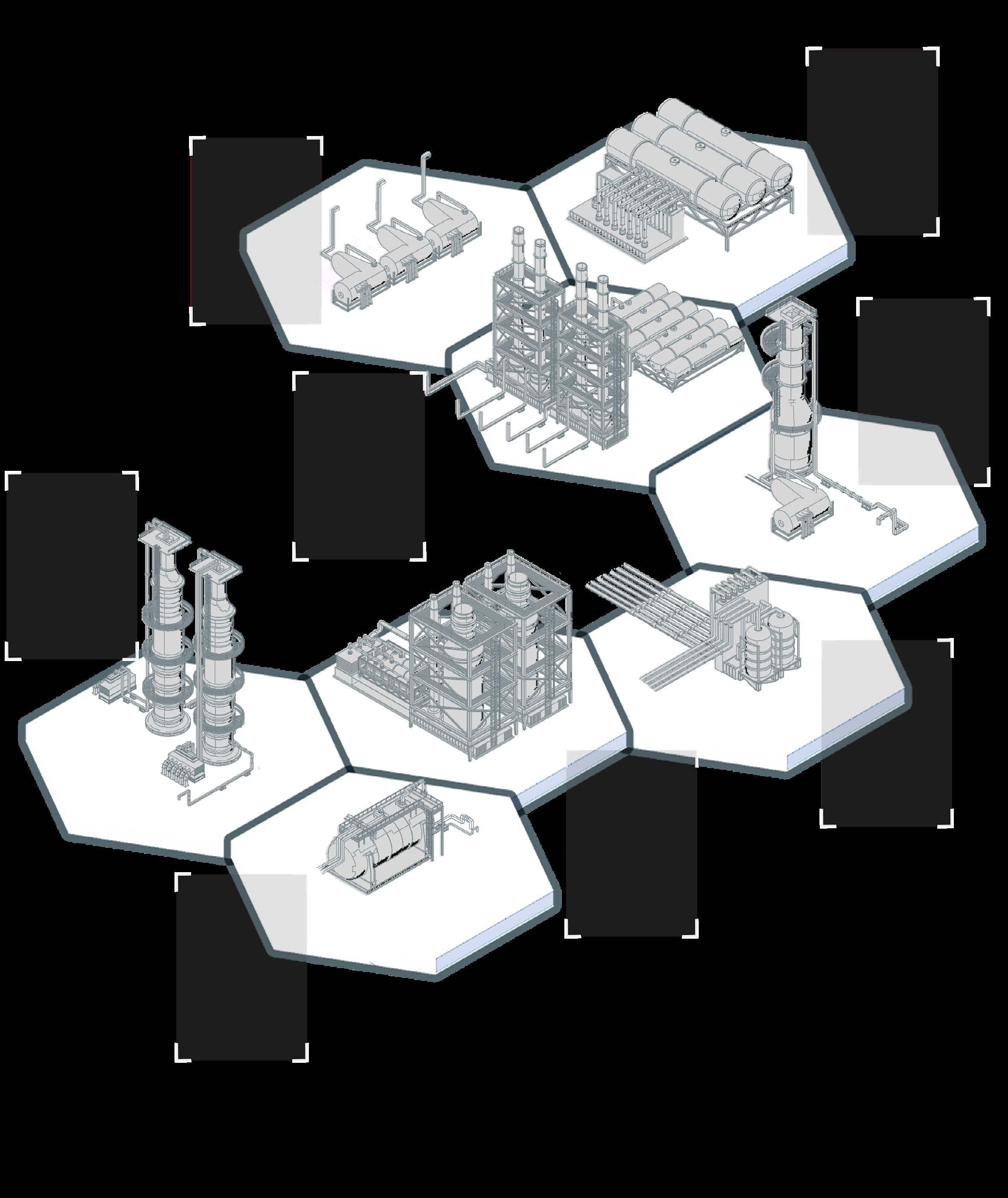
2. Amine
Sweetening
Amine solution absorbs sulfur dioxide and carbon dioxide to produce clean "sweet gas. "The solvent is regenerated and reused, forming the chemical heart of gas purification.
Design strategy collage
7. Compression and Metering Centrifugal compressors boost gas pressure while metering skids measure flow and energy, preparing the stream for export.
1. Inlet Separation
Raw natural gas first passes through a three-phase inlet separator, where gravity and inertia remove water droplets, condensate ensuring a stable feed for downstream purification.
6. Sulfur Recovery l and Tail Gas
Treatment
sulfur dioxiderich acid gas is converted into elemental sulfur through the Claus process.
3. TEG
Dehydration
Water vapor Is removed in a TEG. contactor to prevent freezing and hydrate formation. The glycol is regenerated and reused in a continuous loop.
8. Liquefaction and Storage (LNG)
Purified gas is liquefied at - 162° C in mixed-refrigerant cold boxes and stored in fullcontainment LNG tanks, completing the energy transformation.
5. NGL Recovery (Cryogenic Separation)
Cold boxes and turboexpanders condense ethane, propane, and butane at cryogenic temperatures, efficiently recovering valuable NGLs.
Design strategy collage
1. Intake At this stage, the gas remains in a raw state, with unstable pressure and mixed components requiring further processing.
4. Mercury and Trace Removal Parallel adsorption beds eliminate mercury and trace contaminants, protecting aluminum exchangers from embrittlement and corrosion.
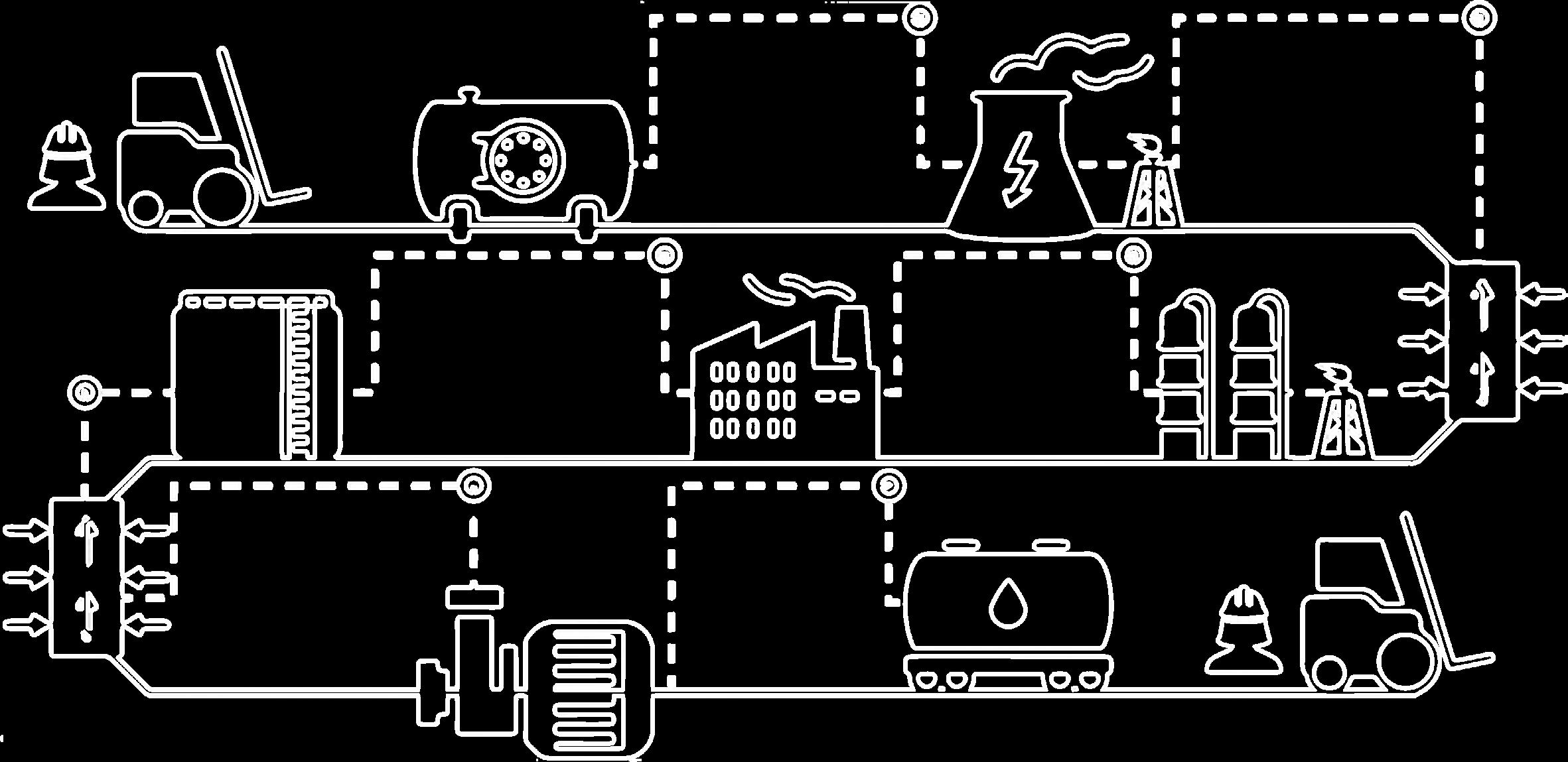
2. Purification Impurities such as water vapour, carbon dioxide, and sulphur compounds are removed to improve gas quality.
3. Energy Release & Exhaust
Residual gases and byproducts are safely released through exhaust systems and chimneys.
5. Compression
The purified gas is compressed to increase pressure for storage and transmission.
4. Separation At this stage, liquids, condensates, and solid particles are separated from the incoming gas.
6. Storage
Processed gas is either stored on site or directed into regional distribution networks.
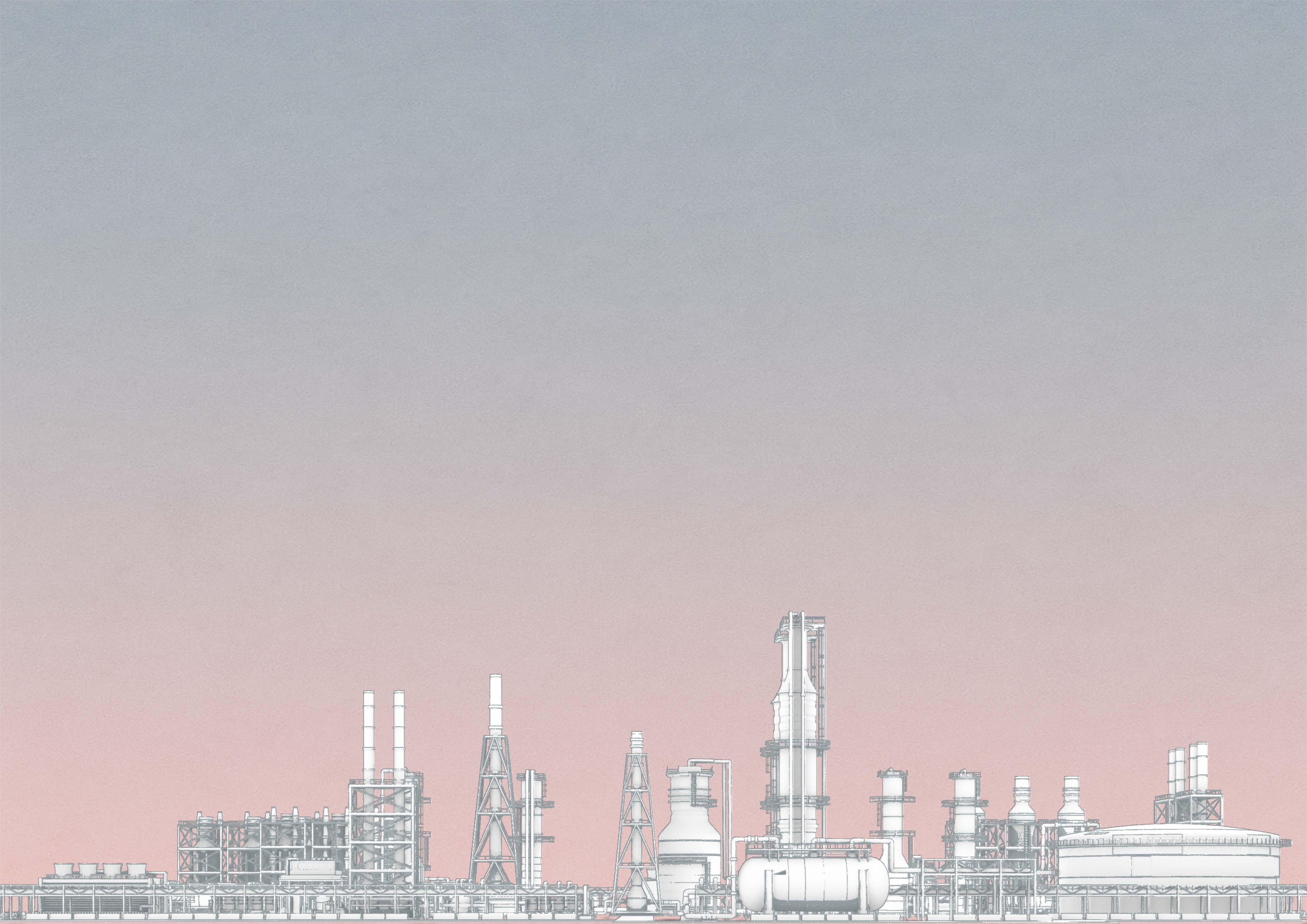
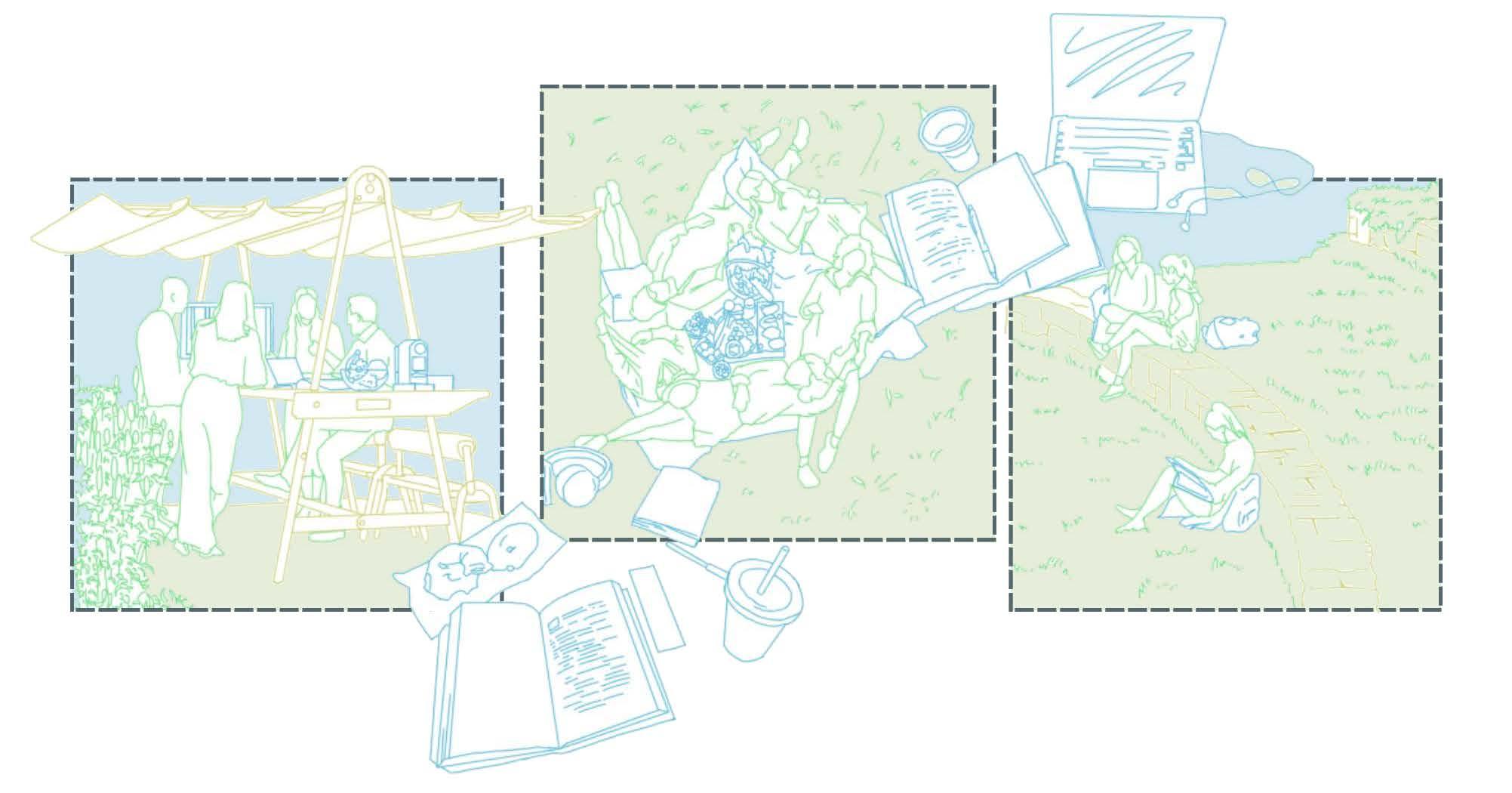
This collage explores the coexistence of public activity and industrial infrastructure by juxtaposing everyday civic life with elements of an energy factory. Rather than being concealed, industrial structures form the spatial backdrop for movement and occupation. The image suggests a condition where production, circulation, and public use intersect, highlighting the potential of infrastructure to operate as an active and accessible civic space.
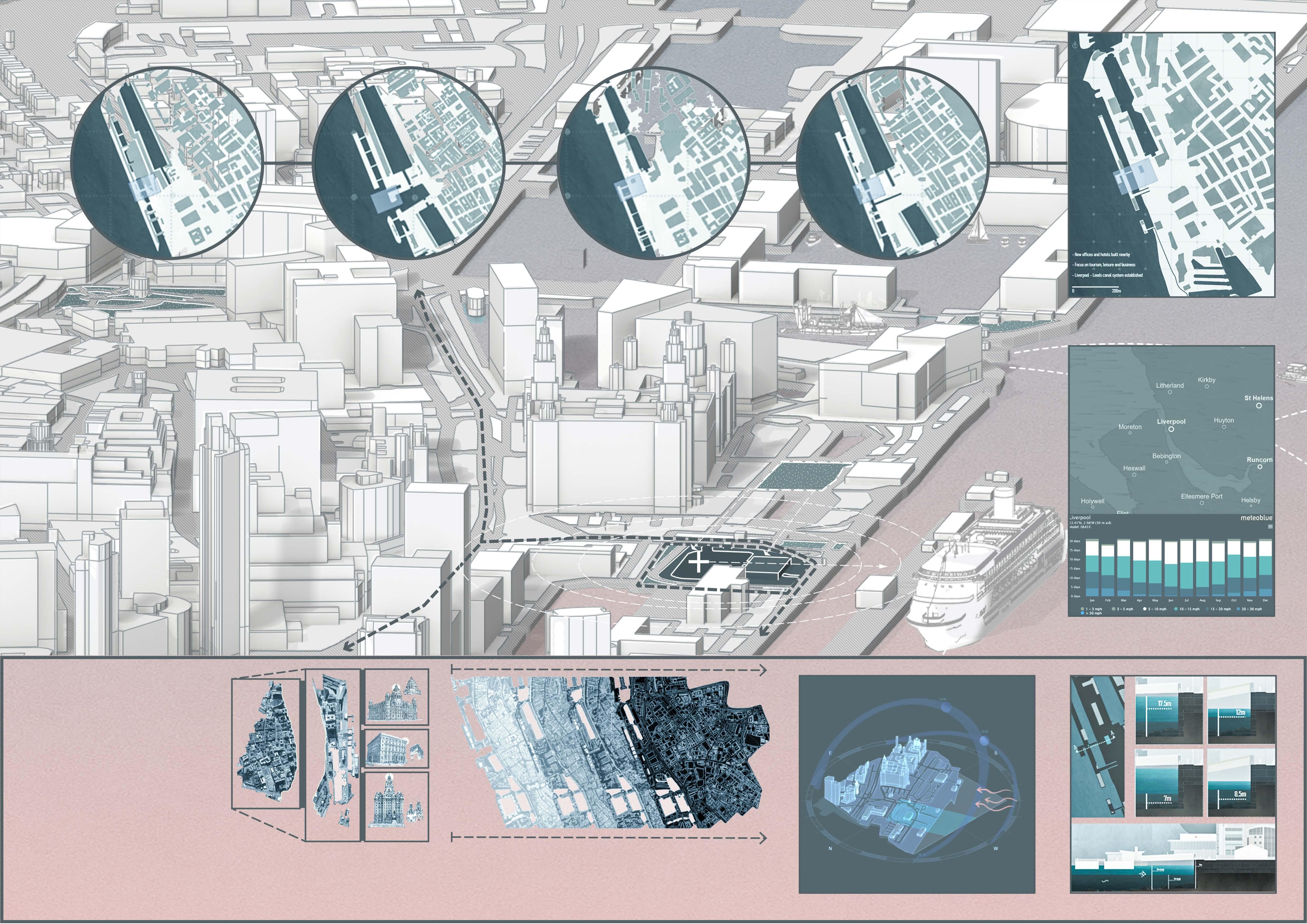
Liverpool Cruise Port Cruise Terminal Gate, 2 Princes Parade, Liverpool L3 1DL
The site is located at the Liverpool Cruise Port on the northern edge of the city’s waterfront, adjacent to Princes Parade and facing the River Mersey. As a primary point of arrival for cruise passengers, the site operates as a visible threshold between the city and the water, combining transport infrastructure with strong public accessibility and symbolic significance within Liverpool’s port history.
The surrounding context is characterised by waterfront promenades, open public plazas, and memorial spaces, resulting in high levels of pedestrian movement and everyday civic use. While port-related infrastructure remains operational, the spatial character of the area has shifted away from a closed industrial zone towards an increasingly public urban landscape.
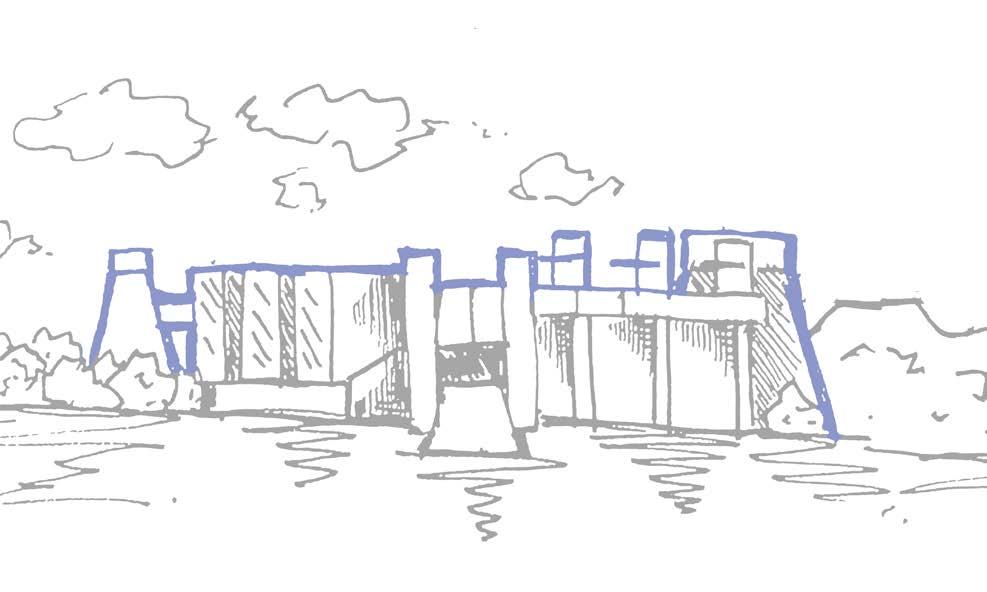
The ancient architectural forms on both sides of the port
Coastline Timeline

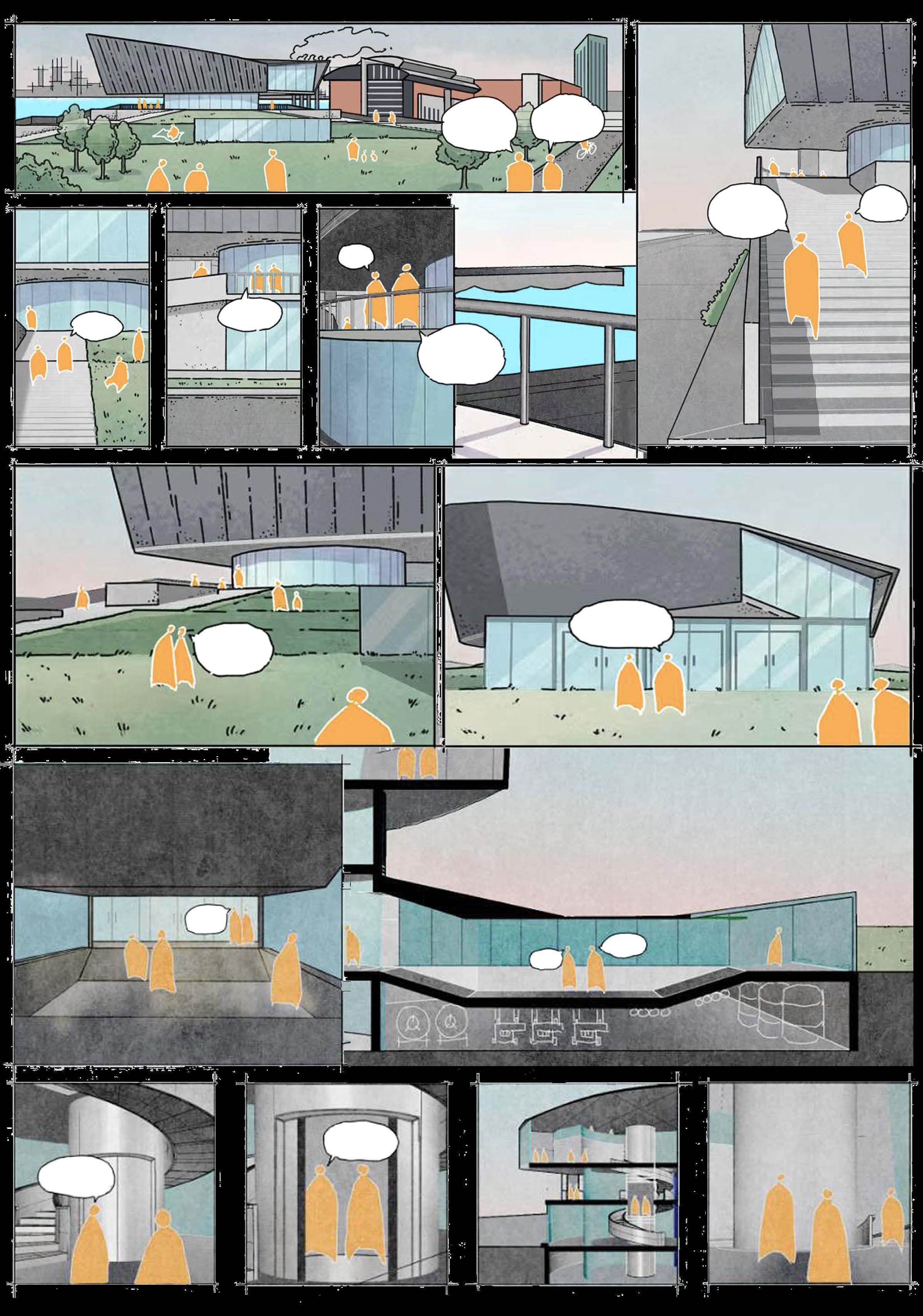
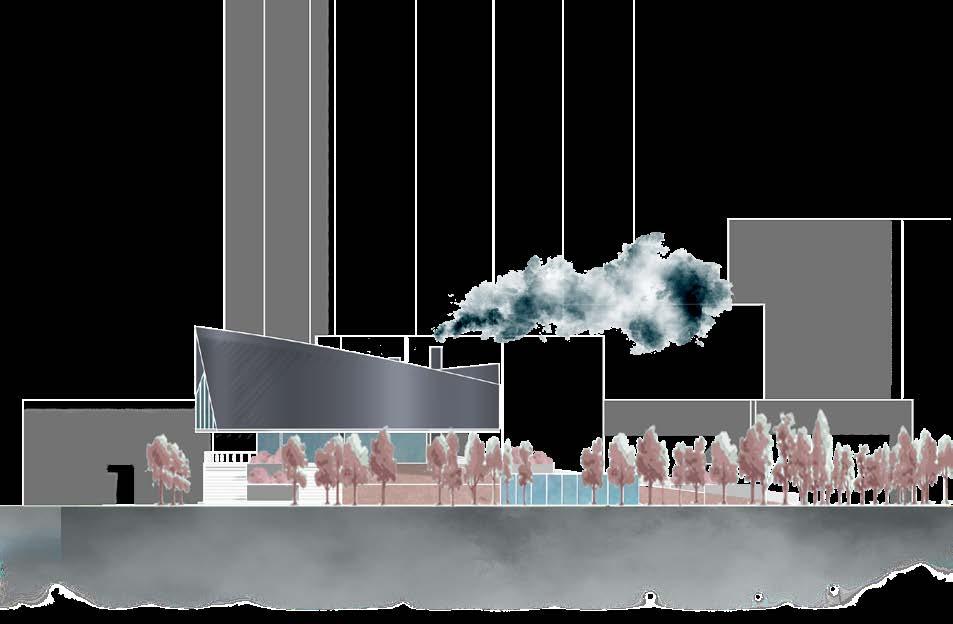
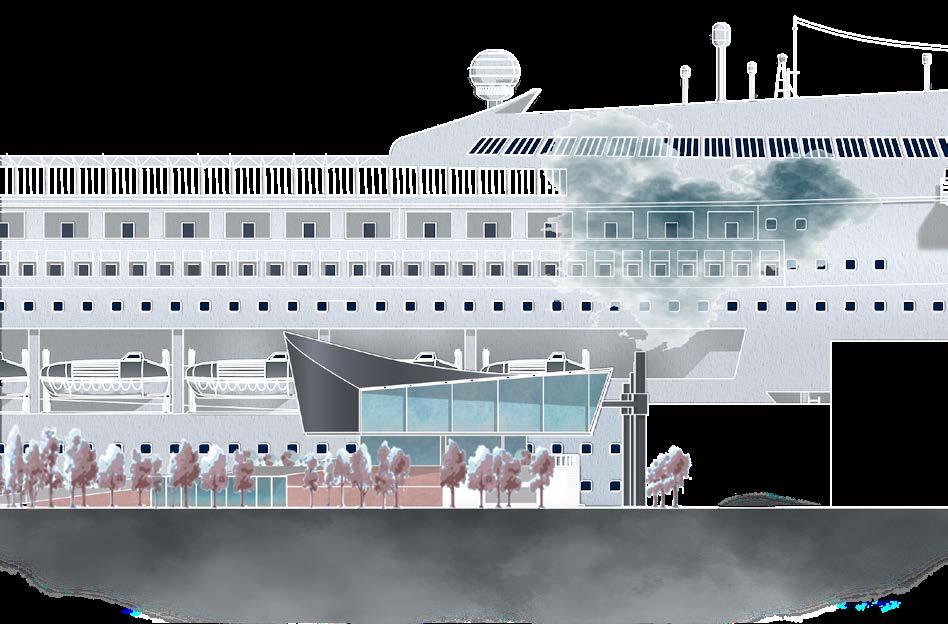
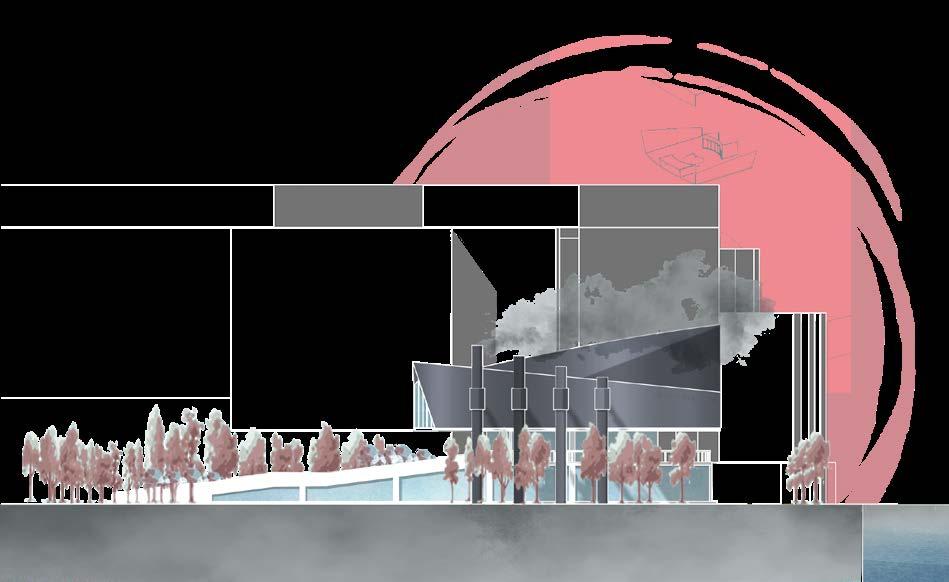
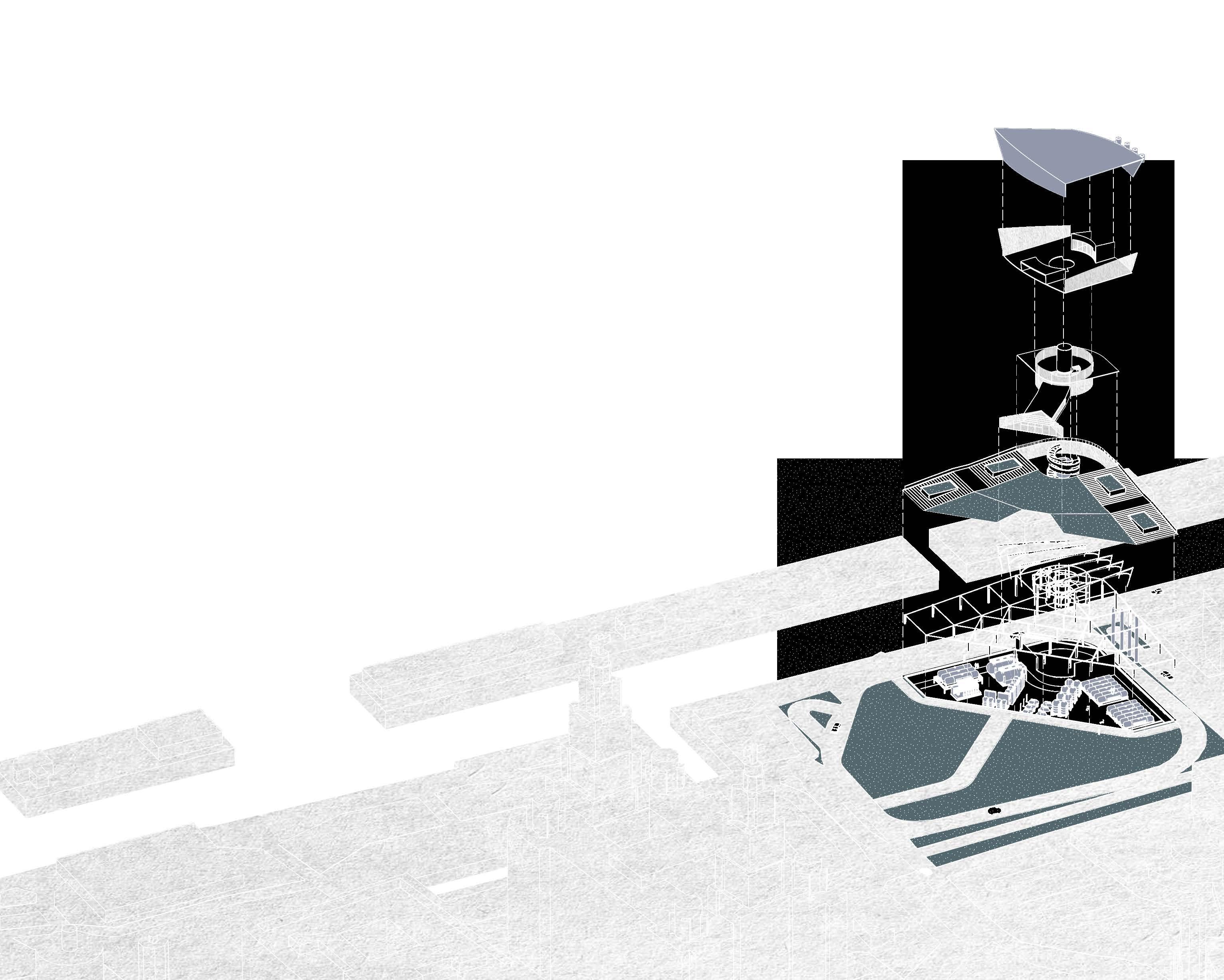
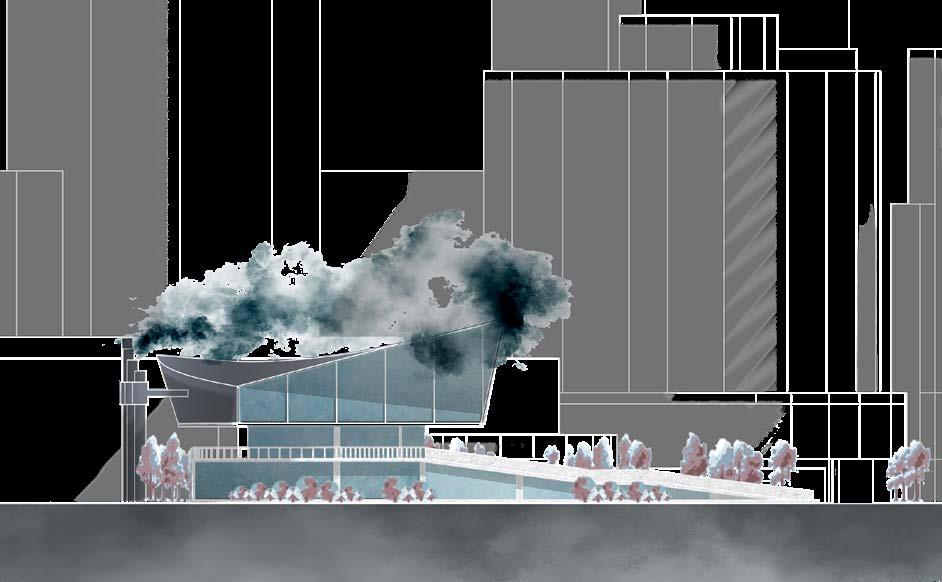
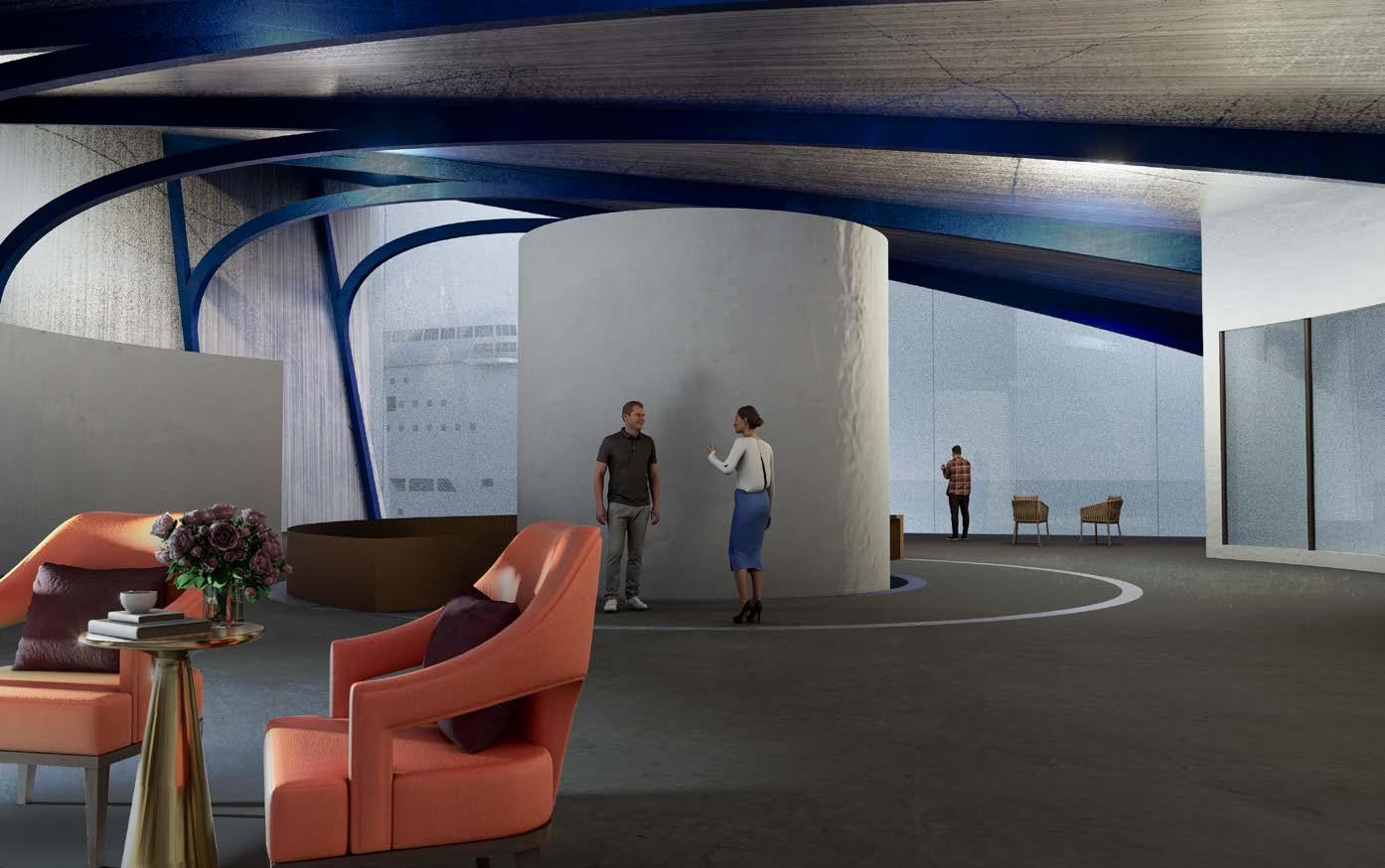
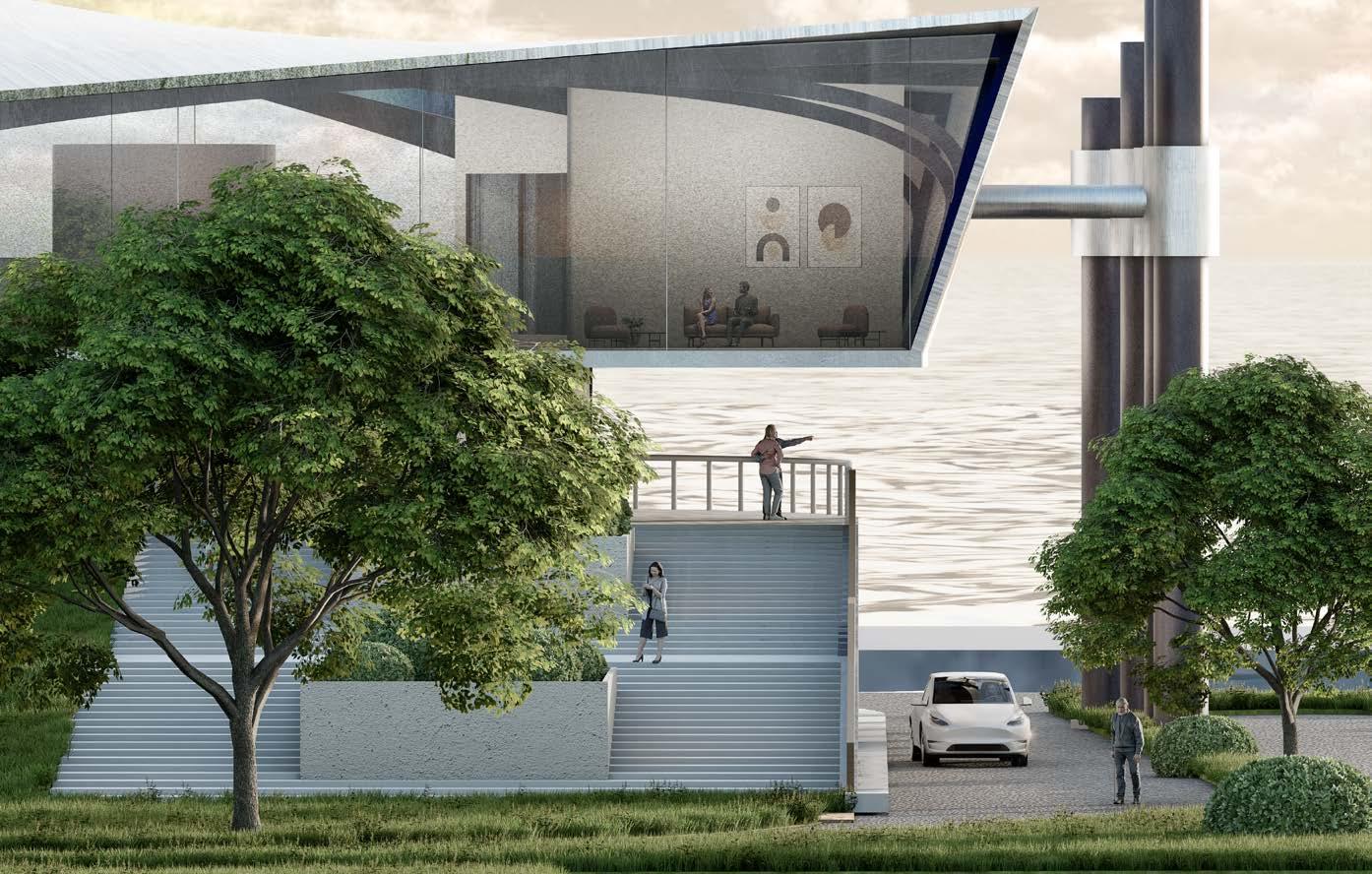

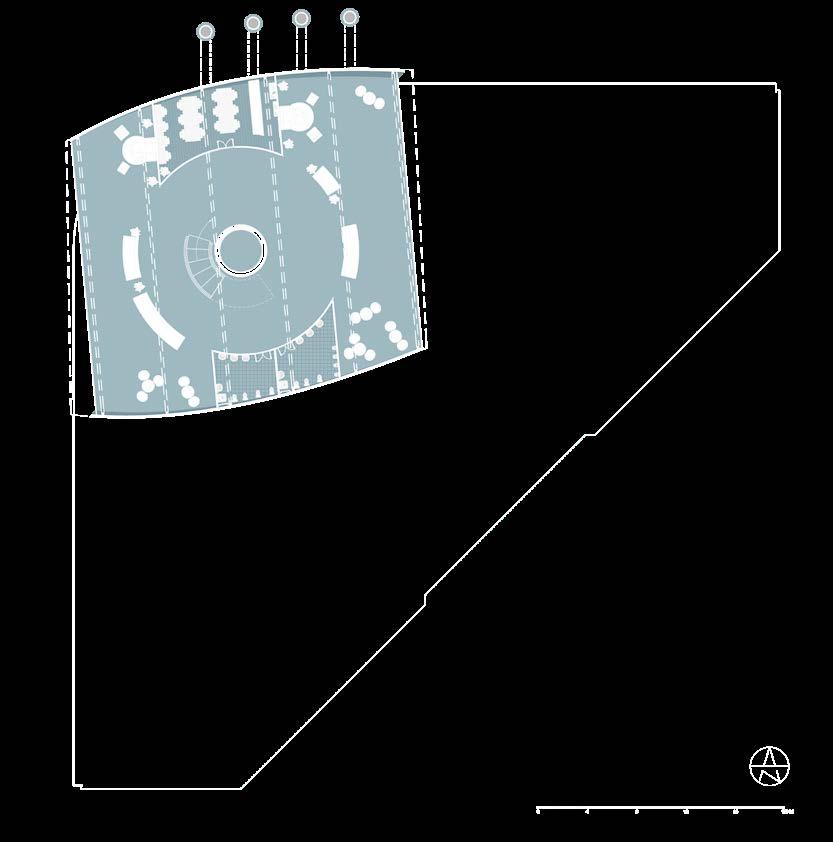
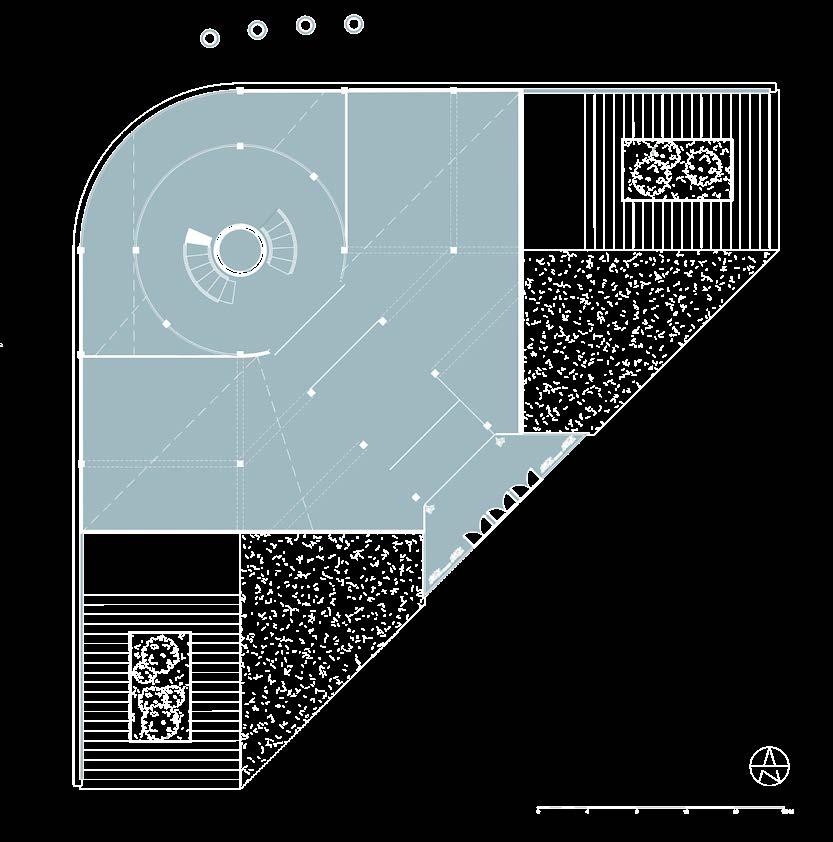
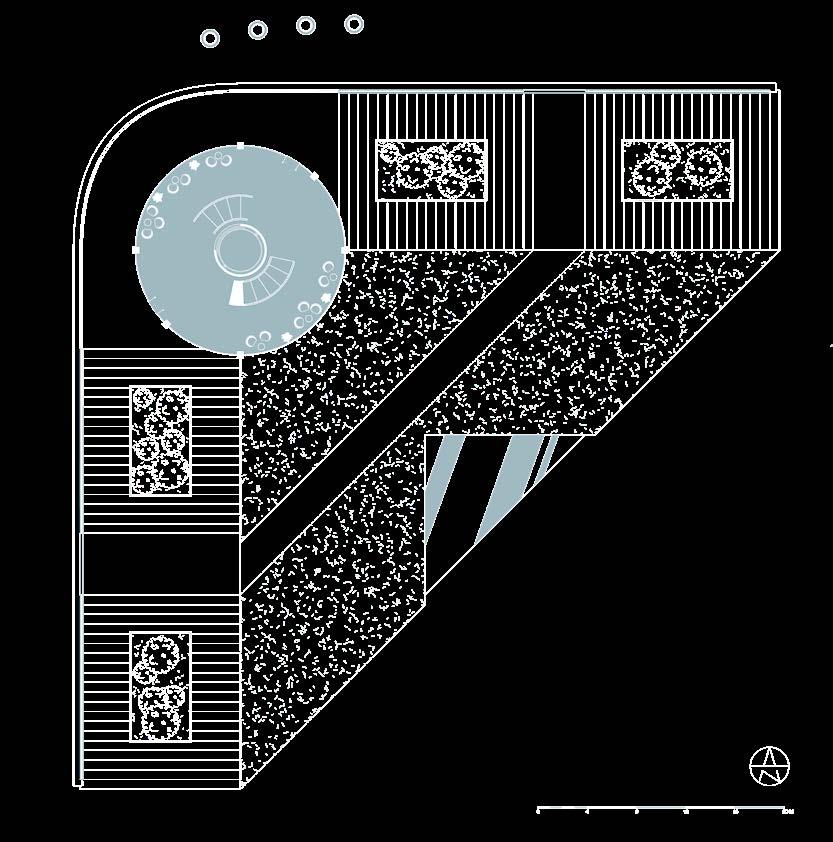
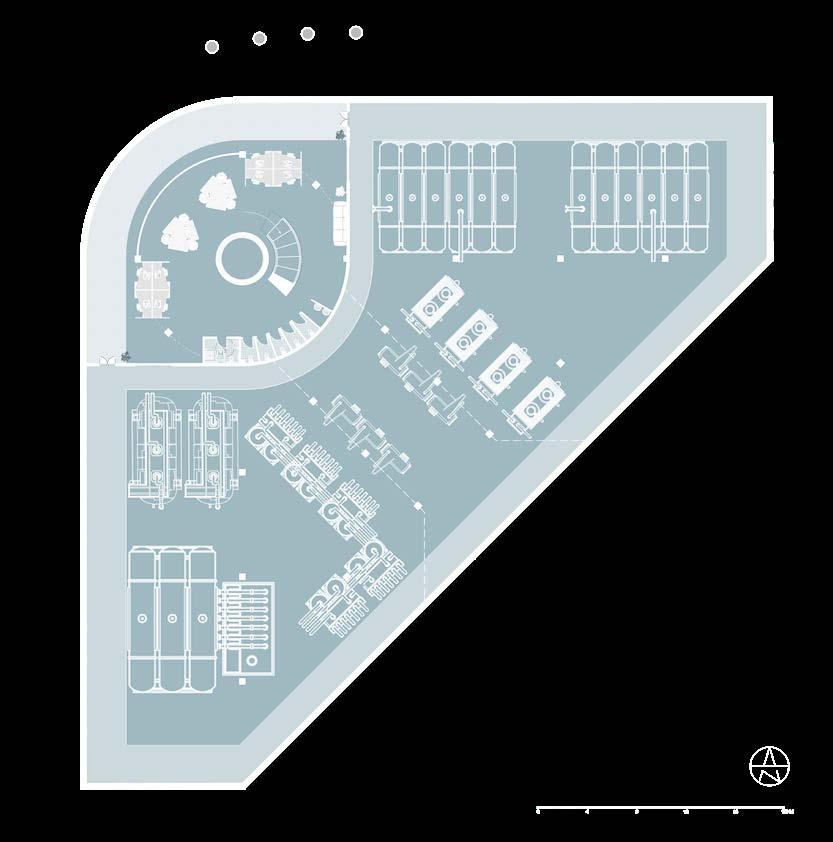
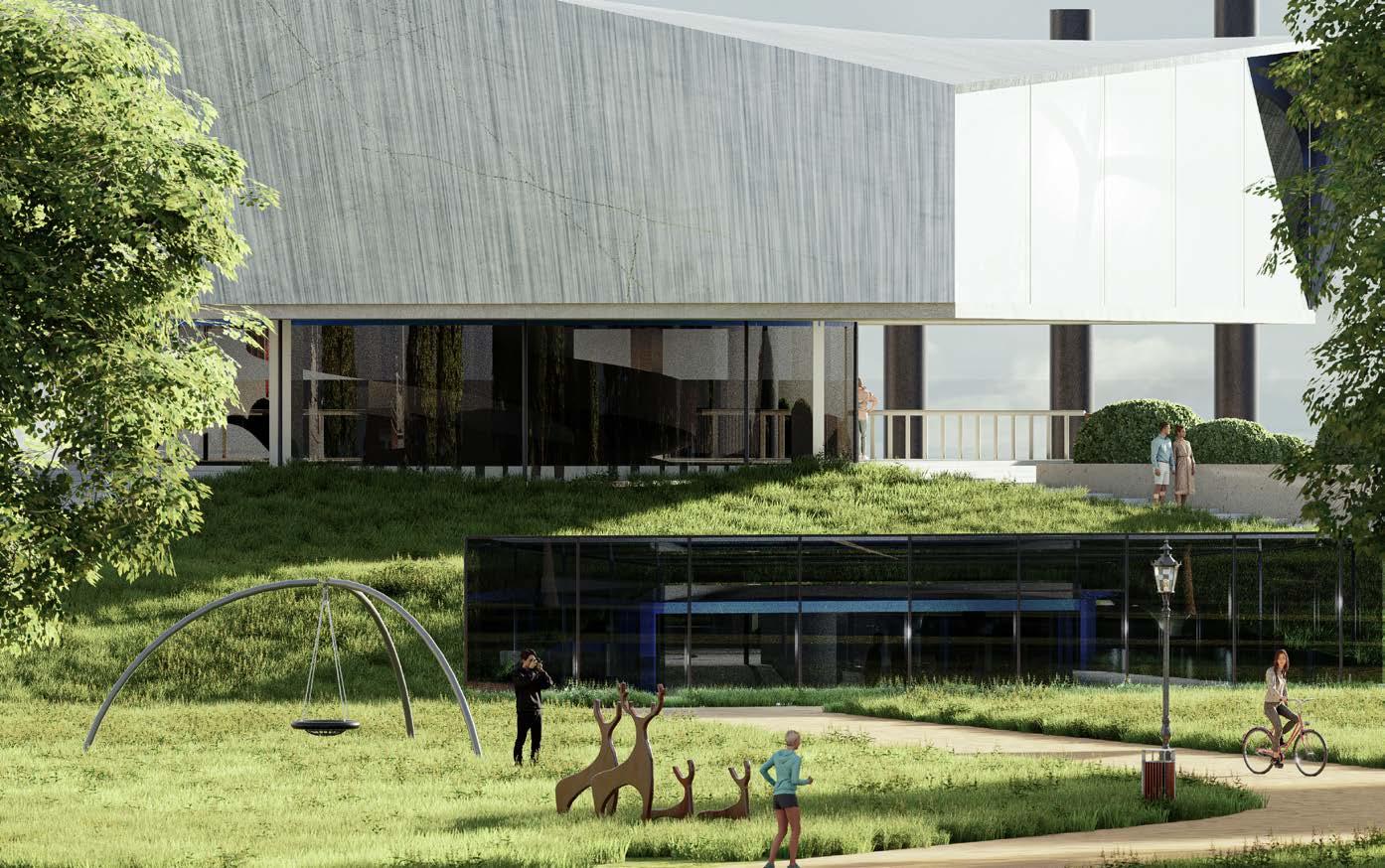
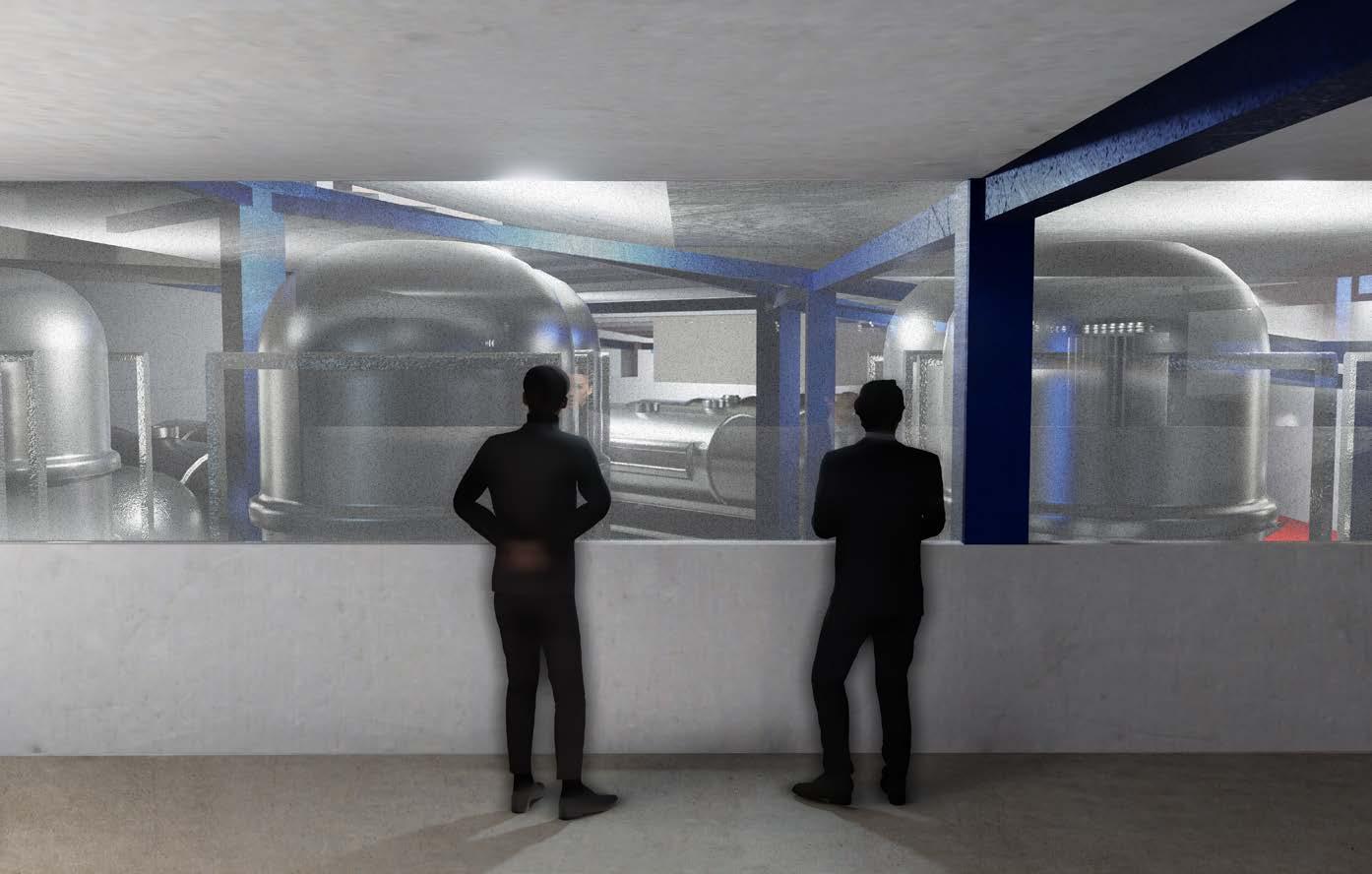
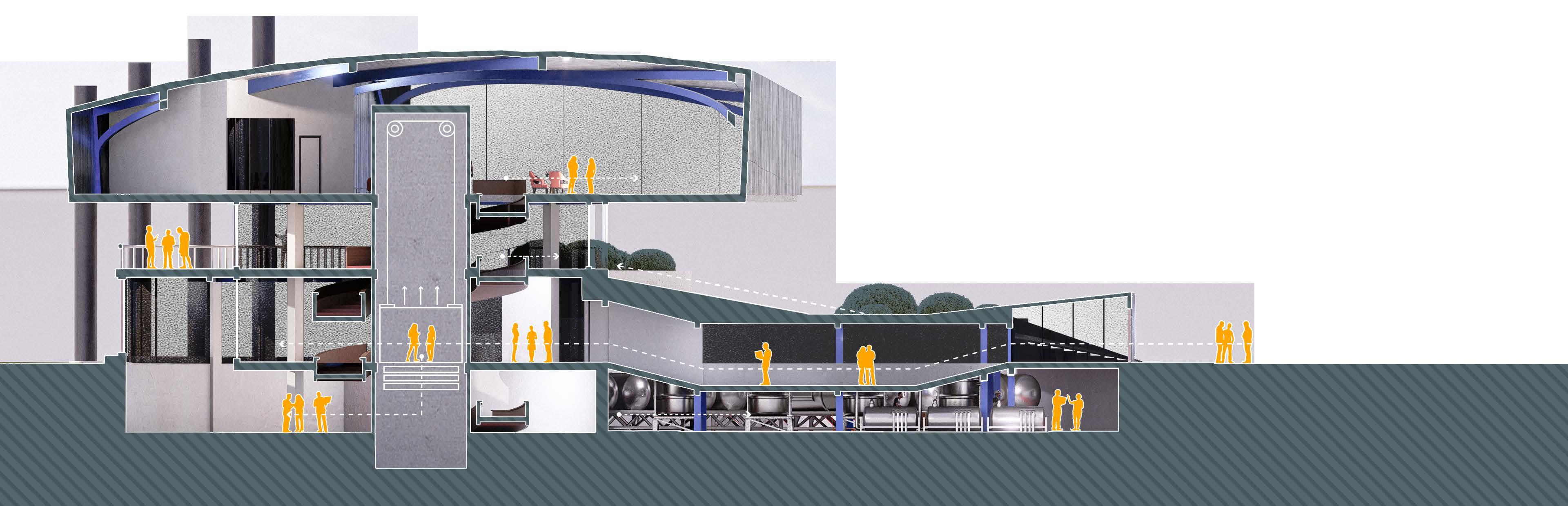
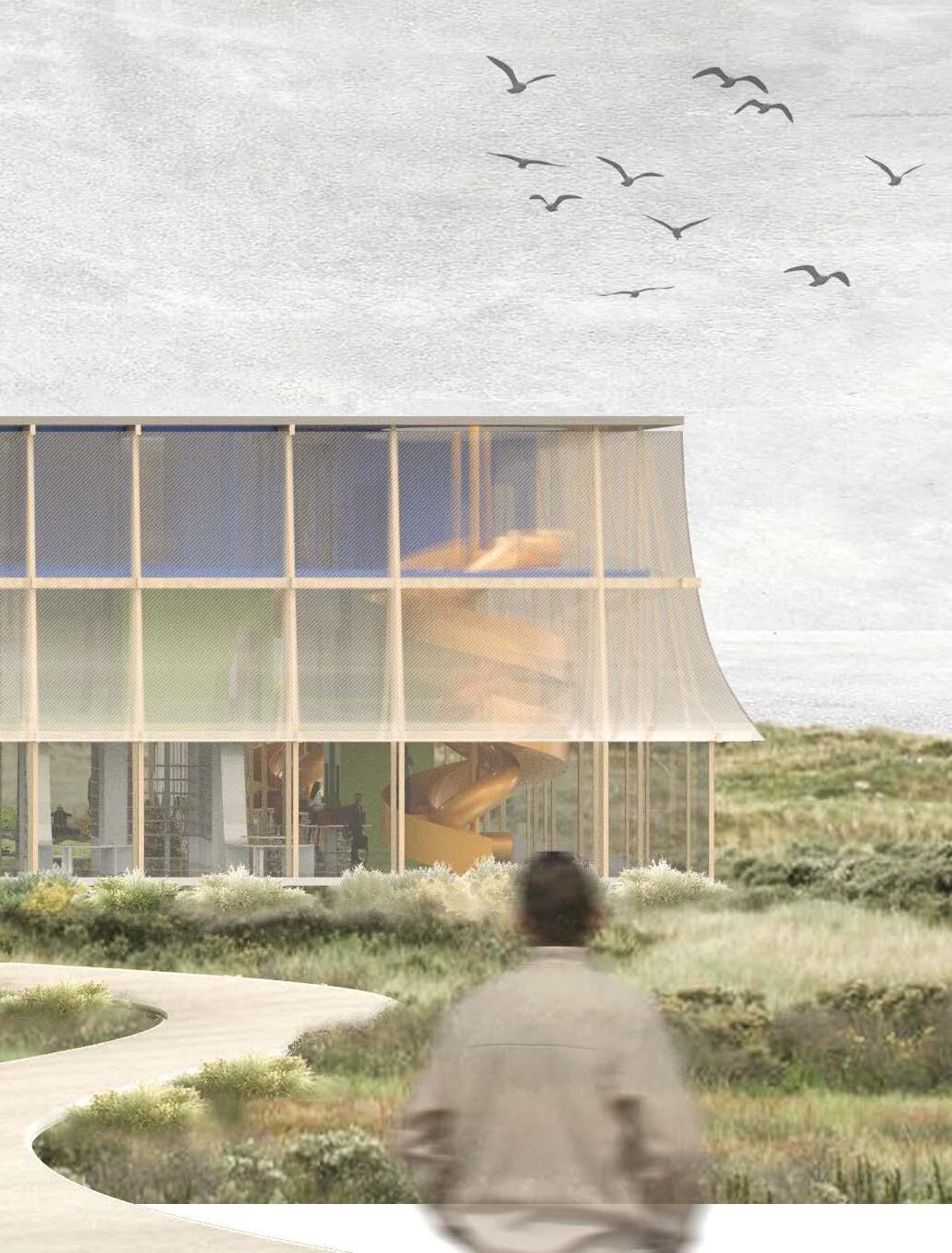
This project places the main factory facilities area underground, while converting the aboveground part of the site into a public park that is in harmony with the surrounding functions. At the same time, a viewing corridor is utilized to connect the inside and outside. On the upper two floors, viewing platforms and large floor-to-ceiling windows are set up to achieve views in both the urban direction and the seaside direction.
The large-span curved structure on the top floor echoes the large-span steel beam structure made underground to support the slope. At the same time, elevators and rotating staircases are used to connect the vertical spaces.