
EQUESTRIAN WEDDINGS
EQUESTRIAN WEDDINGS
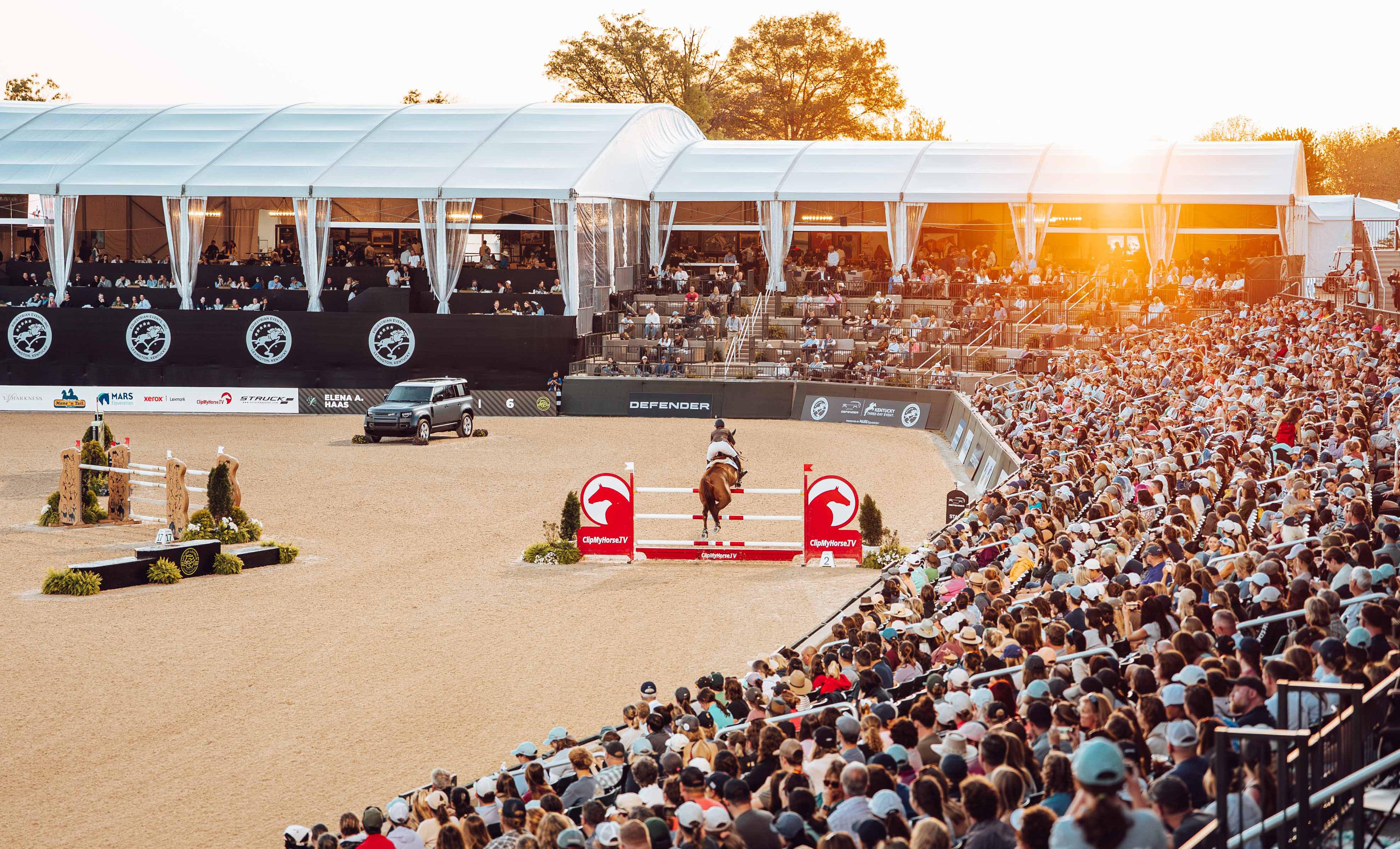
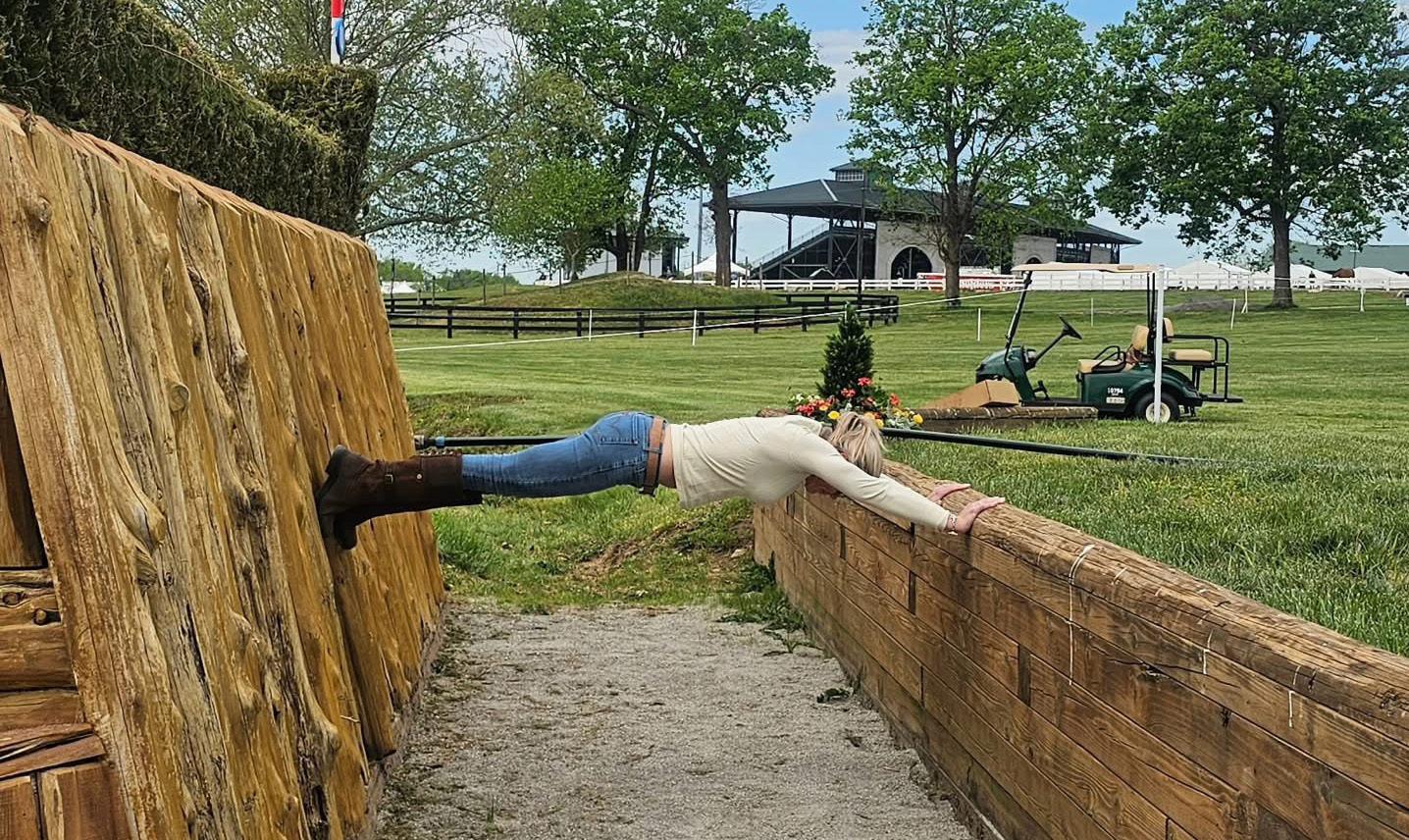
Seventeen-year-old eventer Addie Tullar attends her first Land Rover Kentucky Three-Day Event and soaks it all in, from walking the cross-country courses to helping the grooms and joining the electric energy of the crowd.
42
Today’s couples continue to find their way to settings and places steeped in meaning and continuity for their wedding day. Whether equestrian estates or historic manor homes, horses and their history are deeply entwined in the celebrations.
The fashion design team of Badgley Mischka, known for blending old-world elegance with modern sophistication, adds their polished aesthetic and a nod to glamour throughout their welcoming, dog-friendly Florida home.
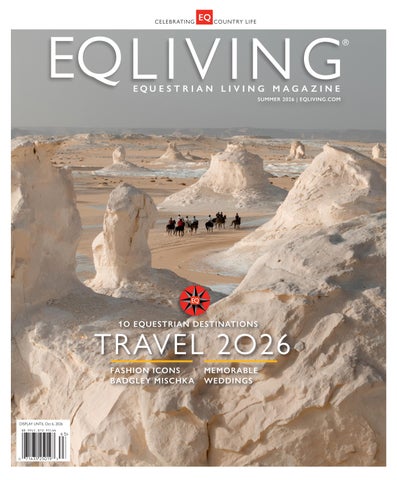
EQ Living’s thirteenth annual travel feature wanders the globe, from Italy’s Tyrol Mountains to a Japanese island retreat, offering something for every kind of equestrian traveler.
80
Andrew and Alex Welles, the husband-and-wife duo at the helm of Team Welles, are dedicated to creating a horse-sport program where riders, horses, professionals, and families can grow together.
In a personal travel diary, Rebecca Baldridge succumbs to the unescapable spell of Santa Fe, New Mexico. From culinary to cultural delights, her exploration of the adobe-walled city takes readers on a vibrant Southwest journey.
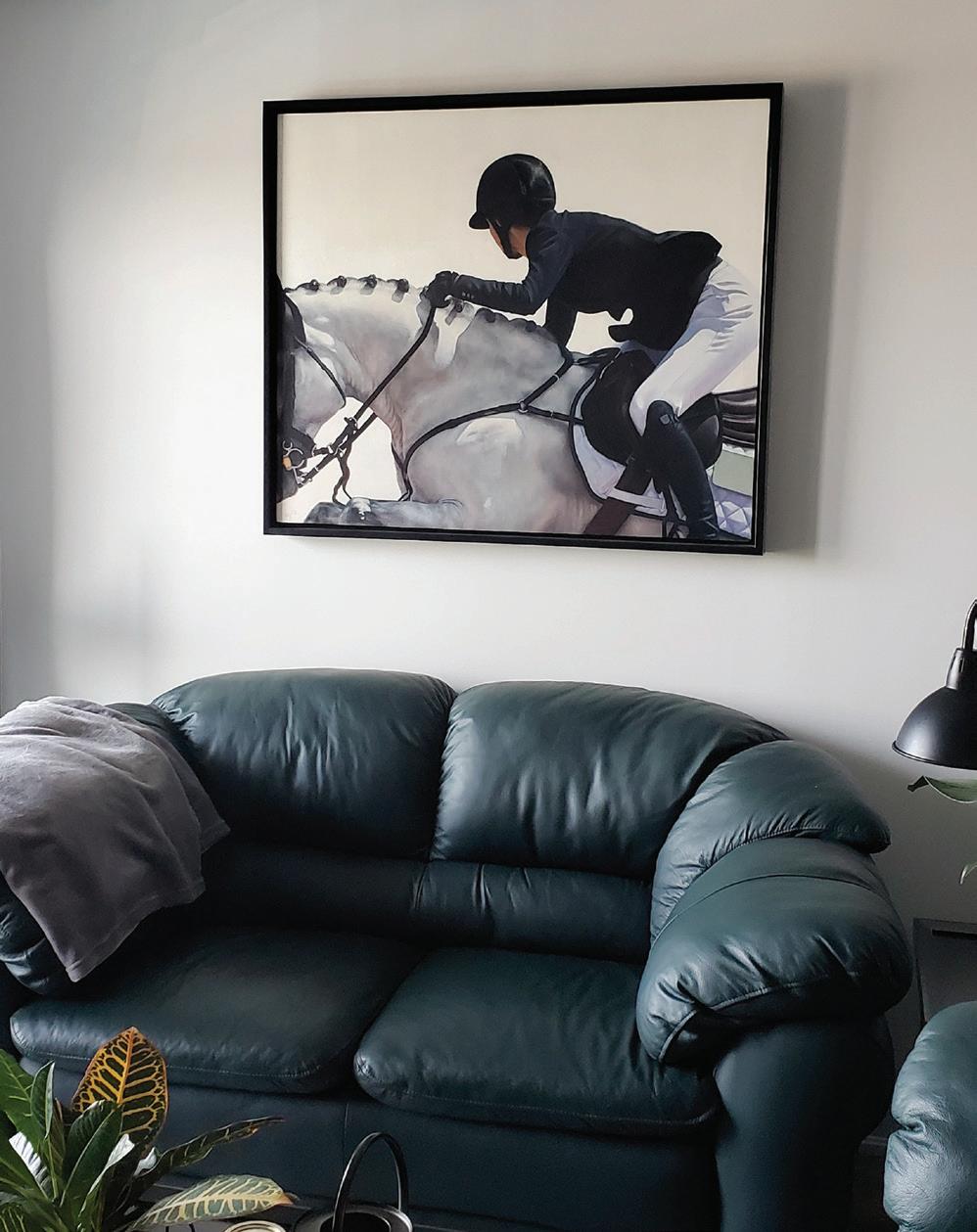
British painter Tim Turton captures the adventurous spirit and energy of horses on his canvases, exploring new avenues of color, light, and motion.
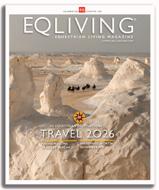
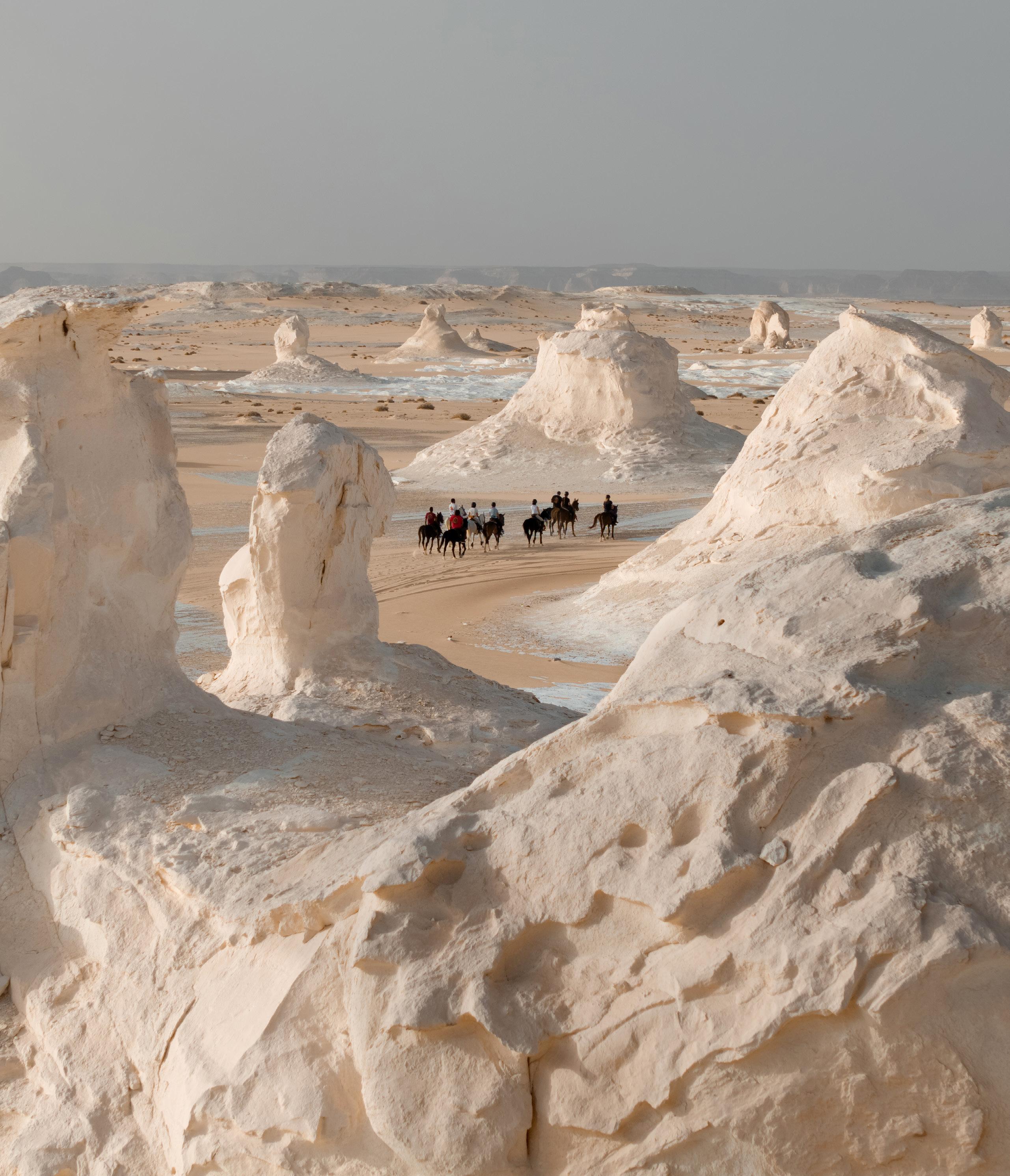
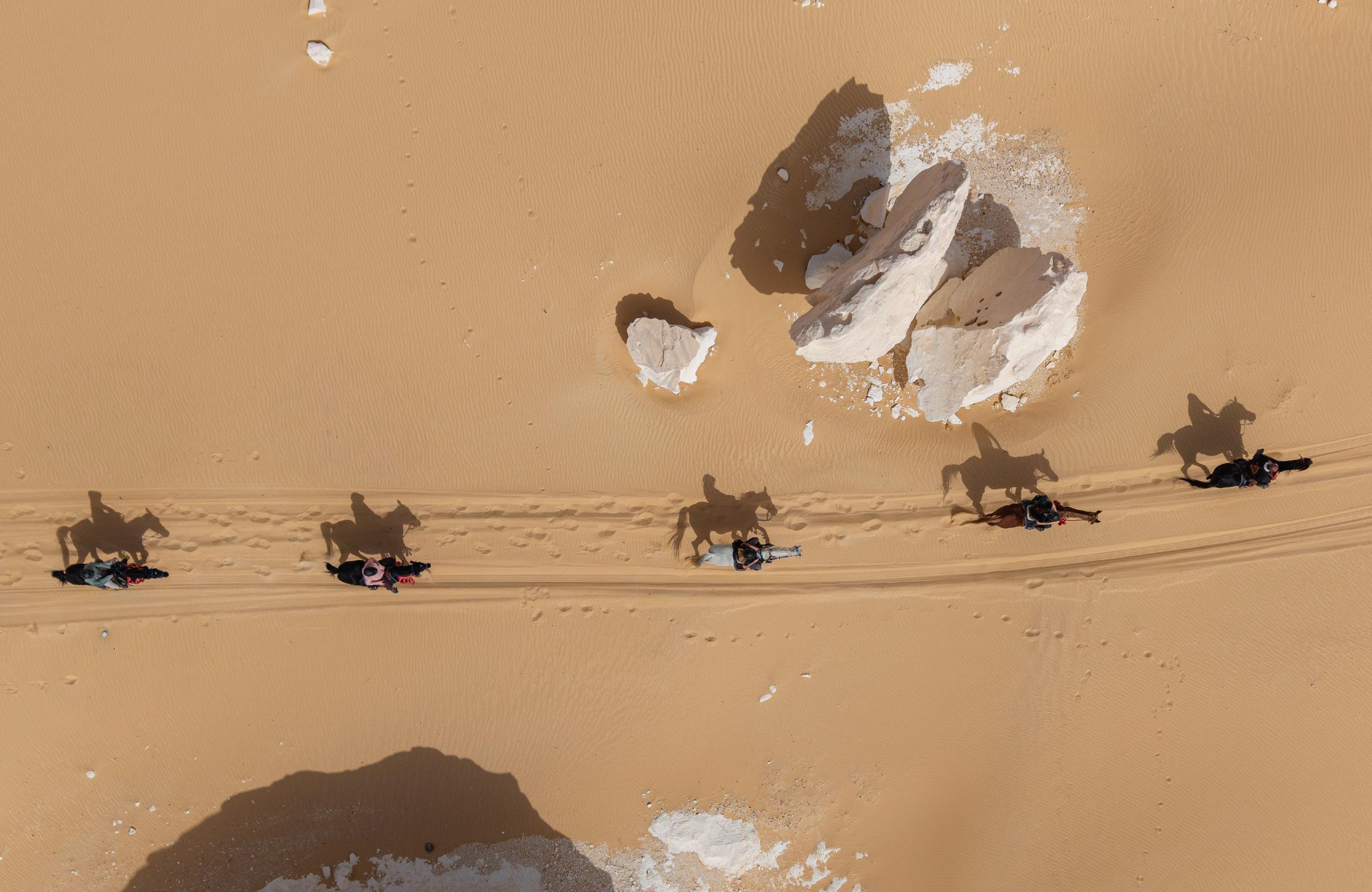
Riders aboard Egyptian Arabians enjoy Ride
Egypt’s White Desert Journey, helmed by a British-owned outfit and a team of experienced guides.
Photo: Abdra Films
See page 62 for the full travel feature.
EDITOR’S NOTE 8
Welcome to Equestrian Living RESOURCES 113
Look for CONTACT INFO | PAGE 113 to find the products and services in this issue.
BARN DOGS 114
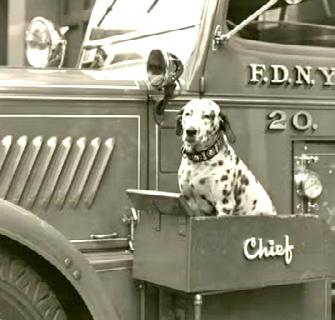
Dalmatians, once status symbols of the carriage era for their spotted coats, developed an impressive skill set over the centuries and an unshakable affinity for horses.
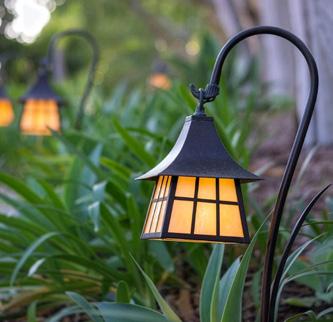
Add warmth and personality to garden spaces, from English-cottage lanterns to elegant, tiered fountains.
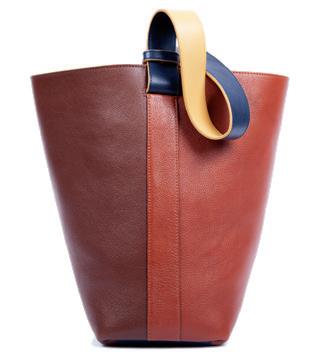
Sophisticated leather travel essentials designed for stylish departures and effortless arrivals. FAVORITES
Renowned fashion designers Mark Badgley and James Mischka share their favorites, from horses and cars to hotels and restaurants.
The inaugural Ponies & Pearls event, benefiting the Brooke USA Foundation, took place alongside high-goal polo at the Sarasota Polo Club on Florida’s Gulf Coast.
Polo for Life celebrated the 11th anniversary of its “Polo for a Purpose” gala in Wellington, Florida, a fundraising event supporting children and families battling pediatric cancer.
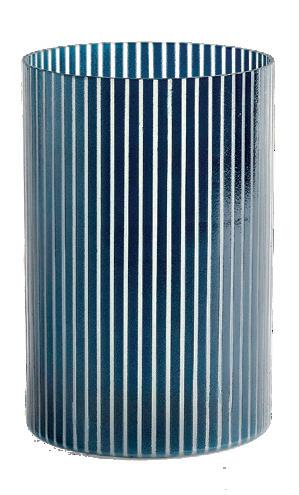
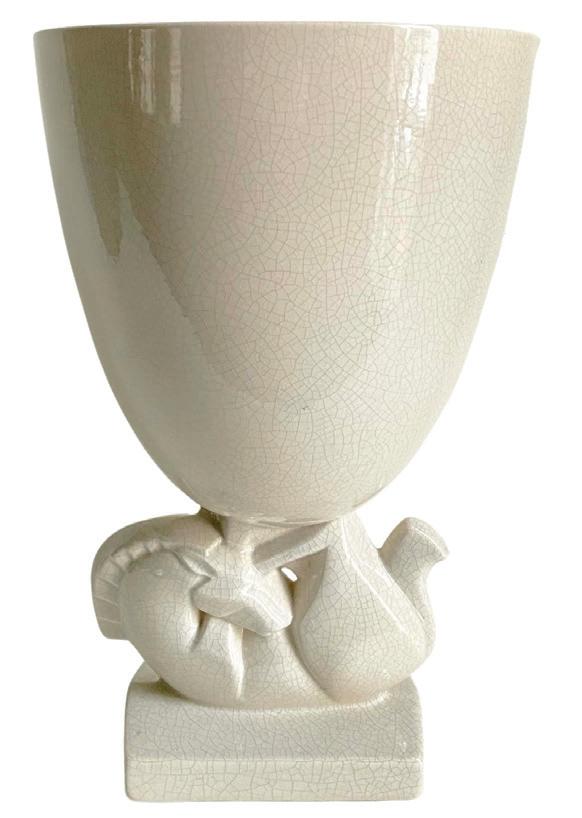
Wedding gift ideas inspired by something borrowed, something blue.
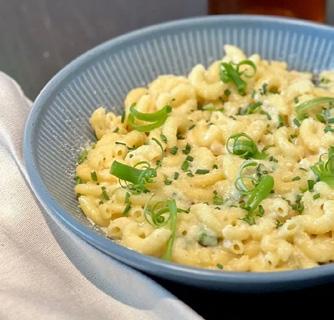
Mac & Cheese gets a gourmet spin at AVEO Table and Bar in Dana Point, California.
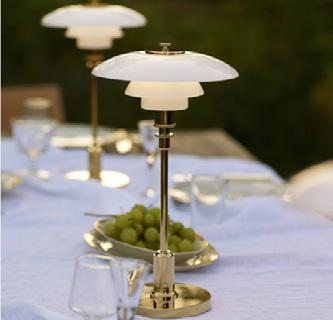
The flexibility and elegant design of rechargeable lamps add style and flattering light to interior spaces and intimate outdoor settings.
Sleek silhouettes in wrinkle-free fabrics provide a polished look for the sophisticated traveler.
Yash Balasaria, the CEO of American Stalls, launches a collection of tack-room hardware that serves as functional works of art.
An excerpt from The Greatest Horse Trainer on Earth: The Sylvia Zerbini Story by Rebecca M. Didier.
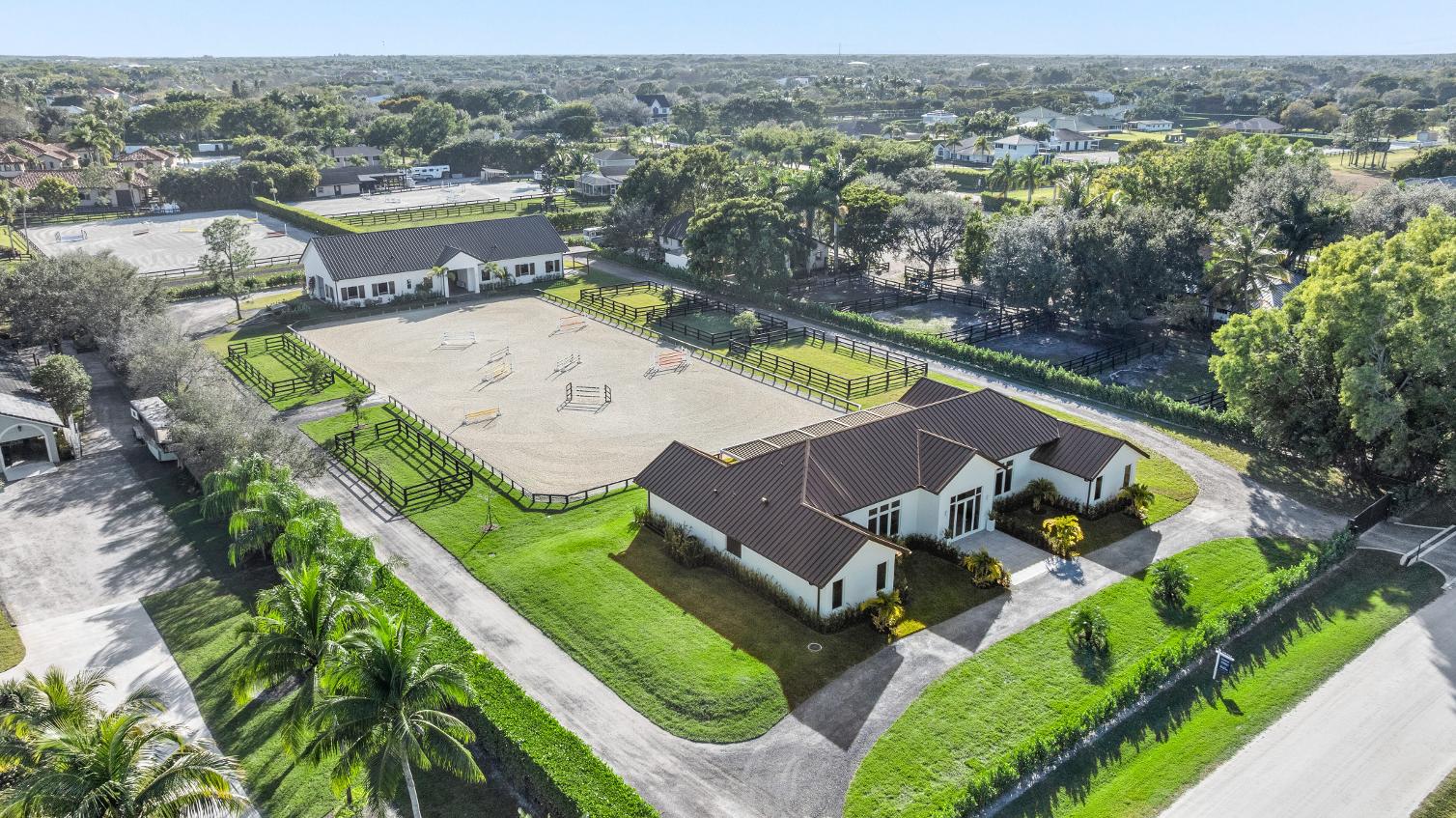
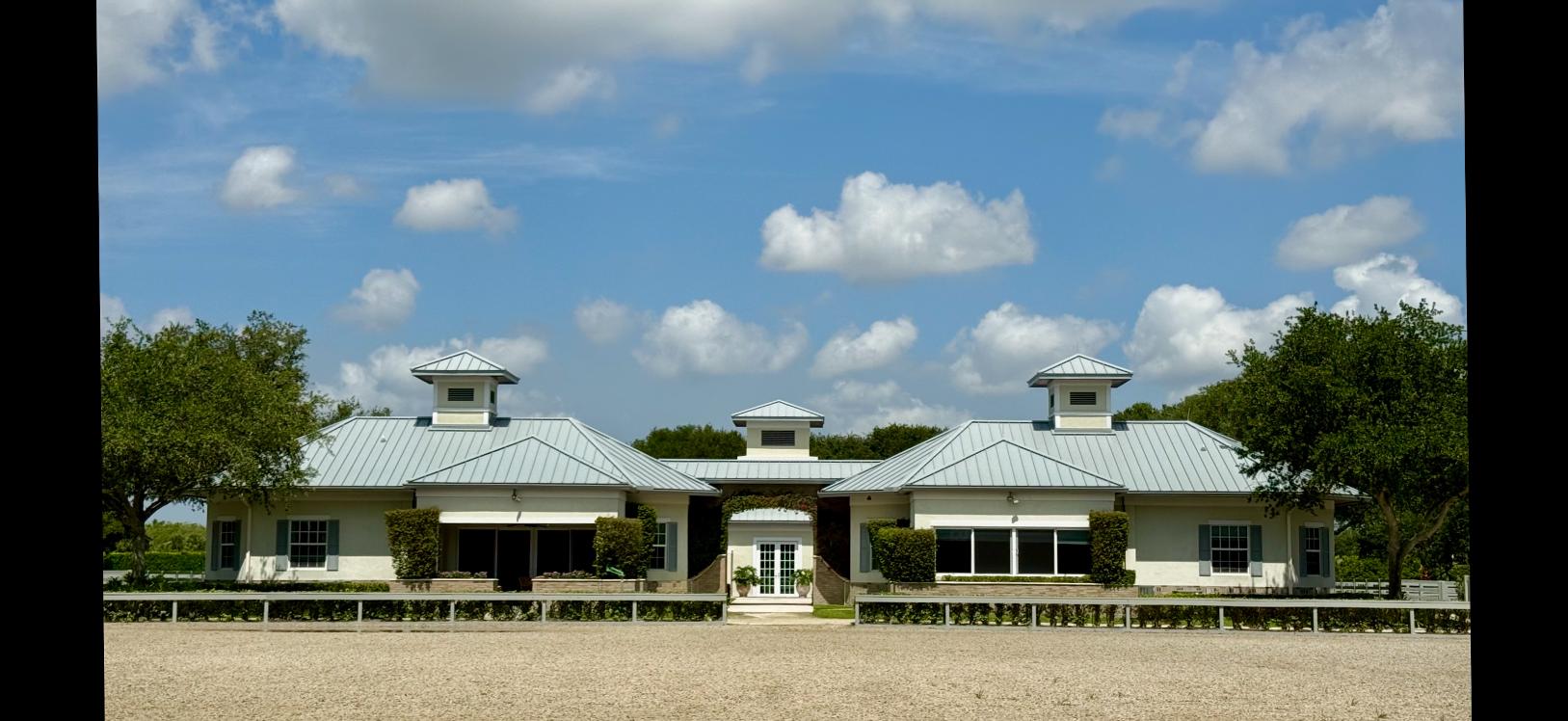
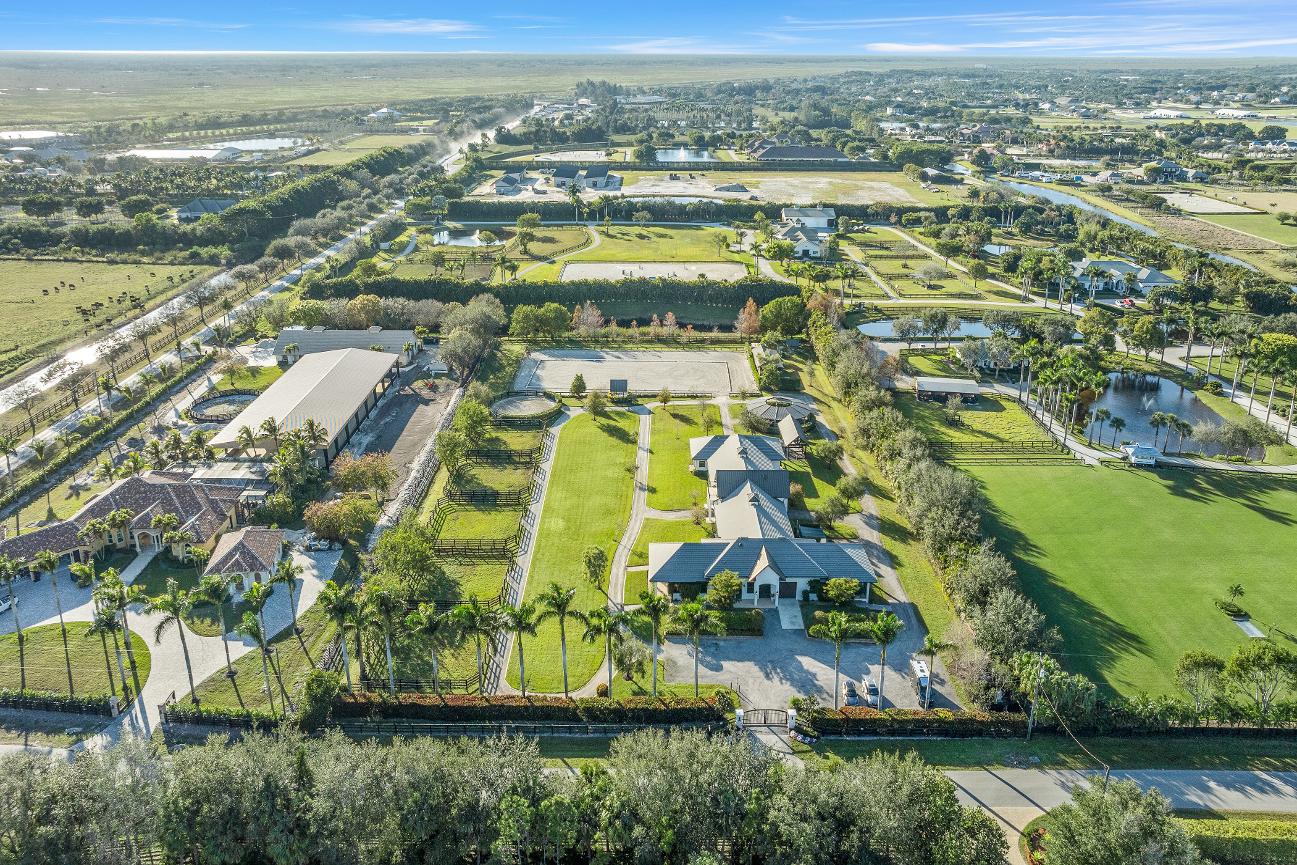
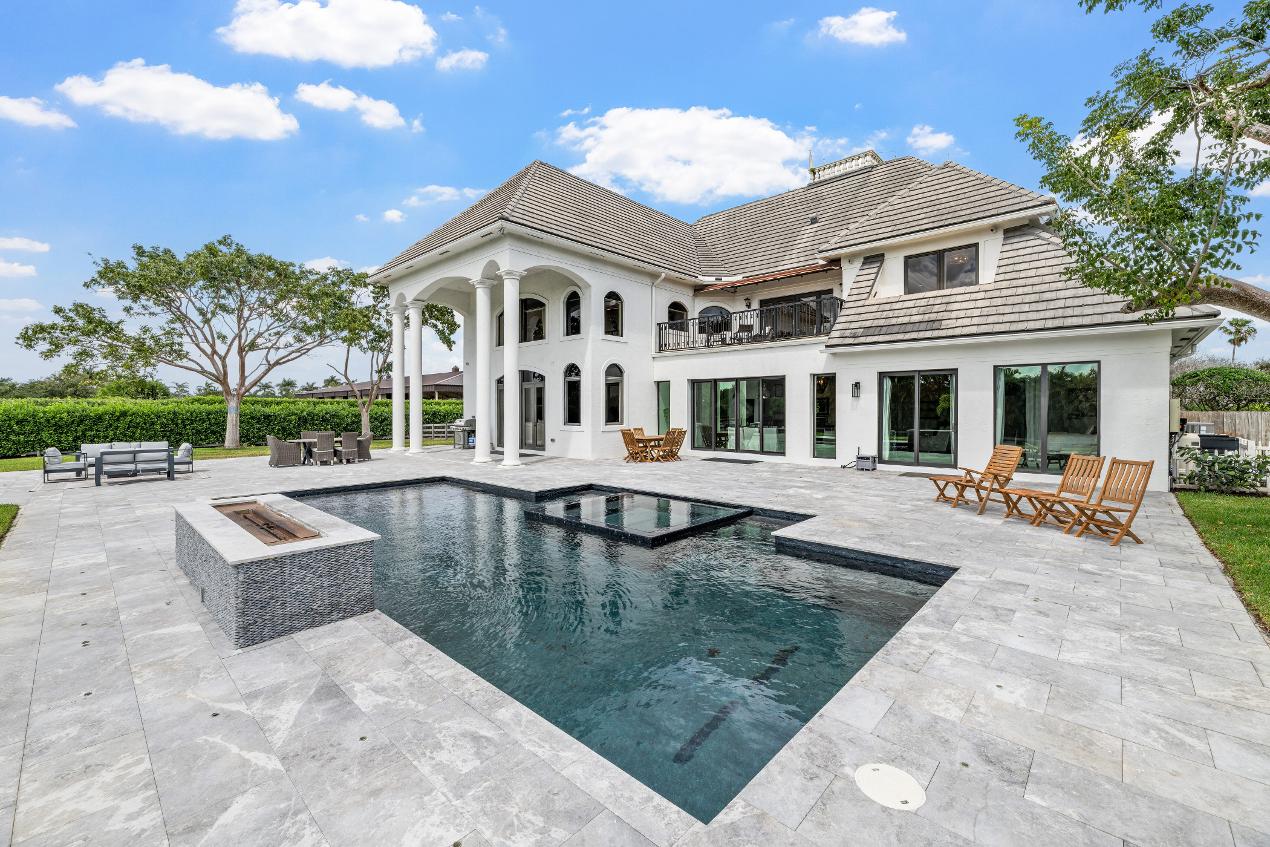
Properties of Note.
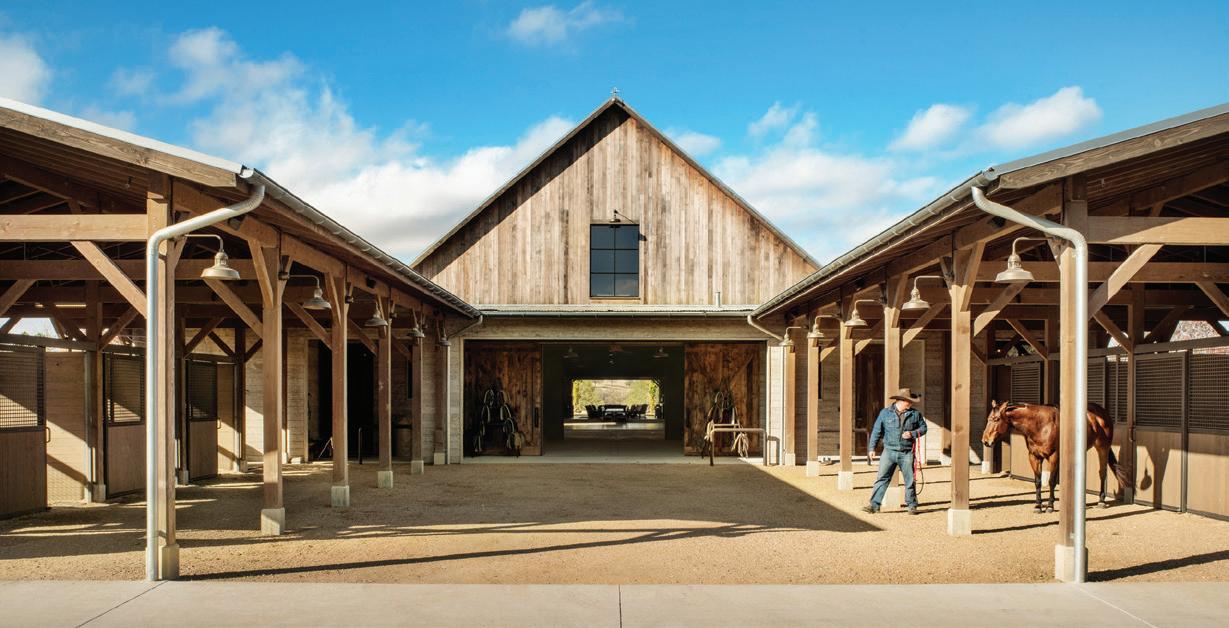
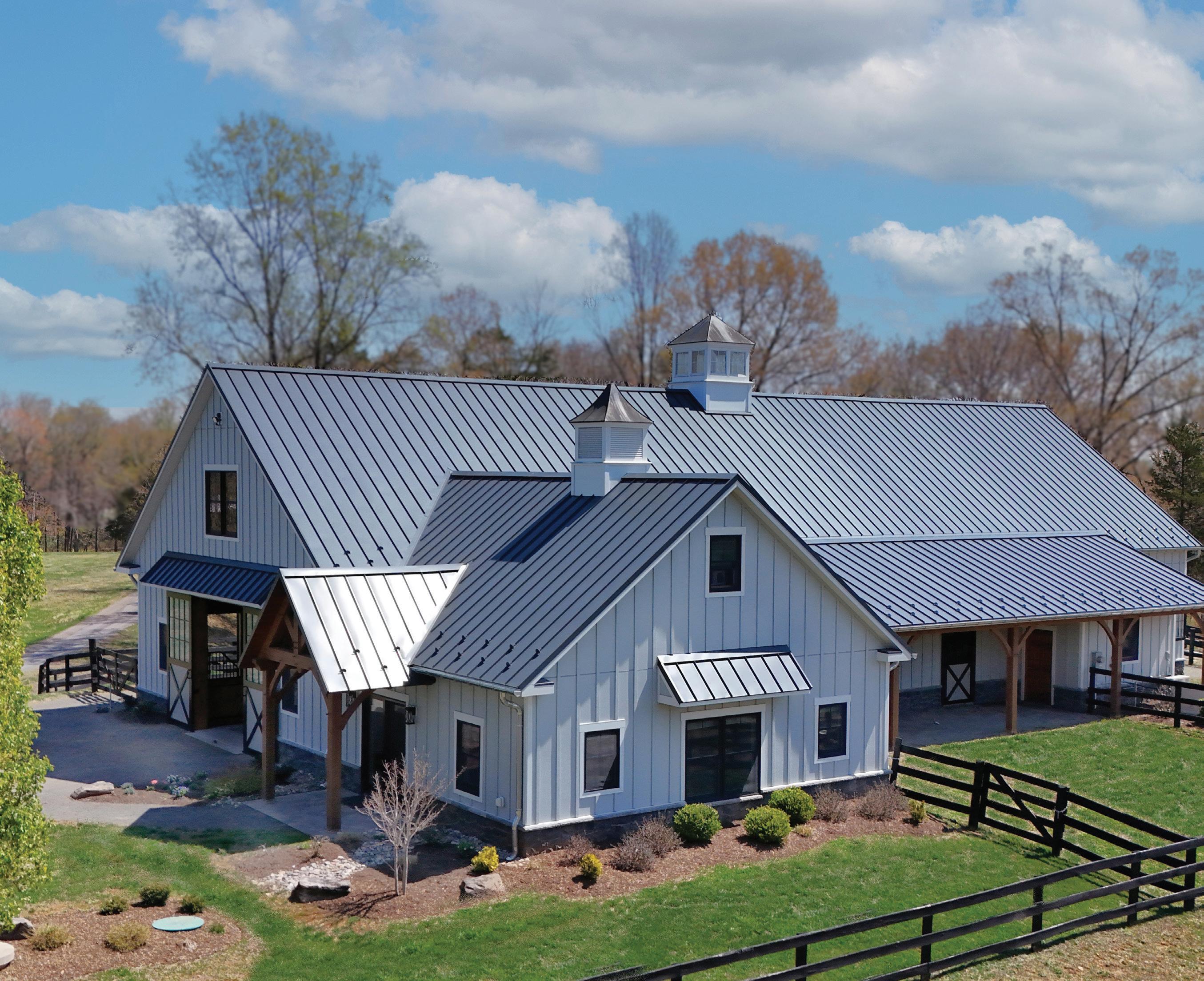
A custom barn should feel as beautiful as it is functional. At King Construction, luxury begins with design that honors the way you care for your horses and the way you live on your land. Our artisans create barns with graceful rooflines, polished interiors, and refined structural details that set a new standard for equestrian architecture. Every space is tailored to elevate daily routines and enhance the experience of horse and rider. The result is a barn that performs brilliantly and looks spectacular from every angle.
As a resident of Philadelphia, living blocks from Independence Hall, it’s nearly impossible to remain unmoved by the significance of the nation turning 250. Traditional bunting is going up, the fife and drum corps are rehearsing, and tiny flags flutter in storefront windows. I’m feeling sentimental about something I had no hand in creating. But tradition has a way of finding you, whether you were looking for it or not.
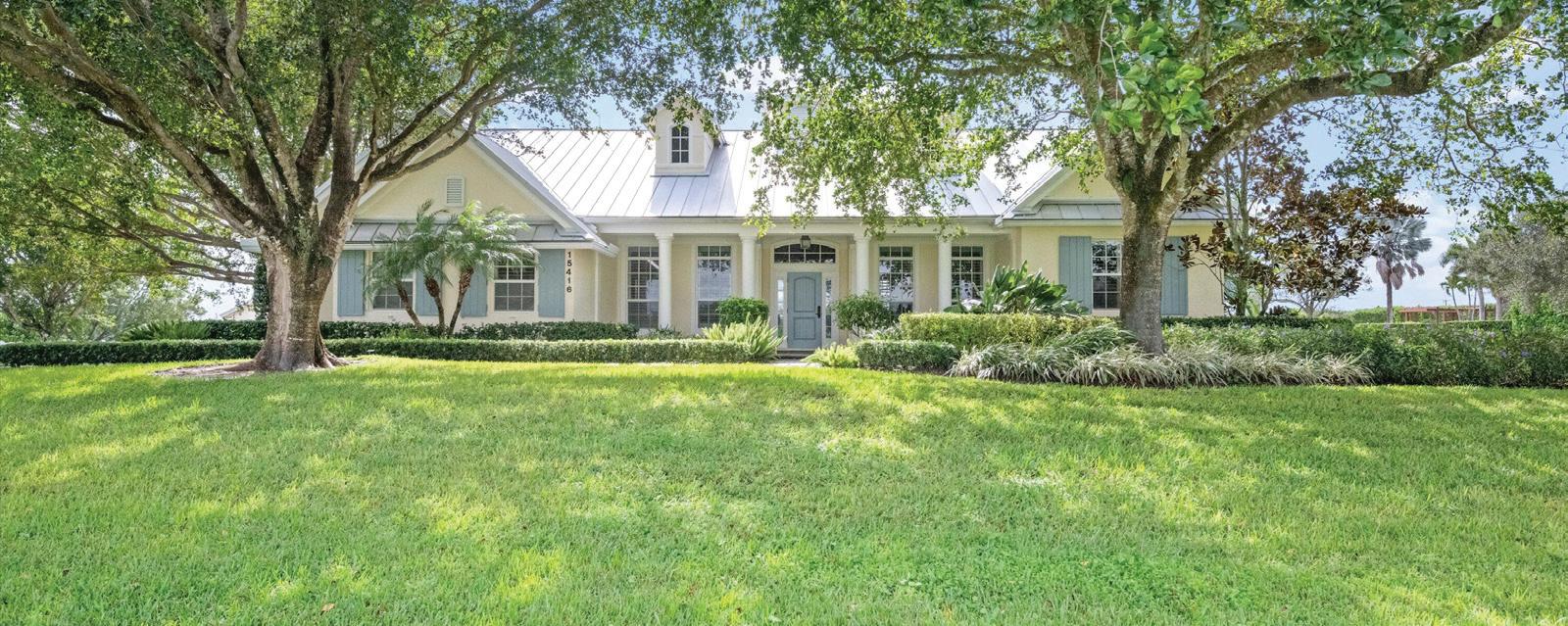
one featured couple chose the timeless Hamilton Farm, completed in 1916, for their celebrations.
Our 13th-annual travel feature caters to every traveler’s preference, offering adventures and indulgences on scales ranging from grand to intimate. Readers can traverse 18 pages of alluring destinations, from a Japanese island retreat to an aurorachasing Icelandic hideaway. In a personal travel diary, Rebecca Baldridge finds the charm and character of Santa Fe impossible to resist.
Perhaps that is why, as I sat down to write this letter, I found myself thinking about recent horse shows. Not the flashiest ones, necessarily, though there are elegant and historic competitions here and abroad this summer. Instead, I was reminded of shows with storied histories that have been running since before most of us were born, the ones where the ingate looks almost the same as it did a century ago, and the ribbons still carry weight.
The Devon Horse Show and Country Fair and the Upperville Colt & Horse Show recently wrapped up their 2026 editions, adding another chapter to histories that span more than a century. It’s not that these shows resist change. They’ve quietly figured out what so many of us are still working on: recognizing what’s worth preserving.
Ask a Devon regular why they return each May, and they won’t talk about prize money. They’ll tell you about the
generations of their family who competed there before them, the traditional tea sandwiches and lemon sticks, and how the ring looks at six in the morning when the horses are being schooled and the day is still quiet. At Upperville, returning equestrians come for the world-class competition beneath the lush oaks, but they equally relish the longstanding invitational classic car show and pup races.
It struck me that on America’s 250th birthday, it’s worth pausing to recognize the equestrian institutions that have quietly managed the balance between progress and tradition for a very long time.
In this issue’s Equestrian Weddings feature, couples are selecting locations that carry significance, not just as backdrops but as places rooted in history and meaning. It seems fitting that more than
We visit the luminous new home of fashion designers Mark Badgley and James Mischka. It’s elegant, welcoming, and entirely designed for the pleasures of friends, family, dogs, and a handsome new horse nearby.
Also inside: The founders of Team Welles on shaping the next generation of professionals; artist Tim Turton’s equine paintings, energetic and captivating; travel-ready fashion and leather essentials; and department pages filled with beautiful pieces that make any place feel like home.
It is, I think, a summer issue worthy of the season—warm, a little wandering, and grateful for everything that lasts. After all, tradition is not about looking backward. It’s about recognizing what deserves to be carried forward.

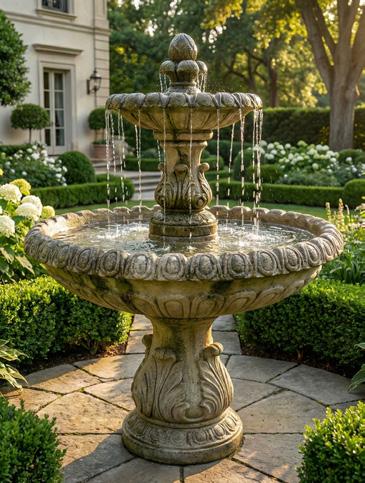
1. The international Tiered Garden Fountain by Outdoor Fountain Pros creates a warm welcome with an elaborate design and riveting water flow. Made in durable cast stone. $2,299.
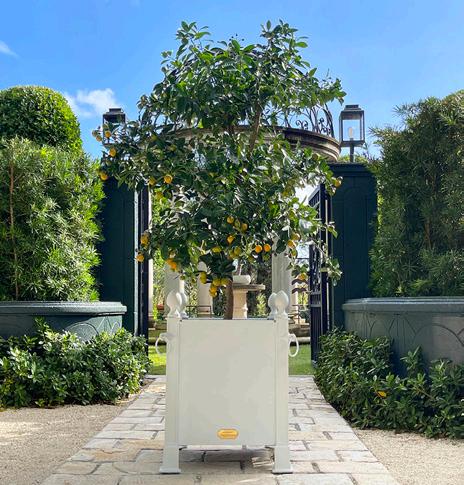
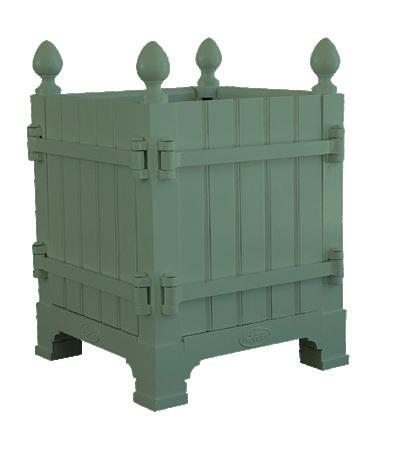
2, 5. The Versailles Planter Box at Authentic Provence is perfect as a French-style planter or a citrus-tree box. Shown in white and Webster green. Price upon request.
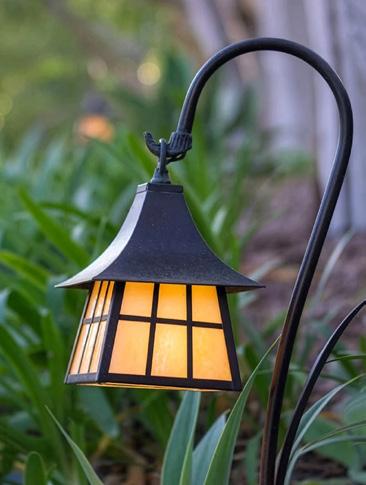
3. Originally designed by Lance Lindsay, the English Cottage Path Lantern by Stone Manor Lighting fuses Asian and 18thcentury design. Crafted in copper, the pieces are at home in a craftsman cottage or English formal garden. $350.
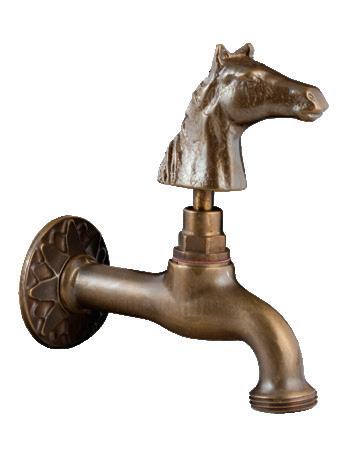
4. The Aleron Spout at Authentic Provence is a basic spout with a horse-head handle. Constructed of metal with brass details and of European origin. The escutcheon is sold separately. Prices upon request.
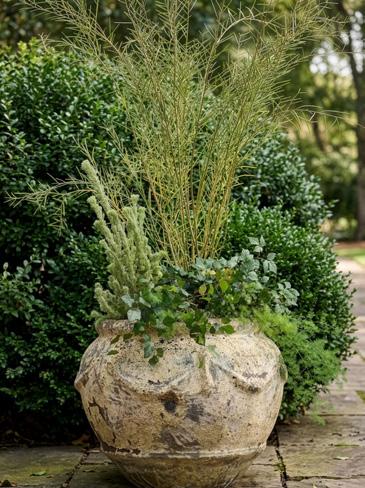
6. The Barnacle Potpourri Planter by Terrain boasts a weathered surface and distinct maritime texture. The antique glaze will change and add character over time. In natural. $1,698.
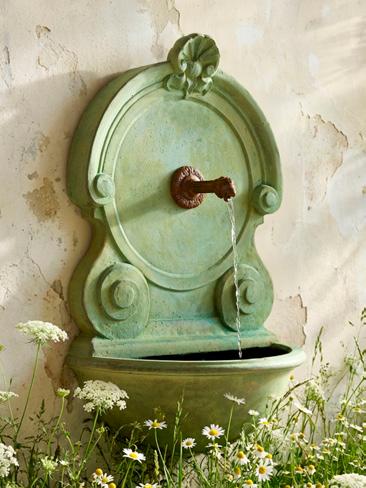
7. Terrain’s antique-inspired, hand-crafted Circular Stone Wall Fountain in moss adds serenity to any garden or patio. Made of reconstituted stone. $1,498. CONTACT INFO | PAGE 113
Subscribe and get America’s premier equestrian-lifestyle magazine delivered right to your mailbox. And your inbox will be brightened too with a complimentary subscription to the magazine’s digital edition and the EQ Inner Circle e-Newsletter.
VOLUME 15 NUMBER 3
EDITOR AND CREATIVE DIRECTOR Stephanie B. Peters
SENIOR EDITOR Jill B. Novotny
PHOTOGRAPHY DIRECTOR George Kamper
EDITORS AT LARGE Rebecca Baldridge, Judy Richter (In Memoriam)
PHOTOGRAPHER AT LARGE Alden Corrigan
CONTRIBUTING BEAUTY EDITOR Leslie Munsell, Beauty For Real
CONTRIBUTING WRITERS Rebecca Baldridge, Sarah Lessler, Addie Tullar
CONTRIBUTING PHOTOGRAPHERS AK Dragoo, Abdra Films, Berit Bizjak, Michael Jachles, Ashley Logan, Annie Lui, Shutter&Sound, Monarch Creative, Eric Nalpas, RSC Media, Adeline Tullar, Annie Wyatt, Patricia Welp
DESIGN MANAGER Mary A. Stroup
DIGITAL & CLIENT SERVICES Sarah Lessler
EDITORIAL MANAGER Theresa Cardamone
EQ SPECIAL EVENTS Jennifer Pearman Lammer
UK-BASED LONDON EDITOR Bridget Arsenault
PUBLISHER C.W. Medinger
CONSULTANT George Fuller
PRINT Jonathan Bruce
PUBLIC RELATIONS Carrie Wirth, EQmedia.agency
NEWSSTAND DISTRIBUTION Boyd Mulholland
ADVERTISING SALES
General: 929-262-0347, info@eqliving.com
Joyce Jones, 954-796-1809, jones@eqliving.com
Dick Holcomb, 770-331-7788, dickholc@gmail.com
Europe: Rosa Zampini, zampini@eqliving.com
EQLIVING ADVISORY BOARD
Mark Badgley | Melissa Ganzi | Carson Kressley
Peter Leone | Victoria McCullough | Chip McKenney | Colleen and Tim McQuay
Mindy Peters | David Sloan | Kim Tudor | Chester Weber
EQUESTRIAN QUARTERLY (EQ) became EQUESTRIAN LIVING magazine in 2016 and is published four times yearly. It is distributed at selected equestrian locations, newsstands, and is available for home delivery for $28.95 | Canada $46.95.
SUBSCRIBE
Coupon at left or: eqliving.com/subscribe For free digital subscription and InnerCircle membership: eqliving.com/ic
To purchase past issues or find newsstands offering EQLiving, visit eqliving.com/where-to-buy
Subscription management and address changes: Web: eqliving.com/manage-subscription Email: info@eqliving.com Tel: 929-262-0347
Editorial inquiries and letters to the editor: info@eqliving.com or mail to Box One, Brownsville, VT 05037
©2026. All rights reserved, Wynnwood Media, LLC. No portion may be reproduced in print or online without written permission. ®Equestrian Living, ®Luxequestrian, and ®EQ are registered trademarks of Wynnwood Media LLC.
SCAN TO SUBSCRIBE











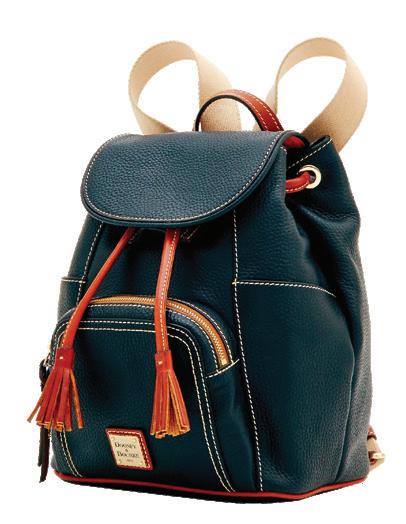
Sophisticated LEATHER TRAVEL PIECES crafted for stylish departures and effortless arrivals.
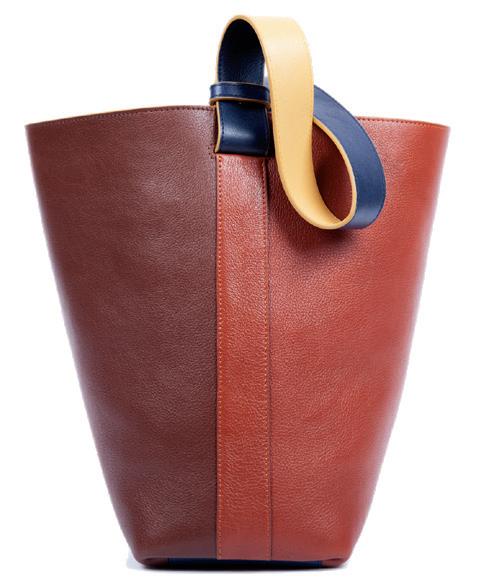
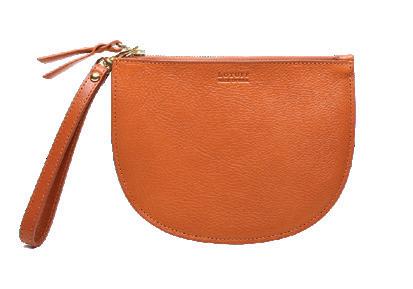

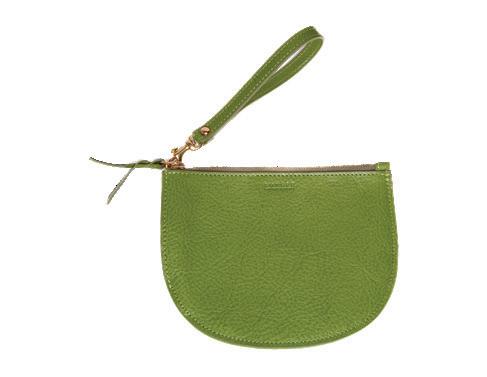
1. Dooney & Bourke’s pebble-grain small Murphy Backpack is water-repellent, with an everyday durability ideal for city or countryside adventures. In black. $249. 2. The classic leather Bucket Shoulder Bag by Lotuff, shown in chestnut/saddle tan, offers ample storage in a fully lined leather interior. Riveted handles are designed to withstand daily use. $890. 3. Lotuff’s leather Round Pouch , designed as a travel item or an evening clutch, includes a detachable wristlet. Shown in orange and fern. $160 each. 4. Smythson’s Multi-zip Case in Panama (shown in petrol) balances utility and style. Four colorful zippered compartments help organize currencies, tickets, receipts, and more. $410.

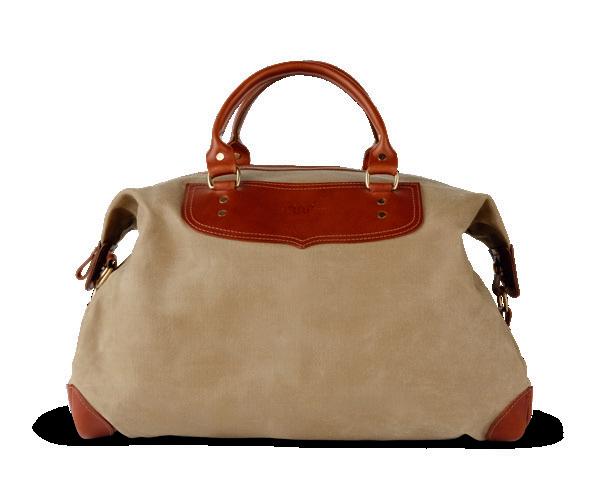
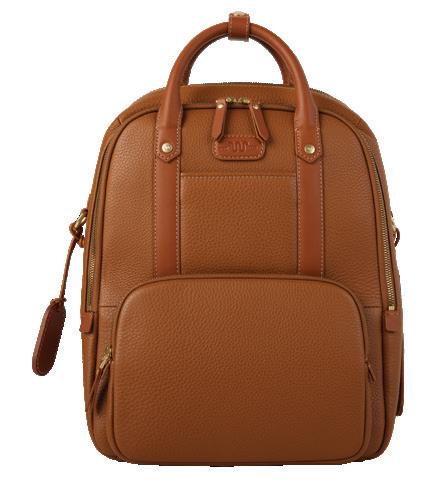
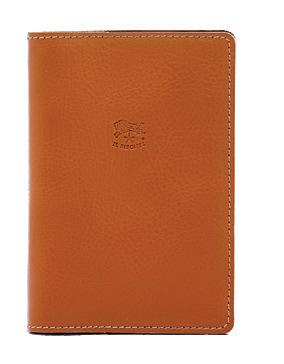
5. Crafted in England, Smythson’s Soho Leather Notebook includes 192 pages of gilt-edged paper. In cerulean. $275. 6. King Ranch Saddle Shop’s Justus Commuter Backpack . In Docil leather, the backpack with padded laptop sleeve and plenty of pockets ensures you stay organized. In Rio. $545. 7. Il Bisonte’s Italian-made Passport Holder in caramel is crafted in cowhide with five pockets for credit cards and three open compartments for documents. $140. 8. The King Ranch waxed canvas Duffle Bag by King Ranch Saddle Shop, reinforced with solid-brass hardware, is ideal for the field, business, or weekend travel. $545.



When we first arrived at Kentucky Horse Park, I could hardly believe I was actually there. Walking across the famous bridge past the big pond, seeing the water at the Head of the Lake—I had watched it on YouTube for years, and the reality of finally being there was overwhelming. As we made our way deeper into the park and took in the stands, the iconic Bruce Davidson statue and the crowds filing in, the emotions hit me all at once.
AS TOLD BY ADELINE TULLAR
Thursday was dressage day, and I went in determined to absorb everything I could. My trainer, Jane Hamlin, who is also an FEI judge, had given me specific questions to consider—not just while watching the tests, but also in the warm-up areas.
What struck me most was how each rider had developed a routine tailored to their horse’s temperament in that environment. You could tell by the transitions they practiced that riders were focused on keeping their horses’ attention on them, not on the flags or the noise from the stands. Most of the horses were remarkably focused and responsive, and I found myself thinking about how much time and effort had gone into building that partnership—and what an advantage that trust would be on cross-country or in the stadium ring.
Even when a dressage test isn’t perfect or doesn’t earn the best score, the ride sets the tone for the entire weekend. It was remarkable to watch those same disciplined horses the very next day, coiled and ready to bolt from the starting box.
EQ Living invited 17-year-old Addie Tullar to represent the magazine in Kentucky, and this is her report. An aspiring eventer herself, Addie grew up on the family farm and ends each school day with barn chores. Her dedication to riding has earned her a spot on the USEF Young Riders Council.
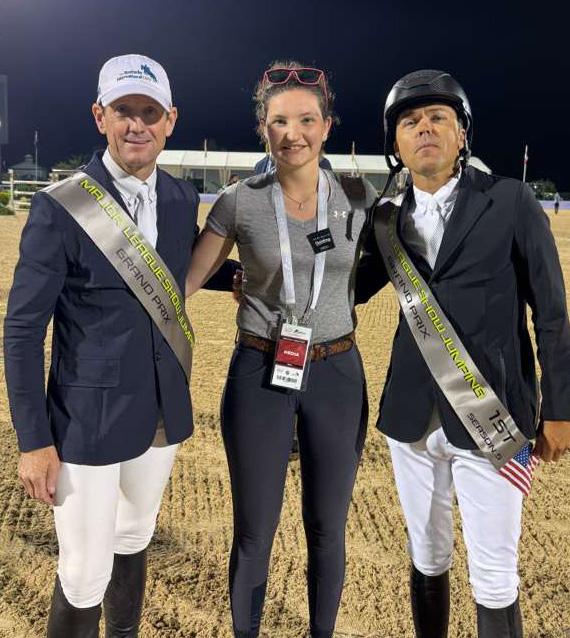
Above: McLain Ward, Addie, and Kent Farrington. Opposite: David Doel and Galileo Nieuwmoed. The 5* in the stadium.
My sister was there working as a professional groom, and it was a treat to help her in the barn early that morning and feel the energy of preparing for the big day. The work involved in getting horses to the competition area is enormous, and I loved seeing how the grooms looked out for one another.
The night before cross-country, we had the chance to walk the 5-star and most of the 4-star course, following along as riders completed their own walk-throughs. I enjoyed listening to competitors talk through the jumps together—evaluating terrain, measuring strides, and weighing options—because no two horses are going to approach a fence the same way.
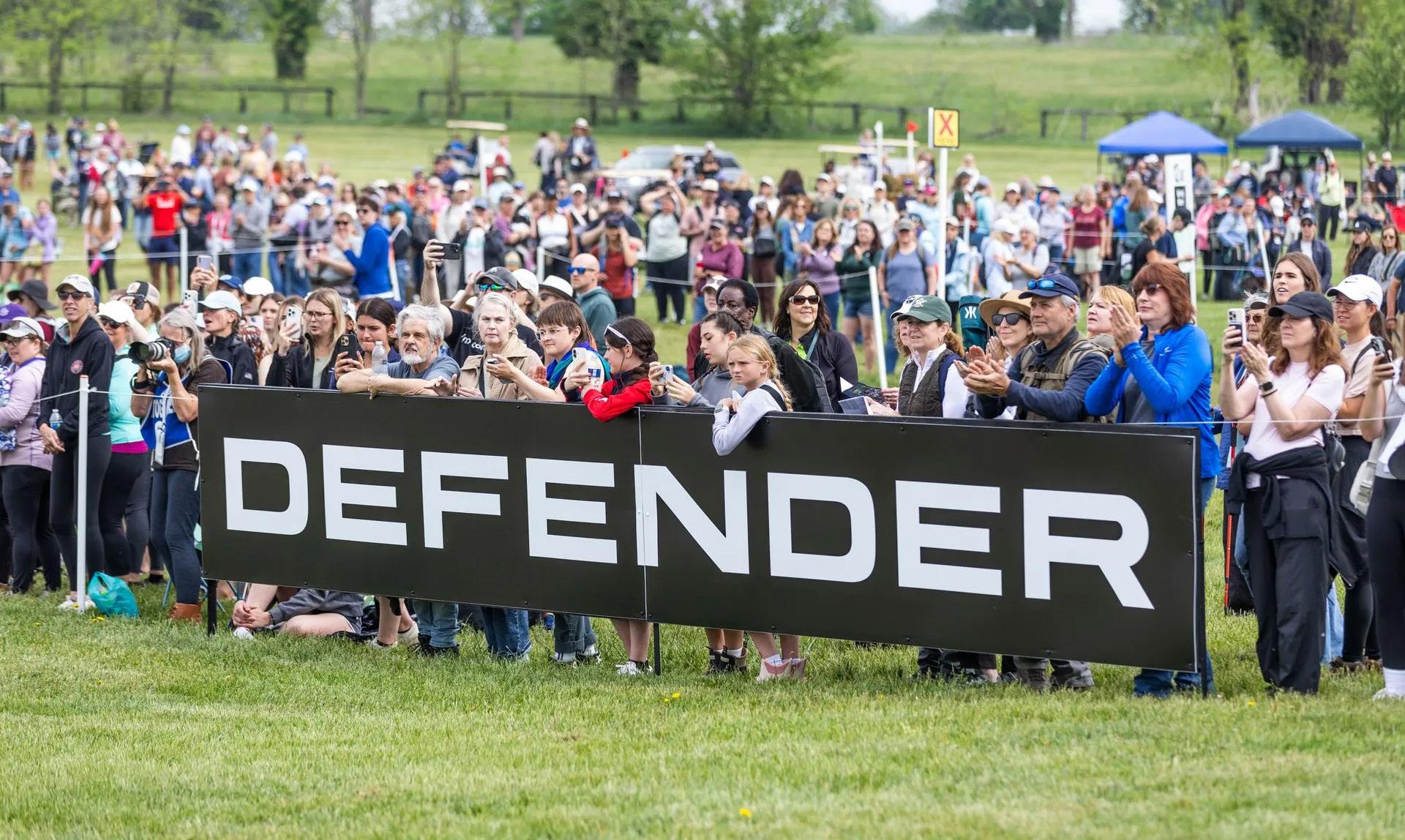
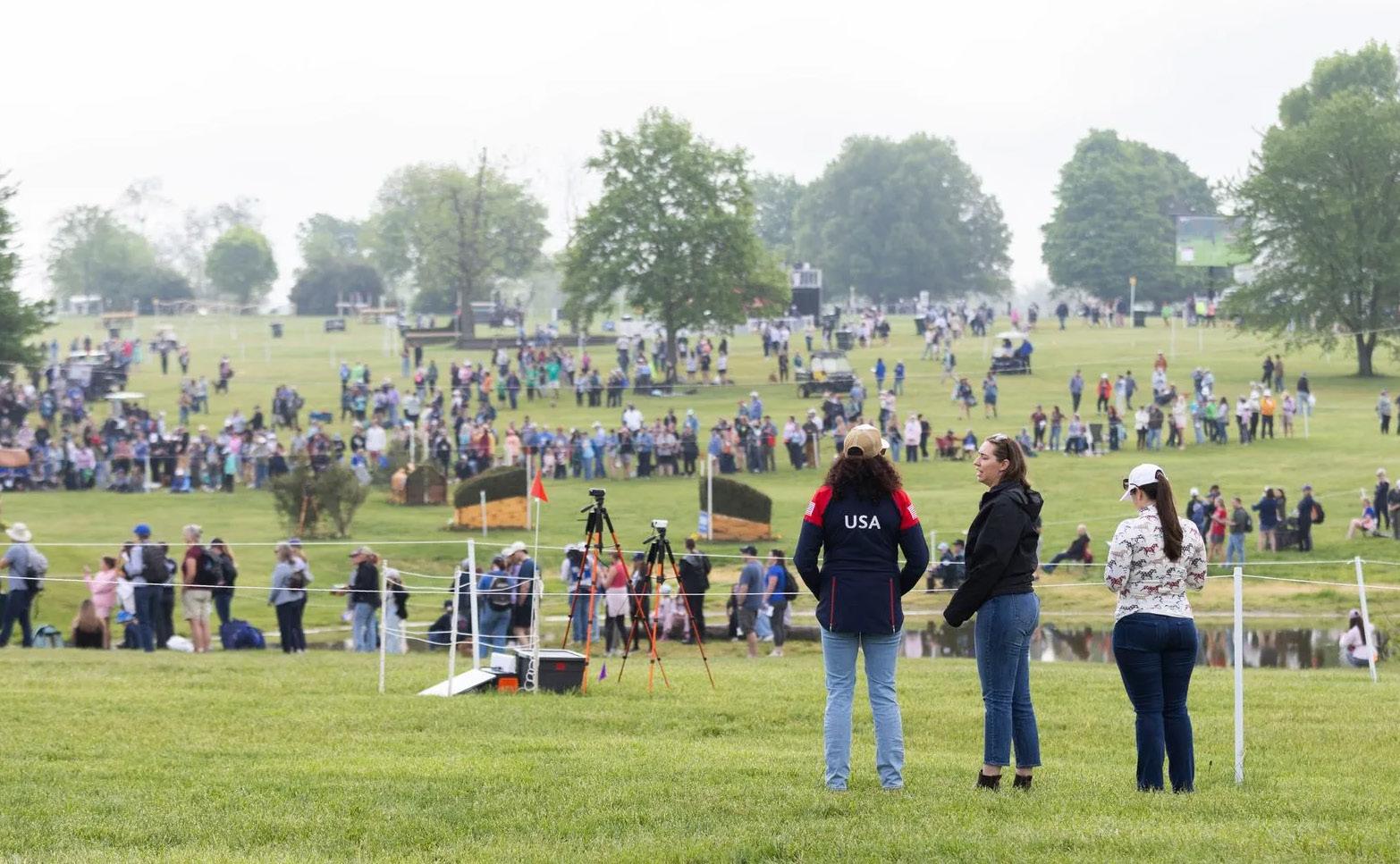
Before cross-country began, people were streaming in from every direction. By the time we left the barn area, the field was already packed. Looking down from the tailgating area, the open spectator sections were completely full, with chairs and picnics set up around the Jumbotron. The energy from the crowd and the announcers’ enthusiasm made it electric.
We moved from jump to jump to track different riders on course. For about an hour, we stayed in one spot where we could watch a combination leading to a huge table, then a long gallop stretch into a water combination. Beyond the jumps themselves, it was fascinating to study rider position and how differently horses carry themselves at the gallop.
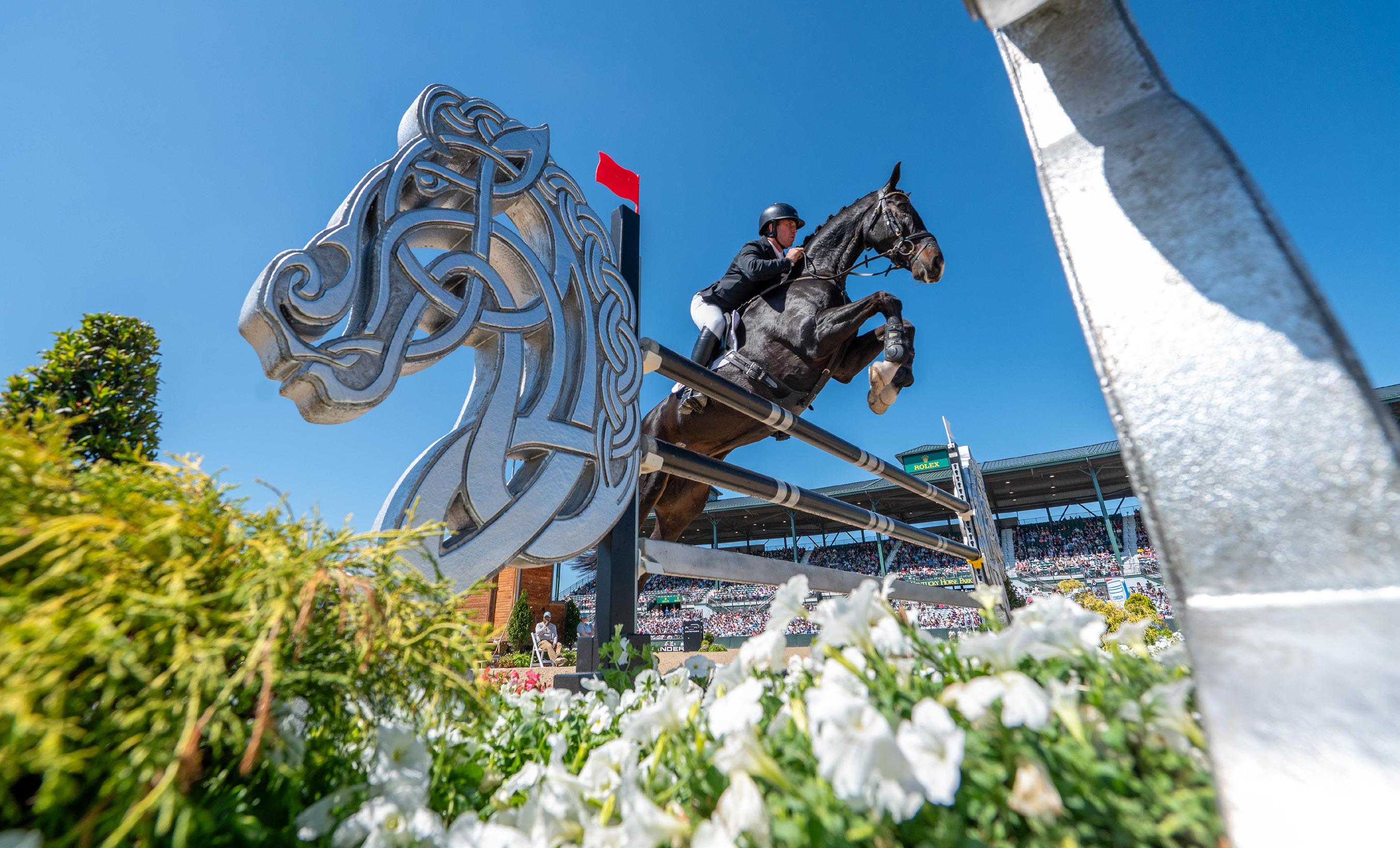
Eventually we made our way to the famous Head of the Lake and stayed through several riders. Having walked the course the night before, we had tried to puzzle out the options—and it was satisfying to see how they actually played out. Two houses set at an angle in the water left room to circle between them, and watching riders choose their own answers to the question was one of the highlights of the weekend. It was where you saw the real nitty-gritty.
commentary. The horses looked genuinely happy—some appeared ready to keep going—and it was reassuring to sense that they loved their job.
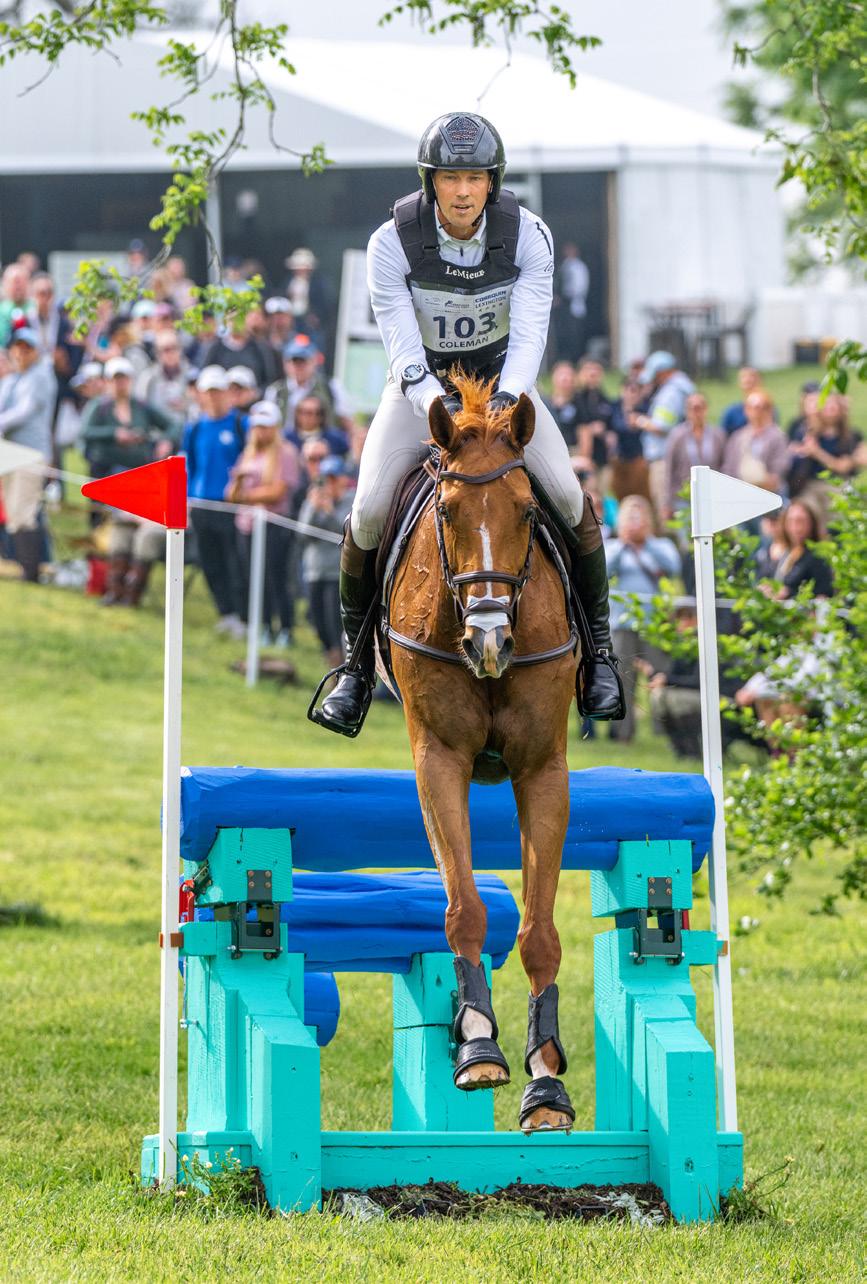
The eventual winner, Will Coleman, was the smoothest through it. Others looked like they were simply riding to survive.
I couldn’t help imagining what it would feel like to be out there—and how much trust I would have to place in my horse. I wondered if I could do it someday.
One of the things that stayed with me all weekend was how large a team surrounds each horse. You see it at the out-gates for dressage and stadium, but especially at the cross-country finish line, where grooms immediately swing into action. It was interesting to observe how differently riders came through the finish flags—some walked, some hopped off immediately, some kept cantering out into the back field. Others had their whole crew waiting; others took a quiet moment alone before the team moved in.
I spent much of the final stretch of the 5-star division sitting with my sister at the vet box, watching horses finish and benefiting from her running
Opposite, Clockwise from upper left:
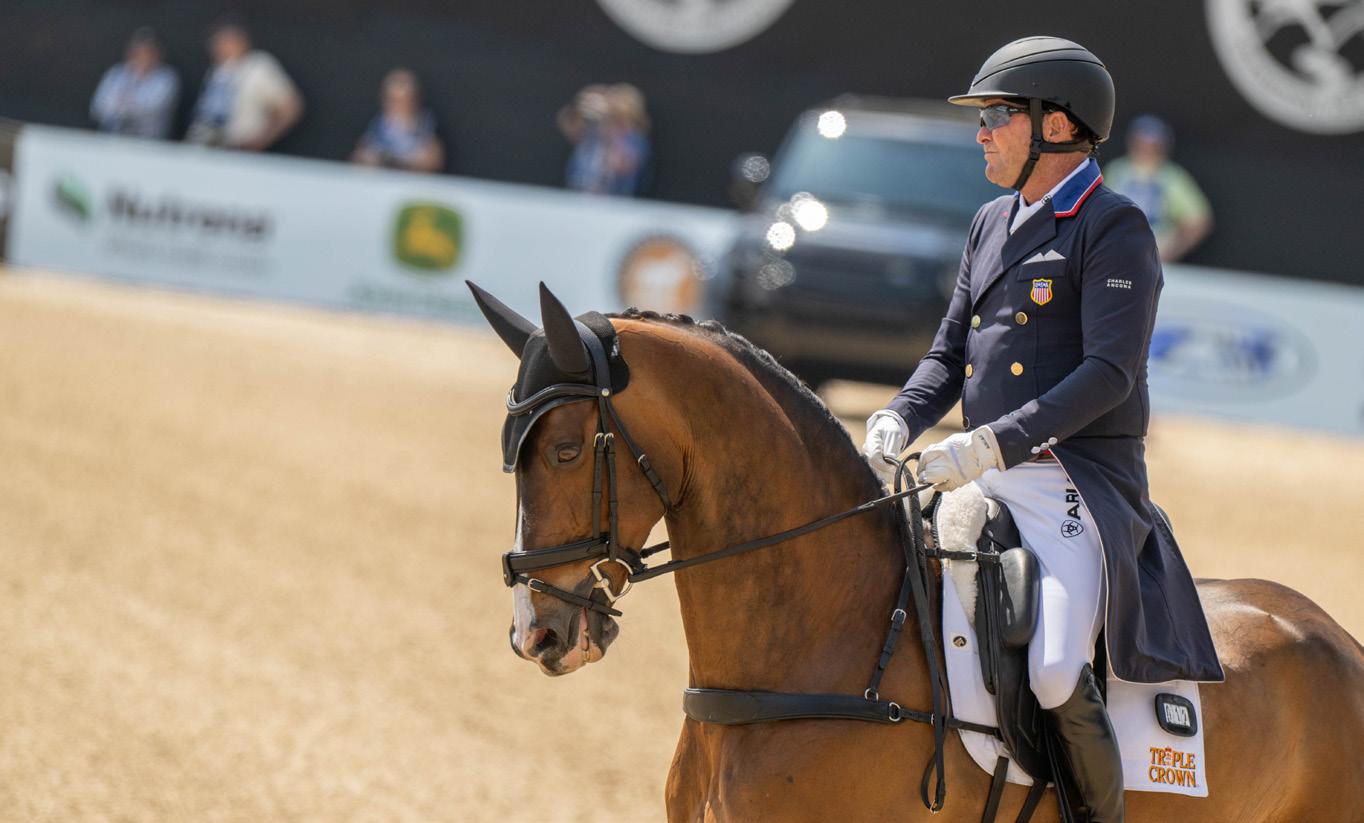
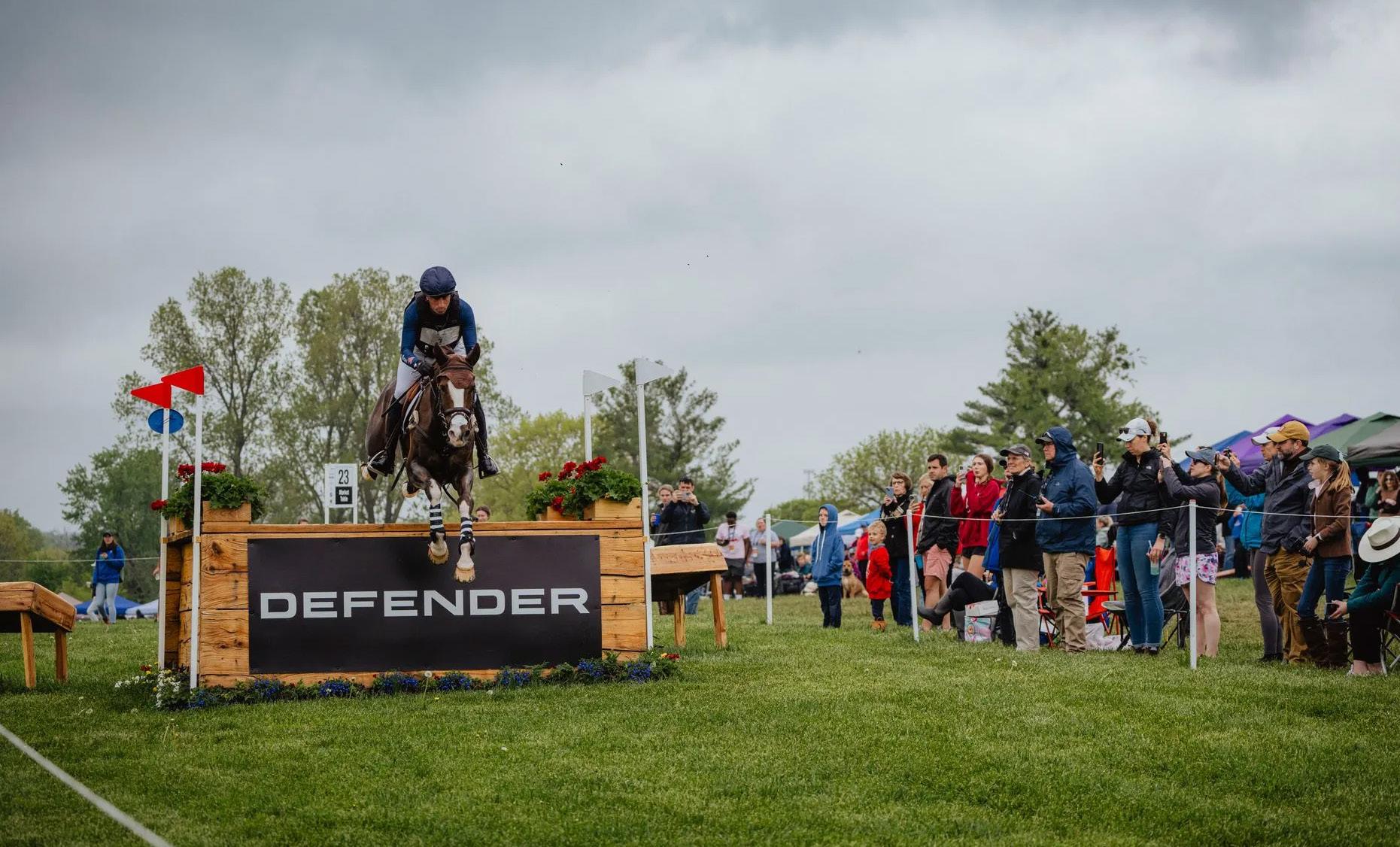
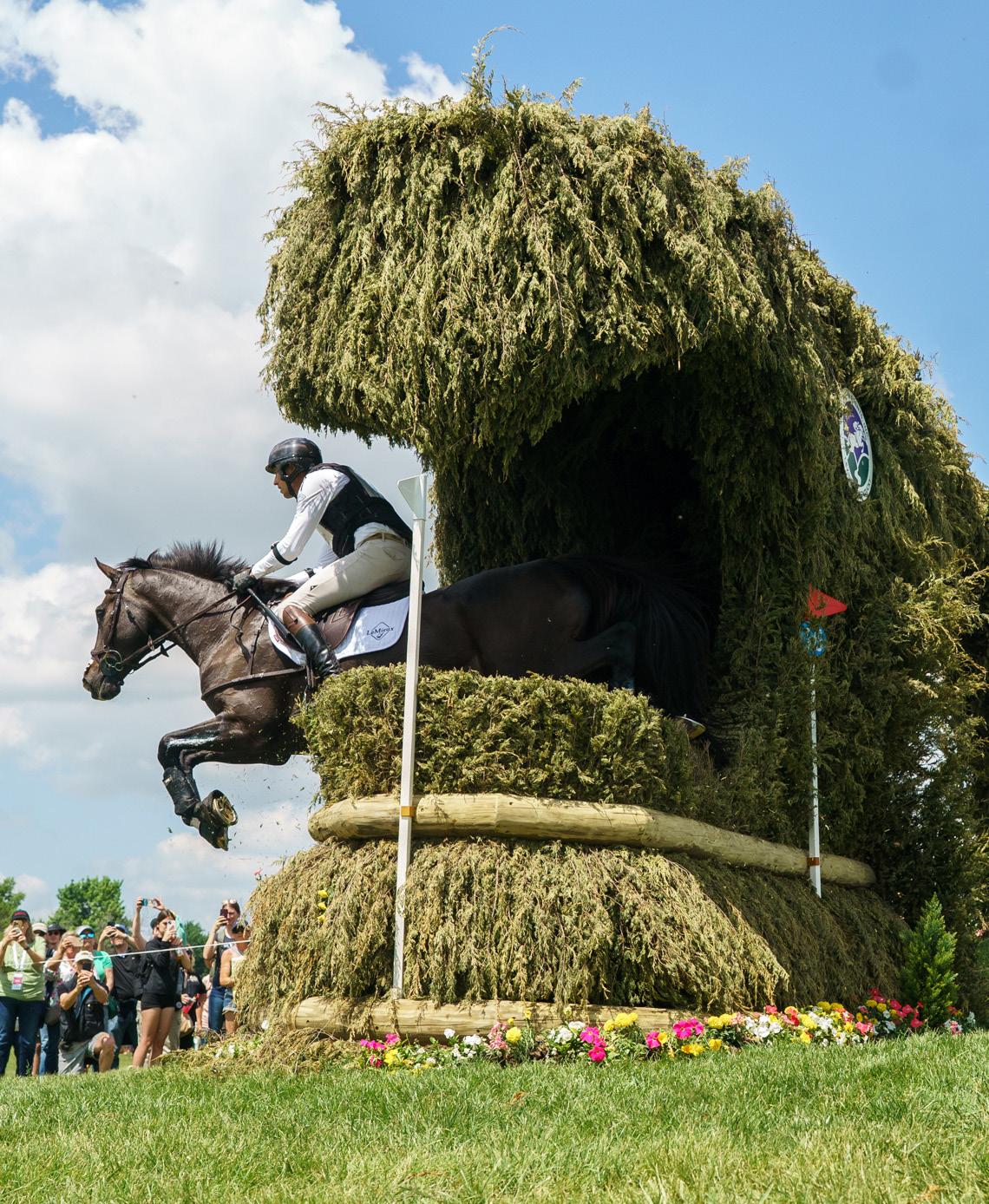
The jumps are bigger than you expect. Spectators see the action up close. Will Coleman and Diabolo. Spectators could follow the favorites around the course.
Phillip Dutton and Possante. Land Rover Defender is the event’s naming sponsor. Equestrian Living is a media sponsor.
It was also simply fun to be with my sister. I got to hear the ins and outs of barn life, and I felt proud watching people recognize her. One evening she received a text from a friend asking her to braid a horse because the friend had fallen behind. That kind of community among the grooms was something I won’t forget, especially as I’m still figuring out what I want to do with my future.
By the end of cross-country day, exhaustion was visible on everyone—and yet they would all be back in the ring the next day. Watching riders who competed on multiple horses, I found myself wondering how they manage it, and what kind of conditioning and mental toughness it takes to compete at the 5-star level. It is a genuine test of stamina for both horse and rider.
The tension of the final day was palpable. The leaderboard could shift at any moment, and when the leaders entered the ring, the packed stands went completely silent—then erupted for every clear round. The climax of the weekend came with the top 10 finishers galloping around the arena, award ribbons streaming in the breeze while the crowd roared.
Favorite hotel:
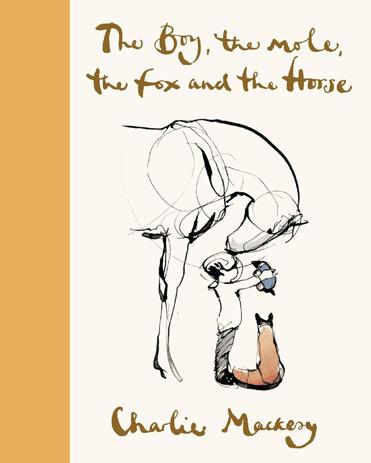
Favorite book: Mark: The Boy, the Mole, the Fox, and the Horse by Charlie Mackesy—it’s simple, charming, and calming—and the illustrations are gorgeous.
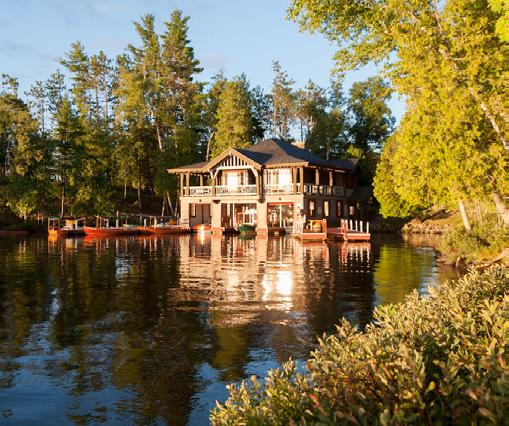
Mark: The Point on Saranac Lake in New York is the epitome of chic— the ultimate in understated elegance.
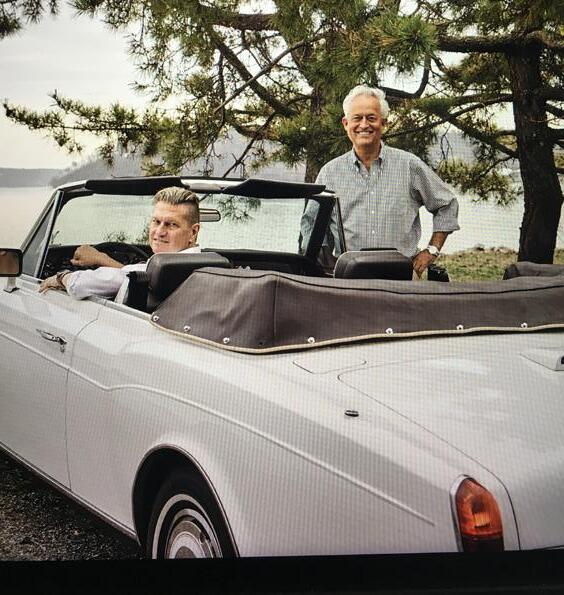
Favorite car: James: We had two 1986 Rolls Royce Corniche II’s at the same time —one white and one ivory. Those were our daily drivers, and so much fun!
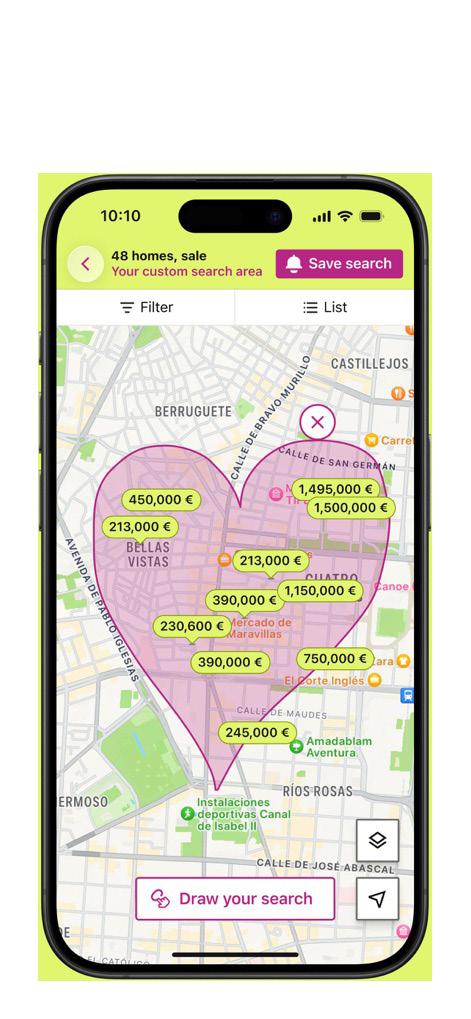
Favorite app: idealista is a European real estate app—you can always

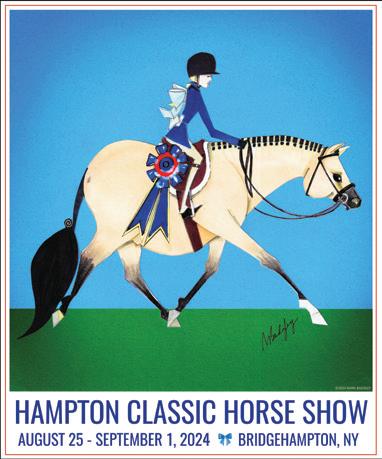
Favorite show/ venue: Mark : The Hampton Classic was always a beautiful and special show, and for a large part of my life it was local!

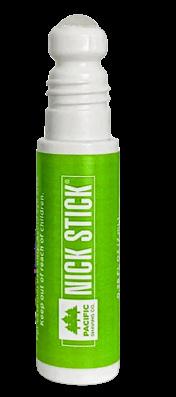
Must have when traveling:
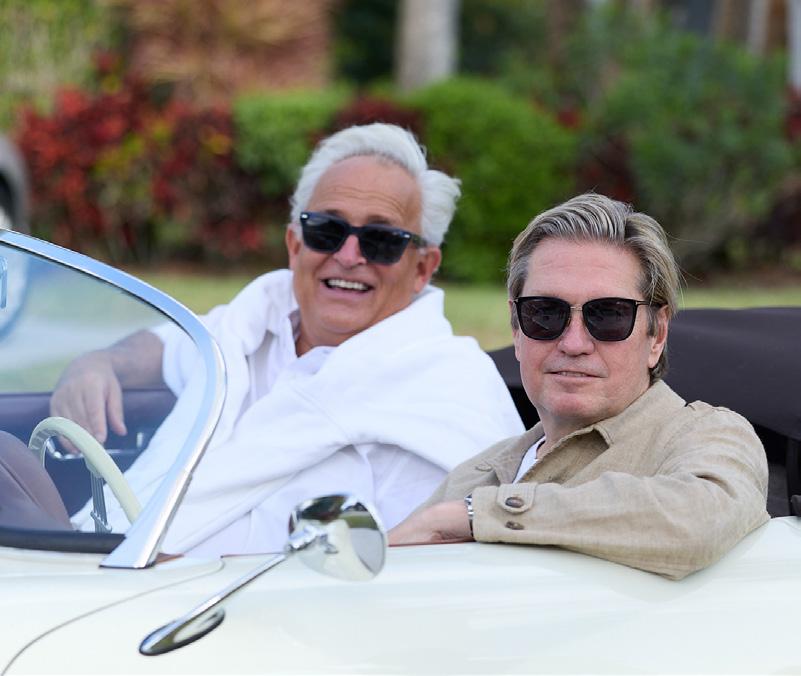
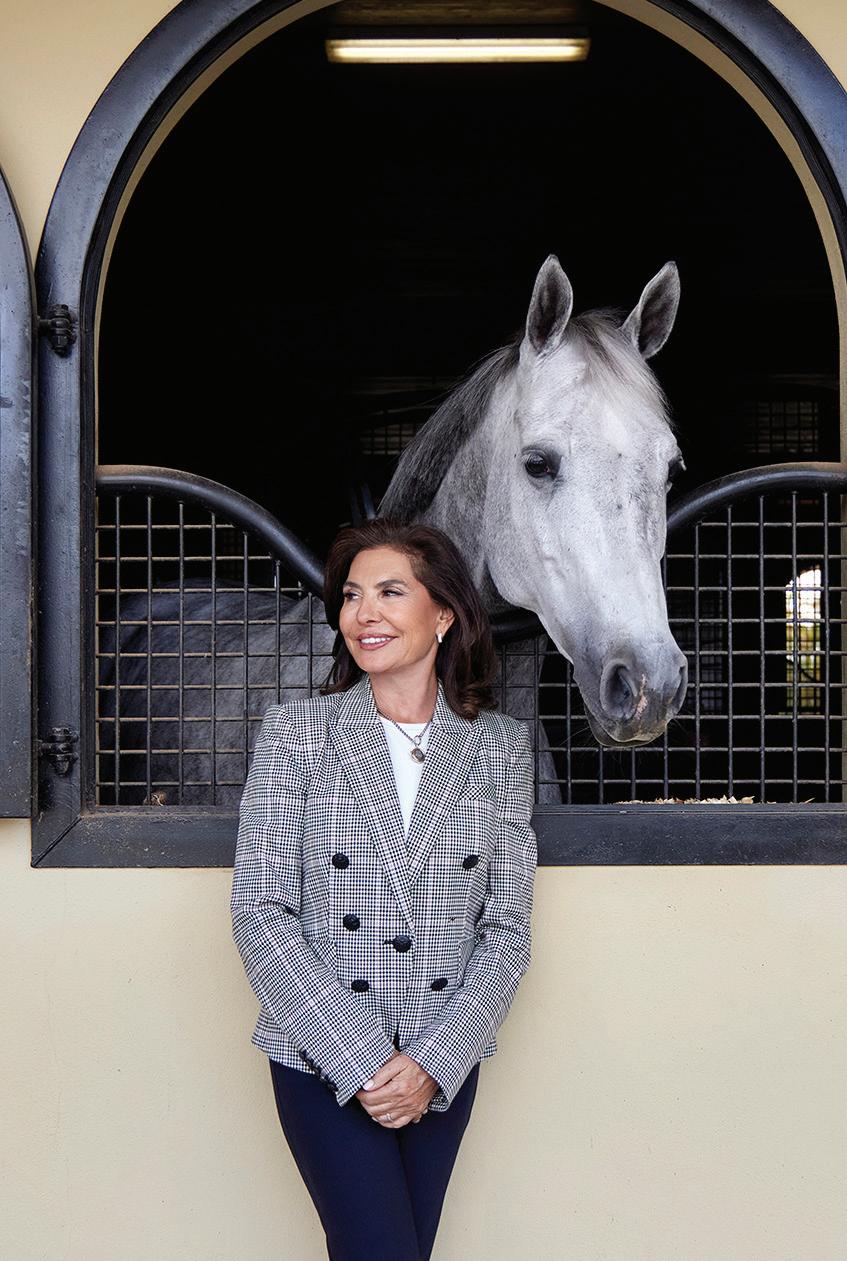
Mark Badgley and James Mischka, hailed by Vogue as two of America’s top ten designers, have built a celebrated label since 1988, known for glamorous, elegant evening wear beloved by Hollywood’s biggest stars. Mark is also an accomplished equestrian, a passion he has carried alongside his distinguished career in fashion.
James: I never use Nick Stick and Lumify at home, but always need them when we’re away.
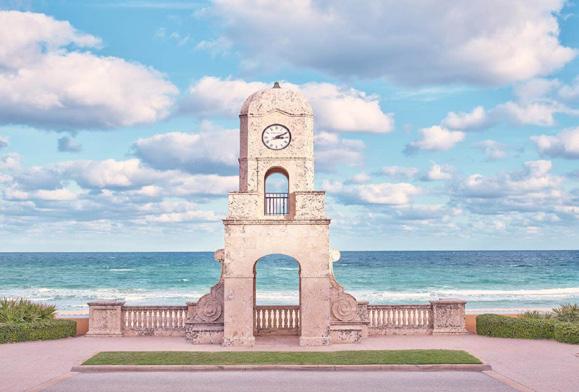
Place you’d most like to live: Both: Palm Beach.
Favorite horse: Mark: McKinley, Stonewall (shown), and Brando.
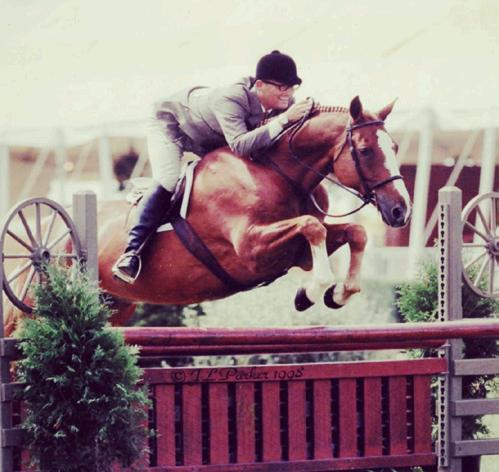
If you weren’t an equestrian you might have been:
Mark: I think that I would have been a photographer; it’s always fascinated me. James: I was on track to be an engineer of artificial limbs, but fate decided otherwise…
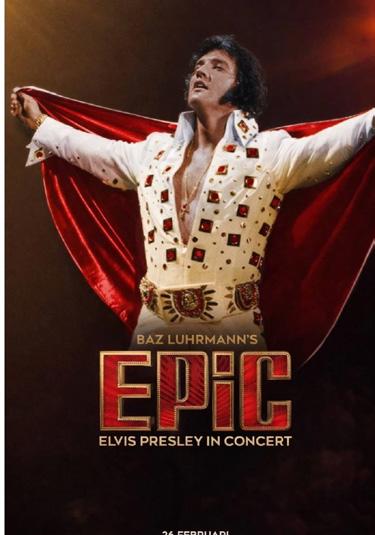
Favorite music on your playlist: James: I can’t quit the soundtrack from EPiC: Elvis Presley in Concert; I’m a sucker for Elvis, and the remixes are mind-blowing.
Favorite charity:
Mark: Danny & Ron’s Rescue does amazing work, and makes so many lives better—including ours with Velma!
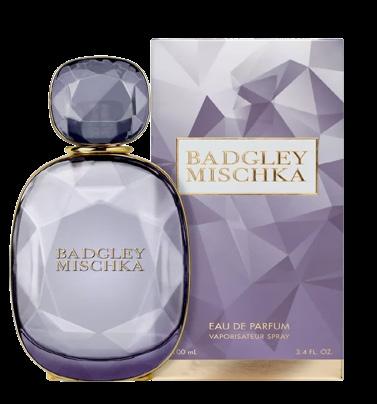
Favorite fragrance: Both: Badgley Mischka, of course!
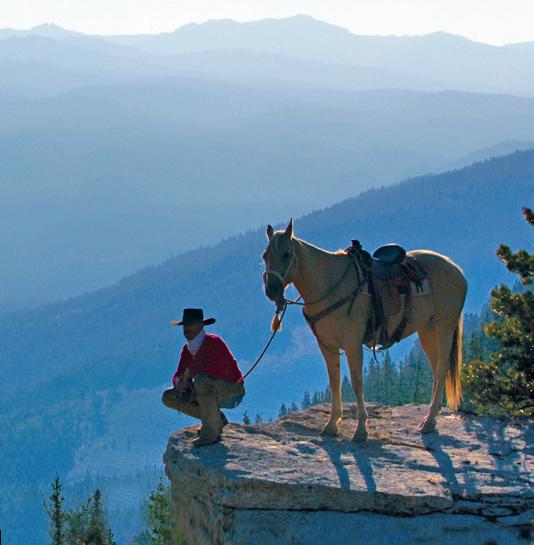
Another riding discipline you’d love to try: Mark : I would love to start Trail Riding. It’s all the adventure I need!
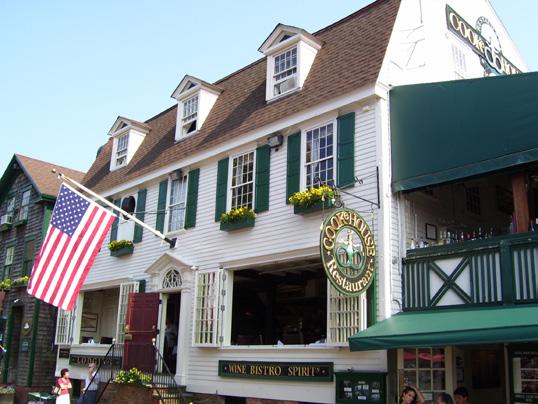
Favorite restaurant: James: Clarke Cooke House in Newport R.I. is always a great time, very scenic, and the food is wonderful. The top floor is the best!
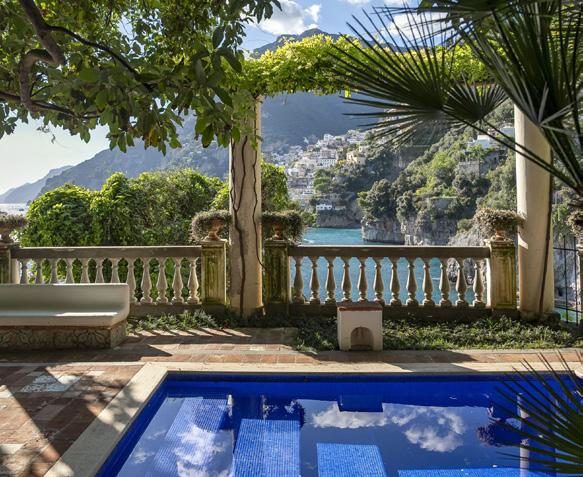
Favorite hotel James: There is nothing like waking up in Villa d’Este in Lake Como—pure magic.
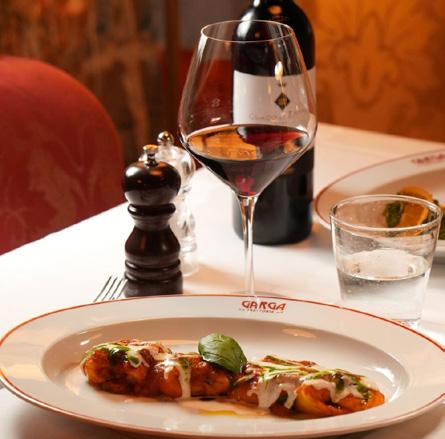
Favorite restaurant: Mark: I love Trattoria Garga in Florence. The food is traditional and inspired at the same time, and the crowd is great.
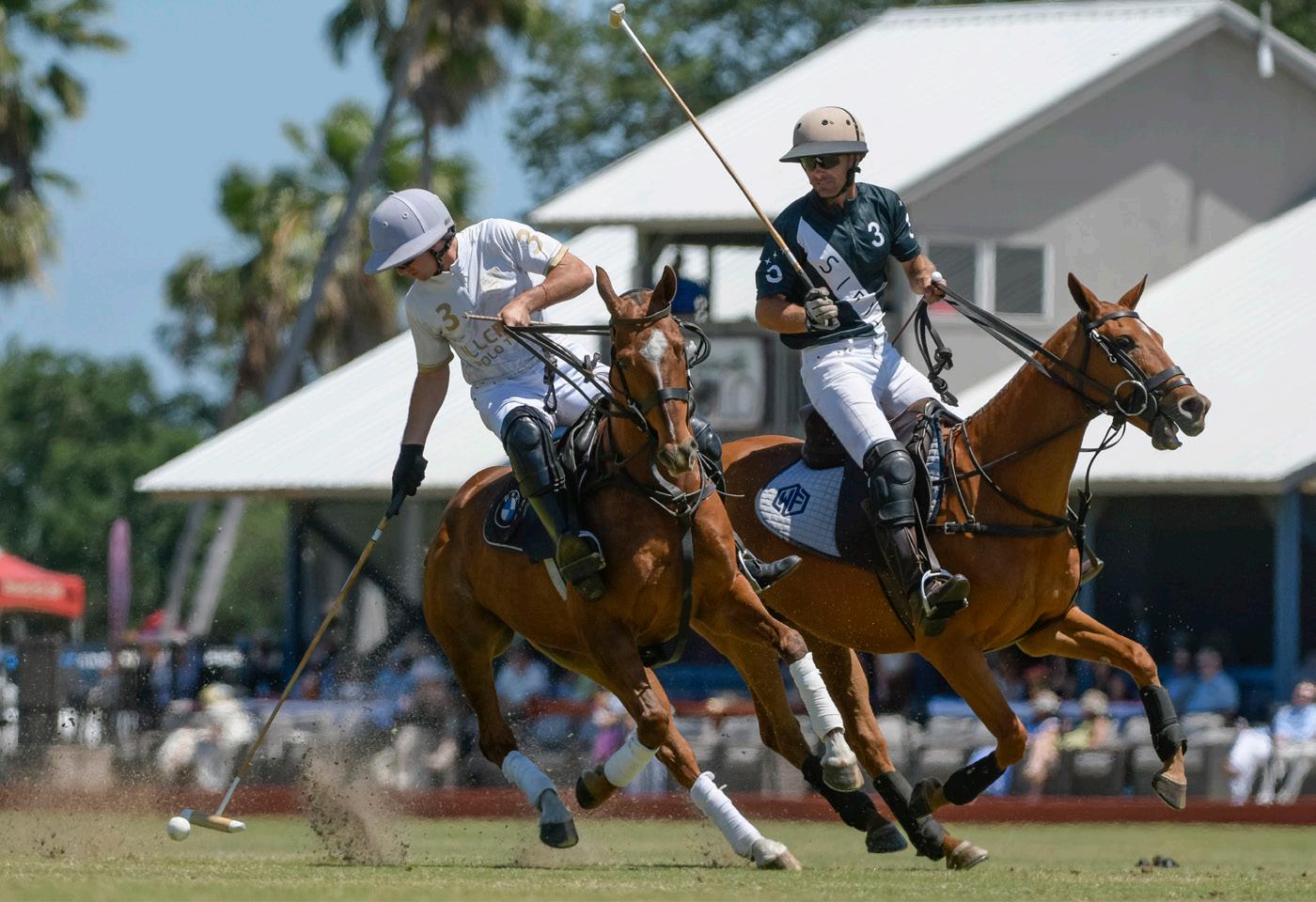
Celebrating BROOKE USA in Sarasota.
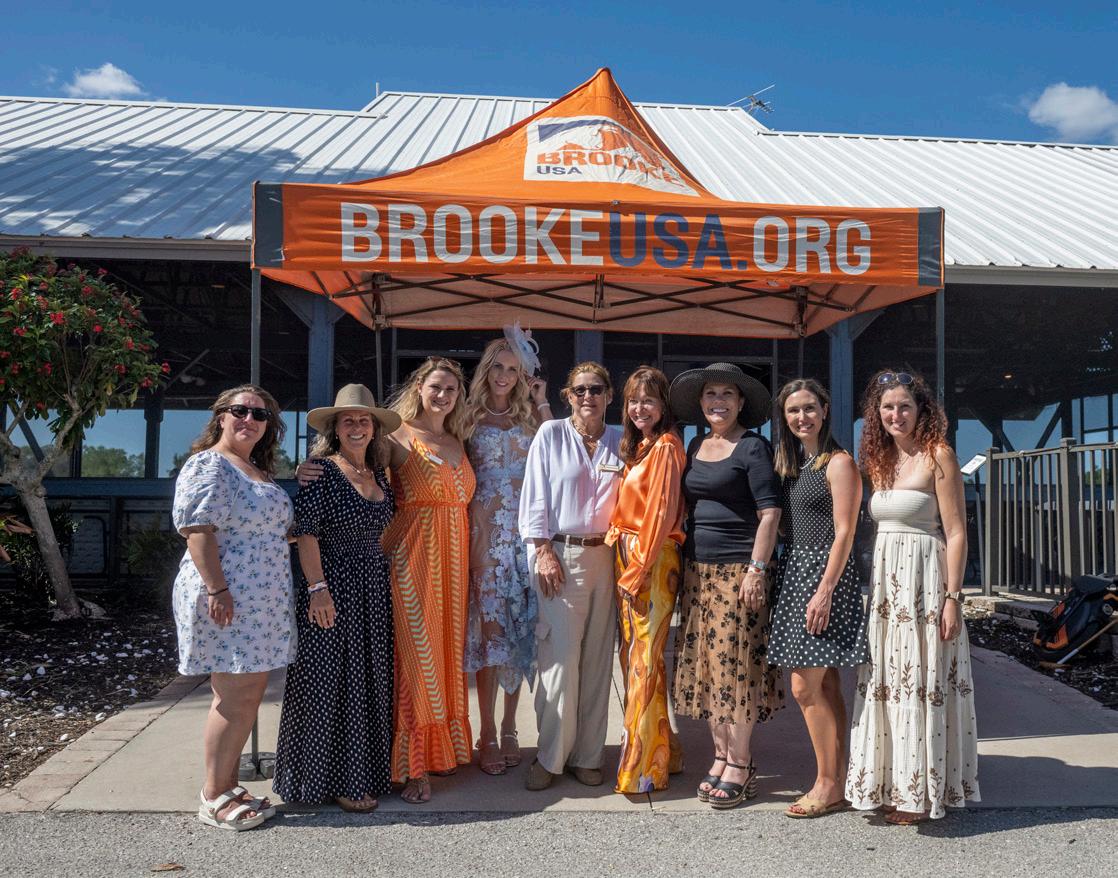
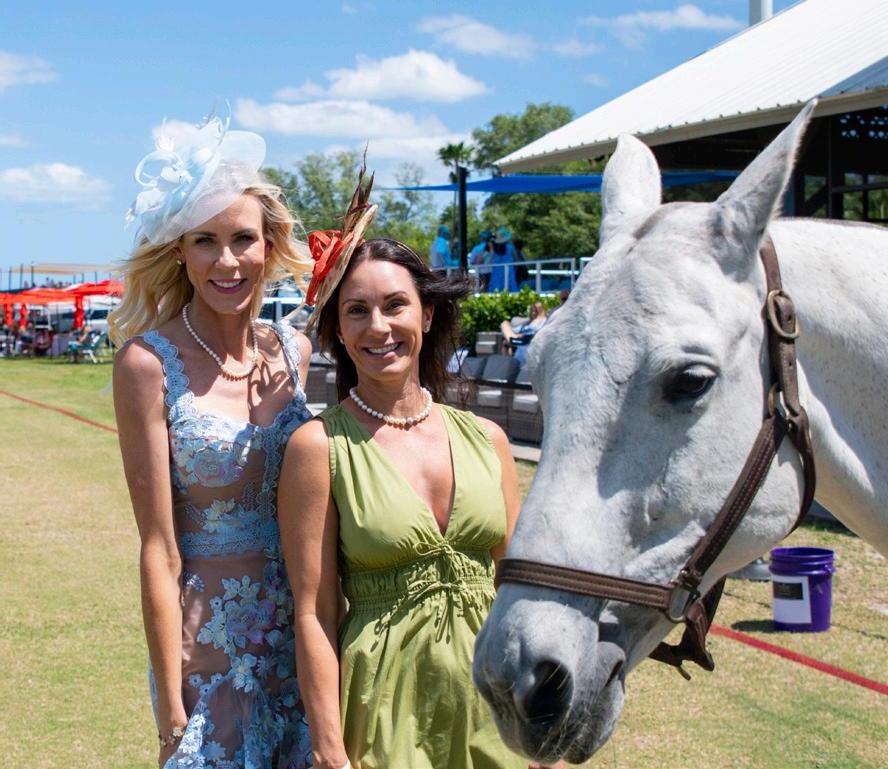
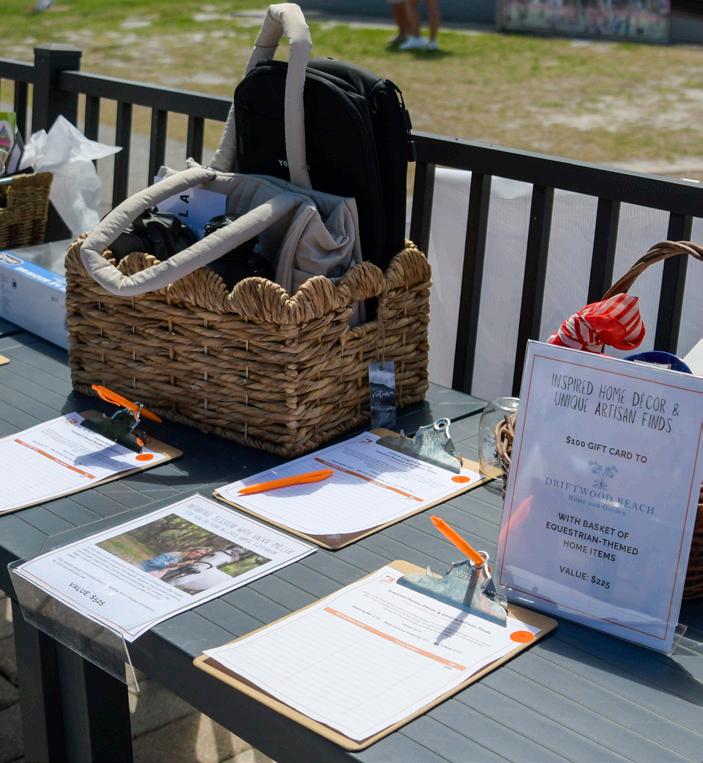
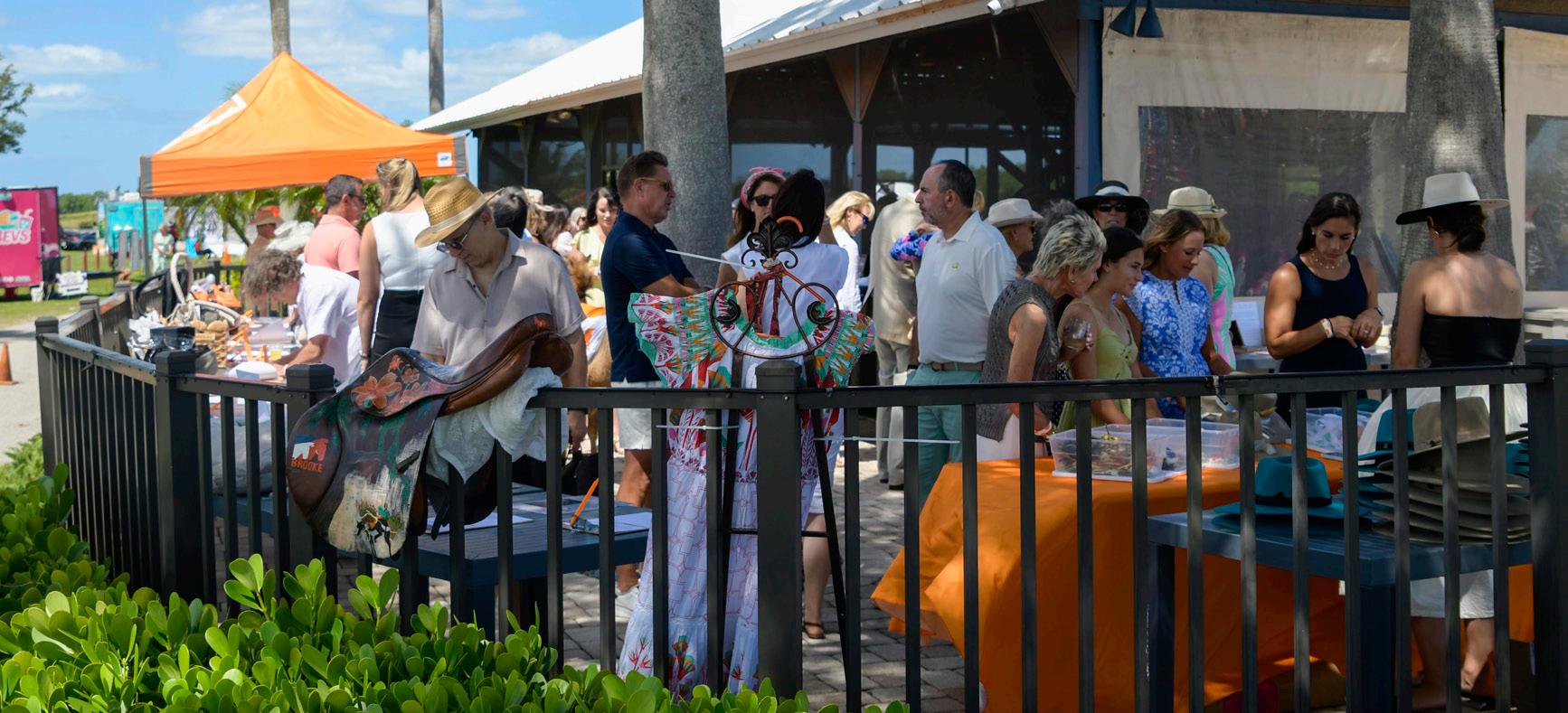
On a sun-drenched Sunday this past April, the Sarasota Polo Club debuted a chic new highlight of the social and sporting calendar: the inaugural Ponies & Pearls. Hosted during the prestigious Grand Finale Hillcroft Invitational, the event transformed the club’s historic grounds into a sophisticated oasis of “polo and pearls” to benefit the Brooke USA Foundation. Guests enjoyed a curated VIP brunch, a festive interactive hat bar, and an extensive silent auction, all while watching high-goal polo on the manicured grass fields.
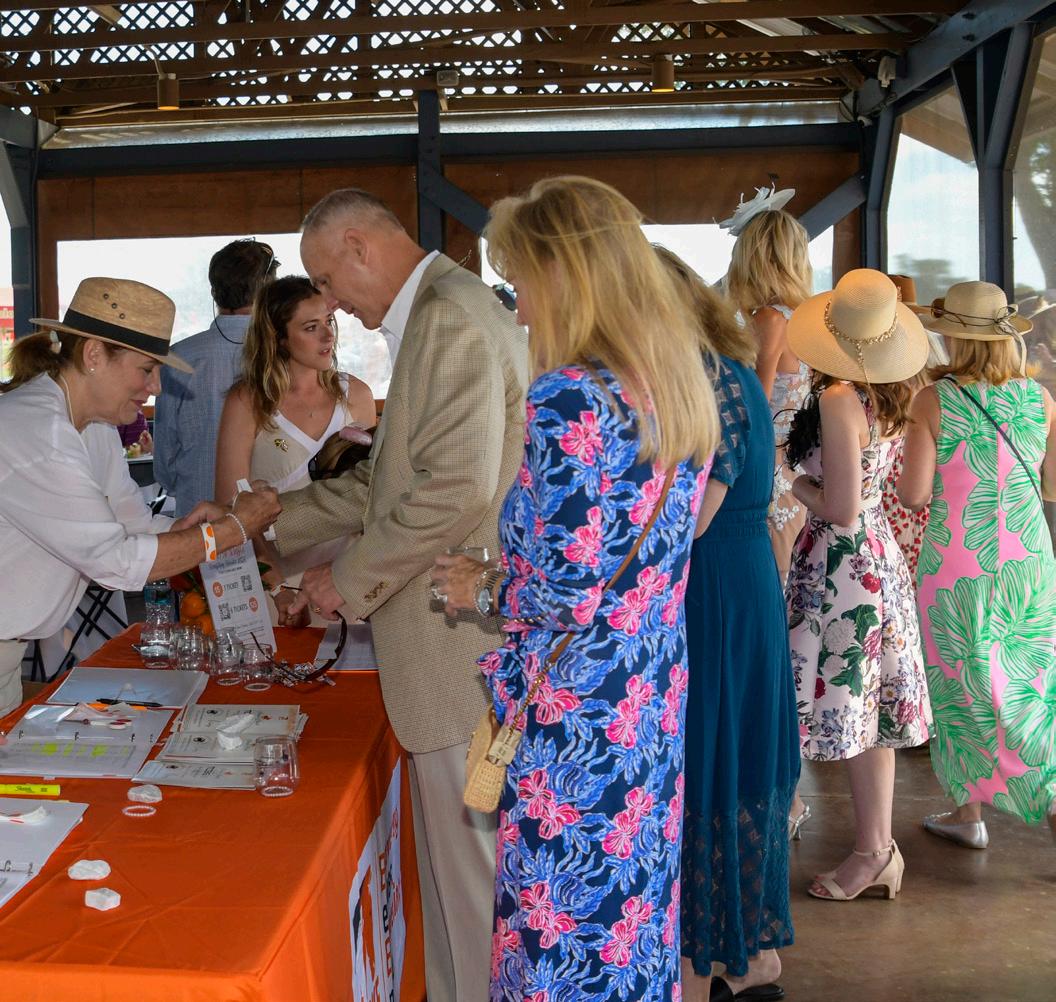
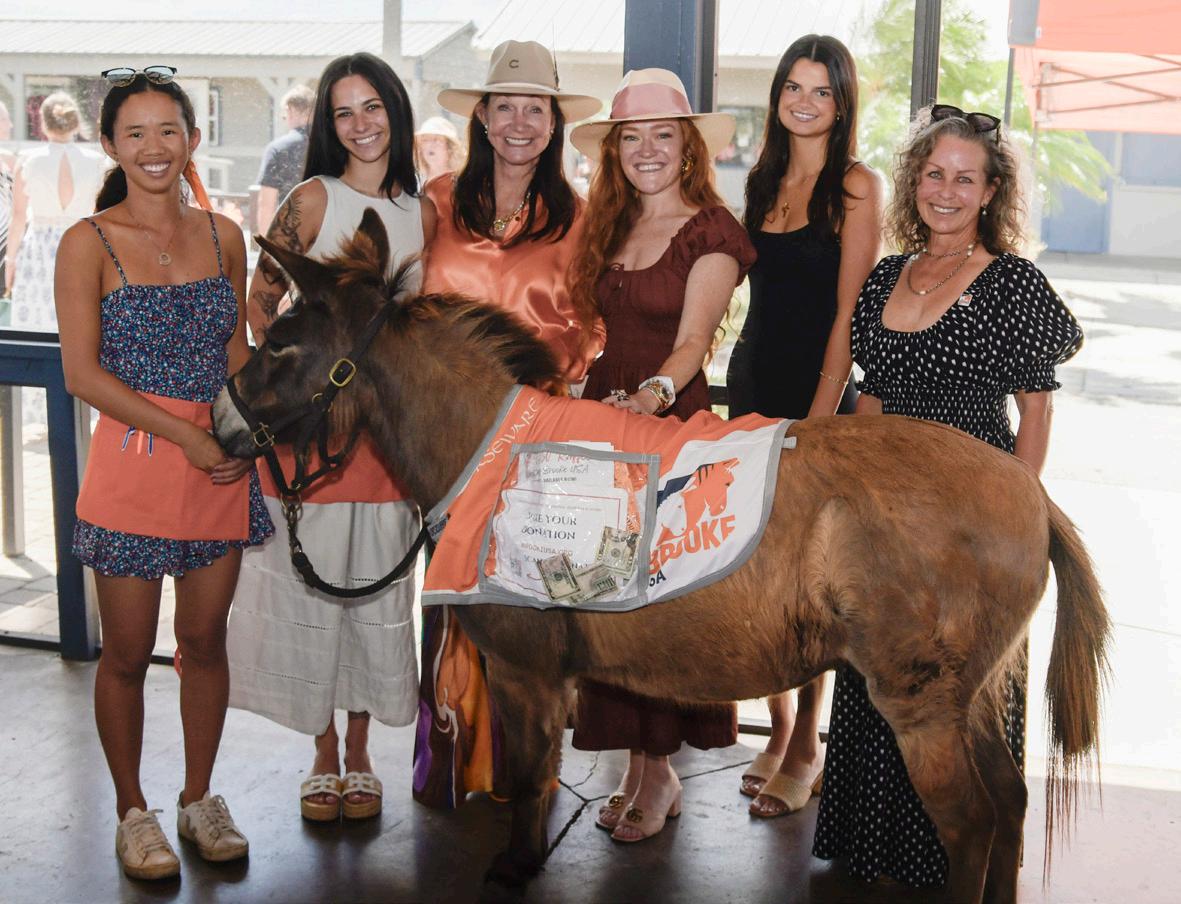
The event’s success was guided by co-chairs Misdee Wrigley Miller, a world-champion equestrian and Brooke USA Ambassador, and local philanthropist and attorney Kimbrell Hines. Together, they combined the glamour of the sport and the critical global mission of Brooke USA. While the fashion, champagne, and polo match took center stage, the heart of the event remained focused on Brooke USA’s work to improve the welfare of the working horses, donkeys, and mules that support the world’s most vulnerable communities. By the time the final goal was scored, the inaugural Ponies & Pearls had established a beautiful new legacy of compassion and community on Florida’s Gulf Coast and raised over $50,000.
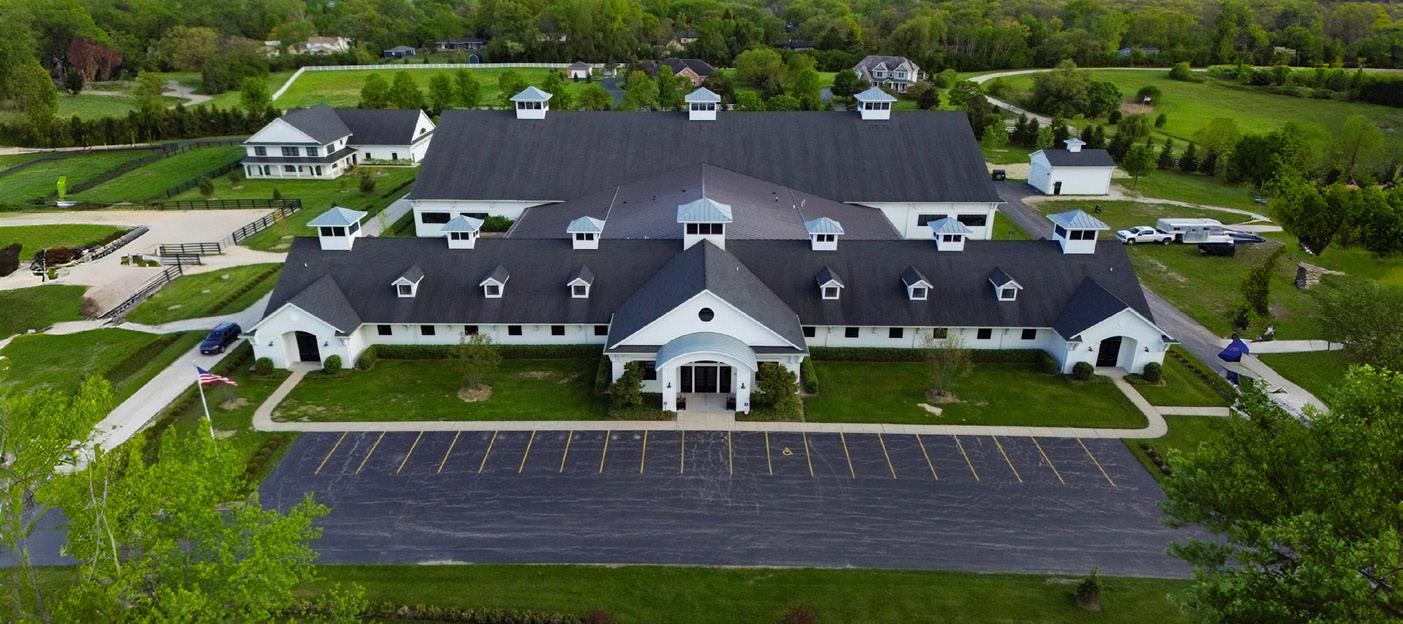
14341 W. OLD SCHOOL ROAD
Mettawa, Illinois, U.S.
4 Bed 5/1 Bath $9,500,000 Property ID: 12645970
Listed by Susie Banas, @properties Christie’s International Real Estate
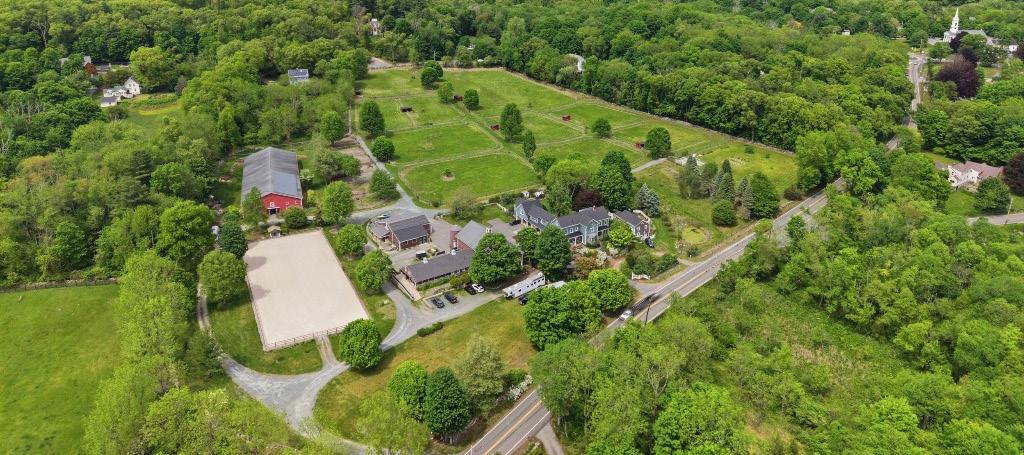
42 WASHINGTON STREET
Sherborn, Massachusetts, U.S.
4 Bed 5 Bath $5,495,000 Property ID: 73526293
Listed by J. Stanley Edwards, LandVest Christie’s International Real Estate
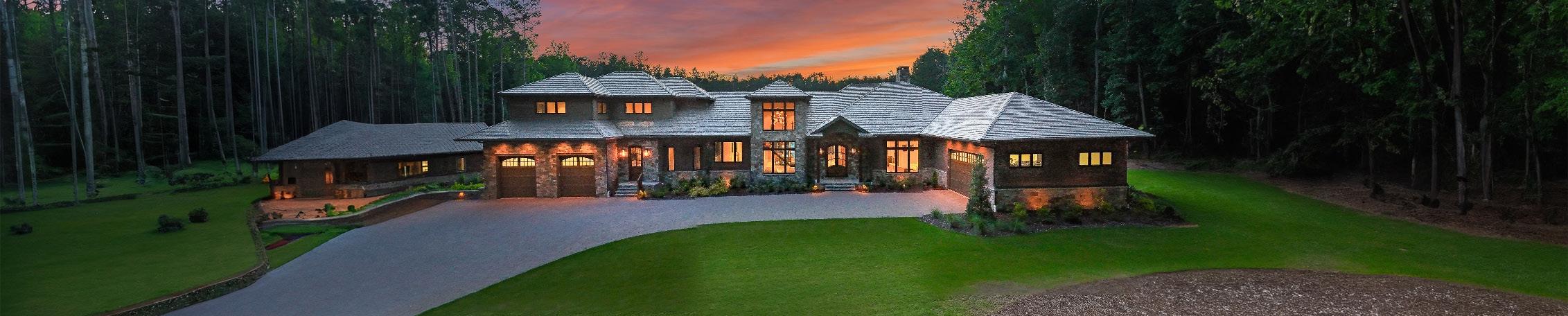
3759 NC 24/27 HIGHWAY
Cameron, North Carolina, U.S.
11 Bed 21 Bath $23,900,000 Property ID: 4277323
Listed by Reed Jackson and Cindy Castano Swannack, Ivester Jackson Christie’s International Real Estate
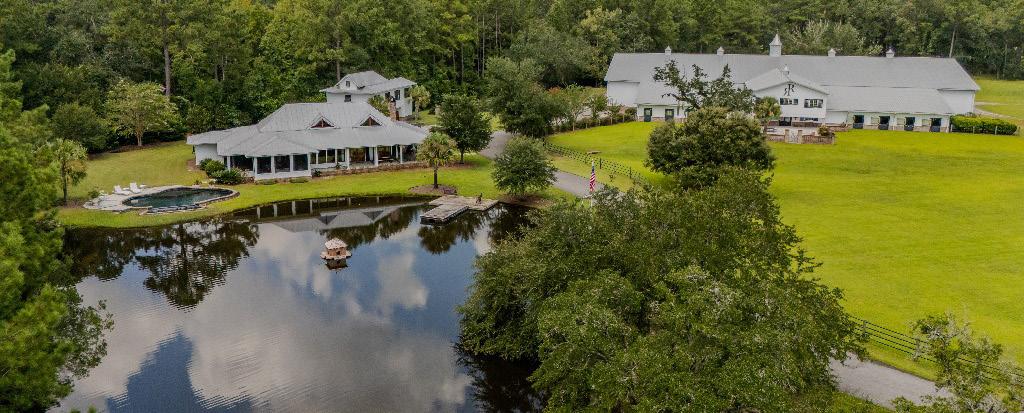
165 GOLDA DRIVE
Ridgeland, South Carolina, U.S.
4 Bed 5 Bath $5,250,000 Property ID: 501241
Listed by Damian Hall, Blackstream Christie’s International Real Estate
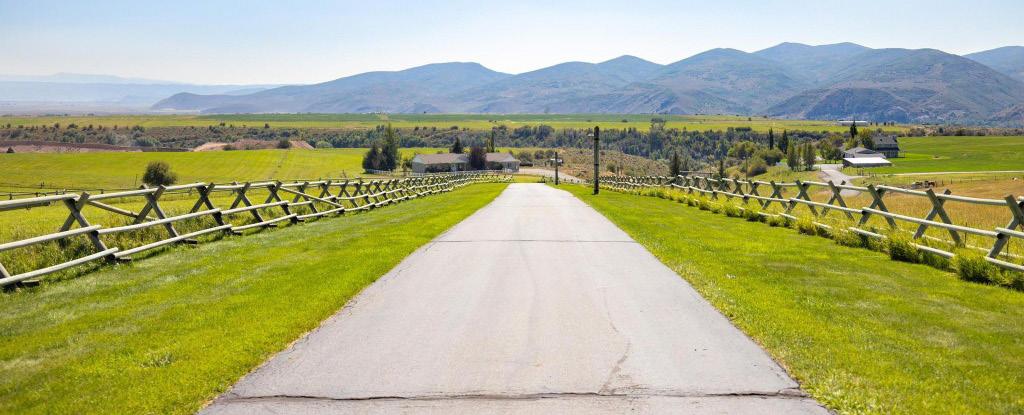
6117 ROCKY RIDGE ROAD
Peoa, Utah, U.S.
4 Bed 5 Bath $5,200,000 Property ID: 12500460
Listed by Amy Moody, VUE Christie’s International Real Estate
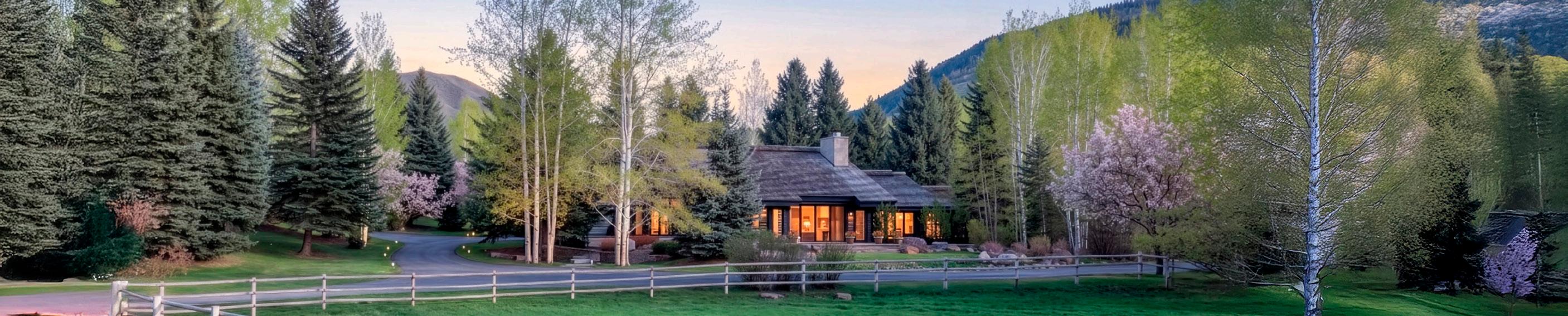
419 JUNIPER ROAD
Sun Valley, Idaho, U.S.
6 Bed 6 Bath $11,950,000 Property ID: 334316
Listed by Alex Hughes, Sun Valley Real Estate Christie’s International Real Estate
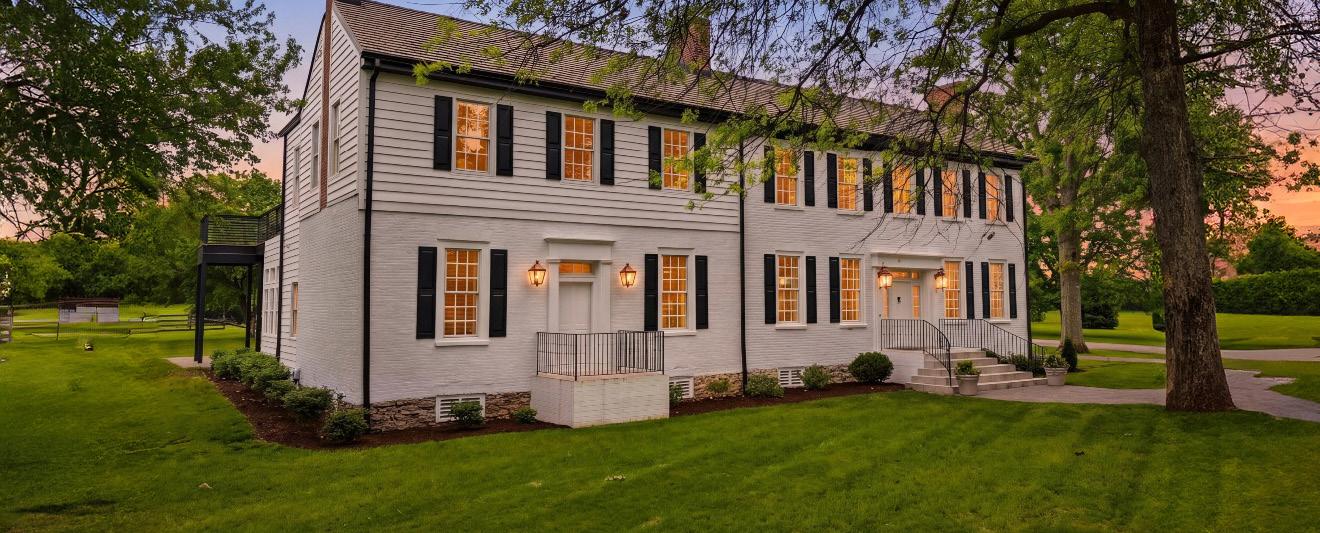
1975 GEORGETOWN ROAD
Paris, Kentucky, U.S.
5 Bed 6 Bath $1,900,000 Property ID: 26010270
Listed by Rusty Underwood and Rachel Underwood, Christie’s International Real Estate Bluegrass
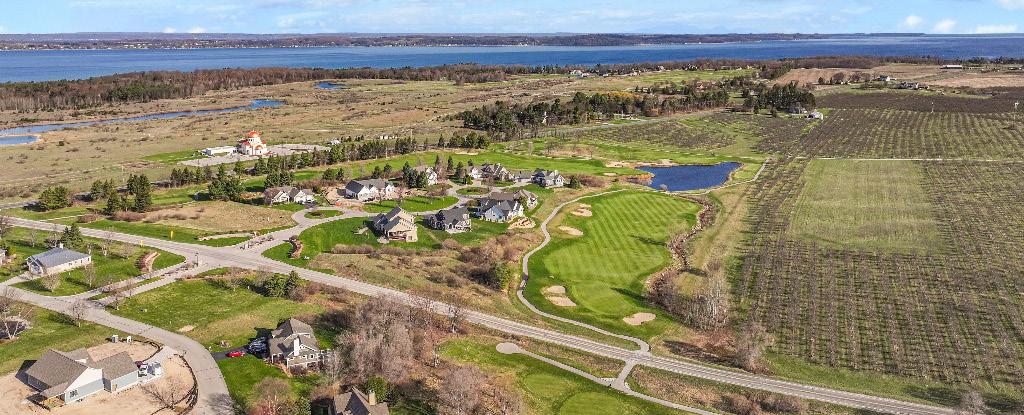
7710 US-31 NORTH
Williamsburg, Michigan, U.S.
3 Bed 2 Bath Price Upon Request Property ID: 1944398
Listed by Erika Nita, @properties REMI Christie’s International Real Estate

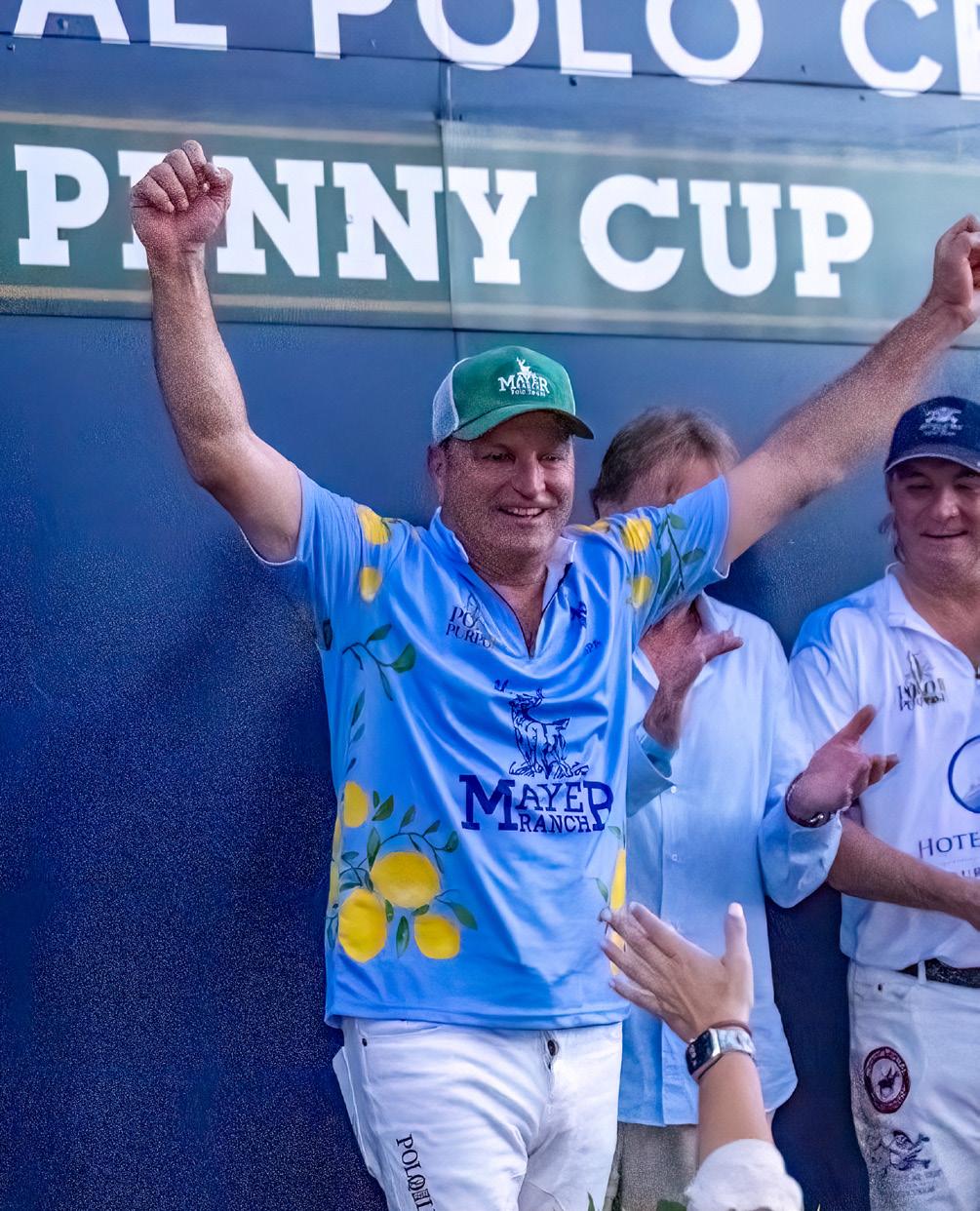
CELEBRATING THE 11TH ANNUAL POLO FOR A PURPOSE
BY REBECCA BALDRIDGE
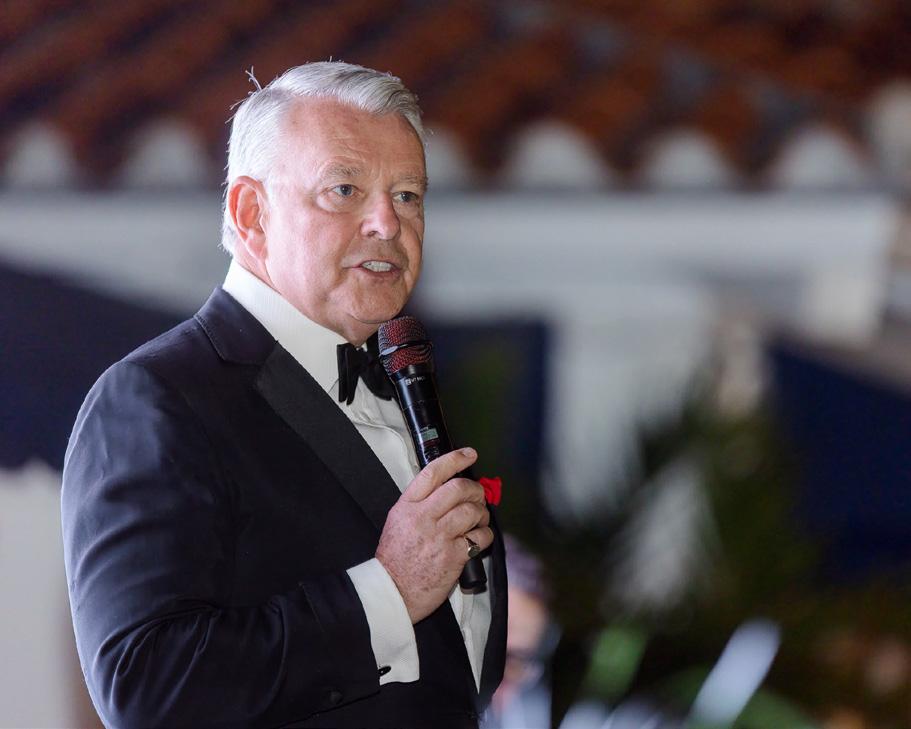
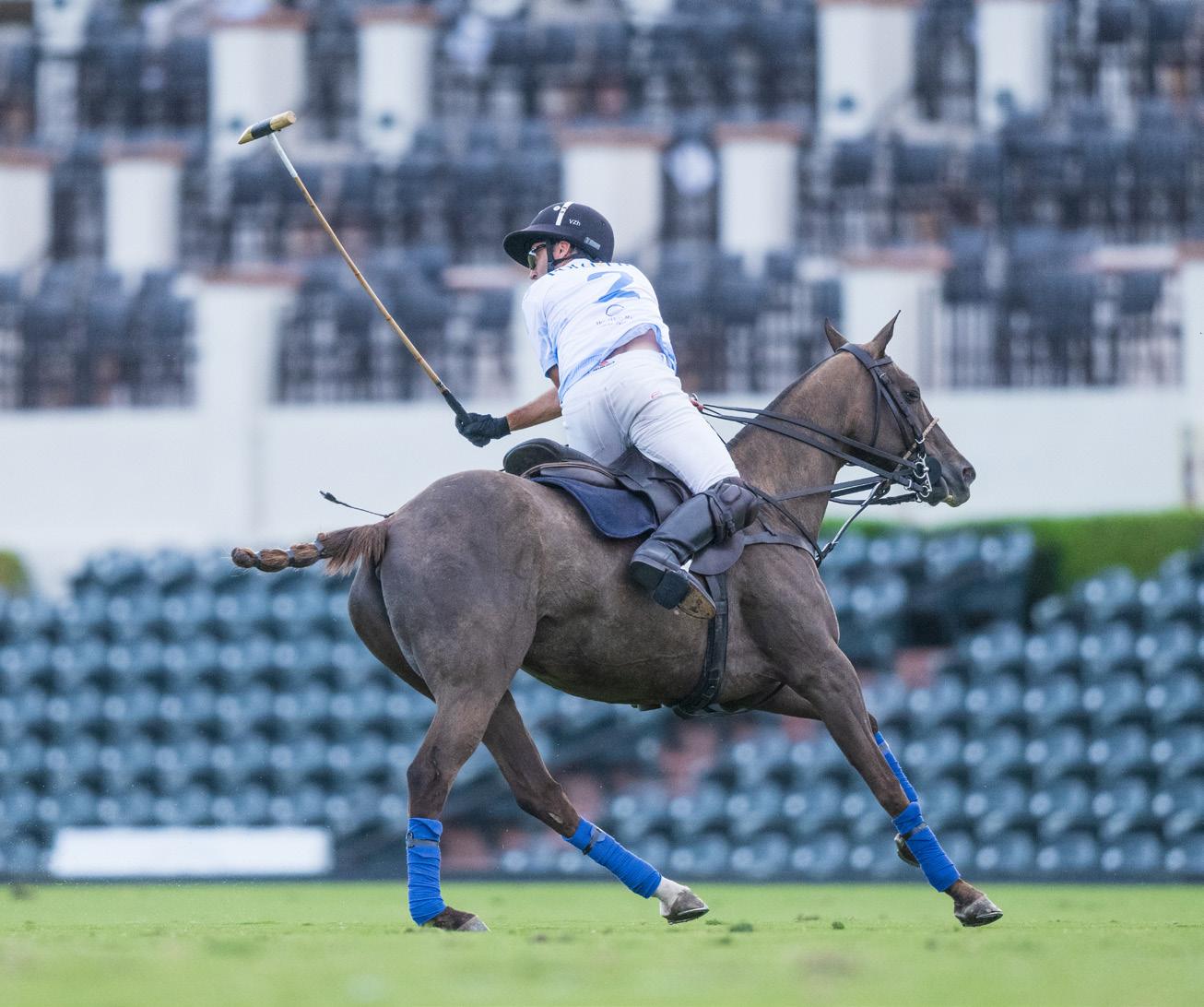
PHOTOS: 1. Mayer Ranch vs Hotels at Sea 2. Lerin Zubiaurre and Brandon Phillips 3. Decor by Sutka Visual Design
4. Astrid Neblung, Odgen O’ReillyLeyland, Farah Rizvi, Sofia Gasparo and Lauren Turner 5. Lerin Zubiaurre 6. Richard Shelton 7. PJ Rizvi with dancers 8. Game MVP, Kenny Mayer
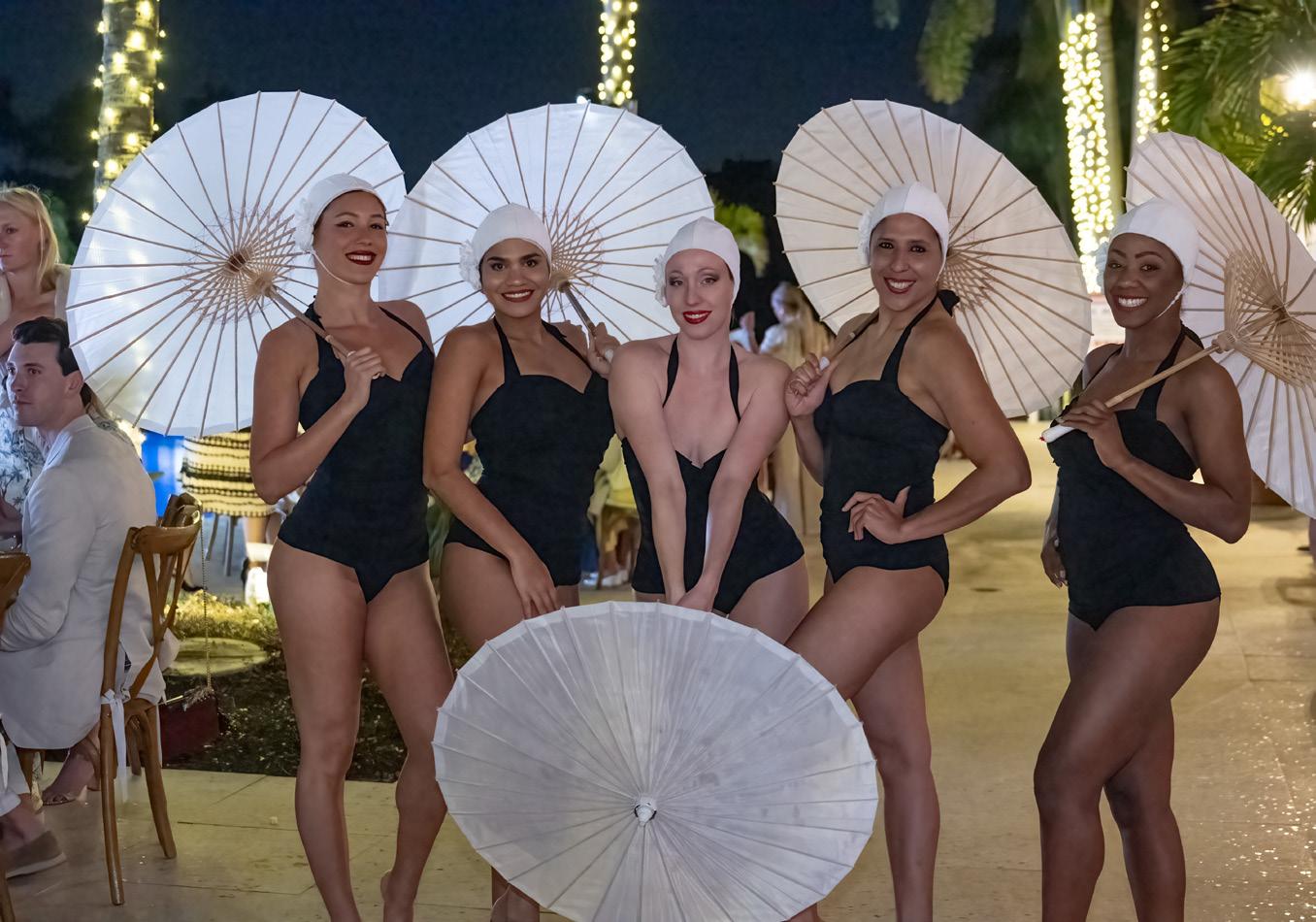
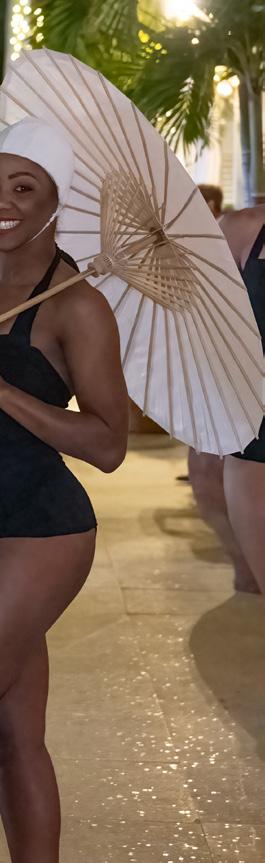
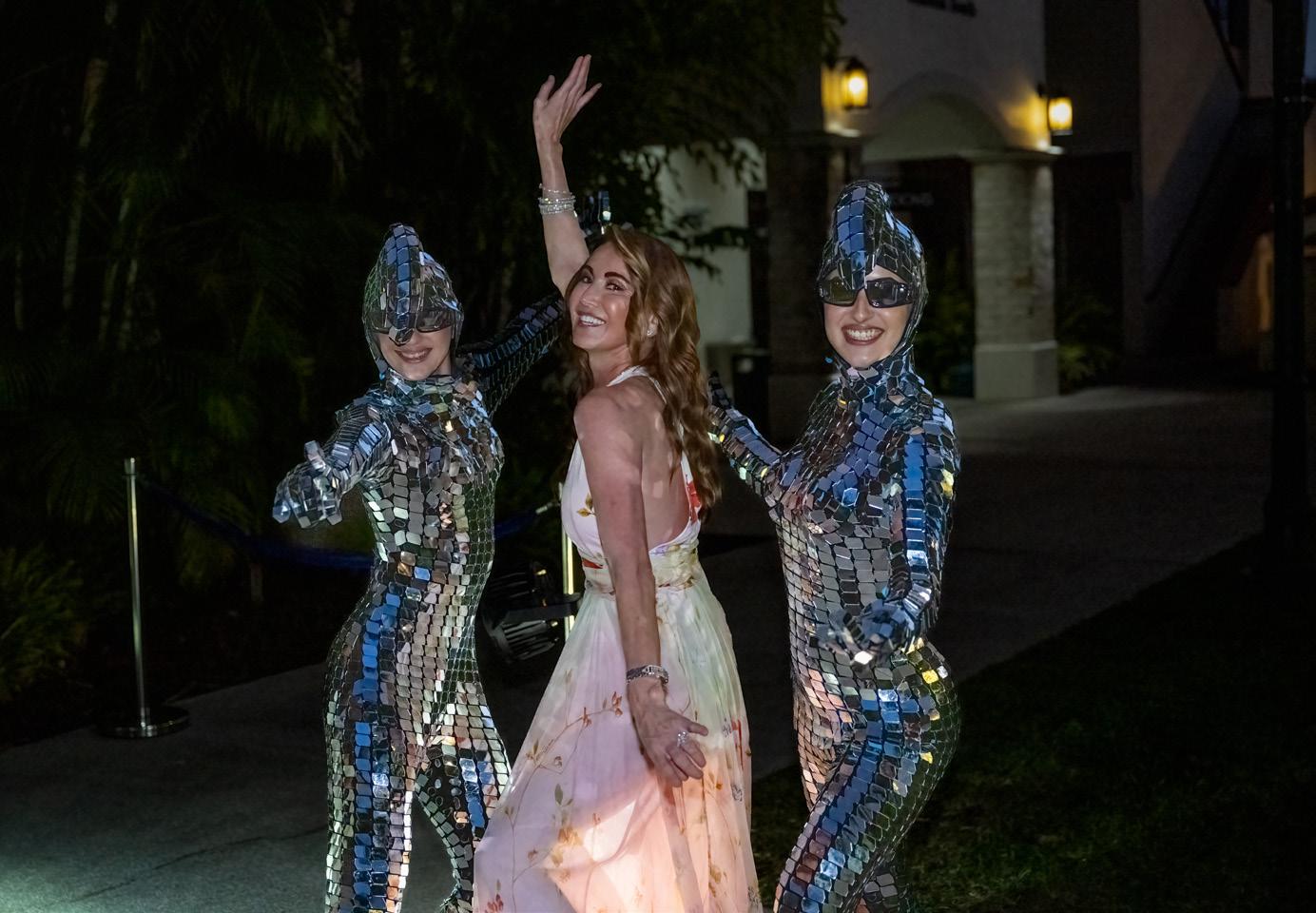
9. Aqualillies 10. Event co-chairs Rob Gray, Montana Coady, Alex Hamer, and PJ Rizvi 11. Mari Vasan, Sharmila Seth, PJ Rizvi, Jen Alexander, and Jessica Gasparo.
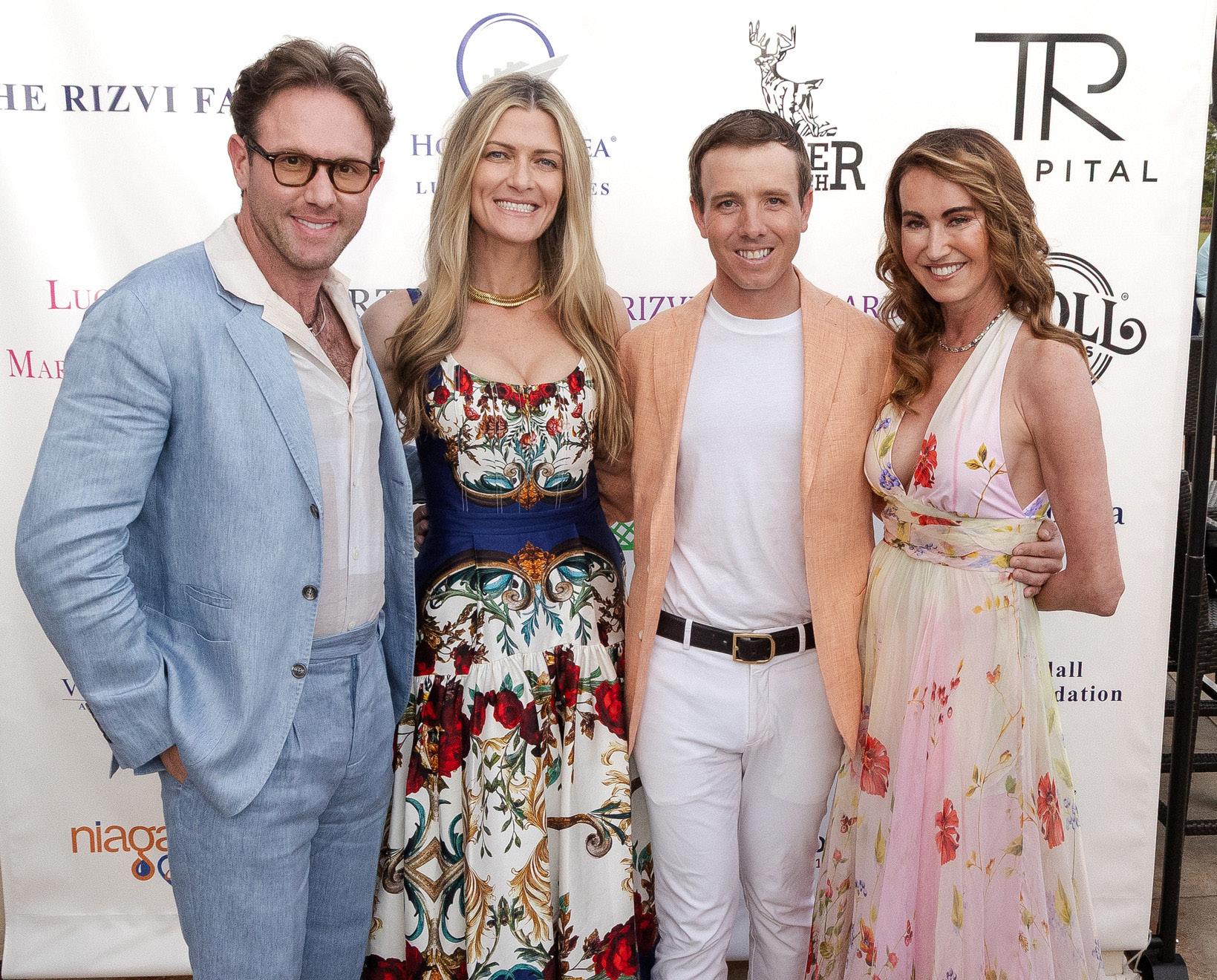
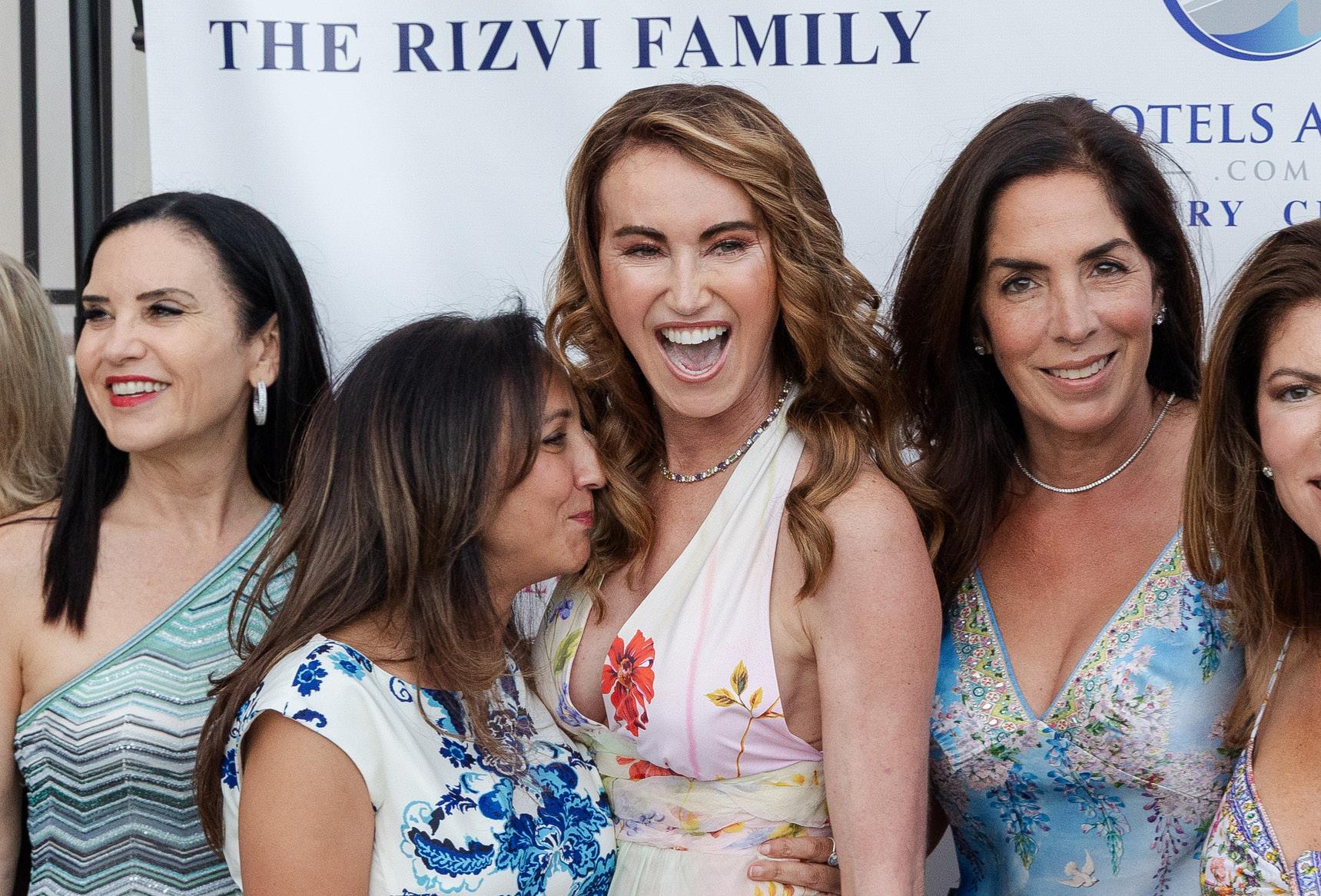
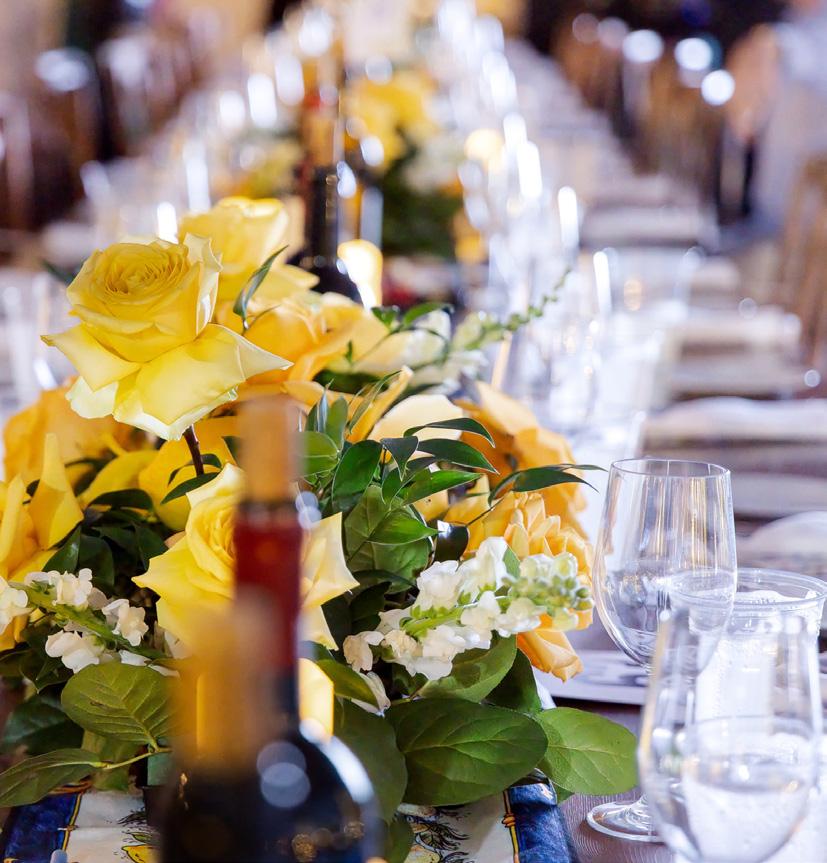
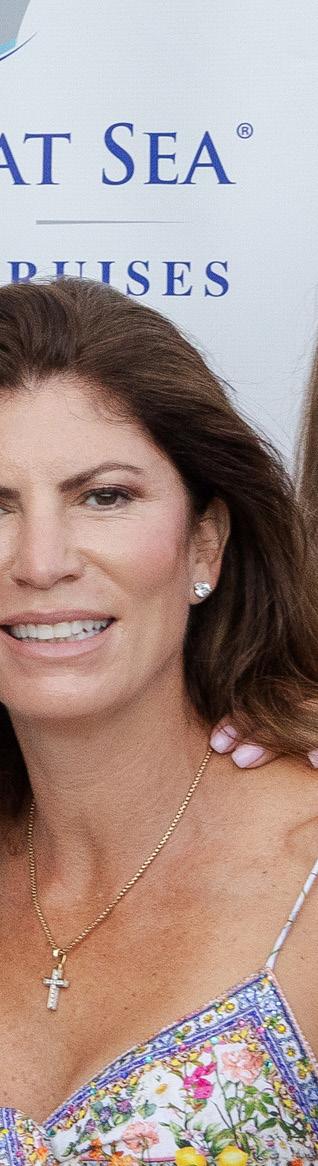
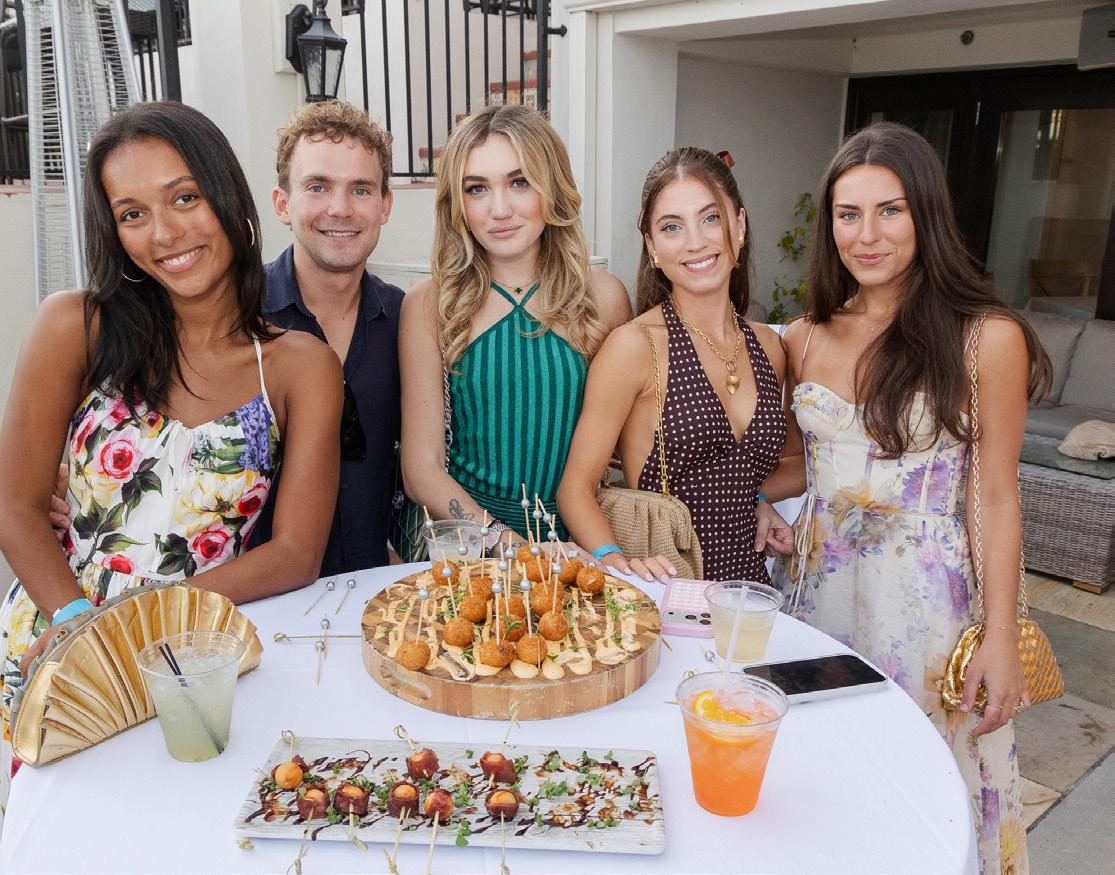
Polo for Life celebrated the 11th anniversary of its “Polo for a Purpose” gala in February 2026, successfully raising over $500,000 to support children and families battling pediatric cancer. The funds will benefit three vital local organizations: the Kids Cancer Foundation, Miami Cancer Institute, and Pediatric Oncologist Support Team.
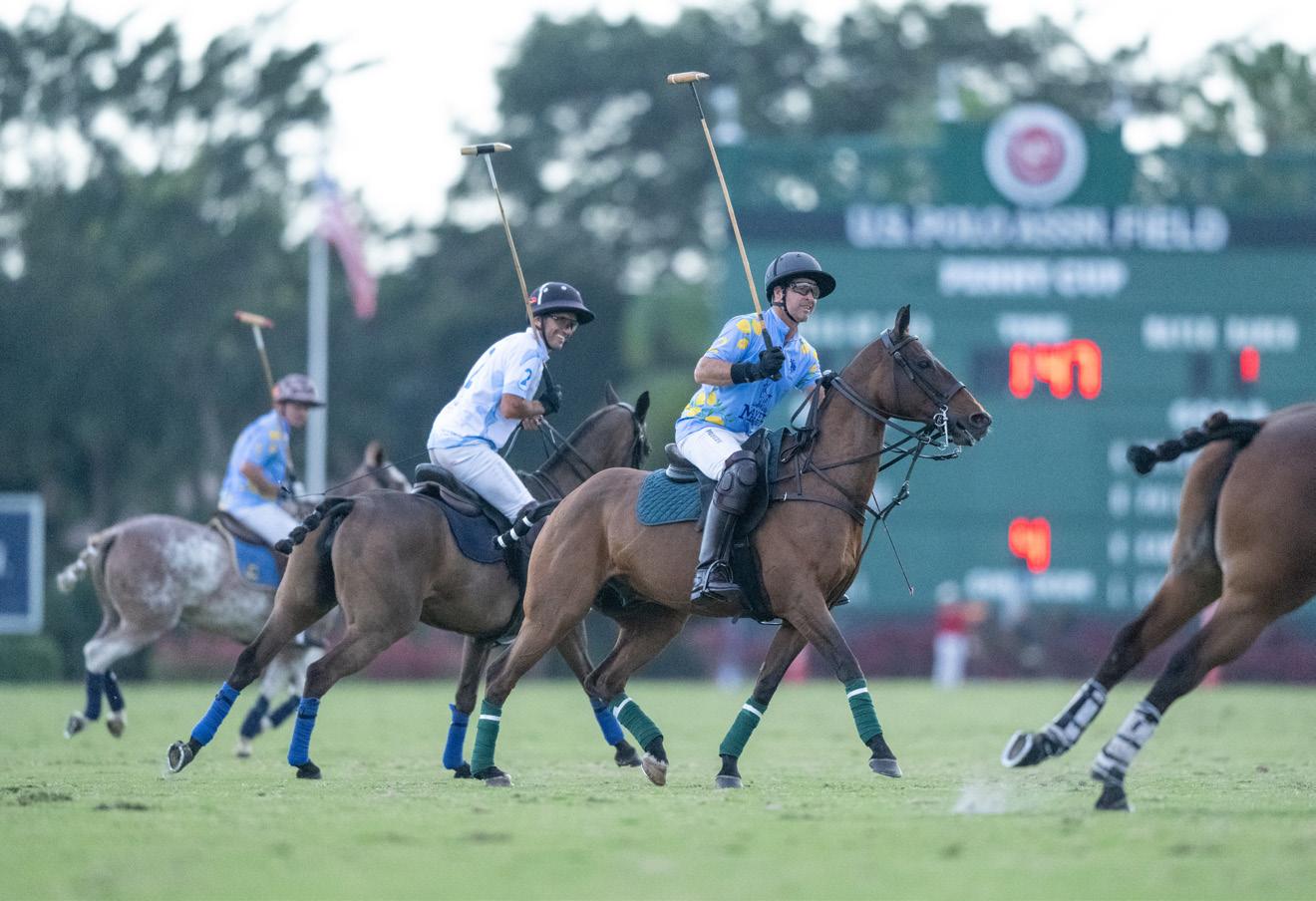
The elegant evening began at the National Polo Center with a fiercely competitive match on the legendary Field One. Mayer Ranch (Kenny Mayer, Brandon Phillips, Luis Escobar, and Kris Kampsen) took on Hotels at Sea (Tareq Salahi, Lerin Zubiaurre, Nic Roldan, and Brendon Stenzel). Five-year-old Ava, currently fighting a rare bone cancer, threw out the first ball. Guests enjoyed fast-paced action on the pitch from the 7th Chukker terrace, sipping cocktails as the sun set over the Florida skyline. Play ended in a 3-3 tie.
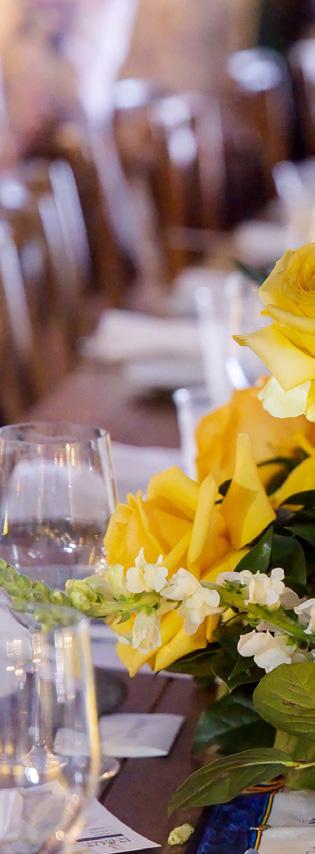
After the match, dancers guided attendees to the Mallet Grill pool deck for a La Dolce Vita-themed reception. Synchronized swimmers welcomed guests to a rustic Italian village setting. At candlelit tables, guests feasted on fresh stone-oven pizza, gourmet pasta, and artisanal gelato as rivers of red and white wine flowed.
Shelton provided the evening’s entertainment, performing beloved Frank Sinatra classics. Brandon Phillips, Polo for Life’s founder and himself a survivor of pediatric cancer, took to the stage to deliver a heartfelt tribute to his mother. He credits her fierce and unwavering advocacy with saving his life.
Following Brandon’s remarks, auctioneer Sebastian Clarke led a spirited live auction, offering a curated selection of luxury offerings. Highlights included ruby earrings donated by Coady
Culha, an elegant dinner at The Polo Room in Palm Beach, and a stay at a four-bedroom villa at Round Hill in Montego Bay.
The celebration wrapped up with a DJ and dancing under the stars. Blending top-tier equestrian sport with luxurious hospitality, Polo for a Purpose once again demonstrated how the equestrian community comes together to deliver life-changing support to South Florida families facing the myriad challenges that accompany pediatric cancer.
Executive sous chef Diego Bernal of AVEO TABLE + BAR adds a gourmet spin to a classic.

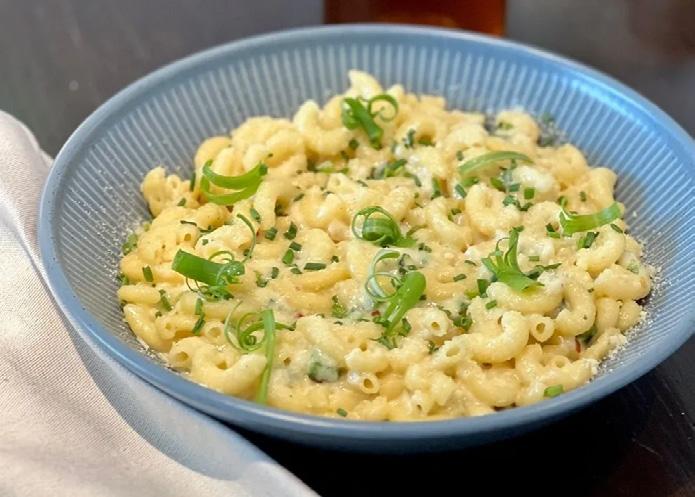
Poblano mac & cheese is “a gourmet spin on the classic macaroni and cheese. This flavorful dish is warm and inviting, and offers a level of familiarity to most,” said Executive Sous Chef Diego Bernal. “It’s easy to prepare, can quickly be made into larger quantities, and the combination of cheese and peppery flavors will be sure to excite your taste buds and leave you wanting more.”
Serves: 4 INGREDIENTS
1 pound elbow pasta noodles
2 cups white wine
2 teaspoons thyme
2 teaspoons tarragon
4 cups heavy cream
1 cup poblano pepper, diced
1 ounce garlic, minced
1 ounce shallots, minced
1 cup mozzarella cheese, shredded
1 cup Parmesan cheese
½ cup Gruyère cheese
3 ounces Boursin cheese
Salt and pepper to taste
Scallions, chopped, and parmesan cheese for garnish
Red pepper flakes (optional)
DIRECTIONS
1. Cook the pasta. Fill a medium-sized pot with 4 quarts of water and bring to a boil. Add the pasta and cook for 4-6 minutes, until al dente. Drain and set aside.
2. Make the cheese sauce. While the water comes to a boil, place the white wine and herbs in a separate pot and heat on medium for 8-10 minutes. Then, add the heavy cream and bring to a simmer for 2-3 minutes. Add the cheese and stir until combined. Add salt and pepper to taste.
3. In a large pan, heat a drizzle of olive oil on medium-high until hot.
4. Combine the poblano pepper, garlic, and shallots in the pan and sauté for 3-4 minutes or until lightly browned.
5. Add the cooked pasta and melted cheese sauce to the pan and stir until the pasta is coated evenly in the sauce.
6. Serve the pasta in a bowl and garnish with scallions and Parmesan cheese. Add a pinch of red pepper flakes for additional spice. Enjoy!
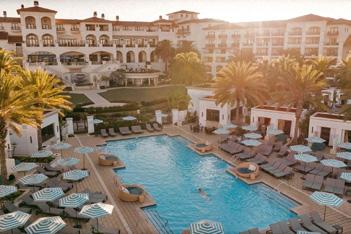
Nestled along the dramatic bluffs of Southern California, the WALDORF ASTORIA MONARCH BEACH RESORT & CLUB in Dana Point stands as a premier beacon of coastal luxury. This expansive, 175-acre hillside estate masterfully blends relaxed, quintessential Orange County style with the refined, historic sophistication synonymous with the Waldorf Astoria name. Boasting panoramic views of the Pacific Ocean, a private beach club, and championship golf links, the resort serves as a captivating sanctuary for discerning travelers.
At the heart of the resort’s diverse culinary landscape is AVEO TABLE + BAR, a vibrant dining concept that captures the effortless allure of the Pacific Riviera. AVEO features an expansive outdoor terrace, inviting guests to dine al fresco while overlooking the resort’s manicured green lawns and the sparkling ocean beyond. The menu is an intentional celebration of regional bounty, highlighting a rotating selection of sustainably caught local seafood, prime meats, and farm-fresh salads predominantly sourced from Southern California purveyors. From beautifully crafted breakfast favorites and nutrient-rich morning juices to sophisticated, shared plates at dinner, AVEO delivers an approachable yet deeply elevated gastronomic experience. Whether gathering at the lively bar for a botanical cocktail or relaxing on the patio for a sun-drenched weekend brunch, visitors find that AVEO flawlessly mirrors the sophisticated, sun-kissed rhythm of the Waldorf Astoria lifestyle.

From intimate interiors to al fresco dinners, these RECHARGEABLE LAMPS put flattering light within easy reach.
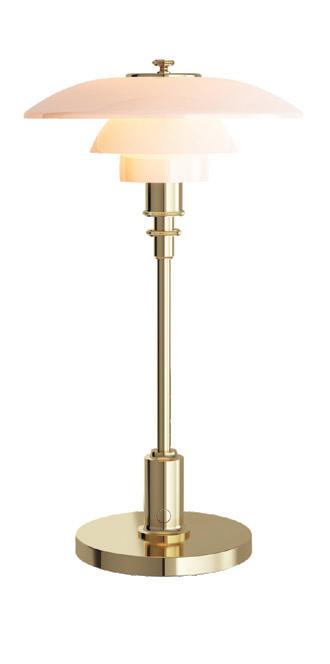
Louis Poulsen’s 2/1 Portable Lamp incorporates the threeshade system developed by Poul Henningsen in 1925. This cordless version with opal glass shades and brass base is perfect for indoor and outdoor use. $1,800.
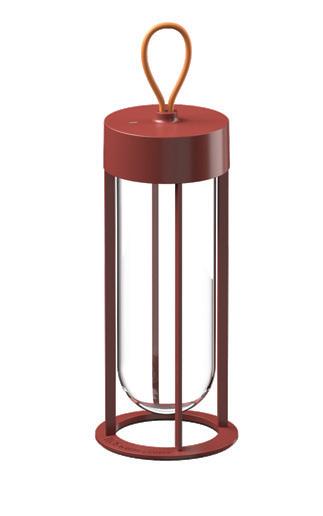
Designed by Philippe Starck, Flos’ In Vitro Unplugged Portable Lamp version in terracotta is equipped with a carrying handle and an optical switch sensor with a four-step dim ming function. $1,465.
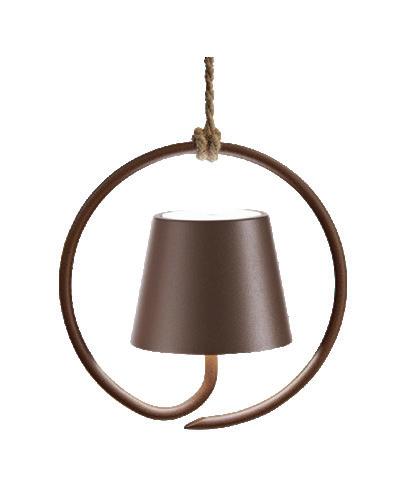
The Poldina Pro Suspension Pendant Lamp at Zafferano is ideal for indoor and outdoor settings. A touch con trol on/off and intensity adjustment adds to ease of use. Shown in rust. $175.
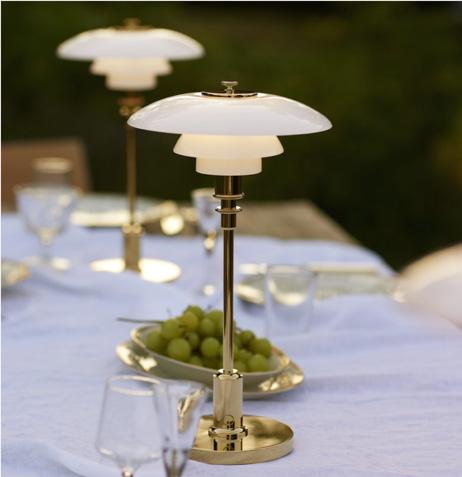
Louis Poulsen’s PH 2/1 Portable Lamp
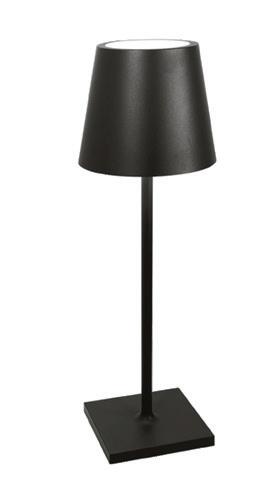
Zafferano’s Poldina Pro L Desk Lamp serves as an eye-catching statement piece. Ideal for any mood indoors or out, its sturdy and weatherresistant construction is built to last. Features touch on/off control and three-level dimming. In black. $325.
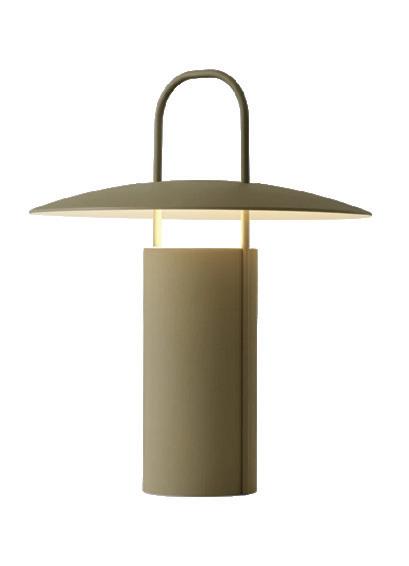
The dusty green Ray Portable Indoor/ Outdoor Table Lamp inspired by old mining lamps emits a soft, muted glow in three adjustable settings. At 2Modern. $375.
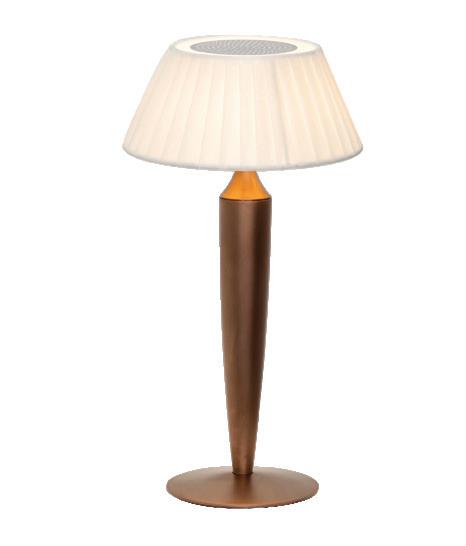
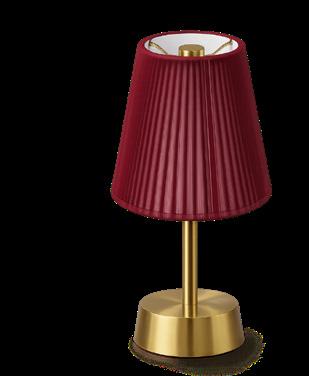
Insight’s Liberty Brass Rechargeable Table Lamp with a red cot ton shade is rich and dramatic, creating a bold atmospheric focal point. Designed for interior use with adjustable, stepless dimming and color-tem perature controls. $132. Zafferano’s Flaminia Cordless, Rechargeable Lamp merges a warm aesthetic with advanced technology. Designed for indoor use only, the pleated fabric lampshade and painted aluminum structure diffuse an adjustable, enveloping glow. In bronze. $315.
Discover the brand that makes the JOURNEY just as STYLISH as the destination.
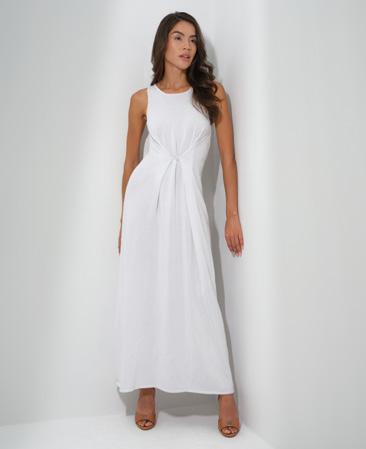

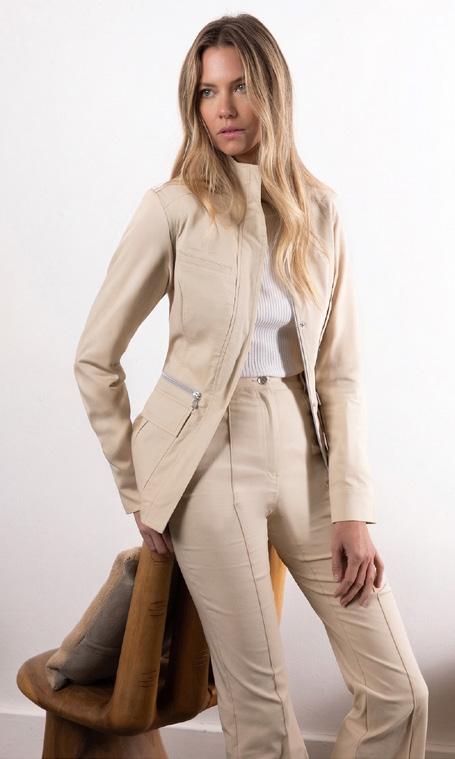
1. The Milo Sweater Knit Maxi Dress with cinched, button front, breathable fabric, and relaxed silhouette easily transitions from travel to evening. $248.
2. Sleek, flattering, and packed with pockets, the Kenya Safari Jacket (in wheat) is in the brand’s signature, wrinkleresistant fabric. $398. Paired with the Katya Performance Cotton Flare Pant with high-rise waist and elongating flare. In wheat. $298.
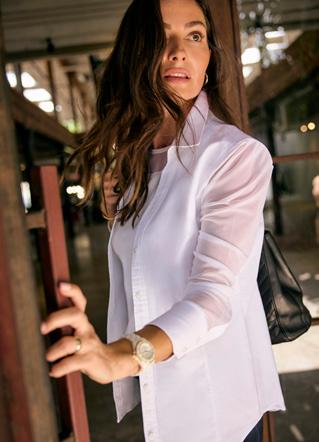
3. The Beth Button-Front Shirt (in white) blends tailoring with wrinkle-free ease. Features mesh sleeves, V-neck, and stretch woven fabric. $248.
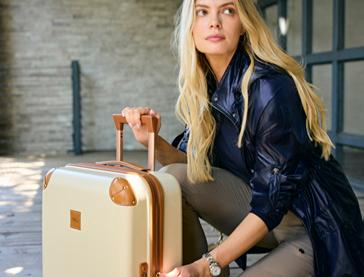
4. Ramona Windbreaker Jacket is a lightweight, windresistant piece with adjustable sleeves and removable hood. In black. $298.
5. Anatomie’s signature Delaney Travel Vest (in stone) with flattering longer length and zip pockets. $298. Shown with the Kim Mesh-Sleeve Top in pima modal. $178.
6. The perfect stretchy, button-front Nikki Long Sleeve Pique Shirt (in white). $198.
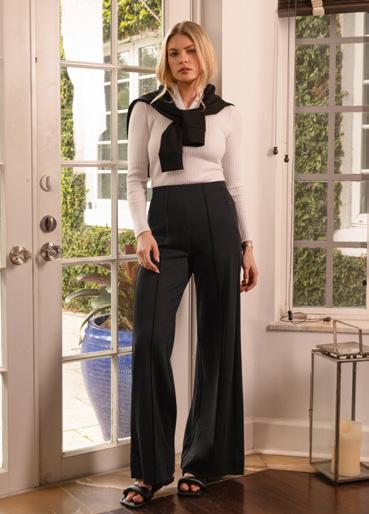
7. The wide-leg Meadow Pintuck Pant in a heavy pique travels from the office to first class. In navy. $278.

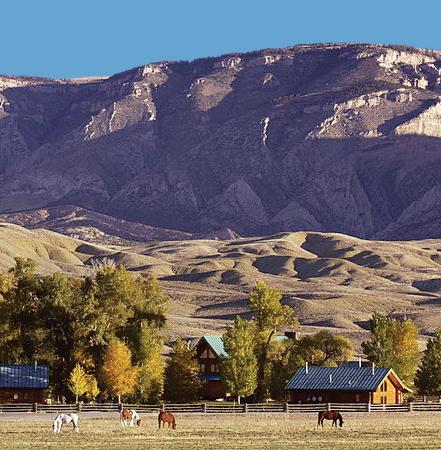
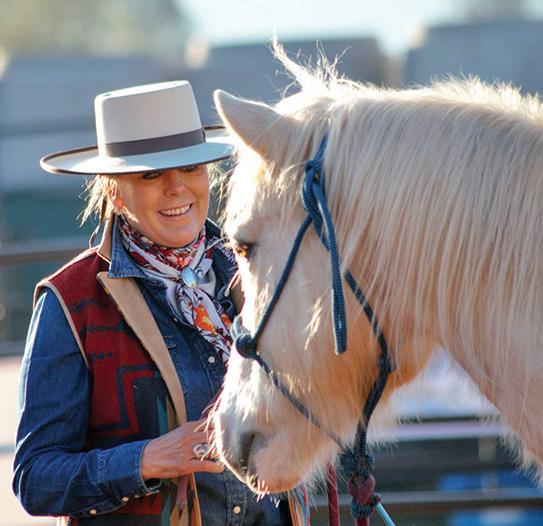
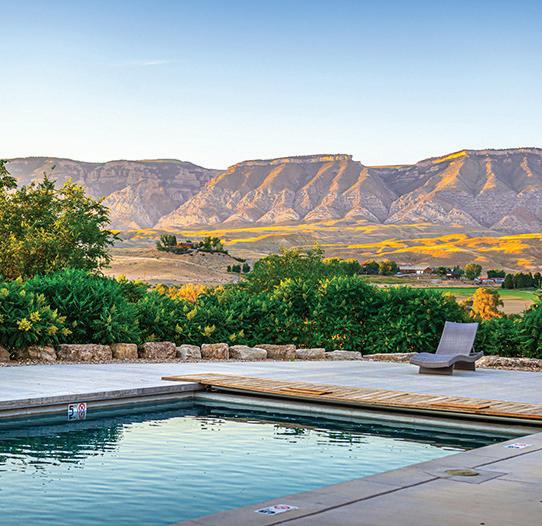
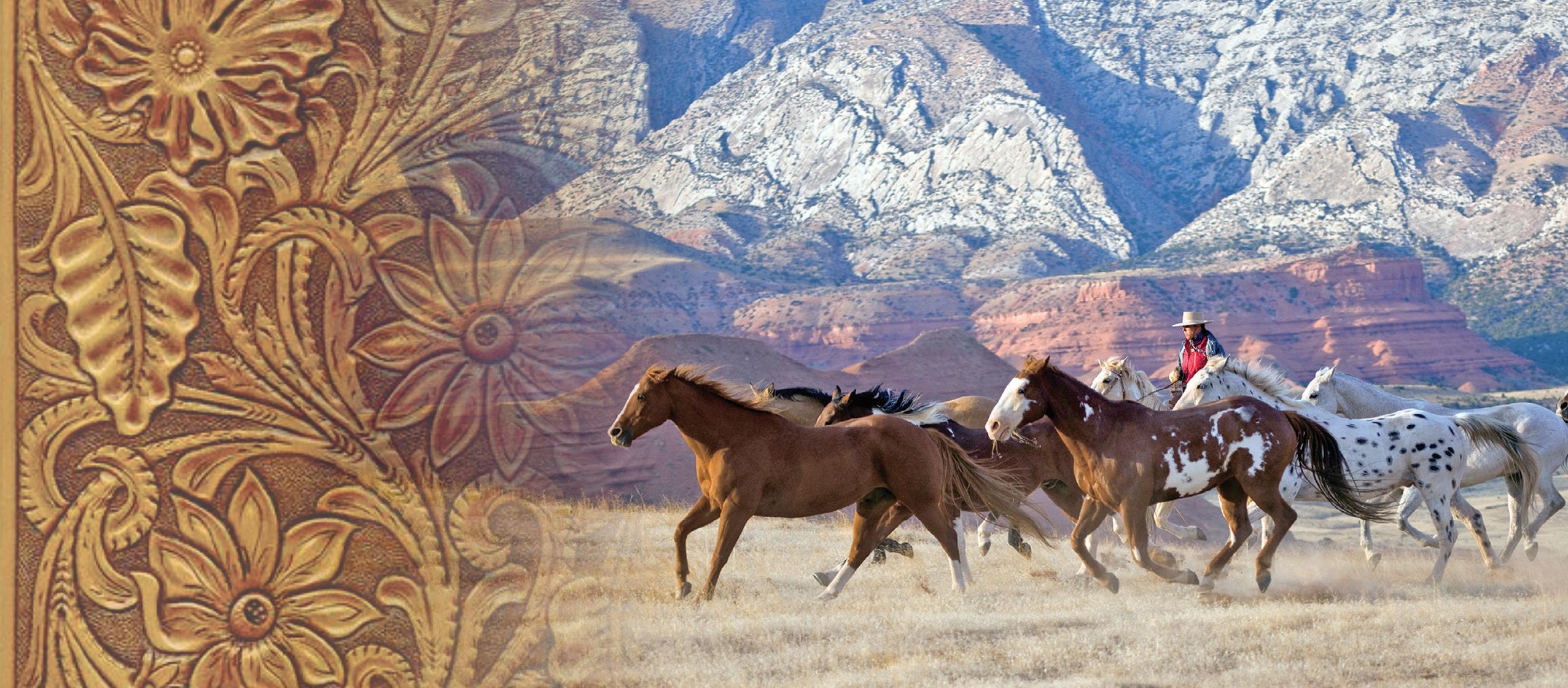
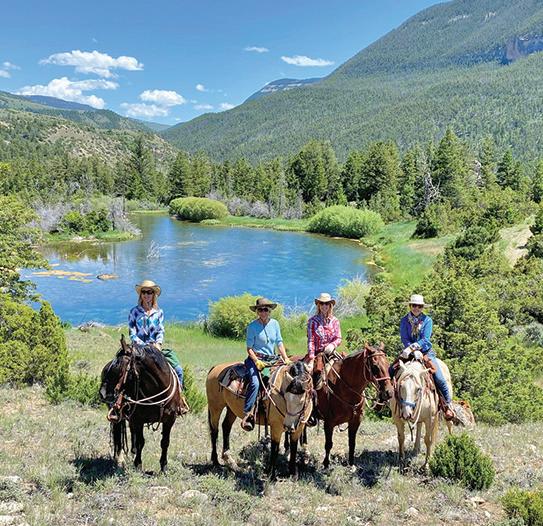
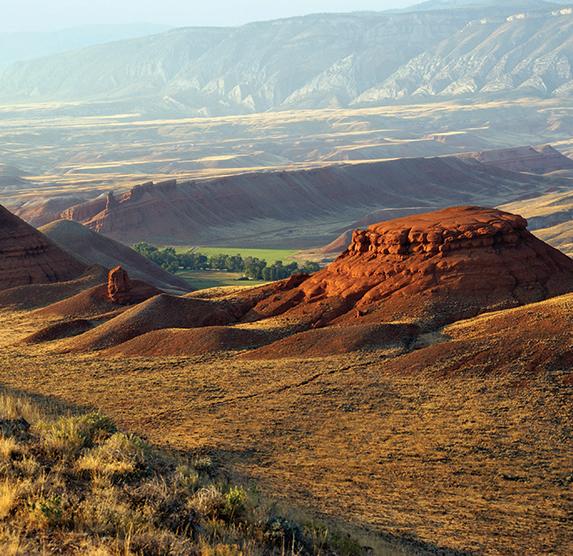
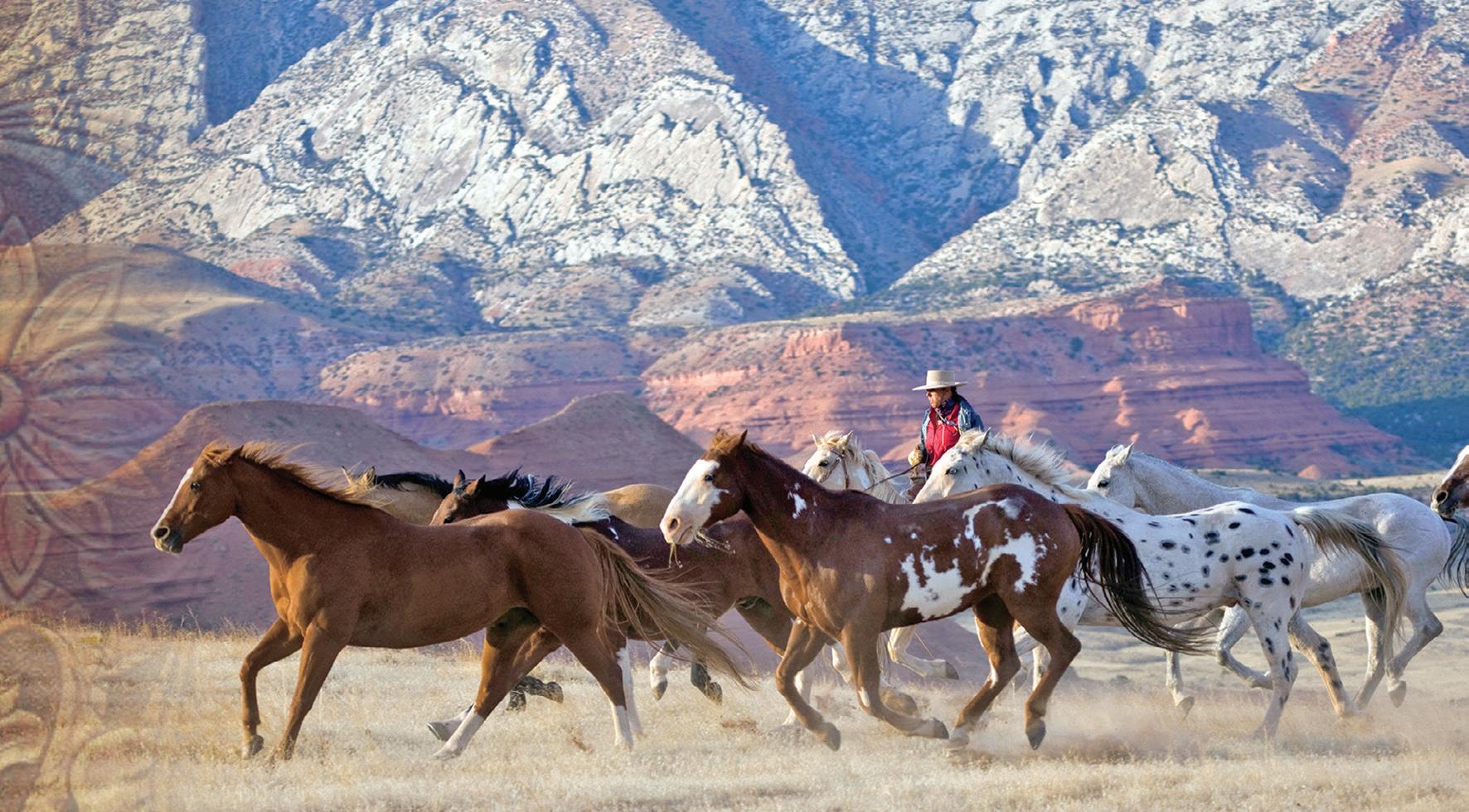
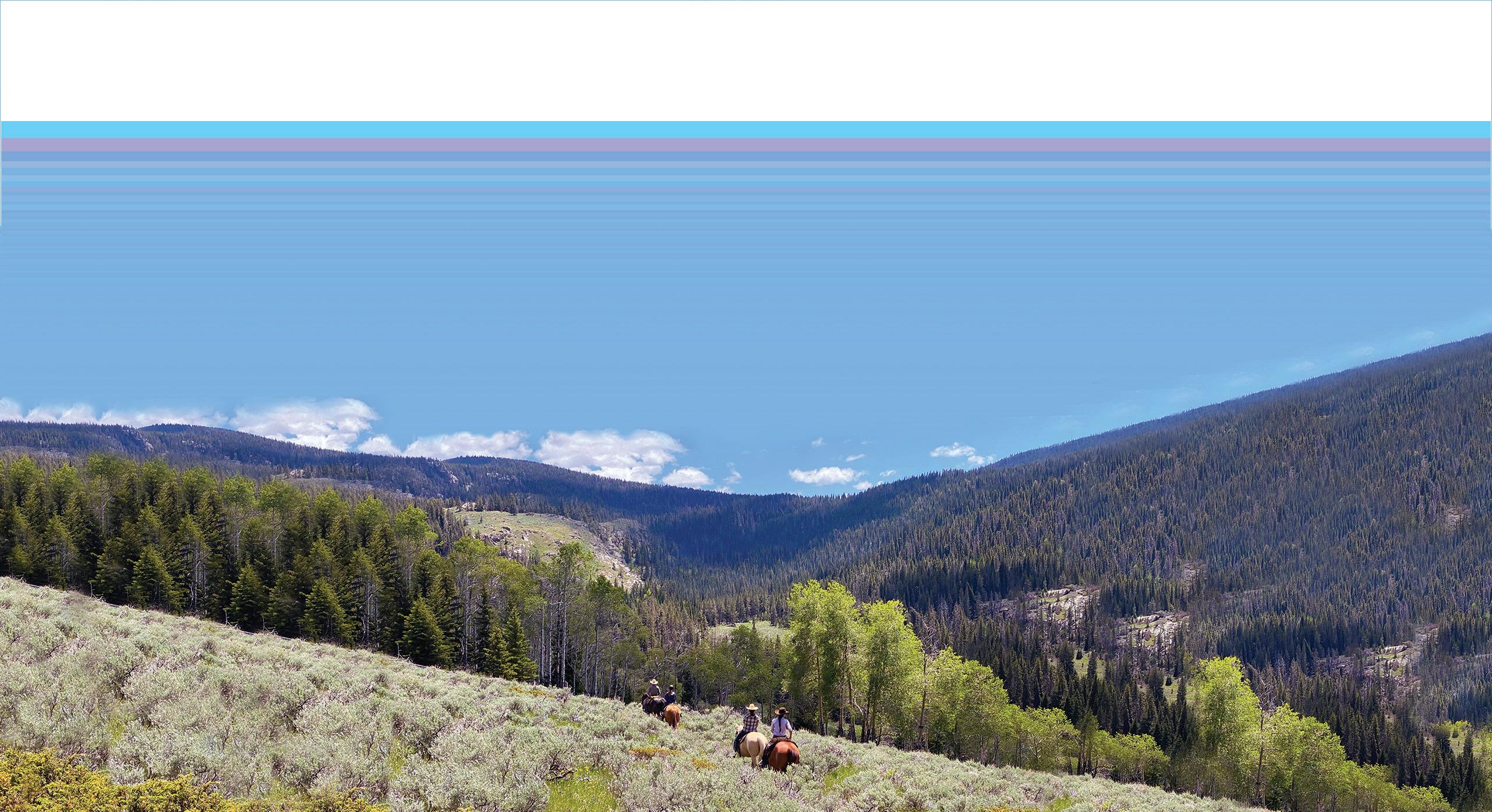
The Hideout Lodge is an all-inclusive, upscale riding and horsemanship guest ranch limited to approximately 25 guests weekly. We are all about horses, riding, and horsemanship. There are Quarter Horses and a growing number of Mustangs to ride. Our horses are part of our team!
Stay with us in Shell, Wyoming, east of Cody and Yellowstone National Park at the foot of the Big Horn Mountains. Our 650,000-acre backyard is in an area with a tremendous diversity of scenery and altitudes ranging from 4,200 to 13,100 feet. The owners embrace diversity as an asset and are very involved in the operation, deeply caring about your hospitality and riding experience!

Most people walk past the hardware hanging in a barn without a second thought. YASH BALASARIA built an entire collection around the idea that they shouldn’t.
At American Stalls, patina, longevity, and honest materials aren’t finishing touches—they’re the whole point.
In 2005, a steel fabrication family, the Balasarias, drove up to a sprawling show venue in Saugerties, New York, and got to work building 1,500 horse stalls for one of the country’s most prominent equestrian facilities. It was the kind of project that could have been just another job. Instead, it became the founding philosophy of an entire company.
That company is American Stalls, and more than 20 years later, Yash is its CEO and chief enthusiast. What started as a singular project at HITS Horse Shows has grown into a luxury brand supplying custom-built stalls, barn doors, windows, flooring, and architectural hardware to high-net-worth clients, builders, and architects worldwide. But the animating idea has never changed: that safety and beauty are not in conflict, and that the environments where exceptional horses live deserve to be built with the same intention as the homes of the people who own them.
Yash came to horses through manufacturing. His background was in steel fabrication—materials expertise, structural performance, and an understanding of how things behave under real conditions over long periods of time. It was

the right foundation for an industry where the gap between how something looks and how something performs can mean the difference between a horse’s safety and a catastrophic failure.
“Horse stalls are deceptively complex,” he says. “You need to understand steel fabrication, raw material selection, how a barn’s environment behaves over time, and equine psychology. Get any of those wrong, and you’ve built something that looks fine on paper but fails the horse.”
The equestrian equipment market, Yash will tell you plainly, had long operated with a comfortable tolerance for cutting corners. Suppliers either engineered for function and ignored aesthetics, or dressed up mediocre construction with expensive finishes. American Stalls was built on the belief
that a barn stall could be both structurally honest and genuinely beautiful.
The customer Yash builds for, commonly in her 40s or 50s, owns horses, rides with purpose, and has made considerable decisions about every aspect of her property. She is not buying something because it is expensive. She is buying it because she can tell it is worth building.
“They care,” Yash says. “They care about safety, about longevity, about the experience of walking into a barn that was built with intention.”
Over two decades in the equestrian world, Yash found himself drawn to the tack room as something more than a functional space.
“The tack room is where the day begins,” he explains. “Where the leather gets cleaned and hung, where the work of caring for exceptional horses gets done with intention. Once you see it that way, the standard you hold yourself to changes.”
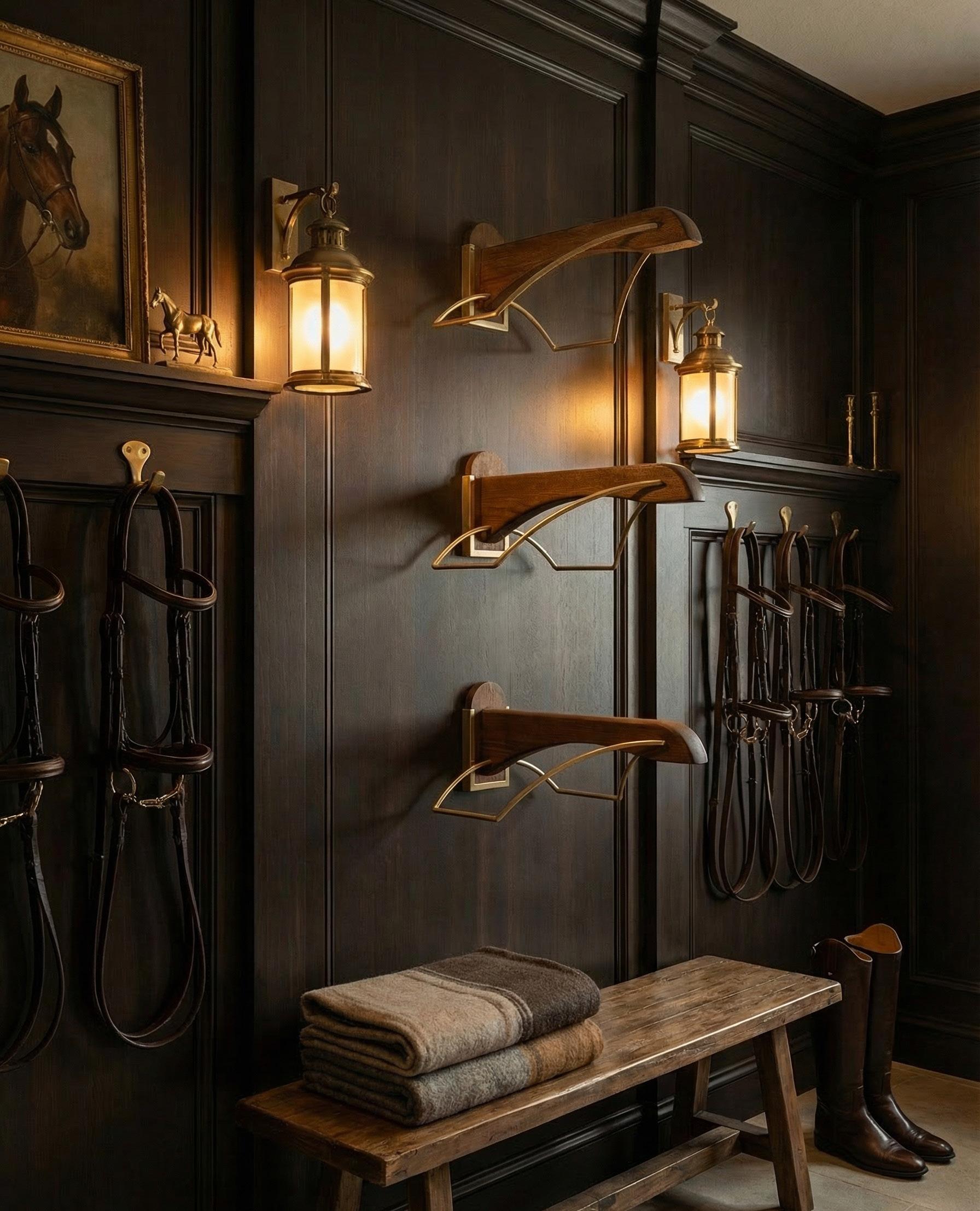
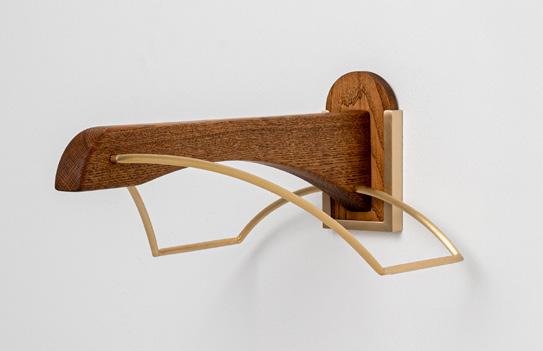
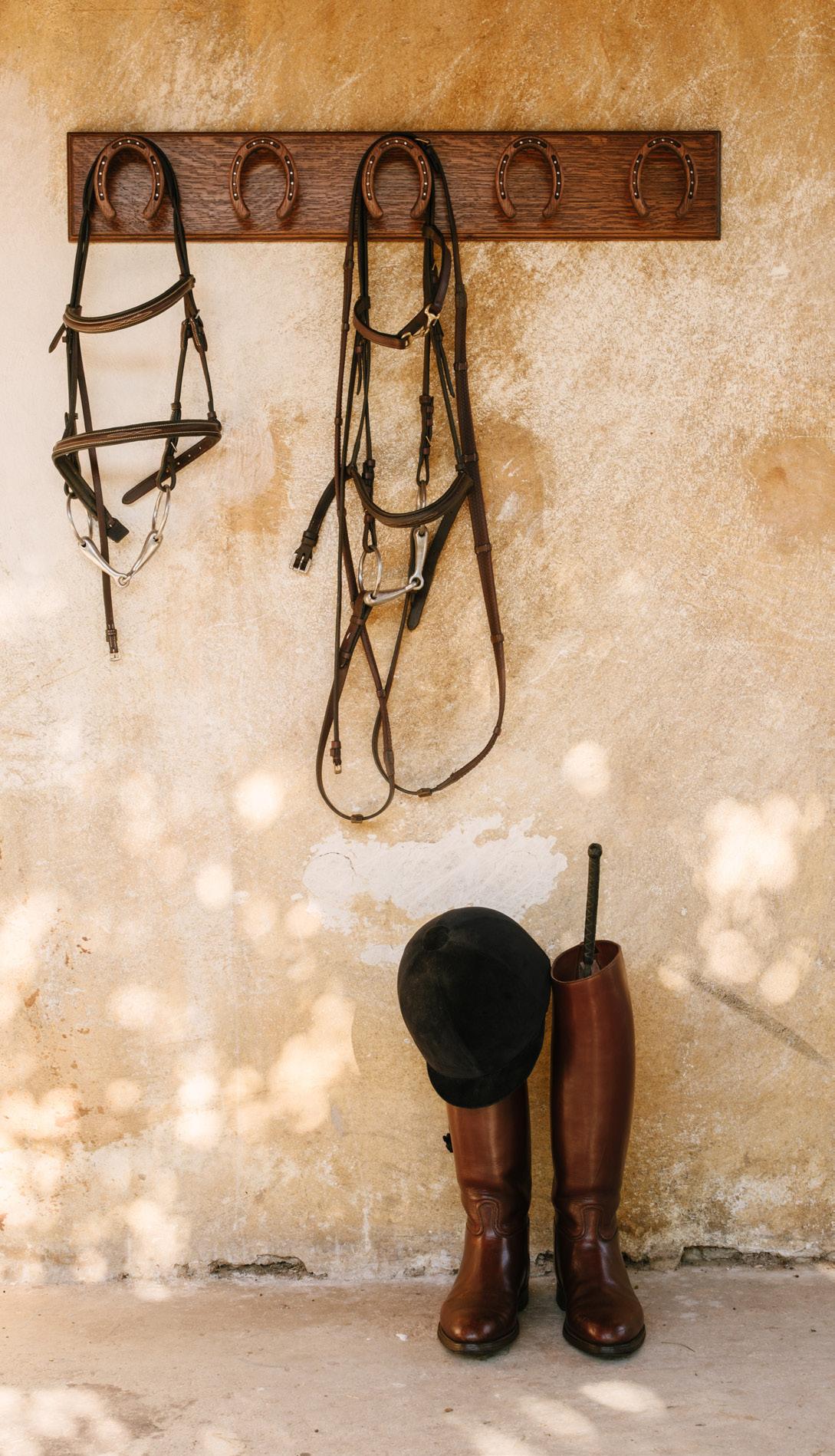
That realization became the seed of the Jefferson Collection, American Stalls’ most ambitious hardware launch and its most personal statement about craft. The question driving it: why had tack room hardware never been approached the way fine architectural cabinetry had? Why had the bridle rack, the saddle rack, the hardware riders touch every day, been treated as utilitarian afterthoughts?
Yash named the collection after Thomas Jefferson—architect, farmer, and artisanphilosopher—because Jefferson had built
his life around the same conviction: that the spaces around us shape how we live, and that an artisan’s hand produces something a machine cannot replicate.
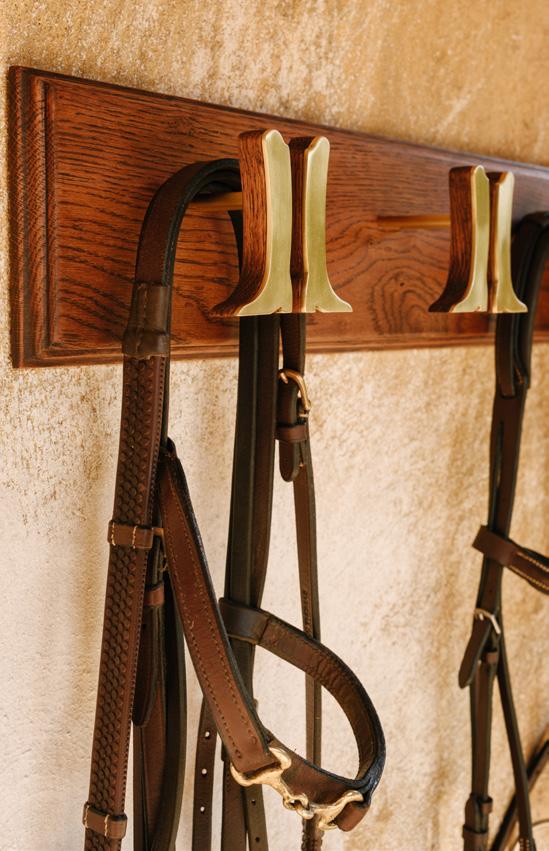
To build it, Yash went to Athens, where Greek walnut and oak are shaped by hand in a workshop, carved from solid blocks by artisans using traditional tools. The hand-formed hardware is solid brass. No veneers, no shortcuts.
“Walnut and oak are dense, stable woods that improve with age,” Yash says. “Brass develops a patina that makes a piece look more itself over time. For
5.
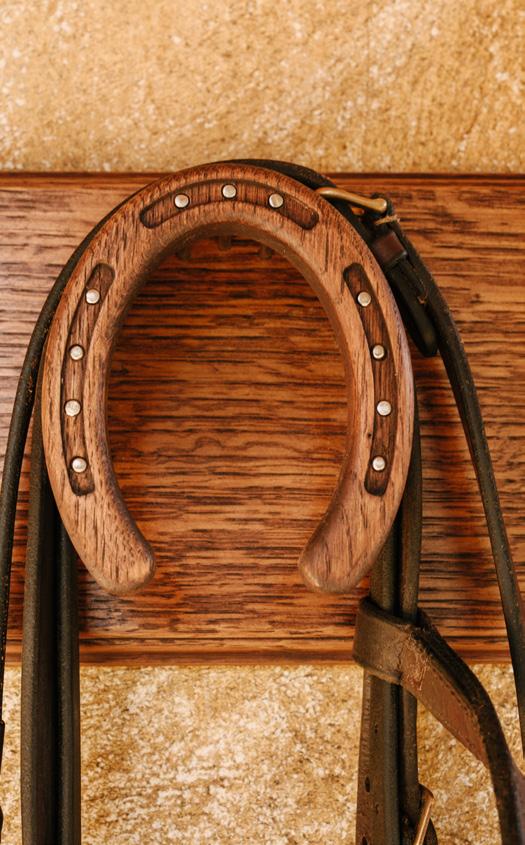
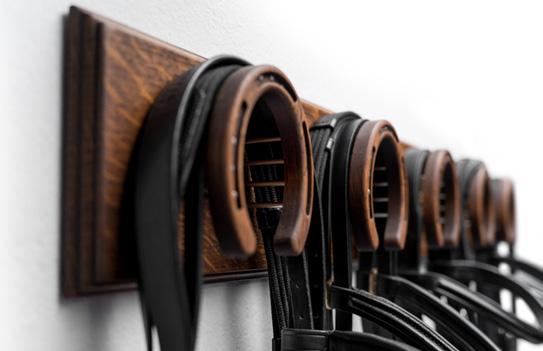
something used every day in a working barn, that durability isn’t a luxury detail. It’s the point.”
What Yash has built is something rarer than a successful company. It’s a coherent argument about what a barn should be: not infrastructure, but environment. Not a place horses are kept, but a place where people who love horses express what that love looks like made physical.
The Jefferson Collection is the fullest expression of that argument to date. But knowing Yash, it is not the last.

It’s almost a straight shot from Ocala, Florida, to Williston, a town of about thirty-five hundred residents approximately twenty-five miles to the northwest. The roads are wide and the drivers fast, clearly articulating this commute is not just about sightseeing but also about getting from one place to another with the kind of efficiency that residents expect and tourists appreciate.
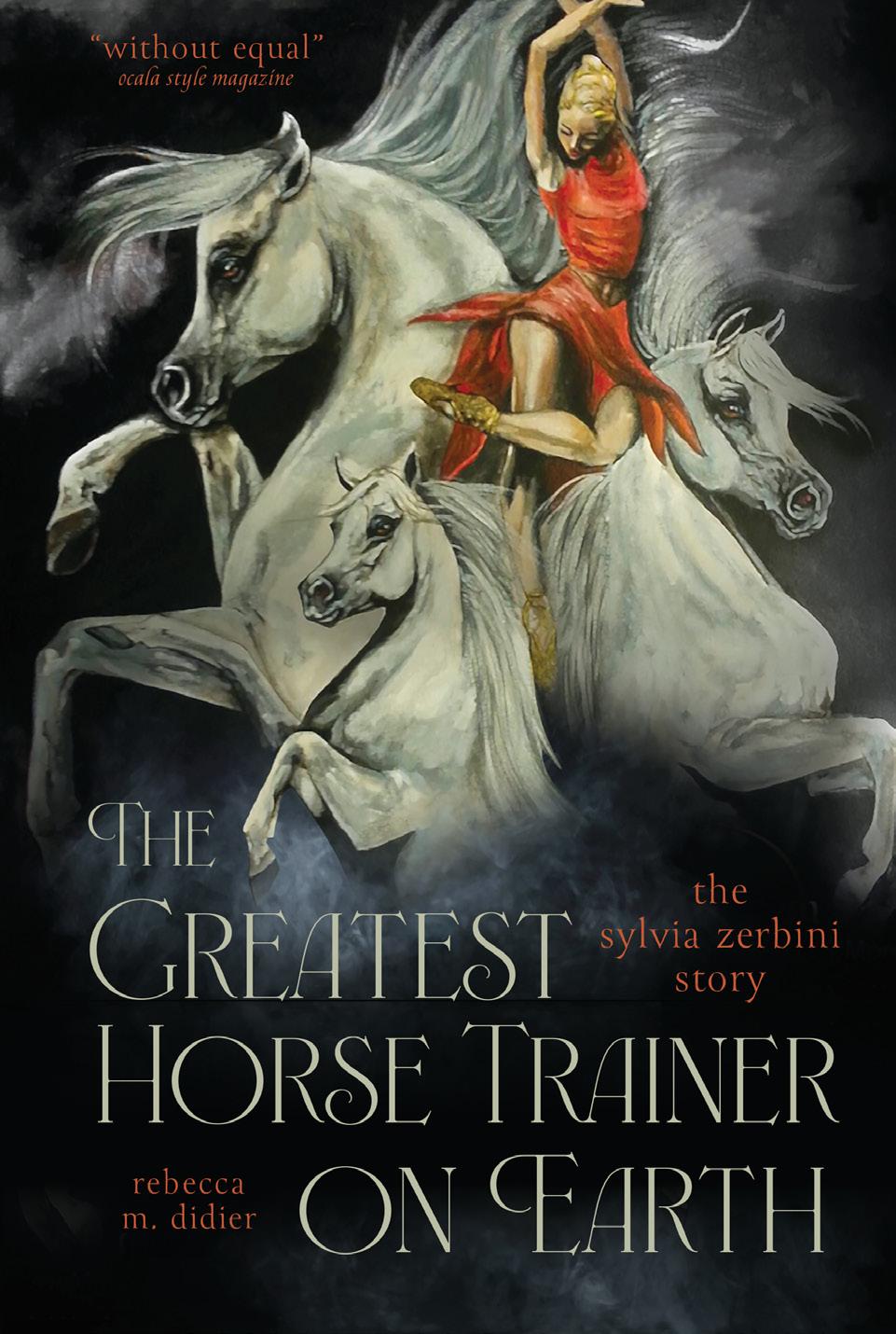
An excerpt from THE SYLVIA ZERBINI STORY.
I’d visited Ocala and its immediate surroundings numerous times before ever thinking of venturing up US-27. Ocala is where the horses are. True, in defiance of its broad swathes of swamp and sand, there are horses all over the Sunshine State, but I’d spent enough time in each of its equestrian enclaves to feel emboldened to brand Ocala my favorite. There, snagged between the golf cart byways of The Villages and the salt marshes of Waccassa Bay, it forms an inland oasis for the likes of me: Rolling meadows speckled with the bay, brown, and gray hues of a new year’s crop of Thoroughbred and Quarter Horse stock, black post-and-board fencing neatly defining borders. Spanish moss draped with nonchalant drama over hundred-year-old live oak limbs. Shaded roads that wind and wander, hinting of an older place in a former time, when travelers weren’t in such a rush to reach epic destinations like the World Equestrian Center, the palatial event grounds that is, at the time of writing, “the largest equestrian complex in the United States” and was named to TIME magazine’s annual list of “World’s Greatest Places” in 2024.
Ocala’s historic downtown, arranged charmingly around a central green in the style of the New England scenes I tend to favor, provides a pleasing selection of independent cafes and restaurants—rare species in the area. But it also feels vaguely suspect, like you’ve wandered into a far-flung corner of Disney World with a small-town theme.
In Florida, the real and makebelieve often blend into a state akin to mild intoxication.
I’d turned the car toward Williston in search of an enigmatic individual with an enticingly dramatic name: Sylvia Zerbini. Sylvia had proven elusive and extremely careful with her time, entirely devoted to the care and training of the horses I’d heard much about. I could sense it was perhaps an ambitious task to persuade her to spend any number of hours otherwise. A few miles past the intersection where a dozen or so structures, laden with the character of buildings accustomed to an equatorial climate, formed Williston’s main drag, GPS ordered us to take a right. A firmly packed dirt track marked with a three-foot model elephant and a sign for “Two Tails Ranch” felt unfamiliar and unlikely—the illustration suggested we were turning toward pachyderms rather than equines. I reminded myself the elephant was both surprising and not; after all, Sylvia is a ninth-generation circus performer.
The uniquely marked yet unassuming driveway curved around a pair of retired Ringling Bros and Barnum & Bailey Circus train cars, rewilding amidst pink and purple phlox and bright yellow coreopsis. Their paint and metal glinted and glistened in the southern sun, their remnant shine hinting at their colorful heyday, their vibrant yesteryear. (I
SELECT PAST EXHIBITIONS & RESIDENCES
SOTHEBY’S • EUROPEAN MUSEUM OF MODERN ART • NATIONAL SPORTING LIBRARY & MUSEUM ART ASCEND NYC • ART GALLERY AT DEVON • GLOBAL DRESSAGE FESTIVAL


would later learn they served as a stirring memorial to Sylvia’s late brother-in-law, Ted Svertesky, a renowned elephant trainer who tragically lost his life in a circus train accident.)
Grande Liberté Farm appeared soon after, its fenced pasture, covered arena, barns, and appealingly modest home neatly arrayed behind a heavy iron gate. In Florida, every entrance, home or business, whether imposing or humble, seems to have a gate. Sylvia’s was immediately distinctive—the outline of a dancer, or perhaps an acrobat, hewn boldly in the black metal. I was again intensely aware that the woman we were about to meet was not our usual horse trainer.
And if there is a “usual” horse trainer—a norm, sporting characteristics most often seen in that particular world, that distinctive niche—well, my colleague Martha and I would know, as we had met hundreds of them, and not just horse trainers, but riders, communicators, veterinarians, therapists…experts of every ilk. Our business was publishing books related to the equestrian world, and about the people who radiated out from the magnetic center horses provided in layered and ever-more-specific roles. Over the many years we had worked together, the search for the most interesting of these individuals had led us to farms, ranches, show grounds, and racetracks all over the world, and introduced us to a deeply complex ecosystem of humans devoted to a sport, or a lifestyle, or a passion, or simply a deep love for animals.
But Sylvia…she was something else altogether.
Most of the paddocks at Grande Liberté were empty as their usual occupants were inside the low-roofed barns. In Florida, the heat of the day during warmer months tended to make
night-time turnout preferable. But the exterior-facing top doors of the horses’ stalls were open, and curious noses and ears thrust out in our direction at the sound of the rental car pulling to a stop on the gravel. Pop music drifted on the sultry afternoon breeze—it was coming from the wide entryway of the barn— and a gray in a flysheet and facemask snorted contentedly from the shaded cover in the corner of a nearby paddock, his muzzle buried deep in a loose pile of hay.
I knew these were Arabians, mostly; stallions, some; rescues, many—or retirees from Sylvia’s years as an internationally renowned entertainer. One of the first people to mix aerial acts and equestrian showmanship, Sylvia had been in the air or on a stage for most of her life, performing in front of nearly ten million people around the world, and appearing in such lauded venues as Madison Square Garden in New York City, Playa De Americas in Mexico City, the Molson Center in Montreal, and the Staples Center in Los Angeles. She’d toured for decades as a leading star and horse trainer with the biggest names in the circus world, including Ringling Bros and Barnum & Bailey, as well as directing and performing in the liberty acts of Cavalia, the highly acclaimed equinethemed spectacular created by Normand Latourelle, one of the pioneers of Cirque du Soleil. Critics called her a “superstar” (The White Tops), and she was showered with recognition and awards—a sidewalk plaque on the Circus Ring of Fame in Sarasota, and multiple awards from the Prince of Monaco, who hosts what is considered the largest and most prestigious circus event in the world (including a trophy that is the equivalent of an Oscar to circus performers).
I also knew Sylvia’s horses stayed with her. When their journey alongside her in the world reached its end, whether due
to old age or illness, they were laid to rest with their former herd members beneath a statuesque oak on the property, its grand branches shading their markers. There, Sylvia could recognize each of them, every day.
I was not fully prepared for Sylvia’s elegance, despite having watched hours of footage of her in interviews and performing with her horses, and the awkward contrast my own body made felt excruciatingly obvious as I smiled in response to her greeting. She led us around the outside of the main barn (assuring us, “I’ll introduce you to the horses after we talk”) and onto the lanai, cooled by dense tropical foliage, behind her home. I watched her stride slightly in front of me, exuding power in her carriage and step. Her body, having been sculpted and honed for five decades, melded extreme athlete with trained dancer. Every movement she made felt choreographed, even when it clearly was not. The turn of her head as she offered pleasantries, the shifting of her weight on her seat bones as she settled in the chair across from me, the regulation of her breathing as she spoke—these details were immediately apparent, as if her awareness of her surroundings, and of me and my movement and my emotional presence, changed my own awareness of where I was in space and time, and who was in it with me.
Sylvia had something Martha and I had yet to see in anyone else—an absolutely evident albeit invisible line of communication between herself and her horses, and a faultlessly pure motive for training them as performers for human spectators. The term she coined, “Grande Liberté,” was intended to refer to what is known as “liberty” (working with horses free of ropes and riders), but in regards to a single person working with ten or more horses at one time. Sylvia had regularly run groups of ten, twelve, even sixteen,

using only her body, her voice, and the occasional flourish of a short-lashed stick to direct them into intricate patterns, weaves, turns, and tricks.
Sylvia came as close to being “one with the herd” as I had ever had the chance to witness.
I’d watched in awe as one by one or two by two, gray and black stallions and geldings were led into a vast arena and released to join a galloping, leaping herd, romping and playing, nipping and kicking, but then directed into place with an unseen energy and the occasional vocal directive called or cooed in French by the captivating blonde woman who moved, nimble and assured, around and through them. I know horses well, and I’ve observed and experienced the complexities of their nature as animals of prey in the care and company of predators (us), and with that understanding, seeing Sylvia in action was utterly overwhelming.
For those of us in the equestrian world, the apparent “buy-in”—the acceptance of and willingness to actively participate—from Sylvia’s horses is perhaps the very key we need at what must be recognized as a disturbingly precarious moment. Horses, no longer farm, work, or military necessities in most of North America and Europe (although still very much depended on for labor and transportation in other parts of the world), are being considered by many in a different light. The understanding of their sentience and emotional intelligence, combined with their popular use primarily in athletic endeavors for human gain and entertainment, has generated doubt and eroded support for equestrian sports to such a degree among the general public, it has been decreed an emergency. Many believe that we may very well be seeing the final days of Thoroughbred racing in the United States…of
equestrian events like eventing, dressage, and show jumping at the Olympics.
It is a single phrase that threatens the industry to such a significant degree: “social license to operate.” At its most basic, “social license” describes an activity’s acceptance by the public. Should the majority of society determine that training, riding, and performing with horses is “cruel” or otherwise unacceptable as a human pastime, equestrian activities will lose public approval and support, and ultimately cease to exist in the way we know them now.
Sylvia knows just how swiftly the world can be changed by the rules of social license—her father was a wild animal trainer, and she grew up in the traveling circuses of bygone days, complete with elephants and big cats. As we ask whether the equestrian world can survive being under the same critic’s eye, I wonder if Sylvia Zerbini holds the answer.
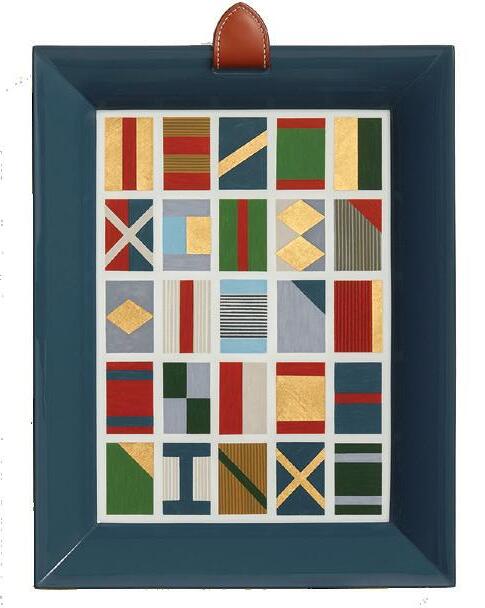
1.
2.
from the 1930s. A cubist horse base supports the body. At 1stDibs.
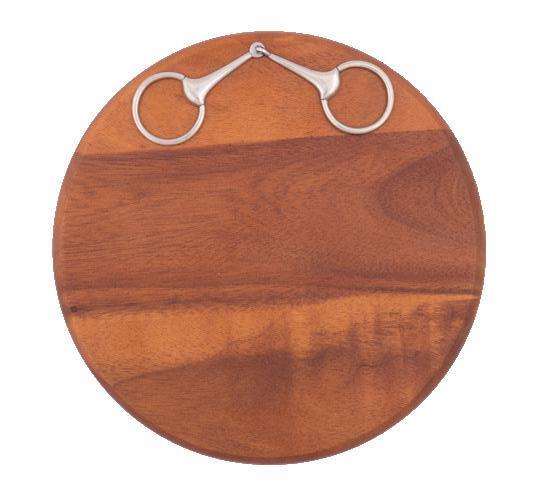
Bit Cheese Board with pewter embellishment is a perfect gift for horse enthusiasts. $44.
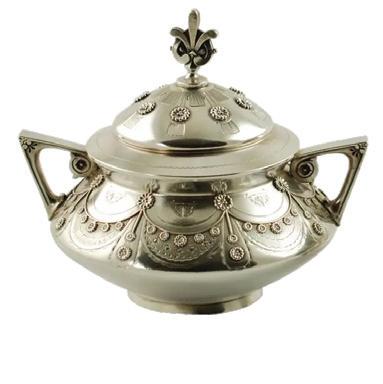
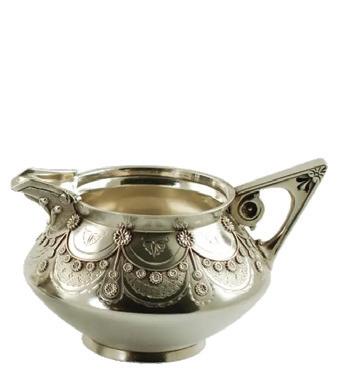
5. Antique Tiffany & Company
Aesthetic Movement sterling silver cream and sugar set, circa 1870. At 1stDibs. $2,750.
6. The large Brandon Maxwell Ludlow Hurricane Candle Holder in blown glass gives a fresh perspective to heritage patterns. At Pottery Barn.
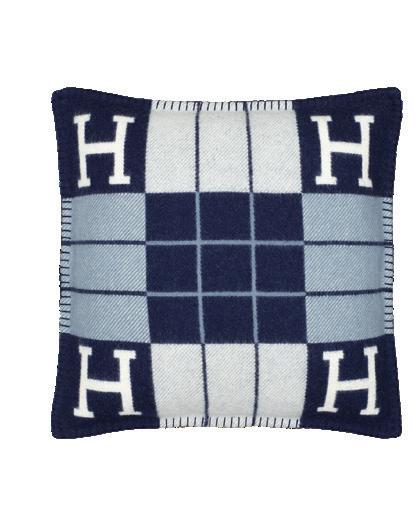
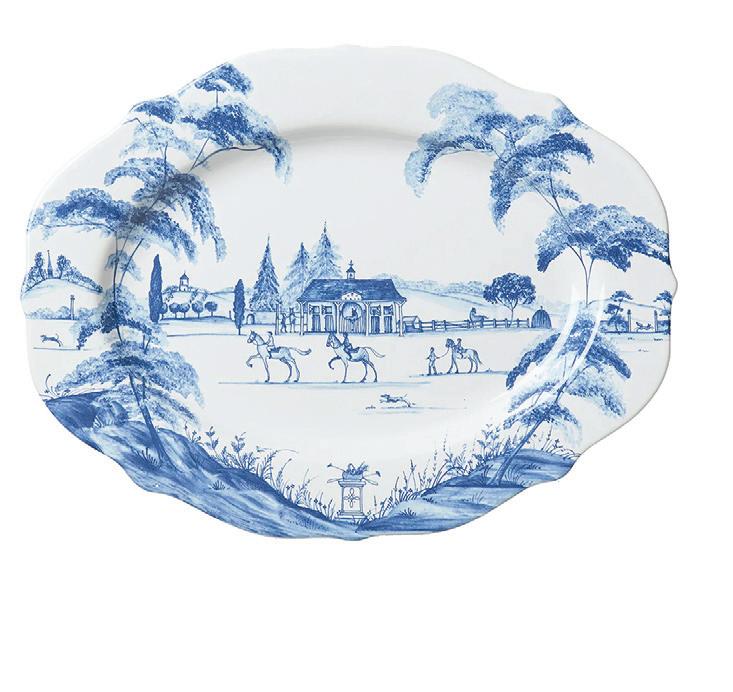
1. From Juliska’s Country Estate Collection, the 15-inch Delft Platter brings a dash of graceful equine pursuits to the table. $185.
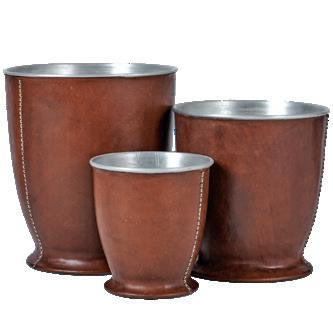
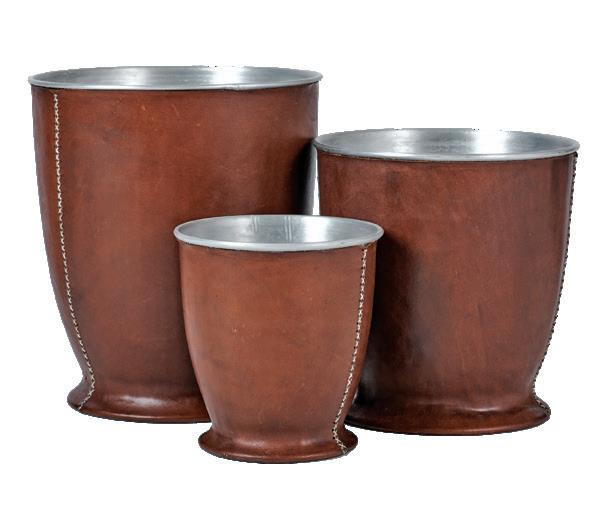
2. Brown Leather Cloche fuses European design with Paraguayan craftsmanship. At Dandylion in various sizes. $95-$135.
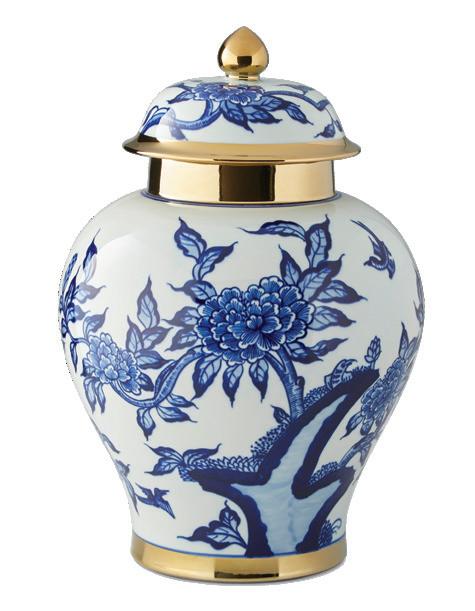
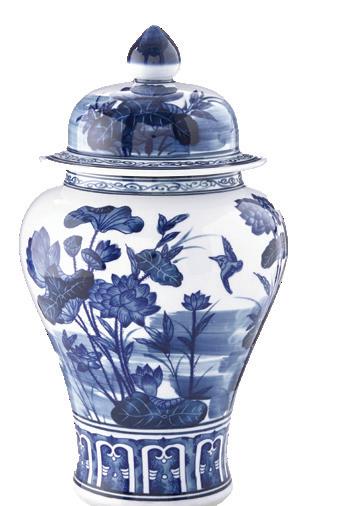
3. Peony and Hummingbird Lidded Ginger Jar with gold-plated details on the rim, base, and handle. Crafted by hand. At Williams Sonoma. $295.
4. Williams Sonoma’s lidded Lotus Ginger Jar brings Ming style into the home. Handmade of porcelain with
hand-painted lotus flower motif in cobalt blue. $120.
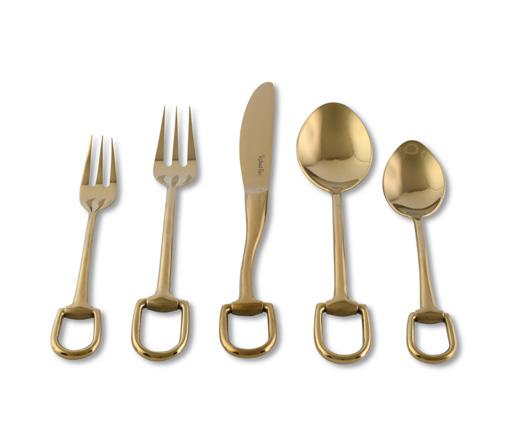
5. Ideal for equestrian-themed gatherings, the Stirrup Five-Piece Flatware Set is in a shiny gold stainless steel. At Vagabond House. $121.
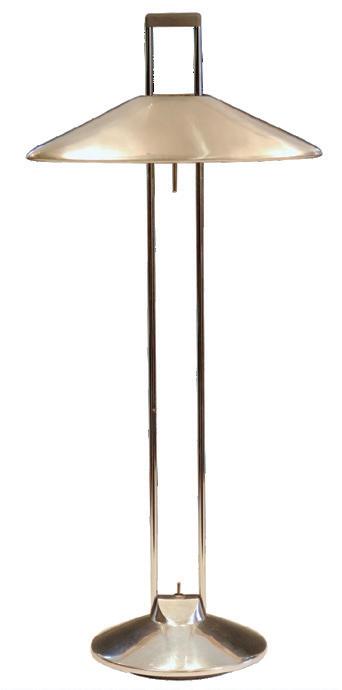
6. Vintage Jorge Pensi for B-Lux Regina 1980s halogen table or desk lamp in polished aluminum. Shade moves up and down the poles for different effects. At 1stDibs. $475.
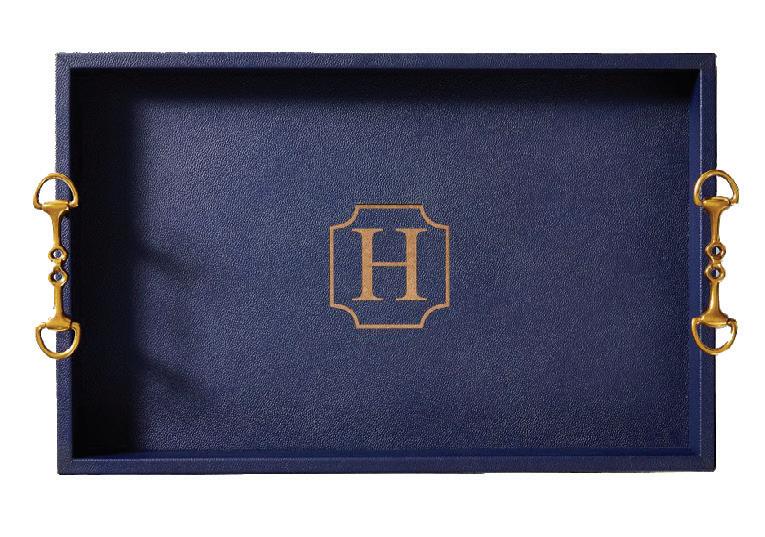
7. The 23-inch Horsebit Leather Tray in navy adds classic luxury to any setting with iconic brass horsebit accents and a custom monogram if desired. At Mark & Graham. $179.

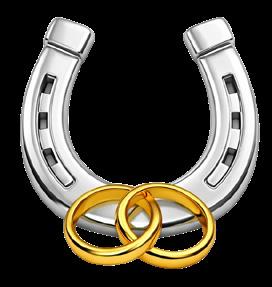
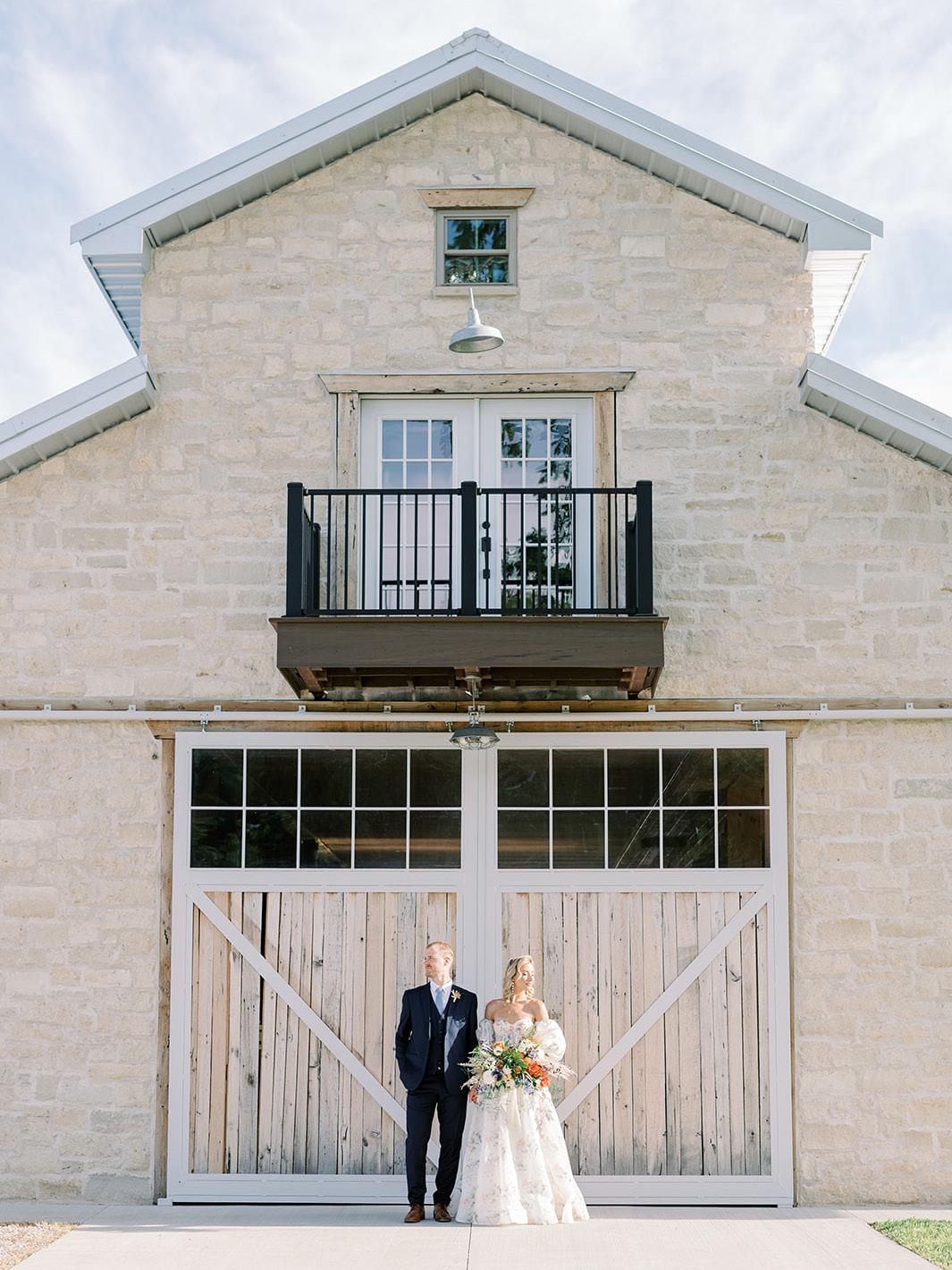
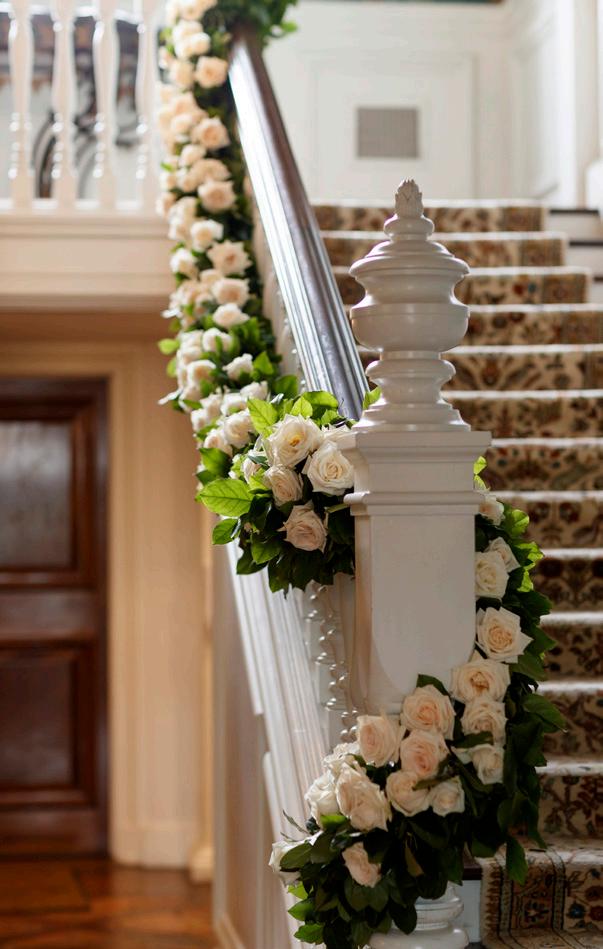
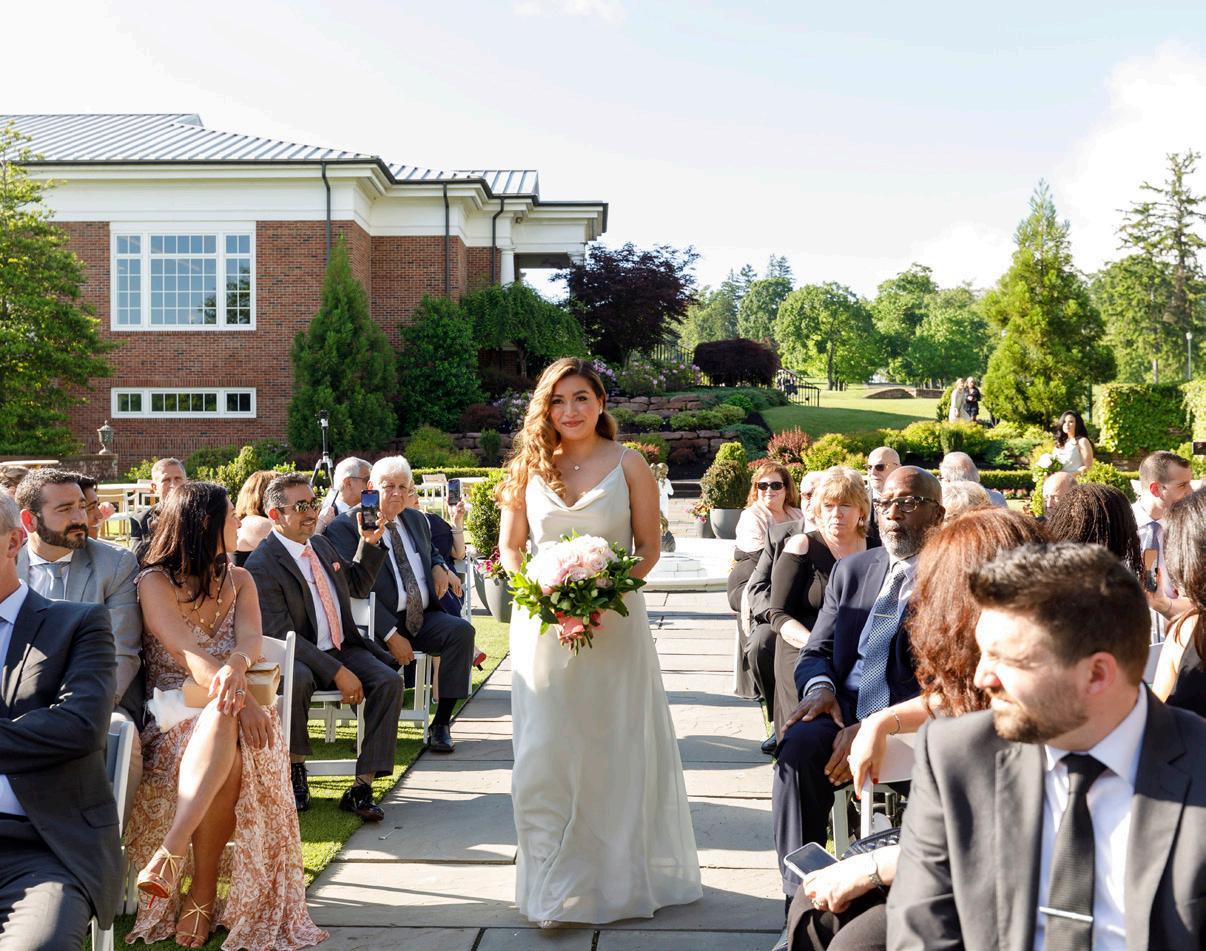
There is a reason couples keep finding their way to equestrian estates, working farms, and historic manor houses when they begin imagining their wedding day. It is not just a backdrop (though they are often extraordinary). It is something deeper: the sense that these places have been here long before the wedding party arrived, that the land itself carries a kind of meaning and continuity that no ballroom could replicate. Horses signify not only an elegance and a history deeply entwined with our own, but also wildness, and a connection to nature. Where they are present, even in spirit, there is a groundedness, and a connection to something genuine. This year’s wedding feature brings together two styled shoots and three real celebrations, each shaped by the same instinct for beauty with deep roots.

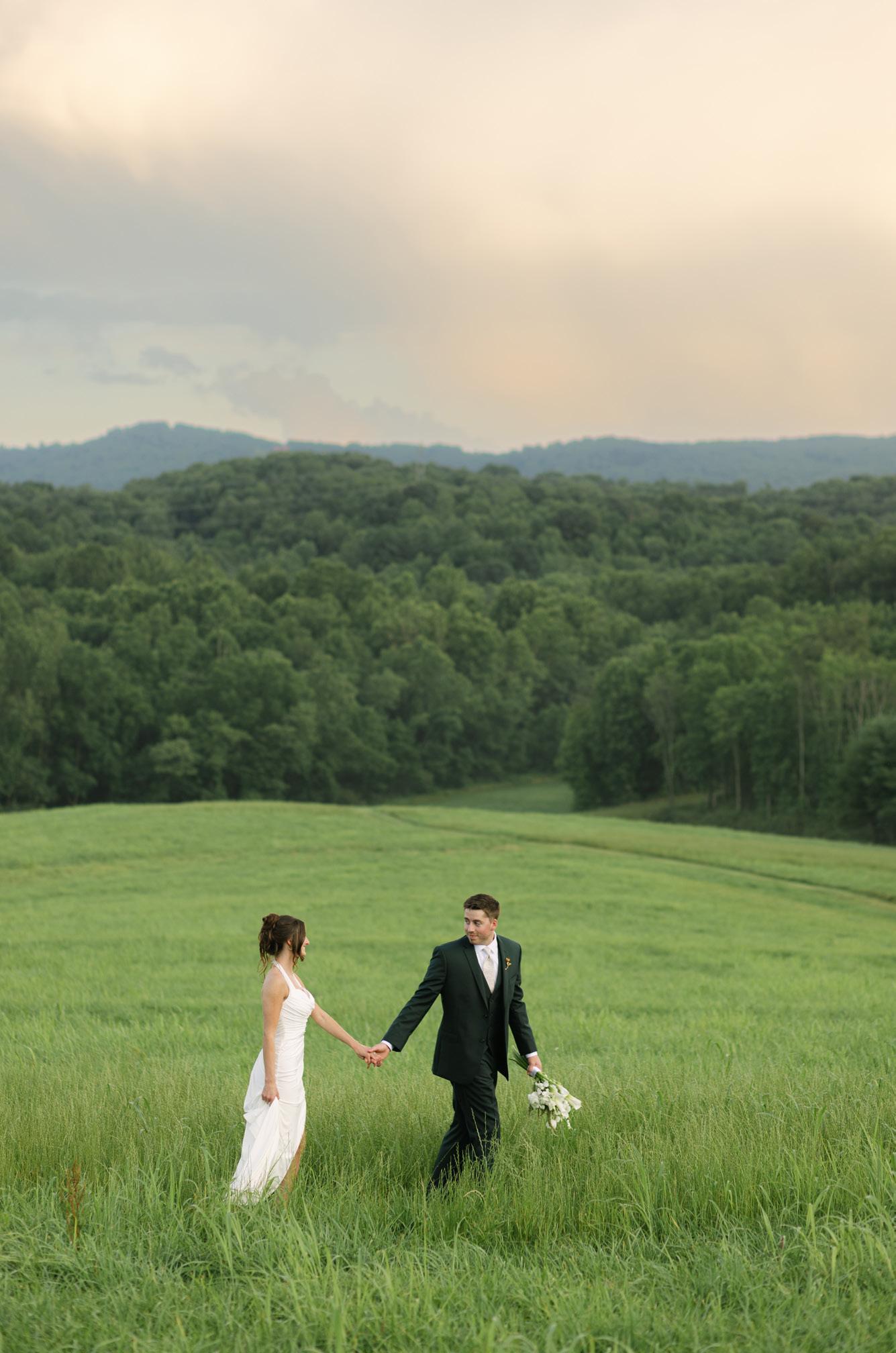
Roaring River, North Carolina
When photographer Ashley Logan and venue owner Jenna Mathis began planning a shoot at The Lodge on Brier Creek in the foothills of the Blue Ridge Mountains, they wanted to push back against an assumption. In areas like theirs, Logan explained, weddings are often associated with heavily rustic aesthetics. What they wanted to show was that something quieter and more elevated was also achievable, that the talented local vendors in their region were fully capable of producing work that felt refined without feeling apart from where they actually were.
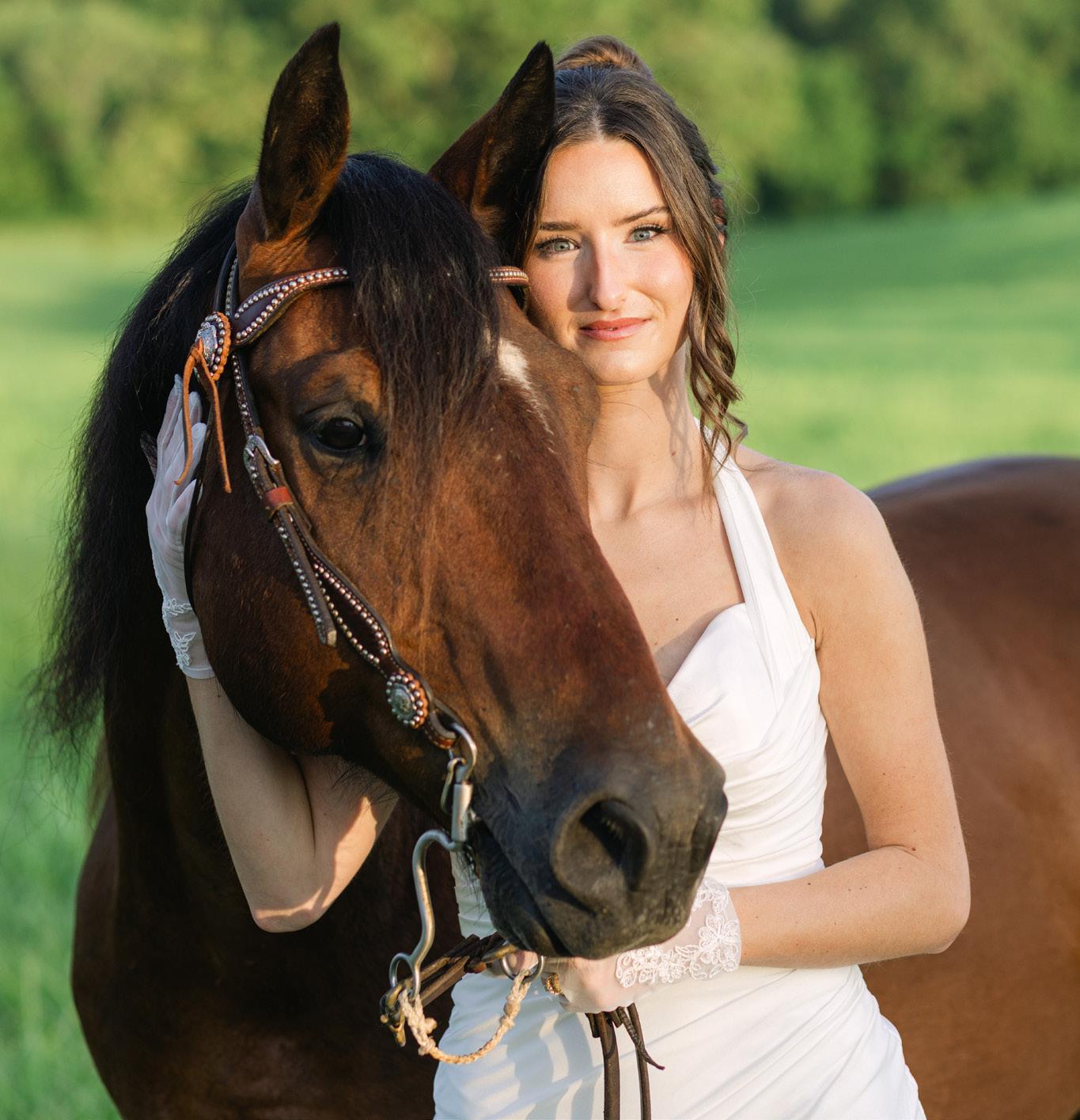
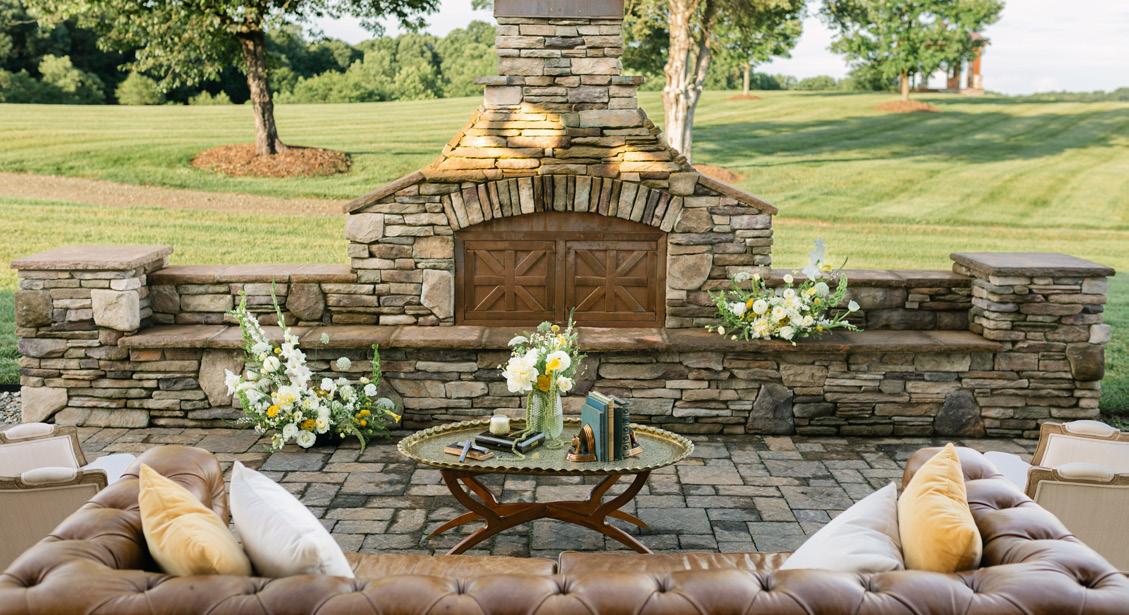
The inspiration they landed on was Ralph Lauren, specifically the way his aesthetic blends rich textures and western influences with an understated, old-money Americana elegance. The result was a shoot that felt both deeply local and genuinely sophisticated. Plaid envelope liners, dinner menus tied with tiny snaffle bits, horse bookends beside a stone fireplace, and artwork by the noted British equine painter James Lynwood Palmer woven quietly into the stationery. At the center of it all was The Bay Wizard, an American Quarter Horse and former cutting horse known affectionately as Wiz, whose calm presence tied the entire vision together.
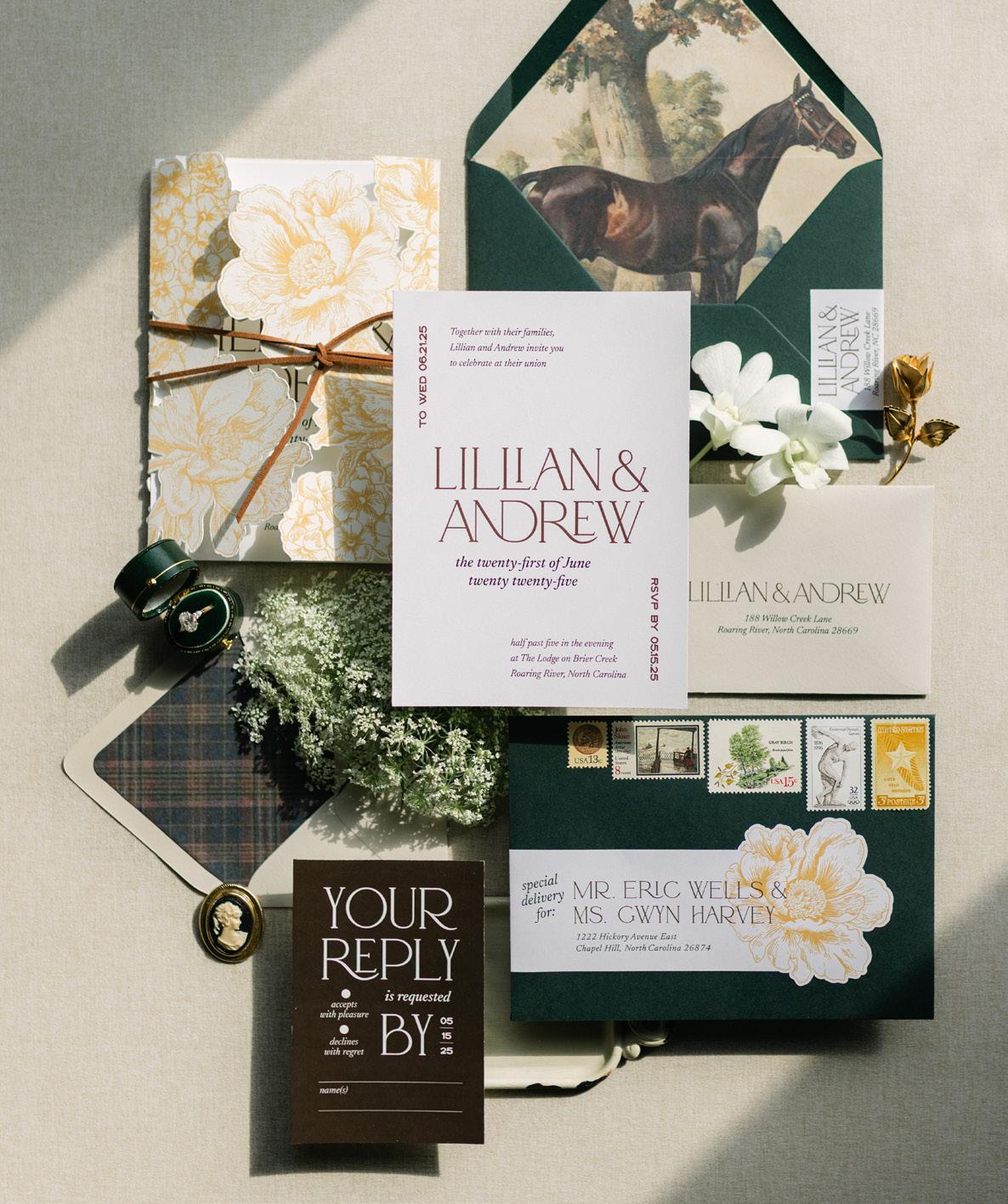
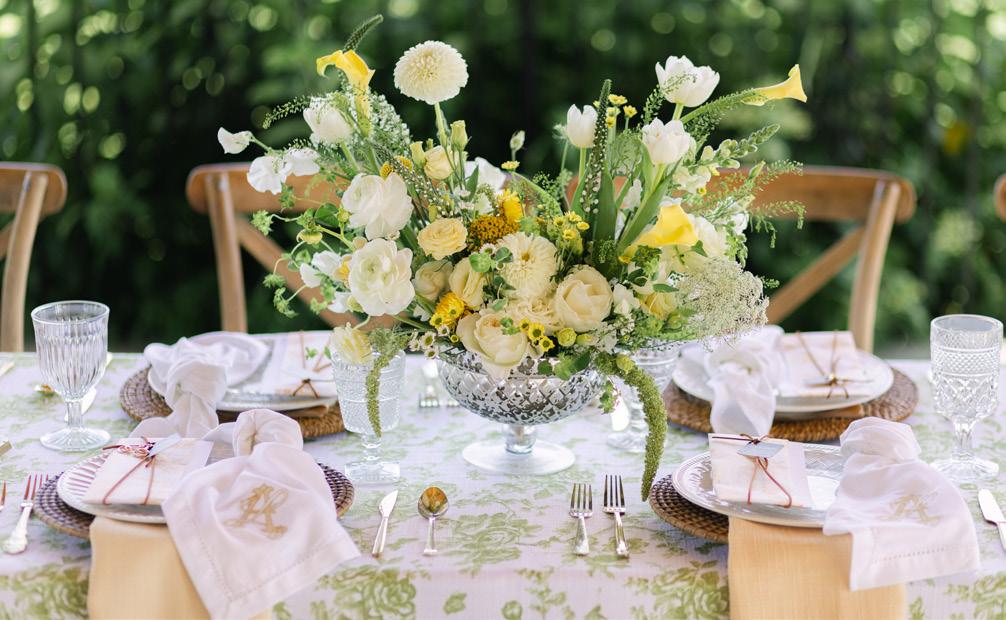
The morning of the shoot began with a downpour. With so many vendors involved, rescheduling was not an option, and the team pressed on. By midday, the weather cleared, and as the afternoon progressed and Wiz joined the portraits in the field behind the venue, the light shifted into something warm and golden. “There was such a sense of energy and accomplishment in the air,” Logan recalls, “and it became one of those rare creative experiences where you could physically feel the vision coming to life.”
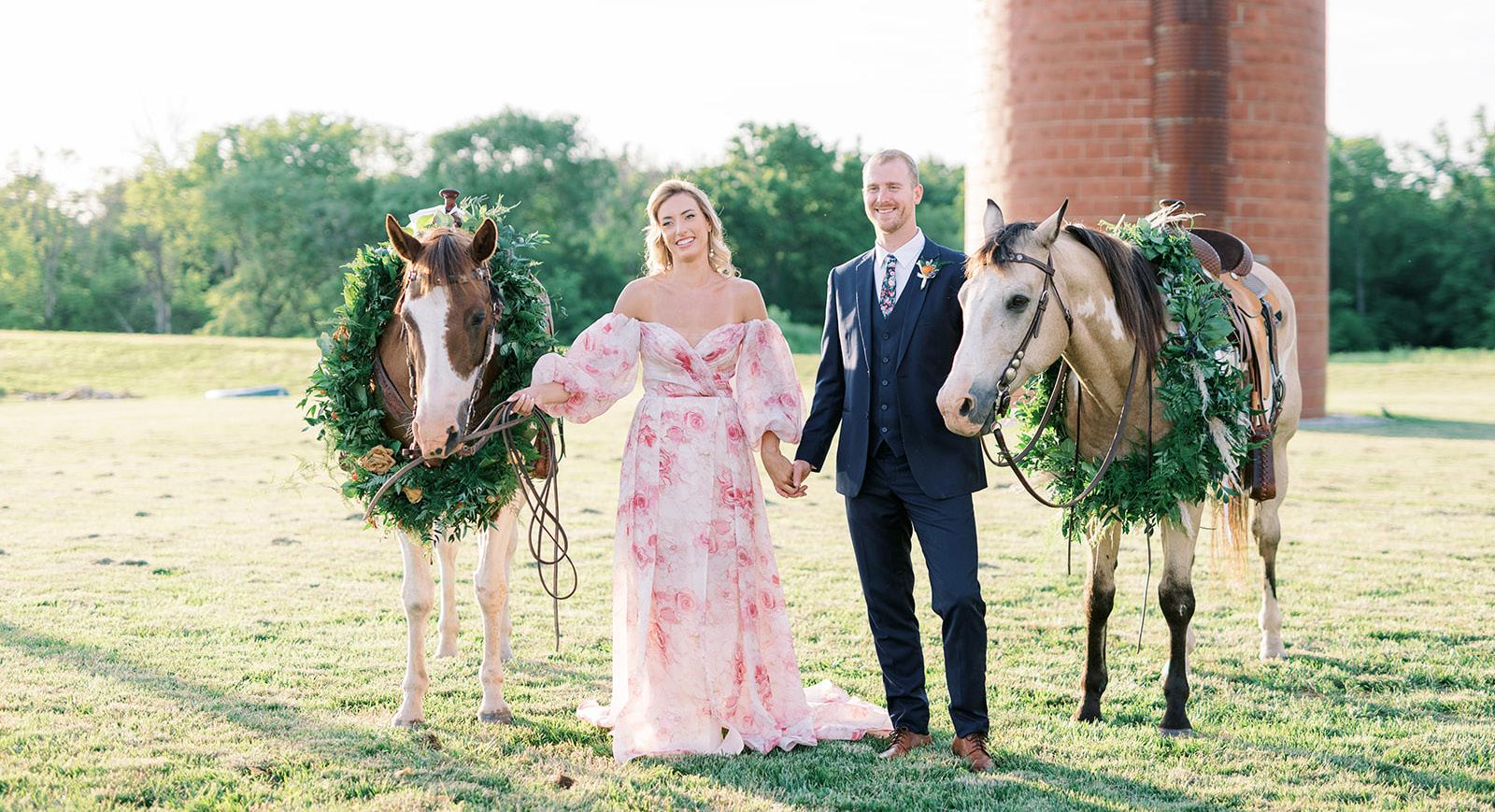
Tucked into 350 acres of private farmland in Belton, Missouri, Silo Hills Farm is the kind of place that earns its atmosphere honestly. A working property owned and managed by Joe and Pam Cates, it offers water views, unobstructed sunsets, and the particular quiet that comes from land that has been looked after for generations. The venue features working stables, a climate-controlled event barn, a French cottage guest house, and the property’s defining landmark, a weathered brick silo that anchors every view of the surrounding fields.
For the styled shoot photographed here by Annie Lui, the location brought something no amount of styling can replicate: the feeling that the place itself has a life beyond any single event held there. The images move between the stables, the open fields, and the long shadow of the silo, with a bride in a sweeping gown on horseback at their center. The florals are loose and full, wreaths of greenery and soft blooms that sit around the horse as naturally as the wildflowers at the field’s edge. The palette is warm and relaxed, golden grass and pale pink in the long light of a Midwestern afternoon. What makes the shoot work is precisely what makes Silo Hills itself work: there is already so much here that adding more would only get in the way.
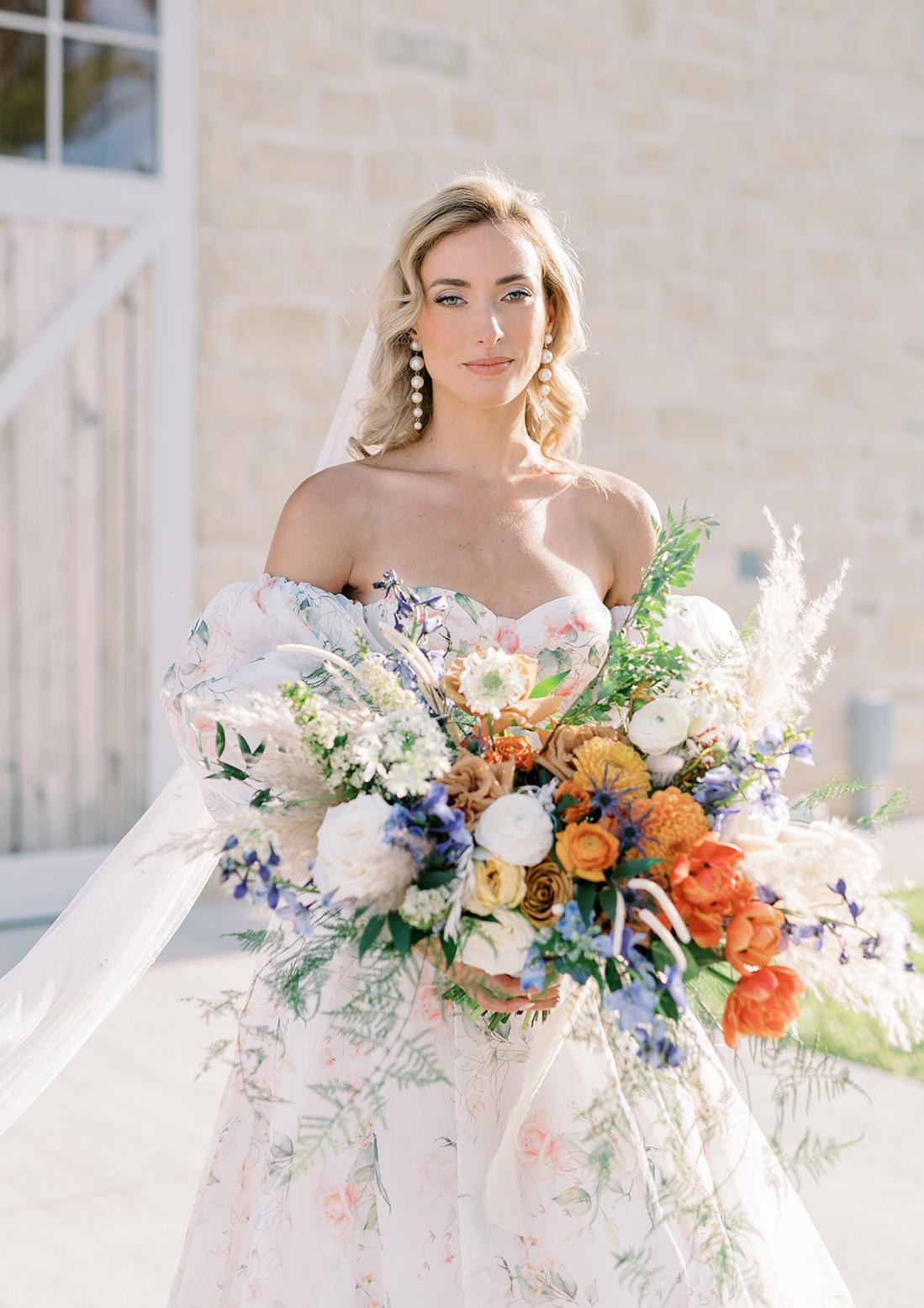
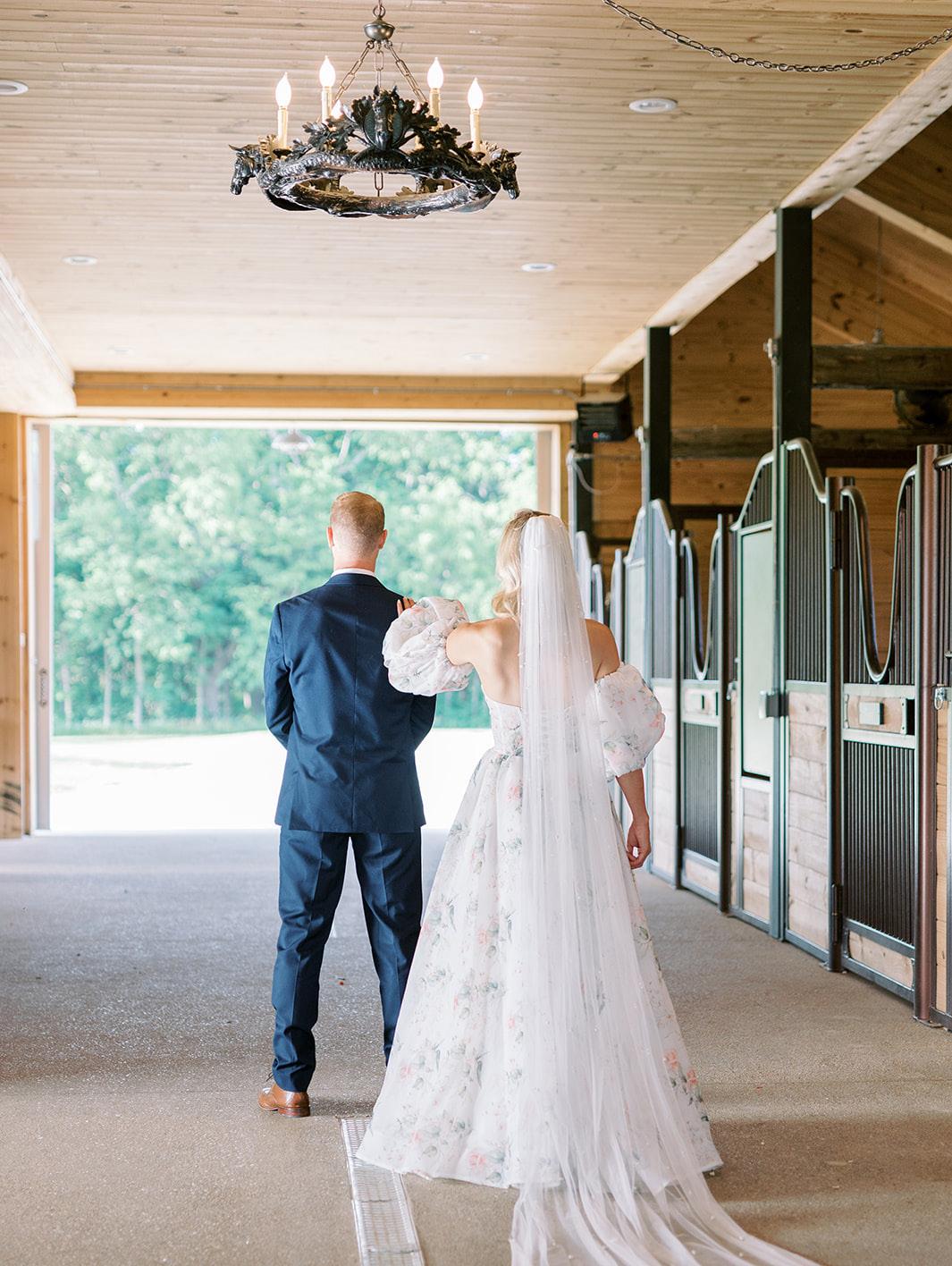
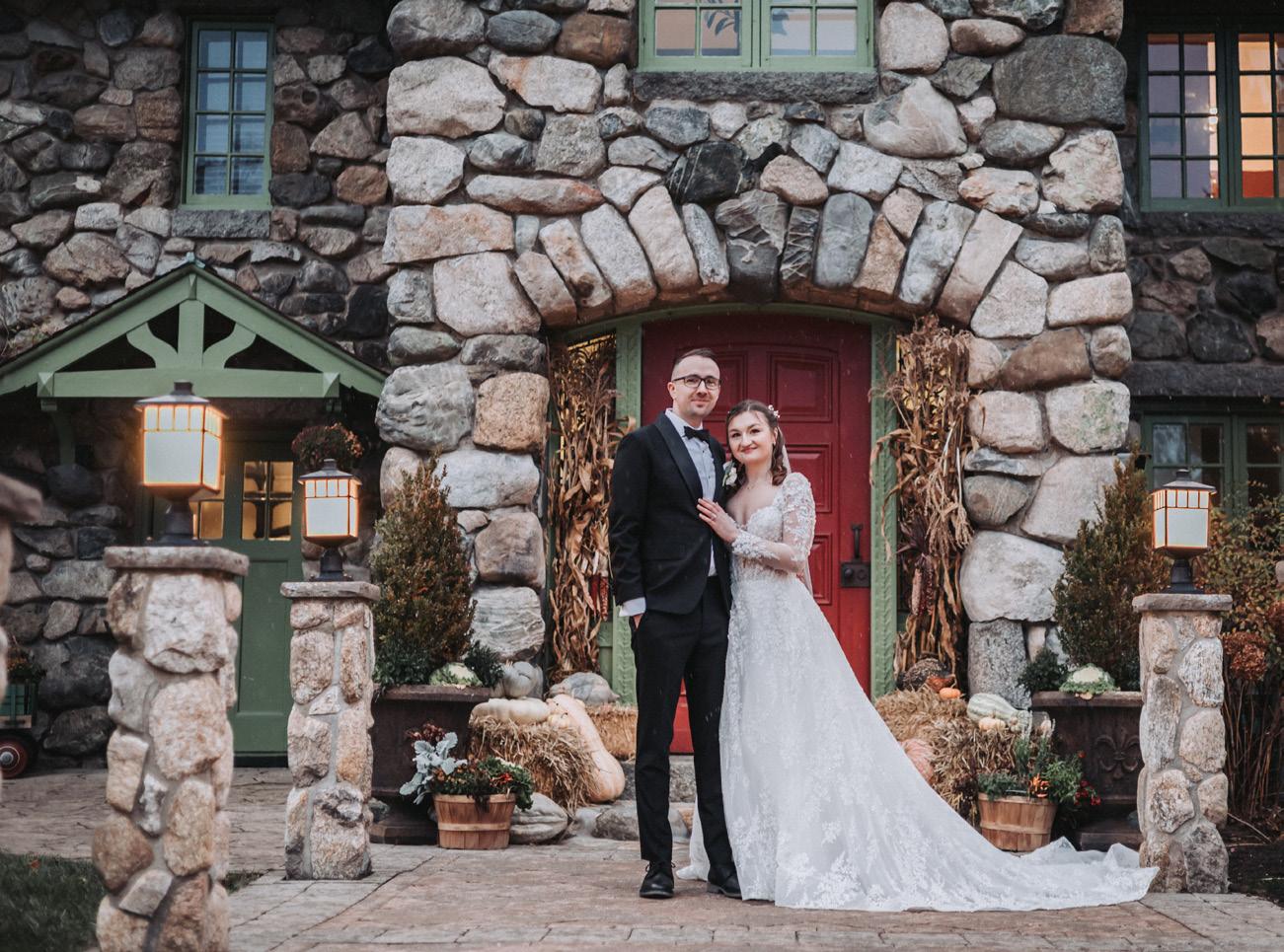
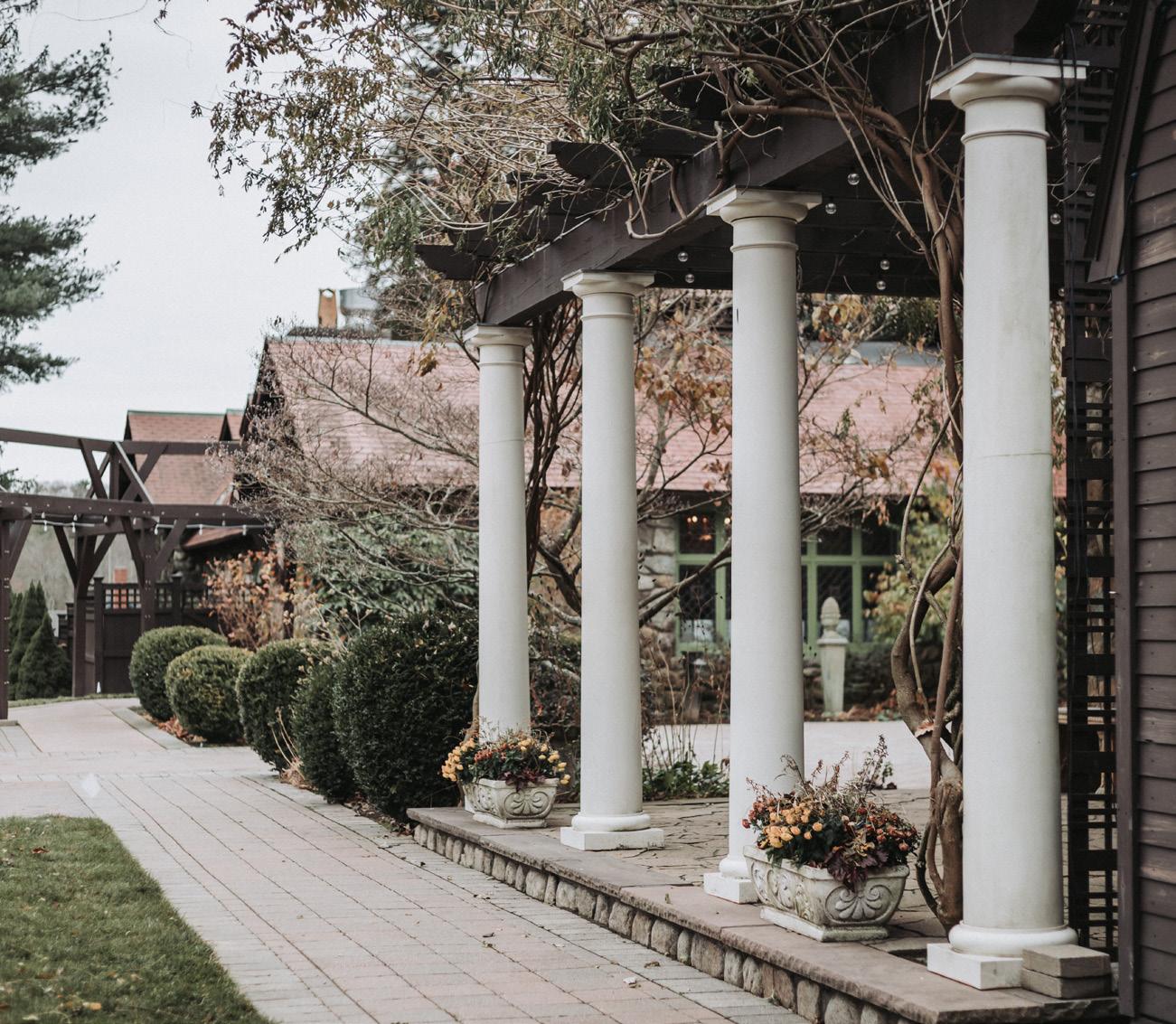
Emily did not plan for snow. But when the first flurries of the season began to fall during her ceremony at Willowdale Estate in Topsfield, Massachusetts, the moment became exactly the kind of thing that could not have been arranged. Willowdale was built in the early 20th century by Bradley Palmer, a horse lover who designed his estate with
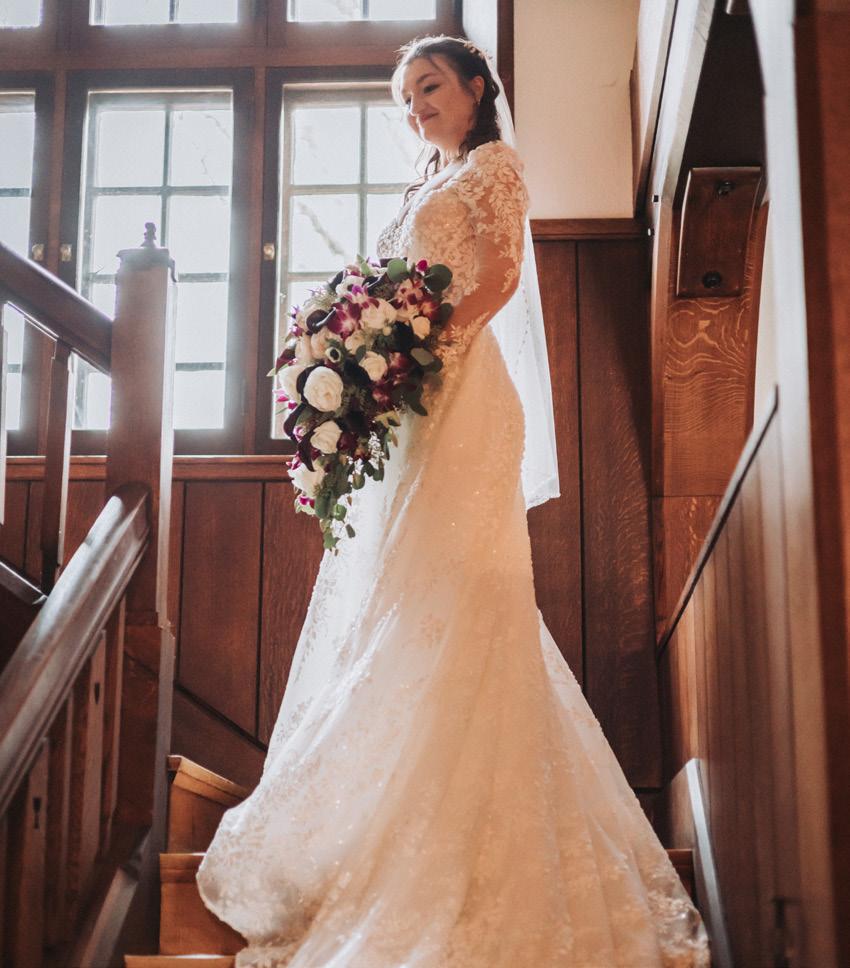
See more photos of this event at eqliving.com/weddings/emily
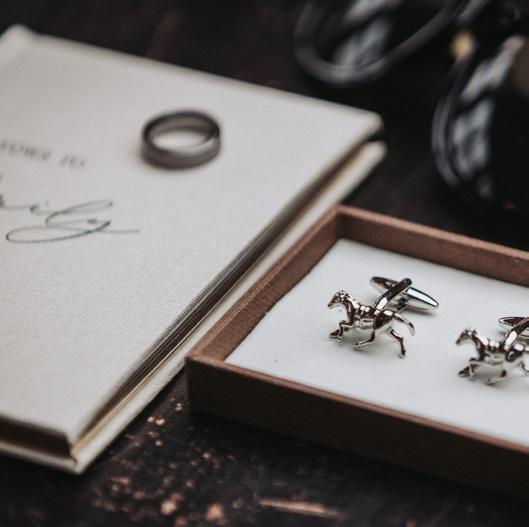
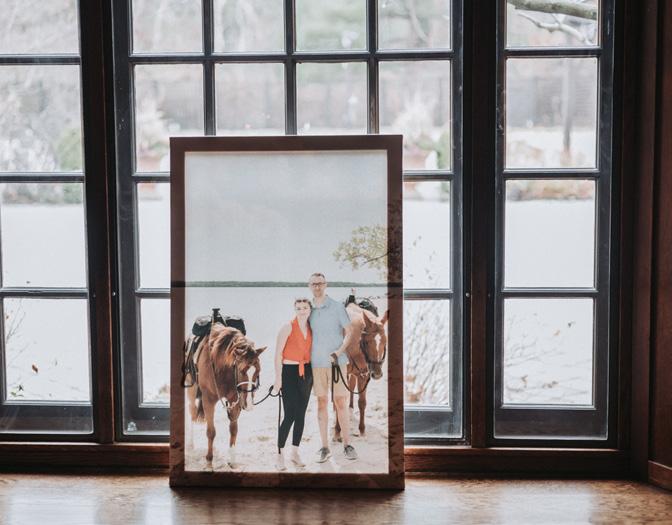
stables, trails, and direct access to the forests and fields he rode through regularly. Today the mansion hosts weddings and events while the surrounding land, now part of Bradley Palmer State Park, remains open to the public for horseback riding and hiking along the same trails Palmer once enjoyed. For a couple who wanted a setting with genuine history rather than the simulation of it, Willowdale offered an authentic history and connection to the land.
VENDOR INFO | PAGE 113
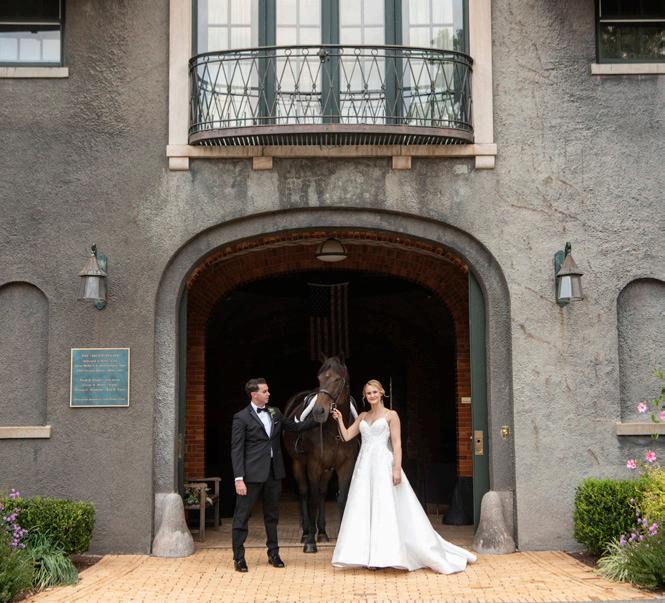
Set in the rolling hills of Somerset County, Hamilton Farm has hosted some of New Jersey’s most celebrated equestrian events for over a century.
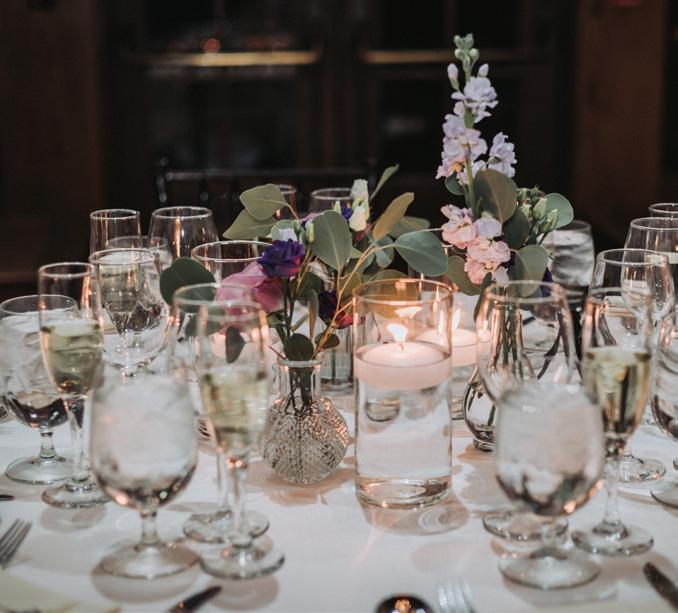
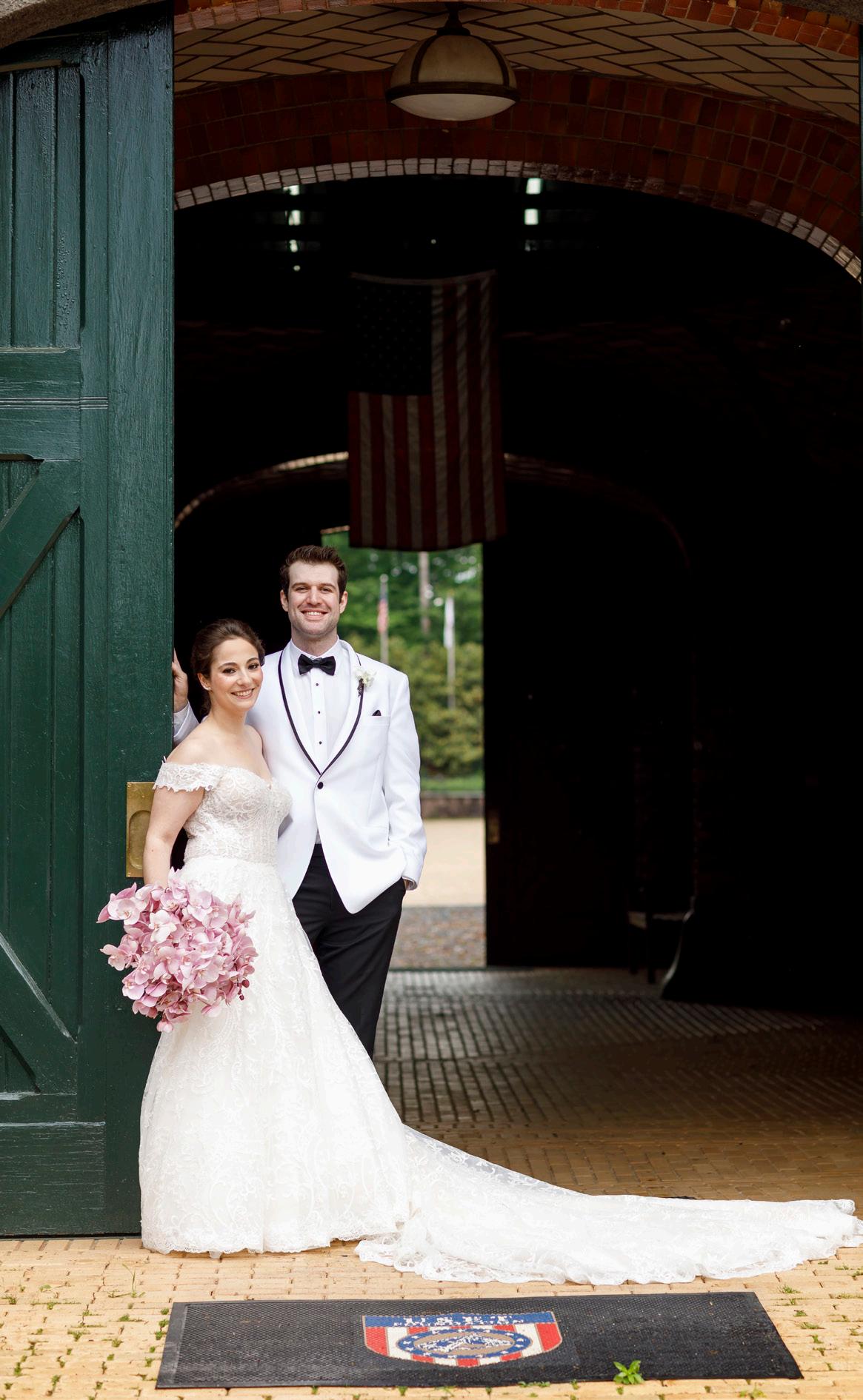
Natalie and Chris were married on Memorial Day weekend, a date they chose deliberately, wanting their color palette to capture the transition from spring to summer while playing into what Natalie describes as the classic, timeless, and romantic feeling of Hamilton Farm. Their ceremony included a handfasting, a Celtic tradition in which the couple’s hands are bound together as a symbol of their union. For the reception, they decorated the ballroom with tall arrangements on
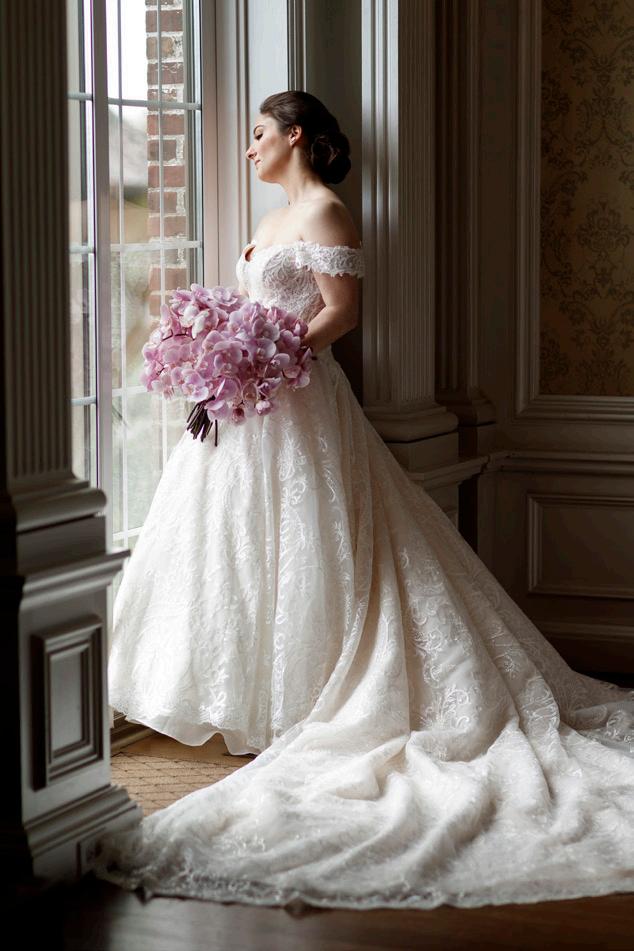
long tables flanking the dance floor, smaller arrangements on the remaining tables, and flowers hanging from the chandeliers, evoking the lush garden atmosphere of the estate. Natalie carried a bouquet made entirely of pink orchids. Chris wore a white-and-black tuxedo, a choice that gave the wedding a subtly modern edge. A live jazz band played through the cocktail hour. Music, Natalie says, was one of the primary ways they made the day their own, having selected every piece played during the ceremony themselves.
Given that much of their relationship had unfolded during COVID lockdowns, the wedding felt less like an event and more like a long-awaited exhale, a chance to gather the people they loved and simply celebrate being together.
See more photos of this event at eqliving.com/weddings/carolyn
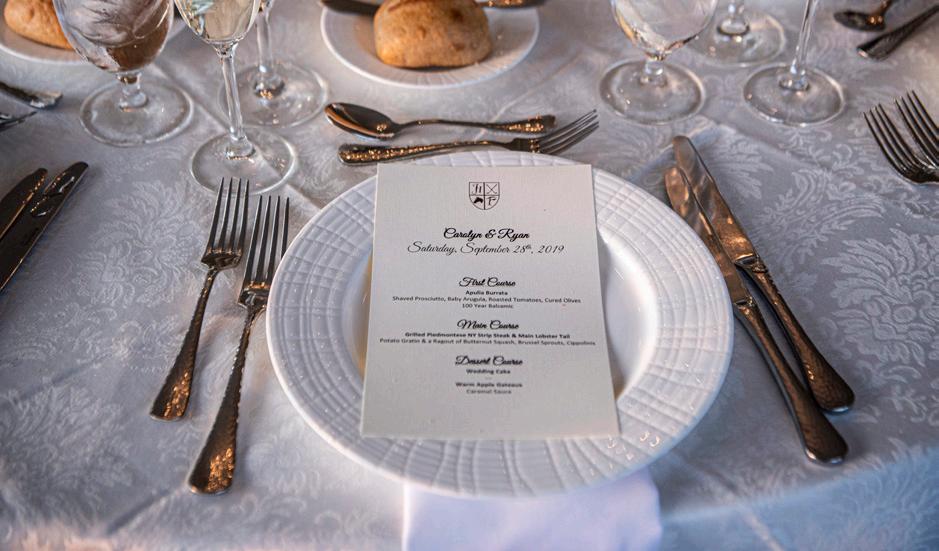
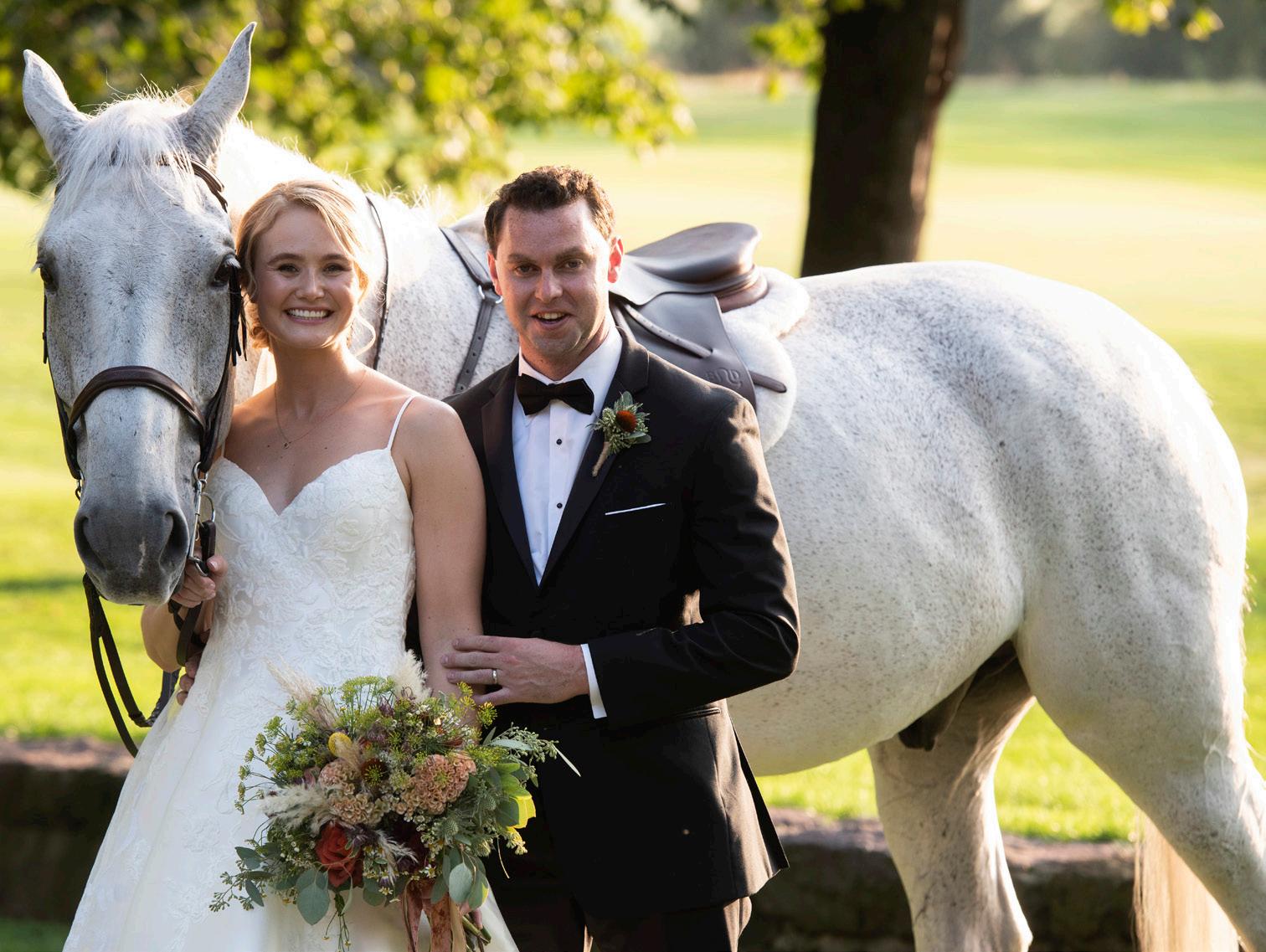
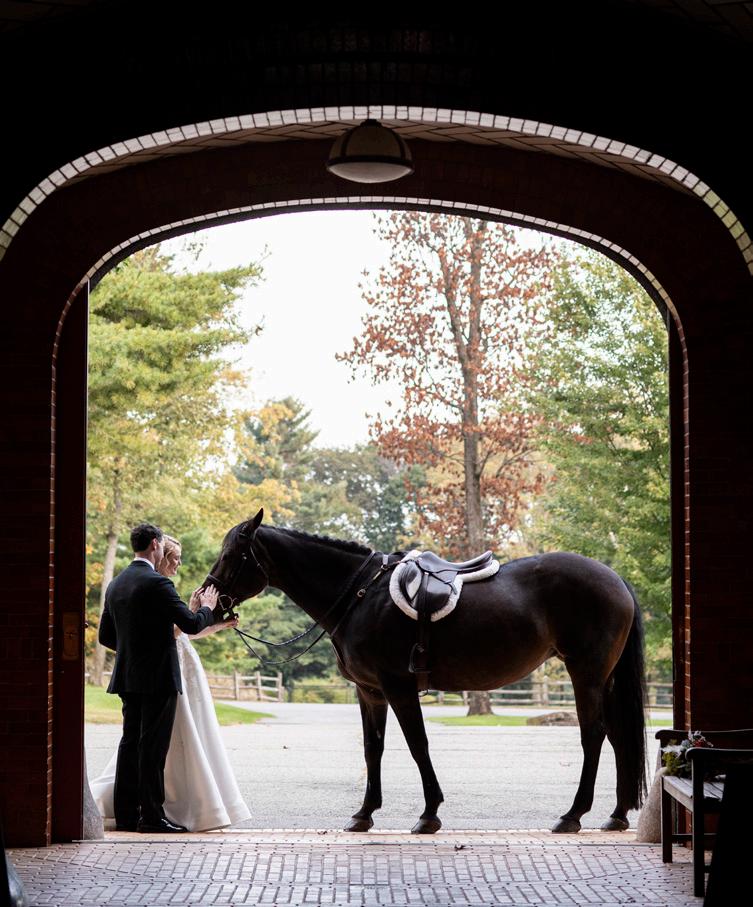
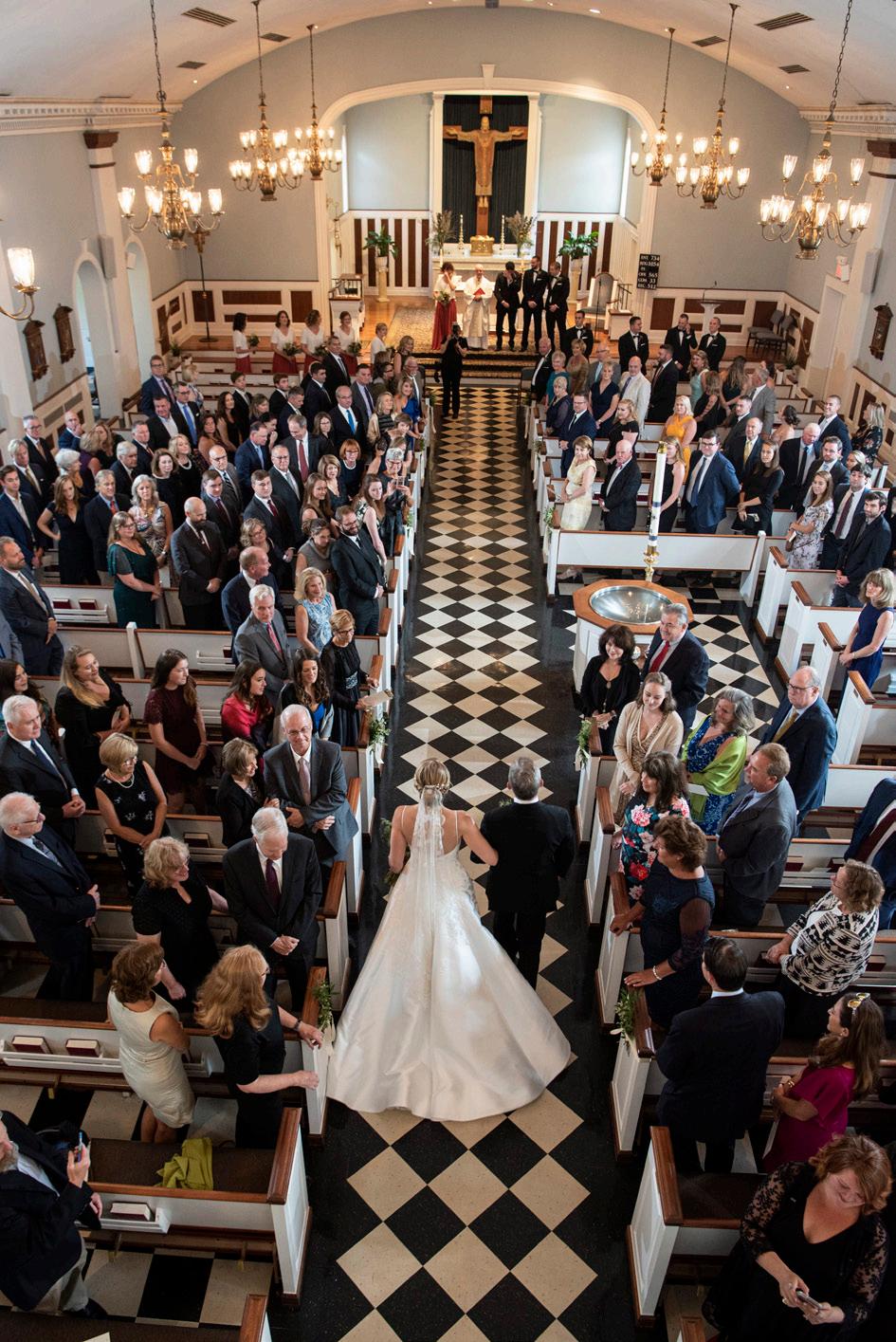
Natalie and Chris were not the only couple to find their way to Hamilton Farm, or the only ones to trust Berit Bizjak to document it. Carolyn and Ryan’s September wedding brought a different season and a distinctly different feeling to the same storied grounds. Where a summer wedding at Hamilton Farm leans into the lushness of the landscape, a late September celebration lets the property show another side entirely: the trees beginning to turn, the light lower and warmer.
The ceremony took place at the Church of Christ the King in New Vernon, a handsome brick colonial church framed
Wedding trends come and go. These venues, horse fields, and sunsets were here long before any of these weddings, and they will be here long after, and couples seem to understand that instinctively. What draws couples to these places is an innate understanding and a desire to mark the beginning of a marriage with something that feels as though it will last. Years from now, when the details you agonized over have become fuzzy memories, you can know that your marriage has deep roots.
by manicured hedges and open lawn, before the wedding party returned to Hamilton Farm for a cocktail hour in the walled garden, where guests gathered around a stone fountain beneath an antique copper-roofed pavilion as a musician played.
The horses were very much a part of the celebration. Portraits of Carolyn and Ryan with a dapple grey on the open fairways, as well as photos taken in front of the historic stable entrance, capture something of what makes Hamilton Farm unlike almost any other wedding venue in the country: the horses aren’t just a photo prop; they are the setting.
VENDOR INFO | PAGE 113
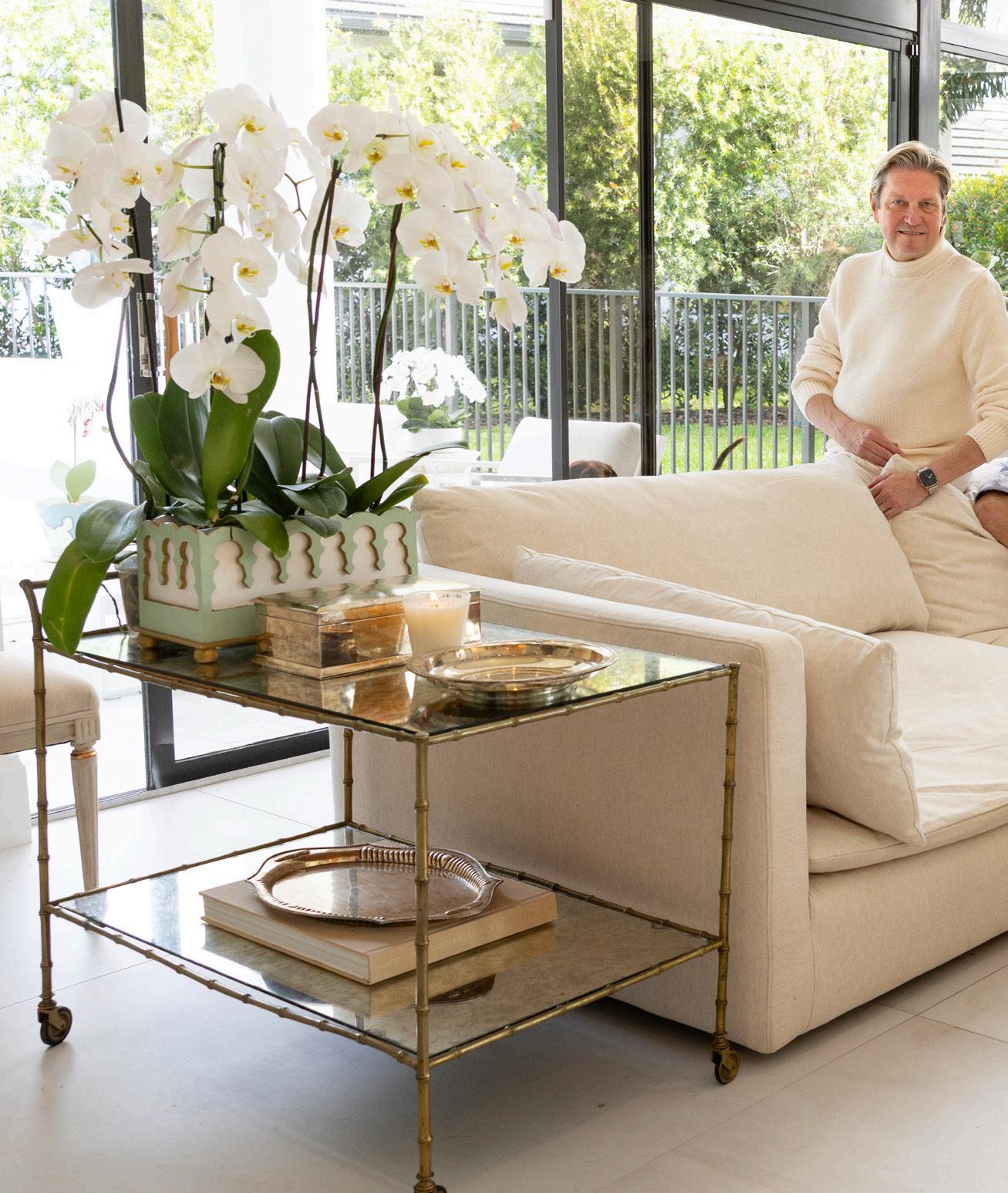
Famed designers MARK BADGLEY and JAMES MISCHKA have created a stunning home with a balance of peace, whimsy, and a touch of glamour.
BY STEPHANIE PETERS PHOTOGRAPHY BY GEORGE KAMPER
They are, by their own admission, hopeless romantics for glamour. Not the flashy kind, but the cultivated, cinematic sort. As it turns out, shimmer and restraint make surprisingly good company.
For more than three decades, Mark Badgley and James Mischka embodied American glamour through their brand’s signature blend of Old Hollywood elegance and modern sophistication. Badgley Mischka, founded by Mark and James in 1988, became a red-carpet favorite known for embellished gowns, refined tailoring, and timeless femininity. The pair’s polished aesthetic also extends to interiors and lifestyle ventures, reflecting their spirit of effortless style and gracious living.
We first met and interviewed Mark Badgley and James Mischka in Locust Valley, New York, more than a decade ago (see EQLiving Winter 2013), but news of a newly acquired Florida house, a new horse, and a rescue dog promised the sort of irresistible tableau that practically scripts itself: enticing décor, engaging conversation, and copious gushing about all things equestrian.
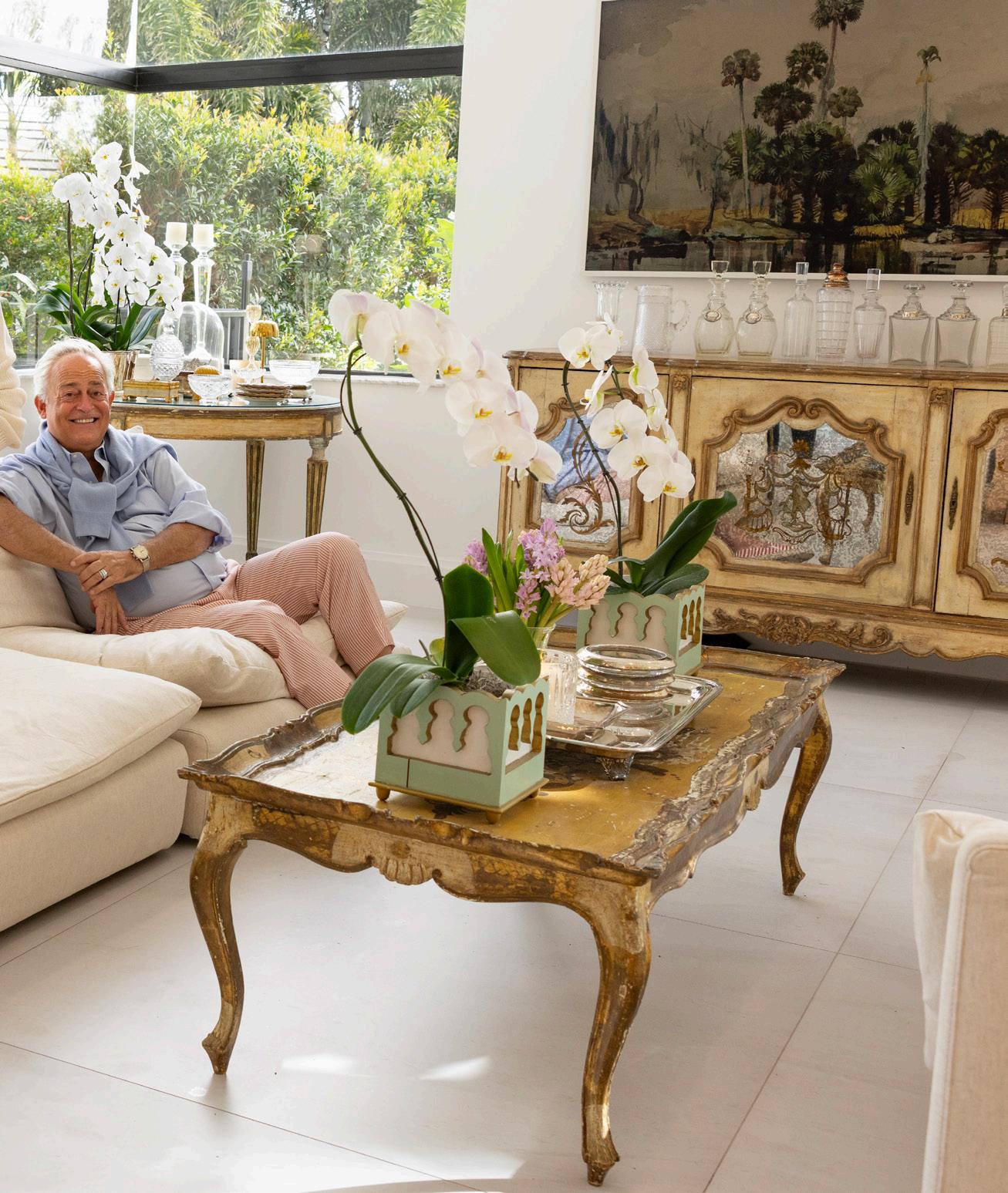
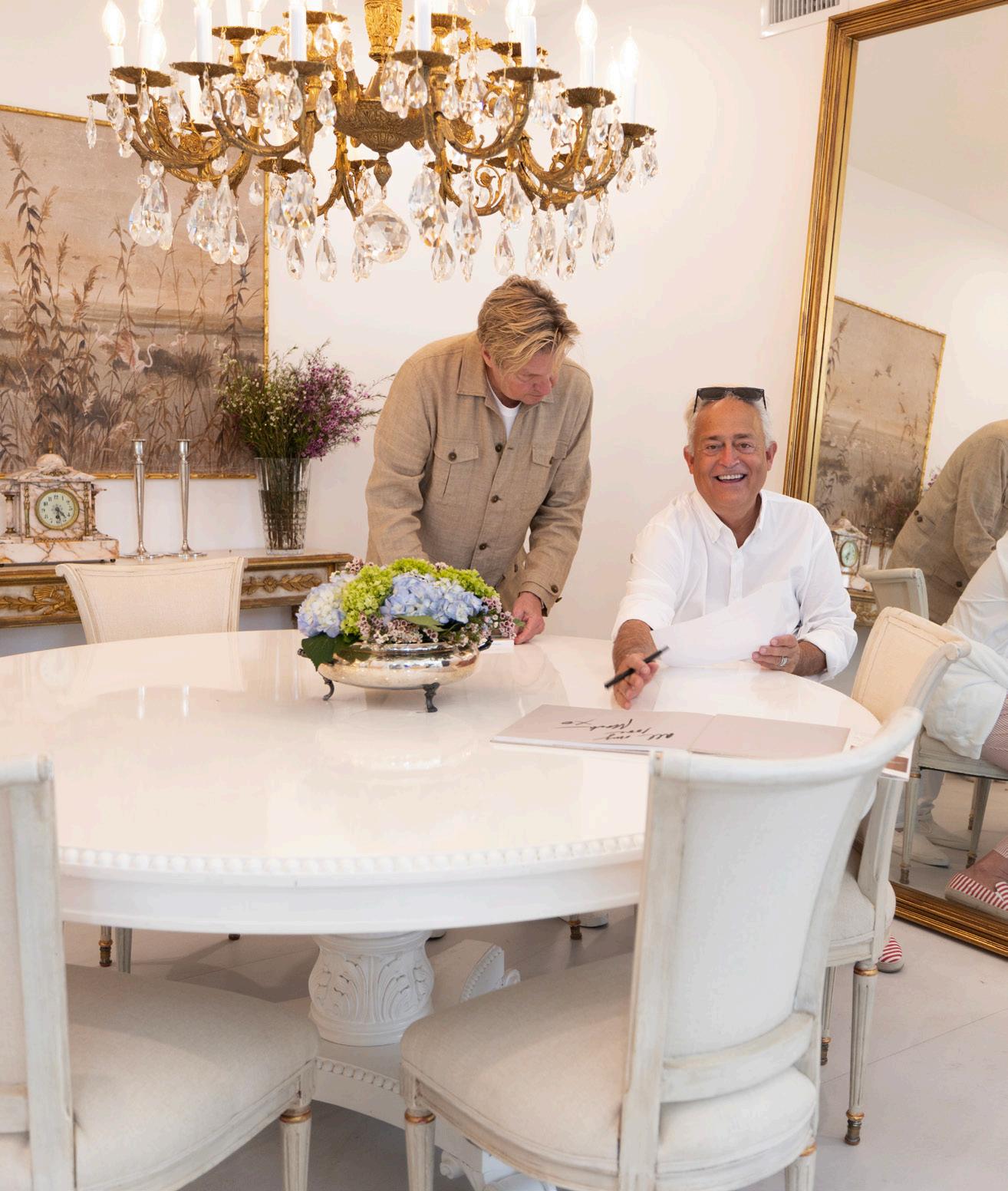
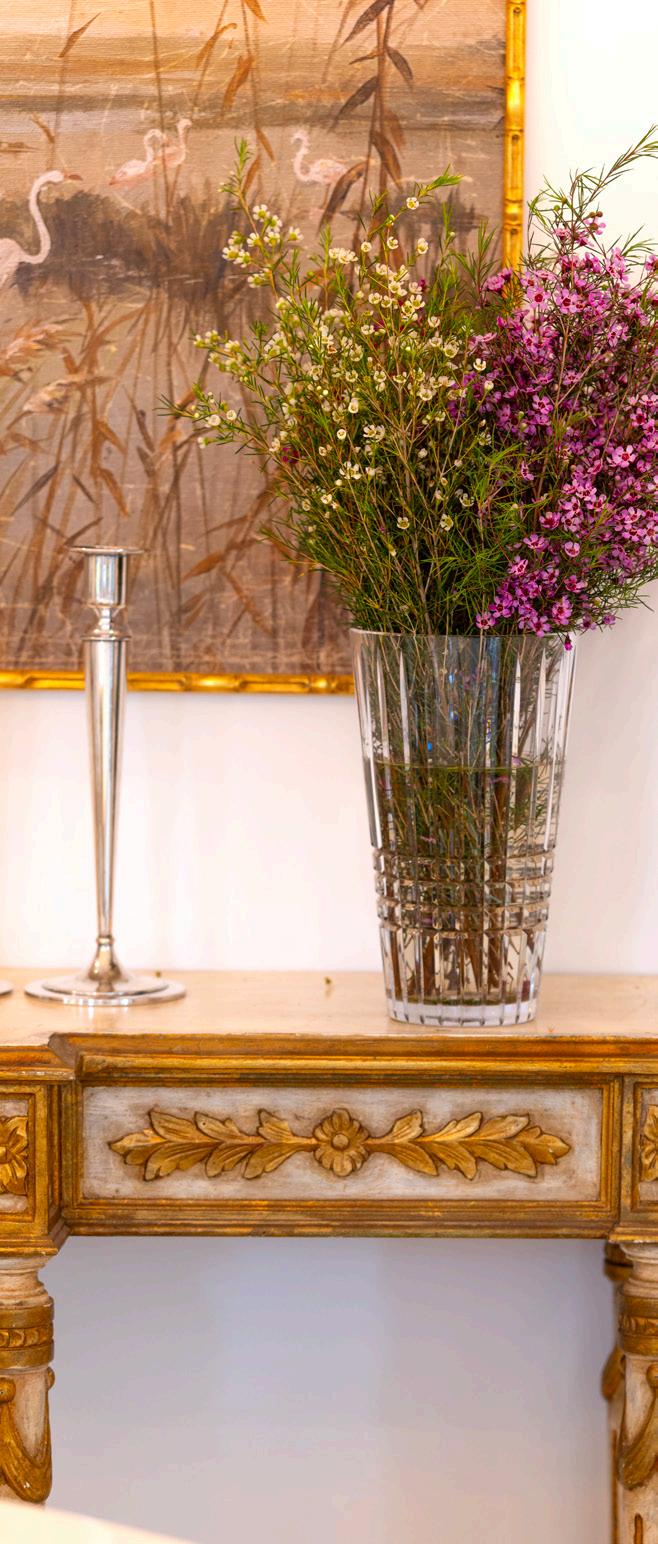
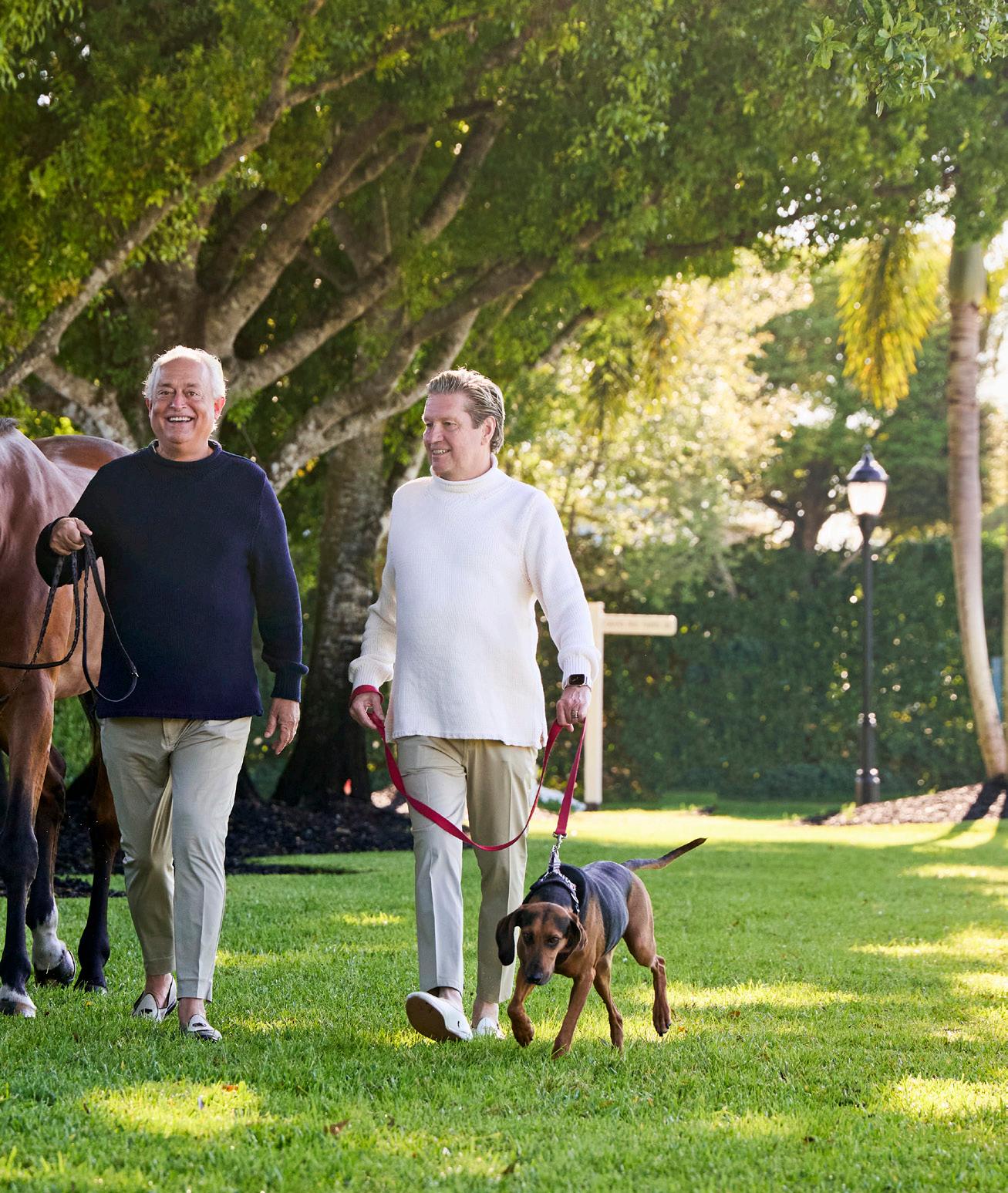
The airy West Palm Beach house feels instantly welcoming. Light floods the open living space through floor-to-ceiling windows, and an alluring layering of orchids, art, and objets d’art, ranging from whimsical to ornate, directs the eye from shimmering tabletops to intimate niche vignettes. For the most part, their prior homes were largely older and historic, whether a carriage house in the Northeast or an old villa on Palm Beach Island. What they found appealing about their new home was its ease. “It’s turnkey, it’s open, and contemporary, with a simple canvas that can work in so many different ways,” Mark says. “It just suited our lifestyle today. We are Floridians now, and this is our year-round home.”
The move closer to Wellington, an equestrian epicenter, was partly motivated by Mark’s return to horses after believing he was stepping away from the sport for good. “For selfish reasons, I was really excited about looking out here,” Mark admits. “But I was a little concerned about what James thought, but he loves it, and we’ve been very happy out here.”
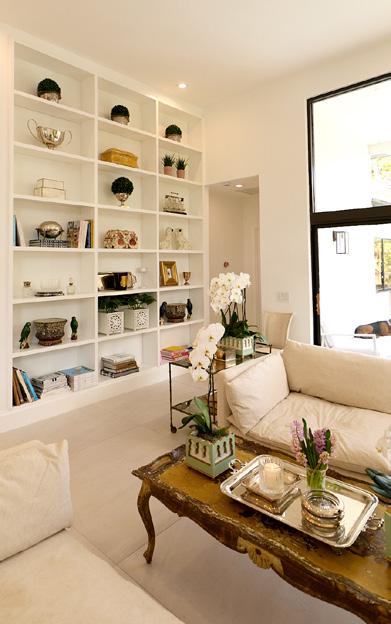
Any changes to the house were minor and primarily ambiance-driven. They built in bookcases, added some kitchen cabinets, and replaced the original solid front door with glass.
Given their careers in the fashion industry, it wasn’t a complete surprise that Mark and James converted the home’s third bedroom into a walk-in closet, or, what they amusingly refer to as a “drive-in” closet. “We’ve done it our entire lives. After you have it, you can never go back. It’s a must,” Mark laughs.
Planning the décor aesthetics was a true collaboration, with few decisions made individually. Antiquing and discovering unique pieces in Palm Beach and West Palm Beach are also part of the process. “You know, after all these years, I can honestly say our aesthetic is pretty similar,” Mark notes. “I mean, if anything were to happen, I might go a nickel more decorative, and James might go a nickel more streamlined.”
“For me, what’s non-negotiable is the kitchen,” James laughs. He is the chef in the house; it’s his domain and passion. “I have no say in the kitchen. I’m virtually not allowed in there, and that’s fine with me,” Mark laughs.
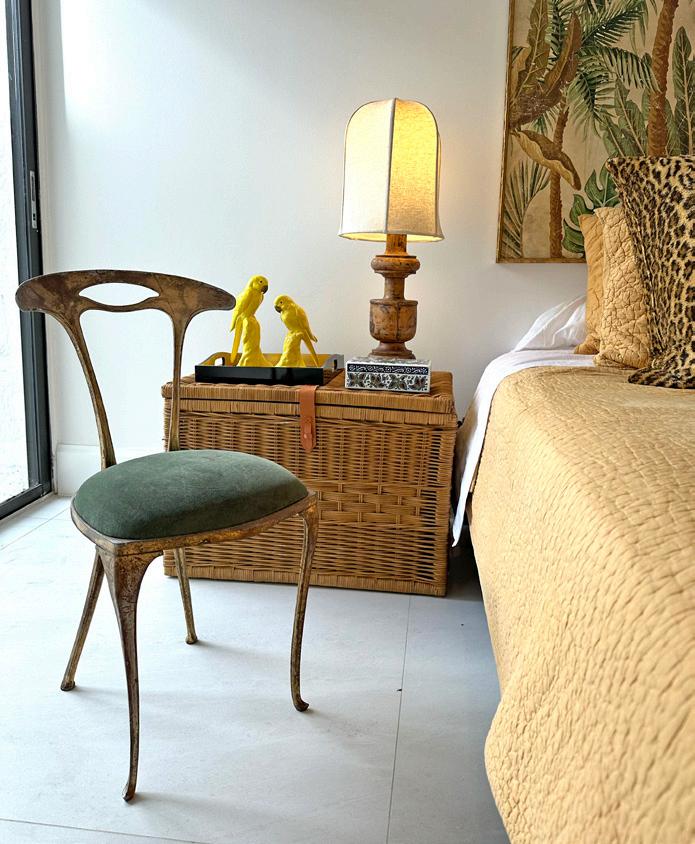
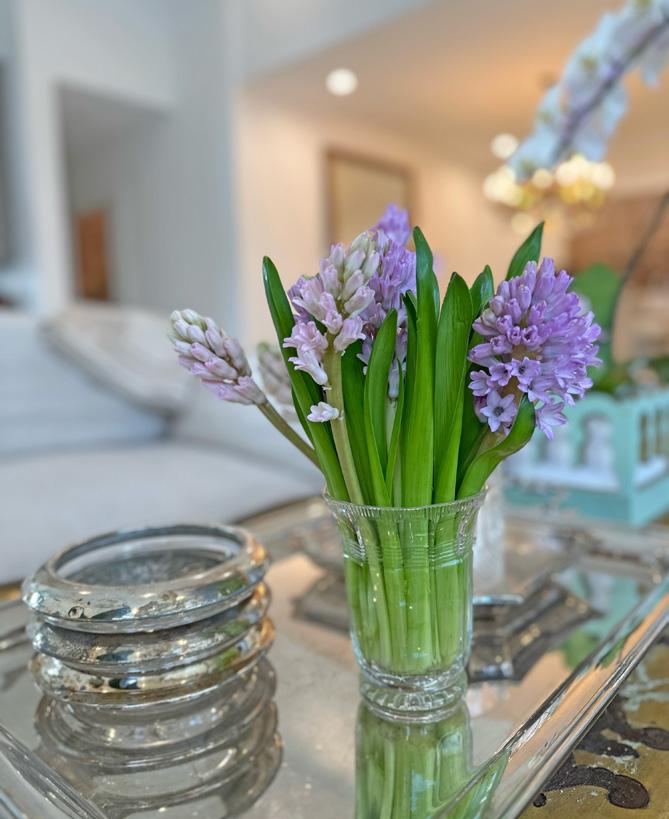
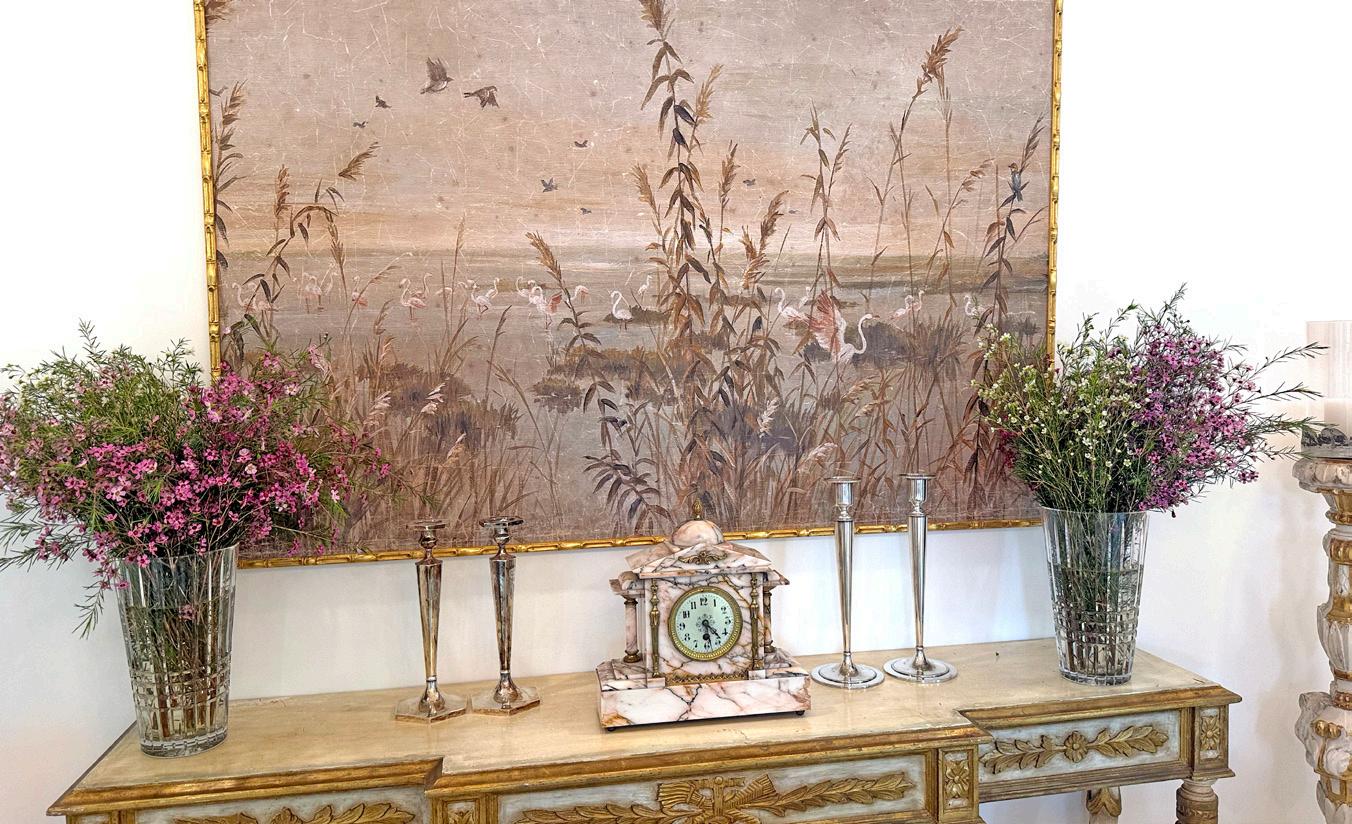
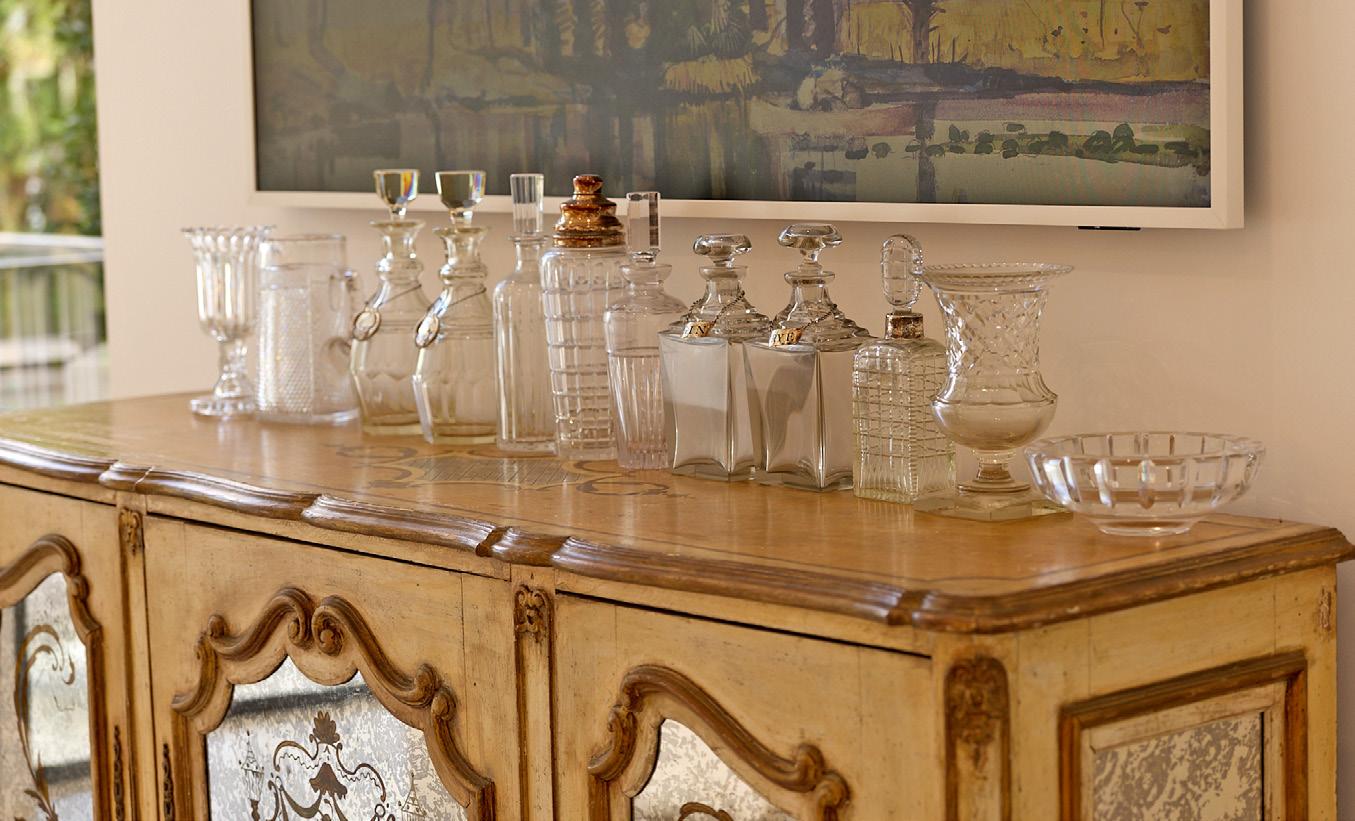
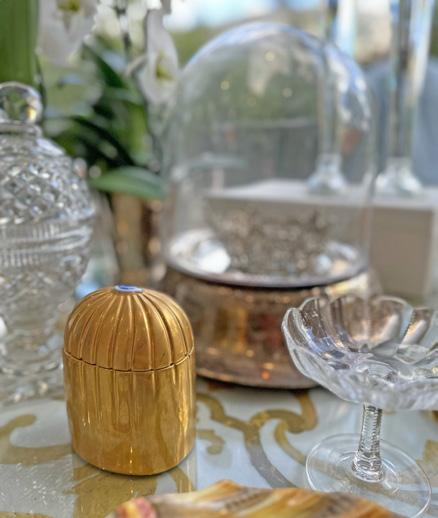
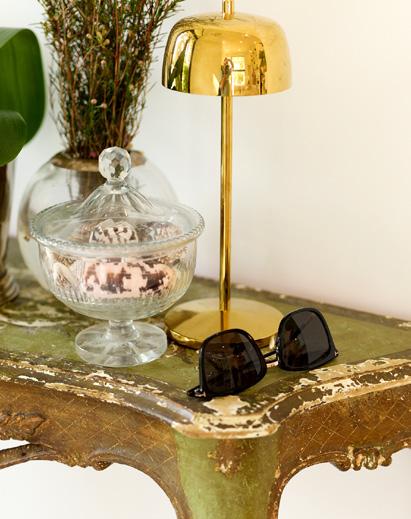
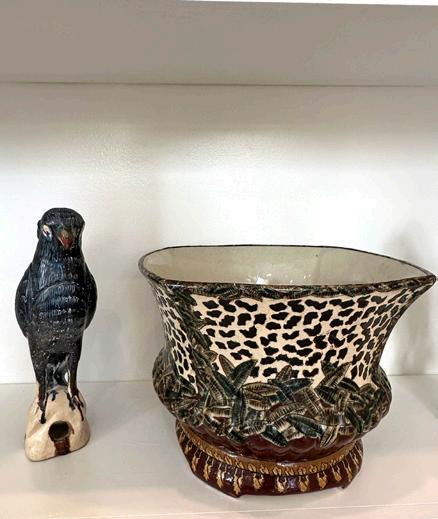
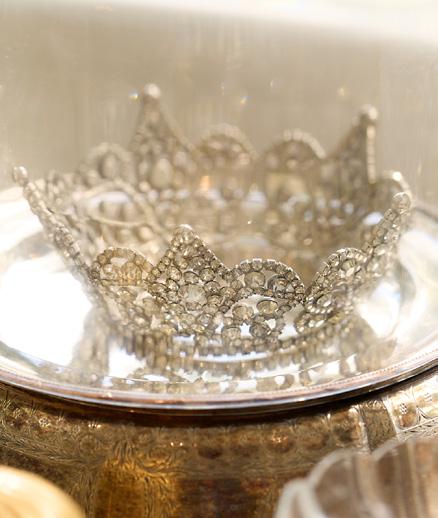
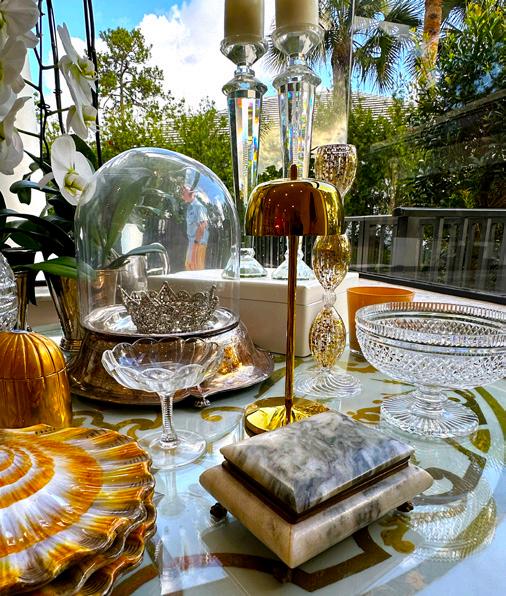
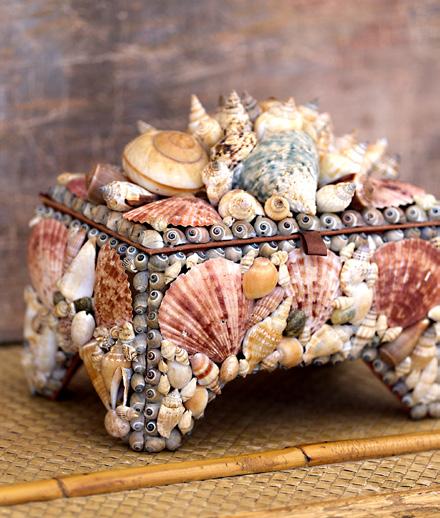
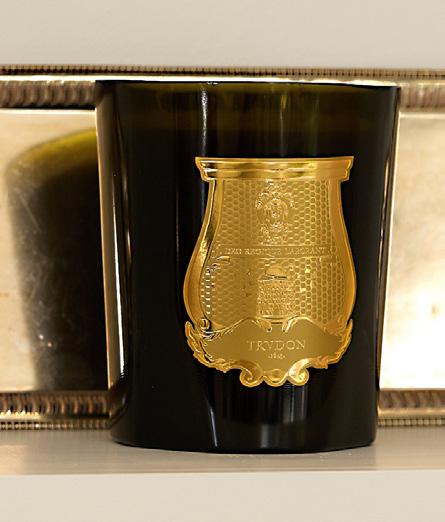
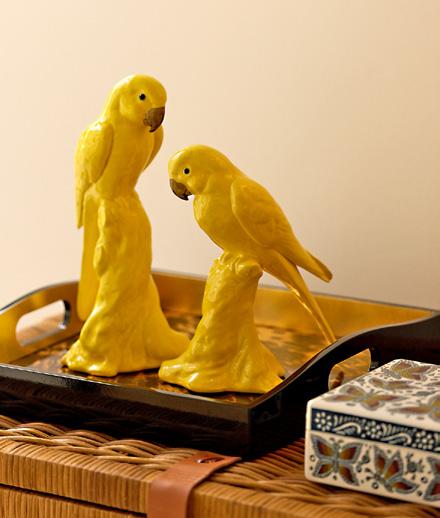
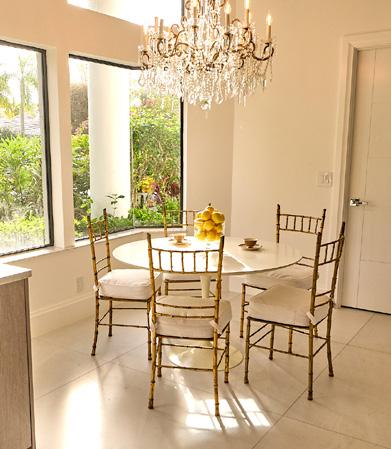
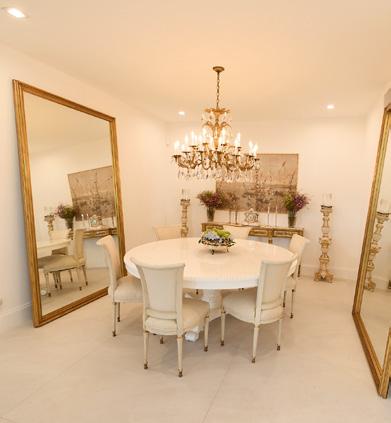
They describe the décor as a blend of styles. There are a few contemporary pieces that nod to the spare discipline of Swedish design, but they’re beautifully combined with elements of Italian 1950s streamline and considerable Venetian accents. It’s collective, and it’s stunning.
This house has shifted them away from the toned-down, masculine black, white, and brown interiors favored in some of their earlier homes in Kentucky and Long Island. “We used to work with so much color during the day that we liked our homes to be more monochromatic,” James explains.
They’ve lightened things up considerably here, crediting the quality of Florida light. The blacks have given way to beiges, and soft, pastel, watercolor-type colors have entered the palette.
“You know, James and I are like magpies, especially when we entertain at night. We like anything that slightly flickers. We have all the vintage chandeliers, and we love silver,” Mark muses.
The house brilliantly balances glamour with ease, mirroring the pair’s approach to couture design. “We love calm, but James and I are suckers for glamour,” says Mark. “We always were with our clothing and with everything we love. It’s an understated sort of luxurious calmness. There’s got to be a dose of glamour in there. Always.”
Mark smiles. Their roles for entertaining are distinctly divided. James has full rein in the kitchen. Organized, precise, and creative, he strategizes his culinary successes with the aid of spreadsheets, timers, and flawless synchronization. Essentially, James is all about the dinner, and Mark oversees ambiance, setting the tone with flowers, candles, and, naturally, loads of flicker.
Their move to Florida full-time evolved naturally. Though Mark and James had owned a home in Wellington’s Polo Club for nearly 25 years and always loved the area, their fashion business kept them anchored to New York. Endless three-hour commutes from Manhattan to their homes in Locust Valley and Centre Island eventually prompted a temporary move to Los Angeles to oversee the opening of their Rodeo Drive store and to reclaim some balance. But as remote work and Zoom reshaped the industry, the logistics of operating between coasts became increasingly impractical.
James and I are like magpies, especially when we entertain at night. We like anything that slightly flickers.
JWith so much elegance, one might wonder how dogs, who have always been part of their lives, fit into their lifestyle.
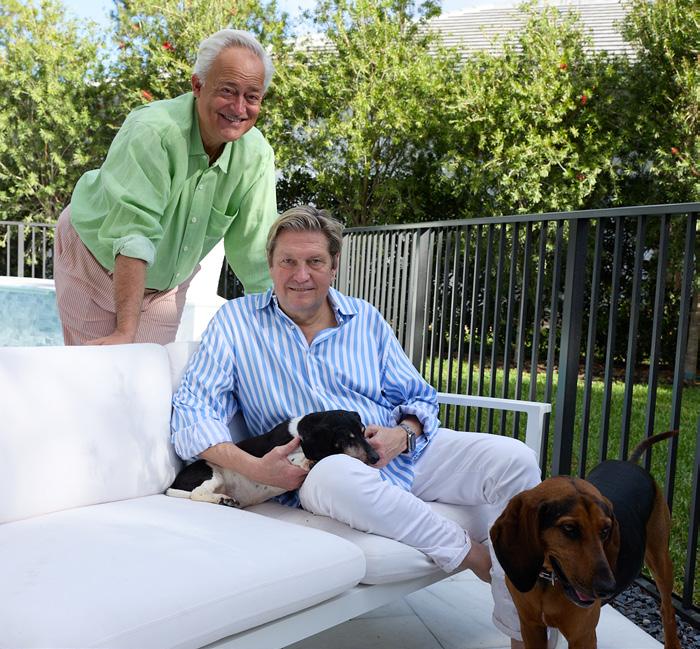
“That’s something we’ve always had a strong opinion about,” Mark emphasizes. “We make sure the furniture is sort of bombproof.” The dogs are welcome on the couches and beds, but are gently discouraged from getting on the few pieces with fragile fabrics. “They have plenty of options,” James notes.
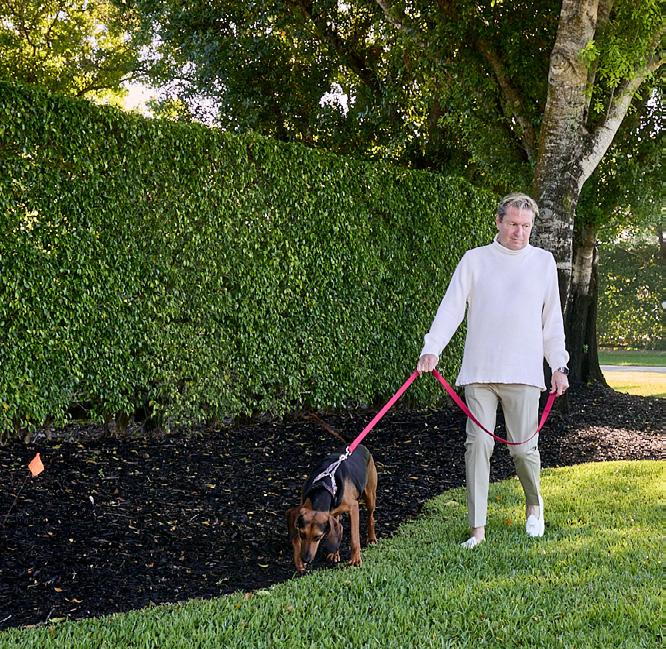
Until recently, Mark and James had small dogs, so tabletops were never a target. “Our tabletops were always loaded to the gills with silver and crystal,” Mark says. Velma, their newly adopted hound from Danny and Ron’s Rescue, has a much greater vertical reach. “The dachshunds have four-inch legs; this one is all legs,” Mark laughs.
“There’s nothing to us that’s more uncomfortable or more unglamorous than going into a home where you’ve got to be so fussy and careful,” says Mark. Precious doesn’t work for their lifestyle. All their friends love animals, especially in the horse world, and every friend comes with a dog or two in tow.
Along with their relaxed, dog-friendly décor environments, their approach to entertaining is very laid-back. “People come and go, and they bring their dog, and it’s always super fun,”
“We had to start working at six in the morning on the West Coast, and [the team in New York] had to work until nine o’clock at night. It wasn’t fair to anybody,” James explains. “So, after the year of getting the store built, we said we’d move back to the East Coast.”
Rather than return to New York, they chose Florida as their permanent base, commuting to the city for one week a month. As it turned out, the timing was fortuitous, as COVID soon accelerated the shift to virtual work.
Mark and James sold the company in 2025 but stayed on as consultants. “We still have a say in the design aesthetic and marketing, but we are no longer owners or running the business day-to-day,” Mark explains. On occasion, they will still design a glamorous, couture evening gown for a friend or celebrity for a special occasion. Just don’t ask them to design camping clothes.
The two seem happily immersed in the plethora of South Florida activities, cultural events, and dining options from Wellington to Palm Beach, as well as engaging with the area’s robust charitable community. “We concentrate more on animal rights, animal rescue in particular, and support three different organizations here to spread the love,” says James. Both were honored as Style Icons at a Style for Hope Luncheon, highlighting their commitment to transforming women through clothing and benefiting Dress for Success, which aids and empowers underprivileged women.
One of the high points of settling into their new location is Mark’s return to horses. “James and I had horse farms in Lexington, and I’ve had dozens of horses over the span of my years, and I was sort of tiptoeing out of the sport,” Mark says. “But I missed it so much, especially with our lifestyle change, and I felt like I was missing that color in my life. So, I sat down and talked to James. I said I’d really like to, in some way and in some capacity, get back into the game.”
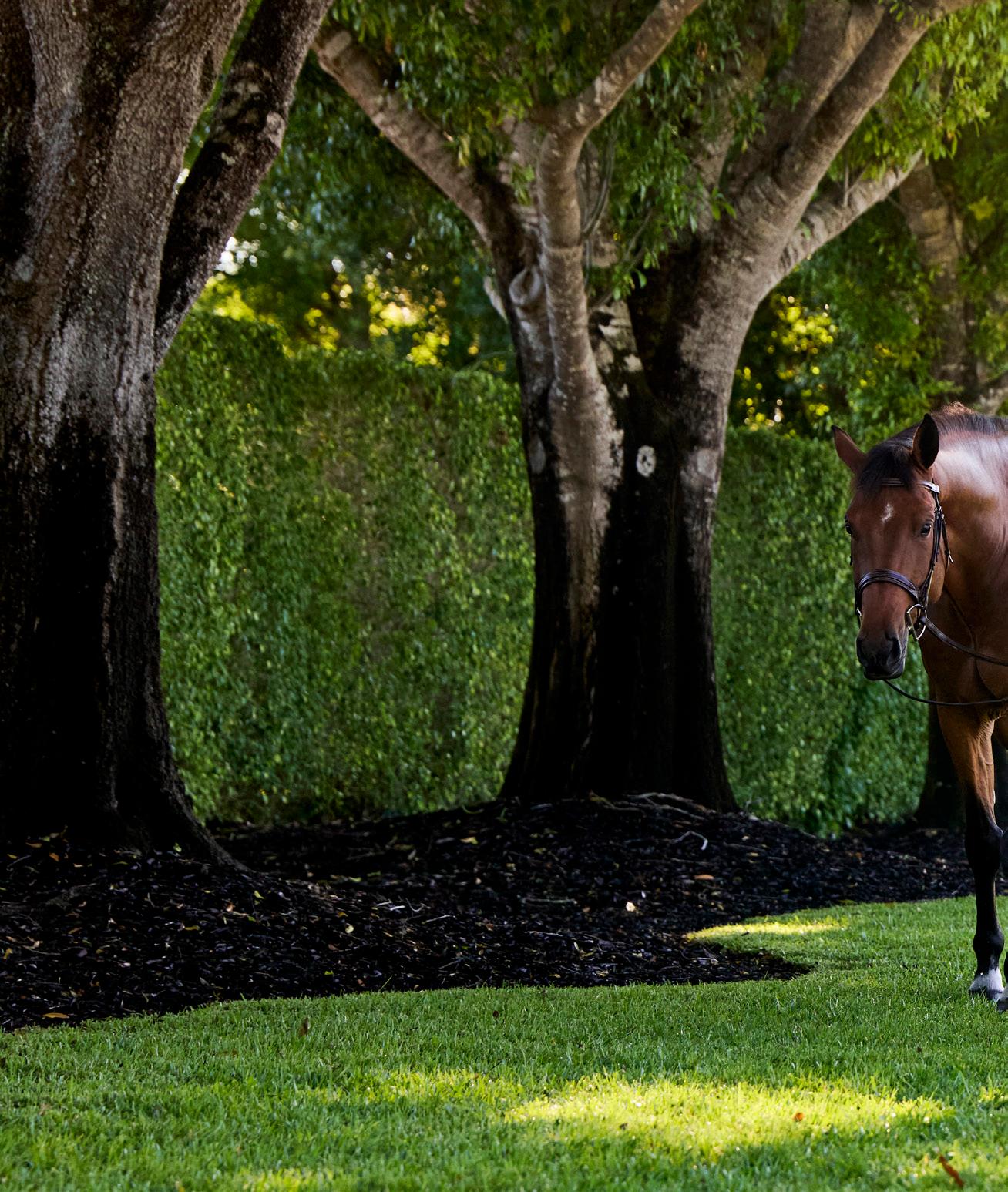
Silent Partner, his new 5-year-old bay Oldenburg gelding, has been the perfect antidote for the missing color in his life, and Mark is gleefully easing back into the sport. Silas, Silent’s barn name, came from Belgium, was started in Europe, and made his way to Wellington just before the 2026 winter circuit, where he began to make a name for himself in the green hunter competitions. Mark says, “It was so nice to practically have him in my backyard here in Wellington, and I got to watch his starts. I got extra lucky. He is super talented. He was champion some weeks and would win the under saddle. He was a quick learner and wanted to be a good boy.” Mark’s longtime trainer of over 10 years, Mark Zukerman of Lynnewood Stables, found, trained, and showed Silas all season and rode him to a Wellington champion of the Young Hunter 6 and under division title.
Mark is still recovering from a grueling back surgery and is technically not supposed to ride. Whether he can will depend on his doctors’ recommendations and a heart-to-heart discussion with James to determine the best and safest way to celebrate the sport. “It’s just that the sport is addictive. It’s just too special and too fun not to participate in some way or another,” he notes.
For years, Mark showed in the hunters up and down the East Coast, from Saratoga, Lake Placid, and the Hampton Classic, to Wellington and Capital Challenge. When the Devon Horse Show came up, he chuckled. “I was only a spectator at Devon. That 3’6” was above my pay scale.”
The equestrian thread runs deeper than Mark alone. James, by circumstance and affection, has long been surrounded by horse people. “I’ve always had horses. James’s parents are deeply entrenched in the racehorse world, and even James’s father’s family raises Clydesdales on a draft horse farm in Wisconsin and trains them for Anheuser-Busch,” Mark says.
James, enjoying the banter, recalls his own early equestrian chapter. “When I was a little kid living in Malibu, we lived next door to the owners of Mr. Ed’s sister, and I used to ride her, but she didn’t talk.”
on page 60

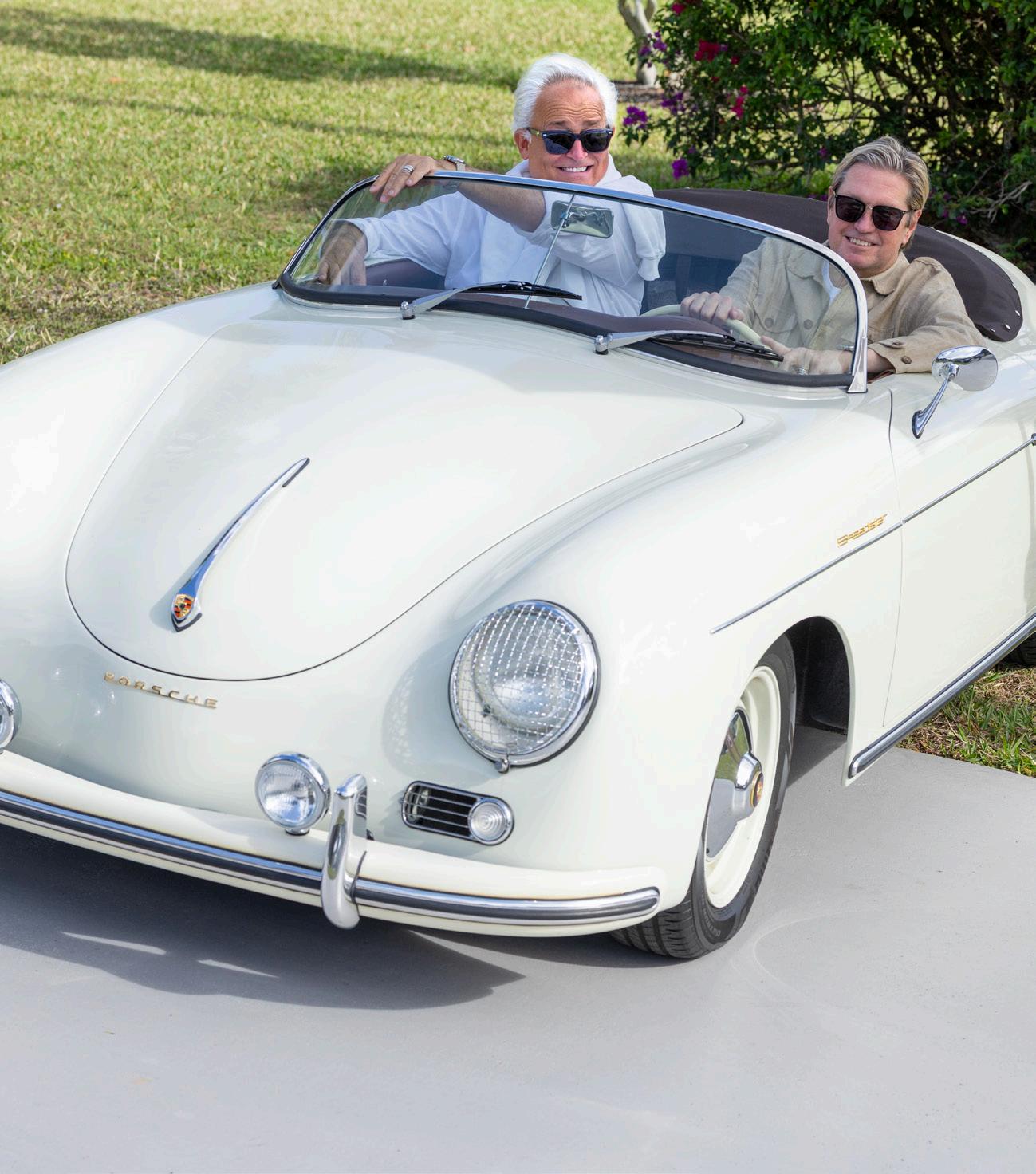
People come and go, and they bring their dogs, and it’s always super fun.
Continued from page 56
During the height of the Wellington season, you can find Mark and James enjoying events and competitions covering a broad mix of disciplines. Hunters are Mark’s go-to, but they also watch dressage, jumping, and the big, 5* grand prix. “It’s just the best of the best,” Mark says.
In addition to the colorful years with horses, Mark and James have an astounding trove of shared experiences, successes, and colorful narratives around fashion design, décor, and globespanning travel.
Travel has always been integral to their creative vision, its influence woven quietly into both their fashion and their interiors; a Venetian accent here, a Moroccan flourish there. Capri is one of their favorite destinations; they visited so often they briefly considered relocating. “Maybe we temporarily lost our minds. We were thinking about moving there for a while, and then we thought about the winters and the tough commutes,” James laughs. Spain, Italy, and South America follow close behind. Trips to France, especially Paris, were frequent,
but typically tied into the frenzied pace of fashion shows. They’ve had the singular privilege of dressing some of the world’s most glamorous women, yet humility and warmth prevail.
They admitted to two memorable “pinch-me” moments when they realized the Badgley Mischka brand had become an overwhelming success. The first was unexpectedly being the subject of a “Jeopardy!” question. The second occurred in a New York City taxi. “We were on our way home, and they were putting together the new windows for Bergdorf Goodman, and all the Fifth Avenue windows featured our evening gowns. That’s the kind of thing you never forget,” Mark admits.
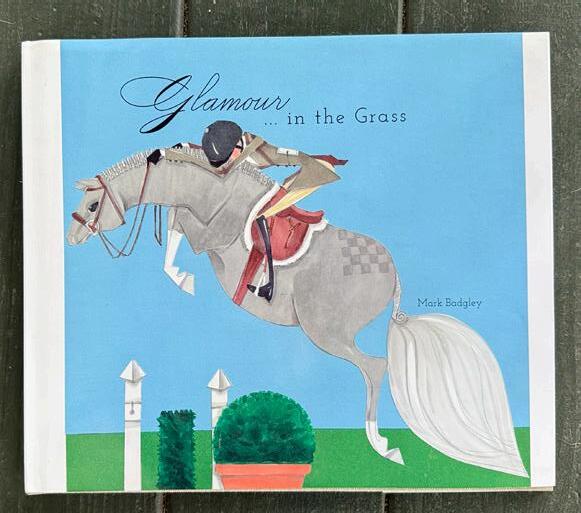
After decades of red-carpet glamour, they’ve designed a life that pairs a softer kind of glamour and ease. It’s elegant and relatable, and rooted in friendships and quiet pleasures cultivated along the way. Wally and Velma commandeer the couches, and Silent Partner grazes a stone’s throw away. And come evenings, chandeliers and candles cast a soupçon of flicker and shine over everything they’ve built.
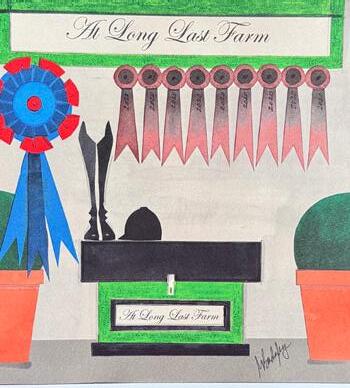
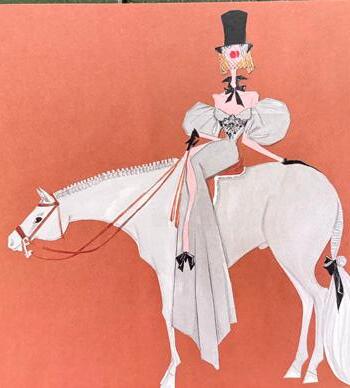
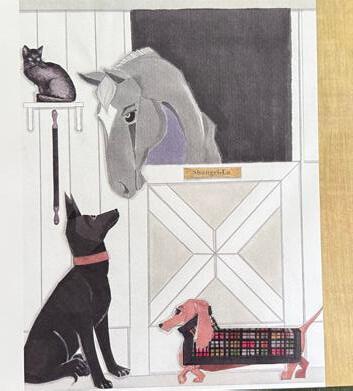
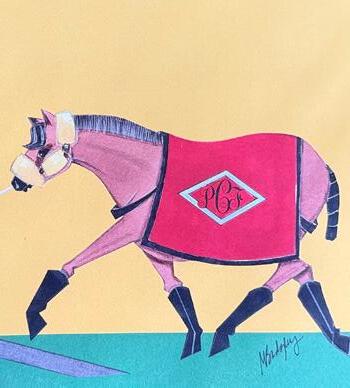
This Page: The charming and whimsical Glamour in the Grass, designed and illustrated by Mark Badgley, celebrates the joys of equestrian life.
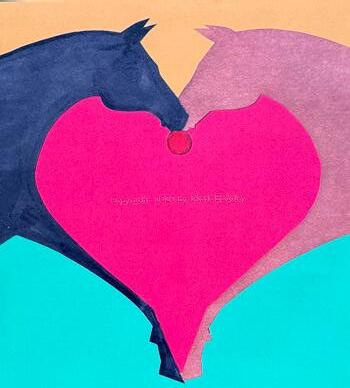
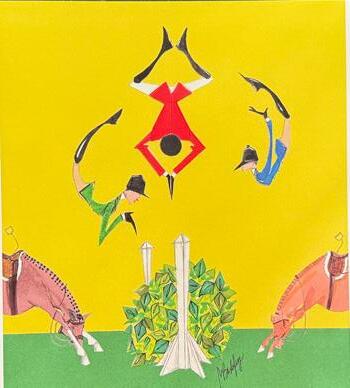
Below: Book interior Illustrations depict the charming and lively world of horses.
13TH ANNUAL EQ TRAVEL GUIDE IT’S TIME TO PLAN YOUR NEXT ESCAPE
ICELAND See Page 66
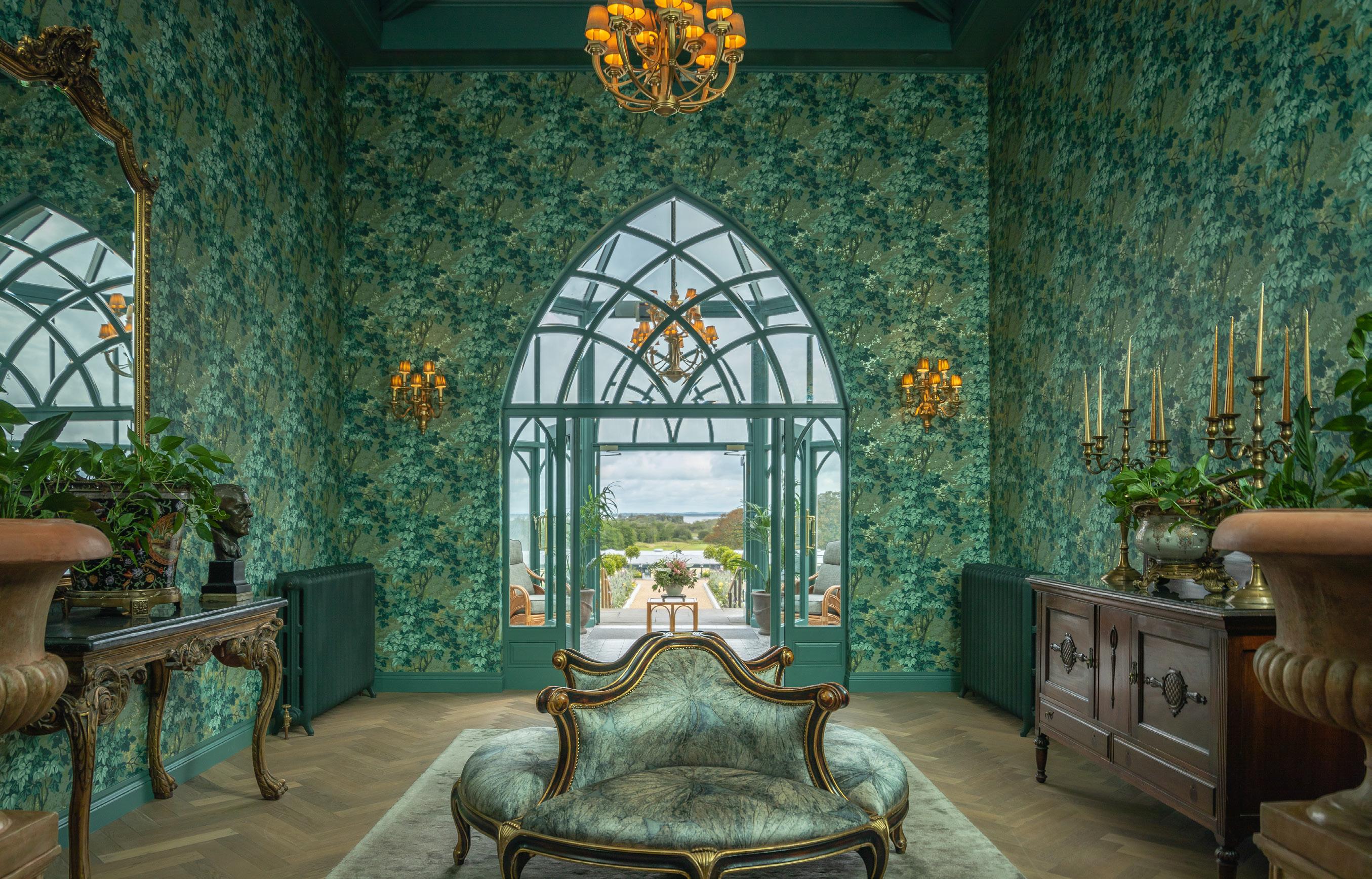
IRELAND S ee Page 78

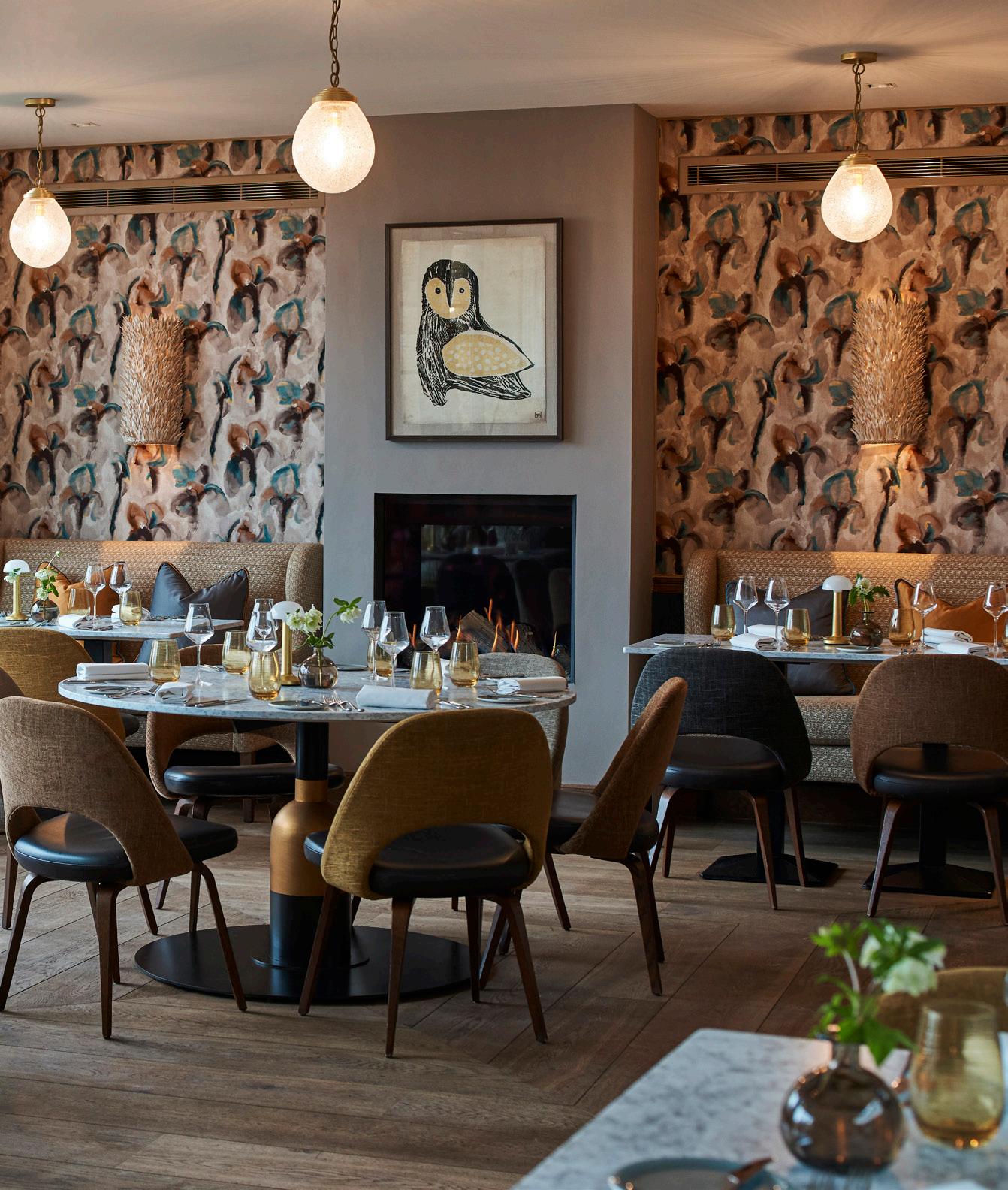
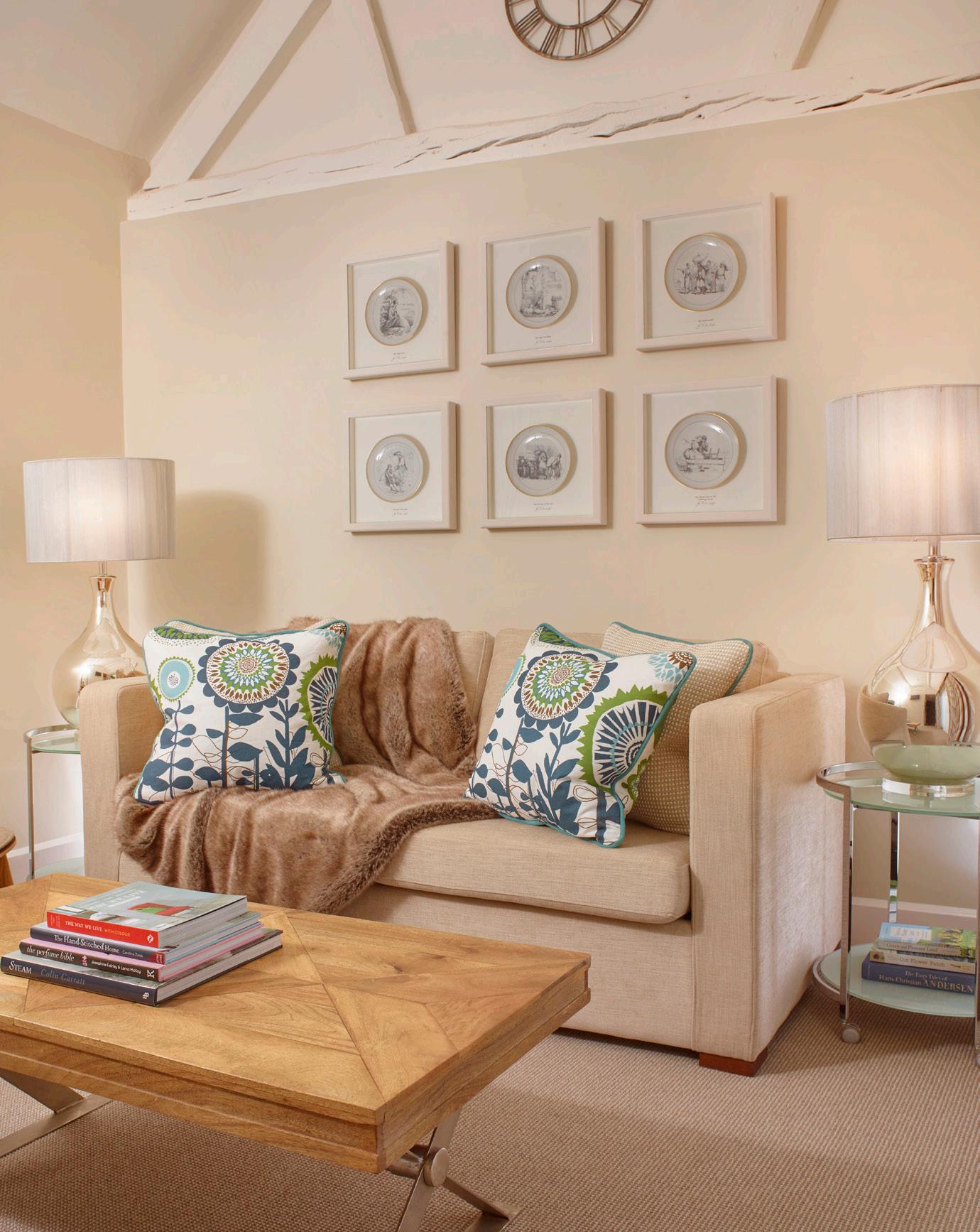
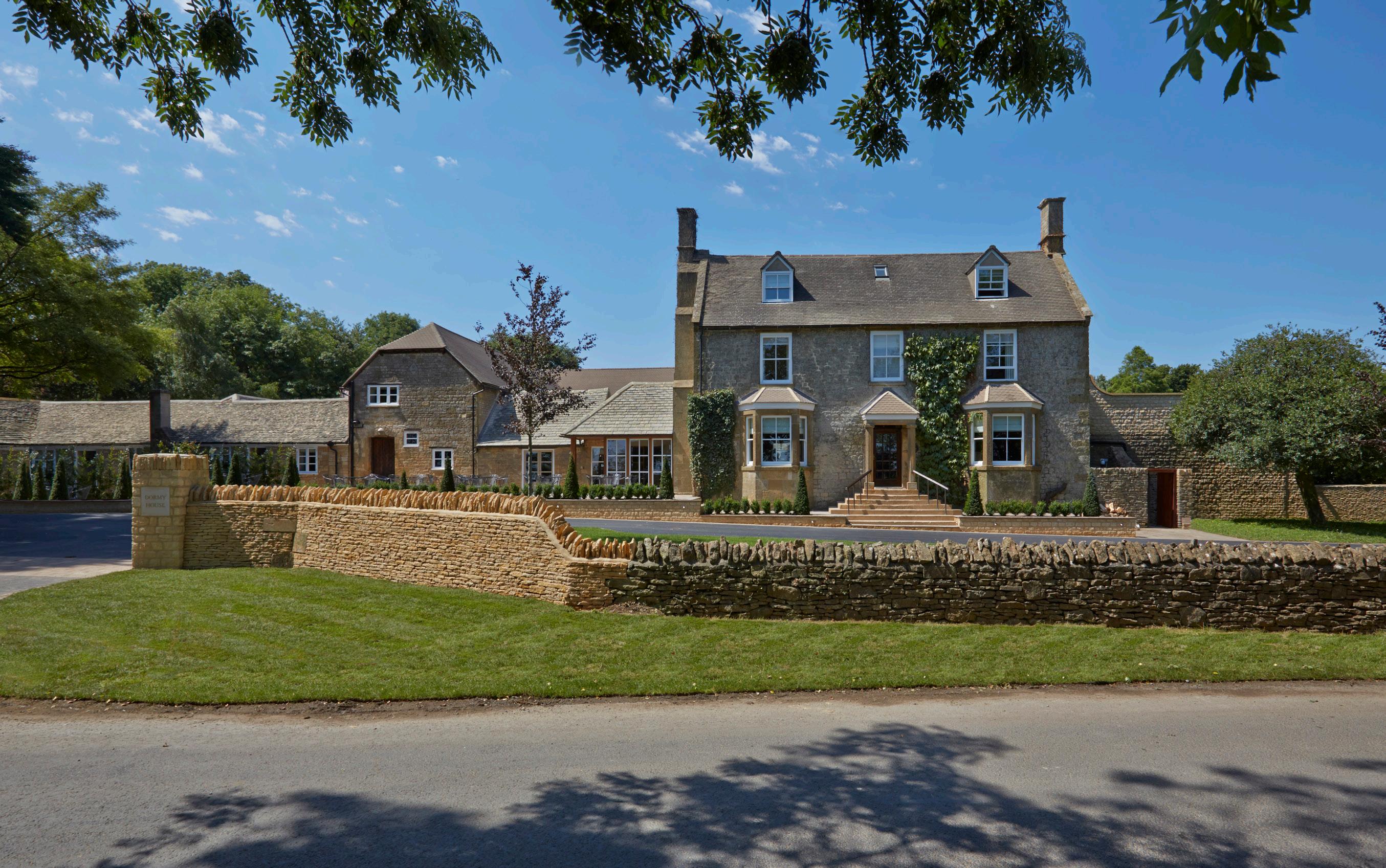
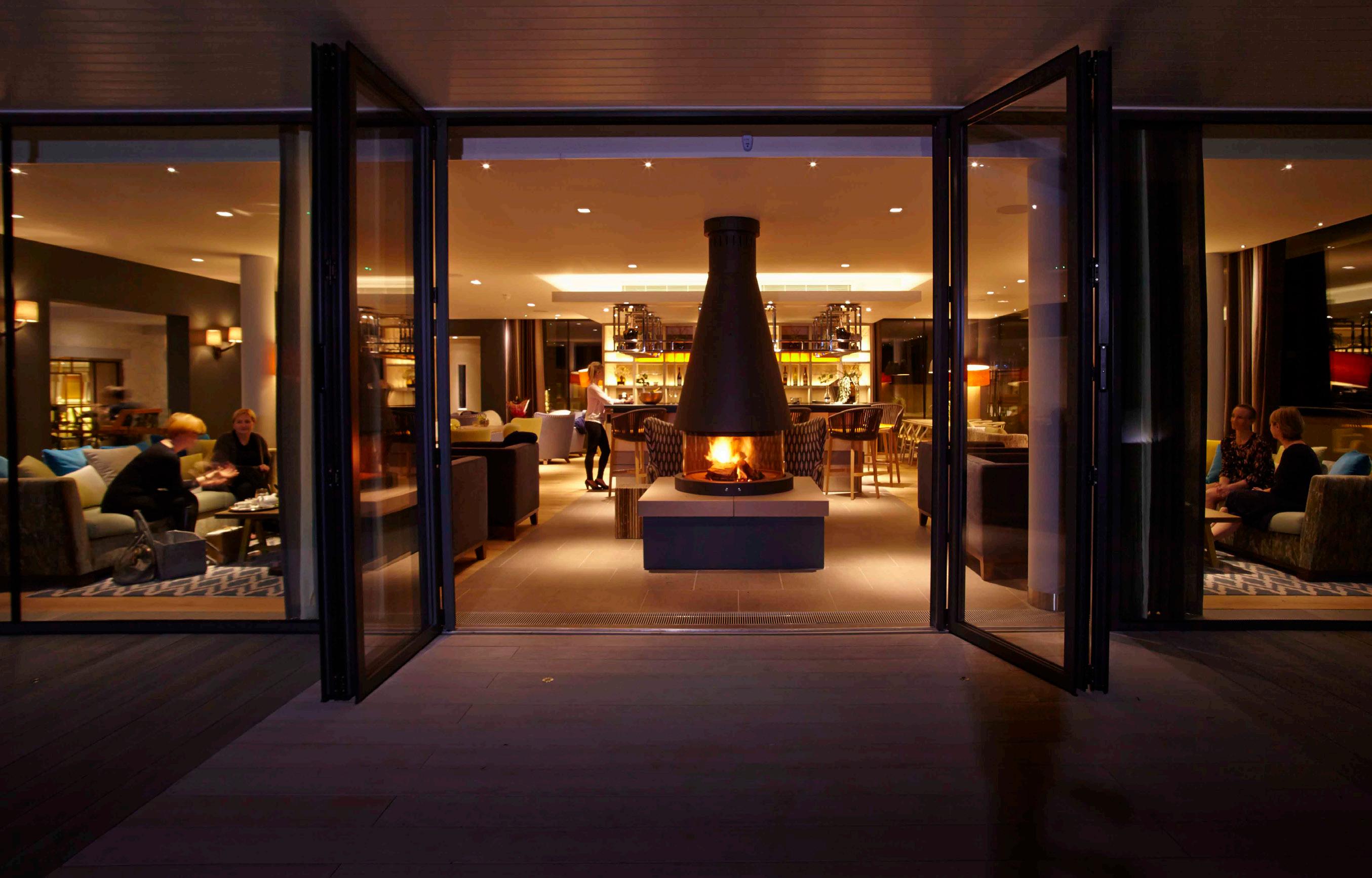
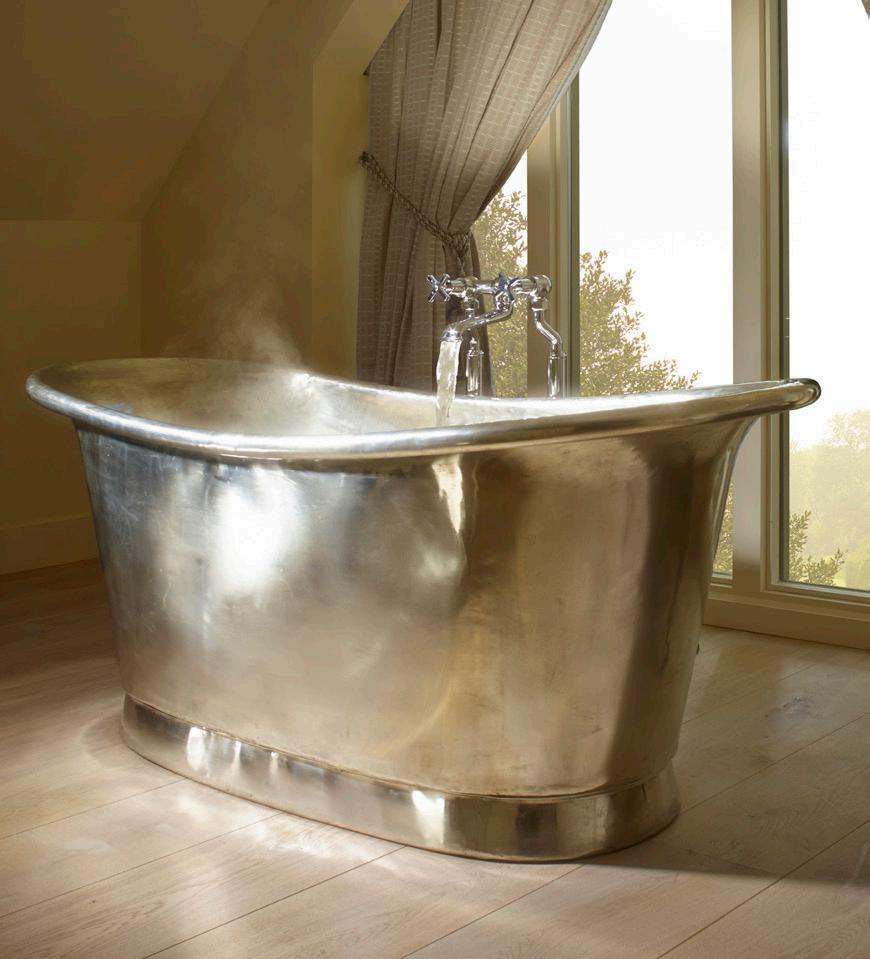
High above the honey-stone village of Broadway, on a 500-acre estate overlooking the rolling Cotswold escarpment, sits Dormy House, a 17th-century farmhouse that has been quietly reinvented as one of England’s most beloved country-house hotels. Stone walls, low-beamed ceilings, and crackling fireplaces hint at the building’s farming origins, while interiors layered in tweed, velvet, and unexpected pops of color give the property a fresh, contemporary heart.
The hotel offers 38 rooms, suites, and snug bolt-holes, ranging from traditional bedrooms in the original farmhouse to private treehouses and shepherds’ huts tucked across the estate. The award-winning House Spa unfolds across an indoor-outdoor footprint, featuring a serene pool, a terrace hot tub, and a Scandi-style thermal suite.
The Back Garden delivers polished, occasion-worthy dining, while MO serves a theatrical chef’stable tasting menu that has become one of the Cotswolds’ best-kept secrets. For lighter moments, a cellar bar and lounge invite long evenings beside the fire.
Beyond the hotel, the estate opens onto a true horse-country playground. Riders can saddle up with local livery yards for hacks across the Cotswold ridge, while non-equestrians have an 18-hole golf course next door, miles of footpaths, fishing on the estate lakes, and the picture-book villages of Broadway and Chipping Campden within easy reach. After a long day outdoors, the firelit snug beckons; a glass of something local in hand, the dogs of the estate asleep at your feet, and the whole green sweep of England framed in the window. CONTACT INFO | PAGE 113
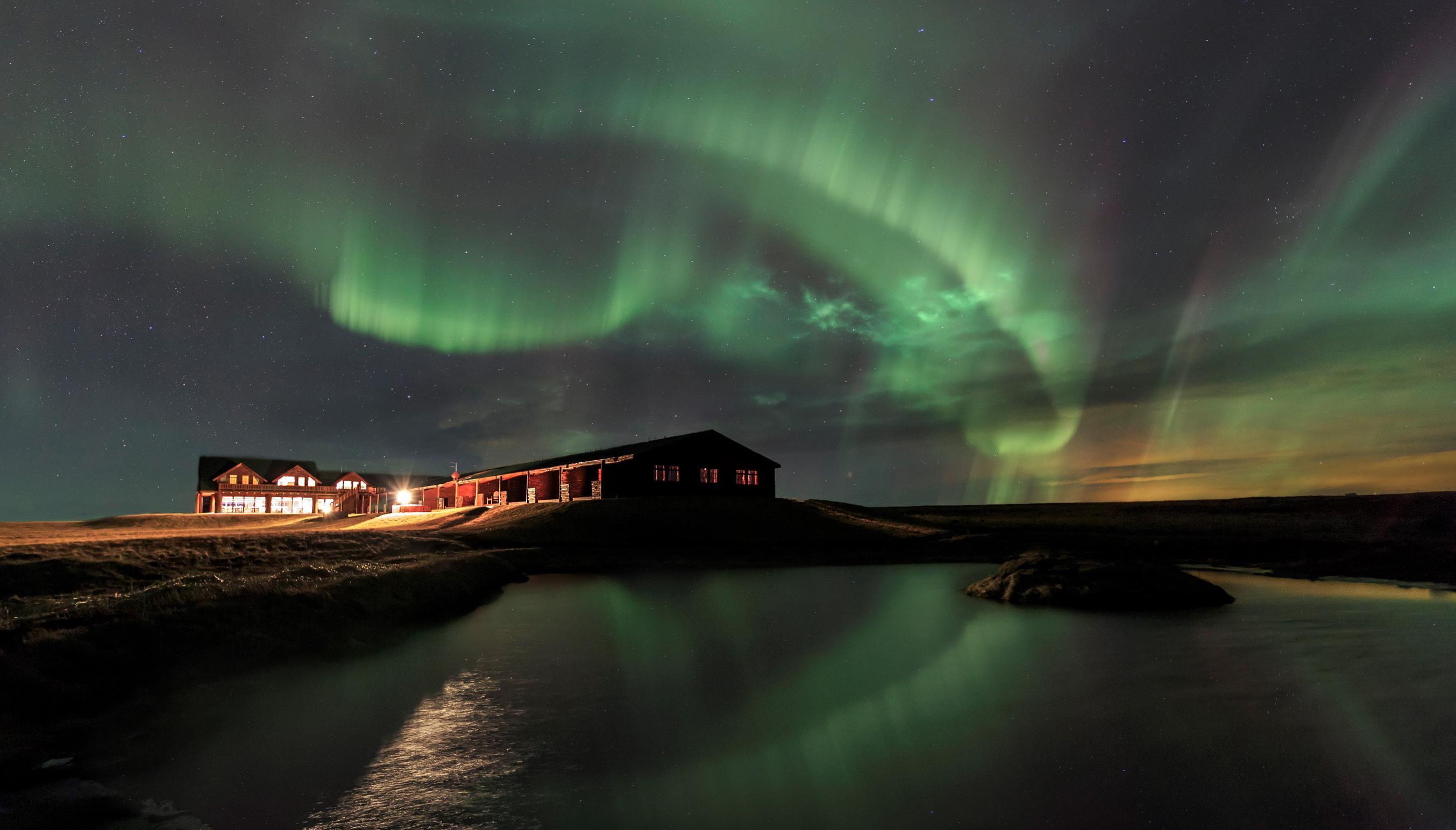
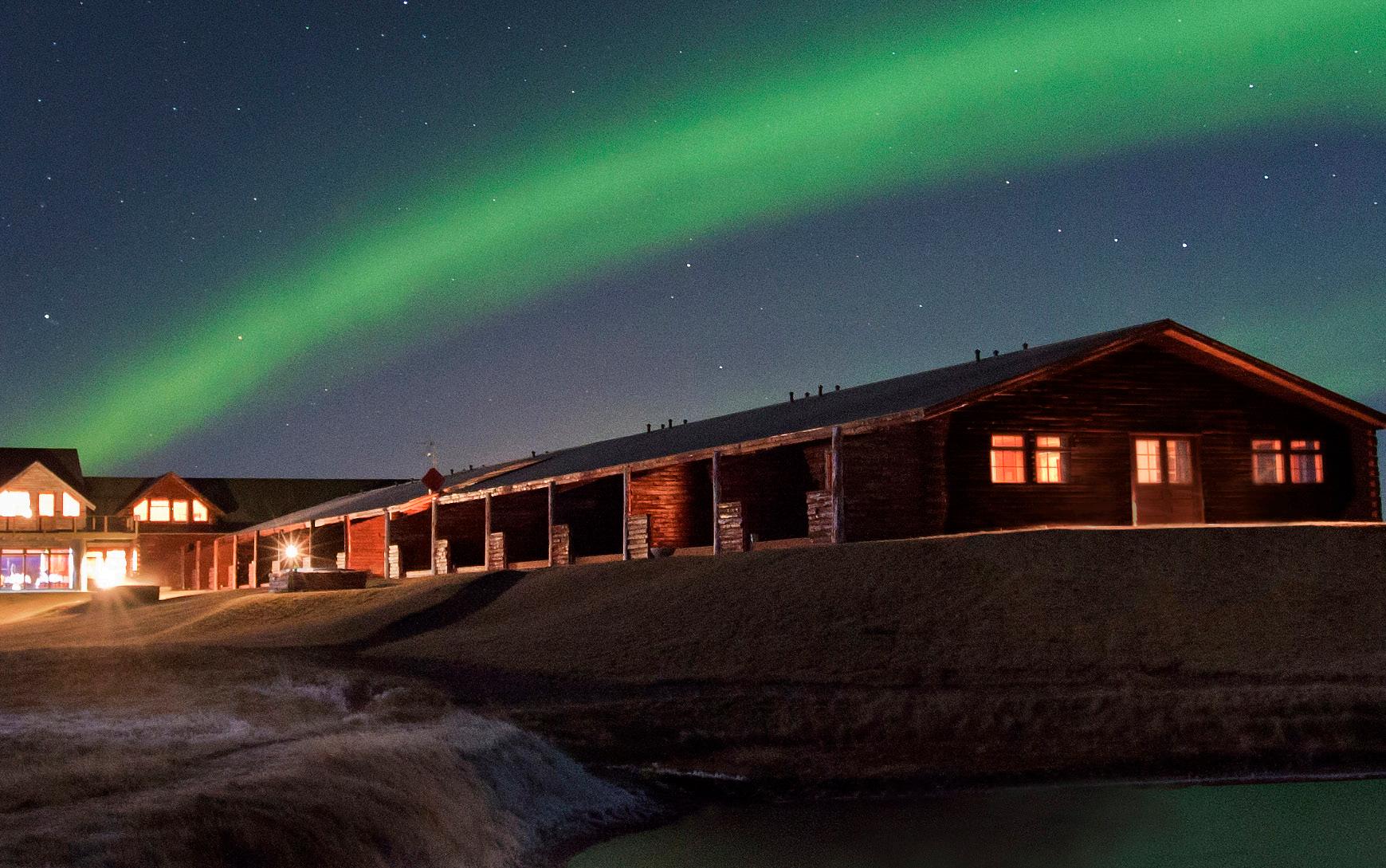
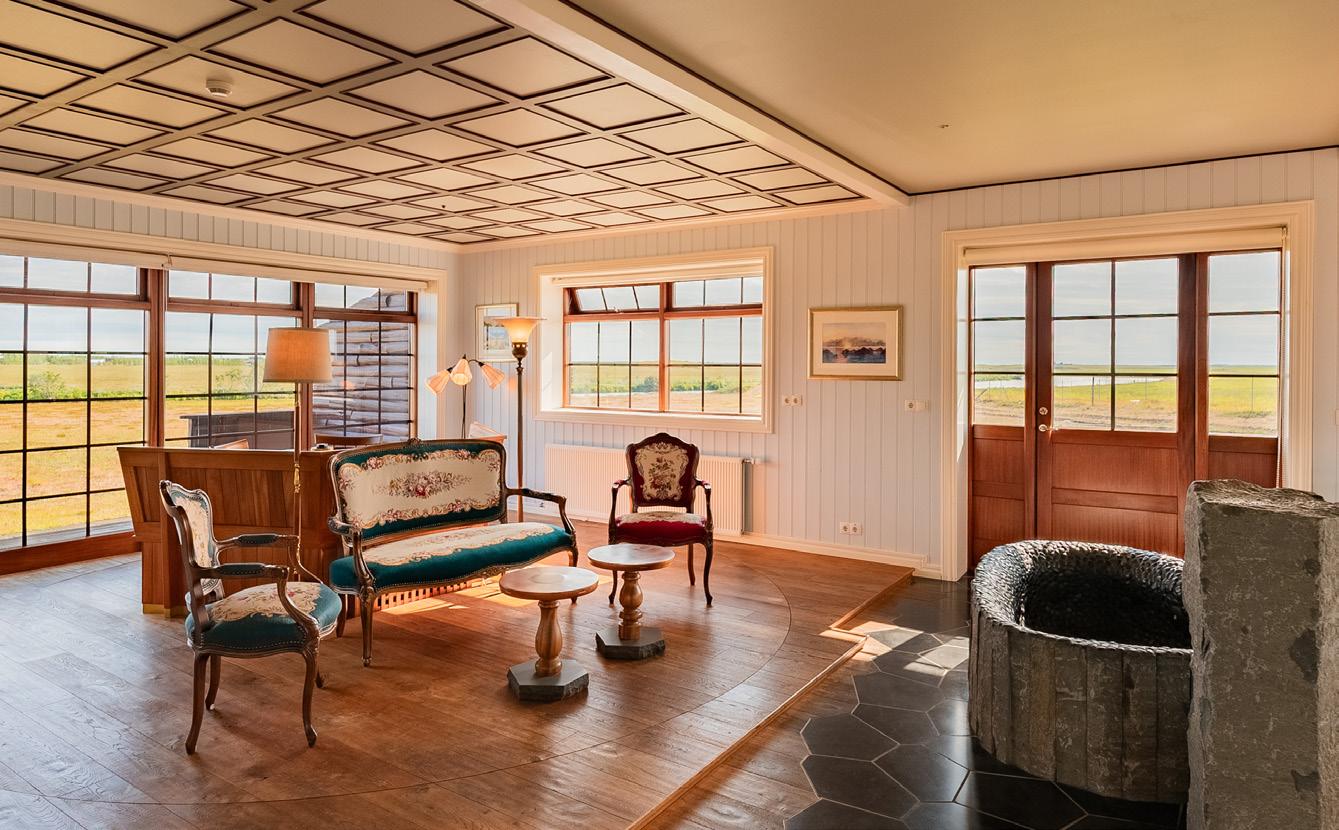
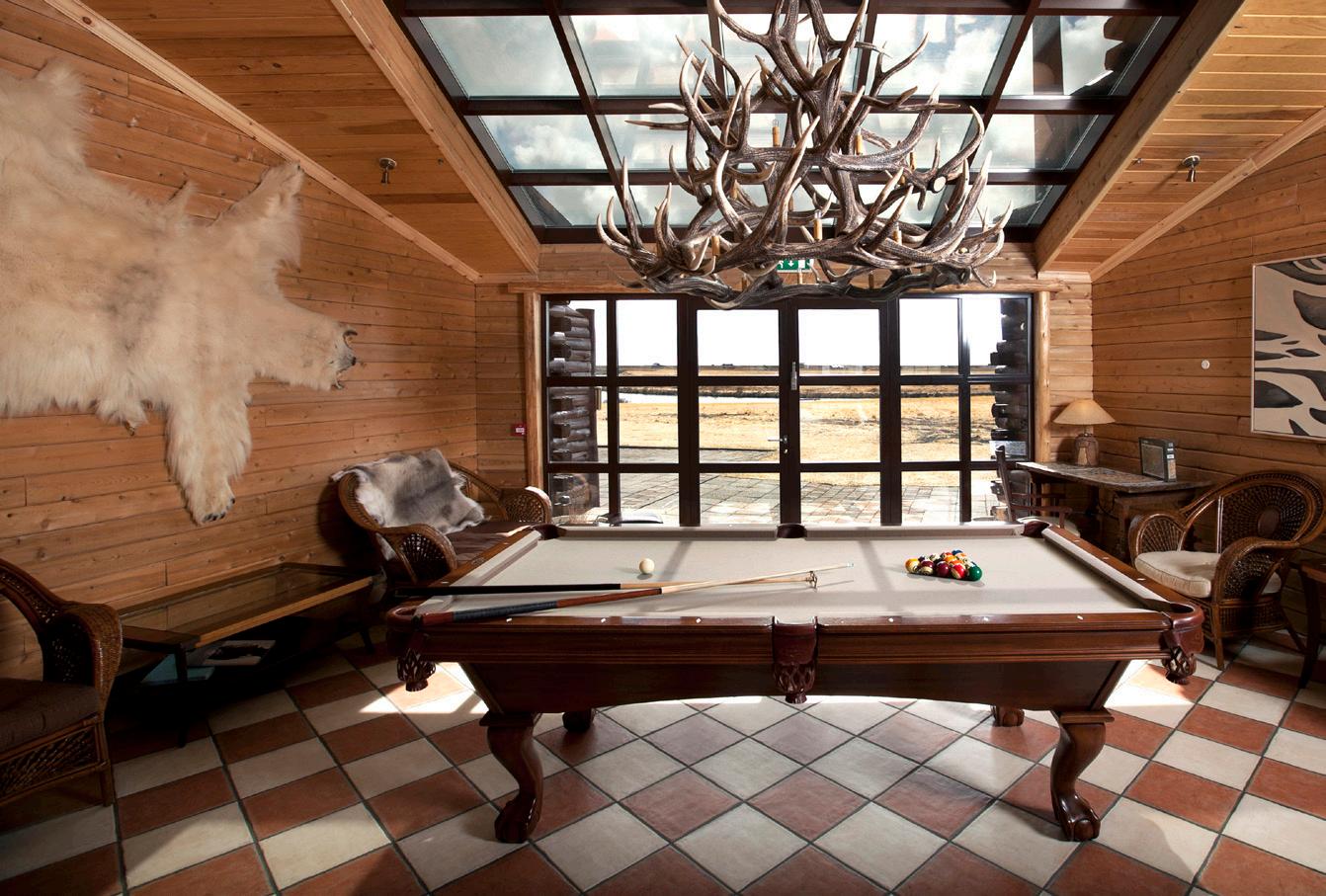
Set on the banks of the Eystri-Rangá River, roughly two hours southeast of Reykjavík, Hotel Rangá is the kind of place that turns a vacation into a meditation on the natural world. The cedar-and-stone lodge sits low and long against the South Coast horizon, ringed by lava fields, glacial rivers, and three of Iceland’s most photogenic volcanoes: Hekla, Eyjafjallajökull, and Tindfjallajökull.
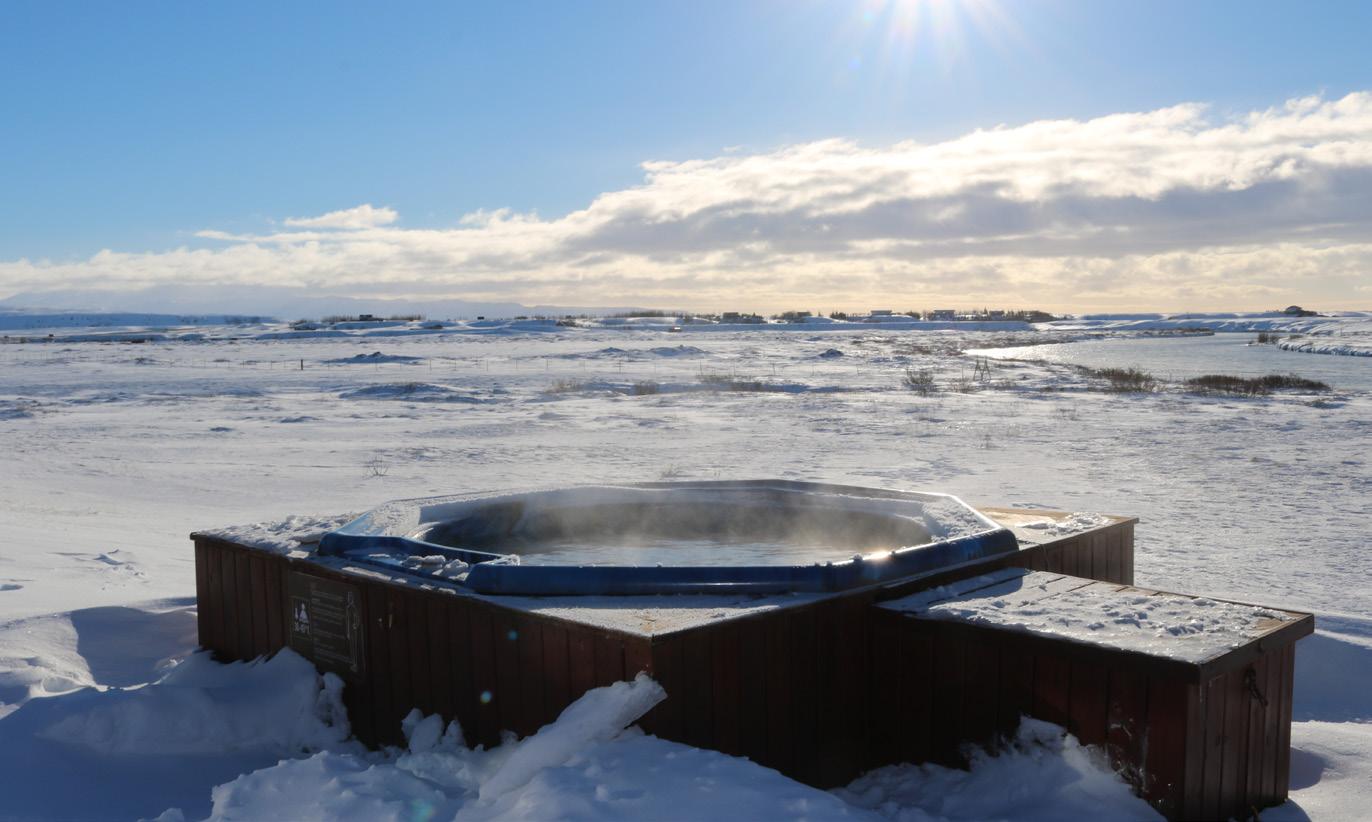
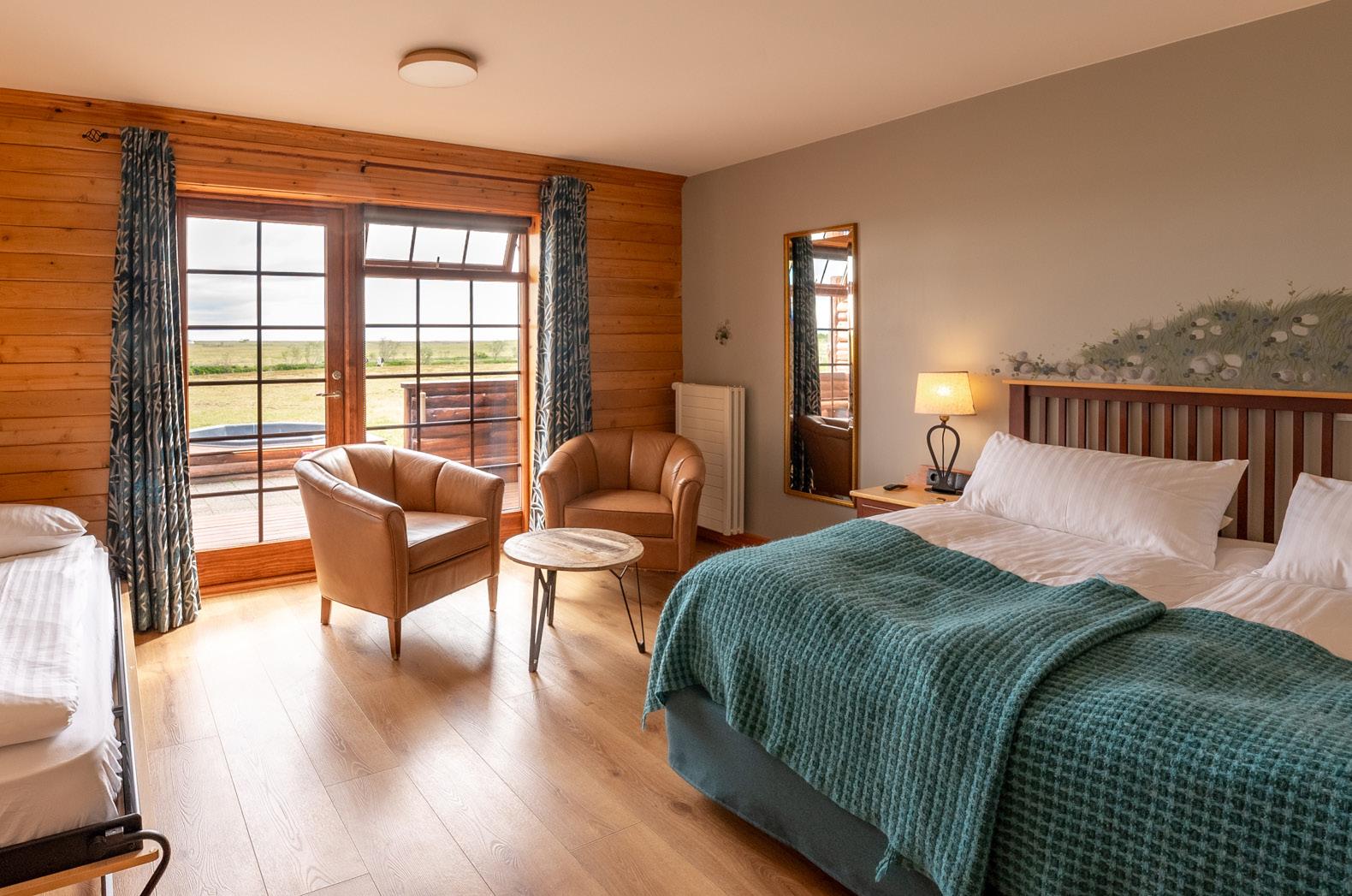
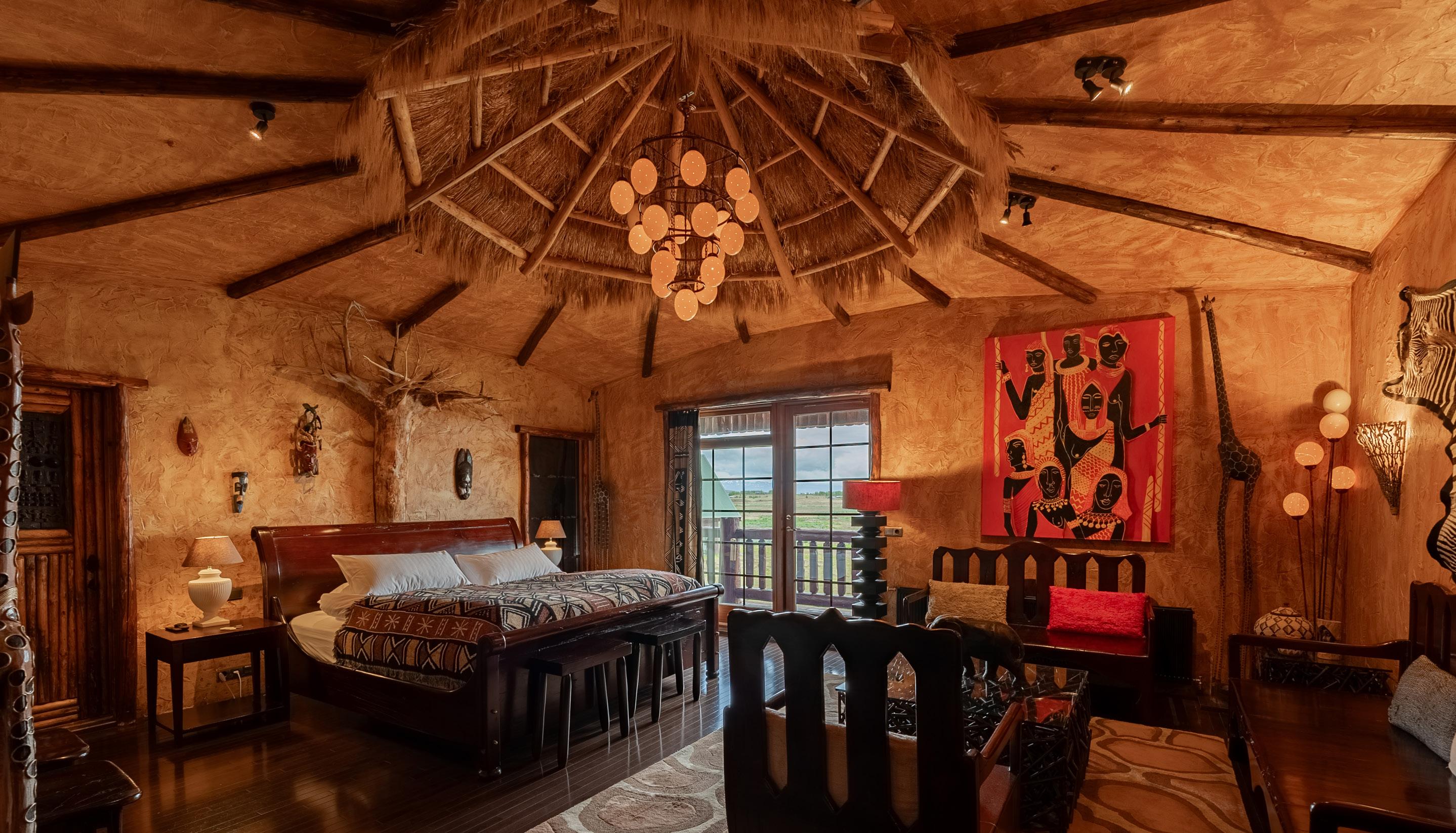
The hotel’s 52 rooms blend country-lodge warmth with serious Icelandic style. Seven suites are themed to the seven continents, with art and antiquities collected from each, from a handcarved canoe in the Africa Suite to indigenous textiles in Asia. Wherever you stay, three outdoor geothermal hot tubs and a riverside terrace put the steam, sky, and silence within easy reach.
AN AURORACHASING HIDEAWAY IN SOUTHERN ICELAND.
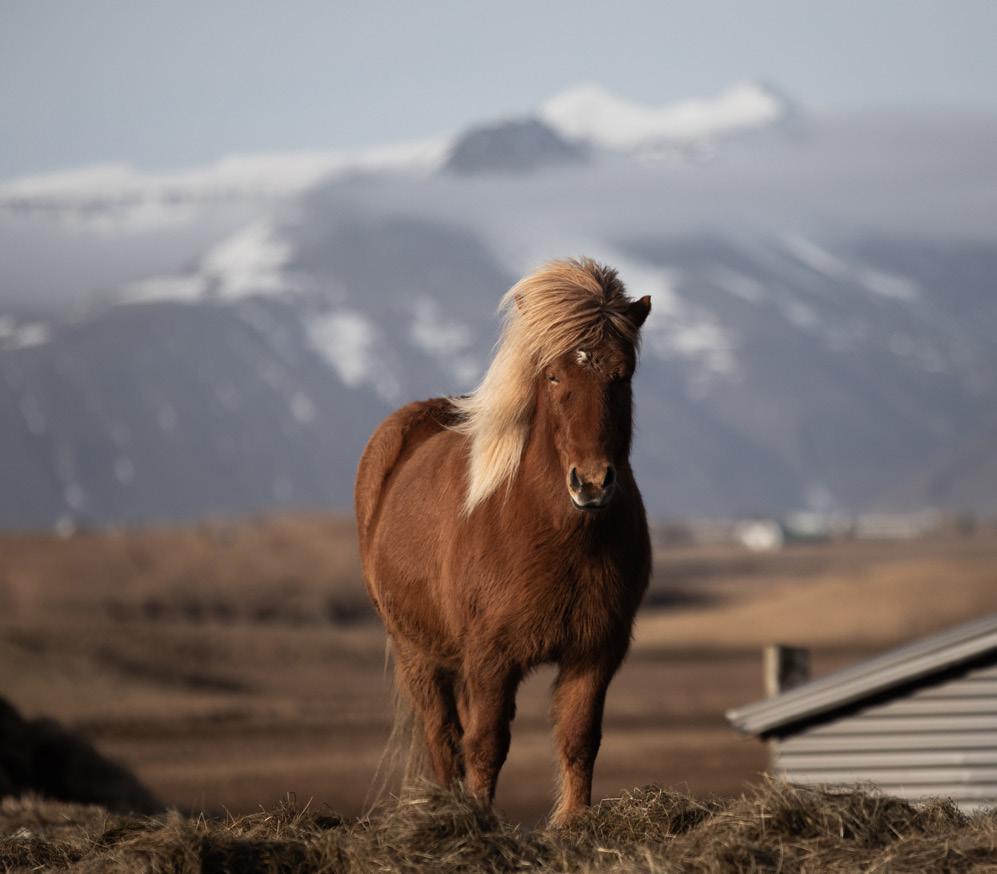
Hotel Rangá takes the northern lights seriously. The property has its own observatory with high-powered telescopes and a resident astronomer, plus a famous wake-up call service: a quiet phone alert when the aurora is dancing overhead. By day, guests are bundled into insulated suits for glacier hikes, paragliding, super-Jeep tours, and rides on the small, surefooted Icelandic horse, a breed unchanged since the Vikings. Trails wind across black-sand beaches and moss-veiled lava plains.
Back inside, the kitchen runs on the best Iceland has to offer: lamb raised by neighboring farmers, fresh-caught salmon, and a wild-game tasting menu featuring reindeer and goose-liver paté. Linger over an Icelandic gin in the riverstone bar while the aurora pulls a slow arc across the sky.
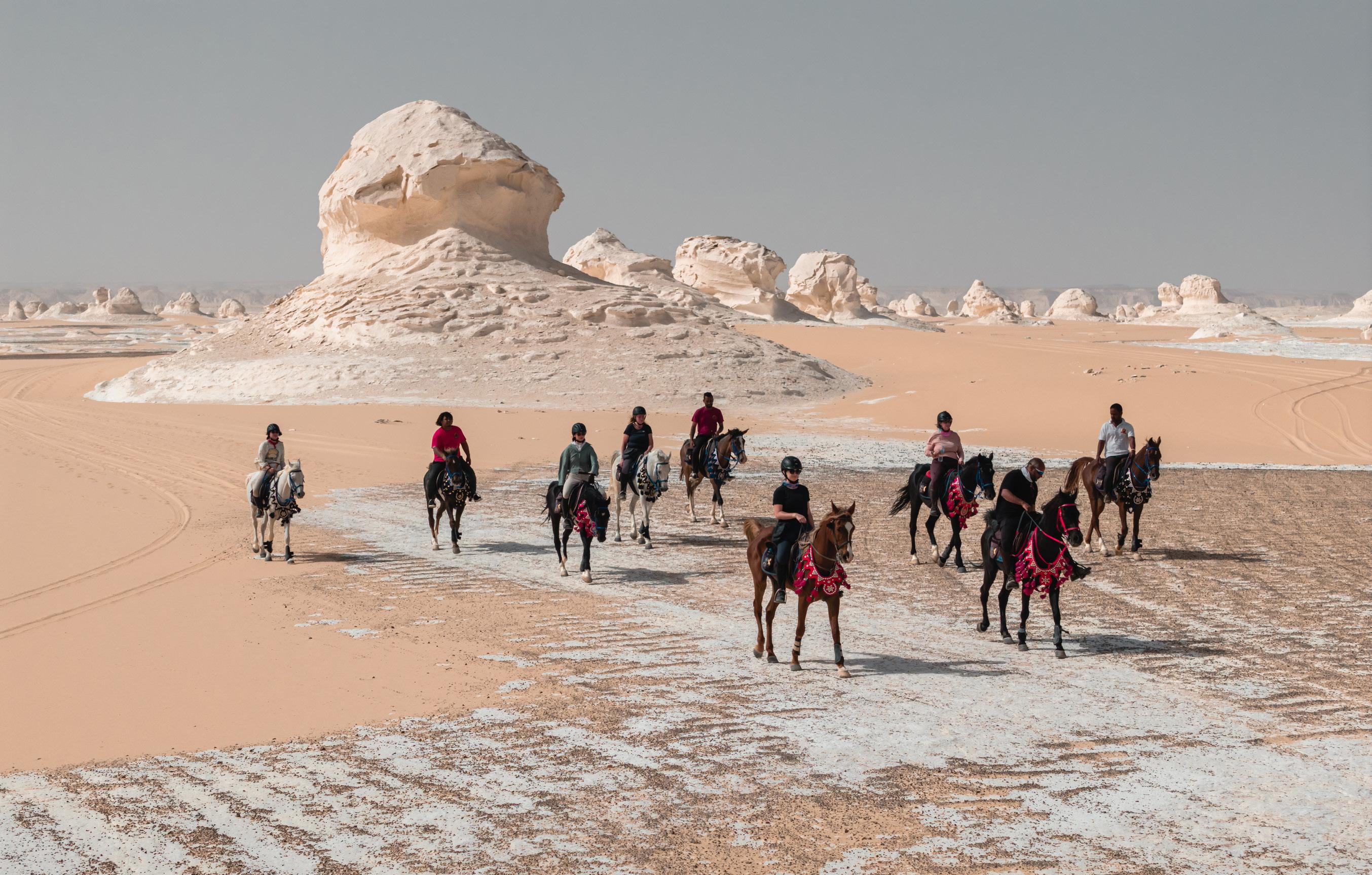
Few rides on earth still feel genuinely epic. Ride Egypt’s White Desert journey is one of them. Britishowned and led by founder Emma Jane Levin— who has spent more than a decade redefining equestrian travel in Egypt—the company now offers what is believed to be the country’s first horseback journey through the White Desert: a remote and visually arresting landscape rarely accessed on horseback.
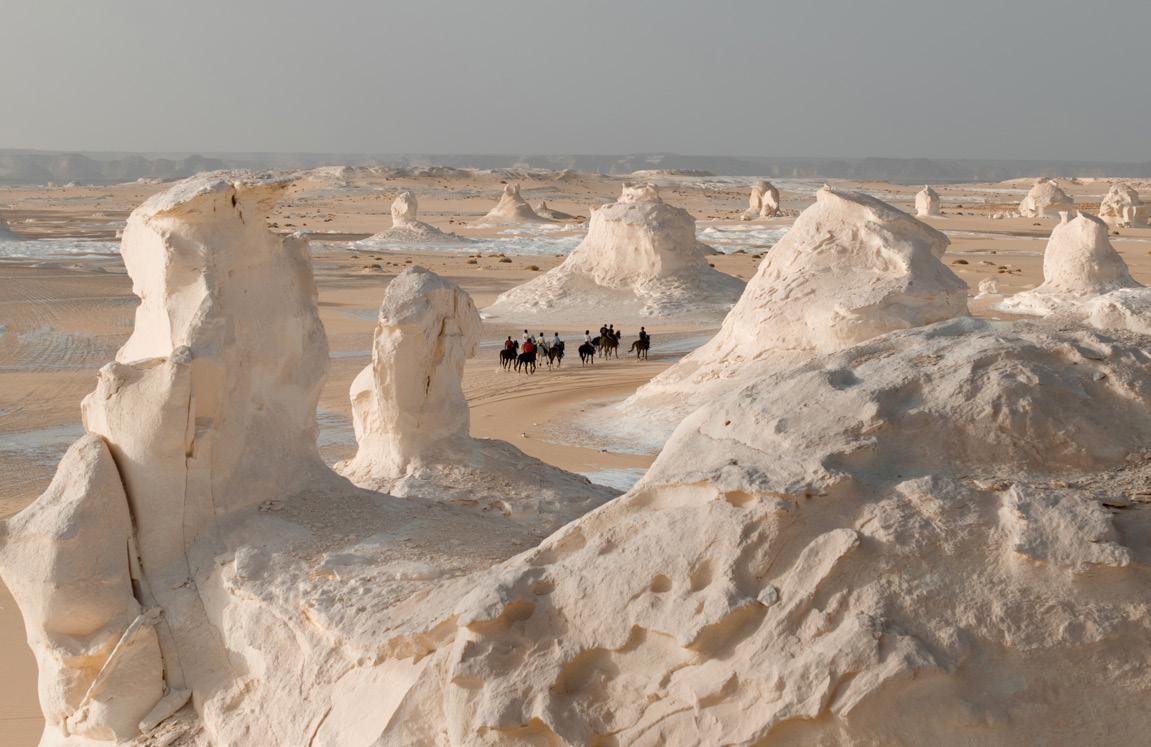
The five-day mini break moves between Cairo, the Black Desert, and the White Desert National Park before returning via Bahariya Oasis. Riders begin in Cairo with a gallop at the Pyramids of Giza, then transfer west as the landscape shifts from city to volcanic Black Desert hills to the surreal chalk-white formations of the White Desert. The ground here was made for horses—open, firm, and
seemingly endless, with long stretches that allow for sustained gallops through one of the most extraordinary natural landscapes in the world.
Ride Egypt’s horses are not hired in for trips. They are permanent members of the team, trained specifically for desert riding and cared for year-round by dedicated grooms. Groups are small—with a maximum of eight riders—and horses are matched carefully to ability and experience. Non-riders are welcome, with alternative activities available throughout.
Journeys run October through May. A tented night in the White Desert is included for those who want it, and the return route stops at the natural hot springs of Bahariya. It is a rare adventure in the truest sense: vast, silent, and completely outside the normal day-to-day.
Perched on a sunny plateau 4,035 feet above sea level, up above the spa town of Merano, in Italy’s South Tyrol mountains, Miramonti is one of those small, sure-footed Alpine hotels that horse people fall for the moment they arrive. The setting alone is worth the drive: the property sits on a 74-acre forest estate in Hafling, South Tyrol, framed on one side by the snow-tipped Texel Group and on the other by the 13th-century chapel of St. Kathrein, the symbol of the village.
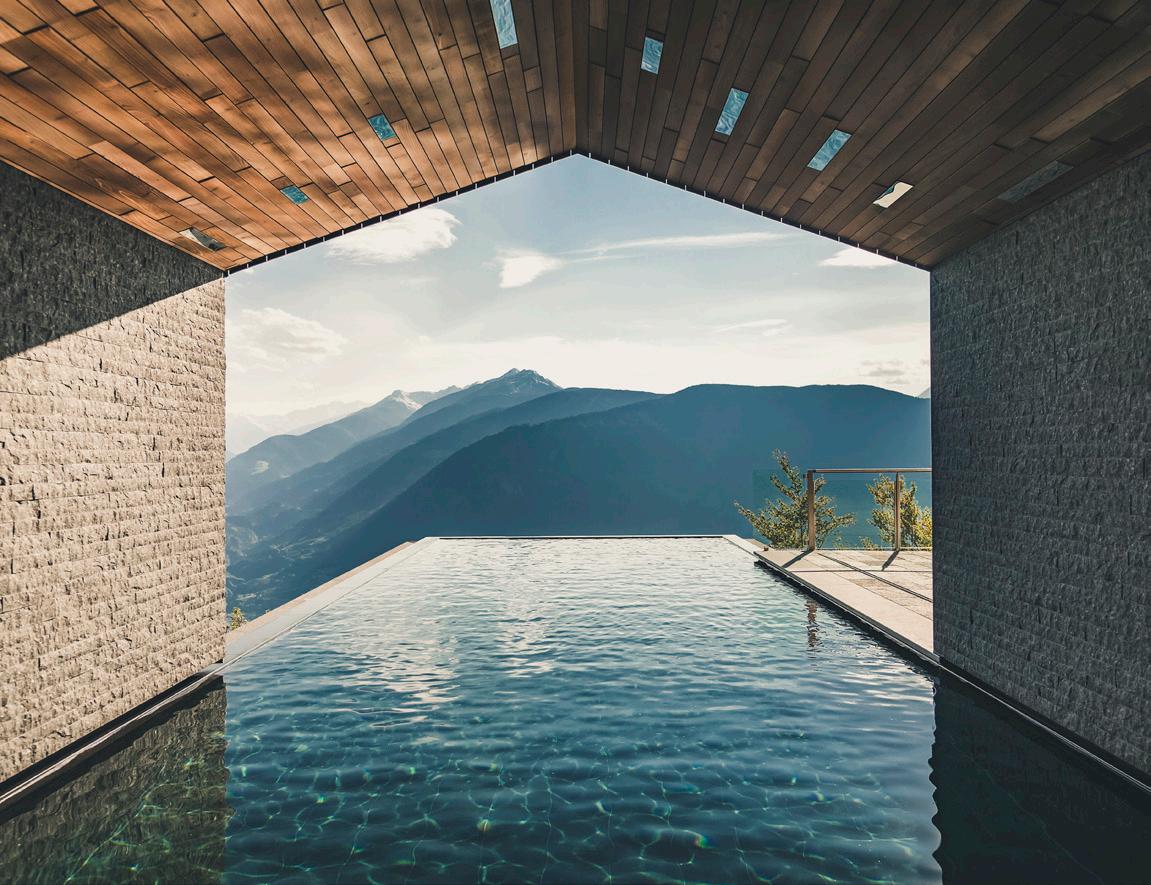
Even more compelling for equestrians is what lies just around the corner: the Haflinger Stud Farm Sulfner, on the plateau that gave the breed its name.
Miramonti is small by design, with 47 rooms and suites ranging from the intimate style rooms,
with herringbone timber floors, hand-loomed Mössmer fabrics from local Tyrolean workshops, to the architecturally bold design lofts with their smoked oak, muted rust, and moss green, where an open bathroom sits before a full-height glass wall and the Alps fill the view. The freestanding Monti houses, tucked into the forest, are the prize: minimalist, peaked-roof retreats sheltered by rock and pine, open to a panorama that drops more than a thousand meters into the valley. Chef Massimo Geromel was featured in the Guide Michelin and has been awarded 15 Gault Millau points.
The spa brings together a salt-water infinity pool, a Finnish forest sauna, and a Japaneseinspired Onsen pool.
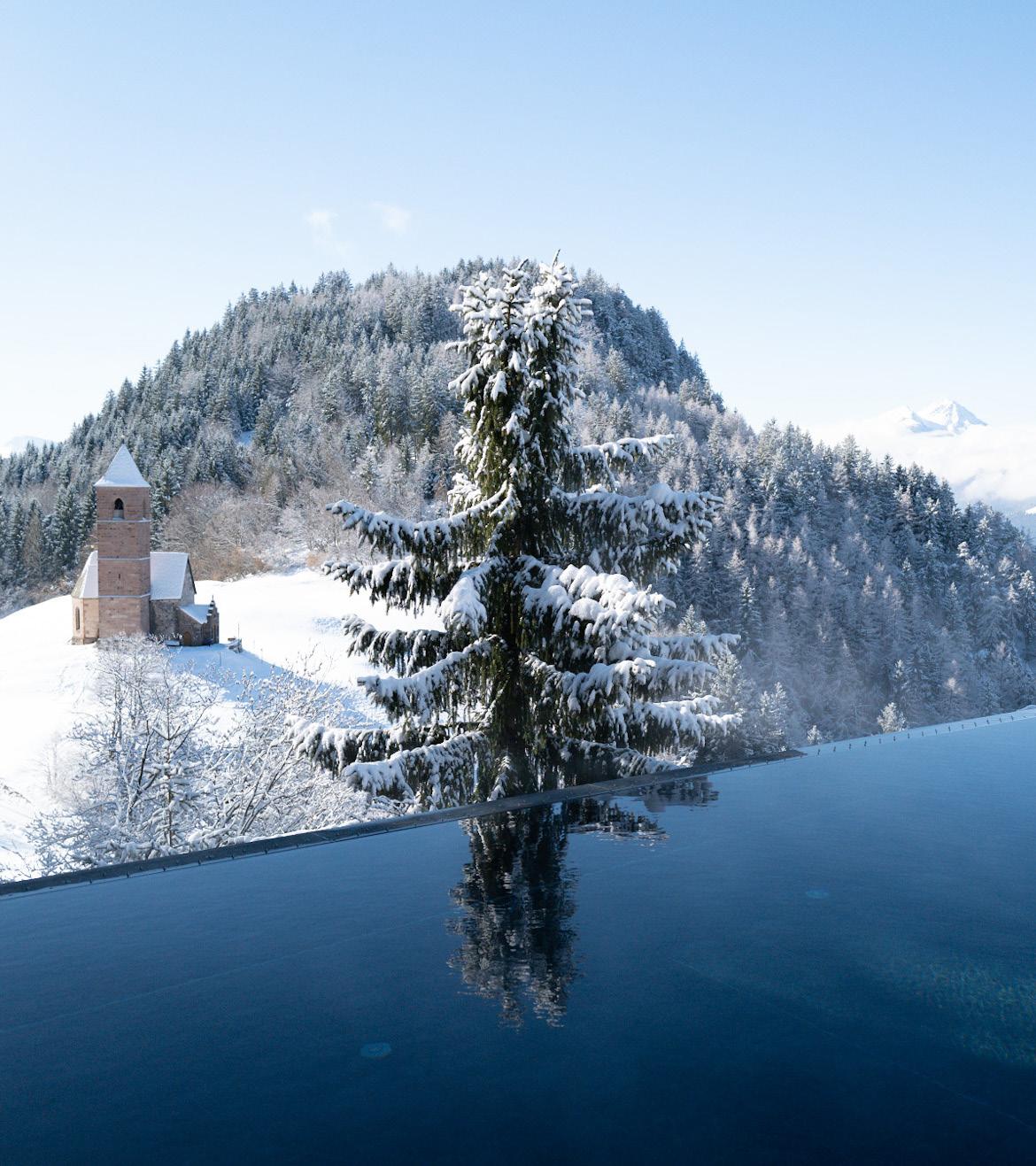
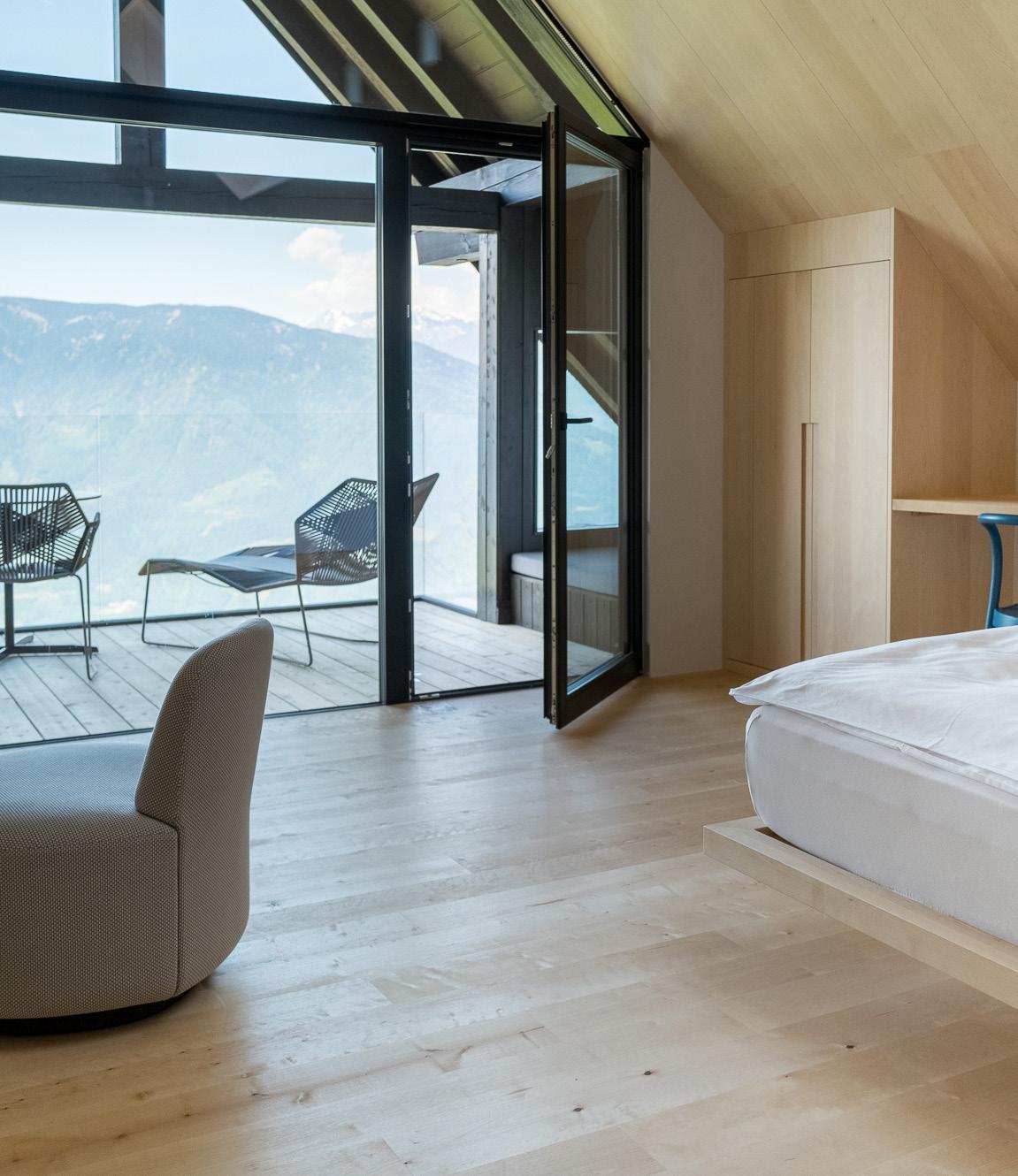
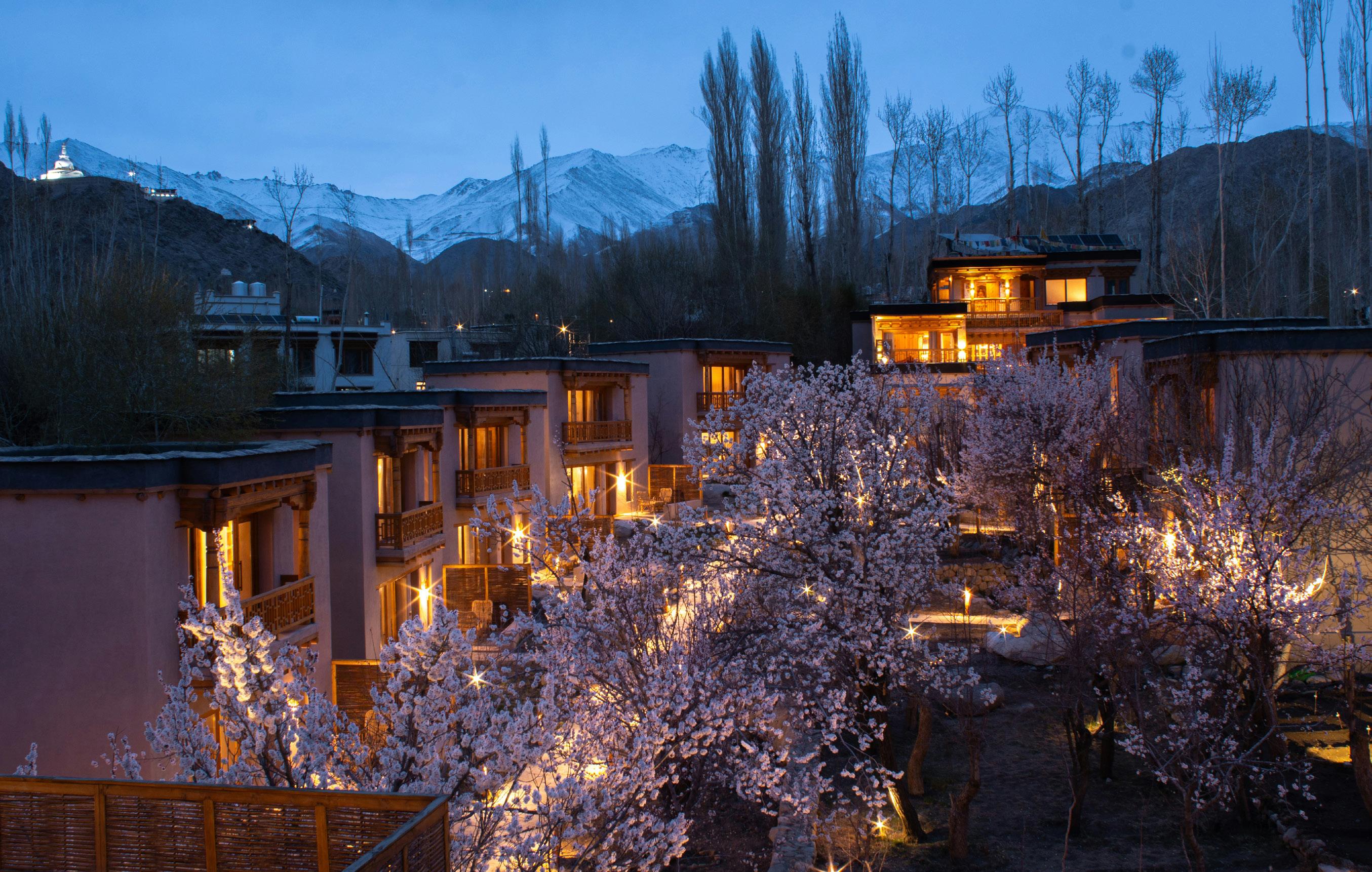
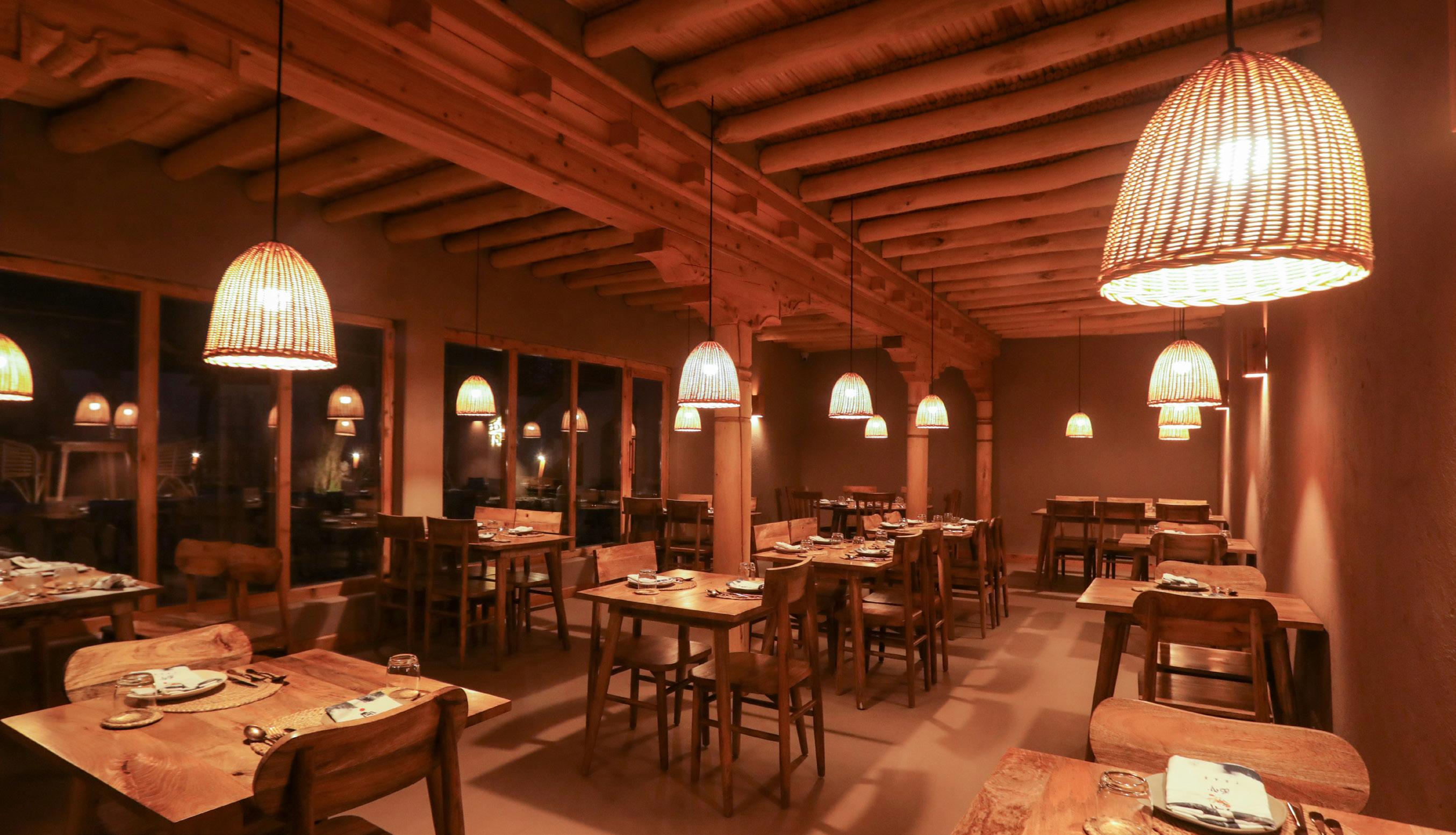
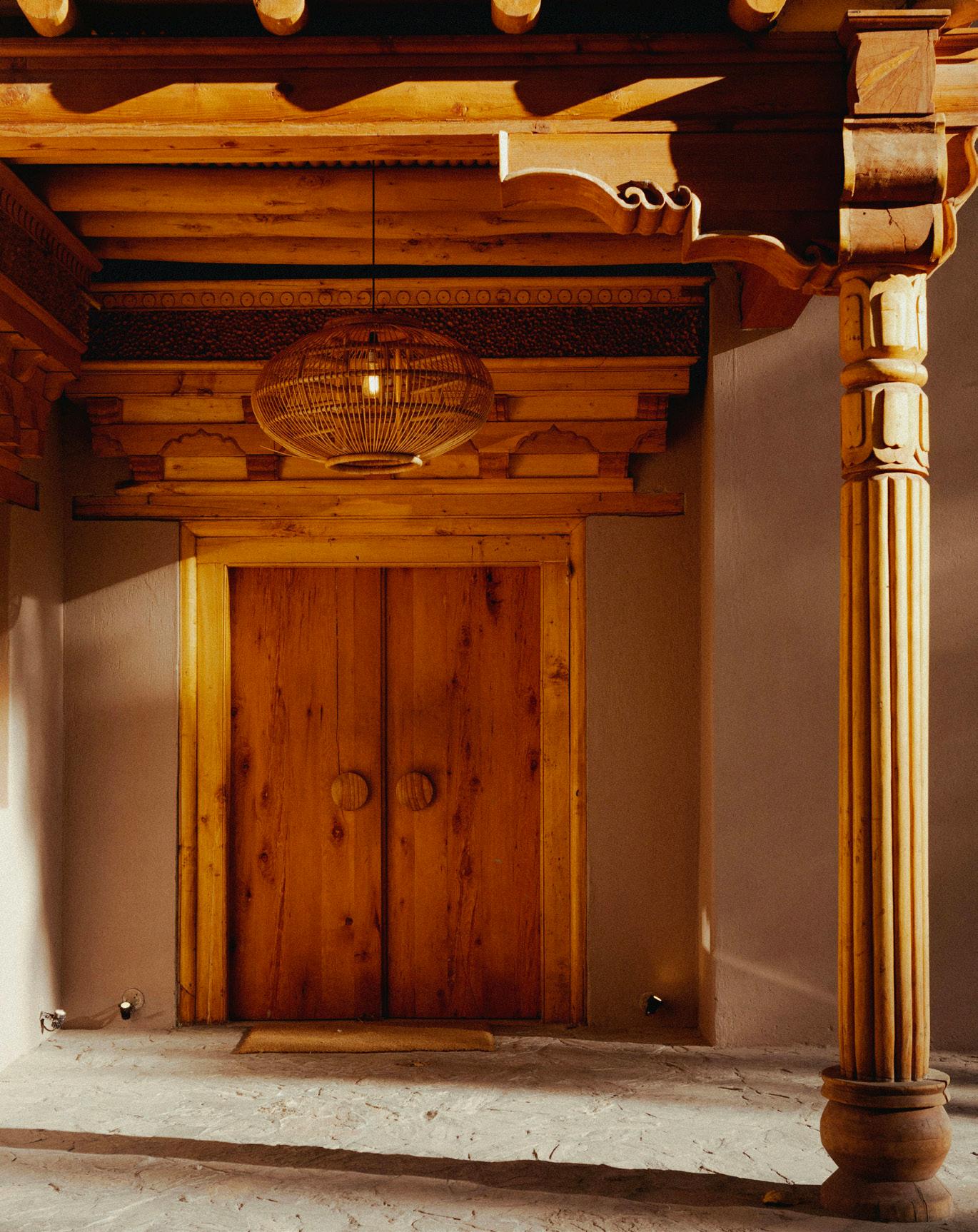
Tucked away in the high-altitude desert of Leh, Ladakh, India, Dolkhar Resort is a boutique luxury eco-retreat that beautifully balances regional heritage with modern hospitality. Founded by Rigzin Wangmo Lachic as an emotional tribute to her grandmother’s land, this serene enclave sits on an ancient Silk Route pit stop, framed by the dramatic, purple-tinged peaks of the Indian Himalayas.
The property consists of just seven split-level duplex villas, consciously designed using traditional, passive-solar architecture. To ensure a minimal environmental footprint, the villas are built entirely from locally sourced materials, including compressed stabilized earth blocks, indigenous stone,
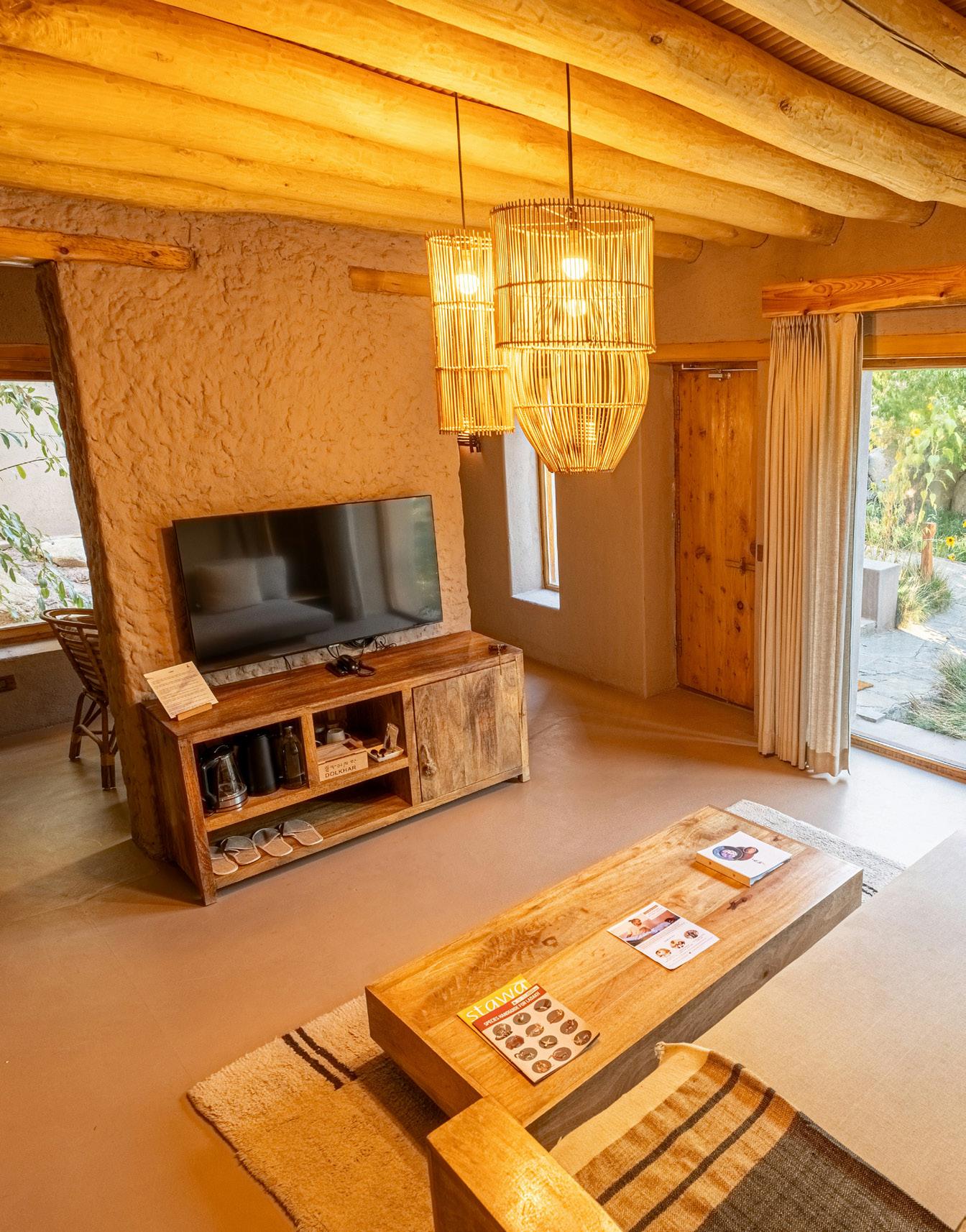
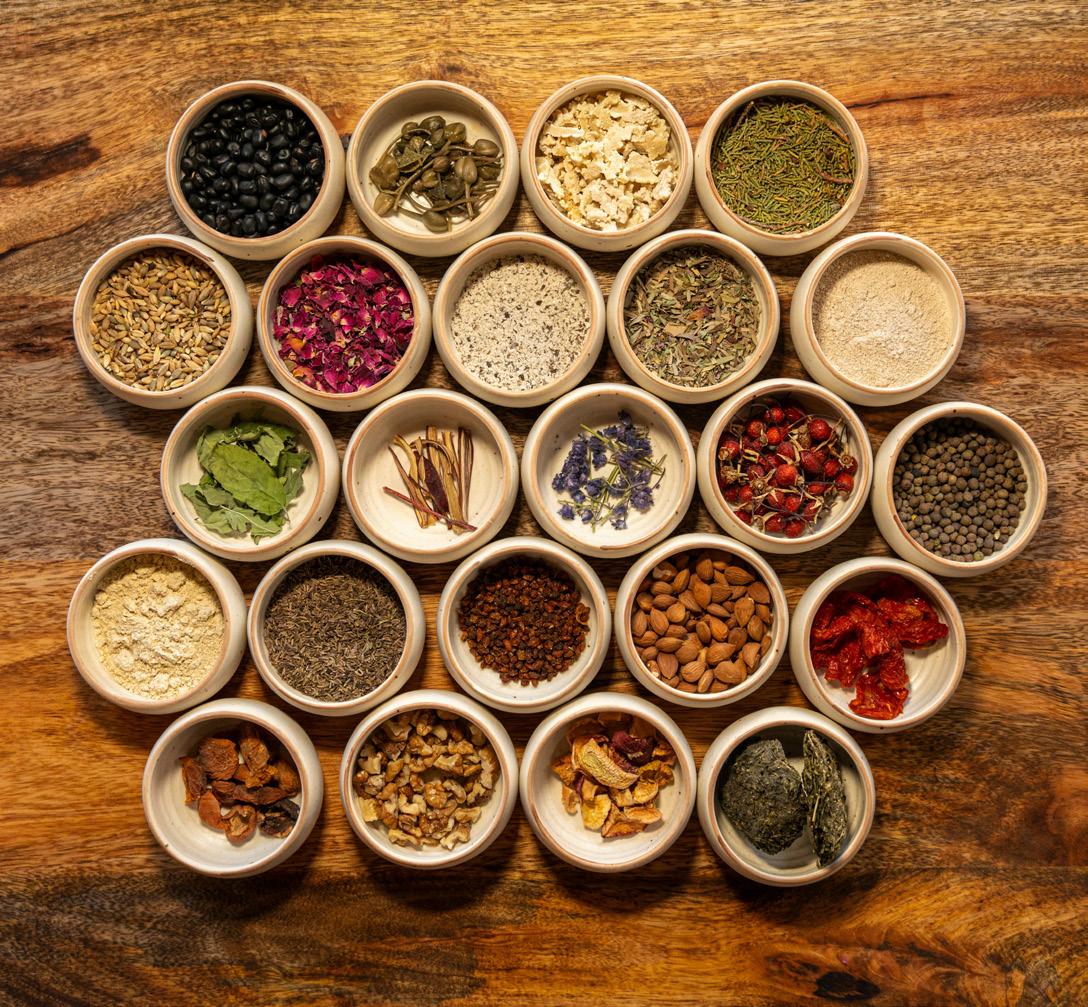
and poplar and willow wood. This vernacular style naturally regulates temperature, keeping spaces warm during the harsh Himalayan winters and cool in the summer. Inside, the decor showcases the work of over forty local artisans, featuring handwoven yak-wool throws, earthy rugs, and hand-carved stone features.
Dolkhar operates under a strict zero-waste and zeroplastic ethos, prioritizing regenerative travel. At the heart of the resort is an apple, walnut, and apricot orchard, which envelops Tsas, the acclaimed on-site hyper-local restaurant. Tsas serves an avant-garde menu that fuses Ladakhi flavors with global influences, sourcing ingredients directly from the resort’s kitchen garden and ethical local farmers. CONTACT INFO | PAGE 113
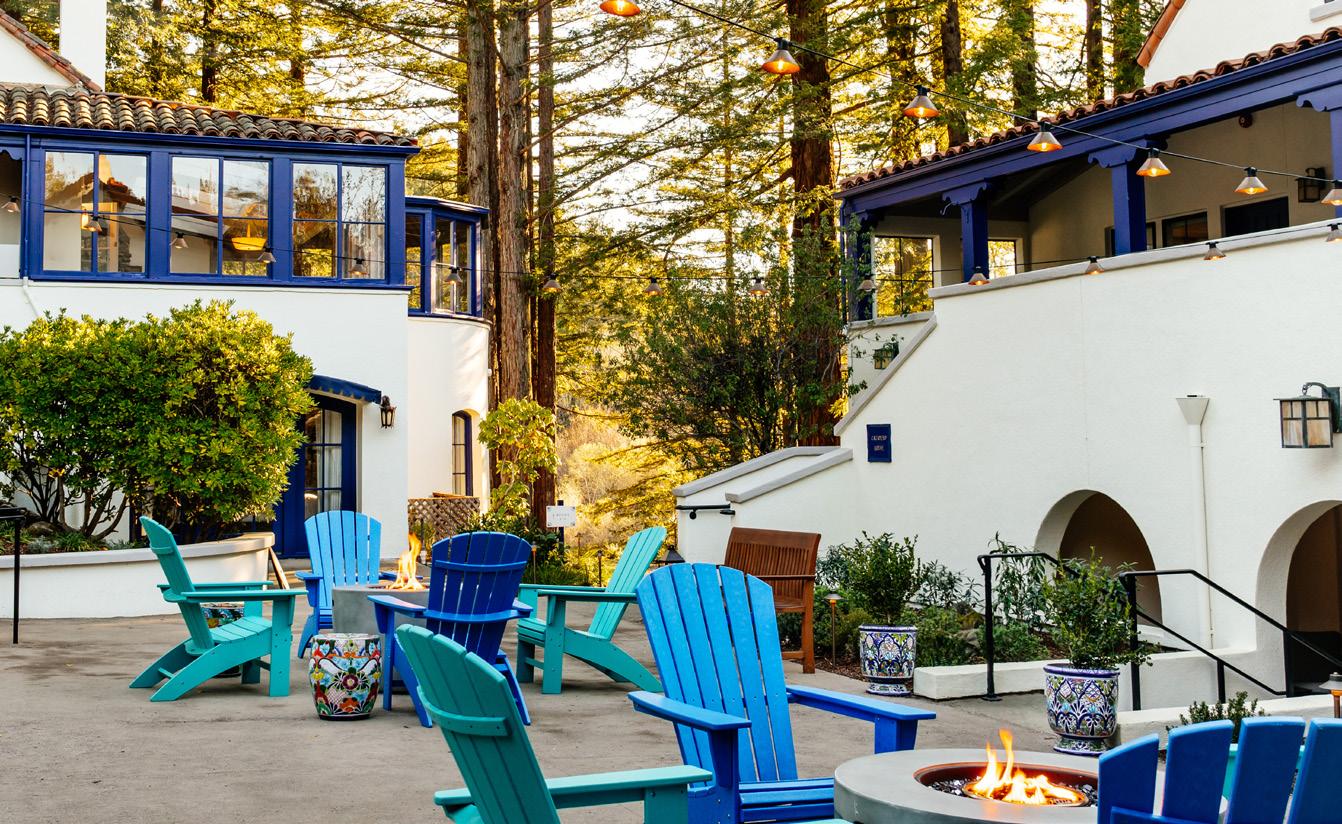
idden among the redwoods of Sonoma County’s Russian River Valley, the Stavrand is the kind of small, deeply personal hotel that wine-country regulars whisper about and then guard jealously. Hospitality-industry veteran Emily Glick acquired the dormant Applewood Inn in 2021 and spent the better part of a year reimagining the six-acre property top to bottom as a 21-room sanctuary devoted to quiet luxury, slow meals, and the long, golden afternoons that California does so well.
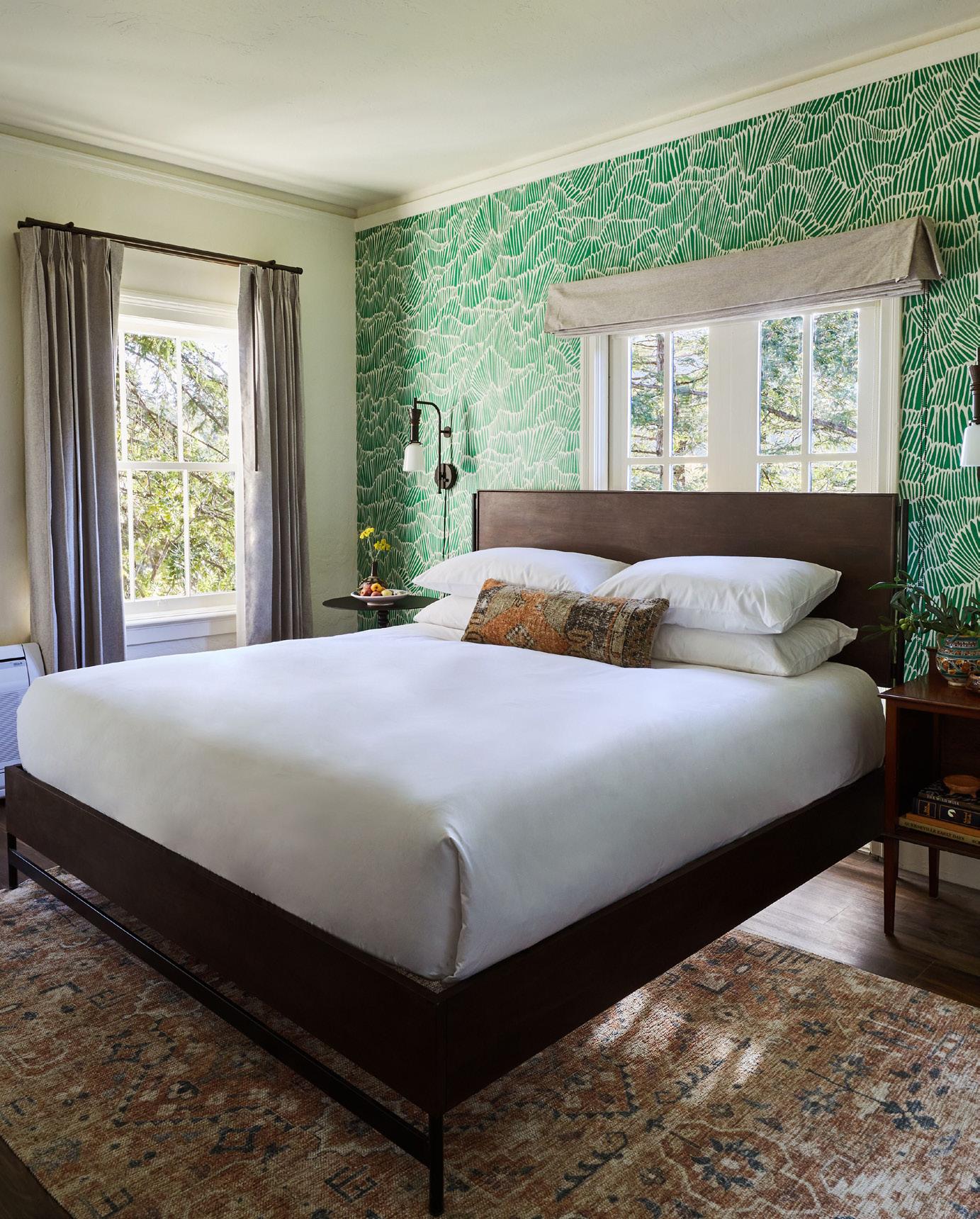
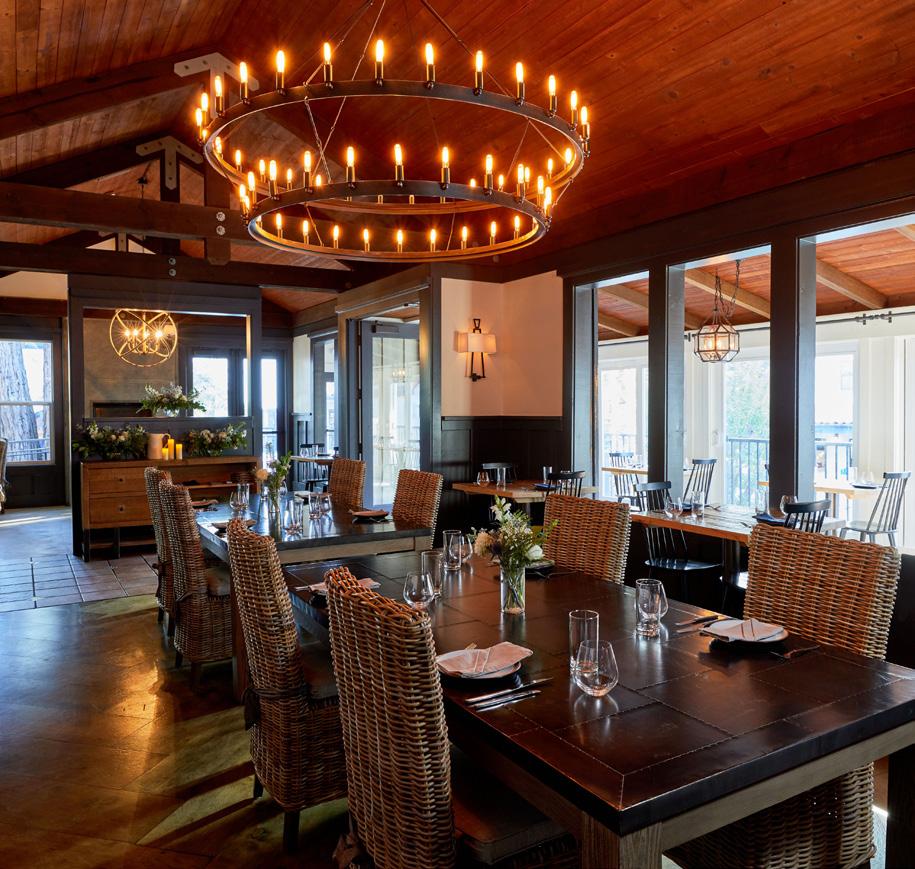
The hotel takes its name from Emily’s late mother’s Norwegian family name. Rooms are scattered across three Northern California rustic villas, each with a different character, some with private patios, others with fireplaces or freestanding soaking tubs,
and all dressed in soft linens, vintage textiles, and locally made ceramics. The property offers lanterns to wander, lawn games, and a firepit with s’mores kits for the kids.
The restaurant is the heart of the place. Open to hotel guests only, it serves an evening tasting menu that pulls from the property’s own gardens and the small farms and ranches that surround Guerneville and Healdsburg. The wine list reads like a love letter to the Russian River: Pinot Noir, Chardonnay, and Zinfandel from the families who have shaped the valley.
Days drift from spa treatments to wine tastings, redwood hikes at Armstrong Reserve, or simply a long lunch in the shade. For horse-loving guests, Sonoma County is rich with equestrian activities, like guided trail rides through wine country, atop scenic sand dunes, through wilderness parks, with panoramic views to remember.
INFO | PAGE 113
Tucked into the Laramie River Valley at 8,400 feet, just south of the Wyoming border, Rawah Ranch is the real thing: an authentic guest ranch that has been welcoming riders since 1948. The setting is hard to top with access to over 1000 wilderness acres, including the Roosevelt National Forest, the Rawah Wilderness, and a sweep of aspen groves, beaver ponds, and meadow wildflowers that explode each summer.
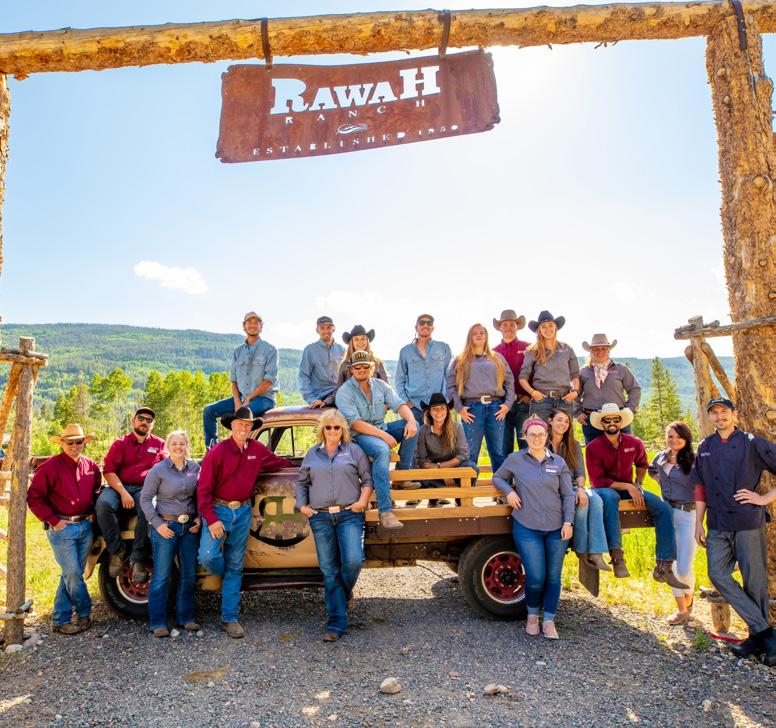
Accommodations are intentionally simple and remarkably beautiful: log cabins scattered along the river, each with a private porch, woodstove, and the soft sound of running water. The main lodge anchors the ranch’s social heart, with deep leather sofas, a stone fireplace, and a wraparound porch ideal for sundowners and storytelling.
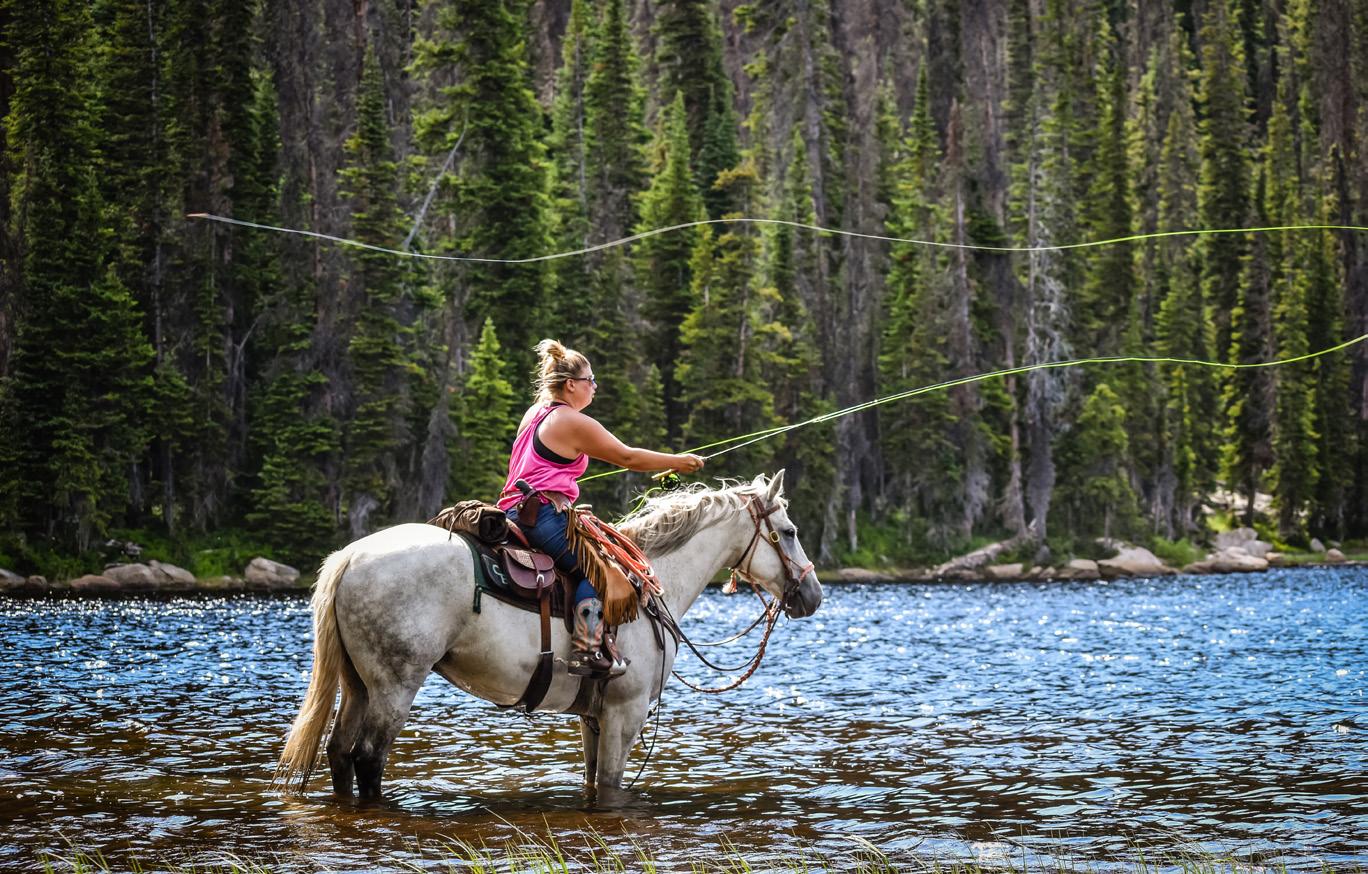
Riding is the centerpiece. Rawah’s wranglers thoughtfully match each guest to a horse from the ranch’s well-schooled string and then build a personalized week from a network of more than 22 trails. There is no nose-to-tail trekking here— beginners get patient instruction in the arena, while experienced riders are welcomed to long-trotting and loping across high mountain meadows, with the option of half- and full-day backcountry rides.
Off-saddle, guests can fly fish private stretches of the Laramie, hike, or simply sit. Meals, occasionally served family-style, are ranch-hearty and seasonally driven. The all-inclusive rate covers everything—riding, fishing, meals, and there are even cowboy boots available for loan. By week’s end, most guests have stopped checking their phones, made friends for life, and started quietly working out how soon they can come back.
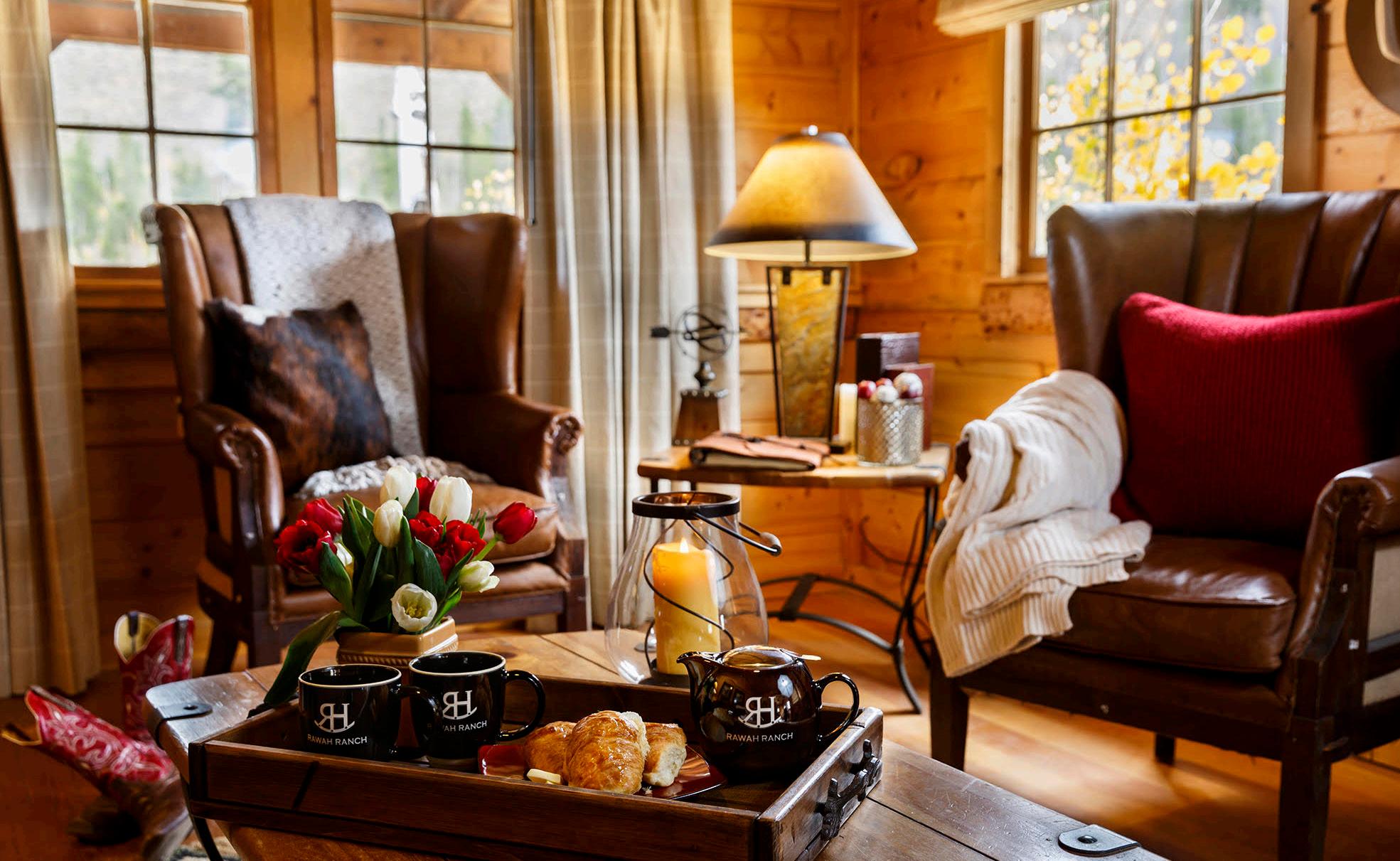
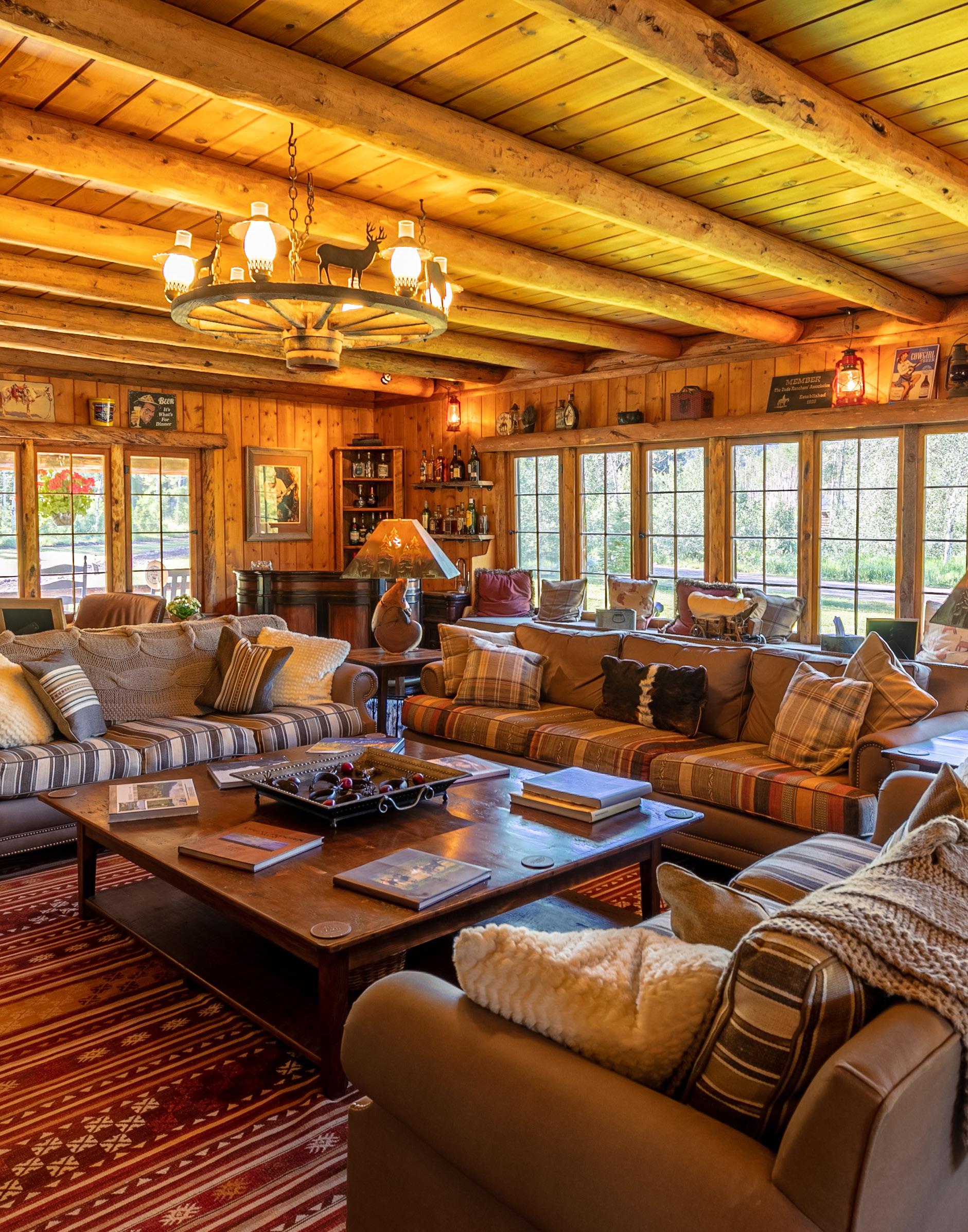
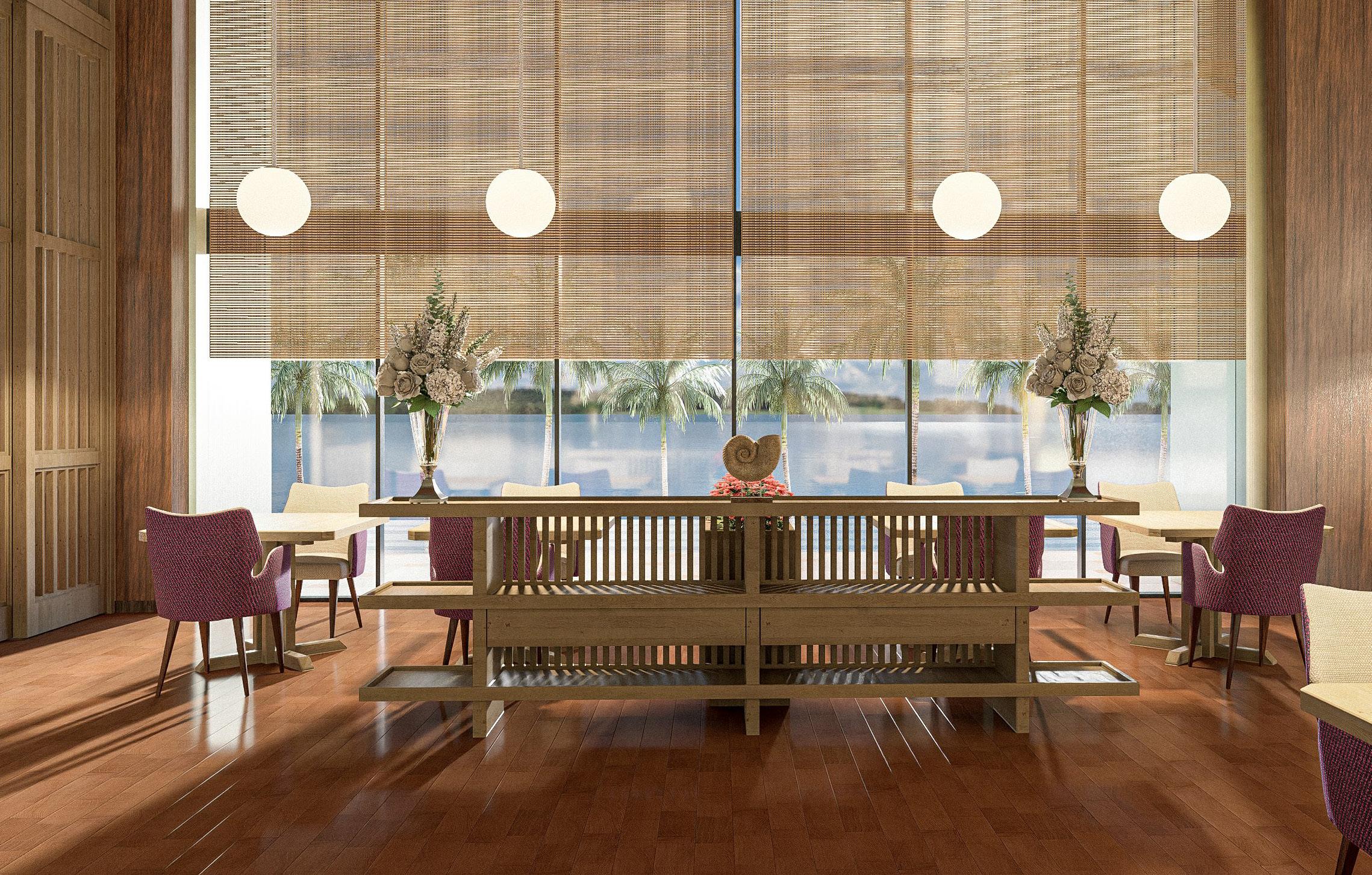
Designed by the Pritzker Prize-winning architect Shigeru Ban, the Pasona natureverse retreat is a groundbreaking luxury wellness property slated to open in June 2026, on the scenic northern coast of Awaji Island, Japan. Visually defined by Ban’s architectural approach, the five-story seafront retreat sits on the northern coast of Awaji Island, with a waterside entrance built to accommodate superyachts. The architecture harmonizes with the surrounding natural landscape, featuring rooms with natural hot spring baths and sweeping views of Osaka Bay. Operating under a philosophy of “proactive wellness,” the boutique resort focuses
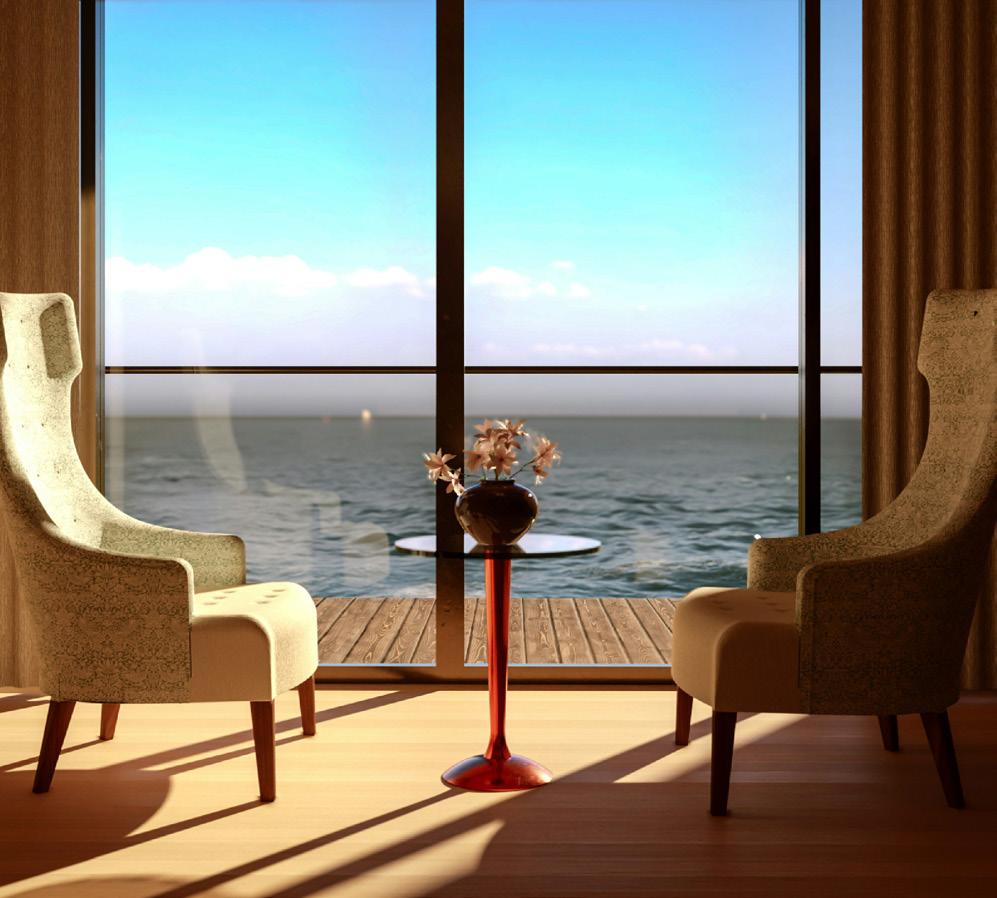
on the core pillars of nutrition, exercise, and sleep. It features advanced thalassotherapy spa treatments, personalized biomechanical sensor beds, and a wide variety of restaurants helmed by several Michelin-starred chefs Awaji Island is a premier wellness destination in Japan, known for its nature-focused retreats, hot springs, and healthy local cuisine. The island is uniquely positioned along the 135th meridian east, making it a historic hub for energy and mindfulness. For equestrian activities on Awaji Island, Harmony Farm Awaji, is a choice destination. Located near the scenic Awaji Hanasajiki park in northern Awaji, it offers lessons, short beginner courses, and expansive trail rides with panoramic views of Osaka Bay.
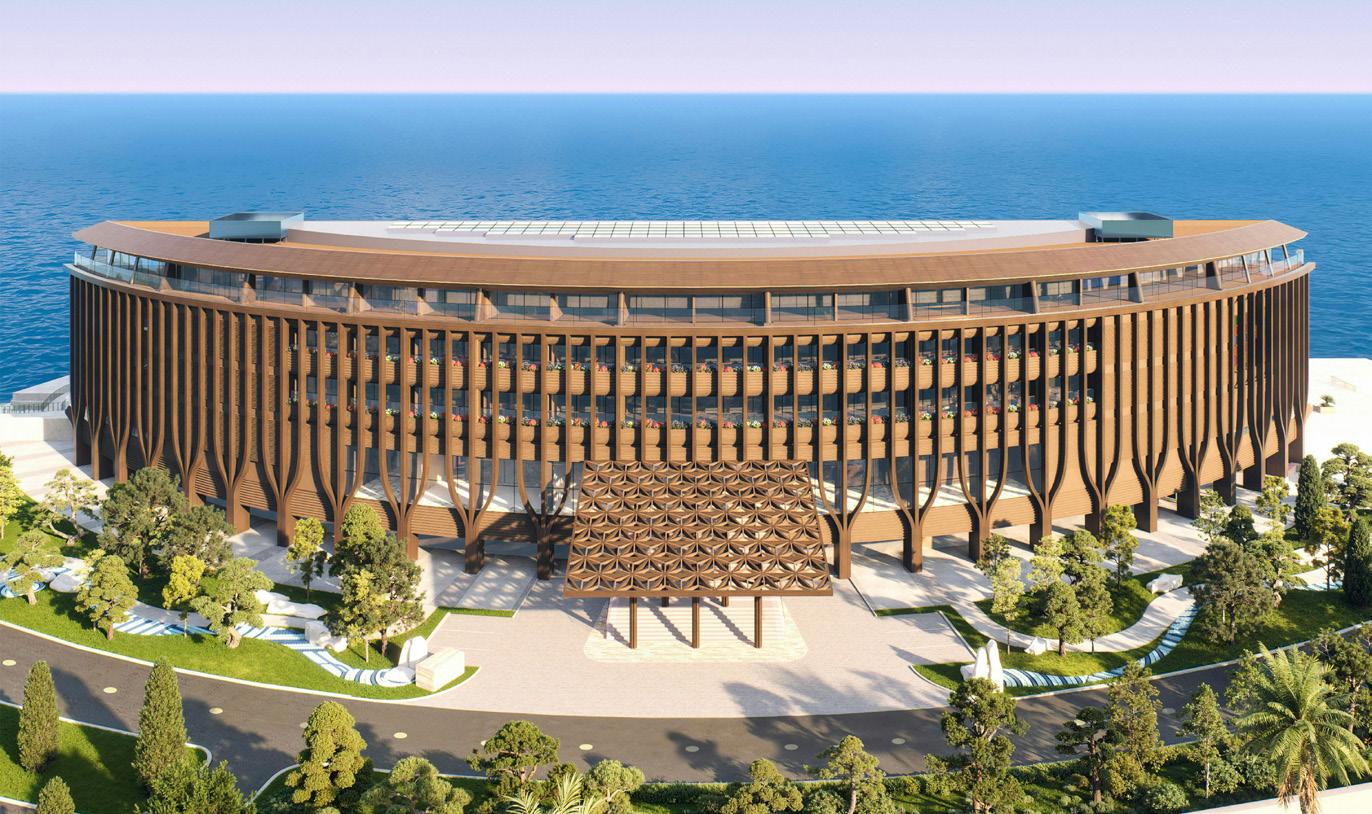
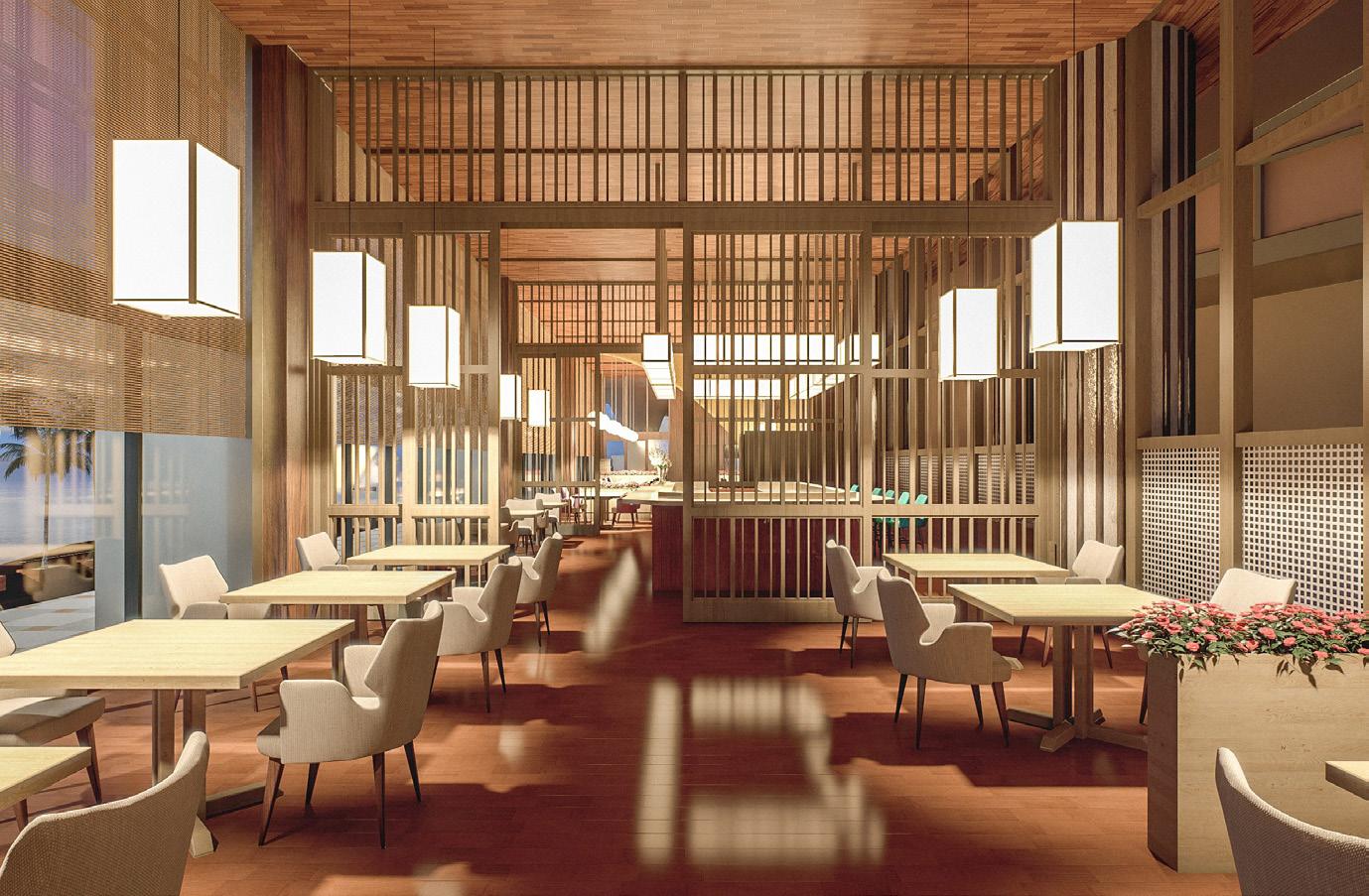
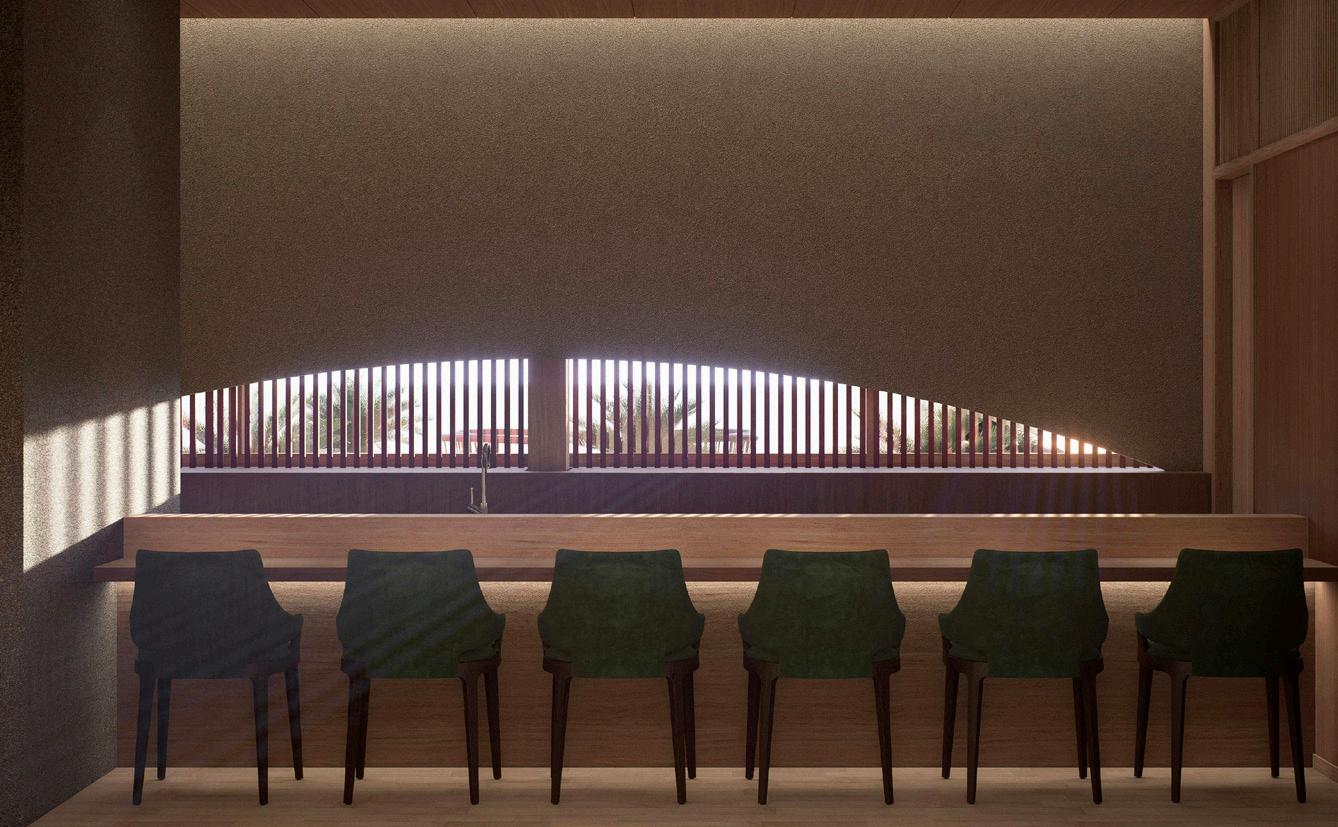
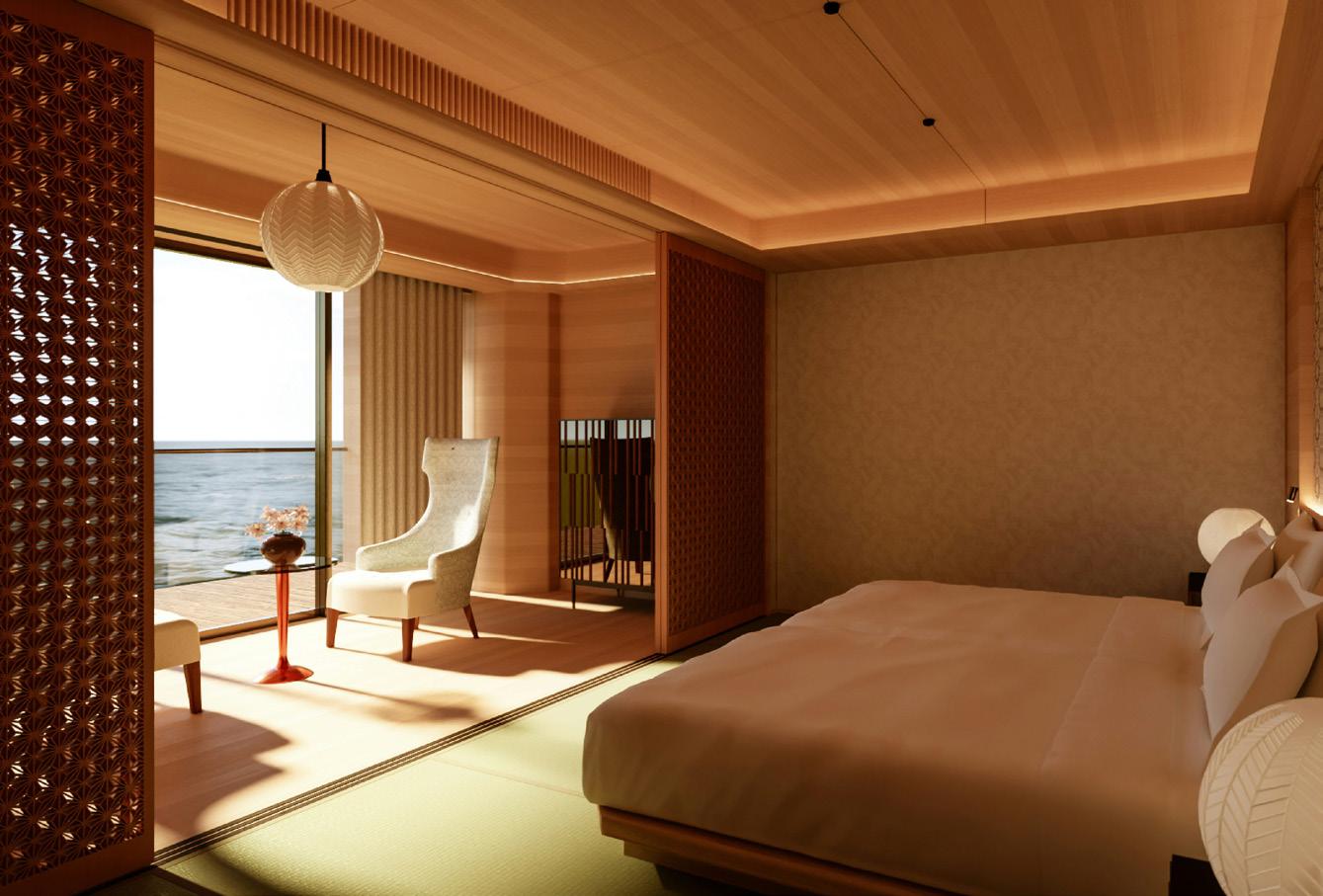
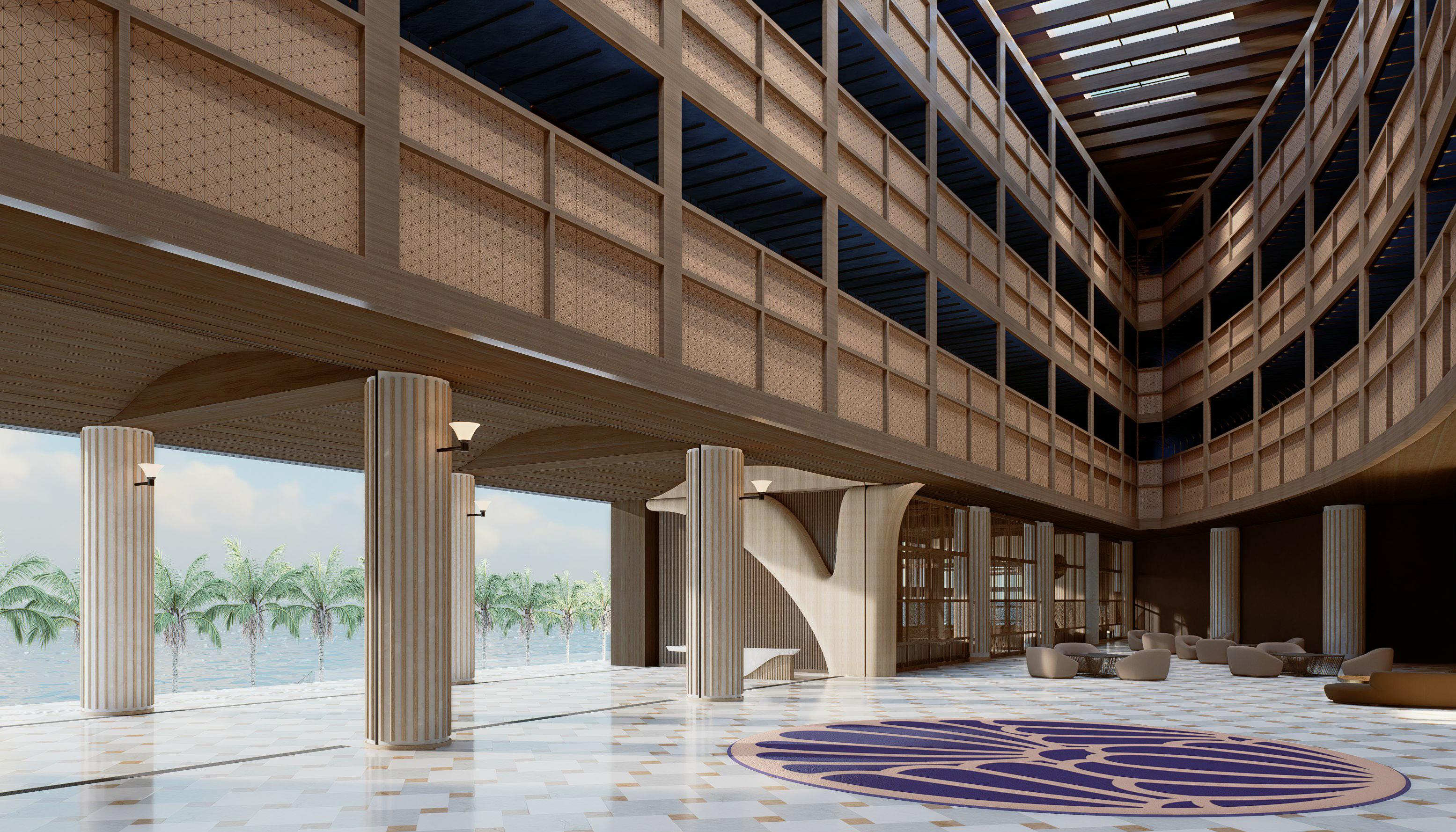
In a city better known for bourbon barrels and Derby Day, the Grady has emerged as Louisville’s most thoughtful new boutique hotel. Set on West Main Street in a beautifully restored 19thcentury iron-front building, the 51-room property opened as a love letter to the city’s literary and cultural history. The hotel is named after Grady Clay, the late Louisville journalist and urbanist whose writing helped shape the American conversation about cities.
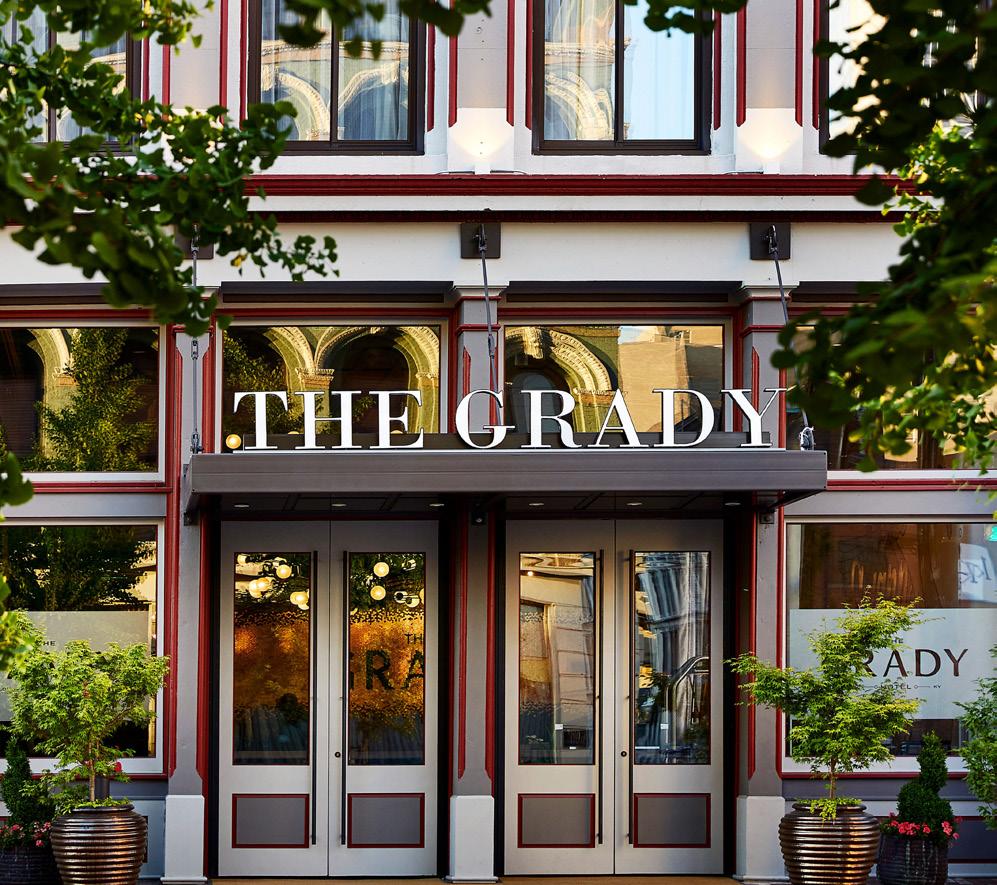
The design is sophisticated and unmistakably American: leather banquettes, deep emerald greens, brass accents, library-style millwork, and a curated collection of regional art that nods to the Bluegrass landscape and to Louisville’s particular brand of Southern grace. Rooms range from cozy to expansive, each with handsome custom
A LOUISVILLE LANDMARK REIMAGINED.
furniture, plush linens, and bathrooms appointed in marble and unlacquered brass.
Food and drink are central to the experience. Wild Swann, a restaurant and bourbon distillery located in the building’s basement, marries Southern fundamentals with new-American polish, alongside one of the city’s deepest bourbon programs— flights, single barrels, and rarities served by a staff who knows the difference. A library off the lobby is a favorite gathering space.
The Grady is steps from the Frazier History Museum, Whiskey Row, and the riverfront walking path. For horse-loving travelers, the hotel is ideal during Derby and Oaks week, with concierge-arranged access to Churchill Downs and the surrounding Thoroughbred country. It is a hotel that earns its place in a city that knows the difference between a good hotel and a great one.
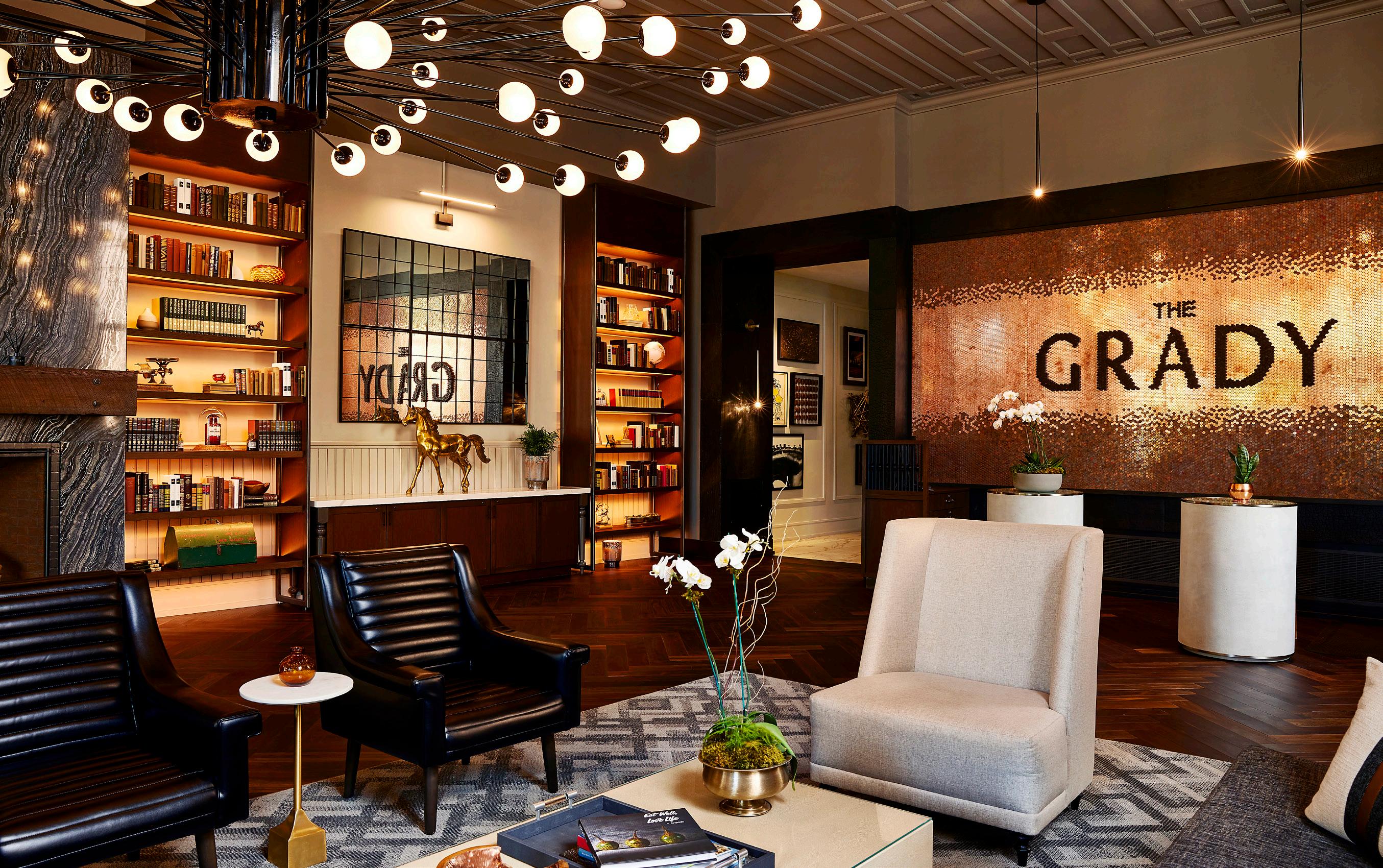
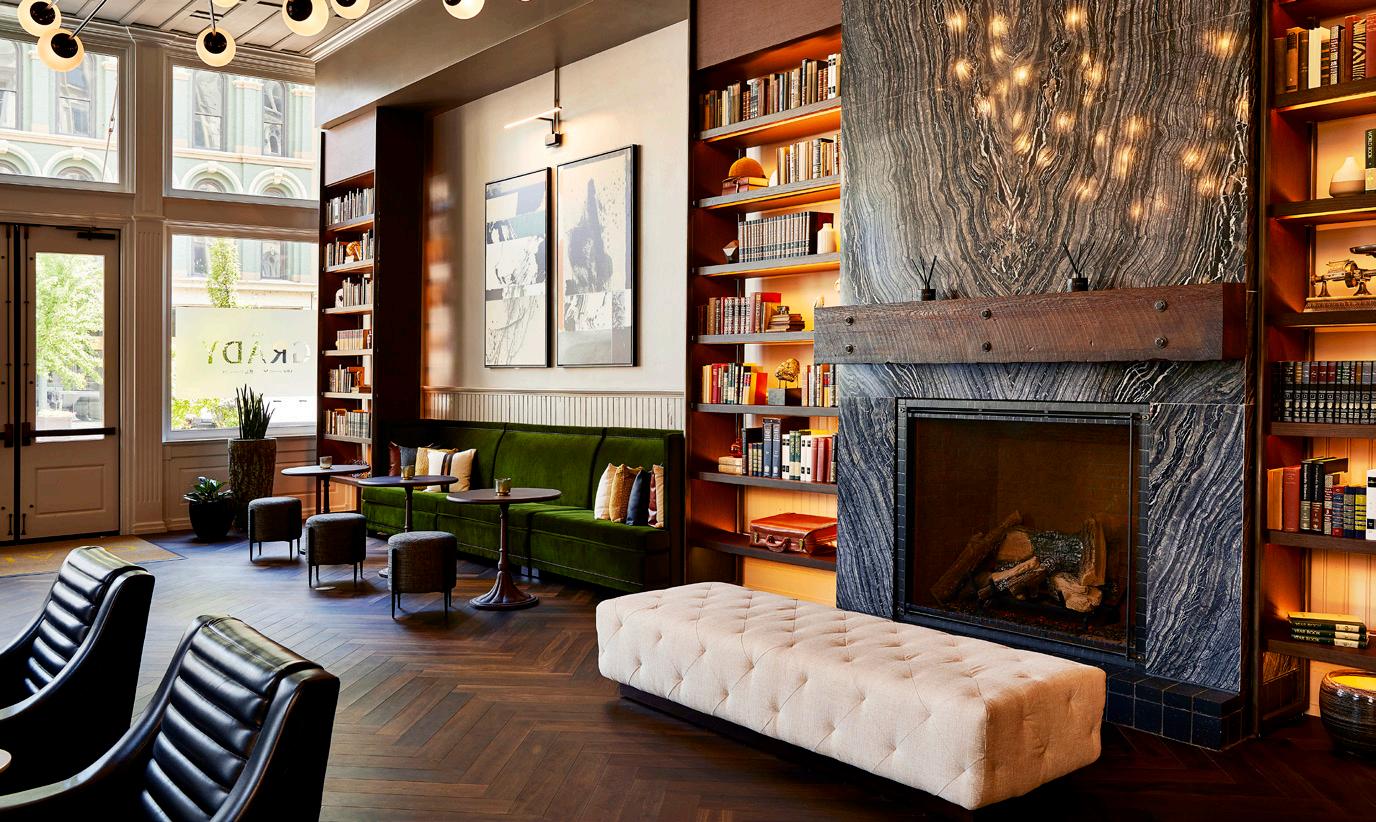
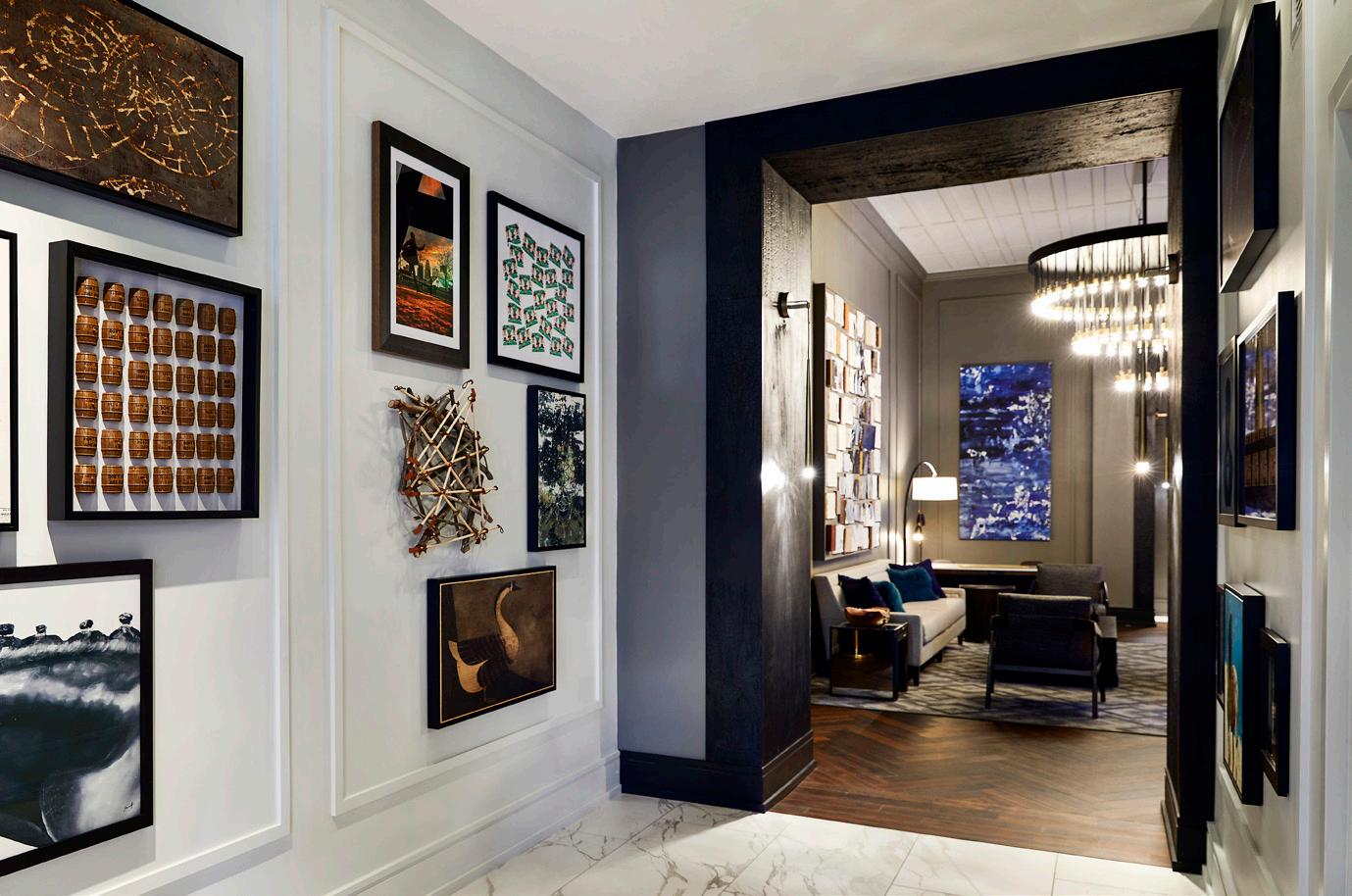
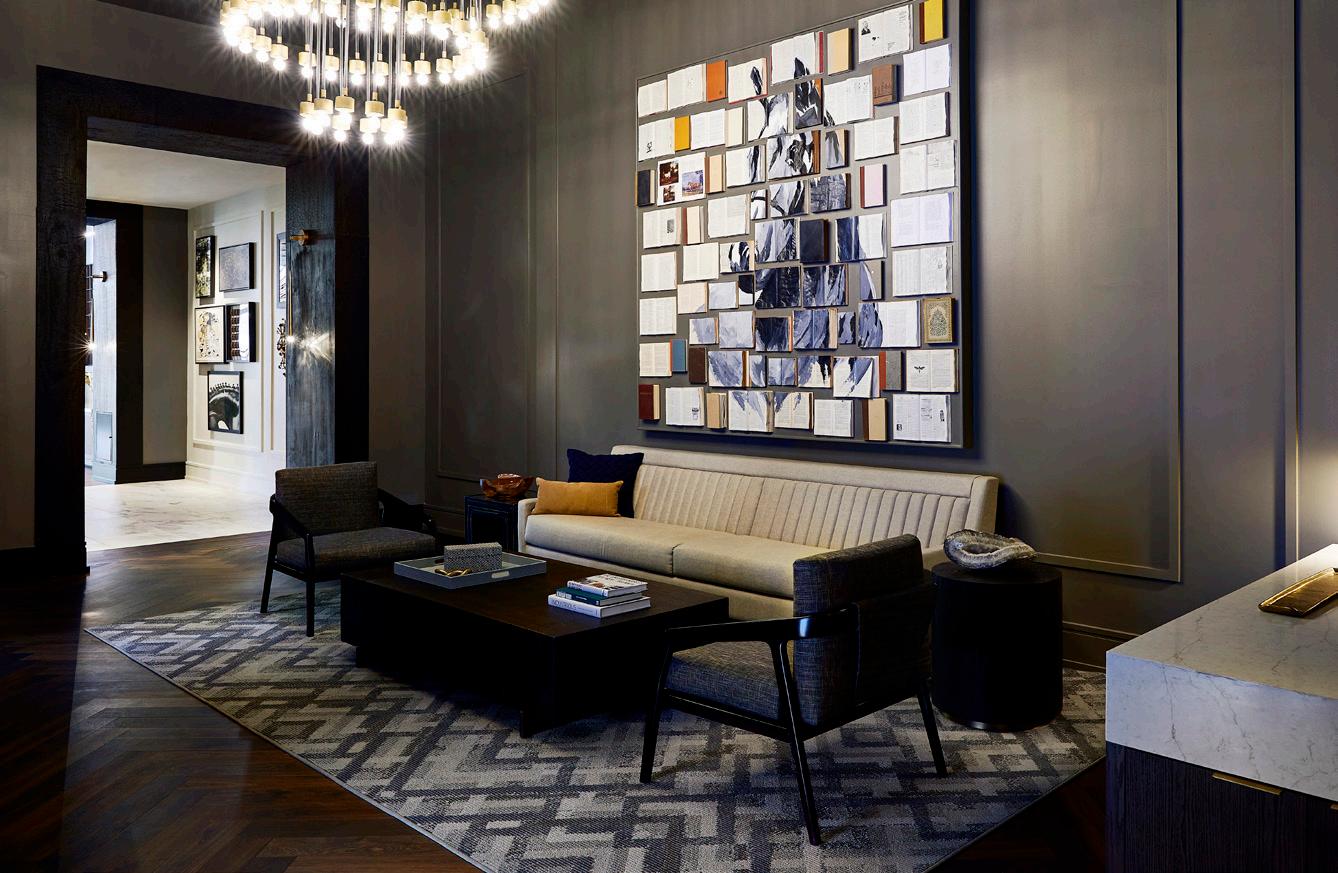
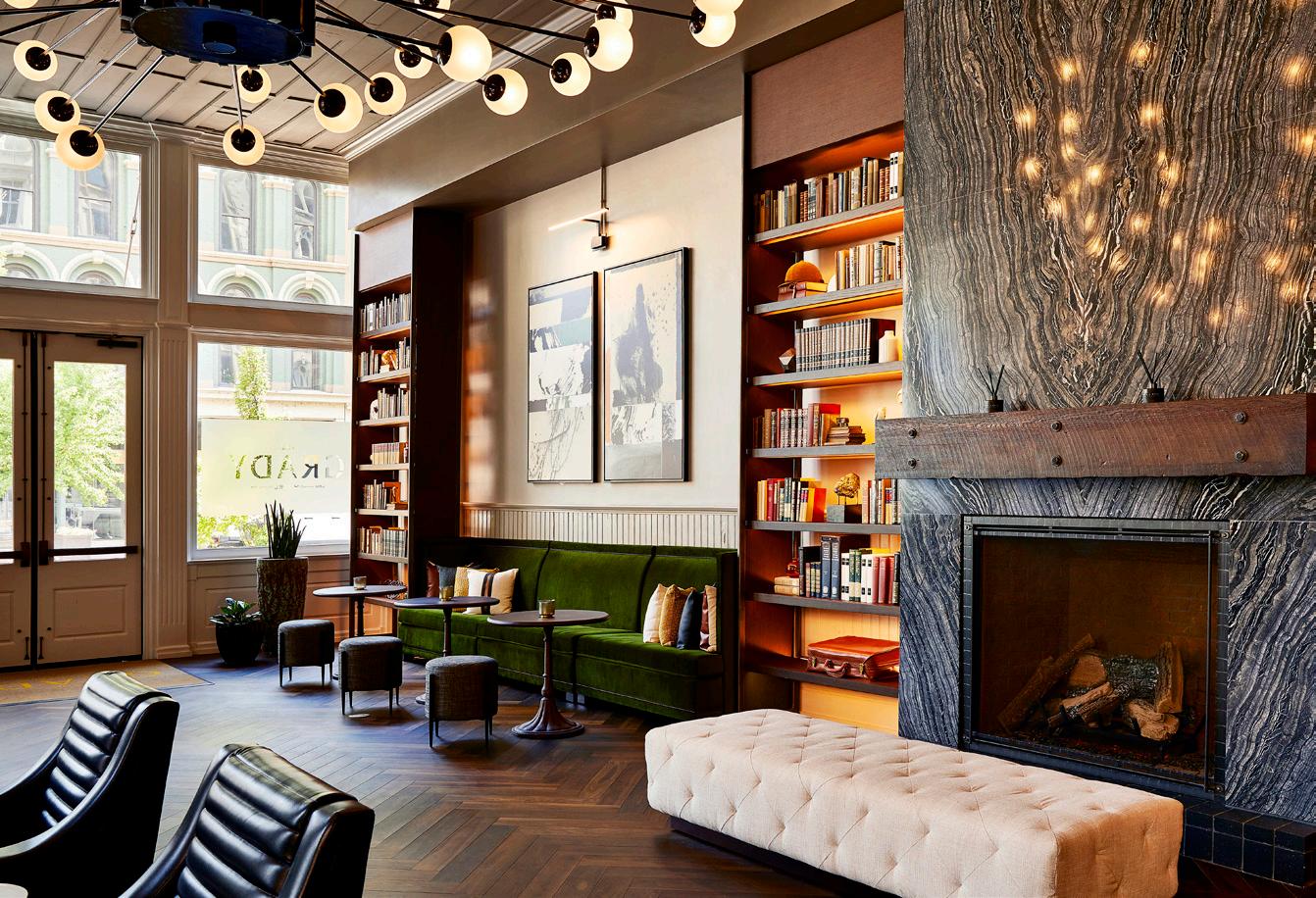
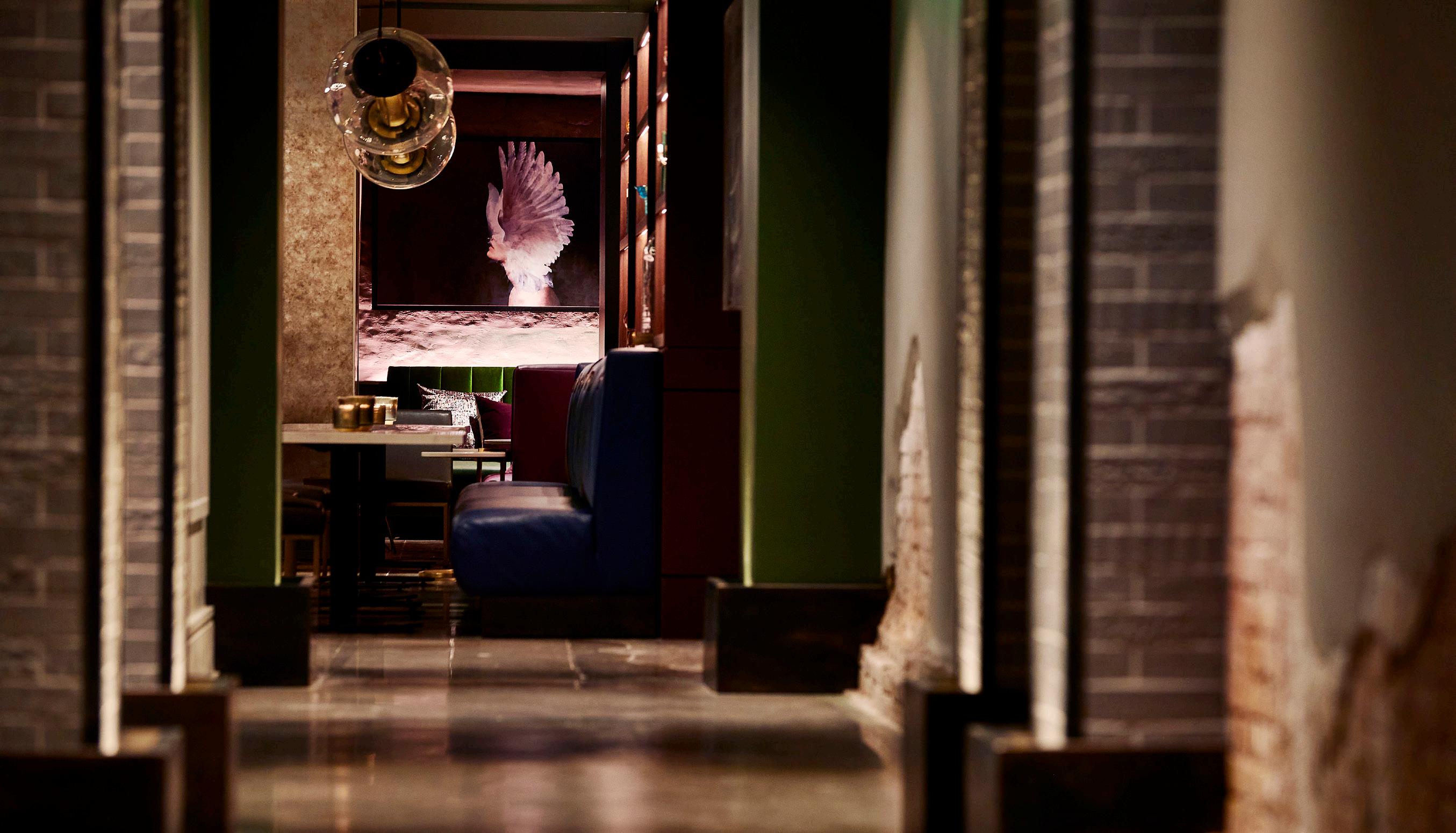
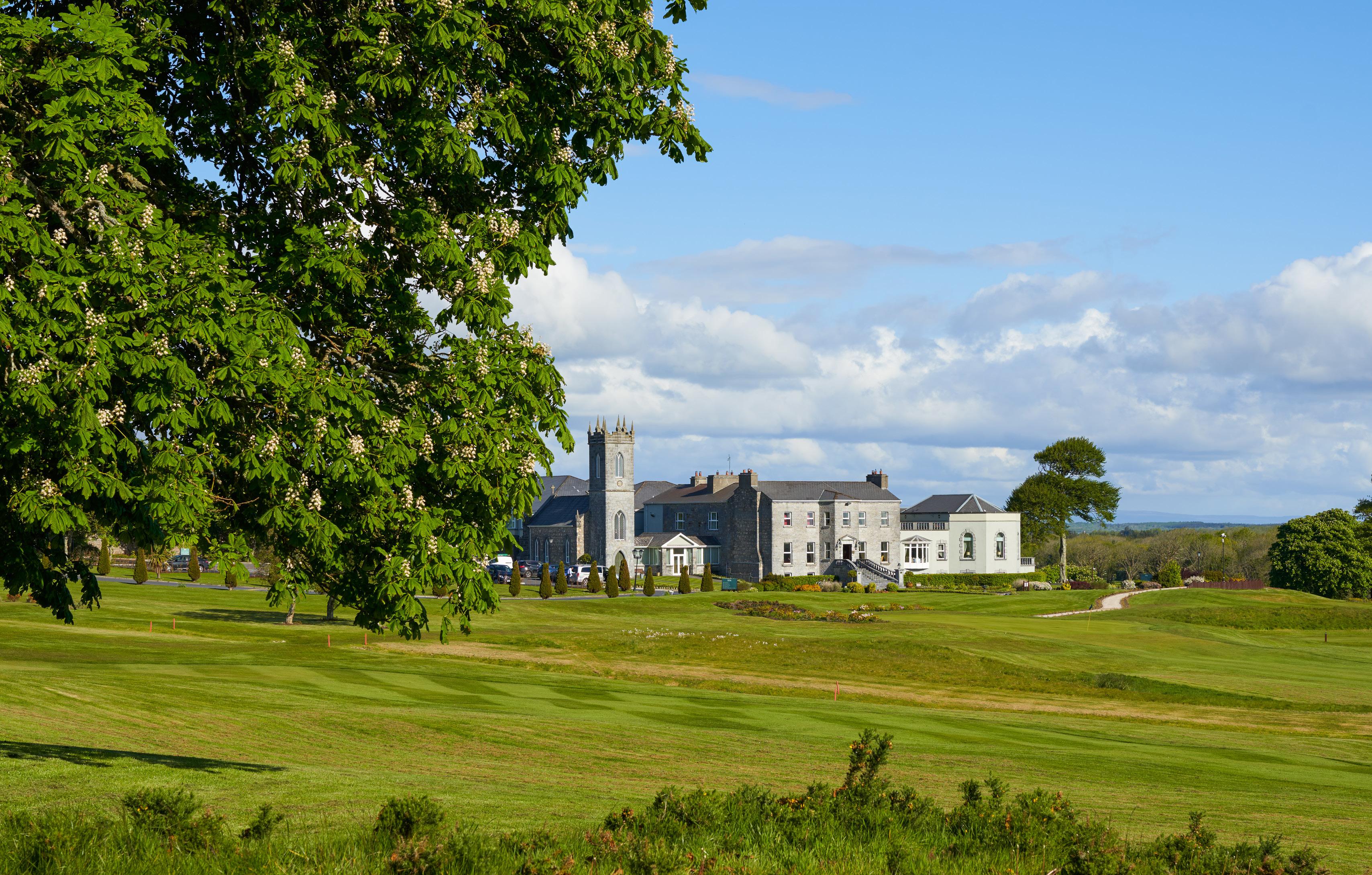
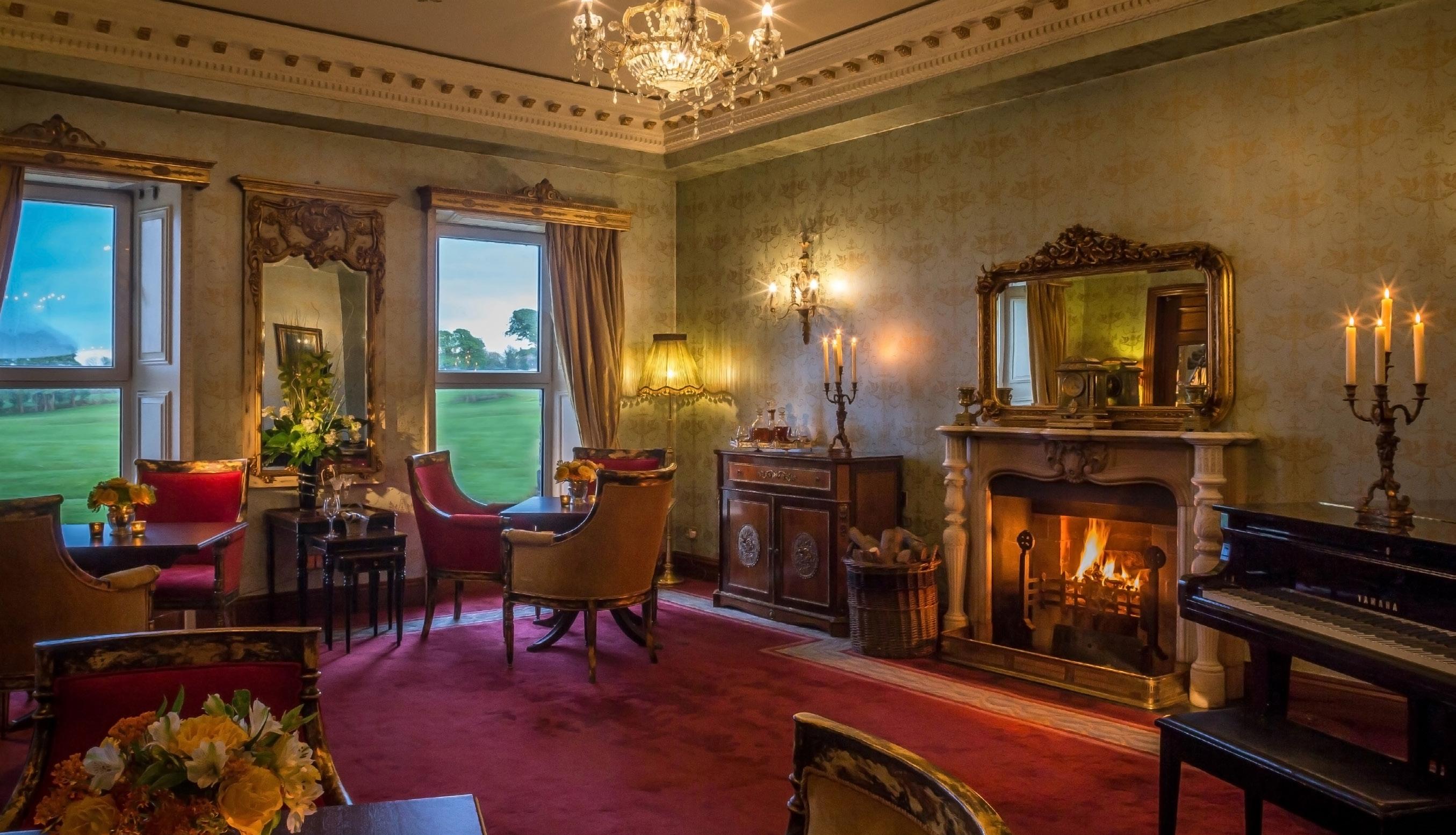
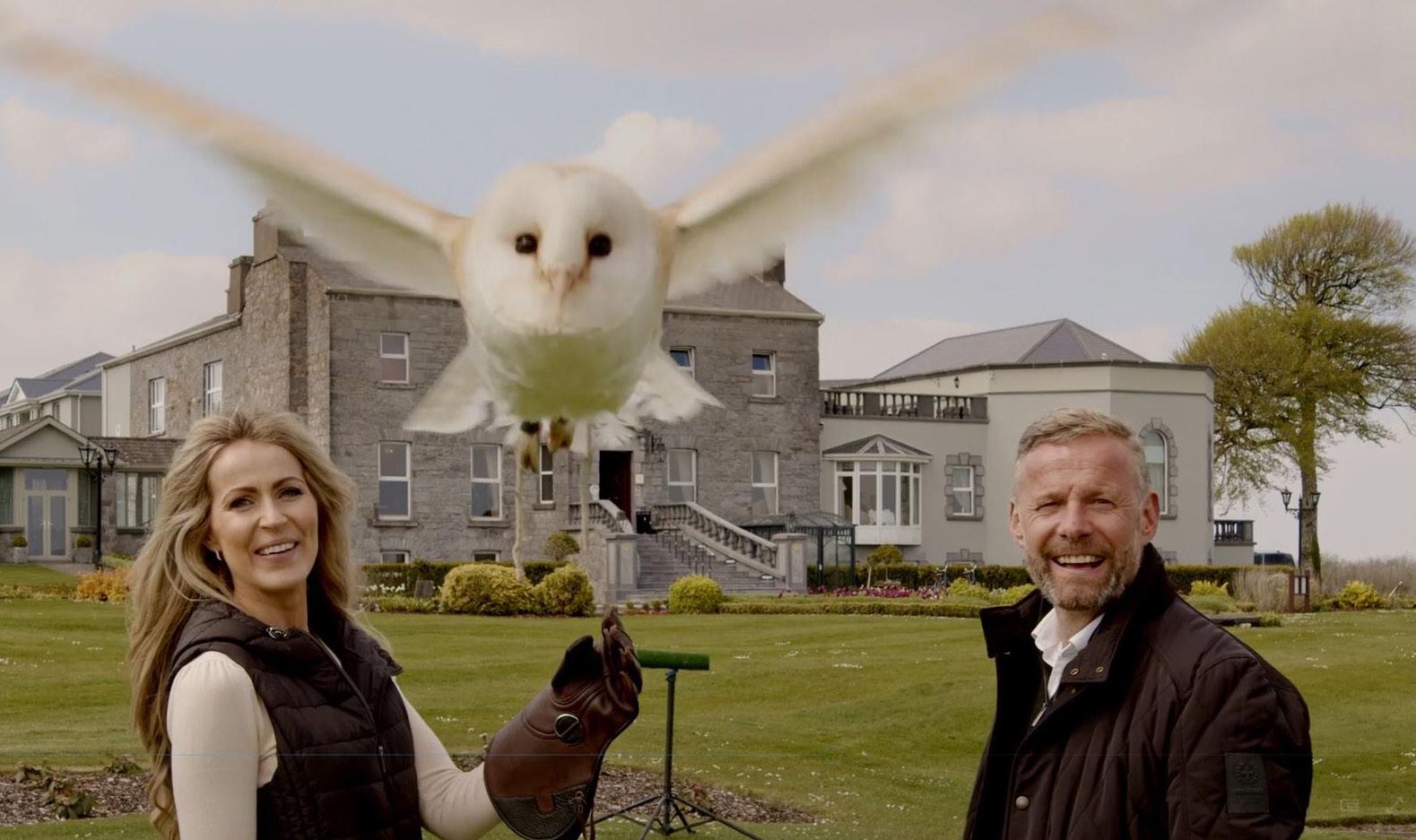
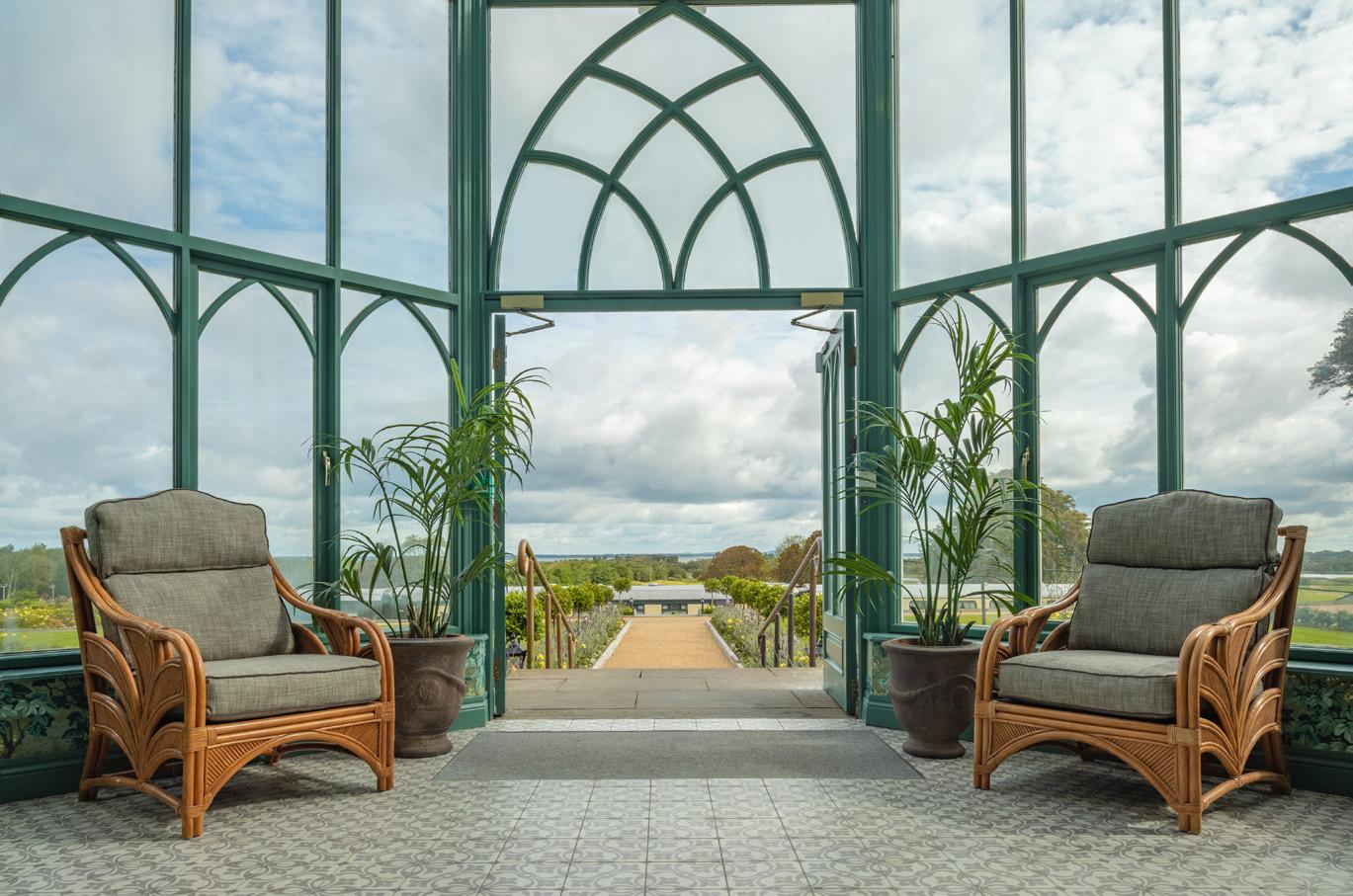
Just outside Galway City, on a 138-acre estate sloping down toward the shores of Lough Corrib, Glenlo Abbey is one of Ireland’s most quietly distinguished country-house hotels. Built in 1740 as the ancestral home of the Ffrench family, the manor house combines Georgian grandeur with a five-star ease that locals will tell you took generations to perfect. Open fires, gilt mirrors, and centuries-old plasterwork set the tone the moment you walk in.
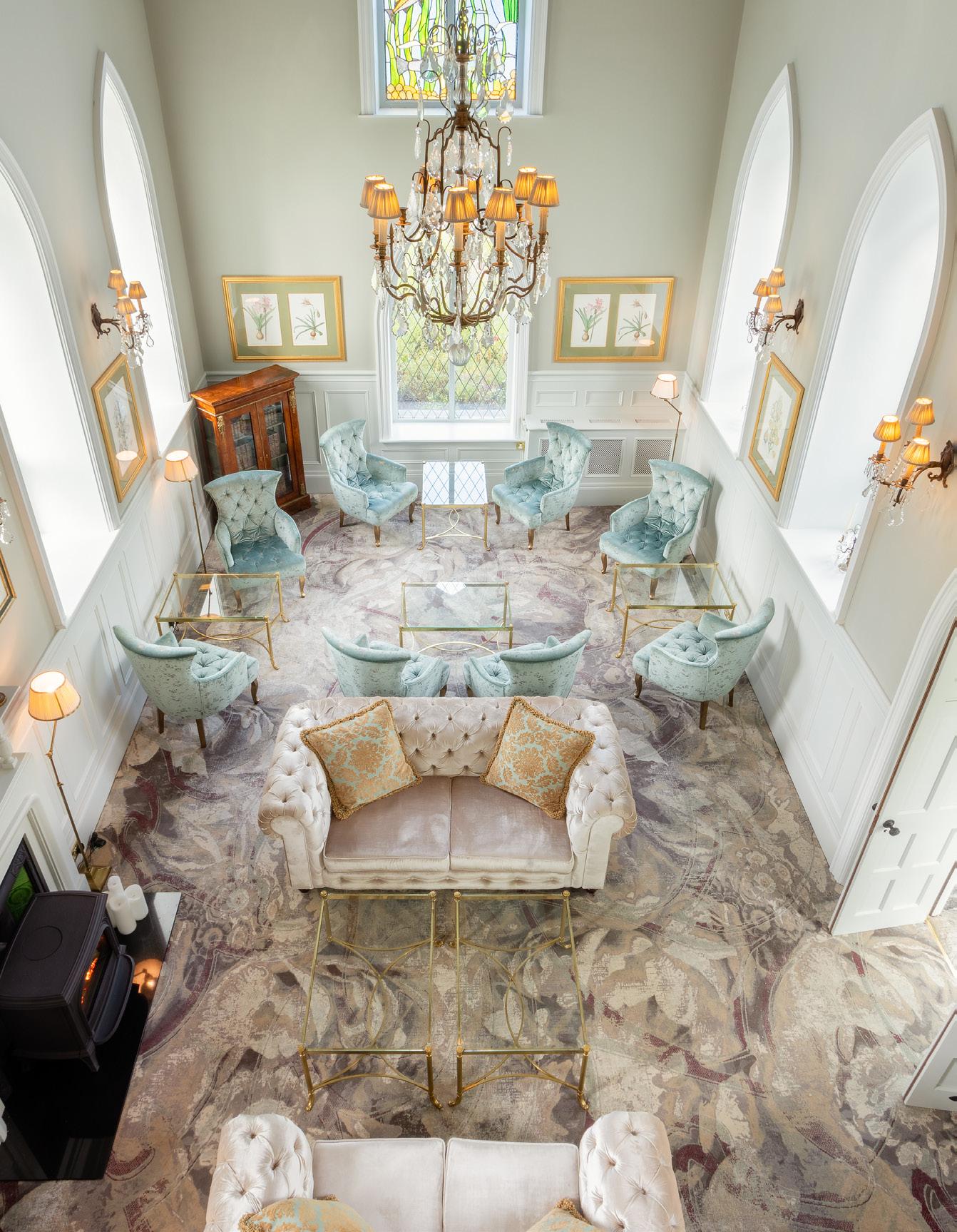
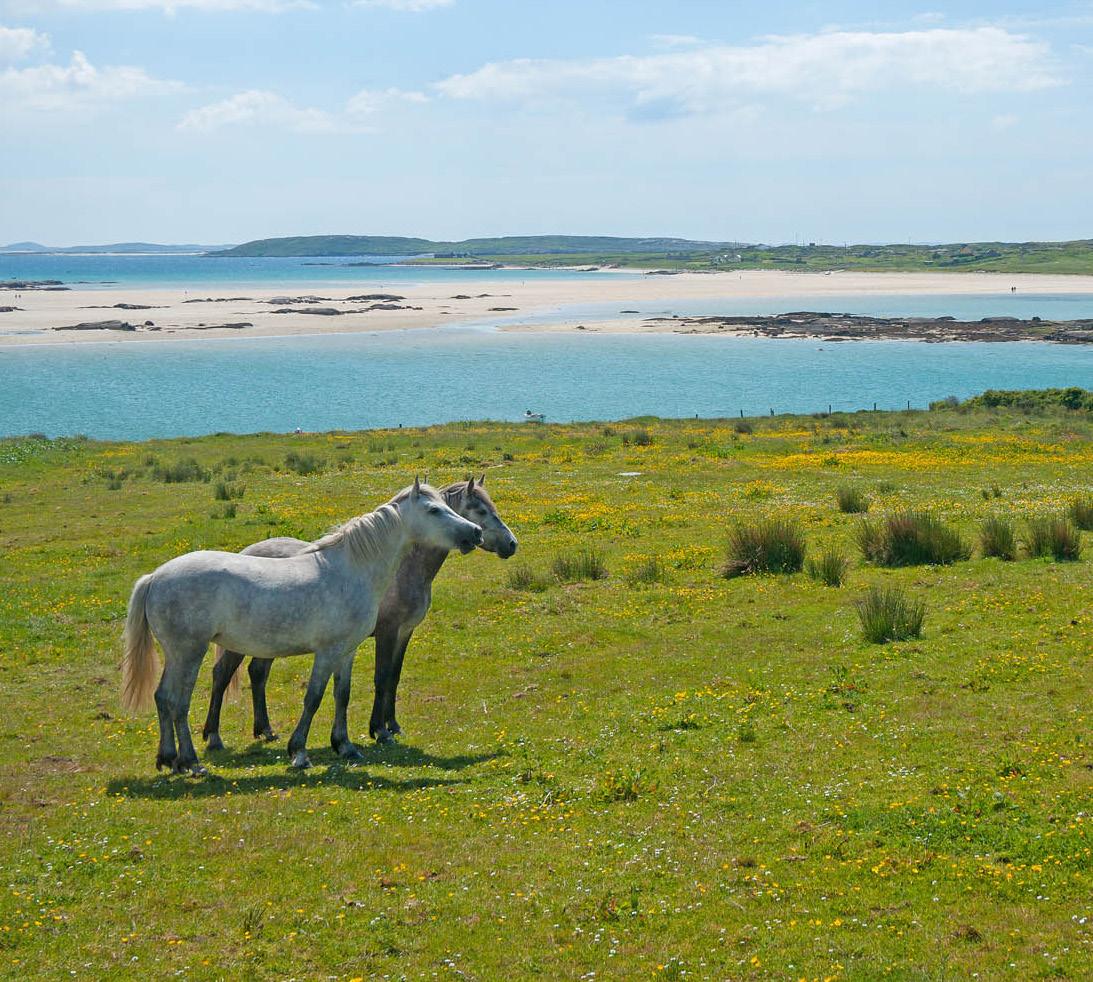
The rooms and suites are dressed in soft tweeds, warm woods, and Irish linens. Many overlook the rolling estate, a championship 9-hole golf course, and the silvery sweep of Lough Corrib beyond. The hotel’s most-talked-about feature isn’t a room at all. It’s The Pullman, Ireland’s most unique Michelin-starred restaurant set inside two
A GALWAY ESTATE WITH AN ORIENT EXPRESS TWIST.
beautifully restored Orient Express carriages parked permanently in the grounds. Tasting menus draw from the estate, the surrounding farms, and the rich Atlantic coast, all served at white-linen tables that once rolled through Istanbul and Monte Carlo. Activities lean naturally toward the land. Guided horseback treks can be arranged to take you along the shoreline of Lough Corrib through woodland and along ancient drovers’ paths, while falconry, fly-fishing for wild brown trout, and golf are arranged on the estate. Wellness is anchored by the Glo Spa, with treatments drawing on ELEMIS and Irish seaweed-based therapies. Add a soft Galway evening, a pint of something local, and a fire that never quite goes out, and you have the makings of a stay that will earn its way onto next year’s itinerary too.
CONTACT INFO | PAGE 113
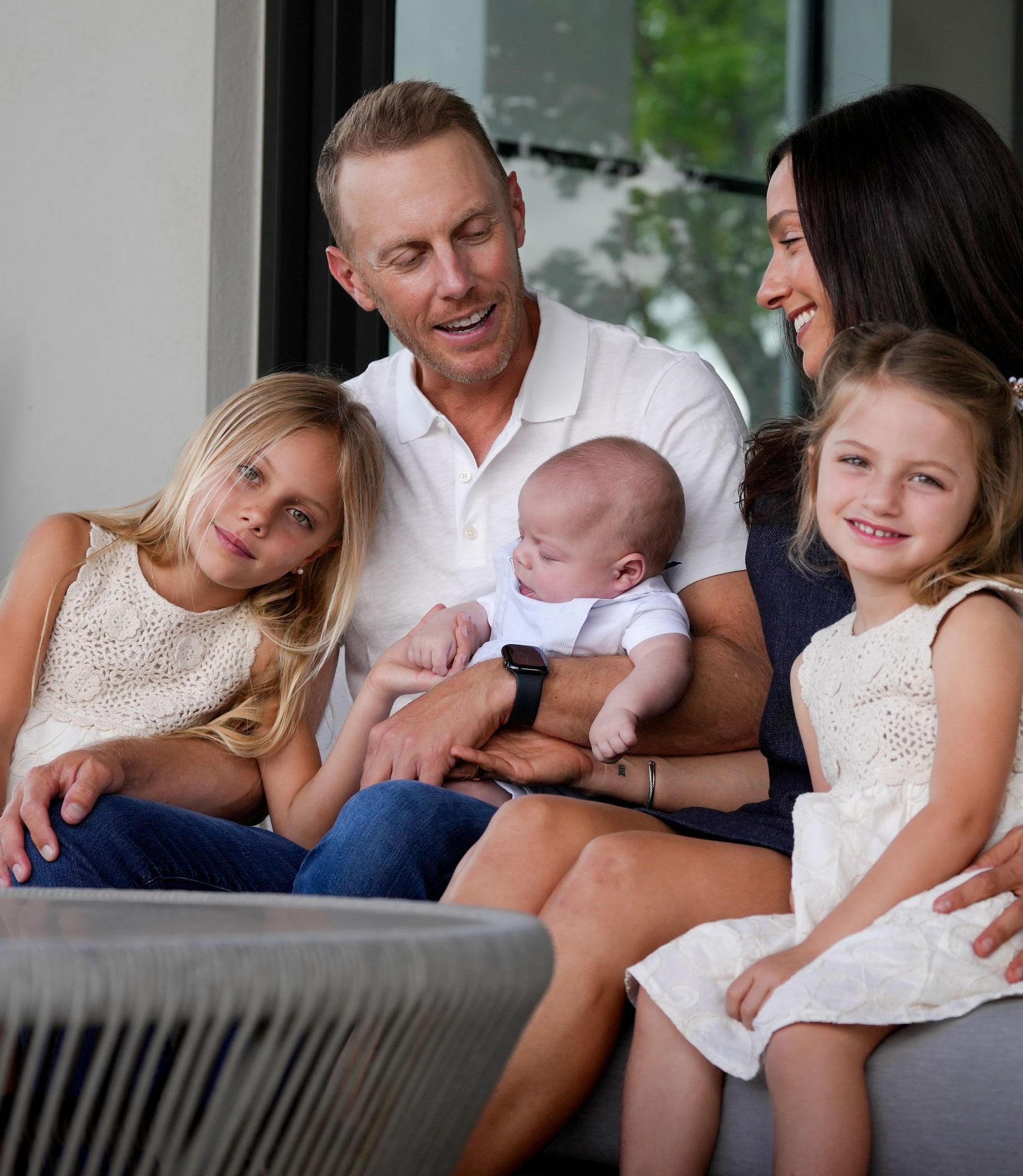
ANDREW AND ALEX WELLES
are building more than a top horse sport program. They are creating a culture where riders, horses, professionals, and families can grow together.
BY SARAH LESSLER
Andrew and Alex Welles understand that success in today’s equestrian industry requires far more than results in the ring. At the helm of Team Welles, the husband-and-wife duo has built a program defined not only by elite sport but also by mentorship, adaptability, and an intentional sense of community while shaping the next generation of professionals within the industry.
However, their journey to the top of the sport was not traditional.
“I’m more or less a first-generation rider in my family,” Andrew says. Growing up in Minneapolis, he was introduced to riding almost accidentally by a teammate from soccer practice. “I started going to the barn with him, and it seemed better to take lessons than sit there waiting.”
What began as an after-school activity quickly became something more. At the time, the sport felt worlds away from the small Midwest circuit where Andrew competed as a junior. Without social media or regular exposure to top competition, horse shows like Harrisburg felt almost mythical. “I remember showing up there and being completely mind-blown,” he recalls. “That was really the moment everything changed.”
After qualifying for major equitation finals and eventually finding his way to North Run under Missy Clark and later Chris Kappler, Andrew discovered not only a passion for competing, but also for teaching. “I always wanted to be a student, not just a client,” he explains. “When you’re around great teachers, you realize how powerful that mentorship can be.”
For Alex, horses entered her life even earlier. Raised on Long Island by a mother who rode recreationally, she was put on a pony at just 3 years old. “My earliest memories are all horses,” she says
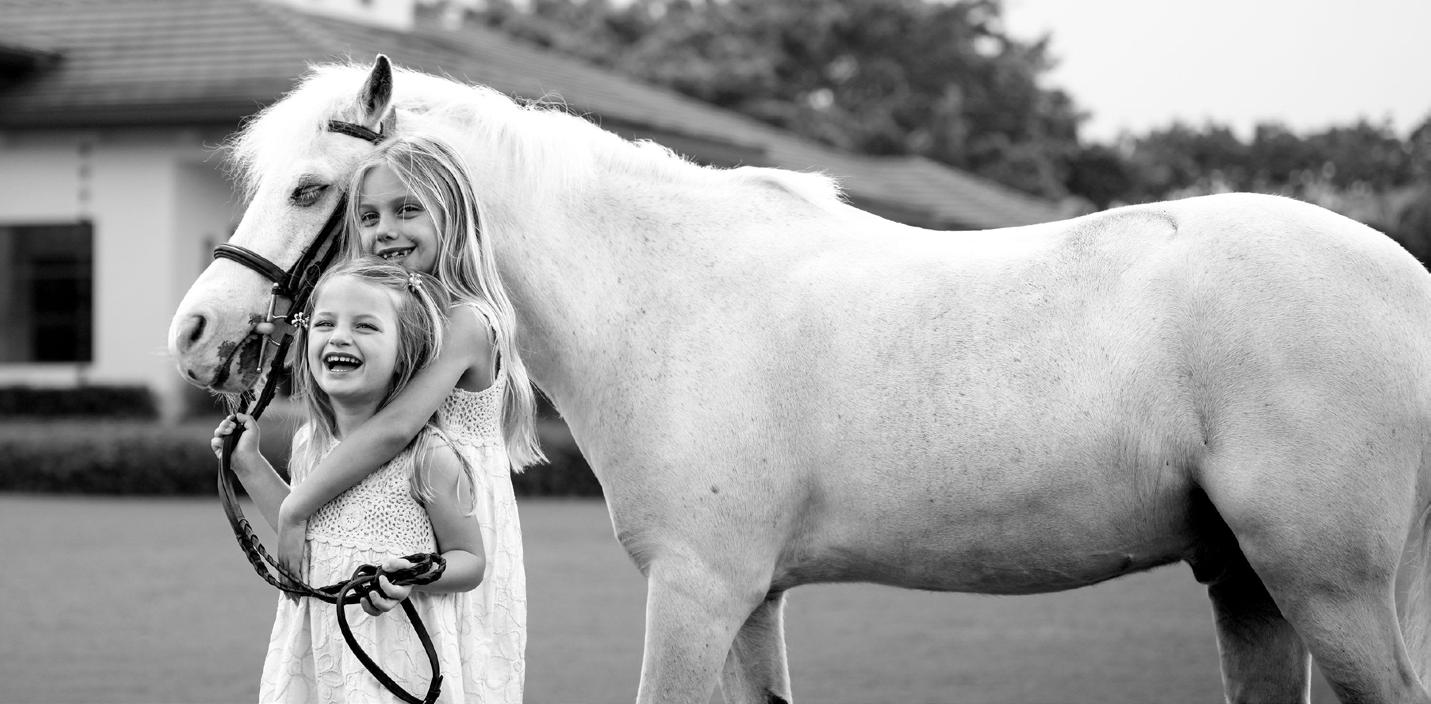
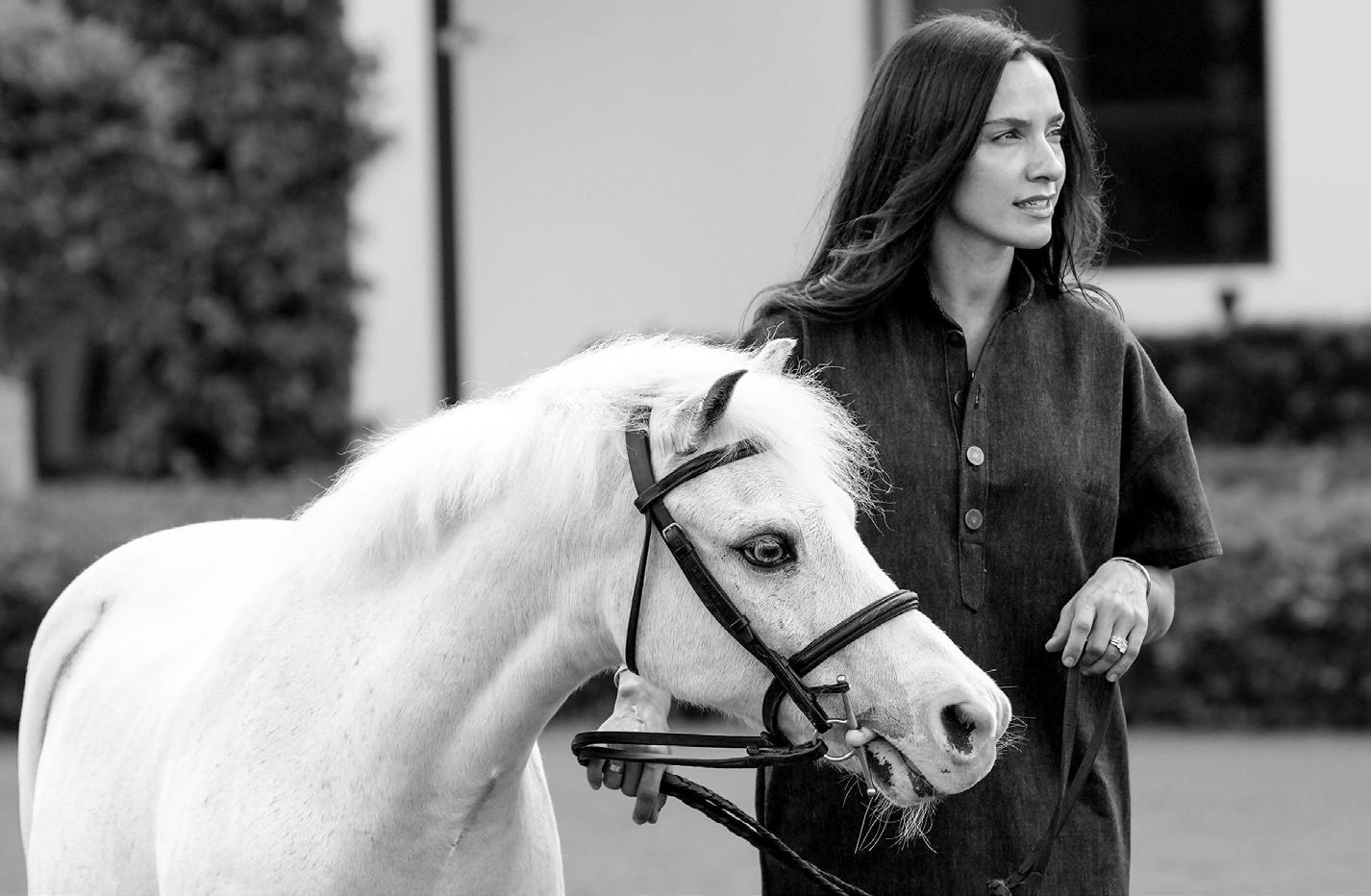
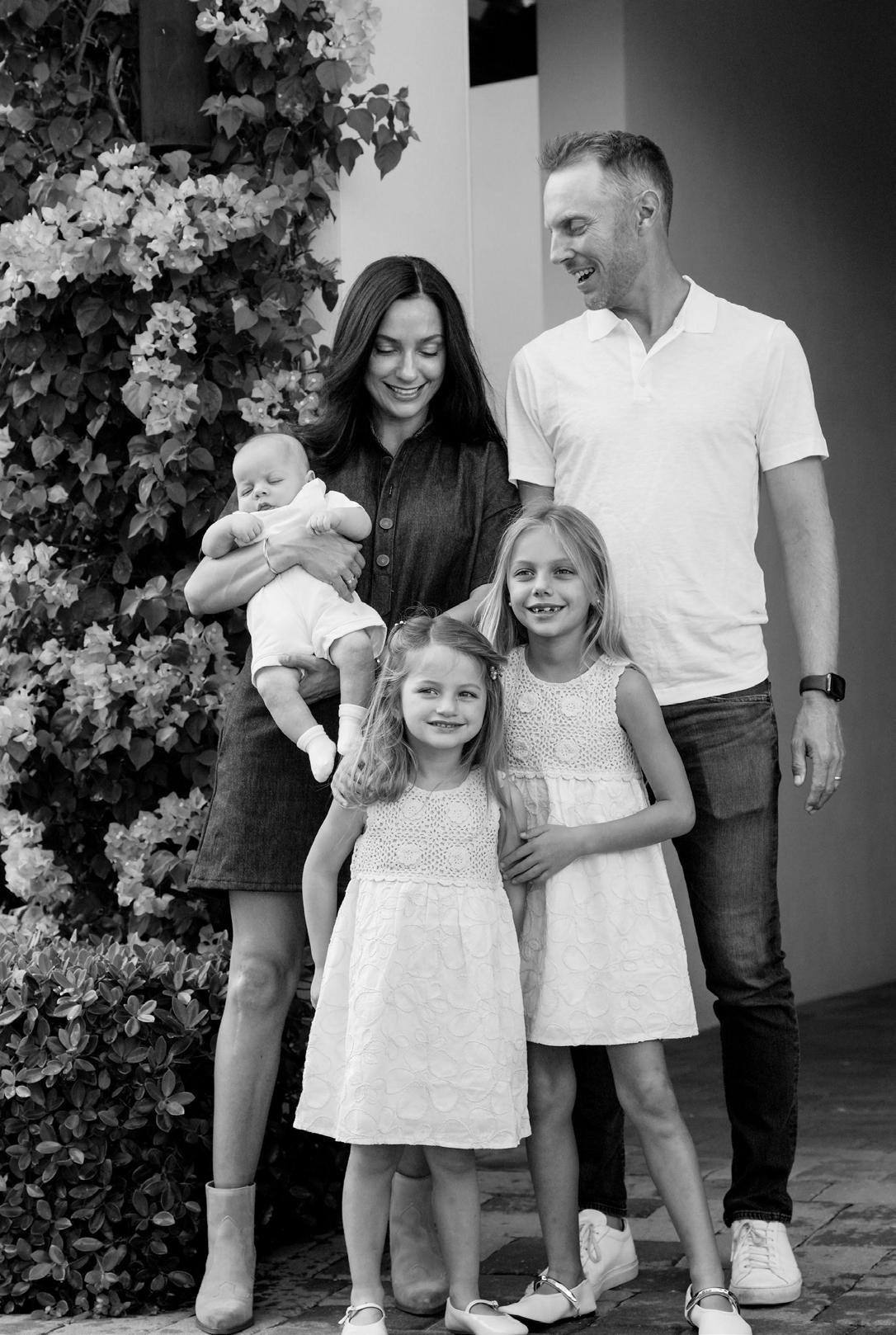
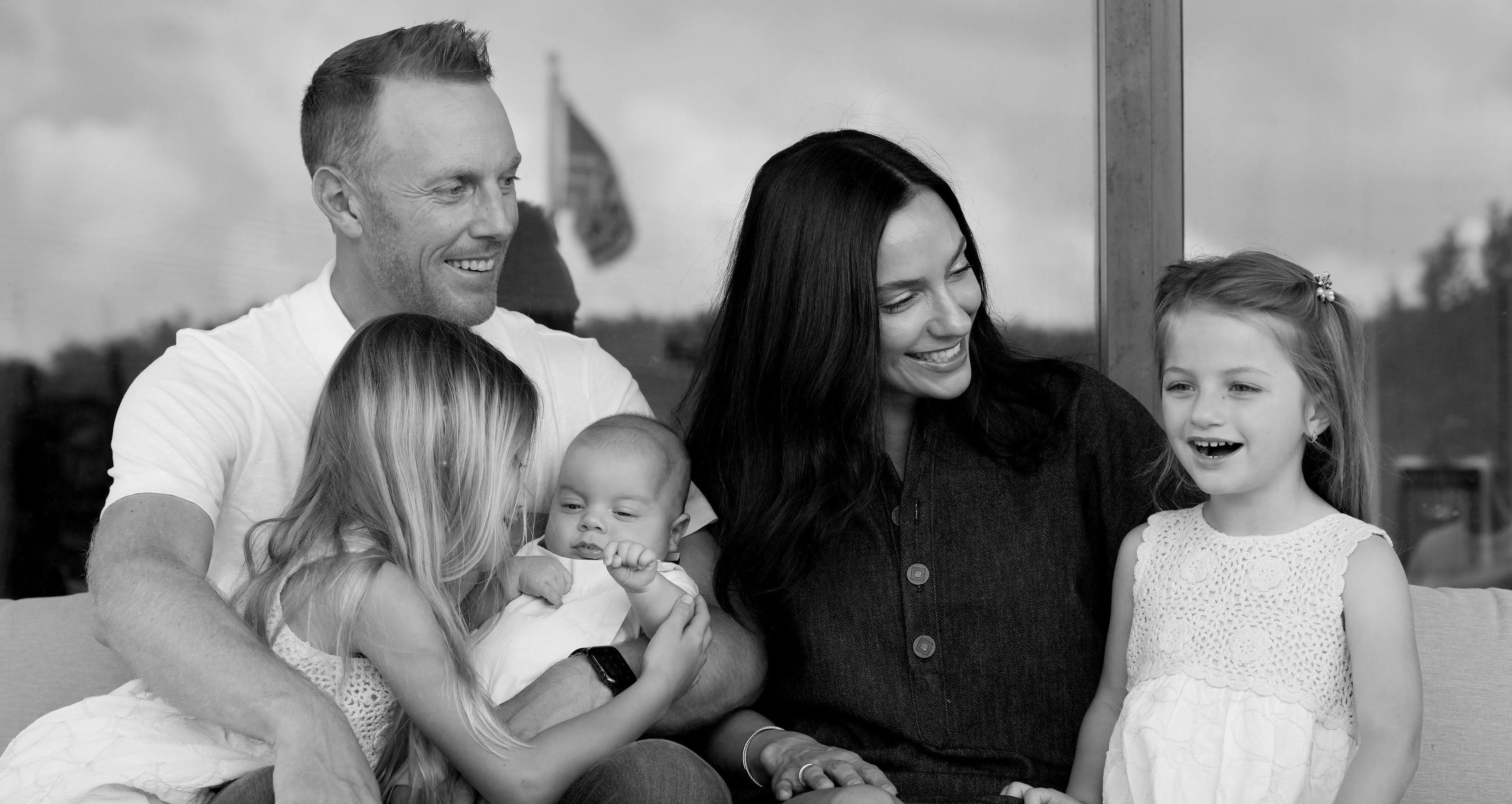
with a laugh. “I always joke that I wish someone had handed me a tennis racket at some point.”
Although her path initially followed a more conventional route, with plans for college and a career outside the industry, the intensity and excitement of the jumper ring ultimately pulled her back in. “I knew I needed to find a way to be in this world and not give it up,” she says.
The two met during a WEF circuit, thanks in part to a shared coincidence: they both owned horses named Tornado. Introduced through mutual friends at the horse show’s now nostalgic pizza trailer gathering spot, a friendship gradually evolved into a partnership. “At first, she didn’t even take my number,” Andrew jokes.
Andrew launched his own business, initially called Andrew Welles LLC, and Alex naturally became part of the growing operation. Over the years, with a wedding and a business name change, Team Welles evolved alongside them, from winters in Florida and years in Kentucky to the development of their current home base in Wellington. Andrew describes those Kentucky years as especially formative. “That’s really where we built the bones of what Team Welles is today,” he says.
Today, Team Welles operates as both a top-sport stable and an evolving mentorship system, something Andrew compares less to a traditional barn and more to a teaching hospital. “It’s almost like medical school,” he explains. “You have students who eventually become residents within the program. They begin taking on responsibilities while still having the support system behind them.” This structure reflects the changing realities of the modern professional equestrian industry, where the demands of operating a business, developing horses, managing clients, and competing at the top level increasingly overlap. “You’re the athlete, the coach, the operations manager, and the portfolio manager,” Andrew says. “You’re balancing all of these roles at the same time.” For riders entering the profession today, particularly those without established family legacy operations behind them, those challenges can feel immense. Andrew and Alex know that experience firsthand. They explain that for established family businesses, younger generations already have infrastructure, networks, relationships, and support. “For firstgeneration professionals, building that takes years,” Andrew notes. This understanding has shaped the culture they are intentionally creating at Team Welles. Rather than simply training riders, Andrew and Alex aim to develop professionals capable of building sustainable careers of their own.
Central to Team Welles’ philosophy is identifying and nurturing individual strengths in horses and riders. “I always start with what I like,” Andrew says. “What does the horse do best? What does the rider do best? Then you build from there.” It’s an
approach rooted as much in psychology as in technique. Team Welles places strong emphasis on mindset, preparation, and helping riders stay present under pressure.
The balance between ambition and support extends well beyond the ring. As parents of three children, Anderson, 7, Adeline, 4, and infant Archer, Andrew and Alex have worked intentionally to build a life where elite sport and family coexist.
Alex explains how their goal as parents and professionals is to be present in both spaces and have the children be an extension of their lives. “The biggest thing for us is presence in the industry and presence for our children. It has to be in balance with our family.” The children ride but also partake in other activities like dance and golf, and Andrew and Alex value attending those activities as well. Wellington is considered home to the Welles, but the family travels as a team to Calgary and Michigan each year, and barn life has become a natural part of childhood. Some of Andrew and Alex’s favorite moments have little to do with competition at all. Instead, they enjoy watching their children give their pony, Otis, a bath and learn how to body-clip him, and hearing their giggles from inside his stall.
The goal for Alex and Andrew is not necessarily to raise future professionals, but children who genuinely love and respect the animals. “We really don’t care what they choose to do,” Alex says. “We just want them to appreciate how special it is to have a relationship with a horse.”
Andrew and Alex are also on a long-term journey to reshape how young professionals enter and sustain careers in the sport. “I know how hard it was for me 20 years ago,” Andrew reflects. “And it’s exponentially harder now.”
Over the years, Andrew repeatedly encountered talented young riders who shared the same dream: building a life with horses, but without a clear pathway forward. Excellent riders are unable to find a sustainable career in the sport despite their passion and talent. This growing concern eventually sparked the creation of Next Generation Professionals (NGP), an ambitious initiative designed to expand opportunities, improve accessibility, and provide long-term support for emerging professionals.
At its core, NGP addresses one of the sport’s greatest challenges: access to quality horses and sustainable financial support. “The most important thing riders need are horses underneath them,” Andrew states simply.
What makes NGP particularly unique is its attempt to bridge the gap between the equestrian world and outside investors through a structured, transparent investment model, which is something rarely seen in the sport. Andrew believes one of the industry’s biggest obstacles is perception. “When you ask
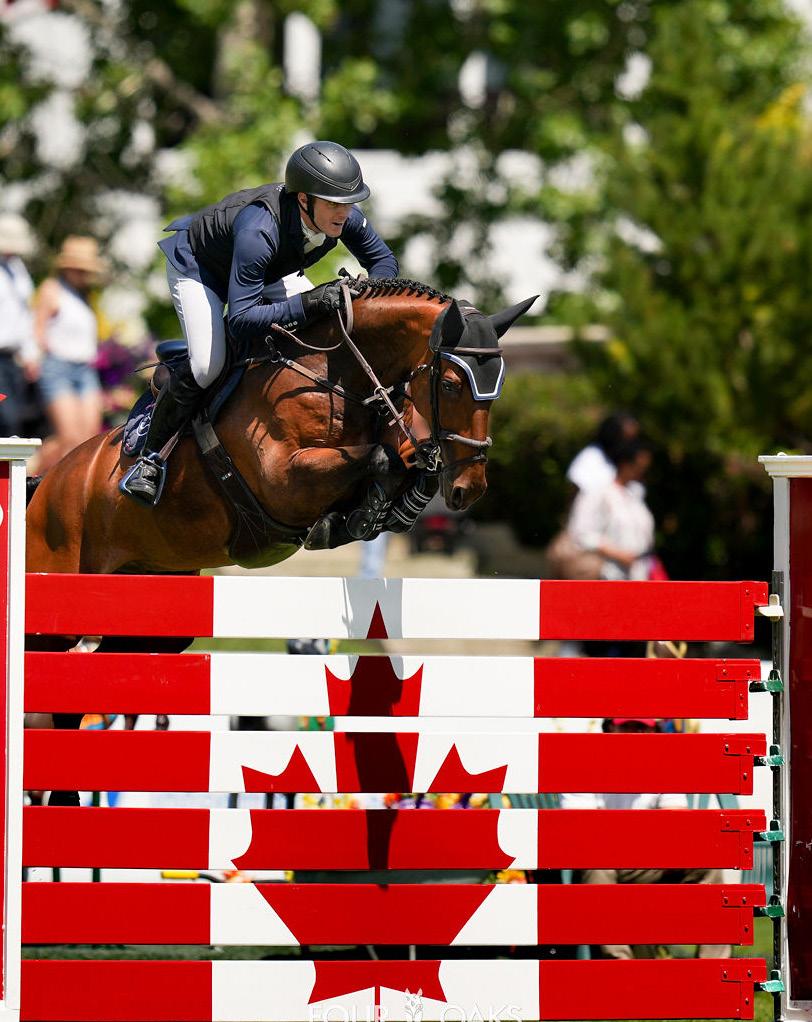
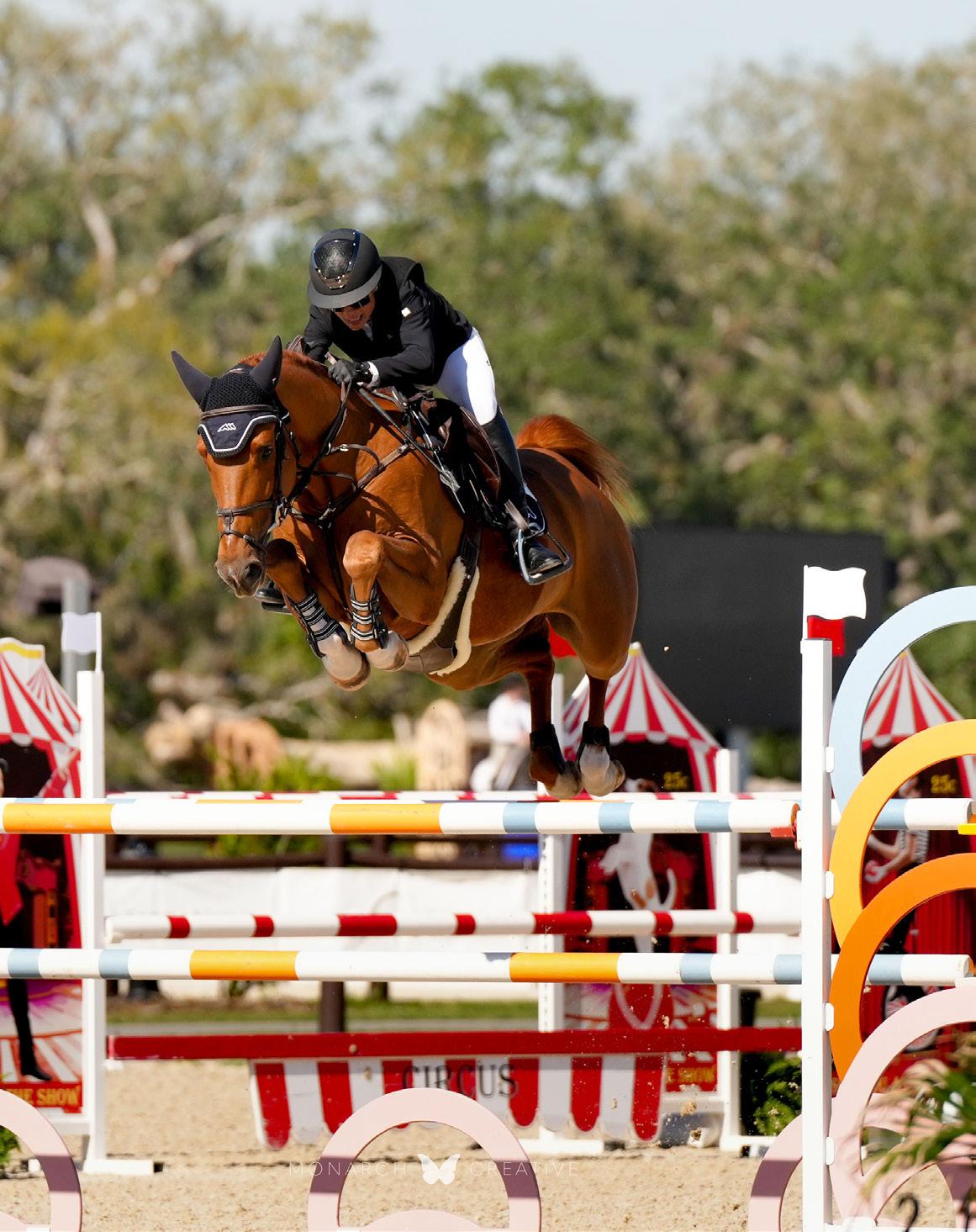
people outside the horse world how they view it, they say: high risk, lots of bills, and no transparency,” he says. “And honestly, they’re not wrong.”
Rather than ignoring those concerns, NGP was built specifically to address them. The initiative creates shared investment opportunities across multiple horses, spreading risk while supporting riders by providing access to top mounts and long-term development opportunities.
Beyond the financial mechanics, the larger goal is cultural. Andrew believes the sport has become increasingly difficult for talented young riders without the established family operations or major financial backing. At the same time, rising costs and increasing commercialization have unintentionally created barriers for both riders and future owners. “The top of the sport is flying,” he says. “But underneath it, there’s a major contraction happening.”
NGP aims to create a more sustainable middle ground where talented riders can develop careers, investors can engage with the sport in a positive and transparent way, and new supporters feel genuinely connected to the process.
For Alex, the project represents something deeply personal as well. “In an industry that can sometimes feel very self-focused, it’s really special to be working toward something bigger than ourselves,” she says. “Something that can genuinely help the next generation.”
That sense of responsibility—to riders, to horses, and to the future of the sport—has become one of the defining themes of Team Welles.
Throughout the conversation, one word surfaced repeatedly: team. Not just in the business sense, but in the broader understanding that success in this industry is never achieved alone.
Andrew insists that in the equestrian industry, “you realize very quickly how important a team is and it isn’t something you can do by yourself.” That philosophy now shapes every aspect of their world—from the riders they mentor, to the family they are raising, and to the culture they are intentionally building around them.
Perhaps that is what makes Team Welles feel distinctly modern. While their operation continues producing results at the highest levels of the sport, the larger focus has shifted toward something more lasting: creating systems, opportunities, and relationships that allow others to grow alongside them.
“We’re proud that our priorities feel like they’re in the right place,” Andrew says. “At the end of the day, that matters more than any single accomplishment.”
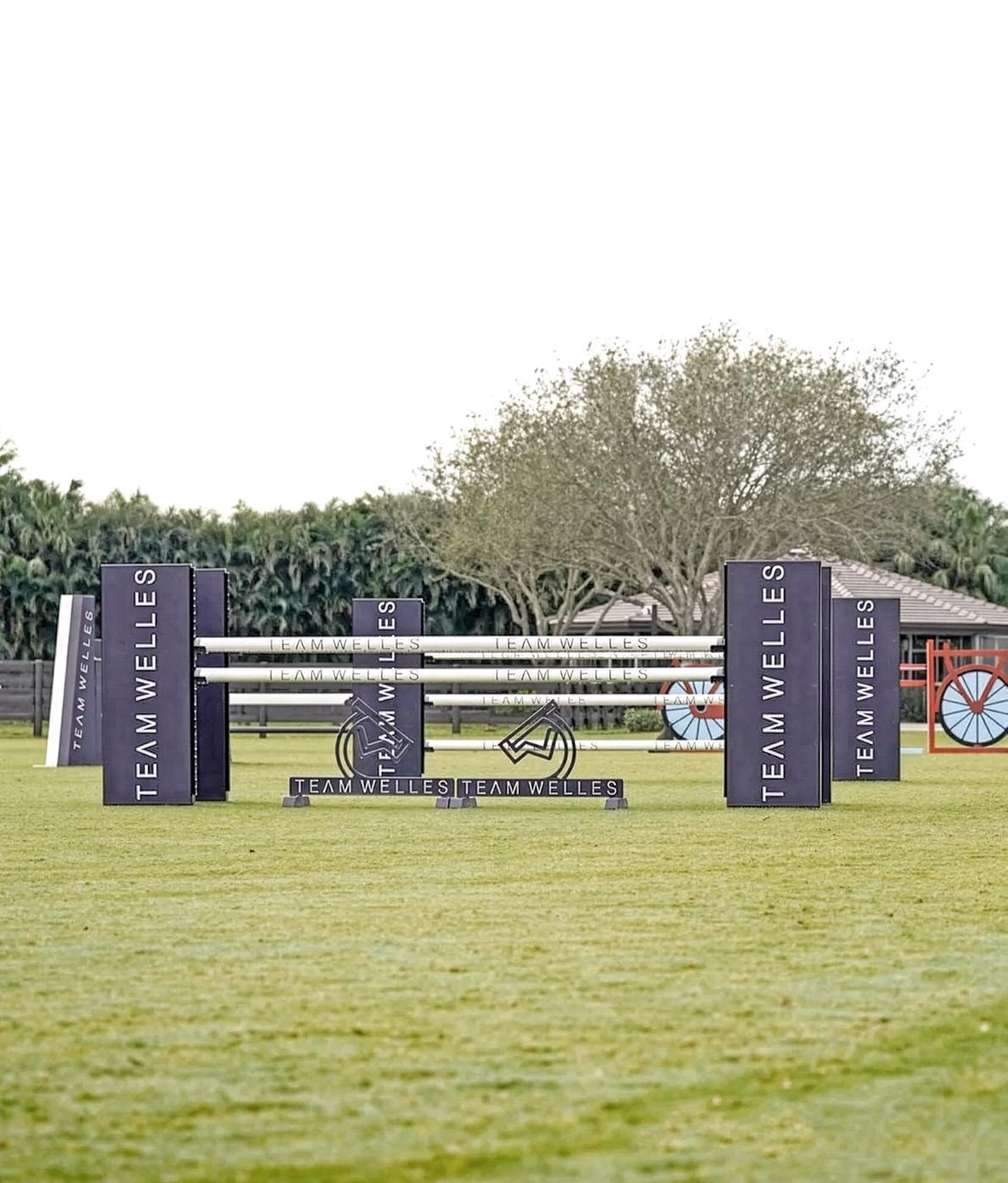
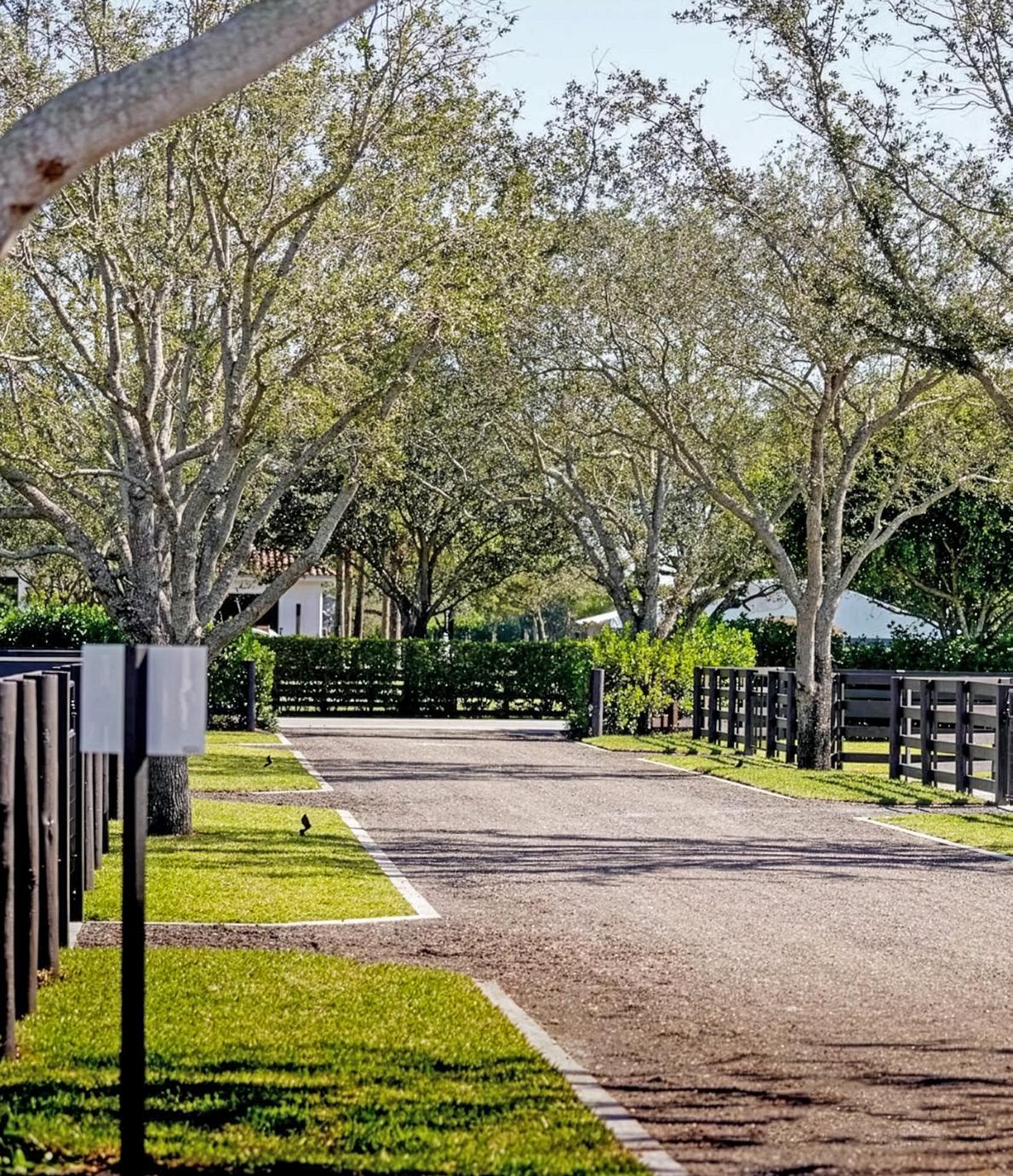
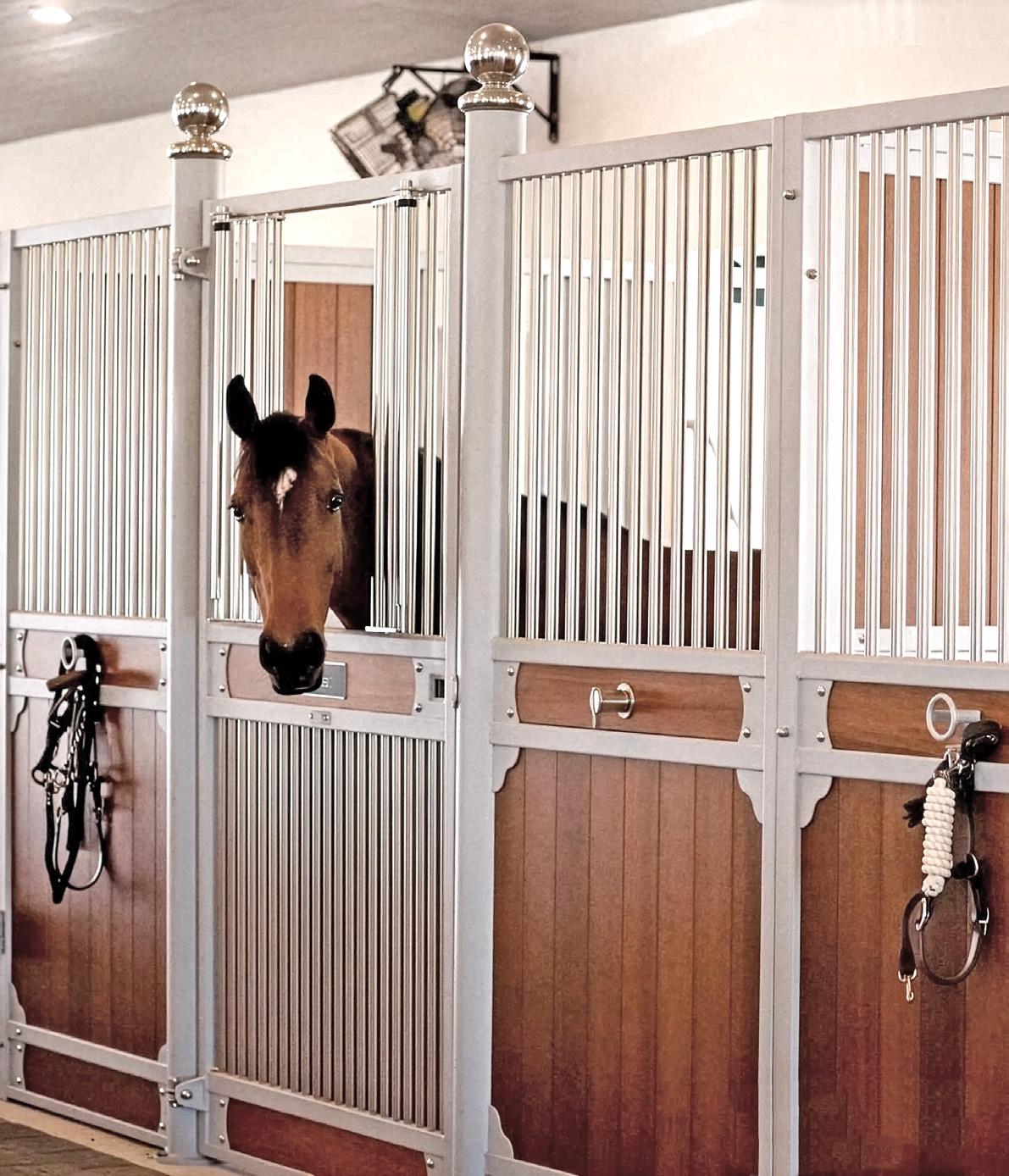
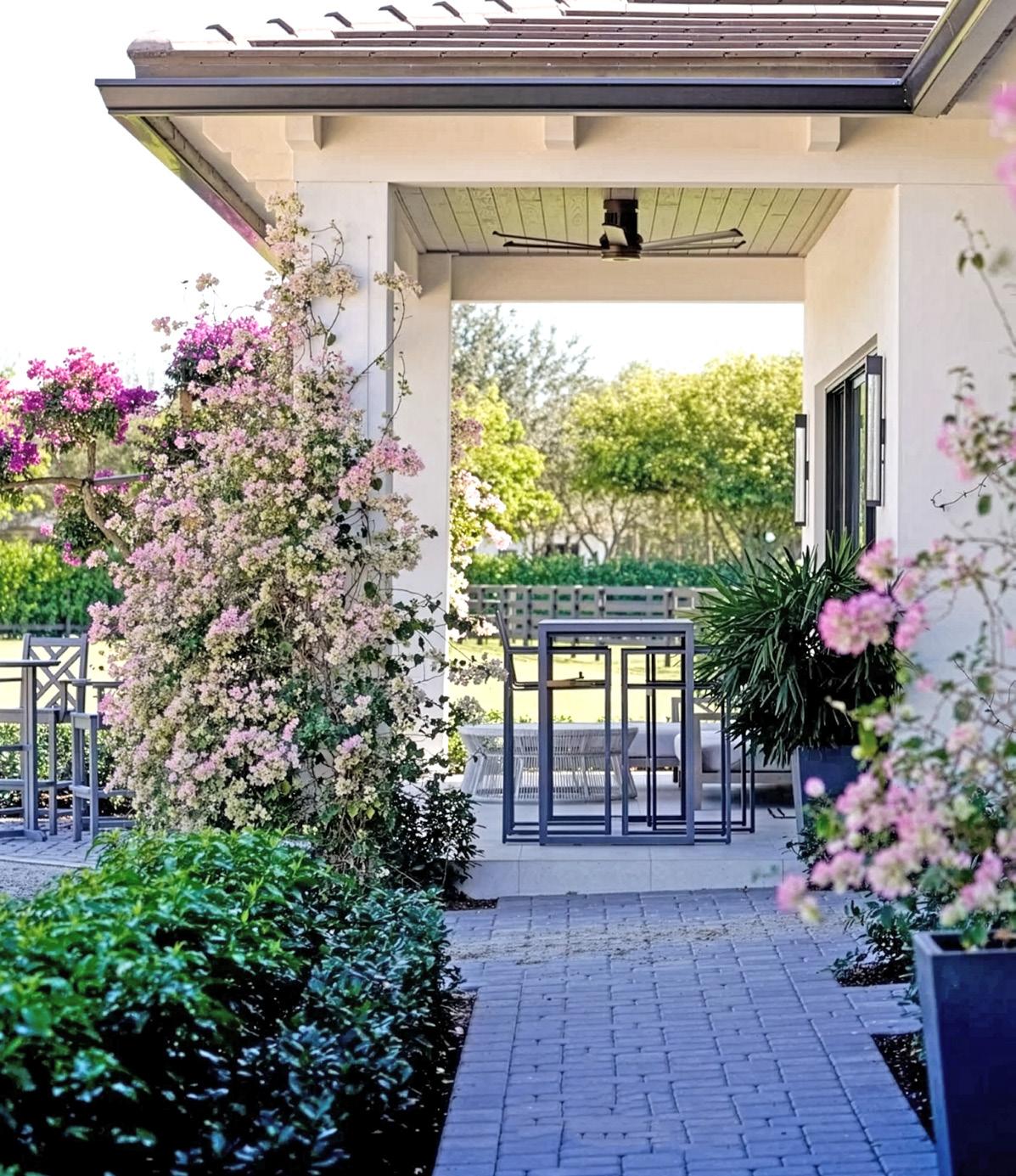
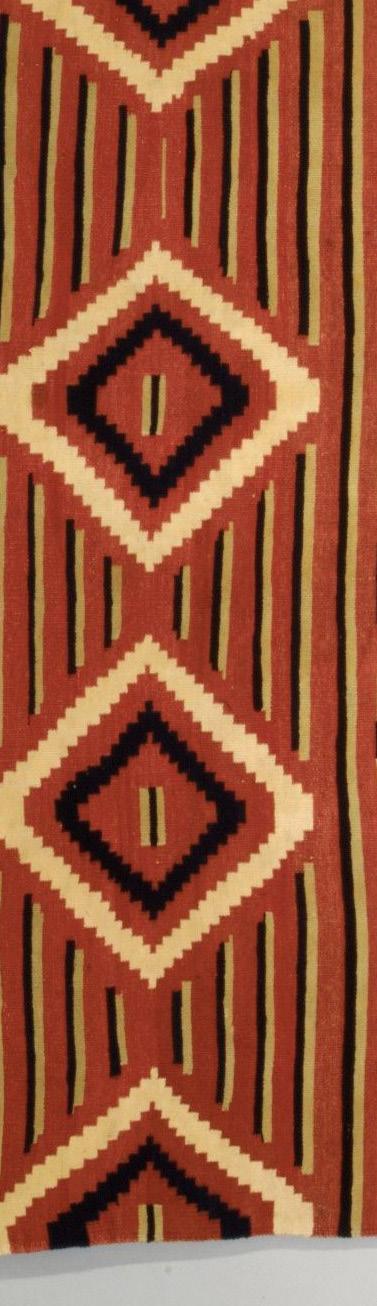
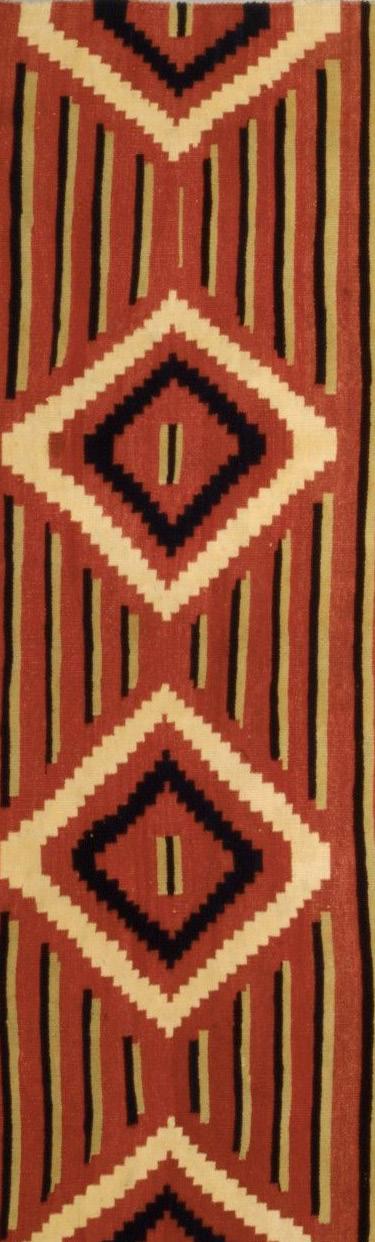
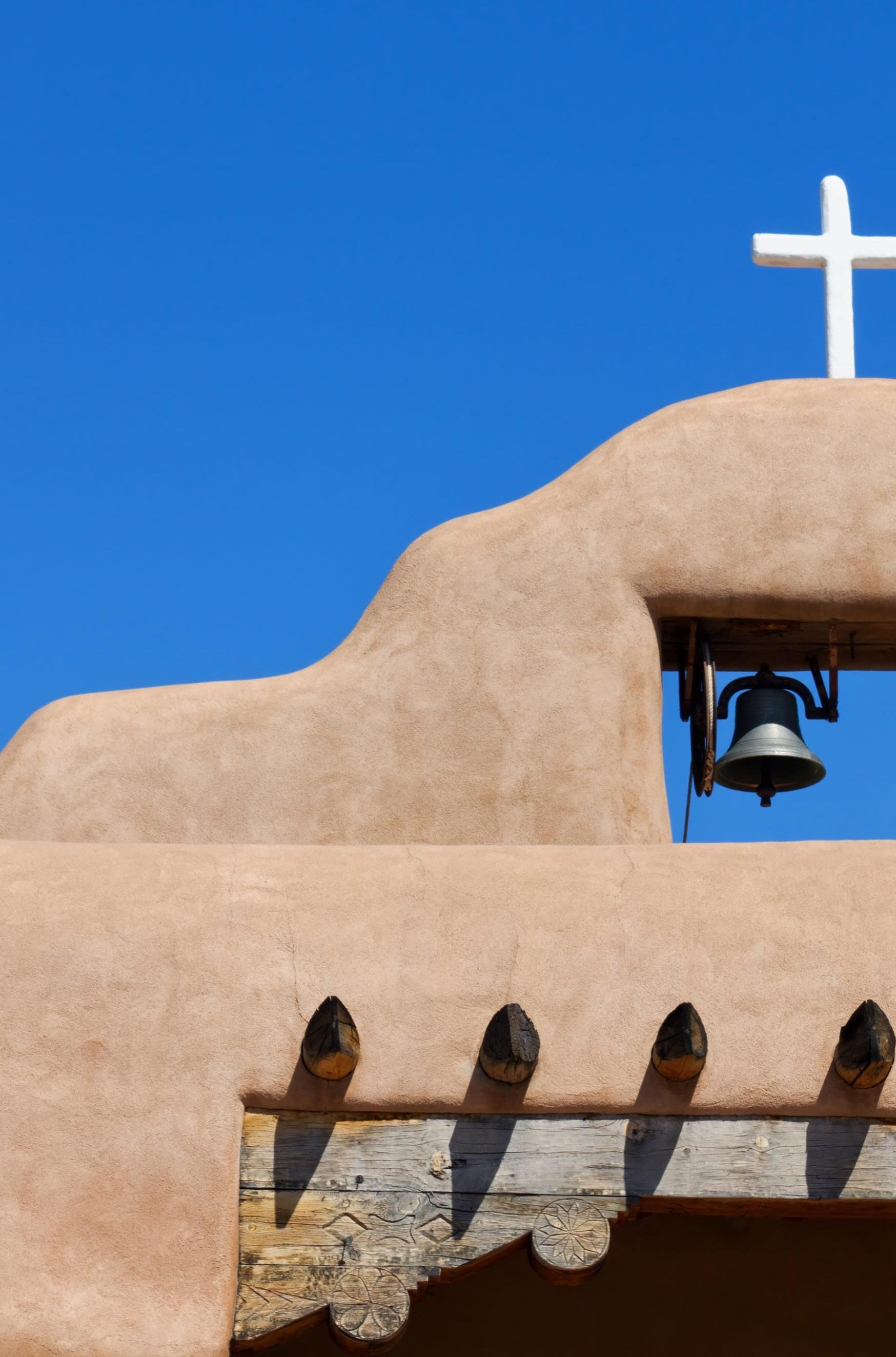
CERULEAN SKIES, ADOBE WALLS, AND THE SCENT OF PIÑON SMOKE
REBECCA BALDRIDGE FALLS UNDER SANTA FE’S INESCAPABLE SPELL.
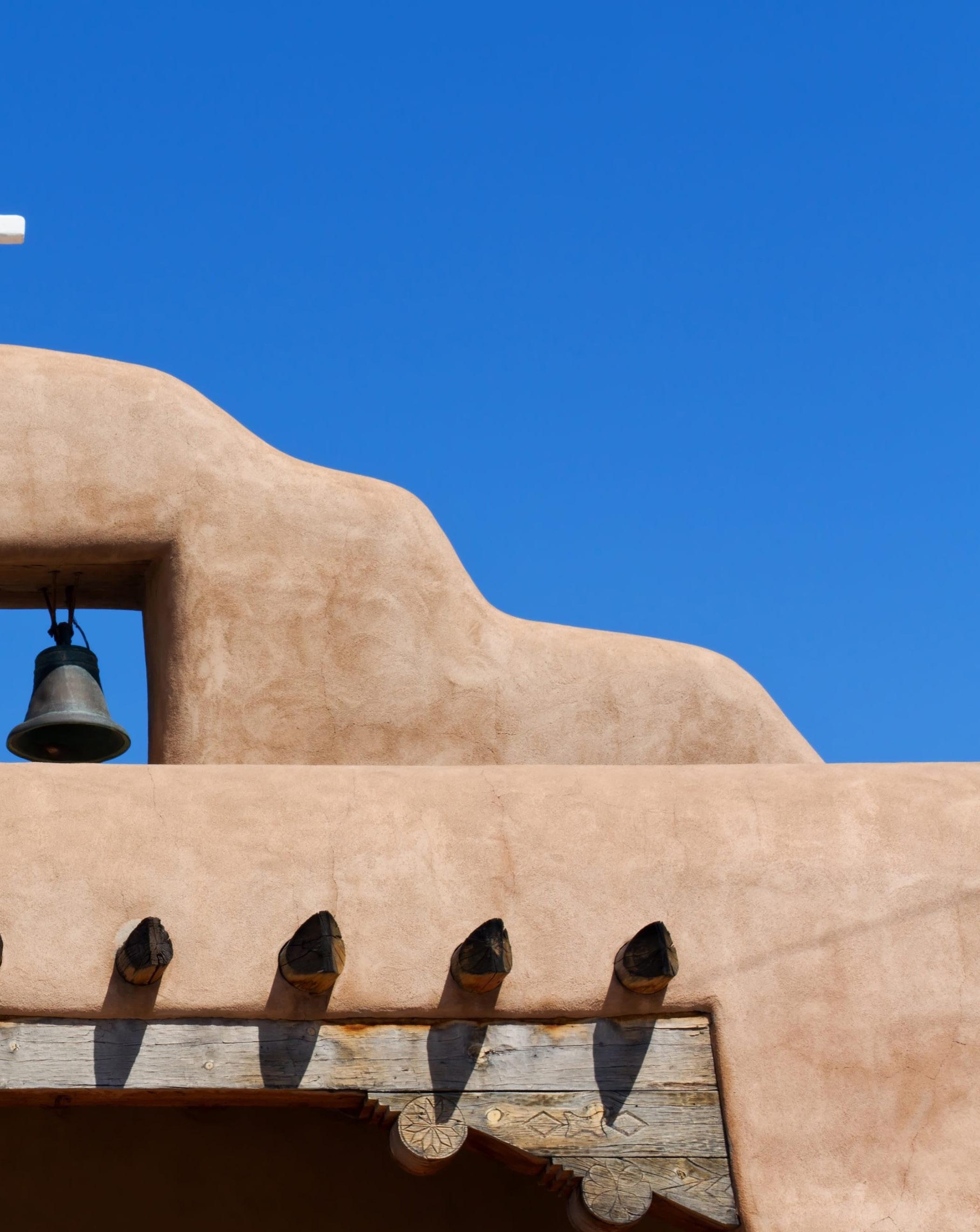
IHAVE A PROBLEM WITH SANTA FE: it defies limits. Its riches keep a writer hard at the keyboard until the New Mexico horizon blazes with dawn, while my word limit slips away with the night. I spent two long weekends there and have just 1500 words—nowhere near enough to capture its charms.
Founded in 1610 as the capital of Nuevo Mexico, Santa Fe is the oldest state capital in the United States and the highest, located at 7000 feet in the foothills of the Sangre de Cristo Mountains. First Spanish, then Mexican, and finally American since 1848, the city’s lifeblood is a confluence of all three cultures as well as the Native Pueblo peoples of the Southwest.
Arriving in Santa Fe, the familiar sprawl of strip malls quickly recedes, yielding to the sunlit adobe elegance of the old town. A historic preservation ordinance introduced in 1957 requires new buildings to conform to the distinctive “Santa Fe Style,” safeguarding the city’s unique aesthetic. Wherever you look, orange adobe shimmers against a sky that’s blue for more than 300 days each year.
Santa Fe welcomes its numerous tourists, so there is no shortage of comfortable places to stay. We began at The Inn of the Five Graces. Pure Santa Fe on the outside—its adobe structures were built by the Tlaxcalan Indians in the 17th century—but the rooms transport guests to an Eastern dreamscape. We entered ours through a tranquil fountained courtyard. The two-room suite was sumptuous, rich with the colors and carved wood of Central Asia. The walls blazed with hand-laid mosaics, all designed by Santa Fe’s Sylvia Seret—artist, designer, and co-owner of the hotel.
Inn owners Ira and Sylvia Seret lived in Afghanistan in the late 1960s and 1970s, where they operated a textile and rug factory employing local artisans. Falling in love with the Central Asian aesthetic, they developed a style that combines Afghan, Central Asian, and Tibetan crafts with New Mexican architecture. Apart from the Inn of the Five Graces,
they run Seret & Son, which offers a vast selection of antique furniture, rugs, textiles, and architectural elements from the countries along the Silk Road.
Following two days of this sensory luxury, we moved on to the Bishop’s Lodge, located slightly outside the city. Our room was pure Southwest, decorated in soothing beige and earth tones, with a bed soft enough for an angel.
There was little time to lie in. We took a two-hour horseback ride through the Santa Fe National Forest. The rocky trail and inclines force slow going, but it’s all the better to enjoy the spectacular views. Later on, lazing by the pool with a cool drink, we considered our next step. At Bishop’s Lodge, you can try fly fishing, archery, hiking, painting classes, and chocolate or tequila tastings. Out here in the desert, your tastes are free to roam.
For my second long weekend, I chose the Hotel Santa Fe Hacienda and Spa. This time, the weather was chilly, and I was delighted to discover a cozy gas fireplace in my suite. The only indigenous-owned hostelry in town, Hotel Santa Fe features a museum-worthy collection of Native pottery, rugs, and fine handicrafts.
Hotel Santa Fe works hard to keep its cherished guests well-fed, well-watered, and well-entertained. Every afternoon from 5 to 7 p.m., the Hacienda Happy Hour offers a selection of hot and cold appetizers, along with plenty of refreshments. On Fridays and Saturdays, the bar features live music from local talent. If you’re feeling tense, the Hacienda Spa will soon have you massaged, relaxed, and purring.
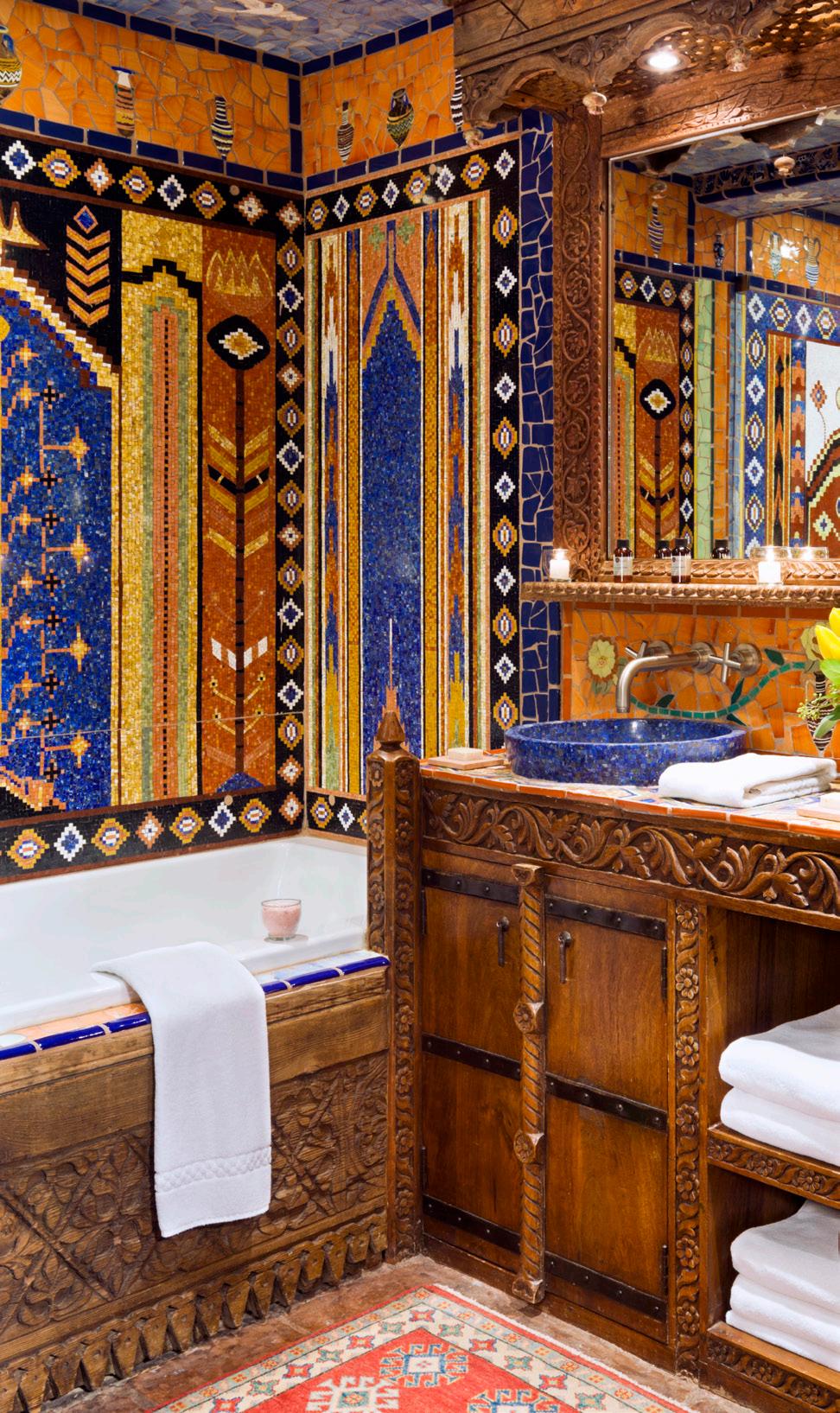
INN
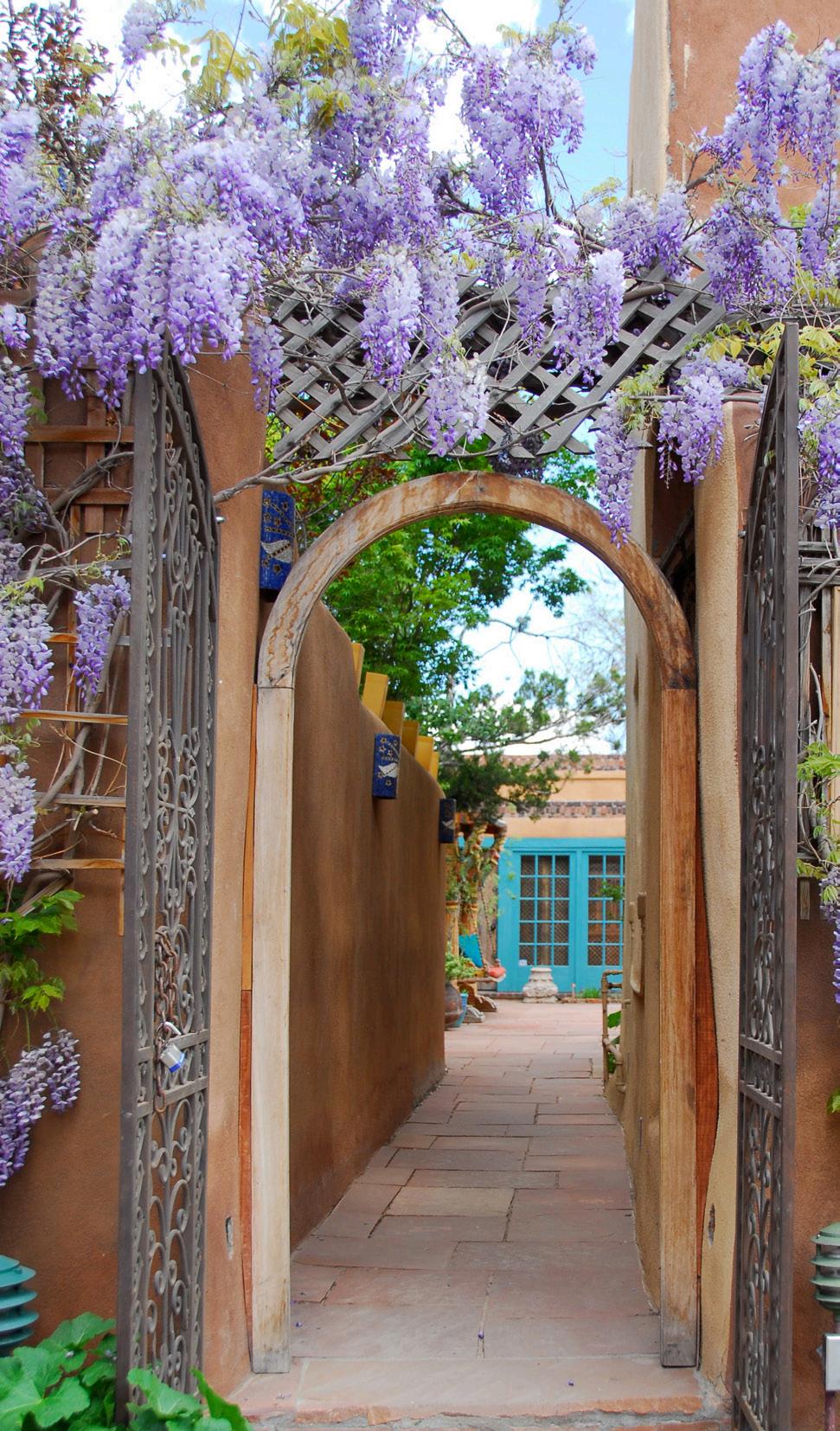

INN OF THE FIVE GRACES
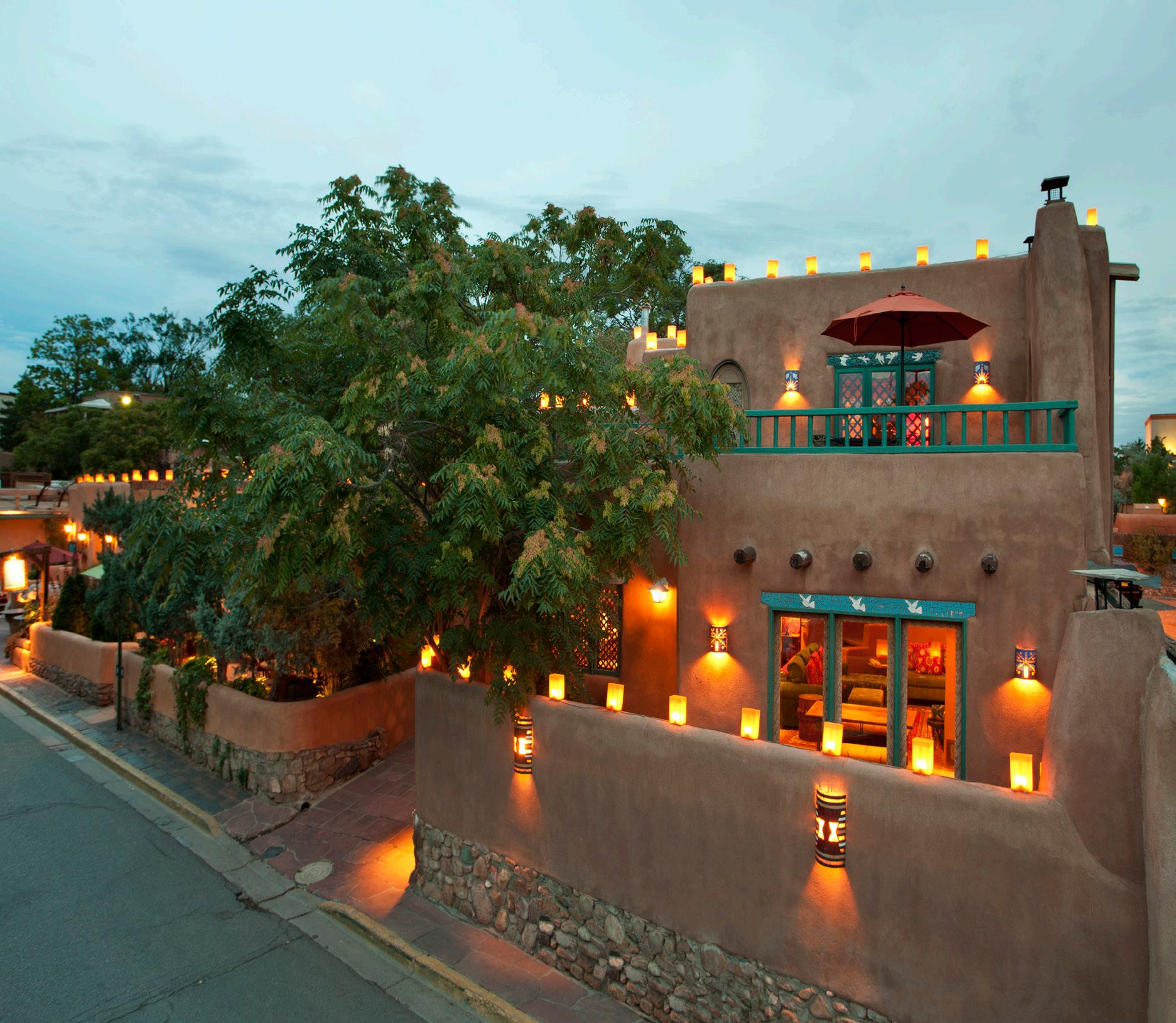

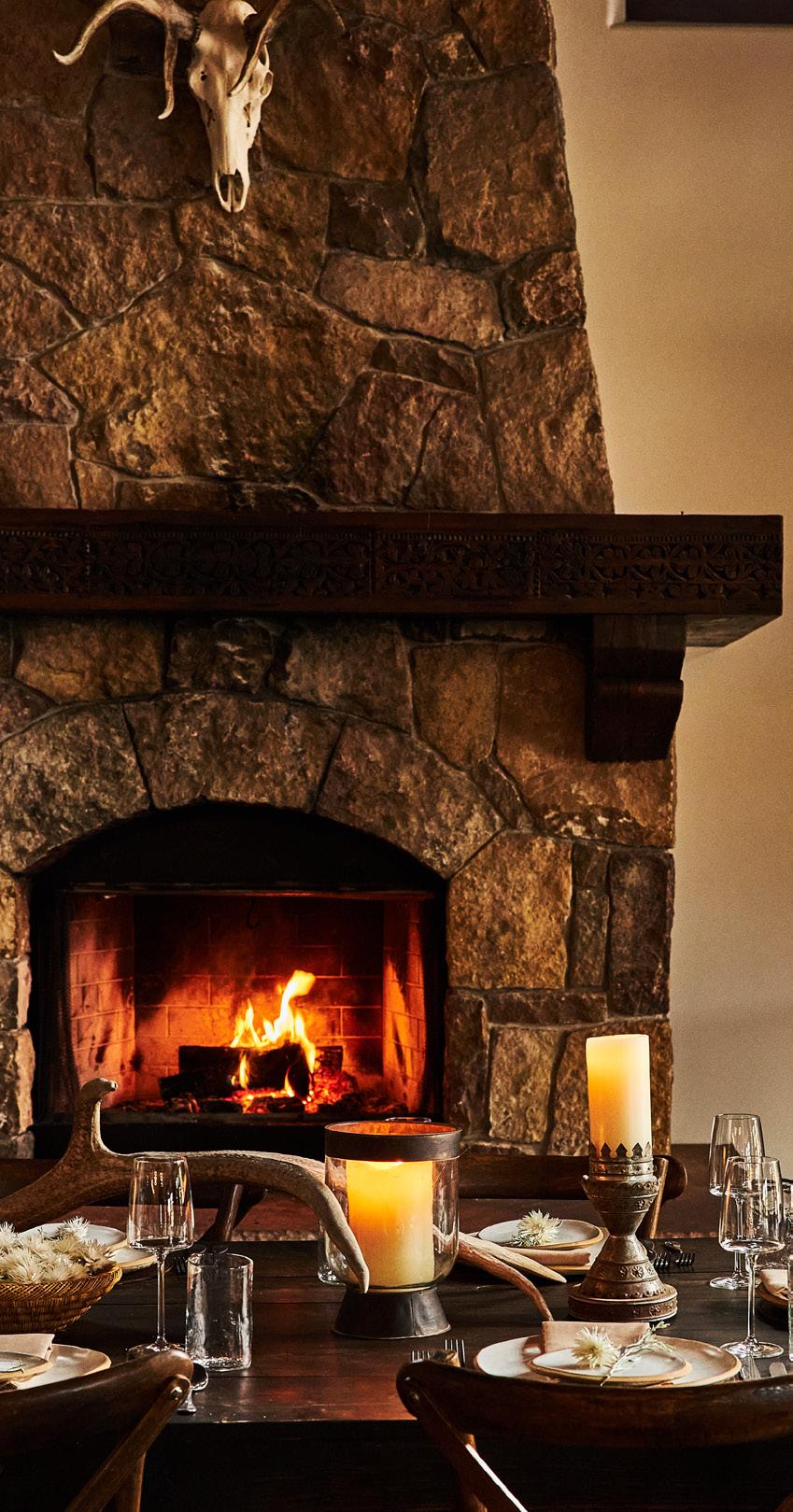
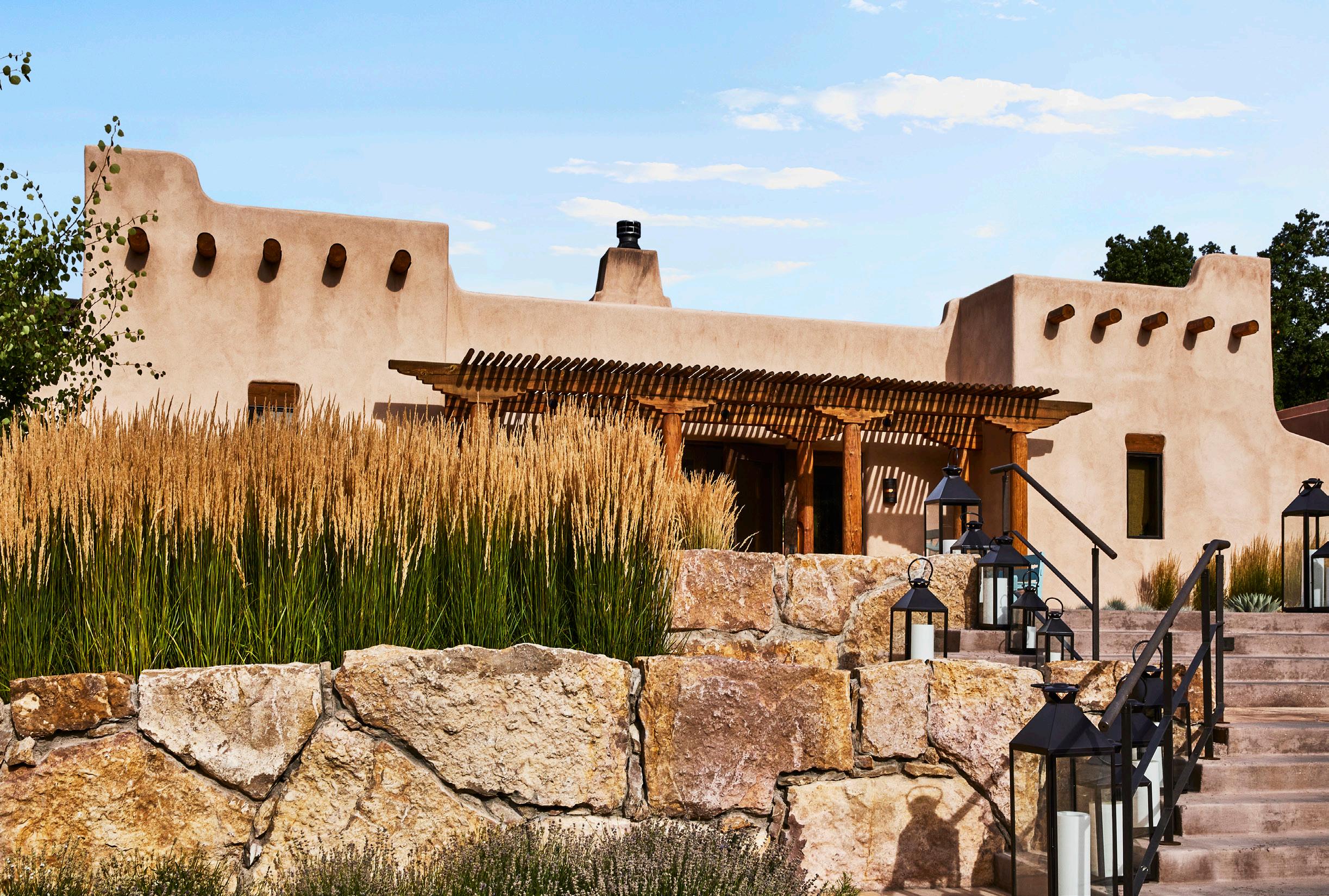
Santa Fe has long provided a home for artists of all stripes. The half-mile stretch of Canyon Road is home to more than 100 galleries featuring artists from around the world. I was delighted to find the protest art of Russian artist and Pussy Riot founder Nadya Tolokonnikova exhibited at the Turner Carroll Gallery. Art buyers and browsers will find works to satisfy every taste, from modern and Southwestern to more classical works and photography. Another favorite was the Chuck Jones Gallery, just off the plaza on West Water Street. As a devoted Warner Brothers fan, I was overwhelmed by the original drawings and limitededition prints: Bugs, Daffy, Porky, Elmer Fudd, and, of course, local citizens Roadrunner and Wile E. Coyote, all on colorful display.
TUMBLE A TUMBLEWEED AT
Take a trek up to Museum Hill for more culture. First, clear your head with a meander along the gentle trail in the Botanical Garden’s Piñon-Juniper Woodland. For immersion into Native American history and culture, the Wheelwright Museum of the American Indian and the Museum of Indian Arts and Culture offer wonderful insights into the indigenous peoples of the Southwest. Consider a visit to the Museum of International Folk Art and the Nuevo Mexico Heritage Arts Museum, which is the only institution devoted to preserving and exhibiting New Mexico’s Hispano heritage arts. Finally, drag your enervated but culturally elevated bones to the Museum Hill Café for a cool drink and a smackeral of sustenance.
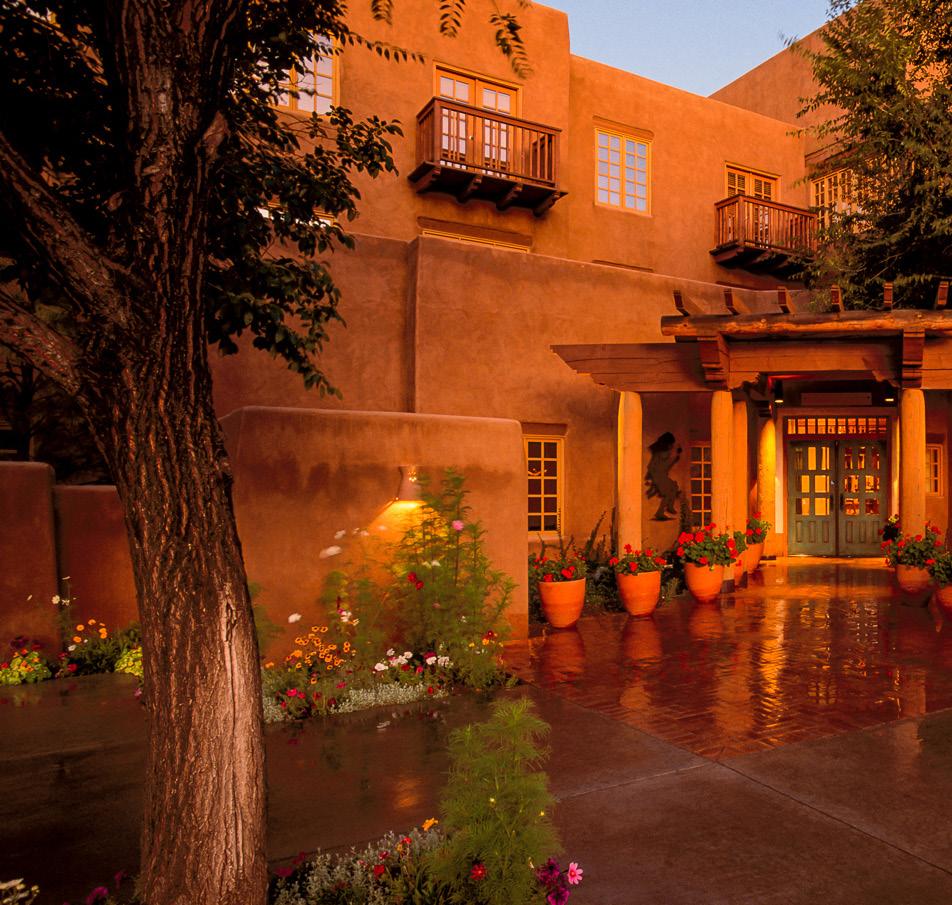
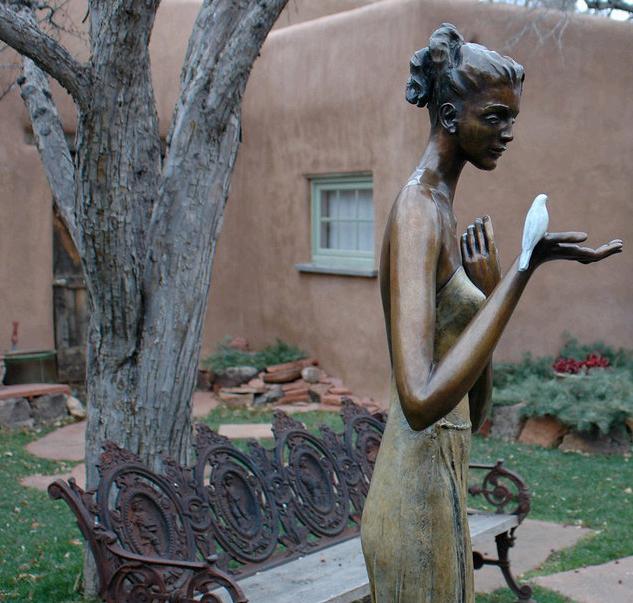
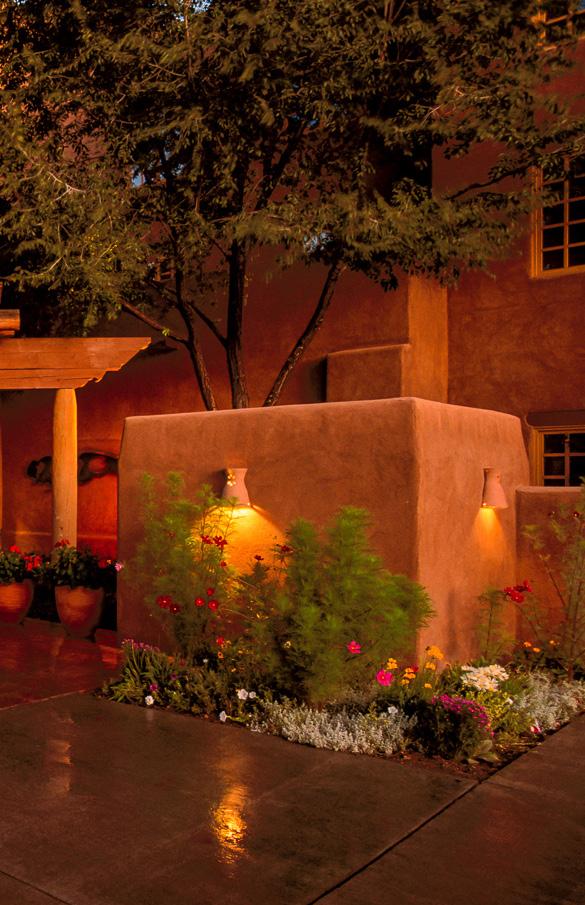
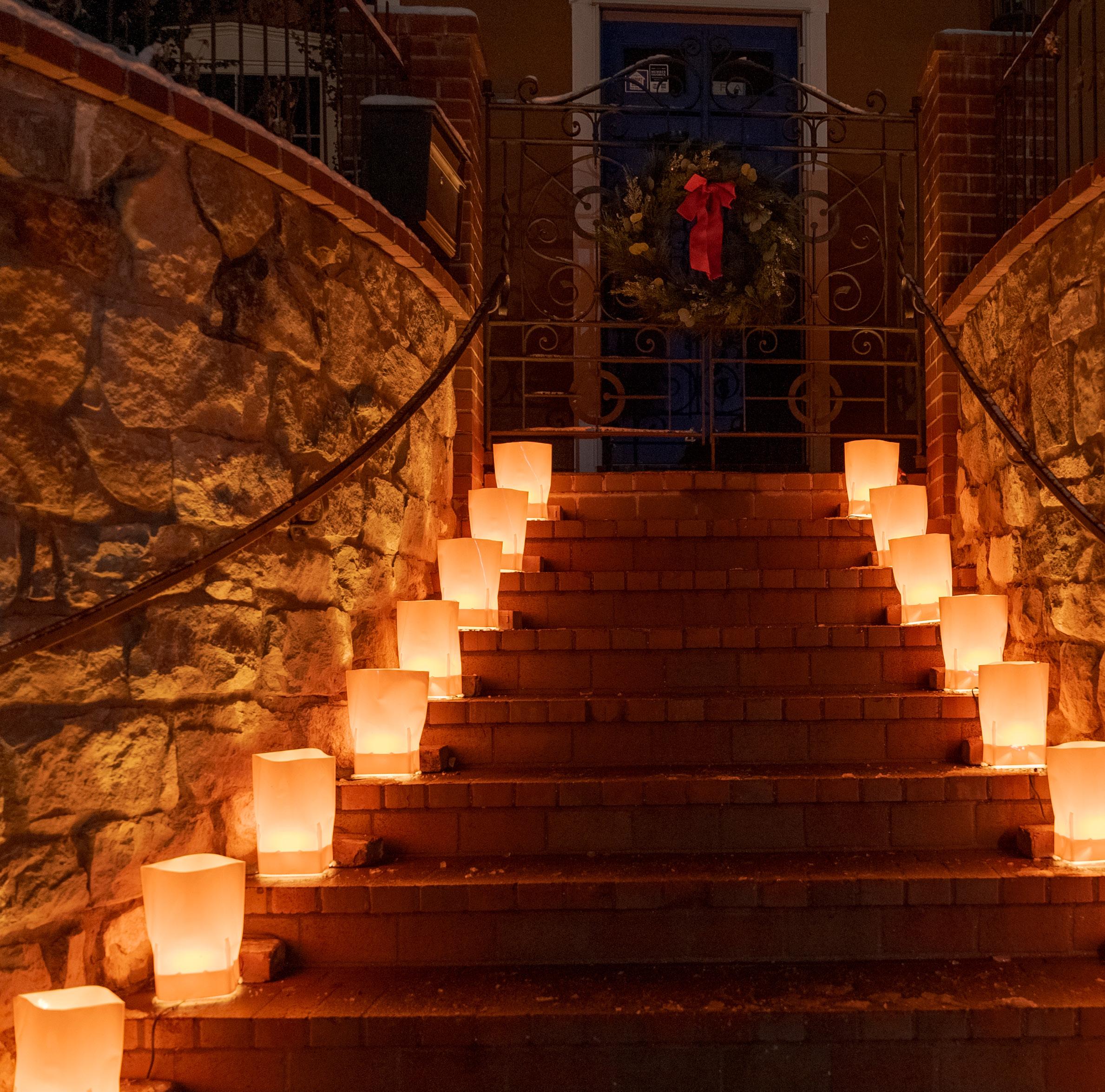
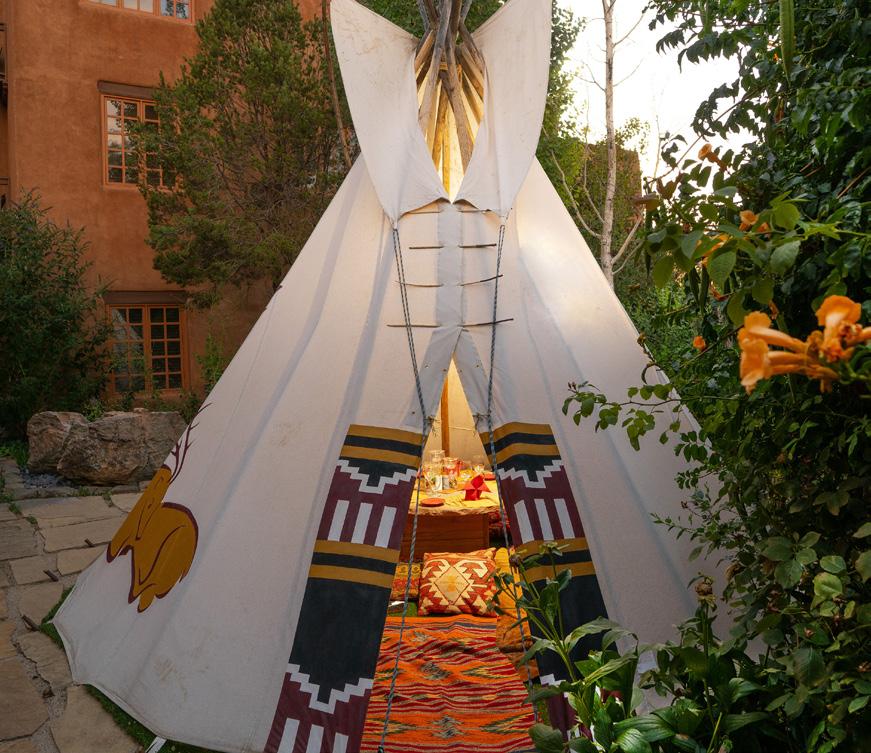
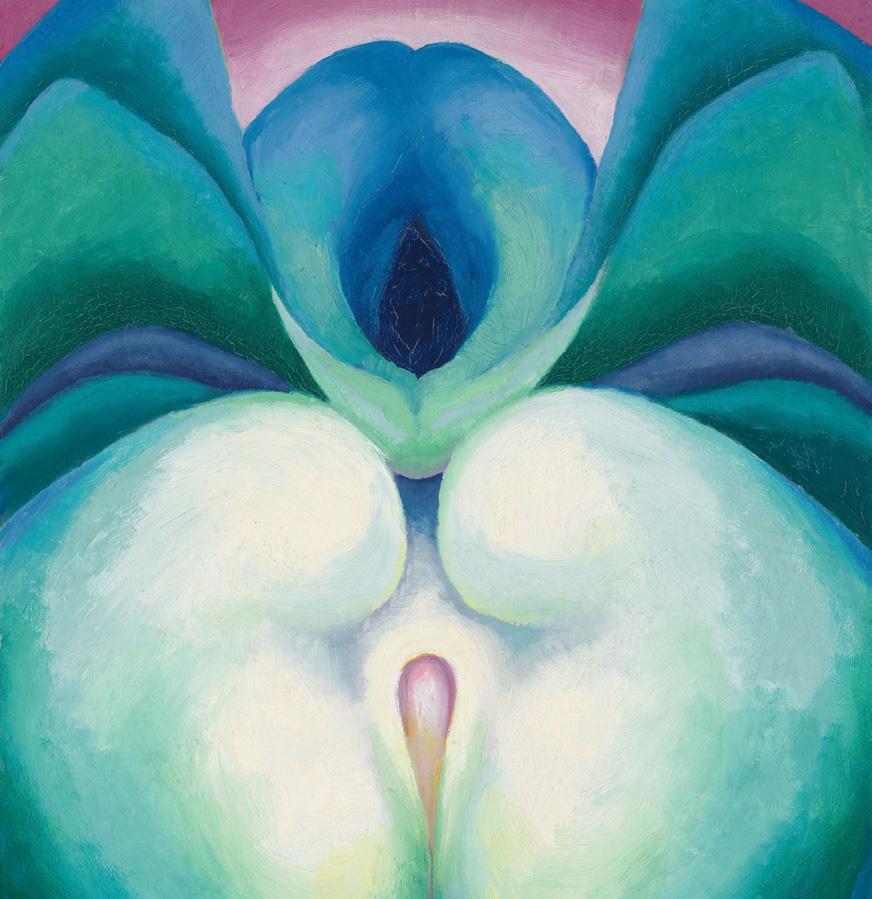
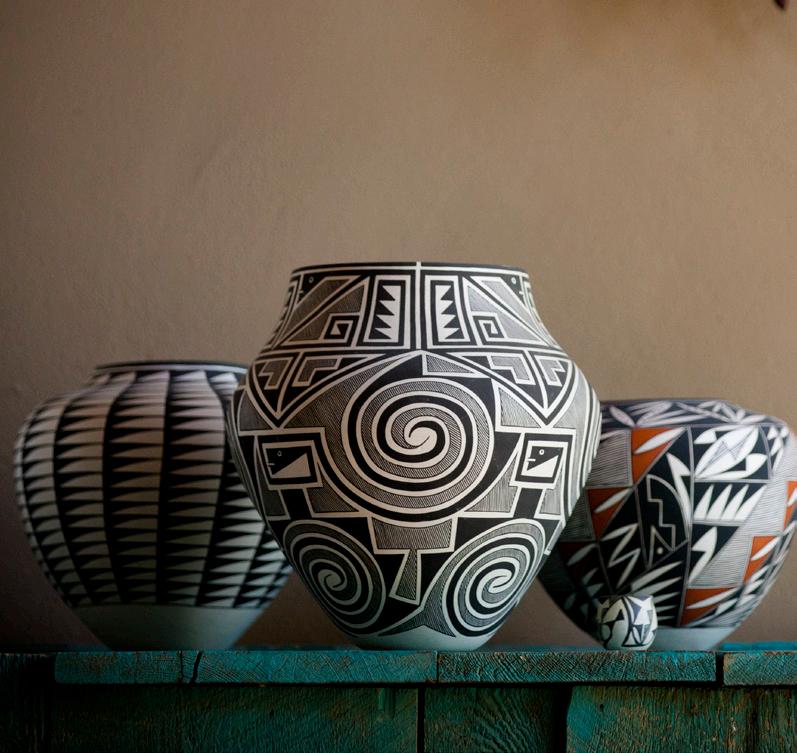
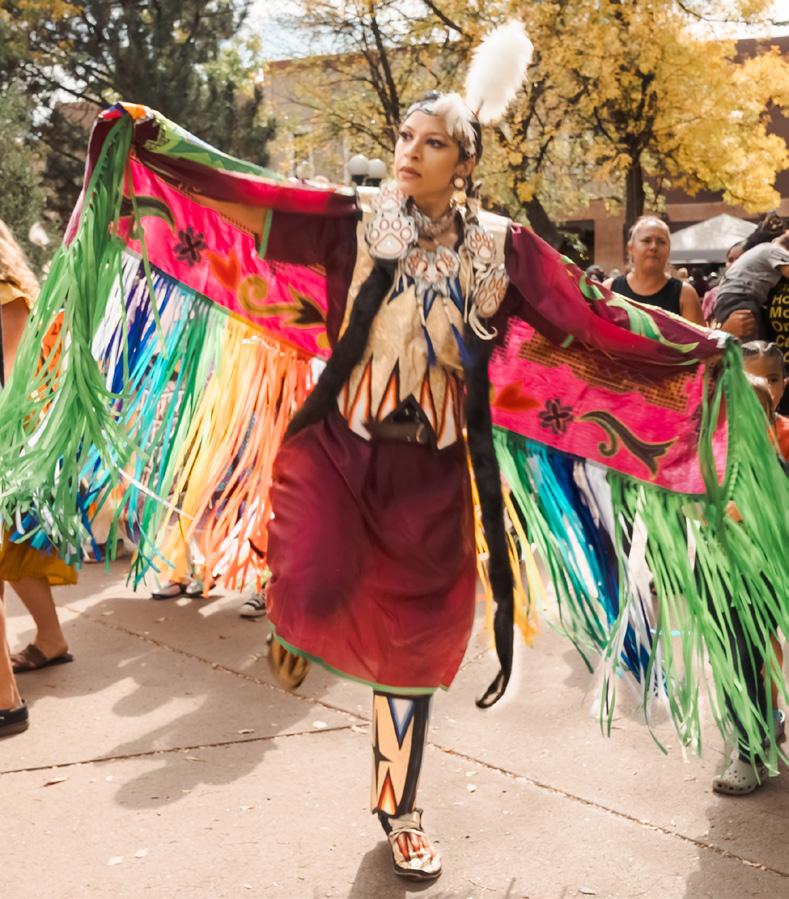
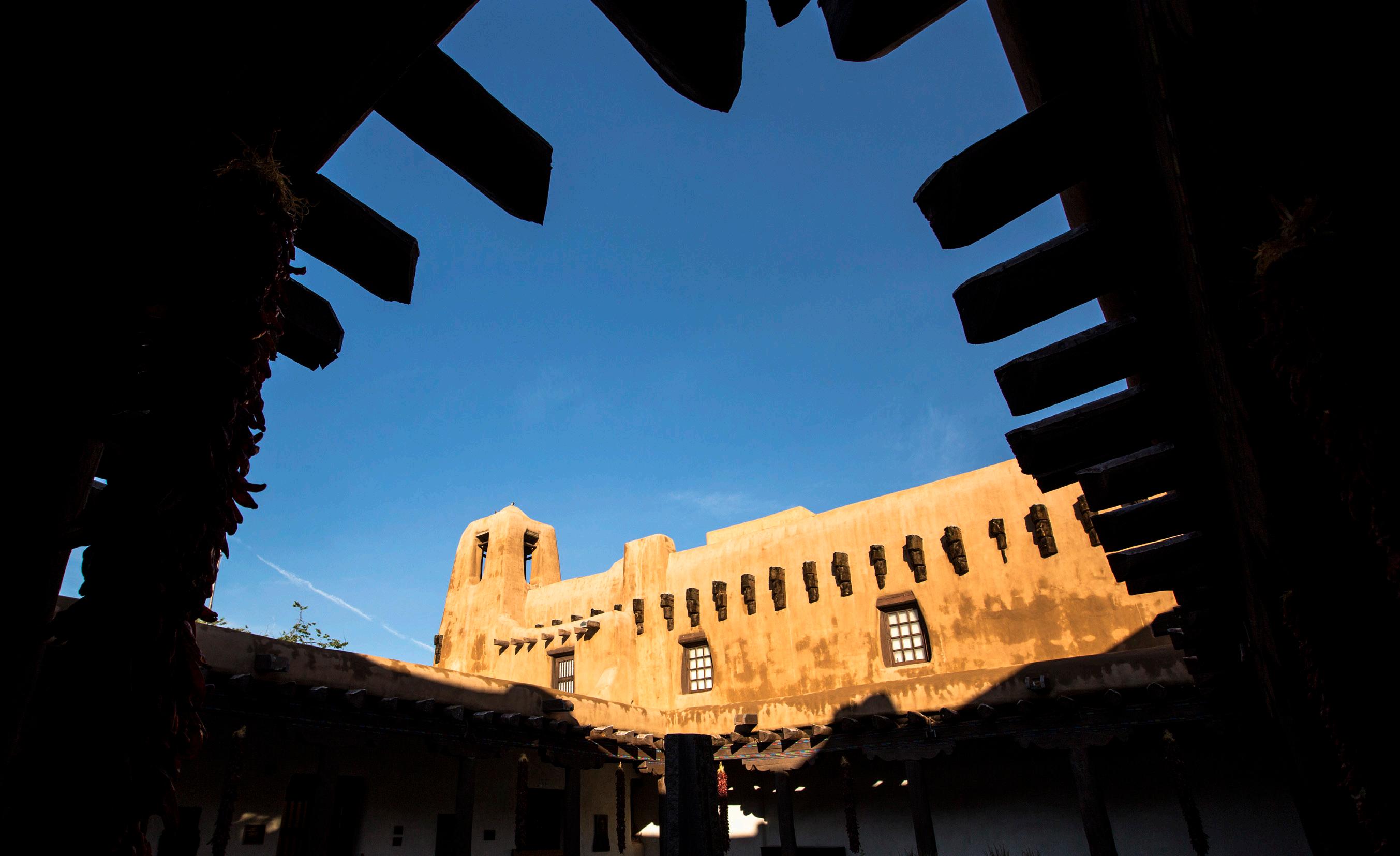
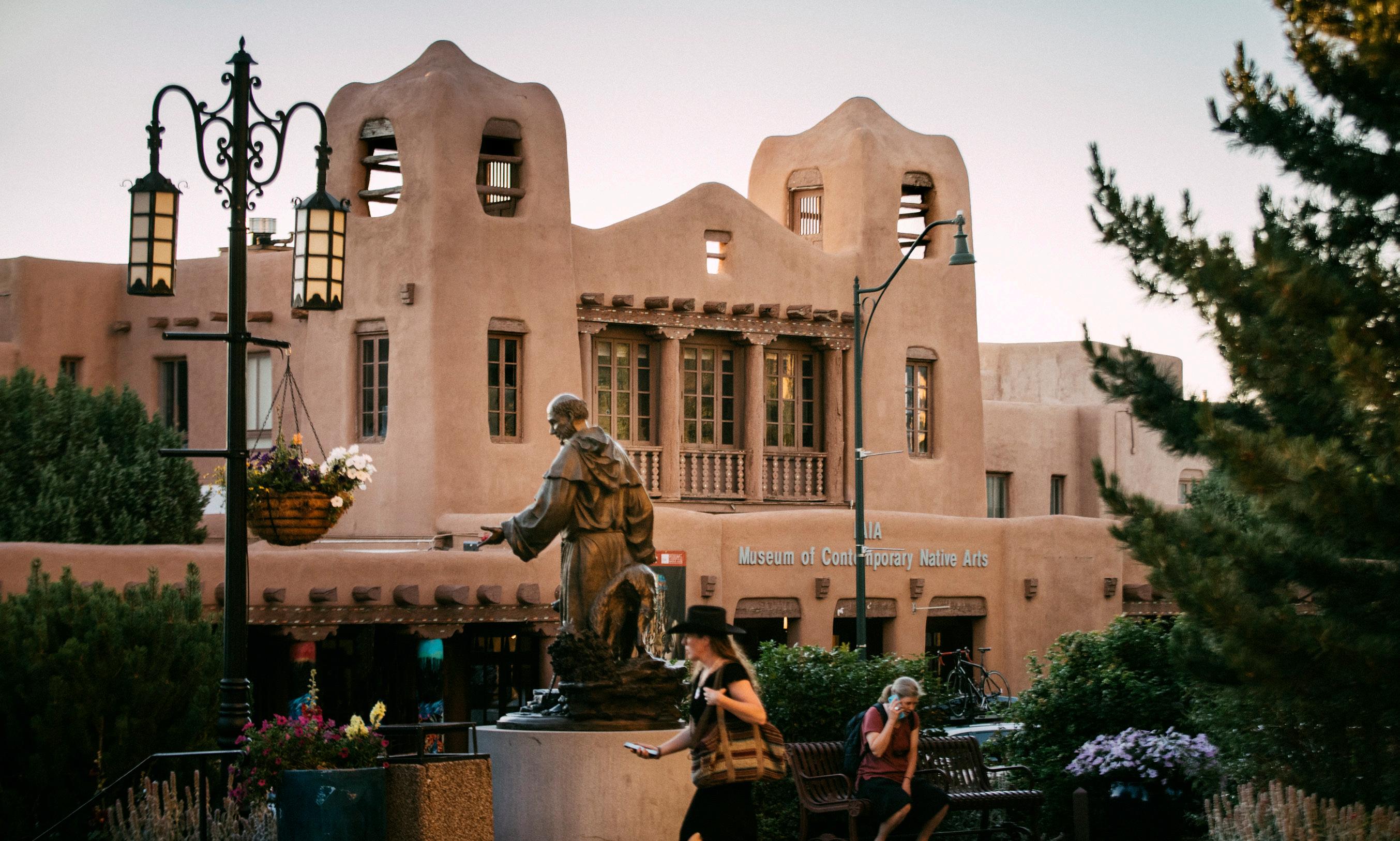
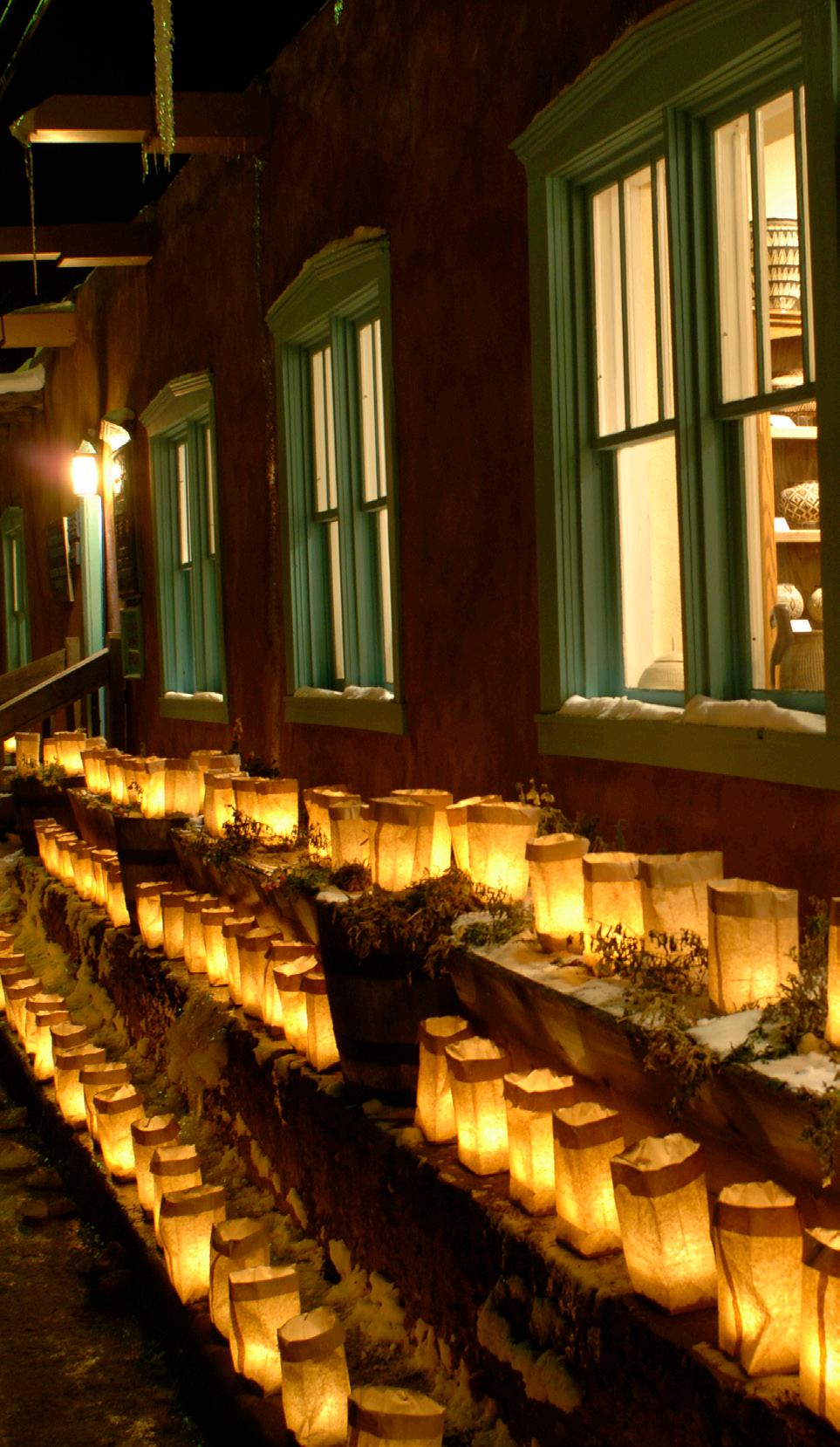
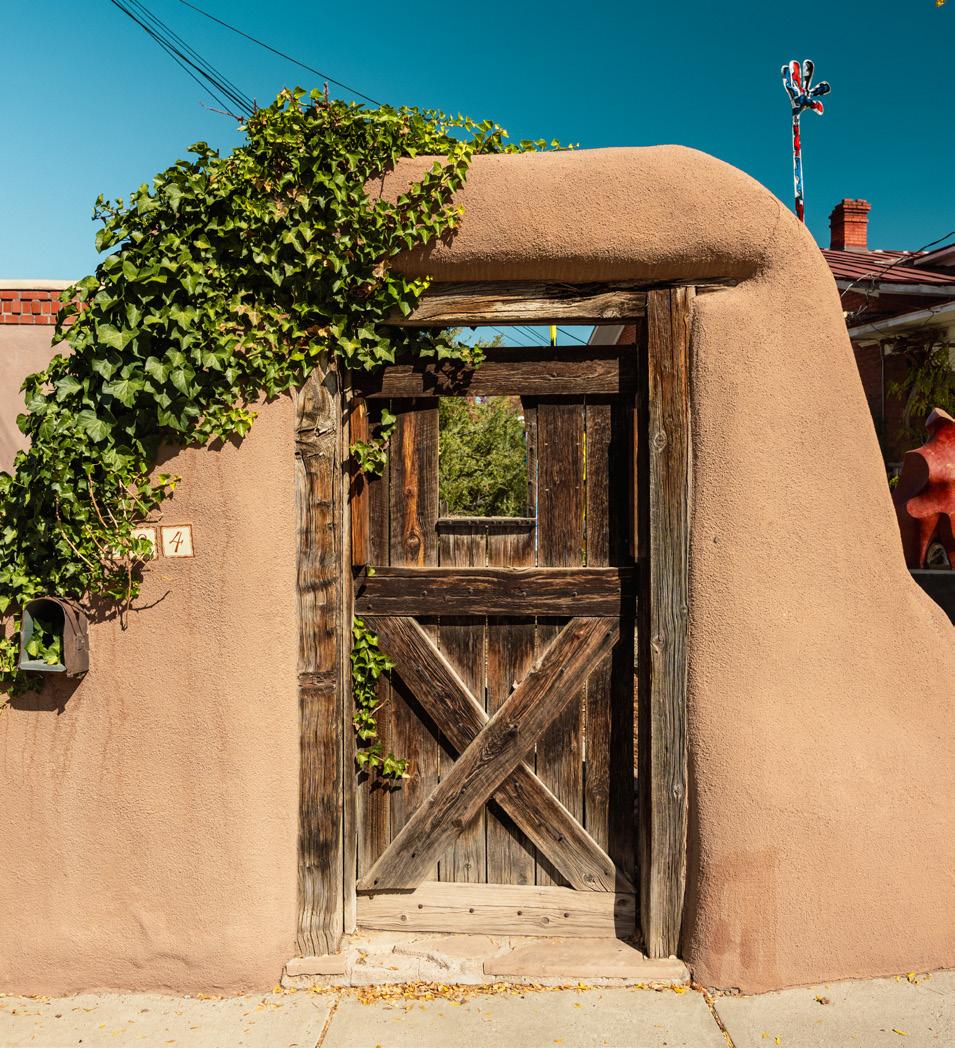
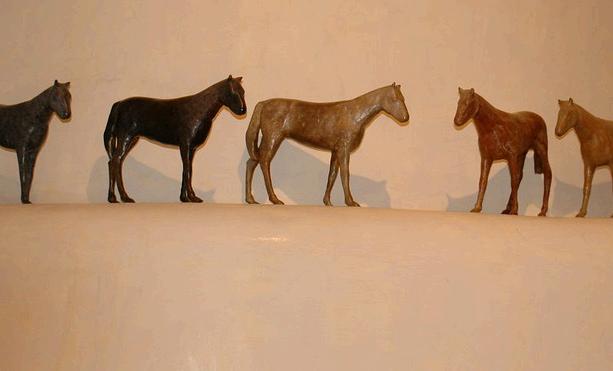
Santa Fe is built in the gorgeous Spanish style, around a central Plaza, truly the center of the city’s life. Native American artisans display their wares outside the Palace of Governors as part of the Native American Artisans Portal Program, while August brings the annual SWAIA Indian Market. Visitors can buy jewelry, pottery, weavings, and beadwork directly from artisans representing over 200 tribal nations.
Just one block east of the Plaza is the Cathedral Basilica of St. Francis of Assisi, the patron saint of Santa Fe. It’s like Spain with a Southwestern twist. The cathedral is closed for maintenance on Mondays, but if you happen to visit then, all is not lost: The Stations of the Cross Prayer Garden remains open for quiet contemplation amid the city’s bustle.
For more of Santa Fe’s Catholic heritage, walk five minutes to find the Loretto Chapel, a former church that is now a privately owned museum and wedding chapel. It’s well known for its unique spiral staircase, considered miraculous by the Sisters of Loretto who commissioned the church for the Loretto Academy in 1873
After attending to the loftier needs of intellect and spirit, a bit of indulgence is in order. Everywhere, Stetson-hatted Sirens urge you to dig deep into your purse or wallet. Jewelry, Western wear, pottery from the Pueblo – there seems to be no limit.
Among the wider firmament, I identified the stars. Take Lust and Fond, the mother of all vintage stores. Exquisite, and highly curated designer clothing
from the 70s, 80s, and beyond is displayed by color. I left with a 1990s-era Yohji Yamamoto skirt that makes them stand up and salute back in Manhattan. Switching stylistic gears, meander around the corner to Kowboyz, the ultimate Western vintage store. Nobody wants to show up at the barn looking like a greenhorn with shiny new boots. I lucked into a bargain pair of Ropers that another cowgirl had thoughtfully broken in for me.
For more Western wear, pop into H Bar C for the embroidered shirt of your dreams. This company has been outfitting cowboys and cowgirls since 1897 and offers heritage designs along with new creations. A black shirt with a horse design from the 1930s begged to go home with me. Salvador Dali was photographed wearing one of their classic shirts, and the same design is available today.
I was steaming for the Farmer’s Market when I stumbled onto Virgins, Saints & Angels. Sidled up against the Hotel Santa Fe, this jewelry boutique offers pieces that feature “symbols of protection and good fortune,” all handcrafted in San Miguel de Allende, Mexico. A large photo of Lady Gaga wearing a VSA necklace gazes over the sales floor. If you need some sparkle, this shop is for you.
The Farmer’s Market, located in the Railyard Arts District, is a wonderful way to spend a Saturday morning in Santa Fe. Long rows of stalls feature local artists and craftspeople offering their wares as townies and tourists mingle. There’s no better spot for people watching; settle down with a craft beer or a cold brew coffee and enjoy the show.
The dining scene in Santa Fe is exceptional. For the adventurous, Sazon is essential. Chef Fernando Olea, winner of the 2022 James Beard Award for Best Chef of the Southwest, offers a nine-course tasting menu rooted in the indigenous traditions of Old Mexico, enriched with ingredients from around the world. The dramatic service and Chef Olea’s larger-than-life persona make the sophisticated nine-course tasting menu the best show in town.
Restaurant Martin is another favorite, offering gorgeous outdoor seating and a bowl of green pea soup that left me crying for more. The cuisine is progressive American with Latin roots, and the menu offers unique vegetarian options. While Martin provides an undeniably fine dining experience, the service and atmosphere are warm and unpretentious. Chef Martin Rios has also been a semifinalist for James Beard’s Best Chef of the Southwest.
If it’s breakfast you want, or a charismatic space to break out the laptop and peck away, delicious coffee to hand, don’t miss Wolf & Mermaid, Enchanted Café & Coffee Roasters. I was certainly enchanted by the atmosphere, the delightful barista, and the best coffee in Santa Fe.
Of course, we cannot discuss dining without considering one final sugary treat. Sweet Santa Fe is famous for its artisan chocolates and handcrafted truffles, ranging from simple flavors like pistachio to exotic flavors such as Margarita and Raspberry Chipotle. They also offer baked goods and even ice cream. Imagine my delight when I discovered the elusive huckleberry in creamy frozen form.
So there you have it. I’ve blown through my word count and feel like I’ve been ridden hard and put away wet. There’s only one alternative left to me. I’m going back to Santa Fe next weekend.
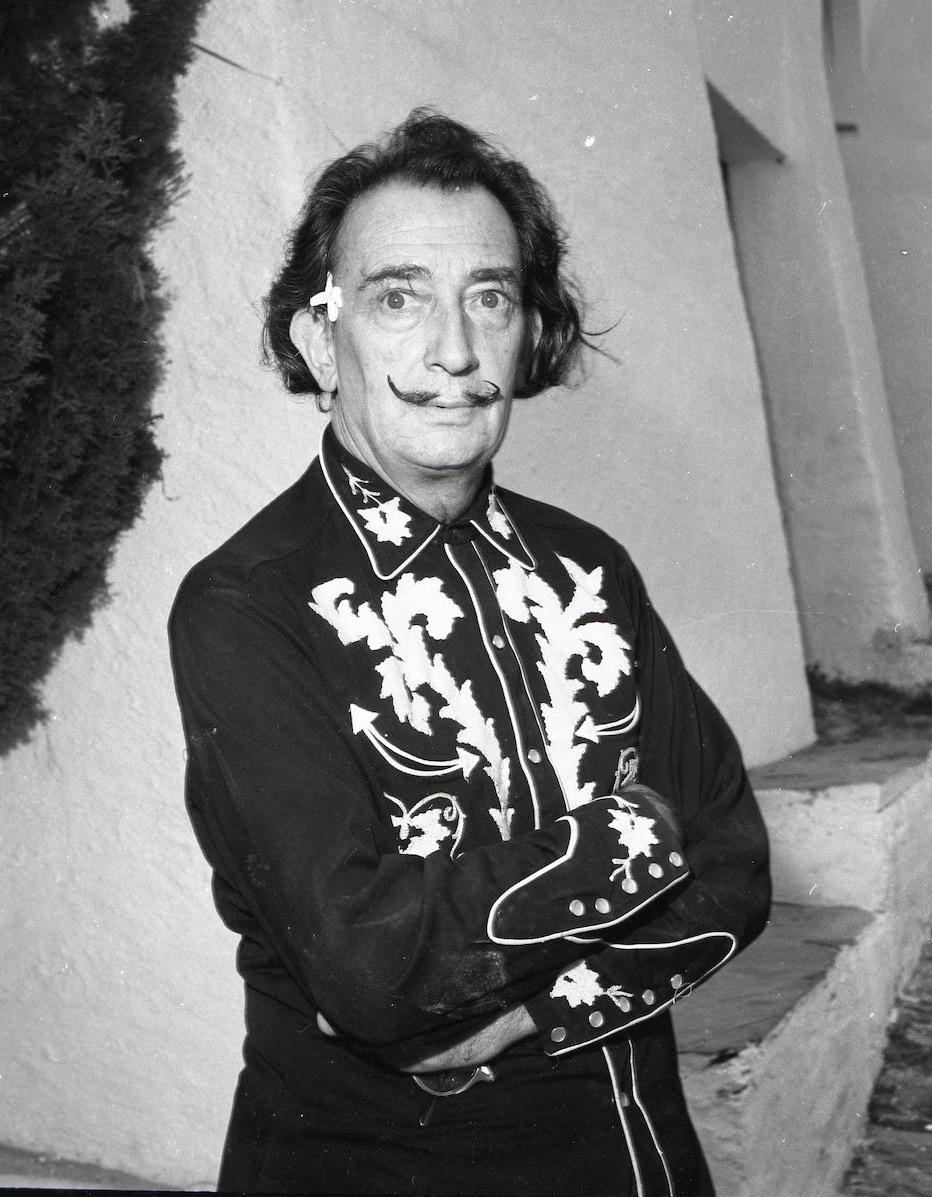

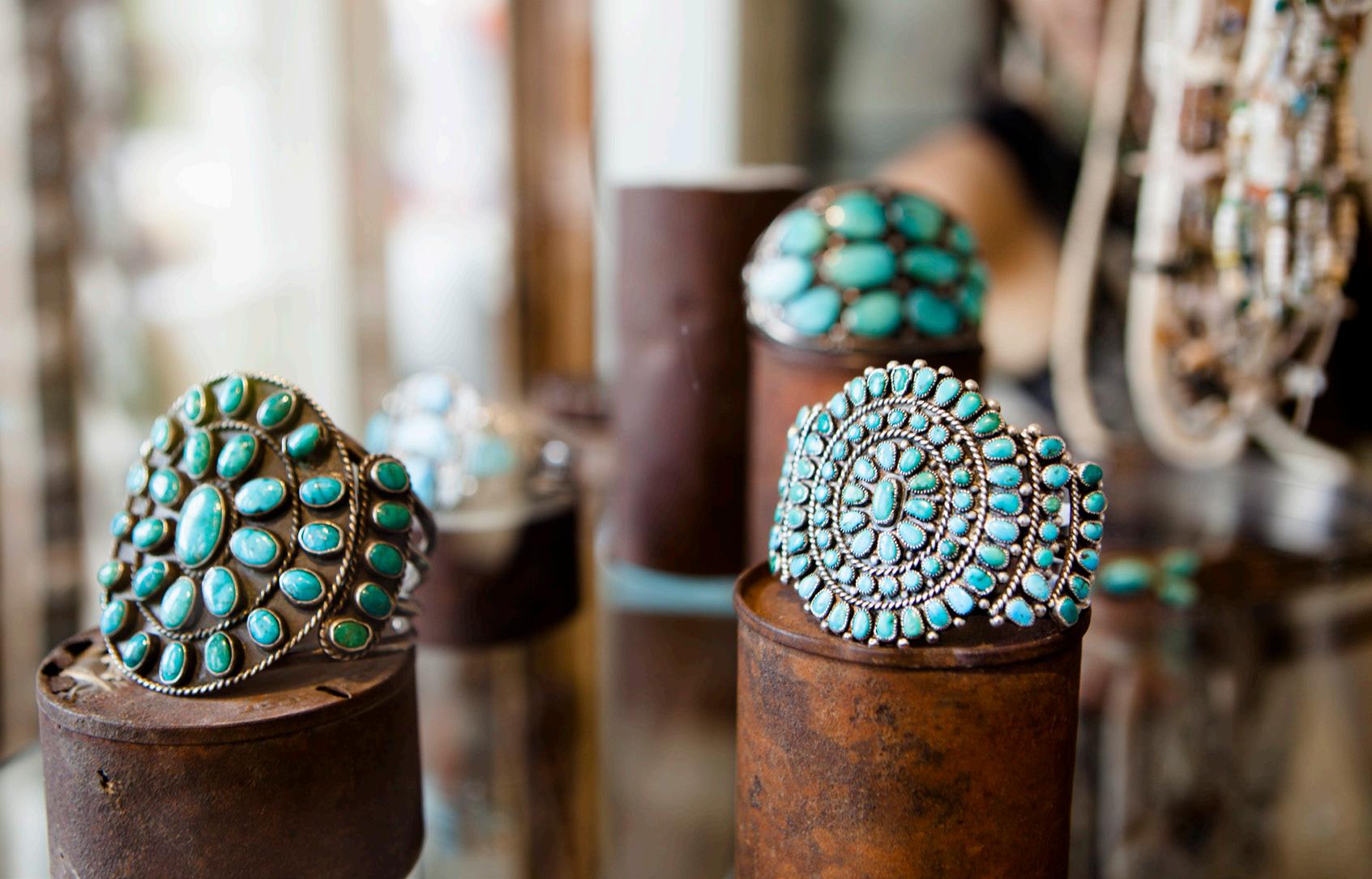
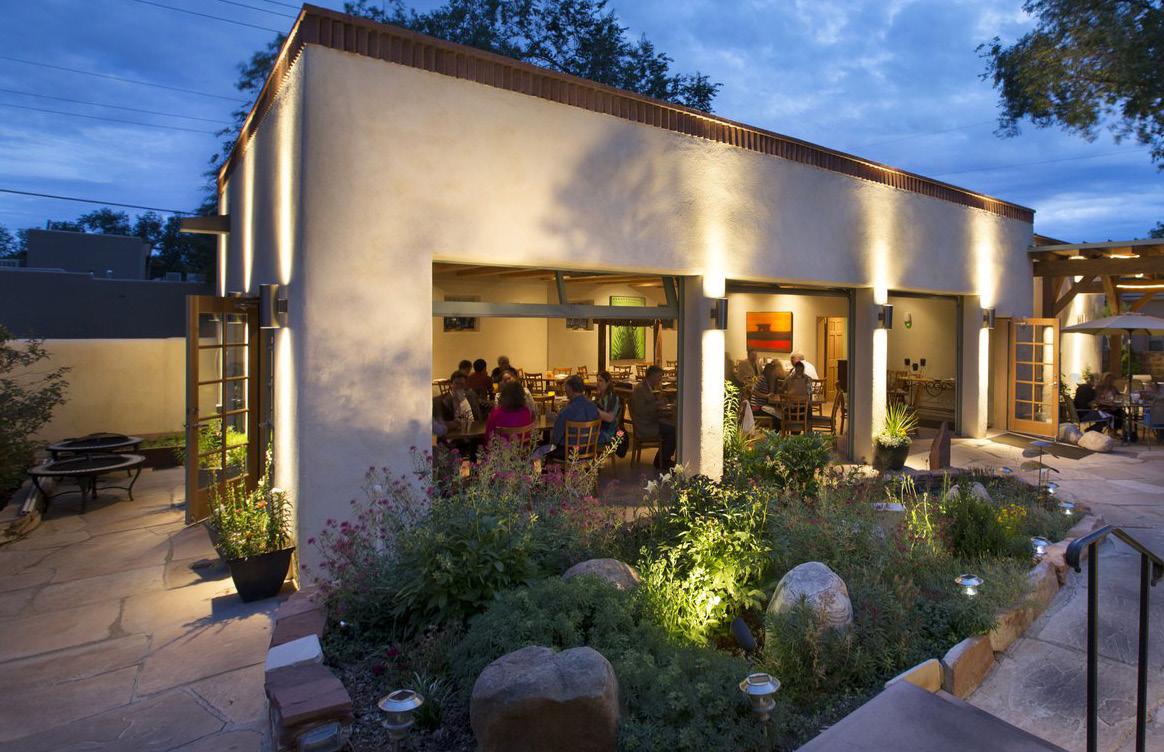
Riding, for many of us, especially EQLiving readers, is a non-negotiable part of any trip to the Southwest. The gravitational pull of the dramatic landscape and cowboy culture cannot be ignored. Alas, the experienced rider is all too often faced with another interminable nose-to-tail trail ride in the company of enthusiastic but unschooled beginners. To quote a cowboy I met in Montana, we long to “bust into a lope” and leave the happy neophytes eating our dust. Blessedly, in Santa Fe, two extraordinary options for experienced riders exist.
JENNY LANCASTER, LANCASTER HORSE TRAINING, TAOS, N.M.
Ok, so technically Jenny isn’t in Santa Fe. But if ever there was an equestrian experience worth the drive, you’ll have it with her. The two hours I spent riding through the mountains above Taos with Jenny may have been the best ride of my life. Jenny is the quintessential horsewoman, a lifelong rider and trainer whose incredible resume runs the gamut from polo in France, where she was a player, general manager, and trainer, to years of experience training horses and riders in the Northeast and across the U.S. She’s forgotten more about horses than most equestrians will know in a lifetime.
Jenny has a gift for matching mount with rider, and we set off into the mountains at a brisk trot. She’s a raconteur with a personality that sparkles, so prepare to be charmed. We cantered through grassy meadows, marveled at a kaleidoscope of butterflies hovering over a bubbling stream, and trekked to elevations that offered breathtaking vistas. We ended the ride with a gallop that left my blood racing. Jenny gave me the ride of my dreams, and she’ll do the same for you.
Just 20 minutes from Santa Fe Plaza, you can travel back in time to the Old West. Clint Mortenson, professional trainer, stunt rider, and owner of the Mortenson Eaves Movie Ranch, offers riders of all abilities an experience not soon forgotten.
Once you’ve been sized up for the right horse, wander over to the stable and meet celebrity buffalo Clyde, who’s made numerous TV and movie appearances, while the hands tack up. If you’ve never seen a buffalo close up, you’re in for a spectacle. Clyde is an affectionate behemoth who loves nothing more than visitors with treats. Choose from a one- or two-hour ride and strike off for the
Mortenson Eaves Movie Ranch, which incorporates an entire old West town that’s appeared in a multitude of movies, including “The Cheyenne Social Club,” “Young Guns,” and “Lonesome Dove.” The ride will be tailored to your abilities, so advanced riders can enjoy a good gallop across real cowboy terrain. Dismount in town, and suddenly it’s the 19th century. Clint even offers a selection of chaps, hats, and other Western accouterments to ensure Instagram-worthy photo opportunities. There’s no more unique equestrian experience than this trip back in time.
DISCUSSES MOVEMENT, MUSCLE, AND THE ART OF THE HORSE.
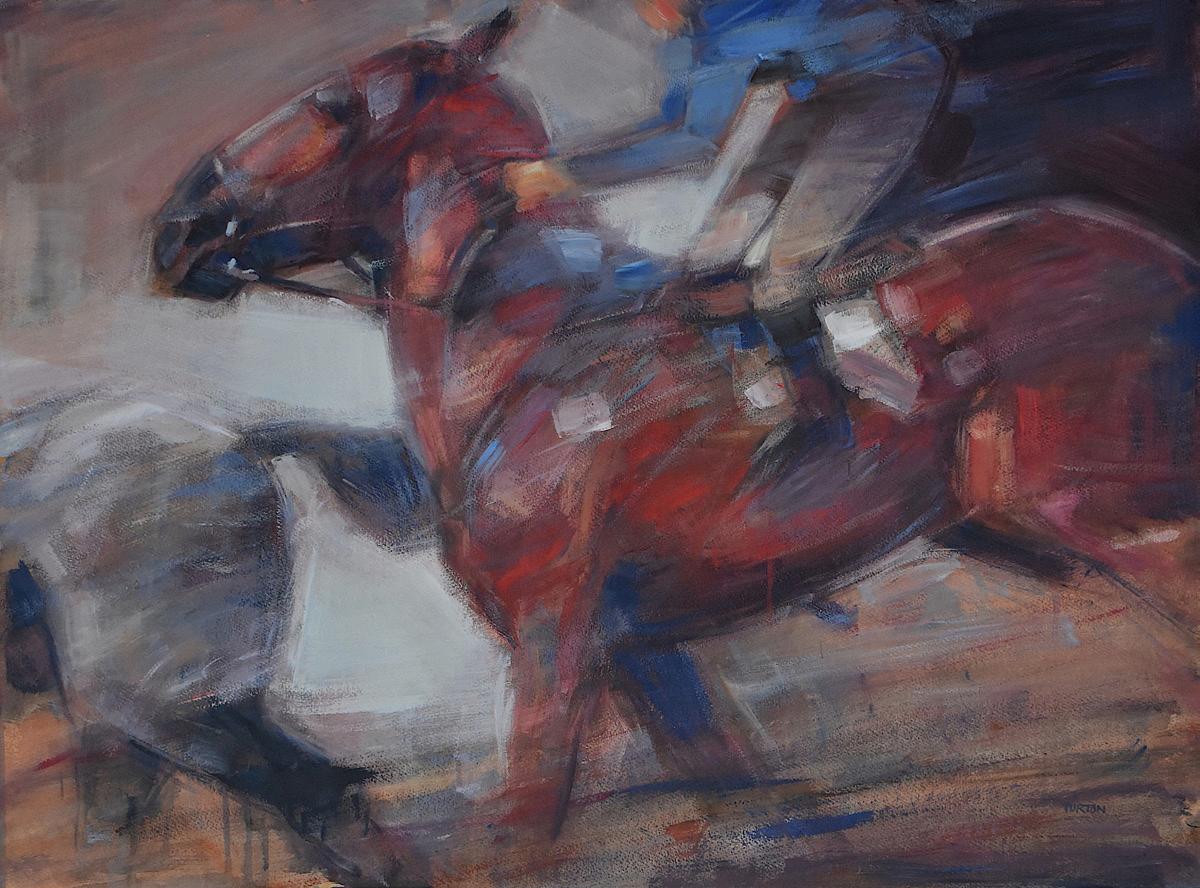
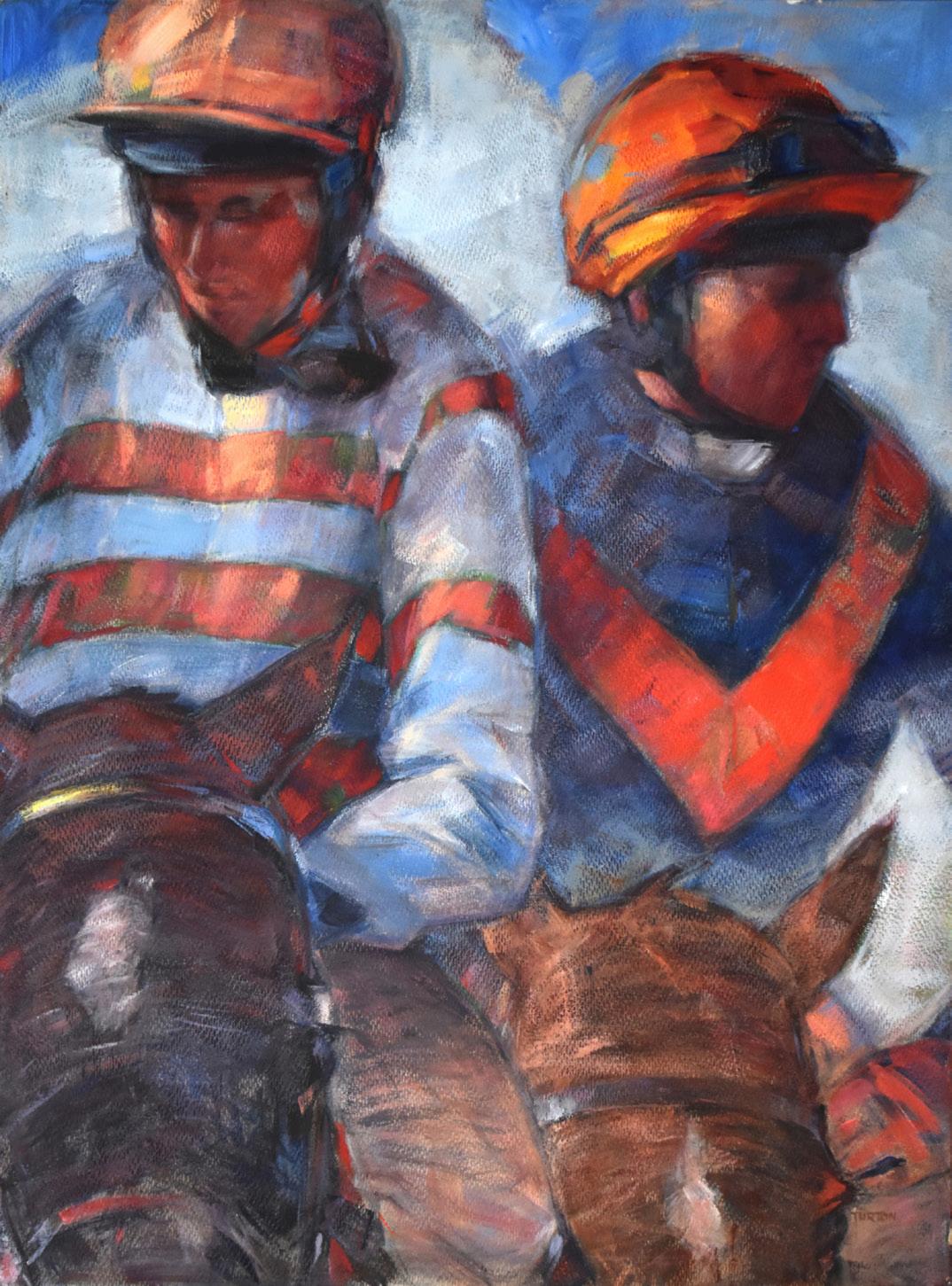
I’ve observed tough little ponies in their thick winter coats, and inquisitive skewbald horses secretly taking an interest in me.
“
Along with portraits, figurative work, and landscapes, horses appear throughout your work with remarkable sensitivity and presence. What first drew you to the horse as a recurring subject?
I first learned to ride on my 30th birthday, after my wife gave me a riding lesson as a gift. I have an adventurous spirit, and the thrill of riding excited me. In my 30s, I competed in crosscountry and rode polo ponies, whose agility amazed me.
From then on, horses, in all their magnificence, grandeur, and beauty, have interested me. I’ve observed tough little ponies in their thick winter coats, and inquisitive skewbald horses secretly taking an interest in me.
I’ve been to horse fairs and shows. The hustle and bustle as owners show off their fine horses and tough little ponies make horse fairs very lively and exciting occasions.
I paint what excites me, and I paint what I know. I endeavor to create work that is a response to a place or a moment—partly from memory, partly from the sketches that I make on location, and partly from source material—combining these together for a finished composition. I continuously draw and make sketches from life and from varied references.
Movement is one of the greatest challenges in equine art. Do you work from life, sketches, memory, or a combination of all three to capture it? Does photography play a role?
I’ve always drawn; for me, it’s the bedrock of creativity. When you draw or sketch, you observe and respond subconsciously, making alterations to the drawing without thinking—reacting automatically to what’s in front of you. Drawing allows me to capture the movement and feeling without getting locked into detail.
I use drawings as the starting point for most of my paintings, often combining more than one into a finished artwork, and I use photographs to assist my memory.
For me, there’s ‘Observational drawing,’ and there’s ‘Drawing for a purpose.’ The discipline for each is slightly different.
With ‘Observational drawing,’ you respond directly to what you see in front of you, soaking up the feeling as you go along, and storing some of it in your head for later. These drawings sometimes become finished artworks in themselves, as it can be hard to improve on them.
With ‘Drawing for a purpose,’ you have a painting composition in mind, bringing together elements from existing sketches, what you remember, and other references, redrawing and refining them to create the composition.
Can you describe your process from a blank canvas to a finished piece? Do you plan everything out in advance, or discover the painting as you go?
A painting doesn’t just happen—the finished painting may look simple, as if it’s just come together—that’s the feeling I want my work to have when it’s complete. However, it’s a process that involves observational sketching, laying out, blocking in, amending, and finally completing.
A question I’ve often been asked is: ‘How long did it take you to paint it?’ My answer is invariably, ‘Hours sketching and observing, time thinking about it, more hours to do the actual painting, and 40 years of experience.’ The experience is the bit you can’t quantify, but it’s the bit I can’t do without. It’s the experience that enables me to take things out, simplify, and create marks that are beautiful in themselves.
Color and light seem central to your paintings. How do you develop your palette for a new work, and are there certain colors you return to again and again?
The palette of colors I use for the finished painting is generally influenced by the original colored drawings. It’s at the drawing stage that I respond intuitively to the subject. I’ve gone back and forth to previous color schemes many times, but new schemes keep presenting themselves, and I’m open to exploring new avenues of color.
Horses carry symbolic weight, such as freedom, grace, and power. When composing a piece, are you thinking about those qualities or focusing more on the visual and technical challenges? I concentrate on all aspects of the specific horse I’m trying to represent. This can include capturing speed, the horse’s weight, the horse’s grace and solidity, or the jockey’s tension, while endeavoring to create an interesting composition that isn’t slavishly representative.
Horses have shown up in your work since early in your career. What environments do you find the most compelling to place them in?
Horses have appeared in my work for at least 35 years, and I keep returning to them as a subject—enjoying the varying themes each time. Each theme, from horse racing to rough ponies in a field, has its own challenges, and each time I try to capture and represent the feel—not necessarily painting horses and riders in exactly the same way.
Repetition isn’t something I do; that’s why my body of work also covers other themes, from landscapes to portraits.
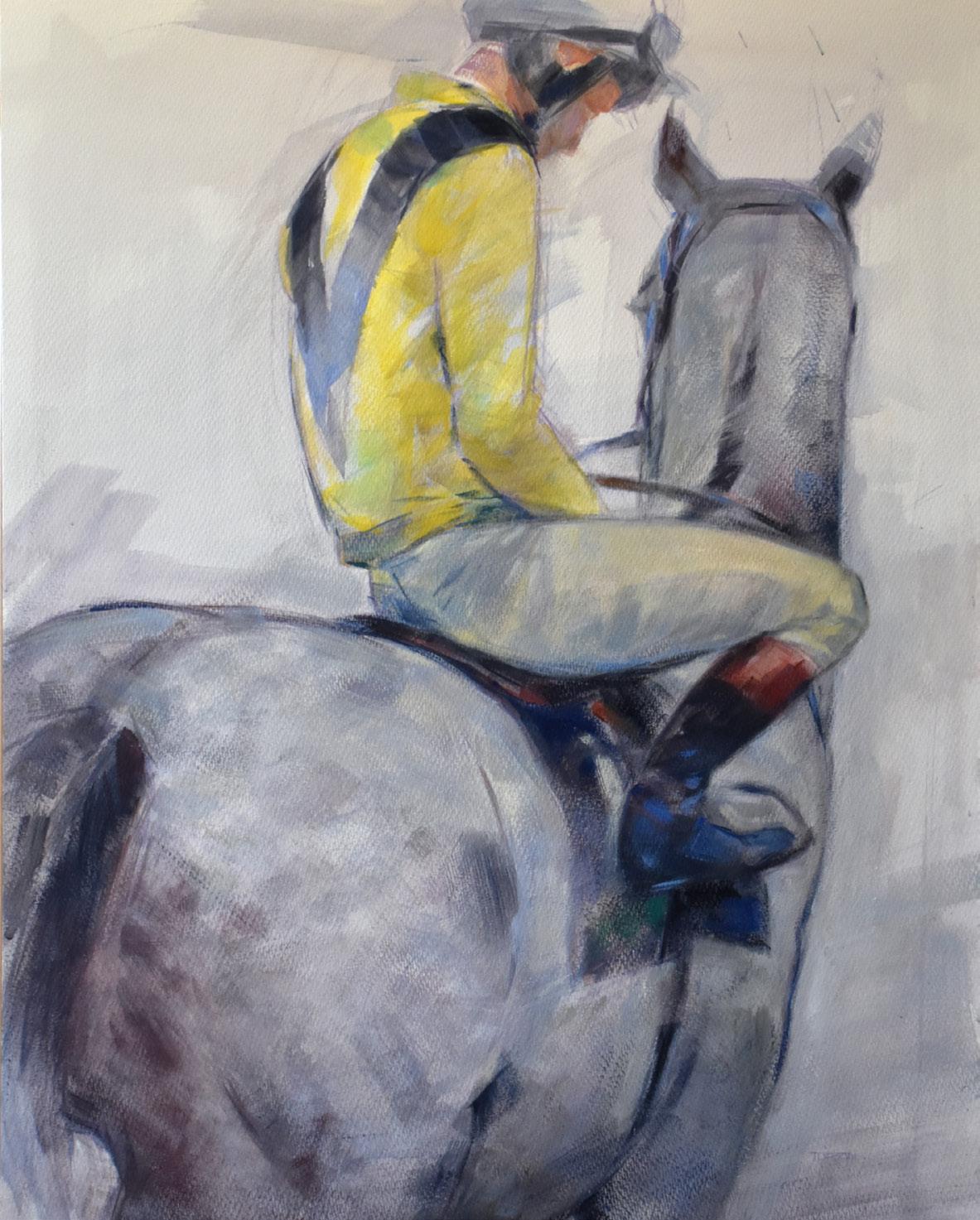
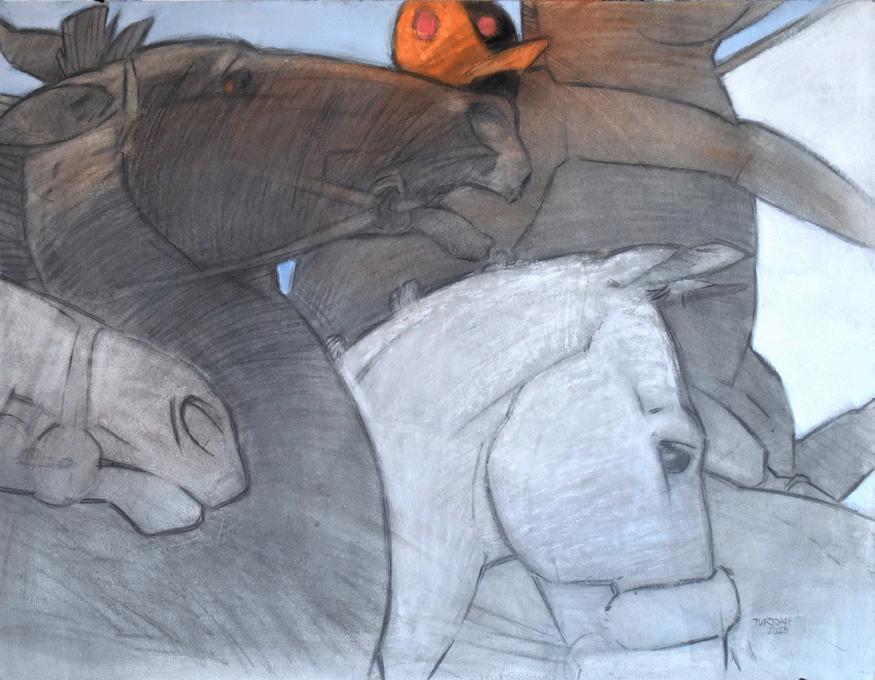
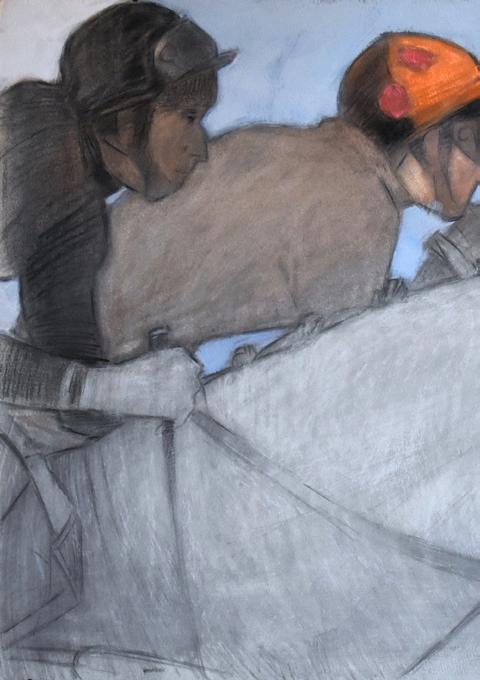
I concentrate on all aspects of the specific horse I’m trying to represent. This can include capturing speed, the horse’s weight, the horse’s grace and solidity, or the jockey’s tension.
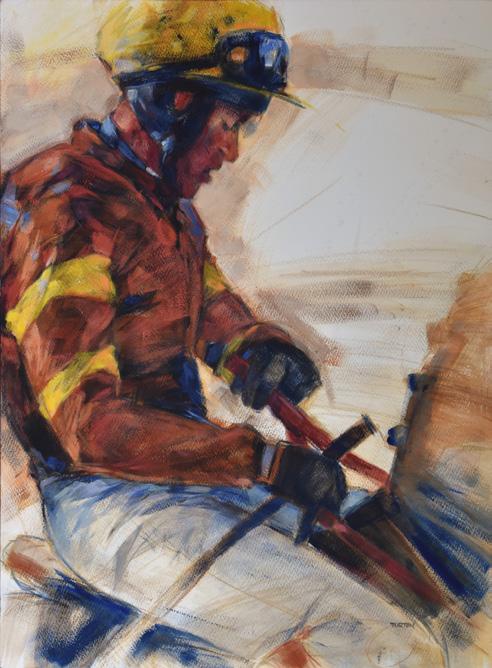
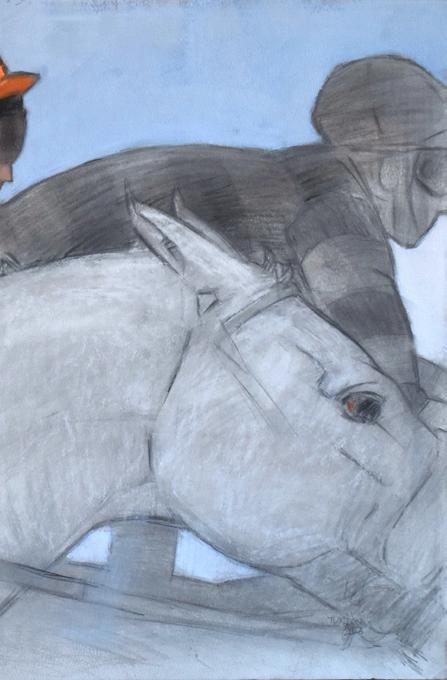
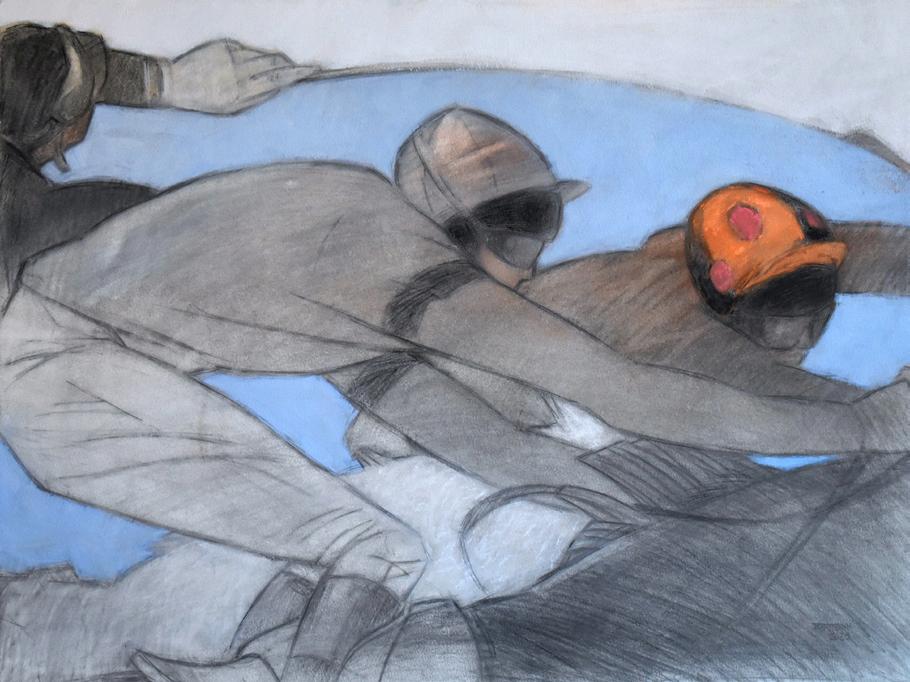
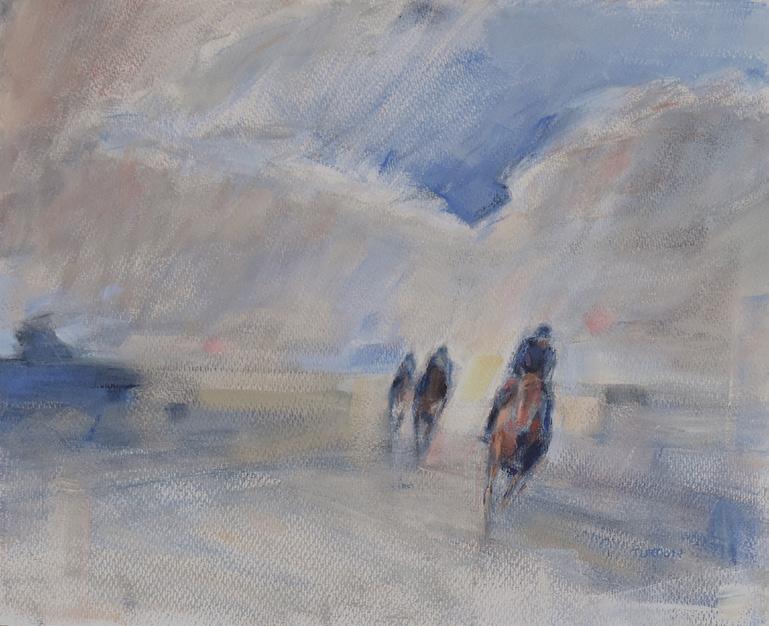
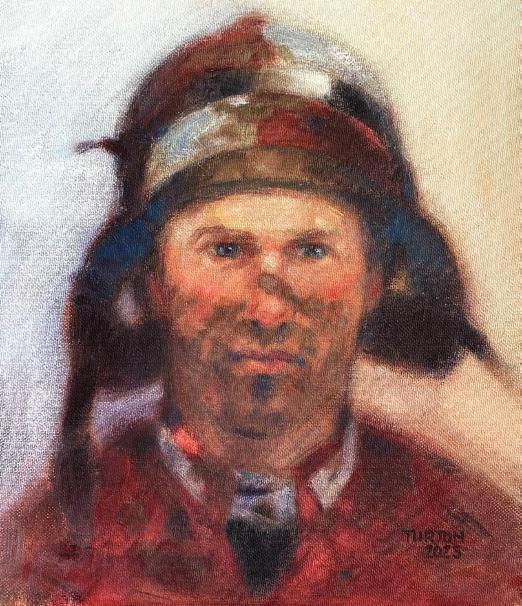
An example of this is my love of the coast and the sea, and I hope my coastal work reminds viewers of their own special times by the coast. For me, my paintings are about my experiences and my joy. I really love the coastline that surrounds the UK, from its wild Scottish cliffs to the crumbling sandstone of the Jurassic Coast, crashing waves in Cornwall, or flat, wide beaches.
Many of your horse paintings feel more about mood than about narrative. Is that intentional, or does the story emerge as the painting develops?
An ongoing theme I’m working on is a series of jockeys and horses. These paintings are a bit more intimate, as I try to get closer to the jockey to reflect a moment.
When I’m at the races, I soak up the atmosphere. The hubbub, the excitement, jockeys in their bright silks, Thoroughbreds presented in perfect condition—there’s a sense of anticipation in the air. Beneath their skin lie bone, sinew, and muscle.
Acrylics seem to be your preferred medium. Can you explain why and how you maximize their properties?
I predominantly work in acrylic, and I love its versatility and quick drying time. I try to balance color and form, contrasting delicate marks with bold brushwork and flat areas of color. Sometimes I draw marks into the painting, so each work has a history of mark-making.
Acrylic can be used wet-on-wet, blending color into color before the paint dries, which suits my style. Or you can apply paint thinned with water and use it like watercolor paint. Alternatively, you can paint in blocks of solid, flat color. I continuously draw and make sketches from life and from varied references.
You’ve been described as a “painter’s painter.” How do you interpret that description?
I have been described as a painter’s painter. I think this means there is intrinsic beauty in the mark-making and composition—a process I use to capture a subject’s essence, encompassing both movement and stillness. Other painters seem to enjoy looking at my work
Do you always know when a painting is finished? Do you ever revisit completed works?
Interestingly, I find it hard to judge when a painting is complete and can easily overwork it. When I’m nearing completion, I will walk away from the studio and take a break, then come back and revisit it multiple times, generally simplifying overworked areas and adjusting tonal areas to ensure the piece works as a painted composition, not just a simple, realistic rendition.
On occasion, I’ve gone back to paintings years later and made tiny adjustments.
Your list of awards and exhibitions is extensive. Was there a particular recognition as a young artist that propelled your motivation and confidence to pursue art professionally?
I expect, like most painters/creatives, it goes back to childhood, when I always enjoyed being creative, making models, drawing, and creating things in wood. I even cut my finger badly with a knife while trying to make a replacement chess piece.
At school, I excelled in creativity, and I was fortunate to have a good art teacher who encouraged me. It was this teacher who suggested that my friend and I enter a national school’s art competition, which we won with a life-sized depiction of my grandmother.
A little bit about me: I’m 68 years old and live in Gloucestershire. Sadly, my first wife lost her battle with cancer 13 years ago. However, I have remarried, and we are very happy together, traveling and enjoying our children and grandchildren. I still retain some of the adventurous spirit of my youth and regularly mountain bike (breaking my collarbone last year) and explore our coast and rivers on my stand-up paddleboard. I hope some of this spirit is imparted into my paintings.
After leaving college, like many artists, I had to work in other trades to supplement my desire to create. However, I was fortunate to secure a position as an artist at a recognized studio. There, I learned to paint under the guidance of a talented mentor.
Assorted jobs followed, along with successful exhibitions and sales of paintings. I’ve produced public artwork (paintings and mosaics) and served a stint as an artist-in-residence. Interestingly, the range of jobs I’ve had has kept me grounded, broadened my experiences, and added to my creativity.
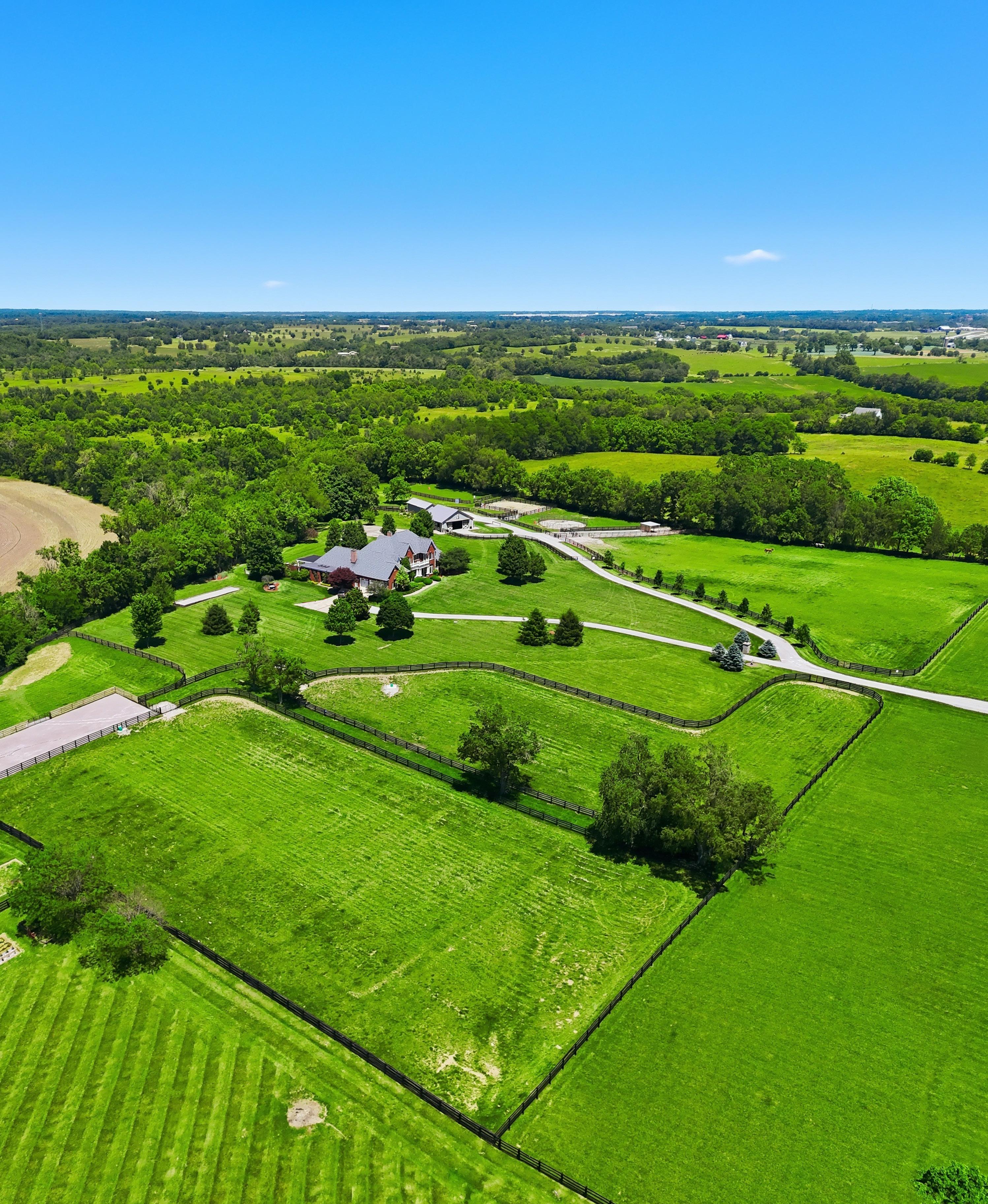
PAGE 105
America’s premier horse properties blend sweeping acreage, elite equestrian facilities, and luxury estates, attracting serious riders and investors across storied regions nationwide.
At presstime, these properties were available, however the ultra-luxury equestrian market moves quickly, some listings use undisclosed prices, and the very top tier often transacts off-market.* If you’re interested in any of these properties, contact the listing agents directly to confirm current availability, as real estate at this price point can move or be withdrawn without much public notice.
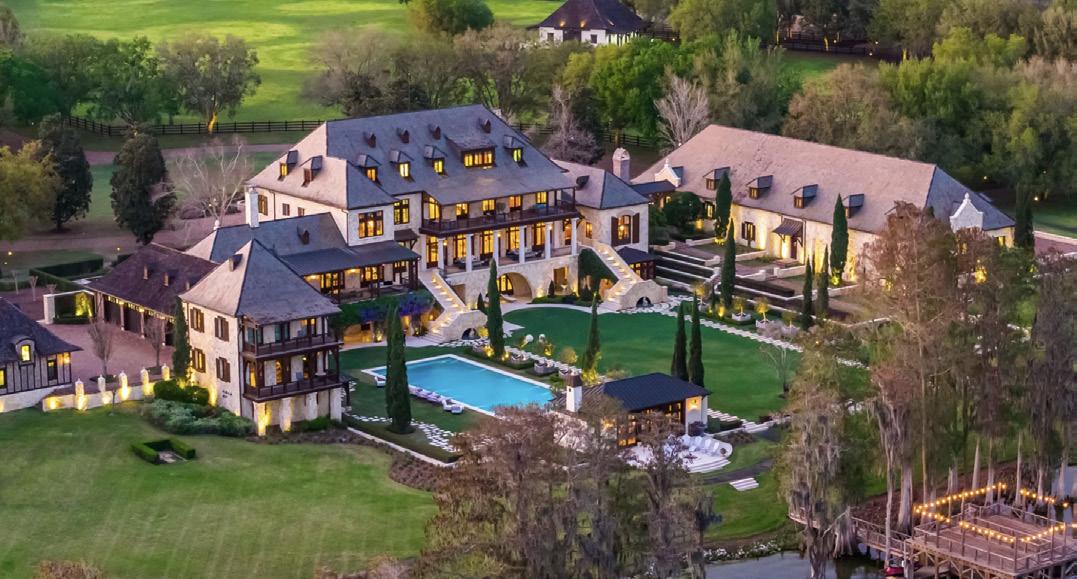
TAMPA, FL $115,000,000
9 bed/26 bath
87 acres
The Oaks Estate is an 87-acre lakefront compound on Lake Thonotosassa featuring a 42,782 sq ft French Normandy château with a 24-car automotive museum, indoor saltwater pool, bowling alley, go-kart circuit, and pro-equestrian facilities. A 36-acre stone-walled compound anchors the estate, complemented by a 51-acre greenbelt reserve. Entry begins at a gas lamp–lit guardhouse, leading beneath mature oaks to a grand arrival of fountains and a limestone-clad residence.
Listed by Eddy Martinez ONEsothebysrealty.com
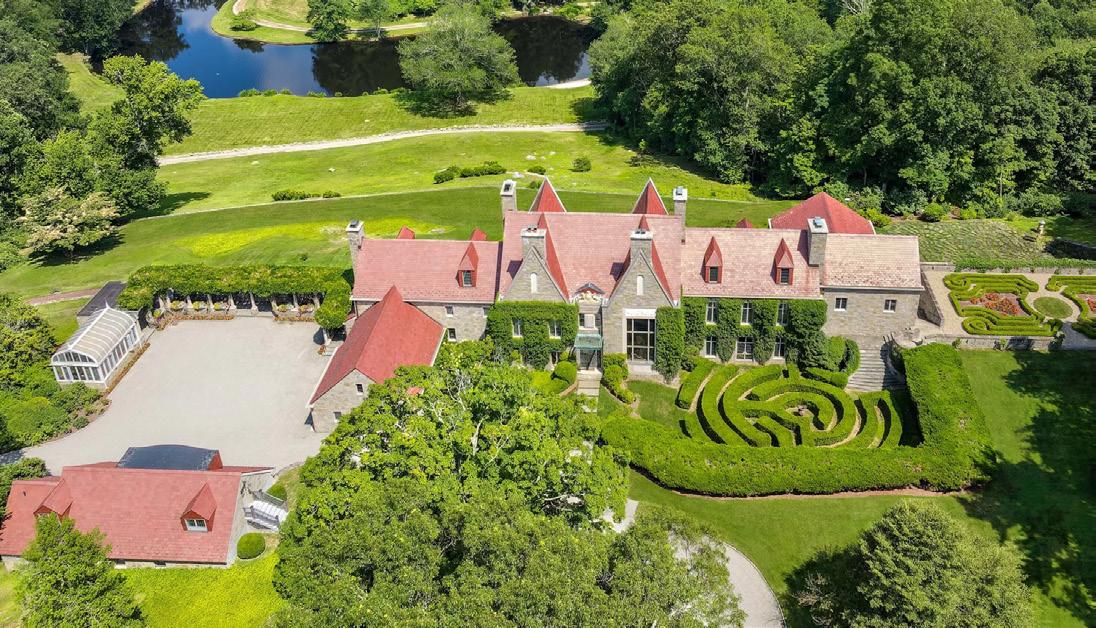
STAMFORD, CT $75,000,000
8 bed/14 bath
268.2 acres
Hillandale is a once-in-a-lifetime offering—an extraordinary opportunity to own one of the most iconic and expansive estates in the region. Encompassing approximately 268.2 sylvan acres, this landmark property gracefully spans the New York/Connecticut border, offering stunning views over formal gardens, a private lake, and rolling woodlands. More than five miles of private roads wind through the estate, offering serene views and access to a variety of outdoor amenities, including a tennis court, greenhouse, two horse barns, and four additional guest or staff residences.
Listed by Leslie McElwreath Sotheby’s Realty-Greenwich, CT sothebysrealty.com/office180
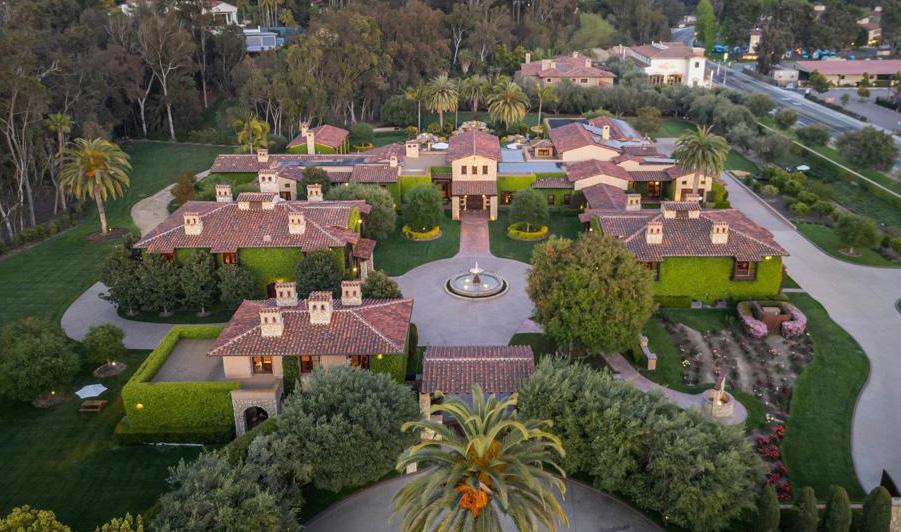
SANTA FE, CA $15,995,000
10 bed/17 bath
4.71 acres
This private compound offers over 20,000 sq ft of refined living space across four separate buildings. There is plenty of space for a large corral and jumping area. Trails can be accessed from the property for long trail rides. Outdoors, enjoy a resort style pool with multiple waterfalls, two covered cabanas with wood burning fireplaces, an outdoor BBQ area, and tranquil courtyards surrounded by lush, mature landscaping.
Listed by Mary Djavaherian Compass compass.com/agents/mary-djavaherian/
*Properties selected by EQLiving editors. Photos and information from the realtors’ web listings at presstime.
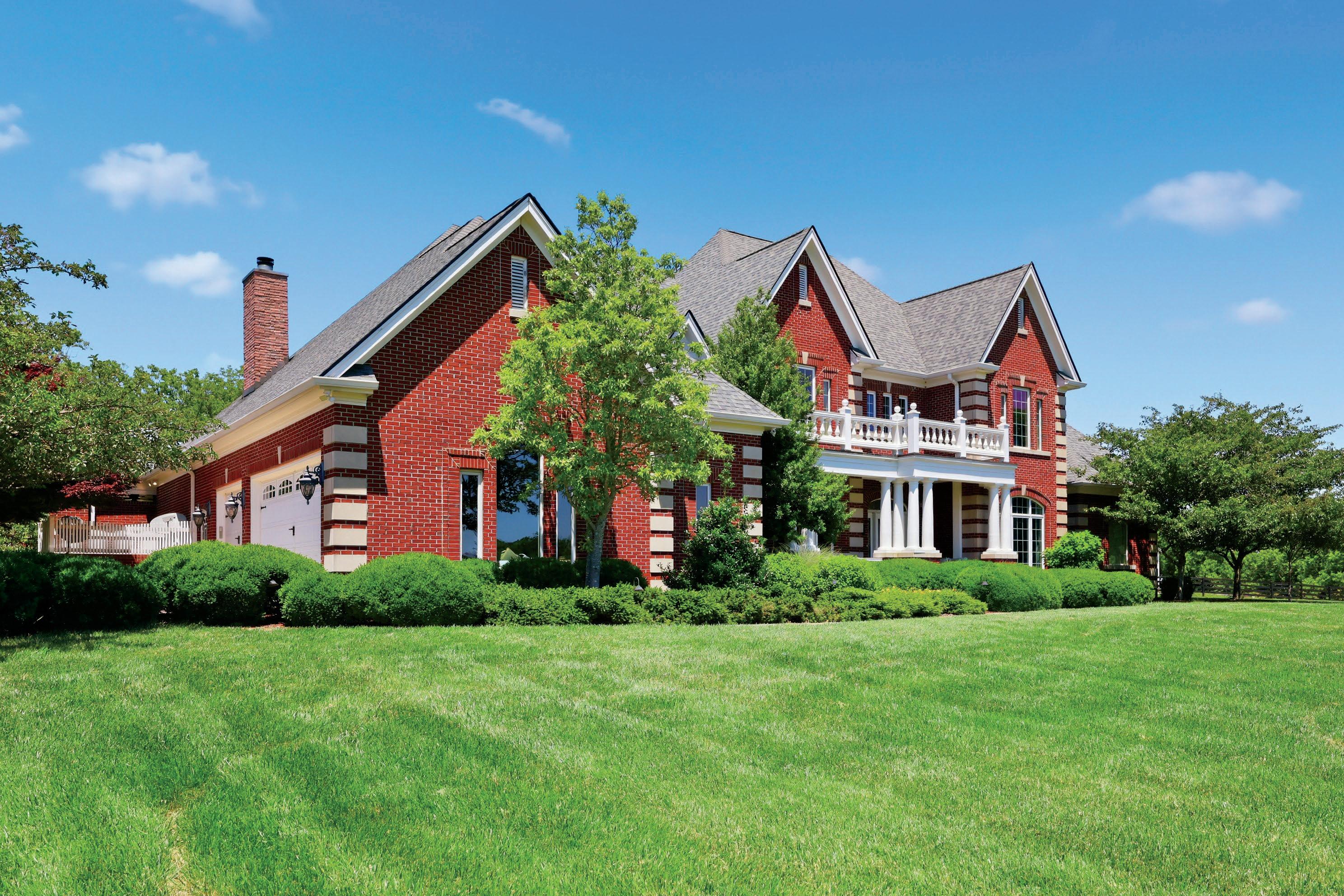
Fine Kentucky Horse Farm Brokerage in the heart of the Bluegrass since 1984

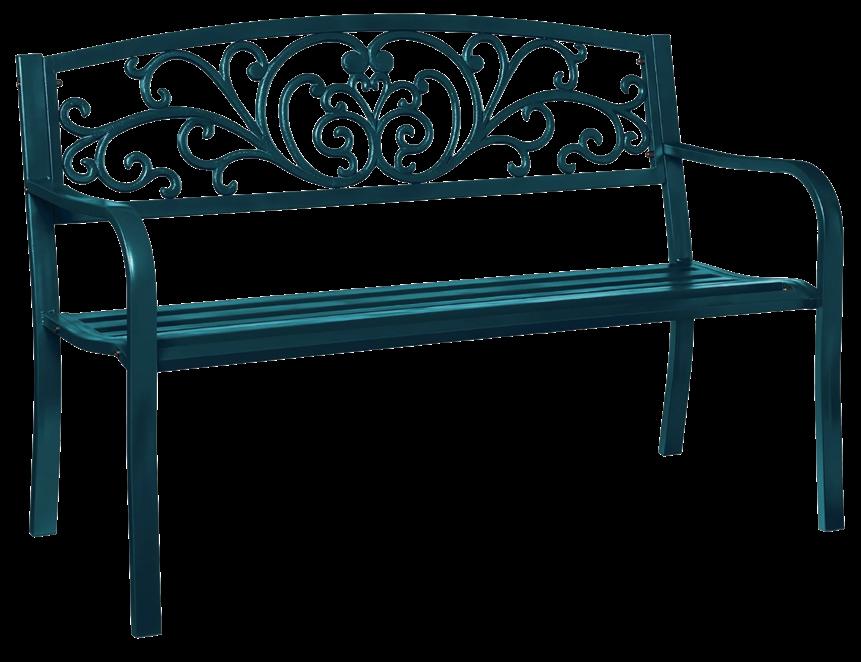
A lightweight and sturdy construction makes this bench an easy addition to your porch, patio, deck, or poolside. Crafted with a sturdy, all-steel design and a weather-resistant finish to remain on your porch or in outdoor settings for years to come, with a weight capacity of 400 pounds.
LIFE-SIZED BRONZE HORSE GARDEN SCULPTURE
$11,642.
Standing nearly seven feet tall, this bronze horse is as enduring as it is striking. Built for outdoor display, it

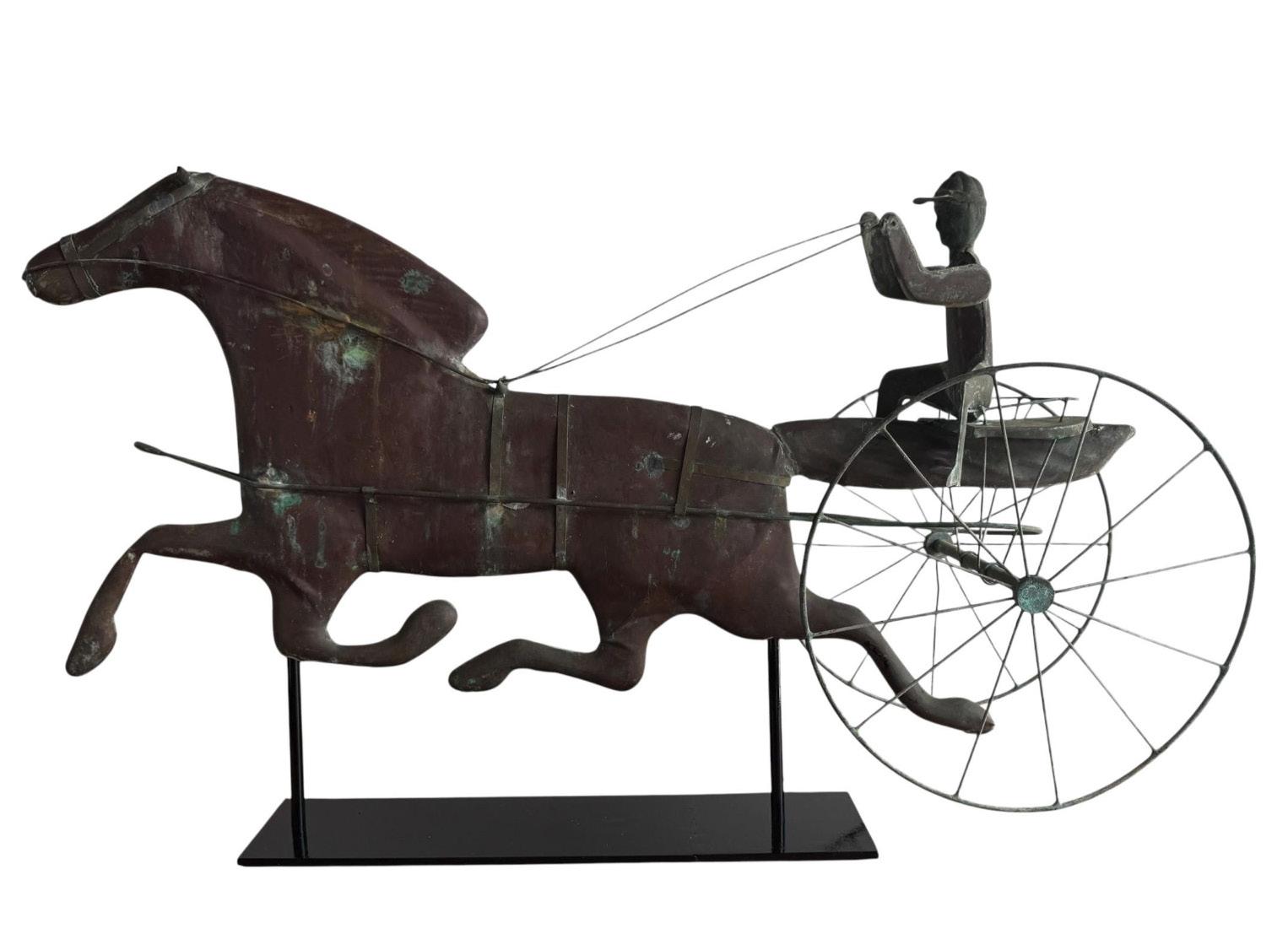
$1,650.
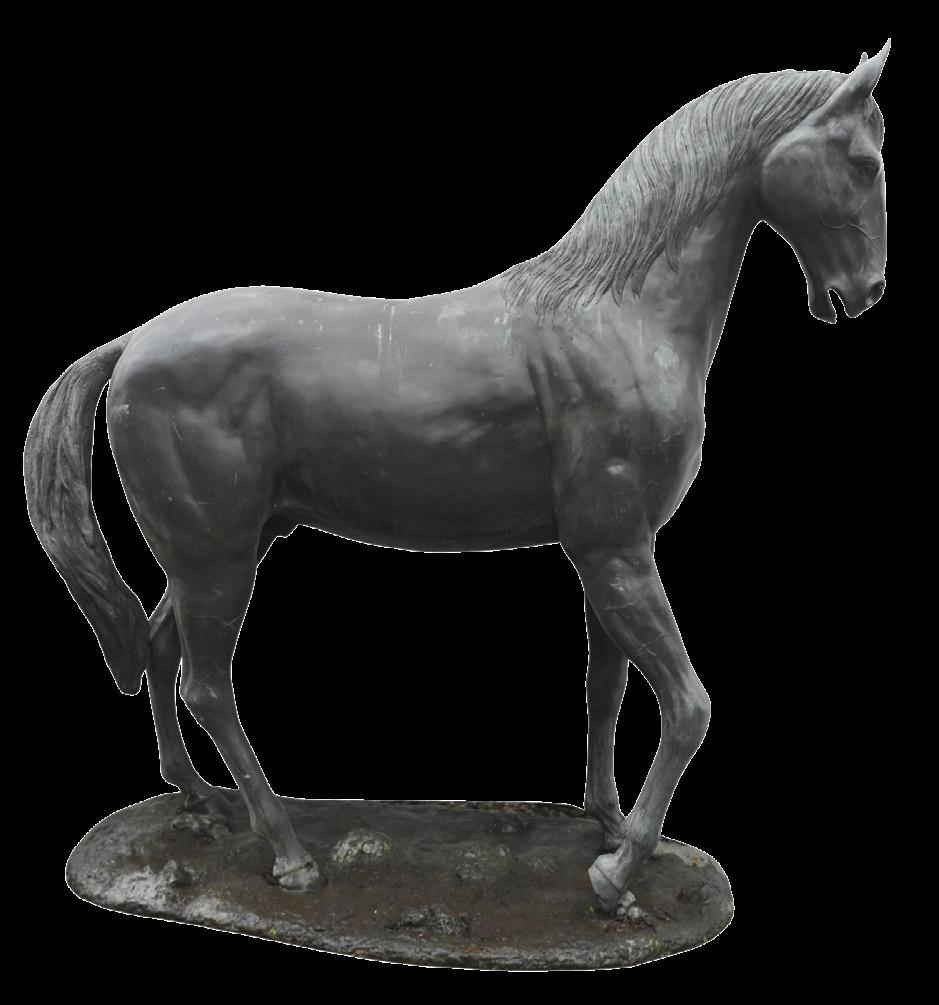
An American copper and brass weather vane (13 by 31 inches) depicting a trotting horse pulling a sulky with driver. The horse is shown in full stride, with finely shaped body panels and applied wirework detailing the harness. The large spoked wheels of the sulky are crafted in brass wire, enhancing its sculptural quality. Presented on a custom metal stand for display.
$1,215 for two sizes (32 and 25 inches).
Sturdy construction and crafted from quality iron, this vintage-style vase is designed to withstand various climates and seasons, ensuring long-term use in any outdoor set ting. This decorative piece adds a touch of traditional elegance to gardens, patios, porches, or any outdoor space
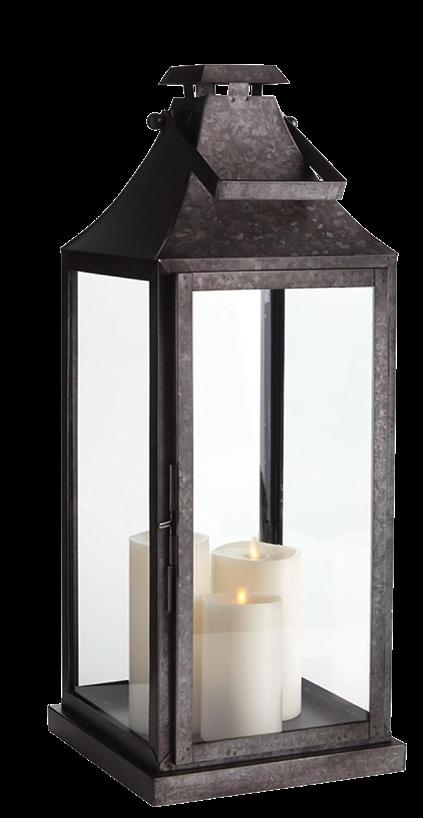
NAPA HOME & GARDEN BARRINGTON OUTDOOR LANTERN
$372.
In a raw, unfinished metal, this 26-inch outdoor lantern adds an industrial touch to any space, filling the area with a warm glow.
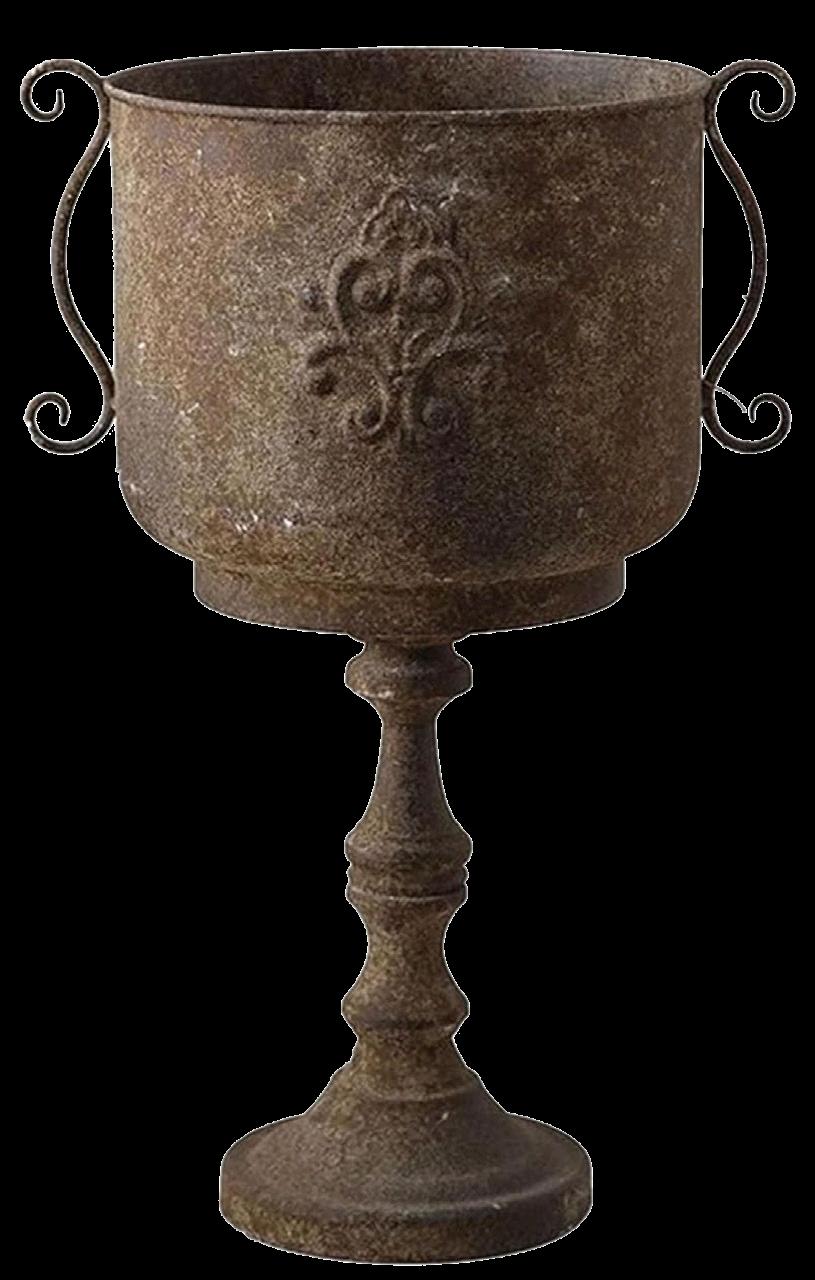
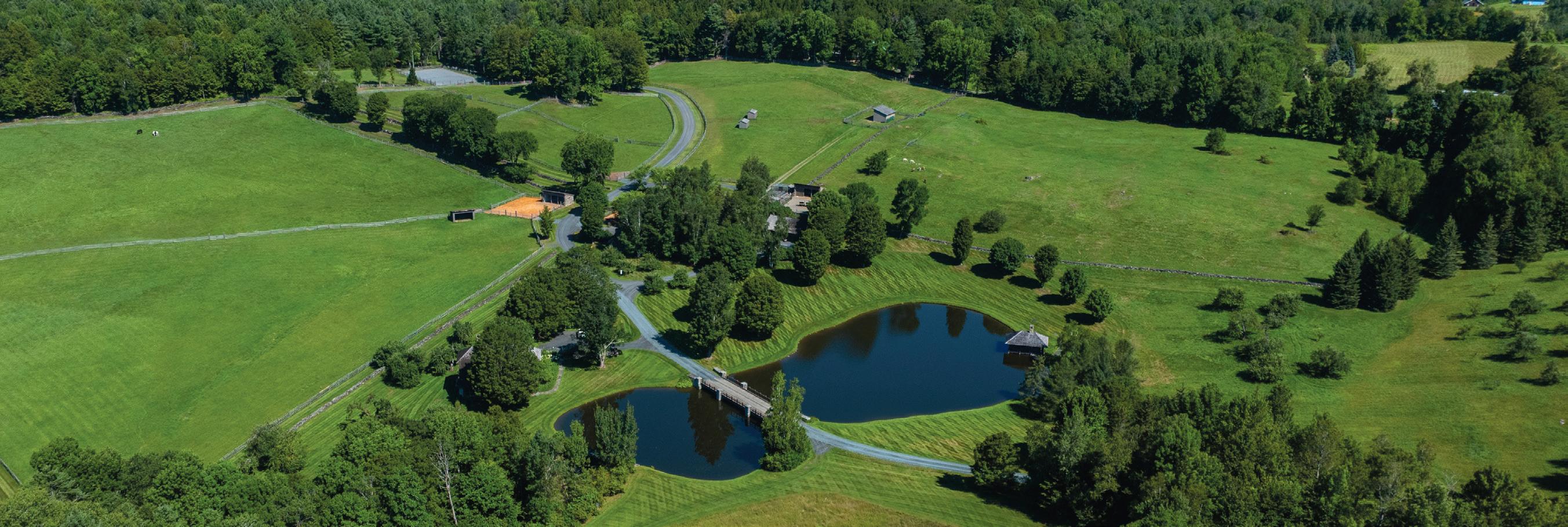
One of The Finest Properties in the Country
BARNARD, VERMONT | 400 ± ACRES | $ 29 , 000 , 000
Settled in 1793, Monsalvat Farm unfolds across nearly 400 acres of rolling pastures, stone walls, spring-fed ponds, and sweeping Green Mountain views. At its heart stands The Sanctuary, a residence of singular craftsmanship that anchors an estate of rare permanence and distinction.
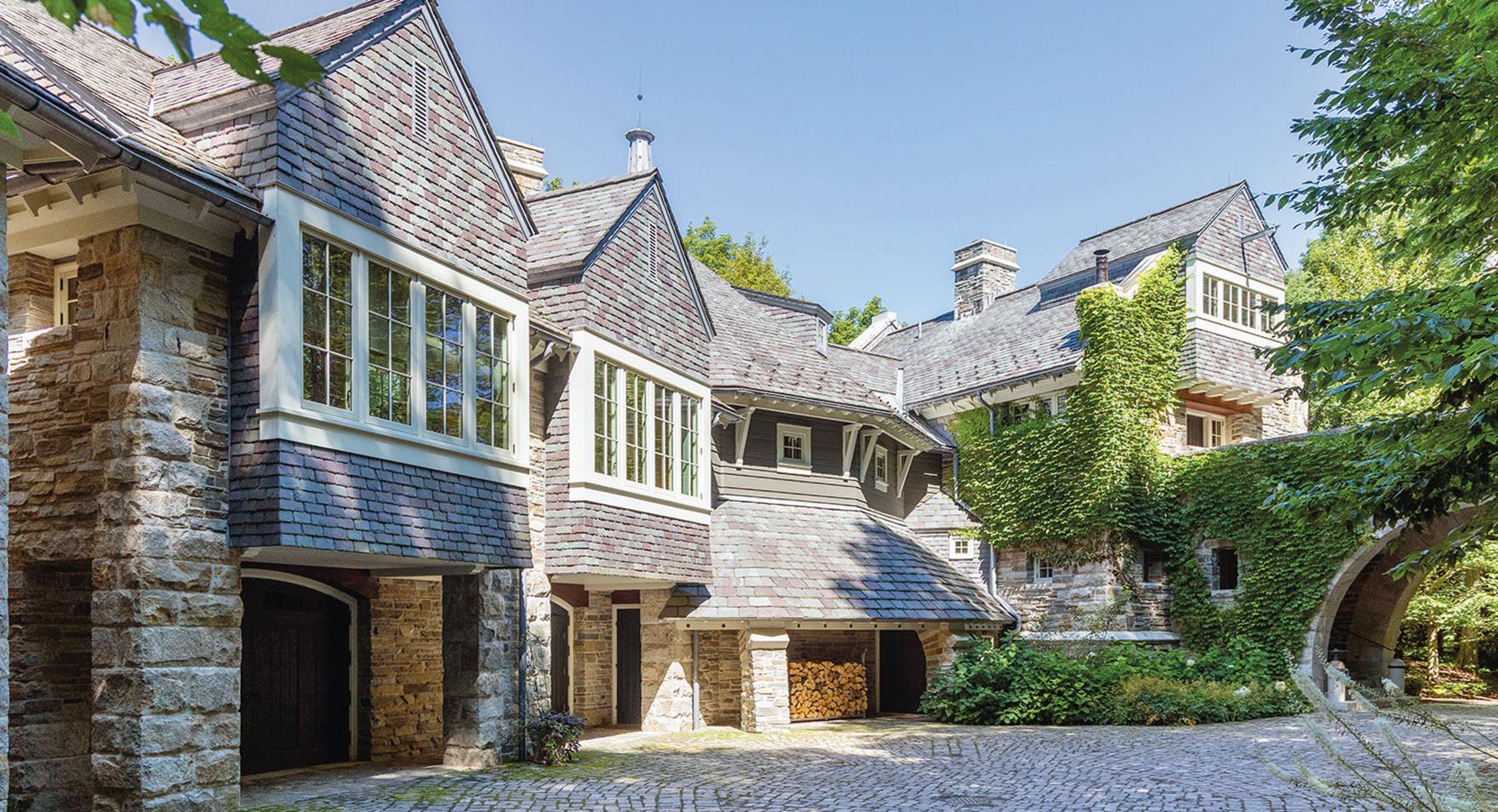
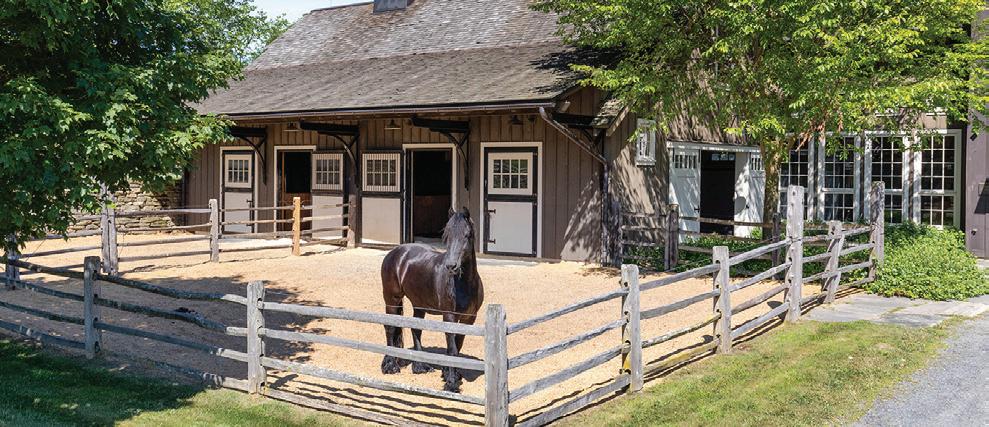
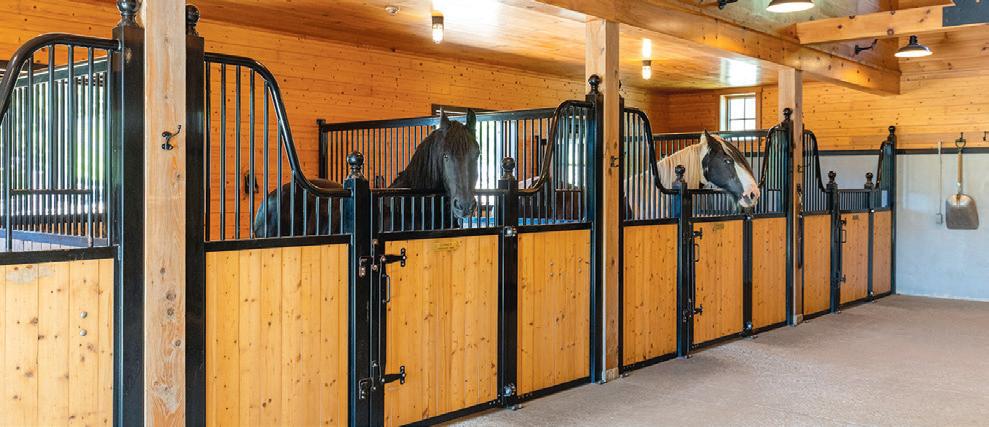
THE EQUESTRIAN FACILITIES
Historic post-and-beam barn with five-stall stable • Tack room and farm manager’s office Stalls opening directly to fenced paddocks • Miles of private trails through meadow and forest
A property of this scale, provenance, and beauty comes to market once in a generation.

Subscribe and get America’s premier equestrian-lifestyle magazine delivered right to your mailbox. And your inbox will be brightened too with a complimentary subscription to the magazine’s digital edition and the EQ Inner Circle e-Newsletter.
Morning
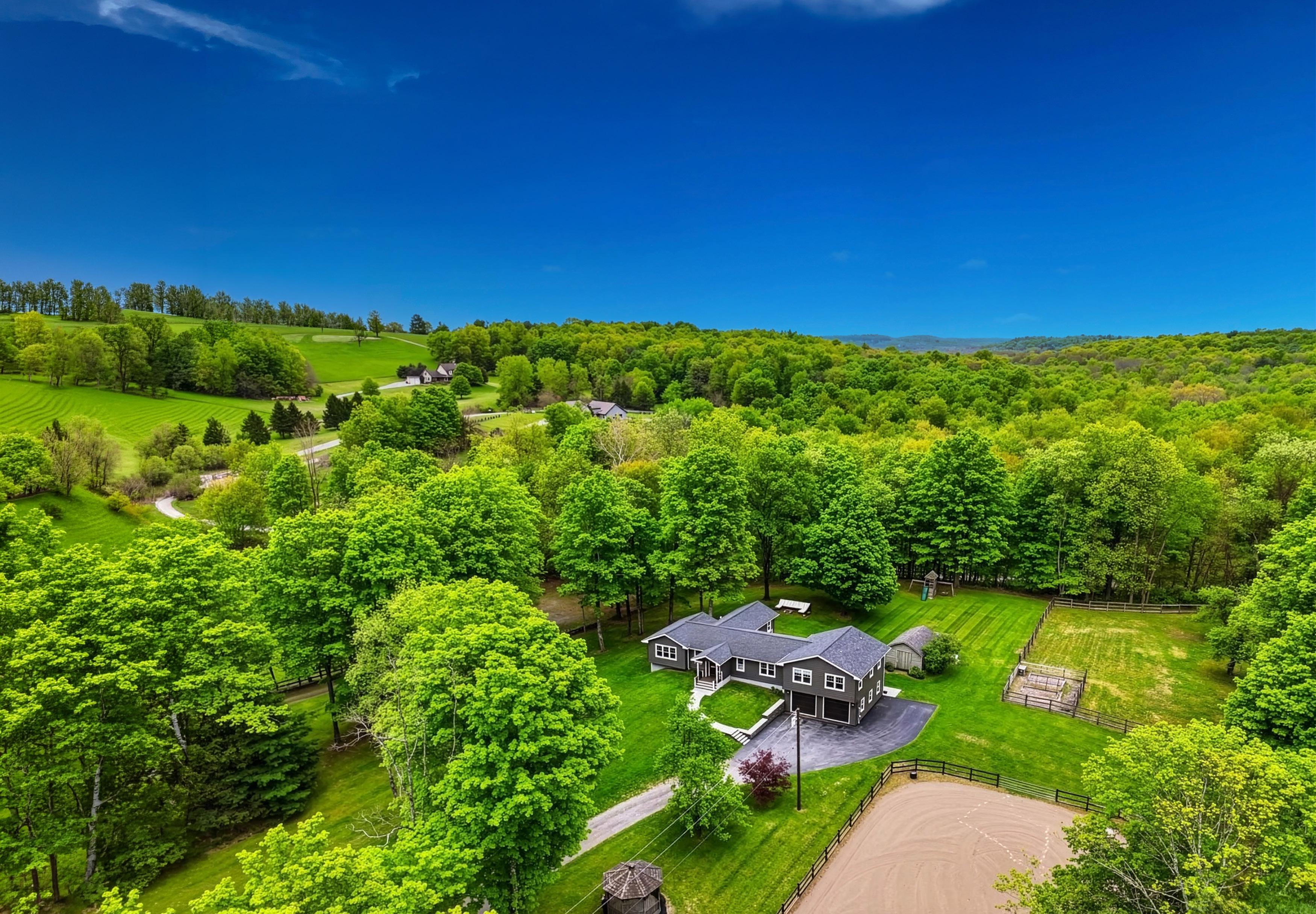
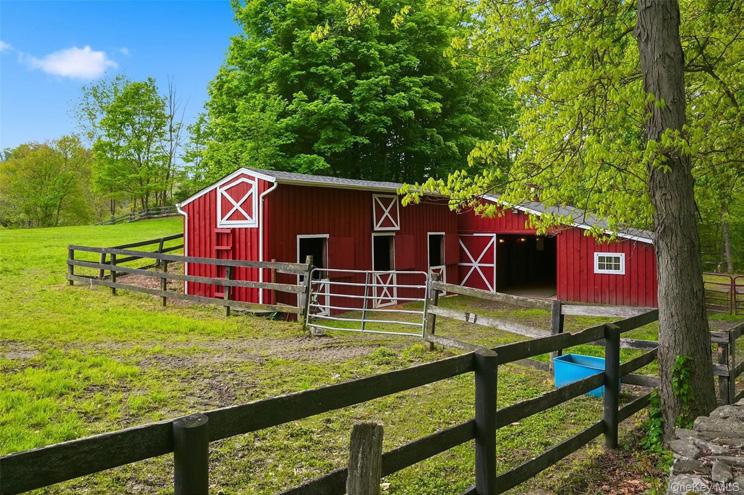
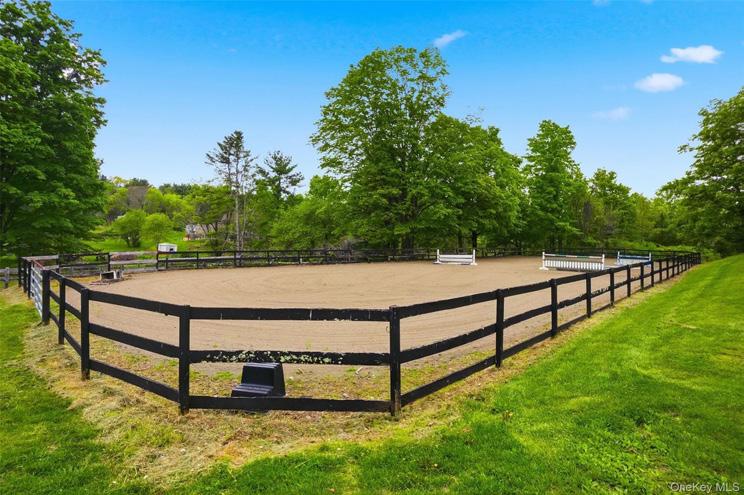




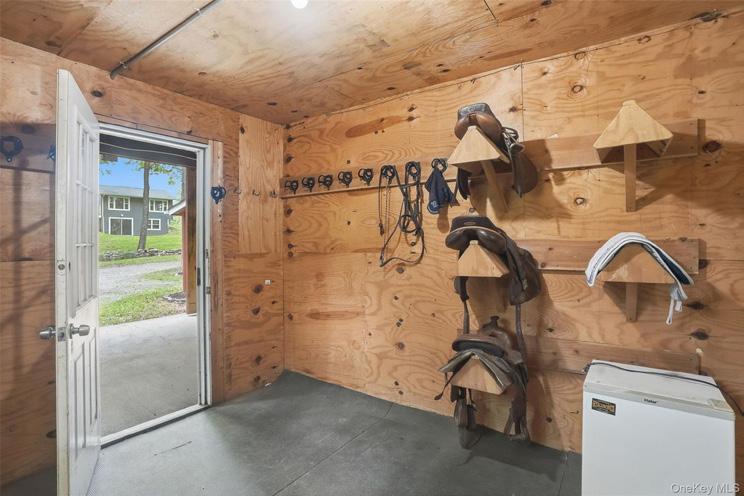



TRAVERSE CITY HORSE SHOWS TOURNAMENT OF CHAMPIONS
TOURNAMENT OF CHAMPIONS I
SEPTEMBER 2-6
• Silver Oak Jumper Tournament
■ USHJA World Championship Hunter Rider Week
• USHJA Young Jumper Championship
TOURNAMENT OF CHAMPIONS II
SEPTEMBER 9-13
• Major League Show Jumping
• $340,000 Grand Prix of Traverse City & Team Competition
• $100,000 Dudley & Barb Smith 3'6" Equitation Championship
• $50,000 Traverse City 3'3" Equitation Championship
■ USHJA 3'3" Adult Jumping Seat Medal Finals
TOURNAMENT OF CHAMPIONS Ill
SEPTEMBER 16-20
• $340,000 Longines FEI Jumping World Cup™ CSI5*-W American Gold Cup Grand Prix
• $20,000 Adult TCHS Equitation Challenge
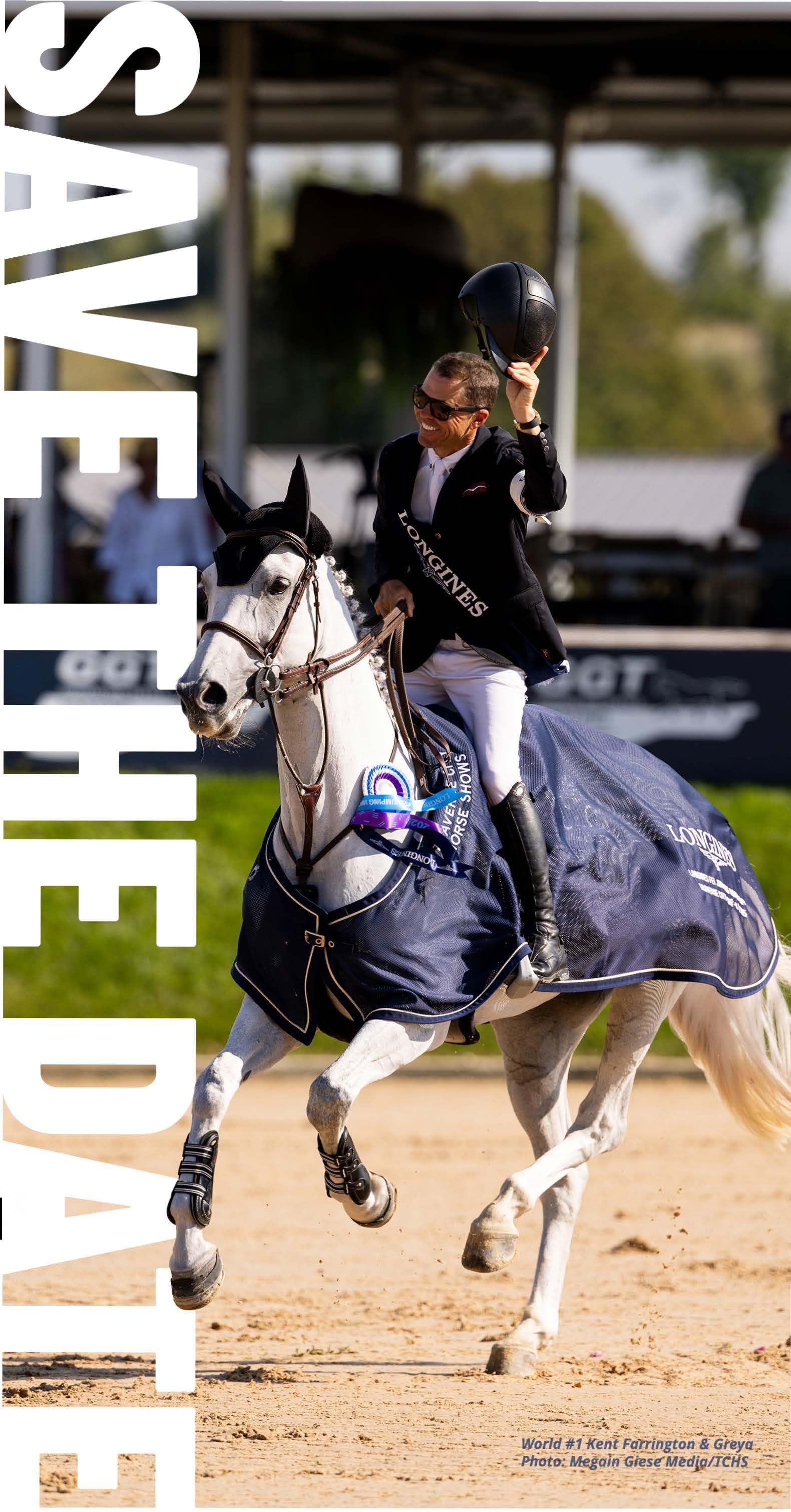







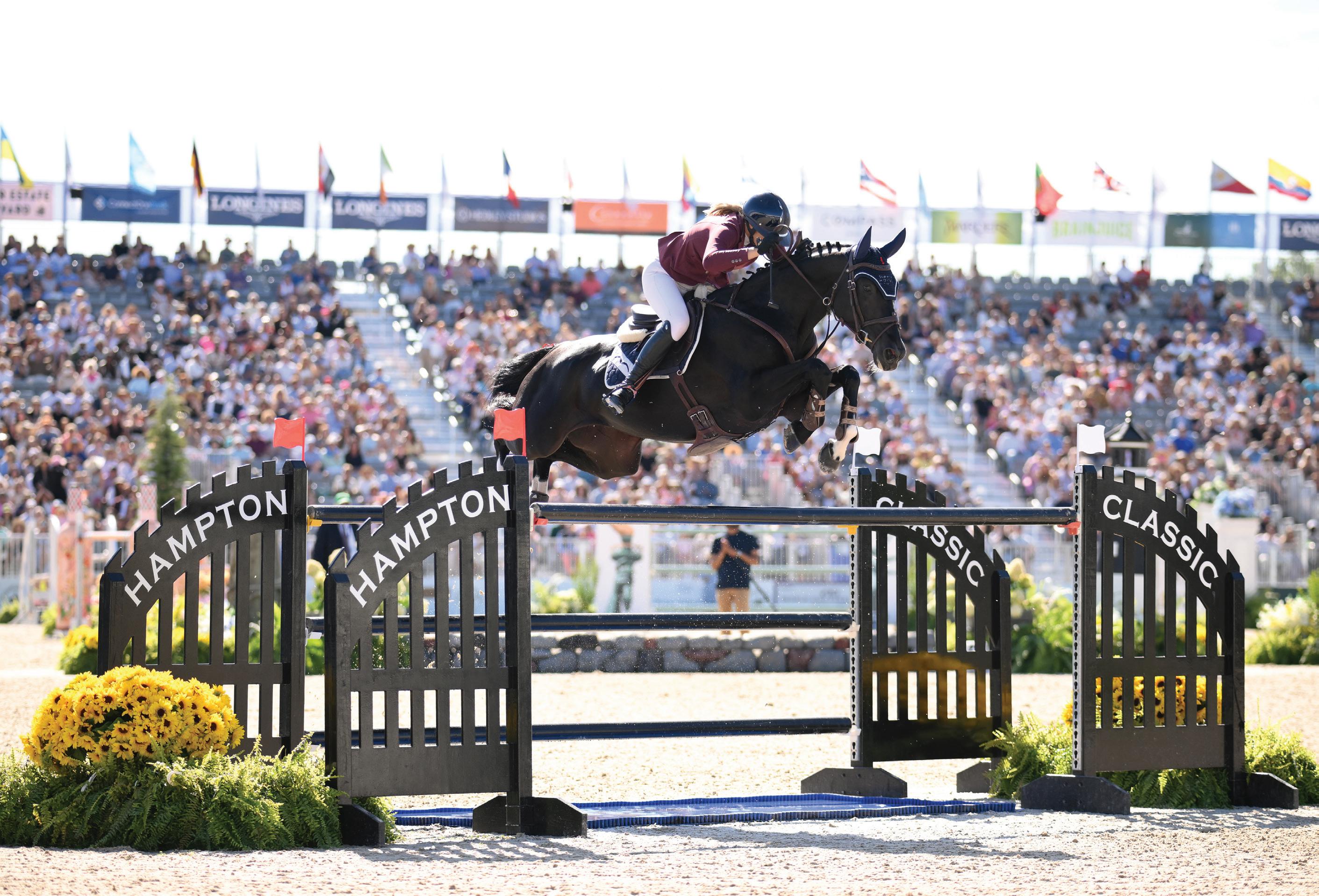

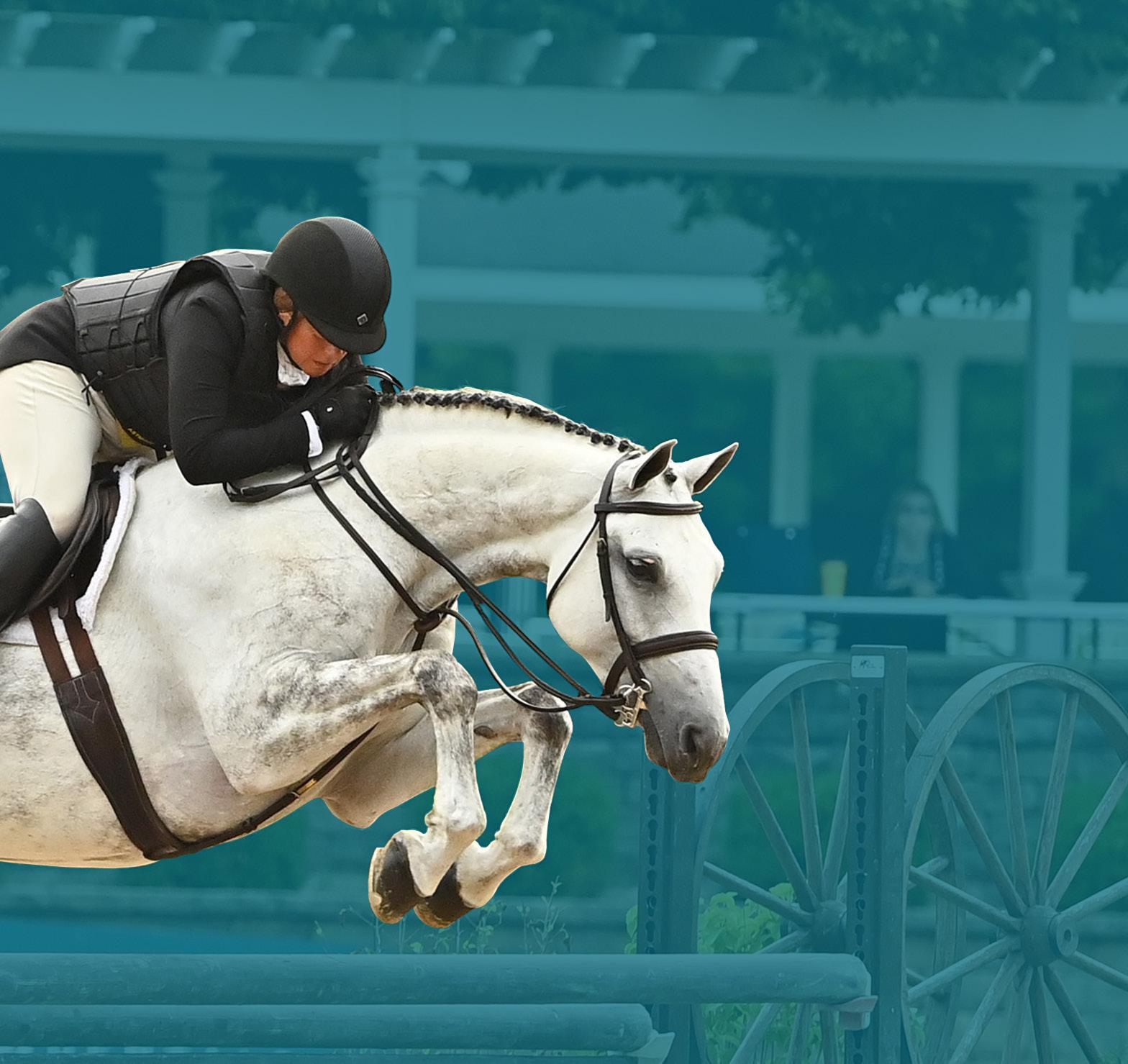
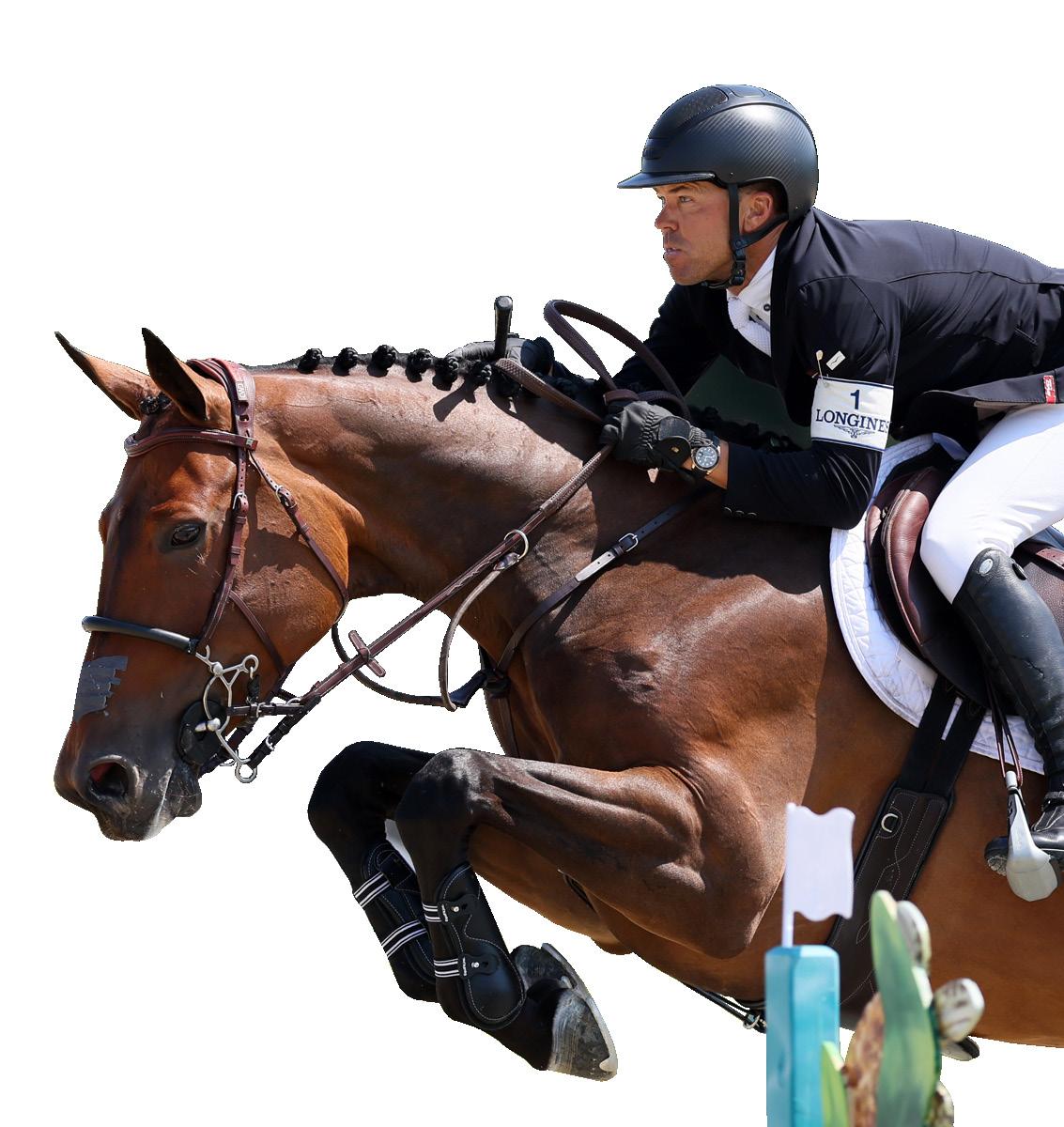
Plan your 2026 show schedule with one unmatched HITS experience across six premier venues, including HITS Ocala, HITS Del Mar, HITS Culpeper, HITS Chicago, HITS Hudson Valley, and HITS Vermont. The excitement spans more than 130 weeks of hunter/jumper and dressage competition from coast to coast, featuring seven total WCHR weeks, nine total FEI jumping weeks, and opportunities for horses and riders of all levels. This action-packed year will certainly be one to remember!
HITS OCALA WINTER CIRCUIT
Post Time Farm December to March
HITS DEL MAR SHOW SERIES
Del Mar Horsepark April to August
HITS CULPEPER SHOW SERIES Commonwealth Park April to September
HITS CHICAGO SHOW SERIES
Lamplight Equestrian Center May to September
HITS HUDSON VALLEY SHOW SERIES
HITS-on-the-Hudson May to October
HITS VERMONT SUMMER FESTIVAL
Harold Beebe Farm July to August
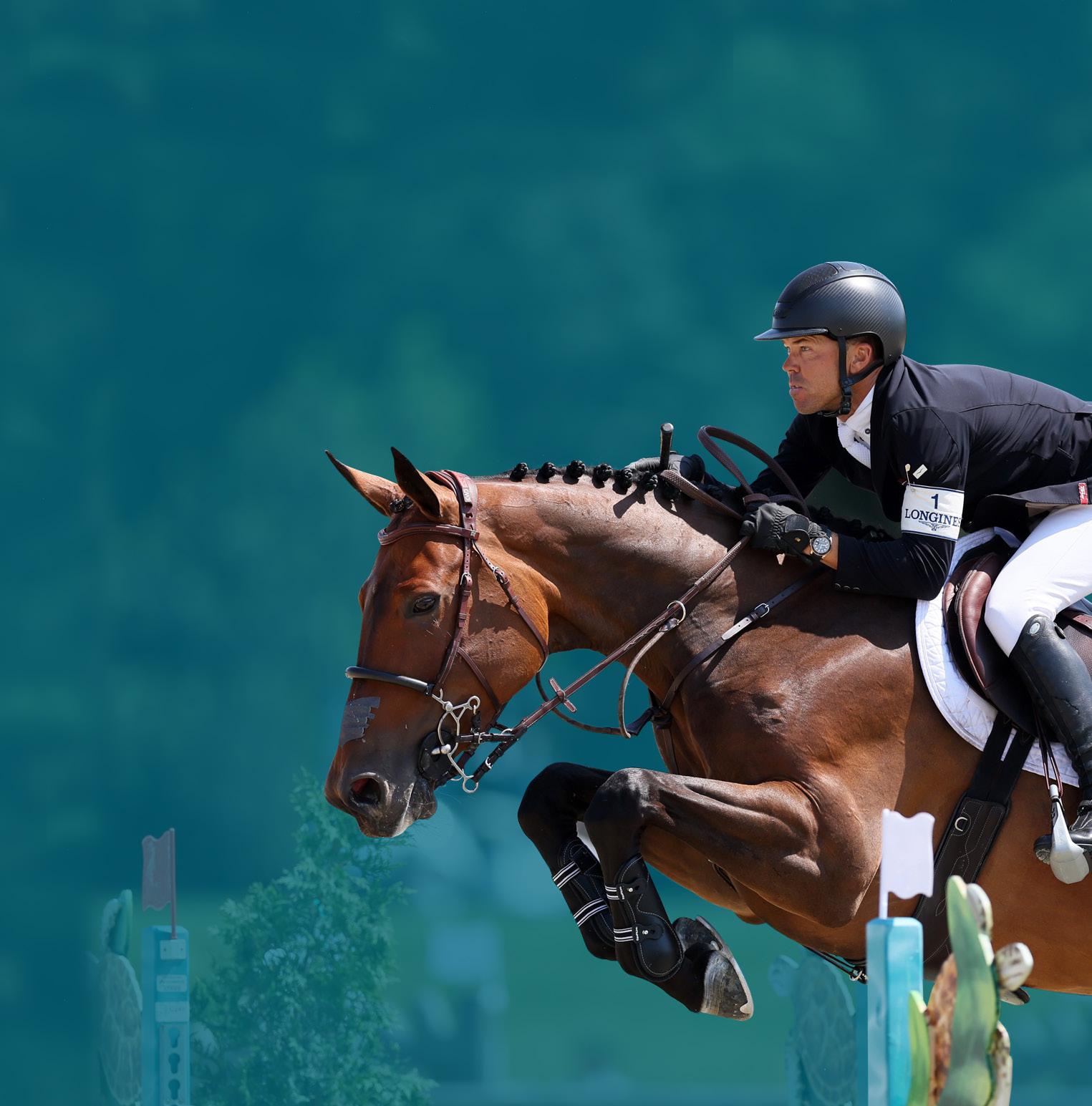
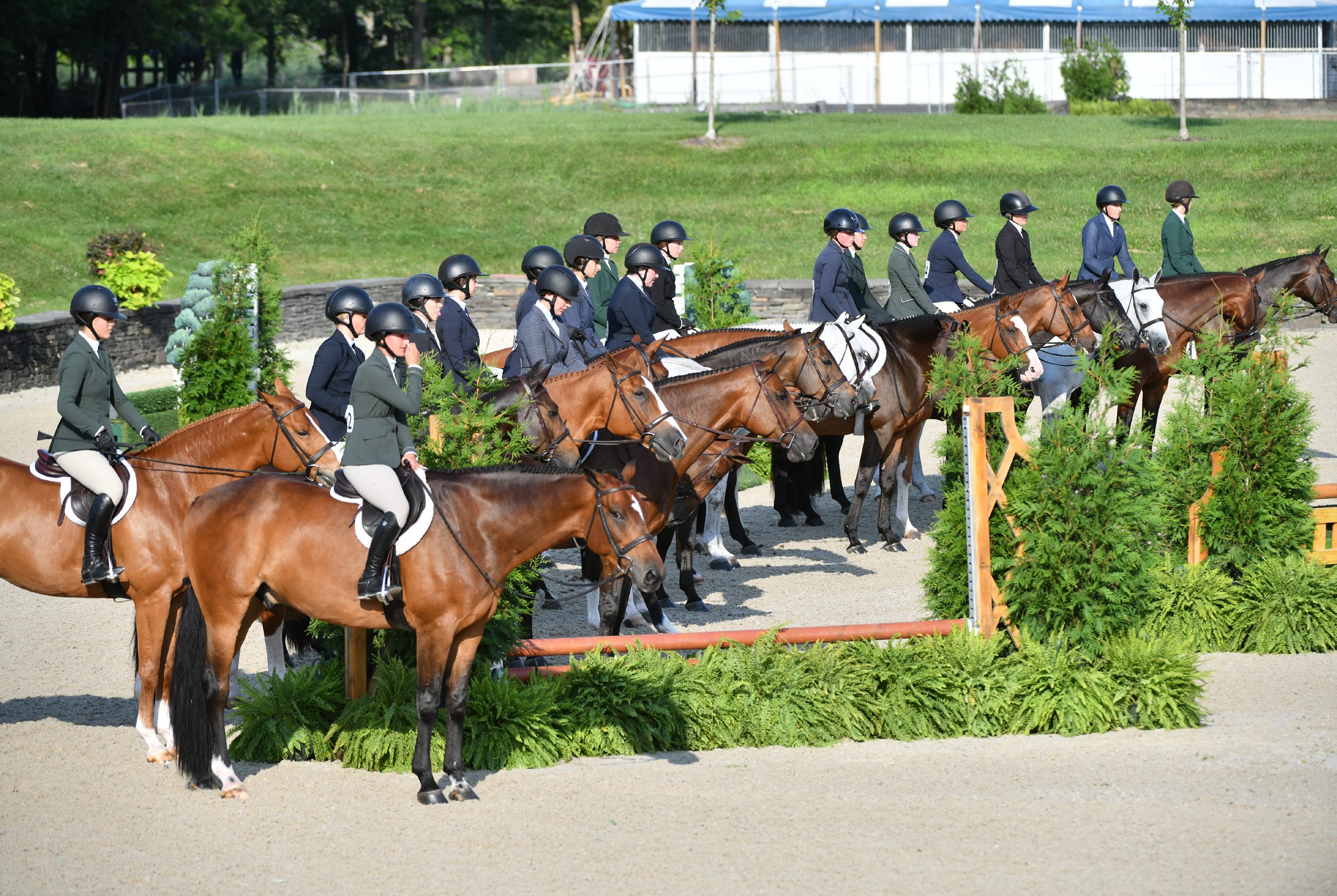
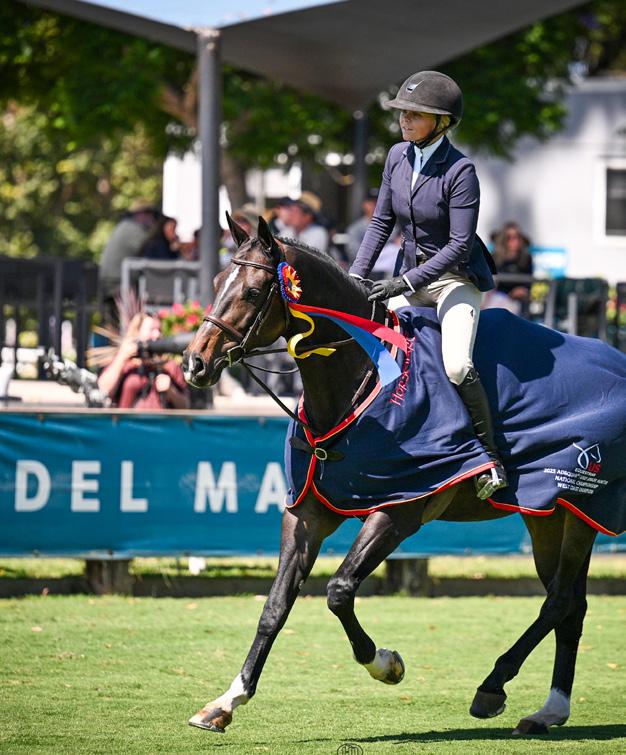
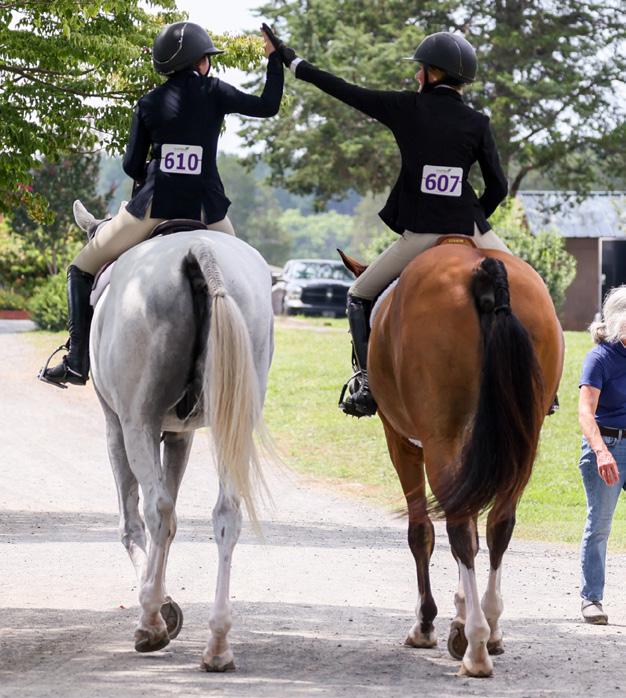
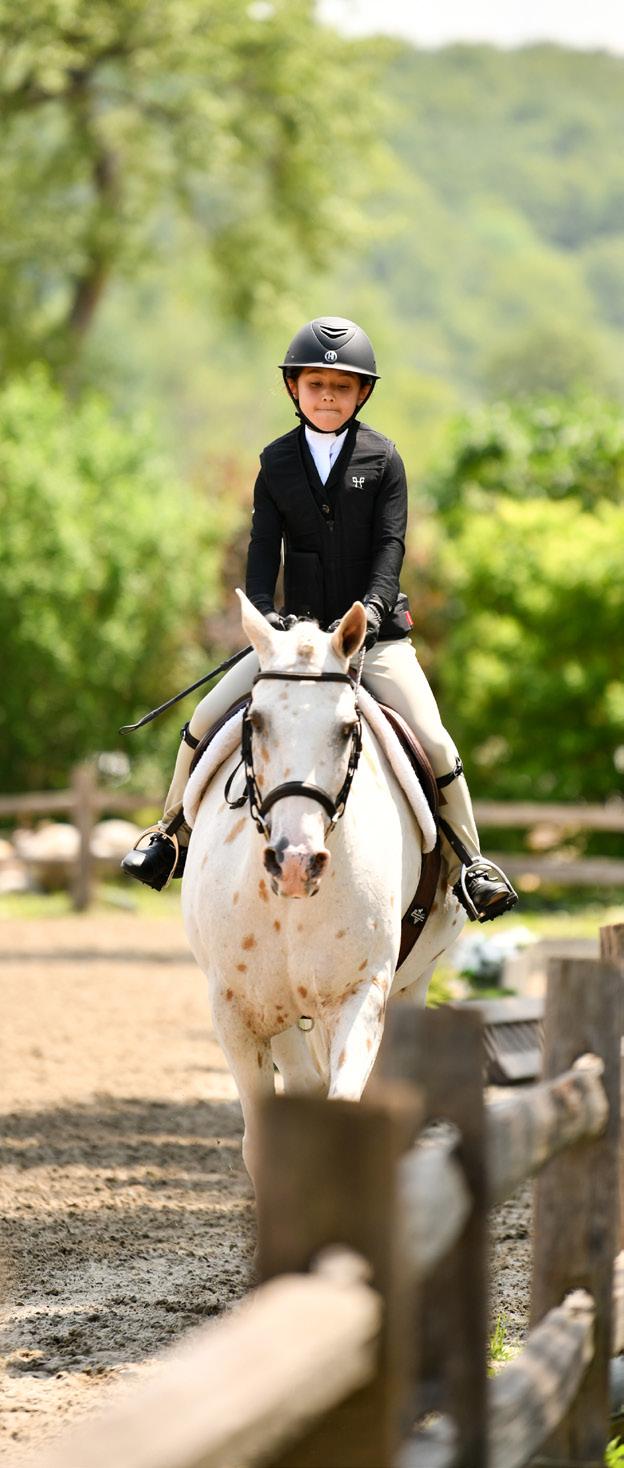
DÉCOR
Page 9
Add Personality to Your Garden Spaces
Authentic Provence authenticprovence.com
Outdoor Fountain Pros outdoorfountainpros.com
Stone Manor Lighting stonemanorlighting.com
Terrain shopterrain.com
STYLE
Page 14
Stow Your Essentials
Dooney & Bourke dooney.com
Il Bisonte ilbisonte.com/en-usa
King Ranch Saddle Shop krsaddleshop.com
Lotuff lotuffleather.com Smythson smythson.com/us
FAVORITES
Page 24
Ponies, Pearls, and Philanthropy
Brooke USA brookeusa.org
Page 26
Polo for a Purpose Polo For Life poloforlife.org
Page 40
Wedding Gift Ideas
1stDibs 1stdibs.com
Dandylion dandylion.design
Hermès hermes.com
Juliska juliska.com
Mark & Graham
markandgraham.com
Pottery Barn potterybarn.com
Vagabond House vagabondhouse.com
Williams Sonoma williams-sonoma.com
FOOD + DRINK
Page 28
Haute Mac & Cheese
AVEO Table + Bar
waldorfastoriamonarchbeach. com/dine/aveo-table-bar
DESIGN Page 29
Bright Ideas 2Modern 2modern.com
Flos flos.com
Insight insightcordlesslighting.com
Louis Poulsen louispoulsen.com
Zafferano America zafferanoamerica.com
FASHION Page 30
Travel Anatomie Style Anatomie anatomie.com
PEOPLE Page 32
Yash Balasaria American Stalls americanstalls.com
BOOK Page 36
The Greatest Horse Trainer on Earth: The Sylvia Zerbini Story By Rebecca M. Didier Trafalgar Square Books 2026
WEDDINGS Page 42
Emily & Brandon Willowdale Estate willowdaleestate.com
Shutter & Sound shutterandsound.com
Calla Blanche callablanche.com
Bonobos bonobos.com
Mouradian Jewelry mouradian.com
Otaa otaa.com
Petals Inc. petalsinc.com
Carolyn & Ryan
Hamilton Farm Golf Club
Liberty Farm, N.J. hamiltonfarmgolfclub.com
Berit Bizjak Photography, Inc. beritbizjak.com
Anne Barge annebarge.com
Elizabeth Johns elizabethjohns.com
Laura Clare Designs lauraclaredesign.com
Boho Hair Salon bohohairsalon.com
Natalie & Chris Hamilton Farm Golf Club hamiltonfarmgolfclub.com
Berit Bizjak Photography, Inc. beritbizjak.com
David Mitchell Fine Event Design davidmitchellevents.com Pronovias pronovias.com
JC Hair Design jchairdesignnj.com
Beauty on Location NJ beautyonlocationnj.com
6 Degrees of Celebration 6degreesofcelebration.com
Villabate Alba villabate.com
Eclipse Events eclipseevents.com
Jaclyn Duncan Music jaclynduncanmusic.com
Kress Productions kressproductions.com
The Jess Press thejesspressshop.com
Silo Hills Farm
Fête Fully fetefullykc.com
Wildhill Flowers and Events wildhillflowers.com
Annie Lui Photography annieluiphotography.com
Taylord Film Co taylordfilmco.com
Hustle & Bustle hustlebustleevents.com
Supply Events supplyevents.com
Nikki Vav Custom Cakes nikkivavcustomcakes.com
Nellie Sparkman nelliesparkman.com
Shanelise shanelisemua.com
Silo Hills Farm silhillsfarm.com
The Lodge on Brier Creek
The Lodge on Brier Creek lodgeonbriercreek.com
Ashley Logan Photography ashleyloganphotography.com
Tanner Rouse Films tannerrousefilms.com
High Country Content highcountrycontent.com
Bella’s Blooms by Dish GardenArT dishgardenart.com
Bridal Traditions bridaltraditionsnc.com
Laurel Beauty Co. laurelbeauty.co
Anna Howe Design annahowedesign.com
Miss Match Rentals missmatchrentals.com
TRAVEL Page 62
Dormy House Broadway, England dormyhouse.co.uk
Hotel Rangá Hella, Iceland hotelranga.is
Miramonti Boutique Hotel Hafling, Italy hotel-miramonti.com
Ride Egypt Cairo, Egypt rideegypt.com
Dolkhar Resort Leh, India dolkharladakh.com
Rawah Ranch
Glendevey, Colorado rawahranch.com
The Stavrand Guerneville, California thestavrand.com
The Pasona Awaji City, Japan thepasona.com
The Grady Louisville, Kentucky thegradyhotel.com
Glenlo Abbey Galway, Ireland glenloabbeyhotel.ie
INSIDE TEAM WELLES Page 80
Team Welles teamwelles.com
SANTA FE Page 86
Chuck Jones chuckjones.com
H Bar C hbarc.com
Lancaster Horse Training facebook.com/lancasterhorsetrainingtaosnm/ Lust and Fond lustandfond.com
Mortenson Ranch mortensonranch.com
Virgins Saints & Angels vsadesigns.com
GALLERY Page 96
Tim Turton arttimturton.org.uk
How the SPOTTED COACH DOG became an American icon.
While the name points to the Dalmatian coast of Croatia, the breed’s lineage is a patchwork of European and Asian influences. For centuries, these dogs served as hunters, retrievers, and guards before finding their defining niche as carriage dogs.
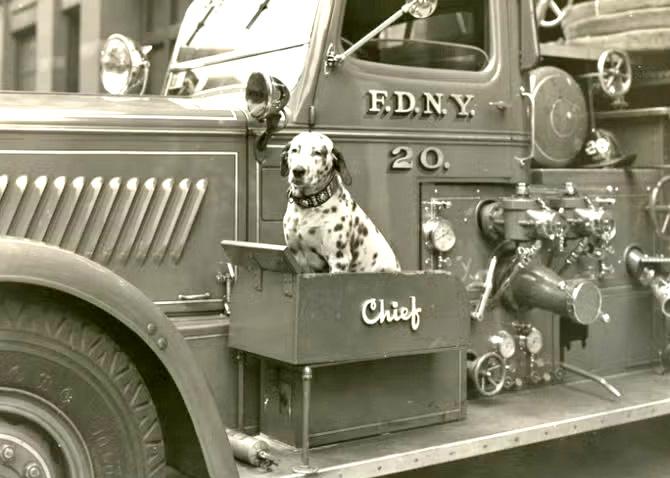
The breed’s rise as a carriage dog traces to the 17th and 18th centuries, when the British aristocracy began importing Dalmatians after observing them on the European continent. Young noblemen on the Grand Tour noticed the dogs trailing horse-drawn teams in Italy and the Balkans—animals that didn’t merely follow carriages but seemed to crave proximity to the horses.
Most dogs are built for sprinting, but the Dalmatian was created for the long haul. A rhythmic, tireless gait let them keep pace with a horse team for 20 or 30 miles at a stretch. A well-trained coach dog ran not behind the carriage but under the rear axle or alongside the pole—the shaft between the lead horses—staying close enough to escape road dust yet clear of a fatal kick.
Dalmatians have a documented affinity for horses that most breeds lack. When a
carriage stopped at an inn, the dogs lived in the stables, sleeping beside the horses and serving as an alarm system against thieves. Stable masters noticed that the two species formed a genuine crossspecies bond—the dogs calming animals that other breeds would spook.
Early adopters prized Dalmatians for aesthetics. Nicknamed “Plum Pudding Dogs” for their spotted coats, they were status symbols in an era when a carriage announced social standing. But the dogs quickly proved their utility. Road travel was dangerous, and the Dalmatian filled a gap no other breed could: a muscular, medium-sized guardian that could run at 15 mph for hours. By the late 1700s, the role was standardized. George Washington kept Dalmatians at Mount Vernon for the same reason: they wouldn’t spook his horses but would absolutely spook a thief.
Puppies raised in stables became imprinted on horses. As they matured,
they learned to find the protected space beneath the carriage—not for show, but because a dog under the axle was a hidden alarm, ready to intercept anyone grabbing the horses’ bridles or the driver’s luggage.
The transition to firefighting in the 1800s was a natural extension of carriage work. Early fire engines were horse-drawn tankers navigating crowded city streets at significant speed. Dalmatians ran ahead as living sirens, clearing pedestrians and wagons, then guarded the horses at the scene to keep them calm amid smoke and flame. Even as engines replaced horses in the early 20th century, the Dalmatian remained—shifting from working partner to firehouse mascot.
The automobile retired the Dalmatian from professional life, and without a carriage to follow, the breed’s considerable energy can prove challenging for modern owners. But the history is instructive: these were not pets but working components of a transport system, refined over generations for a specific job. The spots catch the eye first. It is the endurance and instincts beneath them that tell the real story.

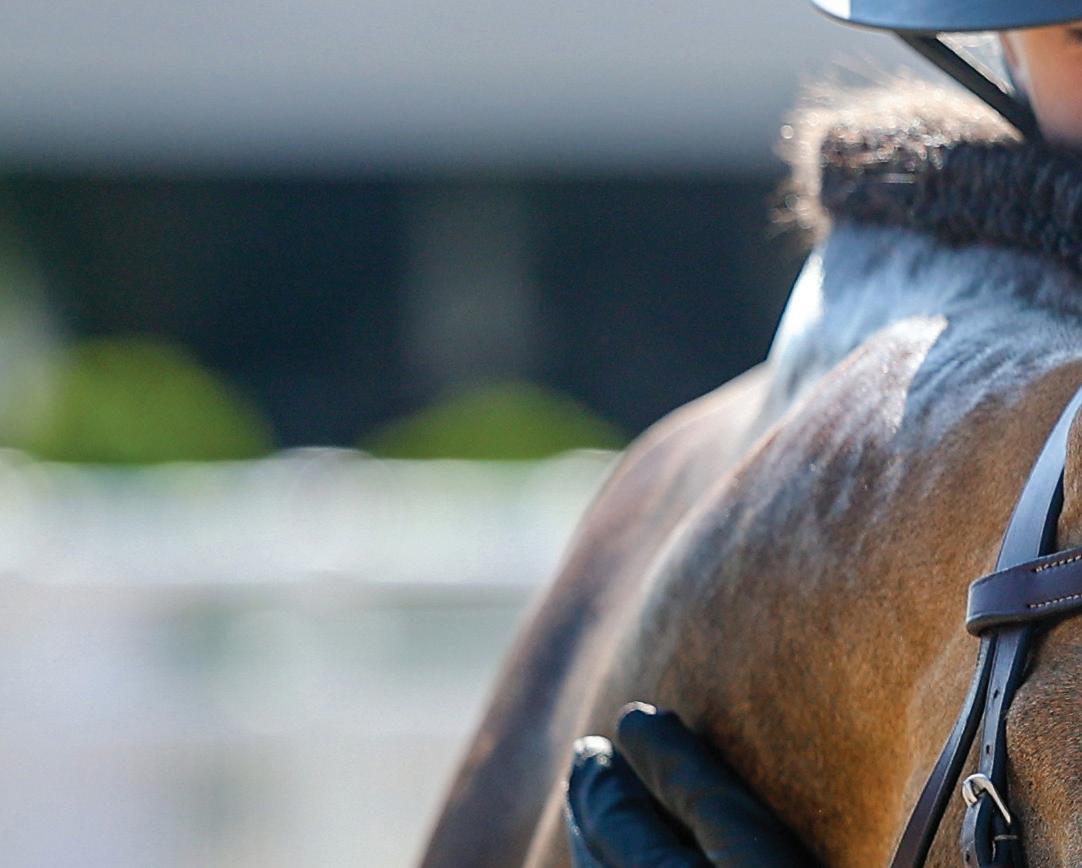










Follow along with all the fun from USEF Pony Finals presented by Marshall + Sterling, August 4-9, 2026. Scan the QR code to access the USEF Network livestream along with exclusive news, photos, and video coverage from US Equestrian.
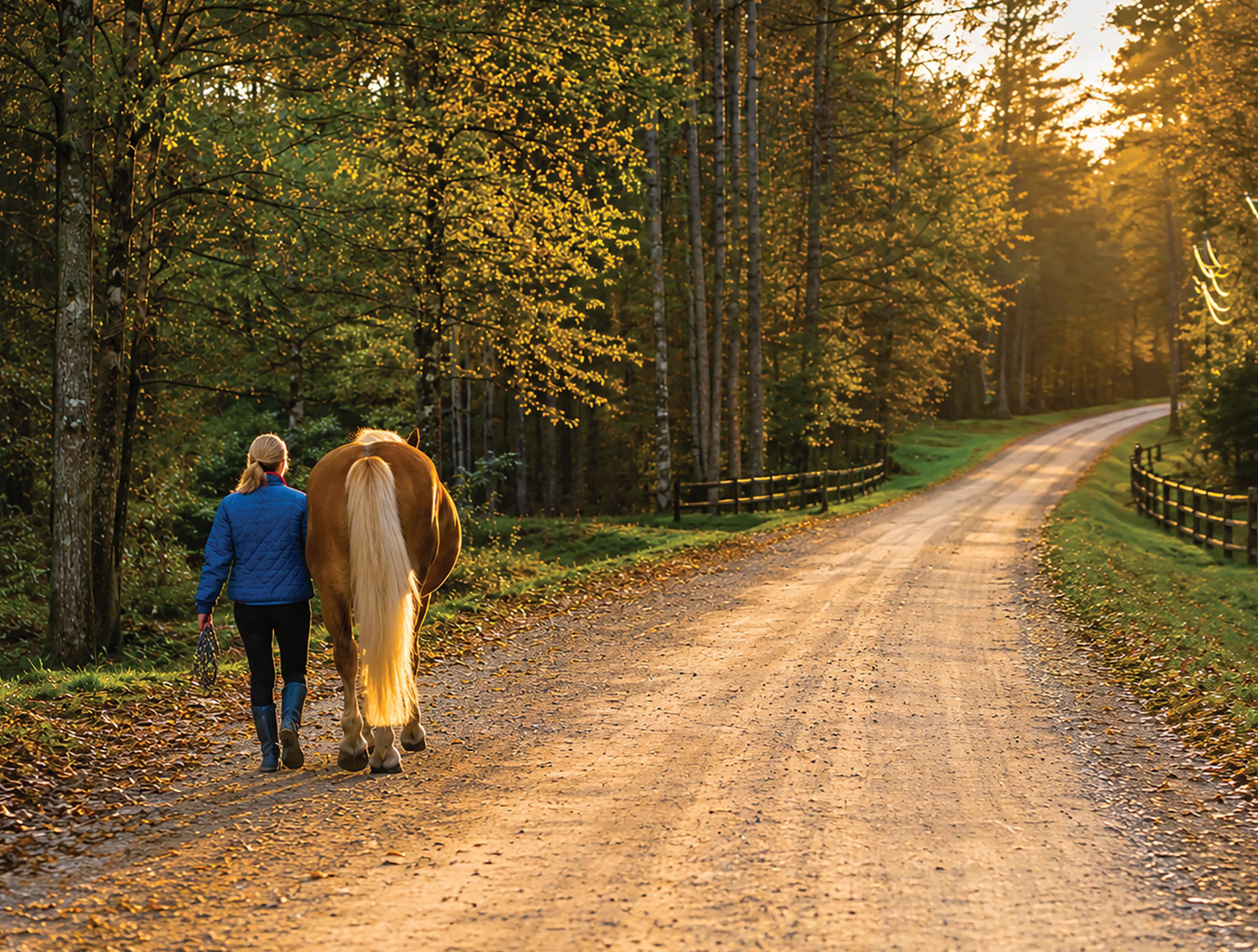
We’re not just imagining a brighter future for horses…
Together, we’re creating it.
Guided by equine veterinarians, The Foundation for the Horse improves the lives of horses worldwide through education, scholarships, research, disaster relief, and support for working equids and horses at risk. Everything we do is for the horse—because they deserve the best future we can give them.
foundationforthehorse.org