Wyoming Livestock Roundup – March 14, 2026 – Section B
As African swine fever (ASF) continues to impact the swine industry worldwide, the U.S. Department of Agriculture’s (USDA) Animal and Plant Health Inspection Service (APHIS) is urging producers and the public to remain vigilant in their efforts to keep the disease out of the U.S.
The reminder comes on the heels of ASF Action Week, an annual awareness campaign focused on strengthening prevention and preparedness efforts nationwide, which was observed on March 1-7. It also coincides with National Pig Day held on March 1 to highlight the importance of pigs in agriculture, science and society.
ASF may have far-reaching impacts
According to APHIS, ASF is a highly contagious and deadly viral disease affecting domestic and wild pigs of all ages.
Symptoms include high fever; decreased appetite; weakness; red, blotchy skin or skin lesions; diarrhea and/or vomiting; coughing and difficulty breathing; abortions and/or sudden death.
While the disease poses no threat to humans, it can be devastating for swine herds, as there is no treatment or vaccine and mortality rates can reach up to 100 percent in infected animals.
Outbreaks have already caused significant losses in swine populations across Asia, Europe and other parts of the world, and since pork serves as a staple in American diets, the potential impact of ASF in the U.S. could be severe.
“Its deadly nature in swine could result in pork product shortages, disruptions to trade and economic impacts,” APHIS states.
In a March 5 opinion column published in American Ag Network, Dr. Alan Huddleston, acting U.S. chief veterinary officer at APHIS, reiterates the importance of preventing the virus from entering the country and highlights the agency’s continued prevention and preparedness efforts.
“It is undeniable the
economic repercussions of ASF would be far reaching in the U.S. because pork is a staple in many American diets, appearing in everything from breakfast sausages to holiday hams,” Huddleston says. “ASF would cause pork to become scarcer and more expensive, and consumers might turn to alternative protein sources, further disrupting food markets and potentially leading to increased prices as demand for those sources increased.”
APHIS maintains safeguards to prevent ASF
Although the U.S. maintains a robust system of safeguards aimed at preventing foreign animal diseases like ASF from entering the country, Huddleston notes APHIS is always working to strengthen these protections.
In his column, Huddleston lists some of the key initiatives currently underway, including strengthening existing partnerships with U.S. Customs and Border Protection personnel at multiple ports of entry, increasing inspection of passengers and products arriving from affected countries and advancing risk-based restrictions on imports of pork and pork products from regions where ASF is present.
Collaboration with state governments, industry leaders and producers is another cornerstone of the agency’s prevention strategy, with a focus on reinforcing the importance of strict biosecurity practices across the pork supply chain.
Huddleston says APHIS is also continuing to evaluate and improve emergency response plans so incident management teams across the country can respond quickly and efficiently if ASF is ever detected in the U.S.
Officials call on the public for help
While APHIS remains hard at work ensuring ASF doesn’t cross the U.S. border, Huddleston emphasizes the importance of public participation in these efforts as well.
He urges travelers to be cautious when bringing food products across inter-
national borders, as porkbased snacks, souvenirs and other food items may carry the virus even if they have been cooked or processed.
Travelers are encouraged to declare all food items to U.S. Customs and Border Protection officials when entering the country.
“Also be cautious when traveling to farms or interacting with wild pigs abroad,” Huddleston states. “Be sure to thoroughly clean clothes and shoes before returning home. Individuals should also avoid visiting farms, fairs or anywhere
where pigs may be present for at least five days after returning.”
Huddleston says hunters and outdoor enthusiasts should stay alert when encountering pigs or feral swine, since the virus can be unknowingly transported via footwear or clothing after contact with contaminated areas.
For producers, Huddleston recommends maintaining strong farm biosecurity, staying informed about emerging risks and reporting unusual illness in pigs quickly.
For more information on African swine fever and national mitigation efforts, visit aphis.usda.gov/animaldisease/swine/protect-pigs.
Lastly, he notes spreading awareness is one of the most effective tools in preventing disease introduction, as educating friends, family and colleagues about ASF will help create a broader network of vigilance across the country.
“The time to act is now – for the sake of our farms, our economy and
the well-being of all Americans,” Huddleston states.
“Together, we can work to keep ASF out of the U.S. and protect our pigs and food supply for generations to come.”
Hannah Bugas is the managing editor of the Wyoming Livestock Roundup. Send comments on this article to roundup@wylr.net.
Chicken prices have dipped slightly on the heels of increased broiler production, but Texas A&M AgriLife Extension Service experts expect output to slow and prices to climb.
Dr. David Anderson, AgriLife Extension economist and professor in the Texas A&M University (TAMU) Department of Agricultural Economics, said high beef prices and trends for more protein in American diets are helping poultry demand.
U.S. broiler production jumped from 46.5 billion pounds in 2024 to 47.5 billion pounds in 2025 and is projected to reach 47.6 billion pounds this year, as it has already increased 3.5 percent since Jan. 1.
However, prices have been lower overall compared to last year, and Anderson believes this could trigger a slowdown in production.
Competitive prices help chicken demand
Wholesale boneless, skinless chicken breasts spiked near $2.77 per pound in mid-2025 before sliding to $1.16 per pound by the year’s end, according to Anderson.
However, the January Consumer Price Index showed retail chicken breasts were higher at $4.17 per pound compared to
$3.97 per pound this time last year. Legs were five cents lower per pound at $1.74 compared to $1.79 last year.
“Chicken remains a value relative to beef and continues to experience strong demand on the grocery and restaurant side,” Anderson said. “Chicken continues to benefit from creative products and ideas to expand its market share among proteins.”
But, he said, potential production disruptions could complicate supply and demand factors even more, and lower supplies could signal higher prices are ahead.
HPAI risk weighs on chicken producers
On the production side, lower feed and energy costs and technological efficiencies have helped profitability, but growers and industry experts remain concerned about highly pathogenic avian influenza (HPAI), according to Dr. Greg Archer, associate professor and AgriLife Extension poultry specialist in the TAMU Department of Poultry Science.
Farms are placing a high priority on biosecurity but concern about broader potential impacts of HPAI – also known as bird flu –will remain until summer, he said.
Archer further noted the primary concern is not isolated broiler farms, but laying facilities which provide fertilized eggs for broiler hatcheries. Broiler farms can recover relatively quickly, while breeder flocks can take more than a year, and the losses ripple throughout the production chain to prices at grocery stores.
“The industry is really pushing biosecurity to stay on top of the disease,” he said. “It’s a concern that isn’t going away, so the focus is limiting its impact on production.”
Industry focuses on hatchability, bird health Bird nutrition and health also continue to be a focus as production moves away from antibiotics, Archer said.
The industry has been quick to adopt research related to probiotics and prebiotics in feed and continues to investigate how nutrition can improve flock health.
Egg fertility in breeder flocks remains a lingering concern for the industry.
Fertility rates, or chick hatchability, hover around 75 percent – nine of every dozen eggs produce viable chicks – but a 2025 Texas A&M AgriLife Research study showed fertility rates could reach 60 percent by 2050.
The U.S. poultry industry produced more than nine bil-
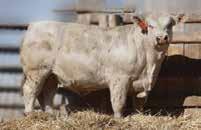
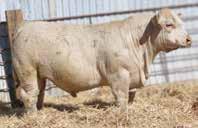
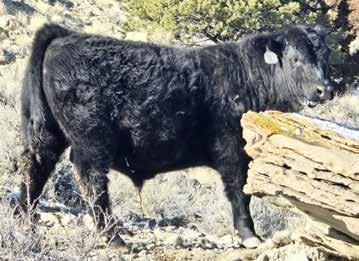
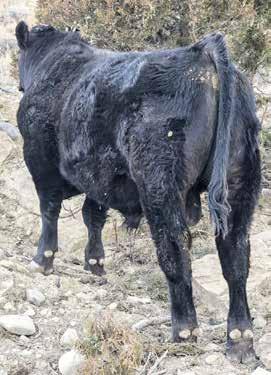
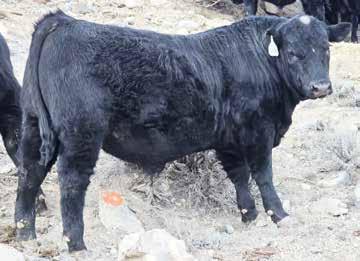
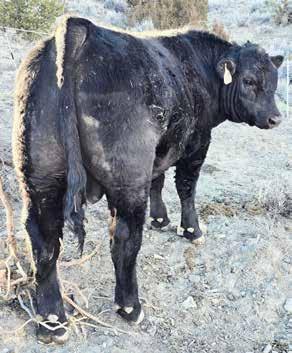
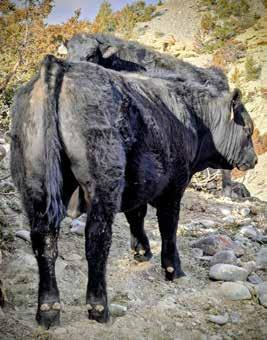
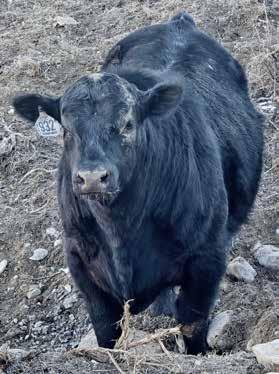
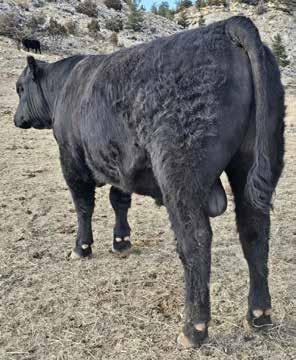
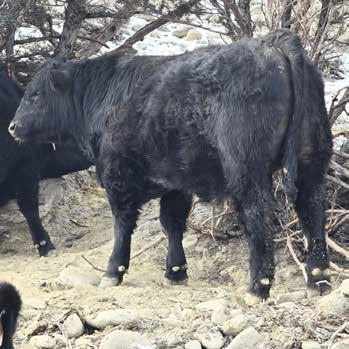
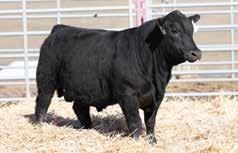
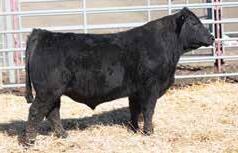
Developed in large pastures of 150+ acres, fed long stem hay, Muggli Brothers cake and Bio-Reg tubs. NO corn, distillers grain or silage. There’s no need to worry about transitioning their diet from a feedlot fat cattle ration that most of today’s seedstock bulls are fed. Kick them on grass and watch them breed everything in sight!
lion broilers last year, which means 12 billion eggs were needed to meet capacity.
It would require 15 billion eggs to hatch nine billion viable broiler chicks if fertility rates continue to fall.
“Fertility rates have been an issue, and HPAI outbreaks are a threat which compounds the potential impact in a way consumers would notice,” Archer said.
Market forces weigh on production, prices Anderson expects production to slow compared to the first quarter of 2026.
Just like higher prices last year led to increased
production, lower prices will influence output. Demand will weigh on various chicken cuts differently.
Anderson said broiler weights have trended higher in recent years to meet the broader demand for the white meat consumers prefer, but significant amounts of broiler chickens are being grown to meet specifications for restaurant chains, especially in recent years, as wings and sandwiches became menu staples.
Broader consumer demand, including seasonal spikes, continues to influence prices on certain cuts like breasts and wings which are
limited by chicken biology.
“I expect to see some contraction, and this typically means prices will go higher,” Anderson said. “It will be interesting to see how beef, pork and other proteins trend as we get closer to grilling season, but it’s safe to say chicken will remain a value option in relation to beef.”
Laura Muntean is the media relations communications coordinator for the Texas A&M AgriLife Marketing and Communications Department. This article was originally published by Texas A&M AgriLife on March 5.
Price outlook – Chicken prices have fallen some since peaks in mid-2025, but Texas A&M AgriLife Extension Service experts expect prices could rise as production appears to be slowing down. Adobe Stock photo
During the past two years, ranchers have had to do something they’ve never done before – pay taxes to Uncle Sam they’ve already spent.
Albert Einstein once said, “The hardest thing in the world to understand is the income tax,” and keep in mind, he was the smartest man in the world in his day.
So how can the feds expect a bunch of cowpokes from the boonies to understand the intricacies of income tax?
Even Internal Revenue Service (IRS) employees don’t understand the tax code, as 20 percent of the answers they give on the IRS hotline are incorrect. How can they possibly expect first-time payers like ranchers to grasp the concept?
Those who do their taxes themselves – like I once did – will soon learn filling out all of the required forms is harder than it was to make the money in the first place.
Ranchers should not take taxes lightly. If they fill out the forms correctly, they’ll
by Lee Pitts
end up in the poorhouse. Do them wrong, and they’ll end up in the jailhouse.
I’ve paid taxes now for 56 years, so I know a little something about the evil lurking within all of the IRS forms, and as a public service to cattlemen, I will now provide much better answers to frequently asked questions than the IRS hotline will.
Q: My cows mostly get bred by my neighbors highly bred and expensive $10,000 bulls. Do I depreciate or expense what he paid for them?
A: You are pursuing what accountants and H&R Block call an “aggressive tax-avoidance strategy.”
Before pursuing such a plan, I would assess how strong your marriage is in advance.
The IRS depends to a great extent on snitches – their favorite being divorced wives who would like nothing better than to see you behind bars.
Q: Doing my taxes was incredibly difficult and time consuming. Is this some-
thing I’ll have to do every year?
A: Don’t worry. These current incredibly high cattle prices are an aberration – a fleeting moment in time – so you might have to pay income taxes for another year or two, but sooner than you think you’ll be back to massive losses which will feel more familiar.
Q: Can I deduct the entire cost of a new pool table we bought last year or do I have to depreciate the cost over several years? Can I also write off any gambling losses I rack up on the table?
A: To expense the cost you would have to use said table as a place to store things like baling twine, ear tags, salt, cases of beer, sacks of minerals, etc.
As for writing off gambling losses, I’ve never tried it but what have you got to lose? Although, you might have to wear a heavy ankle monitoring bracelet so the IRS can track your every move.
Q: My sleazeball brother-in-law sells fancy hydraulic squeeze chutes, and he said he’d write out a phony receipt for one for only $1,000 which I could use to offset income on my taxes. What do you think, is it worth the risk?
A: Only if you want to end up in prison where you
could become the girlfriend of a big, bad bully.
Q: I’ve met a fellow prisoner who said he could arrange for the assassination of my brother-in-law who has now run off with my wife to South America. What is the current rate for a hit job?
A: I don’t know, but whatever it is, don’t try to write it off on your income taxes.
Q: Can I write off my wife’s chiropractor bills for her bad back that she got from lifting heavy hay bales?
A: I don’t see why not? But who’s gonna feed your cows when you end up sharing a cell with the hit job guy?
Q: I’ve only been paying taxes for two years now but I’m already sick and tired of the feds stealing my money and then wasting it the way they do. And their attitude! Have you ever noticed if you put a space between the “e” and the “i” in the word “theirs” it spells “The IRS.”
A: Just be glad we’re not getting all the government we’re paying for.
Note: This column was sponsored by XYZ Bail Bondsman.
Maichak receives award
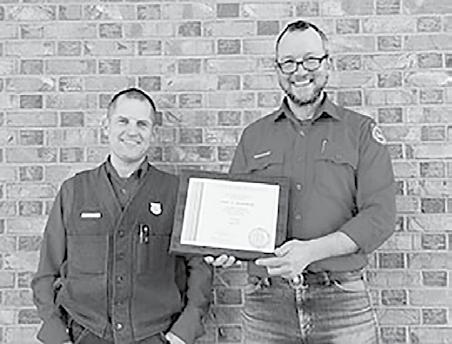
Eric Maichak, a Wyoming Game and Fish Department (WGFD) biologist based in the Sheridan area, has been honored for 20 years of service to Wyoming’s wildlife and residents.
Maichak has a bachelor’s degree in biology from the University of Arkansas and a master’s degree in wildlife and fisheries ecology from Oklahoma State University.
He began his career with WGFD in 2004 as a brucellosis feedground habitat biologist in Pinedale, where his work focused on brucellosis eradication efforts in feedground elk of the Greater Yellowstone Area.
In 2016, he transferred to Cody to work as the regional disease biologist, helping to address brucellosis, chronic wasting disease and additional regional issues.
In January 2023, he began work as the Sheridan district wildlife biologist.
He has also long been active in the the Wildlife Society, an organization representing wildlife professionals across the country.
Courtesy photo
BLEVINS
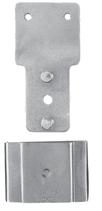
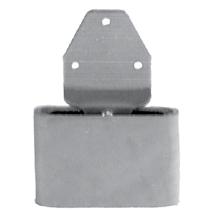
New All Metal Stirrup Buckles
Blevins new all-metal stirrup buckle in 3”& 2-1/2” widths. The 3” and 2-12” widths have the posts set horizontally and fit standard holes while the 2” width has the posts set vertically. Made of stainless steel and heat-treated aluminum, the same as our leather-covered buckles.
Blevins Stirrup Buckles Improved
Sleeves same as on regular style buckle. The tongue has no hinge or strap. Available in 3” and 2-1/2” widths.
Easy to change stirrup lengths quickly and easy to install – won’t slip or stick. Made of stainless steel and heat-treated aluminum. Sleeves covered with leather. Order either improved, regular or four post buckles. Also new all-metal buckle in 3”, 2-1/2” and 2” widths. At your dealers or:
Researchers measure how much wing movement can cool bumblebee body temperature
Like a duck that – on the surface – looks like it is calmly floating on the water while paddling furiously underneath, a bumblebee hovering over a flower may look like it’s not doing much to the naked eye.
But, to stay aloft, the insect’s wings are generating a significant amount of body heat.
The flapping, however, has another function – generating a breeze which creates a fanning effect that cools and lowers the insect’s body temperature as much as 41 degrees Fahrenheit.
Michael Dillon, a professor and the L. Floyd Clark chair in the University of Wyoming (UW) Department of Zoology and Physiology, and Jordan Glass, a postdoctoral research fellow in the department, headed a lab study which actually measured this phenomenon.
“At its core, the paper shows when a bumblebee flaps its wings to hover, it generates a downward breeze to significantly cool its body,” Glass says. “Scientists have long known moving air can remove heat but, until now, no one had directly measured how much cooling self-generated airflow provides during free, hovering flight. We show this breeze is not minor – it plays a meaningful role in stabilizing body temperature.”
The paper
The paper, titled “Induced airflow cools hovering bumblebees,” was published on Feb. 18 in Proceedings of the Royal Society B: Biological Sciences, the Royal Society’s flagship biological research journal which is dedicated to the publication and dissemination of high-quality research.
Glass was the paper’s lead author, and Dillon was the senior author and principal investigator on the project.
Christopher Petranek was a UW master’s student in Dillon’s lab at the time of the study and conducted most of the experimental work.
Understanding how flying insects manage heat exchange is critical for predicting their survival in dynamic thermal environments, something which has largely not been studied, according to the paper.
The same wings and flight muscles used by bumblebees for hovering create the cooling effect. As the wings beat, they push air downward, forming a focused jet of moving air over the part of the body directly below the wings during flight.
This airflow increases convective heat loss – very similar to how a breeze cools human skin on a hot day – essentially carrying heat
away from the thorax, where the flight muscles generate most of the heat, according to Glass.
As air temperature rise, bees run a higher risk of overheating, especially in direct sunlight, Glass says.
“Our simulations show, at very high temperatures, hovering time can be limited. However, bees do not suddenly ‘stall’ like an overheated engine,” Glass explains. “The car radiator analogy captures the idea of heat buildup, but bees are dynamic animals which can behaviorally adjust by seeking shade, altering flight behavior or landing.”
The study
During the study, the research team measured airflow from 36 freely hovering bumblebees.
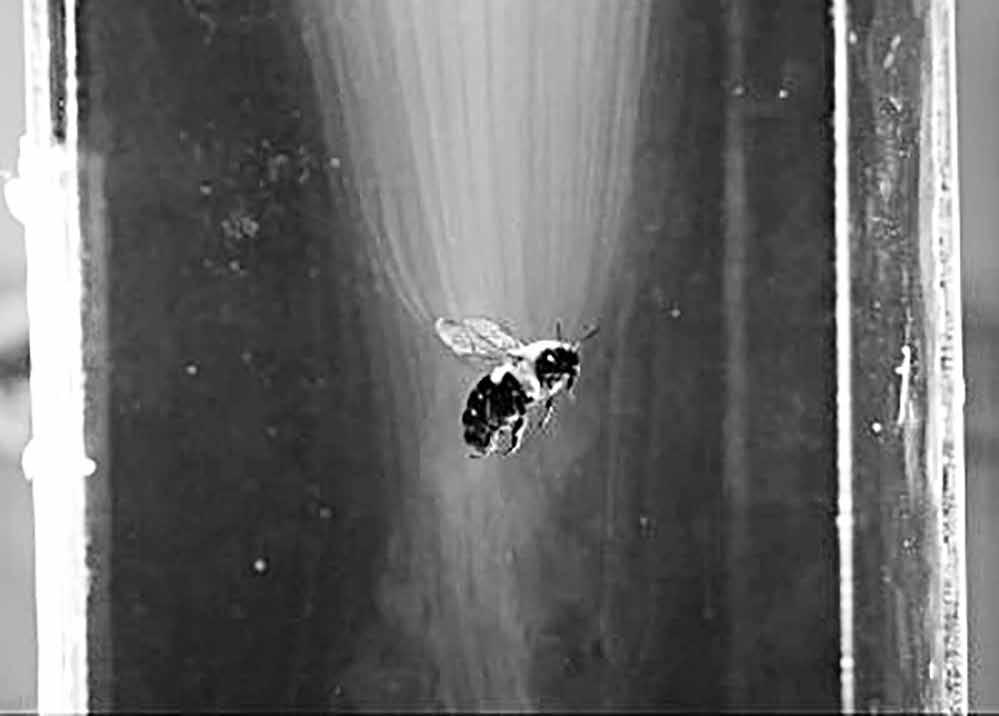
The bees were filmed at high speed while the air currents generated by their wings were recorded and measured up to about one meter per second.
The group then recreated airflow speeds in a vertical wind tunnel using 18 additional bees to measure cooling rates.
Finally, the research team incorporated these empirical measurements into heat-balance simulations which included metabolism, body size, solar radiation and air flow, Glass says.
“The exact cooling
depends on body size and environmental conditions, but the air flow can shift a bee’s heat balance from gaining heat to losing heat,” he says. “In our models, including self-induced air flow often kept body temperatures within a safe flight range, while removing it caused temperatures to rise rapidly.”
“The key point is not a single number of degrees, but this air flow substan-
tially changes whether a bee remains thermally stable,” he adds.
According to the paper, the study can prove valuable to inform broader warming climate questions.
“Predicting how pollinators will cope with rising temperatures requires accurate models of how they gain and lose heat,” Glass says.
“By directly quantifying this overlooked cooling mechanism, we improve those pre-
dictions. It gives scientists a clearer understanding of how flying insects may respond to more frequent heat stress in a warming world.”
The research was funded by the National Science Foundation, the UW Research and Economic Development Division and the UW Department of Zoology and Physiology.
This story was originally published by UW News on Feb. 25.
Hovering bumblebee – A bumblebee is observed flapping its wings in the fog of a vertical wind tunnel.
Michael Dillon, a professor and the L. Floyd Clark chair in the University of Wyoming (UW) Department of Zoology and Physiology, and Jordan Glass, a postdoctoral research fellow in the department, headed a study which discovered a bumblebee flapping its wings downward can help cool the insect’s core body temperature as much as 41 degrees Fahrenheit. Their paper was published on Feb. 18 in Proceedings of the Royal Society B: Biological Sciences. Christopher Petranek photo
On March 1, the U.S. Department of Agriculture’s Natural Resources Conservation Service (NRCS) released the Wyoming Basin and Water Supply Outlook Report for March 2026, which analyzes snowpack, precipitation, streamflow and reservoir storage across the state of Wyoming.
The report assesses the water supply outlook for the entire state of Wyoming, as well as individual basins including the Snake River, Madison Headwaters, Yellowstone River, Wind River, Big Horn River, Shoshone River, Powder River, Tongue River, Belle Fourche River, Cheyenne River, Upper North Platte River, Lower North Platte River, Laramie River, Sweetwater River, South Platte River, Little Snake River, Upper Green River, Lower Green River and Upper Bear River basins.
Snowpack and precipitation
According to NRCS, as of March 1, snow water equivalent (SWE) across Wyoming was 76 percent of median.
The Yellowstone River Basin reported the highest SWE in the state at 106 percent of median, while the
South Platte River Basin reported the lowest SWE at 25 percent of median.
The Belle Fourche, Big Horn, Cheyenne, Laramie, Little Snake, Lower Green, Lower North Platte, Powder, South Platte, Tongue, Upper Bear and Upper North Platte river basins posted SWEs below the 89 percent of median recorded from 1991 to 2020.
Additionally, the report notes the Upper Bear River Basin saw the highest amount of precipitation for the month at 121 percent of median, while the Tongue River Basin saw the least amount of precipitation at 36 percent of median.
Streamflow yields
For April through September, NRCS forecasts streamflow yields from all basins in Wyoming – except the Green River, Little Snake River and Cheyenne River basins – at 91 percent of median.
For these three exceptions, streamflow yields from April through July are predicted to report 62 percent of median in the Cheyenne River Basin, 66 percent of median in the Little Snake River Basin, 77 percent of median in the Lower Green River Basin and 91
percent of median in the Upper Green River Basin. Streamflow yields for individual basins across the state include the Upper North Platte River Basin at 65 percent of median, the Lower North Platte River Basin at 67 percent of median, the Laramie River Basin at 73 percent of median and the Sweetwater River Basin at 80 percent of median.
Additionally, the Tongue, Powder, Wind, Big Horn and Shoshone river basins are forecast to yield 91 percent, 93 percent, 98 percent, 100 percent and 128 percent of median, respectively.
Reservoir storage
The NRCS report goes on to note reservoir storage across the entire state of Wyoming averaged 60 percent of median as of March 1.
Several basins reported reservoir numbers below median, including those in the Upper Bear River Basin
at 41 percent, the Laramie River Basin at 57 percent, the Upper North Platte River Basin at 58 percent, the Cheyenne River Basin at 78 percent, the Wind River Basin at 84 percent and the Boysen Reservoir in the Big Horn River Basin at 88 percent.
Reservoirs reporting numbers near median include the Buffalo Bill Reservoir on the Shoshone at 90 percent, the Lower North Platte River Basin at 95 percent, the Lower Green River Basin at 96 percent, the Snake River Basin at 98 percent and the Belle Fourche River Basin at 101 percent.
Reservoirs in the Upper Green River Basin reported numbers above median at 115 percent.
Hannah Bugas is the managing editor for the Wyoming Livestock Roundup. Send comments on this article to roundup@ wylr.net.
The dairy checkoff recently launched a new marketing campaign aimed at increasing consumer demand for dairy products by promoting the benefits of dairy in day-to-day lives.
Developed by Dairy Management, Inc. (DMI), the Dairy Does More initiative seeks to strengthen dairy’s role in modern lifestyles and connect consumers with information about the health benefits of dairy products.
Dairy Does More
According to a March 2 press release issued by DMI, the Dairy Does More initiative aims to spark growth and reignite relevance of dairy products in the minds and lives of U.S. consumers.
The national marketing communications platform seeks to help grow demand for dairy by reshaping how consumers think about products like milk, cheese, yogurt and kefir.
“This is about reignit-
Dairy checkoff launches Dairy Does More campaign
ing relevance for dairy and unlocking new growth by helping consumers see our products in a whole new light,” says Aris Georgiadis, senior vice president of marketing communications for DMI. “Most people already love dairy for its taste. Now we’re showing them all of the other benefits dairy provides and why it deserves a bigger role in their everyday lives.”
Focusing on the health benefits of dairy, the campaign depicts people in all stages of life enjoying dairy products alongside the tagline, “There are so many reasons for dairy.”
DMI says the goal is to have consumers see dairy’s familiar benefits paired with the unexpected, highlighting dairy’s versatility, functionality and emotional appeal while giving consumers new reasons to enjoy it throughout the day.
Boosting value
Georgiadis also empha-
sizes a key priority of the Dairy Does More campaign is disrupting consumer tunnel vision when it comes to dairy products.
“Consumers often put food into fixed boxes –milk is for kids, yogurt is for breakfast, cheese is for dinner,” Georgiadis says. “Our job is to break this pattern and expand how people see dairy. If they only think of milk as something for kids, how do we broaden their horizons? If yogurt is only for breakfast, how do we help them see it as a snack, a recovery food or something that pairs well with meals?”
“We’re showing young athletes there’s more to dairy beyond protein, showing parents there are incredible mind-boosting benefits beyond calcium and engaging teenage foodies by talking about nutrition in a way that feels authentic to them,” he adds. “By pairing an obvious benefit with
a surprise benefit, we can disrupt tunnel vision and inspire new behaviors.”
By solidifying dairy’s place and increasing its presence in consumers’ day-to-day lives, DMI also hopes to secure increased value and opportunities for
the dairy farmers who supply the products.
“This campaign is about building value for farmers and importers by strengthening dairy’s place in consumers’ lives,” says Marilyn Hershey, DMI chair and Pennsylvania dairy farmer.
“When people understand everything dairy does for their health, performance and everyday enjoyment they’re more likely to choose dairy more often.”
Dairy checkoff
The Dairy Does More campaign is the latest advertising effort launched by the dairy checkoff, which focuses on fostering consumer trust in dairy products and the farm families behind them.
Georgiadis says, “Our role is to be a trusted, joyful voice that makes dairy
nutrition approachable and enjoyable.”
The national checkoff program is managed by DMI, which collaborates with state and regional checkoff teams across the U.S. to boost domestic and global dairy sales through research, education and marketing initiatives.
More than 24,000 dairy farmers and dairy importers support DMI through funding, and the organization also manages the National Dairy Council and is responsible for founding the U.S. Dairy Export Council, the Innovation Center for U.S. Dairy and Newtrient.
Grace Skavdahl is the editor of the Wyoming Livestock Roundup. Send comments on this article to roundup@wylr.net.
5,000 Fancy Open Commercial Replacement Angus Heifers All One Iron - Ready to Breed Bangs Vaccinated - Montana’s Best 45 First-Calf Pairs Calves all sired by Vermilion Irish Whiskey.
MARCH 27, 2026
500 Total Performance Bulls Sired by Unified, Riverside, Jameson, Leo, Prosper, Congress, Teton, Bedrock and Effective.
In the latest on the New World screwworm (NWS) front, the U.S. Department of Agriculture announced it has awarded a contract to Mortenson Construction to build a new sterile fly production facility at Moore Air Base in Edinburg, Texas.
The project will be completed in partnership with the U.S. Army Corps of Engineers (USACE), which will oversee the facility’s design, engineering and construction, and federal officials say the facility will play a key role in the nation’s strategy to prevent NWS from reaching the U.S.
“This first-of-its-kind facility on U.S. soil will ensure we are not reliant on other countries for sterile flies,” says U.S. Secretary of Agriculture Brooke Rollins in a March 9 news brief announcing the project.
“The USACE is the best in the business, and their engineering expertise will help ensure we build a modern, resilient facility to protect American agriculture from invasive pests for decades to come.”
Northward spread
NWS is a parasitic fly whose larvae feed on the living tissue of warm-blooded animals.
When the fly lays eggs in an open wound or natural body opening, the lar-
vae hatch and burrow or “screw” – hence its namesake – into flesh, causing severe injury and often death if left untreated.
The pest can infest livestock, wildlife, pets, occasionally birds and, in rare cases, it can also affect humans.
The U.S. originally eradicated the pest in 1966 through a successful largescale sterile fly program, and since then, the U.S. Department of Agriculture (USDA) and its international partners have worked to keep the insect confined to South America.
However, NWS reemerged in November 2024 with a detection in southern Mexico and has since moved northward with the most recent case reported in Nuevo León and Tamaulipas, Mexico – both situated near the Texas border – on March 3.
Although USDA’s efforts have kept the pest at bay, officials worry NWS will result in significant economic losses for producers should it cross the U.S. border.
Expanding efforts
The sterile insect technique (SIT) has been a cornerstone of NWS eradication efforts since its original outbreak in the 1960s and is still widely recognized as one of the most effective and environmentally responsi-
ble methods for controlling invasive insects.
In sterile fly production facilities, NWS flies are raised in a controlled environment and sterilized using irradiation. Sterile males are released into targeted areas where wild screwworm populations exist, and because female screwworm flies only mate once in their lifetime, mating with a sterile male results in eggs which do not hatch.
When combined with surveillance, movement controls and education efforts, SIT has proven successful in eliminating the pest in large geographic regions.
According to APHIS, the U.S. currently relies on sterile fly production at the Panama-U.S. Commission for the Eradication and Prevention of Screwworm facility in Panama, where roughly 100 million sterile flies are produced per week, then dispersed in and around affected areas in Mexico.
Recently, the USDA also invested $21 million to help Mexico renovate an existing fruit fly facility in Metapa, Mexico. Once complete, this facility is expected to produce an additional 60 to 100 million sterile flies per week, with production anticipated to begin in the summer of 2026.
The new facility in
CHAROLAI
Texas is expected to add significant domestic production capacity to these international efforts as well.
“USDA and USACE will break ground on the new facility later this spring, after initial planning and development meetings with Base will be the only U.S.based sterile fly production facility and will work in tandem with facilities in Panama and Mexico to help eradicate the pest and protect American agriculture.”
A broader strategy
The new sterile fly pro production capacity. In addition to increasing sterile fly production, the strategy includes enhancing surveillance programs, collaborating with Mexican officials, strengthening animal movement controls and expanding public outreach
International collaboration – The U.S. continues ongoing sterile fly production efforts at the PanamaU.S. Commission for the Eradication and Prevention of Screwworm facility in Panama, where roughly 100 million sterile flies are produced per week then dispersed in and around affected areas in Mexico. U.S. Department of Agriculture photo
OBSIDIAN ANGUS
Lot 23 - Obsidian High Summit 920
Every year, farmers and ag industry stakeholders from across the nation gather for the Commodity Classic – America’s largest farmer-led, farmer-focused agricultural and educational event presented annually by the American Soybean Association and National Corn Growers Association (NCGA) in conjunction with the National Association of Wheat Growers, National Sorghum Producers and the Association of Equipment Manufacturers.
The 30th Annual Commodity Classic was held in San Antonio, Texas from Feb. 24-27 and broke attendance records for the second year in a row, garnering attendance from more than 12,000 farmers, exhibitors, industry stakeholders and media, according to a March 4 press release issued by NCGA.
The event featured more than 30 educational sessions, a full trade show span-
ning two floors and policy meetings hosted by sponsoring commodity associations and attendees also heard from leading farmers, policymakers and industry experts, including U.S. Secretary of Agriculture Brooke Rollins, on issues shaping the future of agriculture.
Farmer focus Conversations on trade and tariffs, year-round sales of E15 and the upcoming review of the U.S.Mexico-Canada Agreement (USMCA) took center stage during the Commodity Classic, according to a March 5 American Ag Network article.
American Farm Bureau Federation (AFBF) President Zippy Duvall shares several thoughts on these issues in a conversation with American Ag Network, highlighting both optimism and areas of concern on topics from tariffs to biofuels. Regarding ongoing uncertainty surrounding Presi-
dent Donald Trump’s efforts to impose a sweeping tariff on imports from Canada, China and Mexico, Duvall advocates for exemptions on certain agricultural necessities should a “blanket global tariff” take effect.
“If the president would at least exempt some of the costs of the products we consume like fertilizer, crop protection tools, equipment and metal, it might lessen the blow,” Duvall says. “We depend on foreign trade, and we need a level playing field.”
Turning his attention to the upcoming USMCA review scheduled to take place in July, Duvall reiterates Mexico and Canada are two of the U.S.’s most crucial agricultural trading partners.
Since provisions in the USMCA are already complementary to American agriculture, Duvall emphasizes a “do no harm” approach to ag policy he hopes the president will
carry into negotiations.
“I know the president appreciates farmers and ranchers, and I think at the end of the day, he’ll make sure USMCA delivers the satisfaction and certainty it brings to agriculture,” Duvall states. “We need to continue to put pressure on and make sure everybody understands how important USMCA is to agriculture.”
Duvall further notes his optimism is high regarding the potential for successful legislation allowing yearround sales of E15 – a gasoline and ethanol fuel blend which helps boost demand for U.S. corn, lower gas prices and strengthen American energy security.
In particular, Duvall emphasizes AFBF is working on finding a vehicle bill to carry the policy forward, as well as focusing efforts on proving the positive impact AFBF believes yearround E15 sales would have on increasing job opportuni-
Pasture To Plate Performance Sale,
3/8/25
37% Lim-Flex • HP • HB
S: Connealy Commerce
CE: 14 BW: 1.6 WW: 96
YW: 150 MK: 22 DC: 12
RE: 0.97 MB: 0.42 $TPI: 156 PAP: 37
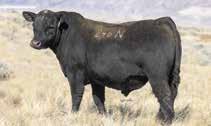
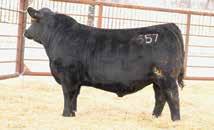
OLIM NUMERO UNO 648N He and multiple maternal sibs sell!
3/2/25
68% Lim-Flex • HP • Blk
S: OLIM Kolt 45
CE: 12 BW: -0.1 WW: 79
YW: 127 MK: 23 DC: 17
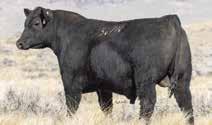
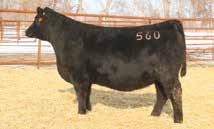
RE: 0.67 MB: 0.1 $TPI: 94 PAP: 38 OLIM NORTH STAR 560N
Duvall highlights increased cooperation and discussion through the biofuel and petroleum sectors with farmers and ranchers, resulting in better understanding of the benefits having yearround E15 could bring to the nation.
“We’re having more conversations on Capitol Hill and through this administration than we ever have on the subject,” Duvall states. “I feel good about it.”
USDA priorities
During a well-attended general session on Feb. 26, Rollins addresses a vast crowd of American farmers and touches on key topics including trade and export conditions, input costs and farm policy progress.
of the most pressing issues affecting American farm families today.
Rollins says heightened input costs throughout a five-year period from 202025 combined with a weakened agricultural trade market led to many challenges for American producers – a deficit the Trump administration has focused on correcting throughout the past year by strengthening farm programs and rebuilding export markets.
She emphasizes several agricultural sectors saw export gains in 2025, including corn exports increasing by 29 percent, dairy exports rising 14 percent and ethanol exports increasing by 11 percent, according to Winberg.
In addition, Rollins highlights crop insurance improvements and farm business tax benefits outlined in recent federal legislation are expected to provide relief to farmers throughout the upcoming year.
As noted in a March 2 Farm Progress article, the secretary’s address outlines five core priorities the U.S. Department of Agriculture (USDA) will be focusing on in 2026 including deregulating regulatory burdens, increasing trade deals, lowering input costs, expanding biofuel markets and strengthening the farm safety net.
On the topic of trade, the Farm Progress article notes Rollins acknowledges some trade agreements have stalled in light of recent tariff negotiations but also highlights progress being made with 15 nations or trade bodies including the European Union, United Kingdom, Japan and Mexico.
A March 9 Midwest Messenger article by Katelyn Winberg adds Rollins’ address also includes comments on input costs – one
The article notes Rollins also announced USDA’s new “One Farmer, One File” initiative which will create a unified digital record to follow producers across USDA agencies, replacing multiple separate systems and reducing paperwork requirements.
Overall, Rollins’ address emphasizes the Trump administration continues to focus on strengthening agricultural markets and improving farm programs in the face of ongoing challenges facing U.S. producers. Grace Skavdahl is the editor of the Wyoming Livestock Roundup. Send comments on this article to roundup@wylr.net.
Meat conference held
The American Lamb Board (ALB) recently connected with professionals from across the retail meat industry at the 2026 Annual Meat Conference in Maryland.
For U.S. sheep producers, ALB’s presence at this event is an important opportunity to engage with retailers and lamb suppliers who ultimately influence how lamb is positioned, promoted and priced in the meat case.
ALB hosted a sponsored session titled “Lamb from Carcass to Case: Trends, Cuts and Consumer Connection,” which highlighted lamb as a premium yet underutilized protein with growing consumer demand.
Presenters emphasized younger generations are helping drive growth in lamb retail sales, while retail panelists highlighted the increasing popularity of value cuts – such as ground lamb and stew meat – due to their accessibility and price points.
The session demonstrated how culinary trends and consumer preferences can translate into effective instore merchandising and stronger lamb sales.
The Annual Meat Conference brings together leaders from across the meat supply chain including retailers, packers, processors, industry analysts and marketers. Presentations focus on consumer and market trends, merchandising and pricing strategies, innovation and product development and supply chain realities.
The conference traditionally opens with the latest Power of Meat study presentation, providing valuable insights into consumer purchasing habits and protein trends.
This year’s discussions highlighted growing consumer interest in protein and the opportunity for the meat industry to communicate the nutritional value of animal protein more effectively.
Additionally, Robert F. Kennedy, Jr., secretary of Health and Human Services, addressed attendees about the new dietary guidelines which encourage consumers to reduce highly processed foods and increase protein intake, including red meats.
UNL webinar covers considerations for low pregnancy rates in young cows
A March 10 webinar hosted by University of Nebraska-Lincoln (UNL) Extension covered key things for producers to consider when exploring potential causes for low reproductive rates in young beef cows.
UNL Extension Educator Aaron Berger moderated the webinar which featured comments from a series of specialists across four important topics – heifer development, genetic selection, nutritional considerations and impacts of infectious disease on infertility.
Heifer development
To start, UNL Extension Beef Cow/Calf Specialist Dr. Kacie McCarthy offers some comments on heifer development and longevity.
McCarthy emphasizes achieving consistent breedup in young cow herds begins with early management practices and acknowledging development strategies vary based on operational goals but should ultimately focus on setting the stage for continued success.
“Management of fertility and longevity is not a single stage event,” McCarthy says. “How we manage heifers to become pregnant earlier in the breeding season can ultimately set them up later on.”
She shares research findings showing the influence of calving period length on herd longevity, explaining a greater percentage of females remained in the herd for more consecutive calving seasons when bred earlier in the calving period.
McCarthy also emphasizes the positive impacts of implementing a stairstep approach to developing beef heifers, which utilizes periods of low weight gain followed by periods of high weight gain, on increased longevity.
“A lot of research tells us lighter target body weight at breeding reduced development costs while not impairing reproductive performance,” she adds.
Further, McCarthy shares research reflecting the difference in retention rates between range-developed and feedlot-developed heifers, noting a greater proportion of range-developed females remained in herds for a period of more than five years.
“Fitting heifers to their environment improves pregnancy rates,” McCarthy emphasizes.
UNL Professor of Animal Science Dr. Rick Funston also underscores the importance of preparing young cows in the months before breeding and emphasizes proper nutrition can contribute to decreased levels of early embryonic mortality.
Genetic selection
Next, UNL Extension Beef Genetics Specialist Dr. Matt Spangler offers some considerations regarding genetic selection.
He explains genetics impact both reproductive ability and how well cows fit their production environment and encourages pro-
ducers to keep an updated understanding of herd performance and breeding objectives.
“As your herd changes in performance, the emphasis you need to place on different traits in your selection program changes as well,” he states.
He also expresses his belief in the advantages of a structured crossbreeding program, noting this practice can help producers capitalize on expected progeny differences (EPDs) which promote sustained fertility.
On this topic, Spangler notes milk and mature cow weight EPDs have a significant impact on driving fertility and profitability.
“Milk is something where fitting genetics to environment becomes important,” Spangler says. “In environments with limited feed availability, cows that out milk their nutrient availability have a greater tendency of showing up open.”
Also, Spangler adds the largest path to profit is pushing cow weight down without sacrificing performance, noting incorporating breeds with lower mature cow weight EPDs can complement a crossbreeding program.
Nutritional considerations
Following Spangler’s presentation, UNL Extension Cow/Calf Stocker Management Specialist Dr. Karla Wilke shares some considerations on the relationship between nutrition and reproduction.
Wilke’s comments highlight the importance of body condition score (BCS) when it comes to conception and underscores the need for setting young cows up for success through adequate nutrition.
“BCS at calving is one of the biggest factors contributing to timely return of estrus in beef cattle,” Wilke says, highlighting research which shows breed-up rates of cows with a BCS of five or better being significantly higher than those with a BCS below five.
The research also shows a shorter postpartum interval for cows with a higher BCS at the time of calving, meaning it took less time for them to breed back and re-enter the calf production cycle.
She explains BCS is most critical for young cows because this age group still has growth requirements mature cows do not, as well as a shorter postpartum interval than heifers.
Additionally, she emphasizes since young cows are still maturing, a greater amount of their energy reserves go towards things like developing basal metabolism and growth in addition to lactation and reproduction.
“We have to have a little more consideration for the nutrient requirements of the two- and three-yearolds because they have more going on than their mature cow counterparts,” Wilke states.
Infectious diseases
UNL Extension Veterinarian and Veterinary Pathologist Dr. Matt Hille then shares some thoughts about the impact of infectious diseases on infertility.
Hille gives an overview of some infectious disease threats including vesiculitis, campylobacter and trichomoniasis which contribute to lowers conception rates, early embryonic death and increased abortions in cow herds.
He emphasizes infectious causes of infertility and early fetal death are relatively uncommon. However, the results of contracting the disease can be catastrophic.
Additionally, he notes it is difficult to diagnose infectious causes of calf loss retrospectively and emphasizes the importance preg checking early to differentiate infertility from early embryonic loss or abortion.
For this reason, Hille’s take-home recommendations for producers focus on remaining educated about infectious disease threats and taking preventative protective measures through test-
ing and vaccination.
Final considerations
In closing, UNL Associate Professor of Veterinary Epidemiology Dr. Brian Vander Ley outlines a systems approach to understanding the problem of young open cows.
He refers to reproduction as the “engine driving
profitability in a cow herd” and warns producers to be cautious of sacrificing overall reproductive efficiency in favor of short-term positive outcomes.
Instead, Vander Ley discusses a “big picture” approach to understanding factors from heifer development and breeding strate-
gies to breeding objectives.
The webinar concludes with a question-and-answer session where presenters weighed in on questions from producers.
Grace Skavdahl is the editor of the Wyoming Livestock Roundup. Send comments on this article to roundup@wylr.net.
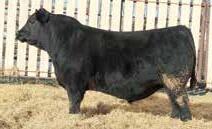
A sale highlight with herd bull credentials and generations of the very best Miss Wix cows behind him. He is docile, near perfect footed and extra thick. Sired by OCC Edge of Glory 841E, who sired last year’s $110,000 Mc Cumber Glory Bound 4141. He is a maternal brother to the 2023 sale topper Mc Cumber Black Pearl 291 and his dam entered the ET program this past spring and is one of the very best daughters of Miss Wix 2012 of Mc Cumber in our herd.
B PRIDE 585 OF MC CUMBER Reg 21504680
BW: 82, WW: 785, YW: 1090
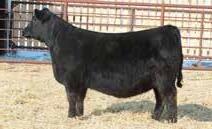
An elite female sired by Mc Cumber Zodiac 073. B Pride 585 of Mc Cumber is a standout from our program with the mass, thickness, and fleshing ease we demand. She combines it with incredible style, extension and soundness. Phenotypically one of the best we have ever produced and backed by generations of cows that excel for fertility, productivity and longevity. Destined for the donor pen a complete female that covers all the bases.
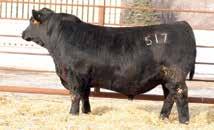
Mc Cumber Strategy 517 is the program. He combines the best of the Miss Wix and Lassie cow families and traces to them multiple times. A logical choice to replace his sire and not only match his ability to sire incredible females, but provide more power, performance and pounds in a forage efficient, easy fleshing package. The proof is in the multiple generations of fertile, productive, long-lived females that back this herd sire prospect.
BEMINDFUL MAID 560 MC CUMBER Reg 21504672
BW: 78, WW: 735, YW: 1075
An outstanding cow prospect with the maternal strength to build a program around. She ranks in the top 1% of the breed for Functional Longevity and top 4% of the breed for $M. She combines this with added power, rib-shape, body dimension and fleshing ability. She comes from a line of cows that excel for udder quality, foot shape, fleshing ability and fertility. Sired by the popular Mc Cumber Cow Power 118 with genetic excellence to move your program.
A top herd sire prospect that displays the mass, muscle and power we strive to produce. Mc Cumber Acclaim 557 combines this with balance, eye-appeal, structural soundness and hoof quality. He is 7/8 brother to the $110,000 Mc Cumber Glory Bound 4141 and doesn’t take a back seat. He will rival some of the best bulls ever offered here. Complete, maternally superior and selection for commercial cattle producers profitability.
NOTICE: Publication in this newspaper does not guarantee the legitimacy of any offer or solicitation. Take reasonable steps to evaluate an offer before you send money or provide personal/financial information to an advertiser. If you have questions or believe you have been the victim of fraud, contact the Wyoming Attorney General’s Office, Consumer Protection Unit, 109 Capitol Building, Cheyenne, WY 82002, 307-777-6397 TFN
37TH ANNUAL WWCA MEMORIAL WEEKEND GUN SHOW MAY 2324 IN RIVERTON, WY AT THE FREMONT COUNTY FAIRGROUNDS: Join the Wyoming Weapons Collectors for 250+ tables of heritage and history. Enjoy the NWTF youth range and Sunday Cowboy Church. Fri. May 22, vendor setup. Sat. May 23 and Sun. May 24, open to public. Entry $7/daily, $10/weekend, kids 12 and Under FREE. Reserve tables at www.wyomingweaponscollectors.com or call 307-349-4914 4/4
GUN SHOW MARCH 21-22: Weston County Senior Citizens Center, Newcastle, WY, Sat., March 21, 9 a.m.-5 p.m.; Sun., March 22, 9 a.m.-3 p.m. Admission $5, kids 12 and under free when accompanied by a parent or guardian. Vendor setup Fri., March 20, 3-8 p.m. For more information, call Mike Novotny, 253-678-4825 3/14
UP IN ARMS, LLC FLEA MARKET AND GUN SHOW March 20-22, Casper, WY at the Central Wyoming Fairgrounds. Open to the public. Fri., March 20, 3-7 p.m. Sat., March 21, 9 a.m.-5 p.m. Sun., March 22, 9 a.m.-3 p.m. Giving away a .22 pistol Sunday at 2 p.m., must be present to win, 21 years of age and able to pass background check. Buy, sell, trade. Adults $6, children 12 and under free (when accompanied by an adult). For more information, contact Lisa, 208420-2295 3/14
GOTTSCH LIVESTOCK FEEDERS LLC Red Cloud, NE
Come Join the Gottsch Livestock Feeders Family! Gottsch Livestock Feeders is looking for Cowboys/Pen Riders for their feedyard in Red Cloud, NE. The main focus of the Cowboy/Pen Riders are spotting, pulling, diagnosing and taking cattle to the hospital and shipping fat cattle. This person will need to be a team player who is seeking a long-term position. You will have the opportunity to work with and learn from some of the best in the industry. We offer a benefits package that includes health insurance, dental, vision, 401(k), health savings, life insurance and paid vacation. Retention bonus offered to full-time employees. Incentives paid out at 6 months and 1 year of employment. If you are interested stop by and fill out an application or visit our website at
www.gottschcattlecompany.com
CALVING AND BRANDING HELP WANTED AT CROSS FOUR RANCH, MILES CITY, MT: We provide housing and groceries along with beef. Competitive wages offered. Experience needed. Contact Julie at 406-232-4527 (office) or 406-852-0070, e-mail resume to jnowicki420@ gmail.com 4/4
RANCH HAND/GROUNDS
KEEPER: Full-time position at a family-owned ranch near Cody, WY and located in the Shoshone National Forest. Position entails lawn care, irrigation, heavy equipment operation, carpentry, equipment maintenance, building maintenance and overall residential and agricultural property maintenance. Experience is welcome but will train the right candidate. The ideal candidate will be reliable; have a strong work ethic; be able to perform individually and with a team; be a self-starter and enjoy working outdoors. Benefits include health, with optional dental and vision; paid-time off and 401(k) with employer matching contribution. For the right candidate housing on property is also available. Salary based upon previous experience. Send resumes to emilyb@colliergroupoffice.com and cg1@ colliergroupoffice.com 5/2
IMMEDIATELY SEEKING FULL-TIME FARM/RANCH INDIVIDUAL FOR A REMOTE NORTHEAST WYOMING
RANCH: The role supports the current foreman and works alongside to ensure smooth and efficient operation of livestock, haying, equipment and facility management. Applicant must have a strong agricultural background and a hands-on approach to problem solving and daily ranch work. This is a longterm position and offers a clear path to increased responsibilities, pay and leadership. Housing is provided. Will not consider drug addicts or alcoholics. Must have a clean driving record. Please send resume with references and telephone number by mail or e-mail to: PeeGee Ranch, 1251 Lower Powder River Road, Arvada, WY 82831, pgranch@ rangeweb.net. NO telephone calls 4/4
LOOKING FOR RANCH ASSISTANT PROPERTY MAN-
AGER: Full-time position for large ranch located in Park County, WY. Responsibilities include: Lawn care, irrigation, agricultural equipment maintenance and general residential, building and property maintenance. Salary range of $45$60K depending on experience. Living on property is required for employment. House and vehicle will be provided. Property is located 10 minutes from downtown Cody, WY. Position is available for immediate hire. Please send resumes to mgiliati@acpg.com 3/21
WYOMING STATE PARKS IS HIRING ENERGETIC EMPLOYEES FOR THIS SUMMER!! The employment period will run from May until September. Apply here: www.governmentjobs.com/careers/ wyoming by searching “State Parks.” Join our team this summer! Maintenance and fee employees will be paid $10-$16/ hour and law enforcement staff will be paid $18-$22/hour. Housing may be available. EEO/ADA employer 3/14
BIRD AND ANIMAL AUCTION
SUN., MARCH 29: Selling a variety of chickens, geese, turkeys, peacocks, ducks, goats, hoof stock and more. The sale starts at 9 a.m. at the Dawson County Fairgrounds, 1000 Plum Creek Pkwy., Lexington, NE. For more information call Jaiden, 308233-1799. Find us on Facebook, @JGrace Auctions 3/21
ALL TYPES OF EQUIPMENT AND VEHICLE FINANCING. Great service!! Great rates!! Call Chuck Brown at C.H. Brown Co. LLC, 307-322-3232 (office), 307331-0010 (cell) or e-mail chuckbrown@wyoming.com 3/14
AGRI-ONE FINANCIAL: Farm/ ranch and all commercial loans. RATES AS LOW AS 5%. We have been helping with all aspects of agricultural, commercial financing and management for years. LET US HELP YOU on a consulting level with management to increase profitability, deal with and fix credit problems and for all your financing needs. WE CARE AND HAVE WORKING PROGRAMS designed for the farmer/rancher and not the banker. Please call Steve, 303-773-3545 or check out our website, www.agrionefinancial.com. I will come to you and get the job done!! 3/21
Services
Brands
REGISTERED WYO-
MING BRAND FOR SALE: LRC, LSS, LSH. Fees paid thru January 2029. Two fire irons, 2.5 and 3.5 inch. Three electric irons, 2.5, 3.5 and 5.5 inch. $3,250. Call or text 307-575-7065 4/4
REGISTERED WYOMNG BRAND: RSC, registered until 2027. Single iron. Also have an additional calf branding iron. $1,250 OBO. Call 307-461-0356 3/14
WYOMING BRAND FOR SALE: RHC. One iron brand and electric iron available. $2,500 OBO. Call 307-635-7252 4/4
RHC, RHH, no earmarks, registration #A0715200, renewed to Jan 1, 2027. Comes with cattle irons and horse irons. $750 OBO. Call/text 520-904-8305 or e-mail griz-2006@hotmail.com 3/28
FOR SALE: Wyoming registered single iron brand, RSC, RHH. Two hot irons available (1 cow iron and 1 calf iron). Asking $3,995 for this easy to read brand. Registered until January 2029. Call 307-2542790 3/21
WYOMING REGISTERED BRAND: RHC, RHH, renewed to Jan. 1, 2031. Hot and cold irons. $10,500. Call 307-850-5087 3/14
ENGLISH SPRINGER SPANIEL PUPPIES: Four female puppies available the end of March. Born Jan. 30. Both mom and dad are AKC registered. Price includes deworming and first shots, $1,200. Call 307-871-6875. To view photos, go to www.wylr.net in the classifieds 4/4
MINI AUSSALIER PUPPIES: Mom mini Aussie, dad Cavalier KC spaniel. Raised in home with kids. First shots and deworming. Very sweet babies. $495. Call 406-450-5992 3/14
SIMANGUS YEARLING BULLS FOR SALE BY PRIVATE TREATY: Bulls priced for every budget. Bulls have GE EPDS, are homozygous polled, most are homozygous black. Bulls can be inspected at Dilka Cattle, pictures available by request. Bulls sired by BAS Money Maker, Gibbs Essential, Gonsior Batman and CCR Pounder. All bulls guaranteed for first breeding season. Information on the bulls may be requested by e-mail at thedilkas@ aol.com or calling 970-396-8791 4/4
MYDLAND ANGUS RANCH: Yearling Angus bulls. Performance tested, EPDs available. Home raised. Call 406-591-3404 or 406-855-5598 4/4
SimAngus
YEARLING ANGUS BULLS: These bulls are grown, not fattened, will get out and cover cows. Many will work on heifers. We will deliver. Call Joe Buseman, 605351-1535 4/4 SALE * CHRISTENSEN RED ANGUS * SALE: Registered, vaccinated and fertility tested bulls. We have a deep carcass, high ADG packaged with moderate to low birthweights available. Call 406-208-4315 or e-mail criters64@gmail.com 3/14 RED ANGUS HIGH-ELEVATION YEARLING BULLS FOR SALE IN NORTHEASTERN UTAH: Out of AI and bull-bred sires. Will be trich, semen tested and fed for free until April 15. $3,500/head. Bar Lazy TL Ranch, David, 435-828-1320, barlazytlranch@ gmail.com 6/13
STRAND SIMANGUS PRIVATE TREATY BULL SALE: Selling yearling Black Simmental and SimAngus bulls. Our bulls have thickness that has been bred on, not fed on. Leave the trailer at home, we will feed your bull, semen test and deliver free of charge up to 300 miles after April 1. Bulls can be viewed at the ranch, Platte, S.D. For performance records, pictures or more information, call 605-680-7628, e-mail strandsimangus@gmail.com. Visit www.strandsimangus. com To view photos, go to www. wylr.net in the classifieds 3/14
Shorthorn
SHORTHORN BULLS FOR SALE PRIVATE TREATY: Yearlings up to mature bulls available. Developed conservatively so they hold up. Remember a red Shorthorn bull on your homozygous black cows will give you black calves. Shorthorns are excellent maternal cattle that produce quality beef. Francis-Millvale Shorthorns, Gene and Roberta Francis Family, 701-331-2403, e-mail francis.millvale@gmail.com. To view photos, go to www.wylr.net in the classifieds 3/14
Have Horses to Sell?
Advertise Here!
Hay & Feed
CERTIFIED BARLEY STRAW FOR SALE, 3x4 bales. Cody, WY. Call 307-899-1952 TFN
TWO-YEAR-OLD HEREFORD
BULLS: Canadian registered. Fertility checked. View photos at www.workingherefords. com. Estermann Herefords, 308-340-4159 or 308-963-4473 4/4
Pasture Wanted
LOOKING FOR PASTURE FOR THE SUMMER GRAZING SEASON FOR 100 PAIRS OF EXCELLENT BLACK COWS in central or northeastern Wyoming. Call Richard Leavitt, 307-214-2200 3/14
LAMAR COMMUNITY COLLEGE LEGACY HORSE SALE!! Join the Legacy. Lamar Community College has been training high-quality performance and ranch horses since the 1970s. JOIN US ON SAT., MAY 2 IN LAMAR, CO TO SHOP HIGH QUALITY HORSES. Mark your calendars and follow our social media pages to stay up-to-date on the Lamar Community College Legacy Horse Sale. Previews at 9 a.m., sale at 12 p.m. 2401 S. Main Street, Lamar, CO 81052. Online as well with DV Auction. Call Savanna Mauch, 719-3361624 or Jaci Brown, 719-3366663 3/14
$69/bushel +S/H. Call 217-857-3377 or text cell 217-343-4962, visit website www.borriesopenpollinatedseedcorn.com 3/21
FEED/GRAIN FOR SALE: Alfalfa, cane and millet hay. Large squares and rounds. Semi loads only. Will deliver. Call 970-2272760 3/14
CERTIFIED WEED-FREE PURE
SUMMER PASTURE WANTED FOR YEARLINGS: Seeking summer grass for 2026. For 500-1,500 head. Wyoming, Colorado, Nebraska, South Dakota. Prefer long-term potential, competitive rates offered. Call Jon, 831-240-5795 TFN
REGISTERED BLACK YEARLING LIMOUSIN BULLS FOR SALE: Performance tested. Contact Nolz Limousin, Mitchell, S.D. Call 605-999-7035 or visit www.nolzlimousin.com 4/4
FIND IT IN THE ROUNDUP
CLASSIFIEDS
Farm for Lease
WYOMING IRRIGATED ALFALFA LEASE OPPORTUNITY: 400 acre irrigated alfalfa tract served by farm operated 7 tower electric center pivots on deep bottom silt loam in the North Platte Valley buffered by hills, cottonwoods, Russian olives, berry bushes. Well rooted pure alfalfa stand in triticale rotation. Woven wire fence, ponds, well, spigots, ravines, corn feeders, housing, corral, bird shed/cage. Turkey, deer, antelope, waterfowl, fish. Long term. Share interest, equipment, harvest/grazing strategy. I-25 exit Douglas, WY. Call 605-484-5455. To view photos, go to www.wylr.net in the classifieds 3/14
Horses
AQHA VERY GENTLE, WELL BROKE, NO BUCK, 10-YEAROLD BAY MARE. She has been used on the ranch for sorting, pairing and used in the mountains. AQHA FILLY AND STUD BORN MAY 2025. The filly is out of Ifwhizswereguns. The stud is out of HF Mobster. They are very gentle and halter broke. ELEVEN-YEAR-OLD GRAY, BROKE MUSTANG MARE. She was used as a broodmare and could be used as a recipient mare. For more information, please call 307679-3126 3/21
BEST OF THE BIG HORNS HORSE SALE APRIL 11, Buffalo Livestock Marketing, 44 TW Rd., Buffalo, WY. Online bidding through www.cattleusa. com, register 3 days prior to sale. Contact Ellen Allemand, 307-751-8969 or Kay Lynn Allen, 406-697-5882. Visit us on Facebook for updates 4/4 FOR SALE, PERCHERON
CROSS HORSES. Call 605-2101785. To view photos, go to www. wylr.net in the classifieds 4/4
Leatherwork
LS CUSTOM LEATHER: New tack, belts and cell phone cases. ALSO, SADDLE AND TACK REPAIR. Custom orders welcomed. Contact Lester, 307-631-1053, leave a message. Riverton, WY 3/14
CUSTOM BOOT MAKER: Boot and shoe repair, service nation-wide. Shock Boot Repair, 307-260-9219, Gillette, WY 2/28
VALLEY VIDEO HAY MARKETS, LLC: Representing 40 of the best growers in eastern Wyoming and western Nebraska. Call now for your spring needs, Barry McRea, 308-235-5386, www. valleyvideohay.com 4/4
ALFALFA/GRASS MIX: Large round bales. FIRST AND SECOND CUTTING ALFALFA, large rounds and small square bales. OAT STRAW, large round bales. ALSO, HIGH QUALITY feed value SHELL CORN. For more information, call 307-754-5864 3/14
HAY FOR SALE: FIRST CUTTING ALFALFA, ALFALFA/ ORCHARDGRASS, STRAIGHT GRASS AND GRAIN HAY OPTIONS. Net-wrapped round bales. Delivery available. WE ALSO OFFER CUSTOM TRUCKING, hay hauling and side dump to haul gravel. Call Cheney Trucking/ Jonathan Cheney, 605-569-0469 3/14
DAIRY QUALITY ALFALFA FOR SALE: Call for pricing, 605-430-9809 3/21
2025 HAY FOR SALE: 2,000+ bales, first, second and third cutting alfalfa/orchardgrass mix, roughly 50/50, round bales. If tests wanted, they can be obtained. Thirty miles east of Valentine, NE, trucking available if needed. Call or text for more information, 402759-2033 3/14
HAY FOR SALE: 2025 grass/ alfalfa, first and second cutting alfalfa, millet, haybet barley and CRP hay. ALSO, 2025 GRINDING HAY also available. All in net-wrapped round bales. Semi load delivery available. Call for pricing, ask for Klint, 701-2904418, if no answer, send a text or keep trying 3/28
HAY FOR SALE: Grass and alfalfa hay. ALSO, grass/alfalfa mix, forage wheat and straw. Round bales and 3x4 square bales. Delivery available!! Call 307-630-3046 3/28
ALFALFA HAY: 2025 third and first cutting available in small squares, averaging 70-80 lbs. Will load trucks and any open trailer. MONIDA OATS: $16/cwt. Combine run, great for seed or feed. Will auger into truck, trailer or large totes/ag bags. Located between Powell and Cody, WY. Certified scales on site. Call or text Knopp Farms for details, 307-254-0554 3/28
MOFFAT COUNTY SHEEP SHEARING SCHOOL, CRAIG, CO APRIL 17-19: This 3-day shearing school provides hands-on, instructed experience in shearing sheep and an introduction to equipment maintenance. No previous experience needed. E-mail megan.stetson@colostate. edu or call 970-826-3402 for registration information and questions 3/14
Hay & Feed
QUALITY HAY FOR SALE: Grass, grass/alfalfa mix and straight alfalfa, net-wrapped large round bales, no rain. Western Nebraska location. Pick up or delivery available for fee. Call or text 303-906-2691 3/21
BARLEY STRAW: Certified weed-free small squares, $4/ bale. ALSO, 5x6 round bales, $125/ton. GRAIN OATS, wheat and barley, $20/cwt. Greybull, WY area. Call 307762-3878 or 307-899-4714, leave message 3/21
FOR SALE: 2025 MILLET HAY IN LARGE ROUNDS, approximately 1,100 lbs., 75 tons available at $155/ton. Gooseneck delivery possible. Call and leave message at 307-259-5485 3/14
FOR SALE LIVESTOCK
EQUIPMENT: Custom made steel round bale feeders, WW 12.6 Chaparral corral panels, WW Longhorn chute, calf table and Yamaha 5500 portable generator, electric and pull start. Call, 970-391-0731 or 970-213-0454 for more information 4/4
PIPE FOR SALE!! 2 7/8”, 3 1/2” tubing, 4” drill pipe, 4 1/2” casing, 5” casing, 7” casing. Rods 3/4”, 7/8” and 1” located in Montana, can ship anywhere. Call Mike, 602-758-4447. To view photos, go to www.wylr.net in the classifieds 5/30
Fencing
LODGEPOLE PRODUCTS, 307742-6992, SERVING AGRI-BUSINESSES SINCE 1975!! Treated posts, corral poles, buck-and-rail, western rail, fence stays, roughsawn lumber, bedding. SEE US at www.lodgepoleproducts.com and click our “Picking A Fence Post” tab to see why folks choose our posts!! TFN
USED IRRIGATION PIVOTS FOR SALE, www.zimmag.com ● 2014 Zimmatic 8500 7 tower 1,286’, 5,132 hours ● 2020 Zimmatic 8500 7 tower 1,286’, 500 hours ● 2013 Valley 7000 7 tower 1,336’, 3,882 hours. Call 402910-3236 3/21
PRIME PASTURE RETREAT: Beautifully situated in the shadow of 66 Mountain near Hawk Springs Reservoir. Features a classic older 1 1/2 story home framed by a beautiful shelter belt. Private yet convenient setting 6 miles north of LaGrange, WY 73 + total acres. Build your dream home and barns. $300,000. PREMIER PIVOT AND GRASS PASTURE IN GOSHEN COUNTY, WY: This well designed 368+ acres hay and pasture property features an 86+ acre Reinke center pivot contiguous to native grass pasture with a stock well. The entire property is fully enclosed with perimeter fencing, with the center pivot separately fenced. Pivot is planted to alfalfa. Property can be split. $759,000. HIGHWAY 92 HIGH PRODUCTION FARM: Prime 200+ acre farm featuring 2 Zimmatic center pivots, excellent soils, 2 older, livable homes and 191 acres of reliable water rights from the Goshen Irrigation District. Unbeatable location along Highway 92, 6 miles south of Torrington, WY, for convenient access. A strong producer and solid investment at $1,250,000. Pictures at www. buyaranch.com. Call Casey Essert, Land Broker, 307532-1750 TFN
Hunting Wanted
ILLINOIS FARMER LOOKING TO PAY FOR PERMISSION TO HUNT MULE DEER AND TURKEY ON PRIVATE LAND with two sons, ages 10 and 12. Safety focused, respectful and experienced. Call/text 815-4719071 3/14
MARCH 29-31: PETSKA FUR WILL BE BUYING ALL RAW/ DRY FUR DEER/ELK HIDES AND ANTLER, IN THE FOLLOWING TOWNS AND LOCATIONS: MARCH 29: Ft. Bridger 3:40-4 p.m., Cash Store; Evanston 4:40-5:10 p.m., Jody’s Diner. MARCH 30: Kemmerer 7-7:20 a.m., Ham’s Fork Station/ Sinclair; Cokeville 8:10-8:30 a.m., Flying J Truck Stop; Afton 9:30-9:50 a.m., Tractor Supply; Thayne 10:05-10:20 a.m., Farmer’s Feed (drive thru); Etna 10:20-10:30 a.m., Etna Trading Post (drive thru); Alpine 11-11:30 a.m., Grey’s River Saloon; Hoback Jct. 12-12:20 p.m., Hoback Market/Exxon; Bondurant 12:40-12:50 p.m., Elkhorn Bar (drive thru, call/text Greg); Bondurant 12:55-1:05 p.m., Post Office (drive thru, call/text Greg); Daniel 1:301:45 p.m., The Den (drive thru, call/text Greg); Pinedale 2-2:30 p.m., Gannett Sports; Big Piney 3:15-3:30 p.m., Public RR Visitor Info. lot; La Barge 4-4:15 p.m., All American Fuel (drive thru call/text Greg); Fontenelle 4:30-4:45 p.m., (drive thru, call/text Greg); Green River 5:50-6:10 p.m., (drive thru call/ text Greg). MARCH 31: Rock Springs 7:15-8 a.m., WY Wool Warehouse; Wamsutter 9-9:10 a.m., Wamsutter Conoco (drive thru, call/text Greg); Rawlins 10-10:20 a.m., Tractor Supply; Saratoga 11:15-11:45 a.m., Saratoga Feed & Grain; Elk Mountain 12-12:45 p.m., Conoco on I-80 (drive thru); Hanna 12:45-1 p.m., Hometown Market (drive thru call/text Greg); Medicine Bow 1:05-1:15 p.m., JB’s (drive thru, call/text Greg); Rock River 2-2:15 p.m., Rancher’s Supply (drive thru); Laramie 3-3:45 p.m., West Laramie Fly Shop. For more information, call Greg, 308-750-0700 or visit www.petskafur.net 3/21
Miscellaneous
Copper wire is being stolen from electrically powered pivot systems world-wide. Many growers have resorted to 24-hour guards, razor wire, floodlights and daily disassembly to protect themselves. T-L’s hydraulically powered pivot systems can be designed with little or no wire to steal. Stop theft and discover T-L’s reliability, simplicity and low maintenance cost. T-L irrigation systems are easier on you - for life.
Horn Truck and Equipment Manderson, WY rairdenjlw@tritel.net
Food Allergy Research and Education (FARE), the leading charity supporting the food allergy community through advocacy, research and education, announced a $2.5 million investment from the National Peanut Board (NPB) in support of FARE’s ongoing work to accelerate a cure for food allergy.
Collaborative research model
The funding will support FARE’s Mind Meld initiative – a proven, collaborative research model designed to accelerate progress against disease.
This approach was developed during the tenure of FARE Chief Executive Officer (CEO) Sung Poblete in her prior role leading “Stand Up To Cancer” for more than a decade.
Its application to food
OMAHA 8’ SERVICE BODY IN EXCELLENT CONDITION. $2,500 OBO. For more information and pictures, call 307-2541087 3/21
Visit www.wylr.net
view
BUYING 200-300 JACKRABBITS PER MONTH AT $10/ EACH: I pay shipping. E-mail ohminocat@gmail.com or call Dave at 406-529-1080 for further details 3/28
NPB invests $2.5 million to advance peanut allergy research
allergies aims to advance the translation of research from bench to bedside for the benefit of patients.
“Food allergy is a serious, life-threatening disease of the immune system impacting more than 33 million people in the U.S.,” Poblete said. “By bringing together the leading scientists in immunology, Mind Meld is designed to identify pathways to retrain the immune system so it no longer attacks food proteins and carbohydrates, recognizing them for what they are.”
“In many ways, this work builds on and reverse engineers advances made in cancer research, and we believe it will lead to a cure for food allergies,” Poblete added.
Longstanding commitment
NPB’s investment
builds on its longstanding commitment to address peanut allergies.
Over the past two decades, NPB has invested more than $43 million in research and education related to eradicating peanut allergies.
This new investment supports a larger collaborative approach intended to accelerate progress toward a cure.
“We have already seen the impact we can have on big breakthroughs such as evidence-based early introduction practices,” said NPB President and CEO Ryan Lepicier. “Now, we see an opportunity to advance the level of breakthroughs in food allergies.”
“In joining a larger collaborative model with FARE’s Mind Meld initiative, we hope other com-
modity organizations and partners across the food system will share this vision and join us in advancing this important work,” Lepicier concluded.
FARE expects to release a request for pro-
posals later this year to support the next phase of research funded through this initiative.
NPB supports America’s 7,000 peanut-farming families, working to cultivate the value of U.S.-grown peanuts and strengthen the future of peanut farming families through compelling promotion and groundbreaking research. For more information, visit nationalpeanutboard.org
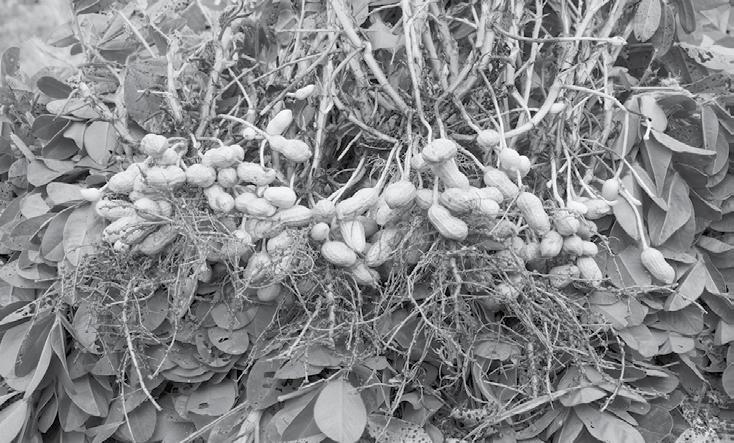
Adobe Stock photo
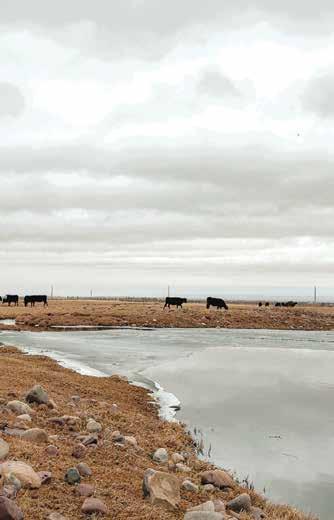
UNL specialists discuss understanding and preventing calf scours
Neonatal calf diarrhea, or scours, is a common concern among cow/calf producers.
Understanding why scours occurs is the first step in preventing the problem. What causes calf scours?
Calf scours outbreaks are the result of a contaminated calving and nursing environment.
This environmental contamination develops following a period of pathogen buildup or amplification.
Cows shed relatively small amounts of these bacteria and viruses into the environment, often without showing any clinical symptoms. Other scours-causing pathogens, such as coccidia, can persist in the environment year after year.
As calves are born, they are exposed to these pathogens and begin the cycle of replication and shedding of
disease potentials. They shed many more germs than they were originally exposed to, which is a process called amplification.
The first calves born may not show clinical symptoms of scours because the pathogen load may not be high enough to overwhelm the immune system.
However, as more calves are born and stocking density increases, the pathogen load can become too much. This is when a scours outbreak occurs.
How to reduce the risk of scours
Reducing the risk of scours can be accomplished by addressing different areas of management.
One way to do this is by following the Sandhills Calving Method or a modified version of it.
The concept is to place
calves into similar age groups, calving on clean environments with each group. Ideally, calves should be within 10 to 14 days of age in each calving area.
Late-gestation cows will then be moved away from new babies to calve in a fresh environment and begin another age group and so on. This will allow reduction of pathogen shedding and exposure dose.
The original concept can be modified to fit most operations by having an idea of calving dates and a little creativity.
Limiting stress during calving is another preventative measure.
One example of stress includes weather concerns.
Having a place for calves to get out of storms and mud may help.
This can be accomplished
by utilizing shelters or creating a calf escape area by adding a hot wire in the corner of the lot where calves can freely enter but cows remain outside of the space.
Shelters can become sources of contamination if left unclean and wet.
Because ventilation and sunshine are vital factors in keeping calves healthy, moving shelters or utilizing open air concepts have been shown to be beneficial.
Testing is necessary to get a final diagnosis on what pathogens are causing problems, and often the condition contains two or more species of bacteria, viruses or protozoa.
Calf age is helpful in knowing what may be causing the problem as each pathogen affects calves at different time frames.
Understanding crucial
management areas and establishing prevention protocols with a veterinarian are essential for an operation’s calf health plan.
Dr. Halden Clark is a health stewardship veterinarian at the Univer-
sity of Nebraska’s Great Plains Veterinary Educational Center and Dr. Lindsay Waechter-Mead is a Nebraska Extension beef educator. This article was originally published in BeefWatch on April 1, 2023.
Mitigating illness – Reducing the risk of scours can be accomplished by addressing different areas of management. Troy Walz photo
Farmer's
The Field
BY RON RABOU
Be Careful What You Wish For
Have you ever muttered the words, “I wish…?”
I think it’s probably human nature to wish for things we don’t have.
I had to pay sales tax and licensing. Then I learned the statistics for teenage boys causes insurance premiums to skyrocket.
“Does this ever end? What kind of racket is this,ˮ I thought.
Thinking, dreaming and wishing for a new car was way better than actually owning one.
the news today, I hear a lot of wishing.
This time of year especially groups of all kinds bring their wishes to the legislature, and many legislators bring wishes of their own. They’ve been perseverating on those wishes for months or years, talking and promoting them over and over.
Supporters become so adamant even when facts contradict their position, they are blinded by their own beliefs.
Then it broke, and I had to pay to fix it. Then the tires wore down, and I had to pay to replace them. Then I had to fill it with gas and pay to change the oil. Then
I remember wishing I could have my own car. I was fixated on it, and after years of saving, I could finally afford to buy one. It was awesome – for a couple of weeks.
It wasn’t long before I found myself wishing I could go back to driving the ranch’s 1971 Ford truck. It performed the same job as my car, but it didn’t come with all of the hidden fees –at least for me.
As I read and listen to
The unfortunate part is, while some of these wishes have merit, many do not. Regardless of whether they do or don’t, once they gain the slightest bit of traction, they can gain momentum to the point of infatuation and cause irreparable harm.
Science calls this “confirmation bias.” It is defined as “the inclination to favor information which supports one’s existing viewpoints while dismissing or ignoring information conflicting with those views.”
In other words, it’s the place where we celebrate arguments aligning with our own thinking, even when those arguments can irrefutably be contradicted by facts.
twice as much as it is today, where it will then be funneled to the state and redistributed to local communities. This is more government control – not less –and it seems “no tax” really means “more tax.”
Here’s another – I wish every program at the University of Wyoming was aligned with my own belief system.
As humans, we do it all the time. We become so engulfed with what we want to believe or have convinced ourselves to believe, we ignore the data and dismiss the validity of harmful long-term consequences.
It exists in nearly everything we do, but where it harms us the most is when people in leadership positions make decisions with confirmation bias. They become so engulfed in their own set of beliefs, they don’t realize their arguments sound completely incoherent to those who think and reason outside of the bubble.
Sound familiar? Welcome to today’s political scene.
As an example, do many homeowners wish for zero property taxes? Yes.
At the surface, the basis for this belief sounds completely reasonable, but dig just a bit deeper and you’ll find there is no such thing as “no tax.” It’s impossible if we wish to continue to live and function in society the way we are accustomed to.
We have two choices.
First, the services we all rely on and desperately need, like schools, fire protection, law enforcement, emergency medical services, roads, libraries, parks, senior centers, etc., can be funded by local dollars with local control through the collection of property taxes.
Or, nearly everything else we all buy on a daily basis will be taxed at least
Arbitrarily cutting $40 million from the only landgrant, four-year college in the state is not only spiteful and short-sighted, but it also undermines, underappreciates and undercuts the hardworking individuals, nationally renowned programs and top-tier research status of our university, which was recently recognized as one of the top 100 in the nation.
Ironically, this all comes at a time when legislators seem confused about how to attract and retain our younger generation.
Do I wish it would cost less to fund our university, which happens to be older than our state? Do I think there is room for improvement and reconsideration of some course offerings and management? Of course I do.
Nearly every enterprise can stand improvement, but I have no delusions proper funding, outstanding faculty and staff, statewide support and strong leadership are what has contributed to making our university one of the best.
Certainly, a more prudent and thought-provoking approach would be targeted toward specific areas of concern, but then again, this approach would lessen the blow of the gauntlet of authority.
Be careful what you wish for, Wyoming. Not all wishes that come true have fairytale endings.
Ron Rabou is president of Rabou Farms, Inc. in southeastern Wyoming, a nationally known author, speaker and co-host of the nationally syndicated podcast AgInspo. For more information, visit raboufarms.com