WAIC Educator of the Year
selected Page 4
Postcard from the Past recalls the opening of Snowy Range Highway on the Fourth of July Page 10
Possibility of a summer grasshopper infestation outlined by Extension experts Page 15
WAIC Educator of the Year
selected Page 4
Postcard from the Past recalls the opening of Snowy Range Highway on the Fourth of July Page 10
Possibility of a summer grasshopper infestation outlined by Extension experts Page 15
The Pinedale Anticline Project Office (PAPO) Board of Directors will hold a meeting on July 9 from 1:30-4 p.m. at the Bureau of Land Management Pinedale Field Office in Pinedale. The meeting will be held in person with a virtual attendance option available through Microsoft Teams and is open to the public. During the meeting, the board will review and discuss the PAPO budget, funded projects, future monitoring scenarios and other related matters. For more information, contact Kelsey Smith at kdsmith@blm.gov or 307367-5341.
The Washakie County Conservation District is in search of an enthusiastic, passionate and self-motivated individual to fill the full-time education and program coordinator position, which will be in charge of organizing and presenting conservation education programs, classroom outdoor activities, workshops and adult educational programming. A combination of classroom and outdoor education experience is preferred but not required. The position offers medical, dental, vision, life and state retirement benefits. For more information, visit washakiecd. com or call 307-431-3163. To apply, send a resume to wccd@ rtconnect.net.
The 2026 South Dakota Angus Tour is set for Sept. 15-17. A tour of local operations will kick off on Sept. 16, following the South Dakota Angus Association’s Annual Meeting and Banquet on Sept. 15. The tour includes stops at Grandview Angus, Lehrkamp Livestock, Fortune Triangle S Ranch, Schaak Ranch, Eisenbraun Cattle Company, Trask Angus, Mt. Rushmore Angus Ranch, Kammerer Livestock, Hillsview Ranch, Amdahl Angus, Millar Angus, Bar 69 Angus, Bakers Lemar Angus, Smith’s Saddle Butte Ranch, Steinbrecher Livestock LLC and Frederickson Ranch. For more information, contact Justin Uhrig at jhuhrig@gmail.com or 308-760-5615. To register, visit sdangusassociation.org
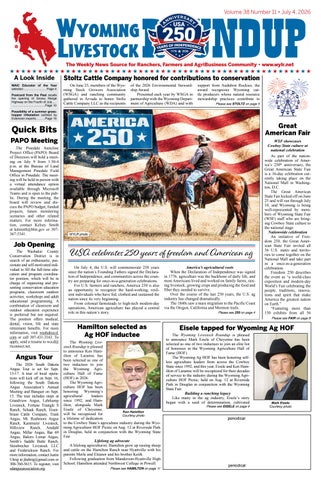
On June 25, members of the Wyoming Stock Growers Association (WSGA) and ranching community gathered in Arvada to honor Stoltz Cattle Company LLC as the recipients
of the 2026 Environmental Stewardship Award.
Presented each year by WSGA in partnership with the Wyoming Department of Agriculture (WDA) and with
support from Audubon Rockies, the award recognizes Wyoming cattle producers whose natural resource stewardship practices contribute to
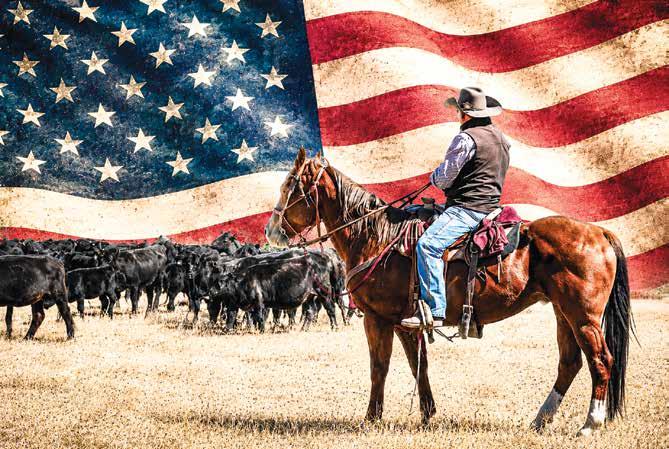
On July 4, the U.S. will commemorate 250 years since the nation’s Founding Fathers signed the Declaration of Independence, and communities across the country are preparing for once-in-a-generation celebrations.
For U.S. farmers and ranchers, America 250 is also an opportunity to recognize the hard-working, resilient individuals who have fed, clothed and sustained the nation since its very beginning.
From colonial farmsteads to high-tech modern-day operations, American agriculture has played a central role in this nation’s story.
The Wyoming Livestock Roundup is pleased to announce Ken Hamilton of Laramie has been selected as one of two inductees to join the Wyoming Agriculture Hall of Fame (HOF) in 2026.
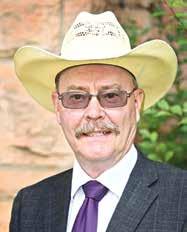
The Wyoming Agriculture HOF has been honoring Wyoming’s agricultural leaders since 1992, and Hamilton, alongside Mark Eisele of Cheyenne, will be recognized for a lifetime of dedication to the Cowboy State’s agriculture industry during the Wyoming Agriculture HOF Picnic on Aug. 12 at Riverside Park in Douglas, held in conjunction with the Wyoming State Fair.
Lifelong ag advocate
A lifelong agriculturist, Hamilton grew up raising sheep and cattle on the Hamilton Ranch near Hyattville with his parents Merle and Eleanor and his brother Keith.
Following graduation from Manderson-Hyattville High School, Hamilton attended Northwest College in Powell.
America’s agricultural roots
When the Declaration of Independence was signed in 1776, agriculture was the backbone of daily life, and most Americans lived and worked on family farms, raising livestock, growing crops and producing the food and fiber they needed to survive.
Over the course of the last 250 years, the U.S. ag industry has changed dramatically.
The 1840s saw a mass migration to the Pacific Coast via the Oregon, California and Mormon trails.

WSF showcases Cowboy State culture at national celebration
As part of the nationwide celebration of America’s 250th anniversary, the Great American State Fair is a 16-day celebration currently taking place on the National Mall in Washington, D.C.
The Great American State Fair kicked off on June 25 and will run through July 10, and Wyoming is being well-represented by members of Wyoming State Fair (WSF) staff who are bringing Cowboy State culture to the national stage.
Nationwide celebration
An initiative of Freedom 250, the Great American State Fair invited all 56 U.S. states and territories to come together on the National Mall and take part in a once-in-a-generation celebration.
Freedom 250 describes the event as “a world-class exposition and modern-day World’s Fair celebrating the people, traditions, innovations and spirit that make America the greatest nation on Earth.”
“Featuring more than 150 exhibits from all 56
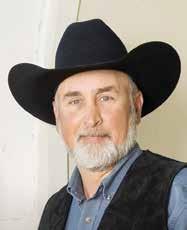
The Wyoming Livestock Roundup is pleased to announce Mark Eisele of Cheyenne has been selected as one of two inductees to join an elite list of honorees in the Wyoming Agriculture Hall of Fame (HOF).
The Wyoming Ag HOF has been honoring selfless agriculture leaders from across the Cowboy State since 1992, and this year, Eisele and Ken Hamilton of Laramie will be recognized for their decades of service to the industry during the Wyoming Agriculture HOF Picnic, held on Aug. 12 at Riverside Park in Douglas in conjunction with the Wyoming State Fair.
Building a ranching legacy
Like many in the ag industry, Eisele’s story began with a seed of determination, cultivated Please see EISELE on page 9

Across the nation, nearly every city or town is having a big Fourth of July celebration.
Washington, D.C. will throw the most festivities, I think. Recently, they turned the National Mall into the Great American State Fair where all but seven states have exhibits to showcase their states. There is an avenue for entertainment, military tributes and other festivities, and even a small rodeo arena. The celebration is being called Freedom 250.
For 16 days our country will celebrate 250 years of being a nation of democracy. The last 250 years have not always been smooth. From the beginning, its people have witnessed threats through the years, but they have always come out stronger.
These strengths have always guided our nation back after wars, natural events and turmoil in our cities. From George Washington fighting the British to today’s threats overseas, America has stayed strong.
We’re fortunate we have only fought one war inside of our borders – the Civil War. Just as we healed from the Civil War, we have healed from all troubled times.
But now it has been 250 years since the time our forefathers signed the Declaration of Independence and established our nation.
I’m happy to see this nationwide celebration take place as our country seems divided at this point. Unfortunately, this is an election year and the division will show its ugly head again in no time.
Wyoming is fully involved in the celebration, with existing rodeos taking part and communities large and small hosting some kind of celebration.
Cheyenne and the state government are planning on having numerous events over the Fourth of July.
Wyoming’s colorful history boasts a lot of important events.
Yellowstone was the first national park in the U.S., and Devils Tower became the first national monument.
The Oregon Trail passes through Wyoming, providing numerous historical sites to visit.
Independence Rock is a major historical site which was mostly owned by the Sun Ranch for some 100 years. It was always interesting to climb around it and see all of the names and dates carved into it.
Take time during coming weeks to get to know the history of where you live – you will be surprised about the amount of history close by.
I also urge you to browse the internet for a complete list of events in your community and around the state, you will be amazed at what is planned for the next couple of weeks.
While driving around Wyoming, we hope the land heals from the ongoing drought and wildfires.
Be careful with the fireworks and respect private lands, but enjoy yourselves and learn the history of our state and our communities.
Have a great Fourth of July and Freedom 250 celebration.

As our nation celebrates the 250th anniversary of the U.S., we are reminded the story of America begins with agriculture.
Long before cities and industry, the first Americans – our earliest soldiers and settlers – were agriculturalists. They worked the land not only to survive, but to build something lasting. This same spirit continues to define our country today.
Agriculture remains the backbone of the U.S. It fuels our economy, sustains our communities and reflects the resilience and independence that shaped our nation from the very beginning.
In Wyoming, these values are not just remembered – they are lived every
By Kota Provence
day by the producers, families and young people who carry this legacy forward.
For generations, fairs across the U.S. have served as a place to celebrate agriculture, educate the public and bring communities together.
The Wyoming State Fair (WSF) is proud to continue this tradition. For more than a century, it has provided a space where agriculture is not only showcased, but honored – through livestock shows, exhibits, youth programs and the everyday stories of those who make their living off of the land.
At WSF, visitors have the opportunity to connect with agriculture in a meaningful way. They can meet the
people behind their food, witness the care and commitment it takes to raise livestock and crops and gain a deeper appreciation for an industry impacting every American.
As we look toward America 250, WSF stands as a reflection of where we’ve been and where we’re going. It is a place where the values of hard work, stewardship and community continue to shape the future of agriculture.
Because, while much has changed over the past 250 years, one thing remains the same – agriculture is at the heart of America.
Kota Provence is the WSF marketing and communications liaison. She can be reached at dakota.provence@wyo.gov.

As Americans celebrate 250 years of freedom this Independence Day, the Bureau of Land Management (BLM) and U.S. Wildland Fire Service encourage visitors and residents to enjoy Wyoming’s public lands safely and responsibly while helping prevent human-caused wildfires.
The Fourth of July is one of the busiest outdoor recreation weekends of the year, with families and friends gathering to camp, hike, fish, ride and explore Wyoming’s wideopen spaces. All individuals are encouraged to recreate responsibly and be aware of fire conditions before heading outdoors.
Before recreating, check for local fire restrictions, weather conditions and public safety closures.
To help prevent wildfires this holiday weekend, BLM urges individuals to never leave a campfire unattended and ensure it is completely extinguished before leaving; secure trailer safety chains to prevent sparks; avoid parking or driving over dry grass and vegetation; keep vehicles properly maintained and free of dragging parts and carry a shovel, water or fire extinguisher when recreating outdoors.
Exploding targets and tracer ammunition are prohibited on all BLM-managed lands in Wyoming under year-round fire prevention restrictions, and fireworks are prohibited on public lands managed by the BLM in Wyoming.
To stay up-to-date on fire conditions and restrictions, visit blm.gov/programs/public-safety-and-fire/wyoming/fire
Gov. Mark Gordon has convened the Wyoming Opportunity Zones (OZ) 2.0 Working Group to spearhead a collaborative, data-driven approach to the state’s federal tract selection strategy, beginning with a statewide virtual information and listening session on July 14 at 12 p.m.
The goal of the webinar is to educate local communities, developers and investors on the critical differences between legacy OZ 1.0 rules and the newly enacted OZ 2.0 framework, while actively seeking initial stakeholder input on the state’s upcoming strategy.
Because Gordon holds the final statutory authority to review, revise and formally submit Wyoming’s official census tract selections to the U.S. Department of the Treasury, this session serves as a first and vital step to bring stakeholders together, align local realities with federal rules and ensure communities have a direct voice in the state’s recommendation process.
With the federal 90-day zone nomination window opening on July 1, the working group is prioritizing early stakeholder feedback to ensure Wyoming’s final recommendations reflect real, localized investment potential.
For more information or to register, visit us02web. zoom.us/webinar/register/WN_v2r9i1R_RUOtyNiPyEb_ nw#/registration
The Bureau of Land Management (BLM) Worland Field Office is once again teaming up with community partners to provide a special exception to the fireworks ban on public lands for this year’s Independence Day. Fireworks will be permitted from July 3-5 at the first gravel pit along the road to the landfill, located northwest of Worland.
This annual event is made possible through a collaborative effort involving the U.S. Wildland Fire Service, Worland Fire Protection District, City of Worland, Washakie County, Worland Volunteer Fire Department, Worland Police Department, Washakie County Sheriff’s Office, Cody Regional Health and BLM Law Enforcement.
Ahead of the event, the Worland Fire District will mow the vegetation around the gravel pit to reduce fire risks, and the City of Worland will supply dumpsters.
“We ask everyone to use the dumpsters provided and help us keep the area clean after fireworks,” said Chris Kocher, Washakie County fire warden. “Your cooperation ensures we can continue this tradition safely for years to come.”
It’s important to note fireworks are only allowed within this designated gravel pit and not on 15 Mile Road or other gravel pits north of the landfill.
For more information, contact the BLM Worland Field Office at 307-347-5100.
On June 25, the U.S. Supreme Court ruled in favor of Monsanto in Monsanto Co. v. Durnell, holding the Federal Insecticide, Fungicide and Rodenticide Act (FIFRA) preempts state-law failure-to-warn claims based on pesticide labeling when the U.S. Environmental Protection Agency (EPA) has not required the warning at issue.
The decision provides important clarity regarding the relationship between federal pesticide regulation and state tort law, reaffirming EPA’s authority to establish labeling requirements based on scientific review and risk assessment.
The ruling helps ensure a consistent national framework for pesticide labeling and regulation.
“This decision is a win for farmers and the broader agricultural community,” said National Association of Wheat Growers Chief Executive Officer Sam Kieffer.

According to a June 26 Western Ag Network article, record demand and historic prices highlighted Northern Livestock Video Auction’s Early Summer Special, as buyers aggressively pursued calves and yearlings despite ongoing drought conditions across much of cattle country.
According to Ty Thompson with Northern Livestock Video Auction, the market exceeded even the industry’s lofty expectations.
The strongest demand centered on lightweight calves slated for fall delivery.
Several groups of 600-pound steers sold in the upper $4.90s, while multiple lots topped the five-dollar-per-pound mark.
One outstanding set of 635-pound program steers sold for $5.05 per pound, while many 575- to 585-pound steers brought $5.05 to $5.15 per pound.
As the sale progressed, 650-pound steers sold from $4.65 to $4.80, while many fancy 700-pound calves traded between $4.40 and $4.70 per pound.
Seven-weight yearlings sold as high as $4.45 per pound, while heavier eight- and nine-weight cattle commonly traded between $3.77 and $3.90, with some larger yearlings bringing $3.80.
The spread between steers and heifers averaged $40 to $45 per hundredweight (cwt), occasionally reaching $50.
Comparing this year’s Early Summer Special to last June paints a remarkable picture.
According to Thompson, calves are averaging roughly $100 per cwt higher than a year ago, while yearlings are bringing $65 to $80 per cwt more.
Attention now turns to Northern Livestock’s Summertime Classic running July 20-22, with consignments due by July 2. Thompson expects another outstanding offering of calves and one of the nation’s premier yearling sales.



During this time, settlers relied heavily on the land to completely rebuild the lives they had left behind back East.
However, with the introduction of labor-saving equipment like John Deere’s moldboard steel plow, grain elevators and the mechanical mower, agriculture also underwent a massive shift from subsistence farming to large-scale commercial production.
In 1862, the Homestead Act granted 160 acres of free public land to those tough enough to live and farm it for five consecutive years – landmark legislation that spurred massive agricultural expansion throughout the American West.
Shortly after the act was passed and the transcontinental railroad was completed, the area was dominated by wealthy cattle and sheep barons during the 1870-80s.
During this same period of time, settlers began utilizing more horse power.
In 1863, the Hawkeye Riding Cultivator – the first implement designed to ride instead of walk behind –
was developed and in 1875, Gilpin Moore created the Gilpin Sulky Plow which “took the farmer off his feet and put him on a seat” –one of Deere and Company’s most successful 19th century products.
Useful machines continued advancing agricultural production in the U.S.
In 1892, John Froelick invented the first successful gasoline-powered engine which could be driven both forward and backward.
The trend caught on, and from 1945-70, producers started changing their horses out for tractors.
Since then, ever-changing technology and modern-day scientific advancements have reshaped the way farmers and ranchers care for their land, livestock and crops, although the population of ag producers has continued declining at a steady rate.
In 2025, the U.S. Department of Agriculture’s (USDA) National Agricultural Statistics Service reported 1.87 million farms in the U.S. sprawling 873.95 million acres of farmland. The average farm
Wyoming Livestock Roundup Crosswords, created by Myles Mellor. Solution for the June 20, 2026 crossword

size in 2025 was 469 acres.
Although these numbers have seen declines in recent years, the U.S. is still the largest agricultural trader on the global market, anchored by the Midwest’s Corn Belt and vast ranching operations in the Great Plains.
According to USDA’s Economic Research Service, the U.S. is a top producer of corn, soybeans, wheat, cotton, beef, poultry, pork, dairy fruits, vegetables and tree nuts.
Honoring U.S. agriculture
In honor of the country’s robust ag industry, several national efforts are underway to make sure ag has a place in America 250 celebrations.
USDA is putting agriculture front and center through its Freedom 250 initiative.
Under the initiative, the department launched the Great American Rodeo, the Great American Farmers Market and the Great American State Fair.
Held on the National Mall in Washington, D.C. during National Farmers Market Week – Aug. 3-8, 2025 – the Great American Farmers Market brought producers from across the U.S. together to celebrate the nation’s ag industry.
One of the largest celebrations this summer is the Great American State Fair, a 16-day exposition also held at the National Mall from June 25 through July 10.
The event features exhibits representing all 56 U.S. states and territories in what organizers describe as a “modern-day World’s Fair celebrating the people, traditions, innovations and spirt that make America the greatest nation on Earth.”
Fairgoers have the opportunity to taste regional cuisine, visit agricultural displays and enjoy live entertainment, military demonstrations, educational exhibits and cultural performances showcasing the
diversity of the nation.
The event also coincides with FIFA World Cup festivities in the U.S., creating one of the largest tourism events in recent U.S. history.
Additionally, through Freedom 250, USDA partnered with the General Services Administration for “Decorating the Heartland.” Through this initiative, the department distributed commemorative Freedom 250 flags to farmers nationwide to build unity and celebrate agriculture’s role in America’s history and future.
Outside of Washington, D.C., celebrations are taking place in nearly every corner of the country.
Historic cities such as Philadelphia; Boston and Williamsburg, Va. are hosting expanded Independence Day programming, while state fairs – including the Wyoming State Fair – county fairs, museums, national parks and historical sites have incorporated America 250 themes into competitions, exhibits and entertainment.
In Wyoming, the semiquincentennial is being celebrated under the theme “A Declaration of Imagination,” and Wyoming 250 invites residents and visitors to take part in a year-long celebration featuring fun events, educational activities and cultural festivities across the state.
“As we commemorate the ideals and patriotism the U.S. was founded upon, Wyoming’s 250th celebrations are taking shape to highlight our state’s unique history and heritage,” states Gov. Mark Gordon.
A centerpiece of July 4 activities will be the Capital City Celebration in Cheyenne, which boasts a jampacked agenda including a patriotic parade through downtown; a formal Capitol ceremony featuring the governor, the Color Gaurd and a military flyover; his-
torical speakers and cultural performances; live music; a performance by the Cheyenne Symphony Orchestra and fireworks over the Wyoming Capitol Complex.
Communities across the Cowboy State also plan to incorporate America 250 themes into their traditional Fourth of July festivities.
Cody, Sheridan, Casper, Douglas, Rock Springs, Gillette, Jackson and Lander will host patriotic celebrations including everything from parades, rodeos and concerts to Veterans’ tributes, museum exhibits and historical reenactments.
Saratoga will host the Good Times Valley Independence Day Party, a multi-day celebration running from July 3-5 in conjunction with Saratoga Days. The event will feature live music, a car show, barbecues, reunions, a parade, kids’ activities and the 11th Annual Festival of the Arts Show at the Platte Valley Community Center.
Buffalo is also planning an impressive threeday celebration – Red, White and West 250, a festival featuring a parade, a car show, vendors, bouncy houses, a dedication of the Johnson County History Trail and a headlining concert by Cole Goodwin.
In western Wyoming, Evanston will host the Fresh Air, Freedom and Fun Festival at the Bear River Greenway, including a Fun Run and Walk, a Children’s Freedom Rally Bike Parade, carnival games, a rock wall, mini golf, live music and plenty of food and vendors.
In Riverton, festivities will be especially meaningful, as the city of Riverton will also celebrate its 120th anniversary. Attendees are invited to enjoy games, live music, a parade, cookie decorating, an ice cream social, Native American dancing, cornhole, horseshoes, a pie-eating contest and much more.
For the Cowboy State,
America 250 celebrations will continue well after the holiday is over.
Museums, historical societies, universities and other local organizations are planning educational programs, lectures, exhibits and community events throughout the year as well.
As part of the national America 250 initiative, Wyoming residents are encouraged to take part in America’s Potluck on July 5.
“Residents across the state are encouraged to host potlucks in their towns, neighborhoods, parks and community centers,” reads the Wyoming 250 website. “These shared meals reflect the Wyoming spirit – friendly, welcoming and deeply rooted in community.”
“America’s Potluck is designed to bring people together through one of our most universal traditions – food. From backyard barbecues to neighborhood suppers and community picnics, each event is an opportunity to connect across generations, share favorite recipes and reflect on what belonging and freedom mean 250 years after the signing of the Declaration of Independence,” the website continues.
On July 8, Campbell County will stream the National Reading of the Declaration of Independence free to the public at the Lasting Legacy Park Amphitheater from 4-5 p.m., and free preview screenings of the Veteran-led film “Crossing the Threshold” will take place in Buffalo on July 31, in Encampment on Aug. 22, in Worland on Sept. 10, in Dubois on Sept. 30, in Riverton on Nov. 10 and in Lander on Nov. 12. For a complete list of Wyoming 250 events, visit wyoming250.com/ Hannah Bugas is the managing editor of the Wyoming Livestock Roundup. Send comments on this article to roundup@wylr.net.
Kelly Umbach, a thirdgrade teacher at Verda

James Elementary School in Casper, has been selected as
Krakow Ranch 50 Blk Angus Cows, Mx Ages, Tagged to Match, Calves Born: April 11 thru June 8, Calf Shots: Bovi-Shield Gold One Shot, Ultrabac 7 (bull calves were all Burdizzo Castrated), Been on Grass and Millet Hay, A Salt and Mineral Program
Jerry Scott 2 Mx Cow Pairs, 3 yr olds, Calves Born: First Part of March, Calf Shots at Branding: 7-way, Cows have been Exposed back to Bulls for 60 days
Robert Cook 2 Blk/Rd Cow Pairs, 6 yr olds, Not Tagged to Match, Calf Shots: Triangle Matt Bullington 1 Cow Pair, Mx Age
Jerry Scott 2 Mx Hfrs, Exposed to Blk Bulls for 60 days
the Wyoming Agriculture in the Classroom (WAIC) 2026 Educator of the Year.
Umbach is an active participant in WAIC’s curriculum, utilizing Wyo Wonders lessons in her classroom, encouraging students to enter the Bookmark and Beyond contest and participating in summer workshops.
She encourages handson learning, utilizing lessons to promote agricultural literacy and environmental stewardship. By integrating these materials and lessons, she empowers her students to be citizens who understand and appreciate their home state and their responsibilities as good stewards of Wyoming.
Verda James Elementary School Principal Jodi Frazier stated, “I can think of no educator more worthy of this recognition.”
“Umbach lives the val-

ues WAIC promotes and has made a profound, lasting impact on students, families and fellow educators throughout our community. Please accept this letter as my strongest endorsement of her nomination,” Frazier added.
As the 2026 Educator of the Year, Umbach will be awarded a cash prize of $5,000 through WAIC, and the award is funded by the Vermillion Ranch.
the environment and enhance productivity and profitability. Honoring environmental stewardship
The morning kicked off with comments from WSGA members, partnering organizations and supporters of the Stoltzes’ nomination
To begin, University of Wyoming (UW) State Range Management Extension Specialist Nicki Nimlos congratulated the Stoltzes on their recognition, highlighting the ranch’s status as a Centennial Ranch and the family’s contributions to conservation.
Nimlos then introduced WSGA Executive Vice President Jim Magagna, who offered commentary on the history of the Environmental Stewardship Award.
“This is the 31st year of the Environmental Stewardship Tour, and each year we’ve recognized a ranch for their outstanding stewardship in the state of Wyoming,” Magagna said. “Each ranch does it differently because they conform to the needs and demands of the resources they have at their disposal, but their commitment is strong and represents a commitment of the vast majority of ranches in the state of Wyoming to the stewardship of lands they oversee.”
Next, WSGA President
Reg Phillips congratulated the Stoltzes on their recognition, followed by comments from WDA Director Doug Miyamoto.
“WDA has been very fortunate to be a part of this tour for quite some time,” Miyamoto said while offering congratulations to the Stoltz family and thanking attendees for their support.
“I’m very proud to be part of this partnership.”
Audubon Rockies Conservation Ranching Director Dusty Downey also offered his regards, along with Johnson County District Conservationist Allison McKenzie.
“The Stoltzes are a stellar representation of a working family ranch that incorporates land stewardship and conservation practices,” McKenzie shared. “Their diligent management of their cattle operation demonstrates a family ranch can achieve high-end conservation benefits through grazing management and improving infrastructure, enabling productive landscapes, abundant wildlife and sustainable agriculture enterprise.”
Nimlos, who nominated the Stoltzes for the award, shared anecdotes about the family’s involvement with UW’s Metrics, Management and Monitoring project – a
multi-region research initiative aimed at understanding how ranch management practices impact soil health, carbon sequestration and overall ecosystem health on pasture and rangelands.
She noted the Stoltzes have the highest stock density and stock base per acre of all the project’s Wyoming and Colorado ranch partners and implement long rest and recovery periods.
Nimlos also highlighted findings indicating a high functioning ecosystem on the Stoltz Ranch evidenced by plant diversity and soil infiltration rates.
U.S. Rep. Harriet Hageman and U.S. Sen. Cynthia Lummis (both R-WY) also extended their congratulations to the Stoltzes via letters shared by respective field representatives.
Conservation in action
Following these comments, the Stoltzes gave presentations highlighting the operation’s history and some of their stewardship practices.
Thad and Heidi’s daughter Jayden shared background on the ranch’s history, noting her ancestors first homesteaded in the area in 1907. Throughout the decades, the operation grew, supporting primarily sheep and eventually cattle.
Heidi then shared perspective on the evolution of Stoltz Cattle Company LLC which she and Thad

started in 2009.
Their first enterprise was range calving heifers and custom grazing pairs, Heidi shared, which eventually expanded to include grazing yearling cattle and sheep while building up a personal cattle herd.
Heidi said she and Thad realized their management practices would have to change in order to continue supporting the operation, and after attending a Ranching for Profit school in 2012, they began splitting pastures and incorporating regenerative grazing techniques.
“Splitting pastures has allowed us to control time, namely shorter grazing times and longer rest periods,” Heidi emphasized. “In addition, with smaller pastures, we are able to increase stock density.”
“The increased hoof action breaks up cap soil and cattle tromp more standing forage into the soil, adding cover over bare ground and feeding the biology in the soil,” she added, noting higher stock density means higher concentration of manure and more fertilizer per acre.
Thad then shared some grazing goals the opera-
tion incorporates, including using rotational grazing and aiming for 13 to 15 months of rest on every pasture.
The family also uses an app called MaiaGrazing which analyzes rainfall to forecast forage predictions and aid in determining stocking rates.
Thad noted keeping soil covered is also critical to help retain moisture in hot temperatures.
The Stoltzes commented on challenges created by current drought conditions, noting they have shifted operations away from custom grazing in recent years to allow for adequate pasture rest, as well as updated their drought plan to be a continuous evaluation of a combination of factors including 12-month rolling rainfall, year-to-date rainfall, stocking rate and forage inventory.
“As challenging as the droughts have been, they have stretched us to be bet-
ter managers of our land, resources and business,” Heidi shared.
She also acknowledged the years of stewardship that came before them.
“We are beyond blessed and eternally grateful for the opportunity to steward the land, and this opportunity only exists because of those who came before us,” she said. “Because of this, we have an unwavering commitment to improving our most valuable resource, alongside our children who will steward the land after us.”
The day continued with a ranch tour where Thad and Heidi took turns explaining operations and answering questions from the group and concluded with dinner and live music by Sam Munsick in the evening. Grace Skavdahl is the editor of the Wyoming Livestock Roundup. Send comments on this article to roundup@wylr.net.
Low 5.9% owner financing available
Limited inventory – ranch is approximately 90% sold out Call now, for best selection of the remaining parcels.


Blevins new all-metal stirrup buckle in 3”& 2-1/2” widths. The 3” and 2-12” widths have the posts set horizontally and fit standard holes while the 2” width has the posts set vertically. Made of stainless steel and heat-treated aluminum, the same as our leather-covered buckles.
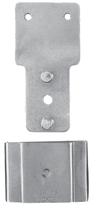
Sleeves same as on regular style buckle. The tongue has no hinge or strap. Available in 3” and 2-1/2” widths.
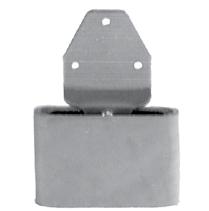
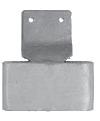
Easy to change stirrup lengths quickly and easy to install – won’t slip or stick. Made of stainless steel and heat-treated aluminum. Sleeves covered with leather. Order either improved, regular or four post buckles. Also new all-metal buckle in 3”, 2-1/2” and 2” widths. At your dealers or:

Austin Snook • 307-290-2161
Taylor Snook • 307-290-2273
Craig Deveraux • 307-746-5690
Dan Catlin • 406-671-7715
Clint Snook • 307-290-4000
Cheyenne Seymour • 605-641-0638
Casey Sellers • 307-217-2614
Jim Forbes • 307-351-5932
Daniel Escoz • 307-217-1440
Tye Curuchet • 307-351-8666
JJ Butler • 307-231-6878
Chris Rodriguez • 307-217-2172
Kyle Kallhoff • 605-881-1526
Kade Kinghorn • 307-620-0525
Jake Underwood • 307-660-5989
Donny Scantling • 307-217-0537
"From the ring, to the video, and in the country, we market your livestock the competitive way."
June 24, 2026
Nice run of pairs. Selling in high demand. Big run of weigh up cows with a fully steady market. Happy 4th of July!! Thank you for your business!
Longtime University of Wyoming Extension (UW) Educator Barton Stam was recently named a statewide rangeland management specialist.
After years of relying on a single state range specialist, UW Extension has reinstated a second statewide position to complement a campus-based specialist role.
Stam, who has served as an agriculture and natural resources educator in Hot Springs County since 2004, will fill the position to serve western Wyoming.
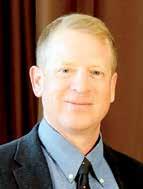
In addition to his role as state specialist, Stam will continue to serve as program leader for UW Extension’s agriculture and natural resources team.
During his multi-decade career in Hot Springs County, Stam has become a trusted resource for Wyoming ranchers seeking research-based strategies for sustainable rangeland management.
“I really enjoy the science and art of working in rangeland resources and issues,” Stam says. “It’s not just about range or plants or forage – I enjoy working with people and being able to help them work through issues and succeed on their operations.”
Stam is a go-to for producers navigating challenges related to public grazing permits, wildfire recovery, predator management and other complex issues.
He is also known for building relationships, not just with local ranchers, but also with partners at federal and state agencies and industry organizations like the Wyoming Stock Growers Association.
Out in the field, Stam has worked with public and private partners to implement targeted grazing strategies to benefit both wildlife and livestock, including a project in northwest Wyoming which uses carefully managed cattle grazing to improve winter elk habitat.
When the Red Canyon Fire tore through Hot Springs County in 2025, Stam helped coordinate hay donations and has continued to assist with post-fire recovery efforts. He has also helped organize educational opportunities for the next generation of Wyoming farmers and ranchers.
The first stage of replacing Tunnel No. 2 on the Goshen/Gering-Fort Laramie Canal has been completed. The stage of construction was on the inlet and outlets of Tunnel No. 2 to facilitate the actual removal and replacement of the tunnel, which is scheduled to commence during the fall of 2026.
This fall, the purpose built digger shield/boring machine will be assembled on site and will start work on the outlet end of the tunnel, progressing up the tunnel to the inlet.
The old tunnel will be bored out to a larger size than the existing tunnel, removing it and any construction timbers from the initial 1917 construction.
As the tunnel excavation progresses in five-foot increments, the old tunnel and surrounding substrate will be removed.
Pre-cast, reinforced concrete sections will be installed and bolted together, forming the new tunnel walls as work progresses up the tunnel. The void between the outer surface of the new tunnel wall and the tunnel substrate will be filled with grout.
The scheduled phases of construction for 202627 include the replacement of Tunnel No. 2 and the removal and reconstruction of Tunnel No. 1 inlet and outlet. The 2027-28 construction season would be the removal and replacement of Tunnel No. 1.
Irrigation water deliveries on the Goshen/GeringFort Laramie Canal began as soon as practicable after construction was completed.
Irrigation water deliveries for the three main irrigation districts in the North Platte River Valley in the Panhandle for the 2026 irrigation season are expected to be 30 to 40 days. An “average” water delivery period would be around 70 to 90 days.



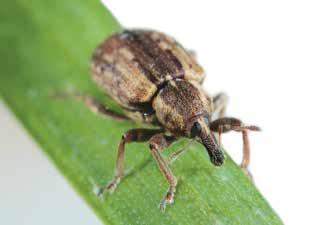
Observations in the Big Horn Basin and Sheridan County indicate there is high alfalfa weevil pressure this year, University of Wyoming (UW) Extension reports. With alfalfa weevil control in full swing across the state, UW Extension encourages producers to make time for post-treatment scouting.
Evaluating treatment outcomes
Many alfalfa producers spend considerable time scouting fields before making a management decision for alfalfa weevil. However, one of the most overlooked steps in integrated pest management (IPM) is evaluating the outcome after treatment has occurred.
IPM emphasizes the use of multiple tactics to manage pests while minimizing environmental impact and preserving beneficial organisms. Evaluation is the final step in the IPM process and helps determine whether a management action achieved the desired outcome.
“Whether you apply an insecticide application or just harvest, this is not the
end of your alfalfa weevil management,” says Dan VanderPloeg, UW Extension educator in Washakie County. “Valuable information comes from what producers observe after a management action has been completed.”
By making post-treatment scouting a routine practice, producers can improve the effectiveness of their IPM, protect the second cutting from alfalfa weevil and monitor for other damaging pests.
Whether a producer applied an insecticide or harvested the first cutting earlier to manage alfalfa weevil populations, returning to the field – after the re-entry period for insecticide applications – to assess the results can provide valuable information for future decisions.
Successful control should result in reduced numbers of alfalfa weevil larvae and limited feeding injury to the regrowth, regardless of the management approach used on the first cutting of alfalfa.
Monitoring for insecticide resistance
Even when alfalfa wee-
vil control has been successful, other pests such as pea aphids and spotted alfalfa aphids can rapidly become a problem on tender regrowth, reducing both hay yield and forage quality of the second cutting if populations are allowed to build unchecked.
Poor control of weevils does not always mean insecticide resistance. Factors such as equipment calibration, application timing, spray coverage, weather conditions and insecticide selection can all influence treatment effectiveness.
However, insecticide resistance has been documented in localized alfalfa weevil populations in parts of the Intermountain West, including Wyoming.
If post-treatment scout-
ing reveals large numbers of alfalfa weevil larvae survived an application, producers should first evaluate whether treatment conditions and application practices were appropriate.
If the insecticide was applied at the labeled rate under favorable conditions and excessive numbers of weevils remain, insecticide resistance may be contributing to the control failure.
Producers who suspect resistance should document their observations and consult local UW Extension personnel or their crop advisers.
Contact information for county Extension offices can be found at bit.ly/uwecounties
Additional information on insecticide resistance
management strategies can be found in “Management of Insecticide Resistance in Alfalfa Weevil for the Intermountain West: Montana, Utah and Wyoming,” an Extension bulletin avail-
able at bit.ly/alfalfa-weevilresistance
Brooke Ortel is a writer and editor for UW Extension. This article was originally published by UW Ag News on June 9.

states and territories, businesses, innovators and civic organizations, the Great American State Fair will showcase the very best of America through state pavilions, industry displays, family-friendly attractions, movie screenings, musical performances, military ensembles, spectacular flyovers, daily cultural programming and an iconic Ferris wheel on the National Mall,” the Freedom 250 website states.
The Wyoming way
WSF General Manager Courtny Hinds is overseeing operations of the Wyoming pavilion as part of a 10-per-
son team representing the Cowboy State at the Great American State Fair.
“Wyoming is proud to represent our state in Washington, D.C. as part of America’s 250th celebration,” Hinds says. “Our pavilion is a celebration of the history, grit and authenticity that defines Wyoming. It is an opportunity to share not only where we come from but our way of life, and we invite the world to come experience the Wyoming way.”
Wyoming’s primary industries – energy, tourism and agriculture – are all on display at the pavilion, highlighted through a variety of
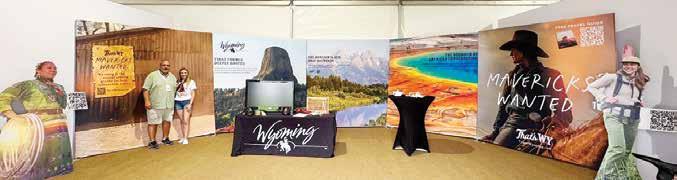
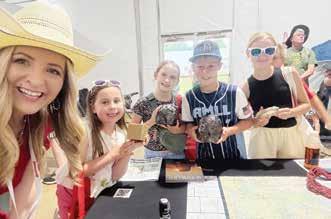
hands-on activities including hat shaping demonstrations, roping lessons, a virtual reality Cheyenne Frontier Days experience and exhibits on critical commodities like wool and coal.
A team effort
A May 1 press release

issued by WSF notes Wyoming’s participation in the Great American Fair serves as the culmination of roughly a year of planning and collaborative efforts anchored by WSF, the governor’s office, Wyoming State Parks and Cultural Resources and the Wyoming Office of Tourism, in partnership with statewide agencies, organizations and industry leaders across Wyoming.
Opening day alone brought an estimated 15,000 people to the Wyoming pavilion, according to Hinds, and overall attendance throughout opening weekend soared to impressive heights.
U.S. Sen. John Barrasso (R-WY) made an appearance at the Wyoming booth on opening day. In an interview with Cowboy State Daily, Barrasso praised the work of the Wyoming Office of Tourism and WSF.
“We have people from the department of tourism
and from our state fair all putting Wyoming’s best face forward in an effort to make people realize what it’s like to come to Wyoming and to see the rugged outdoors,” Barrasso tells Cowboy State Daily Reporter Sean Barry.
“If they want to visit Wyoming, they’re going to find the vision, the ideals, the spirit and the image, as well as the traditions of the

Old West,” Barrasso adds. Hinds further highlights the extraordinary display of American pride at the event, noting the event is “patriotic without feeling political.”
“This is what America is all about,” she concludes. Grace Skavdahl is the editor of the Wyoming Livestock Roundup. Send comments on this article to roundup@wylr.net.
through years of hard work, grit and a willingness to take risks.
Although both of his parents came from ranching families, he built much of his own livestock business from the ground up, starting with just four cows and limited equipment.
“I have experienced the difficulties of agriculture as both a young and capital-challenged person,” Eisele shares. “Lifelong skills were acquired through hard work, renting and leasing and calculated risk management.”
These early lessons ultimately led Eisele to the historic King Ranch near Cheyenne where he first worked as an employee before eventually acquiring the operation.
Today, Eisele, his wife Trudy and their three adult children run Red and Black Angus cow/calf pairs and retained yearlings marketed through branded beef programs. The family also manages a custom haying operation and harvests both alfalfa and native grass hay on private and deeded land.
Committed to stewardship
Throughout his career, Eisele has maintained healthy rangelands are the foundation of a successful cattle operation.
Rather than relying solely on tradition, he has embraced research, innovation and science-based management practices to improve both livestock production and land stewardship.
According to Justin Derner, research leader for the U.S. Department of Agriculture’s (USDA) Agricultural Research Service Rangeland Resources and Systems Research Unit, King Ranch has partnered with the department for over 20 years on projects addressing everything
from livestock production and economic efficiency, flexible stocking strategies for erratic and variable precipitation, adaptive grazing management for poisonous plants, targeted grazing for invasive cheatgrass, soil carbon responses to grazing management, habitat conservation and the effects of cow size and age on calf performance.
“In addition, this collaborative research effort has expanded to on-ranch projects addressing the effectiveness of on-animal precision livestock technologies to determine individual animal grazing behavior, bull mounting and steps taken, estrous cycling of replacement heifers and nutrient use efficiency through specific gaseous emissions,” Derner explains.
Just as importantly, Eisele has worked to ensure this research reaches producers on the ground.
“Eisele has been an advocate for extending research results from these collaborative studies to other ranchers in Wyoming and many additional states,” Derner states. “He has co-organized sessions at premier scientific meetings with our research unit, as well as being on panels and presenting findings at numerous regional and national scientific and producer meetings.”
The Eisele family’s stewardship efforts have earned widespread recognition, including the Wyoming Stock Growers Association Environmental Stewardship Award and the Leopold Conservation Award in 2015.
More recently, the ranch received the 2023 Kurt Bucholz Conservation Award and the 2025 Chuck Jarecki Rancher Land Stewardship Award
presented by the International Society for Range Management. Leading the industry
In addition to his devotion to the King Ranch, Eisele has spent just as much time serving the broader cattle industry as well.
Wyoming Stock Growers Association (WSGA) Executive Vice President Jim Magagna, who nominated Eisele for the honor, writes, “Eisele realized if his family and ranch were going to both survive and thrive, he had to rely on the guidance and support of local, state and national associations and fellow producers. This realization drove him to engage at many levels.”
WSGA was one of many organizations Eisele became actively involved in, eventually serving as president from 2011-13 after previously chairing the association’s Environmental Stewardship Committee and serving as Region Two vice president.
Magagna notes Eisele also helped establish the Wyoming Stock Growers Land Trust, an organization dedicated to conserving Wyoming’s working lands through voluntary conservation easements, and served as its inaugural chairman.
One of his most memorable accomplishments came during the formation of the Pole Mountain Grazing Association, in which Eisele was instrumental.
Eisele recalls, while serving as the association’s president, the U.S. Forest Service (USFS) won a lawsuit in federal district court in Denver.
“We came in and defended USFS by filing a friend of the court brief,” Eisele shares. “We rounded people up to help, got the grazing association to selfassess to help pay and hired our own attorney. It was a

very successful, precedent case still being used today. In fact, USFS recently used the case to rewrite their handbook.”
“The ironic thing was, when I was hired, they said ‘Sure, let the kid have a go. There isn’t much going on.’ But it really jumpstarted my career,” he continues, chuckling.
Eisele’s strong leadership skills eventually extended beyond Wyoming’s borders as well.
After years of committee work within the National Cattlemen’s Beef Association (NCBA), Eisele was elected president for the 2024-25 term, becoming one of the nation’s leading voices for beef producers.
During his tenure, he helped guide the industry through high-profile issues like highly pathogenic avian influenza (HPAI) in dairy cattle and strongly advocated for producers on domestic and international policy.
“Eisele’s leadership at the national level guided the cattle industry’s response to HPAI once it was found in dairy cattle,” notes NCBA Chief Executive Officer Colin Woodall. “At the international level, Eisele organized a global coalition to fight back against plantbased protein – or fake meat. In both instances, America’s cattle producers were fought
for and protected.”
Magagna further comments, “In his roles with NCBA, Eisele visited states across our nation, as well as several foreign countries to carry the message of our commitment to resource management, care of our cattle and production of the highest-quality beef for consumer enjoyment both in the U.S. and abroad. When issues arose threatening to divide our industry, Eisele was admired for his ability to foster respectable discussion which most often led to resolution.”
Serving Wyoming communities
Eisele has remained deeply involved in his own local community as well.
He and his family have long supported the Laramie County 4-H and Kiwanis FFA livestock shows and sales and donated beef through the Wyoming Hunger Initiative’s Food from the Farm and Ranch program.
He also supports youth shooting sports, hunter and angler access programs, local law enforcement and numerous community organizations, all while continuing to provide educational tours for schools, civic groups and conservation organizations.
In addition, Eisele owns the Otto Road Shooting Range, which donates proceeds to multiple charitable entities, and he is an
active participant in clubs like Oaks Spokes, which aims to give back to local charities like the Cheyenne Animal Shelter and Toys for Tots.
A proud University of Wyoming alumnus and supporter, Eisele has also championed agricultural education by supporting programs within the College of Agriculture, Life Sciences and Natural Resources.
“Eisele most highly exemplifies the qualities and character of the Wyoming ranching community through his tireless commitment to livestock production and stewardship of rangelands through his actions, time and service,” Derner concludes.
“He is in the uppermost echelon of progressive ranchers using science-based information for decision-making which provides on-the-ground innovative solutions for current and future livestock production and stewardship challenges facing rangelands and society,” Derner adds. “Eisele is a most deserving recipient of being inducted into the Wyoming Agriculture HOF.”
Hannah Bugas is the managing editor of the Wyoming Livestock Roundup. Send comments on this article to roundup@ wylr.net.

July 3-11 Central Wyoming Fair and Rodeo, Casper. For more information, visit centralwyomingfair.com
July 6-11 98th Annual Rooftop Rodeo, Estes Park, Colo. For more information or to purchase tickets, visit rooftoprodeo.com/
July 9 Pinedale Anticline Project Office Board of Directors Public Meeting, 1:30-4 p.m., Bureau of Land Management Pinedale Field Office, Pinedale. For more information, contact Kelsey Smith at kdsmith@blm.gov or 307-367-5341.
July 9 2026 Range War Rodeo Series, 7 p.m., Buffalo. For more information, visit rangewarrodeo.com
July 10-12 Up in Arms LLC Flea Market and Gun Show, Cody Recreation Gymnasium, Cody. For more information, call 308-420-2295.
July 10-18 Converse County Fair, Douglas. For more information, visit conversecountyfair.com
July 12-14 2026 Cattle Industry Summer Business Meeting, Gaylord Rockies Resort and Convention Center, Aurora, Colo. For more information or to register, visit ncba.org/events/summer-business-meeting
July 13 25th Annual Angus Foundation Golf Tournament, Quail Chase Golf Course, Louisville, Ky. For more information or to register, visit angus.org/foundation
July 14 Wyoming Opportunity Zones 2.0 Working Group Educational Webinar 12 p.m., Zoom. For more information or to register, visit us02web.zoom.us/ webinar/register/WN_v2r9i1R_RUOtyNiPyEb_nw#/registration
July 17-26 Cheyenne Frontier Days, Cheyenne. For more information or to purchase tickets, visit cfdrodeo.com
July 18 Albany County CattleWomen Ranch Tour, Laramie. For more information, visit accw.com or call 307-742-0288.
July 18-25 Washakie County Fair, Worland. For more information, visit washakiecountyfair.com
July 18-26 Teton County Fair, Jackson. For more information, visit tetoncountyfair.com
July 19-21 Ag Media Summit 2026, Hyatt Regency St. Louis at the Arch, St. Louis, Mo. For more information or to register, visit agmediasummit.com/
July 21-25 Park County Fair, Powell. For more information, visit parkcountyeventsandfair.com/home
July 22-25 Sublette County Fair, Big Piney. For more information, visit sublettecountyfair.com
July 22-Aug. 1 Albany County Fair, Laramie. For more information, visit albanycountywy. gov/435/Albany-County-Fair
July 23 Bureau of Land Management Day of the American West Wild Horse Adoption Event, Cheyenne Frontier Days, Frontier Park, Cheyenne. For more information, visit blm.gov/whb
July 23-Aug. 1 Uinta County Fair, Evanston. For more information, visit uintacountywy. gov/1080/Uinta-County-Fair
July 24 Wyoming Game and Fish Department Aquatic Invasive Species Inspector Training, 9 a.m.-4 p.m., Sheridan Regional Office, Sheridan. For more information or to register, visit wgfd.wyo.gov
July 24-Aug. 1 Platte County Fair, Wheatland. For more information, visit plattecountyfair.org
July 24-Aug. 1 Niobrara County Fair, Lusk. For more information, visit wyoextension.org/ niobraracounty/niobrara-county-fair
July 24-Aug. 2 Johnson County Fair, Buffalo. For more information, visit johnsoncountyfairgrounds.com
July 24-Aug. 2 Goshen County Fair, Torrington. For more information, visit goshencounty. org/226/Goshen-County-Fair
July 24-Aug. 2 Campbell County Fair, Gillette. For more information, visit campbellcountywy. gov/959/County-Fair
July 25 Growing Food in Wyoming Masterclass: Fertilization and Soils, 7-8 p.m., Zoom. For more information or to register, visit dirtworkswyo.com
July 25-31 Hot Springs County Fair, Thermopolis. For more information, contact Sadie Eckley at hscfairgrounds@gmail.com.
July 25-Aug. 1 Crook County Fair, Sundance. For more information, visit crookcofair.com
July 25-Aug. 1 Fremont County Fair, Riverton. For more information, visit fremontcountyfair.org
July 25-Aug. 2 Weston County Fair, Newcastle. For more information, visit westoncountyfair.org
July 25-Aug. 3 Sheridan County Fair, Sheridan. For more information, visit sheridancountyfairgrounds.com
July 27-30
American Lamb Board Targeted Grazing Workshop, Plymouth, Indiana. For more information or to register, visit lambboard.com/grazing-workshops
July 27-Aug. 2 Big Horn County Fair, Basin. For more information, visit bighornfair.com
July 28-Aug. 1
Sweetwater County Fair, Rock Springs. For more information, visit sweetwaterevents.com
July 29-Aug. 8 Laramie County Fair, Cheyenne. For more information, visit laramiecountyevents.com/fair
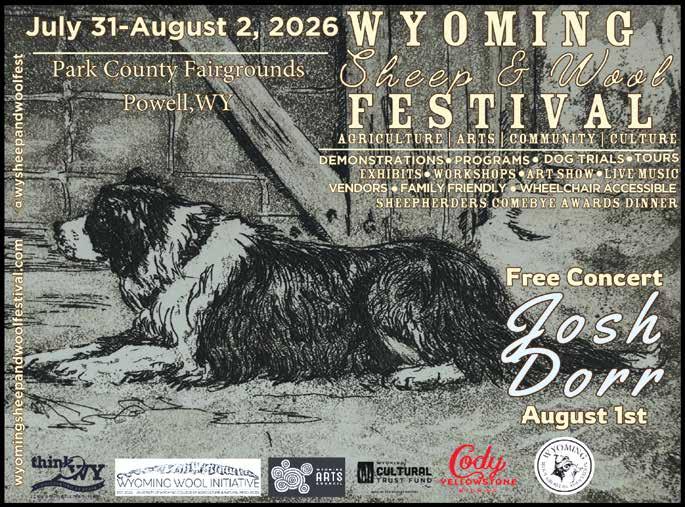
July 31-Aug. 2 Fourth Annual Wyoming Sheep and Wool Festival, Park County Fairgrounds, Powell. For more information or to register, visit wyomingsheepandwoolfestival.com
July 31-Aug. 8 Lincoln County Fair, Afton. For more information, visit lincolncountyfair.info
Aug. 1-8 Carbon County Fair, Rawlins. For more information, visit carboncountyfairgrounds.com
Aug. 3-9
July 6-10
July 13-15
July 20
July 21
July 24
July 27-31
Aug. 4-5
Aug. 10-11
Aug. 17
Aug. 17-21
Aug. 22
Aug. 22-25
Art of the Cowgirl The Colorado Gathering, Three Crown Ranch, Meeker, Colo. For more information, visit artofthecowgirl.com/gatherings or call Paula Cooper at 970-819-3286.
Superior Livestock Auction Week in the Rockies, The Steamboat Grand, Steamboat Springs, Colo., 800-422-2117, superiorlivestock.com
Western Video Market, Silver Legacy Casino Resort, Reno, Nev., 530-3473793, wvmcattle.com
Northern Livestock Video Auction Summertime Classic, 866-616-5035, northernlivestockvideo.com
Tri Brothers Equipment Summer Consignment Auction, Torrington, 307575-2427 307-338-8216, tribrothersauctions.com
Stellpflug Cattle Company “New Frontier” Female Sale, at the ranch, Guernsey, 307-351-1712, stellpflugcattle.com
Superior Livestock Auction Video Royale, Winnemucca, Nev., 800-4222117, superiorlivestock.com
Cattle Country Video Oregon Trail Classic, Gering Civic Center, Gering, Neb., 888-322-8853, cattlecountryvideo.com
Western Video Market, Little America, Cheyenne, 530-347-3793, wvmcattle.com
Northern Livestock Video Auction Early Fall Preview, 866-616-5035, northernlivestockvideo.com
Superior Livestock Auction Big Horn Classic, Sheridan, 800-422-2117, superiorlivestock.com
Memory Ranches Fourth Annual Foal Sale, at the ranch, Wells, Nev., 208412-6156, 208-695-0399, memoryranches.com
Lauing Mill Iron L Ranch 21st Annual QH Production Sale, online auction only, prohorseservices.com, 605-347-6193, 605-280-0698, 605-280-0398, lauingmillironlranch.com

Compiled by Dick Perue rrichardperue@gmail.com

A news item in the July 6, 1926 issue of the Wyoming Reporter reads: Approximately 30 people responded to the appeal for volunteers made by the U.S. Forest Service last Sunday.
These assisted in shoveling out the snowdrifts and made possible the opening of Snowy Range Road on July 4.
The road will be in condition for travel between Saratoga and Centennial, although it will be necessary for automobiles to pass between the banks of snow 10 to 15 feet high where the drifts have been shoveled out.
The road will, however, be made absolutely safe for all kinds of travel.
The opening of the road will not only make possible the dedication of the Snowy Range Road, but will also permit people from Laramie and eastern points to cross the range and attend the Saratoga celebration on July 4-5
and the Laramie celebration on July 5-6.
Among the people from Saratoga who assisted in shoveling snow from the road were Messrs. Plummer, Goodman, Webb, Barber, McMahon, MacPhail, Munz, Nuhn and Wood. Some of them hired men to work on the road, in addition, while others
returned again on Monday to help.
The men from Centennial included Messer. Rhinesmith, Bailey, Nelson and A.F. Lindsley and sons.
Several people from the university, including President Crane and Messrs. Fuller, Beath, O’Roke, Robertson, Hunton and Corkins and others also assisted in opening the road.
A large number of people from Laramie were in the Snowy Range region on Sunday and Monday, but few volunteered to help open the road. Messrs. Frank Cook, Sanders, William Beacham and Elmer Lovejoy represented Laramie in addition to the men from the university.
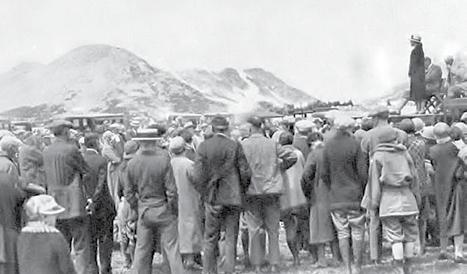
According to an article in the July 6, 1926 Wyoming Reporter, “The dedication ceremonies of the
took place Sunday afternoon at
which included appropriate speeches by
Nellie Tayloe Ross, shown standing far right, as well as representatives of the U.S. Forest Service and the towns of
and
and was attended by about
But, then, that’s another postcard. Photo courtesy of American Heritage Center. Historical Reproductions by Perue
From 1980-81, he participated in an exchange program between the American Farm Bureau Federation (AFBF) and Agricultural Investments of Australia.
In 1982, he graduated from the University of Wyoming (UW) with a bachelor’s degree in animal science and was honored with the UW College of Agriculture and Natural Resources (CALSNR) Outstanding Alumni Award in 2015.
In 1983, Hamilton began working with WyFB as a research and field assistant, thus launching an impressive 41-year career with the organization.
Hamilton assumed the role of Wyoming Farm Bureau (WyFB) executive vice president in 2004, serving as an agricultural advocate at both the state and national levels for two decades.
Throughout his career, Hamilton served terms as president of the Wyoming Capitol Club and Wyoming Society of Association Executives, as well as a member of the UW CALSNR Advisory Board.
He was honored with the WyFB Distinguished Service Award in 2018, and his years of leadership have left a lasting impression on the organization since his retirement in 2024.
Lasting impact In a nomination letter, WyFB Executive Vice President Kerin Clark highlights Hamilton’s unwavering dedication to people and policy.
“Throughout his career, Hamilton had the unique opportunity to represent farmers and ranchers through a variety of issues in the legislature,” Clark writes. “From transportation and water issues to raging wildfires and endangered species issues, he worked alongside Wyoming’s farmers and ranchers for decades to ensure their voices were heard.”
“Legislators called on him for an understanding of agriculture issues as his broad base of education, experience and interest proved to be a strong resource,” Clark continues. “Policy and people drove his passion to imple-
ment farm bureau policy through working with farm bureau members, the legislature, agencies and other organizations.”
WyFB President Todd Fornstrom also expresses his respect for Hamilton in a letter of support highlighting his honesty, integrity, dedication and loyalty throughout his career promoting agriculture.
“Hamilton has dedicated his career to the agriculture industry in Wyoming,” Fornstrom writes. “His tenure for WyFB has been a testament to the way of life we in agriculture hold in high regard. The promotion of agriculture and its continued existence has been his focus for numerous decades.”
“I can think of few others who have impacted agriculture through their service as Hamilton has here in Wyoming,” Fornstrom continues, adding the impact of Hamilton’s four decades of service to agriculture in Wyoming will be felt for years to come.
Trusted leader
In addition to his
exceptional accomplishments in ag advocacy, Hamilton’s strengths as a mentor and leader have not gone unnoticed.
Several letters of support for Hamilton’s induction highlight his effectiveness as a humble and driven leader.
“Hamilton is a humble, quiet and effective leader who has given much of himself, his time and his knowledge for the betterment of Wyoming agriculture,” comments Clark, emphasizing Hamilton’s wisdom and guidance has deeply influenced her own career with WyFB.
U.S. Rep. Harriet Hageman (R-WY) notes Hamilton has served as a mentor to her and many others, stating, “Hamilton has built a legacy of integrity, professionalism and dedication to our state. Our ag industry, now and for generations to come, is stronger because of him.”
Wyoming Department of Agriculture Director and fellow Ag HOF Member Doug Miyamoto comments, “Farm bureau represents one of the most powerful agriculture policy groups in the world, and Hamilton contributed greatly to
their position throughout his career. I would put Hamilton and his Wyoming ag policy counterparts up against anybody in the world for depth of knowledge on the issues impacting agriculture.”
Former WyFB Colleague Brett Moline calls Hamilton “a fantastic mentor” with the ability to “work with anybody” while maintaining respect throughout discussions on important topics affecting producers.
“One of Hamilton’s greatest attributes is sharing knowledge with others,” shares Moline. “Hamilton could take part in a discussion and strive to find common ground. Agreement was not always reached, but respect was maintained.”
Wyoming Livestock Board (WLSB) Director Steve True also praises Hamilton’s knowledge and leadership, noting his contributions have been invaluable to WLSB.
“Personally, I have drawn from Hamilton’s knowledge repeatedly and often on issues affecting the livestock industry and state government,” True comments. “He has been my first or second call on nearly every issue affecting our
producers and WLSB’s prudent response.”
“We have worked with Hamilton ranging from task forces, working groups, public comment and proposed legislation and rule,” True adds. “The response we receive has always been measured, thoughtful and focused on the best return for all stakeholders in any issue.”
Continued commitment In retirement, Hamilton remains an active community member and ally for Wyoming’s agricultural industry.
He and his wife Kathy live in Laramie, where he serves on the Ivinson Memorial Hospital Foundation Board of Directors.
In their free time, the Hamiltons make trips to the family ranch near Hyattville – currently run by Keith, Linda, Doug and Michelle Hamilton – as well to Sheridan to visit their son Ian.
Hamilton says his induction comes as a pleasant surprise and expresses deep gratitude for the honor.
Grace Skavdahl is the editor of the Wyoming Livestock Roundup. Send comments on this article to roundup@wylr.net.
NOTICE: Publication in this newspaper does not guarantee the legitimacy of any offer or solicitation. Take reasonable steps to evaluate an offer before you send money or provide personal/financial information to an advertiser. If you have questions or believe you have been the victim of fraud, contact the Wyoming Attorney General’s Office, Consumer Protection Unit, 109 Capitol Building, Cheyenne, WY 82002, 307-777-6397 TFN THE NATRONA COUNTY
CONSERVATION DISTRICT
WILL HOLD ITS FY2027 BUDGET HEARING ON JULY 15, 2026, at 6 p.m. at the USDA Service Center, located at 5880 Enterprise Drive, Suite 100, in Casper, WY. All interested parties are welcome to attend. For information or a copy of the budget, please call 307-2615436, Ext. 4 7/4
UP IN ARMS, LLC FLEA MARKET AND GUN SHOW AUG. 28-30, Gillette, WY at the CAMPLEX. Open to the public. Fri., Aug. 28, 3 p.m.-7 p.m. Sat., Aug. 29, 9 a.m.-5 p.m. Sun., Aug. 30, 9 a.m.-3 p.m. Giving away a .22 pistol Sunday at 2 p.m., must be present to win, 21 years of age and able to pass background check. Buy, sell, trade. Adults $6, children 12 and under free (when accompanied by an adult). For more information, contact Lisa, 208-420-2295 8/22
UP IN ARMS, LLC FLEA MARKET AND GUN SHOW July 10-12, Cody, WY at the Cody Recreation Gymnasium. Open to the public. Fri., July 10, 3-7 p.m. Sat., July 11, 9 a.m.-5 p.m. Sun., July 12, 9 a.m.-3 p.m. Giving away a .22 pistol Sunday at 2 p.m., must be present to win, 21 years of age and able to pass background check. Buy, sell, trade. Adults $6, children 12 and under free (when accompanied by an adult). For more information, contact Lisa, 208-420-2295 7/4

6 months and 1 year of employment. If you are interested stop by and fill out an application or visit our website at Call Mike Faimon at 406-469-1585 or Davin Arnold 970-301-3098 for more information.
FULL-TIME RANCH MANAGER: BISON RANCH, SHERIDAN, WY. We are seeking a dedicated, experienced ranch manager to join our growing bison ranch operation. This is a hands-on role for someone who takes pride in hard work, reliability and caring for land and livestock. Responsibilities: Daily care and management of bison herd. Maintaining fencing, equipment and ranch property. Assisting with feeding, health checks and handling livestock. General ranch maintenance and upkeep. Supporting ongoing growth and operations of the ranch. Requirements: Prior ranching or livestock experience (bison experience preferred but not required). Strong work ethic and reliability. Ability to lift heavy items and perform physical labor daily. Self-motivated and able to work independently. Available to start immediately. Salary starts at $145,000 and up. This is a full-time position with opportunity to grow alongside a rapidly expanding ranch. Apply today if you’re ready to work hard and be part of something being built from the ground up. Call Landon, 205531-9819 or e-mail sheryl@ bisonunion.com 7/11
WIGGINS FEEDYARD, LLC
HIRING FULL-TIME EMPLOY-
EE: Current driver’s license required. Call Sue Wiggins, 308-279-0924, e-mail sswiggins@wigginsfeedyard.com, 10077 U.S. 385, Bridgeport, NE 69336, provide references with phone numbers 7/4
MEATCUTTER WANTED: Valley Foods in Saratoga, WY has an immediate opening for a meatcutter. Experience is preferred but not necessary. Ideal candidate is self-motivated, efficient and customer service minded. Pay DOE. Send resume to valleyfoods9024@ hotmail.com 7/4
RANCH HAND/GROUNDS
KEEPER: Full-time position at a family-owned ranch near Cody, WY and located in the Shoshone National Forest. Position entails lawn care, irrigation, heavy equipment operation, carpentry, equipment maintenance, building maintenance and overall residential and agricultural property maintenance. Experience is welcome but will train the right candidate. The ideal candidate will be reliable; have a strong work ethic; be able to perform individually and with a team; be a self-starter and enjoy working outdoors. Benefits include health, with optional dental and vision; paid-time off and 401(k) with employer matching contribution. For the right candidate housing on property is also available. Salary based upon previous experience. Send resumes to emilyb@colliergroupoffice. com 7/25
FOR SALE LGD PUPPIES: 3/4 AKABASH/1/4 KANGAL. Working parents. Call 970641-3435 or 970-379-9621. To view photos, go to www.wylr. net in the classifieds 7/11




ALL TYPES OF EQUIPMENT AND VEHICLE FINANCING. Great service!! Great rates!! Call Chuck Brown at C.H. Brown Co. LLC, 307-322-3232 (office), 307-331-0010 (cell) or e-mail chuckbrown@wyoming.com 7/4
AGRI-ONE FINANCIAL: Farm/ ranch and all commercial loans. RATES AS LOW AS 5%. We have been helping with all aspects of agricultural, commercial financing and management for years. LET US HELP YOU on a consulting level with management to increase profitability, deal with and fix credit problems and for all your financing needs. WE CARE AND HAVE WORKING PROGRAMS designed for the farmer/rancher and not the banker. Please call Steve, 303-773-3545 or check out our website, www.agrionefinancial.com. I will come to you and get the job done!! 7/11

CUSTOM HARVESTING SERVICES: Wheat, corn, millet, milo and sunflowers. Running Case IH combines with full support equipment. Timely, reliable and competitive rates. For more information, call 2D Harvesting, 970-6308639, Wray, CO 7/4
REGISTERED ANGUS YEARLING BULLS: Breeding soundness, fertility tested and PAP tested. Ready to go to work. Call Paul at TAG Double H Cattle Co., Ten Sleep, WY, 307-690-4225 7/25
BULLS FOR SALE: Registered yearling and 2-year-old Black Angus range bulls for sale private treaty. Good selection for heifers and cows. From popular sires and industry leaders. Semen tested and ready to go. CLAY CREEK ANGUS, 307-762-3541, www. claycreek.net TFN
REGISTERED ANGUS YEARLING AND 2-YEAROLD BULLS FOR SALE, visit www.crookedcreekangus. com or call 785-332-6206, St. Francis, KS 8/29
BEST LAST CHANCE SALE!! LYTLE RED ANGUS is offering private treaty bulls from our herd founded on 30+ years of selection for fertility, consistency and efficiency. Highly adaptable, our bulls have proven themselves from Arizona to New York state. 15-month old bulls available. Passed breeding service exams and ready to go! Visit www. lytleredangus.com or call Zeb, 605-441-7658. To view photos, go to www.wylr.net in the classifieds 7/18
SALE * CHRISTENSEN RED ANGUS * SALE: Registered, vaccinated and fertility tested bulls. We have a deep carcass, high ADG packaged with moderate to low birthweights available. Call 406-208-4315 or e-mail criters64@gmail.com 7/4
3/H SIMMENTAL RANCH, PLAINS, MT OFFERS POWERFUL SIMANGUS BULLS: Yearlings and 18-month-olds sired by top AI genetics. Bred for performance, soundness and longevity, with a strong emphasis on calm disposition. These bulls are built to work and last in real world conditions. Call Alan at 503-9316815, to find the right fit for your program. To view photos, go to www.wylr.net in the classifieds TFN

OWN A PIECE OF WYOMING HISTORY, OLD WYOMING BRAND FOR
SALE: LRC, LTH, originally issued in 1910. Purchased by my grandfather in 1913. Easy to read when placed on cows or horses, $12,500. ALSO, RANCH SADDLE manufactured by Fred Mueller Saddle Co., Denver, CO. Good condition, located in Cheyenne, WY, digital photos available, asking $400. Call 307-631-6838 7/4
AKC LABRADOR RETRIEV-
ER PUPPIES: Hunting lines, excellent pedigree, males/ females, yellow/black, age appropriate on shots and worming. Mom is silver, dad is fox red. Ready now, Cody, WY. For more information, call 307-296-6766 7/11
3,500 HEAD FEEDLOT NEAR WATERTOWN, S.D.:
Specializing in replacement dairy cattle and custom beef operations. AI service available. Shots/vaccines to your protocols. Room available. Call/text to talk rates, Nathan, 605-868-7383 7/11
CUSTOM FEEDING AND FINISHING FOR CATTLE AND SHEEP. Cactus Hill Ranch Company, Fort Collins, CO. Contact AJ Nelson, 970372-8273 8/22
FAITHFUL FEEDERS: Heifer development, backgrounding and grass calf prep. Billings, MT. Call Ryan, 406-696-0104 4/10
SUMMER PASTURE WANTED FOR YEARLINGS: Seeking summer grass for 2026. For 500-1,500 head. Wyoming, Colorado, Nebraska, South Dakota. Prefer longterm potential, competitive rates offered. Call Jon, 831240-5795 TFN
LOOKING TO LEASE A RANCH FOR APPROXIMATELY 150-200 HEAD OF COWS. Prefer area in Johnson and Sheridan counties. Call 307-290-1643 7/18
PARK COUNTY, WY RANCH NEAR CODY, WY IS AVAILABLE FOR A LONG-TERM LEASE: The ranch has over 50,000 acres and supports an irrigated hay base with BOR water rights. Carrying capacity is 700 animal units yearround with hay production. Willing to split the hay ground and grazing. Please e-mail Melanie Giliati at mgiliati@ acpg.com for details 7/25



MIX
AVAILABLE FOR LIVESTOCK AND HORSES: Small square bales, 55-60 lbs. each, $6/bale. Large round bales, $150/bale. Delivery available for $0.75/ mile. Suitable for horses, cattle, goats, sheep and other livestock. Clean, quality hay. Ready for pickup or delivery. Message or call Jeremy at 406-2087132 for availability and delivery arrangements 7/25
NEW CROP IRRIGATED ALFALFA AND GRASS HAY FOR SALE: Round bales. Top quality. Located in O’Neill, NE. For more information and pricing, call Jerald Pritchett, 402-3404154 7/18
HAY FOR SALE, new crop, $350/ton. Contact Crosby Farms, 307-272-3712, Cowley, WY 7/18
BARLEY STRAW: Certified weed-free small squares, $4/bale. ALSO, 5x6 round bales, $125/ton. GRAIN OATS, wheat and barley, $20/cwt. Greybull, WY area. Call 307-762-3878 or 307-899-4714, leave message 7/11
ATTENTION FEEDLOTS AND BACKGROUNDERS!! Chopped alfalfa (3 inches) feed mixer ready. We are a large scale hay farm with our own trucks and can work with your delivery schedule. Stored inside sheds immediately after baling. No rain. No wastage due to weathering!! Call/text Rob’s cell 204-2091066 or e-mail rob@redriverforage.com. To view photos, go to www.wylr.net in the classifieds 7/11


MULTIQUIP SILENT DIESEL GENERATOR: 50 KVA, 40KW, 1 and 3-phase. Engine Isuzu 4LE2X, electric start, 4 cylinder water/c. Charged air 4 cycle direct. Horsepower 65.7, 1800 RPM, fuel capacity 72.20 gallon, 4’ hitch. Model name/number DCAA5SSIU4F5. Mfg. MultiQuip Whisper. Condition excellent. Hours 567 on the hour meter. Price $22,000. Contact Ben Piller, 303-622- 9503 or email vp1@esrta.com. Strasburg, CO 80136. To view photos, go to www.wylr.net in the classifieds 7/25

FEED/GRAIN FOR SALE: Alfalfa, grass and rye/triticale mix hay. Large squares and rounds. Semi loads and delivery only. Call 308-882-1498 7/4
MONIDA OATS: $16/cwt. Combine run, great for seed or feed. Will auger into truck, trailer or large totes/ag bags. Located between Powell and Cody, WY. Certified scales on site. Call or text Knopp Farms for details, 307-2540554 7/18
1980 S 1750 SERIES INTERNATIONAL TRUCK: Gray and white, 406 engine, 5&2 manual transmission, 18’ steel box with stock racks, good rubber, freshly painted. Very solid truck. For more information and pricing, call 605-380-0887 7/4
2018 DODGE RAM 3500: 4x4, crew cab, 6.4 Hemi. Gooseneck hitch, 94,000 miles. Covercraft seat covers, WeatherTech floor mats. New transmission. Call Dan, 307250-2178 7/11
FOR SALE: Alfalfa and alfalfa/grass mix, large rounds with net wrap, several hundred bales, nice hay. 2022 KW T680 day cab semi with PACCAR MX-13 engine, automatic transmission, air ride, air slide 5th wheel, aluminum wheels, 486,100 miles, asking $29,500. New Holland 9’ sickle mower. Rowse 9’ pull type sickle mower. CIH 1100 3 pt. 9’ sickle mower. Hesston/ AGCO 5556 large round baler with net wrap and twin tie, 8,631 bales. H&S hay windrow fluffer. H&S 12 wheel finger rake. Ford 7N tractor with wide front and 3 pt. Schulte hydraulic rock picker with 3 bat reel. New Holland 195 manure spreader, 410 bushel with slop gate, double floor chains, tandem axle. Behlen Country livestock working chute with automatic headgate. Apache portable creep feeder. Burns portable loading chute. 2019 John Deere 714A chuckwagon with John Deere tandem running gear. H&S 7+4 24’ chuckwagon with bunk feeding extensions and tandem 14 ton running gear. J&M 350 gravity wagon with 385/65 R22.5 tires and ag topper. 12’ and 14’ HD box scrapers with tilt. All in very nice condition!! Call 605-999-5482 7/4
1985 GMC 7000 TRUCK: 5&2 transmission, 20 ton Harsh hoist, 18’ box, silage end gate, new carburetor and fuel pump, $8.000; 1 ,000 GALLON WATER TANK ON FLATBED, fits on a pickup, $1,000; FOR-MOST HYDRAULIC SQUEEZE CHUTE WITH PALPATION CAGE, breast bar, neck extensions and more, good working condition, $8,000. Call 307-8573102, early morning, noon or evening 7/4

PIPE FOR SALE!! 2 7/8”, 3 1/2” tubing, 4” drill pipe, 4 1/2” casing, 5” casing, 7” casing. Rods 3/4”, 7/8” and 1” located in Montana, can ship anywhere. Call Mike, 602-758-4447. To view photos, go to www.wylr.net in the classifieds 11/7

Irrigation Systems
The choice is simple.

Good time management is essential to farming success. That’s why more farmers are turning to T-L center pivot irrigation systems. Hydrostatically powered, T-L’s simple design gives you the low maintenance time, cost, safety and reliability to let you manage your farm instead of calling electricians or replacing gearboxes. Simplify your complex world and make irrigation easier on you.
FOR SALE!! NEW HOLLAND OR MACDON DOUBLE HARD GERMAN GUARDS, low back $19 or high back $20. Rowse mower, hay conditioner or swather. We have used them for years and are proven. FREE SHIPPING if buy 2 boxes. Call Leo Vilhauer, 605-216-8033 Leola, S.D. or Deon Vilhauer, 701-527-5432 Bismarck, N.D. To view photos, go to www.wylr.net in the classifieds 7/25
ORIGINAL ROUND BALER
BELTING FOR ALL MAKES: Save $100s. Free shipping, www.balerbelts.com. Call Hammond Equipment, 334627-3348 10/24
WE DO ALL TYPES OF FENCING!! Agricultural, commercial, residential, with 3 generations of experience. Call Glen 605380-5311 or e-mail fenceguru@live.com 7/11
LODGEPOLE PRODUCTS, 307-742-6992, SERVING AGRIBUSINESSES SINCE 1975!! Treated posts, corral poles, buck-and-rail, western rail, fence stays, rough-sawn lumber, bedding. SEE US at www.lodgepoleproducts.com and click our “Picking A Fence Post” tab to see why folks choose our posts!! TFN
Equipment





On June 26, the National Association of State Departments of Agriculture (NASDA) and the U.S. Department of Agriculture (USDA) signed a memorandum of understanding (MOU) to establish the American Farm Legacy 250 Program.
This national initiative will recognize farm families who have shaped American agriculture and contributed to the nation’s history while laying the foundation for future generations of farmers.
New framework
Building upon existing state Century Farm, Heritage Farm and Legacy Farm programs, NASDA and USDA will collaborate to create a framework commending farms and ranches with a history of family stewardship while celebrating newer farmers.
“America’s farmers and ranchers work tirelessly to feed, clothe and fuel their communities and the world,” NASDA Chief Executive Officer Ted McKinney said. “This partnership between USDA and NASDA recognizes families who have stewarded their land across generations while inspiring the next generation of agricultural leaders. State departments of
agriculture are uniquely positioned to help tell these stories and ensure this legacy endures.”
“Before there was a USA, there were American farm families working this land, answering the call to defend liberty and laying the foundation for the strongest, most abundant nation the world has ever known,” U.S. Secretary of Agriculture Brooke Rollins said. “As we approach America’s 250th birthday, it is only fitting we honor the families whose grit, sacrifice and stewardship have fed our nation, strengthened our communities and preserved our agricultural heritage across generations.”
“President Donald Trump has made restoring pride in America’s history a national priority, and the American Farm Legacy 250 Program ensures our farmers and ranchers receive the recognition they have earned as true builders of this great country,” Rollins added.
Family farm recognition
The new program will recognize farms with 250 years of continuous operation, with the first of these farms receiving acknowledgement at the Great American State Fair.
The program will also
provide opportunities to recognize other qualifying multigenerational farms through participating state programs.
Under the agreement, USDA will lead the development of the American Farm Legacy 250 Program and NASDA will serve as the primary liaison between USDA and state departments of agriculture, facilitating state participation and supporting the integration of the national effort into existing state programs.
The organizations will work jointly to develop recognition materials, coordinate outreach and public engagement efforts and highlight participating farms and ranches across the country.
The MOU remains in effect through Dec. 31.
NASDA is a nonpartisan, nonprofit association representing the elected and appointed commissioners, secretaries and directors of the departments of agriculture in all 50 states and four U.S. territories. NASDA engages state departments of agriculture to strengthen U.S. agriculture and allied industries through policy, partnerships and public outreach. For more information, visit nasda.org/
When grass is limited, early weaning may be a viable option for cow/calf producers. If grazing pressure needs to be reduced quickly and/or cow body condition needs improved, early weaning can fit the bill.
Weaning removes any grazing pressure from the calf and removes milk production from the cow’s nutritional requirements, reducing her dry matter intake by 20 percent. How early can calves be weaned?
While calves have been shown to be weaned successfully as early as 45 days, keep in mind the rumen development of young calves will influence the weaning process.
Around 85 to 90 days of age, the calf’s rumen is developed enough to be considered a ruminant rather than a pre-ruminant, although the size of the rumen is small and therefore feedstuffs must be highly digestible to promote high passage rate and feed intake.
For this reason, waiting until 100 days of age to wean may provide an easier transition to the weaning diet.
At 100-plus days of age, a calf can consume 1.5 to two percent of its body weight on a dry matter basis.
Weaning facility and methods
Early weaned calves require increased labor, particularly for daily feeding and close monitoring of intake and health to prevent problems early.
Preparing calves for early weaning may include introducing them to new feeds, feed bunks and/or different watering systems while still with the cow. Fermented feeds such as silage can be unpalatable if unfamiliar prior to weaning.
Early weaned calves should have at least 12 inches of bunk space.
Work with a veterinarian to determine what pre-conditioning or preparation should be completed prior to weaning, as well as developing a plan to manage any health outbreaks following weaning.
Separating cows from calves should be done with as little stress as possible. Consider variations of fenceline weaning or two-step weaning compared to abrupt weaning.
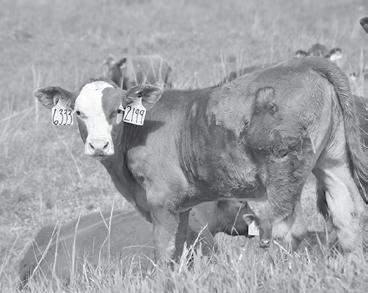
Early weaning success
Early weaned calves are efficient and can gain well when provided a consistent, highly digestible diet. Focusing on rumen undegradable protein helps calves gain muscle and bone structure as they grow.
These calves need to eat small amounts frequently due to their small rumens. Deliver feed on a consistent schedule to ensure availability and to maintain intake and performance.
Save low-quality feeds for more mature members of the cow herd.
While lighter-weight calves often bring premium prices per pound, total revenue may be lower than selling heavier calves. Producers should compare the value of added gain to the costs of feed, labor, yardage and health management before deciding to grow early weaned calves to heavier weights.
Marketing plans will vary depending on each operation’s resources, but the decision often hinges on whether the cost of gain is lower than the market value of added weight.
Early weaning is a drought management strategy that protects cows but requires strong calf management.
T.L. Meyer is the University of NebraskaLincoln (UNL) beef systems Extension educator and Karla Wilke is the UNL cow/calf stocker management specialist. This article was originally published by UNL Extension on June 4.
From defoliation and interfering with pollination to stripping crop fields, grasshoppers can be destructive. However, with proper scouting and preparedness, producers can stay one step ahead of these pests.
In general, Western and Midwestern states have had a lot of up-and-down weather. However, a dry and warm spring like this year creates the perfect breeding ground for grasshopper infestations.
“Grasshoppers really favor dry, hot weather,” said Samantha Daniel, Nebraska Extension water and cropping systems educator. “We’ve had some cool weather and rain here and there, but I think if we start to get into the drier, hotter weather, the grasshoppers will start to move out of field margins and go into the field.”
Based in the southwest corner of Nebraska, Daniel has seen a good number of grasshoppers already, and she urges producers to stay vigilant against these pests.
“Later in the season is when folks need to be aware of it, but I think the sooner the better for farmers to go out and check their fields and field margins,” she said.
Scouting is essential
Based on last year’s grasshopper populations and current weather conditions, the U.S. Department of Agriculture has a prediction map showing hot spots across Montana and in the eastern Panhandle of Nebraska, parts of northeastern Colo-
rado and areas of central and northeast Utah.
While the map is not yet complete, it can be a good indicator for farmers and ranchers to be prepared.
When scouting for grasshoppers, it is important to call experts if producers believe they have an infestation.
“The threshold for grasshoppers is variable and depends on a lot of different factors,” Daniel said. “Scouting for them in the field or pasture can be an art. It isn’t an easy thing to do, but the best thing folks can do is contact their local Extension office if they think they have a severe infestation of grasshoppers to get personalized guidance.”
When producers are scouting fields and field margins for grasshoppers, it is important to note what stage the grasshoppers are in.
In the earlier stages of development, grasshoppers are less likely to move as fast or cause as much damage. However, as the insects mature, their impact is more substantial.
“Right now, in most of Nebraska, grasshoppers are at third instar and going into fourth instar, which is why I would say it’s important for growers to get out and take a look at what’s going on in their field margins,” Daniel said.
How to scout
While scouting can be an art, producers can use the square-foot method to assess the level of infestation in

their field margins and fields.
“If you are in a pasture or field, visualize an area in front of you the size of a square foot and then walk toward it. Count how many grasshoppers you see inside of it or jumping out of the area,” Daniel suggested. “It’s not very precise, unless you do it all the time.”
Economic thresholds equate to 40 to 80 grasshoppers per square yard. This is a big range, which is why Daniel recommends producers reach out to their local cooperative or Extension educator for severity assess-
ment and next steps.
When looking at controlling these pests, producers’ options are somewhat limited.
“There are not as many alternative methods for grasshoppers as there are for some other insects,” Daniel said. “But, you can choose chemicals that are more selective and less broad-spectrum which can be helpful.”
Elizabeth Hodges is a staff writer for Farm Progress. This article was originally published in Farm Progress on June 16.
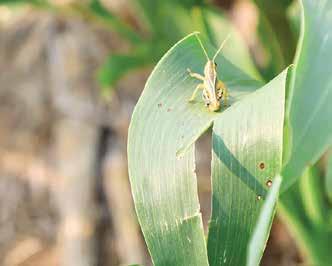

by Lee Pitts

Well, we’ve studied the globe, and it looks like this year we won’t be going on vacation to Ireland and Scotland. You may recall last year we didn’t go to Africa on safari.
My wife and I don’t do vacations – haven’t been on one in at least 15 years. I’ve never been outside of the U.S., except to eat Mexican
food in Juarez, Mexico; go to school in Australia; give speeches in Canada and go on a cruise to the Caribbean. I’ve never been to Europe, although I did ride in a Monte Carlo once. I used to ride in planes almost every week, but since I quit going to cattle sales, I’ve never set foot in a commercial or private
plane. I have no desire to fly any more, stand in line, be groped by TSA workers or sit in the middle seat next to a 300-pound sweaty gorilla in a tank top.
I refuse to go any place requiring a passport, and I will not spend big dollars for bad quarters. I’ve only spent over $100 for a night in a hotel one time in my life – in New Orleans – and just the thought of spending $350 a night for a hotel room makes me want to cut up all of my credit cards.
My future travel plans do not include going to some crowded sanctuary city to see the sights which more and more include poop
on the sidewalk and tents on the street where homeless people beg for handouts. All this just to come home from a vacation tired and broke. No thanks.
I’ve been there, done that and bought the T-shirt. Besides, as they say, “Vacations are always better anticipated than taken.”
Oh, I’ve had my share of traveling. For 40 years I put 55,000 miles on our car going to bull and female sales across the country, and every month I climbed into a private a plane to go announce a video sale.
I enjoyed being around people like myself and working auctions, and I guess you could say these were my vacations. I especially enjoyed the video sales in Cheyenne; Reno, Nev. and Ogallala, Neb.
I’ve been to all 50 states, including Hawaii, where I was so bored out of my mind I spent the week wallpapering my sister-in-law’s condo. My grandparents used to take my brother and
I fishing every year for two weeks when we were youngsters, and these were the best vacations I ever took. I absolutely loved the first week, but by the second week I was counting the days until the dream vacation would be over and I’d have to return home to my dysfunctional family.
I’ve been self-employed for all but two of my 53-year career, and this was never conducive to taking week-long vacations. For 50 years, I’ve had a weekly deadline for my column, advertising and feature stories I wrote, and this left little time for vacations.
If we did take vacations, my wife often went her way and I went mine. When I went to Texas to write eight feature stories in one week, my wife went to visit her sister in San Diego.
Our lifestyle was just not conducive to taking vacations.
As anyone who has a cow/calf operation knows, even leaving the ranch for
a single day will be the day the cows get on the road, the sheep get attacked by coyotes or you’ll have a scours outbreak.
My wife had her own grocery store career, and I felt guilty when I had to go to sales for my work/vacation, leaving her home to sort out the triplet lambs, feed the cows and receive the trucks full of cattle I bought while on the road.
I’ve always been jealous of stocker operators because when their last load is shipped to the feedlot, they get to go to Scottsdale, Ariz. When I worked for Western Livestock Journal, I worked on a couple tours they took to a different part of the country every year with three busloads of ranchers and their wives.
There’s nothing like a ranch tour to get away from it all.
So don’t look for my wife and I on the road on vacation this year. We’ll be at home enjoying our staycation. I’ll send you a postcard.
NWS bill introduced
YEARLINGS
Arapahoe Ranch– 40 Blk Ang & AngX Strs & Hfrs 600-700#. High elevation. IMI Global certified. No hormones. Been out on meadow & hay fed. Sired by Sitz, Stevenson & Walter Black Ang bulls. Very high quality! WEIGHS
Campbell Livestock – 25 weigh cows
Kent Haun – 6 fed cows
& WEIGH UPS
TUESDAY, JULY 28 - No Sale
TUESDAY, AUGUST 4
ALL CATTLE CLASSES • 4-H RESALE (NOON) START TIME 9:30 AM W/ WEIGH UPS
TUESDAY, AUGUST 11 - No Sale
TUESDAY, AUGUST 18
ALL CATTLE CLASSES W/ SHEEP & HORSES • 4-H RESALE (NOON) START TIME 9:30 AM W/ SHEEP & WEIGH UPS
TUESDAY, AUGUST 25 - No Sale
TUESDAY, SEPTEMBER 1
LABOR DAY YEARLING SPECIAL START TIME 9:30 AM W/ SHEEP & WEIGH UPS ~~~~~~~~~~~~~Consignors~~~~~~~~~~~ Preg Checking/Bleeding Cattle: Cattle need to be in the yard by 2:00 PM prior to the day of sale if they need preg checked or bled. Thank you for your cooperation!
On June 18, following confirmed cases of New World screwworm (NWS) in Texas and New Mexico, U.S. Rep. Gabe Vasquez (D-NM) introduced the Protecting America’s Herds Act, an innovative, bipartisan solution to combat the spread of the parasite, herd loss and a jump in beef prices.
The bill, which has 13 co-sponsors from both sides of the aisle, helps ranchers fight NWS by funding local experts who
can train inspectors, inspect livestock, educate producers and provide hands-on support needed to catch outbreaks early and stop them from spreading.
The bill has been endorsed by the National Cattlemen’s Beef Association, New Mexico State University, the New Mexico Cattle Growers Association, the Public Lands Council and Rocky Mountain Farmers Union.