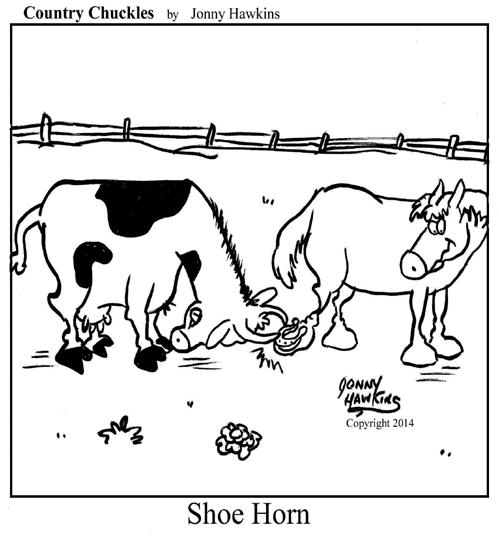
Lee Pitts highlights the hard task of bathing a cowdog Page 9
Egg prices fall as supplies rebound ahead of Easter Page 11
ISU study evaluates grazingfriendly alfalfa varieties for beef systems Page 12
Stay up-to-date on current happenings with this week’s sales and events calendars Page 14
Quick Bits
Snow Report
In the 16th snow report for Water Year 2026, the state’s snowpack telemetry data reads 53% of median, with a basin high of 97% and a basin low of 0%. Last year, the state was at 98% and 97% in 2024. The report and a map displaying basin snow water equivalent percentages of median for the state may be found at wrds. uwyo.edu/wrds/nrcs/nrcs.html
Fire Relief
Donations are being accepted for the upcoming Nebraska Sandhills Rancher Fire Relief Auction, which will be held online through April 26. All proceeds will go directly toward helping those impacted by devastating fires in the Cornhusker State. Donations must be received by April 17 and can be made at farmauction.net/ nsrfr-auction/?utm_source= FBInsta&utm_medium=post &utm_campaign=nsrfr-auction &utm_content=post. To bid on items, visit bidkraupie. com/auctions/5556-nebraskasandhills-rancher-fire-relieffundraising-auction?utm_source =FBInsta&utm_medium=post &utm_campaign=nsrfr-auction &utm_content=donations-auction-link
Conference
Natrona County Master Gardeners will host a Spring Gardening Conference on April 11 from 8 a.m. to 4 p.m. at the Natrona County Fairgrounds in Casper. For more information or to buy tickets, visit nc-mastergardener.org
Masterclass
Dirt Works Wyoming is offering an eight-part masterclass series titled “Growing Food in Wyoming.” The course costs $93 and all classes will be held via Zoom from 7-8 p.m. The event will kick off on April 29 with a two-hour welcome program focused on soil and seeds. Other webinars include fertilizer and soil amendments on May 13, managing weeds organically on May 27, pests and pollinators on June 10, water and irrigation on June 24, fertilization and soils on July 25, preserving the harvest on Aug. 12 and fall soil care on Sept. 16. For more information or to register, visit dirtworkswyo.com
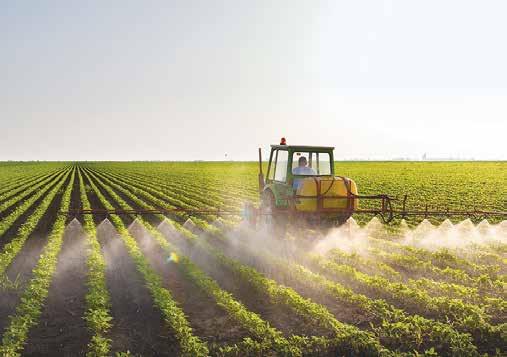
As the 2026 planting season kicks off, farmers across the country are turning their attention to strategies for successful early planting.
With growing seasons fast approaching, industry experts offer
advice on early planting considerations to help crop growers maximize plant potential.
Soil temperature
In a March 24 Northern Ag Network article, Montana State Univer-
sity (MSU) Extension specialists outline several considerations for early planting, starting with the topic of soil quality.
Early planting can provide several
2026 SPRING PLANTING EDITION
Advancing American Agriculture
Trump unveils farm policy actions ahead of spring planting season
Hundreds of producers, industry leaders and policymakers gathered at the steps of the White House to celebrate America’s ag industry during an event held in the middle of National Ag Week.
Here, President Donald Trump – flanked by U.S. Secretary of Agriculture Brooke Rollins, U.S. Secretary of Health and Human Services Robert F. Kennedy Jr., Environmental Protection Agency (EPA) Administrator Lee Zeldin and Small Business Administration (SBA) Administrator Kelly Loeffler – announced a series of
Iran war impacts fertilizer
Consequences from the ongoing conflict in Iran have been rippling through the ag industry, and issues stemming from the effective closure of the Strait of Hormuz are impacting fertilizer supplies across the globe.
Nitrogen-based fertilizers have been particularly impacted by the ongoing conflict, with skyrocketing prices raising concern for farmers ahead of planting season.
Exports suffer
Exports from the Middle East have suffered greatly since the ongoing conflict in Iran first began.
Much of the natural gas produced in the Persian Gulf is processed into urea and other solid forms of fertilizer, and roughly one-quarter of global fertilizer production passes through the Strait of Hormuz.
Michael Werz, senior fellow at the Council on Foreign Relations (CFR), explains the effective closure of the Strait of Hormuz and the war have impacted trade and production in countries including Bahrain, Oman, Qatar and Saudi Arabia, which are critical exporters of fertilizers like urea, diammonium phosphate and anhydrous ammonia.
“With shipping activity through the Strait of Hormuz affected, the effect on global fertilizer exports is enormous and will generate cascading effects,” Werz writes in a March 13 CFR article. “The shipment of natural gas has declined precipitously, which affects feedstock for nitrogenous-based fertilizers.”
Werz adds the war is putting one-third of global fertilizer trade at risk of disruption, and coupled with fertilizer losses suffered during the 2022 war in Ukraine and growing Chinese export restrictions, farmers are facing financial
farm-related policy measures just in time for producers to begin spring planting work.
The sweeping proposals included everything from biofuel mandates and equipment regulations to tax policy – measures the administration believes are crucial to keeping the nation’s ag industry sustainable.
“Rain or shine, no one has a greater spirit than the American farmer. We love the American farmer,” Trump told those in attendance.
Please see FARM POLICY on page 18
Experts provide gardening tips in time for spring
As spring brings warmer temperatures and longer days, gardeners are encouraged to get outside and start planting.
Proper preparation lays the groundwork for healthy, flourishing gardens.
As spring begins to unfold, expert gardeners offer advice on preparing plots for upcoming growing seasons.
Tidy up
Whether refreshing a past plot or establishing a first-time garden, thorough clean up is the first step to effective spring garden prep.
Clearing out old growth, plant debris and unwanted material is crucial to establishing a healthy base for new plants.
“Remove fallen leaves, debris and any accumulated dead plant material. This not only improves the aesthetic appeal of a garden, it also helps prevent the harboring of pests and diseases,” reads an undated Lucerne Farms blog post titled “A Fresh Start – Easy Ways to Prepare Your Garden for Spring.”
A May 2023 Wayside Gardens article titled “Eight Simple Steps for Planting the
FAPRI outlook signals crop price recovery
While producers across the High Plains finalize their plans for spring planting, the latest outlook from the University of Missouri’s Food and Agricultural Policy Research Institute (FAPRI) paints a mixed picture for U.S. agriculture through the rest of 2026.
Released in late March, FAPRI’s 2026 Agricultural Market Outlook highlights a growing divide between the crop and livestock sectors, as cattle producers benefit from historically strong returns and row crop farmers face their third consecutive year of tight margins.
“Net returns continue to be poor for most row crops as input prices remain elevated and crop prices have moderated. The cattle sector, in contrast, is experiencing
record prices and returns to cow/calf producers,” the report states.
Specific to the farming sector, the report shows modest recovery in crop prices, continued tight margins for grain producers and ongoing uncertainty regarding national policy and the global market. Prices, acreage, production and demand
After experiencing record highs in 2021-23, followed by sharp declines, grain and oilseed prices are expected to post modest gains in the year ahead.
Despite recovering, however, prices remain below average levels reported during the past decade.
FAPRI projects corn prices for the
White House photo
GUEST OPINIONS
In the last month or so, some of those in the ag industry have seen rough times brought on by a number of reasons. In agriculture, like other industries, more certainty leads to higher profits, better planning, less stress and more sleep.
To say our world is currently full of volatility is a true statement. Those in agriculture could actually make some planning decisions using a dartboard these days and come out alright. The risk is still there, as commodities and volatility don’t do well together.
In the last month, due to the war with Iran, prices for oil, fertilizer and steel have all risen dramatically. Steel’s rise is caused by tariffs and higher cost of transportation.
I think the war with Iran is justified and it’s time for a change of leadership in that country. We can’t let Iran or North Korea have nuclear weapons. I just hope this war with Iran doesn’t go on for too long.
We want oil producers to make enough money to keep drilling, but high prices of oil hurt nearly everyone. People need to realize oil has to be at a certain price before drilling will start.
At the moment, uncertainty and volatility from political comments and rhetoric are having a negative impact on both producers and consumers.
Congress and President Donald Trump are both trying to meddle in the cattle and beef markets, thinking it will result in lower prices in grocery stores. In reality, it will actually keep cattle producers and lenders cautious and, in turn, further delay the three- to four-year process of rebuilding the cow herd.
To be fair, ongoing drought conditions across much of the cattle-producing states is a large part of the uncertainty felt at the bank and out in the hills.
Cattle feeders in the Southwest and Southern Plains want the government to open the Southern Border to allow Mexican cattle to come into the U.S. The government is reluctant because of the New World screwworm issue in Mexico.
Some say bringing in Mexican cattle wouldn’t change feeder cattle supplies for several months.
Cattle producers are hoping for a thaw in the trade war with China. Currently there are no U.S. beef products going into China, but a year ago, the U.S. was exporting 15.3 percent of their beef exports to China.
Currently, China has no agreements with packinghouses to process meat. It usually takes some time to get permits approved.
Trump canceled his visit to China this month because of the war, and I’ve heard a meeting may be held toward the end of May. We hope so – the Chinese love American beef and they are probably getting tired of chewing on water buffalo meat.
All of those involved in agriculture realize the risks and cycles of the commodity markets, but we must dwell on the positives, as they will come.
Livestock Roundup Reporting the News by the Code of the West Phone: 307-234-2700
HANNAH
CURT COX, Director of Livestock Field Services • 307-630-4604 • curt@wylr.net
CALLI WILLIAMS, Livestock Field Services Rep. • 605-695-1990 • calli@wylr.net
Farm Data is Worth Protecting
Every season, the farmers and ranchers of this country generate something extraordinary. Not just corn, soybeans, wheat, cattle or hogs – something quieter, something invisible and something worth far more than most people realize.
They generate data. Billions of data points for planting prescriptions, yield maps, soil moisture readings, application rates, machine performance logs, field boundaries and weather correlations measured to the inch and the minute.
And right now, a great deal of this data is flowing straight into the servers of equipment manufacturers, ag technology platforms and input companies who are building empires on top of it while producers wonder why their margins never seem to improve.
This is not an accusation. It is an observation. The companies capturing data are doing exactly what good businesses do – they are finding value, packaging it and selling it.
By Willie Cade
The question is simply this – why are you not doing the same?
I have spent nearly a decade working on agricultural right to repair and data ownership policy. I have testified before Congress, briefed the Federal Trade Commission and helped draft legislation in states across the country.
What I keep hearing from farmers and ranchers is a version of the same quiet frustration. They feel like something is being taken from them, but they cannot quite put their finger on what it is or how to get it back.
I am here to name it plainly. Data is an asset. It has real monetary value, and producers deserve the legal right, the technical tools and the market infrastructure to realize this value for themselves.
The good news is change is coming. States including Nebraska, Missouri and others are advancing agricultural data ownership legislation which would give producers fiduciary protections, clear consent requirements and enforceable rights over how data is
used and by whom.
These are not abstract policy debates. They are practical frameworks which could determine whether an operation is merely a source of raw data for someone else’s profit or an active participant in a data economy reflecting the true value of what they produce.
Think of it this way. One would never hand over their grain to an elevator and let them decide if they get paid, with no scale ticket, no futures hedge and no ability to shop the market.
Yet, this is roughly what happens with precision agriculture data today. The data leaves the machine, enters a proprietary platform and the producer has little visibility into where it goes, who buys it or what it is worth.
There is a better way. Farmer-controlled data cooperatives, transparent licensing agreements and legislative frameworks that treat data the way producers treat their grain, livestock and land – as property they own and
Candidates announced
The University of Wyoming (UW) Board of Trustees recently identified finalists for the university presidency – Kelly Crane, the Farm Credit Services of America dean of UW’s College of Agriculture, Life Sciences and Natural Resources, and Brigadier General Shane Reeves, a Wyoming native who is dean of the Academic Board at the U.S. Military Academy at West Point, N.Y.
Finalist community engagement events took place on UW Campus in Laramie March 30-31.
The Board of Trustees also sought public input on each finalist via online surveys held March 30 through April 1.
For more information about the presidential candidates, visit uwyo.edu/presidential-search/meet-the-presidentialcandidates/index.html
Meeting scheduled
The Sublette Antelope Migration Corridor Local Working Group will hold its third meeting on April 6 from 10 a.m. to 5 p.m. at the Sweetwater County Events Complex in Rock Springs.
Created by Gov. Mark Gordon, the working group is charged with evaluating the proposed Sublette Antelope Migration Corridor and developing recommendations to reflect Wyoming’s commitment to wildlife, working lands and local communities.
“This effort reflects the Wyoming value of bringing people together, relying on good science and respecting the voices of those who live and work on this land,” Gordon said. “We are focused on being thorough to ensure we get this right, with a process which values local input and practical solutions.”
“All in all, in Wyoming we know we can preserve crucial migration routes alongside mindful development, and the local working group’s effort to strike the balance is key to keeping the state in the driver’s seat on managing these important pathways,” he added.
The meeting will include a working lunch session led by the Wyoming Game and Fish Department, providing detailed analysis of corridor segments and migration patterns. The meeting is open to the public and will be livestreamed. Public input is welcome and encouraged.
Additional meetings are scheduled for April 20 in Marbleton and May 18 at a location still to be determined.
For more information, meeting materials or to submit written public comment, visit wgfd.wyo.gov/sublette-antelope-migration-corridor
Lawsuit filed
According to a March 27 WyoFile article by Mike Koshmrl, a new lawsuit argues the Bureau of Land Management’s (BLM) recently revised sage grouse plans for Wyoming and Montana are inadequate to reverse population declines which have continued to “plague the beleaguered bird.”
Filed by Earthjustice in the U.S. District Court of Montana, the 68-page complaint contends in 2025 the Trump administration did away with conservation safeguards implemented under the Obama administration. Those safeguards prevented federal wildlife officials from listing sage grouse under the Endangered Species Act 11 years ago.
Earthjustice is representing the Montana Wildlife Federation, The Wilderness Society and Defenders of Wildlife. U.S. Secretary of the Interior Doug Burgum, who oversees the BLM, is listed as the primary defendant.
The complaint argues “watered-down plans have enabled continued sage grouse declines in Wyoming and Montana, which encompass over half of the remaining sage grouse in the world and are a critical bulwark for the population.”
Earthjustice’s complaint is the second lawsuit of its kind.
On March 2, Advocates for the West sued the BLM on behalf of seven conservation groups who disagree with the agency’s entire nine-state policy, which covers 65 million acres of sage grouse habitat in Montana, California, Colorado, Idaho, Nevada, North Dakota, South Dakota, Utah and Wyoming.
Some claims in the two lawsuits echo each other. Both, for example, take issue with the BLM no longer prioritizing oil and gas infrastructure outside of sage grouse habitat. The two lawsuits also cite the federal agency abandoning a “targeted annual warning system” which was intended to flag sage grouse subpopulations where the birds are in trouble.
Because both lawsuits were filed in the U.S. District Court of Montana, they may be consolidated.
Gov. Mark Gordon’s office told WyoFile the state is weighing whether to intervene in the case. The governor lauded Wyoming’s sage grouse policy and said the state is “continuing to adapt the policy with best-available science.”
Earthjustice is asking the federal court to strike down the BLM’s 2025 sage grouse plans for Wyoming and Montana, reverting to the Obama administration-era 2015 plans.
Acreage conserved
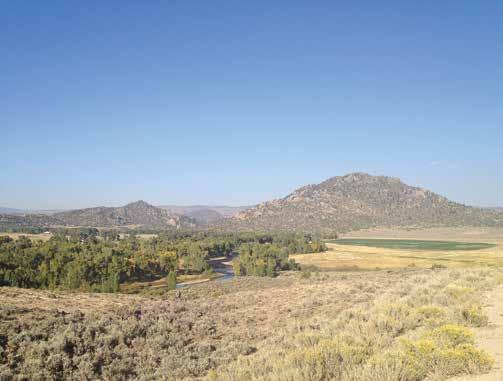
A fifth-generation ranching family, in partnership with the Wyoming Stock Growers Land Trust (WSGLT), has perpetually protected 1,709 acres near Farson through a conservation easement.
Originally homesteaded in the 1880s, the ranch has been owned and operated by the same family since 1939.
Today, the property is an integral part of a working cow/calf and hay operation and represents the largest contiguous block of open space in the Eden Valley.
In addition to its agricultural value, the ranch holds significant historical importance, as a small segment of the Emigrant Trail crosses the property. Between 184169, the trail carried thousands of west-bound travelers along the Mormon, Oregon and California trails, as well as riders of the Pony Express.
The ranch also provides critical wildlife habitat. The entire property lies within a Wyoming Game and Fish Department Designated Greater Sage Grouse Core Area and includes crucial pronghorn range, seasonal elk range and year-round mule deer habitat.
Its diverse landscape featuring expansive rangeland, wetlands, riparian areas and miles of the Big Sandy River supports a wide array of wildlife including sagebrush obligates, upland game birds, raptors, grassland birds, wetland birds and shorebirds.
The ranch borders Bureau of Land Management property and is located near additional public lands, further enhancing the ecological connectivity and open space values of the area. This project also represents the WSGLT’s first conservation easement in Sweetwater County.
Funding for the conservation easement was provided by the Natural Resources Conservation Service through the Agricultural Conservation Easement Program-Agricultural Land Easements, Wyoming Wildlife and Natural Resource Trust, Rocky Mountain Elk Foundation and Ducks Unlimited.
This conservation easement ensures the ranch will remain a working agricultural operation, supporting the family’s stewardship of the land while protecting important wildlife habitat and open space in Sweetwater County.
Roundtable set
The U.S. Department of Agriculture’s (USDA) new “Product of USA” labeling rules, developed over the course of three years, now equips processors to connect with the growing segment of shoppers seeking truly homegrown beef. Capitalizing on this new label requires understanding the regulations involved and specific marketing opportunities available.
Flower Hill Institute Regional Directors Chris Roper and Dave Carter will host a one-hour online roundtable at 12 p.m. on April 8 as they explore the regulatory requirements and marketplace potential for beef labeled as “Product of USA.”
Beth McKew, USDA Food Safety and Inspection Service Labeling and Program Delivery acting deputy director, and Danette Amstein, co-founder and president of Midan Marketing, will join Roper and Carter during the event.
McKew will provide an overview of the development of the new labeling program and the steps processors must follow to use the “Product of USA” label, while Amstein will delve into the opportunities this new label offers processors and marketers to expand sales and profitability.
There will also be plenty of time for the experts to answer questions submitted by roundtable attendees.
For more information or to register, visit us02web.zoom. us/webinar/register/WN_gXA3w1ZhTviH-3JcEf0Vsw#/registration
The National Farmers Union, state affiliates and a growing coalition of advocates are working toward exactly this future.
The harvest is coming, the only question is, who gets to keep the profits? I would like to see the answer be farmer and ranchers.
Willie Cade is chief executive officer of Graceful Solutions LLC, an agricultural antitrust litigation consulting firm and director of the Theo Brown Society. He has testified before the U.S. House Judiciary Committee on agricultural right to repair and is an active advocate for farmer data ownership legislation across the U.S. This opinion column was originally published by AgriPulse on March 25.
NEWS BRIEFS
Informational meetings set
Nebraska Extension and two federal partner agencies will hold informational meetings on wildfire recovery April 8-10 in western Nebraska to help farmers and ranchers learn about available resources and address local needs.
The program will include information on wildfire disaster relief programs and technical assistance, grazing and cropping options, recovery resources, mental health support and next steps.
Three meetings are scheduled from 3:30 to 6 p.m. local time. A meal will be served at 6 p.m. by Hot Meals USA to encourage group conversation and idea sharing.
The meetings will be held on April 8 at the Arthur Veterans Memorial Hall in Arthur, Neb.; April 9 at the Brady Community Center in Brady, Neb. and April 10 at the Oshkosh City Auditorium in Oshkosh, Neb.
The meetings will include presentations by Nebraska Extension professionals and representatives from the U.S. Department of Agriculture’s Farm Service Agency and Natural Resources Conservation Service.
For more information, visit disaster.unl.edu/
Fire ban issued
The Wyoming Game and Fish Department (WGFD) is implementing a fire ban on all Wyoming Game and Fish Commission-owned or administered lands in Uinta County. Countywide restrictions took effect on March 18.
Some of the lands covered in the ban include the Woodruff Narrows, Blacks Fork and Bear River Divide public access areas.
As part of the ban, building, maintaining or using any open fires are prohibited on all commission-owned or administered lands.
Open fires are never permitted in walk-in hunting and fishing areas, and fireworks are always prohibited on commission lands.
A map of statewide WGFD lands can be found at wgfd. wyo.gov/public-access
For more information, contact the Green River Region Game and Fish Office at 307-875-3223.
Meier announces campaign
Wyoming State Treasurer Curt Meier announced he will seek re-election, highlighting his record of conservative fiscal management and steady leadership while pledging to continue protecting and growing the state’s financial resources for future generations.
A constitutional conservative, longtime ag producer and veteran public servant, Meier said Wyoming needs experienced leadership in the Treasurer’s Office as the state navigates political and economic uncertainty.
Under Meier’s leadership, Wyoming’s investment portfolio has continued to expand and deliver strong returns for taxpayers. In the most recent fiscal year, earnings from state investments became Wyoming’s largest source of revenue for the first time in state history.
Before becoming state treasurer, Meier served 24 years in the Wyoming Legislature representing Goshen, Platte, Niobrara and Weston counties. During his tenure, he earned a reputation as a fiscal and social conservative and thoughtful policymaker.
Under Meier, the Treasurer’s Office has received national recognition for its investment management and financial stewardship, reflecting Wyoming’s growing reputation as a leader in responsible public finance.
In addition, the Treasurer’s Office has significantly expanded efforts to return unclaimed property to Wyoming residents. The office has returned record amounts of money to citizens, businesses and organizations, reconnecting people with forgotten bank accounts, insurance benefits, refunds and other assets.
More than $43 million was claimed by citizens last year, and Meier said returning those funds to their rightful owners is one of the most rewarding parts of the job.
Meier said his campaign will focus on protecting Wyoming’s constitutional principles, maintaining disciplined investment strategies and ensuring the Treasurer’s Office continues to generate strong returns for the people of Wyoming.
USFS headquarters to move
On March 31, the U.S. Forest Service (USFS) announced it will move its headquarters to Salt Lake City and begin a sweeping restructuring of the agency to move leadership closer to the forests and communities it serves.
“For an agency whose lands, partners and operational challenges are overwhelmingly concentrated in the West, the shift represents a structural reset and a commonsense approach to improve mission delivery,ˮ stated the press release.
Alongside the relocation of its headquarters, USFS will begin transitioning to a state-based organizational model designed to shift authority closer to the field by organizing leadership around state-level accountability, supported by shared operational service centers and a unified national research enterprise.
Under the new model, 15 state directors will be distributed throughout the country to oversee USFS operations within one or more states. State directors will serve as national leaders with primary oversight of forest supervisors, operational priorities and relationships with states, Tribes and other partners. Each state office will include a small leadership support team responsible for functions such as legislative affairs, communications and intergovernmental coordination.
As the agency transitions to the state-based model, USFS will shift many functions currently housed in regional offices to a network of operational service centers established in Albuquerque, N.M.; Athens, Ga.; Fort Collins, Colo.; Madison, Wis.; Missoula, Mont. and Placerville, Calif.
Additional service center locations may be added as the transition progresses.
Locations were selected based on existing workforce and infrastructure presence, operational needs and efficiency and proximity to agricultural and natural resource stakeholders.
Together, these centers will provide shared administrative, technical and enabling support to forests and state offices nationwide, allowing field leadership to focus more directly on actions which improve the health, productivity and resilience of the nation’s forests.
The restructuring will also drive a review and consolidation of facilities nationwide. As part of this transition, all regional offices will close. However, several facilities will be retained to support ongoing mission needs.
Additional phases of the reorganization, including the formal elimination of regional and station office structures and the full transition to a state-based model, will be implemented over the coming year.
advantages, but also caution cooler soil temperatures accompanying earlier planting can slow germination and seedling emergence and open the door to a variety of crop diseases.
To manage early-season disease threats, MSU Extension recommends integrating strategies such as soil monitoring, seed treatments and supplements.
Additionally, they note ensuring adequate phosphorous nutrition can reinforce plant cell walls and create a physical barrier against root pathogens.
“While early planting bears certain disease risks, it also offers disease management benefits,” MSU Extension emphasizes, noting early planting can help certain crops avoid severe impacts of some diseases which favor warm soils such as Aphanomyces and Fusarium root rots since plants will be more developed at the time of infection.
Minimum soil temperature required for planting varies by crop, but in all cases, temperatures must be high enough to allow for germination and growth.
In a March 2019 Farm Progress article, Minnesotabased Agronomist Jon Zuk emphasizes soil should be able to hold a consistent temperature above 50 degrees Fahrenheit before planting.
Zuk recommends testing soil temperatures at four inches or deeper and monitoring conditions for an extended period before planting, noting although seeds can survive in cooler soils, big temperature swings can make managing emergence difficult.
Moisture considerations
In addition to soil temperature, proper moisture is necessary to encourage growth as planting in overly wet or exceedingly dry conditions can lead to complications.
“Planting when the soil is too wet can cause compaction, smear the sidewall of the seed trench, restrict root development and even cause the seed to rot and die,” reads a February 2025 CROPLAN Seed article titled “Five Tips for Managing Early Season Plant Stress.”
“However, if the field is too dry, germination can slow or stop,” the article adds, noting increasing planting depth can sometimes help reach more moisture.
“In addition to the presence of moisture, be sure to evaluate consistency,” the article continues. “If moisture is not spatially consistent at seed depth, uneven germination and uneven emergence can occur.”
Zuk says an easy way to test surface moisture conditions involves digging a sixto 12-inch hole and grabbing a handful of soil.
“If it crumbles rather than balling up, it’s fit for planting,” he writes.
MSU Extension further emphasizes, given ongoing warm temperatures and dry conditions, getting seed in the ground early can help crops bloom ahead of midsummer
heatwaves and help growers tap into spring moisture before warmer temperatures dry out the soil.
Seed treatments and fertilizer
Several experts agree incorporating seed treatments can help mitigate early-season stresses from plant diseases like Pythium, Rhizoctonia, Fusarium and Phytophthora.
MSU Extension recommends selecting high-quality seeds with strong vigor and seed treatments with multiple modes of action to offer broad-spectrum protection.
Regarding fertilizer, the CROPLAN Seed article emphasizes nutrients like phosphorus and zinc are vital to early plant growth but tend to be more limited when soils are wet and cool.
Therefore, incorporating a starter fertilizer to boost levels of phosphorous and zinc can be a good management strategy.
MSU Extension notes fertilizer needs should not change greatly with early seeding, adding nitrogen guidelines also do not change based solely on early seeding.
Instead, MSU Extension explains nitrogen guidelines are based largely on yield goals, which may change depending upon over-winter precipitation levels.
“The best recommendation is likely to fertilize with nitrogen conservatively, given low soil moisture and relatively high nitrogen fertilizer costs and then apply nitrogen during the growing season if precipitation is normal or above normal,” the article states.
Pest control
Managing early-season insect pests is also critical to ensuring field health, and several experts recommend regularly scouting fields throughout early crop development to check for pest activity before populations reach damaging levels.
“Monitoring fields for symptoms such as poor emergence, missing plants, clipped seedlings or feeding damage on cotyledons and young leaves can help identify insect pest problems early and support timely management decisions,” state the MSU Extension authors.
Additionally, MSU Extension notes weeds can provide shelter and sustenance for some insects and allow populations to grow before crops emerge.
Therefore, controlling weeds before planting and throughout early crop development can aid crop growth, reduce pest pressure and limit movement of insects into newly emerging plants.
Additional considerations
Scouting fields can also help planters understand growth stages and crop quality, which can help set expectations and drive management decisions for the rest of the growing season, according to the CROPLAN Seed article.
MSU Extension also
emphasizes understanding and reviewing insurance policies ahead of planting is critical.
“Federal rule changes have removed certain buy-up options for prevented planting
coverage, so what you carried last year may not match what is available or what you need this season,” MSU Extension says. “Review your policy now, before something goes wrong.”
Rd Cows Bred
Overall, MSU Extension recommends farmers take advantage of the warm temperatures and early planting window while keeping drought and field conditions in mind, and planting what their individual operations can realistically handle this year. Grace Skavdahl is the editor of the Wyoming Livestock Roundup. Send comments on this article to roundup@wylr.net.
PAIRS Doug Derouchey 35 Blk Cow Pairs, 3 yr olds, Tagged to Match, Calf Shots: Cavalry 9, Nasalgen ****35 Blk Cow Pairs, 2 yr olds, Tagged to Match, Calf Shots: Cavalry 9, Nasalgen These Cows Originated from Torrington Livestock Markets or from the Vermilion Ranch out of Montana as Heifer calves Lander & Amy Nicodemus 50 Blk few Bwf 1st Calf Heifer Pairs, Tagged to March, Calf Shots at Birth: 7-way, Calves Born: Feb 1st thru MidMarch, Mostly AI’d Sired by CR Legendary 026 (Wheeler Mountain Angus & MR Angus Herd Bull), Originated as calves from Wheeler Mountain Angus from Montana, 1-iron, Heifers are on a Full Vac. Program, 2 Rounds of Scour Guard this Winter TB Cattle Co. 35 Blk/Char Cow Pairs, 1100-1200#, SS-ST, Tagged to Match, Calves Born Mostly in Feb. Shots at Birth: 7-way, Cow Shots: Multimin, ScourGuard, Safe Guard Wormer, Poured w/Cleanup
Cam & Abby Huston 5 Rwf Cow Pairs, Mx Ages, Calves at Side: 2 months of age, Shots at Birth: Ultra Choice 7, Calf Guard, Cows are Starting to Cycle, Been Poured w/Clean up in the past 2 Weeks, Calves are Sired by K2 Red Angus Bulls, Selling due drought conditions
BRED HEIFERS
Will & Jennie Whitlock 15 Blk/Bwf Hfrs, 1000#, Bred to Low Birth Weight Redland Redbank Angus Bulls, CF: April 20 for 40 days
BRED COWS
Peterson Livestock 90 Blk Angus Cows, 7 yr old and up, Bred to Blk Bulls, CF: April/May. Poured, 1-iron, High Elevation, Home Raised, Selling only due to drought conditions
Brenton Family Livestock 55 Blk Angus Cows, 3-5 yr olds, Bred to Diamond Lisco Bulls, CF: May 8, Shots: Vira Shield 6 VL 5, Vision 7 w/Somnus, Poured in March, High Altitude
CATTLE COUNTRY VIDEO PRODUCTION SALE SCHEDULE
High Plains Showcase - Laramie, WY June 30th, 2026
Oregon Trail Classic - Gering, NE August 4th & 5th, 2026
Frontier Fall Round Up - Cheyenne, WY September 10th, 2026
UW to host Harvest Wyoming conference
For those interested in home gardening, growing season extension and small-scale food production, University of Wyoming (UW) Extension will host a conference in Cody on April 25.
Pre-conference workshops will take place on April 24 in Cody and Powell.
The event is part of UW Extension’s Harvest Wyoming initiative, which provides practical, researchbased resources for backyard growers, beginning producers, small-acreage landowners and any Wyoming residents interested in growing
their own food.
Pre-conference workshops will offer hands-on learning opportunities related to season extension, plant production, food preservation and local agricultural history. The main conference will be held at the Holiday Inn in Cody. Registration begins at 7:50 a.m., followed by a brief welcome at 8:20 a.m. and lunch at 12 p.m. The event concludes at 3:30 p.m.
Conference sessions will discuss season extension structures, soils and irrigation, integrated pest management, starting plants from
seed, fruit production, vertical growing, crop rotation, food safety and evaluating enterprise performance.
Sessions are organized into four concurrent tracks, and participants can attend any workshops of their choice.
The 2026 conference and workshops are free thanks to sponsor support, but pre-registration is required. Some preconference workshops have attendance caps. Currently, a waitlist is available for the geodome build and canning workshops.
For more information or to register, visit bit.ly/harvest-wy
Worland, WY
O’Toole announces candidacy
Little Snake River Valley resident and Republican Eamon O’Toole announced his candidacy to represent Wyoming House District 47, with hopes to fill the seat being vacated by Rep. Bob Davis who has announced his candidacy for the District 11 Senate seat.
O’Toole is married to Megan Stocklin O’Toole, a registered nurse, and the father to two sons –15-year-old McCoy and 13-year-old Rhen. They make their home on the family ranch near Savery.
“As a fifth-generation Carbon County native and rancher, I care deeply
about our communities and the future of Wyoming,” O’Toole said. “I understand the challenges facing rural families, ranchers and small towns and businesses. I am committed to representing the hardworking people of our district.”
O’Toole is active in many local and national organizations, serving on boards of the Savery-Little Snake River Conservancy District, Wyoming Beef Council and Family Farm Alliance. He also represents the watershed on the Yampa/White River Round Table.
In addition, O’Toole traveled as part of the
Wyoming Leadership, Education and Development program to Ukraine in 2012 and learned about agriculture and the potential opportunities. He also traveled to Japan and South Korea on a trade mission to promote beef exports for the state.
He is deeply involved in Western water policy, with particular expertise in Colorado River issues.
O’Toole also wants to ensure Wyoming’s young people have opportunities for education in the state and strongly supports the University of Wyoming, community colleges and trade schools.
Public input sought
• Upcoming Sales • April 9 – Feeder Special w/ Weigh-up Special April 16 – Weigh-up Special w/ All Class Cattle, Sheep & Goat April 23
red, calve late April to early June, bred to black bulls.
The Bureau of Land Management (BLM) and Montana Department of Environmental Quality (DEQ) are seeking comments for a proposed 647mile, 36-inch buried pipeline to transport about 550,000 barrels of crude oil daily from the Canadian border in Phillips County, Mont. to an existing terminal near Guernsey.
The project, as proposed, would cross private, state and federal lands, including those managed by the BLM, U.S. Forest Service and U.S. Army Corps of Engineers. Though only about 64 miles cross BLMmanaged public lands, the BLM is the lead federal
agency to review potential impacts of the entire project to ensure environmental, cultural and community considerations are fully evaluated.
Bridger Pipeline Project has applied to Montana DEQ for a certificate of compliance under Montana’s Major Facility Siting Act.
Prior to making a decision for the certificate of compliance, Montana DEQ must complete an environmental review under the Montana Environmental Policy Act (MEPA). This public comment period helps identify issues, potential impacts and reasonable alternatives which should be considered in the MEPA document.
The BLM and Montana DEQ will host one virtual and three in-person public meetings to provide information about the project. Only written comments will
be accepted by the agencies at the public meetings. Specific meeting details, including dates, times and venue information will be available at blm.gov/office/ miles-city-field-office in the coming days.
The public comment period will close on May 1 or 15 days after the last public meeting, whichever is later.
Additional information is available at the BLM National Environmental Policy Act Register, where comments may be submitted through the “Participate Now” option. Comments may also be mailed to BLM Miles City Field Office, Bridger Pipeline Expansion Project Comments, 111 Garryowen Rd., Miles City, MT 59301.
For more information, please contact the Miles City Field Office at BLM_ MT_Miles_City_FO@blm. gov.
Perfect Spring Garden” adds well-composted organic matter can be incorporated into the soil, but fresher mulch providing winter protection should be raked away to expose underlying soil.
Early-sprouting weeds should be cleared out and properly disposed of to reduce the potential of competition after planting.
Gather supplies
A well-stocked garden shed is another key component of spring garden preparation, as proper tools make for a smoother planting season.
“Before diving into spring gardening, take inventory of garden tools,” reads the Lucerne Farms article. “Well-maintained tools make the gardening process more efficient and enjoyable.”
Tools like pruners, shears and hoes should be cleaned and sharpened to aid in smooth planting, and other materials including watering cans, hoses and plant supports like tomato cages and trellises should be assessed for damages which may have been sustained throughout the previous summer or during storage.
Experienced gardeners also recommend stocking up on fertilizer and soil amendments early and storing them in a dry place until its time to plant.
Prepare soil
Proper soil preparation lays the foundation for thriving plants and can be achieved in a variety of ways.
Since soil tends to become compacted throughout the winter months, one option to loosen soil is to turn it with a tiller or sharp spade.
Tilling helps aerate the soil and allows the perfect opportunity for incorporating organic matter such as compost and manure for natural fertilization.
In a March 2026 article titled “Spring Garden Tasks,” Iowa State University (ISU) Extension Educator Aaron Steil recommends light spring tilling to prepare soil for planting.
“For most home garden-
ers with average-sized gardens, light tilling is all that is needed in spring. Simply turn the soil with a fork, shovel, hoe or rake,” writes Steil.
“This will only minimally disturb soils, allowing many of the advantages of tilling without the disadvantages.”
Gardeners may also choose to practice no-till methods of soil preparation, and one method outlined by Tilth Alliance Community Education Project Manager Marni Sorin in an article called “Preparing Spring Garden Beds” involves chopping or tearing cover crops into small pieces and covering the garden bed with burlap for roughly six weeks to allow organic materials to break down and soften up the soil.
Both Steil and Sorin highlight the importance of not working soil when it’s too wet as doing so can damage soil structure and create unintended soil compaction which makes it difficult for soil to drain properly and leads to challenges for organisms in the soil ecosystem.
To check moisture level, Sorin recommends creating a small ball of soil and tossing it into the air about 12 to 15 inches from waist height, then letting it fall into an open palm.
“If the ball sticks together the soil is too wet, but if the ball breaks into crumbles it is just right,” Sorin writes.
Additionally, Sorin notes lightly cultivating soil with a garden fork can help integrate compost and fertilizer while preserving soil microbes which help plants thrive and recommends working from the middle out to avoid treading on worked areas and undoing progress.
Start seeds
As gardeners continue to cultivate soil and monitor freezes, some plants can be started indoors in early spring.
Seeds started indoors should be transplanted to permanent plots through a process called hardening which involves gradually introducing seedlings to the elements.
“Over the course of one week, take seedlings outside, increasing the time by one hour every day,” reads a March 24 New York Botanical Garden article titled “Vegetable Garden Care – Preparing for Spring.”
“Do not place them in the blazing sun or in a windy site,” the article continues. “After the week, young seedlings will be ready to brave the elements and can be planted outdoors.”
Steil says mid-April is often an ideal time to start cool-season vegetable crops as these plants can tolerate light to moderate frosts but are often intolerant of high summer temperatures.
Broccoli, cabbage and cauliflower often do better when they are started as transplants, Steil writes, while other popular cool-season vegetables like carrots, beets, turnips, lettuce, spinach, parsnips and kale can be planted directly.
Multiple gardening experts agree a soil temperature of roughly 50 degrees Fahrenheit is a good benchmark for planting cool season crops.
Alternatively, warm season vegetables like tomatoes, peppers, cucumbers and melons prefer warmer temperatures and should be planted later in the spring after the last frost date, according to ISU Extension Specialist Richard Jauron.
taking the necessary steps to prepare soil and start seedlings, gardeners can look forward to contin-
After
ued warmer temperatures and raising thriving crops with proper care.
Grace Skavdahl is the
editor of the Wyoming Livestock Roundup. Send comments on this article to roundup@wylr.net.
Torrington , WY
Adobe Stock photo
SALE REPORTS
Reported By: Bo Bevis, WYLR Field Editor March 20, 2026
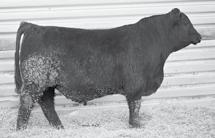
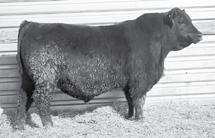
Black Summit Sale Facility, Powell Auctioneer: Kyle Shobe Sale Manager: Allied Genetic Resources 92 Yearling SimAngus Bulls
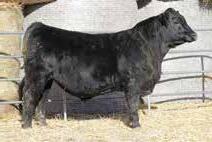
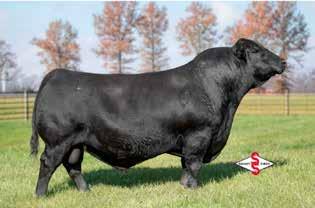
Lot 124N – NJW 151J 3146L West 124N ET – Price: $60,000 DOB: 2/14/25 Sire: Churchill Laredo 3146L ET Dam’s Sire: NJW 1B 72C On Duty 150E EPDs: BW: +3, WW: +73, YW: +111, Milk: +36 and M&G: +72 Buyer: Rausch Herefords, Hoven, S.D.
Lot 113N – NJW 217J 2912 Pledge 113N – Price:
$40,000 DOB: 2/13/25 Sire: Birdwell New Standard 2912 ET Dam’s Sire: NJW 33E Z115 Zane 20G EPDs: BW: +1.9, WW: +70, YW: +99, Milk: +40 and M&G: +75 Buyer: Cottage Hill Farm/Triangle T Farm LLC, Petersburg, W.Va. Lot 109M – NJW 283H 2912 Standard 109M ET –Price: $32,000 DOB: 2/12/24 Sire: Birdwell New Standard 2912 ET Dam’s Sire: Pyramid 16W 110T 9116 EPDs: BW: +1, WW: +54, YW: +85, Milk: +35 and M&G: +56 Buyer: Twelve Oaks Land and Cattle Company LTD, Windsor, Nova Scotia, Canada. Yearling heifer Lot 93N – NJW 281F 35L Daydream 93N ET – Price: $80,000 DOB: 2/10/25 Sire: NJW 119E 142 Proud 35L Dam’s
IT'S THE PITTS
by Lee Pitts
Snarls
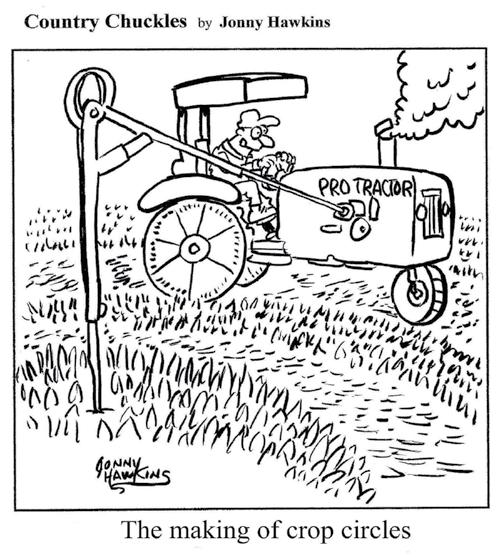
There are two things in this world that were never meant to have a bath – pickup trucks and cowdogs.
We are talking real cowdogs here and not those fancy purse dogs that look like they were trimmed to represent a garden topiary.
First a warning – although cowdogs can often be seen jumping into a water trough or windmill tank to cool off after a hard day’s work, we are talking about something different here.
There are three phases to giving a dog a bath – the prebath phase, the actual bath and post-bath.
Things a person should do in the pre-bath phase include making sure they are up-todate on their tetanus shots and purchase the appropriate shampoo.
Do not use any shampoo that smells like lavender, hyacinth, forest green or citrus. Dogs hate this because when a fragrantly-enhanced dog is around other dogs at a branding or a roping, a French per-
fume or cologne scent could call into question its sexual orientation.
Also, it’s very important to use the right enclosure to wash a cowdog in. The only thing that works is a bathtub-shower combination with sliding glass doors.
Now you are ready for the actual wash cycle.
Catch the dog and carry it into the bathroom. The dog will immediately become suspicious because you’ve never allowed it in the house before.
Pet and soothe the dog as you place it in the bathtub-shower enclosure, and quickly close the sliding doors so it cannot escape.
Turn on the shower to get your dog wet, and pay no attention to the deep scratches the dog is making in the glass doors in an attempt to escape.
Next, remove all of your clothes in preparation to enter the tub, as things are about to get real messy.
The dog will go crazy, never having seen a naked human body before, espe-
SALE REPORTS
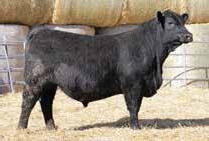
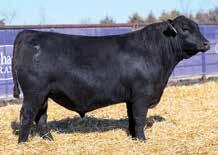
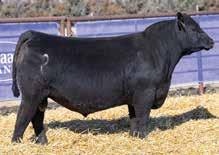
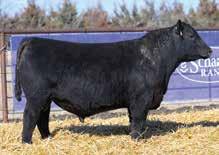
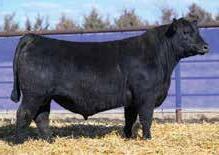
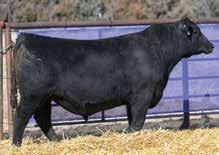
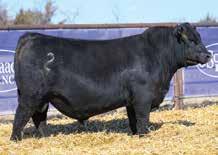
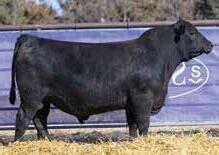
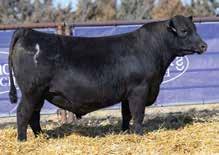
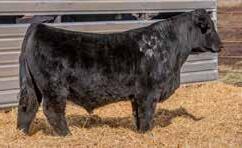
Lisco and M Diamond Angus 33rd Annual Bull Sale
Reported By: Curt Cox, WYLR Field Editor March 27, 2026
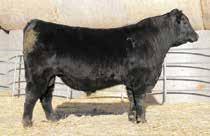
DOB: 2/23/25 Sire: S Wrangler 830 Dam’s Sire: Lisco Grande Finale 4103 EPDs: BW: -1.5, WW: +66, YW: +111 and Milk: +25 Buyer: FX Land and Livestock, Mills
Lot 35 – M Diamond Ice Man 215 – Price: $27,000
DOB: 2/23/25 Sire: S D R Ice Man 212 Dam’s Sire: Sitz Resilient 10208 EPDs: BW: +2.2, WW: +84, YW: +148 and Milk: +25 Buyer: TJ Livestock, Douglas
Lot 40 – M Diamond Ranahan 065 – Price: $27,000
DOB: 2/21/25 Sire: M Diamond Ranahan 111 Dam’s Sire: Botts Ozzie 0617 EPDs: BW: -3.7, WW: +68, YW: +114 and Milk: +38 Buyer: Trask Angus, Wasta, S.D. Lot 43 – M Diamond Converse 1225 – Price: $26,000
DOB: 3/10/25 Sire: LT Converse 8011 Dam’s Sire: Young
Dale Xclusive 25X EPDs: BW: +2.1, WW: +78, YW: +139 and Milk: +26 Buyer: Carl Dethlefs and Sons, Rockville, Neb. Lot 43 – M Diamond Converse 1115 – Price: $24,000
DOB: 3/2/25 Sire: LT Converse 8011 Dam’s Sire: Young Dale Xclusive 25X EPDs: BW: -1.9, WW: +60, YW: +106 and Milk: +21 Buyer: Bar X Angus, LaGrange
cially one as ugly as yours. Enter the shower being very careful not to let the dog out.
Next, try to sneak out of the shower to get the shampoo you failed to take with you the first time. Make sure you use an all-in-one shampoo and conditioner because you are only going to get one shot at this, and you don’t want to have to apply a second coat.
Grab your dog as it bounces off the walls and apply the shampoo/conditioner, being careful not to get the soap in your eyes.
Don’t worry, the dog will self-agitate and make lots of
muddy suds.
Use a comb to get the snarls out of the dog’s coat as the dog snarls at you and exposes its teeth.
Turn on the shower for a final rinse and yell at your wife to assume her position to be ready to catch the wet dog as you open the shower enclosure.
Be advised, the dog will be coming out hot as it ejects itself from its watery prison cell.
Of course, your wife will miss the handoff of the slippery dog, so it will then run through the house violently shaking itself in every room and coating the walls with
muddy drips. At this point, you can expect your clean dog to run through the screen door and proceed to roll in the nearest pile of horse manure or a cow pie.
Now your dog will be dirtier than it was before its bath.
The last phase of washing your dog includes you staying in the shower to remove the scum from your body.
Dry off daintily to avoid getting the dirt in the deep dog bites and apply tincture of iodine to all of your scratches.
It may be necessary at this point to go to the nearest emergency room to get
stitched up, and on your way home, buy yourself a flea and tick collar because the dog’s insect collection is now on your body.
Avoid itching the numerous scratches, and dress your cuts daily.
Next, it’s very important to try and regain the trust of your loyal dog after all of the trauma you subjected it to.
At this point, your dog is thinking, “Go round up the cows yourself, you traitorous SOB.”
This attitude could last six weeks or the rest of your cowdog’s life.
Coming next week – how to wash a pickup truck.
burdens and difficult decisions ahead of the 2026 growing season.
Prices spike
Fuel and fertilizer are huge input costs for agriculturists. As exports suffer, heightened prices and tightened supplies are creating financial challenges for operations worldwide.
Fertilizers are the single biggest expenditure for many farmers each year, accounting for up to 25 percent of agricultural commodity production costs, according to Werz.
Market analysts say nitrogen has been the most heavily impacted fertilizer so far, with a March 23 Farmdoc Daily article reporting urea prices rose by more than 28 percent within three weeks.
Field crops like corn and cereal grains like wheat, barley and oats rely heavily on nitrogenbased fertilizers, which are applied ahead of the summer growing season.
While some producers locked in prices last fall before the conflict broke out, others are facing hard plant-
ing decisions in the face of current soaring prices.
“With the disruption unfolding just ahead of the spring planting season, a prolonged closure would likely be felt through higher input costs, tighter availability in selected fertilizers and additional pressure on farm margins in 2026,” reads a March 23 Farmdoc Daily article titled “Strait of Hormuz Closure and Fertilizer Supply Risks for U.S. Agriculture.”
“The mid-run outlook will depend heavily on the duration of the disruption, with the effects likely to be most severe in regions at the end of supply chains,” the article continues. “Short interruption would likely produce a temporary price spike, while a more prolonged closure could lead to broader fertilizer market tightening as trade flows adjust and inventories are drawn down.”
Farmdoc Daily analysts predict higher fertilizer prices are likely to continue into the fall, potentially resulting in even larger impacts on production costs
and returns in 2027.
Policy pressures
While the war has undeniably impacted volatility, several farmers and farm groups argue high fertilizer prices are not a new issue and are pressing for reform and transparency on a national level.
In a March 27 Ag Web article, Reporter Tyne Morgan outlines some ongoing efforts and mounting policy pressures regarding fertilizer prices.
She notes the U.S. Department of Agriculture (USDA) and the U.S. Department of Justice signed a memorandum of understanding in September 2025 committing both agencies to jointly examine high and volatile input costs –including fertilizer – by scrutinizing competitive conditions in agricultural markets and enforcing antitrust laws around price setting and market concentration.
Additionally, recentlyintroduced federal legislation is seeking to address concerns by increasing transparency.
On March 26, U.S. Reps. Brad Finstad (R-MN) and
CLAY CREEK ANGUS
Dusty Johnson (R-SD) introduced the Fertilizer Transparency Act of 2026, and U.S. Sens. John Thune (R-SD) and Amy Klobuchar (D-MN) introduced companion legislation in the Senate.
The bill would require the USDA to collect and publish data on fertilizer prices from manufacturers on a weekly basis, rather than conducting an annual voluntary survey on input prices with the goal of providing American producers
with more accurate information on fertilizer prices.
Minnesota Farm Bureau Federation President Dan Glessing expressed his support for the legislation, emphasizing price volatility creates challenges and greater transparency will help promote competition and ensure a more level playing field when managing input costs.
“Fertilizer is one of the largest input costs farmers face and recent price volatil-
ity has made it even harder to plan ahead,” Glessing says. “Improving transparency in the fertilizer market through reasonable reporting requirements will give farmers better insight into supply, pricing and market trends so they can make informed decisions for their operations.”
Grace Skavdahl is the editor of the Wyoming Livestock Roundup. Send comments on this article to roundup@wylr.net.
let
Grazing roundtable held
Public lands ranchers joined U.S. Secretary of Agriculture Brooke Rollins and U.S. Secretary of the Interior Doug Burgum, as they signed a memorandum of understanding (MOU) to launch their Grazing Action Plan.
National Cattlemen’s Beef Association (NCBA) and Public Lands Council (PLC) leaders and members then participated in a roundtable discussing cooperative work to address longstanding challenges for federal lands grazing permittees.
PLC President Tim Canterbury, PLC Past President Mark Roeber and Industry Issues Committee Chairman Nate Thomson were joined by NCBA President-Elect Kim Brackett, American National CattleWomen Past President Nikki Weston, Washington Ranchers Stephanie and Nick Martinez, Arizona Permittee Dan Bell and Colorado Rancher Nancy Roberts in raising critical ranching issues to be addressed.
The MOU outlines cooperation between the U.S. Forest Service and the Bureau of Land Management on the Grazing Action Plan, released by the U.S.
Department of Agriculture (USDA) last year.
This plan focuses on boosting rancher resiliency by assessing vacant allotments, unifying permitting frameworks between agencies, expanding the use of targeted grazing to prevent wildfires and establishing a rancher liaison program for wildfire incident command centers.
“Public lands ranchers are resilient by nature, but we still need significant relief from the burdensome federal regulations that make it harder to do our jobs every day. This MOU will make it easier to ranch on public lands and will help improve the health of western landscapes,” said Canterbury.
“By speeding up the permitting process and expanding the use of targeted grazing, the federal government is ensuring more ranchers will keep ranching and rangelands will face less degradation and destruction from wildfires and mismanagement,” he added. “PLC appreciates USDA and the Department of the Interior standing with livestock producers in the West and putting this MOU and grazing plan into action.”
Adobe Stock photo
Egg prices have dropped sharply from last year’s record highs as national laying flocks continue to recover from widespread losses tied to highly pathogenic avian influenza (HPAI), according to Dr. David Anderson, professor and AgriLife Extension economist in Texas A&M University’s Department of Agricultural Economics.
Anderson noted retail eggs averaged $2.50 per dozen in the latest Consumer Price Index report, down 58 percent from a year ago and at their lowest point since late 2023.
Wholesale prices experienced an even more dramatic correction. Large Grade A eggs, which sold for more than eight dollars per dozen last winter, dipped below one dollar earlier this year before ticking upward ahead of Easter demand.
The movement reflects both increasing supplies and consumer reactions to last year’s unusually high prices, Anderson said.
“Egg prices have ticked up a little with Easter around the corner and the expectation for seasonal demand – the Easter egg hunts and baking, deviled eggs and that sort of traditional use around the holiday,” Anderson said. “But shoppers will definitely notice prices are lower than last year.”
More laying hens means lower egg prices
The primary driver behind lower prices is straightforward – more
Egg prices fall as supplies rebound ahead of Easter
birds equals more eggs, said Dr. Greg Archer, associate professor and AgriLife Extension poultry specialist in the Department of Poultry Science.
Archer noted last year outbreaks of HPAI wiped out significant numbers of laying hens, which weighed on overall capacity nationwide and sent prices soaring.
Fewer and smaller outbreaks this winter allowed producers more time to rebuild.
U.S. table-egg layer numbers rose from 292 million last March to about 308 million this year, marking a solid rebound after HPAI pushed the national flock to unprecedented lows in 2025.
“We have more birds compared to last year because producers around the country haven’t been hit as hard by HPAI,” Archer said. “There are a lot of eggs out there, and demand backed off some when prices were really high.”
Egg production still at risk from HPAI
Anderson said falling feed costs also helped the industry regain stability, though rising prices for soybean meal, corn and fertilizer tied to global geopolitical tensions could raise production costs later in the year.
For now, eggs remain one of the most affordable protein options as beef prices continue to rise.
“High prices can change what we buy as consum-
1918 FORD MODEL T PICKUP EXCELLENT CONDITION - $19,500 $16,500 2013 MACK 600, 306,406 MILES EXTENSIVE ENGINE WORK DONE - $39,500
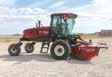
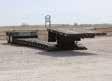
2008 LANDOLL 53’ HYDRAULIC TILT TRAILER. AG PULL OUTS. LOW MILEAGE USED ON RANCH TO MOVE BALER+SWATHER. NEW PAINT AND DECK. $75,000 OBO.
2023 SA CARGO TRAILER 6X10 NEW PULLED 1500 MILES - $7,000.00
2024 BIG TEX 25GN-40DG1-MRBK - $24,500 2013 JLG G6-42A EXTENDED BOOM SKYJACKSJ7135 SCISSOR LIFT THE BEST PRICES YOU CAN FIND!!!!
ers,” Anderson said. “But demand remained relatively strong, and those high prices signaled for more production and prices fell as supplies increased.”
Archer said the industry has built in additional flock capacity to buffer against the uncertainty of future outbreaks, but the spring migration of wild waterfowl presents a heightened risk for the poultry industry.
A recent HPAI case in Texas struck broiler houses, but Texas layer facilities have avoided outbreaks thus far.
With Easter demand already lifting wholesale values from winter lows, any production disruptions or renewed disease pressure could quickly reshape the market in the months ahead.
“We should enjoy the prices right now,” Archer said. “Producers and the industry are focused on biosecurity, but if we see significant outbreaks around the country, we can expect to see prices increase.”
Adam Russell is a communications specialist for Texas A&M AgriLife. This article was originally published by AgriLifeToday on March 25.
Egg prices down – Eggs for breakfast, baking and Easter egg hunts are priced much lower than last year. Texas A&M AgriLife experts said U.S. egg-producing flocks have avoided major outbreaks of highly pathogenic avian influenza so far, meaning more eggs are making it to market. Adam Russell photo
Study evaluates grazing-friendly alfalfa varieties for beef systems
Alfalfa has long been valued as a high-quality hay crop, and new research suggests certain varieties may also play a larger role in grazing systems.
In a January 2026 Iowa State University (ISU) Extension and Outreach Growing Beef newsletter, ISU Researchers Erika LundyWoolfolk, Beth Reynolds and Shelby Gruss outline findings from a study evaluating grazing-tolerant alfalfa varieties and their potential benefits when integrated into pasture settings.
ISU study
According to the newsletter, the project began in 2024, is funded through the Iowa State Beef Checkoff Program and aims to address long-standing concerns about grazing alfalfa, including bloat risk and stand damage from hoof traffic.
In an effort to mimic diverse pasture conditions in the real world, researchers seeded three alfalfa varieties at seven pounds per acre alongside a grass mixture planted at 10 pounds per acre to achieve a target stand composition of 40 percent alfalfa and 60 percent grass.
After allowing the stand to establish in its first year, the team began rotational grazing in 2025 using nearly 60 yearling heifers.
Alfalfa varieties selected for the study include branch-
rooted or sunken crown alfalfa, which offers increased tolerance to hoof traffic and winter damage as the crown grows below ground; creeping or rhizomatous alfalfa, known for its “creeping” roots which spread across pastures to improve growth and persistence and falcata alfalfa, a variety with a fibrous root structure which continues to grow after flowering and is both winter hardy and drought tolerant.
“Some of these are newer varieties, while others – such as the falcata type – have a long history in rangeland systems,” Gruss says in a March 13 High Plains Journal article by Lacey Vilhauer. “We selected varieties which represent different strategies for grazing persistence, and these categories allowed us to compare how well different morphological traits contribute to maintaining stands under grazing pressure.”
Research findings
Although research is ongoing, the ISU team says early results are encouraging.
“We were pleasantly surprised by how well the alfalfa persisted and how competitive the yields were in the first year,” Gruss says. “The stands maintained good alfalfa presence under grazing, which is encouraging.”
She continues, “The falcata type has a fall dormancy rating around two and was
slower to establish early in the season – which is expected –but it caught up later and contributed well to the stand by mid to late summer.”
The scientists note, during the first year of grazing, they primarily tracked forage yield, and all three varieties produced similar yields across multiple grazing rotations, with the highest production occurring in the first round of rotation in late-May.
Although cattle weren’t weighed before they were turned out on alfalfa plots, the team also observed better body condition in heifers than in previous summers, and while bloat is one of the biggest concerns with grazing alfalfa, no cases of bloat were noted during the study, even with minimal supplementation.
The team says caution is still advised, but points out varieties used in the trial were selected, in part, for their reduced bloat risk.
Additionally, researchers say alfalfa could help address another common challenge in grazing systems – the “summer slump,” where cool-season grasses such as fescue, timothy and orchardgrass typically decline in quality and productivity during the hotter months of July through September.
Alfalfa, however, tends to thrive during this period, providing a valuable forage
boost when other pasture species are underperforming.
“In Iowa, our cool season pastures are kind of our forage base,” Lundy-Woolfolk tells High Plains Journal “One of our challenges is we have a lot of different grasses that can be in there, like timothy, fescue and orchardgrass, which are great in terms of quality and quantity in the earlier spring months like April, May and June.”
“However, after this, they hit summer slump, and then we usually don’t see a lot of value in them again until the fall months,” she adds. “The nice thing about alfalfa is it really takes off when cool-season grasses are at their lowest, so it gives us a nice forage boost through those drier summer months.”
The trio notes interseeding alfalfa with grasses may also reduce the need for supplemental feed.
As a legume, alfalfa fixes nitrogen, which can benefit both the plant itself and surrounding grasses,
potentially lowering input costs for producers.
Important notes
Despite the promising results, researchers emphasize successful integration of alfalfa into grazing systems requires careful management.
Proper rotation timing, grazing height and soil fertility are all critical to maintaining stand health and productivity.
“I think alfalfa can fit very well into a grazing system when managed appropriately,” Gruss says. “It offers high-quality forage and can significantly help offset summer forage shortages in coolseason pastures. However, producers need to be prepared to manage grazing height, rotation timing and fertility to maintain stand health.”
“We are still learning from the study, but so far the results suggest these varieties have strong potential in a managed grazing system,” Gruss adds.
The study is expected to continue through 2026, with
researchers hoping to gather additional data on long-term persistence and animal performance, but future funding will determine whether the project extends into 2027.
With U.S. cattle numbers at historically low levels and forage availability under pressure, researchers say improving pasture productivity will be key to supporting herd expansion.
“I think it’s a good opportunity to boost forage productivity,” Lundy-Woolfolk concludes. “We’re at extremely low national cow herd numbers and our forage acre potential has kind of been dwindling as well. I think looking at some of these options to improve productivity of what we have is really beneficial for the cow herd. It’s going to be important as we look at herd expansion.”
Hannah Bugas is the managing editor of the Wyoming Livestock Roundup. Send comments on this article to roundup@wylr.net.
Adobe Stock photo
OUTLOOK
2026 crop year will average around $4.21 to $4.31 per bushel, representing a slight improvement from recent lows but still well below the highs seen earlier in the last 10 years.
Soybeans are forecast at $10.39 per bushel for the 2026-27 marketing year, while wheat prices are expected to rebound from $4.90 to $5.58 per bushel.
Prices for other commodities like cotton, rice and sorghum are expected to increase modestly, although margins will likely remain poor.
FAPRI’s outlook also highlights notable adjustments to crop acreage, driven by relative crop prices and trade uncertainty.
In 2025, these two factors caused a widespread shift from soybeans to corn, and this trend is expected to partially reverse in 2026.
According to FAPRI, corn acreage is projected to fall to 94.9 million acres, while soybean plantings are expected to increase to 83.3 million acres.
As a result, ending stocks – or carryout – are projected to remain fairly ample and continue weighing on price potential.
Similarly, soybean and wheat markets are expected to remain well-supplied, and without a major weather or political event causing disruptions, the likelihood of significant prices rallies should be limited, FAPRI reports.
Net farm income
Despite ongoing challenges in the crop sector, overall farm income is expected to remain relatively stable in 2026, partially supported by increased government payments.
The FAPRI report shows net farm income declined by roughly one-third between 2022-24, largely due to falling crop returns. However, expanded outlays through federal programs and crop insurance are expected to provide a financial cushion.
“Provisions of the One Big Beautiful Bill Act increased Commodity Credit
Driven in part by this reduced acreage, FAPRI’s projections also suggest a slight decline in corn production in 2026, although this decrease is expected to be offset by softer demand across several categories, including exports, feed use and residual consumption.
Rangelands, pastoralists recognized
The Society for Range Management (SRM) celebrates the bipartisan introduction of the House and Senate resolutions recognizing 2026 as the International Year of Rangelands and Pastoralists.
SRM is proud to have championed this effort from the beginning, engaging with partners, agencies and legislative offices to support both the United Nations designation and recognition in the U.S.
“Range management, at its core, is about how we are better together – working, managing and collaborating across disciplines, communities and landscapes,” says SRM President John Walker. “We thank Sens. Cynthia Lummis (R-WY) and Ben Ray Luján (D-NM) and Reps. Celeste Maloy (R-UT) and Jim Costa (D-CA) for their leadership on this resolution.
Together with Congress, agencies, land managers, producers, scientists and local communities, we intend to make 2026 a decisive turning point for long-term investment in resilient rangelands and thriving pastoral communities.”
Rangelands cover nearly one-third of the U.S., providing food and fiber, wildlife habitat, water resources, carbon storage, recreation and energy, while anchoring rural economies and cultures.
SRM believes by formally recognizing 2026 as the International Year of Rangelands and Pastoralists, these resolutions underscore the economic, social and ecological importance of these lands and the people who manage them and encourage expanded education, research and outreach on sustainable rangeland management.
Corporation (CCC), Natural Resources Conservation Service and crop insurance government outlays,” the report notes. “Section five CCC transfers and subsequent expenditures are assumed to continue in the current-policy baseline, with total mandatory outlays in the outlook at similar levels of expenditure since Fiscal Year 2019.”
Hannah Bugas is the managing editor of the Wyoming Livestock Roundup. Send comments on this article to roundup@wylr.net.
Adobe Stock photo
CALENDAR
EVENTS
April 1-26
April 6
Nebraska Sandhills Rancher Fire Relief Auction, Online. To donate, visit farmauction.net/nsrfr-auction/?utm_source=FBInsta&utm_medium=post&utm_ campaign=nsrfr-auction&utm_content=post. To bid, visit bidkraupie.com/ auctions/5556-nebraska-sandhills-rancher-fire-relief-fundraising-auction?utm_ source=FBInsta&utm_medium=post&utm_campaign=nsrfr-auction&utm_ content=donations-auction-link
Sublette Antelope Migration Corridor Local Working Group Meeting, 10 a.m.-5 p.m., Sweetwater County Events Complex, Rock Springs. For more information, visit wgfd.wyo.gov/sublette-antelope-migration-corridor
April 6 Uinta Veterinary Hospital Free 4-H Hog Class, 6-7 p.m., Uinta Veterinary Hospital, Fort Bridger. For more information, call 307-783-0570 or e-mail uinta@uwyo.edu.
April 7 2017 Amended Order of the State Engineer-Horse Creek Basin Public Hearing, 2-4 p.m., LaGrange Community Center, LaGrange. For more information, contact the State Engineer’s Office at 307-532-2248.
April 8 Wyoming Sage Grouse Implementation Team Meeting, 10 a.m., Wyoming Oil and Gas Conservation Commission Office, Casper. For more information, visit wgfd.wyo.gov/wyoming-wildlife/sage-grouse-management/sage-grouseexecutive-order#SGIT
April 8 Flower Hill Institute “Product of the USA” Online Roundtable, 12 p.m., online. For more information or to register, visit us02web.zoom.us/webinar/ register/WN_gXA3w1ZhTviH-3JcEf0Vsw#/registration
April 8 Nebraska Extension Wildfire Recovery Informational Meeting, 3:30-6 p.m., Arthur Veterans Memorial Hall, Arthur, Neb. For more information, visit disaster.unl.edu/
April 8-9 Precision Education In Spray Technologies Academy Session Six, Precision Application Technology Lab, West Central Research, Extension and Education Center, North Platte, Neb. For more information or to register, visit go.unl.edu/pestacademy
April 9 Nebraska Extension Wildfire Recovery Informational Meeting, 3:30-6 p.m., Brady Community Center, Brady, Neb. For more information, visit disaster.unl.edu/
April 10 Nebraska Extension Wildfire Recovery Informational Meeting, 3:30-6 p.m., Oshkosh City Auditorium, Oshkosh, Neb. For more information, visit disaster.unl.edu/
BLEVINS
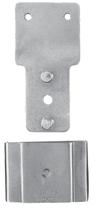
New All Metal Stirrup Buckles
Blevins new all-metal stirrup buckle in 3”& 2-1/2” widths. The 3” and 2-12” widths have the posts set horizontally and fit standard holes while the 2” width has the posts set vertically. Made of stainless steel and heat-treated aluminum, the same as our leather-covered buckles.
Blevins Stirrup Buckles Improved
Sleeves same as on regular style buckle. The tongue has no hinge or strap. Available in 3” and 2-1/2” widths.
Easy to change stirrup lengths quickly and easy to install – won’t slip or stick. Made of stainless steel and heat-treated aluminum. Sleeves covered with leather. Order either improved, regular or four post buckles. Also new all-metal buckle in 3”, 2-1/2” and 2” widths. At your dealers or:
April 11
April 11
April 15
EVENTS
Natrona County Master Gardeners Spring Gardening Conference, 8 a.m.-4 p.m., Natrona County Fairgrounds, Casper. For more information or to buy tickets, visit nc-mastergardener.org
Wyoming Game and Fish Department “Carrying Capacity: The Hunt for Resilience” Film Screening, 12:30 p.m., Dennison Lodge, Dubois. For more information, visit wgfd.wyo.gov
University of Wyoming Ranching in the West Day-Long Seminar, 7:30 a.m., University of Wyoming Gateway Center, Laramie, in person and online. For more information or to register, visit uwyo.edu/uwag/rmal/ranching-in-thewest-seminar-series.html
SALES
March 25-April 7 April Farm and Construction Online Auction, 208-431-9300, 208-5958561, bigmountainauctions.com
April 7 Webo Angus Annual Turning Grass into Greenbacks Bull Sale, at the ranch, Lusk, 307-216-0090, 307-340-1182, 307-340-1499, weboangus.com
April 7
April 7
April 8
April 9
April 10
April 10
April 10
April 11
April 11
April 11
April 13
April 13
April 13
April 14
April 14
April 14
Pallesen Herefords Online Bull Sale, online on DVAuction, 435-880-8062, pallesenherefordranch.com
Bar 69 Angus 38th Annual Production Sale, Belle Fourche Livestock, Belle Fourche, S.D., 605-892-2875, bar69angus.com
Triple T Land and Livestock Annual Production Sale, Buffalo Livestock Marketing, Buffalo, 307-746-8509, bar-t3livestock,com
Reich Charolais Ranch 69th Annual Bull Sale, Belle Fourche Livestock Market, Belle Fourche, S.D., 605-892-4366, 605-580-2393
5L Red Angus Spring Profit $eeker Sale, at the ranch, Sheridan, Mont., 406596-1204, 5lbulls.com
Salmon Select 27th Annual Mule Sale, Lemhi County Fairgrounds, Salmon, Idaho, 208-756-2125, salmonselectsale.com
Salmon Select 53rd Annual Horse Sale, Lemhi County Fairgrounds, Salmon, Idaho, 208-756-2125, salmonselectsale.com
Best of the Big Horns Horse Sale, Buffalo Livestock Marketing, Buffalo, 307751-8969. 406-697-5882
Bar X Ranch Annual Bull Sale, at the ranch, LaGrange, 307-534-6704, 307575-7116, barxranch.com
Kugler Ranch Angus Bull Sale, at the ranch, New Raymer, Colo., 970381-6359
C Spear Angus Sixth Annual Production Sale, Billings Livestock Commission, Billings, Mont., 406-670-0689, 406-670-6311
Colorado State University 40th Annual Yearling Commercial Angus Bull Sale, One Bar Eleven Ranch, Saratoga, 307-710-2938, 970-491-2722
Tri Brothers Equipment Consignment Auction, Tri Brothers Equipment, Torrington, 307-575-2427, 307-338-8363, kerrauction.com
Beckton’s 81st Anniversary Bull and Heifer Sale, at the ranch, Sheridan, 307-674-6095, 307-674-8162, becktonredangus.com
Hilltop Angus Ranch Annual Production Sale, at the ranch, Denton, Mont., 406-366-3461, hilltopangus.com
POSTCARD from the Past
Compiled by Dick Perue rrichardperue@gmail.com
Dear faithful readers, this week I ask for your indulgence of a sentimental old codger as the world observes Easter and I turn 90 years old.
Material for this week’s column was found in the April 5, 1912 issue of the Riverton Republican and fits both the celebration of the holiest days of the year, as well as another year of a joyous life.
Victor Hugo writes: I feel in myself the future life. I am like a forest once cut down – the new shoots are stronger and livelier than ever. I am rising, I know, toward the sky. The sunshine is on my head. The earth gives me its generous sap, but heaven lights me with reflection of unknown worlds.
You say the soul is nothing but the resultant of the bodily powers. Why, then, is my soul more luminous when my bodily powers begin to fail?
Winter is on my head, but eternal spring is in my heart. There, I breathe at this hour the fragrance of
the lilacs, the violets and the roses as at 20 years.
The nearer I approach the end, the plainer I hear around me the immortal symphonies of the worlds which invite me. It is marvelous, yet simple. It is a fairytale, and it is history.
For half a century I have been writing my thoughts in prose and verse, history, philosophy, drama, romance, tradition, satire, ode and song – I have tried it all, but I feel I have not said the thousandth part of what is in me.
When I go down to the grave I can say, like so many others, “I have finished my day’s work.”
But I cannot say, “I have finished my life.”
My day’s work will begin the next morning. The tomb is not a blind alley. It is a thoroughfare. It closes on the twilight. It opens with the dawn. As the Bible says in Romans 6:8-9, “Now if we died with Christ, we believe we will also live with Him. For we know since Christ was raised from the dead, he cannot die again. Death no longer has mastery over him.”
The Good Lord willing, I hope to attend the big “surprise birthday party” the town is planning for me, as well as to continue writing – more like swiping – another Postcard from the Past which I have done for nearly 20 years. For three quarters of a century, I have been writing, and next week I plan to pitch you the entire account of my glorious living over the past 90 years.
Compared to last week slaughter lambs steady to instances of 5.00 higher. Slaughter ewes sold with higher undertones. All sheep sold per hundred weight (CWT) unless otherwise specified. Slaughter Lambs: Choice and Prime 1-3: San Angelo: wooled and shorn pkg 49 lbs 403.00; 50-59 lbs 390.00-402.00; 60-69 lbs 362.00-396.00; 80-89 lbs 368.00386.00. Billings: No test.
Sioux Falls: 125.00-155.00. Feeder Lambs: Medium and Large 1: San Angelo: No test.
Billings: No test.
Sioux Falls: No test.
Ft. Collins: No test. Replacement Ewes: Medium and Large 1-2: San Angelo: No test.
Billings: No test.
Ft. Collins: No test.
South Dakota: No test.
Sioux Falls: Young to middle aged bred 151-181 lbs 320.00385.00 per cwt. Sheep and lamb slaughter under federal inspection for the week to date totaled 40,000 compared to 39,000 last week and 46,000 last
Domestic
Source: USDA- CO Dept of Ag Market News Service, Greeley, CO
Wyoming Hay Summary
As of April 2, 2026
Compared to the last report, small square bales of hay sold steady. Sun-cured alfalfa pellets sold 40.00 per ton higher. Demand was moderate to good. Majority of the hay contacts are sold out and are waiting for trucks to come pick up the loads. One contact in the west does have a decent amount of small square bales of teff grass available. Water allotments are in the mind of several contacts for summer usage. Some districts have cut the days of available water down to almost nil. Many contacts assume the price of hay going into 2026 will be dollars per ton higher than current levels due to the drought in the state, lack of irrigation water and fires in surrounding states. The snotels report shows the snowpack and current levels are not real grate compared to previous years. Monday, March 30th report says the state’s SNOTELs are reading 53% of median with a basin high of 97% and a basin low of 0%. Last year the state was at 98%, and at 97% in 2024. Link for the weekly snotel: https:// www.wrds.uwyo.edu/wrds/nrcs/snowrept/snowrept.html
Compared to last report(3-06-26): Hay sold mostly steady in a narrow comparison. Hay supplies in central and western Montana are very tight and continue to tighten. Many producers in central Montana report being out of hay completely. Some ranchers are buying hay as insurance due to drought concerns while others are buying hay to make it to grass. Hay to ship north along the highline continues to be delivered mostly from 215.00245.00/ton. While much of the state received very good moisture over the last week, some locations especially in the far east and parts of Central Montana were very light on moisture. Mountain snowfall totals were very beneficial as snowpack numbers saw positive gains. This helped slightly improve drought conditions in western Montana according to the drought monitor. Producers continue discussions on 2026 hay contracts, however none have established prices as of this writing. According to the drought monitor 66.70 of the state is in Moderate drought or worse, down 0.03% from 2 weeks ago. 19.70% of the state is in an Severe drought or worse, down 0.36% from 2 weeks ago. 3.96% of the state is in Extreme drought or worse, down 0.21% from 2 weeks ago. 0% of the state is in Expectational drought, unchanged from 2 weeks ago. Notably, 92.42% of the state is abnormally dry, down 2.37% from 2 weeks ago.
NOTICE: Publication in this newspaper does not guarantee the legitimacy of any offer or solicitation. Take reasonable steps to evaluate an offer before you send money or provide personal/financial information to an advertiser. If you have questions or believe you have been the victim of fraud, contact the Wyoming Attorney General’s Office, Consumer Protection Unit, 109 Capitol Building, Cheyenne, WY 82002, 307-777-6397 TFN
37TH ANNUAL WWCA MEMORIAL WEEKEND GUN SHOW MAY 23-24 IN RIVERTON, WY AT THE FREMONT COUNTY FAIRGROUNDS: Join the Wyoming Weapons Collectors for 250+ tables of heritage and history. Enjoy the NWTF youth range and Sunday Cowboy Church. Fri. May 22, vendor setup. Sat. May 23 and Sun. May 24, open to public. Entry $7/ daily, $10/weekend, kids 12 and under FREE. Reserve tables at www.wyomingweaponscollectors.com or call 307-3494914 4/4
GOTTSCH LIVESTOCK FEEDERS
LLC Red Cloud, NE
Come Join the Gottsch Livestock Feeders Family! Gottsch Livestock Feeders is looking for Cowboys/Pen Riders for their feedyard in Red Cloud, NE. The main focus of the Cowboy/Pen Riders are spotting, pulling, diagnosing and taking cattle to the hospital and shipping fat cattle. This person will need to be a team player who is seeking a long-term position. You will have the opportunity to work with and learn from some of the best in the industry. We offer a benefits package that includes health insurance, dental, vision, 401(k), health savings, life insurance and paid vacation. Retention bonus offered to full-time employees. Incentives paid out at 6 months and 1 year of employment. If you are interested stop by and fill out an application or visit our website at
www.gottschcattlecompany.com
Call Mike Faimon at 406-469-1585 or Davin Arnold 970-301-3098 for more information.
801-641-4109
FEED TRUCK DRIVER AND COWBOY WANTED: Western Nebraska calf grow yard is looking for a self-starter capable of supporting and working with a feedyard team to ensure general maintenance and caretaking of livestock, equipment and facilities. Ability to take work direction and change priorities as needed. Valid driver’s license required, CDL would be a plus. Knowledge and prior experience in feedlot and farm work preferred. Pay negotiable based on experience, housing available. Duties may include but are not limited to: Feed truck driving and mechanical skills for basic feed truck/ tractor maintenance; farming to include all aspects of haying and irrigation; facility maintenance, build electric fence, repair pens, welding, stock tank and water line work, clean pens, hauling manure, spraying weeds; assist with the care and processing of cattle/pen riding. Send resume to P.O. Box 1248, Torrington, WY 82214, fax to 307-532-7899 or e-mail info@flagranchllc. com. Potential applicants with questions call 307-532-7885 or 307-534-6259 4/18
LOOKING FOR RANCH AS-
SISTANT PROPERTY MANAGER: Full-time position for large ranch located in Park County, WY. Responsibilities include: Lawn care, irrigation, agricultural equipment maintenance and general residential, building and property maintenance. Salary range of $45-$60K depending on experience. Living on property is required for employment. House and vehicle will be provided. Property is located 10 minutes from downtown Cody, WY. Position is available for immediate hire. Please send resumes to mgiliati@acpg.com 4/18
CALVING AND BRANDING HELP WANTED AT CROSS FOUR RANCH, MILES CITY, MT: We provide housing and groceries along with beef. Competitive wages offered. Experience needed. Contact Julie at 406-232-4527 (office) or 406-852-0070, e-mail resume to jnowicki420@gmail. com 4/4
SUPERIOR CONTRACTING
LLC LOCATED IN WHEATLAND, WY, A FAST GROWING IRRIGATION COMPANY SERVICING PLATTE COUNTY, SOUTHEAST WYOMING AND SURROUNDING AREAS, IS IN SEARCH OF AN IRRIGATION TECHNICIAN SPECIALIZING IN THE INSTALLATION, maintenance and repair of precision agricultural irrigation equipment, primarily center pivots. One year minimum irrigation industry experience with certification. Proficient in technical knowledge of irrigation systems and troubleshooting along with system installation, assembly, diagnostic, repair, preventative maintenance and technology management. Able to work outdoors and operate heavy equipment. Must be able to perform labor-intensive tasks. Must be willing to work independently, possess excellent recordkeeping and have exceptional customer service skills. Must be able to be on call 24 hours during peak season. Training and continuing education provided. Valid driver’s license required and must pass a drug screen. Call 307-331-0257 or e-mail accounting@scllc19. com 4/25
RANCH HAND/GROUNDS
REGISTERED WYOMING BRAND FOR SALE, lazy RM. RRC, RHH, renews in January 2027, 2 sets of hot irons and 2 sets of electric irons, $3,000. Calls only, 307-899-3737 4/4
REGISTERED WYOMING BRAND FOR SALE: RHC, RHS, LJH, renewed until 2033. $2,000 OBO. Call 307-575-1852 4/25
SUPERIOR CONTRACTING
LLC IS SEARCHING FOR AN EXPERIENCED HEAVY EQUIPMENT OPERATOR TO WORK
REMOTE: Duties will include operating, maintaining and inspecting heavy construction equipment (e.g., excavators, bulldozers, loaders, backhoes, graders, cranes) to perform earthmoving, material handling, site preparation and related tasks safely, efficiently and according to project plans and regulatory requirements. Operator must read and follow work orders, site plans, grade stakes and instructions from supervisors or engineers. Report mechanical issues promptly and coordinate repairs with maintenance staff or vendors. Position equipment accurately using survey references, GPS or laser grade systems to meet project tolerances. Load/unload materials, secure loads and assist with rigging and signaling when required. Follow site safety plans and OSHA regulations; use PPE and operate equipment in accordance with manufacturer and company safety procedures. Communicate effectively with site crews, foremen and traffic control personnel; assist with site setup and cleanup. Maintain daily logs of hours, material moved and work performed. Participate in safety meetings and trainings. Strong situational awareness and commitment to safety. Good communication and teamwork skills. Comfortable working outdoors in varied weather and at construction sites. Possible overtime, early starts, or weekend work depending on project schedules. Valid driver’s license required and must pass a drug screen. Call 307-331-0257 or e-mail accounting@scllc19. com 4/25
WYOMING STATE PARKS IS HIRING ENERGETIC EMPLOYEES FOR THIS SUMMER!! The employment period will run from May until September. Apply here: www.governmentjobs.com/ careers/wyoming by searching “State Parks.” Join our team this summer! Maintenance and fee employees will be paid $10-$16/ hour and law enforcement staff will be paid $18-$22/hour. Housing may be available. EEO/ADA employer 4/11
KEEPER: Full-time position at a family-owned ranch near Cody, WY and located in the Shoshone National Forest. Position entails lawn care, irrigation, heavy equipment operation, carpentry, equipment maintenance, building maintenance and overall residential and agricultural property maintenance. Experience is welcome but will train the right candidate. The ideal candidate will be reliable; have a strong work ethic; be able to perform individually and with a team; be a self-starter and enjoy working outdoors. Benefits include health, with optional dental and vision; paid-time off and 401(k) with employer matching contribution. For the right candidate housing on property is also available. Salary based upon previous experience. Send resumes to emilyb@colliergroupoffice. com and cg1@colliergroupoffice.com 5/2
IMMEDIATELY SEEKING FULL-TIME FARM/RANCH INDIVIDUAL FOR A REMOTE NORTHEAST WYOMING RANCH: The role supports the current foreman and works alongside to ensure smooth and efficient operation of livestock, haying, equipment and facility management. Applicant must have a strong agricultural background and a hands-on approach to problem solving and daily ranch work. This is a long-term position and offers a clear path to increased responsibilities, pay and leadership. Housing is provided. Will not consider drug addicts or alcoholics. Must have a clean driving record. Please send resume with references and telephone number by mail or e-mail to: PeeGee Ranch, 1251 Lower Powder River Road, Arvada, WY 82831, pgranch@rangeweb.net. NO telephone calls 4/4
PUPPIES FOR SALE: Border collie puppies, fourth generation working lineage, 16 weeks old. With some training. Three males and 1 female. $300. Call 307-2711009. To view photos, go to www. wylr.net in the classifieds 4/25
AGRI-ONE FINANCIAL: Farm/ ranch and all commercial loans. RATES AS LOW AS 5%. We have been helping with all aspects of agricultural, commercial financing and management for years. LET US HELP YOU on a consulting level with management to increase profitability, deal with and fix credit problems and for all your financing needs. WE CARE AND HAVE WORKING PROGRAMS designed for the farmer/rancher and not the banker. Please call Steve, 303-773-3545 or check out our website, www.agrionefinancial.com. I will come to you and get the job done!! 4/18
YEARLING ANGUS BULLS: These bulls are grown, not fattened, will get out and cover cows. Many will work on heifers. We will deliver. Call Joe Buseman, 605-351-1535 4/4 MYDLAND ANGUS RANCH: Yearling Angus bulls. Performance tested, EPDs available. Home raised. Call 406-5913404 or 406-855-5598
ENGLISH SPRINGER SPANIEL PUPPIES: Four female puppies available the end of March. Born Jan. 30. Both mom and dad are AKC registered. Price includes deworming and first shots, $1,200. Call 307-871-6875. To view photos, go to www.wylr. net in the classifieds 4/4
Cattle
WANTED RECIP COWS: Must be open!! Two to 6 years old, Red Angus or Angus-based cows. For more information, call Corie Mydland, 406-8555598 (cell), Trans Ova Genetics, Joliet, MT 4/4
SALE * CHRISTENSEN RED ANGUS * SALE: Registered, vaccinated and fertility tested bulls. We have a deep carcass, high ADG packaged with moderate to low birthweights available. Call 406-208-4315 or e-mail criters64@gmail.com 4/11
RED ANGUS HIGH-ELEVATION
YEARLING BULLS FOR SALE IN NORTHEASTERN UTAH: Out of AI and bull-bred sires. Will be trich, semen tested and fed for free until April 15. $3,500/head. Bar Lazy TL Ranch, David, 435-828-1320, barlazytlranch@ gmail.com 6/13
SIMANGUS YEARLING
BULLS FOR SALE BY PRIVATE TREATY: Bulls priced for every budget. Bulls have GE EPDS, are homozygous polled, most are homozygous black. Bulls can be inspected at Dilka Cattle, pictures available by request. Bulls sired by BAS Money Maker, Gibbs Essential, Gonsior Batman and CCR Pounder. All bulls guaranteed for first breeding season. Information on the bulls may be requested by e-mail at thedilkas@aol.com or calling 970-396-8791 4/4
REGISTERED YEARLING POLLED HEREFORD BULLS FOR SALE PRIVATE TREATY: Great dispositions. Suited for making the most efficient cow, the baldy. Heifer and cow bulls available. Call Lee, 402-984-0132 or Aaron, 308-249-3306 4/18
TWO-YEAR-OLD HEREFORD BULLS: Canadian registered. Fertility checked. View photos at www.workingherefords.com
Estermann Herefords, 308-3404159 or 308-963-4473 4/4
Jersey
HOME RAISED, SIX-YEAROLD JERSEY MILK COW: Has mostly been hand milked but works well as a nurse cow. Started lactation March 18 and is producing 5 gallons per day, super gentle. $5,200, Hulett, WY. Call Jerry, 307-467-5343, leave a message 4/18
PASTURE OR RANCH LEASE WANTED, Long-term preferred. ALSO, looking for hay ground to lease or put up on shares. Call Jonathan Cheney, 605569-0469 4/4
SUMMER PASTURE WANTED FOR YEARLINGS: Seeking summer grass for 2026. For 500-1,500 head. Wyoming, Colorado, Nebraska, South Dakota. Prefer long-term potential, competitive rates offered. Call Jon, 831-240-5795 TFN
Saddles & Tack
SPRING’S HERE!! BOOT UP AT MOSS SADDLES, BOOTS AND TACK!! $AVE ON BOOTS!!! HONDO, BOULET, JUSTIN WORK BOOTS, TWISTED X (boots and shoes) and more!! Something for everyone!! GREAT selection of GIFTS for GRADUATION and MOTHER’S DAY!! WE CAN ship!! Shop Moss Saddles, Boots and Tack, 4648 West Yellowstone Highway, Casper, WY 307-472-1872. Our family serving yours for 50 years!! Check us out on Facebook or our website 4/4
Custom Boot Maker
CUSTOM BOOT MAKER: Boot and shoe repair, service nationwide. Shock Boot Repair, 307680-9219, Gillette, WY 4/4
STICKS & STONES RANCH
WEANER PIGS FOR SALE. ALSO, butcher hogs. Located in Powell, WY. For more information, call 307-271-1014 1/16
CERTIFIED WEED-FREE PURE ALFALFA HAY: 2025 third and first cutting available in small squares, averaging 70-80 lbs. Will load trucks and any open trailer. MONIDA
OATS: $16/cwt. Combine run, great for seed or feed. Will auger into truck, trailer or large totes/ag bags. Located between Powell and Cody, WY. Certified scales on site. Call or text Knopp Farms for details, 307-254-0554 5/23
HAY FOR SALE: 3x3 and round bales of grass or alfalfa/ grass mix. Delivered only. Call 605-840-0015 4/4
BARLEY STRAW: Certified weed-free small squares, $4/ bale. ALSO, 5x6 round bales, $125/ton. GRAIN OATS, wheat and barley, $20/cwt. Greybull, WY area. Call 307762-3878 or 307-899-4714, leave message 4/18
FEED/GRAIN FOR SALE: Alfalfa, cane and millet hay. Large squares and rounds. Semi loads only. Will deliver. Call 970-227-2760 4/11
$0.35/lb. bulk or totes. Farson, WY. Call 307-350-0350 4/4
VALLEY VIDEO HAY MARKETS, LLC: Representing 40 of the best growers in eastern Wyoming and western Nebraska. Call now for your spring needs, Barry McRea, 308-235-5386, www.valleyvideohay.com 4/4
HAY FOR SALE: 2025 grass/ alfalfa, first and second cutting alfalfa, millet, haybet barley and CRP hay. ALSO, 2025 GRINDING HAY also available. All in net-wrapped round bales. Semi load delivery available. Call for pricing, ask for Klint, 701-290-4418, if no answer, send a text or keep trying 4/25
Serving Fremont County, Wyoming and the surrounding areas.
LOOKING TO LEASE A RANCH FOR APPROXIMATELY 150-200 HEAD OF COWS. Prefer area in Johnson and Sheridan counties. Call 307290-1643 4/25
Ranch for Lease
HarvXtra® alfalfa with Roundup Ready® technology, Roundup Ready® alfalfa and conventional varieties available! Plant the best!
WANTED: Old snub nose, cab over truck, 30s, 40s or 50s, any condition. ALSO 1932, 33 or 34 Ford car, restored or unrestored. Call Joe, 605-290-3208 4/4
RETIREMENT SALE!! Brand new medium weight corral panels, 12 ft. long x 5 ft. high, if buy minimum of 100, $90/panel. Brand new Cattle Master squeeze chutes, $2,850. Calls only, no texts, 208-651-8698 4/4
PARK COUNTY, WY RANCH NEAR CODY, WY IS AVAILABLE FOR A LONG-TERM LEASE: The ranch has over 50,000 acres and supports an irrigated hay base with BOR water rights. Carrying capacity is 700 animal units year-round with hay production. Willing to split the hay ground and grazing. Please e-mail Melanie Giliati at mgiliati@acpg.com for details 4/25 FOR SALE, PERCHERON CROSS HORSES. Call 605-2101785. To view photos, go to www. wylr.net in the classifieds 4/4
BEST OF THE BIG HORNS HORSE SALE APRIL 11 , Buffalo Livestock Marketing, 44 TW Rd., Buffalo, WY. Online bidding through www.cattleusa.com , register 3 days prior to sale. Contact Ellen Allemand, 307-751-8969 or Kay Lynn Allen, 406-6975882. Visit us on Facebook for updates 4/4
Brand Seed for annual forages, cover crops, pasture grasses, small grains and custom mixes.
Call 217-857-3377 or text cell 217343-4962, visit website www. borriesopenpollinatedseedcorn.com 4/18
MERRITT CATTLE POT: Good ranch trailer. Call 307855-6739 4/4
EQUIPMENT: Custom made steel round bale feeders, WW 12.6 Chaparral corral panels, WW Longhorn chute, calf table and Yamaha 5500 portable generator, electric and pull start. Call 970-391-0731 or 970-213-0454 for more information 4/4
Trucks & Trailers
2018 DODGE RAM 3500: Diesel, dually, 4x4, loaded, Laramie edition, 8’ bed, 140,000 miles, $39,900. 1994 DODGE 3500: Diesel, dually, 4x4, flatbed, 119,000 miles, $25,900. 2004 FORD F450: 4x4, dually, diesel, dump truck 61,000 miles, $21,900. JOHN DEERE 7’ TRACTOR BUCKET, as new, $950. 24’ STOCK TRAILER with 18’ interior floor and tack compartment, feed bunk, $2,900. Private sale, senior owned and carefully maintained. Ready to use and drive, needs nothing. Call 307-219-2217 4/11
FOR SALE: Landoll 6230 36’ rock flex disc with 3 bar mulcher. Phillips 4305 43’ rotary harrow. Sunflower 33’ cushion gang disc with 3 bar mulcher. 24’ portable ground hay/bale feeder. Vermeer BP 7000 bale processor with hydraulic deflector. Gehl 1410 manure spreader, 410 bushel with slop gate, double floor chains, tandem axle. Burns portable loading chute. Miller Pro 18’ chuckwagon with tandem running gear. 2022 Kenworth T680 day cab semi, PACCAR engine, automatic transmission, air ride, aluminum wheels, 486,242 miles, very nice. John Deere 714A and 716A chuckwagons with John Deere tandem running gear. H&S 7+4 16’, 20’ and 24’ chuckwagons with bunk feeding extensions and tandem 14 ton running gear. J&M 385 gravity box with 12 ton gear, truck tires. 12’ and 14’ HD box scrapers with tilt. Farm King 8’ snowblower with hydraulic spout. All in very nice condition!! Call 605-999-5482 4/4
FAITHFUL FEEDERS: Heifer development,
LODGEPOLE PRODUCTS, 307-742-6992, SERVING AGRIBUSINESSES SINCE 1975!!
Treated posts, corral poles, buck-and-rail, western rail, fence stays, rough-sawn lumber, bedding. SEE US at www.lodgepoleproducts.com and click our “Picking A Fence Post” tab to see why folks choose our posts!! TFN
USED IRRIGATION PIVOTS FOR SALE, www.zimmag.com ●
4/18
Irrigation Systems
Irrigation
The choice is simple.
Copper wire is
theft and discover T-L’s reliability, simplicity and low maintenance cost. T-L irrigation systems are easier on you - for life.
Big Horn Truck and Equipment Manderson, WY rairdenjlw@tritel.net
Biofuel policy
Updated biofuel blending requirements were at the center of the president’s announcement.
He noted the administration finalized the highest-blending requirements under the Renewable Fuel Standard, a move he expects to generate more than $10 billion in rural economic benefit, support approximately 100,000 jobs and “massively increase the nation’s energy supply.”
Industry experts said the decision comes at an important time for both the oil and farm sectors, as policymakers are currently trying to balance refiners’ concerns about gasoline prices while farmers are counting on stronger biofuel demand to support crop markets.
Additionally, Trump said his administration has been urging Congress to approve nationwide, yearround sales of E15 fuel.
“I’m trusting them to find a deal that works for farmers, consumers and refiners, including small and mid-sized refiners,” Trump said. “They’re going to send me a bill, and we should be able to get it done.”
DEF policy changes
Another major announcement made during the event focused on changes to diesel equipment regulations, specifically the industry’s longstanding concerns about diesel exhaust fluid (DEF) systems.
Trump declared new guidance removing DEF sensor requirements for diesel-powered equipment, which intends to address widespread complaints from farmers and truckers about system failures that can cause unexpected shutdowns or reduced engine performance.
Zeldin noted, earlier in the year, the EPA demanded critical data on DEF system failures be turned over from the manufacturers who account for 80 percent of all products used in DEF systems and, so far, the agency has received data from 11 of the 14 manufacturers.
A preliminary review of the data shows DEF sensor failures are a significant source of warranty claims and DEF-related inducement.
“Farmers and truck drivers should not have their vehicles stop working
PIPE FOR SALE!! 2 7/8”, 3 1/2” tubing, 4” drill pipe, 4 1/2” casing, 5” casing, 7” casing. Rods 3/4”, 7/8” and 1” located in Montana, can ship anywhere. Call Mike, 602-758-4447. To view photos, go to www.wylr.net in the classifieds 5/30
pipe to sell? Advertise here!
Property for Sale
PREMIER PIVOT AND GRASS PASTURE IN GOSHEN COUNTY, WY: This well designed 368+ acres hay and pasture property features an 86+ acre Reinke center pivot contiguous to native grass pasture with a stock well. The entire property is fully enclosed with perimeter fencing, with the center pivot separately fenced. Pivot is planted to alfalfa. Property can be split. $759,000. HIGHWAY 92 HIGH PRODUCTION FARM: Prime 200+ acre farm featuring 2 Zimmatic
because a sensor isn’t working properly, and EPA is taking immediate action on this new information,” EPA said in a March 27 statement. “The agency’s new guidance makes it clear, under existing regulations, manufacturers can stop inaccurate DEF system failures by removing traditional emission sensors, known as Urea Quality Sensors, and switching to nitrous oxide (NOx) sensors.”
EPA also affirmed approved NOx sensorbased software updates can be installed on existing engines without being treated as illegal tampering under the Clean Air Act. This aligns with the agency’s February 2026 right to repair clarification, which removed a major barrier keeping farmers from fixing their faulty DEF systems in the field.
According to SBA estimates, this change could save farmers nearly $4.4 billion a year in repair costs and lost productively, with total savings across all sectors reaching nearly $13.8 billion per year.
“Failing DEF systems are not an East Coast, West
Coast or Heartland issue. It is a nationwide disaster. I have heard from truck drivers, farmers and many others complaining about DEF and pleading for a fix in all 50 states when I visited during my first year as EPA administrator,” said Zeldin.
“Americans are justified in being fed up with failing DEF system issues,” he continued. “EPA understands this is a massive issue and has been doing everything in our statutory power to address this. Today, we take another step in furthering our work by removing DEF sensors. Farmers and truckers should not be losing billions of dollars because of repair costs or days lost on the job.”
Tax, trade and market expansion
Additionally, Trump said he has been calling on Congress to pass a new farm bill and pledged to seek additional farm funding and tax relief in upcoming legislation.
In a March 27 press release, the National Cattlemen’s Beef Association (NCBA) noted the recently enacted Working Families Tax Cuts, which is part of the One Big Beautiful Bill Act, has already delivered huge benefits to the nation’s ag producers and highlighted the importance of these changes.
Provisions in the Working Families Tax bill include enhanced deductions for capital investments and expanded estate tax exemptions, which NCBA President Gene Copenhaver said will help prevent family farms and ranches from being sold to cover tax liabilities and preserve operations for future generations.
“One of NCBA’s longest standing priorities was expanding the Death Tax exemption and delivering much needed tax relief to rural America. Thanks to the Working Families Tax Cuts, American cattle pro-
ducers are in much bet ter shape this tax season than last year,” said Copenhaver. “This tax relief protects countless family farms and ranches from being sold off to pay tax debts and the money producers are now saving can be reinvested in these cattle operations for future generations.”
Support is also being provided through SBA, which announced expanded loan guarantees for farmers, food processors and rural businesses with the intention to improve access to capital, especially for smaller operations navigating tight margins.
Additionally, trade policy continues to play a central role in the administration’s ag strategy.
According to Rollins, the U.S. has established 18 new trade agreements or frameworks aimed at expanding market access for ag products, which have contributed to double-digit growth in U.S. ag exports in 2025, including commodities such as corn, dairy and eggs.
Rollins further noted the administration has been working to strengthen the farm safety net, increasing reference prices for the first time in over 10 years and delivering more than $400 million each year – including another $12 billion in farmer bridge payments – to help them recover from natural disasters.
“Our farmers and ranchers have been grateful for these improvements, but they deserve even more,” Rollins stated. “This is why we rolled out a new voluntary ‘Product of the USA’ label last week. When consumers see this label on meat, poultry or egg products, they will know it was entirely born, raised and slaughtered here in the U.S.”
Rural Revival Agenda
Beyond policy changes, the administration announced its broader “Rural Revival
Agenda,” a four-pillar program aimed at strengthening rural economies and supporting long-term growth.
The initiative’s four key components include expanding investments in rural healthcare, infrastructure and education; continuing efforts to reduce regulatory burdens; providing incentives for private sector investments into rural communities and collaborating with state and local governments to address regionspecific needs.
The plan also builds on existing programs, including crop insurance reform and increased reference prices, which are intended to strengthen the ag safety net.
“Our Rural Revival Agenda is about putting farmers, ranchers and everyone in rural America back at the center of our policymaking and national conversation, right where they belong,” Rollins said. “No matter what challenges our nation has faced, these men and women have always stood in the gap, declaring their unwavering commitment to the American way of life – to patriotism and civic responsibility, to standing where their mothers and fathers stood and to holding down the fort and guarding the flame so it can burn even brighter for future generations.”
“As the farmers I met at the White House return to their fields, I hope they will remember the Trump administration will always fight to defend their freedom, because defending America is defending farmers, and defending farmers is defending America,” she continued. “It was true at the founding, and it is true today.”
Hannah Bugas is the managing editor of the Wyo-
Roundup.
By Paul Dykstra
CAB Market Update
The fed cattle market has traded in a steady range around $235 per hundredweight (cwt) live and $372 per cwt dressed in the past two weeks, roughly $10 per cwt lower than the late February high on a live basis.
The post-report adjustment to the harvested head count two weeks ago pulled that week’s total to a paltry 503,000 head.
The last week of March’s recovery to 520,000 returned the harvested throughput to the lower end of the range seen in the previous four weeks, with an average of 524,000 head per week for the period.
The JBS Greeley, Colo. plant remains closed for the third week now due to labor stoppages at the facility.
This, combined with the general tightening of packer throughput, continues to impede harvest volume. Feedyard inventory slips
Meanwhile, feedyard cattle inventory currentness appears to be slipping further as combined steer and heifer carcass weights marked a new record high in the latest U.S. Department of Agriculture (USDA) report for the week of March 8.
Steer weights matched their previous high, recorded in December at 989 pounds each, while heifers surpassed their December heaviest weight by three pounds to reach 903 pounds apiece.
Weighted average carcass weights for steers and heifers calculate to 955 pounds, 43 pounds heavier than the same week last year.
The added weight-perhead on 420,000 head of weekly fed cattle harvested is equivalent to an additional 18,900 head. More astonishingly, the latest weights are 67 pounds heavier than those from two years ago, equivalent to an additional 29,500 head at the recent harvest pace.
Carcass cutout values adjusted slightly lower over the past two weeks following an exceptional first-quarter run-up, during which the USDA comprehensive cutout value increased 12.7 percent since Jan. 1. The comprehensive cutout, describing all grades for all delivery periods, reached $400 per cwt in mid-March, a tremendous 21 percent increase over the same week a year ago.
A small correction is certainly understandable at the beginning of April, immediately before Good Friday and Easter holidays. However, packers do have some pricing power to leverage with their wholesale customers at these reduced harvest head counts.
Spring cutout confusion
Seasonal shifts histori-
cally bring the year’s highest-quality, marbling-rich carcasses to packing plants in March. This phenomenon is often attributed to the finished cattle supply in this period being denser with yearlings than with calf-fed cattle, compared to other seasons.
Specific to March 2026, the share of USDA Select carcasses in packers’ coolers was disproportionally small.
The beef sector’s rapid advance toward a 15 per-
cent USDA Prime grade average in March came at the expense of Select, which dipped to a record-low 7.9 percent of the offering. This stands in stark contrast to the 12 percent Select gradeout in March 2025.
Meanwhile, the Choice category remained unchanged this March at 73 percent of the mix, just as it was a year ago.
During the last week of March, USDA reported the Choice cutout dipping to a five dollars per cwt discount to Select.
Inversions of the Choice-Select spread, while extremely uncommon, tend to occur in the first quarter, when carcass quality grades are near their annual peak and spot market demand for the grilling season has yet to hit full stride.
There are end users in
the market, such as the institutional sector, which maintain a standing order specifically for the USDA Select product.
This price-driven customer capitalized on an average $15 per cwt discount to Choice in the past two years.
The recent shift to much tighter Select carcass supplies has narrowed the price gap, even momentarily inverting the Choice-Select spread due to the scarcity of Select carcasses.
Current quality grade trends are subject to seasonal change, but the longterm outlook suggests the combination of genetics and management will continue to yield higher-quality carcass outcomes.
Beef wholesalers are advising their traditionally
Select-focused customers to move up to low Choice, given the evolution of the grade mix to a higher plane.
Product labeled simply as USDA Choice has increasingly been defined by carcasses which fall within the lower one-third of the Choice grade. This is due to overwhelming demand for Premium Choice-branded
products, such as the Certified Angus Beef brand. Consequently, what’s left in the USDA Choice box looks much nearer to the marbling found in USDA Select than ever before.
Paul Dykstra is the director of supply management and analysis at CAB. He can be reached at pdykstra@certifiedangusbeef.com.