UW webinar features LGD discussion with Cat Urbigkit
The second installment of the University of Wyoming (UW) Extension Sheep Task Force’s Predator Management Webinar Mini Series took place on March 4, with a focus on livestock guardian dogs (LGD).
The webinar featured guest speaker Cat Urbigkit, a Sublette County rancher, author and president of the Wyoming Wool Growers Association, who shared her extensive experience using LGDs on her own ranch and researching LGD breeds around the world.
Predator pressure
Urbigkit noted it is important for producers to recognize the warning signs of predators in a herd or flock in order to properly address the problem.
Signs may include tight bunching, missing animals, the presence of ravens and magpies, females with tight bags and physical signs such as scat, tracks or fur.
Drastic changes in herd and flock behavior may also be an indication of predator pressure.
Specifically, Urbigkit said animals – even those that are used to LGDs – will act panicked in their presence, may suddenly tear through otherwise sound fences and may suddenly refuse to enter certain areas or express hesitancy to an area they are accustomed to.
When predation is suspected, Urbigkit encouraged producers to locate kill and feeding sites to determine the responsible predator.
She explained bears and mountain lions will move and bury their kills, while fox, bobcats and coyotes are only able to carry away small lambs. Coyotes are also known for scattering carcasses and remains.
“Some large carnivore kills can be confusing or there will be multiple species feeding on one kill, so it is really important to get help from an expert with Wildlife Services or the Wyoming Game and Fish Department,” she advised.
Breed comparison
While LGDs have certainly proven effective in reducing livestock depredation, Urbigkit noted it is important to match breeds with the kind of predators an operation is dealing with.
She explained most breeds work well to deter large cats and bears and recommends using a mix of breeds, ages and sexes for managing coyotes.
Some breeds, such as the Akbash, a big white Turkish dog from Anatolia, better understand aerial threats and are great at harassing avian predators.
For domestic dogs and wolves, Urbigkit recommends producers use more canine-aggressive breeds.
“Wolves coming into the
herd must be met with an aggressive response. There has to be a negative consequence from the guard dogs for the wolves to move on,” she stated. “If there is not a negative consequence, the wolves will return and the dogs will become habituated to wolf presence, which sets the stage for depredation.”
She shared, in her experience, Great Pyrenees have not been aggressive enough to protect against wolves, and while Akbash are very active in wolf defense, hers have often been killed.
Therefore, LGDs protecting against wolves should be fitted with a spiked collar to increase their chance of survival, she noted.
While Urbigkit noted it is essential for LGDs to come from proven working lineage – not a breeding kennel – she admitted her favorite dogs, and the ones she has found the most success with, are a cross between Akbash and Central Asian Ovcharka.
“While each breed has its own behavioral characteristics, there is great variety within a single litter. The thing about LGDs is they are independent thinkers. They are bred to take action as they deem appropriate,” she stated. “So, I think it is important people don’t get too hung up on breed because really what we want is good performance.”
Pros and cons
Like anything else, LGDs come with their own set of advantages and disadvantages.
Urbigkit noted LGDs are good for keeping pastures clear of things which might otherwise attract predators, such as birthing material; having a calming influence on the flock or herd; reducing depredation and deterring predators.
With her operation situated next to an elk feedground, Urbigkit said she also uses her LGDs to keep wildlife out of haystacks and off of feed lines, which decreases potential disease transmission and helps reduce feed loss.
She also shared anecdotal evidence of instances where LGDs have been used as a conservation tool to restore endangered species and save human lives.
On the other hand, Urbigkit outlined some cons of owning a LGD.
First, she noted LGDs may limit other predator control options such as using traps, snares and poison; they bark all night; they must be fed daily and they come with a learning curve.
She also mentioned LGDs may harass humans, other dogs and wild animals, especially ungulates. However, she shared, in order to deter this behavior in her
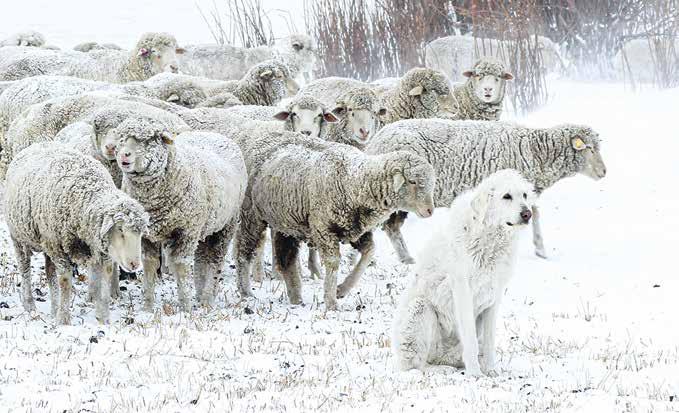
Strong bond – Arguably the most important aspect of utilizing livestock guardian dogs is ensuring they have a strong bond with the livestock they are meant to protect. WYLR photo
own dogs, she attaches a chain to their collars during mule deer migration season to slow dogs down and wear them out.
Additionally, Urbigkit said, “They’re a long-term commitment. You have to manage individual animals, but they are also members of a pack. Females will have heat cycles and reproduce. Major battles will occur between dogs for breeding rights. They have accidents. They get sick and die. And, just like other livestock, you’ll need to replace them on occasion.”
Getting started
For those who decide to use LGDs, Urbigkit expressed the importance of ensuring they are adequately bonded to the livestock they are supposed to protect.
“The prime bonding period for LGDs is eight to 16 weeks of age, and during this time, pups should be kept with the livestock species they will be expected to guard,” she explained. “Pups need some human socialization but not too much because they need to bond to livestock, not humans.”
Urbigkit shared, for sheep, she likes to keep belly wool from that summer’s shear to line the natal den. This helps puppies grow accustomed to the smell of her flock specifically before
their eyes are even open.
Then, after a few weeks have gone by, Urbigkit introduces puppies to the sheep, either keeping them in a pen with bum lambs or gentle, older ewes.
For cattle, Urbigkit puts pups with week-old calves or keeps cattle in a pen adjacent to the dog kennel until the puppies are big enough to be around them.
“We like to put dogs with the animals they are going to bond with, but these animals need to be somewhat gentle,” she said. “You don’t want them to beat up on or tear up the pups.”
Additionally, Urbigkit said, in her experience, some LGDs go through a “terrible teenager” stage as they near two years old, where they start to chase animals or get rough.
In this case, Urbigkit recommends putting them back in a bonding pen with adult members of the species they are guarding for a couple of weeks. She reiterated using gentle livestock, but ones that are old and mature enough to reinforce respect.
When it comes to training, Urbigkit admitted she does little with her LGDs.
“The thing is, these dogs have been bred and used for thousands of years around the world, but what we like to do is try to get them
socialized to scenarios we expect them to encounter later in life,” she said.
This includes getting them accustomed to the tractor or teams of horses used to feed hay, kids on bicycles, horseback riders, motorcycles, side-by-sides and other vehicles.
“We handle and pet our dogs all the time and we encourage our herders to do the same, but we generally don’t let anyone else because there is a fine line between having dogs we can easily catch and dogs that are easy to catch by people who think they need rescued,” she stated.
Urbigkit also noted her LGDs are taught a few important commands such as “no,” “go to the sheep” and their respective names.
“I also teach them to come at the sound of my whistle or the horn of my truck so we can feed them when they are out on the range,” she shared.
“A major part of training is every good thing should happen while the dogs are with their livestock,” she added. “They should be fed with their livestock, praised with their livestock, given treats with their livestock and loved on with their livestock.”
Hannah Bugas is the managing editor of the Wyoming Livestock Roundup. Send comments on this article to roundup@wylr.net.
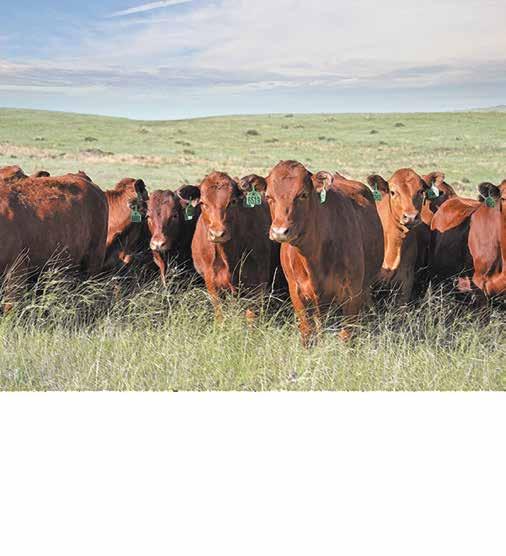
and efficient. Maddux Cattle Co. is a birth to harvest cow-calf operation with decades of selection for longevity, efficient gain and carcass value.
If you are considering rebuilding your cow herd with proven, maternal excellence, we encourage you to take advantage of the generational development and volume offering of this herd. The cattle will continue to graze in the Sandhills and can be viewed prior to the sale with advanced notice.
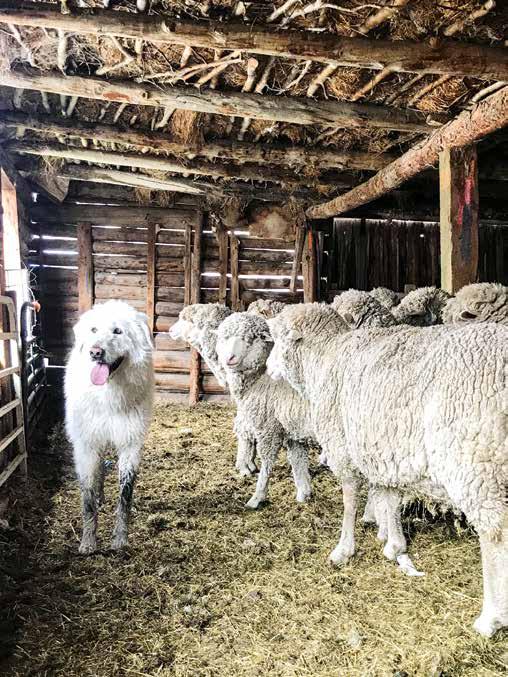
Helping hand – Livestock guardian dogs are an effective tool on many ranching operations as they are able to reduce depredation and deter predators, decrease potential disease transmission, keep flocks calm and even save human lives. WYLR photo
Bryan J. Heinz
Aug. 30, 1933 – March 9, 2025
Bryan J. Heinz was born to George and Marjorie (Canfield) Heinz on Aug. 30, 1933 in Henry, Neb. He passed away on March 9 at the Goshen Care Community Center in Torrington. He was the third child born in the family with his sisters Lois and Marge preceding Bryan in birth and one sister, Janice, who was born after him.
Bryan attended grade
Roger Lynn Collingwood
May 19, 1947 – March 13, 2025
Roger Lynn Collingwood passed away peacefully at home in Greybull on March 13.
Roger was born on May 19, 1947 in Basin to Floyd and Helen Collingwood. He grew up in the Big Horn Basin and graduated high school in Greybull, where he continued to live throughout his life. The only time he lived elsewhere was while attending National Guard training in 1967 when he was stationed at Fort Lewis, Wash.
In his younger days, Roger was known by the nickname of “Two Crows” and was inseparable from his good friend Steve Hanson. He enjoyed racing cars with his cousins Leonard, Duff and Zebb, and they had many stories to tell about their wild days.
On Aug. 10, 1970, Roger married CeCelia Gay Michelena of Shell. During their early days together, they lived on the Michelena farm in Shell with CeCelia’s mother Margaret Michelena, where they farmed and raised hogs.
In 1974, they welcomed their daughter Trista. After moving to their current property outside of Greybull, they welcomed their son Travis in 1979.
Roger held a variety of jobs in his younger years, including driving truck for local outfits owned by Robby Robinson and Ed Rech, as well as working at WYO Ben. In 1977, he began working for the Burlington Northern (BN) Railroad as a conductor and continued to work for BN until his retirement in 2013.
Roger’s coworkers from his railroad days remember him fondly as a generous guy with a great sense of humor who could take a nap anywhere and who always had a grip full of snacks that he was more than happy to share. He
school at the Chalk Buttes country school north of Henry in Sioux County, Nebraska, and then attended high school in Torrington, graduating in 1951.
This is where he met the love of his life, Donna Cay Brown. They were married on Dec. 23, 1953. They were together for 68 years until Donna Cay passed away in 2022. Two children became part of the family – Jonna in 1961 and Todd in 1964.
After high school, Bryan attended the University of Wyoming (UW) for one year, then was drafted into the U.S. Army and was sta-
tioned at Fort Bliss, Texas.
Bryan’s father, George, was tragically lost in an accident on Easter Sunday 1954, so Bryan was given an honorable discharge from military service to return home to manage the family ranch and cattle operations. This then became his life’s work.
Both Bryan and Donna Cay were well known and respected for their community service and graciously helping others whenever possible and wherever needed. They participated in many livestock organizations, served on the UW Alumni Board of Directors
and were very active in the First Congregational Church in Torrington as well.
Bryan was an excellent team roper and he enjoyed the activity for many years. He also enjoyed spending time with his grandchildren, encouraging them in their numerous activities. His family was very important to him, and they always knew they could rely on him for his wisdom, counsel and guidance.
Bryan is preceded in death by his wife Donna Cay, parents George and Marjorie and sister Lois.
He is survived by his
daughter Jonna and son Todd, sisters Marge and Janice, brother-in-law and sister-in-law Chuck and Kate Brown of Wheatland and numerous nieces, nephews and great-grandchildren.
A funeral service was held on March 29 at Eastern Wyoming College (EWC) in Torrington, with Pastor Matthew Gordon officiating.
Memorials may be directed to the EWC Rodeo Team, 3200 West C. Street, Torrington, WY 82240 or the First Congregational Church, 2102 East E. Steet, Torrington, WY 82240.
loved a good steak and knew the best places to get one in the towns they would travel to on their routes between Wyoming and Montana.
Roger enjoyed dabbling in various hobbies in his spare time, including working on tractors, cars and equipment he would find at auctions, as well as gardening and woodworking.
Over the years, Roger and CeCelia raised a variety of farm animals including hogs, sheep, horses, turkeys, chickens, ducks, geese, two potbellied pigs and rabbits. Roger loved to look up useful gadgets and new recipes on the internet and was known for his excellent popcorn and peanut butter fudge.
After his retirement, Roger settled into life on the farm, where he helped CeCelia maintain the place and care for their many pets. He also enjoyed watching YouTube farming and travel videos and listening to music – one of his favorites being Norah Jones.
His family remembers him with much love and fondness for his warm sense of humor and many happy memories around the dinner table and working together outdoors. He will always be remembered for his dedication to providing for his family and the great care he took of his property and animals.
Roger is preceded in death by his father Floyd Ernest Collingwood and mother Helen Elvira Collingwood of Greybull, brothers Terry Floyd Collingwood of Casper and Elvin Wayne Collingwood of Greybull and many beloved pets, including his loyal dogs Stubby, Mickey, Darby Dog, Athena and Sammy.
Roger is survived by his wife CeCelia of 54 years, son Travis Raymond (Vicki) Collingwood of Ranchester; daughter Trista Lynn (Gregory) Long of Salt Lake City, sister Billie Sharon Menzel of Greybull and five grandchildren, Samuel, Aidan, Corey, Amelia and Max.
The family will hold a private memorial later this spring. Anyone wanting to honor Roger’s memory may send donations to the Lovell Veterinary Clinic for a memorial fund that has been set up in his name.
CLASSIFIEDS
NOTICE: Publication in
DAIRY CALF RANCH MANAG-
ER WANTED: Looking for a good, dependable dairy heifer calf ranch manager. We have between 1,000 and 1,300 calves ranging from 1-day-old to 4 months old at any giving time to be cared for and processed. Knowledge of calf husbandry is a plus. Bilingual is necessary. Time and employee management is a must. Please contact Jeremiah Lungwitz at 970-848-2842, e-mail jlungwitz@hotmail.com or apply in person at Yuma County Dairy, 8798 Co. Rd. 39, Yuma, CO 80759 4/5
At the Colorado Gun Collectors Show we have over 770 tables with Antique & Vintage old guns, Old War guns, Flintlocks, even old swords and cane guns.
It’s worth the drive to see the amazing firearms that have been made. Our show is May 18-19, 2025 at the Greeley Event Center 421 N 15th Ave in the Island Grove Park where the Greeley Stampede is held. CGCA.com
LLC Red Cloud, NE www.gottschcattlecompany.com
Come Join the Gottsch Livestock Feeders Family! Gottsch Livestock Feeders is looking for Cowboys/Pen Riders for their feedyard in Red Cloud, NE. The main focus of the Cowboy/Pen Riders are spotting, pulling, diagnosing and taking cattle to the hospital and shipping fat cattle. This person will need to be a team player who is seeking a long-term position. You will have the opportunity to work with and learn from some of the best in the industry. We offer a benefits package that includes health insurance, dental, vision, 401(k), health savings, life insurance and paid vacation. Retention bonus offered to full-time employees. Incentives paid out at 6 months and 1 year of employment. If you are interested stop by and fill out an application or visit our website at Call Brandon Furr at 402-257-7769 or 402-746-2222 for more information.
RANCH MAINTENANCE/ANIMAL CARE: Looking for a reliable, self-motivated individual with a good work ethic that has experience in ranch work, including maintenance and upkeep at a ranch with several outbuildings, plus horse and animal care. Proven organizational skills and attention to detail required. Job facilities are located 17 miles west of Cheyenne, WY. Applicants MUST possess a valid driver’s license,
PEEGEE RANCH NEAR AR-
VADA, WY IS LOOKING FOR A FULL-TIME FARM/RANCH EMPLOYEE: This position is open immediately. Applicant must be self-motivated, reliable and responsible with knowledge of haying and farming. Mechanical skills are a must. Farming duties include swathing, baling and raking hay, etc. This is not a cowboy position, but applicant will need to assist in all aspects of cattle work as well. Those duties include calving heifers, feeding hay, branding and gathering, etc. Nearest big town is 60+ miles and nearest K-12 school is 30+ miles away (location of the ranch is remote). Housing is provided and on a school bus route. Please send resume with references by mail or email to: PeeGee Ranch, 1251 Lower Powder River Road, Arvada, WY 82831, pgranch@ rangeweb.net. Call 307-7362461 4/19
WYOMING STATE PARKS IS HIRING ENERGETIC EMPLOYEES FOR THIS SUMMER!! The employment period will run from May until September 2025. Apply here: www.governmentjobs.com/careers/wyoming by searching “State Parks.” Join our team this summer! Maintenance and fee employees will be paid $10-$16/hour and law enforcement staff will be paid $18$22/hour. Housing may be available. EEO/ADA employer 4/5
Farm/Ranch Consulting
ALL TYPES OF EQUIPMENT AND VEHICLE FINANCING. Great service!! Great rates!! Call Chuck Brown at C.H. Brown Co., WY LLC, 307-322-3232 (office), 307-331-0010 (cell) or e-mail chuckbrown@wyoming. com 3/29
AGRI-ONE FINANCIAL: Farm/ ranch and all commercial loans. RATES AS LOW AS 5%. We have been helping with all aspects of agricultural, commercial financing and management for years. LET US HELP YOU on a consulting level with management to increase profitability, deal with and fix credit problems and for all your financing needs. WE CARE AND HAVE WORKING PROGRAMS designed for the farmer/rancher and not the banker. Please call Steve, 303-773-3545 or check out our website, www.agrionefinancial.com. I will come to you and get the job done!! 4/19
MTD RANCH CONSULTANTS: Let us help you leave a legacy. Sometimes navigating public land agencies like the USFS, BLM and State Lands can be intimidating or confusing, but it doesn’t have to be if you have a team. Our team has over 30+ years of experience in the ranching and farming industry. With over 20 years as a USFS Range Land Management Specialist, NRCS experience and a professional team of ranch specialists. We can help with everything from a complete pre-purchase ranch inspection to ongoing ranch consulting and ranch planning. For a free consult, contact Aaron, 575-5371607, visit www.mtdranchconsultants.com 4/12
WYOMING BRAND FOR SALE: RRC, BS, RSH, one iron brand. Electric irons available: Calf size and cow size. Fees paid to Jan. 1, 2035. $7,500 OBO. Call Al, 307-575-1314 419
BIRD AND ANIMAL AUCTION
SUN., APRIL 13: Selling a variety of chickens, geese, turkeys, peacocks, ducks, goats, hoof stock, and more. The sale starts at 9 a.m. at the Dawson County Fairgrounds, 1000 Plum Creek Pkwy. Lexington, NE. For more information call Jaiden, 308233-1799. Find us on Facebook, JGrace Auctions 4/5
Brands
REGISTERED WYOMING BRAND: LHC, LBH. Current through Jan. 1, 2033. $3,500 OBO. Contact Gene at 307-331-1049 4/5
REGISTERED WYOMING BRAND: LRC, LSS, LSH. Current through Jan. 1, 2033. $3,500 OBO. Contact Gene at 307331-1049 4/5
FOR SALE: Wyoming registered 1 iron (2) letter brand registered on all 3 species and in good locations, RRC, RSS, RSH. One hot iron available. Asking $4,995 for this easy to read brand, registered until 2031. Call or text 307-254-2790 if interested 3/1
Dogs
MINI AUSSIE PUPS: Born Jan. 4, 2025. Ready to go. Laramie, WY, $1,250. Call 307-761-2449. To view photos, go to www.wylr. net in the classifieds 4/12
AIREDALE PUPS FOR SALE: Southwest WY. Four males, 4 females. Great companions, nine weeks old March 31. First round of vaccines, tails docked, dewclaws removed. For more information, call 307-386-2361 4/5
OLD FASHIONED WORKING RANCH BRED AUSSIES (no show lines), guaranteed to work stock. Father heads, mother heads/heels, gritty enough for pairs, lots of drive, biddable, sweet, extremely smart, works with relatively little training. Capable of trialing or fetching stock out of fields and corral work and capable of getting brushed up cattle out of brush. Pups are showing interest now on goats. Quality lines, Pincie Creek, Los Rocosa, CCK, Hangin’ Tree (Aussie) lines. Ready for homes now. Health tested parents, had their shots and wormed. One male, 1 female, all black bi, 16 weeks. $75 OBO. Can potentially deliver. Accepts texts, or call and leave a message, Lacey 801721-8620, southwest Wyoming. To view photos, go to www.wylr. net in the classifieds 4/12
AIREDALE TERRIER PUPPIES: AKC, ranch and farm raised, from quality hunting lines, gentle, sweet temperaments, good with children and livestock. Excellent protection from predators, bears, mountain lions, coyotes, raccoons skunks etc. Good retrievers and good upland and small game retrievers. Males and females. First shots and wormed. Ready March 30. Worland, WY. Call 307-219-2217 or 719-217-8054 (cell) 4/5
PUREBRED ANGUS BULLS: Only sell 2-year-olds, 100% Ohlde genetics, semen checked. Call Keith Reed, 402-649-3615 4/5
ROYLANCE ANGUS, REGISTERED BLACK ANGUS BULLS: These bulls come with explosive growth, fueled by breed topping genetics. Calving ease, excellent feet, great dispositions. Sired by Coleman Rock 7200, Coleman Marshal 7170 and Coleman Navigator 614. Competitively priced. Semen tested, vaccinated. One breeding season guarantee. Sold private treaty on the ranch in Charlo, MT. Call or text, Adrian, 406-214-4444 4/19
REGISTERED ANGUS BULLS FOR SALE: Calving ease, growth. AI sired. Docile. Delivery available. Earhart Farms, Powell, WY 307-272-8876 4/12
BULLS FOR SALE: Registered yearling and 2-year-old Black Angus range bulls for sale private treaty. Good selection for heifers and cows. From popular sires and industry leaders. Semen tested and ready to go. Call 307-762-3541 TFN
SALE * CHRISTENSEN RED ANGUS * SALE: Registered, vaccinated and fertility tested bulls. We have a deep carcass, high ADG packaged with moderate to low birthweights available. Call 406-208-4315 or e-mail criters64@gmail. com 4/19
RED ANGUS COWS AND HEIFERS FOR SALE: Twentyfive red cows, second and third calvers. ALSO, 6 red heifers. All bred to Leachman and Beckton Red Angus bulls April 15 for 60 days. Located in Torrington, WY. Call 307-231-2883 4/12
RED ANGUS HIGH-ELEVATION YEARLING BULLS FOR SALE IN NORTHEASTERN UTAH : Out of AI and bull-bred sires. Will be trich, semen tested and fed for free until May 1. $2,700/head. Bar Lazy TL Ranch, David, 435828-1320, barlazytlranch@ gmail.com 6/14
e-mail resume to brittiny@ rfholdings.org 4/12
HISTORIC WYOMING BRAND FOR SALE: Lazy PN has been a registered brand since 1912. LRC, BS, LSH. Renewed to January 2033. Two sets of irons available. SELLER WILL PAY transfer fees. $2,500. Call 307-2724215 3/29
REGISTERED WYOMING BRAND, LRC, LSS, LSH, LRB, 1 iron, best offer or open to trade. Call 307760-5976 3/29
WYOMING BRAND FOR SALE: RRC, RSS, RHH. Expires Jan. 1, 2029. Electric iron included. $2,500. Call 307-575-6589 3/29
REGISTERED WYOMING BRAND FOR SALE: RSC, renewed to Jan. 1, 2027. $2,500 OBO. Call 605201-7173 3/29
REGISTERED WYOMING BRAND: RRC. Current through Jan. 1, 2031. $3,000 OBO. Contact Gene at 307-331-1049 4/5
REGISTERED WYO-
MING BRAND: LHC, BS, LHH. Current through Jan. 1, 2033. $3,500 OBO. Contact Gene at 307-331-1049 4/5
SIMANGUS YEARLING AND FALL-BORN SHORTHORN BULLS AVAILABLE PRIVATE TREATY: Great dispositions. Solid red, black and BWF bulls available for cows and heifers. Bulls have been semen checked and ready to go. Quantity discounts. Call Rob at Schultz Farms, 308-390-3612 4/12
WANTED TO BUY: No commission. Bred beef cows 2-8 years, 10-20 head. HORSES ALSO WANTED, riding, draft etc. Pickup available. Call Col. Carly Wincher, 320-630-992 4/5
STAIRCASE CHAROLAIS AND RED ANGUS ONLINE
BULL SALE: 50+ purebred yearling Charolais and Red Angus bulls SELLING APRIL 12-17 Timed auction online with www.dvauction.com!! Practical bulls bred for balanced traits, functionality, consistency, disposition, efficiency and quality, built to excel in every step of the cattle industry!! For more information, visit www.staircasebulls.com, find us on Facebook or give us a call. Gus, 307-575-5860 or Amy, 308-631-1952 4/12
YEARLING ANGUS BULLS: These bulls are grown, not fattened, will get out and cover cows. Many will work on heifers. We will deliver. Call Joe Buseman, 605-351-1535 4/5
SIMANGUS BULLS FOR SALE: Yearlings and 18-montholds. All bulls have GE EPDS, are homozygous polled, most are homozygous black. Bulls can be inspected at Dilka Cattle, pictures available by request. Bulls will be fed until April 1 at no cost to buyer. All bulls guaranteed for first breeding season. Information on the bulls may be requested by e-mail at thedilkas@aol.com or calling 970-396-8791 3/29
YEARLING POLLED HEREFORD BULLS FOR SALE PRIVATE TREATY: Forty-five year breeding program, bred to produce top baldy calves. Balanced trait genetics. Reasonably priced. See us on the web at www.mcmurrycattle. com, for pedigrees, photos and videos. BUY NOW! Call 406-254-1247 (house), leave message or 406-697-4040 (cell). E-mail mcmurrycattle@gmail.com 4/12
Cattle
PUREBRED CHAROLAIS
BULLS FOR SALE: AI’d to Lead Time, spring and fall yearlings available. Priced at $4,000/head. Call 406-6717451 4/19
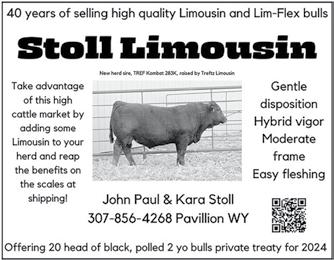
Limousin Pasture
WIGGINS FEEDYARD, FEEDING CATTLE OF ALL CLASSES: Drylot cows; yearlings or calves to background or finish. Call Steve, 308-279-1432 or Sue, 308-2790924 (cell) 5/17
John Paul & Kara Stoll 307-856-4268 • Pavillion, WY
FOR SALE, 18-YEAR-OLD
RANCH GELDING: Been here his whole life, done everything on the ranch. Gentle and sound just needs a smaller circle. Call 307-760-5976. To view photos, go to www.wylr. net in the classifieds 3/29
ALFALFA/GRASS HAY FOR SALE: 1,350 lb. round bales, west of Sheridan, WY. Call 307673-8267 4/19
THREE OUTSTANDING AQHA 2024 COLTS, sires Metallic Rebel, Badboonarising, Countin Hot Checks, asking $20,000/each. TWO OLSEN NOLTE SADDLES, good condition, circa 1930’s-1940’s, $3,500/each OBO. COMPLETE SET OF WILL JAMES BOOKS, including first editions and children’s books, $4,000 for the set. Nampa County, northern California. Call 707-333-6923 4/12
HORSES FOR SALE: Two-
Larry’s Seed with Legend Seeds has corn, grain, corn silage, soybeans, alfalfa, sorghum, sunflowers and canola Renovo Seeds: Cover Crops, alfalfa, forages, pasture mixes, grass, forage barley and oats.
Yield Master Solution Biological Division: Envita makes all plants nitrogen fixing. Nutriquire for phosphrus and potassium enhancement.
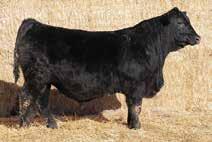
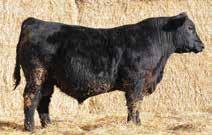
Offering 20 head of black, polled 2-y-o bulls private treaty for 2025
Pasture Wanted
TO RENT OR LEASE PASTURE FOR 50-150 cow/calf pairs for 2025, longer or yearly lease if possible. Preferably northeastern Wyoming. Call 307-660-0294 and leave a message if no answer.
WOODARD LIMOUSIN: Quality Lim-Flex bulls for sale. High performance proven genetics, polled, good dispositions. Will work with you on delivery options. ALSO, A LIMITED TIME SEMEN OFFERING ON DEBV MC HAMMER 419M one of the hottest most talked about upcoming young bulls in the breed. His flashy looks combined with the center mass of body, bone and foot shape that’s hard to make, will elevate your next calf crop. Contact Rodger Woodard, 719-439-2011, www. woodardlimousin.com To view photos, go to www.wylr. net in the classifieds 4/5
LOOKING FOR RANCH OR PASTURE TO LEASE FOR 150-200 HEAD: Will pay lease or run owner’s cows. Looking for place with corrals. Long term. Call 307-689-6172 (cell) or 307868-2170 (house) 4/19
WANTING TO RENT PASTURE IN NORTH-CENTRAL WYOMING: Enough for 20 to 50 pairs. Call 605-252-8156 3/29
year-old Gypsy Vanner red roan gelding. Two-year-old High Roller Rey brown gelding. They are both gentle, halter broke, easy to catch and trim. Five-year-old Autumnator/Playgun bay roan mare, stands 14.2 HH, broke to ride. Ten-year-old gray mustang mare, stands 14.2 HH, broke to ride. Yearling IF WHIZS WERE GUNS red roan stud colt. Yearling WHIMPY NEEDS A COCKTAIL bay filly. Both are halter broke and gentle. Three AQHA bred mares. For more information, please call or text 307-6793126 4/12
FOR SALE: Five-year-old gray Quarter Horse gelding. Stands 14.2 HH, well-broke to ride. Good ranch horse. Five-yearold sorrel draft cross gelding. Stands 15.2 HH. Well-broke to ride and drive. Fifteen-year-old mini pony gelding. Well-broke to ride and drive. ALSO, yearling blue roan draft cross fillies. For more information, call 307-467-5651, leave message for Henry Lambright 4/5
Wyoming Division Larry French 307-272-9194
Larryjfrench1950@gmail.com
Montana Division Jeremy Robertus 406-853-8554
triangle6livestock@outlook.com PO Box 191 • Powell, WY 82435
FOR SALE: Monida certified oat seed in totes, good quality, cleaned and tested. ALSO, first and second cutting alfalfa, large rounds and small square bales. For more information, call 307754-5864 3/29
WAGYU/AKAUSHI BULLS FOR SALE: Red/black, yearlings, 2-, 3- and 4-year-olds. Call 406-860-7085, Little Powder Wagyu 4/5
FAITHFUL FEEDERS: Heifer development, backgrounding, and grass calf prep. Billings, MT. Call Ryan, 406-696-0104 4/12
PARK COUNTY, WYOMING RANCH NEAR CODY, WY IS AVAILABLE FOR A LONGTERM LEASE: The ranch has over 50,000 acres and supports an irrigated hay base with BOR water rights. Carrying capacity is 700 animal units year-round with hay production. Willing to split the hay ground and grazing. Please e-mail Honora Beirne (hbeirne@acpg.com) and Melanie Giliati (mgiliati@ acpg.com) for details 4/19
LAMAR COMMUNITY COLLEGE LEGACY HORSE SALE!! Join the Legacy. Lamar Community College has been training high-quality performance and ranch horses since the 1970s. JOIN US ON SAT., MAY 3 IN LAMAR, CO TO SHOP HIGH-QUALITY HORSES. Mark your calendars and follow our social media pages to stay up-to-date on the Lamar Community College Legacy Horse Sale. Preview at 9 a.m., sale at 12 p.m. 2401 S. Main Street, Lamar, CO 81052. Online as well with DV Auction. Call Savanna Mauch, 719-3361624 or Jaci Brown, 719-3366663 3/29
WANTED: Sugar Bars and nonSugar Bars-bred saddle horses for the 23rd ANNUAL SUGAR BARS LEGACY SALE SUN., SEPT. 21 Held in Sheridan, WY. NEW ONLINE BIDDING option thru Frontier live. Please contact Jim, 406-812-0084 or e-mail deerrunranch@gmail. com for consignment and sale information 3/29
TWO HORSES FOR SALE: Grandsons of Peptoboonsmal, 1 sorrel, 1 bay, half-brothers, 18 and 15 years old, ride or pack, experienced horseman, $5,000/each. Calls only no texts, 307-272-6895 3/29
BEST OF THE BIG HORNS HORSE SALE, APRIL 12, Buffalo Livestock Marketing, 44 TW Rd., Buffalo, WY. Online bidding through www. cattleusa.com, register 3 days prior to sale. Contact Ellen Allemand, 307-751-8969 or Kay Lynn Allen, 406-6975882. Visit us on Facebook for updates 4/5
Saddles & Tack
RIDE, WORK, ROPE AND PLAY!! Great selection of: Quality GLOVES, mohair CINCHES, wool saddle PADS and blankets. Over 300 BITS in stock!! $AVE on BOOTS: HONDO, BOULET, JUSTIN WORK BOOTS, TWISTED X (boots and shoes) and more!! WE CAN ship!! Shop Moss Saddles, Boots and Tack, 4648 West Yellowstone Highway, Casper, WY 307472-1872. Our family serving yours for 50 years!! Check us out on Facebook or our website 3/29
Leatherwork
LS CUSTOM LEATHER: Belts, tack, cell phone cases and much more!! Contact Lester, 307-631-1053, leave a message. Located in Riverton, WY 3/29
OPEN POLLINATED SEED CORN out produces hybrid for silage and grazing quality grain, $69/bushel +S/H. Call 217-857-3377 or text cell 217343-4962, visit website www. borriesopenpollinatedseedcorn.com 4/19
EXCELLENT QUALITY OATS FOR FEED OR SEED, $12/cwt. ALSO, WRANGLER ALFALFA SEED, $2.50/lb. Greybull, WY area. Call 307-272-9259 4/12
WHITE DURANA CLOVER SEED FOR DEER PLOTS, $6/ lb. Can be used for deer plots or pasture mix. Please text 970520-1320 4/5
HAY FOR SALE: 2024 big rounds of second and third cutting alfalfa, 57 bales of third cutting, bales average 1,440 lbs., $125/bale, 35 bales of second cutting, bales average 1,200 lbs., $85/bale. Hay is located in Frannie, WY. Contact Keri Merrill, 307389-3377 4/19
2,000 TONS OF HAY FOR SALE: First, second and third cutting alfalfa. All bales are 4x4x8 in size. Location between Lovell and Powell, WY. Contact Crosby Farms, 307272-3712 4/19
WIGGINS FEEDYARD, FEEDING CATTLE OF ALL CLASSES: Drylot cows; yearlings or calves to background or finish. Call Steve, 308-2791432 or Sue, 308-279-0924 (cell) 5/17
ALFALFA HAY FOR SALE: 3x3 bales shedded. Priced depending on quality and quantity needed. Farson, WY, trucking available. Call 307-350-0350 4/19
BARLEY STRAW: Certified weed-free small squares, $4/bale. ALSO, 5x6 round bales, $125/ton. GRAIN OATS, wheat and barley, $20/cwt. Greybull, WY area. Call 307-762-3878 or 307-899-4714, leave message 4/19
FORAGE WHEAT, GRASS AND ALFALFA HAY FOR SALE: Cow and horse quality. Round bales, 3x3 square bales and 3x4 square bales. Delivery available!! Call 307-630-3046 4/19
NORTHWEST WYOMING
CERTIFIED GRASS SEED
GROWER HAS CERTIFIED
GRASS HAY FOR SALE: 3x4x8 bales. 2023 crop approximately 1,200 lbs. 2024 crop approximately 900+ lbs. $25/bale. Powell, WY area. Call Mike at 307-202-0494 4/19
GRASS HAY FOR SALE, 1,400 lb. net-wrapped round bales, $140/bale. Near Laramie, WY. Call 307-760-8429 4/5
ROUND-BALED GRASS: 2024 crop $50/bale. 1,000 lb. netwrapped bales. Cody, WY area. Call, don’t text, Anthony at 307-254-2645 5/24
CERTIFIED BARLEY STRAW FOR SALE, 3x4 bales. Cody, WY. Call 307-899-1952 TFN
HAY FOR SALE: 2023 milo and grass/alfalfa. 2024 first, second and third cutting alfalfa, first cutting 90% alfalfa/10% grass mix, grass mix, grass/alfalfa, millet cut early and green, milo cut late in the season. ALSO, 2024 haybet barley, nitrates low, protein high, 2023 and 2024 CRP hay. All in net-wrapped round bales. Semi load delivery available. Call for pricing, ask for Klint, 701-290-4418, send a text if no answer or keep trying 3/29 Hay & Feed
VALLEY VIDEO HAY MARKETS, LLC: Hay available. Go to www.valleyvideohay.com or call Barry McRea, 308-2355386 3/29
CERTIFIED WEED-FREE PURE ALFALFA HAY: Small squares, covered. 2023 first cutting available for a reduced price. 2024 first, second and third cutting available. Will load trucks and any open trailer. MONIDA OATS, $16/cwt. Combine run. Will auger into truck, trailer or large totes/ag bags. Located between Powell and Cody, WY. Call or text Knopp Farms for details, 307-2540554 4/26
SOLD MY LOADERS, HAVE OVER $12K WORTH OF INVENTORY!! New in the box, filters, glass, belts, and more. Will fit John Deere 644J, 744J and 744K, $3,500 for all or would trade for skid steer attachments or a good car trailer. Call 307259-4321 4/19
JOHN DEERE 250 SKID STEER, 2,309 hours, has foot controls, cab enclosure with heat, excellent tires, 66” bucket, auxiliary hydraulics, excellent shape and runs great. $21,000. Call or text only please, 308-241-2188. To view photos, go to www.wylr.net in the classifieds 4/19
FOR SALE: 1994 FORD 9000 CUMMINS N14 with 13 speed Hendrickson suspension. MOHRLANG MANURE SPREADER, 2 beater, 20’, in good condition!! $49,000. Contact 970-396-9464 or 970-6914782. To view photos, go to www.wylr.net in the classifieds 4/5
FOR SALE: Phillips 45’ hydraulic rotary harrow. John Deere 4995 diesel 14’ discbine, cab/ air/heat, with auto steer capability. Mandako 45’ landroller. Rowse 9’ pull type mower. Rowse 9’ 3pt. mower. Rowse 14 wheel high capacity v-rake. Lorenz 16’x29’ 18 ton bale mover with tandem axles. Farmhand 870 hydraulic grinder/mixer with scale. 2020 Freightliner, automatic transmission, DD13 engine, 178” wheelbase, 407, 673 miles, runs and drives nice, $28,500. Vermeer BP7000 bale processor. Summers hydraulic rock picker. Miller Pro 5100 18’ chuckwagon with bunk feeding extensions and tandem running gear. H&S 7+4 18’ chuckwagon with bunk feeding extensions and tandem 14 ton running gear. John Deere 716A chuckwagons with John Deere running gear and bunk feeding extensions, been shedded, nice condition. 12’ HD box scraper with tilt. All in very nice condition!! Call 605999-5482 4/5
EQUIPMENT FOR SALE, FARMER RETIRING: AC Model 1300 30’ ripper with rakes. 16’ Eversman fold up land plane with S tine rippers. 9600 John Deere combine with 930 30’ grain header and an 893 8 row 30” corn header. A 20’ Krause offset disc (new blades in front). 24’ Model 630 John Deere tandem disc. Safety pull with a bull hitch. John Deere front suitcase weights. IHC front suitcase weights. Round John Deere wheel weights. Contact Greg Keller at 406-6791136 3/29
LODGEPOLE OUTDOOR FURNACES, 307-223-2046. Your authorized Central Boiler Dealer. Get your outdoor wood furnace today!! $2,000 tax credit on qualifying models!! Efficient wood heat. Heat multiple buildings. Invest in your heating, don’t just pay for it!! See us at www.cb.lodgepoleproducts. com!! 3/29
Wagyu
Pipe Hay Equipment
FOR SALE: 2009 AGCO
(Hesston) 7115 small square hay baler, 14x18. 2009 AGCO (Hesston) 2270, 14’ hydroswing windrower, John Deere 2630 diesel tractor, good engine, good tires. New Holland 1033 pull type bale wagon, old but works. 3 pt., 4 wheel, side delivery hay rake. 3pt. Frontier 7’ spring tooth chisel plow. 3 pt. Conical fertilizer/seed spreader. 3 pt. Rhino 950, 9’ hydraulic blade. Rhino N20 hydraulic post hole auger, loader bucket mount. Call 307-262-7874, Casper, WY 4/12
TWO DOUBLE 9 KOSCH
SICKLE MOWERS, 1 hydraulic driven and 1 PTO driven. Both shedded and in very nice condition. Call Keith Reed, 402-6493615 4/5
Livestock Equipment
PIPE FOR SALE!! 2 7/8”, 3 1/2” tubing, 4” drill pipe, 4 1/2” casing, 5” casing, 7” casing. Rods 3/4”, 7/8” and 1” located in Montana, can ship anywhere. Call Mike, 602-758-4447. To view photos, go to www.wylr.net in the classifieds 7/26
Livestock Equipment
Irrigation Systems
The choice is simple.
ANTLER MARKET STEADY TO STRONG!!! APRIL 12-14
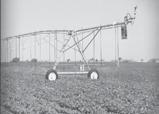
Good time management is essential to farming success. That’s why more farmers are turning to T-L center pivot irrigation systems. Hydrostatically powered, T-L’s simple design gives you the low maintenance time, cost, safety and reliability to let you manage your farm instead of calling electricians or replacing gearboxes. Simplify your complex world and make irrigation easier on you.
MANUFACTURER OF HEAVY DUTY CONTINUOUS FENCE: Corral panels, farm gates, free standing panels and more. Call for pricing and delivery, Rocky Ridge Welding, Nevada, MO, 417-549-1077 4/19
RAIL TIES: #1-9 ft., #1 and #2-8 ft. USED CULVERTS: Three ft., 2 ft., 18” and various lengths. Call EMC2, 307-630-2345 or 307-5345253 3/29
LODGEPOLE PRODUCTS, 307-742-6992, SERVING AGRIBUSINESSES SINCE 1975!!
Treated posts, corral poles, buckand-rail, western rail, fence stays, rough-sawn lumber, bedding. SEE US at www.lodgepoleproducts.com and click our “Picking A Fence Post” tab to see why folks choose our posts!! TFN
Pipe
FOURTEEN PIECES HEAVY DUTY SCHEDULE 80 PVC, 3 .5” ID, 20’ long with stainless steel couplers. Call EMC2, 307-630-2345 4/19
OILFIELD PIPE: PRICE REDUCED!! RPJ Enterprises, Inc. 2 3/8”, 2 7/8” and 4.5” is available, pricing is coming down. Used for fencing, corrals, cattle guards, etc. 2 3/8” and 2 7/8” are on average 31.5’ long per joint. Pierce, CO. Call for details, 970-3244580 6/28
According to a March 14 article in The Fence Post, the Colorado Parks and Wildlife (CPW) Commission approved two Grand County, Colo. ranch claims for a combined $343,415.37 in compensation from wolfrelated livestock losses on March 5.
The two claims included Farrell Livestock of Parshall, Colo. and Bruchez and
SIOUX COUNTY, NE CENTER
PIVOT: A productive farm of 75± acres located 2 miles north of Henry, NE. Featuring a T&L wiper pivot and reliable irrigation from Pathfinder Irrigation District. With no other structures, it’s an ideal investment. $240,000. Casey Essert, Land Broker, 307-532-1750, Empire Realty, Inc., 2010 West B Street, Torrington, WY 82240 TFN COUNTRY FARM HOME, ON 8 ACRES, overlooking the Big Horn River with superb mountain views, 3 bedroom, 1 bath, horse paddock, natural springs, paved access, municipal water and no covenants. Located between Greybull and Worland, WY. By owner, $479,000. Call 719-217-8054 4/12
Hunting & Fishing
ANTLER MARKET STEADY TO STRONG!!! APRIL 9-11 PETSKA FUR WILL BE BUYING ALL GRADES OF ANTLER AND LATE SEASON FUR IN THE FOLLOWING TOWNS AND LOCATIONS: APRIL 9: Newcastle 7:10-7:30 p.m., Voelker’s Body Shop. APRIL 10: Newcastle 6:30-6:50 a.m., Voelker’s Body Shop; Upton 7:20-7:40 a.m., Joe’s Grocery (drive thru, call Greg); Moorcroft 8-8:20 a.m., The Coffee Cup (drive thru, call Greg); Sundance 8:45-9:30 a.m., Rapid Stop; Beulah 10-10:20 a.m., Truck Stop (drive thru, call Greg); Spearfish, S.D. 10:30-11 a.m., Butcher Shop; Belle Fourche, S.D. 11:30 a.m.-12 p.m., Runnings (NE parking lot); Aladdin 12:20-12:50 p.m., General Store (drive thru, call Greg); Hulett 1-1:30 p.m., Tower Valley Ag Supply; Alzada, MT 2:15-2:30 p.m., B&J Convenience (drive thru, call Greg); Gillette 7-7:30 p.m., Rocky Mountain Sports and Howard Johnson Motel room 143 7:45-8:15 p.m. APRIL 11: Gillette 5:45-6 a.m., Rocky Mountain Sports (drive thru, call Greg); Wright 6:20-6:50 a.m., Big D (drive thru); Midwest 7:50-8:10 a.m., Sinclair Truck Stop (drive thru, call Greg); Kaycee 8:35-9 a.m., Sinclair Truck Stop; Sheridan 10:30-11 a.m., Sportsman’s Warehouse; Buffalo 11:45 a.m.12:15 p.m., Good 2 Go; Ten Sleep 1:50-2:20 p.m., Pony Express; Hyattville 3-3:20 p.m., Paint Rock Processing (drive thru, call Greg); Manderson 3:40-3:50 p.m., Hiway Bar (drive thru, call Greg); Basin 4-4:20 p.m., Overland Express Mart (drive, thru); Greybull 4:405 p.m., Overland Express Mart (drive thru, call Greg); Lovell 5:506:20 p.m., Good 2 Go (drive thru); Byron 6:10-6:20 p.m., Cardtrol Station (drive thru, call/text Greg); Powell 6:50-7:10 p.m., Murdoch’s (drive thru); Cody 7:40-8 p.m., Nature’s Design Taxidermy; Meeteetse 8:30-8:45 p.m., on street in front of firehouse (drive thru call/ text Greg); For more information, call Greg, 308-750-0700 or visit www.petskafur.net 4/5
PETSKA FUR WILL BE BUYING ALL GRADES OF ANTLER AND LATE SEASON FUR IN THE FOLLOWING TOWNS AND LOCATIONS: APRIL 12: Worland 7:30-8 a.m., Coop One Stop; Thermopolis 8:50-9:20 a.m., Renegade Guns; Shoshoni 10:10-10:30 a.m., Fast Lane/Exxon (west of truck diesel pumps, (drive thru, call Greg); Riverton 11-11:45 a.m., Vic’s Body Shop (behind the Dollar Tree); Hudson 12:10-12:20 p.m., Wyoming Custom Meats (drive thru, call/text Greg); Lander 12:501:30 p.m., Zanders; Jeffrey City 2:30-2:45 p.m., Split Rock Cafe (drive thru); Muddy Gap 3-3:10 p.m., (drive thru, call/text Greg); Alcova 3:50-4 p.m., Sloanes General Store (drive thru, call/text Greg); Casper 4:30-5:15 p.m., Wagner Outdoor Sports; Glenrock 5:45-6 p.m., east exit on I-25 (drive thru, call/text Greg); Douglas 6:30-6:45 p.m., Douglas Feed. APRIL 13: Douglas 6:30-6:45 a.m., Douglas Feed (drive thru); Orin Junction 7-7:10 a.m., Truck Stop (drive thru, call Greg); Lost Springs 7:307:40 a.m., truck pull off 1 mile east (drive thru, call Greg); Manville 8-8:10 a.m., Truck Stop (drive thru, call Greg); Lusk 8:30 a.m.-9 a.m., Decker’s Grocery; Hartville 9:4510 a.m., Miner’s & Stockman’s Restaurant (drive thru, call Greg); Guernsey 10-10:30 a.m., Crazy Tony’s; Wheatland 11-11:30 a.m., Wheatland Travel Center; Chugwater 12-12:15 p.m., Stampede Saloon (drive thru); Cheyenne 1:15-1:45 p.m., Tractor Supply; Archer 2:10-2:30 p.m., Home on the Ranch Processing (drive thru, call Greg); Carpenter 2:50-3 p.m., Antelope Truck Stop (drive thru, call Greg); Pine Bluffs 3-3:20 p.m., Sinclair (drive thru, call Greg). APRIL 14: LaGrange 6:45-7a.m., Bear Mtn. Stage Stop (drive thru, call Greg); Hawk Springs 7:20-7:30 a.m., Longbranch Saloon (drive thru, call Greg); Yoder 7:50-8 a.m., Post Office/Community Building (drive thru, call Greg); Lingle 8:208:40 a.m., Ty’s Pit Stop; Torrington 9:10-9:30 a.m., Gary’s Gunshop (drive thru). For more information, call Greg, 308-750-0700 or visit www.petskafur.net 4/5

ANTLER MARKET STEADY TO STRONG!!! MAY 3-4 PETSKA FUR WILL BE BUYING ALL GRADES OF ANTLER AND LATE SEASON FUR IN THE FOLLOWING TOWNS AND LOCATIONS: MAY 3: Ft. Bridger 7:30-8 a.m., Cash Store; Evanston 8:45-9:15 a.m., Prairie Inn; Woodruff, UT 9:45-10 am., Country Store (drive thru, call Greg); Randolph, UT 10:15-10:30 a.m., Crawford’s Trough (drive thru, call Greg); Kemmerer 11:1011:30 a.m., Ham’s Fork Station; Cokeville 12:15-12:30 p.m., Flying J Truck (drive thru, call Greg); Montpelier, ID 1-1:30 p.m. (call Greg for appointment); Afton 2:45-3:15 p.m., Gardner’s Country Village; Thayne 3:30-3:40 p.m., Farmer’s Feed (drive thru, call Greg); Alpine 4-4:20 p.m. Tack & Treasure Gun Shop (drive thru, call Greg); Hoback Jct. 4:455 p.m., Hoback Market/Exxon (drive thru, call Greg); Bondurant 5:30-5:45 p.m., Elk Horn Bar (drive thru, call Greg); Daniel 6:15-6:30 p.m., The Den (drive thru, call Greg); Pinedale 6:45-7 p.m., Gannett Sports. MAY 4: Big Piney 6:30-6:45 a.m., Public RR/ Visitor Info. lot; La Barge 7:107:25 a.m., All American Fuel (drive thru, call Greg); Green River 8:45-9:05 a.m., Hitching Post (drive thru, call Greg); Rock Springs 9:30-10 a.m., WY Wool Warehouse; Wamsutter 11-11:15 a.m., Conoco (drive thru, call Greg); Rawlins 11:45-12:15 a.m., Tractor Supply; Saratoga 1-1:30 p.m. Saratoga Feed & Grain; Elk Mountain 2:10-2:20 p.m., Conoco on I-80 (drive thru, call Greg); Hanna 2:30-2:45 p.m., Hanna Market (drive thru, call Greg); Medicine Bow 2:50-3:05 p.m., JB’s (drive thru, call Greg); Rock River 3:30-3:45 p.m., Rancher’s Supply (drive thru, call Greg); Laramie 4:30-5:15 p.m., West Laramie Fly Shop. For more information, call Greg, 308-7500700 or visit www.petskafur. net 4/26


Colorado Parks and Wildlife Commission approves claims
Sons of Kremmling, Colo.
The Farrell Livestock payment included remuneration for 15 cows killed by wolves in the spring of 2024 and its claim showed a 36.5-pound decrease per calf over the last three years and a 2.9 percent reduction in conception rates due to stress from wolves in the area.
An additional claim submitted by Farrell Live-
stock for missing cattle is still in negotiations. The unpaid portion of the claim argues these missing livestock could have been killed by wolves. However, the carcasses have never been located.
The commission is expected to decide on the rest of Farrell Livestock’s claim this summer.
Prior to these two claim approvals, the state
had paid three separate claims adding up to over $3,850. This brings the total for wolf-related livestock claims in 2024 to more than $347,000 – with less than $3,000 left in the year’s fund.
There are still six claims pending, in addition to the unapproved portion of Farrell Livestock’s claim.
With less than $3,000
left in this year’s $350,000 fund, the joint budget committee has discussed lowering the allocation for the fund for future years. It is unknown if cattle producers will receive proper remuneration going forward if this is the case.
The Middle Park Stockgrowers Association has petitioned CPW to pause the wolf reintroduction until several demands were met
by the wildlife department. The stockgrowers association asked CPW to provide a definition of chronic depredation to be used to determine when it is appropriate to terminate “problem wolves,” develop a widespread range riding program to deter wolves from livestock and provide a rapid response team to answer reports of problem wolves immediately.