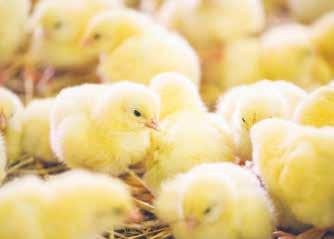
Experts offer tips to set baby chicks up for success
Spring represents rebirth, renewal and new beginnings, and it is especially heartwarming on the farm or ranch, where producers begin welcoming new members to the flock or herd.
This is also true for individuals in rural and urban areas with backyard hobby flocks, which have recently surged in popularity, as eggs start to hatch and chicks make their way to feed stores nationwide.
Whether one is expanding their flock or starting it from scratch, experts offer reminders on best care practices for raising baby chicks.
Preparing the brooder
Multiple sources note the best way to set chicks up for success is to be prepared before they even arrive.
The brooder should be prepared 24 to 48 hours in advance to allow time for bedding and equipment to dry out and the temperature to settle.
Options for brooders include anything from a cardboard box or metal stock tank to a plastic tote or pop-up playpen, although it is recommended to use something appropriately sized for the number of chicks an individual plans on getting.
A basic chick care guide published by Scratch and Peck Feeds recommends three-fourths to one square foot per chick, noting the space will need to last for about six to eight weeks and chicks will grow fast.
The brooder should be set up in a warm, draft-free environment where chicks can live for at least two weeks or until temperatures reach 60-plus degrees Fahrenheit.
Brooders should be furnished with a good source of heat, dry bedding, roosts, feeders, waterers and a lot of light.
Experts note it is essential to fill brooders with two to three inches of dry, absorbent bedding, such as pine shavings, hemp bedding, chopped straw, oat hulls or ground cobs. Some also recommend laying down newspaper or puppy pee pads under the bedding for easier cleanup.
It is important to note, cedar shavings or other strong-smelling materials should be avoided, as they have been proven to negatively affect chicks’ longterm health.
Regardless of the material, bedding should be changed at least every other day, and wet bedding should be removed daily, especially around waterers.
It is also important to provide a place for baby chicks to practice roosting and give them something to do when they start to get active in the brooder. Roosts can be anything from pre-made roosting poles, stacks of bricks, thick sticks or pieces of wood, among
other things.
Heat and light
Heat is another crucial element when caring for baby chicks.
Sources like Purina Animal Nutrition LLC and Tractor Supply Company recommend using red-light heat lamps hung about 20 inches above the litter and 2.5 to three feet from the guard walls.
The comfort zone beneath the light should remain at 95 degrees Fahrenheit. After one week, heat should be reduced by five degrees Fahrenheit each subsequent week until reaching a minimum of 55 degrees.
“If chicks are crowded together directly under the heat source, then they are cold. If they are around the edges of the brooding area, they are likely to hot. Adjust the height of the lamp accordingly and give them enough room to move in and out of the light to regulate their body temperatures,” comment the experts at Tractor Supply.
Other sources like Scratch and Peck Feeds note the dangers of using heat lamps and urge individuals to opt for alternative heat sources instead, such as a brooder plate.
“This is a heated plate with legs chicks can crawl under when they are cold, then come out to eat, drink and play. It should be started fairly close to the ground and raised as chicks grow,” Scratch and Peck Feeds explains. “This setup is much more similar to the way a mother hen raises her chicks.”
“Besides not being a fire hazard, brooder plates allow chicks to wean themselves off of heat naturally. It will be easy to tell when they are done using the heat and ready for the coop because they will stop going underneath it,” the feed company adds. Feed and water
As with all animals, food and water are also important considerations.
Multiple sources agree providing chicks room temperature water upon arrival is critical to ensure they rehydrate as they settle in.
“For every 25 chicks, fill two one-quart waterers with room temperature water and place in the brooder,” Purina states. “To help water stay at room temperature, place waterers in the brooder, outside of the comfort zone, 24 hours prior to chicks’ arrival.”
Once chicks arrive, they should be introduced to their new water source. However, feed should be withheld for the first couple of hours.
“Dip the beaks of several chicks into the water to help them locate it,” says Purina. “These chicks will then teach the rest of the group to drink. Monitor the group to ensure all chicks
are drinking within the first couple of hours.”
Some experts recommend adding electrolytes and vitamins to water during the first week, and others suggest using a chick fountain instead of saucers or make-shift containers that spill easily, leading to messy, wet and unsanitary brooder conditions.
After chicks have a chance to hydrate, they
should be offered a complete chick starter ration with 20 percent protein for needed energy; prebiotics, probiotics and yeast for immune health and vitamins and minerals for bone health.
To teach chicks to eat, experts advise placing feed on clean egg flats, shallow pans or sheets of paper when they first arrive. Then on the
EXPONENTIAL HEREFORD A.I. SIRES:
KING E33 INNISFAIL TRADEMARK 1939 ET EXR GENERATOR 0333 ET
LCC 11B PERFECTO 84F
KBCR 49B FEDERAL 634D
CHURCHILL KINGDOM 128J
FIRST YEAR BREEDING GUARANTEE
FREE DELIVERY
SIGHT UNSEEN PURCHASE GUARANTEE
second day, feeders can be added to the brooder.
Purina recommends using low-lying or trough feeders and offering four linear inches of feeder space per chick.
To keep feed fresh, feeders and waterers should be emptied, cleaned and refilled daily. It is also recommended to raise the height of feeders and waterers so they are level with chicks’ backs as they grow and to switch rations as
needed to provide an adequate plane of nutrition.
Transitioning outside As temperatures increase to 60 degrees Fahrenheit and above and chicks begin to grow and feather, it is recommended to let them spend short periods of time outside.
Experts note it is important to keep an eye on chicks’ cues, as panicked, loud-chirping likely means chicks need to be brought back inside. It is also important to keep an
eye out for predators.
“Keep an eye on them and provide a tray of sand so they can dust. When working with chicks, remember slow movements are less apt to frighten them,” experts at Tractor Supply remark. “Thoroughly wash hands with soap and water after handling or working around chicks. Salmonella, a common cause of food borne illness, can be spread by direct contact with animals which carry the bacteria. Hygiene is very important to keep you, your birds
and your family healthy.”
Before moving chicks to an outdoor coop full time, they must be fully feathered and no longer need heat to keep warm. This usually happens around six to eight weeks.
If using a heat lamp, chicks should be gradually weaned off of the heat source.
Some experts advise keeping young birds in the coop and/or run until they start laying eggs to ensure they are using nesting boxes and to keep them
safe from predators when they are too small to defend themselves.
The Scratch and Peck Feeds guide reads, “Spend some time showing them where their food and water is located. At dusk, show them where to sleep. Young chickens tend to want to huddle together on the floor of the coop. Sometimes you have to pick them up and put them on the roosts. This might go on for a few nights until they figure it out.”
“If you have an auto-
matic door, check on them until they all figure out when the door goes down and they need to be inside before it happens,” the guide continues. “Alternatively, you can keep them locked in the coop for a few nights before giving them access to the run. This helps them know the coop as home base.”
Hannah Bugas is the managing editor of the Wyoming Livestock Roundup. Send comments on this article to roundup@ wylr.net.
by Lee Pitts IT'S THE PITTS
On behalf of my fellow Westerners, let me be the first to welcome our Eastern visitors – and their money – to the Wild, Wild West this coming summer.
We certainly want to be hospitable hosts, but before one gets the idea they might like to prolong their stay and make the West their permanent abode, I feel compelled to mention a few things the local Chamber of Com-
merce didn’t.
Sure, Montana may capture one’s soul, but may I remind you, the last Easterner who wanted to take up permanent residence there was George Custer.
Sure, one can find a place to park the family RV in the Dakotas, but the Badlands are also the “Home of God’s Frozen People.” There is usually no weather in the North – it’s always zero. And did I men-
tion black ice and snow tires?
Washington offers scenic beauty, great beer and, of course, Mt. Saint Helens. But before visitors get any ideas about making the Northwest their new domicile, need I remind them Big Foot is still roaming around. If they survive Big Foot, there are logging trucks and, of course, Mt. Saint Helens could erupt again at any time, burying visitors in molten pumice. You’ve really got to watch your ash in Washington.
Millions of tourists will discover Nevada this summer.
The Silver State offers gambling and other indoor recreational sports, if you catch my drift. But the reason everybody stays indoors in Nevada is because outside they are testing nuclear bombs.
In Idaho, all of those
buildings visitors see are not potato cellars. Besides the potato, Idaho’s sagebrush plain is also home to the largest concentration of nuclear reactors in the country.
This is why those lucky people who live in Nevada and Idaho always have a certain glow about them.
The Texas and Oklahoma panhandles may take one’s breath away, but actually what they are smelling are the feedlots in full flower. Cramped Texans would also probably like me to mention their hail, humidity and hurricanes.
Like Texans always say, “Short visits make for long friends.”
Sure, the weather in California has attracted a lot of people, but this is just because they don’t know how bad earthquakes can be.
Before married couples decide a change of scenery might save their marriage, there is another California oddity which could be more devastating than the big
quake due at any minute – it is called community property.
Oregon is pretty, but it is also full of native California nuts, flakes and vegetables trying to escape the big quake. The possibility of having one of them as a neighbor should be enough to discourage anyone from moving there.
I have to admit Zion, Bryce and the rest of Utah is breathtaking. But need I remind you those rock formations were carved by floods and wind. Takes a pretty strong wind to carve rock, you know? Besides, it can be tough to get a drink in Utah on Sunday.
Those who are thinking of relocating should try Kansas. During a twister, one’s house might get relocated for free. It was the home of the Wizard of Oz, as you may recall.
Colorado will steal your heart, but try buying a house in Aspen. It’ll steal more than your heart.
Visitors might want to
exercise squatters rights in the Southwest, but I must warn them, all of the food is covered in red and green chili, and the bathrooms and watering holes are much too far apart.
The Tucson Tourist Bureau brags about their dry heat, but 120 degrees Fahrenheit in the shade is still hot.
The Grand Canyon is nothing more than a big crack in the earth caused by a lack of water and extreme heat. During Noah’s flood, Arizona and New Mexico only got two inches of rain.
Wyoming offers great hunting, but far too many residents are short-sighted cowboys. Be advised, wear orange clothing while visiting Wyoming.
What I am trying to say was best summed up by a bumper sticker I saw in Nebraska, which said, “Welcome, Now Go Home.”
Besides, I think you left the bathtub running and the iron on. Oh, by the way, did you lock the front door?
OBITUARIES
William Thomas “Bill” Stewart
April 3, 1936 – March 12, 2025
William Thomas “Bill” Stewart, age 88, went to be with his Lord and Savior Jesus Christ on March 12 in comfort and at home.
Bill was born on April 3, 1936 to William Henry
and Charlene (Yeaton) Stewart in Shawnee, Okla. He graduated from Shawnee High School in 1954, and he attended Oklahoma A&M, which changed its name to Oklahoma State University months before Bill graduated with a degree in animal husbandry in 1958.
In August 1958, he married the love of his life Donaleta “Doni” Wingo. Bill and Doni moved to Wyoming in 1959 because Bill hated red soil and Oklahoma had “too many people and was too damn hot.”
Bill tried his hand at many occupations once he moved to Wyoming, includ-
Leslie Lane (Kilgore) Eathorne
Dec. 11, 1942 – March 7, 2025
the loving arms of her Lord and Savior on March 7 at the Douglas Care Center in Douglas, with her loving husband Frank at her bedside.
Leslie was born in Bloomington, Ill. on Dec. 11, 1942, the daughter of William R. and Mary Helen (Prichett) Kilgore. She grew up with six siblings and was known as an independent socialite and the nurturer of her family.
She attended schools
ing working for two ranches. He then worked for the Wyoming Game and Fish Department in Sybille Canyon and joined the Wyoming National Guard, where he served for eight years. Bill then went back to school at the University of Wyoming and obtained his teaching certificate.
Bill started teaching vocational agriculture in Carpenter in 1962. He moved to Douglas in 1965, where he taught vocational agriculture for 28 years, retiring in 1993. Bill – known to many of his students as “Stewart,” “Stewie” or “Old Man Stewart” – taught generations of students about agriculture and life itself.
While teaching, Bill had numerous accomplishments, including having many State and American Farmer recipients, state FFA officers, state FFA proficiency winners, state winning FFA judg-
in the Tampa, Fla. area and graduated from Robinson High School with the class of 1961. She then earned a degree from Tampa Business College, which led her to a job at Charter Mortgage Company and then the infamous Don CeSar Hotel on St. Pete Beach, Fla. working in the Bureau of Fisheries Office.
She met her future husband, Frank Eathorne, in the Tampa, Fla. area while he was stationed at MacDill Air Force Base. They were married on Sept. 25, 1965.
A few of Leslie’s favor-
ing teams, a Number One FFA Chapter in Wyoming Award, a national FFA proficiency winner, a national FFA speaking winner and a national FFA officer.
He helped coach the Douglas FFA poultry teams and put on the state FFA and other judging contests for 29 years after retiring. At the age of 87, Bill coached the Douglas FFA Poultry Judging Team to a state championship.
His three children and three of his grandchildren served as Wyoming State FFA officers and one son as a National FFA officer.
Bill also served in many capacities in the Drug Enforcement Administration, National Vocational Agriculture Teachers Association and Wyoming Vocational Agriculture Teachers Association.
After Bill retired, he began working at the local
ite things were family dinners, time with grandkids, Christmas, sewing, gardening, baking and teaching Sunday School.
She modeled loving the Lord with all her heart and showing it in her service to others. She will be remembered as a devoted wife, loving sister, selfless mother and a grandma like no other. She will forever be in our hearts.
sale barn and the Thunder Basin Grazing Association, where he again taught and helped many of his former students. When he retired from the grazing association, Bill began substitute teaching and enjoyed it immensely.
Bill taught hunter safety to many people in the Douglas area from 1977 until 2020. He was a member of The Gideon’s International and taught Sunday school at Trinity Baptist Church for 38 years. He also filled the pulpit as needed when called upon.
Bill is survived by his wife Donaleta, to whom he was married for 66 years; sons Jackson (Renee) Stewart of Casper, Kelly (Leah) Stewart of Dallas, Texas and Cody Stewart of Douglas and nine grandchildren, Austin Stewart of Pahrump, Nev., Alyssa Stewart of Las Vegas, April Stewart of Las Vegas, Wilson (Kylee) Stewart of Casper, Asa Stewart
Leslie is survived by her husband, sister, three children, nine grandkids and one great-grandson who each had a special place in her heart. Her legacy lives on.
Funeral services will be held on May 31 at the Frontier Baptist Church in Douglas with Pastor Tim Ricker officiating and a luncheon to follow.
A private family inter-
of Douglas, Nina Stewart of Dallas, Texas, Lindsay Stewart of Dallas, Texas, Sheridan (Holly) Stewart of Sheridan and Afton Stewart of Casper. He is also survived by three great-grandchildren and one more great-grandchild on the way.
A memorial service will be held on March 29 at 2 p.m. at the Upper Ag Building on the Wyoming State Fairgrounds in Douglas, with Pastor Tom Strock of the Trinity Baptist Church officiating. Interment will be in the Douglas Park Cemetery. In lieu of flowers, the family would appreciate donations to the Wyoming State FFA Foundation, online or at PO Box 7311, Sheridan, WY 82801; Trinity Baptist Church Building Fund at 1424 Griffith Way, Douglas, WY 82633 or The Gideons International, online or at PO Box 97251, Washington, D.C. 20090-7251.
ment will be held in the Douglas Park Cemetery. In lieu of flowers, memorials to Dry Creek Sunday School in care of Dave Pellatz, 671 Steinle Road, Douglas, WY 82633; Compassion International, 12290 Voyager Parkway, Colorado Springs, CO 80921-3668 or compassion.com or a charity of the donor’s choice would be appreciated by the family.
Leslie Lane “Kilgore” Eathorne, age 82, passed into
CLASSIFIEDS
SEEKING: WESTERN NORTH DAKOTA FULL-TIME FARM AND RANCH HAND EMPLOY-
EE ● Housing provided, located on a school bus route ● Vehicle provided to go back and forth to work ● Wages based on experience ● Send references and work history to slawlar@hotmail.com. Call 701-570-6703 for any questions or interest in position 3/22
PEEGEE RANCH NEAR ARVADA, WY IS LOOKING FOR A FULL-TIME FARM/RANCH EMPLOYEE: This position is open immediately. Applicant must be self-motivated, reliable and responsible with knowledge of haying and farming. Mechanical skills are a must. Farming duties include swathing, baling and raking hay, etc. This is not a cowboy position, but applicant will need to assist in all aspects of cattle work as well. Those duties include calving heifers, feeding hay, branding and gathering, etc. Nearest big town is 60+ miles and nearest K-12 school is 30+ miles away (location of the ranch is remote). Housing is provided and on a school bus route. Please send resume with references by mail or e-mail to: PeeGee Ranch, 1251 Lower Powder River Road, Arvada, WY 82831, pgranch@rangeweb.net. Call 307-736-2461 3/22
Auctions
BIRD AND ANIMAL AUCTION
SUN., APRIL 13: Selling a variety of chickens, geese, turkeys, peacocks, ducks, goats, hoof stock, and more. The sale starts at 9 a.m. at the Dawson County Fairgrounds, 1000 Plum Creek Pkwy. Lexington, NE. For more information call Jaiden, 308233-1799. Find us on Facebook, JGrace Auctions 4/5
AGRI-ONE FINANCIAL: Farm/ ranch and all commercial loans. RATES AS LOW AS 5%. We have been helping with all aspects of agricultural, commercial financing and management for years. LET US HELP YOU on a consulting level with management to increase profitability, deal with and fix credit problems and for all your financing needs. WE CARE AND HAVE WORKING PROGRAMS designed for the farmer/rancher and not the banker. Please call Steve, 303-773-3545 or check out our website, www.agrionefinancial.com. I will come to you and get the job done!! 3/22
Farm/Ranch Consulting
If you are interested stop by and fill out an application or visit our website at Call Brandon Furr at 402-257-7769 or 402-746-2222 for more information.
RANCH MAINTENANCE/ANIMAL CARE: Looking for a reliable, self-motivated individual with a good work ethic that has experience in ranch work, including maintenance and upkeep at a ranch with several outbuildings, plus horse and animal care. Proven organizational skills and attention to detail required. Job facilities are located 17 miles west of Cheyenne, WY. Applicants MUST possess a valid driver’s license, have reliable transportation and be able to work a flexible schedule. Requires working weekends occasionally. Full-time and parttime positions available. Full-time positions are eligible for health insurance and holiday and vacation pay. Call 307-275-2090 or e-mail resume to brittiny@rfholdings. org 4/12
DAIRY CALF RANCH MANAGER WANTED: Looking for a good, dependable dairy heifer calf ranch manager. We have between 1,000 and 1,300 calves ranging from 1-day-old to 4 months old at any giving time to be cared for and processed. Knowledge of calf husbandry is a plus. Bilingual is necessary. Time and employee management is a must. Please contact Jeremiah Lungwitz at 970-848-2842, e-mail jlungwitz@hotmail.com or apply in person at Yuma County Dairy, 8798 Co. Rd. 39, Yuma, CO 80759 4/5
WYOMING STATE PARKS IS HIRING ENERGETIC EMPLOYEES FOR THIS SUMMER!! The employment period will run from May until September 2025. Apply here: www.governmentjobs.com/careers/wyoming by searching “State Parks.” Join our team this summer! Maintenance and fee employees will be paid $10-$16/hour and law enforcement staff will be paid $18$22/hour. Housing may be available. EEO/ADA employer 4/5
MTD RANCH CONSULTANTS: Let us help you leave a legacy. Sometimes navigating public land agencies like the USFS, BLM and State Lands can be intimidating or confusing, but it doesn’t have to be if you have a team. Our team has over 30+ years of experience in the ranching and farming industry. With over 20 years as a USFS Range Land Management Specialist, NRCS experience and a professional team of ranch specialists. We can help with everything from a complete pre-purchase ranch inspection to ongoing ranch consulting and ranch planning. For a free consult, contact Aaron, 575-5371607, visit www.mtdranchconsultants.com 4/12
HISTORIC REGISTERED WYOMING BRAND FOR SALE: RSC, RSS, RSH, renewed to Jan. 1, 2035, good locations, comes with 1 hot iron and 1 paint brand for sheep. Asking $4,000. Call 307714-2484 3/22
REGISTERED WYOMING BRAND: LRC, LSS, LJH. Current through Jan. 1, 2033. $4,500 OBO. Contact Gene at 307-331-1049 3/22
REGISTERED WYOMING BRAND: LRC. Current through Jan. 1, 2033. $2,500 OBO. Contact Gene at 307-331-1049 3/22
REGISTERED WYOMING BRAND: RRC, RHH. Current through Jan. 1, 2033. $4,500 OBO. Contact Gene at 307-331-1049 3/22
REGISTERED WYOMING BRAND: LRC, RHS, LHH. Current through Jan. 1, 2033. $2,500 OBO. Contact Gene at 307-331-1049 3/22
WYOMING BRAND: “Rocking LS,” LHC, LHH. Registered to 2031, includes a freeze brand iron, $2,500. Call 307-272-2477 3/22
WYOMING HORSE BRAND FOR SALE: ID A1616100, LSC, LTH. No horse with brand, branding iron included. $3,500, Call after 5 p.m., 307-388-2456 3/29
WYOMING BRAND FOR SALE: RHC, BS. Irons included. Registered through March 2031, $2,000 OBO. Call Mike at 307202-0494 3/22
Publication in this newspaper does not guarantee the legitimacy of any offer or solicitation. Take reasonable steps to evaluate an offer before you send money or provide personal/financial information to an advertiser. If you have questions or believe you have been the victim of fraud, contact the Wyoming Attorney General’s Office, Consumer Protection Unit, 109 Capitol Building, Cheyenne, WY 82002, 307-777-6397 TFN OLD WYOMING ONE IRON, LEFT RIB BRAND FOR SALE: LRC, LHH, 10 year fee paid to March 2035, $12,775. Call 307-334-2760 3/22
REGISTERED WYOMING BRAND FOR SALE: LRC, renewed to Jan. 20, 2027. $3,000 OBO. Call 605-201-7173 3/22
REGISTERED WYOMING BRAND FOR SALE: RRC, RHS, RHH. Registered until Jan. 1, 2029. Nice 1 iron brand!! $5,000. Call 307-351-7829 3/22
Dogs
AIREDALE TERRIER PUP-
PIES: AKC, ranch and farm raised, from quality hunting lines, gentle, sweet temperaments, good with children and livestock. Excellent protection from predators, bears, mountain lions, coyotes, raccoons skunks etc. Good retrievers and good upland and small game retrievers. Males and females. First shots and wormed. Ready March 30. Worland, WY. Call 307-219-2217 or 719-2178054 (cell) 4/5
OLD FASHIONED WORKING RANCH BRED AUSSIES (no show lines), guaranteed to work stock. Father heads, mother heads/heels, gritty enough for pairs, lots of drive, biddable, sweet, extremely smart, works with relatively little training. Capable of trialing or fetching stock out of fields and corral work and capable of getting brushed up cattle out of brush. Pups are showing interest now on goats. Quality lines, Pincie Creek, Los Rocosa, CCK, Hangin' Tree (Aussie) lines. Ready for homes now. Health tested parents, had their shots and wormed. One male, 1 female, all black bi, 16 weeks. $75 OBO. Can potentially deliver. Accepts texts, or call and leave a message, Lacey 801-7218620, southwest Wyoming. To view photos, go to www.wylr. net in the classifieds 4/12
RED ANGUS COWS AND HEIFERS FOR SALE: Twenty-five red cows, second and third calvers. ALSO, 6 red heifers. All bred to Leachman and Beckton Red Angus bulls April 15 for 60 days. Located in Torrington, WY. Call 307231-2883 4/12
SALE * CHRISTENSEN RED ANGUS * SALE: Registered, vaccinated and fertility tested bulls. We have a deep carcass, high ADG packaged with moderate to low birthweights available. Call 406-208-4315 or e-mail criters64@gmail. com 3/22
RED ANGUS HIGH-ELEVATION YEARLING BULLS FOR SALE IN NORTHEASTERN UTAH: Out of AI and bull-bred sires. Will be trich, semen tested and fed for free until May 1. $2,700/head. Bar Lazy TL Ranch, David, 435-828-1320, barlazytlranch@ gmail.com 6/14
SIMANGUS YEARLING AND FALL-BORN SHORTHORN BULLS AVAILABLE PRIVATE TREATY: Great dispositions. Solid red, black and BWF bulls available for cows and heifers. Bulls have been semen checked and ready to go. Quantity discounts. Call Rob at Schultz Farms, 308390-3612 4/12
WANTED TO BUY: No commission. Bred beef cows 2-8 years, 10-20 head. HORSES ALSO WANTED, riding, draft etc. Pickup available. Call Col. Carly Wincher, 320-6309924 4/5
STAIRCASE CHAROLAIS AND RED ANGUS ONLINE BULL SALE: 50+ purebred yearling Charolais and Red Angus bulls SELLING APRIL 12-17 Timed auction online with www.dvauction.com!!
Practical bulls bred for balanced traits, functionality, consistency, disposition, efficiency and quality, built to excel in every step of the cattle industry!! For more information, visit www.staircasebulls.com, find us on Facebook or give us a call. Gus, 307-575-5860 or Amy, 308-631-1952 4/12
REGISTERED ANGUS
BULLS FOR SALE: Calving ease, growth. AI sired. Docile. Delivery available. Earhart Farms, Powell, WY 307-2728876 4/12
PUREBRED ANGUS BULLS: Only sell 2-year-olds, 100% Ohlde genetics, semen checked. Call Keith Reed, 402-649-3615 4/5
YEARLING ANGUS BULLS: These bulls are grown, not fattened, will get out and cover cows. Many will work on heifers. We will deliver. Call Joe Buseman, 605351-1535 4/5
TWENTY-FOUR PUREBRED BLACK ANGUS REPLACEMENT HEIFERS, 100% Ohlde Genetics. Great disposition and quiet. Call Keith Reed, 402-649-3615 3/22
BULLS FOR SALE: Registered yearling and 2-year-old Black Angus range bulls for sale private treaty. Good selection for heifers and cows. From popular sires and industry leaders. Semen tested and ready to go. Call 307-7623541 TFN
SIMANGUS BULLS FOR SALE: Yearlings and 18-montholds. All bulls have GE EPDS, are homozygous polled, most are homozygous black. Bulls can be inspected at Dilka Cattle, pictures available by request. Bulls will be fed until April 1 at no cost to buyer. All bulls guaranteed for first breeding season. Information on the bulls may be requested by e-mail at thedilkas@aol.com or calling 970-396-8791 3/29
YEARLING POLLED HEREFORD BULLS FOR SALE PRIVATE TREATY: Forty-five year breeding program, bred to produce top baldy calves. Balanced trait genetics. Reasonably priced. See us on the web at www.mcmurrycattle. com, for pedigrees, photos and videos. BUY NOW! Call 406-254-1247 (house), leave message or 406-697-4040 (cell). E-mail mcmurrycattle@gmail.com 4/12
SimAngus
Red Angus
PUREBRED CHAROLAIS
BULLS FOR SALE: AI’d to Lead Time, spring and fall yearlings available. Priced at $4,000/head. Call 406-6717451 3/22
Pasture Wanted
PASTURE WANTED AND/OR RANCH OR FARM LEASE, northwest Wyoming or south-central Montana. References available. Call 307-851-2426 3/22
Sheep
Hay & Feed
WOODARD LIMOUSIN: Quality Lim-Flex bulls for sale. High performance proven genetics, polled, good dispositions. Will work with you on delivery options. ALSO, A LIMITED TIME SEMEN OFFERING ON DEBV MC HAMMER 419M one of the hottest most talked about upcoming young bulls in the breed. His flashy looks combined with the center mass of body, bone and foot shape that’s hard to make, will elevate your next calf crop. Contact Rodger Woodard, 719-439-2011, www. woodardlimousin.com To view photos, go to www.wylr. net in the classifieds 4/5
SHORTHORN BULLS FOR SALE PRIVATE TREATY: Yearlings up to mature bulls available. Developed conservatively so they hold up. Remember a red Shorthorn bull on your homozygous black cows will give you black calves. Shorthorns are excellent maternal cattle that produce quality beef. Francis-Millvale Shorthorns, Gene and Roberta Francis Family, 701-331-2403, e-mail francis. millvale@gmail.com. To view photos, go to www.wylr.net in the classifieds 3/29
WAGYU/AKAUSHI BULLS FOR SALE: Red/black, yearlings, 2-, 3- and 4-year-olds. Call 406-860-7085, Little Powder Wagyu 4/5
LOOKING FOR RANCH OR PASTURE TO LEASE FOR 150-200 HEAD: Will pay lease or run owner’s cows. Looking for place with corrals. Long term. Call 307-689-6172 (cell) or 307868-2170 (house) 3/22
LOOKING TO RENT OR LEASE PASTURE FOR 50-150 cow/calf pairs for 2025, longer or yearly lease if possible. Preferably northeastern Wyoming. Call 307-660-0294 and leave a message if no answer. Ranch for
MOFFAT COUNTY SHEEP SHEARING SCHOOL, CRAIG, CO APRIL 4-6: This 3-day shearing school provides hands-on, instructed experience in shearing sheep and an introduction to equipment maintenance. No previous experience needed. E-mail megan.stetson@colostate. edu or call 970-826-3402 for registration information and questions 3/22
Lease
VALLEY VIDEO HAY MARKETS, LLC: Hay available. Go to www.valleyvideohay.com or call Barry McRea, 308-2355386 3/29
CERTIFIED BARLEY STRAW FOR SALE, 3x4 bales. Cody, WY. Call 307-899-1952 TFN
ROUND-BALED GRASS: 2024 crop $50/bale. 1,000 lb. netwrapped bales. Cody, WY area. Call, don’t text, Anthony at 307-254-2645 5/24
ALFALFA HAY FOR SALE: 3x3 bales shedded. Priced depending on quality and quantity needed. Farson, WY, trucking available. Call 307350-0350 3/2
WHITE DURANA CLOVER
SEED FOR DEER PLOTS, $6/lb. Can be used for deer plots or pasture mix. Please text 970-520-1320 4/5
OPEN POLLINATED SEED
CORN out produces hybrid for silage and grazing quality grain, $69/bushel +S/H. Call 217-857-3377 or text cell 217-343-4962, visit website www.borriesopenpollinatedseedcorn.com 3/22
CERTIFIED WEED-FREE PURE
ALFALFA HAY: Small squares, covered. 2023 first cutting available for a reduced price. 2024 first, second and third cutting available. Will load trucks and any open trailer. MONIDA OATS, $16/cwt. Combine run. Will auger into truck, trailer or large totes/ag bags. Located between Powell and Cody, WY. Call or text Knopp Farms for details, 307-254-0554 4/26
HAY FOR SALE: 3x3 and round bales of grass or alfalfa/grass mix. Prices starting at $70/ton. FOB. Delivered only. Call 605-840-0015 3/22
GRASS HAY FOR SALE, 1,400 lb. net-wrapped round bales, $140/bale. Near Laramie, WY. Call 307-760-8429 4/5
FORAGE WHEAT, GRASS AND ALFALFA HAY FOR SALE: Cow and horse quality. Round bales, 3x3 square bales and 3x4 square bales. Delivery available!! Call 307-630-3046 3/22
HAY FOR SALE: 2023 milo and grass/alfalfa. 2024 first, second and third cutting alfalfa, first cut ting 90% alfalfa/10% grass mix, grass mix, grass/alfalfa, millet cut early and green, milo cut late in the season. ALSO, 2024 hay bet barley, nitrates low, protein high, 2023 and 2024 CRP hay. All in net-wrapped round bales. Semi load delivery available. Call for pricing, ask for Klint, 701-290-4418, send a text if no answer or keep trying 3/29
THREE OUTSTANDING
AQHA 2024 COLTS, sires Metallic Rebel, Badboonarising, Countin Hot Checks, asking $20,000/each. TWO OLSEN NOLTE SADDLES, good condition, circa 1930’s-1940’s, $3,500/each OBO. COMPLETE SET OF WILL JAMES BOOKS, including first editions and children’s books, $4,000 for the set. Nampa County northern California. Call 707-333-6923 4/12
HORSES FOR SALE: Twoyear-old Gypsy Vanner red roan gelding. Two-year-old High Roller Rey brown gelding. They are both gentle, halter broke, easy to catch and trim. Five-year-old Autumnator/Playgun bay roan mare, stands 14.2 HH, broke to ride. Ten-year-old gray mustang mare, stands 14.2 HH, broke to ride. Yearling IF WHIZS WERE GUNS red roan stud colt. Yearling WHIMPY NEEDS A COCKTAIL bay filly. Both are halter broke and gentle. Three AQHA bred mares. For more information, please call or text 307-6793126 4/12
FOR SALE: Five-year-old gray Quarter Horse gelding. Stands 14.2 HH, well-broke to ride. Good ranch horse. Five-yearold sorrel draft cross gelding. Stands 15.2 HH. Well-broke to ride and drive. Fifteen-year-old mini pony gelding. Well-broke to ride and drive. ALSO, yearling blue roan draft cross fillies. For more information, call 307-467-5651, leave message for Henry Lambright 4/5
TWO HORSES FOR SALE: Grandsons of Peptoboonsmal, 1 sorrel, 1 bay, half-brothers, 18 and 15 years old, ride or pack, experienced horseman, $5,000/each. Calls only no texts, 307-272-6895 3/29
Pasture Wanted PARK COUNTY, WYOMING RANCH NEAR CODY, WY IS AVAILABLE FOR A LONGTERM LEASE: The ranch has over 50,000 acres and supports an irrigated hay base with BOR water rights. Carrying capacity is 700 animal units year-round with hay production. Willing to split the hay ground and grazing. Please e-mail Honora Beirne (hbeirne@acpg.com) and Melanie Giliati (mgiliati@ acpg.com) for details 3/22
BEST OF THE BIG HORNS HORSE SALE, APRIL 12, Buffalo Livestock Marketing, 44 TW Rd., Buffalo, WY. Online bidding through www.cattleusa.com, register 3 days prior to sale. Contact Ellen Allemand, 307-751-8969 or Kay Lynn Allen, 406-697-5882. Visit us on Facebook for updates 4/5
alfalfa with Roundup Ready® technology, Roundup Ready® alfalfa and conventional varieties available! Plant the best!
Brand Seed for annual forages, cover crops, pasture grasses, small grains and custom mixes.
EXCELLENT QUALITY OATS FOR FEED OR SEED, $12/ cwt. ALSO, WRANGLER ALFALFA SEED, $2.50/lb. Greybull, WY area. Call 307-2729259 4/12
HAY FOR SALE: 2023 and 2024, alfalfa, sainfoin, grass and combine grass/straw. Small squares and 3x3x8 bales. Test results available for 2023 and 2024. Will load 3x3s in open truck and trailer. Call 307-250-6005
2007 KIOTI FRONT END LOADER, BACKHOE AND SNOWPLOW: 30 HP diesel, 200 engine hours. Pictures available upon request. Call 303-4427543, leave a message. To view photos, go to www.wylr.net in the classifieds 3/22
FOR SALE: 1994 FORD 9000 CUMMINS N14 with 13 speed Hendrickson suspension. MOHRLANG MANURE SPREADER, 2 beater, 20’, in good condition!! $49,000. Contact 970-396-9464 or 970-6914782. To view photos, go to www.wylr.net in the classifieds 4/5
FOR SALE: Phillips 45’ hydraulic rotary harrow. John Deere 4995 diesel 14’ discbine, cab/air/heat, with auto steer capability. Mandako 45’ landroller. Rowse 9’ pull type mower. Rowse 9’ 3pt. mower. Rowse 14 wheel high capacity v-rake. Lorenz 16’x29’ 18 ton bale mover with tandem axles. Farmhand 870 hydraulic grinder/mixer with scale. 2020 Freightliner, automatic transmission, DD13 engine, 178” wheelbase, 407, 673 miles, runs and drives nice, $28,500. Vermeer BP7000 bale processor. Summers hydraulic rock picker. Miller Pro 5100 18’ chuckwagon with bunk feeding extensions and tandem running gear. H&S 7+4 18’ chuckwagon with bunk feeding extensions and tandem 14 ton running gear. John Deere 716A chuckwagons with John Deere running gear and bunk feeding extensions, been shedded, nice condition. 12’ HD box scraper with tilt. All in very nice condition!! Call 605-999-5482 4/5
EQUIPMENT FOR SALE, FARMER RETIRING: AC Model 1300 30’ ripper with rakes. 16’ Eversman fold up land plane with S tine rippers. 9600 John Deere combine with 930 30’ grain header and an 893 8 row 30” corn header. A 20’ Krause offset disc (new blades in front). 24’ Model 630 John Deere tandem disc. Safety pull with a bull hitch. John Deere front suitcase weights. IHC front suitcase weights. Round John Deere wheel weights. Contact Greg Keller at 406-6791136 3/29
LODGEPOLE OUTDOOR FURNACES, 307-223-2046. Your authorized Central Boiler Dealer. Get your outdoor wood furnace today!! $2,000 tax credit on qualifying models!! Efficient wood heat. Heat multiple buildings. Invest in your heating, don’t just pay for it!! See us at www.cb.lodgepoleproducts. com!! 3/29
Equipment Hay Equipment
JACKSON AG
Derek Jackson • 307-532-0338 • CHUGWATER, WY
Livestock
Equipment
FOR SALE: 2009 AGCO (Hesston) 7115 small square hay baler, 14x18. 2009 AGCO (Hesston) 2270, 14’ hydroswing windrower, John Deere 2630 diesel tractor, good engine, good tires. New Holland 1033 pull type bale wagon, old but works. 3 pt., 4 wheel, side delivery hay rake. 3 pt. Frontier 7’ spring tooth chisel plow. 3 pt. Conical fertilizer/seed spreader. 3 pt. Rhino 950, 9’ hydraulic blade. Rhino N20 hydraulic post hole auger, loader bucket mount. Call 307-262-7874, Casper, WY 4/12
TWO DOUBLE 9 KOSCH SICKLE MOWERS, 1 hydraulic driven and 1 PTO driven. Both shedded and in very nice condition. Call Keith Reed, 402-6493615 4/5
RAIL TIES: #1-9 ft., #1 and #2-8 ft. USED CULVERTS: Three foot, 2 ft., 18” and various lengths. Call EMC2, 307-6302345 or 307-534-5253 3/22
LODGEPOLE PRODUCTS, 307-742-6992, SERVING AGRI-BUSINESSES SINCE 1975!! Treated posts, corral poles, buck-and-rail, western rail, fence stays, rough-sawn lumber, bedding. SEE US at www.lodgepoleproducts. com and click our “Picking A Fence Post” tab to see why folks choose our posts!! TFN Pipe
PIPE FOR SALE!! 2 7/8”, 3 1/2” tubing, 4” drill pipe, 4 1/2” casing, 5” casing, 7” casing. Rods 3/4”, 7/8” and 1” located in Montana, can ship anywhere. Call Mike, 602-758-4447. To view photos, go to www.wylr.net in the classifieds 7/26
This January, U.S. butterfat levels pushed to a record 4.46 percent. This is up from 4.35 percent just 12 months ago and a remarkable jump from 4.03 percent in the January 2020 milk supply, according to data published by the U.S. Department of Agriculture’s (USDA) Agricultural Marketing Service.
The increasing production has some people asking, “Are we beginning to produce too much butterfat?”
“This is a legitimate question,” says Corey Geiger, lead dairy economist for CoBank.
There’s some indication the current markets might be oversupplied with butterfat based on recent reports.
“Plenty of cream is available throughout the country, and it is generally affordable for buttermakers,” wrote the authors of USDA’s Dairy Market News in midMarch regarding the overall national market.
The regional story is much the same.
“Some butter contacts say they are not able to take in any more cream beyond their contracted amounts,”
OILFIELD PIPE: PRICE REDUCED!! RPJ Enterprises, Inc. 2 3/8”, 2 7/8” and 4.5” is available, pricing is coming down. Used for fencing, corrals, cattle guards, etc. 2 3/8” and 2 7/8” are on average 31.5’ long per joint. Pierce, CO. Call for details, 970-3246/28
WE WILL PICK UP SCRAP IRON: On-site processing and removal. Receive $$$ top dollar $$$ for your junk!! Call for details, Pacific Steel and Recycling, 307-234-6006. Casper/ Central Wyoming 3/22
Property for Sale
COUNTRY FARM HOME, ON
8 ACRES, overlooking the Big Horn River with superb mountain views, 3 bedroom, 1 bath, horse paddock, natural springs, paved access, municipal water and no covenants. Located between Greybull and Worland, WY. By owner, $479,000. Call 719-2178054 4/12
SIOUX COUNTY CENTER
PIVOT: A productive farm of 75± acres located 2 miles north of Henry, NE. Featuring a T&L wiper pivot and reliable irrigation from Pathfinder Irrigation District. With no other structures, it’s an ideal investment. $240,000. Casey Essert, Land Broker, 307-532-1750, Empire Realty, Inc., 2010 West B Street, Torrington, WY 82240 TFN
choice is
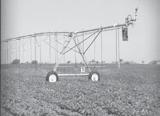
Copper wire is being stolen from electrically powered pivot systems world-wide. Many growers have resorted to 24-hour guards, razor wire, floodlights and daily disassembly to protect themselves. T-L’s hydraulically powered pivot systems can be designed with little or no wire to steal. Stop theft and discover T-L’s reliability, simplicity and low maintenance cost. T-L irrigation systems are easier on you - for
USED IRRIGATION PIVOTS FOR SALE, www.zimmag.com Irrigation systems are COMPLETE with custom sprinkler package, SORTED, BUNDLED and ready to ship ● 2021 Zimmatic 8500 7 tower 1,297’ ● 2020 Zimmatic 8500 7 tower 1,297’
Has butterfat production begun to outpace consumer demand?
stated the AMS authors about the East Coast markets. “Cream availability is wide open in the central U.S. region. Cream volumes remain readily available in the West. Plenty of comfortably-priced contractual and spot cream loads continue to make their way into butterprocessing facilities.”
The Western region produces nearly one-half of the nation’s butter.
“Spot cream, the product discussed in the Western region report, is created when fluid milk processors skim cream to standardize pasteurized milk destined for beverage milk,” Geiger explains. “Spot cream also heads to tankers when cheesemakers manufacture low-fat cheeses like mozzarella or standardized milk for American-style cheese. There are other ways sweet cream gets generated, but those are among the largest sources.”
This sweet cream then makes its way to butter, ice cream, cream cheese and other dairy-processing facilities, Geiger continues.
“In recent years, sweet
cream prices pushed toward record highs as full-fat dairy products continued to grow in demand. As of late, it’s almost a buyer’s market on spot cream tankers,” he says.
When looking at spot butter markets on the CME, the $2.30 spot butter prices prevailing in mid-March are the lowest since January 2023. This would also indicate slowed demand, oversupply or a combination of both, Geiger says.
“However, when looking at markets, it’s important to take a long look at the situation. It wasn’t long ago butter prices rarely went over the two-dollar-per-pound range,” Geiger says. “It was only after January 2022 that butter prices trotted over the threedollars-per-pound range on three separate occasions.”
Increasing demand pulls in more butterfat
There are multiple ways to measure demand for butterfat.
U.S. dairy farm milk production has grown about 35 percent since 2000. Meanwhile, butterfat production has jumped 55 percent, Geiger notes.
“Cheese has been a big benefactor,” Geiger says.
“On a milk-fat basis, cheese moved from absorbing 37.7 percent of farmgate milk to 42.2 percent. The story is the same for butter, as the category grew from 16.3 percent to 18 percent from 2020-23.”
“Ultimately, this means consumers are purchasing more dairy fats,” he continues. “Of course, this is a historical perspective and some could argue the market simply cannot absorb all of the new butter coming from our dairy farms.”
In 2024, the U.S. produced a record 2.2 billion pounds of butter. Despite this record production, U.S. buttermakers are not filling domestic demand.
According to USDA’s Economic Research Service, imported butter and anhydrous milk fat production was at 10.2 million pounds in 2010, 52.2 million pounds in 2016, 100.5 million pounds in 2021 and 172.6 million pounds in 2024. Each year represents another record set.
“The 2024 data is the most compelling, as it repre-
sented 72 percent growth for imported butter and anhydrous milk fat from the prior year that posted 118.5 million pounds of imported products and ingredients,” Geiger says.
“Of the imported butterfat, about 65 percent came from Ireland. This butter is 82 percent butterfat and offers more appeal to those making lamented dough for French pastries and other high-end croissants,” he continues. “The product demand represents new opportunity for American buttermakers.”
Underserved butterfat markets
Aside from record levels of imported butter, there are signs the U.S. hasn’t been producing enough butterfat for its international customers who purchase about 16 percent of the U.S. milk supply as dairy products and ingredients, Geiger says.
“In 2011, the U.S. exported 4.6 percent of its milk production when measured on a milk-fat basis, meaning the butterfat was still in the product,” he explains.
“This number barely moved as the most recent data indi-
cates America exports 4.7 percent of its milk production on a milk-fat basis.”
Meanwhile, the U.S. exported 16.6 percent of its milk production on a skimsolids basis back in 2011. Skims solids means manufacturers skimmed off the butterfat and kept the product for domestic market needs.
Fast-forward to the present and the U.S. exports 22.1 percent of its milk production on a skim-solids basis.
“All of these metrics point to this fact – while butterfat and spot cream markets have ample supplies now, January milk typically has the highest butterfat levels for the year. Even though butterfat and sweet cream prices might be soft right now, the long-term trend for more full-fat products remains on course,” Geiger explains.
“The demand for milk components – butterfat and protein – should be strong for the years to come.”
Fran O’Leary is the senior editor of the Wisconsin Agriculturist. This article was originally published in the Wisconsin Agriculturist on March 17.
CBB analyzes attitudes toward and impacts of the Beef Checkoff in annual report
As part of its 2024 Impact Report, the Cattlemen’s Beef Board (CBB) published information on producer attitudes toward the checkoff, consumer behaviors at the meat counter and findings from an independent economic impact study conducted over the most recent fiveyear period.
Overall, the evaluation found positive attitudes and behaviors in producers and consumers alike and multiple positive economic impacts as a result of the Beef Checkoff’s demanddriving activities.
Producer attitudes
According to CBB, over one-half of the producers surveyed are happy with work being done by the Beef Checkoff, with 74 percent indicating they believe the checkoff has contributed to positive trends in consumer beef demand and 59 percent who said they trust the Beef Checkoff is being managed well.
CBB used the report to ask producers how they prefer their dollars to be invested, and the majority of those surveyed mentioned educational efforts in their answers.
Seventy-two percent noted they would like to see money go toward education about eating beef over other proteins, 65 percent said
they wanted money to go to education regarding the benefits of beef and 57 percent said they would like their money to be spent on addressing misinformation spread by anti-ag groups.
Another 57 percent said they wanted their dollars to be used to influence consumer confidence in beef, 55 percent said they would like to see money go toward the advertisement and promotion of beef and 46 percent said they wanted more promotion of U.S. beef in foreign markets.
Consumer behaviors
CBB also conducted a survey to understand how consumers feel about the beef industry in general and what drives their decisions in the grocery store.
The survey found slightly more consumers –86 percent – consider taste when choosing a protein source to take home, while 70 percent consider how their food is raised.
Of the 86 percent who indicated taste, 57 percent ranked beef as their top choice over other proteins, and of the 70 percent who consider how their food is raised, only 26 percent actively alter their shopping behavior based on sustainability claims.
CBB found animal welfare remains the top concern for consumers regard-
ing how cattle are raised, with 27 percent citing this as a primary issue.
The survey also found people are spending more time in the grocery store following the COVID-19 pandemic, as online grocery ordering declined from 67 percent in 2020 to 59 percent in 2024.
In response to inflation, 37 percent of consumers are seeking deals and coupons more frequently, 36 percent are dining out less, 28 percent are finding more ways to use leftovers and 27 percent are stocking up or freezing food items more often.
Additionally, 52 percent of consumers indicated they use recipes at least weekly, 52 percent noted they prioritize budget-friendly options, 49 percent said they consider cooking time when purchasing groceries and 60 percent indicated they are drawn to recipes with appealing imagery.
Consumers also shared the top three reasons they plan to eat beef more often in the future are taste, more time spent grilling and because beef is quick and easy to prepare.
Return on investment study
In an effort to understand the impact of the Beef Checkoff, in terms of addi-
Big Country Genetics Bull Sale
Development Program
Developed in large pastures of 150+ acres, fed long stem hay, Muggli Brothers cake and Bio-Reg tubs. NO corn, distillers grain or silage. There’s no need to worry about transitioning their diet from a feedlot fat cattle ration that most of today’s seedstock bulls are fed. Kick them on grass and watch them breed everything in sight!
To read the Cattlemen’s Beef Board and Beef Checkoff 2024 Impact Report in its entirety, visit beefboard.org/wp-content/ uploads/2025/02/BeefCheckoff_2024-Impact-Report.pdf.
tional benefits and industry returns, a market simulation model was used to calculate an average return on investment (ROI).
“For this study, average ROI measured the incremental financial impact to producers and importers for each one dollar invested in national Beef Checkoff demand-driving activities,” CBB explains.
Overall, the study found the Beef Checkoff had a positive impact on beef demand in the U.S., compared to what it would have been in the checkoff’s absence.
“Had there not been any national Beef Checkoff demand-driven activities over the most recent fiveyear period, total domestic beef demand would have been 2.4 billion pounds lower per year than actual results,” the report reads.
The checkoff also had a positive impact on beef exports from 2019-23, with the study finding U.S. beef export demand at 372 million pounds lower per year than actual results.
Additionally, the ROI study found, without the checkoff, the price of steers
would have been 7.8 percent lower per year than actual results, and checkoff-related money invested in domestic and export demand-driving activities from 2019-23 resulted in a total financial impact of $13.41 paid back to producers and importers who buy into the program. Broader economic impacts
At the end of the fiveyear period analyzed in the ROI study, CBB used a macroeconomic input-output model to analyze the broader economic impacts of the Beef Checkoff on employment, labor income, value-added returns, gross domestic product (GDP) and tax revenue in 2023.
“The percentages for domestic beef demand –8.5 percent – and U.S. beef exports – 11.5 percent –were used to calculate the national Beef Checkoff’s contribution to the incremental increase in total revenue to the beef industry,” explains CBB.
“Applying these percentages indicated the direct effect of the national Beef Checkoff added an incremental $3.3 billion to
the beef industry in 2023,” CBB adds. “The 3.3 billion incremental amount was achieved by higher domestic sales volume, at 8.5 percent, and higher export volume, at 11.5 percent, due to national Beef Checkoff domestic and export demand-driving activities.”
CBB’s analysis also found the Beef Checkoff had positive indirect effects on the economy as well.
According to the report, the checkoff increased U.S. employment by almost 47,000 people, employment income by $2 billion, total value-added returns by $4.1 billion and the U.S. GDP by $9.5 billion.
In addition, the checkoff also increased tax revenue at the federal, state and local levels in 2023, amounting to $34 million in county tax revenue, $205 million in state tax revenue and $504 million in federal tax revenue, for a grand total of $743 million in total tax revenue.
Hannah Bugas is the managing editor of the Wyoming Livestock Roundup. Send comments on this article to roundup@ wylr.net.
Our 2025 sale will launch a planned three-year cow herd dispersal. The cow herd has been intentionally developed over decades to emphasize maternal traits: extremely functional, fertile and efficient. Maddux Cattle Co. is a birth to harvest cow-calf operation with decades of selection for longevity, efficient gain and carcass value.
If you are considering rebuilding your cow herd with proven, maternal excellence, we encourage you to take advantage of the generational development and volume offering of this herd. The cattle will continue to graze in the Sandhills and can be viewed prior to the sale with advanced notice.
Consumers may have noticed the cost of chicken meat has not climbed in relation to soaring egg prices amid production losses due to highly pathogenic avian influenza (HPAI).
Texas A&M AgriLife Extension Service experts say several factors make meat production broiler farms more resilient to outbreaks, keeping prices relatively stable.
Chicken meat prices versus eggs
Dr. Greg Archer, AgriLife Extension poultry specialist and associate pro-
fessor in the Texas A&M Department of Poultry Science, said HPAI outbreaks in broiler houses have not impacted meat prices for a few reasons.
Broiler chickens that end up in grocery stores and on restaurant menus are produced in five- to seven-week cycles. Compared to egg-laying hens, which can be in production for years, broiler chickens have a much shorter window of time to potentially be exposed to the pathogen causing avian influenza.
Broiler farms also hold
fewer birds, he said. Farms typically consist of four to six production houses which may hold 40,000 birds. This means any outbreak could impact 160,000 to 240,000 birds, whereas a commercial egg production farm might house over one million birds.
It also takes broiler farms much less time to resume production after an outbreak, Archer noted.
Following an outbreak, the production houses are cleaned, sanitized and monitored to ensure the pathogen is not present
on the farm. This process could take a few months, and the farm could then begin the production cycle. It could take six months for a commercial egg farm to resume production and even longer to reach full capacity, he said.
“The impact on chicken meat just hasn’t showed up in the grocery store and people’s pocketbooks so far because of the nature of the poultry industry,” he said. “HPAI is impacting farms and farmers, but it would take widespread outbreaks to impact pro-
duction and supplies.”
Chicken production keeps prices stable
Dr. David Anderson, AgriLife Extension economist and professor in the Texas A&M Department of Agricultural Economics, said chicken prices have gone up year-overyear, but production has not been the reason.
“It comes down to the scale of losses within the context of production,” he said. “We’ve had outbreaks at broiler farms, but it’s relatively small compared to the number of chickens in production.”
For perspective, U.S. broiler farms produced 796 million chickens in January. The U.S. Department of Agriculture January livestock report showed around 2.2 million broilers were lost to HPAI in December.
Wholesale boneless, skinless chicken breasts are higher at $1.75 per pound, compared to $1.26 per pound this time last year, Anderson said.
Another factor weighing on chicken prices is the demand for different production weights for grocer and restaurant markets, Anderson said. Restaurants serving chicken sandwiches want breast cuts specific to the product they serve, and regional farms
SALE
may be contracted to meet this demand.
Anderson believes the slight increase is related to a combination of demand dynamics and chicken’s competitive price in relation to beef, alongside a historical upward seasonal price trend in the spring and summer.
“It’s interesting what chicken offerings from chain restaurants have done to the poultry market over the past 10 years,” he said. “If they roll out something new or special, it can be a market-moving event because there is so much volume.”
Uncertainty still ahead Anderson and Archer said the U.S. poultry industry may still face significant challenges before warmer temperatures end the HPAI season.
HPAI strains continue to be found in migratory birds and other species, including dairy cattle.
Egg production flocks dropped to 291.5 million birds as of Feb.1, compared to 304.1 million on Jan. 1, Anderson said. He expects to see similar losses in the March 1 report.
Adam Russell is a communications specialist for Texas A&M AgriLife. This article was originally published by AgriLifeToday on March 6.
Green Mountain Angus Ranch Annual Spring Bull Sale
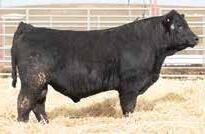
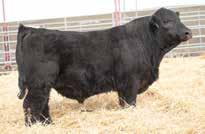
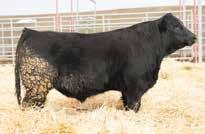
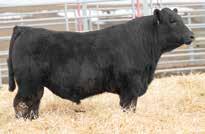
Reported By: Curt Cox, WYLR Field Editor March 14, 2025 Public Auction Yards, Billings, Mont. Auctioneer: Roger Jacobs 103 Yearling Angus Bulls Avg. $6,887 24 Two-Year-Old Angus Bulls Avg. $7,833
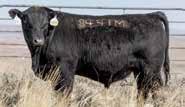
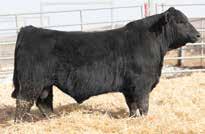
DOB: 5/1/23 Sire: Connealy Commerce Dam’s Sire: Huwa Full Disclosure EPDs: BW: +1.9, WW: +89, YW: +152 and Milk: +28 Buyer: Bill Tierny, Billings, Mont.
Lot 126 – RAR Sunbeam 3095 – Price: $9,500
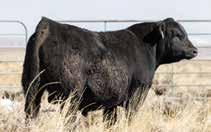
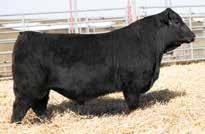
DOB: 4/27/23 Sire: G A R Sunbeam Dam’s Sire: Huwa Full Disclosure EPDs: BW: +1.7, WW: +80, YW: +139 and Milk: +27 Buyer: Jackson Ranch, White Sulphur Springs, Mont.
Lot 134 – RAR Commerce 3142 – Price: $9,500
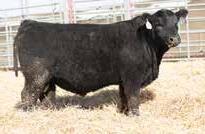
DOB: 5/22/23 Sire: Connealy Commerce Dam’s Sire: Huwa Full Disclosure EPDs: BW: +2.3, WW: +92, YW: +160 and Milk: +26 Buyer: Bill Tierny, Billings, Mont.