PINK CONNE ION

8 Issue 4: May- July ‘22
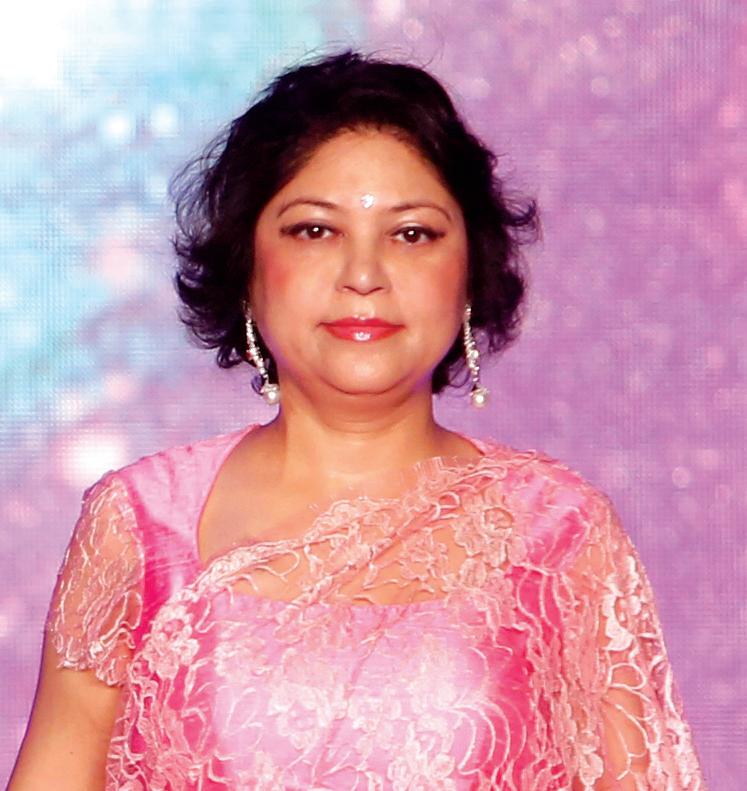
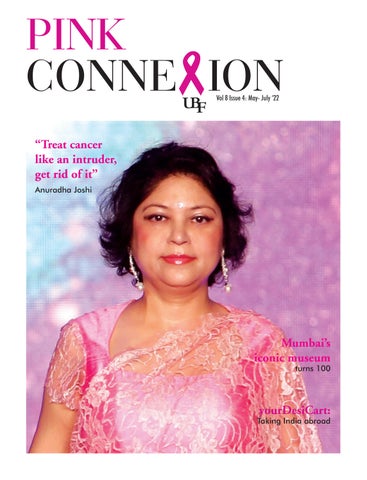
“Treat cancer like an intruder, get rid of it”
Anuradha Joshi
8 Issue 4: May- July ‘22
“Treat cancer like an intruder, get rid of it”
WWhen the Hindi writer, Geetanjali Shree’s work of fiction, Tomb of Sand, translated from Hindi got shortlisted for the International Booker Prize, many were overjoyed that an Indian had made it to the list. Importantly, we were glad that in a world where English writing dominates the literary scene the world over, the panel found a Hindi novel worthy of its attention.
Increasingly in a polarised world, we need to hear voices from everywhere, in languages that may be obscure or even dying. This is because language holds the key to a people’s mind and culture. We, in India, especially tend to focus on English alone to the detriment of local languages. In our efforts to imbibe a western culture, many of us do not talk to our children in our mother tongues, be it Telugu or Tamil. A generation from now, our mother tongues will be forgotten, and this will truly be a huge loss.
What if the Telugu language, with its poems and its lore, its culture, a way of life that came to us from our grandparents and those before them, just dies out?
Not just language, but we need to hear different opinions and ideas, especially those that are different from ours. India must remain a multi-lingual country with different people of different faiths finding respect here.
On another note it’s a matter of great pride, that Dr Raghu Ram, recently went to London, where he was conferred the OBE, one of the youngest surgeons of Indian origin in over 100 years to be conferred the award! All that we can say is, more power to the good doctor.
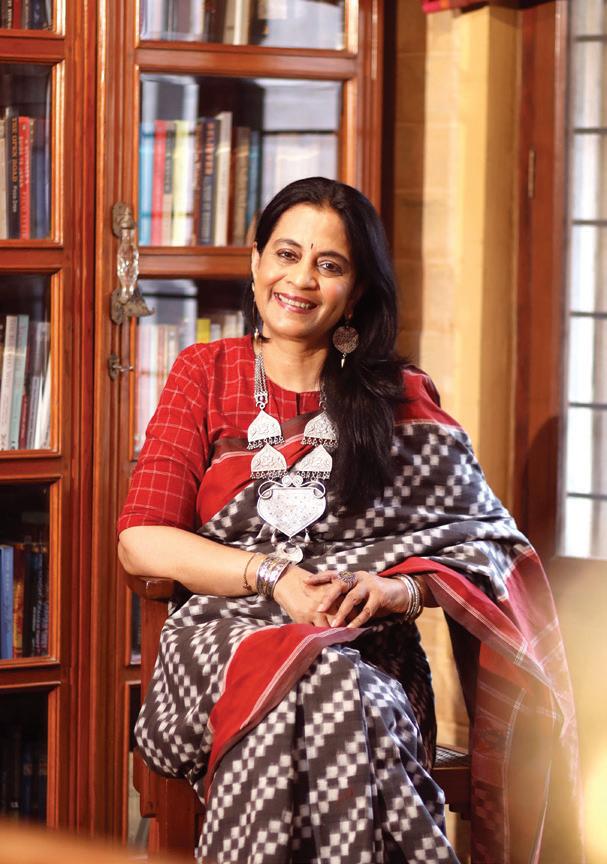
Ratna Rao Shekar
CANCER CONQUEROR
Hyderabad-based lawyer Anuradha Joshi tells her story of how she overcame a bad phase in her life and beat cancer to lead a normal life
INNOVATORS
Meet the mother-daughter duo, who buy anything from lehengas to pedas for NRIs and ships it out to them, through their enterprise ‘yourDesiCart’
HERITAGE
Pink visits Mumbai’s famed Chhatrapati Shivaji Maharaj Vastu Sangrahalaya (Prince of Wales Museum), and finds it is not only a storehouse of relics but also a centre for research
MY VIEW
In his quarterly column, Dr Raghu Ram focusses on breast awareness gaining acceptance the world over and explains the basics of being breast aware
UBF DIARY
A summary of the events and happenings this quarter at the Ushalakshmi Breast Cancer Foundation


EDITOR
Ratna Rao Shekar
CONTRIBUTORS
Minal Khona
Mallik Thatipalli
Nivedita Choudhuri
DESIGN
Malvika Mehra
COPY EDITOR
Kavitha Shanmugam
PUBLISHED BY Ushalakshmi Breast Cancer Foundation
PRINTED AT
Kala Jyothi Process Pvt. Ltd.
1-1-60/5, RTC Cross Roads Musheerabad Hyderabad - 500 020
KIMS-USHALAKSHMI
Centre for Breast Diseases
Krishna Institute of Medical Sciences, Minister Road, Secunderabad - 500 003


+91-91009 03781
ubfhyderabad@gmail.com
www.breastcancerindia.org
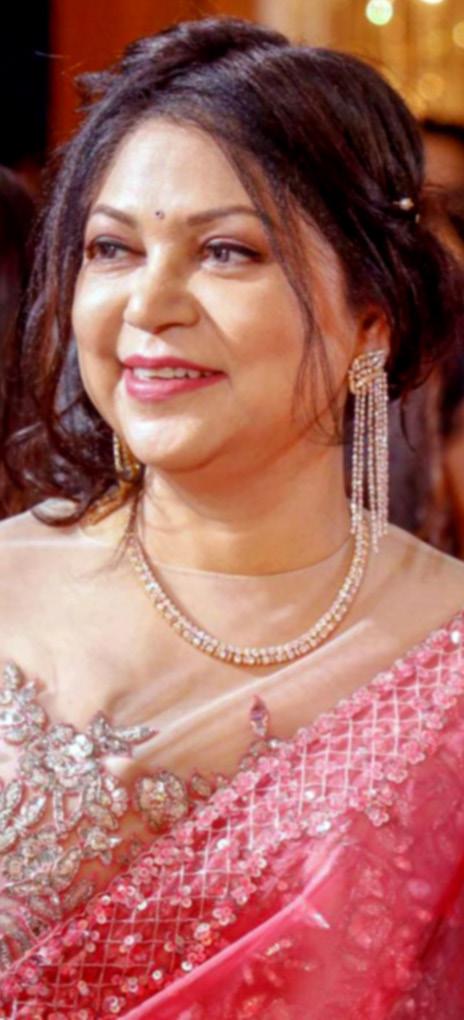
Regular health checkups are a must, but there is no guarantee that this will prevent you from getting cancer as Anuradha Joshi discovered. Despite taking reasonable precautions, she was diagnosed with breast cancer.
However, a positive attitude and an indomitable spirit helped her to fight the disease. She is grateful that we live in a time when cancer is treatable. Minal Khona meets the courageous Hyderabad-based lawyer who shares her story of survival
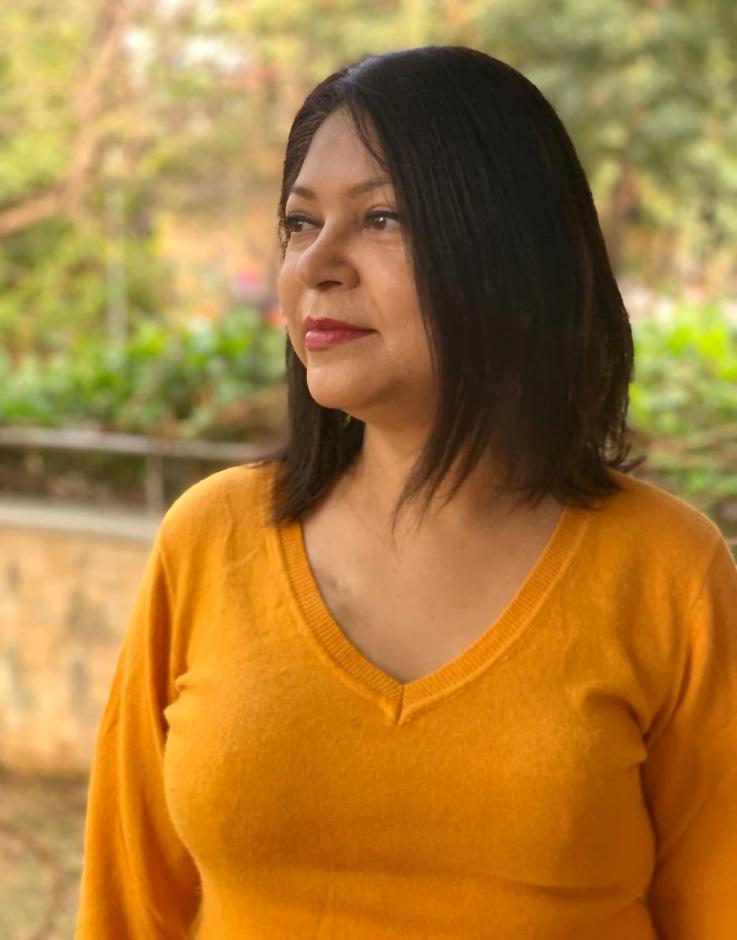
Hyderabad-based lawyer Anuradha Joshi, who was diagnosed with cancer at 51 years, has this advice to give at the outset. “The key to saving your life is early detection of cancer and so regular screening is a must,” she cautions. After she turned forty, Anuradha regularly did self-examinations and religiously got a mammogram done every year.
She confesses however that she was not aware that a sonogram was also to be done along with a mammogram. “This I realised later. Ladies, please do get screened regularly, as the key to saving your life is early detection,” stresses Anuradha.
In her case, around mid-2014, while she was going through a routine physical breast examination, her gynaecologist suggested that she also get a mammogram done. She reminisces, “Somehow, I failed to get it done at that time. Two months later, I felt a hard lump in my left armpit when I woke up in the morning. This was on October 18, 2014. I told my husband about it and he also felt a discernible lump and asked me to see a doctor immediately.”
Anuradha went to see the gynaecologist the same day. She remembers, “As I passed the Indo-American Cancer Institute that day, where you can always spot hordes of people, I prayed to God to bless them all and make it easier for them. Not once did it occur to me to pray, I don’t ever get cancer. Being apprehensive about my lump and in a completely numb state of mind, I went to the doctor who had physically examined me just a couple of months back.”
After the doctor checked her and went through the notes of her previous diagnosis, her expression revealed to Anuradha that
something was amiss. “I hoped against hope that things would be fine. I was taken out of the queue for the mammogram. The radiologist called her colleague and started to point out something. From their conversation, I realised something was really very wrong. Then, I was asked to undergo a biopsy,” she recounts.
After the test, they had to wait for the results. Anuradha remembers that fateful night when they were all huddled in a room. “A few hours into the night, I heard my mother quietly sobbing into her pillow. I assured her that I was going to fight it, whatever the outcome. I had two options—one, to get dejected and surrender to my fate—and the other was to turn around and fight back. I felt like a deer being chased by a tiger,” she says.
Since her husband, SK Joshi, who was the chief secretary of Telangana at that time, knew Dr Raghu Ram personally and knew about his competence, he suggested they consult him. Anuradha and her husband went to meet Dr Raghu Ram at KIMS-USHALAKSHMI Centre for Breast Diseases. She narrates, “He was scheduled to travel to New York that weekend to deliver a keynote address. But, he immediately took charge of the situation and didn’t waste even a single day. He spent a lot of time counselling me and my family,
explaining the different treatment options available in detail. He outlined the difference between mastectomy and lumpectomy and told me that I was perfectly suitable to have lumpectomy along with removing the lymph nodes from my armpit.”
A few hours into the night, I heard my mother quietly sobbing into her pillow. I assured her that I was going to fight it, whatever the outcome. I had two options – one, to get dejected and surrender to my fate – and the other was to turn around and fight back. I felt like a deer being chased by a tiger
“By utilising oncoplastic surgical skills (which means combining oncology and plastic surgery principles), Dr Raghu Ram said that there would not be any defect in the breast following a lumpectomy and that it was possible to achieve an excellent cosmetic outcome,” she says.
Understandably, panic and fear made Anuradha and her family opt for a mastectomy as bigger the clearance of the area around the lump, the safer one would feel. “Dr Raghu Ram however reiterated that this is necessarily not the best option. This was corroborated by our extensive search on the Internet. Through his excellent counselling skills, he convinced me to opt for lumpectomy and removal of lymph nodes in the armpit,” says Anuradha.
Anuradha’s surgery was scheduled on Diwali day (October 23, 2014). Her daughter Rhea drove her to the hospital. She remembers that before being wheeled into the operation theatre, she told her family that she took full responsibility of opting for a lumpectomy and no matter what happened, none of her family members should carry the guilt of the consequences.
“In a lighter vein, I also told my husband that it is not going to be so easy for him to get rid of me, as I intend to hound him for life, as promised at the time of our wedding vows,” she shares.
She is able to treat it in a light-hearted manner now but at that time Anuradha had to summon all her emotional, physical and spiritual strength to deal with the cancer. “It was a tough journey, no doubt. My family stood by me like a solid rock; without them I would not have been able to withstand the trauma. My husband, mother, daughter and my brothers, all of them helped me to be strong,” she says.
As expected, the surgery went well. She recounts, “Raghu Ram performed the surgery in a copybook style. Post-surgery, I had only minimal discomfort and quickly recovered. A few hours after the surgery, as per instructions from Dr Raghu Ram, the nursing staff got rid of my hospital gown, made me wear my homewear and removed the IV line. This made me feel very comfortable giving me a sort of home-away-from-home feeling.”
Post the surgery, I had only minimal discomfort and quickly recovered. A few hours after surgery, as per standard instructions from Dr Raghu Ram, the nursing staff got rid of my hospital gown, made me wear my home clothes and removed the IV line…
In fact, friends who had visited her in the hospital in the evening were surprised to see her walking around. “They joked and laughed stating that they came expecting me to be feeling low and in bed, but instead there I was, walking around and chatting with the staff of KIMS Hospitals. On the very next day, Dr Raghu Ram sent me home after getting me to do some basic exercises to mobilise my arm,” she remembers.
Anuradha also counts Dr Raghu Ram’s team as part of her support system. “I would like to say here that along with Dr Raghu Ram, his entire team of nurses and other supporting staff were really good and caring,” she says. She was pleasantly surprised when the bandage came off on the 10th
day. “Although the lump and breast tissue surrounding it had been removed, there was no defect in the breast. The end result, as assured by Dr Raghu Ram prior to surgery, was a neat and clean job. It was way better than what I had seen on the Internet,” she adds.
Chemotherapy followed and when her hair started to fall, her daughter shaved off Anuradha’s hair, so she wouldn’t be further traumatised on that account. This cancer survivor was determined to stay positive throughout.
“Just like you clean your house during Diwali, I had cleared my body of the cancer on the day of Diwali in 2014. Since my cancer was an aggressive one even though it was detected at a reasonably early stage, the chemotherapy treatment prescribed for me too was aggressive and targeted,” she says.
Chemo is never kind to anyone, despite all the advances in medicines. Anuradha’s case was no different. “My first chemo
My first chemo session was on November 11, 2014. It was quite tough on me. Subsequent sessions were also not easy to tolerate. I will not deny that it was a very tough journey for me physically, emotionally and vanity wise but I would still say that life is beautiful,” she points out.
session was on November 11, 2014. It was quite tough on me. Subsequent sessions were also not easy to tolerate. I will not deny that it was a very tough journey for me physically, emotionally and vanity wise but I would still say that life is beautiful,” she points out.
Anuradha who is well aware of the growing menace of cancer is of the view that the root cause of cancer is due to the wide use of pesticides and insecticides in our foods. This is further abetted by the air, water and land pollution and other lifestyle and environmental influences. Dietary changes, organically sourced food, regular meditation and exercise are a must in everyone’s life, she believes.
She vociferously vouches for regular check-ups and to be alert. “The incremental percentage of people suffering from cancer is scary. I recommend everyone to stay positive, eat healthy and if you still get it, treat the disease like an intruder in your home and do what you can to get rid of it,” she advises.
However, Anuradha shares an insight that is relevant to all cancer survivors. “I am much more than a cancer survivor. It was a bad phase in my life that is now behind me. When people associate me with only that fact of having beaten cancer and their voices carry an undertone of pity when they talk to me, it does not feel good. I now lead a normal life by the grace of God. Due to advances in modern medicine, cancer, though a dreadful disease, is still treatable,” she says.
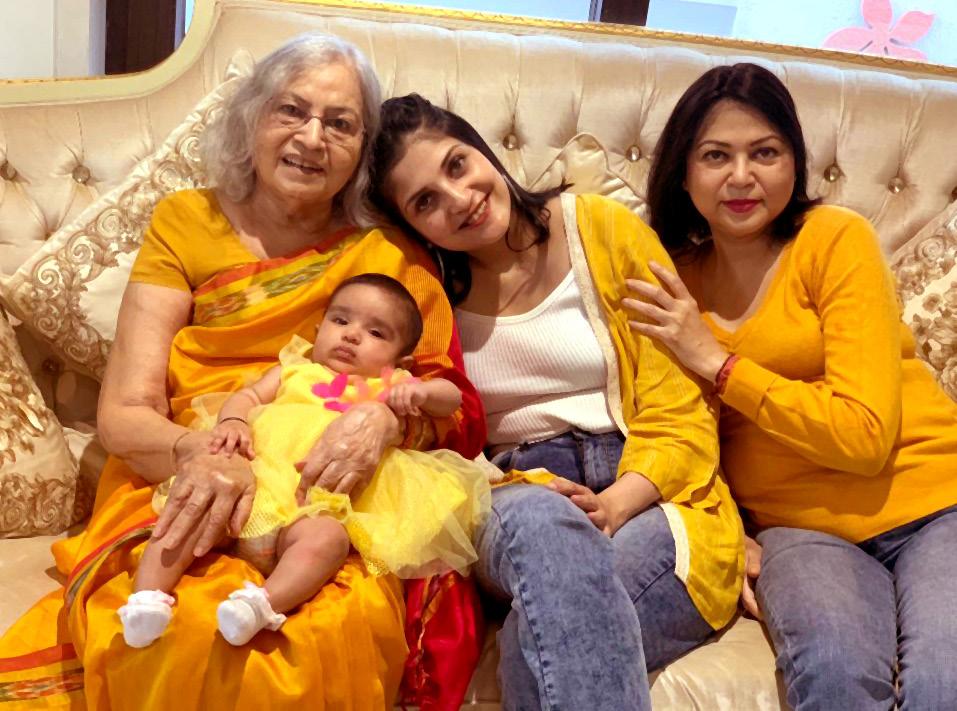
“Today, I am fine, I have a granddaughter now and I look forward to enjoying my time with her. I choose to live in the present and focus on the positive. I am glad we live in times where we can say that cancer is treatable and there is life ahead and beyond recovery,” she concludes.
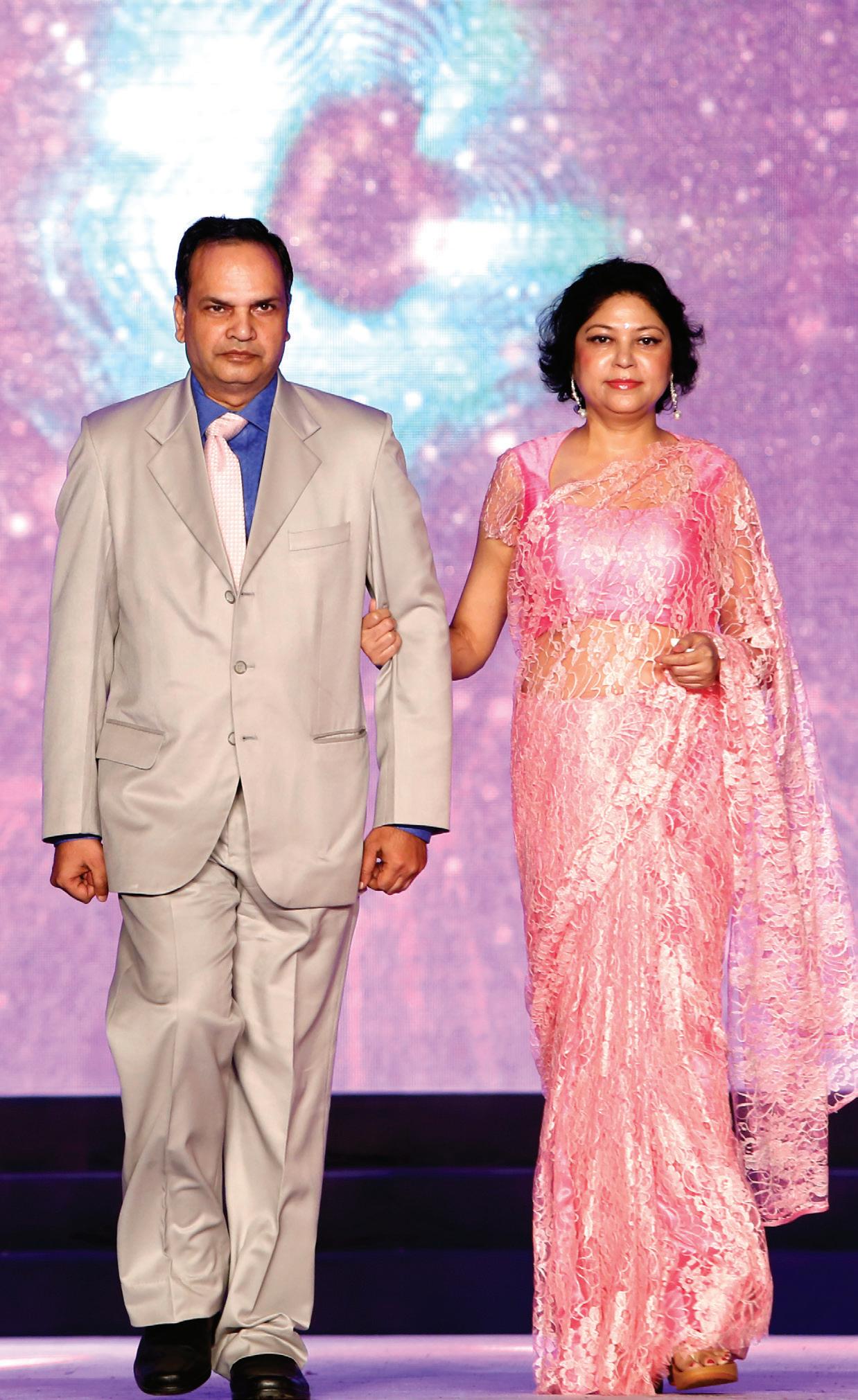
“ I commend Ushalakshmi Breast Cancer Foundation and its visionary founder, Dr Raghu Ram for his ‘out of the box’ innovative breast cancer advocacy initiatives for well over a decade. My husband and I participated in one such unique initiative. To mark the beginning of International Breast Cancer Awareness month in 2016, a fashion show was organised by the UBF to convey a poignant message. My husband and I walked the ramp alongside other breast cancer ‘conquerors’ and their spouses to underline the importance of support from the spouse, which is so crucial to win the ‘war’ against breast cancer”– Anuradha Joshi
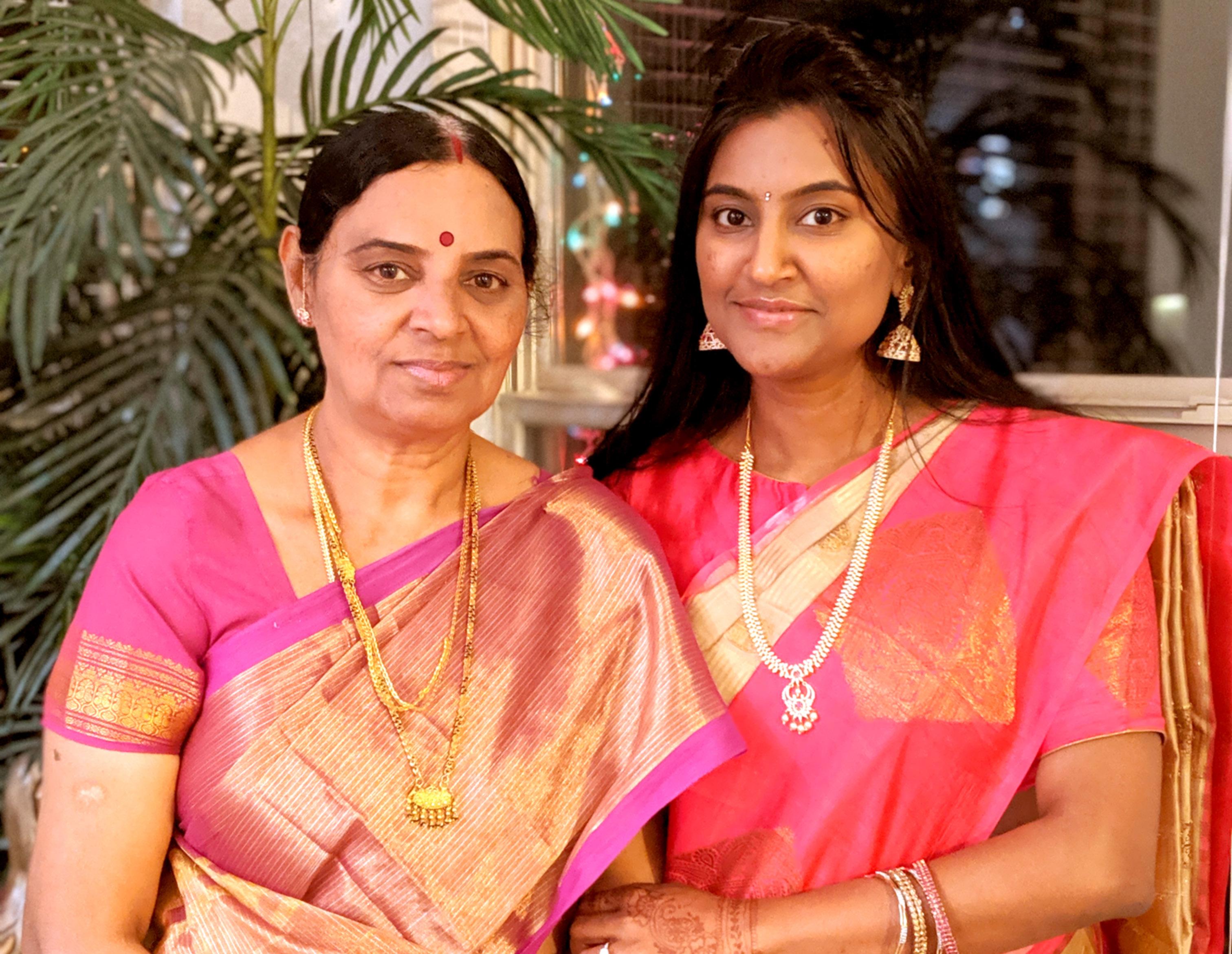
Hyderabad-based Dhatri and her daughter Satya Ayyagiri, a US resident, help NRIs to buy anything from lehengas to pedas and pickles from their hometowns and then ship it out to them. Their startup, yourDesiCart, runs a quality check on the items sent to international clients and pays attention to the packing as well.
Nivedita Choudhuri talks to the enterprising mother-daughter duo, who are behind this muchneeded service
Shipping a piano from India to USA is not a mean feat. A piano is a fragile instrument and moving it overseas in one piece is a herculean task. It also carries a lot of sentimental and financial value for its owner and that makes the shipping experience more stressful.
Until then, Hyderabad-based Dhatri Ayyagari (59) had, at the most, shipped homemade pickles, peanut chikkis and kaju katlis to daughter Satya (36) in America. However, Dhatri and her staff at homegrown shopping and parcel forwarding service ‘yourDesiCart’ rose to the occasion by not only ordering the piano from e-commerce company Amazon but ensuring it reached its recipient safely.
The start-up, yourDesiCart, is advertised by founders Dhatri and Satya Ayyagari as the ‘shopping friend from India’. Satya studied engineering in Nasik and moved
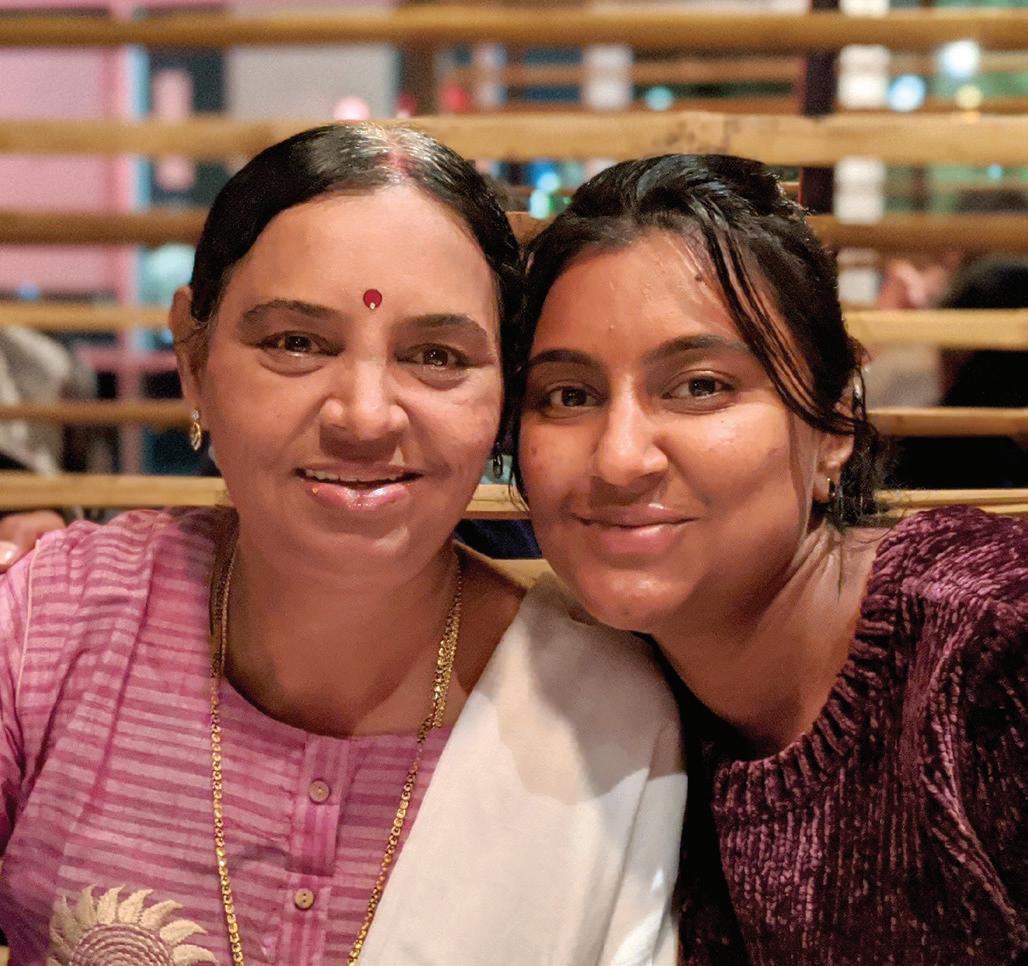
The enterprising mother-daughter duo help out homesick NRIs searching for Indian stuff
to Singapore in 2009. A few years later, she shifted base to America. For the last five years, she has been living in Austin, Texas with her husband and two-year-old daughter.
“I craved for chikkis, urad dal laddoos, pickles, chutneys, kaju katlis and bars of Cadbury Dairy Milk chocolate when I moved abroad. My mother used to send me boxes filled with sweets, savouries, and tailored blouses to wear with saris, when I shifted abroad. I never saw a business opportunity in this situation till October 2019, when I was five months pregnant,” recounts Satya.
Masalas, especially chhole masala from Delhi’s Sitaram Diwan Chand, turmeric, pickles and papads from Hyderabad’s famed sweet shop Vellanki foods, lehenga-cholis from Gujarat, herbs from Kerala and tailored garments are also incredibly popular among NRI clients
“I wanted jubbas and baby caps, matching outfits for the cradle ceremony and other ethnic fare. However, my mother was unwell, and was unable to ship anything out to me. In the USA, I could not get any of these items at affordable prices. If something cost around $500 in USA, the same item would be $150 in India,” she points out.
In the night, as she mulled over why it should be so challenging for NRIs to source products from India, Satya had a ‘lightbulb’ moment. She called her mother the next morning and asked her if she could arrange deliveries for other people like she had been doing for Satya all this while.
“My mother agreed wholeheartedly, and I quickly designed a Facebook page, as well as a website, by the evening to circulate our plan among friends and family in north America. Soon after, we got an order for health supplements from a pregnant woman in California,” recalls Satya.
Their eyart was born just before the pandemic. The lockdown, which happened without much warning, saw many NRI parents stuck in America. This meant that Satya and Dhatri received orders for medicines for diabetes and hypertension from children anxious about their aged parents living with them. Immediately, the duo engaged a third-party shipping service to fulfil the orders, she says.
“We also arranged for a tie-up with a physician to write prescriptions for the medicines to be sent. For the first 18 months, orders were placed on WhatsApp and users had to first register themselves on Google Sheets. Now, shoppers can place orders via a mobile app,” explains Satya.
And adds, “During the lockdown, we also received orders from clients based abroad for delivering medicines, groceries and other essential items to their aged parents living in India. Local people also made enquiries for the delivery of foodstuffs, etc., to their doorstep. We tied up with local logistics firms to fulfil these orders.”
This shopping and shipping platform currently delivers to customers in 220 countries around the globe including Australia, New Zealand, UK, Hong Kong, Malaysia, UAE, Mauritius, and Germany among others. Satya soon found after starting her business that third party shipping services were not the best. They were not very quick and turned out to be very expensive as well—a shipment of 10 kg to the UK or USA costing around Rs 9,000.
The items could not be tracked for the first three days after they were despatched and there would be additional problems if they were stuck in customs.
Satya decided to ensure the system ran more efficiently. She contacted logistics company DHL to provide courier services to overseas customers. Immediately, it become cheaper – now a shipment of 10 kg to USA costs around Rs 6,500.
“The infrastructure was not well developed even a few years ago. It would take me up to 15 days to receive an order in America. Shops in India don’t often ship to international clients. If they do, buyers end up spending a ridiculous amount of money for the smallest of purchases. yourDesiCart has been able to bridge that gap. I have now stopped bothering my mother and place my orders here,” declares Satya.
On her part, Dhatri hired women to inspect and pack the parcels to be shipped. She herself taught them the finer aspects of packaging and inspecting. At first, orders were delivered to their house.
Dhatri and her husband took care of the orders along with a few helpers at first. Then, they had to rent a warehouse as the business started to expand. Currently, yourDesiCart has 20 employees, and 80 per cent of them are women.

Says Dhatri, “Many of these women had never worked before, or at any rate not worked in a long time. Some had children and could only do flexitime. Some workers had lost their jobs in the lockdown. We feel pleased that we have been able to provide jobs to women, many are the only breadwinners in their families.”
The most frequently purchased items are artificial marigold flowers for puja and other puja supplies, saris, kurtas,
Download the app and get a yourDesiCart locker address to temporarily store purchases at a warehouse in Hyderabad. Then, make purchases from any store in India and ship to yourDesiCart locker
bedsheets, pattu pavadais and home décor items. Masalas, especially chhole masala from Delhi’s Sitaram Diwan Chand, turmeric, pickles and papads from Hyderabad’s famed sweet shop Vellanki foods, lehenga-cholis from Gujarat, herbs from Kerala and tailored garments are also incredibly popular among NRI clients.
Multani mitti and bhakarwadi from Pune’s Joshi Masala are the rage among some NRIs. Recently, doodh pedas from the Shirdi Sai Baba temple were also shipped abroad. Many goods are ordered from the likes of Flipkart, Myntra, Nykaa and Amazon.
Satya remembers delivering even a wedding kurta to a groom. They purchased the kurta on the groom’s behalf from a reputed shop that sells ethnic outfits for men.
“We made video calls to the client, and he was totally involved in selecting the kurta himself though he trusted us to make the purchase on his behalf. Then, we delivered a puja mandir which had to be wrapped very carefully in layers and layers of bubble wrap. My mother has very high standards when it comes to packing and she supervised the entire process thoroughly,” recounts Satya.
To get yourDesiCart to deliver at your doorstep, the app needs to be downloaded first. After which, you get a yourDesiCart
locker address to temporarily store purchases at a warehouse in Hyderabad. Any purchases that you make from any store in India must be shipped to yourDesiCart locker.
Buyers can even hire ‘personal shoppers’ to do the shopping on their behalf and avail of a tailoring service as well as a pickup service that allows packages to be collected from friends, family, and vendors. Domestic logistics companies such as Blue Dart and Delhivery do the local pick-ups.
‘Personal shoppers’ are especially useful when clients don’t have access to Indian phone numbers, which are often required for online purchases. These shoppers advise clients who may not be of Indian origin at all on what to buy and what will be suitable in terms of cost and quality.
The team at yourDesiCart next receives the purchases, checks them, and amalgamates them all into one parcel to save costs. The products are then shipped, and they usually reach the buyer within 3-7 days. According to yourdesicart.com, used items cannot be shipped. Only new items that are accompanied by receipts can be shipped. Homemade food can be shipped but it must be repackaged to meet international standards.
Buyers can even hire ‘personal shoppers’ to do the shopping on their behalf and avail of a tailoring service as well as a pick-up service that allows packages to be collected from friends, family, and vendors
This new-age platform makes use of social media and wordof-mouth publicity to attract new customers. While Satya juggles her business with managing her home and two-yearold daughter, Dhatri feels content spending time with her employees at the warehouse and sharing meals with them.
The duo is hoping to open warehouses in other metro cities so that more and more homesick NRIs can avail of ‘desi’ comforts on foreign shores.
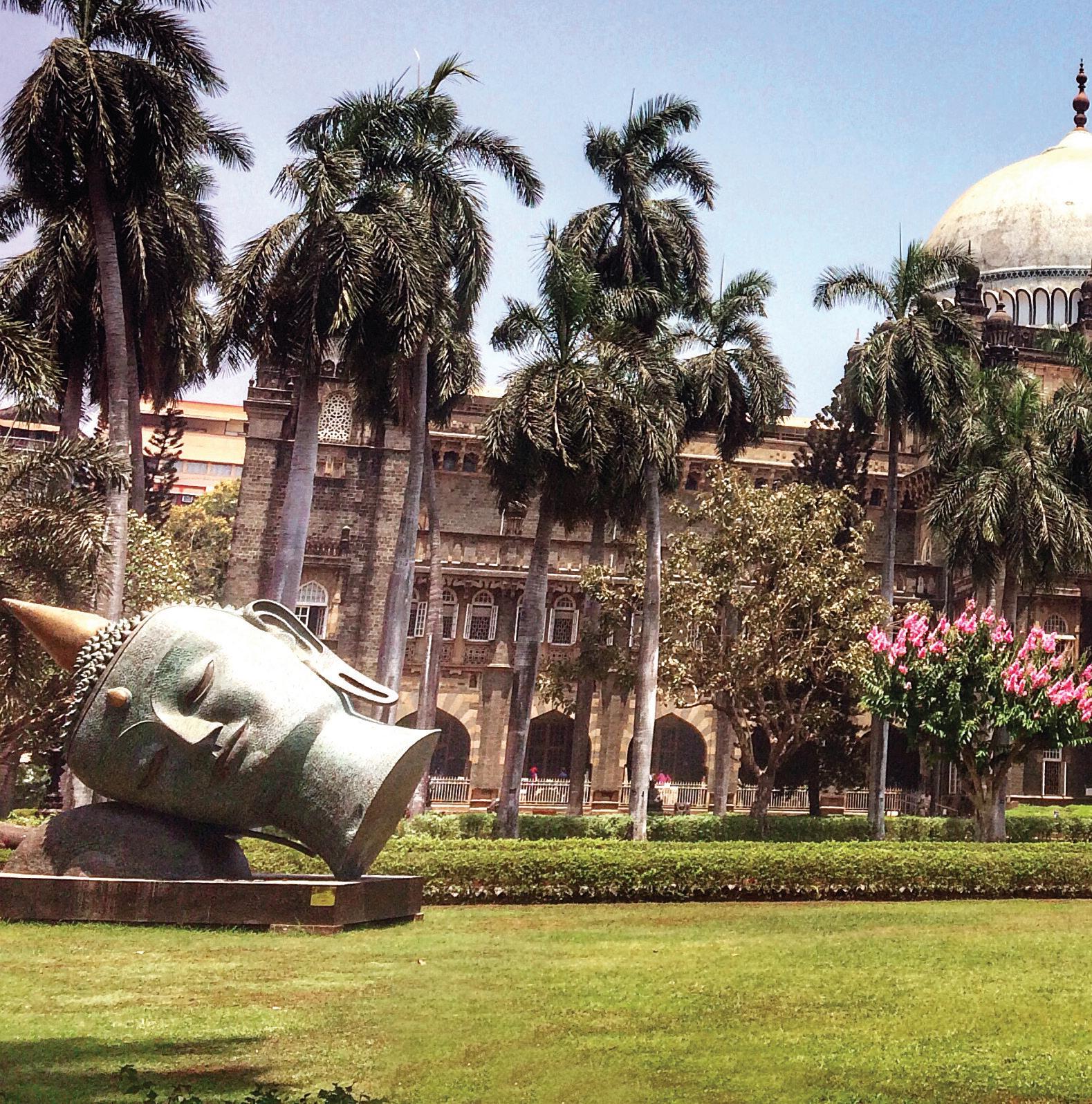
Mumbai’s iconic Chhatrapati Shivaji Maharaj Vastu Sangrahalaya, which turned 100 years old on January 10 this year, has opened to the public once again. The museum, which houses a staggering 70,000 objects, attracted lakhs of tourists and art historians before COVID-19 struck. Shut for more than a year and surviving precariously on patronage during the pandemic, the museum staff hope footfalls will rise once again in its centenary year.
Nivedita Choudhuri pays a tribute to the celebrated museum in Mumbai, which is worthy of the city.
Photos courtesy: Trustees, Chhatrapati Shivaji Maharaj Vastu Sangrahalaya, Mumbai
On August 14, 1904, a few leading residents of Bombay such as Sir Pherozeshah Mehta and Justice Chandavarkar met at the Town Hall. They decided to build a museum at Kala Ghoda to mark the visit of the Prince of Wales—later King George V—and gift the city a rich cultural legacy.
The Prince of Wales himself laid the foundation of the museum on November 11, 1905. Scottish architect George Wittet, known for the IndoSaracenic style of architecture, was chosen to design the building after an open competition in 1909. The museum is an excellent example of this architectural style, which includes features
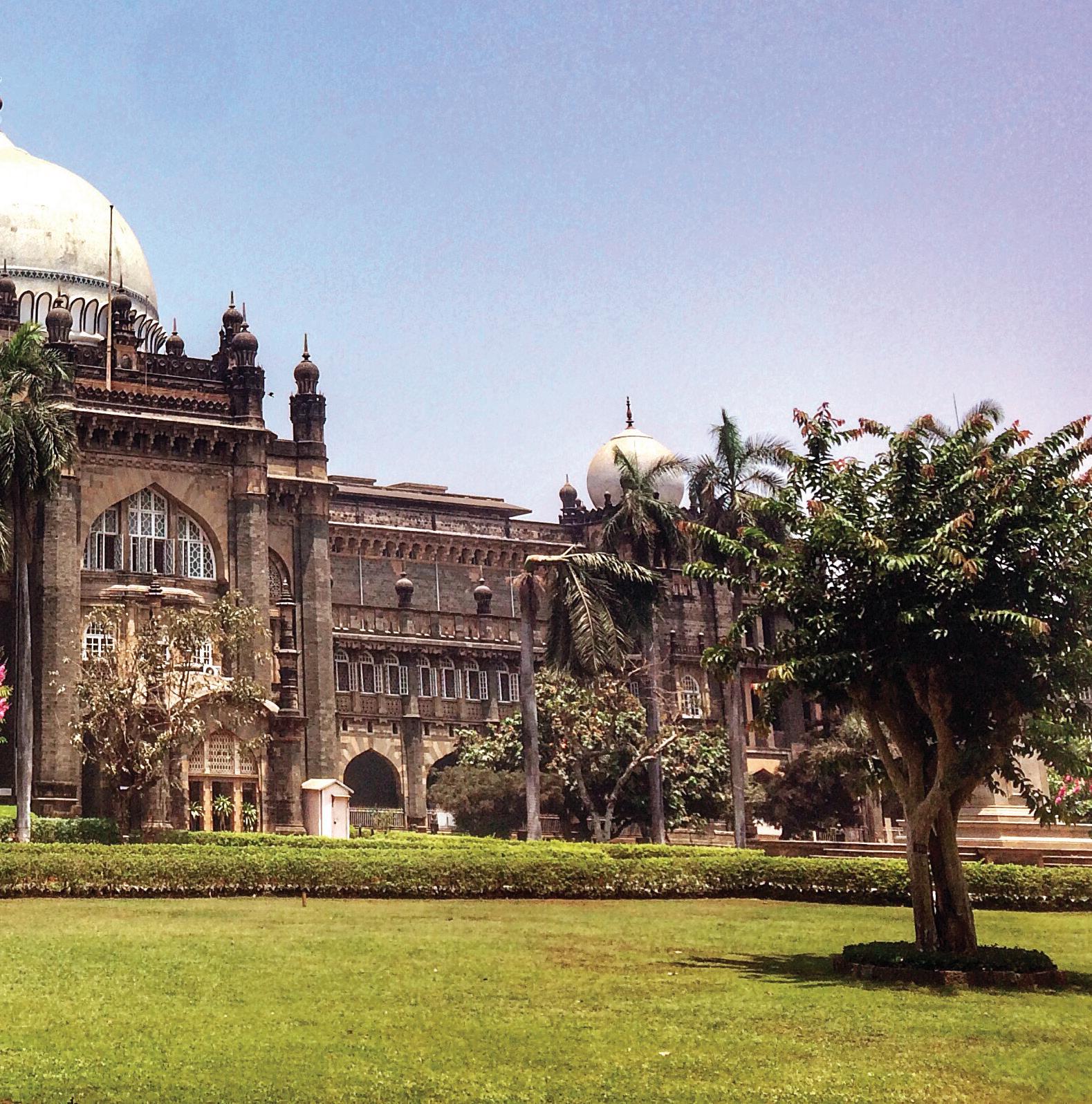
from Hindu, Saracenic, and western architecture. The dome was modelled on the Gol Gumbaz of Bijapur and the finials were inspired by the one at the Taj Mahal.
The Prince of Wales Museum in western India was built through public donations, and it served as a hospital during World War I. The museum was known as Lady Hardinge War Hospital from 1914 to 1918. Later, the building was used as a children’s welfare centre and a hospital during the Spanish influenza pandemic from 1918 to 1920.
It was formally opened to the public on January 10, 1922. In 2001, the museum was renamed as Chhatrapati Shivaji Maharaj Vastu Sangrahalaya (CSMVS).
To mark the museum’s centenary, several events have been planned to mark the centenary, says Manisha Nene, director, galleries and general administration, CSMVS in a conversation with Pink
The 1st centenary lecture was delivered by Neil MacGregor, art historian and former director of the British Museum. A series of workshops, conferences,
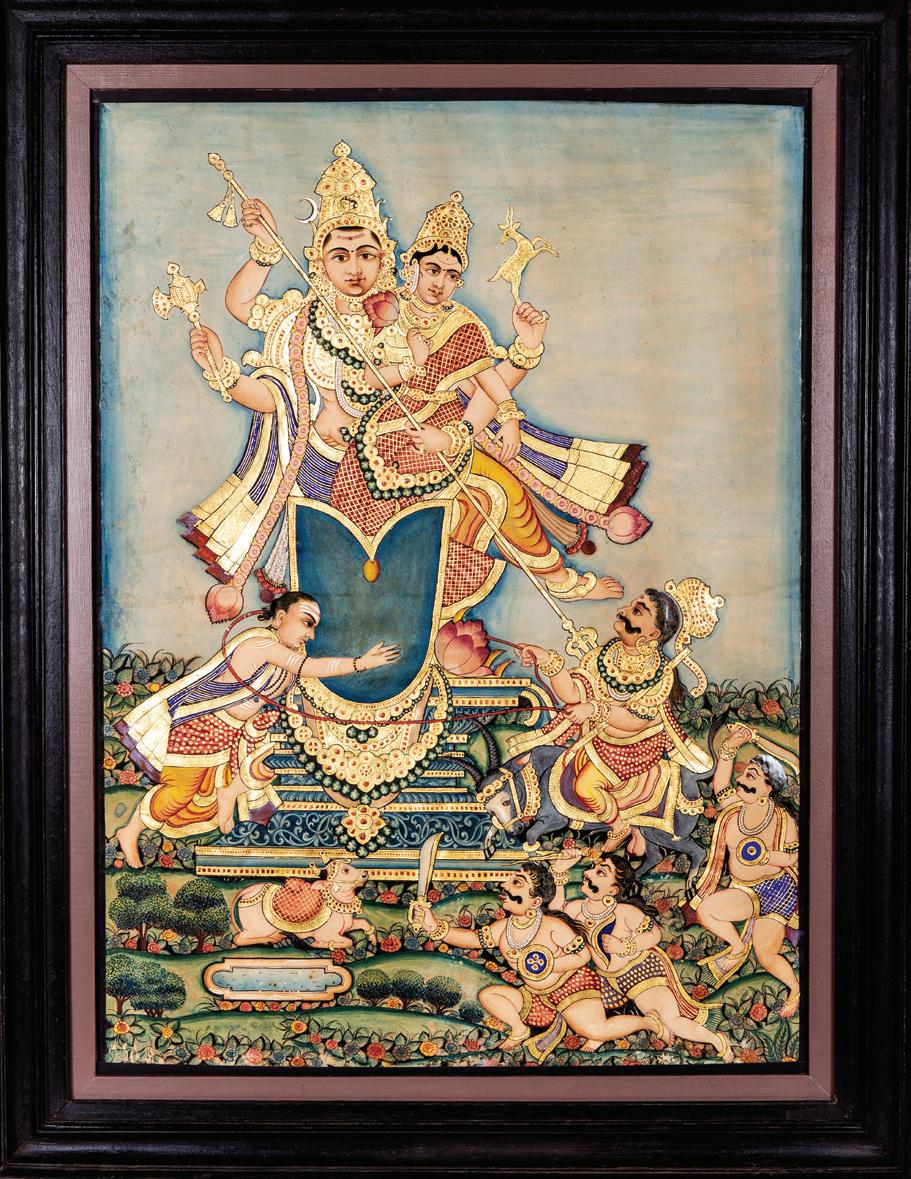
and other initiatives have been planned as well. A collection of Thanjavur paintings donated to the museum by Delhi-based art collector Kuldip Singh will also go on display.
Nene points out that even before the museum was formally opened, many individuals and institutions from Bombay gifted collections to the museum or gave them on permanent loan. “The first object came to the museum in 1906—it was a plaster cast of Buddha’s head created and donated by Lockwood Kipling, father of author Rudyard Kipling,” adds Nene.

The invaluable artefacts from the Buddhist site of Mirpurkhas, excavated by archaeologist Henry Cousens in 1909, are a key part of the museum’s collection, as is Seth Purushottam Mavji’s collection of miniatures and antiquities purchased in 1915 and relics acquired from the Archaeological Survey of India, she says.
Sir Ratan Tata’s vast collection housed at his residence in London was bequeathed to the museum in 1922. His wife, Nawaj Bai, helped bring the collection to Bombay. In 1933, the collection of Sir Dorab Tata, brother of Sir Ratan Tata, also came to the museum. The Tata collection comprises Indian antiquities such as textiles, arms, bronzes, and paintings as well as European, east Asian, and south-east Asian art.
“The Tata collections also complete 100 years in 2022 and the museum has planned an exhibition dedicated to the collection,” said Nene.
Further, Nene says that one of the major highlights of the museum is the 1804 neo-classical oil painting L’épée of Damocles (Sword of Damocles) by French artist Antoine Dubost. This was gifted to CSMVS as part of the Ratan Tata collection. In fact, a few years ago, it was restored in collaboration with The Courtauld Institute of Art, London.
The museum was known as Lady Hardinge War Hospital from 1914 to 1918. Later, the building was used as a children’s welfare centre and a hospital during the Spanish influenza pandemic from 1918 to 1920
The UNESCO World Heritage site tag
In 1923, the Bombay Natural History Society and the museum trustees jointly established the natural history sction. Ornithologist Dr Salim Ali was the first guide lecturer of this section. The museum’s collections were further enhanced by loans of antiquities by the Bombay branch of the Royal Asiatic Society and the acquisition of decorative arts from the JJ School of Art in 1928.
During World War II, the museum’s building (heritage block) was given to Red Cross Society. An interesting collection of photographs and tracings from Tsaparang Monastery in western Tibet was added in 1989. The following year, the museum was declared a Grade I Heritage Building.
In 2018, the museum got the UNESCO World Heritage Site tag and became part of the Victorian Gothic and Art Deco ensemble in Mumbai.
Two new galleries were inaugurated at the museum just before lockdown
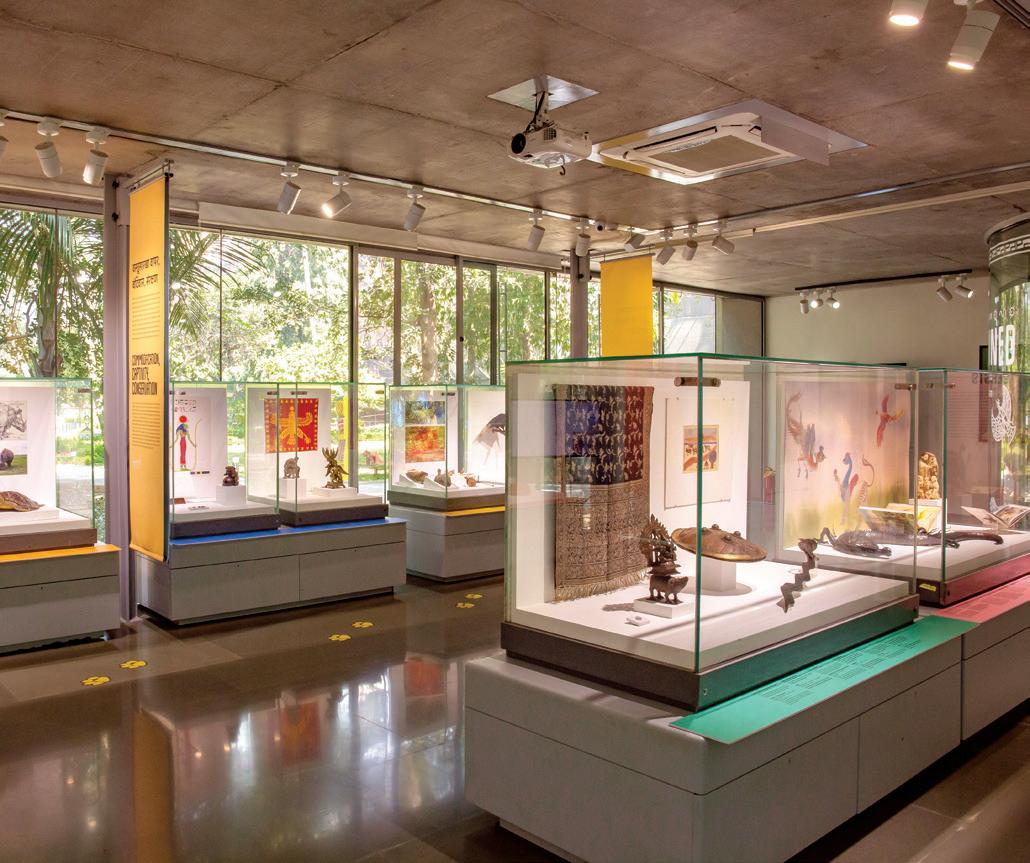
was announced in 2020. The CSMVS Jewellery Gallery is the only permanent gallery in a public institution in India that is devoted to Indian jewellery. People always admire royal jewellery collections, but the trinkets of common people hardly attract attention.
The new gallery at CSMVS showcases jewellery made not only of precious stones but also of beetle wings, elephant hair and fish scales. The highlights are the replicas of the magnificent Golconda diamonds and a jade perfume bottle that belonged to Mughal emperor Jahangir. Noteworthy exhibits from the money gallery include gold coins from the Gupta empire.
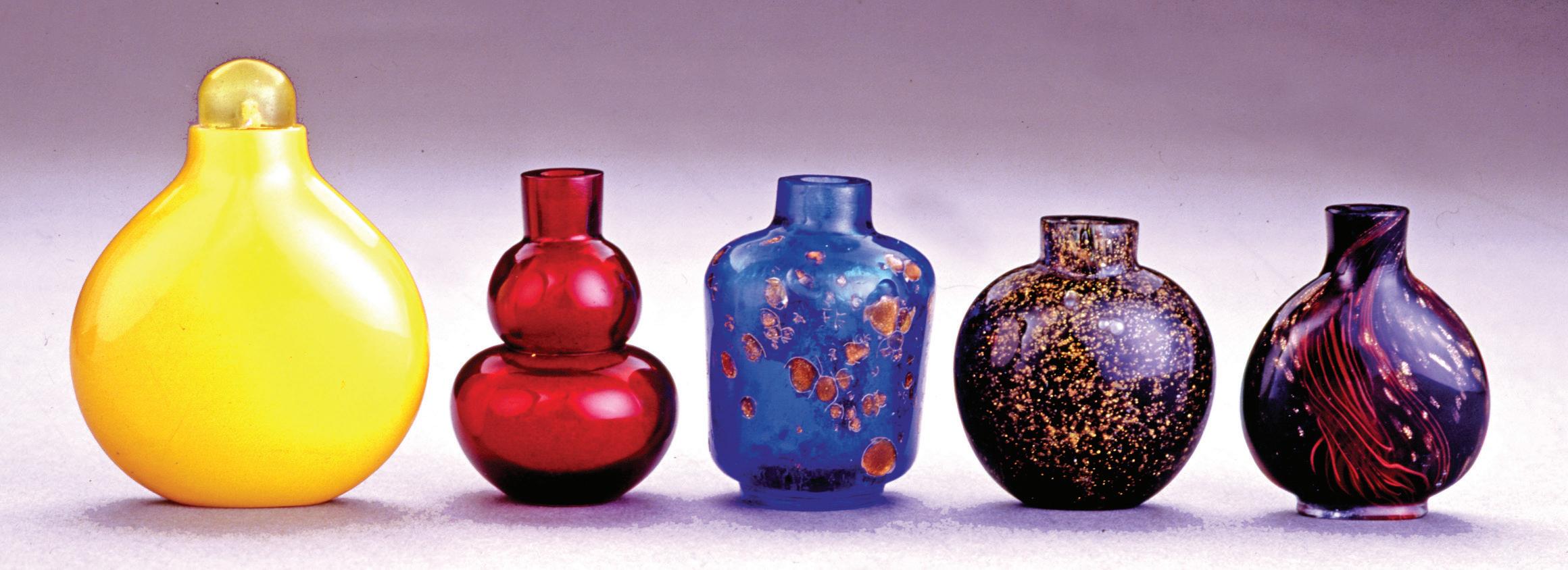
The huge selection of Chinese and Japanese artefacts, including porcelain and ivories, is also worthy of mention. There are some stunning Chinese snuff bottles in the collection. The Europeans introduced snuff to the Qing Court in the 17th century. Snuff bottles became trendy, and they were carved in either jade, porcelain, ivory, wood, etc.
Another top pick is the collection of miniatures by Nainsukh, the Pahari painter. His creations generally feature Raja Balwant Singh as the main character. The Raja, it must be told, was one of Nainsukh’s most important patrons and had employed him for two decades.
Two sarees in the textiles section attract attention. One was designed by artist Nandalal Bose for a performance to be
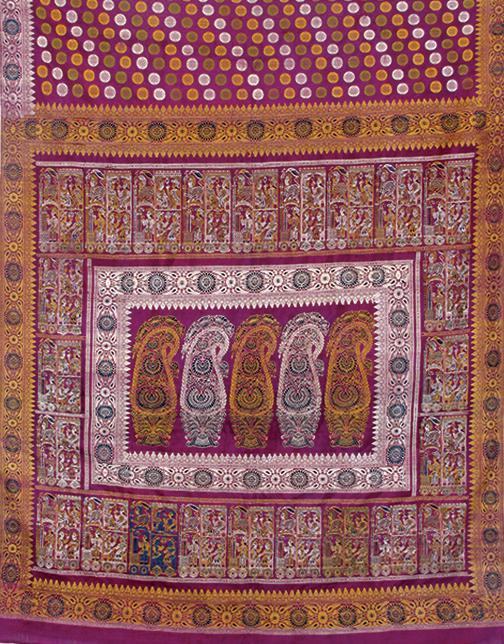
staged in front of Rabindranath Tagore. It was executed by his daughter in batik. Another is a Baluchari saree from the Tagore family.
Jnanadanandini Devi, the social reformer and wife of Satyendranath Tagore, influenced women’s empowerment in 19th century Bengal. She pioneered the style of draping the saree pallu over the left shoulder, as opposed to the Parsi style, so that the right hand would remain free for courtesies.
According the Nene, the museum has been not only a storehouse of relics but also a centre for education and research. Art historians from all over the globe have visited the museum for various kinds of research work.
A research journal is published annually, and knowledge disseminated through a variety of educational programmes.
Mobile exhibitions to stimulate young minds
To mark the museum’s centenary, a series of workshops, conferences, and other initiatives have been planned.
A collection of Thanjavur paintings donated to the museum by Delhi-based art collector Kuldip Singh will also go on display
The city’s first Children’s Museum, catering for kids, teenagers, and young adults, opened at the museum in 2019. Spread over 10,000 square feet, the Children’s Museum has an exhibition hall, amphitheatre, activity plaza and an open terrace deck that provide holistic learning experiences relevant to children.
Mobile exhibitions have also been held to stimulate young minds. Says Nene,
view
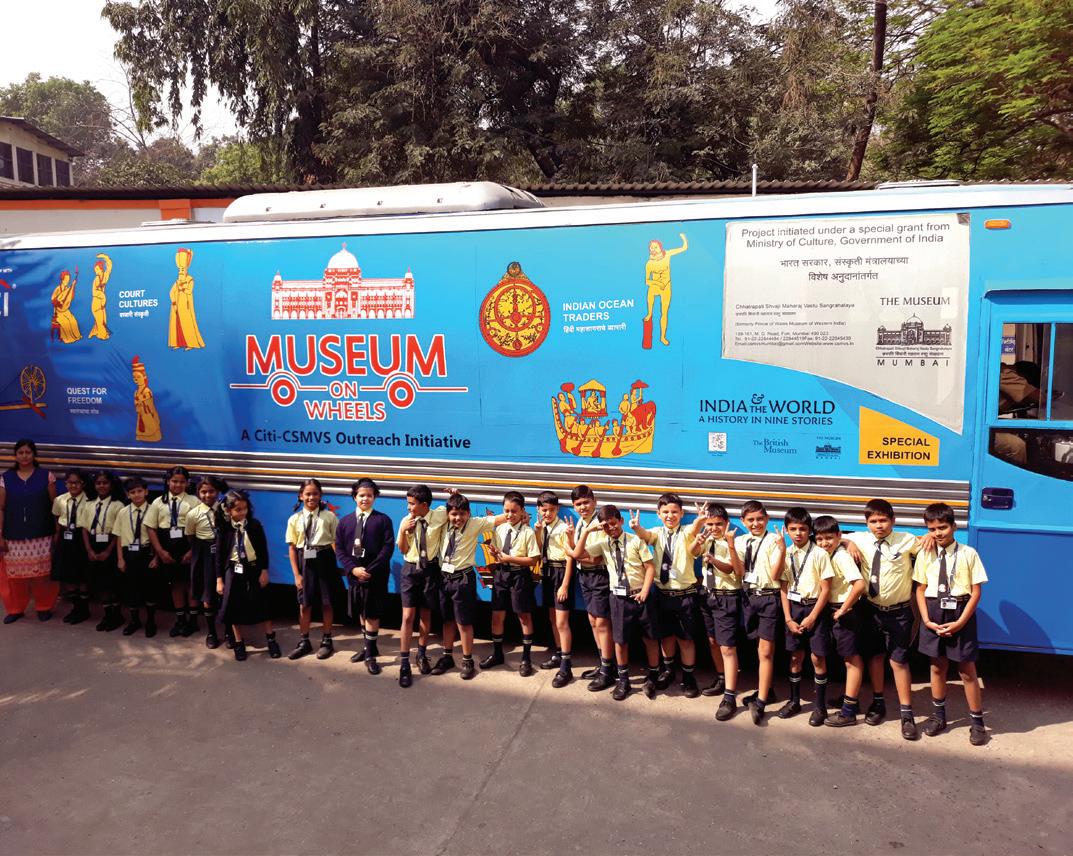
“The Citi-CSMVS Museum on Wheels is an innovative outreach programme designed for audiences who live outside Mumbai. The project has two air-conditioned, hi-tech buses that can house travelling exhibitions. Exhibition themes range around school curricula and there is audio-visual equipment as well as tablets for today’s tech-savvy kids.”
She continues, “These mobile exhibitions are taken to schools, colleges, and cultural institutions to stimulate young minds.” Besides travelling to far-flung areas in Maharashtra, there are plans for the exhibitions to travel to the neighbouring states of Gujarat, Goa, Telangana, and Karnataka.
Nene, who started working for the museum in 1989 after completing an MA degree in ancient Indian culture from the University of Mumbai, does the rounds of the galleries every day after reaching her workplace.
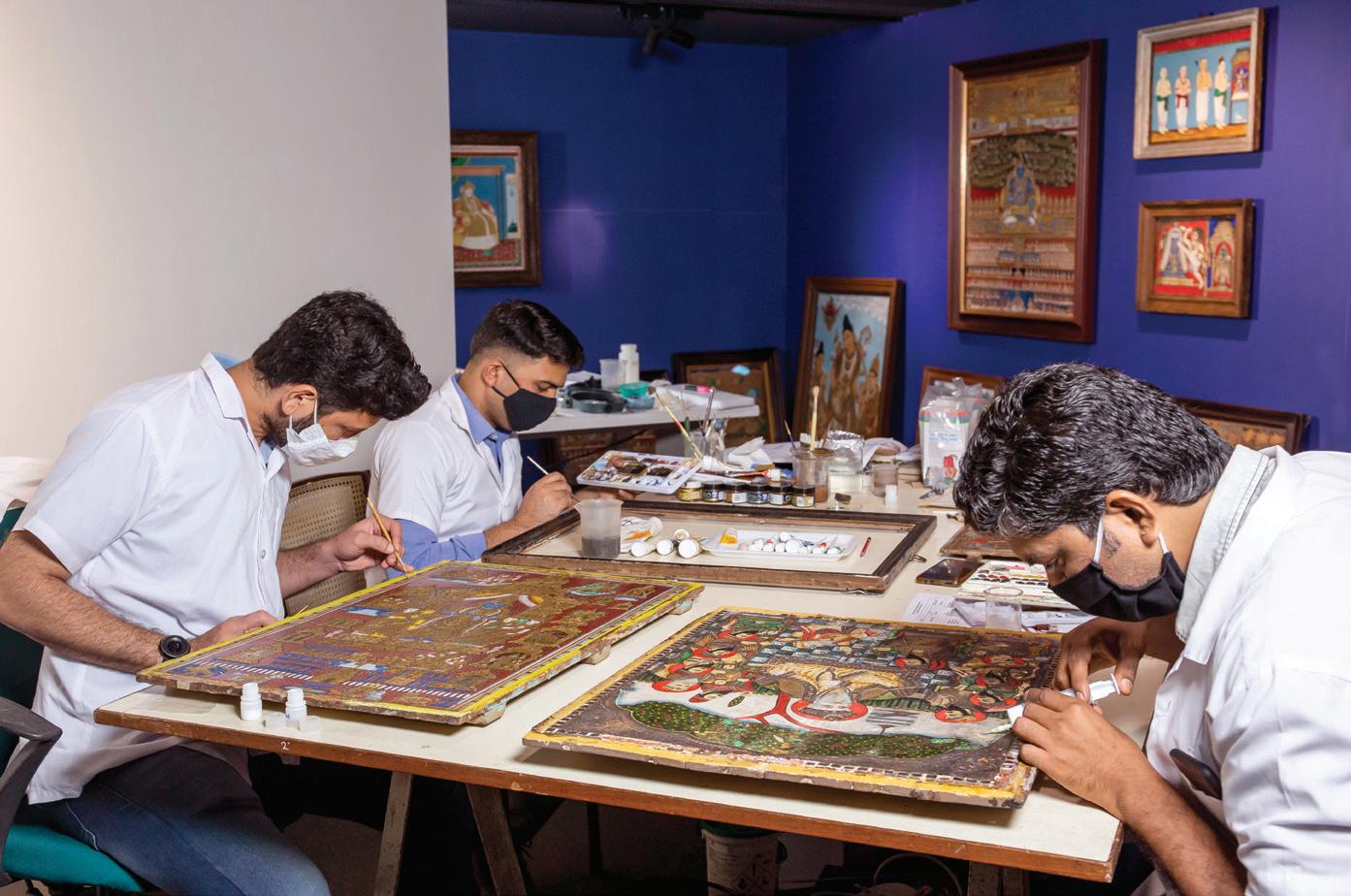
Her enthusiasm has clearly not abated in the three decades she has spent at CSMVS, when she says she finds “something new” every time she scans the antiquities. She shares her passion about conservation while speaking about the CSMVS Museum Art Conservation Centre.
“The centre was established in 2008 and its aim is to look after the
The first object came to the museum in 1906 – it was a plaster cast of Buddha’s head created and donated by Lockwood Kipling, father of author Rudyard Kipling, says Nene
museum’s collections as well, as well as strengthen the art conservation movement in India. There are over 30 employees in the centre who work
on oil paintings on panel and canvas, tempera paintings on paper and cloth, miniature paintings, manuscripts, textiles, and natural history specimens among others,” she informs.
Born shortly after one pandemic and turning 100, while the world is grappling with another, CSMVS has not only survived but gone from strength to strength. The healthy tourist footfalls, at least before the pandemic though numbers will rise again no doubt, show that people come here with more passion than the average museum goer.
In India, a woman succumbs to breast cancer every 8 minutes. These alarming statistics on breast cancer make it extremely necessary for us to know about the concept of ‘breast awareness’ to ensure early detection. In his column, Dr Raghu Ram talks about the basics of being ‘breast aware’
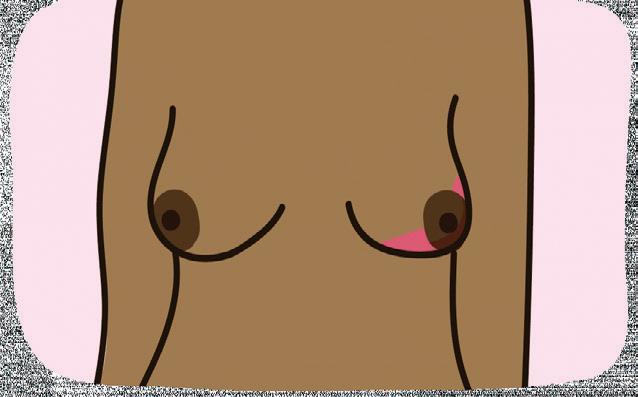
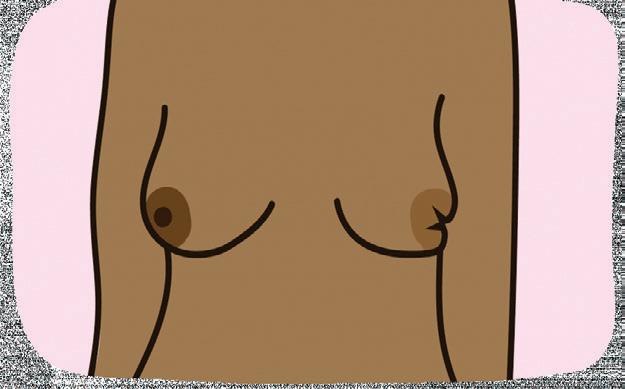
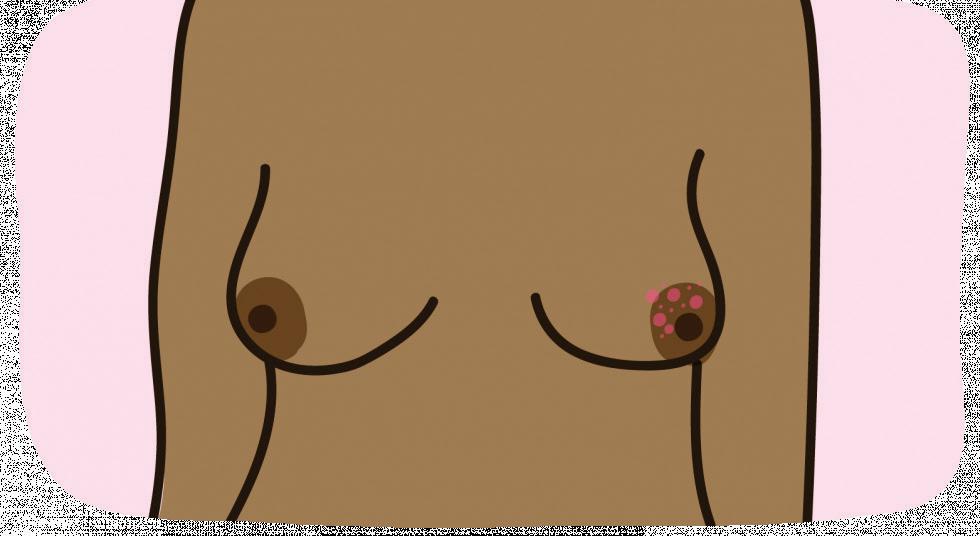
When I am asked to speak/write about breast cancer with specific reference to reaching out to the community at large, I am acutely conscious of the fact that there is a fine line between advocacy and scaring people. Nevertheless, with the alarming statistics glaring at us, there is no other option but to be aware of the harsh realities and do whatever is necessary to ensure early detection.
Worldwide statistics
With 2.3 million new cases being diagnosed each year, for the first time since 2020, the incidence of breast cancer has even overtaken lung cancer to become the commonest cancer worldwide. 685,000 women die of breast cancer annually worldwide. A woman succumbs to breast cancer every minute world over. (Statistics: World Health Organisation)
India Statistics
Breast cancer has overtaken cervical cancer to become the most common cancer affecting women in the country today. Close to 30 per cent of all new cancers detected in women are breast cancers. Some 162,000 new breast cancers are diagnosed every year. The incidence is rising, year on year, at a rapid rate and by 2030, the number of new cases diagnosed every year is expected to cross 200,000.
In India, a woman succumbs to breast cancer every 8 minutes. Every year, 87,000 succumb to breast cancer and these figures will cross 100, 000 deaths per annum by 2030. (According to GLOBOCAN 2018 statistics—GLOBOCAN is an arm of IARC—International Agency for Research on Cancer. The latest available data is for the year 2018).
Compared to the west, where most breast cancers are diagnosed after the age of 50, most breast cancers in India are diagnosed in younger women between 40 – 60 years, at least a decade earlier, when compared to the western world. This is probably because we are a predominantly young nation and our life expectancy is 10 years less, compared to the west (67 years in India versus 78 years in the west).
The aim of this write up is to empower the readership about the basics of being ‘breast aware”.
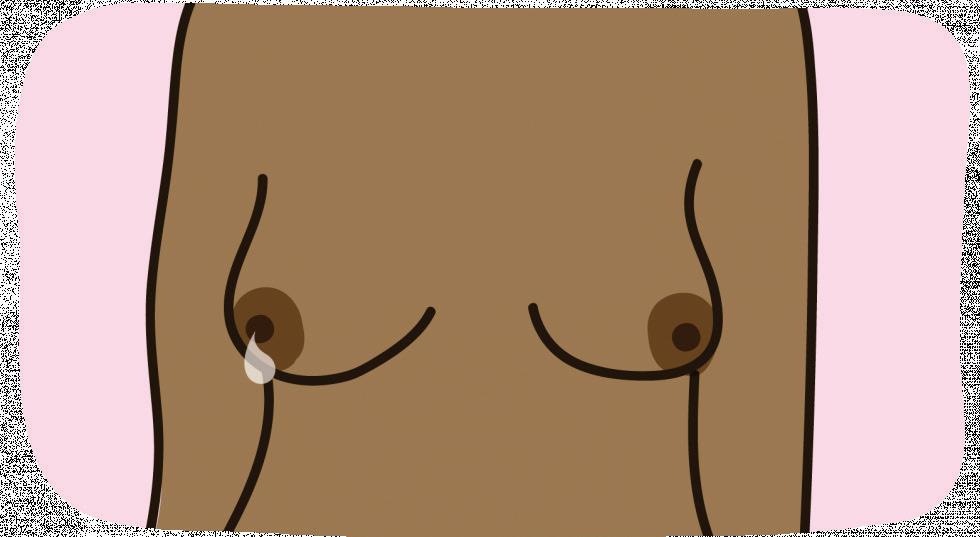
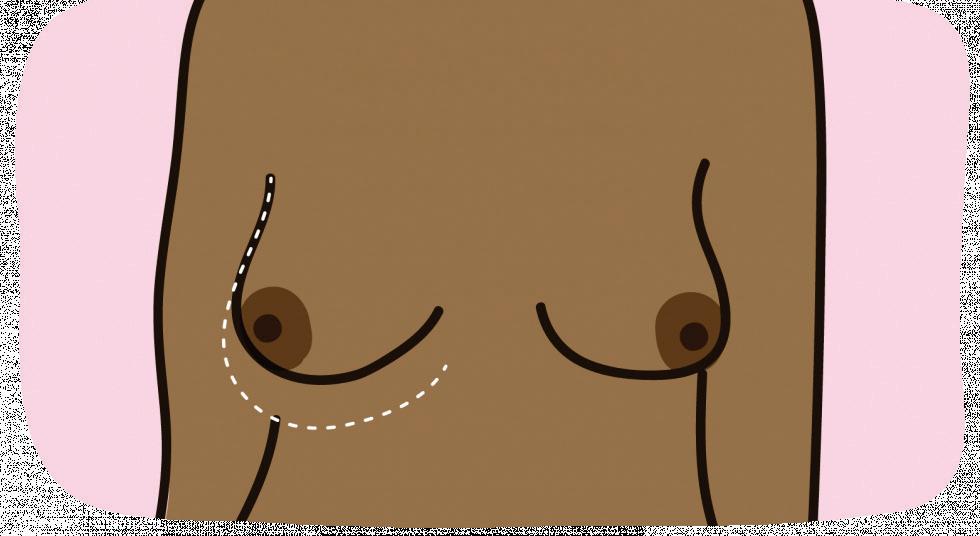
Breast Awareness 5-Point Code
1. Know what is normal for you
2. Know what changes to look and feel for
3. Look and feel
4. Report any changes to your doctor without delay
5. Have mammogram (X-ray of the breast) at least once in two years from the age of 40 (ideally every year)
Can breast cancer be prevented?
No. There are only two ways to fight breast cancer.
1. Women and indeed men of all ages must be ‘breast aware’ and should report any new changes in the breast to the specialist without delay.
2. Women over the age of 40 years must have a screening mammogram at least once in two years (ideally every year).
It is clear that early detection ensures excellent prognosis and longterm survival.
Is breast self-examination the same as breast awareness?
Breast self-examination (BSE) is a regular and repetitive monthly selfexamination of the breast performed by a woman at the same time each month to a set method. The concept of BSE has not proven to be beneficial.
Breast awareness is about becoming familiar with the breasts and the way they change throughout a woman’s life. It is a concept that encourages women to know how their breasts look and feel normally, so that they gain confidence about noticing any change which might help detect breast cancer early. Breast awareness, as a concept, is gaining increasing acceptance world over.
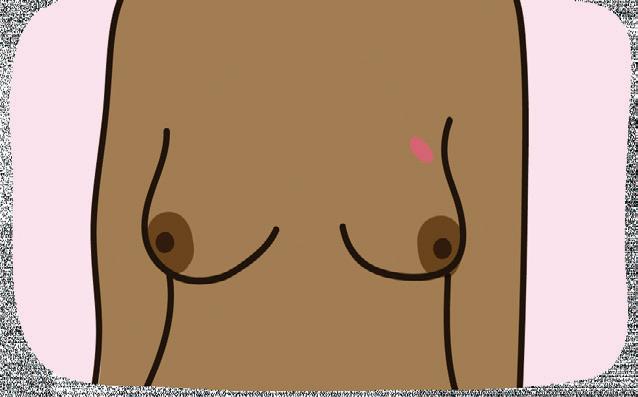
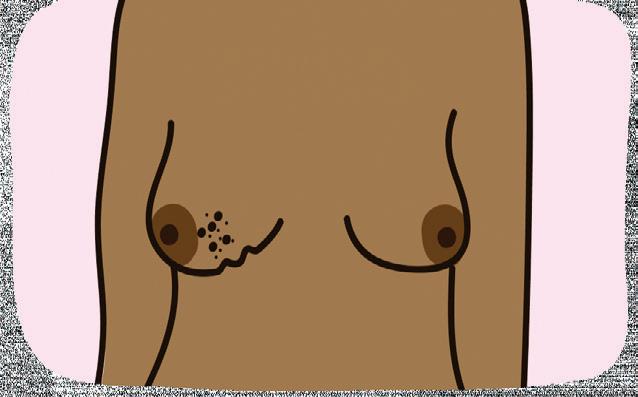
Everyone’s breasts look and feel different. Some people have lumpy breasts, or one breast may be larger than the other, or there can be breasts that are differently shaped. Some have one or both nipples pulled in (inverted), which can be there from birth or happen when the breasts are developing. Therefore, it is important to be aware of any new changes that are different and were not there earlier.
Changes that one should be aware of
• Painless lump or thickening that feels different from the rest of the breast
• Change in size - it may be that one breast has become noticeably larger or noticeably lower
• Recent retraction of the nipple
• Rash on or around the nipple
• Blood stained spontaneous discharge from one or both nipples
• Puckering or dimpling of the skin overlying the breast
• A swelling under the armpit or around the collarbone (where the lymph nodes are)
• Constant pain in one part of the breast or armpit
February 2022
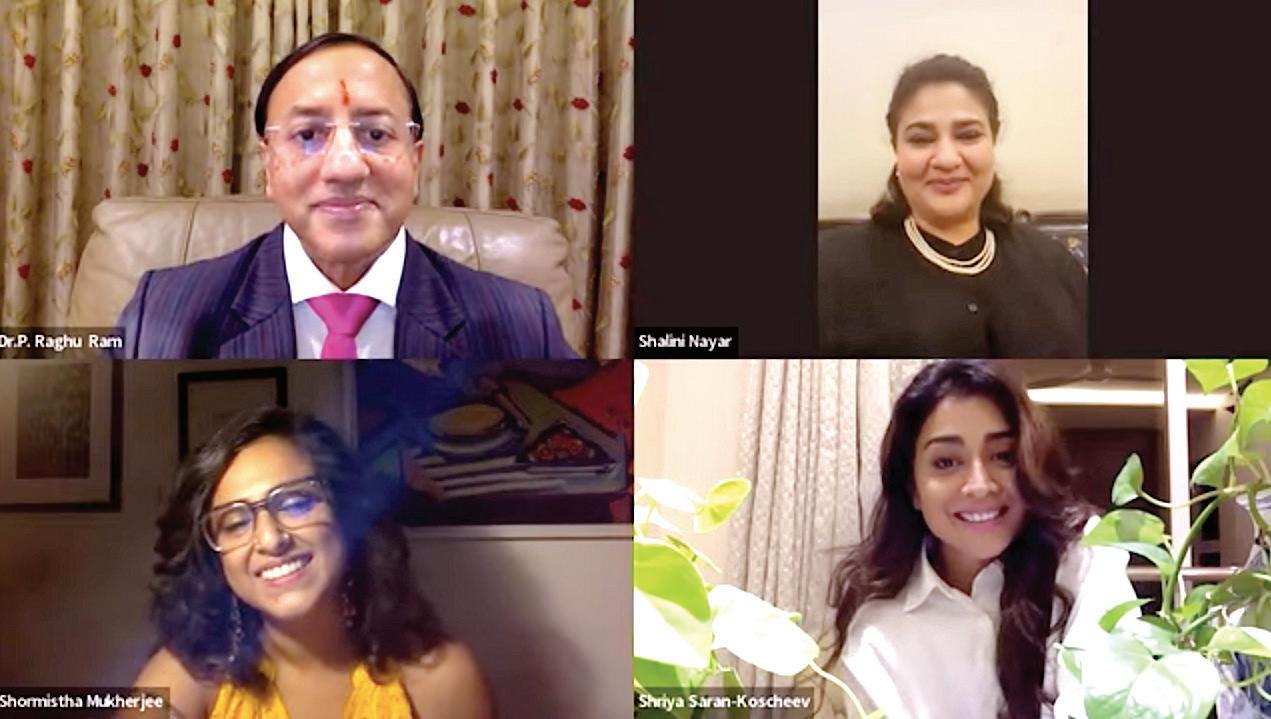
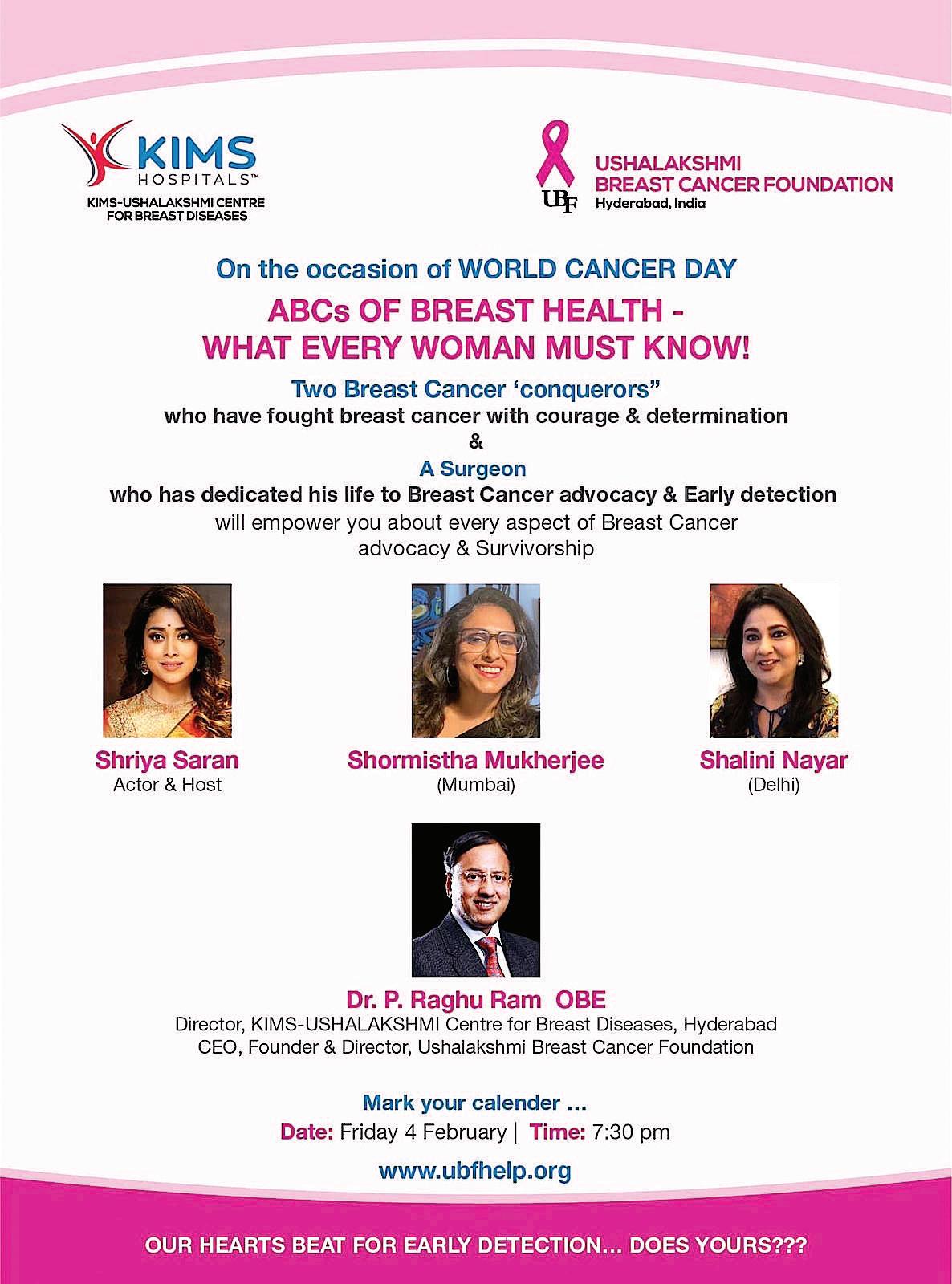
To commemorate World Cancer Day, well-known actor, Shriya Saran held an online conversation with two cancer conquerors, Shalini Nayar from Delhi and Mumbai-based Shormistha Mukherjee. Both had fought against breast cancer with courage and determination. Their powerful and inspiring messages – their grit and fierce determination in the face of adversity, was brought out very well by the actor.
Dr Raghu Ram too participated in this interaction, and he added his perspective about various aspects of breast cancer care, including underlining the importance of counselling, which he believes is “50 per cent of the treatment”.
In the video, Shalini Nayar, who discovered she had breast cancer in the midst of the Covid pandemic, found herself in a “whirlpool” at first. But for the sake of her loved ones, she decided to fight and with the help of Dr Raghu Ram’s counselling, who gave her the all-important ‘pep talk’, she got rid of the disease after eight months of treatment and care.
At first, Shormistha Mukherjee was scared to face up to the fact that she had breast cancer. Finally, she decided to enter the ‘zone’ and go through the surgery, the chemo and the ‘entire works’. But she kept her eyes firmly on the light at the end of the tunnel. And, she won the battle with the help of great doctors, great family support and even wrote a book on her experience.
The programme was keenly watched by over 500 people. Check out this link to the video to know more:
https://www.youtube.com/watch?v=EojmRmc_ O80&t=3547s
Dr P Raghu Ram is conferred the OBE, the second highest ranking order of the British Empire (excluding Knighthood/Damehood)
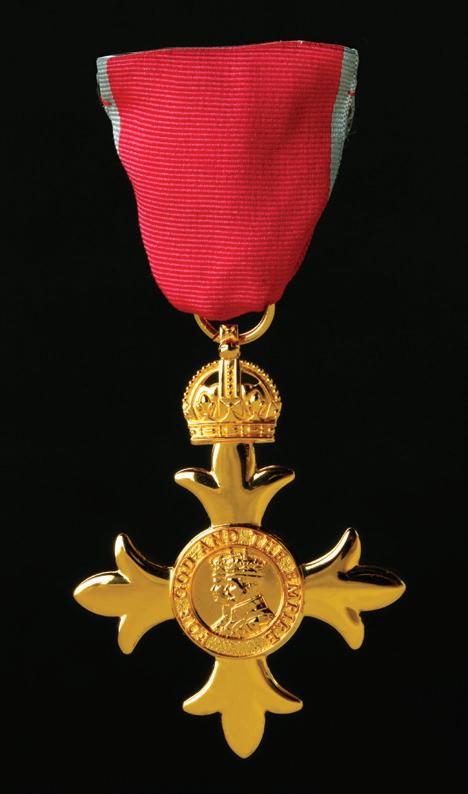
Instituted in 1917, the Queens Honours are amongst the most prestigious awards worldwide.
The British Honours system aims to show gratitude publicly to those who have ‘gone the extra mile’ in their service and who stand out ‘head and shoulders’ above others in their distinction.
The Queens Honours, which is part of the British Honours system, has a robust and thorough selection process.
The ‘Honours Committee’ produces the list, independently of the government, before it is submitted to the Queen through the Prime Minister. Considered as a fountain of honour in the UK, Her Majesty, The Queen has the sole right of conferring titles of honour on deserving people from all walks of life, in public recognition of their outstanding merit, exceptional service or bravery.
The Hyderabad-based Dr P Raghu Ram, director, KIMSUSHALAKSHMI Centre for Breast Diseases and founder CEO
of Ushalakshmi Breast Cancer Foundation, has achieved the rare distinction to become one of the youngest surgeons of Indian origin in over 100 years to be conferred OBE (Officer of the Most Excellent Order of British Empire). Dr Raghu Ram’s honour featured in the prestigious Queen Elizabeth II’s 2021 New year’s Honours list, was also published in the London Gazette—the official publication of the Crown.
OBE is the second highest ranking of the British Empire award (excluding a knighthood or damehood) that has been conferred in recognition of Dr Raghu Ram’s “Services towards improving breast cancer care and surgical education in India and to UK/India relations.”
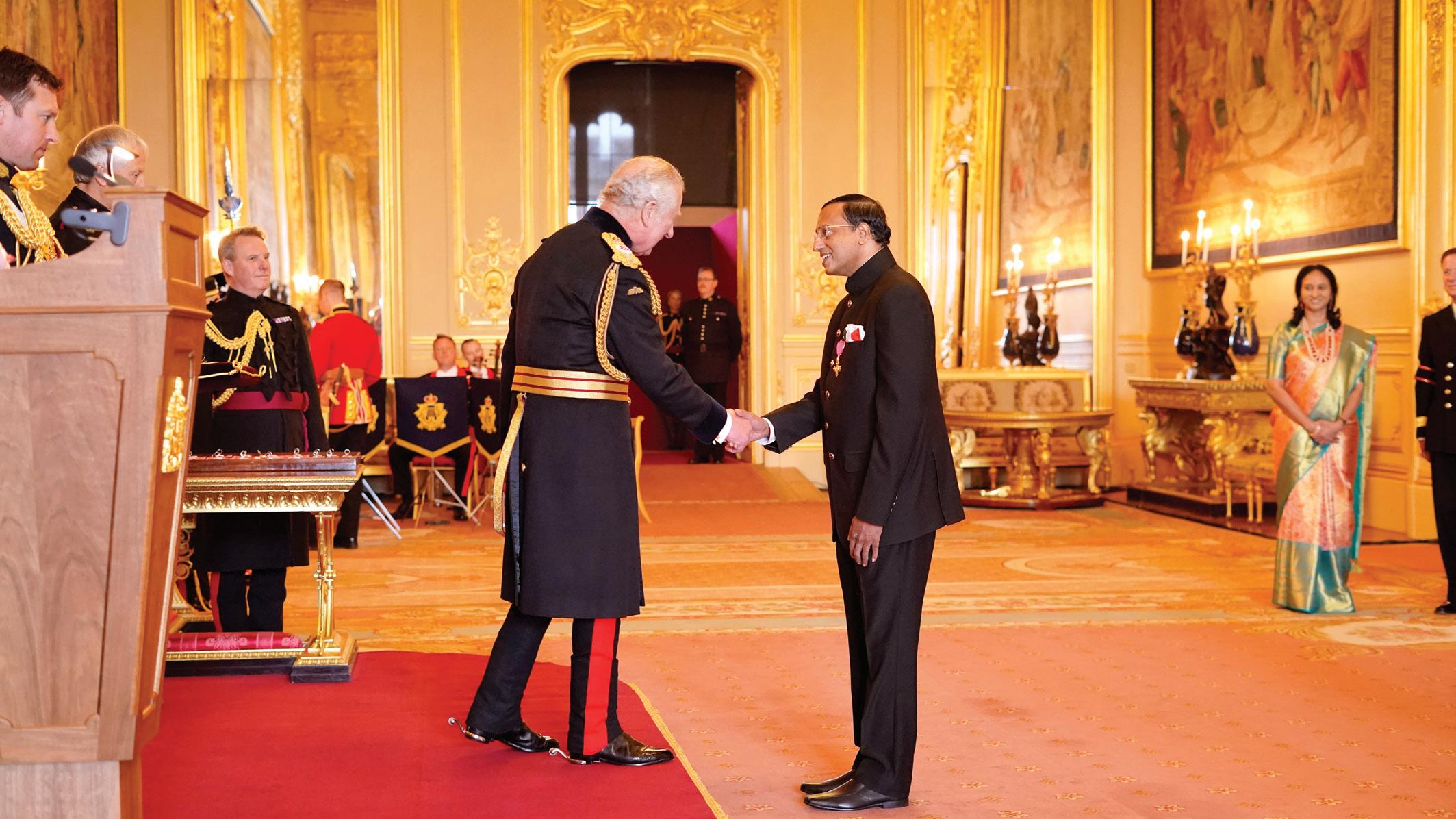
The award was bestowed by His Royal Highness, Prince Charles, Prince of Wales, who represented Queen Elizabeth II during a glittering Investiture ceremony held on March 30, 2022, at the Windsor Castle in Windsor near London, which is the oldest and largest occupied castle in the world and is one of the official residences of the British monarch.
Some well-known names who received an OBE in the recent times include Om Puri (actor), Prof Michael Griffin —president, The Royal College of Surgeons of Edinburgh, David Beckham (sports), Ben Stokes (vice- captain, England’s cricket team), Victoria Beckham (fashion), JK Rowling
(author-Harry Potter series), Kiera Knightley (actor), Damon Albarn (musician) and others.
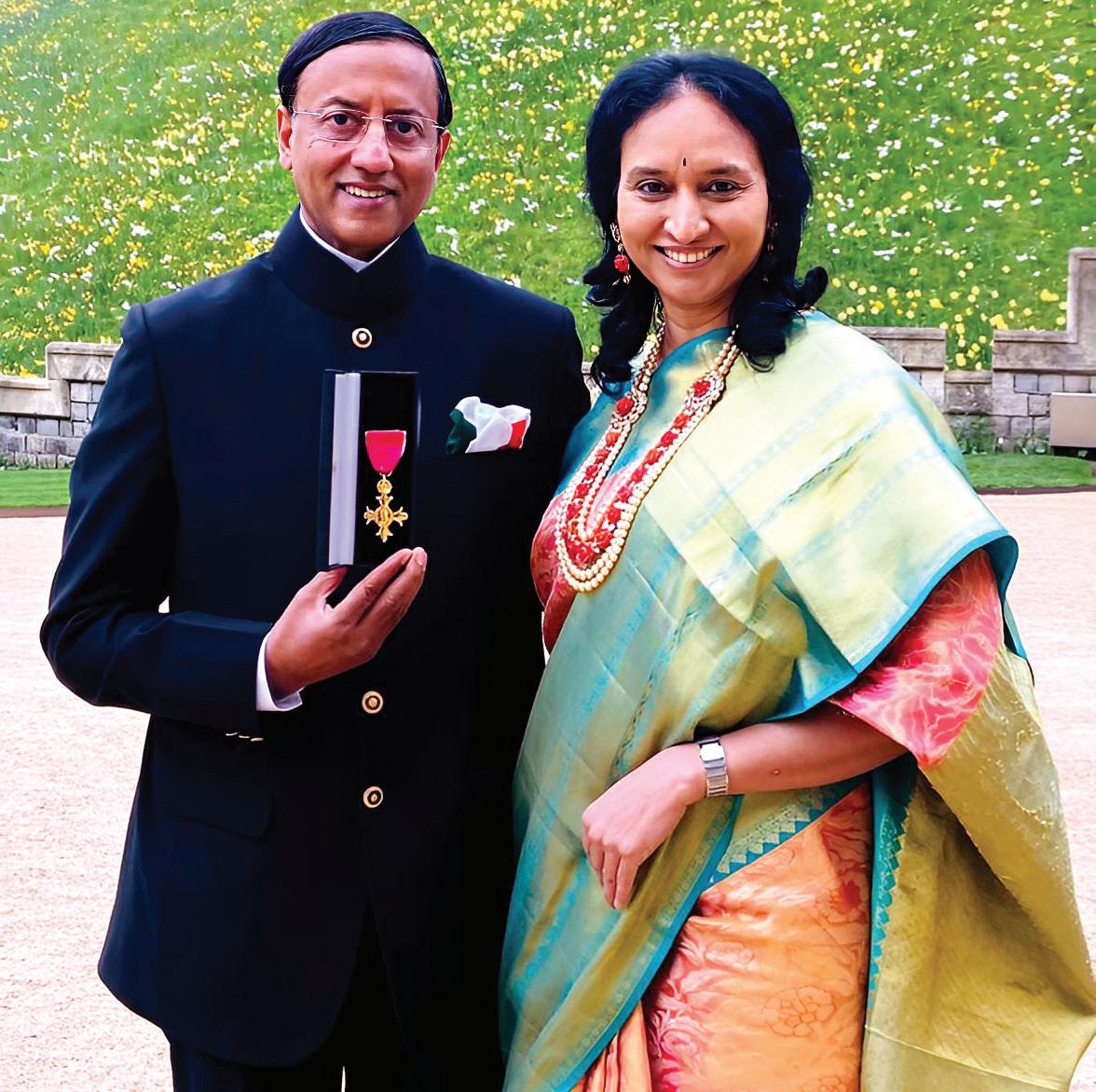
Venkaiah Naidu, vice-president of India tweeted congratulating Dr Raghu Ram on receiving this rare honour. In his message, Dr Raghu Ram said: “I am deeply grateful to her Majesty, The Queen for conferring this high honour. Over the past 15 years, I have strived to replicate the best of British practices in my motherland and feel immensely proud to have been a ‘living bridge’ between the UK and India. I dedicate this astonishing moment and tremendous recognition to my family, my patients, my colleagues at KIMS Hospitals and to the Indian surgical fraternity the world over. Proud to have represented my motherland at the Windsor Castle in the traditional Indian attire with India’s tricolour pocket square representing Bharath.”
What happened during the Investiture Ceremony at Windsor Castle?
An Investiture is a special day when 50 Queens Honours recipients and their accompanying persons visit a Royal Residence to formally receive their insignia from the Queen or a Member of the Royal Family. In February 2022, Dr Raghu Ram had received a letter from the secretary, Central Chancery of the Orders of Knighthood at St James Palace in London, inviting him to attend the Investiture Ceremony scheduled at Windsor Castle in Windsor, a small town in Berkshire near London. The Investiture was scheduled on March 30 at 11 am.
Dr Raghu Ram describes the experience: “My wife Vyjayanthi and I were most fortunate to witness firsthand the exceptional grandeur of the several ceremonial rooms
in the Castle, including the King’s Drawing Room, where all the recipients and their accompanying persons were welcomed.”
“The Investiture ceremony was held in the spectacular Throne Room. However, after greeting HRH Prince Charles with a traditional bow, moving away from protocol, Dr Raghu Ram also did a ‘Namaste’, to which HRH reciprocated twice—once before award presentation and second time just before leaving him. It was a wonderful gesture to see HRH Prince of Wales making a meaningful conversation with every recipient.”
Dr Raghu Ram’s Interaction with HRH Prince Charles
“After pinning the OBE medal, HRH Prince Charles asked me as to where I was residing and about the Centres of excellence and where I had obtained my training in the UK. He then asked me what took me back to India. I mentioned to him about my mother’s cancer diagnosis and that I have been serving as a ‘Living Bridge’ replicating the best of British practices, in an endeavour to improve the delivery of breast healthcare in my motherland. I invited him to visit Hyderabad when he next came to India. He wished me well and it was time to have the great pleasure of shaking hands with him before exiting the room. Vyjayanthi was a short distance away in the same room watching my lively interaction with Prince Charles. This was well and truly a memorable experience with British Royalty, that I shall cherish, always.”
Unlike most other prestigious awards worldwide, one cannot self-nominate for the Queens Honours. The British High Commission cannot submit a nomination either and one does not know as to who has submitted the nomination. And hence, being handpicked for this high honour although Dr Raghu Ram is not residing in the UK, makes this award even more special and precious.
Dr Raghu Ram also believes there was an element of ‘divine coincidence’, since he was conferred the Padma Shri – one of the highest civilian awards in India on March 30, 2015 at 11 am. And, precisely 7 years later, on the same date and time, he was conferred the OBE—one of the highest civilian awards in the UK (March 30, 2022 at 11 am)!
On his award, Dr Raghu Ram said: “This award has increased my responsibilities even more. Having dedicated my life towards improving breast healthcare in my motherland, I shall continue to work with rock-solid determination in this chosen path. I would like to quote a very poignant and thought-provoking speech given by late Dr Abdul Kalam, the former President of India— ‘Ask what we can do for India and do what has to be done to make India what America and other western countries are today.’

2007...
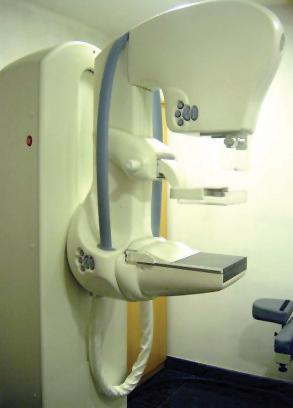
KIMS-USHALAKSHMI Centre for Breast
Diseases at KIMS Hospitals was the first centre in south India and the second unit in the country to have acquired the Full Field Digital Mammography system…
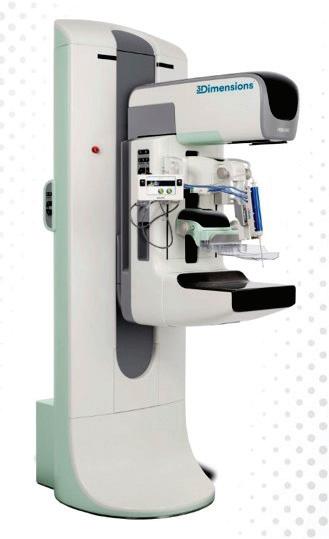
KIMS-USHALAKSHMI Centre for Breast
Diseases at KIMS Hospitals is the first centre in Telangana/Andhra Pradesh and the second unit in the country to have acquired the most advanced – latest, fastest and highest resolution version of 3D Mammography system...