SA Jewellery News (SAJN) • April 2026 • Diamond Edition
Celebrating 98 years in the industry
The growing importance of diamond traceability
Market realities and trade implications
JCSA engages Namibian jewellers in Windhoek
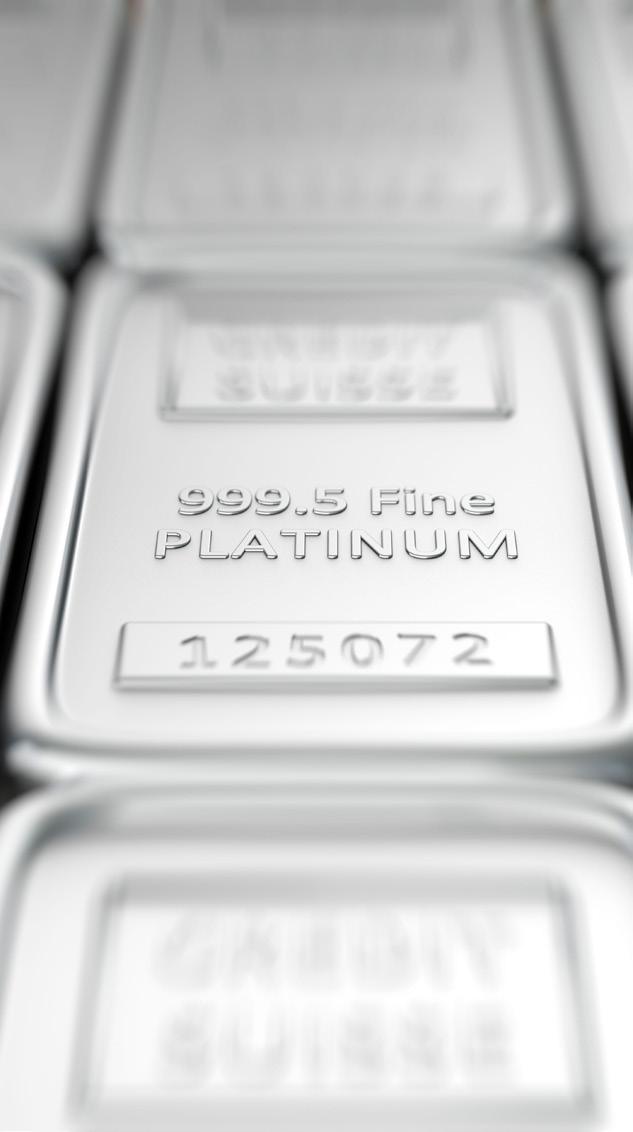
Platinum shows resilience amid price rally
I T ’ S N E V E R J U S T O N E P I E C E O F J E W E L L E R Y
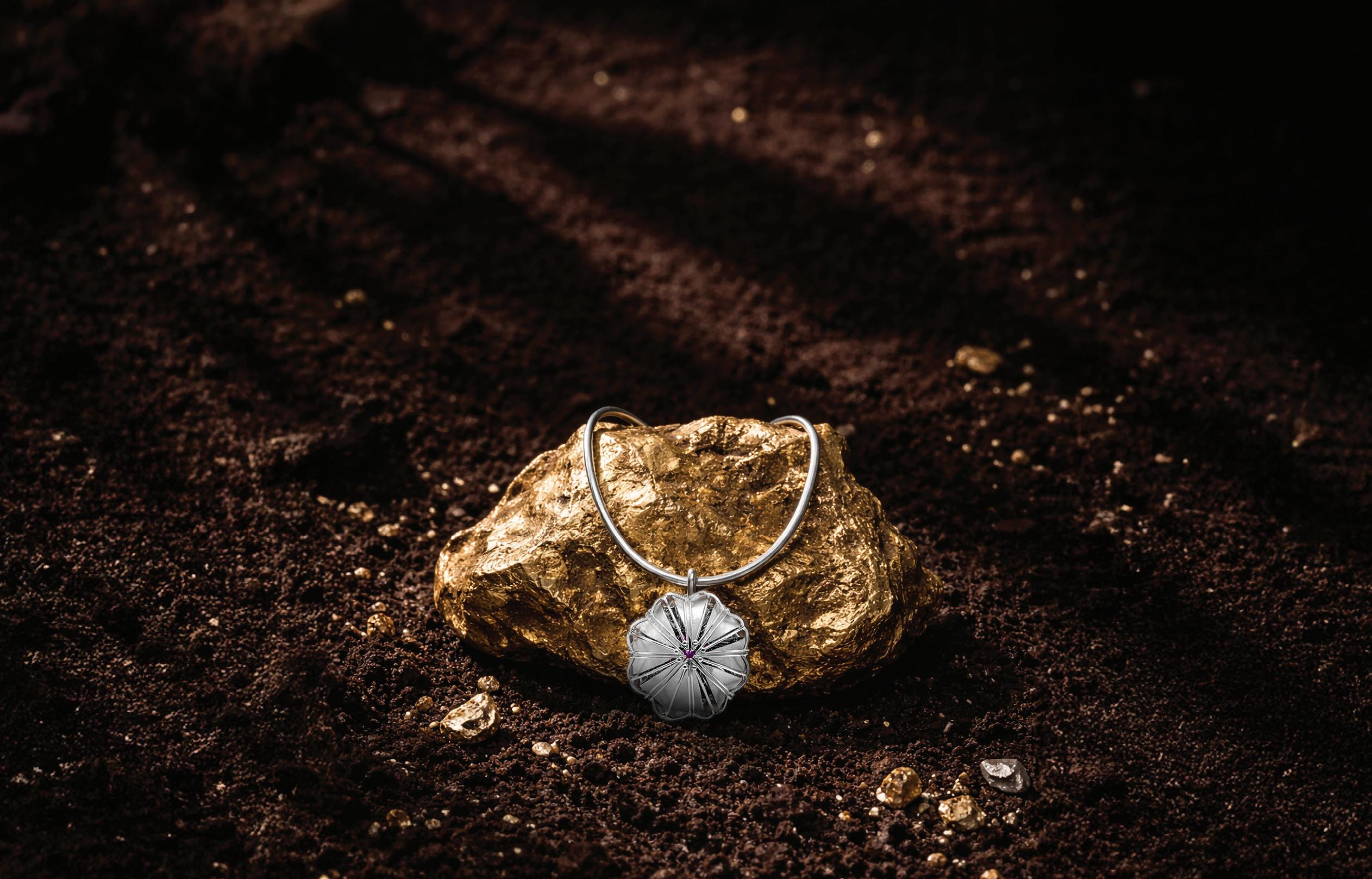
At Rand Refinery, we believe the true value of gold lies in what it gives back. Through our sustainability initiatives, we invest in education, skills development, and community upliftment, while powering our operations with cleaner energy. Every step we take is about building stronger communities, protecting our environment, and shaping a future where Africa’s gold works for Africa’s people That’s the power of the golden ripple.
Where Africa finds the true meaning of gold
Download Rand Refinery’s Sustainability Report. Scan the QR code.
FROM THE JCSA OFFICE
Lorna Lloyd, CEO of the Jewellery Council of SA (JCSA), shares the latest developments from the council’s office
INDUSTRY INSIGHTS
• GIA veteran Tom Moses to retire
• Swatch Group challenges Morgan Stanley report
• World Diamond Congress returns to Singapore
• Alrosa profi t rises despite market slowdown
MARKET REALITIES AND TRADE IMPLICATIONS
The diamond market is transitioning from expansion to realignment as lab-grown prices decline and natural diamonds retain demand in premium segments
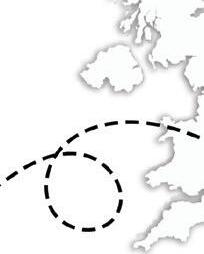
JCSA ENGAGES NAMIBIAN JEWELLERS IN WINDHOEK
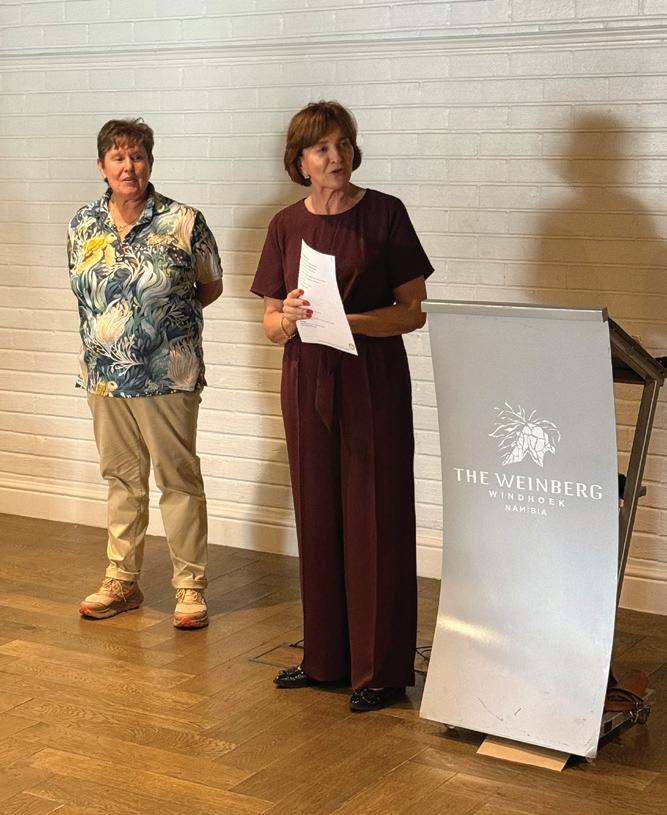
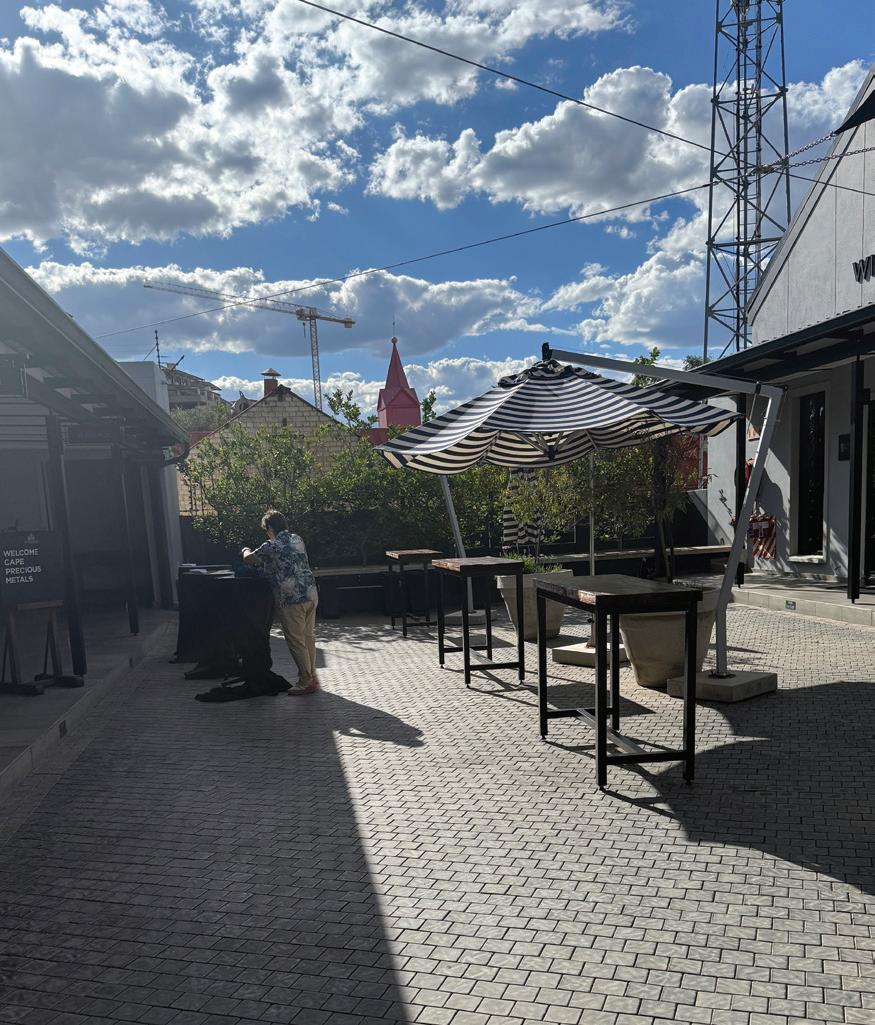
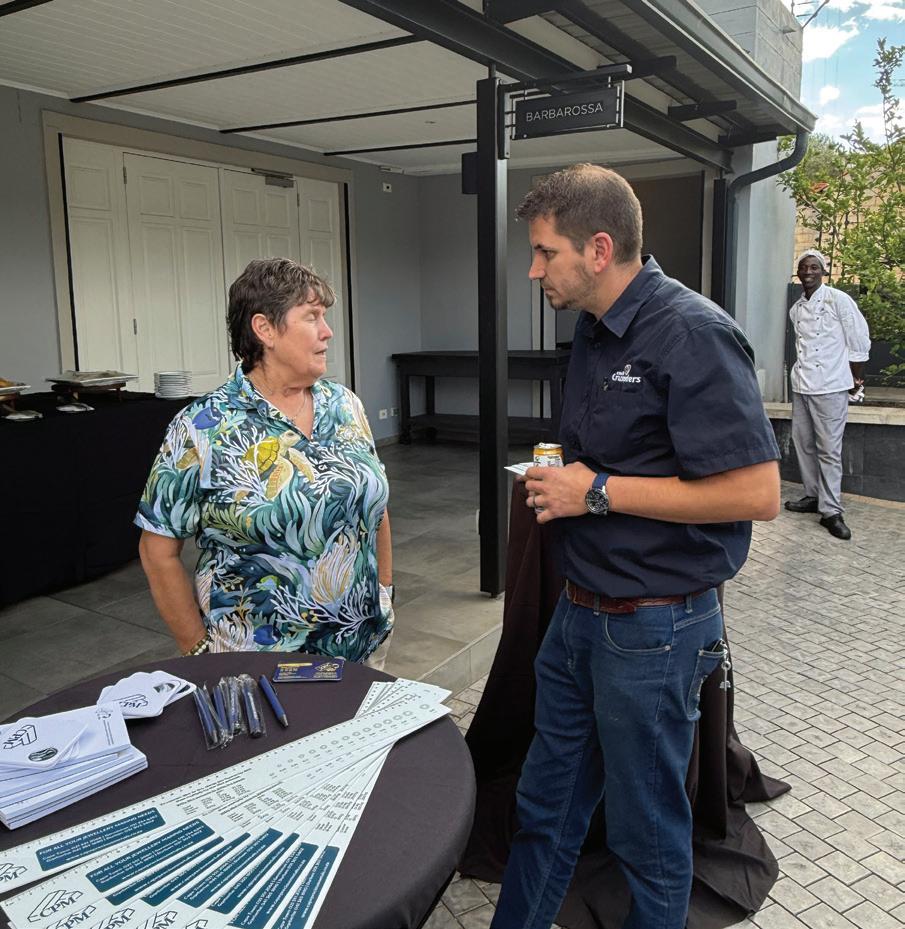
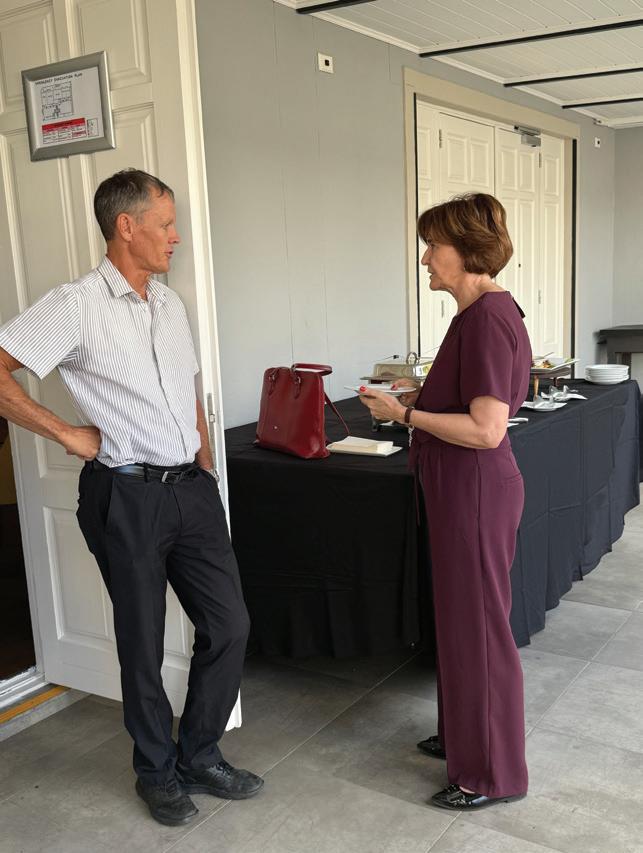
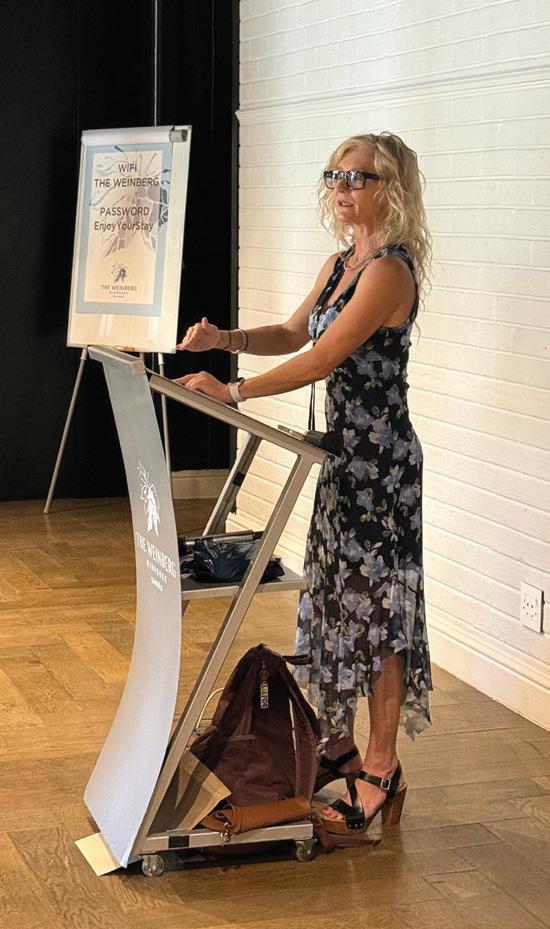
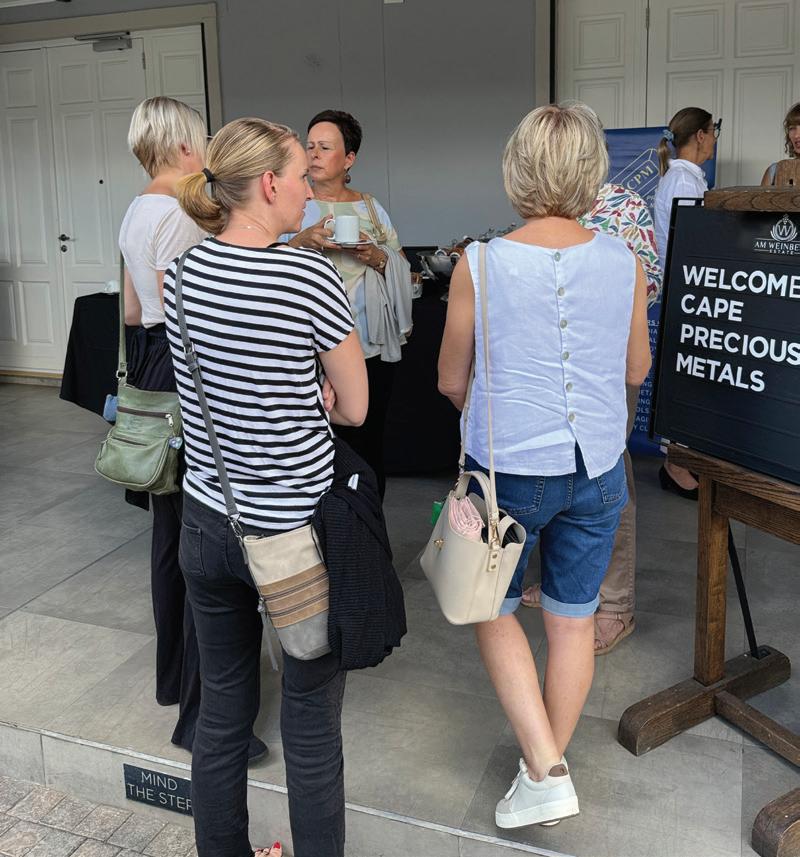
The Jewellery Council of SA, in partnership with Cape Precious Metals, hosted an informative and collaborative evening session at the Weinberg in Windhoek on 12 March
NAMIBIA’S DIAMOND INDUSTRY TODAY
11. 6. 14. 17. 18. 38
Namibia remains one of the world’s most important diamond producers, known for the exceptional quality of its stones and its vast off shore diamond resources
THE GROWING IMPORTANCE OF DIAMOND TRACEABILITY
Increasing regulatory pressure and consumer demand for ethical sourcing are accelerating the adoption of diamond traceability technologies
THE RISK REPORT
Crime in the jewellery industry remains a persistent challenge and while external threats often receive the most attention, internal security is equally critical
TOOLS OF THE TRADE
This month’s article explores how jewellers can approach repairs with precision, efficiency and the right equipment
EDUCATIONAL INSERT
A guide to diamonds with the 480 nm absorption band
SETTING THE STANDARD
The hands shaping South Africa’s jewellery dynasty
PLATINUM SHOWS RESILIENCE AMID PRICE RALLY
Despite record precious metal prices and shifting consumer dynamics, platinum jewellery continues to demonstrate resilience across key global markets
BORN IN AFRICA
A comprehensive directory featuring information and contact details of all members of the Jewellery Manufacturing Association of SA
INDUSTRY EMPLOYMENT BOARD
Dedicated to supporting professionals within the jewellery industry who are seeking employment opportunities
Jewellery Council of SA update
Lorna Lloyd, CEO of the Jewellery Council of SA (JCSA), shares the latest developments from the council’s office
The Jewellery Council’s dedicated team continues to work hard at advancing and protecting the interests of the jewellery industry on a national level. Under the guidance of the Executive Committee and board, we focus on a wide range of areas, including legislative matters, projects such as Jewellex Africa, membership and its benefits, marketing initiatives, trade opportunities and international engagement. This includes the management and publishing the SA Jewellery News magazine.
Our annual report, published in January, is available on our website at: www.jewellery.org.za and provides a comprehensive overview of our activities and achievements.
Roadshows and AGM
Our annual roadshows are scheduled to take place in Durban, Cape Town and Johannesburg in July, followed by the annual general meeting in August. We encourage members to attend these important engagements, which offer valuable industry insights and networking opportunities.
Industry survey
In April, the council will launch a short, anonymous 10-minute quarterly industry survey aimed at gathering data across key sectors, including refiners, manufacturers, retailers, wholesalers, importers and diamond dealers.
The purpose of this survey is to generate meaningful industry data that can be shared with members, government and other stakeholders. All responses will remain strictly confidential, with no personal or company identifiers collected. Data will be reported in aggregated format only, with
insights presented as sector trends on a quarterly and year-on-year basis.
Member participation is essential to ensure an accurate reflection of the industry. We encourage all members to take part and to look out for further communication in this regard.
Jewellery Council Crime Risk Initiative (JCCRI)
The board of the JCCRI recently convened to review the concerning rise in crime-related incidents. As at 19 March 2026, a total of 13 incidents had been recorded for the year.
With input from our crime risk specialist, Carel Westraad of Browns, Lt-Col Ngwepe of the SA Police Service (SAPS), Advocate Matthews from the National Prosecuting Authority and Alfred Steyn from Fidelity, several key concerns were highlighted. Most of the incidents lack clear CCTV footage of suspects, significantly limiting the likelihood of arrests and successful prosecutions. In addition, repeat offences by suspects released on bail remain a concern.
Members are strongly urged to ensure that CCTV cameras are correctly positioned – ideally at a height of approximately 1,8 m, facing the entrance. Upgrading entrance cameras is relatively costeffective and plays a critical role in improving identification outcomes. Customers should also be requested to remove any headgear upon entry.
The SAPS has emphasised the importance of its forensic teams extracting footage directly from DVR systems at the scene to preserve the chain of custody. The use of external storage devices, such as memory sticks, should be avoided to ensure admissibility in court.
Given the high gold price, there is concern that crime incidents may increase in the coming months.
SADC collaboration
The Jewellery Council has taken a decision to approach jewellers in the SADC region to become part of a recognised southern African industry network that increases credibility and supports business growth.
Through this collaboration, we aim to address matters of mutual interest, strengthen regional partnerships and foster engagement with government and supporting sectors.
I recently visited jewellers in Windhoek, Namibia, together with Cape Precious Metals, which hosted and sponsored the event. Approximately 20 jewellers attended an informal presentation and networking session. This marks the beginning of ongoing regional engagement and we hope to welcome participation from these jewellers at Jewellex Africa 2026.
Launch of the new Jewellery Council website
The Jewellery Council has launched its newly redesigned website. A dedicated consumer section has been introduced to promote consumer confidence and educate the public on the importance of purchasing from trusted jewellers who adhere to a code of ethics and conduct.
The website also features a comprehensive trade section, incorporating SA Jewellery News, Jewellex Africa and a range of valuable industry resources. Members are encouraged to utilise the interactive platform to upload and promote their business information.
Consumer
campaign
We are excited to launch a series of consumerfocused jewellery give-away campaigns throughout the year. These initiatives aim to promote consumer confidence in JCSA members while showcasing the exceptional jewellery offered by participating retailers.
Campaigns will align with key gifting occasions:
• Mother’s Day – 10 May 2026
• Father’s Day – 21 June 2026
• Women’s Day – 9 August 2026
• Christmas – 25 December 2026
Retailers are invited to participate by sponsoring a jewellery piece as a prize. For maximum impact, a recommended retail value of R10 000 or more is suggested. Interested members should e-mail Adri Viviers at: adriv@jewellery.org.za.
Jewellery Council decals
Members are reminded to display their new Jewellery Council decals prominently in-store, as well as on stationery and invoices. Electronic versions of the decals were recently distributed for members to display on websites, social media platforms, invoices and e-mail signatures.
The updated decals now include the membership year and a QR code linking directly to the council’s website. Displaying these decals reinforces your commitment to integrity, professionalism and ethical business practices, providing assurance to both trade partners and consumers.
Should you require any further information, contact the council on tel: (011) 484-5528, e-mail: admin@jewellery.org.za or visit: www.jewellery.org.za.
With best wishes
Lorna Lloyd
“The strength of the Jewellery Council lies in the active participation of its members. We encourage you to engage with our initiatives and take full advantage of the services available.”
Editor: Adri Viviers Cell: 084-261-1805
E-mail: adriv@jewellery.org.za
Sales Representative and Administrative Manager: Thuli Majola Cell: 074-243-0703
E-mail: thulim@jewellery.org.za
SA Jewellery News is published by: Jewellery Council of South Africa
CEO: Lorna Lloyd Cell: 082-456-5558
E-mail: lornal@jewellery.org.za
Executive Assistant to CEO: Elsa da Silva Cell: 082-214-0028
As I write this, it is difficult not to feel how quickly the world shifts around us. With so much global uncertainty, it is easy to become caught up in the endless cycle of “what ifs?”. News headlines often remind us how unpredictable the broader landscape can be and how events far beyond our industry can influence sentiment, markets and confidence.
Yet if there is one thing the jewellery industry has consistently demonstrated, it is resilience.
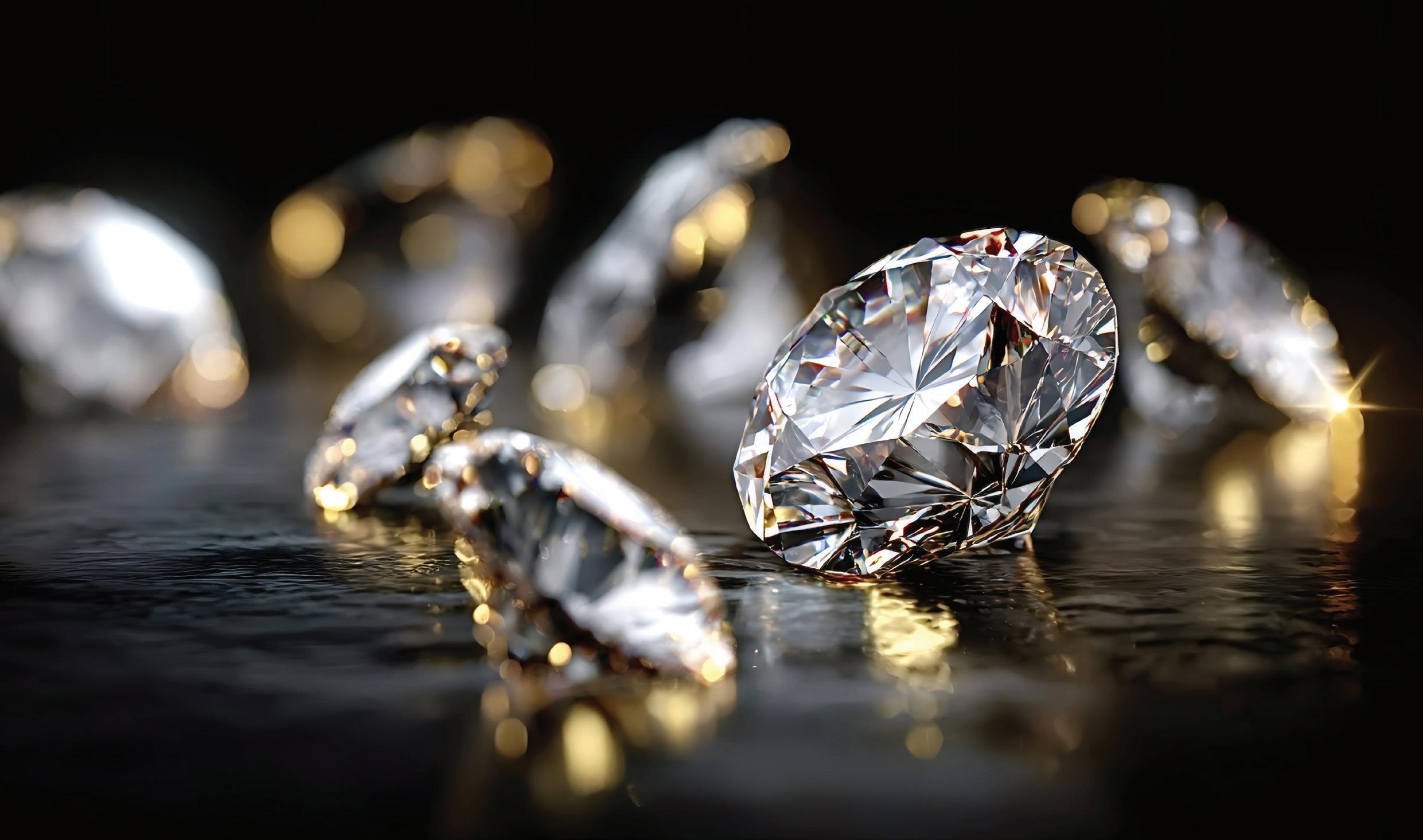
This April 2026 issue marks our annual Diamond Edition, an opportunity to celebrate a gemstone which has, quite literally and figuratively, stood the test of time. For centuries, diamonds have represented permanence, rarity and enduring value. Even in more recent years, as the market has evolved with the rise of laboratory-grown alternatives and shifting consumer perspectives, the natural diamond continues to hold a unique place in both the trade and the hearts of those who wear it.
Diamonds have weathered economic cycles, changing trends and industry disruption before. Their story is one of adaptation and enduring relevance – a reflection, in many ways, of the jewellery sector itself. In this issue, we explore the state of the diamond market, the challenges and opportunities facing the trade and the innovations shaping the future of the industry.
Whatever uncertainties the wider world may bring, one thing remains clear: that diamonds, much like the industry built around them, still endure.
Report crime incidents to the CGCSA. Robberies, break-ins and thefts remain a serious concern in our industry. Jewellers and industry members are strongly encouraged to report any such incidents to the Consumer Goods Council of South Africa (CGCSA) via e-mail: pulengr@cgcsa.co.za / crime@cgcsa.co.za. Please share detailed information, such as date, time, location, SAPS case number and any available photos or video footage, which are used to support investigations and help secure successful convictions.
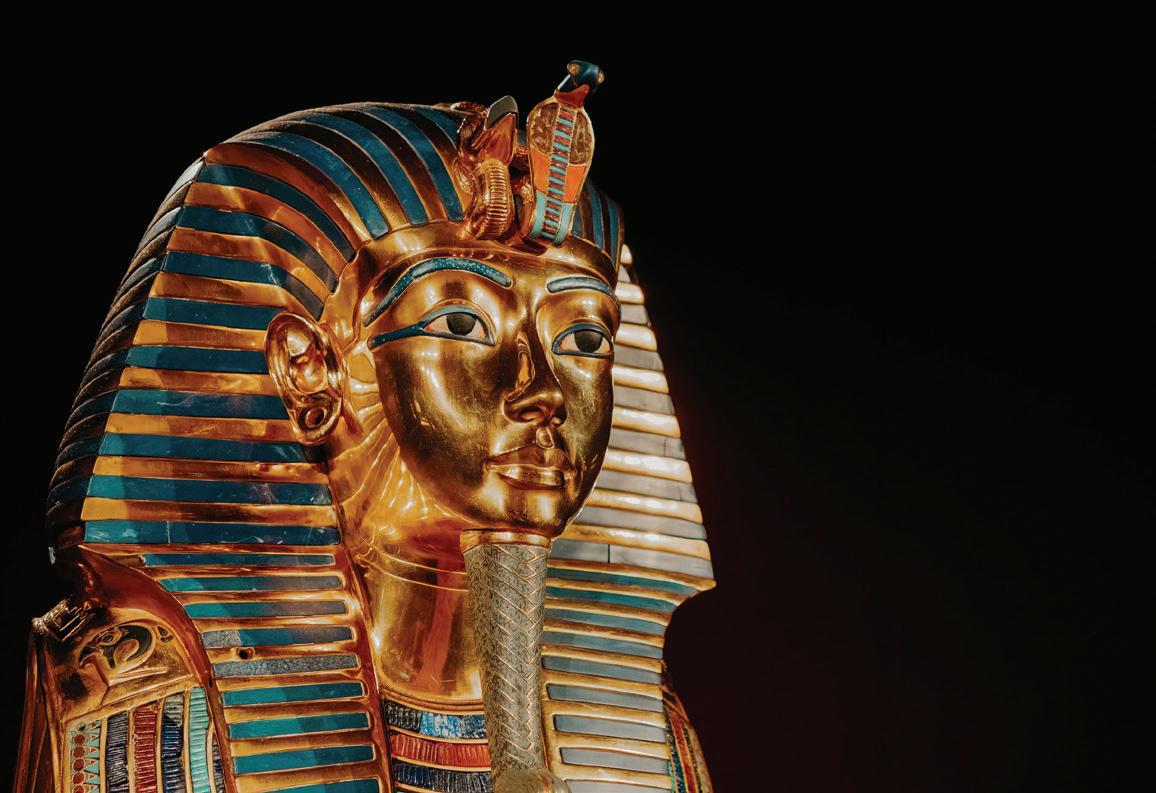
ON THE COVER
We hope you enjoy this issue!
Adri
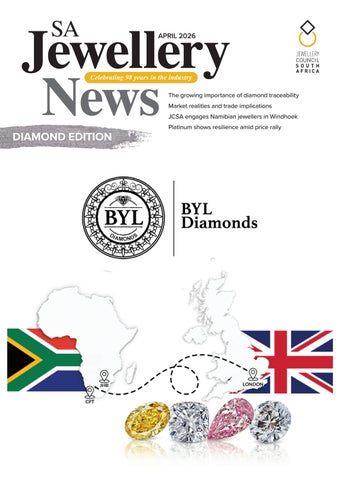
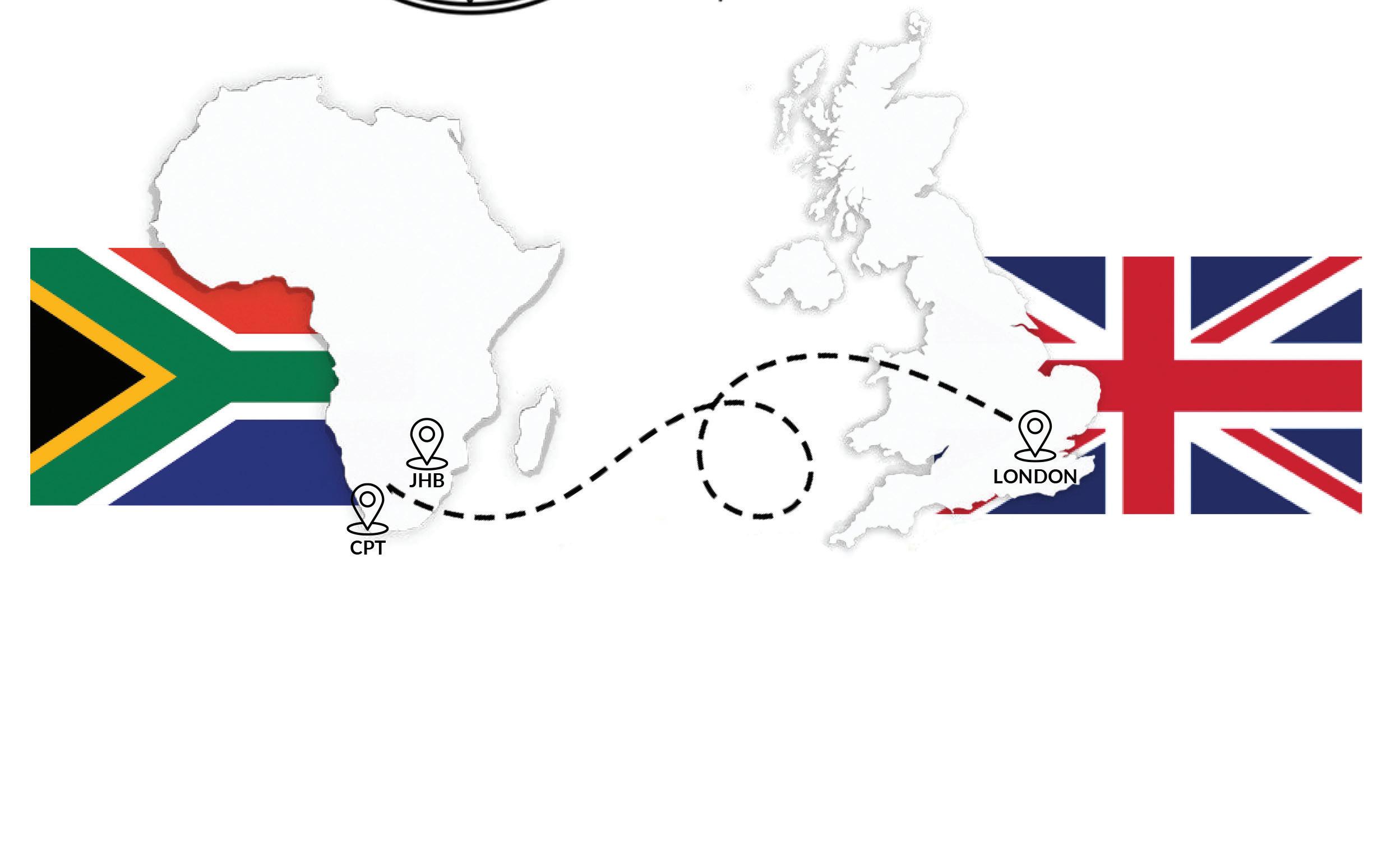
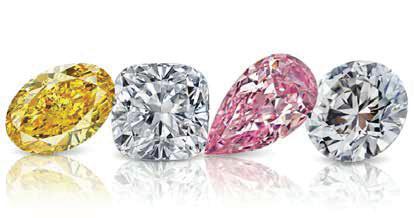
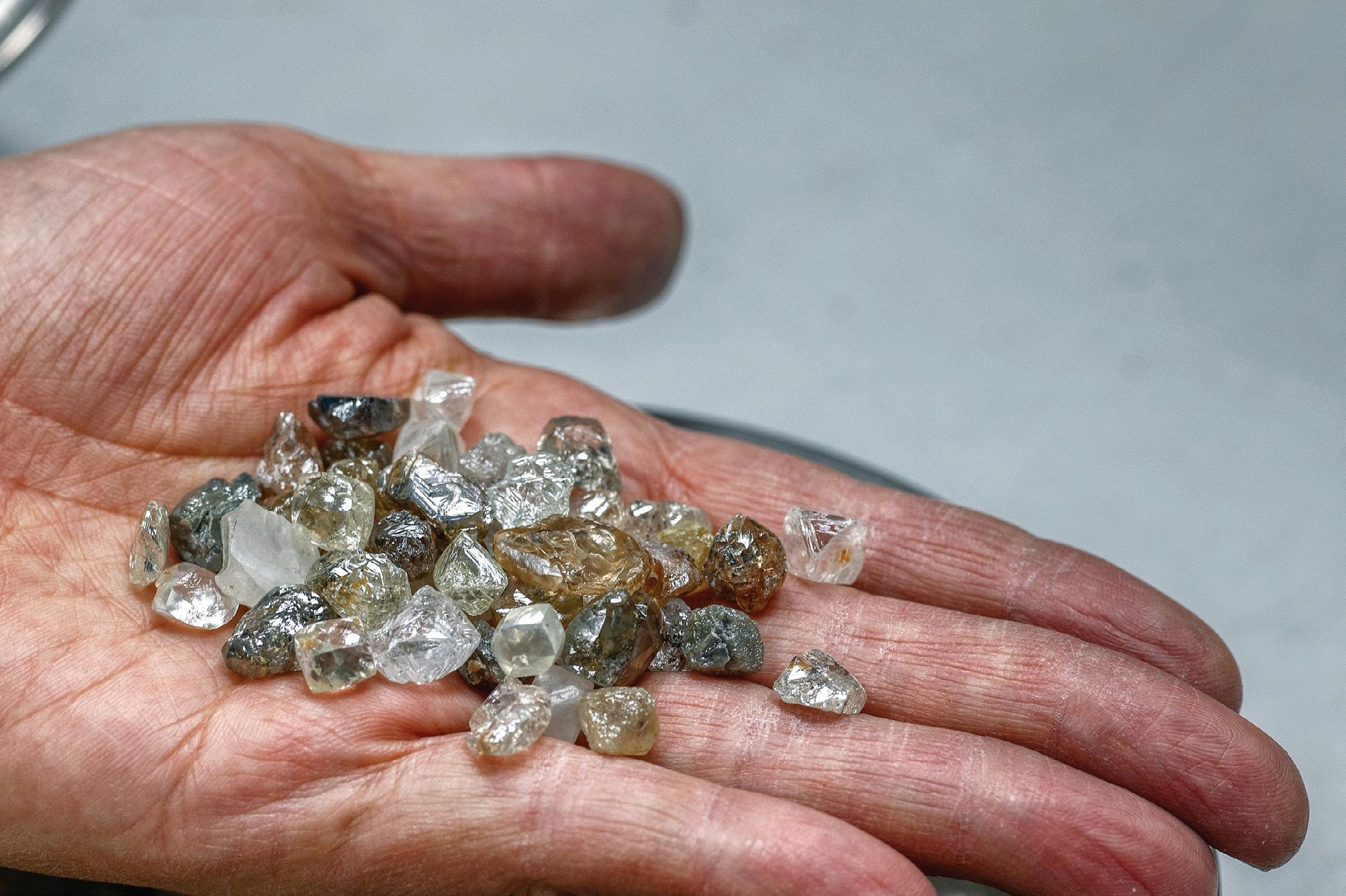
With o ces in Cape Town, Johannesburg and London, BYL Diamonds has cemented its reputation as one of South Africa’s leading diamond and jewellery wholesale suppliers. Through associates with mines in SA and state-of-the-art polishing factories abroad, BYL Diamonds has secured access to some of the world’s most impressive loose diamonds and gemstones, in a galaxy of shapes, sizes, colours and clarities. In addition to being a leading supplier of loose diamonds and gemstones, it is renowned for the quality of its ever-changing jewellery range, with each piece made using the fi nest diamonds and gemstones carefully chosen for each individual item. For more information on its range of diamonds, gemstones and jewellery collections, contact BYL Diamonds on tel: (021) 419-2000, e-mail: orders@byldiamonds.com or visit: www.byldiamonds.com.
World Diamond Congress returns to Singapore
The International Diamond Manufacturers’ Association (IDMA) and the World Federation of Diamond Bourses (WFDB) will once again join forces for this year’s World Diamond Congress.
The 41st edition of the event will take place in Singapore from 12-15 July and will be hosted by the Diamond Exchange of Singapore. The congress brings together key industry leaders to discuss import-
ant developments and challenges facing the global diamond sector.
The renewed collaboration follows a brief separation between the two organisations two years ago, when they did not host a joint congress.
Preparations are currently underway, with IDMA SecretaryGeneral Matthew Schamroth working alongside WFDB Secretary-General Rony Unterman,
Alrosa profit rises despite market slowdown
Russian diamond miner Alrosa reported a strong increase in profi t for 2025, even as global diamond demand remained subdued.
The company’s profi t rose by 88% to RUB36,2 billion (approximately US$468 million). One of the key factors was the weaker Russian ruble, which benefi ted the company, as most of its revenue is earned in US dollars, while many operating costs are paid in rubles.
Alrosa also reduced production at some lowerperforming mining operations and cut back on certain investments as part of broader cost-saving
while Communications Director Ya’akov Almor is assisting with coordination and planning.
IDMA President Ronnie VanderLinden noted that organising the congress has become more complex as the diamond industry faces ongoing changes, but organisers remain committed to delivering a successful event.
measures. At the same time, the company increased its investment in gold to help balance weaker diamond sales.
Despite the higher profi t, overall revenue declined slightly by 1,7% to RUB235,1 billion (approximately US$3 billion).
The company’s diamond reserves increased by 14% in value to RUB148,6 billion. However, Alrosa expects lower production in 2026, forecasting output of 25 million-26 million carats, compared with 29,7 million carats produced in 2025.
Opportunity in Mauritius –owner retiring FOR SALE
FULLY EQUIPPED JEWELLERY MANUFACTURING (CASTING) WORKSHOP FOR SALE
This fully equipped casting workshop has operated successfully since 1997, manufacturing for international brands across France, Italy, and the USA. Currently run by a small, experienced team in a 150 m² central facility with parking, the site holds significant expansion potential for up to 15 employees.
Ideally suited for a jeweler relocating or a retailer establishing offshore production, the business benefits from Mauritius’ fiscal advantages, including NO VAT on gold and diamonds, and EUR1/COMESA membership.
Priced at US$ 150,000 (excluding stock), the equipment is in excellent condition. This is a complete sale only; individual items will not be sold separately.
For equipment lists and photos, please contact (+230) 676 31 28 or email rt.office@bijem.com.
GIA veteran Tom Moses to retire
Tom Moses, Executive Vice-President and Chief Laboratory and Research Officer at the Gemological Institute of America (GIA), will step down after nearly 50 years with the organisation.
Moses has played an important role in expanding GIA’s global presence and helping establish the institute as a leading authority in gemmological research and education. He will remain in his position until the end of May to assist with the transition, after which he will take on the honorary title of Chief of Gemmological Research Emeritus.
GIA CEO Pritesh Patel praised Moses for his long-standing contribution to the organisation, highlighting his dedication to scientific excellence, grading standards and customer service throughout his career.
Moses joined GIA’s California laboratory in 1976 after completing his graduate gemmologist qualification. Over the years he has held several senior leadership roles and co-authored more than 100 technical articles published in Gems & Gemology and other scientific journals. In 2002 he received the Richard T Liddicoat Award for Distinguished Achievement and later joined GIA’s board of governors in 2013.
Swatch Group challenges Morgan Stanley report
The Swatch Group has issued an open letter criticising the latest Swiss Watcher report published by financial services firm Morgan Stanley.
According to the watchmaker, the report contains unreliable estimates and conclusions which are not supported by verified data, despite the availability of public information. Swatch stated that several figures related to its brands were significantly inaccurate.
The report suggested that a number of Swatch Group brands experienced turnover declines of 15% or more in 2025, including Longines, Swatch, Hamilton, Blancpain and Breguet. It also claimed that the group’s five largest brands all recorded falling sales.
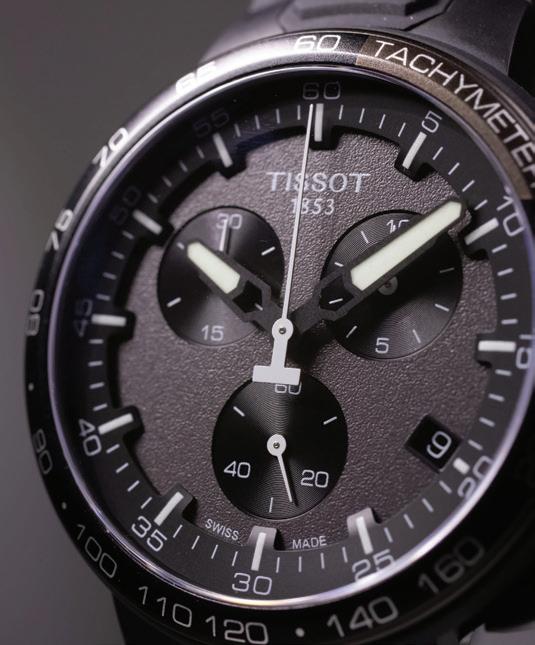
The Swatch Group strongly disputed these figures, noting for example that Tissot actually recorded growth of around 3%. The company said that some of the report’s statements could potentially harm trust among retailers and consumers, adding that legal action may be considered.
Market realities and trade implications
The diamond market is transitioning from expansion to realignment as laboratorygrown prices decline and natural diamonds retain demand in premium segments
The global diamond industry has entered a period of structural adjustment following years of rapid production growth in lab grown stones. While lab-grown diamonds were once lauded for their disruptive potential, more recent market trends show significant price decline, moderating demand and increasing segmentation between natural and lab-grown products. For trade professionals, understanding these developments is essential for informed sourcing, pricing and retail strategy.
Over the past decade, improvements in technology and capacity expansion, especially in China and India, led to a substantial increase in supply labgrown diamonds. However, unlike earlier phases
of growth, 2024 and 2025 data indicate that the expansion of lab-grown supply has outpaced retail demand, resulting in significant price erosion.
Wholesale market reports have confirmed sharp declines in lab-grown diamond prices across multiple size and quality categories. For example, stones in the popular 0,30-0,49ct range, which once commanded substantial premiums over natural diamonds, are now trading at steep discounts relative to their historical levels. Industry analytics show that lab-grown prices fell by an estimated 40-60% from 2022-2025, with larger carat stones experiencing even greater declines. This downward trend reflects both over-supply and a slowdown in end consumer purchases.
“Industry certification standards also play a role in the way diamonds are perceived and priced.”
By contrast, natural diamond prices have shown more stability, particularly in the mid- to upper segments. After a period of strength in the early 2020s, natural diamond pricing has normalised but remains resilient, especially for larger and investment-grade stones. Retailers report that demand for natural diamonds continues to be driven by traditional occasions such as engagements, anniversaries and luxury purchases – contexts in which consumers remain willing to pay premiums for authenticity, rarity and long-term value.
The divergence in price trends has led to clearer market segmentation. In many markets, labgrown diamonds are increasingly positioned as value-orientated options, allowing consumers to choose larger or higher-quality stones at lower price points. In contrast, natural diamonds are marketed as luxury goods with enduring value, supported by their geological origin and established cultural associations.
This segmentation has important implications for retail strategy. Many jewellers now offer both
product categories, but approach them differently in terms of display, pricing and customer education. Successful retailers emphasise transparency, ensuring that customers understand the distinctions between lab-grown and natural diamonds, including differences in pricing, resale value and long-term desirability.
A significant challenge for labgrown stones has been the lack of established resale value. Unlike natural diamonds, which have a long track record as heirloom pieces with potential secondary market demand, lab-grown diamonds typically do not retain value over time. This has impacted purchase decisions among some consumers, particularly those considering diamonds as long-term purchases or investments.
Industry certification standards also play a role in the way diamonds
are perceived and priced. Leading gemmological laboratories provide grading reports that include detailed assessments of carat, colour, clarity and cut. For lab-grown stones, certificates now also clearly indicate their laboratory origin, which supports transparency, but may influence resale and perceived value.
Despite pricing pressures, demand for lab-grown diamonds has not disappeared. In certain segments, particularly among younger consumers and budget-focused bridal buyers, lab-grown options remain attractive. Retailers who position lab grown stones within a defined value category, rather than as direct substitutes for natural diamonds, tend to perform better in satisfying customer expectations.
For natural diamonds, initiatives aimed at reinforcing their unique value proposition have continued. Industry organisations and producing countries have invested in marketing campaigns that emphasise rarity, tradition and legacy. These efforts seek not only to support retail demand, but to differentiate natural diamonds in an increasingly crowded marketplace.
Consumer education has become a cornerstone of successful sales strategy. Retailers increasingly
provide in-store and digital content that explains both lab grown and natural diamonds in clear, factual terms. Discussions about origin, pricing mechanics, certification standards and potential future value help customers make informed choices aligned with their priorities.
From a supply chain perspective, dealers and wholesalers are adapting to the shifts by adjusting inventory mix, negotiating more flexible sourcing terms and monitoring pricing trends more closely. The capacity for rapid price adjustment, particularly in labgrown stones, has become critical as markets seek equilibrium.
Looking ahead, analysts predict that the diamond market will
continue to stabilise, rather than return to the high growth trajectory of the previous decade. Both natural and lab-grown diamonds are likely to remain relevant, but their roles will differ. Natural diamonds are expected to sustain demand in the luxury space, whereas lab-grown stones may consolidate around value driven segments with competitive pricing.
For jewellers, the key to navigating this dynamic environment lies in clear communication, strategic inventory management and customer education. By presenting both product types accurately and transparently, retailers can cater for a broader spectrum of buyers while safeguarding their brand reputation and long-term customer relationships.
“Looking ahead, analysts predict that the diamond market will continue to stabilise, rather than return to the high growth trajectory of the previous decade. Both natural and lab-grown diamonds are likely to remain relevant, but their roles will differ. Natural diamonds are expected to sustain demand in the luxury space, whereas lab-grown stones may consolidate around valuedriven segments with competitive pricing.”
JCSA engages Namibian jewellers in Windhoek
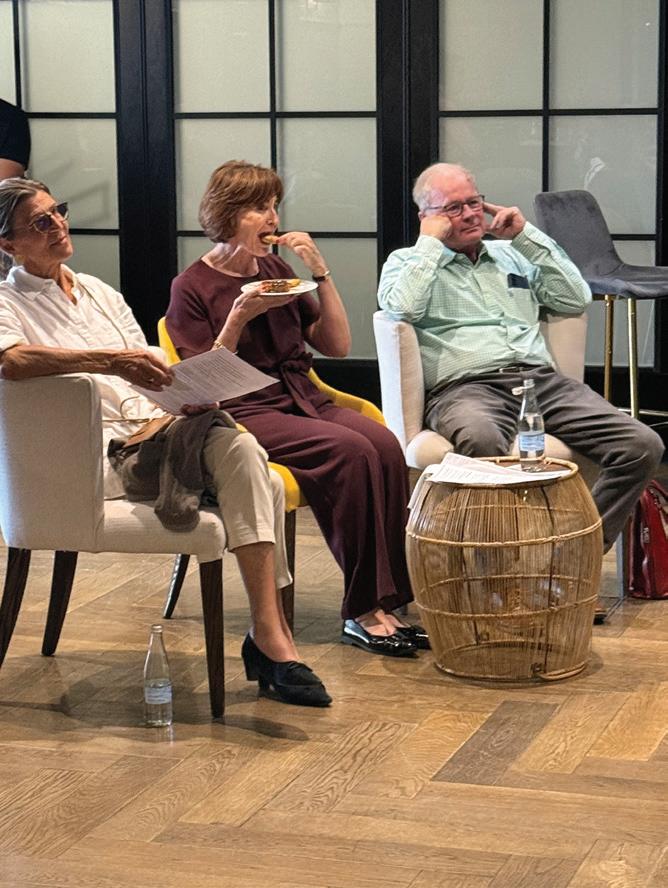
The Jewellery Council of South Africa (JCSA), in partnership with Cape Precious Metals, hosted an informative and collaborative evening session at the Weinberg in Windhoek on 12 March. The event focused on JCSA membership opportunities, strengthening regional partnerships and fostering greater alignment within the southern African jewellery industry
JCSA CEO Lorna Lloyd led the interactive discussion, highlighting the value of cross-border collaboration and industry support.
“Membership of the Jewellery Council of South Africa provides Namibian jewellers with access to a recognised regional network that enhances credibility, supports professional standards and encourages sustainable business growth,” said Lloyd.
“Our vision is to build stronger industry connections across southern Africa, but this can only be achieved through meaningful collaboration and engagement with jewellers in Namibia. The proposals shared during the session are intended as a starting point and we welcome input from Namibian jewellers on the types of services, resources and support that would be most valuable to them.”
The proposals shared during the session are intended as a starting point for the JCSA’s new southern African division, which the council hopes to extend to all neighbouring countries. The council has also extended an invitation to jewellers from other Southern African nations to contact the JCSA at: admin@jewellery.org.za regarding membership.
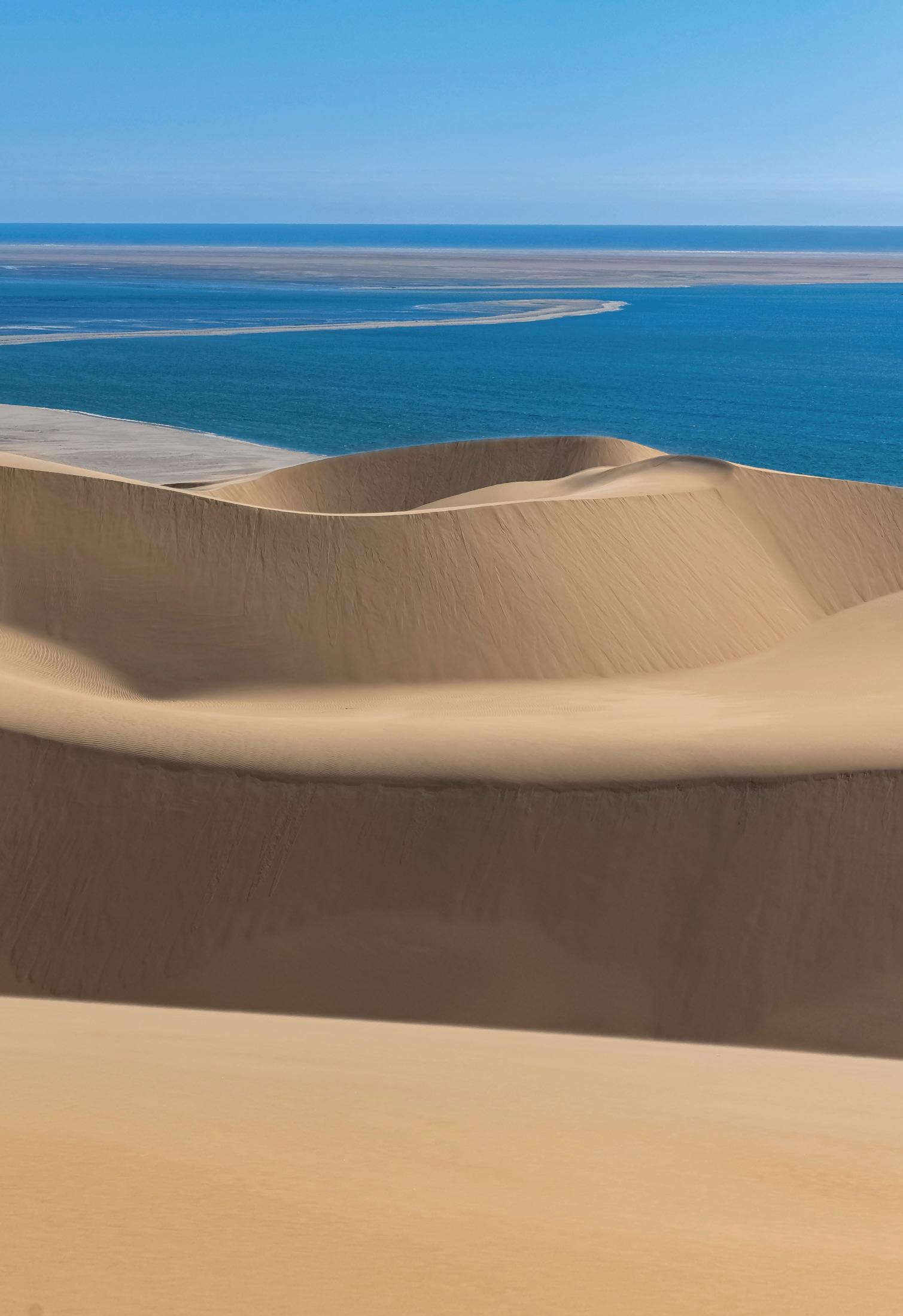
Namibia remains one of the world’s most important diamond producers, known for the exceptional quality of its stones and its vast offshore diamond resources. With marine mining accounting for the majority of production and strong governmentindustry partnerships driving beneficiation and local value creation, the country continues to play a significant role in the global diamond supply chain
Namibia has long been recognised as one of the world’s most important diamond-producing countries. With a well-regulated mining sector, significant marine diamond deposits and a strong partnership between government and industry, the country plays a key role in the global diamond supply chain.
Diamonds were first discovered in Namibia in 1908 along the country’s southern coastline. Since then, the industry has evolved into one of Namibia’s most valuable economic sectors, contributing significantly to government revenue, exports and employment.
Namibia’s diamond industry today
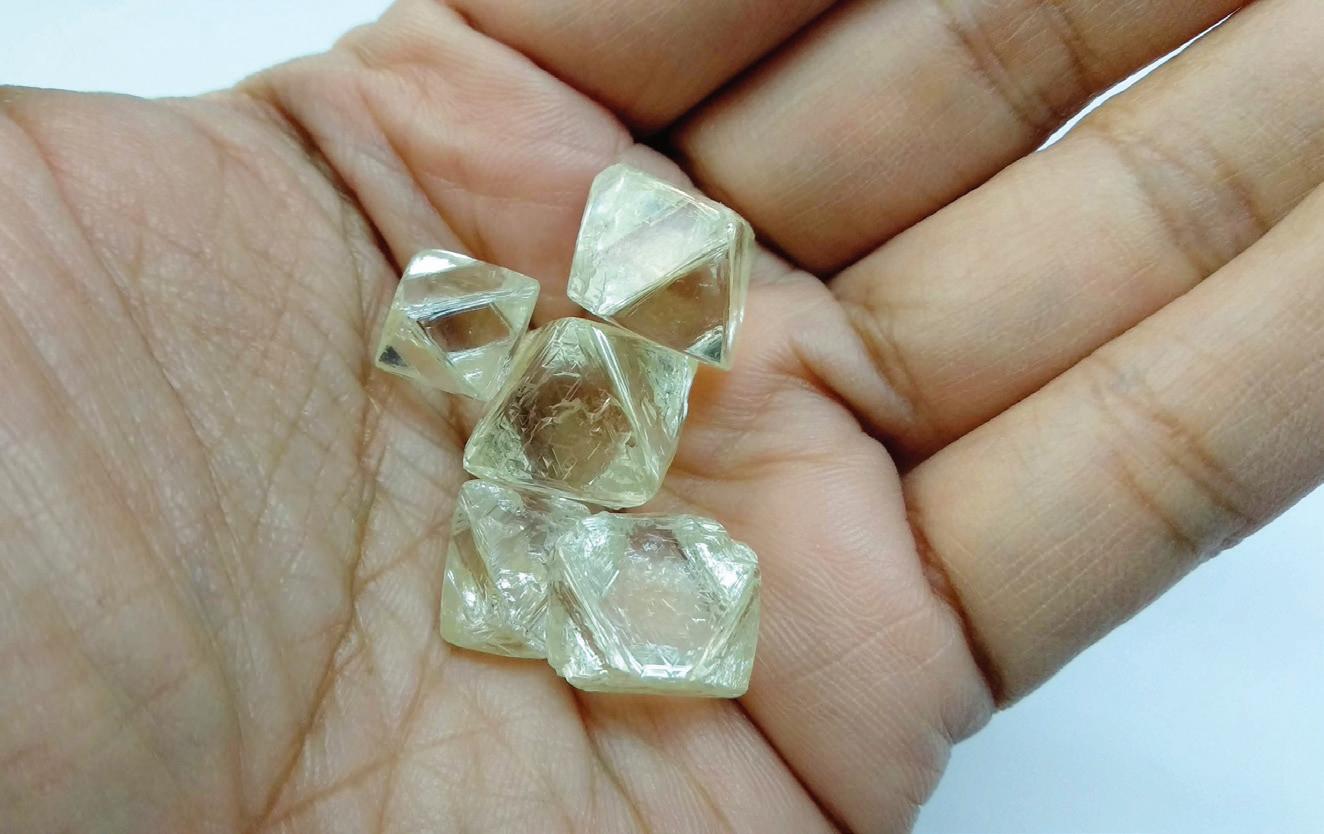
Today, Namibia ranks among the world’s leading diamond producers by value, largely due to the exceptional quality of its stones. The majority of Namibia’s diamonds are recovered from marine deposits off the country’s Atlantic coast, which are widely regarded as the richest marine diamond resources in the world. These deposits are estimated to contain approximately 75 million carats of diamonds beneath the seabed, making them a critical longterm resource for the industry.
Marine mining dominates production
Unlike most diamond-producing countries, Namibia’s industry is heavily focused on offshore mining. Marine diamonds account for roughly 80% of the country’s diamond production, extracted by specialised vessels that recover diamond-bearing gravel from the ocean floor.
The offshore sector is primarily operated by Debmarine Namibia, while land-based diamond mining is conducted by Namdeb. Both companies operate under Namdeb Holdings, a 50/50 joint venture between the Namibian government and De Beers, ensuring that the state retains a significant share in the country’s diamond resources.
Namibia’s total diamond production has fluctuated in recent years due to changing market conditions.
In 2023 the country produced approximately 2,33 million carats of rough diamonds, representing a 9% increase from the previous year.
Production levels remain sensitive to global demand. In 2024 output declined slightly to around 2,23 million carats, reflecting adjustments in production strategies and lower demand in international diamond markets.
Beneficiation and local value creation
In addition to mining, Namibia has made significant efforts to develop downstream diamond activities, including sorting, valuation, cutting and polishing. The government has implemented policies aimed at promoting local beneficiation to ensure that more value is retained within the country.
A key component of this strategy is Namdia, the state-owned diamond
trading company established in 2016. Namdia receives a portion of the diamonds produced by Namdeb and Debmarine and sells them to international clients, providing an additional channel for marketing Namibian diamonds and supporting the development of the local diamond industry.
Several cutting and polishing factories have also operated in Namibia over the years, particularly in Windhoek. These facilities aim to support local skills development and job creation while strengthening Namibia’s position within the broader diamond value chain.
Like much of the global diamond sector, Namibia’s diamond industry faces several challenges. Fluctuating demand, changing consumer preferences and increasing competition from laboratory-grown diamonds have placed pressure on producers and exporters alike.
Despite these challenges, Namibia’s diamond industry remains well-positioned for the future. With its high-quality marine diamonds, ongoing investment in local beneficiation and a stable partnership between government and industry, the country continues to play a vital role in the global diamond market. By focusing on innovation, sustainability and value creation, Namibia is not only securing its place as a key player today, but is shaping the future of the diamond sector for generations to come.
“Unlike most diamond-producing countries, Namibia’s industry is heavily focused on offshore mining. Marine diamonds account for roughly 80% of the country’s diamond production, extracted by specialised vessels that recover diamond-bearing gravel from the ocean floor.”
The growing importance of diamond traceability
Increasing regulatory pressure and consumer demand for ethical sourcing are accelerating the adoption of diamond traceability technologies
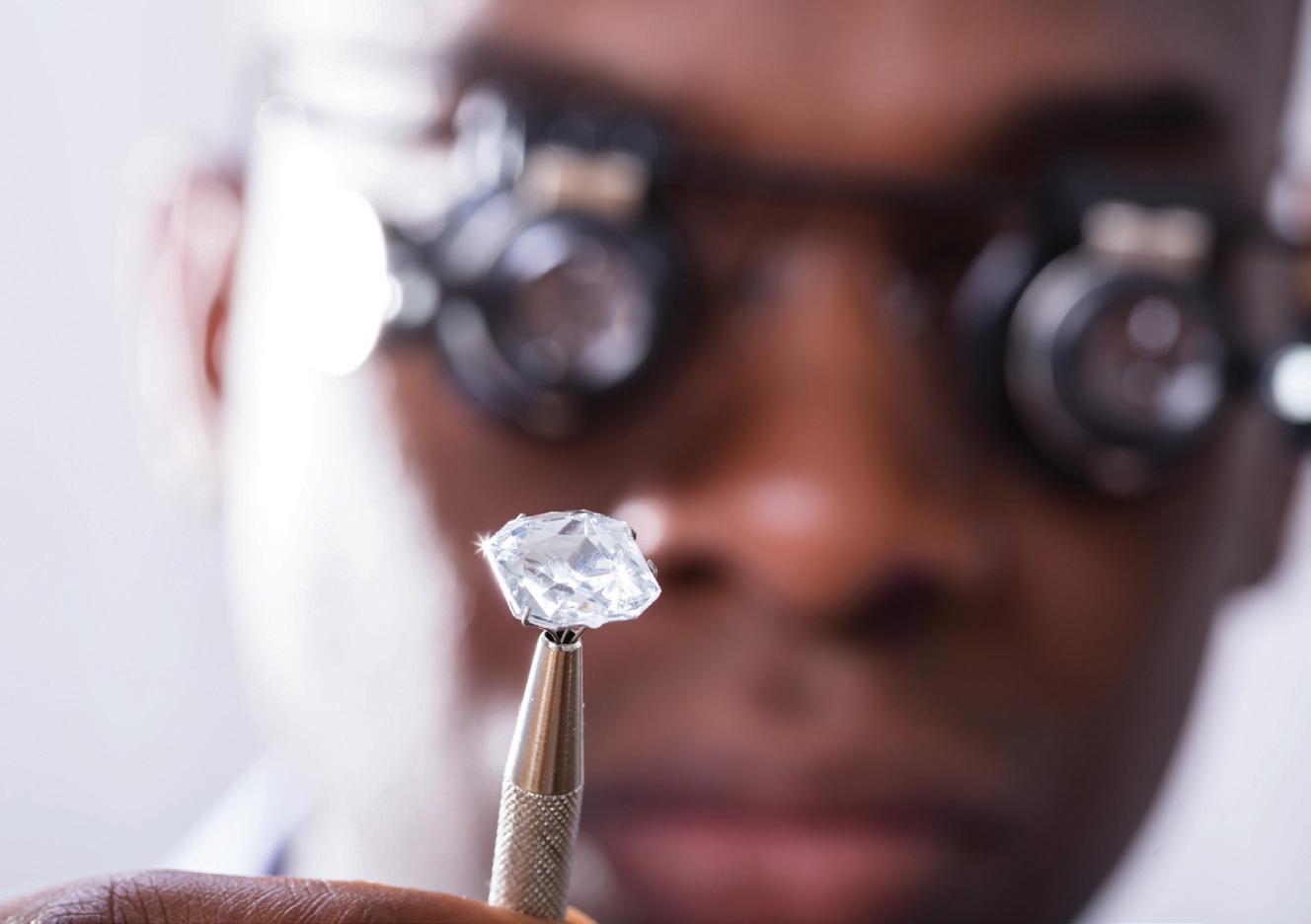
Transparency and provenance have become central themes in the modern diamond industry. As global supply chains grow increasingly complex and consumers demand greater assurance regarding ethical sourcing, the ability to trace a diamond from its origin to the retail counter is becoming an important component of responsible trade practices.
The concept of traceability in the diamond sector is not entirely new. For more than two decades, the industry has operated under the Kimberley Process Certification Scheme, an international initiative designed to prevent the trade in conflict diamonds. While the Kimberley Process significantly reduced the flow of diamonds used to finance armed conflict, the evolving expectations of governments, retailers and consumers have led to calls for more comprehensive supply chain transparency.
In recent years, geopolitical developments have accelerated this shift. In 2024, the Group of Seven (G7) countries implemented expanded import restrictions targeting diamonds originating from Russia. The new rules require stricter verification of diamond origins, applying to stones of 0,5ct and above and have increased the need for reliable traceability systems across the supply chain.
“Beyond regulatory compliance, traceability is also becoming an important element of consumer confidence.”
These regulatory changes have significant implications for the global diamond trade. Major trading hubs, manufacturers and retailers must now demonstrate that diamonds entering certain markets comply with origin verification requirements. For many companies, this has necessitated the development of more sophisticated tracking and documentation systems capable of following a stone through each stage of production and distribution.
Technological innovation has played a central role in addressing these challenges. Several companies and industry organisations have begun adopting blockchain-based systems designed to create permanent digital records of a diamond’s journey from mine to market. Blockchain technology allows each transaction within the supply chain to be recorded in a secure and tamper-resistant ledger, providing verifiable data about a stone’s origin, ownership and movement.
One of the most prominent initiatives in this fi eld is the Tracr platform developed by De Beers. The system records key information about diamonds as they move through the supply chain, linking rough stones to their polished counterparts and creating a digital record that accompanies the diamond throughout its life-cycle. By 2024, millions of rough diamonds had already been registered on the platform, refl ecting growing industry adoption of traceability technologies.
In addition to blockchain systems, other technological approaches are being explored to enhance diamond traceability. These include laser inscription of unique identification numbers on polished diamonds, microscopic “fi ngerprinting” techniques that identify a stone based on its internal characteristics and advanced imaging technologies capable of matching polished stones to their original rough crystals.
Such innovations aim to address one of the long-standing challenges in the diamond industry: the transformation that occurs during cutting and polishing. Once a rough diamond is divided and polished, it can be difficult to link the finished stones back to their original source. By combining physical identification methods with digital tracking systems, the industry is increasingly able to maintain continuity of information throughout the manufacturing process.
Beyond regulatory compliance, traceability is also becoming an important element of consumer confi dence. Modern jewellery-buyers, particularly younger generations, are increasingly interested in the ethical and environmental implications of their purchases. Questions about mining practices, labour conditions and environmental impact are becoming more common in retail settings.
For jewellers, the ability to provide verifiable information about the origin of a diamond can therefore serve as a powerful differentiator. Provenance data allows retailers to demonstrate responsible sourcing practices and to communicate the positive economic contributions that diamond mining can make to producing countries.
This is particularly relevant for nations in southern Africa, where the diamond industry plays a significant role in economic development. Countries such as Botswana, Namibia and South Africa have long emphasised the importance of responsible diamond production and the contribution of the industry to employment, infrastructure and national revenue. Enhanced traceability systems can help reinforce this narrative by providing tangible evidence of a diamond’s journey from legitimate mining operations to the jewellery market.
At the same time, implementing traceability across a global industry remains a complex undertaking. The diamond supply chain involves multiple stakeholders, including mining companies, sorting centres, cutting and polishing facilities, traders, laboratories and retailers. Ensuring consistent data collection and verification across these diverse participants requires coordination, investment and industry-wide co-operation.
“In an increasingly transparent marketplace, the story of where a diamond comes from, and how it reaches the consumer, may prove just as valuable as the stone itself.”
Despite these challenges, the momentum towards greater transparency appears unlikely to slow down. Regulatory requirements, technological innovation and evolving consumer expectations are collectively driving the industry towards more comprehensive traceability frameworks.
For trade professionals, this shift represents both a challenge and an opportunity. While compliance with new systems may require adjustments to traditional supply chain practices, traceability also offers a pathway to strengthen consumer trust and reinforce the reputation of the diamond industry as a responsible and transparent sector.
As the jewellery market continues to evolve, provenance may become as important a selling point as the traditional attributes of carat, colour, clarity and cut. In an increasingly transparent marketplace, the story of where a diamond comes from, and how it reaches the consumer, may prove just as valuable as the stone itself.
Trusted diamond supplier in local and international markets
Established as a premier diamond trading company, BYL Diamonds specialises in manufacturing and distributing high-quality diamonds to retailers, wholesalers, and jewellery manufacturers worldwide. For many years, BYL Diamonds has been a trusted name in the diamond industry, renowned for its expertise, integrity, and commitment to excellence. With a strong foundation built on precision, trust, and innovation, the company continues to set the standard in the diamond trade.
BYL Diamonds has earned a reputation for its meticulous attention to quality and craftsmanship, offering an extensive selection of certified diamonds, non-certified diamonds, certified AAA Tanzanite, large investment stones, and perfectly crafted diamond and Tanzanite jewellery. From jewellers creating oneof-a-kind pieces to large-scale retailers seeking consistency, every diamond whether melee,
fancy shapes, or investment stones is expertly cut and polished to maximise brilliance, fire, and scintillation. The company’s ability to meet the specific needs of each client is what truly sets it apart. Whether customers require particular carat weights, colours, clarities, or cuts, BYL Diamonds’ team ensures a seamless selection process aligned with the highest industry standards.
Headquartered in South Africa, with offices in Cape Town, Johannesburg, and London, BYL Diamonds has established a strong global presence, enabling clients to expand their reach and confidently close deals across international markets. By tapping into this worldwide network, customers benefit from the same high level of expertise, service, and trust no matter where they operate.
With an unwavering dedication to quality, professionalism, and innovation, BYL Diamonds continues to be a
trusted partner for jewellers, manufacturers, and retailers around the world. Its ability to combine traditional diamond trading values with modern market insights ensures that it remains at the forefront of an ever-evolving industry. Clients can rely on BYL Diamonds to provide consistency, expertise, and a seamless experience. Its decades-long legacy continues to shine brightly, setting the gold standard for excellence, service, and innovation in the global diamond trade. The company’s commitment to precision, reliability, and client satisfaction has made it a preferred partner in both local and international markets.
Crime in the jewellery industry remains a persistent challenge and while external threats often receive the most attention, internal security is equally critical. Malcolm Jenner, KwaZulu-Natal representative for the Jewellery Council Risk Initiative (JCRI) and Marketing and Administrative Director at Cape Precious Metals (CPM), discusses the importance of access control
The Risk Report
Jewellery stores, workshops and offices contain high-value assets in relatively small spaces, making strict access control an essential component of any security strategy.
In this month’s Risk Report, we look at how effective access control systems and procedures can help jewellers reduce risk, protect staff and safeguard valuable inventory.
One of the most common vulnerabilities in jewellery businesses is unrestricted or poorly managed access to sensitive areas. Safes, strongrooms, stock storage areas and repair workshops should only be accessible to authorised personnel. Clearly defined access levels help ensure that staff members can only enter areas necessary for their roles.
Modern electronic access control systems are increasingly being adopted by jewellery retailers and manufacturers. These systems can include key cards, biometric scanners or keypad entry, allowing businesses to manage who enters specific areas and when. Unlike traditional keys, electronic access credentials can be deactivated quickly if lost, stolen or when staff members leave the business.
Equally important is maintaining accurate records of access activity. Many systems automatically log entries and exits, creating an audit trail which can be invaluable in the event of theft or a security investigation. This visibility helps businesses quickly identify unusual patterns or unauthorised access attempts.
Staff awareness also plays a crucial role in effective access control. Employees should understand the importance of keeping restricted areas secure, not sharing access credentials and reporting suspicious behaviour immediately. A strong security culture within the business can often be the most effective defence against internal risk.
Jewellery businesses should also review procedures regarding opening and closing the store, cash-handling and stock movement. Dual-control procedures, where two authorised individuals are present during critical activities such as opening safes or transferring high-value items, significantly reduce the opportunity for internal theft or coercion.
Visitor management is another area that should not be overlooked. Suppliers, contractors and maintenance personnel should always be escorted while on the premises and should never be left unattended in areas where stock or sensitive information is present.
Regular security audits can help identify weaknesses in access control procedures. As businesses grow
CALL TO ACTION: REPORTING INCIDENTS
or staff roles change, access privileges should be reviewed to ensure they remain appropriate. Periodic audits also reinforce the importance of security protocols within the organisation.Ultimately, access control is about more than simply locking doors. When properly implemented, it becomes a structured system that protects staff, preserves inventory integrity and strengthens overall business resilience.
In a high-value industry such as jewellery, layered security measures remain the most effective approach. When combined with CCTV, alarm systems and responsible staff practices, strong access control policies form a critical foundation for preventing crime and protecting the industry.
All security-related incidents, whether successful or attempted, should be reported to the Jewellery Council of South Africa by e-mailing: admin@jewellery.org.za. Please include as much detail as possible, such as the date, time and location, a description of what occurred, any suspect details, vehicle information, CCTV footage or images and the SAPS case number, where applicable.
The following jewellery-related crimes, which occurred between 15 February 2026 and 15 March 2026, were reported to the Jewellery Council:
18 Feb 2026 09:52 Blumberg Jewellers Attempted robbery Vryburg, NW Province
13 Mar 2026 10:00 Violet and Rose Jewellery Co Armed robbery
Sandton Mall, Nelson Mandela Bridge Section, Gauteng
Mbombela Shopping Centre, Nelspruit, Mpumalanga
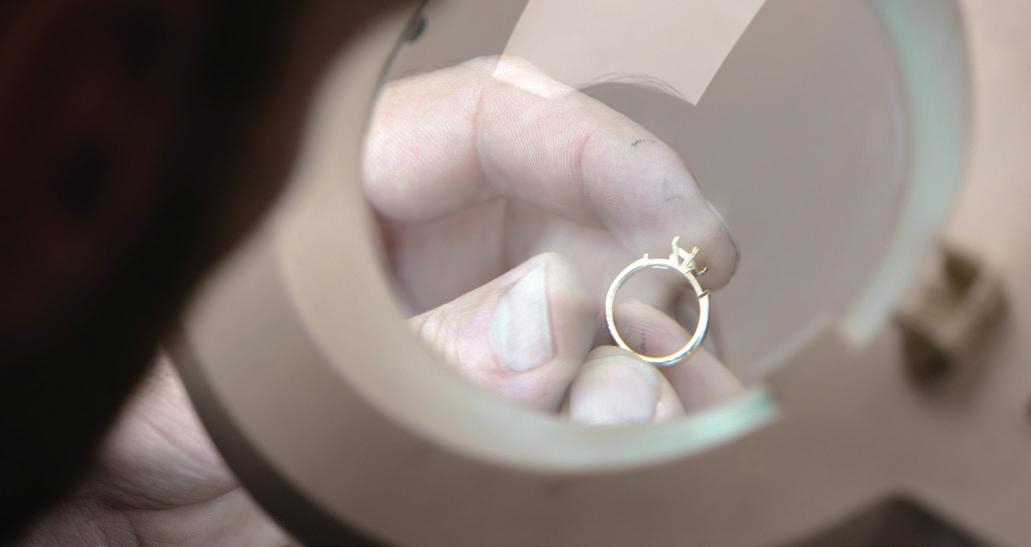
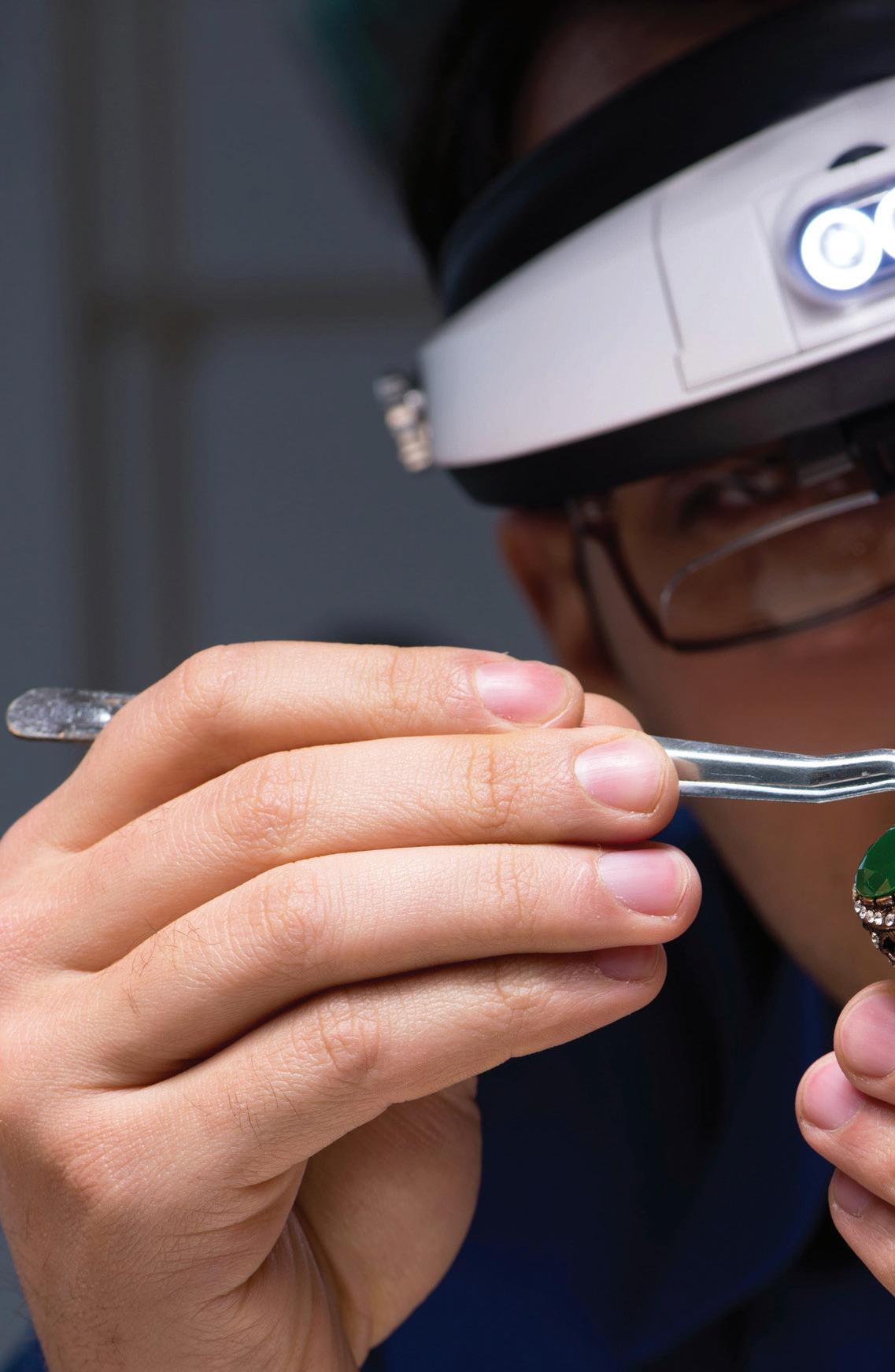
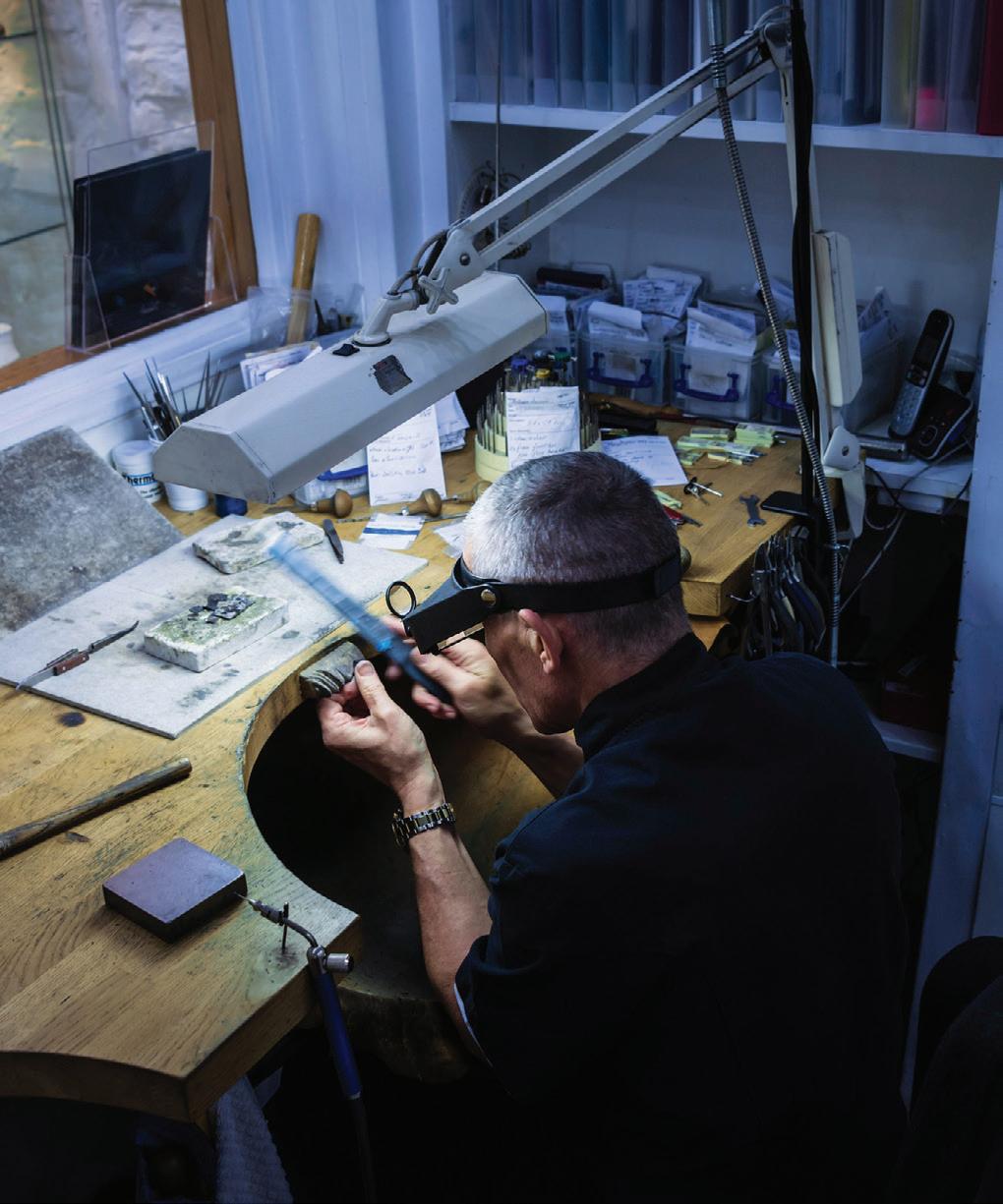
With consumers increasingly choosing to repair rather than replace their jewellery, workshop workloads are shifting. Stonesetting repairs, from worn claws to missing stones, are now among the most common bench tasks. This month’s article explores how jewellers can approach these repairs with precision, efficiency and the right equipment to ensure lasting results and maintain customer trust
Repair over replace: a growing trend
With economic pressures influencing buying behaviour, many customers are opting to repair existing pieces rather than invest in new jewellery. This has led to a noticeable increase in repair work, particularly in stone-setting. While these jobs may seem routine, they are critical to the security of the stone and the longevity of the piece.
At their core, stone-setting repairs are not just cosmetic – they restore strength, balance and durability to jewellery which is worn every day.
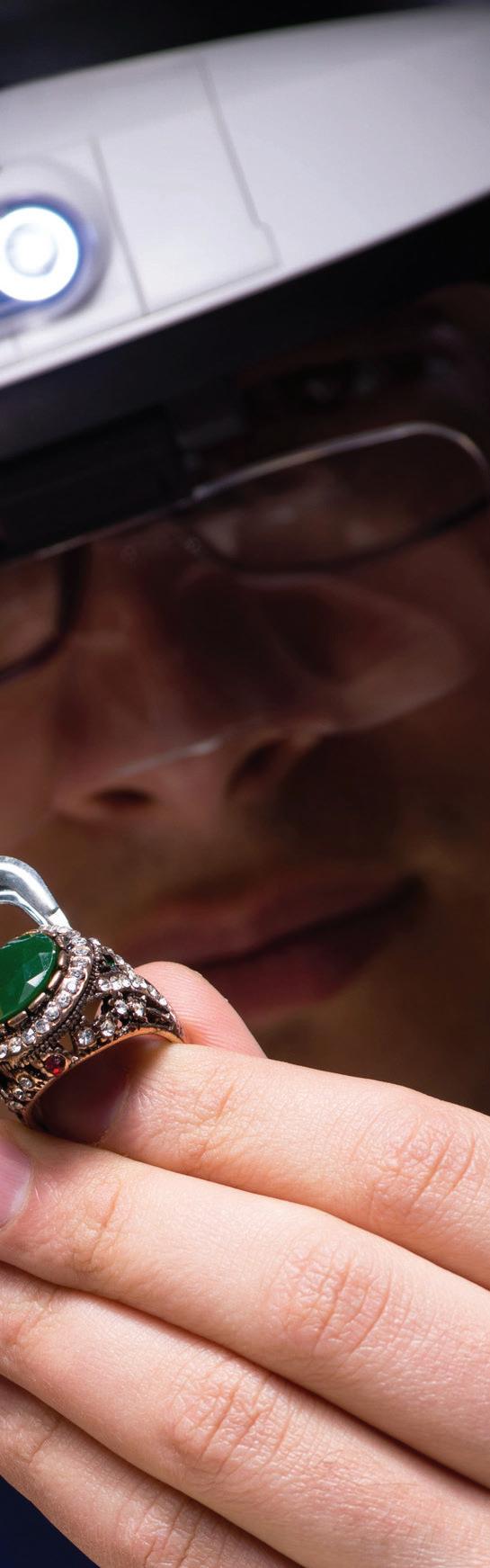
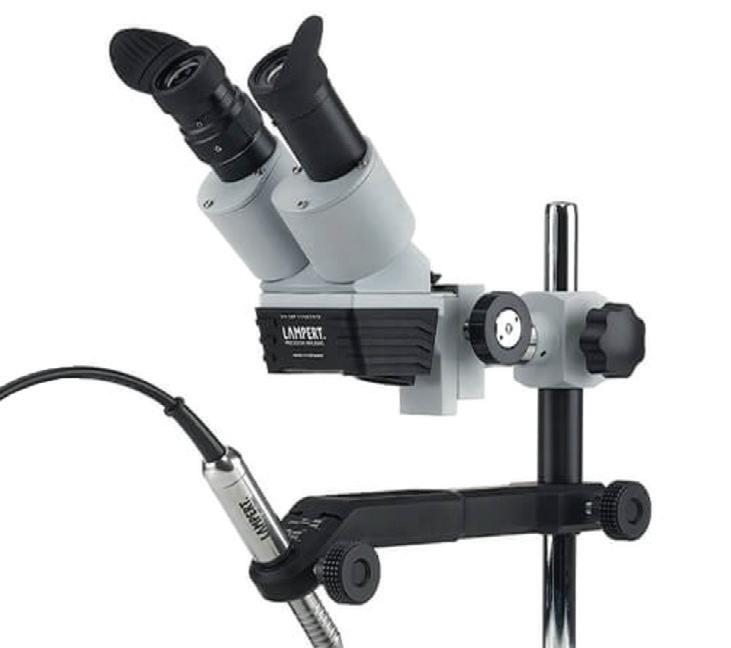
Start with inspection: the most critical step Before any repair begins, a thorough assessment is essential. Many issues are not visible to the naked eye and only become apparent under magnifi cation using a loupe or microscope.
Key areas to evaluate include worn or broken claws, discolouration around the setting (often a sign of previous overheating or metal fatigue) and bent or thinning claws. Even if a stone appears secure, compromised metal can quickly lead to failure if not addressed early.
Repair, restore and retain value
Common repairs: fi xing the root cause
Bent settings, missing and loose stones are among the most frequent repair requests. However, these issues are often symptoms of deeper structural problems.
Simply tightening a loose stone or replacing a missing one without addressing worn metal, fatigue or imbalance can result in repeat repairs. A proper approach focuses on long-term stability, rather than quick fi xes.
Claw work: precision and balance
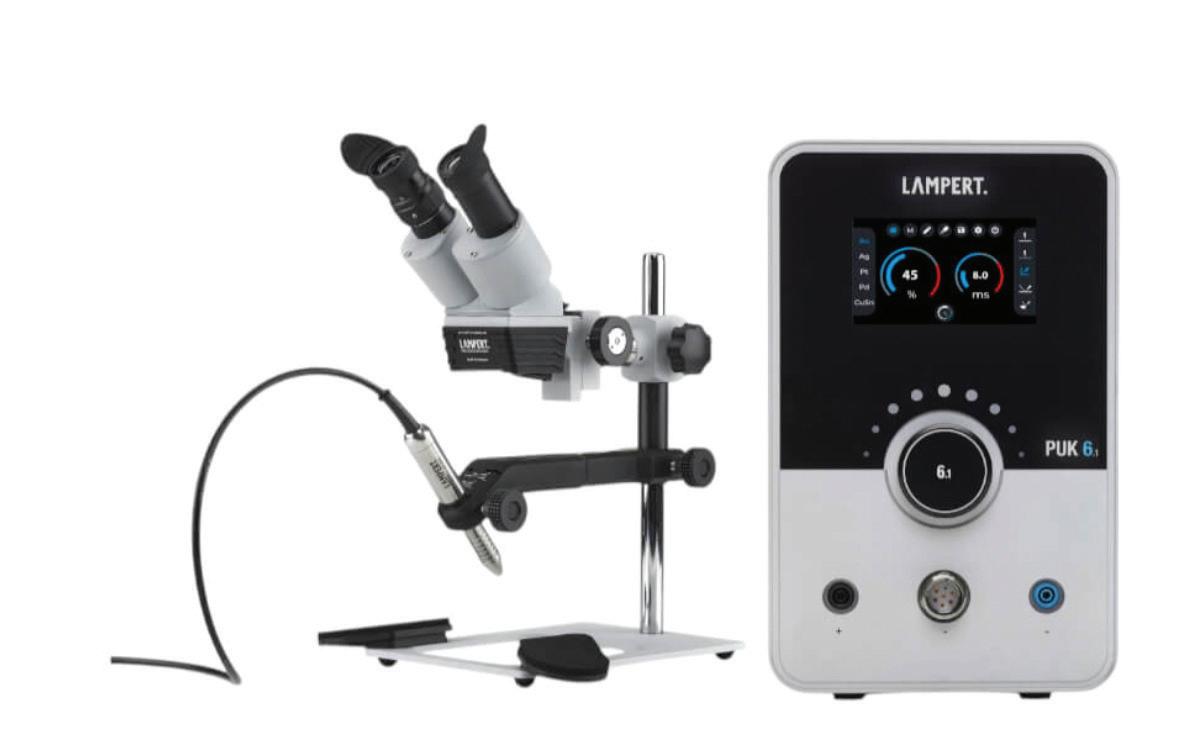
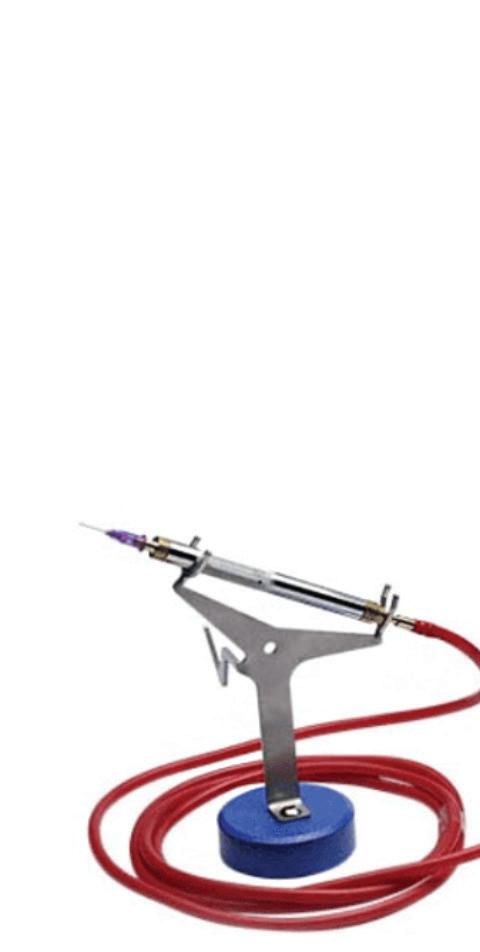
Claw repairs remain one of the most common bench tasks. Retipping is suitable when only minor wear is present and the setting is still structurally sound. It is ideally done using a laser or PUK welder to minimise heat exposure.
In cases of extensive wear, reheading may be the better option. Replacing weakened metal improves durability and reduces the likelihood of future repairs. In both cases, proper shaping and even pressure distribution are key to securing the stone.
Micro-pavé: high precision required Working with small stones requires exceptional control. Tight spacing and minimal metal leave little margin for error, making heat management, vibration and pressure critical factors. Poor technique can lead to uneven stones, stress fractures or further stone loss.
The role of the right tools
Consistent, high-quality repairs depend heavily on the tools used at the bench.
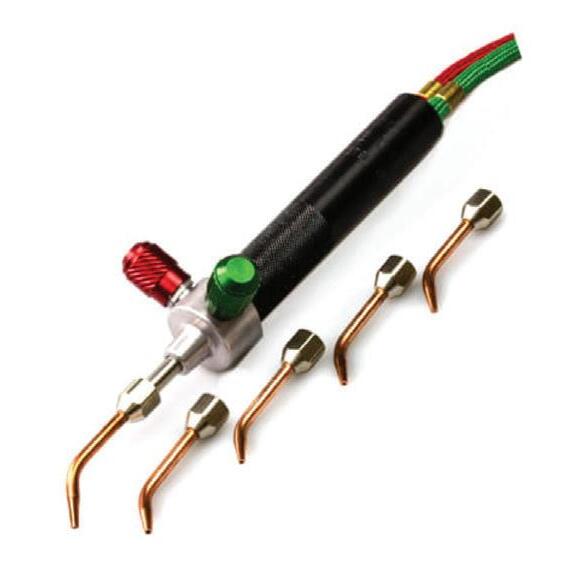
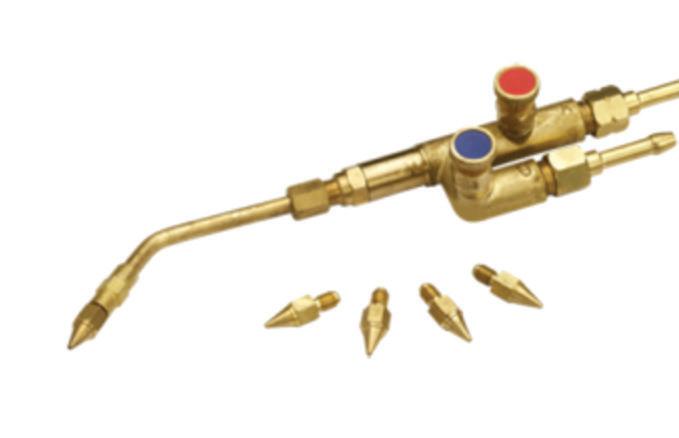
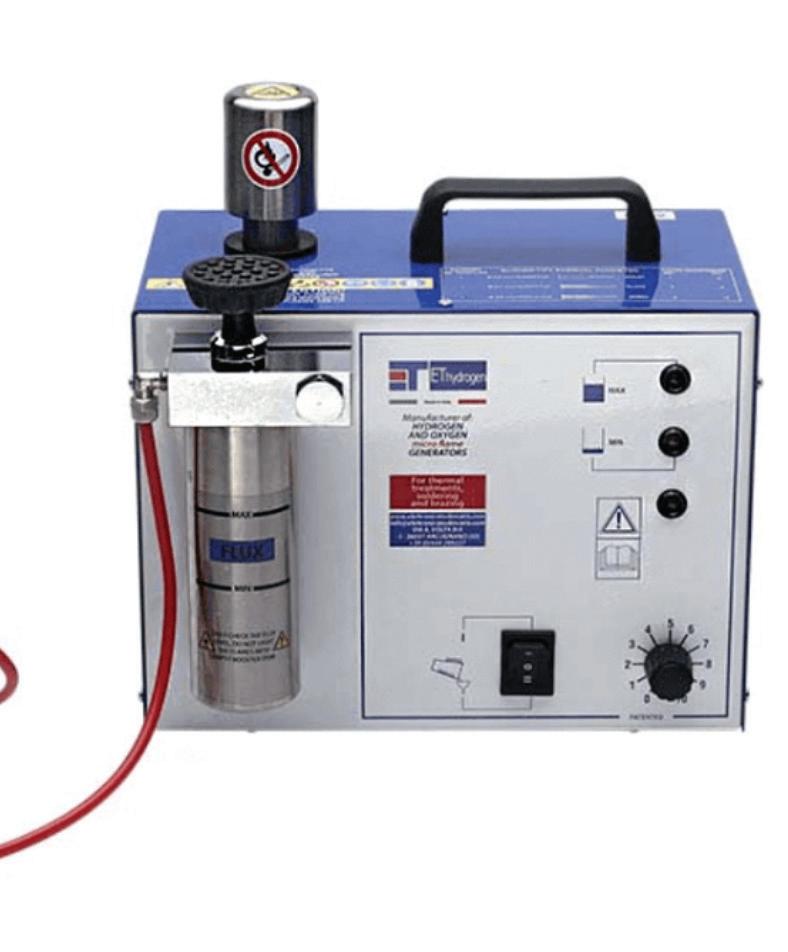
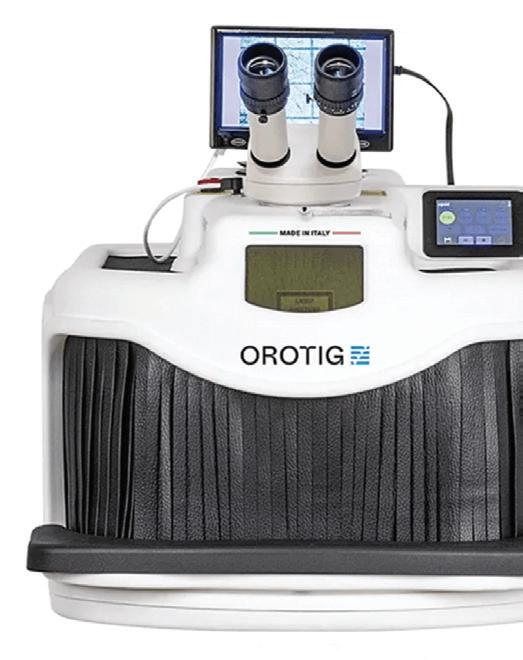
Laser welders, such as those from Orotig and PUK, allow for precise metal work close to sensitive stones, minimising heat spread and reducing risk. For larger repairs, traditional jewellery torches remain essential, off ering broader heat application when used with skill and control.
Bench essentials for effi cient repairs
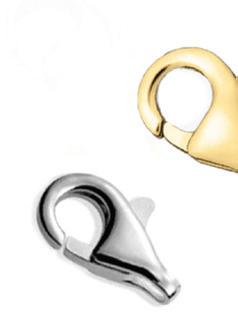
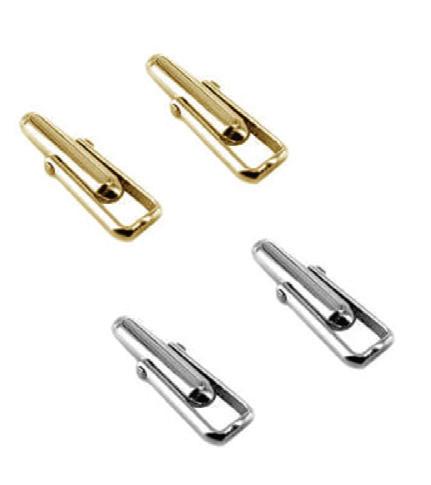
A well-equipped workshop improves turnaround times and ensures consistent results. Keeping replacement claws, findings, fabrication metals and a range of solders on hand allows jewellers to approach each repair efficiently and professionally.
Building repairs that last
One of the most overlooked aspects of repair work is maintaining adequate metal thickness. While fine claws may appear delicate and attractive, they wear quickly and are more prone to failure.
Well-balanced claws with proper shaping and sufficient metal not only protect the stone, but extend the life of the piece and reduce repeat repairs.
From careful inspection and precise claw work to the use of advanced tools, stone-setting repairs require both technical skill and sound judgement. Investing time in doing the job correctly ensures long-term results, builds customer trust and supports a sustainable repairfocused workflow.
We thank Cape Tools & Jewellery Supplies for its ongoing support of the Tools of the Trade column. Its range of repair tools, welding systems and workshop essentials helps jewellers meet the growing demand for high-quality repairs, while maintaining precision and efficiency.
Ready Made Rings & Jeweller y
Sales & Distribution
Emilia Marais 066 476 7692 orders@labgrowndiamonds co za
o s pes vailable apes ver 400 a
Matching side stones - fancy sha (sold in pairs) Ove c m n in stock - available immed
Diamond Sourcing
Leandro Eckardt 082 411 6444 leandro@labgrowndiamonds co za
er tified diamonds
Calibrated Lab Grown Diamond Smalls Fancy Shapes and Colours
Cer tified Stones: IGI and Budget Friendly
Admin & Inquiries
Taryn McPherson 021 109 0115
admin@labgrowndiamonds co za
GEMS & GEMOLOGY
A guide to diamonds with the 480 NM absorption band
Mei Yan Lai
In the gemological research community, diamonds with a broad absorption band centered at roughly 480 nm in the visible spectrum are referred to as “480 nm band diamonds.” Despite the 480 nm absorption band being one of the few causes of yellow bodycolor, diamonds with this feature are relatively scarce and not as widely recognized as those colored by the N3 defect, single substitutional nitrogen defect, or H3 defect. Yet 480 nm band diamonds deserve more attention because they account for the vast majority of rare diamonds with unmodified orange hues, as well as all chameleon diamonds—diamonds with a reversible color-change property. However, the global abundance and distribution of 480 nm band diamonds are currently unknown. To date, only mines in Russia and Canada are known to produce these diamonds, but other sources likely exist. Understanding their gemological and spectroscopic characteristics will help the mining industry and the gem trade identify these obscure treasures. This article summarizes the features of 480 nm band diamonds for rapid identification or advanced gemological testing.
and the expected mineralogy and phase changes within slab rocks. Overlaying the slab geotherms onto phase diagrams helps to illustrate where water-bearing phases break down and release fl uid, such as the relatively well-accepted loss of most water from warm slabs at relatively shallow depths (<200 km). This is the activity that generates melt and fuels arc volcanoes such as those of the Pacifi c Ring of Fire. Cold slabs, however, can partially bypass this shallow dewatering process and transport a budget of carbonate and water to depths beyond 300 km, where its later release can cause deep-focus earthquakes (figure 3).
Though natural diamond is composed of carbon, atomic impurities and vacancies commonly occur in the diamond crystal structure, attributed to the incorporation of extrinsic elements and strain induced during diamond growth. Post-growth irradiation and plastic deformation can also produce vacancies in the diamond structure (Van Enckevort and Visser, 1990; Fisher, 2009). Consequently, the otherwise perfectly ordered arrangement of carbon atoms in the diamond crystal structure is disturbed. Some structural defects absorb light in the visible spectrum—the portion of the electromagnetic spectrum that the human eye can perceive—producing different bodycolors in diamonds.
In Brief
The cold slabs can be thought of as having a carbonated crust component and a hydrated/serpentinized mantle peridotite component that lies shielded beneath the crust, toward the interior of the slab. The deep release of carbonatitic melt and hydrous fl uid from each component, respectively, is shown in the two depth profiles in figure 3. The carbonated crust (mid-ocean ridge basalt, or MORB) of the slab surface will intersect a deep depression in its solidus, the curve describing the beginning of melting, meaning it exceeds the melting temperature. Beyond this point, carbonate melting (red arrows) is expected to occur within the top/crustal portion of the slab.
• Diamonds exhibiting a broad absorption band centered around 480 nm in the visible spectrum are known as “480 nm band diamonds.”
For hydrated/serpentinized mantle peridotite inside the slab, its stability also depends on temperature. If it remains cool, the serpentine can metamorphose into higher-pressure water-
• This category includes rare and highly soughtafter pure orange diamonds and chameleon diamonds with a reversible color-change property.
bearing minerals called dense hydrous magnesium silicates (DHMS) rather than breaking down. DHMS phases are a good vehicle for transporting water, with some carrying as much as 10% or more water by weight. The geotherm for the interior of cold slabs remains in the DHMS stability fi eld far beyond a depth of 300 km (far right in figure 3). The slab in figure 3 is shown defl ecting as it reaches the top of the lower mantle (at 660 km), where there is a change in mantle density and deformability. As the slab stalls and warms up, DHMS phases break down to form minerals that carry much less water, thereby causing water release (blue arrows in figure 3). These are the mechanisms proposed to trigger not only deep-focus earthquakes but also super-deep diamond growth (Shirey et al., 2021).
The defects responsible for color in many diamonds have been well documented, with the majority associated with nitrogen (e.g., Collins, 2001; De Weerdt and Van Royen, 2001; Kanda, 2007; Shigley and Breeding, 2013).
Yellow is one of the most common bodycolors of diamond. The majority of yellow diamonds—known as “cape” diamonds in the gem trade—are colored by the N3 defect (with a structure of three nitrogen atoms surrounding a vacancy) and associated absorptions including the N2 defect (a vibronic transition of N3V) (Breeding et al., 2020). Yellow color in a significant number of diamonds can also come from single substitutional nitrogen (C-center) or from the H3 defect (a vacancy between two nitrogen atoms).
Inclusions in the smaller, lower-quality varieties of sublithospheric diamonds often show evidence of growth from carbonatitic melts derived from slabs (Walter et al., 2008), but hydrous/aqueous fl uids have also been implicated for some samples (Wirth et al., 2007; Pearson et al., 2014; Palot et al., 2016). Serpentinite in subducting slabs can be relatively enriched in boron, meaning that the eventual breakdown of hydrous minerals from serpentinized peridotite can release boron-bearing hydrous fl uid, which has been linked with the formation of type IIb (boron-bearing) diamonds (Smith et al., 2018). Figure 4 shows a calcium silicate (breyite) inclusion with methane and hydrogen in a type IIb diamond. The original mineral inclusion may have been relatively hydrogen-rich
Diamond-bearing kimberlite eruption
• Key gemological features of 480 nm band diamonds include strong fluorescence responses (yellow, orange, or a combination of yellow and blue) to long-wave UV and the presence of micrometer-sized dark inclusion clusters.
Continental lithosphere
Deep-focus earthquake activity
Oceaniclithosphere
A subset of yellow diamonds also contain nitrogen yet are primarily colored by a broad absorption band centered at about 480 nm in the visible spectrum. The 480 nm absorption band has been tentatively attributed to substitutional oxygen (Gali et al., 2001; Hainschwang et al., 2020), and diamonds with this absorption feature are termed “480 nm band diamonds” in the gemological research community. This absorption band has only been observed in natural diamonds, and the defect(s) associated
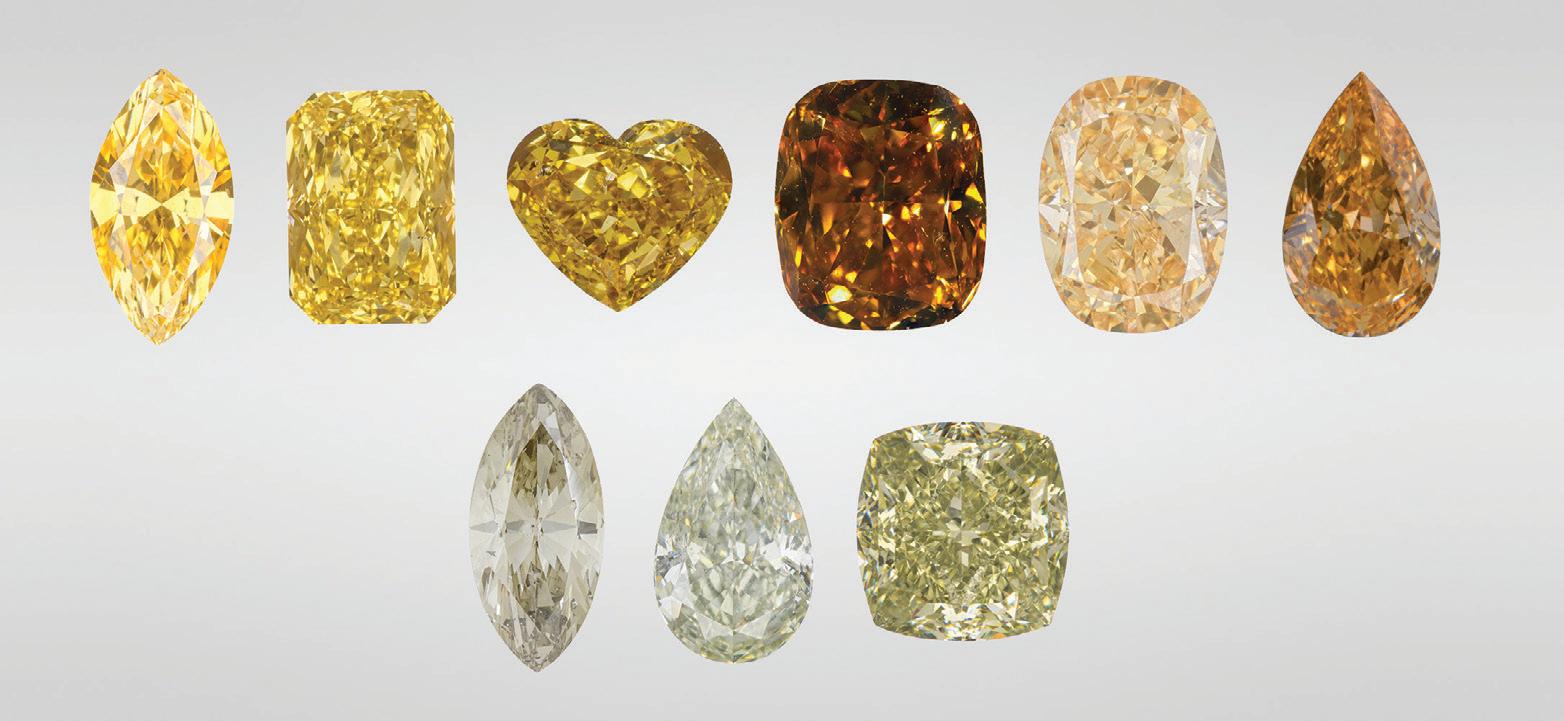
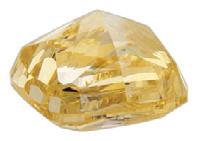
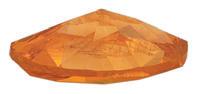
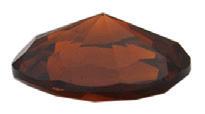
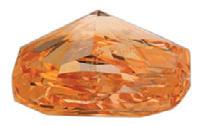
Figure 1. Yellow is the most common color in 480 nm band diamonds and can occur in different tones and saturations (top row, three on the left). The 480 nm band diamond family also includes those with brown and orange colors (top row, three on the right), as well as chameleon diamonds with a green color component (bottom row). Photos by GIA staff.
Figure 3. Mantle cross section showing a relatively cool subducting slab, with an inset histogram of earthquake frequency (from figure 1). Profiles on the right show the slab surface and interior temperature during subduction. Where the slab surface temperature intersects the solidus of carbonated mid-ocean ridge basalt (MORB), partial melting may occur (red arrows). At the far right, a cold slab interior remains within the dense hydrous magnesium silicates (DHMS) stability field until the slab stalls and warms up, causing the breakdown of these hydrous phases and the release of hydrous fluid (blue arrows). Large white and smaller brown diamond symbols signify the growth of high-quality gem diamonds (CLIPPIR and type IIb) and low-quality, generally non-gem sublithospheric diamonds, respectively. Poorly understood mechanisms transport some diamonds upward where they can be swept up in kimberlite eruptions and mixed with common lithospheric diamonds (small black diamond symbols). Modified Thomson et al. (2016b) and DHMS stability field from Harte (2010).
with it have not been produced in natural or synthetic diamonds by commercial treatments (Collins, 2001).
and the expected mineralogy and phase changes within slab rocks. Overlaying the slab geotherms onto phase diagrams helps to illustrate where water-bearing phases break down and release fl uid, such as the relatively well-accepted loss of most water from warm slabs at relatively shallow depths (<200 km). This is the activity that generates melt and fuels arc volcanoes such as those of the Pacifi c Ring of Fire. Cold slabs, however, can partially bypass this shallow dewatering process and transport a budget of carbonate and water to depths beyond 300 km, where its later release can cause deep-focus earthquakes (figure 3).
The cold slabs can be thought of as having a carbonated crust component and a hydrated/serpentinized mantle peridotite component that lies shielded beneath the crust, toward the interior of the slab. The deep release of carbonatitic melt and hydrous fl uid from each component, respectively, is shown in the two depth profiles in figure 3. The carbonated crust (mid-ocean ridge basalt, or MORB) of the slab surface will intersect a deep depression in its solidus, the curve describing the beginning of melting, meaning it exceeds the melting temperature. Beyond this point, carbonate melting (red arrows) is expected to occur within the top/crustal portion of the slab.
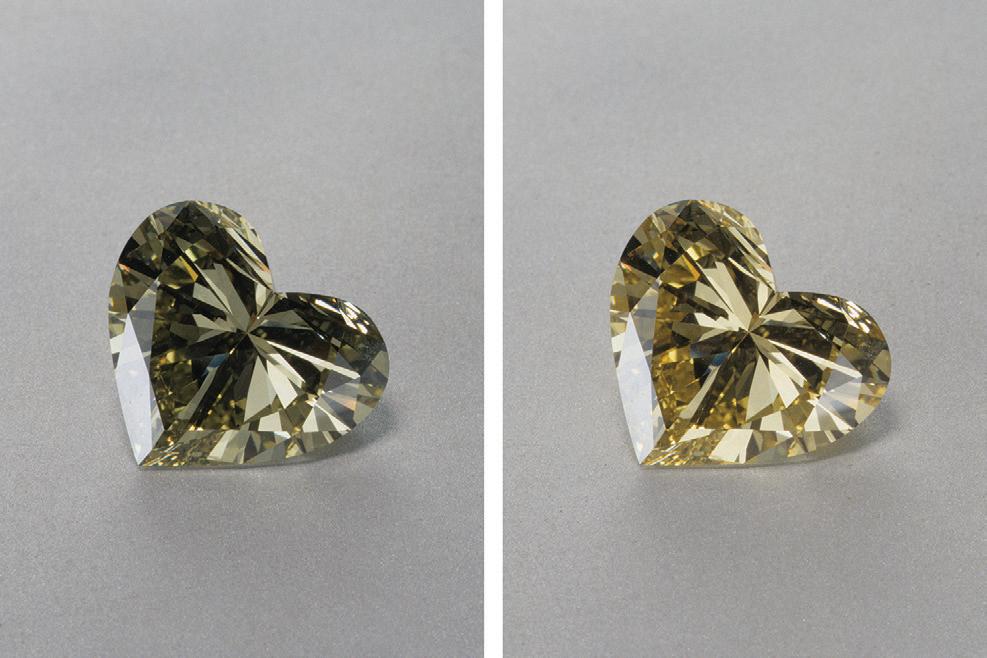
Among all yellow diamonds submitted to GIA in the last decade, <5% have been 480 nm band diamonds. These diamonds have not received much attention in the gem trade because of their relative scarcity. However, it is notable that the 480 nm absorption band is not restricted to diamonds with primarily yellow color but also occurs in a variety of colored diamonds, including some of the most valuable orange and chameleon diamonds. Chameleon diamonds are those with a reversible color-change property, typically turning from a green to a more intense yellow or orange color when they are heated mildly or kept in the dark for a significant period of time (Fryer et al., 1981, 1982; Hainschwang et al., 2005; Fritsch et al., 2007a; Fritsch and Delaunay, 2018). Exposure to ambient light or cool temperatures restores the original color. While the documentation of chameleon diamonds is sparse, it is possible that many of these diamonds have not been evaluated and recognized due to a lack of awareness of their properties. This article provides detailed descriptions of the gemological and spectroscopic properties of the diverse and dynamic 480 nm band diamonds to facilitate their identification in the gem and mining industries.
bearing minerals called dense hydrous magnesium silicates (DHMS) rather than breaking down. DHMS phases are a good vehicle for transporting water, with some carrying as much as 10% or more water by weight. The geotherm for the interior of cold slabs remains in the DHMS stability fi eld far beyond a depth of 300 km (far right in figure 3). The slab in figure 3 is shown defl ecting as it reaches the top of the lower mantle (at 660 km), where there is a change in mantle density and deformability. As the slab stalls and warms up, DHMS phases break down to form minerals that carry much less water, thereby causing water release (blue arrows in figure 3). These are the mechanisms proposed to trigger not only deep-focus earthquakes but also super-deep diamond growth (Shirey et al., 2021).
defect (figure 2C), whereas this absorption feature is far less common in non-chameleon 480 nm band diamonds. The occurrence of additional structural defects can modify 480 nm band diamonds’ colors. For example, single substitutional nitrogen frequently occurs in these diamonds, which could add an orangy or brownish tint to their primary colors. In addition, vacancy clusters in the diamond structure are also a common cause of brown coloration in diamonds (Fisher et al., 2009). In some 480 nm band diamonds with dominant brown bodycolor there is a continuous absorption that increases from the red end of the visible spectrum and reaches a maximum near 500 nm (figure 2D). This increasing absorption may mask the 480 nm absorption band, increasing the difficulty of identifying 480 nm band diamonds based solely on their visible absorption spectra. In this case, other gemological and spectroscopic features are required to detect the existence of the 480 nm absorption band.
For hydrated/serpentinized mantle peridotite inside the slab, its stability also depends on temperature. If it remains cool, the serpentine can metamorphose into higher-pressure water-
Color varieties and corresponding visible absorption spectra
Depth (km)
Inclusions in the smaller, lower-quality varieties of sublithospheric diamonds often show evidence of growth from carbonatitic melts derived from slabs (Walter et al., 2008), but hydrous/aqueous fl uids have also been implicated for some samples (Wirth et al., 2007; Pearson et al., 2014; Palot et al., 2016). Serpentinite in subducting slabs can be relatively enriched in boron, meaning that the eventual breakdown of hydrous minerals from serpentinized peridotite can release boron-bearing hydrous fl uid, which has been linked with the formation of type IIb (boron-bearing) diamonds (Smith et al., 2018). Figure 4 shows a calcium silicate (breyite) inclusion with methane and hydrogen in a type IIb diamond. The original mineral inclusion may have been relatively hydrogen-rich
Diamond-bearing kimberlite eruption
Continental lithosphere
Deep-focus earthquake activity
High-quality CLIPPIR and type IIb diamonds
Low-quality, non-gem sublithospheric diamonds
Lithospheric diamonds
The broad absorption band with a maximum at approximately 480 nm extends from violet to green in the visible spectrum, producing a yellow to orange color in diamond. Depending on the range and intensity of this absorption band, 480 nm band diamonds can have a variety of tones and saturations (figure 1). Generally, diamonds with Fancy Vivid, Fancy Intense, or Fancy Deep orange, orangy yellow, or yellowish orange color grades have the strongest 480 nm absorption band (figure 2, A and B). In contrast, chameleon diamonds usually have a much weaker 480 nm absorption band (figure 2C) (Lai et al., 2024a). The cause of green color in chameleon diamonds differs from that in green or blue-green diamonds colored by the GR1 defects (neutral vacancies). GR1 defects can be produced by natural or artificial radiation, and produce a green bodycolor in diamonds that have a yellow hue (Breeding et al., 2018). The green color in chameleon diamonds has been attributed to a transmission window between 500 and 600 nm produced by a combination of the 480 nm absorption band and the additional broad absorption band extending from approximately 600 nm to the near-infrared region (Hainschwang et al., 2005; Fritsch et al., 2007a). The majority of chameleon diamonds also have an absorption peak at 415 nm corresponding to the N3
Oceaniclithosphere
On very rare occasions, some non-chameleon 480 nm band diamonds contain absorption features typically observed in cape diamonds (figure 2E), with absorption peaks at 415 and 478 nm corresponding to the N3 and N2 absorptions, respectively (Altobelli and Johnson, 2014). Unlike chameleon diamonds (which frequently show N3 absorption in addition to the 480 nm absorption band), non-chameleon 480 nm band diamonds with N3 and N2 absorptions generally have yellow or orangy yellow bodycolors without a green component, and N2 absorption has not been observed in chameleon diamonds. Another group of uncommon 480 nm band diamonds contains an additional broad absorption band centered at about 550 nm and a minor absorption peak at 525 nm (Lall et al., 2024). This broad absorption band is the cause of the pink color associated with plastic deformation in most pink diamonds (Collins, 1982, 2001). Diamonds of this variety with a relatively stronger 480 nm absorption band generally have an orange color (figure 2F), whereas those with a more intense 550 nm band tend to have a pink color.
Carbonated slab melting Hydrous uid
Figure 3. Mantle cross section showing a relatively cool subducting slab, with an inset histogram of earthquake frequency (from figure 1). Profiles on the right show the slab surface and interior temperature during subduction. Where the slab surface temperature intersects the solidus of carbonated mid-ocean ridge basalt (MORB), partial melting may occur (red arrows). At the far right, a cold slab interior remains within the dense hydrous magnesium silicates (DHMS) stability field until the slab stalls and warms up, causing the breakdown of these hydrous phases and the release of hydrous fluid (blue arrows). Large white and smaller brown diamond symbols signify the growth of high-quality gem diamonds (CLIPPIR and type IIb) and low-quality, generally non-gem sublithospheric diamonds, respectively. Poorly understood mechanisms transport some diamonds upward where they can be swept up in kimberlite eruptions and mixed with common lithospheric diamonds (small black diamond symbols). Modified from Smith and Nestola (2021) with carbonated MORB solidus from Thomson et al. (2016b) and DHMS stability field from Harte (2010).
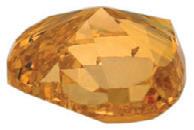
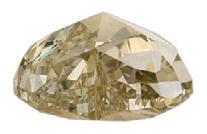
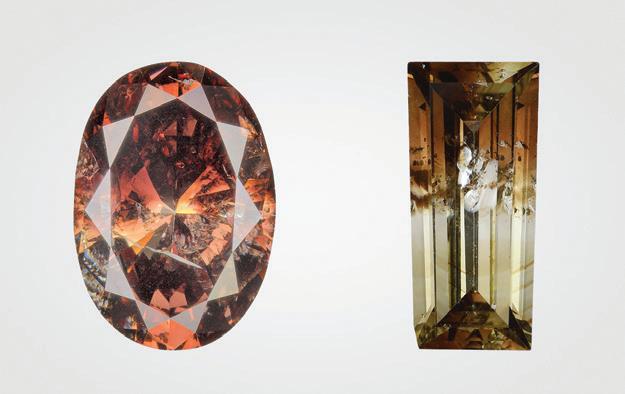
Irregular color zoning is often observed in 480 nm band diamonds when they are viewed microscopically—some zones have a more saturated color, while other zones have lower color saturation and/or are near-colorless. In some extreme cases, the color zoning can be distinct enough that a 480 nm band diamond will appear bicolored or even tri-colored (figure 3). A notable example is a chameleon diamond with one half graded Fancy Dark orangy brown and the other half graded Fancy Dark brown greenish yellow; a color-change reaction was observed only in the brown–greenish yellow portion when the diamond was heated (figure 3, right; Lai and Eaton-Magaña, 2023).
and the expected mineralogy and phase changes within slab rocks. Overlaying the slab geotherms onto phase diagrams helps to illustrate where water-bearing phases break down and release fl uid, such as the relatively well-accepted loss of most water from warm slabs at relatively shallow depths (<200 km). This is the activity that generates melt and fuels arc volcanoes such as those of the Pacifi c Ring of Fire. Cold slabs, however, can partially bypass this shallow dewatering process and transport a budget of carbonate and water to depths beyond 300 km, where its later release can cause deep-focus earthquakes (figure 3).
The cold slabs can be thought of as having a carbonated crust component and a hydrated/serpentinized mantle peridotite component that lies shielded beneath the crust, toward the interior of the slab. The deep release of carbonatitic melt and hydrous fl uid from each component, respectively, is shown in the two depth profiles in figure 3. The carbonated crust (mid-ocean ridge basalt, or MORB) of the slab surface will intersect a deep depression in its solidus, the curve describing the beginning of melting, meaning it exceeds the melting temperature. Beyond this point, carbonate melting (red arrows) is expected to occur within the top/crustal portion of the slab.
For hydrated/serpentinized mantle peridotite inside the slab, its stability also depends on temperature. If it remains cool, the serpentine can metamorphose into higher-pressure water-
bearing minerals called dense hydrous magnesium silicates (DHMS) rather than breaking down. DHMS phases are a good vehicle for transporting water, with some carrying as much as 10% or more water by weight. The geotherm for the interior of cold slabs remains in the DHMS stability fi eld far beyond a depth of 300 km (far right in figure 3). The slab in figure 3 is shown defl ecting as it reaches the top of the lower mantle (at 660 km), where there is a change in mantle density and deformability. As the slab stalls and warms up, DHMS phases break down to form minerals that carry much less water, thereby causing water release (blue arrows in figure 3). These are the mechanisms proposed to trigger not only deep-focus earthquakes but also super-deep diamond growth (Shirey et al., 2021).
Figure 2 . Visible absorption spectra of 480 nm band diamonds with a variety of colors showing single or a combination of color-causing defects. A: An orangy yellow diamond with a 480 nm absorption band. B: An orange diamond with an intense 480 nm absorption band. C: A chameleon diamond with a combination of the N3 defect (415 nm) and a weak 480 nm absorption band. D: An orangy brown diamond with a continuous absorption that increases from the red end of the visible spectrum and reaches a maximum near 500 nm, which usually masks the 480 nm absorption band. Other gemological and spectroscopic features were used to confirm the association with the 480 nm absorption band. E: A yellow diamond with a combination of cape defects (N3 and N2 defects, 415 and 478 nm, respectively) and a weak 480 nm absorption band. F: A brownish orange diamond with a combination of 480 nm and 550 nm absorption bands. Visible absorption spectra were collected at ~77 K. Photos by GIA staff.
Inclusions in the smaller, lower-quality varieties of sublithospheric diamonds often show evidence of growth from carbonatitic melts derived from slabs (Walter et al., 2008), but hydrous/aqueous fl uids have also been implicated for some samples (Wirth et al., 2007; Pearson et al., 2014; Palot et al., 2016). Serpentinite in subducting slabs can be relatively enriched in boron, meaning that the eventual breakdown of hydrous minerals from serpentinized peridotite can release boron-bearing hydrous fl uid, which has been linked with the formation of type IIb (boron-bearing) diamonds (Smith et al., 2018). Figure 4 shows a calcium silicate (breyite) inclusion with methane and hydrogen in a type IIb diamond. The original mineral inclusion may have been relatively hydrogen-rich
Diamond-bearing kimberlite eruption
Continental lithosphere
Rapid identification based on gemological features
Fluorescence. A quick preliminary screening of diamonds can be achieved using a handheld long-wave ultraviolet (UV) flashlight with an excitation wave-length of 365 nm. Most 480 nm band diamonds have moderate to strong yellow fluorescence, generally corresponding to an asymmetric broad band with maximum intensity at about 540 nm in the fluorescence spectrum excited by the long-wave UV source (figure 4A). It is also fairly common for 480 nm band diamonds to have heterogeneous distributions of yellow and blue fluorescence, where the blue fluorescence is detected in the fluorescence spectrum as a broad band between 400 and 500 nm with overlaying peaks at 415, 429, 439, and 451 nm, all of which are associated with the N3 defect (figure 4B). Moderate to strong orange fluorescence is occasionally observed in 480 nm band diamonds, which is detected in the fluorescence spectrum as a broad band extending from approximately 450 nm to the near-infrared region, centered at about 585 nm (figure 4C).
Deep-focus earthquake activity
Oceaniclithosphere
High-quality CLIPPIR and type IIb diamonds
Low-quality, non-gem sublithospheric diamonds
Lithospheric diamonds
Carbonated slab melting Hydrous uid
Figure 3. Mantle cross section showing a relatively cool subducting slab, with an inset histogram of earthquake frequency (from figure 1). Profiles on the right show the slab surface and interior temperature during subduction. Where the slab surface temperature intersects the solidus of carbonated mid-ocean ridge basalt (MORB), partial melting may occur (red arrows). At the far right, a cold slab interior remains within the dense hydrous magnesium silicates (DHMS) stability field until the slab stalls and warms up, causing the breakdown of these hydrous phases and the release of hydrous fluid (blue arrows). Large white and smaller brown diamond symbols signify the growth of high-quality gem diamonds (CLIPPIR and type IIb) and low-quality, generally non-gem sublithospheric diamonds, respectively. Poorly understood mechanisms transport some diamonds upward where they can be swept up in kimberlite eruptions and mixed with common lithospheric diamonds (small black diamond symbols). Modified from Smith and Nestola (2021) with carbonated MORB solidus from Thomson et al. (2016b) and DHMS stability field from Harte (2010).
Excitation wavelengths can affect the observed color and intensity of fluorescence in diamonds. For example, if the UV light source produces light with multiple wavelengths instead of a single wavelength at 365 nm, or if the excitation wavelength is significantly shifted from 365 nm (Luo and Breeding, 2013), the fluorescence will be impacted, potentially enough to be visually observed. This is because fluorescence associated with certain structural defects could be more effectively excited by light with wavelengths outside the intended excitation wavelength. Short-wave UV with an excitation wavelength of 254 nm is also typically used for testing 480 nm band diamonds with a green component, and in order for these diamonds to receive a “chameleon” classification on GIA grading reports, they must exhibit phosphorescence after exposure to short-wave UV (Breeding et al., 2018). All 480 nm band diamonds with a green component and phosphorescence can be tested for color change through mild heating (figure 5). However, phosphorescence is not limited to chameleon diamonds,
as it has also been observed in 480 nm band diamonds without a green component.
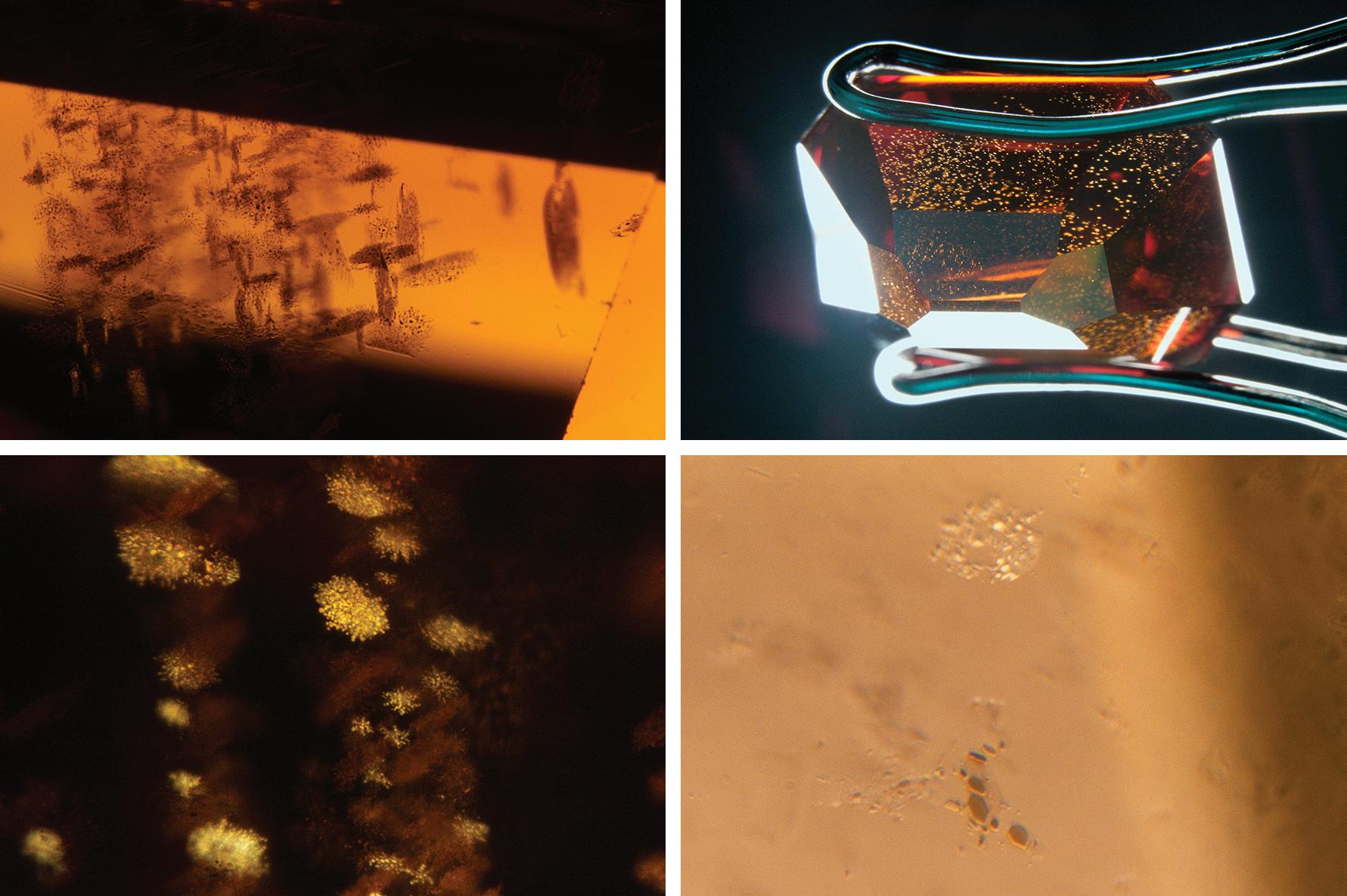
Inclusions. Clusters of dark inclusions are often observed in 480 nm band diamonds under the micro-scope (figure 6). The clusters are usually oriented in three directions and appear highly reflective when viewed at certain angles. Within each cluster, the dark inclusions are generally less
and the expected mineralogy and phase changes within slab rocks. Overlaying the slab geotherms onto phase diagrams helps to illustrate where water-bearing phases break down and release fl uid, such as the relatively well-accepted loss of most water from warm slabs at relatively shallow depths (<200 km). This is the activity that generates melt and fuels arc volcanoes such as those of the Pacifi c Ring of Fire. Cold slabs, however, can partially bypass this shallow dewatering process and transport a budget of carbonate and water to depths beyond 300 km, where its later release can cause deep-focus earthquakes
The cold slabs can be thought of as having a carbonated crust component and a hydrated/serpentinized mantle peridotite component that lies shielded beneath the crust, toward the interior of the slab. The deep release of carbonatitic melt and hydrous fl uid from each component, respectively, is shown in the two depth profiles in figure 3. The carbonated crust (mid-ocean ridge basalt, or MORB) of the slab surface will intersect a deep depression in its solidus, the curve describing the beginning of melting, meaning it exceeds the melting temperature. Beyond this point, carbonate melting (red arrows) is expected to occur within the top/crustal portion of the slab.
Figure 3. Some 480 nm band diamonds may have distinct color zoning and appear bicolored.
Photos by GIA staff.
bearing minerals called dense hydrous magnesium silicates (DHMS) rather than breaking down. DHMS phases are a good vehicle for transporting water, with some carrying as much as 10% or more water by weight. The geotherm for the interior of cold slabs remains in the DHMS stability fi eld far beyond a depth of 300 km (far right in figure 3). The slab in figure 3 is shown defl ecting as it reaches the top of the lower mantle (at 660 km), where there is a change in mantle density and deformability. As the slab stalls and warms up, DHMS phases break down to form minerals that carry much less water, thereby causing water release (blue arrows in figure 3). These are the mechanisms proposed to trigger not only deep-focus earthquakes but also super-deep diamond growth (Shirey et al., 2021).
than 10 μm and extremely thin, either with rounded or well-defined hexagonal shapes (figure 6D). Notably, these inclusions are unique to 480 nm band diamonds and are a diagnostic identification criterion. In 480 nm band diamonds with noticeable color zoning, such as those with a combination of colorless or near-colorless and yellow color zones, these micrometer-sized inclusions are observed only in zones with yellow color. Since the 480 nm absorption band is detected only in the yellow color regions in these zoned diamonds, the absence of the micrometer-sized dark inclusions in the colorless or nearcolorless regions indicates that these inclusions are likely associated with the formation of the structural defects responsible for the 480 nm absorption band.
The micrometer-sized dark inclusions are very similar to those observed in brown diamonds containing carbon dioxide (Hainschwang et al., 2008, 2020; Barannik et
For hydrated/serpentinized mantle peridotite inside the slab, its stability also depends on temperature. If it remains cool, the serpentine can metamorphose into higher-pressure water-
Inclusions in the smaller, lower-quality varieties of sublithospheric diamonds often show evidence of growth from carbonatitic melts derived from slabs (Walter et al., 2008), but hydrous/aqueous fl uids have also been implicated for some samples (Wirth et al., 2007; Pearson et al., 2014; Palot et al., 2016). Serpentinite in subducting slabs can be relatively enriched in boron, meaning that the eventual breakdown of hydrous minerals from serpentinized peridotite can release boron-bearing hydrous fl uid, which has been linked with the formation of type IIb (boron-bearing) diamonds (Smith et al., 2018). Figure 4 shows a calcium silicate (breyite) inclusion with methane and hydrogen in a type IIb diamond. The original mineral inclusion may have been relatively hydrogen-rich
Diamond-bearing kimberlite eruption
Continental litho
Deep-focus earthquake activity
Temp. (°C) Depth (km) 1500
High-quality CLIPPIR and type IIb diamonds
Low-quality, non-gem sublithospheric diamonds
Lithospheric diamonds
Carbonated slab melting Hydrous uid
Figure 3. Mantle cross section showing a relatively cool subducting slab, with an inset histogram of earthquake frequency (from figure 1). Profiles on the right show the slab surface and interior temperature during subduction. Where the slab surface temperature intersects the solidus of carbonated mid-ocean ridge basalt (MORB), partial melting may occur (red arrows). At the far right, a cold slab interior remains within the dense hydrous magnesium silicates (DHMS) stability field until the slab stalls and warms up, causing the breakdown of these hydrous phases and the release of hydrous fluid (blue arrows). Large white and smaller brown diamond symbols signify the growth of high-quality gem diamonds (CLIPPIR and type IIb) and low-quality, generally non-gem sublithospheric diamonds, respectively. Poorly understood mechanisms transport some diamonds upward where they can be swept up in kimberlite eruptions and mixed with common lithospheric diamonds (small black diamond symbols). Modified from Smith and Nestola (2021) with carbonated MORB solidus from Thomson et al. (2016b) and DHMS stability field from Harte (2010).
Figure 4. Fluorescence of 480 nm band diamonds excited by a long-wave (365 nm) UV LED light source. A: An orangy yellow diamond and a chameleon diamond showing yellow fluorescence. B: A yellow diamond and a chameleon diamond showing a mixture of yellow and blue fluorescence. C: An orangy yellow diamond and a chameleon diamond showing orange fluorescence. Fluorescence spectra were collected at room temperature. Photos by Rhonda Wilson.
ceaniclithos
al., 2021; Shiryaev et al., 2023; Lai and Schwartz, 2023) (fi gure 7). Diamonds containing carbon dioxide are rarely encountered in the gem trade, and only fi ve have been submitted to GIA for analysis since 2022. These brown carbon dioxide–bearing diamonds have a much higher density of dark inclusions, which tend to be larger (up to 50 μm) than those observed in 480 nm band diamonds lacking detectable carbon dioxide. In one of these carbon dioxide–bearing diamonds analyzed by the author, the largest dark inclusions were identifi ed as graphite (or graphene layers), with a characteristic Raman peak at 1583 cm–1, consistent with the analytical result obtained with transmission electron microscopy on similar inclusions from brown carbon dioxide–bearing diamonds from a previous study (Shiryaev et al., 2023). Apart from having clusters of micrometer-sized graphite inclusions, these carbon dioxide–bearing brown diamonds also produce yel-low fl uorescence in response to long-wave UV, as well as surface fl uorescence patterns (excited by deep-UV with wavelengths <230 nm) and spectroscopic features closely resembling those of typical 480 nm band diamonds, which will be discussed in the following
and the expected mineralogy and phase changes within slab rocks. Overlaying the slab geotherms onto phase diagrams helps to illustrate where water-bearing phases break down and release fl uid, such as the relatively well-accepted loss of most water from warm slabs at relatively shallow depths (<200 km). This is the activity that generates melt and fuels arc volcanoes such as those of the Pacifi c Ring of Fire. Cold slabs, however, can partially bypass this shallow dewatering process and transport a budget of carbonate and water to depths beyond 300 km, where its later release can cause deep-focus earthquakes (figure 3).
The cold slabs can be thought of as having a carbonated crust component and a hydrated/serpentinized mantle peridotite component that lies shielded beneath the crust, toward the interior of the slab. The deep release of carbonatitic melt and hydrous fl uid from each component, respectively, is shown in the two depth profiles in figure 3. The carbonated crust (mid-ocean ridge basalt, or MORB) of the slab surface will intersect a deep depression in its solidus, the curve describing the beginning of melting, meaning it exceeds the melting temperature. Beyond this point, carbonate melting (red arrows) is expected to occur within the top/crustal portion of the slab.
(DHMS) rather than breaking down. DHMS phases are a good vehicle for transporting water, with some carrying as much as 10% or more water by weight. The geotherm for the interior of cold slabs remains in the DHMS stability fi eld far beyond a depth of 300 km (far right in figure 3). The slab in figure 3 is shown defl ecting as it reaches the top of the lower mantle (at 660 km), where there is a change in mantle density and deformability. As the slab stalls and warms up, DHMS phases break down to form minerals that carry much less water, thereby causing water release (blue arrows in figure 3). These are the mechanisms proposed to trigger not only deep-focus earthquakes but also super-deep diamond growth (Shirey et al., 2021).
Inclusions in the smaller, lower-quality varieties of sublithospheric diamonds often show evidence of growth from carbonatitic melts derived from slabs (Walter et al., 2008), but hydrous/aqueous fl uids have also been implicated for some samples (Wirth et al., 2007; Pearson et al., 2014; Palot et al., 2016). Serpentinite in subducting slabs can be relatively enriched in boron, meaning that the eventual breakdown of hydrous minerals from serpentinized peridotite can release boron-bearing hydrous fl uid, which has been linked with the formation of type IIb (boron-bearing) diamonds (Smith et al., 2018). Figure 4 shows a calcium silicate (breyite) inclusion with methane and hydrogen in a type IIb diamond. The original mineral inclusion may have been relatively hydrogen-rich
section. The similarity in gemological and spectroscopic features suggests a possible genetic relationship between brown carbon dioxide–bearing diamonds and typical 480 nm band diamonds (Hainschwang et al., 2008; Lai and Schwartz, 2023). ...to be continued
up, causing the breakdown of these hydrous phases and the release of hydrous fluid (blue arrows). Large white and smaller brown diamond symbols signify the growth of high-quality gem diamonds (CLIPPIR and type IIb) and low-quality, generally non-gem sublithospheric diamonds, respectively. Poorly understood mechanisms transport some diamonds upward where they can be swept up in kimberlite eruptions and mixed with common lithospheric diamonds (small black diamond symbols). Modified from Smith and Nestola (2021) with carbonated MORB solidus from Thomson et al. (2016b) and DHMS stability field from Harte (2010).
Figure 5. A chameleon diamond changes color from grayish green (left) to yellow (right) after heating. Photos by Robert Weldon.
Figure 6. Clusters of micrometer-sized dark inclusions observed in a single 480 nm band diamond. They are oriented in three directions (A) and appear highly reflective when observed at certain angles (B and C). The dark inclusions are platy and extremely thin, either with rounded or well-defined hexagonal shapes (indicated by an arrow in D). Photomicrographs by Mei Yan Lai; fields of view 2.34 mm (A), 14.52 mm (B), 1.58 mm (C), and 0.64mm (D).
EGL South Africa & Northside: supporting the trade with expertise, technology and integrity
For more than four decades, EGL South Africa has played an important role in supporting the local jewellery and diamond industry through independent, professional gemmological services. Established in 1980, the laboratory has built a strong reputation for accuracy, integrity and technical expertise, serving jewellers, diamantaires and industry professionals across South Africa.
Today, EGL South Africa remains 100% South African-owned and operates a fully equipped gemmological laboratory staffed by ten experienced professionals, including qualified gemmologists and diamond graders. The laboratory specialises in the identification, grading and certification of diamonds, gemstones and jewellery, using specialised equipment to detect treatments and identify synthetic stones with precision.
EGL South Africa also holds a research rough diamond licence, allowing the laboratory to assess rough diamonds as part of its services. Over the years, the company has developed a large database of gemmological results, contributing valuable research insights that support greater knowledge and ethical practices within the South African diamond industry.
In 2020, the directors of EGL expanded their involvement in
the trade through the acquisition of Northside Diamond Polishing Tools, a well-known supplier of equipment and consumables for the diamond, gemstone and jewellery sectors.
Northside supplies a wide range of tools, machinery and consumables, catering to both emerging artisans and established professionals. The company also provides guidance and support for complete factory setups for diamond and gemstone polishing, assisting businesses in creating efficient production environments. Its product offering includes specialised cleaning solutions, a broad range of deep boiling equipment and safety equipment, as well as general consumables and accessories required for dayto-day workshop operations.
Dale Koster, who has been part of EGL South Africa for more than two decades, currently serves as General Manager of both EGL South Africa and Northside. Dale joined EGL in 2004, initially working in an administrative and IT role. His interest in the technical side of the industry soon led him to pursue further qualifications and he went on to obtain both his EGL and GIA diamond grading diplomas, becoming a qualified diamond grader.
Over the years, Dale has taken on increasing responsibility within
the business. He was appointed Assistant General Manager in 2010 and became General Manager in 2019. Following the acquisition of Northside in 2020, he assumed the additional role of overseeing operations for both companies.
Outside of the industry, Dale is an enthusiastic sportsman. He has represented South Africa Country Districts hockey, as well as the KZN and Southern Gauteng IPT hockey teams and remains a keen golfer and padel player.
Through their combined services, EGL South Africa and Northside continue to support the jewellery and diamond trade with trusted gemmological expertise, specialised equipment and practical solutions for professionals across the industry.
At the 1889 World’s Fair, Gustave Eiff el proposed that the top of the Eiff el Tower should hold a large diamond, a statement intended to showcase France’s luxury and power.
King Tut’s famous pectoral includes Libyan desert glass, created when a meteorite impact heated sand into glass –making this ancient jewel partially extraterrestrial.
Timekeeping began with the Sumerians in 2000 BC. They invented the sexagesimal system (base-60), which is why we still use 60 seconds and 60 minutes today.
During WWII, the House of Hesse secretly buried its royal jewels in a zinc-lined, waterproof chest under concrete inside Kronberg Castle to protect them from bombing raids. In 1945, American offi cers discovered the hiding place, looted the box, stripped jewels from settings and smuggled gems abroad. More than half of the jewellery was never recovered and remains missing to this day.
A highly sophisticated diamond-cutting robot was originally developed by the Scientific and Technical Research Centre for Diamonds in Antwerp. It cuts and polishes diamonds 10-20 times faster than human master cutters.
In October 2023, a 22-year-old man in Warsaw, Poland, wanted to rob a local clothing store. So he stood motionless in the store window long enough to evade the store security cameras. After the mall closed, he robbed the shop’s “jewellery island”.
Teardrop earrings are believed to have originated in ancient Greece, symbolising the tears of Demeter, the goddess who mourned the loss of her daughter, Persephone.
Amber is so lightweight that it can float on salt water.
Set in Napoleon’s sword, the Regent Diamond took two years of cutting and polishing, beginning in 1710.
Understanding funding mechanisms with the MQA
In the competitive world of high-end jewellery, craftsmanship is the primary currency. For small business-owners and boutique ateliers, the cost of training can be prohibitive. The Mining Qualifications Authority (MQA) offers a vital financial lifeline through its 2026 funding framework, but accessing these resources requires a meticulous approach to institutional compliance
For a small jewellery business, the journey to funding is built on three non-negotiable pillars: workplace approval and the workplace skills plan (WSP).
Step 1: Securing workplace approval
Before you can host a funded student or apprentice, your workshop must be “workplace-approved”. This is a quality assurance measure to ensure that your facility meets national occupational standards.
• The process: You must apply detailing your infrastructure and safety protocols. The MQA will conduct a site visit (physical or desktop) to verify that you have the correct machinery and a qualified subject matter expert to act as a mentor.
• The result: Approval “licenses” your workshop to provide workplace-based learning, a prerequisite for all discretionary grants.
Step 2: The WSP and ATR submission
The workplace skills plan (WSP) is your forwardlooking training strategy, while the annual training report (ATR) documents the training completed in the previous year.
• The digital deadline: These must be submitted via the MQA’s digital portal by 30 April 2026.
• Small business inclusion: Even businesses with a payroll under R500 000 (which are exempt from the Skills Development Levy) must register and submit these reports to access discretionary grants.
• Strategic alignment: In 2026, the MQA has prioritised jewellery design, manufacturing and diamond processing. Aligning your WSP with these “sectoral priority occupations” significantly increases your approval probability.
Step 3: Discretionary grant (DG) application
Once your WSP is submitted and your workplace is approved, you apply for specific funding using:
• MQA DG application form: An electronic fillable PDF. Unlocking the capital
The financial rewards for this administrative rigour are substantial. For the 2026 cycle, here are some of the discretionary grants listed:
1. Artisan development can reach R156 000R240 000 per student, paid in quarterly tranches. These funds cover stipends, travel, medical aid and training costs.
2. Graduate Development Programme grants to employers to place graduates in structured workplace experience aligned to their field of study. A maximum amount of R340 000 per student is awarded to employers for a maximum period of two years.
Here is a comprehensive checklist for your small jewellery business to navigate the MQA compliance cycle:
Phase 1: WSP submission
Deadline: 30 April 2026
Ensure the following are ready for your digital upload:
• Skills development facilitator (SDF) appointment letter: A formal letter on your company letterhead appointing your SDF.
• Banking confirmation: A bank-stamped letter (not older than three months) confirming your business account details.
• Proof of consultation: For businesses with more than 50 employees, you must include minutes and attendance registers from your Skills Development Committee meetings.
• Source data template: The completed MQA Excel workbook detailing planned training (WSP) and completed training, mapped to the correct OFO codes (eg 661301 for goldsmith or 661304 for jewellery designer).
• Signed authorisation page: The final PDF summary generated by the MQA system, signed by the owner or authorised representative.
Phase 2: MQA workplace approval (site visit)
Requirement: Prior to discretionary grant approval or currently for a business having applied for grants this financial year.
You need to have the following for the MQA evaluation:
• Company registration information.
• A letter of financial good standing.
• A SARS letter of good standing.
• A SARS tax clearance.
• Proof of your WSP submission.
• An organogram indicating the key functions of each unit, as well as the workflows.
• A declaration stating that all the workplace sites used for workplace-based learning are fi t for purpose.
• An MQA workplace approval application form (fully completed).
• An MQA workplace approval checklist (fully completed).
• A service record with traceable references.
• Mentors’/Coaches’ appointment letters.
• Mentors’/Coaches’ CVs.
• The occupational health and safety (OHS) representative information.
• Students’ code of conduct.
• Students’ grievances and complaints.
• Student support.
• Mentors’/Coaches’ code of conduct.
• Any other relevant workplace learning policies, procedures, processes and guidelines (OHS, onboarding, induction, PPE, workplace learning guidelines, etc).
• Administration process flow on implementation of on-the-job training.
• Record-keeping, back-up system and storage.
• A workplace assessment tool aligned to the curriculum for the scope applied.
At the end of the day, tapping into MQA funding is not just paperwork – it is a smart investment in the future of your workshop. Once your workplace is approved and your WSP and ATR are submitted, you unlock real financial support that helps you grow talent, strengthen your team and keep your craft competitive. With generous grants available for artisans and graduates, the MQA gives jewellery manufacturers a powerful boost to build skills, expand capacity and shine even brighter in a demanding market.
Faldilah is an expert in occupational programme development for the NQF, working with clients such as the MQA, SASSETA, the QCTO, the Reserve Bank and leading SETAs.
A qualifi ed goldsmith since 1999, she has helped shape national jewellery and mining qualifi cations since 2002. She serves on the JMASA Executive Committee and has trained top skill providers.
About Faldilah Garrett
Despite record precious metal prices and shifting consumer dynamics, platinum jewellery continues to demonstrate resilience across key global markets, supported by strong demand in bridal and high-end segments and growing substitution from gold
Platinum shows resilience
Platinum jewellery continues to demonstrate resilience in the face of record precious metal pricing and shifting global luxury demand dynamics. According to insights shared at a recent platinum group metals panel during the Mining Indaba event, the sector is navigating current market challenges while capitalising on new opportunities created by sustained high gold prices.
Speaking at the event, Tim Schlick, CEO of Platinum Guild International (PGI), highlighted that although the recent price rally presents certain pressures for the jewellery industry, platinum has shown remarkable strength. In particular, the metal is benefi ting from substitution trends as manufacturers and retailers increasingly look to platinum as an alternative to gold.
amid price rally
robust across several markets. These segments continue to respond positively to platinum’s premium positioning, while targeted marketing initiatives are helping to reinforce its appeal among consumers.
In several markets, platinum jewellery has outperformed gold, despite the price rally. While rising metal costs are creating growing unease among mass-market retailers, demand within the luxury and bridal categories remains strong. This refl ects a broader shift towards highervalue consumer segments where platinum’s unique properties and prestige continue to resonate.
Schlick noted that the bridal and high-end jewellery segments remain especially
The price rally has had a noticeable impact in China, where some retailers scaled back fourth-quarter promotions following a surge in platinum prices in December 2025. Despite this, a number of PGI retail partners launched new platinum collections and additional product lines. A collaborative marketing campaign between PGI and leading e-commerce platform JD.com, which included a year-end shopping carnival, resulted in a signifi cant increase in both
sales value and volume among the participating retailers.
In the USA, platinum is also benefiting from changing consumer spending patterns. A growing share of consumers are allocating their budgets toward precious metals, rather than diamonds – a trend which has been accelerated by the increasing presence of laboratory-grown diamonds in the market. With the platinum-to-gold price ratio remaining favourable, substitution towards platinum continues to gain momentum.
European markets are experiencing mixed conditions, with volatility creating some pressure for mid-market retailers. However, the high jewellery and bridal segments remain resilient. Luxury brands are increasingly exploring platinum for high-quality gemstone settings, drawn to the metal’s durability, strength and premium image.
India is another market where platinum jewellery demand continues to grow. Competitive pricing relative to gold, along with expanded retail networks and cooperative marketing programmes, has strengthened confidence in the category. Campaigns such as Men
of Platinum, Platinum Days of Love and Platinum Evara have been instrumental in driving consumer awareness and demand for key gifting occasions. These initiatives are also helping to expand platinum’s reach into new markets, including parts of the Middle East such as the UAE.
In Japan, favourable holiday timing and mild weather supported strong year-end retail activity. Retailers reported increased fabrication
and expanded platinum jewellery assortments as high gold prices prompted greater consumer interest in alternative precious metals.
At the same time, rising metal prices are encouraging innovation within the manufacturing sector. Many leading producers are investing in advanced technologies such as new alloy development, 3D printing, additive manufacturing and electroforming to optimise production and create new product possibilities.
Looking ahead, PGI expects the continued favourability of the platinum-to-gold price ratio to further support substitution trends, particularly within the bridal and luxury segments. Continued investment in marketing initiatives and product innovation will remain key to sustaining global momentum and unlocking further opportunities for platinum jewellery.
PGI is a global marketing organisation dedicated to developing and strengthening markets for platinum jewellery. Through collaborative programmes with retailers and manufacturers across major jewellery markets, the organisation works to build consumer demand and support industry partners worldwide.
“Continued investment in marketing initiatives and product innovation will remain key to sustaining global momentum and unlocking further opportunities for platinum jewellery.”
BORN IN AFRICA
ADELE'S MANUFACTURING JEWELLERS
Tel no: 082 595 3868
E-mail: adele@amj.co.za
AFRICAN TRADE BEADS
JEWELLERY COLLECTION
Tel no: 011 726 7643
E-mail: tamiko@zazenconsulting.com
AFROGEM
Tel no: 076 726 8491
E-mail: k ylegilson@mweb.co.za; jess@afrogem.co.za; info@afrogem.co.za; accounts@jppe.co.za; leighann@afrogem.co.za
AKAPO JEWELS
Tel no: 011 038 3130
E-mail: wumba@akapo.co.za; labi@akapo.co.za
ALLOY JEWELLERY GALLERY (PTY) LTD
Tel no: 073 924 5254
E-mail: edna@alloygallery.co.za
ALTIN JUWELIERS BK
T/A ALTIN JEWELLERS
Tel no: 082 454 4430
E-mail: info@altin.co.za
AMBER & FORGE (PTY) LTD
T/A SCHERMANS
Tel no: 072 928 0385
E-mail: info@schermans.co.za
AMBIGO JEWELLERS
Tel no: 062 282 6924
E -mail: ntobekobasil@gmail.com
ANDREAS SALVER
MANUFACTURING JEWELLERS
Tel no: 011 706 6828
E-mail: andreas@andreassalver.com
ANKE LINDEN JEWELLERY (PTY) LTD
Tel no: 0 69 925 3699
E-mail: lindenjewellery@gmail.com
ANNA ROSHOLT JEWELLERY DESIGN
Tel no: 0 61 080 6481
E-mail: anna@annarosholt.com
ANNELLE MURRAY GOUDSMID
Tel no: 082 956 7747
E-mail: murrayannelle@gmail.com
A comprehensive directory featuring information and contact details of refining members and members of the Jewellery Manufacturers' Association of South Africa – proudly showcasing manufacturers committed to crafting quality jewellery locally.
All JCSA member details were correct at time of going to press. While every eff ort has been made to ensure the accuracy of contents, the Jewellery Council of South Africa cannot be held responsible for any omissions or errors; or any misfortune, injury, consequences or damages which may arise therefrom.
If there are any updates to your details, or to add your 10-word specialisation, kindly e-mail: adriv@jewellery.org.za.
JEWELLERY
Industry employment board
This monthly section is dedicated to supporting professionals within the jewellery industry who are seeking employment opportunities and aims to help connect skilled jewellery professionals with businesses looking for talent
Jewellery designer seeking opportunity
A passionate jewellery designer with a keen eye for detail and a love for creating unique, wearable pieces seeks an opportunity within the industry. Creative, skilled and innovative, with a strong design portfolio.
For a CV or further details, contact: sellosolomon03@gmail.com or 067-021-2268.
Bencher seeking opportunity
An experienced bencher is seeking a position within the jewellery sector. Skilled and committed, with a strong interest in the industry.
For further details, contact: shibasiyas37@gmail.com or 068-282-3154.
Jewellery designer and goldsmith seeking opportunity
A young jewellery designer, manufacturer and goldsmith is seeking an opportunity within the industry. Skilled in design and manufacturing, with a strong willingness to learn and contribute.
For a CV or further details, contact: harveynokeri@gmail.com.
Qualified goldsmith seeking position
A qualified and professional goldsmith, trained at Tshwane University of Technology, is seeking employment. Dedicated, detailorientated and eager to grow within the industry.
For a CV or further details, contact: Webster.negredo@gmail.com or 079-708-3323.
Diamond grading & evaluation position sought
A motivated individual is seeking a role in diamond grading and evaluation. Reliable, detailorientated and a fast learner, with a strong work ethic and ability to perform under pressure.
For a CV or further details,contact: jayelliss2004@gmail.com.
An award-winning jewellery designer and manufacturer with five years’ experience is seeking a position within the industry. Creative, detail-orientated and committed to excellence.
For a CV or further details, contact: tshepot195@gmail.com.
Entry-level jewellery role sought
A management graduate with experience supporting jewellers and working with customers seeks an entry-level role in the jewellery industry. Strong organisational and communication skills, with a keen interest in design and craftsmanship.
For further details, contact: shweta.goordeen25@gmail.com or 074-777-5555.
LOOKING FOR EMPLOYMENT?
SA Jewellery News is offering space for individuals seeking work to share a brief description of the type of role they are looking for – at no cost.
To be featured, simply send:
• A short description of your experience and skills (max 50 words) • Your region • Your contact details
E-mail this information to: adriv@jewellery.org.za.
of the Jewellery Council of ichline South Africa has st-hand the value that the to its members.
chlike SA had VAT claims millions outstanding with SARS, gnificant strain on our cash phone calls, we were unable to
After raising the issue with the Jewellery Council , its CEO Lorna Lloyd engaged directly with a senior SARS official responsible for these matters. Within a few weeks, the issue was resolved.
This experience highlighted the real value of Council membership Through its strong relationships with senior officials in key government institutions affecting our industry, the Jewellery Council is able to assist members in navigating complex processes and cutting through unnecessary bureaucracy.”