How to Choose the Right Workforce Management Software for Your Business
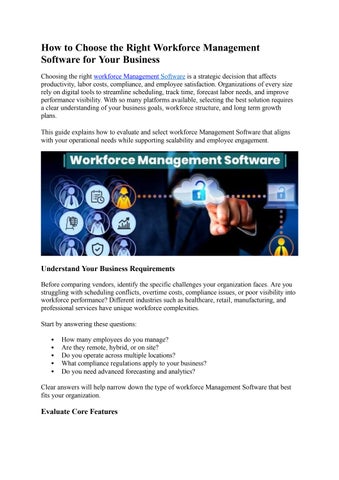
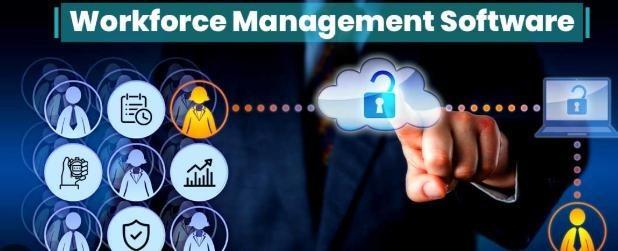
Choosing the right workforce Management Software is a strategic decision that affects productivity, labor costs, compliance, and employee satisfaction. Organizations of every size rely on digital tools to streamline scheduling, track time, forecast labor needs, and improve performance visibility. With so many platforms available, selecting the best solution requires a clear understanding of your business goals, workforce structure, and long term growth plans.
This guide explains how to evaluate and select workforce Management Software that aligns with your operational needs while supporting scalability and employee engagement.
Understand Your Business Requirements
Before comparing vendors, identify the specific challenges your organization faces. Are you struggling with scheduling conflicts, overtime costs, compliance issues, or poor visibility into workforce performance? Different industries such as healthcare, retail, manufacturing, and professional services have unique workforce complexities.
Start by answering these questions:
How many employees do you manage?
Are they remote, hybrid, or on site?
Do you operate across multiple locations?
What compliance regulations apply to your business?
Do you need advanced forecasting and analytics?
Clear answers will help narrow down the type of workforce Management Software that best fits your organization.
Evaluate Core Features
Not all solutions offer the same capabilities. A strong platform should include essential tools that simplify workforce operations while improving transparency. Look for features such as:
Time and attendance tracking
Automated scheduling
Leave and absence management
Labor forecasting
Compliance tracking
Real time reporting and analytics
Payroll integration
Advanced workforce Management Software often includes AI driven scheduling, productivity insights, and performance tracking. These features can significantly reduce manual work and human error.
Prioritize Ease of Use
Adoption plays a major role in success. Even the most powerful system will fail if employees and managers find it difficult to use. The software should have an intuitive dashboard, mobile accessibility, and simple workflows.
Request demos and involve key stakeholders during evaluation. Managers, HR teams, and frontline employees should all test the platform to ensure it fits daily operations. A user friendly system increases engagement and reduces training time.
Consider Integration Capabilities
Your workforce Management Software should integrate seamlessly with existing systems such as payroll, HRIS, benefits administration, and performance management tools. Lack of integration can create data silos and increase administrative burden.
For example, companies that use employee engagement platforms such as Bullseye Engagement benefit from integrated workforce data that connects performance, scheduling, and productivity metrics. When systems work together, leadership gains a holistic view of workforce performance.
Focus on Scalability
Business growth demands flexible technology. Choose workforce Management Software that can scale as your organization expands. Whether you plan to add new locations, hire more employees, or expand globally, your platform should support increasing complexity.
Cloud based solutions often provide better scalability compared to on premise systems. They allow updates, feature expansions, and remote accessibility without heavy infrastructure investments.
Assess Compliance and Security
Workforce compliance regulations vary by region and industry. Labor laws, overtime rules, and data privacy requirements must be handled accurately. Reliable workforce Management Software includes built in compliance tracking to help reduce legal risk.
Security is equally important. Ensure the vendor provides data encryption, role based access controls, secure cloud hosting, and regular system updates. Protecting employee data builds trust and safeguards your organization from breaches.

Analyze Reporting and Analytics
Data driven decision making is essential for optimizing workforce performance. Choose workforce Management Software that offers customizable reports, dashboards, and predictive analytics.
Look for capabilities such as:
Labor cost analysis
Overtime tracking
Absenteeism trends
Productivity metrics
Forecast accuracy reports
These insights help leadership adjust staffing levels, control costs, and improve operational efficiency.
Review Vendor Reputation and Support
Technology is only as reliable as the company behind it. Research vendor reviews, case studies, and client testimonials. Look for providers with proven experience in your industry.
Customer support should include onboarding assistance, training resources, and responsive technical help. Strong vendor support ensures smooth implementation and ongoing success.
Organizations that partner with established providers such as Bullseye Engagement gain access to comprehensive workforce and performance management expertise. A reputable vendor becomes a long term strategic partner rather than just a software provider.
Compare Pricing Models
Cost plays a significant role in decision making. Workforce Management Software typically follows subscription based pricing per employee per month. Some vendors charge additional fees for advanced features or integrations.
Evaluate total cost of ownership rather than focusing solely on upfront pricing. Consider:
Implementation costs
Training expenses
Integration fees
Long term scalability costs
A slightly higher investment may deliver better ROI through efficiency gains and reduced compliance risks.
Request a Trial or Pilot Program
Before committing to a long term contract, request a free trial or pilot program. Testing workforce Management Software in a real environment allows you to evaluate functionality, user experience, and reporting capabilities.
Monitor metrics such as scheduling accuracy, reduction in overtime, administrative time saved, and employee satisfaction during the pilot phase. Real world results provide clarity before finalizing your decision.
Measure Return on Investment
The right workforce Management Software should deliver measurable improvements. Common benefits include:
Reduced administrative workload
Lower overtime costs
Improved employee scheduling accuracy
Better compliance tracking
Increased productivity
Enhanced employee engagement
Calculate projected savings and efficiency gains over a year to determine expected ROI. Decision makers should align software selection with strategic business goals.
Align with Employee Engagement Strategy
Workforce optimization is closely tied to engagement. When employees have predictable schedules, transparent time tracking, and clear performance expectations, morale improves.
Integrating workforce Management Software with engagement platforms such as Bullseye Engagement creates a unified environment where scheduling, performance management, and employee feedback coexist. This alignment strengthens accountability and promotes a high performance culture.
Final Thoughts
Selecting the right workforce Management Software requires thoughtful evaluation of features, scalability, integration, security, and vendor reliability. The ideal solution streamlines operations while supporting growth and employee satisfaction.
By clearly defining your needs, testing potential platforms, and partnering with trusted providers such as Bullseye Engagement, your organization can implement a system that drives efficiency and long term success.
A well chosen workforce Management Software platform does more than track time and schedules. It empowers leadership with actionable insights, supports compliance, and creates a structured foundation for sustainable workforce optimization.
For more info visit us Bullseye Engagement and send mail to besales@bullseyetdp.com for quote