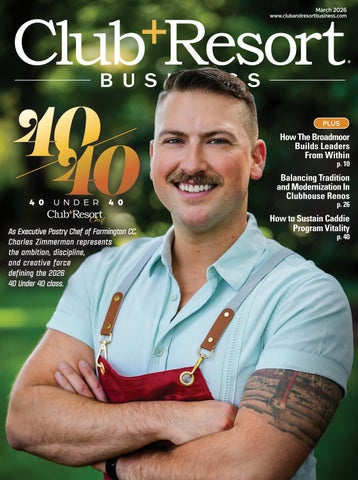
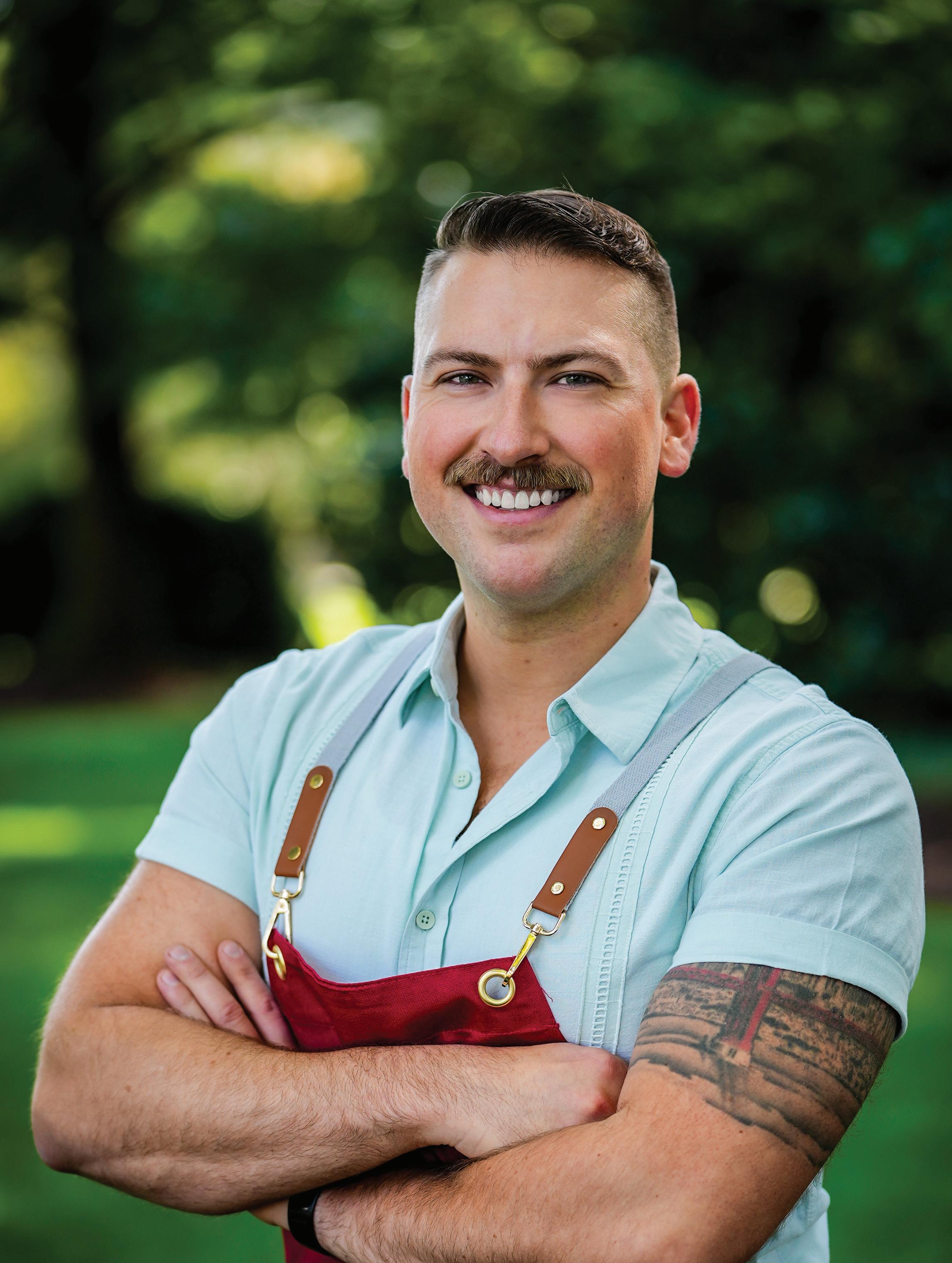
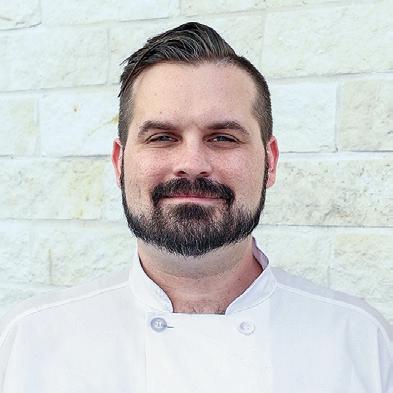
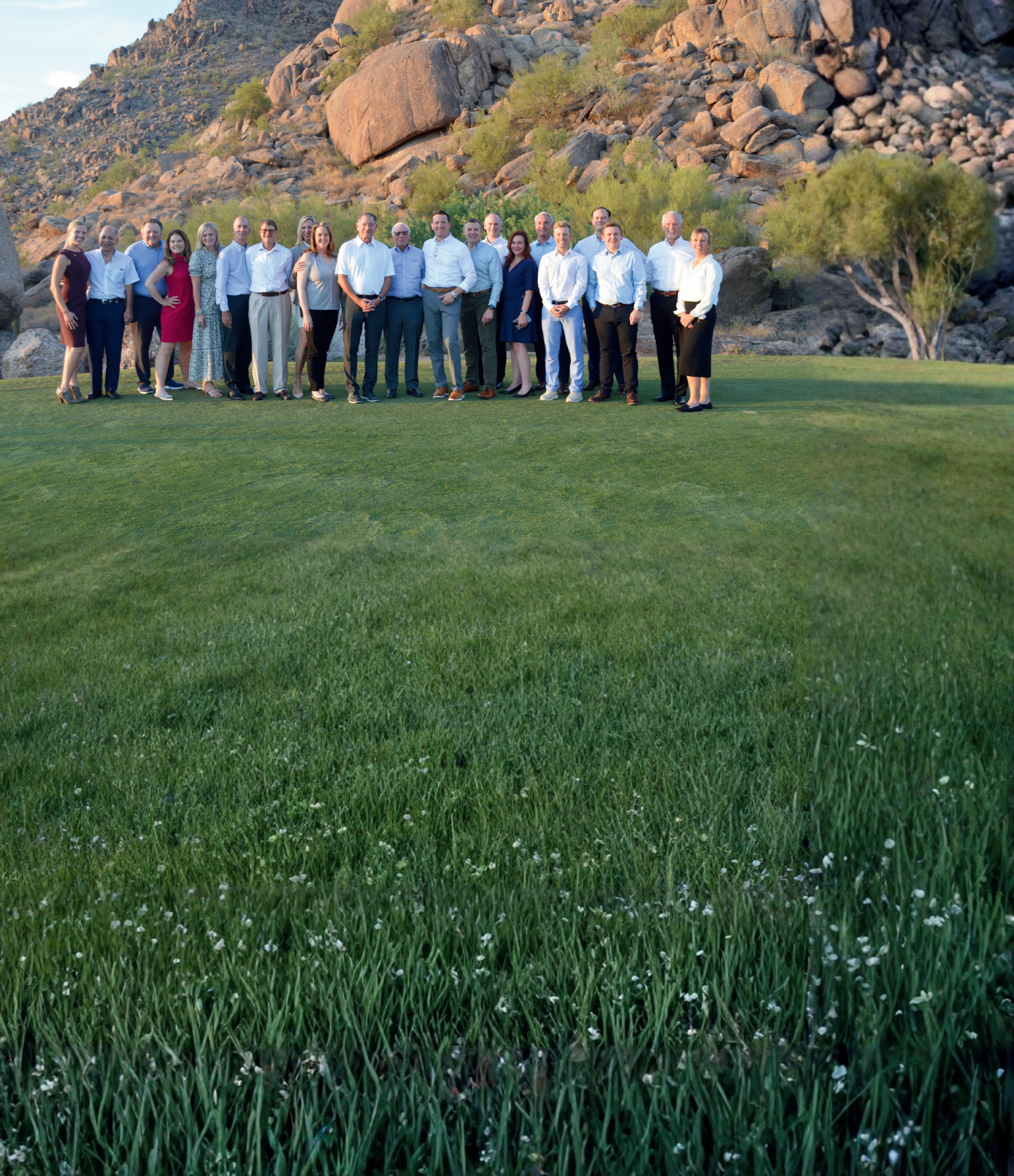
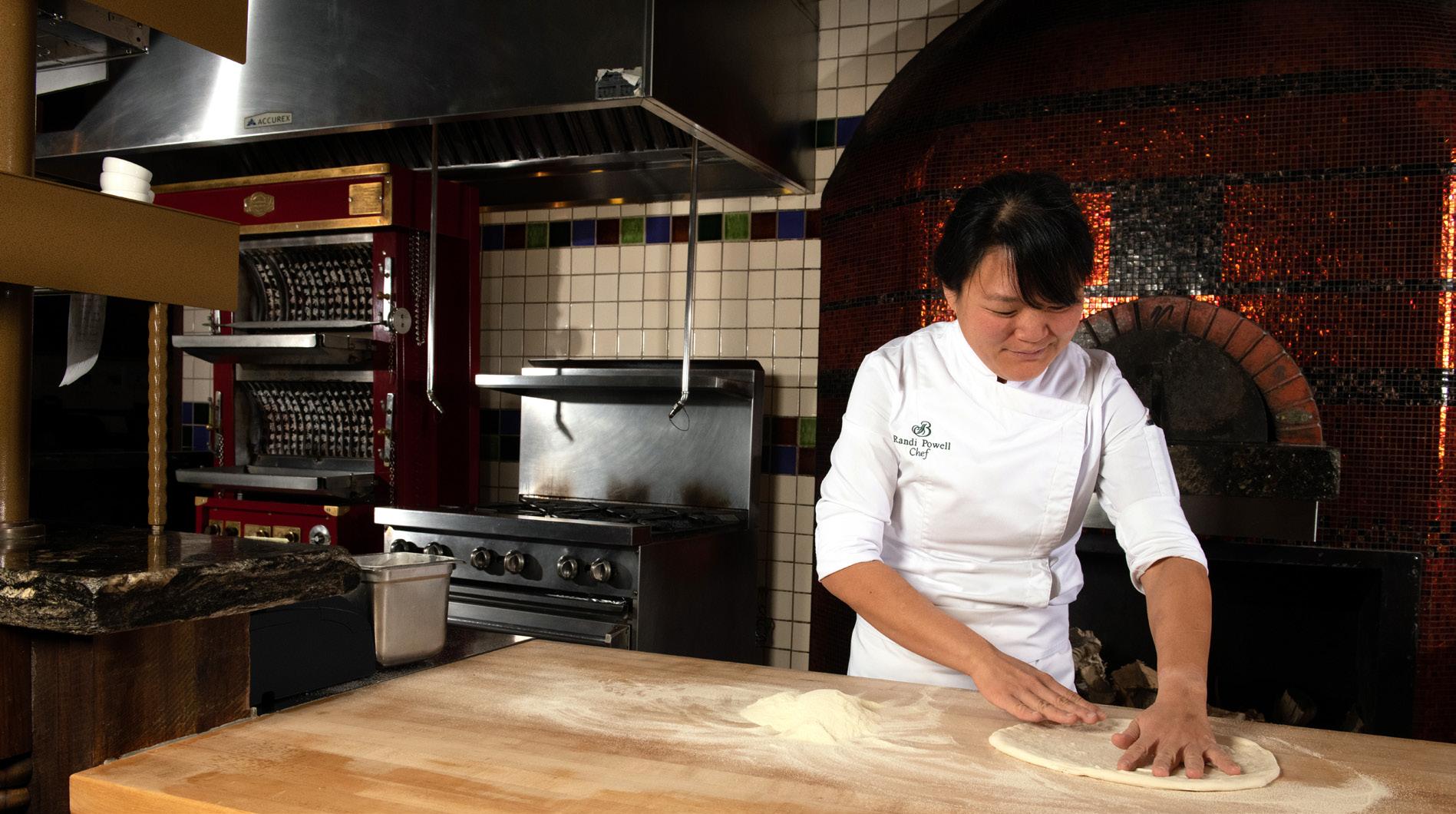
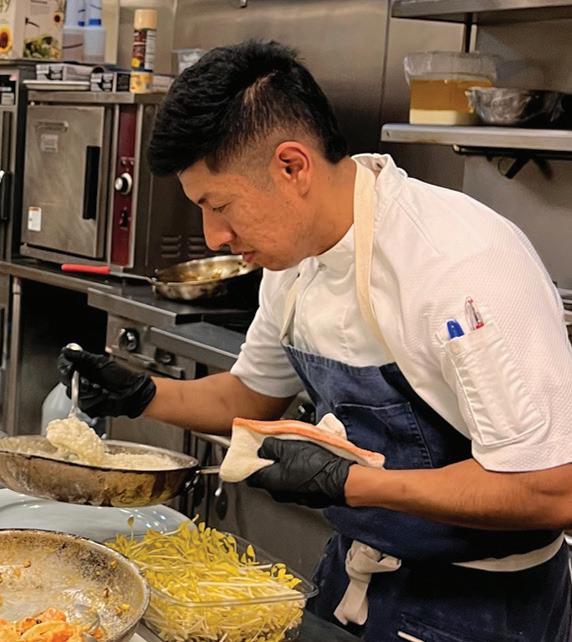
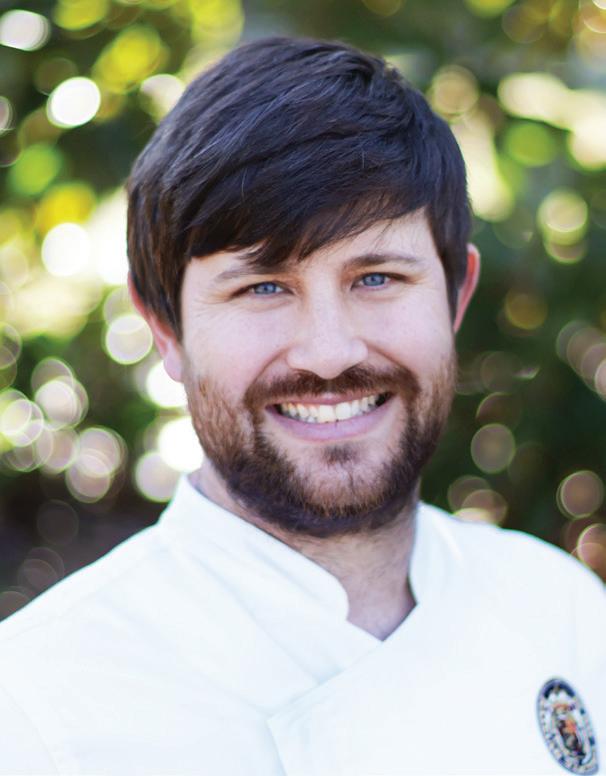
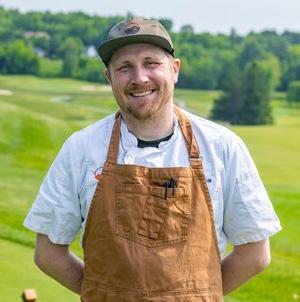
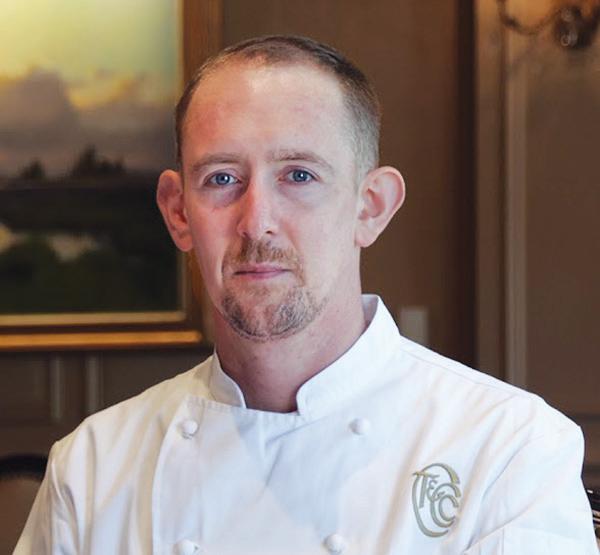
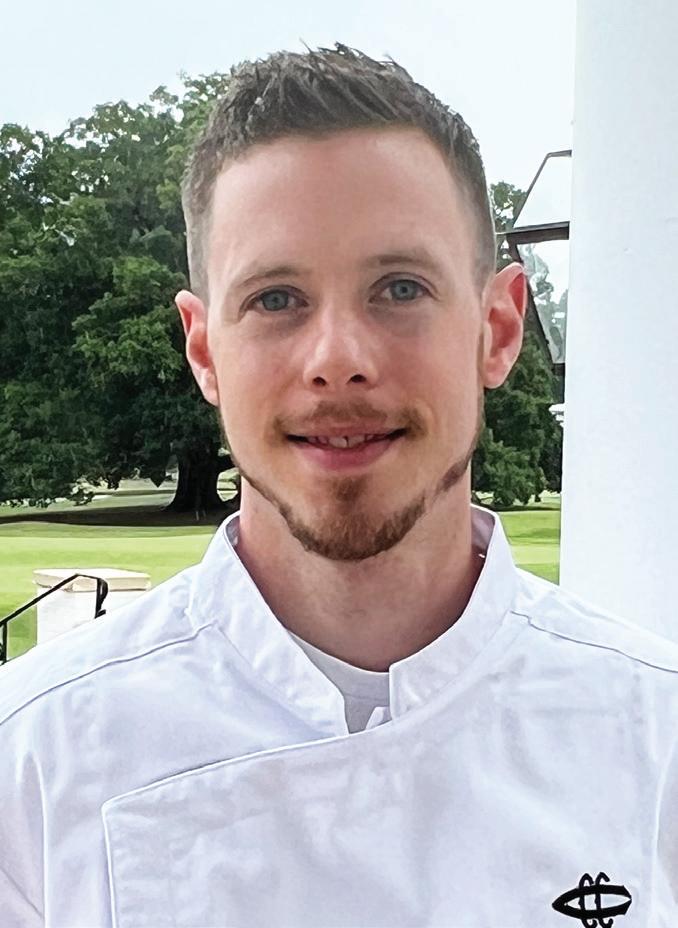
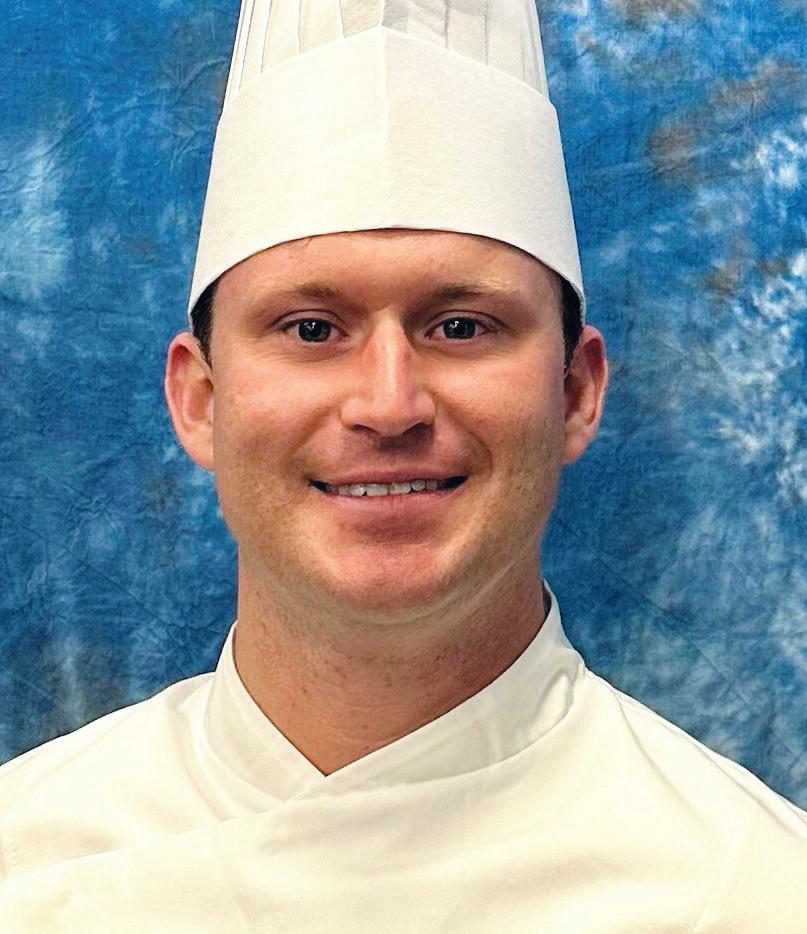
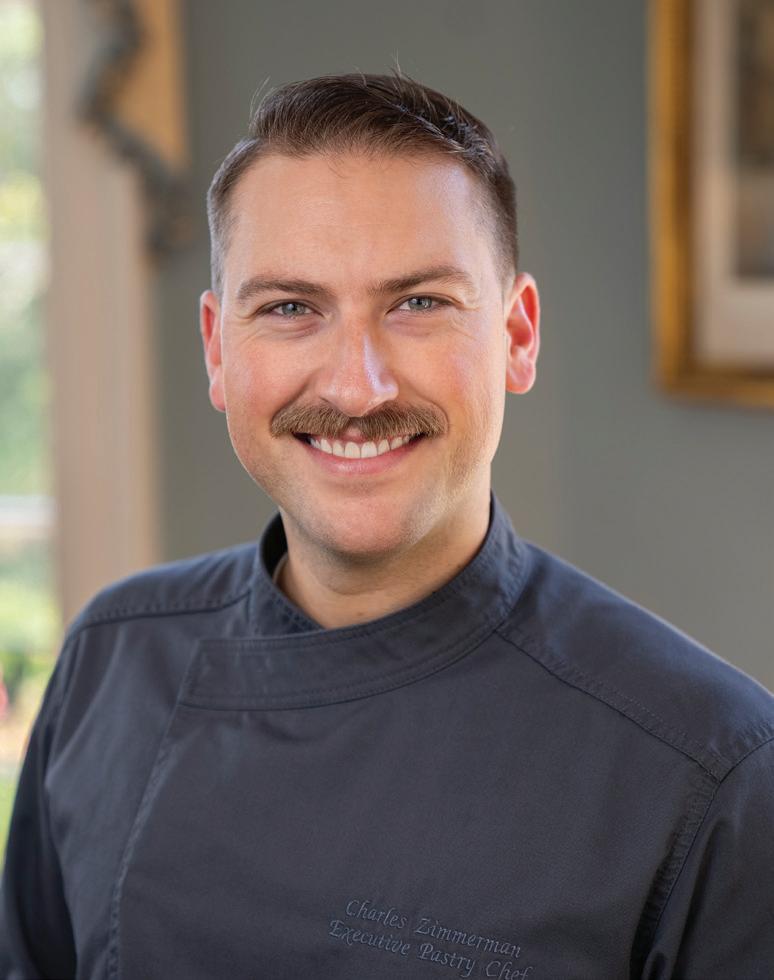
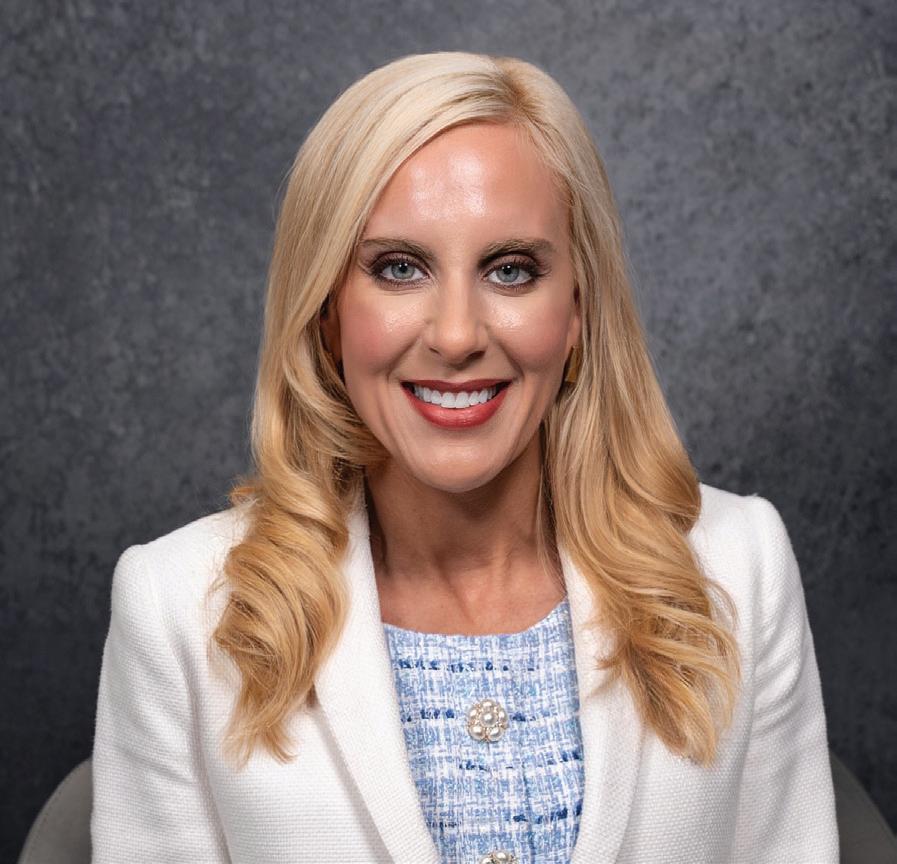
As Executive Pastry Chef of Farmington CC, Charles Zimmerman represents the ambition, discipline, and creative force defining the 2026 40 Under 40 class.
How to Sustain Caddie Program Vitality p. 40 plus
How The Broadmoor Builds Leaders From Within p. 10 Balancing Tradition and Modernization In Clubhouse Renos p. 26
STANDARDS AS A FORM OF CARE
For most of us, standards are usually discussed in operational terms. We talk about service standards, financial standards, governance standards, and design standards. We measure them, document them, and present them to boards and members.
That language can make standards feel clinical, but I see them as something far more human, more a guardrail than a scalpel.
When we build programming for Club + Resort Business and Club + Resort Chef, we are making decisions about who speaks, what ideas are elevated, and how conversations are framed. As editors, we are deliberate about those choices because they shape the conversations our industry has. That’s our standard.
The same dynamic exists inside clubs. Clear financial guardrails show boards that management understands stewardship. Defined service expectations show staff what excellence looks like in practice. Consistent communication shows members that leadership is keeping the door open.
None of this happens by accident. It happens because someone decided that the standard would be clear and steady. Holding a high bar is not supposed to be about image or ego. It is about building something that can withstand scrutiny and growth. It requires discipline.
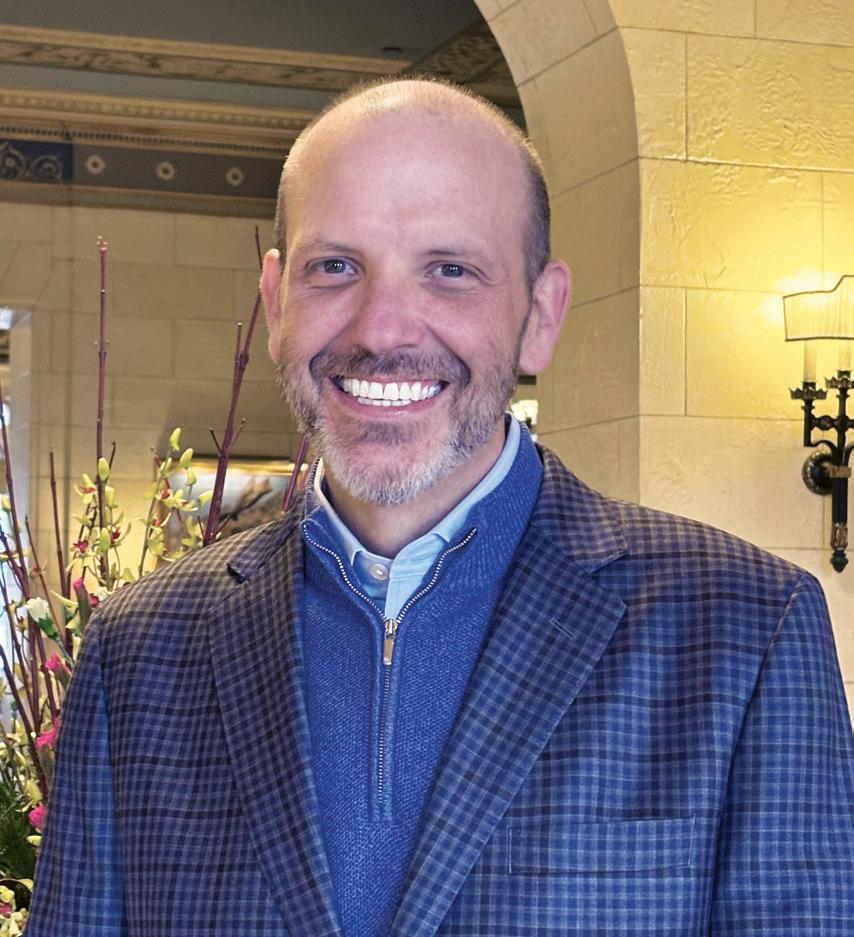
When I was interviewing Eric Bischofberger, CCM, CMCA, GM/COO of Hampton Hall
WTWH MEDIA, LLC
1111 Superior Ave., Suite 1120 • Cleveland, OH 44114
Ph: 888.543.2447
Club, ahead of a storm, he walked through the decision to close early. Members would lose access to the fitness center, and he knew there would be frustration. But without staff on site, there is no one to manage wet floors, clean facilities, or respond if something goes wrong.
More importantly, keeping it open would require asking employees to drive over bridges and icy roads. The club had already defined what responsible operations look like. If you cannot operate it safely for members and responsibly for staff, you do not operate it.
That is what a standard does. It removes improvisation from moments that invite it. In this issue (p. 12), we announce C+RC's 40 Under 40 Class of 2026. Their careers will be shaped by this same reality.
EDITORIAL DIRECTOR
Joanna DeChellis jdechellis@wtwhmedia.com
Scan this QR code to sign up for our newsletter and join the conversation.
Periodicals postage paid at Cleveland, Ohio, and additional mailing offices. Postmaster: Send change of address notices to Club + Resort Business, 1111 Superior Ave., Suite 1120, Cleveland, Ohio 44114.
Editorial
EDITORIAL DIRECTOR Joanna DeChellis jdechellis@wtwhmedia.com • 412-260-9233
Club + Resort l March 2026 www.clubandresortbusiness.com
BENCH STRENGTH, REVISITED AT THE BROADMOOR
Inside the leadership practices that allow one of the country’s largest resort kitchens to keep producing leaders from within.
(Cover photo and photo above courtesy of The Broadmoor)
4 EDIT MEMO: Standards as a Form of Care
8 CLUB PEOPLE ON THE MOVE: Sponsored by Kopplin, Kuebler & Wallace
12 SPECIAL REPORT:
Introducing the C+RC 40 Under 40 Class of 2026 Club + Resort Chef’s annual 40 Under 40 list highlights the most talented young chefs shaping the future of club and resort culinary.
26 DESIGN + RENOVATION
Balancing Tradition and Modernization In Clubhouse Renovations
Club leaders break down what it takes to create an environment where all members feel comfortable and the significance of this strategy.
30 MEMBERSHIP MARKETING
Putting Out the Welcome Mat for Prospective Members
Finding innovative ways to attract new members requires forward thinking.
32 RECRUIT + RETAIN
Space to Reset
Hampton Hall Club and The Oaks Club are designing dedicated employee areas that strengthen culture.
34 GOLF
Spring Forward: How to Sustain Caddie Program Vitality
For one country club in western Michigan, a strategic approach to recruiting and training new caddies demonstrates how less is more.
38 COMMUNICATIONS
Getting Everyone on the Same Page
Melissa Hansen, Director of Membership & Marketing at The Club at Olde Cypress, explains how a new branding guide helped bring consistency, clarity, and confidence to the club’s communications.
40 GM TO GM Coming Home to Lead
Stefan Brunt explains how his return to Sawgrass CC led to a leadership transition, a $55 million capital plan, and a renewed long-term strategy for the club.
42 RACQUET + FIELD SPORTS
Where Community Comes to Play
How bocce and croquet became social anchors at The Club at the Strand.
QuikThermTM Cook and Hold Convection Oven
● Preheats to 350° less than 10 min.
● Roast, cook, bake, air fry, rethermalize and hold with precise temperature and humidity control.
● Allows end user flexibility to increase or reduce air flow.
● In both 12KW & 8KW versions. Full & half size available!
● Non-venting; does not require a hood. (*Check your local codes)
Model shown: RO151HWUA9D (with optional window and stand)
Model shown: RO151FWUA18DE
PAUL APANA
Recognized as one of the world’s premier private residential communities, Desert Mountain Club welcomes Paul Apana as Clubhouse Manager – Apache Clubhouse. Spanning eight thousand acres in Scottsdale, Ariz., the club features seven architecturally distinct, luxurious clubhouses and offers exquisite cuisine across its ten restaurants. Additional amenities include a collection of six Jack Nicklaus Signature Golf Courses, a distinct par fifty-four championship course, a state-of-the-art Performance Center, the Sonoran Fitness, Tennis & Spa facility, and a fifteen-mile private hiking trail system. Apana was most recently General Manager at The Village Club (Camelback) in Phoenix, Ariz.
C.W. COOK, MCM, CCE, ECM
One of North Carolina’s premier clubs, Chapel Hill Country Club, welcomes C.W. Cook, MCM, CCE, ECM as General Manager/Chief Operating Officer. Founded in 1922, the club has been dedi cated to providing recreational and social opportunities for Chapel Hill residents, as evidenced by its continued expansion and array of amenities. Members enjoy a family-friendly atmosphere, diverse culinary experiences, an eighteen-hole golf course, tennis and pickleball courts, and fitness, creating a vibrant and engaging atmosphere. Cook was most recently General Manager/ Chief Operating Officer at Nocatee in Ponte Vedra, Fla.
JOHN EASTERBROOK, JR.
ROB SALIERS
Located on Long Island’s North Shore in Huntington, N.Y., Huntington Crescent Club welcomes Rob Saliers as Director of Finance & Accounting. Founded in 1884, the club is set on one hundred seventy-five acres and features an eighteen-hole course complemented by premier racquet facilities, including tennis and pickleball courts. An Olympic-sized pool highlights the aquatics center, while dining, social, and youth programs unite members across generations. Saliers was most recently Chief Financial Officer at The Harmonie Club in New York, N.Y.
SCOTT SELLARS, PGA
Surrounded by over one-thousand acres of protected open space, Colorado Golf Club in Parker, Colo., welcomes John Easterbrook, Jr. as General Manager/Chief Operating Officer. The club’s eighteen-hole championship golf course is a masterpiece of natural beauty, highlighted by hosting prestigious events like the Senior PGA Championship. Beyond the greens, a resort-style pool with social areas and bar, pickleball and tennis courts, and a clubhouse with elegant dining and inviting social spaces make for an exemplary member experience. Easterbrook was most recently Chief Member Officer at PGA of America in Frisco, Texas.
GREGORY E. OTTANI, PGA
Located in the heart of Northeast Ohio, Westwood Country Club welcomes Gregory E. Ottani, PGA, as Director of Golf. The golf course dates back to the Golden Age of golf course architecture, with the club’s inception in 1914, and was later expanded by C.H. Alison in 1926 into the eighteen championship holes that exist today. Members enjoy an active golf program, premier dining, fitness, swimming, tennis, and year-round family events in a welcoming community that values tradition, camaraderie, and exceptional service. Ottani was most recently Head Golf Professional at Timuquana Country Club in Jacksonville, Fla.
Situated in the historic United Kingdom town of Dornoch, where golf has been played since the 1600s, Royal Dornoch Golf Club welcomes Scott Sellars as Head of Golf. The club is renowned for its stunning links and rich history. Its Championship Course is ranked second in Golf Digest’s 2024-2025 World Top 100 courses outside the US and is renowned for rugged beauty and strategic design, with influences from legends like Donald Ross. The Club is entering an exciting era with a new clubhouse and enhanced offerings, reaffirming its heritage, quality, and commitment to delivering an exceptional experience for members and visitors worldwide. Sellars was most recently Director of Golf at Druids Glen Hotel & Golf Resort in Ireland.
JEFF WIEDEMANN
Columbia Country Club in Chevy Chase, Md., welcomes Jeff Wiedemann as Director of Racquets. Established in 1898, this historic, member-owned club is renowned for its strong community and exceptional standards. Racquet sports, including tennis, pickleball, and platform tennis, are central to the club, with seasonal indoor facilities and a legacy of hosting prestigious events, including the U.S. National Boys’ Championships. Members also enjoy premier golf, swimming, fitness, and dining amenities. Wiedemann was most recently Director of Racquets at DuPont Country Club in Wilmington, Del.
CHRISTOPHER YOUNG
Established in 1999, Royal Oaks Country Club in Houston, Texas, welcomes Christopher Young as Executive Chef. The club is a gated community that maintains the distinction of being the first country club built within Houston city limits in over 50 years. The clubhouse features the main dining room, patios, and several event spaces, all with expansive views of the golf course. The new Oaks venue adds casual dining, entertainment, and a Golf Performance Center. From the lighted tennis and pickleball courts to the golf course and facilities, pools, wine program, wellness center, and youth activities, the club offers a variety of amenities for all. Young was most recently Executive Sous Chef at Lakeside Country Club in Houston, Texas.
Bench Strength, Revisited at The Broadmoor
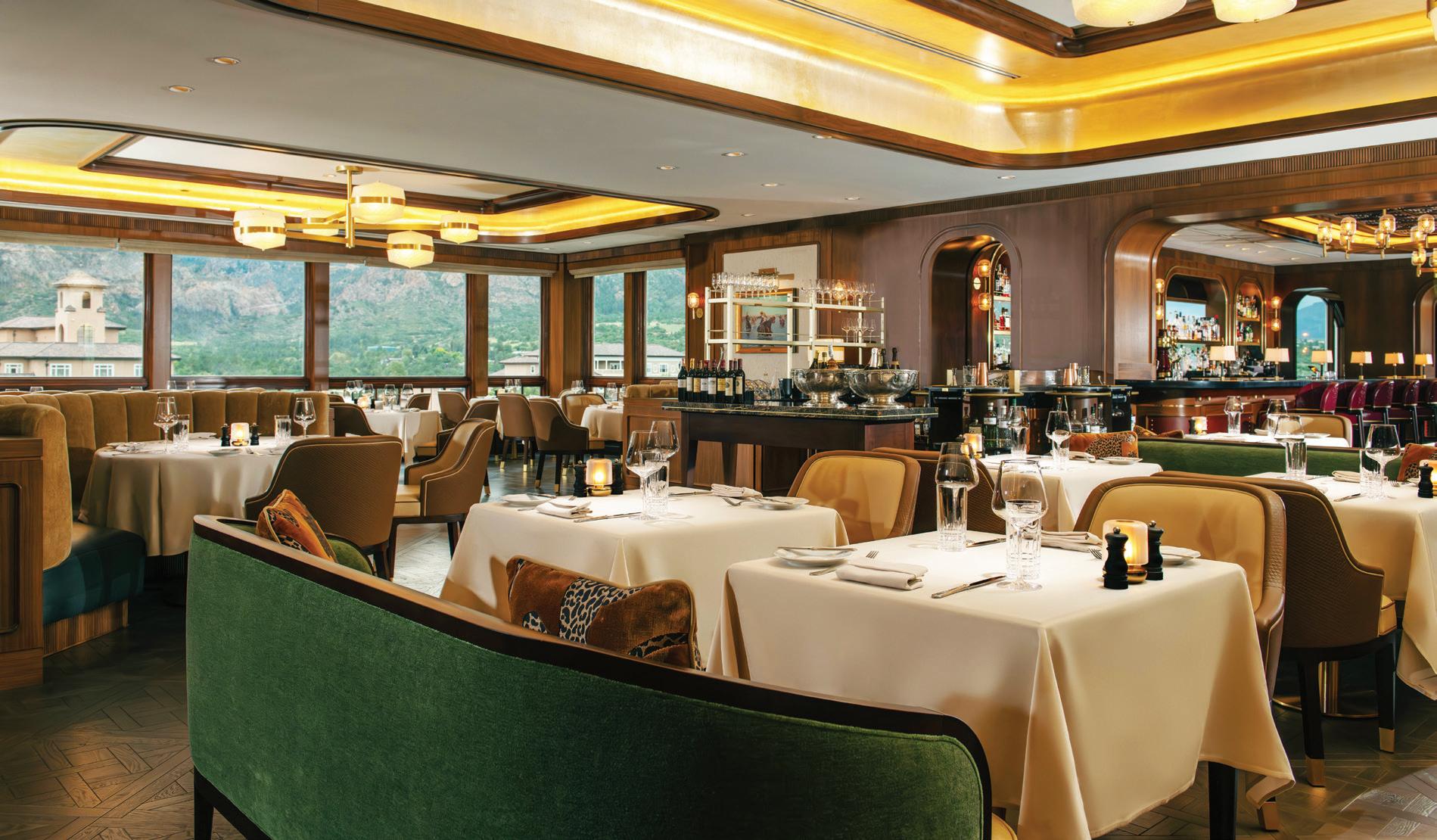
AT THE BROADMOOR (Colorado Springs, Colo.), promotion widens responsibility. It also creates space for others to step forward.
When Club + Resort Chef last profiled the resort’s culinary operation in 2021, the defining themes were depth, trust, and shared leadership. The operation was already complex and functioning at a level few properties attempt to sustain. What stood out then was not scope or scale— both impressive on their own merit—but a leadership team that approached the operation as a legacy to be maintained. That approach remains intact.
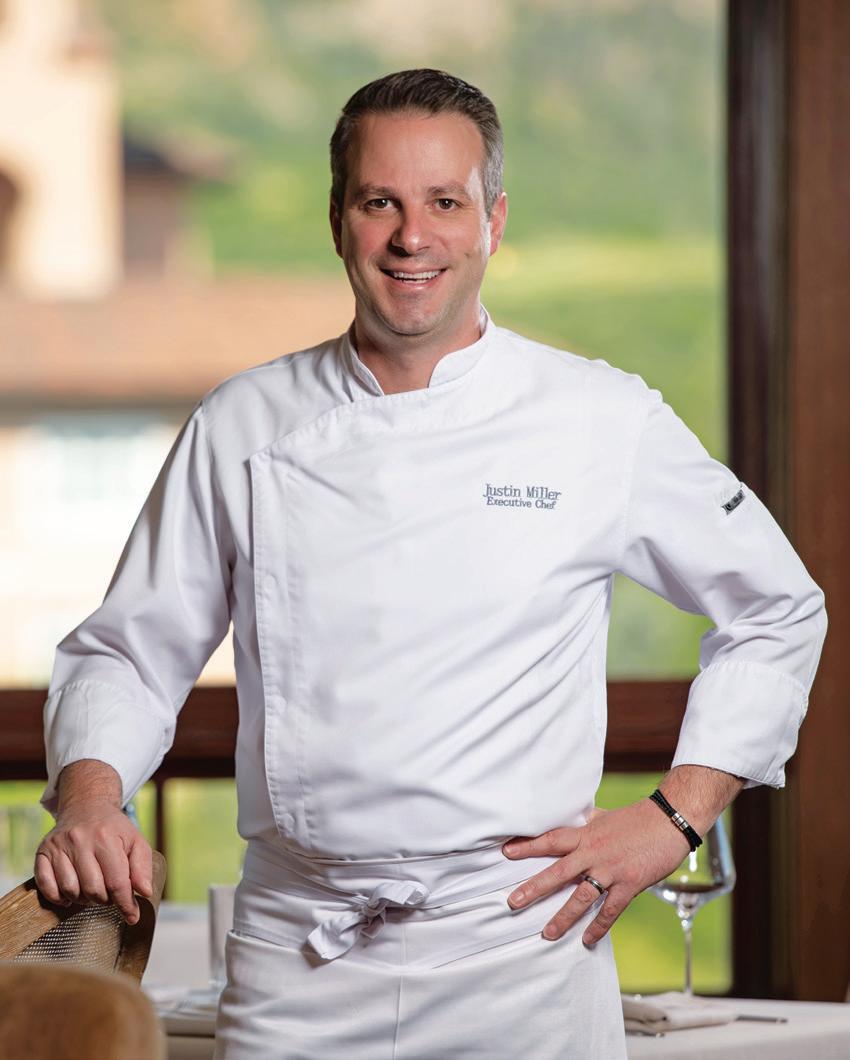
David Patterson now serves as Vice President of Food & Beverage after more than a decade as Executive Chef. Justin Miller, who served as Patterson’s Executive Sous Chef and has spent more than 20 years at the resort, has stepped into the Executive Chef role. Both promotions were made from within, extending a leadership model built on continuity and long-term development.
PROMOTION AS A MULTIPLIER
Patterson says his years leading the kitchens built trust across food and beverage and established working relationships that now allow him to operate across the full scope of the property, with greater focus on coordination, collaboration, and how guests experience the resort as a whole.
“I’m a caretaker,” Patterson says. “My responsibility is to ensure another 107 years. The changes we make have to be timeless and blend seamlessly into the existing program.”
That perspective shaped the decision to promote Miller.
“[Miller] has 28 years of service at The Broadmoor,” Patterson says. “He understands how the resort works, what our guests expect, and what our employees need. Most importantly, he cares deeply about this place.”
For Miller, the title formalized expectations he had already been carrying. Ownership preceded promotion, but
Inside the leadership practices that allow one of the country’s largest resort kitchens to keep producing leaders from within.
By Joanna DeChellis • Editorial Director
the role now requires decisions that affect the entire system rather than individual kitchens.
“Even as Executive Sous Chef, I felt strong ownership over the entire operation and took pride in treating it as my own,” says Miller.
After more than a decade as The Broadmoor’s Executive Chef, David Patterson was named VP of Food & Beverage.
RUNNING ONE OPERATION, NOT MANY SILOS
The realities of The Broadmoor shape how leadership functions.
“This resort was not designed for today’s volume,” Miller says. “You work within physical limitations and complex logistics while meeting modern expectations.”
Food and beverage operates as a single system rather than a collection of independent businesses. Leaders are expected to understand how decisions in one area affect the rest of the operation.
Restaurant managers regularly support banquet events. Banquet chefs assist in restaurants when volume or staffing requires it. The movement is practical, not symbolic, and it reflects shared responsibility rather than territorial control.
Since 2021, the scope of the operation has continued to grow. The resort reopened The Penrose Room, expanded group dining volume, and saw the return of career hospitality professionals following the disruption of the pandemic. Each shift added complexity rather than reducing it.
BUILDING LEADERS BEFORE THEY ARE NEEDED
Rather than responding to growth by looking outward, the team at The Broadmoor doubled down on internal
development. Apprenticeship programs, management-in-training tracks, and continued education have become more deliberate and structured, with particular attention paid to leadership at the supervisory level.
Miller describes a deeper culinary bench that allows the operation to maintain consistency across outlets while supporting coverage and development at the same time.
“Developing future chefs means combining hands-on instruction with mentorship and guidance,” says Miller.
The kitchens intentionally include a large number of students and earlycareer professionals. Training pairs instruction with responsibility, and chefs are expected to teach while executing.
Advancement is not tied to titles. It is tested through experience.
“When someone is eager to grow, I often move them to a different operation in the same role to see how they perform in a new environment,” Miller says. “That helps assess adaptability, problem-solving, and leadership potential before the next step.”
BANQUETS AS A LEADERSHIP TEST
Banquets continue to account for a significant share of the operation, with volume and expectations increasing steadily. The work now centers on refinement.
Recipes, standard operating procedures, and menu content are continuously updated. New cuisines and techniques are introduced only when they align with established standards and can be executed consistently across locations.
At this scale, creativity depends on clarity. Expectations are explicit. Communication is constant. Chefs are encouraged to contribute ideas, but execution must hold across every kitchen.
“For us, progress happens in small, intentional steps,” says Patterson. “We are always asking how we can improve the guest experience and our facilities.”
OPENING THE PLAYBOOK
That operating discipline made the timing right for The Broadmoor to host the 2026 Chef to Chef Conference. The kitchen is not being presented as a finished product, but as a system in motion.
Miller says visiting chefs will see consistency across kitchens and teams that understand their role within a larger whole. Standards and structure remain central, supported by a brigade system that creates clarity and accountability.
Kitchen tours will show how those systems function in real time.
“I hope they notice pride,” says Miller. “Pride in our craft, our standards, our teamwork, and our legacy.” C+RB
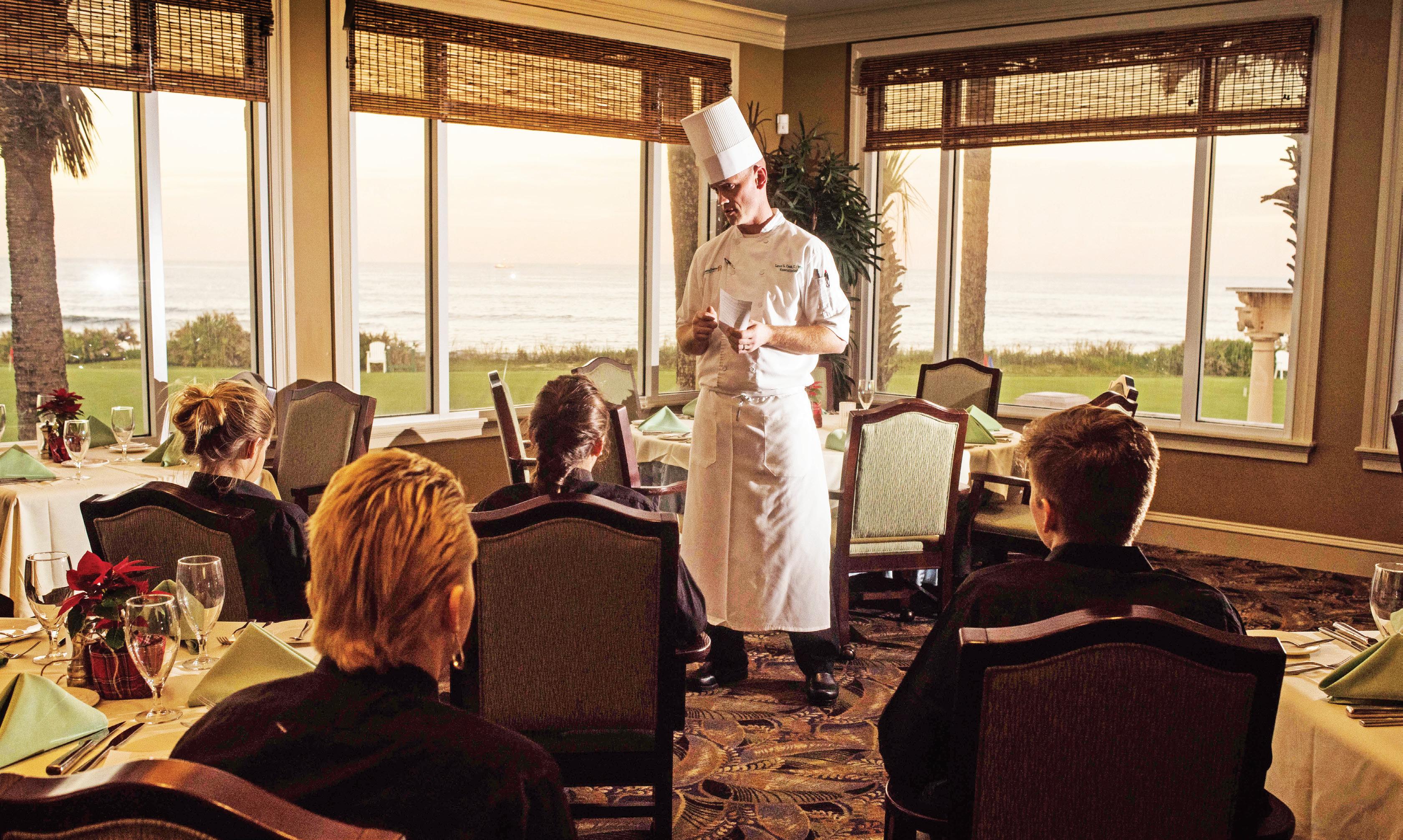
“Developing future chefs means combining hands-on instruction with mentorship and guidance,” says The Broadmoor’s Executive Chef, Justin Miller (left). Miller served as David Patterson’s Executive Sous Chef and has spent 28 years at the resort.
Meet the 40 Under 40 Class of 2026
By Joanna DeChellis
Director
THE CHEFS FEATURED in Club + Resort Chef’s 40 Under 40 Class of 2026 were selected for the way they lead from the front. They set standards, sharpen menus, and build cultures that hold up under pressure.
They represent the next generation of club and resort culinary leadership. They honor the craft and the impact of those who came before them, while confidently implementing new ideas and building stronger team cultures of their own. Their work reaches beyond the kitchen, influencing operations, expectations, and the trajectory of club and resort culinary programs.
Congratulations to the 2026 Class of 40 Under 40!
Scan to see the full list of honorees and learn how they are shaping the industry.
• Editorial
Isabelle Gustafson • Senior Editor
Madison Hartline • Associate Editor
JASSIM ABDELAZIZ
Age
31
Chef de Cuisine
Forsyth Country Club
Winston-Salem, N.C.
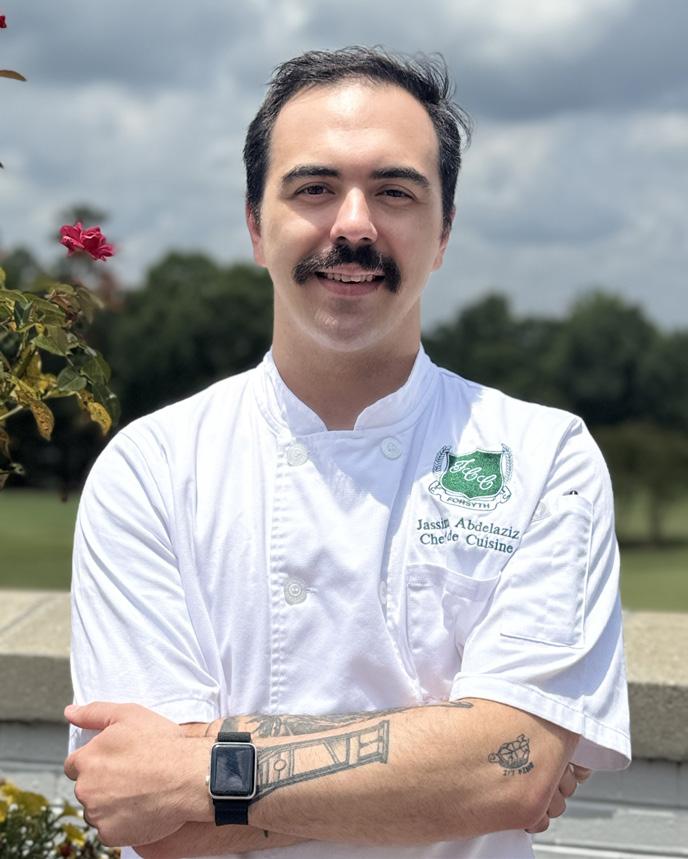
Jassim Abdelaziz, Chef de Cuisine of Forsyth CC, is known for his inquisitive nature and relentless drive to sharpen his skills. He holds a Bachelor of Science in History Education, not a culinary degree, and built his kitchen foundation through handson experience and self-discipline. His background in restaurant financial management has become a clear strength.
Abdelaziz wishes he had found the club world sooner— Forsyth is his first club role—recognizing the wide runway it offers for creativity and growth. His self-described obsession with cooking and learning gave him the confidence to push forward without formal culinary training. Every opportunity to stay late, ask questions, or refine a technique was one he took. That same commitment has kept member dining fresh and engaging, while his financial acumen has strengthened the operation behind the scenes.
MICAH ANDREWS
Age 35
Executive Chef
Coosa Country Club Rome, Ga.
Micah Andrews has built his career with intention and grit. He began dishwashing at age 15 and, over nearly two decades, progressed through the ranks as a roundsman/tournant chef, sous chef, executive sous chef, and now Executive Chef.
RIAN BARNES
Age 37
Executive Chef Quechee Club Quechee, Va.
Executive Chef
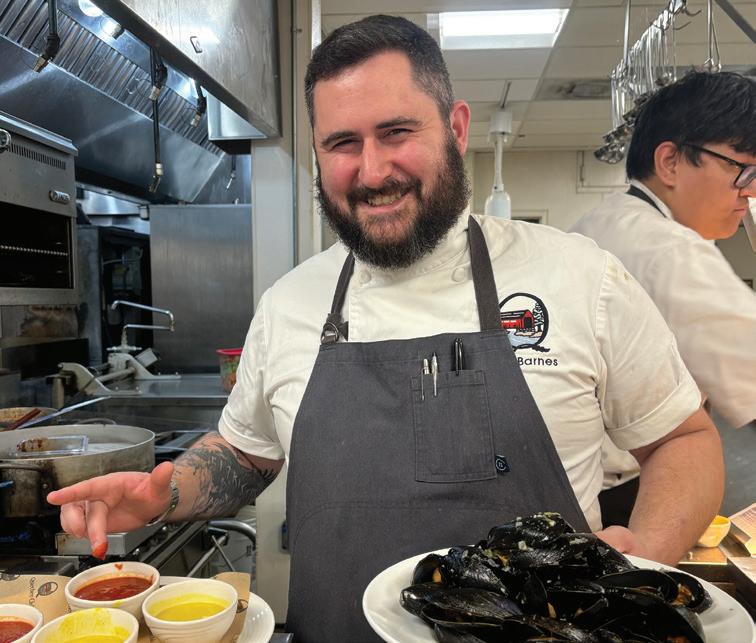
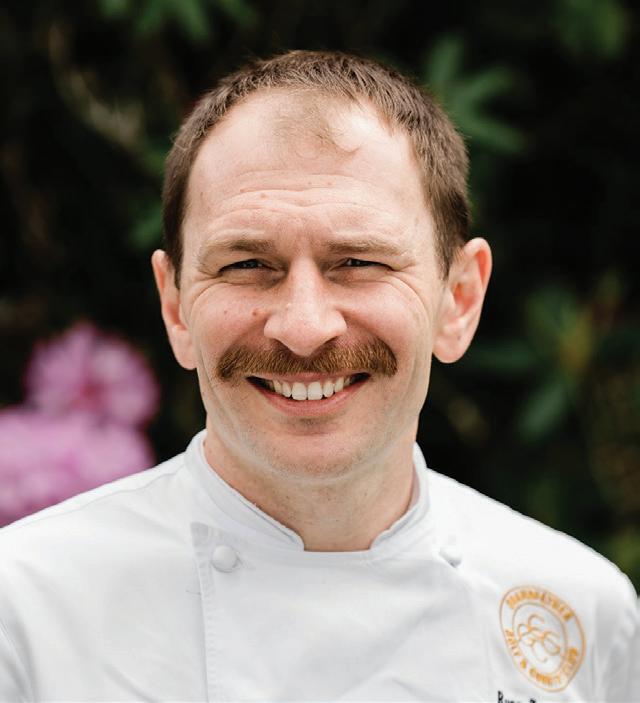
Rian Barnes began his career as a line cook and worked his way through the ranks to sous chef and now Executive Chef at the four-season, high-volume Quechee Club in Vermont. He leads a team of more than two dozen employees and oversees service across seven food and beverage outlets, managing the daily demands of a complex operation while serving more than 1,500 resident members. His progression through the kitchen has given him a practical understanding of each role he now oversees.
Barnes brings genuine passion to the craft and to the people around him. For him, cooking has always been about more than food; it is about building strong teams, creating opportunities, and pushing standards forward together. He approaches leadership with an open mind and a commitment to steady improvement. That mindset shapes a kitchen culture grounded in trust, accountability, and shared progress.
FABIAN BAUTISTA
Age 32
Executive Sous Chef Talis Park Golf Club Naples, Fla.
Driven by a deep respect for the craft, Andrews is committed to refining his own skills while creating space for others to grow. He thrives in the rhythm and pressure of the kitchen and believes strongly in sharing knowledge, discipline, and composure with those coming up behind him. His goal is to continue evolving as a chef while serving as a steady voice for the back of house and the standards that define it.
Fabian Bautista’s path into the club and resort world was shaped by his experience at several of Naples’ leading properties. At The Ritz-Carlton, he developed a strong foundation in luxury standards and attention to detail. Naples Yacht Club and Port Royal Club reinforced the importance of memberfocused service, while Wildcat Run emphasized efficiency within a close-knit community setting. Now at Talis Park, he applies those lessons to elevate standards, implement clear systems, and strengthen kitchen culture. Early in his career, he had to grow into leadership and gained confidence through steady experience and professionalism.
Bautista encourages young chefs to master the fundamentals, remain humble, pursue learning opportunities, and trust that consistency and high standards create opportunity.
NATHANIEL BELL
Age 36
Executive Sous Chef
River Oaks Country Club
Houston, Texas
Nathaniel Bell has developed his craft in demanding private club kitchens, with experience at properties including Everglades Country Club, Oysters Harbor Club, and Glacier Park. Currently an Executive Sous Chef at River Oaks Country Club, he is recognized for disciplined leadership, technical skill, and a steady operational mindset. Bell focuses on consistency, accountability, and member experience, helping strengthen both kitchen culture and day-to-day performance. He encourages young chefs to prioritize fundamentals over titles, understand costs as well as technique, and build trust through preparation, reliability, and professionalism.
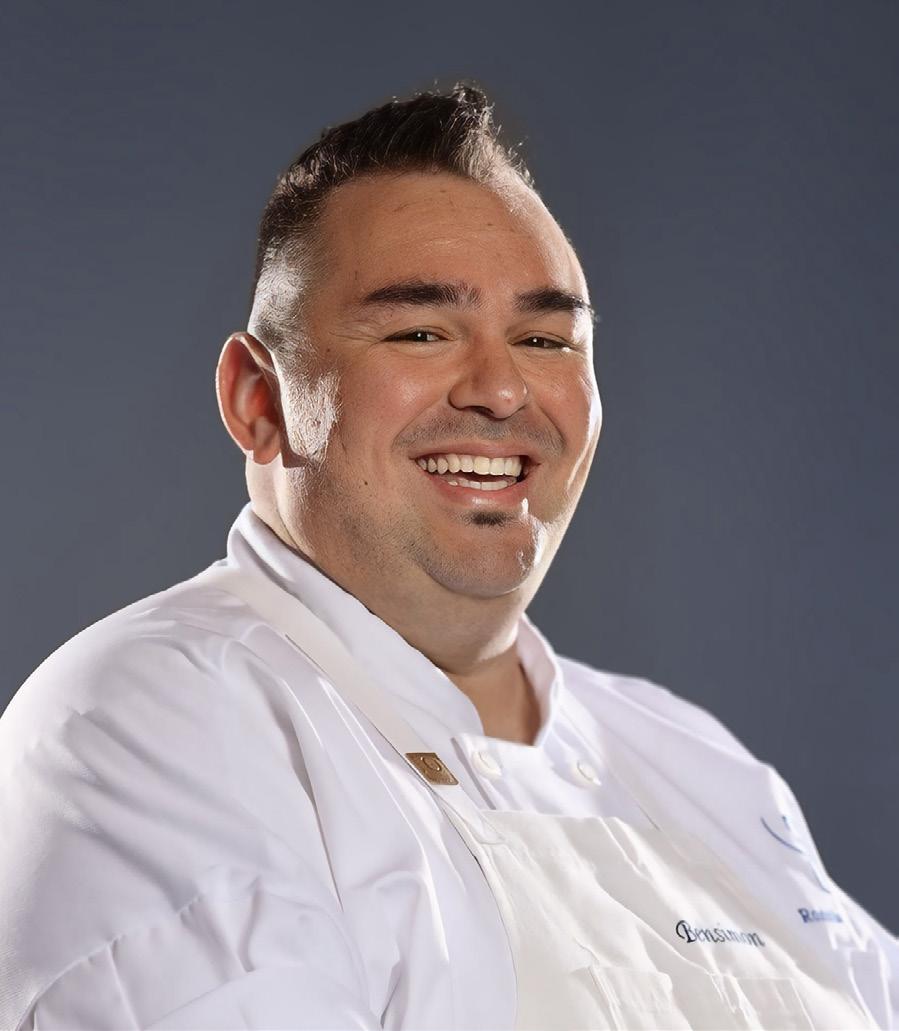
RONNIE
BENSIMON
Age 39
Executive Sous Chef Broken Sound Club
Boca Raton, Fla.
Ronnie Bensimon’s career has been shaped in kitchens where consistency, discipline, and teamwork mattered—values that continue to guide his leadership today. He is committed to building environments where young chefs feel supported, grow with confidence, and take pride in their work. For Bensimon, kitchens should be places of opportunity, creativity, and long-term careers. He brings discipline and intention to both the plate and the culture behind it. By leading through example, mentoring with patience and respect, and holding himself to high standards, he reflects the kind of steady leadership shaping the next generation of private club chefs.
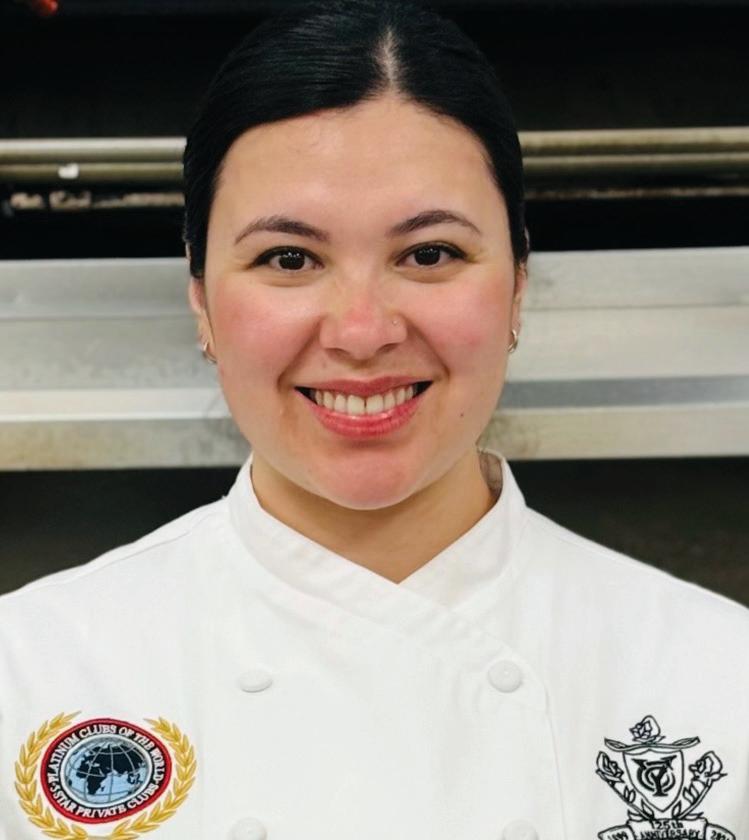
MIRIAM BERNAL
Age 28
Sous Chef The Country Club of York York, Pa.
Miriam Bernal’s cooking is rooted in respect—for people, ingredients, and the craft—and her leadership reflects that same discipline. At 28, she has already stepped into management, guiding a team and maintaining daily standards in a member-driven kitchen. She was drawn to private clubs for the relationships built with members, where regular interaction allows her to turn feedback into thoughtful, personalized experiences. Moving from focusing solely on her own station to leading others challenged her to set expectations clearly and support the growth of her team. That transition has accelerated her development and sharpened her confidence.
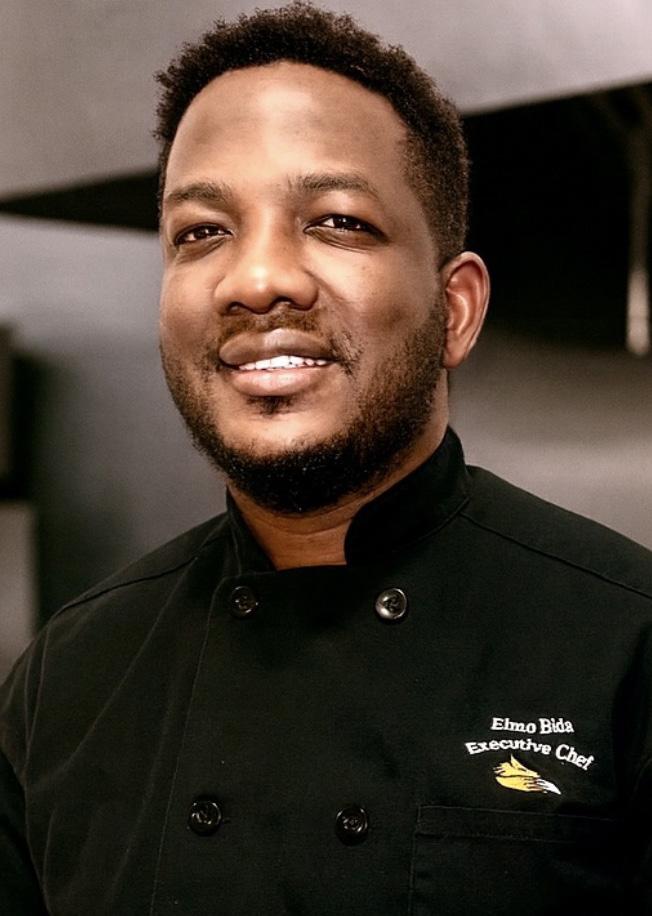
ELMO BIDA
Age 34
Executive Chef Foxfire Country Club Naples, Fla.
Elmo Bida believes great food is not just about technique; it is about respect—for the ingredients, the people he leads, and the guests he serves. Drawn to clubs for their blend of high standards and strong community, he values the opportunity to create memorable experiences for members while leading teams in environments where consistency and relationships matter.
Bida’s passion, discipline, and creativity shape both the plate and the culture behind it. Committed to mentorship and continuous growth, Bida works to strengthen his team while raising the standard of the kitchens he leads.
STEPHEN BILLIAR
Age 37
Executive Chef
Morehead City Country Club
Morehead City, N.C.
Stephen Billiar Billiar runs a fast-paced à la carte kitchen with a focus on efficiency, structure, and clear standards. He emphasizes resourcefulness and consistency, keeping operations disciplined while delivering food that reflects intention and care. He believes steady execution is what earns trust from both members and staff.
For him, cooking is personal. It is how he expresses discipline, creativity, and respect for the craft. He challenges his team to master the fundamentals, step outside their comfort zones, and build a foundation that supports long-term growth.
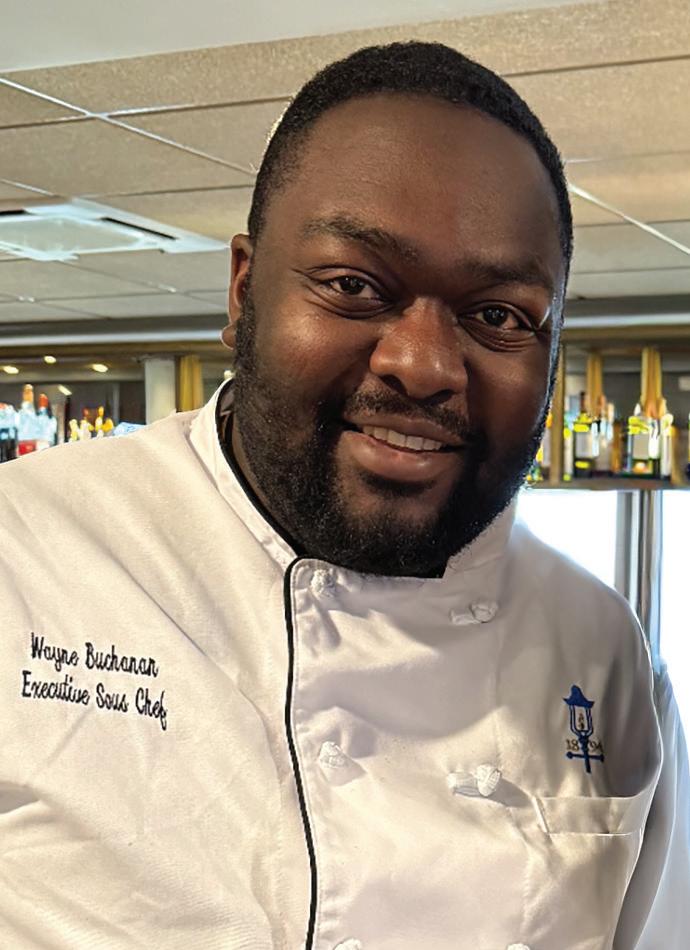
WAYNE BUCHANAN
Age 35
Executive Sous Chef Glen Ridge Country Club Glen Ridge, N.J.
Wayne Buchanan continues to sharpen his leadership and culinary voice at Glen Ridge Country Club, contributing to a program built on refined technique, seasonality, and thoughtful menu development. He focuses on steady improvement—both in his own craft and in the growth of his team—while helping shape dining experiences that align with the club’s standards.
Mentorship has been central to his path. Inspired early by his grandfather, who spent 47 years as a chef with Royal Caribbean, Buchanan approaches the kitchen with discipline and a respect for the profession. He pushes himself to improve while encouraging the same growth and accountability from those around him.
JAMIE BUCKLEY
Age 35
Executive Sous Chef
Bloomfield Hills Country Club
Bloomfield Hills, Mich.
Jamie Buckley has spent nearly two decades in club kitchens, building his career through steady progression and disciplined growth.
As Executive Sous Chef of Bloomfield Hills CC, he plays a central role in maintaining daily standards, supporting large-scale operations, and helping guide the next layer of kitchen leadership.
Buckley’s approach is grounded in preparation and consistency. After navigating physical setbacks that forced him to rethink longevity in the profession, he became more intentional about sustainability, structure, and team development. His philosophy that there is no finish line reflects a chef who views progress as continuous and earned, positioning him as part of the next wave of steady, operationally focused leaders in club kitchens.
DAQUAN CARTER
Age 34
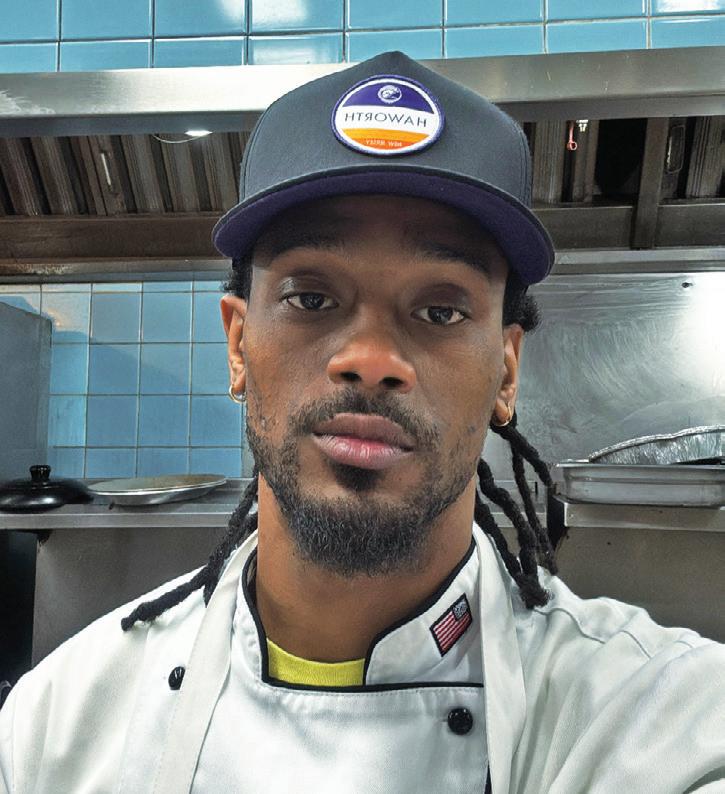
Executive Chef Haworth Country Club Haworth, N.J.
Now in his third season as Executive Chef, DaQuan Carter is operating with the scope and composure expected of the role. He has directed large-scale events, stabilized and rebuilt team culture, reopened and managed an offsite restaurant concept, and contributed to the financial strategy of the kitchen. His ability to manage both execution and operations at this stage of his career signals readiness for expanded leadership.
Carter is drawn to club dining for its pace, variety, and high expectations. He approaches the position with discipline and accountability, focused on delivering consistent results while continuing to refine his leadership and operational command.
TRAVIS CLEMENTS
Age 36
Executive Chef Idle Hour Club Macon, Ga.
Travis Clements currently leads the culinary program at Idle Hour Club, where he has focused on from-scratch cooking, tighter preparation standards, and creative weekly specials that have driven a 43 percent increase in food sales. His approach combines hands-on execution with steady operational oversight, strengthening both consistency and member engagement.
Early in his executive roles, Clements worked through imposter syndrome and used those moments as proving grounds. Building confidence through performance and accountability has shaped how he leads today. He continues to refine his craft while reinforcing a culture of learning and discipline in the kitchen.
AARON COFFEY
Age 34
Chef de Cuisine
The Country Club of Virginia Richmond, Va.
Aaron Coffey brings a refined yet approachable culinary style shaped by time in Michelin-starred and Bib Gourmand kitchens and experience in high-level hospitality environments. He is focused on sourcing fresh, high-quality ingredients and preparing them with precision and care. His cooking balances technique with member appeal, resulting in dishes that are visually polished and consistently executable.
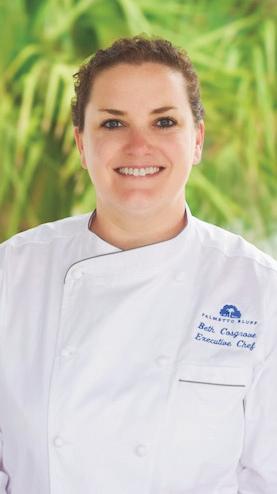
BETH COSGROVE
Age 39
Executive Chef Palmetto Bluff Club Bluffton, S.C.
Inspired by a personal journey toward health and nutrition, Coffey places strong value on seasonality, wellness, and continued professional growth.
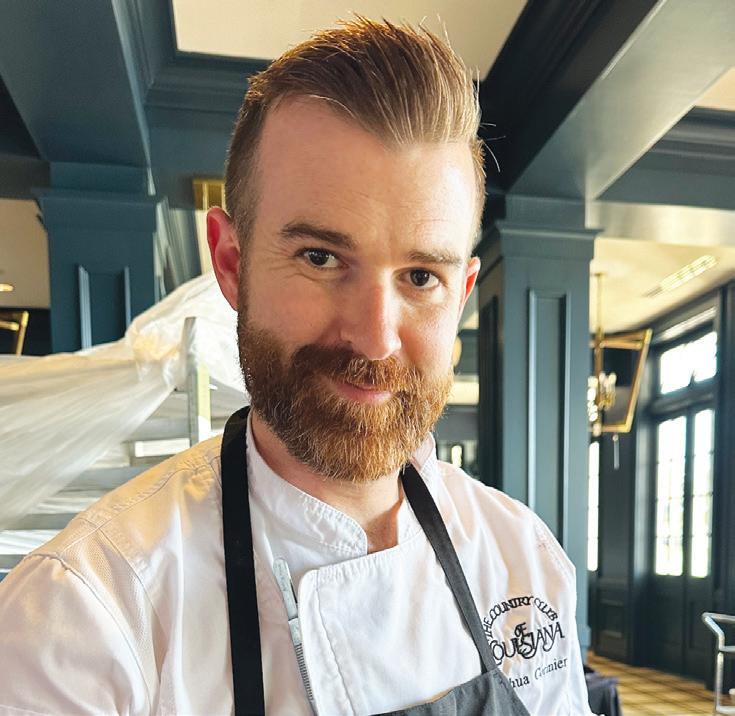
JOSHUA CORMIER
Age 38
Executive Chef The Country Club Of Louisiana Baton Rouge, La.
Joshua Cormier currently leads the culinary operation at the Country Club of Louisiana, where he stepped into a rebuild phase and helped stabilize and reset the program. He has focused on restoring consistency, improving execution, and rebuilding trust with both members and staff. Cormier balances creativity with the expectations of a private club environment, strengthening daily dining and large-scale events while keeping team cohesion central to the operation. He credits the teams he has built and the mentors who guided him, recognizing that sustained improvement is always a collective effort.
After more than 17 years working overseas across five countries, Beth Cosgrove brings global perspective and technical depth to her role. Her career has spanned private clubs, luxury hotels, and independent restaurants, shaping a chef who understands both high-level execution and cultural nuance.
At Palmetto Bluff, she applies that experience to a membership that dines frequently and expects range, consistency, and quality. Cosgrove views club dining as a disciplined creative exercise, requiring constant evolution without sacrificing standards. She challenges young chefs to stay informed, cook relentlessly, seek out new cuisines, and ask questions, reinforcing that growth in this profession is intentional, not accidental.
BLAKE CURRIER
Age 37
Chef de Cuisine
The Country Club of Virginia Richmond, Va.
Blake Currier operates within a complex, multi-outlet culinary program that demands coordination, consistency, and collaboration. Beyond execution, he has developed a clear focus on relationship-building as a leadership tool, investing in mentorship and daily communication to strengthen team cohesion.
Currier values the scale and structure of a club environment, where multiple chefs and outlets work in sync to deliver a unified member experience. He encourages younger chefs to treat mistakes as instruction, not failure, and to prioritize professional relationships as seriously as technique. For him, progress in the kitchen is incremental, deliberate, and built alongside others.
JACK DYKSTRA
Age 35
Executive Chef
The Los Angeles Country Club Los Angeles
Jack Dykstra takes pride in leading with respect, trust, and consistency. While executing thoughtful, high-quality food remains central to his role, he places equal emphasis on building a kitchen culture rooted in teaching, accountability, and teamwork.
At LACC, Dykstra oversees a large, multi-outlet operation with more than 40 employees. He understands that leadership at this level requires delegation, organization, and clear standards. For him, the most rewarding part of the role is developing his team’s skills and watching them build confidence and take ownership of their craft.
SEAN EASON
Age 39
Executive Chef
Meridian Hills Country Club Indianapolis, Ind.
Sean Eason spent the first half of his career working across a wide range of hospitality operations to broaden his technical foundation and study leadership from different mentors. Those experiences shaped his standards and clarified the type of culture he wanted to build. Leadership and legacy are central to his approach. Eason focuses on mastering his craft while developing teams built on humility, accountability, and opportunity. He encourages young chefs to absorb everything around them, learn from anyone regardless of title, and say yes to growth before recognition.
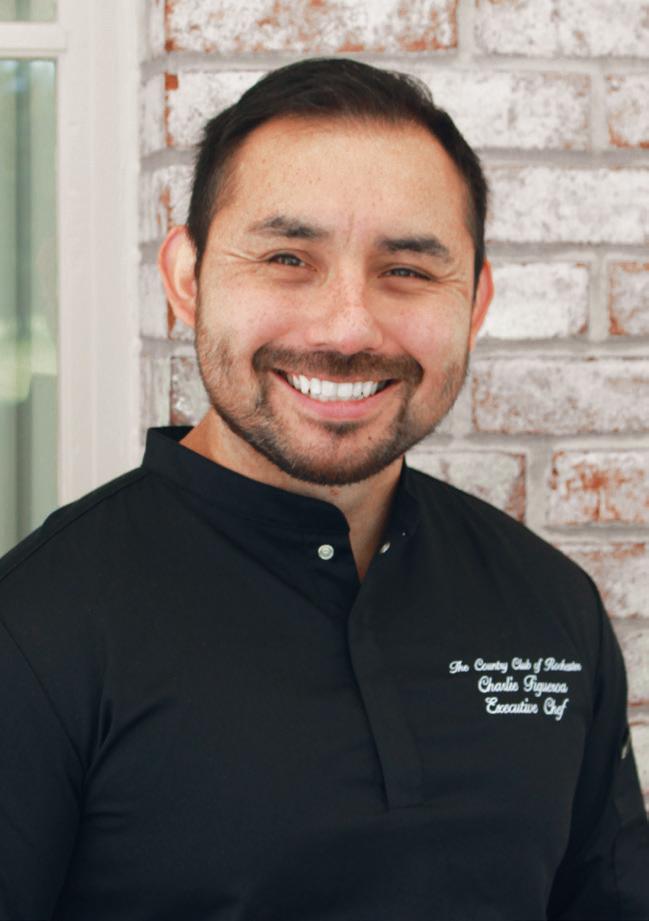
CHARLES FIGUEROA
Age 37
Executive Chef
The Country Club of Rochester Rochester, N.Y.
Charles Figueroa entered club kitchens at 15 and has spent more than two decades shaping a leadership philosophy grounded in accountability and people-first standards. His experience competing and operating at a high level informs the structure and expectations he sets in his kitchen.
His Leadership in Training program reflects that priority. While execution and technique are essential, he places equal emphasis on professionalism, communication, and long-term sustainability for the chefs he develops. For Figueroa, leadership is measured by the strength and durability of the team he builds.
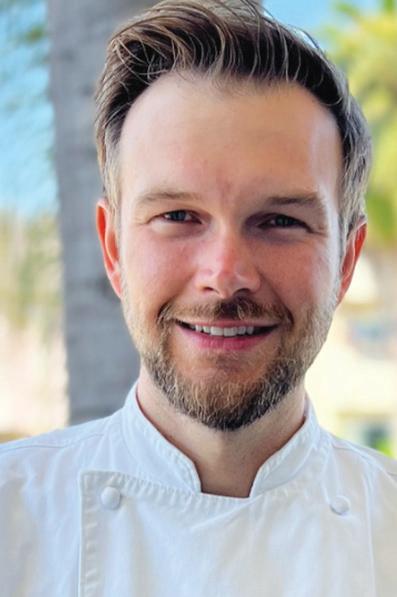
TEDDY FISHER
Age 29
Executive Sous Chef
Farmington Country Club
Charlottesville, Va.
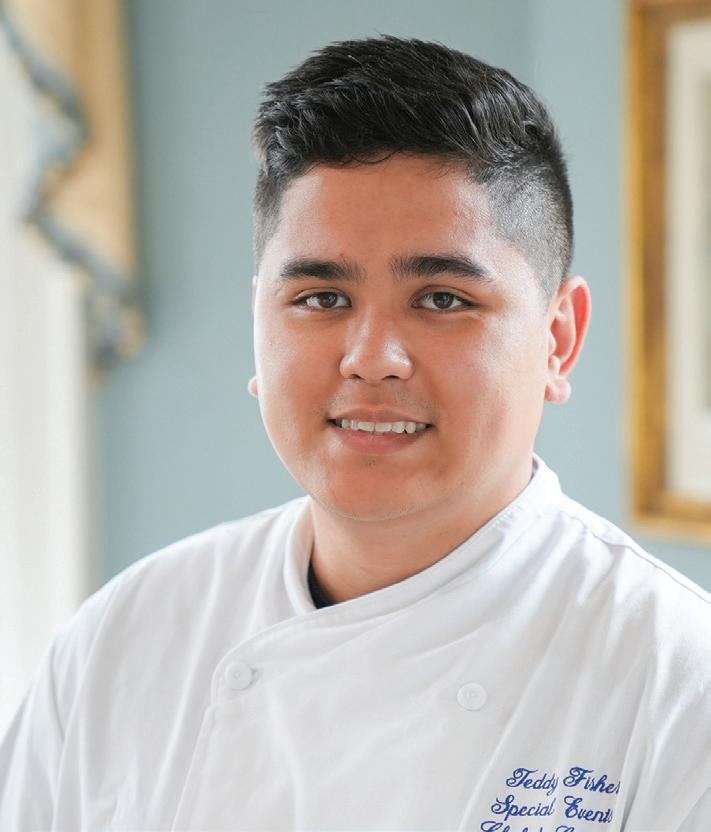
With more than a decade of experience across three countries and nine cities, Teddy Fisher has built his career by seeking out demanding kitchens and strong mentors. From launching a gastropub concept in Vietnam to working under chefs shaped by the Bocuse lineage, he has pursued environments that challenge his range and discipline. Fisher credits his mentors for shaping both his technical foundation and leadership perspective. His philosophy is rooted in systems and consistency, reinforced by his belief that passion fuels the work but structure sustains it. He encourages young chefs to find mentors, stay loyal, remain hungry, and commit to improving even one percent each day.
SETH GALLANT
Age 38
Executive Chef
The Club at Spruce Peak Stowe, Vt.
Seth Gallant entered the profession 16 years ago as a steward and steadily advanced through respected restaurant and club kitchens. Over the past six years, he has helped guide The Club at Spruce Peak through significant growth, building an adaptable culinary structure to support expanding membership, multiple dining concepts, and large-scale events.
Gallant’s leadership was shaped in moments of disruption, from operating through the Tubbs Fire to navigating the pandemic. Those experiences reinforced his belief that a club is defined by its people, not its buildings, and that food can anchor community during uncertainty.
GREG GUEVARRA
Age 38
Assistant Director of Culinary Desert Mountain Club Scottsdale, Ariz.
PHILLIP HAMILTON
Age 39
Executive Sous Chef
Cherokee Town and Country Club
Atlanta
Phillip Hamilton built his foundation in demanding kitchens under mentors who expected precision and discipline. Rather than chasing quick advancement, he embraced the idea that staying long enough to understand a kitchen’s standards is what shapes a chef.
He leads with that mindset. Hamilton sets clear expectations and encourages younger chefs to practice patience, take a breath, and master the environment in front of them before moving on.
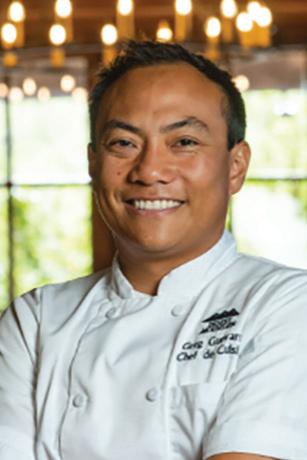
Greg Guevarra is committed to fostering a safe, energized, and positive team culture. His leadership is grounded in communication, collaboration, and respect, with a strong emphasis on personalized coaching and clear expectations. He believes that when teams feel supported and accountable, performance follows.
Guevarra credits his family for encouraging him to pursue a path that is both demanding and meaningful, and nearly eight years into his tenure, he remains focused on building sustainable systems and strong relationships that elevate the entire operation.
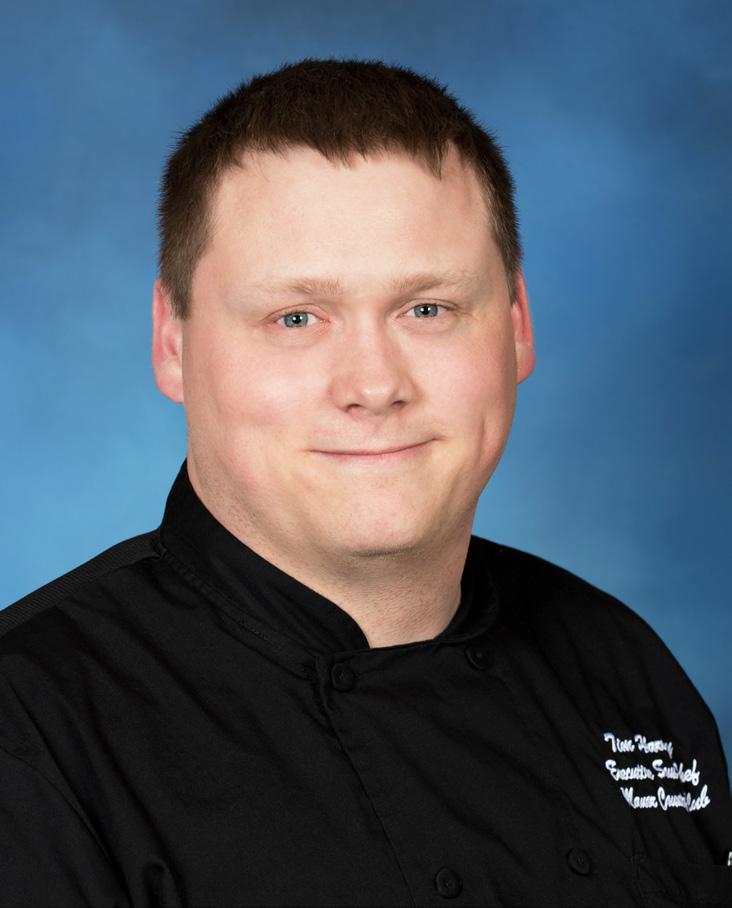
TIM HARVEY
Age 37
Executive Chef Manor Country Club
Rockville, MD
Tim Harvey has built his program through steady effort, discipline, and a clear commitment to his team. He prioritizes developing young chefs, believing that their growth and confidence ultimately strengthen the entire operation. Harvey is motivated by member satisfaction and takes pride in direct feedback from those he serves. When faced with the sudden loss of key team members, he rallied his staff and maintained standards without disruption. He encourages young chefs to work hard, seek mentors, and take responsibility for teaching others along the way.
MORGAN HENEGHAN
Age 34
Executive Sous Chef
Charlotte Country Club
Charlotte, N.C.
Morgan Heneghan has delivered measurable operational and financial improvements while helping shape a culture grounded in accountability and mentorship. When called on to assume temporary Executive Chef responsibilities during a demanding holiday stretch, he maintained standards and continuity, reinforcing his readiness for expanded leadership.
His trajectory reflects a chef who combines competitive drive with operational discipline, earning his place among the next wave of leaders in club kitchens.
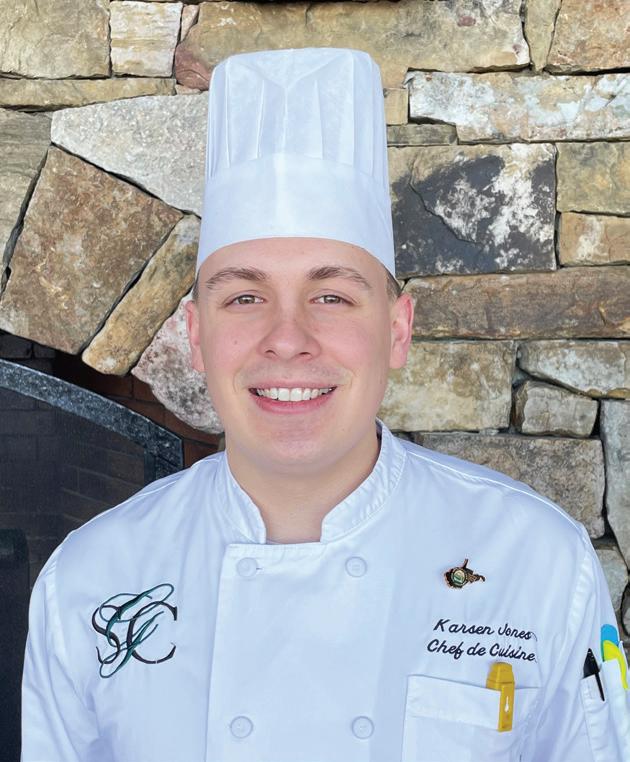
KARSEN JONES
Age 26
Chef de Cuisine
The Greenbrier Sporting Club
White Sulphur Springs, W. Va.
At 26, Karsen Jones is already leading as Chef de Cuisine, stepping into responsibility early in his career. Hospitality runs in his family, and that foundation shaped his understanding of both food and service from the start.
Climbing the ranks quickly meant learning how to manage teams that included peers and friends. That transition forced him to develop direct communication, accountability, and consistency as leadership tools. Jones represents a young chef already operating with clarity and composure, embodying his philosophy of remaining “forever the student” while taking on real responsibility.
JACOB JUDD
Age 39
Executive Chef
Belle Meade Country Club
Nashville
Jacob Judd has spent more than 20 years building high-performing culinary teams and developing chefs who go on to lead programs of their own. Several of his former team members now serve as Executive Chefs at top clubs, and others have earned major competitive honors, reflecting his investment in mentorship and standards.
He continues to push himself as well, currently preparing for the CMC exam while guiding sous chefs through certification. His philosophy is direct: Say yes early, build experience, and as leadership grows, learn when to say no.
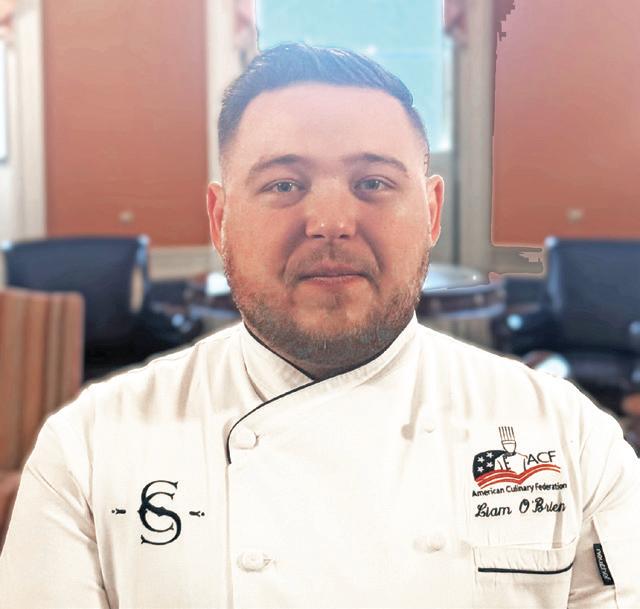
LIAM O’BRIEN
Age 26
Sous Chef Somerset Club Boston
In his current role as Sous Chef of Somerset Club, Liam O’Brien has taken on significant responsibility in leading day-to-day kitchen operations while also strengthening its systems, standards, and culture. O’Brien’s background in national and international competitions has elevated the level of discipline and refinement he brings to the teams he works with. He says his long-term goal is to continue elevating the club and resort profession by mentoring young chefs, contributing to the next generation of competitions and culinary education, and modernizing how chefs connect through professional organizations and beyond.
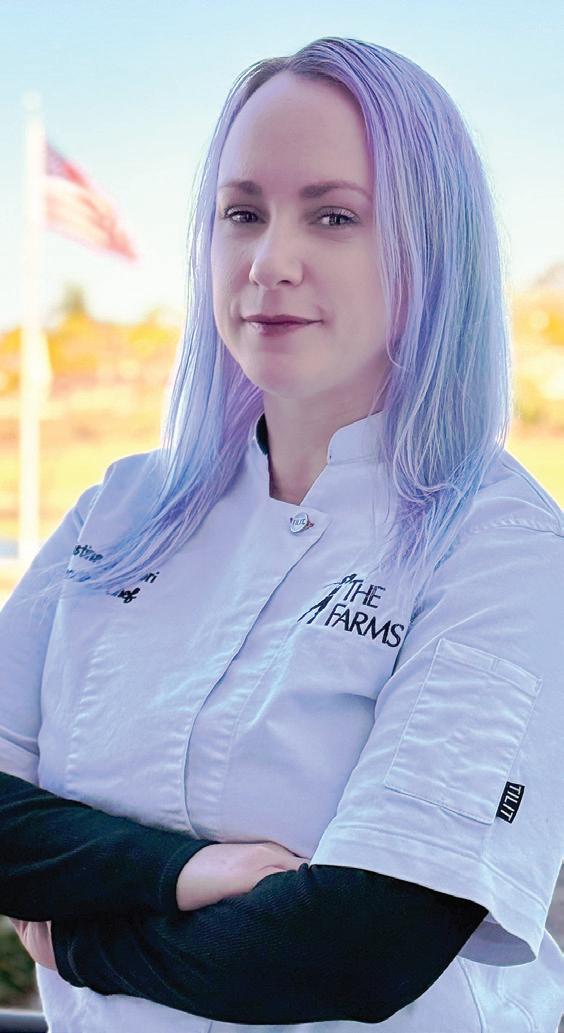
CHRISTINA PANCHERI
Age 38
Executive Chef
The Farms Golf Club San Diego, Calif.
Christina Pancheri builds a team by inspiring growth and setting strong standards that push everyone to perform at their best. Knowing the members she is cooking for allows her to anticipate preferences, craft meals that brighten people’s days, and welcome members into an experience that is personal, thoughtful, and memorable.
She credits her “village” for shaping her into the chef she is today and enabling her not only to thrive but also to mentor others.
MAGGIE PHILLIPS
Age 33
Executive Sous Chef Hickory Hills Country Club Springfield, Mo.
JAIMIE PECORA
Age 38
Executive Sous Chef Quail West Golf & CC Naples, Fla.
Jaimie Pecora is driven by the constant evolution required in a highexpectation environment. Frequent menu shifts and seasonal changes push her to expand her technical range while maintaining consistency. She is motivated by the opportunity to create experiences that reflect both precision and hospitality. Stepping into management required her to sharpen her decision-making and resilience. Balancing responsibility with composure, she has learned to adapt quickly, solve problems in real time, and lead with clarity. Pecora believes effective leadership requires setting ego aside, understanding perspective, and maintaining steady standards even when the pace accelerates.
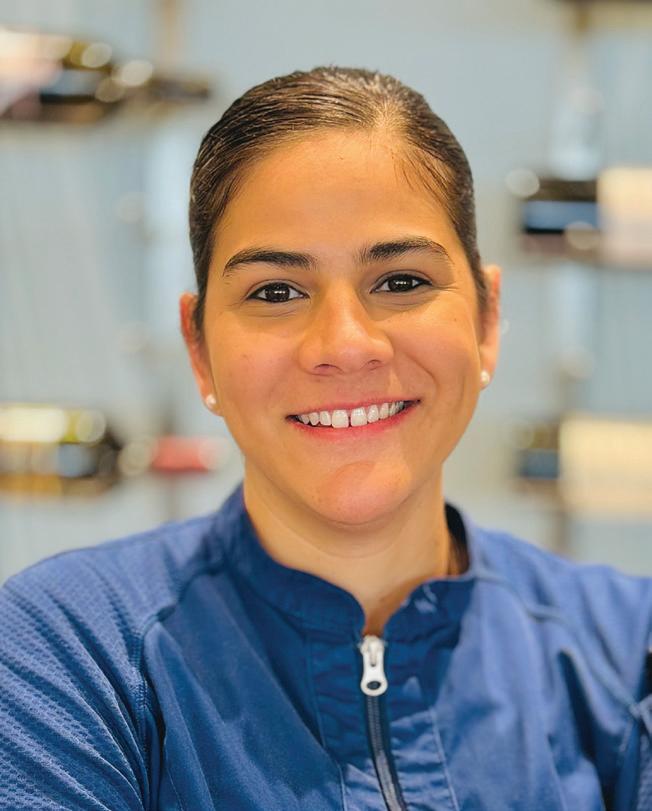
Maggie Phillips did not fall into a polished kitchen. She earned her way through every station, reshaping her mindset along the way from “this is a job” to “this is my craft.” Once she committed fully, she sought out every opportunity to learn, working each position and refusing to stay complacent. That discipline carried her from sauté cook to executive sous. Phillips is intentional about the culture she builds. After navigating motherhood while climbing the ranks, she became resolute about leading with both structure and compassion. She believes a strong kitchen does not run on fear. It runs on accountability, creativity, and respect for the people doing the work.
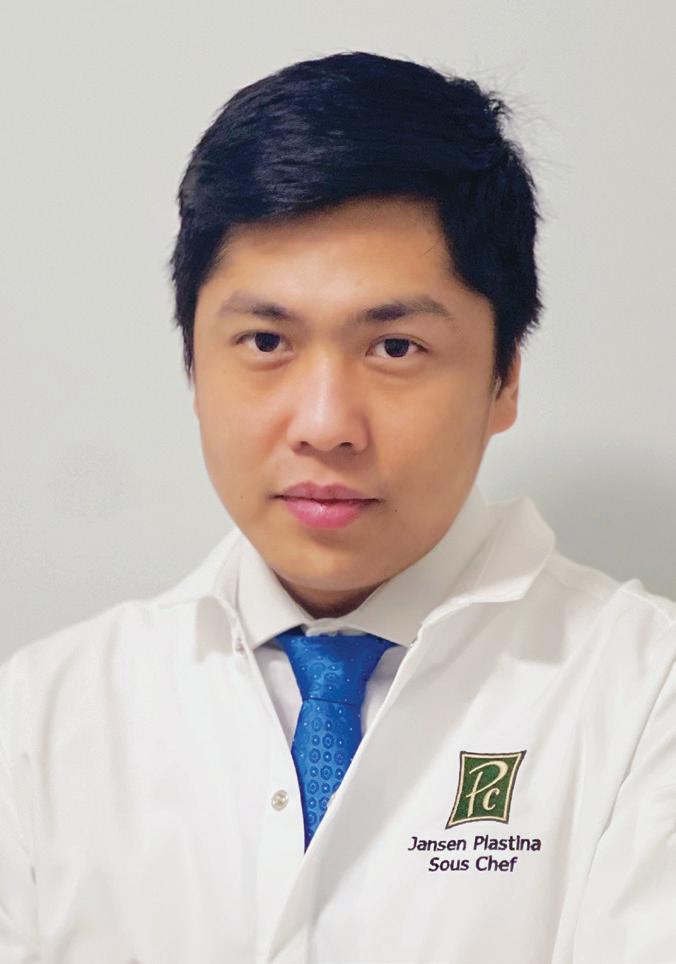
JANSEN PLASTINA
Age 30
Sous Chef
The Patterson Club Fairfield, Conn.
Jansen Plastina operates with discipline, consistency, and a serious commitment to growth. He has intentionally placed himself in demanding kitchens that require precision and accountability, sharpening both his technical foundation and leadership approach. Curiosity drives him, but so does the willingness to put in the work quietly and consistently.
After nearly stepping away during a period of intense pressure, Plastina recalibrated and returned with greater resilience and clarity. That moment reshaped how he leads, reinforcing his belief that progress is earned through steady effort and high standards.
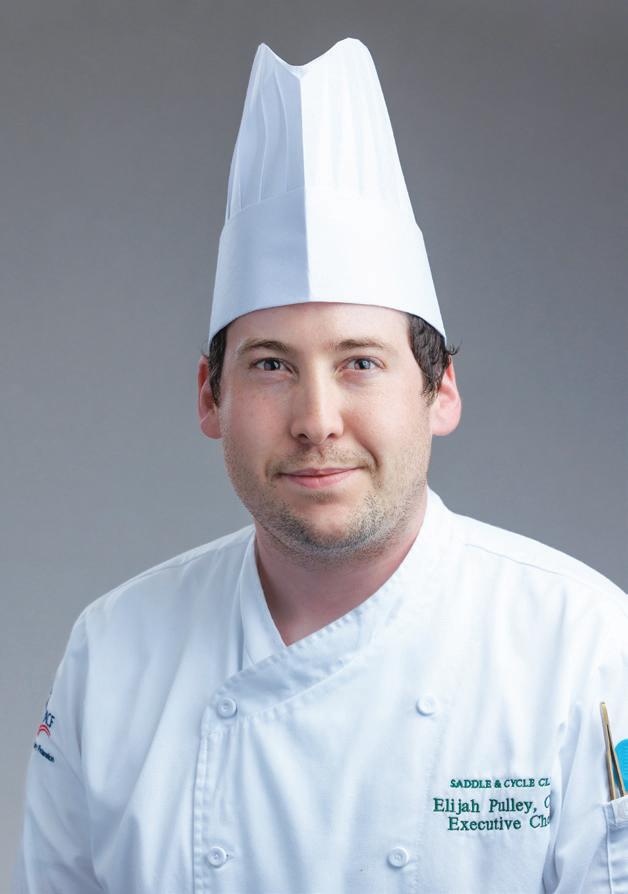
ELIJAH PULLEY
Age 29
Director of Culinary Saddle & Cycle Club
Chicago
Elijah Pulley accelerated quickly into leadership, stepping into an executive role before 30 and guiding a legacy program through transition. His path from diner cook in Peoria to leading a major Chicago club was fueled by relentless work ethic and a willingness to chase opportunity over comfort. A severe traumatic brain injury forced him to rebuild the way he processes and learns, reshaping his approach to systems, organization, and mentorship.
That experience refined his discipline and deepened his empathy as a leader. Pulley now challenges his team to move beyond the limits of their job descriptions, step into uncomfortable roles, and treat every setback as instruction.
DENNI RODRIGUEZ
Age 34
Regional Executive Chef
The Golf Club of Amelia Island and Marsh Landing Country Club Concert Golf Partners Lake Mary, Fla.
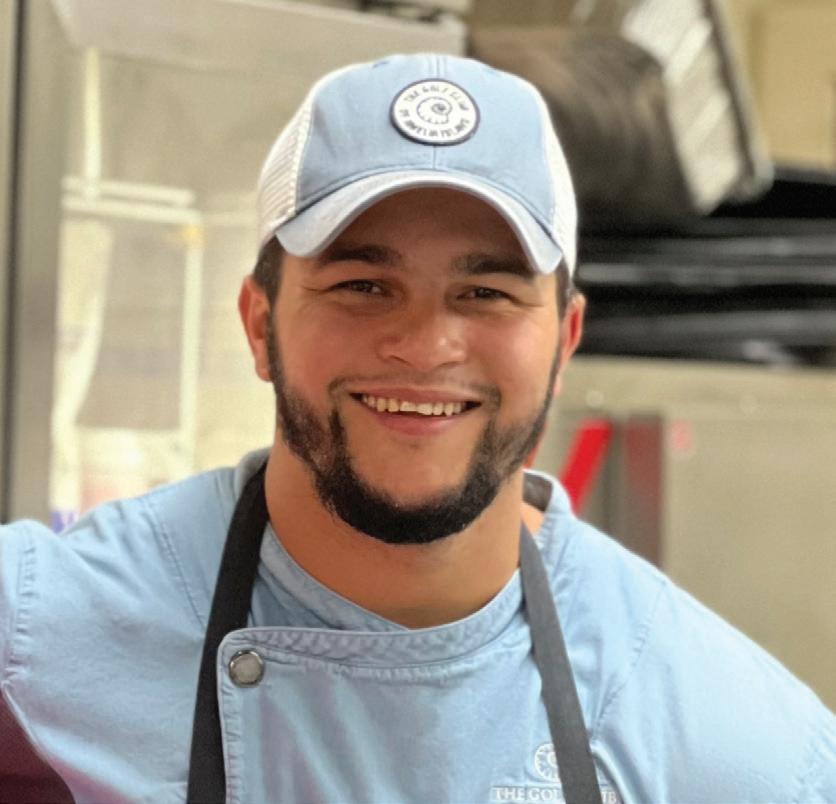
Denni Rodriguez oversees multi-outlet operations across two high-volume clubs, directing large-scale events and daily à la carte service while maintaining disciplined food cost targets without sacrificing quality or creativity. He approaches leadership through structured systems, clear accountability, and intentional team development. Rodriguez prioritizes detailed menu engineering and operational efficiency to ensure long-term sustainability, while actively mentoring his team.
MICHELLE RUIZ
Age 36
Executive Chef
First Service Residential at The Isles of Collier Preserve Naples, Fla.
Michelle Ruiz approaches the kitchen with intensity and pride. She believes respect is earned through work, not words, and holds herself to that standard daily. For Ruiz, women in the profession serve as ambassadors for one another, carrying both responsibility and opportunity as they advance.
She is candid about pushing through fear, taking on techniques before she feels fully ready, and trusting repetition to build mastery. Ruiz encourages younger chefs to understand that confidence is built through action.
CAROLYN TORRES
Age 38
Executive Chef
Rehoboth Beach Country Club
Rehoboth Beach, Del.
Carolyn Torres leads the culinary program at Rehoboth Beach Country Club with intention, consistency, and measurable results. She values stabilizing and elevating culinary operations by improving food quality and consistency while increasing member satisfaction.
Beyond the plate, Torres focuses on building sustainable teams and experiences and has even introduced new service standards and expanded culinary education through member-focused cooking classes. Torres leads with empathy and strives to understand perspectives beyond her own in her role as Executive Chef.
RYAN TURCOTTE
Age 38
Executive Chef
Grandfather Golf and Country Club Linville, N.C.
Ryan Turcotte entered the profession washing dishes and steadily climbed through every station, a path that continues to shape how he leads. Having worked in private clubs across nine states, he approaches the kitchen with humility and a belief that how you treat people matters as much as what lands on the plate. Today, his focus centers on building disciplined, reliable teams and creating an environment where cooks can grow into leaders. Turcotte’s philosophy is direct: Push yourself, stay calm, control what you can, and say yes to opportunity while you are still learning who you want to become.
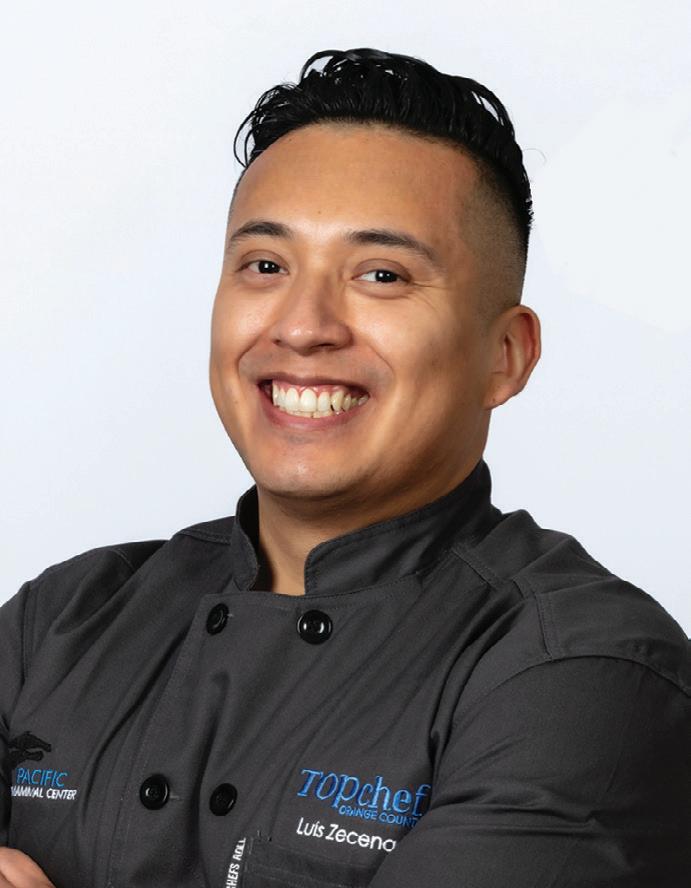
LUIS ZECENA
Age 33
Executive Sous Chef
The Los Angeles Country Club Los Angeles
Luis Zecena believes every young chef should strive for the highest level of quality and purpose in their career. Born into a family he describes as deeply hospitable, he was drawn to a profession centered on making people feel welcomed and valued through service.
Zecena carries that responsibility beyond the plate. He believes success in the kitchen also requires teaching those next in line and paying knowledge forward. For him, a chef is also a teacher, and leadership is measured by how many others you help advance.
CHARLES ZIMMERMAN
Age 33
Executive Pastry Chef Farmington Country Club Charlottesville, Va.
Charles Zimmerman approaches pastry as both craft and composition. Trained in Michelin-starred kitchens and shaped by an early foundation in fine arts, he brings technical precision and artistic intent to his work at Farmington. He respects classic technique but is not confined by it, reworking nostalgic flavors with control, balance, and modern clarity for a discerning membership.
His competitive discipline has translated to national recognition, most notably as the 2025 winner of Food Network’s Holiday Baking Championship.
Certifications That Reflect the Reality of Club Kitchens
The Club + Resort Chef Association offers two certifications created specifically for club and resort chefs:
CCCD: Certified Club Culinary Director
CECC: Certified Executive Club Chef
These certifications are designed to recognize the full scope of what it takes to lead in a club kitchen. From culinary skill and team leadership to financial management and member service, they reflect the real demands of the role.
Each credential is earned through demonstrated experience, verified knowledge, and industry-specific achievement. Every application is reviewed by a panel of seasoned professionals with deep expertise in club and resort culinary leadership.
“This isn’t an ordinary certification— but rather a cross-section of different achievements that reflects what it takes to succeed in the club and resort world.”
-Shayne Taylor, CCCD, Director of Culinary at Greensboro Country Club (Greensboro, N.C.)
“This certification recognizes not just culinary skill, but also excellence in leadership, mentorship, and operational management within the private club industry.”
-Scott Craig, CCCD, WCMC, Executive Chef, Cullasaja Club (Highlands, N.C.)
2026 CHEF TO CHEF CONFERENCE AGENDA
Colorado Springs • MARCH 8-10 2026
SUNDAY, MARCH 8, 2026
10:00AM-6:00PM Registration
12:00PM-4:00PM Partner Workshops
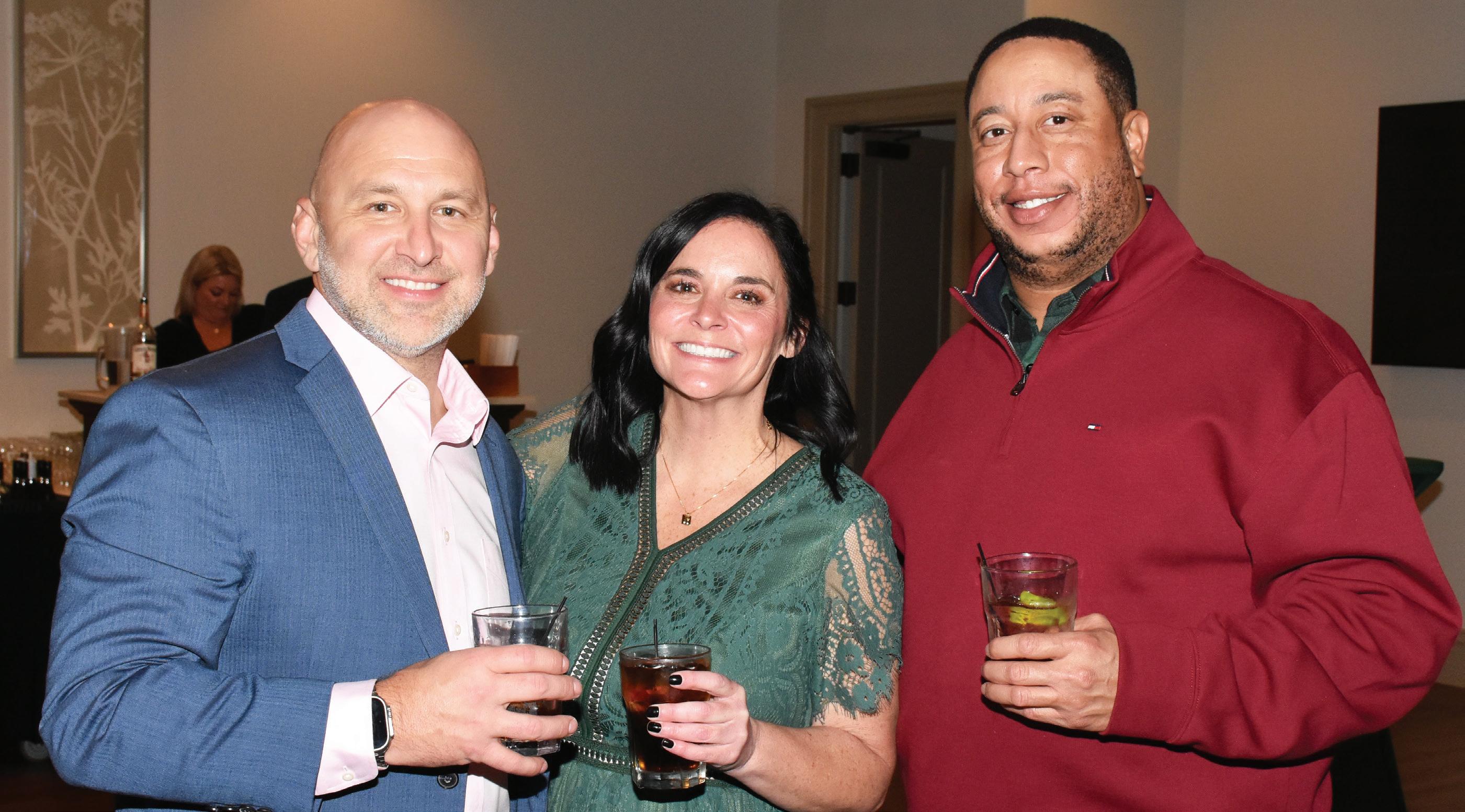
4:00PM-5:00PM 40 Under 40 Cocktail Hour
5:00PM-6:15PM Opening Cocktail Hour
6:30PM-6:40PM Welcome to the 2026 Chef to Chef Conference Joanna DeChellis, C+RC
6:40PM-7:15PM Inside The Broadmoor’s Culinary Operation
Justin Miller, Executive Chef, The Broadmoor
David Patterson, Vice President of Food & Beverage, The Broadmoor
7:30PM-9:00PM Taste of The Broadmoor
MONDAY, MARCH 9, 2026
7:00AM-8:15AM Morning Mindset: Strength In Sobriety
Charles Myers, CEC, Executive Chef, Coldstream CC
7:30AM-8:15AM Breakfast
8:15AM-8:30AM Opening Remarks
8:30AM-9:15AM Leadership Beyond the Line: Trust, Mentorship, and Long-Term Impact
Joseph M. Leonardi, CMC, AAC Assistant General Manager, St. Andrews CC
9:15AM-10:00AM Cultivating Connection Through the Chef’s Table
Andrew Haapala, Executive Chef, The Country Club of Virginia
10:00AM-10:30AM Networking Break with Sponsor Table Visits
THANK YOU TO OUR SPONSORS!
MONDAY, MARCH 9, 2026 (continued)
10:30AM-11:15AM A Flavor-First Approach to Modern Cooking
Corey B. Siegel, Chef, 5X Culinary Olympic gold medalist
11:15AM-12:00PM The Half-Year Kitchen: Sustaining Standards In a Seasonal Operation
Scott Craig, WCMC, CCCD, Executive Chef, Cullasaja Club
12:00PM-2:45PM Lunch + Sponsor Showcase
1:00PM-2:45PM Club + Resort Chef of the Year Competition
1:00PM-2:45PM Behind-the-Scenes Culinary Tours of The Broadmoor
3:00PM-3:45PM Nose to Tail: Plant-Based Cooking in the Rocky Mountains
Brian Wallace, Executive Sous Chef, Roaring Fork Club
3:45PM-4:30PM The First-Year Playbook: How to Lead, Set Pace, and Build Trust In a New Role
Zeb Hartline, Director of Culinary Operations, Reynolds Lake Oconee
4:30PM-5:15PM How Not to Kill Each Other: A Chef and GM Conversation
Joseph Krenn, CCM, CCE, CEO & General Manager, Farmington CC Michael Matarazzo, CEC, Executive Chef, Farmington CC
TUESDAY, MARCH 10, 2026
7:00AM-7:30AM Morning Mindset: The Mental Prep of Leadership
Michael Matarazzo, CEC, Executive Chef, Farmington CC
7:30AM-8:15 AM Breakfast
8:15AM-8:30AM Recognizing the 2026 Class of 40 Under 40
James Allen, CEC, Director of Culinary Operations, Blackthorn Club at The Ridges
8:30AM-9:15AM Building a Sustainable Staffing Pipeline
William Rogers, CEC, CCA, Executive Chef, Cosmos Club
9:15AM-10:00AM How Standards Become Systems
Beth Cosgrove, Executive Chef, Palmetto Bluff Club
10:00AM-10:30AM Networking Break with Sponsor Table Visits
10:30AM-11:15AM Building Deeper Flavor Through Global Technique
Conor Ball, Executive Chef, Martis Camp Club
11:15AM-12:00PM Designing for What Comes Next
Geneveive Guthrie, Executive Chef, The Coral Bay Club
12:00PM-2:45PM Lunch + Sponsor Showcase
1:00PM-2:45PM Club + Resort Chef of the Year Competition
1:00PM-2:45PM Behind-the-Scenes Culinary Tours of The Broadmoor
3:00PM-3:45PM Creating Interest On the Plate: Color, Texture, and Technique
Darby Blount, Chef de Cuisine, The Greenbrier
3:45PM-4:30PM Wellness, Choice, and the Modern Club Menu
Charles Carroll, CEC, AAC, HGT, Executive Chef, River Oaks CC
5:30PM-7:00PM Club + Resort Chef of the Year Culinary Competition Winner Presentation and Hall of Fame Induction Announcement
Balancing Tradition and MODERNIZATION
In Clubhouse Renovations
Three clubs break down what it takes to create an environment where all members feel comfortable and the significance of this strategy.
By Madison Hartline • Associate Editor
CLUBHOUSE RENOVATIONS often focus on adding certain amenities or updating aging infrastructure. While those improvements are important, designing a clubhouse to appeal to multiple generations can be equally challenging and beneficial.
Keeping more-traditional members
satisfied while attracting younger demographics is a balancing act many clubs are currently navigating.
Leadership from three clubs that recently completed clubhouse renovations shared how they created environments that feel comfortable for everyone and the role that approach played in the overall project.
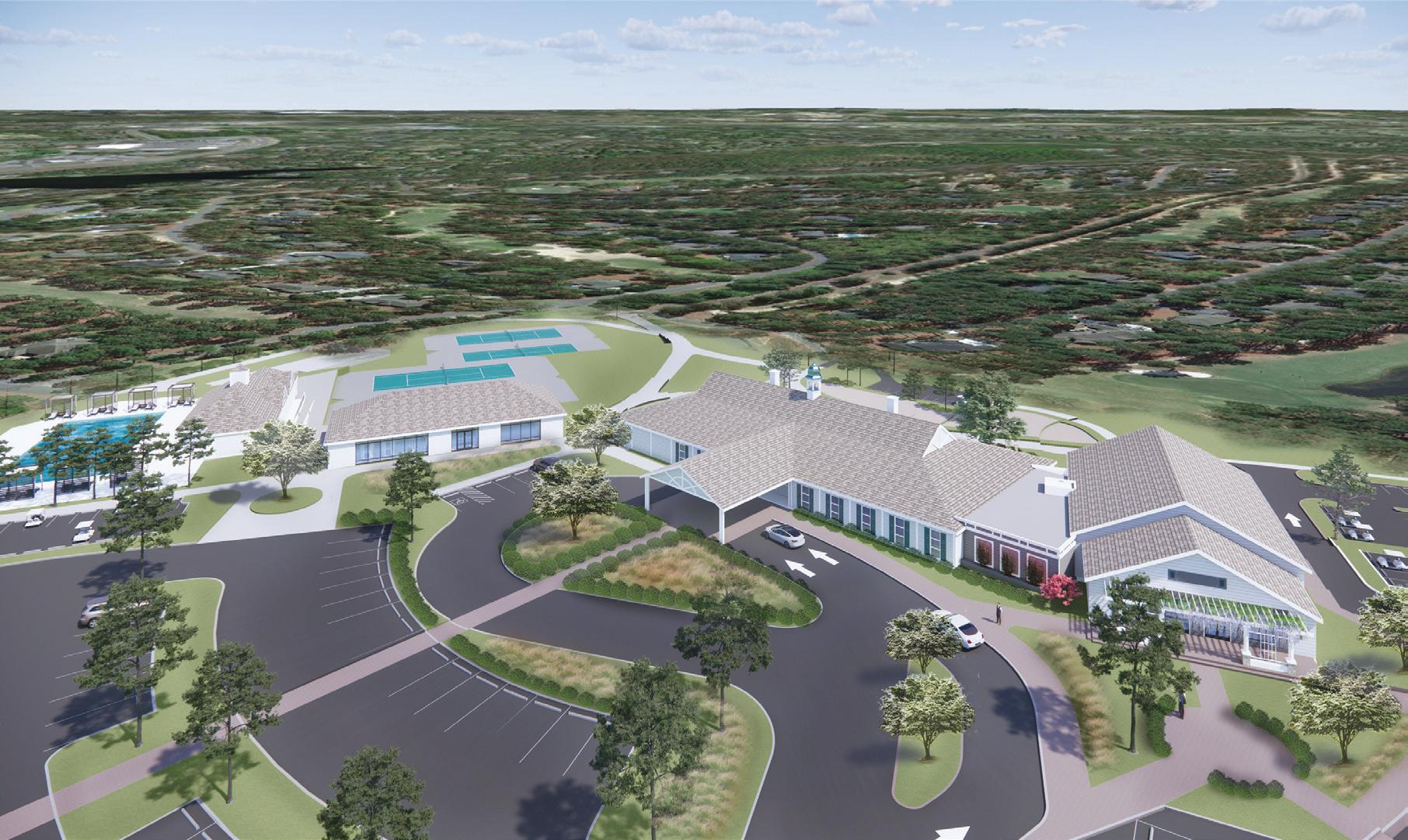
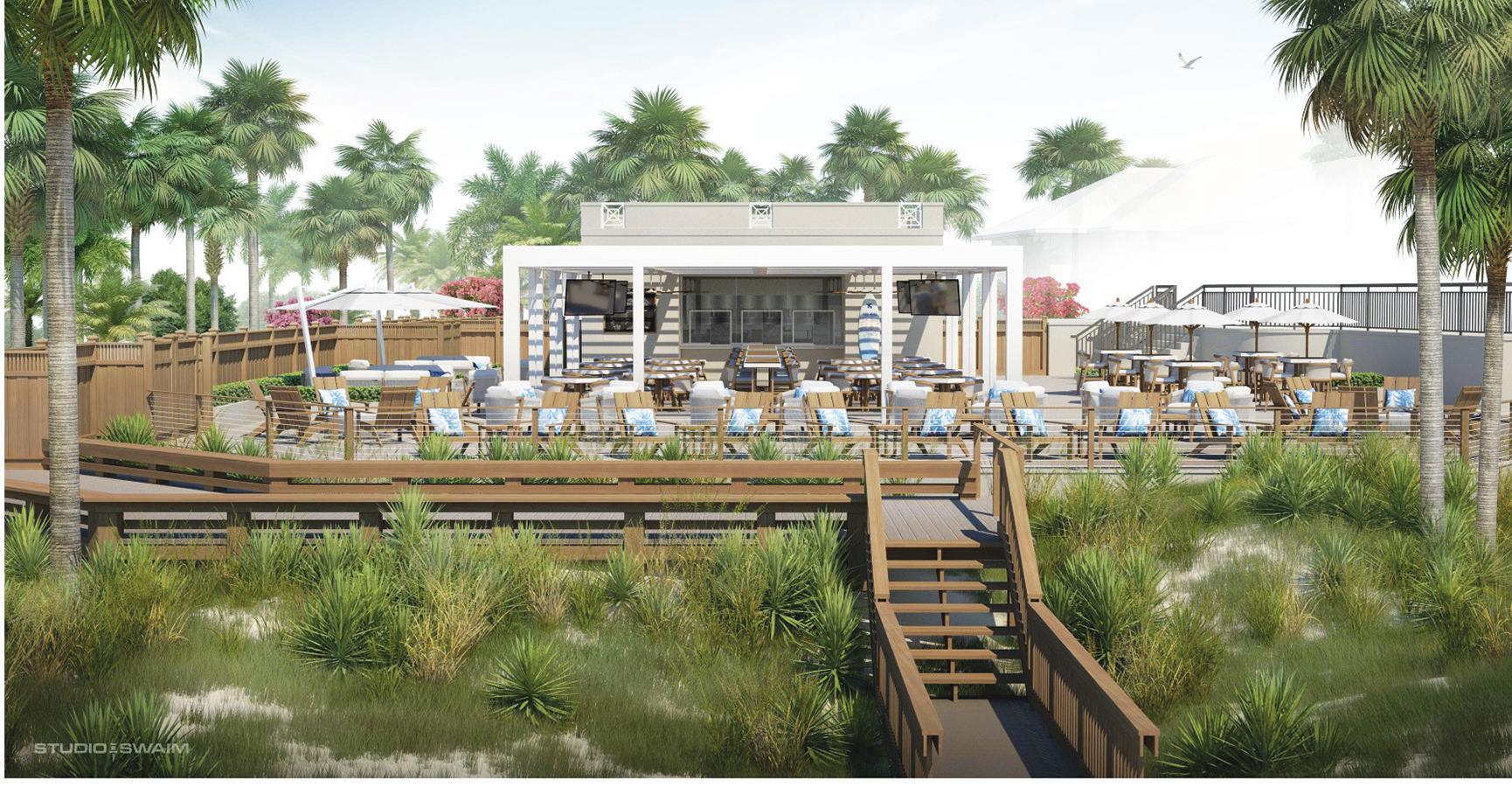
This rendering illustrates Pinewild Country Club’s reimagined clubhouse, part of an $18 million renovation that will nearly double the facility’s footprint and introduce new dining, fitness, and racquet amenities.
PURCHASING PINEWILD
The idea of renovating the clubhouse at Pinewild Country Club in Pinehurst, N.C., had already been circulating when IE Homes, Clubs & Resorts purchased the property in 2023.
Upon its first visit, the new ownership team agreed that an update was necessary, but with an important caveat.
“We knew that many of these members have been a part of Pinewild since its inception, and the memories made in that clubhouse were precious,” says Chris Card, co-CEO of IE Homes, Clubs & Resorts. “We wanted to honor that, so a down-to-the-studs renovation allowed us to build upon that history, while still providing a significant overhaul of the member experience.”
Construction for the renovation started in December 2025 and is expected to be completed in early 2027.
The $18 million renovation includes a signature restaurant, private dining spaces, a ballroom, expanded locker rooms, and reimagined golf and tennis retail environments. The clubhouse is effectively doubling in size, growing from just under 13,000 square feet to 26,000.
Also included in these renovations are
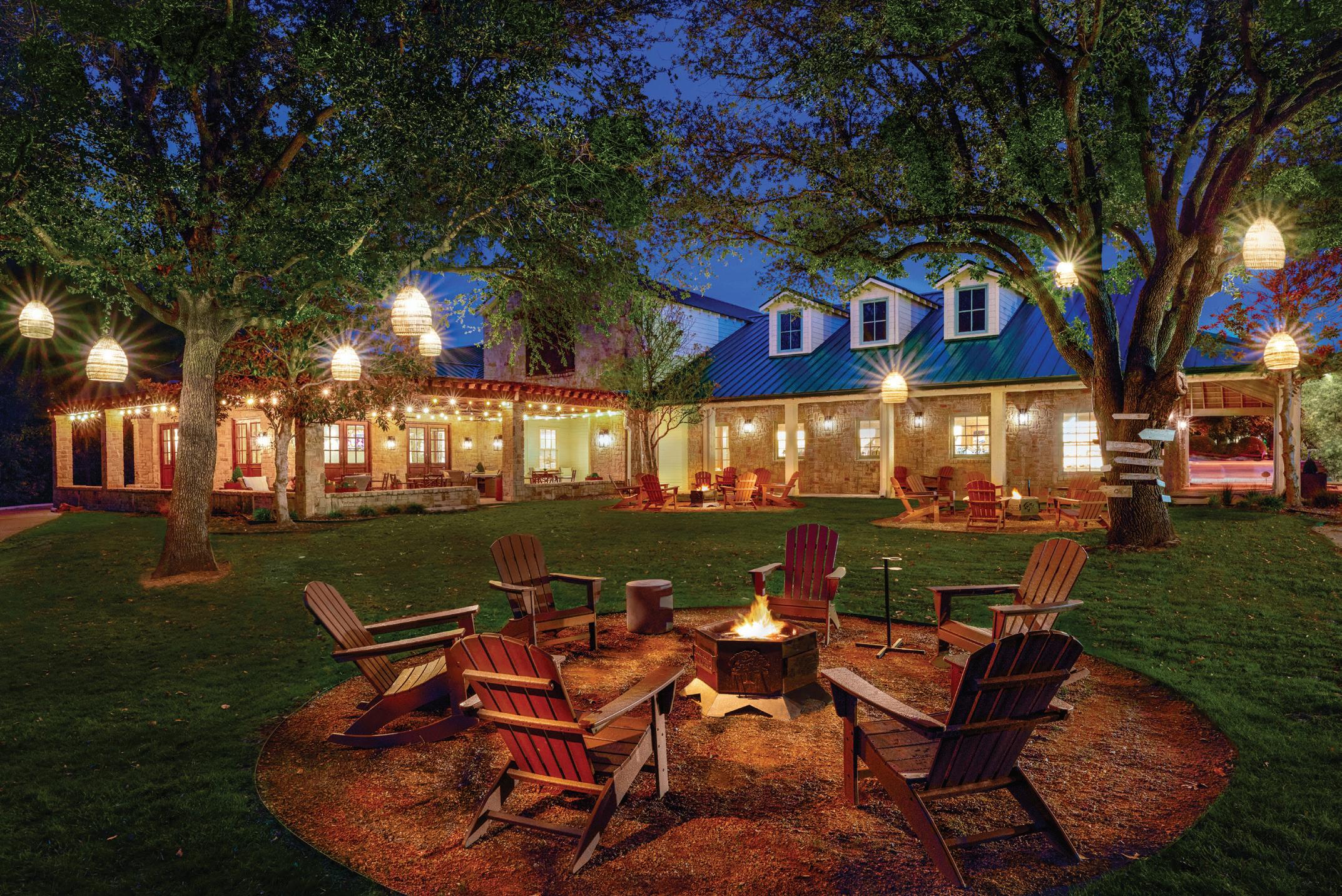
Twin Creeks GC’s newly renovated covered patio and lawn offer an outdoor dining experience while also providing young families with space for children to play and parents to enjoy their meal.
a fitness center and exercise studio, as well as a racquet sports shop—all brandnew offerings for Pinewild CC.
Card notes that the club’s existing members also felt it was “past time” for this investment.
“The membership demographics are skewing slightly younger as new families move in, and even our more ‘experienced’ members are more active and social than the same cohort was 30 years ago,” he says. “The clubhouse needed to fit those changes.”
In order to appeal to all demographics and meet member needs in the renovation, the company hosted dozens of focus groups and feedback sessions with varying demographics.
The data from those sessions was condensed into an executable plan for the clubhouse.
With member demographics averaging in the high 60s but slowly skewing younger, Card knew he had to balance keeping current members happy while attracting new ones, so he started with what already works and spoke with members directly.
“The view of the 18th green from the clubhouse is breathtaking, so elevating that was a no-brainer,” he says. “But we also had to incorporate it in a way that appeals to all generations.”
To do this, Card says they expanded the patio to take full advantage of the view and focused on colors and textures that made the restaurant feel like an extension of the green. This elevated what members already loved about the
space, but by actively incorporating the colors and textures, the club also created something modern and new.
Other examples include a flexible fitness studio space, separate from the weight room, which can be used by members of all ages, or a private dining and tiered patio area that creates intimate spaces for different groups.
However, Card believes the best example of a newly renovated space that appeals to multiple generations at once is the club’s new banquet room. The space can act as a wedding hall, with room for 150 guests, but it can also serve as an overflow for the club’s main fine-dining restaurant, a space to host golf or tennis award receptions, or a space for kids to enjoy arts, crafts, or movie nights.
Card advises other clubs to stress-test their assumptions before jumping into renovations. Take a look at your local market and be careful not to “throw the baby out with the bathwater—something likely works well with your existing setup—don’t lose that spirit.
“Think about your members in terms of lifetime value—not just to you, but to them,” he adds. “The residents and members you’re attracting and making happy today will be the same ones you’re looking after in 10, 15, and even 20 years from now.”
TWIN CREEKS’ COMMUNITY
Brian Locke came aboard Twin Creeks Golf Club, an Arcis Golf property in Allen, Texas, as General Manager over two years ago.
His goal for the club’s newly renovated clubhouse was to create a space that feels more welcoming and useful for everyone, no matter their age or how they intend to use the club. Because of this, Locke says the club was very intentional about its plan to create spaces that feel comfortable and familiar for long-time supporters, but also to introduce modern elements that resonate with younger generations.
The semi-private club has around 600 members, ranging in age from 45 to 55. Its diverse membership inspired Locke and his team to create dedicated community spaces, including office pods that allow members to work remotely from the course, a trend that gained traction among younger demographics after COVID.
“With the creation of these office pods, we are finding that members are meeting their friends or family here and utilizing other amenities like our restaurant,” he says.
Locke says the rebranded restaurant, now called The Tap Room, is one of the most significant additions designed to appeal across generations.
The menu was changed to keep the popular dishes like artisan pizza and craft beers, but a lot of smoked options were added to the menu, like smoked chicken or smoked brisket sandwiches.
“These new menu items appeal to the larger Texas following and give non-Texas members a good first impression on what Texas has to offer,” says Locke.
The restaurant is also home to the club’s
First Friday at Twin Creeks event, which has become a cornerstone for the club.
“Our members place high and consistent value on our live music series during this event,” he says.
This event and space offers something for everyone, and Locke says it’s where he’s noticed the widest variety of ages among members.
The covered patio and lawn give kids room to run while allowing parents dining in the restaurant to keep an eye on them, he says. The renovation also added heaters and cooling misters so members can use the space comfortably in varying weather conditions.
“It entices people to stay out there,” he says. “We’ve also added more of a front-of-house presence on the patio to get servers out there taking orders to encourage members to stay as long as they want.”
The refreshed Pro Shop follows this same pattern of holding traditional elements, but offering something new.
“[We call] this the ‘lifestyle’ shop now,” notes Locke. “We offer footwear, hats, and we also offer homegoods.”
The lifestyle shop also includes a book nook, where the club sells books, blankets, and candles. It creates a cozy atmosphere that, since reopening, is appealing to younger members.
With the new additions, Locke emphasizes that no rooms were reconfig-
ured in any way, but updates were just made across the clubhouse.
“We updated the surface of the facility with new wallpaper, new floors, and warm lighting in dining and retail spaces to brighten up each space here,” he says. “Plus, we are known for having our own signature scent, which hits home with the [level of] hospitality we aim to create.”
As a semi-private facility that serves both members and daily-fee guests, Locke says people often walk in simply to look around, and the renovations help the space feel warm and welcoming to prospective members.
Another positive coming out of the renovations is the way in which members are using the newly renovated clubhouse. New events include a crafting night, mahjong and bridge nights, and parties that range from birthdays to graduation and retirement parties.
For Locke, the biggest challenge was renovating for multiple generations without changing too much.
“You want to see good changes,” he explains, “but you don’t want it to look so different [that] it’s providing an unwelcoming and uncomfortable feeling.”
GRASSLANDS’ GAP
Tennessee Grasslands Club in Gallatin, Tenn., is nearing completion of a $12 million renovation of its Fairvue Clubhouse, the final phase of a five-year, $30 million
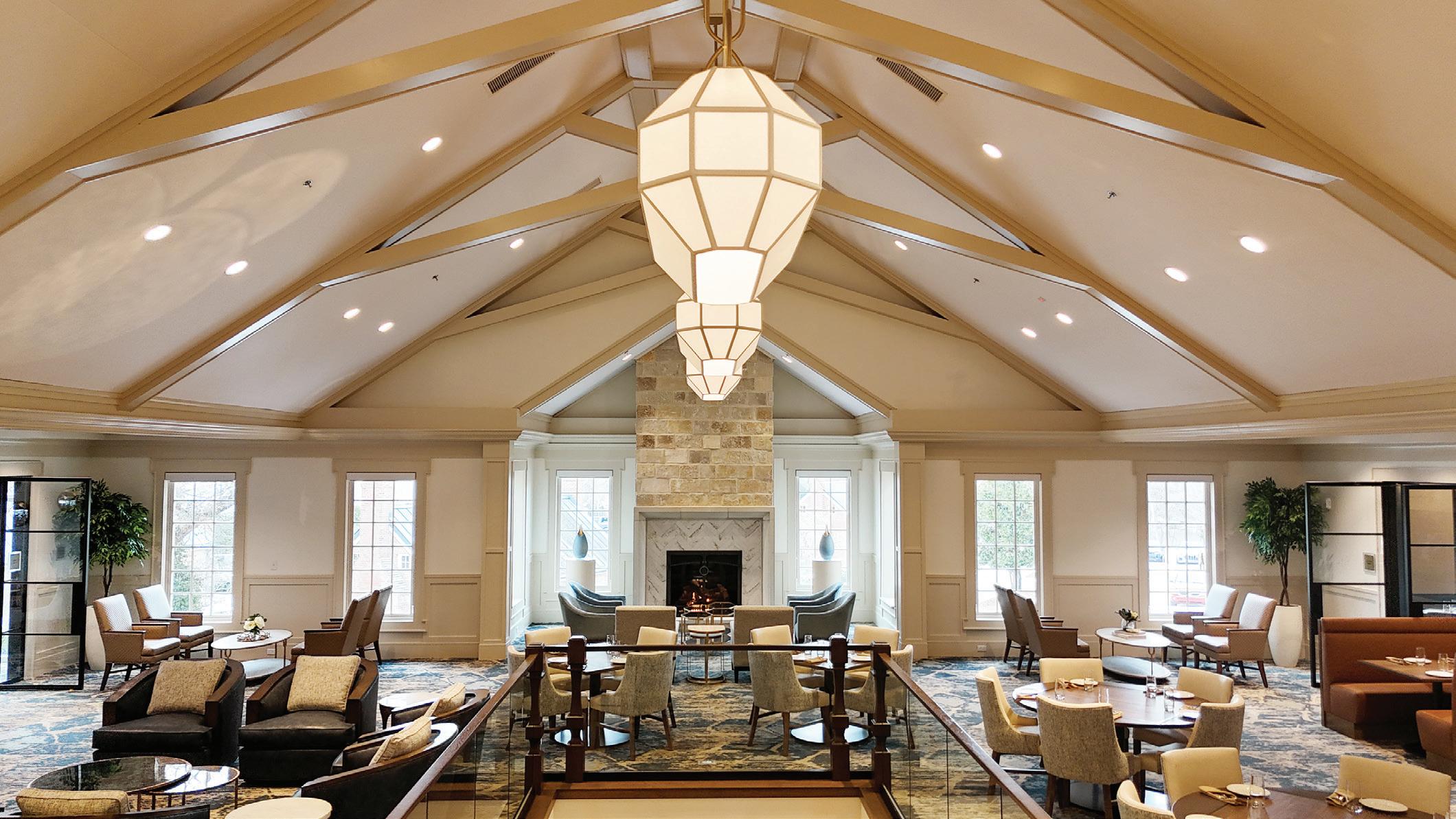
The Fairvue Plantation renovation prioritized a dining environment that feels comfortable across demographics. Removing white tablecloths and candles helped make the space more inviting to young families.
renovation plan, says Jim Ausley, the club’s Chief Operating Officer.
Fairvue’s longer history lent itself to a more traditional environment with older members, while the club’s Foxland Clubhouse skews younger.
“When Fairvue bought Foxland, we tried to combine the two demographics,” says Chief of Staff Sarah Stratton.
Both Ausley and Stratton say the renovation was a natural next step.
One of the biggest drivers of the renovation was adding a terrace, an outdoor dining operation, and a bar that overlooks the club’s ninth hole and lake. The inside of the clubhouse was completely updated as well.
“Given the gap between our membership demographics, we had to consider how all of these renovations would appeal to different [groups],” says Ausley.
With Fairvue being the older, more traditional club, younger families didn’t feel as welcome bringing their kids, he says, citing design details like white tablecloths or candles on the table.
“There was a feeling of ‘Is my child going to be a hazard when we walk into the room?’” says Stratton.
Because of this, Stratton says the club put a lot of thought into staging each room in the clubhouse and creating spaces for everyone to enjoy.
“We have outdoor dining, where you can sit by the lake with fire pits, a large
bar, and an indoor-outdoor dining area that’s heated and cooled,” says Ausley. “We created nice spaces that appeal to all demographics—not just age-wise, but also life stages, from single, married, people with kids, and people with no kids.”
Stratton pulled ideas from her own experience as a mom of a three-year-old. She surveyed the rooms that were made to be kid-friendly and asked herself if she would feel comfortable bringing her child there.
These spaces don’t have linen tablecloths, but wood countertops for easy clean-up.
However, she notes, “we do have a private dining room that we anticipate could offer a more exclusive, upscale dining experience for those people who still want that type of environment.”
Stratton says Grasslands is leaning into the trend that clubs and society, in general, are becoming much more casual.
“Membership drives everything,” she says. “We are trying to hold a tradition of what a club is and hold policies we have
in place, while also figuring out where we need to relax policies. It’s a tough balancing act, but it’s important that every member feels welcome when they’re here and that they want to spend their disposable income here.”
Younger members are a long game. Win them early, Stratton says, and you’ve likely got them for life.
To keep the balance of appeasing everyone, Stratton and Ausley say they use their unique structure of having two clubhouses to their advantage.
Fairvue maintains its identity as the more traditional club, with a more traditional dining space, a dress code (albeit relatively laid-back), and a full-scale menu. Foxland is more casual, sans dress code, and it’s launching with a new menu, which Stratton describes as an elevated bar experience.
“It’s a space where you could pick your kids up from football practice, go grab food, and feel totally comfortable,” she
says. “Fairvue, while approachable, still has an expectation of member dining and a little more elevated dining experience.”
Ausley admits keeping different demographics happy will always be a challenge, and this renovation taught him that trying to please everyone pleases no one.
“We do an annual member survey and direct our strategic planning based on that data,” he says.
Stratton agrees that fully pleasing everyone isn’t an attainable goal. She says clubs need to decide who they want to be and stand behind that.
“There are members who want to see the white tablecloths and a more formal, fine-dining experience—that’s what their expectations are of a club,” she says.
“But we have decided that is not who we are. We will offer a small section to accommodate that from time to time, but generally speaking, that is not who we are. We know who we are, and now we are going.” C+RB
Putting Out the Welcome Mat for Prospective Members
Finding innovative ways to attract new members requires forward thinking.
By Pamela Brill • Contributing Editor
TURNING THE PAGE ON 2025 brings the promise of a new season at clubs and an opportunity for growth. What better way to jump-start the New Year than with a boost in new membership?
As membership and sales teams set their target goals for the months ahead, developing a multifaceted game plan that combines proven strategies with a
dose of creative marketing is the best approach. Heather Schadt, Director of Membership at Bogey Hills Country Club, explains how the St. Charles, Mo., club is adopting this plan for 2026.
BUILT-IN NETWORKING
Call it old-school marketing, but member referral remains one of the most effective
tools for bringing in new business. Schadt firmly believes that prospective members can benefit from their friend’s personal introduction to the facility and its amenities.
“When our existing members are enjoying their experience and inviting guests to events, we continue to grow,” she says. “It is simple but true: Satisfied members are our most effective ambassadors.”
To entice its membership to serve as in-house stewards, Bogey Hills has traditionally granted monetary incentives for referrals. But thanks to a new idea generated during a round table discussion at Club + Resort Business’s Engagement Summit last fall, the club will be shifting to gifting experiences in 2026. Now, when a member’s referral results in a new member, they will receive complimentary tickets to a wine dinner, culinary experience, or an event of their choice.
“I loved this idea and brought it back to my membership committee and general manager,” explains Schadt. “Our fiscal year starts March 1, so I am in the process of getting the marketing started for it.”
Establishing a solid digital profile is another must for today’s clubs, one that requires periodic updates to maintain a fresh presence. Prospective members want to know what makes a club stand out from neighboring facilities and what their dues can provide them, which can be communicated via the club’s online presence. Schadt likens the initial tool of user engagement, the website, to a gateway that offers a glimpse into the club experience.
“Through photos, videos, and storytelling, we guide prospective members on a visual journey designed to inspire them to take the next step and connect with us,” she says.
To improve Bogey Hills’ website, original content was recently enhanced with a golf course video, featuring dramatic aerial shots that follow the golf ball’s journey across the club’s fairways. According to Schadt, several potential members have commented on this video during their tour or on the phone.
Further supplementing its digital footprint are the club’s public Facebook—content links back to specific landing pages on the website—and Instagram pages.
“This multi-platform approach helps with our SEO,” says Schadt, noting that Bogey Hills yields prominent results in local country club searches.
“Through photos, videos, and storytelling, we guide prospective members on a visual journey designed to inspire them to take the next step and connect with us.”
OPEN FOR BUSINESS
The traditional open-house model, with its standard format of a meet-andgreet and facilities tour, has given way to more intimate gatherings that allow for a personalized experience. Bogey Hills recently held its first open-house mixer, hosting six prospective-member couples in a relaxed environment. Guests had an opportunity to mingle with department heads and membership committee members, as they sampled cocktails and passed hors d’oeuvres. After brief opening remarks from the general manager, the couples were divided into small groups that individually toured the clubhouse.
The impact of this small-scale introduction to Bogey Hills proved its usefulness, with two couples joining that same night and a third one committing the following week. As a result, Bogey Hills plans to implement quarterly open-house mixers into its annual recruitment strategy plans. Schadt is confident that this will provide “a steady flow of opportunities for prospective members to discover and experience our club.”
Even after adopting customized approaches for membership recruitment, clubs still face challenges for secur-
ing new placements, including what is characterized as ‘comparison shopper mentality.’ Schadt believes this tactic is counterintuitive to the very essence of the club-going mentality.
“Membership is about the experience and emotional connection you feel when you are at the club,” she explains. “When prospective members approach their search as pure price shopping, they’re fixating on a single amenity and calculating cost per use rather than considering the value of the full membership.”
Instead, conveying the personal side of joining the Bogey Hills family has become Schadt’s mission, one that she associates with walking into the clubhouse and feeling at home. “Our staff takes pride in learning everyone’s names and making sure you have an exceptional experience while onsite,” she says.
It’s not only the Bogey Hills employees who provide a warm welcome, but the members, many of whom introduce themselves to those on tour.
“They offer their own testimonials and welcoming conversation that no marketing materials could replace,” she says. “These interactions speak volumes about who we are as a club, and they prove more persuasive than any amenity comparison chart.” C+RB
SPACE to RESET
Hampton Hall Club and The Oaks Club are designing dedicated employee areas that strengthen culture.
By Joanna DeChellis • Editorial Director
AT A TIME WHEN CLUBS are investing millions into dining rooms, golf course improvements and racquet expansions, a shift is happening behind the scenes. A growing number of clubs are dedicating square footage and capital dollars to employees.
Hampton Hall Club (Bluffton, S.C.) and The Oaks Club (Osprey, Fla.) are two examples. Both clubs are introducing employee spaces as part of a broader strategy to recruit, retain and reinforce culture.
FROM THE LOADING DOCK TO A DEDICATED SPACE
When Eric Bischofberger, CCM, CMCA, General Manager/COO of Hampton Hall
Club, began walking committees through facility tours, he made a point to show them where staff ate lunch.
There was no break room.
“Where do we all go to eat?” Bischofberger recalls asking. “For most of us, it’s standing around a trash can on the loading dock. Myself included.”
Seeing that space was an inflection point for members.
“That was an ‘aha’ moment for them,” he says. “They insisted we do better by our people.”
Hampton Hall is now in the early stages of a $6.6 million clubhouse refresh that will include a 2,000-square-foot addition dedicated to employee needs.
“For the first time, the club will have a true break room,” says Bischofberger.
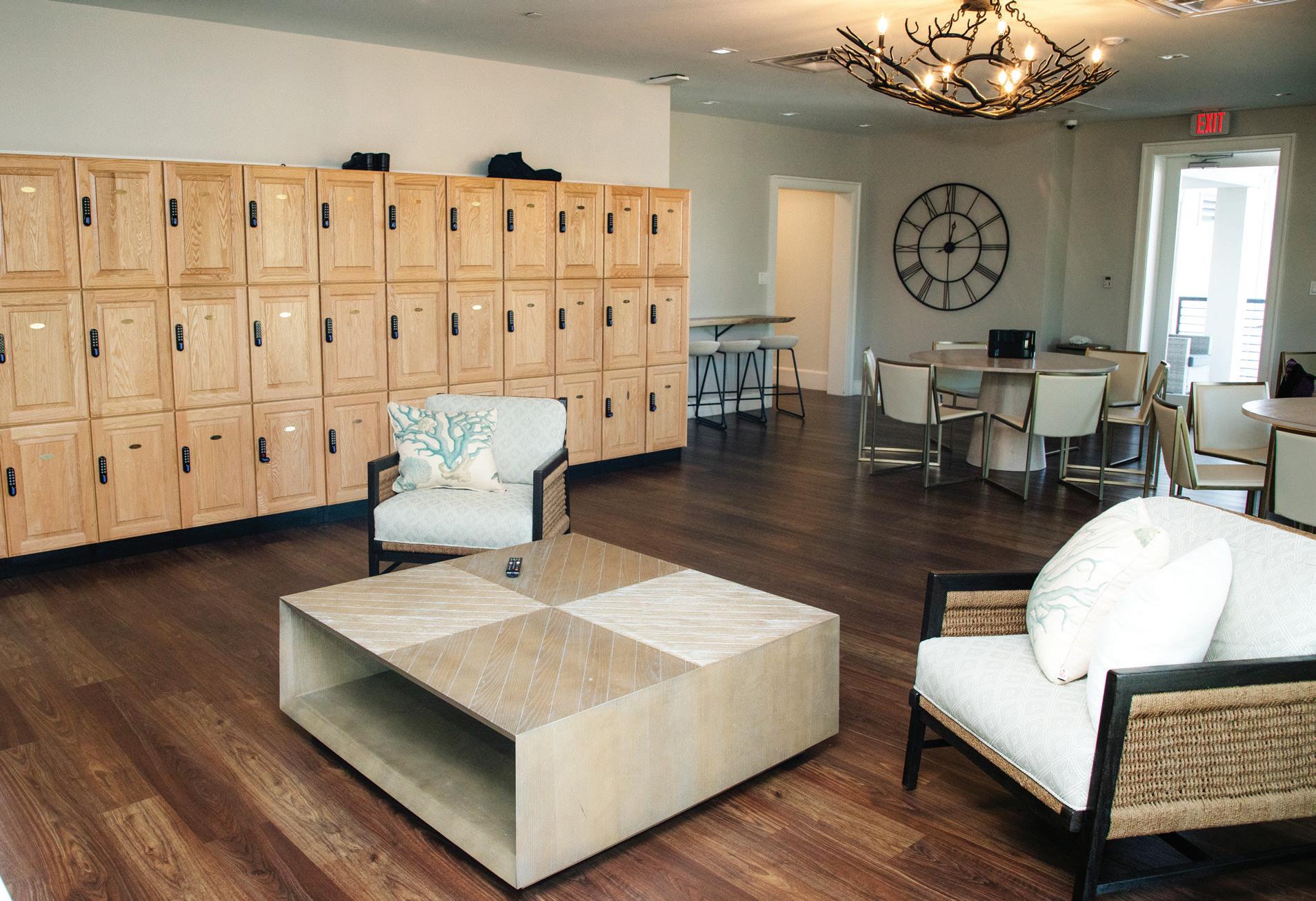
The new space will include tables and dining areas, lockers and cubbies, dedicated restrooms, televisions, a computer station for employees who do not have home access, and buffet setups separate from member service lines. It will also include details that signal intention.
“We’re going to put a freezer in there that always has ice cream,” Bischofberger says. “Not cruddy ice cream. A variety. The good stuff.”
There will also be a Golden Tee arcade machine to create informal camaraderie.
While the amenities are meaningful, Bischofberger views the physical room
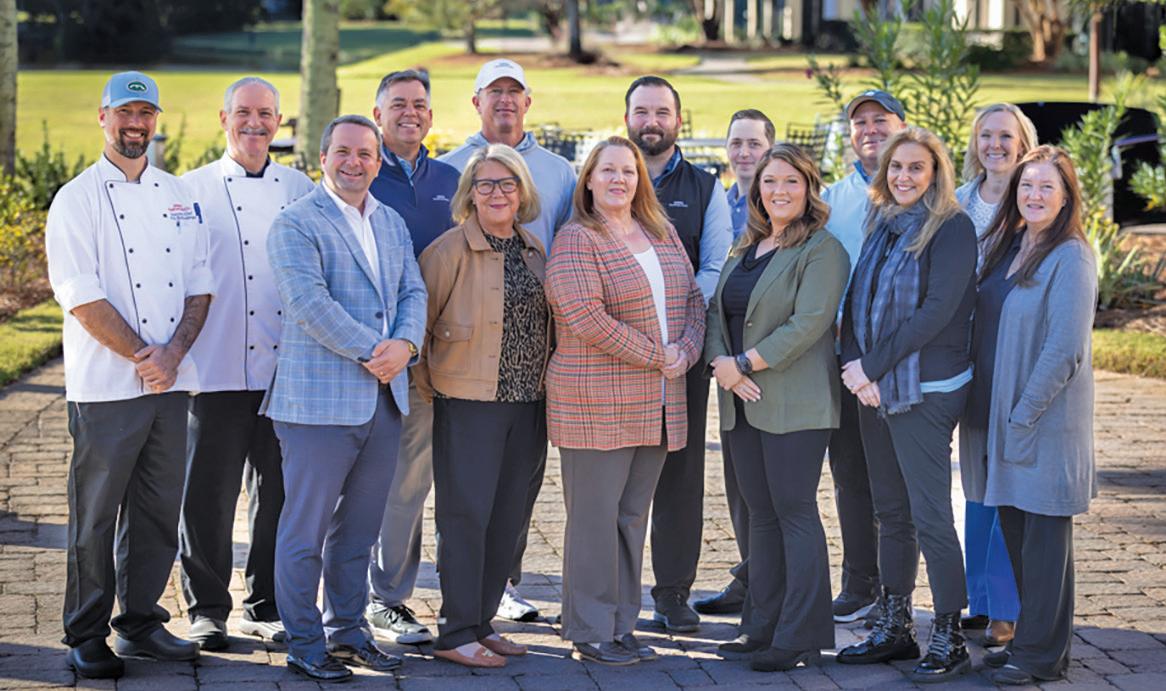
Eric Bischofberger, CCM, CMCA, GM/COO of Hampton Hall Club (third from left), stands with his leadership team as the club advances a $6.6 million clubhouse refresh that will introduce its first dedicated employee break room and further align capital investment with staff culture.
Holly Farrell, CCM, GM/COO of The Oaks Club, led the development of a new employee lounge as part of the club’s $12 million dining expansion, creating dedicated space for staff to recharge and regroup during the workday.
as only one component of culture.
“It’s great to have facilities for the staff,” he says. “But it’s what you’re doing day in and day out for the team, too. If you really want to be the employer of choice, your decisions have to reflect that every day.”
Bischofberger sees the break room as part of a broader leadership philosophy. The physical space matters, but culture is shaped by daily decisions.
He points to weather closures as an example. In a member-driven environment, keeping amenities open can feel like the default. But leadership, he says, requires weighing more than convenience.
“Why would we want our employees to come in, going through ice, going through overpasses, going through bridges to do that?” he says. “That doesn’t make sense.”
The break room follows that same logic. If the club’s surveys consistently rank staff as the most important and highest-performing aspect of the operation, the investment should reflect it.
“If our staff is the most important and most high-performing area of the club, how do we not have a break room for them?” he says. “I’m proud that we soon will.”
INVESTING IN THE BACK OF HOUSE
At The Oaks Club, a $12 million dining
expansion doubled the size of its grill room, added a wraparound outdoor dining terrace and introduced a new kitchen. Just as important, however, was what the club’s members do not immediately see.
“We have a whole new employee area,” says Holly Farrell, CCM, General Manager/COO. “A hallway going out to the employee area. They have their restrooms. They have a beautiful employee lounge area. They have an outdoor patio area.”
For Farrell, who spent 13 years rising through the ranks before becoming General Manager/COO, culture starts with presence. The title changed. Her accessibility did not.
“Making sure that I am still out there talking to them and getting to know them and making sure they’re okay and having that positive work environment has been huge,” she says.
That presence is supported by structure. The club holds regular all-staff meetings and has introduced a positive team initiative to give employees clearer expectations and a shared language around service.
Empowerment is part of that effort. Farrell wants staff solving problems in real time, not waiting for permission.
“They have the authority to make things right for members without having
to go find a manager,” Farrell says. “I’ll get emails from members who say, I just want you to know this happened. No one else would have known, but a staff member went above and beyond to make sure I left happy.”
The physical investment in the employee space supports that framework. The Oaks Club’s recent expansion includes a dedicated lounge, restrooms and an outdoor patio for staff. The areas are separated from member traffic, giving employees room to reset before returning to service.
CULTURE AS INFRASTRUCTURE
Both clubs are investing in golf, dining, and grounds facilities. Yet, in each case, employee spaces are embedded within broader capital strategies, not bolted on as secondary features.
At Hampton Hall, the break room is part of a larger reconfiguration of underutilized spaces and a full kitchen renovation designed to improve execution.
At The Oaks Club, the employee lounge was integrated into a major culinary expansion.
The approach reflects a shift in how clubs define infrastructure. Employee areas are no longer utilitarian rooms hidden behind service corridors. They are becoming visible expressions of a club’s values and leadership priorities. C+RB
Spring Forward: How to Sustain Caddie Program Vitality
For one country club in western Michigan, a strategic approach to recruiting and training new caddies demonstrates how less is more.
By Pamela Brill • Contributing Editor
SLOW AND STEADY WINS THE RACE, and at Kent Country Club in Grand Rapids, Mich., it’s also the formula for a successful caddie program. What was once a massive roster of participants has since been fine-tuned to better suit not only its recruits, but also membership and golf pros.
As clubs gear up for the season, they are wise to re-examine their caddie vetting and hiring procedures and consider enhancing training opportunities to ensure that golfers’ needs are properly met. Assistant Professional Tyler Kapcia, who manages Kent Country Club’s caddie program, explains how the club cultivates its newest trainees and maintains productivity year-round.
CONSOLIDATION FOR PRESERVATION
Having a glut of caddies at the ready may seem like a good problem to have, but when they are not working consistently, it goes against the very notion of efficiency. Kapcia sought to change the roster when he came aboard in 2024, paring down the list from 98 to 28 caddies.
“Demand at that time was insufficient to provide enough loops to keep caddies consistently engaged,” he explains. Now, Kent’s program is the right size for optimal usage.
When hiring caddies, the club relies on recruitment exclusively, including from The First Tee of West Michigan, local college teams and leagues, and word of mouth. These channels
ensure that the club sources high-level, experienced caddies who demonstrate tremendous knowledge of the game that can be passed down to trainees. As Kapcia describes, “these individuals are brought in not only to meet member expectations, but to mentor and develop younger caddies.”
Kent Country Club’s caddie program boasts a high interest rate, with trainees aspiring to be part of the Evans Scholars, which the club is known to produce.
(High school seniors and college freshmen who demonstrate financial assistance vie for a spot to earn full tuition and housing.) According to Kapcia, more than a dozen Evans Scholars have hailed from Kent Country Club, including three caddies from the 2014 season.
ON-THE-JOB TRAINING
Spring marks the start of training season, a one-on-one operation where new caddies are paired with individual instructors. Course knowledge, etiquette, pace of play, and member interaction are all given equal emphasis. Hands-on learning is made up of three nine-hole sessions, followed by one mentored loop with an honor or captain caddie (a distinguished role earned via exceptional member feedback and the completion of an advancement loop with Kapcia.)
Additional mentoring takes place in the off-season—a style he describes as “informal but ongoing, with experienced caddies continuing to provide guidance and feedback to support development and preparedness for the upcoming season.”
Clubs that invest in a solid caddie program will have to establish a preferred hiring classification: independent contractors or employees. Kent Country Club opts for the former, allowing members to take responsibility for payment and caddies to handle their own insurance.
But when it comes to caddie scheduling, the club takes ownership of this process. Requests are managed not through an app, but a private reservation system used by the golf pros.
“When a caddie is requested, a message is sent to all approved caddies to fill the assignment efficiently,” explains Kapcia. Caddies secure their spots on a first-come, firstserve basis, and members also have the option of communicating directly with their preferred caddie to set up their
loops. This method has proven its value in helping to expedite tee time management and enhance overall golf operations.
Because no system is completely foolproof, the club must still contend with challenges as they arise, particularly with the growing popularity of push carts. Kapcia has seen a rise in their usage over the past five years and has developed a strategy to thwart its infringement on caddie turf.
“We have invested additional time and resources training caddies to deliver a substantially enhanced member experience,” he says. “The focus has been on ensuring that caddies add meaningful value to each round—providing insights, course management support, and personalized service—rather than simply carrying the bag.”
As a result, Kent Country Club’s member golfers have responded in kind over the past two seasons, supporting this approach and supplying excellent feedback. Kapcia does not plan to grow the club’s caddie program in 2026, but will add high-level caddies as he sees fit going forward. C+RB
Getting Everyone on the Same Page
Melissa Hansen, Director of Membership & Marketing at The Club at Olde Cypress, explains how a long-overdue branding guide helped bring consistency, clarity, and confidence to the club’s communications.
By Joanna DeChellis • Editorial Director
AFTER YEARS OF LIVING with small inconsistencies that added up to bigger brand confusion, The Club at Olde Cypress (Naples, Fla.) made a deliberate decision to formalize how it shows up everywhere. The result is a comprehensive branding guide that now governs everything from logo usage to photography, typography, and daily communications.
For Melissa Hansen, Director of Membership & Marketing, the timing was equal parts readiness and necessity.
“I have always appreciated the importance of a branding guide, but the project seemed daunting to tackle alone,” Hansen says. “After many years of seeing inconsistencies within the different departments of the club (as well as a nudge and request from our new General Manager), I teamed up with outside support to assist me in tackling the project.”
KEEPING THE PROJECT FROM BECOMING EVERYTHING AT ONCE
Before the work began, the branding gaps were already visible.
“The lack of brand standards was impossible to ignore because there was major inconsistency across departments,” says Hansen. “Multiple people were creating flyers and graphics, often using different fonts, colors, and layouts, with some still pulling from old or outdated lo-
gos. Imagery didn’t always reflect who we are or the level of experience our brand represents, which created confusion both internally and externally.”
One of the biggest risks with a branding initiative like this is scope creep. Olde Cypress avoided that by narrowing its focus early.
“We defined the scope early by intentionally starting with communications first, both internal and external,” says Hansen. “Instead of trying to fix every brand touchpoint at once, we focused on the areas with the most visibility and daily use: emails, flyers, digital assets, and member-facing communications.”
From there, the team tackled the most urgent problem first.
“The first part of the guide was about logo usage,” she says. “An outdated logo was being used across departments, so we thought providing a clear guide to the logo usage would be a simple and easy fix.”
WHERE CLUBS LOSE THE PLOT
According to Hansen, brand standardization often fails for a predictable reason.
“The trouble? Trying to be too creative instead of consistent,” she says. “Too many variations, personal preferences, and ‘one-off’ designs dilute the brand and slow everything down.”
Olde Cypress’ branding guide formalizes usage of its primary logo and approved sub-brand marks across all departments and amenities.
Olde Cypress’s guide exists to remove choice, not add it.
“What surprised me most was how much clarity and alignment it created almost immediately,” says Hansen. “Once everything was documented in one place, decisions became faster, teams felt more confident, and the brand finally showed
Hansen, Director of Membership & Marketing at The Club at Olde Cypress, says branding guides create clarity, ease, and consistency across departments.
Bran din g Gu ide
“There wasn’t an option,” she says. “By putting a guide in place, this meant the team had to follow the guide. Without a guide, the lines are blurry.”
THE ROLE OF PHOTOGRAPHY IN DAILY BRAND PERCEPTION
Visual consistency turned out to be one of the most powerful levers.
“Photography and visual consistency played a huge role in elevating how our
and made even simple communications feel more polished and intentional.”
The branding guide spells out those standards clearly, including what not to use and why, removing guesswork for every department.
FOR CLUBS THAT THINK THEY’RE FINE WITHOUT ONE
Hansen has heard the skepticism. She shared it herself.
operate without formal brand standards, but once you have them, everything becomes easier, faster, and more consistent. A documented brand isn’t about fixing what’s broken; it’s about protecting your reputation, saving time, and making sure the club shows up at the level your members and prospects already expect.”
If she were advising another club starting tomorrow, the advice is specific.
“Don’t skip the ‘don’ts,’” says Hansen. “It’s just as important to show what not to do as it is to show what to do. Clearly documenting the wrong logo usage, offbrand colors, poor imagery, and layout mistakes removes ambiguity, prevents well-intentioned errors, and protects the brand long-term. The ‘don’ts’ create clarity, and clarity is what makes standards actually stick.”
With the guide complete and in use, Hansen’s biggest regret is timing.
“Honestly, I wouldn’t have waited so long,” she says. “I’ve been at the club for almost 15 years, and looking back, I keep thinking, ‘What took me so long?’ My biggest takeaway is this: Start now. The sooner you put standards in place, the sooner everything becomes clearer, easier, and more consistent.” C+RB
Melissa
Coming Home to Lead
Stefan Brunt explains how his return to Sawgrass CC led to a leadership transition, a $55 million capital plan, and a renewed long-term strategy for the club.
By Joanna DeChellis • Editorial Director
WHEN STEFAN BRUNT, PGA , stepped into the General Manager and CEO role at Sawgrass Country Club (Ponte Vedra Beach, Fla.), he was returning to a place where his career began. He first joined the club in 2007 and later came back in 2018 as Director of Golf. In 2024, he moved into the GM role after more than a decade of familiarity with the membership, staff, and operations.
Club + Resort Business (C+RB): You have referred to this as your second tour at Sawgrass. How did your career progress to bring you back?
Stefan Brunt (SB): I started here in 2007 as a cart attendant and worked my way up through the golf operation. I eventually became Assistant Golf Professional and then Head Golf Professional. In 2015, I left to take a Director of Golf role at a club in Delray Beach and spent three years there. I returned to the Ponte Vedra area and came back to Sawgrass in 2018 as Director of Golf. When the General Manager role opened, it felt like the right next step. I knew the club, the members knew me, and there was trust on both sides.
C+RB: What was the biggest adjustment moving from golf leadership into the GM role?
SB: The biggest shift was in becoming the person ultimately responsible for all departments. I had an advantage because I already understood the culture and the operation. I was not learning the club for the first time.
My focus was on supporting strong department leaders and improving how the club functioned overall, rather than making immediate changes for the sake of change.
C+RB: How did you navigate the transition from colleague to leader with your management team?
SB: I set expectations early.
I made it clear that I wanted collaboration and input. I want department leaders to succeed and grow here, and my responsibility is to provide the tools and support to make that possible.
This club does not owe me anything. I owe the club and the people who work here.
C+RB: What has been the most challenging part of the GM role so far?
SB: Managing a wide range of member demographics.
The average member age is 68, but we also have a growing number of younger families. We now have more than 700 children on the property. Every decision
Stefan Brunt, PGA, first joined Sawgrass CC in 2007 as a cart attendant, working his way up through the golf operation. He left in 2015 but returned in 2018 as Director of Golf. In 2024, he was named GM and CEO.
has to account for members who have been here for decades as well as those who are just joining.
C+RB: How did members respond to a golf professional stepping into the GM role?
SB: Some members still call me Pro— and that might never change. Golf is an important part of this club, though, and I remain involved in the game.
I also understood that some members needed to see results. Passing the capital plan helped establish credibility. I also met early with groups that had concerns, including the tennis membership, and I made it clear their facility improvements would be prioritized.
C+RB: What surprised you most about stepping into the GM role?
SB: The amount of potential across the entire club.
There are more opportunities than resources, so prioritization matters. I prefer to move quickly, but the role has required a more deliberate pace and a longer view.
C+RB: The club passed a $55 million capital plan after an earlier proposal was voted down. What changed in the approach?
SB: The difference was communication and scope.
The earlier proposal did not fully connect with the membership. We rebuilt the plan from the ground up and expanded it to include multiple areas of the club. We spent more time explaining the process and the long-term needs of the property.
It became a club-wide infrastructure plan rather than a set of isolated projects.
C+RB: What projects are included in the capital plan?
SB: The plan includes a full renovation of all 27 holes of the golf course completed in phases, a new golf course maintenance facility, upgrades to the tennis complex,
a 7,000-square-foot expansion of the fitness facility, and a rebuild of the beach club pavilion with expanded outdoor dining (see photo, above).
It is designed to address deferred needs while remaining financially reasonable for the membership.
C+RB: What is the timeline for construction?
SB: Early irrigation work begins this fall. Tennis construction starts in March. Golf renovation will take place one nine at a time through 2029. Each year includes multiple projects, and the goal is to keep the club operational throughout the process.
C+RB: How are you managing the club’s waitlist?
SB: Communication and flexibility have been key.
After the capital plan passed, the waitlist grew quickly. We reached out directly to those prospects to explain the plan and the investment. Internally, the larger challenge has been managing movement between membership categories, particularly golf access.
With the golf renovation reducing available holes, some members have chosen to temporarily downgrade, which allows others to move up. That movement helps keep the system functioning.
C+RB: What is your primary focus now?
SB: Execution.
We have a plan, alignment from the membership, and strong leadership in place. The work now is delivering on those commitments and continuing to communicate clearly as the projects move forward. C+RB
Where Community Comes to Play
How bocce and croquet became social anchors at The Club at the Strand.
By Joanna DeChellis • Editorial Director
ON A WARM AFTERNOON at The Club at the Strand (Naples, Fla.), a row of members sit shoulder to shoulder beneath a striped awning, studying the line of a red bocce ball as it slows across the court. Advice is offered quietly. Applause comes easily. The pace is unhurried. The courts stay full.
What began as an expansion of recreational amenities is now one of the most active gathering points at the club.
The Strand’s three professional bocce courts and international-standard croquet lawn were developed as part of a broader recreational master plan designed to expand participation beyond golf. Leadership set out to create activities that encourage interaction across ages, abilities, and membership categories while maintaining the same construction standards applied elsewhere on property.
Bocce was selected for its accessibility and broad appeal. It accommodates organized leagues, casual play, and social events with minimal barriers to entry. It’s also pretty fun to play. Croquet followed in response to member interest in a more structured lawn sport capable of supporting league formats and competitive play.
The croquet lawn was built to full international dimensions of 105 feet by 84 feet. It is one of only two courts of that size in Naples and among the few in Florida outside of national facilities in West Palm Beach.
Construction methods typically reserved for championship golf greens were applied to the project. The site was raised nearly five feet and outfitted with extensive drainage infrastructure, transforming what had previously been a rain retention area into a consistent and reli-
able playing surface for members.
The bocce courts were measured and constructed in-house. Synthetic turf was selected for durability and uniformity. Brazilian wood sideboards and finished landscape elements give the courts a refined, resort-quality appearance. Three courts were completed and plans are under consideration to expand due to sustained member demand.
The croquet lawn was completed for under $100,000. Bocce construction exceeded $150,000, exclusive of surrounding amenities such as awnings and seating.
The projects were funded through long-term leadership planning rather than special member assessments, aligning the investment with the club’s broader infrastructure strategy.
Participation levels reflect strong member adoption of both lawn sports. More than 600 members now take part in bocce through open play, organized
leagues, and social gatherings.
Croquet has established steady growth among members interested in structured competition and home matches that begin each January. Both programs are supported in part by member volunteers, which has reinforced a sense of ownership and continuity.
Ease of access has contributed to regular use, too. Court times are reserved through the Strand app, supporting efficient scheduling for leagues, casual matches, and special events. Seating areas, shade umbrellas, signage, and proximity to food and beverage service encourage members to remain in the space before and after play.
At The Club at the Strand, bocce and croquet now operate as part of the daily rhythm of the property. League standings are posted. Court times fill in advance. Members linger under shade with a drink in hand while waiting for their turn. C+RB