
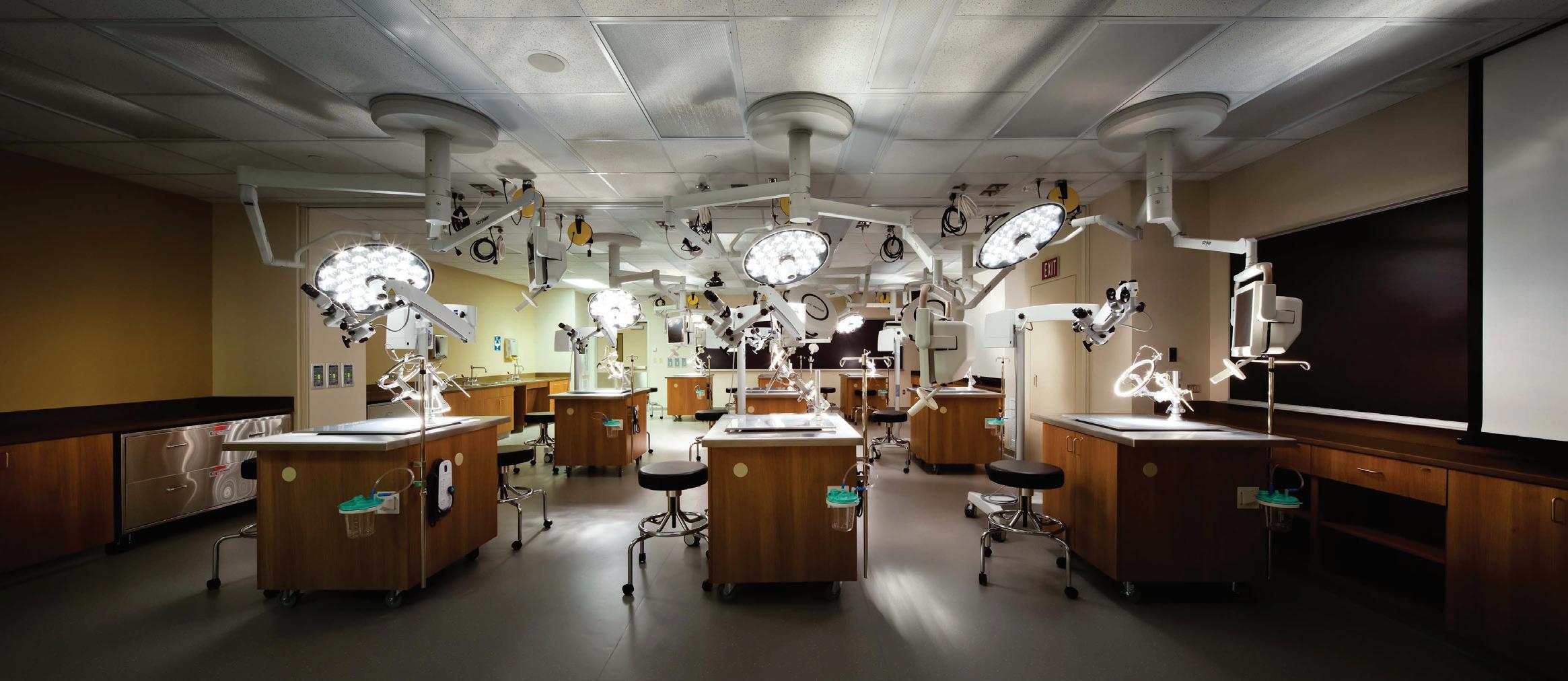
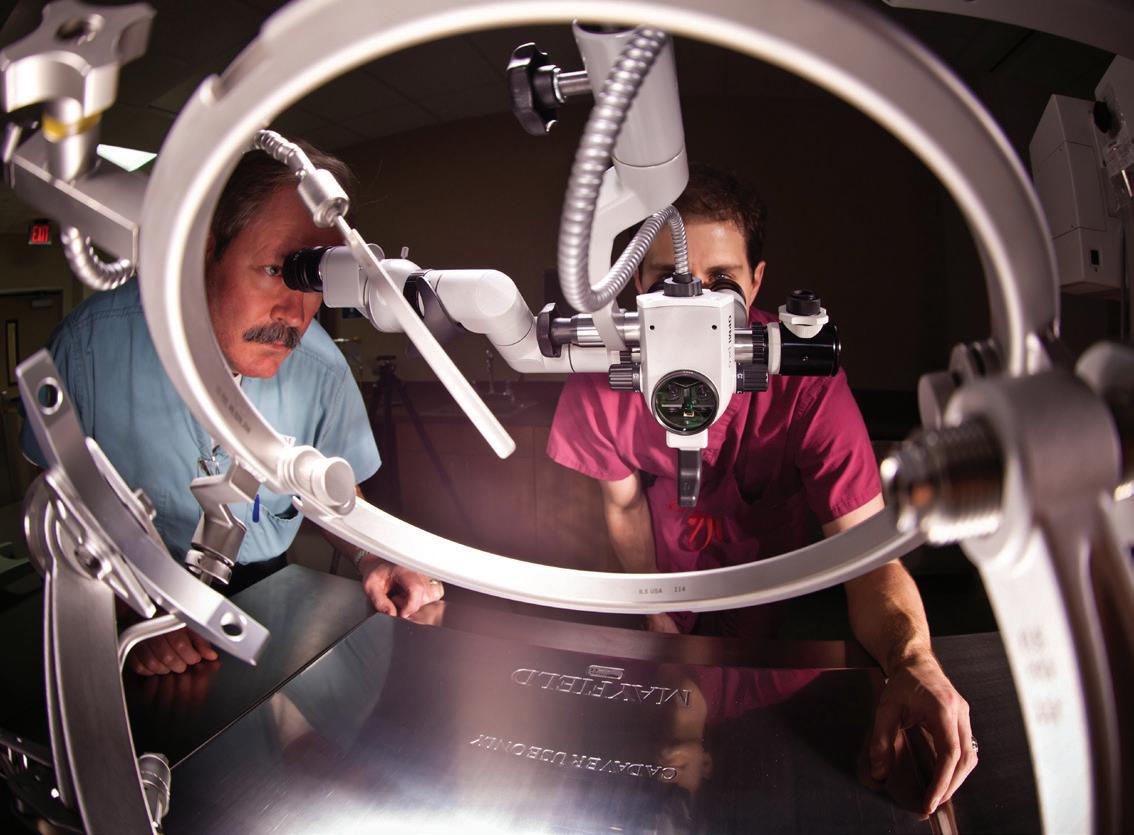
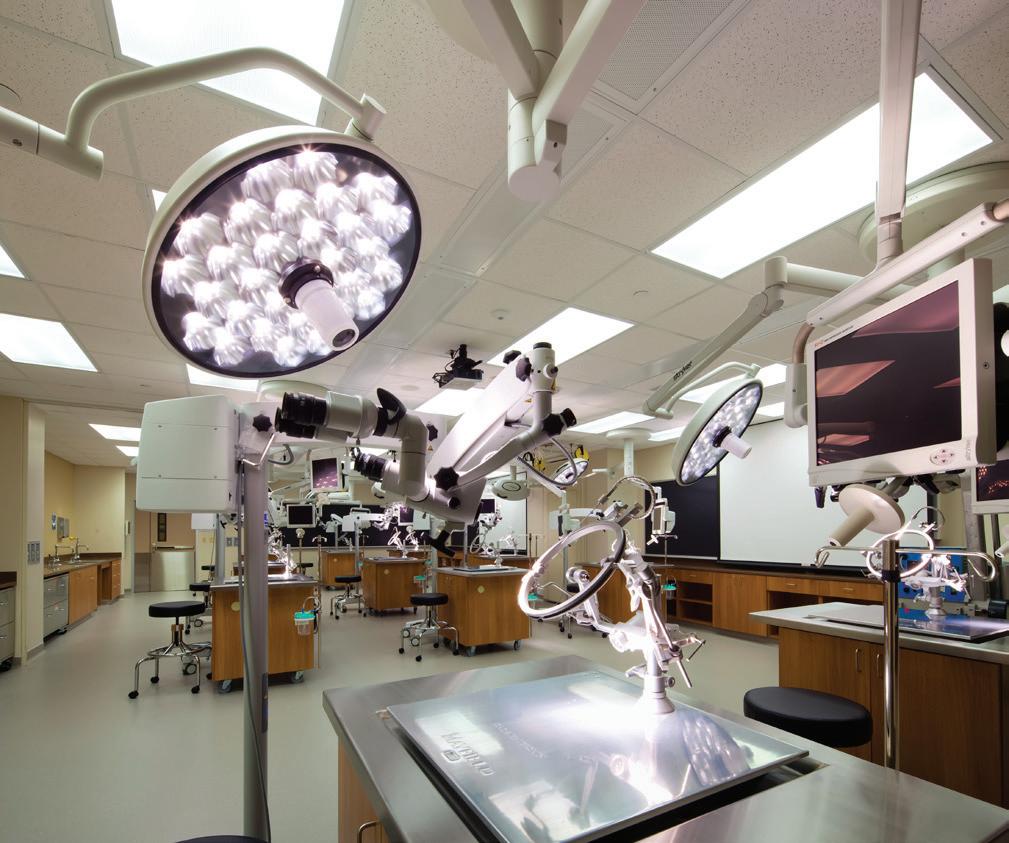
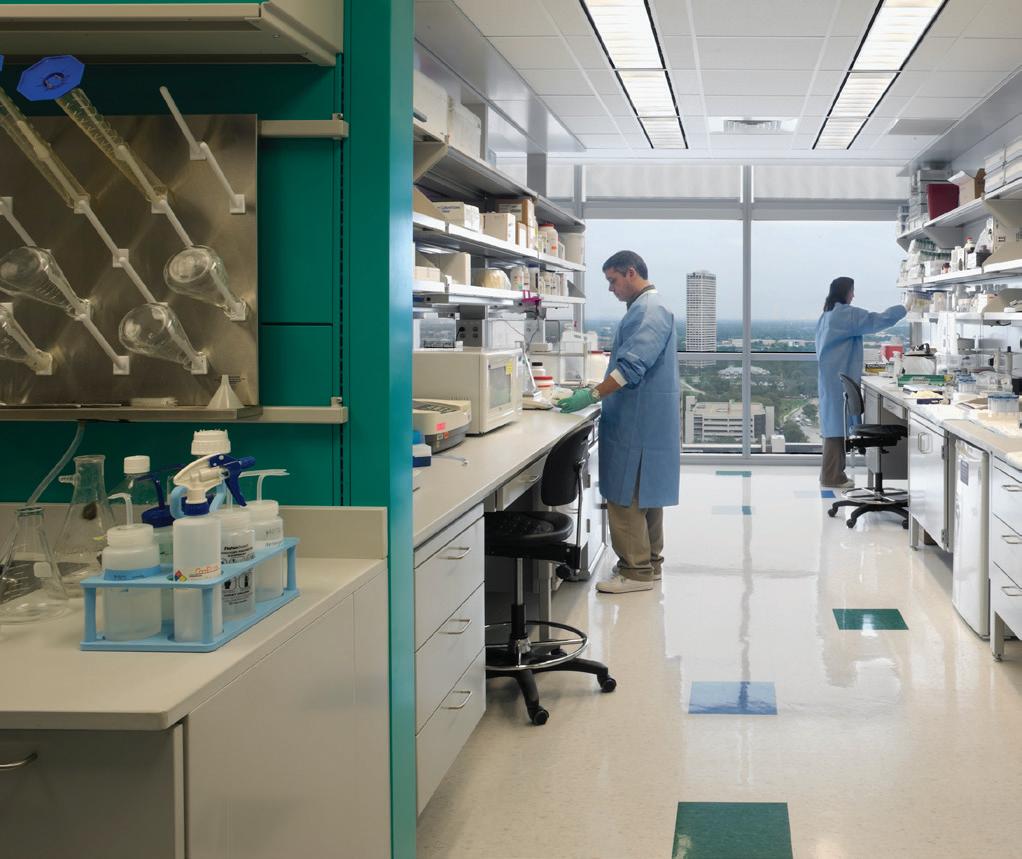
The Baylor Gross Anatomy project is a specialized surgical lab classroom located within the anatomy lab that consists of 14,000 SF located on one level. Bellows demolished 80% of the existing morgue and completely demolished eight classrooms. Four classrooms remained operational while the other four were renovated to keep the laboratory operational for the duration of the project. Coordinating all of the MEP systems presented the team many challenges due to the ceiling height required to accommodate the operating room light and monitor booms. Through careful coordination, it was successfully constructed with no disturbance to the ongoing operations in adjacent labs. Bellows built custom neurological anatomy carts to house all electronics including audio/visual and endoscope equipment. The neuroanatomy portion of the lab (2 of the 8 classrooms) is a state-of-the-art laboratory for teaching new leading-edge neurosurgery techniques. The neuro-anatomy lab contained custom ceiling panels, surgical carts, (11) Stryker OR lights with state-of-the-art cameras integrated in the OR lights and serves Nicholas B. Levine, M.D. with MD Anderson.

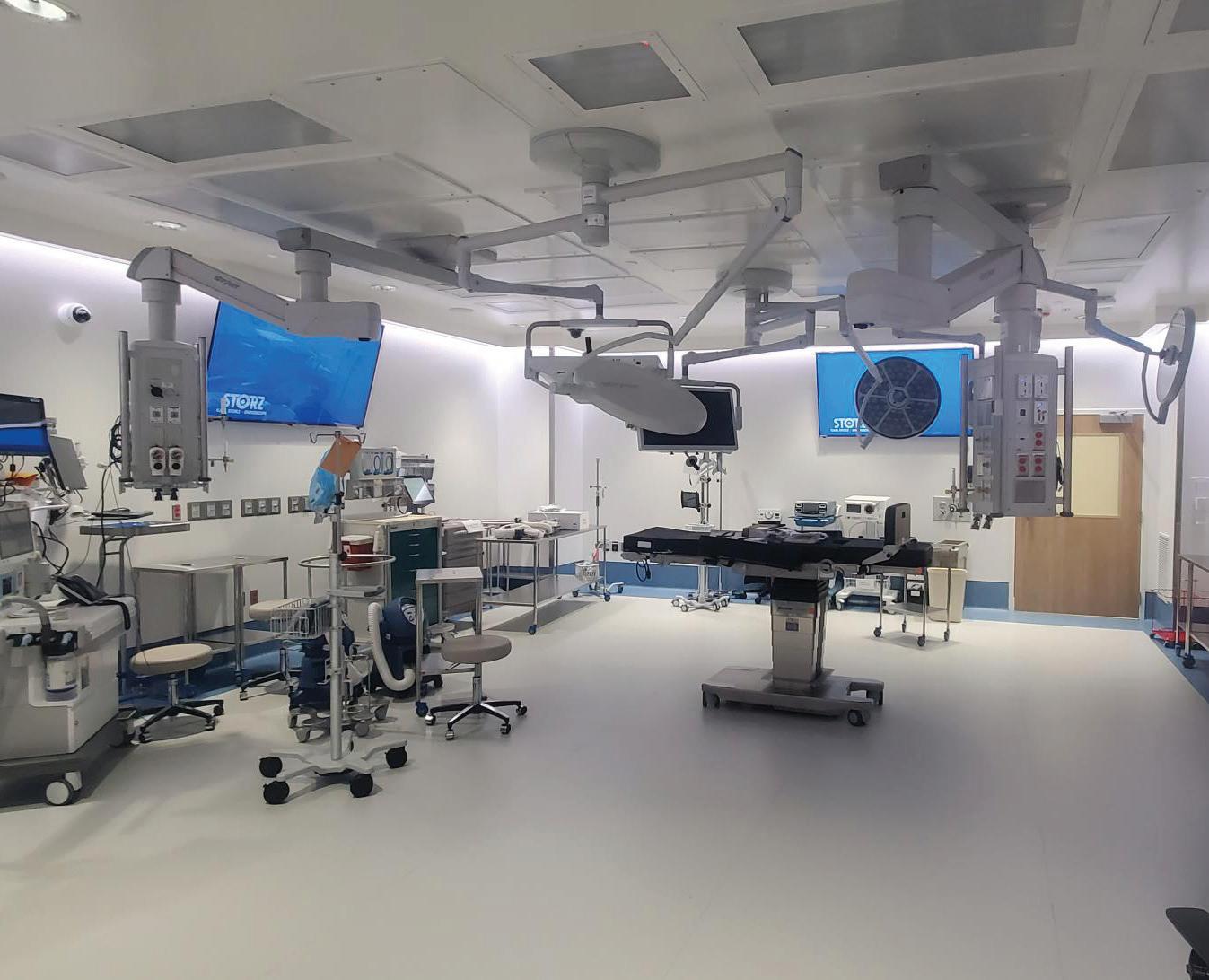
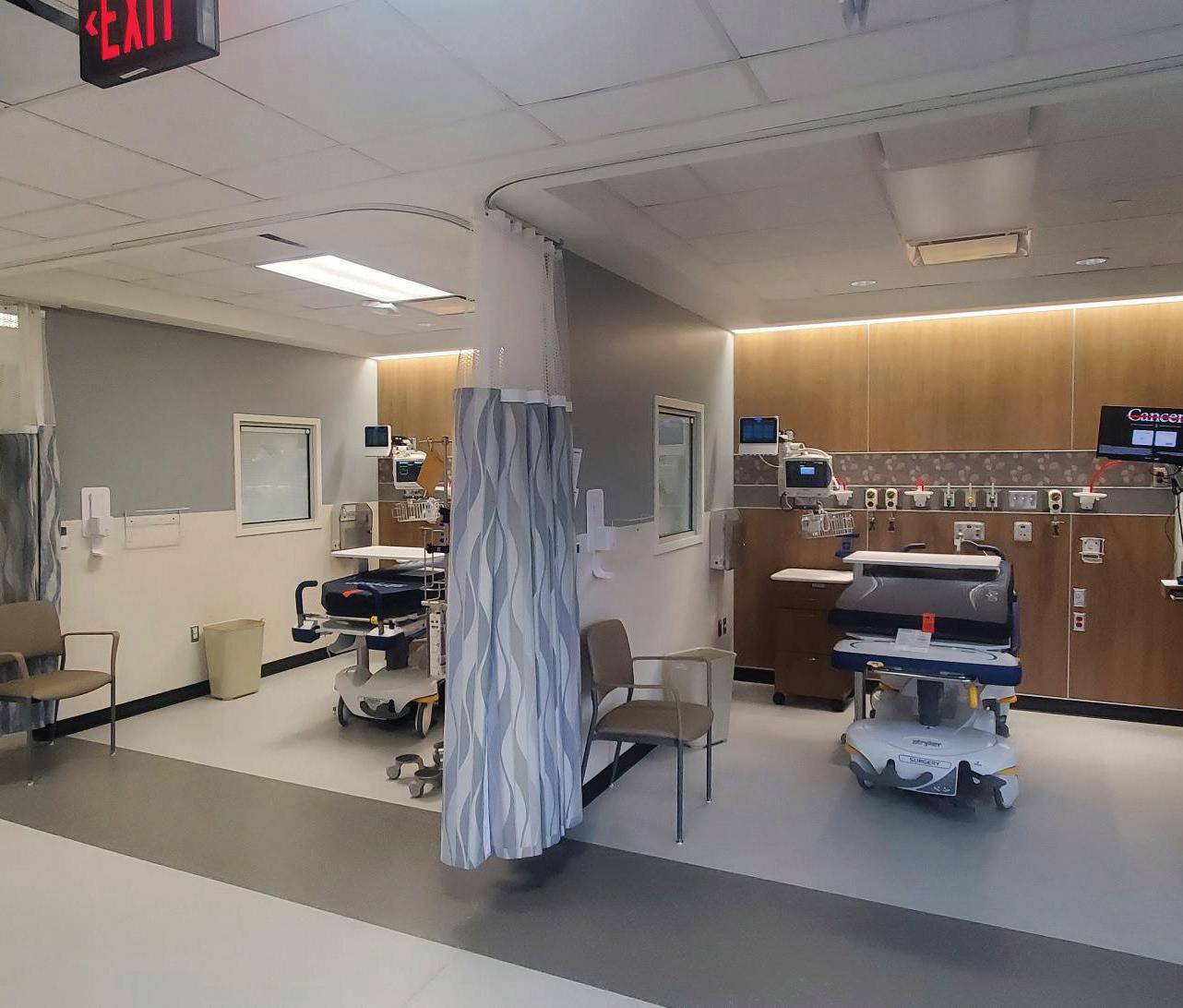
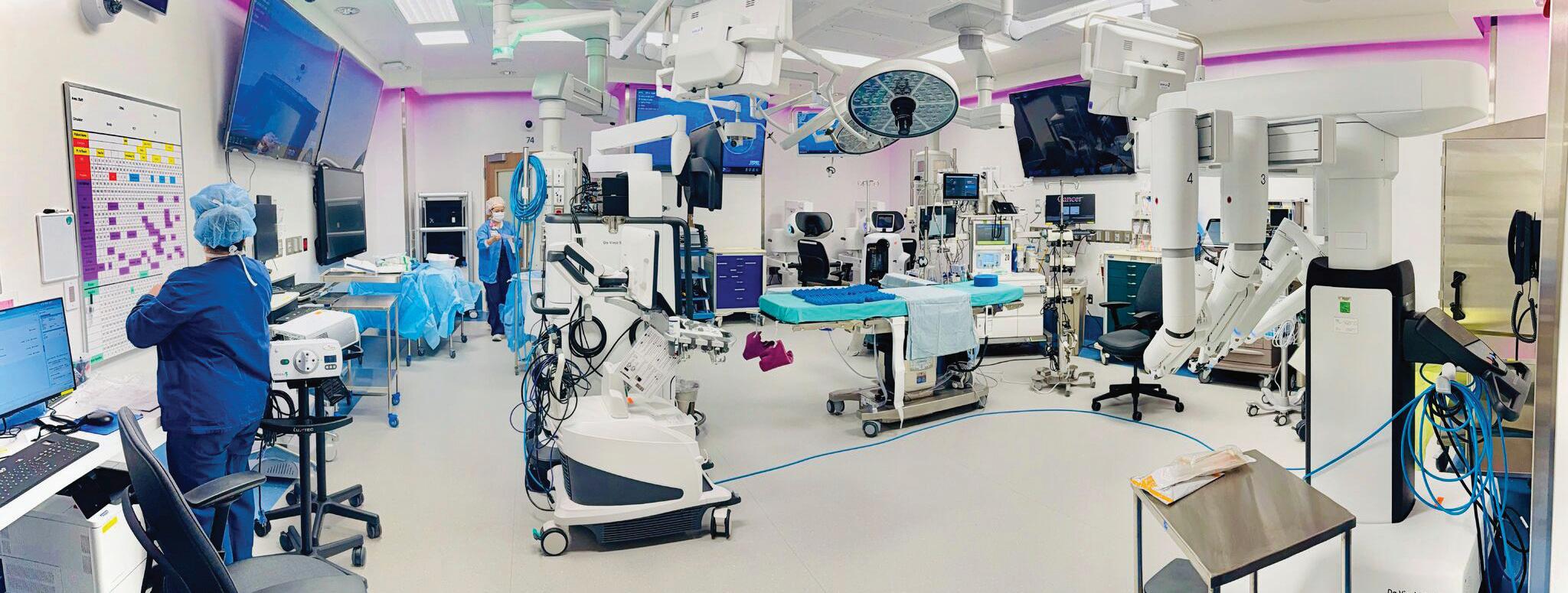
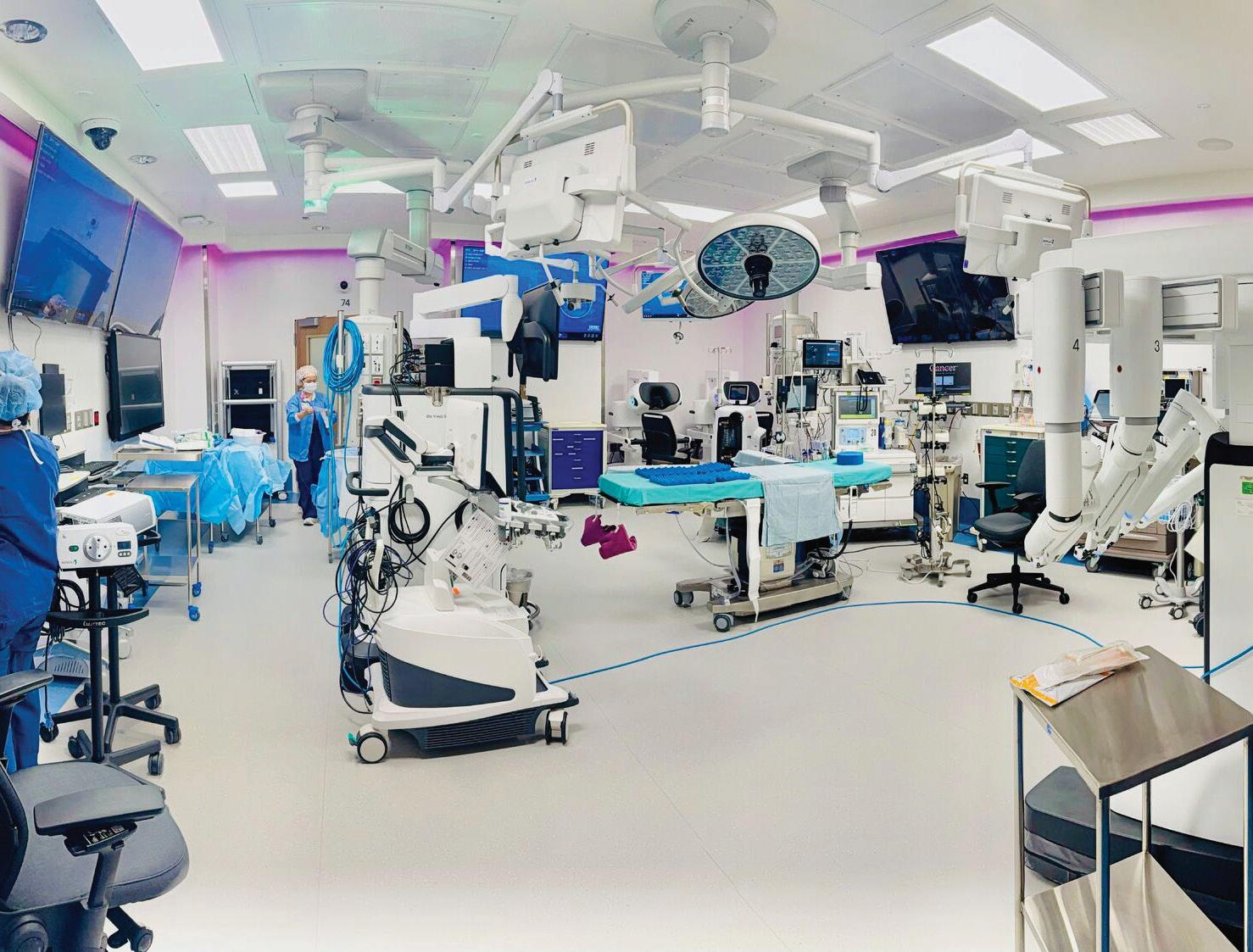
This project involved the finish-out of a complete surgical unit composed of 4 operating room suites and necessary supporting functions/ services to operate a space of such nature. The area consisted of a 18,500 SF of shell space located. The construction occurred in an active building during regular operational hours. An assessment of existing conditions, and confirmation of availability of MEP/IT infrastructure had to be completed/validated. This new surgical space serves as a satellite unit to the institution’s main surgical floor operations. The built ORs have the capability to be used for non-surgical procedures in the future.
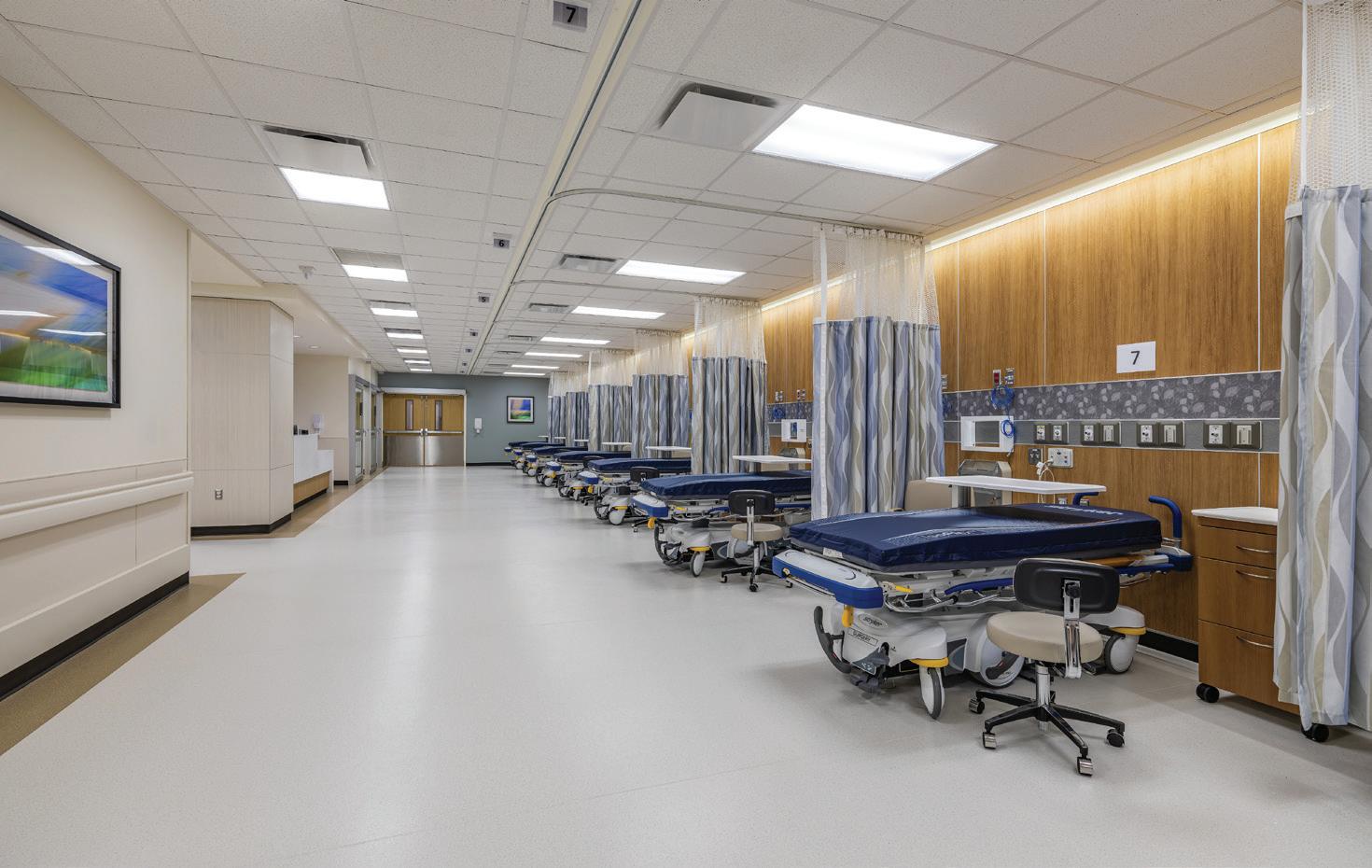
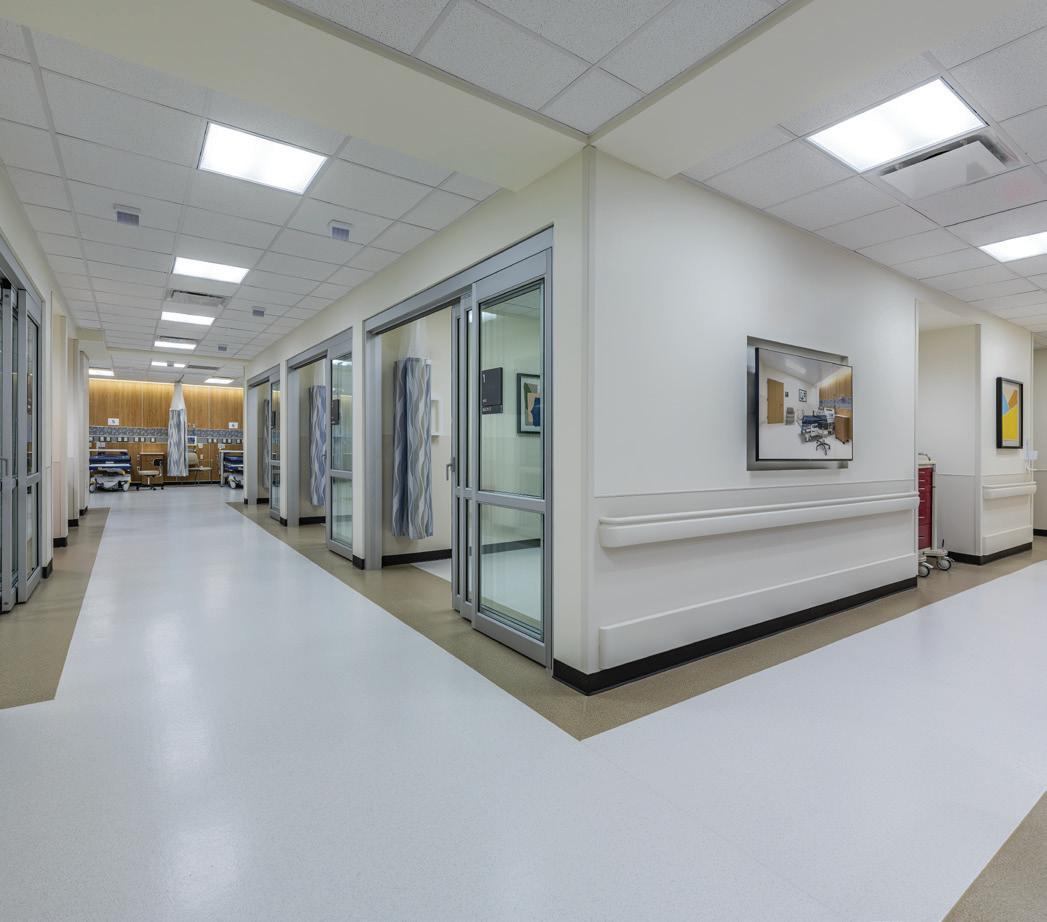
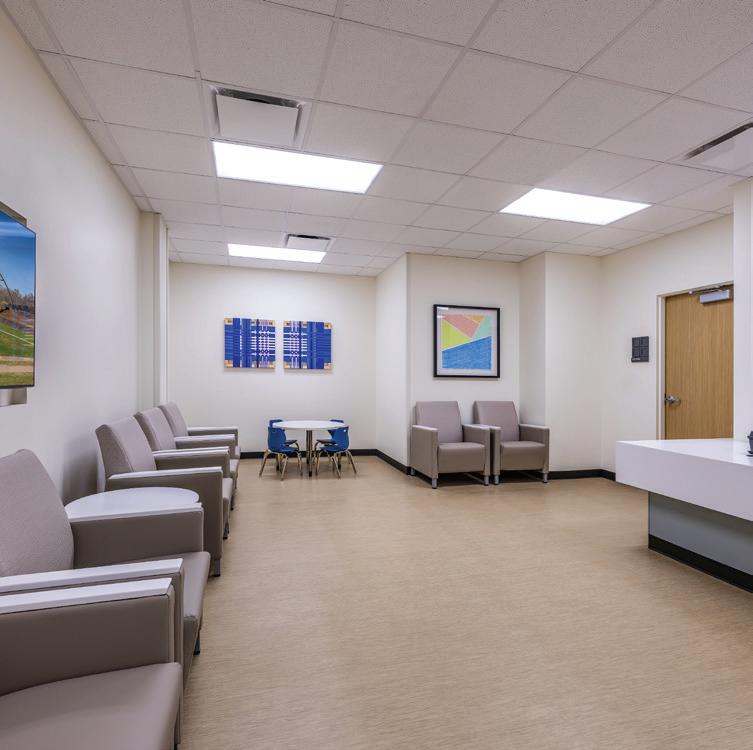
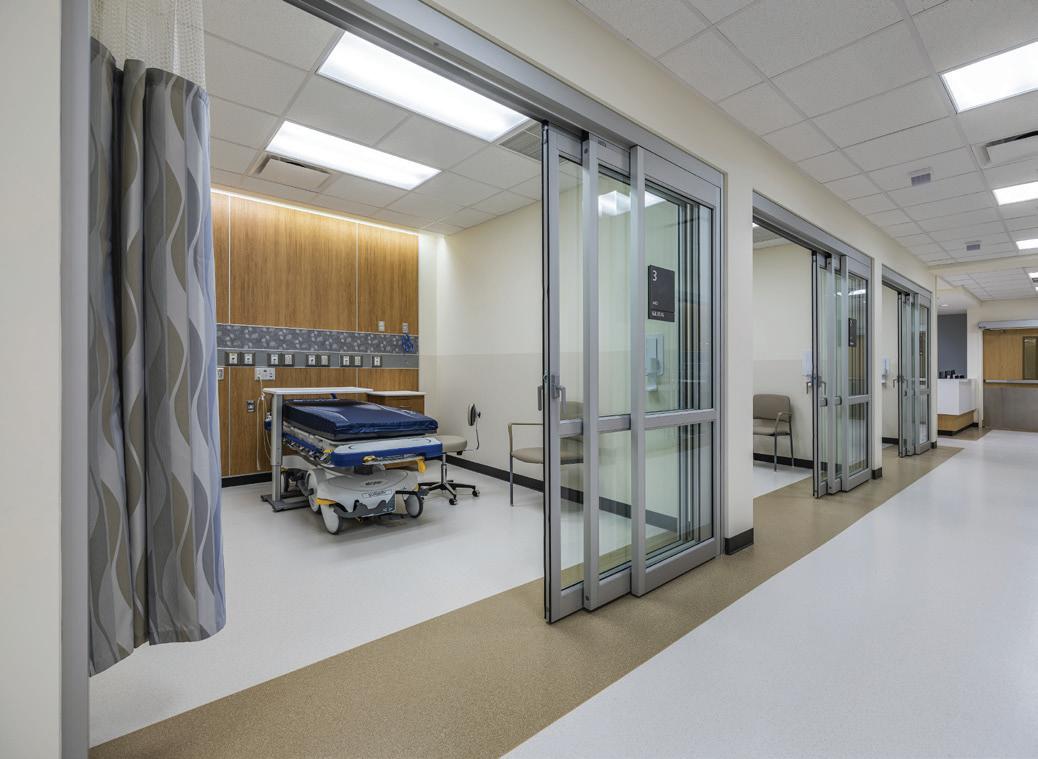
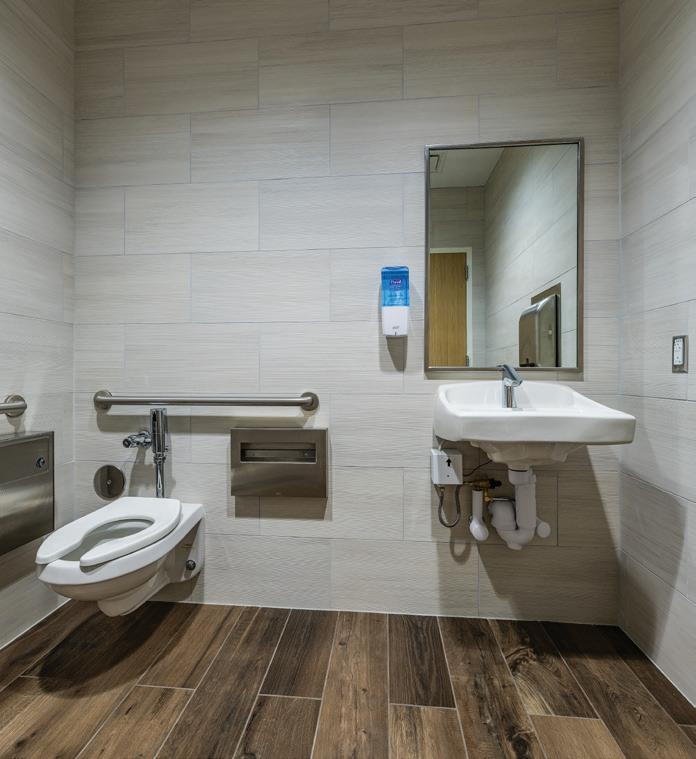
Project scope included a multi-phased renovation of spaces in the middle of active patient care areas such as diagnostic imaging, pathology labs, operating rooms, and patient beds. Construction included architectural and MEP demo and rebuild to accommodate PACU and ARD. Renovation of MEP components included the equipment and accessories on the third floor that extend to spaces on the second and fourth floors.
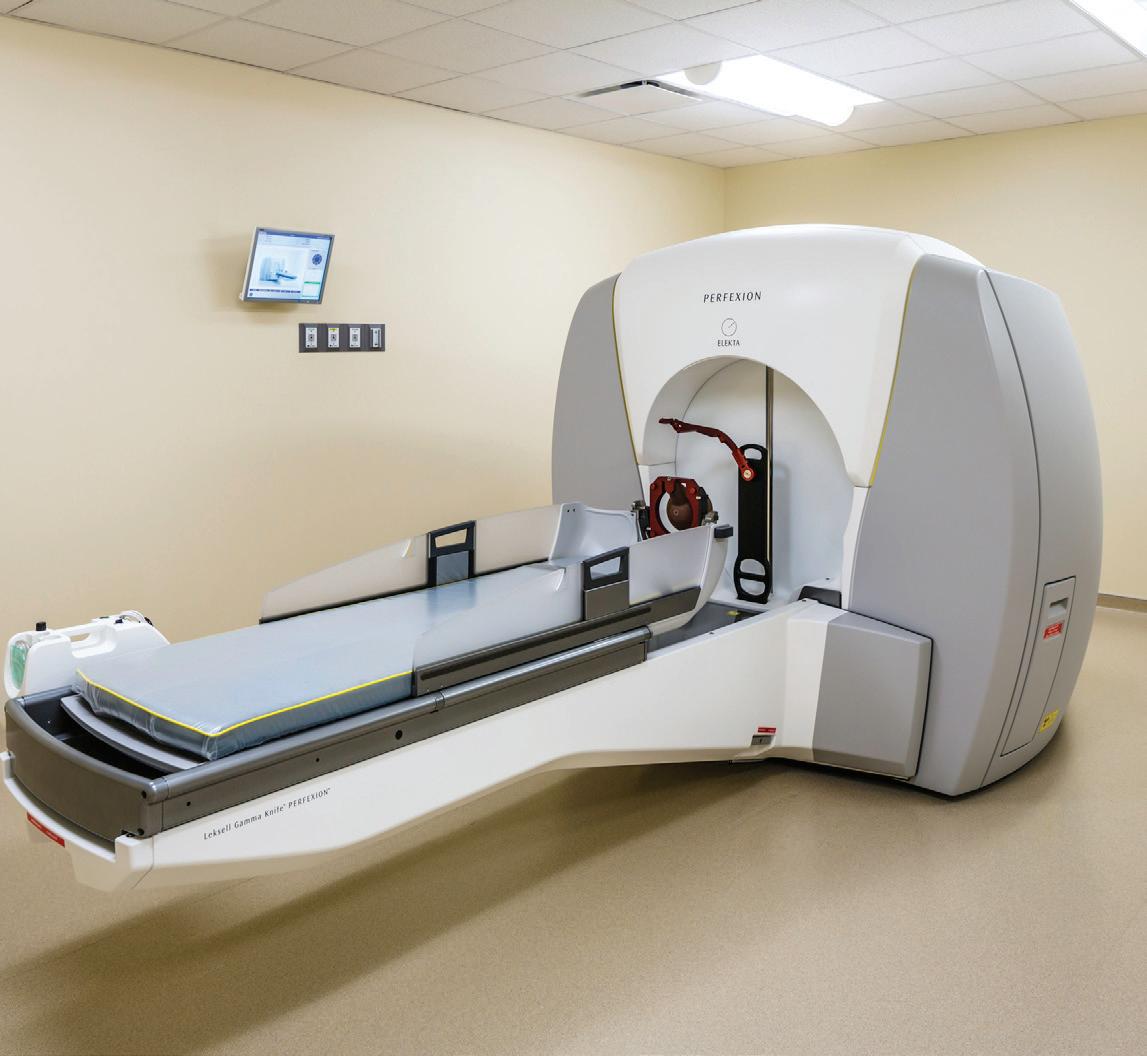
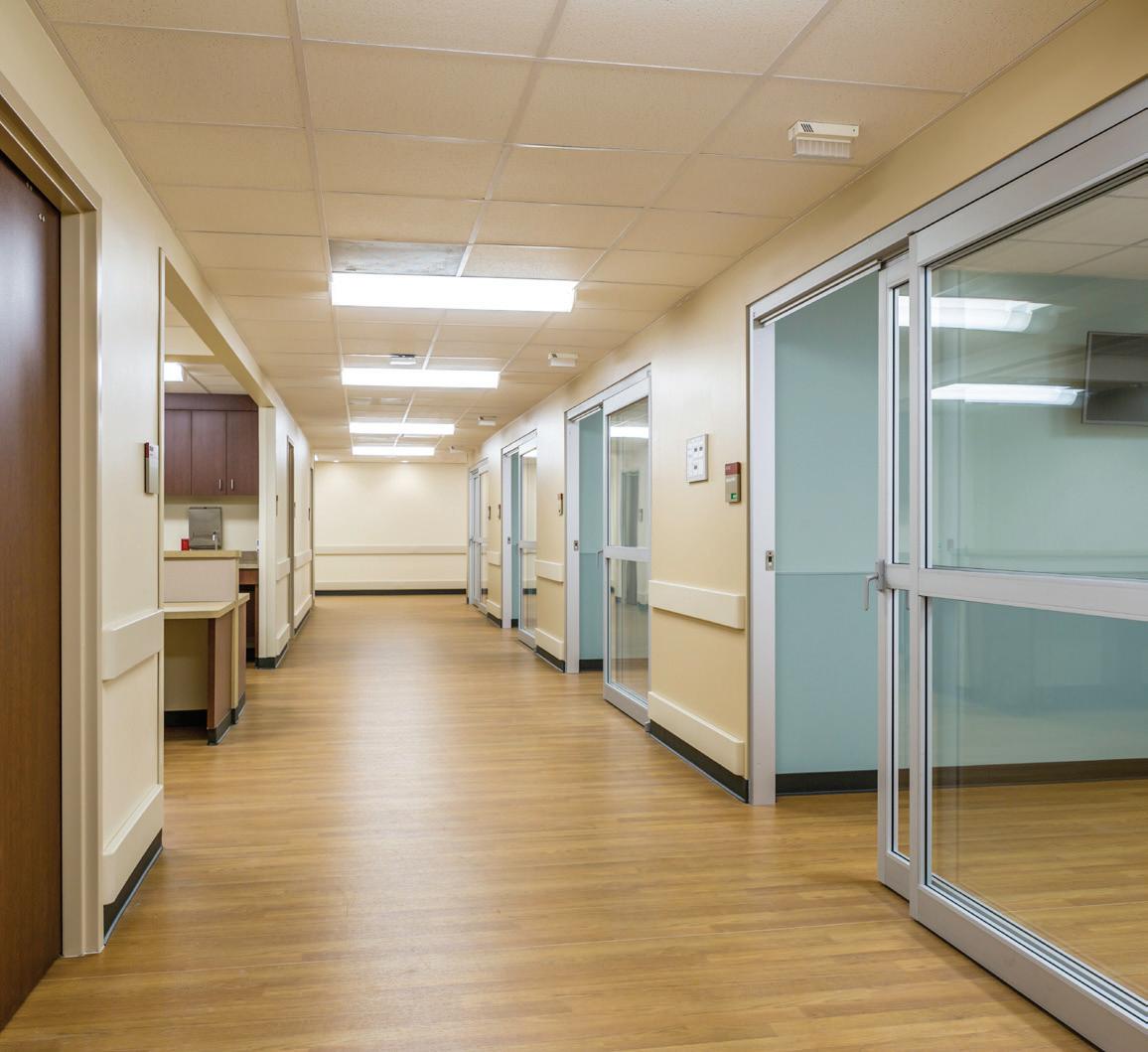
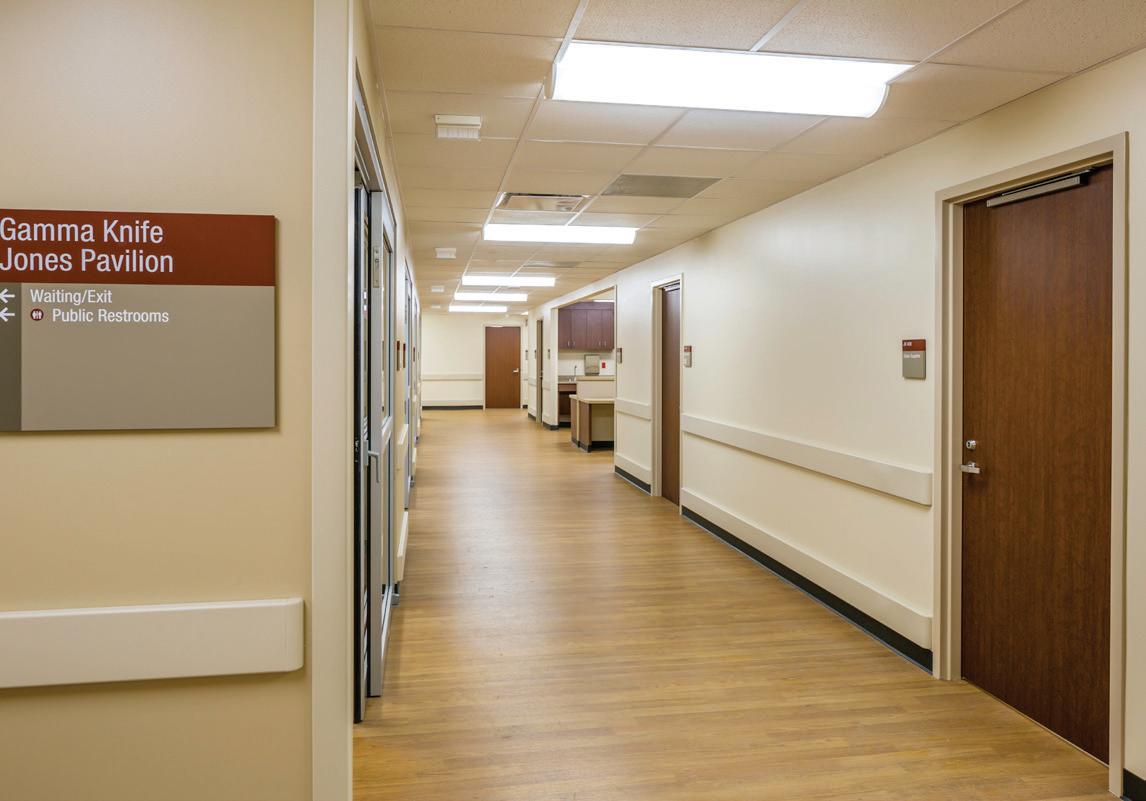
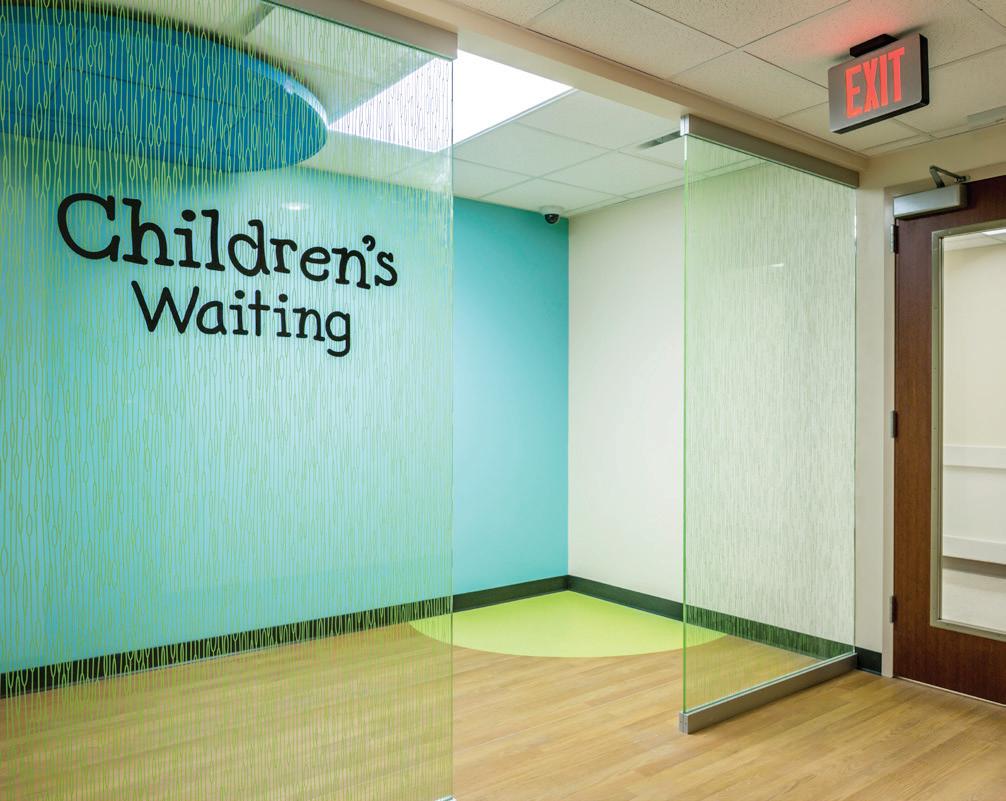
This renovation project occurred in two phases. Phase I consisted of relocating the existing Gamma Knife Department from the ground level of the Robertson Pavilion to the Jones Pavilion basement. The Gamma Knife Department moved into the former Occupational Health Department. Phase II involved demolition and reconstruction of the area vacated by the Occupational Health and Neurophysiology Departments. The renovated space is now the co-location of the Gamma Knife and Neurophysiology Departments. The total renovated footprint for all three departments is 12,208 GSF. All of the water/drain lines above the Gamma Knife room had to be relocated which posed a unique and challenging experience since these utility lines served the entire building. Rerouting of the supply and return air trunks created another hurdle since these trunk lines served occupied space in the basement. Due to the weight of the equipment, the existing slab on grade had to be removed and reinforced in order to support a load of 50 tons. With this site located in the basement, 30 yards of concrete had to be manually pushed one block through an active hospital, down the elevator, to the basement.
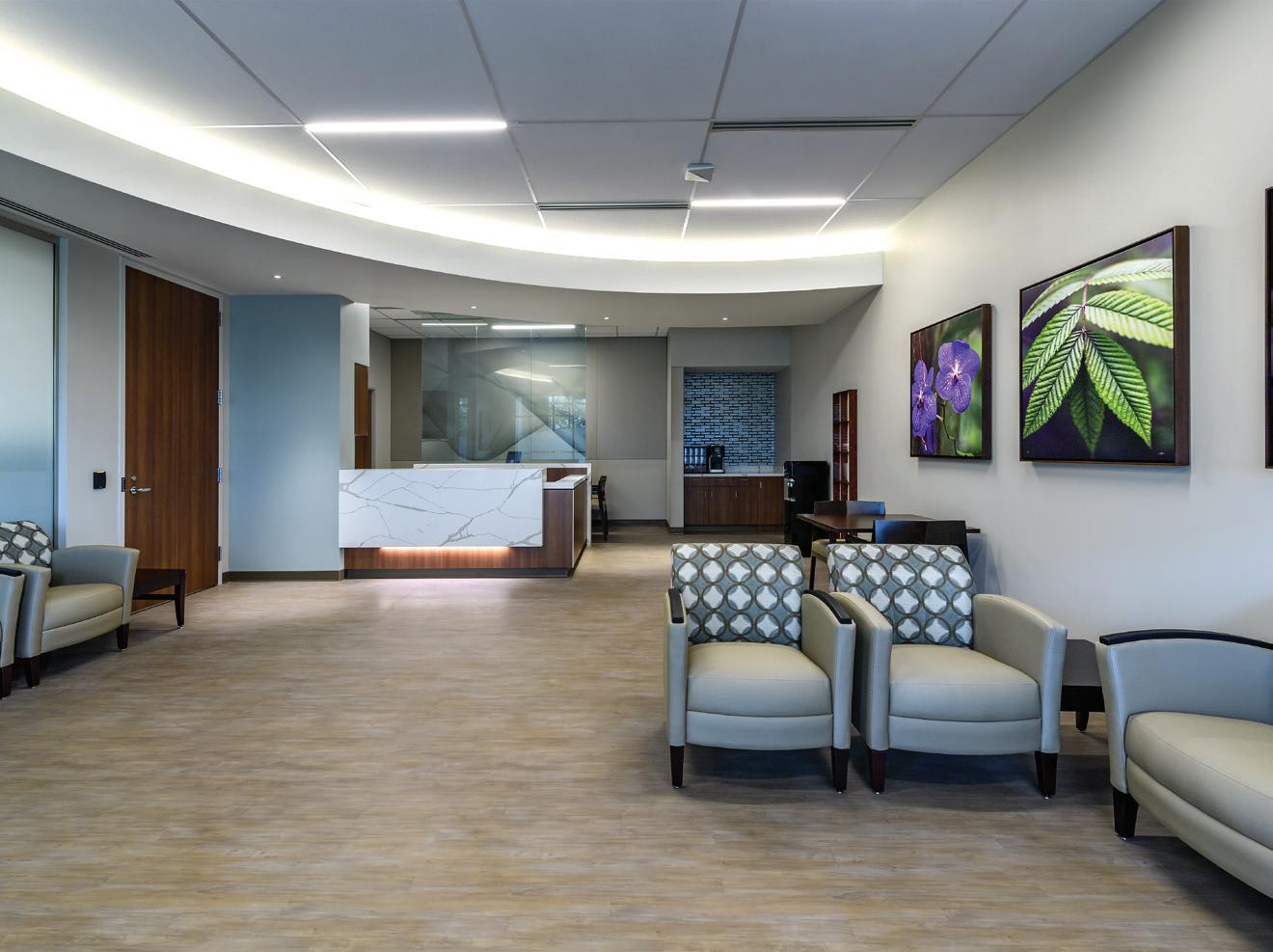
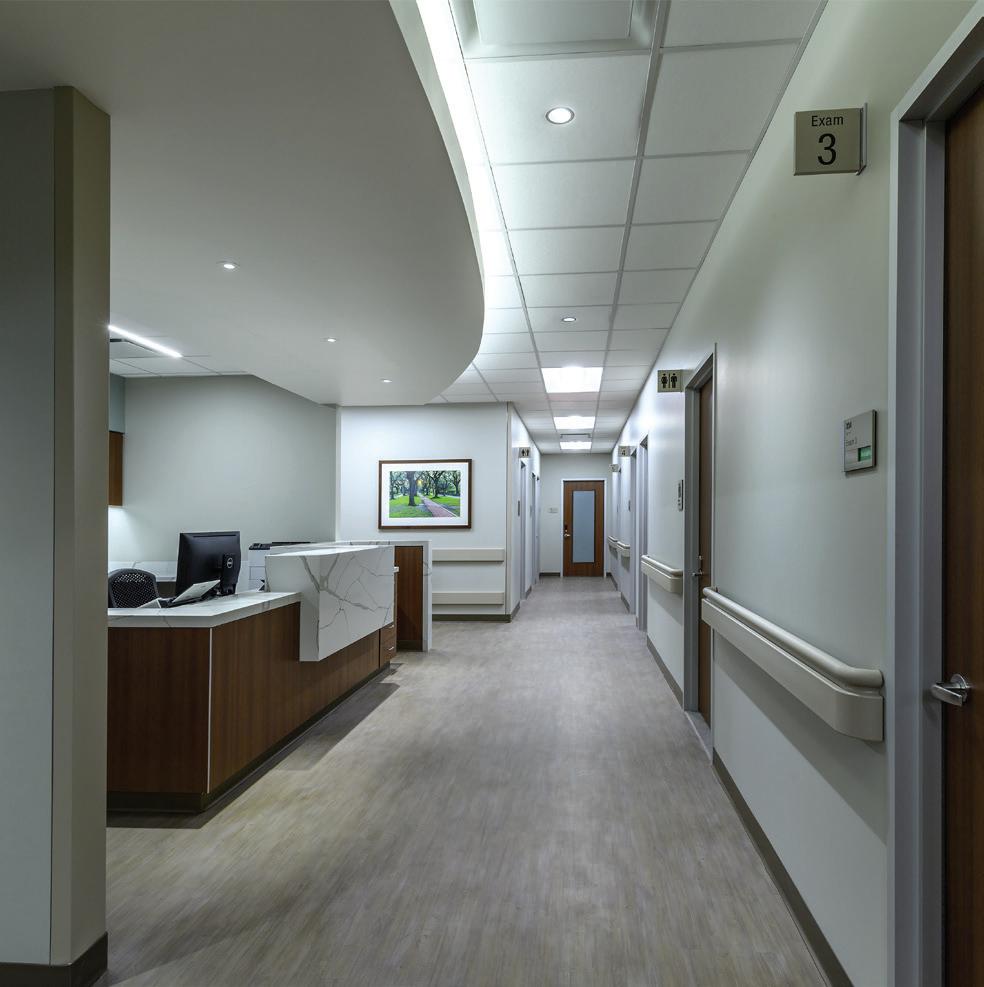
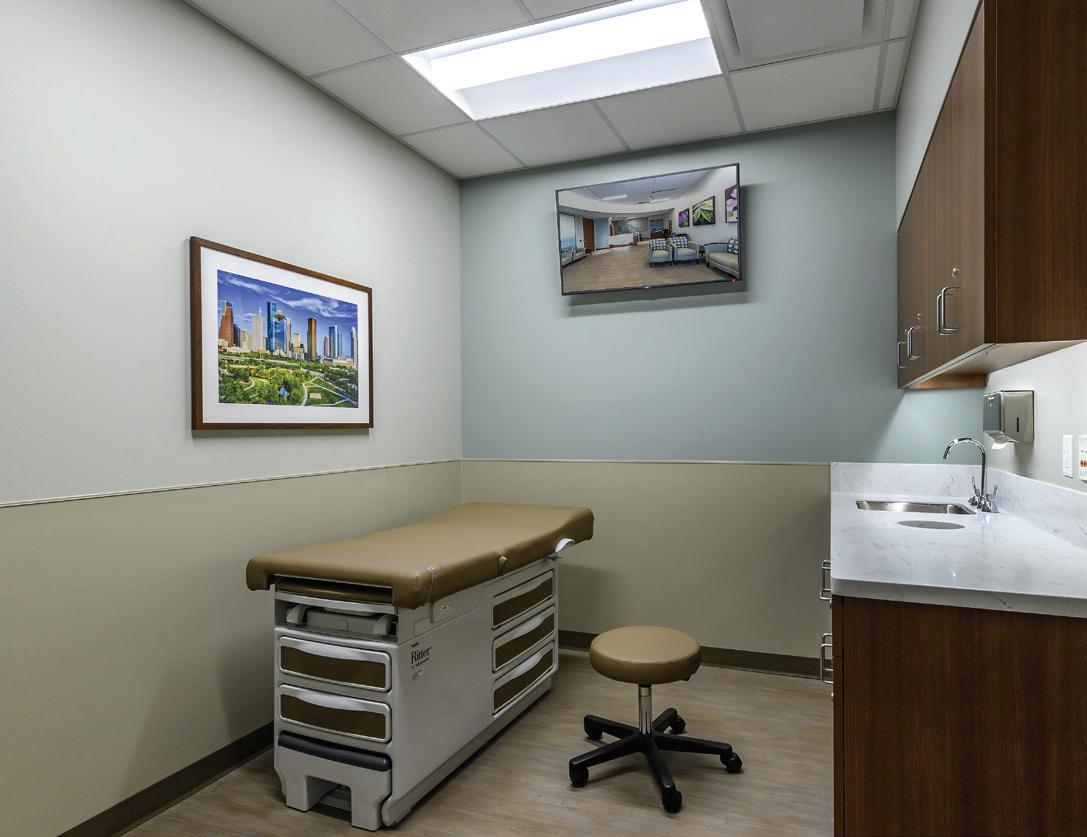
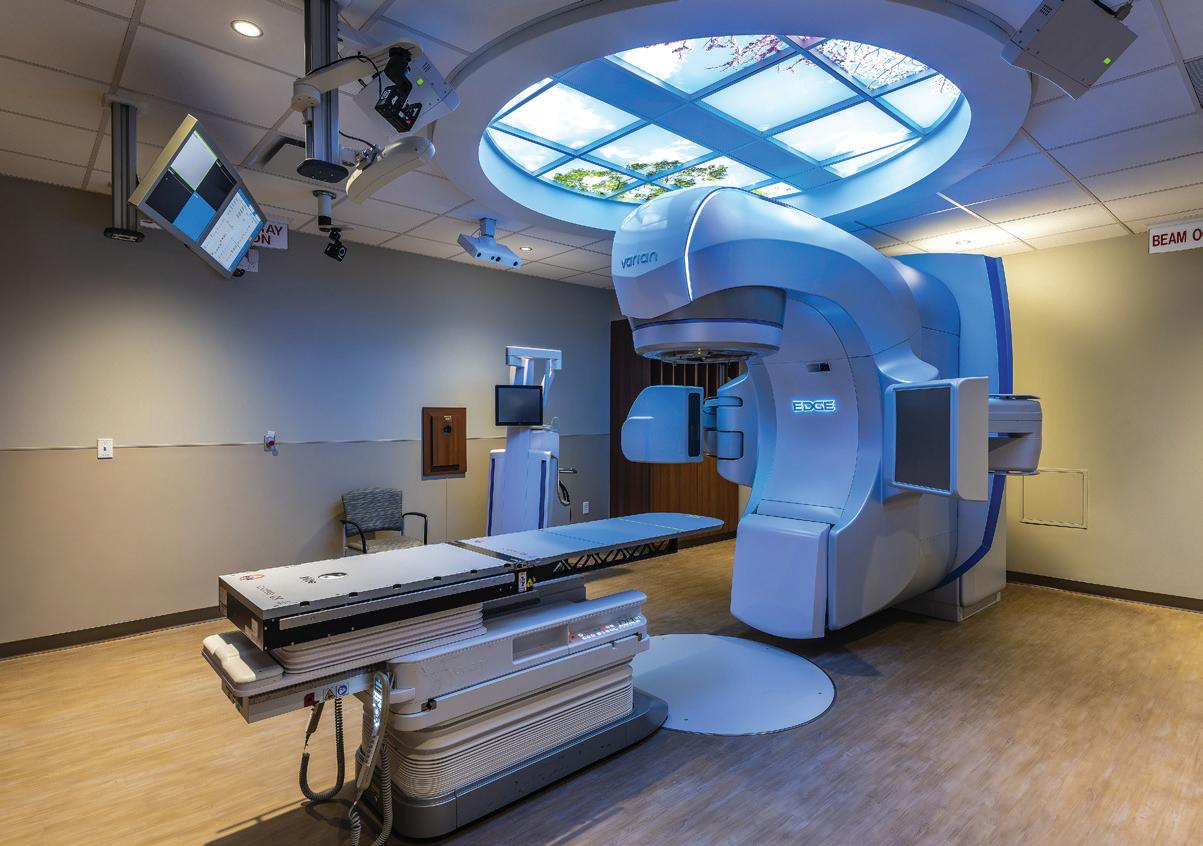
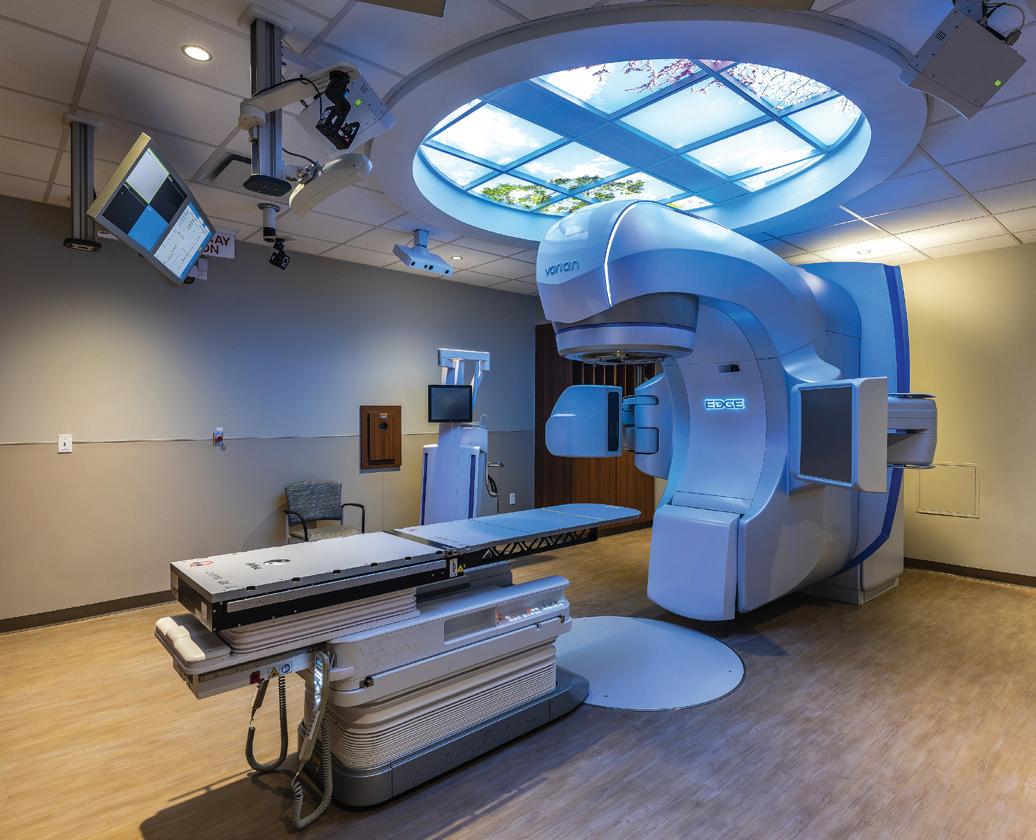
The goal of this project was to improve patient treatment by expanding services offered. It consisted of 9,517 SF of interior renovation and expansion within the existing suite and adjacent expansion space on levels one and two of the Memorial Hermann Medical Plaza. Work on level 2 consisted of demolition of existing 4,580 SF of lease space to create new exam rooms, procedure rooms, nurse station, physician offices, waiting area, and new stair access to level 1. Work on level 1 consisted of demolition of existing 4,937 SF of existing office space, exam rooms, dressing rooms, waiting rooms to create a new Linear Accelerator Vault #2 (Varian) with control room, clean storage, soiled holding, staff restroom, patient restrooms, staff workstations, and waiting area. All work was performed while adjacent Linear Accelerator Vault #1 was actively treating patients. The Clinic remained open during all phases of construction.
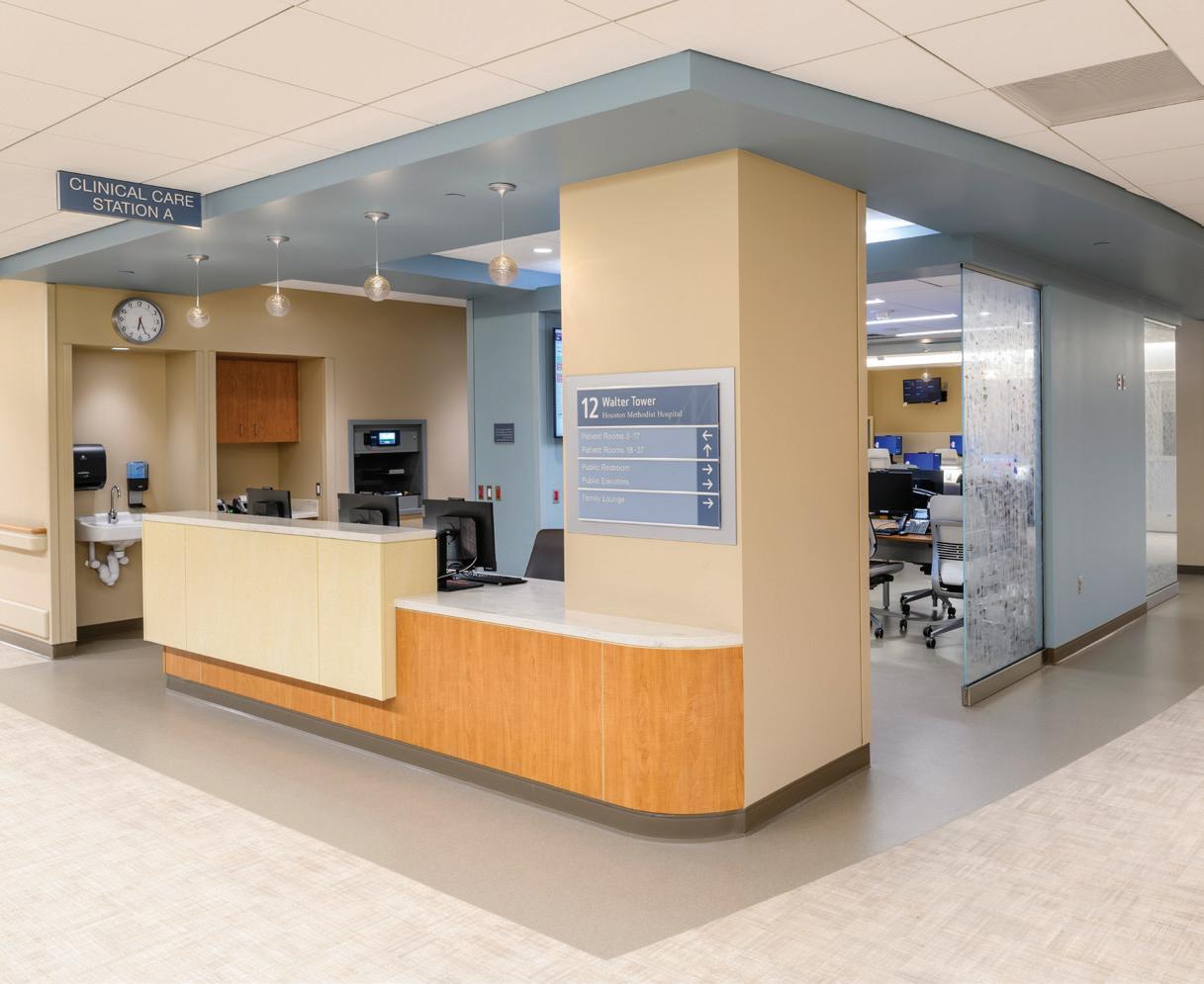
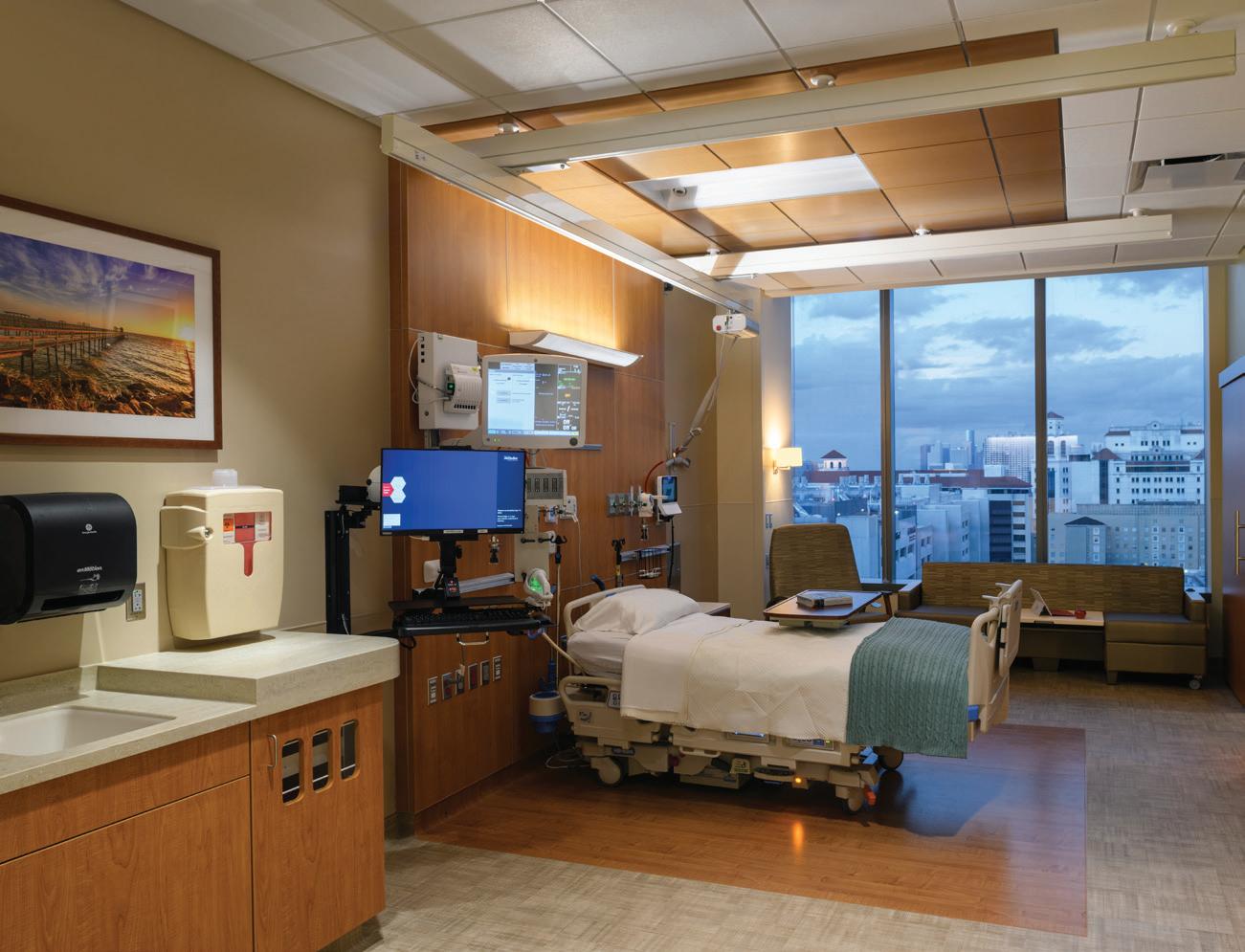
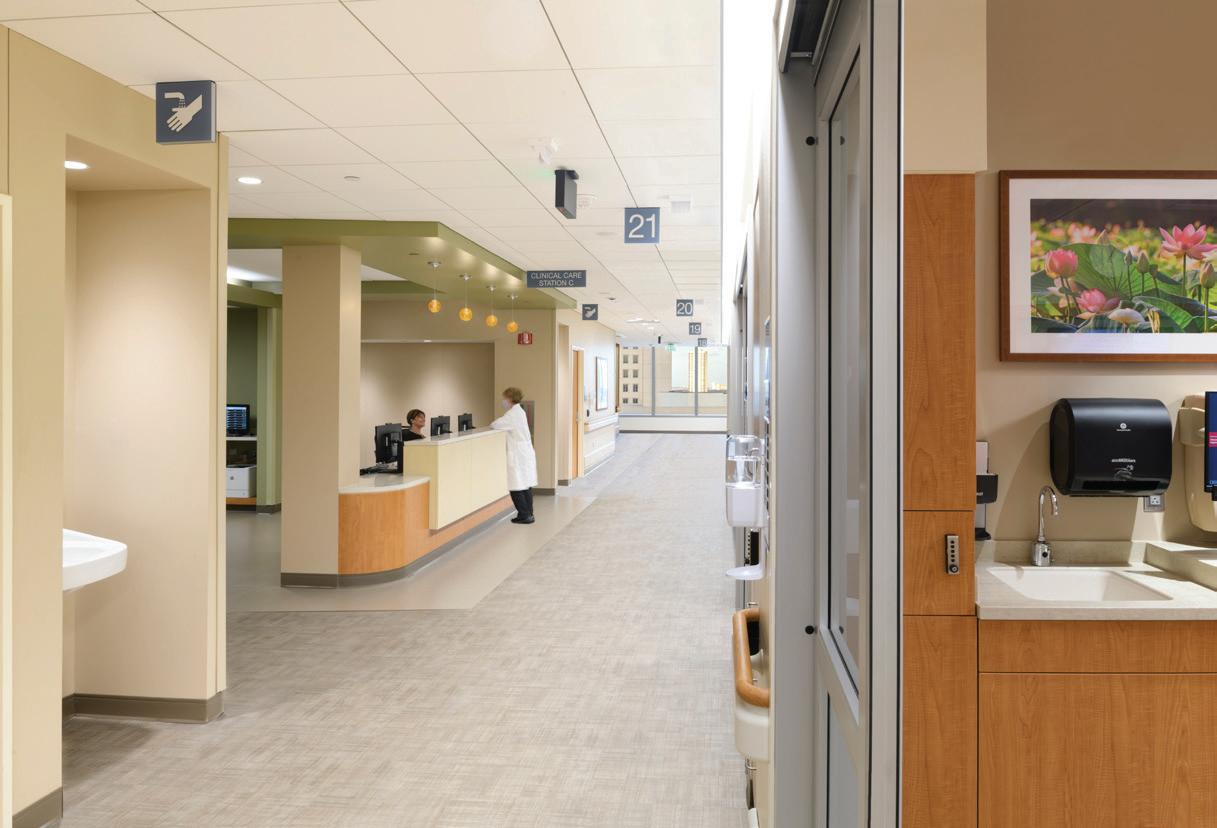
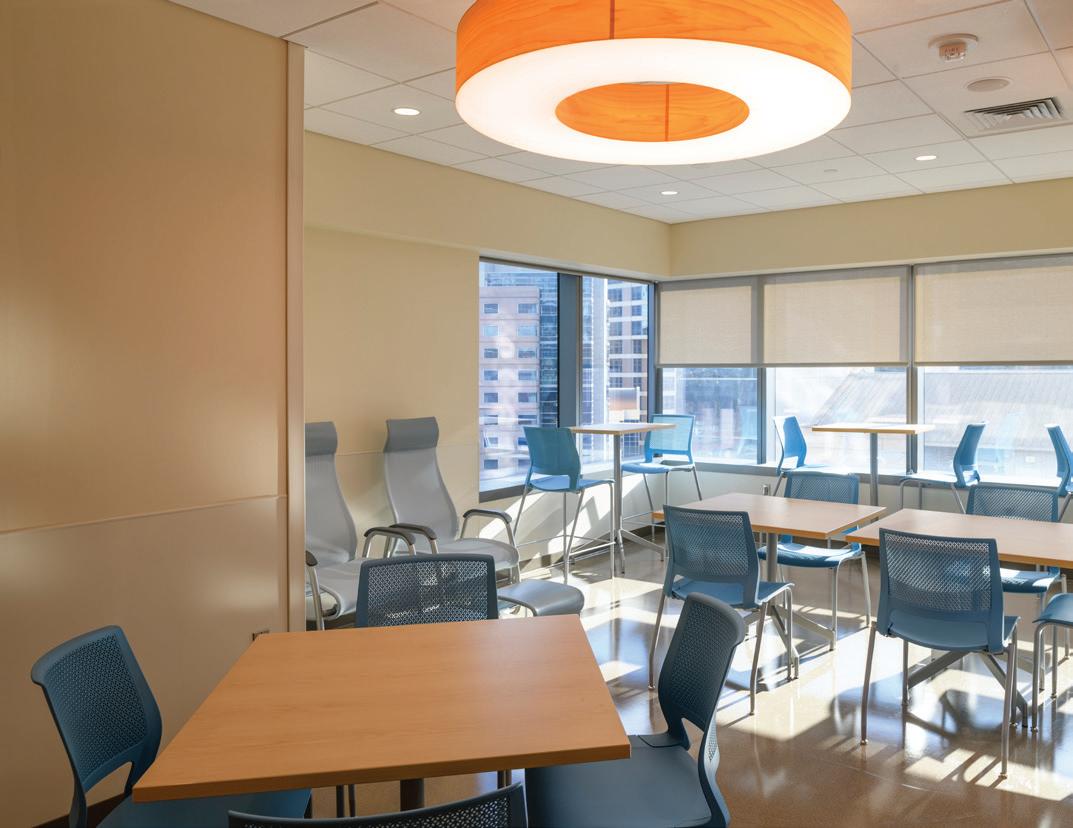
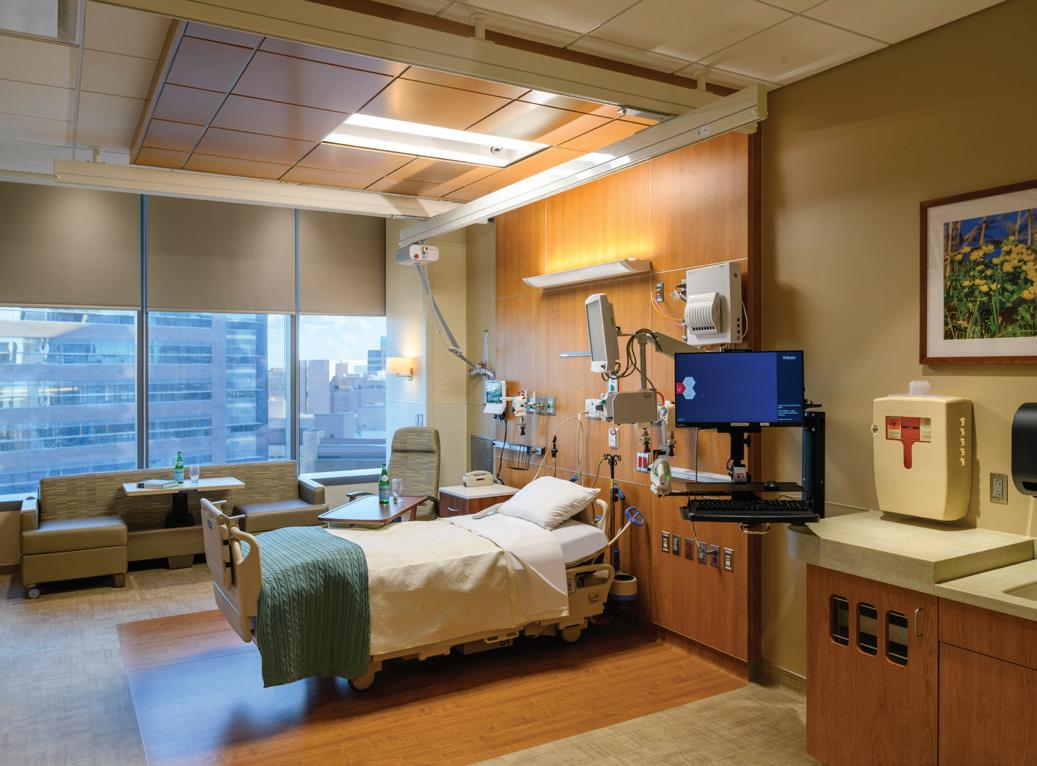
Walter Tower Level 12 is a 40,750-SF Universal Care Unit consisting of 36 patient rooms and support spaces with finishes congruent with other areas of Walter Tower. Level 12 was formerly shell space with all major utilities built to the space. The floors above and below were fully occupied patient spaces (Level 11 is a Neurological ICU; Level 14 is a Bone Marrow Transplant unit). Due to the ongoing operations of the floors and high acuity level of the patients, minimal disruption was essential. Some access to these floors and other areas of the hospital were required but was minimized. For continuity of systems in Walter Tower and across campus, some systems noted in the specifications required a specific vendor. These include PEVCO – pneumatic tube, Schneider Electric – building automation, Fire Safe –fire alarm, Walker Low Voltage – overhead paging, Rauland Borg Responder 5 – nurse call, ETS – medical gas testing. “The Walter Tower Level 12 Build Out was a great opportunity to develop a new relationship between Houston Methodist Hospital and Bellows. Transparent communication and the ability to react to user requests and challenges related to the COVID-19 pandemic enabled Bellows to deliver a successful project and provide a much needed intensive care unit for the hospital”, said Abigail Follmar AIA, Jacobs Project Manager.
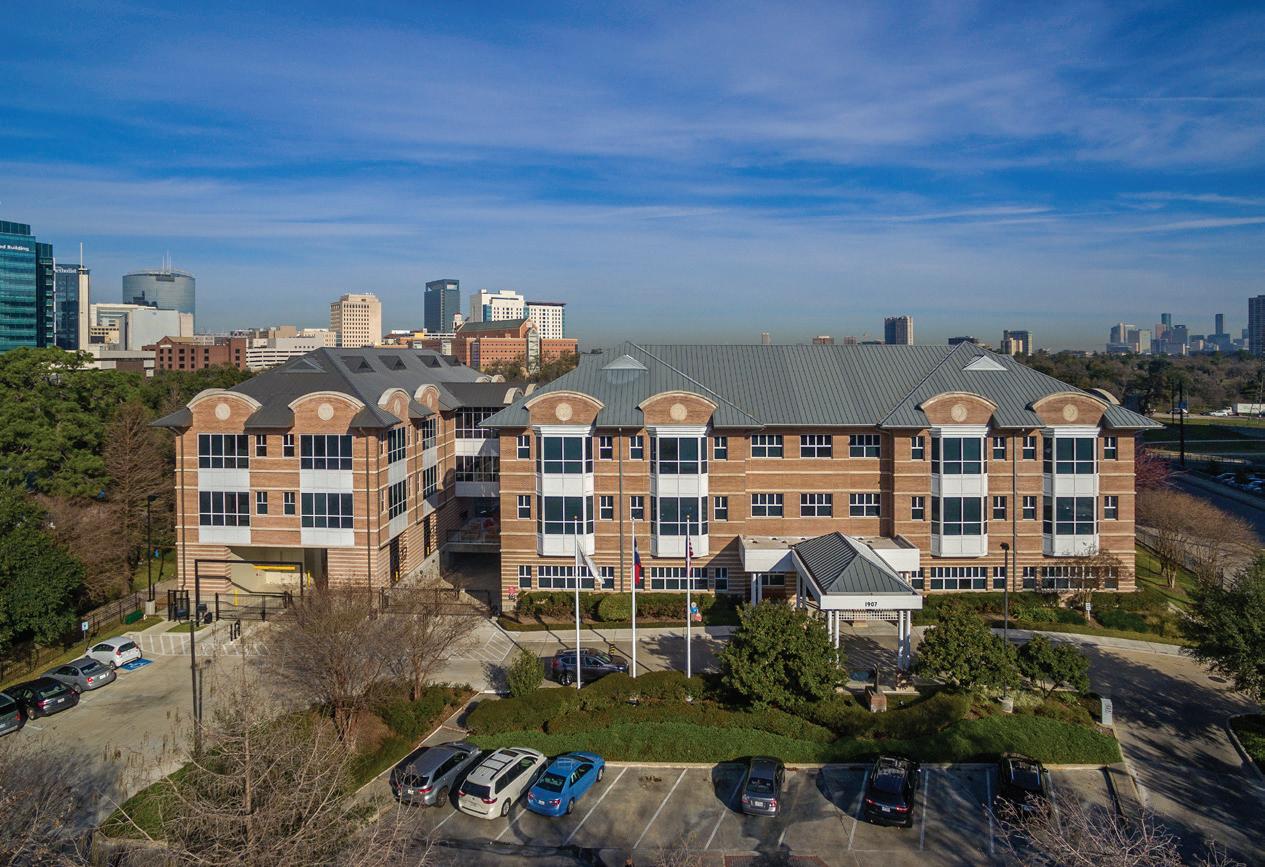
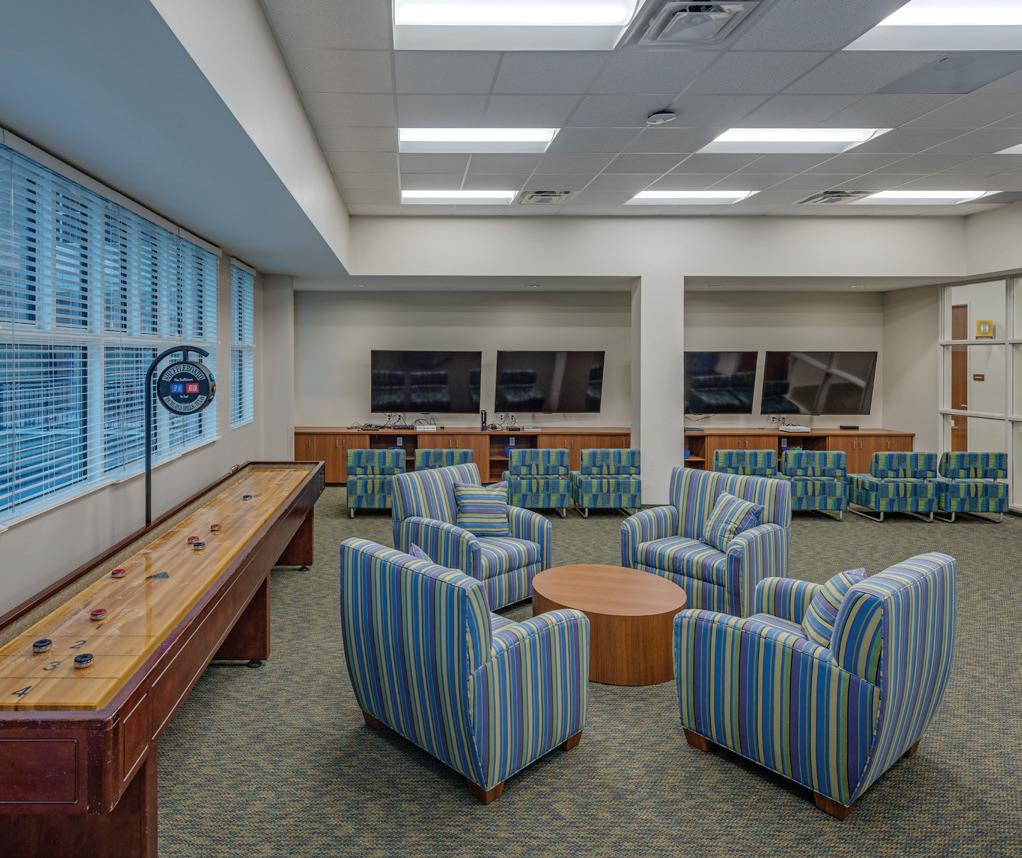
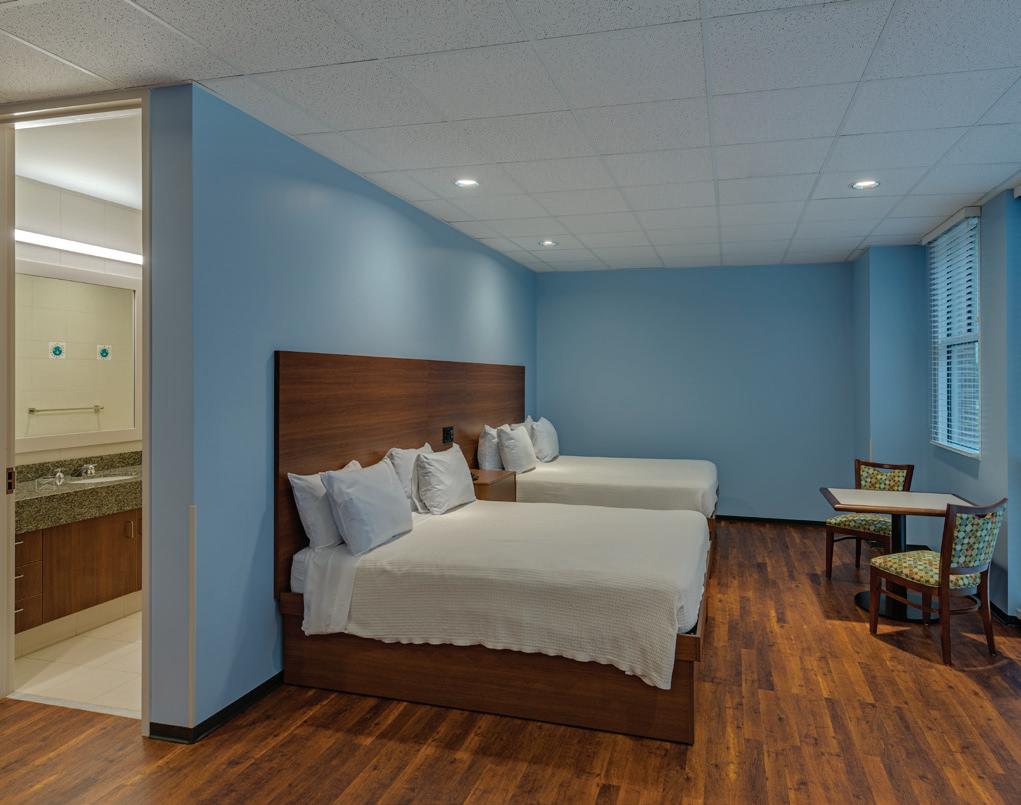
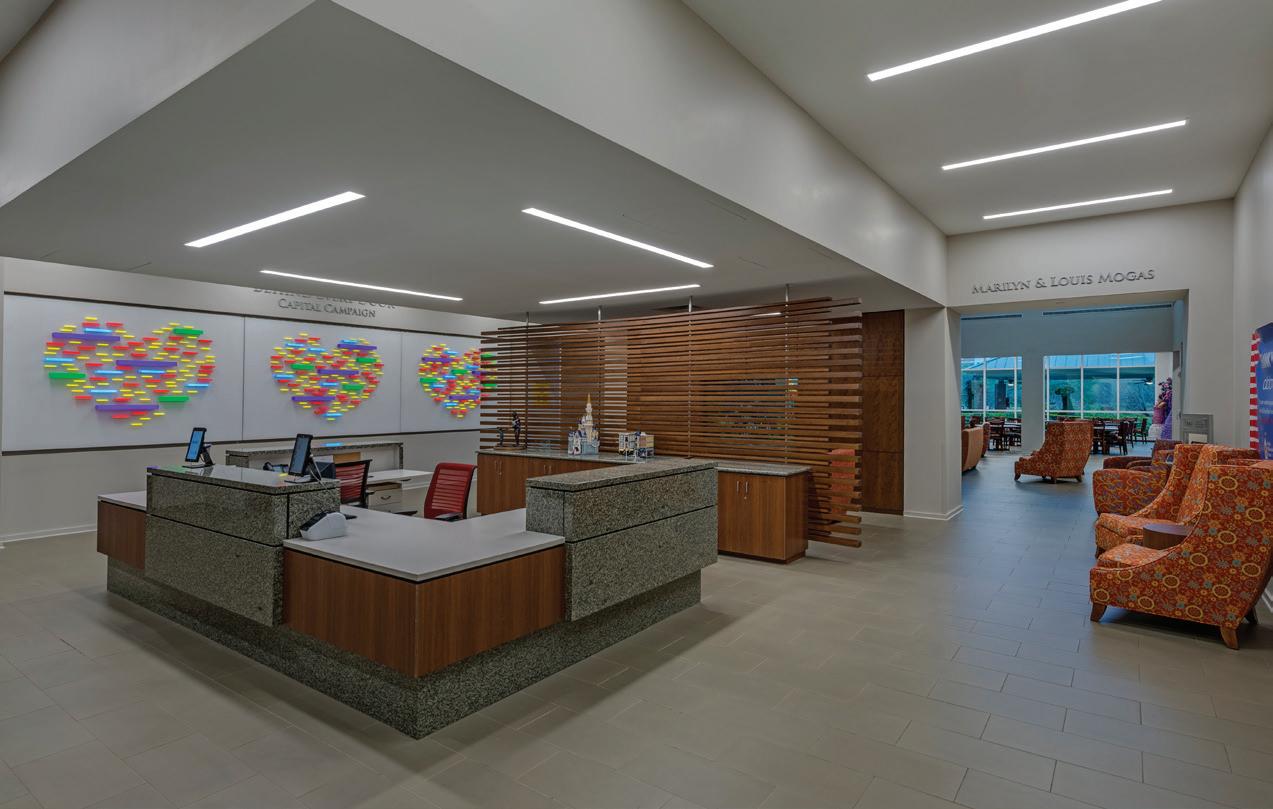
The Ronald McDonald Houston Charities’ Behind Every Door three-phased renovation project addressed an increasing need to provide a home away from home to a growing number of families seeking medical care for their critically-ill children, upgraded infrastructure, and a reconfigured floor plan. The ribbon-cutting ceremony on September 27, 2018 unveiled the renovated 50,000-SF flagship building, also built by Bellows, and the newly-built 16,000-SF two-story tower. The first phase involved constructing a new two-story building over an existing surface parking lot. The expansion added 20 new bedrooms. The second phase included the renovation of the 50,000-SF original building with updates to critical infrastructure, including HVAC/mechanical, electrical, plumbing, and structural elements. With backup generators, among other features, Holcombe House has the capability to keep its residents comfortable and safe if an outage occurs. The renovation included a new feature wall that extends from the first floor to the ceiling of the three-floor lobby. A larger kitchen with high-end appliances was added to better serve the families and volunteers. New playrooms and sports rooms as well as a fully-dedicated classroom were also refreshed. To increase energy efficiency, all of the existing curtainwall glass and punched windows were retrofitted with glazing pocket extrusions and new insulated glass was installed. For the third phase, the 50 existing bedrooms were demolished down to bare studs, revamped, and now feature new flooring, millwork, and tile work as well as updated appliances, fixtures, and technological upgrades.
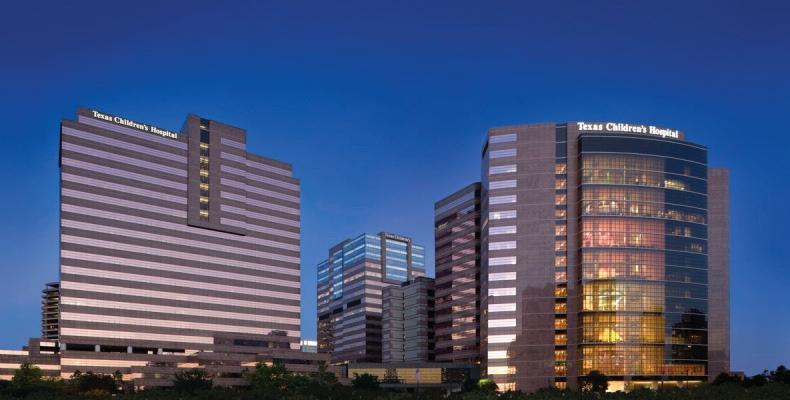
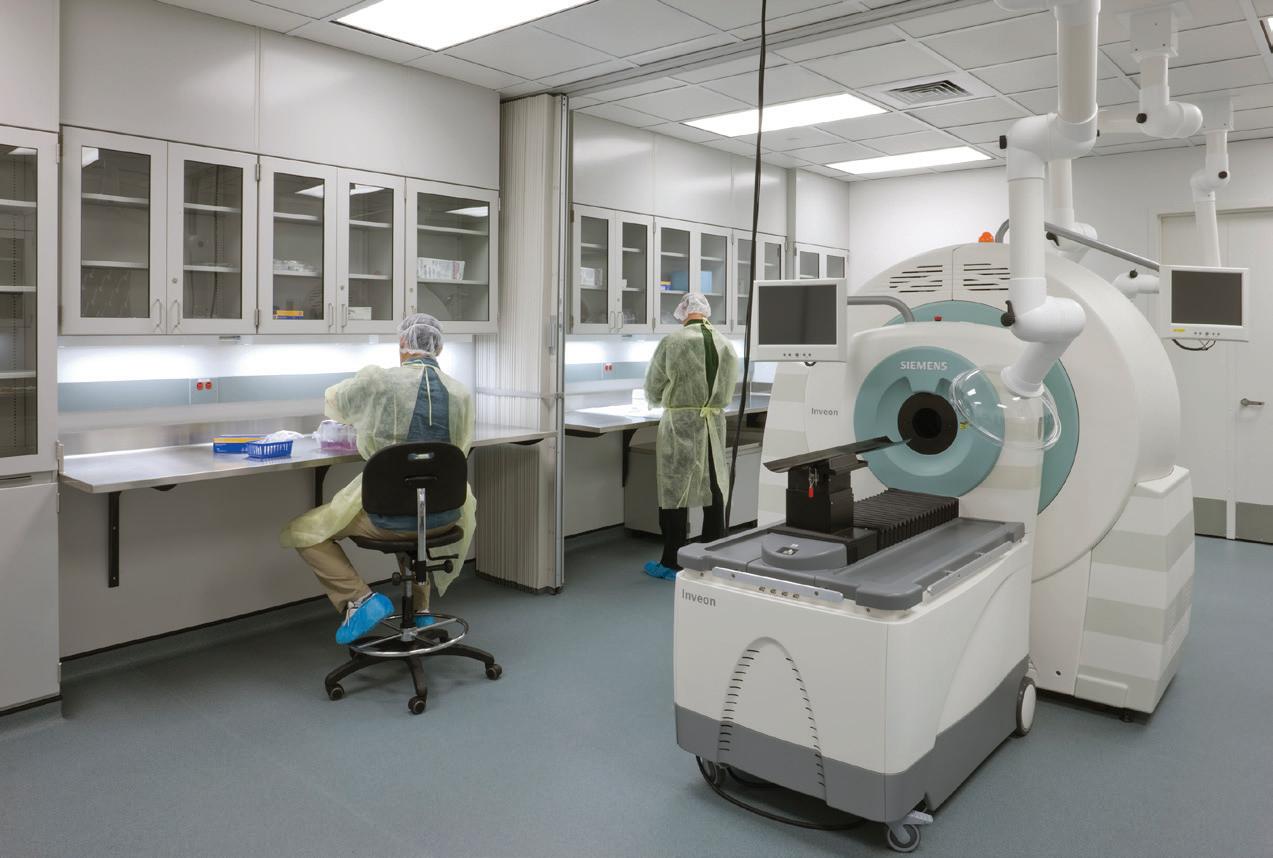
Bellows has done continuous work for Texas Children’s Hospital from 1989 to the present. Earlier projects include the West Tower and Vertical Expansion, Meyer Building, Feigin Center and Vertical Expansion, and Mark Wallace Tower. In addition to the new construction we have performed, Bellows has also completed 5,000+ renovation projects on campus. We have done every type of work imaginable, from small remodeling to multi-story projects, including laboratories, pharmacies, operating rooms, intensive care units, in vitro fertilization clinics, bone marrow transplant units, catheterization laboratories, MRI rooms, C7 Rooms, and patient rooms. We have added floors on top of existing operating buildings, completed freestanding buildings and excavated four stories into the ground for one building - a feat that had never been accomplished in the Texas Medical Center. At Texas Children’s Hospital we can honestly boast that we have worked over, under, against, between and within various spaces.
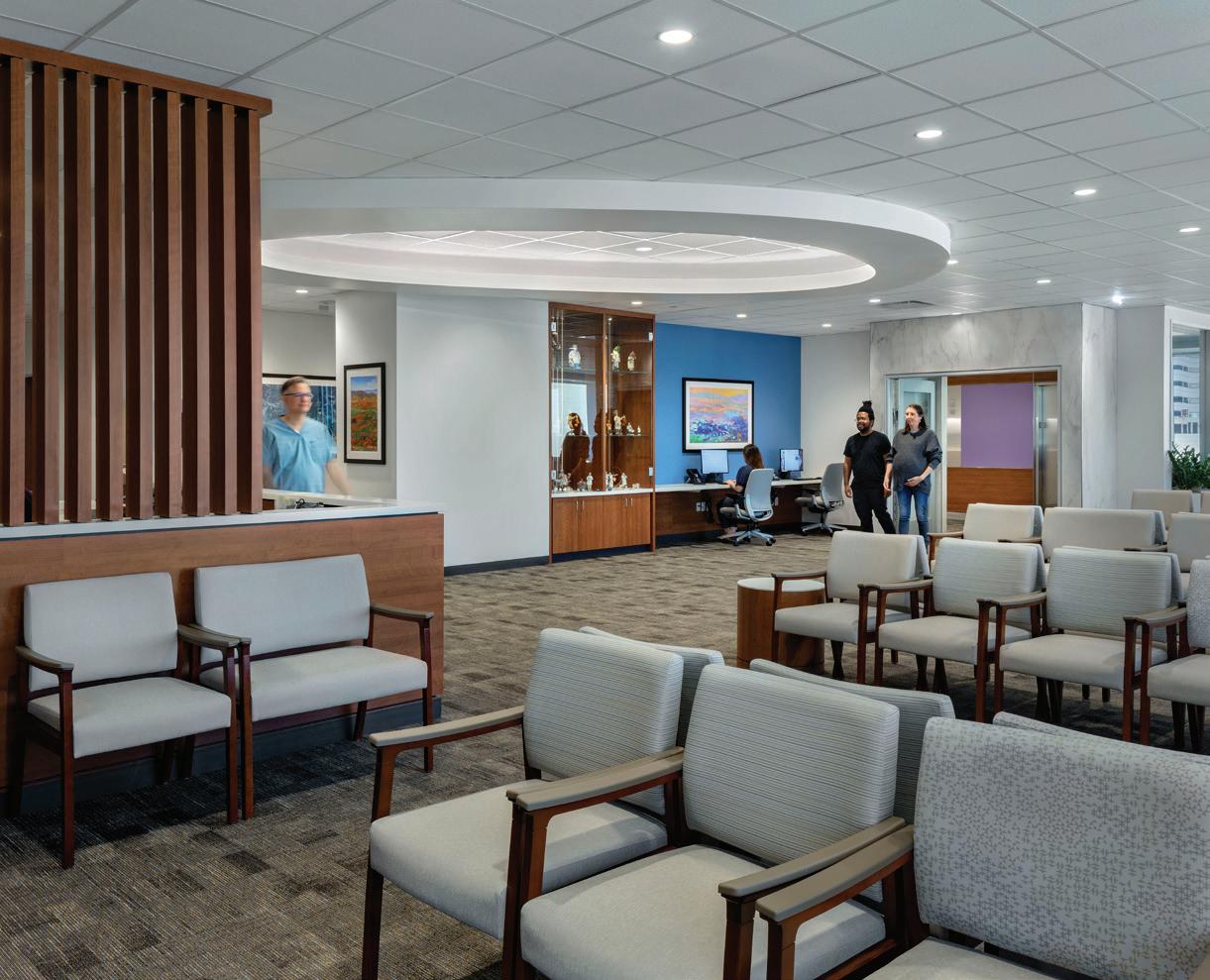
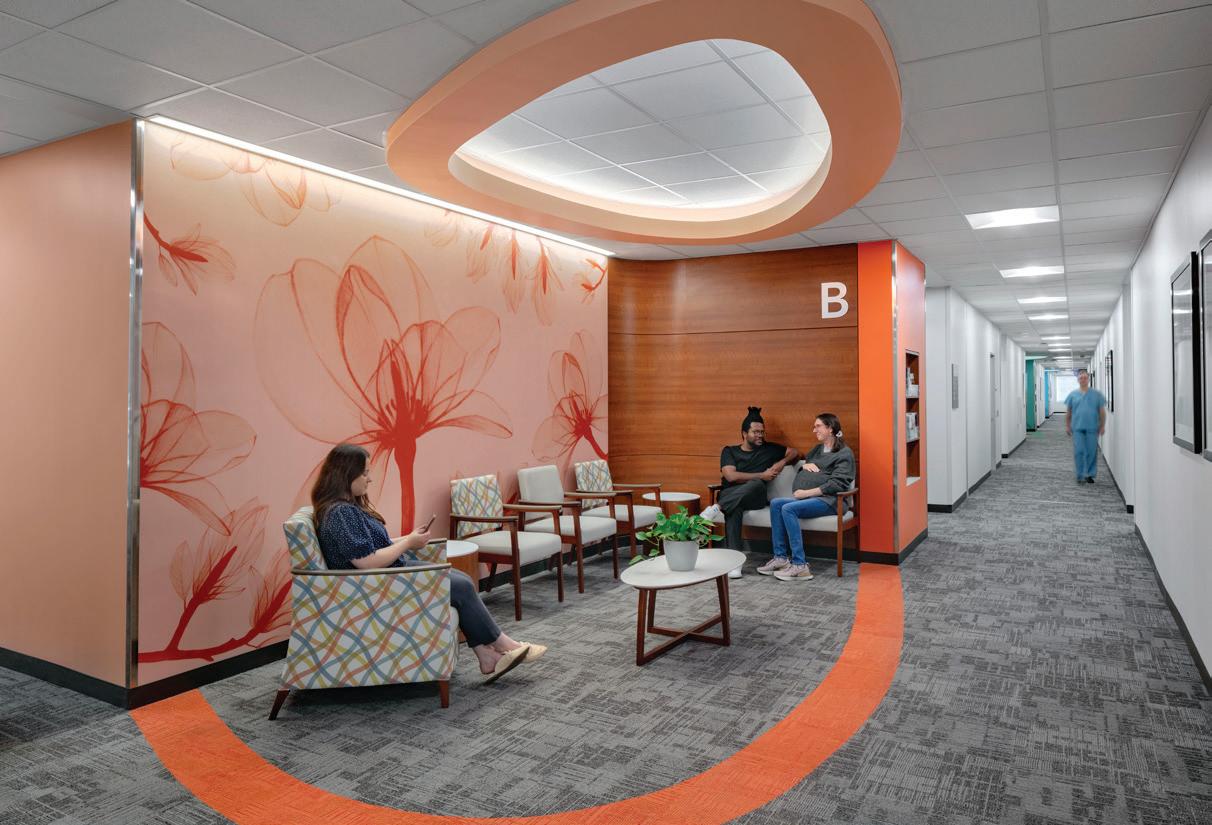
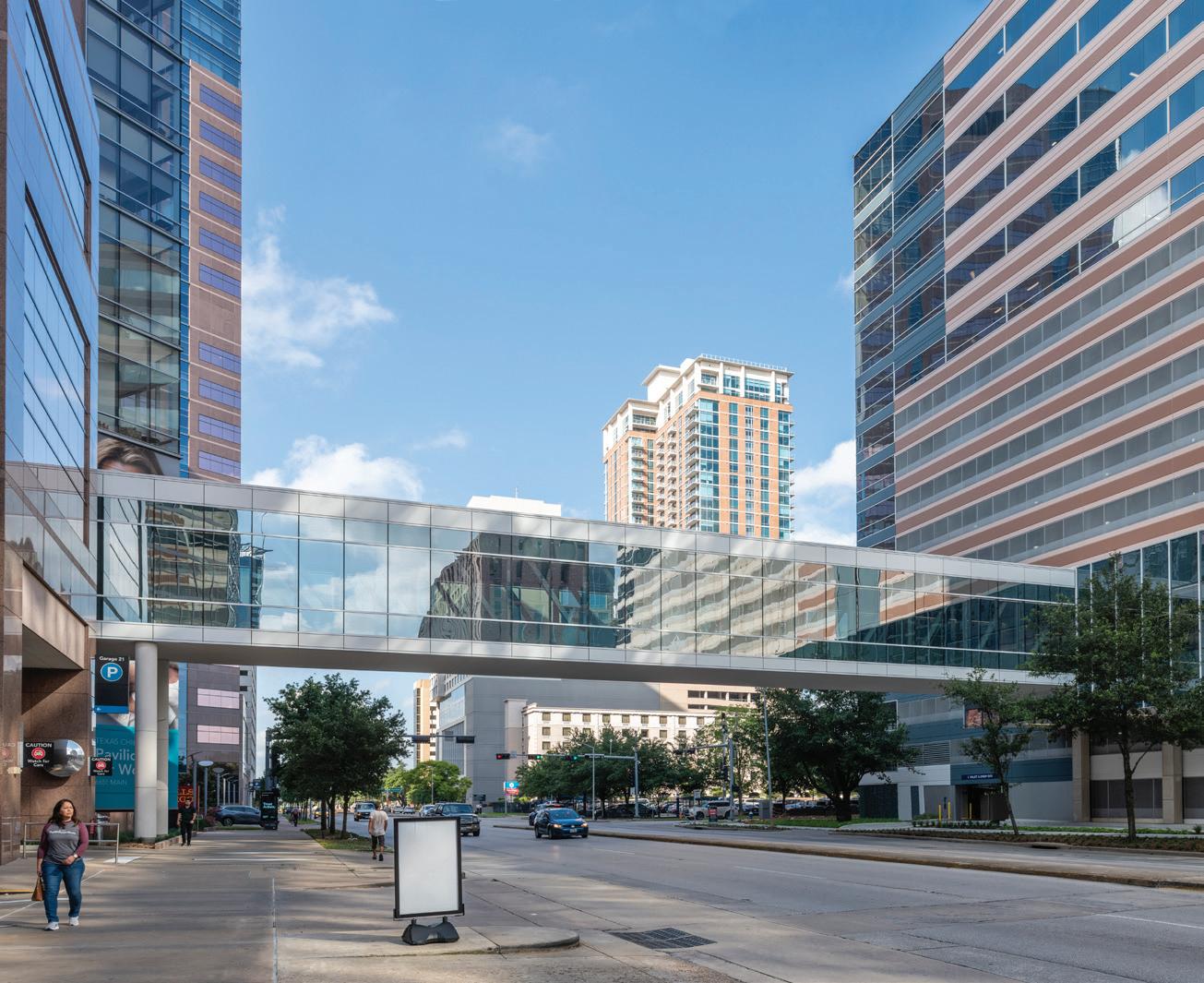
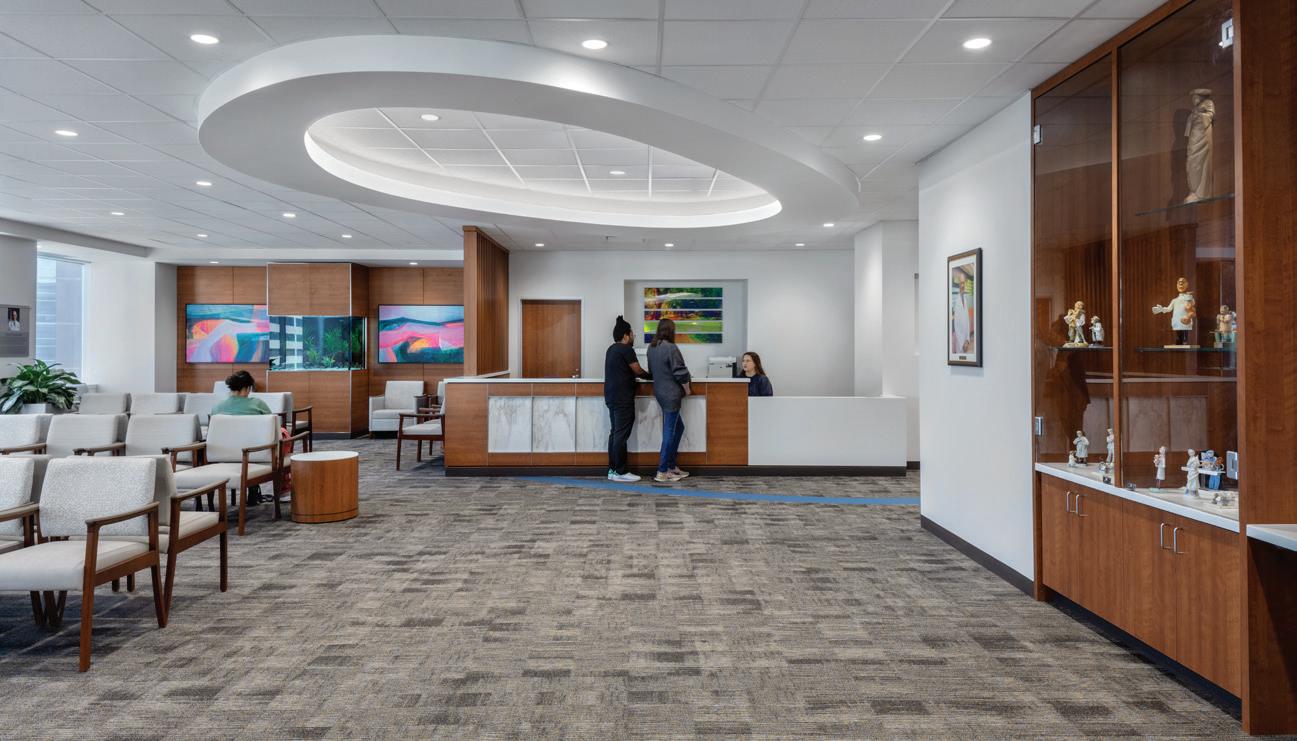
Bellows Construction transformed the former Baylor Clinic through a 143,000,000-SF renovation and 7,700-SFskybridge addition. The new tower, connected to the Pavilion for Women via the newly built skybridge, houses outpatient clinics, including The Women’s Specialists of Houston, Partners in OB/GYN Care, and Women’s Physical Therapy. Patients of these clinics will now enjoy expanded waiting areas and exam rooms during their appointments. This 17-month project consisted of a complete demolition and build back of levels 11, 12, and 13 and partial renovation of levels 1 - 10 and 15. The goal for the renovation was to free up space for more labor and delivery beds in the Pavilion for Women. This expansion plan allowed Texas Children’s to increase their delivery volume by about 30% and to have more space for specialized clinics and specific programs that cater to women at every stage of life. The opening of Pavilion Tower II represents the incredible growth in demand for women’s services since Texas Children’s Pavilion for Women opened in 2012.
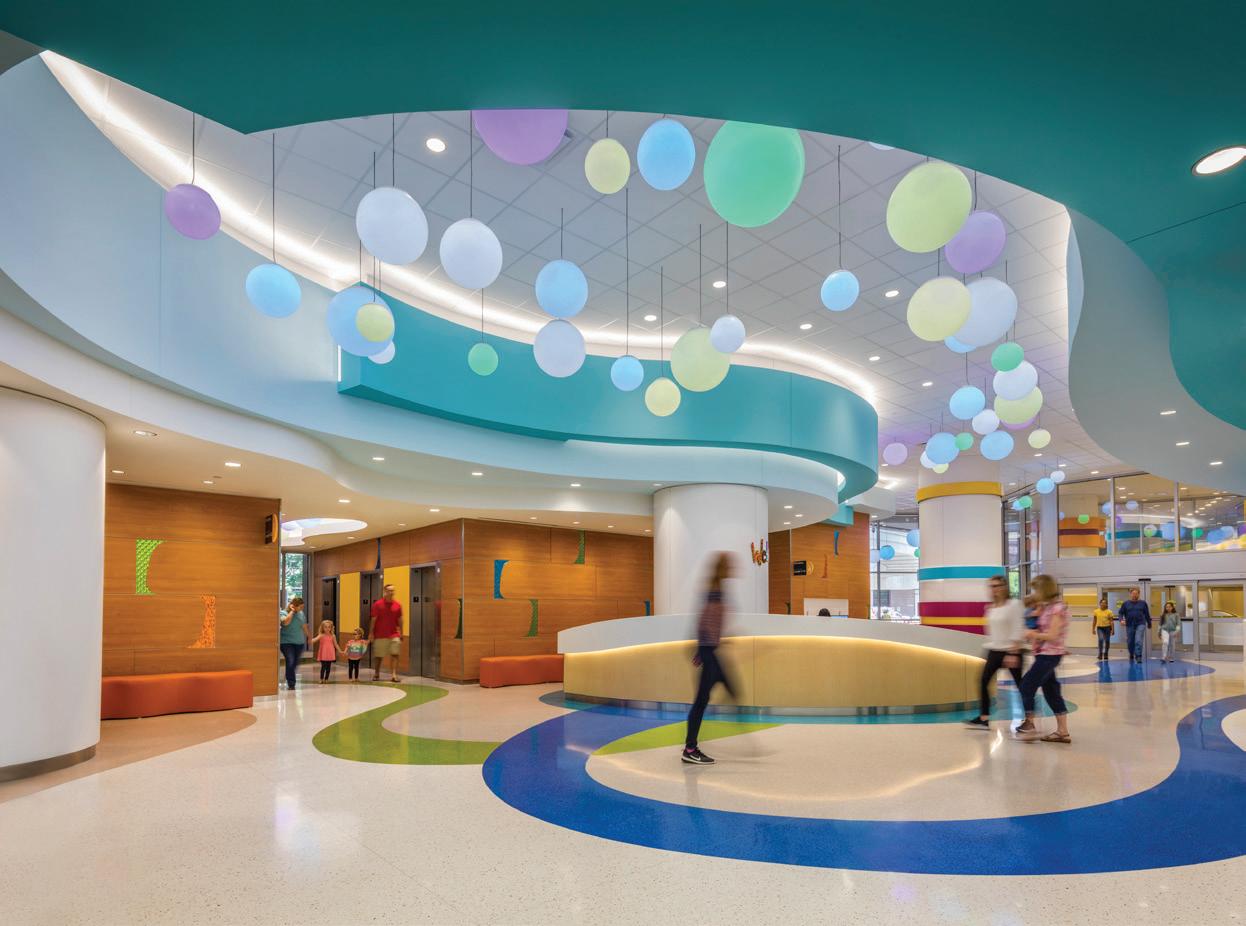
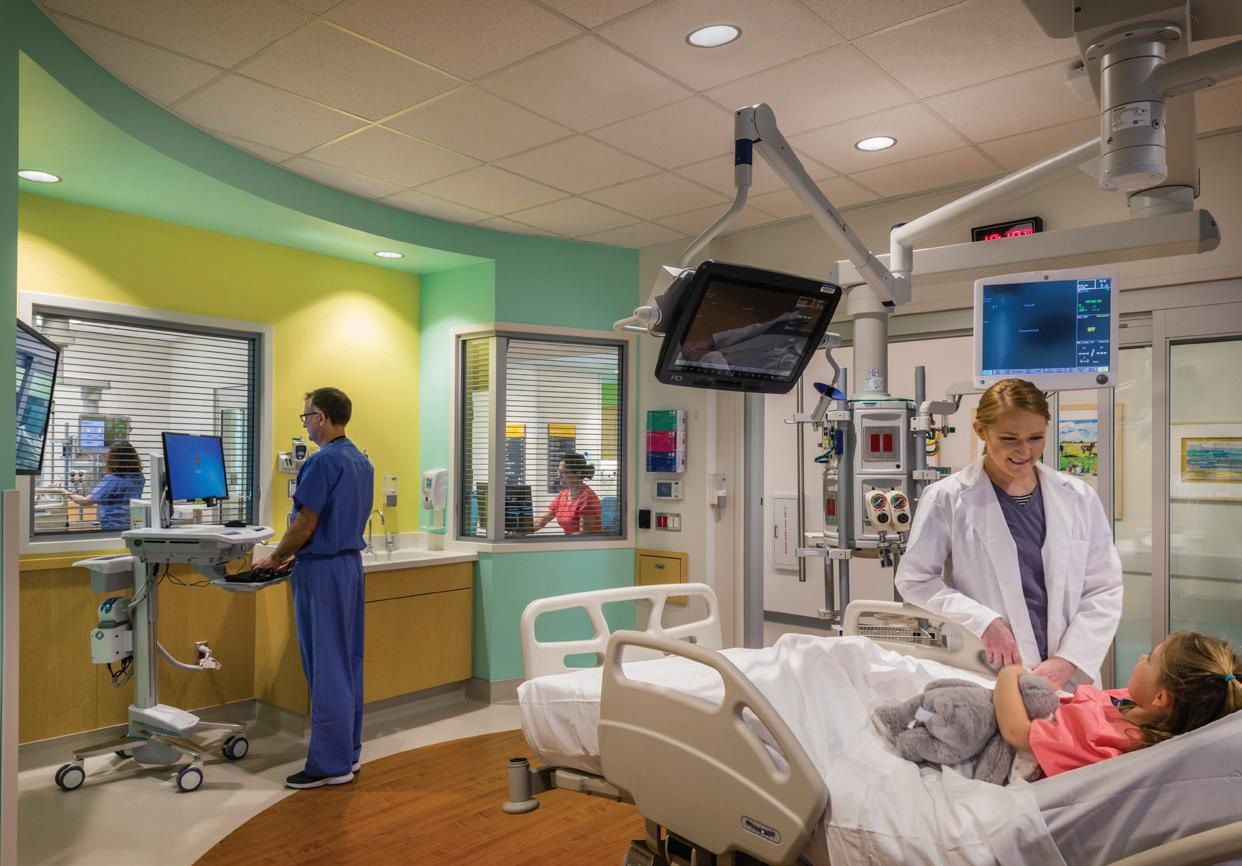
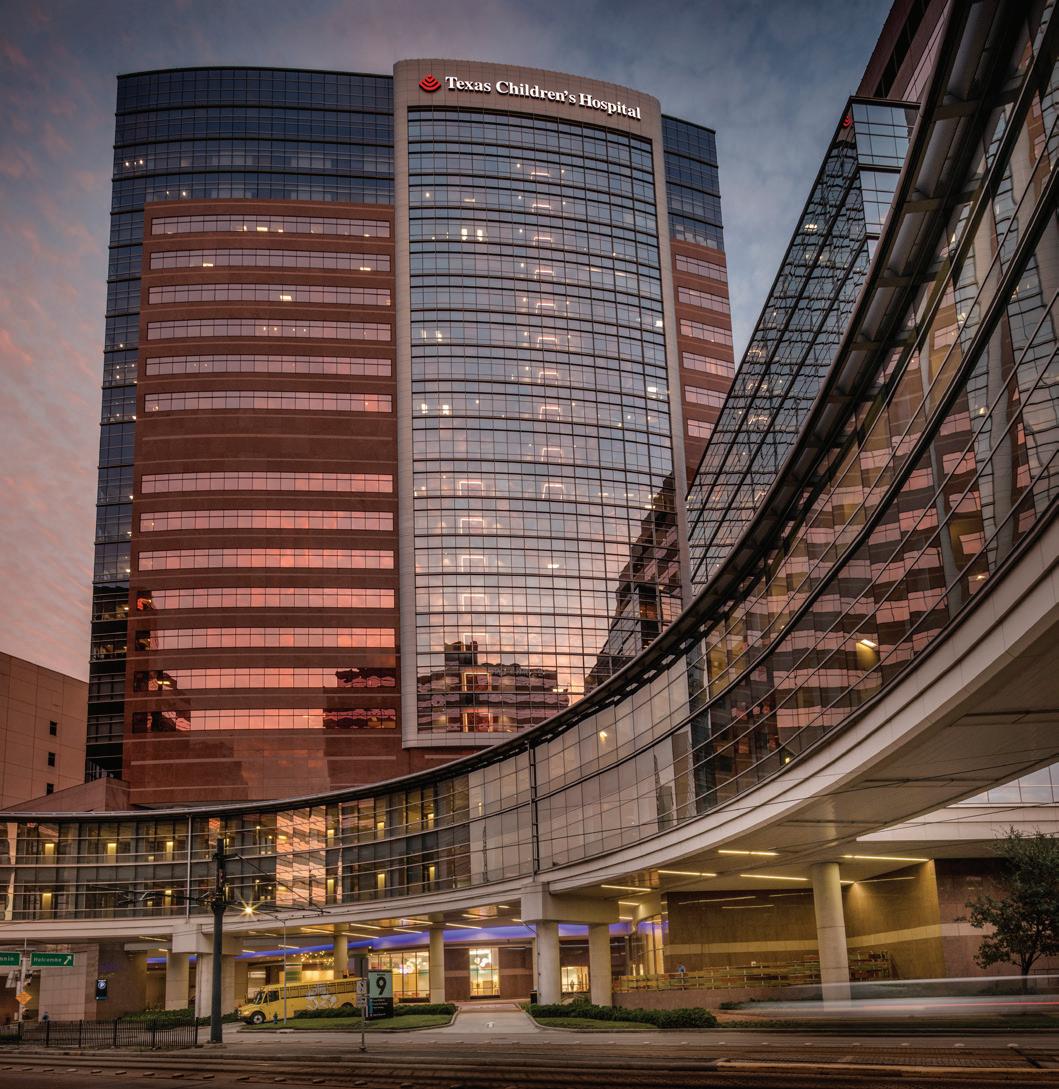
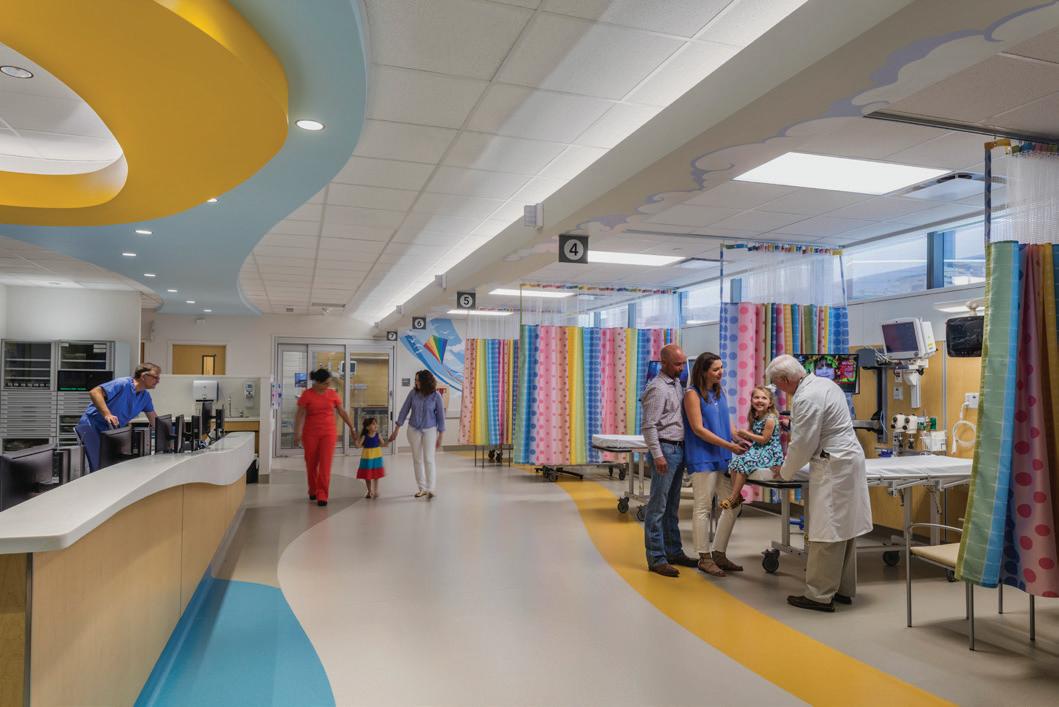
Soaring above the Texas Medical Center campus, the Lester and Sue Smith Legacy Tower, a 400-foot, 19-story vertical expansion, added 640,000 SF atop a fully occupied facility and boldly symbolizes the hospital’s mission to create a healthier future for children. Smith Legacy Tower, equipped with a roof-top helistop, houses new and expanded operating rooms, as well as new pediatric intensive care units (ICU) that span four floors with 84 beds, including dedicated neurological ICU rooms, surgical ICU rooms and a transitional ICU. Smith Legacy Tower is the new home of Texas Children’s Heart Center® – ranked #1 in the nation by U.S. News & World Report in cardiology and heart surgery. The Heart Center includes an outpatient clinic, four catheterization labs, cardiac intensive care units with 48 beds, four cardiovascular operating rooms with an interoperative MRI suite, and 42 cardiology acute care beds. Recognizing the importance of family as part of the healing process, the Smith Legacy Tower balances the need for privacy with critical patient care – expanding the size of the ICU rooms and equipping each patient room with family amenities.
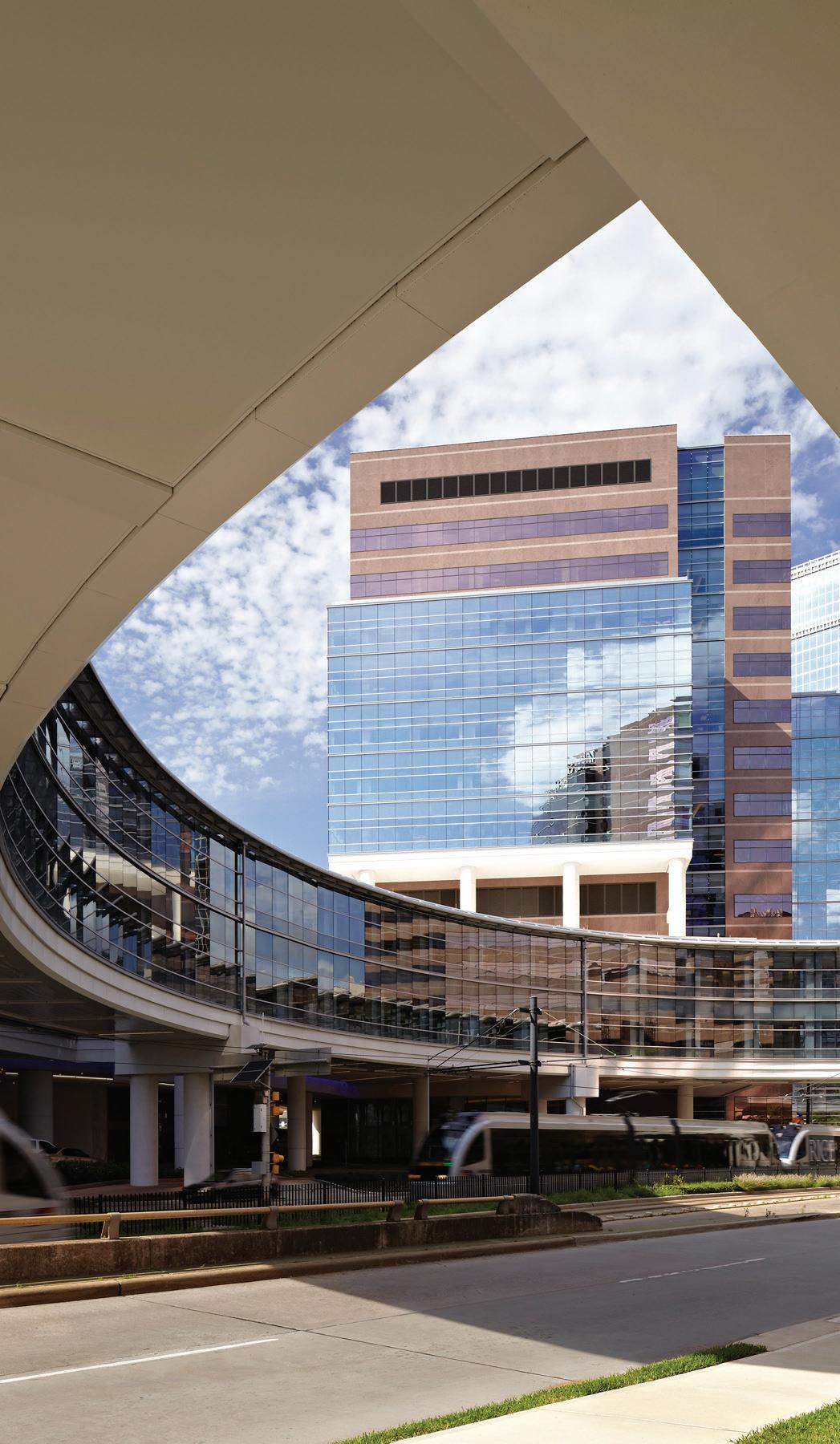
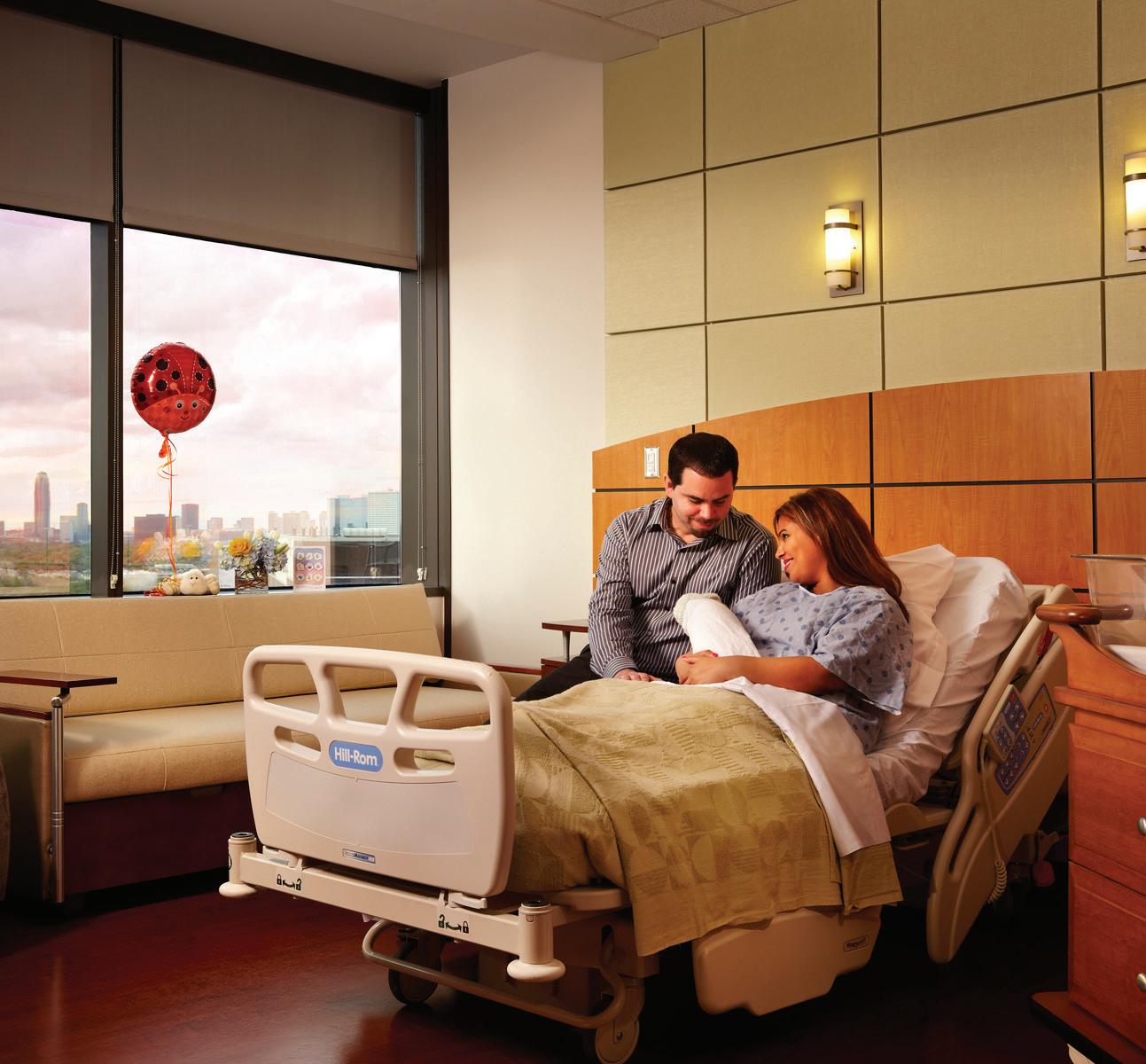
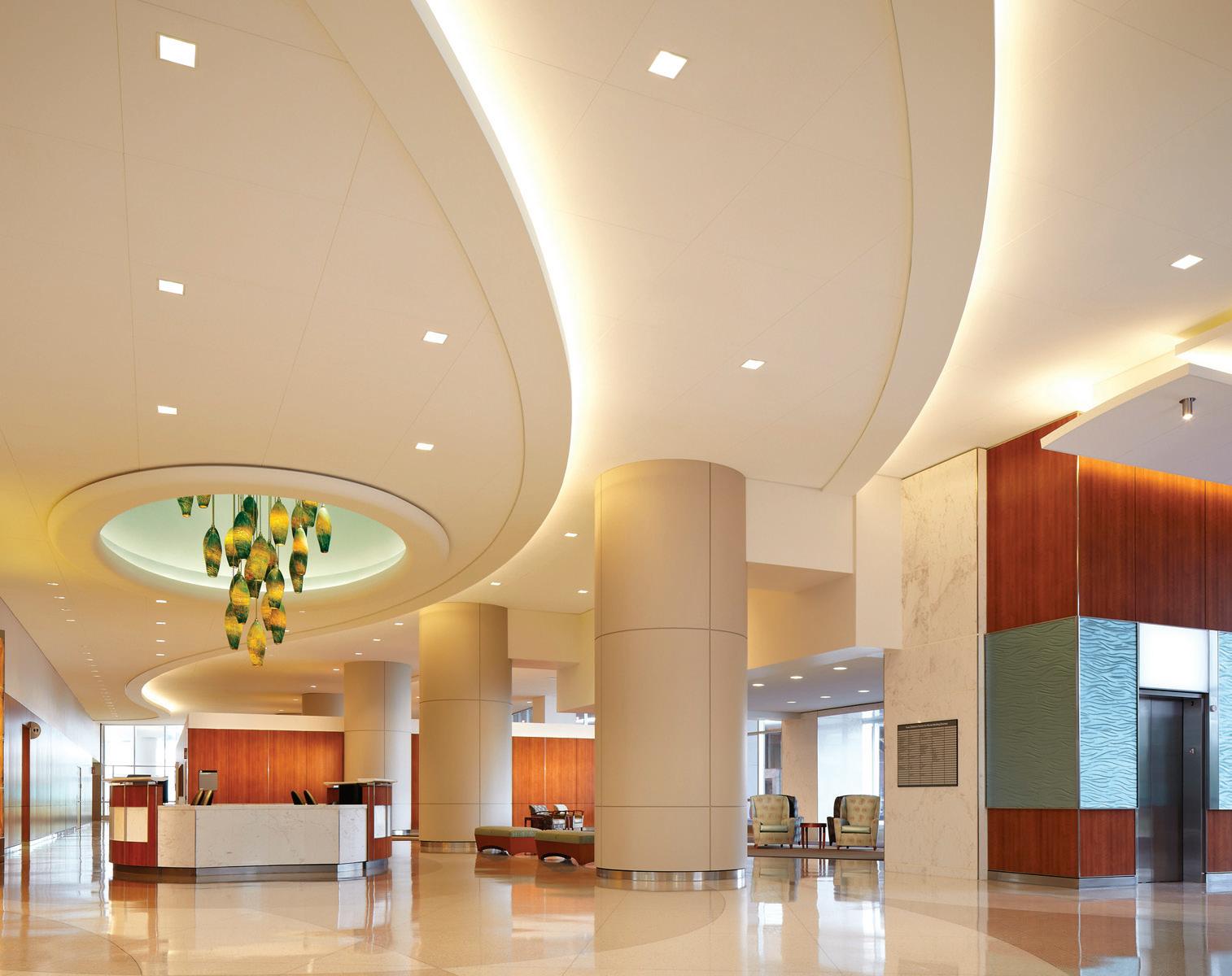
The Texas Children’s Hospital Pavilion for Women is a full-service facility that offers comprehensive care for mothers and babies from preconception to post delivery. Completed in 2013, the 786,000-SF hospital has 16 floors with 102 patient beds and serves patients with high-risk pregnancies in the region and throughout the nation. A 20,000-SF elliptical sky bridge connects the new building with the West Tower and Clinical Care Center, allowing rapid access for additional specialized care. Beyond providing a physical link between buildings, the bridge also serves as a symbol of the full continuum of care available to mothers and their babies at Texas Children’s. The hospital is also equipped with four levels of underground parking for 1,000 cars to serve the growing population of patients, visitors, and staff.
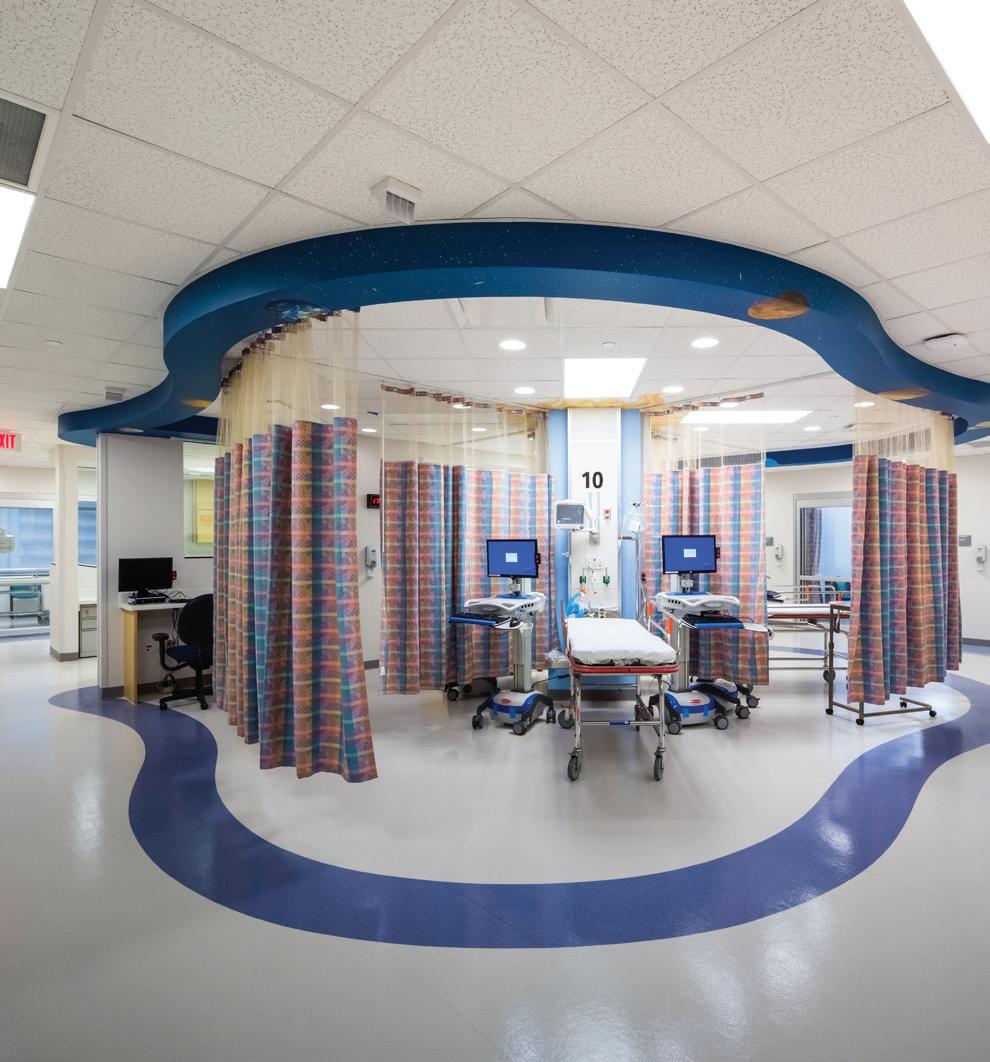
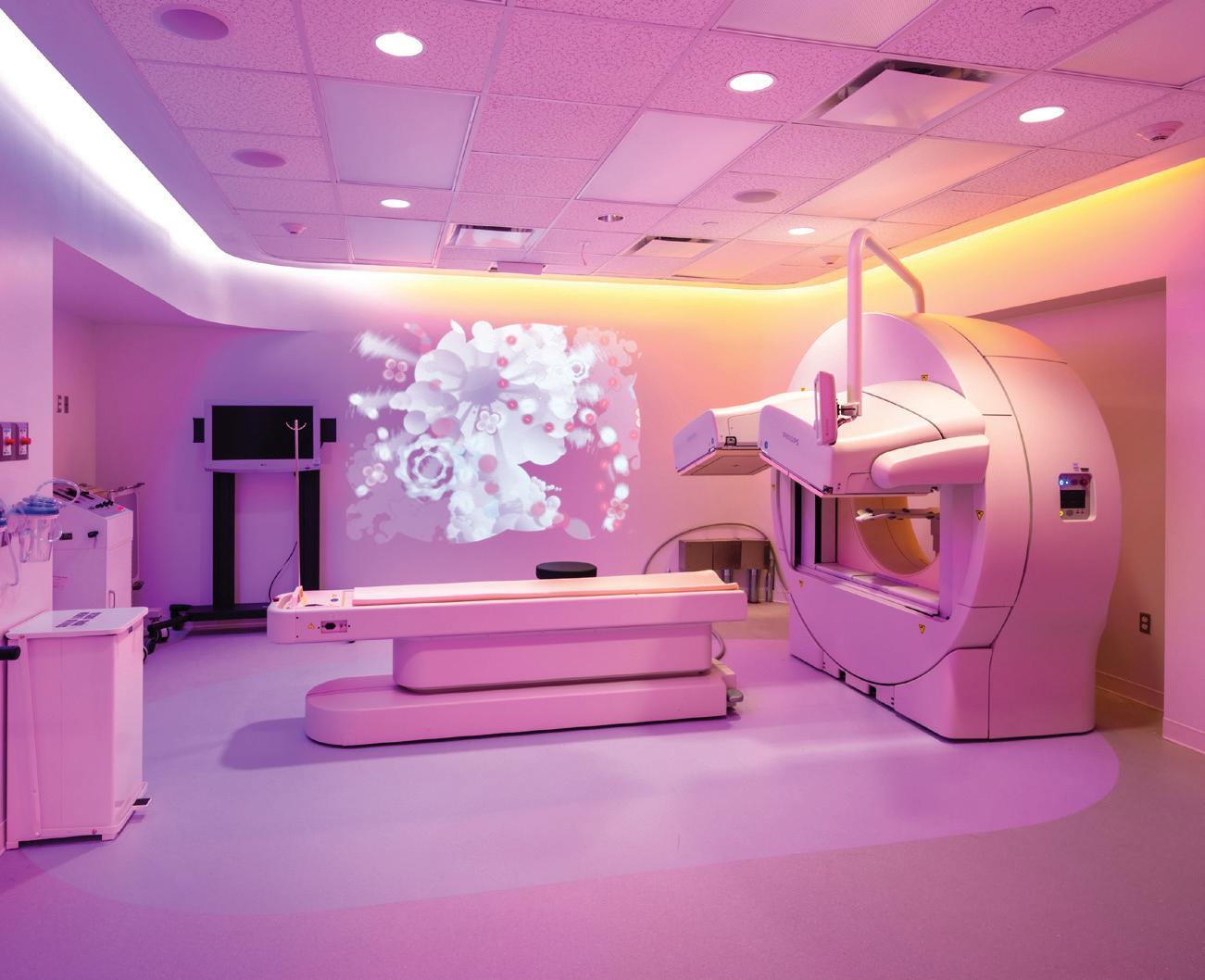
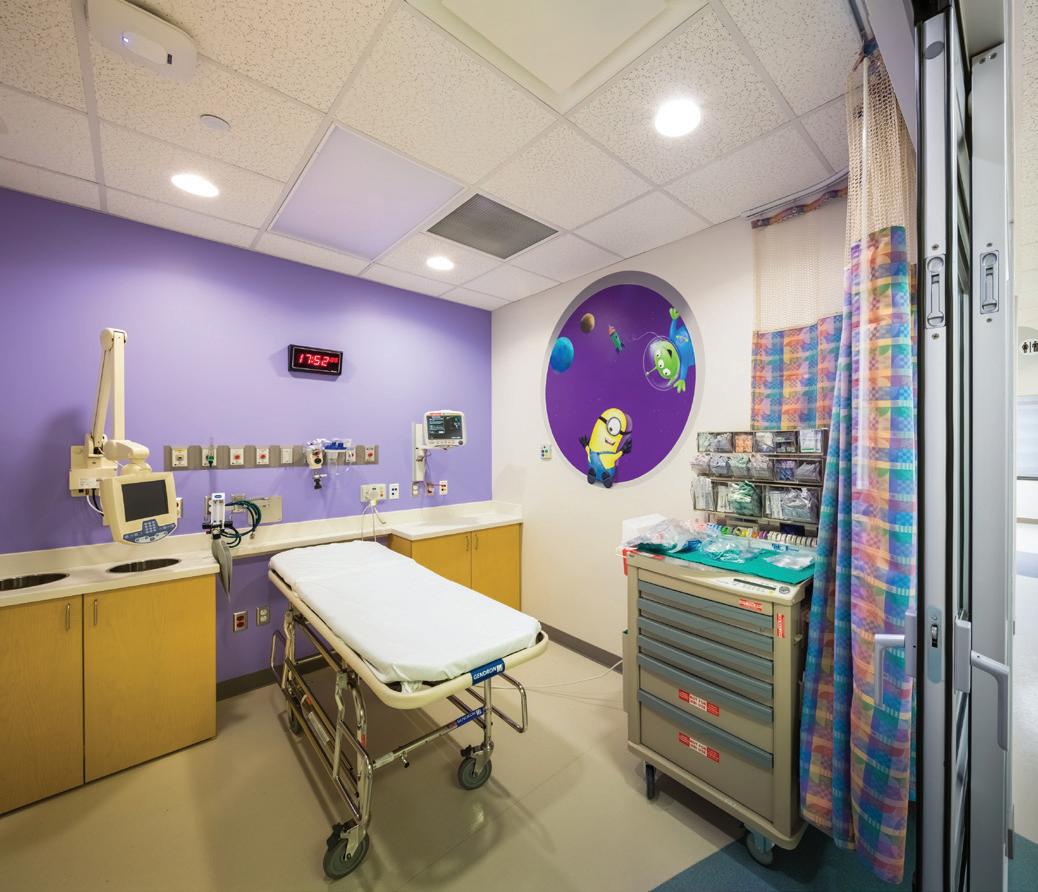
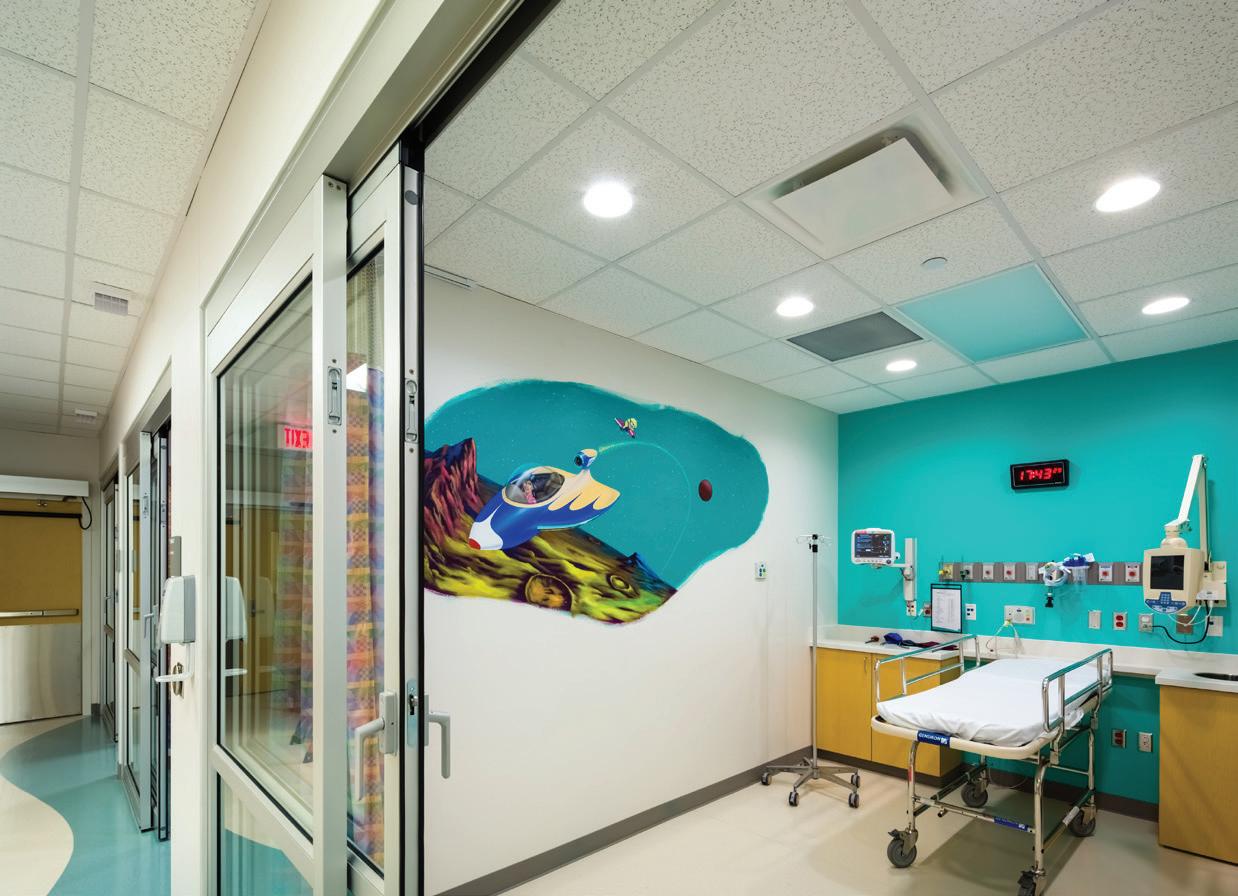
The Texas Children’s Hospital Radiology Buildout consisted of renovating approximately 24,700 GSF of shell space. This buildout is the location for their Outpatient Radiology Suite and their Nuclear Medicine Suite. The project included a waiting room, office support, and prep/recovery areas to create a new pediatric radiology suite. Bellows coordinated the relocation of three MRI units (two 1.5Ts and one 3.0T), a new Pet MR, a new Pet CT, two new Spect cameras, and the relocation of an existing Spect CT. In addition to the diagnostic rooms, the suite also contains 12 patient holding/recovery beds, an isolation room, a treatment room, nurse station, soiled work room, clean supply, medication rooms, a decay holding room, and a separate sub-waiting area. The suite has a main waiting area off the public elevators with staff support spaces including an on-call room, child life storage, work room, break room/locker room, and a virtual office. Bellows made every effort to minimize disruption to the patients, staff, and visitors by working around Texas Children’s schedule.