Balancing Conflict, Growth, Climate and Cultural Heritage
JAMES K. STICKLEY PRINCIPAL, WRT
Jim Stickley is a Principal at WRT, an interdisciplinary planning and design firm focused on advancing equity and resilience in urban communities.
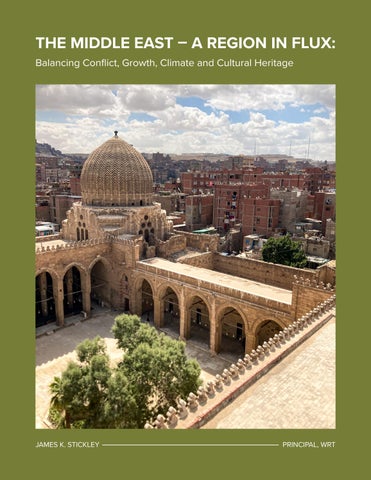
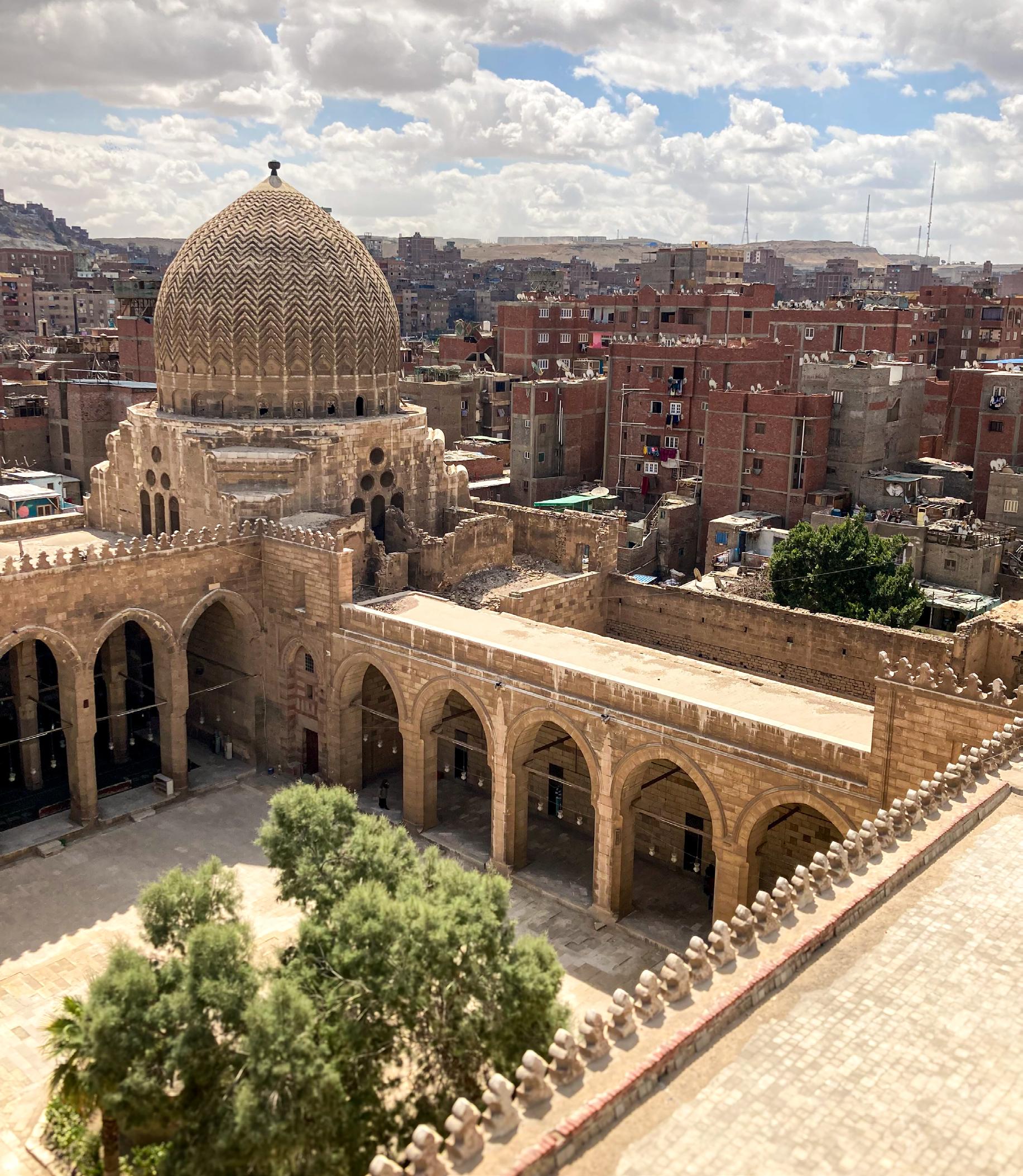
Cover Image: Bar Quq Complex, Mamluk Desert Area, Cairo
RESEARCH PROGRAM
As part of my four-month, four-region research sabbatical on urban resilience in the fall of 2022 and spring of 2023, I spent a month in the Middle East including 2 weeks in Metropolitan Cairo and 2 weeks in Lebanon. My host in Cairo was urban planner, Mohammed Abou Samra of the UPA Group and my base of operations was Ain Shams University , with whom I participated in a 3-day workshop on the preservation and adaptive planning of the Qurqumas heritage area in Cairo’s northern necropolis known as the Mamluk Desert; in addition to participating in a seminar at Ain Shams and various tours of the City and neighboring Giza
In Lebanon, my base of operations was the American University of Beirut, hosted by Professor Yaser Abunnasr, Chair, Department of Landscape Design and Ecosystem Management, where I participated in an interdisciplinary seminar, studio reviews in the Landscape Design and Ecosystem Management program, meetings and interviews in various University departments and government officials, and various tours around Lebanon to observe refugee camps, cultural & natural resources and urban conditions
In both of these regions of study I was struck by the immense pressures of growth while both try to balance the protection of cultural heritage and natural resources. In the case of Lebanon, this is all happening against the backdrop of intense regional conflict. In both regions, the adaptive strategies being employed – both those planned but also those baked-in to these ancient cultures – offers profound lessons in urban resilience.
Sidenote: Political Context – Dynamic picture
I left Lebanon in April of 2023. 6 months later, the entire region became embroiled in an intense conflict starting with the October 7 Hamas attack on southern Israel and Israel’s subsequent retaliation on Hamas, Hezbollah and ultimately, Iran. At the time of my visit, tensions with Hezbollah were evident with occasional rocket skirmishes and their strong influence in the Lebanese Parliament and control of southern Lebanon. But in hindsight, those look like peaceful times compared to the suffering now being experienced throughout the region and Gaza in particular where tens of thousands of civilians have been killed. During the same timeframe since my visit, Syria underwent a complete regime change with the fall of the Assad regime and take-over by a rebel coalition, Hay’at Tahrir al-Sham, led by Ahmed al-Sharaa, Syria’s current President. The brutality of the former Assad regime had led to a massive out-migration of Syrian refugees between 2011 and the end of the Assad regime in 2024 during which over six million Syrian refugees migrated into neighboring countries and abroad. Lebanon alone absorbed over 500,000 of these refugees (quite a significant number considering Lebanon’s total population is just over 5 million) and their camps were evident throughout the country during my visit. Egypt is estimated to have absorbed more than a million Syrian refugees according to some estimates. Since the fall of the Assad regime many refugees have started to return to Syria but this re-integration process will be slow. One thing was evident during my visit – the influx of refugees had profound effects on the region.
1 Under advising faculty Dr Yehya Serag, Professor of Urban Planning and Dr Randa Mahmoud, Professor of Architecture and Urban Design5
2 Case report and legal memorandum from Refugee Platform of Egypt (RPE), 2025
And now, just as this article is being posted, the US & Israel have gone to war with Iran, with profound impacts to a number of complex socio-political structures throughout the region including re-opening direct conflict between Israel and Hezbollah and the subsequent displacement of a million people in Lebanon.
This essay does not attempt to reconcile these very complex conflicts with my research in early 2023 but rather documents my observations at that time.
PART ONE: THE CAIRO MEGALOPOLIS — BALANCING RAPID GROWTH & HERITAGE PRESERVATION
Population Growth & Informal Settlement Structure
Cairo has a population of 23 million people – the largest city in African and the Middle East and the 6th most populous city in the world. 3 And growing….rapidly! In the last decade alone, Cairo has grown by over 4 million people.4 That’s a population the size of Los Angeles, added in just 10 years. How is Cairo keeping up with this level of growth? In terms of housing? In terms of infrastructure?
The answer is complex and Cairo is responding in a number of ways, both planned and ad hock. A number of new towns have been developed around Cairo’s perimeter with many kilometers of new roads and infrastructure underway – places like Nasr City, New Cairo City, Al Obour City and 6th of October City, mostly in the form of mid-rise apartment blocks built around mixed-use town centers. But these planned new towns, built through conventional processes of planning, regulation and delivery, are not enough.
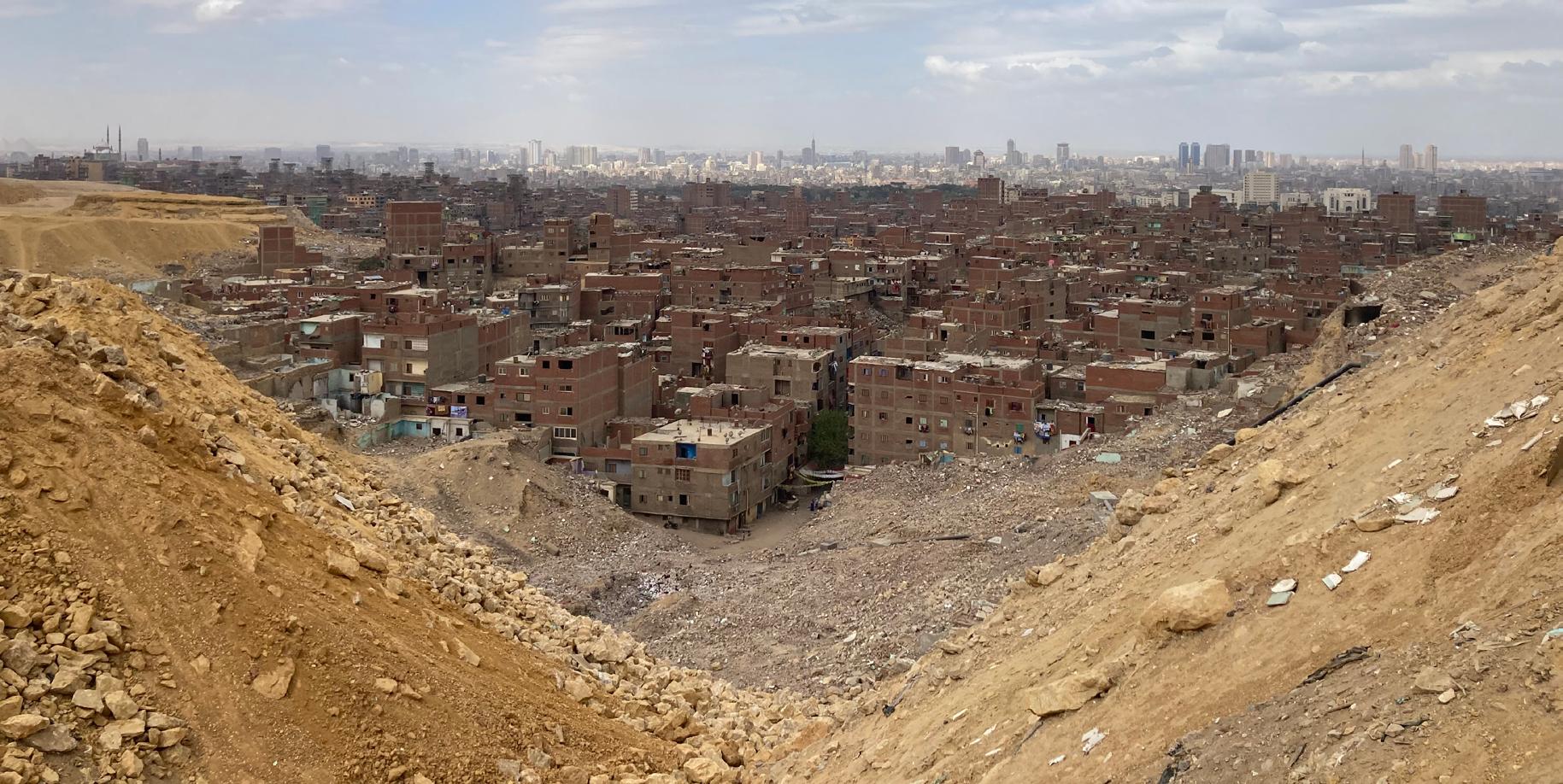
The sprawling Manshayet Nasr informal settlement neighborhood pushes out into Cairo’s eastern desert.
They can’t be built fast enough to meet the growing demand. As a consequence, roughly half of Cairo’s population lives in informal settlements. That’s over 11 million people, living in informal settlements! In the insightful words of my host, Mohammed Abou Samra, “At what point do we stop thinking about informal settlements as the problem and start thinking about them as part of the solution?”
At first glance, the cityscape of informal settlements is shocking. Vast areas are filled with dark red, midrise sprawl – seemingly haphazard and out of control. A closer look reveals a much different picture. I was able to experience some of these neighborhoods up close, walking, riding through – in the area of Manshayet Nasr and Giza, both of which have extensive settlements.
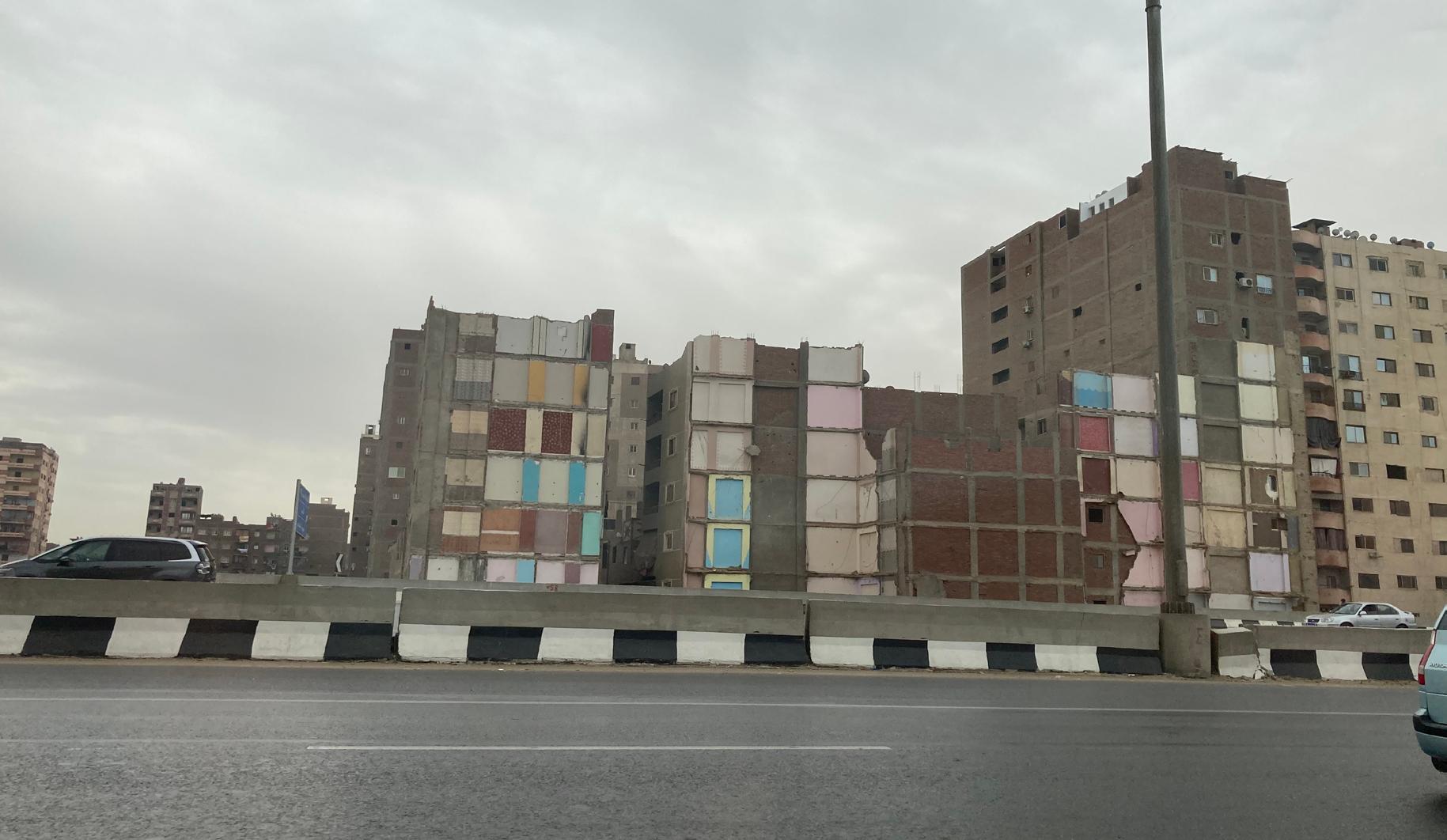
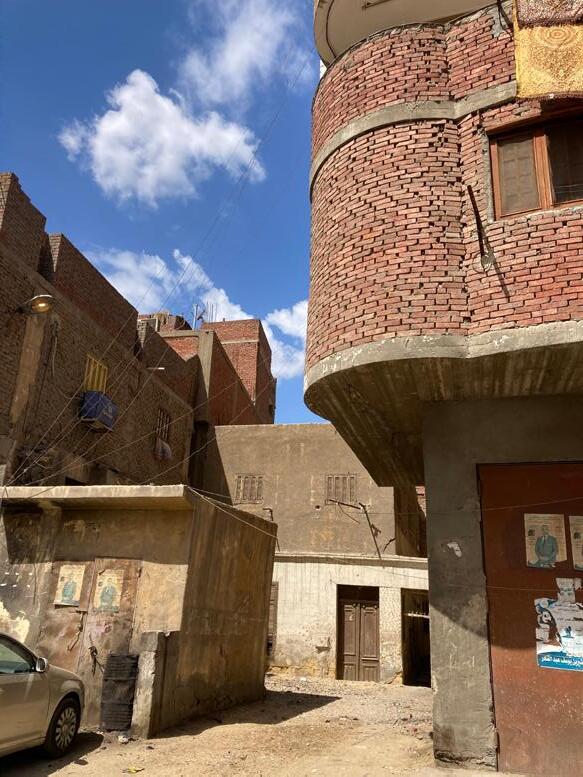
One striking aspect of these urban structures is their adaptability – they are in constant flux – being added to and subtracted from as need dictates. A concrete structural grid is expanded – outward or upward – if additional space is needed and infilled with red clay blocks for the demising and exterior walls. If the structures are in the path of new city infrastructure such as a new freeway, they are simply trimmed to fit the desired configuration. One can actually see the colored squares of former interior walls where parts of the structures have been subtracted.
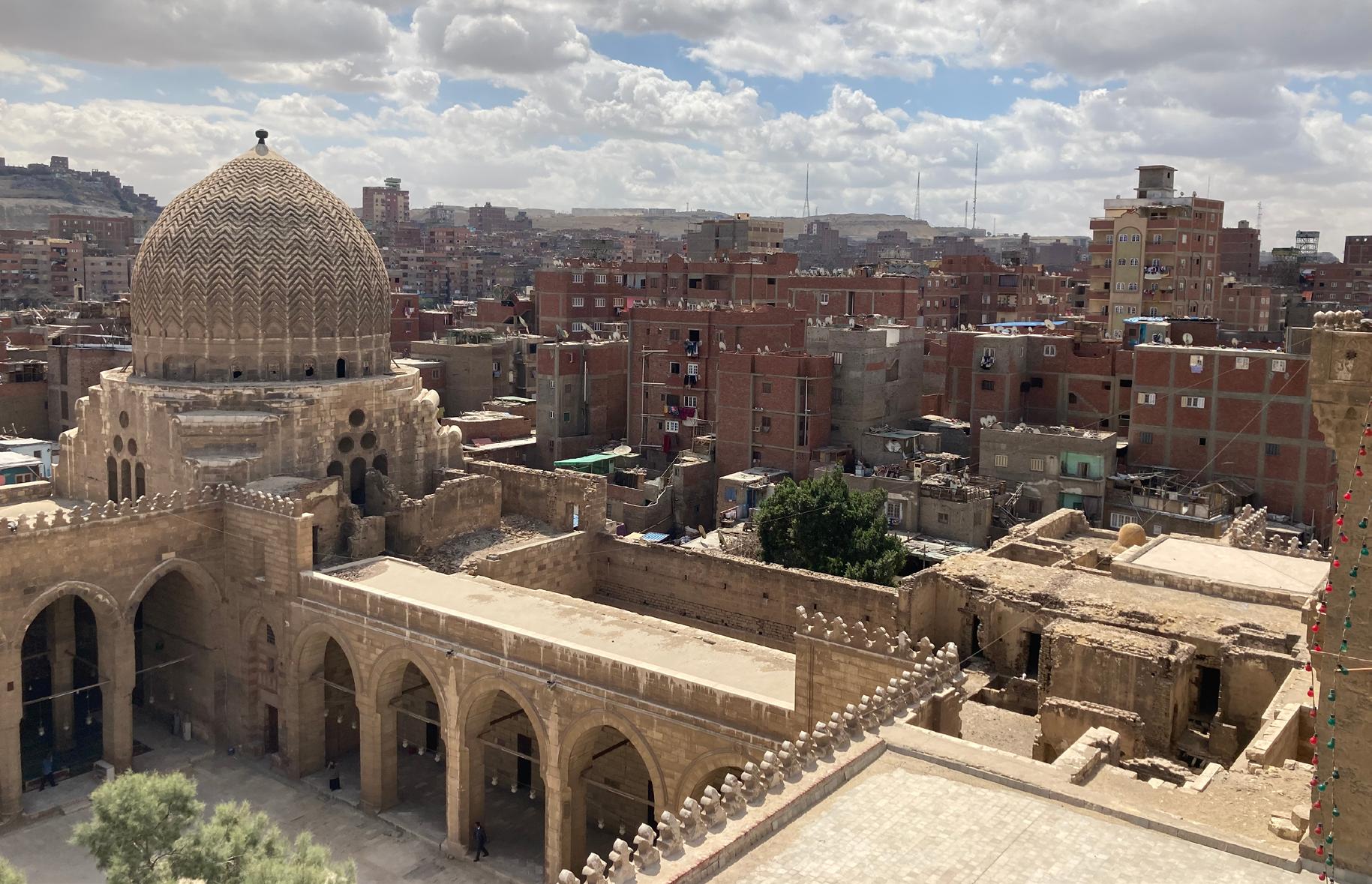
Near Manshayet Nasr we walked extensively through an informal settlement in the midst of Cairo’s northern Necropolis, an area known as the Mamluk Desert. Here, a smaller informal settlement has taken root within the confines of the Necropolis and in and amongst several important historic Mosque and Madrasa complexes dating back to the 11th Century.
Multi-colored former interior walls can be seen where informal settlement neighborhoods are “trimmed” to accommodate new infrastructure.
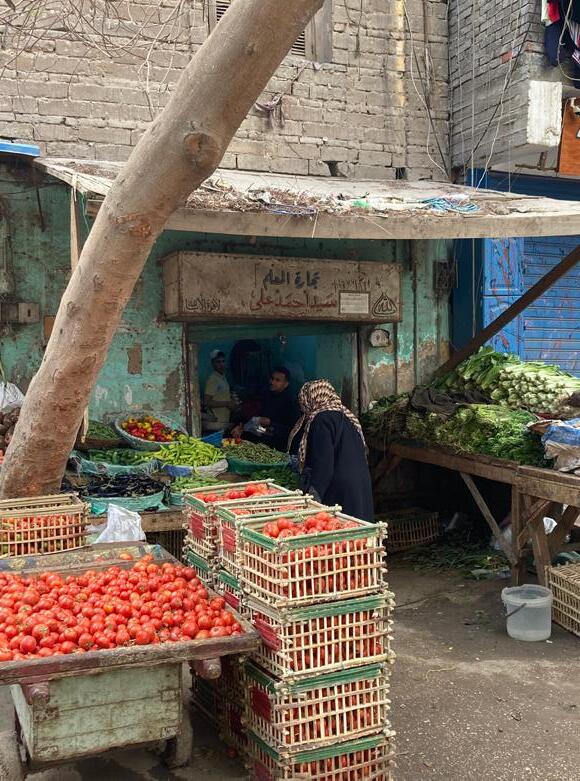
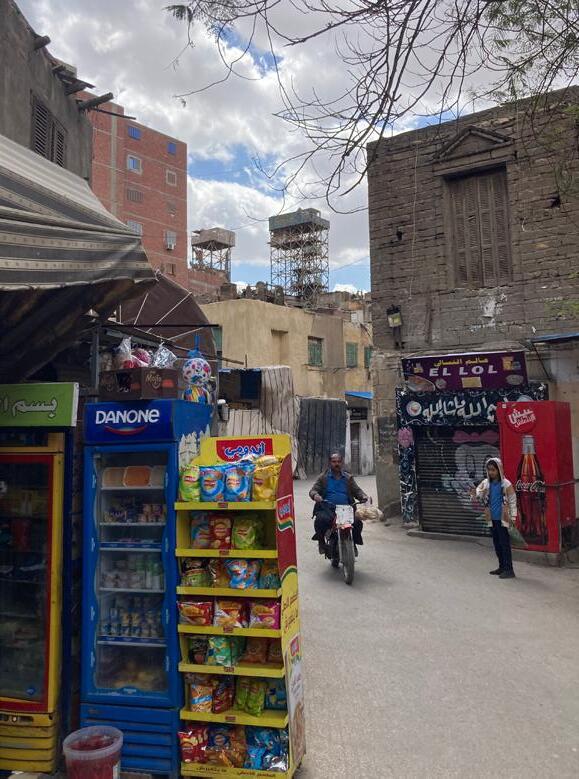
Within the fabric of organically built low- and mid-rise apartment dwellings, a high level of community functionality was clearly in evidence. Streets were active with pedestrians, two wheelers, cars and small trucks. Ground floor shops were active with colorful wares and fresh produce. And there was a level of inventiveness in the structures that spoke to adapting to individual needs. Unique to this area were numerous wooden towers built high above the rooftops that support a thriving pigeon-farming industry!
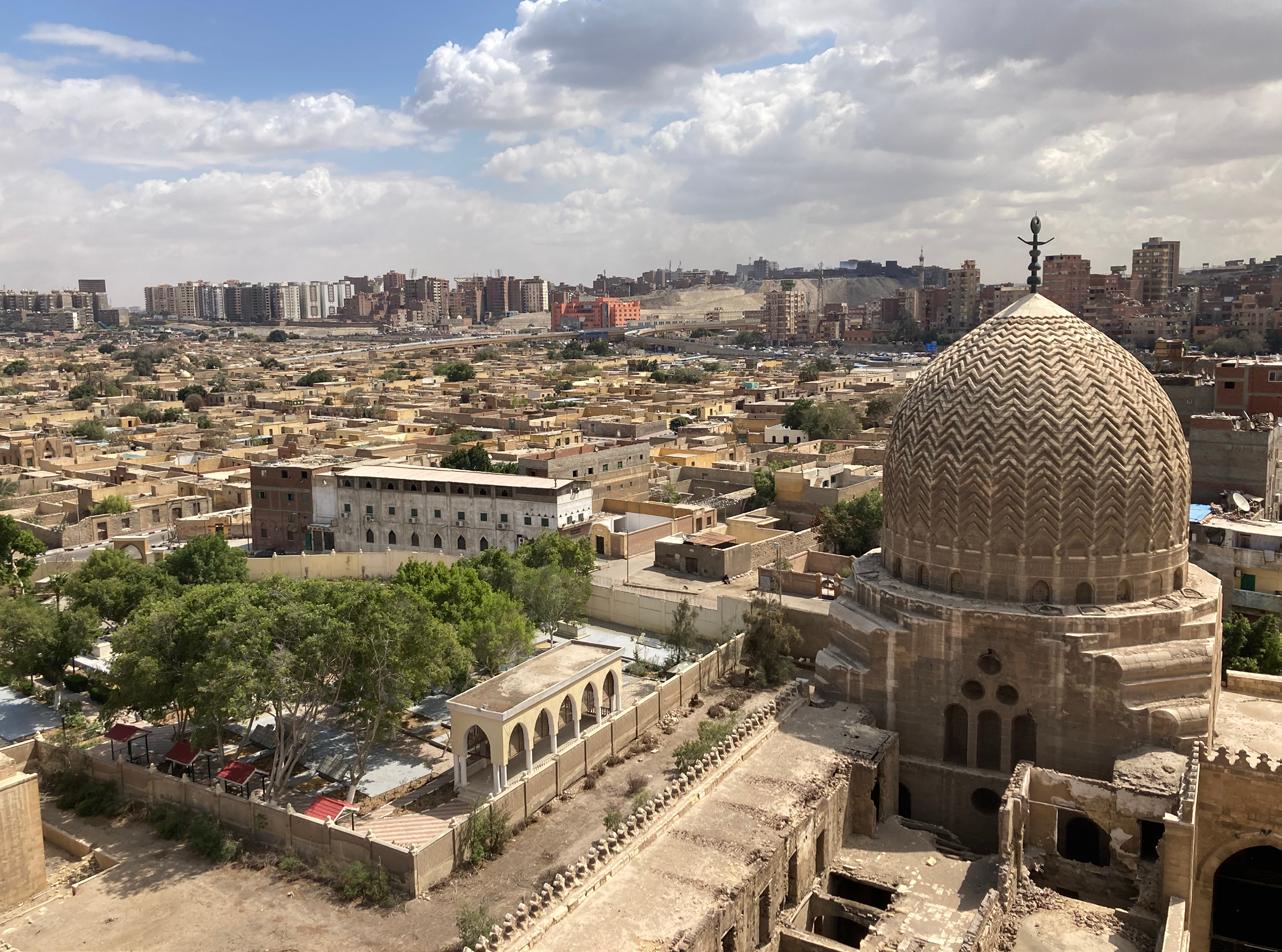
Bar Quq Mosque & Madrassa complex and surrounding informal settlement neighborhood.
Street scenes from the Mamluk Desert informal settlement neighborhood – inventive adaptation of architecture, active ground-floor retail and distant pigeon towers.
In short, housing and services are being provided to a tight-knit community in a very simple format and at a very low cost. The government’s challenge is to provide utility services to these expanding neighborhoods – something that is being done with varying degrees of adequacy.
FROM AL-QAHIRA TO HAUSSMANN
How Street Hierarchy has Played a Critical Role in Cairo’s Social Structure Through the Ages
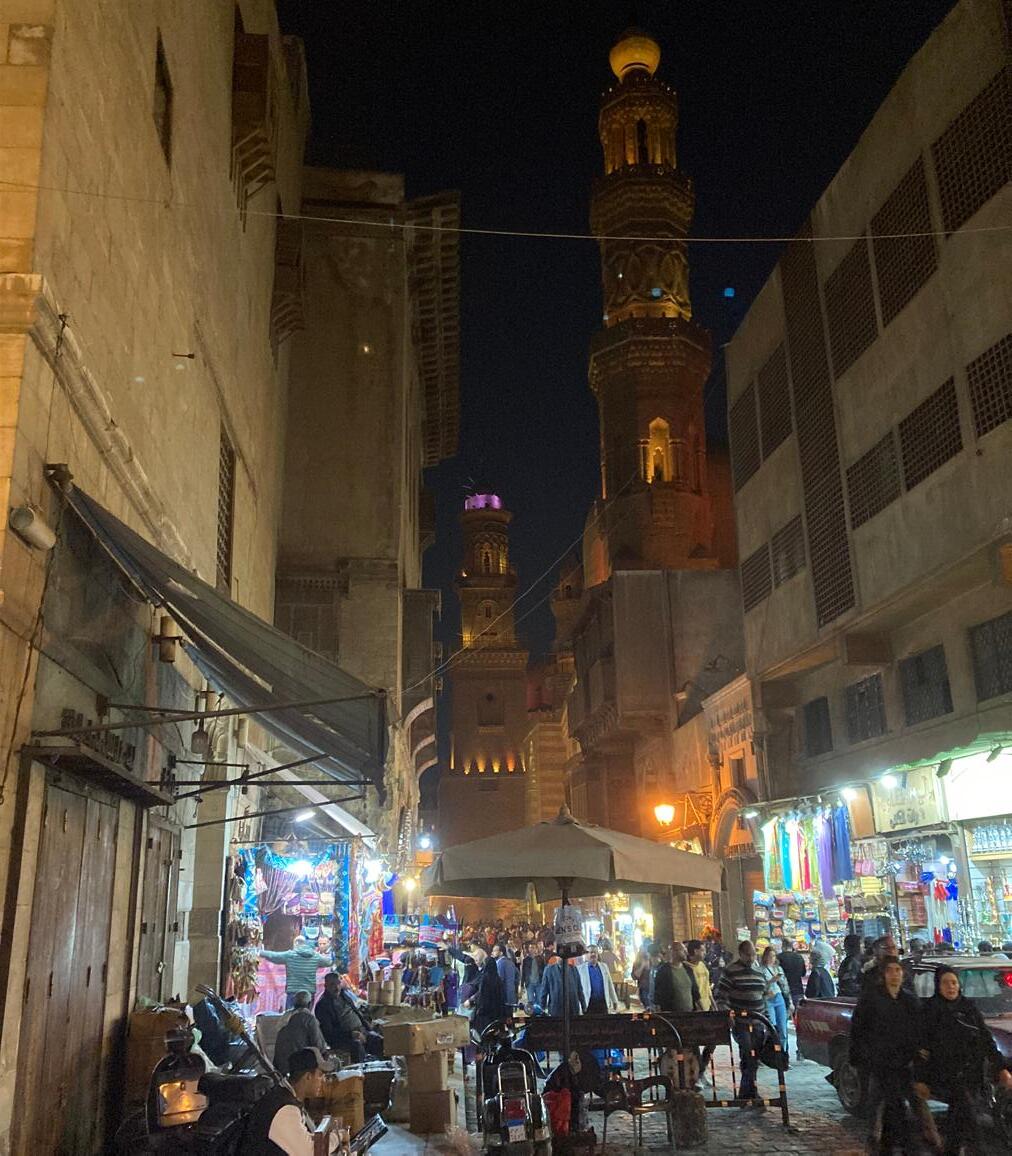
As you walk through the streets and alleys of Old Cairo you can’t escape the feeling that something is really working. The vibrancy brought by commerce, socializing, cooking, eating and the continuous flow of people is palpable. Interestingly, the same is true of Colonial Cairo built at the turn of the 19th Century. What is it that makes them both work? Street hierarchy and the distinct functions at each level is a major contributor, however, to fully understand, one has to go back a few hundred years to see how these parts of City were shaped.
“Fatimid” Cairo, or “Al-Qahira”, the original walled city between the north city gate, Bab al Nasr, and the south city gate, Bab Zuweila, was built as a walled noble city for the Fatimid ruling dynasty in the 10th Century AD. With the collapse of the Al-Qahira Dynasty in the 12th Century, the walled City was integrated with other ancient districts outside the walls. The larger whole formed the giant Medieval City also known as Al-Qahira Cairo.5
As a walled city for the Fatimid royal family, it was self-sufficient, serving all the needs of the family members, its officers and troops.6 Residential, commercial, religious, education, and other needs for daily living were all contained within the walled city – a true mixed-use urban environment! Later, as the original walled city
5 Living with Heritage – Area Conservation in the Arab-Islamic City, Ahmed Sedky, The American University in Cairo Press, c. 2009
6 Ibid.
7 Hathi Trust Digital Library and Getty Institute; https://victorianweb.org/painting/roberts/holyland/222.html
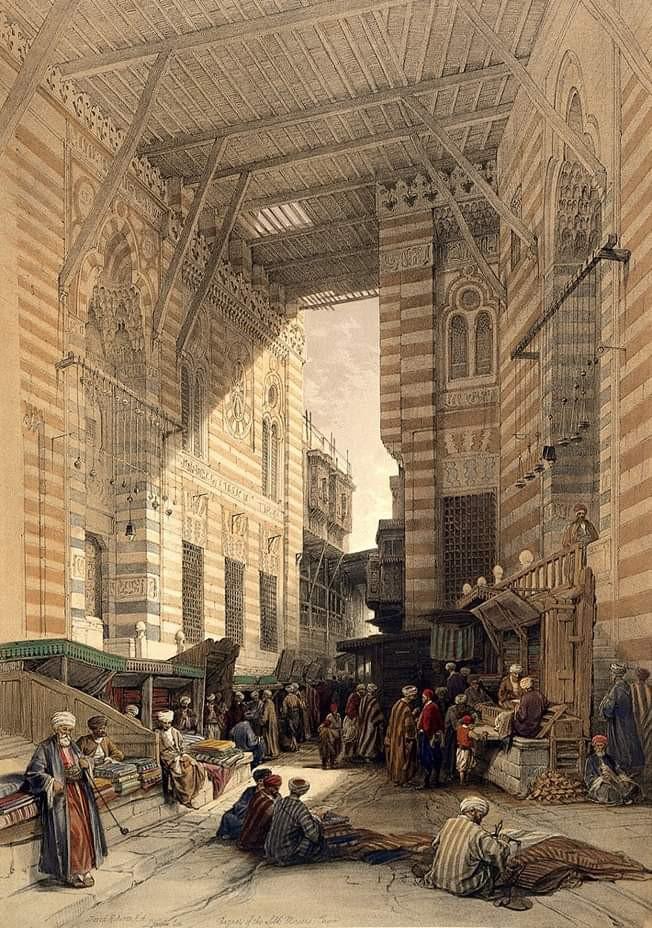
British artist David Roberts’ drawing of the Silk Mercer’s Bazaar at Bab el Ghory, 1855-56 7
merged with its surrounding districts, these functions continued and merged with those of the surrounding districts. This established a city structure that has endured to this day.
In fact, under the rule of Khedive Isma’il (1863-1879), the Old City was considered too problematic to replan, 8 what with its complicated and inter-twined tangle of residents and workers – and its outdated infrastructure. Instead, he pursued his vision of “The Paris of the East” in the relatively undeveloped area west of Old Cairo and extending to the eastern banks of the Nile, after visiting the Exposition Universelle in 1887 where Baron Haussmann personally welcomed Khedive Isma’il and gave him extended guided tours through the "new Paris." 9 He subsequently appointed the French-educated Ali Mubarak as Minister of Public Works to oversee the commencement of a Master Plan of Cairo similar to Paris.10
Fortunately Old Cairo was by-passed in this late 19th Century urban renewal and has lasted to this day as one of the largest intact, continuously-functioning Medieval-period districts in existence.
A Street Pattern that Works
In both instances – Al-Qahira Cairo and Colonial Cairo – a strong hierarchy of street types supports the mix of landuses served by those networks.
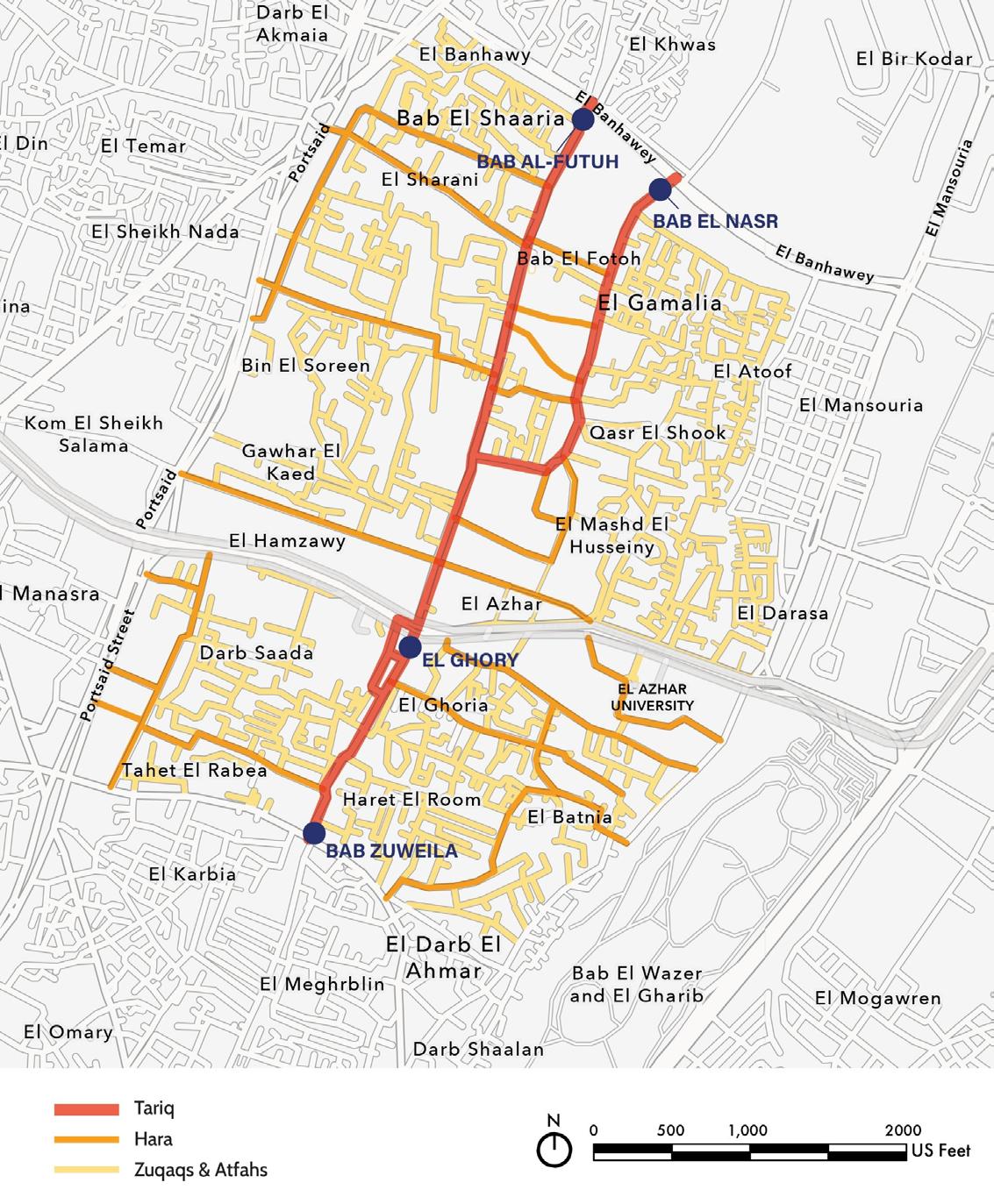
In Old Cairo, Tariqs or Sekkets are the main commercial spines that cut through the district and which house the most intensive commerce activity. The second level, Hara or Haret, are the lateral connections between Tariq spines. The Haras also have commerce activity but not as much. Extending off both are Atfahs and Zuqaqs –both dead-end alleys with the Atfahs being longer and curved and the Zuqaqs being shorter – usually with the end visible. On these latter street types are quieter residential uses but also fabrication uses supporting the commercial uses on the main streets in a sort
8 Modernization of Downtown Cairo, Shafik & Salama, National Research Center of Egypt, Department of Civil Engineering and Architecture, El Buhouthst, Dokki, 12622 Giza, Egypt 9 Ibid. 10 Ibid.
Old Cairo street hierarchy diagram – mapping by Zihan Zhao
of working ecosystem of fabrication and commerce.11
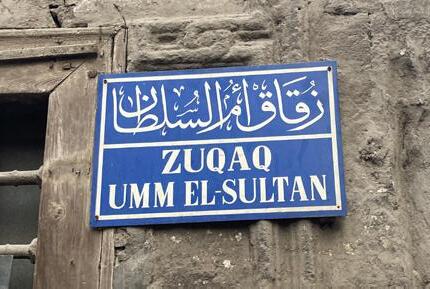
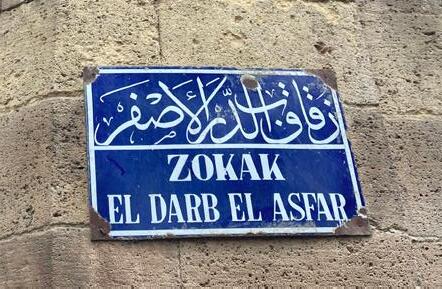
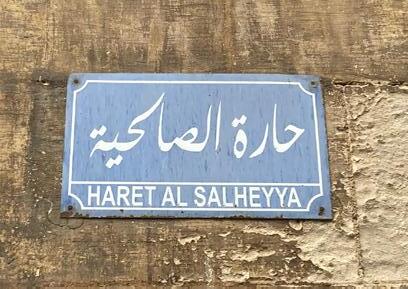
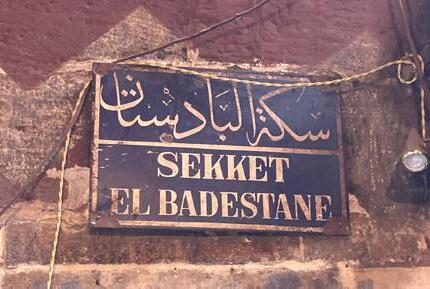
The use of these terms in street signs greatly help in the legibility and navigation of the district as one knows when they are on a main spine vs. a lateral connector vs. a dead-end alley!
The commerce activity is organized into specialization sub-districts in which certain products are grouped together in one zone offering choice, variety and pricing competition. So as you move through the district, you might encounter the silver or gold sub-district, textile & clothing sub-district, fruits and vegetables, etc. Bakeries, coffee shops and eateries are distributed through -
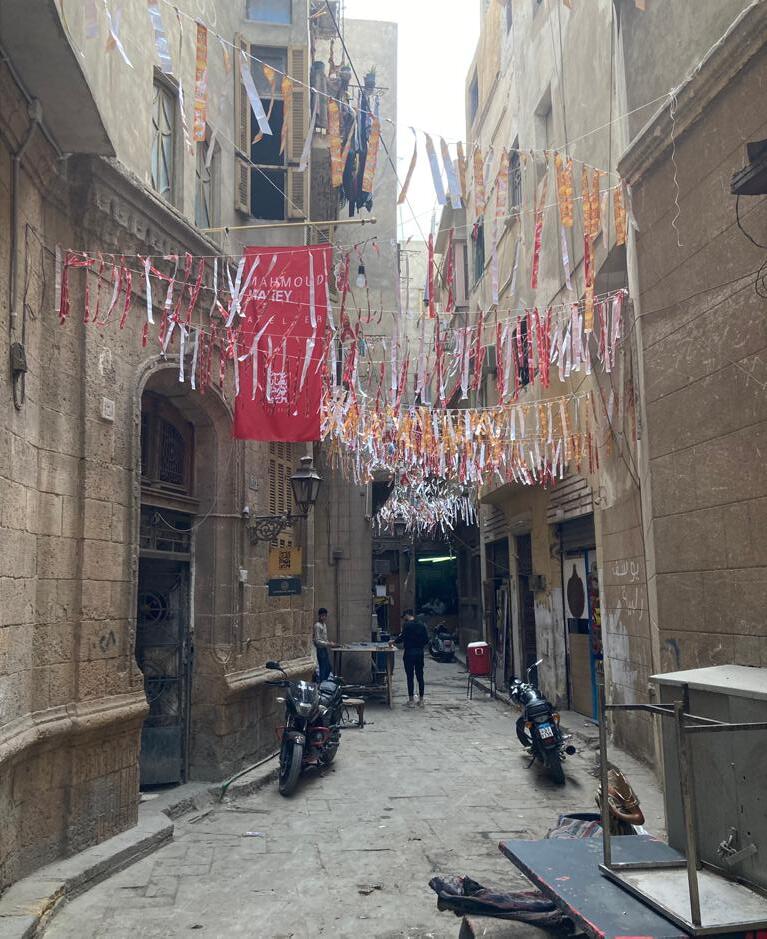
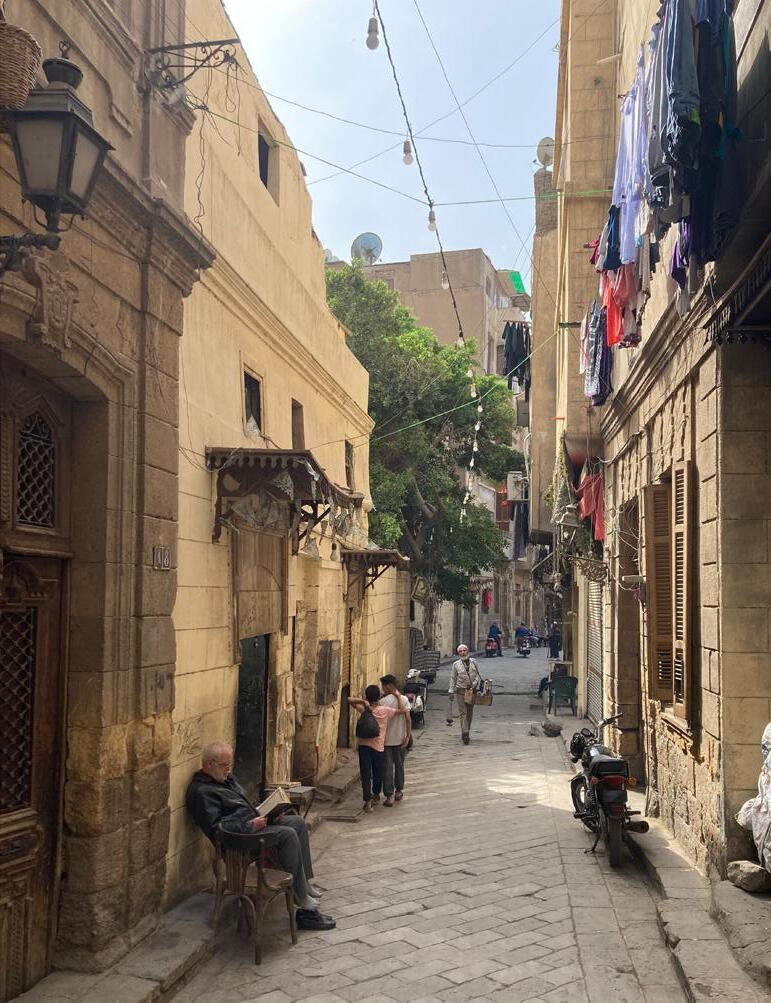
Old Cairo street scenes – Tariq (Sekket), Zuqaq & Atfah – with corresponding street signs identifying types.
11 References to street classifications of Tariq, Hara, Atfah and Zuqaq were described by my knowledgeable guide, Saladin Abo Ellail as we walked the streets of Old Cairo
out as well as upper level spaces accommodating residences, offices and fabrication spaces supporting the commerce eco-system at street level.
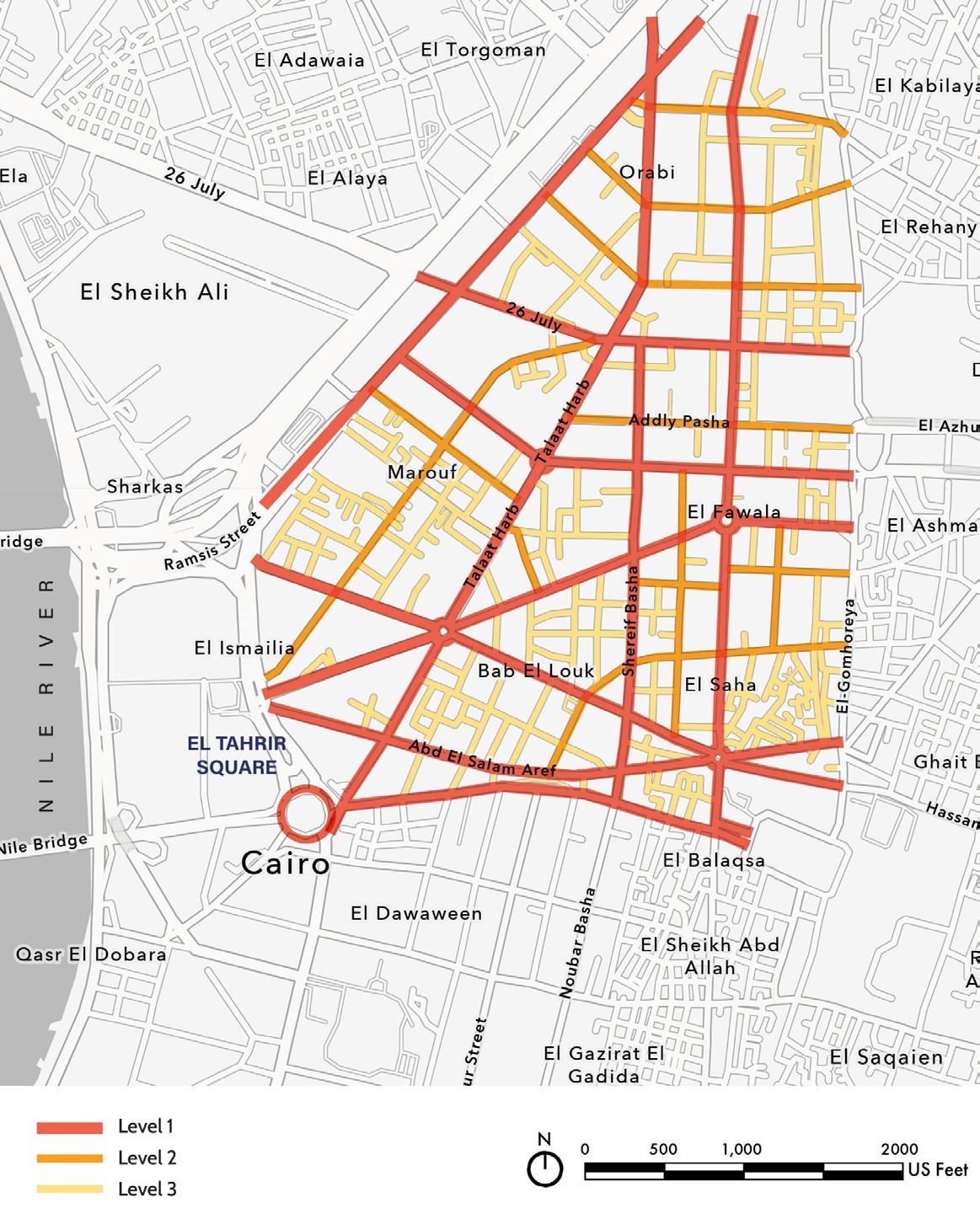
In Colonial Cairo, the Haussmann-inspired street pattern is un-mistakable with its radial boulevards and round-abouts.
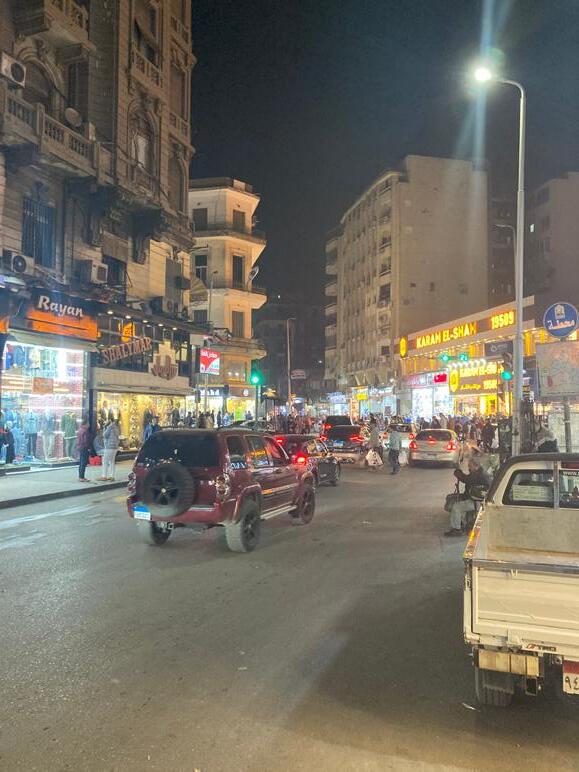
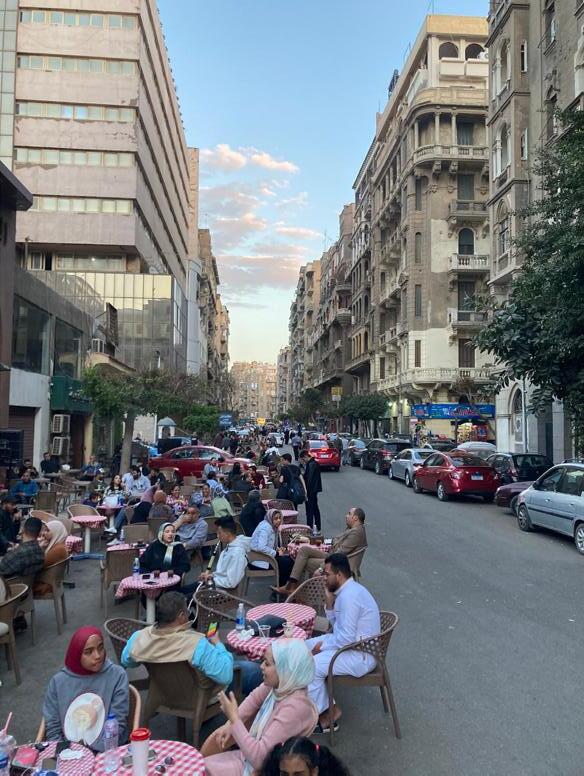
Here again, level 1 streets are the main boulevards housing the most intensive commerce activity – typically continuous street-level retail, wide sidewalks but typically limited outdoor dining. Level 2 streets are the lateral connections between the boulevards. These have some retail but not as much and are interspersed with restaurants and residential frontage. Less trafficked, these streets also accommodate large areas of outdoor dining spilling out into the streets and further calming traffic. Lastly, level 3 & 4 streets and allies tend to be
Colonial Cairo street hierarchy diagram (mapping by Zihan Zhao)
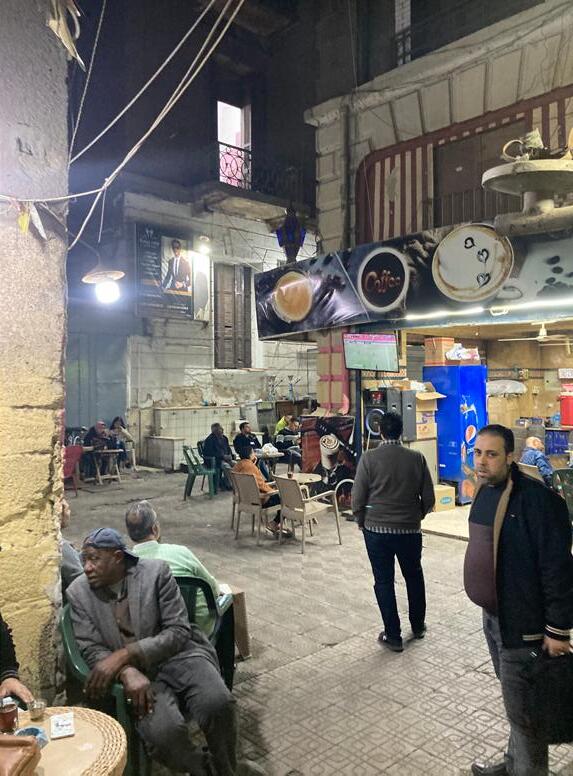
Colonial Cairo street scenes: level 1 main boulevard, level 2 neighborhood lateral, & level 3 neighborhood alley
quiet, less traveled and populated with small groupings or lines of outdoor café seating and informal groups – of mostly men – having coffee or smoking shisha pipes. The ambiance is decidedly quiet and social and sometimes is grouped around an outdoor TV showing a soccer game.12
Here again, upper level spaces accommodating residences, offices and fabrication spaces supporting the commerce eco-system below – eg: tailor shops above support clothing stores below.
As I walked through both districts, it occurred to me that one could certainly argue that it’s the strong social and commerce structure of Cairo’s ancient culture – that indomitable Egyptian spirit – that has adapted to these urban typologies through the ages rather than the arrangement of street patterns themselves being credited with their strong social function. Certainly both are working together to create Cairo’s vibrant and vital districts.
CULTURAL HERITAGE RESOURCES
Egypt is blessed with an abundance of cultural resources dating back more than 5,000 years to the ancient Egyptians. Egypt’s great challenge is to manage and preserve this wealth of resources in the context of other economic development priorities. These extraordinary resources were in evidence throughout my time in Egypt – as were the challenges to manage and preserve them. Some heritage sites were beautifully restored and open to well-managed tourism while others were crumbling. Despite the huge tourism draw to Egypt’s historic sites, the Ministry of Tourism and Antiquities can only manage so much with their limited funding. One area of particular interest was the subject of an urban planning workshop during my stay.
CASE STUDY: MALUK - BALANCING HERITAGE & URBAN FUNCTION THROUGH EQUITY AND RESILIENCE STRATEGIES
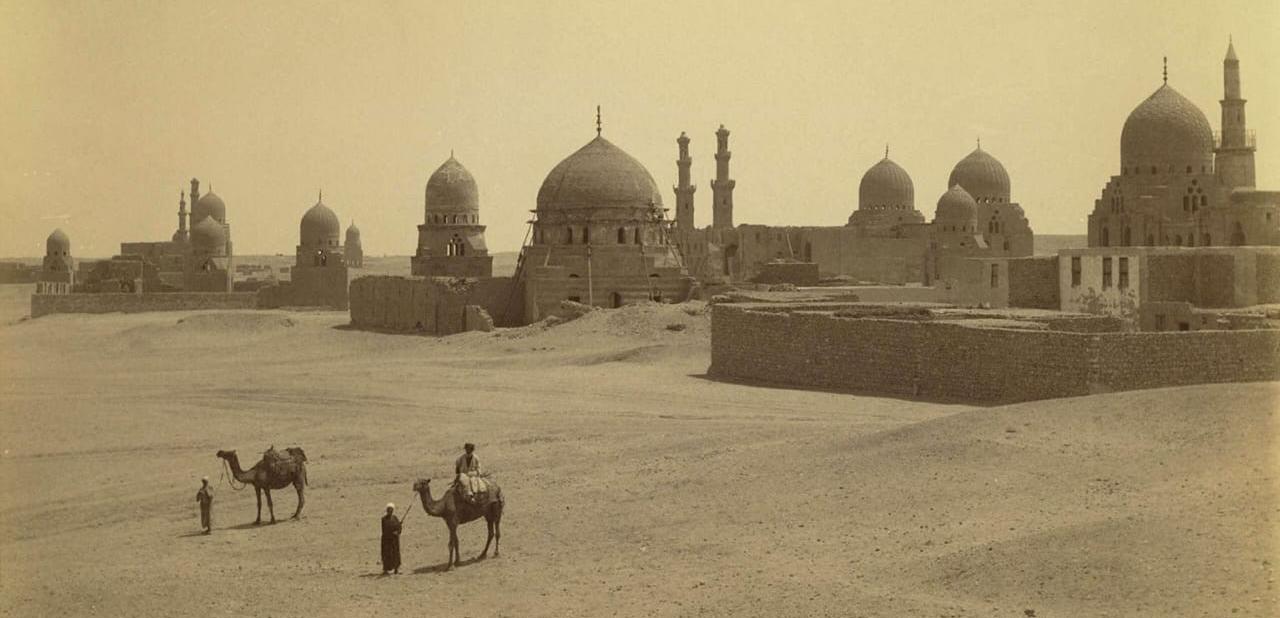
During my stay in Cairo, I was very fortunate to have the opportunity to co-lead an urban design workshop focusing on the informal settlement community and heritage areas of the Mamluk Desert area in eastern Cairo, collaborating with a team of practitioners – notably, urban planner Mohammed Abou Samra of the UPA Group, local students, and academics from Ain Shams University 13 . Notable cultural resources in the study area include significant mosque, madrassa and mausoleum complexes dating from the Mamluk period (14th cen.) including Qurqumas (16th cen.), Bar Quq (14th cen.), Bars Bay (15th cen.) and Qayt-Bay (15th cen.). The existing settlement surrounding them has grown and evolved since the late middle ages and has become more dense in recent decades as a resident population center in the Mamluk Desert situated between the informal settlement community of Manshiyat Naser and Cairo’s eastern edge near Bab El Nasr. The funerary plots surrounding the area of study (dating back to the mid-19th to early 20th century) are the northern extension of Cairo’s ancient necropolis.
12 References to Levels 1, 2 & 3 street types were described by my knowledgeable guide Ahmed Sedky, local historian and Urban Planner, as we walked the streets of Colonial Cairo.
13 The workshop was sponsored and supported by Ain Shams University, Amaken Placemaking-Egypt, and UPA Group in coordination with The Egyptian Supreme Council for Antiquities.
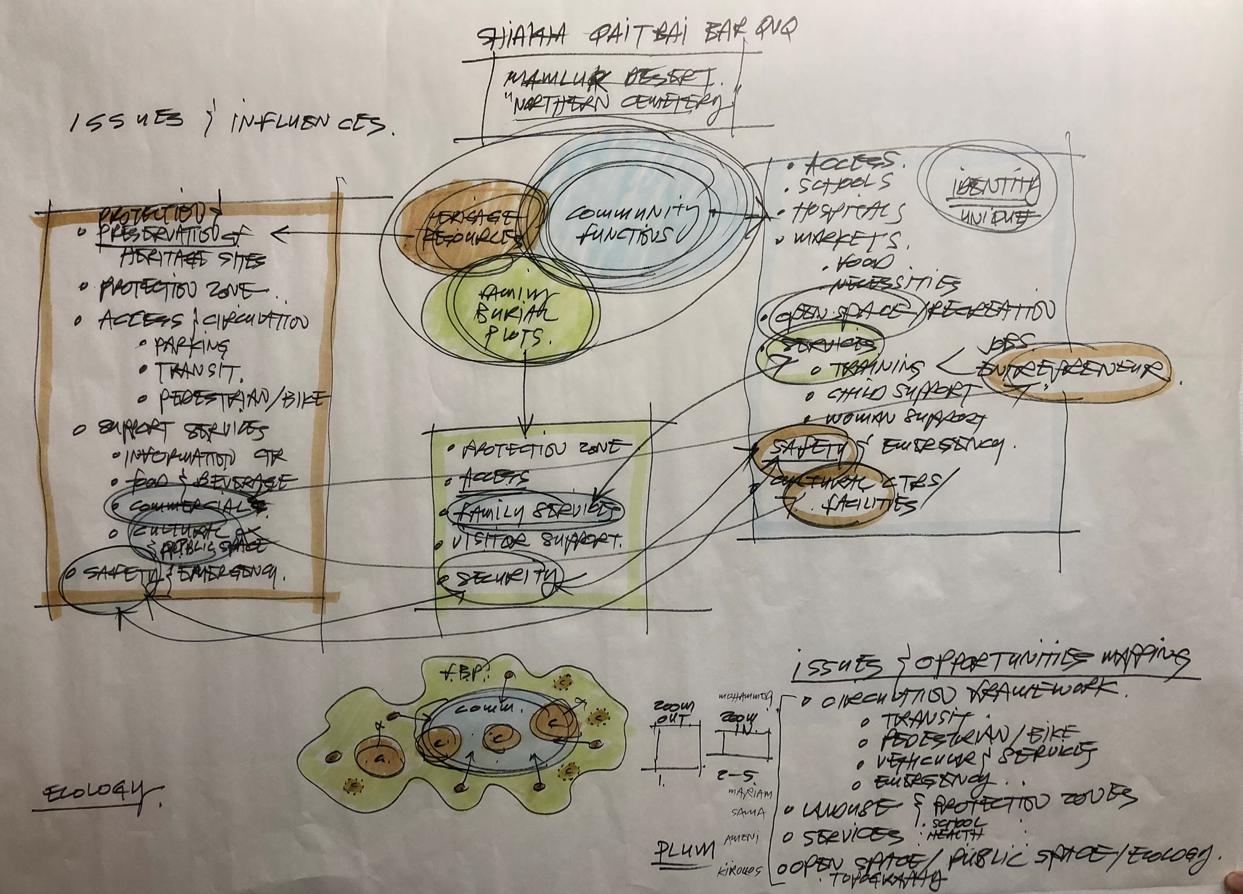
The workshop included a 1-day tour of the study area with the workshop participants followed by 2 days in the design studio. This interdisciplinary collaborative process examined critical issues encountered in this culturally complex area including community isolation and livelihood, community resilience in the context of climate change, governance, heritage preservation and connectivity to the surrounding city. After documenting existing conditions, issues and opportunities, the working group developed programmatic, governance, resilience and urban design strategies that seek to integrate the needs of the community with opportunities presented by the heritage resources.
The overarching conclusion of the workshop was the importance of interdependence between the three principal landuse components – the existing settlement community, heritage resources and cemetery. By addressing heritage preservation and the development of tourism infrastructure, opportunity is created to support the local community. By addressing community needs such as jobs training, education, health
Historic photo of Qurqumas complex surrounded by Mamluk Desert – 1865, photo by Pascal Sébah
Qurqumas heritage resources surrounded by settlement and burial areas
care and infrastructure, the community thrives and can support a more vibrant economy and successful tourism industry. And by preserving and facilitating the functions of the surrounding cemetery, important community rituals are preserved and cemetery caretaker jobs contribute to community livelihood.
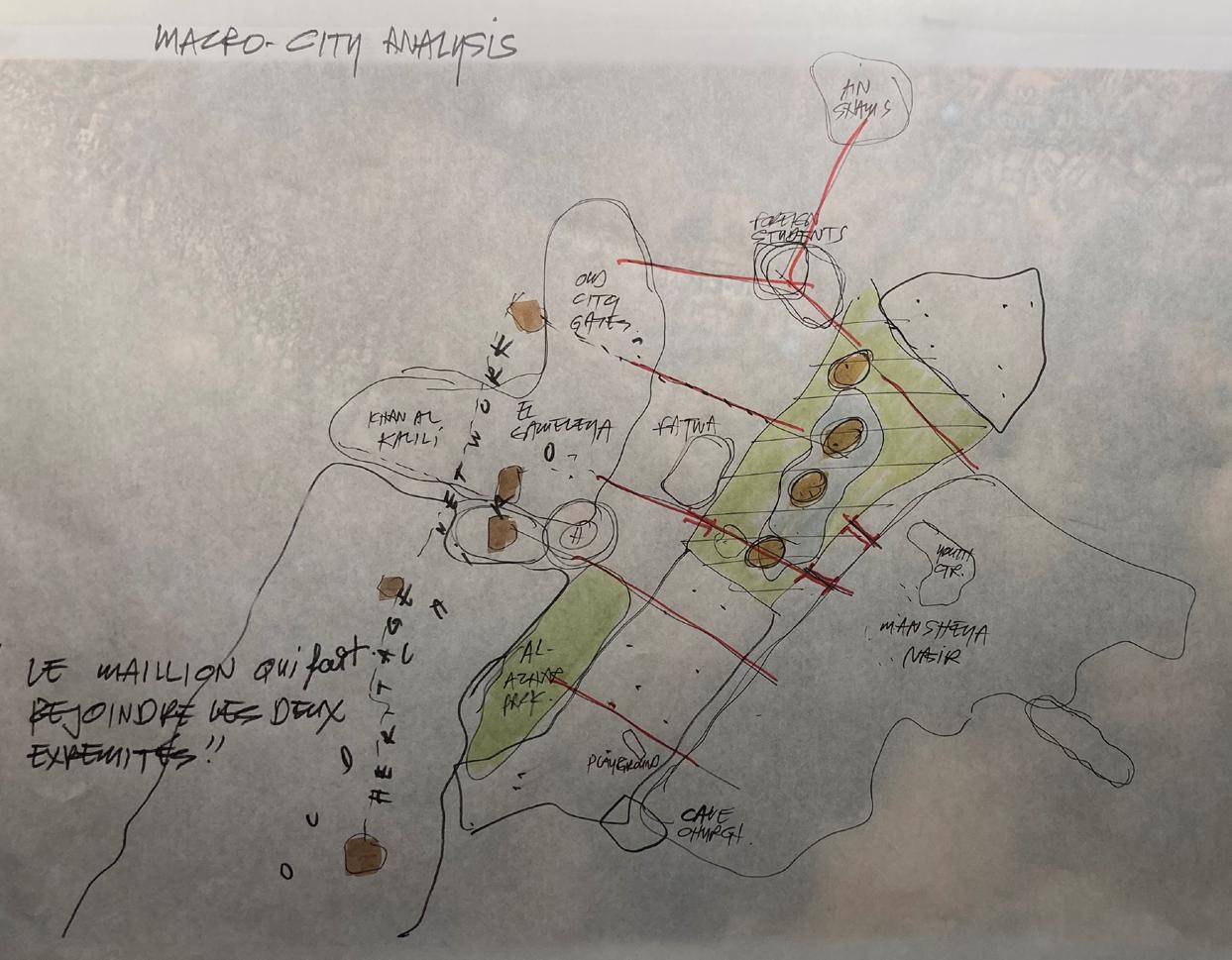
Old Cairo’s heritage tourism beltway extends from Bab el Nasr at its northern end, south through the El Gamaleya and Khan el-Khalili districts and further south to Bab Zuela and beyond to Souk Al Silah and the Mosque-Madrassa of Sultan Hassan dating to the 14th Century. This area of Cairo represents a rich assemblage of heritage sites and medieval-era urban fabric and is a draw to over a million visitors annually.14 With its proximity to the northern end of this heritage beltway, and with its valuable heritage sites, the Mamluk Desert study area presents an opportunity to be connected to and integrated as part of Old Cairo’s heritage beltway thus extending the beltway and expanding tourism-based activities and their associated economic development benefits to the community.
Workshop outcomes – Issues and Influences showing integration of 3 functions –heritage resources, community functions & family burial plots.
Workshop outcomes – Macro City Context of heritage tourism beltway and potential to connect the Mamluk Desert heritage area to it.
Subsequent to the Mamluk Desert planning charette, the project has continued to be advanced to more detailed planning stages under the leadership of Mohammed Abou Samra of the UPA Group in partnership with Ain Shams University and other international funders.
PART TWO: LEBANON’S PERSISTENT RESILIENCE
Balancing Conflict, Climate Migration & Rapid Growth with Protection of Natural & Agricultural Resources and Heritage Preservation
Lying at the eastern end of the Mediterranean Sea, Lebanon has been at a crossroads throughout history –sitting literally at the junction of three continents between Asia, Africa and Europe. That strategic geographical position has given Lebanon a rich cultural history, has made it an important center of commerce dating back to the spice route as early as 2,000 BC and the silk route establishing later around 200 BC. This same strategic positioning for commerce has unfortunately also made Lebanon the target of conquest and conflict dating back to the Phoenicians and Assyrians around 1200 BC to the conquests of Alexander the Great to the expansion of the Roman and Byzantine Empires, to the Crusades and Ottoman Empire, and into modern times, with conflicts between Lebanon’s various religious sects – Shiite, Sunni, Druse and Maronite Christians – and the tragic conflicts between Palestinians and Israelis that we are all witnessing today in real time.
Lebanon’s strategic location at the intersection of important ancient trade routes 15
15 Eurasian Bookshelf; Trade Routes that Shaped the World; Feb, 2025 or Global Trade Routes Linking Europe, Asia & Africa 12, 2025
Throughout that history, the crossing of land and sea trade routes has also brought together people of diverse cultures and religions and a rich cultural and commerce eco-system in this region referred to as the Levant.
In Thomas Freidman’s book, From Beirut to Jerusalem, he describes how Levantine culture …“grew naturally among the communities of the eastern Mediterranean, was an original way of dealing with diverse tribal, village, and sectarian identities, and it inspired the Beirutis and ultimately the Lebanese to believe that they could build a modern Arab republic, melding together seventeen different Christian, Muslim, and Druse sects.” 16
LEBANON’S UNIQUE GEOGRAPHY
Lebanon’s unique geography, with its coastal orientation and Mediterranean climate, has also made it a desirable place to live, visit and conduct business, and earned it the nickname, “The Paris of the Middle East” as it became an international destination for culture, entertainment, trade and education with its modern heyday leading up to the outbreak of Civil War in 1975. It’s unique combination of Mediterranean coastline rising immediately into a coastal mountain range, then giving way to a fertile agricultural valley – the Bekaa – running north-south the length of the country, gives Lebanon unique attributes for diverse agricultural production and recreation. And because of its compact geography, Lebanon boasts the ability to comfortably swim in the sea and ski in the mountains all in the leisurely course of a day!
POPULATION GROWTH & CLIMATE MIGRATION
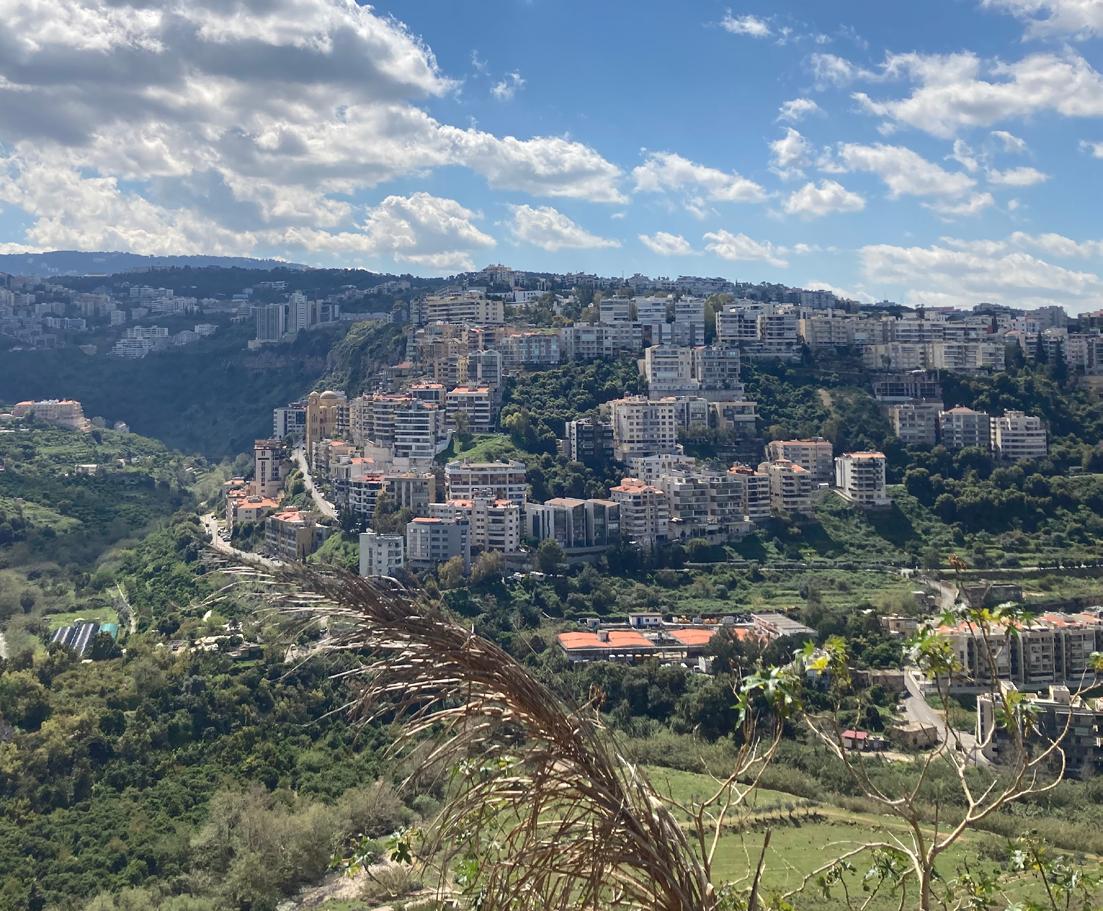
Because of its central location and the combination of geographical attributes described above, and in spite of its tendency towards conflict, Lebanon has continued to grow at an unprecedented rate, putting growth pressure on cities and towns throughout the country but also pushing growth out in to peri-urban areas in a kind of high-density sprawl where it is not uncommon to see six- and eight-story buildings packed on to steep hillsides. This type of growth seems an in-appropriate model given its high impact on natural resources and distance from transit and urban infrastructure and risks perpetuating an unsustainable pattern of auto-dependent growth. Especially for a small country like Lebanon, this growth pat-
16 Thomas L. Friedman, From Beirut to Jerusalem, Farra, Straus & Giroux Books, c. 1990
“High density sprawl” in the hills above Beirut.
tern is taxing its natural and agricultural resources making the preservation of those resources very challenging.
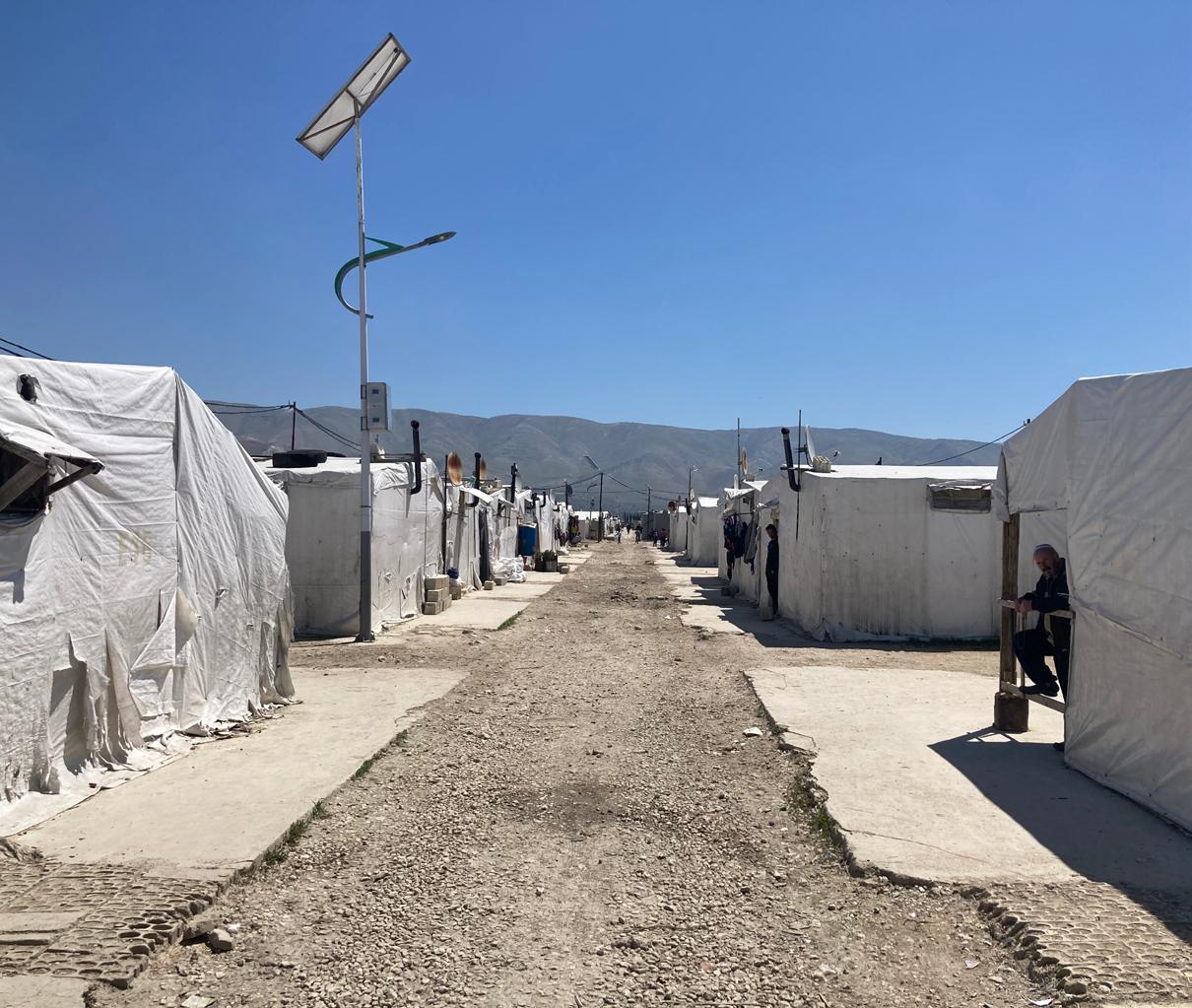
To compound these challenges, Lebanon has continued its legacy as a recipient country for refugees. The Palestinian refugee camps that were established starting after the British partitioning of Palestine in 1947 are still in existence and have more recently been added to as Syrian refugee camps have been established in other areas around the country to absorb the exodus from Syria due to the brutal repression by the Assad regime. Now, even as Syria has turned the page on the Assad regime, those encampments still exist as part of Lebanon’s urban landscape.
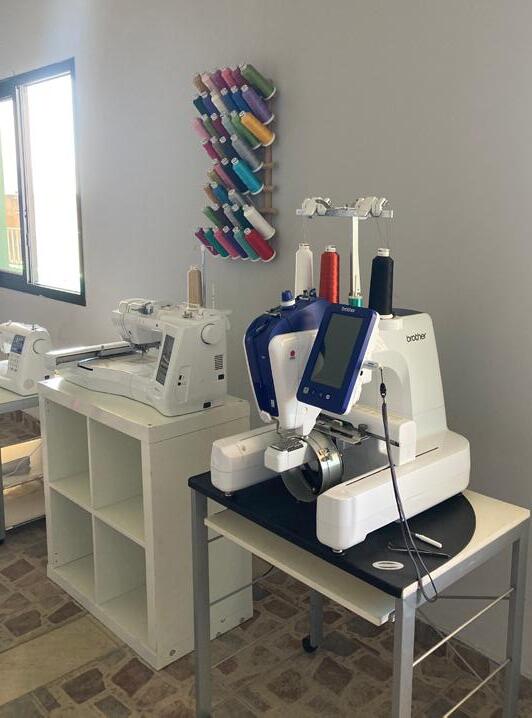
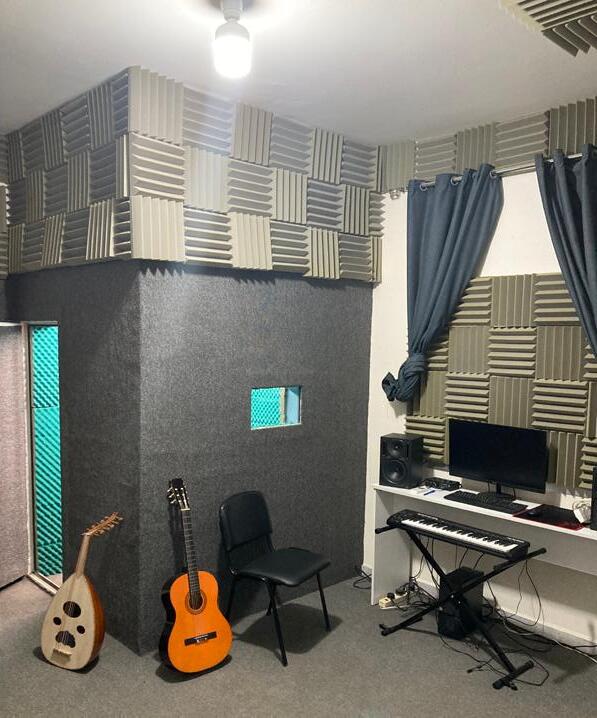
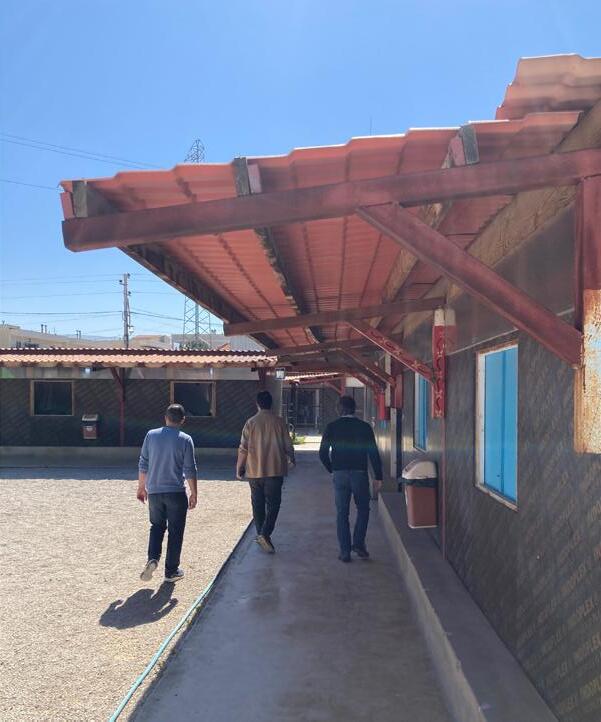
With the support of organizations like UNHCR (United Nations Office of the High Commissioner for Refugees), these displacement camps are remarkably well-organized and equipped to provide a humane living environment – including utility services and support for healthcare, education and other services – albeit
Support services for refugees in Bar Elias, Bekaa Valley – music recording studio, clothes-making lab and elementary school.
temporary.17 In fact, the ones I saw in the Bekaa Valley were under strict regulation to remain temporary utilizing light frame construction and fabric covering. The lessons learned from the previous generation of Palestinian camps is that more permanent construction can lead to more permanent encampments creating segregated ghettos rather than facilitating a more humane integration into Lebanese society.
While Lebanon’s generous capacity to grow and absorb these population pressures is remarkable, its ability to do so in a thoughtfully planned manner with functional infrastructure services has been significantly compromised due to the sheer pace of growth.
CULTURAL HERITAGE: THE RESILIENCE OF COMPLEXITY
The Staying Power of Lebanon’s Centuries-old Market Eco-systems
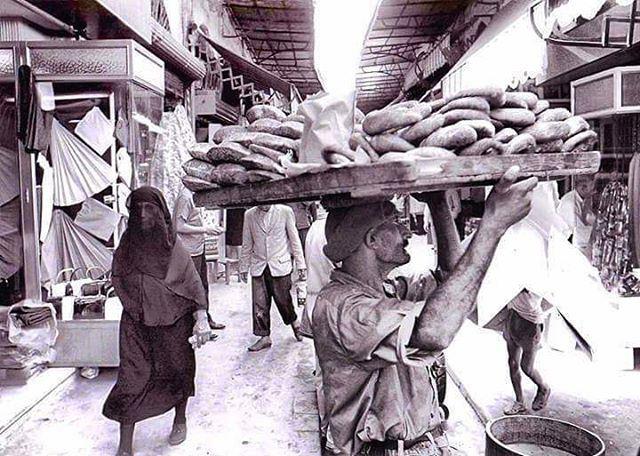
Lebanon’s centuries-old, established markets or “souks” seem to have an ability to withstand the ups and downs of Lebanon’s social and political unrest over the last fifty years since the civil war began – and in fact over the last 3,500 years – in a way that newer commercial models do not.
As mentioned earlier, Lebanon has been a commerce cross-roads for many hundreds of years. That legacy of trade and cultural exchange has shaped Lebanon’s cities including its capital, Beirut. Freidman goes on to say, “In Beirut, the embodiment of the Levantine idea was the city center. The Levantine spirit of coexistence was both produced in, and reproduced by, the covered markets and stone-arched alleyways, the red-roofed houses and craft workshops, the arabesque Ottoman fountains and bookstalls of old downtown Beirut, woven around Riad el-Solh Square. In the Beirut city center seven thousand shops once stood shoulder the shoulder, with the Maronite cobbler next to the Druse butcher and the Greek Orthodox money changer next to the Sunni coffee seller and the Shiite grocer next to the Armenian jeweler. The Beirut city center was like a huge urban Mixmaster that took the various Lebanese communities from their mountains and villages and attempted to homogenize them into one cosmopolitan nation.” 18 Beirut’s original souks.
18 Thomas L. Friedman, From Beirut to Jerusalem, Farra, Straus & Giroux Books, c. 1990
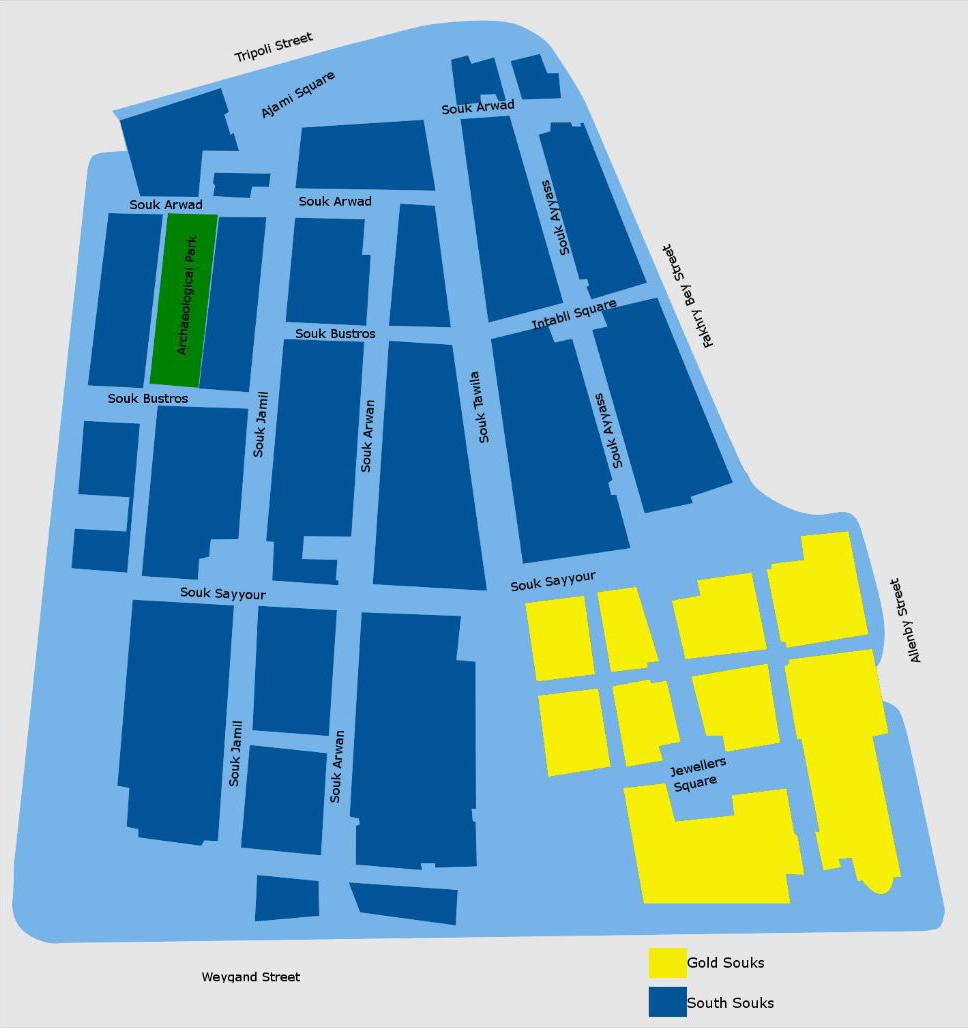
“The original Souks comprised a series of linear north-south axial spaces that featured Souk Ayyas (fabric and clothing), al-Sagha (jewelers), al-Lahhamin (butchers), al Jamil (well-ordered retail shops), al-Haddadin (tin), al-Bazirkan (woven goods) and Souk al-Tawileh (Kassir, 2010; 434-435).” 19
Not only were the old souks of Beirut a manifestation of the strong Levantine cultural cohesion Freidman describes, a structure rooted in centuries of coexistence and adjacencies, but also the intricate ownership patterns passed down generation after generation contributed to the staying power of the market system as a whole. Souk al-Tawileh and Souk al-Jamil / Souk al-Franj were all part of this eco-system before they were bought out through a mandated government initiative as part of the Solidere (Société Libanaise pour le Développement et la Reconstruction de Beyrouth) redevelopment, a public/private partnership founded by former Prime Minister, Rafik Hariri.
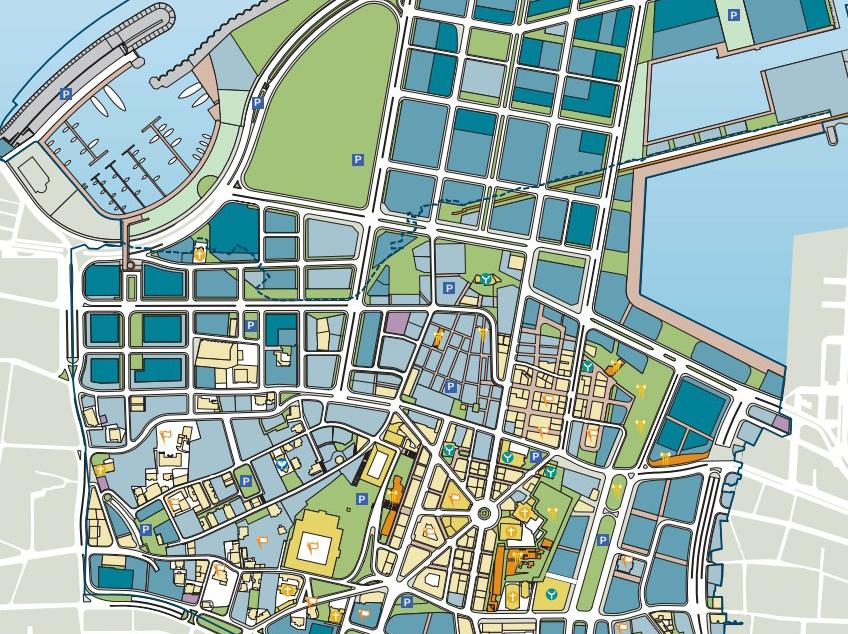
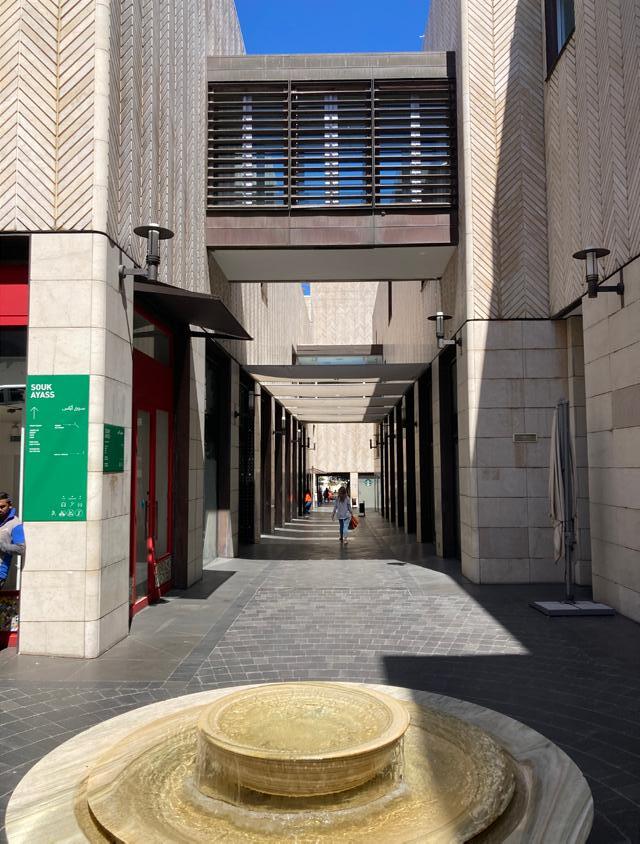
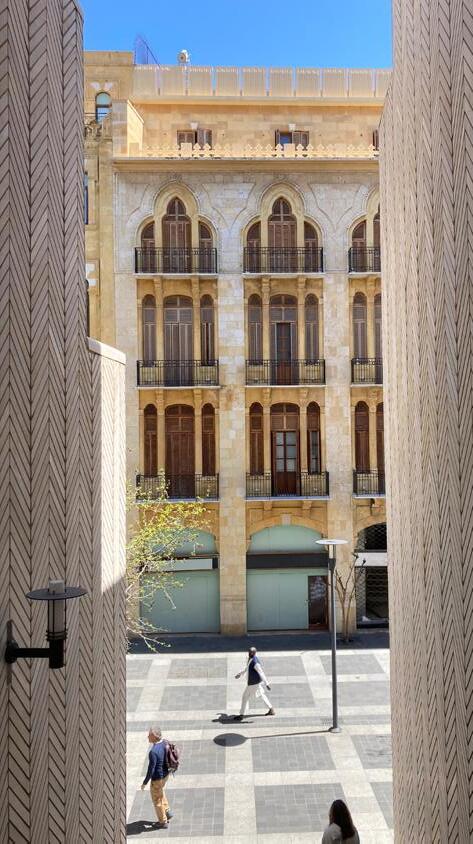
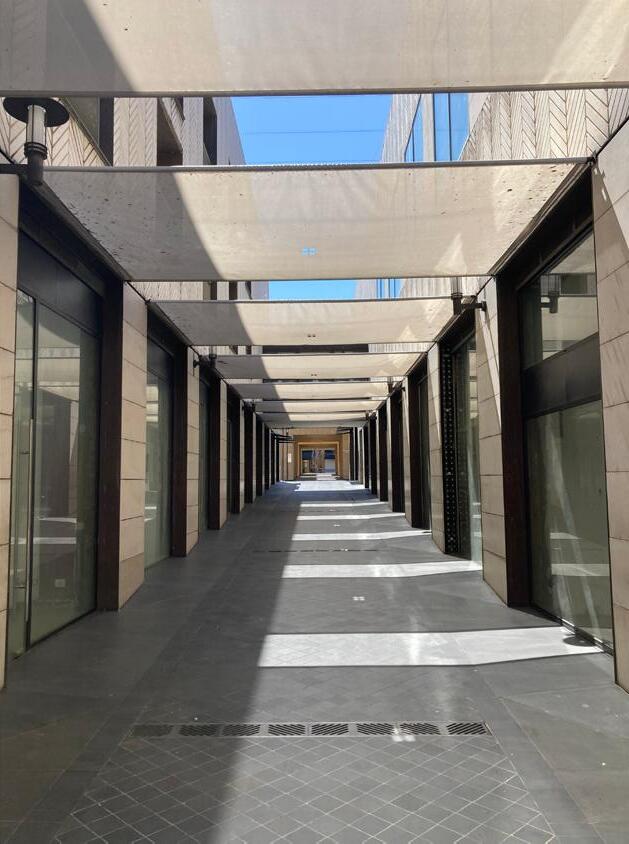
Solidere’s ambitious project in Downtown Beirut is one of the most beautiful urban design and development projects I’ve experienced – with its meticulous restoration of the gracious French Colonial apartment blocks and its elegant new additions like Rafael Moneo’s reinterpreted souk. However there is a startling lack of life in the new district. The reasons for this are rooted in part in how the redevelopment of the old souks was orchestrated.
19
Vibrancy of Old Beirut’s original souks circa 1950s & ‘60s.
Dr Jillian Wallis, Modernity and the Civic Realm: Learning from the Beirut Souks, Jan., 2012
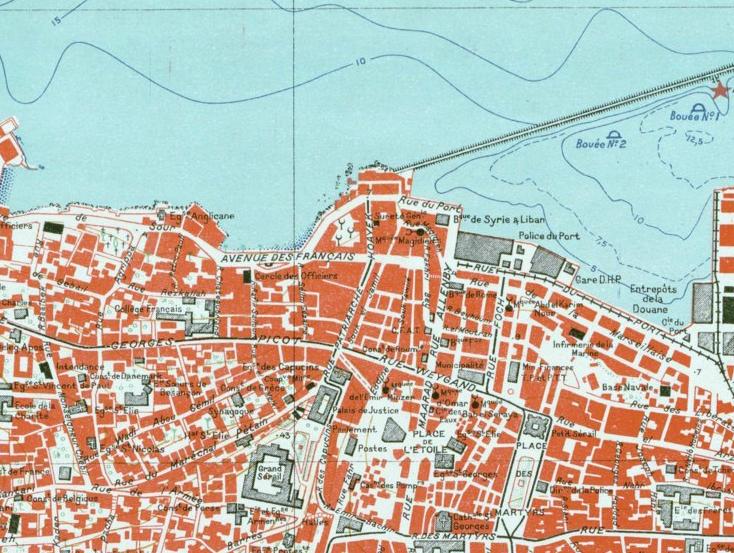
1936 map of
compared to the Solidere Master Plan of the same area
Old Beirut
“Former residents and business owners were compensated with shares in Solidere, rather than cash, at what many claim was well below the true value. Owners had the option to keep their property and return the shares, but only if they had sufficient funds to restore their buildings in line with Solidere’s strict preservation brief which set high standards, too onerous for most to muster.” 20
The result, ultimately, was a wholesale removal of the old souks and replacement with the new Moneo Mall. Today, the downtown – while beautiful – lacks the kind of energy that one sees in other parts of Beirut. At the time of my visit, the streets of the French colonial district were essentially deserted, and the mall was lifeless if not for the activity brought by a small street market – part of the new mall’s public space activation programming. In fairness, other factors also contributed to cultural and economic decline of the district. Absentee ownership due to investment properties is certainly one factor. Another is the overall economic and political trauma that Lebanon has experienced in the aftermath of the civil war and more recently, since the Port explosion in 2020. The devaluation of the Lebanese Lira certainly has had a dramatic effect. The impact of each of these factors should not be underestimated. For whatever reasons, Beiruti shoppers and visitors have simply not embraced the new development’s retail vision.
Or was the economic model for the project flawed from the beginning? A 2015 report from the Aleppo Project sheds additional light on where this model may have gone astray, “The project was also designed around exclusivity. Almost all the shops and restaurants in BCD are expensive. Few people in a city with an average income below 1,000 USD a month can afford to spend time there. The public spaces, while often beautifully designed, are selective in terms of who is allowed in and what they are permitted to do. A few efforts have been made to bring life to the centre such as markets, arts events and street fairs but even these attract a predominantly wealthy audience. Beirut is of course not alone in having an expensive downtown but in most cities, there is some mix and there are a wide array of public spaces due to historical legacies.” 21
The new Solidere development, while beautifully designed and crafted, is ultimately devoid of street life.
20 The Guardian, Is Beirut's glitzy downtown redevelopment all that it seems?, Oliver Wainwright, Jan, 2015
21 The Aleppo Project, Rebuilding Downtown Beirut, Center for Conflict, Negotiation and Recovery, School of Public Policy, Central European University, Budapest, Nov., 2015
The Aleppo Project report goes further to draw some poignant lessons, “Private models of redevelopment [may] exacerbate inequality, …. Public-Private partnership may work on a smaller scale but it is clear that they cannot deliver on the wider set of benefits needed in a post-conflict city. Social harmony, equality, representation and memorialization need to be considered alongside business interests or narrow political views.
“Ownership models should not be seriously disrupted. Ending the effective ownership of thousands of people and then handing them shares in a company over which they had little control was not a satisfactory arrangement. By insisting on very expensive reconstructions and a rapid timetable for rebuilding – which it often could not meet itself – Solidere put additional pressures on owners to accept shares rather than reclaim their property.” 22
Which, at the end of the day, none did.
By contrast, the on-going success of the old souks of Tripoli offers a living example of an alternative model. Tripoli has arguably experienced the same economic and political trauma that Lebanon as a whole has experienced. And yet these souks are thriving. An intricate market eco-system serving locals and visitors alike, is evident throughout the combined district of Souk Al-Haraj, Al Areed and Attarin.
22 The Aleppo Project, Rebuilding Downtown Beirut, Center for Conflict, Negotiation and Recovery, School of Public Policy, Central European University, Budapest, Nov., 2015
23 Self-financing for Conservation Based on Global Experiences – Case Study Preserving the Architectural Heritage of Historical Tripoli, Lebanon; Khaled El-Daghar; 2020
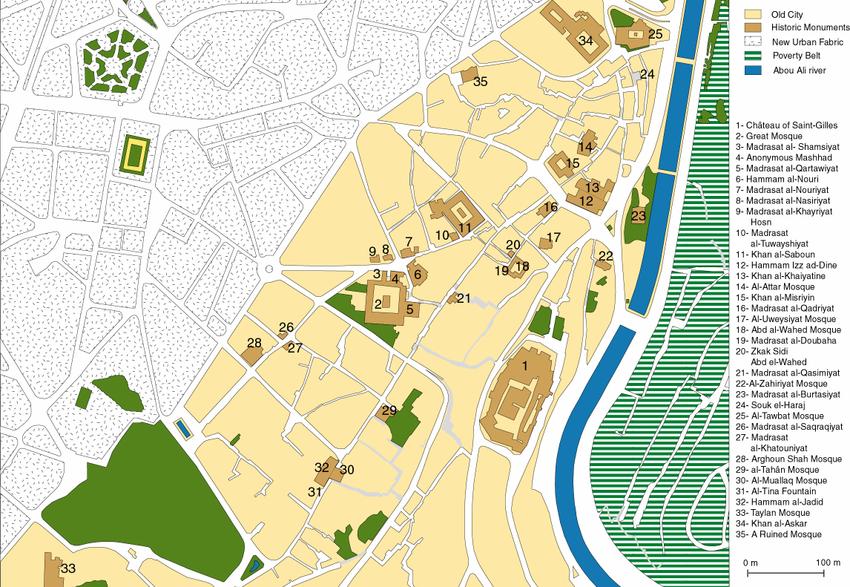
Old Tripoli heritage area and souk district. 23
In a 2018 interview, architect Khaled Tadmori, a specialist in heritage restoration and urban conservation and a member of Tripoli’s Municipal Council describes “Old Tripoli [as] a living museum because it has been inhabited since it was built by the Mamluks in the 13th century. It hosts more than 185 historical monuments and it is the only place in Lebanon where visitors can have a feel of the Orient.
“Sitting at the foot of the crusader’s Citadel of Saint Gilles, Tripoli’s old medina is a tight tangle of alleyways and dead ends designed to thwart a military invasion. Unlike other medieval Arab cities, old Tripoli did not have walls and ramparts but it was built as a fortified labyrinth. Invaders are easily lost in the maze of alleyways. They cannot enter in big numbers in the narrow passages; roofs are connected enabling dwellers to flee and porches are low and cannot be accessed on horseback.
“The old souks, named after the crafts that were commonplace, branch out of the central Grand al-Mansouri Mosque, which was the main gathering place in the city. The location of the souks
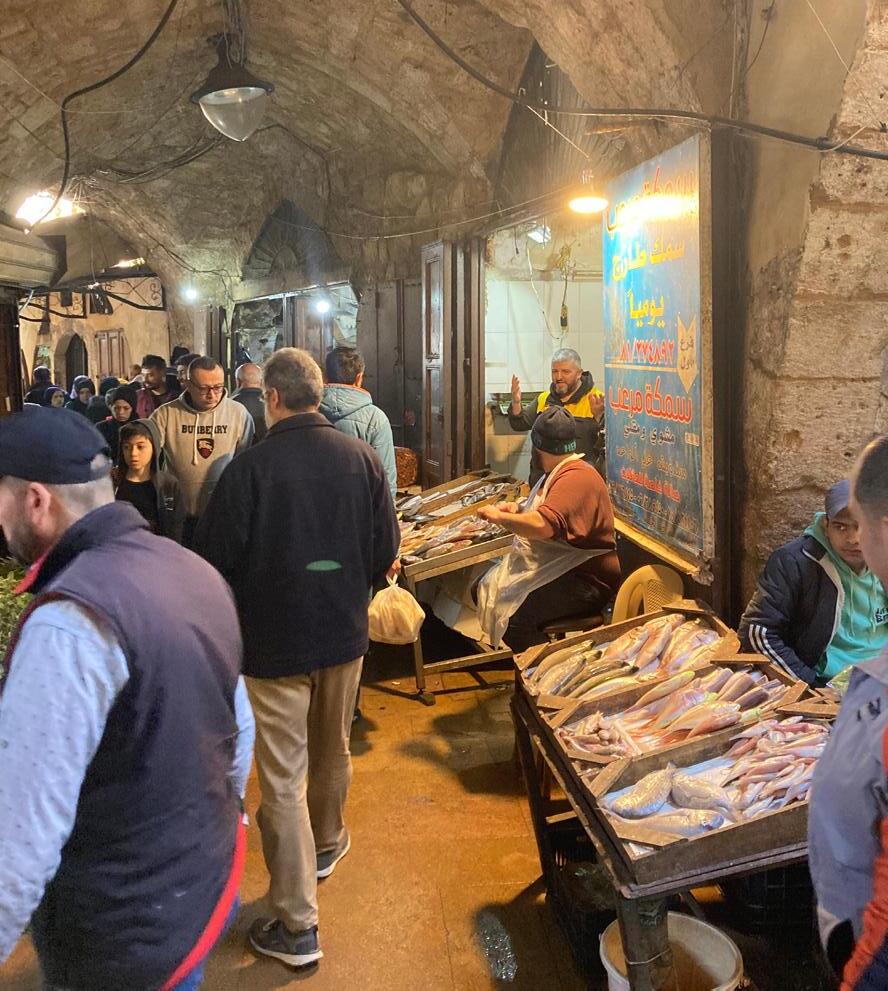
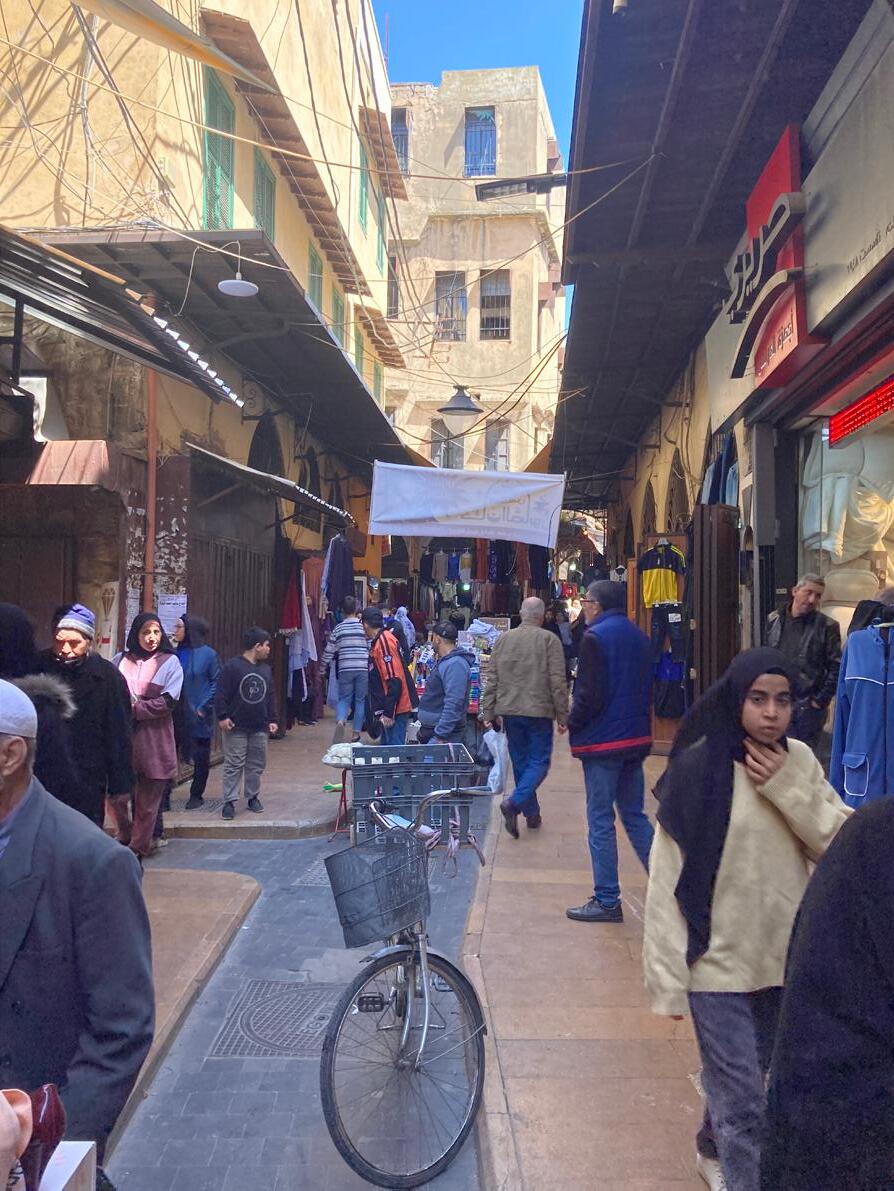
Old Tripoli’s souk district, teeming with life.
was carefully chosen. The coppersmiths’ market was far from the mosque because of the noise, as was the tanners’ souk because of the smell. The mosque’s gates opened on al-attarine (perfume makers) souk, the golden souk and Khan al Saboun — the soap souk — which also served as a caravanserai.” 24
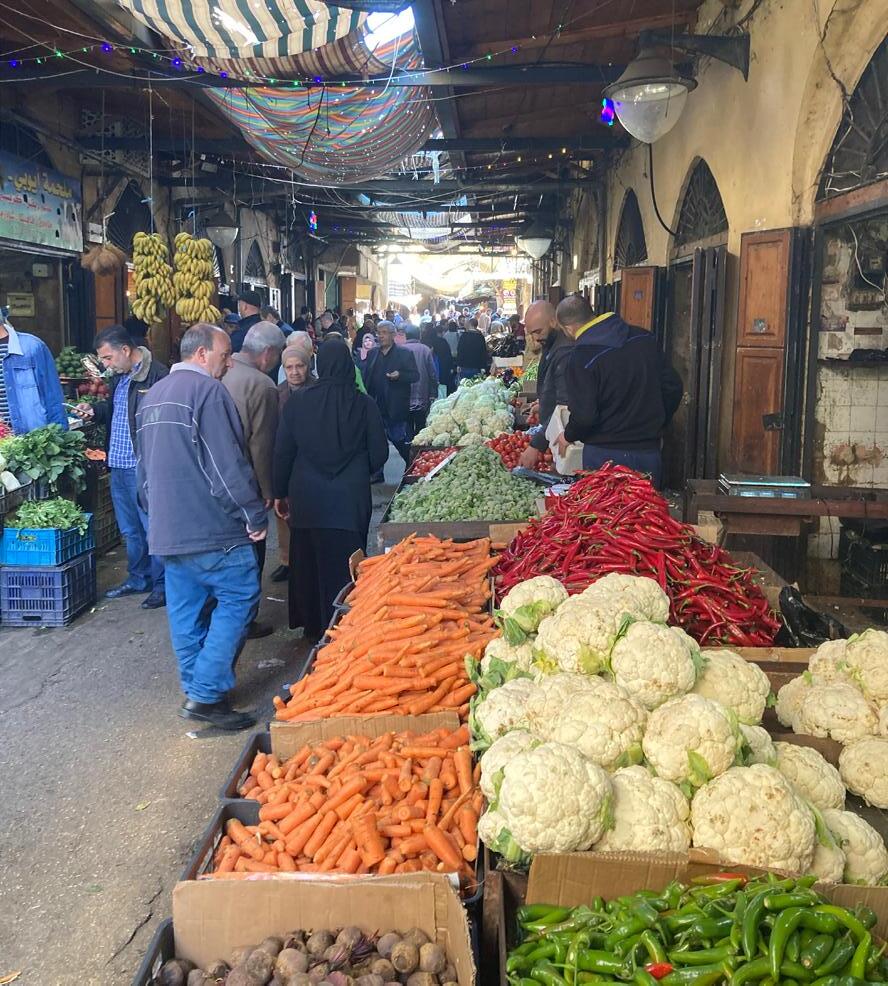
As you navigate through the souks today, you can certainly sense this rich history of the fortified labyrinth, the maze of alleyways, established specialty areas, but mostly, you sense a strong commerce eco-system that has evolved and thrived over centuries. The buzz of commerce is palpable with sellers and buyers, lookers and socializers. And the diversity of both business types and shoppers is evident. Shops of all sizes and products are integrated together. And shoppers run the spectrum of income levels as well as a mix of locals and visitors.
Tripoli’s cultural heritage areas are not without their challenges. Both Tadmori as well as Serge Yazigi, Urban Planner and AUB (American University of Beirut) lecturer with whom I toured the Tripoli souks, say that more resources are need for restoration and preservation. Some restoration efforts have been done with positive results but there is much more to do as centuries-old buildings suffer from deferred maintenance. Restoration efforts were financed by the World Bank starting in 2002 in conjunction with Agence Francaise de Development (AFD). These included street and infrastructure improvements and a limited number of building restorations. Although the project stopped short of its original goals due to interruptions in the tourist economy, the souks nevertheless have exhibited a remarkable level of resilience in terms of continued commercial activities due to the established networks of suppliers, business owners and buyers. 25
Tripoli’s daily commerce and cultural rhythms continue – as they have done for centuries.
Preserving cultural heritage in tandem with nurturing equitable social and commerce environments is complex and involves many players – public and private – including the traditional landowners and business owners that make up this complex eco-system. That complexity is evident in the Tripoli model and may have been its salvation as well as the secret to its resilience.
GOVERNMENT SERVICES DYSFUNCTION AND THE EMERGENCE OF AN ADAPTIVE GOVERNANCE ECO-SYSTEM:
Lebanon’s governmental structure is technically a parliamentary democratic republic in which members of parliament are elected by the people, a President is elected by the Parliament, a Prime Minister is chosen by Parliament and the President, and a Council of Ministers are appointed by the President (Minister of Education, Minister of Economy and Trade, Minister of the Environment, etc.).
To complicate matters, a 1943 National Pact tried to establish equitable religious representation in government, attempting to balance power between Lebanon’s religious groups giving each group not only representation but, in a later agreement, also veto power. 26 In recent decades, due to increasing religious conflict, this has led to a type of paralysis of progress in government decision-making and a general dysfunction of government services.
24 The Arab Weekly, Tripoli’s old souks in Lebanon offer bittersweet experience, Samar Kady, Jan, 2018
25 Interview with Serge Yazigi, Urban Planner and AUB (American University of Beirut) lecturer.
Evidence of this dysfunction can be witnessed throughout the country with frequent power outages, unreliable water service and generally inadequate infrastructure to accommodate on-going urban infrastructure needs much less the explosive growth that Lebanon continues to experience.
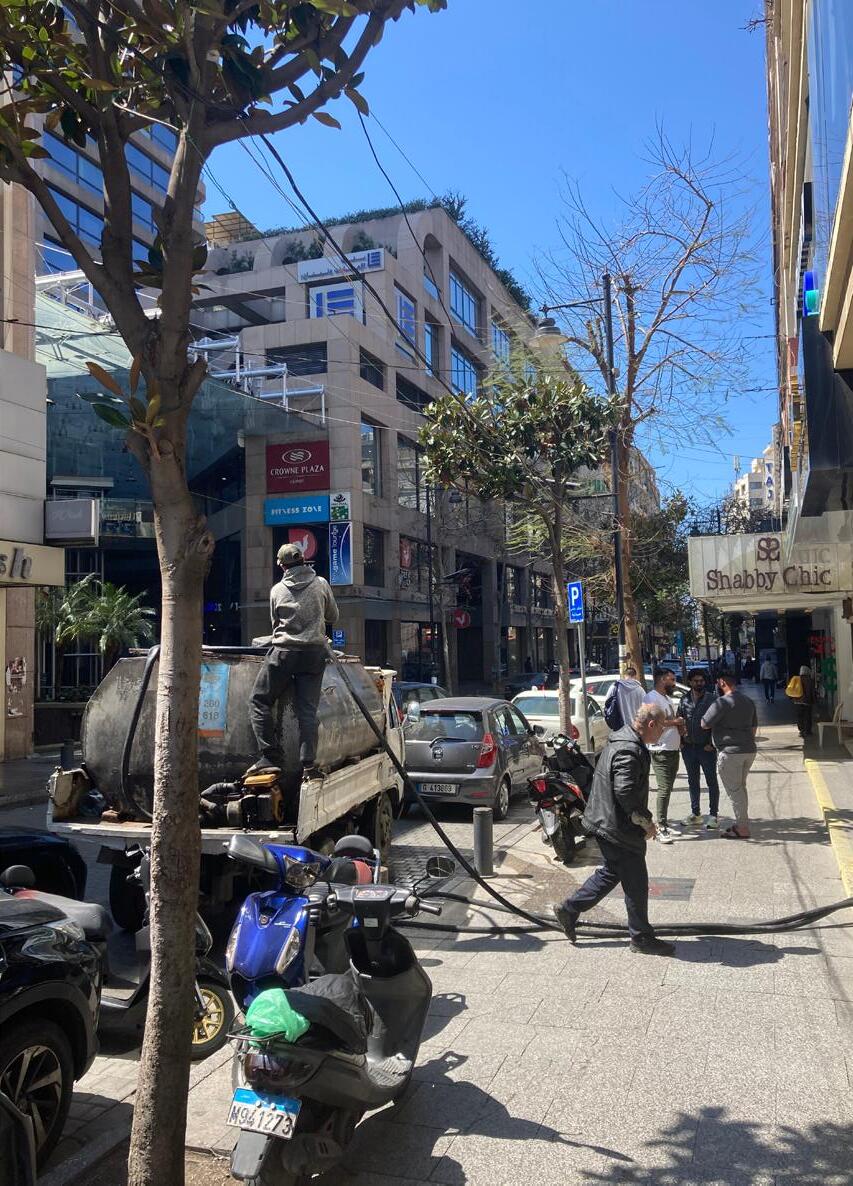
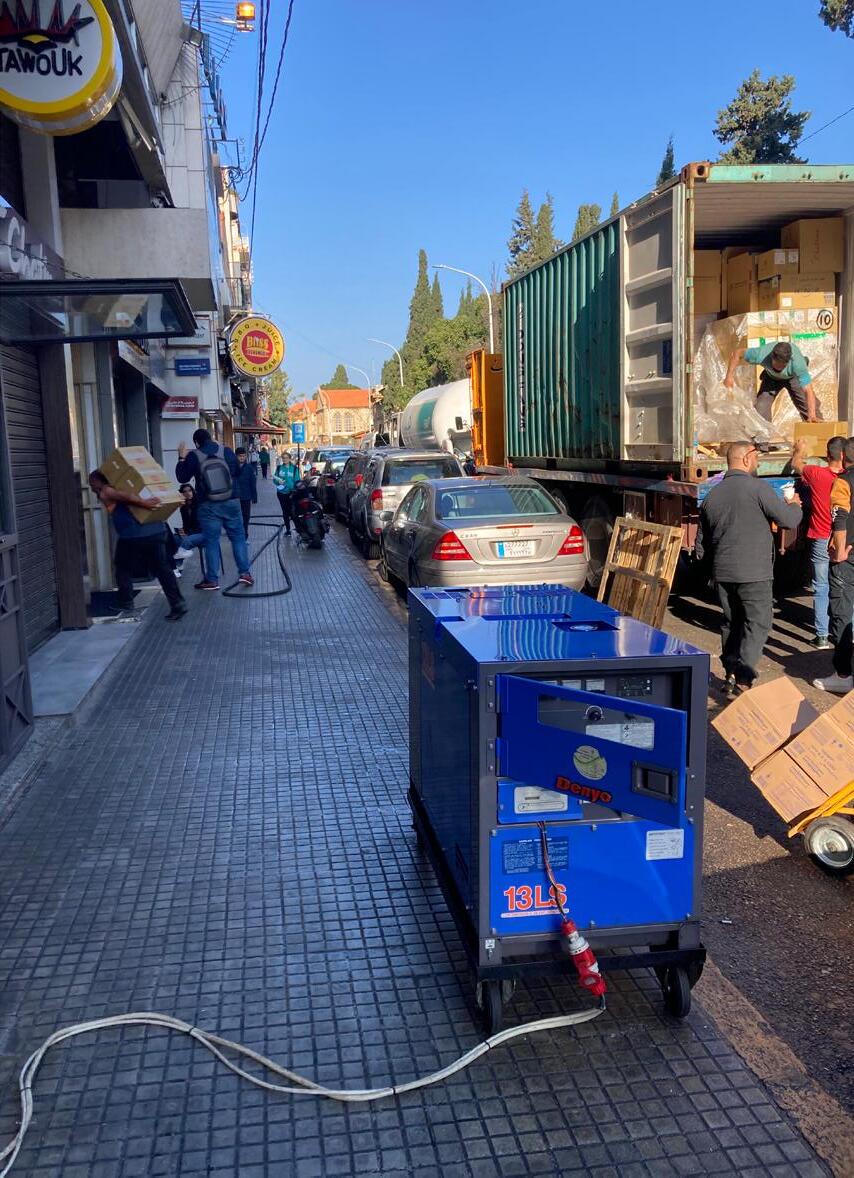
So the Lebanese adapt. Micro solutions are evident throughout – from solar power to back-up generators to battery storage to individual building water supplies, the Lebanese figure out how to go on. Aram Yeretzian, Professor of Architecture at AUB is doing impressive research and teaching on retrofitting existing buildings in the region to make more efficient envelopes in response to temperature extremes including window shading, wall profiles, glazing upgrades, reflective roofing, PV panels and second layer shading
When I commented to my host, how amazingly resilient the Lebanese are, I was quickly enlightened; “We’re so tired of being called resilient.” What I saw as a remarkable demonstration of urban resilience, my host saw as the sustained existence of inhumane living conditions for the Lebanese people. From his perspective, they are resilient only because they have to be, not because they are developing some new science of resilient living. While I took his point, I still couldn’t help but be impressed by the ingenuity and adaptability I witnessed – particularly when viewed through the lens of lessons for urban resilience with applicability to other regions of the world.
A network of NGOs have a strong presence in Lebanon – working towards solutions to these difficult issues. UN Habitat, UNICEF, UNESCO, Agence Française de Développement (AFD), World Bank and others all have active programs to work on infrastructure, housing, public health and historic preservation. This is encouraging and is having some impact. Another encouraging trend is the emergence of sub-regional governments in setting their own agendas and making progress on a local level on important issues.
Adaptive measures in Beirut – refills for individual building water supply, emergency generators for power outages.
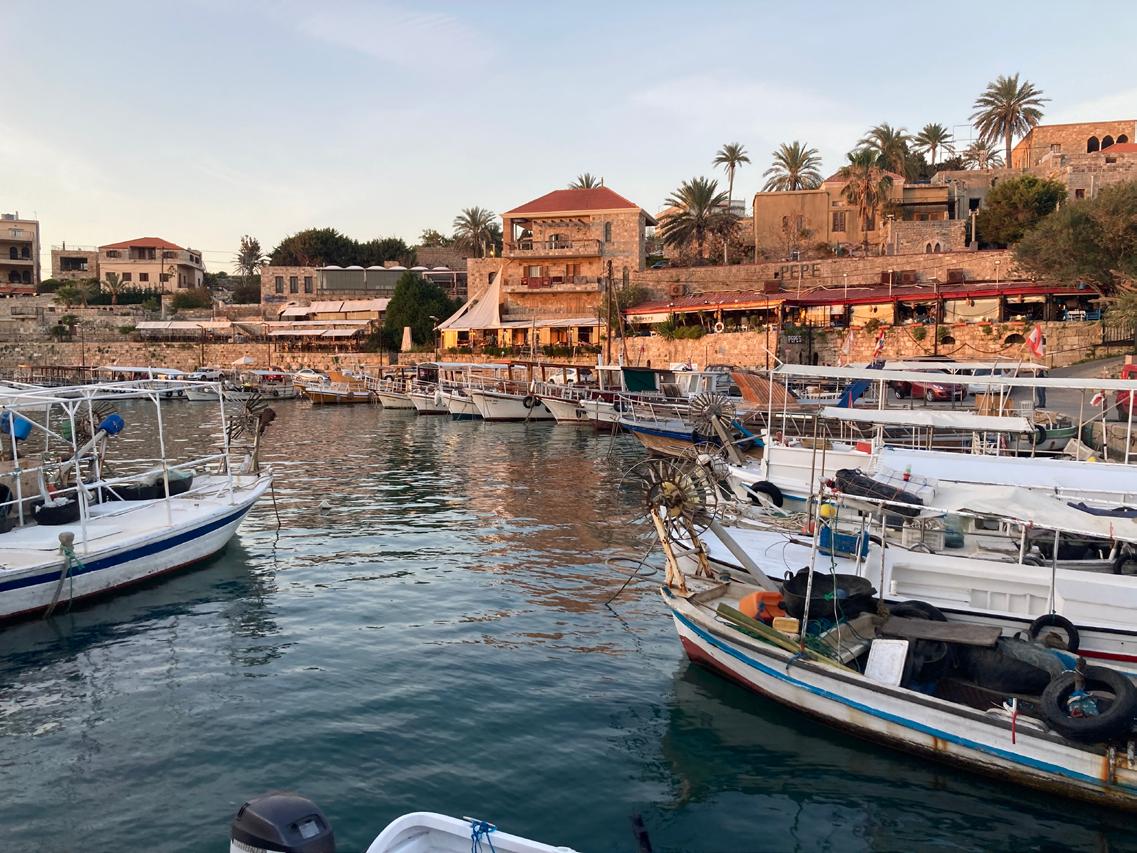
The City of Byblos has impressively developed its economy around tourism featuring its historic Phoenician and Roman resources designated as a World Heritage Site by UNESCO. Similarly, Jezzine has parlayed its natural beauty and agricultural heritage into a thriving economy and is a leading proponent in the conservation of natural and agricultural landscapes. These success stories can be found throughout Lebanon from Tripoli in the north to the towns of the Bekaa Valley. According to Serge Yazigi, Urban Planner and AUB Lecturer, Lebanon has evolved into a kind of federation of these functional subregions.
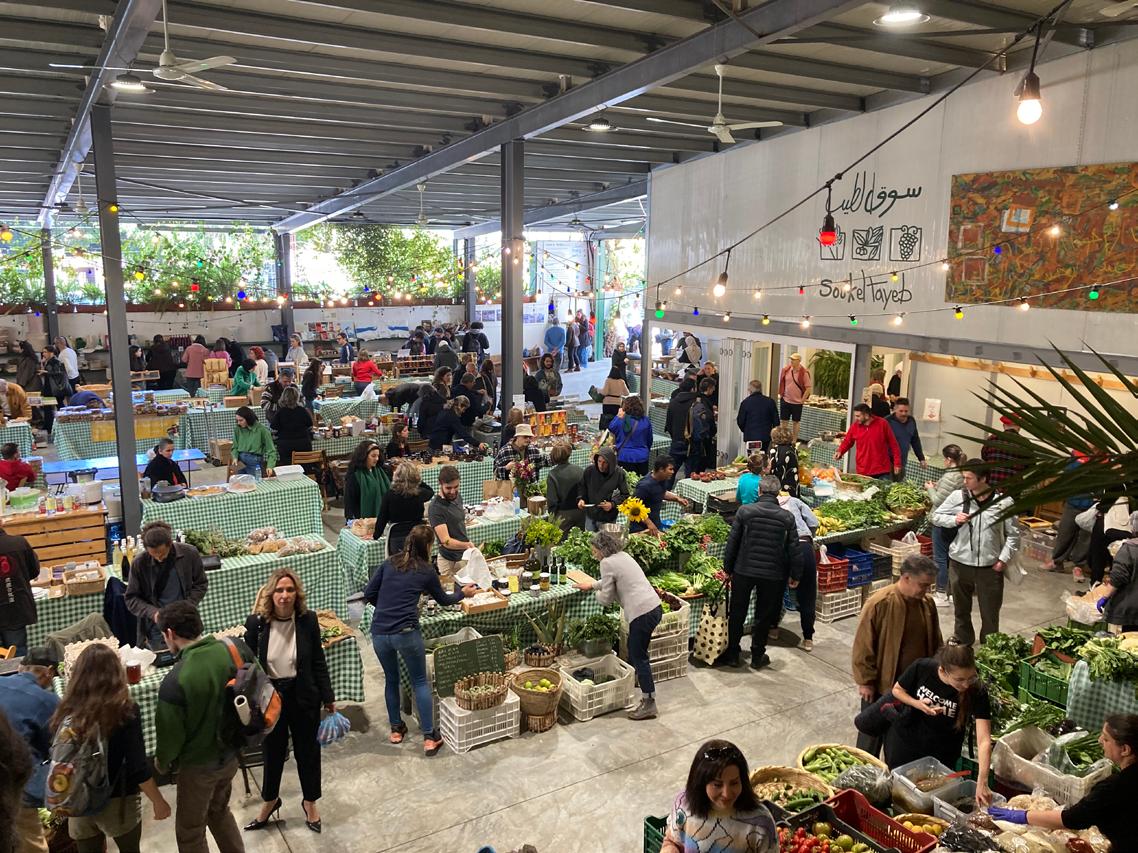
Lastly, an impressive culture of grass roots organizations have emerged whose collective impact is significant. From a local market in Beirut featuring produce from regional farms, to cheese-makers, to vintners, to organizations that develop prototype housing, schools and support services for refugees in the Bekaa Valley, there is a palpable sense of progress through non-governmental means.
My crude assessment from the short time I was there, is that these different levels of organizations, from the ministries many of which continue to function to the NGOs, to the sub-regional municipalities to the grass roots organizations, are forming a kind of governance eco-system that provides needed functions where the national government falls short. The resilience and inter-connectivity of this eco-system allows the system to function as a whole even if parts of it are not functioning optimally. Everyone’s hope is of course that the national government will be able to regain its function and provide the kind on leadership and support from which Lebanon can so greatly benefit.
Byblos harbor.
New farmers market, Souk el Tayib, in the Forn el Chebbak district of Beirut.
Sub-regional Government
Grass Roots Organizations Tripoli
Non-governmental Organizations (NGOs)
Governance structures before adaptation through necessity
Governance structures after adaptation through necessity
Byblos Jezzine Bekaa Valley Tyre
Minister President UN Habitat
Byblos Jezzine
Bekaa Valley
COMMON THEMES – LESSONS LEARNED
Climate Change & Migration
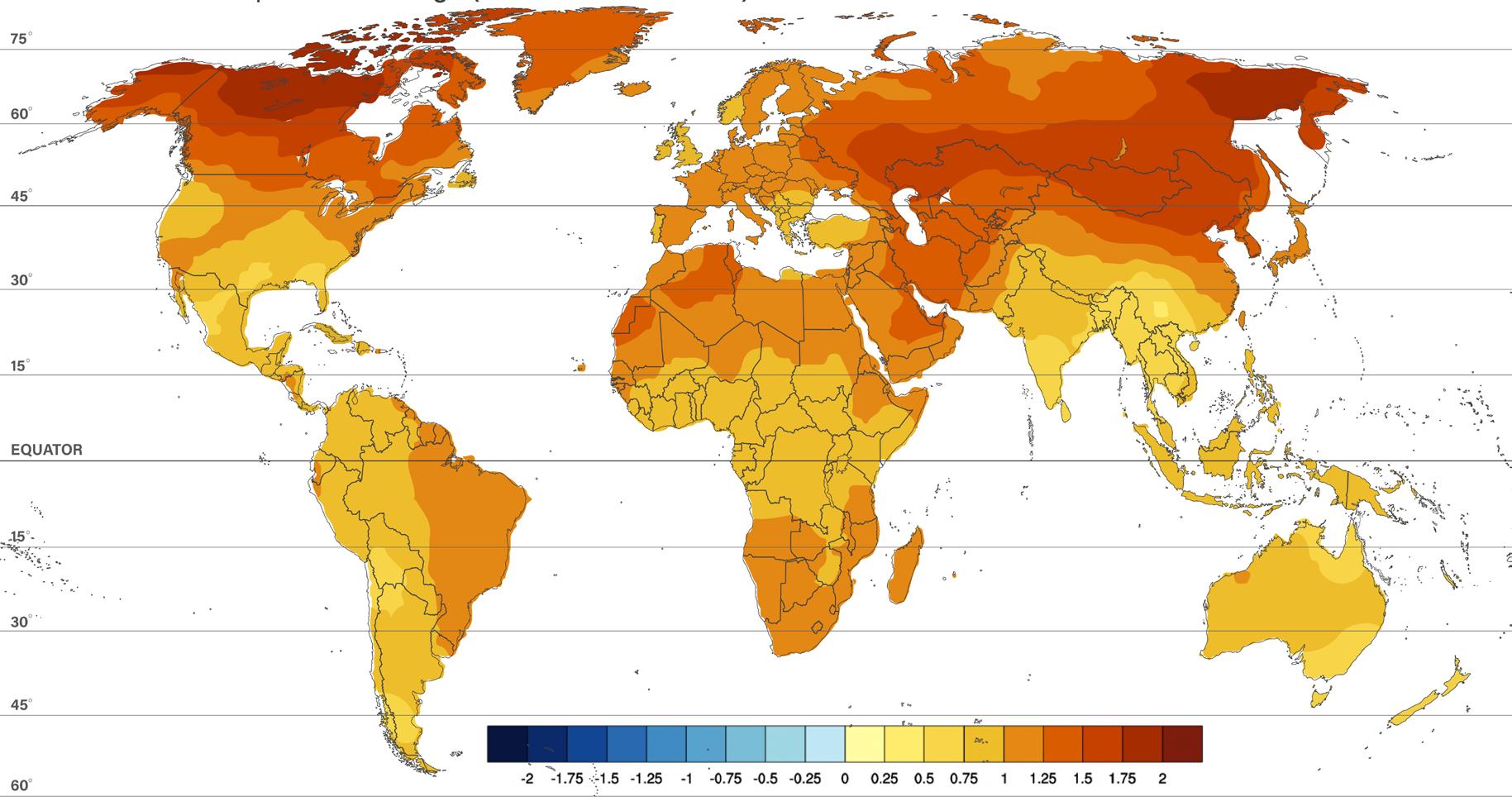
Coming back to the broad themes of climate change and cities’ resilience to it, it’s worth noting the relationship of climate change and the pronounced refugee challenges in this region. Peter Gleick of the Pacific Institute notes that while not necessarily causal, the prolonged drought in Syria from 2006-2011 certainly exacerbated the instability in the region eventually leading to a mass exodus and global refugee crisis. A spiral of drought, crop failure, increased political instability, civil war and finally mass exodus is intertwined with climate change. 27 And recognizing that Syria is part of the historic Fertile Crescent, in which civilizations developed around prolific agricultural-based economies, the impact of drought is allthe-more devastating.
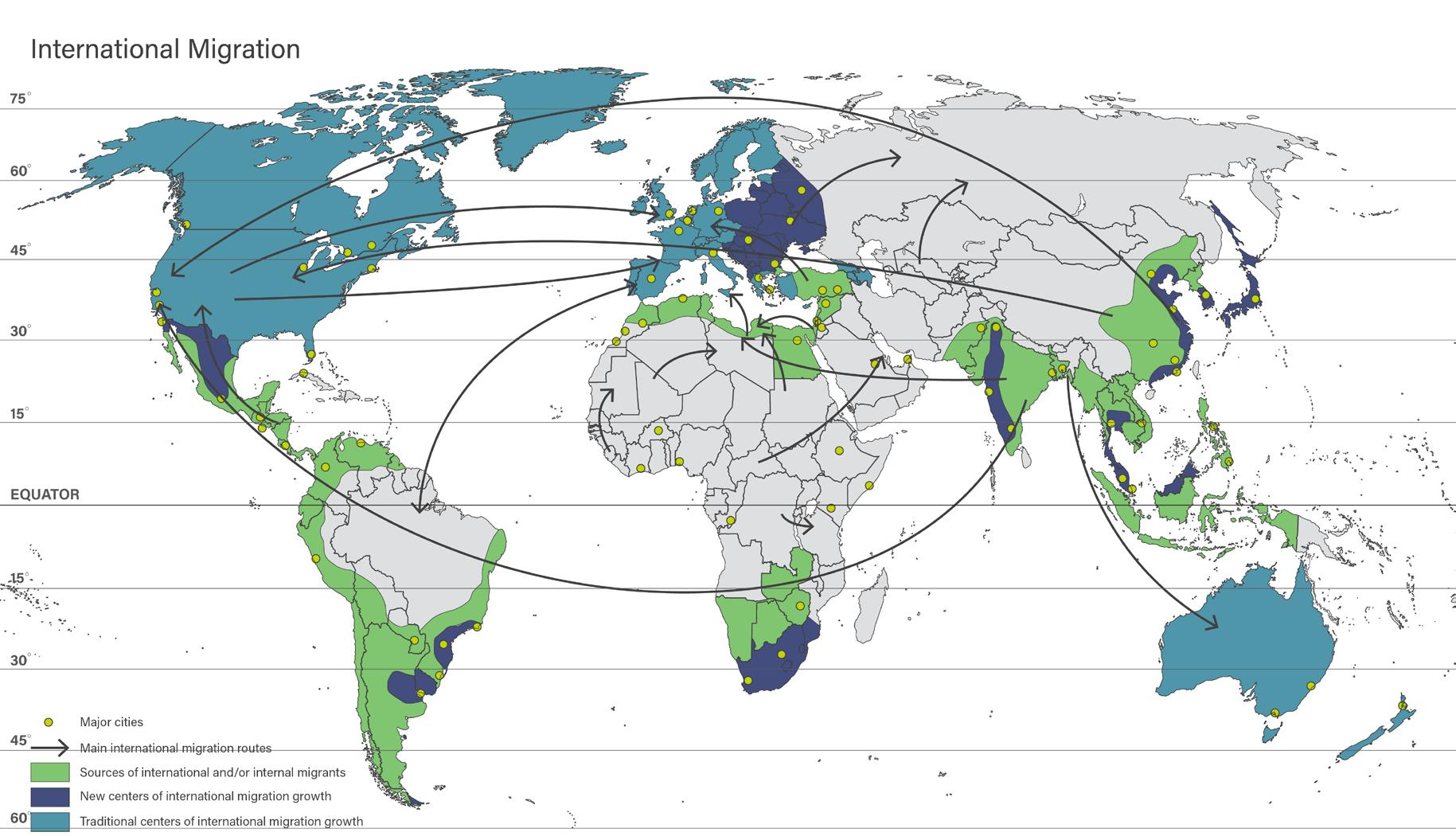
So what can we learn from this? Syria is not alone in experiencing climate-caused – or at least climate-exacerbated – migration. Evidence can be seen throughout the Global South that these migrations are happening and causing instability in both the origin and destination regions of migration. For Egypt and Lebanon, which have been largely recipient regions, lessons can be learned about how these migrant populations are being handled.
Temperature change in degrees Celsius comparing the period of 1990-2010 against a baseline of 1901-1920 (Figure Credit: National Center for Atmospheric Research, climatedataguide.ucar.edu (D.Schneider))
27 American Association for the Advancement of Science AAAS; “Climate Change Hits Conflict Zones Harder: Syria Case Study”; Peter Gleick, Pacific Institute et al; 2016
Major international migration trends from 2015 (Admas, 2015; Conant, Chwastyk & Williams, 2015; International Ogranization for Migration, 2015, World Migration Report 2015 with additional cities
Temporary Housing
The ability to create fully functional temporary camp communities, complete with support services – health care, education, job training and placement, etc. – is impressively demonstrated in Lebanon. Managing the delicate issue of determining the level of permanence of these camps is critical and has lessons that have broad application throughout the world – including developed nations as they grapple with homelessness and disaster relief. How can these camps provide critical relief at the time of need and how do transition strategies follow to integrate people back into permanent communities.
New Models for Housing
Informal settlements in Metro Cairo show us how housing people of modest means can be built quickly and inexpensively and if supported with infrastructure and services, can develop into socially-functional neighborhoods where people can build their lives with a sense of permanence and dignity.
This principle certainly has universal application as housing shortages transcend geographic and socio-economic boundaries. Cairo’s specific model of informal settlements – based on its local materials, available technology and social structures – is not necessarily transferrable – not literally. The challenge – and opportunity – is to create a form of simple, quick-build, culturally-appropriate housing appropriate to each community of need. In the case of Cairo, rich traditions of social cohesion and commerce can take root if the urban structure is provided to let it. Figuring out that social function / urban
Major Cities
Main international migration routes
Sources of international and/or internal migrants
New centers of international migration growth Traditional centers of international migration growth
form nexus in each given geography is our opportunity. And figuring out how to remove barriers that over-complicate building and allow simple, quick-build and humane solutions is our challenge.
Retail Eco-systems
Learning from the success of highly functional retail eco-systems like the ones discussed in Old Cairo and the Tripoli souks, what are the lessons we can take to western retail strategies where we’re seeing failed retail models such as the demise of the suburban mall and strip commercial centers? Is a finer grain, neighborhood-focused model with a variety of business types and sizes more resilient to the dynamic nature of retail than an already stressed brick and mortar retail construct?
Governance Eco-systems
And finally, learning from how Lebanon has adapted to dysfunction at the national government level by developing a web of interconnected resources for governing, how can we create more resilient governance in other contexts. In my own country currently – and particularly in my home State of California –Federal Government support is increasingly less reliable in supporting much needed social programs and infrastructure investment. How can places with similar challenges rebuild an eco-system of governance that relies less on national government and more on local initiative, regional government, NGOs, private investment and other alternative sources of funding? And how can these places federate with like-minded regions to expand an eco-system of mutual support?