003 MAR 2026
003 MAR 2026
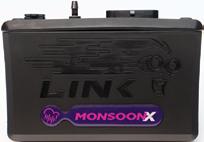
The real deal for custom engine management and maximum performance.
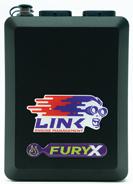
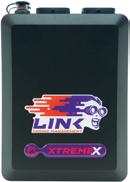
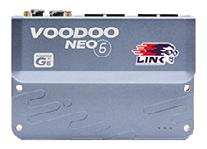
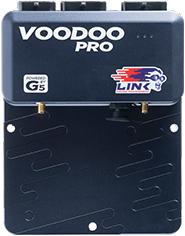
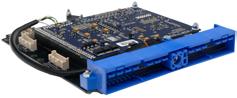
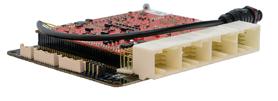
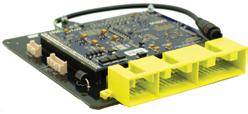
The plug-and-play replacement for your OEM ECU, no additional wiring or adapter harnesses needed.
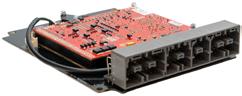
The all new Razor PDM puts you in control, with fully programmable power distribution and data.
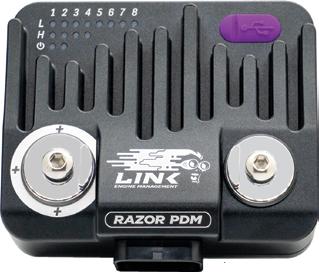
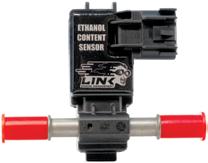
Link’s solutions are highly expandable and integrate a wide range of components, data and control for optimal performance.
Link have packages for every need from standalone ECUs, to sensors, data, power management, looms and dashes, plus the world’s largest range of plug-in ECUs for major performance engines.
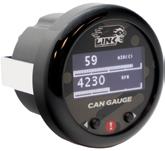
Big or small, for street or track, get all the real-time data you need from high-contrast OLED screens.
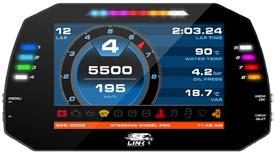
Contact your local Link Reseller or our 24/6 Sales and Tech Support Team to get expert advice on planning your next build. Integrated engine, power and data management, with expert advice and support to give
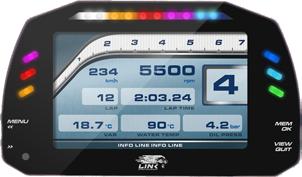
The ultimate in plug-and-play for flexible, fast and tidy installations.
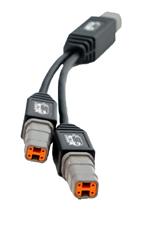
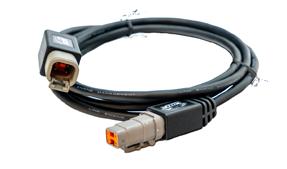
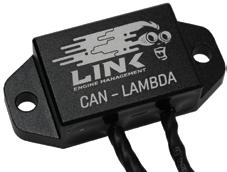


Extend your package for performance and engine safety.
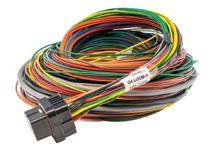
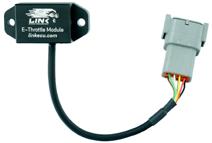
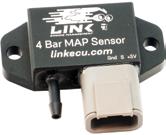
Our US-based Sales and Tech Support team, and nationwide reseller network ensures you get the best possible results from installation to tuning and performance.
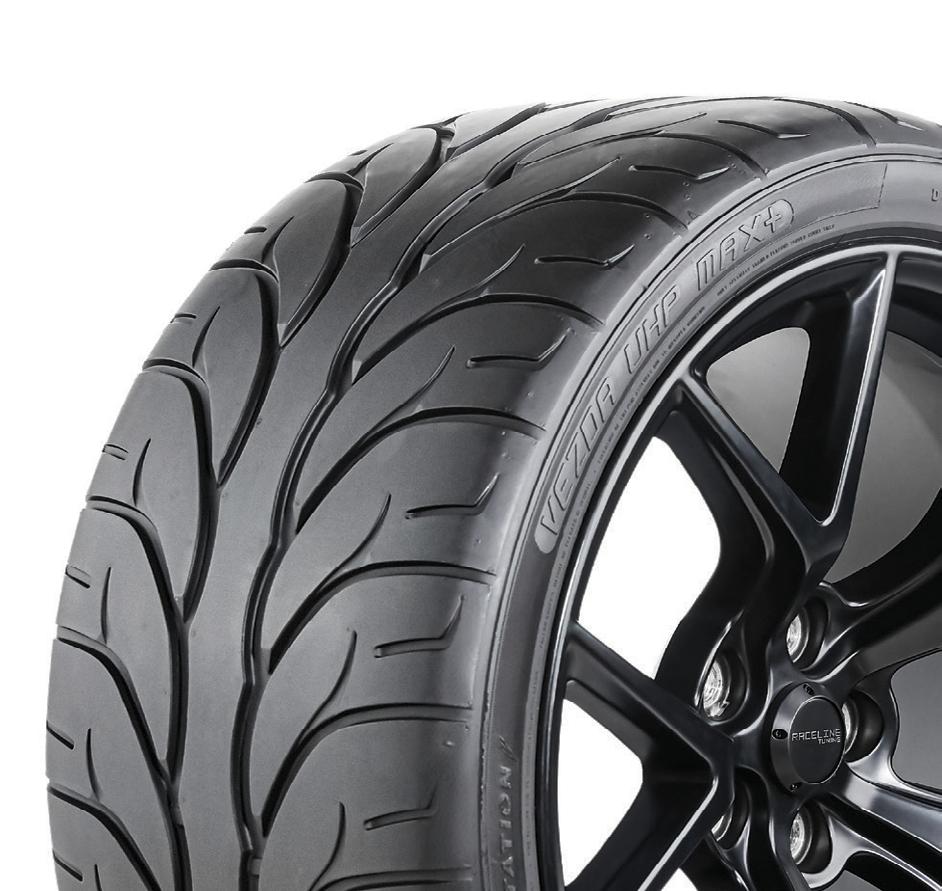
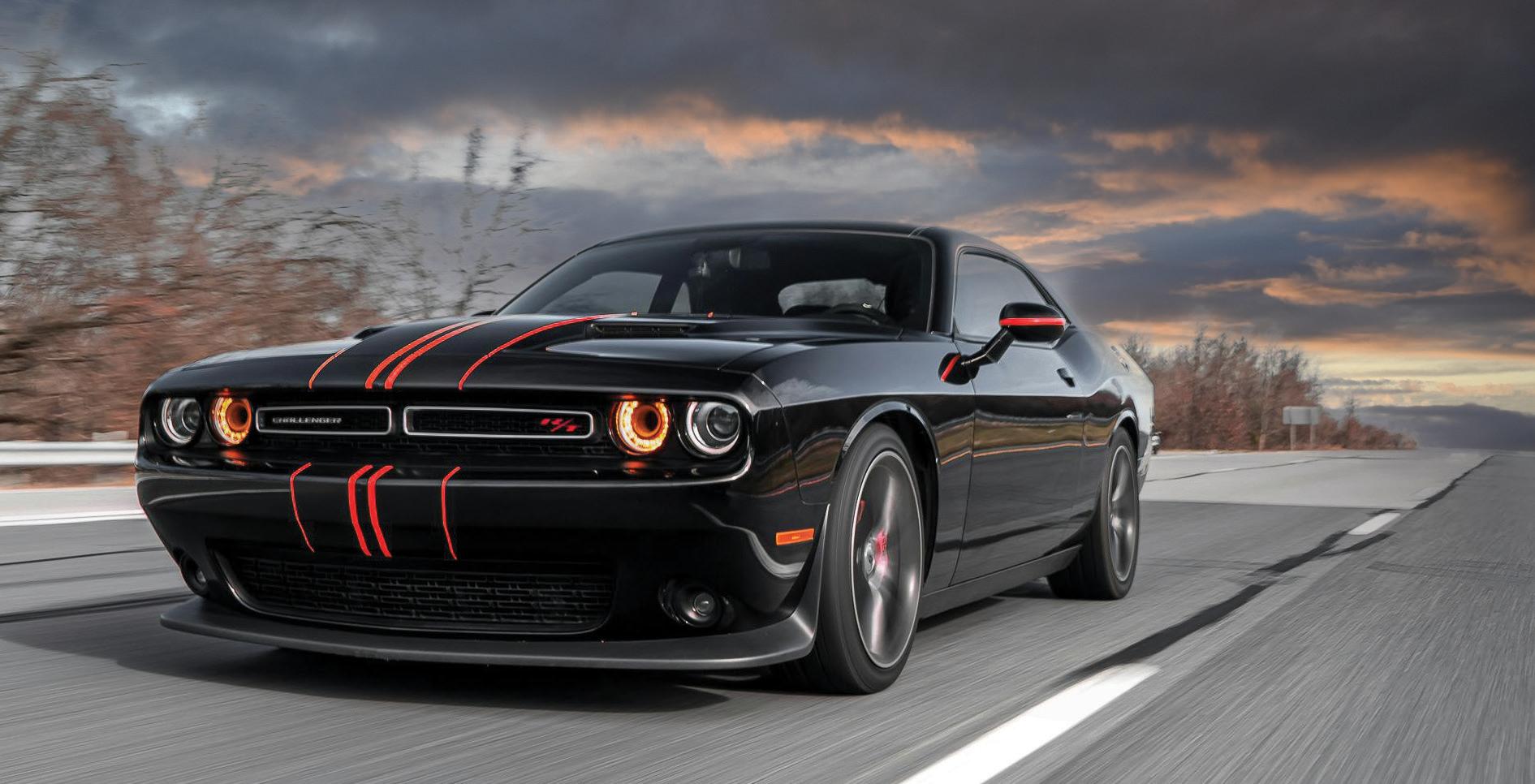
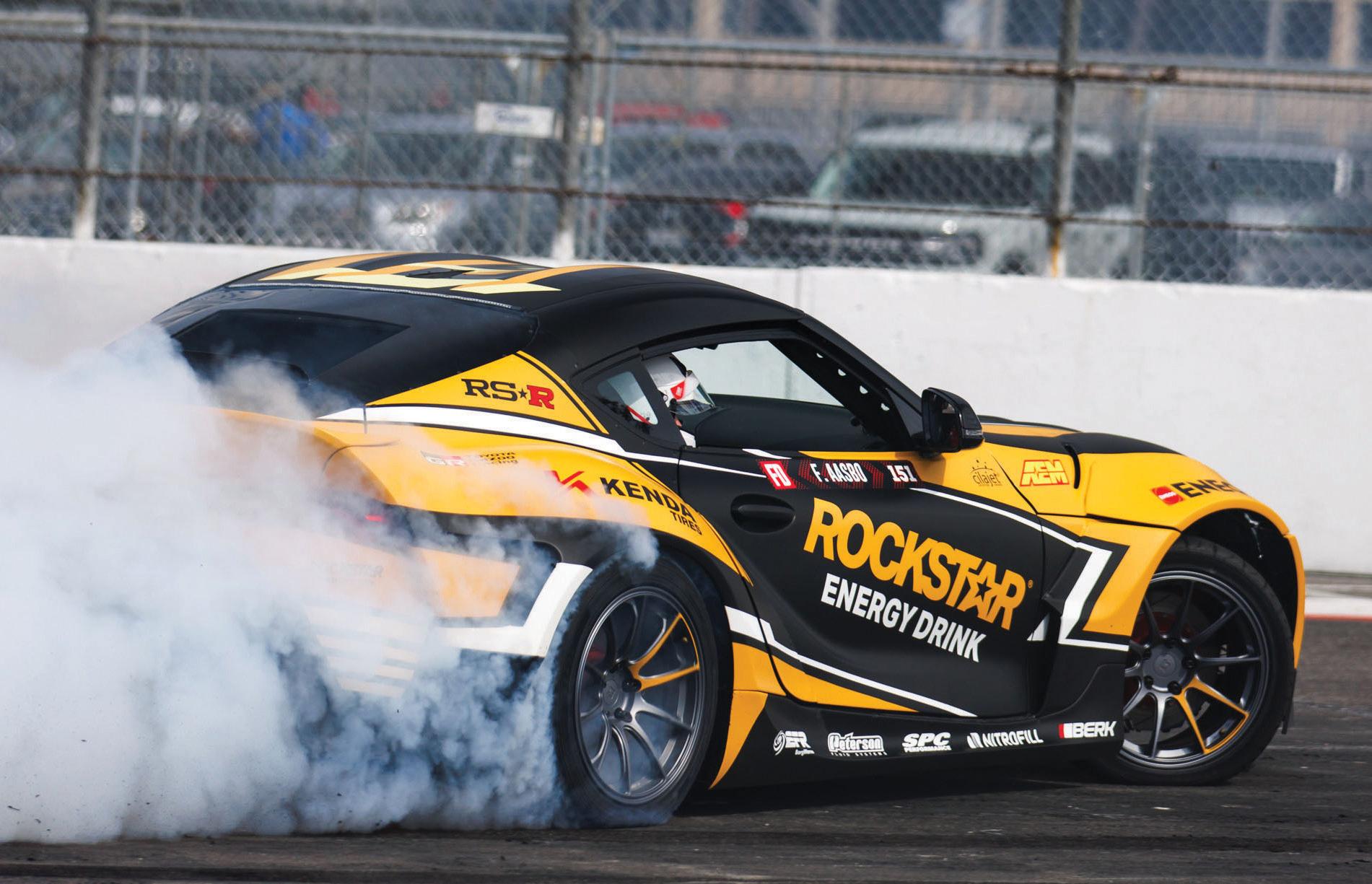
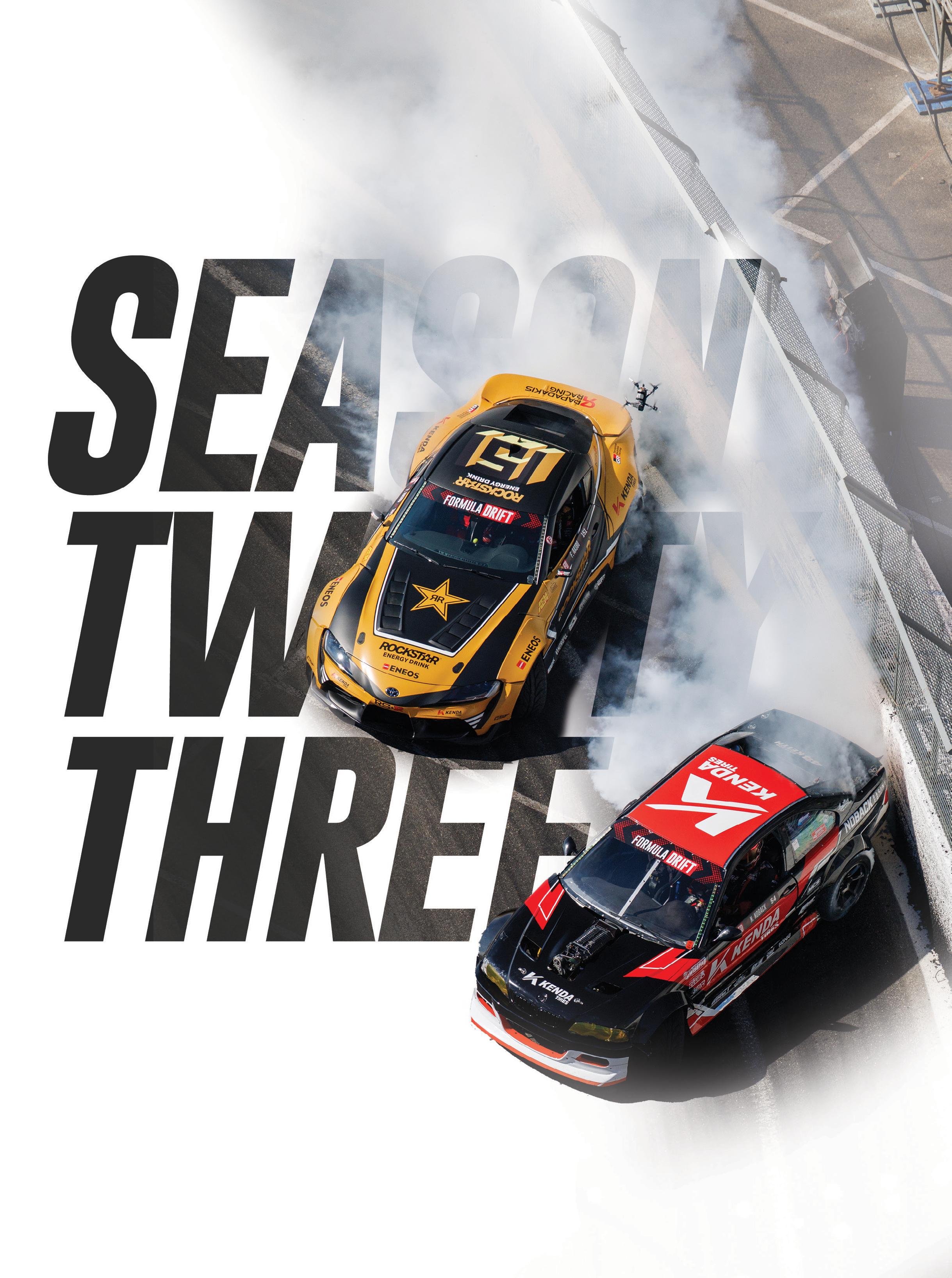
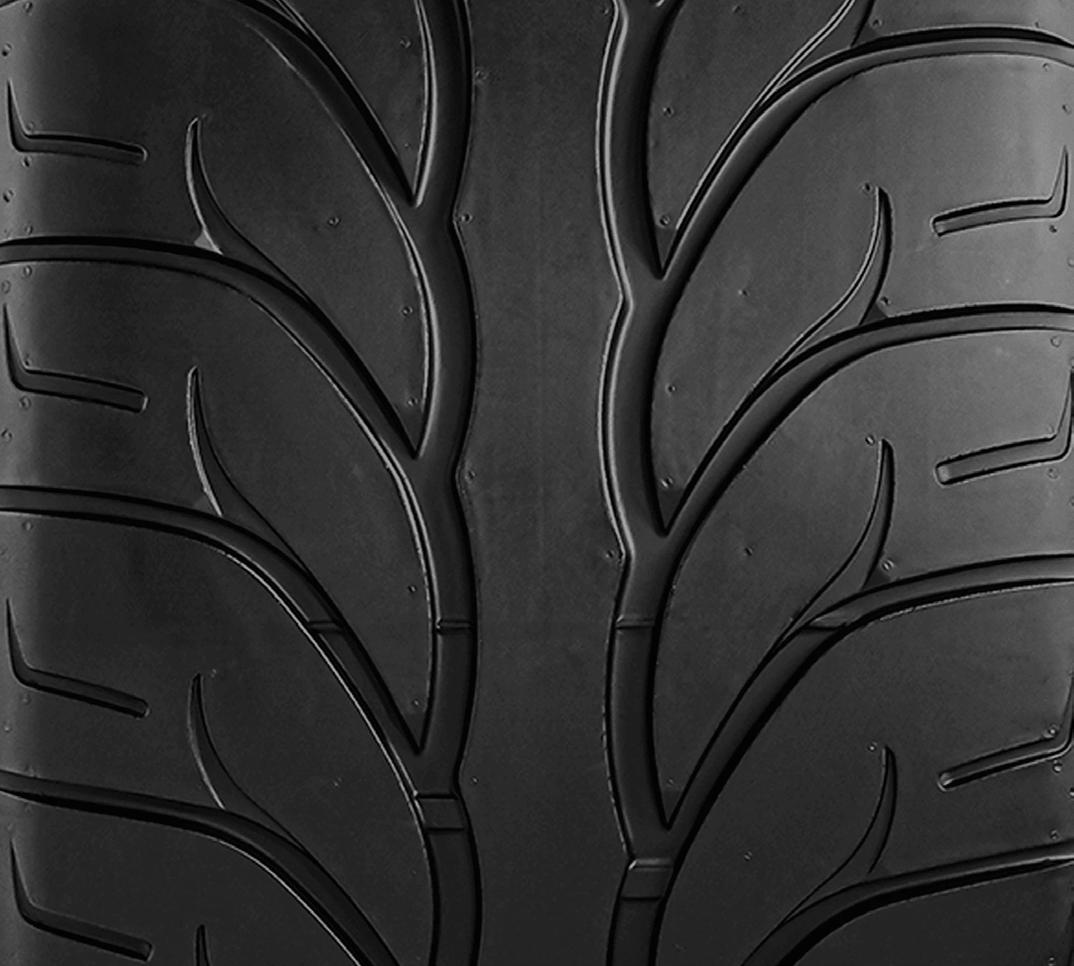
At Kenda, we put our D.O.T. approved tires to the ultimate test—real competition. We don’t run special race compounds or race-only prototypes. We race what we sell—D.O.T. legal VEZDA UHP MAX+ tires, straight off the shelf. If they can survive the heat, speed, and abuse 3 Time Formula Drift Champion, Frederick Aasbo throws at them, they can put you on the podium at your local races and get you to work on Monday morning. Race-proven. Street-ready. Find your local dealer at kendatire.com.


Over
Wrecked
If you’re holding this issue in your hands, or scrolling through it on a screen, you are part of a milestone. Issue 3 marks the beginning of our second full year of Wrecked Magazine.
When we launched, the goal was simple but ambitious: to create a space that celebrates the grit, the raw power, and the unmatched community of our culture. We wanted to build something that felt honest, even when it was messy. One year later, thanks to your support, we aren’t just surviving, we’re growing. This year is a turning point for us. We’ve always seen ourselves as more than a publication, we’re a platform for the community. That’s why we’re doubling down on our commitment to the people who make drifting what it is.
The most frequent question we received last year was, “How can I get a print copy?” I am thrilled to announce that after some back office work, subscriptions are officially live. You can now have Wrecked delivered directly to your doorstep as soon as it drops. This move to a subscription model is a huge leap for us, it allows us to invest more in the artists, writers, and photographers who make these pages worth reading. This was the missing piece from our first year. By subscribing, you aren’t just buying a magazine, you’re directly fueling the coverage of local tracks, the profiles of upand-coming drivers, and the high-quality print journalism that our community deserves. It’s your way of ensuring that your stories of the paddock get told.
In Issue 3, you’ll find more of what makes Wrecked Magazine so unique: raw interviews, unfiltered photography, and a deep dive into the scene that makes the drifting community so special.
Thank you for sticking with us through the growing pains of year one. We’ve got a lot more rubber to burn in year two, and we’re glad you’re in the passenger seat.
See you at the track, Ty Webb
STAFF DIRECTORY
EDITORS
- Ty Webb
- Sam House (editor@wreckedmagazine.com)
CREATIVE DIRECTOR
- Dave Love (dave@wreckedmagazine.com)
DIRECTOR OF PHOTOGRAPHY
- Chuck Murray (chuck@wreckedmagazine.com)
DIGITAL MEDIA COORDINATOR
- Andy Eineichner (andy@thedriftgrp.com)
ONLINE CONTENT MANAGER
- Shawn Allgood (shawn@thedriftgrp.com)
STAFF WRITERS & PHOTOGRAPHERS
- Chuck Murray, Sam Igel II, Shawn Allgood, Sam House, Andy Eineichner
ADVERTISING DIRECTOR
- Edgar Sarmiento (edgar@thedriftgrp.com)
CONTRIBUTING PHOTOGRAPHERS
Alex Brisbey, Devin Crezee, Andrew Haring, Katelyn Brozovich, Joshua Andrews, Colin Lake, Will Kinchelow, John Cirone
CONTRIBUTING WRITERS
Alex Brisbey, Devin Crezee, Andrew Haring, Katelyn Brozovich, Robbie Nishida, Will Kinchelow





Written and Photographed By: Alex Brisbey
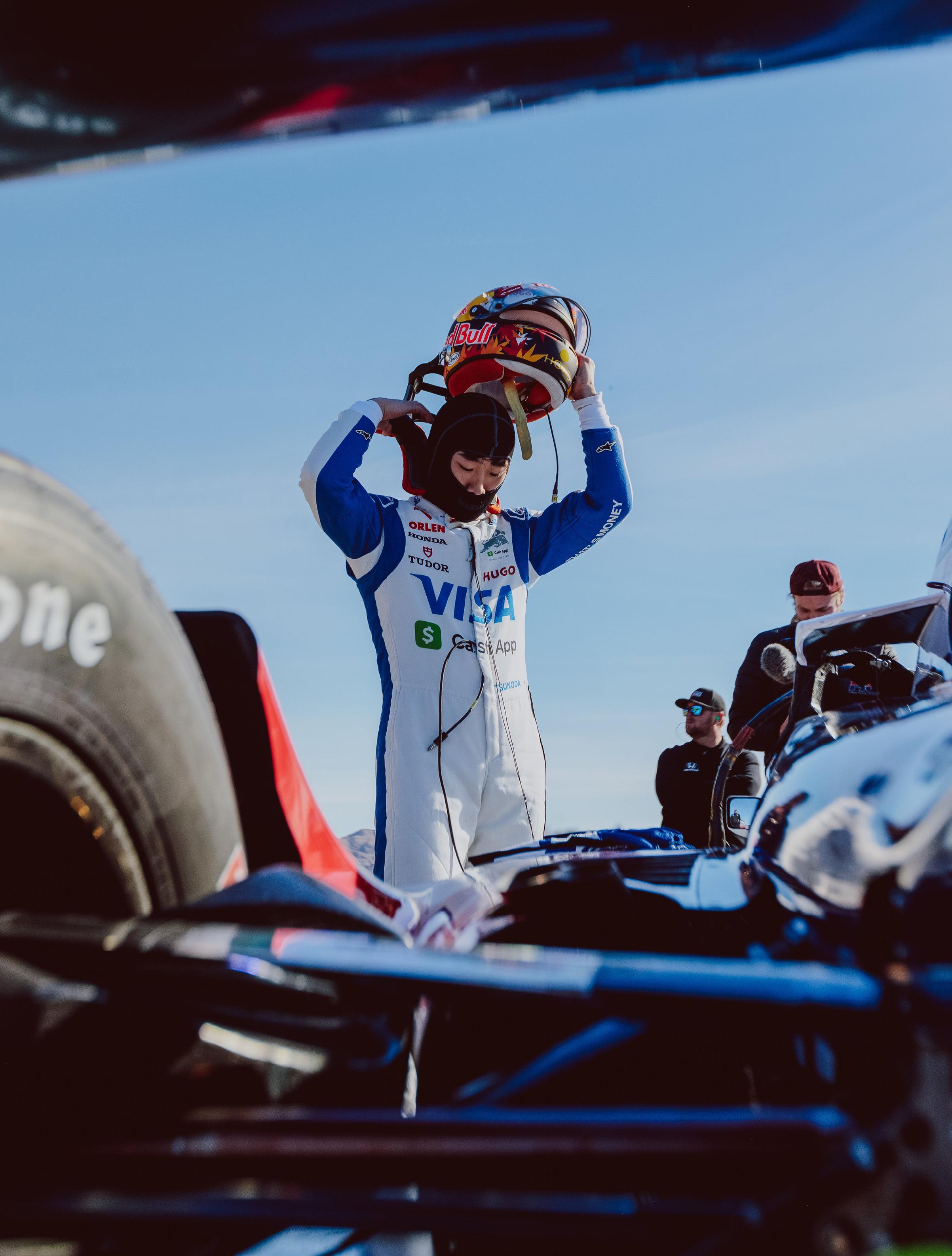
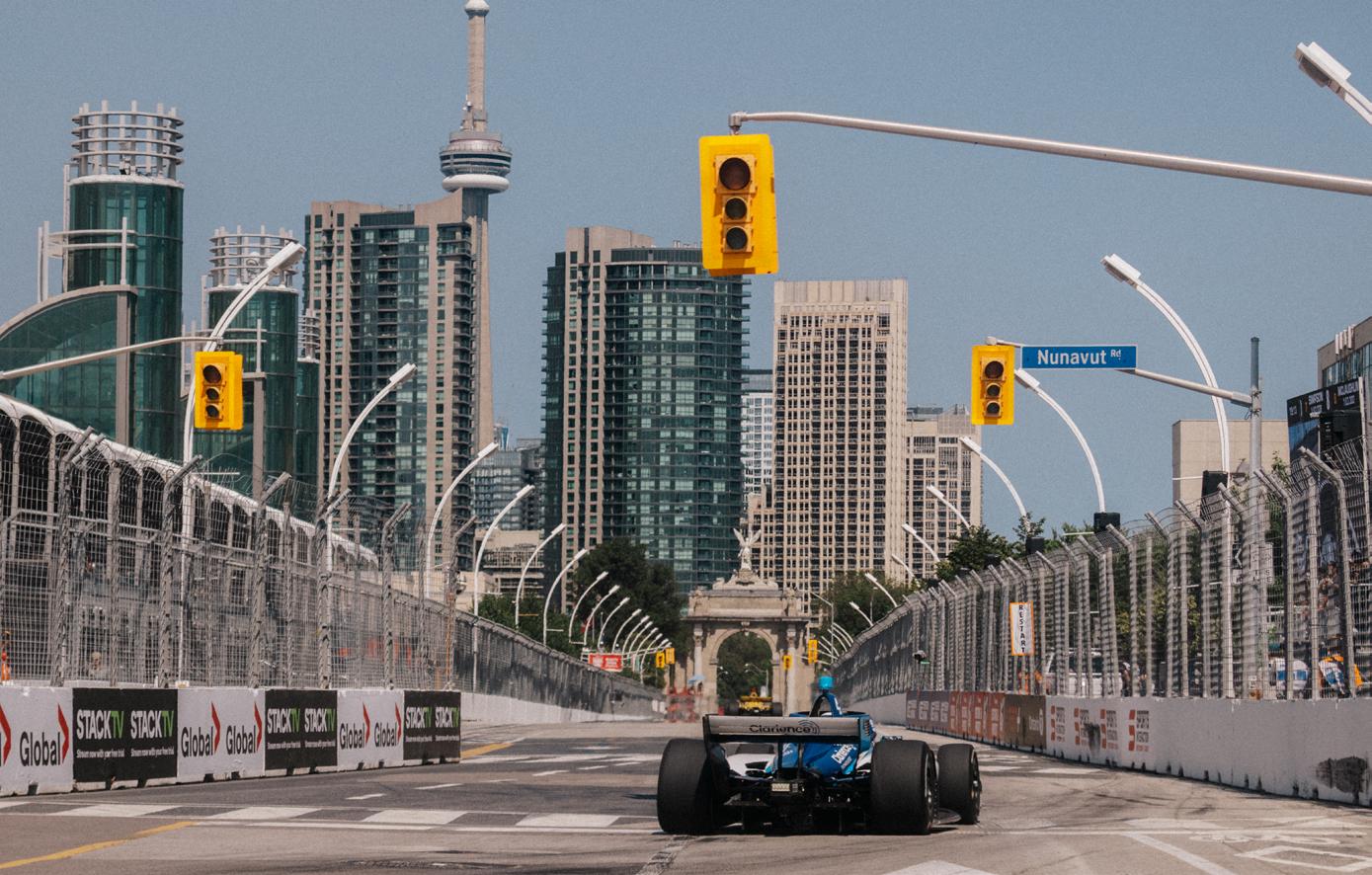
Motorsports media looks glamorous from the outside, but anyone who’s lived it knows the truth. The work doesn’t start in Formula 1,it starts at small grassroots tracks. It takes years of dedication, missed social commitments, and learning how to function on a travel schedule that never slows down. But for those who can handle it, the payoff is the chance to work in one of the most intense and creative environments in sports.
Before you get there, you need the fundamentals: how to break in, how to stay safe, how to handle clients, how to work alongside other shooters, and what gear will actually get you off the ground. I’ve been fortunate to carve out a career in this industry from grassroots events to top-tier racing. In this guide, I’ll share not only the steps that got me here, but what I would do today if I were starting from scratch: what to learn, what to buy, and how to build a portfolio that gets noticed.
BACK TO MY ROOTS
Before I ever dreamed of working in racing, I dreamed of playing music. I was touring in a very cringe metalcore band as a guitarist when I bought my first camera, a Samsung NX500. I started learning photography and videography purely to help the band stay DIY. Naturally, the band fell apart not long after, and I was left with a camera.
A few coworkers suggested I come out to a local track and shoot drifting. I gave it a shot and immediately fell in love with it. From there, I spent nearly every weekend driving to local tracks to build my portfolio. As I upgraded my gear, I eventually landed a job with one of the bigger names in the Midwest grassroots scene: Drift Indy.
After a couple of years covering their events, my work caught the attention of McLaren Racing. That led to a role with their INDYCAR program and eventually their Formula 1 team. It was there that I refined my style and approach to motorsports storytelling, work that ultimately led me to start my own agency, Loose Change, where I now work directly with teams, athletes, sponsors, and major brands.
If you’re starting today, you have more options than ever. When I began, 4K video was unobtainable, consumer gimbals didn’t exist, and a decent camera could cost a month’s pay. Present day options are more accessible and capable than ever.
ENTRY LEVEL : $500
Here’s a gear breakdown by budget for photographers and videographers alike:
If you’re on a tight budget, skip new gear and buy used equipment that’s already proven itself:
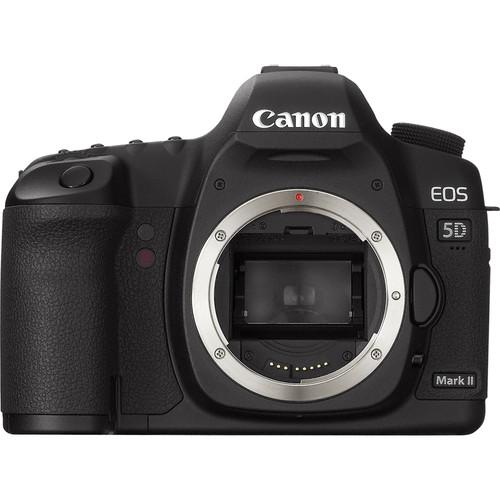
BODY: Canon 5D Mark II — $200–$300
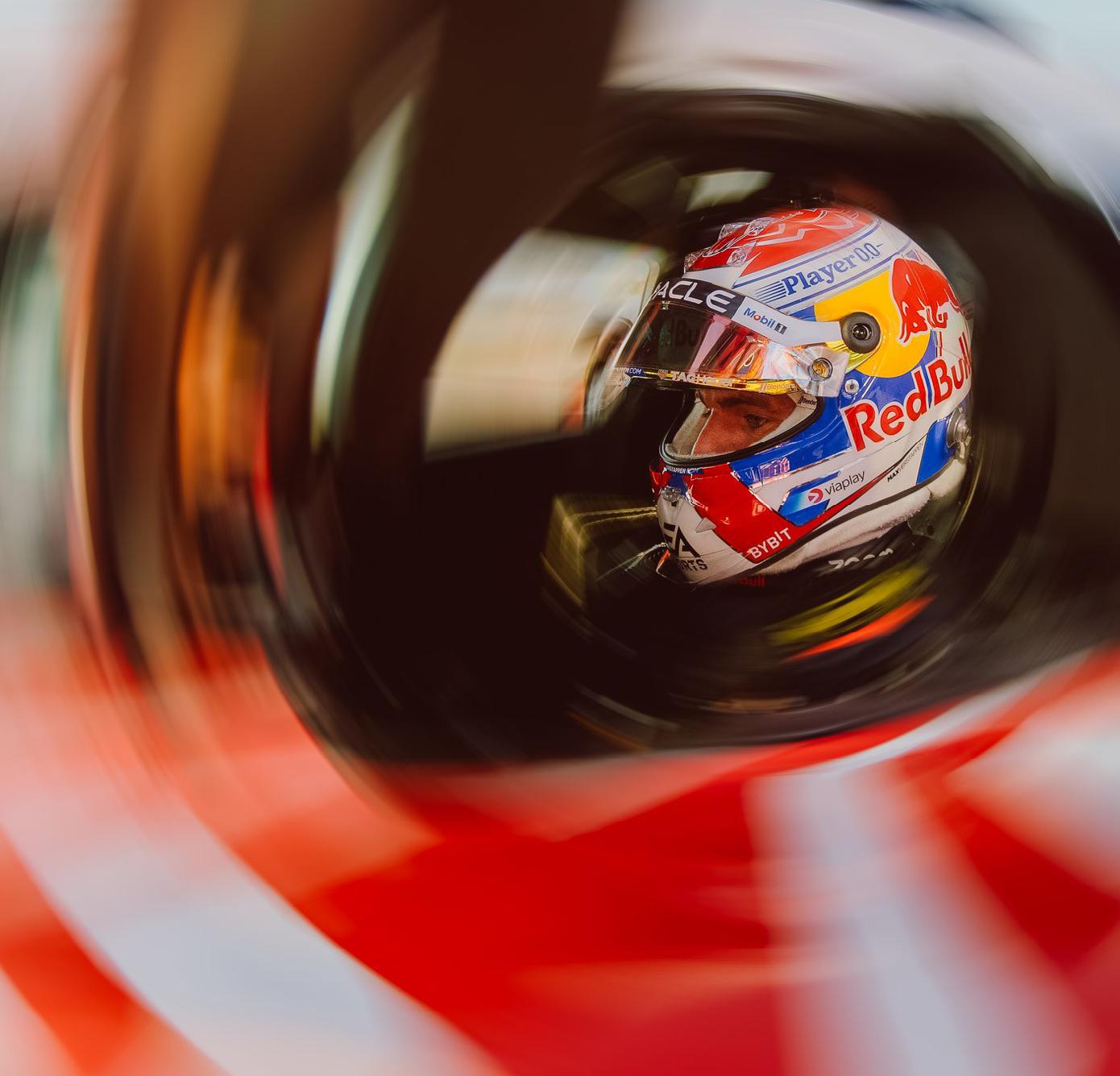
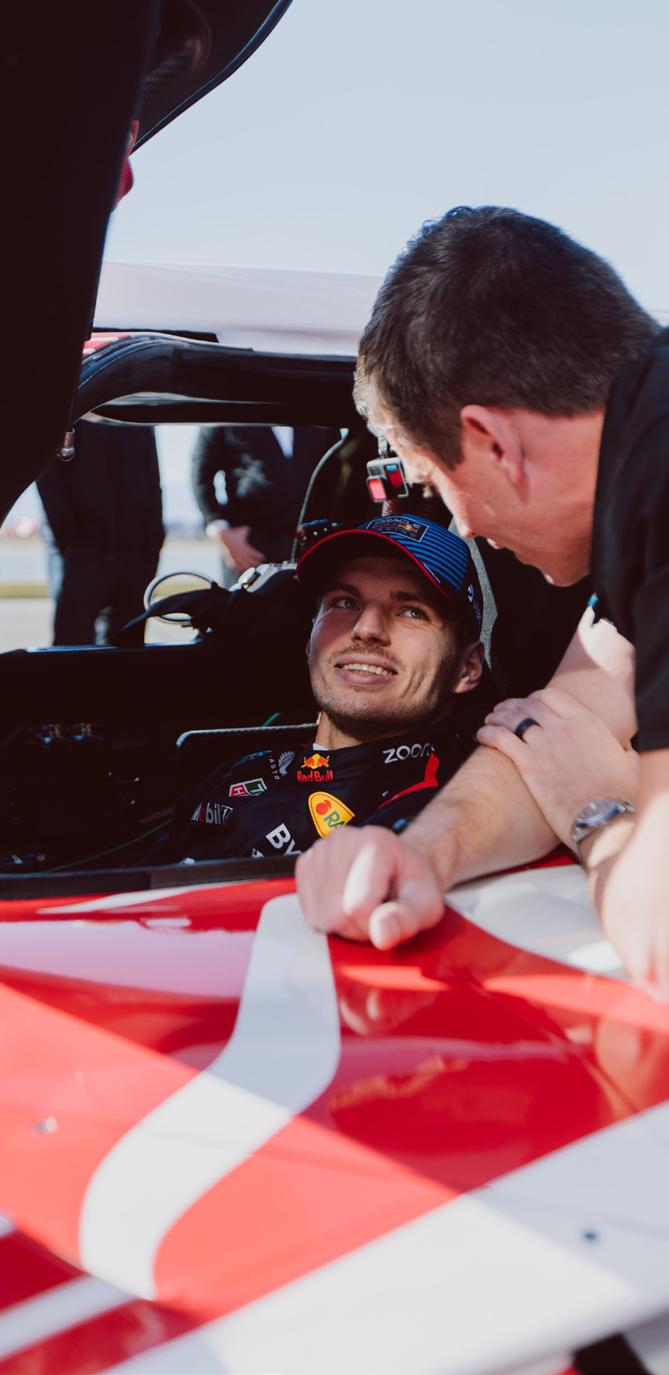
Still one of the best entry points into motorsports photography. Full-frame, excellent color, and built like a tank. I still use one as a B-camera today. During a Red Bull / Honda Racing shoot, some of their favorite images were taken on my 5D Mark II.
LENSES:
Canon 70–200mm f/4L — $250–$300
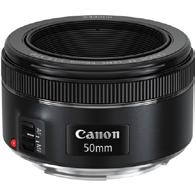
Canon 50mm f/1.8 — $80
These two lenses will cover nearly every scenario at a grassroots event without breaking the bank.

PRO READY : “Copy My Kit”
A setup that can hang with teams, agencies, and manufacturers:
BODY: Canon EOS R5
LENSES:
Canon RF 24–105mm f/2.8 L IS USM Z
This lens can realistically cover an entire race weekend on its own—wide enough for environments, long enough for paddock and close action, fast enough to replace a traditional two-lens setup.
Canon RF 35mm f/1.8 (or RF 50/45 equivalent)
My go-to for intimate moments in pit lane. Lightweight, sharp, and perfect for tight spaces.

MID RANGE : $1,200 - $2,000
Better autofocus, low-light performance, and modern sensors:
BODY: Sony A7 III — $900–$1,200 (used)
LENSES:
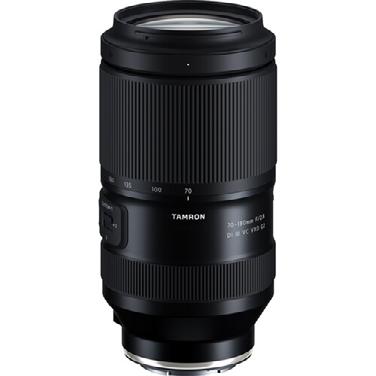
Tamron 70–180mm f/2.8
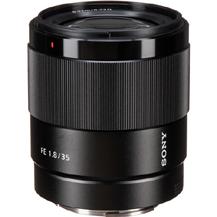
Sony 35mm f/1.8
This kit will handle everything from on-track action to paddock portraits.
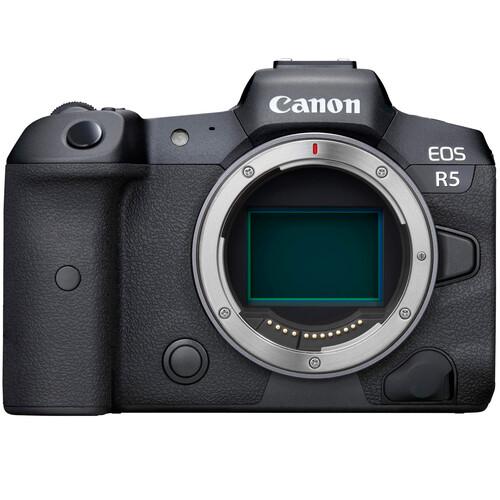
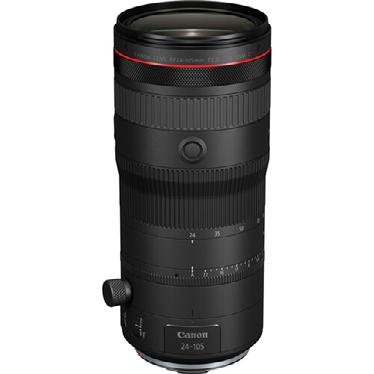
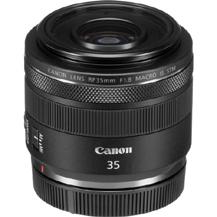
Motorsports video is a different beat. Vibration, heat, dust, wind, and long days. Your kit should match your goals.
Canon Vixia HF G50 (or similar) $700-900
Camcorders are massively underrated. Built-in stabilization, long zooms, reliable autofocus, and all-day battery life make them perfect for beginners. I still deliver content for clients on handycams, especially vlogs. Every shooter, at any level, should own one.


MID-TIER - BLACKMAGIC POCKET 4K : $1,100
This is where you start learning real video production. Incredible color science, BRAW, and affordable workflows but it forces you to understand exposure. Autofocus is basically unusable, which makes vintage glass a great budget option. Just remember: Micro Four Thirds doubles your focal length.
PAIR WITH:
Panasonic 12–35mm f/2.8
Panasonic 35–100mm f/2.8 SmallRig cage + SSD mount
This is the minimum level of quality needed to deliver to major clients.
HIGH-TIER - PRO TRACKSIDE GEAR : $4000 - $7000
These are common with big teams:
BODIES: LENSES:
Sony FX3
Canon C70 / C50
Sony FX6
16–35mm f/2.8
24–70mm f/2.8
70–200mm f/2.8
For Canon shooters, EF glass adapts perfectly to RF, saving thousands.
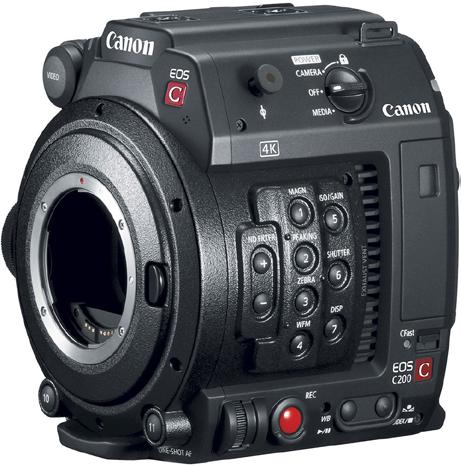

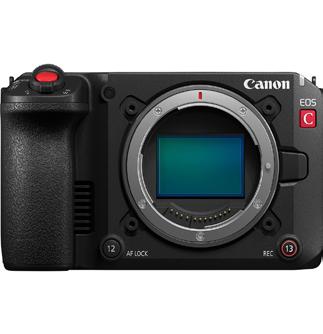

HIGH TIER : LOW BUDGET
Canon C200
My A-cam. Super 35, 4K RAW up to 60fps, built-in NDs, dual-pixel AF, EF mount and widely available under $1,500 used. I built a full cinema kit with this camera for under $4,000, and I still use it on high-end productions today.
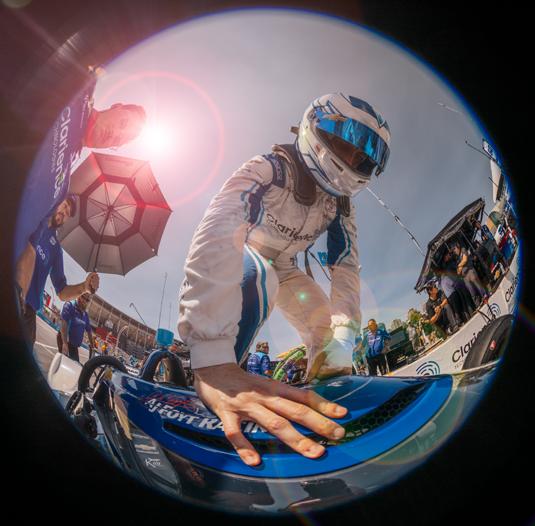
YOU’VE GOT THE GEARNOW WHAT?
You can’t call up an F1 team and expect credentials. Start small. Shoot local tracks, regional series, or growing events. When I was studying at the University of Michigan, I drove to Dayton nearly every weekend to shoot Drift Indy and covered local events in Flint to sharpen my skills.
Treat every event like an assignment. Create a shot list and stick to it. Don’t camp one corner all day shooting the same pan. Spend time in the paddock capturing people, emotions, and context. Those images set you apart.
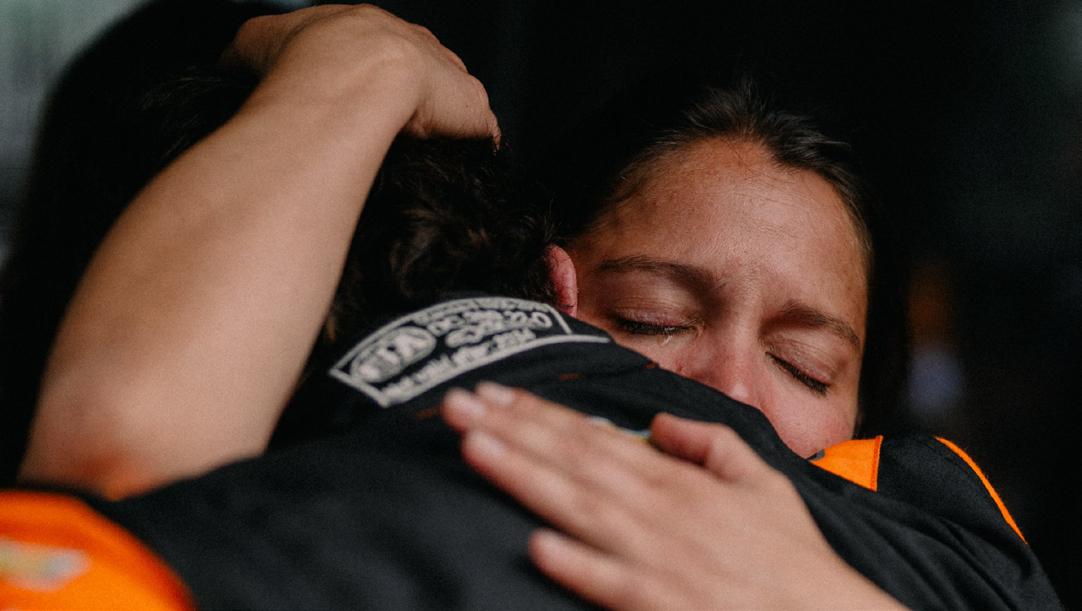
One of the best photos I’ve ever taken didn’t include a car. At the 2023 Indy 500, Pato O’Ward narrowly missed the win. He collapsed in tears in the pit lane as his race engineer embraced him, tears streaming down her face. That image told a story no car ever could.
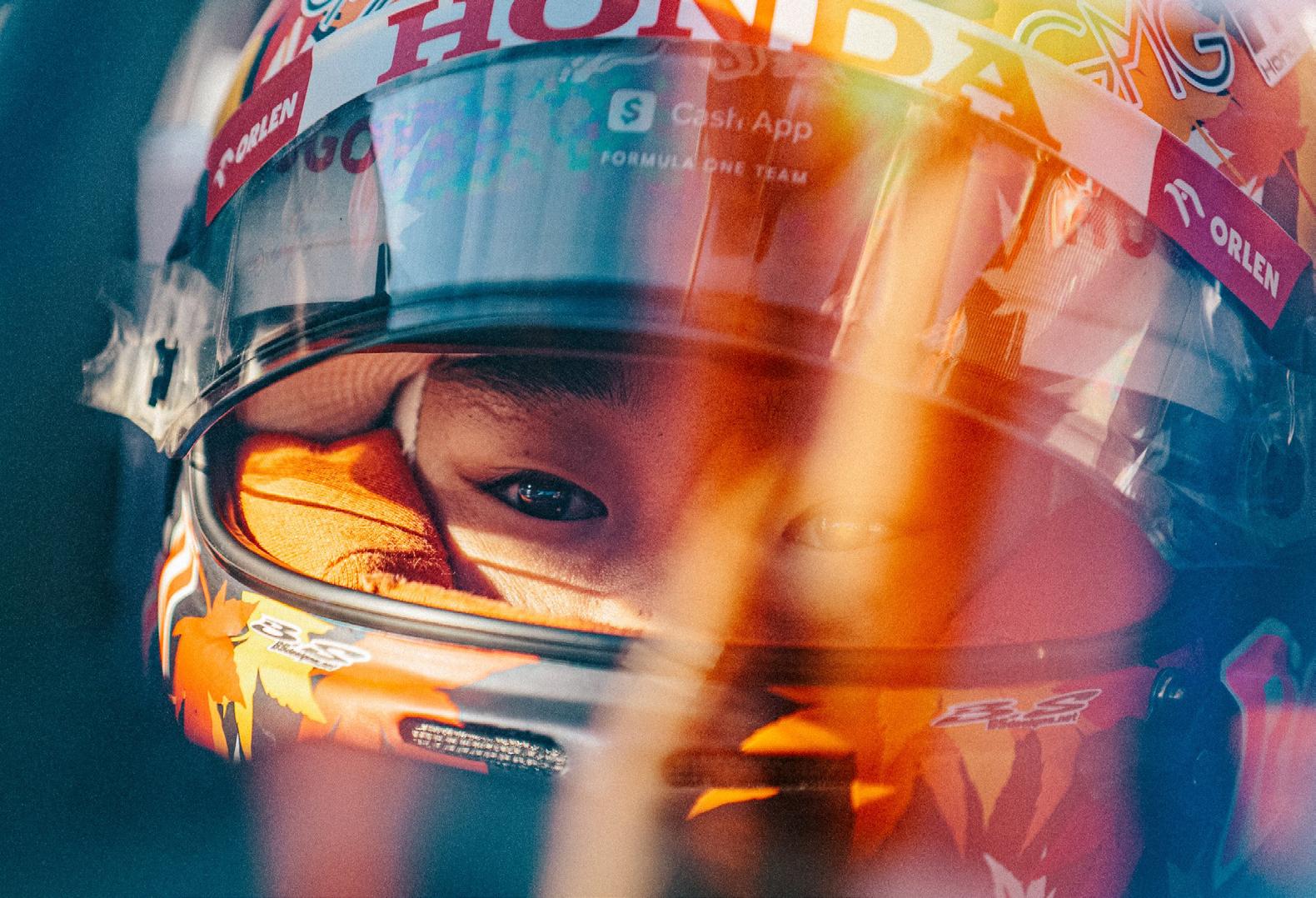
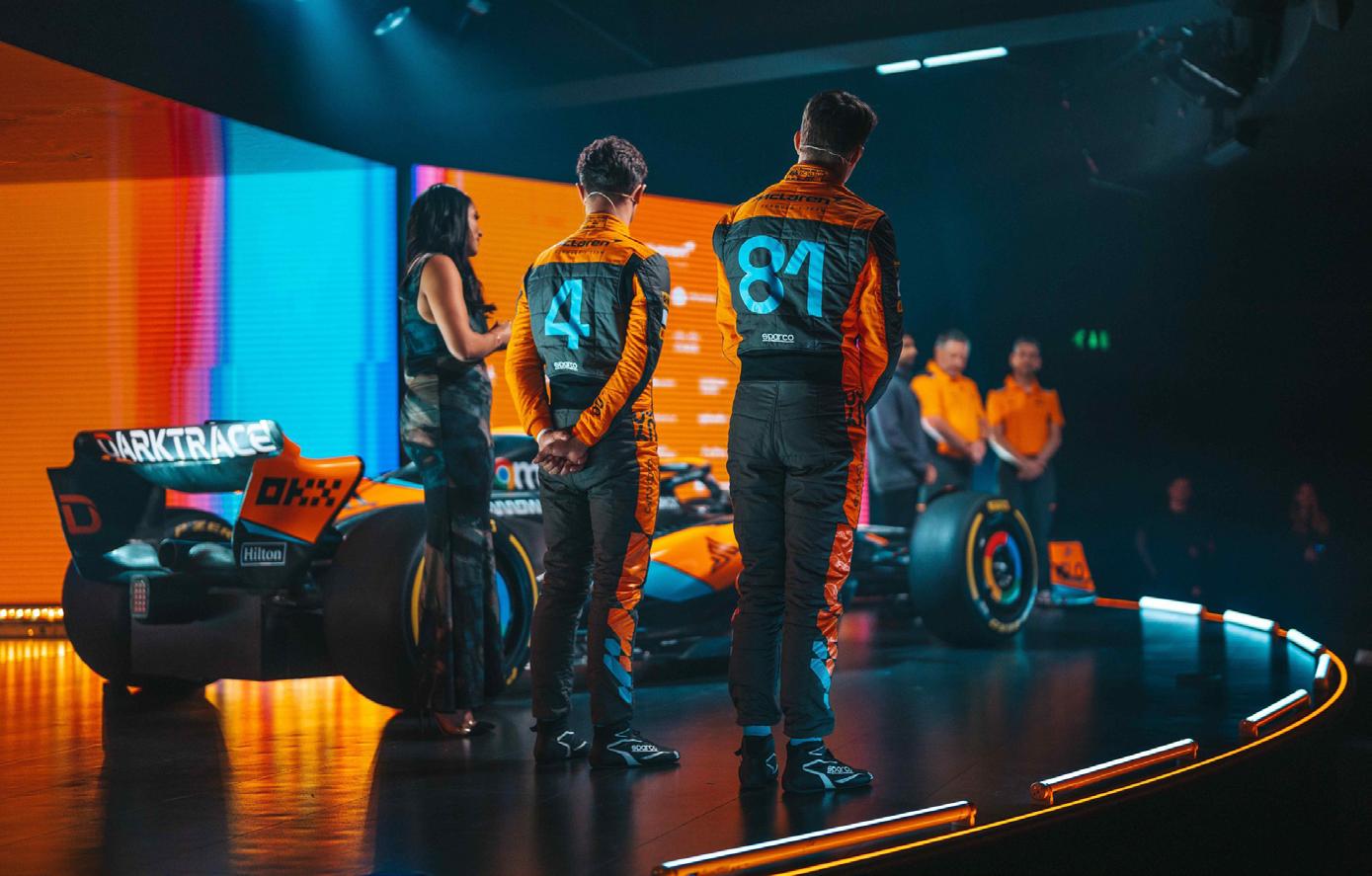
Build a website. Period. Your homepage should instantly hook viewers with your best work. Include an About page, galleries, and a contact form. I’ve used Squarespace for seven years, but any solid platform works. Clients don’t only come from teams and drivers. Reach out to: Sponsors
Sponsors
Freelance rosters, sponsor coverage, and event media are often the easiest ways in.
This is the hard truth. Making a living in photo or video is difficult.
Making a living in professional sports is even harder. Teams overwork staff and cap salaries early. Freelancers constantly rebid contracts while others undercut rates. You must sell why you’re different.
At the top levels, being a hybrid shooter isn’t optional, it’s expected. The people who survive are adaptable, reliable, and consistently deliver under pressure.
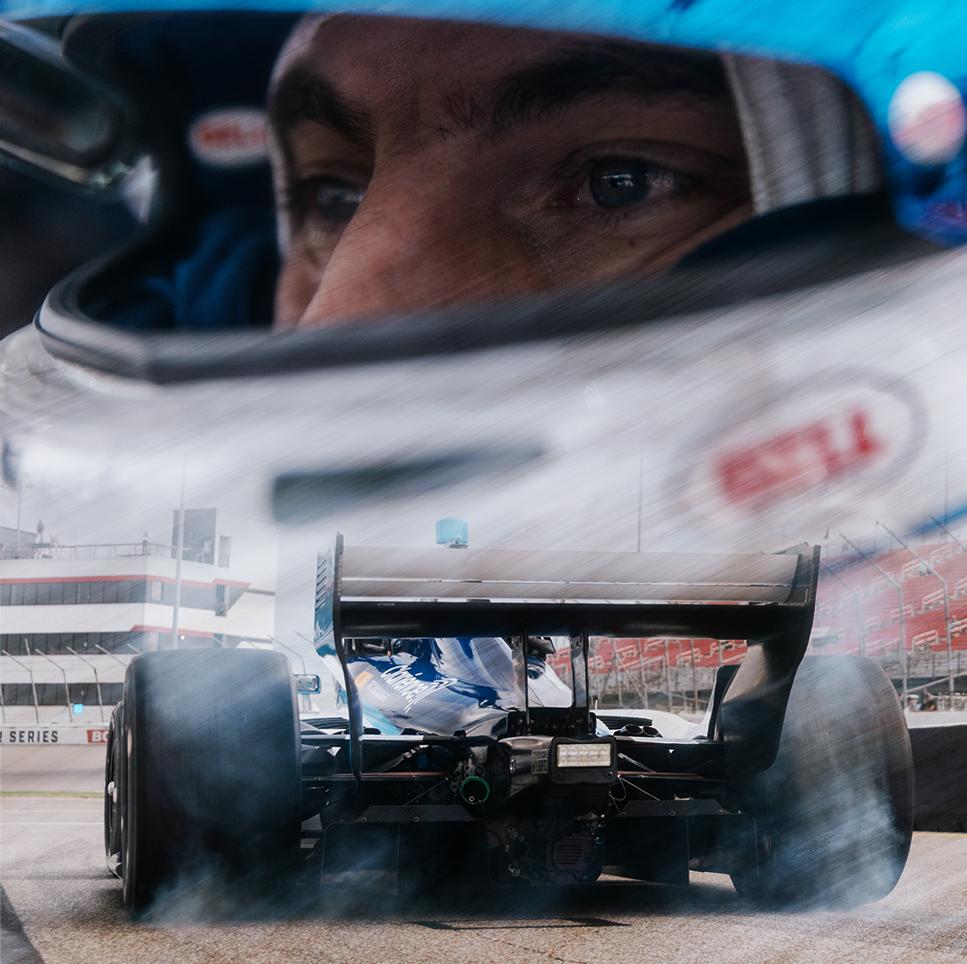
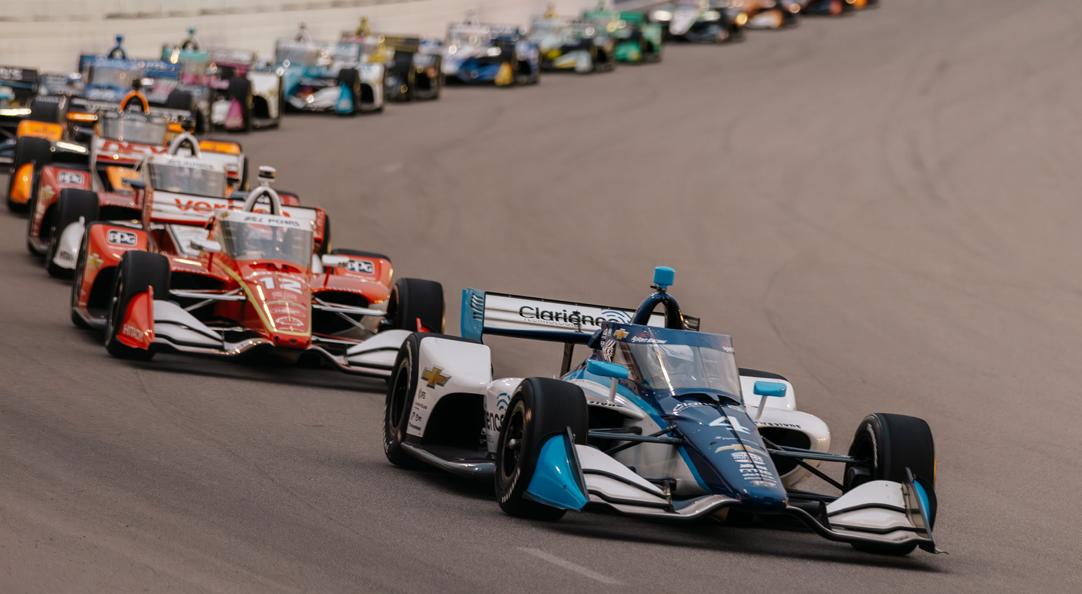
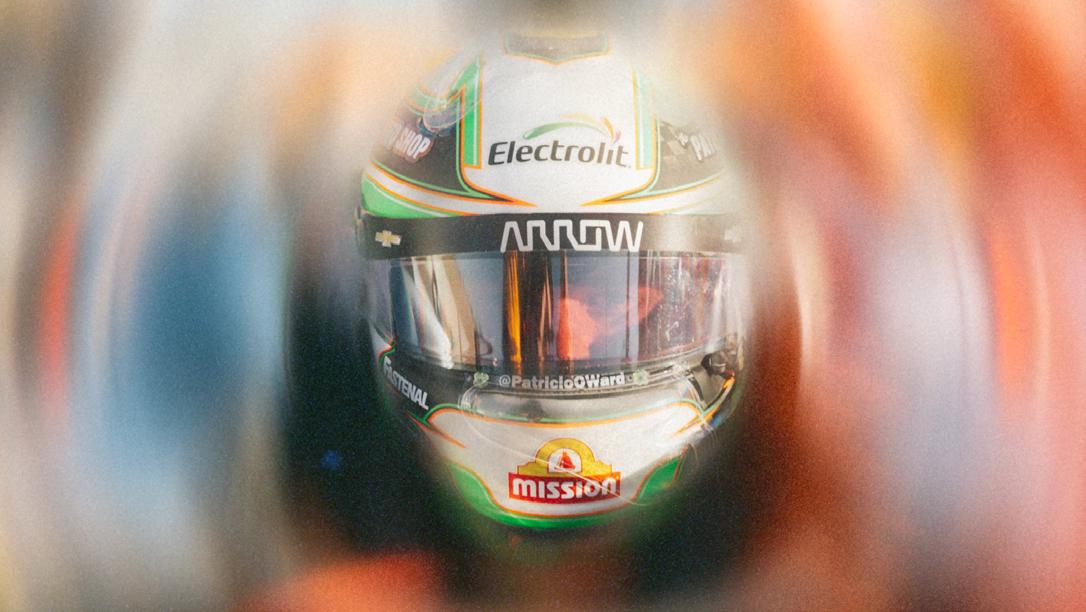
Motorsports media isn’t a shortcut career, and it isn’t for everyone. It demands sacrifice, patience, and an almost unhealthy level of commitment. But for those willing to put in the work, it offers something rare: access to raw emotion, elite competition, and stories that matter. Gear will change, platforms will evolve, and trends will come and go, but the fundamentals remain the same, show up early, work hard, tell honest stories, and treat every opportunity like it matters. If you can do that consistently, starting at the grassroots and building one weekend at a time, this industry can take you further than you ever expected.
Written By: Shawn Allgood
Wrecked Magazine: Kenda has a long history in the performance world, but how did the journey into the drift community actually begin?
Brandon Stotsenburg: It really started back in the 2008–2010 timeline. We produced the original KR20 300tw summer UHP, which many enthusiasts remember as the “Yellow Label” . While it wasn’t designed to be a top-level product for the highest tiers of drifting, it was an incredibly strong and affordable option for the grassroots community. When we eventually updated to the KR20A and the Vezda UHP 300tw, we made a very intentional decision to engage those grassroots drivers by positioning Kenda as “Premium Performance at a Value Price”. The foundation for all of this was our decision to build a world-class Technical Center in Akron, Ohio, which allows us to truly support these communities with real engineering.

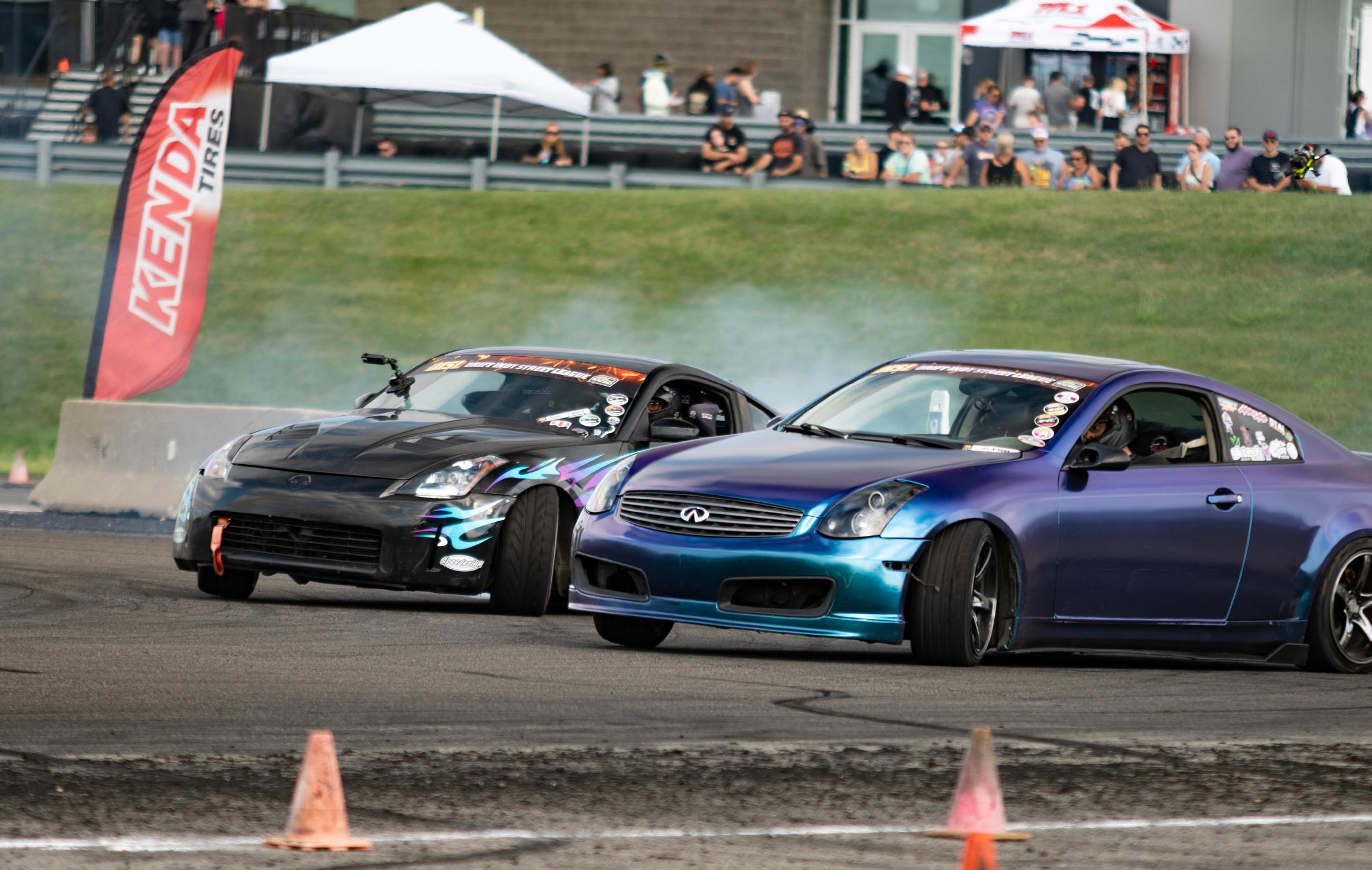
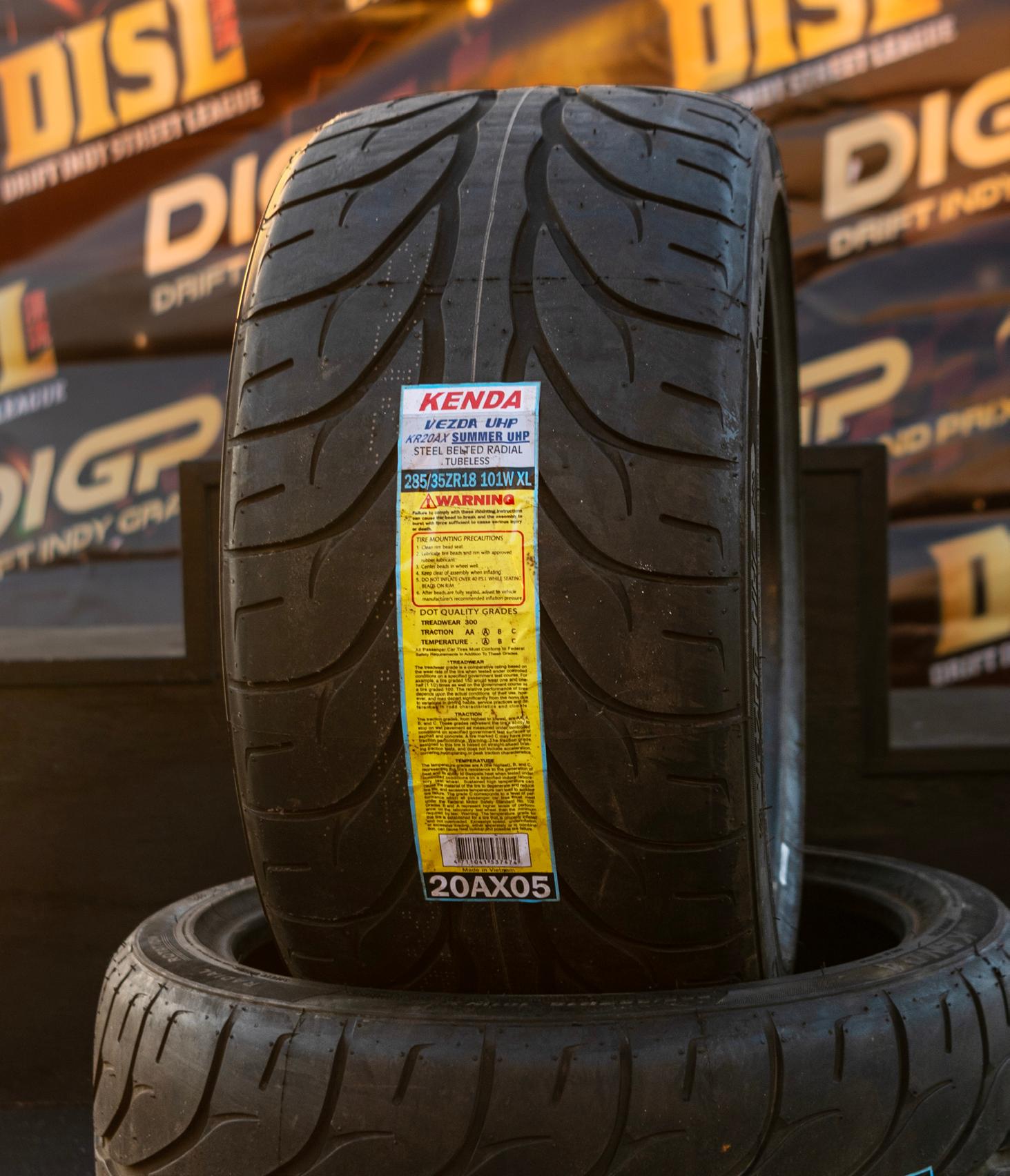
open competition using DOT tires—the same ones you can buy at a retail store. We hired Michael Higgs—known as “Kenda Mike”— and partnered with professional drivers like Dan and Mikey Vanden Heuvel, who have been with us for nearly 15 years. Having our engineers actually at the events to measure performance under extreme stress has allowed us to optimize our Klever line for the everyday consumer in a way our competitors often don’t.
Wrecked Magazine: One term we see a lot from Kenda is “Podium2Pavement.” Can you explain what that looks like for the average driver?
Brandon Stotsenburg: Fundamentally, Podium2Pavement means that the heritage of winning in a competitive environment is baked into the tires the end-consumer uses for everyday driving or weekend competition. We “Lean Enthusiast” by only racing in open series where we go head-to-head against other top brands. We avoid “Spec Series” because they don’t drive us to improve. Instead, we recruit enthusiasts for our engineering team so that the materials and tread compounds we develop for Formula Drift or short-course racing actually make it into the products our customers buy.
Wrecked Magazine: Speaking of Formula Drift, you’re entering your fourth year in PRO. What are the goals for 2026?
Brandon Stotsenburg: We entered FD PRO knowing our initial products were safe but not yet world-class performers. We are now on the third evolution of the Vezda UHP MAX+. For 2026, we anticipate our teams will have the performance needed to win any event. Our goal is to help our partners achieve a top-5 season finish and help Toyota win the manufacturer’s championship. While the Tire Cup is a goal, our primary focus remains working with our teams to gather data that will help us develop the next generation of tires for both the PRO level and the grassroots 200tw market.
Wrecked Magazine: Finally, where do you see Kenda five years from now?
Brandon Stotsenburg: We will continue to invest in communities where we can offer that balance of premium performance and value. Grassroots drifting is a core part of our heritage, and we want to remain an active partner in the US and Canada. Beyond that, you’ll see the Klever and Vezda brands shining in autocross, time attack, and rally. We want the Kenda brand to be active across the entire motorsports lifestyle—from the tires on your drift car to the tires on your trailer and golf cart in the paddock.

At Kenda, we put our D.O.T. approved tires to the ultimate test—real competition. We don’t run special race compounds or race-only prototypes. We race what we sell—D.O.T. legal VEZDA UHP MAX+ tires, straight off the shelf. If they can survive the heat, speed, and abuse 3 Time Formula Drift Champion, Frederick Aasbo throws at them, they can put you on the podium at your local races and get you to work on Monday morning. Race-proven. Street-ready. Find your local dealer at kendatire.com.



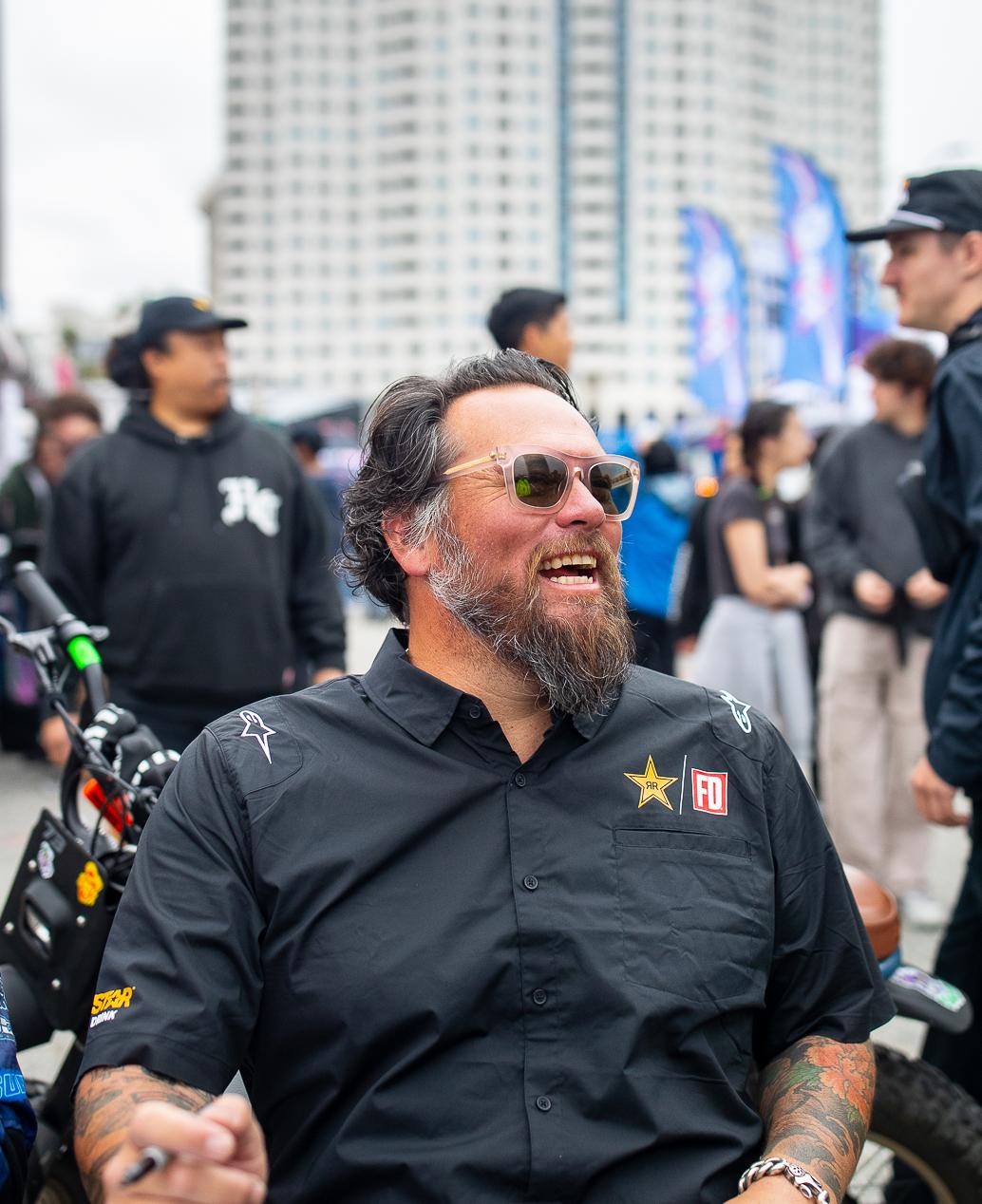
For more than two decades, Jarod DeAnda has been the connective tissue of modern drifting. He’s the pulse between tire smoke and fans, as the narrator who turns chaos into context. To most people, he’s the unmistakable voice calling battles in real time as horsepower and
That perspective is what makes DeAnda such a rare figure in motorsports media. He’s as comfortable discussing manufacturer commitment and aspirational ladders as he is dissecting golf as
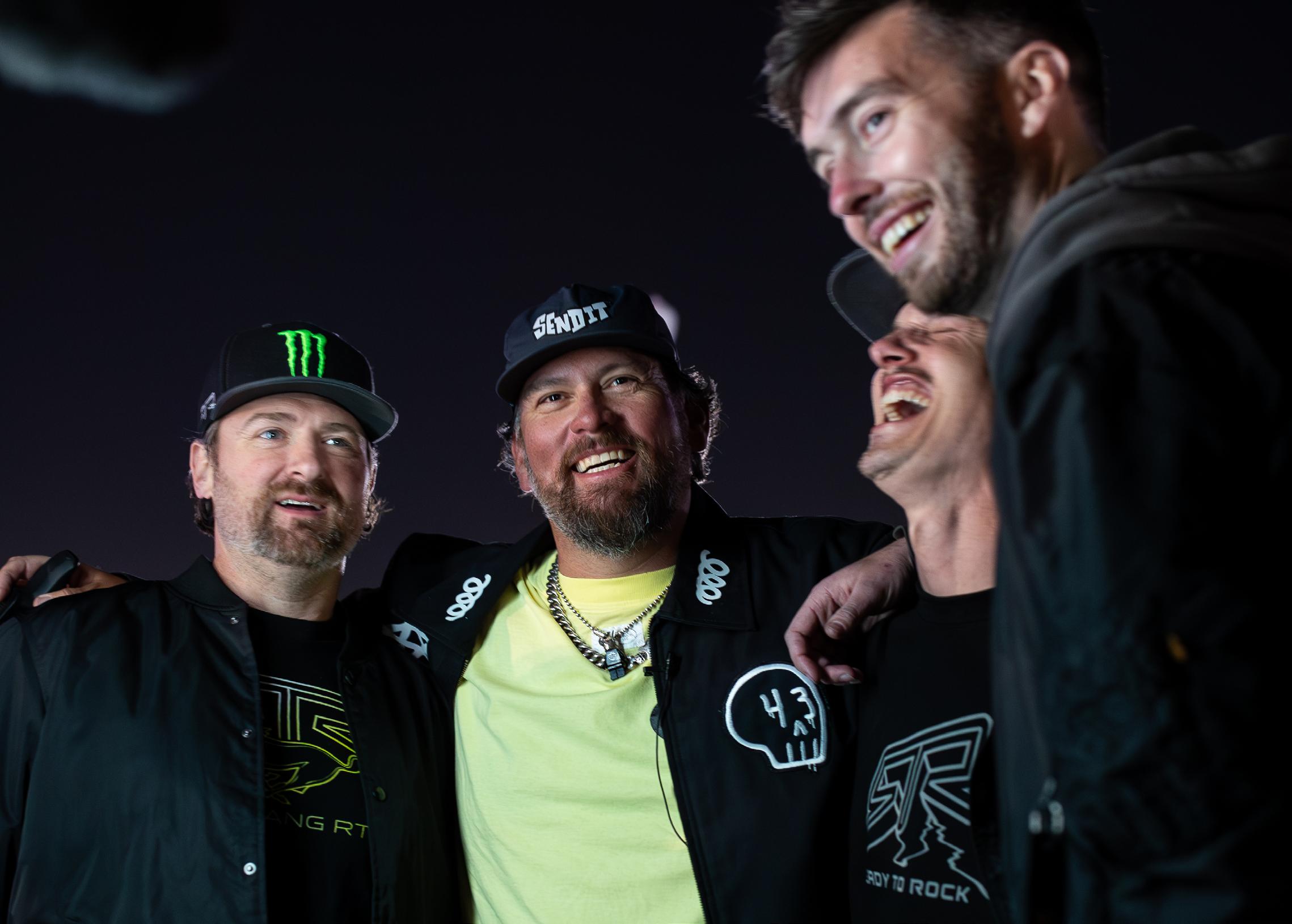
to work with my friends. So I’ll get random things, like in the first week in December, I went to Mad Mike’s Summer Bash in New Zealand, which is still perpetuating the hype of drifting, just international. So Mad Mike does a really rad event every year.
It’s beautiful to see the growth of drifting across the world. As I always say, it’s not just a side dish, it’s an entree dude. There’s manufacturers that are absolutely committing

Weekend warrior drifting has this aspirational growth. So I think it’s cool to see these events of different degrees. I’m absolutely humbled to get tapped “Hey, come call this event” and I bring a special frosting, something a little more sweet on top of the cake that’s already being baked. All the ingredients are there. I just add an extra flair to it. So I’m humbled by being part of just some fantastic events and being known as the “Voice of Drift”. It’s good to compliment the progression of it.
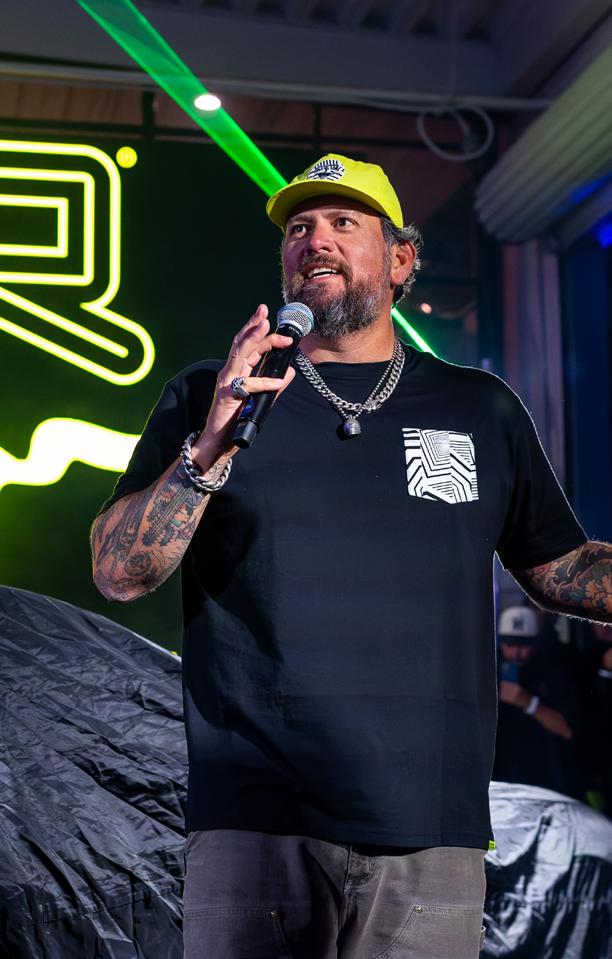

BE: So then what about rest and relaxation? What does that look like for you?
JD: I love golf. Man, golf is just such a pit stop for me. I never thought in my junior college dropout mind that I could ever be a member at a country club and play golf the amount that I do. And now I’ve parlayed it into experiences across the world. It’s playing an exclusive course in the Hamptons with Daniel Arsham or going to New Zealand and playing with Carl [Thompson] from Hoonigan at the 19th ranked best golf course in the world. Downtime for me is spending time with friends and family, having people over at the house, grilling and chilling, smoking a cigar, and having a cocktail or a beer and sharing genuine conversation.
BE: Is that something you’ve had to learn to do or have you always been able to turn it off and enjoy the brief time when you’re home with friends and family?
JD: So you’ll appreciate this analogy, Young Guns II, right? So there was Emilio Estevez, Charlie Sheen, and this cast of characters in the original Young Guns. Then on to Young Guns II, I always related to Lou Diamond Phillips’ character. He was just this character that had knives, like my favorite ninja turtle, Donatello. He kicked your ass with a stick and he was the purple wearing, stick toting, unassuming character, but I’ve always liked the B-side of personalities. I’ve always found my role, and I’m surrounded by so much talent. Even as a kid, I’m a big dude, I could go off a cinder block jump with a two by four, but I just knew I’m gonna hurt myself for one.
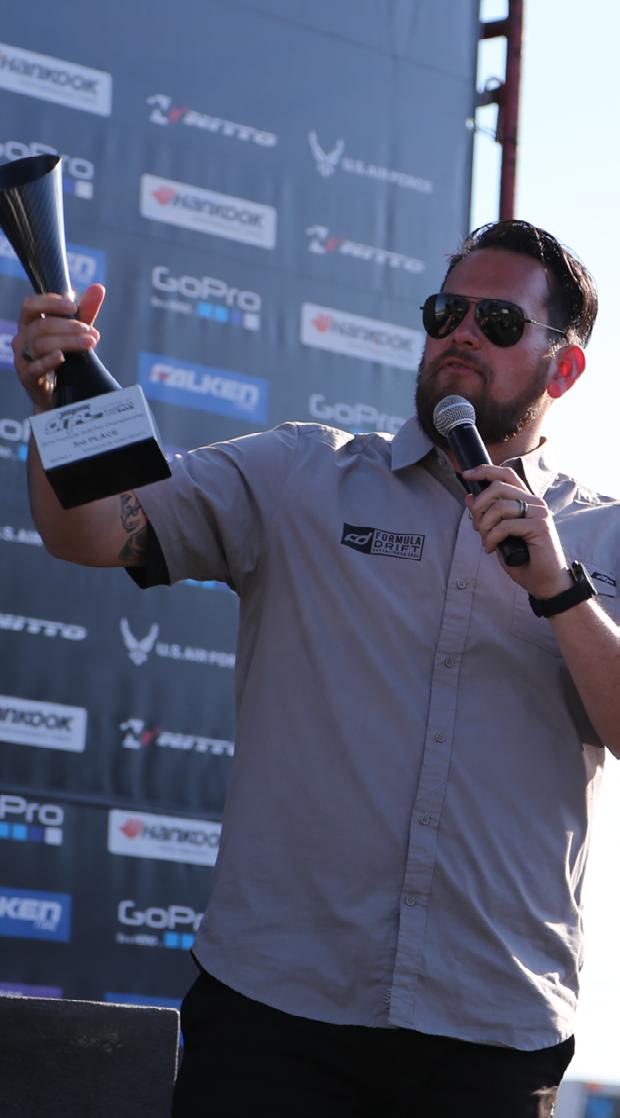
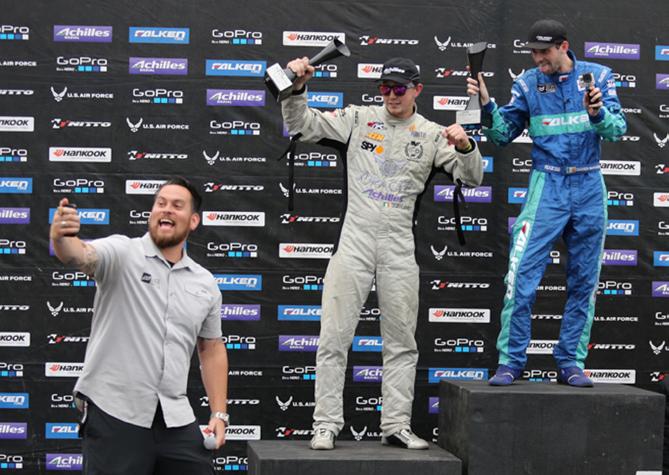
Then fast forward to adult life, hanging with Bucky Lasek, being a pro skateboarder, going to the X-Games, and announcing Formula Drift. Seeing these talented drivers, announcing Rally Cross, and seeing talents like [Travis] Pastrana and Ken Block and those guys becoming friends. I mean, you know, it’s amazing to see and compliment what they’re doing. It’s always been part of my character trait like a Street Fighter II character. All the acts, all the different power areas. Yeah, mine is conversation and complementing ideally what the other person’s strength is.
BE: You’re known for being relentlessly energetic in public, especially on the microphone. Who are you when no one needs you to be “on”?
JD: I am a husband, a father, and fortunately, I am blessed to be a friend of many. I enjoy golf, yes, but golf is just like the paddock. It’s saying hi, shaking hands, kissing babies, enjoying the downtime, enjoying the authenticity. Because we live in a day and age of “Hey guys, hey guys”. Because I think a lot of people get caught up in what they want to do, where they’re going to be, but like, be in the moment, man.
So I think when, when I’m not on the microphone and I’m not working, I’m still constantly working. But work for me, fortunately, it’s utilizing my relationships. I love people. Man, first and foremost, I think that the field of drivers at Formula DRIFT, at HyperFest, a small niche event, or going to New Zealand, and everybody’s like “Yo Jarod!” Sir, hell yeah, that stokes my horn. Man, it’s nice. So I just always lean into relationships. I just, I feed off other people’s energy and try to match that. I think as my beard gets grayer and the amount of equity and time I put into the sport, I’ve, for lack of a better term, earned my place in the drifting history books.
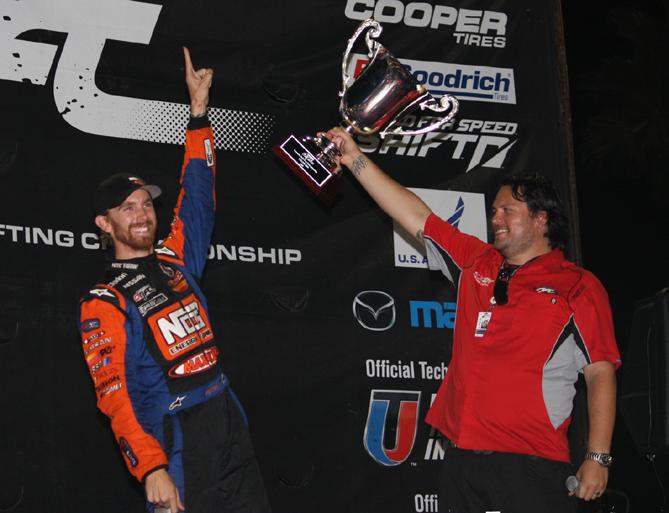
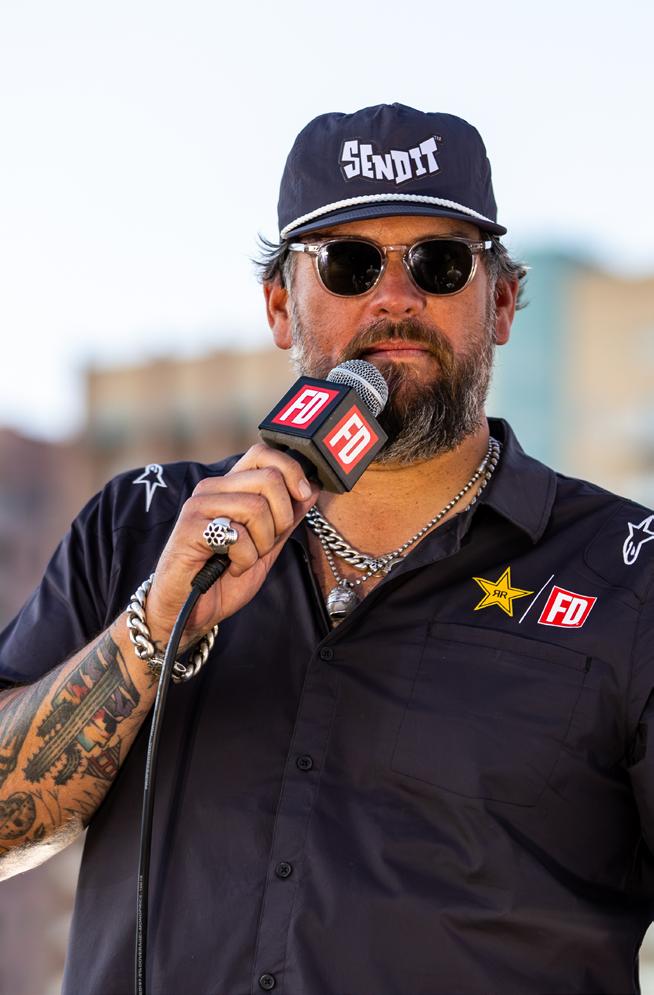
BE: Since you touched on that personality of feeding off other people, what’s a part of your personality that never really shows up on a broadcast during an event, but matters a lot to who you are?
JD: Just like anybody else, you just see the duck, you don’t see the feet, or you see the tip of the iceberg, but not the growth beneath the water level. I think it’s important to be authentic and live your brand.
I would love to go more unhinged. I’d love to, to be honest, I’d love to cuss during Formula DRIFT. I remember when UFC debuted, and it’s this logo of this guy, kind of like an AND1 logo, if you roll the tape. It’s that ambiguous person that’s grappling, right? But that was never gonna live on ESPN, and now it’s gonna be on the frickin White House lawn.
So I think that we live in a day and age where you could be unapologetic, respectfully disruptive, but you can grow something by being yourself. I think that sometimes, I have to tailor my messaging and give some people a watered down version of myself but at the end of the day, my objective and my job is to elevate drivers and to elevate that experience.
BE: It’s kind of like Bob Saget when he did his raunchy stand up acts and then he was on Full House and had to dial it back a notch or two or more than several if I’m being honest?
JD: Absolutely! I just said that analogy the other day to somebody. Bob Saget was notorious, you know, he was Danny Tanner, but when he went to the Laugh Factory or the comedy clubs, he was absolutely unhinged. And that juxtaposition is, I think, justified, because Bob Saget is the best analogy that I could think of, and that literally came up last week, that’s funny.

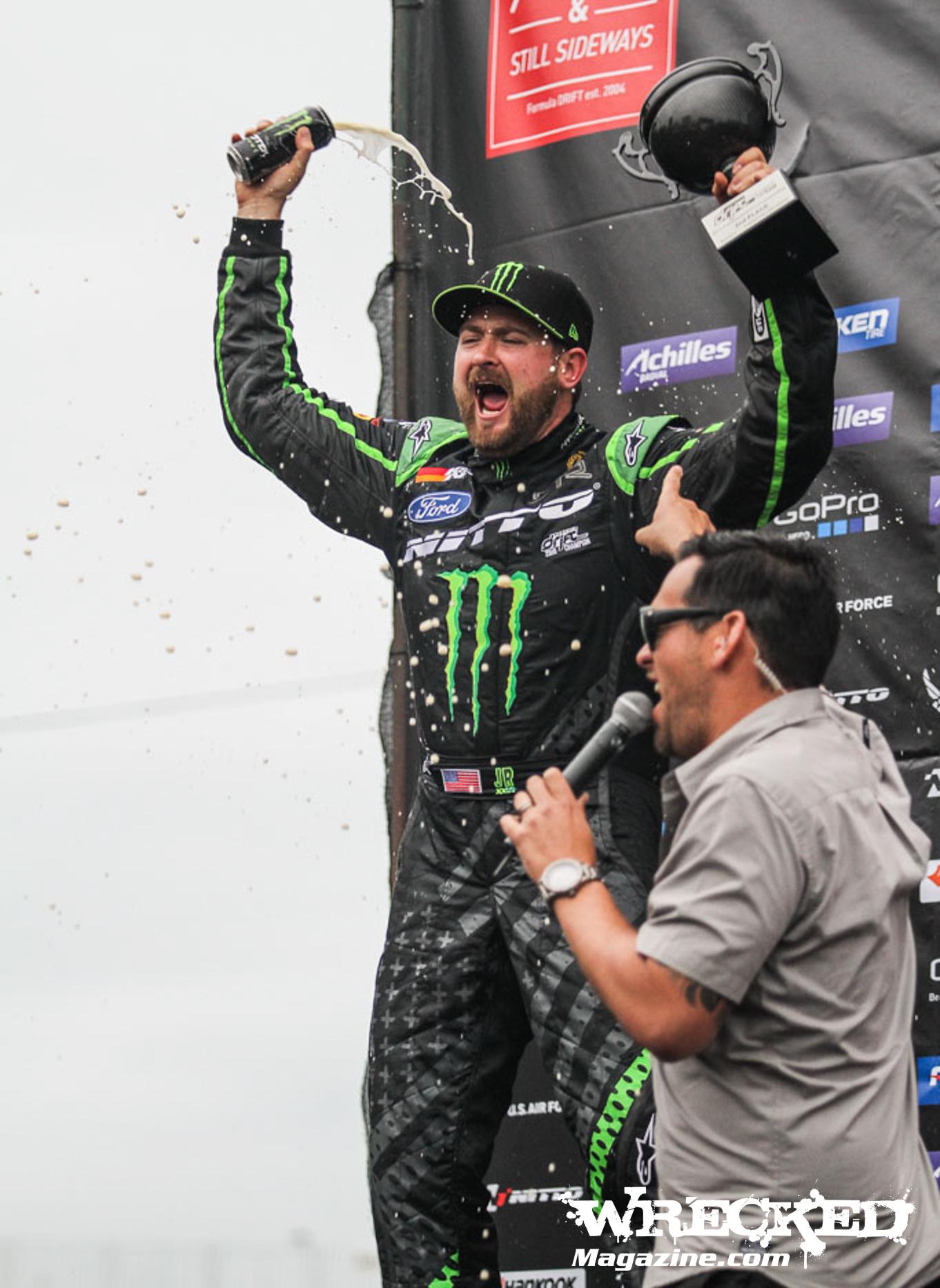
BE: So the people closer to you probably see that version of you, or is there something else that’s different that they see on that personal level?
JD: I love being consistent. I genuinely get excited to see people and if it’s the same backdrop, or if it’s a different setting, you know, seeing the Wrecked crew at an arcade bar during PRI. That’s on brand. You know one, maybe in an arcade, but you know Chelsea [DeNofa], you know Adam LZ, Jimmy Oaks, Grant [Anderson]. You know yourself. You know Edgar [Sarmiento]. You know new drivers that I’ve never met. Look at that progression of these drivers I’ve never heard about, and they’re building this thing and doing that thing. That’s a testimonial to the sport growing. But I think I’m pretty damn consistent, you know, outside of cussing a little bit more.
BE: You’ve helped narrate some of the biggest moments in other people’s careers. What’s a personal moment completely outside of drifting that still stands out as a quiet win for you?
JD: I would say a big moment for me is our oldest son, acknowledging and seeing his perspective, and him being “I want to do what you do.” Announcing and presenting and wanting to do that. Then, there is my wife, who works in the industry. We met at the SEMA Show in 1999. And our youngest son is into cars now. He likes it. But I think the biggest thing for me is just being a jack of all trades, keeping people on their toes. People have an expectation or have an idea, but then you surprise people on certain projects or things. If it’s a Snap-on tools project, or again, worlds colliding with a Ford Bronco golf thing with Vaughn Gittin, Jr and Lauren Healy, seeing Yas Marina Circuit and riding the world’s fastest roller coaster, and drifting taking me there.
I’ve gotten emotional seeing things twice in my life. One of which was being at Wrigley Field and seeing the ivy with a hot dog and an Old Style [beer] in my hand. The other was going to World Time Attack and seeing the Sydney Opera House with Dai Yoshihara. I cried. That’s amazing to me. So it’s hard to say anything without drifting or outside of it, because it always lives rent free in my head.
BE: Do you think that having your wife and kids interested and involved in the industry, as well as all of these other things you experience when traveling, do they feel big at the time or are you just in the moment?
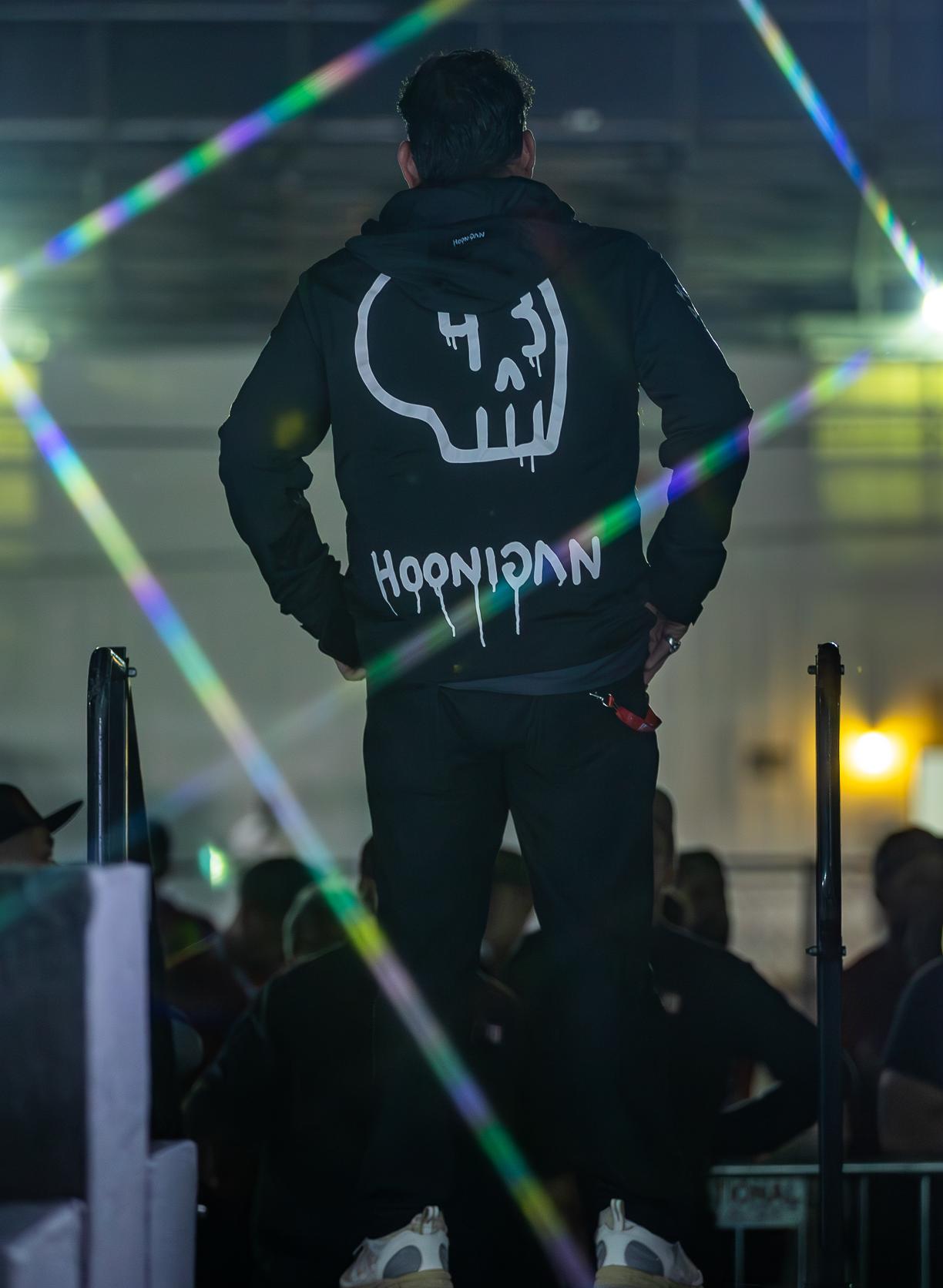
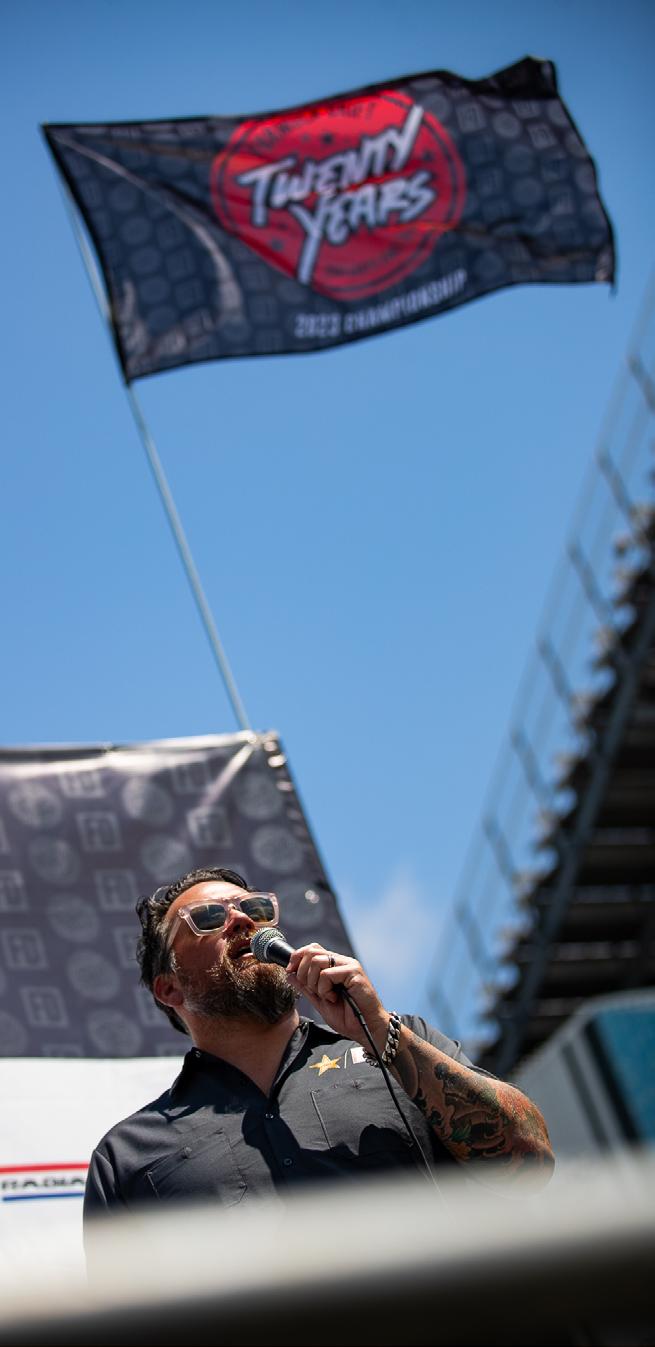
JD: By no means do I live in the moment. I’m not super spontaneous, but I think it’s just, like “Wow!” It’s a byproduct of doing a good job. My phone’s still ringing. I’m proud to work with my friends. I’m proud of my friends and a rising tide lifts all ships, and the most important ships are relationships and friendships.
BE: It’s easier to travel nowadays than probably any time in history. What’s a habit, routine, or kind of mindset that you’ve picked up from all your years of travel that has stuck with you, that you can share with people?
JD: I have a trinity or a trilogy of influence; it’s eat local, drink local, and get tattooed local. If I’m going to a particular city, say Louisville, KY. I could go to the local brewery, ask the bartender, “Hey, where would you eat?” And they’ll tell you the best value, right? And they’ll tell you where to eat, what to get depending on the weather, right? Or if I go to a local eatery, “Where would you go get tattooed?” Tattooers can tell you where to eat or where to drink. So it’s just this good microcosm of experience.
So eat local, drink local, and get tattooed local. And if you don’t subscribe to tattoos, that’s fine, but I think that by investing into the local areas you’ll get a good understanding of that region.
BE: Outside of motorsports, what’s something that inspires you right now, besides golf?
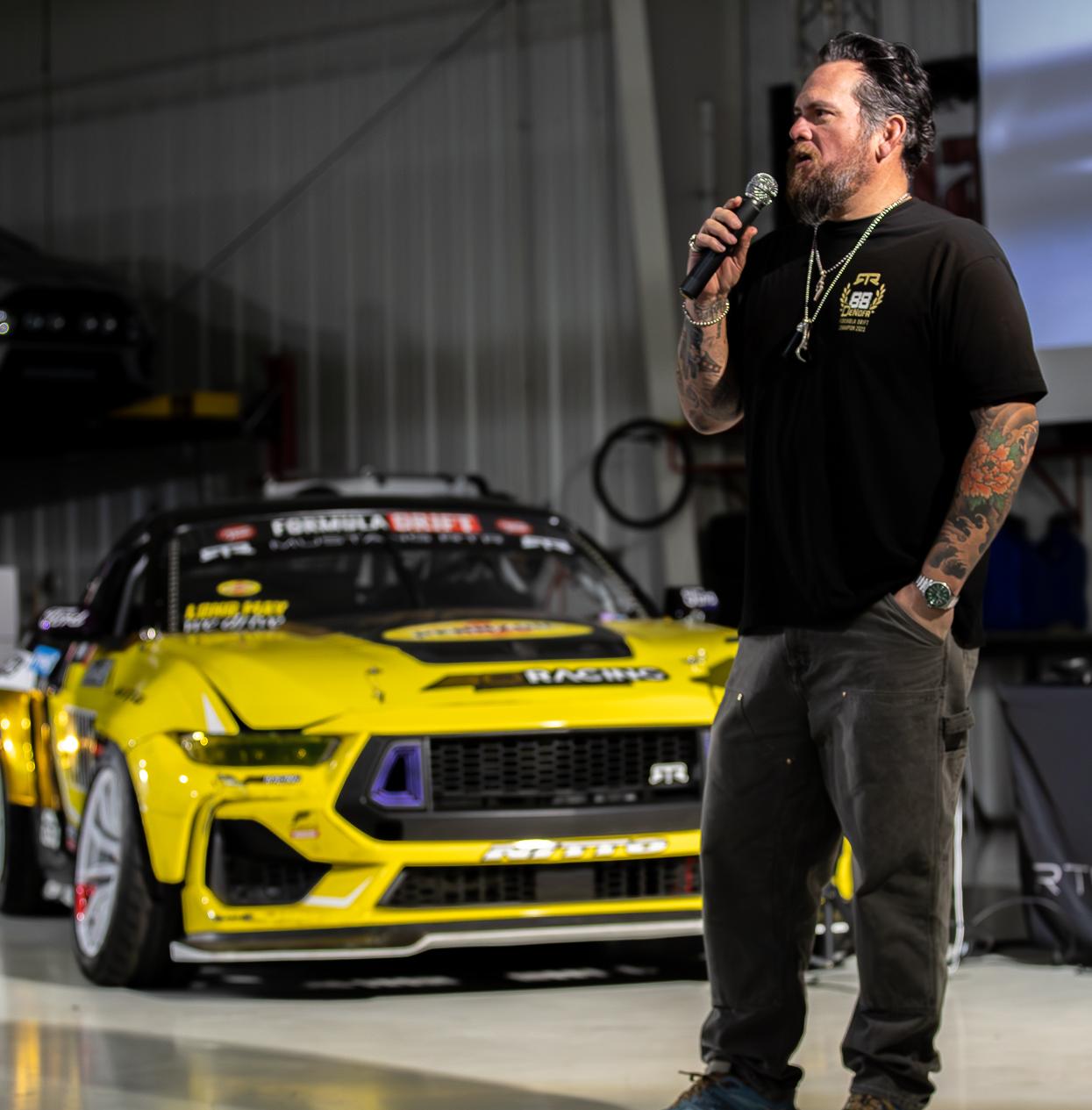
JD: I really like fashion. I try to dip my toes into many different aspects. I love live music, like we all do, or like I would hope we all do. But I don’t think that’s the case, I think covid messed that up for a lot of people. Tattooing, obviously, you know, my body is a passport, so that’s why I have so many tattoos.
So, humble brag. I’ve been to a lot of places, but I think I could go back to that trinity. I gotta go to more museums and I’d like to make some more art. I grew up wanting to be an animator, so I have an affinity for Disney, Looney Tunes, and things like that. I’ve always loved animation and art. I think that’s important, because if you listen to my announcing, I’m just full of pop culture references.
Being 47 years old, it’s trying to be relevant, or executing the relevancy. I’m in edutainment, you know, education and entertainment information right? So it’s all of these things combined, late night talk show host mixed with a stand up comedian, peppered in with a tour guide. I have to bring all those facets in, like you’re on the Disney Jungle Cruise. You know, it’s animatronic. Those hippos aren’t real, but the guy pulling out the gun and shooting them adds to that appeal. So that’s kind of where I live.
BE: Fans often feel like they know you. What’s the most meaningful interaction you’ve had with someone who connected with you on a personal level, not a motorsports one?
JD: I was in North Carolina at a Red Bull Global Rallycross race and it got hit with terrible storms. The mud was so bad we couldn’t race, and all the teams and crews were sitting under a 18-wheeler with a big awning eating. I had this kid come up to me and he says, “Hey, Mr. DeAnda, Jarod. My name is Tanner. I grew up in Southern California. I know who you are. I’ve grown up going to Irwindale. My mom and dad took me there as a kid. I’ve watched Formula DRIFT grow and I’m on a Southern California based safety crew. That’s why I’m here. I’m named after Tanner Foust, and have aspirations of joining the fire department in Southern California.” I said, “Wow!” I’m kind of paraphrasing here, but he shared that story with me. A couple of years go by, and during one of our double header weekends and this kid starts walking towards me at Irwindale. I saw him, and I’m like “Tanner?” He says, “Yep.” I said, “Dude, it’s been a minute, great to see you.” He’s a fireman now, this young man that had aspirations executed them. I think that was something that was really special.
I officiated a wedding in New Jersey last year. I’ve officiated quite a few weddings. I’m humbled by my role, because at the end of the day, having announced 22 years of Formula DRIFT, and in between having different cameos at different events, that all just contributes to people knowing me and thinking they know me. But having you over at my house, meeting my family, seeing how I operate, is something special.
BE: What’s something you believed early in your career that you no longer believe now?
JD: I’m gonna live forever.
Drift Alliance days. Go ahead and do your research kids. Watch fucking Bad as Hell. And what’s the other one called? I can’t remember [Stay Hungry]. I just found a Drift Alliance DVD, the second one. I was like, “Oh, my God!” This DVD, it’s signed by all the guys, signed by Vaughn, [Ryan] Tuerck, Chris [Forsberg], and Tony Angelo. I mean, dude, we didn’t peak out the gate, but gosh, just the Drift Alliance guys I related to so much. Tony Angelo lived with us because I was working at Racer magazine and I reached out to him because of the Wired magazine article. My wife and I had just bought a house, just got married, and Tony lived with us for a year. Looking back on that, Alex Pfeiffer coming over, us partying our faces off, and just doing dumb stuff that I can’t go on record as saying. I don’t want to sound like a freaking boomer, but if you don’t remember, my saying is “Make today a good old day.” 47-years old, and my sons are 19 and 11. Make today a good old day.
Living in Southern California, I was picking up my youngest at elementary school, and there’s this car, and I keep seeing it. It has some Sparcos in it. It’s a Subaru, it has the old rally wheels, and it had a Tsuchiya sticker on the back. I was like, “Oh, that’s cool. You like drifting?” He’s like, “I know who you are.” I was like, “Oh, why don’t you ever say hi?” He says “I don’t want to bother you.” And it was like an epiphany of when I lived in Arizona. Nobody really knew who I was, but being in Southern California, I’m not wearing a Formula DRIFT shirt everywhere and people still recognize me. I think it’s rad.
There’s two things when people see me. One, people don’t want to be fans of an announcer unless they’re iconic. I’m not there yet, but having announced for 22 years, it’s fun for people to be like “Oh, you’re this person, that person.” That’s the first one, people have a hard time acknowledging me. But I think the second statement kind of blends into it, it’s “You’re a lot bigger than I thought.” Some get intimidated.
It’s kind of funny, but that guy at my youngest son’s school, that was like, “I know who you are.” He should have said, “What’s up?” Now I see him, and we talk. He’s got a couple kids and he’s just been a fan. He was at FD and he has photos of his younger self with Forest Wang, Tuerck, and Vaughn. And I think that’s really cool. I mean, that’s like when I saw Kings of Leon playing a small show. I saw Post Malone did this. I remember when, whomever, name the band, played the small venue. People want that, and it’s evolved. You hate them because you ain’t them, you know?
It’s that Hachi Roku, the S13’s have now progressed into 1000-horsepower cars. Or Ford saying “Let’s build a car with Vaughn Gittin, Jr.” They’ve never entrusted the Flat Rock Mustang plant to any other person except Carol Shelby. Now here’s Vaughn Gittin, Jr. Come on man, is that not freaking cool or what? And for Vaughn to have to be trusted by Mr. Farley or Dave Rivers of Mustang, that’s so sick!.
Then to expand upon that and say, “Okay, I want to do more.” The industry is constantly stimulated by many other facets, like rally racing, truck racing. I mean, look at all the drifters doing stuff. You know, Matt Field’s dad grew up in the dirt. The Sorenson family grew up in go-karts. James Deane grew up in a rally car. Chelsea DeNofa grew up on a BMX bike. Ryan Tuerck grew up on a motorbike along with his brothers on the road. So it’s not a single note man, they’re a one man band that wants to do more.
BE: Speaking of doing more, how has your definition of success evolved over the years?
JD: My definition of success is food on the table, roof over our heads, smiles on their faces, or at least contentment in their heart. It’s not about being happy, it’s about being content.
BE: Is there a place anywhere in the world that feels grounding to you, regardless of work, a place you just love?
JD: New Zealand. New Zealand and a golf course. I love New Zealand, man, I’d have moved there yesterday. It’s a special place. I think New Zealand has the right amount of technology to be dangerous, the beautiful backdrops, the people have this ecosystem of respect for the land, respect for the people. Obviously there’s some good and bad eggs everywhere you go, but I just love New Zealand. I love [Mad] Mike and Toni and his family. We met numerous years ago, I think we did the math and it was like 2006 or 2008, or something like that, Formula DRIFT Singapore. Every time I go out there, it just feels like the right pace.
I also love the golf course because it’s four hours with a stranger or your homies. You’re drinking, you’re smoking, you’re walking a national park, you’re carting, you’re challenging yourself, you’re over the ball. You have to focus on that, and when you don’t, you mess up. But it’s not just about that one shot. It’s about the many. If it’s 72 par for the course, or if it’s 92. It’s about those moments and getting that sense of clarity and enjoying that.
My motto in 2026 is “Your presence is the present,” and just being present in that time and being intentional about engaging. You’ll never know it all, but you can ask somebody, and I think in this day and age, you don’t know it all. So ask somebody. It’s okay to say “No, I don’t know.” Because who loves somebody who goes “Oh, I know. I know. Oh, yeah, of course. Oh yeah.” Nobody likes that.
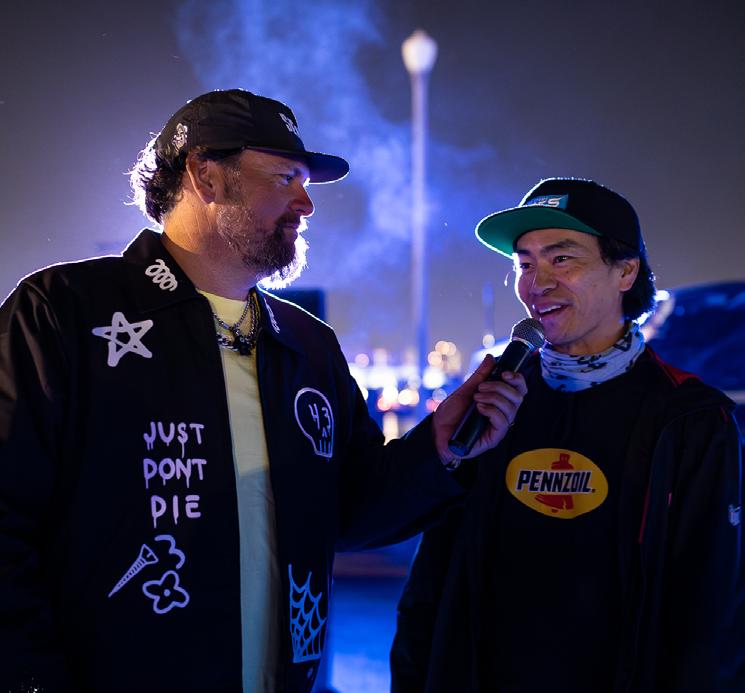
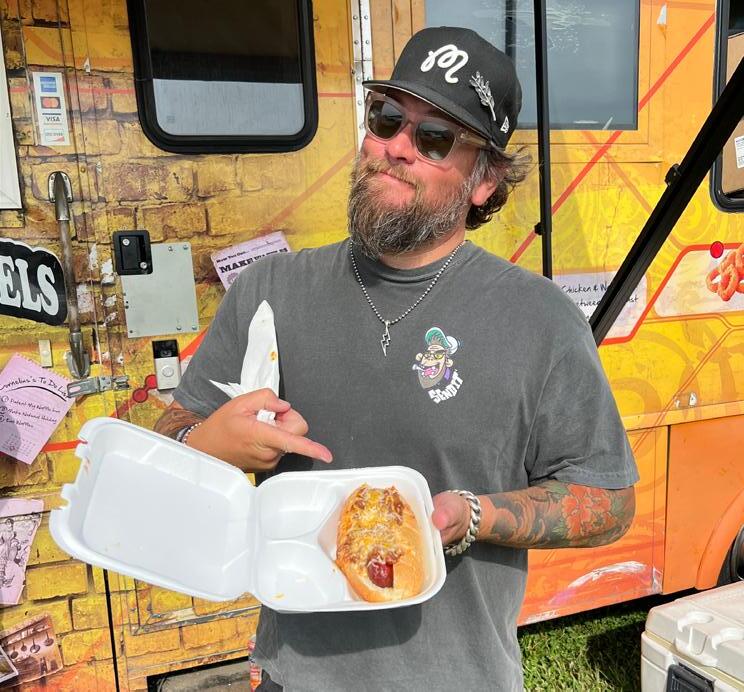
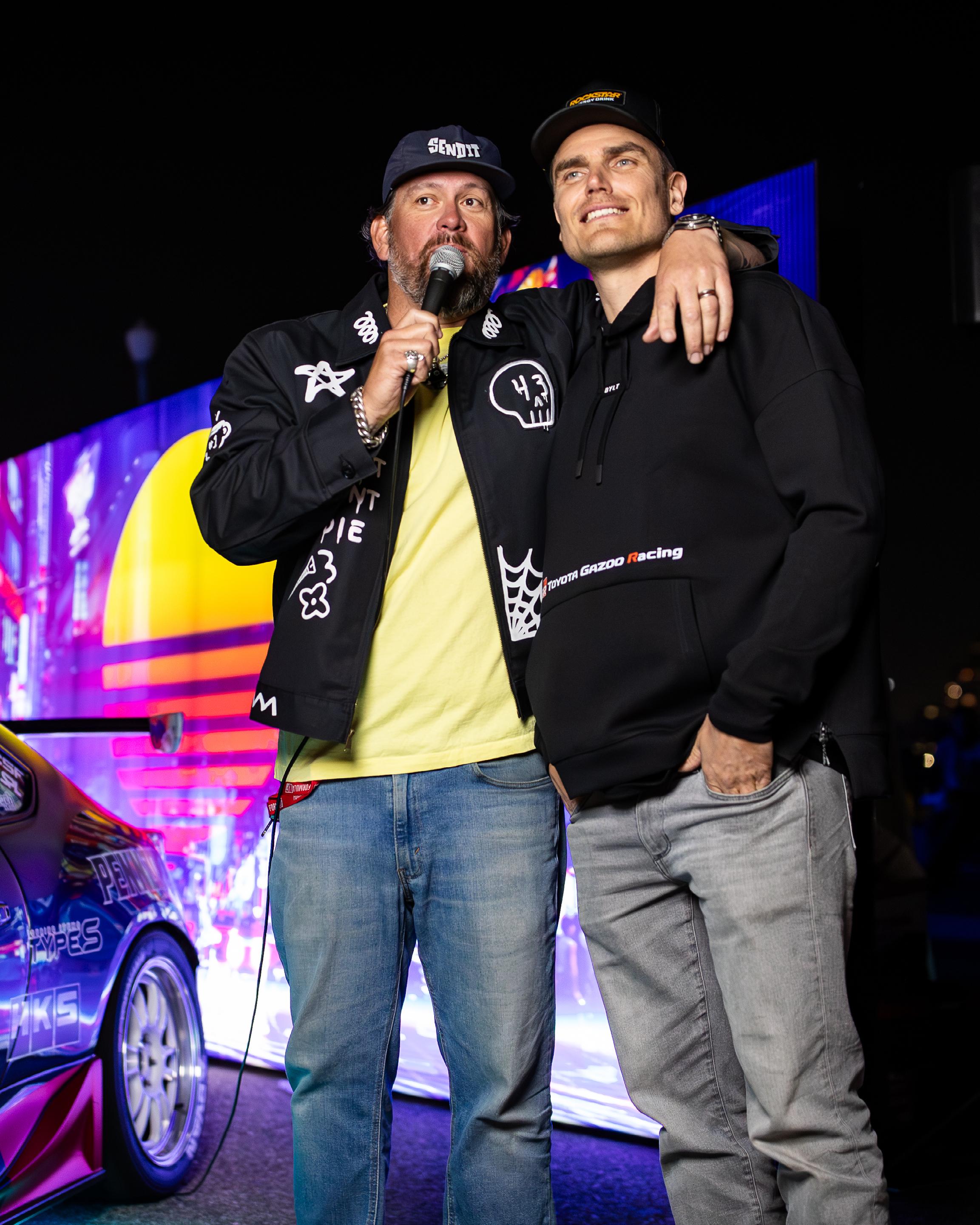

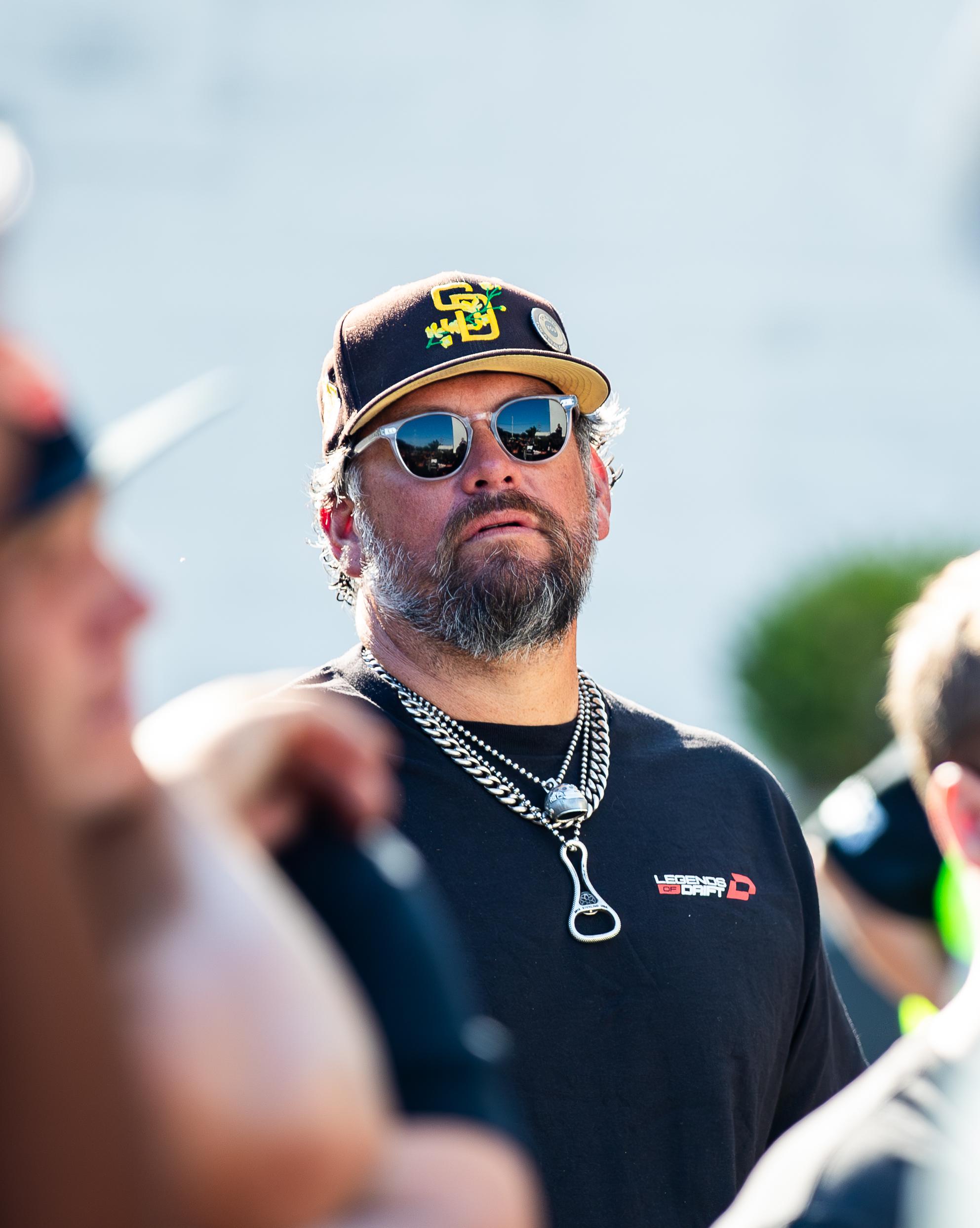
“YOUR PRESENCE IS THE PRESENT”

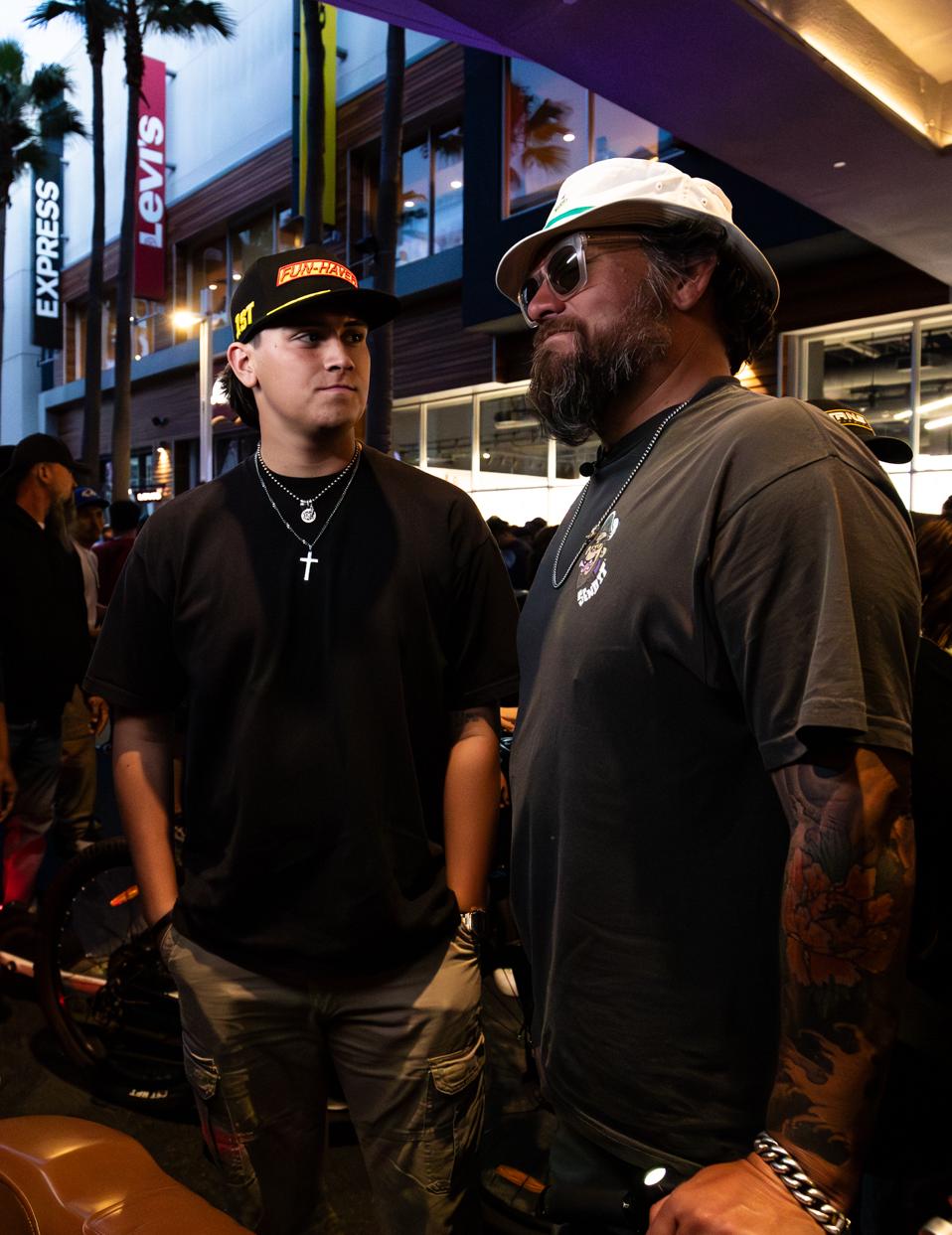

Nobody wants to hang out with that guy. There’s always going to be somebody that knows more in that specific region than you know.
I went to the Getty Museum in LA, which is massive, and there’s 1400 European paintings that are just stunning. You don’t need to believe in Christ, you don’t need to believe in faith and Jesus. You might think it’s a fantasy story, but the actual paintings are beautiful, and it’s the execution of it. You could paint a widget, you could paint a figment of your imagination, or you could paint something real. But it’s that depiction of something that’s really impressive.
BE: When this chapter eventually closes on this part of your career, what do you hope people remember about you beyond the microphone?
JD: Am I getting fired from Formula DRIFT? Ryan said the job is mine until I don’t want it anymore. I said, “If I won the lottery and we got that billion dollars, whatever it was, the other day, I would still announce Formula DRIFT.”
I think that I would just want people to say, “Jarod is a good dude. He cared a lot. He cared a lot about a lot of people.” I would want people to think that I cared a lot about a lot of people. If I ever upset anybody, you can always come to me and ask me about it. It’s a revolving door. I never claimed to be perfect, and if it’s drifting, golf, or art, it’s now, it’s always a work in progress. You could add one more stroke, you could add one more thing, you could do this, one more thing, it’s just a constant evolution.
I’m still working on my painting dude, I am still working on my painting of life.
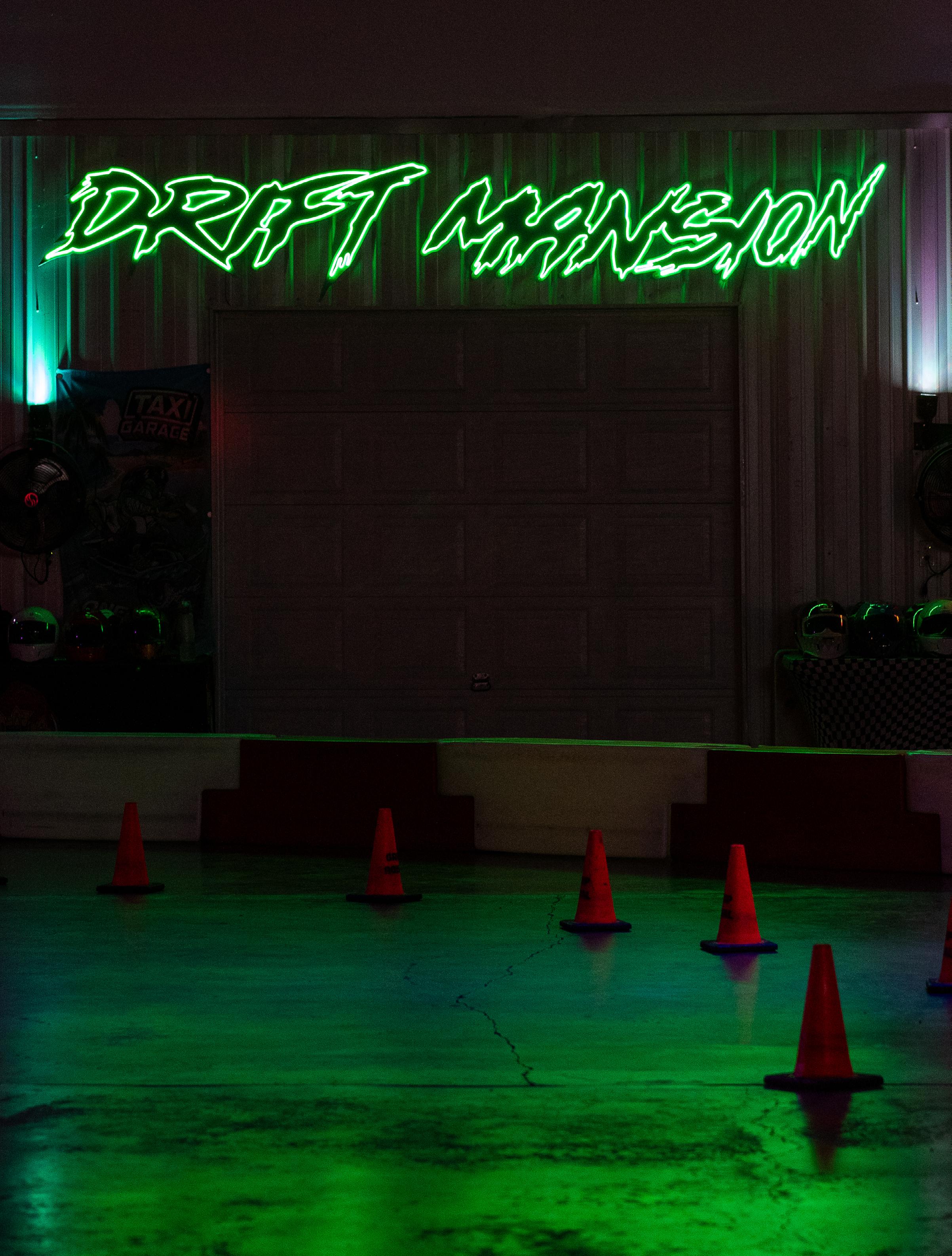
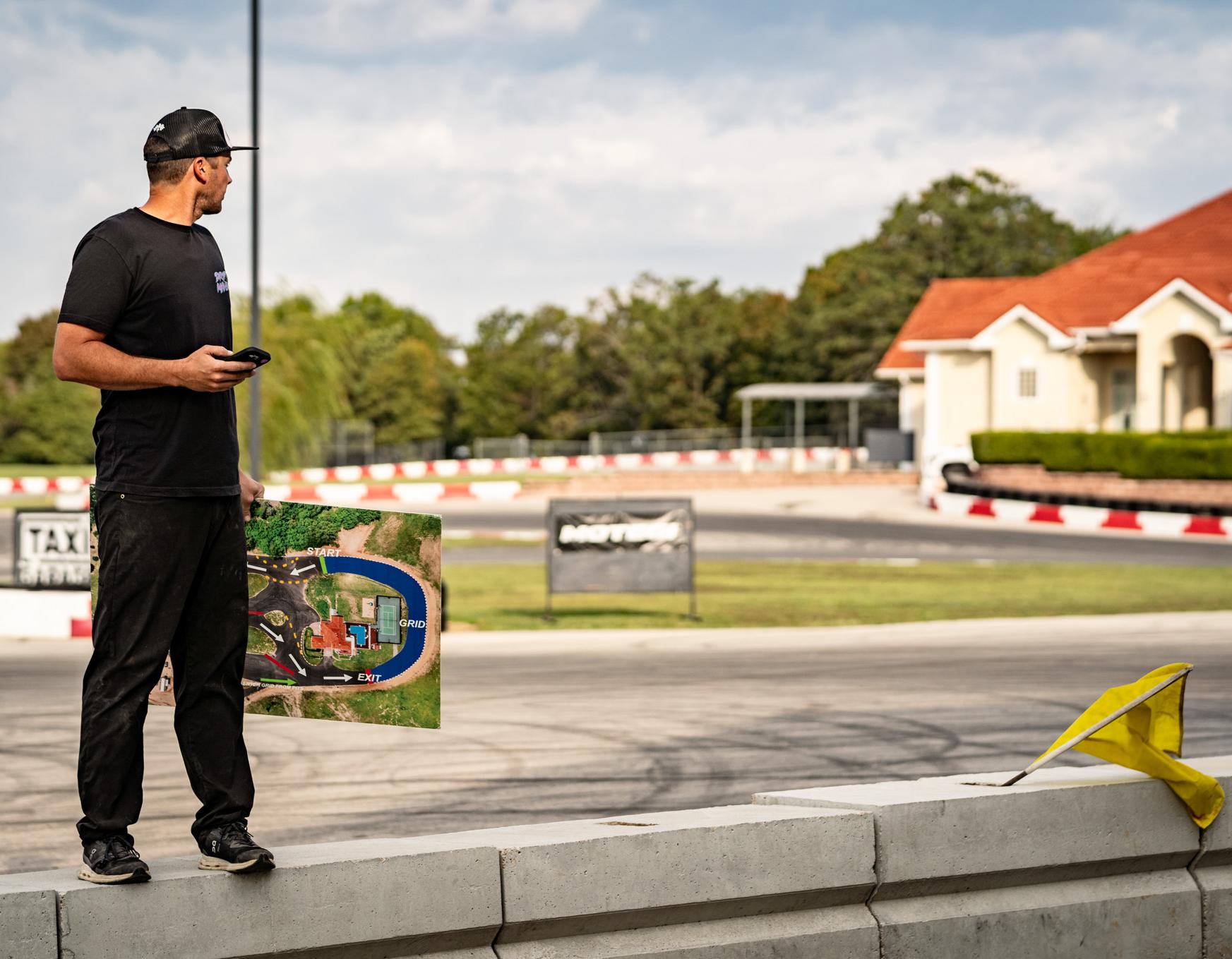

Nestled in the hills outside of West Plains, Missouri, is a home whose owners describe it as “The Ultimate Airbnb Experience.” Dubbed Little Talladega, and commonly referred to as the Drift Mansion, this house surrounded by a race track has quickly become one of the most revered destinations for groups of friends looking to organize a private drift day. Complete with go-karts, an arcade, a pool, a gym, a tennis and basketball court and just about everything else you scribbled in when you were drawing your dream house in elementary school, it’s a unique property that has been making
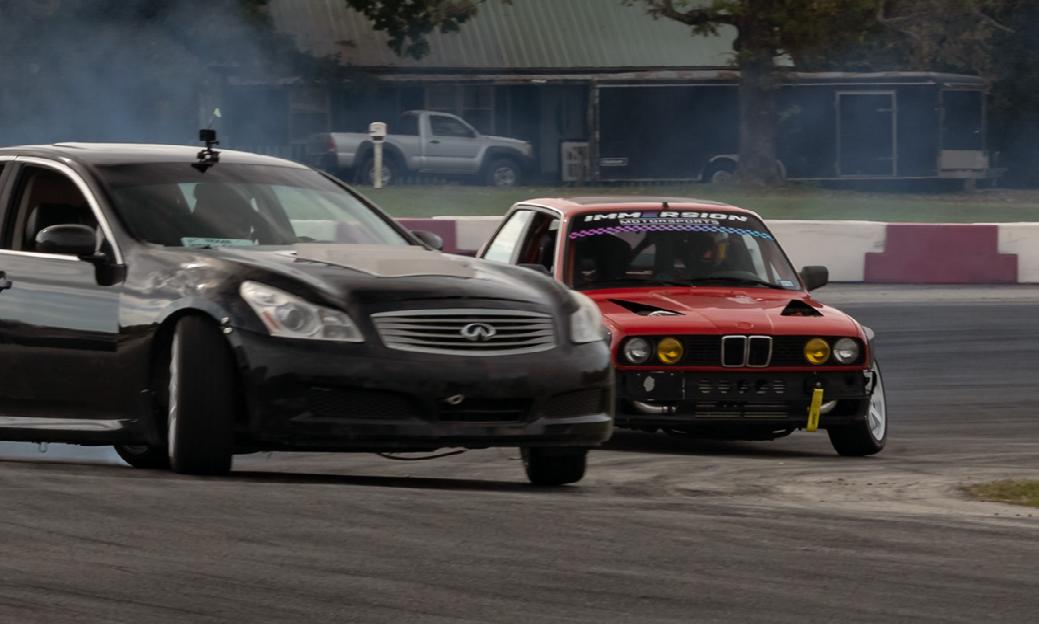
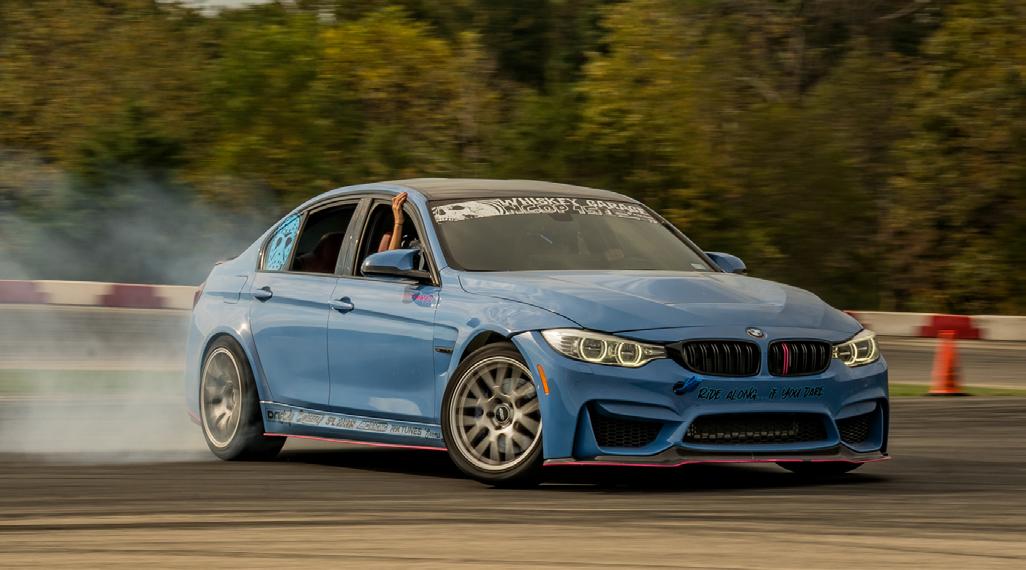
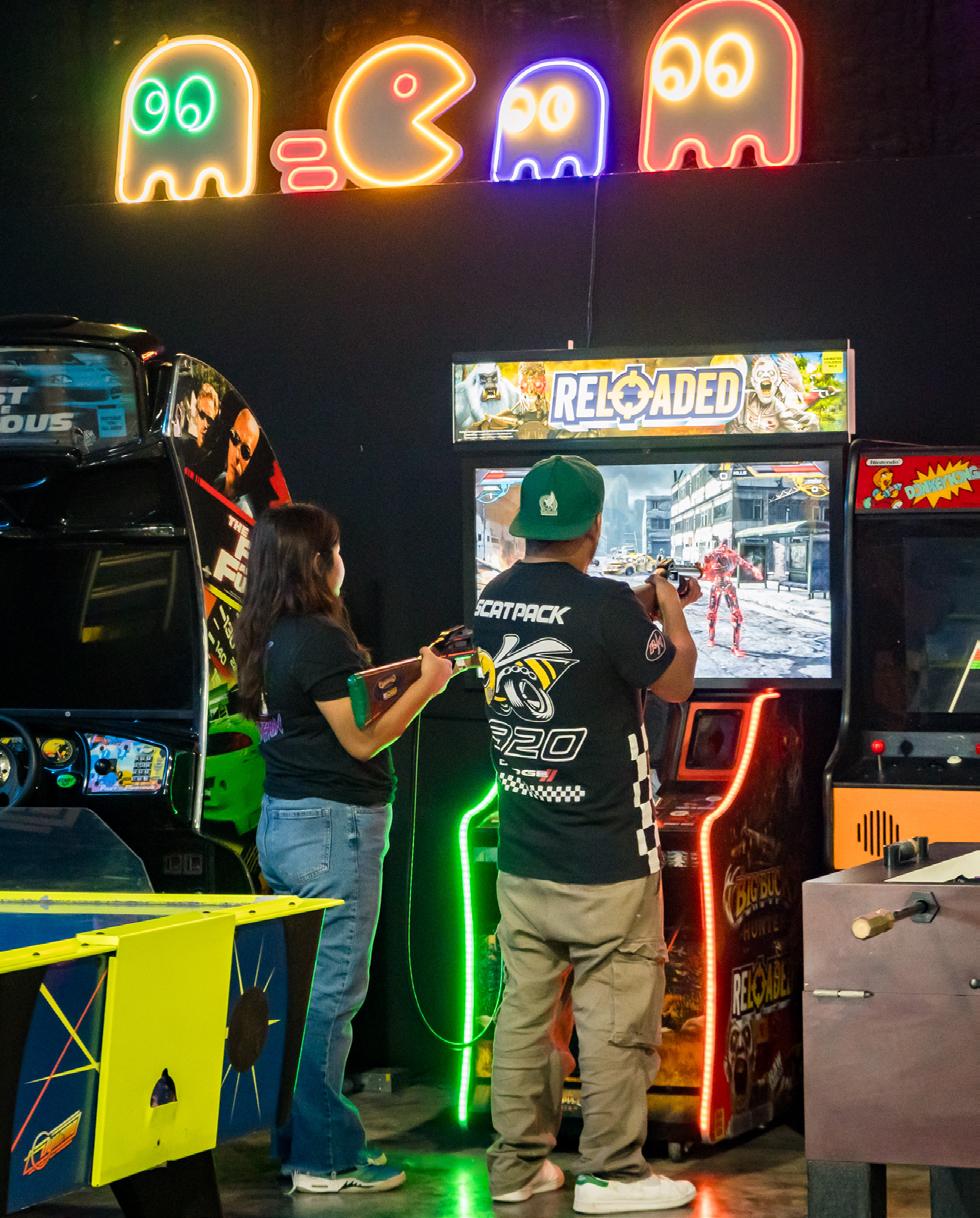
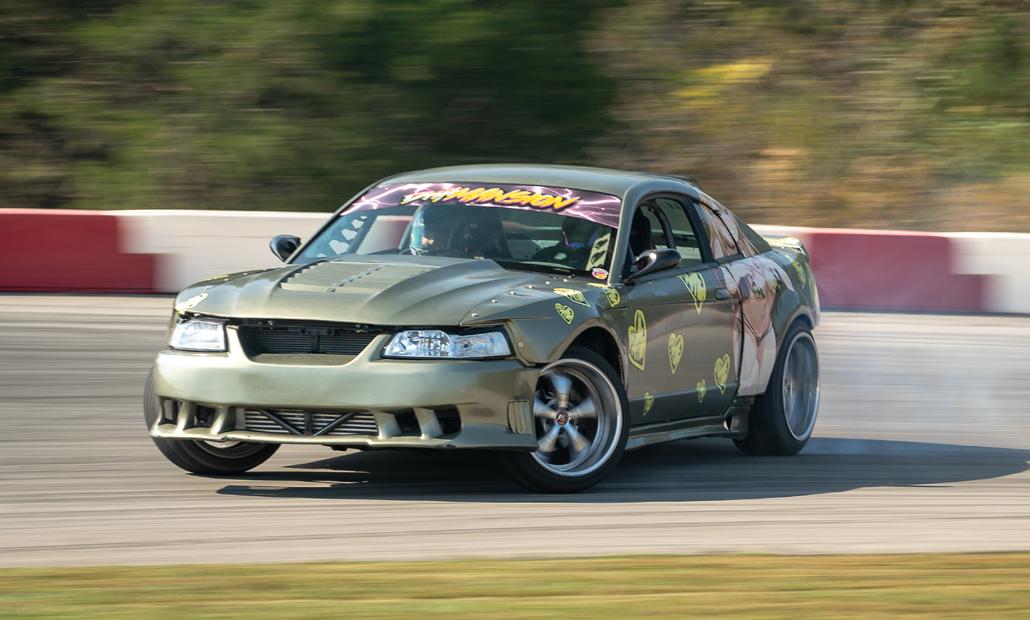
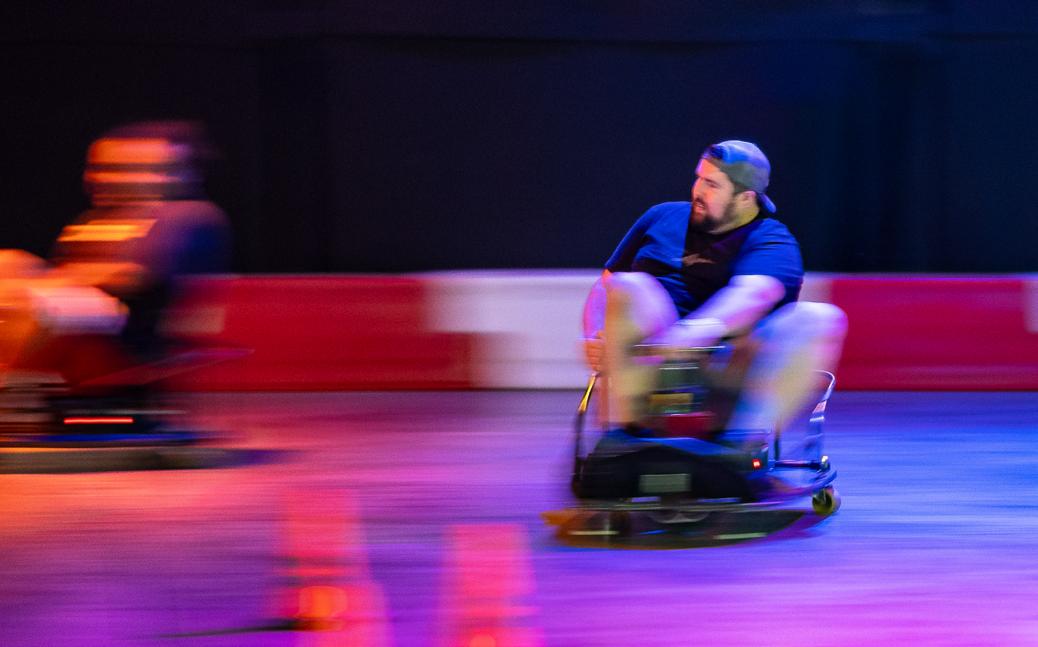
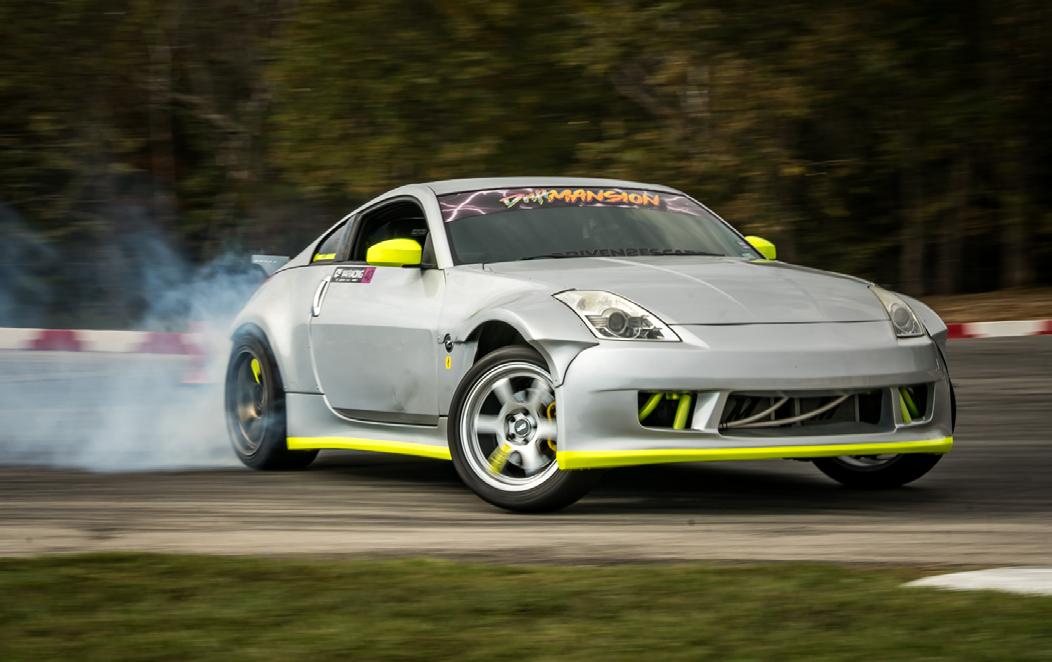
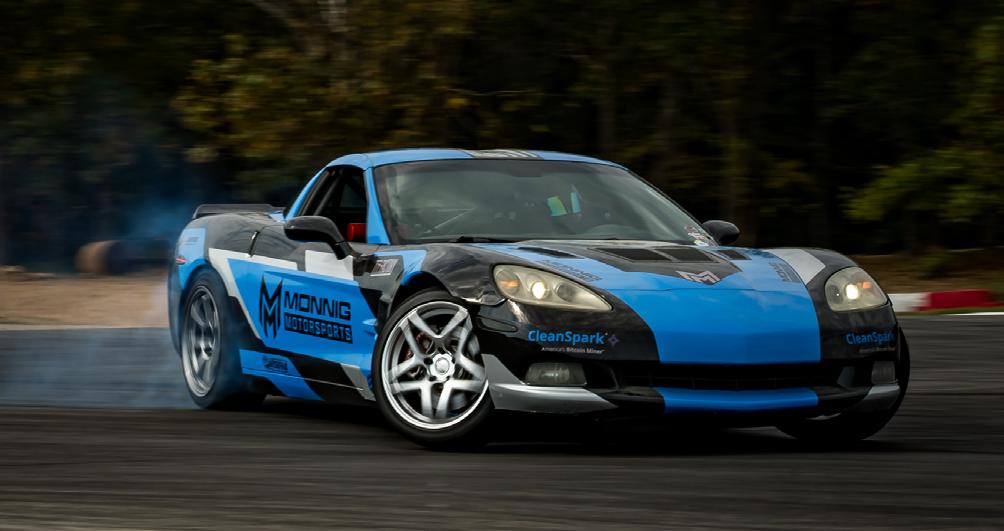
The track around the house was originally intended for kart racing, but drifters have never found a cart track they didn’t enjoy. That includes Jon David. When he was searching for a property to build a motorsports paradise and resort, he knew right away when he came across this track, with a mansion located right in the middle of it for sale in 2021, that this was the place he’d been searching for, even if it was literally in the middle of nowhere. Turning off that dirt road to see a mansion surrounded by a track, this little slice of secluded chaos is not only a beautiful sight but a must-visit destination.
Here are four perspectives on Little Talladega from folks on a recent trip there, including from Jon and his wife, Allison:
Camera: Sony A7II
Social Media handle: IG: @clusterfuc
Location/Drive time:
Beach Park, IL - 9+ hours
Like most, once learning about Little Talladega when it first went viral in 2021, I knew it was a place I wanted to go, but it always felt like a pipe dream to actually go. As Drift Mansion continued to gain popularity, the chance felt increasingly more realistic, seeing more people I actually know going here.
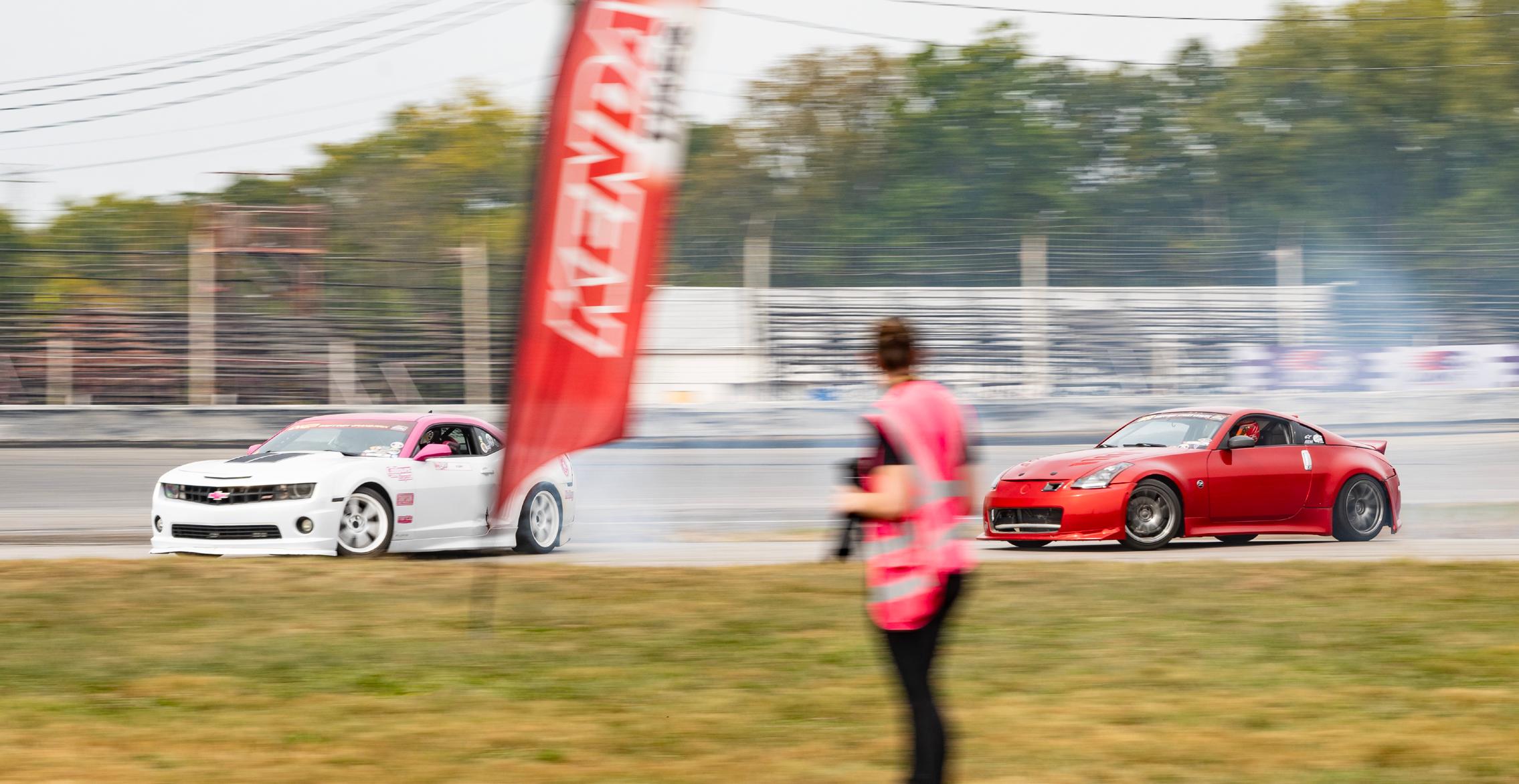
At the ClubFR 2024 opener, I heard about a couple that drove up to Shawano, WI, from Texas; news like that travels fast in the paddock. While going on track, I saw an unfamiliar pink 350Z, pulled off to the side of grid in the grass, hood open, helmet on, inspecting. I asked if they were okay. In a notably more cheerful manner than expected given the situation I walked up on, she responded that she was good, just battling overheating issues (which was ironic considering it was 30°F), thanked me

for checking, got back in her car, and I went back documenting the day. Before I knew it, the day was over, and they were gone by Sunday morning.
The following week, I found the driver on social media, Melissa Miller, and sent her photos from their day at USAIR. She was so grateful I had any photos of her on track with the car issues she was having. Immediately, she told me that she wanted to hire me for an event later in the year to shoot for her. As exciting as that is to hear, as a seasoned creative, I’ve heard this many times and didn’t hold my breath. Before I knew it, this woman from Texas, whom I met one time, for 30 seconds, was asking if I’d be interested in documenting a group she was getting together to go to Drift Mansion. The opportunity I had been patiently waiting for.
When Melissa decided she was going to set this trip up, she knew she wanted to bring a few dedicated media with her as well, so that they could all just enjoy driving. It worked out really well both years. I was one of three media she invited. We offered a driver’s package that we split evenly between us. The other photographer and I worked to make sure one of us was shooting driving while the track was hot, the warehouse memories were covered, and the third was a drone pilot.
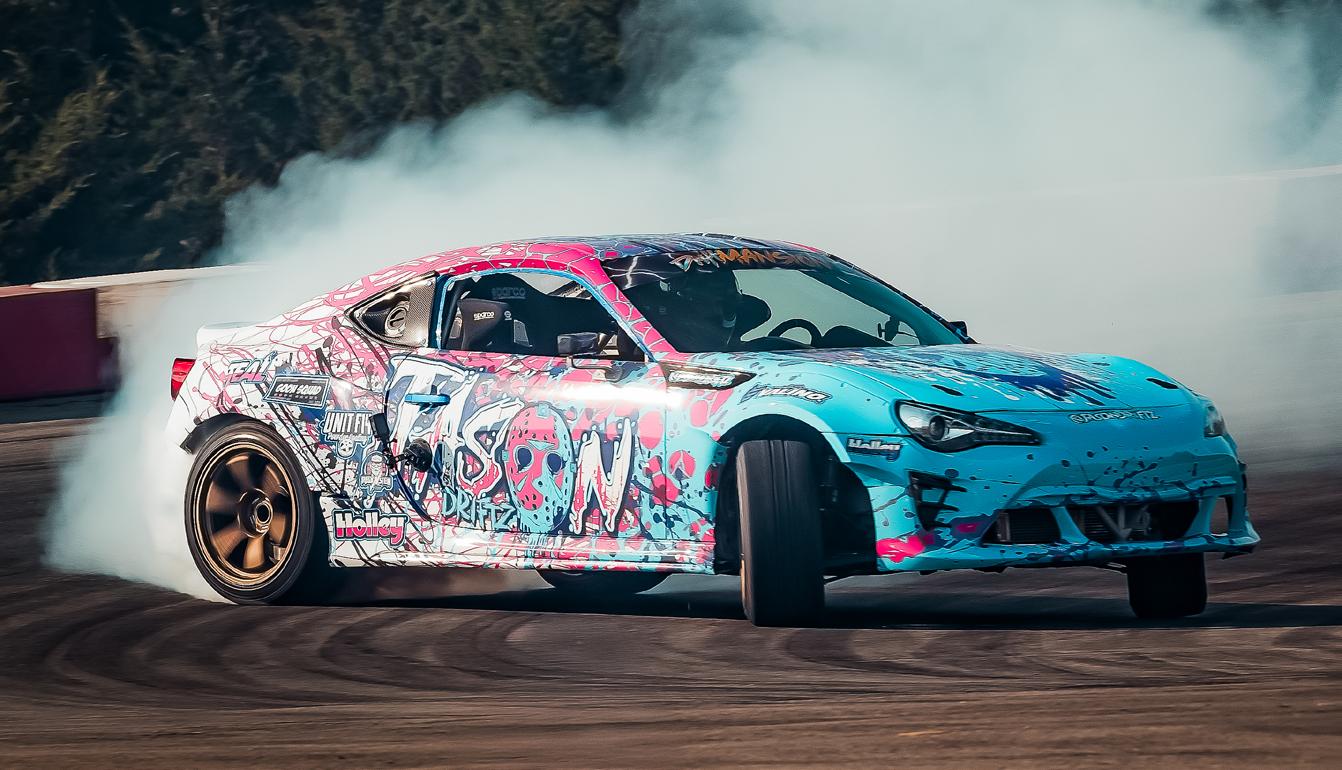
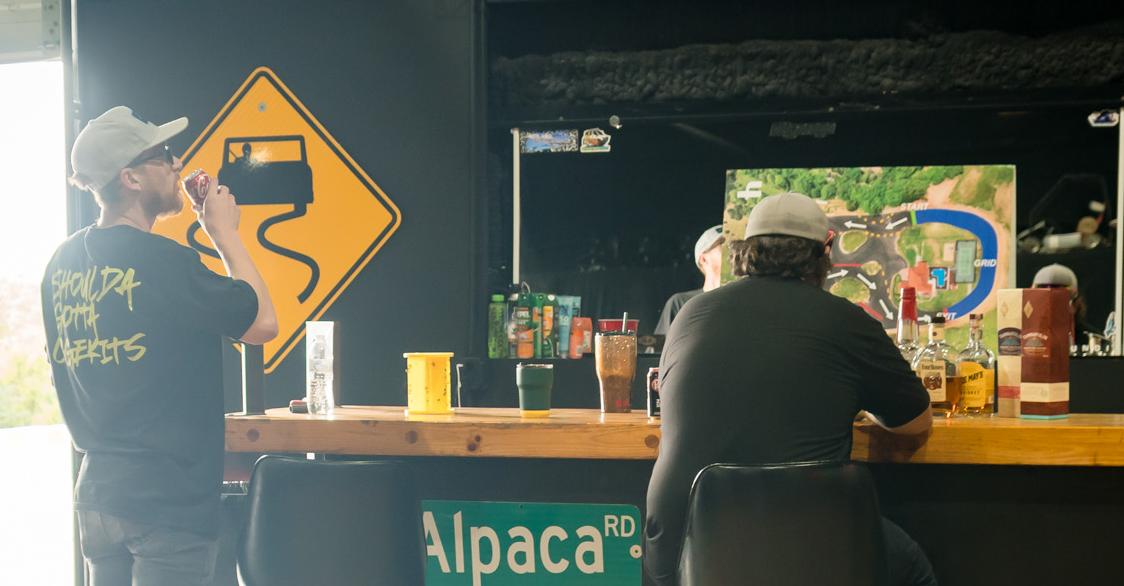
Doing media at the Drift Mansion didn’t feel too different than shooting any other event. Other than being able to go in the house or warehouse where I could easily find water, a seat, even air conditioning, rip some crazy carts, find Biggie to give some pets, or even take a nap with the sound of cars burning rubber right outside my window. The instinct getting there is to go into the ‘infield’ grass areas to shoot, like at most tracks, they do ask media to stay 10-20 ft back from the track for safety, which is understandable. Depending on the lens being used, though, that can be tricky, since the grass areas aren’t large to begin with. Shooting from the outside of the track is where I think I got my best shots all weekend.
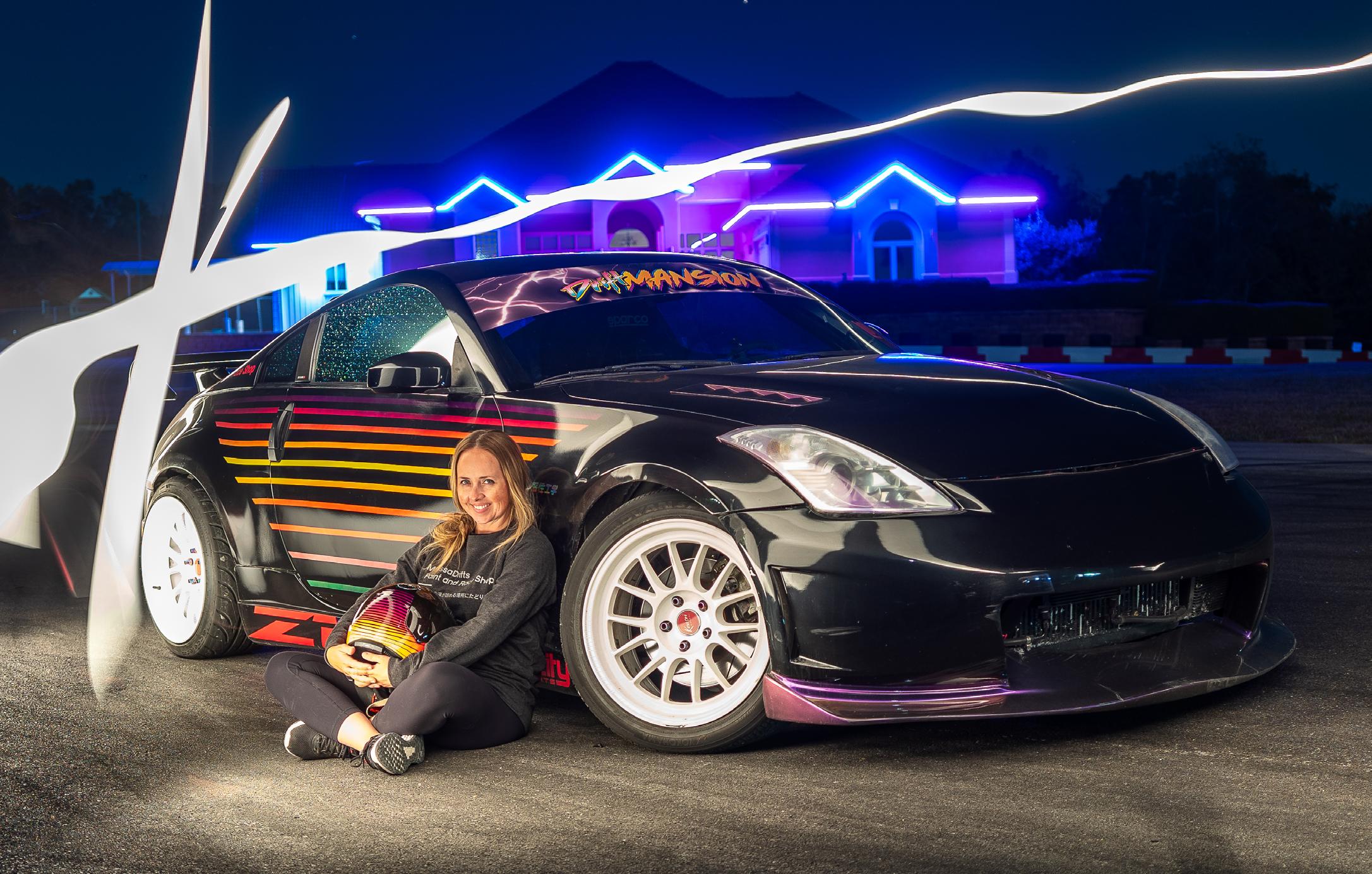
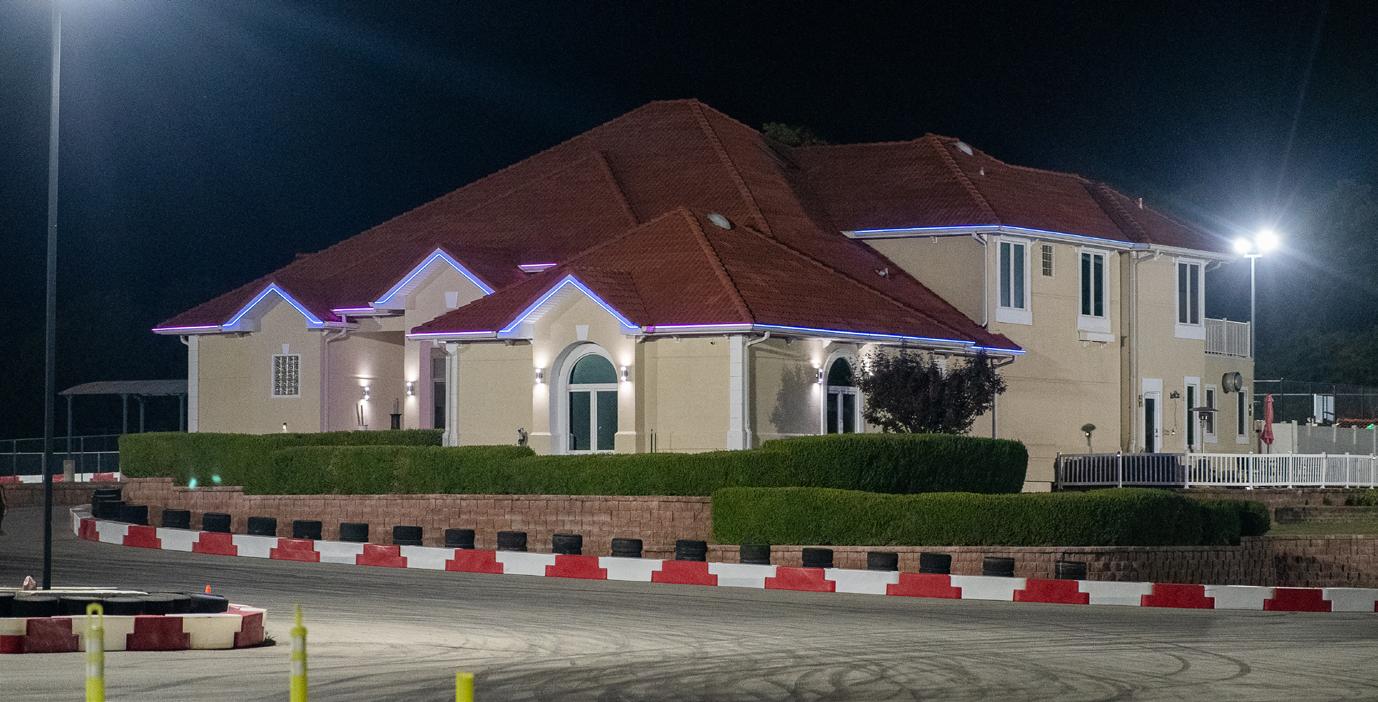
Before going to Drift Mansion in 2024, I had recently done a light painting, prompting the idea of doing it during the trip. That Saturday night, Jon excitedly obliged when, for the first time, he was asked to turn all the lights off on the property, other than the accent color lights on the house itself. Resulting in stunning images showing off the mansion, Missouri stars, and the new paint job Melissa had recently finished on her 350Z. Melissa took on the challenge of even posing in a few of them, which required her to stay as still as possible for the 15-30 second exposure. It seems to have become a tradition on these trips now. On the 2025 Drift Mansion trip, I did light painting with five drivers.
If you have the opportunity to do media here, be sure to bring your high-visibility vest, long pants, and closed-toe shoes, just as you would anywhere else. Just because it’s super chill doesn’t mean they slack on safety. Bring your helmet to get some ride-alongs! That was my favorite part. For media, it’s usually quite difficult to line up ride-alongs. Being on and off track all day, having a helmet with us at the right time, where can we put our gear, is a driver available, and a car ready; it’s a whole thing. There’s a lot that needs to line up. At Drift Mansion, it was so easy to just hop in a car with someone because everything is right there.
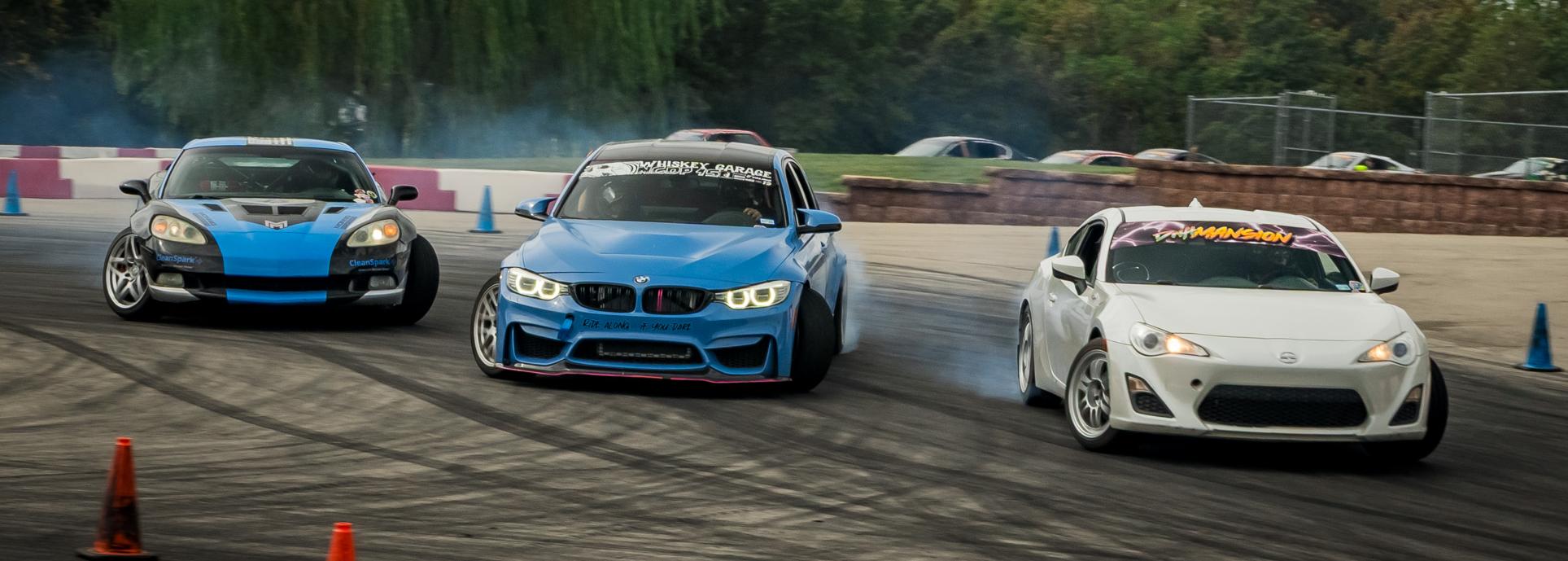
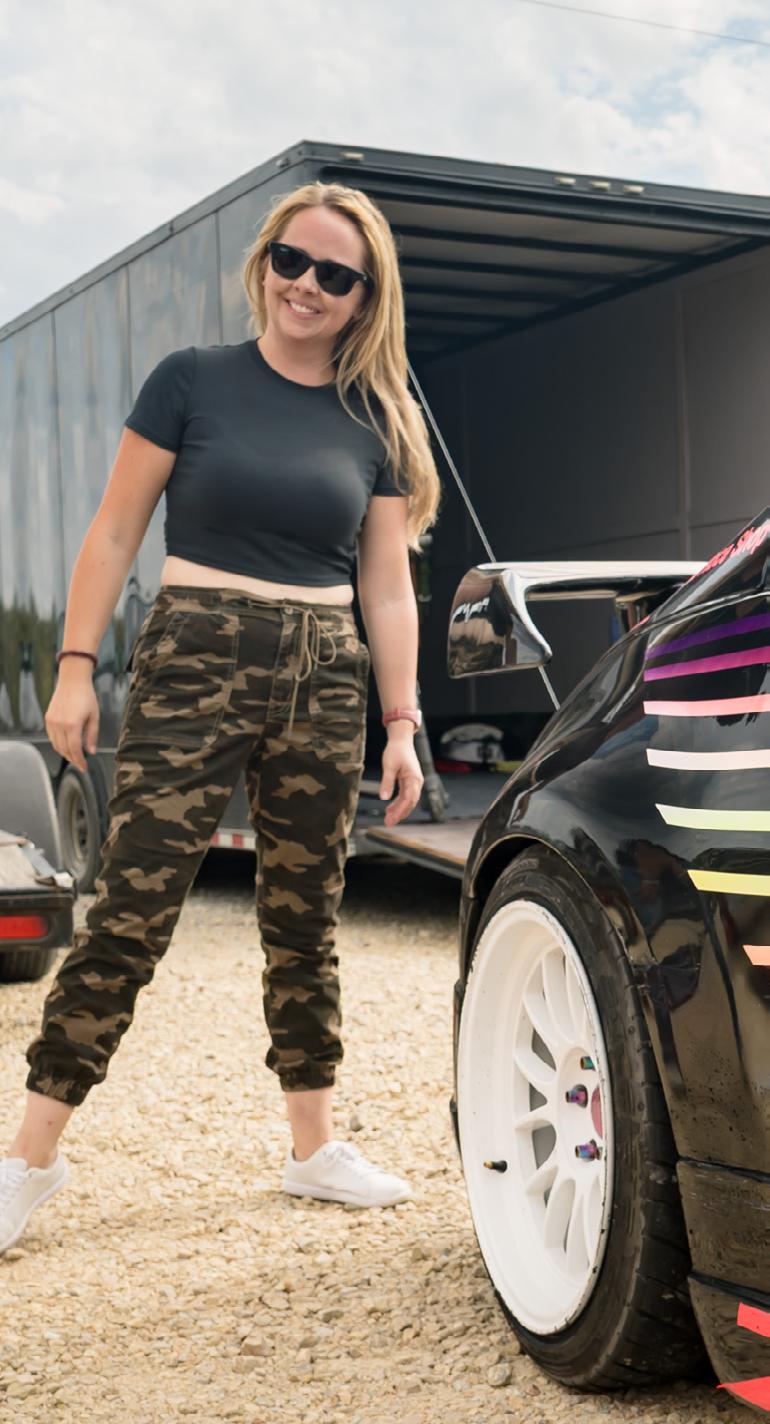
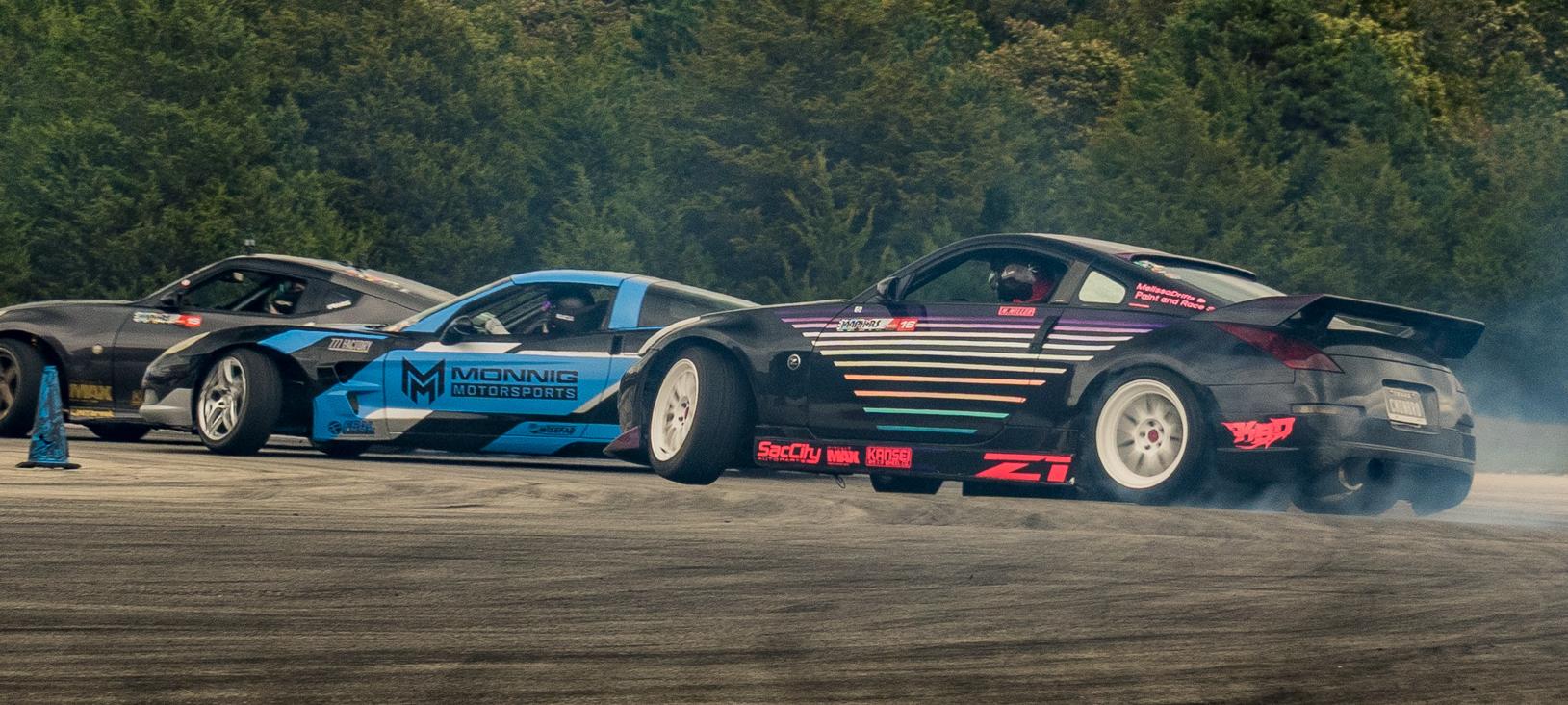
Melissa Miller started drifting in Minnesota in 2004, which some today would consider an “OG” in American grassroots drifting. Now located in Texas, she’s no stranger to a good road trip to drift and see friends. After all, we first met at a ClubFR in Shawano, WI, when Melissa and her husband Chris trailered their two cars 17+ hours to drive for a single day. Having to be back to work that Monday. Making the 7-hour drive to Drift Mansion feel like a trip to the store, but this time, they got to convoy with their friends to this adventure.
THE BASICS -
Drift car: 2008 350Z Supercharged
Social Media handle: @MelissaDrifts
Location/Drive time:
Melissa, TX / Drifting 17+ hours
Do you remember when/how you learned about Drift Mansion?
I remember seeing a video about Drift Mansion, thinking how cool that place looked. It seemed absolutely unattainable, financially, based on the media that was coming out of there. I started seeing how much other events were charging to go… and

What made you decide to organize the first trip? And then again?
The thing that made me want to organize the first trip was to create an event for my friends and a few friends of friends to be able to pool our money together to make it as affordable as possible to go and have a great weekend…. Because, well, who doesn’t want to go to Drift Mansion? Everyone pays the same, everyone pitches in for food, and helps clean up after. The whole event is a team effort in order to make it rad and keep the vibes good.
Did it live up to the hype for you?
Definitely. I wish we could go more often! Not just the drifting part, but you’ll never be bored. There is always something fun to do or spots to just relax.
Any advice for someone thinking about planning this trip themselves?
Just do it, you’ll make more money. It’s a big thing to organize, especially if you’re planning on not leaving the mansion with lunches and dinners to cook for 20+ people.
Do you have a favorite part of the experience? Or top 3 if that’s too hard.
I love seeing how much everyone loves to get

Seeing everyone progressing through the weekend, getting to do sweet tandies with my friends….
The fact that this place has provided the space to safely have a killer weekend drifting and bringing people together is exactly what this community needs.
Let’s talk about driving at the mansion. Tell me about your car, and its setup.
I ran my 2008 Nissan 350z. It’s a supercharged HR. The suspension is all PartShopMax, angle kit, coilovers, and arms. Z1 Motorsports keeps me going with radiator fans, oil cooler, diff cooler, power steering cooler, solid motor mounts, and transmission mounts, to name a few things. SacCity Autoparts makes sure that if we mess up a door, axle, or power steering rack, that we can get the replacements quickly to get back on track.
What tires did you run during this? (size and brand?) How many tires did you bring in anticipation versus use?
I ran Accelera 651’s in a 265/35/18 in the back and 245/40/18 up front with Kansei Corsa wheels in 18x9.5 and 18x10.5.
How would you describe the driving experience?
It’s however you want it to be, whenever you want it to be. Sometimes it’s super chill, you have all weekend, so there’s no rush to get back in line unless you’re trying to jam with your friends.
Anything you’d tell drivers before their first time at Drift Mansion?
Soften your setup. There are bumpy sections of the track that can knock you off if you’re
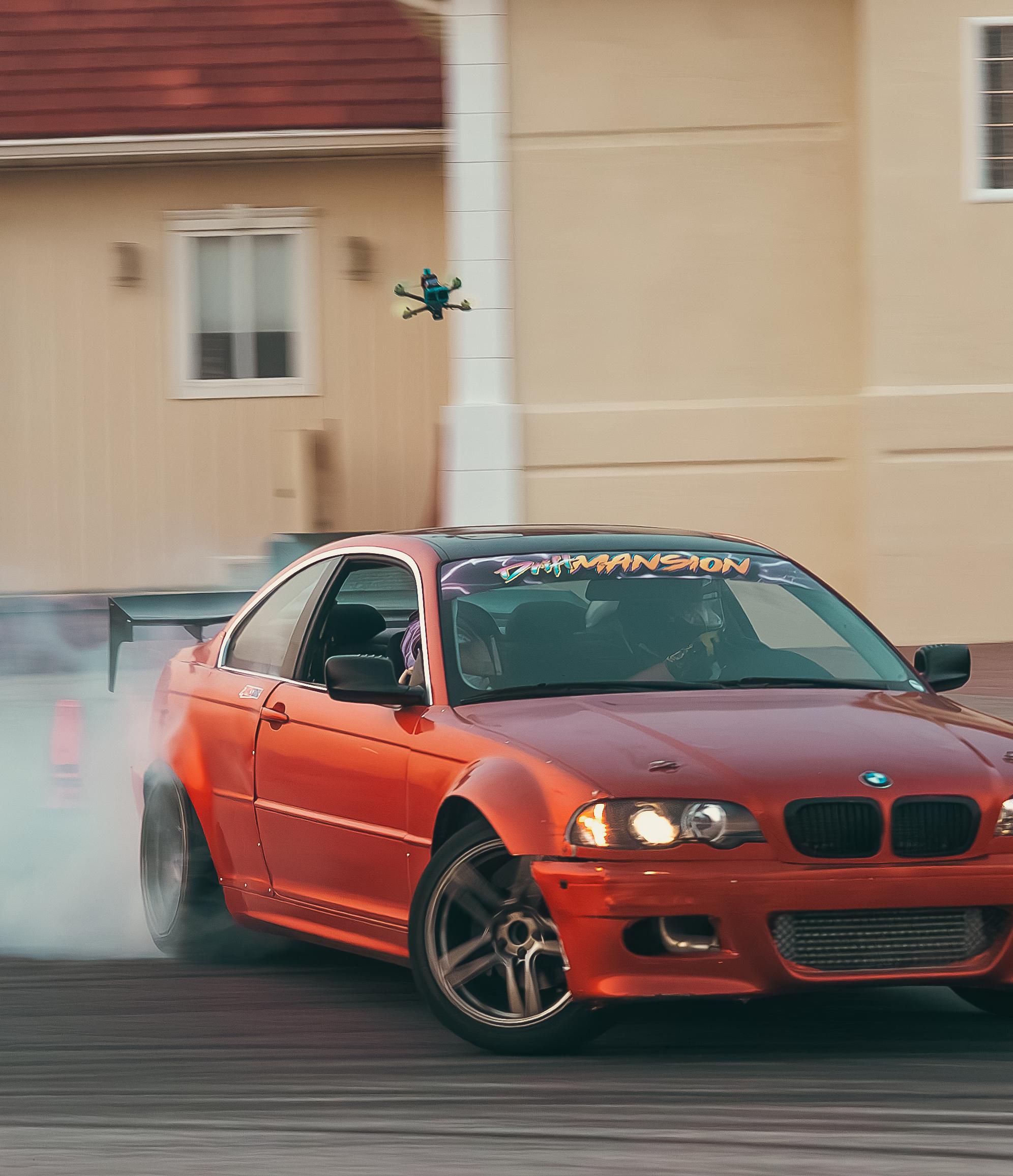
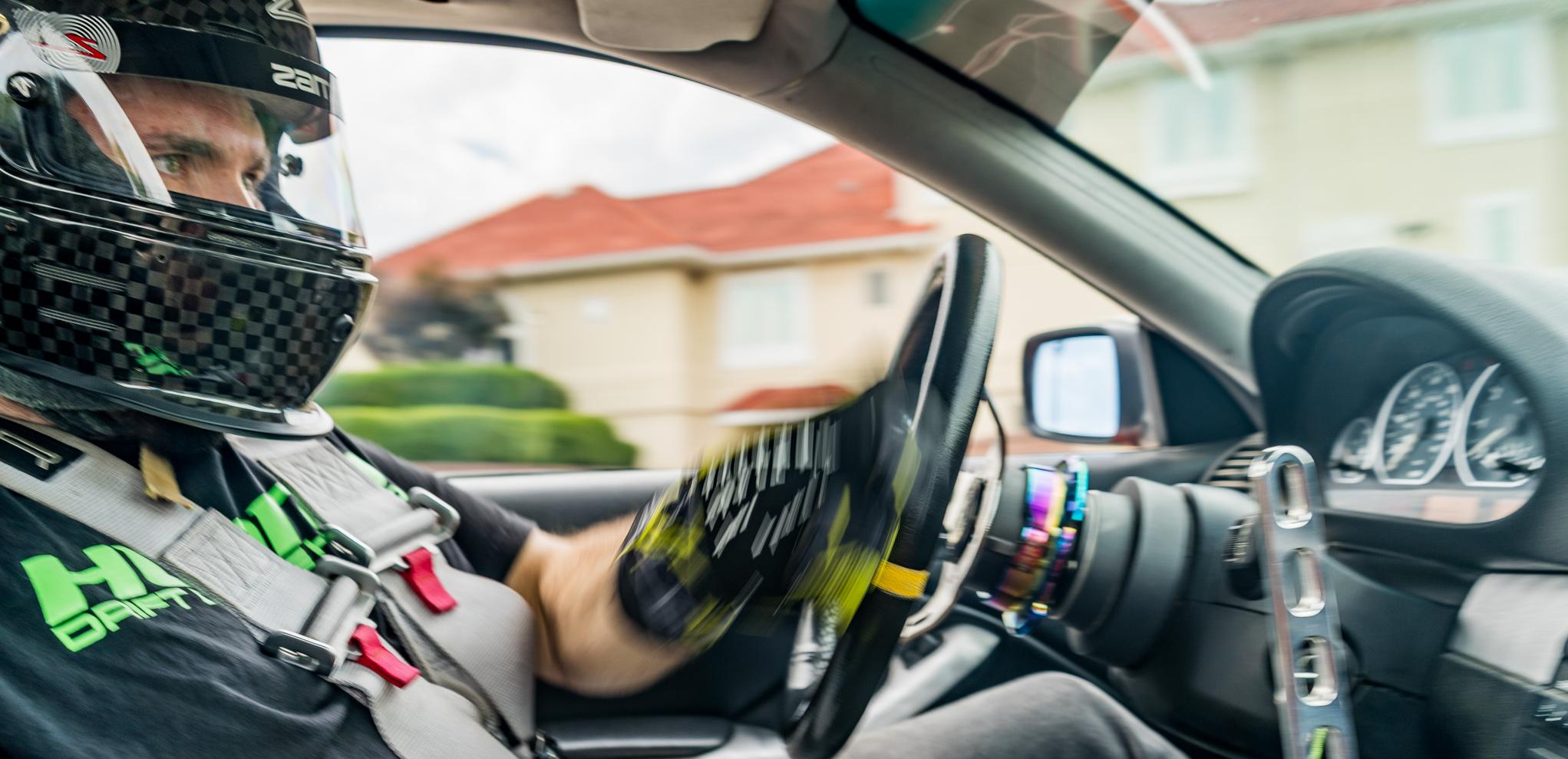
With a background in rally-X, autocross, ice racing, and stage rally, Corey Holmes has been drifting for eight years. USAIR Motorsports being his home track, he loves a technical cart track, exactly like the one at Little Talladega. When his fiancée was offered the chance to do media for someone’s group at Drift Mansion, even though he knew no one, he had to see if there was room for another driver; there was. After forming friendships and memories that will last a lifetime in 2024, when asked about returning in 2025, it was a no-brainer. .
Do you remember when/how you learned about Drift Mansion?
I’m pretty sure it was Taylor Ray’s video from back in 2021. At first, it felt like one of those opportunities that only the “select few” would get to experience, and it was just a pipe dream, and even more so after its popularity gained traction with more video content showing up online, music videos, commercials, etc.
Let’s talk about driving at the mansion. Tell me about your car and its setup.
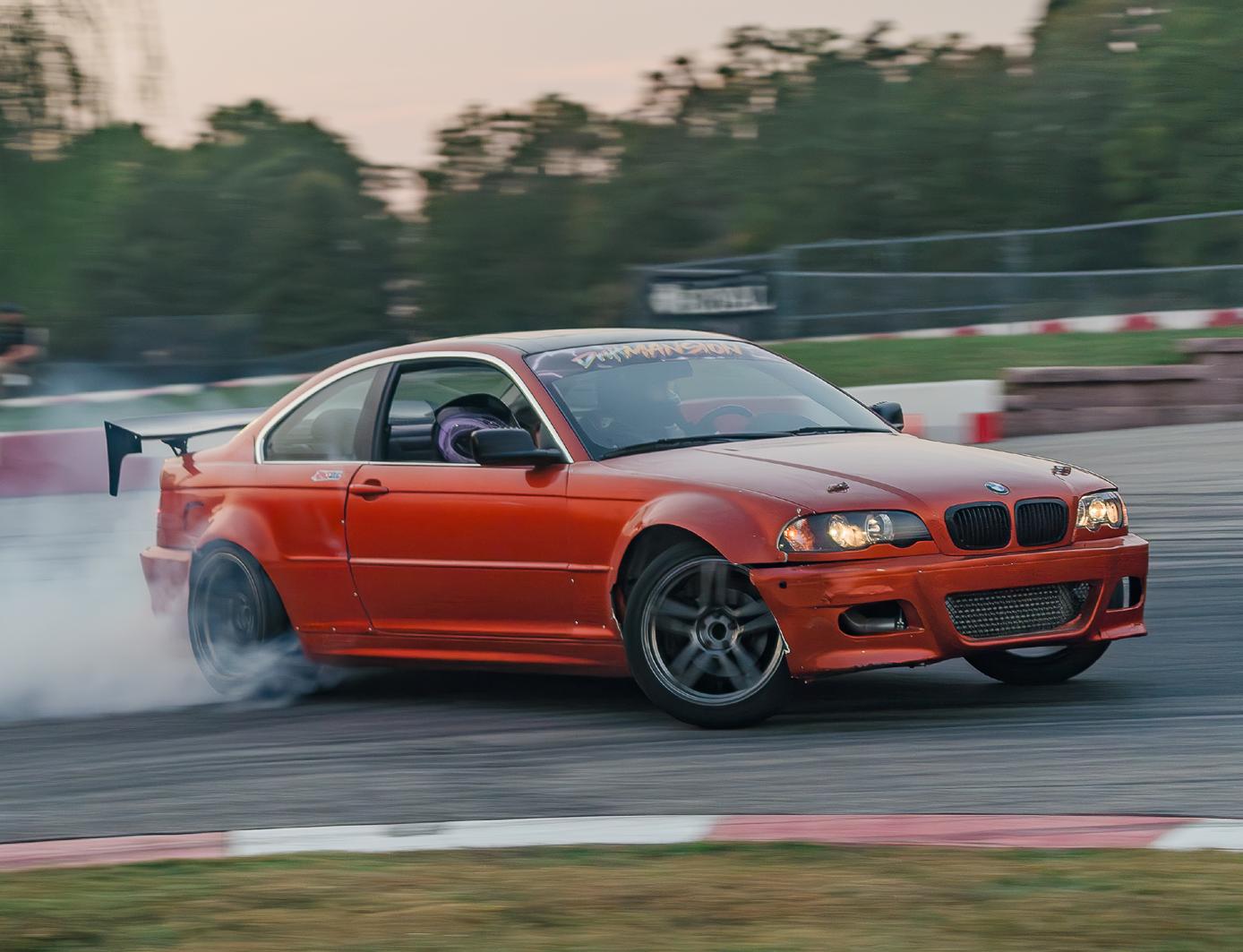
I’ve had my E46 in, more or less, the same setup for the past 7 years or so. It has an engine swap, with a 1JZ VVTi, Tomei turbo, ECU Masters EMU Black, making probably in the low 300’s HP to the wheels. Otherwise, it’s running BMW drivetrain, ZF 5-speed, BMW diff/axles, and they’ve done great for the power I’m making. For angle, I’ve been using the SLR Ultra kit for years, and it’s treated me very well.
What tires did you run during this? (size and brand?) How many tires did
you bring in anticipation versus use?
For tires, I try to stick to 265’s in the rear, usually Kenda Kaiser 300TW. For this trip, I brought a total of 4 new Kendas, as well as a pair of Cosmo Mucho Machos as emergency backups.
During the two days of driving, I used up 1 pair of Kendas and only needed to change tires for a couple of laps on day two. Being a super casual drift day, it was very easy not overheat the tires by taking breaks and utilizing the water hose in the pits to keep tire temps in check.
How would you describe the driving experience?
The driving experience at the Drift Mansion is kind of exactly what you think it would be. Very, very laid back, flexible schedule yet still as much or as little seat time as you’d want. Jon and the team, being drifters themselves, have developed many layouts to fully utilize the track that can be swapped throughout the day to keep things fresh. I’m personally a fan of the “Miranda Lambert” layout.
Do you have a favorite part of the experience? Or top 3 if that’s too hard.
I’d say my favorite part of the experience is the drastic change of pace versus a traditional drift day. There’s something about being able to, mid-day, go into the shop and just sit down on the couch and decompress for a minute while your car is cooling off, or even going back to the house and jumping into the hot tub. And because we have control of the track, it’s very easy to coordinate things like meals.
And although drifting is the highlight of the experience, there’s something to be said about how much unhinged fun the Crazy Carts are in the shop. And I’d be lying if I said I didn’t buy a Crazy Cart for myself after visiting the Drift Mansion and looking to add another.
Anything you’d tell drivers before their first time at Drift Mansion?
Just prep your car like you would any other drift day, and you’ll be fine. The layouts they set up are very wide and forgiving, which means less time figuring out the track and more time enjoying it with the homies. Also, stay hydrated and thank your track staff and media peeps!
Website: www.driftmansion.com
Social: @littletalladega @driftmansion
How would you describe Little Talladega to someone who’s never heard of it before?
Little Talladega is like a cruise ship, where all your entertainment is on board, except we’re nowhere near an ocean. It is the only place in the world like it. It is an experience you can only get here. It keeps everyone together, creating unforgettable memories that people will share and talk about forever.
What’s the history behind this property?
There has to be one with not just the track portion, but the architecture around the house is very unique.
This was a residential property that we purchased to convert into a vacation business in 2021. The 70-acre resort has an 8,700 square foot Tuscan-style home with 14 permanent beds and 8 bedrooms. We themed the rooms from the Dale room, drive-in theater with truck beds, racecar room with custom adult racecar beds, Bugatti room, American Eagle room, Ricky Bobby room, and more. The house and shop were existing when we purchased the property. There was also a small teardrop-shaped track around the house that needed repair. In 2023, we did a full track expansion and resurfaced the existing asphalt.
Was Drift Mansion always the plan, or is it something that evolved from Little Talladega?
Little Talladega and Drift Mansion. We realized very early that drifting gets the most attention at our resort. However, to this day, drifting groups are still only about 15% of our rentals. This sometimes blows the mind of a fellow drift car driver. Commonly asked is “What do people do that come here that don’t drift?” Well, first…they relax. They’re not working on their drift cars or changing tires all weekend. They’re riding go-karts, going on ATV trails, riding crazy carts, playing on the basketball and tennis courts, going fishing, hitting golf balls, singing karaoke, swimming, dancing, gaming on the arcades, and for sure laughing. Now, we only post the…alternative things on Drift Mansion. The drifting, some chaos, edgier things that Taylor does, etc. The Drift Mansion, Little Talladega, is mostly rented and occupied by families, corporate trips, bachelor parties, friend groups, etc. Most people who come here may not even know that drifting happens here, but they all get the drift show on their last night. Our staff drives, and we get to blow people’s minds one more time before they leave. It’s been so cool to share this with people who come here…especially the tandems

Any advice for someone coming to Drift Mansion for the first time?
Just make it here. We have watched this place reset people’s entire lives. We’re pretty sure it’s impossible to be unhappy here. Make it fit in your schedule!
What does the future of Little Talladega/ Drift Mansion look like?
We are going to continue to reinvest everything we can back into this place, this experience. We plan to keep the dream alive and keep making it better and better. We want to stay here forever. There is always something this place needs. Always things we could fix, or make better. It’s a continuous, giant, never-ending project that tests us, but we love it too much to quit. We hope to become as efficient as possible and find more fun ways to continue feeding this hungry, hungry hippo.
What is their favorite part of this property/ doing this?
Our favorite part is that it never gets old. We absolutely love what we do. We are Allison, Jon, and Taylor.
We’re your fun-farmers, your hosts, your crazycart repair team, your trail guides, and you’re going to have the time of your life.
MATT FIELD - DRIFT CAVE C8 CORVETTE
Written By: Shawn Allgood
By the time Matt Field rolled a mid-engine C8 Corvette onto a drift course, the conversation around him had already shifted. He wasn’t “the S-chassis guy” anymore. He wasn’t the underfunded privateer grinding through the paddock. He wasn’t even just “the Corvette guy.”
He was the proof of concept. He was the guy who actually followed through.
Because nothing about being among the first drifting a Corvette, let alone a C8, works unless the driver understands something fundamental about drifting: Progression isn’t clean. It’s not trends or hashtags or whatever car Instagram decides is cool this season. It’s commitment, usually made before the math works, and often before the money’s there. Matt Field has spent his entire career committing, sometimes recklessly, often underfunded, but always fully.
“I always tell people, drifting is such an expression of your spirit and who you are as a person.”
That expression didn’t come fully formed. It was built, slowly, painfully, and very publicly. Before drifting, there was skateboarding. Matt wasn’t a prodigy. No shortcuts. Just repetition. Slam, reset, try again. Over and over until something finally clicked. Skateboarding teaches you how to eat shit without quitting. Drifting asks for the same thing just faster, louder, and way more expensive.
The moment drifting entered his life wasn’t cinematic. It came in the form of a stripped out S13. Just a stock KA-powered 240SX on 15 inch meshies with a welded diff and zero respect for a parking lot.
“He shredded this parking lot like he was linking between curbs and getting close to the wall… I remember thinking, ‘Holy shit, that’s the craziest thing I’ve ever seen.’”
The key detail wasn’t the driving, it was access.
“The fact that it was like a homie’s homie, I basically told myself, ‘I could do that.’”
That belief mattered more than talent and when Matt decided to get into drifting, everyone told him to buy a 240SX. He didn’t.
While Field grew up in a family of racers, his father raced off-road desert trucks and he even competed in quarter midget racing as a kid, his entry into drifting was a trial by fire. At 16, he bypassed the popular S-chassis for a Nissan 300ZX (Z32). It looked like a “tough” sports car, but it proved to be an uphill battle for a novice.
“Don’t fucking do it.”
That’s his advice now. The Z32’s VLSD helped, but the rest of the car fought him constantly. No self-steer. A short tolerance window. Violent snap oversteer.
“I had no idea what snap oversteer was. I had no idea that the thing would wind up like a rubber band and transition me 360 up the curb backwards.”
He crashed it, fixed it, repainted it himself and then crashed it again. What it didn’t do was break easily and that allowed him to survive long enough to learn. Eventually, reality won. He sold the Z and joined the S-chassis world like everyone else and this is where Matt’s career actually starts.
At seventeen, living at his parents’ house, he built his first real drift car, an S13 hatch with an SR, a roll cage, and a garage paint job that looked good from ten feet away. The engine swap and cage fabrication happened in the side yard. His dad taught him fabrication, welding, and how to build something properly instead of quickly.
That car wasn’t a showpiece. It was a multitool. It was his daily driver. His college car. His competition car.
“That was my high school car that turned into my college car, that turned into my Formula Drift car.”
After getting his pro license at Top Drift at Willow Springs, Matt kept driving a car that had never stopped being part of his daily life. That wasn’t romantic, it was a necessity. Back then, pro drift cars weren’t separate entities.
“Race cars were just daily drivers without interior and registration.”
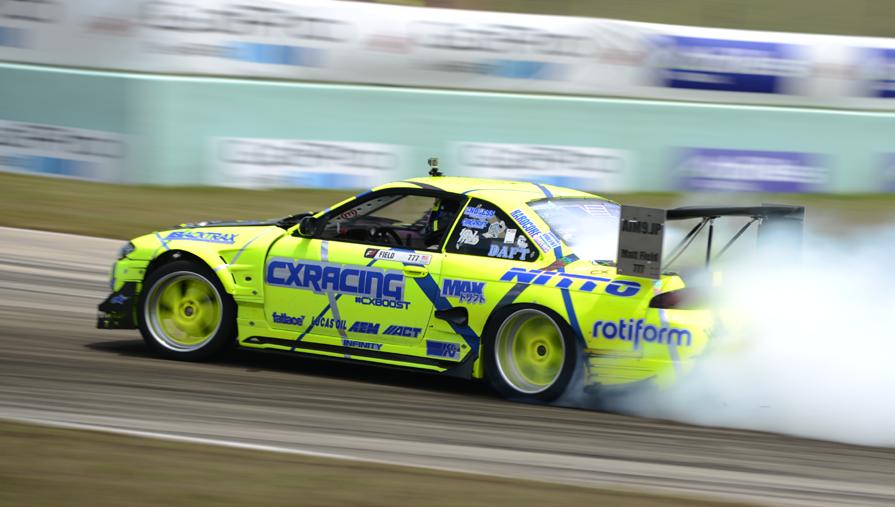
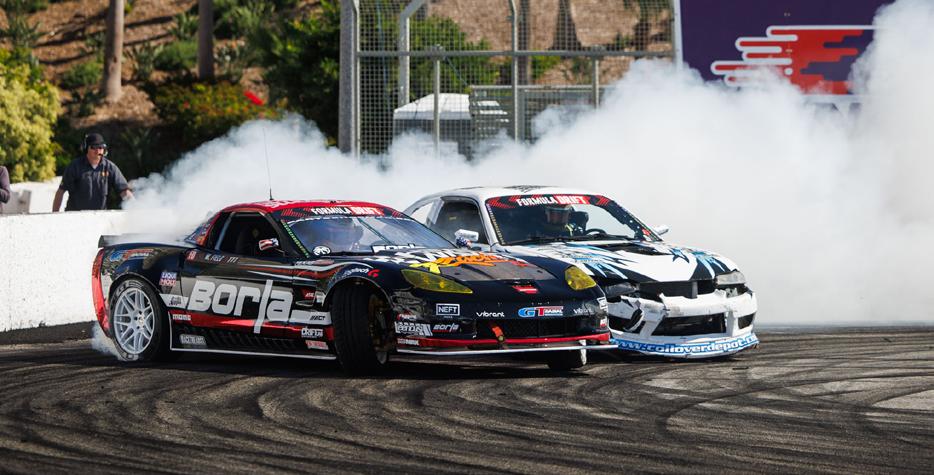
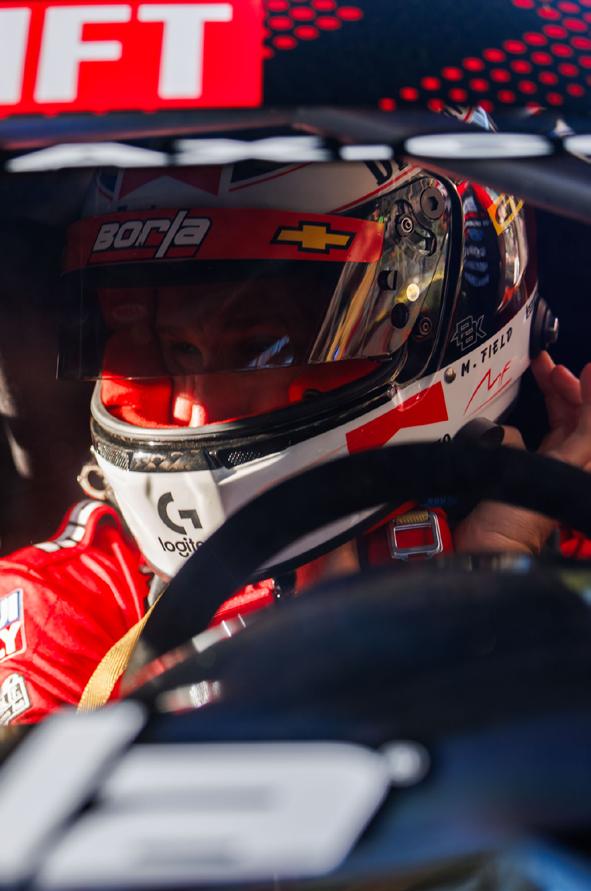
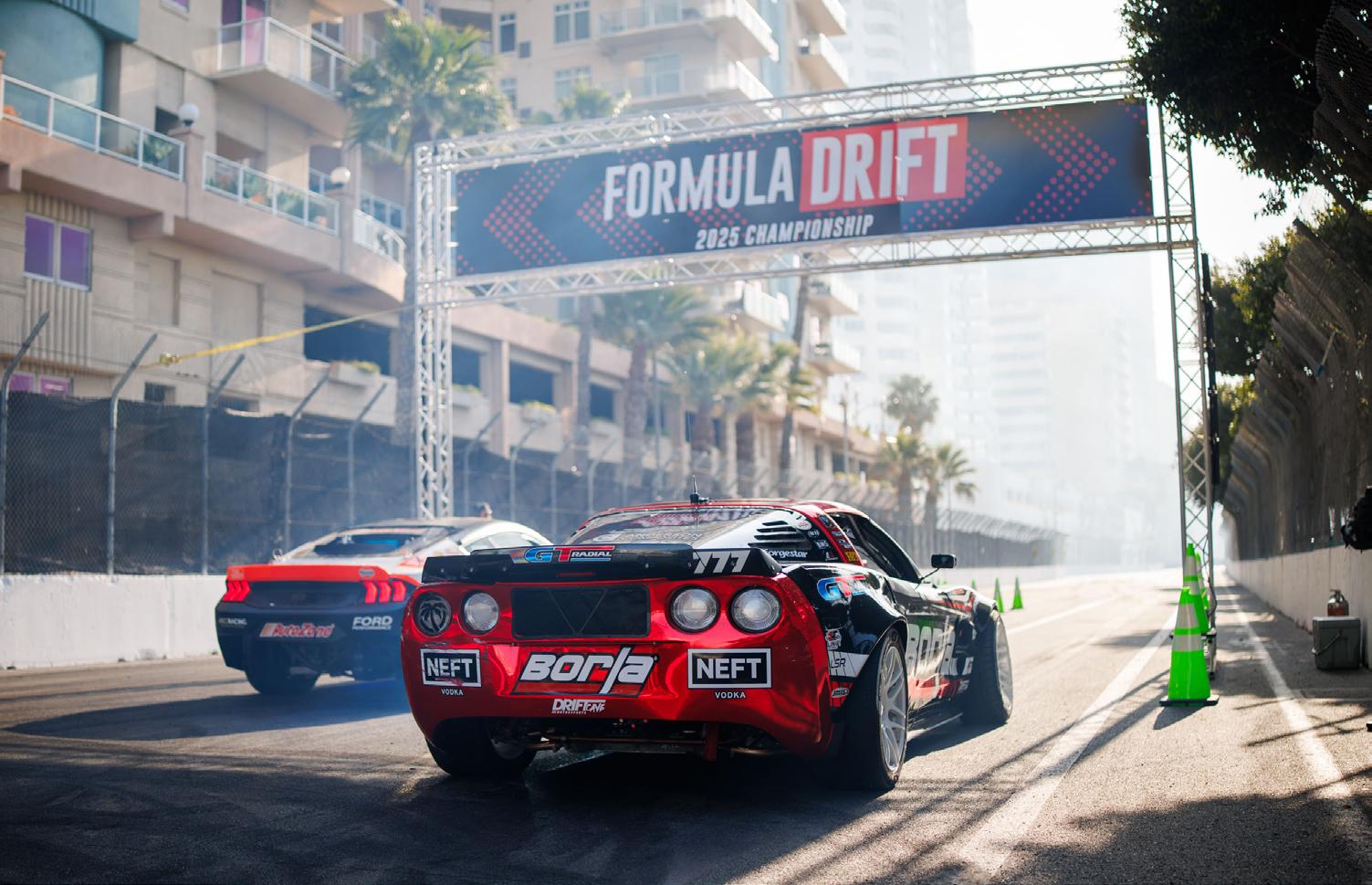
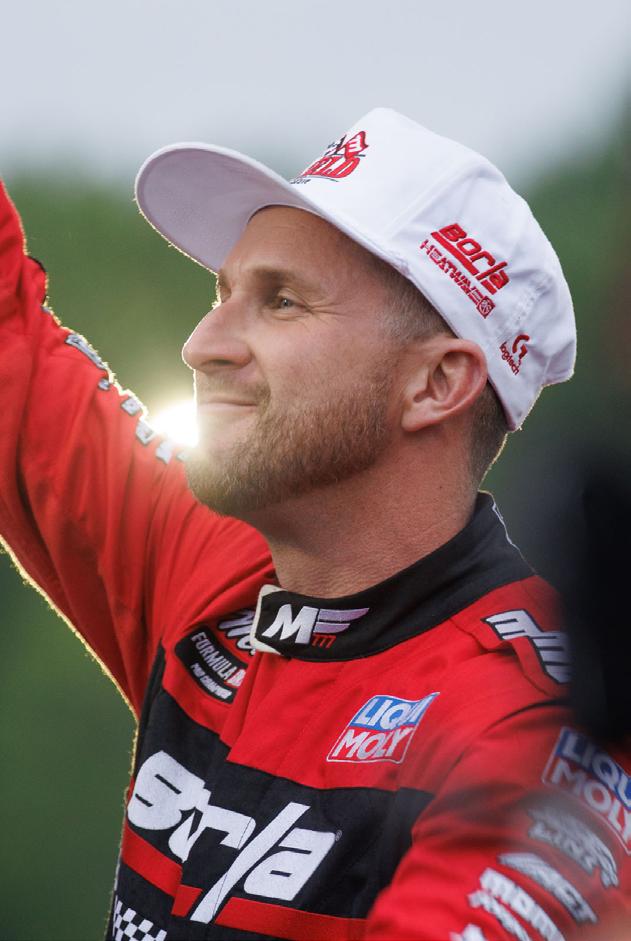
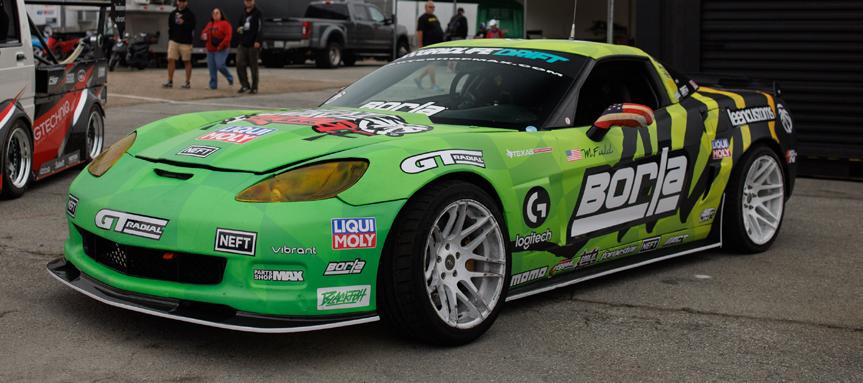
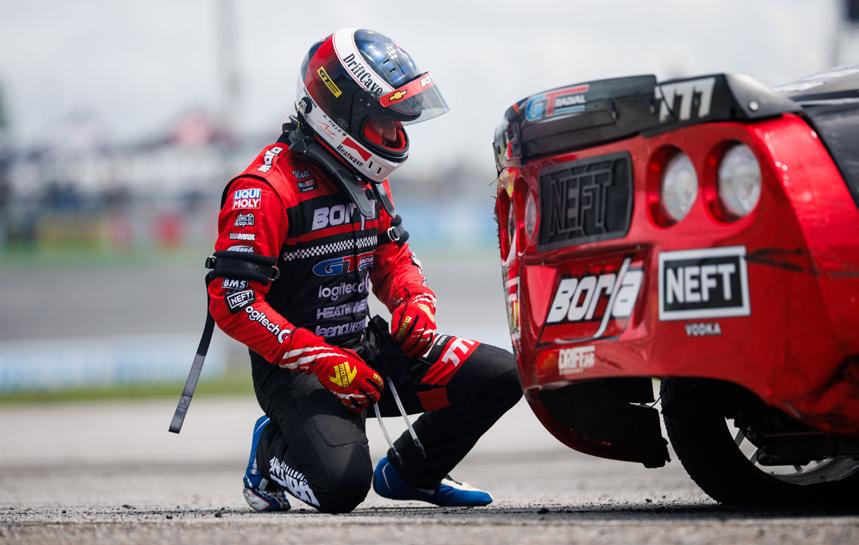
But the move to Formula Drift necessitated a dedicated machine. Matt purchased a new S13 shell for $500 and did a drivetrain swap taking the SR and transmission from his old car and building a purpose built S13 for the big leagues. However, the transition to Formula Drift in 2011 was far from glamorous. After his employer, Starbucks at the time, refused to give him time off for the Long Beach round, Matt went anyway.
“They were like, ‘Not a chance.’”
They scheduled him to open the store at 5 a.m. the following Monday. He showed up 20 minutes late for his Monday shift, and was promptly fired. Paradoxically, this was the catalyst he needed to focus entirely on his racing career and fabrication business.
“I was late that day, so that was enough for them to be like, “You’re done, Matt.” I’m obviously incredibly thankful that that happened, that launched me and forced me to start focusing on other ways of income.”
With no safety net, he leaned all the way in. He built parts. He rented shop space. He chased sponsors. He stopped pretending drifting was something he did on the side.
After destroying his S13 at Irwindale, Matt started over with an S14—and this time, he went V8. LS power with strong junkyard roots and Stock ECU. Basically built as cheaply as possible while still being functional.
“That was the first purpose-built drift car from the ground up.”
The S14 stayed competitive far longer than it should have. While other teams cycled chassis, Matt refined one. Slowly, results followed— podiums, wins, credibility. When Falken came onboard, it marked a shift, far beyond just surviving as the FNG to belonging.
“The first year I put on my Sparco teal and blue factory suit… I was like, ‘Holy shit, we fucking made it boys.’”
But the car was tired, showing signs of aging and Matt Field was ready to stop adapting himself to the car.
After years of refining the Nissan S14 platform, Matt made a radical choice to switch to the Chevrolet Corvette C6. While some questioned the move, Matt saw it as a way to stop turning “economy cars” into sports cars and instead start with a true performance platform.
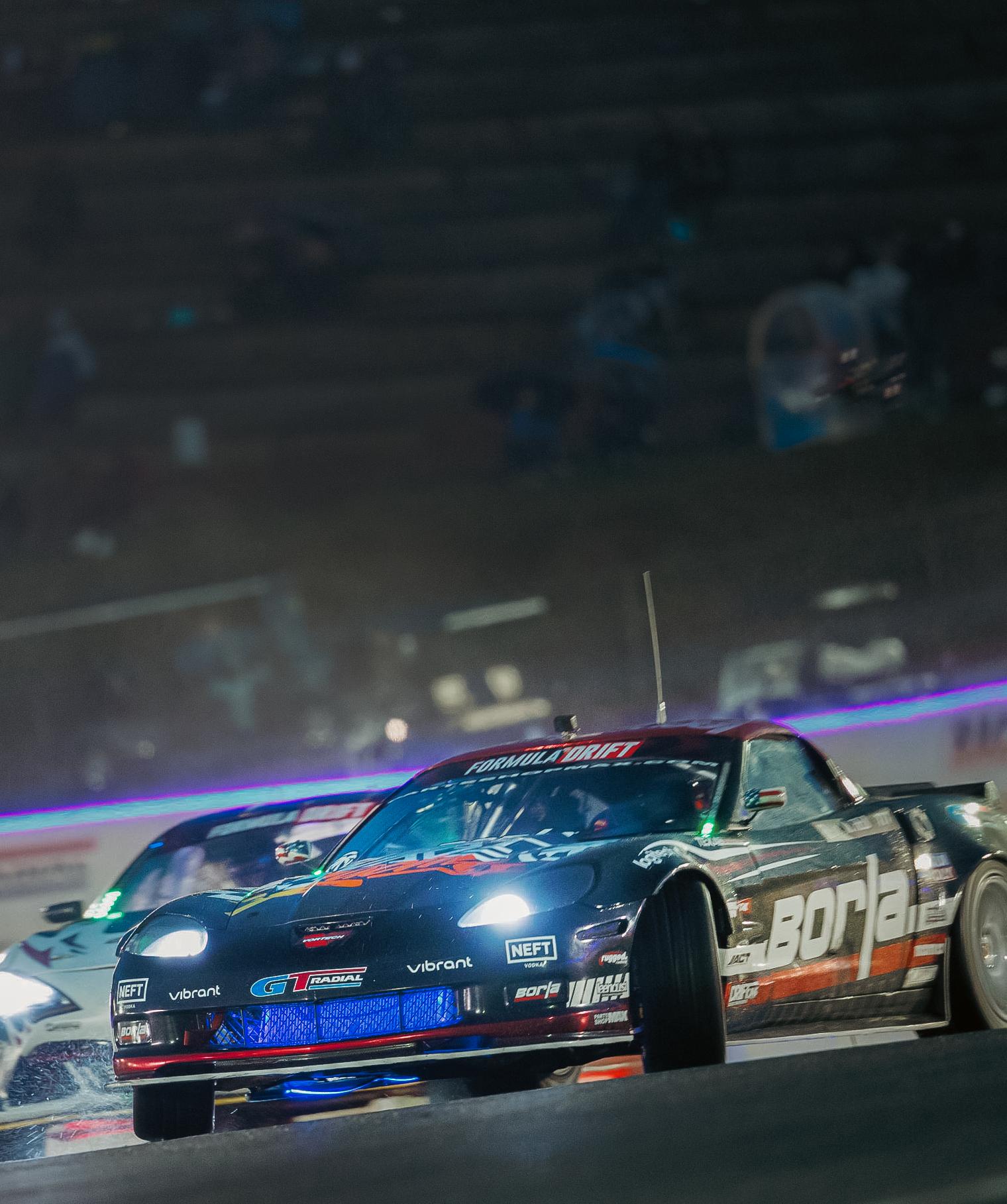
The switch wasn’t just about performance; it was about identity.
“I never felt that I was the 240SX guy, I just felt like a guy driving an S Chassis” Matt says.
“When I got a Corvette, I was like, I am Captain America, dude... I am America’s sports car.”.
“Dude, I’m not fucking old enough to own a Corvette.” - He recalls telling Dan of Parts Shop Max.
But the logic was undeniable. The C6 Corvette delivered something the S-chassis never could: consistency. For a driver who’d spent years compensating for chassis flex and worn bushings, that mattered. In terms of driving dynamics, it demanded a reset. Throttle discipline replaced aggression. Precision replaced chaos. And for the first time, Matt felt aligned with the car, not just capable in it.
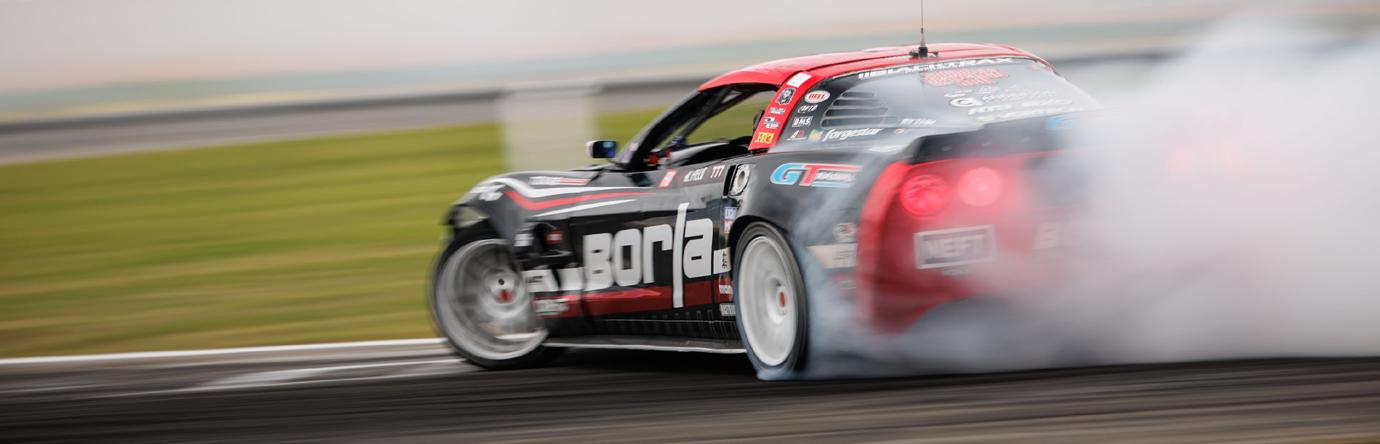
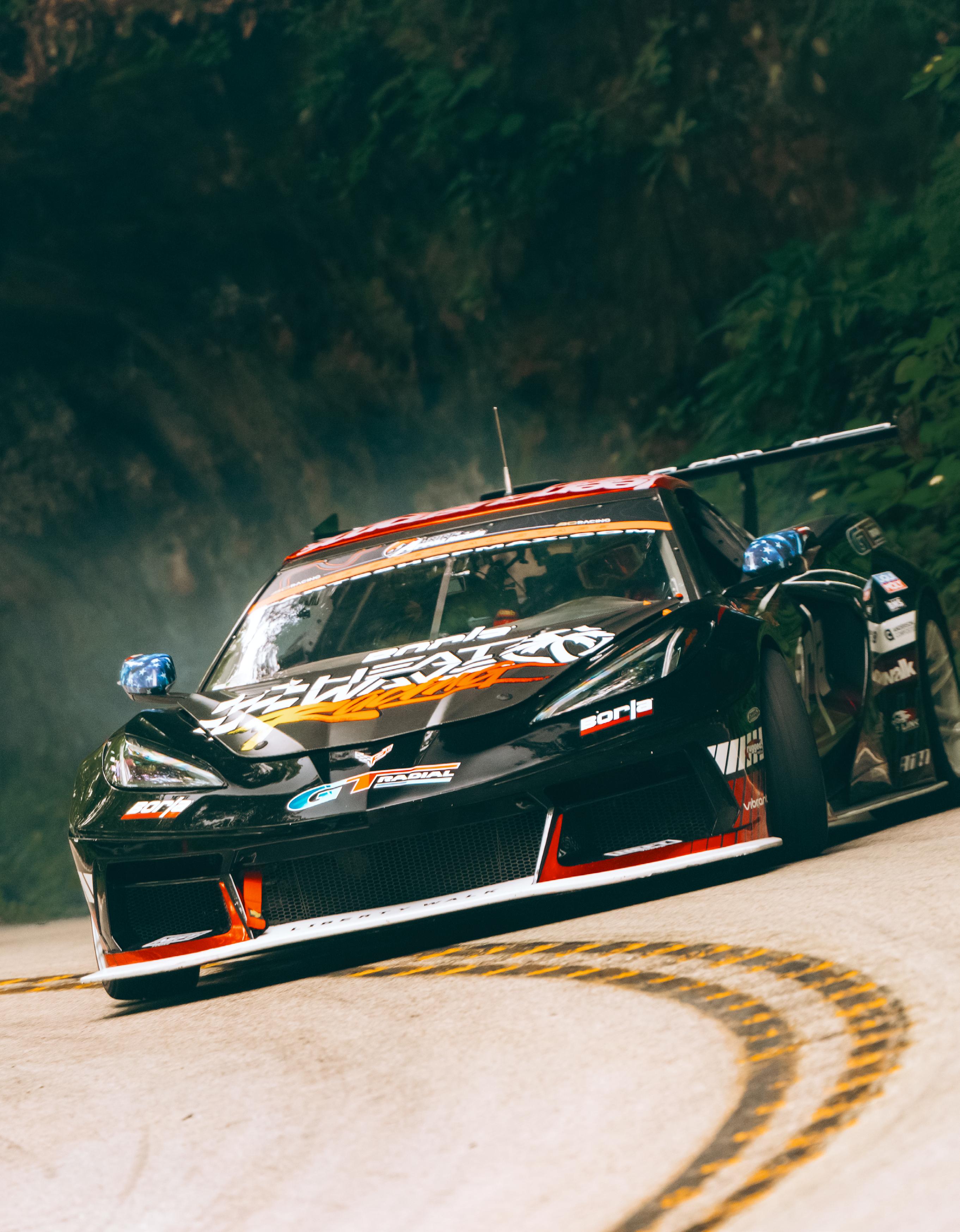
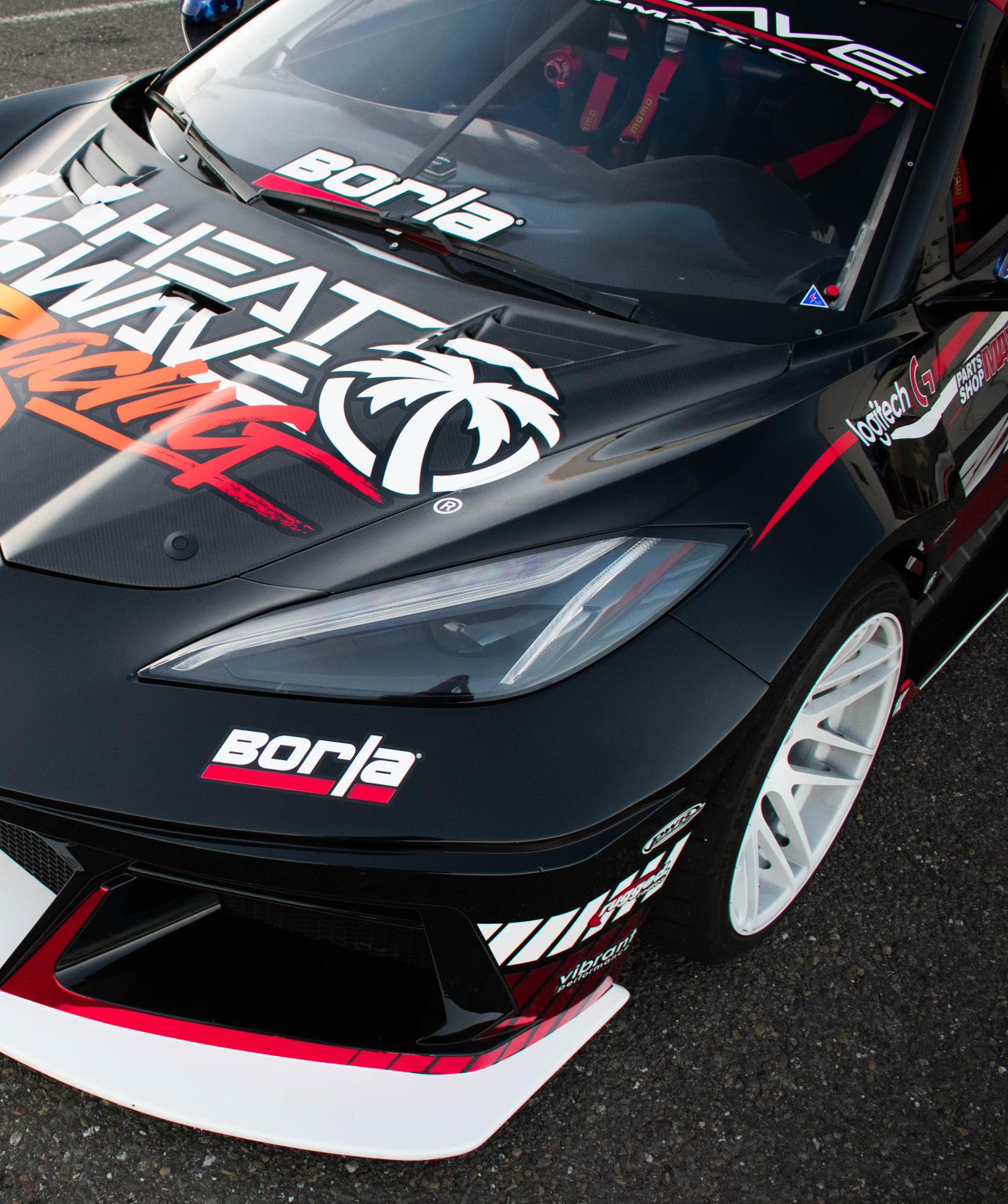
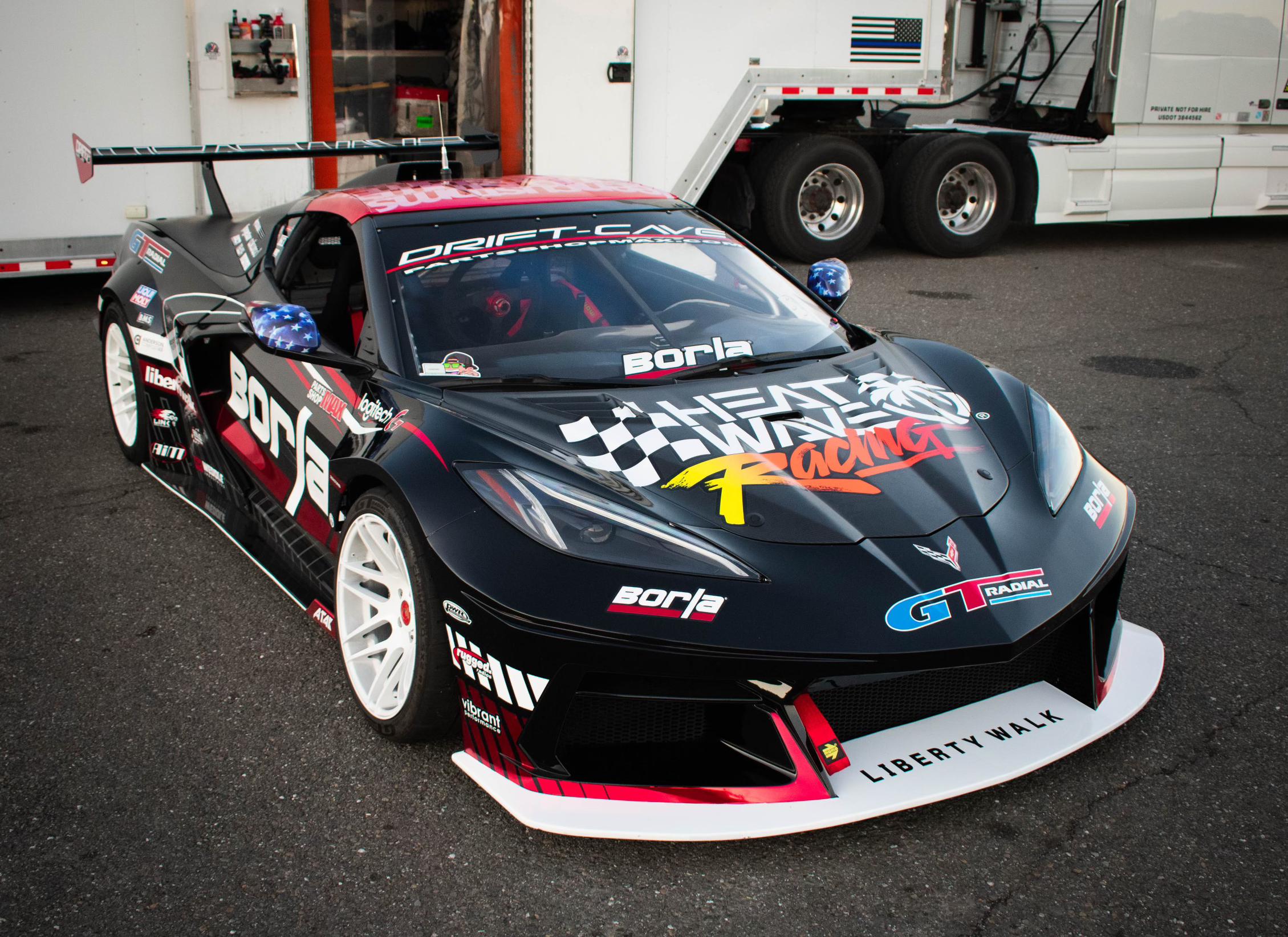
Matt’s latest undertaking is his most ambitious: the world’s first purpose-built C8 Corvette drift car. This mid-engine monster presented a massive engineering challenge, requiring a custom transaxle setup from Wedel to flip the traditional layout.
“I didn’t know how I would or how I could get the money together to do it. But I knew we had to.”
After winning a copart auction for a white, flood damaged car out of Florida the hard work began. The key hurdle was the entire driveline. CV placement and packaging dominated the to do list and CAD became the battlefield.
“We plug the engine to the gearbox and we’re like, ‘Holy shit… it could work. For the first time ever, we were like, we’re building a fucking drift car out of a C8.”
Matt expected chaos but instead, the C8 made sense immediately. The result is a vehicle with “more grip and straight-line speed” than anything Matt has ever driven. Despite the mid-engine configuration, Matt was shocked
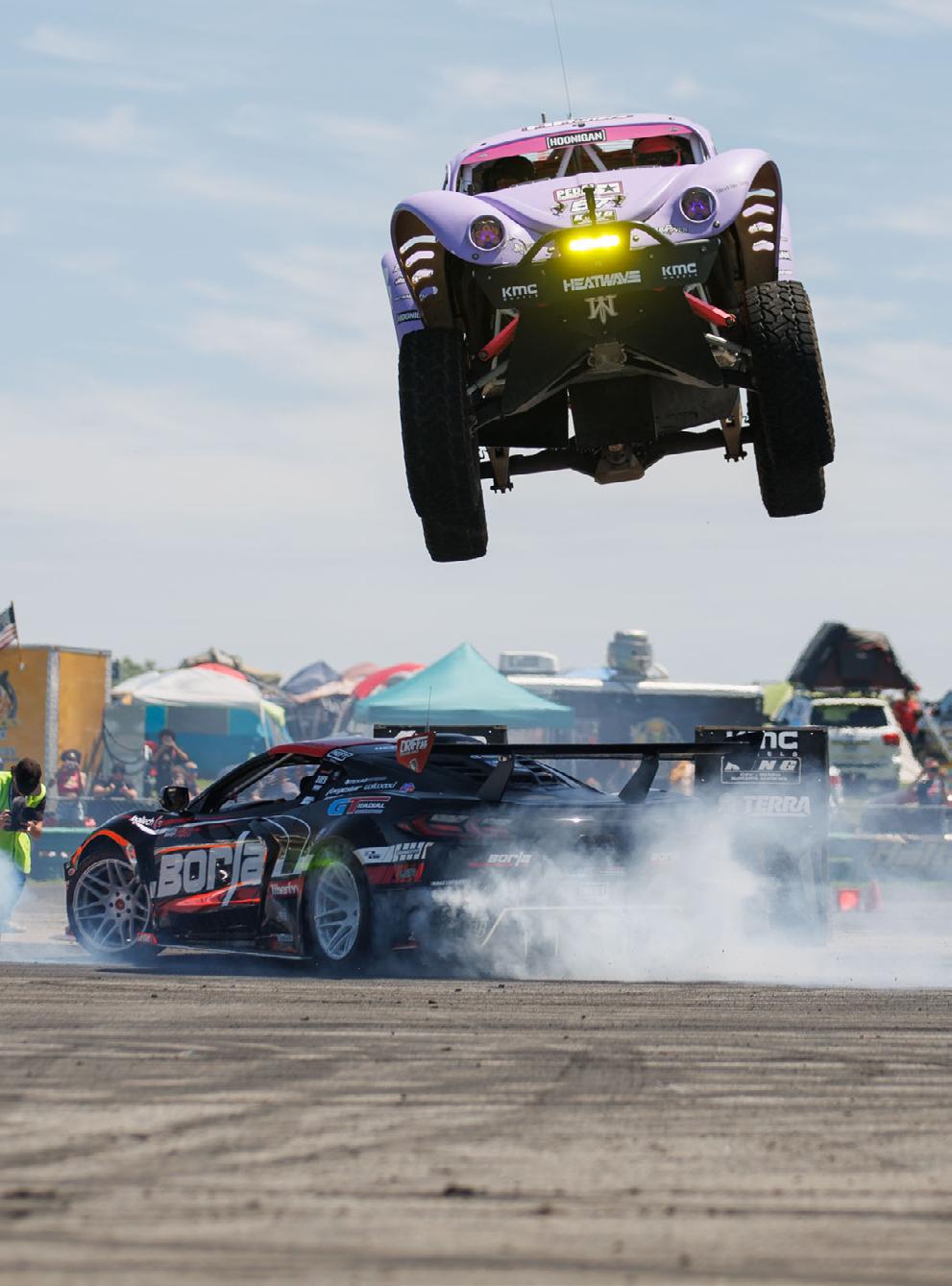
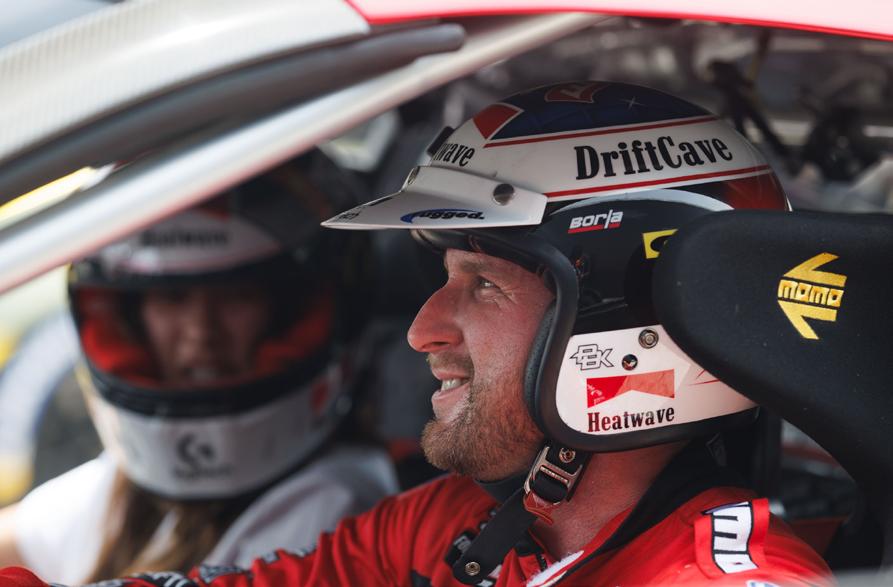
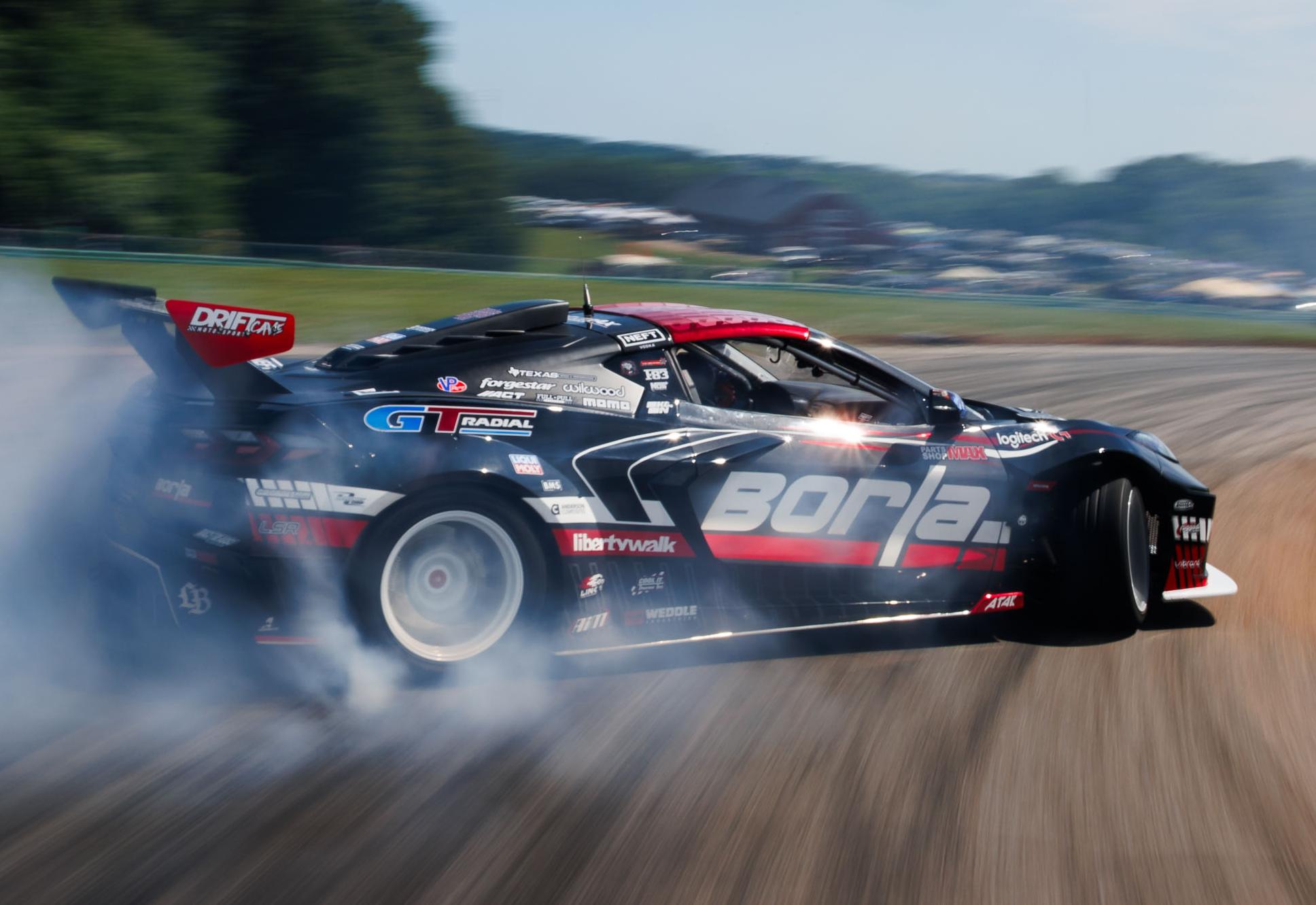

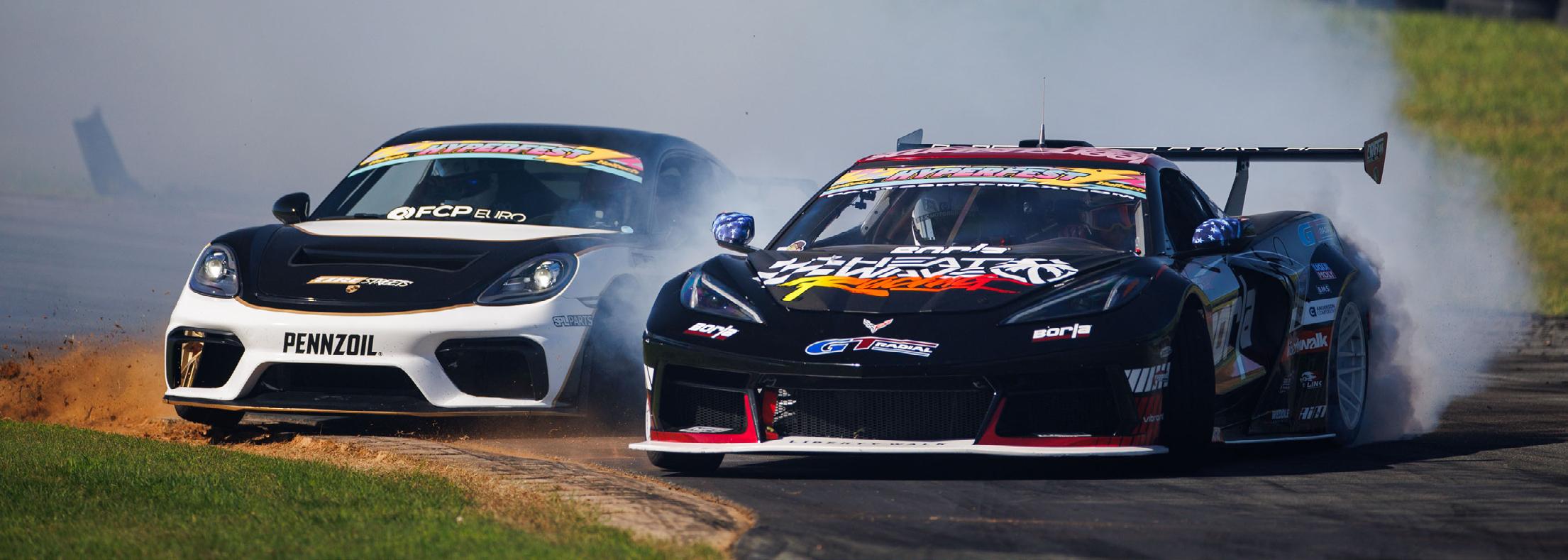
“As the car passes center… it has so much forward bite that that moment catches you off guard.”
This wasn’t a forgiving platform. It punished hesitation. It demanded commitment. And Matt is still learning it. It may be surprising to hear, but Matt hasn’t done a proper shakedown private day with the C8 yet.
“Every time I’ve driven this car, it’s been on camera… you either drive well or you crash.”
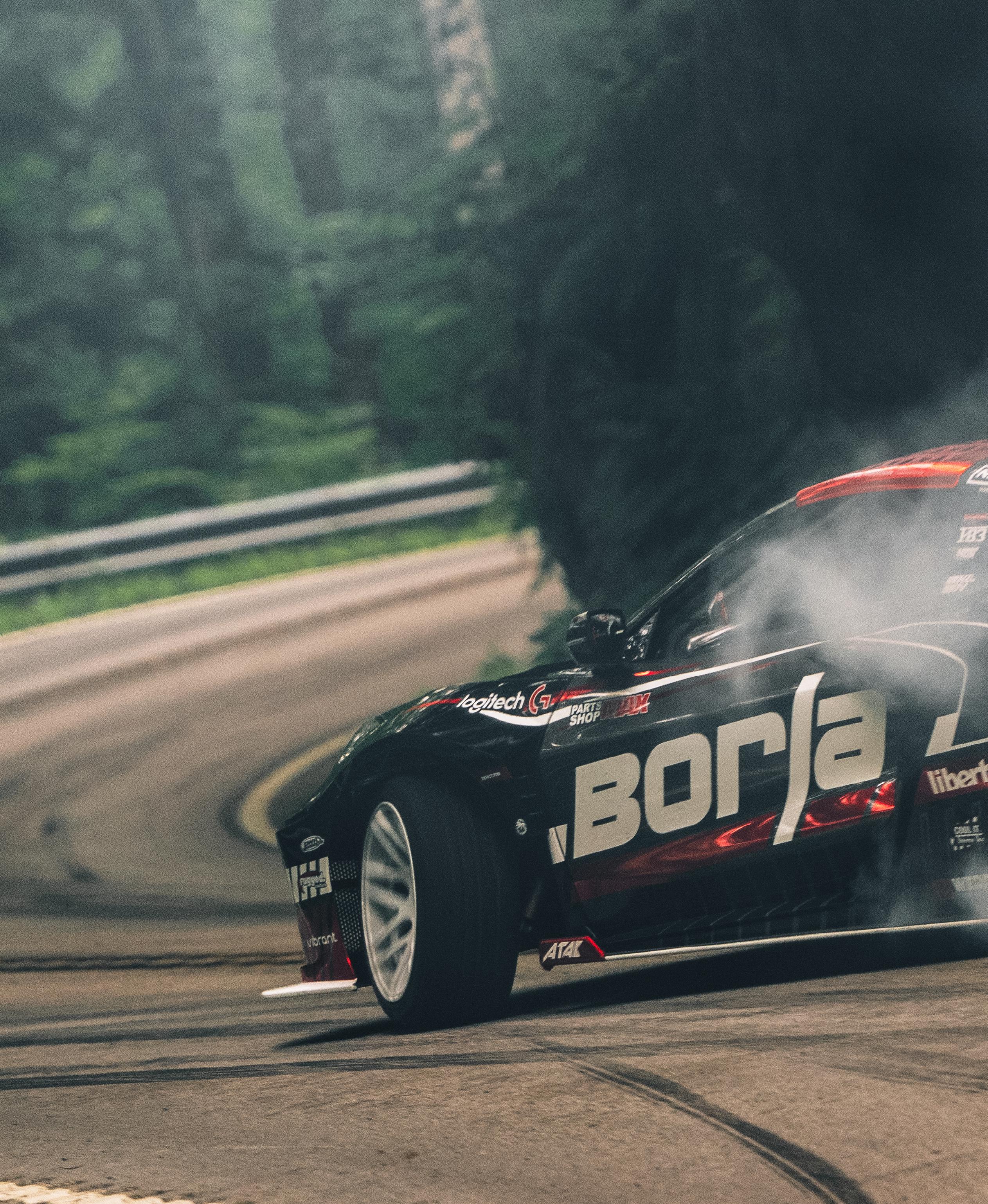
When speaking about his experience driving the C8 on mountain roads, Matt says that it wasn’t terrifying. Driving the most expensive drift car he’s ever built on mountain roads was
grassroots and pro drivers coexist. Tandeming a mid-engine, thousand-horsepower Corvette with beat-up S13s felt exactly like what drifting was always supposed to be.
“Events like Drift Appalachia just bring me home to my roots and make me so happy that I’m still involved in drifting. It makes me realize how much I absolutely love it. I love the fact that Travis Reeder was like, ‘Yo, just follow me up. We’ll just hit it first hit’ and literally our first lap up, I followed him and chased him up. There was no sight lap, like, let’s just go.”
Whether he’s chasing down rivals in pro competition or drifting mountain roads at events like Drift Appalachia, Matt remains driven by the core spirit of the sport:
“Drifting is such an expression of your spirit and expression of your originality.”
Right now, the C6 remains the championship weapon. The C8 is the future and is still evolving, still demanding time and Matt knows it will eventually be better.
“It’s just going to take some grinding.”
What matters more is trust. Trust from partners who believe in ideas, not just trophies. That freedom defines the next chapter: larger projects, bigger visuals, pushing drifting into spaces it hasn’t occupied before.
Matt Field didn’t become Corvette Daddy overnight. He built it, one wrong car, one lost job, one risky decision at a time.
And now, drifting has to keep up.
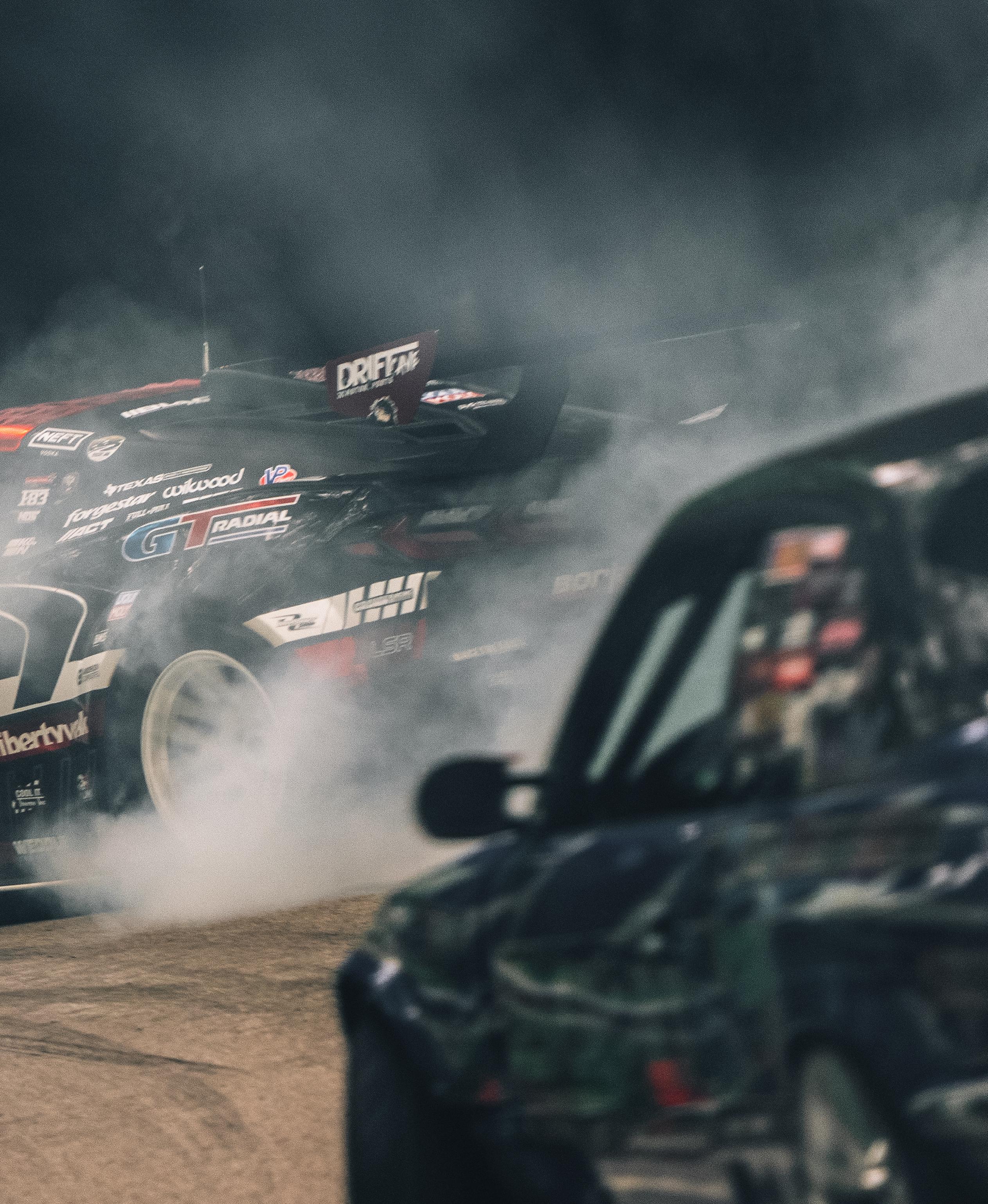
CHASSIS: Chevrolet Corvette C8
(Flood-damaged Copart shell, Certificate of Destruction)
LAYOUT: Mid-engine, rear-wheel drive
WHEELBASE: 107 in
(Longer than C6’s 105 in — critical for stability)
ENGINE
Configuration: LS-based V8
Displacement: 468ci
Redline: ~9,000 rpm
Induction: Dual 4500 throttle bodies
Output: ~1,000 hp (competition trim)
This is not a “cammed LS.” The engine architecture leans closer to Pro Stock than street car: oversized airflow capacity, extremely aggressive valvetrain geometry, and components spec’d for sustained high RPM in drift conditions—not drag passes.
“This engine is incredibly high strung… it turns 9,000 rpm, which is way too much for how big that engine is.”
Cylinder heads were custom-machined, valvetrain geometry engineered from scratch, and the entire package developed with a mechanical engineer, not just assembled.
Gearbox:Wedel/Mendiola sequential transaxle
Configuration: Custom mid-engine orientation
Key Requirement:
• CVs positioned extremely close to rear of block
• CV centerline above crankshaft centerline
• Diff located ahead of transmission
This gearbox decision dictated whether the C8 build was even possible.
“Without figuring out the gearbox, I don’t know what I would have done.”
The transaxle architecture—derived from heavy-duty mid-engine Volkswagen racing applications—allowed Matt and Part Shop MAX to package the drivetrain without extreme axle angles or compromised suspension geometry.
SUSPENSION & STEERING
Front Suspension:
• C6 Corvette knuckles (modified tie-rod pickup)
• C6 mechanical steering rack
• Electric-over-hydraulic power steering
• C8 control arms (geometry adapted)
Rear Suspension:
• C8 dual wishbone layout
• Custom geometry for anti-squat & forward bite
Despite the mid-engine layout, the suspension philosophy remains familiar to seasoned Corvette drivers.
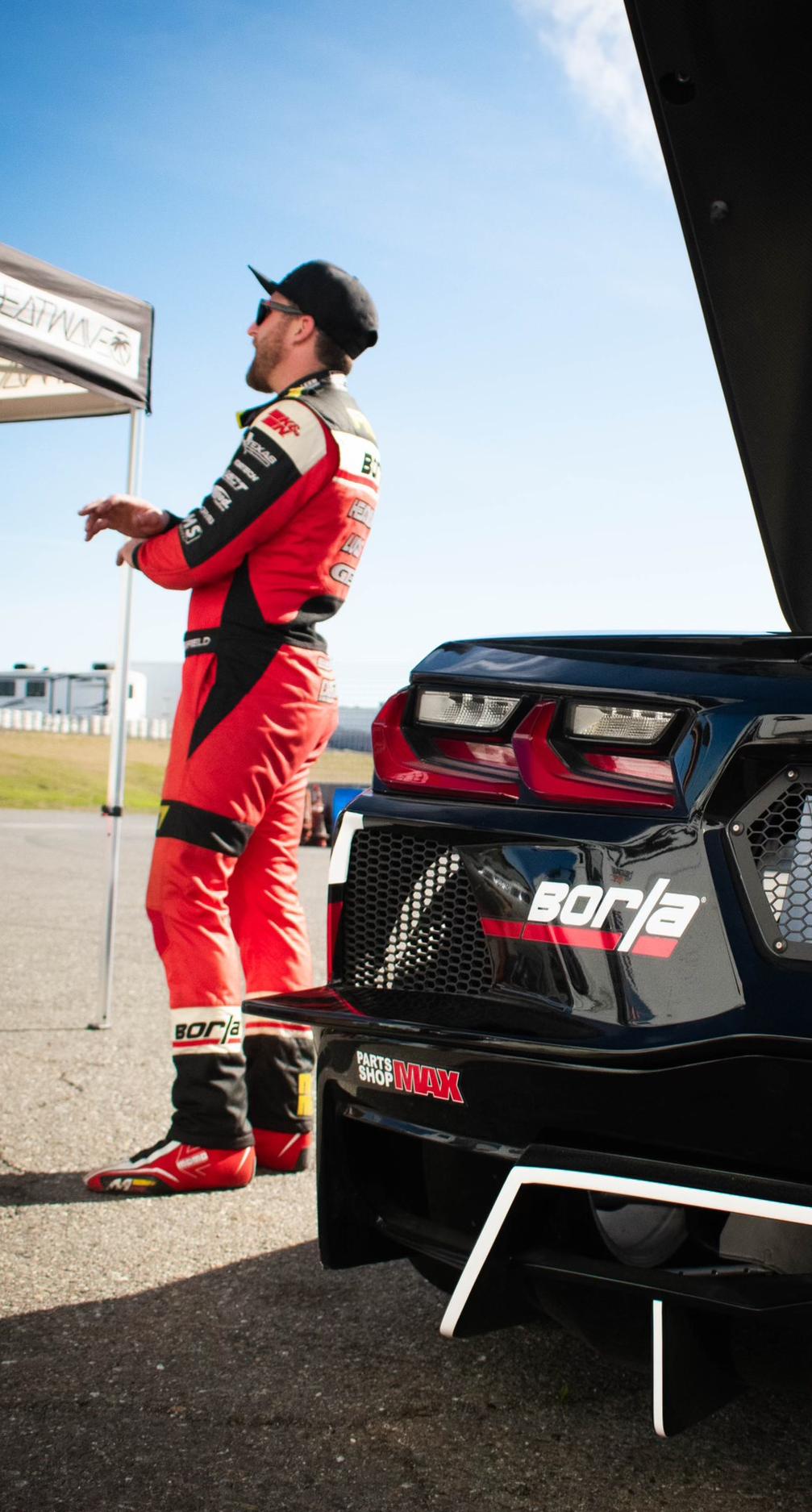
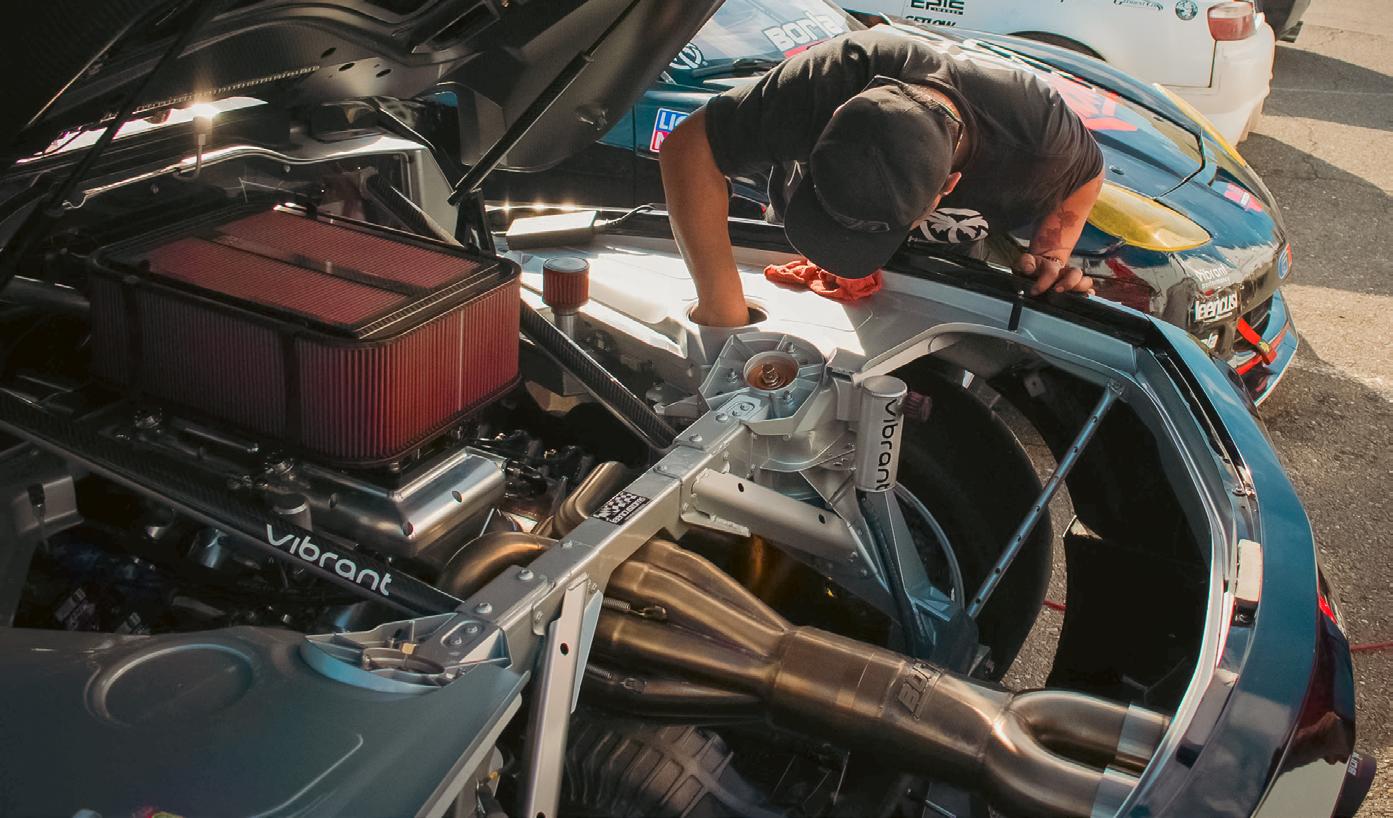
“The suspension design is almost exactly the same… dual wishbone front and rear.”
The result: a car that feels immediately “correct” at entry speed but reveals extreme grip characteristics during high-angle transitions.
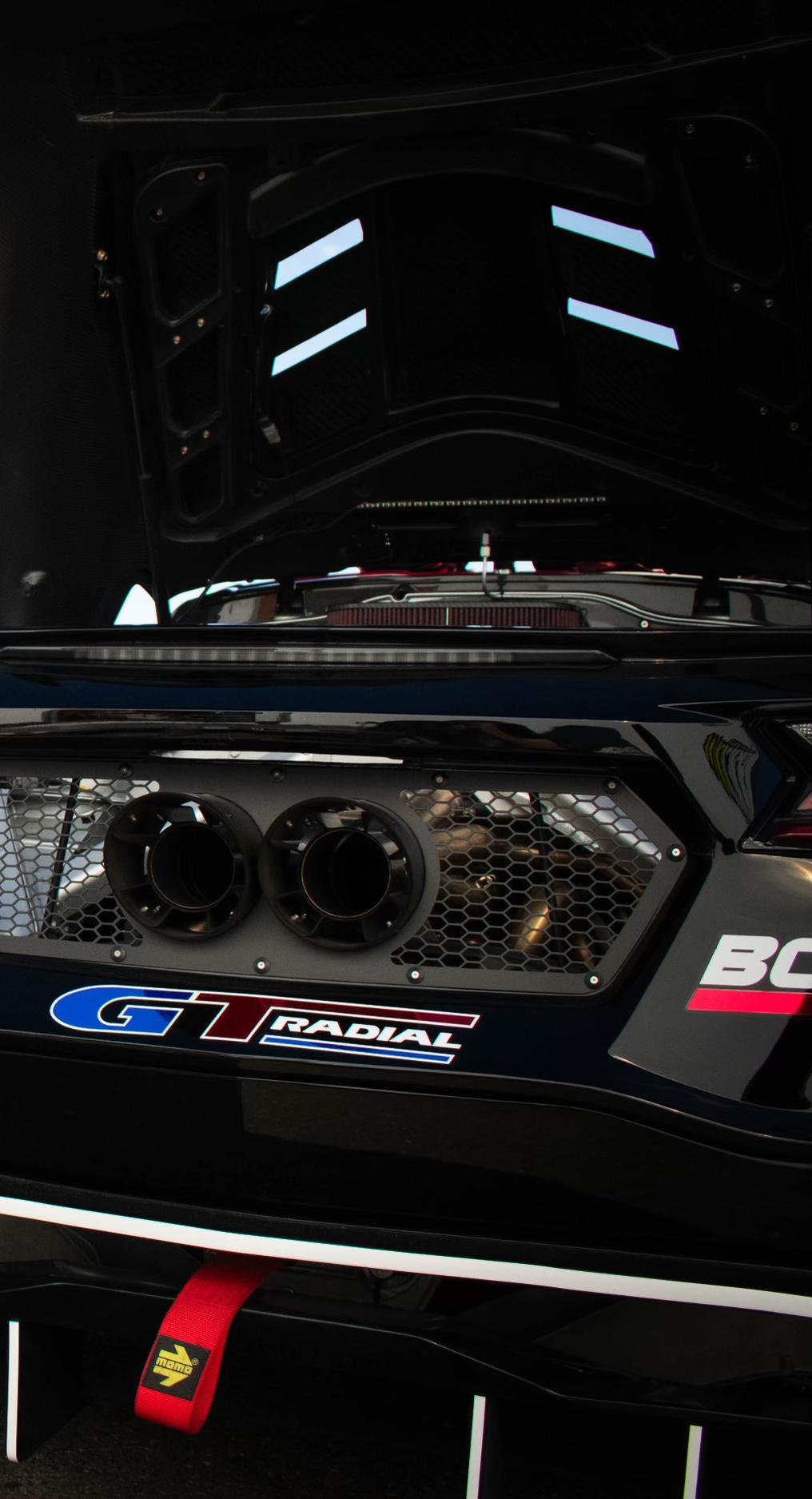
Manufacturer: Borla
Header Design:
• Equal-length primaries
• 2.25-inch primary diameter
• Eight-into-one collector
• 5-inch outlet
• Sequential (rotary) firing order layout
This exhaust is the defining acoustic signature of the car.
“All of the sound is in the header.”
Each primary tube is placed according to firing order, creating a scavenging effect that produces the car’s distinctive high-pitched ‘F1 meets sprint car’ sound. Nothing like a traditional LS.
ECU: Link Voodoo Pro
Wiring:
• Custom engine loom (Black Tracks)
• Custom chassis loom (AIM)
Drive-by-wire strategy, throttle mapping, and transition behavior are in constant development. The car is still evolving.
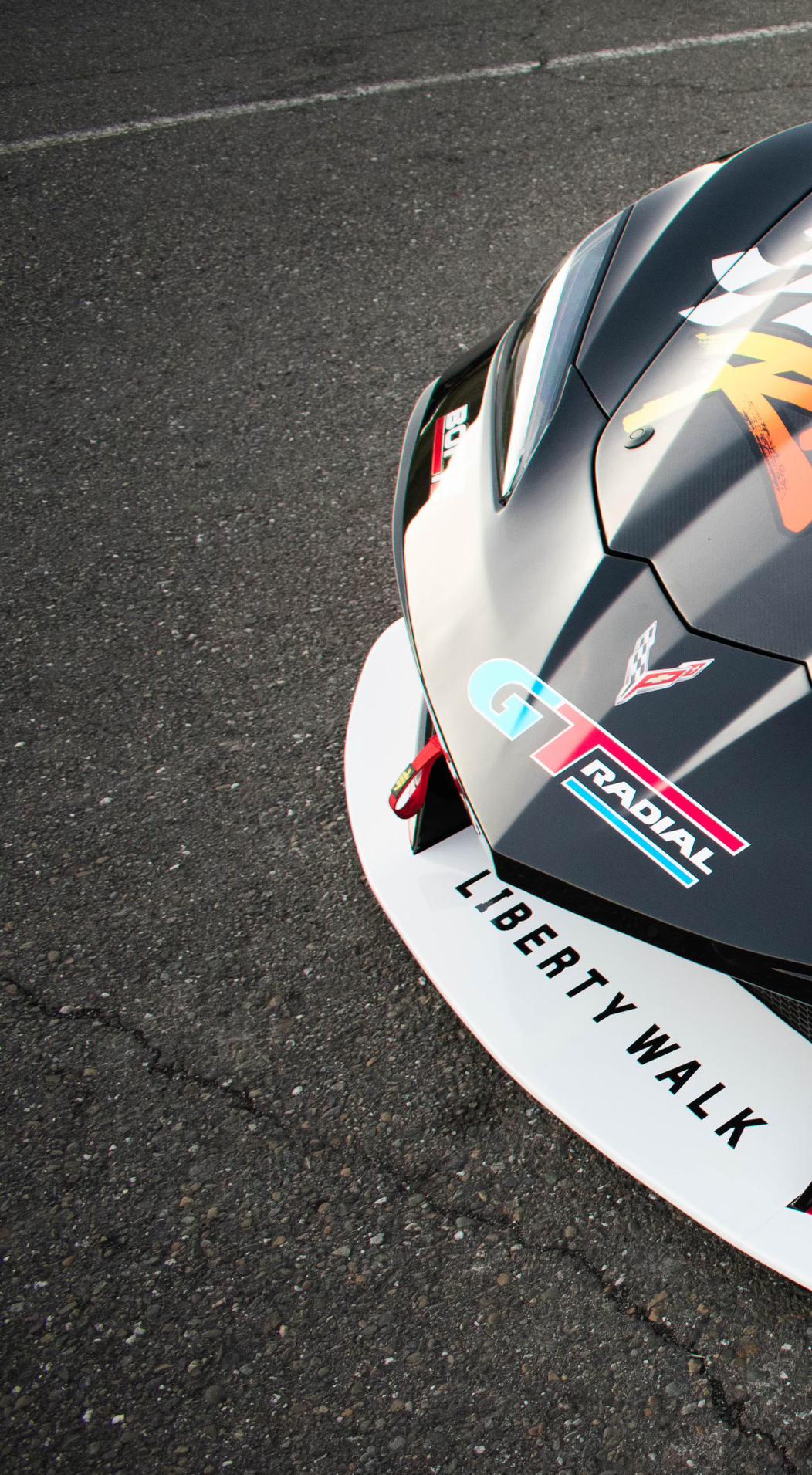
Tire Partner: GT Radial
Plumbing: Vibrant Performance (Full front-toback race plumbing)
Bodywork: Liberty Walk widebody (C8-specific)
Despite being a functional competition car, the C8 retains full show-car fit and finish.
What makes Matt Field’s C8 unique isn’t just that it’s mid-engine—it’s that nothing about it relies on shortcuts. Every major system had to be rethought, validated in CAD, and proven under load.
“I expected it to be undriveable… and it wasn’t.”
The C8 doesn’t replace the C6 yet—but it represents the future of drift chassis development: engineered, deliberate, and unapologetically complex.

WRITTEN AND PHOTOGRAPHED BY: CHUCK MURRAY
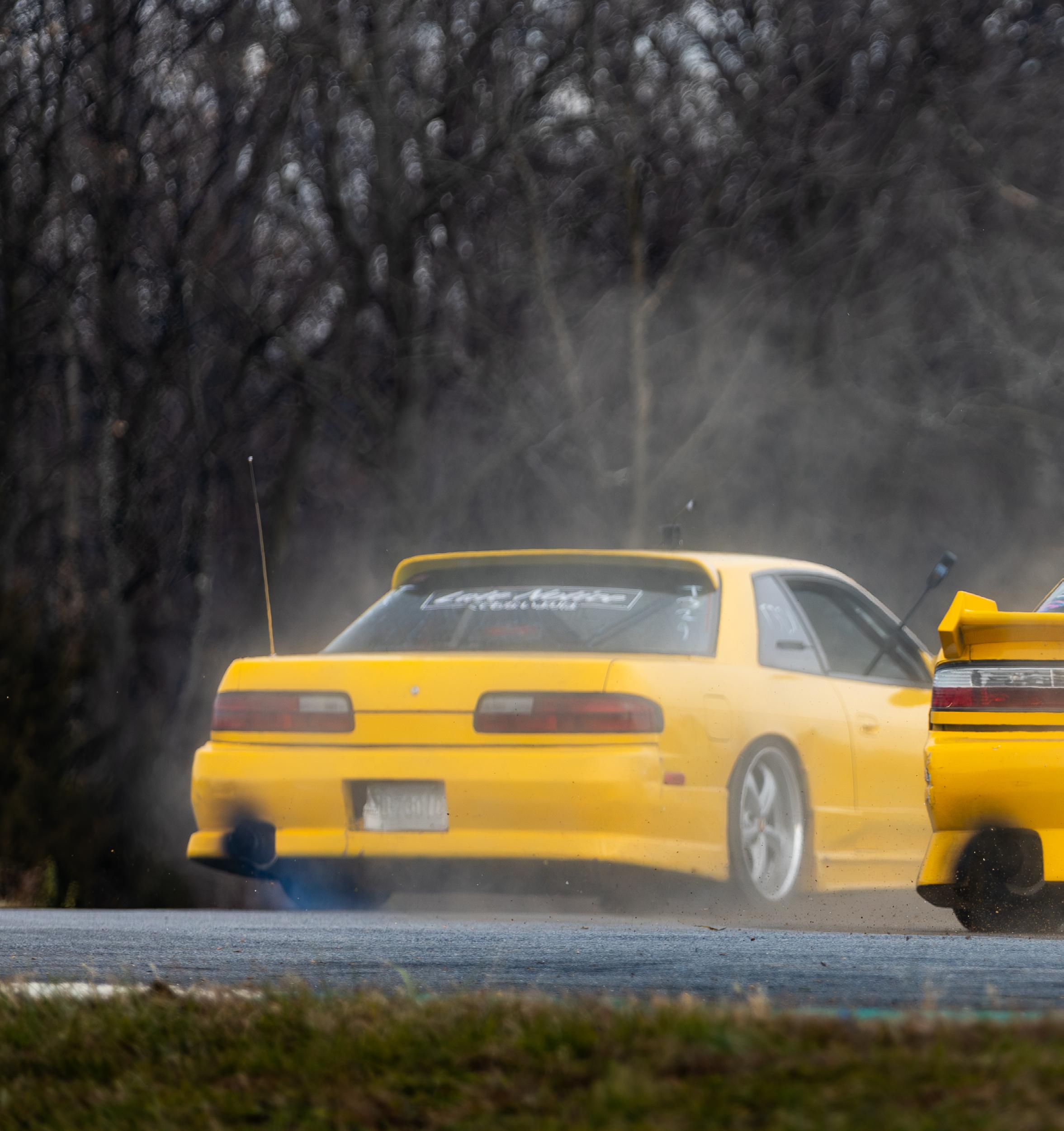
Whensomeone mentions four tracks and hundreds of drivers, you might imagine a major racing series—something that unfolds over weeks or months, with teams traveling from state to state chasing points and trophies. In reality, those numbers describe a single winter drifting event held over just two days at a legendary motorsports facility tucked away in the rolling hills of West Virginia.
Every December, since 2009, drivers from across the United States and around the world make a pilgrimage to the small town of Summit Point, drawn by cold air, tire smoke, and a unique sense of community that only drifting can provide.
Summit Point Motorsports Park is the heart of this gathering. The facility first opened in 1969 with a single circuit: a 10-turn, 2-milelong track named Summit Point Circuit after the town in which it was built. At the time, the circuit was designed primarily for traditional road racing, offering a flowing layout that rewarded smooth driving and mechanical reliability. Over the decades, however, Summit Point grew far beyond its humble beginnings. As motorsports evolved and new disciplines emerged, the park expanded, eventually becoming larger than the town that hosts it. The Jefferson Circuit was one of the major additions to the complex. This 1.7-mile, 14-
turn course is famous for its dramatic elevation changes and picturesque scenery. Drivers crest hills and dive into valleys, often feeling as though they are racing through the Appalachian landscape itself. Jefferson demands precision and bravery, as the elevation shifts can unsettle cars and punish mistakes. Because of this, it has earned a reputation as one of the more challenging tracks at Summit Point, and among drifters it carries the fitting nickname “The Mountain.”
Another standout is the Shenandoah Circuit, a technical and demanding 2.2-mile track featuring 22 turns. Designed to test both driver skill and vehicle setup, Shenandoah is known

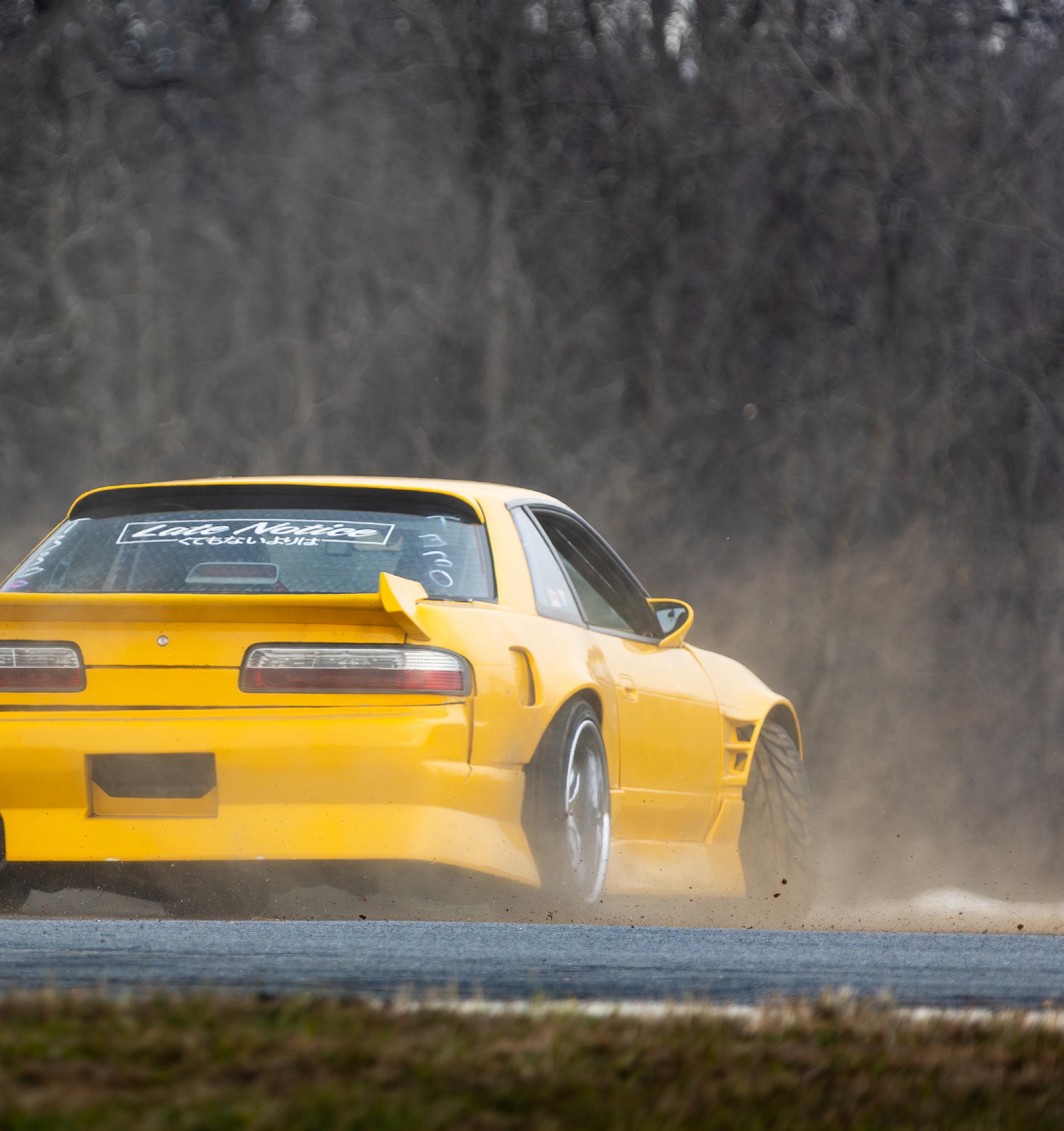
for its variety of corner types and constant changes in elevation. Perhaps its most famous feature is a full-scale replica of the iconic Karussell from Germany’s Nürburgring.
The steeply banked concrete bowl is unlike anything else in the United States and has become a signature element of the circuit. For drifters, navigating the Karussell sideways is both a challenge and a badge of honor.
The Washington Circuit rounds out the complex. Originally conceived as a tri-circuit skidpad facility, it has evolved into a highly versatile space capable of supporting numerous layouts. With its wide-open design and flexible configurations, Washington Circuit is ideal for
autocross, car control training, and drifting. Over the years, it has become a crucial part of Summit Point’s identity, especially during large-scale drifting events that require space for drivers of varying skill levels.
Throughout its history, Summit Point Motorsports Park has hosted a wide range of racing series. Organizations such as the Sports Car Club of America (SCCA), IMSA, and Trans Am have all competed on its asphalt. For decades, the focus was on traditional motorsports—wheel-to-wheel racing, lap times, and podium finishes. That began to change in the early 2000s, when a new style of
driving crossed the Pacific Ocean from Japan. Drifting, which originated in Japan’s mountain roads and circuit racing culture, made its first major impression on American audiences in the early 2000s. In 2002, USDrift held a drifting competition at an event called HyperFest— then held at Summit Point before eventually moving to Virginia International Raceway— captured the imagination of spectators and drivers alike.
Cars sliding sideways at high speeds, engines screaming, tires smoking, andrivers maintaining precise control challenged everything people thought they knew about racing.
That single demonstration planted a seed in the Mid-Atlantic motorsports community. Over the next few years, interest grew rapidly, leading to the creation of organized drifting events in the region. In 2006, Drift Nirvana was established and made Summit Point its home. Drift Nirvana played a critical role in building the local drifting scene, providing a place for drivers to learn, practice, and push the limits of their cars in a controlled environment.
By December 2009, the foundation was strong enough to support something new. The first “Drifters of December” event was held, marking the beginning of what would become one of the most iconic winter drifting gatherings in the country. Unlike many motorsports events, which avoid the cold months, Drifters of December embraced winter. Cold temperatures meant better engine performance and more predictable grip levels, and the off-season timing allowed drivers from all over the country to attend without conflicting with competitive schedules.
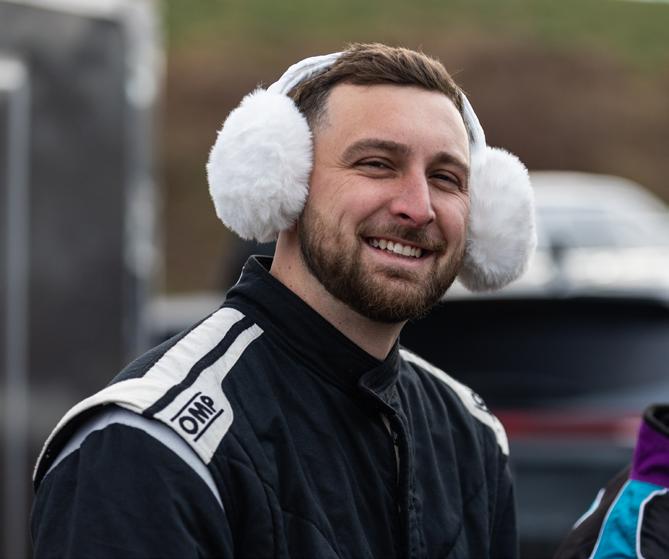
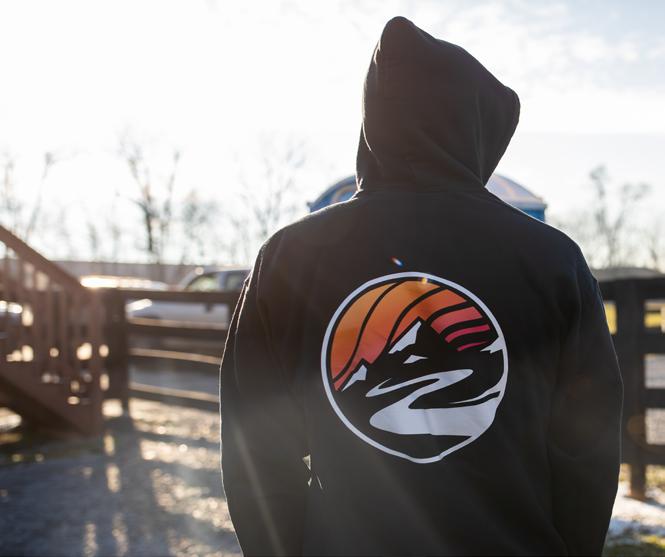
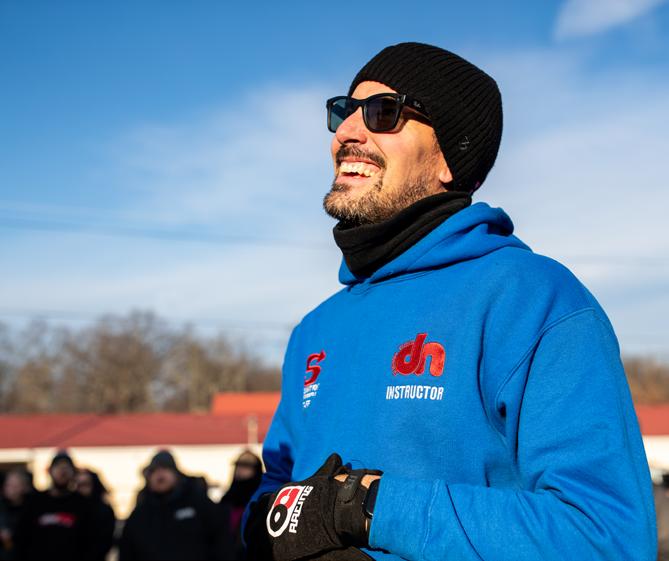
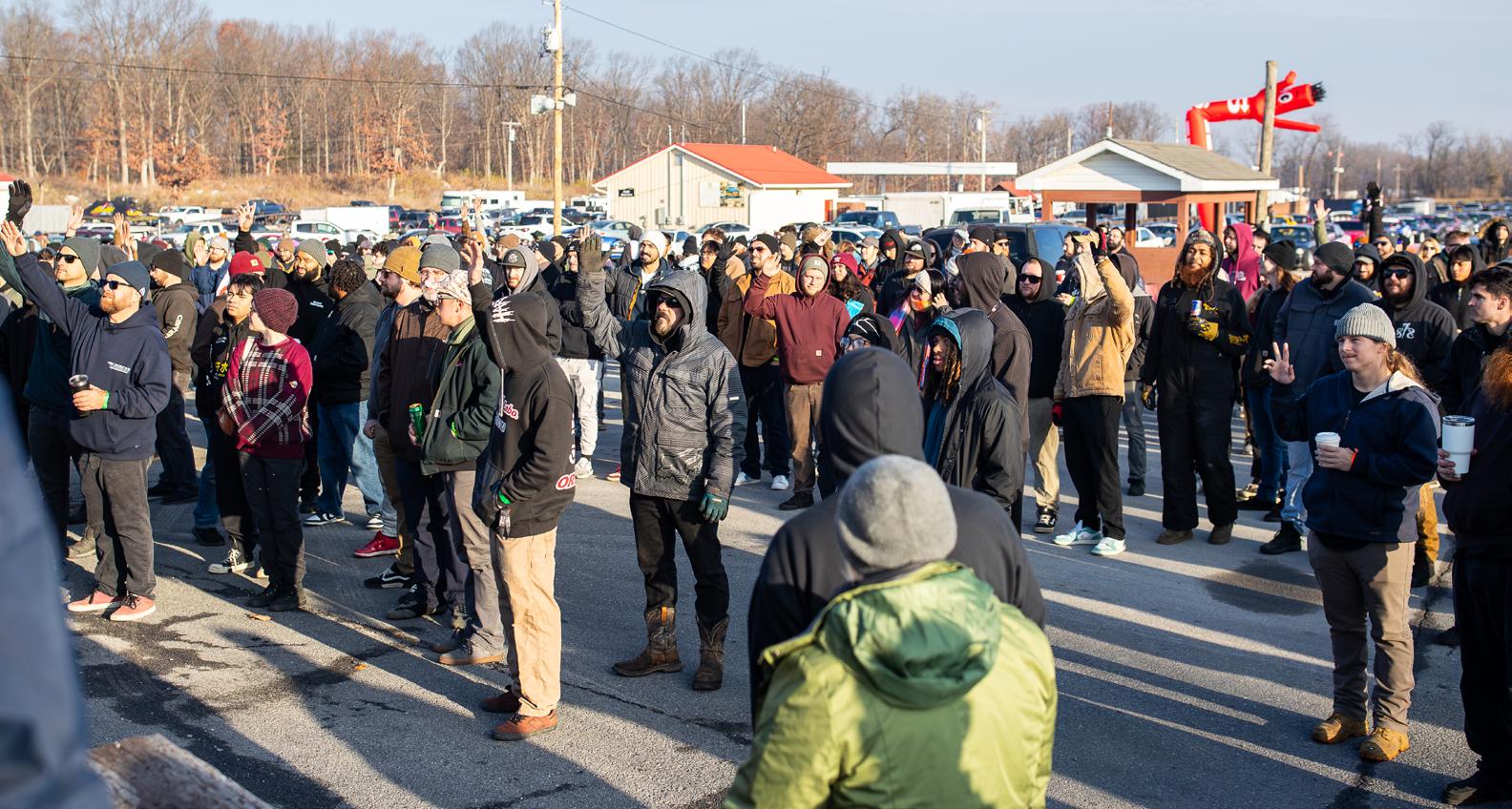
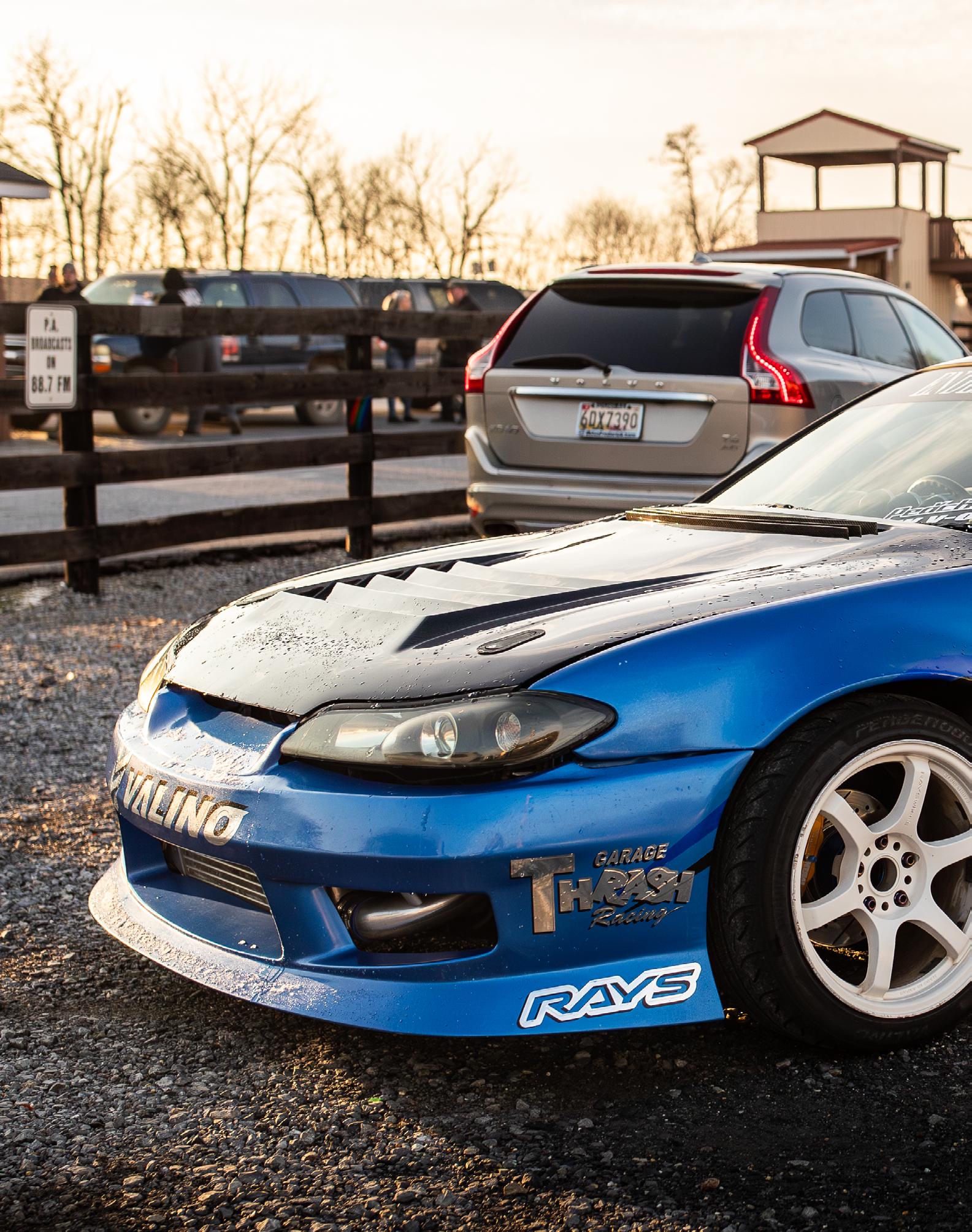



As the years passed, the event continued to grow. What began as a relatively small gathering steadily expanded, eventually adopting the name “100 Drifters of December” to reflect its increasing popularity. Even that name, however, could not contain the event’s momentum. The number of participants far exceeded the original concept, and the event eventually returned to its original title, which better represented its open, inclusive spirit.
By 2025, Drifters of December reached a historic milestone. With over 400 cars converging on Summit Point Motorsports Park, it became the largest winter drifting event in the facility’s history. Drivers arrived from nearly every corner of the United States, as well as from overseas, towing cars through snow, rain, and freezing temperatures just for the chance to slide on Summit Point’s legendary asphalt.
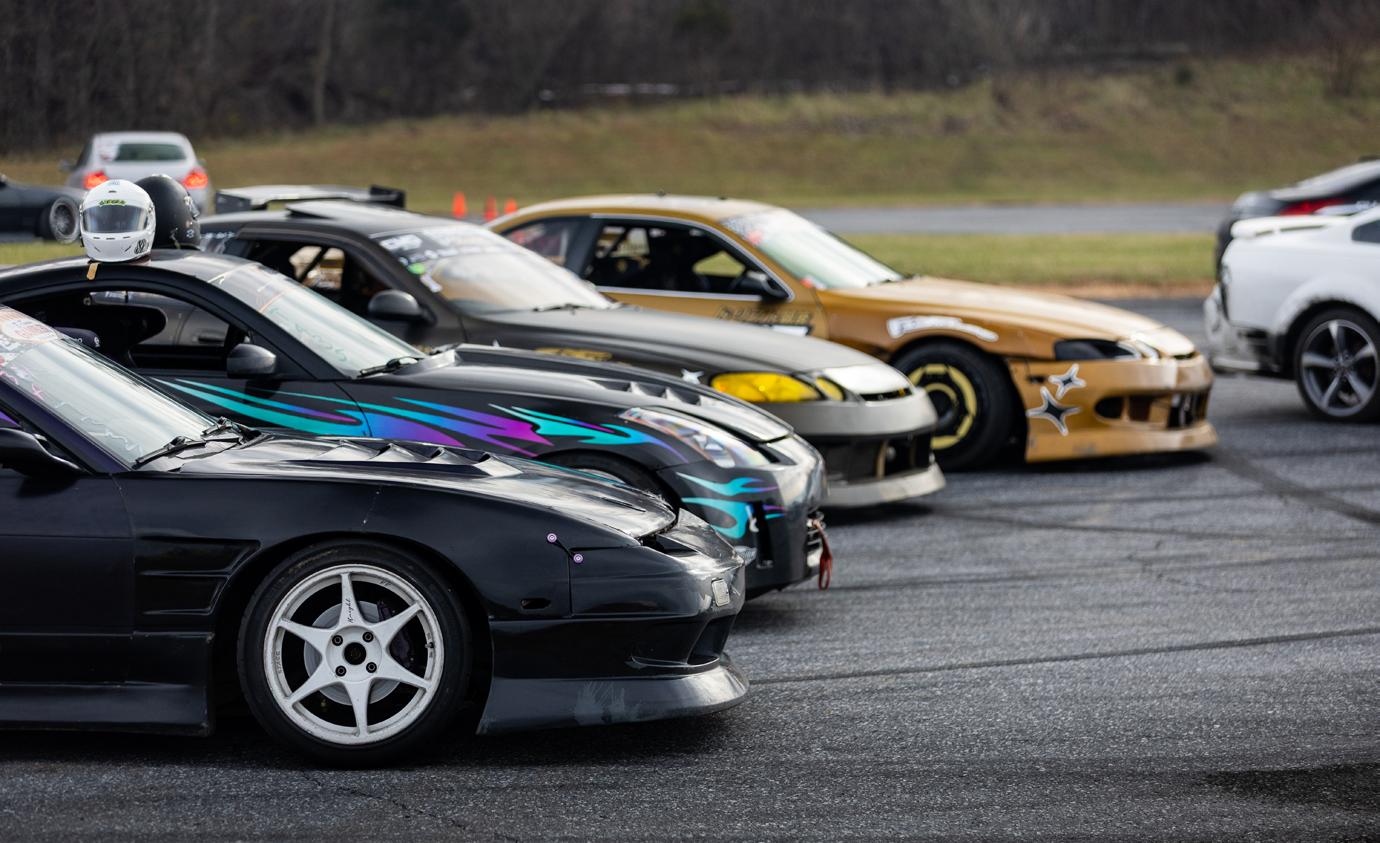
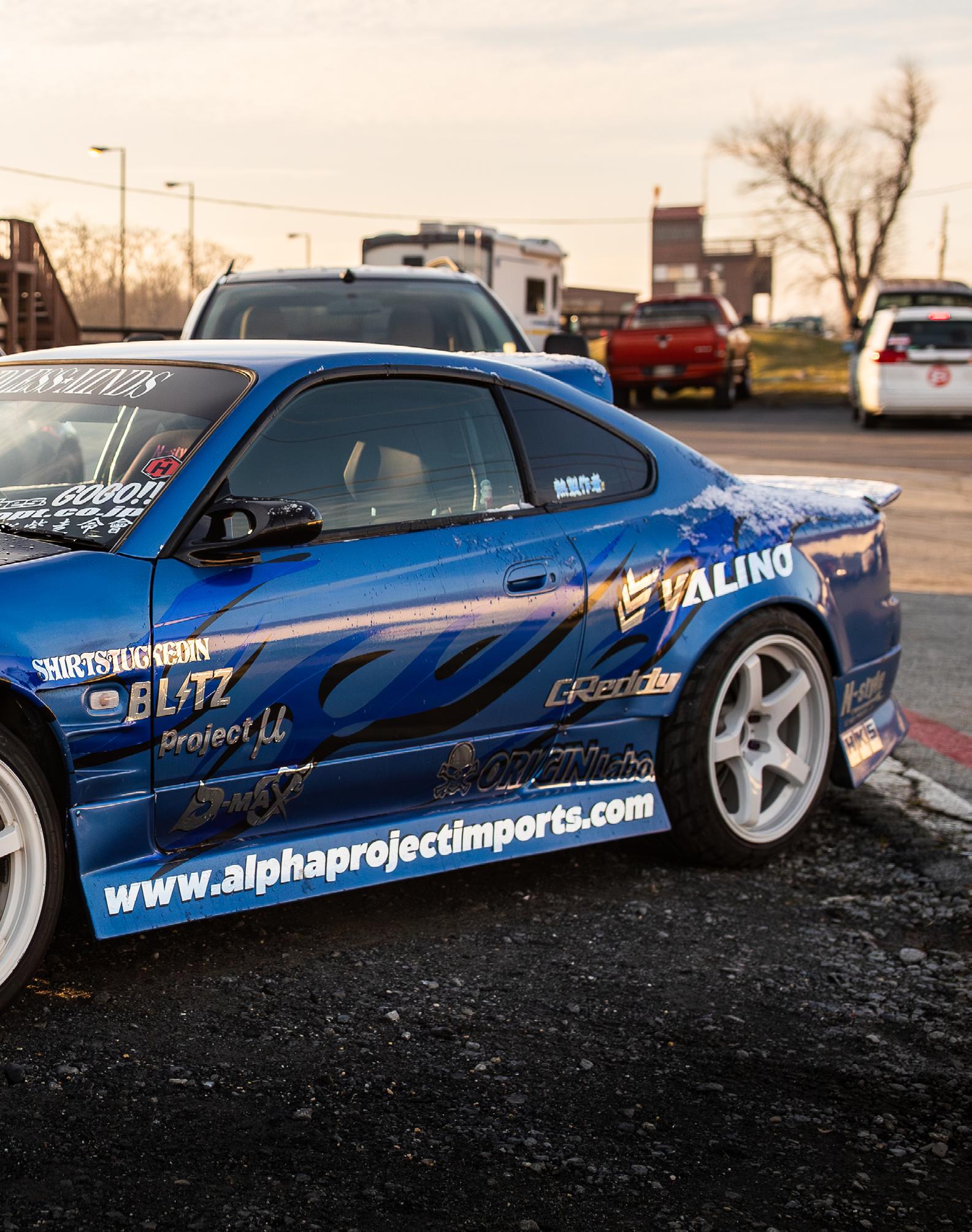

One of the most unique aspects of Drifters of December is the sheer amount of track time available. Unlike most drifting events, which operate on a single course, this event opens multiple tracks simultaneously. This approach dramatically reduces downtime and allows drivers to choose layouts that best match their skill level and driving style.
The Shenandoah Circuit is divided into two distinct sections for the event. One half is known as the “Pistol Grip.” This layout begins with a series of relatively calm, technical turns before opening onto a straightaway that leads into a large, demanding hairpin. The Pistol Grip rewards smooth transitions and controlled aggression, making it a favorite among drivers who enjoy technical drifting.
The other half of Shenandoah is called “Bridge,” named after the bridge that carries spectators and vehicles into the center of the circuit. Drivers begin their runs underneath this structure before climbing into sweeping corners and elevation changes. The Bridge layout includes the Karussell, adding a dramatic and unforgettable element to each lap. Watching cars drop into the banked concrete bowl in a cloud of tire smoke is one of the defining sights of the event.
The Summit Point Circuit, often referred to simply as “Main,” is also utilized during Drifters of December. Rather than using the entire course, the event focuses on turns four through eight. This section allows for massive entries at high speed and encourages close, aggressive tandem runs. The wide layout and fast transitions make Main a favorite for experienced drivers looking to push the limits of proximity and commitment.
Jefferson Circuit, known as The Mountain, provides a completely different experience. Its dramatic elevation changes challenge drivers to manage weight transfer and throttle control while navigating steep climbs and descents. Drifting Jefferson is physically and mentally demanding, but for many participants it is also one of the most rewarding tracks to conquer.
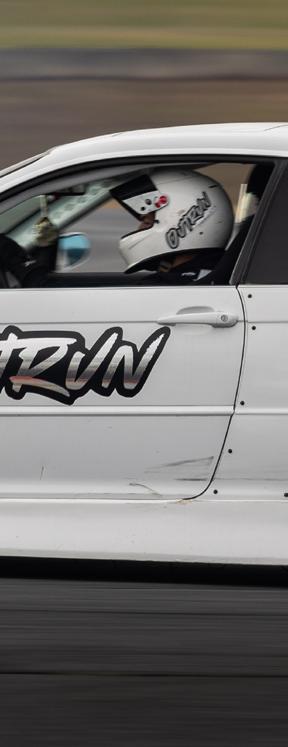
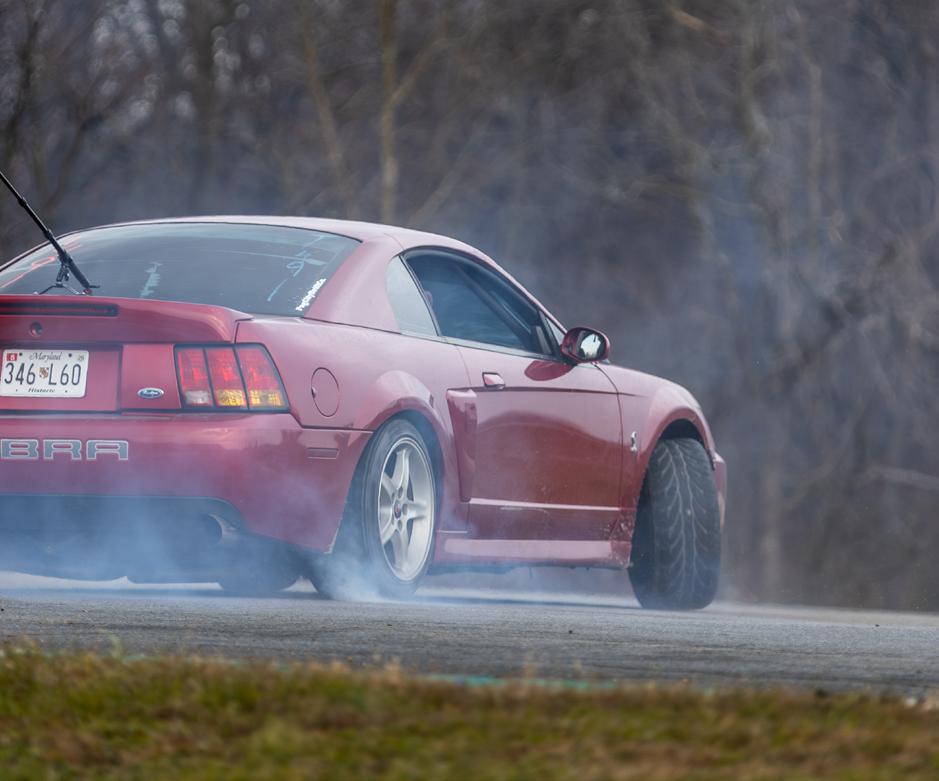
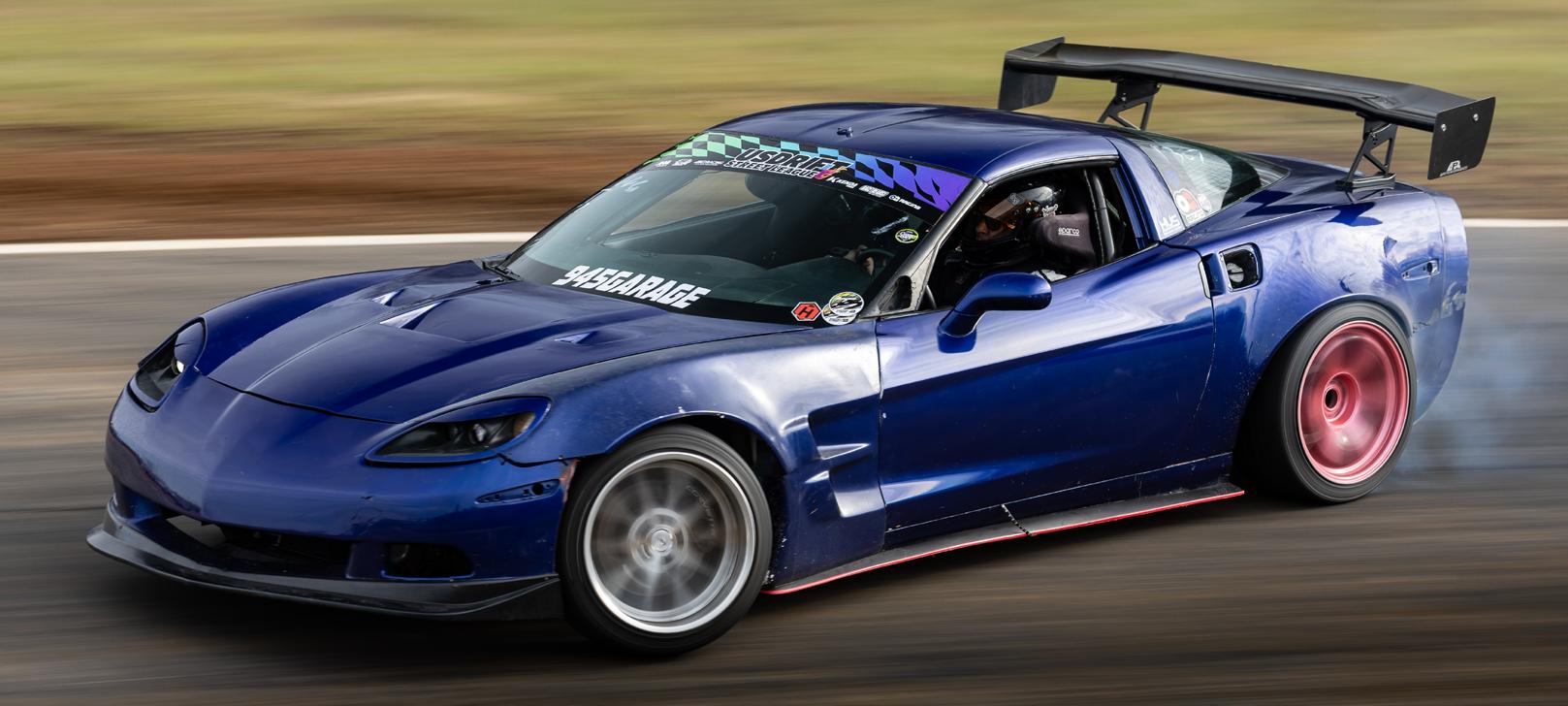
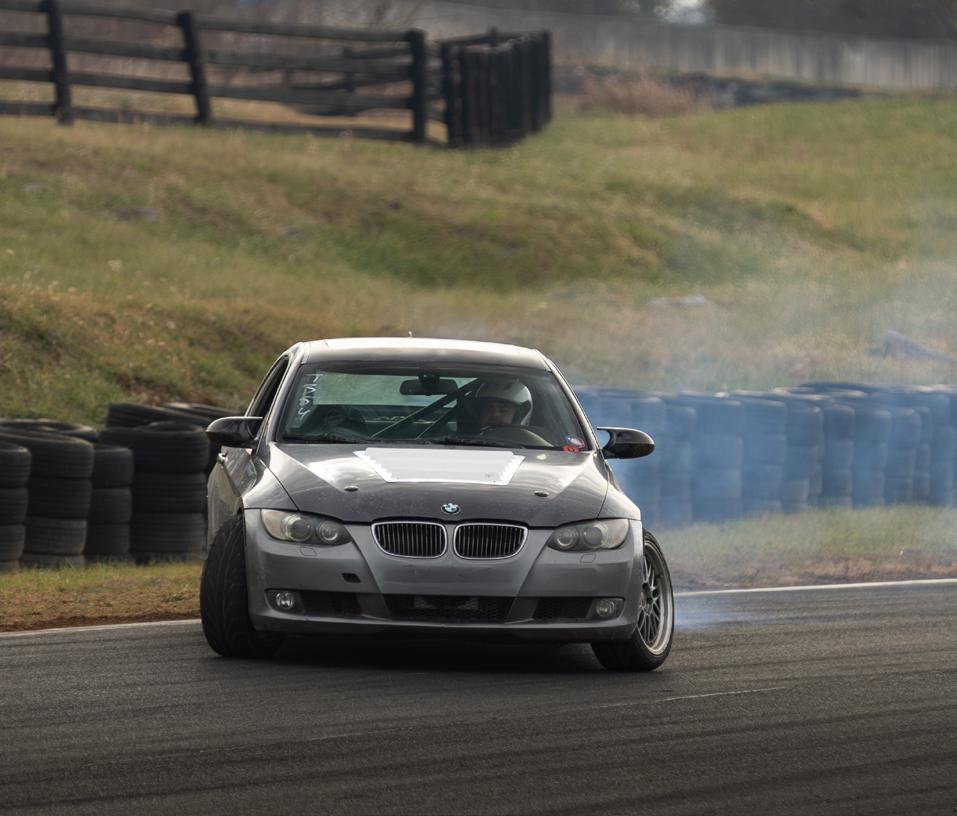
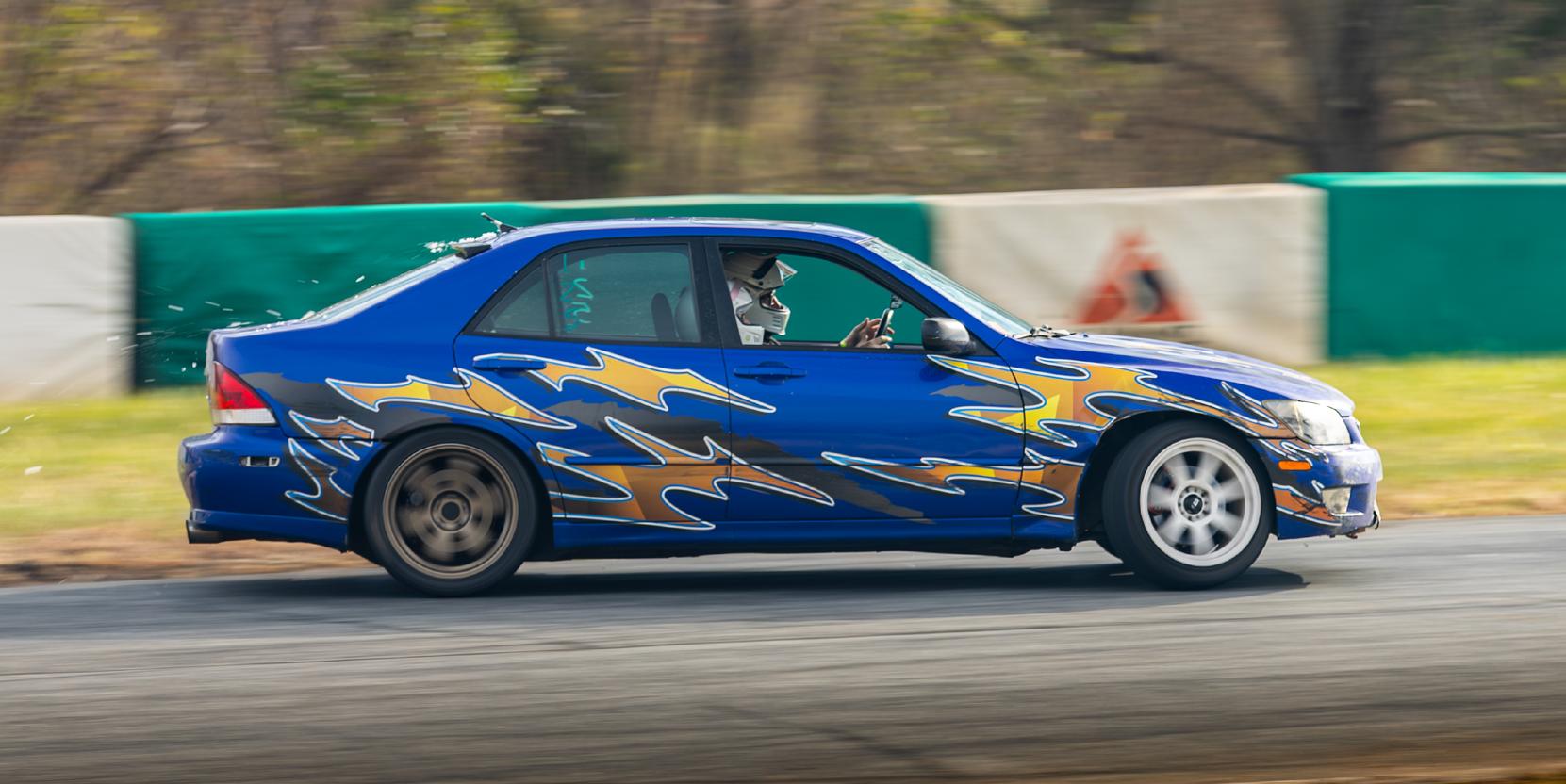
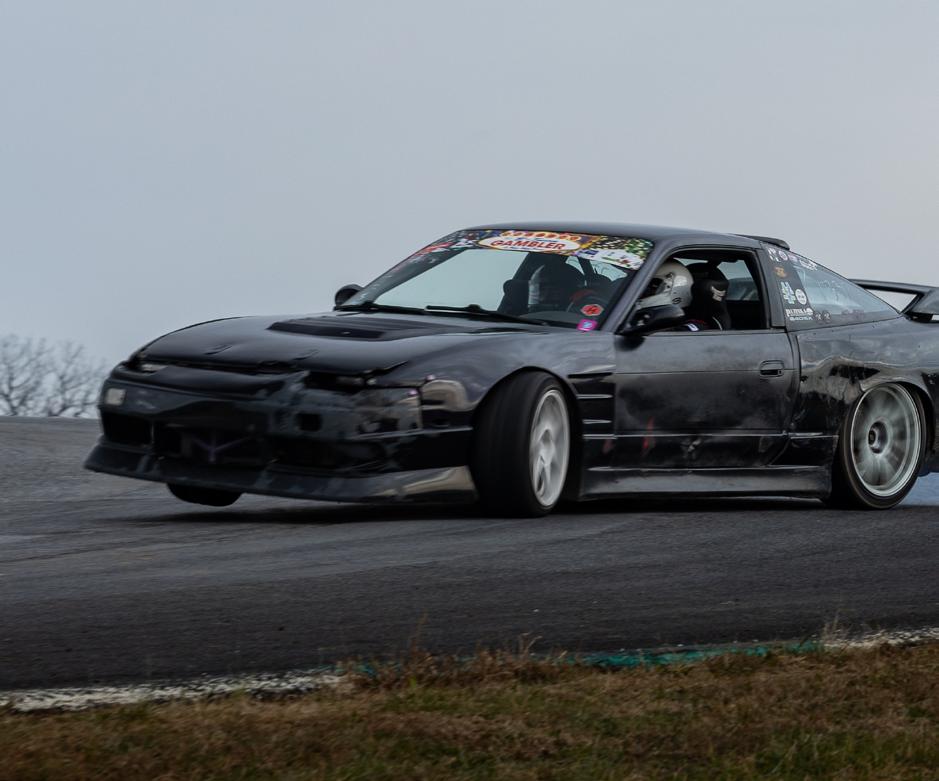

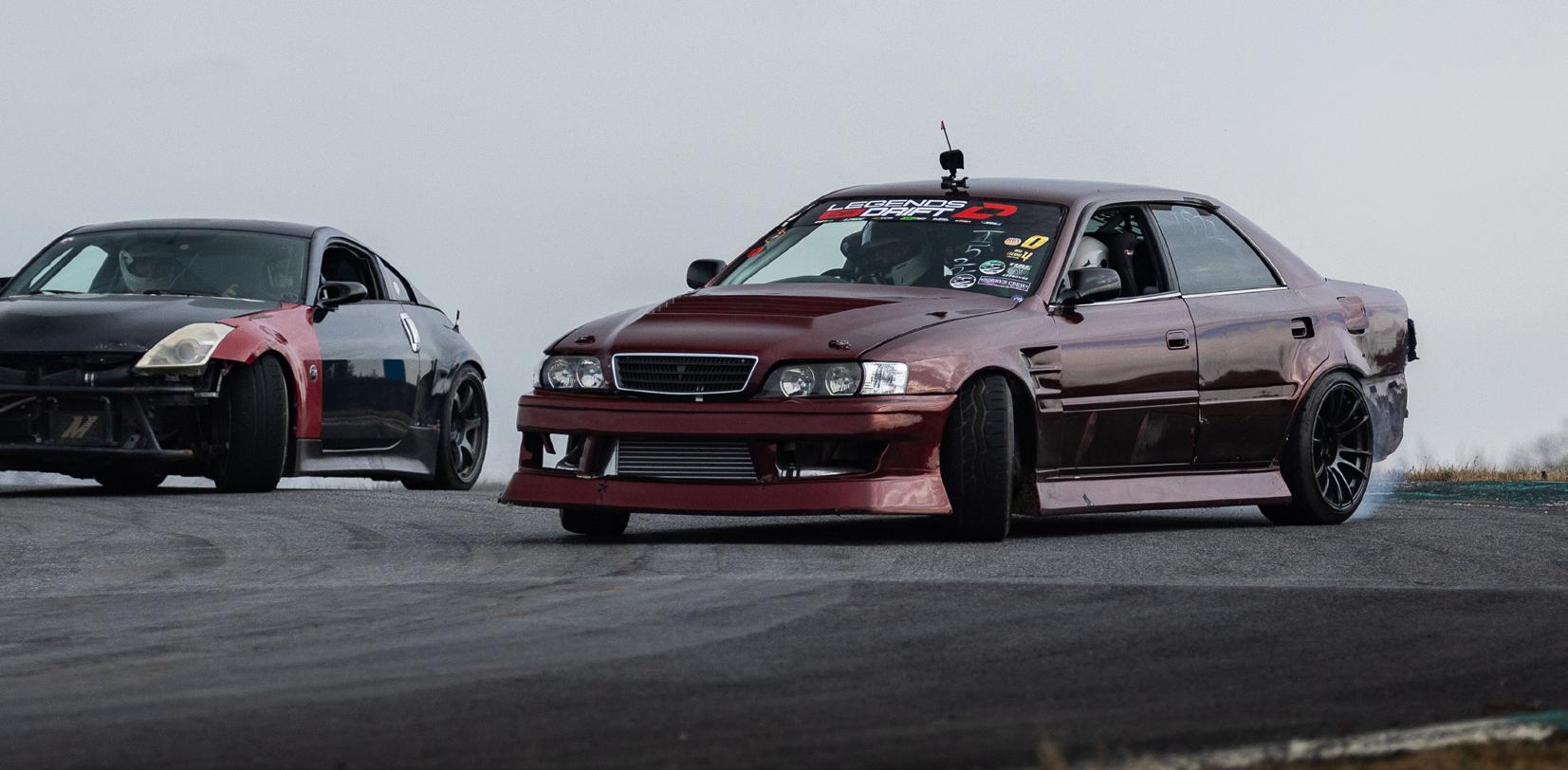
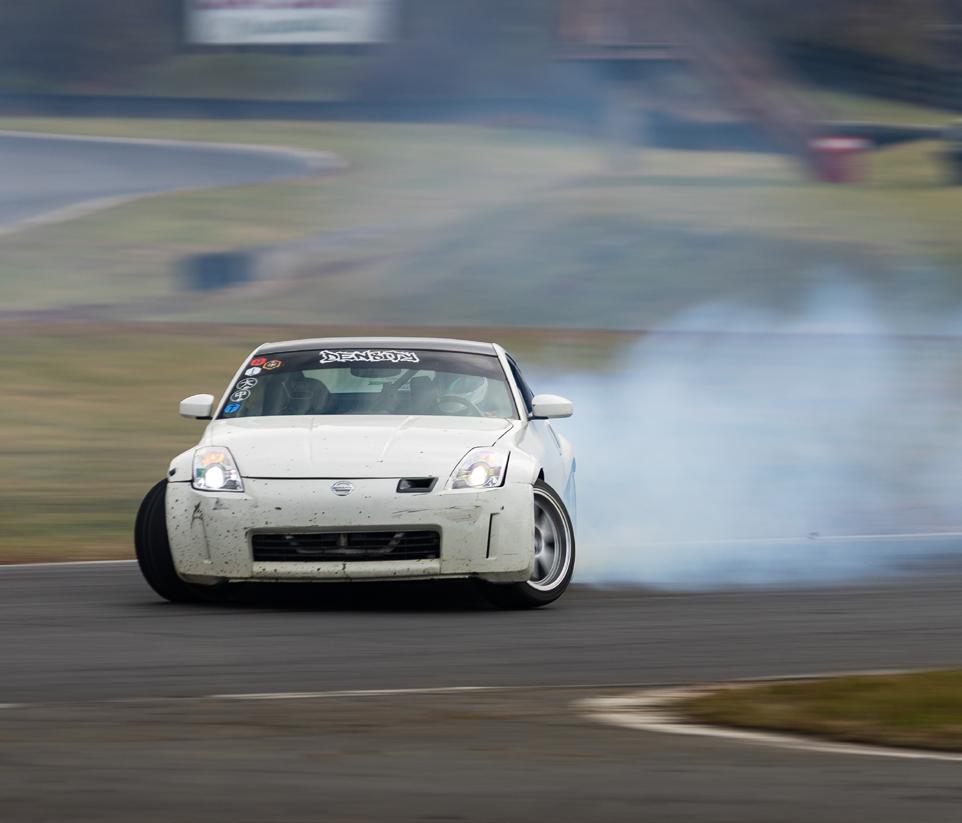
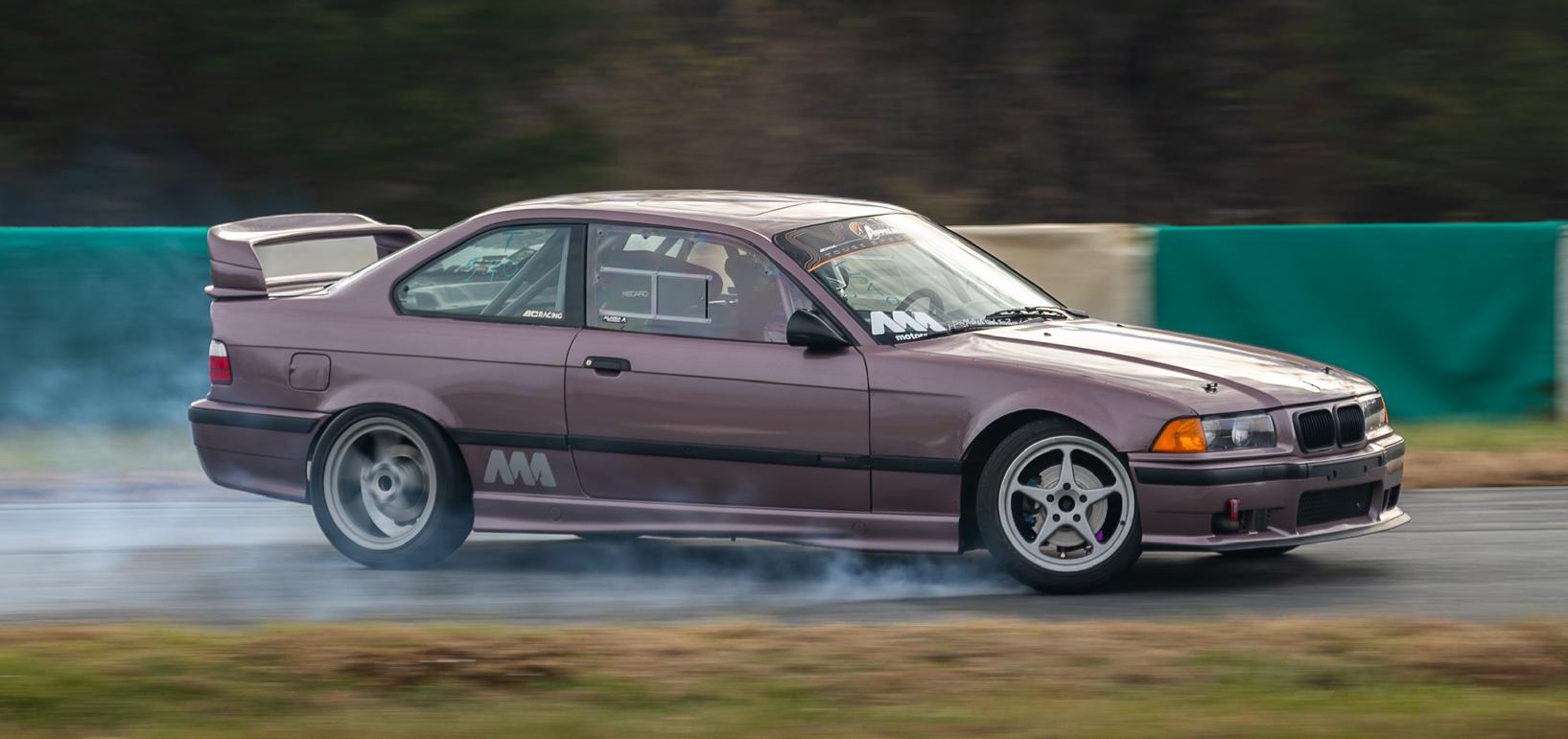
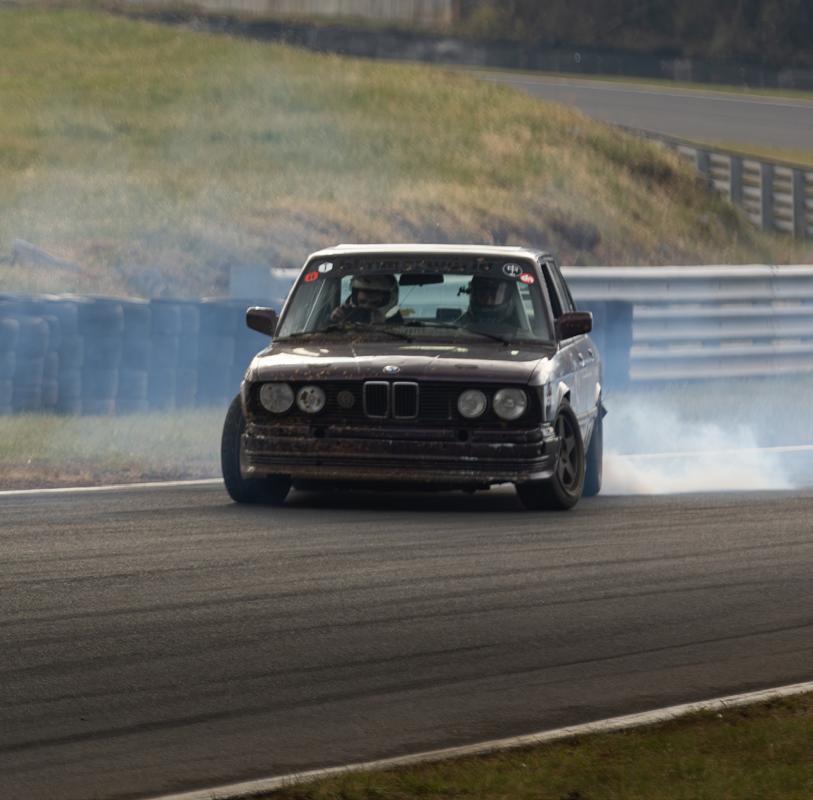
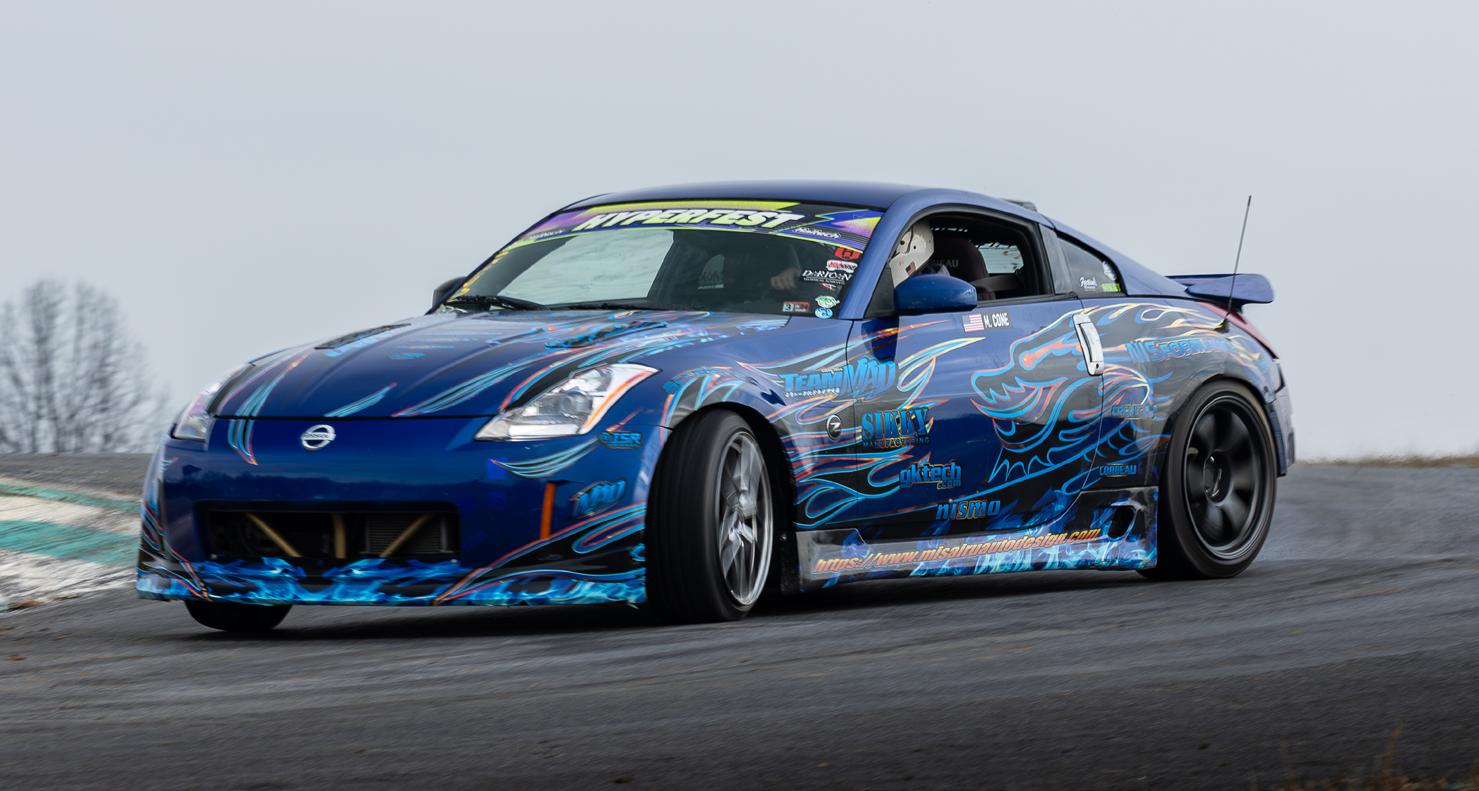
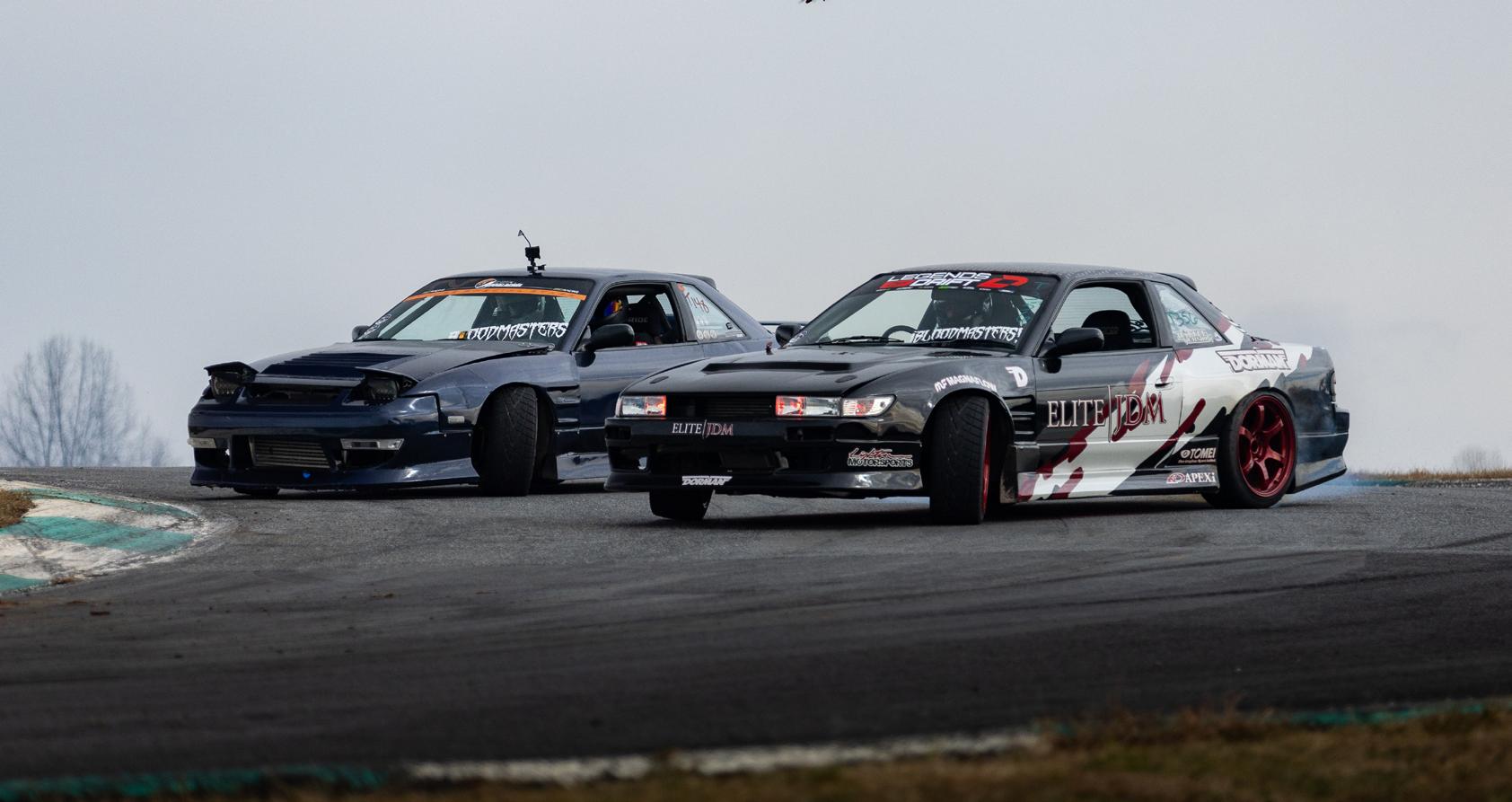
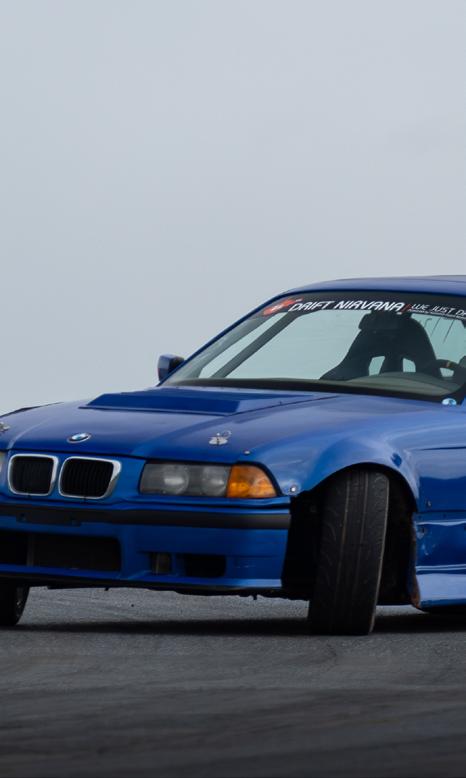
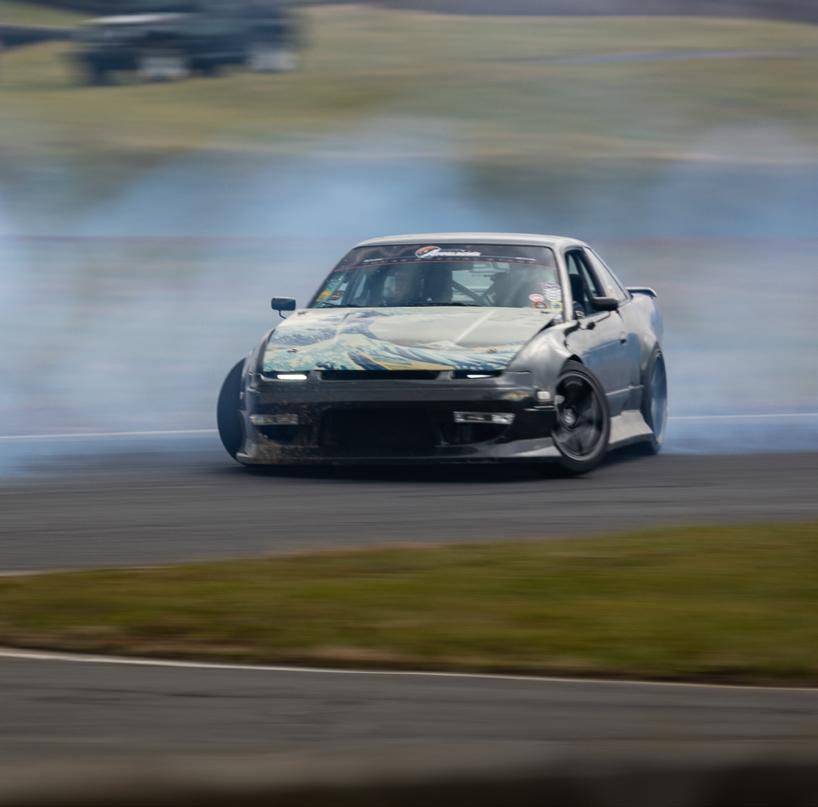
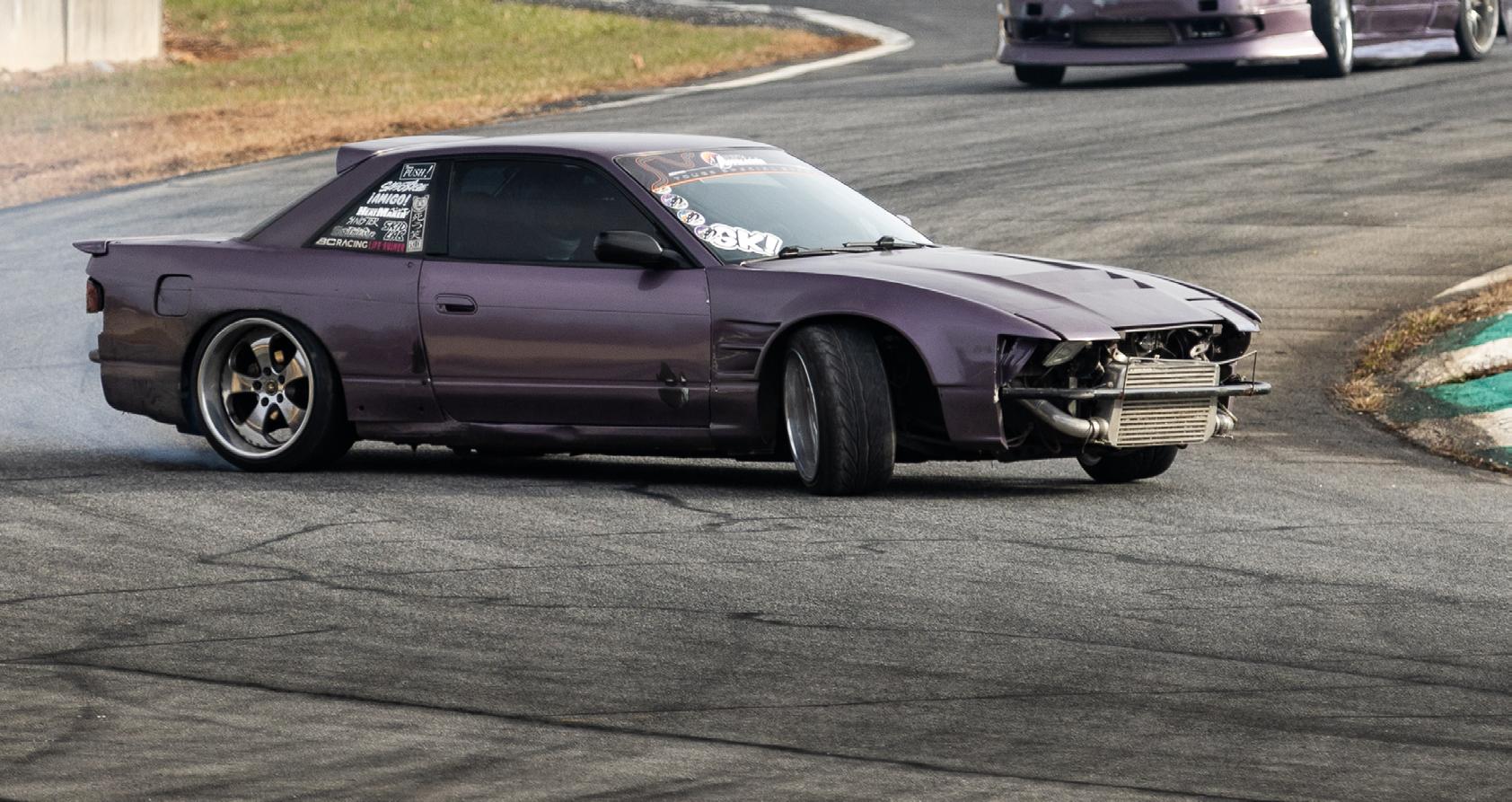
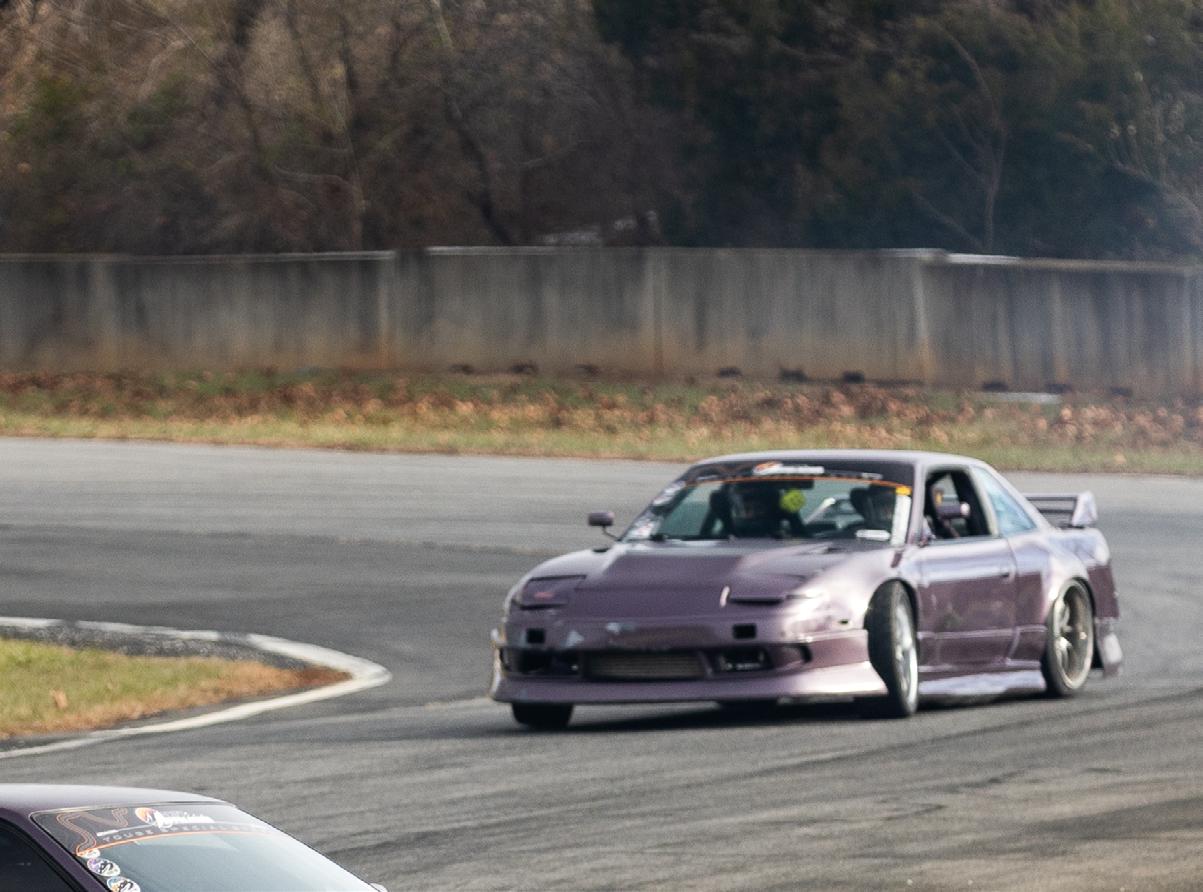
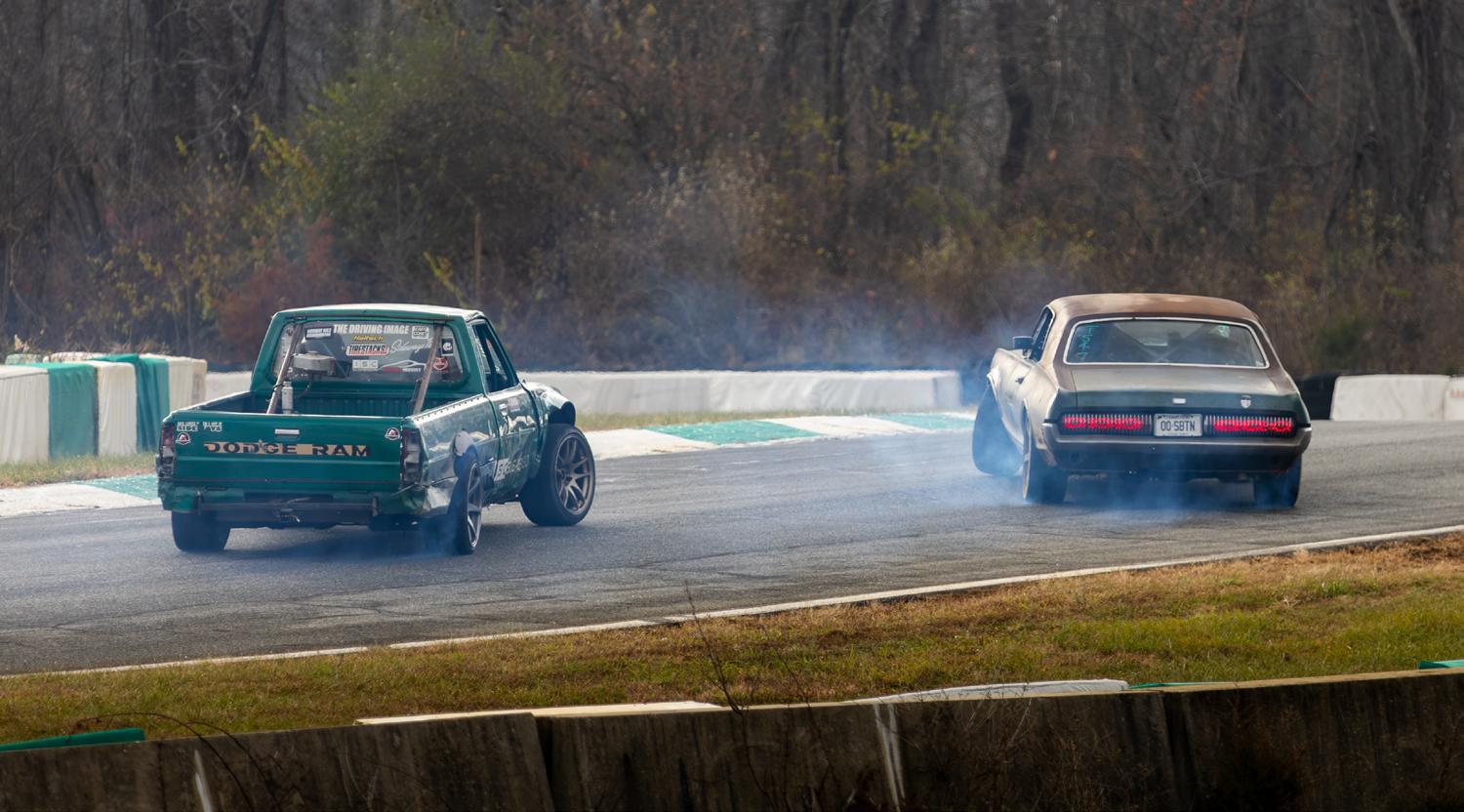
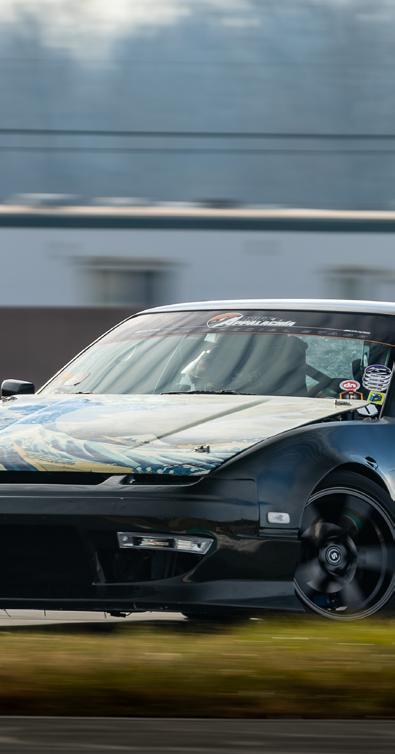
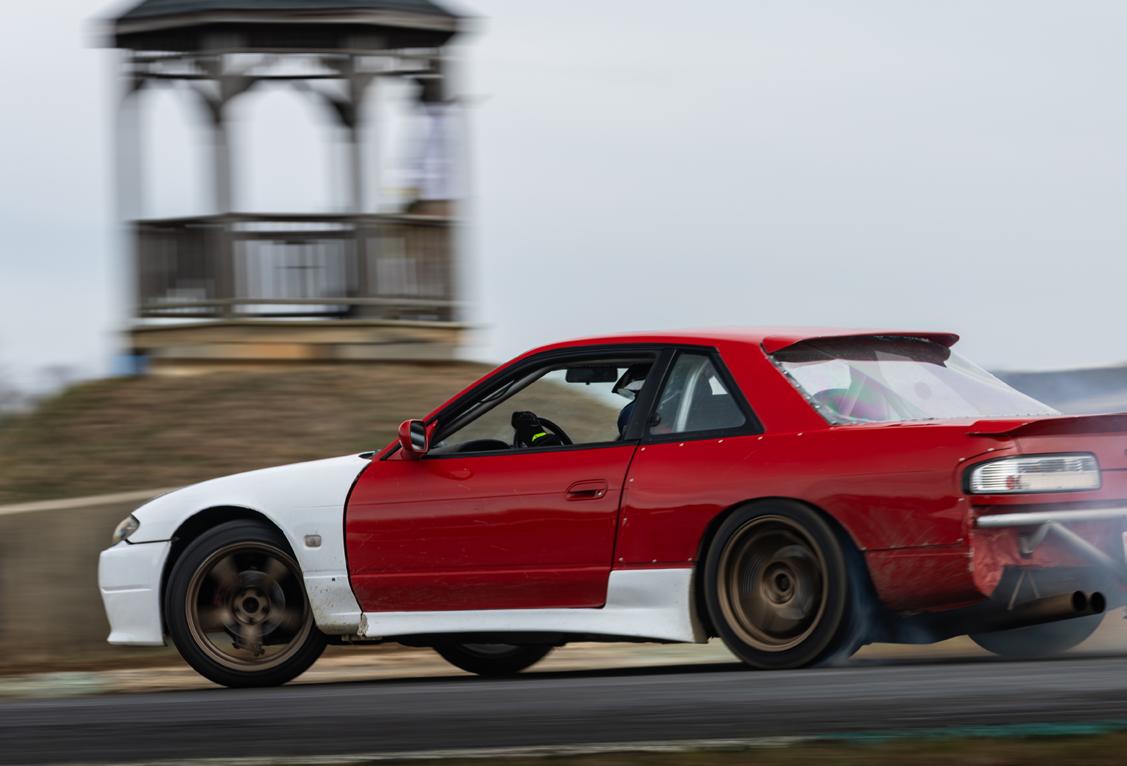
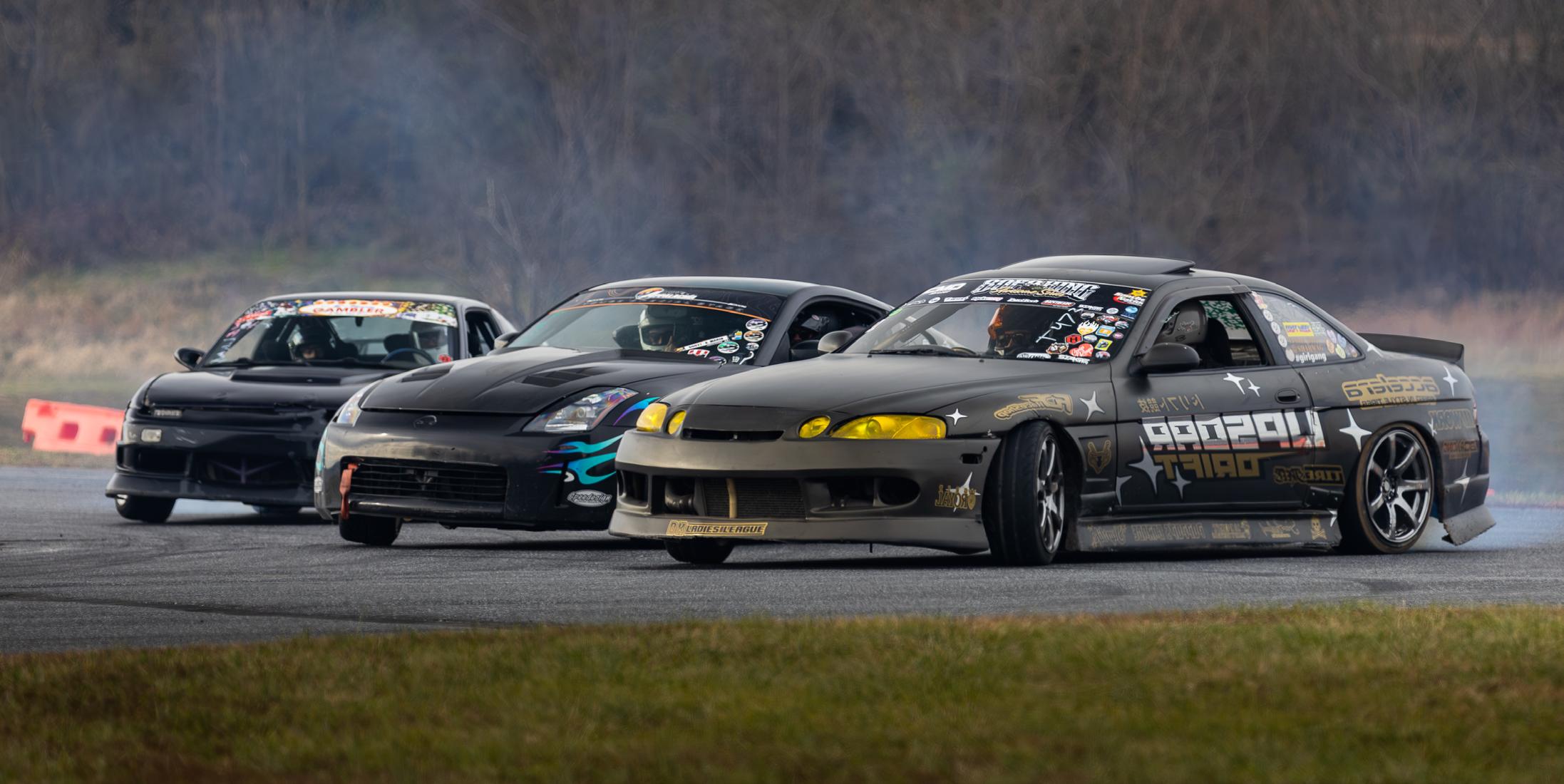
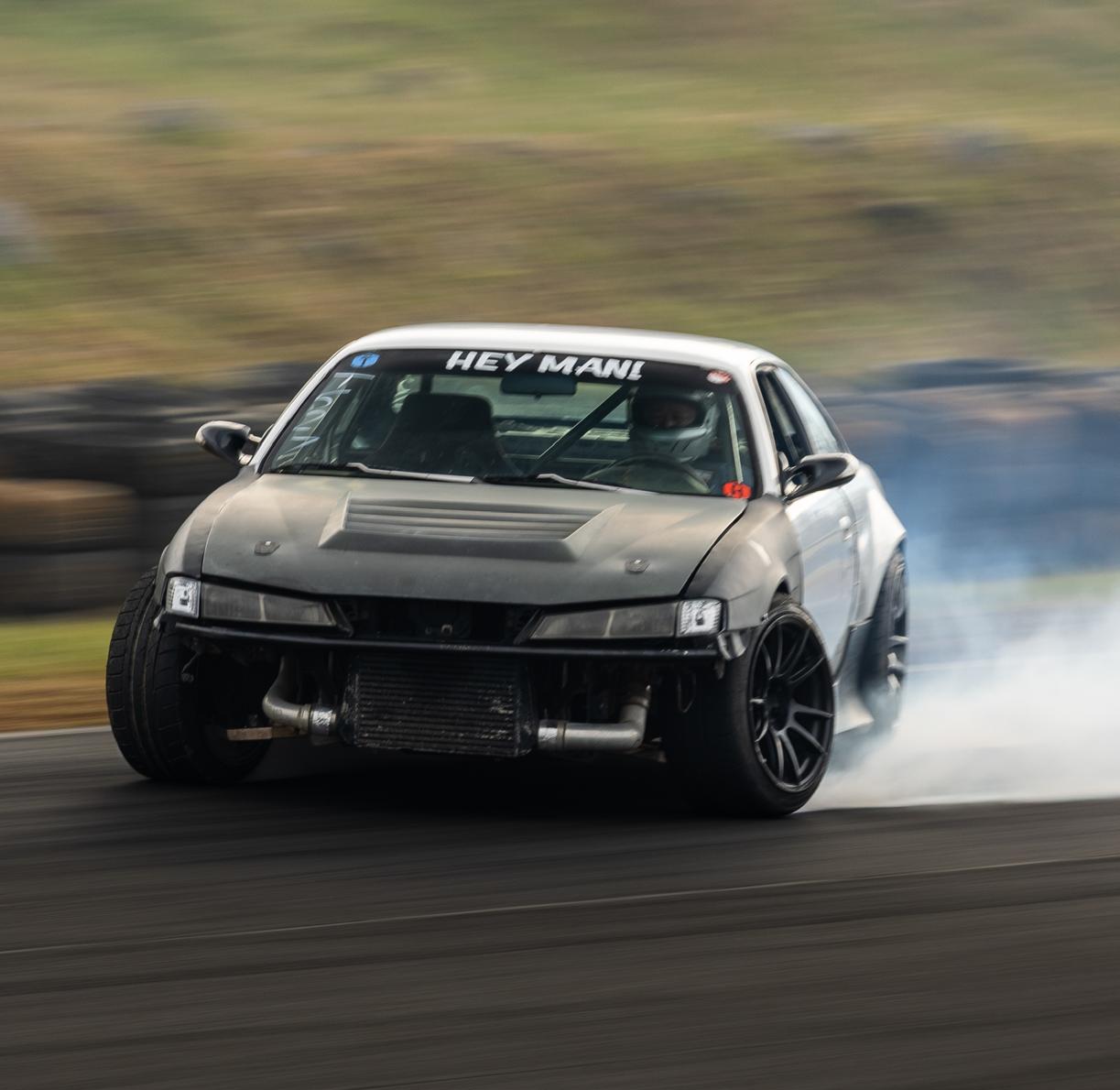
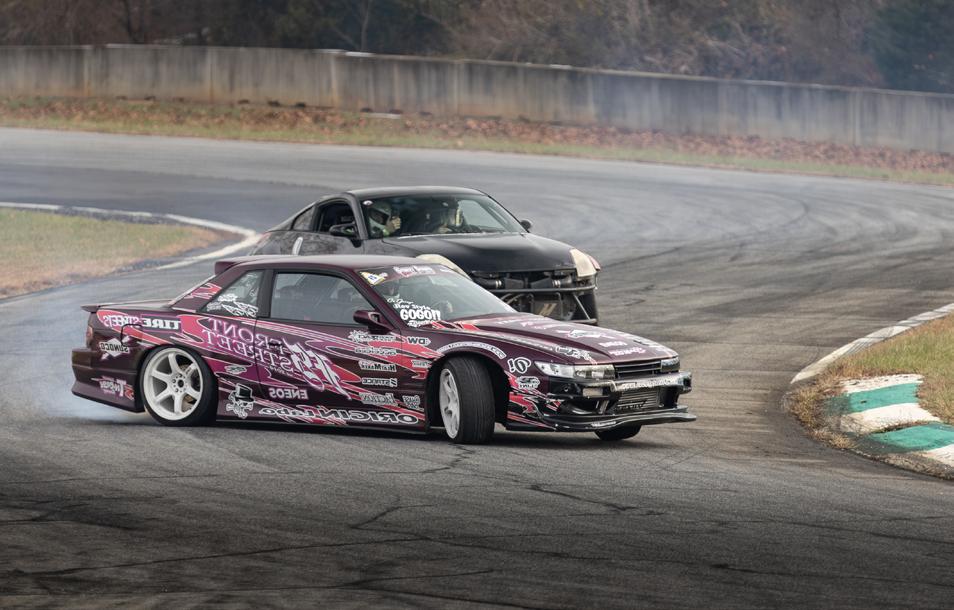
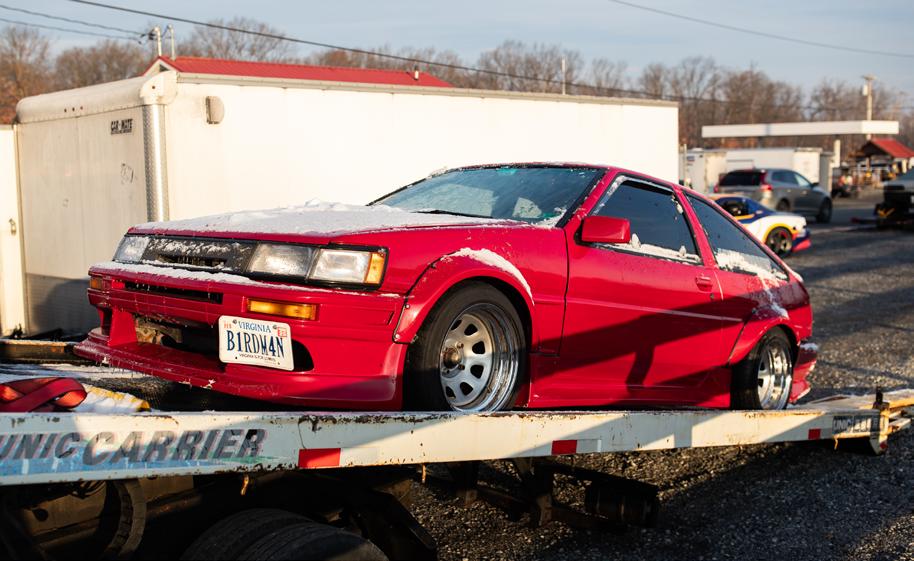

Finally, the Washington Circuit hosts two separate loops. One is a hot-lap loop designed for faster, more confident drivers, while the other is a solo and tandem loop primarily intended for beginners. This setup allows newcomers to learn the fundamentals of drifting in a supportive environment while still feeling like part of the larger event. It also ensures that drivers of all skill levels can enjoy meaningful seat time without feeling overwhelmed.
Drifters of December is more than just an event—it is a celebration of drifting culture. It brings together grassroots drivers, seasoned professionals, spectators, photographers, and friends, all united by a shared love of sliding cars sideways. Against the backdrop of winter skies and West Virginia hills, Summit Point becomes a place where the season ends not quietly, but in a roar of engines and a haze of tire smoke.













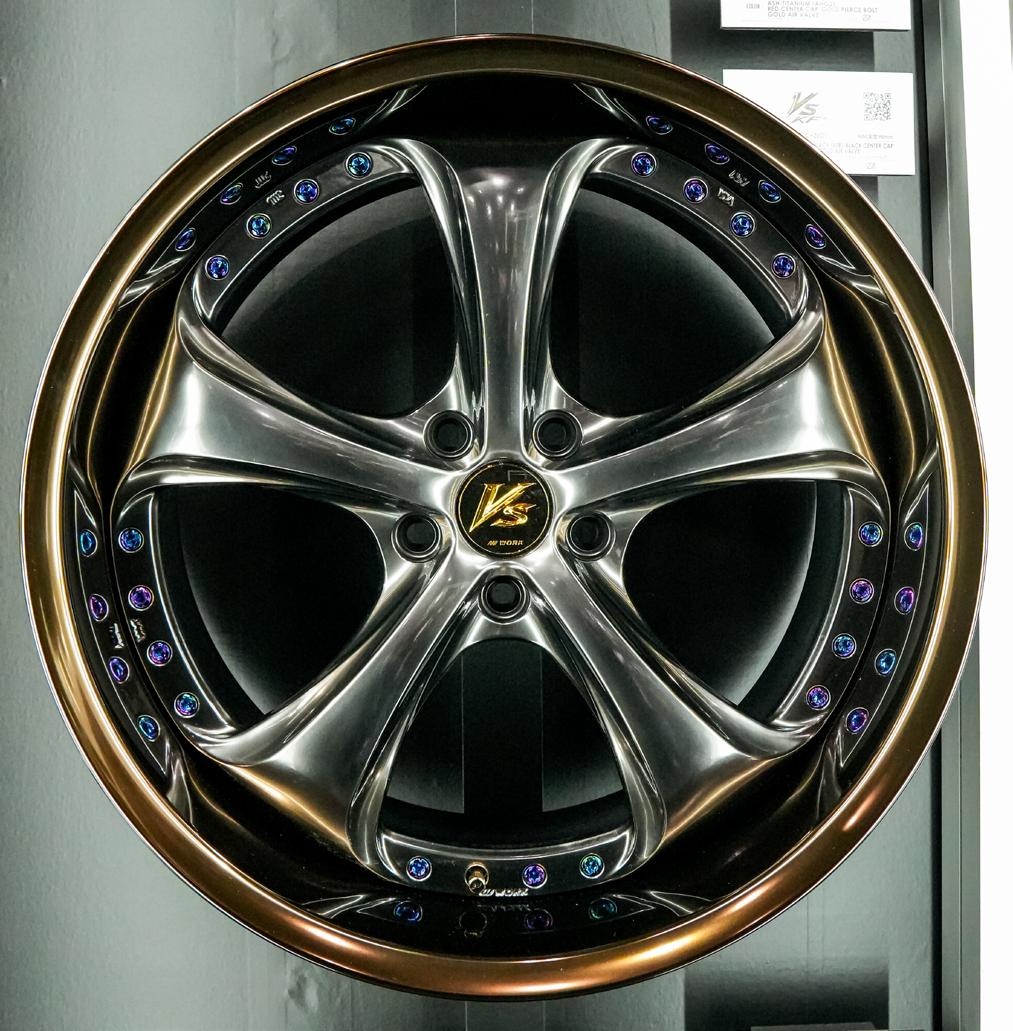
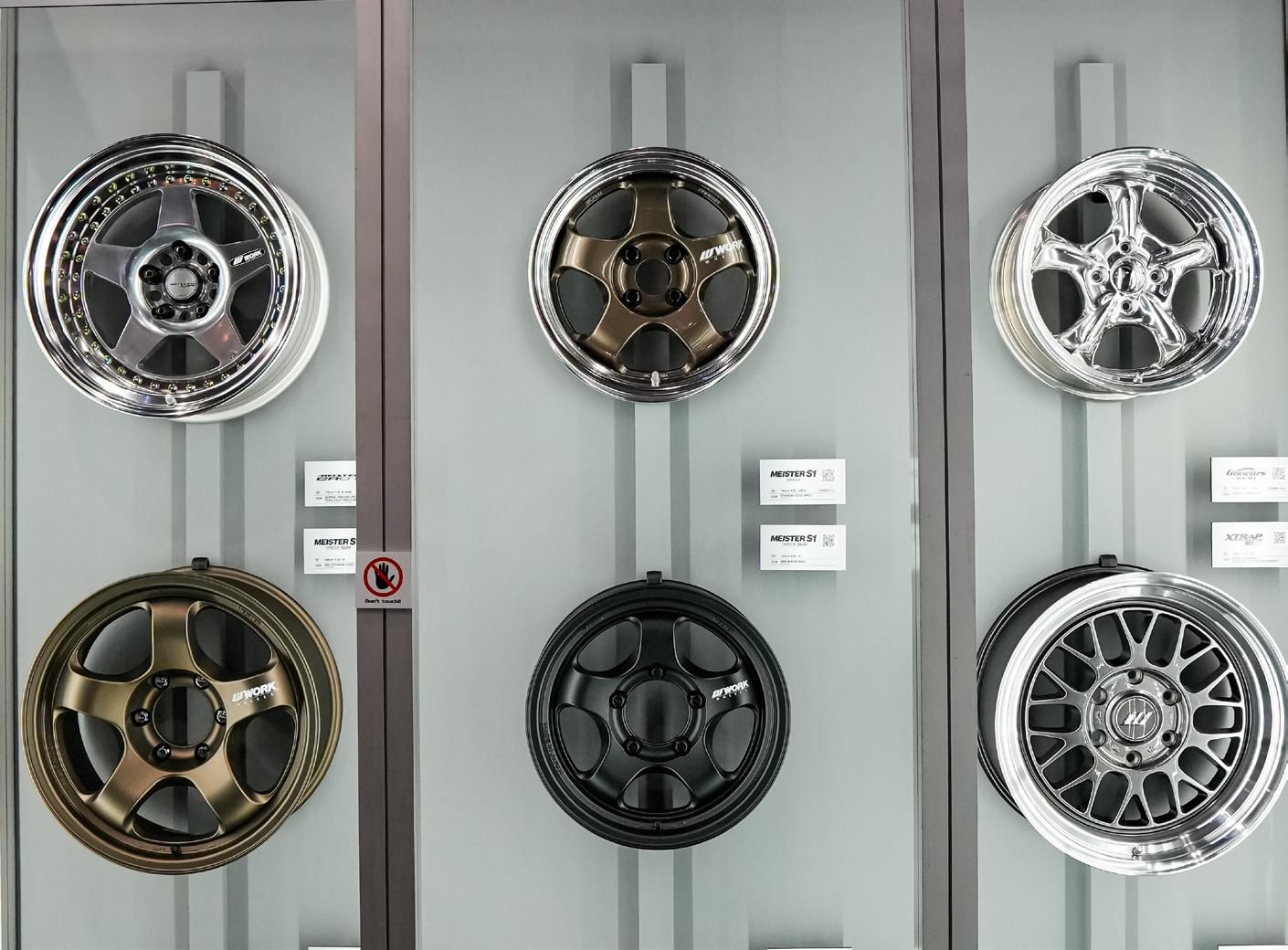
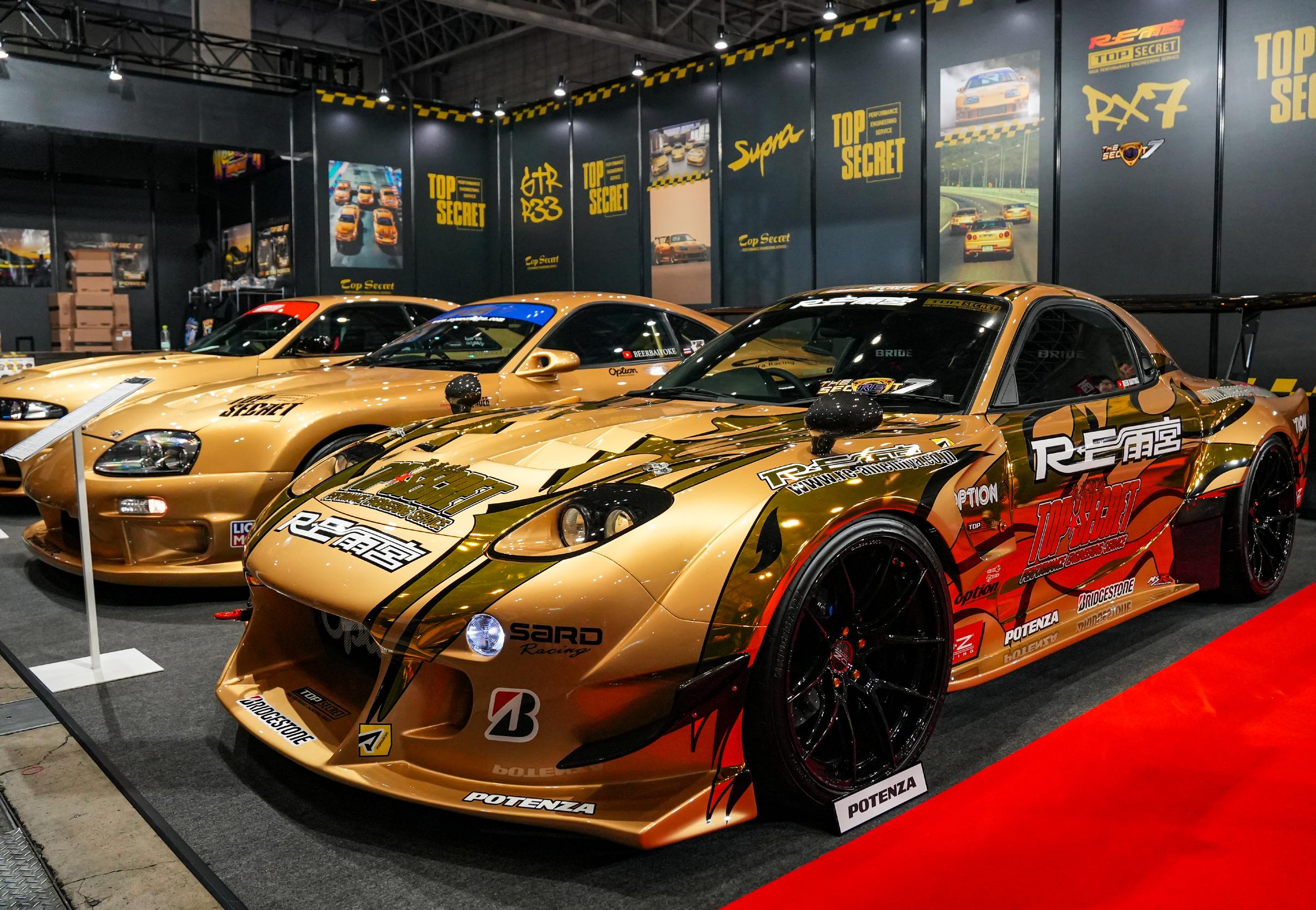
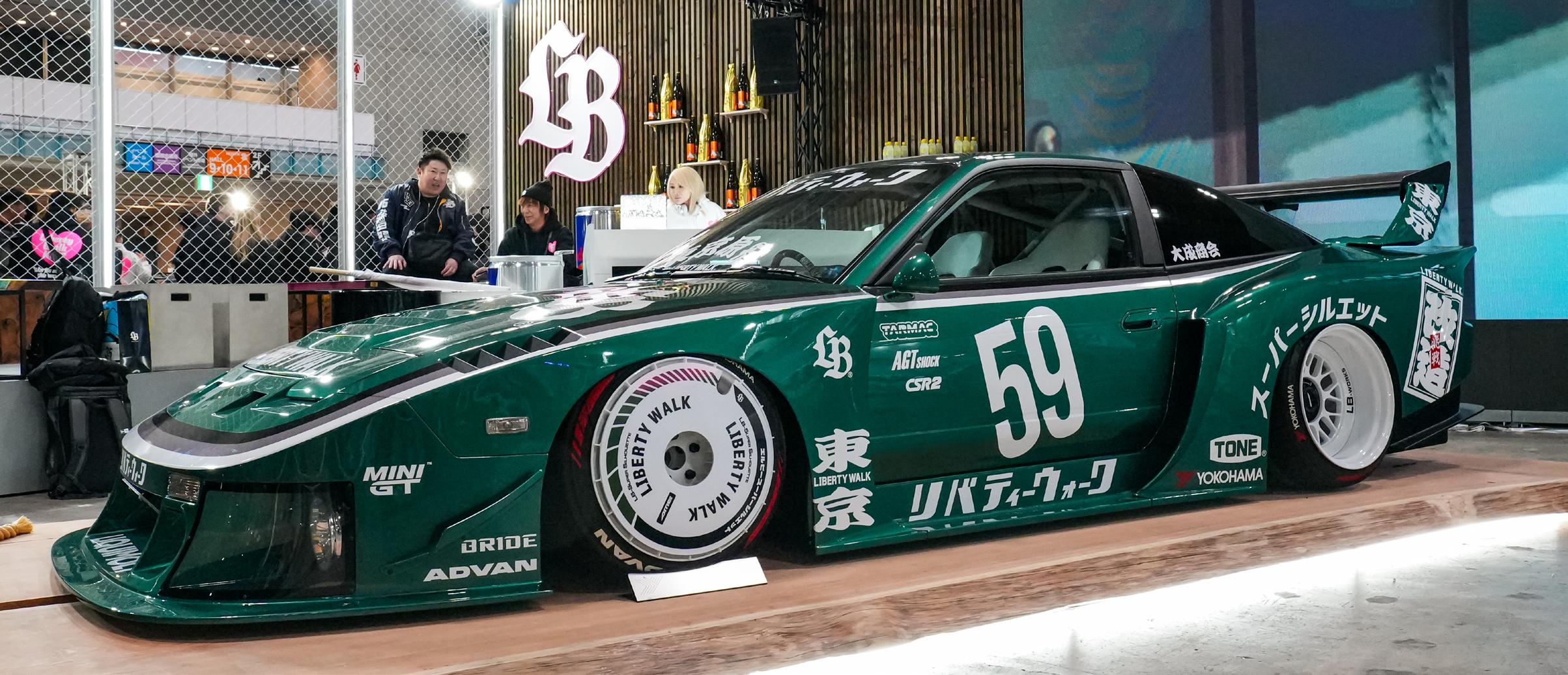
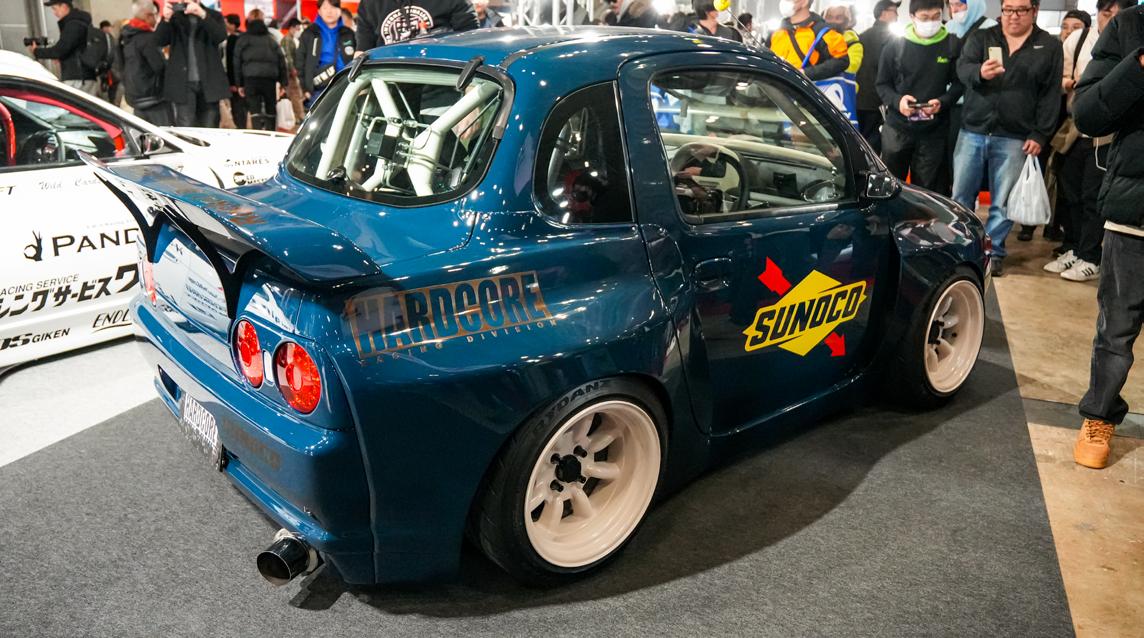
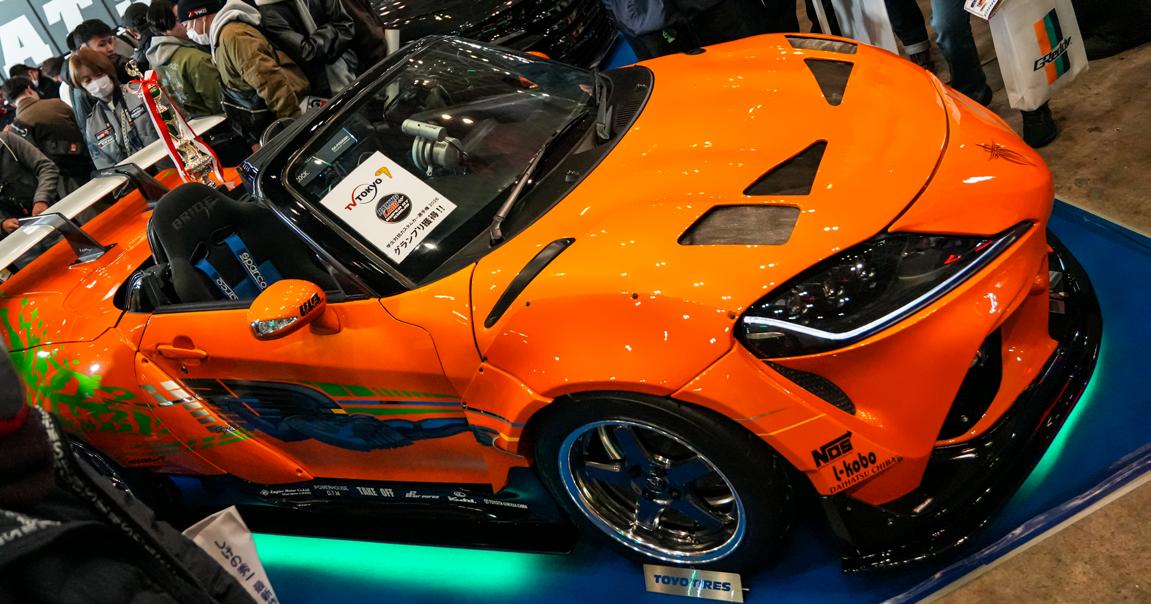
WRECKED SHOWCASE / TAS2026
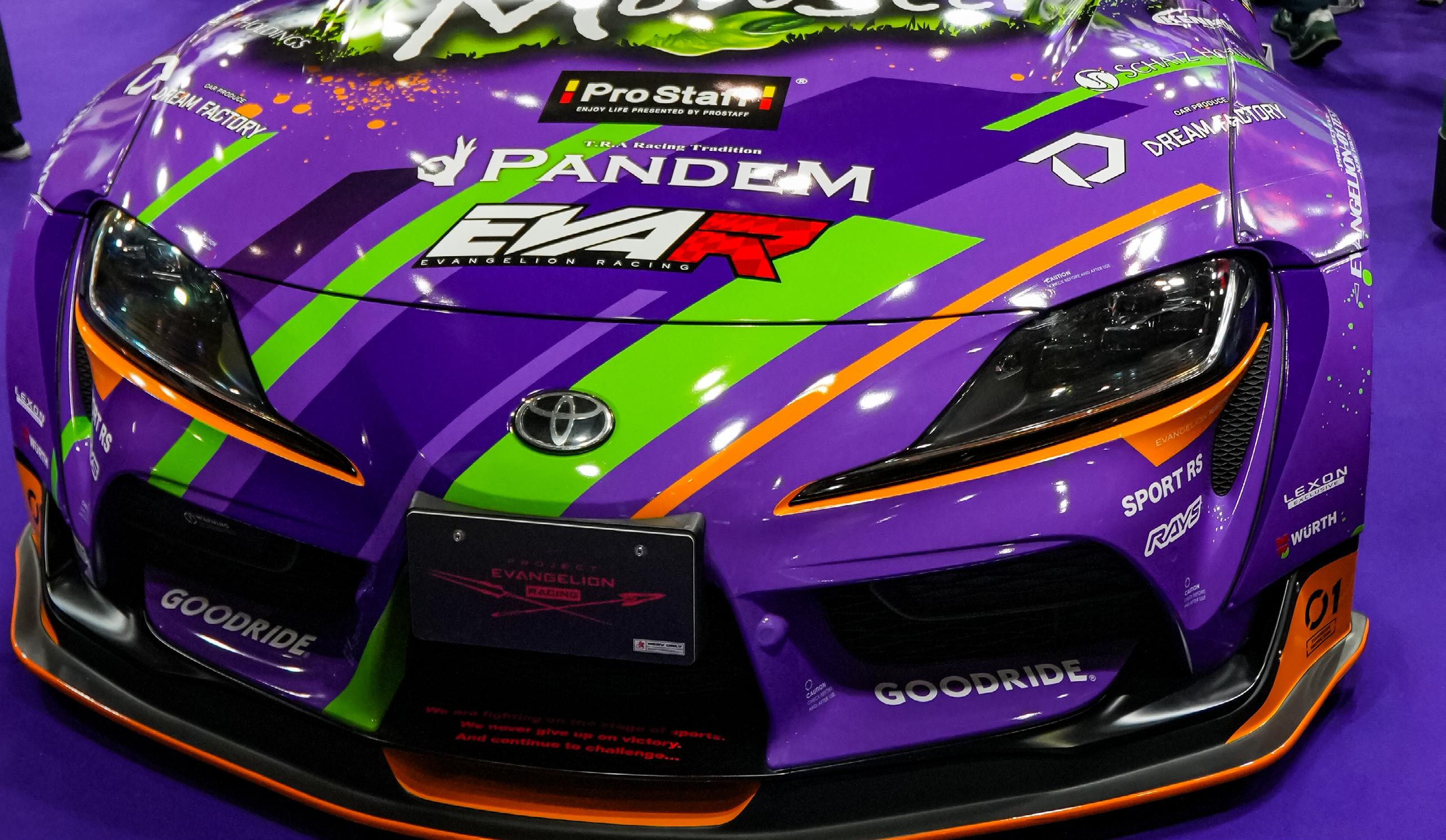
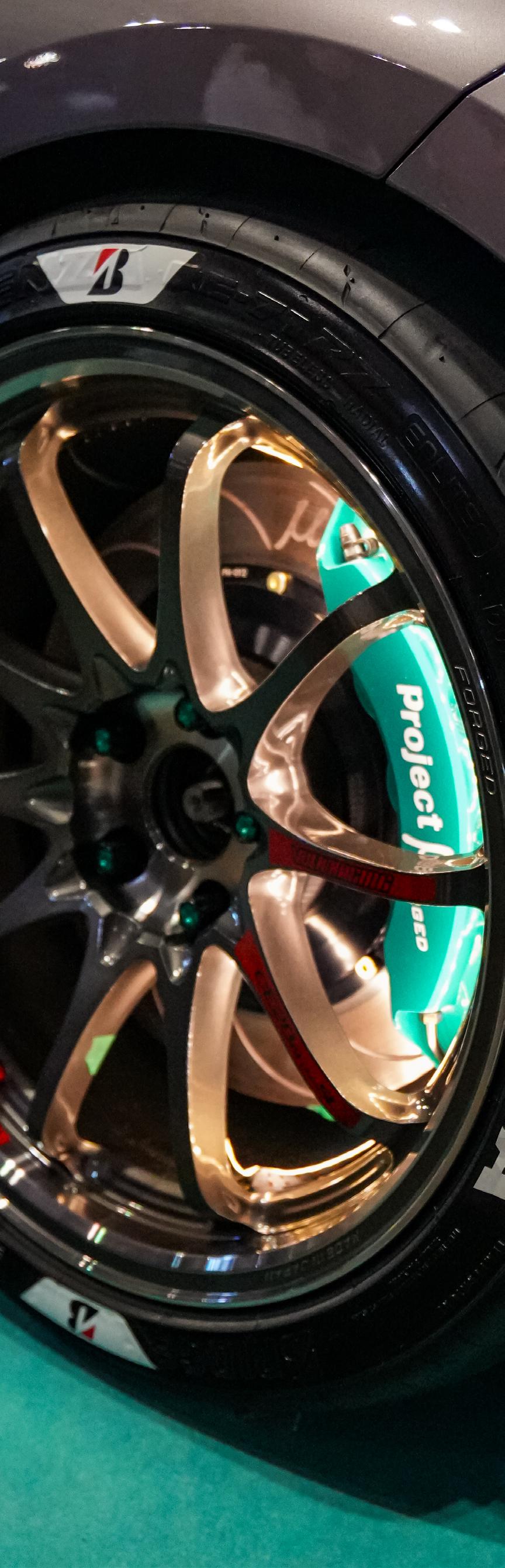
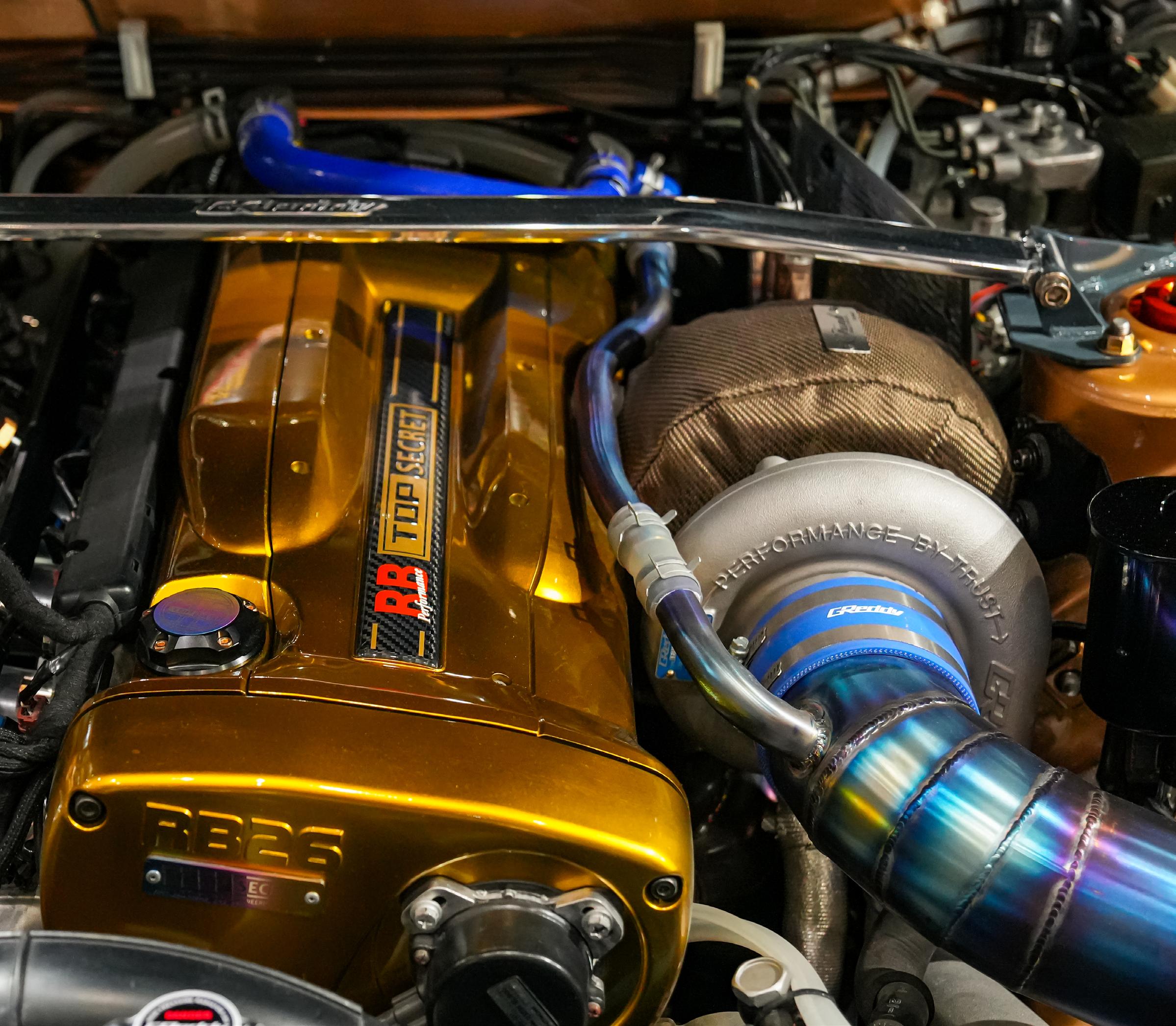
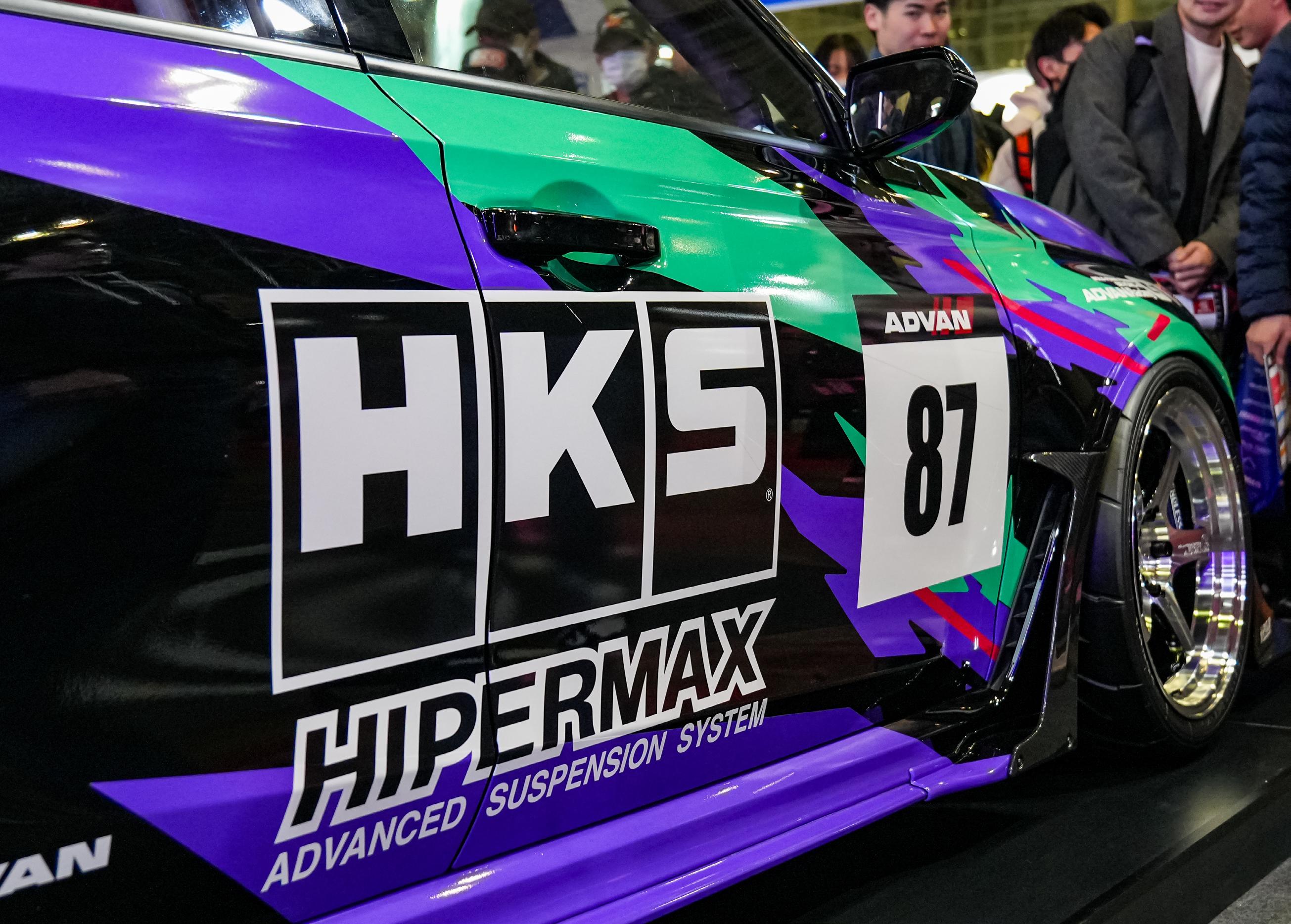
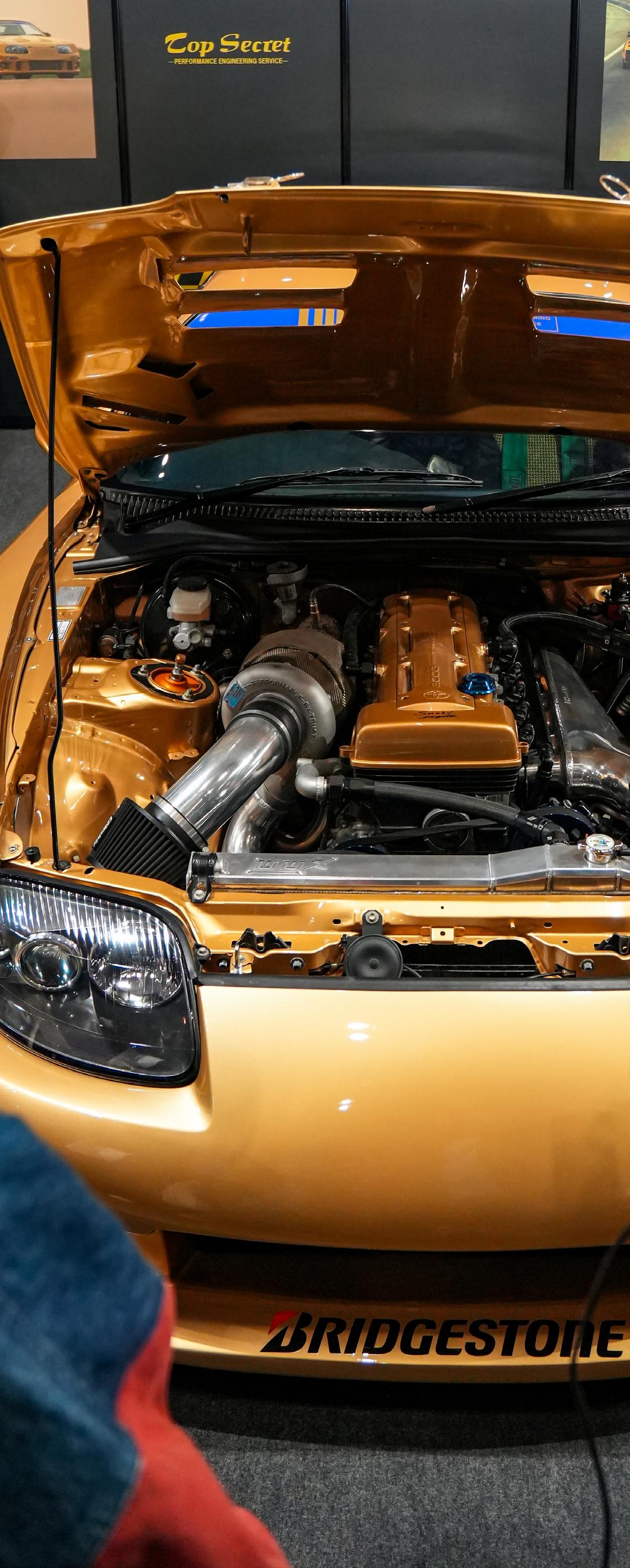
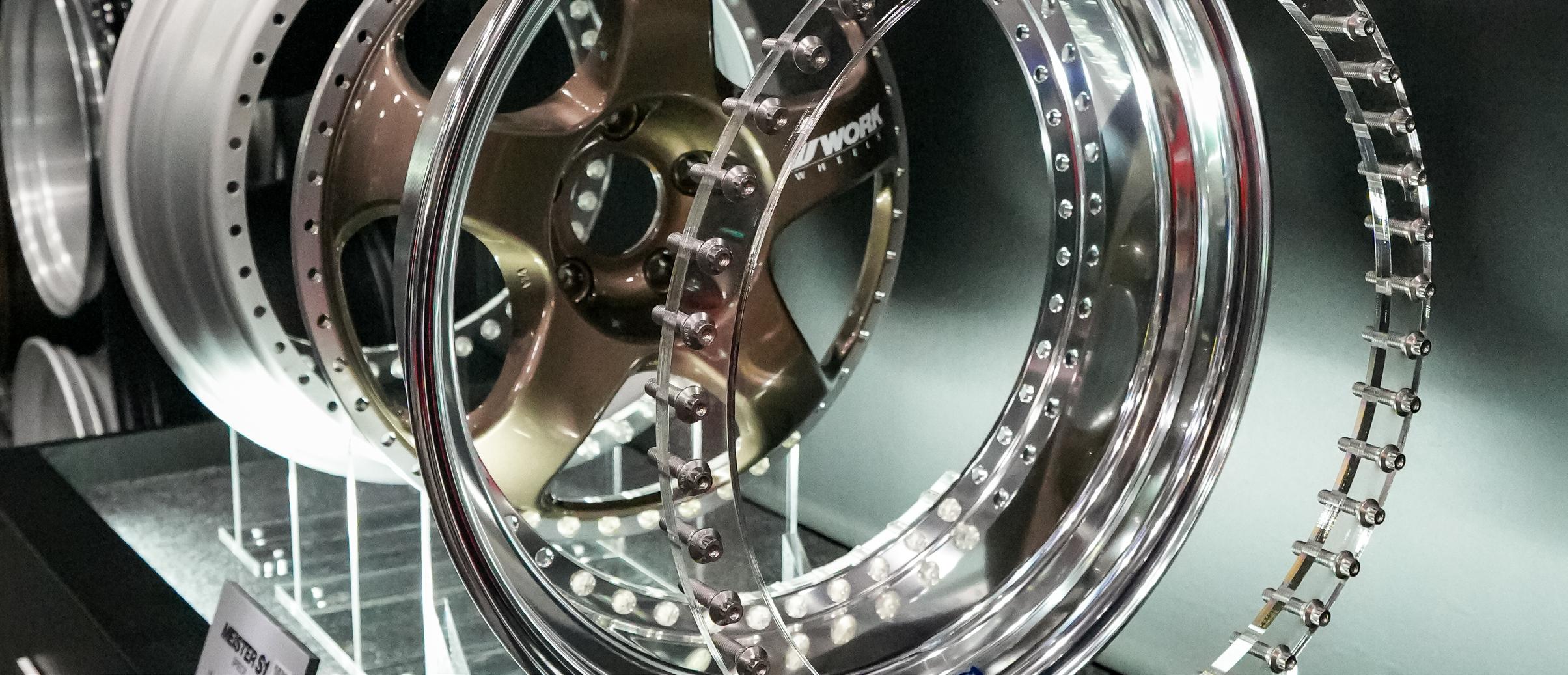
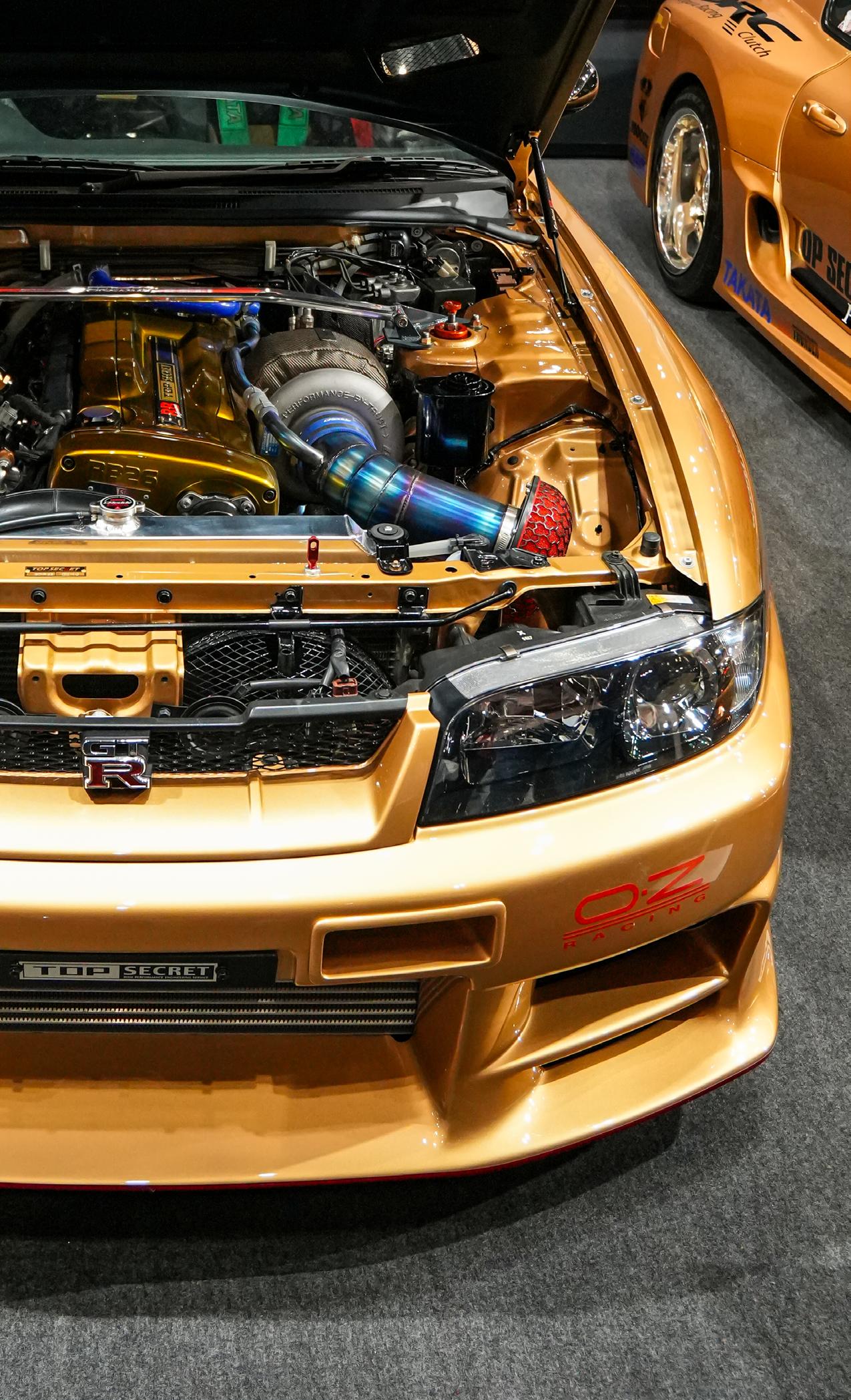
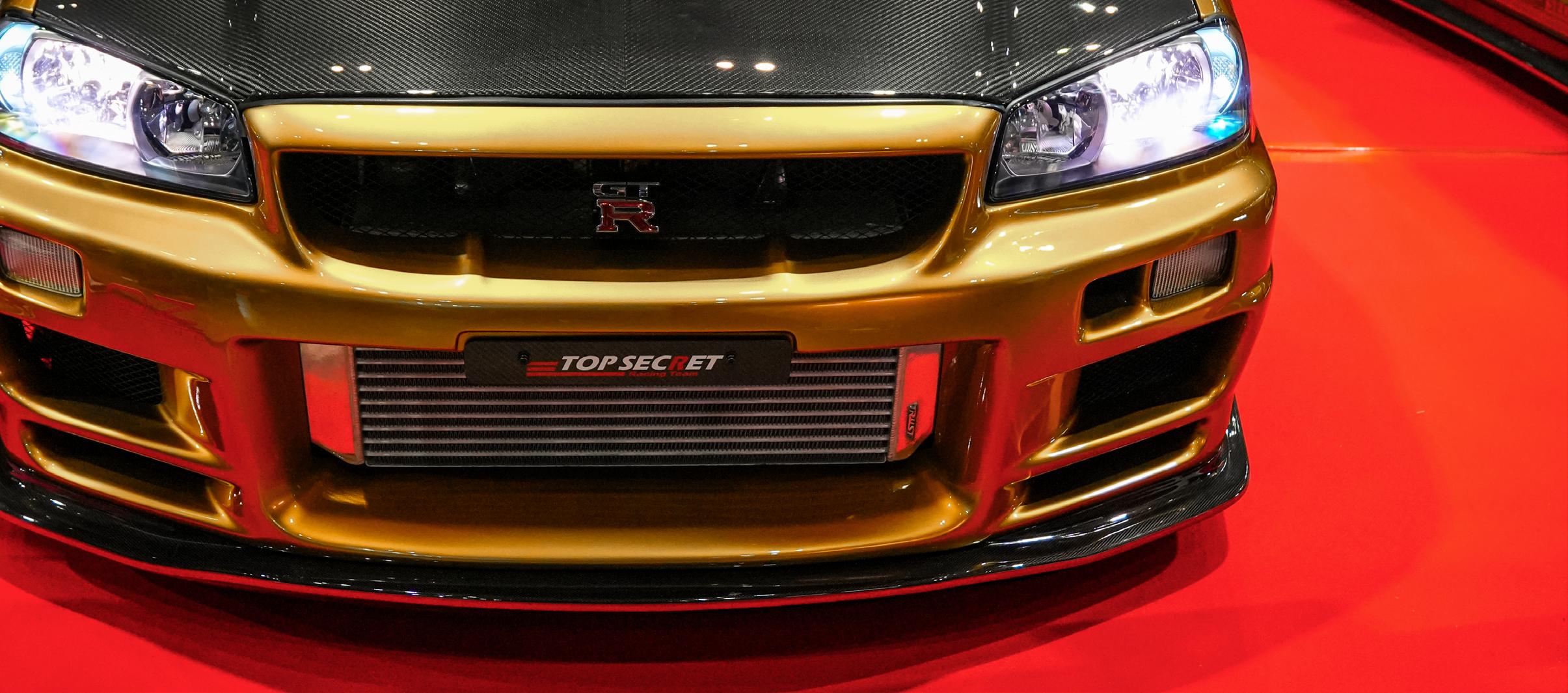

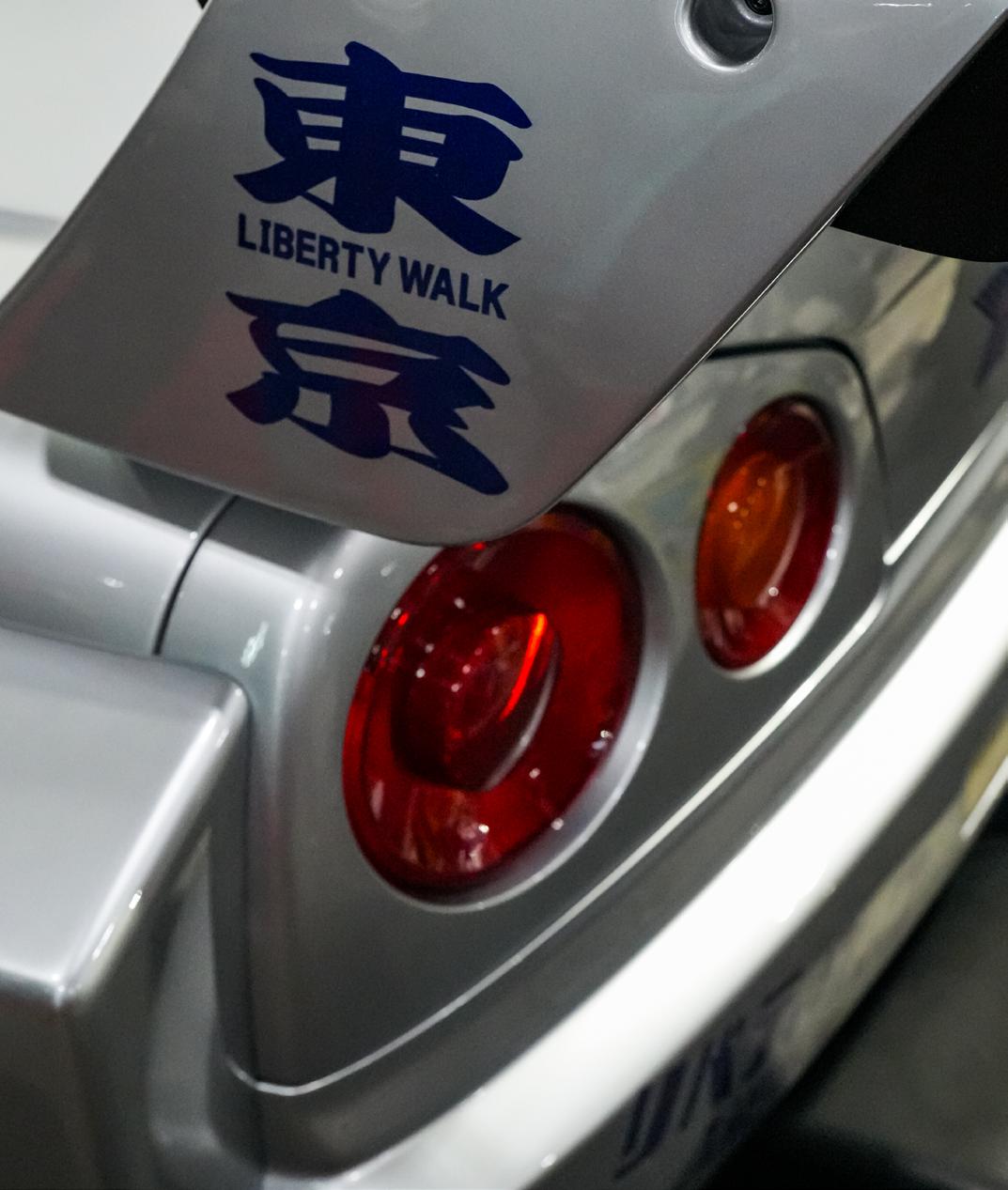
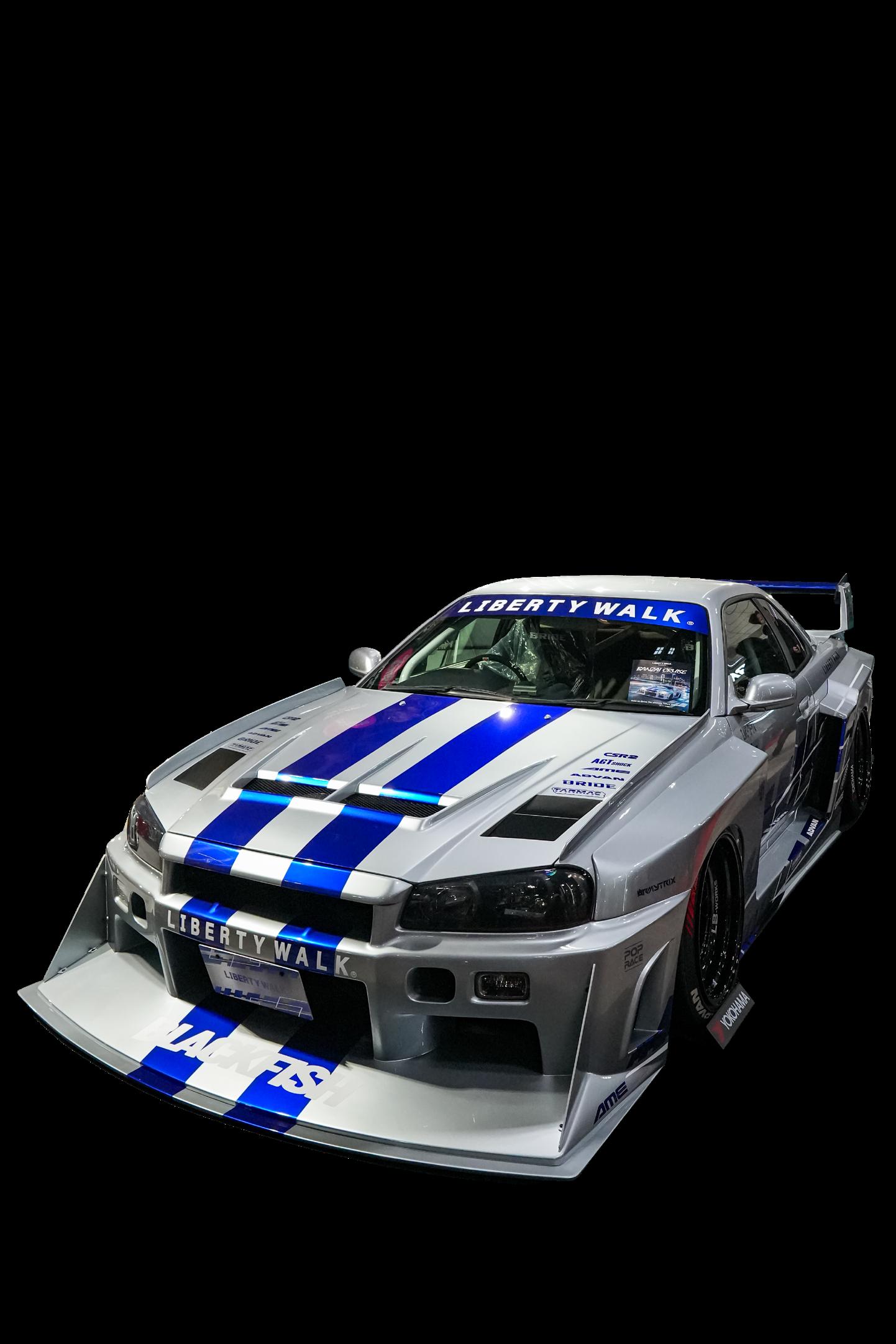
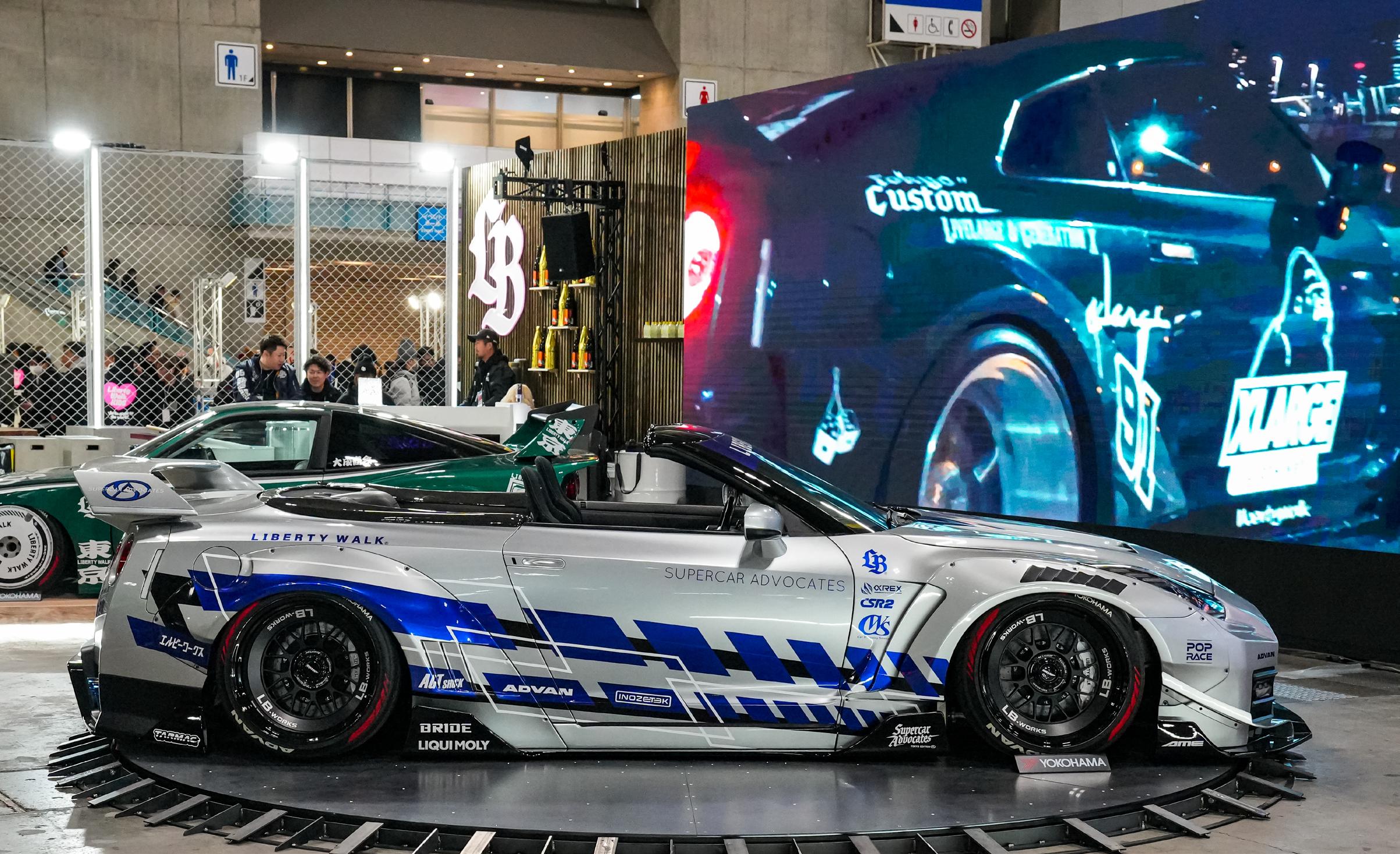
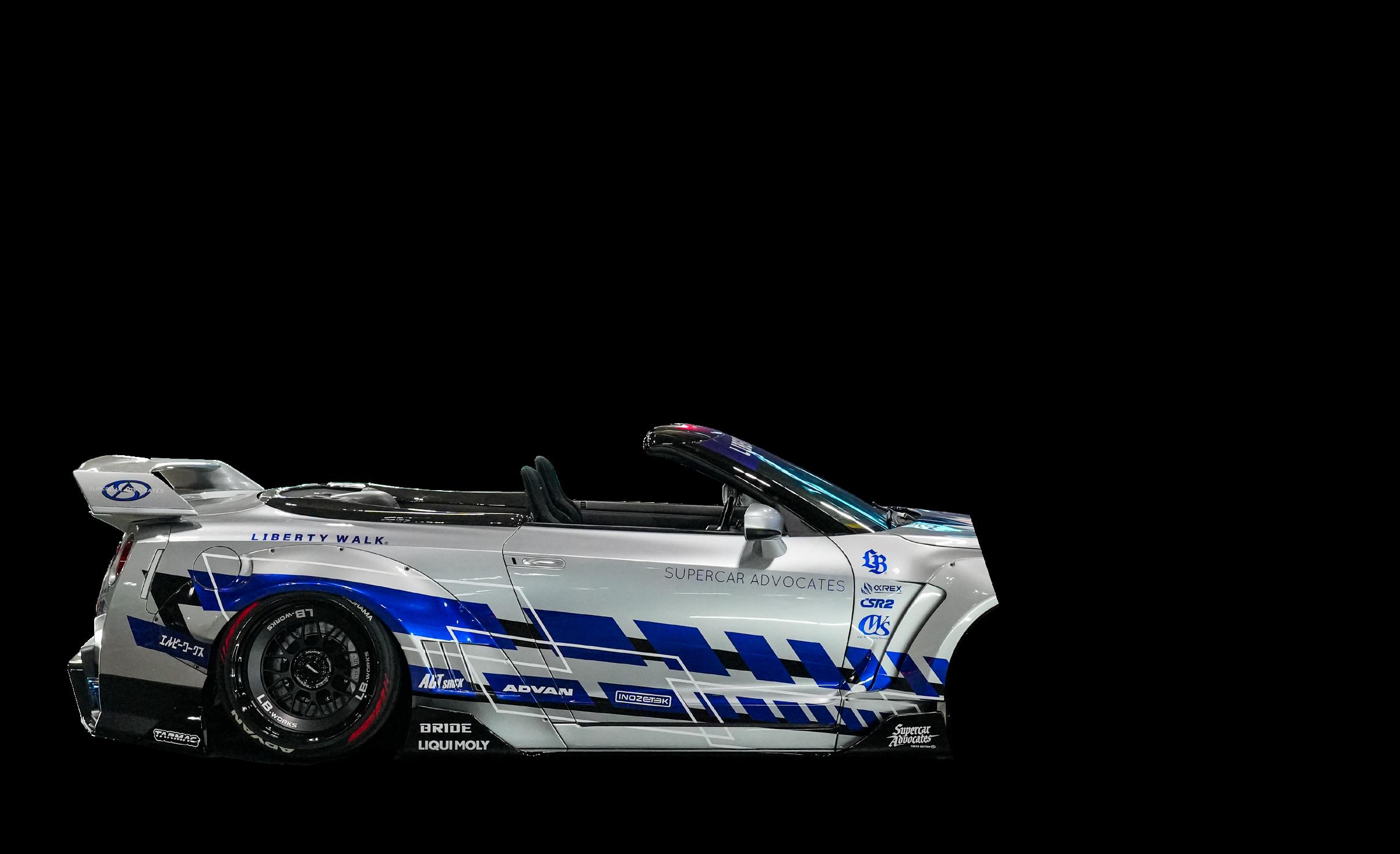
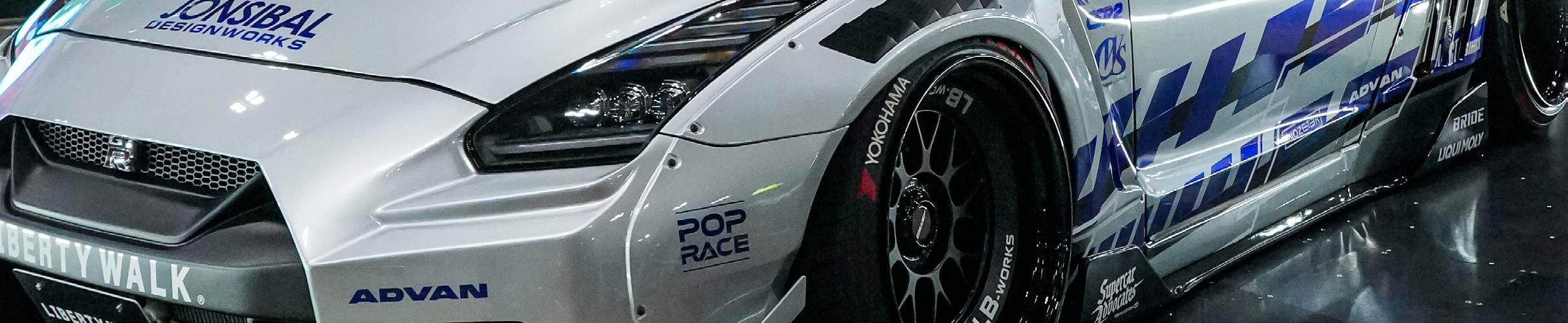

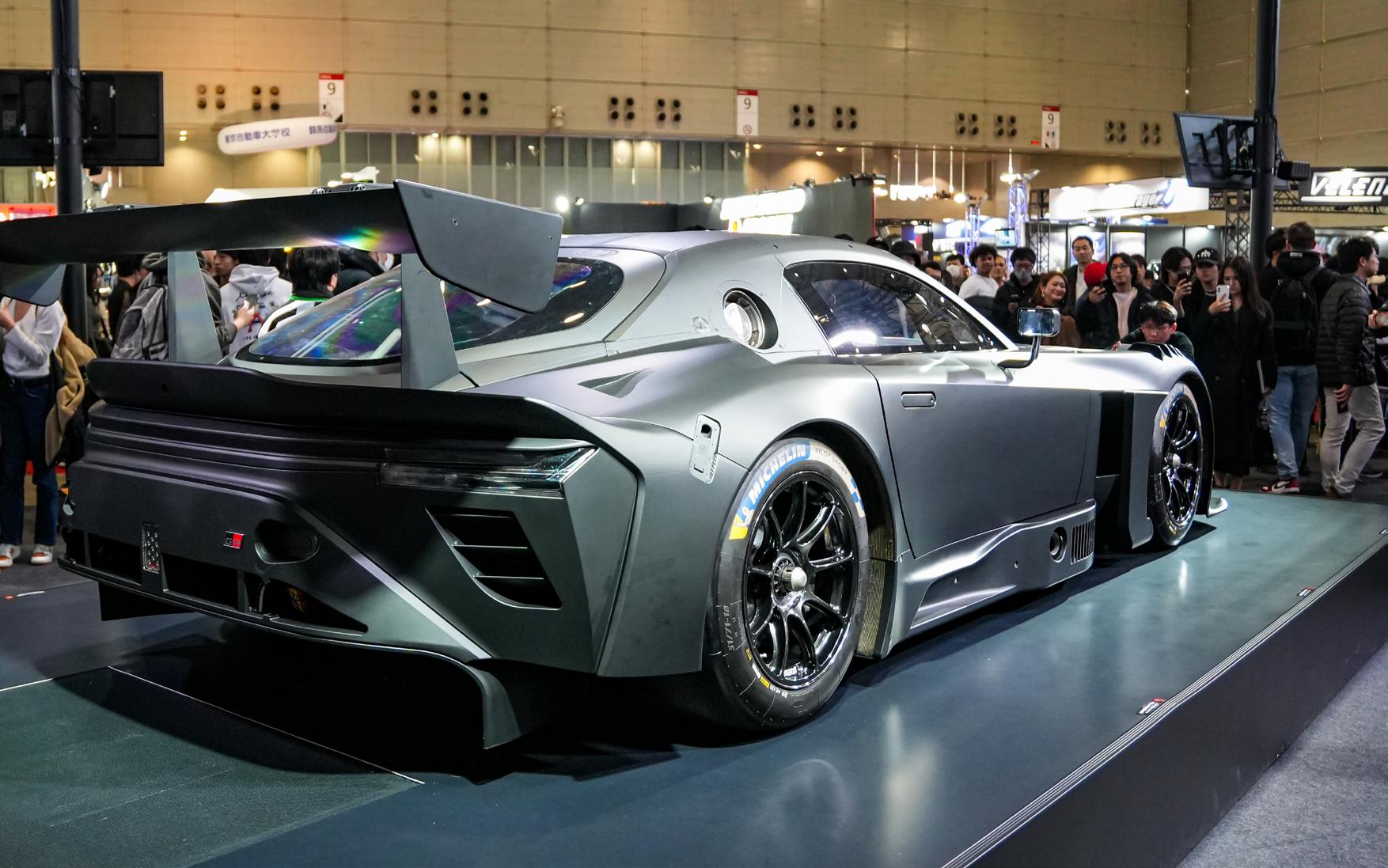
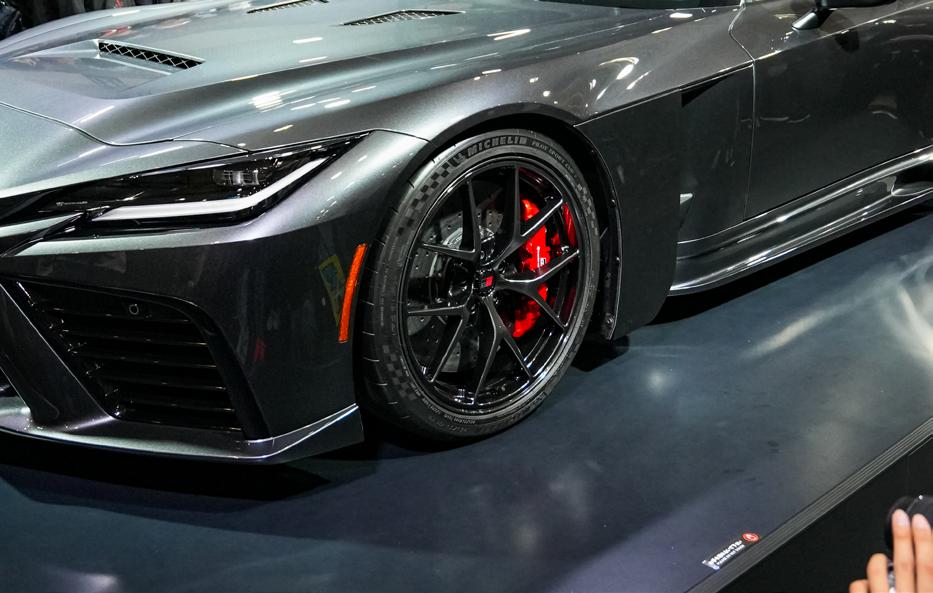
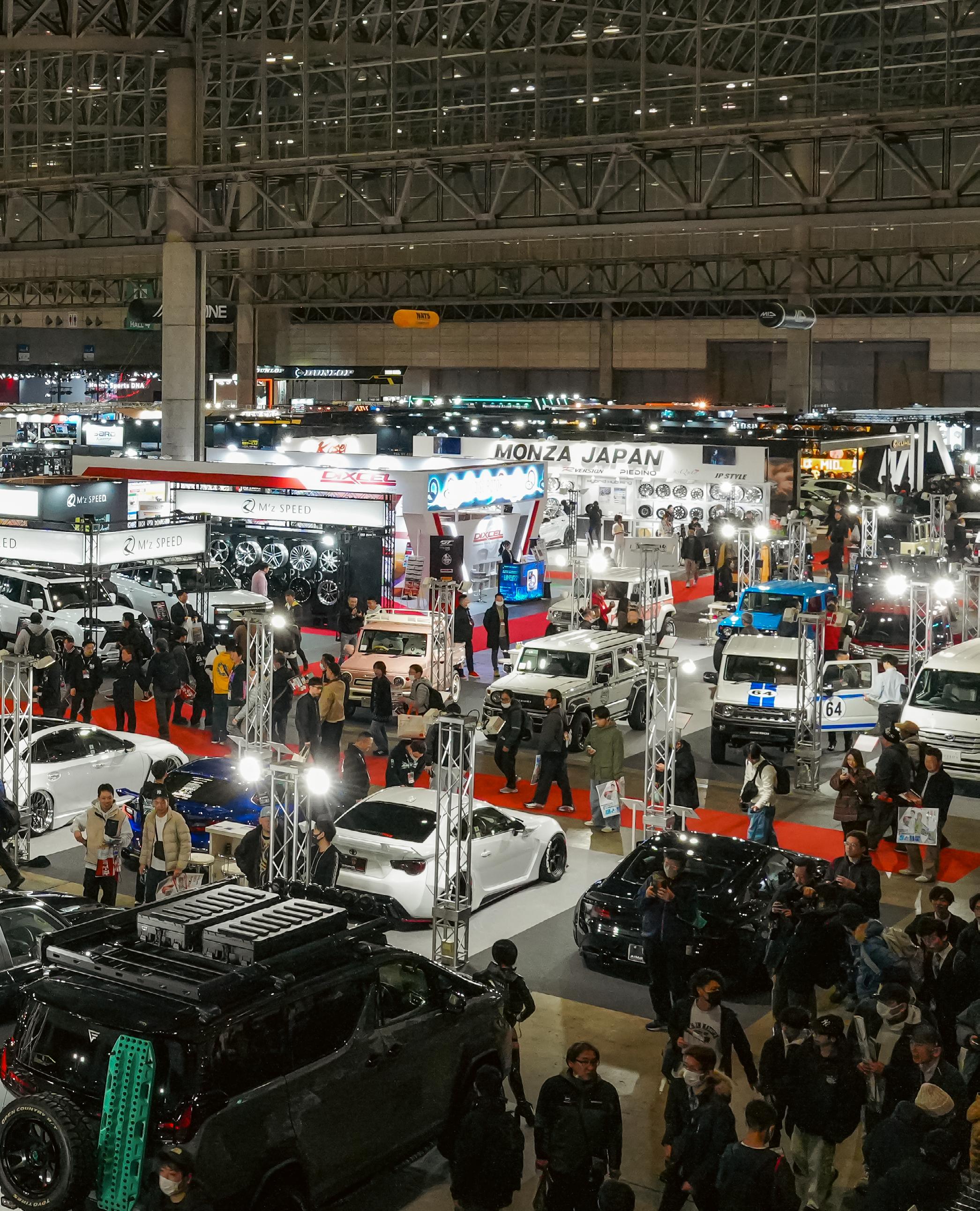
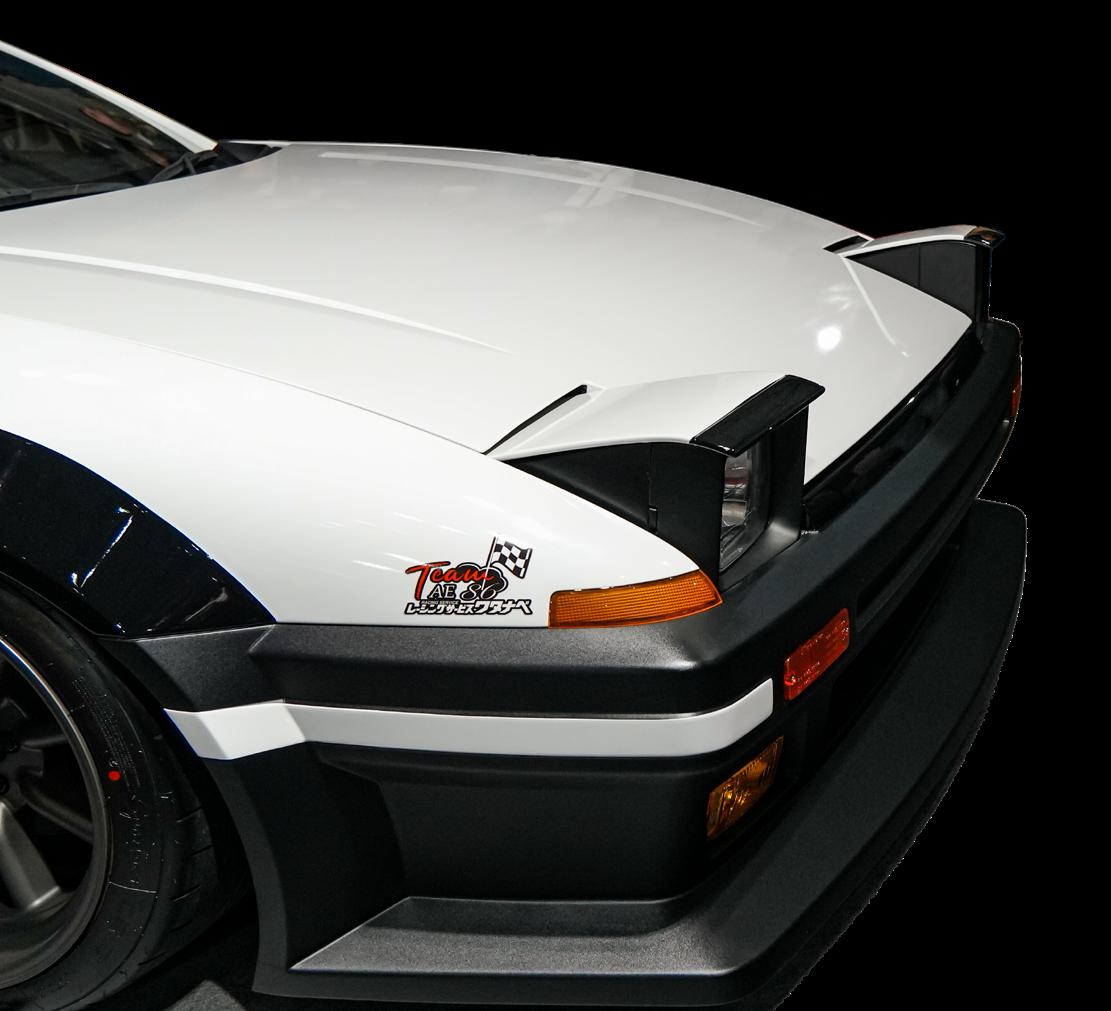
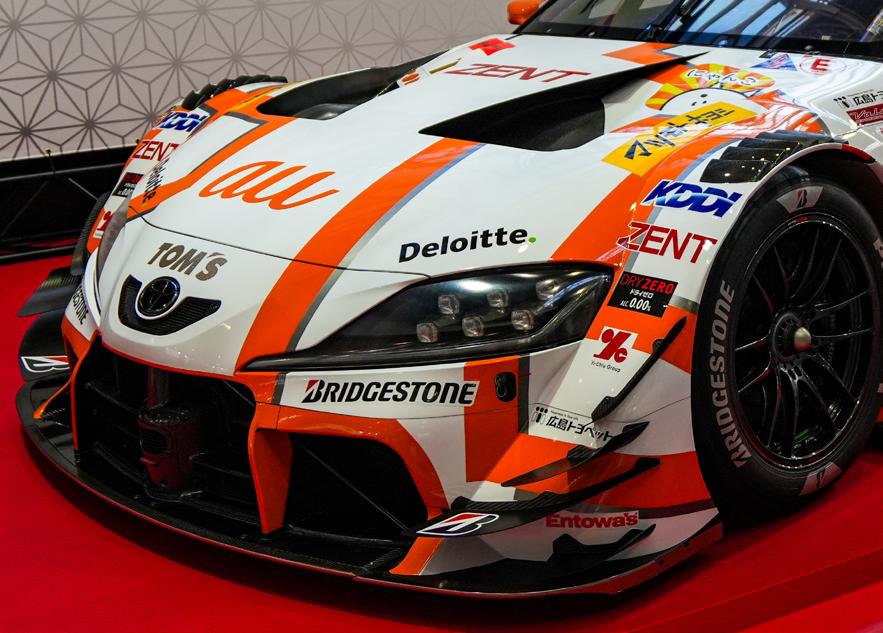
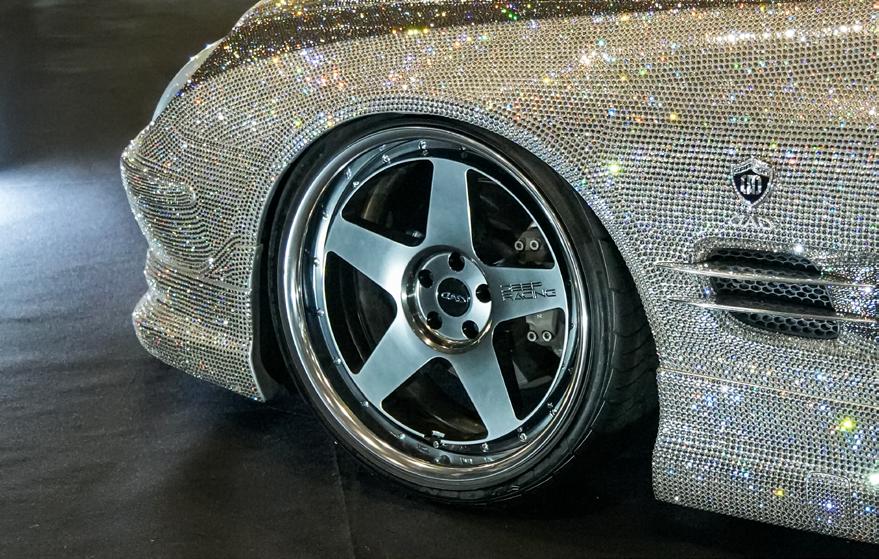
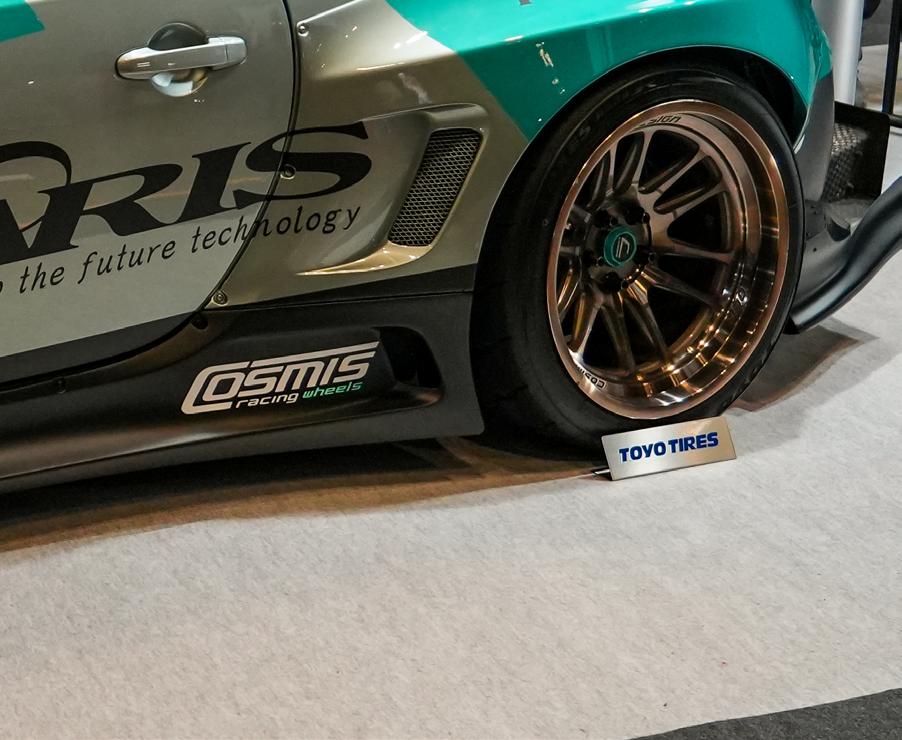
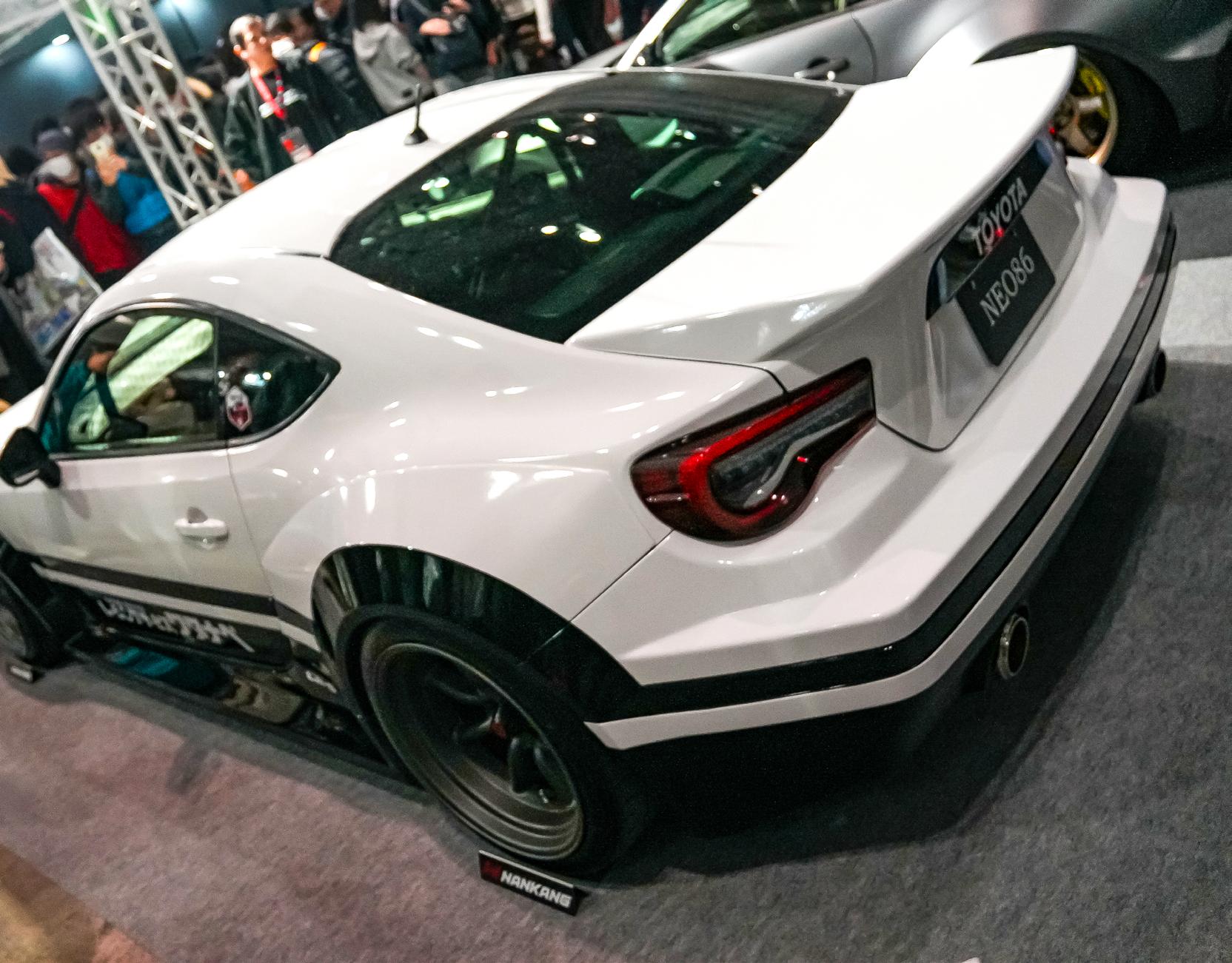
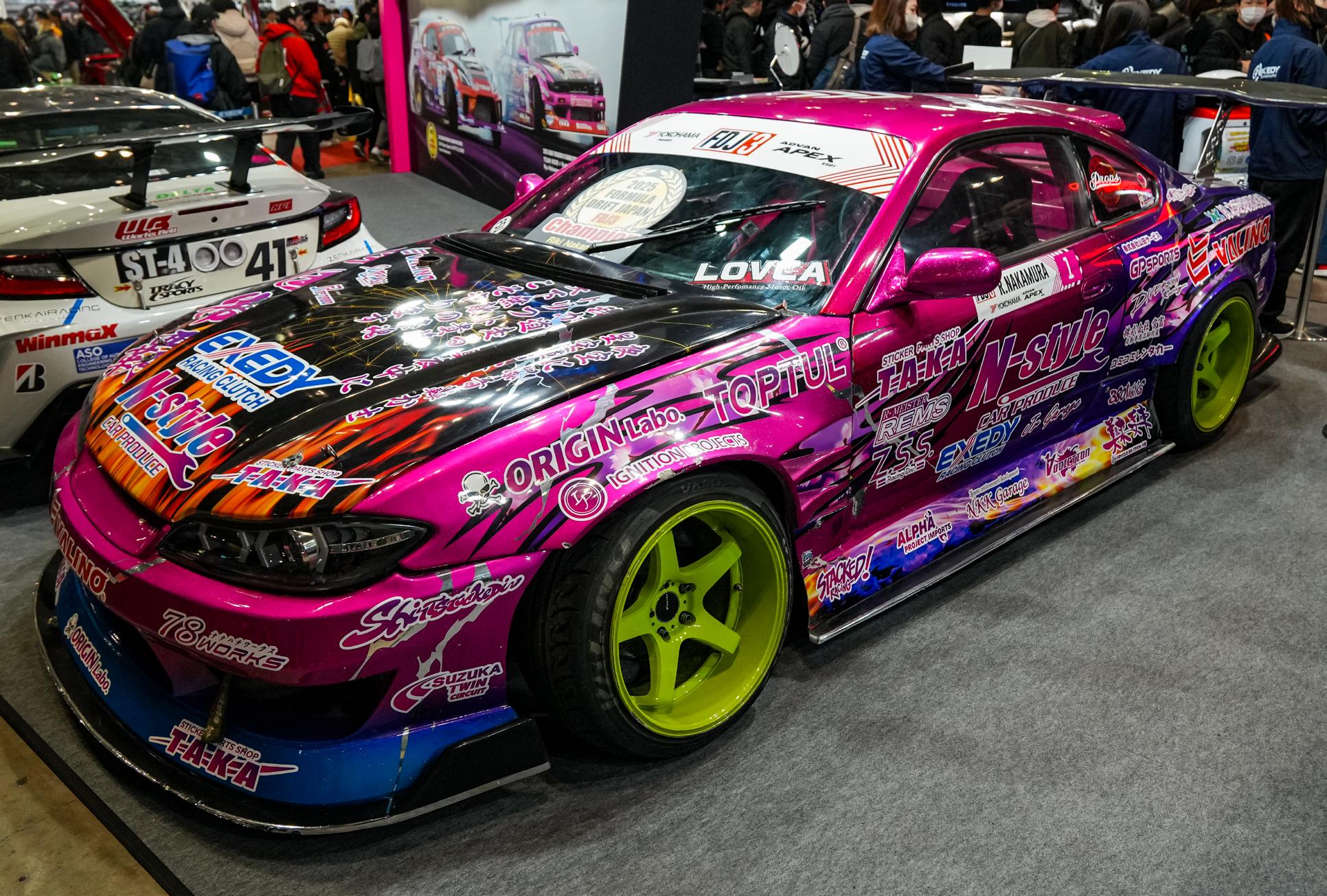
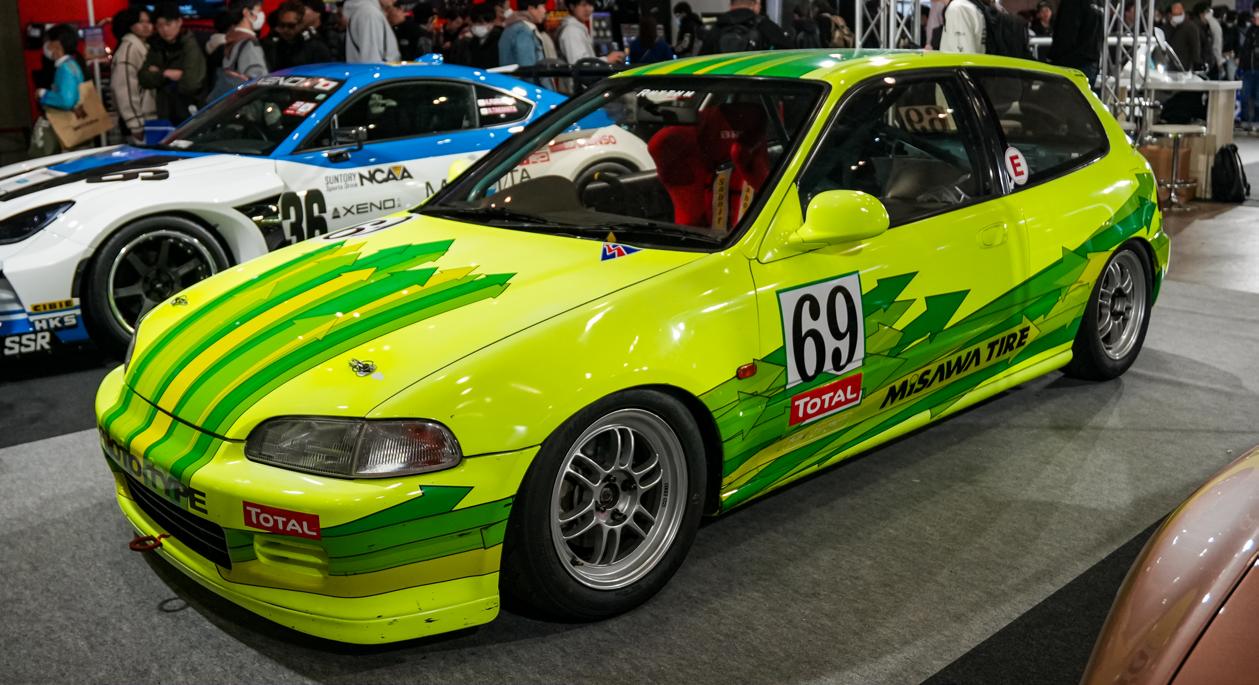
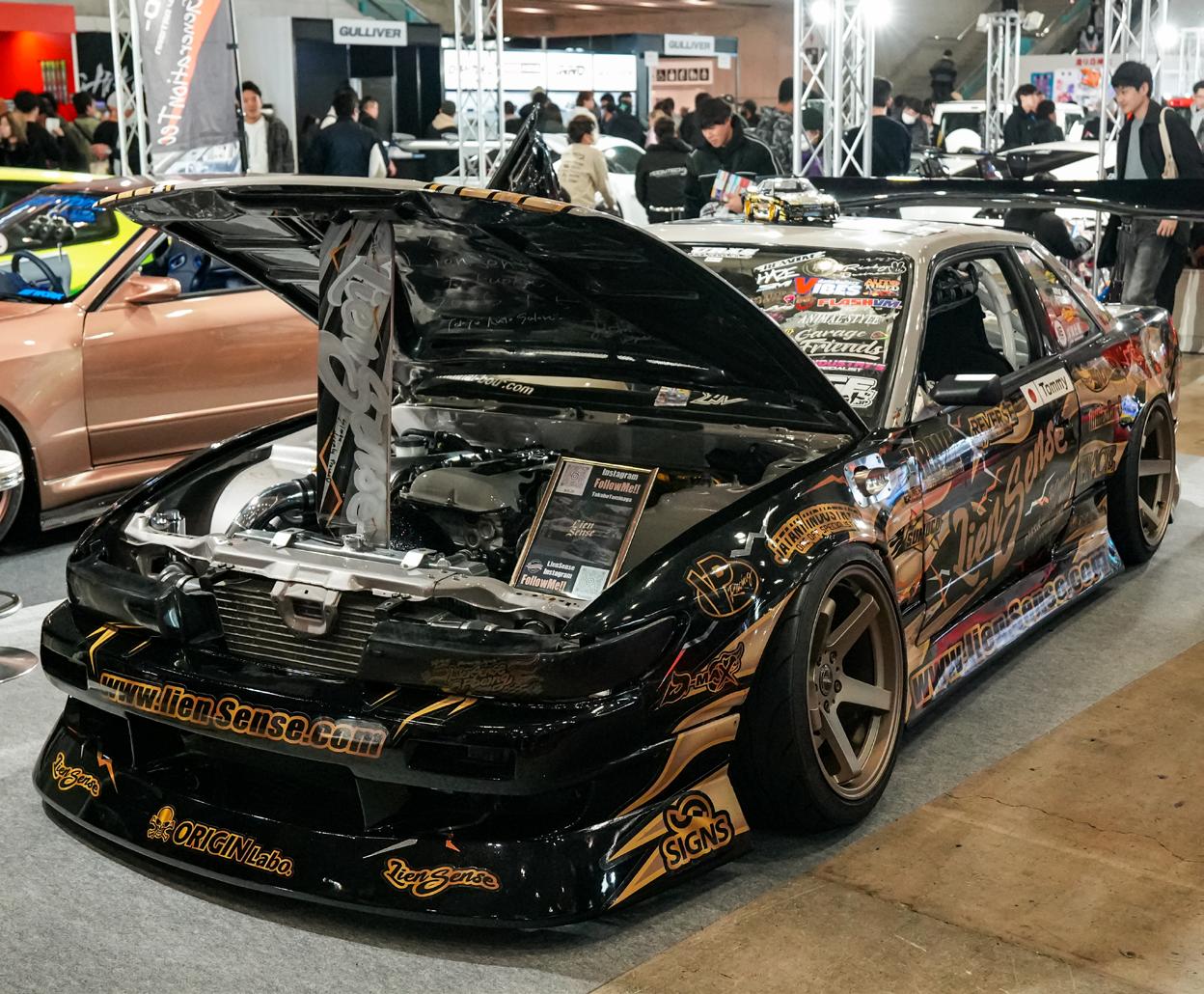
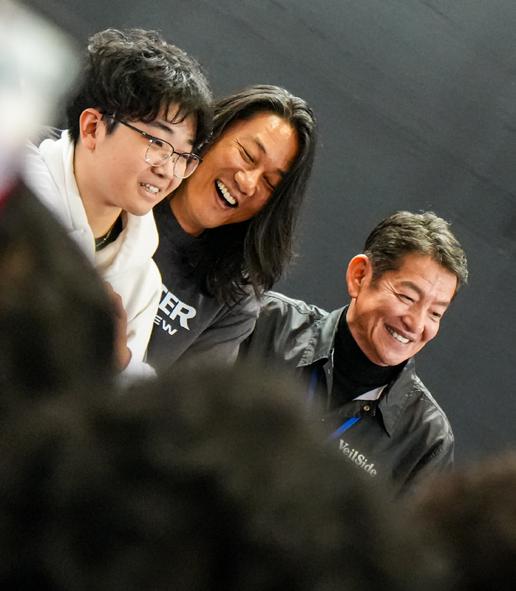
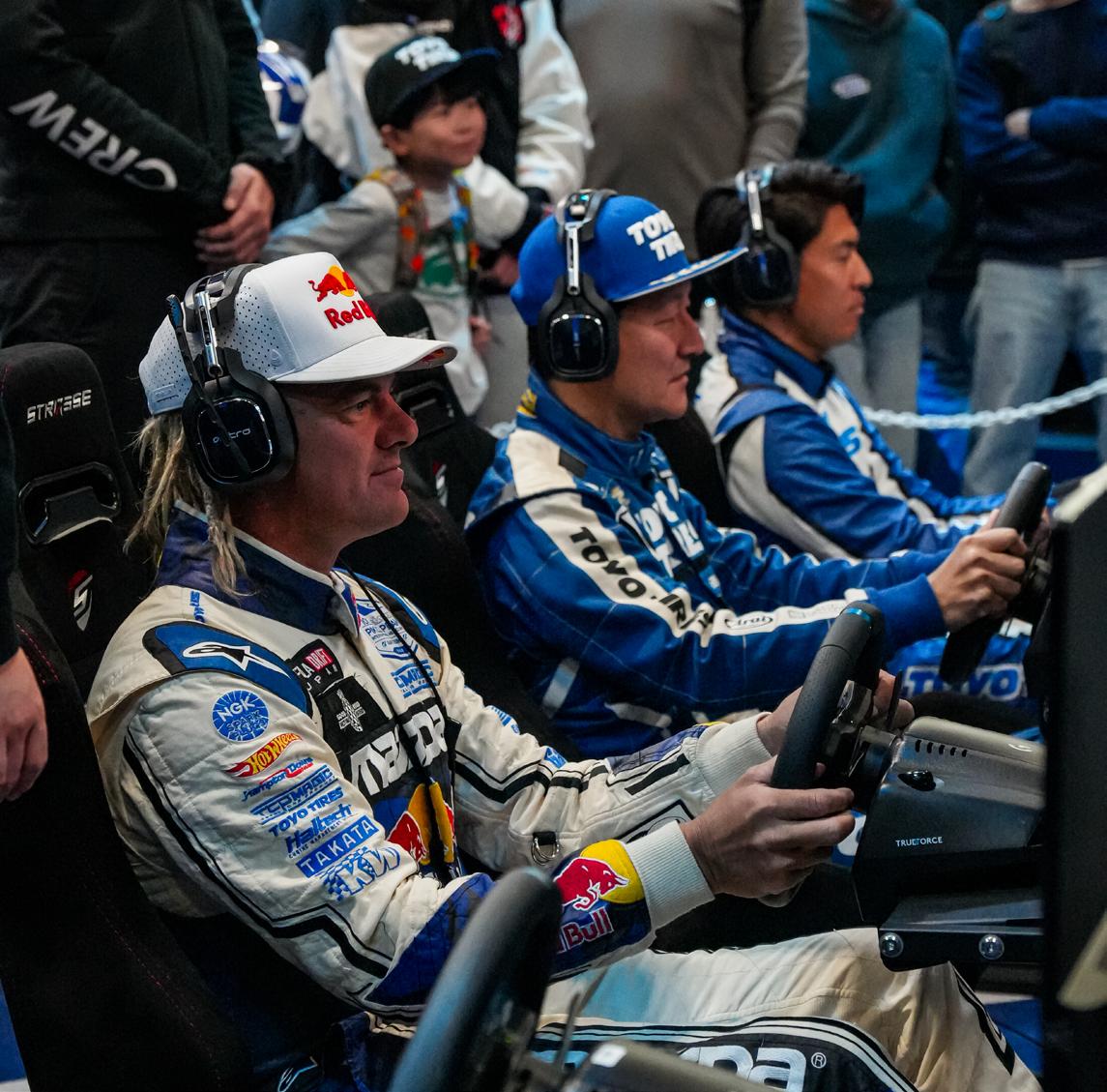
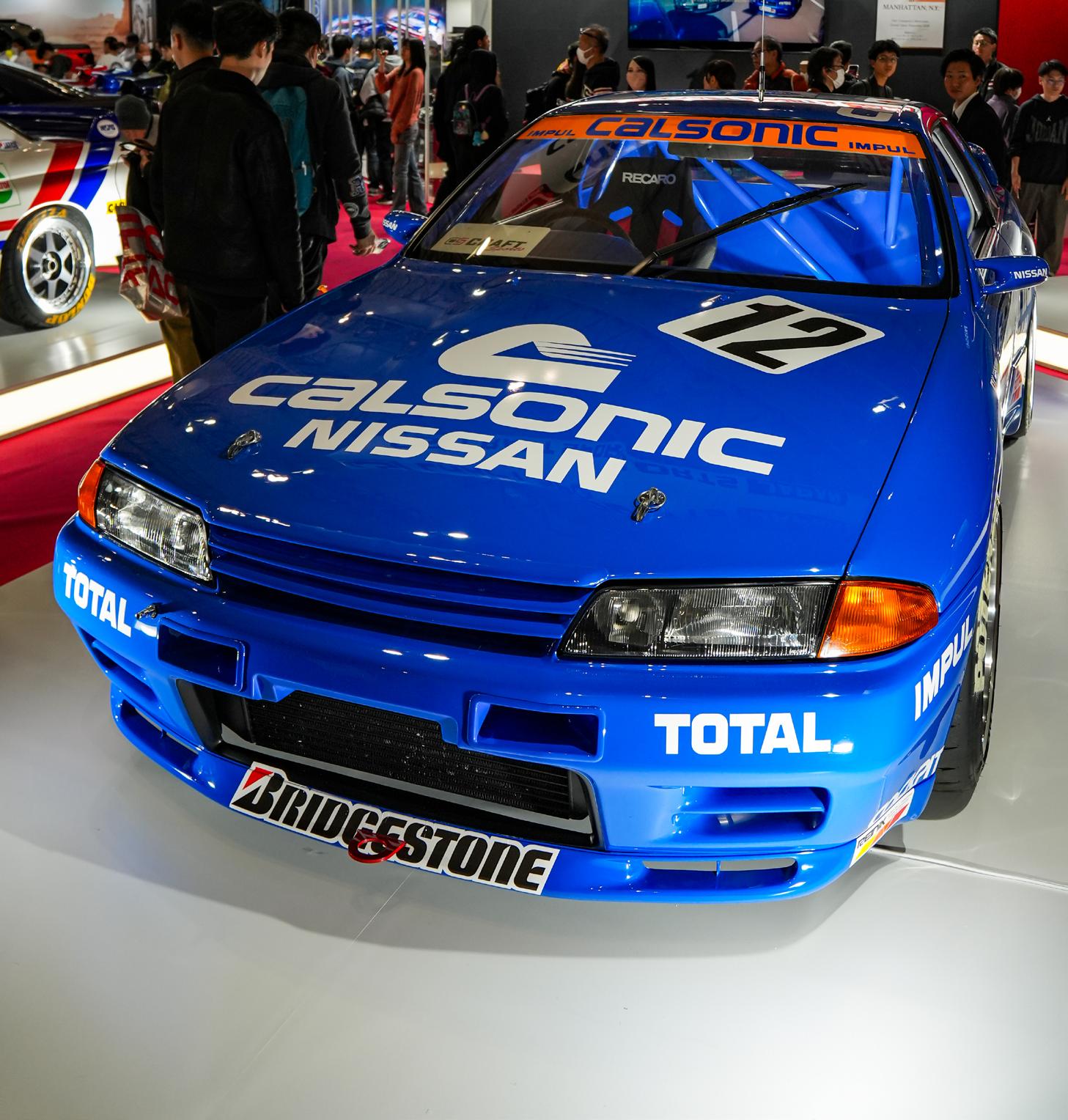
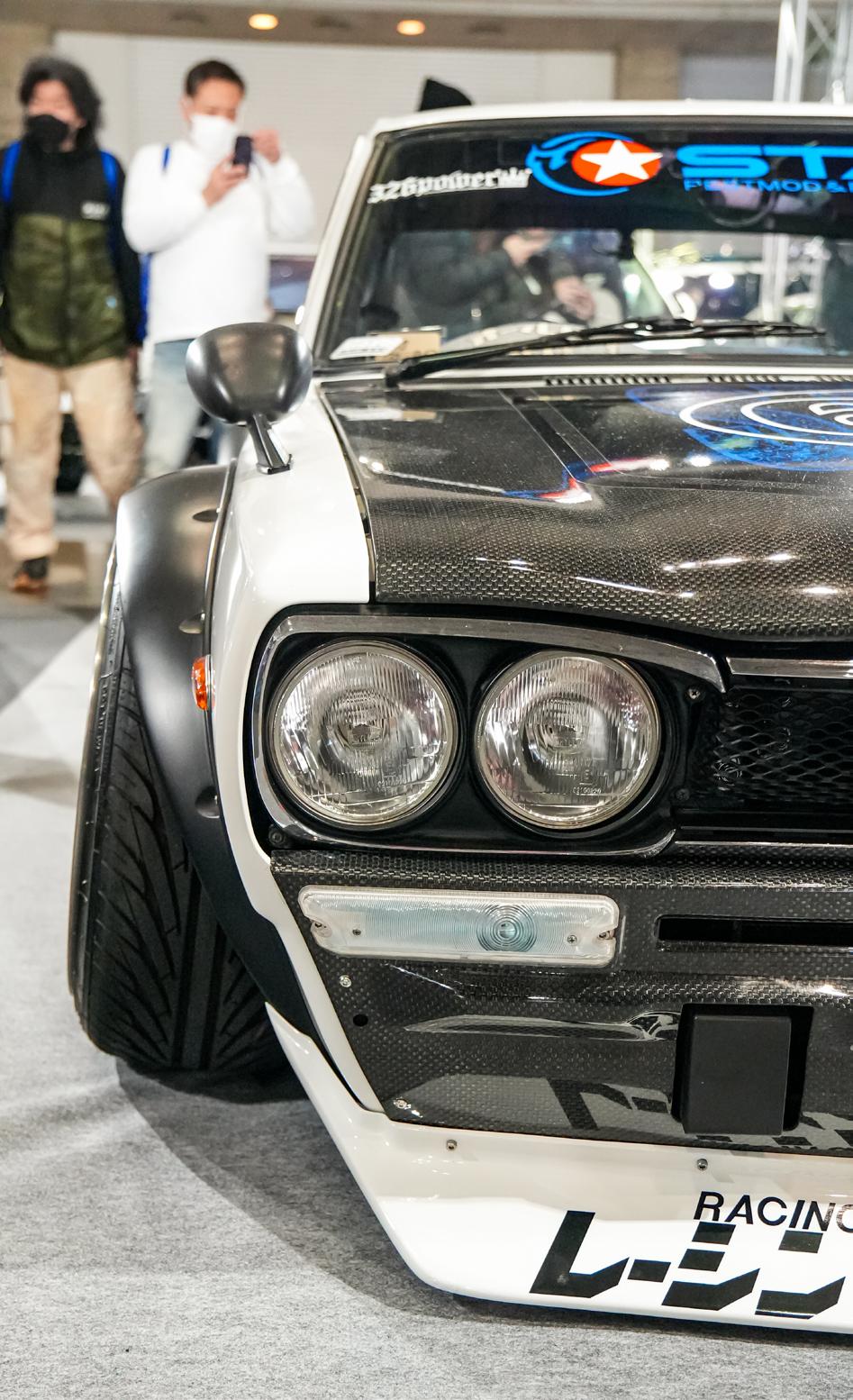
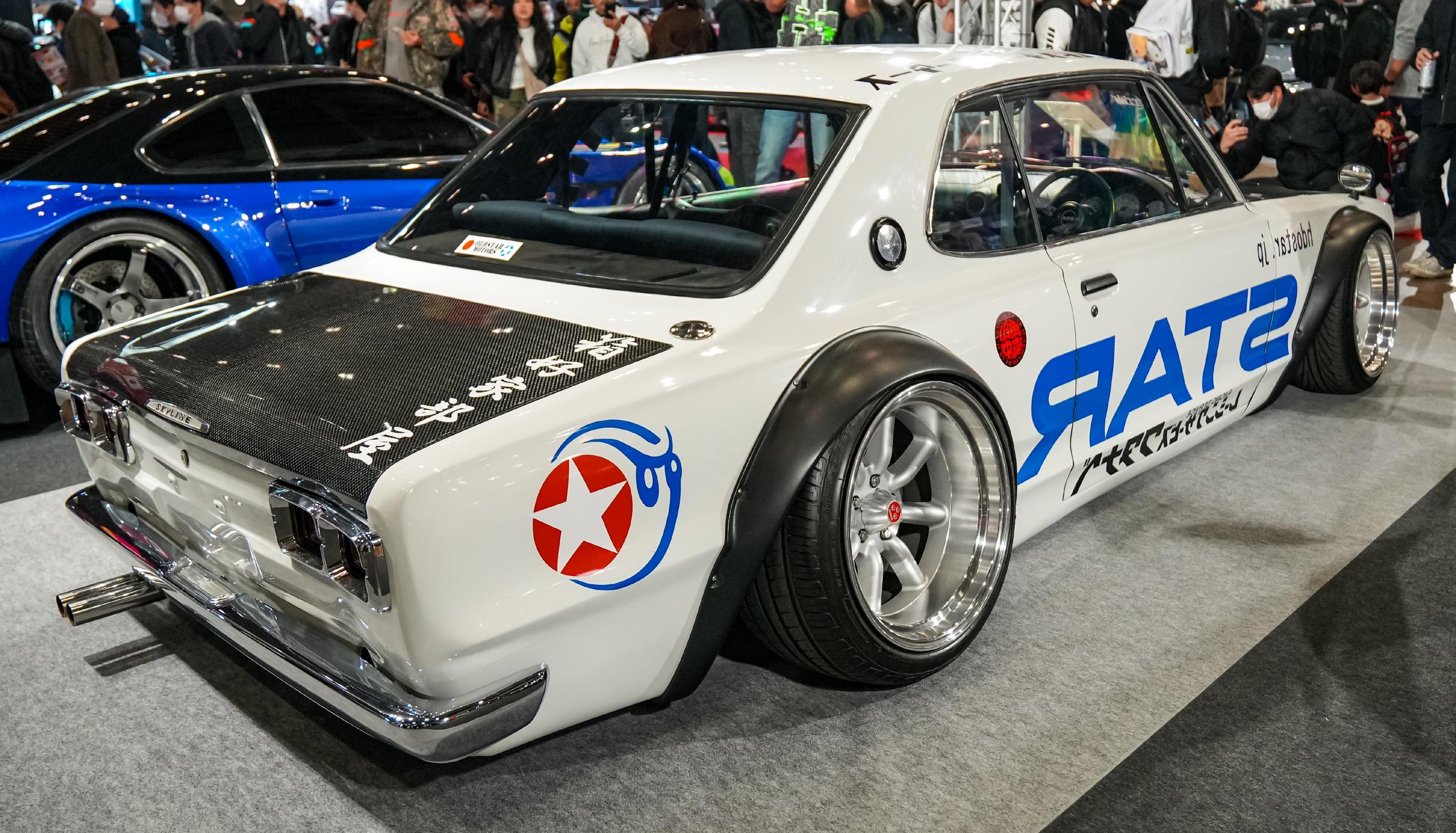
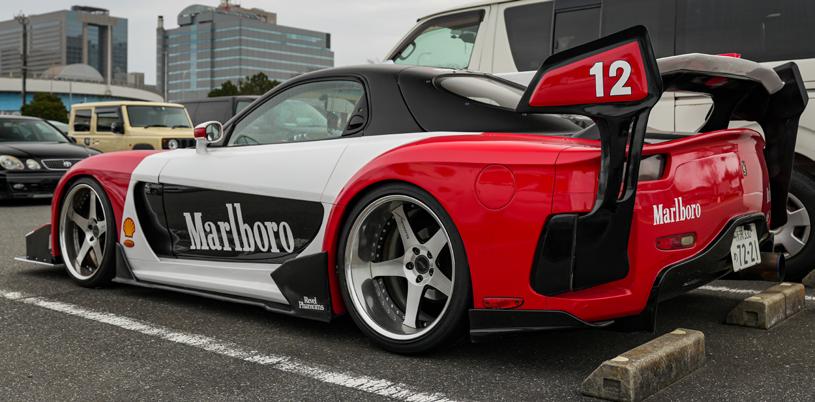
was a
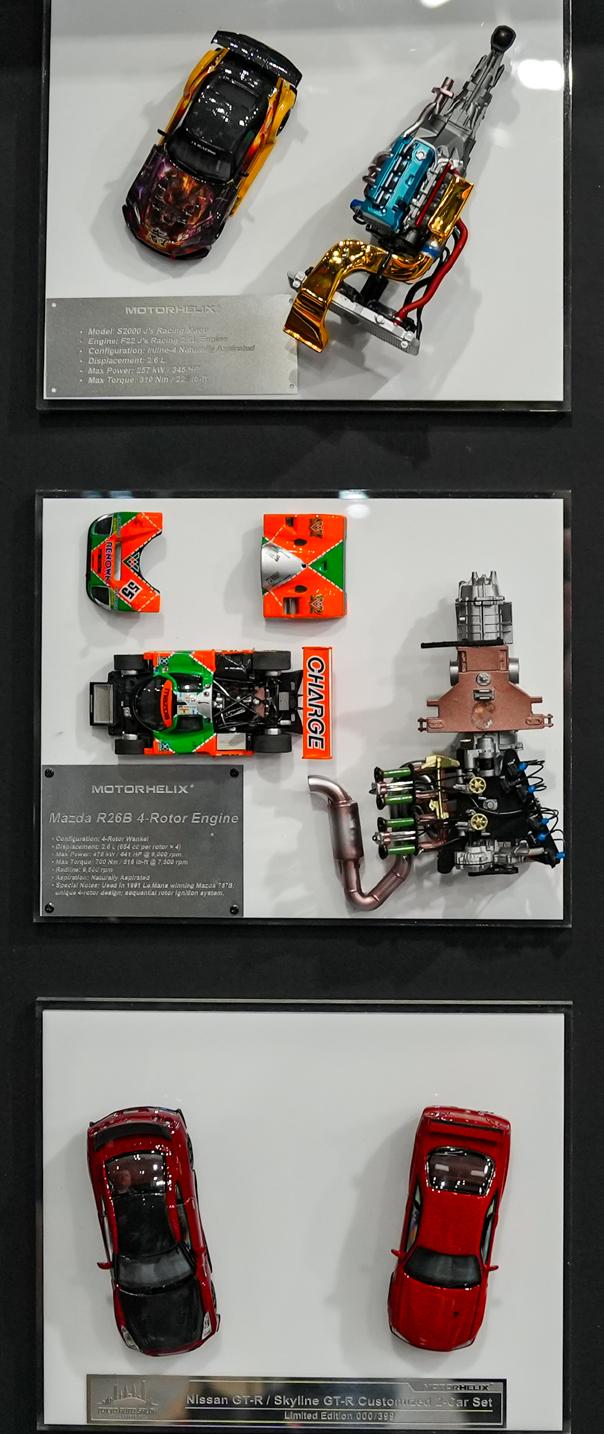
of it’s own. From
everywhere
parts, and even
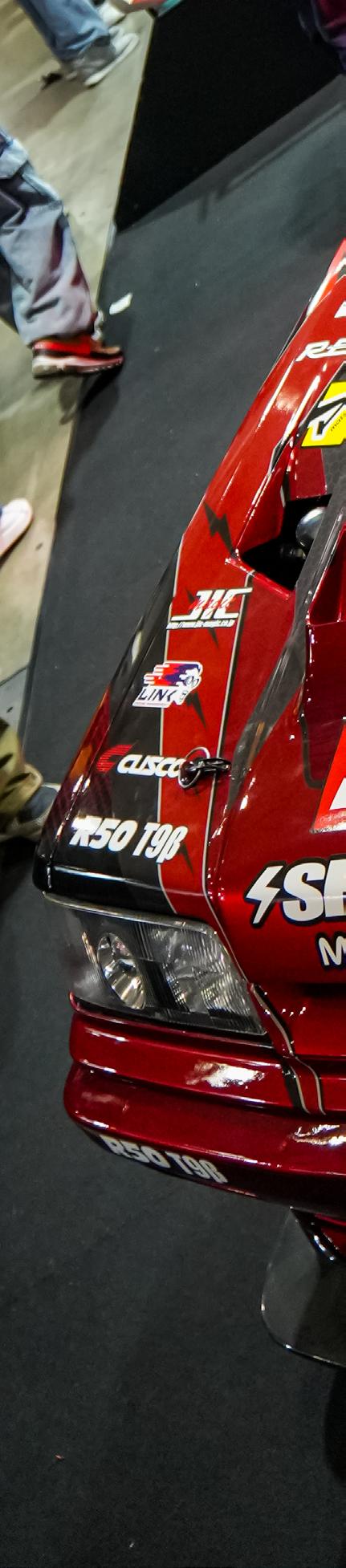
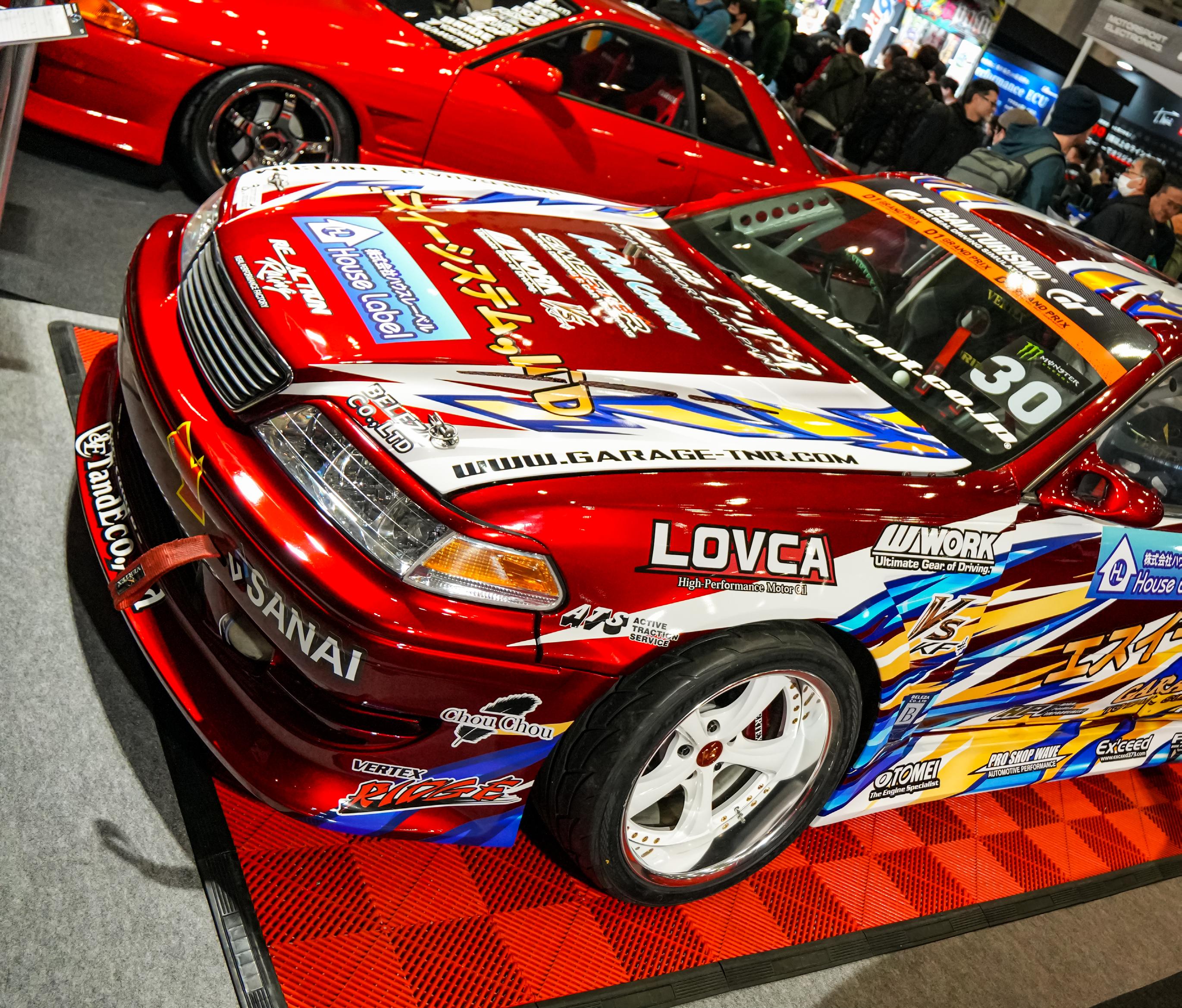
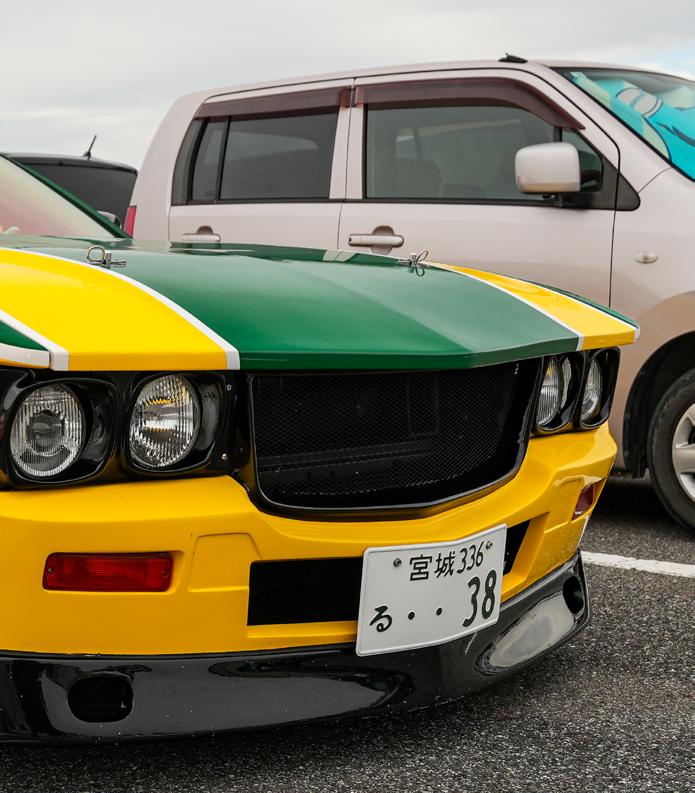
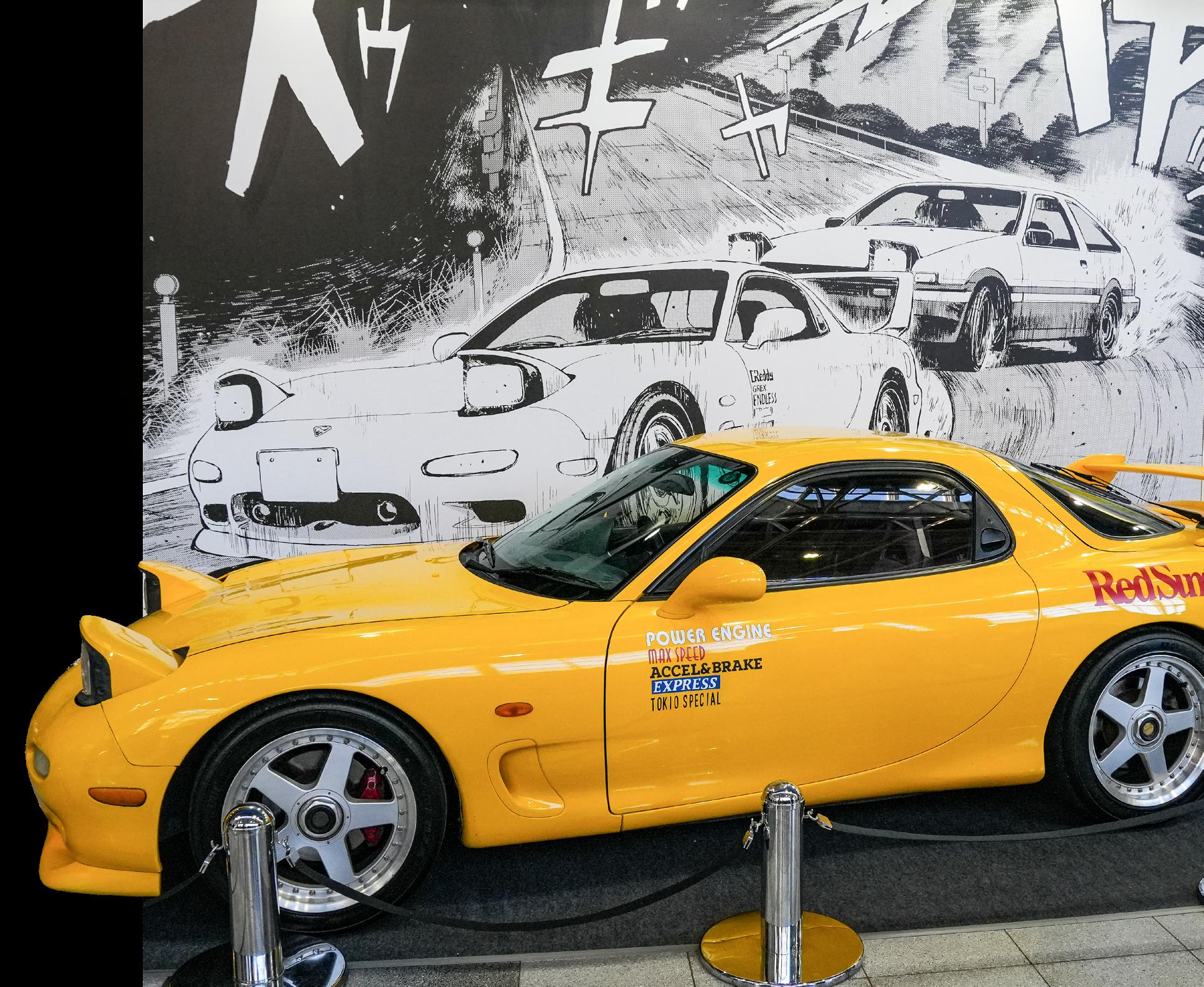
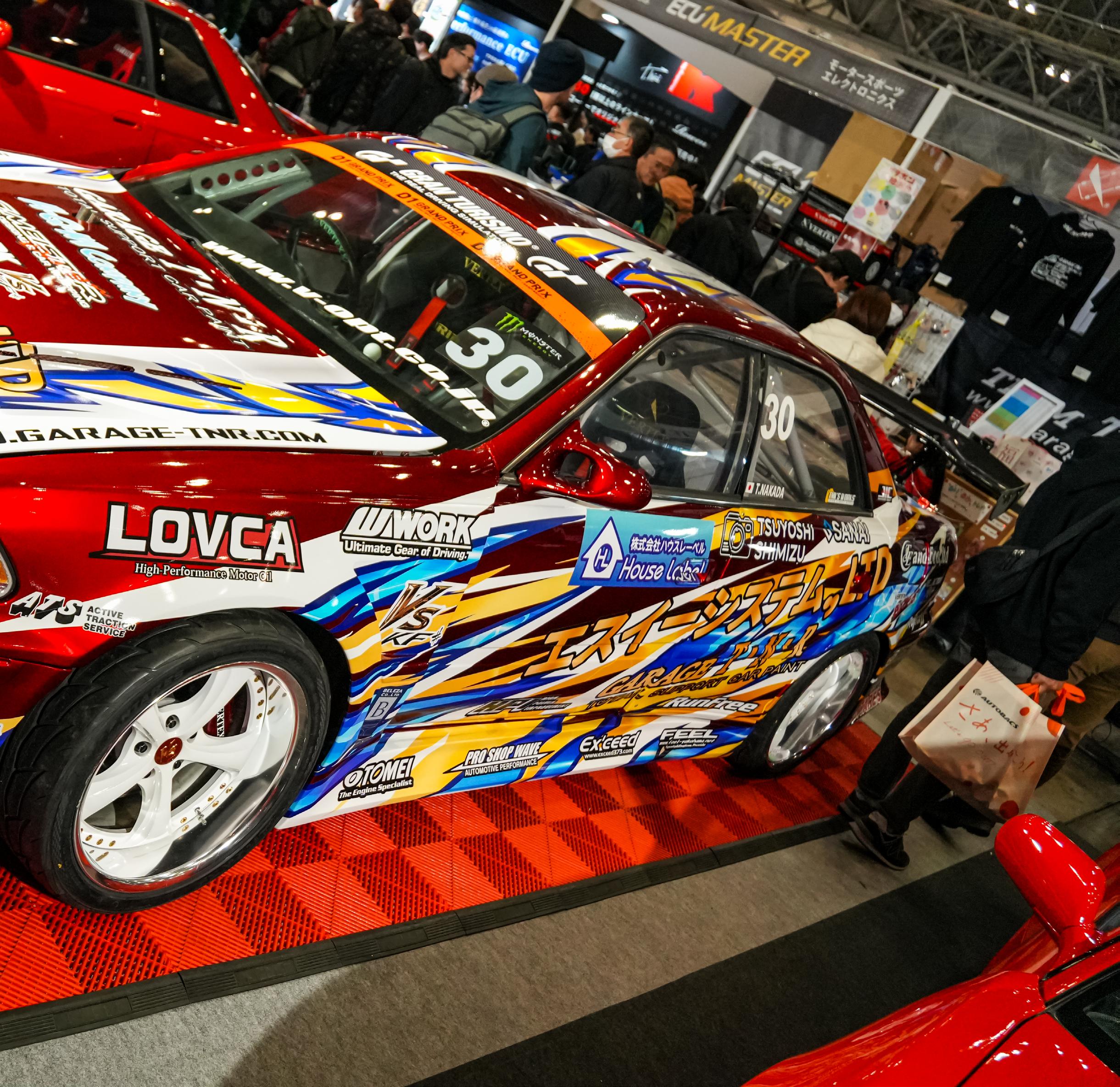
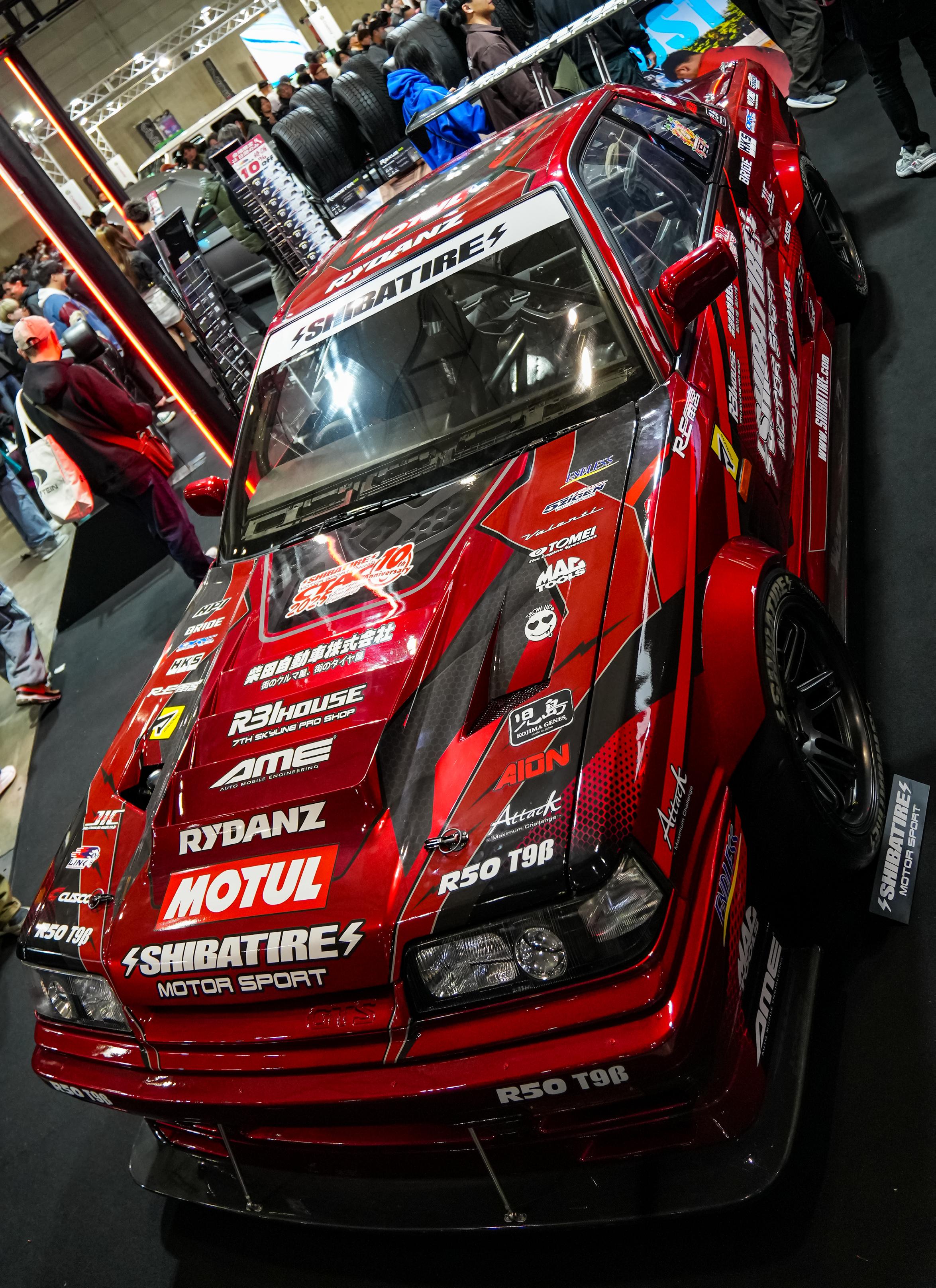

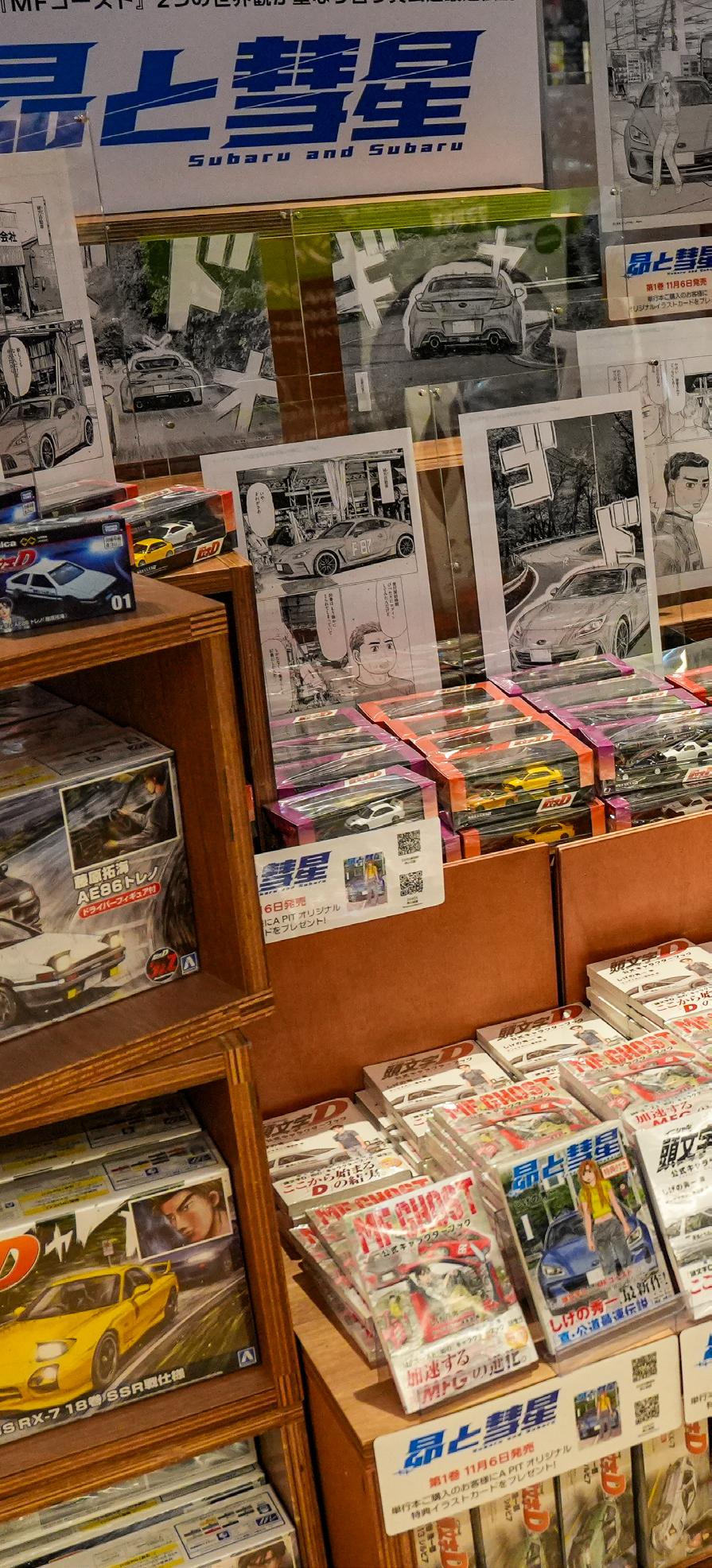
art 1 of this scale adventure introduced us to the world of scale cars and all that’s possible. North America has its own way of functioning in the realm of scale and has a different grasp on what’s popular. This time we are exploring Tokyo.
From the moment the trip was booked, there was constant excitement that kept me grinding through daily life until that day finally arrived. Anxiety levels start to rise on the way to the airport for the journey to Japan! As much as you want to rest on the long flight, the excitement of all the possibilities kept me from getting any. Then hours later land appears on the horizon, beautiful Japanese soil. Upon landing, the realization of starting this adventure hits that what has been planned for months has finally
Tokyo is overwhelming in the best way imaginable. It exceeded my wildest dreams as an automotive enthusiast. In the neon-lit streets and endless back alleys of Tokyo, where
automotive passion thrives in both full-scale machines and their miniature counterparts, one niche hobby has quietly built a vibrant subculture: the collecting, customizing, and celebration of diecast scale cars. Much more than toys, these models capture the spirit of Japanese car culture—blending nostalgia, craftsmanship, automotive history, and community in ways that reflect broader trends in Tokyo’s car-obsessed society.
I quickly realized, in Japan, small things often carry enormous meaning. From meticulously prepared bento boxes to the near-ritual care given to stationery, craftsmanship and attention to detail are cultural cornerstones. The Japanese people try to preserve their rich cultural heritage by practicing tea ceremonies, wearing traditional kimono, and studying traditional crafts all while being intertwined into being world leaders in technology.
Die-cast collecting isn’t just a fringe pastime; it’s woven into Tokyo’s urban fabric. Neighborhoods like Shinjuku and Akihabara are dotted with specialty hobby shops that cater to collectors of all levels.
Stores such as Ken Box and Tam Tam are known for their expansive selections of diecast models spanning multiple scales (1:64, 1:43, and 1:18) and including brands like Tomica, AUTOart, Mini GT, PopRace and Hot Wheels.
Tomica, a diecast manufacturer founded by Takara Tomy in 1970, capitalized on this cultural moment. Their models were affordable, durable, and closely tied to real vehicles seen on Japanese roads. Unlike many Western toy cars that leaned toward fantasy designs, Tomica emphasized realism.
No matter where I was in Tokyo, I found some sort of automotive presence. Even 7-Eleven convenience stores can provide great finds. While I was inside looking at the variety of tasty treats, there stood a small rack at the end of an aisle. It was a Tomica display. My first experience with Tokyo’s scale culture was located in a random convenience store, commonly called konbini. This goes to show how intertwined these subcultures are.
Let’s explore some of these other spots deemed worthy enthusiast destinations. The best way to describe these diecast shops is to compare them to peak TOYS-R-US, except the entire store is cars. They are larger than expected and are filled with everything imaginable.
Ken Box is renowned among collectors for its vast selection of miniature cars, particularly in 1/64 scale. Located a few blocks away from the very busy Shinjuku Station, this place has all the goods. I instantly felt a sense of joy and desire when walking in that my inner child was thrilled to witness. Compared to what’s available in the states, this was overstimulating to the greatest extent. The walls were filled with display cases and impeccably organized. There were pegs filled with your typical Hot Wheels and Matchbox cars along with a massive display of all the Tomica products. Aside from the typical high-volume toys are the display cases full of high-end and extremely detailed models.
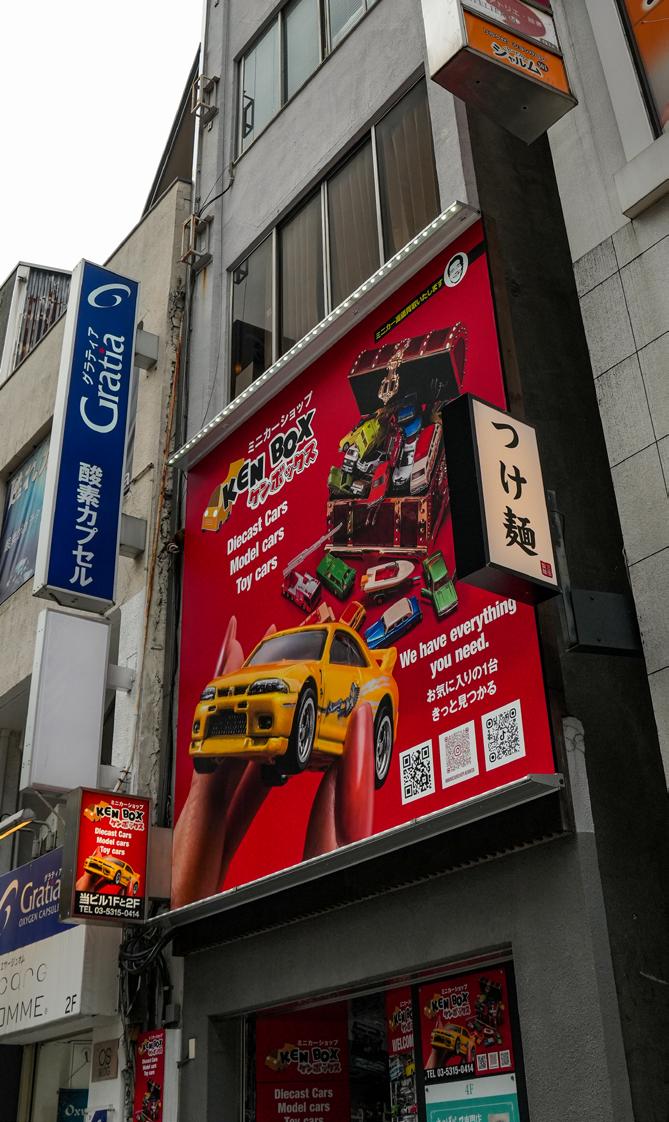
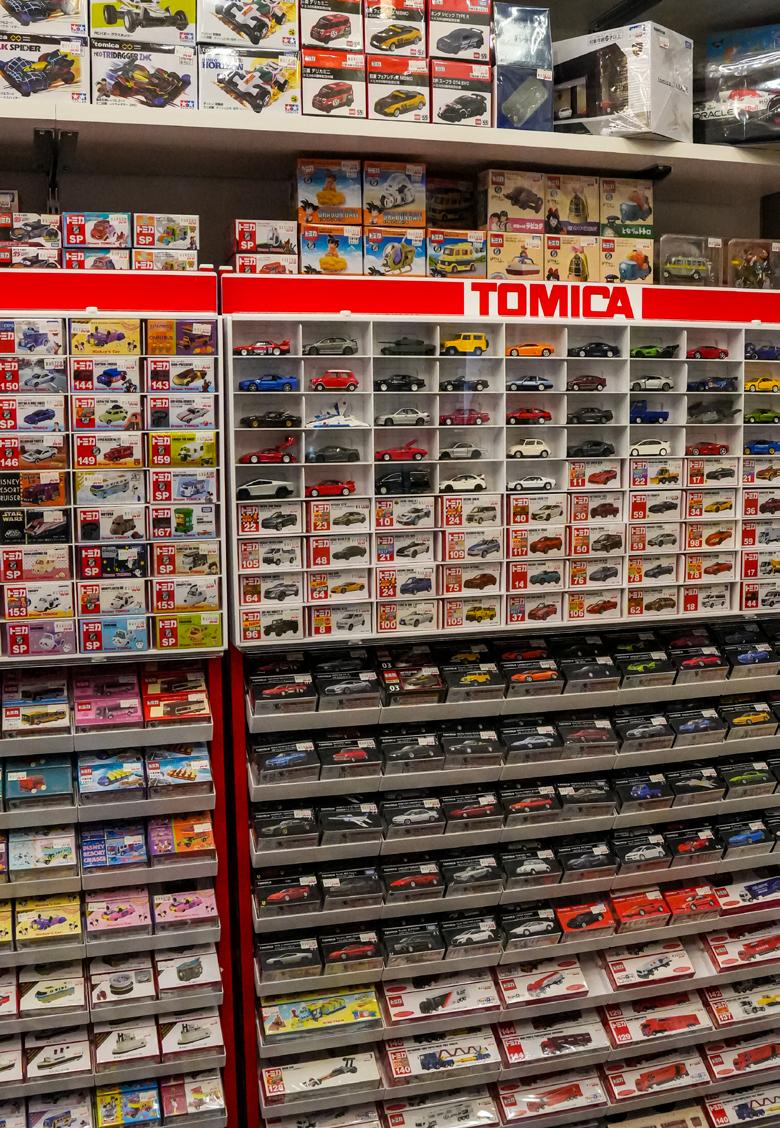
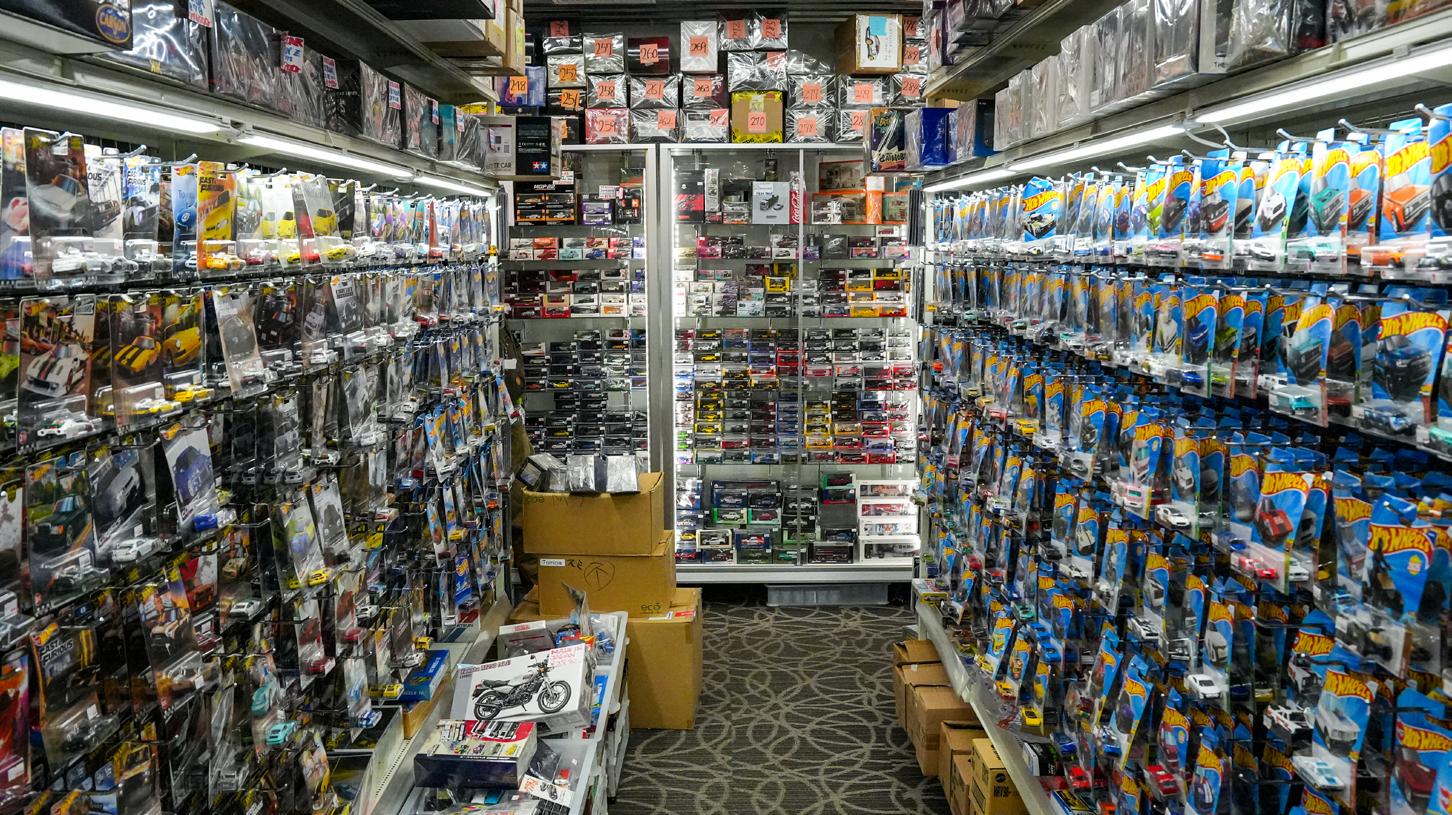
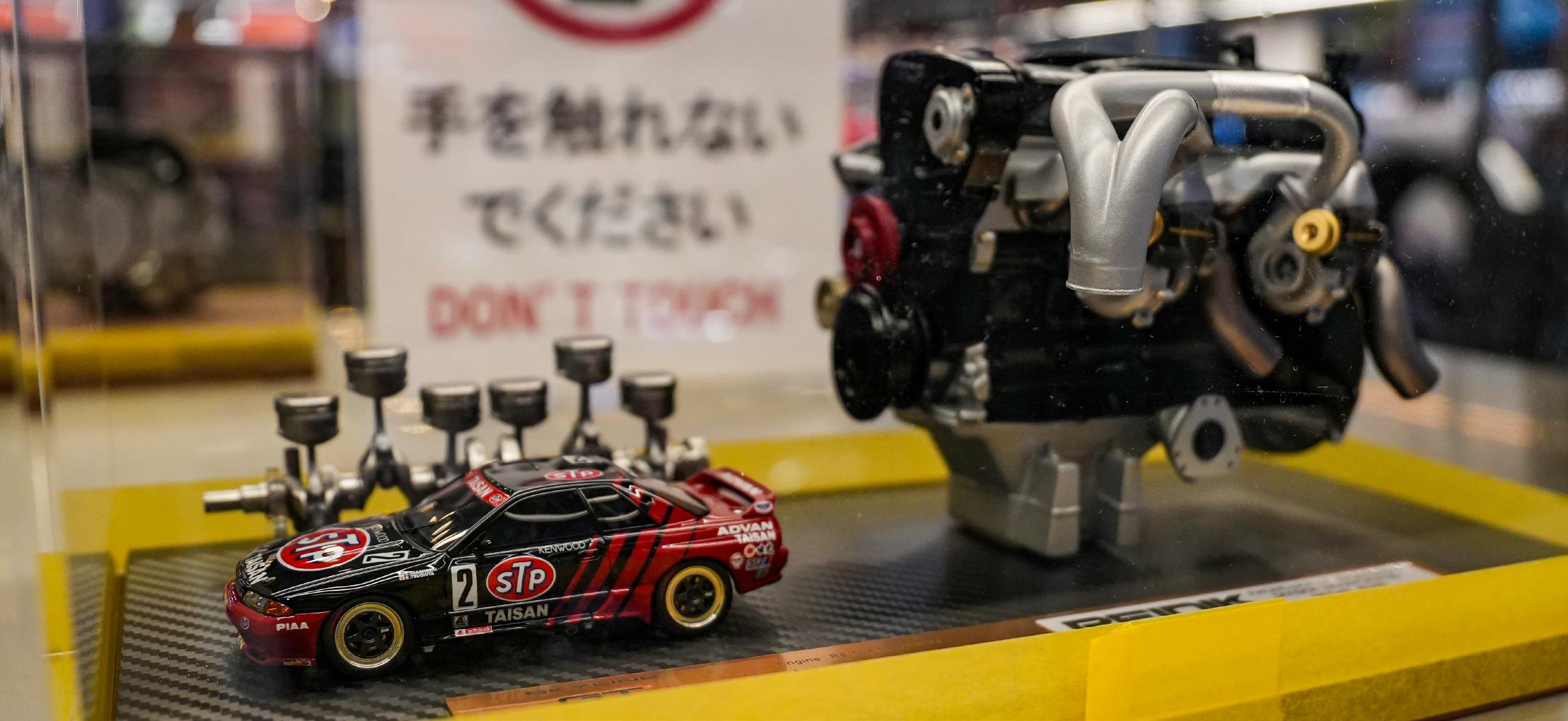
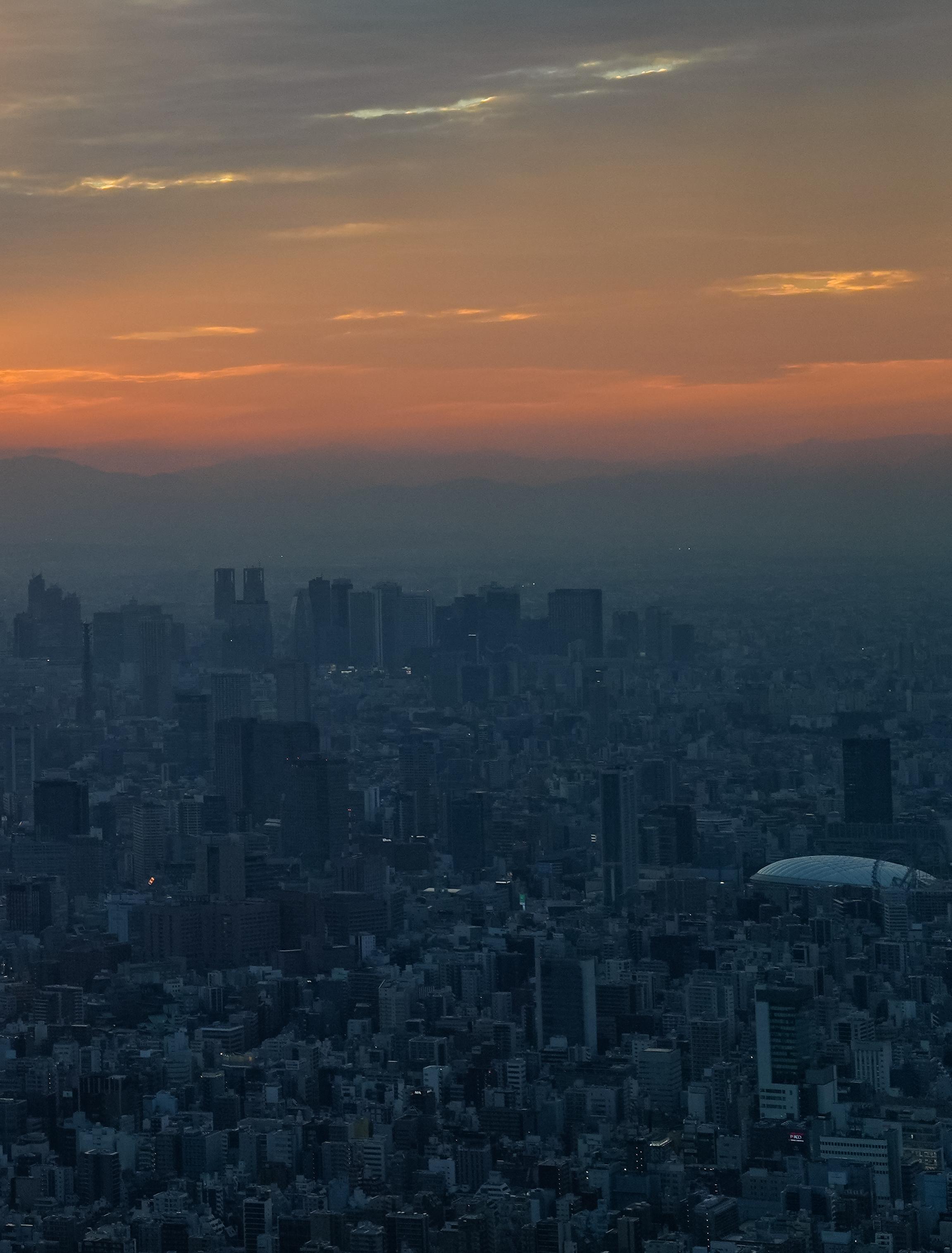

TamTam, this store location in Akihabara, is another large multi-floor hobby shop with more than just scale diecast inside. The first floor is full of plastic model kits and some RC products. Whether you’re interested in anime, Gundam, character figures, military models, or any iconic JDM car, the selection seems endless. One aisle was full of different Initial D models representing the cultural impact this series has had on JDM globally. Heading up to the second floor is where the diecast and trains are located. The many different scales available was astonishing.
Alongside the 1:64 was a variety of highly detailed 1:18 scale models. As accurate as a 1:64 model is, these 1:18 models increase the detail levels. I noticed an endless amount of cases filled with everything you could think of, ranging from a Datsun pickup to extremely accurate race cars. Not shockingly, I had difficulty deciding on what would make the journey home.
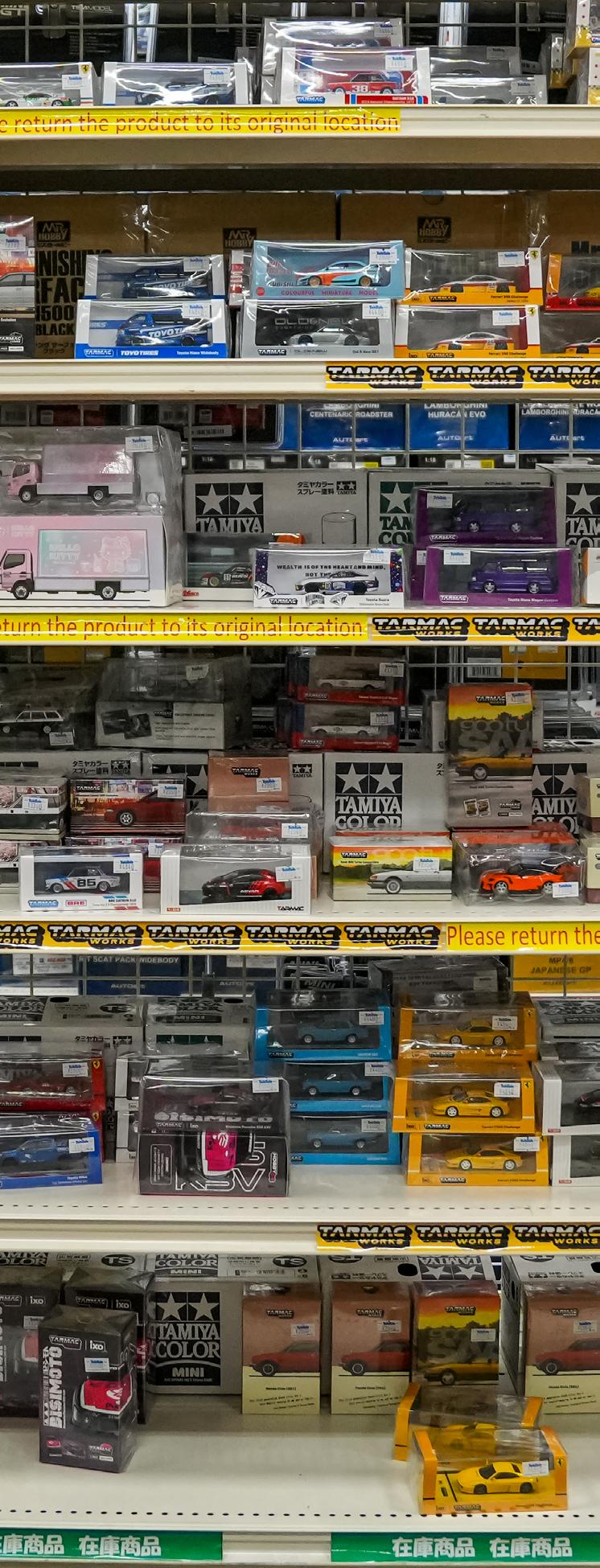
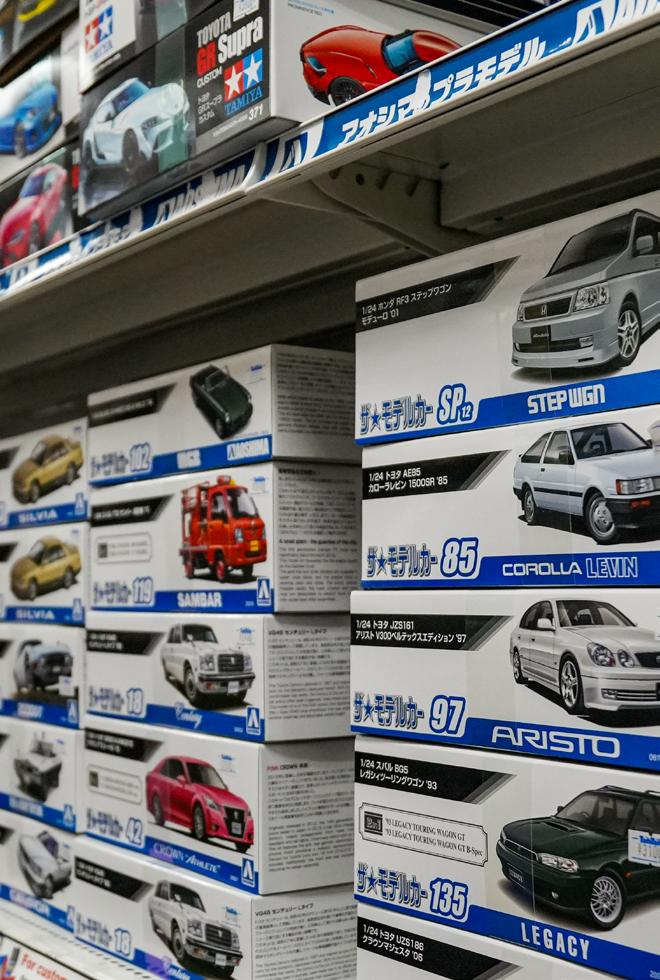
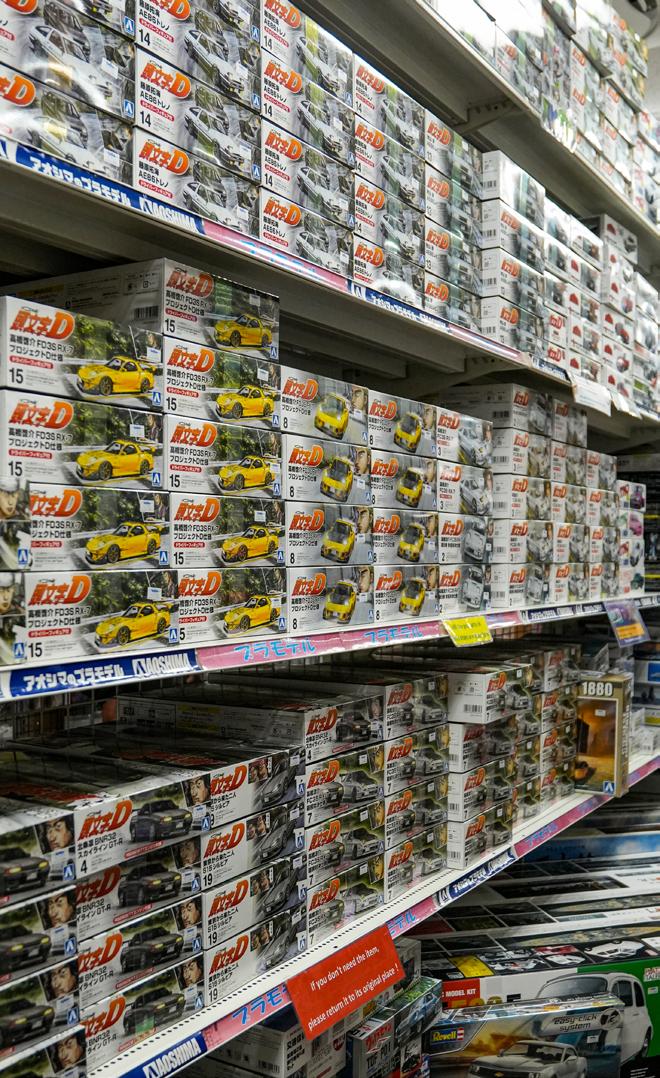


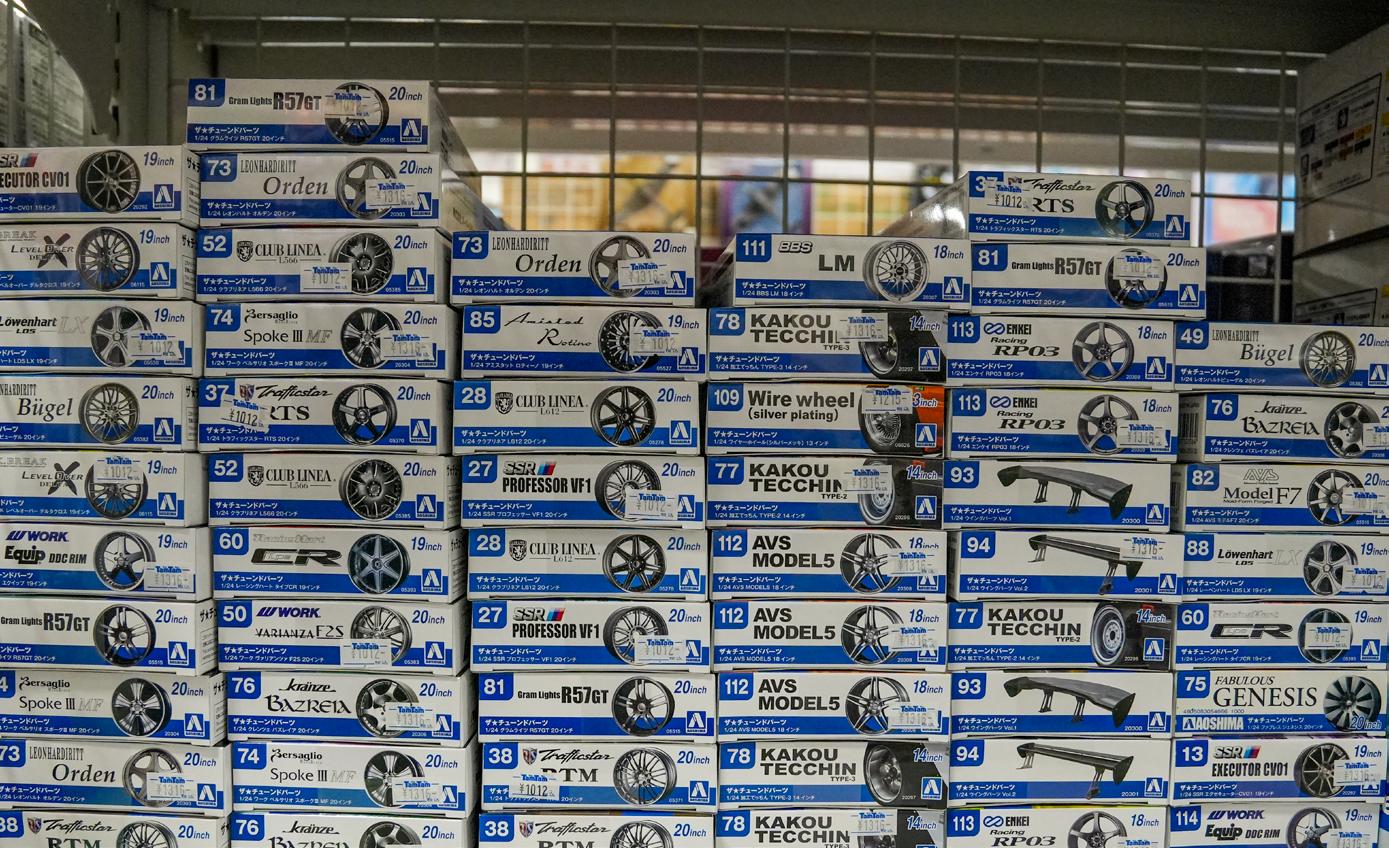

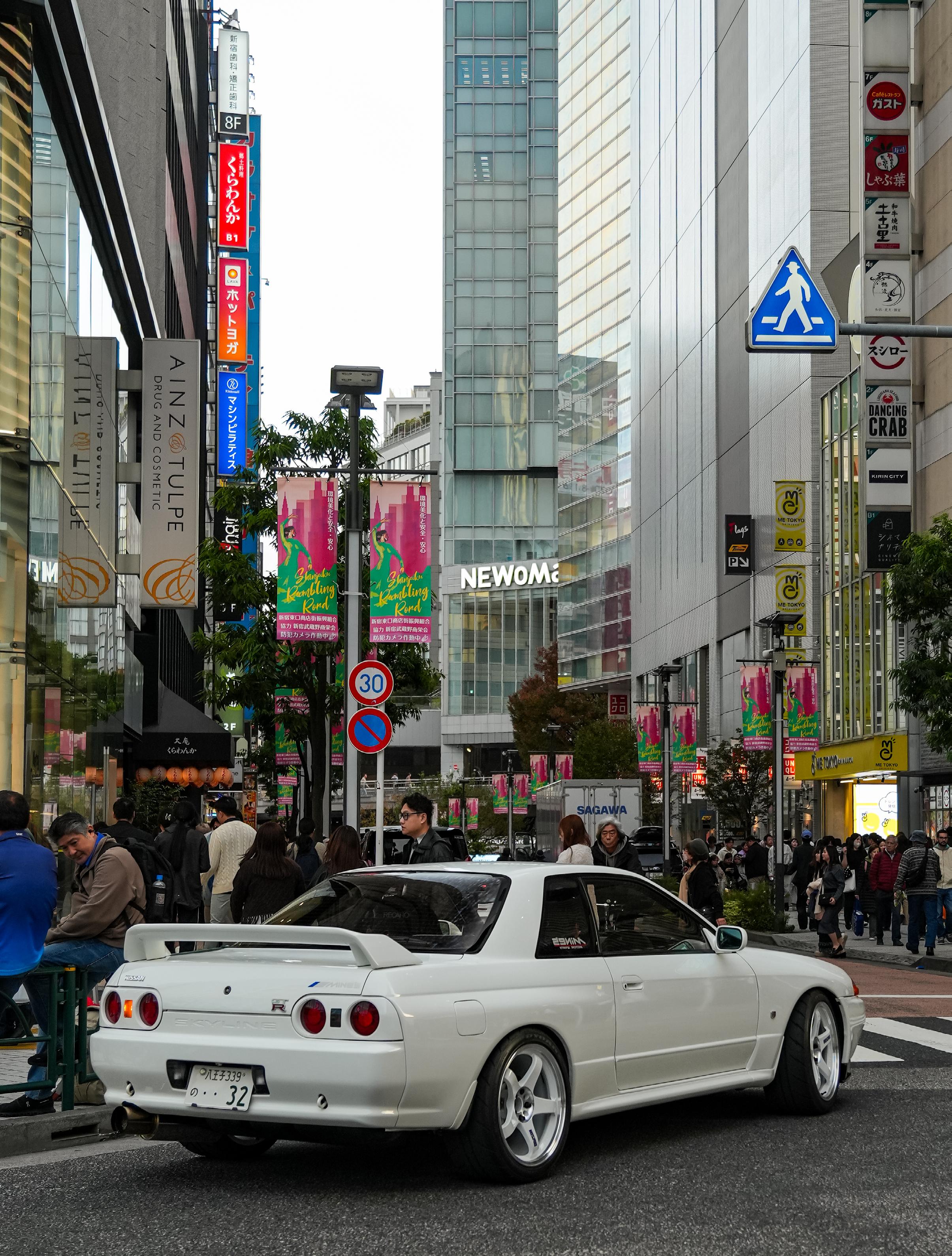

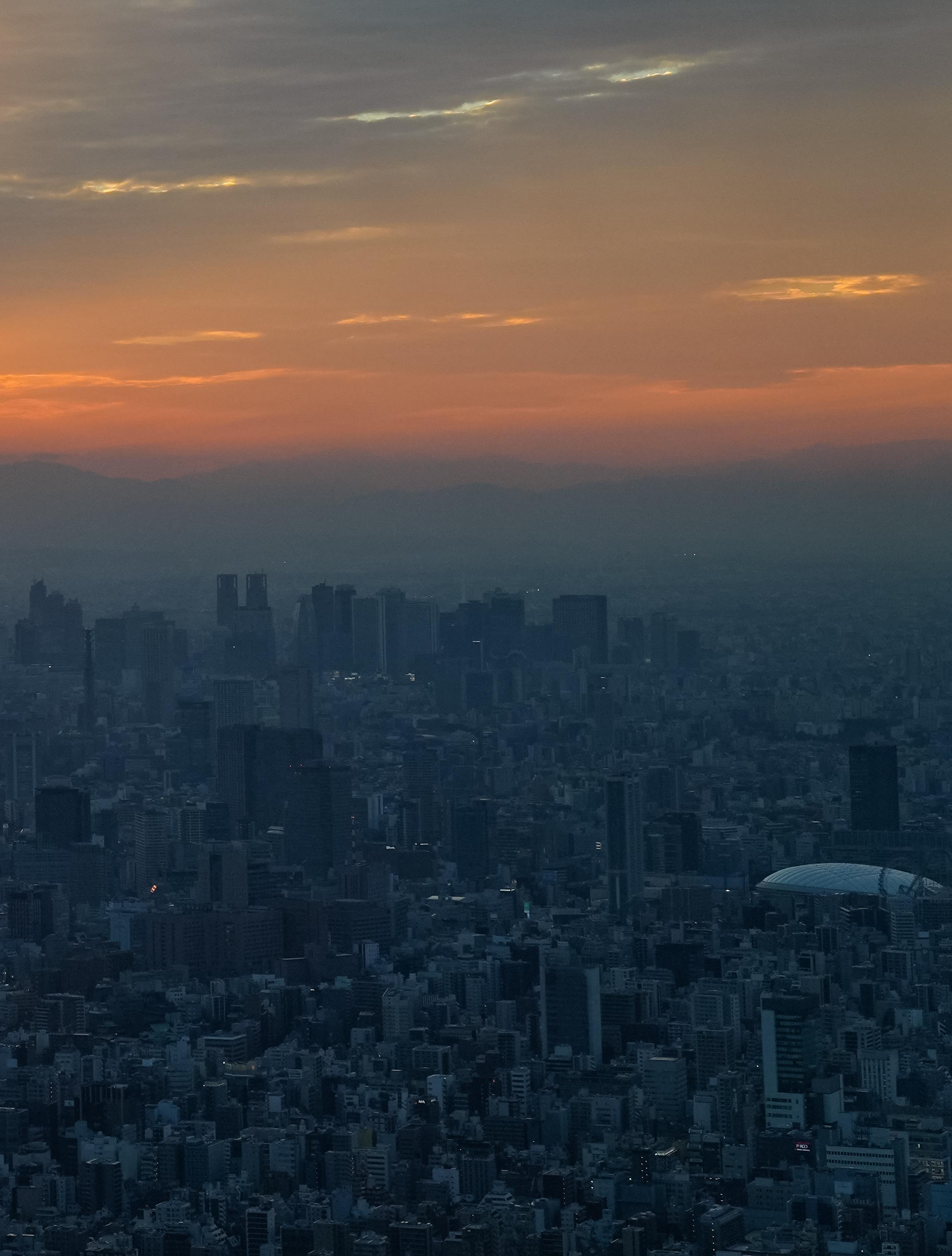
Shibuya Crossing is iconic from The Fast and the Furious: Tokyo Drift, also known for being the world’s busiest pedestrian crossing. Seeing anywhere between 250,000 to over 1,000,000 on an average day. Witnessing something from the famous movie series was an experience in itself. Being over twenty years ago, my childlike self was in full-blown geek mode. Walking the streets and viewing this intersection from 7 stories above mentally put me back in the scene, drifting through the sea of pedestrians. The other amazing aspect of all crosswalks in Tokyo is the mutual respect between the daily traffic and people. No matter how busy it may be, the efficiency of how it works is baffling.
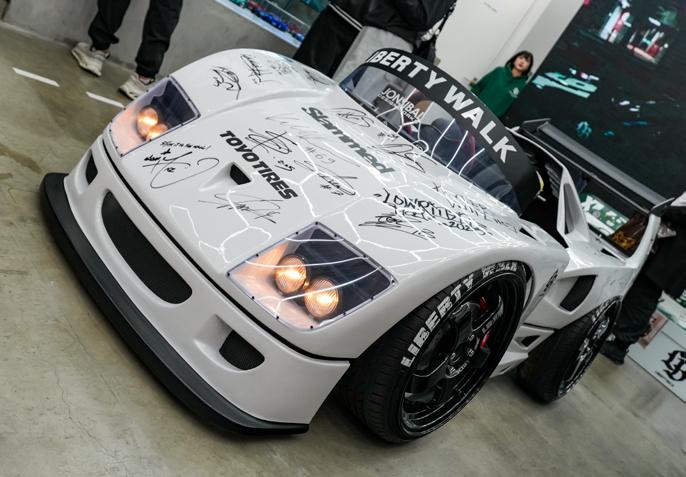
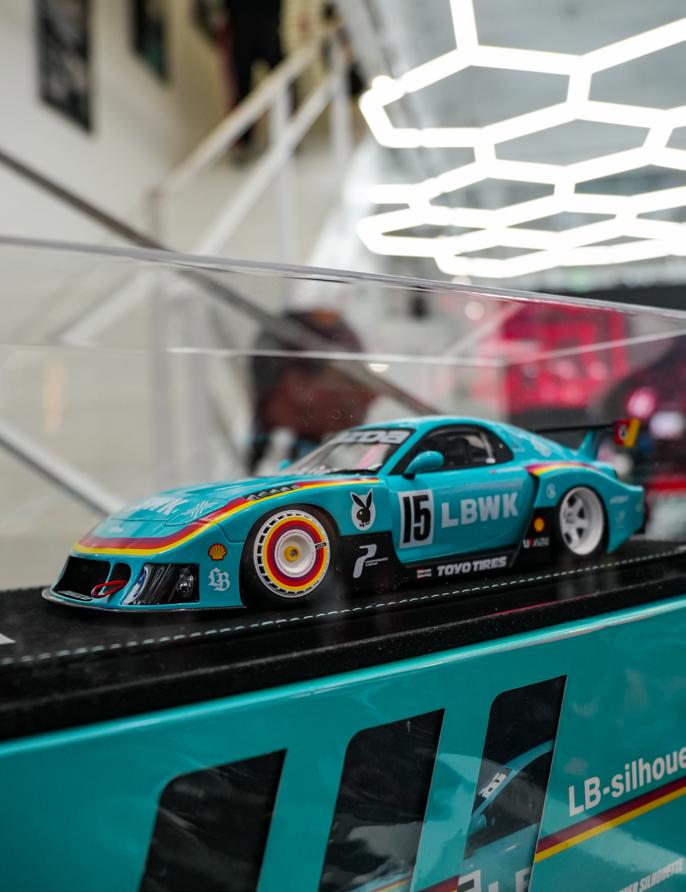
Located in the streets of Harajuku is Liberty Walk. Known for their custom cars that are borderline driveable pieces of art, this store is a hub for merchandise and unique car culture experiences, sometimes showcasing their famous builds outside the storefront. For a fairly small building, there is a large variety available: apparel, skate decks, keychains, stickers, blind bags, but my focus was different scale models.
Some of these scale models are exclusive to the Liberty Walk stores and some are on display only for viewing. After seeing a Hot Wheels LBWK R34 Chase in a display, I asked if it was available for purchase. Unfortunately it was not, and I was informed they declined an offer significantly higher than the original price. Showing what some collectors are willing to pay for an exclusive model.
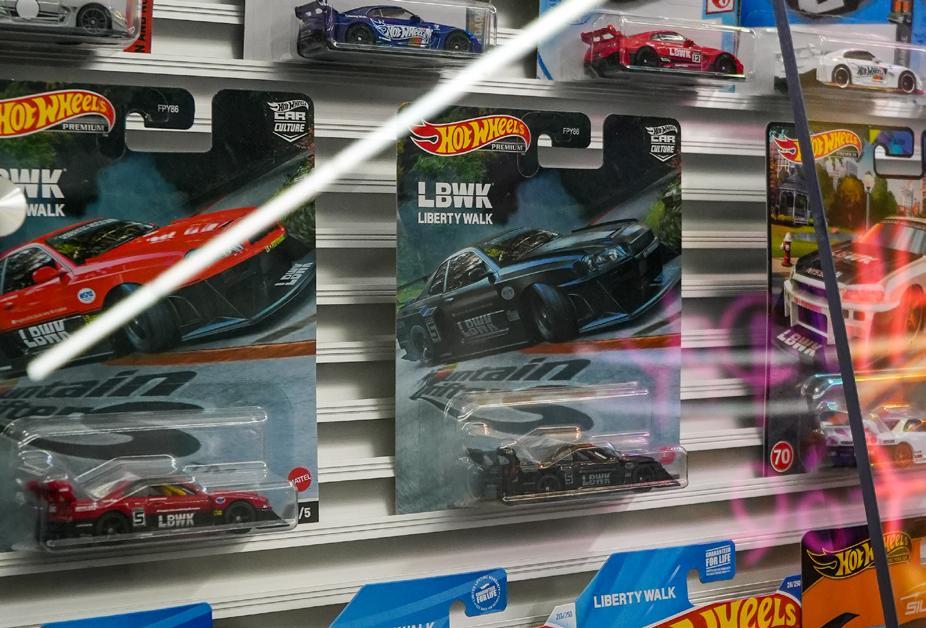
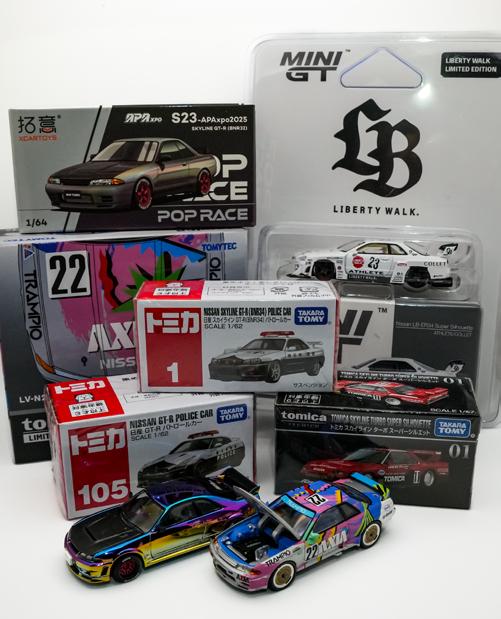
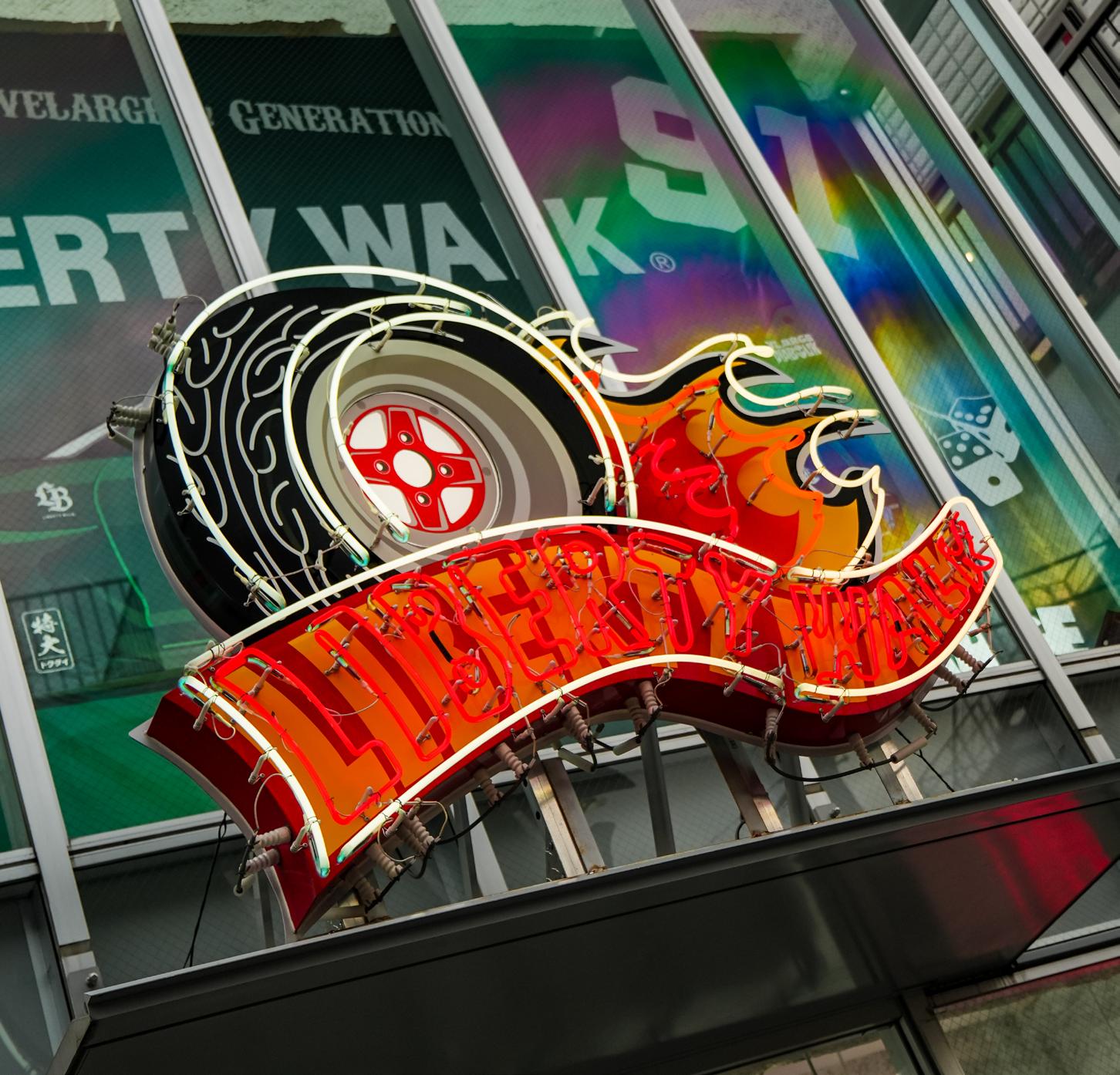
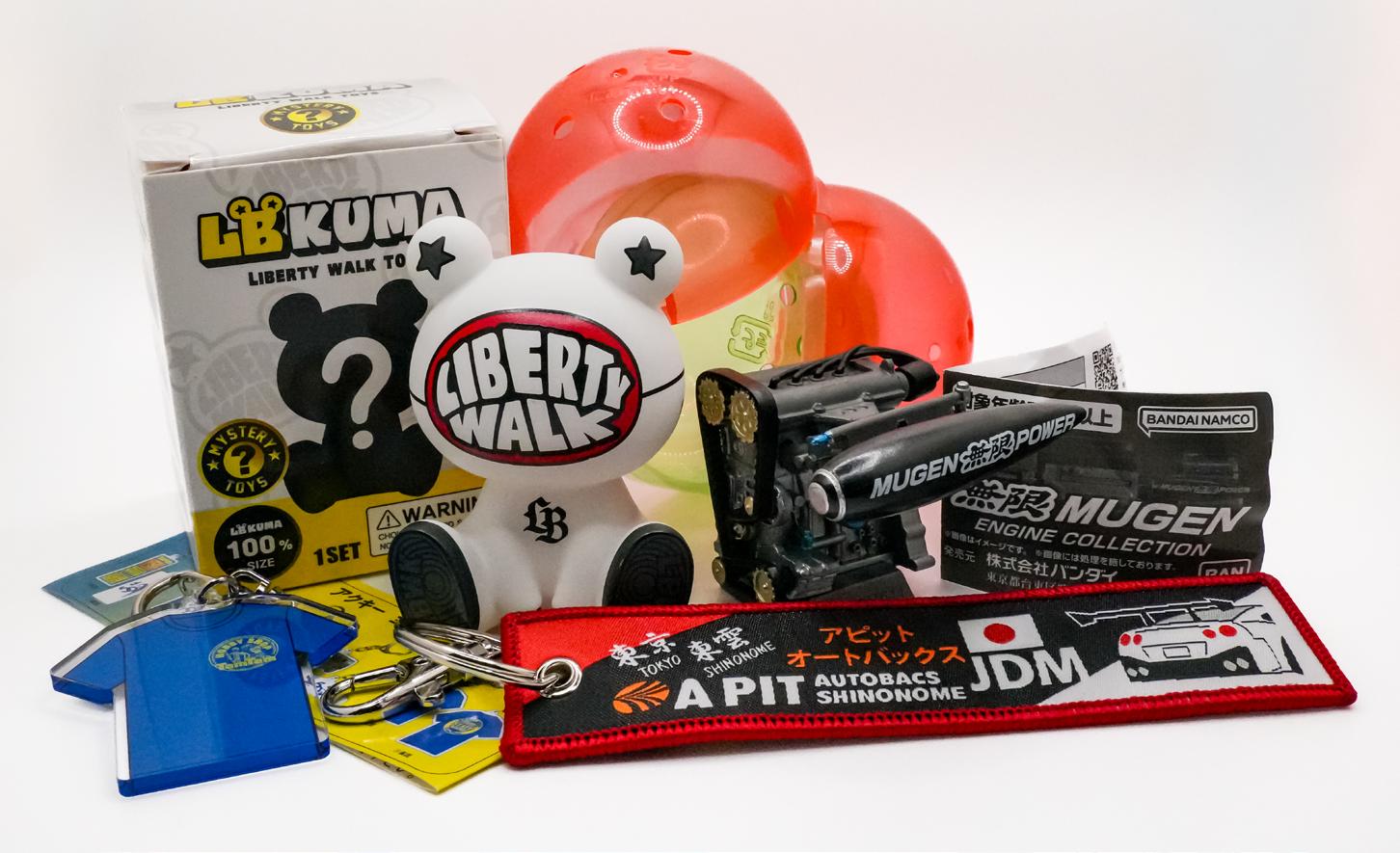

A-Pit Super Autobacs is a massive, multilevel automotive superstore that goes far beyond a typical auto parts shop, combining a huge selection of JDM and universal parts with a lifestyle center that includes a Starbucks, bookstore, kids’ zone, and apparel. The first floor is a fully functional service center providing high-quality car maintenance, repair, and customization services.
Floor number two houses the retail space filled with merchandise from all different motorsports disciplines, books and magazines, many different collectibles, and all sorts of parts and consumables. Floor three is where all the aftermarket items live. All sorts of exhausts, coilovers, racing seats, wheels, and many other performance mods are on display including the Honda Civic Type R FL5 K20C1 engine outfitted with all the HKS bolt-ons. Outside there are multiple parking areas and even car wash bays in the rear. With A-Pit being a sort of sightseeing location, I was greeted with many GTRs after exiting the retail space. I had to pinch myself to make sure I was not dreaming.
All around Tokyo are Gashapon, or gacha machines. After inserting coins and turning the crank, these machines dispense small, random collectible toys in plastic capsules, offering a surprise. Compared to the temporary tattoos or stretchy sticky hands in vending machines we are familiar with, gacha offers much more. Among popular anime figures, food miniatures, cat memorabilia, and microgames are unique items from the automotive world crafted in miniature Japanese precision. One of these gacha machines had a variety of different Mugen engines available. Many of the stores that focused on the automotive culture had their own gacha machines with small collectibles exclusive to the brand.
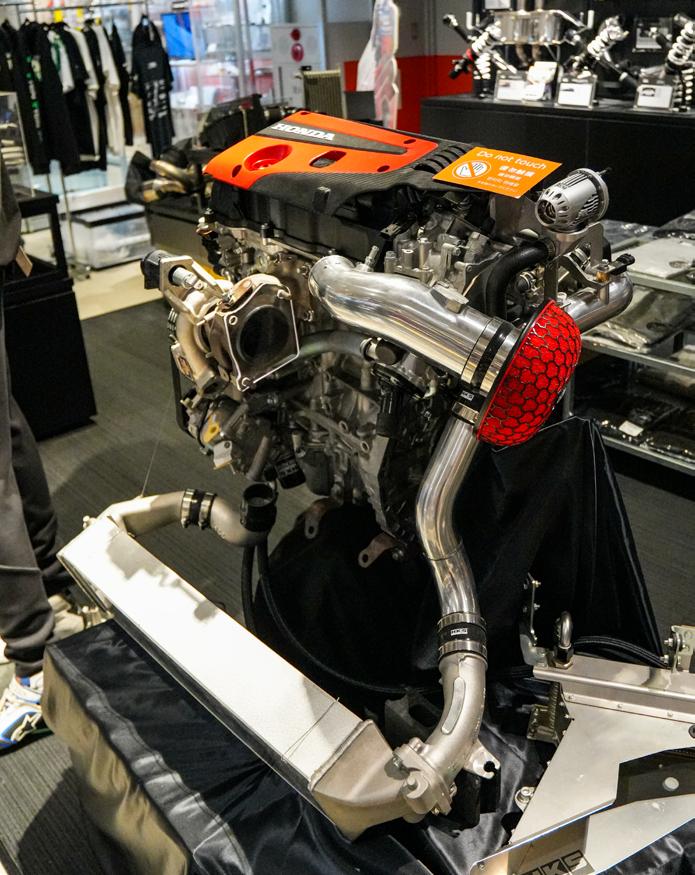
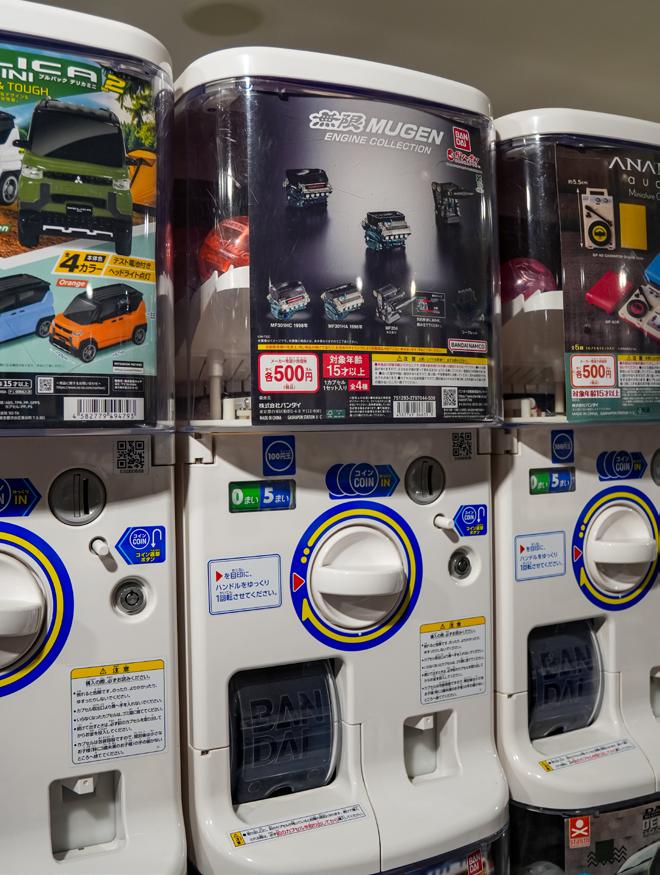
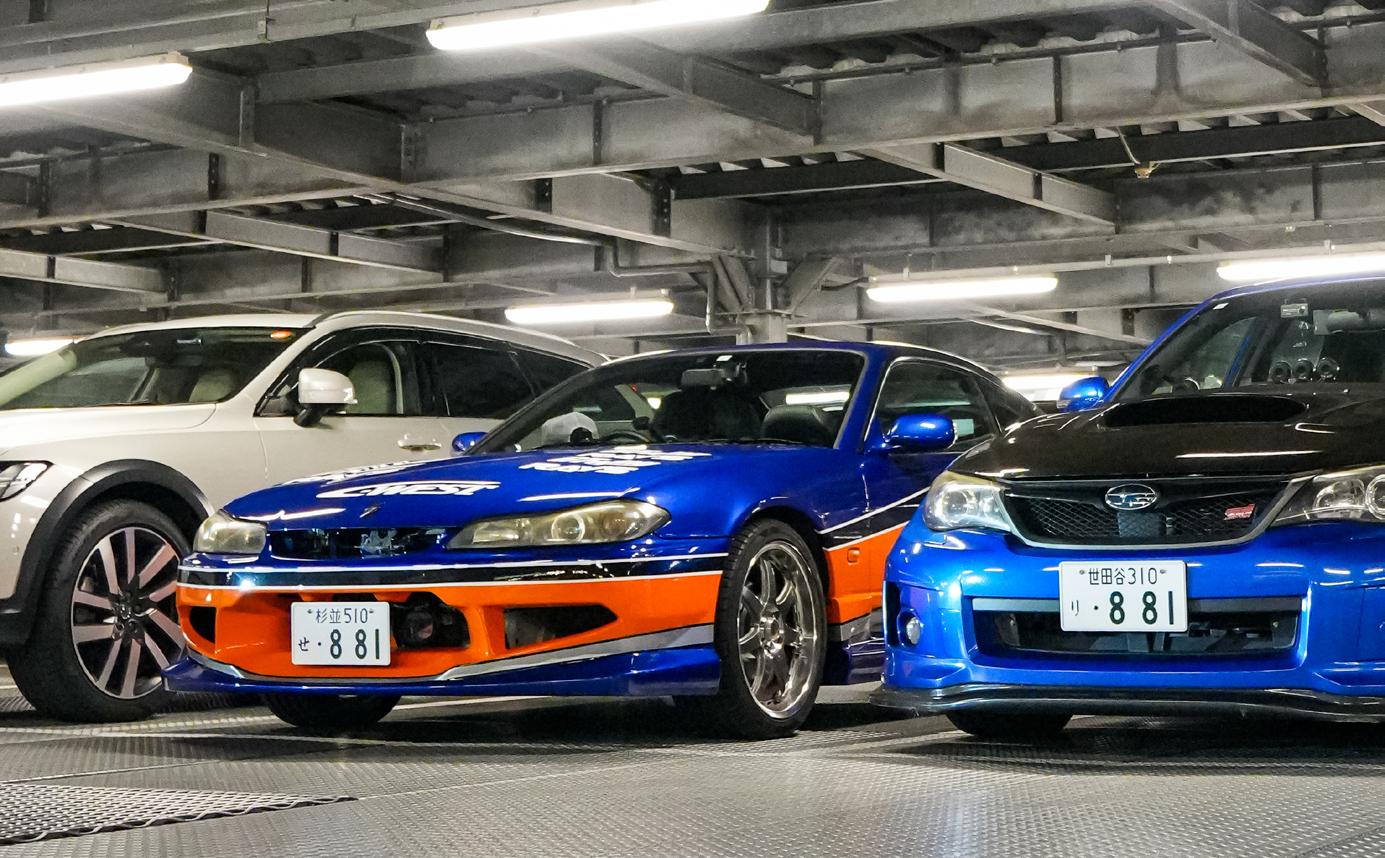
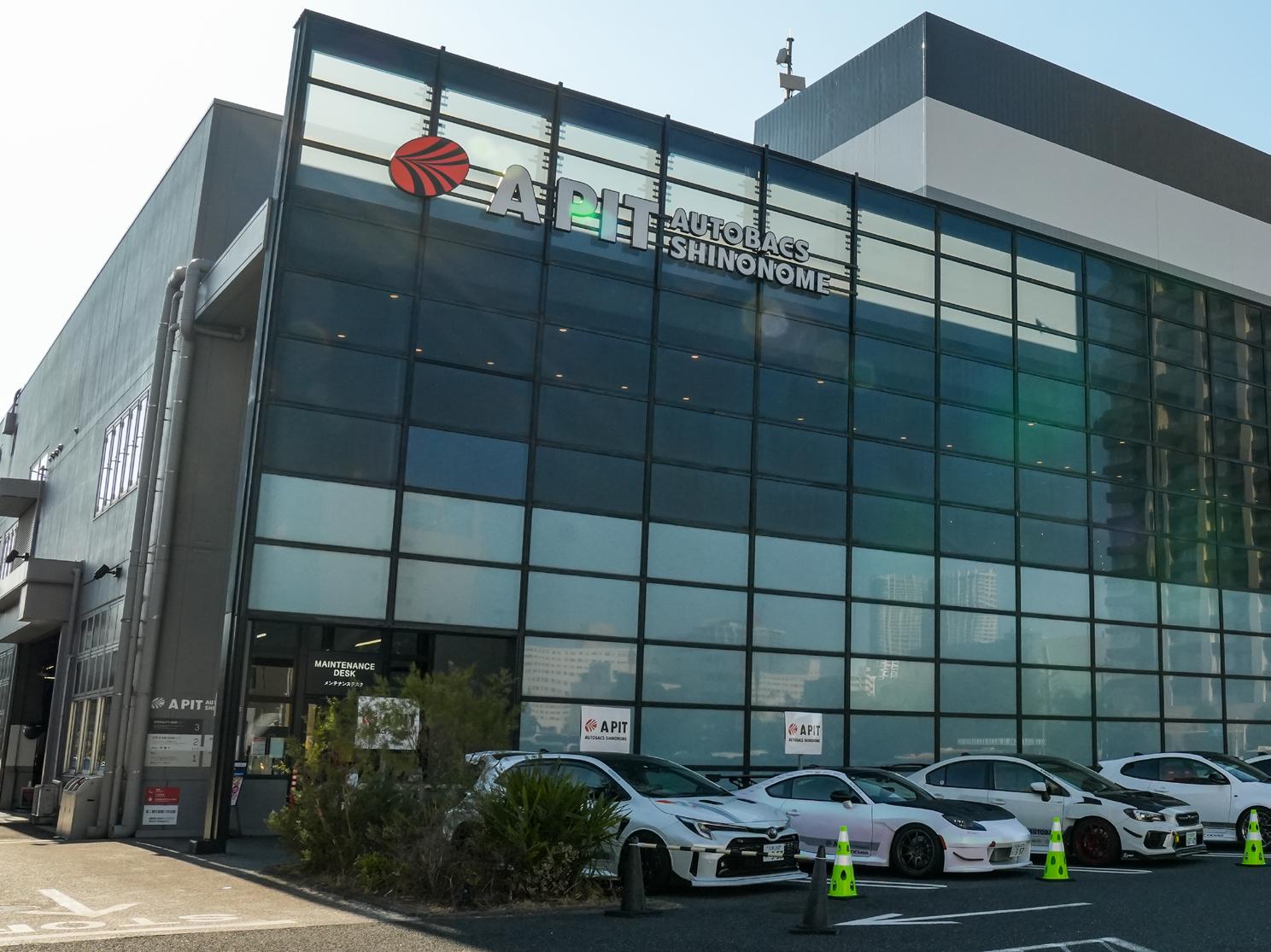
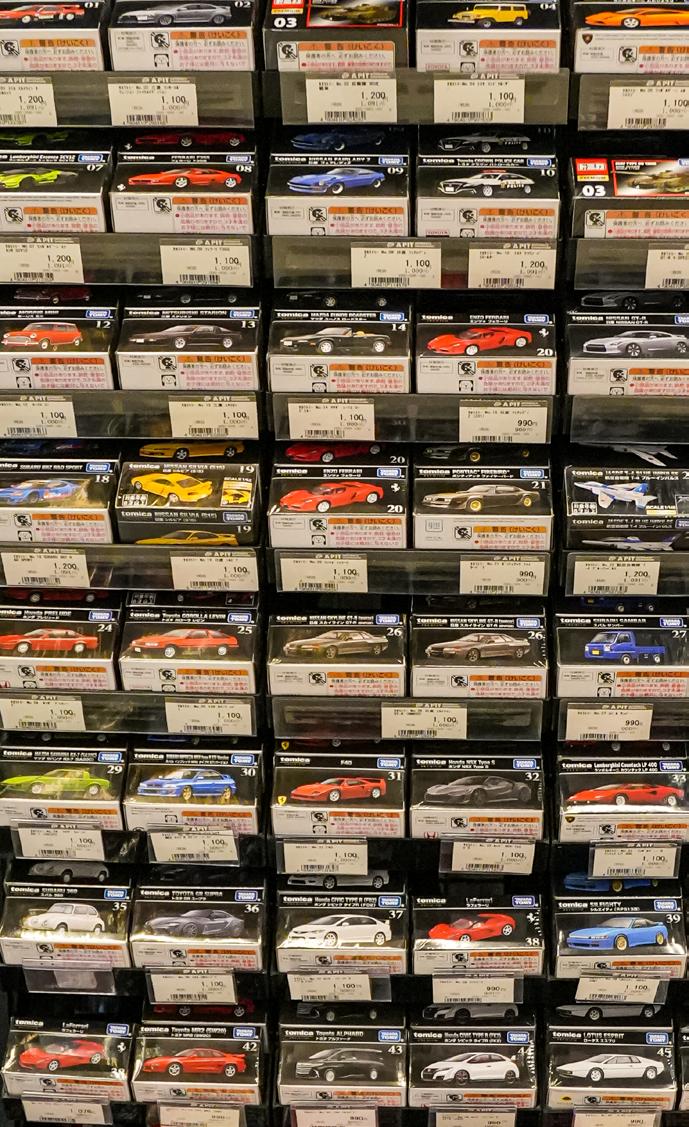


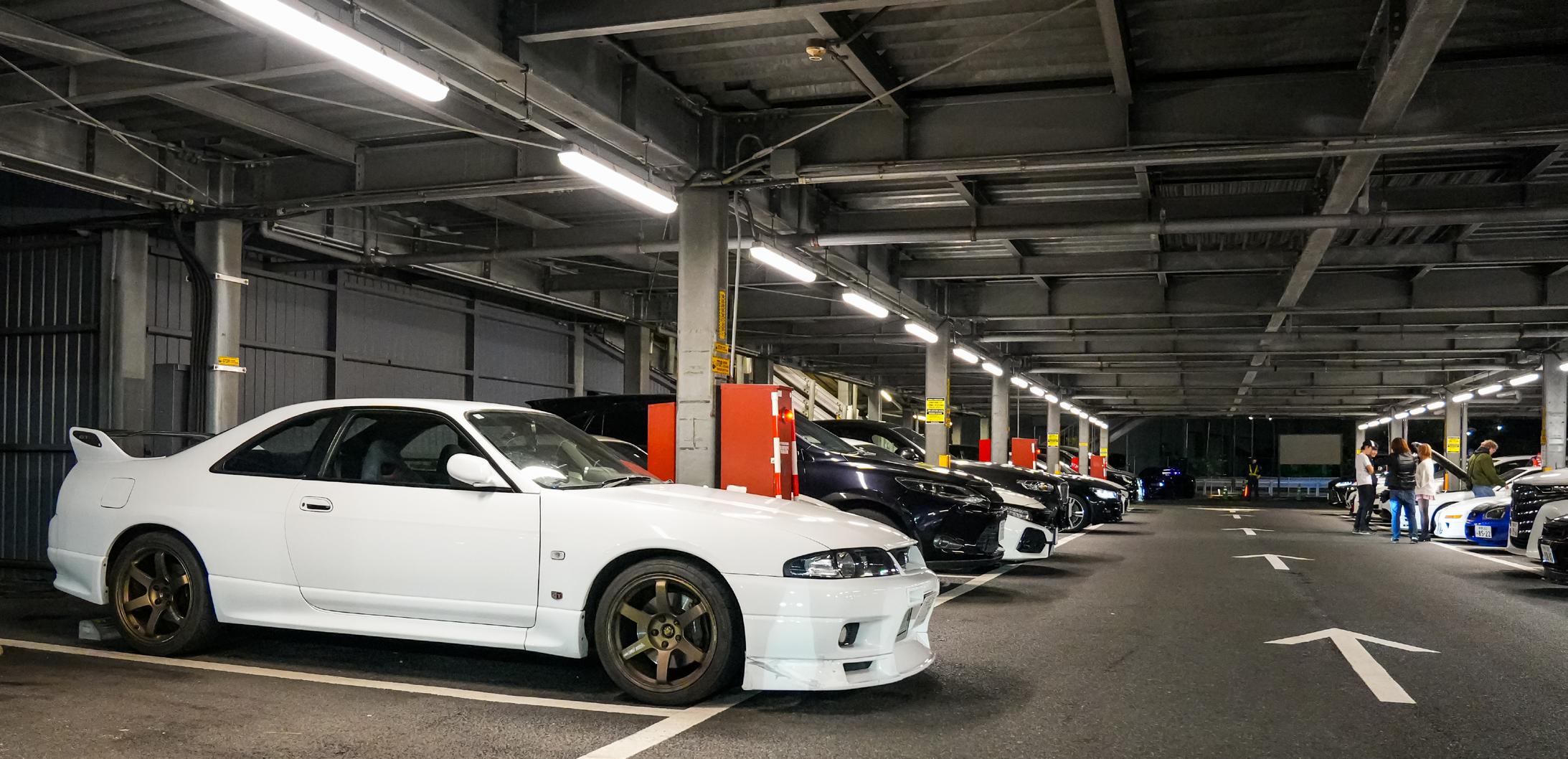
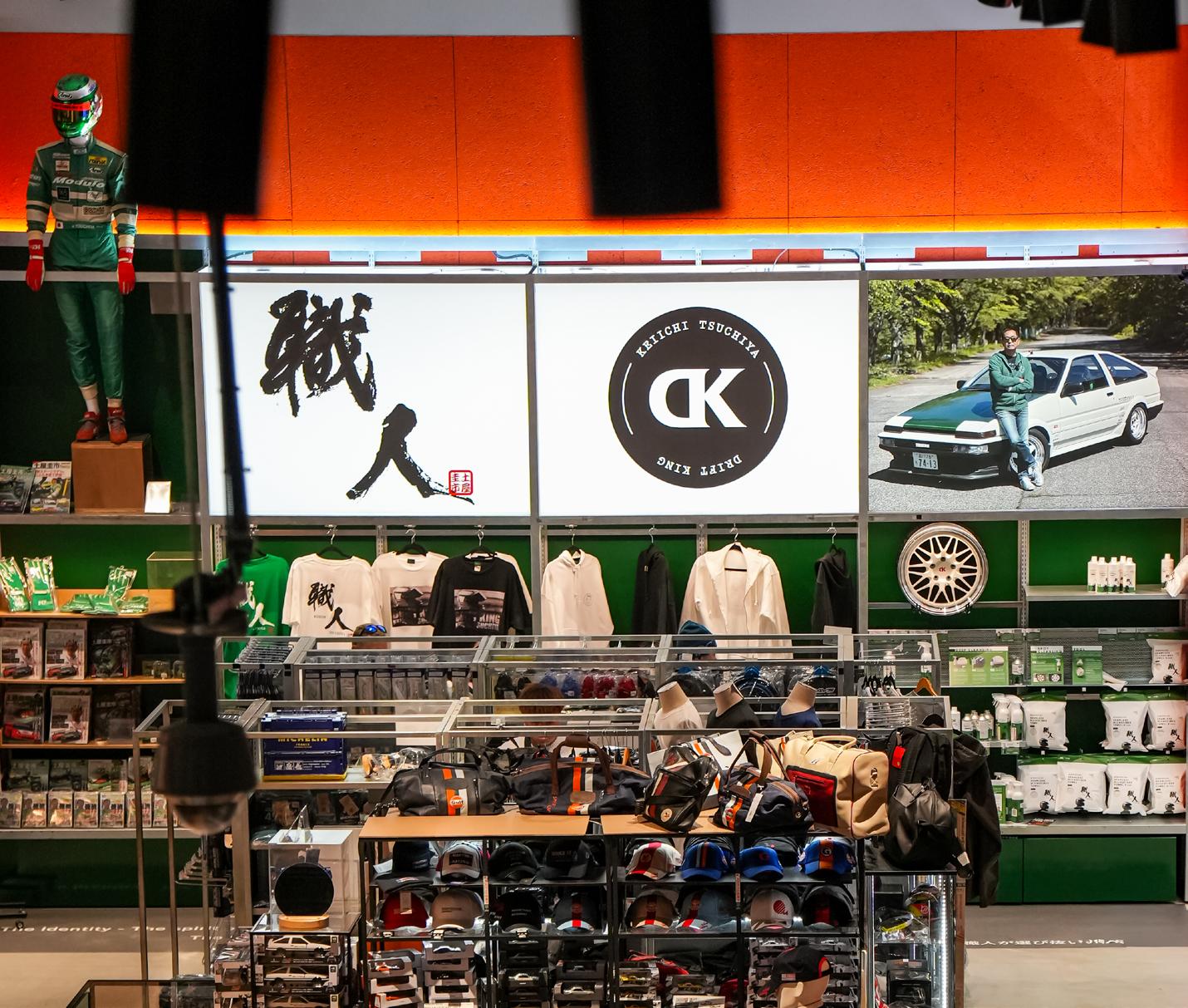
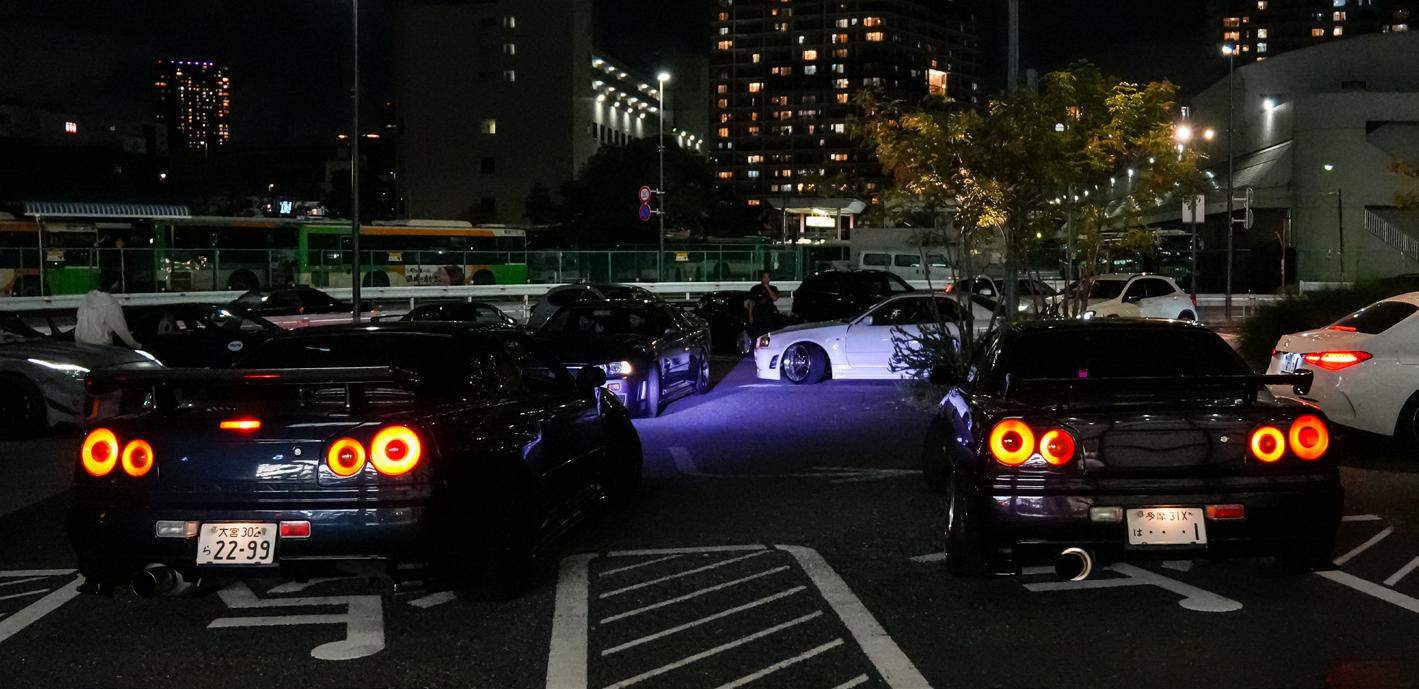
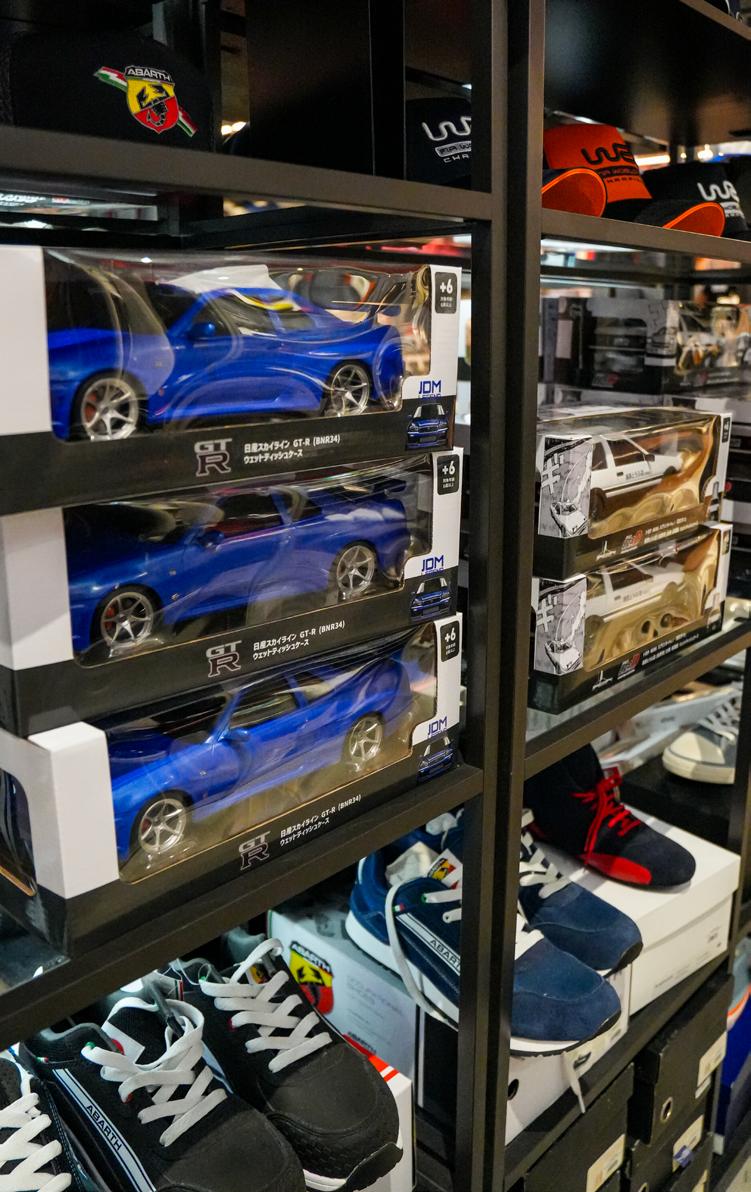
While purchasing most of these things from different online retailers is possible, the experience is worth more than just the purchase. Going to Japan and experiencing this creates a greater respect for what is loved about car culture. Even with taking it all in and savoring the experience, there is an immediate desire to be immersed even more the next time visiting.
Japan might seem like a fantasy land when viewed on Instagram or TikTok, but the fantasy is the reality. The quietness, the mutual respect amongst all members of society, the efficiency of daily life, and of course a ton of cool-ass cars and their tiny counterparts leaves a burning desire to seek more.
Photographed By: Grand Scheme Views – Joshua Andrews, 430_Media – Colin Lake
Written By:
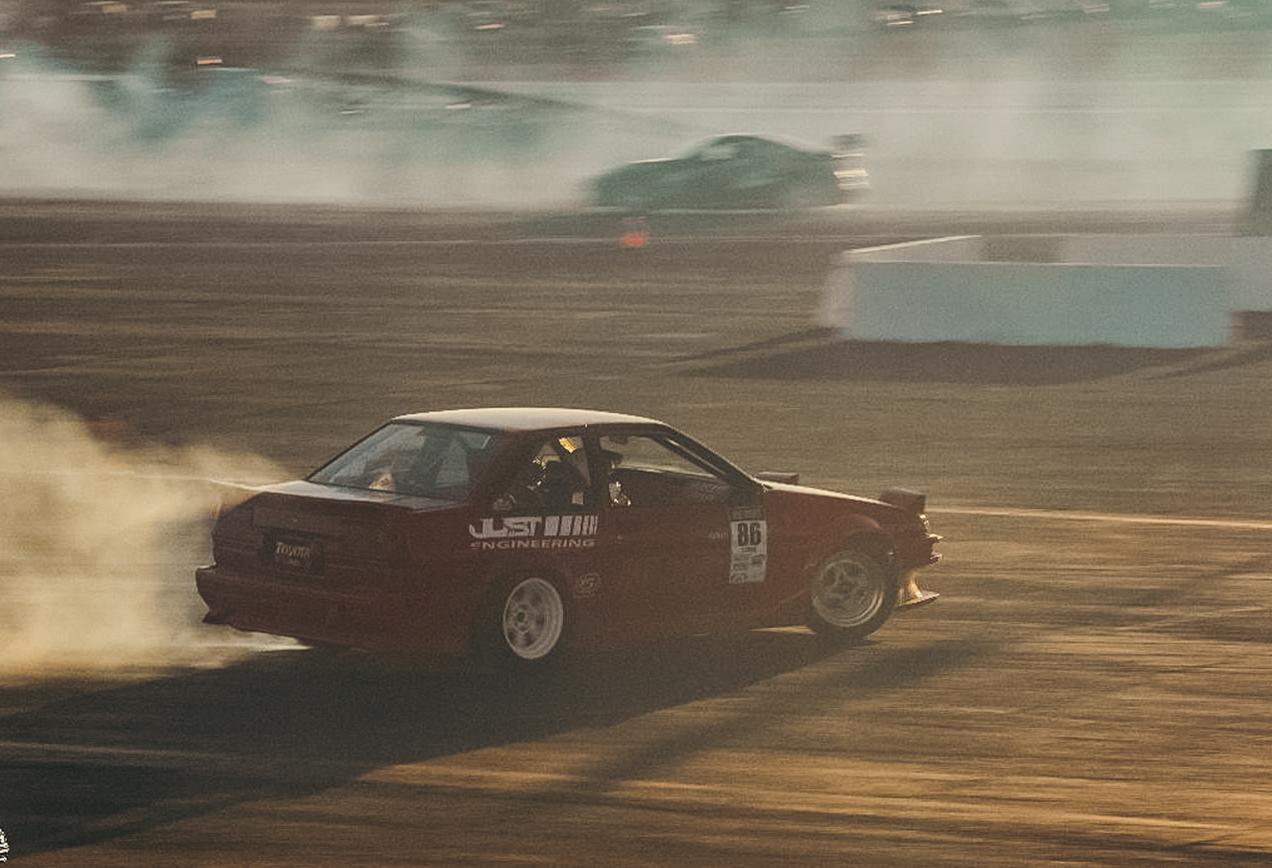
reality is if you’re going to make money at it, you’re probably going to have to work really hard for somebody else (sponsors), or you’ll be so worried about trying to make money that it won’t be fun anymore. I think this is where the crux of the “for profit” versus “for fun” argument is – when you start to make money, it is very difficult for your attitude and purpose to remain unchanged. I’ve seen people start to feel entitled or develop an influencer complex. But for a select few, they are able to remain the same person, and still do rad driving.
With many motorsports, the most obvious path to turn your hobby into an income is obtaining a professional license, picking up sponsors, and getting paid to win. Many think that by “going pro”, IE Formula Drift Pro, you’ll finally “make it” and earn a living drifting – but from what I hear, it still isn’t enough to get most people out of the red and into the black. There just isn’t enough support for the sport from the automotive industry for all of the FD Pro drivers to make an actual living doing it.

Another common option is drivers recognize that instead of working for other people (ie sponsors), will go so far as to start businesses that subsidize the motorsport that they love (*cough* looking at you Feal and RTR). This is incredibly difficult and involves being successful at, well… business. This is arguably a lot harder than just being a good enough driver and keeping sponsors happy. You might as well work towards a high paying job in whatever industry or company you’re in, and use that to pay for drifting. Right?
Lastly, there is the “influencer” route. You’re going to make videos of your driving, document building your car(s), “like comment subscribe”, etc. There is so much time spent planning, recording and editing it to chase the profitability that content slowly changes from high quality to low quality click-bait so you can maximize your audience for the most pennies. None of these are really the dream for me –don’t get me wrong, I make a lot of content for social media and I have secured some major sponsors in the past, but at a certain point it loses its glamour. To try to make a high enough profit to support my drifting habit, it either involves hard work to keep sponsors happy, hard work running/operating a profitable business, or changing the content that I create from “what I enjoy doing” to “what other people enjoy watching”.
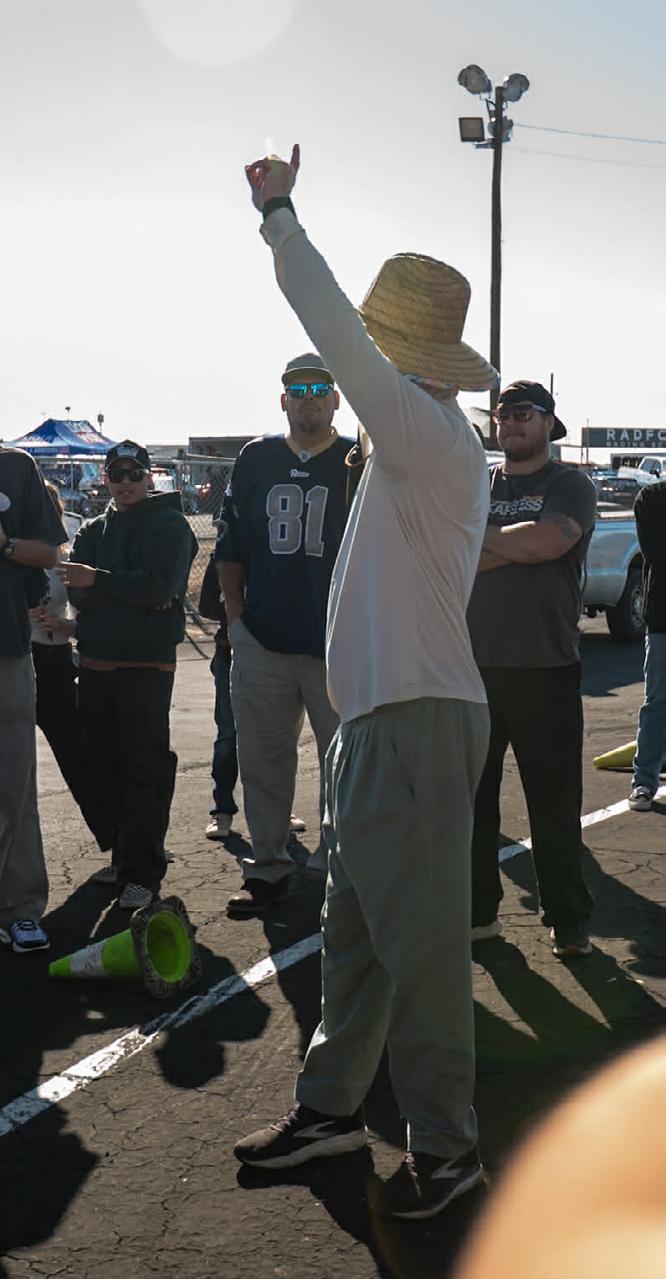

So, how can you make money drifting?
The Answer: you go to events that aren’t for drifters. In the 15 or so years that I’ve been drifting, I’ve had opportunities to drive at events like the “LZ Drift Parties” during Drift Week (predecessor to LZ World Tour), Monster Truck Jams (where drifting is a filler between rounds), festivals like Southwest Speed Fest, and Car Shows like Clean Culture and FuelFest. Each of these events I’ve mentioned were places that I got paid to turn laps and had a high potential to make a profit – if I played my cards right. Events like the Monster Truck Jams were a flat rate where they cut drivers a check at the end of the night, whereas the car shows were all about the paid ridealongs. And when it comes to ridealongs… FuelFest has been my favorite so far.
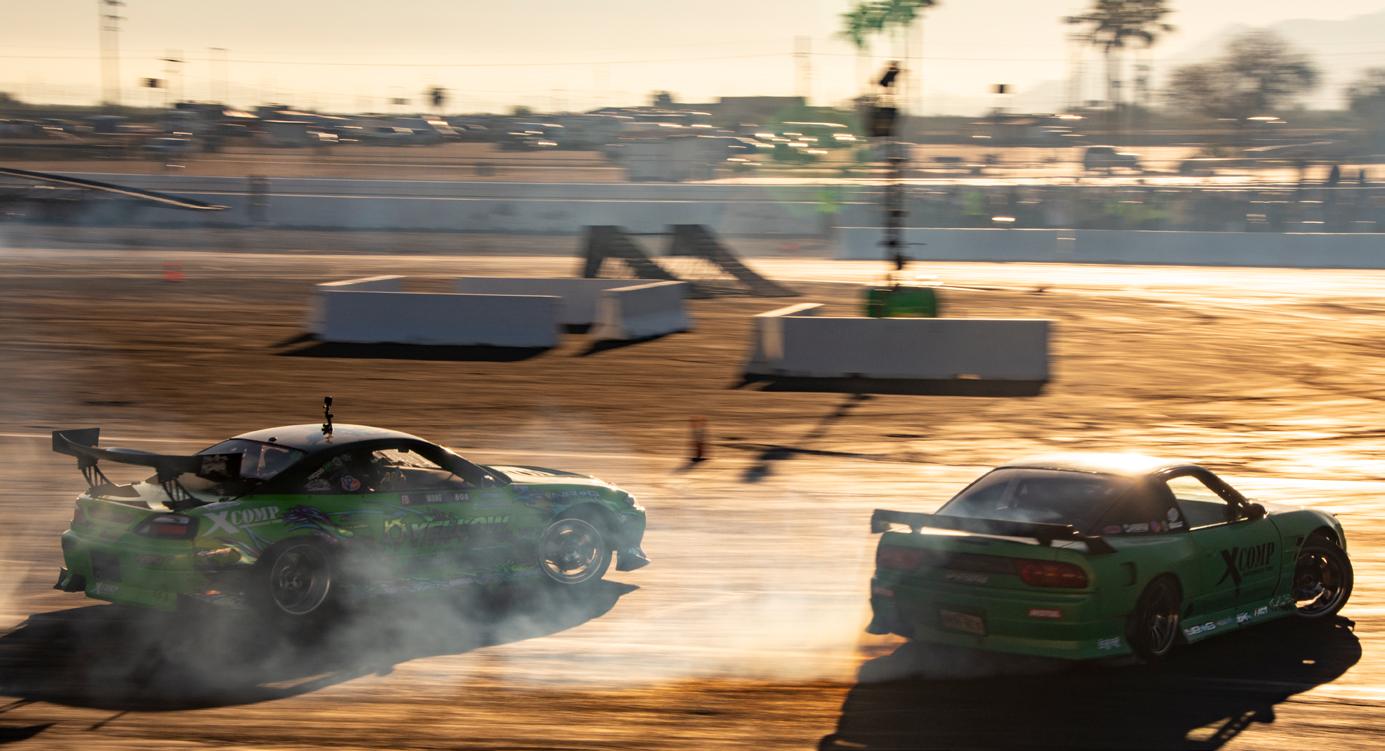
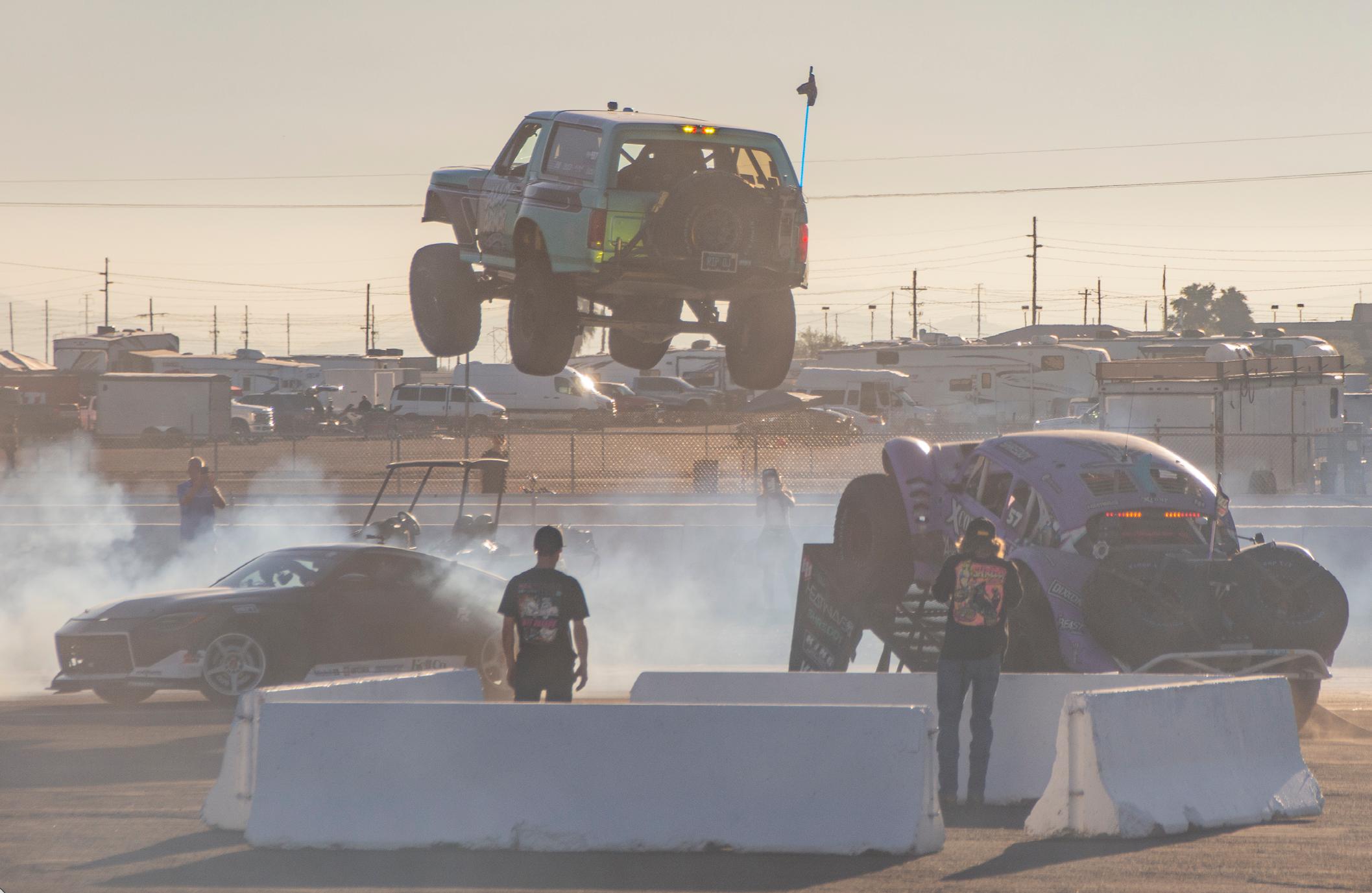
FuelFest was founded by Cody Walker, the brother of the Fast & Furious star Paul Walker, as a tribute to the *automotive* legacy that Paul left behind – bringing together incredible cars and a welcoming community. Cody, Tyrese Gibson, and other Fast & Furious actors make appearances, talk to fans, etc. A big chunk of FuelFest is purely a car show – with regular traffic to insanely rare, stock cars and built race cars – there is a bit of everything. You might see electric cars doing massive burnouts or drag racing, and both years that I’ve attended the folks from Shreddy brought out rigs to JUMP over professional drifters. And of course, paid drift ridealongs.
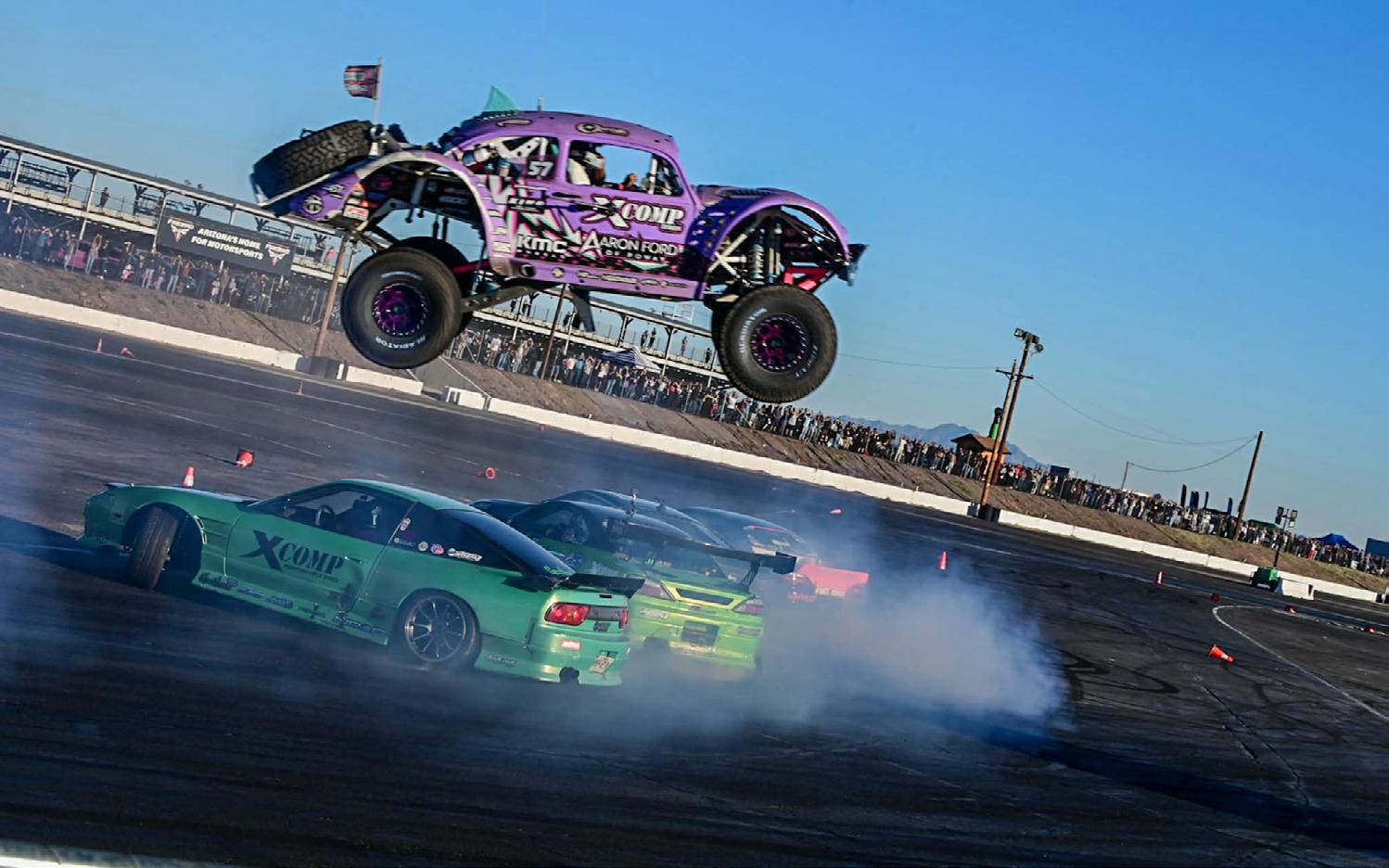
It is an odd thing, to go from offering free rides to anybody at regular grassroots drift events, to charging people to go for laps at a “car show” or “festival”. Ridealongs have been one of the best ways to get new people into the sport, and until I experienced it myself, I felt pretty weird about charging people to go for rides. But I tell you what, these people at car shows and festivals are SO HAPPY to pay for the experience. Many of them will never build a drift car, and never attend a drift event. That is OK – if them paying me to go for “the ride of their life” gets them talking positively about drifting to their friends and family, that’s a win for me.
FuelFest has been particularly great at this, not only for bringing people in, but for also maximizing driver profits (which help me to go drive at other drift events). In 2024 and 2025 Aaron Losey from Lonestar Drift was in charge of drift logistics – setting it up in a way that drivers collect all of the money for ridealongs, and all that FuelFest/Lonestar has to do is manage the track and spectator safety. Drivers bring a canopy, table, 1 or more crew members, and ideally a whole lot of signage to advertise prices, cars, etc. I charged $50 per lap in my AE86 both years, some people charged less, and some people charged more – and people were happy to pay for it.
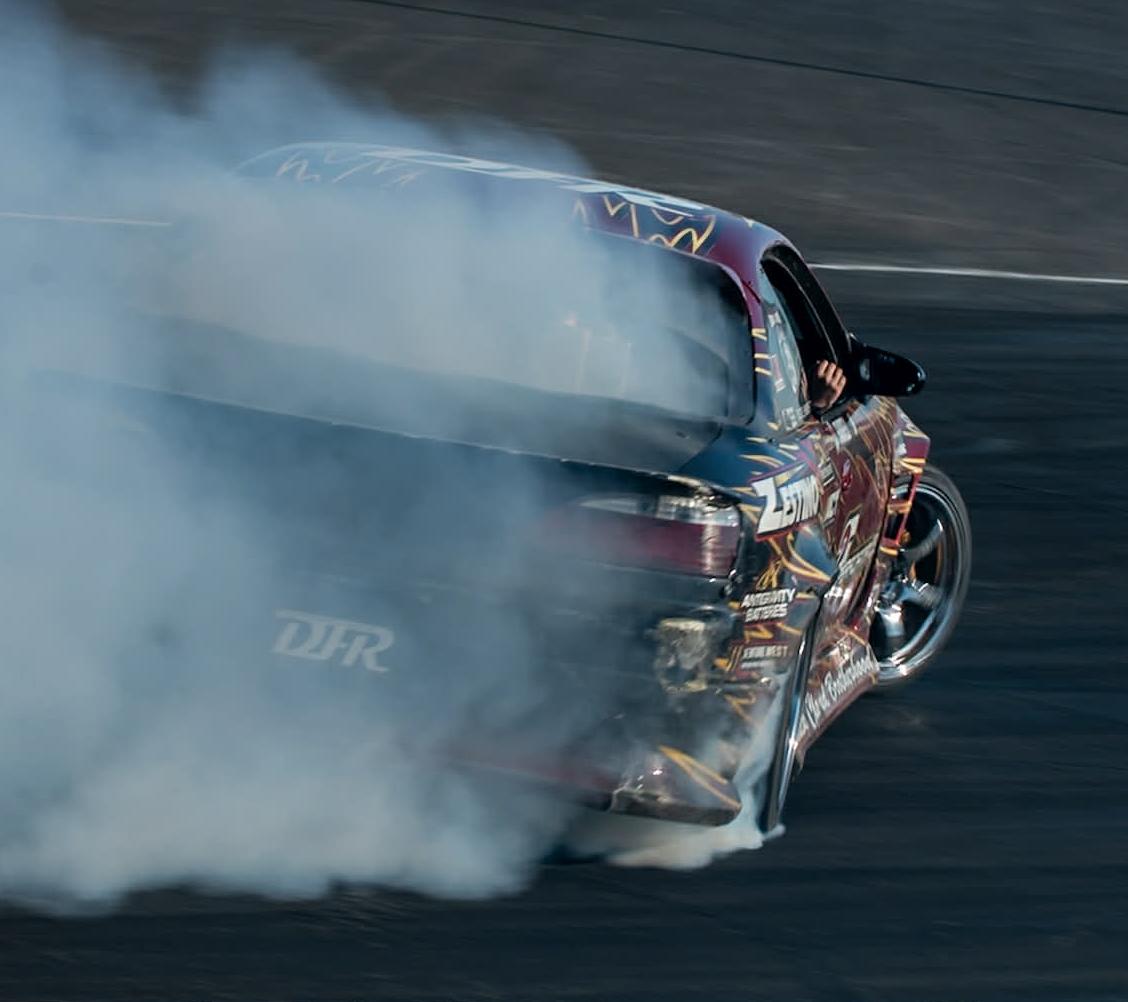
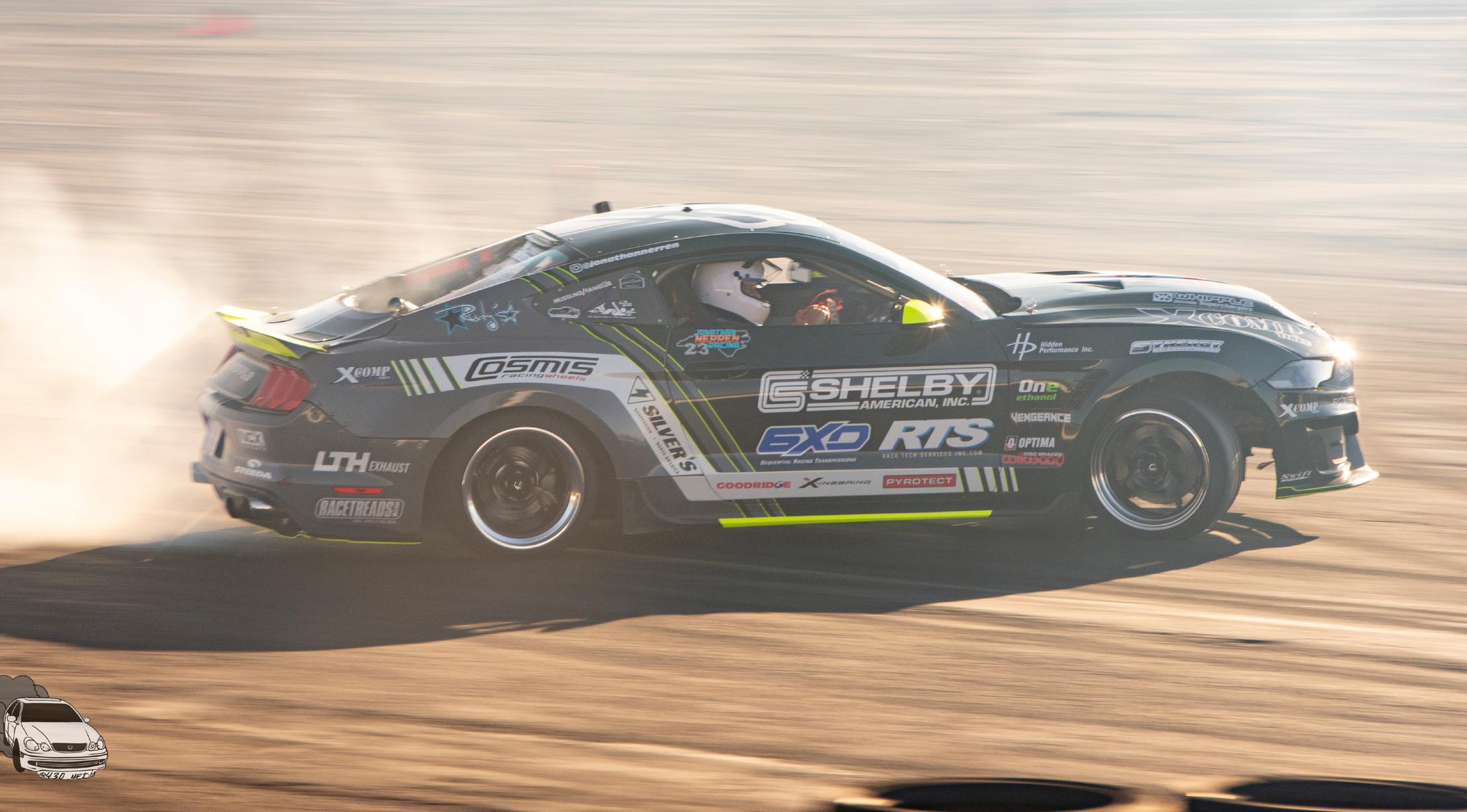
I know that might be strange, even disgusting to some. Having people pay to ride in your drift car seems awfully gimmicky – especially when at a normal drift event, all you have to do is ask and pretty much any driver will HAPPILY let you hop in their passenger seat for free 99. Charging $50+ per lap seems kind of insane if you don’t think about it. But here’s what you need to understand –
FuelFest (and similar events) are NOT drift events
The spectators are NOT drifters, and likely will NEVER attend a normal drift event
They come with the expectation of paying a fee to ride in a high quality drift car for 1+ high quality laps
Drivers are there for the fans, not for their own personal enjoyment And… it costs A LOT to operate a drift car

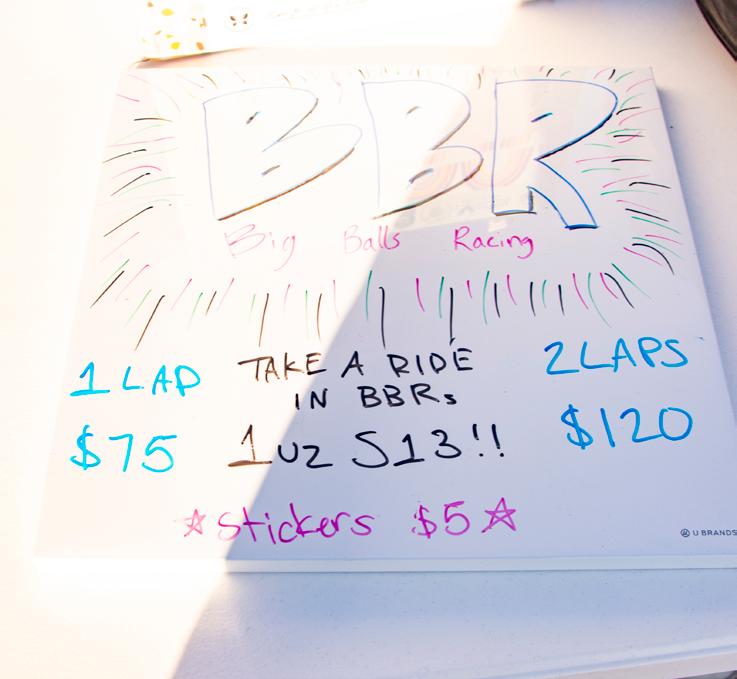
It’s not a Drift Event.
This is something I want to make abundantly clear – these events are not for drift drivers, they aren’t even for drift spectators. I think this is a really important distinction to make – I personally would never dream of charging for ridealongs at a regular drift event. When I’m at a “drift event”, I’m there to enjoy drifting – and I enjoy having people in my passenger seat when I’m doing my thing. However, at events like
or intent. The track layout at these kinds of events is usually simple, kind of low speed, low risk, and meant to flow quickly and smoothly. The objective is to allow drivers to turn as many laps as possible without wearing through tires or wearing out the car.
Tandems don’t have to be super close, you’re not trying new/difficult techniques, you are purely there to put on a show for the people inside and outside of your car – while trying to
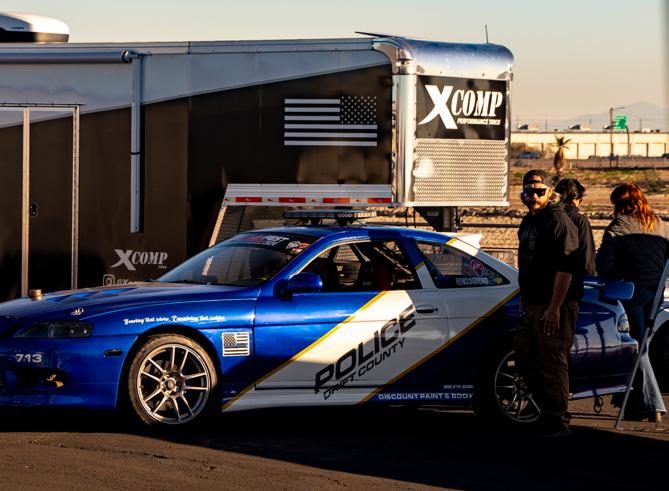
These aren’t events for regular drifters –you should be able to link a track after 1 sight lap and 1 practice lap, and be ready to tandem very soon thereafter. Your car needs to be reliable, your driving needs to be consistent, and everything has to be presentable. From my experience, the events where you have the potential to make the most money involve an application with pictures of your car, videos of your driving, and some
paperwork to explain your driver capabilities. On top of all that, it’s not cheap to drive at these events either. Be prepared to shell out ~$400 for an entry fee, even to drift in an empty parking lot – like the 2024 Phoenix FuelFest, which was held at WestWorld of Scottsdale, the same venue as Barrett Jackson.
I go into these kinds of events with a different mindset – I’m not there to have fun, I’m there to work and make sure everybody else has fun. I bring a 20x10 canopy, 2 tables, merch to sell, signage, disposable head socks, loaner helmets, payment processing setups, etc.
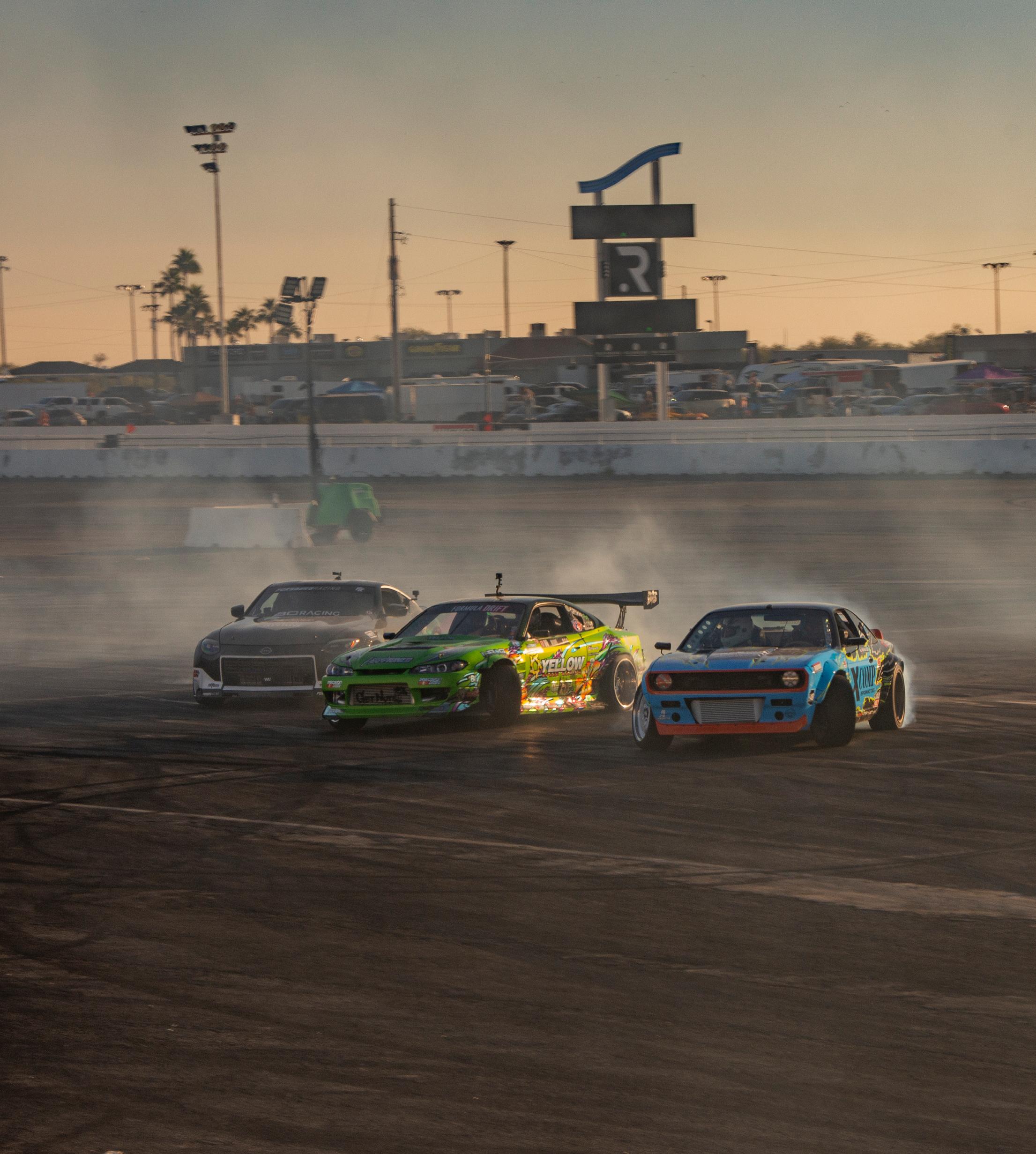
I love drifting because I love the adrenaline rush and the camaraderie from fellow drivers and enthusiasts. One of my favorite things to do is introduce new people to the sport of drifting. Drift event or not, I really enjoy taking people on rides. While many of my drift friends feel negatively about trying to get paid to go drifting, I welcome it. Maybe not at your regular grassroots drift events, but at things like FuelFest – I think it’s a really good thing, and for me it is 100% worth the hassle. Each year I’ve invested about $1000 into my “ridealong” setup to make things better and hopefully bring in more money each year. Not all events work out profitable though. For events that have just a single pit row, and the organizers collect the money as well as load people in cars (without a choice of car for the

spectators, they get in whatever is next in line), it is hard for me to be fully supportive. When I’ve done events like these, I’ve maybe profited $100 at the end of the day. It’s still really cool to get people into drift cars, something that many likely would never have done, but the profit really isn’t there for that to be my sole purpose. However, events like FuelFest where the driver collects all the money for ridealongs – the hassle is 100% worth it.
For 2024, I brought in almost $3000. For 2025, I only profited about $600. Still, $600 to get paid to do something I love is rad. Even though the driving itself isn’t all that exciting, it’s an opportunity to do something a little bit different with drifting. It’s also an opportunity where you may get to drive with some really cool dudes – like Forrest Wang, Johnathan Nerren, Chris Forsberg, and more.
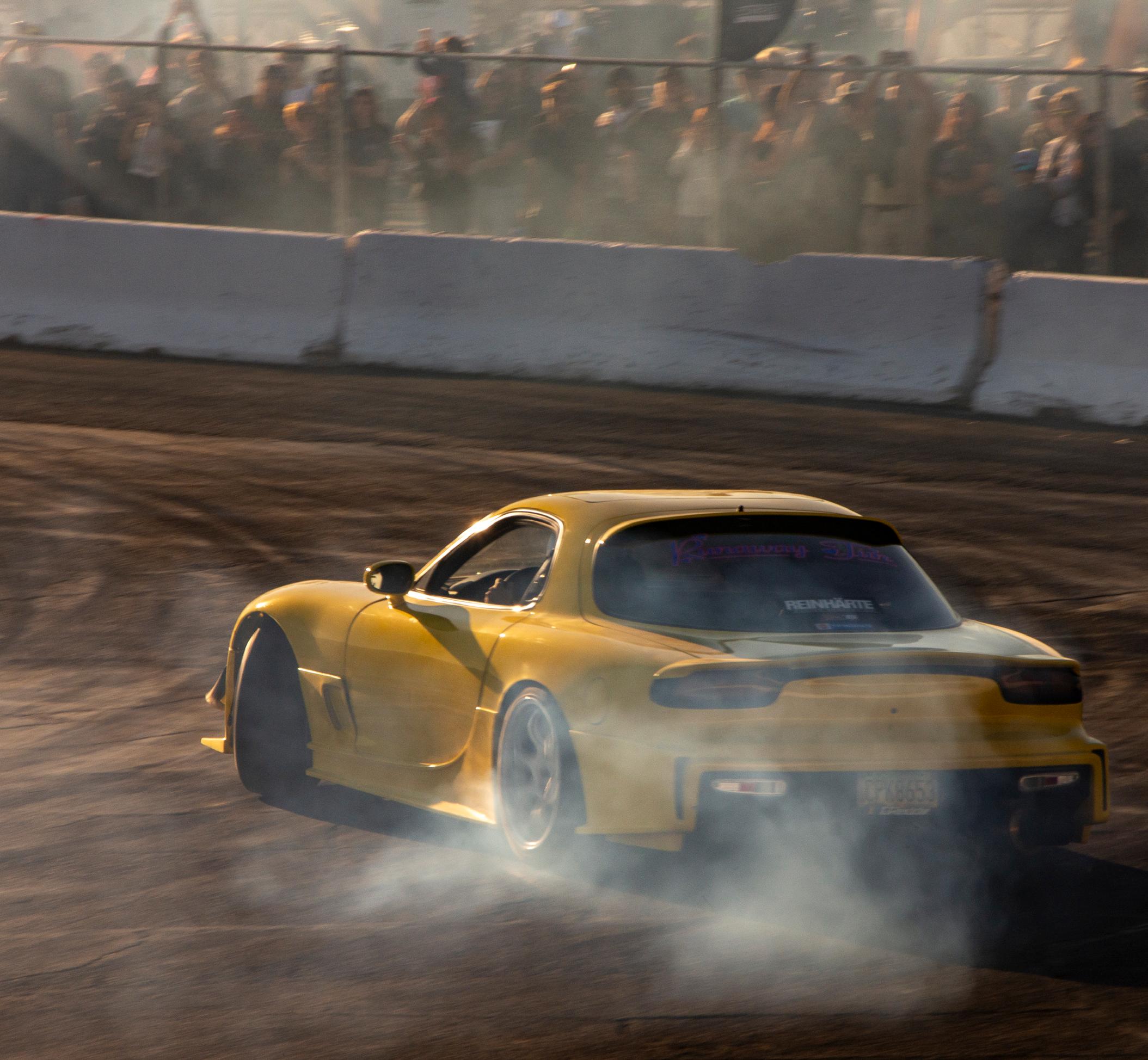
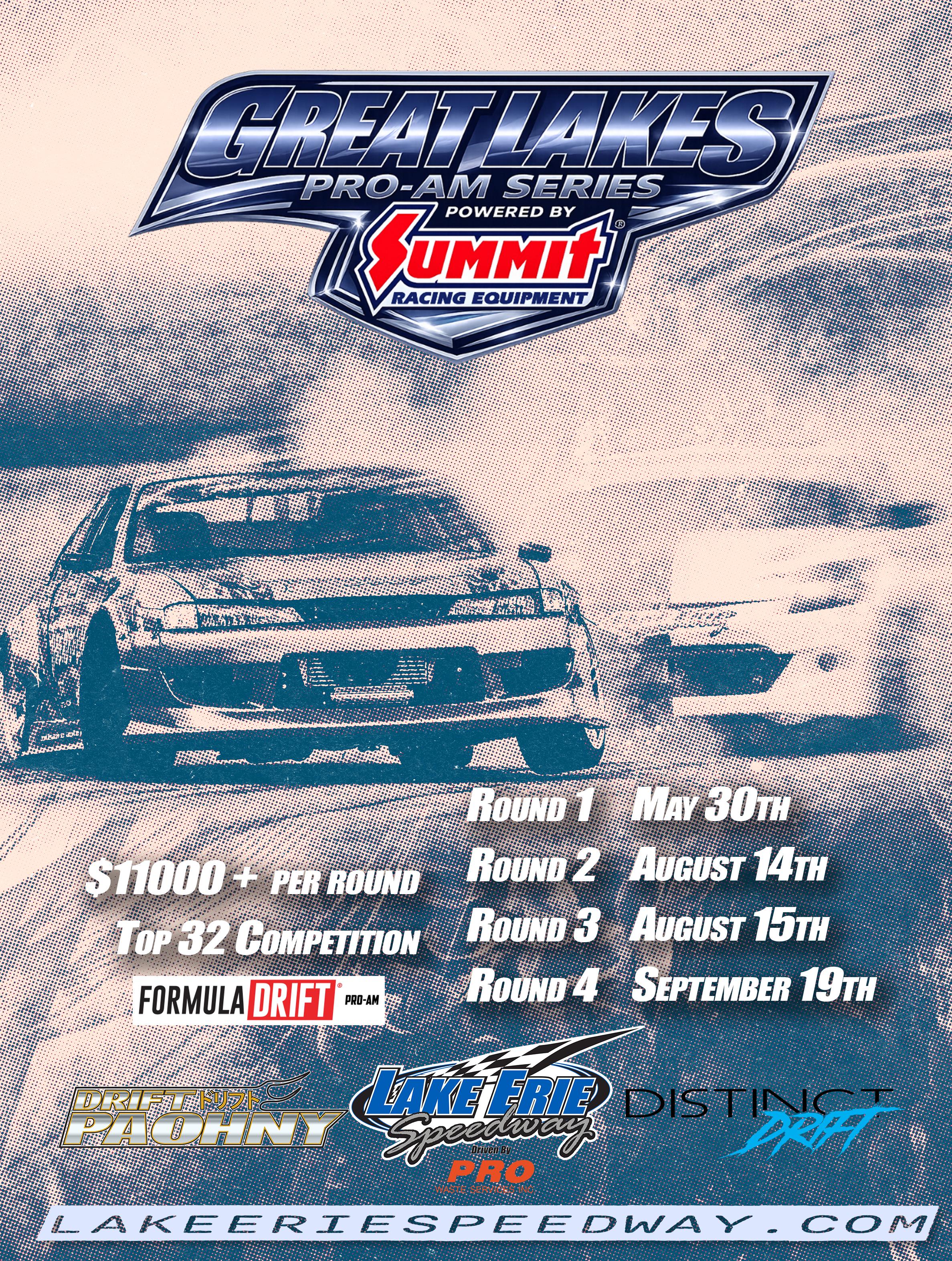
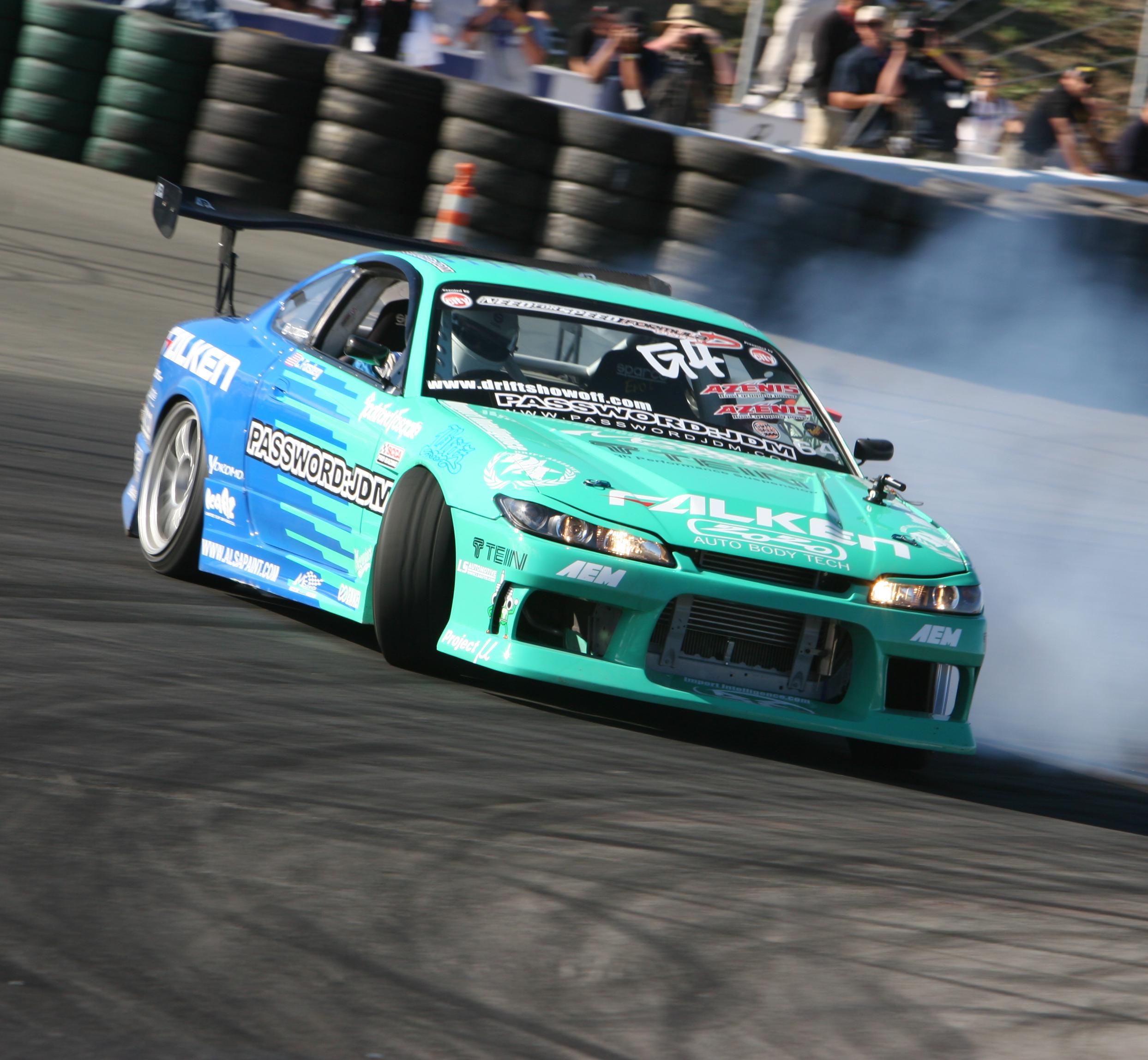
Words: Sam House - Photos: Wrecked Archive
In the US in the mid-to-late 90s, if you were around the right people, you might have heard whisperings of a growing interest in what some crafty car enthusiasts were up to over in Japan. The west coast especially was getting liberally sprinkled with the seeds of a love for getting sideways, carefully sown by service members returning from being stationed in Okinawa and other folks who had had the chance to experience the drifting subculture firsthand. A certain manga, later an anime series, helped to romanticize the discipline and the rear-wheel-drive econoboxes that Japan had been producing for years.

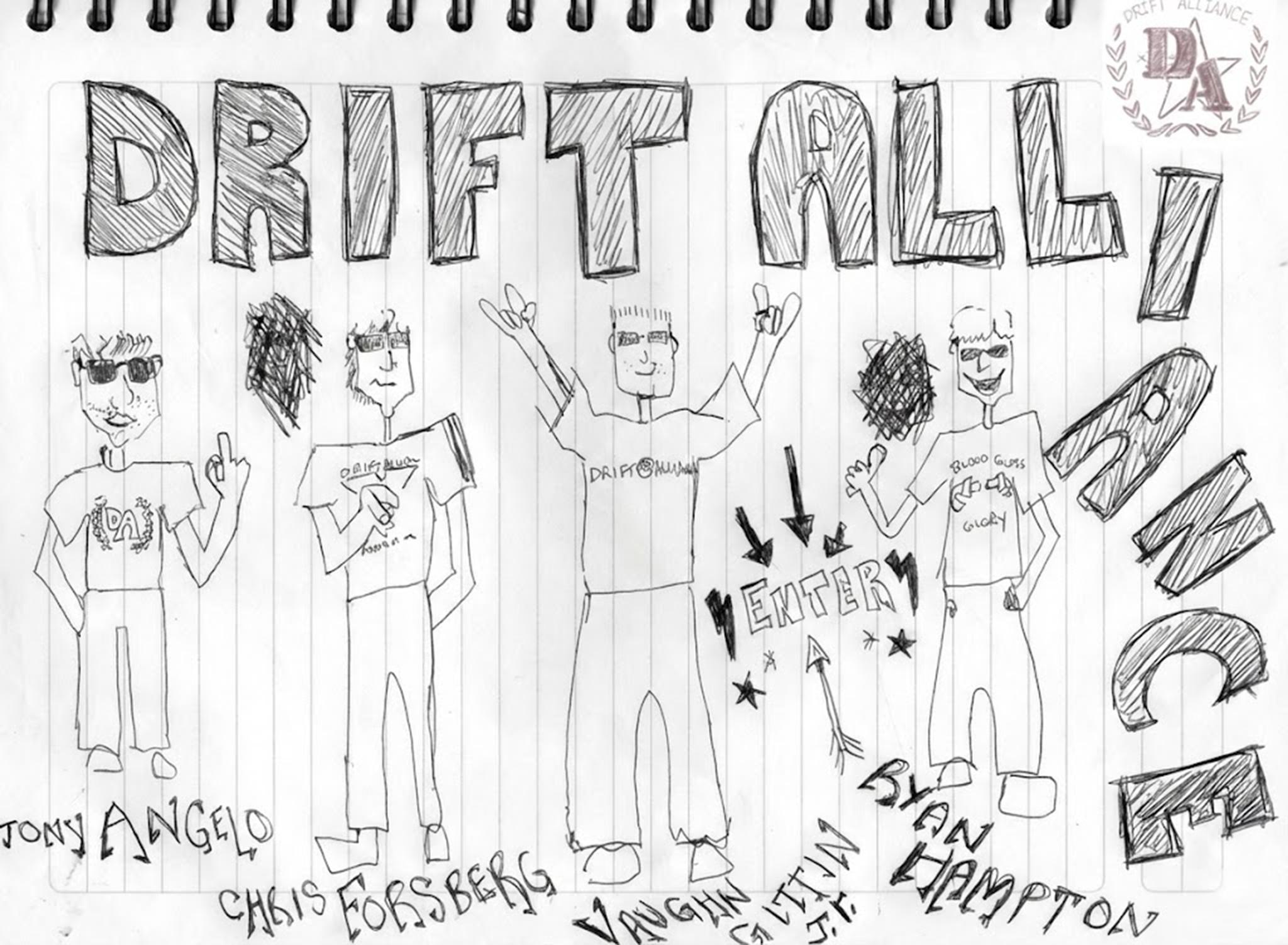
Like plumes of tire smoke on a windy day, that influence managed to spread its tendrils eastward. A little ways north of Philadelphia lies Doylestown, a borough of a little more than 8,000 Pennsylvanians. Around the turn of the millennium, two young gearheads among that 8,000 caught a whiff of that smoke and got hooked. Tony Angelo and Chris Forsberg were mesmerized by the style of the cars and the driving coming out of the Land of the Rising Sun. On an episode of the Sileighty Mania podcast from 2024, Angelo described how a buddy of his would send him clips from Initial D, that little series we mentioned earlier, on RealPlayer. They were clips that that buddy’s buddy in Japan had ripped from Japanese TV and uploaded. Angelo didn’t know Japanese.
“We didn’t know what was going on, we made up our own stories. We kind of, like, got the gist of it. We were just there for the music and the driving,” he told host Benson Hsu.
At the time, both Angelo and Forsberg were driving FC RX-7s, and it’s not hard to imagine how exciting it would be to see your car represented in such a unique, rad way for the first time. They’d hang out, work on their cars, rip them on some backroads and come home to sit down and imagine what Takumi could possibly be saying in between beating on the Red Suns.
Their love for rotaries, for building cars and for getting sideways only continued to grow as they navigated life in their late teens and early twenties.
In the coming years, Angelo and Forsberg met Matt Petty, a guy who had already been to Japan at that point and seemed to be cut from the same cloth as they were. “We liked to party. We did everything really rowdy, really wild… We all really fell in. We were thick as thieves in like, a week,” Angelo told Hsu. Petty also mentioned to the pair that he was looking to start hosting some drift events.
A little ways away in Maryland, a young IT professional, skater and motocross enthusiast was experimenting with oversteer in empty lots in his S13. “I had just kind of fallen into drifting on accident,” said Vaughn Gittin Jr. “We’re talking 2001-ish, 2000, 2001, and I’m just, you know, playing around industrial parks, dumpster diving for tires. Then as I started building that car up, I came across some videos of people drifting in Japan. In fact, they were some videos with Team Orange at Ebisu.”
As is often the case, the style of both the driving and the cars captivated him, tickling the same part of the brain that the action sports he was already in love with had. In ‘03, Gittin happened upon a video featuring a certain young driver by the name of Forsberg and his FC RX-7 promoting an event being held at New Jersey’s Raceway Park called Drift Out Wednesdays.
“Vaughn and Ryan Tuerck saw the video and they showed up at our first event, and so we kind of hit it off with Vaughn. He was wild. Dude drove hard. Same thing with Tuerck. So, the seeds were kind of planted with these guys at an early stage,” said Forsberg. He, Angelo and
Petty had worked with a group called the Drift and Gymkhana Trials Association and Mike Napp at Raceway Park to create and promote the events.
Per their website from all the way back in ‘03, “The DGTA was formed with one central goal in mind, to help introduce the ‘sport’ of drifting to the United States, specifically beginning with the East Coast.” That mission would evolve to include the sale of aftermarket parts and the sponsorship of other, like-minded organizations. By ‘04, their calendar of events had expanded to include events in Florida and Pennsylvania as well as New Jersey.
“I went to my first one and just really fell in love with the whole culture, the scene, and I realized I was pretty good comparatively to everyone that was there, and I just fell in love with it,” Gittin said. From that point on, it was all about building his 240 and making it to as many DOWs as he could. Driven by the same passion for the motorsport and love of getting rowdy, he and the others quickly became close friends.
In those early days, Angelo had been toying with the idea of starting a drift team modeled after the skate and BMX teams that they had all grown up watching. “East Coast Drift Alliance was the original name that Tony came up with, me and Tony at his house back in Doylestown, and it was essentially just kind of like our buddies. It wasn’t anything official. We were making iron on shirts, you know, with a little ECDA logo with the colonial flag,” said Forsberg.
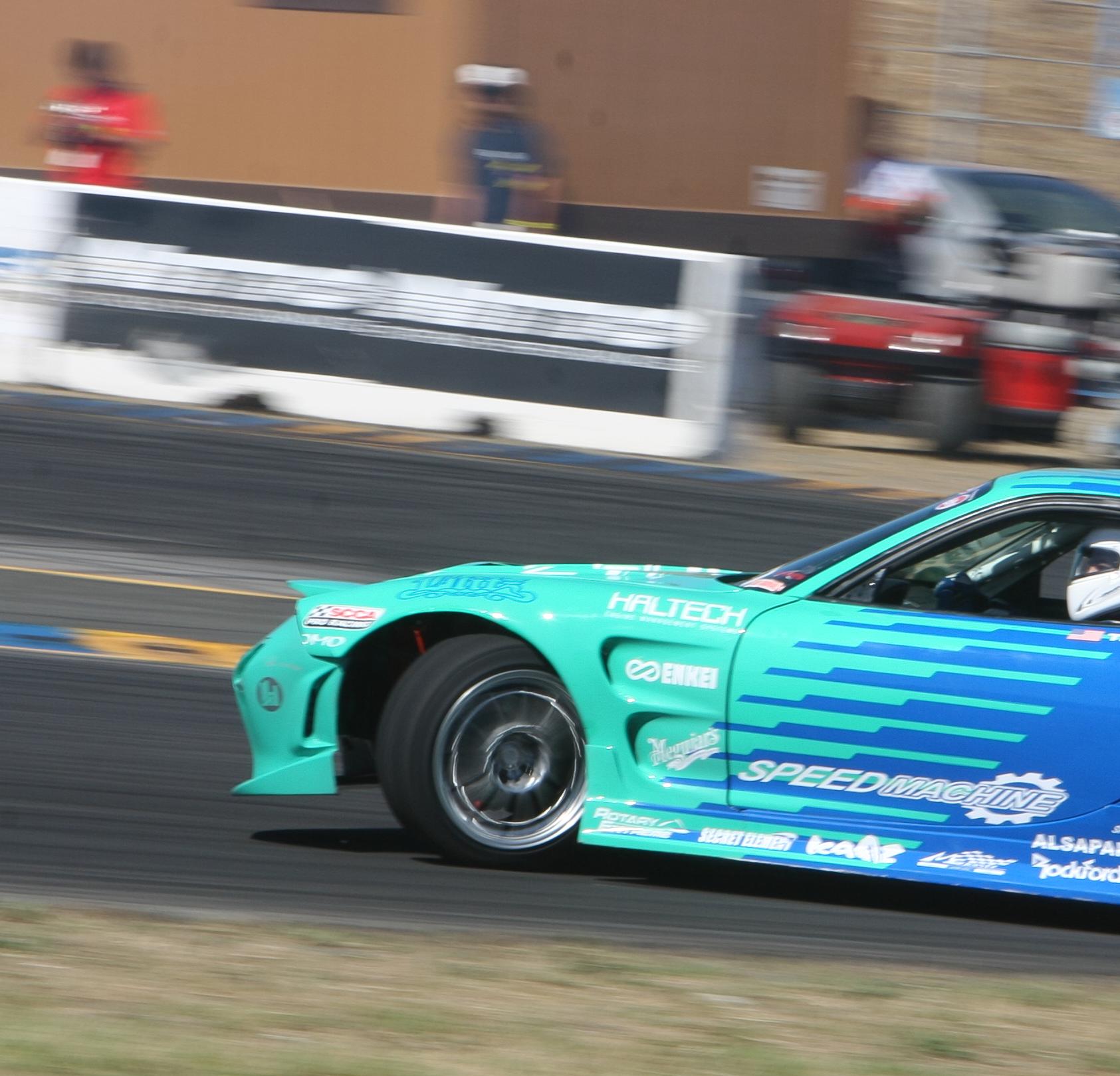
a demo at E-town. Gittin was invited by HyperFest to drive in a demo they were running at the NOPI drag event at California Speedway in Fontana, CA. These events put them on the same track as some of the very same drivers whose videos they had obsessed over as they devoured every piece of drifting-related media they could get their hands on.
Then, late in the year, it was announced that the US would have its first large-scale drifting
within professional racing programs. A few competitors with experience in D1GP bridged the gap to the opposite end of the pack, populated by up-and-coming grassroots drivers. Among them were a few wild, young drift nerds from the northeast. By that point, they were officially calling themselves the Drift Alliance.
“You had guys like Hubinette and Rhys come in, and there was always a mutual respect, you
what they could to fight to support themselves and their new competitive drifting careers. Life for them in those early days was about as far from glamorous as you can get. If being able to drive the next round meant sharing a room in the back of a race shop with a few other dudes, then that’s what they were going to do.
“We were fucking dead broke. We couldn’t pay for anything. But all we wanted to do was race our cars,” Forsberg said.
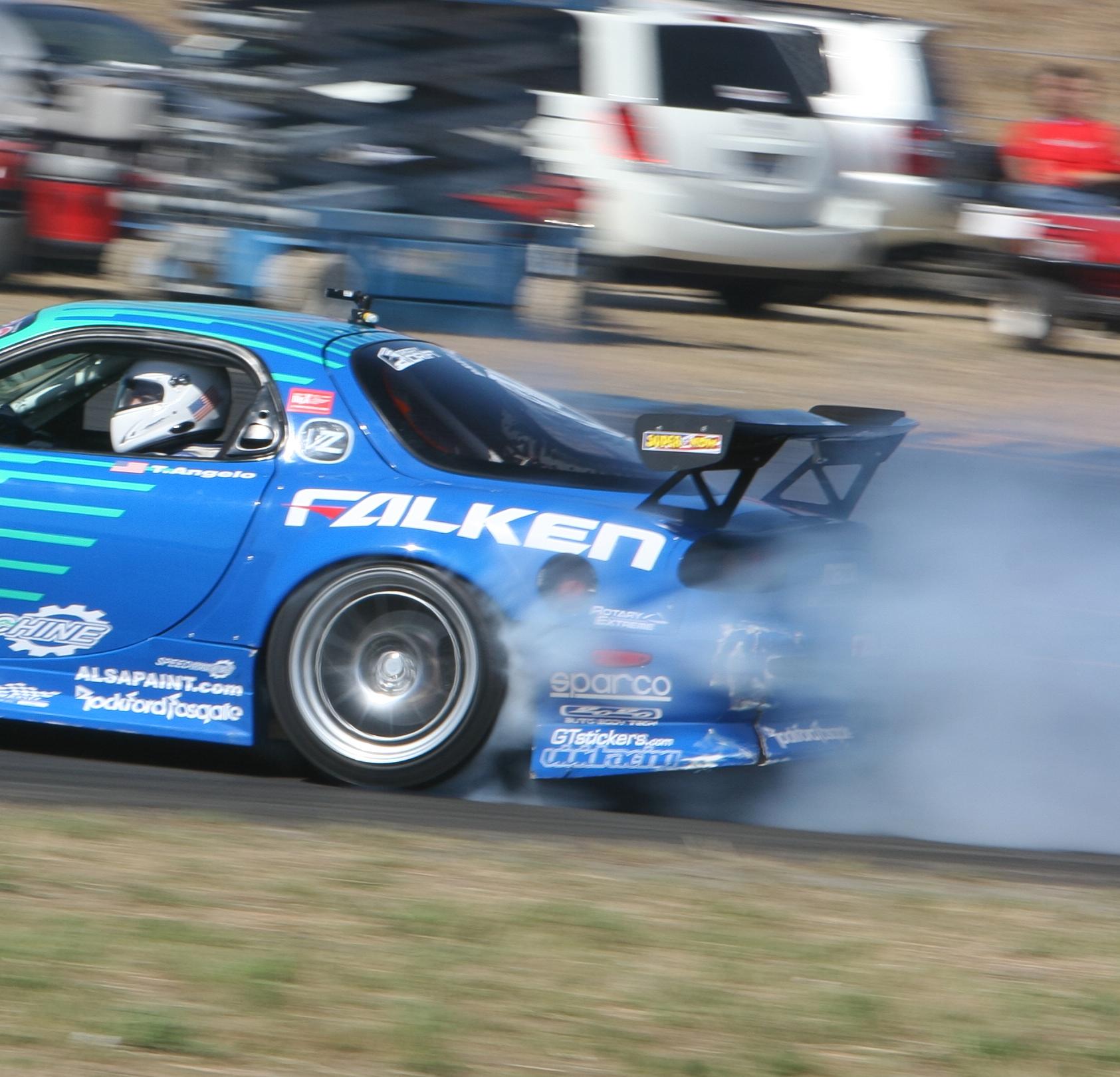
Round One brought the crew to Road Atlanta. Alex Kors, nicknamed “Baby” for being on the younger side of the DA entourage, remembered what it was like being there supporting them at the event. “It went from parking lot events to looking at going down the hill at Road Atlanta. It just felt daunting as all hell staring at it,” he said. That first round was a big test not just for them, but for FD as a whole. Luckily for the US drift scene, it went pretty well all around. Half of the top four finishers were DA members, with Gittin finishing fourth and Forsberg taking home the silver.
For a bunch of grassroots enthusiasts hungry to push their motorsport to new heights and prove their worth against drivers from outside the drift scene, this was a huge moment, even if it was one of those outsiders that took first place at the first three rounds.
Hubinette was an absolutely dominant force in FD in the early days. With a background in ice racing and a much more put together build than much of the field, he was well-equipped to kill it in the new series. He and his 600-hp, tubeframed Viper were undefeated up until the final round of the season at Irwindale. He finally met his match when a young Forsberg, behind the wheel of his SR20-swapped 350Z tuned up to bursting, drove out of his mind to topple the king in the round of 16.
“Chris went out there against Sam and he crushed Sam, like he beat the pants off him. Like Sam’s good and was driving hard, and Chris drove like an absolute wild animal and beat him. Like, he just outdid everything he did and you could tell Chris was driving like 10 times as hard to put down a better performance and he beat him and it was one of the most, like,
heroic things I’ve ever seen,” Angelo told Hsu. “People just went nuts.”
Forsberg was knocked out in his next battle with Millen, but it didn’t matter in the grand scheme of things. The Drift Alliance had proved that they could hang with the upper tiers of their competition on the track, and they were more than capable of hanging off the track, too.
“It was interesting to watch, and they were kind of sticks in the mud at times, because we were all out of our minds and totally nuts. They wanted a good night’s sleep before an event. Everybody else is out ‘til 2 or 3 in the morning screaming their heads off,”
Kors said about the dichotomy between the older “gentleman racers” in the pits and the motley crew of misfits they were driving against.
DA plowed into 2005 with a full head of steam. Thanks in part to Gittin’s relationship with the company, Falken Tires brought the whole team on and became their title sponsor. They also brought Ryan Hampton, an experienced road racer and racing instructor, into the fold. Angelo, Forsberg, Gittin and Hampton donned the full, iconic green-and-blue Falken liveries and got comfortable behind the wheel of new-to-them cars. It was also this season that they began filming for what would become the feature-length Bad as Hell, “the premiere video from Drift Alliance, the hottest and most notorious motorsports crew in America.”
The film falls nicely into the same format as the skate, BMX and motocross videos that inspired it. It feels almost equal parts drifting action and debauched, wild partying, with heartfelt, reflective talking head segments sprinkled in. The soundtrack features plenty of pumping, early 2000s alt rock, but doesn’t shy away from including raw exhaust notes and tire noise. It’s an excellent glimpse into what it was like not just for DA and their entourage, but the scene surrounding FD and US drifting as a whole during those years. From demos and exhibitions to competition, we see the main four DA members and the rest of their crew going from crushing beers to getting a piggyback ride from Jarod Deanda to shredding in front of thousands of spectators.
Gittin described the first few years of FD as a “traveling circus,” which isn’t to say that it wasn’t organized, but that it was a wild, relatively novel spectacle. “It was definitely wild. Like I said, everybody got along, so after the events there would always be an after party, and after that party was the hotel after party, and after the hotel after party, who knows? There were fire alarms and I mean, drifters are another level,” he said. “Drifters early on, and even today, they’re kind of the outlaws of motorsport at a certain level.”
The ‘05 season came to a close with Millen taking the championship, but the DA boys were still plugging away. This time around at Irwindale, Forsberg took the win, earning the crew their first ever FD gold. As they developed as individual drivers and as a team, so, too, did FD and the motorsport as a whole. Builds were slowly getting more and more powerful, tandems were getting much tighter and drifting was making more of a name for itself. As the calendar flipped through the next couple of years, the once tight-knit team, all under the Falken banner, moved ever so slightly apart. Ryan Hampton moved on from FD in ‘06 and was swapped for another Ryan, one Ryan “Hampshaaa” Tuerck, another New England kid who had ripped around at E-Town with the guys in the earlier days and was ready to make his debut on US drifting’s biggest stage. Falken had released Forsberg and Angelo, leaving Vaughn as the only DA member still rocking the green and blue.
They were still ripping, still making it happen despite the financial challenge of losing a major sponsor. Their attitude for the ‘07 season is what gave their 2nd film, Stay Hungry, its title.
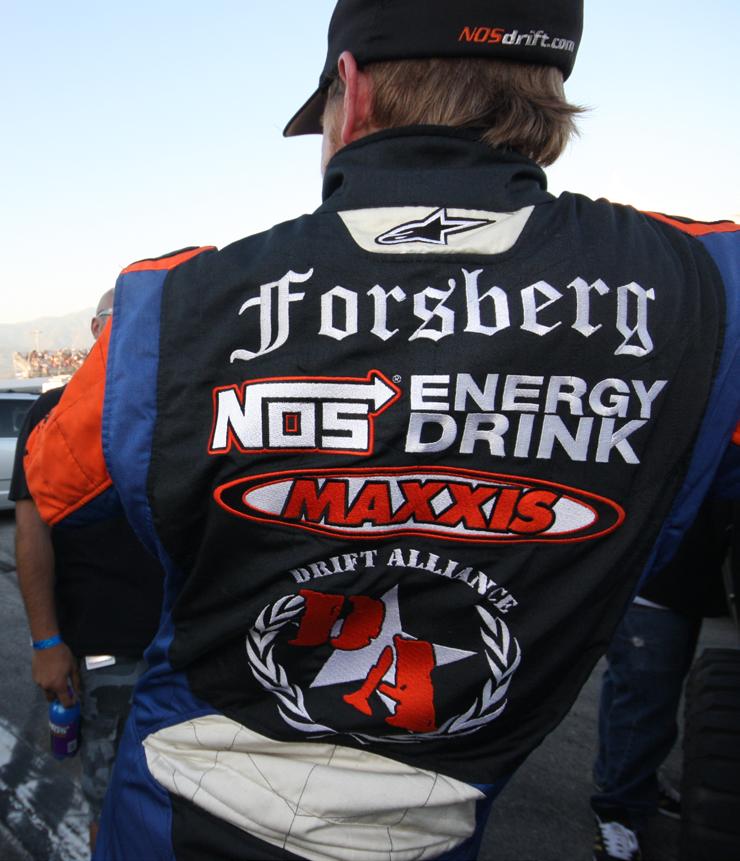
“The stay hungry kind of mentality was, you know, you want it done right, you’ve gotta do it yourself kind of mentality, just pull your bootstraps up and get the job done or we’re going to get left behind,” said Forsberg. That’s not at all to say that their friendships were any weaker, as is made evident within the first few minutes of the film. It’s structured a little differently than Bad as Hell, but maintains the same action sports movie flavor.
Outside of their inner circle of three or four rippers that had been around since the beginning, DA had what they called their aces, longtime friends and guys who fit the DA ethos but were still proving themselves. Tuerck was one of those early aces before he was fully brought onto the team. The intro to Stay Hungry introduces Brian Wilkerson, Matt Petty, Kenji Yamanaka, Lindsay Ross and Michael Edwards as aces, with each getting their own highlight reel right alongside Tuerck, Gittin, Angelo and Forsberg. Another big part of that second film is their international exhibitions.
“The meat of everything really goes back to ‘03 to ‘07, ‘08, where we are literally traveling the world. I mean, we got me, Tony Angelo, Ryan Tuerck and Chris Forsberg in freaking China… like, we’re all on the Great Wall of China. We sent our backup cars over there and, you know, we were lucky to get to leave China. I mean, we were just wild… It was drive, drive and just party and see what kind of fun we could get into. We went all over the world, we spent tons of time in Canada, El Salvador, all over the US, it was just crazy. We felt like rock stars in race cars. And I mean, you can see in the old photos, we carried ourselves that way. Sunglasses inside, we were on our own vibe. It was absolutely some of the best days of my life,” Gittin said.
It may go without saying, but the FD of the first five or six seasons was very different from what it looks like today. Back then, when DA was blazing a path for grassroots drifters across the country, there was room for a Cinderella story like theirs.
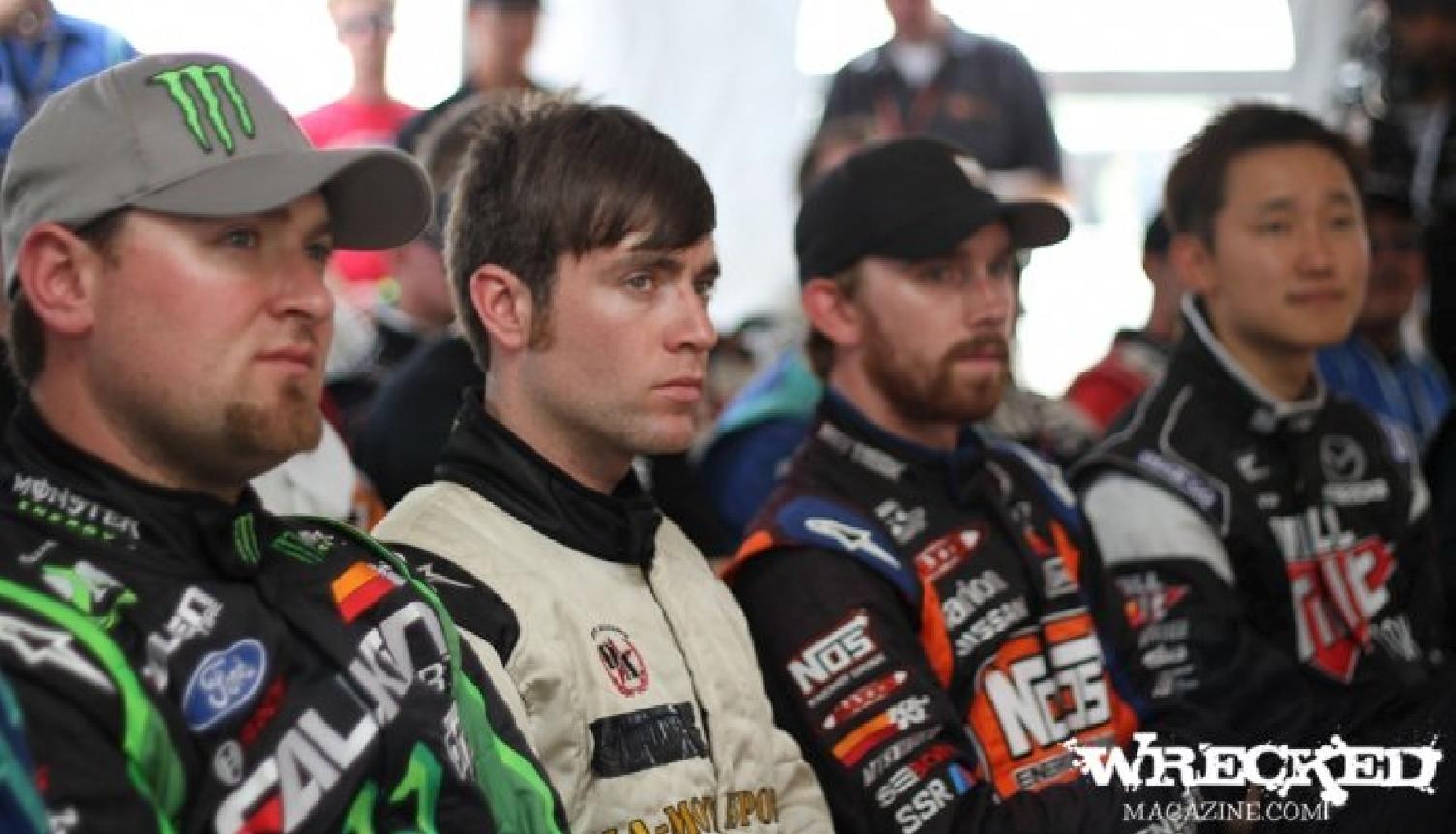
Sure, some of the field was making big power and putting together increasingly effective, complex suspension setups, but DA showed that you could be competitive with less. Around ‘08 and ‘09, though, something of an arms race kicked off. Speed and grip were well on their way to being king, and some builds were inching ever closer to the 1,000 hp mark.
Having bounced back from his tricky ‘06 season, Forsberg especially was putting on killer performances and really hitting his competitive stride. Behind the wheel of his VK56-swapped convertible 350Z, he made it to the podium four times between ‘07 and ‘08, three of which were first-place finishes. Tuerck and Gittin were both hot on his heels, and it felt like the drifters were finally closing the performance gap with the drivers from other disciplines. Rally and stunt driver Tanner Foust won the championship back-to-back in
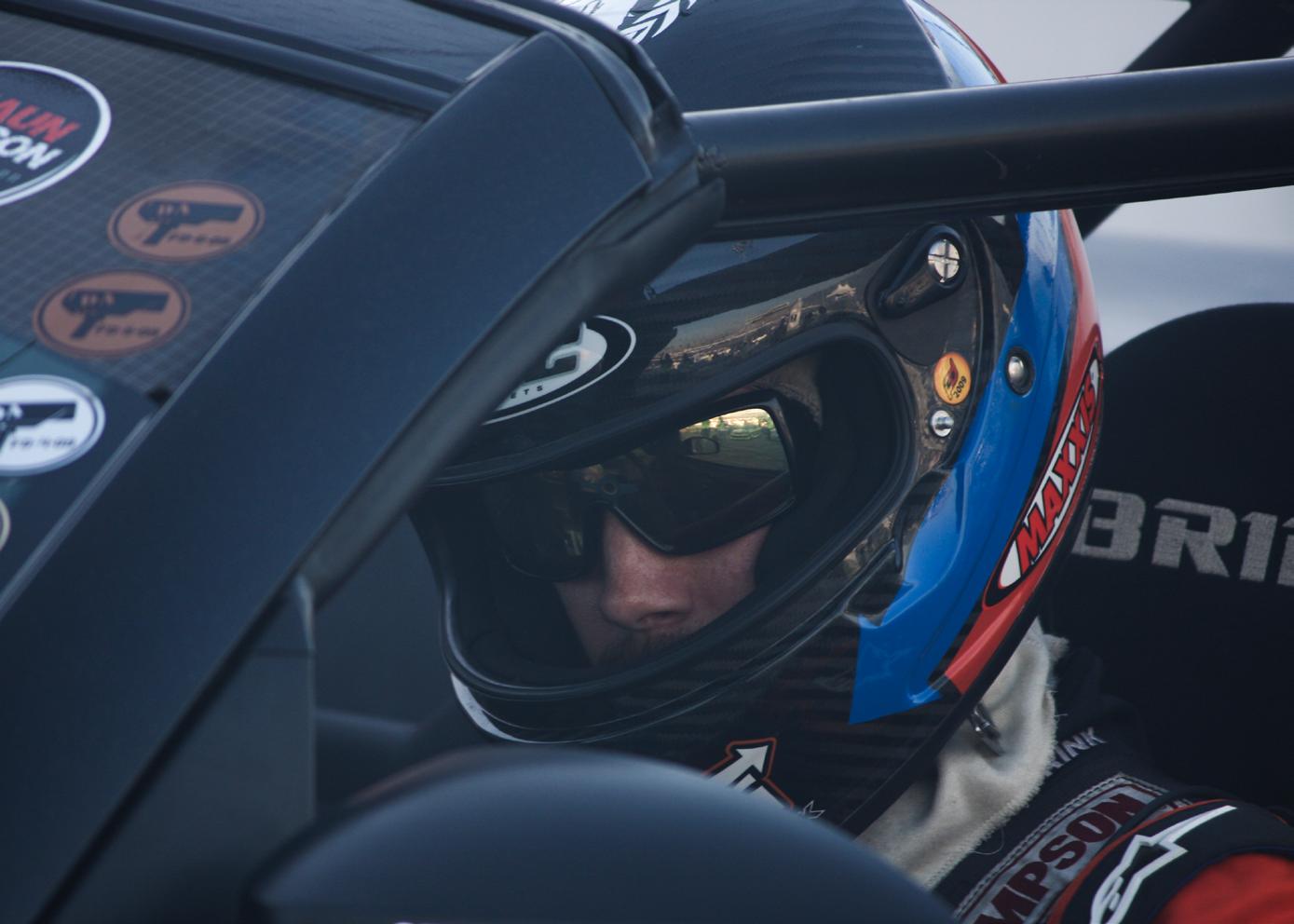
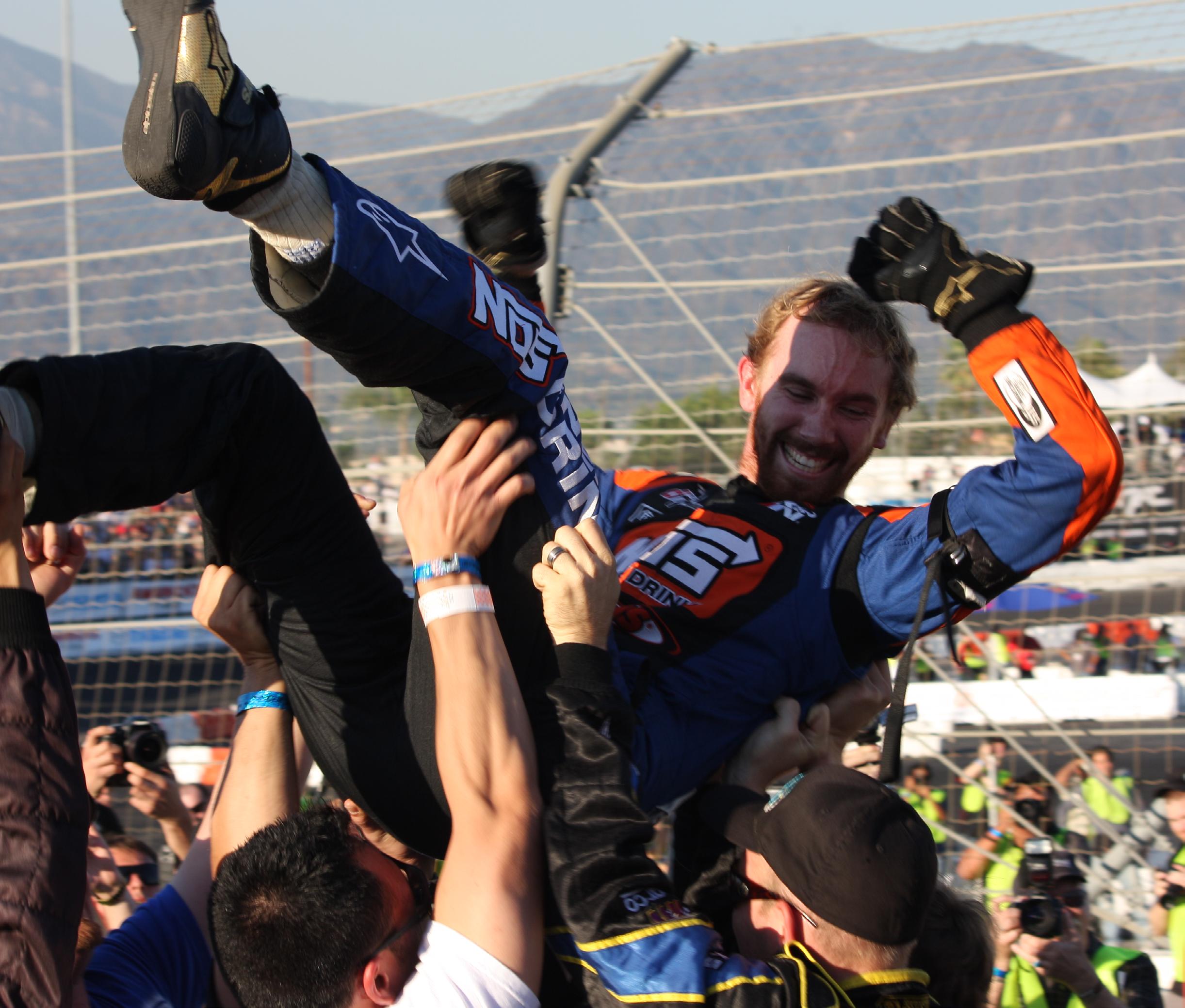
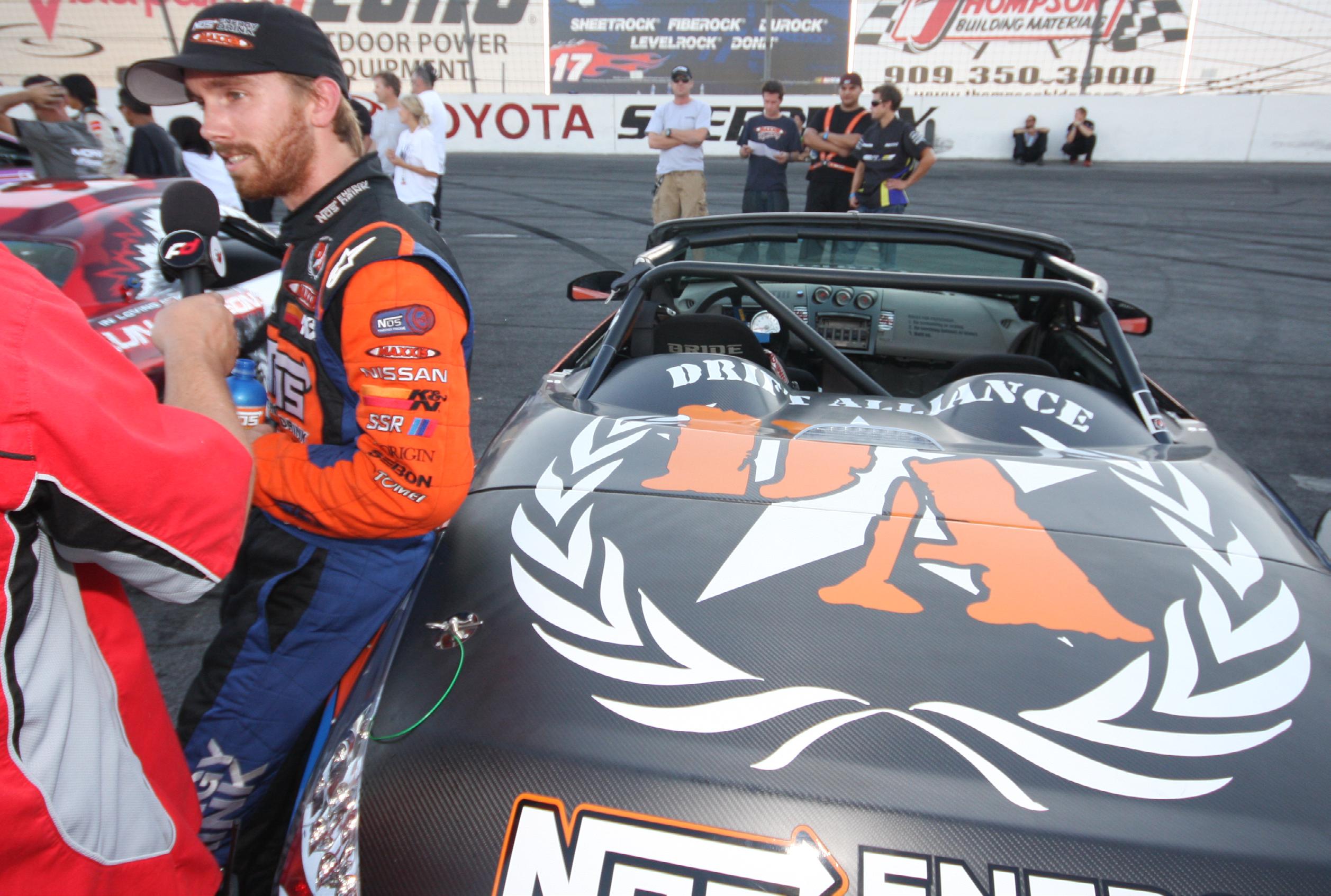

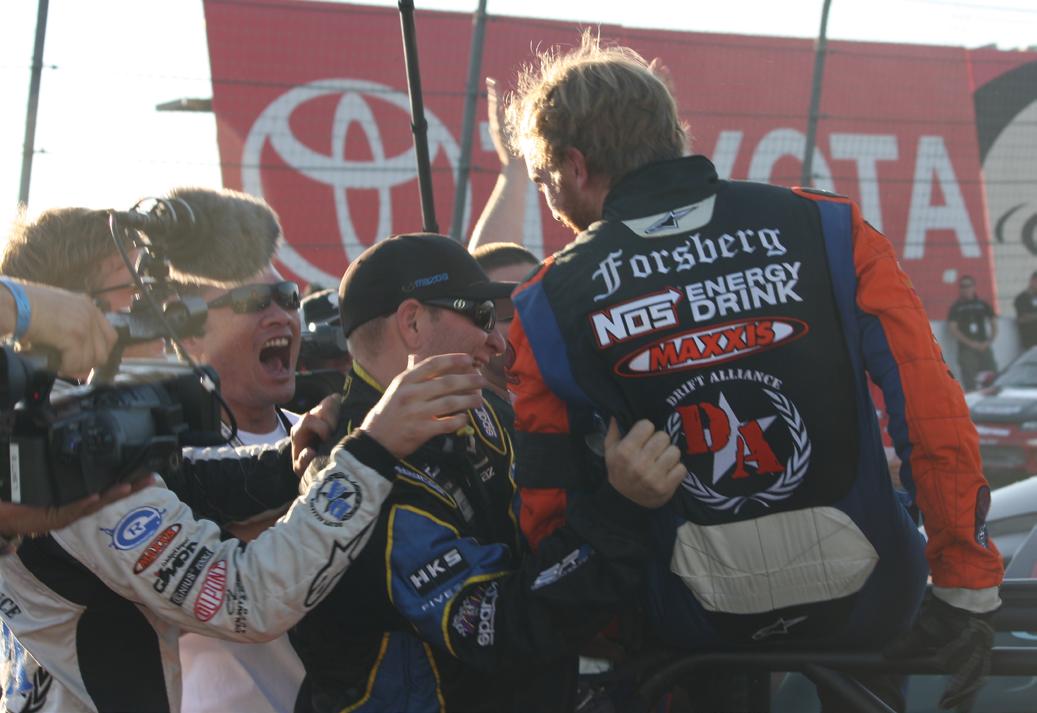
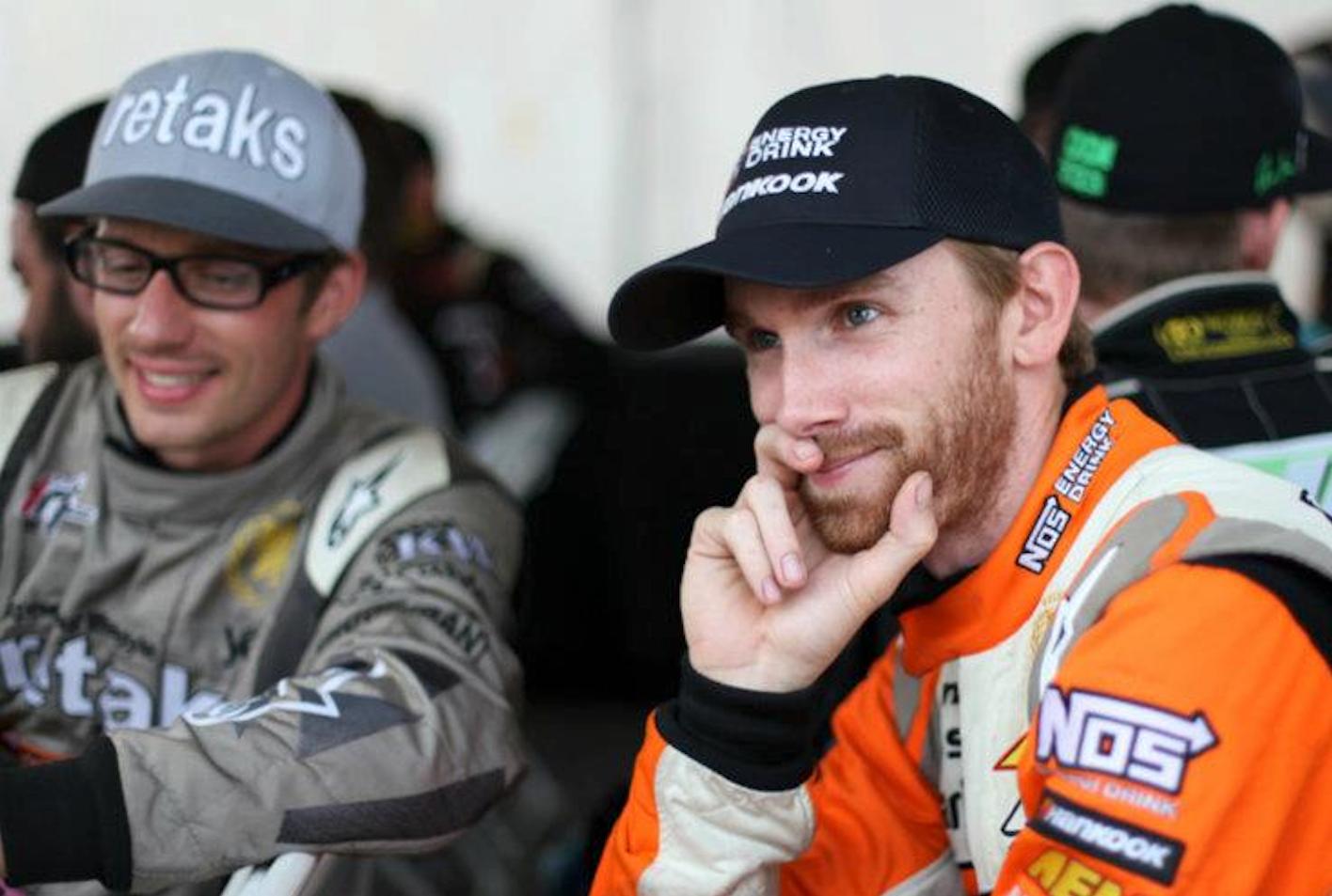
Tuerck, behind the wheel of his Pontiac Solstice, won the first round of the ‘09 season on the Streets of Long Beach. Not to be outdone, Forsberg followed up his teammate’s win with one of his own, this time in Atlanta. Forsberg won again at Washington’s Evergreen Speedway, and Tuerck bookended the season with another win, this time at Irwindale.
They finished the season in first and second, with Forsberg edging his longtime friend and teammate out by just six points. After six seasons, the title of FD champion had finally been earned, through no small amount of blood, sweat and beers, by a true drifter.
Not to be outdone, Gittin followed up his DA brother’s momentous season with an even more dominant one of his own. With podium finishes at six of the 2010 season’s seven rounds, he claimed his own season championship and the second in a row for the wild upstarts from the east coast.
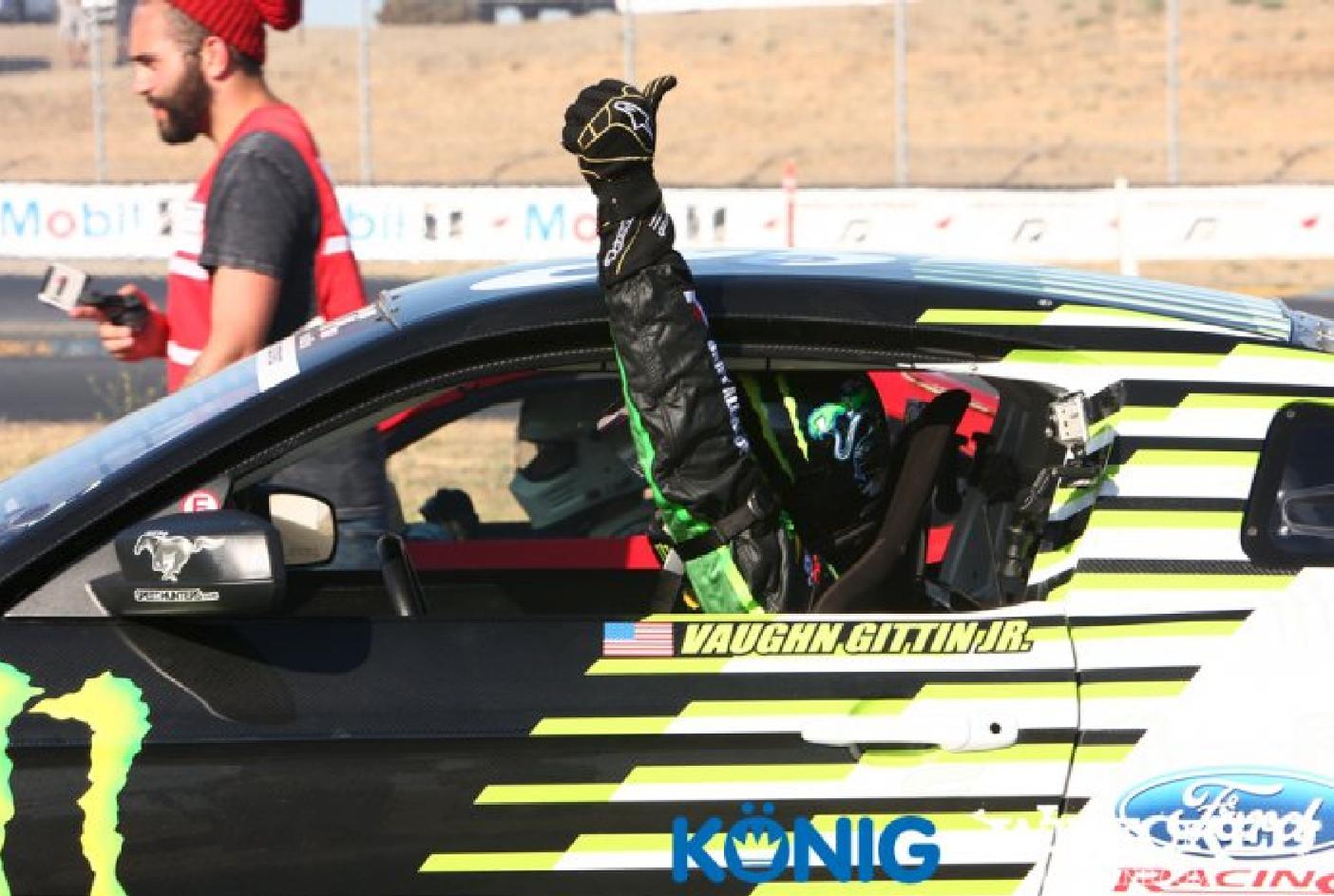
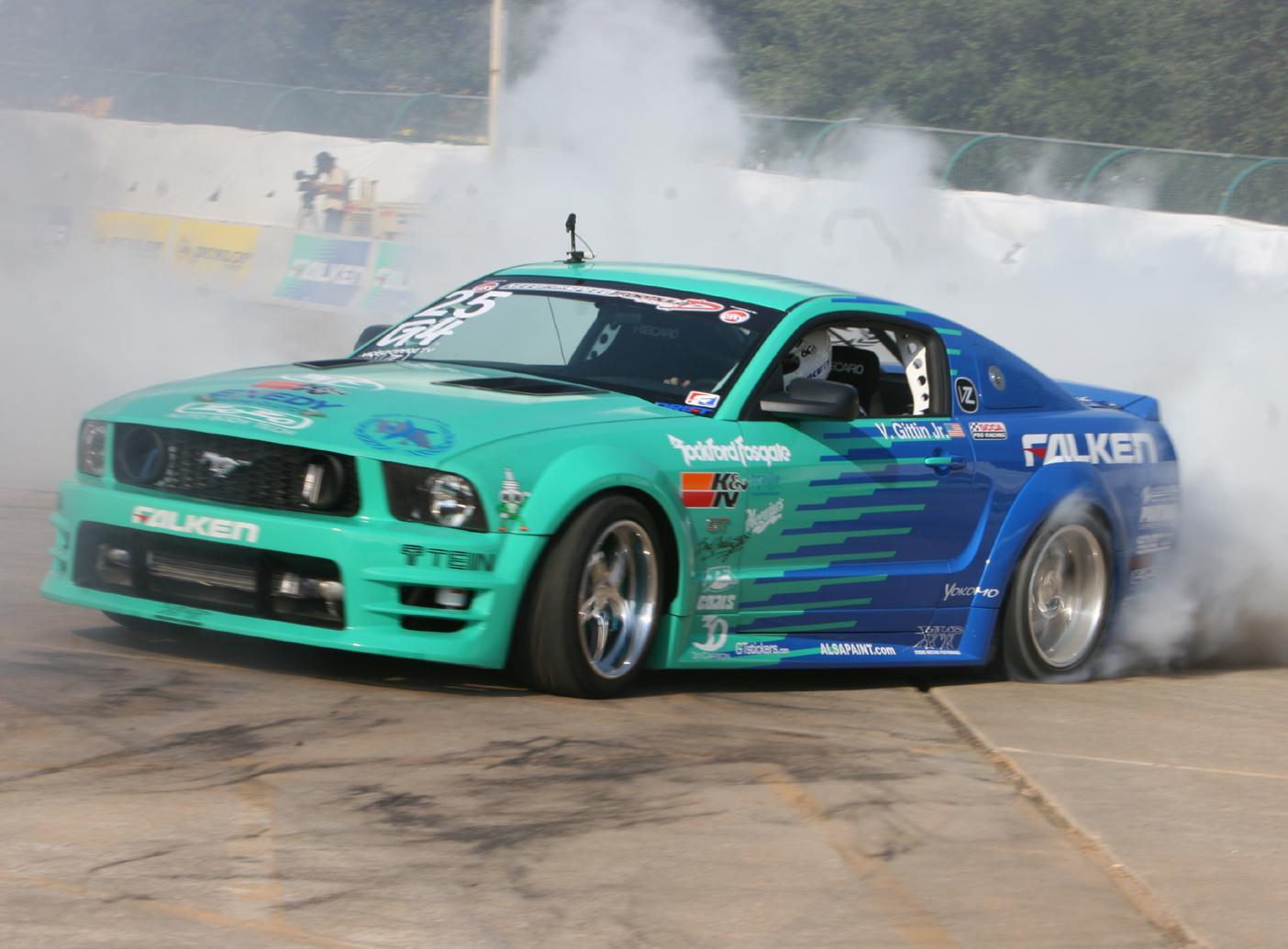
“This is not disrespect to those guys by any means, I’m friends with all of them. But we were the drifters, you know, and the road racers and rally guys came in and won our championship, so when Forsberg won in ‘09 and then I won in 2010, there was a big sense of pride for that, that we were representing the real guys that have come up from drifting,” Gittin said.
It was a long road for them to get there, but they had finally summited the mountain of professional motorsport that they had been clinging to the side of for the better part of a decade. Admittedly, it did take dipping their toes into the dark side of taking competing more seriously, treating their bodies like an athlete and working with experienced pros and programs on car setup, but they were doing what they had dreamed of all those years ago.
“From 2003 to 2007, it was just showing up with all the heart and passion and skill that we
possessed naturally, and that was enough for me to win the USA versus Japan [in ‘05] and win the World Championship in ‘07, but it was really 2008, 2009 where, you know, I realized my faults and really started looking at it with an athlete mindset and, you know, turning it on,” Gittin said.
Taking themselves more seriously as athletes and as parts of a professional racing program also meant that they had less time for all the crazy antics that had been such a big part of the Drift Alliance image. They were still close, they still repped DA on their cars and were proud of their roots, but remaining competitive in FD demanded more and more focus and professionalism. They each were forging their own paths ahead, and those new directions didn’t always mean continuing to compete in the series. Angelo, for example, took a break from competing in FD for several seasons and instead joined the judges’ table.
As social media and the importance and accessibility of content creation have grown, they have each embraced that aspect of the drift scene, bringing their personalities and talents to wider audiences. In 2012, the Network A YouTube channel began featuring drifting alongside their other action sports uploads.
Tuerck got his own series, called Tuerck’d, that brought some of that original Drift Alliance personality to new audiences. The series has amassed millions of views at this point, and while viewers might not have been around to witness DA’s rise to notoriety, they got to see some of that raucous, creative energy that propelled the crew in their early years. While Tuerck was the host, he was regularly joined by his DA brothers as they thrashed on their cars in some wild challenges. A few years later, Forsberg became a regular on the channel alongside Tuerck as they wrenched on project cars together.

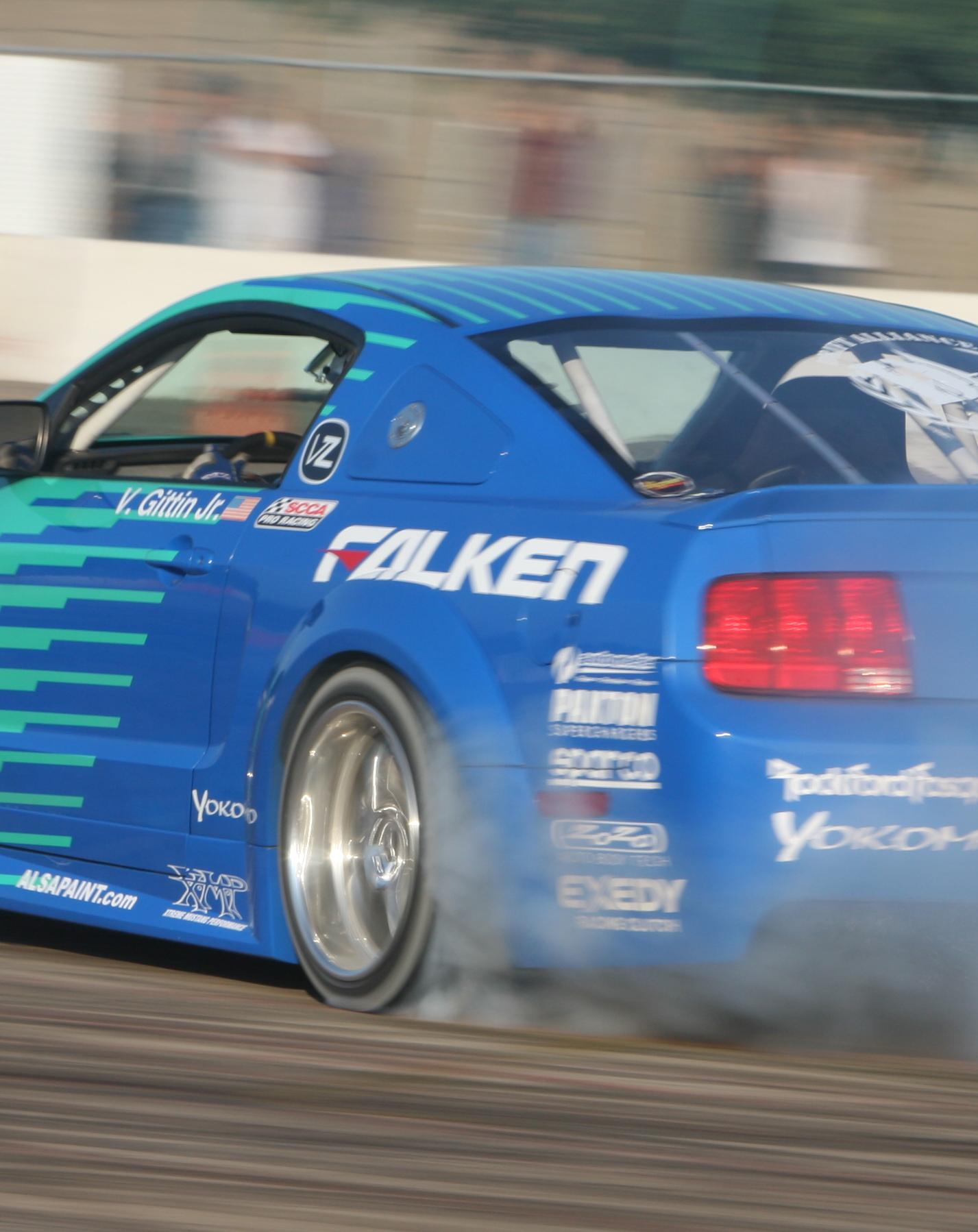
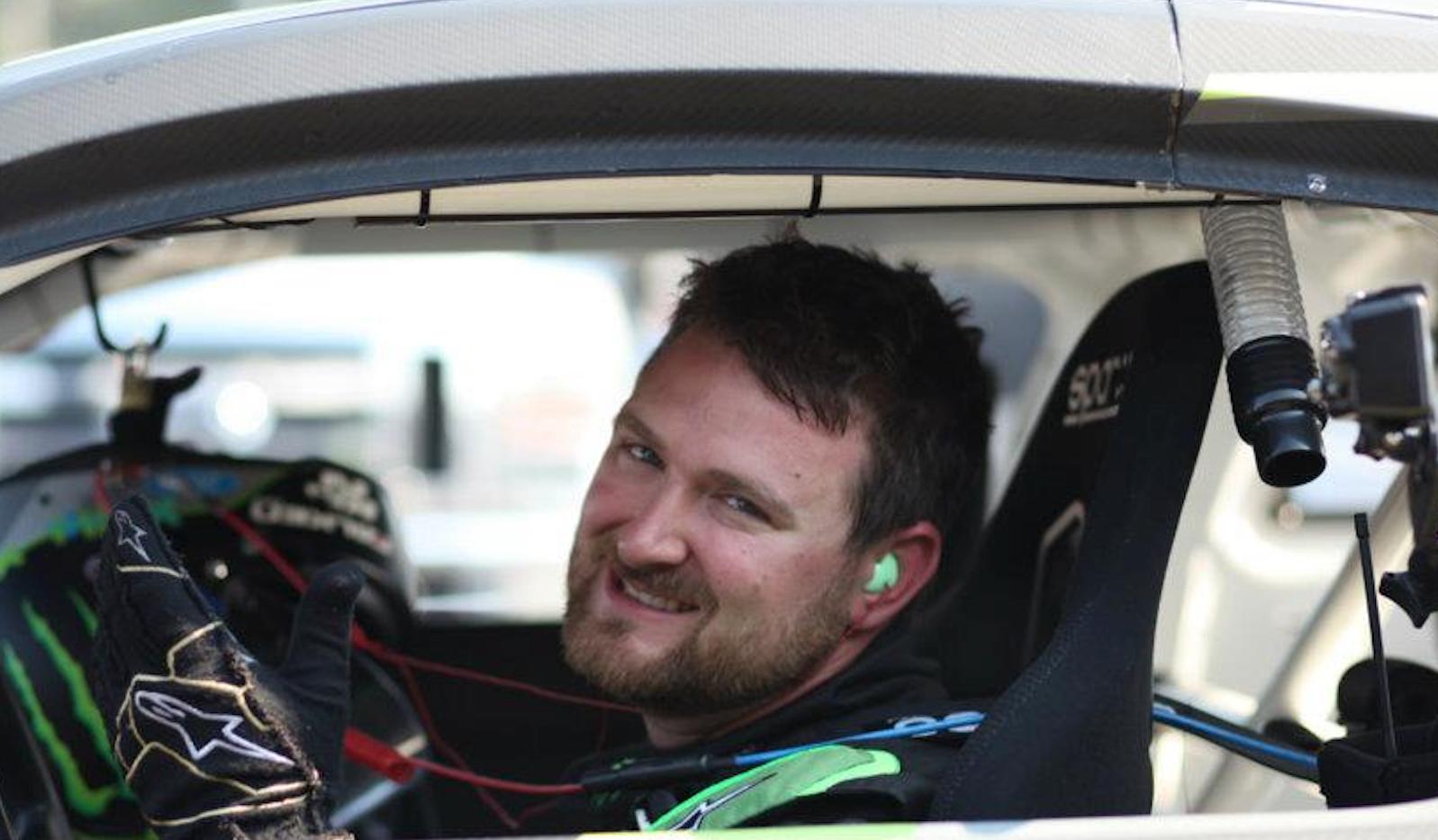
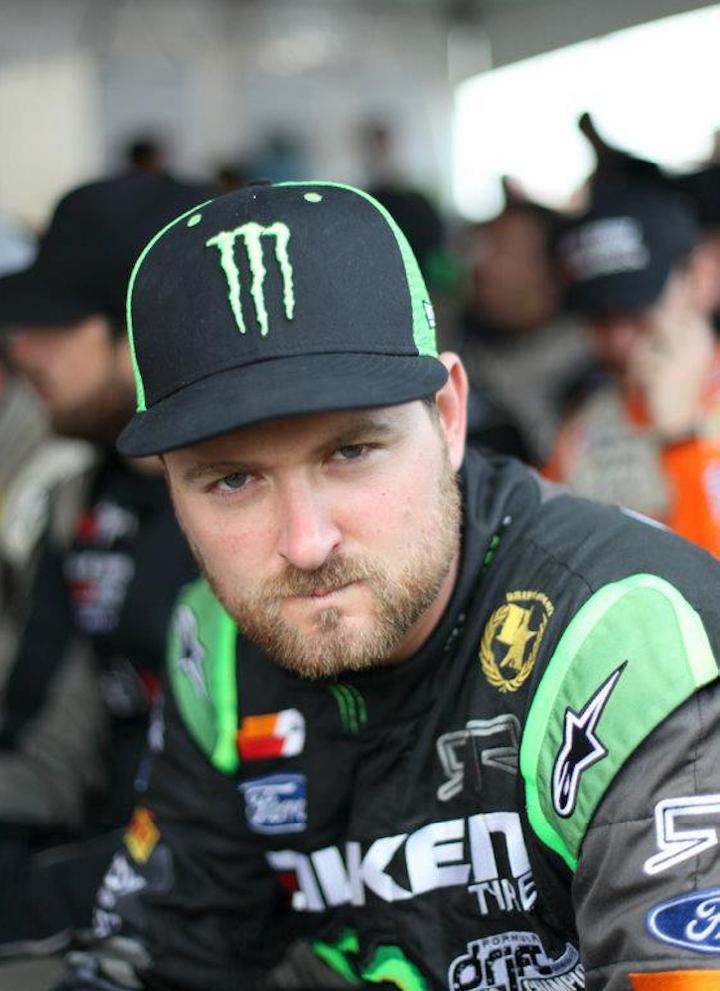
Gittin, always the most business-savvy of the team, has spent years building up his RTR brand around the same ethos that drove him to his first FD championship win. Officially aligned with Ford, RTR has branched out beyond Mustang and drift performance to include other models and disciplines. Much like Falken gave him his first big break over 20 years ago, he has been able to bring aspiring drivers onto the RTR team and has given them the resources they need to thrive. Forsberg, with his Forsberg Racing team, is in a similar position. He’s also one of only two FD “ironmen,” meaning he has competed at every single round since the inaugural 2004 season. Tuerck, now competing under the Papadakis Racing banner, continues to bring that same creative energy to his wild builds. Angelo returned to his hot rod roots after eventually moving away from FD. He became a host on Motor Trend, where he stayed for several years before leaving to focus on building his YouTube channel.
The Drift Alliance story isn’t one that is likely to be recreated anytime soon. The merry band of misfit gearheads was uniquely positioned, maybe uniquely predisposed, to make their mark on the fabric of US drifting. They brought all the right attitude and energy from so many influences and channeled it all into the motorsport they fell in love with at a young age. Whether they were stepping onto the podium at an FD round or sliding down the long driveway at their West Coast drift house, Camp Snakebite, in a fridge, they were working to establish an attitude around drifting that persists to this day.
“It’s a little bit of that Cinderella story and it’s a little bit of this, like, you can pave your own way to do whatever it is that you want to do, and to do it very well, because they all have the support of each other and the people around them, to make that happen and just do it your way unapologetically,” said Kors, reflecting on the DA legacy. “You don’t need to be a race car driver to do race car things.”
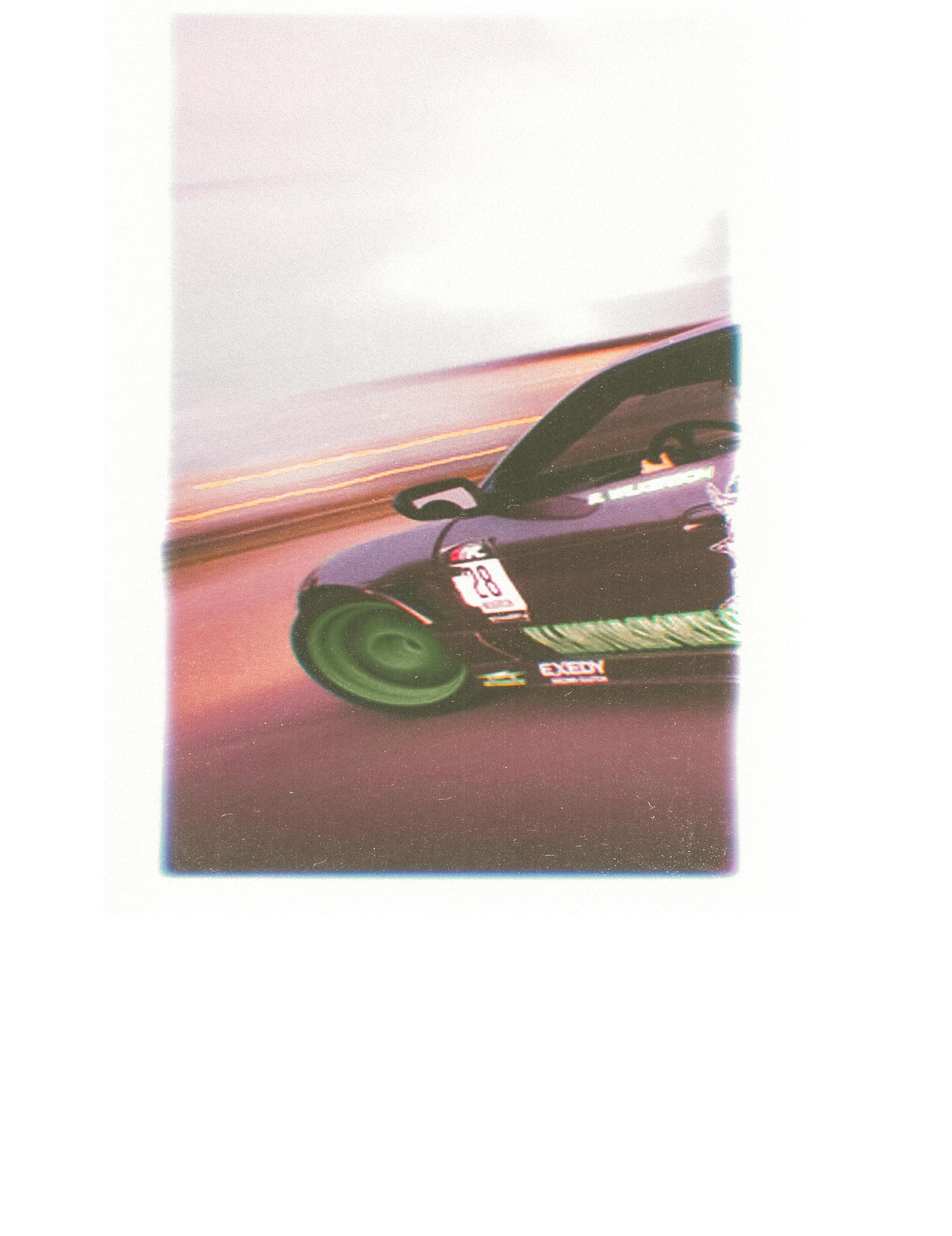
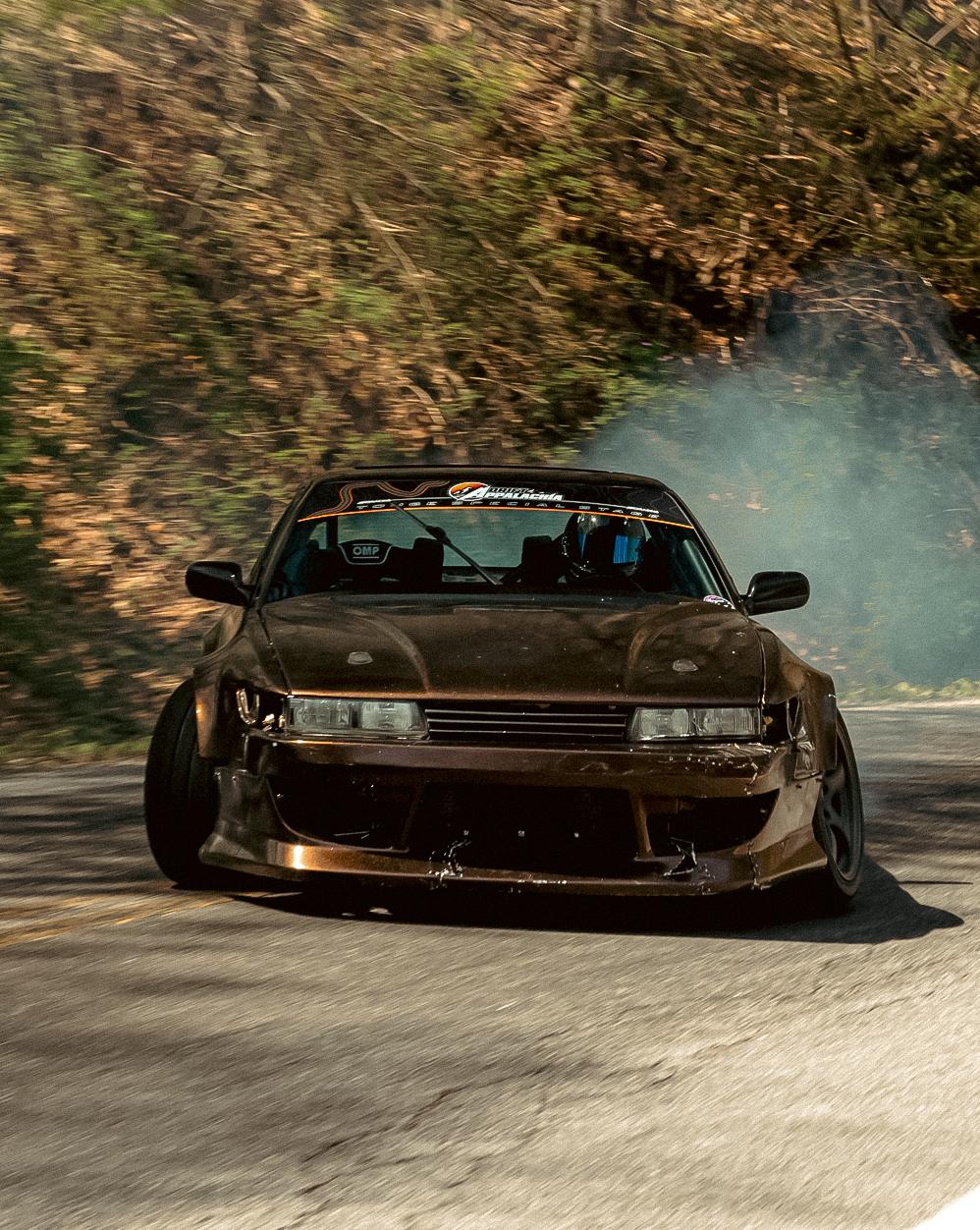
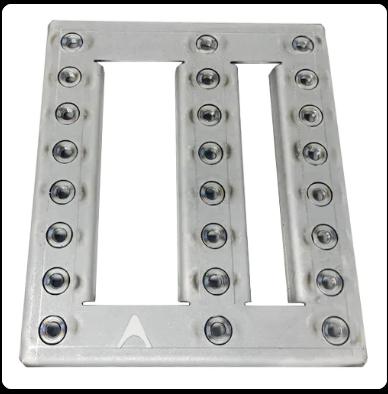
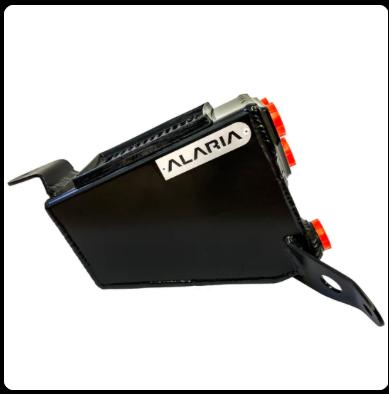

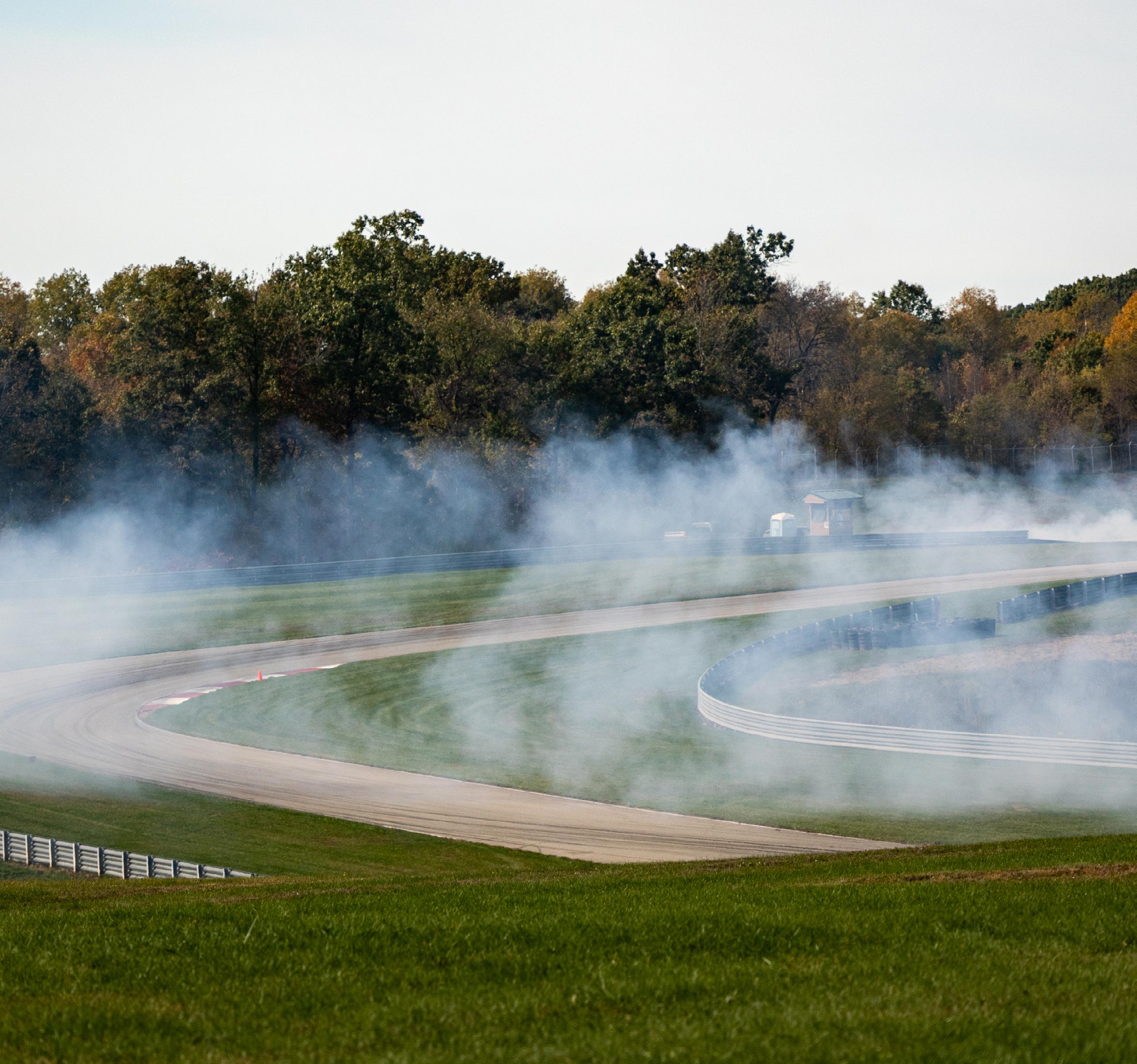
Written and Photographed By: Will Kinchelow
Formerly known as BeaveRun in its inception, Pittsburgh International Race Complex was the premier motorsports facility for the greater Pittsburgh, PA and northeastern Ohio areas. Being born and raised in Pittsburgh, I spent many weekends throughout the late 2000s learning to drift, and doing photography for the events. While drifting was my priority when I was a regular at PittRace, it was home to so much more.
The facility included the previously mentioned skid-pad for drifting, but also held monthly autocross events as well as a variety of car
control clinics from first-time drivers learning the basic car control to first responders learning high speed maneuvers to get to their destination safely. There was also a 0.82 mile go karting track with rental karts, that was home to an in-house karting league as well.
The highlight of the facility is the road course. Originally there was just the North Course. A 1.6 mile 10-turn course featuring a decent length straight-away and some solid elevation changes with cambered corners. In 2015 a 1.2 mile additional South Course was constructed creating a second track but also the option
to combine both courses for a nearly 3 mile premier racing experience. Track Night in America was routinely held here, as well as many local clubs hosting events throughout the season.
One of them being the Pittsburgh Vintage Grand Prix, where race cars from pre-World War I to actual 1960s Ford GTs get to stretch their legs for a couple laps against the cars they would have raced against 50+ years ago. While it may not be as famous as track like COTA or Laguna Seca, everyone I’ve spoken to always has positive things to say about driving PittRace.
I hadn’t been back to Pittrace since the completion of the South Course. Life happened and I moved away for school and eventually work and ended up settling in Cincinnati, OH. My family is still in the Pittsburgh area so I’d go back to visit them on a weekend or for holidays, but I never made the trip back to the track. That was until October of 2025 where (at the time of writing this) it was announced that PittRace would be closing its doors at the end of the 2025 season. A decision seemingly to come out of nowhere, I knew I had to make it back to PittRace one last time before the facility shut its doors for the foreseeable future. And what better event to do it at, but Gridlife.
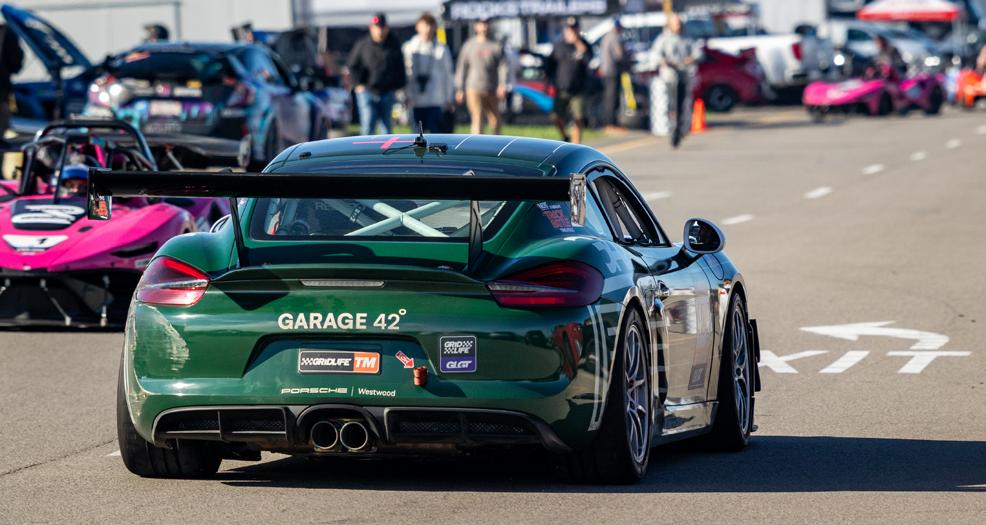
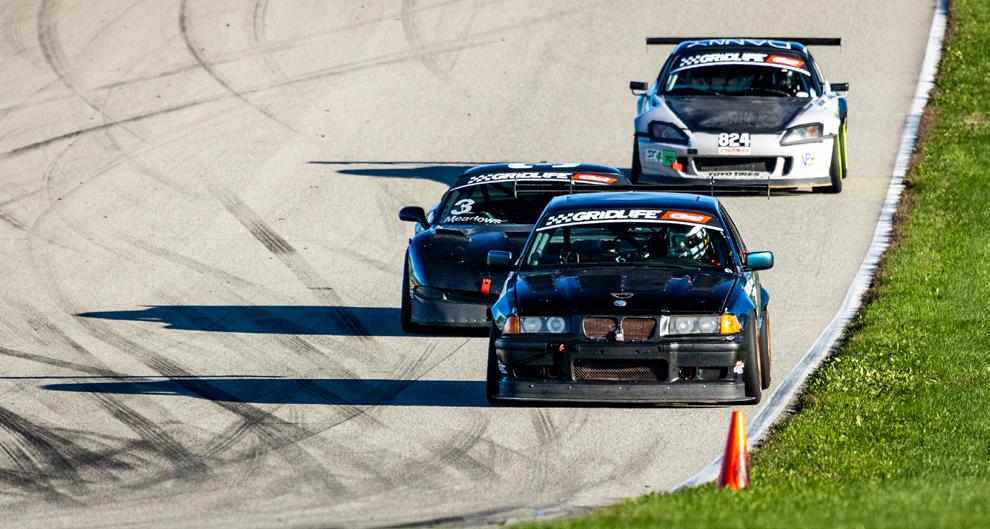
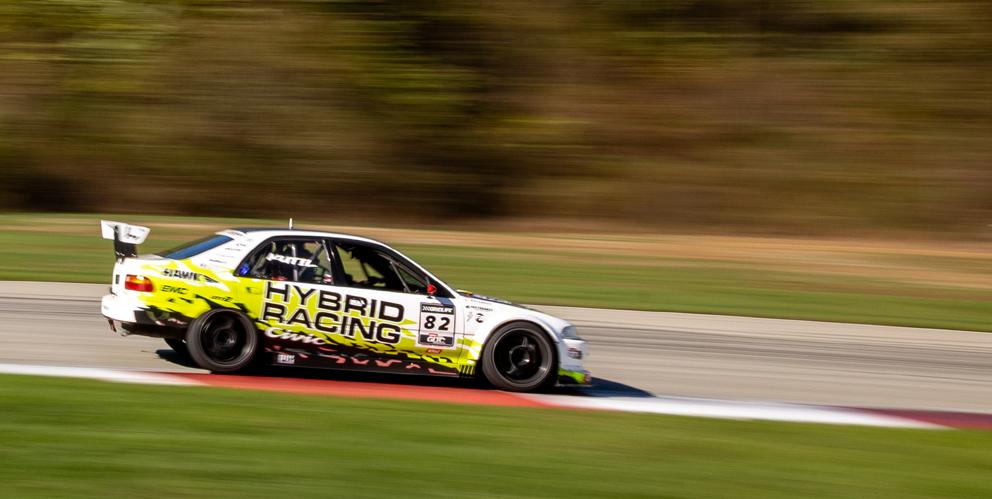
So I applied for media, got accepted and hit the road Thursday night to make the 4 hour drive to Pittsburgh. Got up at 6am the following day to head to the track for the media meeting Friday morning. Immediately as I drove up the main road to the facility I could tell the place had changed in the 10+ years I had been absent, and in a good way. The entry road that used to be a single gravel road was now freshly repaved and widened allowing for easy access to the pits whether you were street driving your car or bringing in a double stacked enclosed trailer with RV. The simple chain link fence and gate has been updated with clean black fencing sprawling around the entire facility and offered multiple points of entry. This new fence surrounded the revamped skid pad where drifting would be taking place at all times throughout the weekend. The skid pad has been widened since I drove their last, offering more room for intricate layouts and higher speeds.
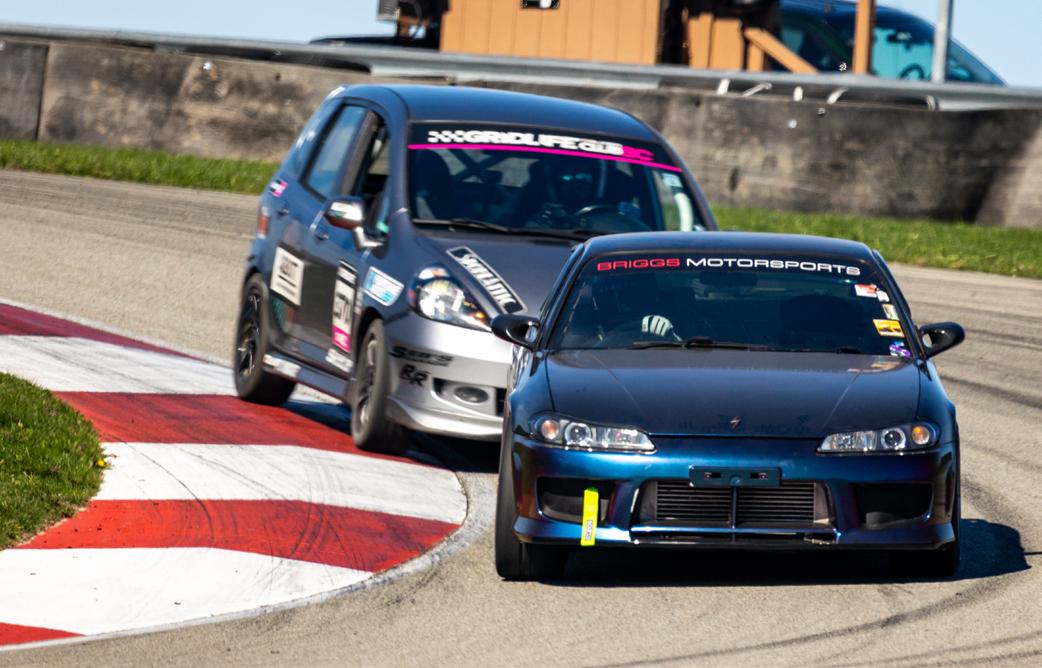
After parking and getting signed in I wandered through the pits taking in the variety of cars that would be driving this weekend. The drivers had been practicing since Thursday morning so all of the cars were unloaded and waiting for their drivers to check them over, make adjustments and start warming them up before the first session. I made my way to the main tent for the media meeting and got my vest and badge. There was still a bit of time before the first session and drivers were arriving from their hotels so I went through the pits again and had some time to catch up with Eric Kutil, driver of the Hybrid Racing Honda Civic in the Gridlife Touring Cup, and friend from my college days. Going into the event at PittRace he was number 2 in the points for the series. The Civic was performing well through the corners, but struggling to keep pace against the higher displacement cars on the long straights at PittRace.
With cars starting to fire up, I started making my way down to my first photography spot at turns 3 and 4 passing spectator hill. This area previously gave you just a view of the end of the main straight and turn 1 and 2 as the cars disappeared behind the trees of the North Course. But with the addition of the South Course (and Gridlife running the full layout) spectators had an incredible view of most of the action unlike some tracks where you’re limited to one turn at a time. I made it to the marshal stand and set up to shoot the first couple sessions from these turns, which clearly took some inspiration from the Corkscrew at Laguna Seca, a sharp left turn from a straight away into a right hander that is all going downhill. Not nearly as steep of a drop as the infamous corner, but all of the elements were there and definitely an intentional design. Just another shame that to experience driving like that you now need to travel across the country after the 2025 season.
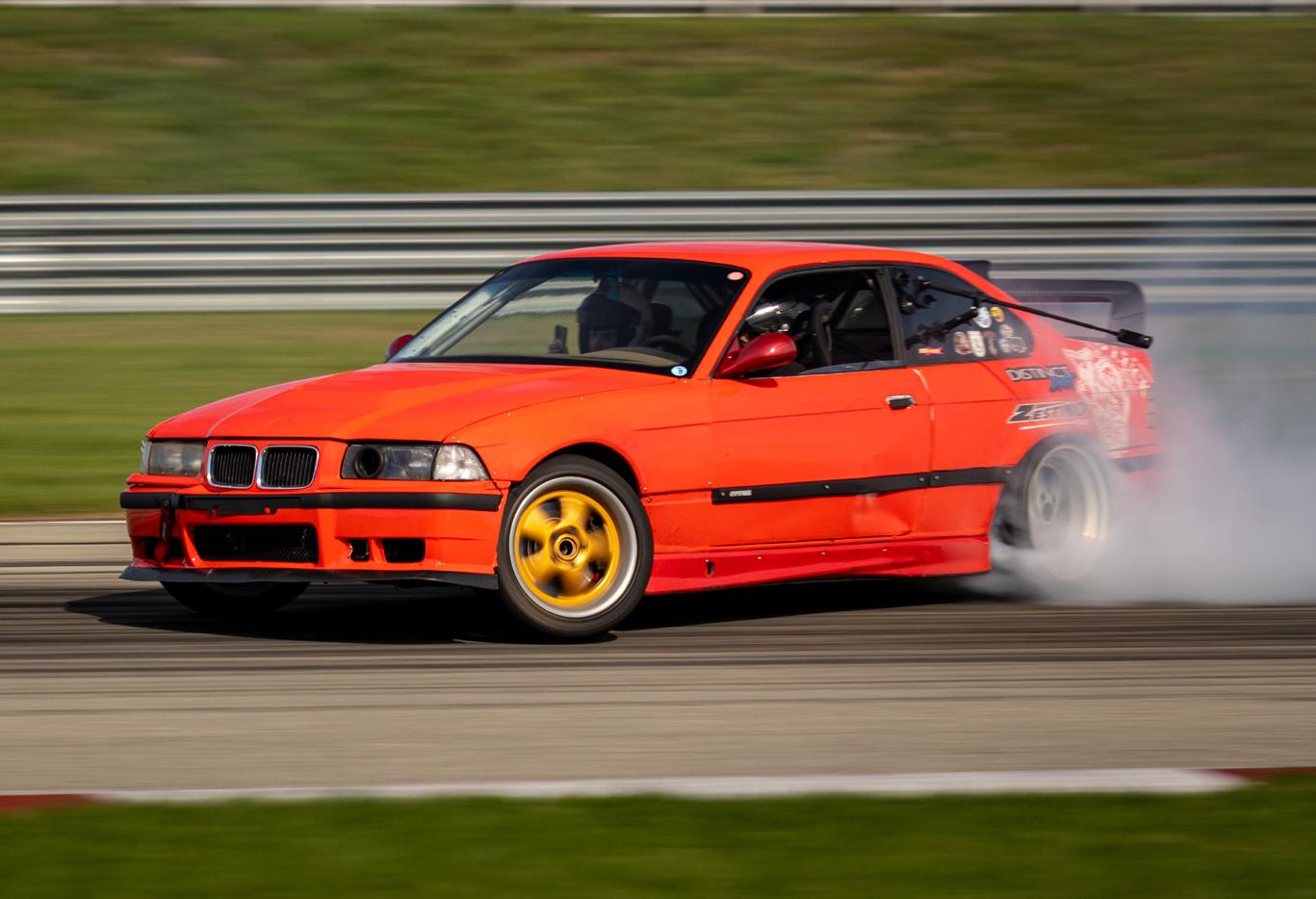
I photographed the first session of Rush, Touring Cup, Time Attack and Drifting from that spot then made my way back to the pits to meet up with Jeremy Lester, a local Pittsburgh area drifter, who drove PittRace the same time I did and has continued to do so. Back then he had (and still has) a simple S13 hatch with an SR swap that was common for the mid 2000s. Now he pilots a LS-swapped E36 coupe with appropriate angle and safety mods to drive the road course.

PittRace only allowed drifting on the main track during the first Gridlife event that was held here the previous year. Up until then drifting was only allowed on the skid-pad. The idea of drifting on the road course was laughable because: at the time 300 was considered a lot of horsepower (not nearly enough for how fast this track is) and drifting was not taken seriously as a motorsport so the owners didn’t even consider the idea.
Even into the mid 2010s, drifting was very much looked down upon, like snowboarding was to skiing when it was in its infancy. But now people would be more inclined to ask “why aren’t you drifting on the main course”. It’s been interesting watching this sport evolve and become respected in the motorsports community.
Jeremy and I made small talk and lamented about the closing of the facility while the current run sessions were going on, but as it approached the next drift session he offered to take me for a couple laps as a passenger. An offer I couldn’t turn down. After finding a helmet and setting up one of my action cameras we headed to grid with the rest of the drivers. As we idled on grid waiting to enter the track, the air of Gridlife settled in. I’ve done countless ride-a-longs at all sorts of events, but Gridlife felt as close to a professional racing series as I’ve experienced. Staff would walk around and inspect the cars, communicate with both drivers and passengers and double check all safety gear. They were constantly on their radios listening for updates from the workers around the track keeping the event flowing as smoothly as possible.
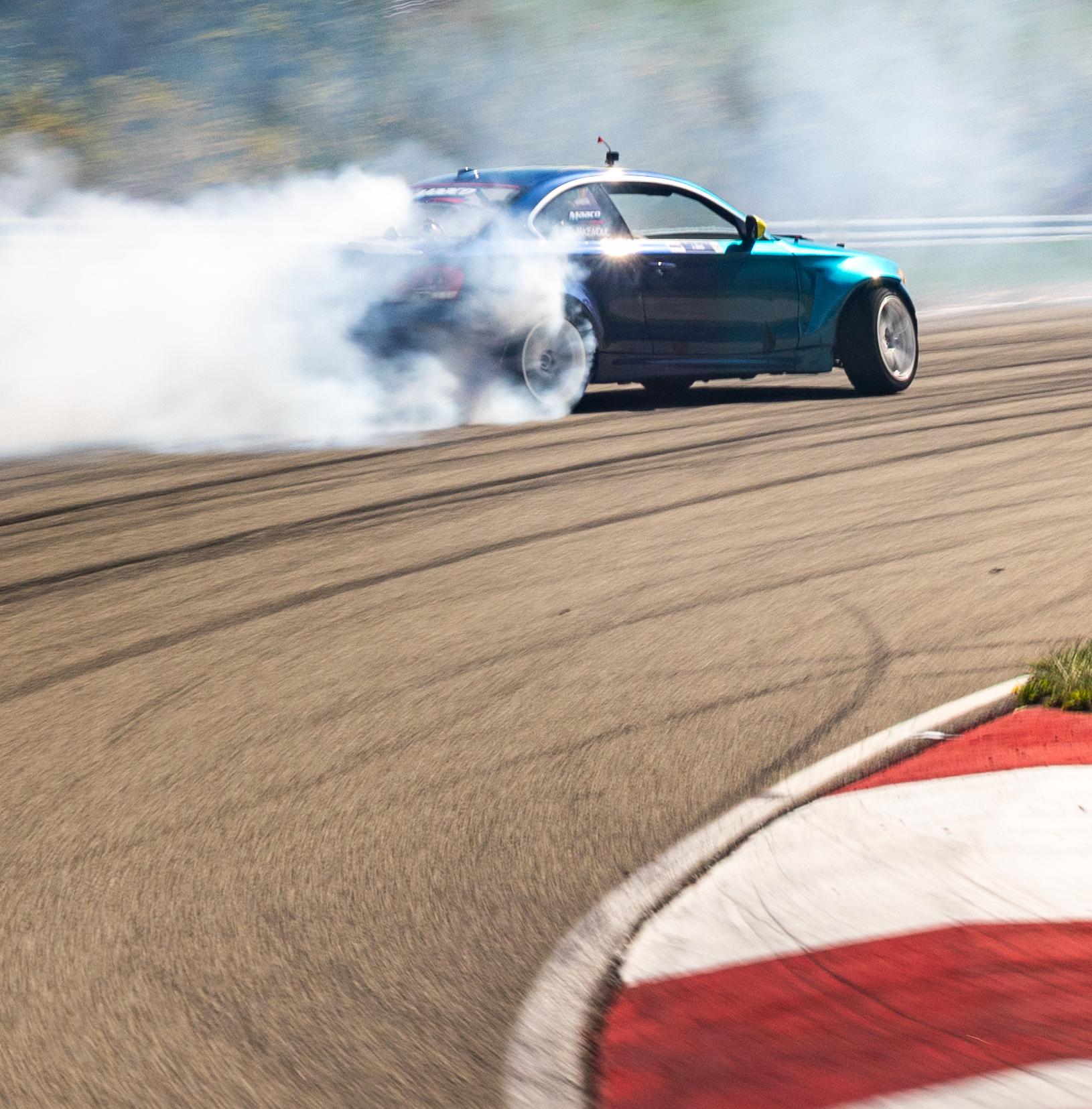
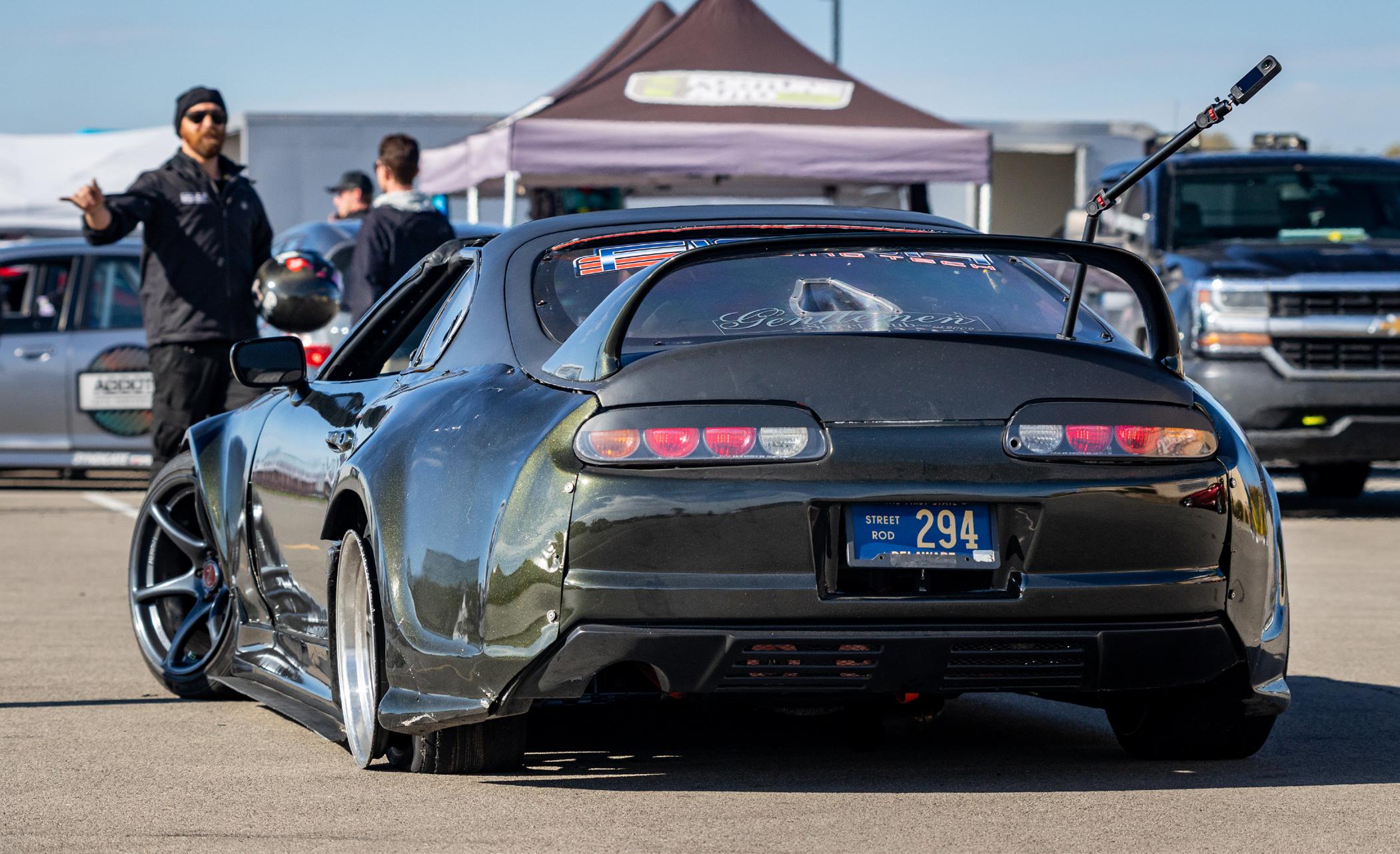
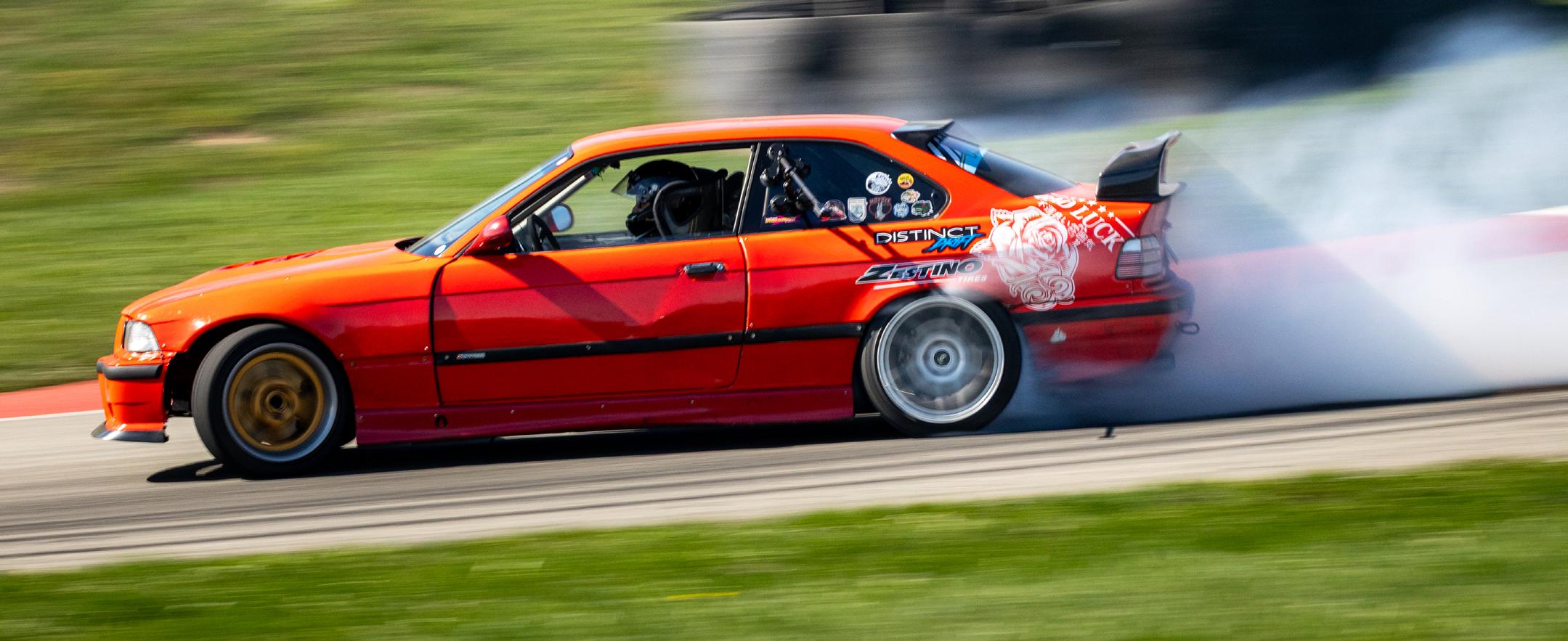
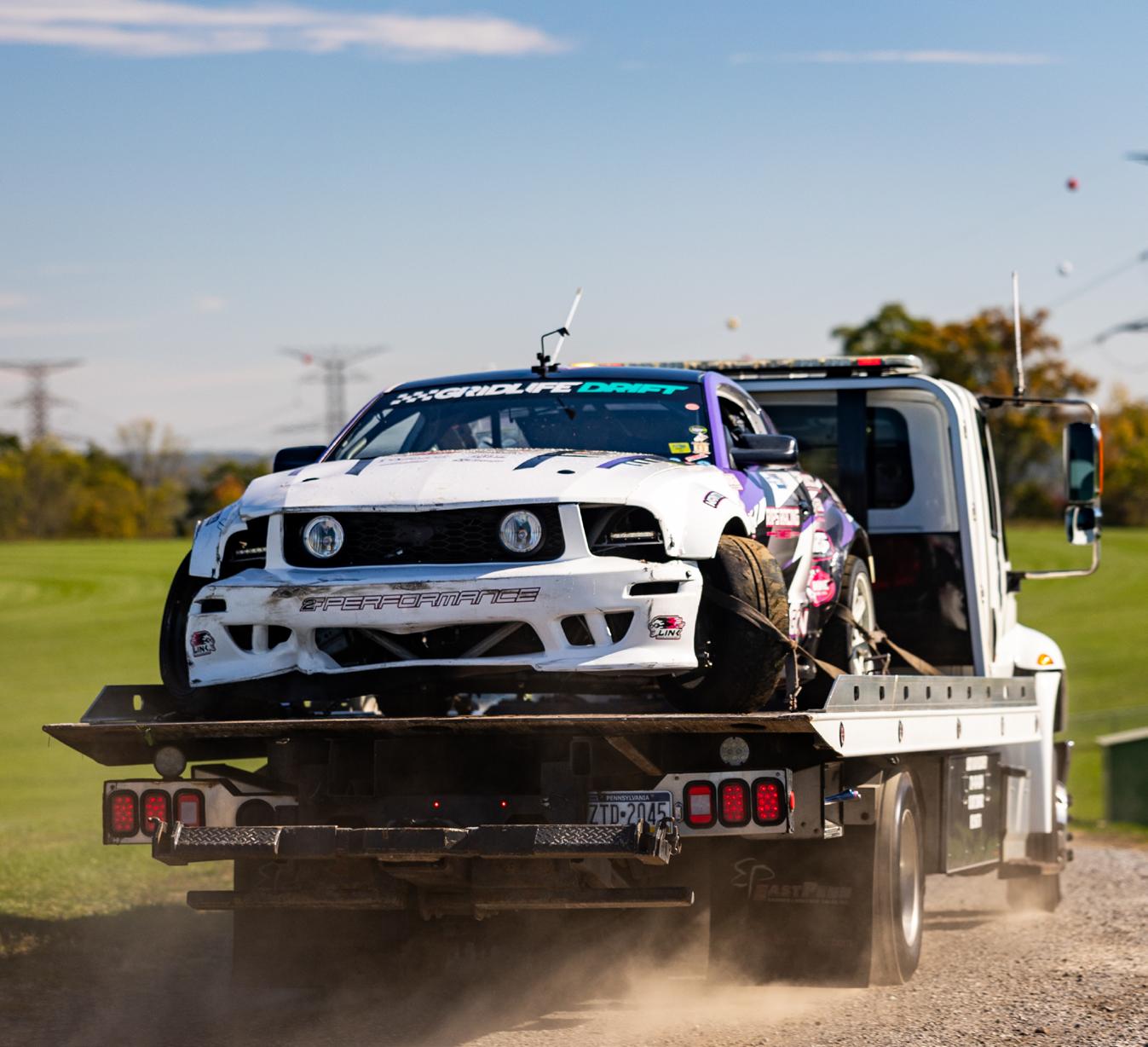
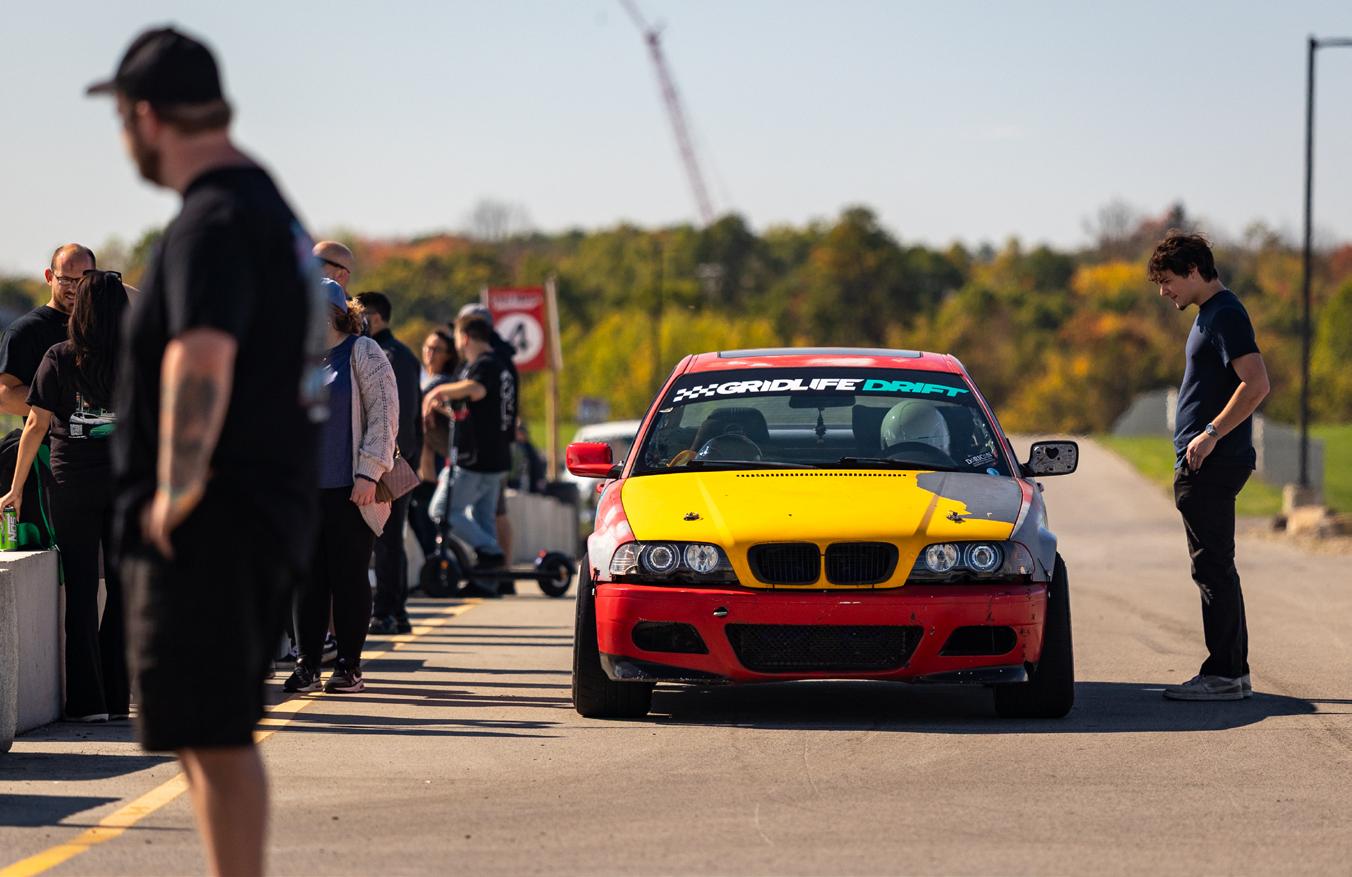
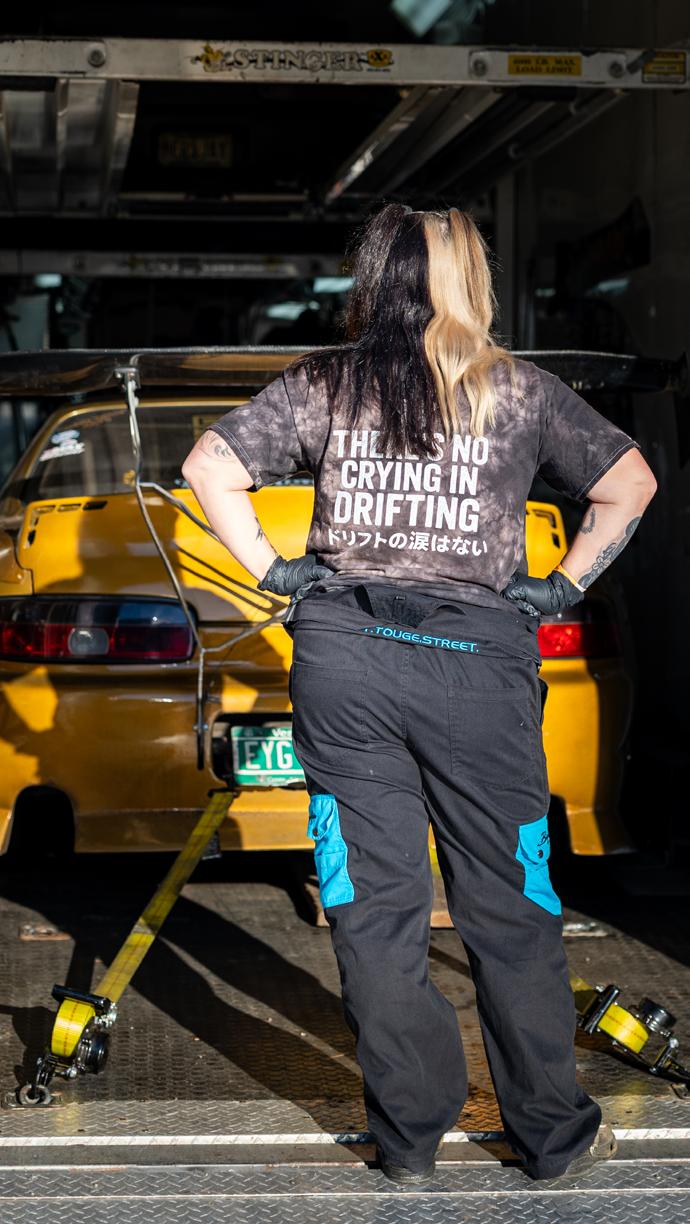
As the previous session ended and the cars began coming off track all the drift cars were moved from grid to pit lane entry and eventually flagged to enter the track. I had driven the North Course a few times, but that did not prepare me for multiple hot laps in a prepped drift car. Riding in a drift car on a road course like PittRace was a truly special experience. I’ve been a passenger for some high speed entries on oval courses, but the long straights into sharp corners that then transition to a downhill S section only to then go back up was something I’ve never experienced and glad I was able to while I still could. Especially at my old home track. We did about six laps, drifting the sections with linking corners and then cooling down the tires and engine on the straights, until finally just sending it until the tires popped on the final lap. After returning to the pits I grabbed my gear and headed back on track to shoot from a few different spots for the remainder of the day.
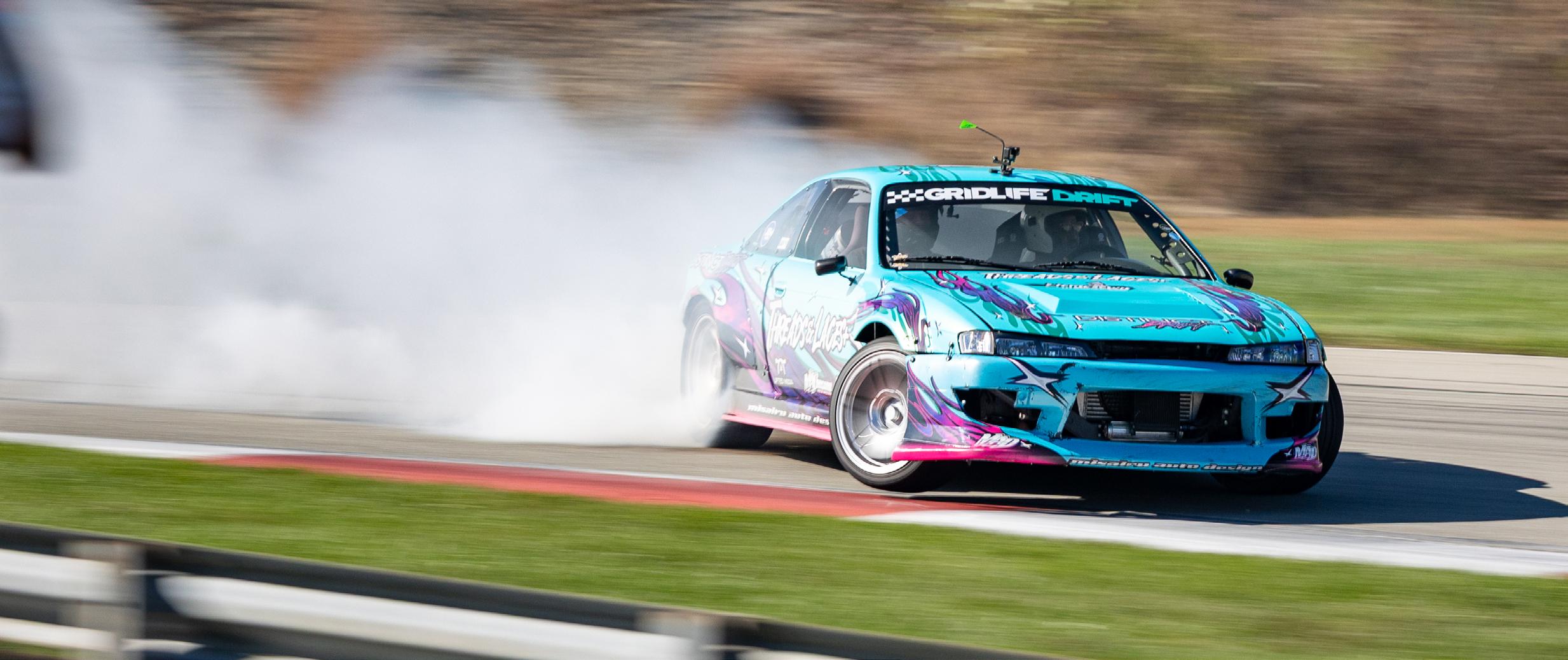
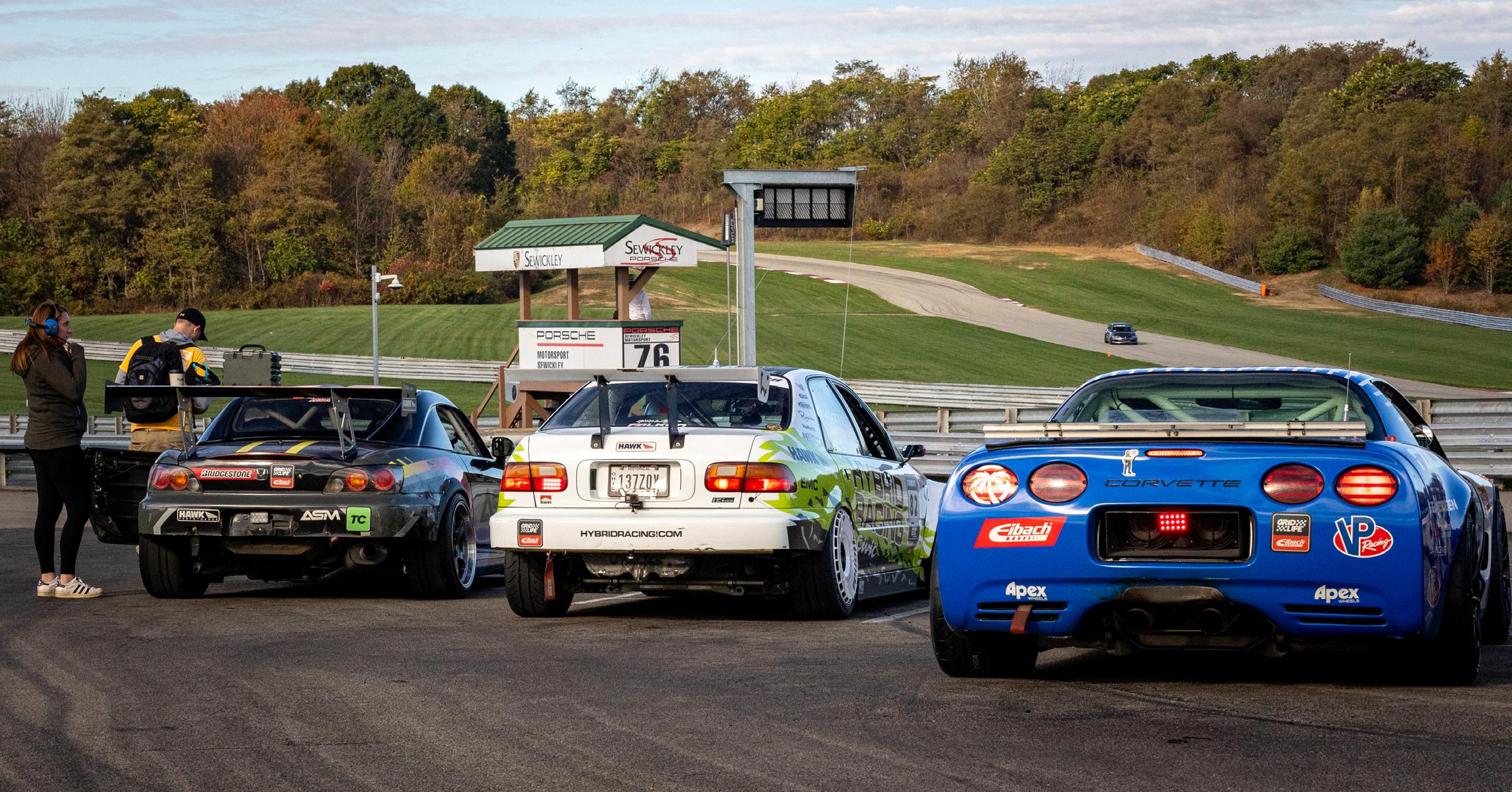
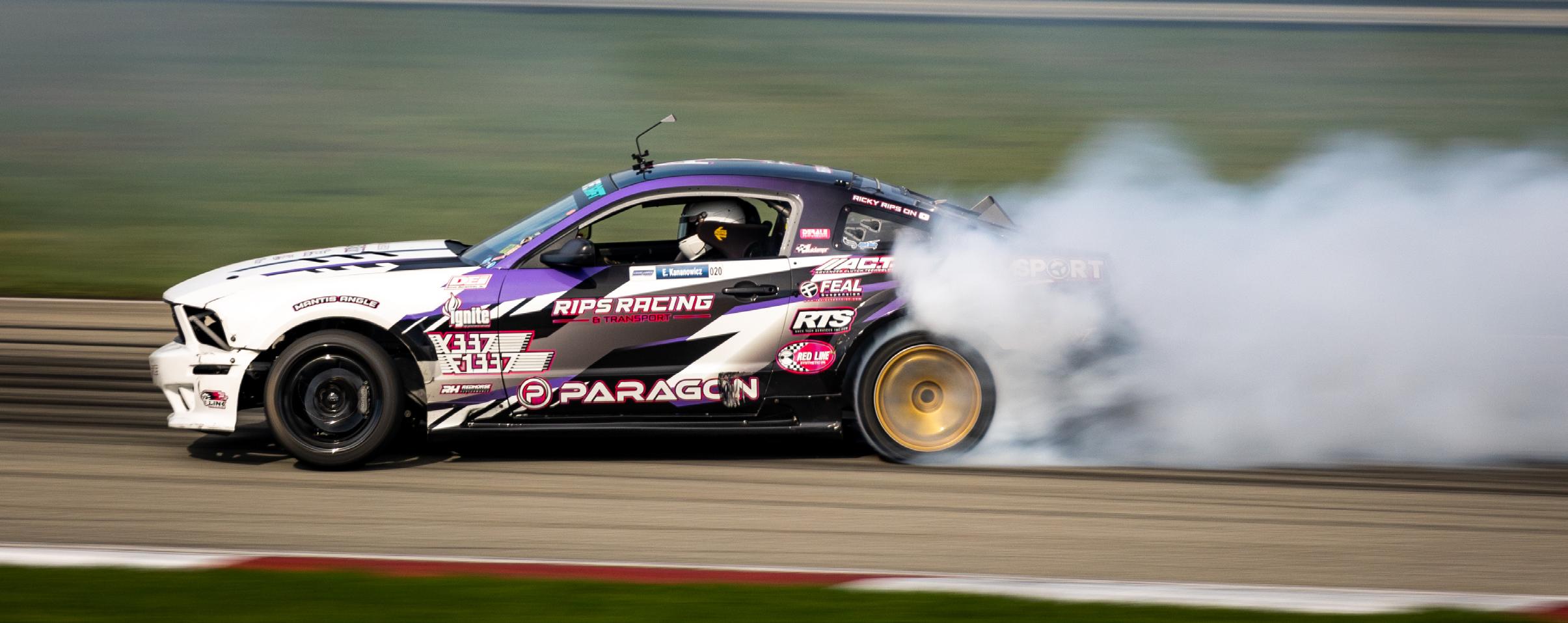
Following the sudden news that the track has been sold to make way for an AI data center, we sat down with John Wagner, the long-time head of the local drifting program and a foundational figure in the sport, to discuss the history of PittRace, the “grand finale” that shut it down, and what the future holds for drifters in the Northeast:
Wrecked Magazine: It’s a bit surreal to be talking about this, but losing PittRace is a massive blow. You’ve been there since the very beginning, right?
John Wagner: Oh, yeah. A lot of guys learned to drift there, myself included. My first event was actually back on the kart track in 2003. I remember I ran a KA S14 the first time and came back in 2004 with an SR S14. By 2005, I was the one running the events.
Wrecked: Most people associate you so closely with the program, but there was a brief window where you stepped away for Formula Drift.
John Wagner: Exactly. I did two seasons of FD and realized I was pretty much over it after the second. Around 2007 or 2008, a guy named Brad took over for maybe a year, but I was still showing up to help out because I couldn’t stay away. By 2010, I was back at it full-time. Back then, it was so small—if we got 10 or 15 cars out to an event, we felt lucky.
Wrecked: How was the relationship with the track over those twenty years? I know it went through ownership changes from BeaveRun to PittRace.
John Wagner: In the early days as BeaveRun, I worked with the Silvas. They were very handsoff and just let me do my thing. We used to drift all year, even in the winter, and if it was a slow day, they’d let us take the cars out on the North Track just for fun. It wasn’t always smooth, though. We actually lost the track for a full season once because they had a military contract for “secret things”— that’s actually how Midvale became a thing. But overall, working with them for nearly 20 years was awesome. We watched it grow from 15 cars to 170 cars at our very last event.
Wrecked: That final event sounds like it was heavy. How did you decide to close out such a long chapter?
John Wagner: It was a shock. I got the call from the manager just a few days before our November event that the track had been sold. Our event ended up being the literal last event ever at PittRace. We shut it down. At five o’clock, as it started to get dark, I decided to just launch everyone “hot lap” style. For 15 minutes, it was pure, beautiful insanity. We got everyone together for one last picture, and there were guys just bawling their eyes out. It was sad to see, but I’ve got to keep the scene going.

Wrecked: So, what is the plan for next season? Where does the community go now?
John Wagner: We aren’t going anywhere. Midvale is 100% a go for next season, so Club Loose 2 is safe. I’ve also been talking to the owner of Quaker City in Salem, Ohio. We’re planning some “Special Stage” events there. It’s a kart track, so it’ll likely be A-Group only or invite-only at first because we can’t afford to tear the place up. There’s also talk about them building a proper skid pad there in the future.
Wrecked: There’s been a lot of community pushback regarding the sale and the proposed AI center. Do you think there’s any hope for a miracle?
John Wagner: The town really needs that track; it brings in so much revenue. People complain about the noise now, but wait until there are 100 industrial generators running for a data center. I’ll sign whatever petition I can, and I hope the “good guys” win one for once, but seeing them sell off all the track equipment felt like the last nail in the coffin.
Regardless, as long as I’m still kicking and driving, I will find us a place to drift.
“For 15 minutes, it was pure, beautiful insanity.”
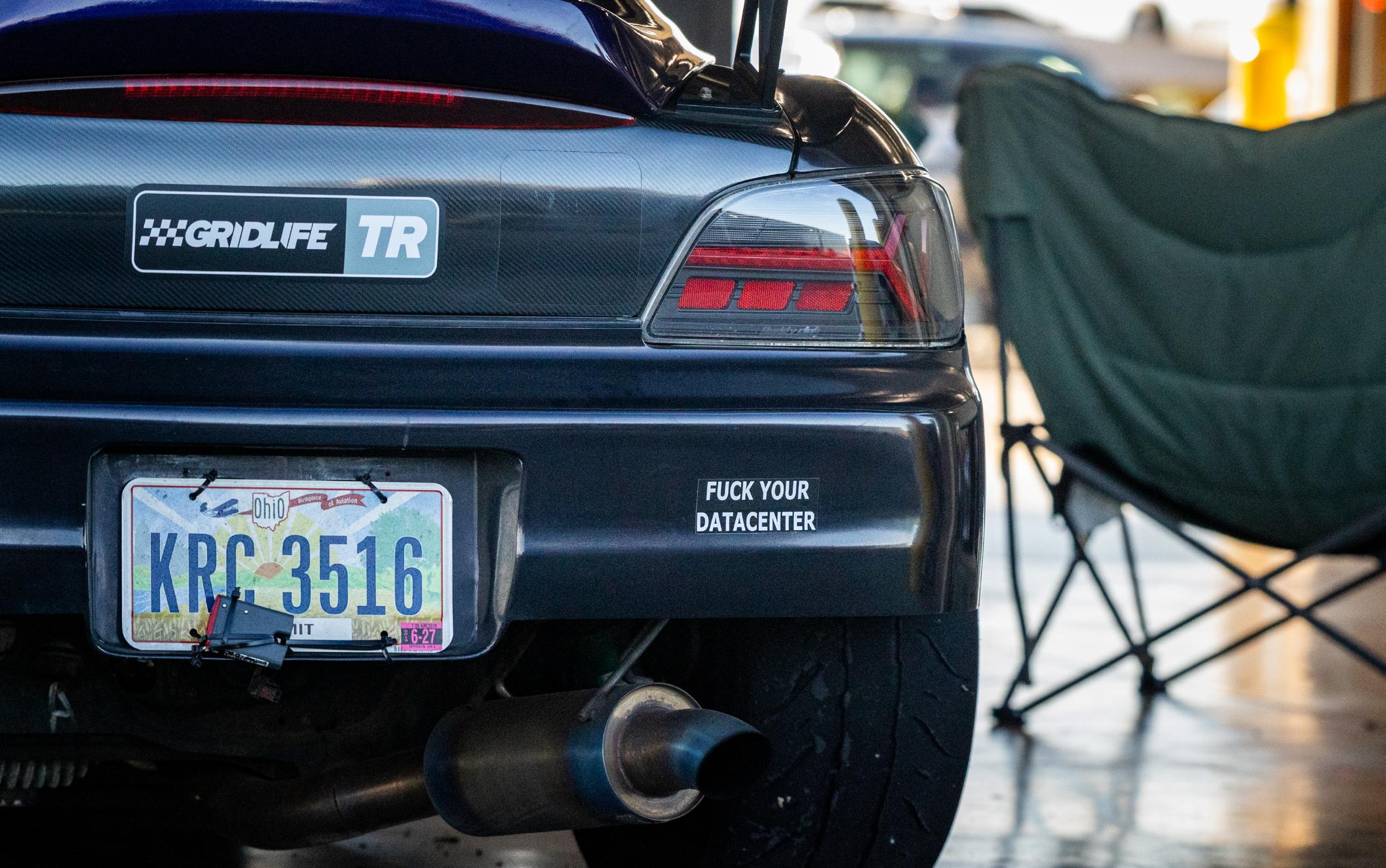
I now understand why drivers (and my fellow media people) love Gridlife events. While it’s a larger, more formal event compared to a drift day or casual HPDE session, it still
AND PHOTOGRAPHED BY: Sam House
Indulge us for a moment, if you will, and think back to your tween and early teen years. What were you up to? Stressing about who you’d ask to the school dance? Worried about making the basketball team? Cooking up a sick MySpace layout? Odds are you weren’t learning to build drift cars and cutting your teeth in grassroots competitions.
Atlanta’s Jake Clark, freshly 17-years-old, already has almost five years of experience getting sideways, and we aren’t talking about sim hours. He’s been hopping from event to event taking on whatever the drift scene has to offer him, from grassroots rookies to Formula Drift drivers and everything in between. He’s a hard charger who already has his sights set on earning his FD license in 2026.
We
spoke with Jake to see what it’s like juggling high school, growing up and a burgeoning competitive drift career:
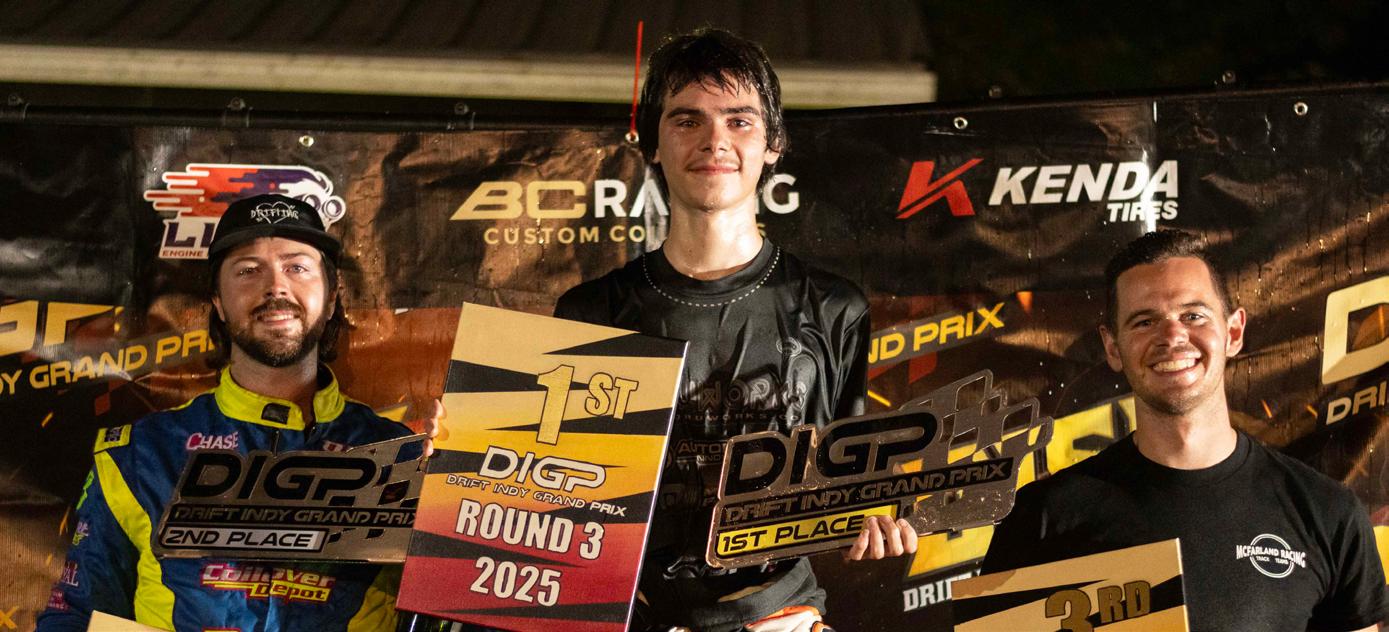
So you’re from Atlanta, what’s the drift scene like down there, for those of us who aren’t familiar?
It’s really cool. Everybody down here is really nice, really welcoming. Especially like the new guys. It’s like one big circle. There’s not really little groups, if that makes sense. Everybody is very like family and welcoming and nice and willing to give you a hand.
What’s your home track down there?
It’s a little weird because my home track was Lanier Raceplex in Braselton, Georgia. It’s about 30 minutes from me, but they’re thinking about turning it into, what’s it called? Like a home complex. Like a giant neighborhood, basically with, like, a bunch of different stuff in it… they’re almost marketing it as like, a race track-y neighborhood, so they might keep the track, but it’s a gray area. Nobody really knows what’s actually going on.
Wacky. I’m looking at some pictures of it. Is it a banked oval?
Yeah, it’s just a giant bowl, basically. An ex-dirt track turned into originally just an oval. And then they paved the center and made it a whole bowl.
Nice. So, I mean, how did you first get into drifting? What age were you?
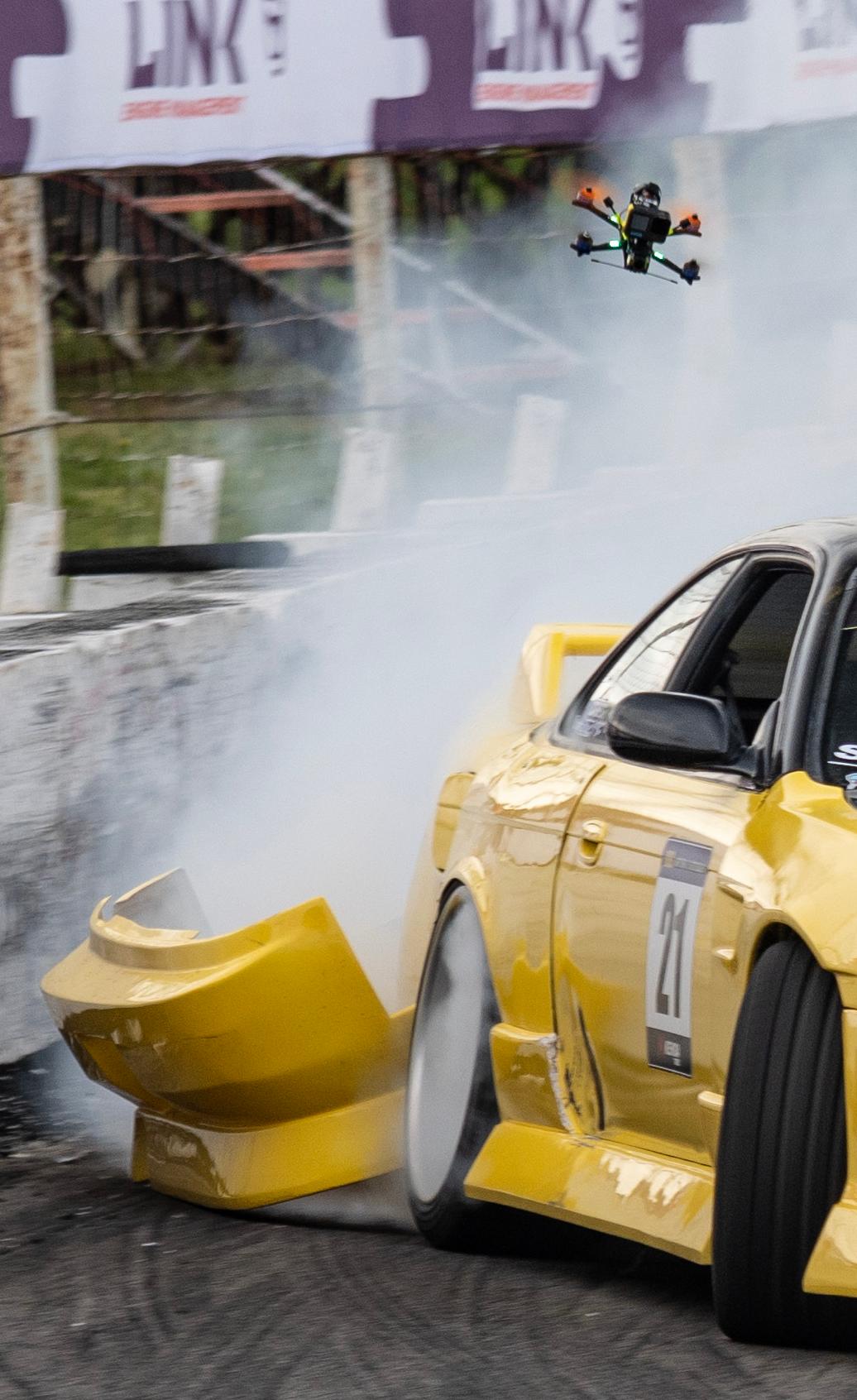
Okay, I was 12. I did one event in November right before my birthday when I was 12. I got into drifting because my older brother, Austin, he was showing me the Drift Bible and stuff when I was, like, nine, and I was like, “this is cool. I want to do that.”
He showed me all the D1 and all the cool old stuff on VHS and CDs and stuff.
What was that first event like?
Well it was not great because I learned in a stock Miata. I never got a sim until like, a couple years after I started, so it was pretty rough. It was a three day event. It’s called Fall Double Down. I tried, but I did not link a single turn. I think I did a couple donuts, but I didn’t link a turn my whole three day event.
Walk us through the process of even being allowed to drive when you’re that young.
Yeah. I’m not sure if I was really supposed to be driving, if I’m going to be honest. It was a little like a homie helping another homie out. I’m not sure if I was supposed to, but they had me sign a little go-kart waiver that I don’t think was really like a real legal thing. But it worked. It worked out. It was fun…
When you don’t have your license, there’s a lot of steps, a lot of extra steps you’ve got to do. When I first started driving at Lanier, I was probably like four months into driving, I was like, 13. And they had to have the FD driver, Frederico [Sceriffo] come out and watch me to make sure I was allowed to drive. So I did one lap, they made everybody get off track and make me do one lap to make sure I was allowed to.
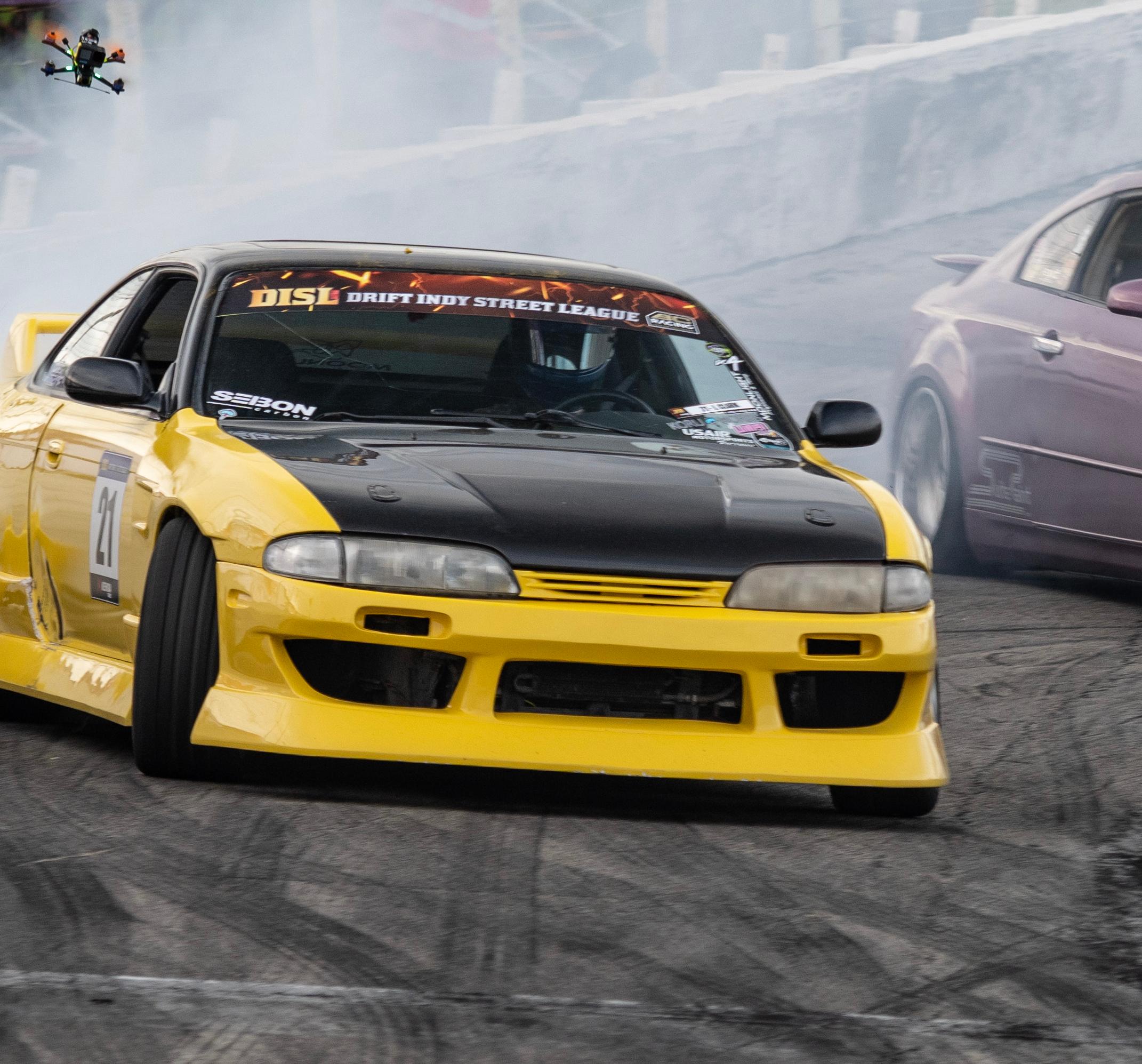
I mean, that sounds like some pressure. What was that like?
It was a little intimidating. I’m not gonna lie.
I was already getting to the point where I could link the track, so I wasn’t super-duper brand new, but it was definitely nerve-wracking… So, he signed off, he was happy with what he saw. I made it around the track and didn’t hit nothing.
Nice, so mid-2022 you were already figuring stuff out. What’s the car building process like for you? I wouldn’t have had an idea of how to do much of anything on a car at that age.
I got a ton of help from my dad and brother because they had already been in the car scene for many years before I was even alive, so they helped out a ton, and of course YouTube helps out a bunch.
So yeah, we got the car from my dad’s friend that does track days, like he teaches people how to do road racing at Atlanta Motorsport Park, so it was already on coilovers and a little bit set up. Not for drifting, but it wasn’t completely bone stock. So it had good bones to start a build on and it was very clean, and we just started from there and just slowly worked our way up. I was probably completely stock besides the racing coilovers for I want to say three months, a couple months.
Then it slowly just started building up and up and up from there. I’m sure the angle kit came first and then it started going and snowballed from there.
Was the diff welded at least?
No, I ran an LSD for the longest time. I didn’t weld my diff until 2024 when I broke one of the diffs in the Miata and tried out a welded diff for the first time and never turned back.
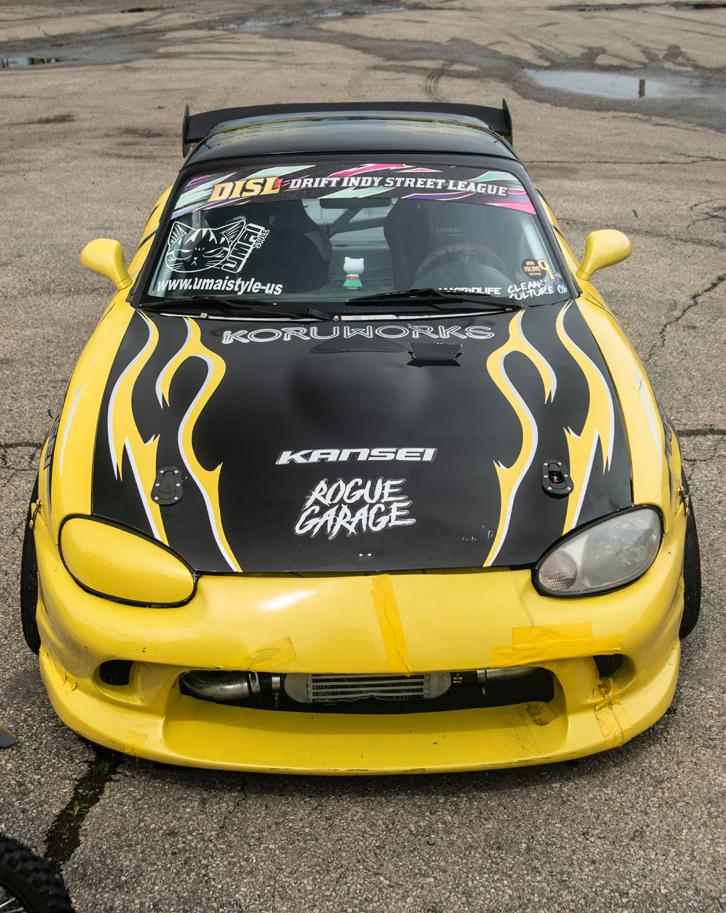
Jake’s NB Miata was pretty sick, and evidently it was a solid platform for him to learn in. For several years, though, he and his family have been building an LS-swapped 240 hatch, the philosophy behind the build being that it would become his pro car. That build got a pretty sweet cash infusion when they happened to win a Drift HQ giveaway when they bought a quick change diff. They didn’t even realize they had entered the giveaway until one day Jake’s dad got a call from them saying they had won a giveaway from Adam LZ for a sunburst yellow FD RX-7.
That was a pretty sick car, and they were able to trade that car for an FC RX-7 with some cash on top. That FC then got traded for an S14 that, once they stole some parts off Jake’s brother’s S14, became his seat time car. They parted ways with the Miata along the way, so the S14, complete with an LS swap of its own, was a much closer analog to what the “pro car” would eventually be.
“That was probably my most sad moment, having to get rid of that. I loved that car,” Jake said about the Miata.
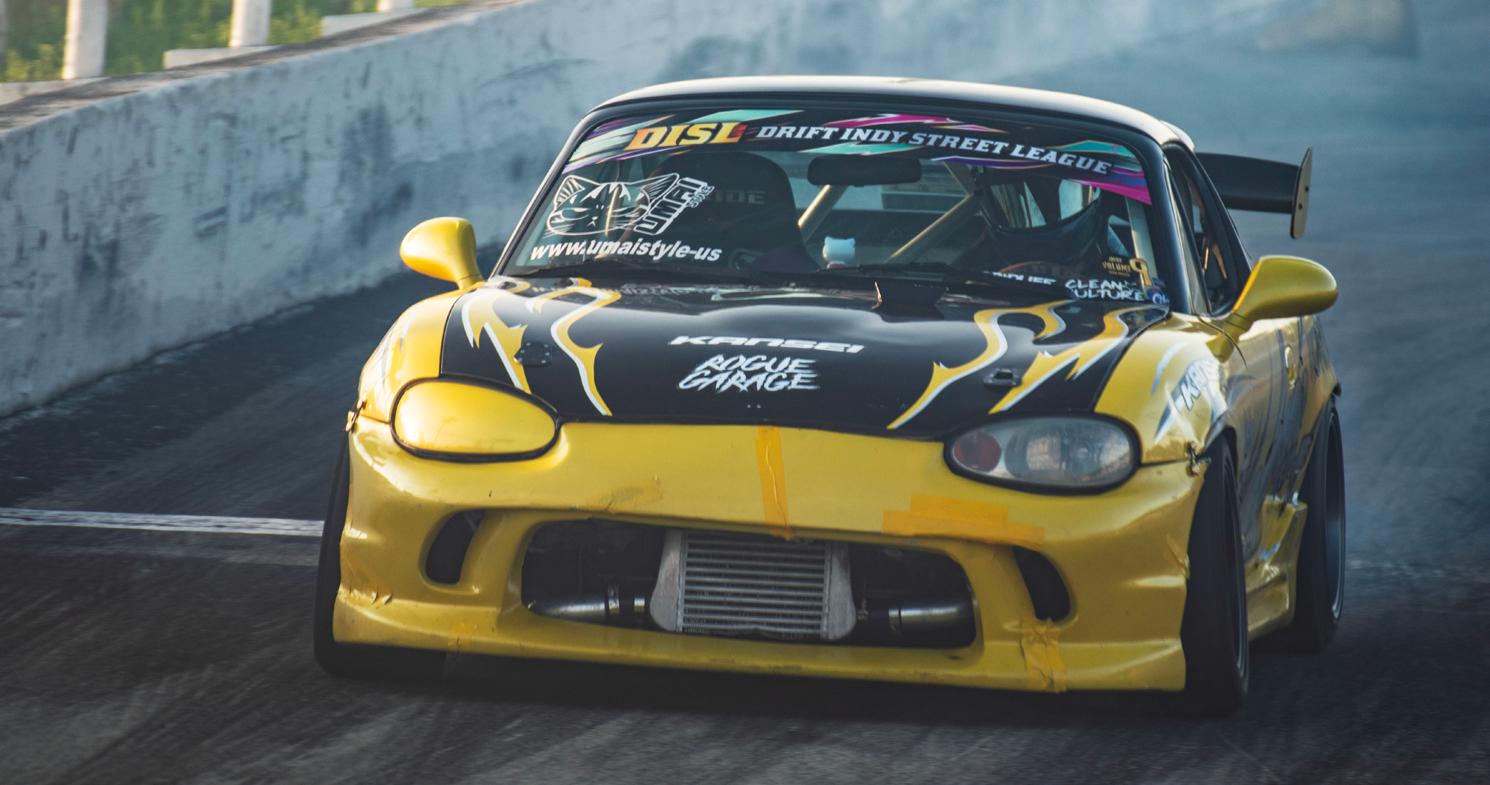
So when was your first comp?
Yeah, my first competition was in 2022, I want to say March, I’m not sure, but it was just this little grassroots competition with iTrack again. It was called, like, ExciteGP Club Sport and my first battle in a stock Miata, I went against a Z06 Corvette and got smoked. So that wasn’t the greatest introduction to competition, but I still had fun.
Man, what a matchup. I mean, it seems like you really enjoy driving in comps. What’s your mindset around competitive drifting?
I’m not really a super-duper competitive person. I just try to make myself better every time I drive. I want to drive for a reason, to get better at one certain aspect or different aspect or whatever it is. I want to drive for a purpose
and I feel like competitive drifting is the perfect way to do that, because there’s so much more criteria to see what you’re doing bad, what you’re doing good, and how to improve. Does that make sense?
For sure! When I interviewed you a couple years ago, your mom and dad were with you, too. They seem really supportive, what’s their relationship to your driving career?
My family’s really all in. They love it. They like traveling and all the different tracks and just all the community of it. They love it. My dad loves it the most. I almost feel like he’s living it out through me a little bit. My mom gets nervous, so every time I drive, she’s covering her eyes or hiding or something. She still gets really nervous, but they like it.
Jake’s dad and older brother have been into cars since before Jake was born, and nowadays they’ve got a family garage at home where they can wrench on their various projects. His dad builds trucks, and Jake said he’s got a Chevy C10 at the moment. It’s hard to imagine anyone as young as Jake having anywhere near his level of success in the motorsport without parents as supportive as his, even before considering the legal hurdles of driving events before you’re even old enough to have a driver’s license.
You might imagine that traveling from state-to-state hitting as many events as he does would make leading a normal high school student life a little tricky, and you’d be right. Luckily for Jake, he doesn’t have to worry about that.
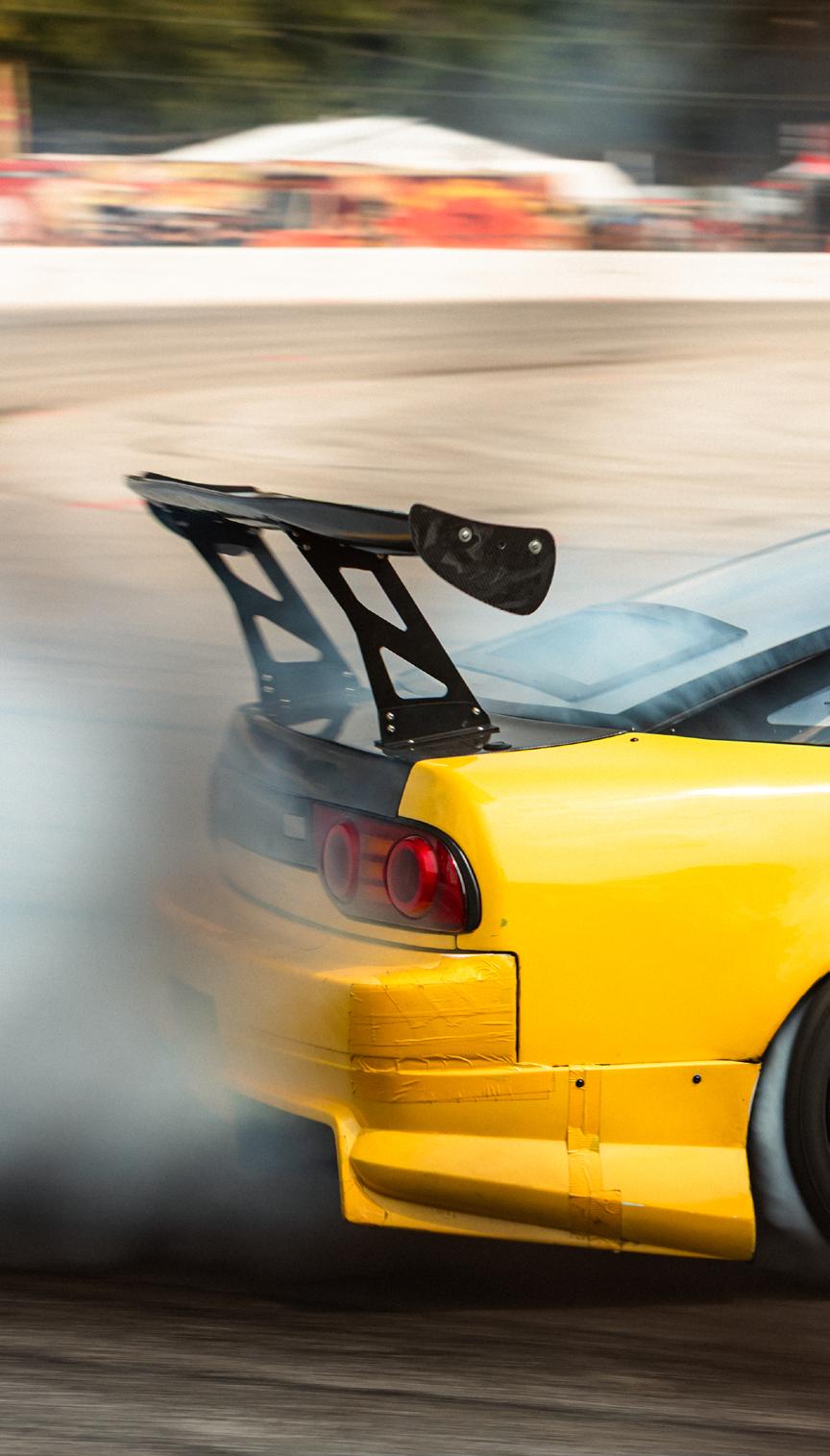
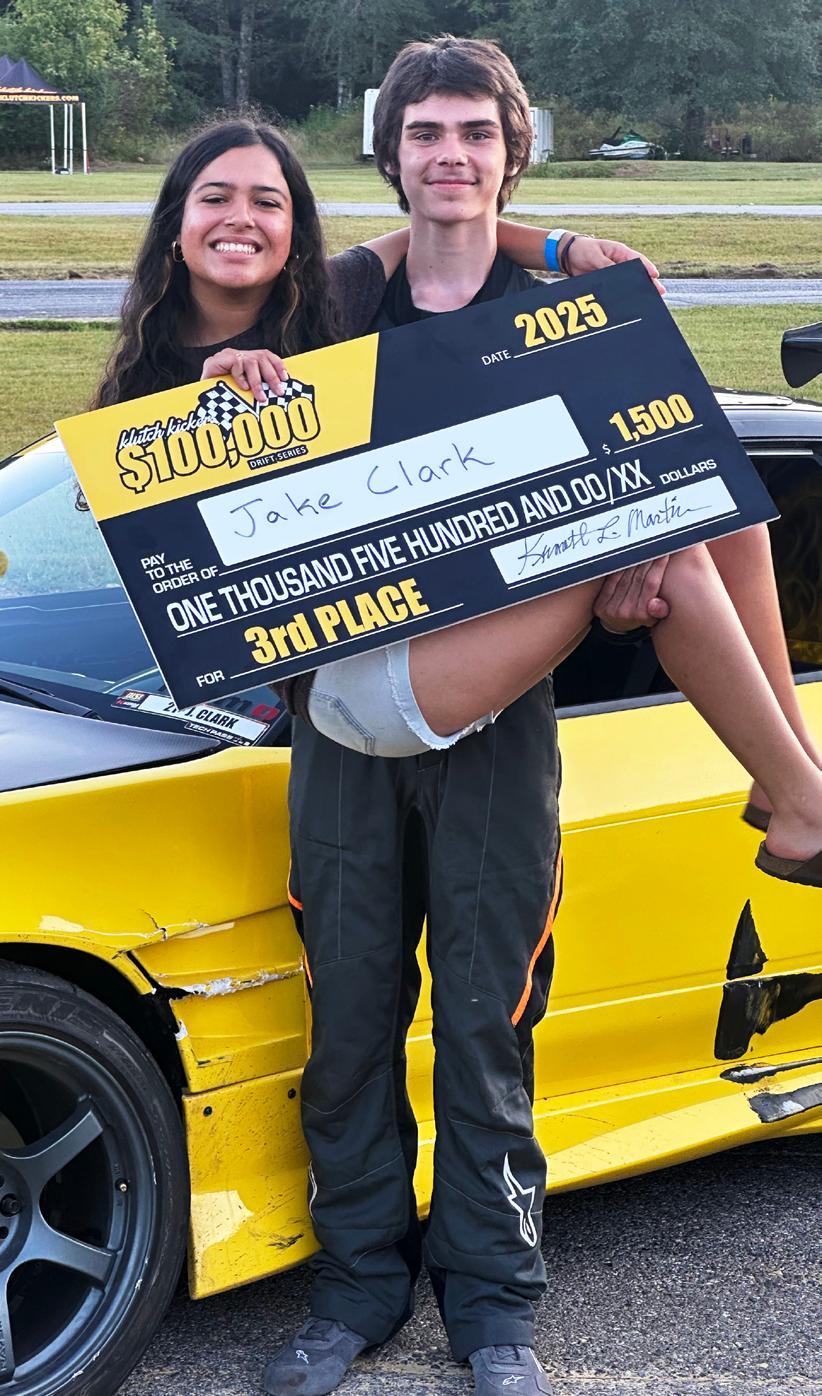
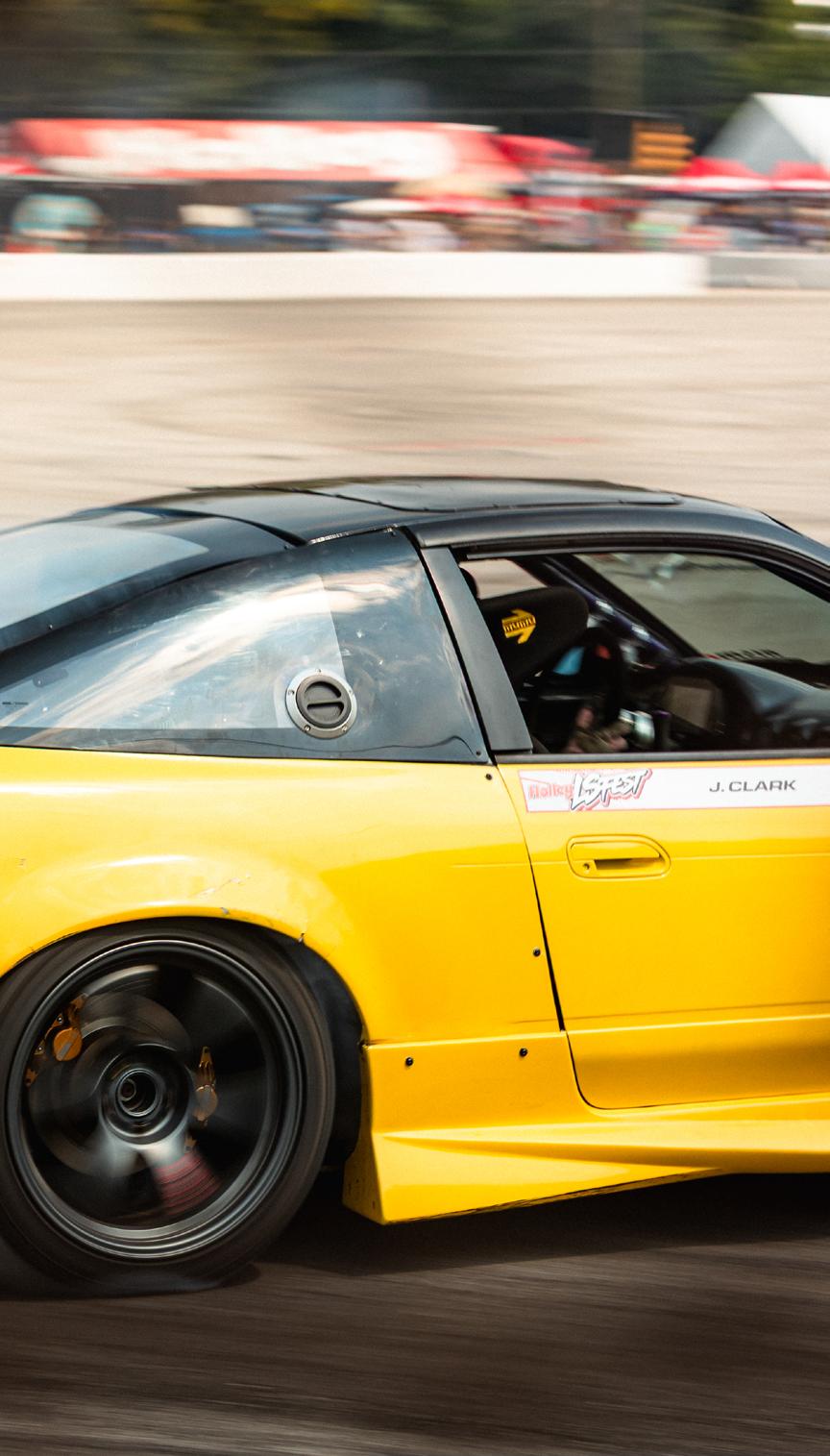
I wanted to ask you about how you balance your drift career with being in high school.
So it’s pretty simple. In my area, they have this thing called Mountain Education, and it’s basically night school that doesn’t have attendance. So I can do all the work online, but then at 4 p.m. to 8 p.m., you can go into the building to do the test to finish your unit, to go on to the next unit that you can do online. So it’s really flexible and it helps a ton with not getting in trouble with missing school, going traveling for drift events.
That’s crazy. That sounds perfect. Do you feel like you’re missing out on the traditional high school experience?
Sometimes I feel like that, but I never liked school, I was never a school person ever, since I was in elementary, so it wasnt too hard for me to walk away from it.
Do you have a friend group outside of drifting? Or do you feel like most of your friends are within the motorsport?
Besides my girlfriend? Not really. I feel like most of my friends are around cars or in drifting. I don’t have a bunch like, completely outside of cars.
Nothing wrong with that, just curious. What are your future aspirations like? I mean obviously you want to get into FD, do you plan on making that your career?
I think that’s a little unrealistic. Unless drifting, like, skyrockets, I don’t think you can really make a living off of it unless you’re like, the top couple guys.
But no, I’ve been doing wheel repair with my dad, so I’m probably going to keep doing that and then just do drifting as more of a passion and less of a career.
Jake brought his competitive drive up north a ways to the Midwest’s Drift Indy Street League and Drift Indy Grand Prix this past season. He started the year off piloting his S14 in DISL, but when that car started having some issues and the S13 got finished enough to be drivable, they petitioned to be bumped up to DIGP for the second round. Despite fueling issues in the S14 at the first round, he still managed a very strong performance that saw him finish third.
With that impressive showing and the level of build of the S13, the petition was accepted and he was added to the DIGP roster for Round Two at Michigan’s M1 Concourse. For those unfamiliar with the distinction between DISL and DIGP, they follow the same basic formula that rewards stylish, technical driving and stylish cars, but the DIGP roster is comprised of some of the most impressive drivers from past DISL seasons and builds that are just a notch or two above the majority of that series’ field. As soon as Jake hit the track for practice in his smoke machine of an S13, the promotion made sense.
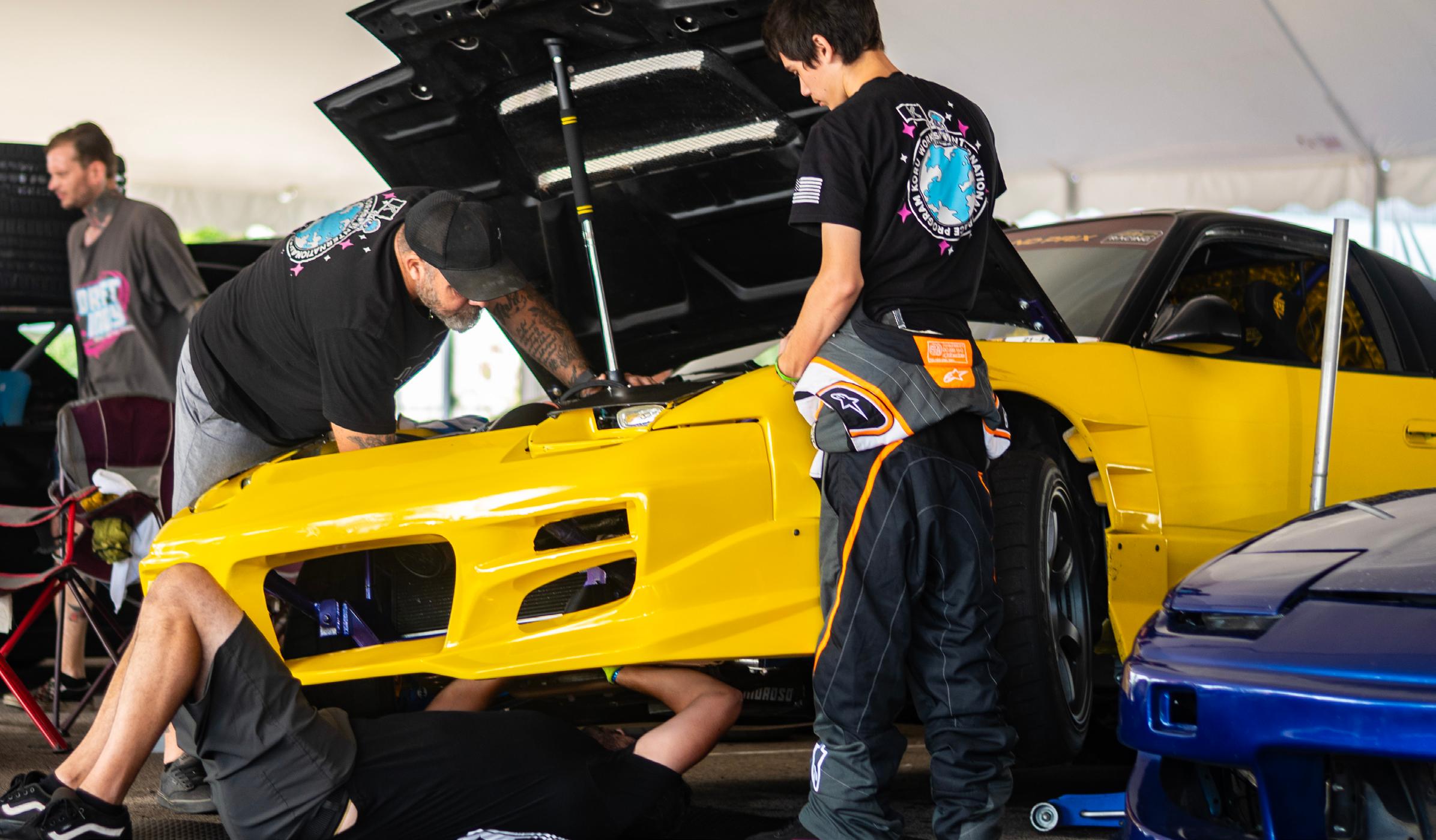
What was that event like for you, driving up in Michigan?
That one was actually my very first competition in that car, LS Fest was my second one. It was brand new, and I was having a lot of issues with my alternator going out, so I went through probably four or five alternators and none of them were working, they were all burning up. So I got very little practice before the competition, I wasn’t feeling very confident, but I went out there, did a couple runs that I felt happy with, and then went to qualifying, and I felt really good. Probably the best I felt in the car at the time because I only did a few events before in that car, so I was feeling like it was starting to click a little bit and it was feeling good.
How does the DIGP competition stack up to other comps you’ve driven?
I want to say the drivers in DIGP are at the top level. Every single one of them are very, very, very good. And it’s always consistent. I feel like when you go out to different comps that don’t have a tire limit, it’s like a different, completely different sport. It’s like people with 800 horsepower. And at 265, 285, it’s just a different ball game. So I like that it’s more driver focused in DIGP and less about how fast your car is and how much grip you can fit on it.
So, first comp in the car down, starting to get more consistent, and then by DIGP Round Three at No Star Bash you won. What was that weekend like for you?
That weekend was really good. It was almost like a blur, it was super fun. One of my friends, Vince from Top Garage, was spotting for me, so it was really cool having a spotter and seeing how it all works. It was just really cool, and I had a ton of tough battles.
What’d you think of that layout? They probably haven’t run that layout since you were in, like, elementary school.
That caught me off guard because I was expecting the usual Street League layout, but I really liked it. I really liked coming off of the first bank and going to a really high angle snap at the inner clip. That was one of my favorite layouts I’ve ever done at Kil-Kare. I really loved it. I really loved the high speed aspect. You don’t get many layouts at Kil-Kare that have that much high speed. It was really, really fun.
What were your most memorable battles from that weekend?
My most memorable battle would probably be against Harrison [Johnson] and his borrowed purple S14 that he was driving. It was my first battle that had that kind of atmosphere to it. It was two loud cars and a lot of smoke battling each other, and I’ve never had that sensation before. And it was really fun and cool. That one stuck with me.
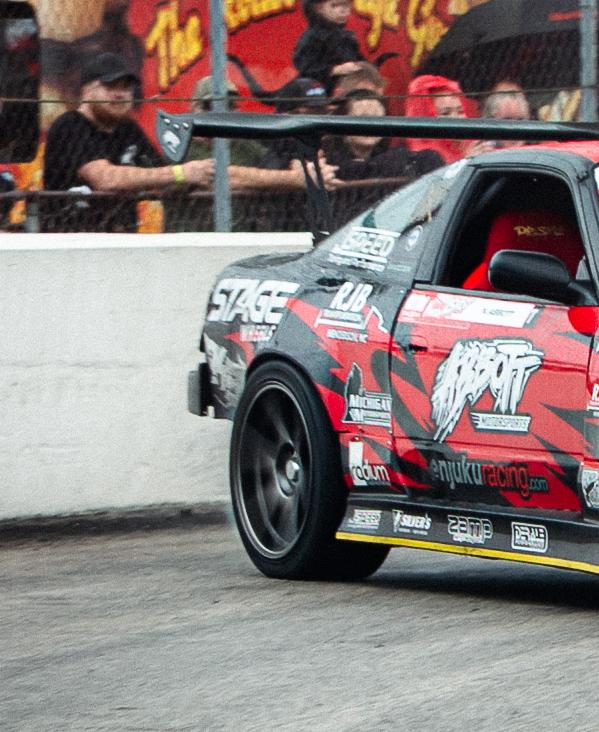
The DIGP judges threw the field a curveball at Round Three with a high-speed course layout that, as was mentioned, hasn’t been run at Kil-kare in several years. Admittedly, some of the higher horsepower guys had an easier time of it. Jake’s 500+ ponies and lightened build made him one of the quickest cars on the grid. A super solid qualifying run put him at the three seed going into the main event. He was clinical all the way to the top step of the podium.
“I almost black out when I’m driving. I go into a different mode. It’s hard for me to remember my last lap. I just go blackout,” Jake said about what he’s thinking about during a battle. “I’ve won a few, like, smaller grassroots events, but that’s what I call my first real win. I’m really proud of that one.”
While he’s still hunting for his first battle win against an FD driver, he has been matched up against a few in Klutch Kickers and at LS Fest. With the end goal of making it to the big leagues, Jake’s planning on hitting the East 10 series and whatever Gridlife events he can make it to in 2026, as well as making his return to DIGP and Klutch Kickers. “We’re going to just see where it goes. Next year is going to be a busy year,” he said.
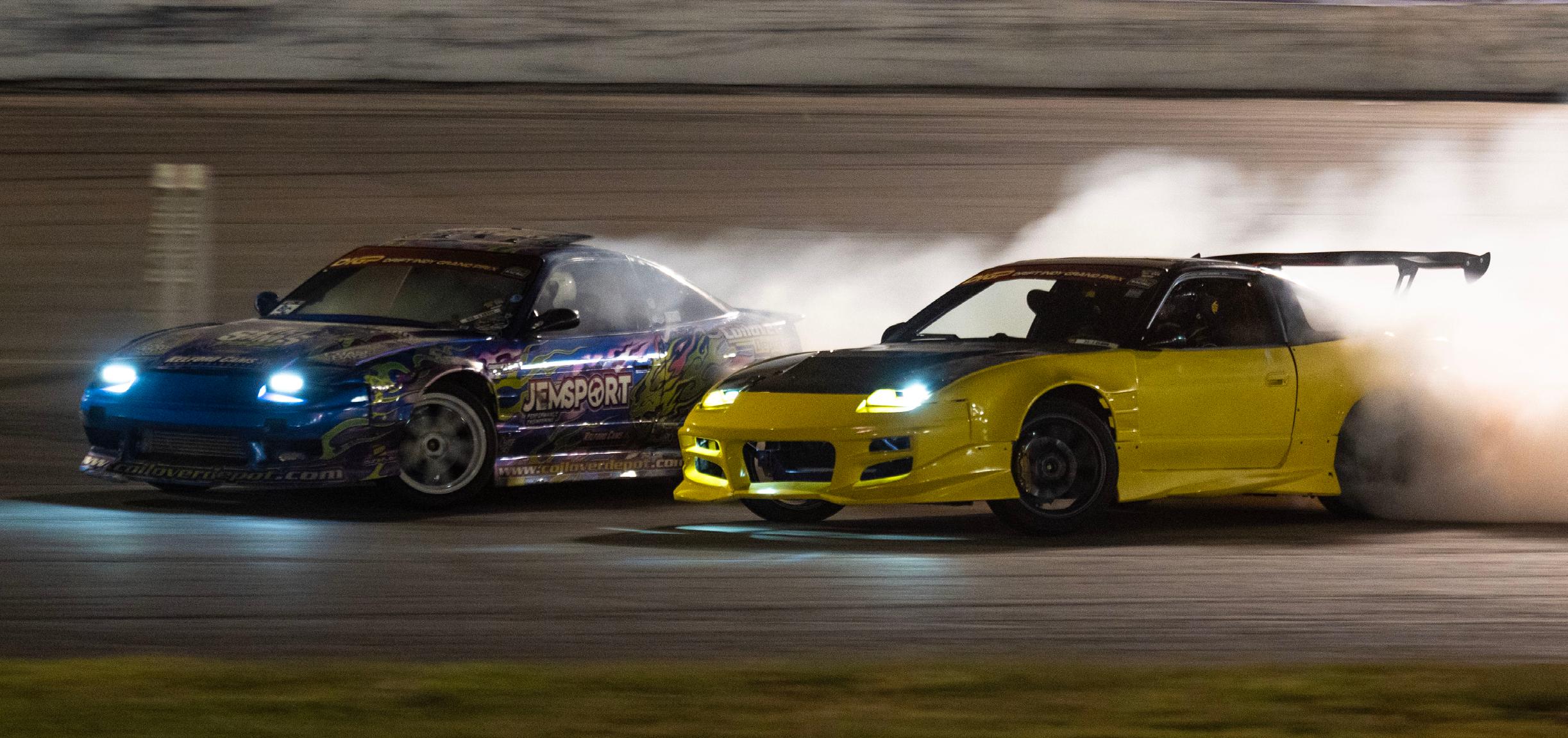
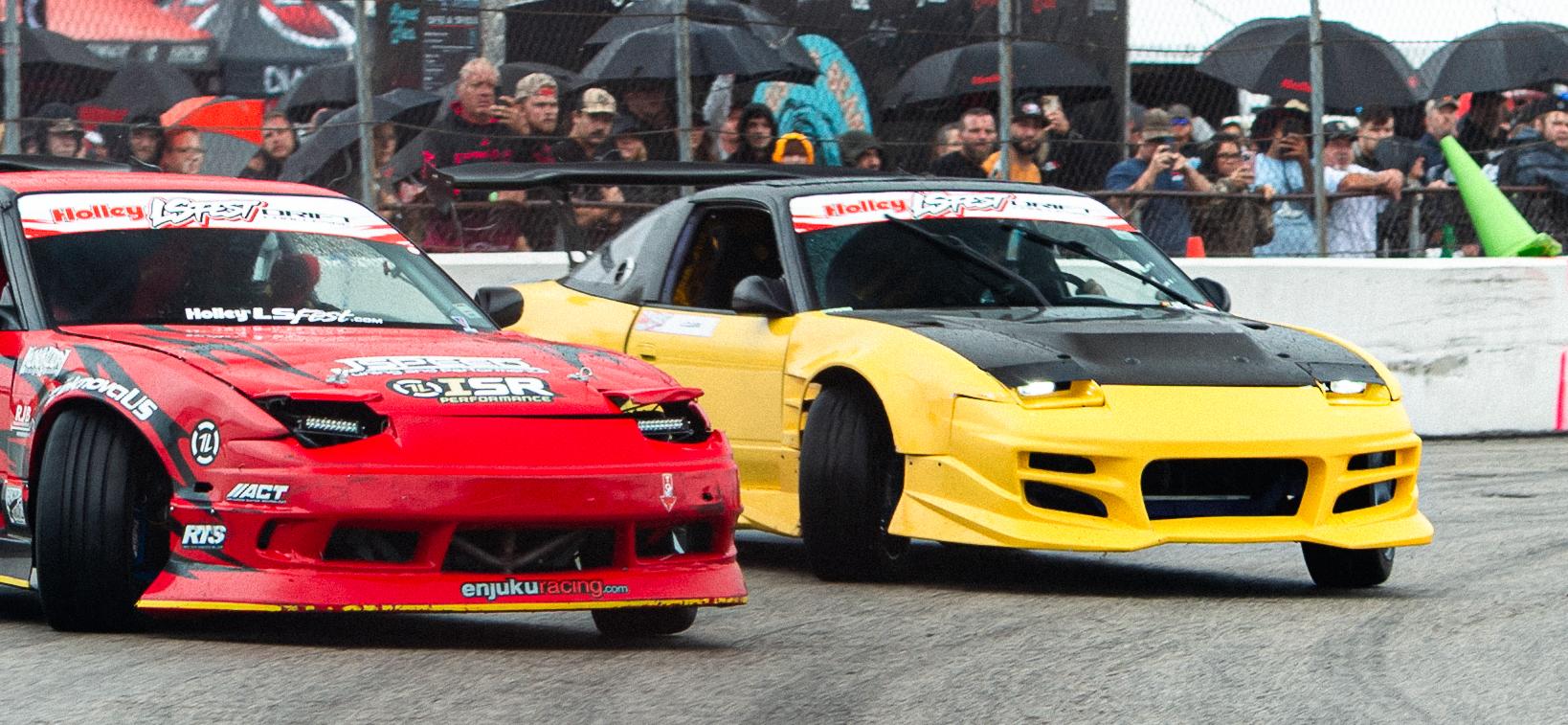
Jake’s S13 has been overbuilt to ensure that it will be reliable and adaptable as the need for more power arises:

The 6.2L LS3 under the hood has a valve train upgrade, but that’s about it for the moment. A GSR dogbox and a Bulldog quick-change diff ferry that power to the rear wheels. Suspension-wise, he’s rocking Wisefab in the front and rear and Feal coilovers all the way around.
Turning to the exterior, it’s got a Uras Type S kit and Origin Type 2 fenders
Gunmetal blue Gramlight 57s round out a clean, simple exterior. Jake said as far as stylistic influences go, he looks toward the early 2000s and D1GP for inspiration.
is