Status of the Fisheries 2023
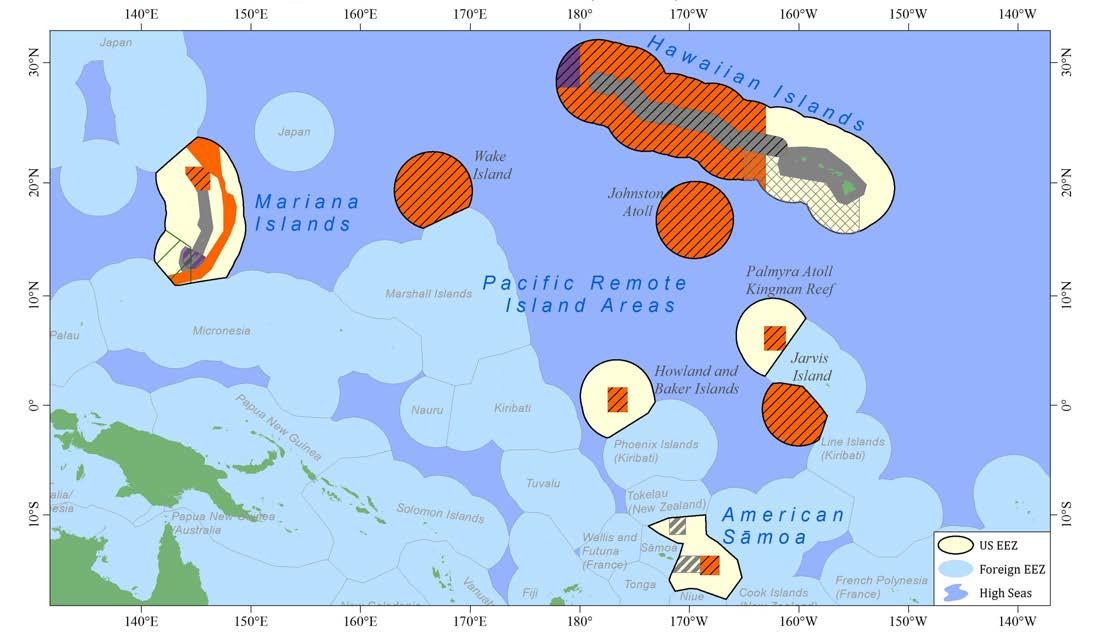
The Western Pacific Regional Fishery Management Council provides stewardship of marine resources and promotes sustainable fisheries seaward of the state waters of Hawai‘i, American Samoa, Guam, the Commonwealth of the Northern Mariana Islands (CNMI) and the Pacific Remote Island Areas (PRIA), as well as pelagic fisheries on the open ocean in these jurisdictions. The Council’s authority over federal commercial and non-commercial (i.e., subsistence, recreational, cultural) fisheries is mandated by the Magnuson-Stevens Fishery Conservation and Management Act (MSA).
The Council publishes annual reports as required by its five Fishery Ecosystem Plans (FEPs). This publication summarizes and highlights some of the interannual changes described in the annual reports. For the full reports, please visit www. wpcouncil.org/annual-reports.
Fishery statistics can be influenced by numerous factors, including environmental changes and socioeconomic variables. In recent years, major climate events and the lingering impacts and ongoing recovery from the COVID-19 pandemic also affected regional fisheries in several ways. Some of these effects are observable in the summary trends below, in addition to recent stock statuses and management measures.
Region-Wide Patterns in Pelagic Fisheries: While the performance of pelagic fisheries was mixed across the U.S. Pacific Islands in 2023, a common thread throughout
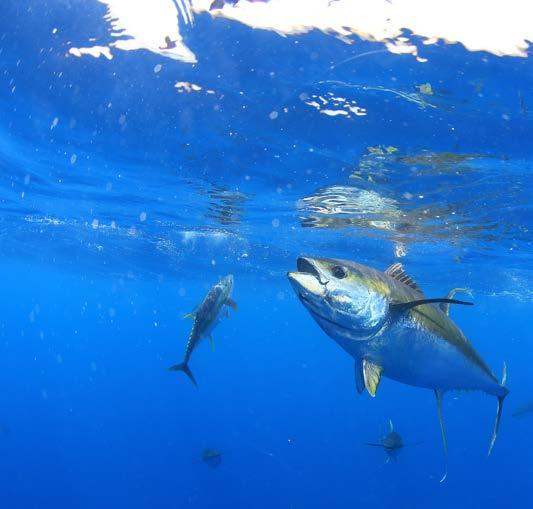
the region was an increase in the total catch of yellowfin tuna (Thunnus albacares). Upticks in yellowfin tuna catch from 2022 to 2023 ranged from +2.4% in Hawai‘i pelagic fisheries to a substantial +188% increase—nearly triple— in the Guam troll fishery at 97,424 pounds. The growing influence of yellowfin tuna is evident in the Hawai‘i deep-set longline fishery, where over the past decade, slow declines in bigeye tuna landings have been offset by steady increases in yellowfin tuna landings. Other notable trends include the continued decrease in catches of mahimahi (Coryphaena hippurus American Samoa, Guam and the CNMI in recent years. Despite a slight increase in mahimahi catch in Hawai‘i, the pattern over time has shown persistent decline.
Fishery Trends in a Post-Pandemic World: Starting in early 2020, the COVID-19 pandemic had significant impacts on fishing and related industries. While many aspects of the U.S. Pacific Islands’ economies have rebounded, some effects persist as reminders of the multi-year hardships faced by regional fisheries. In Hawai‘i, for instance, commercial
Continued on page 2
Yellowfin tuna. Photo: Shutterstock.
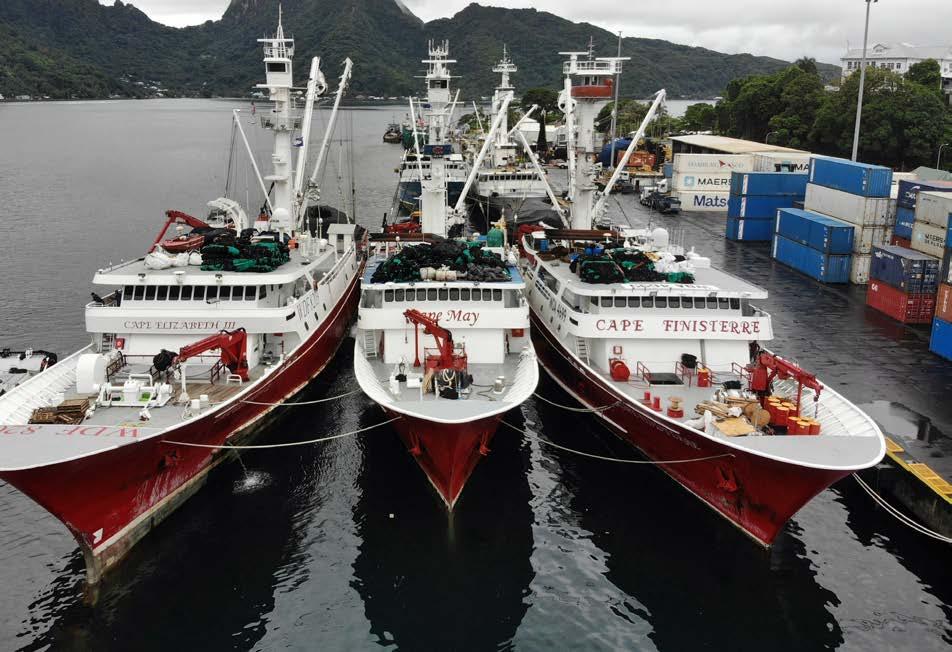
tuna catch at the StarKist Samoa cannery. Photo: Cape Fisheries.
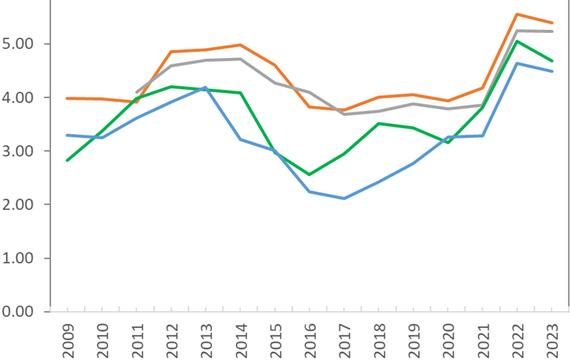
Price ($/gallon)
Average Unleaded Fuel Price in the Western Pacific Region
catches of uku fell to an all-time low in 2023. Initially, the pandemic reduced demand from hotels and restaurants, leading wholesalers to buy less fish. Despite uku prices rising as tourism recovered, landings did not increase. Continued issues with shark depredation during summertime uku spawning runs at Penguin Bank have likely caused fishers to pivot to higher-value species to capitalize on exceptional post-COVID prices. Other lasting effects include a shift from central fish markets to social media sales, potentially indicating a “new normal” for some target fish species and operations.
Fishing Costs: Similar to the previous year, fuel prices remained a key factor influencing fishing behavior in 2023. All island areas experienced relatively higher fuel prices, ranging from an average of $4.36/gallon in American Samoa to an average $5.41/gallon in the CNMI, with some areas reaching up to $7.50/gallon. Although fuel prices were relatively consistent or slightly decreased from 2022 to 2023, the substantial increases observed from 2021 to 2022 created lasting effects. Small-boat fishery participants noted that they have observed fishers taking fewer and/or shorter fishing trips to help reduce their fuel-related expenses. In Hawai‘i’s longline fisheries, fuel comprised more than half of fishing trip costs, with remaining expenses attributed to bait, ice, gear, food for crew, and vessel maintenance.
Fisher Observations: The Council and its Advisory Panels, together with NOAA Pacific Islands Fisheries Science Center (PIFSC), have continued to document “on-the-water”
Credit: PIFSC Social-Ecological and Economic Systems (SEES) Program.
fisher observations to supplement scientific data with local ecological knowledge. Common regional themes include increased shark depredation, rougher sea conditions, a shift to non-traditional and social media sales, and high fishing expenses due to increased fuel costs.
Environmental Changes: Surface waters around the U.S. Pacific Islands continued to warm, contributing to heat stress on coral reefs and likely resulting in mass bleaching and mortality. The Pacific Ocean also experienced a transition from La Niña to El Niño conditions.
Internationally Managed Pelagic Species: Western and Central Pacific Fisheries Commission (WCPFC) stock assessments indicate Western and Central Pacific Ocean (WCPO) yellowfin and bigeye tunas are sustainably harvested. The WCPFC increased the U.S. Hawai‘i-based longline fishery bigeye tuna catch limit from 3,554 to 6,554 metric tons after considering the healthy stock status and the highly monitored and compliant nature of the fishery. Stock assessments by the International Scientific Committee for Tuna and Tuna-Like Species in the North Pacific Ocean (ISC) found North Pacific (NP) albacore and NP swordfish are not overfished and not experiencing overfishing. A recent ISC stock assessment found that NP striped marlin in the WCPO are no longer classified as overfished according to the Pelagic FEP criteria. However, they are still likely experiencing overfishing, primarily due to foreign landings. The stock remains under an international WCPFC rebuilding plan.
CNMI Guam Hawai‘i American Samoa
Summary of 2023 Fishery Performance for Hawai‘i, American Samoa, the CNMI and Guam
Trends compare 2023 performance against 2021 and 2022. Data differences between this report and previous publications could be explained by the way the estimates are calculated from survey data. Green text indicates the interannual value increased 25% or more from the preceding year and red text indicates the value decreased 25% or more. Some data (noted as n.d. for non-disclosed) cannot be reported because of confidentiality rules (i.e., if they are derived from fewer than three sources).
Hawai‘i
Hawai‘i fisheries displayed variable trends across all major fishing sectors, even as the impacts of the pandemic continued to recede. While the deep-set longline fishery targeting tuna saw a slight improvement in total catch (+5.8%) from 2022, ex-vessel revenue decreased substantially by over $9.1 million (-8.3%) due to a notable drop in average fish price from $4.80/ pound to $4.23/pound (-11.8%). Despite remaining open for the entire fishing season, the Hawai‘i shallow-set longline fishery targeting swordfish experienced a nearly 15% decrease
Continued on page 4
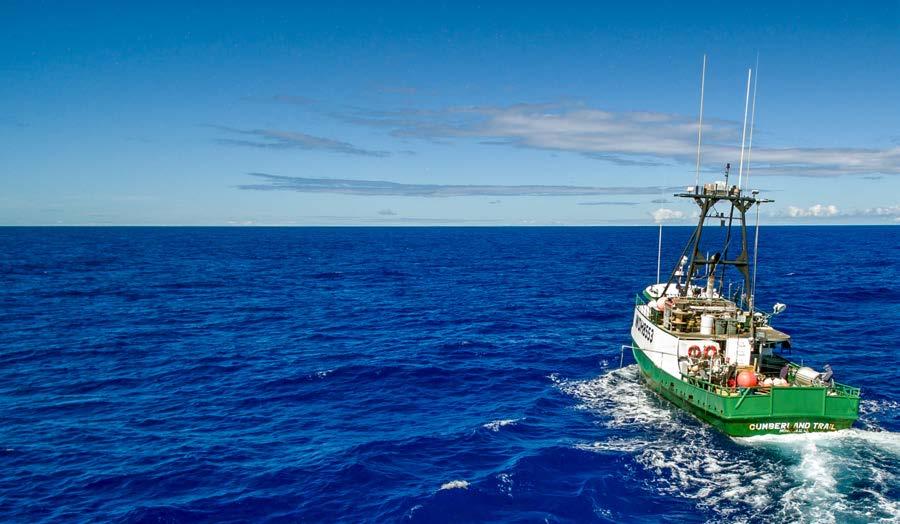
F/V Cumberland Trail setting its longline gear in the water, which takes between five and six hours.
Photo: Hawaiian Fresh Seafood.
Hawai‘i (continued)
in catch to approximately 1.6 million pounds. This was compounded by a drop in the average fish price (-$0.77/pound), resulting in a revenue reduction of more than $3.1 million. Drivers of the decrease in average fish price are unclear but may reflect a return to more typical pricing levels after increases associated with post-pandemic recovery. Effort in the shallow-set fishery was relatively stable in trips and sets, increasing in 2023, though still below pre-pandemic levels. Hawai‘i small-boat fishers mentioned challenges associated with competition from foreign imports, and outer island fishers cited difficulties preserving fish to send to the auction block in Honolulu.
Hawai‘i Longline Fishery Gear Configuration
Primary Fishing Method and Gear of Hawai'i Pelagic Fishermen Licensed in 2022-2023
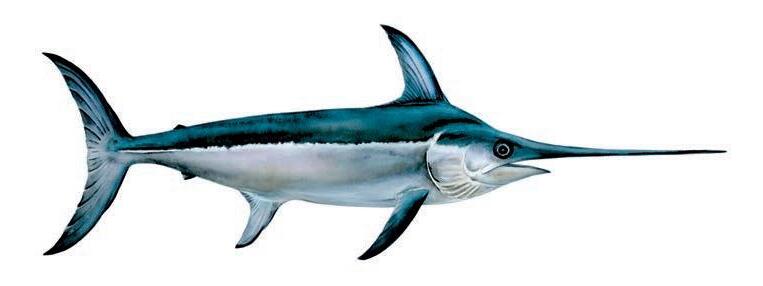
Shallow-Set Longline Fishery: Swordfish are caught near the surface at night, as they move up from the depths during darkness, following their prey. 360 m between floats / Hooks: Depth of 25-75 m, 4 hooks between floats. Deep-Set Longline Fishery: During the day, bigeye tuna feed, and are caught, at greater depths. 840 m between floats / Hooks: Depth of 40-350 m, 27 hooks between floats.
Source: National Marine Fisheries Service.
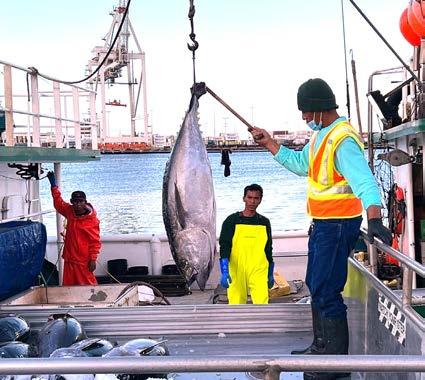
Whether landed by longline, troll or handline, all Hawai’i-landed tuna (right) and swordfish are sustainably harvested. Images: Hawaii Longline Association and the Pacific Community (SPC).
Hawai‘i
Bottomfishing in some parts of Hawai‘i was slow due to poor conditions potentially associated with the Kona weather pattern, but fishers noted good recruitment with larger ‘ōpakapaka around O‘ahu and abundant ehu and gindai around Kaua‘i. Data from the State of Hawai‘i showed a decrease in active commercial fishers and trips, but landings of Deep 7 bottomfish species increased by more than 8,000 pounds from the previous year to just over 197,000 pounds. Despite this, catch and effort statistics were still 11-20% lower than the 10- and 20-year averages, reflecting a continuous decline in fishery performance since 2014. Contributing factors likely include challenging weather, shark depredation, competing fisheries, and declining small-boat commercial fishing participation. Similarly, commercial data for uku (gray snapper) showed declines in trips and catches, with 2023 catch figures hitting an all-time low and effort levels the lowest since the early 1970s. The decline is similarly attributed to competing fisheries, shark depredation, highliners exiting the fishery and lingering pandemic effects.

Continued on page 6
Landings (pounds)
Deep 7 Bottomfish Catch by Species
‘Ōpakapaka, or pink snapper, can live up to 40 years and is commonly found near rocky bottoms in deep offshore waters of 20-100 fathoms. In contrast to onaga and uku, ‘ōpakapaka is a great entry-level species since it’s easier to catch and is available year-round.
7 Bottomfish
Note: Totals don’t include confidential data from the inshore handline gear type.
Kona Crab (commercial)
• Licenses
• Fishing Trips
• Crabs Caught (# of individuals)
•
Engaging the public in the Council's bottom-up fishery management process is important. Each year, the Council produces newsletters, monographs, fact sheets, lunar calendars and more to encourage people to get involved and stay connected.
In December 2023, the Council revised its essential fish habitat (EFH) designation for uku using new species distribution models based on diver and video survey data. EFH includes the waters and substrates necessary for fish to spawn, breed, feed, and grow. The Council also asked NOAA PIFSC to collaborate with Hawai‘i fishermen on a research project to better understand uku habitats for future EFH updates.
Ecosystem Component Species (ECS) (commercial) 2021
*top 3 ECS caught are ranked according to 2023 values
• Total Pounds Caught for Top 10 Harvested
o Top Caught ECS - akule
(bigeye scad, Selar crumenophthalmus) (pounds)
o Second Most Caught ECS - ‘Ōpelu
(mackerel scad, Decapterus macarellus) (pounds)
o Third Most Caught ECS - ta‘ape
(Lutjanus kasmira) (pounds)
• Total Pounds Sold for Top 10
• Total
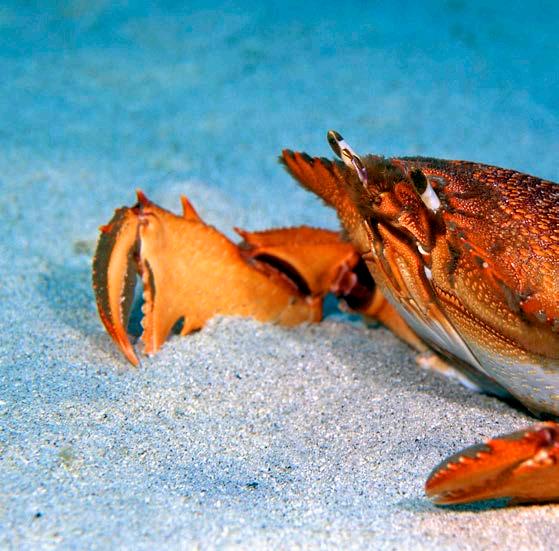
Kona crab.
Photo: Keoki Stender.
Above: Council staff attend a Bishop Museum Earth Day festival in Honolulu.
Photo: Amy Vandehey.
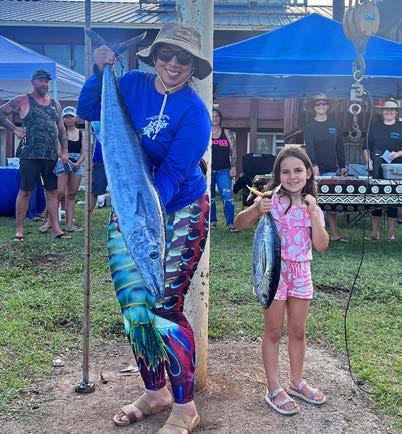
Right: Hawai'i Advisory Panel member Amanda Padilla and helper participate and share outreach materials at the 2nd annual Spring Wahine (Woman) Fishing Tournament on Maui. Photo: Capt. Amanda Padilla.
American Samoa
Members of the American Samoa fishing community observed that El Niño conditions increased water temperatures, leading to coral bleaching and requiring fishers to move more during bottomfishing and trolling trips. Jigging has become more popular for larger pelagic species. However, most pelagic fish in local markets come from noncannery species landed by the longline fleet. Fishers also noted that a substantial portion of pelagic fish is caught on fish aggregating devices far from American Samoa by purse seine vessels that offload to the cannery.

In 2023, there was a continued decrease in longline sets and total pounds landed, dropping from 3.2 million pounds in 2022 to 2.7 million pounds. While landings of skipjack, bigeye and yellowfin tuna increased, a decrease of nearly 600,000 pounds in albacore landings drove the overall decline in fishery performance. The American Samoa troll fishery showed unusual performance, with consistent catch levels despite a large increase in estimated fishing trips from 2022 to 2023. The Council’s Pelagic Plan Team noted a slight increase in releases of tuna species but did not determine a strong reason for the rise in bycatch.
Continued on page 8
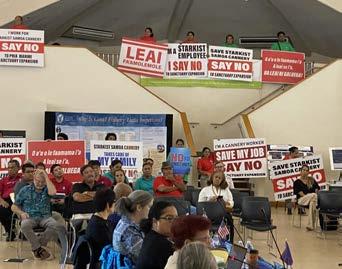
StarKist Samoa cannery representatives attend the Council meeting in June 2023 to express their opposition to the proposed sanctuary in the Pacific Remote Islands. The sanctuary proposal would extend commercial fishing prohibitions to the full extent of the U.S. exclusive economic zone around the PRIA, affecting fish supply to the cannery. Photos: Felix Reyes.
•
•
•
•
•
•
and
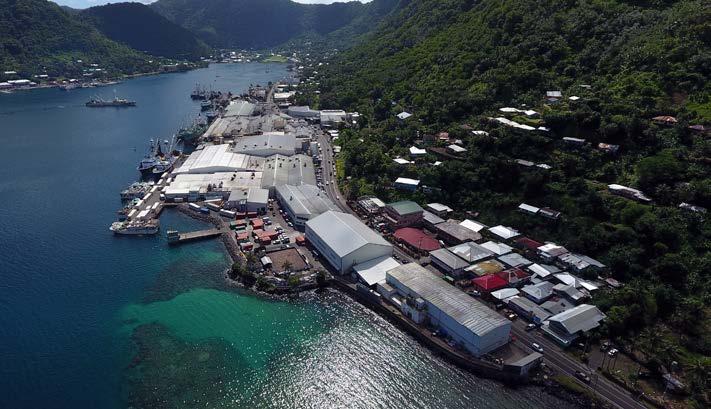
American Samoa has the best natural deep-water port in the south Pacific and the largest tuna cannery in the western and central Pacific. Photo: Cape Fisheries.
American Samoa’s tuna industry consists of one cannery
the locally based fishing boats that supply them. The Samoa Tuna Processors facility, seen in the foreground, is operated by StarKist Samoa (located next to STP).
American Samoa (continued)
The American Samoa bottomfish fishery saw a positive change in 2023, with total estimated catch rising to 4,689 pounds after operating at less than half that amount for the previous two years. This marks the first increase in landings for the fishery that has been declining since 2015. A 2019 NMFS stock assessment had determined that the 11-species bottomfish stock complex was overfished and experiencing overfishing, leading to a low 5,000-pound annual catch limit (ACL) as part of a Council-developed rebuilding plan. However, a new 2023 assessment evaluated the species individually and found that none of the nine species with sufficient data were overfished or experiencing overfishing.
For the third year in a row, commercial bottomfish data remained confidential due to insufficient reporting from local vendors. Fishers criticized market conditions, including a scarcity of flake ice needed to maintain fish quality for better market prices. Some vendors refused to buy bottomfish from alia vessels, resulting in very little local bottomfish being available in the markets.
For ecosystem component species, an increase in nearshore fishing effort, likely due to the introduction of new vessels funded by COVID-related assistance, led to a substantial rise in 2023 catch and sales. Estimated
Bottomfish Catch from Shore and Boats
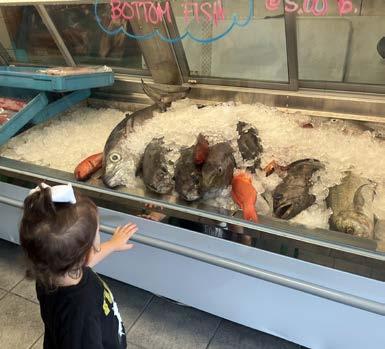
Above: Seeing bottomfish for sale at a traditional market is increasingly rare. It is becoming more common for these fish to be sold through secondary markets (e.g., roadside sales), shared with family and friends, or kept for personal consumption.
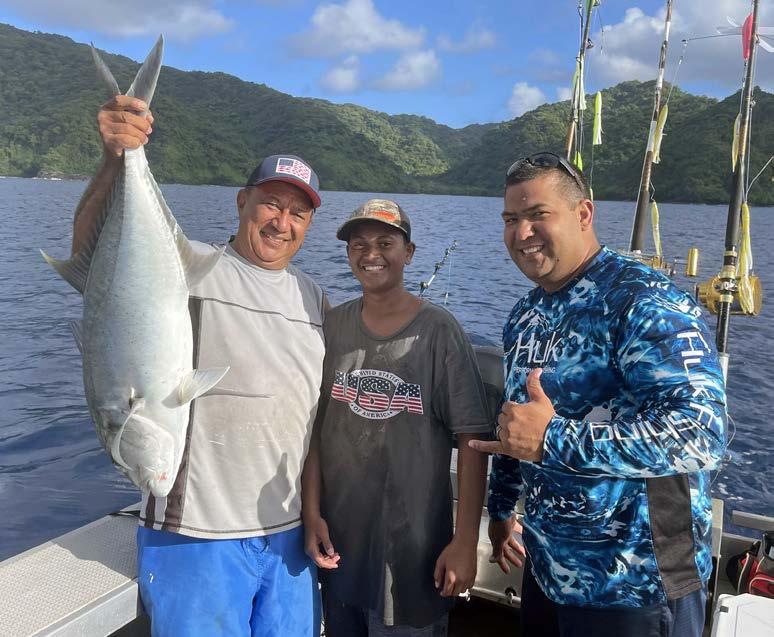
The Gurr family catch a malauli (trevally) off the North Shore of Tutuila. The Council and its Plan Teams are implementing initiatives to better describe noncommercial fishing activity in their annual SAFE reports.
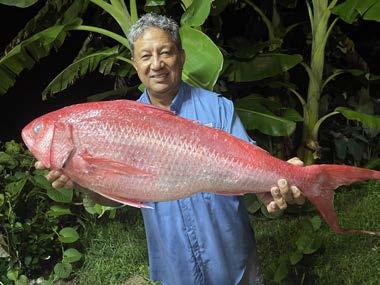
Right: Peter Gurr Sr. with a beautiful palu malau (onaga, Etelis coruscans). Onaga are one of the most important federally managed bottomfish species in American Samoa. All photos: Gurr family.
American Samoa
Ecosystem Component Species (ECS) (commercial)
• Total Pounds Caught/Sold for Top 10 Harvested ECS
o Top Caught ECS - blue-banded surgeonfish (Acanthurus lineatus) (pounds)
o Second Most Caught ECS - unicornifishes (pounds)
o Third Most Caught ECS - parrotfishes (pounds)
• Total Revenue for Top 10 Harvested ECS (dollars)
CNMI
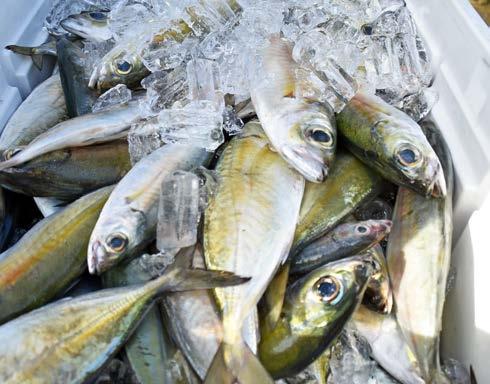
In early 2023, Tinian fishers observed no significant seasonal fish runs, only brief appearances of i’e (juvenile jacks) and atulai (bigeye scad). In contrast, Saipan fishers reported a near-year-round run of atulai, attributing it to the ban on gill nets. After Typhoon Mawar in May, challenging ocean conditions limited fishing efforts, but conditions improved post-storm. High fuel prices continued to strain fishers, and ongoing military activity across the archipelago also impacted fishing access and effort.
Data show a substantial drop in estimated landings from 2022 to 2023: pelagic species decreased by 46.7% and bottomfish by 78.5%. Despite stable fish prices, revenues for both sectors fell proportionally. Catch per unit effort (CPUE, e.g., pounds caught per trip or per hour) also dropped, indicating reduced fishing efficiency that may be associated with fish abundance. For pelagic trolling, increased catch and CPUE for yellowfin tuna partially offset the overall decline for the fishery.
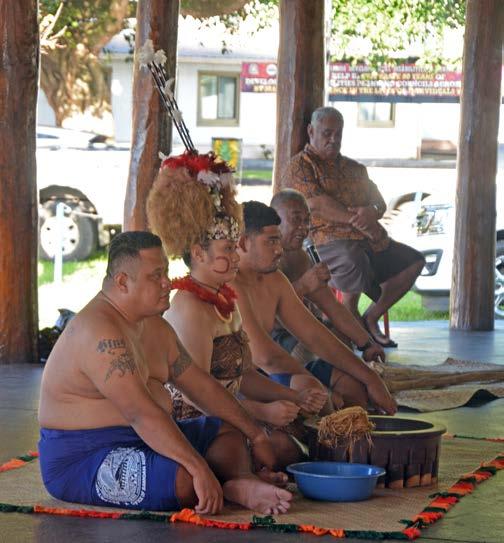
An ‘ava ceremony, a traditional cultural practice to honor significant occasions, is performed before the June Council meeting. The ceremony involves the preparation and sharing of ‘ava, a drink made from the root of the kava plant.
Photos: Amy Vandehey.
Atulai. Photo: Floyd Masga.
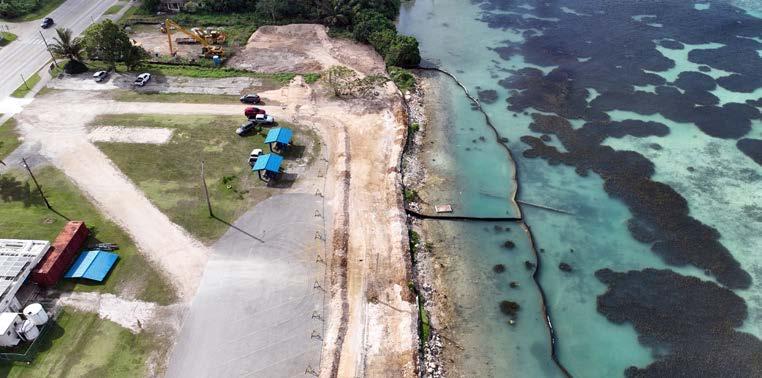
Western Pacific Sustainable Fishery Funds are put to good use at the Garapan Fishing Base to stabilize 380 feet of shoreline. The base supports recreational fishers, and is one of three active launching areas on Saipan that is capable of holding up to 11 boat trailers at a time.
Below: Saipan deep bottom fishers Lino Tenorio (right) and Tony Guerrero give a brief training session on their gear preparation, best bait and techniques used to catch bottomfish.
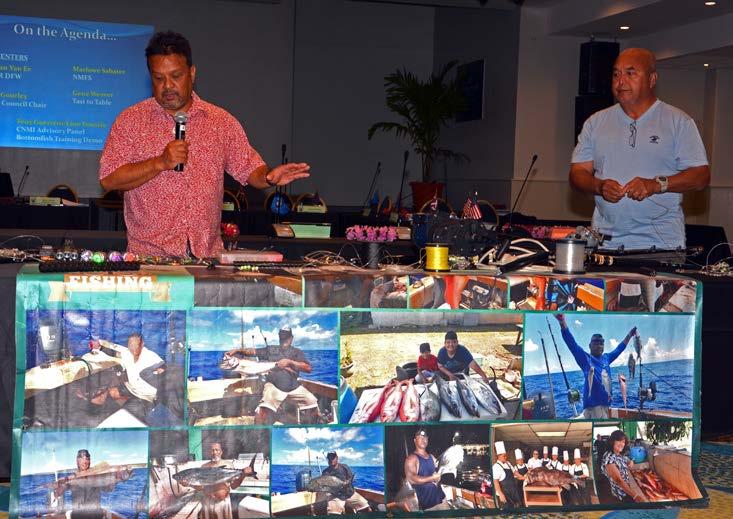
The Council held its first in-person Fishers Forums in the Mariana Islands since 2018 in conjunction with the March 2023 meeting on Saipan and Guam. The free and family friendly outreach events focused on the history of bottomfishing, different fishing gears and methods, and the science and management of bottomfishing in the region.
Photo: Felix Reyes.
Photo: Micronesian Environmental Services.
CNMI (continued)
However, the fishery data from the CNMI may not fully tell the story due to sampling issues and delays in data collection. The CNMI Division of Fish and Wildlife (DFW), which conducts the surveys used for total catch estimates, faced funding and staffing challenges, leading to several months without sampling. NMFS PIFSC will work with DFW to improve catch estimation methods considering the gaps in data collection. Additionally, not all 2023 commercial invoices were processed when this report was published. The Council expects to receive updated commercial statistics later in 2024.
Bottomfish
(commercial and non-commercial) 2021 2022 2023
• Commercial Landings (pounds) 40,903 32,205 21% 5,313 84%
• Vessels 58 20 66% 19 5%
bottomfishers commonly target lehi
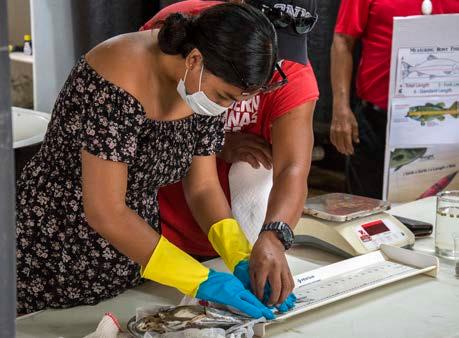
A Tasi to Table high school student from Saipan learns different methods of measuring fish (standard, fork and total lengths) to determine growth rates and to calculate feeding amounts at the Northern Marianas College Aquaculture and Natural Resources facility.
The Council partners with TTT to share our activities in the community like the university scholarship program, and about fishery regulations like the MagnusonStevens Act.
Photo:
Michael Ogo
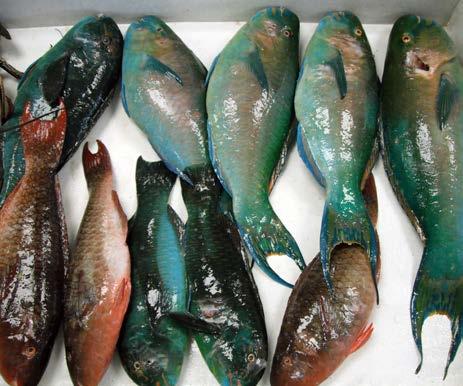
Parrotfish are an important ecosystem component species caught in the territories. They play a vital role in the health and sustainability of coral reef ecosystems. Photo: WPRFMC.
Component Species (ECS) (commercial)
*top 3 ECS caught are ranked according to 2023 values • Total Pounds Caught/Sold
o Top Caught ECS - atulai (bigeye scad) (pounds)
o Third Most Caught ECS - misc. emperors (pounds)
Local
(silvermouth, Aphareus rutilans) due to the high market demand. Photo: Floyd Masga.
Guam
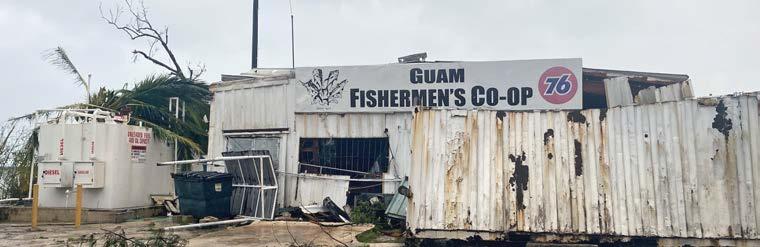
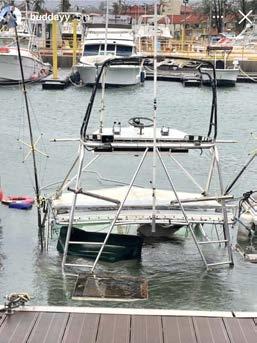
Fishers reported several infrastructure issues affecting access, such as congestion at boat ramps, sand buildup at boat harbor entrances and the development of the new military base. Typhoon Mawar in May 2023 further disrupted fishing with rough ocean conditions, debris clogging Agaña Boat Basin, limited ice availability and hindered market sales. The Guam Fishermen’s Cooperative Association (Co-op) in Hagåtña, a key fish buyer and seller since 1977, suffered severe damage from the storm and did not resume operation through the end of the year. In addition, large swells and high winds early in the year prevented trips targeting bottomfish like onaga.
Pelagic fisheries performance in Guam showed slight improvement in 2023, continuing the “sawtooth” trend of fluctuating increases and decreases seen over the past decade. Tuna species, particularly skipjack and yellowfin, saw strong gains, while catches of key non-tuna species like ono and mahimahi declined. Despite obtaining a waiver from the Co-op to release commercial fish data, 2023 revenue statistics for both pelagic and bottomfish fisheries cannot be disclosed due to reporting from fewer than three vendors or dealers, a situation similar to 2022. The Council’s Plan Teams continue to encourage increased outreach to fish retailers to better capture this important information.
Pelagic
Above and left: Typhoon Mawar passed over the northern tip of Guam May 24-25 as a Category 4 storm with sustained winds up to 140 miles per hour. Many fishers were unable to go fishing for weeks after the storm due to spilt oil and fuel from sunken boats. Photos: Felix Reyes.
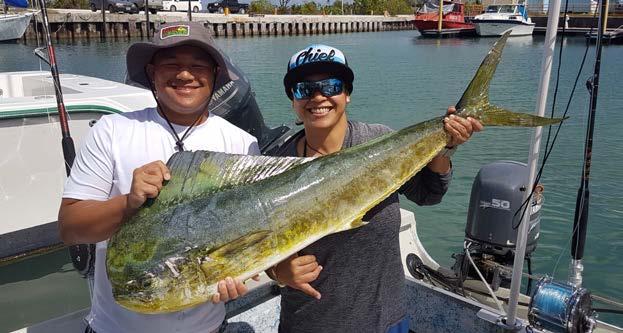
Right: Audrey Toves (right) and son Izzic proudly display their mahimahi catch, which typically bite from January to April. Photo: Audrey Toves/One Love GUd Vibes Charters.
Guam
Bottomfish landings slightly declined to 25,713 pounds, remaining well under the current ACL of 31,000 pounds specified in the Council-developed rebuilding plan. This catch value is consistent with historical 10- and 20-year averages for the fishery.
Bottomfish
• Vessels
• Commercial Revenue (dollars)
recognition items for
(pounds)
Estimated Bottomfish Catch from Shore and Boats
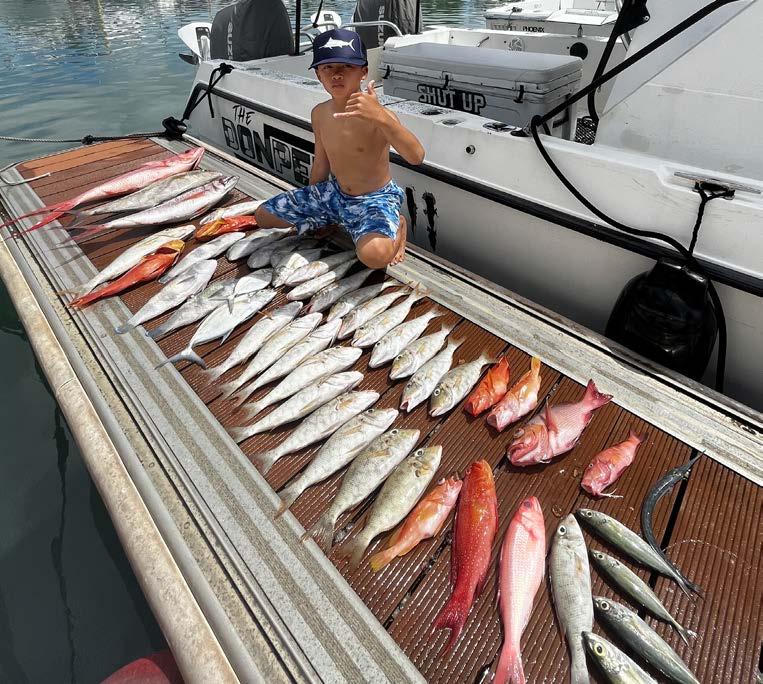
Left: A young fisher with his bountiful bottomfish and nearshore fish catch. There are many families in Guam committed to sharing their knowledge, expertise and culture with the next generation.
*top 3 ECS caught are ranked according to 2021 values • Total Pounds Caught/Sold for Top 10 Harvested ECS
o Top Caught ECS - assorted reef fishes (pounds)
o Second Most Caught ECS - mafute (misc.emperors) 547
(pounds)
o Third Most Caught ECS - misc. groupers (pounds)
• Total Revenue for Top 10 Harvested ECS (dollars)
Photo: Don Pedro Makaveli Cruz.
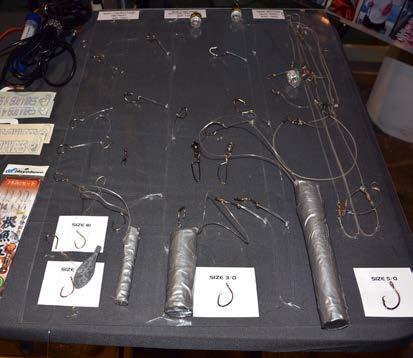
Right: A bottomfish gear display. Photo: Felix Reyes.
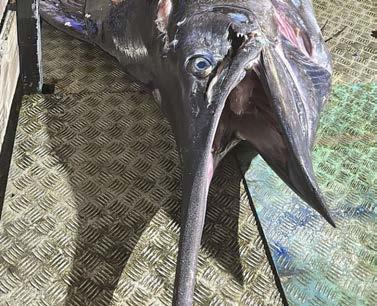
F/V The Chief caught the heaviest recorded marlin in Guam since 1969, 852.5 pounds, at the 2023 Greg D. Perez International Sportfishing Derby. The Council supports many of the annual fishing competitions by serving as weighmaster and sharing
the winners.
2023 ADMINISTRATIVE AND REGULATORY ACTIONS
For the Federal Register notices for these actions, go to www.federalregister.gov
March 7 (88 FR 14081) 2022-2025 annual catch limits (ACLs) and accountability measures (AMs) for main Hawaiian Islands (MHI) deepwater shrimp and precious coral fisheries. As a post-season AM, if the average total catch from the most recent three fishing years exceeds the limit during a fishing year, the National Marine Fisheries Service (NMFS) would reduce the ACL for the following fishing year by the amount of the overage. This ACL and AM support the long-term sustainability of MHI deepwater shrimp and precious corals.
Oct. 3 (88 FR 67984) Valid specified fishing agreement that allocates up to 1,500 metric tons of the 2023 bigeye tuna limit for the Commonwealth of the Northern Mariana Islands (CNMI) to identified U.S. longline vessels. The agreement, valid as of Feb. 2, 2023, supports the long-term sustainability of fishery resources of the U.S. Pacific Islands, and fisheries development in the CNMI. The start date for attributing 2023 bigeye tuna catch to the CNMI under the agreement was Oct. 8, 2023.
Oct. 6 (88 FR 69554) Final rule to implement the annual harvest guideline for the commercial lobster fishery in the Northwestern Hawaiian Islands (NWHI) for 2023 at zero lobsters. Harvest of NWHI lobster is not allowed. Regulations governing the Papahānaumokuākea Marine National Monument in the NWHI prohibit the unpermitted removal of monument resources (50 CFR 404.7) and establish a zero annual harvest guideline for lobsters (50 CFR 404.10(a)).
Oct. 6 (88 FR 69621) Announcement of 25 American Samoa pelagic longline limited-entry permit availability in 2 size classes—17 permits in the Small permit size class, and eight permits in the Large vessel size class. Complete
Fishery Management Unit Species ACL (lbs)
Crustacean Deepwater shrimp 250,773
Precious Coral ‘Au‘au Channel - Black coral 5,512
Precious Coral Makapu‘u Bed – Pink and red coral 2,205
Precious Coral Makapu‘u Bed – Bamboo coral 551
Precious Coral 180 Fathom Bank – Pink and red coral 489
Precious Coral 180 Fathom Bank – Bamboo coral 123
Precious Coral Brooks Bank – Pink and red coral 979
Precious Coral Brooks Bank – Bamboo coral 245
Precious Coral Ka‘ena Point Bed – Pink and red coral 148
Precious Coral Ka‘ena Point Bed – Bamboo coral 37
Precious Coral Keāhole Bed – Pink and red coral 148
Precious Coral Keāhole Bed – Bamboo coral 37
Precious Coral Hawai‘i Exploratory Area – precious coral 2,205
applications were due to NMFS by Feb. 5, 2024.
Dec. 26 (88 FR 88835) Final rule to extend the region-wide moratorium on gold coral harvest in the U.S. Pacific Islands through June 30, 2028. The intent is to prevent overfishing and to stimulate research on gold corals.
2023 PUBLICATIONS
2024 Eskaleran Pulan Chamorro/2024 Refaluwasch Pápáál Maram (Chamorro/ Refaluwasch Lunar Calendar). 2023. Honolulu: Western Pacific Regional Fishery Management Council. ISBN 9781-950193-39-4
2024 Fanha’aniyan Pulan CHamoru (Chamorro Lunar Calendar). 2023. Honolulu: Western Pacific Regional Fishery Management Council. ISBN 9781-950193-38-7
2024 Kaulana Mahina (Hawaiian Lunar Calendar). 2023. Honolulu: Western Pacific Regional Fishery Management Council. (classroom version). ISBN 978-1-950193-36-3; (fishermen version). ISBN 978-1-950193-37-0
2024 Tau Masina o Amerika Samoa (American Samoa Lunar Calendar). 2023. Honolulu: Western Pacific Regional
Fishery Management Council. ISBN 9781-950193-40-0
American Samoa Advisory Panel 20232026 (brochure). April 2023. Honolulu: Western Pacific Regional Fishery Management Council. ISBN 978-1950193-26-4
Commonwealth of the Northern Mariana Islands Advisory Panel 20232026 (brochure). April 2023. Honolulu: Western Pacific Regional Fishery Management Council. ISBN 978-1950193-27-1
Đề xuất thay đổi các biện pháp bảo vệ chim biển cho nghề đánh cá dây dài ở Hawaiʻi (Proposed Changes to Seabird Measures for the Hawai‘i DeepSet Longline Fishery). 2023. Honolulu: Western Pacific Regional Fishery Management Council. (handout). ISBN 978-1-950193-35-6
Guam Advisory Panel 2023-2026 (brochure). April 2023. Honolulu: Western Pacific Regional Fishery Management Council. ISBN 978-1950193-28-8
Hawai‘i Advisory Panel 2023-2026 (brochure). April 2023. Honolulu: Western Pacific Regional Fishery Management Council. ISBN 978-1950193-25-7
Pacific Islands Fishery News. Winter, Spring, Summer and Fall issues. Honolulu: Western Pacific Regional Fishery Management Council. ISSN: 2151-2329 (print); ISSN 2151-2337 (online)
Western Pacific Region Status of the Fisheries 2022. 2023. Honolulu: Western Pacific Regional Fishery Management Council. ISBN 978-1-950193-34-9
WPRFMC, 2023. Annual Stock Assessment and Fishery Evaluation (SAFE) Report for the American Samoa Archipelago Fishery Ecosystem Plan 2022. T Remington, M Seeley, A Ishizaki (Eds.). Honolulu: Western Pacific Regional Fishery Management Council. ISBN 978-1-950193-29-5
WPRFMC, 2023. Annual SAFE Report for the Hawai‘i Archipelago Fishery Ecosystem Plan 2022. T Remington, M Seeley, A Ishizaki (Eds.). Honolulu: Western Pacific Regional Fishery Management Council. ISBN 978-1950193-30-1
WPRFMC, 2023. Annual SAFE Report for the Mariana Archipelago Fishery Ecosystem Plan 2022. T Remington, M Seeley, A Ishizaki (Eds.). Honolulu: Western Pacific Regional Fishery Management Council. ISBN 978-1950193-31-8
WPRFMC, 2023. Annual SAFE Report for the Pacific Pelagic Fisheries Fishery Ecosystem Plan 2022. T Remington, M Fitchett, A Ishizaki (Eds.). Honolulu: Western Pacific Regional Fishery Management Council. ISBN 978-1950193-32-5
WPRFMC, 2023. Annual SAFE Report for the Pacific Remote Island Areas Fishery Ecosystem Plan 2022. T Remington, M Seeley, A Ishizaki (Eds.). Honolulu: Western Pacific Regional Fishery Management Council. ISBN 9781-950193-33-2
2023 COUNCIL AND ADVISORY BODY MEETINGS
Western Pacific Regional Fishery Management Council (chair John Gourley, Will Sword): 194th meeting, March 26-31, Mariana Islands; 195th meeting, June 22-29, American Samoa; 196th meeting, Sept. 15-20, Honolulu; 197th meeting, Dec. 11-13, virtual (include standing committee mtg dates)
Scientific and Statistical Committee (chair James Lynch): 147th meeting, March 14-16, Honolulu; 148th meeting, June 14-16, Honolulu; 149th meeting, Sept. 12-14, Honolulu; 150th meeting, Nov. 28-29, virtual Advisory Panel (chair Clay Tam)
• American Samoa (chair Nathan Ilaoa): Feb. 28, March 16, June 24, Aug. 30, Dec. 5
• Hawai‘i (chair Gil Kuali‘i): Feb. 24, March 16, June 9, Aug. 29, Dec. 4
• Marianas Joint (chairs Richard Farrell and Dominick San Gil): March 25, June 3, Sept. 2, Dec. 7, CNMI; March 25, June 8, Aug. 31, Dec. 7, Guam
Plan Teams: Archipelagic (chair T.Todd Jones): Jan. 25, virtual; Apr. 19-20, Honolulu; Pelagic (chair Don Kobayashi): May 9-11, virtual; Aug. 28, virtual
Education Committee (chair Craig Severance): Aug. 31, virtual
Fishery Data Collection and Research Committee (chair Jason Helyer): June 12, virtual
Fishery Data Collection and Research Committee—Technical Committee (chair Archie Soliai): June 8, virtual
Fishery Data Collection and Research Committee—Technical Committee: Data Collection Subpanel: no meeting Fishing Industry Advisory Committee (chair Michael Goto): Feb. 27, Honolulu; March 16, Honolulu; June 23, American Samoa; Aug. 30, Honolulu; Nov. 27, Honolulu
Hawai‘i Bottomfish Advisory Review Board (no chair): no meeting
Non-Commercial Fisheries Advisory Committee (chair Dean Sensui): June 13, virtual
Regional Ecosystem Advisory Committee
• American Samoa (chair Will Sword): June 23
• CNMI (chair Sylvan Igisomar): March 24
• Guam (chair Manuel Dueñas): March 23
• Hawai‘i (chair Roger Dang): no meeting
Social Science Planning Committee (Chair Craig Severance): May 31, virtual
2023 WORKSHOPS AND EVENTS
Western Pacific Stock Assessment Review (WPSAR) for American Samoa Bottomfish, Feb. 16-23, American Samoa WPSAR for Main Hawaiian Islands Deep 7 Bottomfish, Dec. 11-15, Honolulu
2023 COUNCIL MEMBERS
Secretary of Commerce appointees from nominees selected by American Samoa, CNMI, Guam and Hawai‘i governors: John Gourley, Micronesian Environmental Services (CNMI) (chair) (JanuaryAugust); Roger Dang, Fresh Island Fish Co. (Hawai‘i) (vice chair); Manuel Dueñas II, Guam Fishermen’s Cooperative Association (Guam) (vice chair); Judith Guthertz, University of Guam (Guam); Pedro Itibus, noncommercial fisher (CNMI) (August-December); Shaelene Kamaka‘ala, Hawaiian Islands Land Trust (Hawai‘i); Matthew Ramsey, Conservation International (Hawai‘i); McGrew Rice, charter boat captain (CNMI) (JanuaryAugust); Archie Soliai, Department of Marine and Wildlife Resources (DMWR) (American Samoa); William Sword, Pacific Energy South-West Pacific Ltd. (American Samoa) (vice chair, January-August) (chair, August-December); Gerald Weaver, Tasi To Table (CNMI) (August-December)
Designated state officials: Dawn Chang, Hawai‘i Department of Land and Natural Resources; Sylvan Igisomar, CNMI Department of Lands and Natural Resources; Chelsa Muña, Guam Department of Agriculture; Archie Soliai, American Samoa DMWR
Designated federal official (voting): Sarah Malloy, NMFS Pacific Islands Regional Office (acting)
Designated federal officials (nonvoting): Charles Brinkman, U.S. Department of State; Brian Peck, U.S. Fish and Wildlife Service; RADM Michael Day, U.S. Coast Guard 14th District
2023 COUNCIL STAFF
Kitty Simonds, executive director; Loren Bullard, technical assistant; Joshua DeMello, island fisheries program coordinator; Mark Fitchett, pelagic fisheries ecosystem scientist; Elysia Granger, administrative officer; Bella Hirayama, travel and administrative clerk; Randy Holmen, fiscal officer; Asuka Ishizaki, protected species coordinator; Floyd Masga, CNMI island coordinator; Mark Mitsuyasu, insular program officer; Felix Reyes, Guam island coordinator; Felix Penalosa, American Samoa island coordinator; Matthew Seeley, ecosystem fishery specialist; Amy Vandehey, education and outreach coordinator; and Zach Yamada, fisheries analyst, aquaculture specialist
2023 US PACIFIC TERRITORIES
FISHERY CAPACITY-BUILDING SCHOLARSHIP RECIPIENTS
Jude Lizama (CNMI–attending University of Guam); and Leilani Sablan (Guam–attending University of Guam graduate school); Christine Tominiko (American Samoa-attending University of Hawai‘i at Hilo graduate school); Motusaga Vaeoso (American Samoa-attending University of Guam graduate school)
The Council manages thousands of species from culturally important coral reef fish to deep water corals and from economically significant bottom and pelagic fish to various crustaceans. These diverse species are managed through the Council’s four place-based and one speciesbased Fishery Ecosystem Plans, with the understanding that ecosystems are important to the sustainability of fisheries.
Management Unit Species (MUS) - Typically include species caught in federal waters in quantities sufficient to warrant federal conservation and management. For each one, the Council is required to specify maximum sustainable yield, optimum yield, annual catch limits and essential fish habitat. These stocks are managed collaboratively by the Council and NMFS.
Ecosystem Component Species (ECS) - Stocks in a Council Fishery Ecosystem Plan that are monitored to achieve ecosystem management objectives, but do not require stock assessments, annual catch limits or essential fish habitat designations.
Parrotfish are considered ECS. Photo: Joshua DeMello.
MUS and ECS lists for the Pacific Islands Region: https://media.fisheries.noaa.gov/2023-02/20230210-MUS-ECS-consolidated-lists-forall-FEPs.pdf
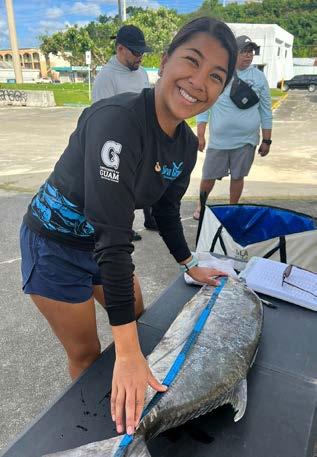
Leilani Sablan measures a trevally for the Guihan for Guahan project. A Council scholarship recipient, Sablan is completing her work commitment as a fishery biologist at the University of Guam Sea Grant. She collaborates with fishermen to collect long-term data on fish catches to assess reef diversity and overall health. Photo: UOGSG.
Connect with the Council on social media @wpcouncil wpcouncil @wp_council
Western Pacific Regional Fishery Management Council
Western Pacific Regional Fishery Management Council 1164 Bishop Street, Suite 1400 Honolulu, Hawai‘i 96813 Phone: (808) 522-8220
Email: info@wpcouncil.org
Web: www.wpcouncil.org
ISBN 978-1-950193-47-9
Published in the United States by the Western Pacific Regional Fishery Management Council under NOAA Award NA20NMF4410013.