• Overall, the industry enters 2026 in consolidation mode
• The merger of JBS and Viva Group to form JBS Viva is an event of considerable significance
• With more than 30 production sites worldwide and an annual capacity exceeding 20 million hides, the new entity’s vertical integration, financial strength and global reach can have lasting effects on market structures
• For mid-sized and smaller tanneries, this will increases competitive pressure; such a large operator can influence price levels as well as efficiency and quality standards across the industry
• For companies that use leather, however, this development may offer several important benefits
• These include a more stable supply chain, greater scalability and that ability to rely on large, dependable partners
• JBS Viva thus represents a structural turning point, one that extends far beyond the merger itself and is likely to reshape the dynamics of the global leather supply chain in the long term.
MARKET INTELLIGENCE
As the year draws to a close, it has become more evident than ever that the geopolitical and economic environment along the leather supply chain has shifted significantly in the past 12 months.
The increasing fragmentation of trade zones, more volatile consumption patterns, regulatory interventions and a noticeable relocation of production capacities have created an environment in which past certainties are losing relevance while new dependencies continue to emerge. Nowhere is this more apparent than in Europe, where persistently high energy and labour costs, stricter environmental requirements and rising financing burdens are undermining the economic foundation of many price-sensitive product groups. Segments that for years formed the stable backbone of European leather production are losing their viability. The consequences are already visible: production is shifting to lower-cost regions, European downstream manufacturers and brands are becoming more dependent on external supply chains, and a structural erosion of industrial capacity is taking place, an erosion that may accelerate further unless fundamental adjustments are made.
Against this backdrop, the recent decision on the European Union Deforestation Regulation (EUDR) merely postpones the time pressure, but this is still a matter of some urgency. The relaxation of the original timeline offers short-term relief, but the
fundamental issues remain unaddressed. The technical infrastructure required for comprehensive traceability is still incomplete, data availability along the supply chain remains insufficient and the role of the “operator placing the product on the market” is not yet fully clarified. As a result, the industry remains in a regulatory limbo that complicates planning and delays investment decisions. Many market participants are deliberately operating on a short-term basis, postponing necessary modernisation and compliance projects. The EUDR decision does not resolve any of the structural challenges, it simply extends them and delays the point at which companies will inevitably have to reposition themselves.
Developments over the past two weeks clearly reflect this uncertainty. In the processing industry, call-offs are declining, production windows are being shortened and capacities reduced. Even long-standing customers are revising their demand planning for the coming quarter, often opting for more conservative volumes and avoiding long-term commitments. In downstream manufacturing, inventory reduction remains the main priority, and appetite for new projects is low. Price increases are difficult to implement, and activities are frequently being shifted into the first months of next year.
On the brand and OEM side, caution continues to dominate: the automotive sector is still grappling with uncertain sales volumes, particularly in the electric vehicle segment. The furniture sector remains focused on cost
TUESDAY, DECEMBER 09 2025
optimisation and conservative purchasing. The luxury market is stable but lacks meaningful growth drivers. The raw material market mirrors this picture: supply is adequate, but offtake, especially for Asia, remains weak, putting prices under continued pressure. Trading activity is exceptionally low, driven by buyers and sellers who are consciously opting to wait.
In this already challenging environment, the merger of JBS and Viva Group to form the new entity JBS Viva carries particular significance. With more than 30 production sites worldwide and an annual capacity exceeding 20 million hides, a player emerges whose vertical integration, financial strength and global reach can have lasting effects on market structures. For mid-sized and smaller tanneries, this significantly increases competitive pressure; such a large operator can influence price levels as well as efficiency and quality standards across the industry. For brands and OEMs, however, this development may offer advantages: more stable supply chains, greater scalability and a growing reliance on large, dependable partners. JBS Viva thus represents a structural turning point, one that extends far beyond the merger itself and is likely to reshape the dynamics of the global leather supply chain in the long term.
Another structural factor gaining importance is the persistent imbalance between global hide supply and leather demand. While global tannery capacity is theoretically sufficient to process the available hides, the worldwide supply of raw hides has for some time exceeded the real demand for leather and this trend appears to be solidifying. Raw material producers and suppliers are currently trying everything to mask or solve the situation, but under present conditions this is barely feasible, especially with the additional disruptions caused by the upcoming holiday periods. The unavoidable consequence is that part of the raw material must be permanently diverted away from traditional leather production into alternative uses, primarily protein-based or energy-related applications.
As long as this structural demand weakness persists, returns for raw materials and finished products will remain under pressure, as competitive dynamics within the supply chain tend to push prices below the minimum thresholds required for economic viability in many tanneries. Under these conditions, a trend reversal appears unlikely. Instead, the industry will be forced to adjust its structures with adjustments that, once implemented, are not easily or quickly reversible. The result is a long-term, profound reshaping of the value
chain, the effects of which will become increasingly visible in the years ahead. The developments of recent weeks are a direct reflection of these broader trends and offer a clear indication of how the supply chain may position itself in 2026. It will be more cautious, more concentrated, more integrated and increasingly shaped by a few large players, while many smaller market participants continue to lose room to manoeuvre. At the same time, opportunities are emerging, particularly for those actors capable of conducting clear cost and value analyses, responding flexibly to market requirements and managing production volumes dynamically. Companies that correctly interpret global price and cost structures and consistently align their decisions with these realities can leverage the current market phase to gain strategic advantages. For them, the tightening of the industry landscape offers the possibility not merely to sustain but to selectively expand
their market position.
In parallel, evidence is growing that production within the global leather supply chain may continue shifting towards Asia. This trend is particularly visible in footwear and leathergoods, segments traditionally characterised by economies of scale, cost efficiency and short decision cycles. Increasingly, however, there are indications that parts of the automotive and upholstery leather sectors could follow, provided quality requirements, delivery reliability and compliance standards can be consistently met. Asia offers notable advantages: competitive cost structures, a large and specialised labour force, established industrial clusters and growing technological capabilities. Challenges remain, such as regulatory frameworks, quality assurance, political stability and environmental standards, yet the region’s structural advantages are hard to ignore. For many global buyers, the question is no longer
Excellent –Bisphenol optimized syntans to achieve high leather quality
whether production will shift there but rather to what extent and at what pace such a move can occur without destabilising their supply chains.
Overall, the leather industry ends 2025 as a sector in transition, shaped by profound shifts, growing dependencies and new strategic options. The developments of recent weeks are more than short-term market movements, they reflect the underlying forces that will shape the global leather value chain in 2026 and beyond.
In the market for splits from leather production, no significant changes were observed over the past two weeks. Protein production remains the primary focus, and in Europe only limited volumes from leather processing are currently available to serve this demand. Resulting shortfalls are largely compensated by the processing of full hides. Velour splits remain in trend for the upcoming footwear season, which, combined with reduced leather output, means that fewer suitable materials are available for these purposes. For the moment, however, these factors are secondary, as the holiday periods, first in Europe and subsequently in Asia, temporarily dampen market activity. A clearer directional trend is unlikely to emerge before late January or February at the earliest.
At present, there are no indications that anything in the general market environment will change in the coming weeks. This is not due to a balanced or stable market situation, but rather to the lack of ambition along the entire leather supply chain to initiate major changes or impulses in the short term.
Whether this restraint is appropriate or misguided remains uncertain; in any case, it will do little to alter the fundamental market conditions, and any effects will appear only with considerable delay, if at all. In reality, the core issue is not the market situation itself but time. It is entirely possible that leather could become a more attractive material again in the future, but such developments unfold along the supply chain in different and often asynchronous rhythms.
For leather producers, this timing gap could become problematic, as it typically takes at least one, and more often two seasons before shifts in consumer-side material demand translate meaningfully into upstream production. This implies a timeframe of at least six months before structural developments can materialise. As a result, meaningful input will remain scarce in the coming weeks, and if any emerges, it will likely stem from sectors not directly connected to the production chain, such as geopolitical decisions or central bank policies.
Ultimately, the decisive factor will be the market restart in the new year, which will not take place before mid-January in Europe and mid-February in Asia. In addition, several important trade fairs could reveal early indications of whether leather may indeed experience a noticeable revival.
Actual Slaughter Under Federal Inspection
US PERSPECTIVE
Sales of cured cattle hides for the period ending November 6 were 312,900 pieces. The figure for exports of wet blue was 76,300 pieces.
The most recent reports on hide prices showed butt-branded steers weighing 64-66 pounds selling at $21.50 each, Colorado branded steer hides weighing 66-68 pounds at $13.75 each, and heavy Texas steers weighing 60-62 pounds at $13.00 per piece.
Cow hide prices had northern dairy cows at $10.50, south-west dairy cows at $10, northern branded cows at $4 and south-west branded cows at $3.50, with weights of 50-52 pounds in each case.
The source of all these figures is the US Department of Agriculture. Please note that the prices quoted represent ‘ballpark’ figures.
Cattle markets USA
Live sales in the north occurred at $220$222 on Thursday followed by $225 on Friday. Dressed sales were at $340 turning to $345, both prices $10-$15 higher than last week. Light sales in Texas went unreported and there were no reports of sales in Kansas. This leaves two of the largest regions in the country without a reported market. This means half of the weekly slaughter has no foundation for pricing.
From the Pacific Northwest to the Midwest cold, wet conditions will interfere with both human and animal wellbeing. Winter weather is always a production risk for feeding or grazing cattle. Generally the risk is highest in the north and mitigates moving south with the most favourable climate in the desert south-west.
The Trump administration is not putting its attack on beef prices on the back burner. A WSJ article cited a staff meeting with the president to map out a plan for lower beef prices. An effort to artificially lower the prices will backfire, having the effect of discouraging producers from rebuilding numbers. Government interference in free markets always comes with unintended consequences.
The ramped up slaughter of this week was a quick response to hefty margins at the beef plants. This past week’s slaughter at 600,000 head was up 102,000 from the previous week and only 14,000 under last year. This is the largest slaughter volume in months and will likely be repeated next week followed by two holiday-shortened weeks. Packer margins dwindled this week as input cost jumped higher and box prices softened.
Futures fell, excepting the spot December contract, as Trump continues to attack beef prices. Recent gains have been concentrated in the front end of the contracts with the deferred contracts lagging. Hedged sellers suffered basis levels this past week.
If beef demand should improve heading towards Christmas, the middle meats should provide support for the cut-out. USDA Prime cuts are carving out a larger slice of the grocery offerings. Holidays provide an opportunity for many families to spurge on
food purchases.
There are some changes apparent in supermarket marketing plans for beef. Some have to do with price and others related to the increasing weight of the carcasses. More of the carcass is dedicated to the grind and retailers are packaging larger packages of ground beef to encourage larger dollar purchases. They also are offering more blend ratios. On the middle meats some of the steaks are changing how they are presented to the consumer. Many of the rib-eyes have the lip trimmed because if it is included, the cut is too large.
Box prices were softer as retailers anticipate a ramped-up slaughter. The supply of beef is being carefully managed by the processors. Because of improved quality, more prime cuts will be on the shelf this holiday season.
Feeder futures have made a large adjustment downward in price, but now the shortage of replacement cattle and the
LATEST HIDE AND SKIN PRICES FROM GERMANY
demand for a short supply is causing the cash prices to resist downward pressure. Buyers are evaluating the future marketing periods for the lighter cattle and deciding if the markets continue downward for yearlings and fed cattle, the lighter cattle have the potential for large losses. On the fundamental side, smaller supplies of replacement cattle translate into intense competition and overpricing at all replacement levels. There is little evidence of reaching or passing the low point in replacement numbers.
Occupancy levels are falling in all regions but especially in Texas. The purchase of an 800-pound steer on today’s market, given today’s feed cost, would result in a $250 loss if the animals were hedged. Some operators would prefer to look at an empty pen. Some bankers would agree. Those who do choose to place cattle on feed, must gamble with equity on a rise in prices by next year when the cattle will sell.
The drought monitor continues to favour herd expansion. Some dryness has developed in the southern plains. Chances are good that the slow rebuilding of the nation’s cattle herd is now morphing into full-throttle rebuilding and those forecasting recovery several years away will find it happening sooner rather than later.
Corn prices drifted lower at week’s end. Elevators are moving basis quotes to the March contract. Corn basis levels in Guymon, Oklahoma, are at +$0.50, basis the March contract.
GERMAN PERSPECTIVE
This week: Towards the end of the year, the market for bovine hides remains quiet. Most participants have finalised their planning for both the remainder of this year and the beginning of 2026, leading to a continued decline in demand and very limited activity. This slowdown is typical for
the season, as many buyers prefer to avoid taking on additional inventory at a time when processing schedules are uncertain and holiday periods interrupt production cycles. As a result, transactional interest decreases significantly, and the market increasingly shifts into an observational mode.
Tanneries in Europe still lack reliable production and order schedules for the first weeks and months of next year. There is cautious hope that the situation may improve from February onwards as order intake increases, which historically has often been the period when the automotive, upholstery, and footwear sectors restart their procurement after the winter break. However, many tanners remain hesitant, as their visibility into the coming months is limited by slow retail sales and cautious order placements from downstream manufacturers.
At the same time, there are growing indications that further production sites in Europe could close during the first quarter. Energy and labour costs remain high, while margin pressure continues to intensify, making production for some facilities increasingly unsustainable. In addition, it is increasingly evident that parts of the global leather industry continue to shift towards Asia, where cost structures, proximity to growing consumer markets, and government incentives have encouraged expansion. This trend puts additional pressure on European competitiveness and may reshape supply chains in the medium term.
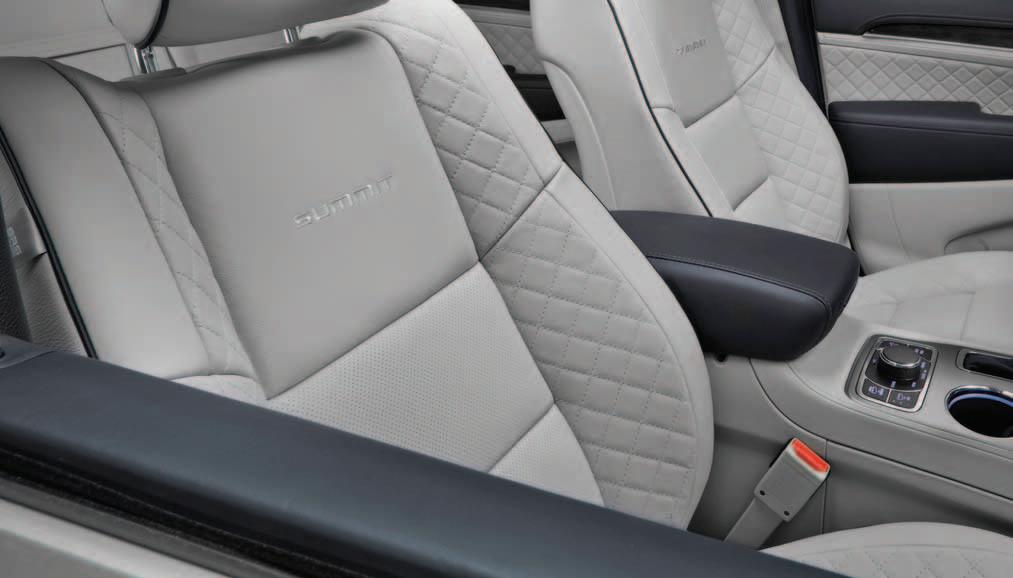
As market activity remains limited, there is slightly more time to observe developments on the consumer side of the leather market. It is noteworthy – and somewhat encouraging – that several newly introduced European premium-segment vehicle models presented in the media are once again equipped with leather interiors. For several years, the industry had observed a clear movement toward alternative materials, driven partly by cost considerations and partly by marketing strategies oriented toward sustainability narratives. The recent shift in presentation models may indicate that the previously observable trend among premium automotive brands to reduce the use of leather could be slowing or even reversing. Manufacturers appear to rely again on leather to enhance the attractiveness and perceived exclusivity of models outside the traditional luxury segment, possibly in response to declining consumer enthusiasm for minimalistic interiors or synthetic substitutes. Early feedback from dealerships suggests that buyers still associate real leather with durability, comfort, and higher longterm value retention, factors that could influence strategic decisions in product design.
In parallel, steadily increasing volumes of hides are being diverted into collagen and protein applications, further reducing availability for the leather sector and reinforcing existing structural challenges. The growth of these alternative markets is driven by rising global demand for gelatin, collagen
peptides, and technical proteins. For many processors, supplying these industries offers more predictable pricing structures and lower quality-risk exposure compared to the leather sector. This trend is expected to continue into next year and may result in a smaller supply base for tanners, particularly for lower-grade hides that no longer find viable buyers within the traditional leather value chain. These developments could contribute to a more balanced market situation next year.
Reduced raw material availability, if sustained, may help stabilise pricing structures, especially for higher-quality selections. For now, however, several price adjustments still remain outstanding. Many market participants appear to have resigned themselves to the current situation and are waiting for the year to end before addressing the challenges of the new trading period. Some buyers are deliberately postponing decisions until they have greater clarity on consumer sentiment in early 2026,
particularly in sectors where discretionary spending plays a significant role.
Activity in Asia was also subdued this week. Buyers currently show little interest, as new shipments will only be possible again in January, with arrivals expected after the Chinese New Year period (from February 17). Processing plants prefer not to stock additional quantities ahead of the long holiday break, during which factories shut down and logistics operations slow considerably. Export volumes from other regions into Asia have also decreased significantly.
It is particularly noticeable that in the Americas an increasing share of hides is no longer being preserved for use in the leather industry. This reflects both supply-side adjustments and the growing economic relevance of non-leather applications.
Prices showed very little movement this week. This was not due to a genuine balance of supply and demand, but rather the result
of isolated transactions that cannot be considered representative. Many market participants expect that meaningful price signals will only emerge once trading resumes in January, by which point new production schedules, fresh order books and clearer inventory positions will allow for more reliable assessments.
The kill: Slaughter activity remained at the usual seasonal level again this week. As noted in recent reports, the typical seasonal peaks in slaughter numbers did not occur this year, yet the current volume remains unusually high for this time of year. The industry is now entering the final weeks of larger-scale production before the Christmas holidays, and slaughter numbers are expected to stay relatively elevated, supported in part by the retail sector’s tendency to build inventories ahead of the festive period. Prices for live cattle also remain at or near their recent highs, and it now remains to be seen how consumers will ultimately respond to the significantly increased meat prices observed
in recent weeks and months, and whether traditional holiday meals may be replaced with more cost-effective alternatives. Overall, we anticipate that slaughter numbers will remain relatively high in the coming weeks before declining noticeably during Christmas week and the first week of the new year, driven primarily by the holiday schedule and reduced operating days.
What we expect: What has become increasingly evident over the past weeks is that most market participants no longer have any interest in engaging in extensive discussions or disputes regarding price adjustments. Against this backdrop, it must be assumed that the general paralysis in the market will persist in the coming weeks. There is little indication that tanners will undertake any significant activities at the current price levels or out of an immediate need for raw material supply. Instead, the focus is now shifting towards an extended holiday period during which the market is expected to remain largely inactive. It will
Leather leadership, worldw ide. worldwide.
Leather is a global business. is global business.
More than 95% of US hides are than 95% of US hides are exported, with value added across value added across the globe. A strong leather globe. A strong leather
Our International Sustainability Programme drives best practice raising global production standards.
Our Real Leather. Stay Different. competitions showcase young international talent, launching their careers as leather advocates.
And our data-driven Life Cycle Assessment ensures leather is the most transparently studied natural material, countering misinformation from oil-derived ‘rivals’.
We work for the leather industry. Find out more at usleather.org
only be at the beginning of the new year that the market will need to confront the prevailing realities, draw the necessary conclusions, and reorganise accordingly.
LONG READ
Leather and the Circular Economy: Thought Leadership Credible pathways
Non-profit organisation the Institute for Data Integrity has launched because transparent data, and analysis of that data, are now a necessity for the global leather industry.
Industry body Leather and Hide Council of America (L&HCA) has launched a new platform that it says will serve as an independent, science-based source of data for use in lifecycle assessment (LCA) exercises.
The platform will be called the Institute for Data Integrity (IDI). It will be dedicated to helping companies in the global leather supply chain collect and analyse data (from livestock production, tanning and beyond) for use in LCA studies. It will aim to establish a “global reference for leather LCAs”, and accelerate what it calls “credible decarbonisation pathways”. IDI will be registered in the US as a non-profit organisation, but will serve the industry globally, attempting to close “critical data gaps” that it says exist in current assessment methodologies for leather and other natural materials.
“The leather sector, and natural products generally, need a trusted source for LCA data that is scientifically rigorous and transparent,” says L&HCA vice-president, Kevin Latner, about the new institute. “IDI will enable robust comparisons with alternative materials, support compliance with methodologies such as the EU product environmental footprint, and provide brands with the tools they need to make informed decisions.”
Ideas board
Secretary of the International Council of Tanners, Dr Kerry Senior, and the executive director of the US Roundtable for Sustainable Beef, Dr Samantha Werth, will be among the directors of IDI. Dr Greg Thoma of Colorado State University will also sit on the board. Dr Thoma says the new platform will be committed to offering “practical, science-first tools”. He adds that IDI’s work will align with ISO standards. It will also publish open methodologies, which will allow the nonprofit to “drive environmental data transparency in the materials sector”.
Greg Thoma is the director of agricultural modelling and lifecycle assessment at Colorado State. He was the lead author of a study that L&HCA commissioned two years ago into the carbon footprint of making leather from US cow hides. He has worked on projects with the US Department of Agriculture for more than a decade.
For her part, Samantha Werth combines her role at the US Roundtable for Sustainable Beef with being the senior director for sustainability at non-profit organisation the National Cattlemen’s Beef Association. She completed her PhD in animal biology at the University of California, Davis, in 2021. She worked there with prominent animal science and air-quality expert Professor Frank Mitloehner.
A specialist in environmental and raw materials issues, Kerry Senior became secretary of the International Council of Tanners in 2020. Since 2013, he has been the director of industry body Leather UK. Earlier in his career he worked at BLC Leather Technology Centre.
Out there
What Kevin Latner has told World Leather is that the idea behind IDI is to “set the direction for lifecycle assessments, create a place for data and set an entry point for scientists, LCA specialists or companies to upload their data for comparison”. He says this will involve transparent data, transparent methodologies and protection for the data that comes into the new platform that IDI will build.
Mr Latner continues: “We need a baseline, and to be able to say what our baseline is. People involved in this launch recently met one of the automotive groups that have said they no longer want to use leather. What came out of that discussion was that the automotive company was using data from 2010.”
Yes, you can say the automotive company should be using better data, but the L&HCA vice-president has some sympathy. If you look on the internet or ask an artificial intelligence tool, he says you will find that there is no better data at the moment. “If the data exists, it is hidden behind paywalls and it may not have been independently verified or be compliant with ISO standards,” he points out. “We are going to put the data out there.”
Forward planning
IDI has said brands, consumer groups and anti-greenwashing regulations make “transparent, defensible data and analysis” a requirement. It will spend the rest of 2025 finalising the make-up of an advisory committee, establishing a methodology framework, and building a basic version of its platform.
It will aim to launch the platform in 2026 and incorporate some pilot datasets before expanding coverage to the global leather industry. It will release benchmarking tools and consumer-facing dashboards in 2027 and 2028. Brands, industry associations, researchers and philanthropic partners can all join as “founding funders and data collaborators”.
The importance of good data
The launch of IDI has come just as a different institute, Cologne-based think-tank the nova-Institute, claims to have exposed “a major underestimation” of methane emissions from oil and gas. A specialist in defossilisation and renewable carbon, the nova-Institute
recently carried out analysis of updates to what it calls “leading lifecycle inventory (LCI) databases”. These databases are key sources of the information on which LCA studies are often based.
Its findings could have major implications for comparing the carbon footprints of fossilbased materials with those of natural materials, including leather. According to nova-Institute’s analysis, global methane emissions from oil production are likely to be 15 times higher than the International Association of Oil & Gas Producers (IOGP) has claimed until now. For natural gas, the institute says, emissions are up to 3.8 times higher in key producing countries than the IOGP has estimated.
It says downstream products such as polyethylene, polypropylene and polyethylene terephthalate, which are all types of plastic in widespread use in consumer products, should now carry carbon footprints that are between 20% and 30% higher than previous LCA figures have suggested. Some finished
QUAKER COLOR A
STEP AHEAD IN AUTOMOTIVE
FINISHING
product brands use these plastics in their products and present the materials as good alternatives to leather, often claiming environmental benefits as the main reason behind their choice.
Commenting on these findings, IDI board member Dr Kerry Senior says the implications for comparisons between leather and synthetic alternatives “through the narrow lens of LCA” remain to be seen. But he adds: “It is obvious that action is needed on all methane emissions. However, it is clear that the arguments in favour of natural materials, including leather, get stronger all the time.”
Supplying innovative
Quaker Color is a division of McAdoo & Allen, with roots in the leather industry for over a century
NEWS
EUROPE
EU countries back one-year pause on EUDR
EU member states have agreed to extend the implementation pause on the EU deforestation regulation (EUDR) by one year and include a clause allowing the legislation to be reopened for further changes by April 2026.
Car interiors imitate art
Automotive group Bentley Motors has put a triptych of one-off vehicles on show at the Rijksmuseum in Amsterdam. The three cars are from its Continental GT range, customised by its in-house artisans to commemorate three masterpieces by Dutch Masters.
In each case, specially chosen leather in the interior is an important element of the finished effect.
Rembrandt’s 1642 painting known in English as The Night Watch was the inspiration for the first of the cars, a Continental GT Convertible in Midnight Emerald.
For the interior, Bentley artisans chose magnolia leather as the main material, to reflect a military coat that the painting’s central figure, Frans Banninck Cocq, is wearing. However, this is complimented by leather in a colour called Hotspur red, inspired by a bright sash that Rembrandt included.
Car number two in the set, a Sapphirecoloured Continental GT, owes its inspiration to a Vermeer painting of 1658, known as The Little Street. Here, the interior makes extensive use of leather in Beluga and Ocean blue tones, with Citric yellow as an accent colour and vivid Klein blue in the seat piping.
Lastly, Bentley completed its Dutch Masters collection with a Continental GT in Dark Sapphire, inspired by Van Gogh’s The Starry Night. Here, the interior includes leather in a colour that the car brand calls Khamun yellow, explaining that it reflects the artist’s choice of
Indian yellow as the colour of the stars in the famous painting.
Todesco joins Gemata group
Tanning machinery manufacturer Gemata has confirmed the addition of spraying specialist Todesco to its group, creating a combined platform that brings together finishing technologies for leather, synthetics, technical fabrics and wood.
The companies said the move integrates complementary capabilities and will accelerate research and development while expanding global customer solutions. Todesco will contribute its expertise in spraying systems to Gemata’s wider finishing portfolio, strengthening the group’s position in nextgeneration finishing equipment.
Both firms described the integration as a step that broadens technological options for manufacturers and supports a shared approach to innovation, development and international growth.
University group visits Bader
Nine design students from Pforzheim Univeristy, accompanied by the university’s head of design, Claudia Khalil, recently spend a day with automotive leather manufacturer Bader.
The group from Pforzheim toured Bader’s tannery and wastewater treatment plant at Ichenhausen, and its headquarters at Göppingen. They attended a seminar on the qualities of leather and the processes involved in the leather manufacturing process.
Bader said its aim was to share the company’s passion for leather with a new generation of designers.
Kering study finds gaps in Asia Pacific water strategies
Anewjoint study from Kering and the Centre for Governance and Sustainability at the National University of Singapore Business School says Asia Pacific companies are improving water efficiency but continue to miss wider risks linked to supply chains and shared catchments.
The report, Corporate Water Stewardship: Strategies and Practices in Asia Pacific, says water remains under-addressed in ESG strategies despite rising pressure on the small share of global water available for human use.
Researchers reviewed the self-reported practices of six companies in water-intensive sectors including agriculture, fashion and beauty, and real estate. Most focus on internal measures such as tracking water use, improving efficiency, reducing pollution and meeting regulations.
The study points to limited investment, poor financial disclosure, weak supply chain cooperation, low consumer engagement and a lack of context-specific targets. It concludes that full value chain assessment is required for effective stewardship.
Marie-Claire Daveu, chief sustainability and institutional affairs officer at Kering, says advancing responsible water management is essential. Professor Lawrence Loh, director of
the Centre for Governance and Sustainability, adds that compliance alone is not enough and calls for broader collaboration.
Beccari rises to take LVMH Fashion Group’s top role LVMH Fashion Group’s CEO and chairman Sidney Toledano is stepping down, and will be replaced by Pietro Beccari.
Mr Beccari joined LVMH as executive vicepresident of marketing and communications for Louis Vuitton before becoming chairman and CEO of Fendi in 2012.
In 2018, he became chairman and CEO of Christian Dior Couture, and chairman and CEO of Louis Vuitton in 2023 – a role he will retain.
Damien Bertrand, deputy CEO of Louis Vuitton, will become a member of the LVMH executive committee.
Group owner Bernard Arnault said: “I would like to warmly thank Sidney Toledano, who has been by my side for over 30 years and has always been present, in all circumstances, with determination, talent and loyalty. He will remain my special advisor.
“After a rich decade of leading Dior and Louis Vuitton, I am delighted that Pietro Beccari has also agreed to bring his expertise to the LVMH Fashion Group Maisons. Pietro is a great leader and a unique talent with boundless energy. He knows how to surround himself with talents and develop them to prepare the future of the maisons.”
A case for celebration for Prince Albert II
Prince Albert II of Monaco has received a handcrafted leather briefcase from artisan Nicolas Grinda to mark the twentieth anniversary of the Sovereign’s reign and Monaco’s National Day.
Made in his Monte Carlo workshop, the briefcase uses leather from French and Italian tanneries, combined with bespoke wood elements, solid brass fittings and stitching that incorporates the princely coat of arms.
Mr Grinda founded Atelier Grinda in 2020 after leaving investment banking and now serves clients worldwide. He also runs the École du Cuir, a multilingual online training platform that teaches leatherworking techniques to both beginners and experienced makers, with courses focused on traditional craft methods and practical project work. He aims to position his brand and the school as key contributors to the future of Monegasque leather craftsmanship.
Vivolo’s design competition expands
Adesign competition run by Italian leathergoods and accessories maker Vivolo to strengthen the ties between academia and industry is expanding to accept entries countrywide.
The third edition of the Luciano Vivolo Award, in collaboration with the Bologna Academy, is now open to all final-year students enrolled in fashion design programmes at Italy’s Academies of Fine Arts. In addition to cash prizes, internships within
the company’s creative department are on offer.
The family run company has grown from making leather patches from industrial waste in the 1970s to producing 15 million accessories each year. The 1,000 square-metre expansion of the footwear and leathergoods department has further increased production capacity.
It has a strong focus on sustainability. In the 2023–2024 period, the company generated up to 109,746 kWh of renewable energy from its photovoltaic system, reducing its reliance on non-renewable sources and achieving a significant decrease in emissions. It also sent 20 tons of materials to be recycled.
Permanent contract at Louis Vuitton on offer for student competition winner
Luxury leathergoods brand Louis Vuitton has opened applications for young designers to take part in the third edition of its Accessories Design Graduates Initiative award.
This competition is open to young designers in the final year of a bachelor’s or master’s degree course.
Louis Vuitton launched this initiative in 2023, offering the winners the chance to work at the company. It has said that the winner this time will have the chance to earn a permanent contract at Louis Vuitton, starting with three different nine-month rotations across men’s and women’s leathergoods, small leathergoods, travel products and other areas of the business.
Applicants have until February 2 to apply.
Owner says she “tried everything”, as Tanneries Pechdo closes
Theowner and chief executive of small skins leather manufacturer Tanneries Pechdo, Caroline Krug, has said she and her team “tried everything” to keep the business running, but that its closure in mid-November had become inevitable.
makes it natural
Ms Krug described Tanneries Pechdo as the last remaining manufacturer of technical leathers in Europe. Its product portfolio included gloving leathers that allowed wearers to use touchscreens, leathers with resistance to UV rays and machine-washable lambskin leathers for apparel.
After a long career at LVMH, Ms Krug (who had started working at her family’s champagne brand before its acquisition by the Paris-based luxury group) joined Tanneries Pechdo in 2014. She became its owner and chief executive in 2017.
She paid tribute to customers, suppliers and the workers at the Millau-based leather manufacturer.
The managing director of handmade footwear brand Tricker’s, Martin Mason, has welcomed a new proposal from the UK government to make apprenticeship training
free for people under the age of 25.
Speaking to the BBC on the day of the announcement, Mr Mason said Tricker’s had not find it easy to recruit apprentices in recent years, although he said a programme the Northampton-based company has in place was proving successful. “I’m very proud that one of our apprentices is now one of our bespoke shoemakers,” he said.
He insisted that he would need to see more detail about the new proposal, but he said a move to attract more young people into vocational training would be welcome. “Anything that supports manufacturing has got to be a bonus,” he added.
Mr Mason went on to say that UK-based manufacturers, including Tricker’s, deserved as much support as they could get. “We’ve come through covid-19, and we’ve come through Brexit,” he explained, adding that the UK’s departure from the European Union had had “a profound effect on our exports into Europe”.
He added that a move in 2021 to end taxfree shopping for visitors had also cost brands a large amount of lost revenue. “Luxury shoppers are still spending,” he said, “ but they are going to Madrid or Paris or Milan, and are choosing not to buy in London.”
Portugal sets out its stall as ‘most modern’ footwear-making destination
Artificial intelligence, automation and robotics were high up the agenda at the ‘Welcome to the Industry of the Future’ footwear conference in Porto, organised by industries bodies APICCAPS and CTCP, the Portuguese Footwear Technology Centre.
Portugal exported 68 million pairs of shoes to approximately 170 countries in 2024. However, while Europe was responsible for a third of footwear production 30 years ago, now less than 3% is made here, according to their figures.
Luís Onofre, president of APICCAPS, told the conference: “Europe cannot resign itself to a secondary role. More than 100 million euros have been invested in Portugal in recent years, a decisive step towards making the Portuguese footwear industry the most modern in the world, accelerating the digital and technological transformation of companies.”
To mark its 50th anniversary, APICCAPS also held a dinner, attended by figures from the shoe industry and politics.
Huge majority in European Parliament votes to make EUDR simpler
Members of the European Parliament have voted to simplify the European Union Deforestation Regulation (EUDR), but time is tight if the proposed changes are to be come into effect.
In a vote in the parliament in Strasbourg on November 26, representatives from the 27 EU member states voted by 402 to 250 (with eight abstentions) to make it easier for companies to implement the regulation.
Changes include an additional year for companies to prepare for EUDR to come into application. As a result, large operators will now have until December 30, 2026, to prepare. Micro- and small enterprises will have until June 30, 2027.
“This additional time is intended to guarantee a smooth transition and to allow the implementation of measures to strengthen the IT system that operators, traders and their representatives use to make electronic due diligence statements,” the European Parliament said.
Its proposals also include measures to simplify the due diligence requirements that companies will have to meet.
The parliament said the onus on submitting a due diligence statement should fall on the business that first bring relevant products, including bovine hides and leather, into the EU, not on the operators that “subsequently commercialise it”.
For micro and small primary operators, it
said they should now only have to submit “a one-off simplified declaration”.
The parliament has requested a simplification review of EUDR by April 30, 2026, to assess the regulation’s impact and administrative burden.
It said it would now “start negotiations” with member states on “the final shape of the law”.
It warned that this will have to happen quickly because if the one-year delay is to enter into force, the new requirements will have to be published in the EU’s official journal before the end of 2025.
SLTC confirms details for 128th International Conference in Glasgow
The Society of Leather Technologists and Chemists has opened bookings for its 128th International Conference and Dinner Dance, which will take place in Glasgow on April 25 2026.
The conference will be held at 1599 at The Royal College, with the dinner dance scheduled for The Exchange, located around ten minutes away on foot.
SLTC has also invited abstract submissions from those interested in presenting a paper at the event. Selected speakers will receive complimentary registration for both the conference and the dinner dance, and an abstract template is available through the SLTC website.
Further details about the Friday social event on 24 April and the full conference programme will be shared in the coming months.
Belgian store reopens for Hermès
Luxury brand Hermès has expanded and reopened its store in Knokke, a coastal town in Belgium.
In the new location, all 16 of the brand’s product categories are available across two floors. Equestrian collections and men’s shoes are among the products on the ground floor.
A leather-covered bannister leads customers upstairs, where leathergoods are among the products on display in what Hermès called “a warm-toned alcove” off the central room.
Leather Conservation Centre completes move to new studios in Leicester
The Leather Conservation Centre has completed its relocation to new bespoke studios at Canopy in Leicester, supported by the Leathersellers’ Foundation and the National Lottery Heritage Fund.
Established in 1978, the organisation is recognised as the leading global institution dedicated to leather conservation. Its specialists work with museums, heritage bodies and private clients on objects ranging from rare books and furniture to modern leather design pieces.
The new premises will allow the Centre to increase its project capacity and introduce a public education programme featuring workshops and talks on leather care and
history. Head of conservation Rosie Bolton said the programme will include sessions on caring for heirloom items, with guidance aimed at avoiding common preservation mistakes.
Martin Dove (pictured left), Master of the Leathersellers, said the organisation supports the Centre because its expertise underpins the preservation of leather as part of national heritage. “Without the skills of the conservators at the Leather Conservation Centre, there would be a danger of losing elements of a shared material history,” he noted.
Mulberry
named
Responsible Accessories Brand at Future Icon Awards
UK-based
leathergoods brand Mulberry has received the Responsible Accessories Brand title at the 2026 Future Icon Awards hosted by Country and Town House.
The award recognises labels that show leadership in responsible sourcing, ethical production, and circular practices.
The company said the recognition reflects its ongoing commitment as a B Lab B Corp, noting that its sustainability approach is centred on climate, circularity, and community.
Country and Town House highlighted Mulberry’s Somerset heritage and its strategy, Back to the Mulberry Spirit, which sets out aims for regenerative leather sourcing, in house UK manufacturing, and the expansion of its resale channel, the Mulberry Exchange. The brand achieved B Corp status in 2024 and continues to report on transparency in both domestic and international supply chains.
Judges described Mulberry as a standard bearer for responsible luxury, noting its focus on regenerative craft, social value, and circular design.
ASIA
Bangladesh event under way
The 2025 Leathertech Bangladesh exhibition opened in Dhaka on December 4, running until December 6.
Opening the event, the chairman of the Bangladesh Investment Development Authority, Chowdhury Ashik Mahmud Bin Harun, said Bangladesh’s leather industry was on the threshold of realising its full potential. He insisted that hosting the Leathertech exhibition would help unlock that potential.
After a five-year hiatus, companies from the Pakistan leather sector travelled to Bangladesh to take part this time. Fifteen companies put their products on display at the Pakistan pavilion.
Polène
opens Beijing flagship with upcycled leather interior
French luxury leather goods brand Polène has opened its first flagship store in China at Taikoo Li Sanlitun in Beijing. The store spans two floors and combines leather, walnut, and Xuan paper to reference local craft traditions.
A large magnolia made from leather marks
the entrance, while the interior uses compressed bricks produced from 12 tonnes of leather offcuts from the company’s Ubrique workshop. Polène says the material was developed to retain a soft tactile quality while creating a mineral-like finish.
The space includes an experiential presentation titled Craft at Work – A Theatre of Artisanship, which brings together three themed chapters. These cover the brand’s Paris design base, its production roots in Ubrique and a workshop scene where miniature bags move along conveyors beside large sculptural pieces.
Jewellery and recent bag styles are also displayed, with the company confirming that its Chinese New Year range will arrive first at the Beijing flagship. Chief executive officer Antoine Mothay said the store follows two years of online sales on Tmall and forms part of a wider expansion plan that includes Shanghai, Chengdu, Guangzhou, Singapore, South Korea and Japan.
Tariffs push India’s leather sector to return to Russia
Adelegation
of more than 20 representatives of India’s Council of Leather Exports (CLE) will travel to Russia on December 8.
Their aim, during a three-day visit, will be to generate new partnerships with companies in Russia in an effort to boost India’s leather exports.
Media in India have said CLE wants to revive trade with Russia, after years of decline, because tariffs of 50% are harming exports of leather products from India to the US.
Senior CLE figures have said they hope formal joint-venture partnerships will flow from the forthcoming visit to Russia.
China: contractions continue for leathergoods and garments
Leathergoods manufacturers in China exported product worth $22.8 billion in the first nine months of 2025, a fall of 11.5% compared to the same period last year.
Over the same period exports from China of leather garments had a total value of $94.3 million, down by 1.7% over the previous year.
In terms of imports, leathergoods with a value of $3.8 billion came into China between January and September 2025, a decline of 9.6% year on year.
Imported leather garments had a total value of $85 million, falling by 3.6% year on year.
Falls continue for footwear sector
in China
Shoe companies in China exported just over 6.75 billion pairs of footwear in the first nine months of 2025, the China Leather Industry Association has revealed. The value of these exports was $31.8 billion.
These numbers indicate a decline of only 1.3% in volume compared to the same period in 2024, but the fall in value was higher at 9% year on year.
Exports of leather shoes amounted to 390
million pairs in volume and to $5.6 billion in value, decreases of 3.7% and 8.3% respectively year on year.
Over the same period of time, China imported 130 million pairs of shoes and other footwear, with a total value of just under $4.1 billion. The import figures show a fall of 13.6% in volume and of 9% in value.
Imports of leather shoes amounted to 40 million pairs in volume, and to $1.8 billion in value, decreases of 21.5% and 17.5% respectively.
Nine-month figures confirm ongoing falls for China’s leather sector
The China Leather Industry Association has given a figure of $63.1 billion for the value of the sector’s exports in the first nine months of 2025, a fall of 8.8% year on year.
Imports of leather, leather footwear and leathergoods over the nine-month period had a value of $11.5 billion, down by 11.6% compared to the January-September period in 2024.
Over the first nine months of this year, tanners and traders in China imported just over 1 million tonnes of raw hides and skins, with a combined value of $840 million. These figures represent declines of 5.1% in volume and of 17.2% in value.
The volume of semi-finished leather that came into China in the same period was 438,000 tonnes, for which importers paid $650 million, falls of 5% in volume and of 16.1% in value.
Imports of finished leather reached 28,000 tonnes in volume and $430 million in value, down by 15.7% and 16.9% respectively.
Chinese leathergoods group aims to segue into semiconductors
China International Development Corp, a leathergoods company, is exploring buying Lonten Semiconductor for between HK$4.5 billion and HK$9 billion ($1.2 billion), according to Reuters.
China International Development has three divisions: a leather manufacturing business, a leather retail business focused on leathergoods, and an automobile services business segment, which sells hydrogen injection cleaning systems for engines.
It has expressed an interest in expanding in the automotive sector and the semiconductor industry in China.
THE AMERICAS
Biggest leather manufacturing group has been years in the making
More details have emerged of the moves that have led to the setting up of JBS Viva, which, subject to regulatory approval, will be the largest leather manufacturing group in the world.
At the end of November, JBS issued a statement to say it was setting the new group up as a 50-50 partnership with Grupo Viva. The leather manufacturing activities of both
groups will merge, leading to a new set-up that will have 31 production sites throughout the world and around 11,000 employees.
JBS Viva’s chief executive and chief operating officer will come from the Grupo Viva side of the business, while the JBS side will appoint the chairman of the new company’s board and chief finance officer. It will have the capacity to process 20 million hides per year.
Grupo Viva is itself a merger of Brazilian leather manufacturing groups. Paraná-based Vancouros and Santa Catarina-based Viposa formally launched Grupo Viva in 2024, following five years of negotiations.
Viposa and Vancouros have also worked together to set up a gelatin and collagen joint venture called Gelprime.
Of the new JBS Viva, the chief executive of JBS, Gilberto Tomazoni, said it would be a “more robust” business than the sum of its parts. He also said it would be in a strong position to compete on the global stage.
The chief executive of the leather division of JBS, Guilherme Motta, said: “The leather supply chain is still a strategic focus, one that cements JBS’s vision that sustainability and profitability go hand in hand. To transform hides, a natural by-product of the bovine protein value chain, into shoes, bags and upholstery for automotive and furniture, is to give them a new life.”
Emissions targets approval for PrimeAsia
TheScience Based Targets Initiative (SBTi) has approved emissions reductions target that leather manufacturer PrimeAsia has put in place.
These targets are for the company’s nearterm, long-term, and Forest, Land and Agriculture (FLAG) science-based emissions reduction targets.
SBTi has been working since 2015 to help companies to set targets that are in line with climate science and with the Paris Agreement goals (to limit the global temperature increase to 1.5 °C above pre-industrial levels by 2050).
In PrimeAsia’s case, there are targets to ahieve net-zero greenhouse gas emissions across the value chain by 2050. The leather manufacturer has also committed to reducing for scopes one and two by 63% by 2035, with 2024 as the base year.
Within the same timeframe, it will aim to reduce its scope three emissions.
Its near-term FLAG targets are to a reduction of 45.5% by 2035, compared to 2024.
PimeAsia has also committed to no deforestation by December 31, 2025.
The North Face debuts leatherbased capsule
Outdoorbrand The North Face has launched its “Leather Pack” capsule, introducing several long standing styles produced in premium leather, sourced from Leather Working Group (LWG) certified tanneries.
The Leather Pack Summit Series jacket and
the leather bootie hybrids form the core of the release. The jacket is presented in full leather, while the bootie hybrids use sheepskin leather combined with insulated construction.
Alongside these pieces, the range also includes a leather version of the Hot Shot backpack, which applies the same material update to an established pack format.
All items use cow or sheepskin leather and maintain the functional layouts associated with their original versions.
Dates confirmed for next IFLS event in Bogotá
Organisers of the International Footwear & Leather Show (IFLS) have confirmed that the next edition of the event will take place in Bogotá from February 3-6.
Organisers said they expect 400 exhibitors and more than 10,000 visitors to attend the event.
They described IFLS as having “fundamental importance” as a commercial platform for leather, leathergoods and footwear in Colombia and across the entire region.
Capri completes Versace sale
Luxury group Capri Holdings, owner of Michael Kors and Jimmy Choo, has finalised the sale of Versace to Prada for $1.375 billion in cash, subject to adjustments. The group said the proceeds will be used to repay most of its debt, which will reduce leverage and strengthen its balance sheet. Capri expects the transaction to improve financial flexibility for future investment and potential returns to shareholders.
The company will now focus on its remaining brands, Michael Kors and Jimmy Choo, with the aim of stabilising the business during the year and preparing for growth in fiscal 2027.
Capri also thanked the Versace team for its work under the group’s ownership and said Prada is well placed to guide the brand through its next phase.
Zschimmer & Schwarz opens new technical centre in Mexico
Zschimmer & Schwarz has opened a new technical centre and warehouse in León, strengthening its presence in the Mexican leather industry. More than 70 guests attended the inauguration, which included speeches from chief operating officer Dr Felix Grimm and global director Marc Hombeck.
Mr Hombeck told leatherbiz the centre is intended as a place where customer needs can be discussed, developed and turned into finished articles. He described the investment as an important step in the company’s long term commitment to the market.
Mexico remains one of the most active regions for leather production, with rising demand for high quality and sustainable solutions, particularly in automotive and shoe upper segments. Zschimmer & Schwarz said the new site will support the full process from concept to production.
The facility combines wet end and finishing capabilities with a showroom for article
development and a warehouse that will serve as a local hub for products from Germany, Italy, Argentina, Brazil and the company’s plant in Querétaro.
New initiative will show Pangea leather comes from ethical sources
Automotive leather manufacturer Pangea is to work with certification and verification body Where Food Comes From to establish and share transparency data about its products.
A US-based collective of livestock farmers, Prime Pursuits, and retail group Wal-Mart will also be part of the initiative, which the partner organisations have called Transparency In Motion.
Prime Pursuits farmers agree to raise their cattle in keeping with best practice. They also agree to share data about the animals they raise and their movement along the supply chain. Pangea will use this data to confirm how some of its raw materials are raised, cared for and processed.
“We are committed to ensuring the products we produce are coming from ethical and sustainable sources,” said Pangea vice-president for global purchasing, Bob Tuuk. “Today’s consumers want to know where the materials come from, how the animals they originated from were treated, and what impact production will have on the environment. In spearheading this initiative, we are able to provide clarity into that.”
Through this initiative, every hide Pangea sources is traced from the ranch all the way through to a finished car interior. Each is tracked, documented and verified as it moves through the supply chain.
Western revival good news for leather boots
BootBarn, a US-based retailer of leather cowboy and work boots, is opening its 500th store, reflecting “strong customer demand”.
The company is growing rapidly: it has opened more than 125 stores in just 18 months, including locations in Texas, Illinois and Arizona.
CEO John Hazen said: “Reaching our 500th store is a proud moment for all of us, from our store partners to our customers who have been loyal to us for close to five decades.”
To celebrate, the company is giving away 500 pairs of cowboy boots.
Tyson announces Nebraska plant closure
Tyson Foods has said it intends to close its beef processing plant in Lexington, Nebraska, as part of a wider plan to restructure its beef operations.
The Lexington site can process up to 5,000 head of cattle each day and employs about 3,000 people. Tyson did not give a schedule for the closure. The plant was built in 1990 by IBP and became part of Tyson’s
network in 2001.
A statement from Tyson said production would increase at other beef facilities to meet customer needs, adding that the company aims to optimise volumes across its network while continuing to supply affordable protein.
The decision follows earlier comments from Tyson about efforts to adjust its beef operations in response to a tighter United States cattle supply and reported losses in the beef division.
The Lexington facility received a $47 million expansion ten years ago.
Earlier this year, Tyson closed its beef plant in Emporia, Kansas, and shifted production to Holcomb, Kansas. The company also confirmed in 2024 that two plants in Philadelphia would close in early 2025.
AFRICA
South Africa ‘not winning’ in battle against FMD
The minister of agriculture of South Africa, John Steenhuisen, has said the country is “currently not winning” its battle to contain foot-and-mouth disease (FMD).
In a statement at the end of November, the minister said more than 930,000 animals had been vaccinated in the last three months. However, he said there were still 274 “unresolved outbreaks” of FMD in different parts of the country.
The ministry said “uncontrolled animal movement” was undermining its efforts to contain the spread of the disease.
In 2026, the department of agriculture will begin to implement a strategy to vaccinate the entire national herd. Mr Steenhuisen said vaccinating the national herd would take place systematically, beginning with the hardest-hit provinces: KwaZulu-Natal, Gauteng, Free State, Mpumalanga and North West.
Ethiopia plans raw hide export ban to support tanneries
According to reports in local media, Ethiopia is preparing to ban the export of raw leather as the federal government moves to support a tanning sector hit by falling supply and earnings.
Export revenue dropped from US$133 million to US$25 million in five years, while volumes fell by 62 per cent. Only 22 million of the country’s 41 million annual hides and skins reach tanneries, with about 240 million square feet lost each year.
Industry minister Melaku Alebel has confirmed that draft regulations are being drawn up to suspend raw hide exports, citing shortages and weak
policy enforcement. The number of leather manufacturers has declined from 35 to seven due to limited raw materials and deteriorating quality following the end of veterinary extension programmes.
The proposed ban comes despite government plans targeting US$827 million in leather exports by 2032. Industry figures warn that structural problems in collection systems, quality control, and infrastructure continue to hold back recovery.
UNIDO supports access to childcare in Ethiopia’s leather sector
The United Nations International Development Office (UNIDO) has promoted the works it has done through its Leather Initiative for Sustainable Employment Creation (LISEC) project to help more women into work in Ethiopia.
Among the beneficiaries is Selamawit Alemayehu, who works as a cleaner at the Addis Ababa Abattoirs Enterprise (AAAE). With LISEC’s support, AAAE arranged access to a nearby government-run childcare facility.
Ms Alemayehu said: “Since childcare is no longer an issue, I can focus on my career. I am determined to work as a flayer, a position traditionally held by men and one that offers better pay.”
The initiative was informed by a gender analysis that identified childcare as a major barrier to women’s employment and career advancement in the leather industry.