Leatherbiz Market Intelligence executive summary:
• The momentum of the global industry’s shift from Europe to Asia has intensified
• The main beneficiaries are the largest operators on whom big consumer brands depend
• Those big, mass-market brands want uniformity, standardisation and a simpler supply chain
• There are few signs of a renaissance for leather
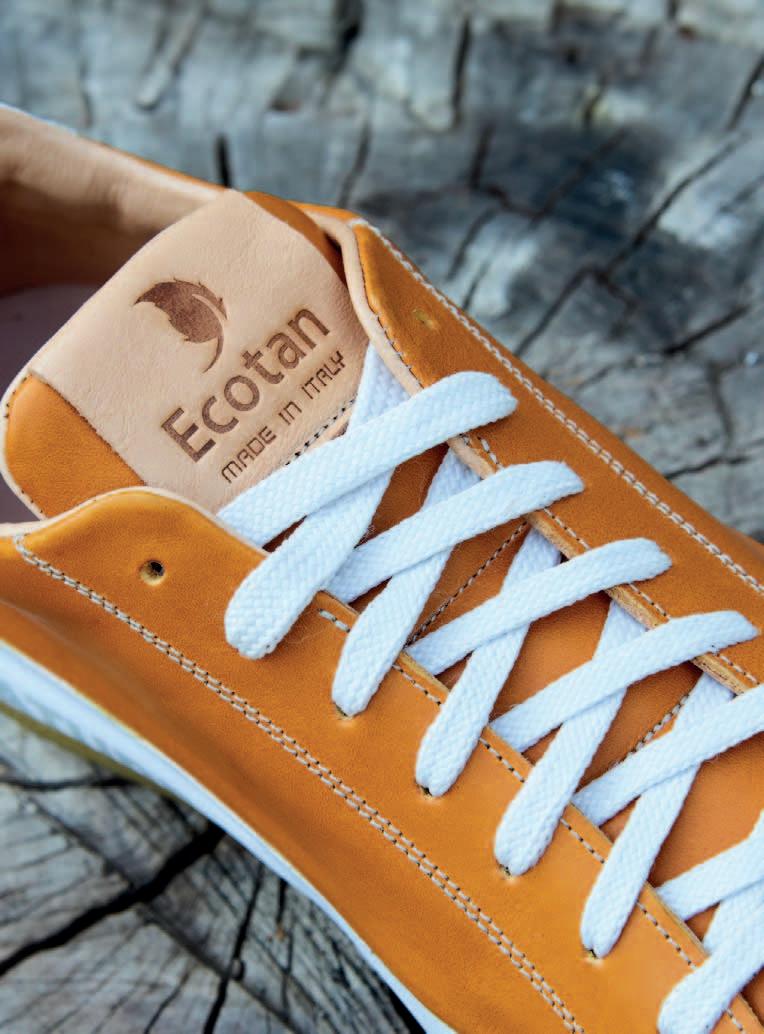
• But there is always hope, for example from the success of retro sneakers and the frequent appearance of leather clothing at recent fashion-week events
• If brands want to use leather more extensively, there is plenty of raw material available at affordable prices
MARKET INTELLIGENCE
We are now in a phase of expecting little news from the leather pipeline. With the continuous decline in leather production in Europe, the centre of the leather industry has finally shifted to Asia. Asia begins at the Bosporus. This trend has been noticeable for a long time, but it has gained momentum in recent years.
With the Lunar New Year celebrations in Asia from the end of January, a holiday shutdown has returned there and even in Asia the demand for leather is not so dynamic that producers feel they need to shorten their breaks to fulfil orders. On the contrary, many companies have extended the holiday period by as much as they can because they do not have enough orders at the moment to use their entire production capacity.
We have reported this before. The beneficiaries of this development are clearly the large manufacturers who produce for the global brands and cannot be replaced too easily. The big brands in the mass market are striving for more and more uniformity, standardisation and a smaller number of suppliers in order to reduce the cost of control and logistics management. This favours the very large companies and is diametrically opposed to the logic of the traditional leather business. If you want to preserve the characteristics of leather, use its special features and emphasise it as a natural product, then this simply is not compatible with mass production.
The days when the mere name of leather was enough to encourage consumers in many markets to buy a piece of furniture, a shoe or a car are long gone. Let us not even talk about the times when a leather jacket was almost a must in every wardrobe. So, if you
can no longer qualify the product as a mass material, then it has to find buyers through other characteristics and special features. Again, this is all in stark contrast to the current situation in the consumer goods markets and the wishes and strategies of the big brands.
None of this need be particularly bad. In principle the number of hides and skins available worldwide could never meet the demand of 8 billion potential consumers for products that could be made from leather. Without the much-criticised alternative materials, the desires and needs of the current global population could not be met. Nobody can actually say today how large the market share of leather products would be in total production if all the available raw materials of hides and skins were actually utilised. If you add up all the sheep and goats, kangaroos, buffalo and so on, there would be a significant amount, but it would by no means be enough to achieve a dominant market share again.
At the moment, it does not look as if leather is experiencing a renaissance as a material. There is always hope, and this is also the case now. A look at the latest fashion shows or the retro sneaker success, which is expanding into more and more models, could provide some hope. Many designers have put leather back onto the catwalks. However, this is an observation that we have been seeing for many years. Leather remains an attractive material for clothing, it has never lost its appeal and designers like to use it again and again because it is special and attracts attention. It's almost perverse when you consider how many big brands have been selling imitation products made of plastic with great success and in large volumes in recent years. This is unlikely to change in the coming seasons, because all you have to do now is assign the attribute ‘recycled’ to the item and
TUESDAY, FEBRUARY 4 2025
all your wishes and requirements will be fulfilled. The manufacturer can continue to operate with plastic and utilise the processing advantages, consumers get something that looks a bit like leather and leaves them with the belief that they have done something acceptable for the environment.
For the moment, we have lost this battle and in doing so we are destroying a very large volume of naturally available raw material. Of course, hardly anyone notices this. On the other hand, however, it also shows that there would still be room for the sale of leather products in the clothing industry if manufacturers and retailers were prepared to focus on the material again. It is interesting that this is happening again at the moment with wool.
Whilst studying the media over the last few weeks, two other notable pieces of information caught our eye.
Firstly, that the era of Stella McCartney as fashion designer and standard-bearer of the anti-leather lobby seems to be over for the time being. After Kering initially took over the Stella McCartney brand, it passed into the hands of LVMH. Here too, a line has now been drawn, according to reports. It has often been speculated that the large groups were less interested in the designer’s work than in using her name to attract new consumers. We will see how this story continues.
The real and decisive problem with regard to animal-based products remains, of course, that there is no objective discussion, only ideologies that clash and remain irreconcilable. Worldwide, the pendulum is currently swinging back but this doesn’t help much because this is not about a victory for one of the ideologies, but about an informed approach to the environment, food supply, culture and, of course, the use of animal byproducts. Less emotion and ideology and more expertise would help the cause and, in the end, especially the product we are concerned with: leather as a valuable material. We must take this opportunity to mention once again that we have not been using the available raw materials from animal skins for a long time now; at other times in history, this would have been seen as an intolerable waste. What is available and can be utilised was intended by nature to be used. Only the rise of alternatives (often of fossil origin), which are easier to use in production, has led to this situation.
The India International Leather Fair has taken place in Chennai. The next Lineapelle is coming up in mid-February and in mid-March many people will meet again at APLF in Hong Kong. There will also be trade fairs for finished
goods and by the end of the first quarter we will probably have a better overview of the potential for leather in the months ahead.
There are many who are predicting a revival in 2025. The problem, however, is that the optimists can currently provide few real facts to support their hopes. At the same time, the pessimists cannot explain the end of leather or back this idea up with facts. Fortunately, the end is still open.
It should also not be forgotten that politics will continue to dictate many outcomes. In the last few days, the new president in the US has announced a series of decisions regarding tariffs. First, came announcements of tariffs of 25% on imports into the US from Mexico and Canada, and new tariffs of 15% and 10% on products from China. At the eleventh hour, the imposition of the tariffs on products from Mexico and Canada has been delayed by 30 days. If application of the tariffs goes ahead, in the case of Mexico alone, it could have considerable consequences for the leather
industry. If further tariffs follow, particularly for Europe, this will also have consequences for the leather industry. There is a similar problem with leather as with many other products. There are few manufacturing alternatives in the US. Everyone would be well advised to check their businesses carefully for possible consequences.
In the split market, we can only report that the decline in demand from the leather industry has accelerated the use of whole bovine hides for the production of raw materials to supply the gelatine and collagen sector. What used to be purchased from tanneries is now being partially replaced by the purchase and processing of whole bovine hides owing to a lack of sufficient material. This is being done on the one hand by the meat industry and on the other hand by the producers of collagen and gelatine themselves. Of course, this will not change the overall demand or the overall supply, but it will probably result in a shift both sectorally
Actual Slaughter Under Federal Inspection
acquisition of non-audited data.
Grain prices pushed lower. Mexico is the largest foreign buyer of US corn and if Mexico includes corn in retaliatory tariffs, it would be extremely bearish for corn. Corn basis levels in Guymon, Oklahoma, are at $0.90, basis the March contract.
GERMAN PERSPECTIVE
This week: We can make little substantive contribution to the market situation at the moment. On the one hand, the main markets in Asia are on their Lunar New Year holidays and this year they actually seem to be serious about taking a break. Apart from the occasional enquiry about deliveries and their processing, we have seen little interest from there.
Of course, this is hardly surprising because, to be honest, there are only very limited opportunities to ship to China at the moment. There are always ways and means, but at the moment there is no specific pressure as to why there should be any particular risk for German hides.
The situation regarding foot and mouth disease is unchanged. Fortunately, there have been no further confirmed infections since the first and only case. Livestock is still being tested on a large scale and wild animals are still being hunted intensively and samples tested. The big questions now are about how long it will take for Germany to be considered disease-free again and how and when it will be possible to reach interim solutions with important export markets.
Regionalisation, which applies within the EU, would be one solution and there are already individual countries that accept this procedure. Unfortunately, these are not the countries that are of the greatest importance to us as export markets. At the moment, we can only hope that no further cases will occur in the coming weeks so that we can at least assume that this really was just an isolated incident.
There is also very little to report in other markets at the moment. It does not appear that leather manufacturers in Europe are currently receiving additional orders and therefore need to stock up on additional raw materials. Rather, the opposite is the case and one gets the feeling that the majority of them are preoccupied with how to adjust production and capacities to the lower demand or whether there are opportunities to utilise the drums for other purposes and other
products. Exceptions always prove the rules, but as a general statement you have to accept this at the moment.
Owing to the low level of activity and the upcoming new price negotiations with the abattoirs, the official prices are changing little at the moment, without this being interpreted as a true reflection of the market situation. With the exception of heavy, male cattle hides, there is hardly any possibility of further major price adjustments.
The kill: The kill remained at a fairly high level for January. The demand for meat continues to be higher than one would expect, both domestically and abroad. Prices have also rebounded after a brief decline and while it is never enough, cattle prices are currently at the upper end of the long-term cycles.
What we expect: Under the current circumstances, it is very difficult to find any plausible and convincing arguments for market forecasts for German hides. The circumstances make us a pawn in the game of global developments, giving us less influence on pricing than ever before. If the desire is there, goods will always find their way to buyers somehow, which is why global demand for leather remains the only real factor influencing price trends. However, we do not expect any significant price changes in the short term, although we remain convinced that they are long overdue for some product groups.
LATEST HIDE AND SKIN PRICES FROM GERMANY
LONG READ
Leather and the Circular Economy Higg’s leather turnaround
Data provided by the Leather Working Group, Leather Naturally and Spin360 has resulted in a significant revision of figures for leather on the Materials Sustainability Index.
Acombined data submission by consultancy Spin360, multi-stakeholder initiative The Leather Working Group (LWG) and promotion body Leather Naturally has been adopted as a new average for bovine leather by the Higg Materials Sustainability Index (MSI). MSI is a tool that the Sustainable Apparel Coalition (now called Cascale) launched in 2012 and is used by fashion companies to make decisions on materials sourcing, encompassing more than 40,000 brands and manufacturers. The new dataset, included in the October 2024 update of the MSI, resulted in the environmental impacts of bovine leather being between 55% and 67% lower than the previous MSI value. The global warming potential, which previously showed an impact of 36.8 points on the scale, has been reduced by 60% to 14.6 points.
“We are proud to see our combined LCA data integrated into the Higg MSI update,” says Christina Trautmann, director of sustainability at LWG. “This milestone underscores the significant advancements in sustainable leather production and reaffirms our dedication to responsible industry practices.”
This “significant shift” will promote a more nuanced understanding of bovine leather as a sustainable material choice, said the organisations, after many years of campaigning by the leather industry for the
Higg to alter its values. The argument was that the index could put natural materials at a disadvantage, not least because it covered cradle to gate (ie not taking into account a material’s impact after the manufacturing stage); leather’s durability being one of its key advantages in terms of producing long-lasting products.
In 2020, leather industry bodies, including the International Council of Tanners, the Leather and Hide Council of America and COTANCE, requested that Cascale suspend leather’s MSI score due to “inappropriate methodologies” and “out-of-date, unrepresentative, inaccurate and incomplete data” that had led to leather being burdened with a disproportionately high score. “This has led to a negative perception of leather that does not reflect its sustainable, circular nature,” Dr Kerry Senior, then secretary of the International Council of Tanners, said at the time. “On the basis of current Higg score, manufacturers are deselecting leather in favour of fossil fuel-derived, unsustainable synthetic products.” Cascale did not suspend the score, but opened consultations. These views persisted. Kerry Brozyna, president of the Leather and Hide Council of America, suggested in September that the figures had also unfairly affected consumer attitudes towards leather. Despite a substantial fall in hide prices over recent years, low consumer demand for leather means there has been no turnaround in the industry’s fortunes. “There are many factors that affect this,” Mr Brozyna said, “but the Higg definitely contributed.”
Global value
In 2023, Cascale asked consultancy KPMG to review the Higg Index suite of tools. The review identified the need to integrate the Higg MSI with the Higg Product Module (PM) and improve the quality of data. The experts also suggested implementing warnings to avoid inappropriate comparisons and provide better documentation for the scope definition of the LCA. To address the issues, SAC began to work with various stakeholders.
For the leather industry, the turning point was a body of work submitted by Spin360 that included data from 45 manufacturing facilities across 18 countries and evaluated 92 leather products, aiming to provide a global representation of bovine leather. It also encompassed information from the footwear, automotive, leathergoods and upholstery sectors. From this, the values were revised, with reductions across every Higg MSI category - global warming potential, eutrophication, water scarcity, abiotic depletion and chemistry - ranging from 55% to 67%.
“While anyone can submit a new dataset to the Higg MSI that is attributable to their company, our aim was to update the global default value for leather,” Debbie Burton, director of communications at Leather Working Group, tells World Leather. “Ultimately, the size of the dataset at 92
specific leather articles, as well as the geographical and technical representativeness of the dataset, were the main attributes of this work for the sector and for Cascale, providing more accurate data for a global average. Spin360 used a bottom-up approach in which all the different process steps in the production of the 92 finished leather articles were analysed in detail through the Leather Naturally and LWG projects as part of a combined dataset.”
Better representation
The revision is hoped to more fairly inform sourcing decisions, particularly for natural materials. In its autumn 2024 update, Higg also revised its figures for cotton, after working with 13 cotton associations. “While the Higg index clearly advises users not to compare different materials (for example, leather versus cotton) and instead encourages comparisons within the same material category (eg, chrome-tanned versus
glutaraldehyde- tanned leather), the practice of cross- material comparison remains,” says Leather Naturally. “Consequently, it was crucial to provide design and sourcing teams with the most reliable and comprehensive data available. Although there is still room for improvement, this dataset offers a clearer and more accurate picture than ever before.”
Federico Brugnoli, CEO of Spin360, added, “Like other LCA databases, the Higg database serves as a resource for companies that lack primary data from their suppliers. While relying on secondary data is certainly not ideal for brands aiming to accurately assess the impact of their products, it remains a common practice due to the limited availability of primary LCA data. In this context, achieving a 'better representation' of leather's impact has been – and continues to be – crucial, to ensure the scientific reliability of the figures within these datasets."
Users of the index can now select impacts according to which tanneries they source
from, in some cases. These tanneries include ISA TanTec, PrimeAsia, Sadesa, Tong Hong and Youngil Leather.
Among those celebrating the revision was Chiara Mastrotto, CEO of Italian leather manufacturing group Gruppo Mastrotto. She said the three leather industry organisations deserved congratulations for their “excellent and data-driven work and analysis” and that the development marked “a crucial step in the fight against global warming”. “It is encouraging to see the leather industry taking strides toward a more sustainable future, promoting responsible sourcing and production practices that protect people and the planet,” she added.
“This is a significant step forward,” Mr Brugnoli concluded, “as an important player has recognised that LCA primary data, obtained with verified methodologies, can have a positive global impact for the leather industry.”
Champions of Best Practice
million) at constant currency for the 13 weeks ending December 29, as it progresses with its turnaround strategy.
Direct-to-consumer (DTC) revenue rose by 1%, driven by a 2% increase in e-commerce sales, while retail revenue declined by 1%. The brand saw strong DTC growth in the APAC and Americas regions, up 17% and 4% respectively, though EMEA revenue fell by 5% due to a highly promotional market.
Wholesale performance met expectations, with EMEA and APAC increasing year-on-year, while Americas wholesale saw a single-digit decline.
Chief executive Ije Nwokorie reaffirmed the company’s focus on sustainable growth, stating that it remains on track with its cost management and inventory reduction targets for FY25.
Turin event shows leather industry’s progress on workplace
safety
Europe’s main representative body for the leather industry, COTANCE, worked with trade union organisation industriAll Europe at the end of January to run a workshop on safety in the workplace.
processes and best us for a future where sustainability is a key driver for commercial decision making where is a driver for commercial decision making.
This ISP consists of four strands.
• The provision of the most accurate information about leather, sustainability and production.
• The championing of best practice at every point in the supply chain.
• The willingness to address the hard issues our industry faces.
• The sharing of information with members, manufacturers, consumers and the media.
Today we look at best practice.
U.S. Government environmental standards, and those of our supply chain’s animal care, rank among the world’s highest and assure buyers of U.S. hides and leather that they have been produced to exemplary standards in all areas including animal care, ESG and sustainability.
Building on our standards, we are now firmly established as one of the global champions of best practice. We accelerate the adoption of new standards and promote them in the U.S. and around the world.
Examples of recent industry developments championed by L&HCA, for example, reducing the use of water through the use of polymer balls, with an added benefit of speeding the tanning process.
Meanwhile filtration techniques have become more sophisticated and will easily remove chromium (III) for reuse. And evaporation is now being used for the removal of salt while coagulants can be added to the water which bind with waste to leave a sediment which can be safely disposed of.
Best practice does not stop at the border.
We do not just promote this framework domestically. We actively promote it worldwide. The more trusted leather is, from wherever it originates, the better it is for the U.S. leather industry and for the planet.
From trade communications to our global Real Leather. Stay Different. program reaching 100s of millions of consumers and influencers worldwide, our work today is repositioning leather as the material of choice for tomorrow.
Visit our website today to find out more USLeather.org
It took place with financial support from the European Commission, with the training centre that the International Labour Organisation has in Turin as the venue.
COTANCE presented the findings of a recently completed study on accidents in the workplace. It said the study provided key baseline statistics, established industry benchmarks, and showcased best practices from European tanneries for improving health and safety standards in the industry.
The study showed a 16% decline in tannery-related accidents across seven countries (Italy, Spain, France, Germany, Portugal, Hungary, and Austria) between 2019 and 2021. More than 90% of the accidents that were recorded were classified as ‘minor’.
After the event, COTANCE said it was proud to lead the conversation on safety in the workplace, to share EU best practice, and “to work shoulder-to-shoulder with all relevant stakeholders to create a better future for the leather industry worldwide”.
Furniture industry bids farewell to Rolf Benz
The founder of one of Germany’s most famous furniture groups, Rolf Benz, has died. He was 91.
Mr Benz founded his own-name company in Nagold, near to the Black Forest in southwest Germany, in 1964.
In 1994, Rolf Benz took over another well known furniture group, Walter Knoll. When Rolf Benz’s family announced his death on January 29, Walter Knoll said in a statement that Mr Benz had set new standards in the world of furniture.
“He knew how to combine design, comfort and functionality in a unique way and shaped a new era of living with his innovative upholstered furniture.”
It added that the Rolf Benz brand had
become synonymous with high-quality, German-made furniture.
Royal Smit & Zoon maintains platinum rating
Royal Smit & Zoon has been awarded the EcoVadis Platinum rating for the second consecutive year, placing it among the top 1% of over 150,000 organisations assessed globally. The company’s 2025 score stands at 81 points, a slight decrease from 82 in the previous year, reflecting increasingly stringent evaluation criteria.
Despite this shift, the Platinum rating highlights Royal Smit & Zoon’s sustained commitment to sustainability, building on its Gold rating in 2021 and 2022. The company performed particularly well in Environment, Labour Practices, and Ethics, with sustainable procurement remaining a key focus area.
CEO Marc Smit stated, “This hard-won achievement reflects how deeply sustainability has been integrated in our business and identity for over 200 years.”
EcoVadis, a globally recognised sustainability assessment platform, evaluates organisations across Environment, Labour & Human Rights, Ethics, and Sustainable Procurement. The Platinum rating reinforces Royal Smit & Zoon’s position as a sustainability leader in the leather industry.
Zegna group reports steady 2024 growth
Italian luxury fashion house Ermenegildo Zegna Group has reported a 2.2% year-onyear increase in revenue for the fiscal year 2024, reaching €1.94bn ($2.03bn).
The Zegna segment, which includes the Zegna brand and textile businesses, recorded € 1.34bn in revenue, up 2% from FY23. The Zegna brand itself saw a 4.9% increase to €1.16bn.
Tom Ford Fashion experienced significant growth, with revenues rising 33.5% to €314.5m, while Thom Browne faced a 17.2% decline, dropping to €314.8m.
The group’s direct-to-customer revenues surged 9.9% to € 1.39bn, while wholesale branded revenues fell 12.2% to €402.3m.
In Q4 FY24, Zegna Group’s revenues rose 3.3% to €589.2m, with the Zegna brand up 8.4% and Tom Ford Fashion growing 3.7%. However, Thom Browne’s revenue declined 4.3%.
CEO Gildo Zegna highlighted strong performance in the US and EMEA markets, but noted uncertainty in China for 2025. He reaffirmed the company’s focus on brand equity, strategic investments, and leveraging existing strengths to navigate future challenges.
Actor signs up with Berluti for France-Italy dialogue
Film, television and theatre actor Victor Belmondo has signed up to work on a new collection with Berluti. The collection comprises clothing, including a calfskin leather blouson jacket, bags, and shoes. The brand said it shared with Victor
Belmondo a dual French-Italian heritage, bringing together the histories, traditions and savoir-faire of each culture.
A shoemaker from Le Marche, Alessandro Berluti, founded the brand in Paris in 1895. Victor Belmondo is from a famous French acting family with Italian roots, while his mother, a television chef, is originally from Rome.
“Victor Belmondo personifies the Berluti spirit,” said the brand’s chief executive, JeanMarc Mansvelt, “that fusion of heritage and modernity, elegance and audacity.”
For his part, Victor Belmondo said helping to write Berluti’s next chapter was like a shared dialogue between France and Italy.
‘Solid resilience’ from LVMH’s leathergoods
business in 2024
Luxury group LVMH has reported full-year revenues for 2024 of just under € 84.7 billion, a fall of 2% year on year. Profits on this revenue were €19.6 billion, down by 14%.
The group’s leathergoods and fashion
FINISHING
business brought in €41 billion in revenues, which was 3% less than in 2023. Profits for this category were € 15.2 billion, down by 10%.
This means that leathergoods and fashion contributed 48.4% of group revenues, but 77.5% of profits.
LVMH said the leathergoods and fashion division “showed solid resilience” in 2024. Louis Vuitton and Christian Dior both enjoyed high visibility over the summer, with the Paris Olympics, it explained.
The group also said Louis Vuitton’s new flagship store in New York was “a major success”. It added that Christian Dior had maintained its creative momentum, “fusing heritage and modernity”, while Loewe was buoyed by growing brand awareness and “the bold creativity of its collections”.
Live cattle imports raise hidequality concerns in Turkey
Tanners in Turkey may have access to extra hides from South America in 2025, but
Supplying innovative finishes to the automotive industry for over six decades
Quaker Color is a division of McAdoo & Allen, with roots in the leather industry for over a century
some of them remain unconvinced about the quality of the material.
Recent reports suggest that 500,000 head of live cattle from Brazil and Argentina reached Turkey in 2024 and that this volume could double this year, owing to a lack of domestic meat supply.
However, tanners have said that bringing live cattle from South America to Turkey was not conducive to providing them with highquality hides. They contend that locally sourced hides from Turkish cattle are of higher quality.
Leather UK welcomes Tapestry as newest member
The trade body that represents, promotes and protects the UK leather industry, Leather UK, has announced Tapestry as its newest member.
Tapestry said the move underscored its commitment to sustainability, transparency and responsible sourcing.
Director of Leather UK, Dr Kerry Senior, said the organisation would work with Tapestry to
strengthen collective efforts to establish “a more sustainable and innovative future for the leather industry”.
Tenerías Omega closure plans on hold
Theclosure of Spanish leather manufacturer
Tenerías Omega may not go ahead. Worker representatives have told local media in Navarra that two bids have emerged to buy the operation.
Closure of the tannery, a specialist in making leather for transportation applications, was announced in September. The 79 people who were working at the company at that time were told their jobs would go.
Of the two bids to take Tenerías Omega on as a going concern, one includes the retention of 44 jobs, the other guarantees a workforce of 40.
The company has been going through an administration process, as a result of which the two new offers have come forward. The offers will go before a judge, who will decide which of the two bids will win.
Workers’ representatives said this outcome was good news for the staff and for the local area. They said they would seek to secure a fair agreement with whichever new management team comes in for the employees that are willing to come back to work at the tannery, and a good redundancy settlement for those who will not return.
No turning back for Burberry Forward
Atrading update from Burberry puts the company’s revenues of £659 million for the third quarter of the current financial year. This represents a fall of 7% compared to the same period last year.
Chief executive, Joshua Schulman, said the company was at an early stage of a transformation he outlined in 2024, a programme called Burberry Forward. He said there had been “an improvement in brand desirability and strength in outerwear in scarves”.
He explained that this had reinforced his belief that Burberry has “the most opportunity where we have the most authenticity”. He said at the end of 2024 that, while leathergoods would continue to be an important category for the brand, this would not be “where we lead”.
Please see the new issue of World Leather for a more detailed examination of Burberry Forward.
Itech Lyon students inspired by COTANCE lecture
Students at Itech Lyon recently had the opportunity to attend an engaging lecture by Secretary General of COTANCE, Gustavo Gonzalez-Quijano, who spoke to an audience of about 75 aspiring professionals.
The session explored leather’s life cycle assessment (LCA), its durability, and the Green Deal Leather initiative, providing insights into the challenges and ambitions of the European leather industry.
Mr Gonzalez-Quijano highlighted leather’s essential role in the circular economy, describing it as a natural, sustainable, and beautiful material with growing demand. He also emphasised the diverse career opportunities within the industry, from production and design to research, environmental management, and innovation.
The event celebrated the enthusiasm of young talents eager to join a sector steeped in craftsmanship and poised for green and digital transformations.
The lecture was part of Itech Lyon’s mission to inspire and prepare the next generation of professionals for a sustainable future in the leather industry.
Italian tanners motivate new generations
Italian tanneries around Santa Croce are continuing to educate young people on the benefits of leather industry employment with workshops and open days for high school students planned in the coming weeks.
The children of tannery workers will be
invited to open days at research institute
POTECO (Polo Tecnologico Conciario), hosted by local associations as well as national tannery association UNIC.
It is part of a long-running programme linking schools and universities with tanneries, with the aim of enticing young people into the industry and showing the wide range of jobs on offer.
One of the schools that participated in a recent initiative ranked first, nationally, in terms of helping students into jobs quickly.
Exhibition celebrates glove industry in Naples
An exhibition celebrating the connections between Naples and the gloving industry opened in the city on January 22.
The Banco di Napoli Foundation is hosting the exhibition, which is called ‘Glove: paths and stories of the glove industry in Naples’. It will remain open until February 21.
According to the organisers, the exhibition celebrates the traditions and craftsmanship of glove design and manufacture in the city.
A major focus in the school that operated in Naples between 1919 and 1952 to train new generations of glove-making craftspeople.
Displays include historic gloves, the tools traditionally used to produce gloves and a series of photographs.
Italy’s national tanning industry body UNIC and research centre SSIP are both supporting the initiative.
Leather capsule collection for Gola anniversary
UK footwear brand Gola is celebrating its 120th anniversary with a limited-edition capsule collection, launching ahead of its official milestone on May 22.
The collection features two leather-andsuede colourways of the iconic Elan sneaker and a revamped Redford bag.
The Elan sneakers include raw-edge nylon tongues, terry cloth linings, metallic gold foil branding, and a debossed "120" logo on the heel tab. The Redford bag combines black leather with white detailing, antique brass hardware, and the Gola 120 logo.
Marketing Director Donna Hill highlighted the brand’s heritage, stating:
“Gola has stayed true to its roots, honouring its legacy while inspiring future journeys.”
Founded in 1905 as a soccer footwear maker, Gola remains one of the UK’s oldest sports brands, blending tradition and innovation in its anniversary designs.
Report reinforces concerns about calfskin supply
France has registered double-digit increases in the value of imports of calfskins and calfskin leather. These increases have coincided with a sharp fall in the availability of domestic calfskins.
New data that Alliance France Cuir has shared shows that between January and November 2024, France imported calfskins
with a value of €6.4 million, up by 31% year on year.
Over the same period, calfskin leather with a value of € 118.1 million came into the country, an increase of 10% compared to the same months in 2023.
In the report, Alliance France Cuir says exports of calfskins were worth €42.1 million in the first 11 months of 2024, down by 3%. Exports of calfskin leather over the same period were worth €35.4 million, a fall of 7% year on year.
An article in the new issue of World Leather examines in more detail constraints in the supply of calfskin in France. It quotes past-president of the International Council of Hides, Skins, and Leather Traders Associations (ICHSLTA), Nick Winters, as saying that the annual volume of calfskins coming onto the market in France has fallen by around 600,000 pieces in the last ten years.
His conclusion is that “the luxury industry is going to have to look for alternative materials”.
Cartigliano prepares for
international shows
Machinery
maker Cartigliano has announced its participation in two major international events in the coming months: the ILF India International Leather Fair 2025 and Lineapelle Milano 2025.
At both events, the company will present the Air Breeze machine, a new solution for leather drying and conditioning that emphasises efficiency, sustainability, and advanced technology. This development reflects Cartigliano’s focus on technological innovation in the tannery industry.
Visitors can explore the Air Breeze machine and obtain information about Cartigliano’s advancements in leather processing at their stand during these trade shows.
Fall in value for France’s finished leather exports
France’s exports of semi-finished hides have increased in value, but the figure for the much bigger category of finished leather is down, according to new data from Alliance
France Cuir.
A new report on the value of leather-sector exports in the first 11 months of 2024 showed that shipments of hides and skins processed by tanneries in France had brought in a total of €205.5 million, down by 5% year on year.
Semi-processed hides accounted for €25.2 million of the total. This represented growth of 8% year on year.
However, exports of finished leather in the January-November period had a value of €180.3 million, down by 7%.
Lapi Group reports loss of one of its leaders
Santa Croce-based leather industry group Lapi has announced the death of one of its leaders, Guido Lapi.
Son of one of the founders of the group, Guido Lapi was 77 years old when he died on January 16.
The diverse group encompasses leather chemicals suppliers FGL International, Finikem
and Toscolapi, as well as the Gi-Elle-Emme tannery, Lapi Gelatine and Npa Mosè.
Export growth goes on for French leathergoods
Growth in France’s exports of leathergoods continued into November, as new figures published by Alliance France Cuir show.
In the first 11 months of last year, exports of leathergoods from France brought in more than €11.8 billion, up by 2% compared to the same period in 2023.
Handbags contributed almost €8.5 billion to this total and the export growth that French handbag manufacturers achieved between January and November last year was of 3% year on year.
Shipments of small leathergoods had a value of just over $1.1 billion over the period in question, down by 1% year on year. However, there was 1% growth in exports of leather watch-straps, which had a value of $135.8 million.
12 - 14 MARCH 2025
Mulberry’s finance director steps down
British
luxury brand Mulberry has begun the search for a finance director after the resignation of Charles Anderson.
He will leave the board on 31 January but will remain supporting the business until 1 August.
Chris Roberts, chairman of Mulberry, said: "I would like to thank Charles for his valuable contribution to the group over the past five years. His leadership, particularly over the last year, has been instrumental in steering the business through a very challenging period.”
Last autumn, Mulberry turned down an offer from Frasers Group to buy all its shares. Frasers first invested in Mulberry in 2020 and owns 37% of the company.
Nutritional LCA highlights new perspective on food sustainability
According to Multi-stakeholder group
European Livestock Voice, new research using Nutritional Life Cycle Assessment (nLCA) reveals that meat and dairy products have a significantly lower environmental impact than previously estimated, while the footprint of plant-based foods increases when protein quality is considered. High-quality animal proteins require less food to meet nutritional needs, effectively halving their environmental impact.
Another study, published by Italian researchers in Scientific Reports, found that when accounting for the essential amino acids required for a 70 kg human, beef outperformed several plant-based foods in environmental efficiency. Many plant-based options lack key amino acids, necessitating larger quantities and increasing their overall impact.
These findings underscore the need to integrate protein quality, digestibility, and bioavailability into nLCA for more accurate assessments of environmental sustainability.
ASIA
Chennai prepares to welcome 38th IILF
The
38th edition of the India International Leather Fair (IILF) is scheduled to take place from February 1 to 3, at the Chennai Trade Centre.
In addition to domestic exhibitors, over 60 foreign companies are expected to participate, contributing to the fair’s international presence. The event provides a venue for industry stakeholders to explore business opportunities, network, and present India's export and investment potential in the leather and allied sectors.
For the 2025 edition, IILF Chennai will extend into newly constructed exhibition halls at the Chennai Trade Centre. Organisers say this expansion will increase exhibition space, allowing for a more extensive display of innovations and trends within the Indian leather industry and the global leather trade.
With a focus on business development and international collaboration, the fair is expected
to attract manufacturers, suppliers, and buyers.
Loewe to take exhibition to Tokyo Leathergoods brand Loewe is to take its Crafted World exhibition to Tokyo this spring.
Loewe has described the exhibition as a celebration of its almost 180-year history, showing off its history, heritage and commitment to making products by hand.
Crafted World launched last year in Shanghai. This follow-up edition will open in the Japanese capital on March 29 and will remain open to the public until May 11.
Tannery workers protest in Savar Aprotest was recently held by tannery workers in the Savar Tannery Industrial Estate, demanding the implementation of the government-announced minimum wage, according to local media.
Around 100 workers, under the Tannery Workers Union, demonstrated on the main road of the estate for two hours. They claimed that while the minimum wage of Tk 18,001 ($150) for the lowest grade was announced last November, tannery owners have delayed its enforcement.
Union representatives stated that discussions with owners have yet to yield results, while the Bangladesh Tanners Association expressed optimism about resolving the issue through ongoing talks.
Asics uses car leather offcuts for shoe range
Automotive components supplier Toyoda Gosei has teamed up with sporting goods manufacturer Asics Corporation to produce the Skyhand OG sneakers using leather remnants generated in the steering wheel manufacturing process.
Toyoda Gosei has been recycling its waste materials by selling products under the Re-S ethical brand, transforming difficult-to-recycle airbag fabric and steering wheel leather remnants into bags, pencil cases and shoes.
The project is Toyoda Gosei’s second collaboration with Asics, following the launch of sneakers that use airbag fabric in January 2023.
Steering wheel punching remnants generated at Toyoda’s Vietnamese factory have used by Asics’ footwear manufacturer, also in Vietnam.
Solar energy project complete at Korangi cluster
Senior figures from Pakistan’s dedicated ministry for managing climate change officiated at the official switch-on of a solar energy project at the Korangi tanning cluster, near Karachi, in mid-January.
The same ceremony marked the completion of a renovation project at the cluster’s common effluent treatment plant and on-site laboratory.
Energy from the solar plant will power the effluent treatment plant and the laboratory.
Double decade celebration for Stahl Suzhou
Stahl Suzhou commemorated its 20th anniversary at Stahl's annual event attended by customers, partners, and colleagues from Stahl China. The celebration marked two decades of achievements and outlined plans for continued growth and innovation.
CEO Maarten Heijbroek highlighted the company’s accomplishments and expressed gratitude to local leaders, customers, and partners for their support. General Manager Hagen Chen provided an overview of the past year, including a successful technical transformation, an expansion project, and notable growth in the China region, driven by the dedication of employees.
Stahl Suzhou has also advanced its production capabilities and operational efficiency. Recent milestones include approval to increase permit volumes to 28,000 metric tons and the implementation of a Distributed Control System (DCS), which enhances efficiency, product quality, and safety across production lines.
AMERICAS
Anger in Argentina over government hide decision
Leather-industry organisations in Argentina have issued a joint statement to express concern about measures recently put into place by the government.
Until now, Argentinean meat companies were under obligation to keep a proportion of domestic hides on home soil for use in the domestic leather value chain.
The government has decided to lift that restriction, causing concern among leatherindustry bodies that their member companies will lose out, will face a shortage of raw material. They said this would have a detrimental effect on a value chain that sustains thousands of jobs in Argentina.
According to the joint statement, the government has based its decision on inaccurate information. This included a false picture of the control over hide supply that local leather manufacturers exercise. The government also said restrictions on exports of hides meant higher meat prices for Argentinean consumers.
Signatories of the joint statement said these arguments were without foundation, pointing out that 50% of the material had been going for export as wet-salted hides. They also said the government had incorrectly assumed hides to represent 5% of the overall value of an animal going to slaughter. They said the true figure was between 0.8% and 1.5%.
Buenos Aires tanning industry association ACUBA, national association of footwear industry suppliers CAIPAC, national tanning industry association CICA, leathergoods manufacturers’ association CIMA, and footwear industry association FAICA were the signatories of the joint statement.
Tandy’s owners reap dividends from HQ sale
USretailer Tandy Leather Factory has sold its headquarters, including its primary distribution centre and flagship retail store, to food retailer Colonna Brothers, but will remain in its current spaces until September.
It will rent a building to house its headquarters in Benbrook Texas, a few miles from its current offices.
The company is searching for a new location for its Fort Worth flagship store.
Tandy chairman Jeff Gramm said: "Our new space is better sized for Tandy's operations, and these transactions have allowed us to monetise an under-utilised asset for the benefit of our owners. We are pleased to be able to return a substantial portion of the sale proceeds to our stockholders in the form of a dividend. After we have successfully executed our headquarters and flagship store moves, the board will consider paying an additional special dividend to our stockholders.”
New CEO Johan Hedberg added: "In my first few weeks at Tandy Leather, I've been impressed by the energy of our employees and their passion for leathercrafting and our customers. We have our work cut out for us this year, with a complicated headquarters move and the relocation of our most profitable retail store. Tandy will also have to contend with higher expenses associated with our new leased facilities. I know we are up to the challenge, and my goal is to return this company to a profitable growth trajectory while continuing to provide top-notch products, service and engaging leather crafting classes at all our store locations to our dedicated customers."
Tandy Leather Factory is a specialty retailer of a broad product line, including leather, leatherworking tools, buckles and adornments for belts, leather dyes and finishes, saddle and tack hardware, and do-it-yourself kits. The company distributes its products through its 99 North American stores (including two temporarily closed for relocation) and one store in Spain.
Argentina: chicken demand surpasses beef for first time
Argentinians are now eating more chicken than beef, for the first time on record, according to official data.
Reuters reported the shift reflects how the population is choosing the cheaper meat as the county deals with triple-digit inflation and austerity measures.
Data from the Rosario grains exchange showed chicken consumption rose to 49.3 kg per capita in 2024, while beef fell to 48.5 kg.
Despite this, Argentina is still the biggest consumer of beef per head in the world.
JBS supports small farms with tracking
Food and tannery group JBS recently announced the donation of 3 million eartags to support the tracking of cattle and buffalo herds in Pará.
The initiative, unveiled during the panel
"From Davos to Belém: Defining Brazil's Path to a Sustainable and Low-Carbon Cattle Industry" at the World Economic Forum in Davos, is part of a broader government-led programme aiming to track all herds in the state by the end of 2026.
Of the donated tags, 2 million will be distributed free of charge to small and medium-sized producers, according to the company. JBS also launched the JBS Accelerator programme to assist producers in applying the tracking technology effectively.
ALCA issues call for papers
The American Leather Chemists Association (ALCA) has issued a call for papers for its 119th Annual Convention, which will be held from May 13 to 16 2025 at the Hershey Lodge in Hershey, Pennsylvania. Researchers and professionals are invited to present their work on topics relevant to the leather and tannery industries.
Submissions are sought in areas including hide preservation, leather defects, leather manufacturing technology, new product
development, tannery equipment innovation, leather properties and specifications, and tannery environmental management. The convention aims to showcase the latest advancements and foster discussions on key challenges and innovations in these fields.
Abstracts must be submitted by March 1. They should be no longer than 300 words, written in English, and formatted in Microsoft Word. The title of the abstract must appear in capital letters, followed by the names of the authors. The presenting author should be indicated with an asterisk, and full contact details, including an email address, must be provided. Abstracts should be emailed to Donis Bosworth, the ALCA Vice President and Chair of the Technical Programme, at dbosworth@naminerals.com.
Presentations at the convention will be allocated 25 minutes, followed by a fiveminute question-and-answer session. Full presentations are to be submitted by 1 May 2025 to Steven D. Lange, the editor of the Journal of the American Leather Chemists Association (JALCA), via email at jalcaeditor@gmail.com.
Brazil’s footwear makers note buyers wary of US tariffs
Morethan 40 Brazilian footwear brands celebrated success at Italian trade show Expo Riva Schuh in mid-January, with 375,000 pairs of shoes sold, generating over $5.4 million.
Including deals initiated at the trade show, the figures rise to 1.6 million pairs and $21.3 million, according to Brazilian footwear association Abicalçados.
Letícia Sperb Masselli, Abicalçados’ business and relationship manager, said: “Most Brazilian companies have been attending this event for more than one or two decades, reaping the benefits of consistent participation that showcases the commitment of Brazil’s footwear industry to the international market.”
One of these companies is Bischoff Group. Its export manager, Henrique Galhego, said maintaining a consistent export strategy is essential. “We’ve been sowing the seeds for years, and this trade show is where we see the harvest. Visitor turnout exceeded expectations, with new clients and markets such as Yugoslavia, England, Poland, Palestine and Ireland. We also maintained relationships with existing clients, with sample orders and deals closed on-site,” said Galhego.
He added the election of Donald Trump has raised concerns among companies about their Asian production due to potential tariff increases. “At this trade show, some companies have already started looking to Brazil as a country offering quality products at competitive prices,” he said.
The 102nd edition of the trade show saw attendance levels similar to those recorded in January 2024. Preliminary figures indicate around 9,000 visitors from 100 countries over the four days. The event hosted 1,100 exhibitors from 36 countries.
OCEANIA
Record year for goat slaughter, even with nine-month figures
Last year was a record year for goal slaughter and goatmeat product and export for Australia.
Although figures are only available for the first nine months of 2024, Meat and Livestock Australia (MLA) has confirmed that the totals for goat already surpass previous records.
Between January and September 2024, Australian meat companies processed more than 2.5 million head of goat. This is 4% higher than the full-year figure for 2023, which was the previous record.
Exports for the nine-month period last year reached a volume of close to 51,500 tonnes. This gives a substantially higher figure than the previous export volume record, the fullyear figure for 2014, which was 35,778 tonnes.
MLA said that, although Australia produces only a small fraction of the world’s goatmeat, it is the number-one exporter.