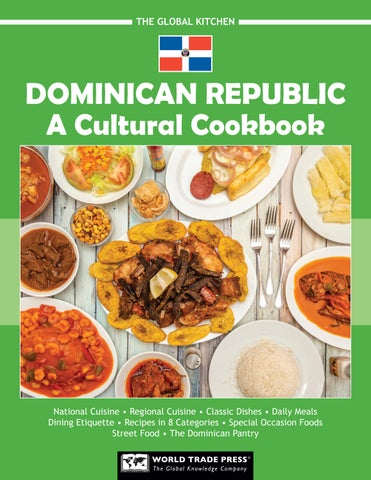
Dining Etiquette • Recipes in 8 Categories • Special Occasion Foods Street Food • The Dominican Pantry
Recipes in The Global Kitchen series are provided for informational and cultural purposes only. Results may vary due to differences in ingredients, equipment, and individual cooking experience. Always follow safe food-handling practices and exercise caution with sharp utensils and hot surfaces. Check all ingredients for potential allergens before use. World Trade Press has not independently tested every recipe and assumes no responsibility for the outcome, safety, or accuracy of any recipe or information presented.
No part of this publication may be reproduced, stored in a retrieval system, or transmitted in any form or by any means, electronic, mechanical, photocopying, recording, scanning, or otherwise, except as permitted under Section 107 or 108 of the 1976 United States Copyright Act, without the prior written permission of the Publisher.
For information about permission to reproduce selections from this report, please contact Permissions: permissions@worldtradepress.com
For information about special discounts for bulk purchases, please contact Sales: sales@worldtradepress.com
ISBN: 978-1-60780-043-9
www.TheGlobalKitchen.com www.worldtradepress.com
World Trade Press, 616 E. Eighth St., Ste. 7, Traverse City, MI 49686
Welcome! This cookbook offers a structured and research-informed exploration of Dominican cuisine, drawing on more than 30 years of culinary documentation and cultural study. Developed from our reference database, the collection brings together historical sources, regional perspectives, and rsthand accounts from Dominican home cooks, chefs, and food historians. It is not a personal memoir but a contextualized study of how Dominican food has evolved and what it reveals about the country’s complex cultural and historical foundations.
Dominican cuisine is often associated with dishes such as la bandera and mangú, but its origins run far deeper. The island’s earliest inhabitants, the Taíno, cultivated cassava, maize, peanuts, and sweet potatoes—foods that remain integral to the Dominican table. Spanish colonization introduced livestock, rice, wheat, and olive oil, while the forced migration of Africans during the colonial period brought new techniques and ingredients such as plantains, okra, and deep-frying methods. Later in uences from the Middle East, China, and other Caribbean nations enriched this already diverse culinary landscape, creating a cuisine de ned by its fusion of Indigenous, European, and African traditions and its adaptability to local resources and climate.
This volume re ects the layered evolution of those in uences. Recipes are presented with attention to both cultural and historical context alongside method. From sancocho and arroz con pollo to tostones, pastelón, and dulce de coco, each dish is positioned within its broader narrative—whether tied to pre-Columbian agriculture, colonial exchanges, African heritage, or modern reinterpretations that continue to shape Dominican identity.
As with all books in this series, the tone is factual rather than anecdotal. The goal is to offer readers a practical yet culturally grounded understanding of Dominican cuisine—not only what is eaten, but how and why. In doing so, the collection reveals a national food identity rooted in resilience, creativity, and the blending of cultures. It stands as both a record of heritage and a reference for the continuing culinary dialogue that de nes the Dominican Republic’s enduring relationship between food, history, and community.
NATIONAL CUISINE
Cultural Favorites
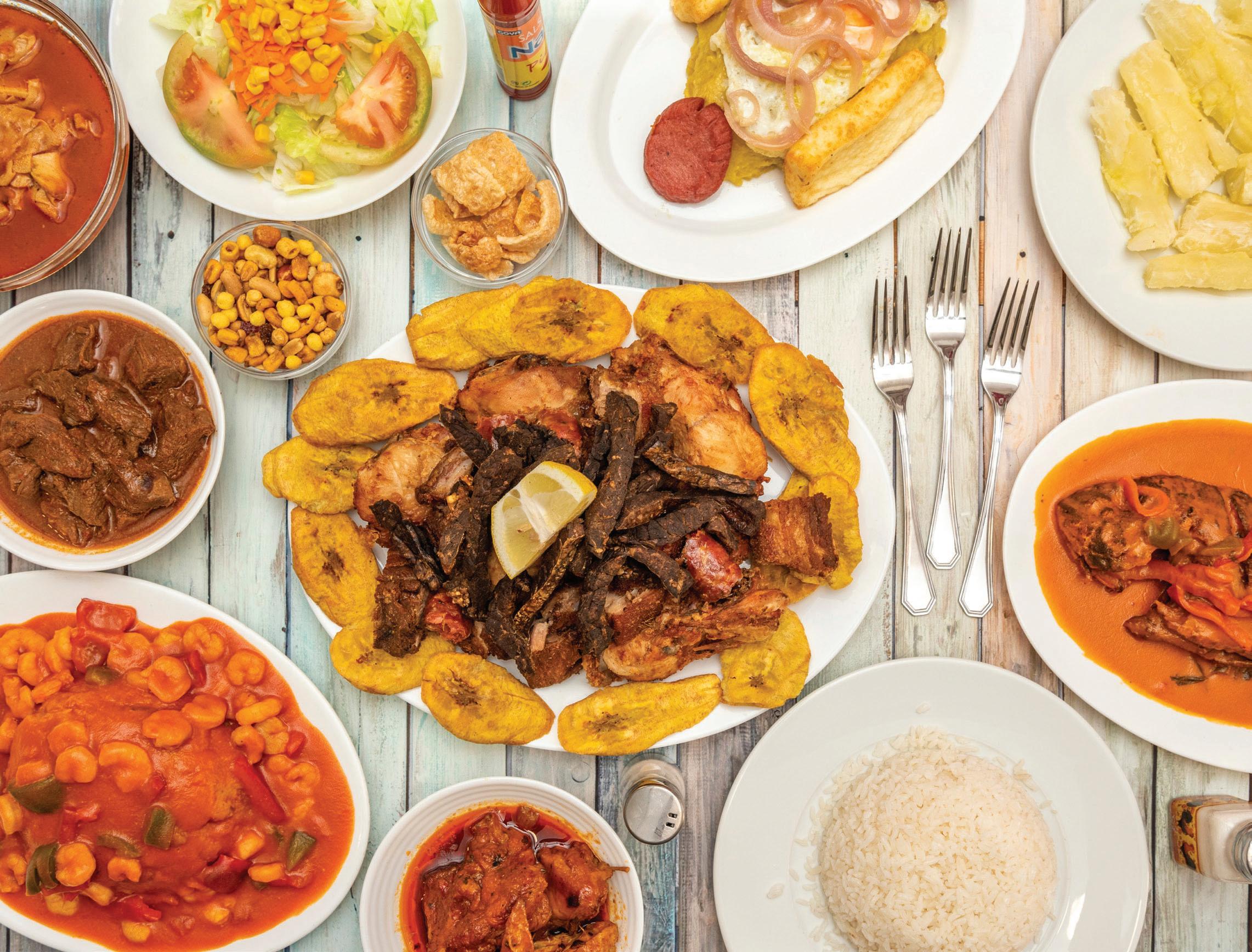
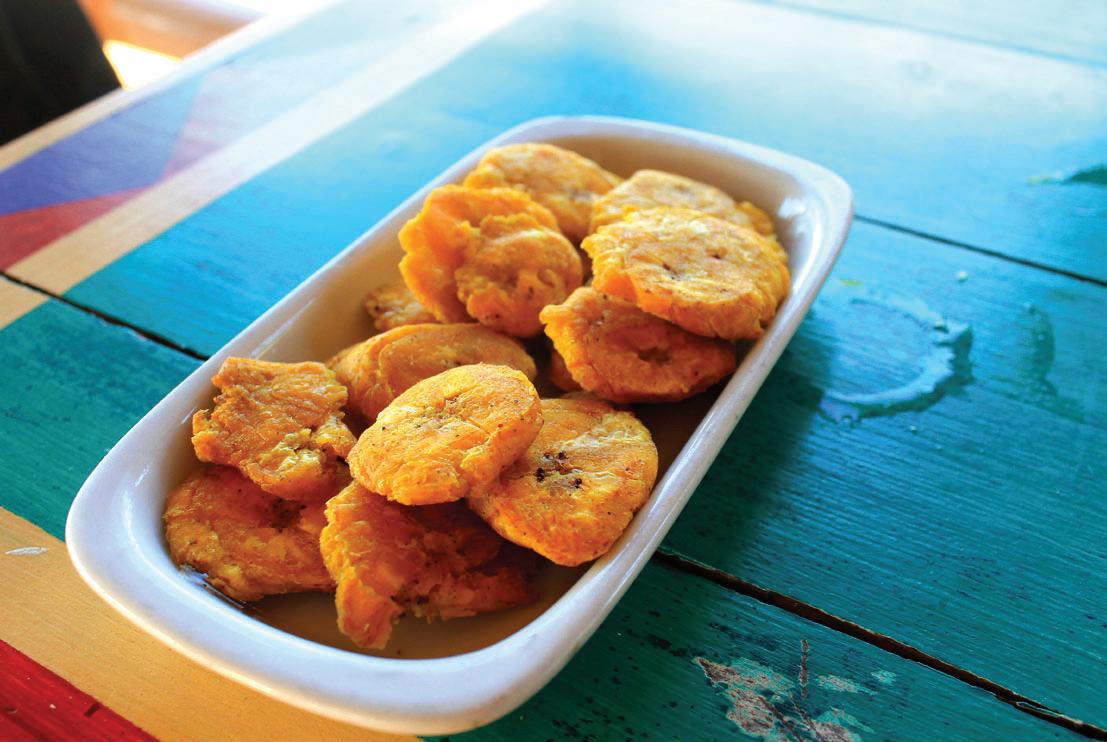
Dominican cuisine includes several iconic dishes such as tostones (twice-fried green plantains), mangú (mashed green plantains topped with sautéed red onions), and la bandera, the everyday plated meal of rice, stewed beans, and meat. Los tres golpes, the classic breakfast, pairs mangú with fried cheese, fried eggs, and Dominican salami. Chicharrón is widely enjoyed and typically made from seasoned pork belly or skin fried until crisp. Meat preparations commonly involve frying, stewing, roasting, and grilling—methods shaped by African and Spanish traditions as well as older Taíno techniques of cooking over re. Whole roasted pig, or lechón asado, is a staple at celebrations, especially during holidays. Desserts include tres leches cake, often avored locally with a touch of rum, and the beloved Easter-season dish habichuelas con dulce, a sweet cream made from beans, coconut milk, and spices.
Yaniqueque, a thin, crispy fried bread sold on beaches across the DR, traces its linguistic origins to johnnycake, though the Dominican version is made from wheat our rather than cornmeal. While the American and Caribbean johnnycake tradition involves dense, corn-based breads, Dominican yaniqueque evolved into a distinct fried dough preparation. Sancocho, widely considered the national dish, is a hearty stew that often combines several meats—commonly chicken, pork, and beef—with root vegetables such as yuca (cassava), yam, and taro, along with plantains and squash. The most celebrated version is sancocho de siete carnes, cooked slowly for hours during gatherings and festive occasions. Avocado frequently accompanies meals, whether sliced alongside stews or served in simple salads such as ensalada de aguacate with onions and vinegar.
Tropical Fruits
The Dominican Republic has an abundance of tropical fruits such as papaya, pineapple, melon, banana, passion fruit (chinola), soursop (guanábana), and a variety of citrus. These fruits are enjoyed fresh, blended into juices, or made into batidas—fruit milkshakes. Morir soñando, one of the country’s most beloved drinks, is traditionally a chilled mixture of orange juice, sugar, ice, and evaporated milk. Coffee is consumed throughout the day, and cold beer and rum-based drinks such as mamajuana are also common in social settings.
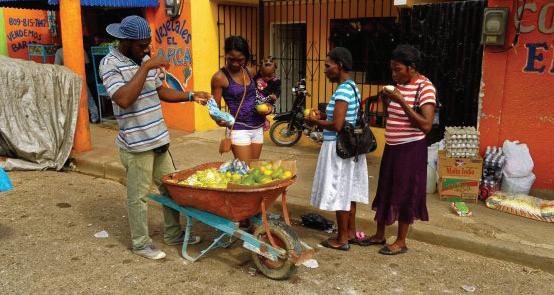
A vendor sells fruit in Savaleon De Higuey.
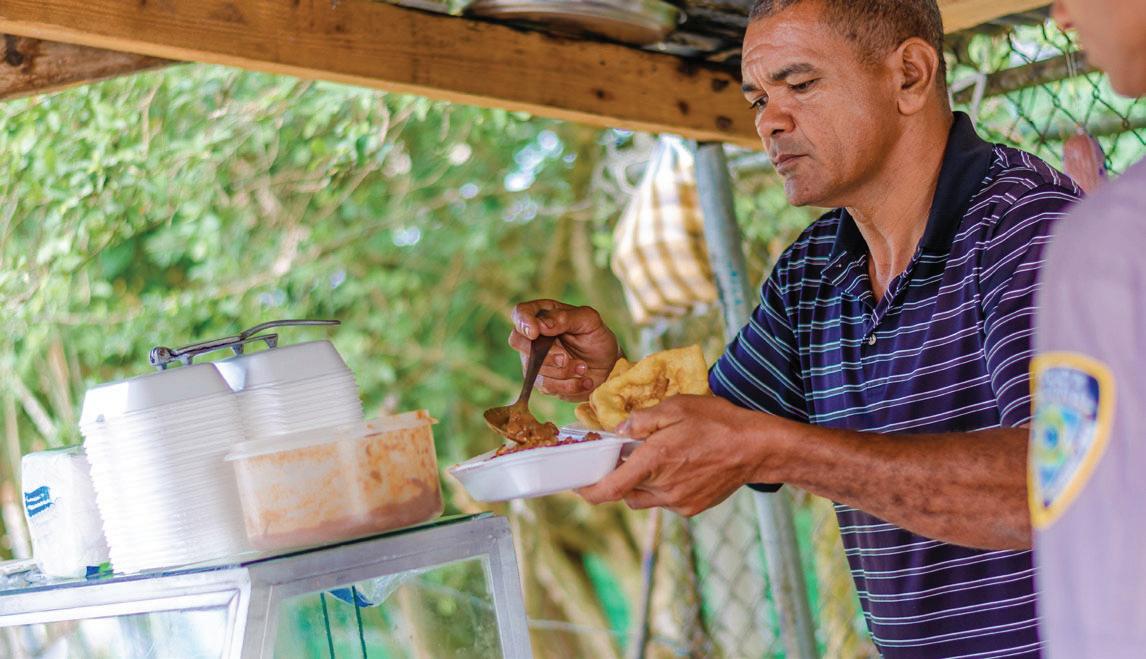
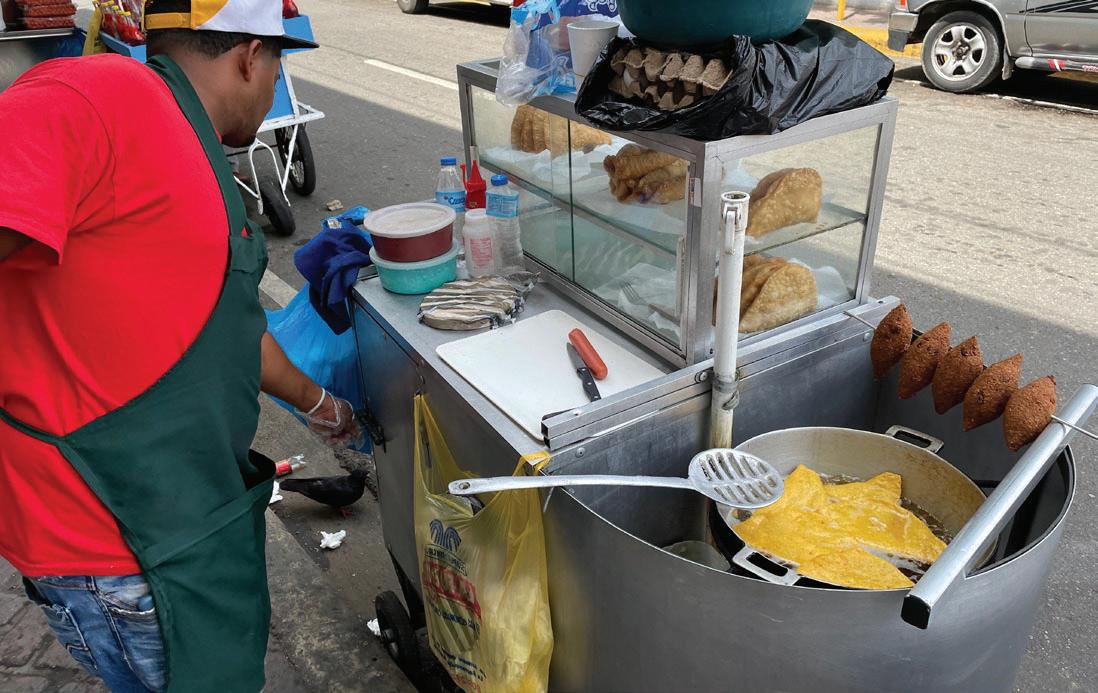
Dominican street vendor preparing yaniqueque on the street of Juan Dolio, San Pedro de Macoris
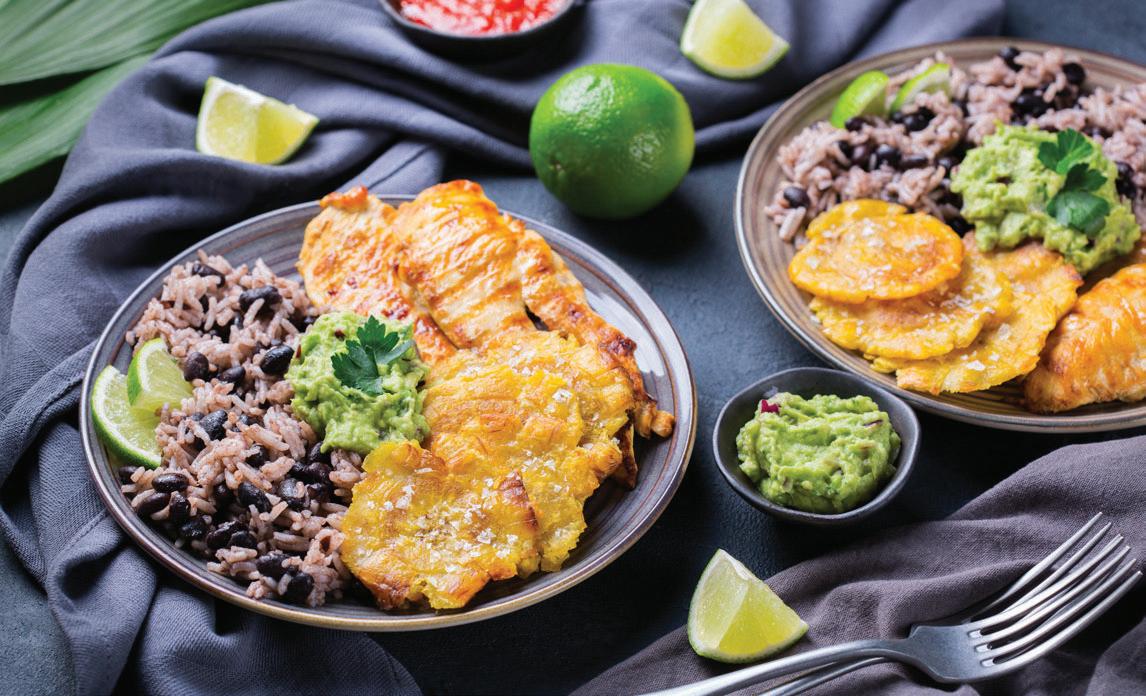
Tostones and La Bandera
REGIONAL CUISINE
Dominican Republic cuisine—widely known as comida criolla—re ects a blend of Spanish, African, and Taíno culinary traditions shaped by the island’s tropical climate and fertile agricultural regions. Staple ingredients include rice, beans, plantains, and a wide variety of víveres (root vegetables such as yuca, yautía, ñame, and batata), which appear in daily meals across the country. Pork, chicken, and beef feature prominently, usually prepared through stewing, braising, or slow-roasting. Dominican food is seasoned with garlic, Dominican oregano, cilantro, and a foundational cooking base known as sofrito or sazón criollo, which combines peppers, onions, garlic, herbs, tomato, and annatto. The national dish, la bandera, consists of rice, beans, and meat, offering a balanced representation of Dominican daily cuisine.
Santo Domingo: The Culinary Capital
As the country’s largest and most cosmopolitan city, Santo Domingo showcases an array of food traditions ranging from modern interpretations of classic dishes to beloved street foods. Local staples include pica pollo (Dominican fried chicken), tostones, and víveres served with eggs, cheese, and salami. Sancocho—a hearty stew made with a mix of meats, root vegetables, and plantains—is commonly served during family gatherings and holidays; while the elaborate sancocho de siete carnes is a well-known celebratory version, most households prepare simpler variations with fewer meats. While seafood is eaten in the capital, coconut-based dishes such as pescado con coco are more characteristic of Samaná on the northeastern coast. Street foods such as chimis (Dominicanstyle hamburgers with cabbage and pink sauce) and empanadas are central to everyday urban dining.
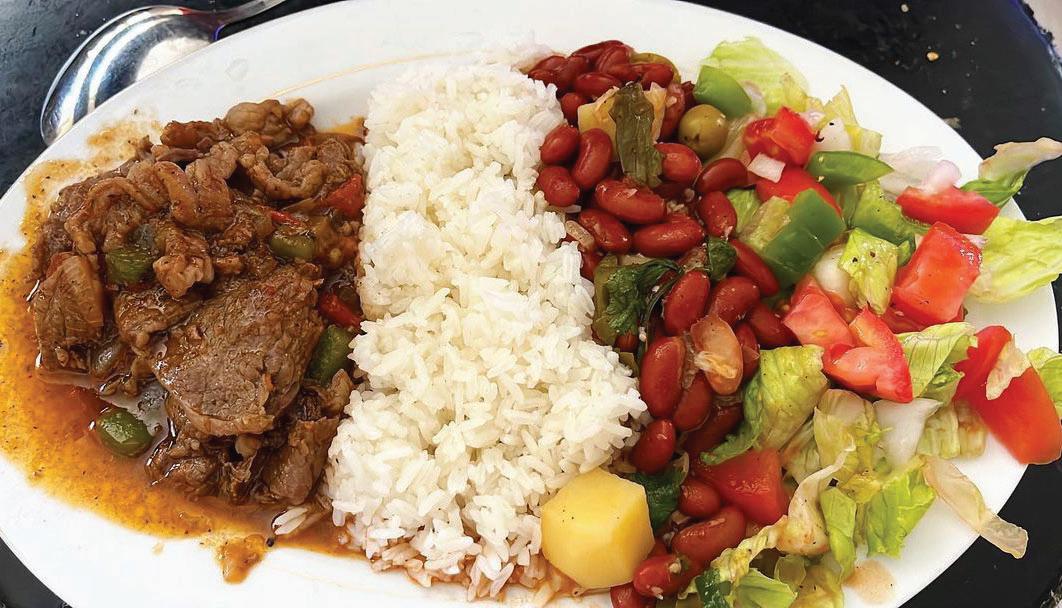
Rice, beans, meat, and salad make up the national dish of la bandera
CLASSIC DISHES
Sancocho — This celebratory stew brings together assorted meats with root vegetables and plantains, producing a slow-cooked dish central to family gatherings.
La Bandera Dominicana — This emblematic lunchtime meal consists of white rice, stewed red beans, and a stewed meat such as chicken or beef. Its name derives from the way these components evoke the Dominican ag: the rice representing white, the beans symbolizing red, and the inclusion of meat completing the trio associated with the national colors.
Mangú con Los Tres Golpes — This classic breakfast begins with mashed green plantains and is completed by the “three hits” of fried cheese, salami, and eggs, creating a hearty and distinctly Dominican morning spread.
SIDE DISHES
Arroz con Maíz — In this comforting side dish, rice cooks together with corn, seasonings, and sometimes a bit of fat, resulting in a warmly avored accompaniment often served with stews or roasted meats.
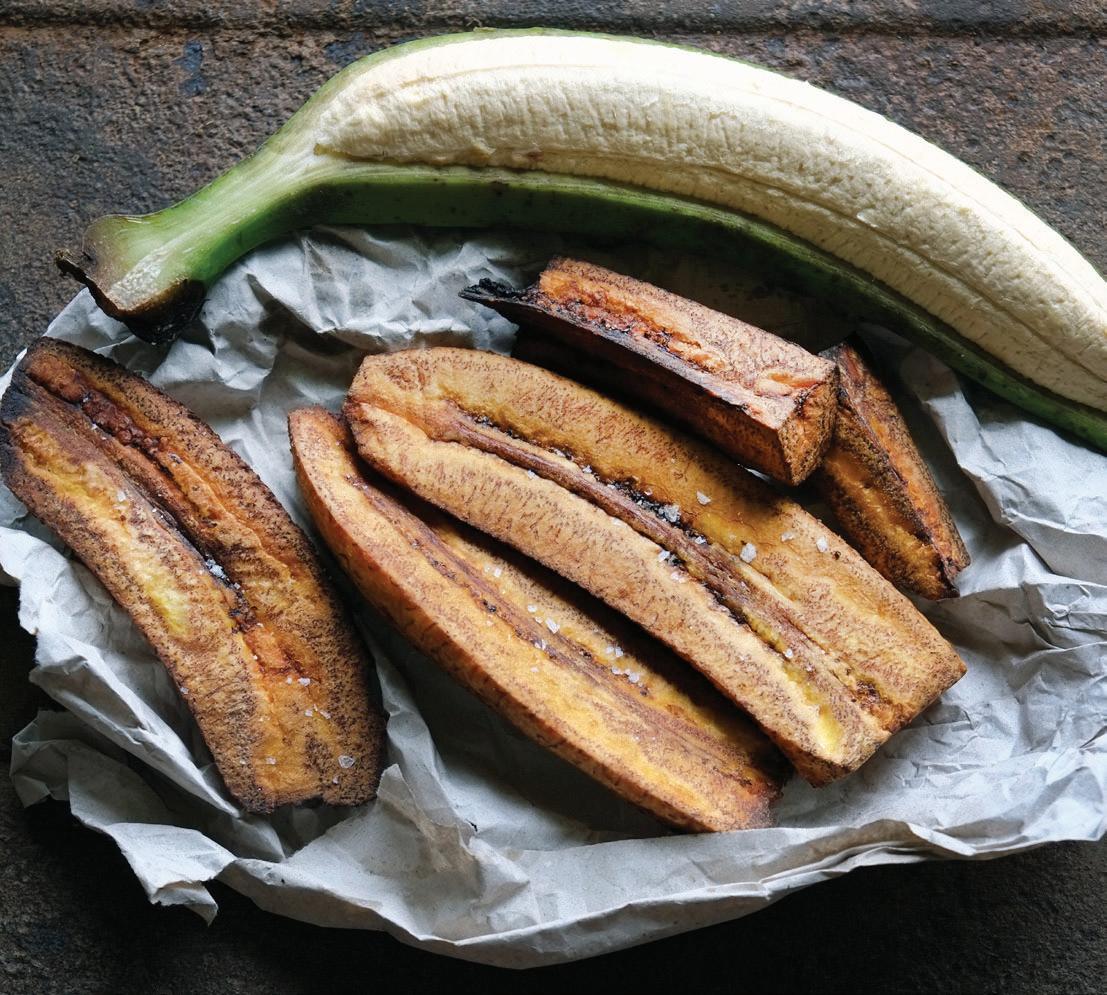
Fritos Maduros — These sweet, ripe plantains are fried until they caramelize, adding a rich complement to savory foods.
DESSERTS
Majarete — This traditional corn pudding blends milk, sugar, and spices with nely ground corn, forming a gently sweet dessert that has long held a place in Dominican home cooking.
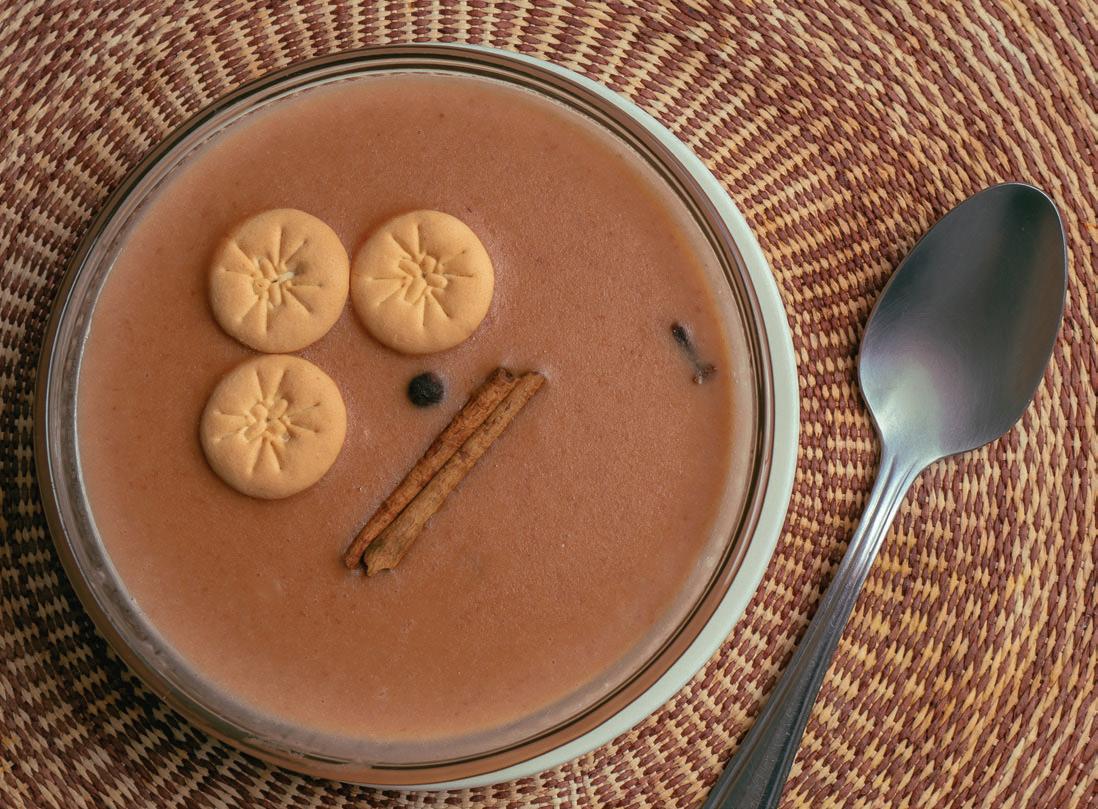
Habichuelas con Dulce — Prepared most often during Easter, this beloved dessert slowly simmers red beans with coconut milk, sweet potato, raisins, and warming spices until everything melds into a uniquely Dominican sweet preparation.
BEVERAGES
Coffee — Dominican households often brew strong, sweet coffee throughout the day, serving it to family members and offering it to guests as a customary gesture of warmth and hospitality.
Morir Soñando — Orange juice is chilled and then blended carefully with sweetened milk to create this creamy, aromatic drink, which is enjoyed both as a refreshment and as a treat in its own right.
Jugos Naturales — Fresh juices made from tropical fruits such as mango, passion fruit, pineapple, or papaya are blended with water or milk, producing vibrant beverages that highlight the country’s abundant produce.
Fritos Maduros
Habichuelas con Dulce
SPECIAL OCCASION FOODS
Life Milestones and Personal Celebrations WEDDINGS
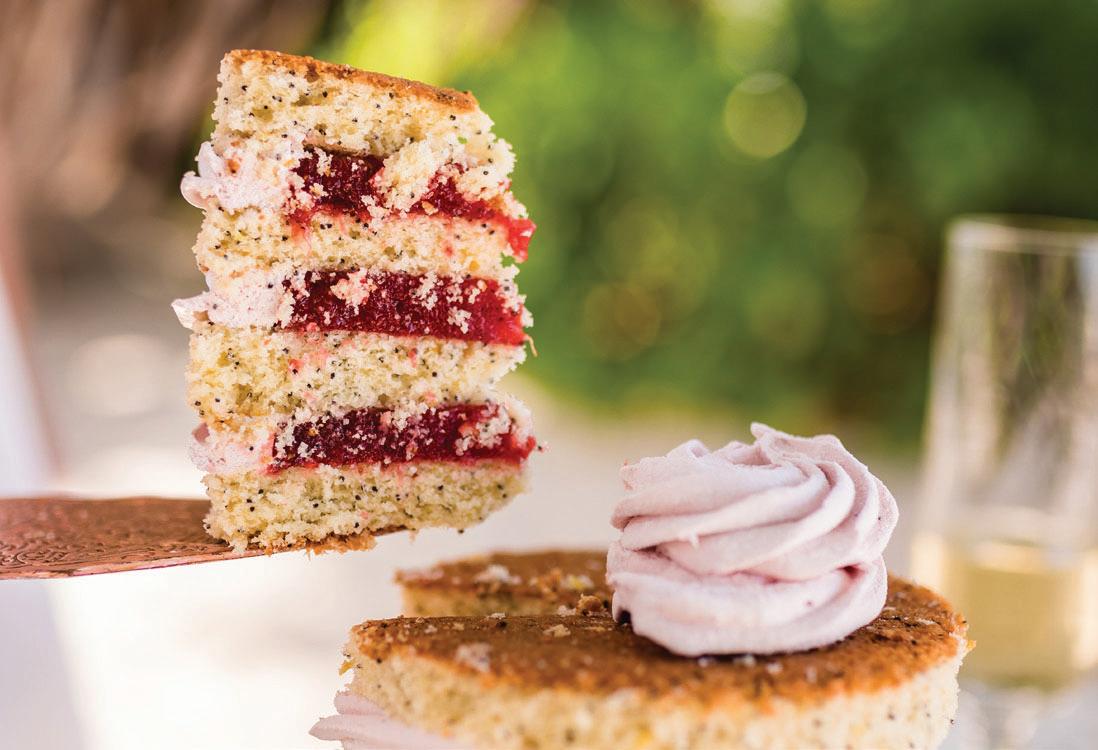
Dominican weddings are lively, elaborate events where food plays a central role. Wedding feasts commonly feature dishes such as pollo horneado (ovenbaked chicken), moro de habichuelas (rice cooked with beans), and yuca con mojo (boiled cassava with pickled red onions and garlic sauce). The highlight of the meal is the bizcocho Dominicano, a traditional Dominican cake layered with pineapple or guava lling and covered in glossy suspiro (meringue). Wedding foods symbolize prosperity, unity, and the joyful joining of families.
DÍA DE LOS REYES (Three Kings’ Day)
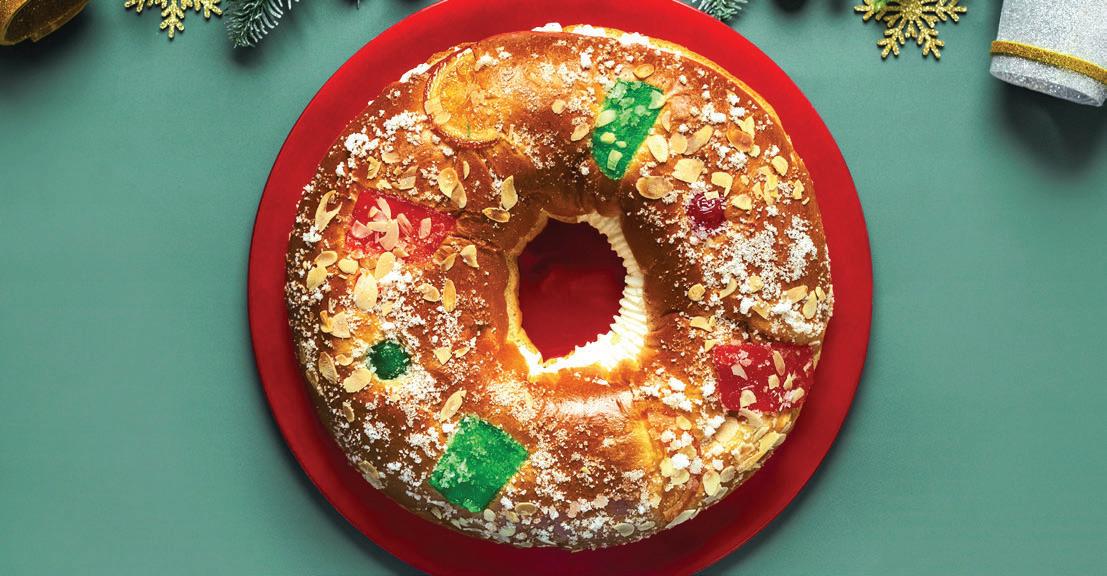
Celebrated on January 6, Three Kings’ Day is especially meaningful for children and marks the close of the holiday season. Families gather for a festive meal that often includes arroz con leche (rice pudding), roast chicken, and moro de guandules (rice with pigeon peas). Some households also share roscón de Reyes (a ring-shaped holiday bread), though this tradition is not universal. The foods of this day highlight generosity, gratitude, and shared celebration.
BIRTHDAYS
Birthday celebrations bring together family and friends for shared meals that often include arroz con pollo (chicken with rice), tostones (twice-fried green plantains), and pastelitos (fried pastries lled with seasoned meat or cheese). The birthday cake—usually brightly decorated and often inspired by bizcocho Dominicano tradition—serves as the centerpiece. Sweets such as (baked caramel custard), dulce de coco (coconut dessert), and colorful gelatins are also popular. Foods at birthday gatherings re ect joy, affection, and the importance of sharing meals with loved ones.
STREET FOOD
PALETAS
Paletas are refreshing fruit popsicles made from fresh tropical fruits such as mango, passionfruit, pineapple, or coconut, often mixed with sugar and water. Variations might include adding milk or cream for a creamier texture. Paletas are a popular treat in the Dominican Republic, especially during the hot summer months, and are widely available from street vendors and at markets.
AREPA DULCE
Arepa dulce is a dense, sweet cornmeal cake made with coconut milk, butter, and spices such as cinnamon and nutmeg, often baked in a cast-iron skillet. Variations might include adding raisins or other dried fruits. Arepa dulce is a traditional dessert in the Dominican Republic, commonly sold at street stalls, bakeries, and markets.
BOCADILLO DE GUAYABA
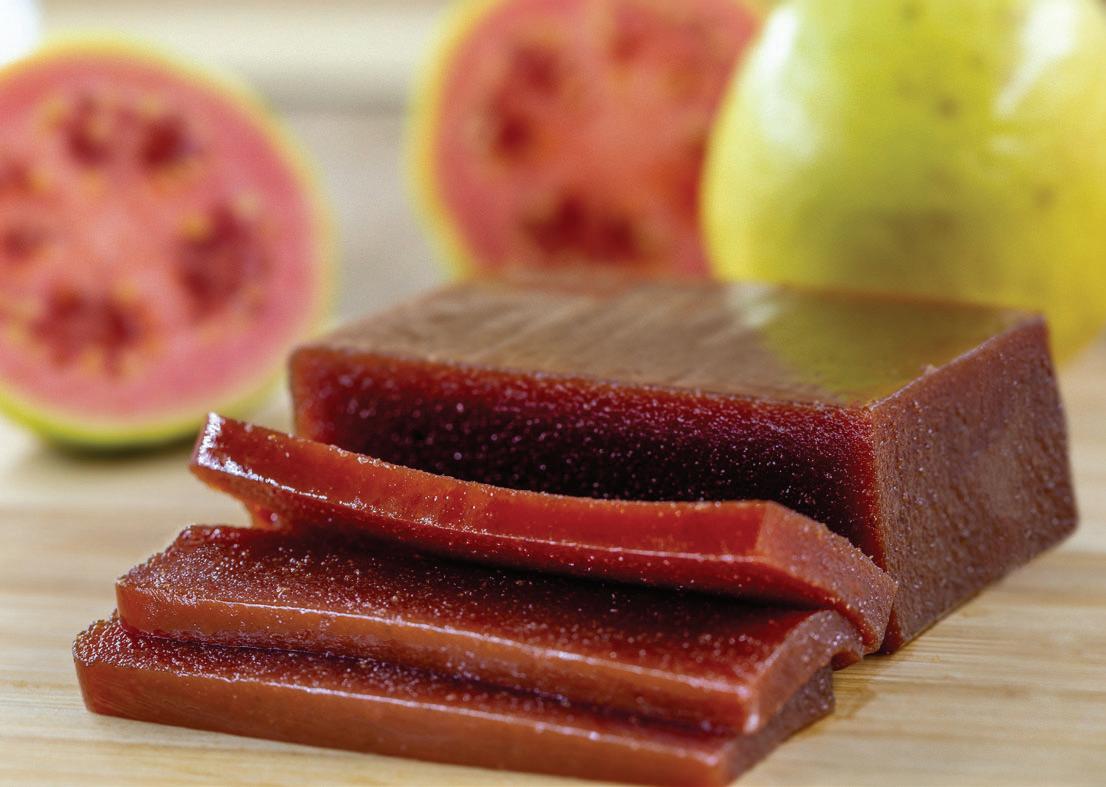
Bocadillo de guayaba is a chewy guava paste confection, sometimes coated in sugar or paired with cheese. Though not uniquely Dominican, it is a familiar sweet found at markets, colmados (neighborhood grocery stores), and street stalls.
Beverages To Go
MORIR SOÑANDO
Morir soñando (“to die dreaming”) is made from chilled orange juice mixed with milk and sugar to create a creamy, refreshing drink. Commonly sold in juice bars, colmados, and cafés, it is also offered at some street stalls.
DID YOU KNOW?
Waste Not, Want Not
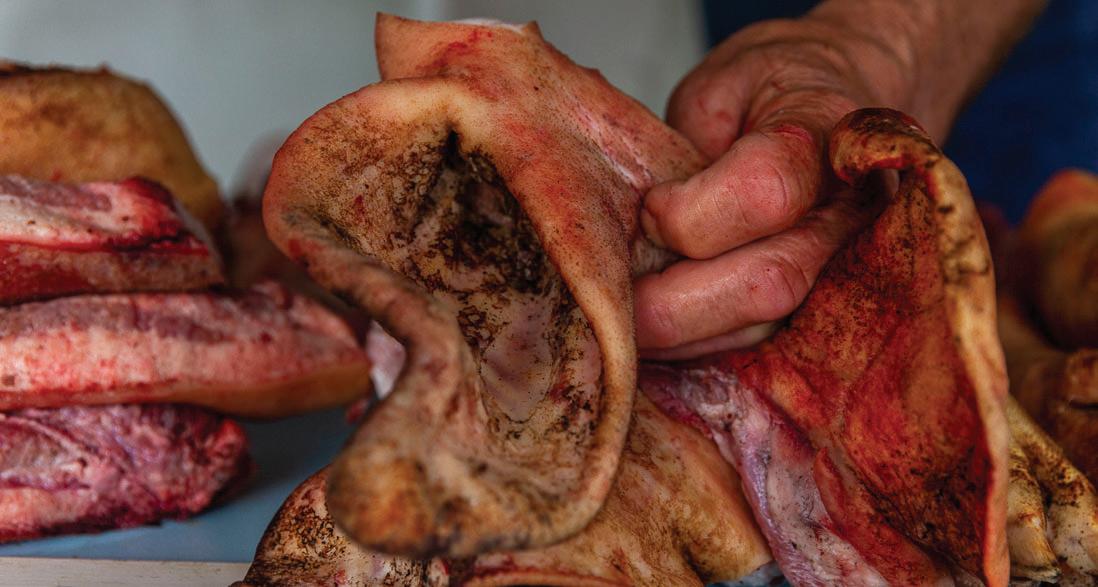
Dominican cuisine features a wide range of dishes made from lesser-used animal parts, re ecting resourcefulness and culinary tradition. Patitas de cerdo (pig’s feet) and mondongo (tripe stew) are popular in many homes and are often considered restorative dishes. Sopa de patas (cow-hoof soup) is prized for its rich, gelatinous broth, while buche de chivo (goat stomach stew), especially common in the southwest, is valued for its distinctive avor. These dishes demonstrate the Dominican focus on using the whole animal and transforming humble ingredients into satisfying meals.
Staple Seasoning Sauce
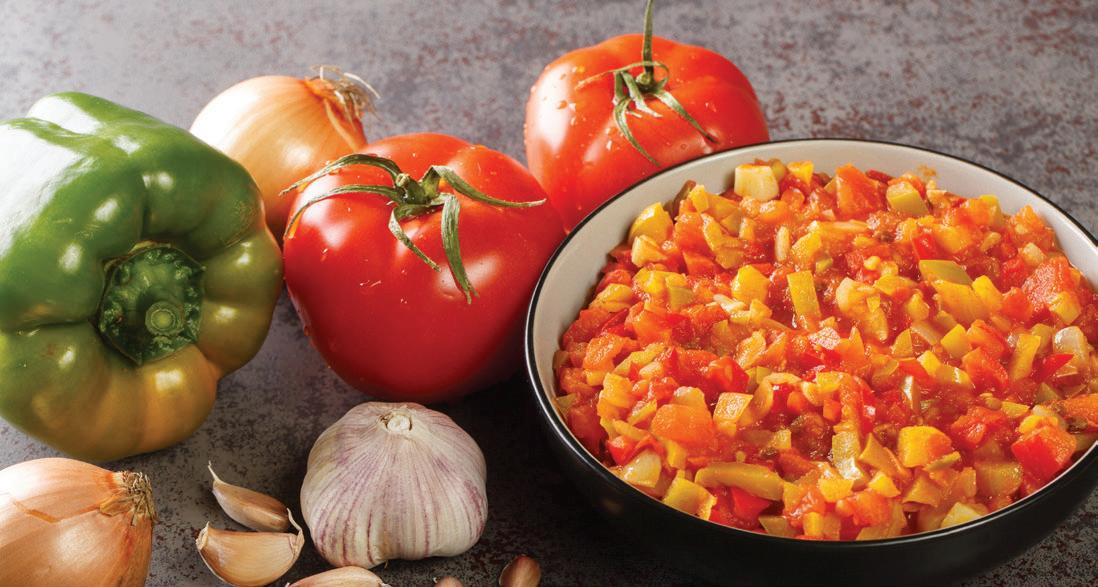
Sofrito—also called sazón verde or recaito in some households—is a foundational seasoning blend in Dominican cooking. Recipes vary widely, re ecting the saying cada cocinero tiene su librito (“every cook has their own little recipe book”). Dominican sofrito commonly includes garlic, onion, cilantro, culantro ancho, ajicitos (sweet Dominican peppers), bell peppers, oregano, vinegar, and other household seasonings. Used to season meats, rice, beans, soups, and stews, sofrito is often prepared in large batches and kept refrigerated for daily use.
Festive Foods
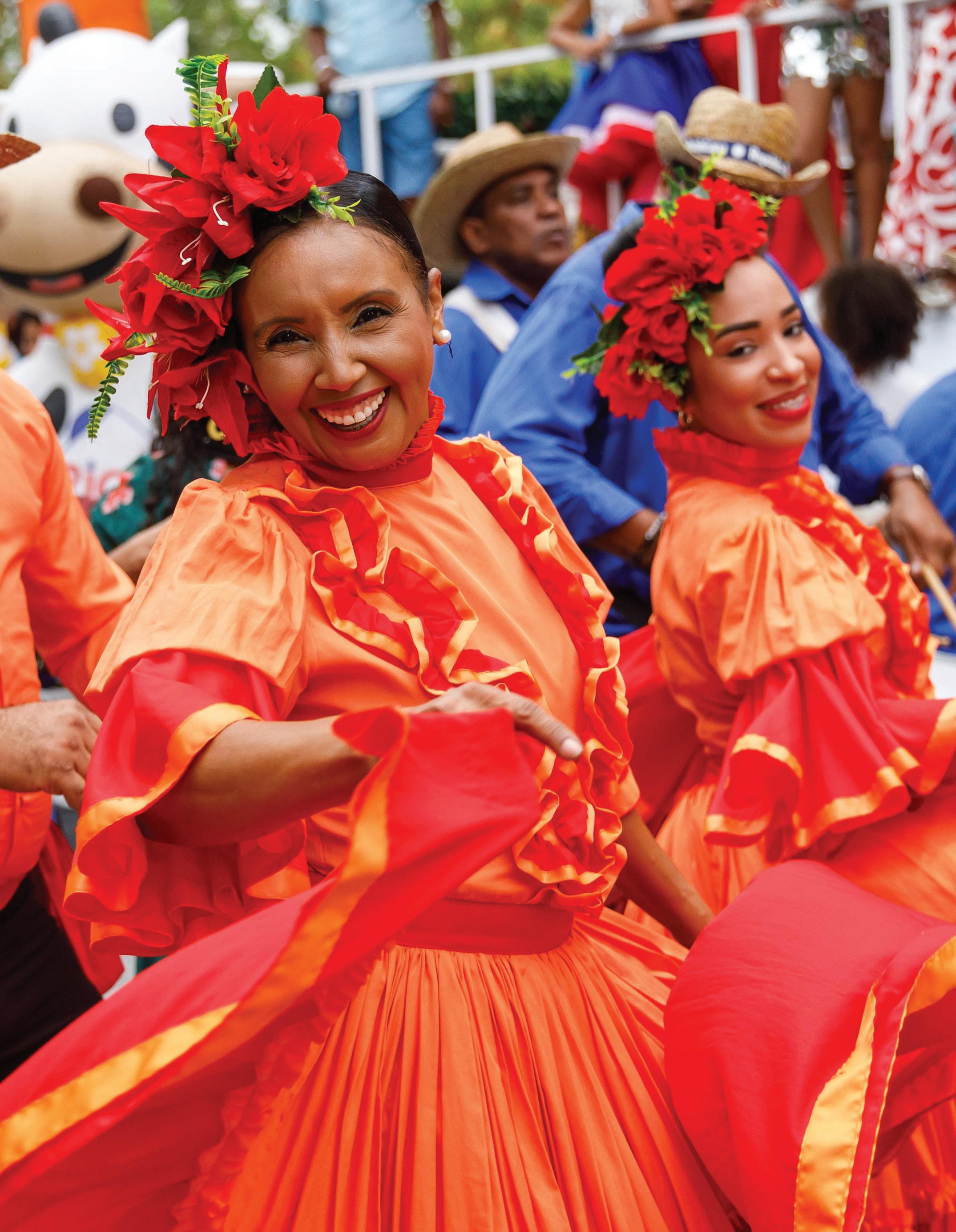
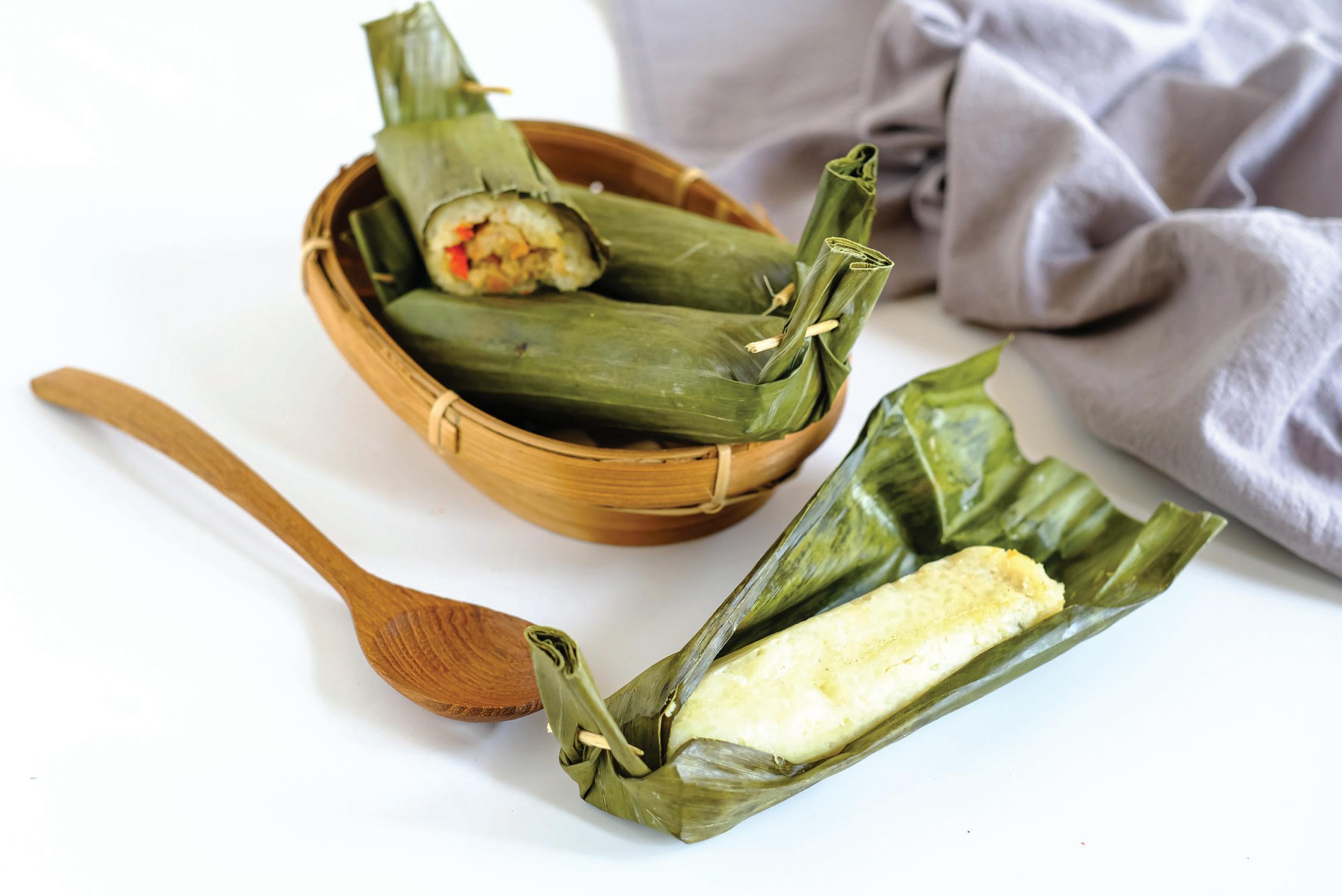
Carnival celebrations across the Dominican Republic feature lively music, dancing, and an array of special foods sold by street vendors. Popular items include pasteles en hoja (meat- lled plantain and rootvegetable parcels steamed in banana leaves), empanadas, quipes (bulgur fritters), chicharrones (fried pork rinds), and an assortment of sweets. Carnival foods are rich, indulgent, and celebratory, reinforcing the communal spirit of the festivities.
Top Shelf
The Dominican Republic has a long-standing rummaking tradition and is home to notable brands such as Brugal, Barceló, and Bermúdez. Dominican rum is valued for its smooth avor and careful aging, and it plays an important role in the country’s economy and social life. Rum is enjoyed neat, on the rocks, or in cocktails such as the Cuba Libre or Santo Libre, re ecting both local preference and Caribbean rum heritage.
COFFEE CULTURE
Popular Varieties
Dominican coffees tend to be medium- to darkroasted arabicas with medium body and notes ranging from chocolate and nuts to mild fruit. Café Santo Domingo—the country’s most ubiquitous brand—is a familiar presence in homes, cafés, and workplaces. Coffee is typically brewed strong using a greca (a stovetop espresso-style pot), producing a concentrated, aromatic drink. The most common preparations are café negro (black coffee, sweetened with sugar) and café con leche (coffee with milk), though instant coffee remains widespread for quick preparation in of ces and urban households.
How It’s Enjoyed
Coffee is a daily ritual and an essential symbol of hospitality. It is traditionally served early in the morning and again in mid-afternoon, often accompanied by bread, pastries, or simple biscuits. Visitors are routinely welcomed with the question, ¿Quiere un cafecito? (“Would you like a little coffee?”). In many rural communities, coffee is still roasted in pans over open heat and ground with hand-cranked mills; in cities, modern cafés, bakeries, and specialty coffee shops now stand alongside traditional kiosks. While coffee is still primarily enjoyed at home, takeaway options and café culture are expanding in Santo Domingo and Santiago.
Interesting Facts
• The greca is the iconic tool of Dominican coffee preparation, functioning similarly to Italy’s moka pot.
• Coffee is typically served in small, strong portions that emphasize avor and social connection.
• The country’s specialty coffee sector is growing, particularly in regions such as Barahona, Ocoa, and the Central mountains.
• In rural areas, traditional roasting and grinding methods remain part of community heritage.
• The annual Festival del Café Orgánico in Polo, Barahona, celebrates organic and fair-trade production and showcases regional varieties.
Hand-cranked mills are still used to grind coffee beans in rural areas.
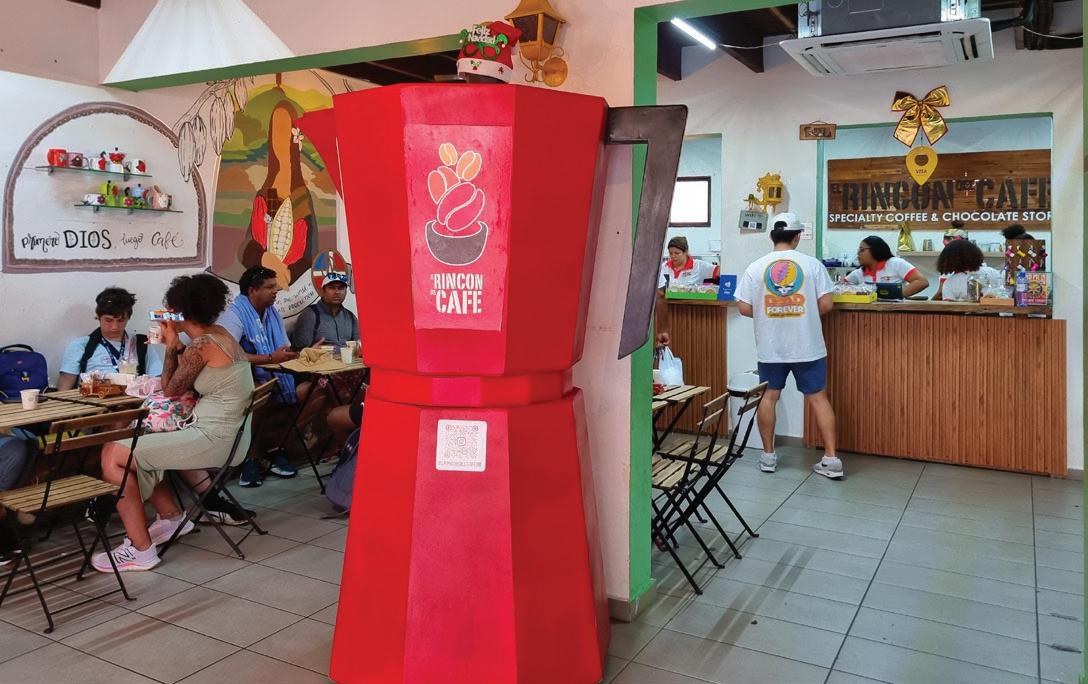
Takeaway options for coffee are becoming more common, such as this coffee shop in Puerto Plata.
Guanimo is a traditional Dominican dumpling made from cornmeal dough shaped into elongated forms and cooked until rm. Its preparation re ects Indigenous Taíno foodways, particularly the long-standing use of corn as a foundational staple. The dish later evolved within Afro-Dominican and rural culinary traditions, where accessible ingredients were adapted into lling foods suited to agricultural and household labor. Guanimos are typically simmered in broth or salted water and served alongside stews, linking them to rustic cooking practices across the countryside. The result is a dish that preserves one of the island’s earliest documented methods of working with corn-based dough.
SOPIÓN DE HABICHUELAS (BEAN
STEW)
Prep Time: 15 minutes
Recipe Servings: 6
Cook Time: 20 minutes
Total Time: 35 minutes
Dietary Considerations: Gluten Free, Dairy Free
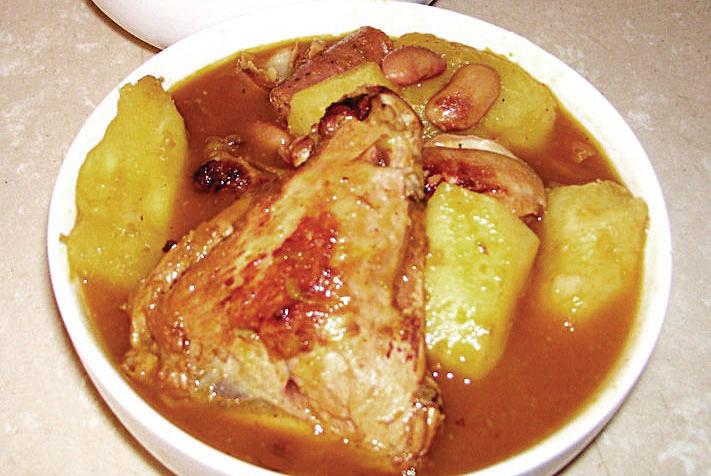
Sopión de habichuelas is a hearty Dominican stew built from red beans, smoked pork chops, longaniza (spicy sausage), and a mix of sweet root vegetables. Its avor pro le re ects rural cooking traditions, where preserved meats and beans formed the backbone of everyday family meals. Plantains and sweet potatoes contribute natural sweetness and body, a hallmark of Dominican stews that rely on layered starches for richness. Many families prepare this dish as a lling one-pot supper, especially when feeding several people with accessible ingredients. Over time, sopión de habichuelas has remained an enduring example of how Dominican cooks combine beans and pork to create deeply satisfying, comforting meals.
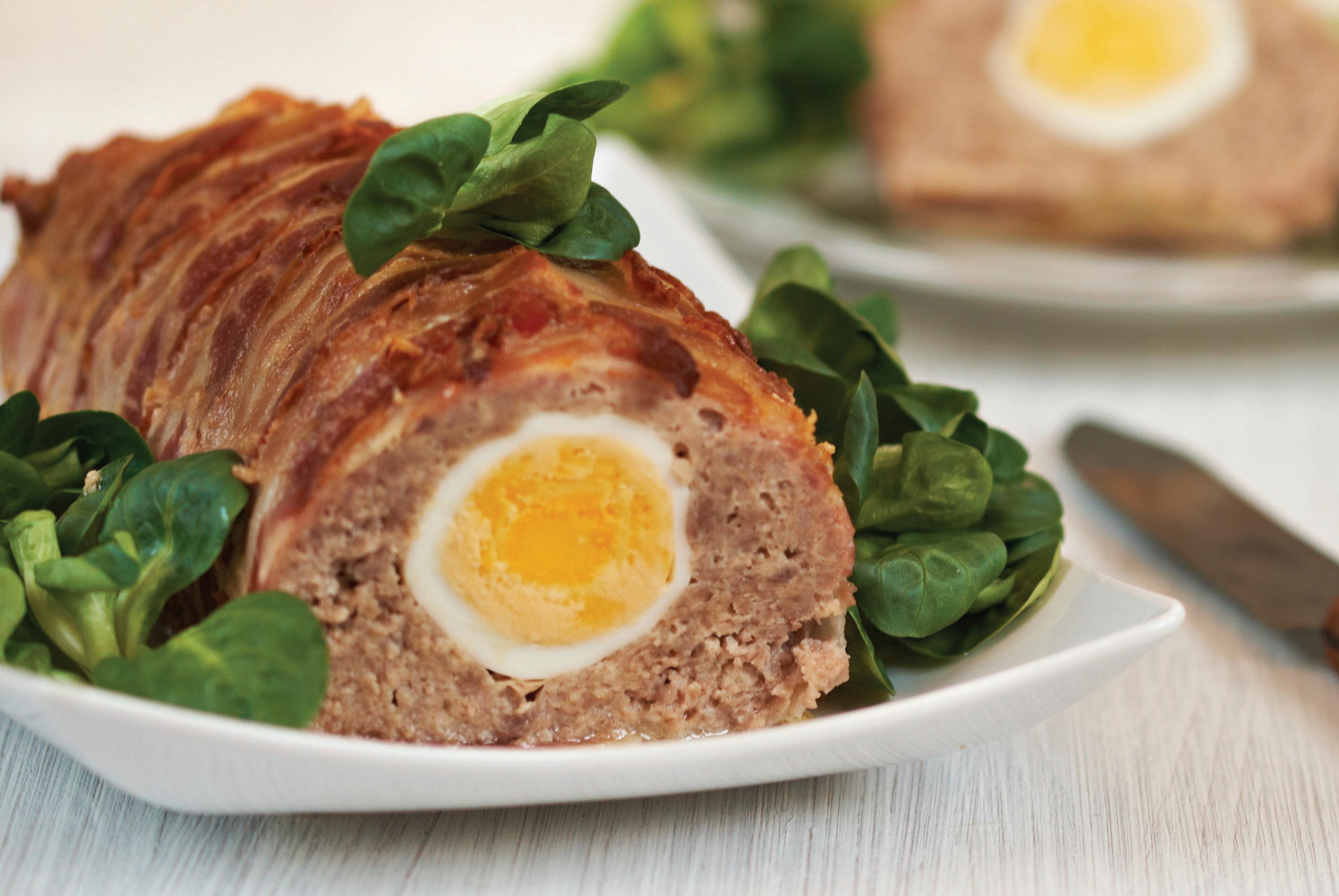
Albondigón is a traditional Dominican meat casserole formed into a compact loaf and baked until rm and well seasoned. The dish re ects mid-20th-century in uences on Dominican home cooking, when blended ground meats and oven-baked casseroles became popular for family meals. Its llings vary by region and household, with some versions enclosing hardboiled eggs or vegetables in the center. Albondigón is often prepared for Sunday lunches, potlucks, and gatherings where a substantial main dish is needed. It remains an enduring part of Dominican comfort cuisine appreciated for its practicality and versatility.
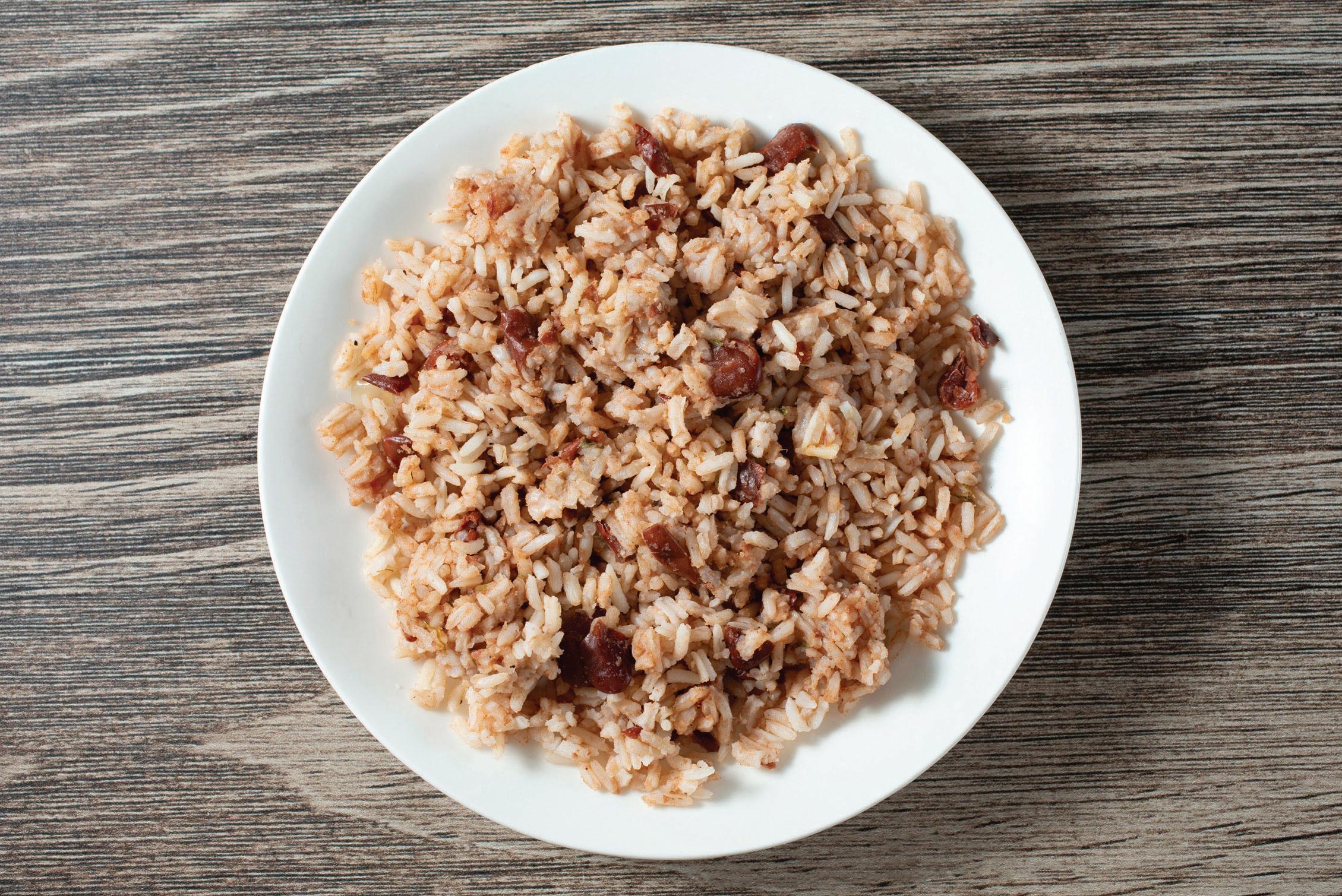
Moro de habichuelas rojas is a central component of Dominican midday meals, re ecting the island’s longstanding tradition of combining rice and legumes in a single pot. The dish holds particular cultural signi cance because rice and beans—together known as la combinación—have been a dietary foundation in the Dominican Republic for more than a century. Many historians link its widespread adoption to the early 20th-century expansion of rice cultivation, when rural families relied on bean broths to stretch meals economically. The characteristic reddish color of the rice comes from cooking it directly in the seasoned bean liquid, a method passed down through generations. Today, moro de habichuelas rojas remains a staple in homes across the country, valued for its practicality, avor, and deep connection to Dominican food identity.
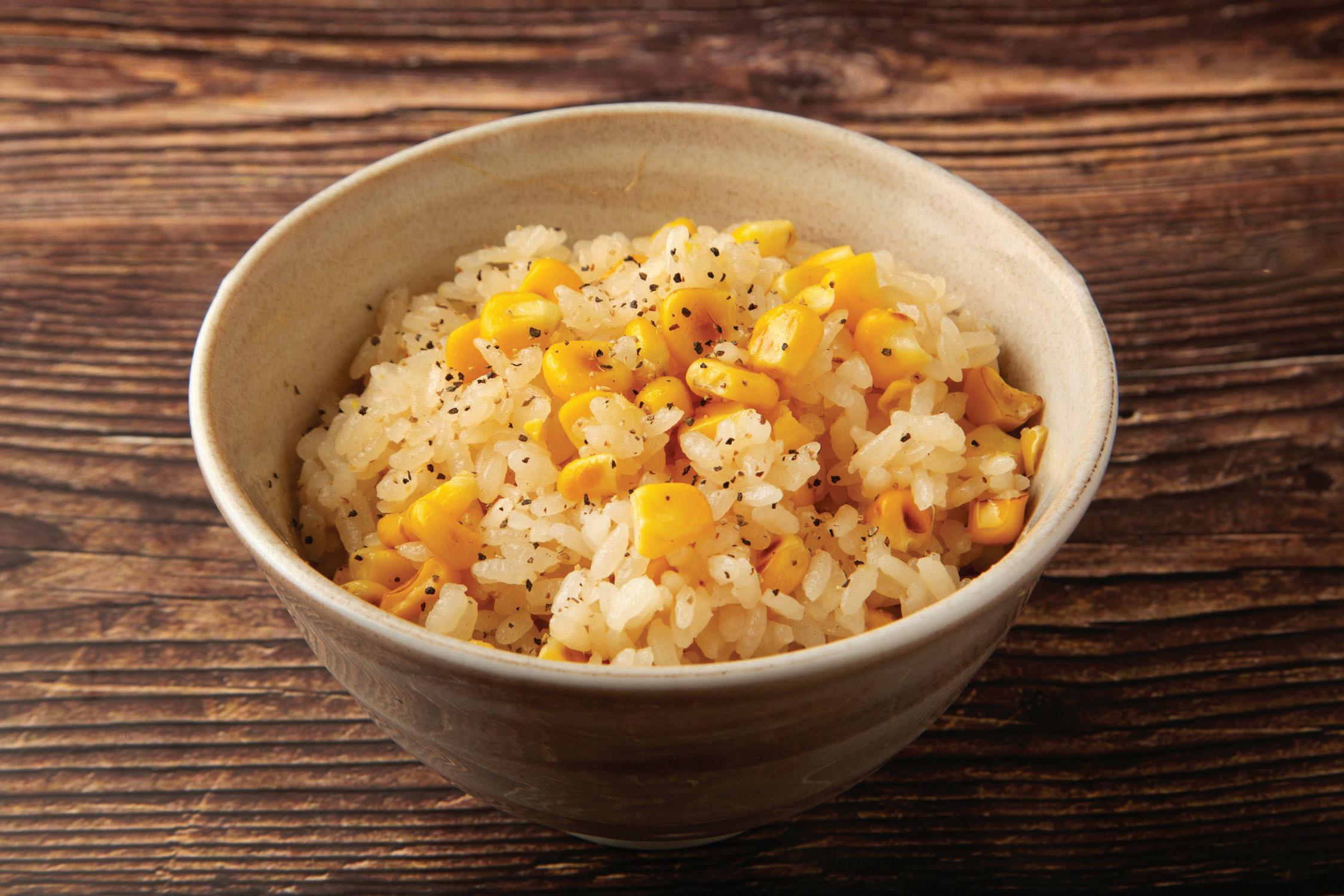
Arroz con maíz is a traditional Dominican rice dish commonly prepared in home kitchens across the country, particularly as part of the midday meal. Its characteristic yellow color traditionally comes from bijol or annatto-infused oil, ingredients that re ect Dominican culinary ties to both Indigenous and Spanish foodways. The dish is often paired with stewed meats, beans, or fried proteins, serving as a unifying element on the Dominican table. Although simple in composition, arroz con maíz carries cultural signi cance as a staple of everyday cooking rather than celebratory occasions. Its widespread presence throughout the island underscores the importance of rice-based dishes in Dominican cuisine.
In the coastal province of Samaná, moro de guandules con coco is a classic rice dish prepared with pigeon peas and coconut milk. Its use of coconut re ects the region’s Afro-Caribbean in uences and longstanding reliance on palm and coconut products in daily cooking. The dish is commonly served at family gatherings, holidays, and informal meals, often paired with stewed meats or fried sh. Its characteristic avor comes from the combination of sofrito-style aromatics with the sweetness of coconut milk. Across the Dominican Republic, this moro remains one of the most recognizable coconut-based rice preparations.
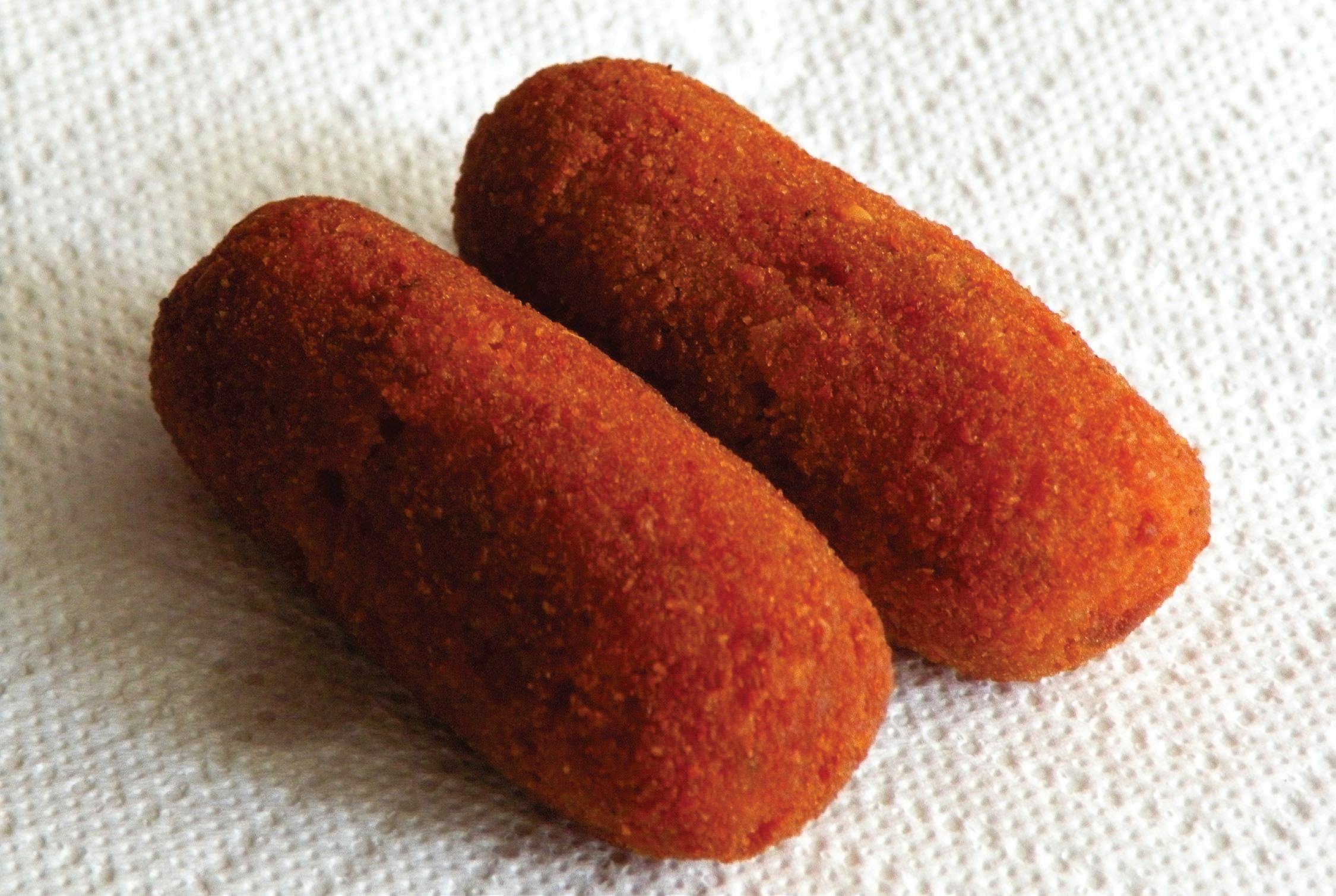
Alcapurrias de yuca occupy a central place in Dominican street-food culture, especially in coastal areas where fried snacks are a daily staple. The fritters originate from culinary traditions that draw on African in uence and longstanding use of yuca as a primary starch. Their characteristic structure—meat encased in a seasoned yuca dough—re ects techniques passed down through generations of home cooks and vendors. In many towns, the dish is sold from roadside stands alongside other fried specialties prepared for quick, informal meals. Its continued presence in both urban and rural settings reinforces its role as a recognizable part of Dominican fried-food traditions.
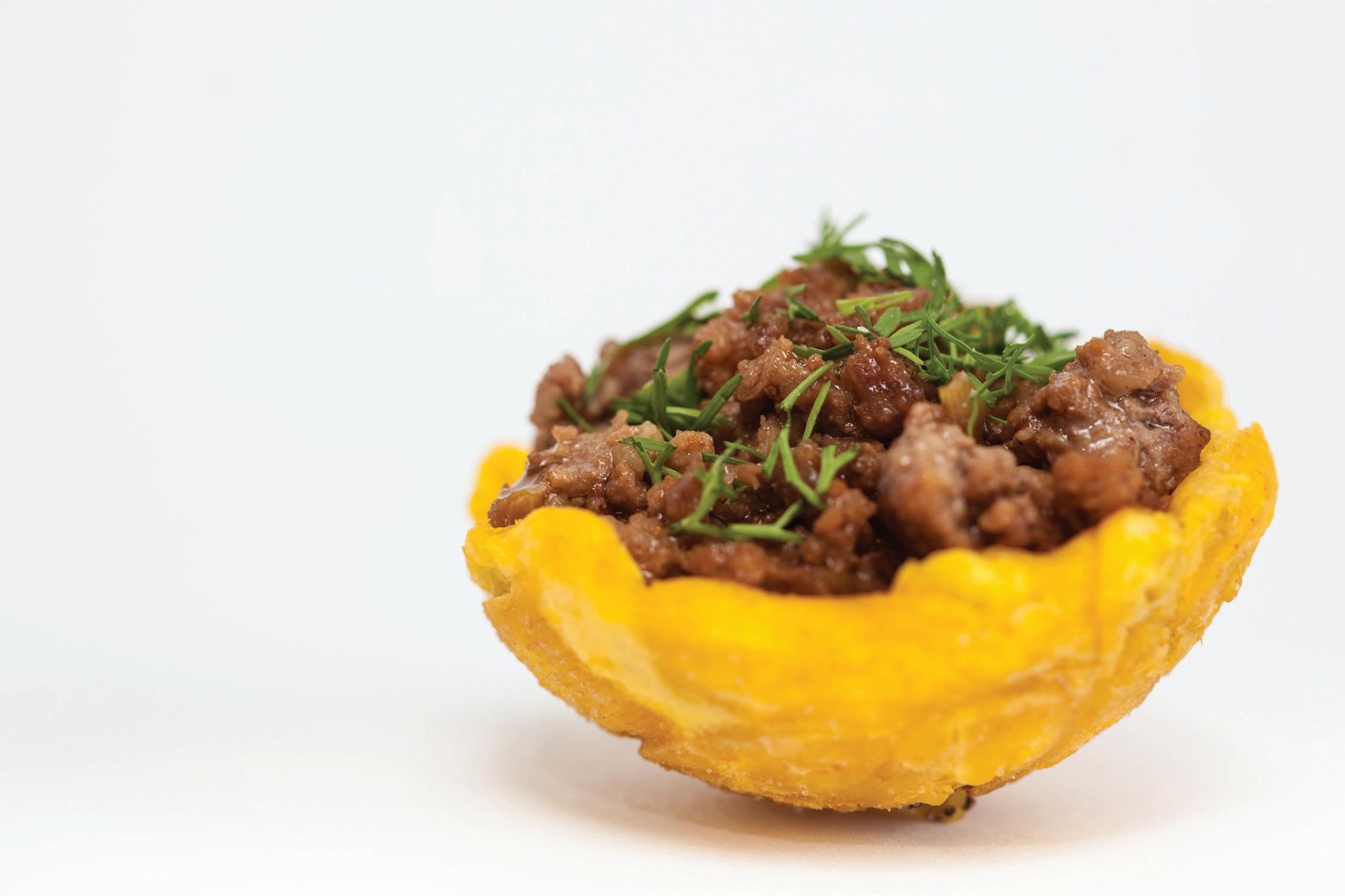
Tostones rellenos are small Dominican plantain cups lled with seasoned meat or seafood, re ecting the broader tradition of twice-fried plantains in Dominican cooking. The preparation is closely linked to streetfood culture and the use of plantains as a versatile base for both savory and festive dishes. Molded into cup shapes after their rst fry, the tostones provide a crisp structure ideal for holding hearty llings. The dish is commonly served at gatherings, parties, and informal meals where small fried items play a central role. Its popularity has helped solidify tostones rellenos as a recognizable part of modern Dominican appetizers.
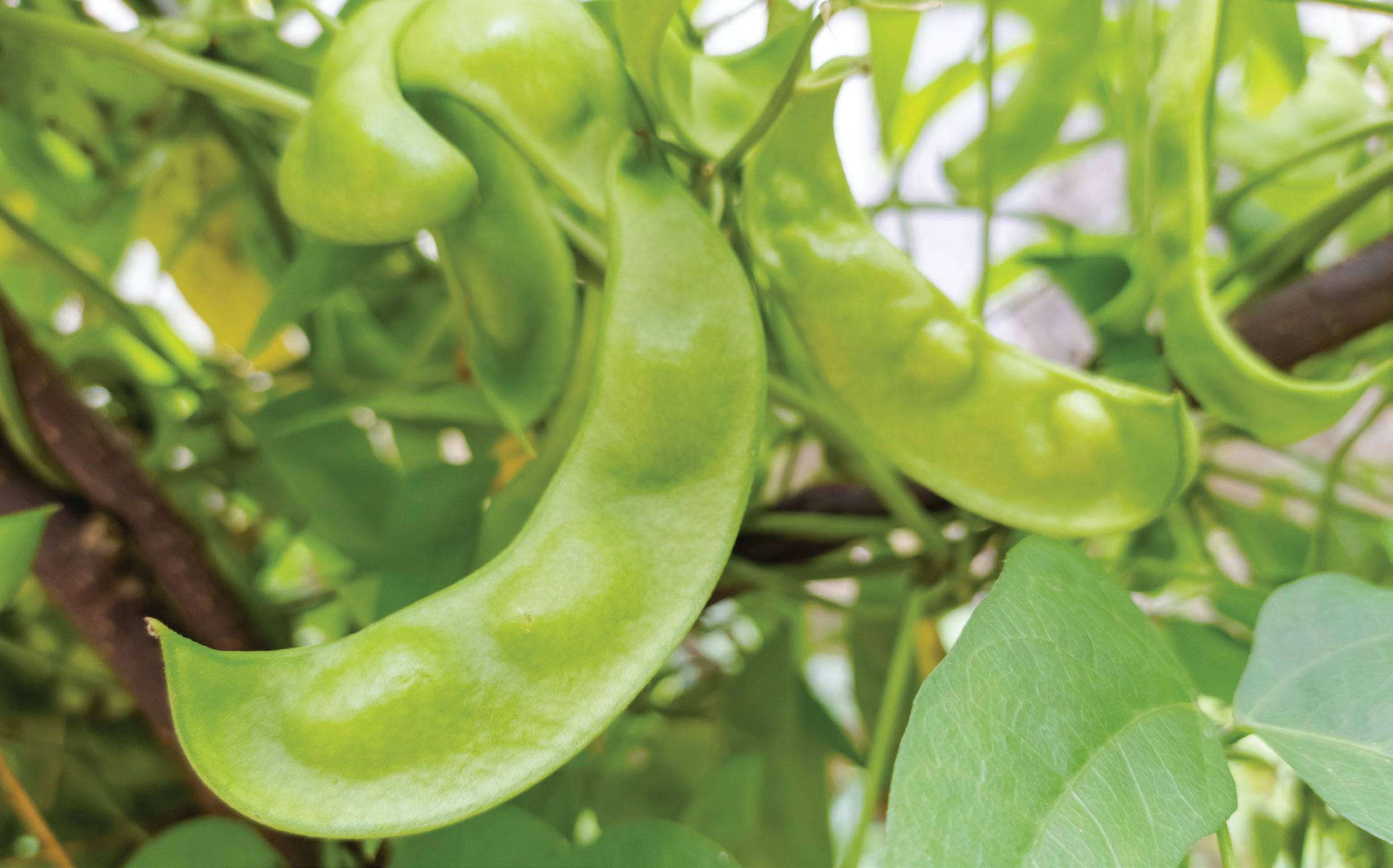
BEAN
Flavor Pro le
Beans generally have a mild or earthy avor that can absorb the avors of the seasonings and ingredients they are cooked with. Some beans, such as black beans, have a slightly sweet taste, while others, such as garbanzo beans and pinto beans, have a nutty avor. Beans generally have a smooth and creamy texture.
Nutrient Pro le
Beans are typically low in fat, free of cholesterol, and are highly nutritious. They are a source of protein, ber, iron, zinc, potassium, magnesium, and B vitamins, including folate. In many regions around the world, beans are the second most important source of calories after maize (corn).
Preparations
Beans, both dried and canned, can be prepared in various ways, and they are used in a wide range of cuisines, from Mexican and Indian to Middle Eastern and Mediterranean. Beans are boiled, baked, fried, mashed, and pureed. They are added to soups, stews,
and salads, cooked into casseroles, and made into dips and spreads. Edamame, the word used to describe immature green soybeans, are often enjoyed cooked and eaten simply with salt, just as peanuts are after being dried and roasted.
Season
Beans are available all year, especially in their dried and canned forms. Fresh beans are typically harvested in the summer and fall.
Did You Know?
• Beans are legumes and have a symbiotic relationship with soil-dwelling nitrogen- xing bacteria, which enriches the soil and reduces the need for synthetic fertilizers.
• Beans were a vital part of the diet for ancient civilizations, including the Egyptians, Greeks, and Romans.
• Regular consumption of beans has been linked to lower cholesterol levels, improved heart health, and healthy blood sugar levels.
FISH
Flavor Pro le
The avor of sh varies greatly depending on the species, habitat, and diet. Generally, sh can be categorized into:
• White sh: Including cod, haddock, and halibut, which have a mild, delicate avor and aky texture.
• Oily Fish: Such as salmon, mackerel, and sardines, which have a richer, more robust avor due to their higher fat content.
• Shell sh: Includes species such as shrimp, crab, and lobster, which have sweet, delicate meat with a rm texture.
Fish from saltwater environments often have a brinier taste compared to freshwater species. Additionally, wild-caught sh may have a more pronounced avor compared to farmed sh due to their diet and lifestyle.
Nutrient Pro le
Fish are an excellent source of high-quality protein and are rich in several essential nutrients, including:
• Omega-3 Fatty Acids: Particularly in oily sh such as salmon and mackerel, which support heart health and brain function.
• Vitamins: High in vitamins D and B12, which are important for bone health and energy production.
• Minerals: Rich in iodine, selenium, and zinc, essential for thyroid function, immune health, and metabolism.
• Low in Saturated Fat: Most sh are low in saturated fat, making them a heart-healthy option.
Preparations
Depending on the species and desired avor, sh can be prepared in numerous ways. These include:
• Grilled: Enhances the natural avors of sh, especially for species such as salmon, tuna, and sword sh.
• Baked: A healthy option that preserves moisture, often used for white sh including cod and halibut.
• Fried: Popular for species such as cat sh and haddock, especially in dishes such as sh and chips.
• Smoked: Common for oily sh such as salmon, imparting a rich, smoky avor.
• Raw: Used in dishes such as sushi and sashimi, showcasing the delicate avors of fresh sh including tuna and salmon.
• Steamed: A gentle cooking method that retains moisture and nutrients, often used for delicate sh such as tilapia and sea bass.
Season
The availability of sh depends on the species and region. Many sh species are available year-round due to global distribution and aquaculture, but others may have speci c seasons, particularly wild-caught varieties. For example, salmon are typically harvested in the summer and fall during their spawning runs, while certain species of shell sh are best in colder months.
Did You Know?
• Fish were the rst animals to develop vertebrae, which laid the foundation for the evolution of all other vertebrate animals, including mammals, birds, and reptiles.
• Some sh, such as the parrot sh, can change their gender as they age, starting life as females and turning into males.
• The largest sh in the world is the whale shark, which can grow up to 40 feet (12 m) long, while the smallest sh is the Paedocypris progenetica, which is less than half an inch (1.3 cm) long.
• Fish are a vital part of the global diet, providing more than 3 billion people with at least 20 percent of their daily intake of animal protein.
• The practice of aquaculture, or sh farming, now accounts for more than 50 percent of the world’s sh supply, helping to meet the growing demand for seafood and reduce pressure on wild sh populations.
ABOUT WORLD TRADE PRESS
World Trade Press is a publishing and information products company specializing in country-based information in the elds of culture, business, food, language, local living, logistics, and travel. In business since 1993, the company’s mission is to strengthen mutual understanding across cultures by lowering the information barriers that prevent individuals and organizations from succeeding in the international arena. World Trade Press clients include academic and public libraries, universities, global businesses, government agencies, global logistics rms, diplomats, business travelers, tourists, and individuals with a passion for understanding the world.
Databases
World Trade Press has developed and maintains more than a dozen large-scale online databases of country and city information covering business, culture, food, import/export, local living, and travel for 174 world countries and 201 world cities.
Physical Books, Atlases, and Maps
World Trade Press has published multiple editions of more than 100 physical reference books, country business guides, books for international trade and logistics, world atlases for travel and logistics, and world and country wall maps.
Professional Reports and E-Books
World Trade Press has developed and maintains more than two dozen professional-level country e-reports and e-books for each of 174 countries. These products cover topics such as business culture, cost of living, demographics, education, environment, holidays and festivals, government, money and banking, music, quality of life, religion, security, social indicators, and more.
Contributors
All World Trade Press products—from our databases and e-content reports to our physical books, maps, and atlases—are created through the collaboration of a dedicated internal staff of researchers, writers, editors, and cartographers and more than 100 external subject-matter experts to create world-class content in the elds of culture, business, communications, food, international trade, language, logistics, security, and travel. To view a partial list of contributors to titles in The Global Kitchen series, go to TheGlobalKitchen.com/world-trade-press.
Learn more about World Trade Press and its products at www.WorldTradePress.com.
Enjoyed this cookbook?
Please leave us an Amazon review. Reviews help other readers nd our books. For more recipes, updates, and global food inspiration, follow The Global Kitchen on Facebook and BlueSky.
Social Links:
Facebook - www.facebook.com/wtpglobalkitchen
Blue Sky - bsky.app/pro le/theglobalkitchen.bsky.social