

THE ART OF DESIGNING WITH THE SENSES
MATILDE SCHWENCKE
OMEGA TIMES FASHION AT THE WINTER OLYMPICS

KAZAKHSTAN TOWERS
NATURAL ELEMENTS MEET
NATURAL ELEMENTS MEET ARCHITECTURE ARCHITECTURE

COUTURE IINSPIRED IN STARDUST


THE ART OF DESIGNING WITH THE SENSES
OMEGA TIMES FASHION AT THE WINTER OLYMPICS
NATURAL ELEMENTS MEET
NATURAL ELEMENTS MEET ARCHITECTURE ARCHITECTURE
COUTURE IINSPIRED IN STARDUST
by Robyn Tucker-Peck
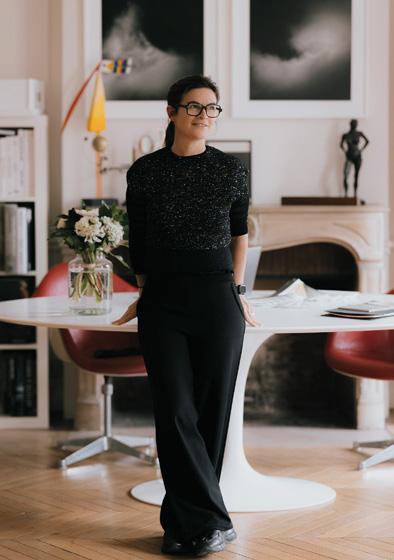
Ichange how we experience art. French designer Cécile Degos emphasizes this by engaging the senses, designing spaces where light, experience. Her approach encourages audiences to how sensory design can enhance our emotional bond
WiB – What inspires you?
cinema, literature, photography, as well as landscapes and materials. I constantly absorb images and details, sometimes immediately, sometimes years later. I am the transition between atmospheres. These subtle
WiB – How do you envision the evolution of multisensory exhibitions?
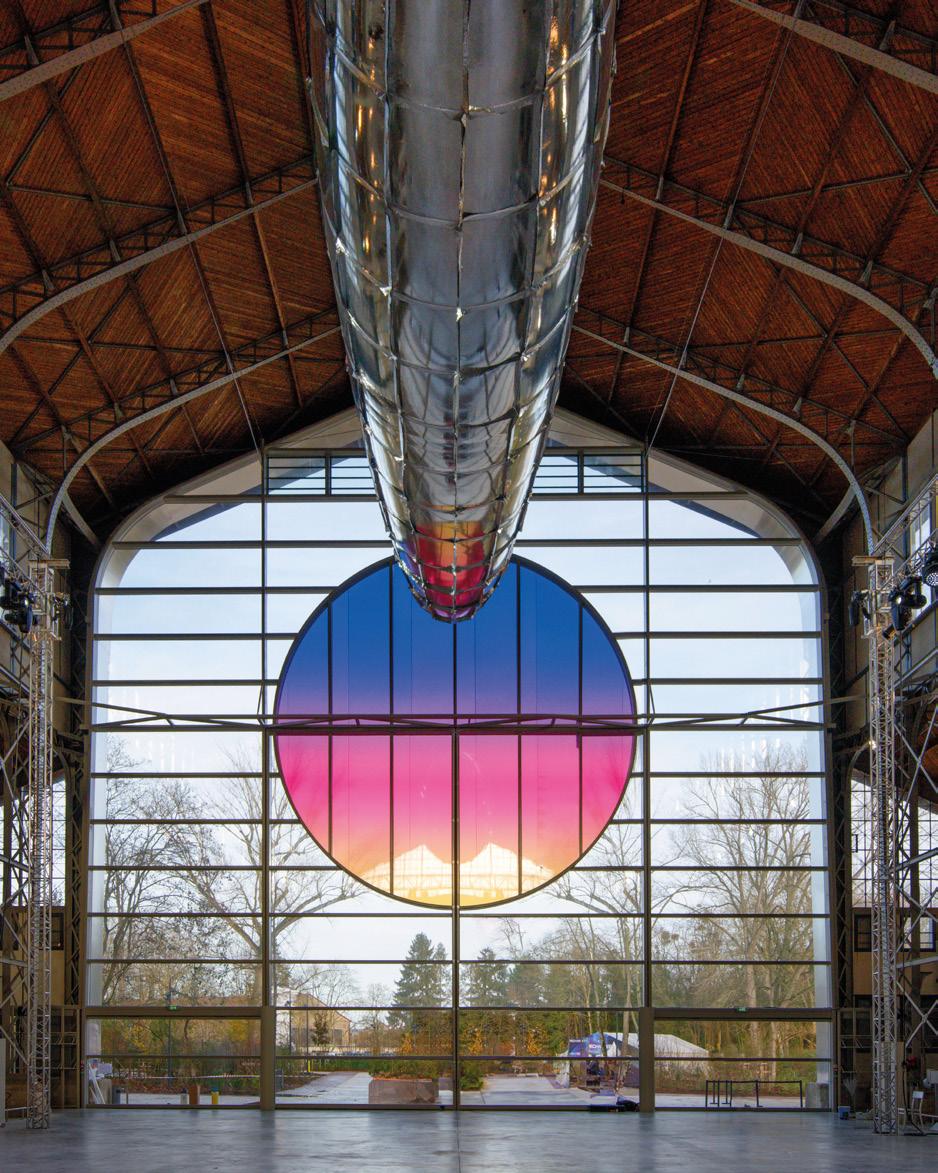
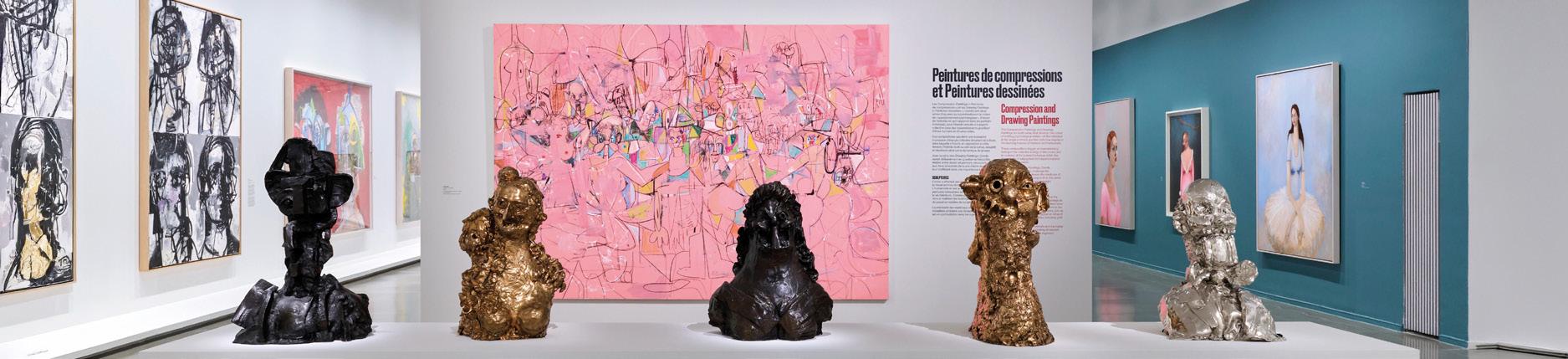
to memory. A trace.
WiB – Beyond sight, which sense plays a key role in shaping the visitor’s experience?
WiB – How do you design experiences that remain in memory?
Cécile Degos – Smell may be the most immediate
Many artists incorporate rhythm or music, and adding
WIB – Can scenography inspire other disciplines?
Cécile Degos – Very directly. Fashion, design, and
Cécile Degos – Constantly. Architectural structures, natural rhythms, almost imperceptible details. These
exhibition space.
WiB – If you could translate an exhibition into a fragrance, what would it smell like?
a light, almost imperceptible opening that welcomes
WiB – Who is your favourite artist, and why?
mathematical approach, or Joseph Cornell, with his
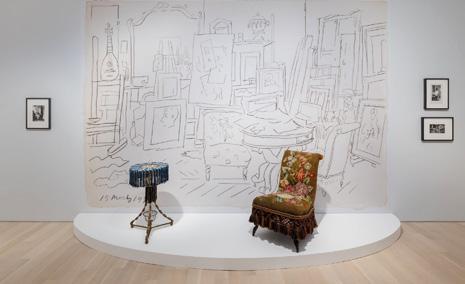
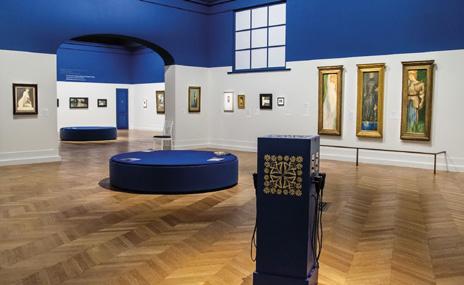
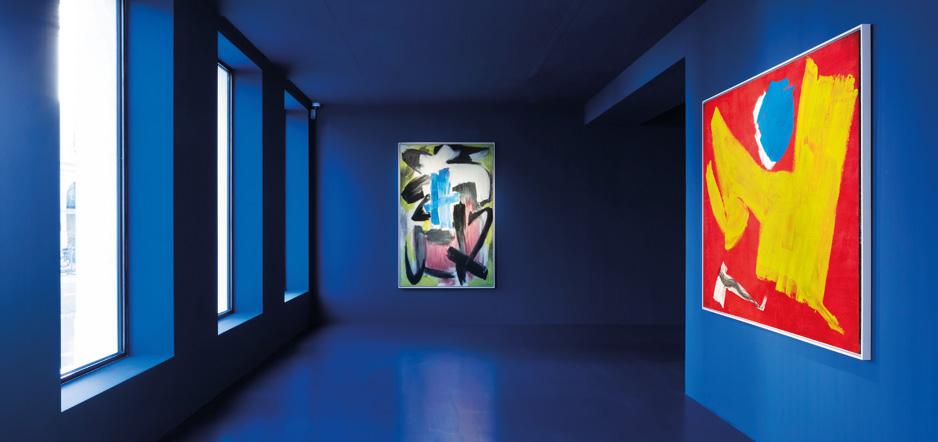
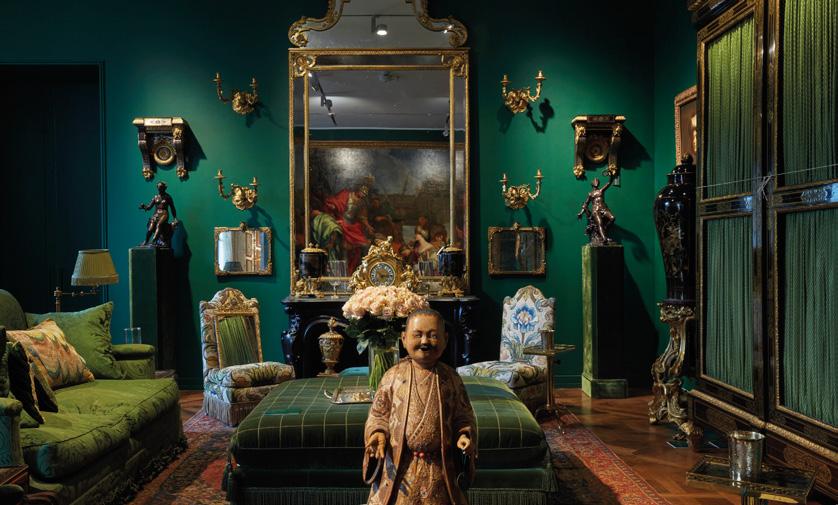
approach is shaped.
WiB – What would you be doing if you were not working in exhibition scenography?
experience, blending theatre and cinema. These
WIB – Which of the exhibitions you have created has resonated with you the most, and why?
WiB – Do you consider exhibitions as a form of emotional architecture?
a protocol, and the scenography had to support that
relies on balance, proportion, and timing.
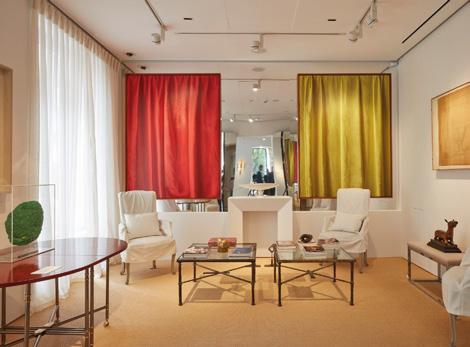
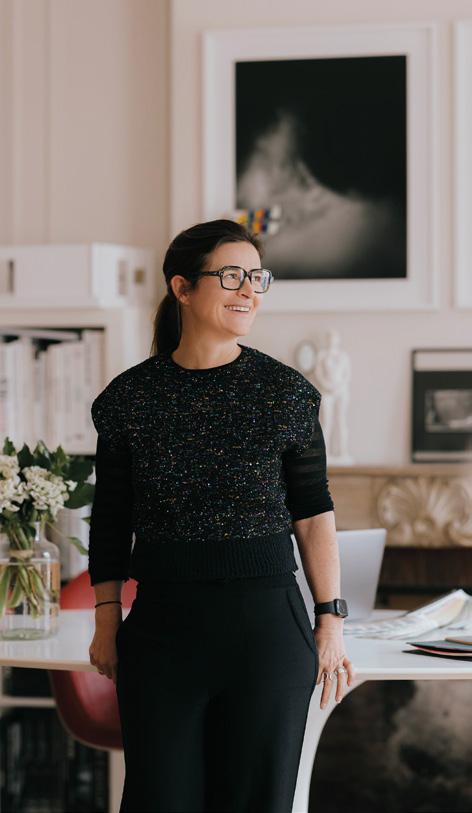
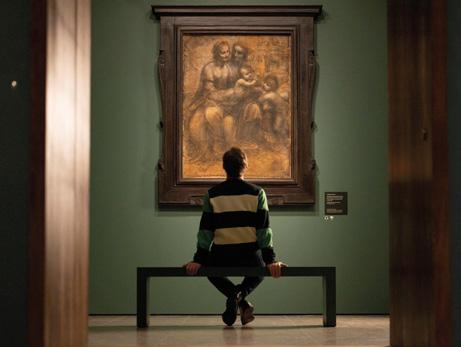
your preferred medium?
I choose scenography as my medium because it is color, and emotion, but also through time and tangible and the intangible.
Cécile Degos studied at ENSAD in Paris, graduating in 1997 with a degree in exhibition design. She worked for nearly ten years with Richard Peduzzi and collaborated with Jérôme Deschamps and Macha Makeïeff. In 2005, she developed her own practice, notably at the Musée d’Orsay, focusing on Russian Art in the 19th Century. Her portfolio includes major shows like Basquiat at the Musée d’Art Moderne de Paris in 2011. She gained international recognition through projects for institutions such as the Salzburg Festival, the Théâtre du Châtelet, the Guggenheim in New York, and the Grand Palais.
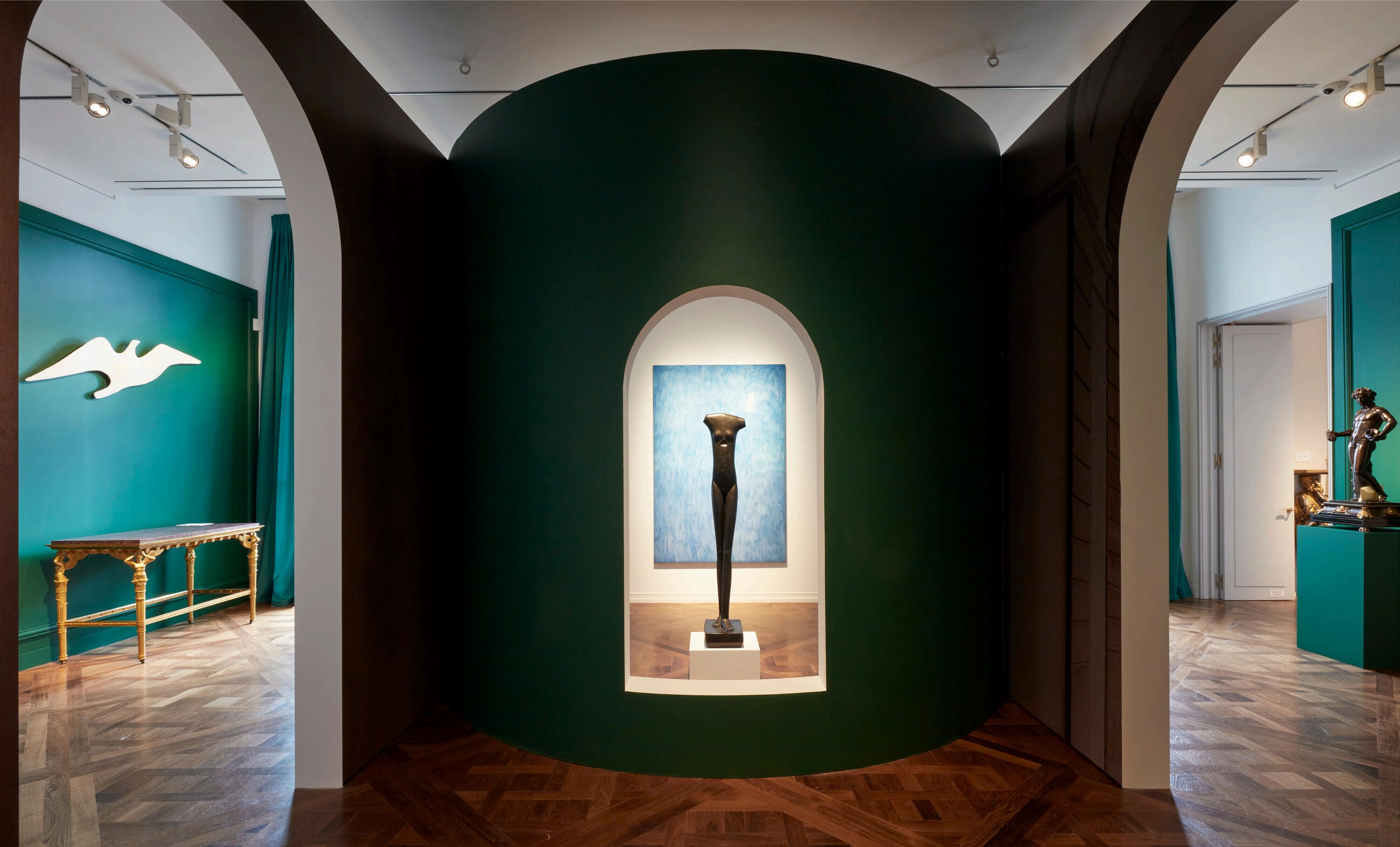
Degos is known for exhibitions of artists such as Basquiat, Sol LeWitt, Haring, Picasso, Hartung, and Fontana, as well as historical shows like Art in Wartime at the Musée d’Art Moderne de Paris and the Guggenheim Bilbao. She designed the French Foreign Legion museum in Aubagne and showcased work at London’s Royal Academy of Arts, including Charles I, Picasso and Paper, Spain and the Hispanic Society. Since the Bourse de Commerce’s opening, she has designed many exhibitions. She customizes each scenography for the architectural context, often creating freestanding structures that subtly detach from walls, balancing solid and void to craft a rhythmic, open space that enhances visitor engagement.