







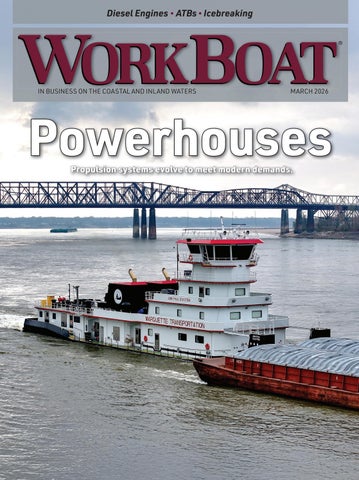
Propulsion systems evolve to meet modern demands.










14 Focus: Preserving Freshwater
Army Corps’ Mississippi River sill stops saltwater in ow.
18 Focus: Delays on Ice
As winter hampers shipping, a solution could be coming.
22 Cover Story: Problem Solvers
When issues arise, propulsion players nd solutions.
28 Vessel Report: Future Cargoes
ATB units nd new footing in evolving energy trades.
36 In Business: Karl Senner LLC
Ubiquitous name in propulsion spans generations and technologies.
38 Final Word: Brian Laborde
Support, not just sales, de nes long-term success for Laborde Products.
8 On the Ways
Marquette christens 10,000-hp agship • Fifty-year-old tug overhauled for Alaska Marine Lines • Re tted New York ferry will increase passenger capacity • Luxury passenger vessel enters service in Hawaii • Silver Ships to build more target boats • Eastern lays keel for Army Corps dredge • Alaska seeks builder for new state ferry • BHSM launches new dock barges • ircraft carrier wraps builder's trials • Coast Guard commissions 61st fast response cutter • Seasats awarded $24 million to scale production.
22 Engines of Commerce
Manufacturers chase ef ciency and durability.
4 Energy Level: Austerity returns to the oil patch
4 On the Water: How’s the view?
5 Nor’easter: Offshore wind goes ve for ve.
5 Insurance Watch: Protect against bullying in the workplace.




Eric Haun, Executive Editor ehaun@divcom.com
In January, I made one of my regular pilgrimages to workboat Mecca.
South Louisiana is where the action is: operators, shipyards, equipment distributors, and marine service providers all within close proximity. It’s why New Orleans is home to the International WorkBoat Show. The region is the heart of the industry, and there’s no close second.
Among the companies I visited were Karl Senner LLC and Laborde Products, two family-owned businesses that have been built on service and longterm relationships. Both pride themselves on doing what others often can’t or won’t: showing up at 2 a.m., keeping deep inventory, and honoring their word even when it costs them.
I also attended the christening of Marquette Transportation’s John Paul Eckstein, a 10,000-hp towboat named after the company’s longtime president (now executive chairman). Built by C&C Marine and Repair

and designed by CT Marine, the boat pushes serious power and features some impressive technical specs. It’s a perfect example of what happens when operators, naval architects, shipyards, and equipment suppliers collaborate closely on a project. The group did their homework to produce a boat that is optimized for the task and will serve Marquette well for decades to come.
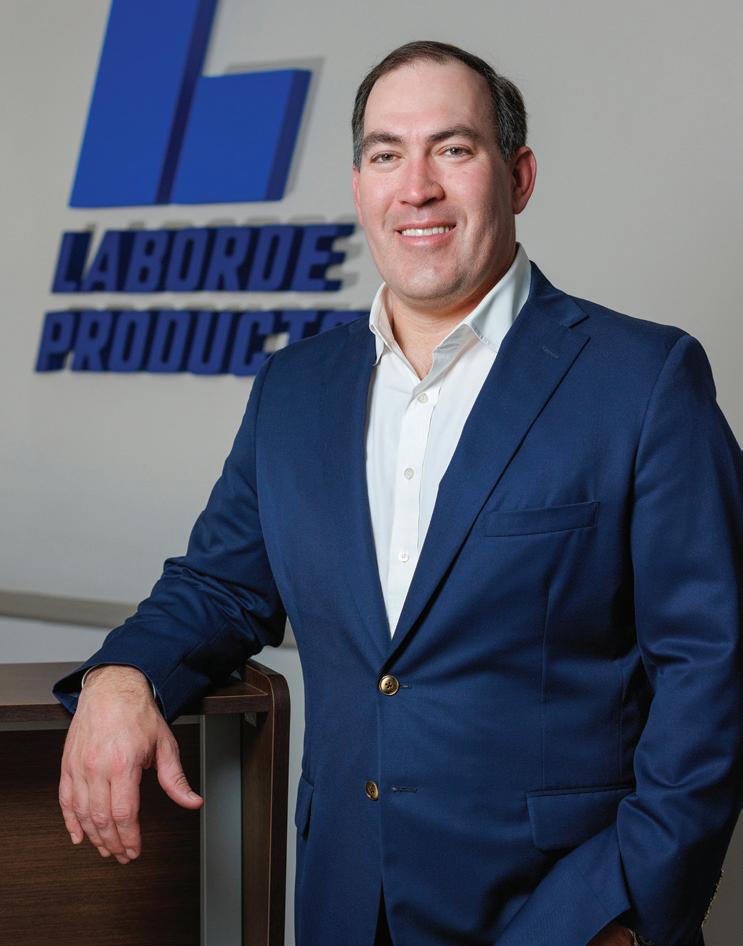
What stood out most of all during the trip was hearing the same philosophy from different people. When Brian Laborde told me his company decided to honor all its contracts despite getting hit hard by tariffs, he said, “If somebody has made a deal with me, they’ve made a deal with me.” That decision will squeeze margins for years, but Brian is willing to weather the storm. He’s focused on the long game.
Karl Senner described a similar approach. The company carries millions in spare parts inventory — far more than most competitors — because its customers can’t afford to sit idle. “Our customers don’t have the luxury of waiting,” Karl told me. So the company stocks the parts and keeps technicians positioned to respond quickly.
In the workboat industry, this is how good business gets done. People put the customer rst. They honor commitments. They answer the phone. They build companies meant to outlast themselves. Read the stories on the John Paul Eckstein, Karl Senner LLC, and Laborde Products in this issue, and you’ll see what I mean.

EXECUTIVE EDITOR: Eric Haun / ehaun@divcom.com
SENIOR ASSOCIATE EDITORS:
Ben Hayden / bhayden@divcom.com Kirk Moore / kmoore@divcom.com
CONTRIBUTING WRITERS: Tim Akpinar • Jonathan Barnes
Capt. Alan Bernstein • Stephen Blakely
Dan Bookham • G. Allen Brooks • Bruce Buls • Capt. Eric Colby • Michael Crowley
Jerry Fraser • Nate Gilman • Pamela
Glass • Capt. Arnie Hammerman • Craig Hooper • Joel Milton • Peter Ong
Richard Paine Jr. • Chris Richmond
DIGITAL & PRINT PROJECT MANAGER: Doug Stewart / dstewart@divcom.com
ADVERTISING ACCOUNT EXECUTIVES: Mike Cohen / mcohen@divcom.com
Kristin Luke / kluke@divcom.com
Krista Randall / krandall@divcom.com
Danielle Walters / dwalters@divcom.com
ADVERTISING COORDINATOR: Wendy Jalbert / wjalbert@divcom.com
Producers of the International WorkBoat Show and Pacific Marine Expo
Vice President: Wes Doane, wdoane@divcom.com
Publishing offices: 121 Free St., P.O. Box 7438, Portland, ME 04112-7438 207-842-5608 | Fax 207-842-5609
Subscriptions: cs@e-circ.net / 978-671-0444 Mon–Fri, 10 a.m.–4 p.m. ET











BY G. ALLEN BROOKS

G. Allen Brooks is an energy analyst. In his over 50-year career in energy and investment, he has served as an energy security analyst, oil service company manager, and a member of the board of directors for several oilfield service companies.
Asthe major international oil companies report their fourth-quarter and full-year 2025 earnings, management is highlighting the challenges they face in 2026. Three words sum up the challenge: low oil prices. One word is the response: austerity.
Executives and investors watched global oil prices slide steadily throughout last year as oversupply concerns weighed on the market. Projections are for an even larger oversupply in the first half of 2026, which will cap any oil price rally and continue to pressure prices. The world needs reduced geopolitical tensions for economies to fully rebound and restore historical annual growth rates in oil demand.
Surprisingly, oil prices, although meaningfully lower than this time last year, have not fallen as far as some forecasters predicted. That likely reflects the physical realities of the global oil market — reduced oil company investment in new production will lead to lower output, closing the gap between supply and demand. The unknown is how quickly the gap will close.
In the meantime, oil companies face shrinking cash flows due to lower prices despite higher production. How those cash flows are allocated has changed since the 2015
BY JOEL MILTON
Joel Milton works on towing vessels. He can be reached at joelmilton@yahoo.com.
For workboat operators, maintaining situational awareness starts with sightlines. Many factors govern what they see, and most aren’t within their control. In fact, vessel operators may have had little or no influence in the layout of their boat. Design matters and shouldn’t occur in a vacuum that excludes end-users.
The design, equipment specifications, and layout of operating stations on a vessel are critically important, but they are compromised when there’s a lack of meaningful input from the people who will work the vessel. The importance of unobstructed views in critical directions may seem obvious, but it’s often neglected. Window type, size, number, place-
oil price crash and the resulting recession. By the time the industry stabilized, after it drastically reduced costs and consolidated players, the world was engulfed by the Covid pandemic. For the first time, oil prices went negative as the industry struggled to shut down production amid a drying up of demand.
Coming out of this industry turmoil, investors demanded new metrics for companies. Production growth at any price was no longer rewarded. Investors required that cash flow be allocated to sustaining production, reducing corporate debt, and returning the surplus to shareholders through dividends and stock buybacks. Financial discipline became the new industry mantra.
With current low oil prices and prospects that prices might fall, oil company executives are reassessing their balance sheets and monitoring production to determine how much money they can return to shareholders. For most European oil companies, significantly higher debt-to-equity ratios than those of their U.S.-based competitors have prompted warnings that share repurchases will be scaled back. Several companies have already announced cutbacks.
On the other hand, no U.S.-based international oil company has announced planned share repurchase reductions. In fact, they have emphasized their strong balance sheets and focus on reducing operating costs, including headcounts, to sustain reinvestment in new resource developments and high returns to shareholders.
Periodically, austerity becomes the watchword for the oil industry. Cost-cutting to improve operational efficiency and investing in technology enable companies to stabilize cash flow margins. It is the traditional oil industry playbook, used many times. It will be employed once again in 2026.
ment, and angle have a lot to do with what is visible from within the wheelhouse. Is that not the foundation from which it all starts? Beyond the basic characteristics of windows, there are at least two more items of high importance: window tinting (often excessive, as with cars) and de-fogging/defrosting capabilities.
A fishbowl of glass is significantly degraded when it’s dripping with condensation or covered in hard frost. Add in unnecessary permanent tinting (the darker it is, the worse it will be in low-light conditions) and some grime, and vessel operators will find themselves deprived of important information about their surroundings. Flat, perpendicular glass throws distracting reflections from interior and exterior light sources. And reflected aids-to-navigation or running lights can be dangerously misleading: a helmsman may be steering on a buoy light marking a channel or hazard, not realizing it’s the reflection of one already passed.
And how accessible is the glass? If it isn’t easily and safely accessible, it’s less likely to be cleaned regularly.
Again, all these details matter because they affect risk.
BY KIRK MOORE
for his marine, environmental, and military reporting. He can be reached at kmoore@divcom.com
TheTrump administration was blocked for a fifth time in its bid to shut down U.S. offshore wind projects when a U.S. District Court issued a preliminary injunction allowing developer Ørsted to resume work on its Sunrise Wind turbine array.
Judge Royce Lamberth in Washington, D.C., issued the order Feb. 2, clearing the way for builders to continue the 924-MW-rated project about 30 miles east of Montauk, N.Y. The ruling effectively negates the administration’s Dec. 22 blanket stop-work order on wind projects already underway from southern New England to Virginia.
Judge Lamberth in January issued an injunction that al-
BY DAN BOOKHAM

Dan Bookham is a vice president with Allen Insurance & Financial. He specializes in longshore, offshore and shipyard risk. He can be reached at 1-800-236-4311 or dbookham@allenif.com.
Bullying in the workplace — whether on shore or at sea — remains a serious issue. Beyond harm to individuals, bullying undermines safety, productivity, and morale. In an environment where teamwork and clear communication are critical, toxic behavior can have catastrophic consequences and, from an insurance perspective, can either eat up your employment practices liability limits or give you a nasty surprise if you have failed to insure against this risk.
Maritime operations demand trust and collaboration. Bullying erodes both, creating stress and distraction that can lead to mistakes. Studies show that workplaces with unchecked harassment experience higher turnover, absenteeism, and even increased accident rates. On vessels, where crews live and work in close quarters for extended periods, the impact is magnified. Victims may feel trapped, isolated, and reluctant to report issues, fearing retaliation or career damage.
Bullying also carries legal and reputational risks. Many jurisdictions now enforce strict anti-harassment regulations,
lowed Ørsted to resume work on its Revolution Wind array, then more than 90% complete south of Rhode Island. In its Dec. 22 shutdown order, the Department of the Interior alleged that new, classified material dealing with national security called for suspending all five projects.
After reviewing the government’s claim under seal, Lamberth found it unpersuasive. “Purportedly new classified information does not constitute a sufficient explanation for the bureau’s decision to entirely stop work on the Sunrise Wind project,” the judge said.
Offshore wind developers and industry advocates have portrayed the administration’s determination to block the projects as driven by President Trump’s longstanding personal objections to offshore and onshore wind energy, which he calls inefficient and environmentally harmful.
In court, the wind companies have pointed to years of permit reviews for wind projects that examined concerns about military radar interference. Wind power advocates alleged the Dec. 22 stop-work order is a gambit to fulfill Trump’s campaign to shut down all projects, despite permitting work during the Biden and first Trump administrations.
and failure to comply can result in fines, lawsuits, and loss of contracts. For shipyards and operators, a culture that tolerates bullying can damage recruitment efforts and tarnish brand reputation in an industry already facing labor shortages.
Prevention starts with leadership. Senior managers and captains must set the tone by modeling respectful behavior and making it clear that bullying will not be tolerated. A robust anti-bullying policy should be in place, communicated to all employees, and reinforced through training. This policy should define unacceptable behavior, outline reporting procedures, and specify consequences for violations.
Workshops can help crews and yard teams recognize bullying, understand its impact, and learn intervention strategies. Emphasize that bullying isn’t limited to physical intimidation — it includes verbal abuse, exclusion, and online harassment.
Employees need safe, confidential ways to report incidents without fear of retaliation. Anonymous reporting tools and designated ombudsmen can encourage transparency. Victims should also have access to counseling and HR support. Quick, impartial investigations are essential to maintain trust.
Encourage teamwork, celebrate diversity, and reward respectful behavior. On vessels, captains can foster inclusion through regular check-ins and open forums for concerns.
Prevention isn’t just about compliance; it’s about safety, efficiency, and dignity. A respectful workplace reduces risk, strengthens crew cohesion, and enhances performance. In an industry where lives and livelihoods depend on collaboration, zero tolerance for bullying is essential. The good news is that you don’t have to confront this alone. Ask your insurance agent about the resources insurance carriers offer around training, prevention, support, and advice, and put those employment practices liability premiums you pay to work.
BY TIM AKPINAR
Tim Akpinar, based in Little Neck, N.Y., is a maritime attorney and former marine engineer. He can be reached at t.akpinar@verizon.net or 718-224-9824.
Oneof the unique features of maritime law is the concept of salvage. The basic idea is that when you drop what you’re doing to save someone else’s vessel from peril, you may deserve some form of compensation. This is usually a percentage of the vessel saved. A recent federal 5th Circuit case from the Eastern District of Louisiana involving the rescue of 23 breakaway barges illustrates how this works.
The story begins on Aug. 29, 2021, in Louisiana with the approach of Hurricane Ida. Two captains with Lower River Services LLC and several fellow mariners were manning two company tugs on the Mississippi River to safeguard their fleet. Upriver, ARTCO operated a fleet of around 500 barges.
Later that evening, some of ARTCO’s barges broke loose, hitting both tugs. One of the tugs used its wheel wash to “catch” breakaway barges and beach them. The salvors
Seek objectivity in your next internal audit
BY RICHARD PAINE JR.
Richard Paine Jr. is a licensed mariner and certified maritime safety auditor with more than 25 years of maritime industry experience. He can be reached at rjpainejr@gmail.com.
Audits. The word alone can strike fear in a business. Many think of the auditor as the villain in a horror film, lurking in the shadows, ready to come in and hack away. An audit doesn’t have to be scary. In fact, it can yield positive results.
I have been responsible for various aspects of audits across numerous certified maritime management systems, including IMO-ISM, SPS, TSMS, AWO-RCP, and SMS, as well as the International Organization for Standardization, with specific expertise in safety, quality, environmental, energy, information security, and physical security, among others. Throughout my experience, I have seen one small yet very impactful choice that makes the greatest difference and drives the most value for a business. That choice centers on the internal audit.
In many cases, internal audits are a required step prior to an external audit necessary for management system certifica-
(rescuers) saved 23 barges and filed a salvage claim. The district court awarded them $3,761,500, which was 20% of the fair market value of 23 barges. ARTCO appealed, arguing that the salvors lacked the “specific intent” to save the barges.
On appeal, the higher court ruled in favor of the salvors and upheld the award. The higher court found that the salvors met the three elements of a successful salvage: (1) a marine peril, (2) a voluntary act (where there is no preexisting duty to act), and (3) a successful outcome. ARTCO argued that the award was excessive. The court referenced an 1869 case (the Blackwall, 77 U.S. 1), which outlined factors considered in salvage awards. These are: (1) labor expended by salvors, (2) promptitude, skill, and energy in rendering service, (3) value of property employed by salvors, (4) risk incurred by salvors, (5) value of property saved, and (6) degree of danger involved.
The court also referenced the 1989 Salvage Convention, which adds the factor of preventing environmental damage. Salvage law has evolved through the years, but the basic idea has remained steady. If you change course to assist a stricken vessel, you risk delay, cargo spoilage, and harm to your crew and vessel. Therefore, you deserve something for your troubles.
tion. The cost of an external audit — both financially and operationally — carries greater weight than an internal audit because it is tied directly to certification. A poor external audit will cost a company more than just audit fees; it can impact operations, contracts, trade, labor, and ultimately the business owners’ pockets. However, there is a way to prevent a bad external audit, and it starts with a strong internal audit.
The most successful internal audits provide leadership with an honest assessment of the status of the management system. I have seen businesses traditionally take two approaches. The first is the checkbox approach. The internal audit is completed by someone in house simply to check the box and meet compliance requirements. This choice may lead to shortsighted cost savings, as the audit results are often limited. The auditor may unknowingly inject personal bias or struggle with conflicts of interest, making it difficult to independently and honestly assess the management system — even though management system standards require auditors not to audit their own work.
The alternative approach uses an independent (outside) auditor to conduct the internal audit. While this option carries a cost, it provides a truly independent set of eyes. Employee engagement tends to be more open, allowing management to better gauge employee and crew opinions on the system’s effectiveness. Ultimately, when management chooses to utilize an independent internal auditor, it positions the business to receive an objective and honest assessment, placing the organization in the best position for continued success. This should be the purpose of any audit.



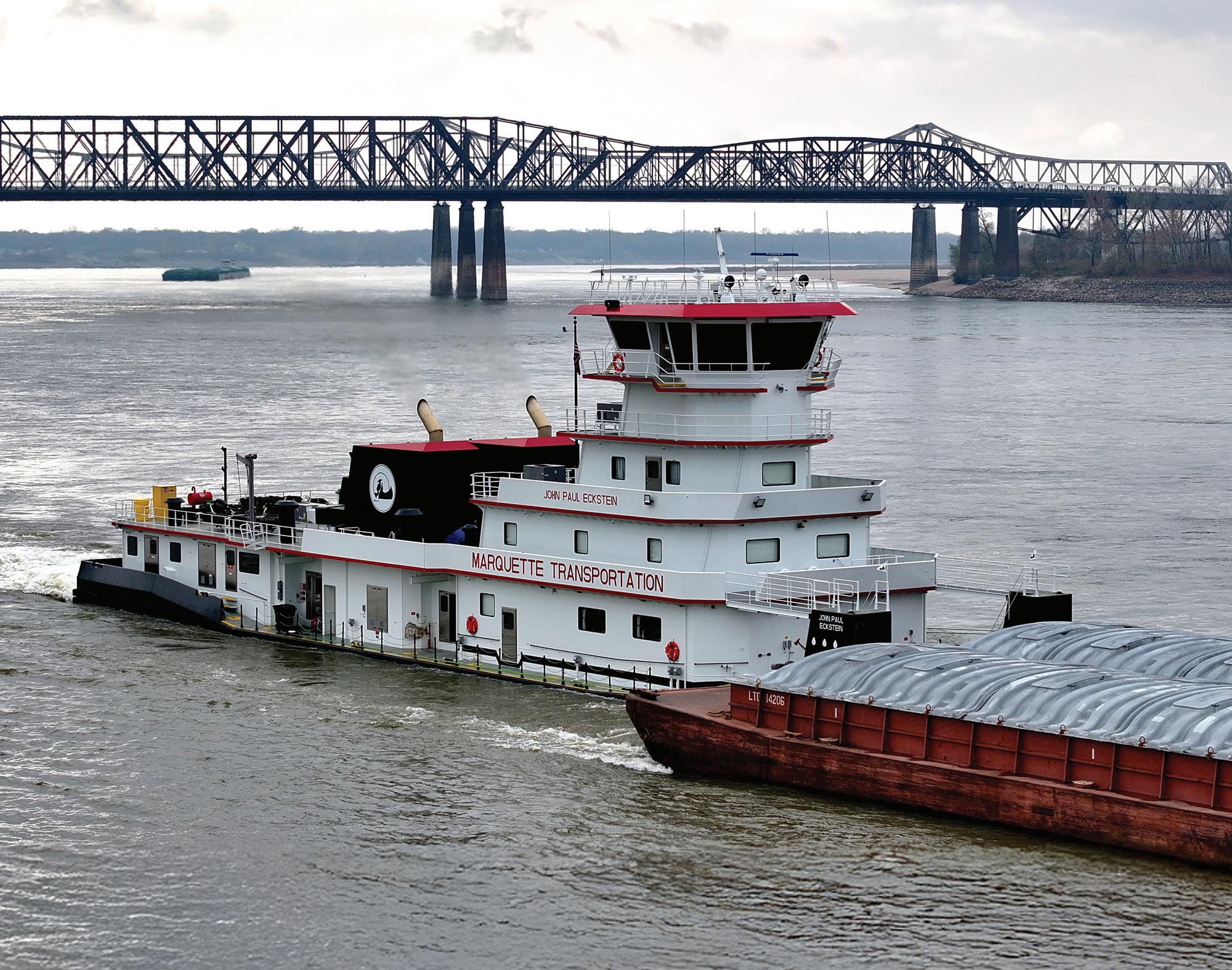
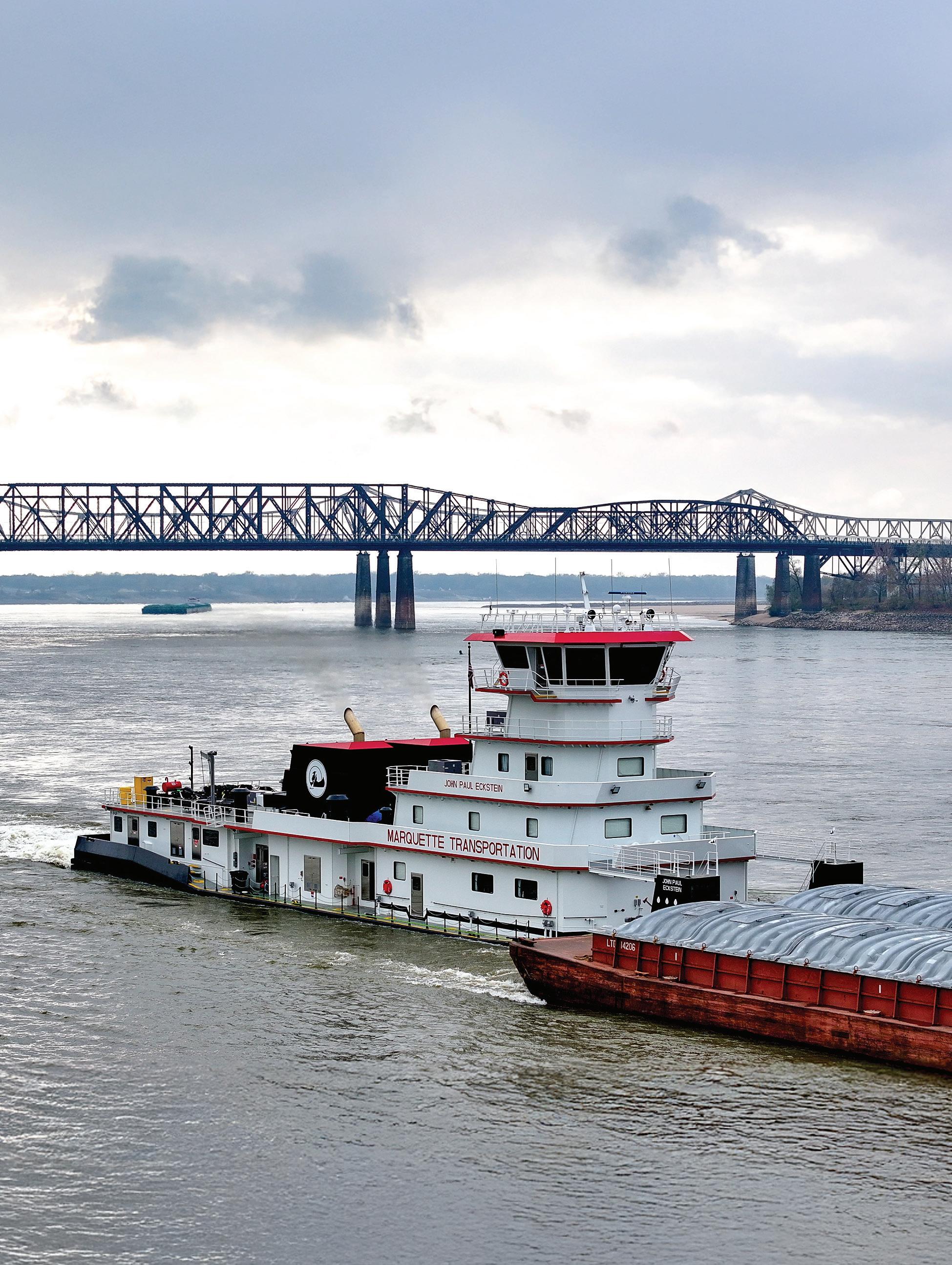
It’sonly tting that the new agship of the Marquette Transportation Co. eet bears the name of the person who led the company as it scaled to become one of the leading operators on the U.S. river system.
The John Paul Eckstein, named after the company’s longtime president — now executive chairman — was christened during a January ceremony in New Orleans.
Eckstein joined Marquette in 1990 and became president a year later. He led the company for nearly three decades before transitioning to executive chairman in 2020. Under his leadership, Marquette grew from ve towboats to more than 130 vessels. Today, alongside sister company Canal Barge Co., New Orleans, the pair operates nearly 200 boats.
“John’s success, in my mind, has been driven by his relentless competitive drive, creative and innovative thinking, the sacred way he treats the trust of our customer partners, and most
importantly, his phenomenal capabilities as a leader,” said Marquette CEO Damon Judd.
“Towboats are in my blood. I’ve been around the [Mississippi] river my whole life, and it’s a real honor to have this vessel named after me.” Eckstein said.
The new 189'x50' towboat, designed by CT Marine, Portland, Maine, and built by C&C Marine and Repair, Belle Chasse, La., entered service in October, operating between St. Louis and New Orleans. The vessel is notable not only for its namesake but also for its power and innovative design.
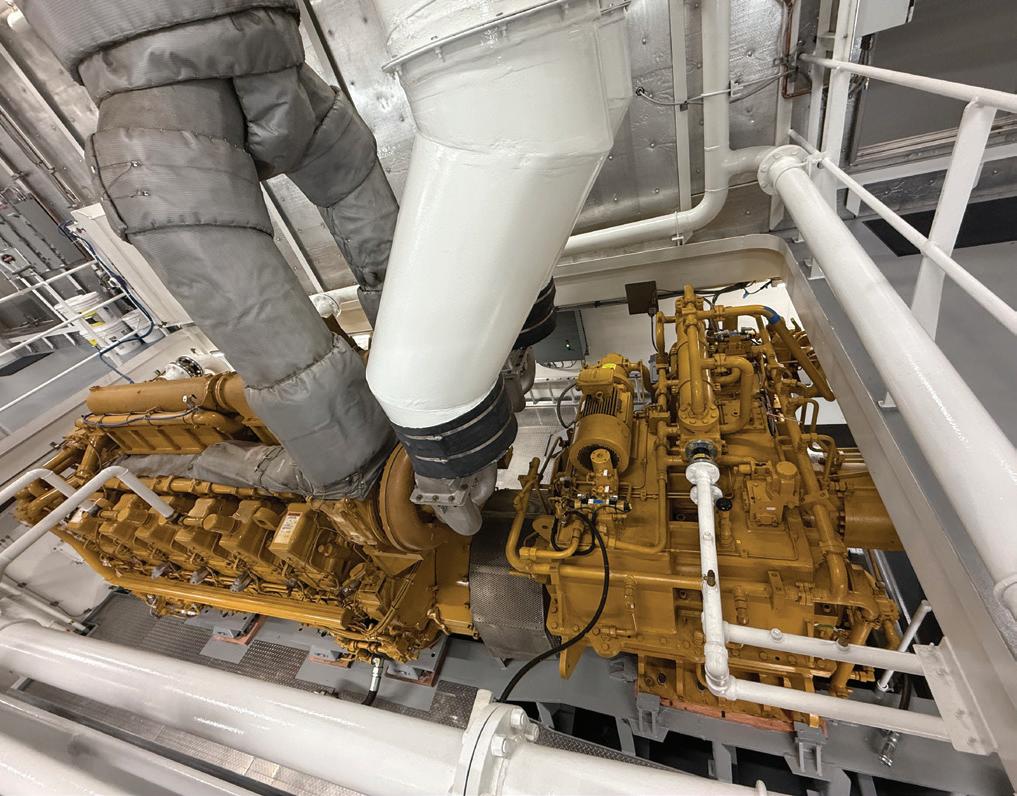
The 10,000-hp vessel features twin Caterpillar C280-12 main engines supplied by Louisiana CAT. Each engine is connected to Reintjes WAF 6755H reduction gears with a 5.05:1 ratio, provided by Karl Senner LLC. Large 122"-diameter Hung Shen propellers operate inside Kort nozzles and are maneuvered using TwinDIFF steering from CT Marine.
Jerry Jarrett, Marquette’s senior vice
president of engineering, worked with the naval architect and the shipyard to make several impactful changes to a previous design, including reducing the length and draft and developing a unique steering system.
The John Paul Eckstein is the only towboat running a high-lift steering rudder system, Jarrett said. “The vessel absolutely does not slide. By having that rudder design, it changes the water ow,” he said. “You have the advantage of having a low-pressure/high-pressure side on a rudder, which helps you to maneuver.”
Electrical power is supplied by three Caterpillar C9.3 gensets rated at 250 kW each, also furnished by Louisiana CAT.
The vessel’s tank capacities include 120,000 gals. of fuel, 16,000 gals. fresh water, 2,000 gals. lubricating oil, and 1,000 gals. gear oil. Propulsion shafts were built by J&S Machine, with Duramax seals and Thordon bearings. Duramax also provided the engine cooling package. Engine monitoring and alarm systems, along with the steering controls, were supplied by Eagle Control Systems
Deck equipment includes six 65ton electric winches from Patterson, supplemented by two 40-ton manual winches and a dozen 65-ton roller buttons. A Wintech capstan completes the deck machinery out t.
For navigation and communications, Gmeni Marine Electronics installed Furuno systems, while Hiller delivered the smoke and heat detection equipment as well as the re suppression system. Fendering was supplied by Schuyler Maritime.
Beyond the technical speci cations, crew comfort was a major design priority. Onboard accommodations, which include 12 berths distributed across 10 staterooms, are improved “massively” compared with those of towboats from previous generations, said Capt. Larry Sibley, captain aboard the John Paul Eckstein. “The noise is so much less. Vibration is so much less… It makes a big difference.” — Eric Haun
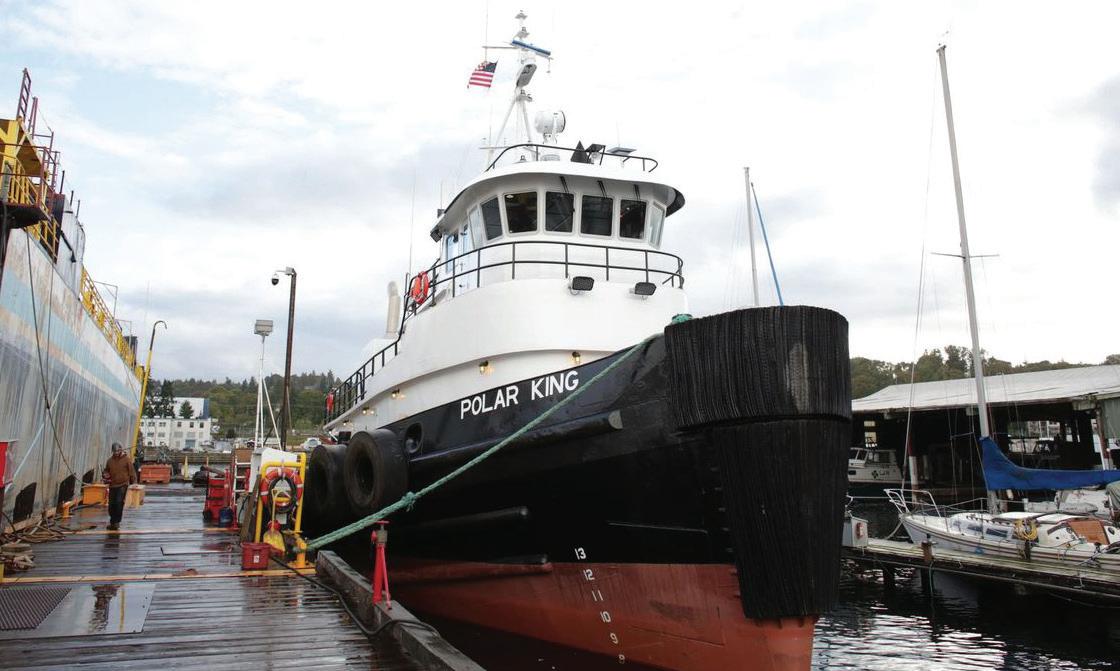
After17 months of intensive shipyard work, the 50-year-old Polar King is back in service. The comprehensive overhaul returned the 120'x34' tugboat from laid-up status to active duty, towing barges between Seattle, Hawaii, and ports across Western Alaska.
Built in 1974 at McDermott Shipyard, the Polar King is owned by Lynden Inc. subsidiary Alaskan Marine Lines (AML) and is leased to Dunlap Towing Co.
The overhaul included new equipment throughout the vessel, rebuilt main engines and reduction gears, and updated hydraulic systems, valves, piping, electronics, wheelhouse, and winches. A key redesign feature allows the tug’s main engines the ability to be removed and installed vertically through the deck, simplifying future maintenance.
Eddie Protzeller, the project manager who oversaw the refit, told WorkBoat that the Polar King was selected from AML’s laid-up fleet in part because it has Nautican nozzles and triple rudders, which offer advantages for long-distance towing. “You lose a little bit of your speed free running, but… you’re just so much more efficient when you’re working a long tow.”
The scope of the refit amounted to a near-total mechanical teardown. “We took the boat, removed everything out of it,” Protzeller said. “We rebuilt the rudders and reconditioned the main engines, the 3606s, which were already upgraded to an electronic version through AutoMaskin, and we removed those out.”
The tug’s twin Caterpillar 3606 main engines were rebuilt rather than replaced. Protzeller said the engines now functionally align with CAT C280-series specifications due to previous AutoMaskin electronic control upgrades. Total main engine output is approximately 5,000 hp. The Lufkin RHSQ2524 reduction gearboxes were retained but fully rebuilt.
Two new John Deere 6068AFM85E diesel gensets were installed. Each drives both a generator and a hydraulic pump fitted with an electric clutch. On the hydraulic side, either port or starboard unit can supply house power while the other runs hydraulic loads for deck machinery.
Controls were upgraded with existing rebuilt Mathers air controls, and the vessel received an all-new electronics package from Lunde Marine, Seattle.
The refit also included installation of a Lantec 540 headline winch and a GSM800005-D towing winch, replacement of all shafting, and conversion from waterlubricated shafts to oil-lubricated shafts. With babbitt bearings, the oil-filled system eliminates routine shaft withdrawals
for inspection unless damage occurs. “Unless you break a shaft or bend one or go aground… the shafts can stay inside,” Protzeller said. “Seawater no longer contacts any portion of the shaft.”
To manage torsional loads, the propulsion system was fitted with custom torsional vibration couplings. “Centa custom-made a set of torsional vibration couplings for us… They’re expensive, but they’re the best out there for torsional vibration for trying to handle that kind of load. We had Centa run a new torsional vibration analysis to optimize the couplings and not cause any thrust against the crankshaft.”
Protzeller said a guiding principle of the refit was operational simplicity achieved through mirrored systems and redundancy. Fuel and ballast tanks that previously relied on sounding tubes were upgraded with sight glasses, allowing crews to visually monitor tank levels during fueling. Non-rising-stem valves were replaced with quarter-turn valves to reduce the need for tools and minimize fueling errors.
Steering pumps and motors were standardized so either unit can deliver the same flow rate. The steering system includes both autopilot and jog solenoids, with a manual bypass that allows the autopilot circuit to take full control if the jog solenoid fails. “You can open the orifice valve on the autopilot side and then make that your hundred percent again.”
Initial demolition began at Northlake Shipyard, with Stabbert Maritime personnel performing ABSand Coast Guard-required steel repairs. Interior finish work was completed by Pipes Carpentry of Seattle.
At the height of the refit, approximately 30 workers, including multiple vendors, were on site six days a week. AML Port Engineer Kris Mullan was also involved in the project oversight.
The vessel now accommodates eight crewmembers in six staterooms. The galley was redesigned into an openconcept layout, and the wheelhouse was completely rebuilt with new windows that follow the vessel’s sheer, Protzeller said. Two large aft-facing
picture windows and expanded side windows dramatically improved visibility.
“The wheelhouse looks like a whole new boat,” Protzeller said. “The boat looks totally different from just the different windows that are on it,” he said. Fabtech supplied the window and door package.
The helm is centered around a single captain’s chair with consoles arranged for long-haul towing. Displays, keyboards, and electronics are mounted high and undermounted to keep sightlines clear. “Nothing in the way of your visibility,” Protzeller said. “You can turn your head around, and you can see all your tires down the side of the tug… You don’t have any blind spots.”
The Subchapter M-compliant tug can cruise under tow at nine-to-10 knots at 900 rpm and has a bollard pull rating of 80 tons. — Ben Hayden
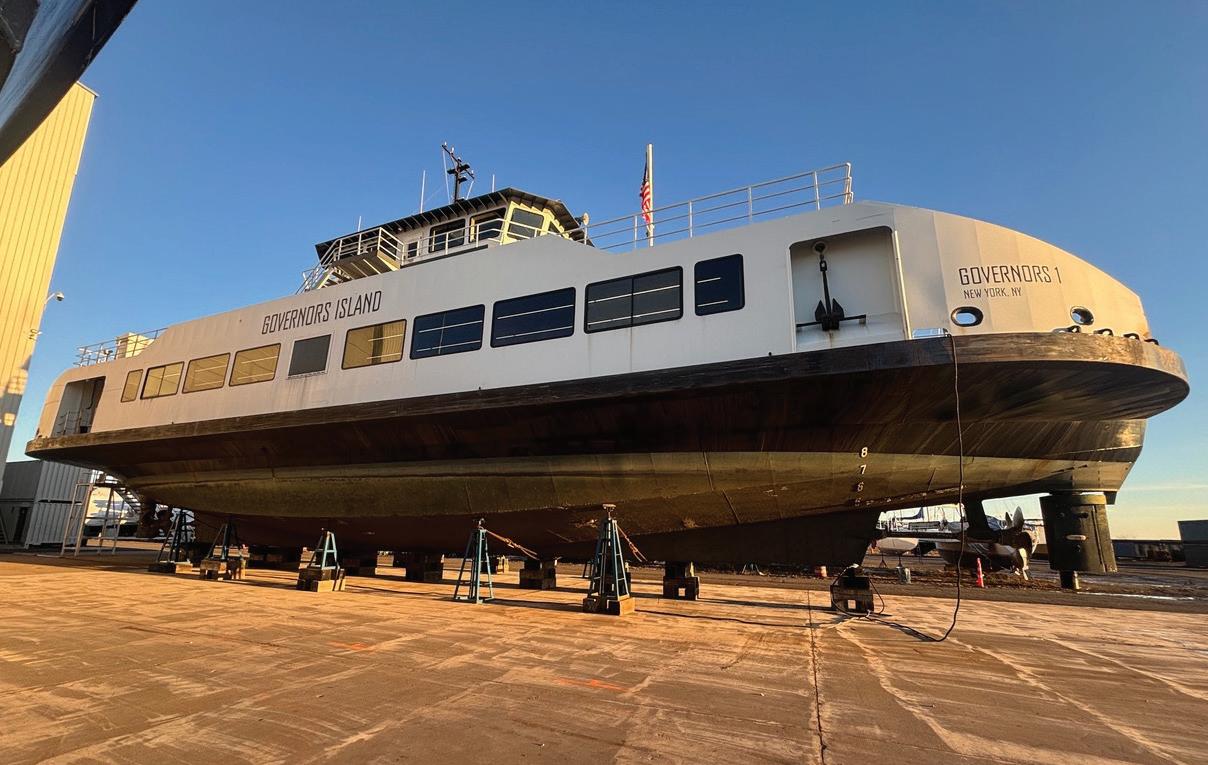
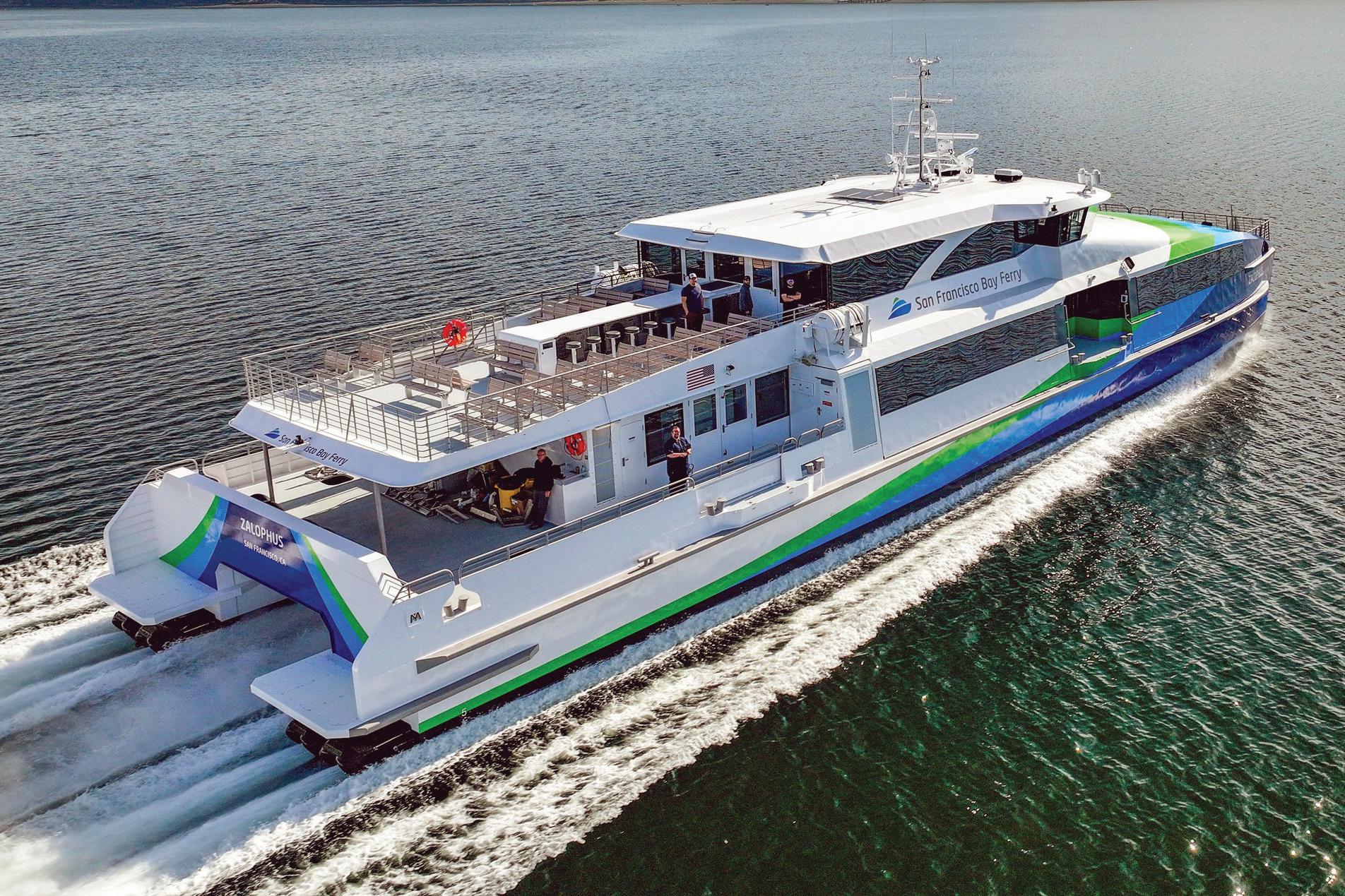
TheTrust for Governor’s Island in New York City has contracted with Hornblower Marine, Bridgeport, Conn., to perform a re t on the Governors 1 ferry with a focus on increasing passenger capacity.
The modi cations will include opening the 132'-long double-ended ferry’s upper deck for outdoor passenger use. She has a 40' beam and draws 7'6". This will increase the passenger capacity from about 415 to approximately 600 while maintaining the vessel’s subchapter K compliance. Subchapter K provides the guidelines for vessels that weigh less than 100 gross tons and carry more than 150 passengers for hire.
“The main objective is to open up the




It’s easy to take cost out of a Keel Cooler. Just cut a few corners. While some people are more than willing to make compromises, we only build excellence. Call today or visit our website for a quote.
top deck and increase capacity,” said Nicole Fogerty, director of marketing and communications for the Trust for Governors Island. “The most exciting part of the project is allowing people to ride outside. They will get the views of the harbor and of the Statue of Liberty.”
Governors 1 is one of two vessels that the Trust runs to bring visitors from the terminal at the Battery Maritime Building in Manhattan to Soissons Landing on Governors Island. Governors 1 is dedicated for passenger transportation, while the larger hybrid-powered Harbor Charger ferries vehicles and passengers. The island has a no-vehicle policy except for deliveries and maintenance use.
Designed by Elliot Bay Design Group and built at Blount Boats, Warren, R.I., Governors 1 launched in 2019. The steel-hulled ferry is powered by twin 800-hp Cummins QSK19 diesel inboards turning 63" Hundested







































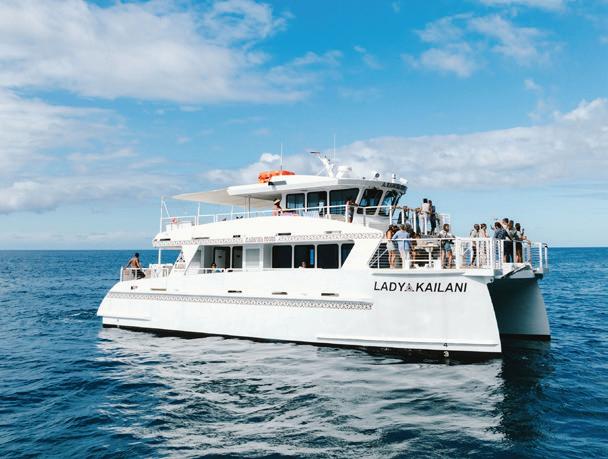
Anew luxury passenger vessel, Lady Kailani, has entered service for Kauai Sea Tours, Eleele, Hawaii, offering tours along Kauai’s Nā Pali Coast. Designed by Incat Crowther, Sydney, and built by Breaux Brothers Enterprises, Loreauville, La., the 65'x27' aluminum catamaran has a 3'6" draft. Its delivery allows Kauai Sea Tours to expand to year-round tourism operations on Kauai.
The Navy has awarded Silver Ships Inc., Theodore, Ala., a $6.7 million contract modification for the production of 34 high-speed maneuvering surface target craft, expanding upon a program that started with an initial contract award in 2023. With contract options, the total program value could reach $48.25 million. The vessels are based on Silver Ships’ AM800 rigid inflatable boat series. Each measures 27'x9'6".
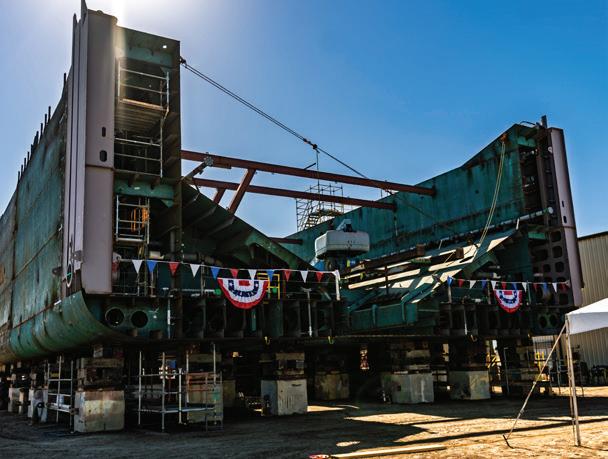
Eastern Shipbuilding Group, Panama City, Fla., held a keel-laying ceremony for the ongoing construction of the U.S. Army Corps of Engineers dredge Donnelly at the builder’s Allanton, Fla., facility. Designed by Royal IHC, Kinderdijk, the Netherlands, the 320'x72' Medium-class hopper dredge will replace the dredge McFarland upon its scheduled entry into service in 2028. The new dredge will have a maximum hopper capacity of 6,000 cu. yds. and a maximum dredge depth of 65'.
The Alaska Department of Transportation and Public Facilities has issued a request for proposals for the construction of a replacement vessel for the Alaska Marine Highway System’s Tustumena. The new vessel was designed by Glosten, Seattle. The newbuild is
controllable pitch propellers through Hundested CPG 38 gearboxes with a ratio of 3.96:1. Its max speed is 12 knots. During peak tourist season, Governors 1 runs in the afternoon and evening daily. On the weekends, the vessel runs
planned as an ocean-class passenger and vehicle ferry with diesel-electric propulsion.
Boston Harbor Shipyard & Marina (BHSM), East Boston, Mass., completed a multi-barge roll-on operation using its 500-ton floating drydock, Providence, to launch two newly fabricated dock barges destined for a Massachusetts Bay Transportation Authority (MBTA) ferry terminal. The 115'x30' barges, each weighing 120 tons, were built by Blue Atlantic Fabricators, a BHSM tenant. The units will serve as docks at the MBTA’s Hingham ferry terminal. Blue Atlantic delivered the first two of three dock barges in November. The third is currently under construction.
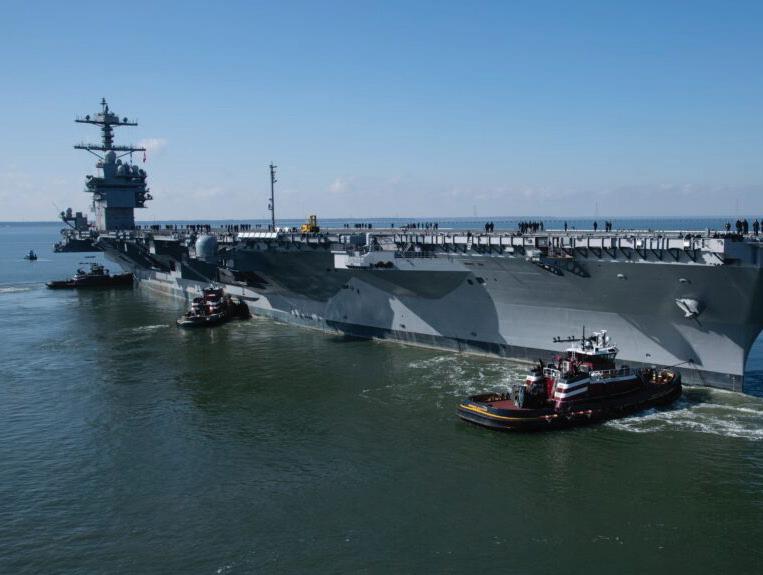
HII’s Newport News (Va.) Shipbuilding (NNS) division completed builder’s sea trials of the John F. Kennedy (CVN 79), the second Gerald R. Ford-class nuclear-powered aircraft carrier, on Feb. 5. Kennedy, which has been under construction since 2011, returned to NNS after testing important ship systems and components at sea for the first time.
A commissioning ceremony for the fast response cutter USCGC Olivia Hooker was held on Jan. 22 in Pascagoula, Miss., where the vessel is homeported. The 154'x25'6"x9'6" Sentinel-class cutter was built by Bollinger Shipyards LLC, Lockport, La., based on the Stan 4708 patrol vessel design from the Netherlands-based Damen Shipyards Group. Main propulsion comes from twin MTU 20V4000 M93L diesel engines, each producing 2,900 hp and giving the boat a flank speed of 28 knots.
Seasats, San Diego, a developer of long-endurance autonomous surface vessels, has been selected to receive a $24 million award from the Department of Defense under the Accelerate the Procurement and Fielding of Innovative Technologies program. The December award was made on the recommendation of the U.S. Navy and U.S. Marine Corps and is intended to accelerate procurement, production, and scaling of Seasats’ autonomous maritime technologies.
alongside the Harbor Charger for fullday sessions to keep up with passenger demand.
In the fall of 2025, the Trust for Governors Island decided it was time for an upgrade to meet that demand. The organization put out a request for proposals and received five quotes for the job. Hornblower Marine was ultimately chosen. The yard has a history with the Trust, having worked on vessels for the organization in the past. “Their facility,
the time frame, they were the leader of the bunch,” said Lori Wasson, vice president of operations and services for the Trust for Governors Island.
A crew from Hornblower picked up Governors 1 in early January. It
rst went into drydock, and then it was hauled and blocked on the yard property. “Management and the design team started working on the production plans,” said Jeffrey Brault, vice president of global affairs for the Hornblower


Group, Orlando, Fla., parent company of Hornblower Marine
Modi cations to Governors 1 include opening the upper deck and adding centerline stairs with upgraded handrails and safety barriers. The passenger lounge ventilation system is being upgraded, as are the electrical, lighting, communications, lifesaving, and re safety systems. There will be space for bike storage. Designers also focused on ef cient passenger ow between decks.
Brault said that the yard should be able to meet the goal of having the ferry back in service for the start of the 2026 season. “Our goal is to get the boat back so it doesn’t interrupt the passenger experience during the busiest time of year,” he said. “With our abilities and in-house expertise, there isn’t anything speci c on the project that we haven’t seen before. The team has done everything on the list and done it on budget and on time.” — Eric
Colby


Whether you’re powering an offshore service vessel, a passenger vessel, or an inland pushboat, Louisiana Cat has the right engine for your hard working fleet. We focus on you, the customer, and the reliability, safety and profitability of your business. Let us help you navigate every waterway. Visit us online to request an engine quote for your next project: www.LouisianaCat.com/Marine

































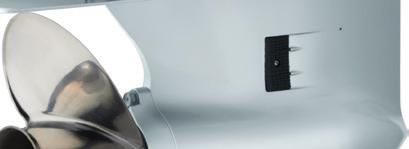

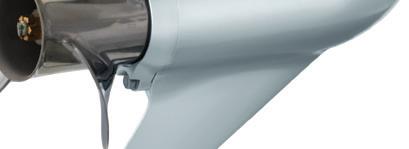
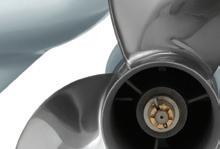















At Honda, we understand that commercial and government outboard applications demand professional-grade performance. For more than 60 years, Honda Marine outboards have delivered reliable, hardworking, fuel-e cient power for boats and crews that depend on our products day after day, job after job, year after year.












Backed by Honda’s legendary quality, commercial and government warranties, element-defying Honda corrosion protection, and a nationwide network of servicing dealers, Honda outboards keep your business going strong. Any time, any task, anywhere.
Learn more at marine.honda.com.


Eric Colby, Contributor
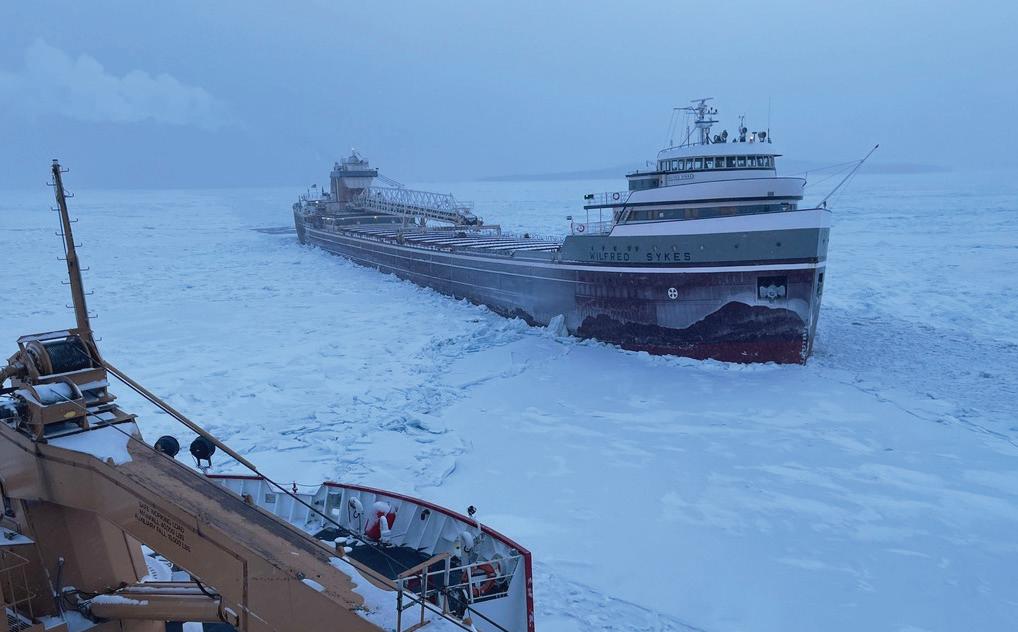
In many parts of the United States, winter hit early and hard at the end of 2025, and the Great Lakes region was no exception. The rapid onset of colder-than-average temperatures presented challenges for the U.S. and Canadian coast guards when it came to breaking ice to keep shipping channels open.
“The U.S. Coast Guard is focused on their acquisition of Arctic Security Cutters, yet they can’t even keep our internal domestic waters open,” Jim Weakley, president of the Lake Carriers’ Association (LCA), said in a statement on Jan. 2.
The LCA is a trade group that represents the U.S.- ag Great Lakes eet, which moves more than 90 million tons of cargo annually.
“This is a major national security problem if steel mills in the U.S. cannot have a reliable supply chain during the
winter,” Weakley added.
Each fall, the Coast Guard conducts its annual aids-to-navigation (ATON) work, removing approximately 1,220 lighted summer buoys and replacing them with smaller, ice-resistant winter buoys. Known as Operation Fall Retrieve, the effort takes place from October through December, with schedules varying by region and ice conditions.
Eric Peace, LCA’s vice president, said that the extended time spent on navigational aid work, combined with the Coast Guard’s decision to take a two-week break before beginning icebreaking operations, signi cantly disrupted commercial shipping due to ice buildup.
“We lost out on the rst part of the season because of the aids to navigation and the two-week policy between them and icebreaking,” said Peace.
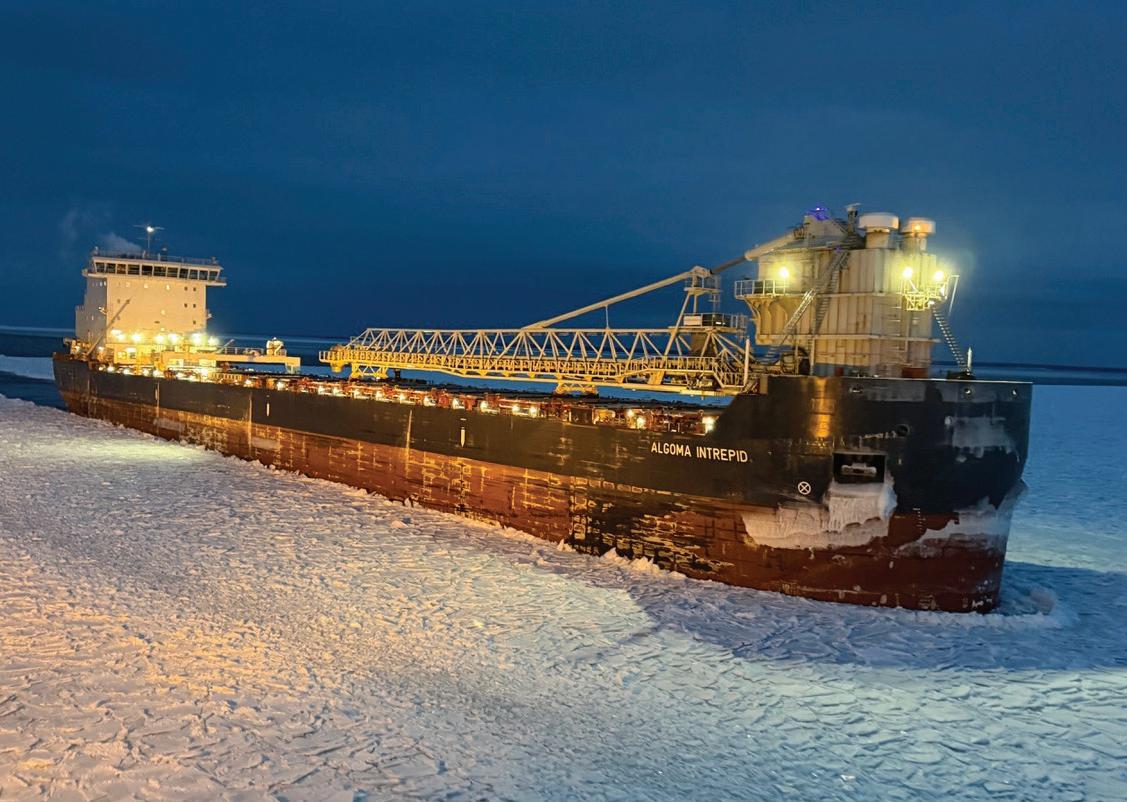
The icebreaking season on the Great Lakes starts in December and ends around Jan. 15, when the Soo Locks in Sault Ste. Marie, Mich., close. Commercial ships go into drydock until the locks reopen on March 25. As of midJanuary, Peace said western Lake Erie was iced in.
In an email, David Micallef, deputy public affairs of cer for the Coast Guard’s Great Lakes District, wrote, “The Coast Guard does not have a policy that mandates two weeks of maintenance/logistics time following completion of ATON for our multipurpose platforms. That two-week transition period is an internal best practice developed over the years that provides the absolute best balance of performing mechanical preparations, crew rest, and logistics, which is essential to not only mission readiness but longevity during the entire ice season.”
On the Great Lakes, the Coast Guard has a eet of four cutters that are capable of icebreaking, ve that can break ice and conduct ATON work, and one dedicated to navigation aids.
Micallef added that when a polar vortex brought early ice formation the week of Dec. 8, the port of Duluth, Minn., began freezing rst. The 225' buoy tender Spar, which is also an icebreaker, immediately started breaking ice as part of the launch of Operation Taconite, named for the iron ore pellets transported throughout the Great Lakes. The operation encompassed Lake Superior, Lake Michigan, the St. Marys River, the Straits of Mackinac, and Georgian Bay. Ice was also impacting the western basin of Lake Erie, including Ohio ports like Toledo and Sandusky. The St. Marys, the 75-mile major artery between Lake Superior and the lower lakes, was reportedly closed due to shifting ice dragging

navigation aids off station.
When the cold persisted the week of Dec. 15, the port of Green Bay began icing, and the 140' icebreaking tug Biscayne Bay was on station with the Spar to support commercial traf c ow. Both vessels were joined the following week by the icebreaking tugs Mobile Bay and Katmai Bay, and all worked to keep Duluth, Green Bay, the Straits of Mackinac, the Soo Locks, and the St. Marys River open. The 240' heavy icebreaker Mackinaw and the Bristol Bay, another icebreaking tug, were the last two cutters retrieving ATONs into December. They joined the rest of the icebreaking eet the rst week of January to combat colder regional temperatures and subsequent ice growth.
On Jan. 2, the Coast Guard initiated Operation Coal Shovel, led by Sector Detroit, to manage ice on the lower Great Lakes. The work covered southern Lake Huron, Lake St. Clair, the St.

















Clair and Detroit River systems, and Lakes Erie and Ontario.
“We suffered until all the boats came back in January,” said Peace.
In addition to wanting an earlier start to the season, the LCA is pressuring the Trump administration to fund construction of another heavy-duty class icebreaker, along the lines of the 240' Mackinaw.
“The cutter schedule is deliberately managed to ensure safe and efficient flow of commercial traffic while maintaining maritime navigational safety,” wrote Micallef. “Our priority remains safely and efficiently facilitating navigation of the Great Lakes Maritime Transportation System that serves a vital $36 billion annual shipping industry.”
Being able to predict the ice pack ahead of time could give the Coast Guard and commercial ship operators vital information that would help the former better schedule and position icebreaking vessels.
Last year, the Michigan Office of Defense & Aerospace Innovation held the 2025 MiSpace Hackathon, a firstof-its-kind competition that challenged Michigan college students to use satellite data and aerospace technology to provide the Coast Guard with a predic-
tive “spatial field” of ice formation on the Great Lakes.
“The Coast Guard gave us a real problem set,” said Mark Ignash, director of strategic initiatives and ecosystem development at the Office of Defense & Aerospace Innovation at the Michigan Economic Development Corporation. “They and others struggle with predicting ice pack. There are only so many cutters that can address the ice. They need to be positioned best to accommodate the needs, so they gave us the problem set.”
Ignash continued, “We identified publicly available remote-sense data and raw data. They bought it and said, ‘Okay, students, here’s the problem set. Here’s the data we’re providing. Go forth and develop solutions. Find ways to do this more efficiently, better, and they did.”
The winning team, IceScope GL, represented the University of Michigan and took home $15,000 for its predictive user interface that gives icebreakers a four-day head start on shifting formations. The second-place team earned $10,000, and third grabbed $5,000.
“The top three awardees came through with some innovative projects,” said Ignash. “And the Coast Guard said if they could implement it today, it would be game-changing.”
IceScope GL team member Vishnu Yadagani, an aerospace engineering major, said, “We created a machine learning algorithm using a linear regression model. We needed an optimized route planner so the ships have the route where they want to go without having to encounter the worst ice.”
The other three team members were Joani Kaleshi, a computer science major, Efaz Rahman, a computer engineering major, and John Akladus, who is in aerospace engineering.
An attractive attribute of the winning entry was that it was developed to work as an app on a smartphone or computer, which most ships plying the Great Lakes have on the bridge. When a vessel is en route to a destination, the app would give the user constant alerts on changing ice conditions.
In addition to the University of Michigan, participating schools included Michigan State University, Grand Valley State, Lake Superior State, among other institutions. When the contest was announced, more than 114 participants responded. “That whittled down to 36 respondents, and that worked down to six full projects,” said Ignace.
The timing of the competition played a role because it ran before, during, and after the Thanksgiving holiday. In addition to working with the data, the teams developed their own machine learning algorithms. While participation from engineering students was expected, one of the top three teams came from a business school.
“What this does for the Coast Guard is give the information on where they need to be or wherever there’s traffic on a given day based on need to make sure there’s a clear path,” Ignace said. “What elevated the top three is the four-day prediction and the methodology of how they got there.”
Shipping companies on the Great Lakes will take any help he can get. “Predictions would be helpful if they’re accurate,” LCA’s Peace said. “You could make a risk decision based on those models if they’re good.”


By Jonathan Barnes, Contributor
The often-unnoticed work of the U.S. Army Corps of Engineers greatly bene ts the public, even though many people don’t realize that their drinking water, the products they use, and their modern way of life depend on it.
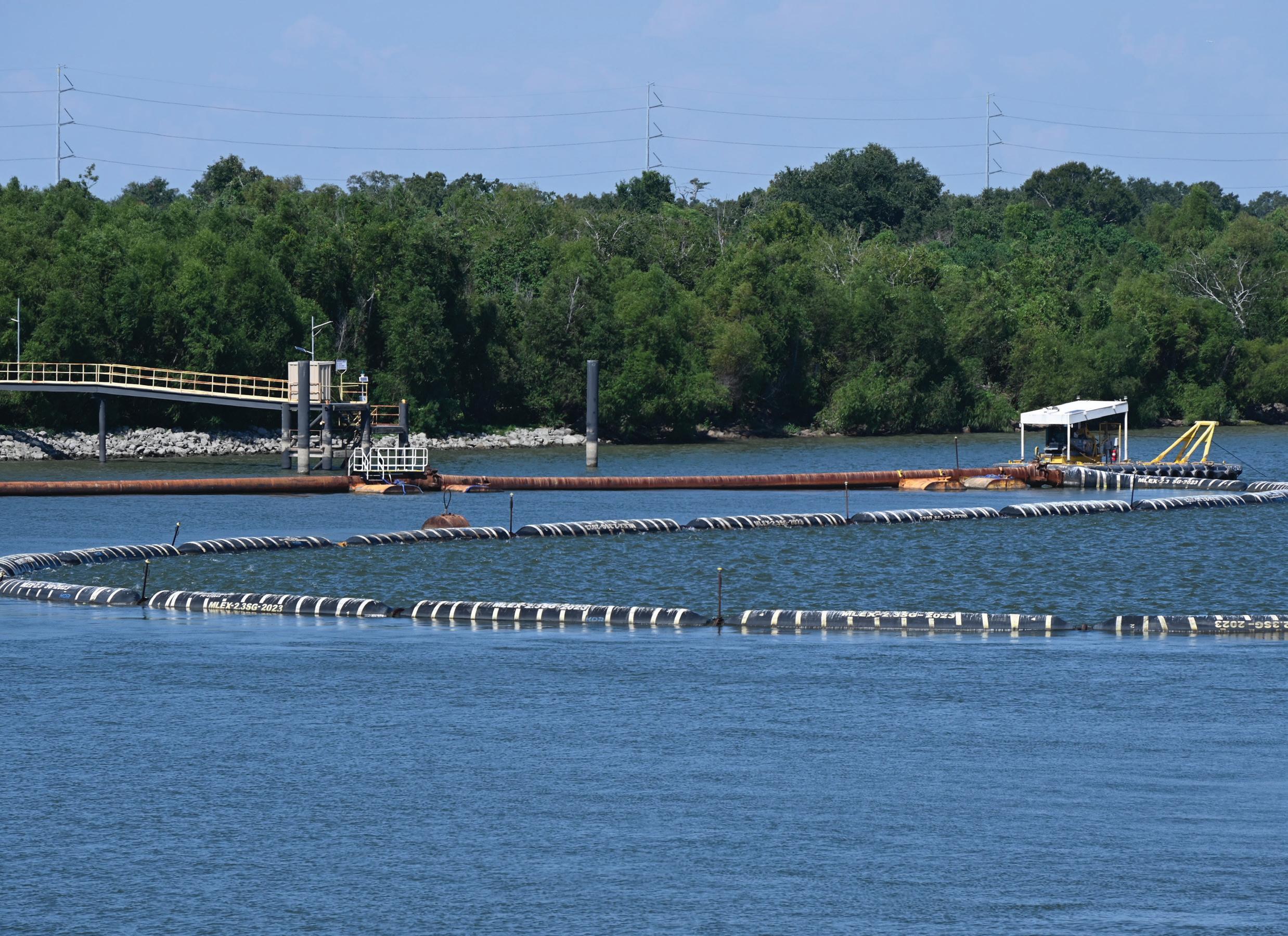
A recently completed Corps project to construct an underwater sill in the Lower Mississippi River illustrates the agency’s crucial role in maintaining shipping operations, municipal utilities, industrial activity, and public health along the river system and throughout much of the nation.
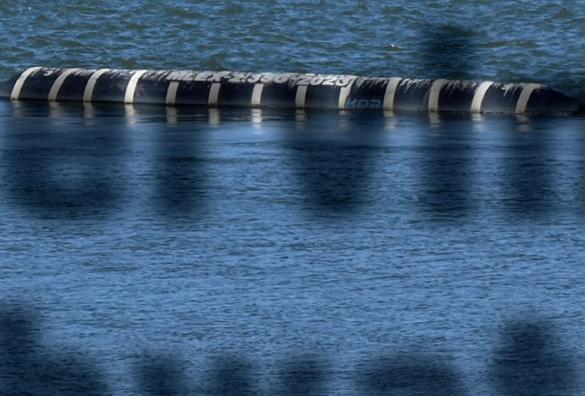
The newly constructed sill is halting saltwater from traveling far upstream from the Gulf of Mexico and contaminating residential and industrial water intakes along the river. This
critically needed temporary structure has been built repeatedly by the Corps since the late 1980s and has consistently achieved its purpose while maintaining shipping along the nation’s busiest
waterway. The sill is constructed periodically on an as-needed basis and is not intended to be permanent.
When the Mississippi River’s water level drops low enough, saltwater from
the Gulf flows upstream along the riverbed beneath the freshwater moving downstream. This dense saltwater moves upriver in a wedge-shaped flow that can extend about 20 miles. When the leading edge of the saltwater wedge reaches predetermined locations in the river, the Army Corps initiates construction of the underwater sill to halt further intrusion.
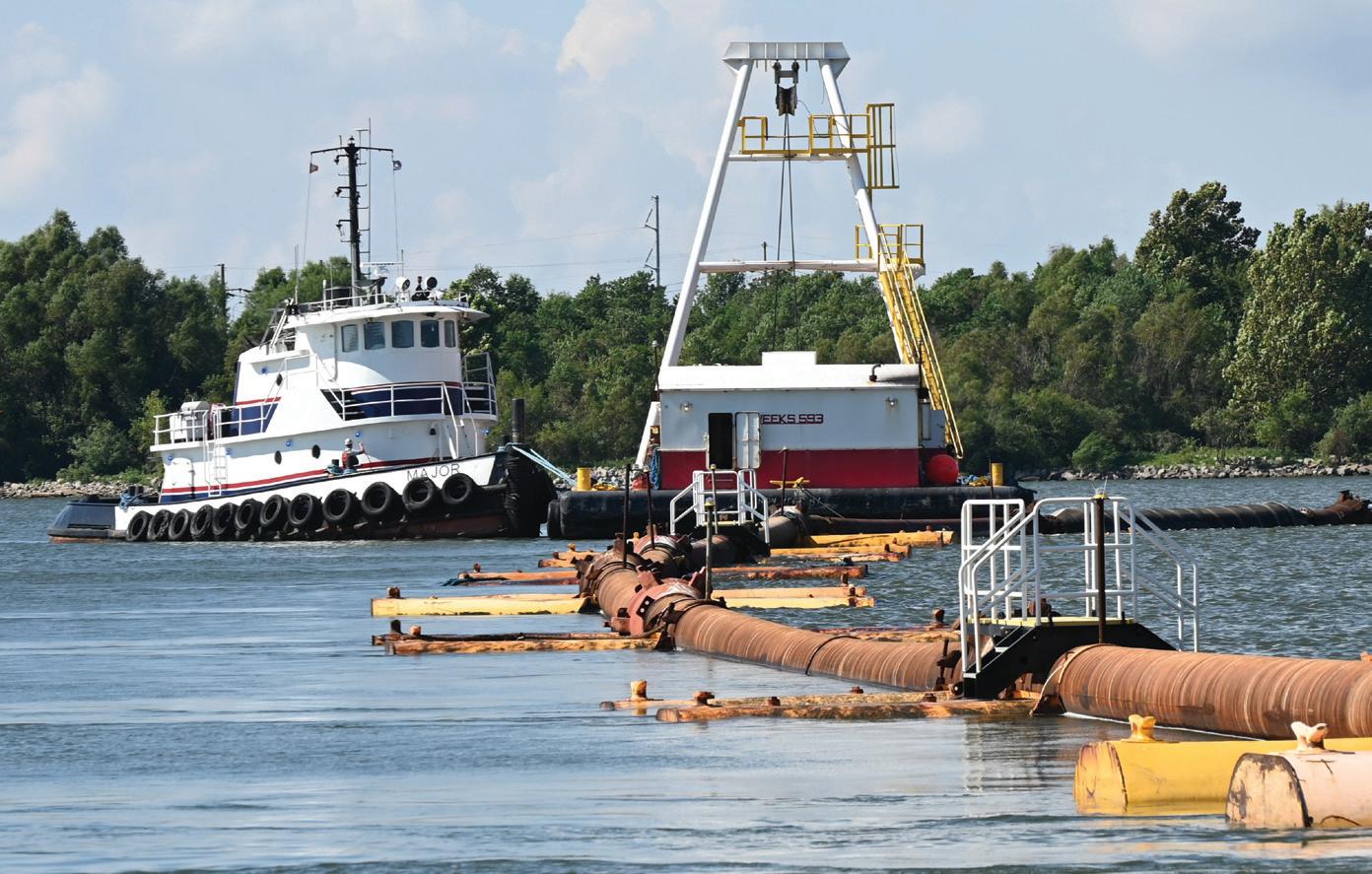
Constructed over two weeks in late September and October near Myrtle Grove, La., in Plaquemines Parish, the underwater barrier reduces the risk of saltwater infiltrating freshwater intakes along the river. Completed in October, the sill was built using sediment from nearby areas designated for that purpose. Approximately 50 employees from the emergency response team at the Corps’ New Orleans District office worked on the project.
The temporary sill is maintained by the Corps for as long as it is needed and is allowed to erode naturally once its purpose has been served — typically when downstream river flow increases enough to push saltwater back toward the Gulf. The sill effectively creates an underwater basin that temporarily captures and holds much of the saltwater in place.
Another reason for the sill’s location is that it lies downriver from the municipal water treatment plant in Belle Chasse, La., the southernmost largescale municipal facility on the river. If the sill holds the saltwater wedge at bay, there should be no impacts to Belle Chasse or to locations farther upriver.
“There are smaller water treatment facilities downstream of Belle Chasse that are impacted by saltwater intrusion, but the local parish government has made improvements over the last few years to combat saltwater intrusion, so we have not been tasked with undertaking additional efforts this year. Previously, those efforts included placement of reverse osmosis water purification units at, and barging of water to, those facilities,” said Matt Roe, a public affairs specialist for the Corps’ New Orleans District.
The Mississippi Valley drains 41% of
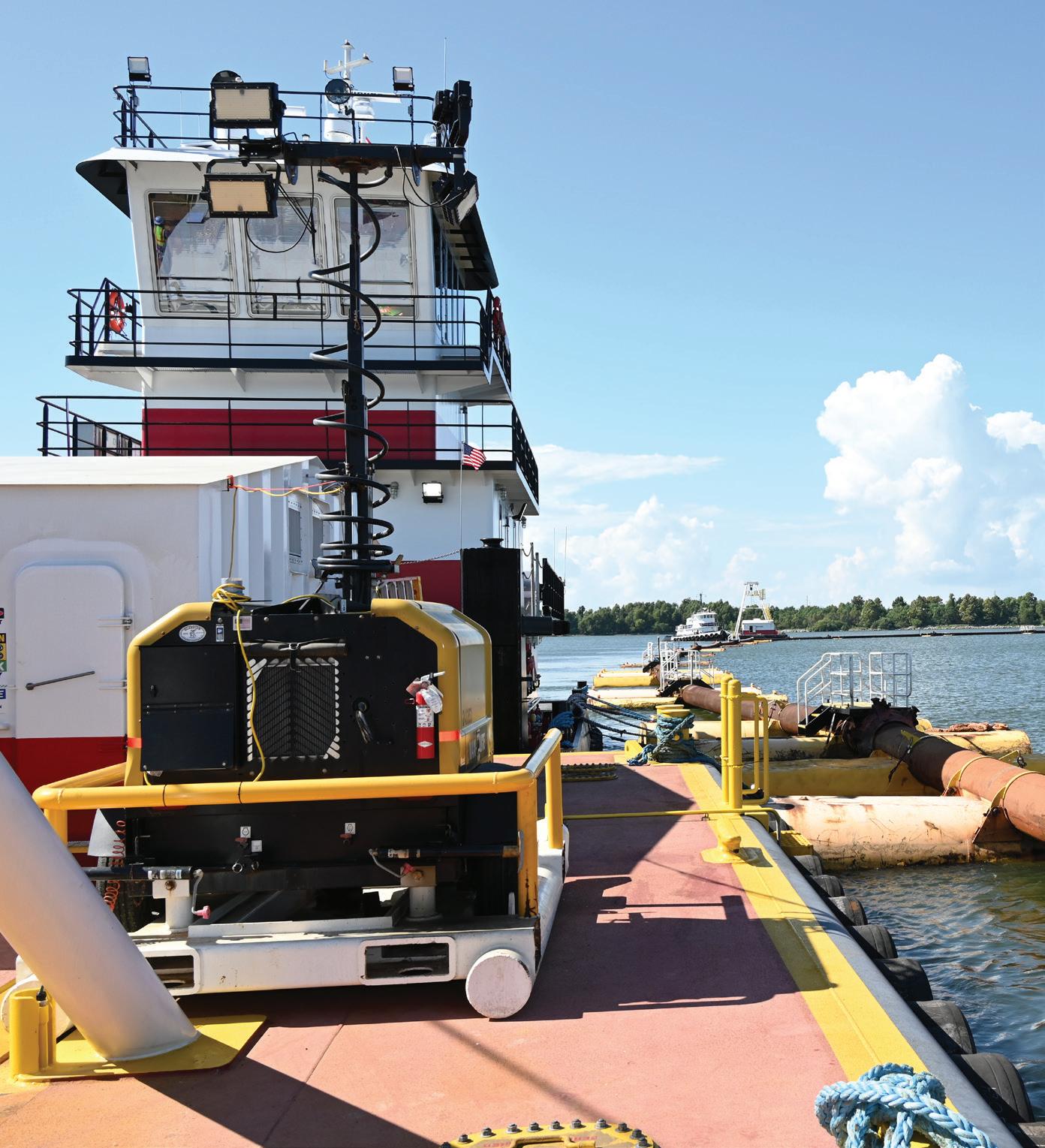
Though the project to prevent saltwater infiltration upriver took just two weeks of actual work, it takes the Army Corps of Engineers several weeks to get the equipment needed for the job.
the contiguous United States and two Canadian provinces. In recent years, reduced rainfall across the valley has led to drought conditions and the need to construct underwater sills
Saltwater intrusion in the Mississippi River is possible because the river’s bed lies below sea level from the Gulf of Mexico to Natchez, Miss.
Under normal flow conditions, the river’s freshwater volume prevents significant upriver movement of saltwater. When flows are extremely low, however, monitoring river salinity becomes critical.
“We start monitoring the location of the toe of the saltwater wedge once river flows are below 400,000 cubic feet per second. Construction of the underwater
sill is trigger based, so once those triggers are hit, we know it is time to construct the underwater sill,” said Roee.
The Corps maintains close coordination with local officials to monitor salinity levels and to implement measures such as constructing a sill when necessary.
“Construction of the sill only takes about two weeks, but it takes about two weeks before that for mobilization of a contract dredge with all the supporting equipment,” Roe said. “The local parish water treatment facilities measure salinity on a daily basis.
“We share information regularly about conditions we are seeing, our efforts, their efforts, and whether any assistance is needed.”
The effectiveness of the sill becomes apparent almost immediately once construction begins. “As soon as the dredge
starts placing material, we see bene ts from construction of the underwater sill,” he said.
The sill remains in place until river ows increase to higher levels.
The most recent construction marks the seventh time over the past few decades that the Corps has built an



underwater sill near Myrtle Grove. Similar sills were constructed there in 1988, 1999, 2017, 2022, 2023, and again in 2024. The underwater sill also supports the Corps’ effort to increase the depth of the river’s shipping channel to 50', helping to ease navigation and commerce.
The Corps rst became involved with managing saltwater intrusion following the deepening of the Mississippi River ship channel in the 1980s.


“The Mississippi is naturally deep between Head of Passes and Baton Rouge, La., where the ship channel ends,” Roe said. Ninety- ve miles below New Orleans, Head of Passes is considered to be the mouth of the River.







“The Corps maintains Southwest Pass and 12 crossings, where the ship channel moves from one bank to the other, but other than that, the river does not need dredging to maintain the ship channel. The river at Algiers Point, near the French Quarter, for example, is about 190 feet deep. The location where we build the sill in the river is about 90 feet deep,” Roe said.
The sill functions as an underwater levee.
“The river bottom at the sill location ranges from minus-90 feet on the ship channel side to minus-70 feet on the other side,” he said. “Sediment is placed across the bottom of the river to a depth of 55 feet. The height of the sill ranges from 15 to 35 feet, depending on which side of the river you’re on. The depth of 55 feet allows deep draft navigation to continue on the river with minimal impacts.”
In 2023, the sill was overtopped, and forecasts indicated that river levels would continue to fall, allowing the saltwater wedge to move farther upriver and potentially affect water treatment facilities in the greater New Orleans area, Roe explained. During that event, the Corps raised the sides of the sill to minus 30' while leaving a 620' wide notch at the original minus 55' depth to allow deep-draft navigation to continue.
“This approach was successful, and the saltwater wedge did not reach the greater New Orleans area. Right now, we do not know if this approach will be needed during this event. It is an option if conditions do not improve. However, an augmented sill was not required during the low-water event last year,” Roe said.
Lubriplate is committed to providing you with the right lubrication for your vessel and other equipment affected by (VGP) Vessel General Permit regulations. Designed specifically for use in harsh marine conditions, these high performance, Environmentally Acceptable Lubricants (EAL)s deliver all the performance and protection you need, while maintaining compliance with regulations protecting the environment.

ATB BIOBASED EP-2 GREASE
• This versatile grease meets U.S. EPA Vessel General Permit (VGP) requirements.
• Passes U.S. EPA Static Sheen Test 1617 and U.S. EPA Acute Toxicity Test LC-50.
• ECO-Friendly and Ultimately Biodegradable (Pw1) Base Fluid – 75.2%.
• Designed for use on Articulated Tug Barge (ATB) notch interface, coupler ram and drive screws, above deck equipment, rudder shafts, wire rope, port equipment, cranes, barges and oil platforms.
• These fluids meet U.S. EPA Vessel General Permit (VGP) requirements.
• High-performance, synthetic polyalkylene glycol (PAG)-based formula.
• Non-Sheening – Does not cause a sheen or discoloration on the surface of the water or adjoining shorelines.
• Provides long service life and operating reliability, lower maintenance costs, and reduced overall downtime.
• Excellent anti-wear performance - rated as anti-wear (AW) fluids according to ASTM D7043 testing and FZG testing.
• High flash and fire points provide safety in high temperature applications.
• All season performance – high viscosity indices and low pour points.
• ECO-Friendly and Readily biodegradable according to OECD 301F.
• “Practically Non-Toxic” to fish and other aquatic wildlife according to the U.S. Fish and Wildlife Service hazard classification.

COMPLIANCE STATEMENT LUBRIPLATE ATB BIOBASED EP-2
and BIO-SYNXTREME HF SERIES HYDRAULIC FLUIDS are Environmentally Acceptable Lubricants (EAL)s according to the definitions and requirements of the US EPA 2013 Vessel General Permit, as described in VGP Section 2.2.9

Newark, NJ 07105 / Toledo, OH 43605 / 800-733-4755 To learn more visit us at: www.lubriplate.com


By Eric Haun, Executive Editor
By Ben Hayden, Senior Associate Editor
At the heart of any well-designed workboat is a well-designed propulsion system. From engines to propellers and the components in between, careful calculation is required to ensure these systems are suited to their operational demands. It also takes a team of trained and well-prepared professionals to keep them operating as intended.
Manufacturers, distributors, and service providers are upping their game in response to evolving market demands.
Anna Vaurio, technical product manager for thrusters at Kongsberg Maritime, Kongsberg, Norway, said, “Offshore operators are increasingly demanding higher propulsion efficiency, particularly in dynamic-positioning-heavy operations, where fuel consumption and emissions are major operational concerns.”
In December, the company unveiled two additions to its range of L-drive azimuth thrusters. The underwater mountable thrusters feature permanent magnet (UUC PM) motors mounted low between the steering gear and are suited to high-power, high-precision offshore applications such as wind turbine installation vessels, cable-lay vessels, heavy-lift and heavy-transport vessels, and drillships, Vaurio said.
The new 4,500-kW UUC PM 405 units, with 3.8- and
Kongsberg Maritime’s newest underwater mountable thrusters feature permanent magnet motors and are suited to high-power, high-precision offshore applications.
4.1-meter propeller diameters, deliver 86 and 91 metric tons of thrust, respectively. The 4,200-kW UUC MP 355, with a 3.7-meter propeller and 81 metric tons of thrust, was introduced in 2024.
According to Vaurio, the latest thrusters’ combination of PM motor technology, spray lubrication, electric steering, and optimized propeller design reduce energy consumption by up to 28% compared with previous models.
In addition, because the thrusters are fully mountable and demountable underwater, maintenance can be performed without drydocking the vessel, Vaurio said, adding, “Installation is simplified as the PM motor mounts directly onto the thruster without intermediate shaft alignment.”
“Vessel designs are becoming more space- and weightconstrained, creating a need for more compact propulsion machinery — an area where PM motors offer clear advantages over traditional induction technology,” she said.
There are currently no confirmed orders for the UUC PM 405 thrusters, though several active tenders specify the PM 405 or larger PM variants, according to Vaurio. A larger, 5,000-kW thruster, the UUC PM 455 — available with a 4.3-
or 5-meter propeller — is scheduled to be released by the end of 2026.
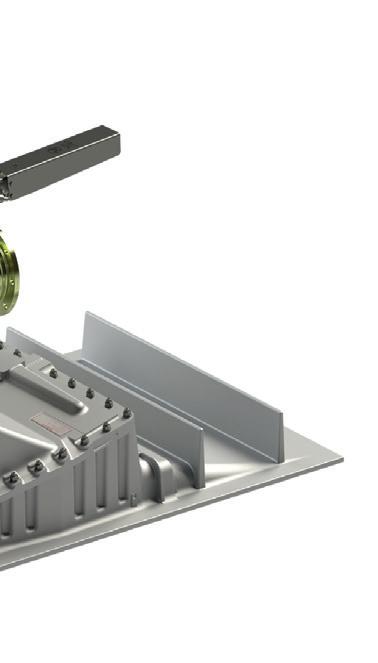
Waterjet propulsion systems are typically designed for fast, high-performance vessels, generally operating most ef ciently at speeds above 30 knots. Most waterjets are less ef cient at lower speeds, where conventional propellers are often the preferred option.
HamiltonJet, Christchurch, New Zealand, turned this thinking on its head with the introduction of its LTX series waterjets, engineered speci cally for medium- and slow-speed applications.
“It’s a radical change from our regular range,” said Diego Muller, future products manager at HamiltonJet. “It looks very much the same from the outside, but it’s quite a different application.”
Prototype development began about ve years ago when Michael Eaglen, CEO of EV Maritime, Auckland, New Zealand, inquired about a waterjet optimized for electric vessels, which generally operate at slower speeds due to the added weight of onboard battery energy storage systems.
“We didn’t know how it would perform. We had tried that before, but there was never a good reason to progress with it,” Muller said. “Suddenly, we had a customer who wanted something a bit more sophisticated and highly ef cient for his fully electric boat, and we agreed to build prototypes.”
The prototype evolved quickly into a full product launch after feasibility studies showed promising results and customer demand increased, he said.
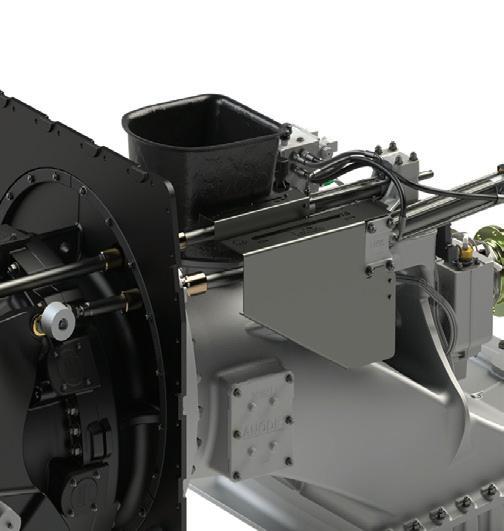
The LTX series — available in two sizes, LTX36 and LTX53 — differs fundamentally from conventional jets by moving larger volumes of water at lower speeds rather than smaller volumes at higher speeds, Muller explained. The design features an optimized intake for low-speed operation and a pump engineered to handle higher water volumes at lower velocities.
The LTX design found success with applications outside the electric vessel space, as well. The rst vessel
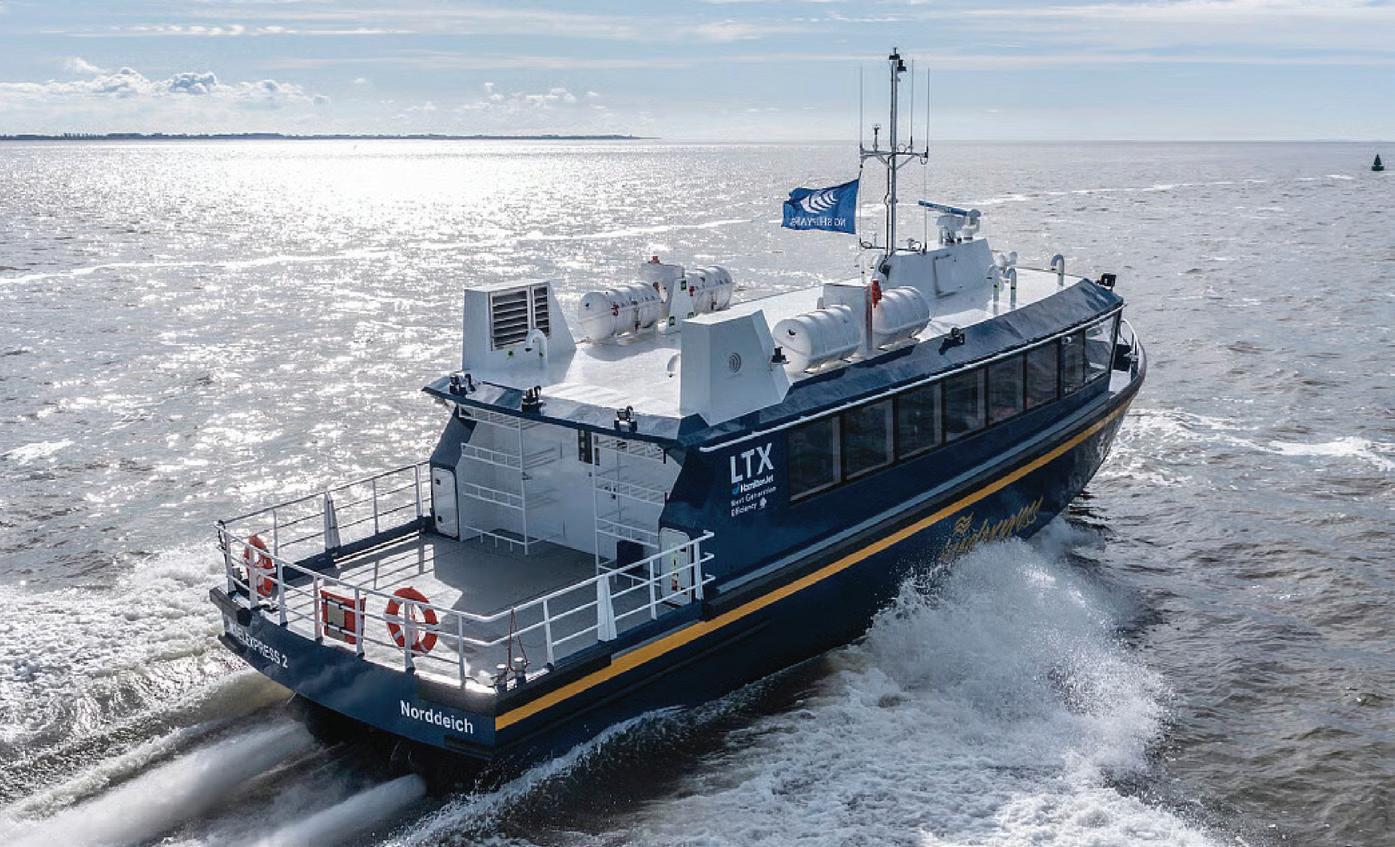
constructed with the new jets was the Inselexpress 2 — a 68'x20' aluminum ferry featuring twin LTX36 jets and Volvo Penta D8MH diesels (425 hp at 2,200 rpm) — built by Next Generation Shipyards, Lauwersoog, the Netherlands, for public transport operations serving islands in shallow-water areas where existing jet-propelled boats were experiencing operational inef ciencies. Its top speed is 23.5 knots.
“Waterjets were needed [due to the shallow draft]. But the existing jets that operators had were not very successful,” said Igor Sarsgård, HamiltonJet’s regional sales manager for Middle and Southern Europe. “They were not really optimal. They were overloading engines. There were lots of issues.”
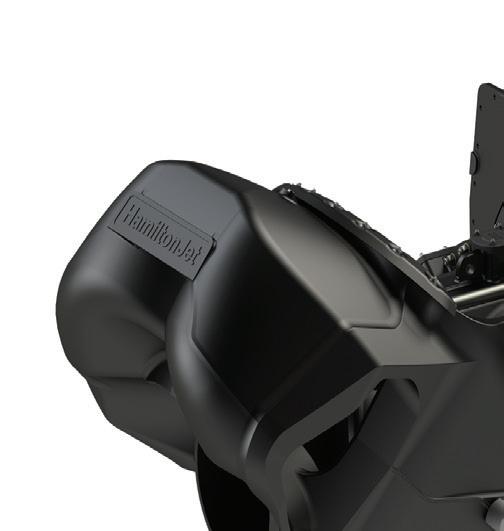
Both Muller and Sarsgård stressed the importance of application engineering and close collaboration with naval architects and shipyards to optimize vessel designs around the LTX jets. When integrated successfully, the LTX line can reduce fuel consumption as well as engine size and draft requirements while also providing superior maneuverability compared with propeller alternatives, according to Sarsgård.
The LTX expands the market for waterjets by challenging the industry stereotype that jets are inef cient below 30 knots, extending viable operation down to 15 knots or lower, Sarsgård said. LTX waterjets also deliver up to 40% more bollard pull and greater sway thrust than other jets on the market, ac-

cording to the manufacturer.
Success aboard the Inselexpress 2 has led to several follow-on orders, Sarsgård added, noting that multiple vessels under construction across the Netherlands, the United Kingdom, and Asia are being built with LTX jets. Current applications include passenger ferries, river cruises, and wind farm support vessels.
When Marquette Transportation Co., Paducah, Ky., set out to build the 10,000-hp towboat John Paul Eckstein, the company used an existing design as a starting point but made strategic modi cations to optimize performance and fuel ef ciency.
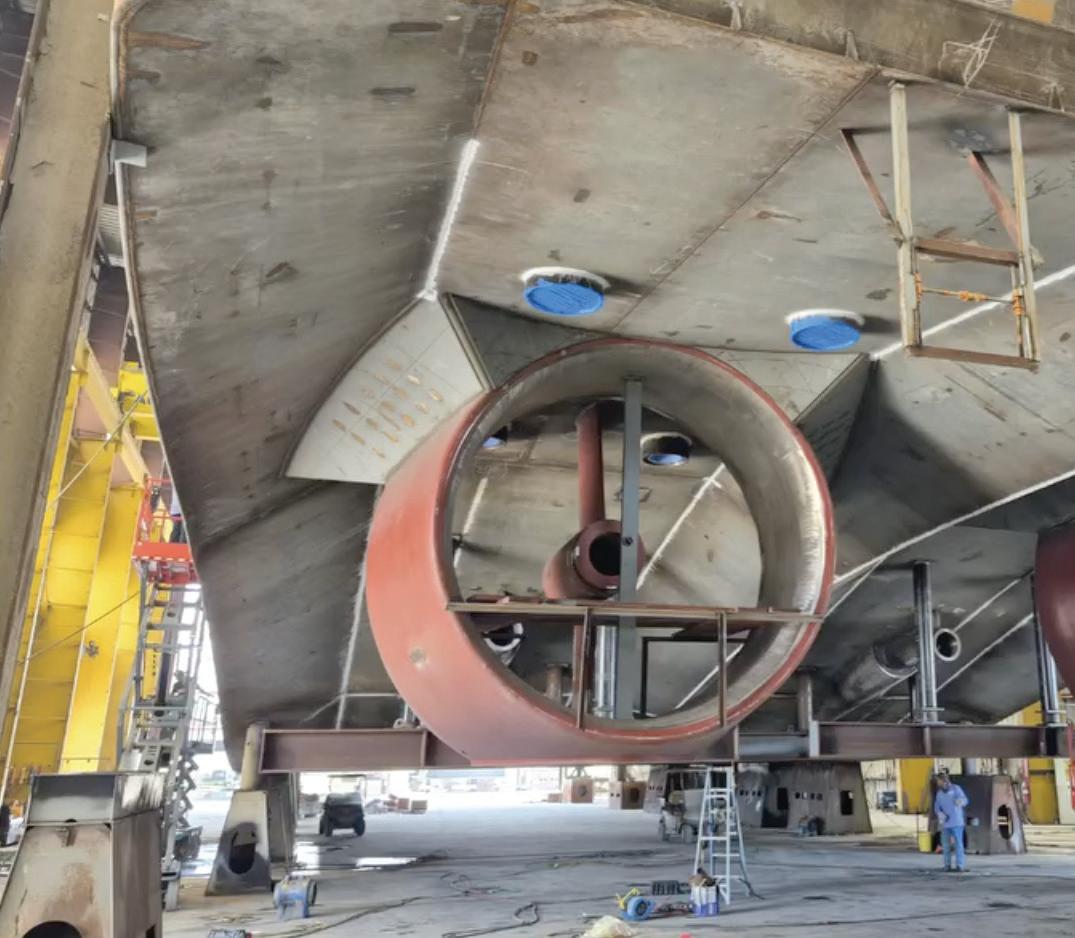
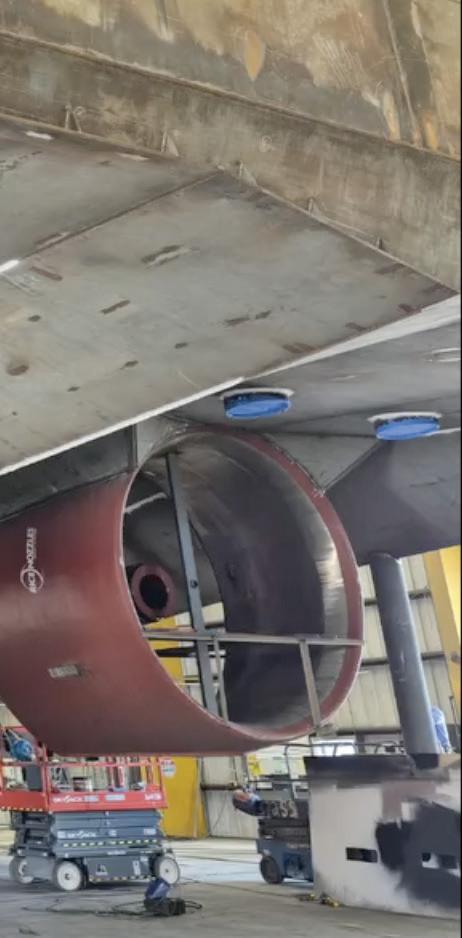
“The biggest difference is that John Paul is the only boat on the river running what you refer to as a high-lift steering rudder system,” said Jerry Jarrett, the company’s senior vice president of engineering.
Built by C&C Marine and Repair, Belle Chasse, La., and delivered in late 2025, the 189'x50' vessel features a TwinDIFF rudder design, a patented system developed with CT Marine, Portland, Maine, that uses two steering rudders positioned aft of the Kort nozzle instead of the traditional single “barn door” rudder con guration. “That rudder design changes the water ow,” Jarrett said. “You have an advantage of having a low-pressure, high-pressure side on a rudder, which helps you to maneuver.”
The shorter dual rudders are less prone to damage than conventional designs, and the unique blade design — developed by Marquette in collaboration with CT Marine — features what Jarrett described as a bulb on the front. “Reaching out to the wheelman on board, I would say this vessel probably steers better than any other boat that they’ve operated,” he said.
Marquette also speci ed 122" propellers with 152" of pitch and a 1.24 disc area ratio, meaning the blades overlap by 24% when viewed from behind. “I know of no propeller with this much pitch,” Jarrett said.
The company operates the twin Cat-
“John Paul is the only boat on the river running a high-lift steering rudder system.”
— Jerry Jarrett, vice president of engineering, Marquette Transportation Co.
erpillar C280-12 engines at 900 rpm rather than 1,000 rpm, which extends engine life while maintaining performance. “I’m also saving probably 15 to 18% on fuel,” Jarrett said. “At the end of the day, I’m getting the same results as they would spinning that wheel faster. They’re just burning more fuel.”
Today’s powerful and often complex propulsion systems present operators with new challenges.
When propulsion problems occur, they may come on suddenly as catastrophic failures. In other cases, they develop gradually with early warning signs along the way: an intermittent hum, a quiet rattle, or a subtle vibration that emerges at certain speeds and disappears just long enough to be ignored until something goes wrong.
According to Rich Merhige, president and owner of Advanced Mechanical Enterprises (AME), Fort Lauderdale, Fla., many newer vessels are experi-
encing propulsion system integration problems, along with broader structural issues, as operators push for higher performance.
“You have more complex systems integrations like hybrid propulsion inputs to the gearbox and long drive shafts that are positioned in a way to accommodate more components,” he said. “You’ve got all these various components, and they’re not always talking to each other. Manufacturers do their engineering, but sometimes nobody’s looking at the system holistically. Issues can fall through the cracks.”
“Companies are building boats with more power, and the power is higher power density,” he said. “It’s not so much that it’s too much power. It’s more power concentrated in a smaller area of the hull.”
That concentration can excite natural frequencies in the structure. “We’re running into structural resonance issues where a previous design is taken, and a lot more power is packed into it. The structure isn’t always capable of handling it,” Merhige said.
“At certain RPMs, all of a sudden you’ll get this violent vibration,” he said. It may not occur across the full operating range, only at speci c speeds, which makes it harder to diagnose — and easier to dismiss until it worsens.
AME employs a team of specialists who are dispatched worldwide to test




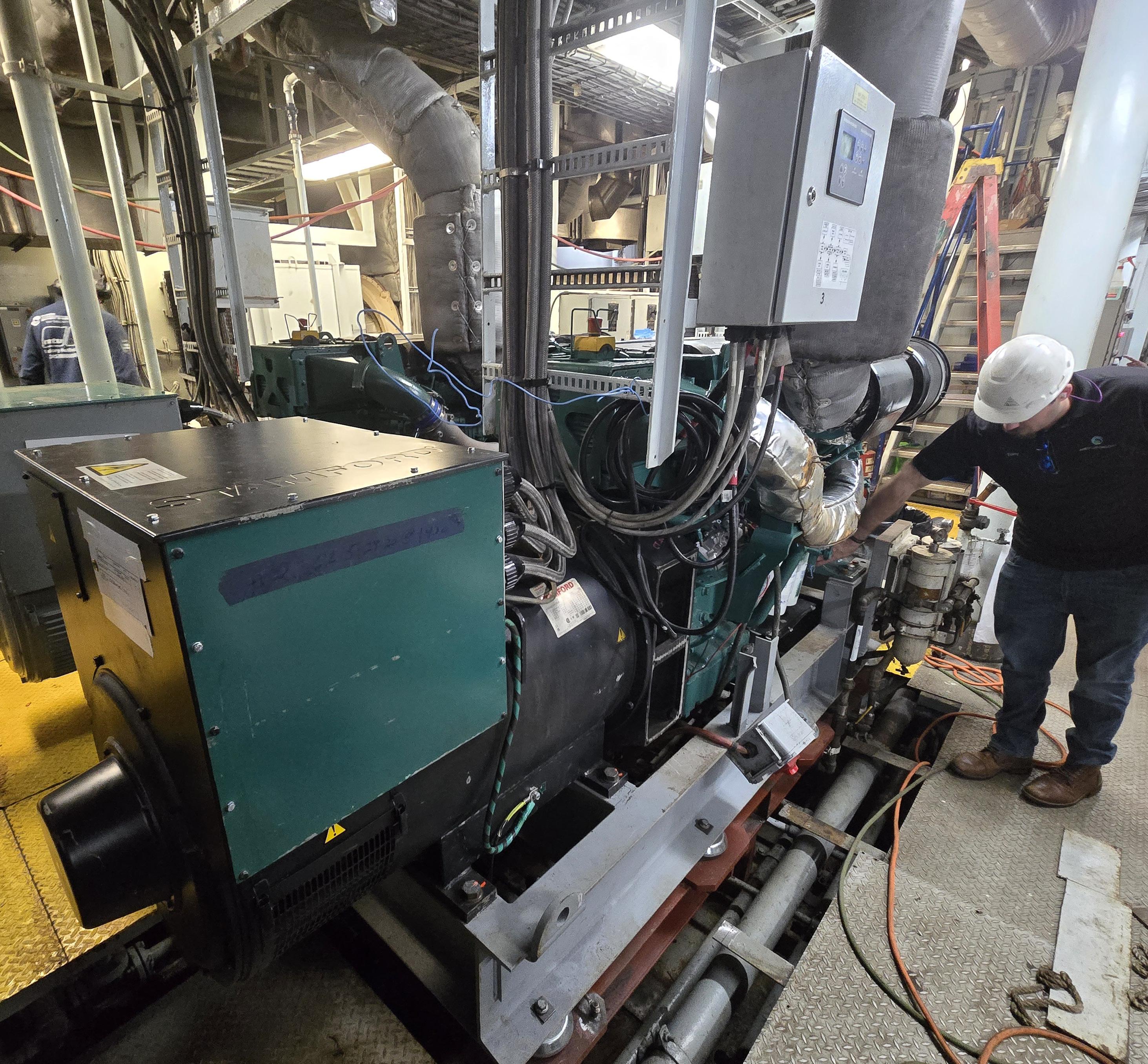
rotating and reciprocating machinery, diagnosing vibration and alignment issues aboard vessels. Using accelerometers and multichannel data acquisition — sometimes with more than 100 channels measured simultaneously — they map how the structure is moving. They often supplement that data with video motion amplification, a technique that visually reveals movement invisible to the naked eye. “We’re able to amplify the movement and slow down the frame speed,” Merhige said, “to see where the structure is physically moving and where it would be
best reinforced.”
Typically, the AME team is called in after propulsion problems surface, but Merhige said the best time to solve these issues is before they exist. “That would be ideal — for us to come in the build stage,” he said.
Vessel owners and naval architects should prioritize comprehensive system integration evaluation and installation planning, as well as establish baseline vibration measurements during builders’ trials, Merhige said. He suggests using torsional vibration analysis, mathematical modeling, and
six-degree-of-freedom calculations (which model the movement of a rigid object in 3D space) to ensure mounting systems won’t create resonance. No propulsion system is immune. Zdrives, straight shafts, nozzles all come with tradeoffs. “Every system has its pluses and minuses,” Merhige said. The key, he believes, is understanding those tradeoffs early and planning accordingly. Once a boat is in service, the cost of stopping is enormous. “Nothing costs more than downtime,” he said. “Component costs are cheap compared to downtime.”



When the work never stops, your engines can’t either. That’s why commercial operators choose Cummins engines. Built for long days, heavy loads, tight schedules, and zero tolerance for downtime, our engines are designed for longevity. With proven low‑maintenance requirements and no midlife overhaul, you save both time and money. Every component is engineered for uncompromising durability, every system tuned for maximum uptime, and every engine backed by a support network that understands the stakes.
From tugs and push boats to service and transport vessels, our diesel platforms deliver the torque, fuel efficiency, and reliability that keep your fleet moving forward.
Choose Cummins. Don’t compromise.










By Ben Hayden, Senior Associate Editor
Articulated tug-barges (ATBs) have long been a xture in U.S. coastal petroleum trades, but a new generation of projects is showing how adaptable the platform can be as energy markets evolve.
Unlike self-propelled ships, ATBs operate under a regulatory and construction framework that certi es the tug and barge separately, providing added exibility in construction strategy as well as operation, said Keegan Plaskon, director
of business development North America at the American Bureau of Shipping (ABS).
That exibility extends to the shipyard base. “Shipyards that specialize in either tug or barge fabrication can offer a competitive advantage to owners/operators looking to optimize project outcomes from a risk and economic standpoint,” Plaskon said. “While the future energy landscape continues to mature and volumes of associated cargos eventually scale,
ATBs will continue to play a strong role in the near term for domestic U.S. maritime trade.”
In recent years, that role has increasingly shifted beyond conventional re ned-product and crude movements. Two clear examples are LNG bunkering and the developing market for transporting captured carbon dioxide by sea. Operators are turning to ATBs as a practical bridge between emerging cargo demand and established U.S. shipyard and regulatory frameworks.
Plaskon said the ATB con guration also comes with design tradeoffs as alternative fuels enter the picture. “ATB platforms in the U.S. have unique design advantages that complement the regulatory framework for the markets they serve,” he said. “The adoption of alternative marine fuels is largely in uenced by emissions reduction incentives and economic drivers.”
He noted that not every fuel pathway ts easily on a tug. “Availability of cost-competitive fuels like green methanol and drop-in replacements such as synthetic or biofuels are viable and maturing options for current and near-term ATB propulsion tug designs,” Plaskon said. “However, the limitation of physical space on board the tug constrains the integration of suf ciently large LNG/ammonia/hydrogen fuel tanks.”
Using cargo as fuel is technically possible, he added, but would require operational changes. “The utilization of cargo as fuel would necessitate a more symbiotic relationship between the ATB tug and the barge to enable internal bunkering between assets, which is less commonplace today,” Plaskon said. “As the adoption of low-carbon fuels expands across the maritime industry, it is anticipated that ATBs transporting such cargos would also leverage that energy source as a cost-effective and convenient fuel source.”
Jacksonville, Fla.-based Seaside LNG is using ATBs in support of its LNG bunkering operations along the U.S. East Coast. From the outset, the company saw the tug-and-barge
con guration as a better operational and nancial t than a self-propelled LNG bunker vessel.
“[ATB are] the most cost-effective way to move smaller LNG cargoes,” said Jason Owens, Seaside’s chief operating of cer, who compared the manning requirements of ATBs and tankers. “The big driver in this is when you get to a self-propelled vessel, it has a higher crew requirement versus the ATBs, so it drives up the operating costs.”
In addition, the decoupled nature of an ATB provides a key reliability advantage. “If your tug has a mechanical issue, or it needs some major maintenance, you can swap it out and keep the barge working,” he said. “That’s really huge for uptime, versus a self-propelled vessel, where the whole asset may be down.”
That exibility is especially important in a niche market with a limited number of dedicated LNG bunker barges. “We’ve got three LNG barges right now… It’s not like there’s a eet of 50, and you can easily substitute different vessels in for other ones,” he said. “Reliability and repeatability is something that’s really important to us.”
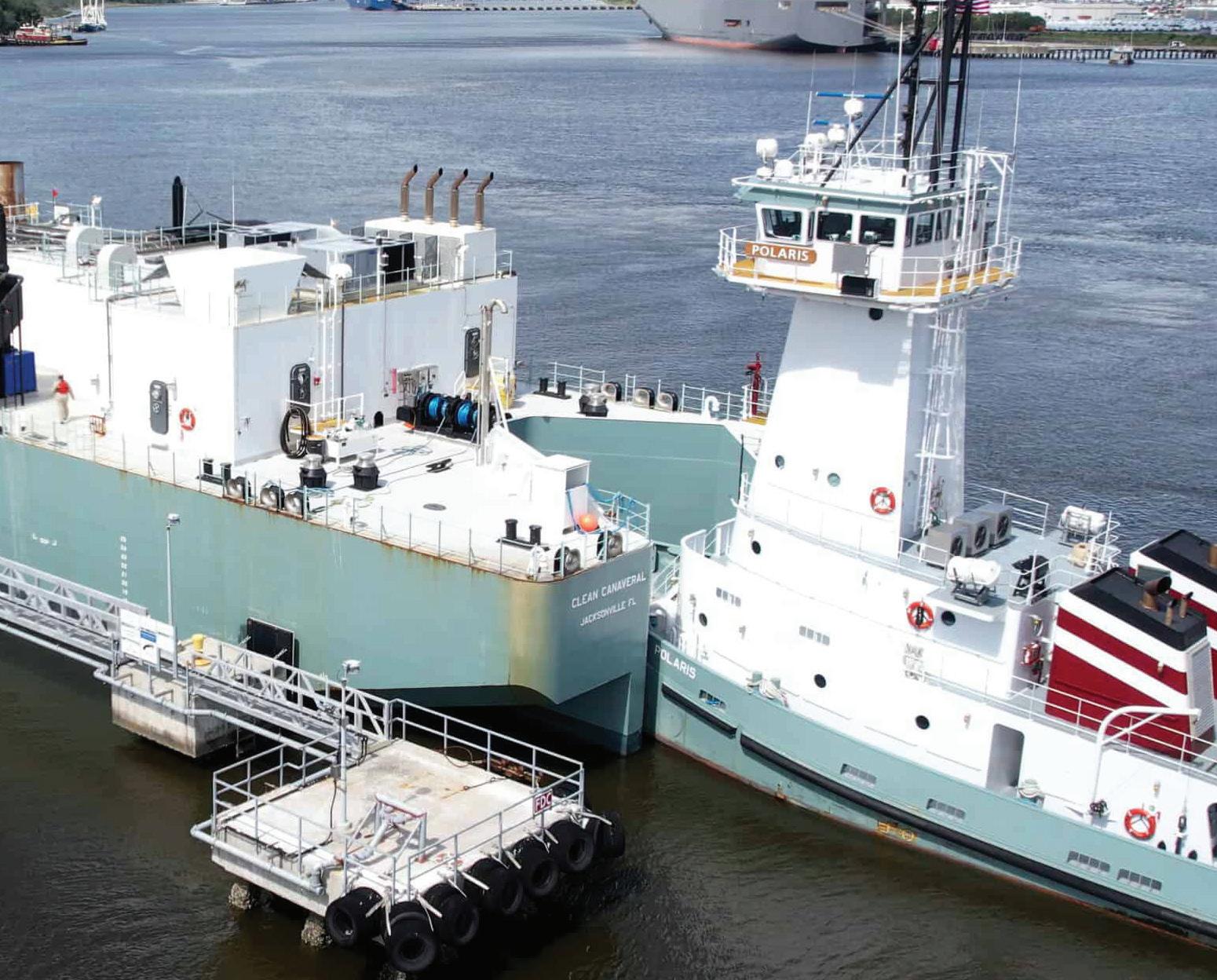
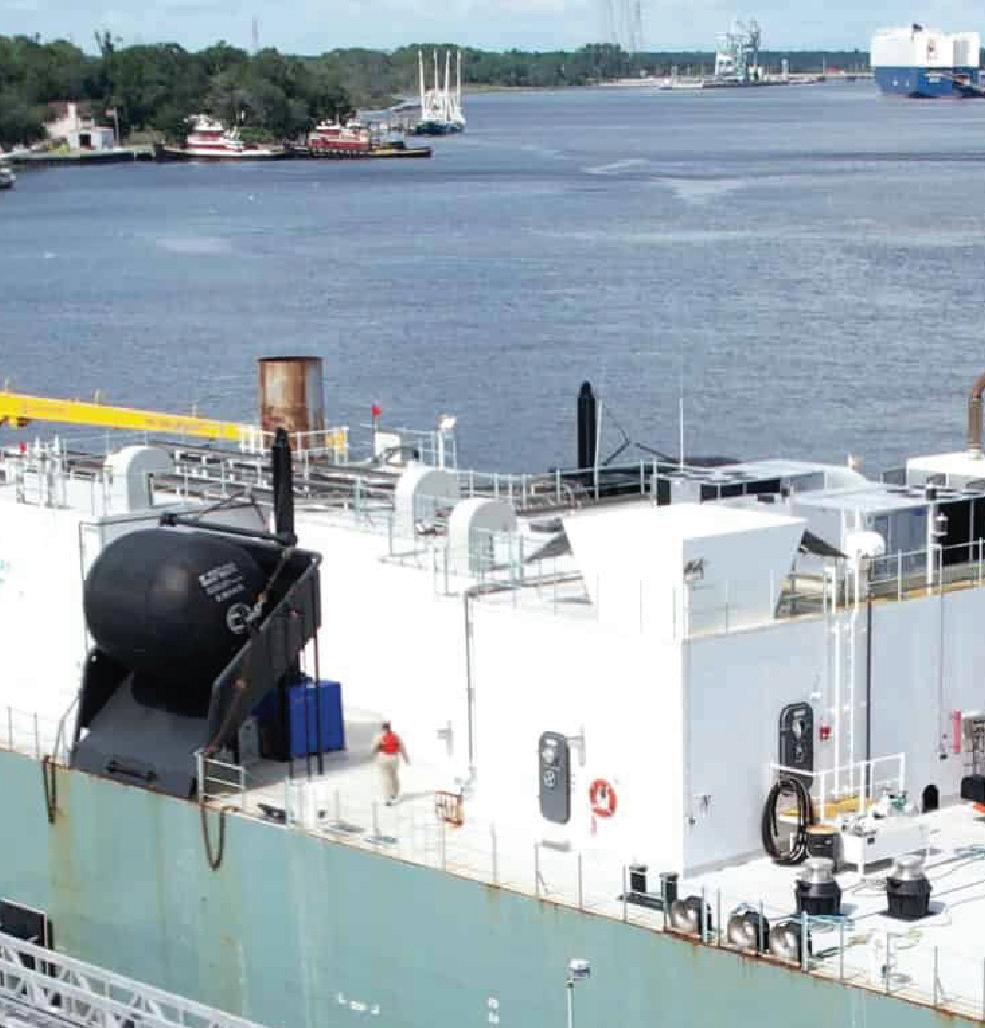
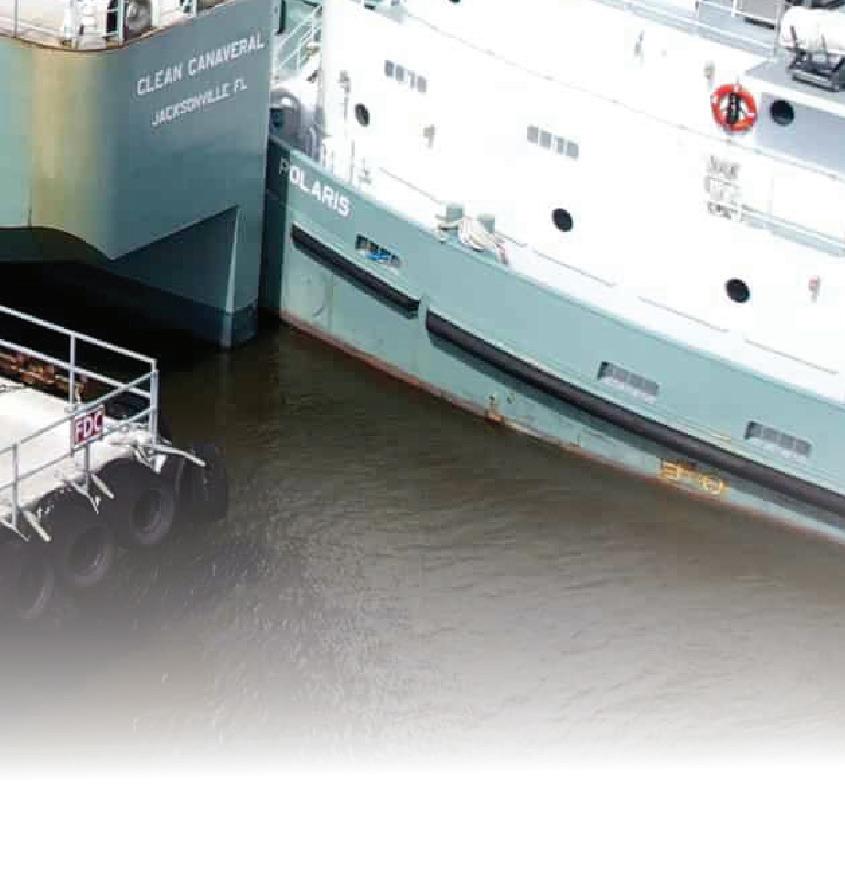
Seaside’s newest ATB barges, Clean Canaveral and Clean Everglades, each carry about 5,500 cubic meters of LNG. The company also operates Clean
Jacksonville, an earlier unit paired with a conventional tug.
“Our 5,500s were speci cally built because they t very well with our LNG production… With our ATBs that we have, we size them to where we can roughly carry a week of LNG production,” Owens said. “So that really helps us out to where we can ll the barge up and then make several deliveries before we have to come back and refuel it.”
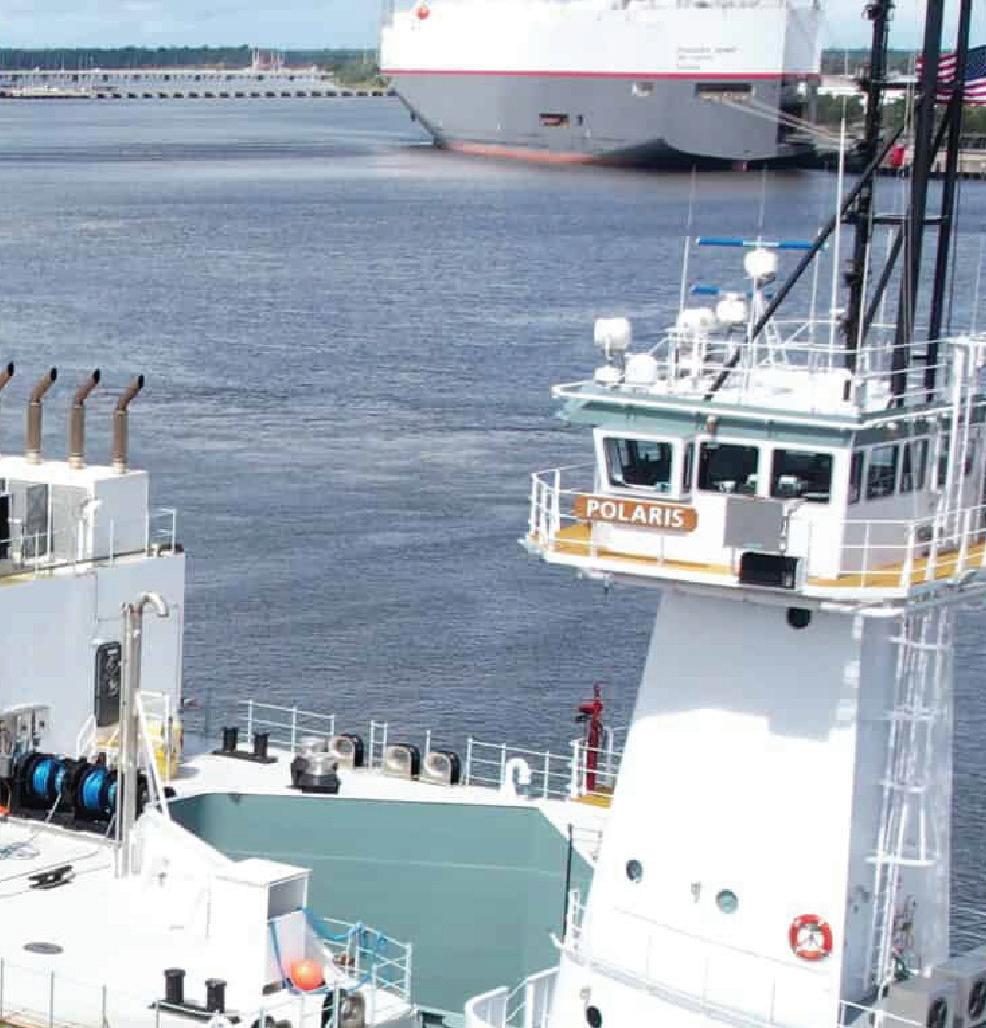
The ATB concept depends heavily on tug performance, particularly during close-quarters bunkering operations alongside large oceangoing ships. Seaside’s newest tugs, Polaris and Tortuga, were built by Master Boat Builders, Coden, Ala.
Delivered in March 2024, the 109' Tortuga operates from Jacksonville alongside her sister vessel. In 2024, McAllister Towing and Transportation Co. was contracted to manage, man, and operate the unit.
Tortuga is powered by two Caterpillar 3512E EPA Tier 4 diesel engines, each producing 2,000 hp. The engines drive Berg MTA 523 Z-drive thrusters. The tug is tted with a Beacon Finland JAK-400PHL-L articulated coupler system with Hydrolock.
“These tugs are equipped with Zdrives, so that gives us that maneuverability that we’re looking for,” Owens

said. “It’s especially important to us when we’re working alongside our customers, and we’re doing transfers, extended transfers, and depending on the variable weather conditions, it really gives us that stability that we need.”
He noted that propulsion and the ATB connection system work together. “If you couple that with the JAK coupling system, they kind of go together, and that allows us to really be able to control these ATBs safely.”
Seaside’s core service area currently runs along the Southeast and Florida coasts, also operating in the Gulf of Mexico, and is looking farther north. “In the future, we’re looking to expand that further up the coast towards the New England area also, and then expand on the Gulf Coast,” Owens said.
Since acquiring its rst LNG barge in 2021, experience has led to improvements in barge design. On Clean Everglades, Seaside added an elevated loading platform.
“One of the modi cations that we made with the Clean Everglades is that we added… an elevated loading platform,” Owens said. “What that allows us to do is actually load LNG from a typical LNG export facility.”
That expands supply options. “Instead of having truck-to-ship or kind of a bespoke land-based small-scale facility, we can pull up to and berth a large-scale facility and actually load LNG from there,” he said. “In our future ATBs, we’re looking to de nitely
incorporate that design feature.”
“We’re one of the only ones that have an integrated platform to where we have our own supply, and we’ve got our Jones Act barges,” Owens said, noting that the company operates three of the ve Jones Act-compliant LNG bunker barges in the U.S. market.
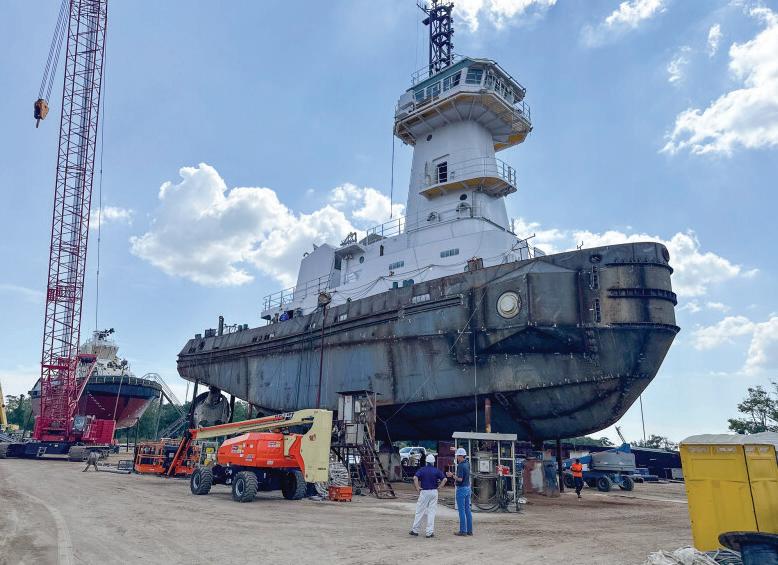
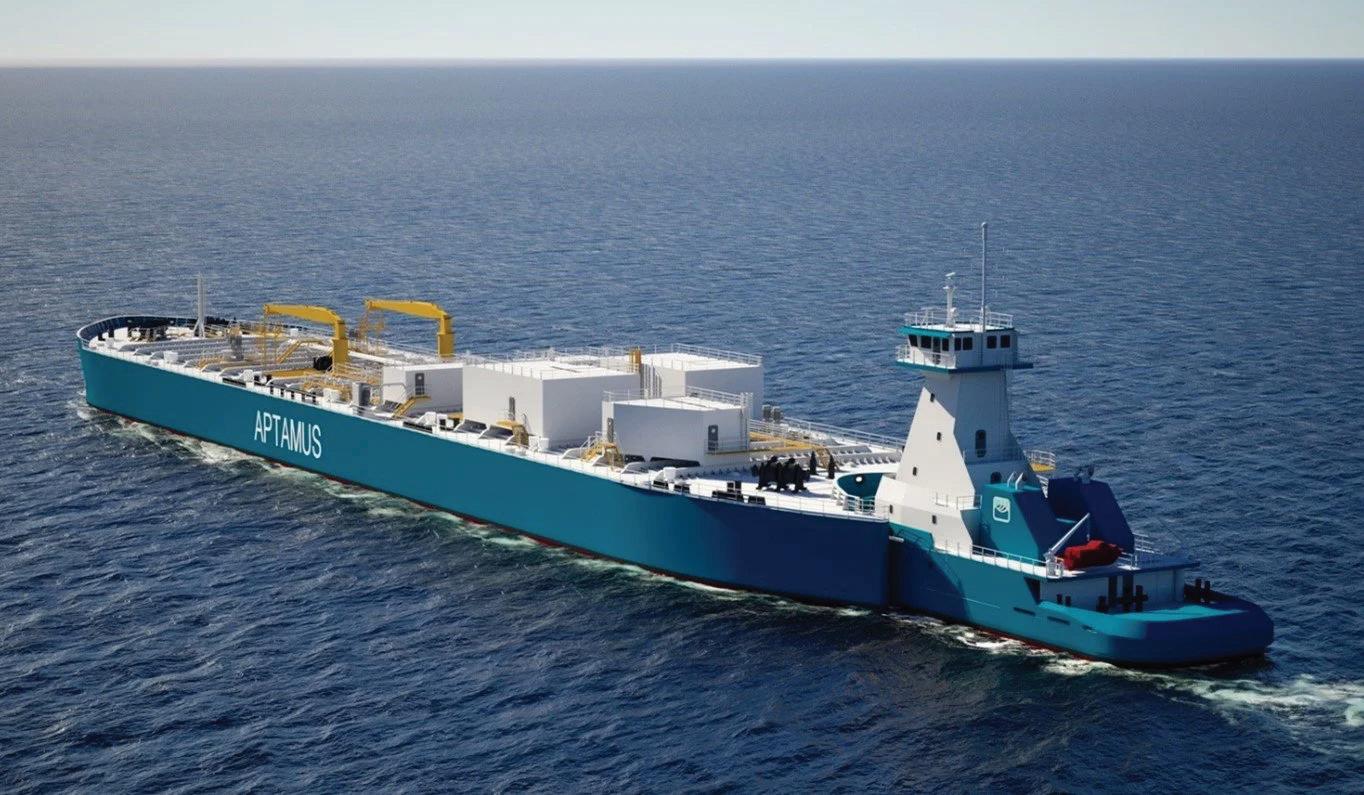
A similar ATB approach is now being applied to carbon transport. Aptamus Carbon Solutions, Tampa, Fla., recently received approval in principle from ABS for a preliminary design of an LCO2 barge intended for ATB service in the U.S.
“We sized it based on what we think the optimal cargo quantity of lique ed CO2 will be per voyage based on vessel transit length, round trip time, and target annual throughput,” said Kent Merrill, Aptamus’ vice president of marine projects.
“Our planned initial phase has two ATBs carrying CO2 that is captured from power plants and/or industrial facilities in the Tampa region to one or more ports in Texas and Louisiana where the CO2 will be permanently sequestered or used for enhanced oil recovery,” Merrill said. “We are developing a loading terminal in the Port of Tampa Bay and a discharge terminal at LBC Tank Terminals near Baton Rouge, La.”
He added that discharge terminals could be built in other Gulf ports like
Lake Charles, La., and the Texas ports of Port Arthur/Beaumont, Houston, or Corpus Christi, where CO2 pipelines and storage infrastructure exist.
Marine transport, he said, will be necessary alongside pipelines. “There is a general consensus that it will be impossible to satisfy the forecast demand with pipelines alone, and marine transportation of CO2 will be a critical piece of the nation’s decarbonization strategy,” Merrill said.
ABS’s Plaskon said ATBs are wellpositioned for emerging liquid cargoes tied to the energy transition. He noted, however, that ATB construction is currently subdued compared with past cycles. “Overall, ATB newbuilding in the U.S. is in a relatively low point of the market cycle,” Plaskon said. “LNG bunkering units have been leading new construction programs while conventional petroleum ATBs have not been as actively contracted as they were in the 2010’s.”
Still, as Merrill said, ATB design evolution continues. “We think modern ATBs, regardless of what they carry, will need to have more attention paid to hydrodynamics and resistance reduction with tools like [computational uid dynamics] analysis and model testing,” he said. “Innovative thought needs to occur with the design of the notch area where there is a gap between the barge and the tug and vortices in the water ow can increase drag and result in poor ow into the tug’s propellers, reducing their ef ciency.”
Merrill also said that modern tugs should be designed for future fuels, such as green methanol, and that technologies like air lubrication and rotor sails should be explored to determine whether they could be effective on unmanned barges.
Taken together, the Seaside LNG and Aptamus Carbon Solutions projects point to a broader shift in how operators are thinking about the ATB platform. Once de ned largely by petroleum service, ATBs are now being adapted for cargoes tied directly to decarbonization and the evolving energy mix.










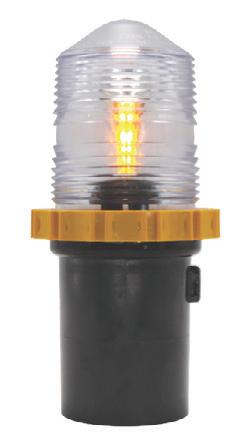


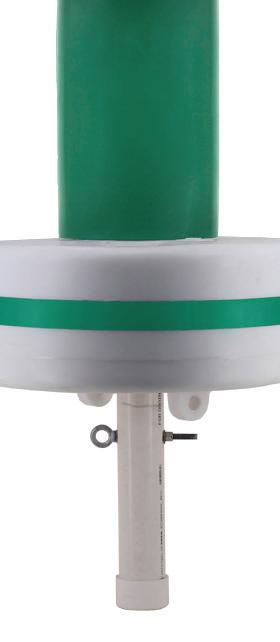
Meets 2 mile requirement for marking of dredge pipelines
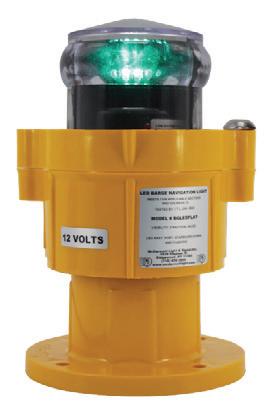



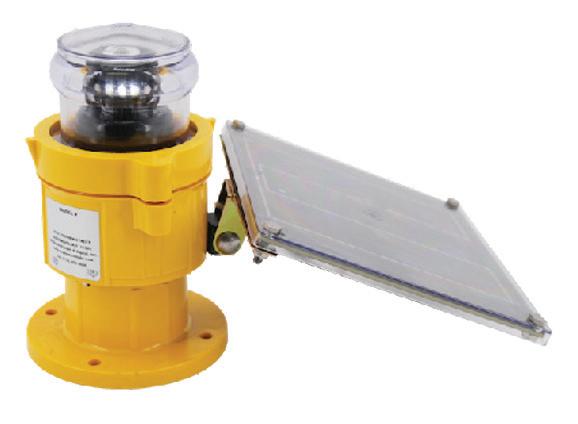
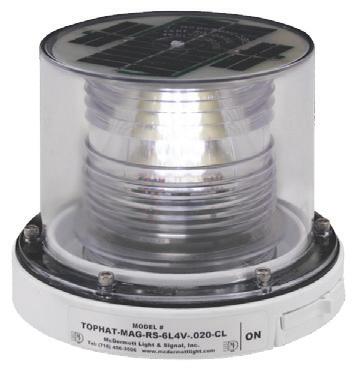


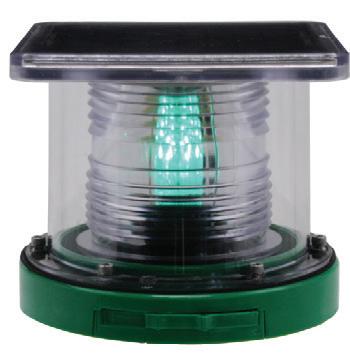


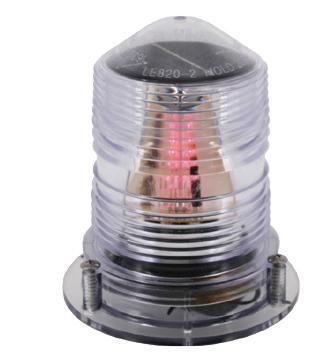



1 to 3 mile visibility for aids to navigation and applications such as buoys, docks, barges, and temporary lighting



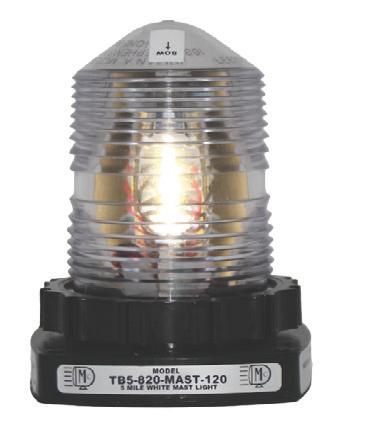
Permanent mount LED lighting for bridges, docks, and barges

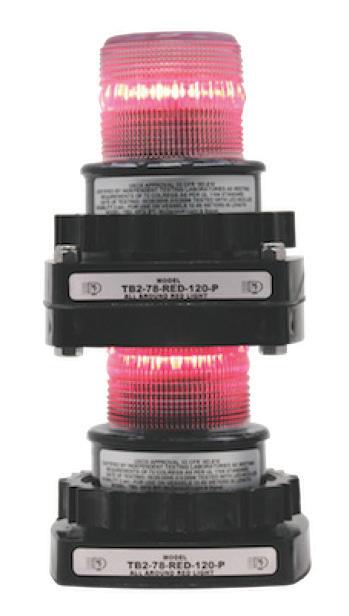







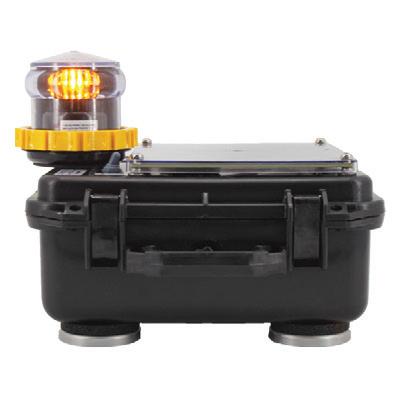


Navigation Lights
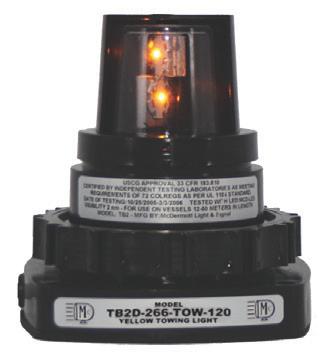






Available for all applications *Available with or without lighting* Solar

For vessels greater or less than 50 meters Certified to meet UL 1104 and Subchapter M Platform Marker Lights










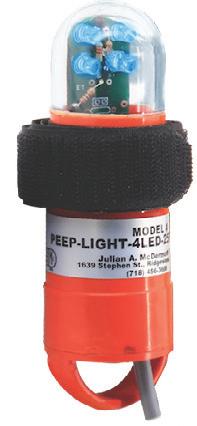



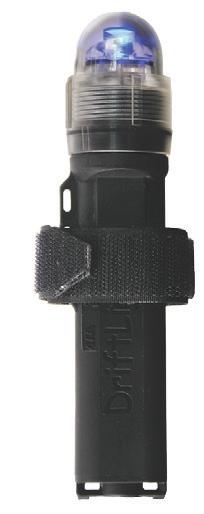






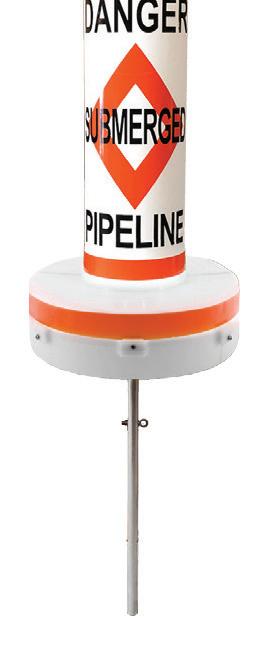
Solar or battery powered barge navigation lights for unmanned barges per UL1104 Regulatory Buoys




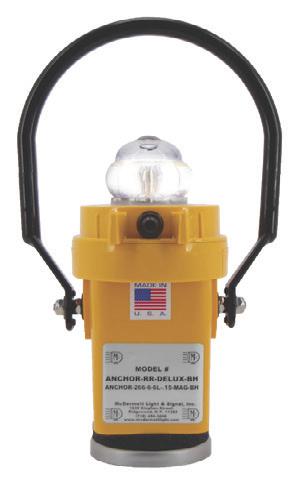
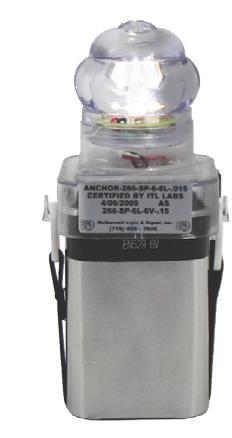


By Eric Haun, Executive Editor
When it comes to diesel engines, the holy grails are reliability and ef ciency. Sometimes the two do not go hand in hand.
Advanced digital solutions, conceived by manufacturers to help monitor engines and drive performance, can backre when so-called “smart” technology fails, triggering an alert that brings an engine of ine. Many marine operators
have described the tech as both a blessing and a curse. Modern technology is great, except when it isn’t.
“Most of the engines we sell are what we call dumb engines. They don’t have any computers on them,” said Brian Laborde, president and CEO of Laborde Products, Covington, La., the North American distributor of Mitsubishi, Tokyo, marine engines. “A lot of the challenges
Laborde Products is supplying Mitsubishi S6R2 Tier 3 engines for a series of 11 Hines Furlong Line towboats, including the Oxford, built by

exact opposite.”
Laborde Products is investing in a new onsite training facility at its Covington headquarters to train customers, dealers, and crews on “how to be the rst line of defense,” Laborde said. “Many times, an engine problem is not necessarily a complex x. It’s something small that we can help them do themselves, and ultimately get back to work.”
The latest offering from Scania , Södertälje, Sweden, unveiled to the North American market at the 2025 International WorkBoat Show in New Orleans, is engineered to be both reliable and ef cient.
our customers deal with from our competition aren’t engine issues; it’s minor sensors and electronic components that shut engines down. We don’t have that on our equipment.”

A hallmark of Mitsubishi engines is that their simplicity makes them more reliable, Laborde said. “The marine environment is very unforgiving, and salt and electronics don’t mix very well. The Mitsubishi engine line is completely mechanical.”
“The








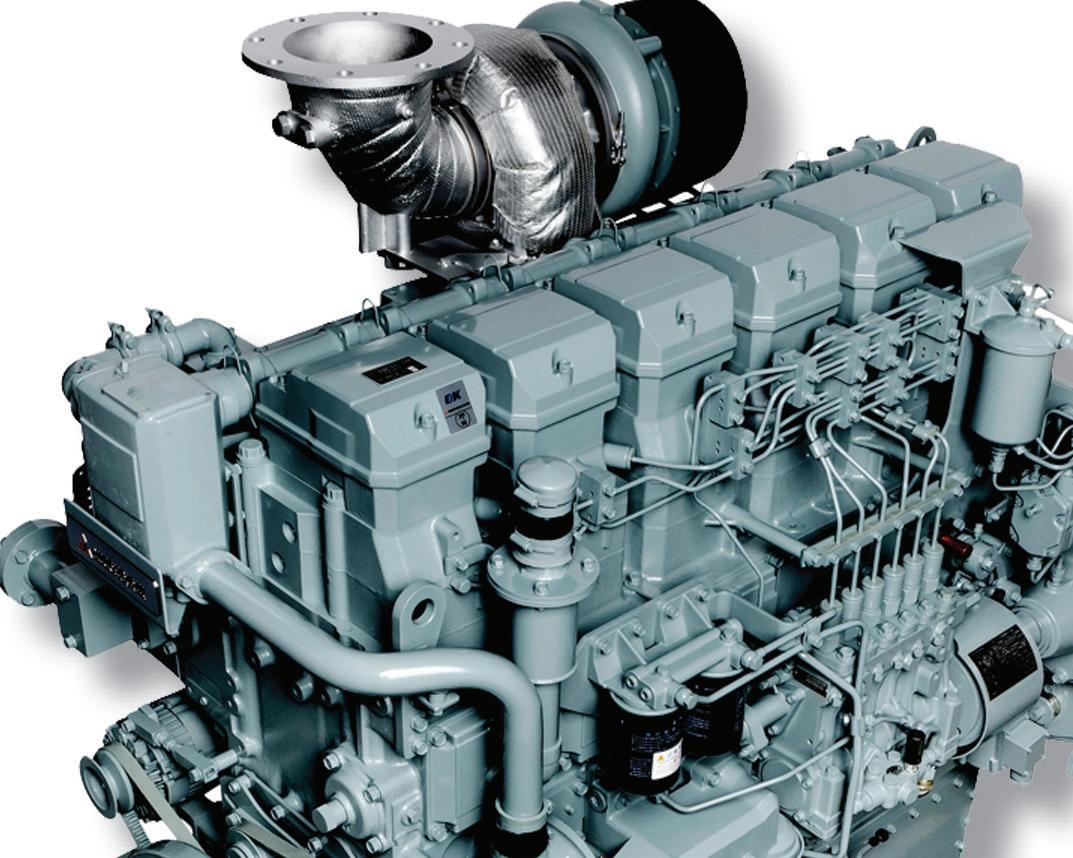



different applications. Everything we work on with [the Mitsubishi] design team is how to make the engines better for the marine environment,” Laborde said. “We’re very focused on eliminating complexity, keeping things simple, keeping [products] very customer oriented.”
The new 13-liter marine engine has been available in Scania trucks and an off-road version in Europe but is being launched in phases for the marine market. “We’ll have the rst ones stateside in late 2026,” Ernie Ortega, marine sales manager at Scania, told WorkBoat ’s sister publication, National Fisherman.
The company supplied 171 engines in 2025, supporting 18 newbuilds and 26 repower projects in the river, coastal, and inland marine markets.

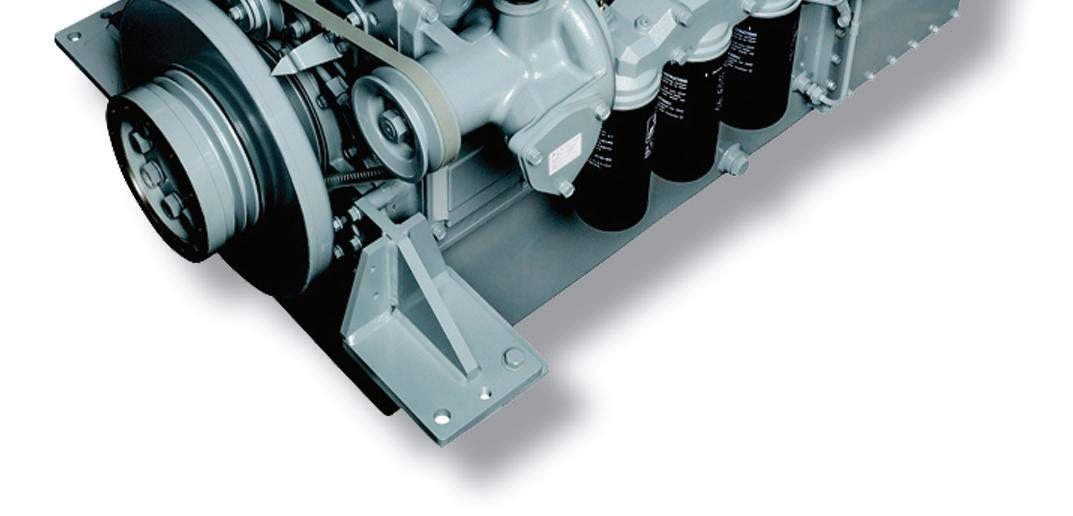
“We’re focused on the marine business, so we’re not trying to take this engine and sell it into a bunch of


The approach carries over to Laborde Products view on service. When something breaks while the boat is “in the middle of nowhere,” Laborde wants the owner to have the ability to get the boat back up and running as quickly as possible.










When noting
“We’re putting more and more power into our customers’ hands,” Laborde said, noting that some engine manufacturers are restricting customers’ ability to log into an engine to x simple problems. “We’re doing the
“One of the biggest selling points is the increase in fuel ef ciency,” Ortega said. “Up to 7%.”
The ef ciency gains come from multiple design improvements, including better geometry in the combustion chamber and an updated engine management system. “This is the most advanced marine engine Scania has ever built,” Ortega said. “It’s been designed from the ground up to deliver greater power and reliability while consuming less fuel and producing less CO2.”
The new design features reduced internal friction, optimized fuel injectors, and improved cooling, among other upgrades. The engine platform will be available in power ratings from 350 hp up to 1,050 hp.
In addition to the fuel ef ciency increase, the new design is also “alternative fuel ready,” Ortega said, noting compatibility with 100% hydrotreated vegetable oil (HVO) and up to 20% biodiesel. “One hundred percent HVO use would mean up to a 90% reduction in CO2 as compared to the cur-
rent platform.”
Almost every part of the engine has been changed to facilitate and reduce maintenance, including a newly designed engine block, monoblock cylinder head, and an improved rotating assembly with crankshaft, pistons, and dual overhead cams.
“Those all make contributions to an engine that is built to be reliable,” Ortega said.
Blume, sales manager for marine engines in North America at MAN Engines.


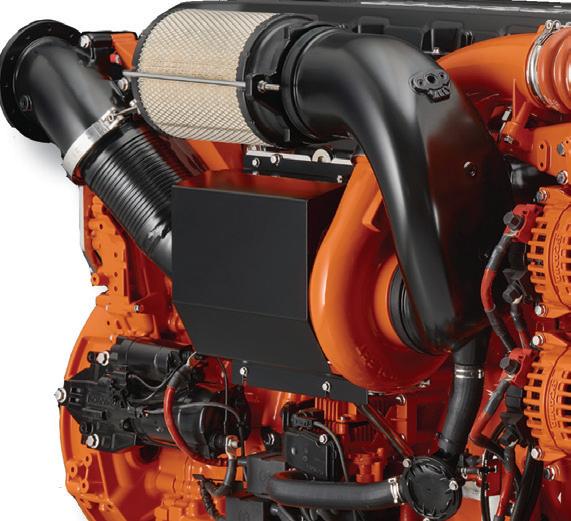





The Next Generation 13L features one-side maintenance, providing access to fuel lters, cartridge oil lters, engine oil ll point, seawater pump impeller, and a uni ed electric customer interface for engine diagnostics, all on the same side of the engine.
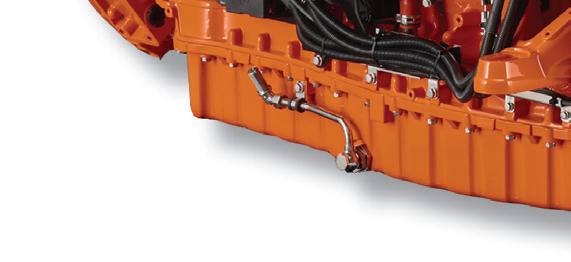
MAN Engines, Nuremberg, Germany, has been swift in its efforts to meet California’s stringent Commercial Harbor Craft (CHC) emissions standards, becoming the rst engine manufacturer to offer certi ed V12 engines that meet the demanding “In Use Performance Standard.”

The updated CARB CHC Regulation, which went into effect in early 2023, requires CHC vessels to drastically reduce pollutants. Only engines equipped and certi ed with diesel particulate lter (DPF) and selective catalytic reduction (SCR) systems receive approval.









proven DPF and SCR technologies to its marine engine portfolio,” he said. “In particular, MAN’s compliance with Euro Stage V regulations for Europe’s inland waterways provided a strong foundation that aligned closely with California’s harbor craft emissions requirements.”




MAN Truck & Bus in Germany has long operated in highly regulated on-road and off-road applications, including commercial trucks, agricultural equipment, and industrial machinery, where stringent emissions standards have made the use of DPF and SCR systems commonplace,






closely craft portfolio.


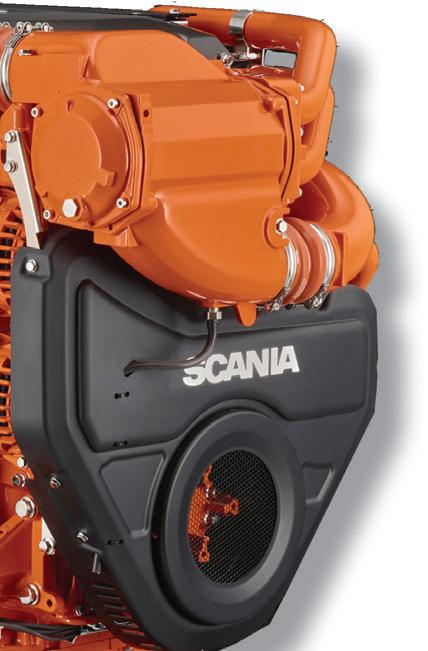







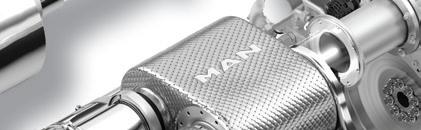




MAN Engines has rolled out a fully integrated exhaust gas aftertreatment system that coordinates the engine, DPF, and SCR to guarantee maximum ef ciency and reliability.







“MAN Engines has been able to stay ahead of the market with its CARB-veri ed offerings by leveraging years of experience with advanced aftertreatment systems across multiple sectors beyond marine,” said Jason



Blume explained.





The engines that meet these strict emission requirements are based on EPA Tier 4 engines from MAN’s current portfolio. Four performance variants of the 12-cylinder MAN D2862 are available for the CARB CHC In-Use Performance Standard, ranging from 735 kW (1,000 hp) for heavy-duty applications to 1066 kW (1,450 hp ) for medium-duty applications.




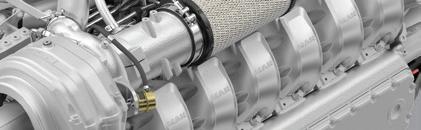
Several reference projects featuring MAN’s CARB-compliant offering were delivered in 2025. The U.S. ferries Karl and Zalophus, both built by Mavrik Marine, La Conner, Wash., for San Francisco Bay Ferry, meet CARB CHC standards. The research vessel North Wind , built by All American Marine, Bellingham, Wash., for California Polytechnic University, Humboldt, is also equipped with MAN engines and is already in operation.
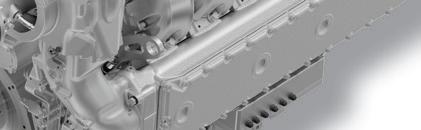






Early reference vessels in California have reinforced the importance of hands-on installation support when integrating aftertreatment systems, Blume said.





“This extensive experience has allowed MAN to effectively transfer







“These projects highlighted the need to carefully address space constraints, serviceability clearances, and proper ventilation early in the vessel design and installation process.”
In early 2026, MAN Engines expanded its portfolio with the new MAN D3872 LE437 with 920 kW (1,250 hp) for heavy-duty applications. It features a displacement of 30 liters, a heavy-duty rating, and the same modular, compact DPF+SCR exhaust gas aftertreatment system. engines is



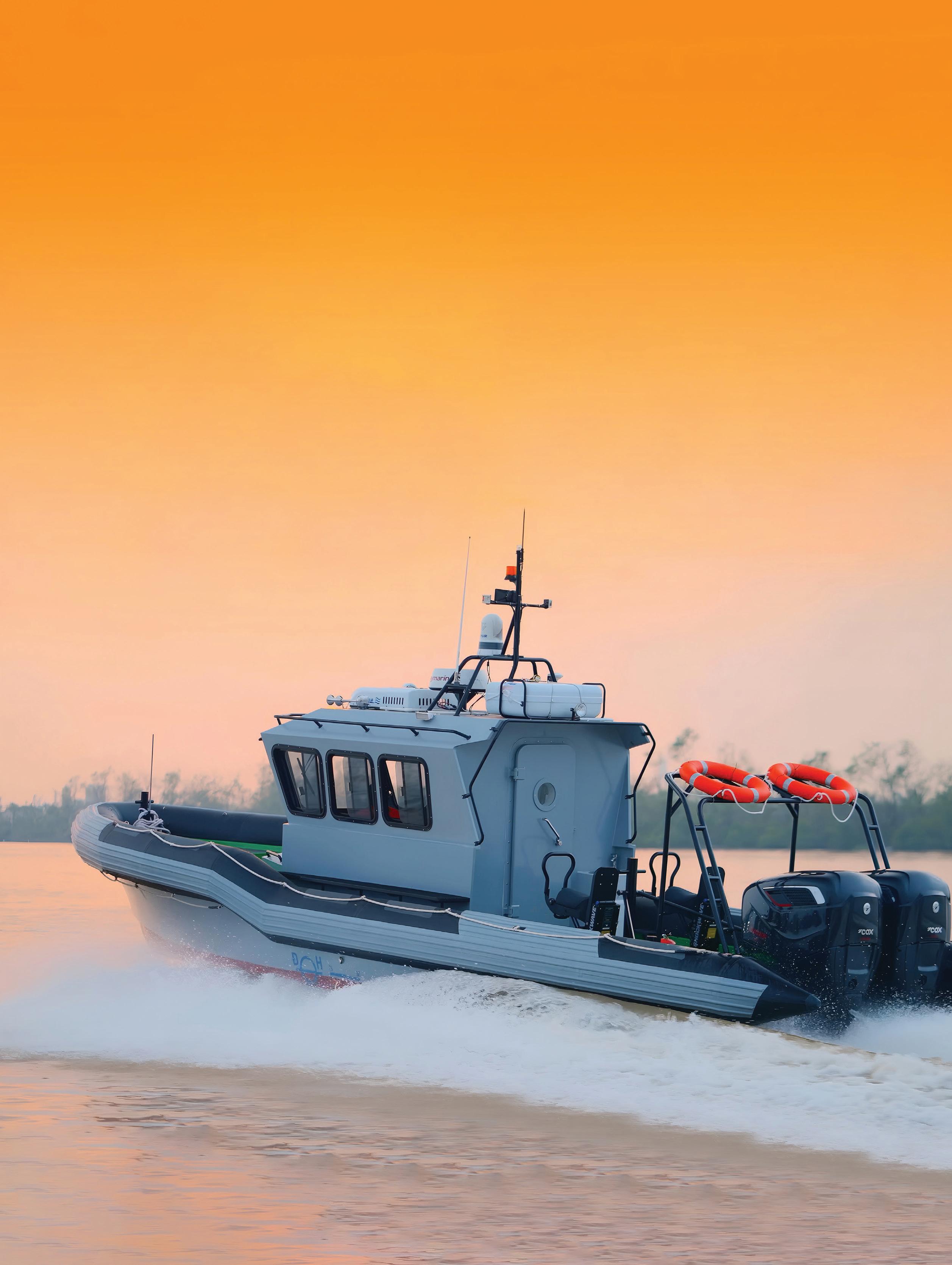


By Eric Haun, Executive Editor
When Karl H. Senner sold his rst Reintjes gearbox in 1967, few could have predicted how deeply the name would become woven into the fabric of the American workboat market. That rst sale of German propulsion equipment into the U.S. — to LeBeouf Bros. Towing LLC, Bourg, La., a customer that still operates REINTJES gearboxes across much of its eet — set the tone for a family business built on long-term support.
The company now known as Karl Senner LLC was formally founded in 1972 after securing the exclusive Reintjes sales and service distributorship for North America. Starting with a focus on tugboats, growth came steadily through inland, offshore, shing, and government markets.
Today, the New Orleans–headquartered company remains the exclusive sales and factory-authorized service representative for Reintjes marine gearboxes across North America — and also supports customers in Central America and the Caribbean. Reintjes GmbH, based in Hameln, Germany, manufactures marine gearboxes from roughly 250 kW to more than 30,000 kW (335 hp to 40,000 hp) for applications ranging from inland towboats and tugboats to high-speed craft, ferries, dredges, naval vessels, and hybrid propulsion systems.
Over the decades, Karl Senner’s core offering expanded into a carefully curated portfolio of propulsion technologies. In 1982, it became the exclusive North American distributor for Sweden-based Berg Propulsion controllable pitch propellers. In 2000, it became the exclusive U.S. distributor
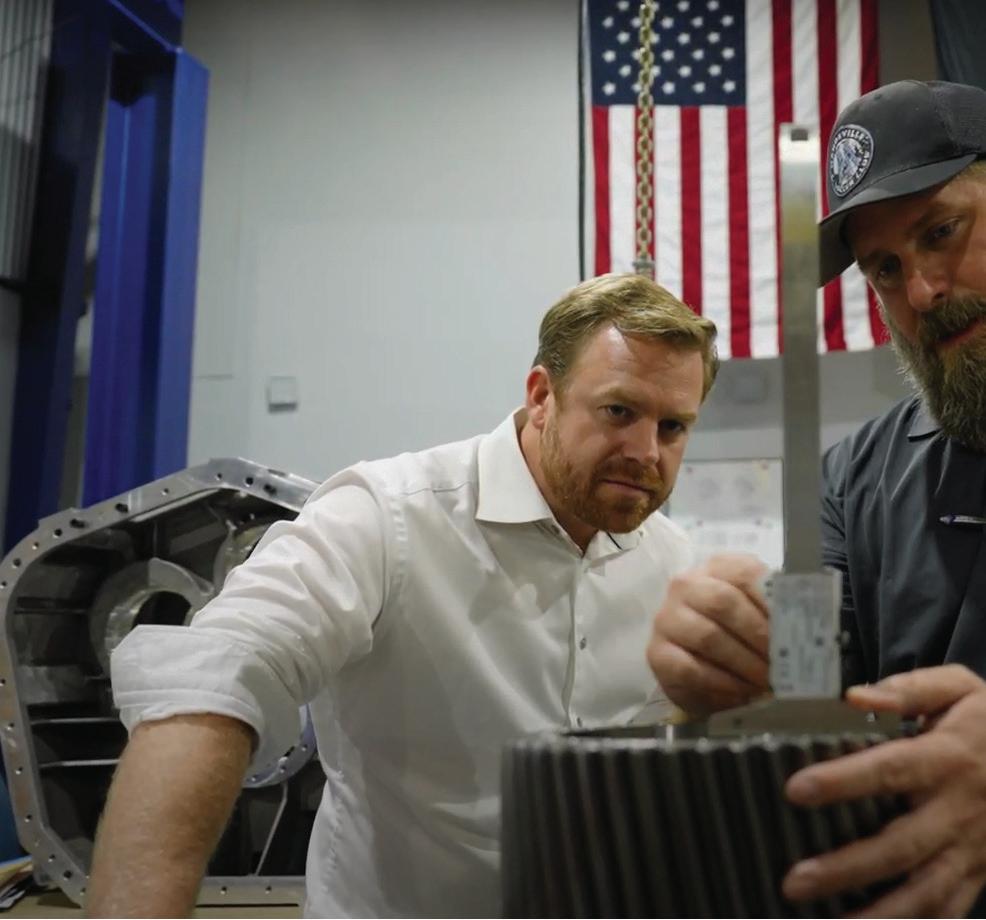
and service provider for Finland-based Steerprop, which manufactures azimuth propulsion systems and thrusters.
Distribution for Berg Propulsion ended when the company was acquired by Caterpillar in 2013, but Karl Senner’s relationship with the installed base endures. “We still support every Berg system we delivered — parts, troubleshooting, and eld support — and we continue to work with Berg and its dealer Thompson on select projects,” said Chris Senner, executive vice president of Karl Senner LLC.
Chris and his brother, Karl Senner, president, are the third generation to lead the business. The pair assumed day-today leadership from their father, Ralph Senner, in 2022, the same year the company celebrated its 50th anniversary.
Karl Senner LLC is deeply embedded in some of the most active vessel segments in the Jones Act market. The company is currently supplying Steerprop azimuth thrusters for a dozen ship-assist tugs under construction at Master Boat Builders, Coden, Ala. “These are very exciting projects. We look forward to expanding our presence in this market segment and playing a key role in the growing need for ship-assist tugs across the industry,” Karl said. “These vessels are demanding, complex, and must remain missionready — exactly the kind of work where integration and service support matter most.”
Inland towboats, passenger vessels, shing vessels, dredges, and repower projects round out a diversi ed workload that helps smooth market cycles. “Marine is our sole focus, so we have to stay exible and creative,” Karl said. “With more than 50 years behind us — and the drive to earn the next 50 — we rely on experience, know-how, and relationships to deliver solutions that make sense for the customer in any market condition.”
Karl Senner has been expanding into electrical system integration — including diesel-electric, hybrid, power takeoff, power take-in, and fully electric propulsion architectures — by building on lessons learned across more than 300 vessel applications. “As we began integrating electrical systems with propulsion on those early projects, we worked hand-in-hand with electrical integrators,” Chris said. “We eventually made a decision to bring full electrical integration in-house so we can tailor complete systems to each operator’s preferences and give designers and shipyards a single point of accountability for both the propulsion and the electrical systems behind it.
“Our customers often want a simpli ed approach,” said Josh Davis, electrical integration manager, who leads the ef-
fort. “That’s why our solutions remain brand-agnostic and designed to our specification, selecting the best components for the mission with serviceability and parts commonality in mind.”
Rather than aligning to a single product or strategy, the company develops solutions tailored to the vessel and its mission. This can include electric motors, variable frequency drives, switchboards, direct-current bus architecture, inverters for energy storage systems, and — when required — batteries. “We can tailor the architecture to what the customer actually needs,” Davis said. “We’re not forcing a particular design onto an application.”
Early demand has been strongest in the passenger vessel market, driven by emissions goals and regulatory pressure in certain states. “Government-funded passenger vessel programs are still a strong driver for hybrid and fully electric projects,” Chris added, “and we expect that demand to continue expanding into broader commercial applications.”
The company’s Buy America initiative is gaining momentum, with two sizeable FTA projects underway — one for Golden Gate Ferry on the West Coast and another on the East Coast (yet to be announced). Karl Senner will deliver Buy America–compliant Reintjes gearboxes produced and tested at its facility near New Orleans.
In 2024, the company manufactured its first Buy America–compliant Reintjes gearboxes after a third-party specialist audited its processes and confirmed full compliance, enabling a final product that can be up to 100% U.S. content — and opening the door to additional FTA-, FHWA-, and other federally funded programs with domesticcontent requirements.
If there is one theme that defines Karl Senner LLC, it is service — a foundational promise, Karl said, backed by inventory and a field-service model built for urgency. The company carries spare parts and complete-unit stock at a level
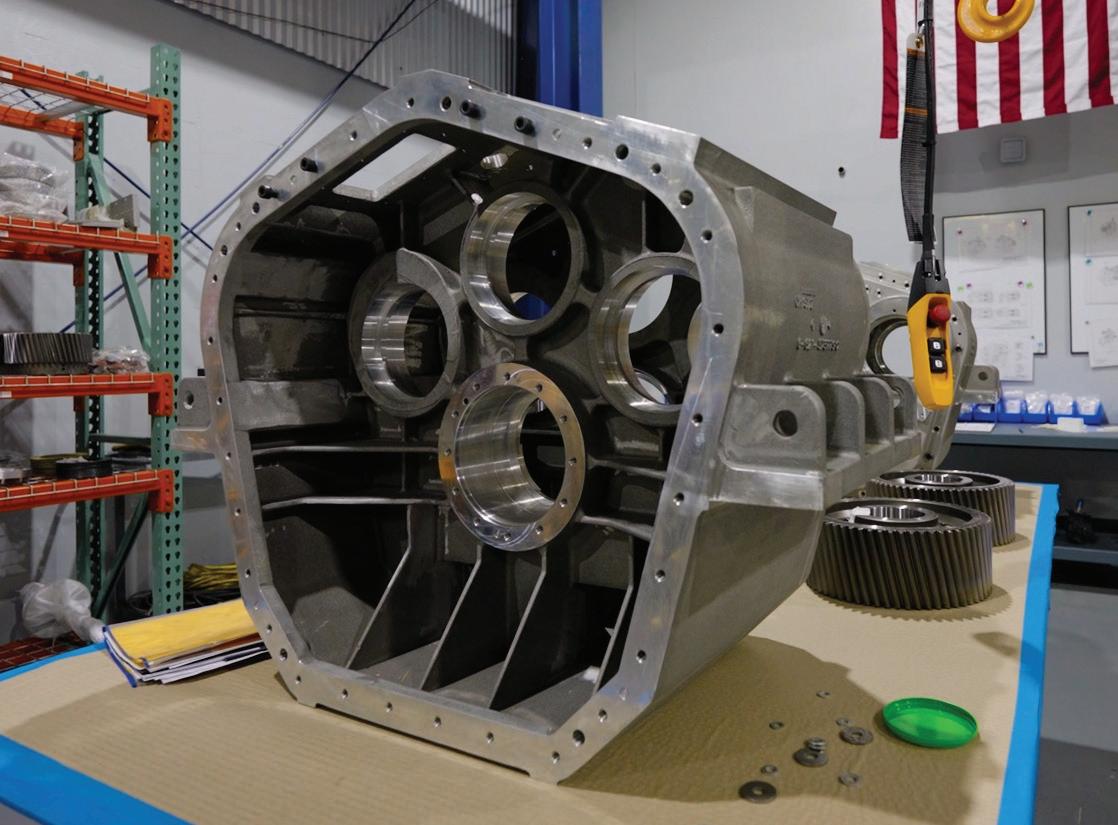
few competitors are willing to match.
“Most companies prefer to avoid the carrying cost of deep inventory,” Karl said. “But our customers don’t have the luxury of waiting. We stock what they need because uptime is the business.”
That inventory, combined with service teams staged across key regions, allows rapid response. “For our customers, time is money,” Chris said. “Every day counts, every hour counts.”
The company aims to have the right parts and the right technician quickly available — often dockside within 24 hours — depending on location and access. “Responsiveness is where trust starts, and uptime is where it’s proven,” Karl said. “Our goal is simple: maximize uptime with reliable equipment and a parts-and-service team that’s ready to respond fast and effectively. And we continue to support every piece of equipment we’ve ever sold throughout the life of the vessel.”
Karl Senner continues to invest in facilities and tooling, including expanded parts warehousing, new cranes, and an air-conditioned service shop — along with in-house manufactured equipment
to support the growing installed base.
Geographically, the company has strengthened its footprint with additional service and sales coverage, including a new partner with four established locations in Mexico. An East Coast service hub is under consideration, and further West Coast expansion plans are in motion.
Personnel remain the most critical investment. “We’ve been fortunate in our ability to attract and retain great people,” Karl said, noting strong success hiring veterans. “We have many ex-military employees from all branches. We see the same positive traits show up again and again: work ethic, discipline, and a commitment to the mission.”
Training is intensive and ongoing, but leadership emphasizes trust and autonomy. “We want our team members to be masters of their trade,” Chris said. “Give them the tools, give them the training, and let them own the result.”
Karl Senner’s mission — relentlessly pursuing operational excellence for its customers — is captured by the company tagline: “Propelling Excellence.” It’s what the company has done for more than 50 years, and what it intends to do for decades to come.
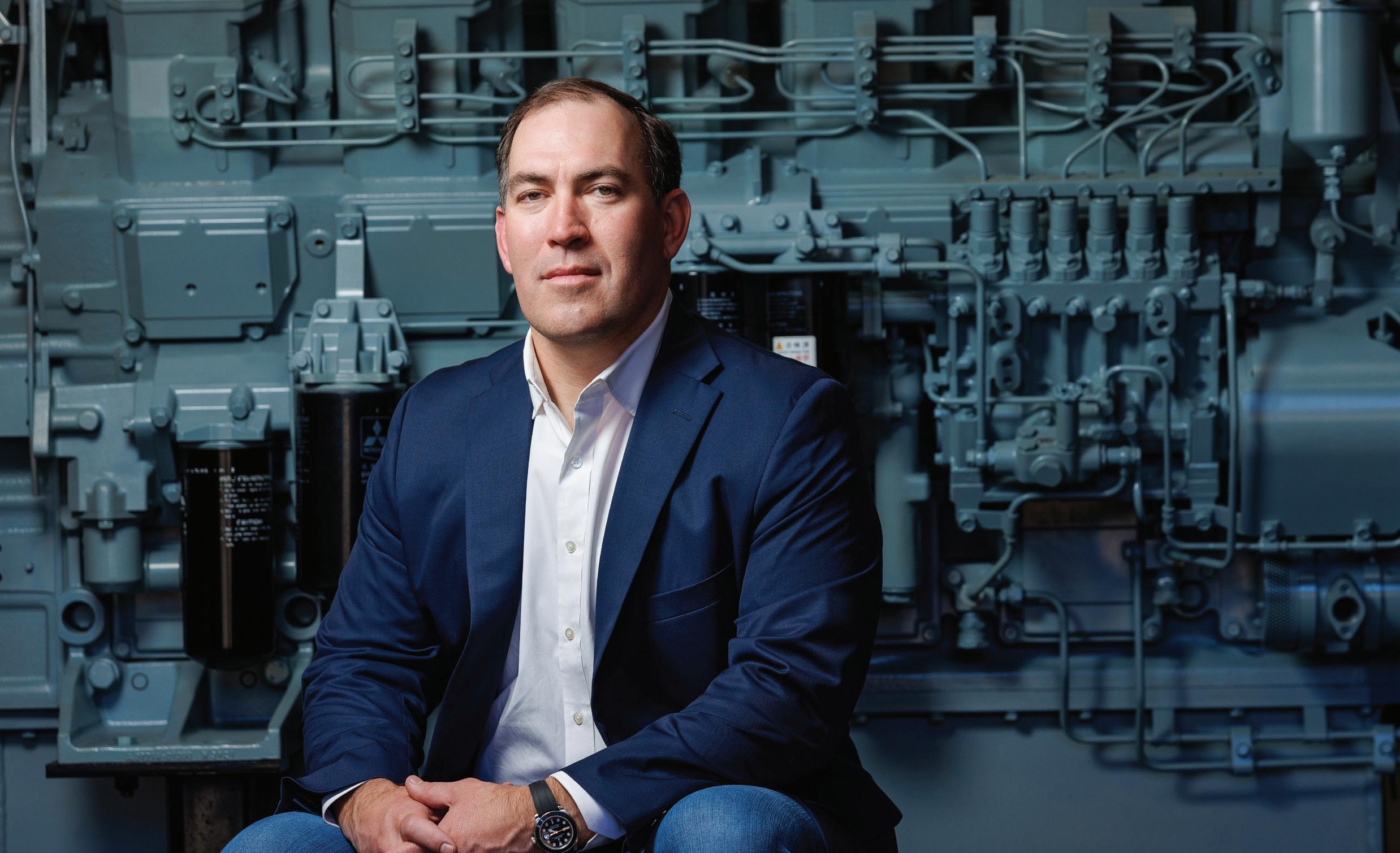
By Eric Haun, Executive Editor
WorkBoat sat down with Brian Laborde, president and CEO of Laborde Products, to discuss how his family business has carved out a distinct position in the marine engine market. He explains how his company’s 100-person team competes successfully against multinational giants and why support, not just sales, defines long-term partnerships with customers. This interview has been edited for length and clarity.
Please give a background on the company history.
Laborde Products is a family business. My grandfather was one of the founders of Tidewater Marine, so my
father grew up around the workboat industry. My dad started a supply boat company with his brother, then decided to leave but didn’t want to get totally away from the industry. He ultimately founded what is now Laborde Products, taking over a company

called Star Power that was an engine distributor for Yanmar Marine engines in the sailboat and recreational industry.
My dad’s intention was always to take the company into the commercial side of things. He went to Japan to meet with Yanmar about the commercial business and also visited Mitsubishi about their commercial lines, which were not really present in the United States. Mitsubishi started a partnership with Laborde, and we started distributing Mitsubishi in 2000.
My history was running a marine company out of Houston. I was tasked with repowering a bunch of boats, and I worked directly with my dad on that. I was a customer of Laborde for about six years prior to joining the company. I joined about 15 years ago and took over running the company about 10 years ago.
During the Covid pandemic, when the world was shutting down, we really decided we needed to focus the business. We made the tough decision to put all of our eggs into the marine business. That’s where all our experience was. When we looked at our major competitors, their marine businesses were one of their smallest segments. We felt like if we were going to challenge these major companies, we had to specialize in a market they might overlook.
We made major investments in parts and engines going into Covid to ensure our customers weren’t going to have operational issues. Covid was the in ection point for our major growth. That was the point where our customers were like, this little company is different. When everything gets tight, we are going to make sure that the boats keep running.
Since then, we’ve stayed focused. We’re a marine engine company: propulsion, auxiliary power, and barge equipment. If it’s oating and it’s working, those customers are our customers.
Can you give an overview of your product offering?
On the Mitsubishi side, we run from about 400 hp up to about 1,700 hp. That’s the river, coastal, and inland marine market. We do a lot of work in coastal tug markets on the East Coast and commercial shing. We’re in the auxiliary power business from about 40 kW up to 125 kW.
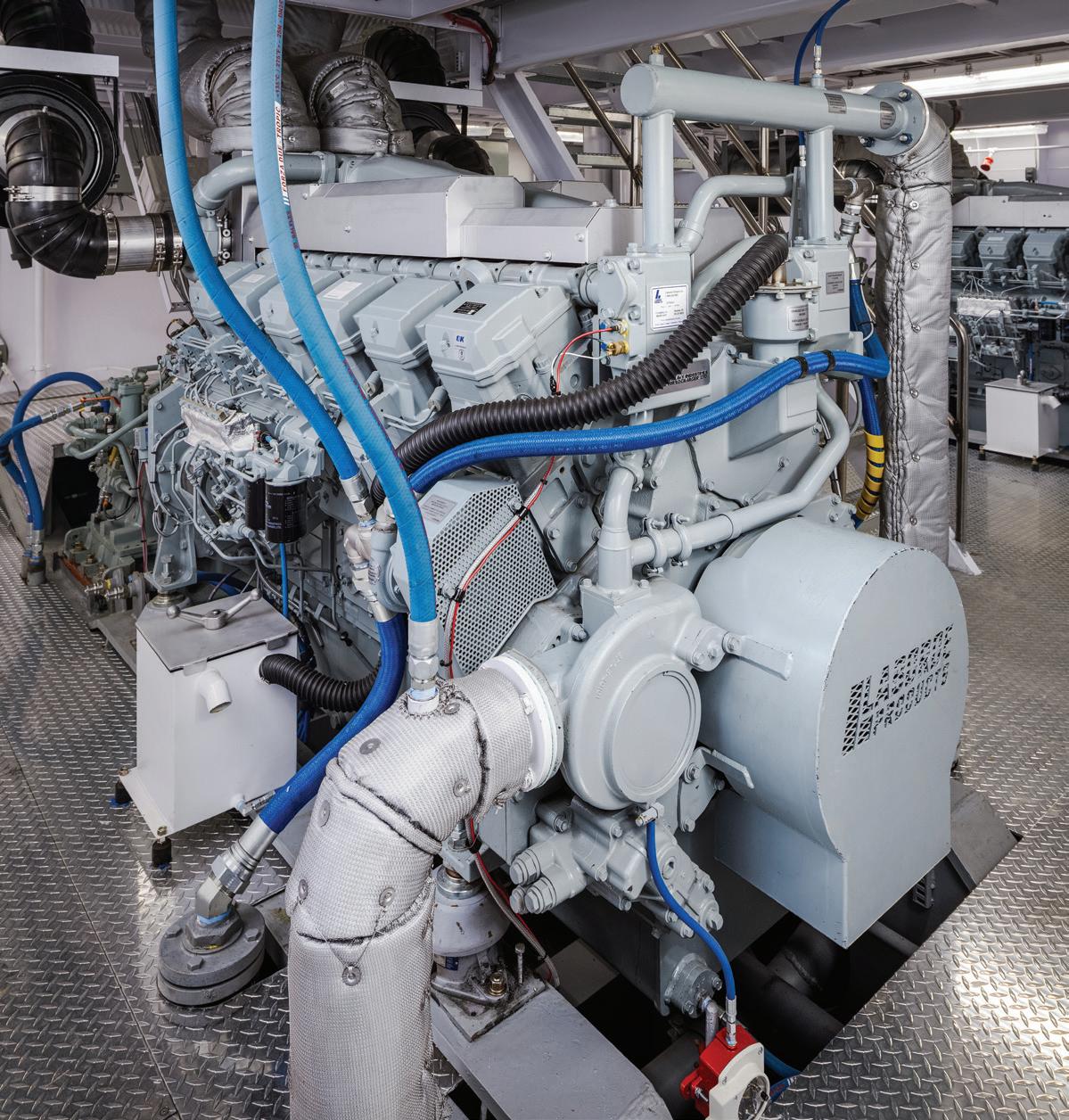
We also represent Scania’s commercial marine line. All of the companies we represent are from outside of the United States. The Mitsubishi is a very heavy, robust, high output engine. It’s great for a workboat. It has high torque. It pushes, but it’s not going fast. On the other side, Scania engines are high output, low weight. They are going into pilot boats, crew boats, vessels where you want to get on a plane and go fast. And so that engine is designed completely differently from our Mitsubishi.
We also represent a company out of Austria called Steyr. It is a very specialized product. The majority of our Steyr product goes into military applications. One of the big growth areas for that product is autonomous drone boats. That’s a blossoming market here in the United States. The military is trying to get people off of the boats for dangerous missions. We ultimately work with companies that develop the boats and participate in that market.
The inland market is in a challenging space right now, and it’s our largest market. The cost of new assets has been escalating substantially. Emission standards have continued to rise, and the cost of higher EPA tier engines is exceptionally higher. Our Tier 4 product has expensive components: SCRs and aftertreatment systems. However, the market hasn’t necessarily accepted those higher costs.
If a customer were to build a 2,600-hp tug today, it would need to be EPA Tier 4. That vessel would cost about $4 million more than a Tier 3 tug, yet the rates paid to operate those two vessels are the same. I don’t expect to see substantial newbuilding until the market shifts in a way that the charters of these vessels will absorb higher rates, allowing us to build.
One of our biggest business segments is repowering vessels. Our growth for the next two to three years is going to be driven heavily by the replacement of older tier engines and competitors’ engines. To remove a competitor’s engine and put ours in isn’t just the cost of the engine. There are modi cations that have to happen. When a customer makes the transition to Mitsubishi and Laborde, they’re making a major investment. However, our growth shows that the returns over time are substantially better. Every major company in the country is in the process of making that transition to Mitsubishi.
Tariffs have been a big challenge. We took a very different track than our competition. We knew tariffs were going to impact us. We took some preemptive action to
adjust pricing, but we made the decision to honor the contracts we had in place. That put nancial pressure on our company, but we felt like “If somebody has made a deal with me, they’ve made a deal with me. It’s not a corporate decision, it’s a Brian decision.”
We have millions of dollars’ worth of projects that will play out in the next two or three years where our margins will get squeezed because of tariffs. But we decided it was the right thing. My name’s on this building. It’s the one thing you have that truly de nes you. When we make a deal, we make a deal. Our customers had taken loans out; they had pricing. In the long run, customers will remember that we stick to our deals.
A lot of companies look at this like we’re in the engine sales business. We’re not. When we sell an engine, it’s just the rst step in a relationship
that’s going to last 15, 20, 30 years. As long as I’ve been in this business, when we go in, we never come out. When we sell a product, it’s just the very rst step in a very long-term relationship. We take that seriously, and we take it personally.
The biggest challenge we talk about daily is constantly improving our support. We have engines operating all over the country. How do we support that customer that breaks down in the middle of nowhere? How do we get parts to him? How do we have the right part in the right place when it’s needed?
Last year, we opened a new of ce in Paducah, Ky., to have a strategic center in the upper river region. When
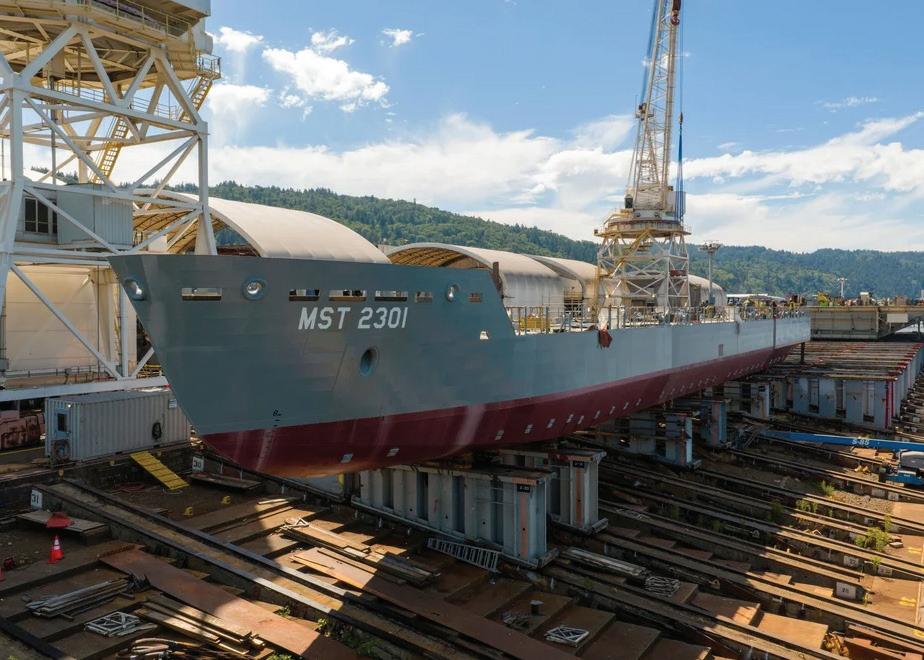
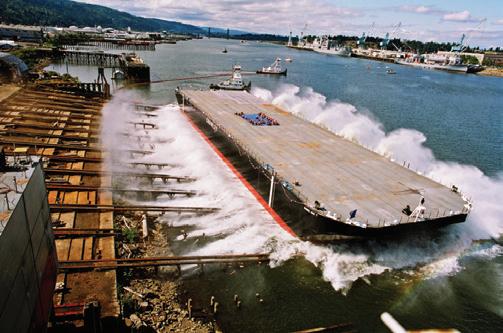
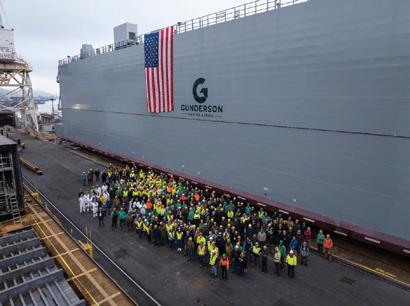
From concept to launch, Gunderson Marine & Iron builds the vessels and infrastructure that keep commerce, energy, and defense moving Operating the largest side-launch shipyard on the West Coast, our 58-acre shipyard boasts high-capacity cranes, deep-water access, and a highly skilled workforce. Over 100 years of building and repairing barges, tugs, dry docks, and specialty vessels for commercial, government, and defense customers
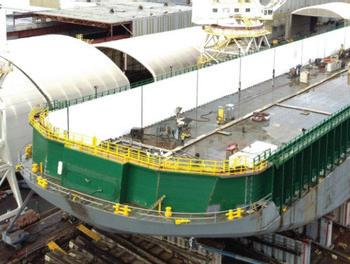
I opened that location, we put probably $3 million in parts, inventory, and engines in that facility, so we can be closer to St. Louis, closer to Pittsburgh, when we do have a problem. Every engine is great on the rst day. Engine companies don’t truly prove themselves until the engine breaks. That’s when we earn our reputation. When a brand-new engine starts on day one, they’re all running perfectly. It’s when they break, when there’s an issue. How fast can we get there? Do we have the parts available? Do we have the people and resources to get them up and running? That’s when we truly earn the reputation of the company and the product.
We look for people who match our values. We look for people who are aggressive. A lot of times, we’re looking for a mom-and-pop person, a small operator who is hungry. When we call them at two o’clock in the morning and say we’ve got a boat down, it’s three hours away, we need you to go now, they’re excited to get the call.
We have about 50 dealers throughout the Eastern United States, and we are growing every year. When we can nd partners who have that aggression, that eagerness, those are the best partners. I’d rather one guy in a truck than the best-looking facility in the world with the biggest corporate brand that’s not willing to go when I need them to.
We hire the right people and then let them do their job. Everyone at Laborde Products plays a critical role. Whether it’s a driver running parts
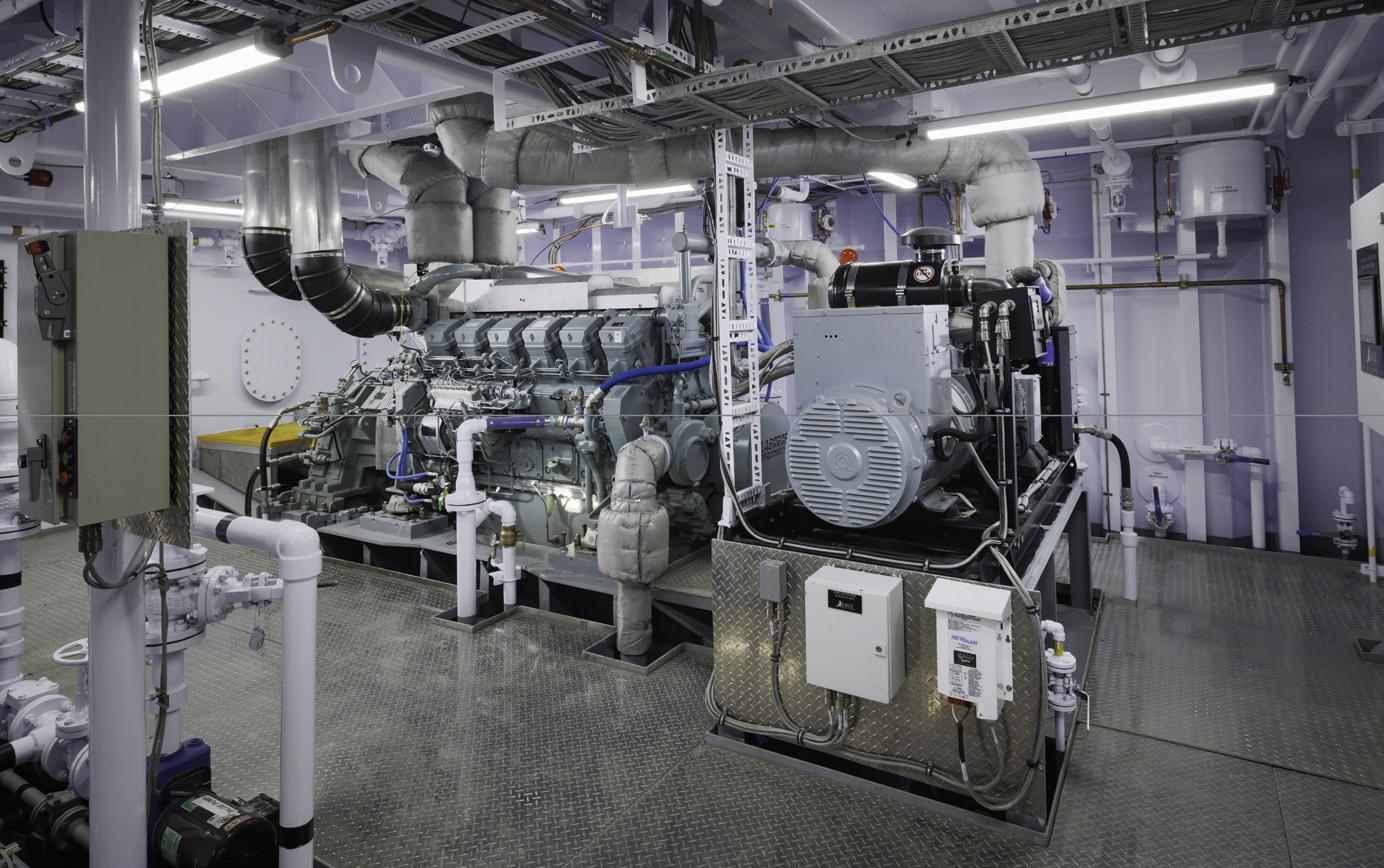




around or my senior executive team, every one of them is required to make decisions every day without talking to me.
This is also a business of mistakes. We make a lot of them. I’m a profes-


sional mistake-maker. It’s not about whether we’re going to make them, because we are. It’s about how we deal with the mistakes, and ultimately, how we learn from them, how we move forward.

The biggest thing that differentiates our business is our partnership approach. We don’t view ourselves as a company that sells a product. We are consultants and partners. I take every engine personally. My name is on every one of them. My grandfather was an incredible guy. My dad took the risk to start this business. I’ve been blessed with the ability to take this company on with my brother Trace and carry the torch.
I defend that to the bitter end and make sure that in every decision we’re making, it’s not just about numbers. It’s about the legacy of the business, how we treat people. We want the Laborde name to be synonymous with the honor it was brought up with.





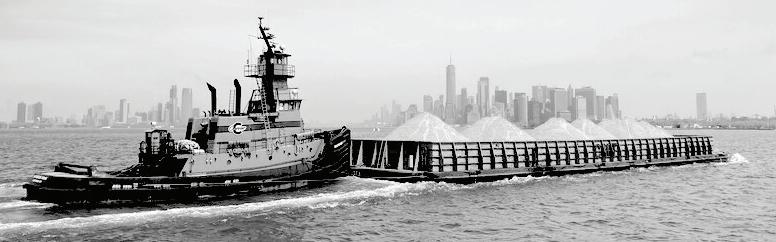
















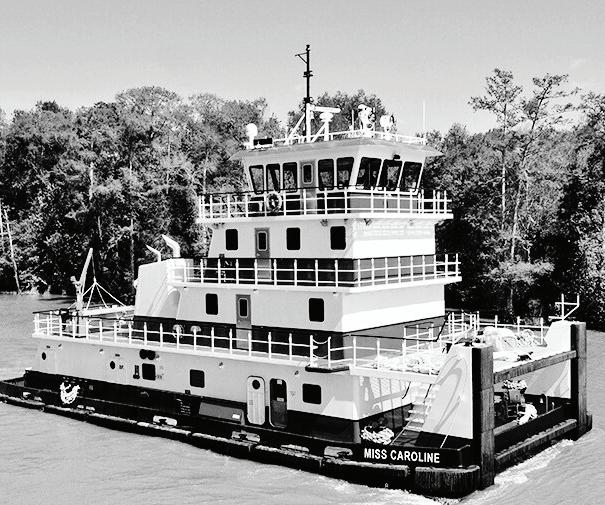
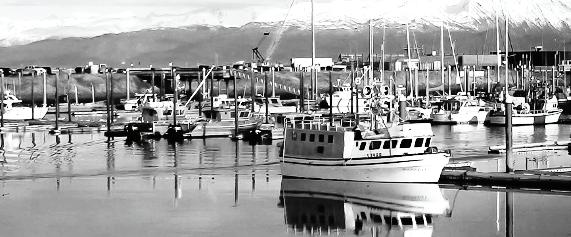


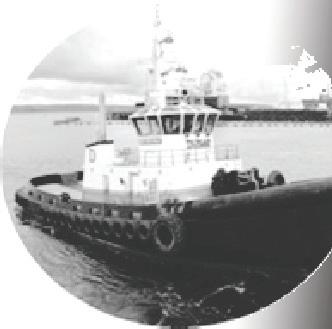



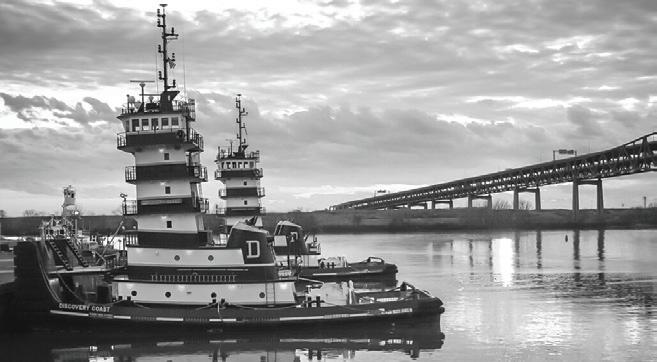

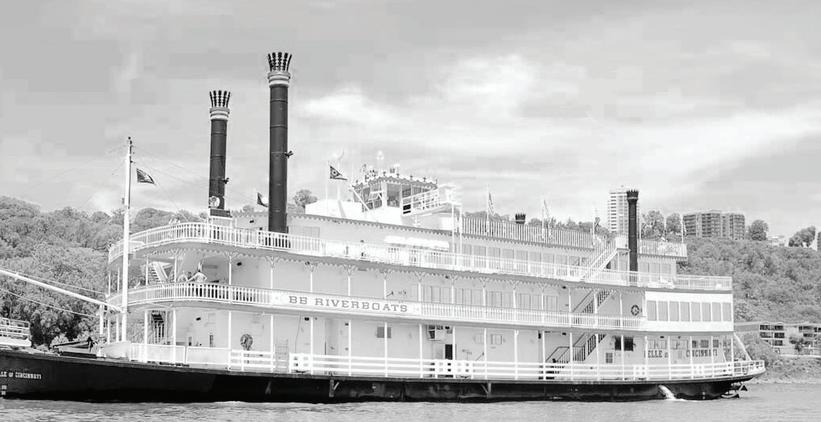



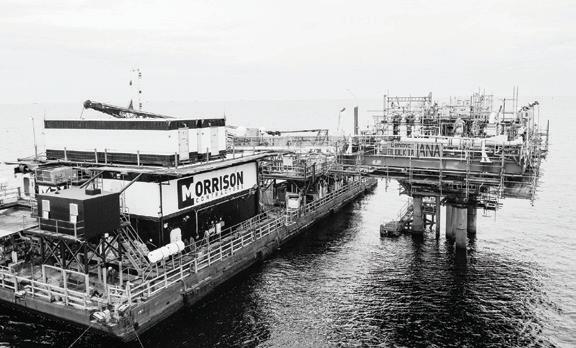
















• MASTER STCW II/2 Master 3000 Tons and Unlimited DP Certificate
• CHIEF MATE STCW II/2 Chief Mate 3000 Tons and Unlimited DP Certificate
• MATE STCW/OICNW II/1 and Unlimited DP Certificate
• CHIEF ENGINEER STCW IIl/2 CE 3000KW/ 4000HP
• ASSISTANT ENGINEER STCW lll / 1 OlCEW
• DECK FOREMAN 3+ Yrs experience in deck supervisory role
• BOSUN STCW II/4, II/5, VI/2, VI/6 AB Unlimited
• ABLE SEAFARER DECK STCW II/5, STCW II/4
AB Unlimited
• ABLE SEAFARER ENGINE STCW ll/5 , STCW II/4 Oiler/Motorman
• CRANE OPERATOR API Operator License Knuckle Boom
• Wiper OS License
• OS/RIGGER Qualified Rigger API RP2D or Equivalent
• COOK Food Safety Certificate
• GALLEY HAND Food Safety Certificate
• ELECTRICIAN Minimum 5 Yrs Mechanical/ Electrical Experience on all Vessel Types (DP2 & Conventional)
• CONSTRUCTION SUPERINTENDENT –5 + Yrs Industry Experience – Current Offshore Certifications
• ROV SUPERVISOR 5+Yrs Industry Experience with 360+ Days In Senior Pilot Tech Role and Current Certifications
• ROV PILOT TECH 150 hours Piloting Experience/180+ Days Offshore as Pilot with Current Certifications
Must have DP 2 DSV experience, current mariners’ credentials, certifications & physical. Send resumes & copies of credentials to:
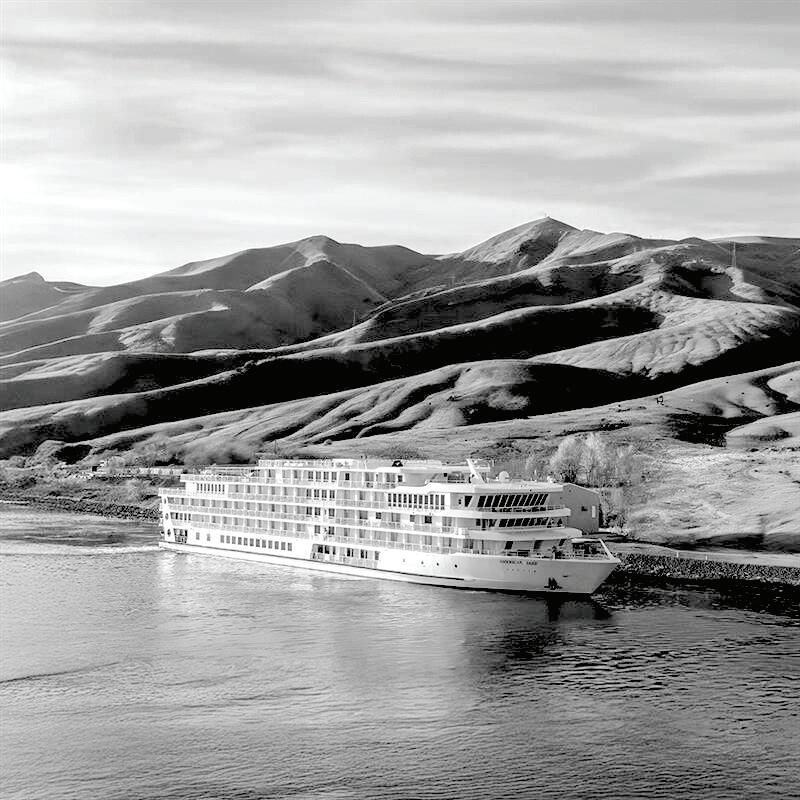



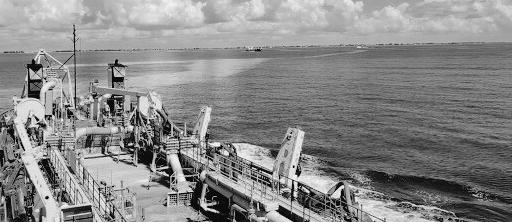




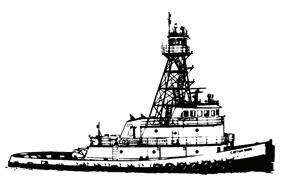




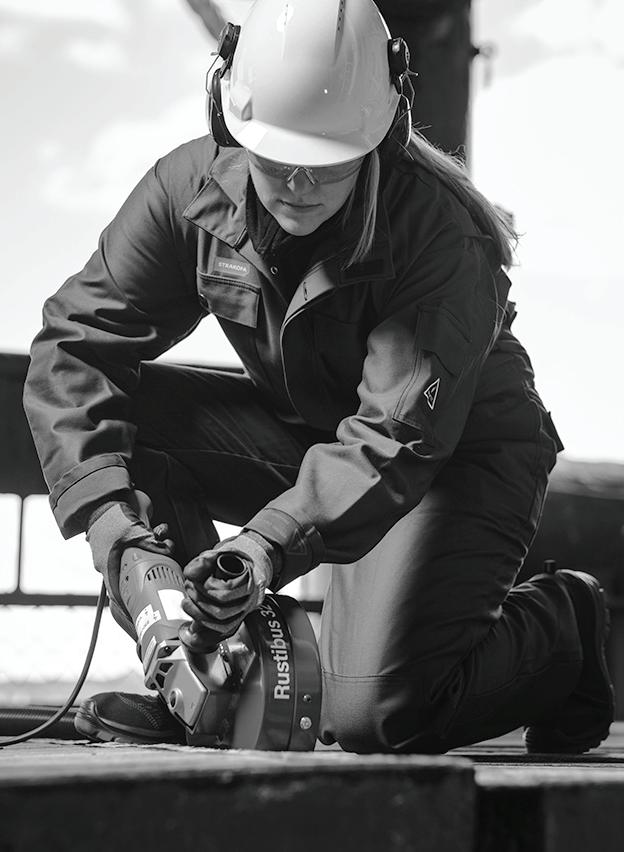







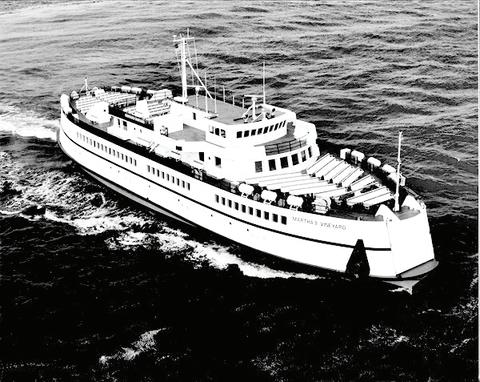

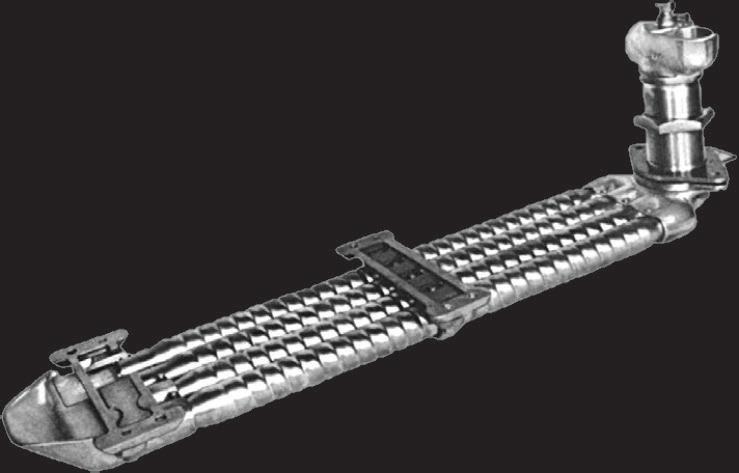




Connect with leading employers in commercial marine — from deck to operations.
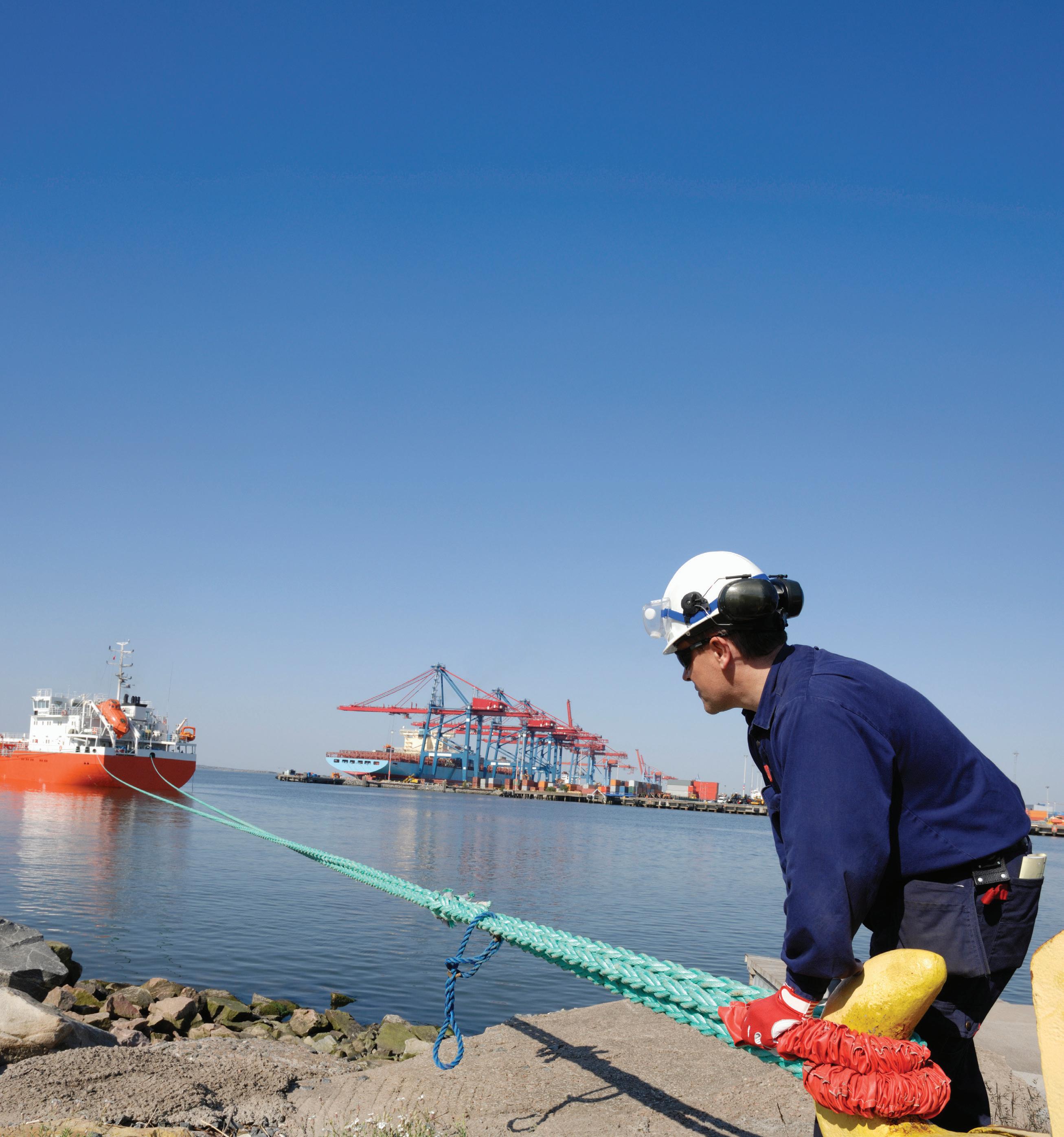

Find your next job here
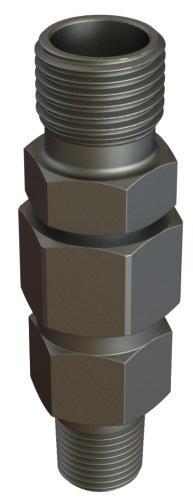
•
•
•
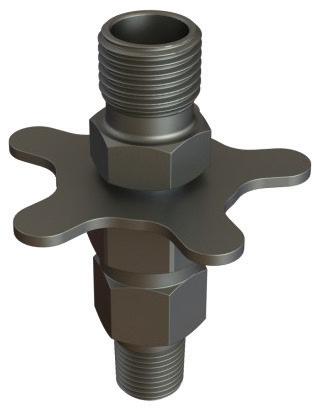



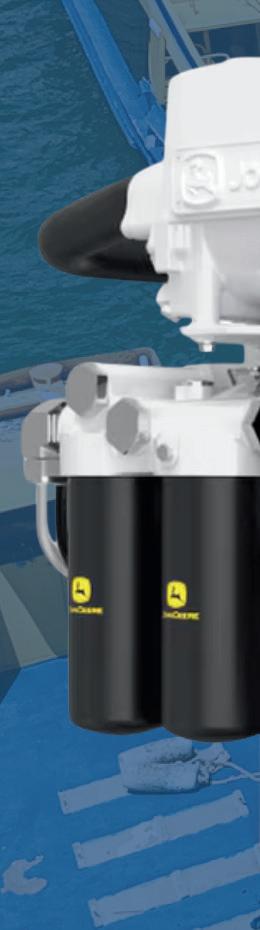
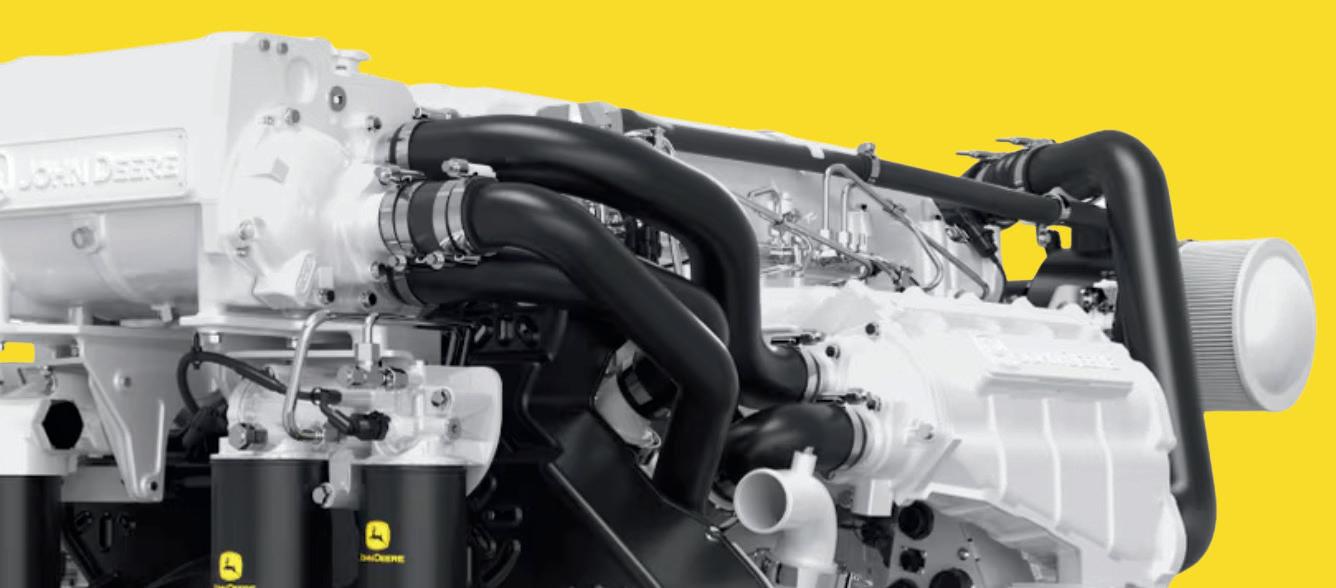









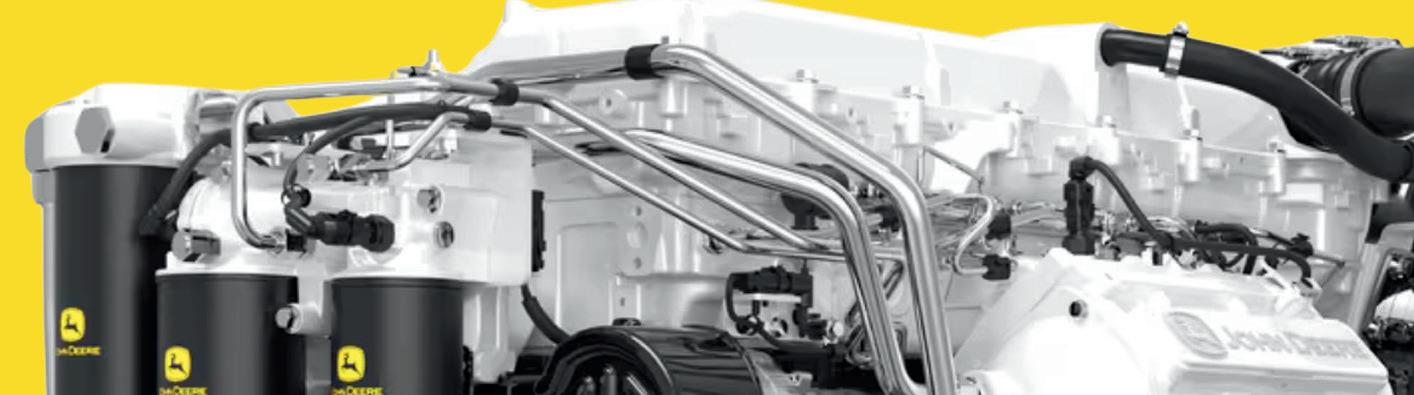

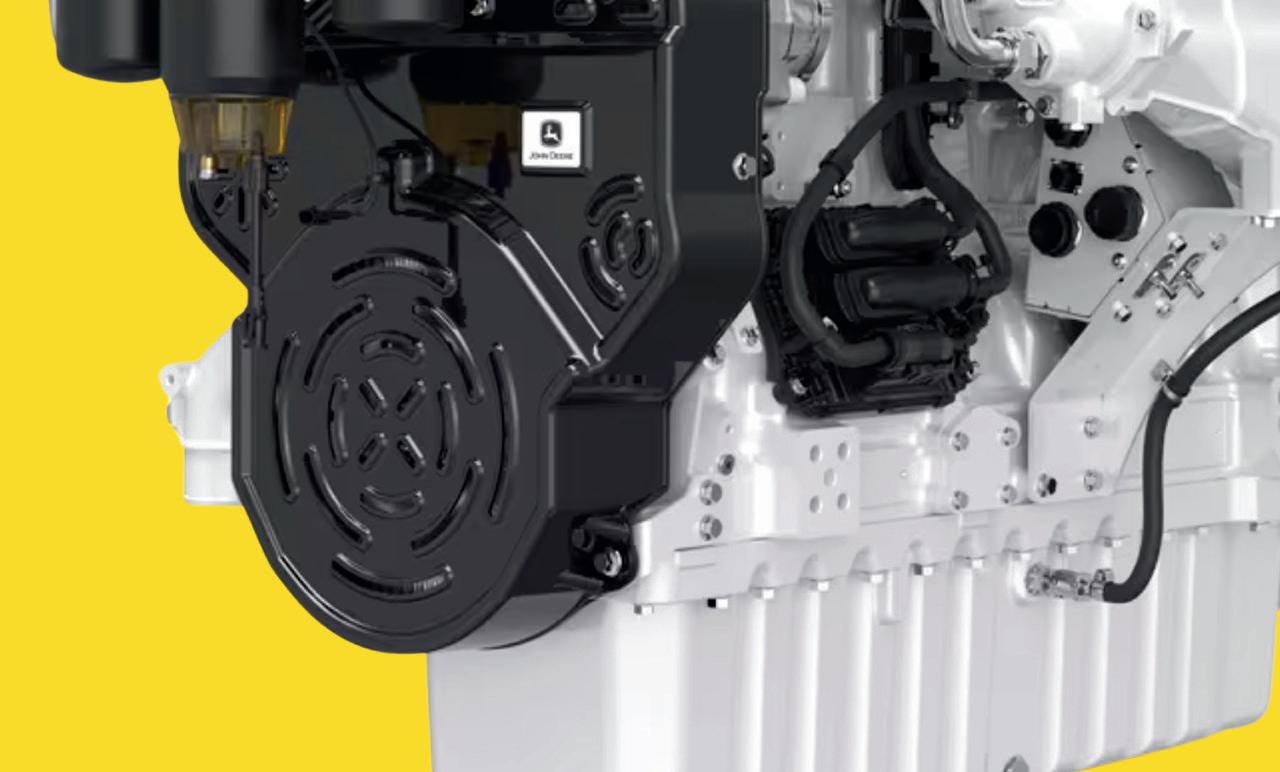





Our newest 10,000 HP towboat will operate in the harshest of river conditions which requires tough, dependable gearboxes that stand the test of time. This marks our second set of REINTJES WAF 6755’s, with our first set having logged more than 10 years of reliable running hours. The product and support continue to exceed our expectations and give us full confidence we will have the same results onboard the recently christened - John Paul Eckstein. Thanks again to Karl Senner for another outstanding project.
JOSH ESPER | Marquette Transportation Company, LLC
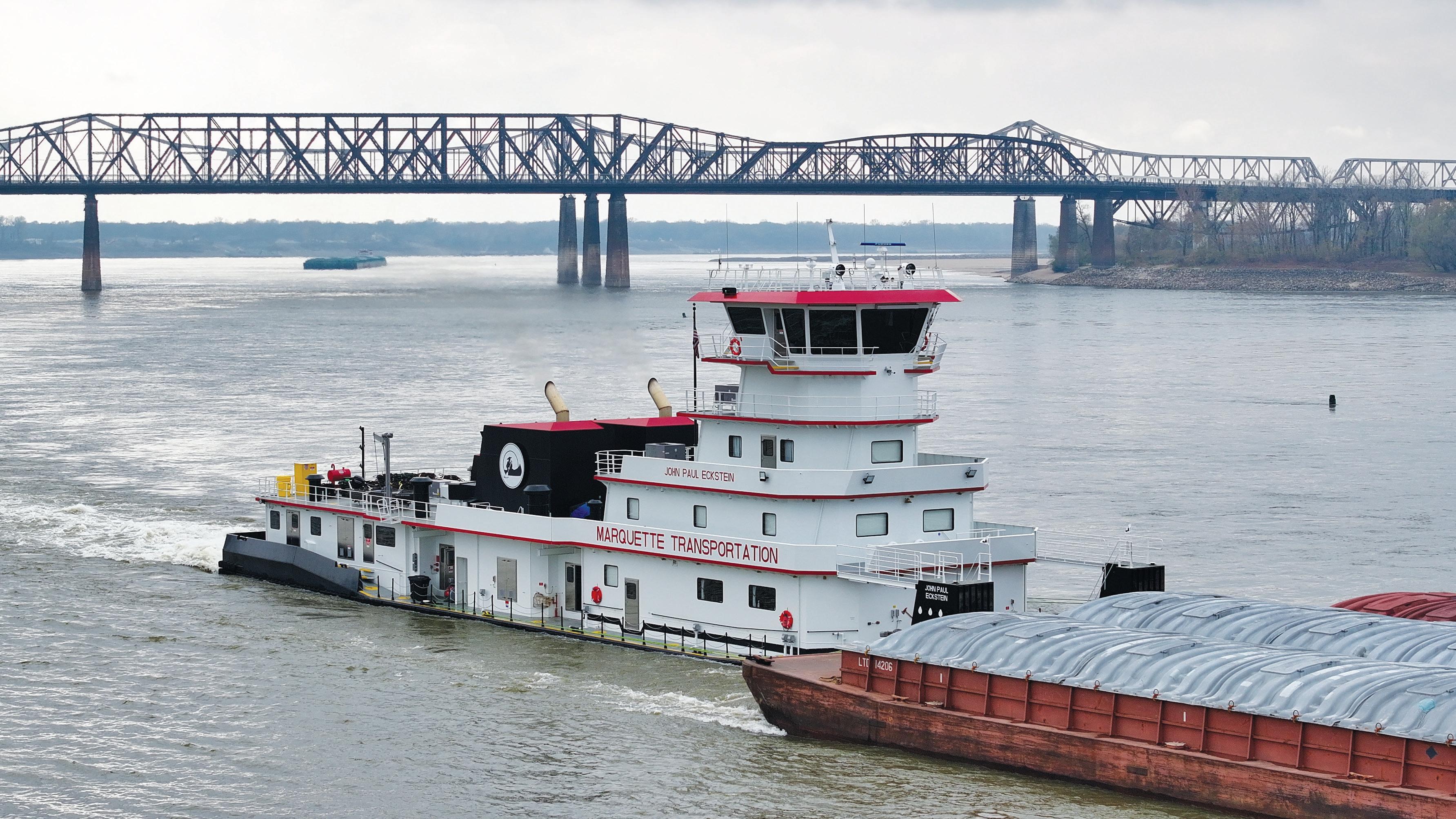
KARL SENNER, LLC IS PROUD TO EQUIP THE JOHN PAUL ECKSTEIN WITH TWO REINTJES WAF 6755 REVERSE REDUCTION GEARBOXES, HORIZONTAL OFFSET, WITH INTERNAL HYDRAULIC SHAFT BRAKES, AND MAIN PROPULSION CONTROL SYSTEM.
OWNER: MARQUETTE TRANSPORTATION, LLC
BUILDER: C&C MARINE AND REPAIR NAVAL ARCHITECT: CT MARINET