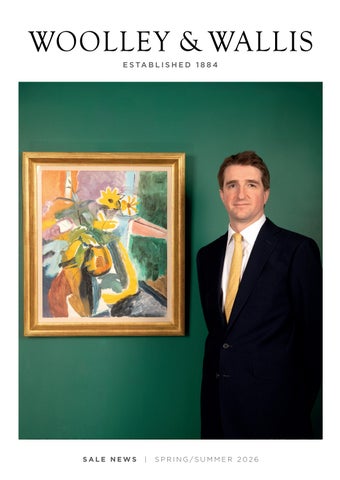
ESTABLISHED 1884
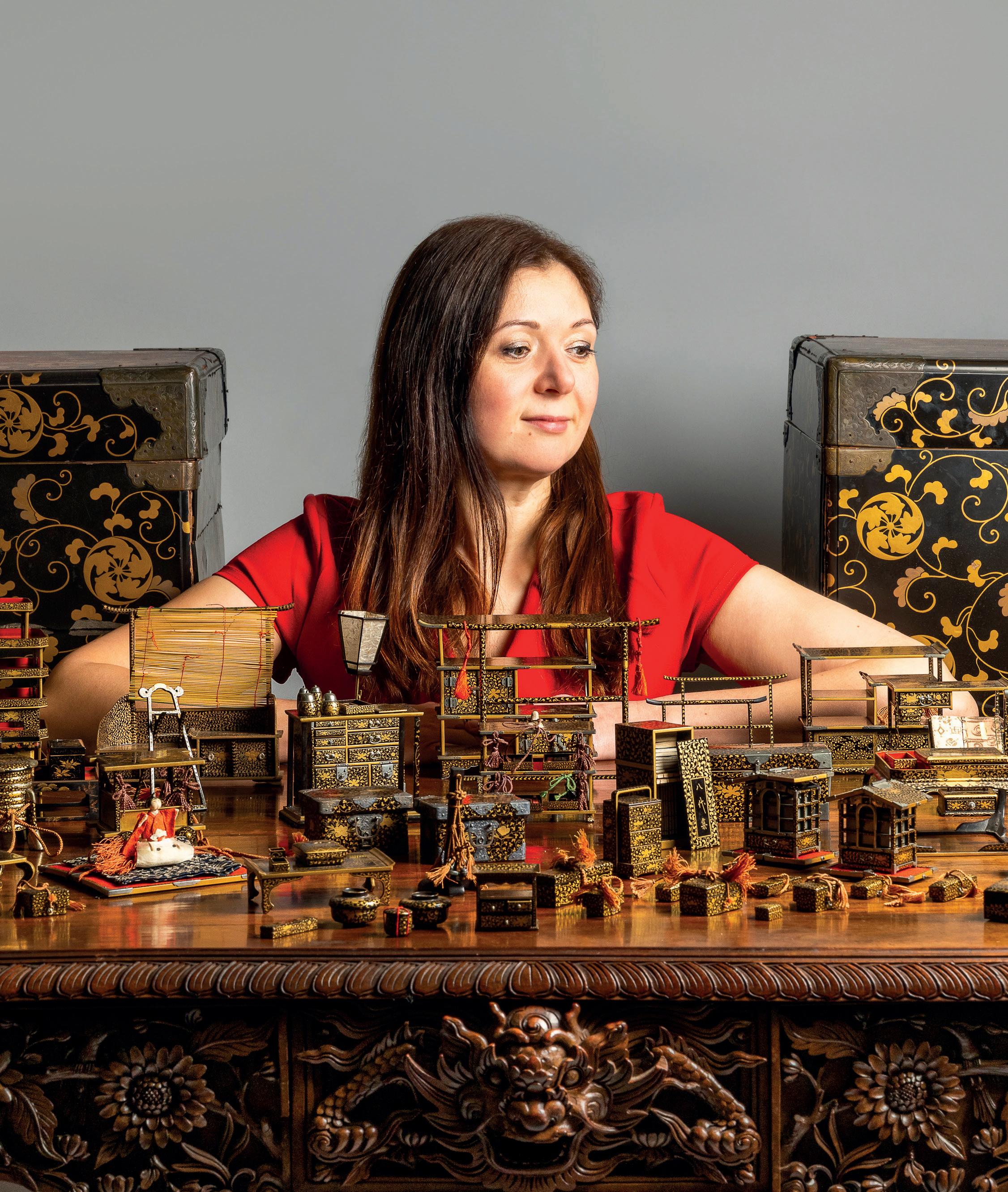
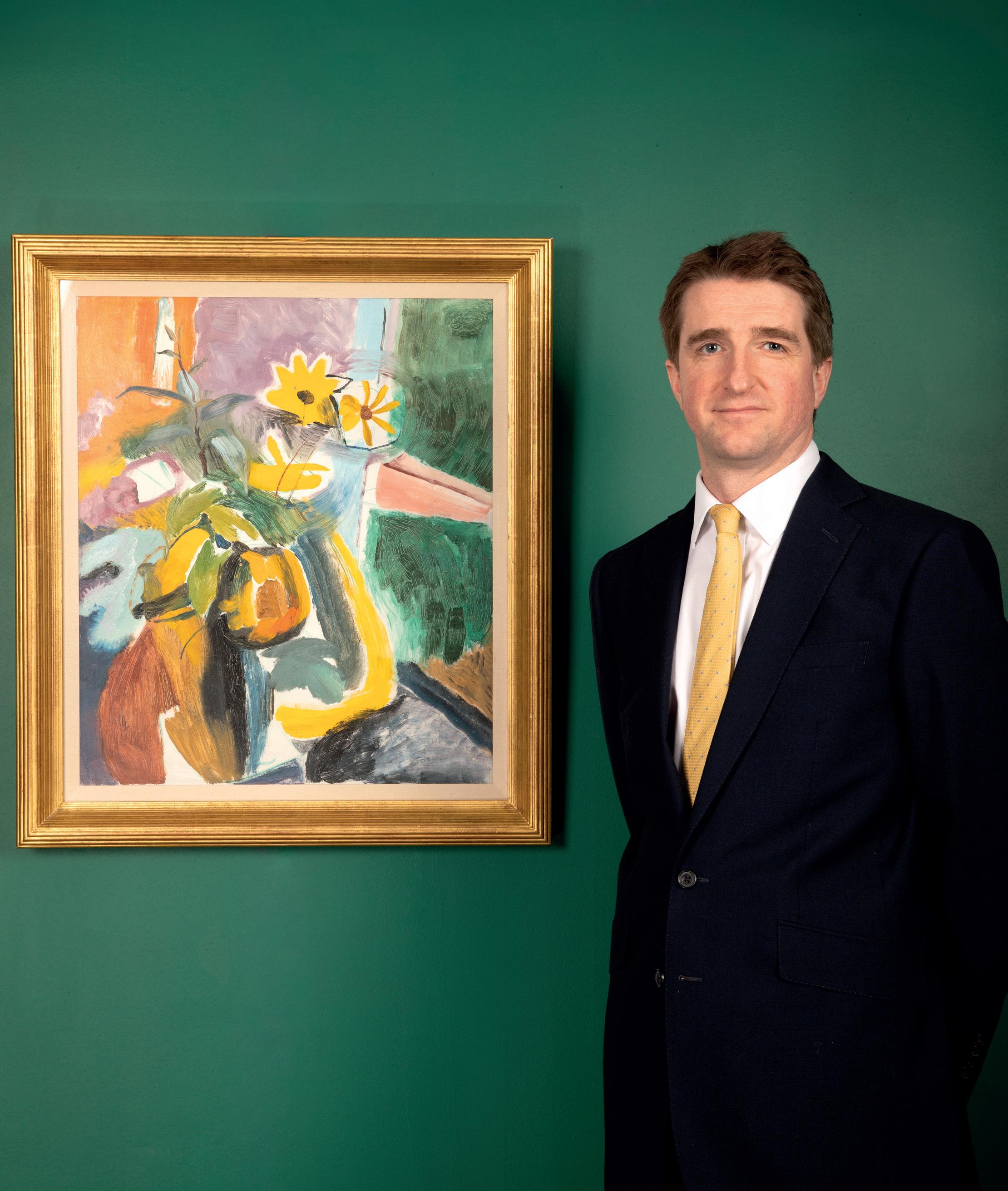
April – September 2026
April
Tuesday 14th April – Fine & Important Glass
Wednesday 15th April – Design
Wednesday 22nd - Thursday 23rd April – Fine Jewellery
Tuesday 28th - Wednesday 29th April – Silver & Objects of Vertu
Thursday 30th – The Gordon Reece Collection
May
Tuesday 19th May – Fine Asian Art & Asian Art II
Wednesday 20th May – Japanese Works of Art
June
Tuesday 2nd June – Modern British & 20th Century Art
Wednesday 3rd June – British Art Pottery & Studio Ceramics
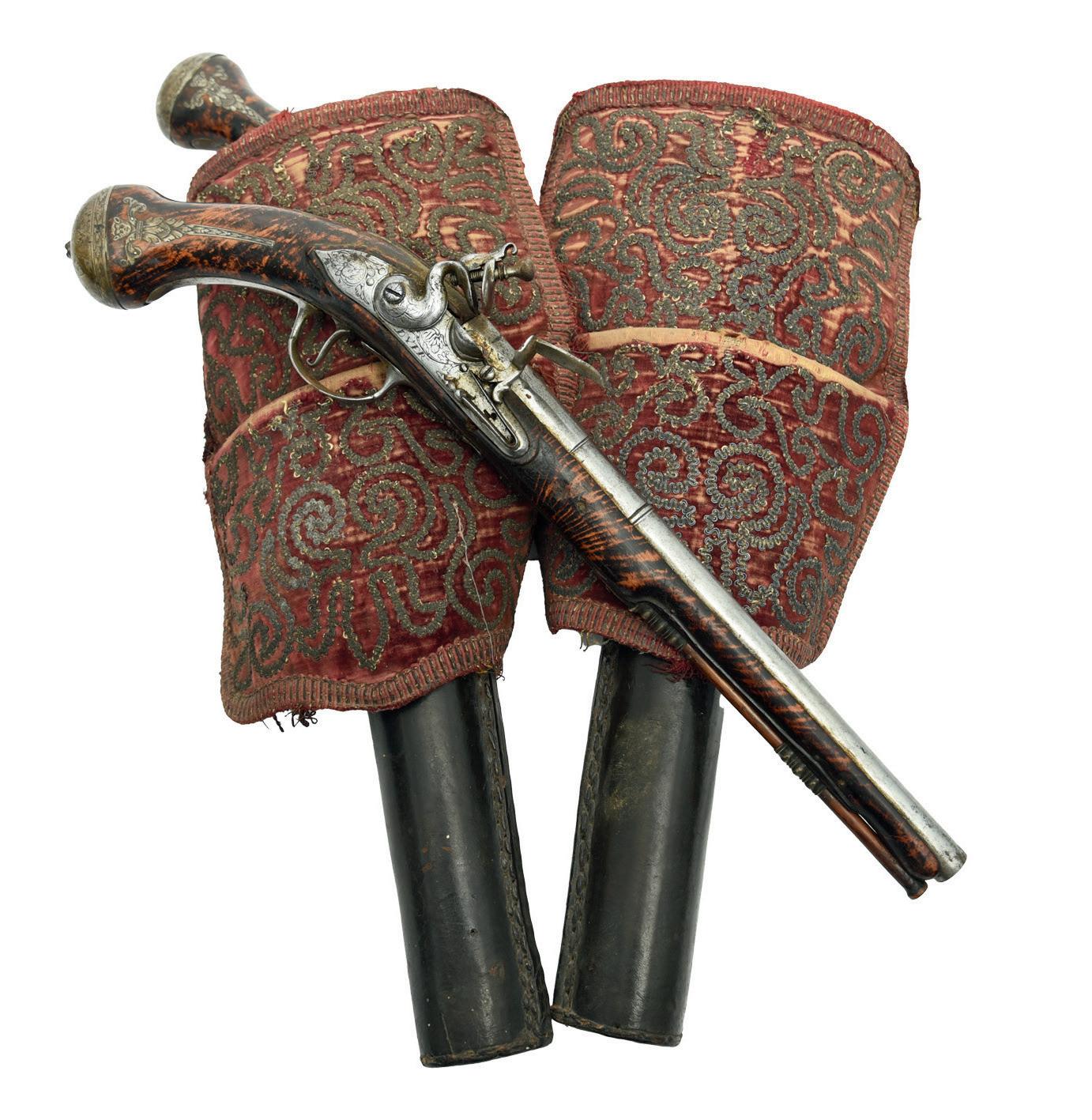
Wednesday 10th June – Medals & Coins, Arms & Armour
Tuesday 30th June – Fine Furniture
July
Wednesday 1st July – Interiors
Thursday 2nd July – British & Continental Ceramics & Glass
Wednesday 8th - Thursday 9th July – Fine Jewellery
Tuesday 14th - Wednesday 15th July – Silver & Objects of Vertu
August
Tuesday 18th August – Fine Furniture
Wednesday 19th August – Interiors
Thursday 20th August – Arts of Africa, Oceania and the Americas
September
Tuesday 8th - Wednesday 9th September – Old Masters, British & European Paintings
Wednesday 23rd - Thursday 24th September – Design
51-61 Castle Street, Salisbury, Wiltshire, SP1 3SU
+44 (0) 1722 424500 info@woolleys.live www.woolleyandwallis.co.uk
*Visit woolleyandwallis.co.uk/buying
Estimate: £40,000-60,000*.
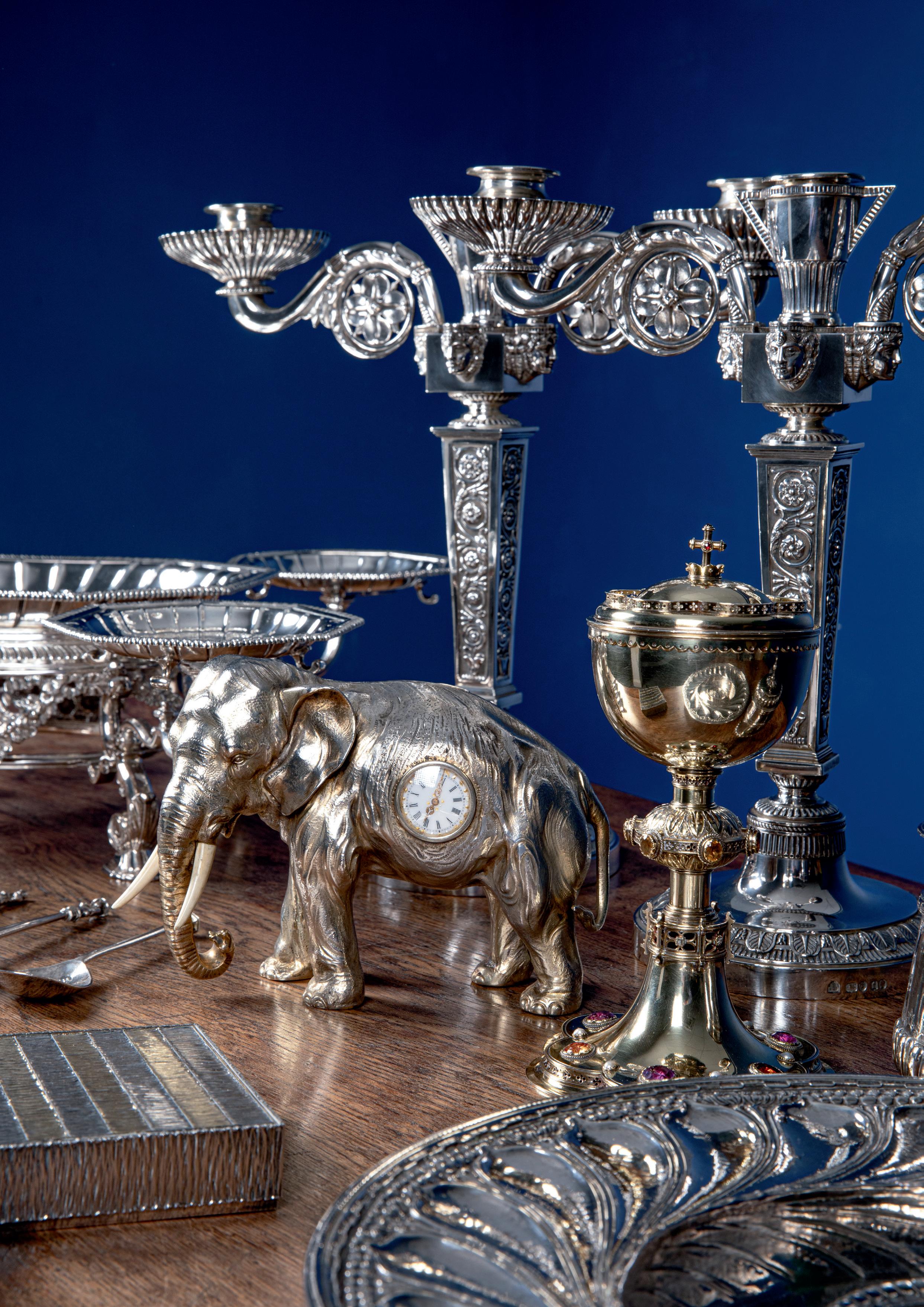
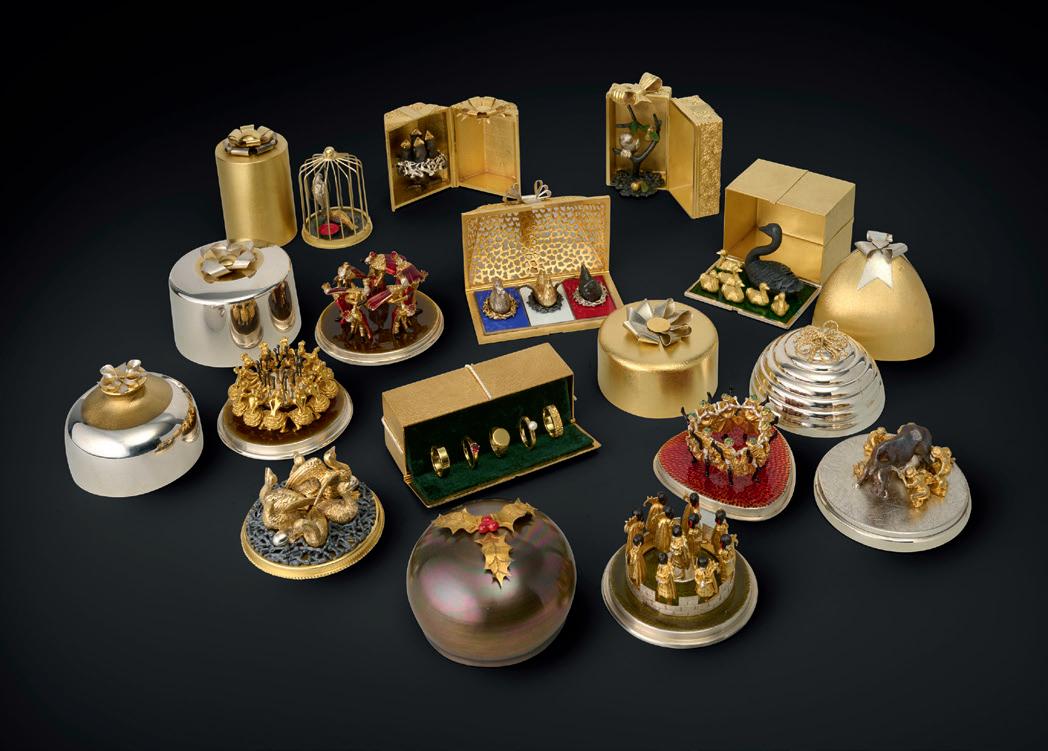
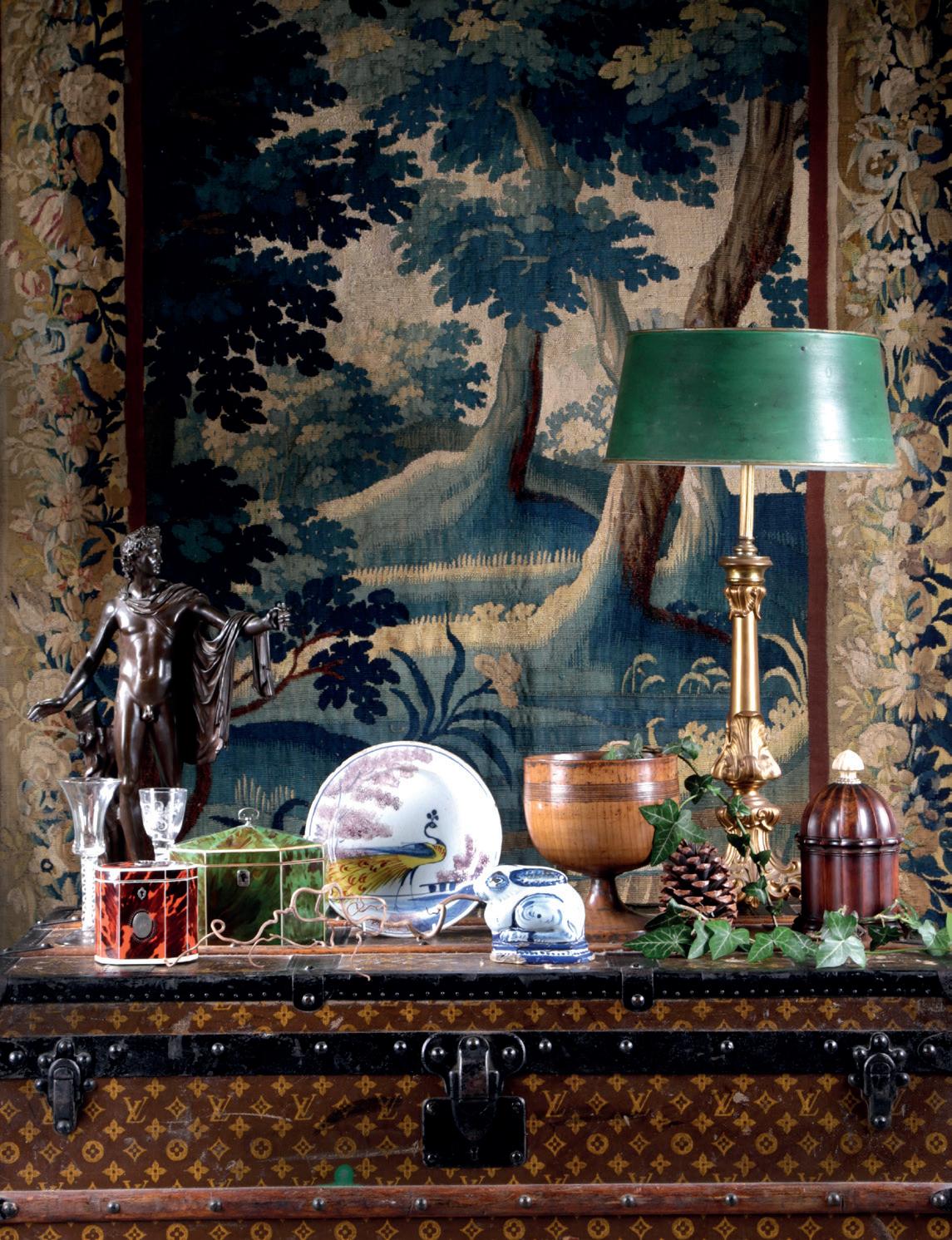
Cover: A selection of highlights from the April Silver & Objects of
Estimates ranging from £1,500-9,000*.

Estimate £4,000-6,000*
2026 began strongly with our Classics Week group of sales, which brought together a number of exceptional rarities in ceramics and glass, as well as Fine Furniture and the second of our Interiors sales. Among the highlights was a remarkable collection of 18th-century porcelains, discovered carefully packed in original tea chests where they had remained undisturbed since 1971. The same auction also saw the first part of an important and rare collection of English ‘Privateer’ wine glasses, a subject I find particularly fascinating.
We continue to be entrusted with the sale of notable and carefully assembled private collections. In March, the two-day sale, Paul Fitzsimmons – A Life in Oak reflected this strength, presenting rare and unusual objects that were met with strong interest. The sale concluded with a total of over £1.032 million*.
We are anticipating exciting sales over the coming months:
Our Jewellery department continues to build on recent successes. Our specialists are now promoting the April auction, including a collection of Cartier and other diamond jewellery from the Astor family, see pages 6 & 7.
In June, we will offer a private collection of paintings by Samuel John “Lamorna” Birch, founder of the Lamorna artists’ colony, which were recently exhibited at Penlee House and Museum, Penzance. The sale will also include Henri Matisse’s Grande Odalisque à la Culotte Bayadère, widely regarded as his most important and sought-after lithograph.
Over the past few months, we have welcomed paintings specialist Richard Kay and Head of Design Max Fisher, further strengthening the breadth of expertise within the company. Both are introduced on pages 40 and 41. We are also pleased to announce that Neil Grenyer has taken over the reins as Head of the British & European Ceramics and Glass departments, and Ed Beer of our Paintings Department has been appointed to the Board of Directors.
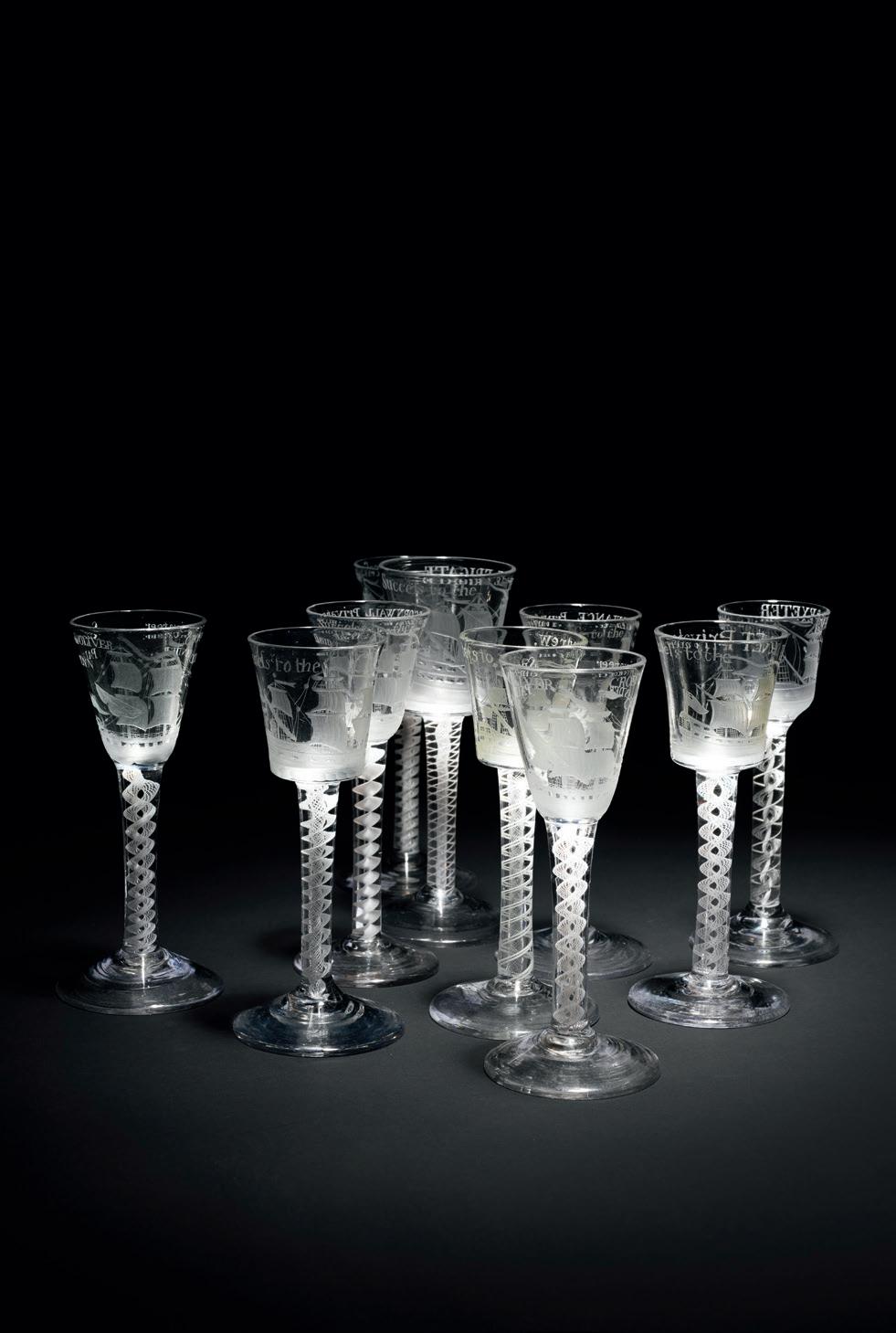
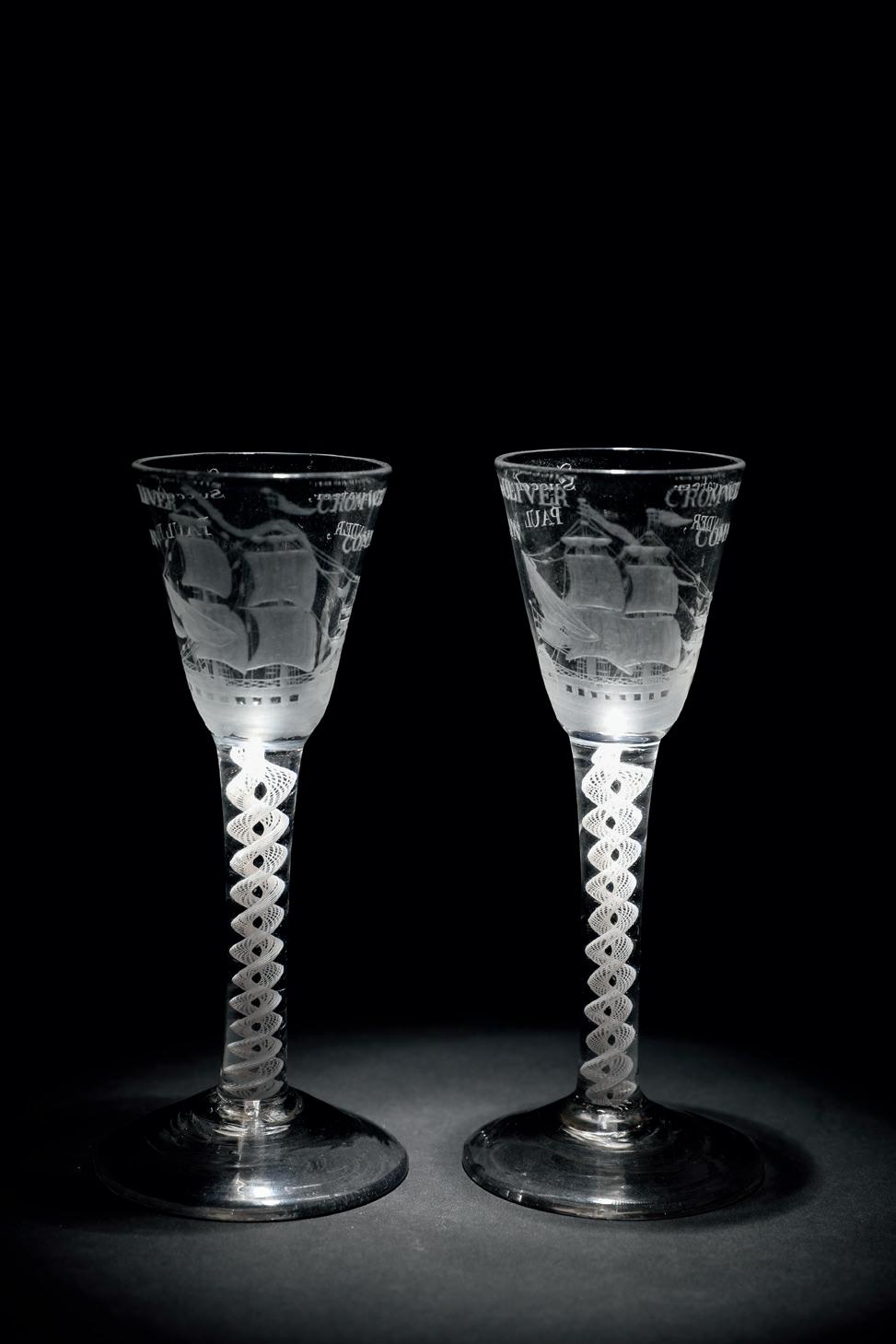
̔Privateer’ Glasses
Privateer ships belong to a swashbuckling part of English naval history. They were privately owned vessels officially licensed by the Crown during wartime to capture enemy merchant ships under a ‘letter of marque’. These glasses date from around 1760 and were commissioned by ships’ captains or wealthy backers as commemorative or presentation pieces, offering a rare snapshot into 18th century English maritime life.
This collection of rare glasses was purchased over 60 years, mostly from London auction houses. Seven were sold this January, the rarest being a pair inscribed ‘Success to the Oliver Cromwell Privateer Paul Flyn Commander’ which fetched over £11,000*
and were last on the market in 1975. The remaining glasses in the collection will be sold in April and October.
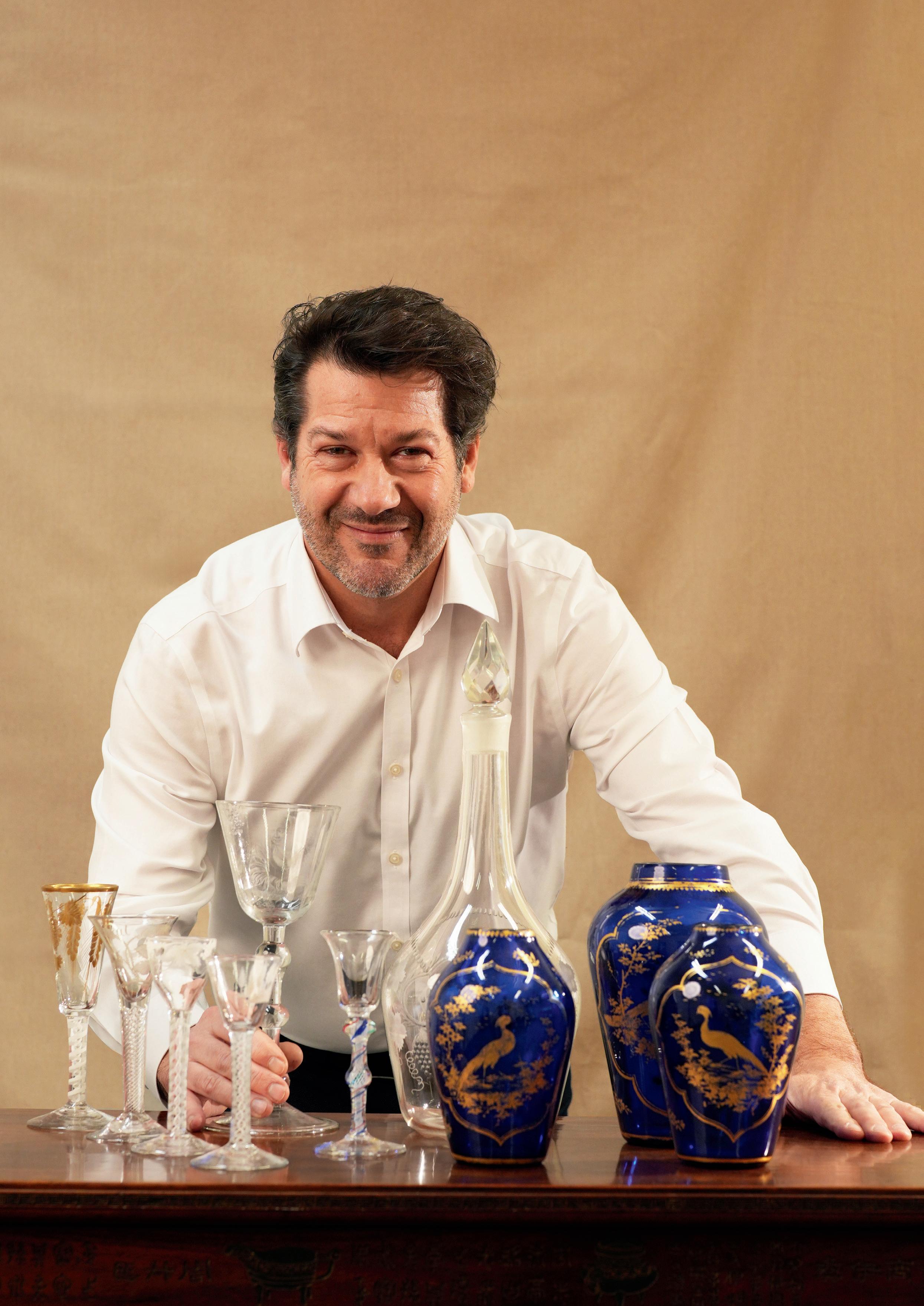
We are also delighted to present an outstanding selection of important glass from an English private collection. Highlights include exquisite Beilby glasses, rare examples of Jacobite and Williamite glasses, colour twist glasses, and an exceptional and documentary Dutch stipple-engraved glass, signed by Frans Greenwood and dated 1742. Further enriching this remarkable offering is a rare and significant set of vases, decorated in the celebrated atelier of James Giles and presented to The Right Honourable Baroness Thatcher on 27th October 1994.
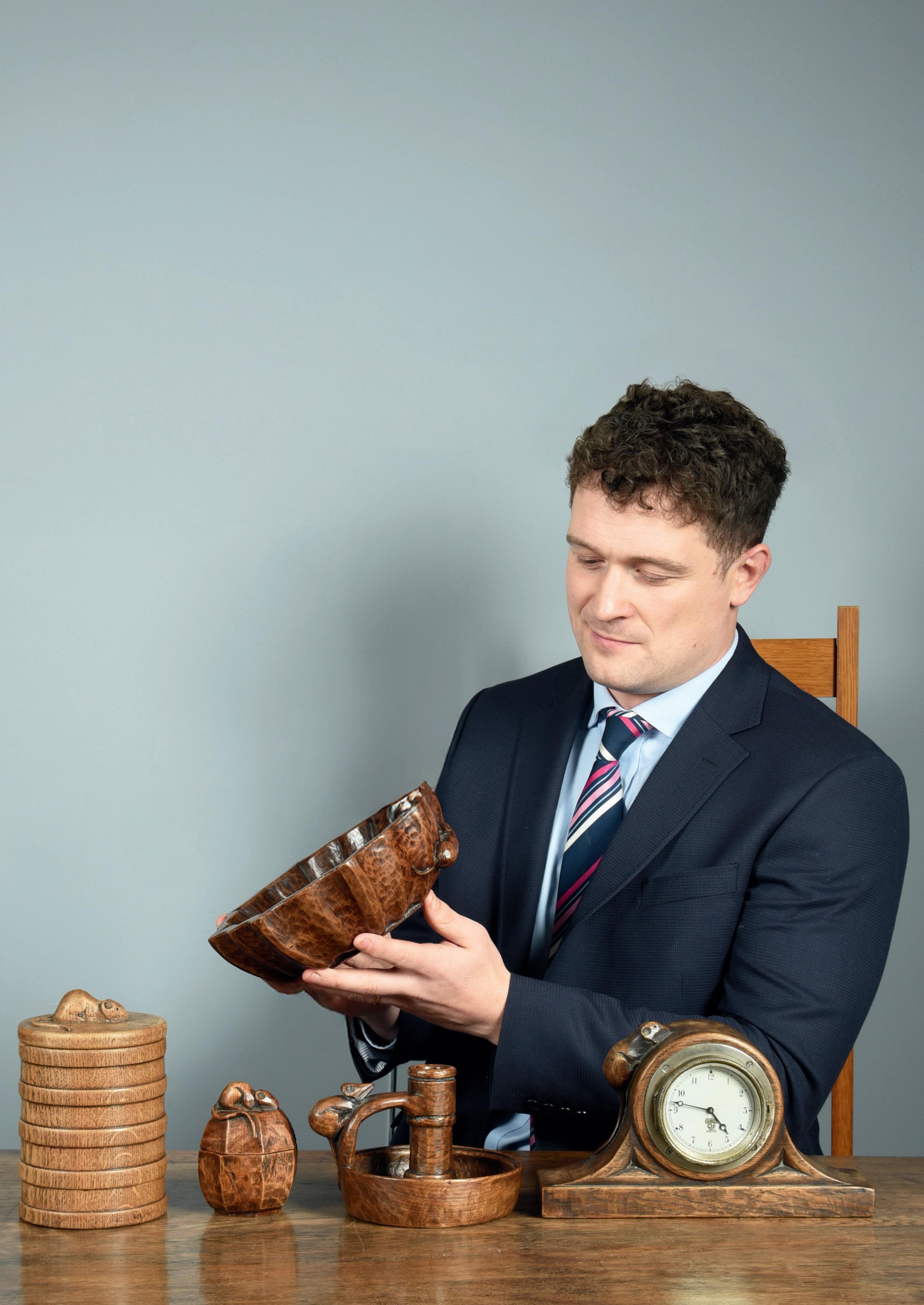
This April, we are delighted to present our latest Design auction. Highlights include a group of early works by Robert ‘Mouseman’ Thompson (1876-1955). Dating to the 1930s, these wonderfully tactile objects showcase Thompson’s early designs, which seldom come up for sale. His workshop, known for using high-quality English oak and traditional techniques like adzing, produced items ranging from large dining suites to small, functional objects such as these powder boxes, bowls, and candlesticks.
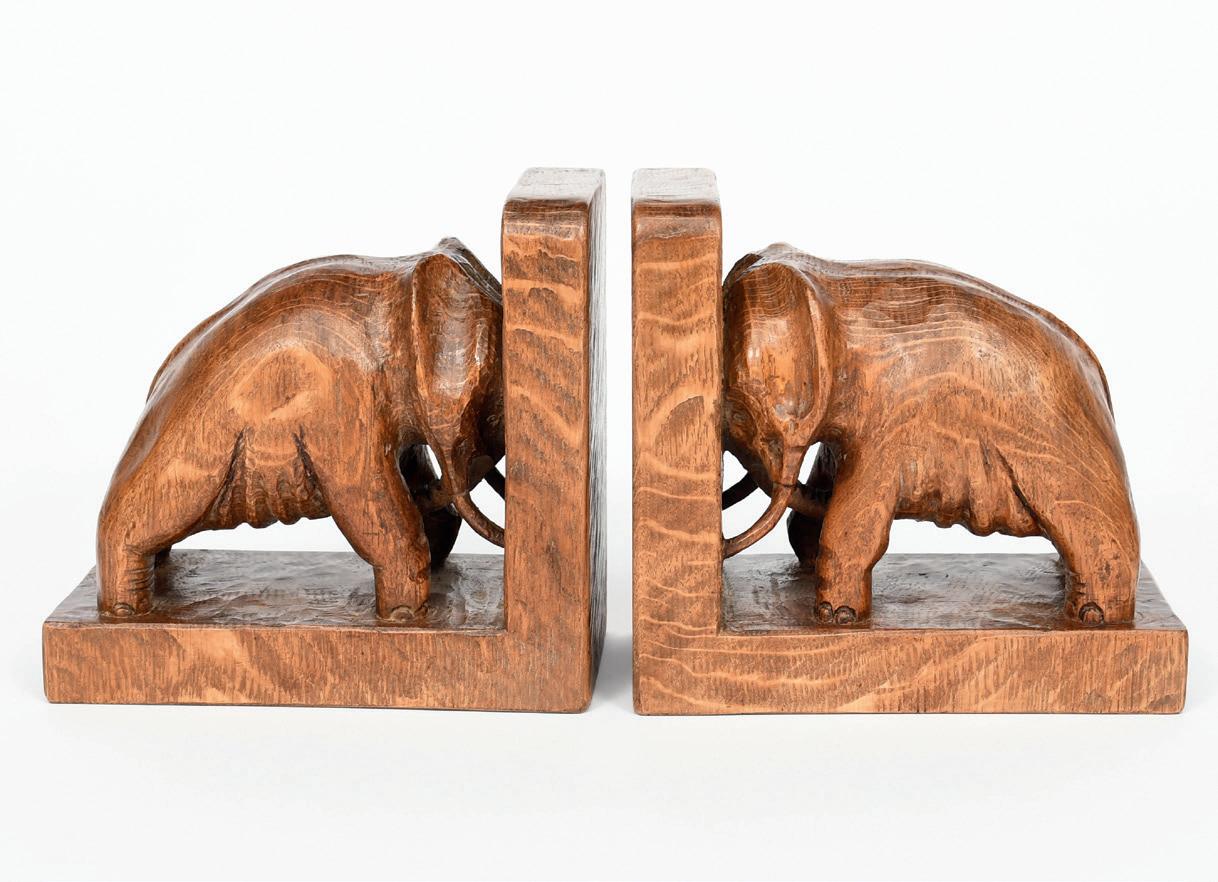
The Mouseman market remains exceptionally strong, driven by consistent demand from collectors who value the craftsmanship, provenance, and rarity of Robert Thompson’s work. This was reflected in the results for two pairs of bookends that we sold in 2025; a pair carved with Monks selling for £6,930* and a pair carved with Elephants realising £12,065*.
The auction features selected works from the late 19th and early 20th Centuries, ranging from the Aesthetic and Arts & Crafts Movements, Art Nouveau and Art Deco, Scandinavian Design, as well as works which date up to the present day. This includes furniture, glass, ceramics, silver, and works of art by many prominent makers of the 20th century, including Clarice Cliff, William De Morgan, René Lalique, and William Moorcroft.
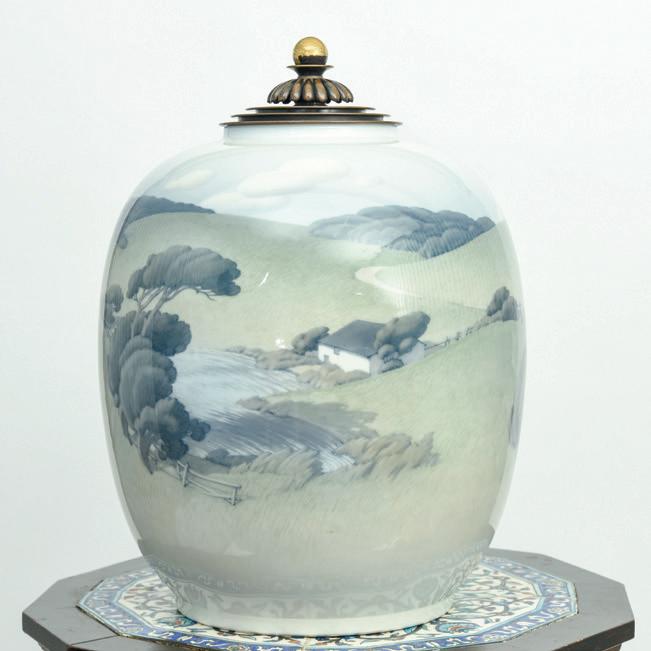
Richard Bocher and Karl Andersen
A Royal Copenhagen exhibition vase
Estimate: £500-£800*
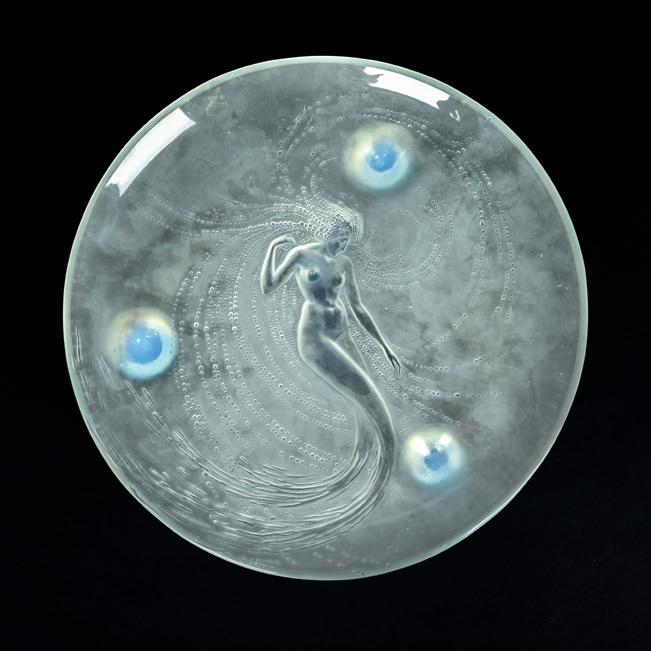
René Lalique (1860-1945)
A Sirène glass charger, c.1920
Estimate: £1,000-£2,000*
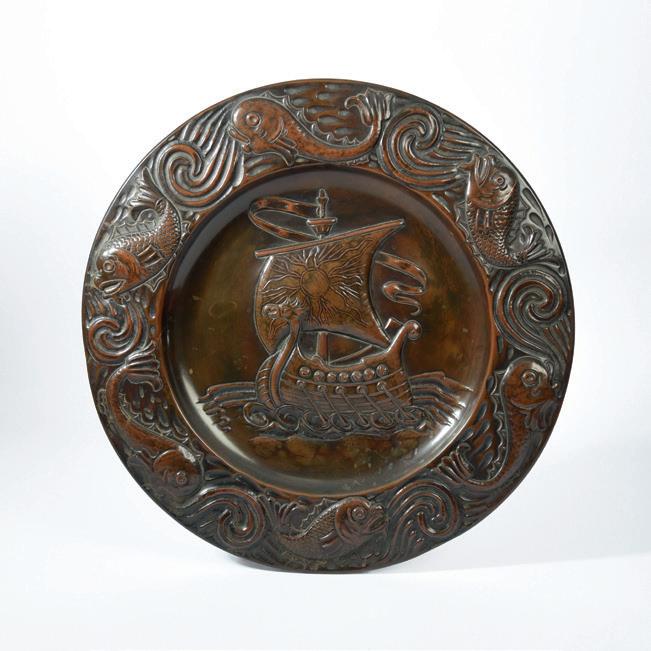
John Pearson (1859-1930)
A large repoussé copper charger, 1896
Estimate: £1,000-£2,000*
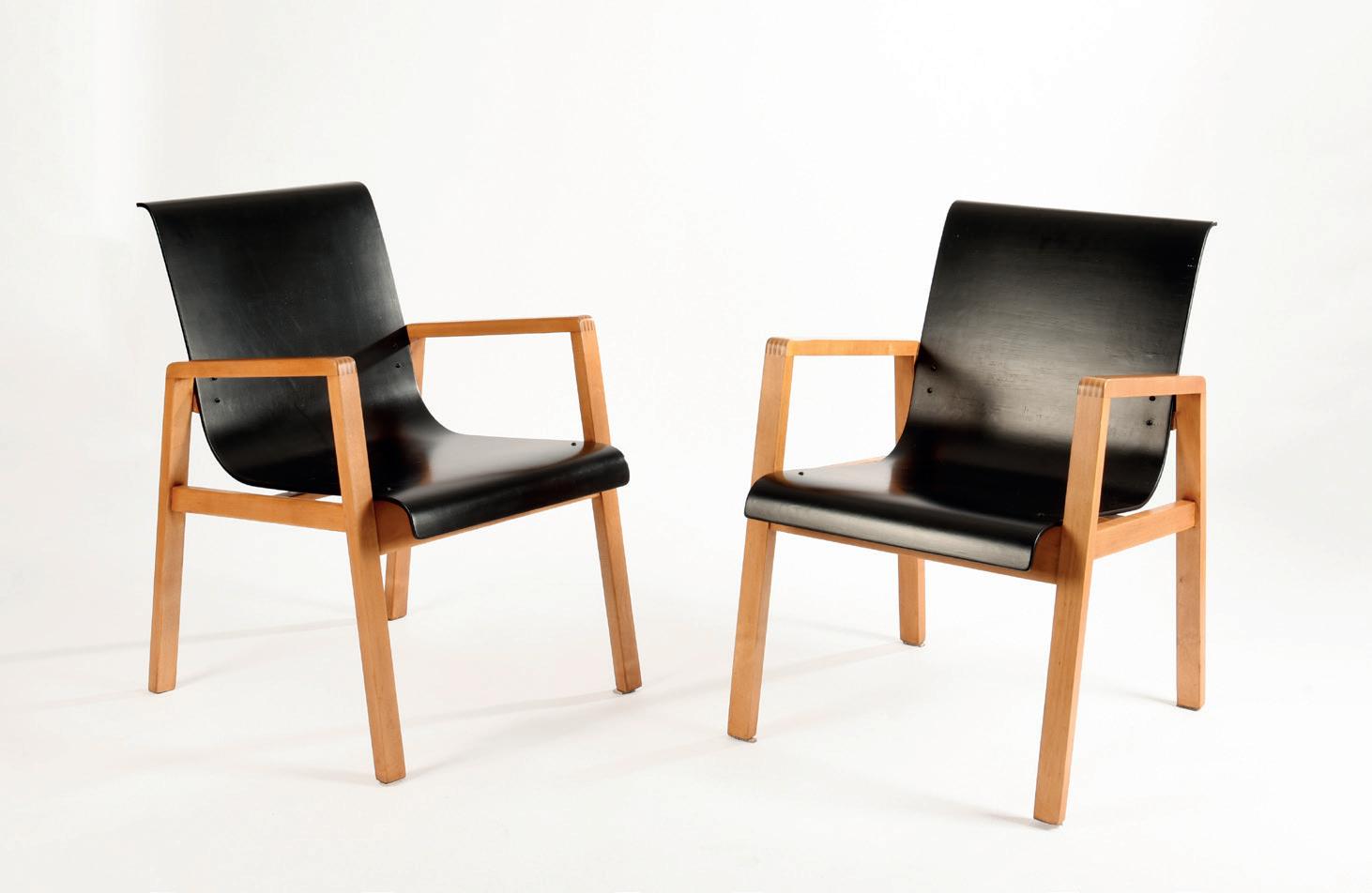
Alvar Aalto (1898-1976) for Finmar
A pair of Model 51 armchairs, c.1930, part of a private collection of early
Estimate: £1,500-2,500*
Marielle Whiting FGA
+44 (0)1722 424595 mw@woolleys.live
Jonathan Edwards FGAA
+44 (0)1722 424504 je@woolleys.live
Following another successful year, the Jewellery Department remains the leading jewellery department in the UK outside London and the top-performing department at Woolley & Wallis, reflecting the continued strength of the current jewellery market.
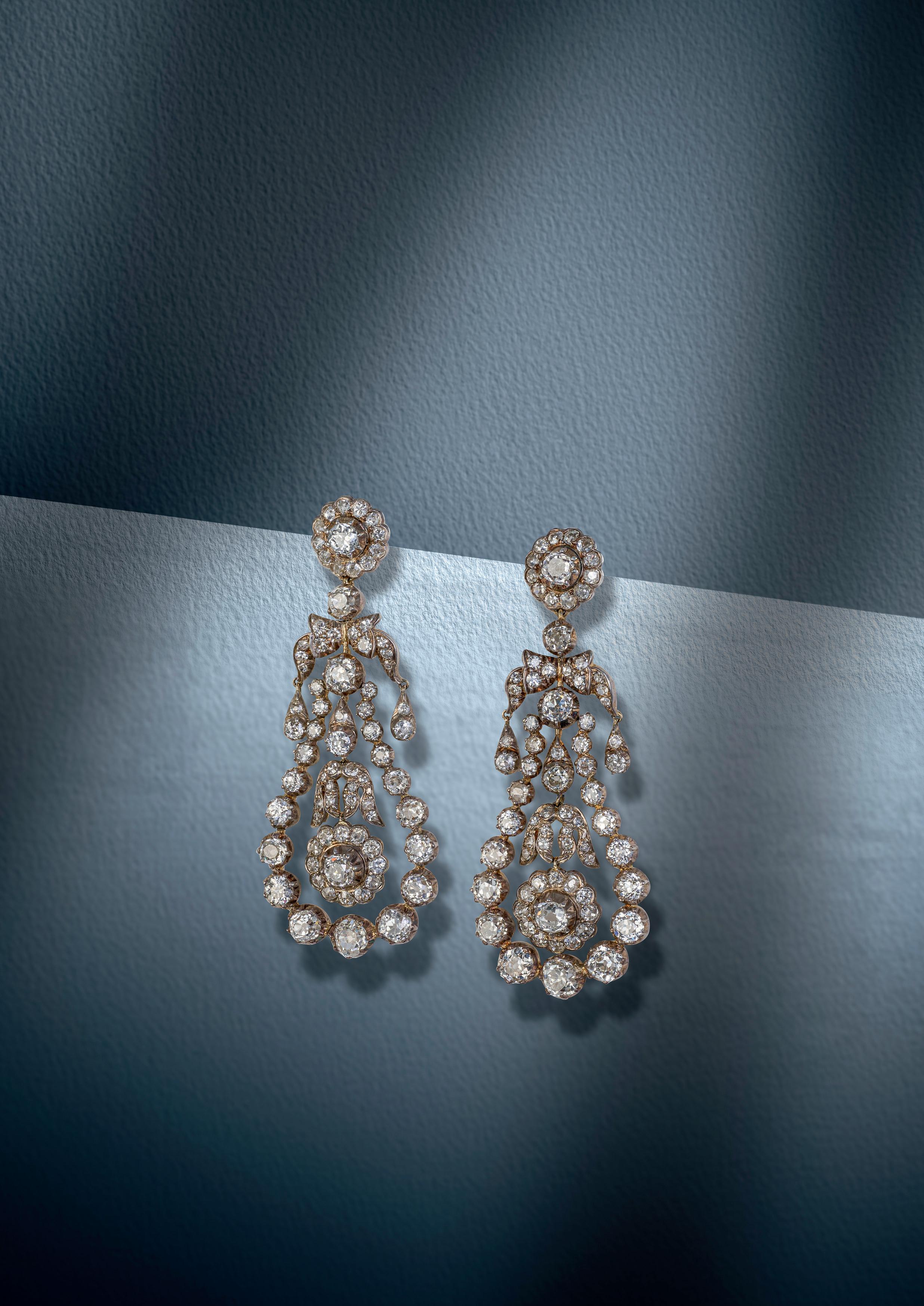
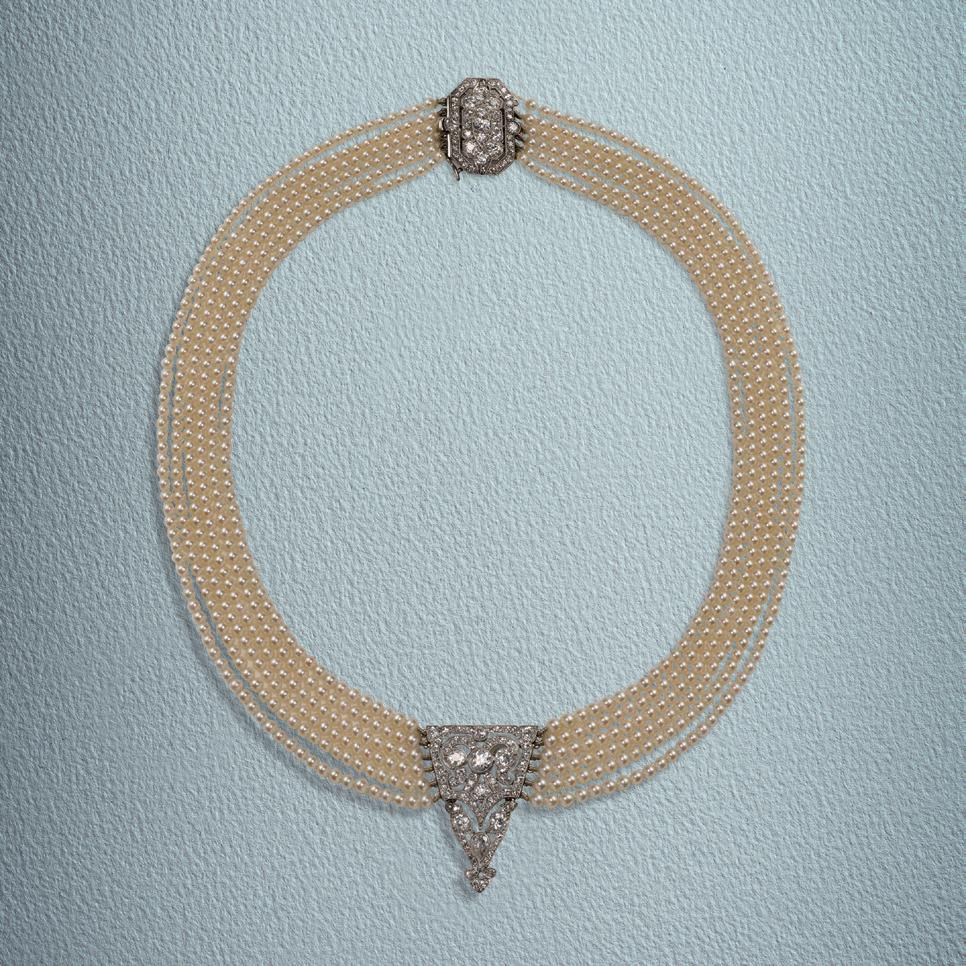
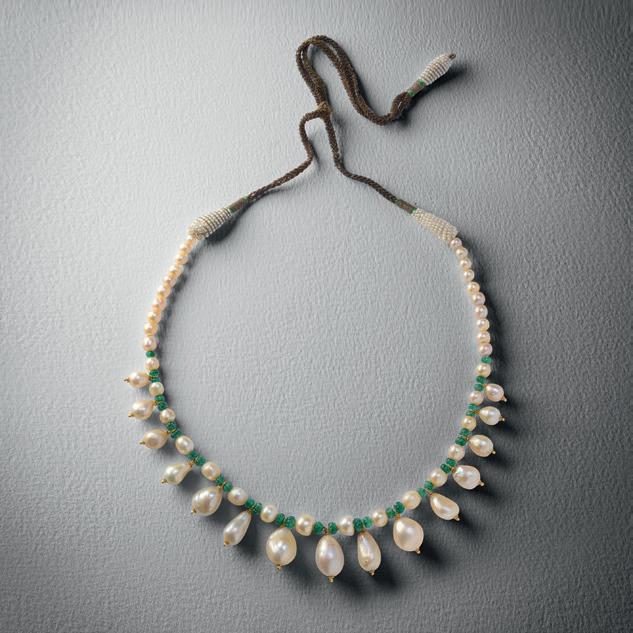
Our April Fine Jewellery auction presents a glittering array of coloured gemstones, natural pearls, and an especially strong selection of antique jewels. Among the highlights are a pair of late Victorian diamond-set drop earrings (lot 509) and a Cartier Art Deco seed pearl and diamond necklace (lot 508), which has descended through the family of The Honourable Mrs Hugh Astor.
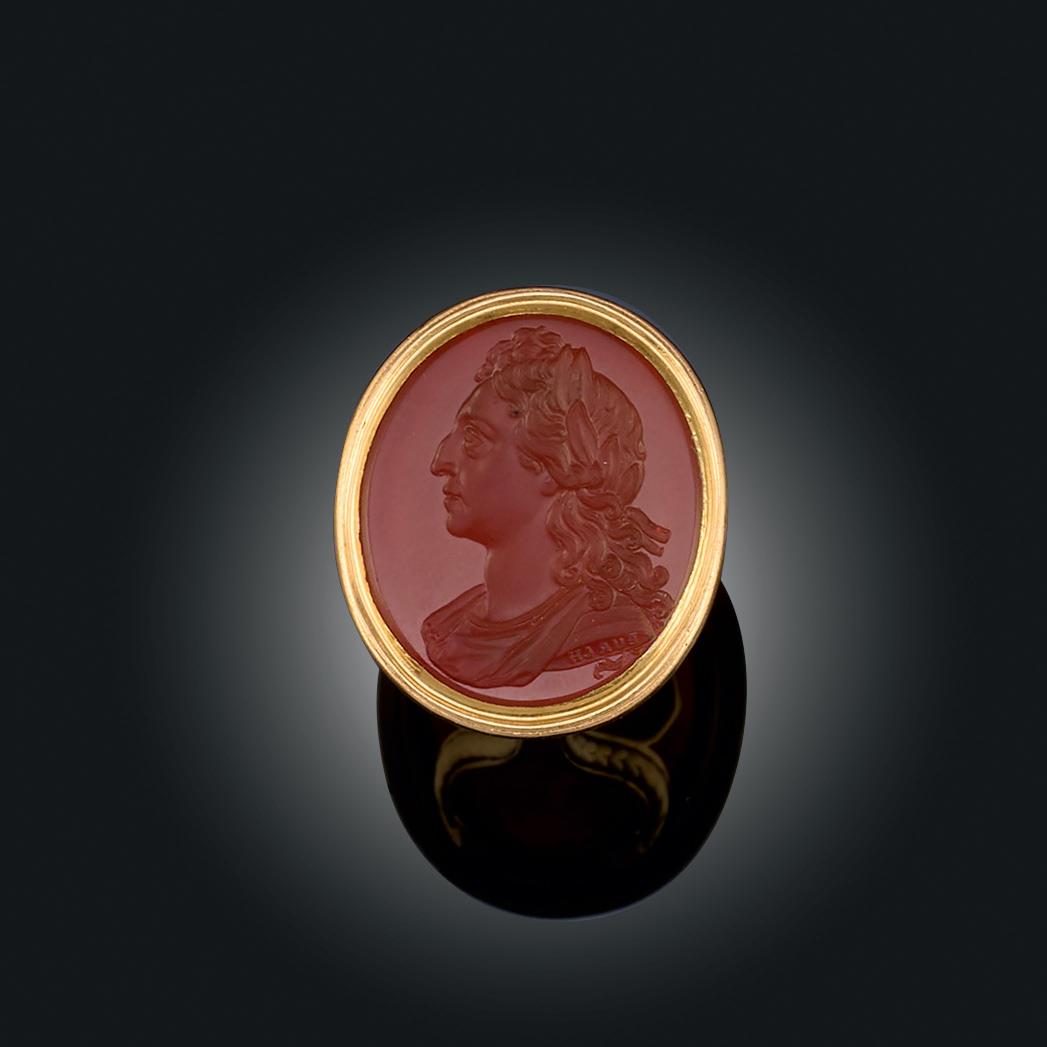
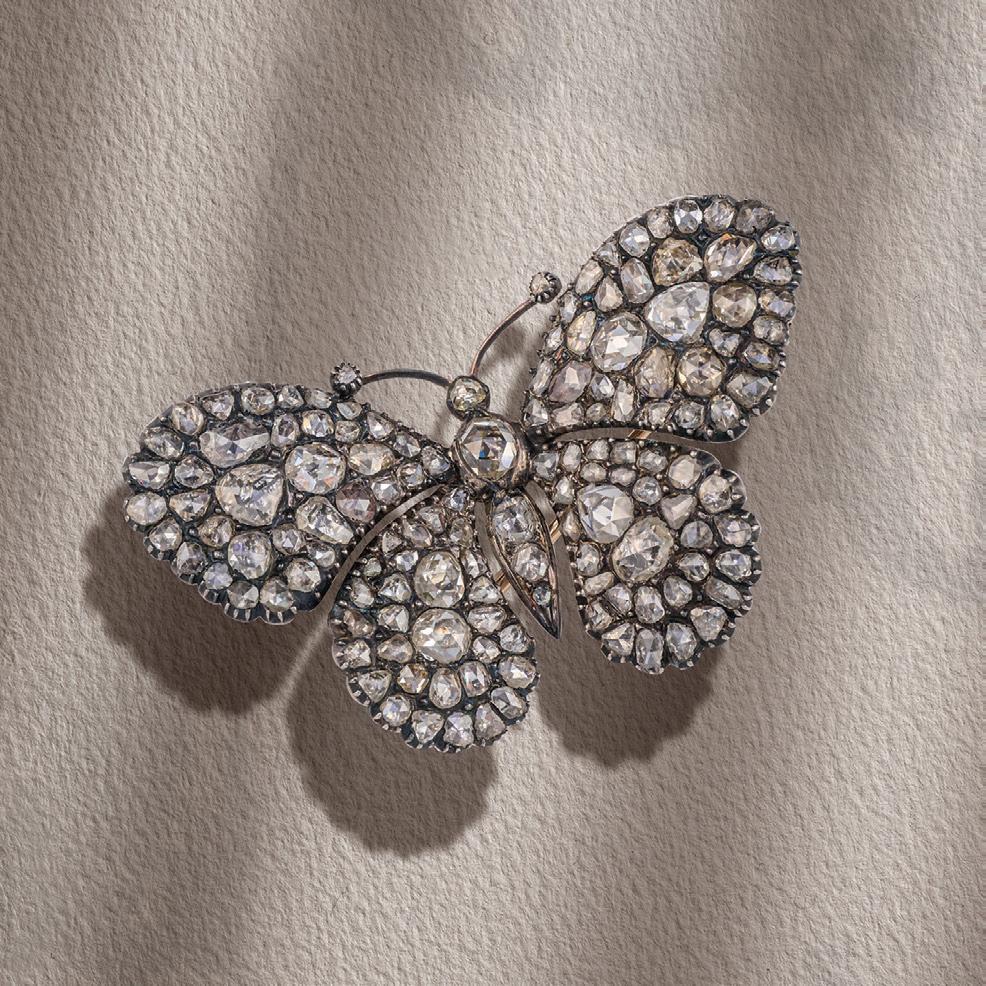
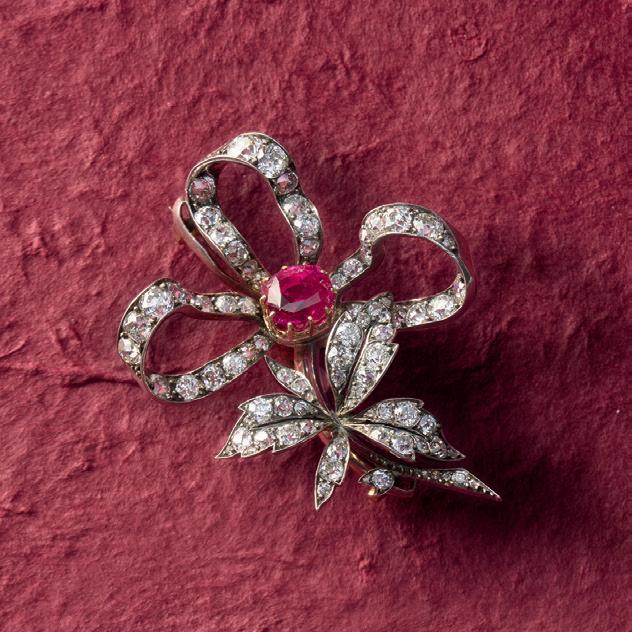
Elsewhere in the sale is a private collection of rare intaglios, featuring carvings by some of the finest Neoclassical engravers, including Edward Burch (1730–1814) and William Brown (1748–1825) (lots 431 & 432). These finely worked gems exemplify the technical virtuosity and classical refinement of the period. Other antique highlights include a fine George III diamond butterfly brooch (lot 504), an Elizabeth I fine gold signet ring (lot 429) and two diamond tiaras (lots 492 & 493).
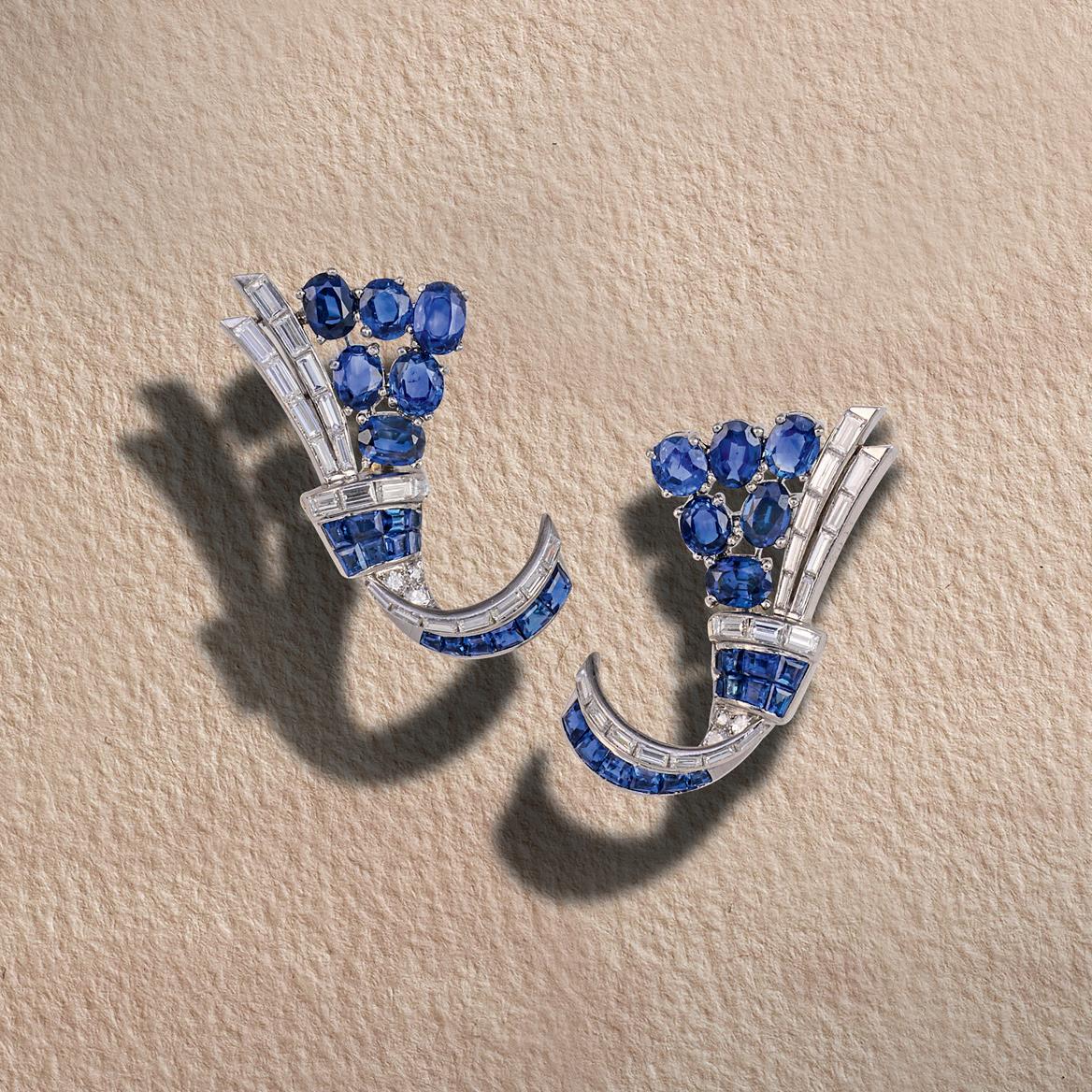
Signed jewels by renowned makers further enhance the compelling lots offered in this auction, including a pair of sapphire and diamond earrings, c.1935, by Lucien Girard for Lacloche Frères (lot 497). The earrings are a fine example of Girard’s work; while documented as working for Lacloche Frères, he primarily operated as an independent workshop craftsman, producing jewels that reflect the refined geometry and precision associated with French Art Deco design.
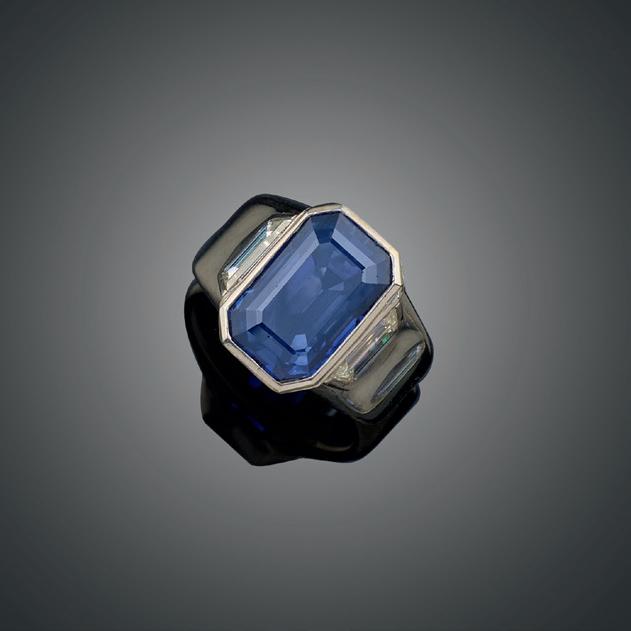
The auction also includes superb natural pearls, important diamonds, and vibrant coloured gemstones, including sapphires of Kashmir origin. Altogether, the sale presents collectors with exceptional opportunities across a range of periods and styles.
Illustrated right:
Lot 497 - Lucien Girard for Lacloche Frères, a pair of sapphire and diamond ear clips, c.1935
Estimate £20,000-30,000*
Illustrated left:
Lot 431– Edward Burch R.A. (1730-1814), A rare 18th century carnelian intaglio
Estimate £2,000-3,000*
Illustrated left:
Lot 504 - a fine George III diamond butterfly brooch
Estimate £10,000-15,000*
Illustrated opposite:
Lot 509 - a pair of late Victorian diamond-set drop earrings
Estimate: £20,000-30,000*
Illustrated right:
Lot 508 - Cartier, an Art Deco seed pearl and diamond necklace
Estimate: £15,000-20,000*
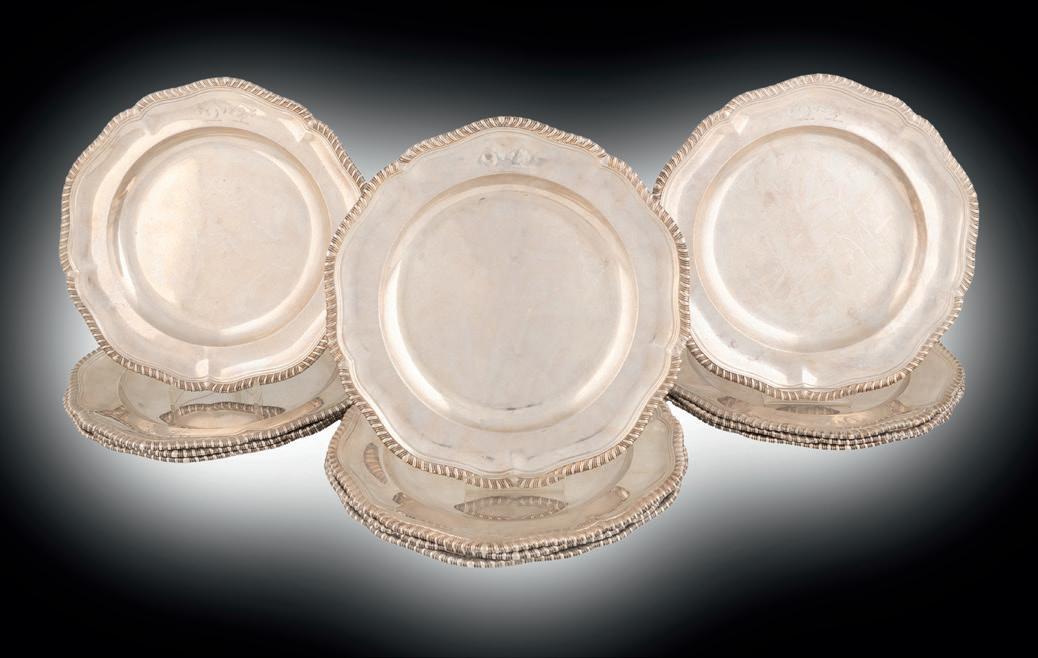
We are delighted to announce our Fine Silver and Objects of Vertu sale on the 28th and 29th April 2026. An important item consigned for this sale is a very fine Victorian gem-set silver-gilt ciborium, made in 1887 by the goldsmith and art metalworker Carl Krall (1844-1923). Krall was born in Germany and moved to London in the 1860s. In 1873, he entered into partnership with the Danish silversmith Jes Barkentin, establishing the firm of Barkentin & Krall Ltd., which became closely associated with the Gothic Revival movement in the applied arts.
The firm’s output was profoundly influenced by the architect and designer William Burges, whose richly imaginative medievalism
Illustrated opposite:
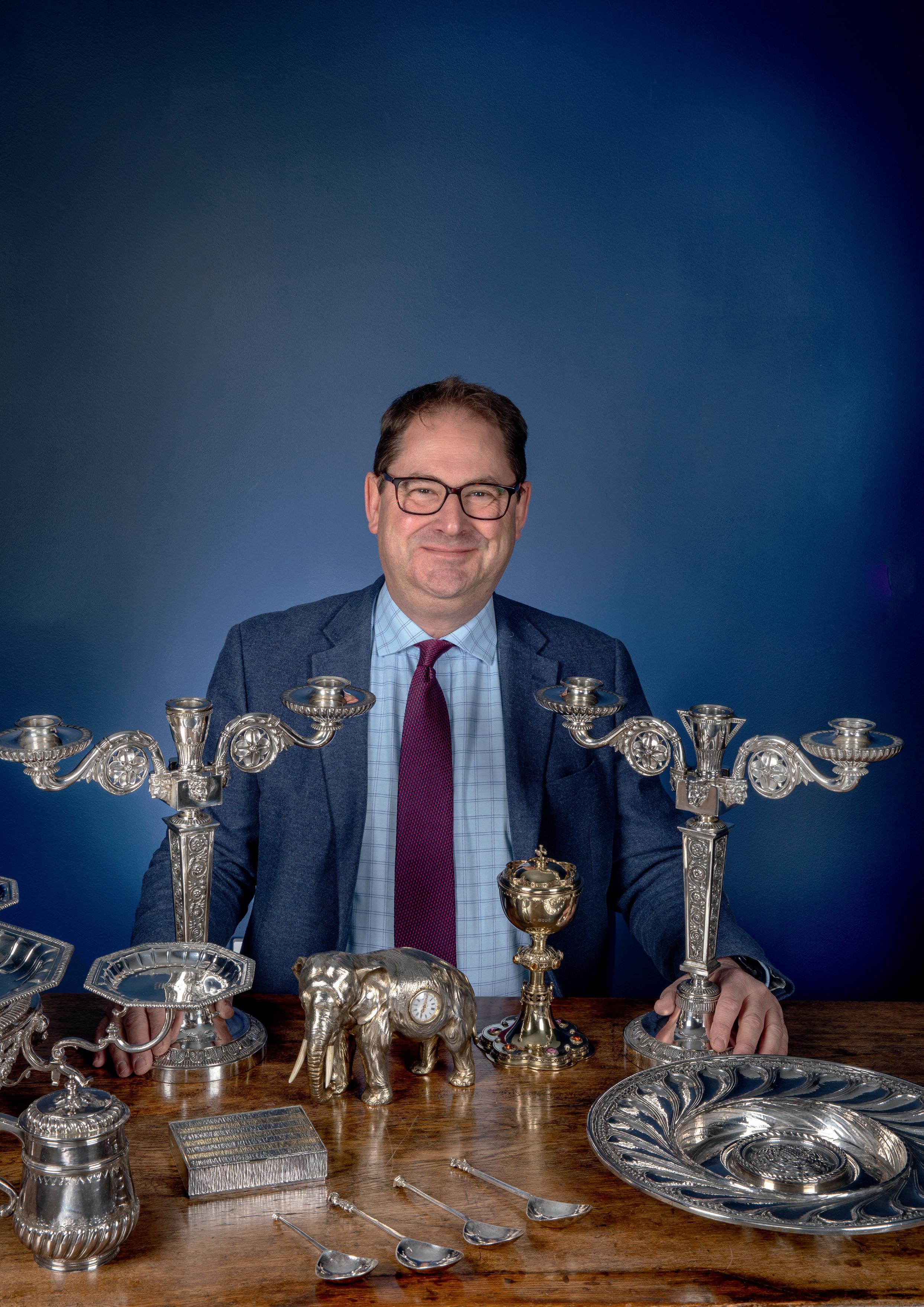
Head of Department, Rupert Slingsby with highlights from the sale
A Victorian gem-set silver-gilt ciborium, by Carl Krall, London 1887
Estimate: £1,500-2,000*
A pair of Victorian silver three-light candelabra, by Francis Boone Thomas, London 1874
Estimate: £6,000-8,000*
A George II silver epergne, by Eliza Godfrey, London 1751
Estimate: £7,000-9,000*
A William and Mary silver covered mug, by John Spackman, London 1693
Estimate: £4,000-6,000*
Illustrated below:
was very suited to metalwork. The main body of work was church silver, and this ciborium clearly reflects Burges’s aesthetic ideals and the lavish use of coloured gemstones and richly symbolic ornaments, all characteristic of his vision of a revived Gothic art.
After Barkentin’s death in 1883, Krall continued the business under the same name, and by the beginning of the twentieth century, they were the leading supplier of church plate and furnishings.
The sale includes a number of private collections. A highlight of one of these is a fine pair of Victorian silver candelabra made by Francis Boone Thomas in London in 1874. They are in the classical manner, with female heads and capitals modelled as oil lamps.
A 15th century silver Diamond-point spoon, circa 1450-1500
Estimate: £2,000-3,000*
A Charles I silver Apostle spoon, by Robert Harrington, York 1630
Estimate: £3,000-4,000*
A James I West-Country silver Seal-top spoon, by Hugh Osborne, Exeter circa 1630
Estimate: £2,000-3,000*
An Elizabeth I silver Apostle spoon, London 1567
Estimate: £2,000-3,000*
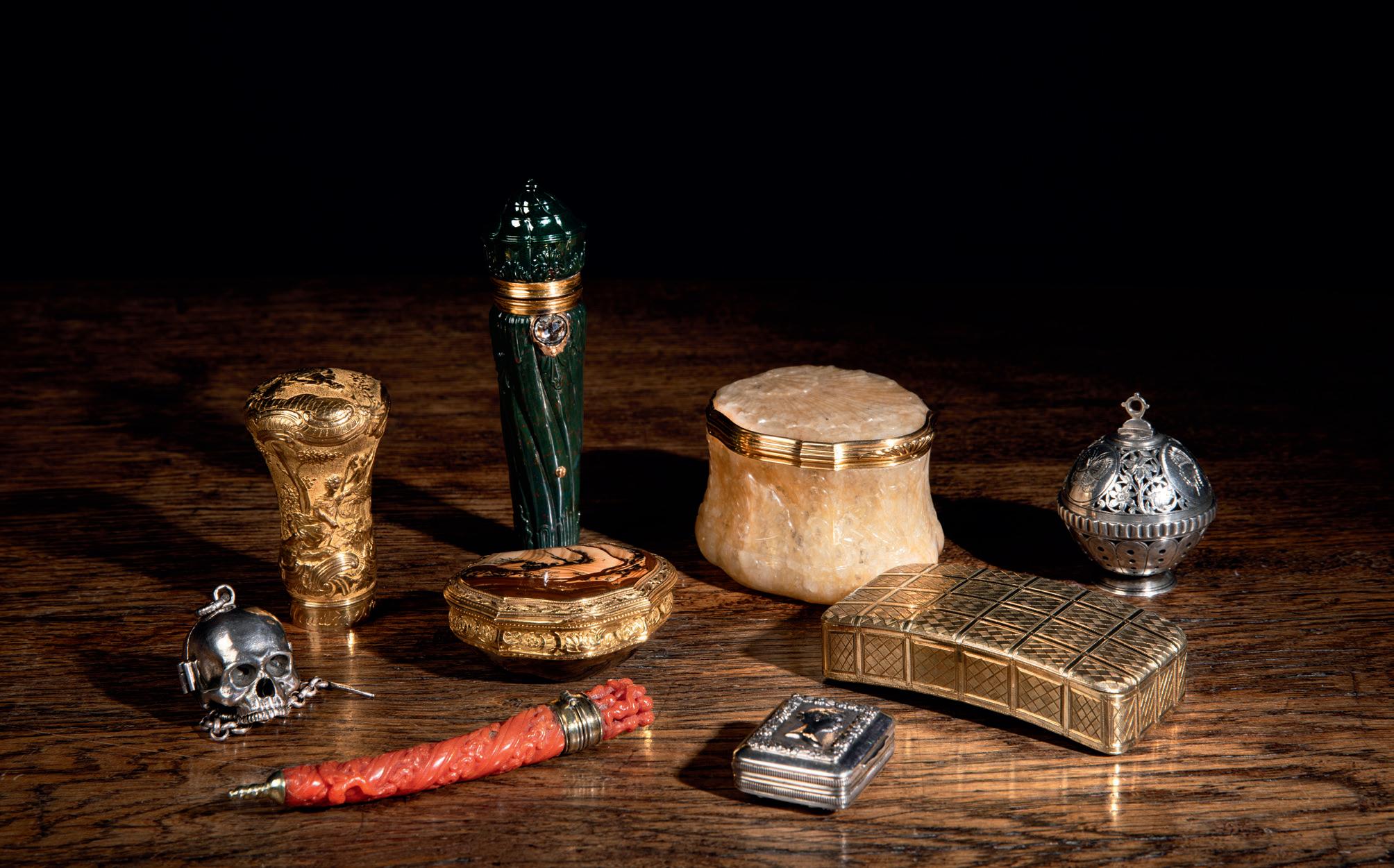
From a Private Collection of Objects of Vertu, ranging from £400-3,000.
A rare Edwardian novelty silver-gilt timepiece and desk compendium, by William Hornby, London 1913
Estimate: £4,000-6,000*
A modern silver and gold box, by Gerald Benney, London 1967
Estimate: £2,000-3,000*
By Omar Ramsden, an Arts and Crafts silver sideboard dish, London 1927
Estimate: £3,000-5,000*
John Axford MRICS +44 (0)1722 424506 jea@woolleys.live
Alexandra Aguilar +44 (0)1722 424583 aa@woolleys.live
Freya Yuan-Richards +44 (0)1722 424589 fyr@woolleys.live
Jeremy Morgan +44 (0)7812 601098 jm@woolleys.live
19th May
Fonthill Heirlooms
Alfred Morrison (1821-97) was the second son of the millionaire textile merchant James Morrison (1789-1857), who is thought to have been the richest commoner in nineteenth-century England. He devoted much of his inheritance to amassing a collection of artworks, which included one of the most significant Western collections of Chinese ceramics in modern history. The Fonthill porcelains offered here have remained within the family since they were acquired and all are listed in the inventory of heirlooms of July 1900.
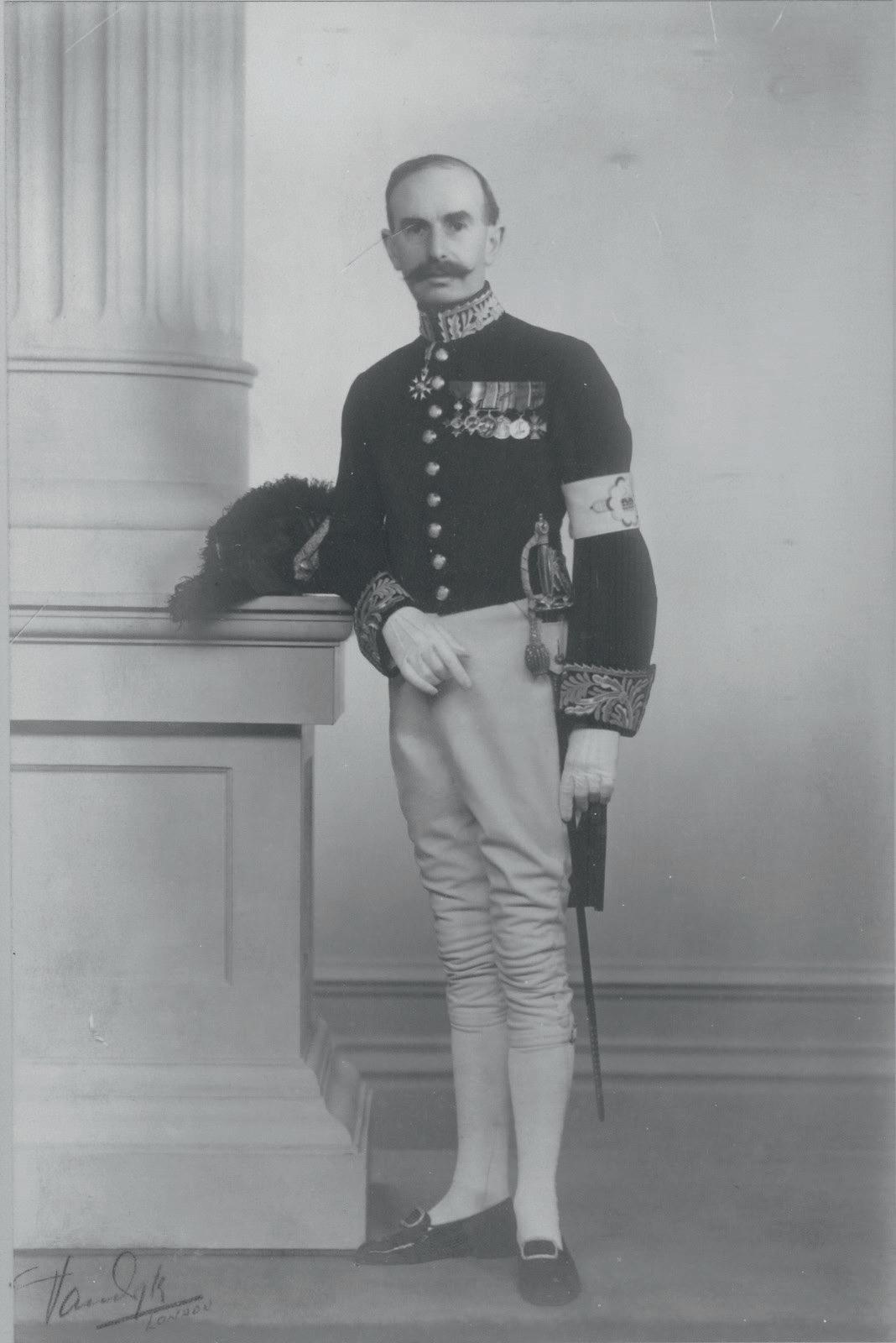
The sale also includes important pieces from the collection of Sir Gerard Leslie Makins Clauson (1891- 1974). Sir Gerard was a British civil servant and orientalist renowned for his expertise in Asian languages and historical linguistics. While serving in the British Civil Service, he was also President and Director of the Royal Asiatic Society, and earned a commemorative gold medal from Queen Elizabeth II.
Another highlight of the sale is the Chinese snuff bottle illustrated above. The mark Guyue Xuan (Ancient Moon Pavilion) was the name of a hall in the Summer Palace completed in 1767 as a retirement residence for the Qianlong Emperor. Although it was never occupied, the Emperor commissioned a special group of enamel-on-glass wares for the hall.
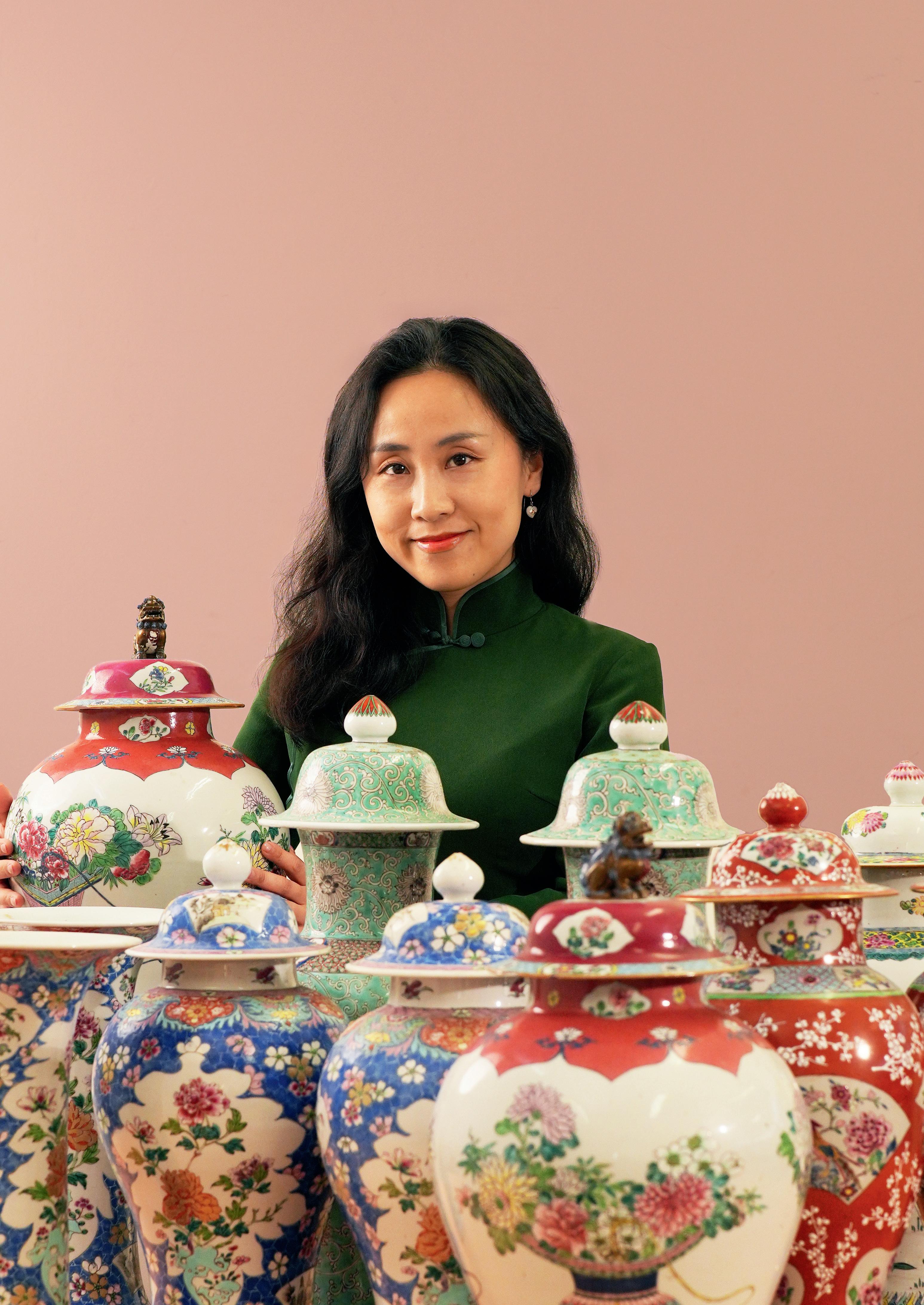
Illustrated opposite:
Asian Art specialist Freya Yuan-Richards with a collection of 18th century Chinese vases, formerly from the collection of Alfred Morrison (1821-97), Fonthill House, Wiltshire.
Estimates ranging from £3,000-20,000*

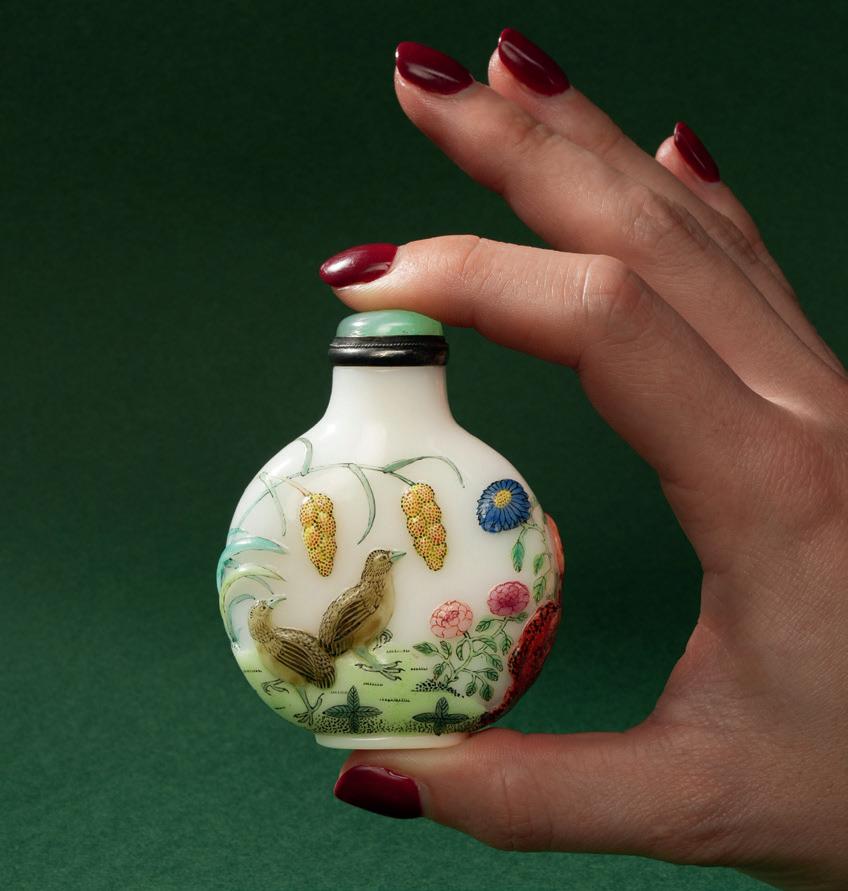
Illustrated above:
A white glass snuff bottle with a rare Guyue Xuan mark, Qianlong (1736-95).
Estimate: £4,000-6,000*
Illustrated below:
Two rare Tibetan gilt-bronze figures depicting Candanasri and the fifth Panchen Lama, Lobsang Yeshe (1663-1737), from the collection of Sir Gerard Leslie Makins Clauson (1891- 1974).
Estimate: £10,000-20,000* each
20th May
Alexandra Aguilar +44 (0)1722 424583 aa@woolleys.live
Ned Cowell +44 (0)1722 341469 nc@woolleys.live
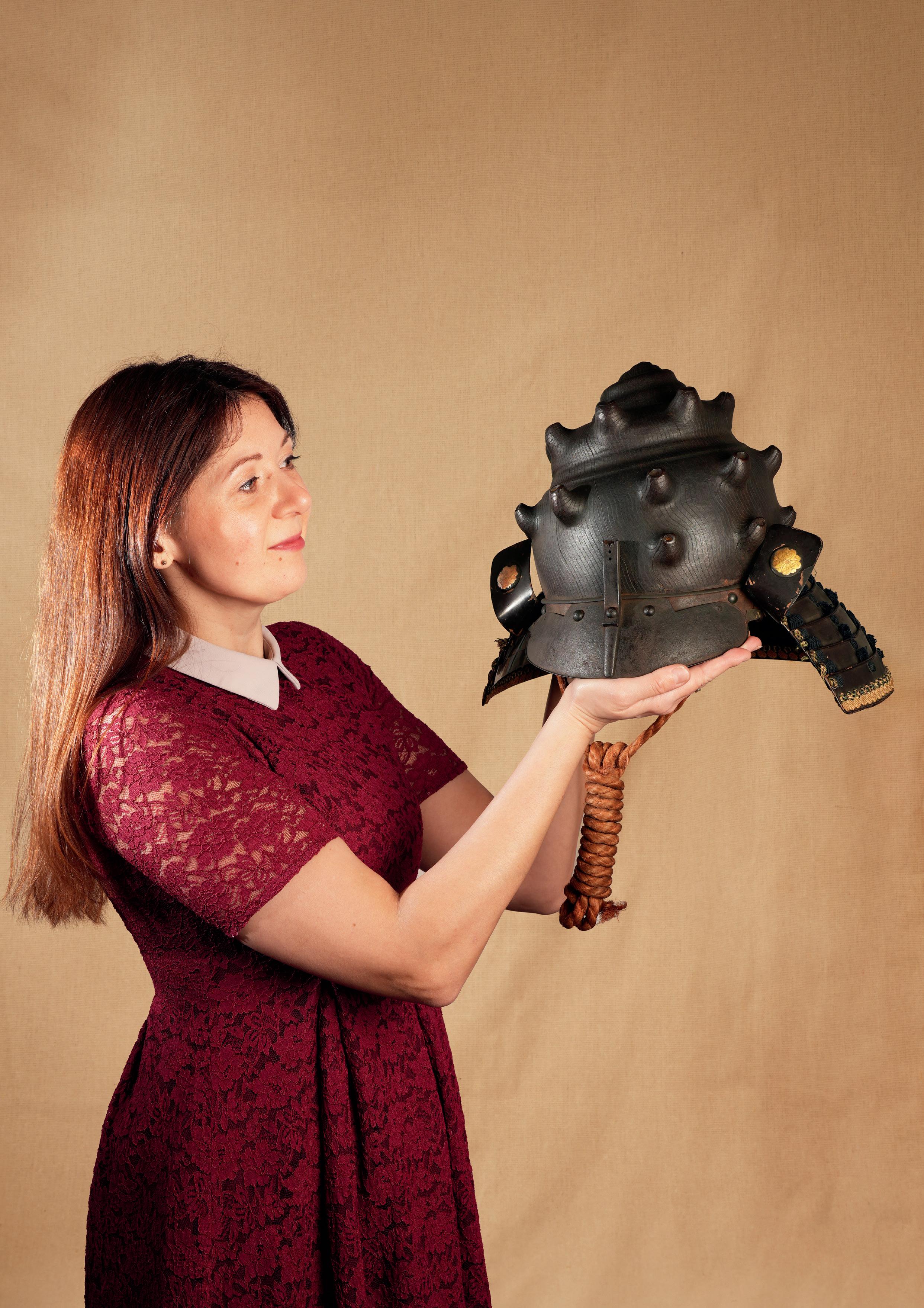
Head of Department Alexandra Aguilar with a Japanese iron kabuto, from a selection of Japanese helmets to be offered in the May sale.
Estimate: £8,000-12,000*
Our November 2025 sale reaffirmed the robust market for Japanese metalwork. An outstanding selection of four jizai okimono (fully articulated iron models of animals) achieved a combined total of over £41,000*. Lot 860 - the exceptional snake signed by Myochin - realised just under £28,000*.
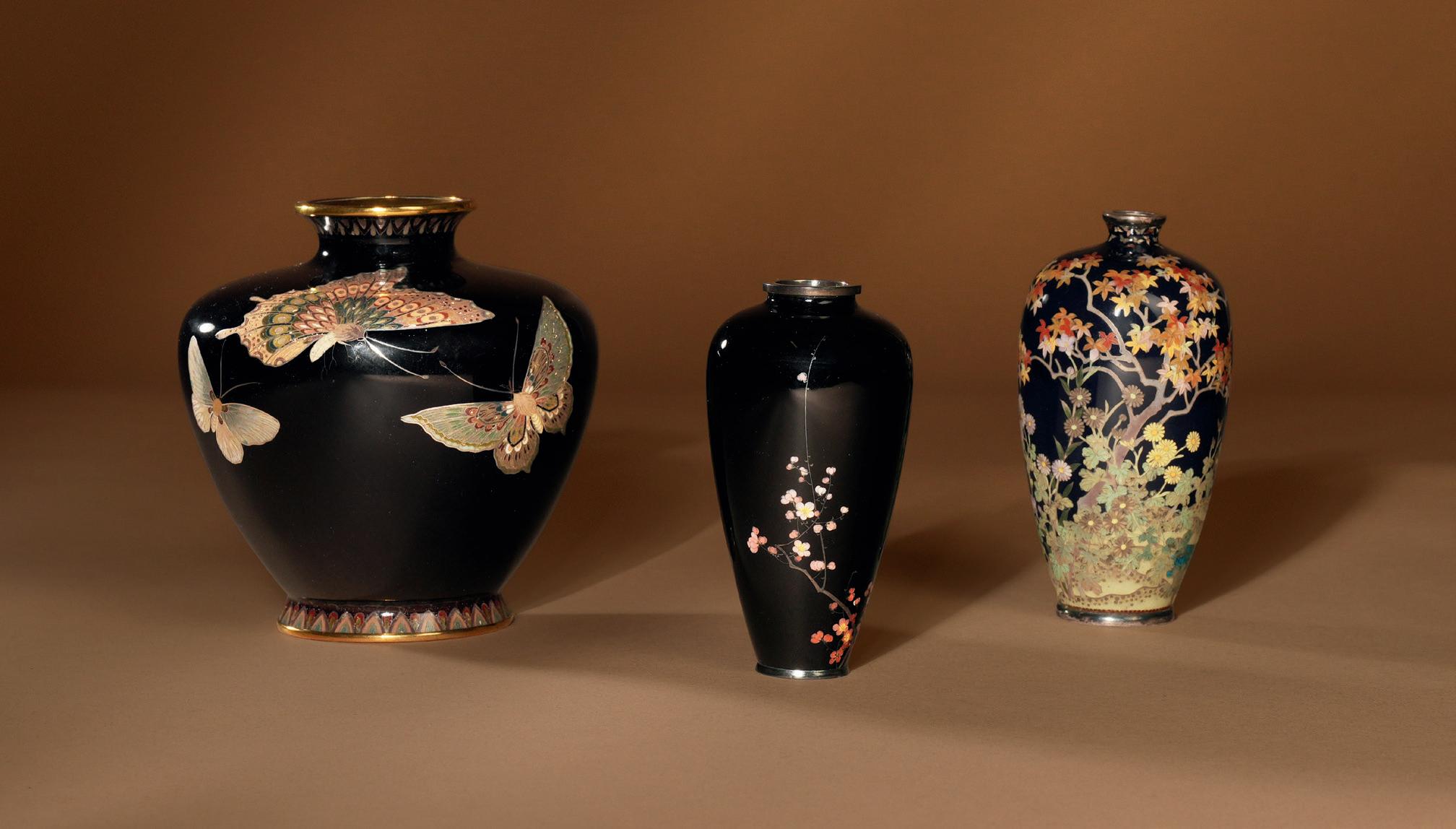
Fine cloisonné by Namikawa Sosuke and Hayashi Kodenji also drew intense competition, totalling over £37,000*. These results underscore the premium placed on condition, as all three lots were in a near-perfect state, making them particularly scarce and desirable. Our May sale will include another good selection of cloisonné pieces, including a very charming vase by Namikawa Yasuyuki (1845–1927) and other high-quality, unsigned pieces (illustrated below).
The momentum for Japanese metalworks is set to continue into 2026, bolstered by the British Museum’s landmark exhibition titled Samurai, running until 4th May. The exhibition aims to deconstruct the popular image of the samurai and reveal the complex reality behind the myth.
To coincide with this landmark exhibition, the May sale will feature a selection of edged weapons and kabuto (helmets)—the essential accoutrements of the warrior class. The auction will also include woodblock prints and other artworks inspired by the samurai legacy.
We are delighted to announce that a special exhibition of upcoming lots celebrating the Samurai will be on display at our Mayfair Galleries in London in April. Please contact the department for additional information.
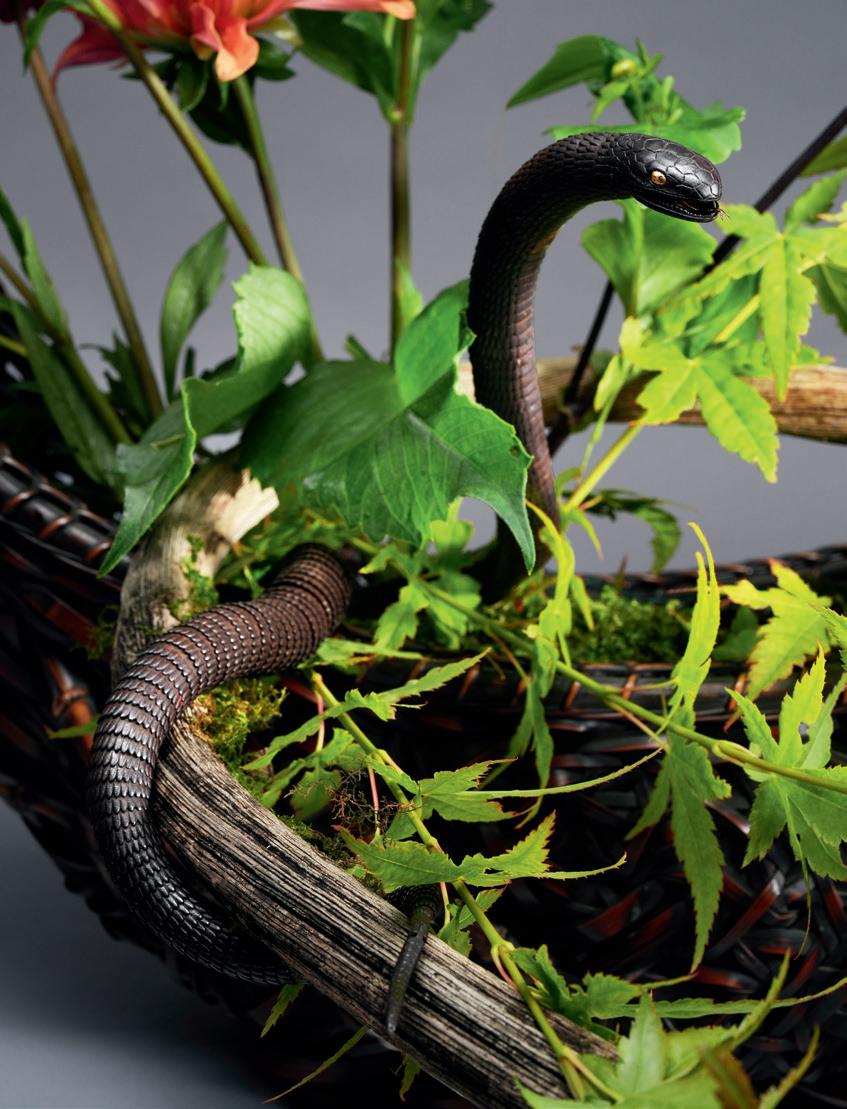
A Japanese Myochin iron articulated model of a snake, 18th or 19th century, 79cm.
Sold for £27,920*.
Illustrated below:
Three vases from a selection of cloisonné pieces to be offered in the May sale; the central one signed Kyoto Namikawa, the other two unsigned, Meiji (1868-1912).
Provenance:
The Namikawa piece from a private English collection, purchased from Malcolm Fairley in 1998 and illustrated in M Fairley, ‘Japanese Enamels of The Meiji Era’.
Estimates ranging from £1,000-4,000*
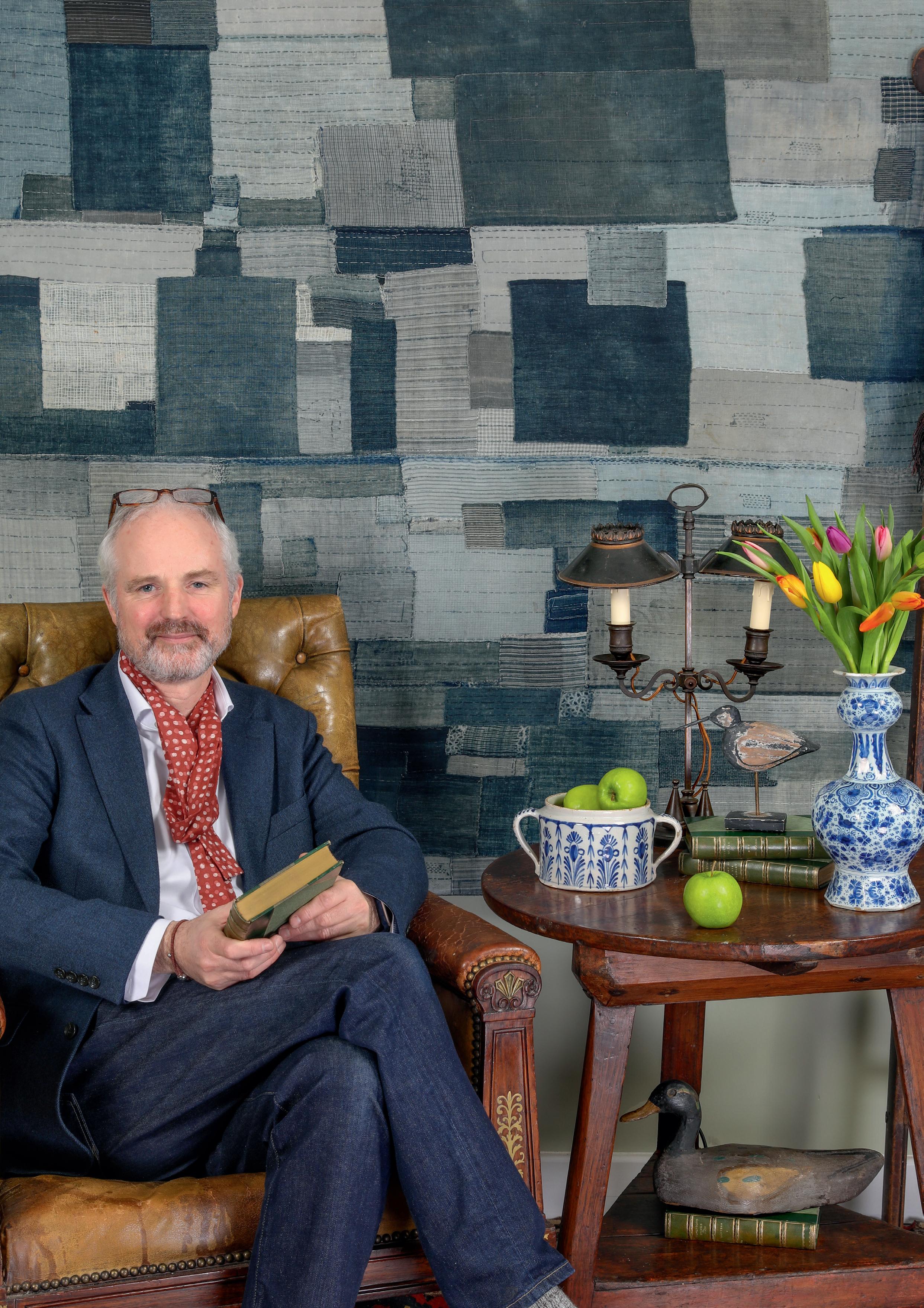
Following the successful launch of a new series of Interiors auctions in September 2025, we sat down with specialist Will Hobbs to discuss the emerging trends currently defining the world of home furnishings and where the design market is headed next.
1. What is ‘Country House style’ and how do you build personalised interiors?
The Country House style is a layered mix of antique furniture and objects made from natural materials with eclectic touches, creating a ‘lived in’ feel to create a non-orchestrated atmosphere. Comfortable and inviting soft furnishings would be a good start, and whether you choose antique or later furniture, veering towards pieces with a natural patina and a few knocks and scuffs will appear more organic and less curated. Perhaps a few botanical prints or paintings to bring the natural world indoors, along with colourful glass and ceramics, will keep a room vibrant.
2. What is your advice for new collectors looking to buy timeless pieces that will hold their value?
The 20th century is certainly a great era for design across so many disciplines: glass, ceramics, furniture, silver and textiles, with many outstanding craftspeople producing iconic pieces. Find an area of interest, visit auctions, talk to specialists, handle the objects and get to understand them. It’s fun following a fashion, but fashions change, so the old advice is always ‘buy what you love’ rather than looking for an investment.
3. What is the advantage of buying at auction versus other buying platforms?
One of the great advantages of buying at auction is the opportunity to see objects in person and also to speak to the experts involved in curating the sale. While visitors may come to view specific pieces, they often discover something unexpected in the sale that grabs their interest, something they might otherwise have overlooked.
4. Are you seeing more younger buyers and how would you encourage the next generation to bid at auction?
We love seeing new faces and actively encourage a new generation of buyers to bid in our sales. The experience of buying at auction, with the thrill of the chase and the opportunity of taking home a unique and special piece, offers far more excitement than buying ‘off the shelf’ from a store online. Buyers today are increasingly aware of reducing their carbon footprint. Our sales offer the chance to buy furnishings sustainably, extending the life of quality objects and contributing to the circular economy.
5. What type of objects do you see selling well in 2026?
Following months of rain this year, umbrella stands! Joking apart, I can see interesting objects with colour, patina, individuality and a story to tell continue to perform well at auction.
Victor Fauvelle +44 (0)1722 446961 vf@woolleys.live Ed Beer +44 (0)1722 446962 eb@woolleys.live Richard Kay +44 (0)1722 446964 rk@woolleys.live
Illustrated above:
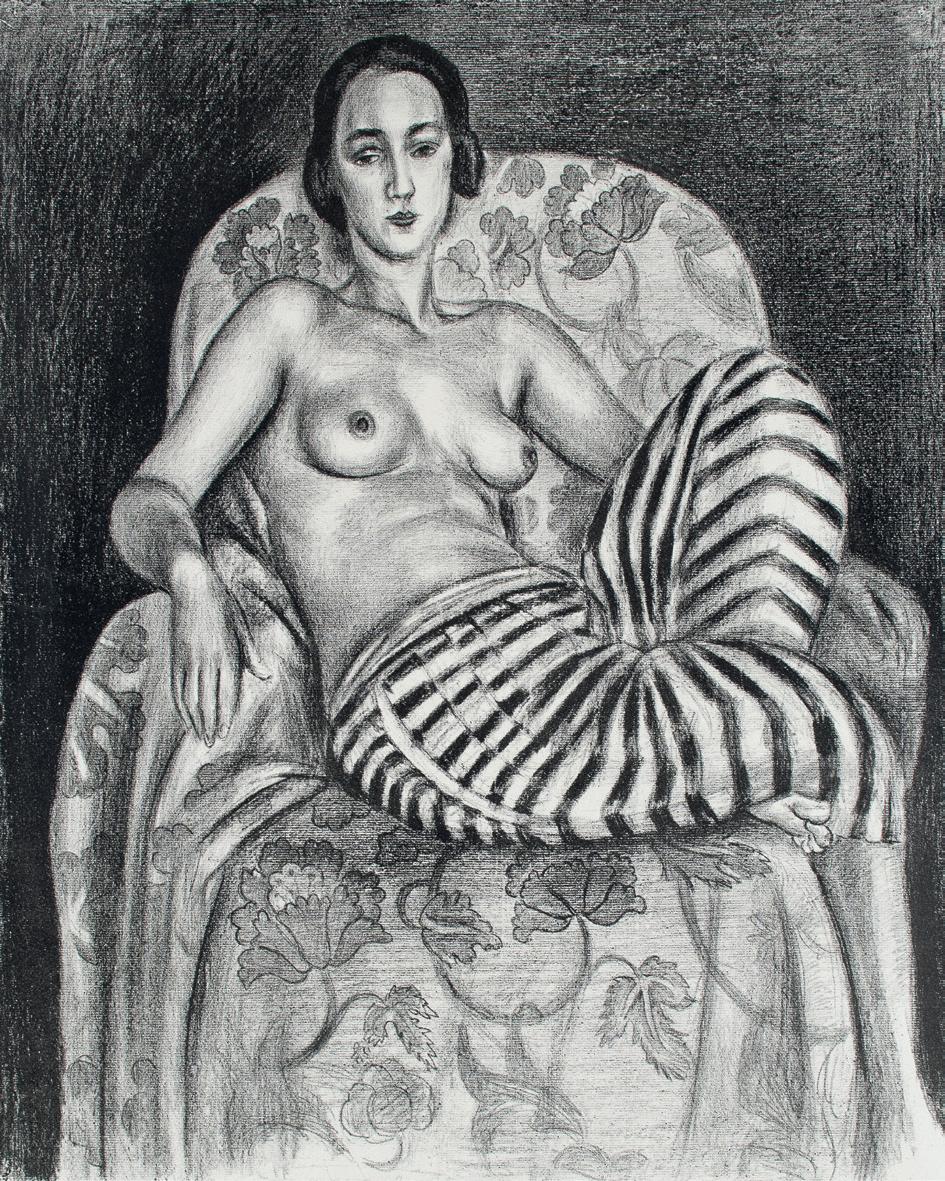
Matisse
Estimate: £150,000-250,000*
Henri Matisse’s Grande Odalisque à la Culotte Bayadère is his most important and sought-after lithograph. He focused on lithography in three distinct phases during his career: 1906, 1914, and finally in the 1920s. This extraordinary print, dating from 1925, is the culmination of his work in the medium. The subject is Matisse’s favourite model, Henriette Darricarrère, in the guise of an odalisque, sitting with one leg raised and tucked under the other. It was a pose that fascinated Matisse during this period, appearing in many of his paintings and prints.
The image is full of striking contrasts of textures and surfaces, such as the bold stripes of Henriette’s trousers, the heavy, floralpatterned cloth of the armchair, and the smoothness of the model’s skin. Across the whole work, Matisse explores the play of light, with the rich tonal effects enhanced by the lithographic medium, which contributes to the sensuality of the pose. Grande Odalisque à la Culotte Bayadère represents the zenith of his work in lithography; the epitome of the exoticism and voluptuousness that is expressed through his numerous depictions of Odalisques; and a testament to the inspiration he drew from the longstanding collaboration with his foremost model.
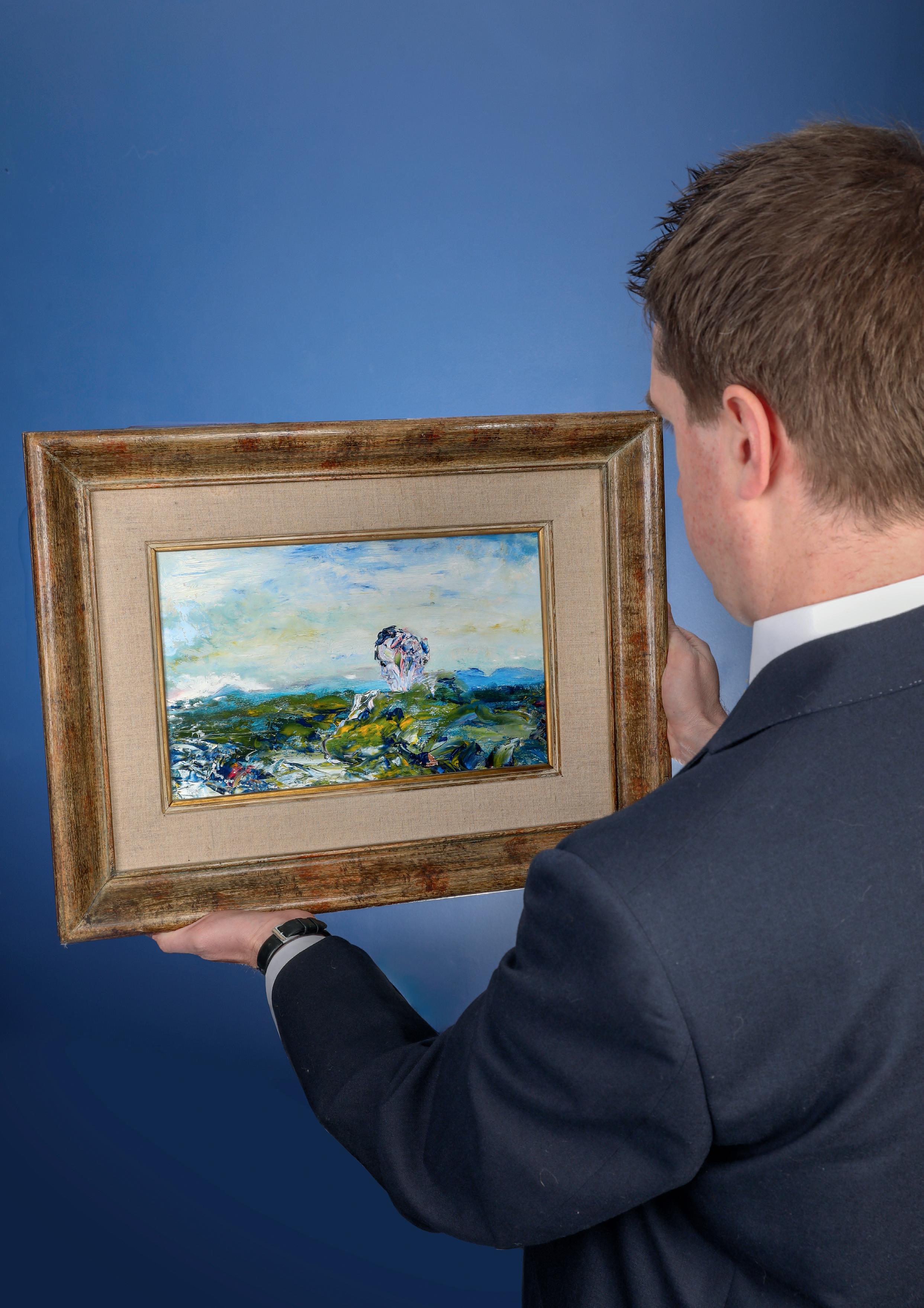
Jack Butler Yeats’ The Plains of Mayo has emerged after decades in a private collection. Painted in 1949, it is a wonderful example of his mature expressionistic style, when he created some of his most sought-after paintings. It demonstrates how he broke away from the confines of line to create dynamic scenes full of swirling movement and thick impasto. Typically, the fluid, instinctive brushwork is enhanced by a rich variety of colours and exemplifies why Yeats was probably the most significant Irish artist of the 20th century.
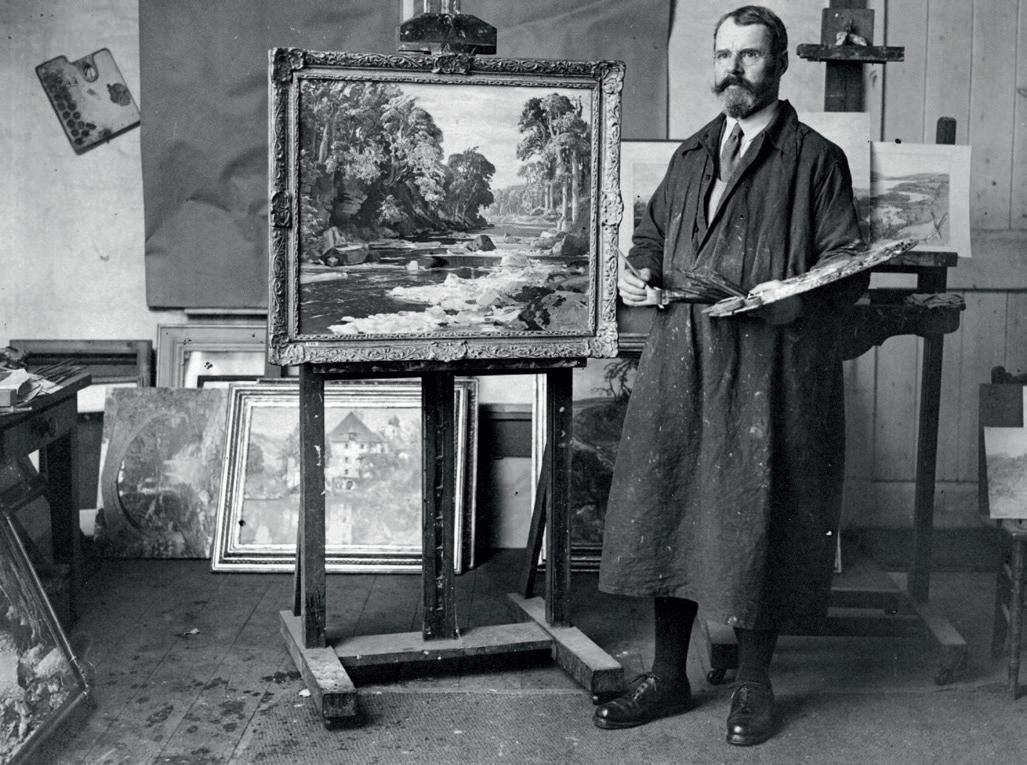
A large group of works by Samuel John ‘Lamorna’ Birch, drawn from the personal collection of the late Austin Wormleighton, the authority on Lamorna Birch’s art, will also be offered in the sale. Birch was a self-taught artist, initially attracted to Cornwall by artists such as Stanhope Forbes and other members of the Newlyn School. He became the founder and father figure of the Lamorna colony of artists and writers and was instrumental in bringing the next generation of painters, such as Laura and Harold Knight, to the area. Unlike many of his contemporaries, Birch did not like to paint people; instead, his subject was always the landscape, from expansive, sundrenched coastal views to dappled light over woodland streams. As one would expect, given the superb provenance, the collection provides a comprehensive overview of a painter who dedicated his career to capturing the wild beauty of Cornwall.
Illustrated opposite:
Specialist,
Estimate: £70,000-100,000*
right:
Also, see
Max Fisher +44 (0) 1722 424505 mf@woolleys.live
It is a remarkable time for ceramicists, both in and out of the salerooms. Building on what has been happening over the last few years, we are delighted to be offering studio ceramics to a wider audience and demonstrate how ceramics are emerging from the shadow of other artistic mediums.
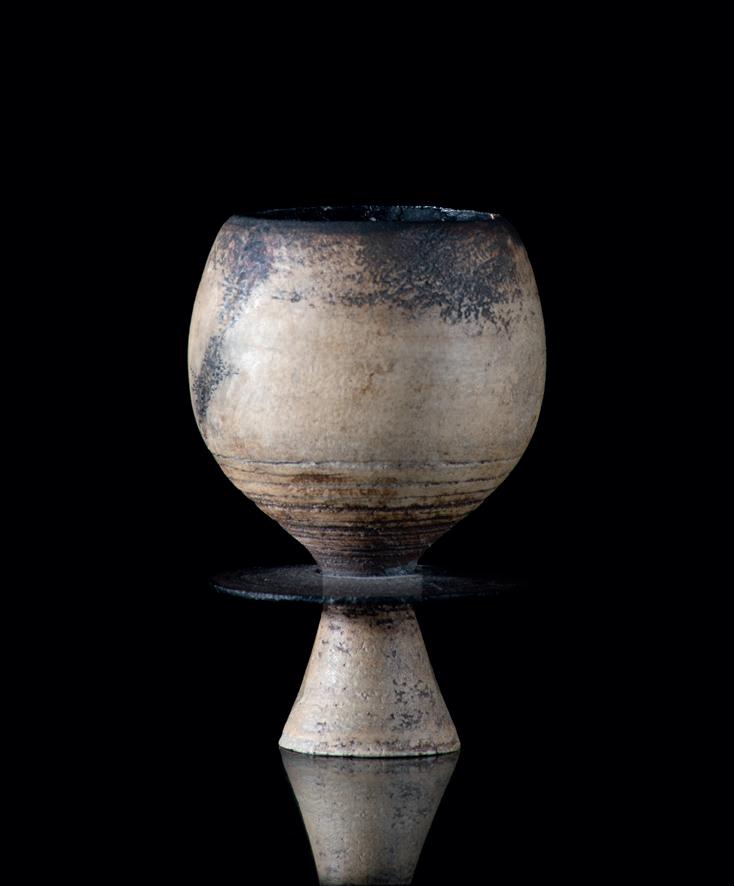
Our British Art Pottery & Studio Ceramics auction will highlight works by Lucie Rie, Hans Coper, John Ward, Gordon Baldwin, Edmund de Waal, Bernard Leach, Katherine Pleydell-Bouverie, Janet Leach, and many other seminal potters of the last 100 years.
Already consigned for the June edition is a fantastic collection of John Maltby tiles. John Maltby tiles possess a sculptural quality with rich surface textures that reflect his background as a studio potter rather than an industrial tile maker. Each piece carries a strong sense of individuality, with many purchased directly from the potter.
Alongside Studio Ceramics, the sale will champion pottery from the late 19th and early 20th century, including William De Morgan, Doulton, Della Robbia, William Moorcroft, and Martin Brothers.
We are also delighted to offer two fantastic works by Hans Coper and Lucie Rie. Both come from the collection of Monika Kinley, a famous art dealer and collector of the 20th century.
Lucie Rie and Hans Coper were central figures in 20th century British studio pottery. Both fled Nazi Europe and settled in London, where they worked closely together from the 1940s. Rie was known for her elegant, finely potted vessels and luminous glazes, while Coper developed more sculptural, abstract forms. Together, they reshaped modern ceramics, bridging functional pottery and modernist sculpture.
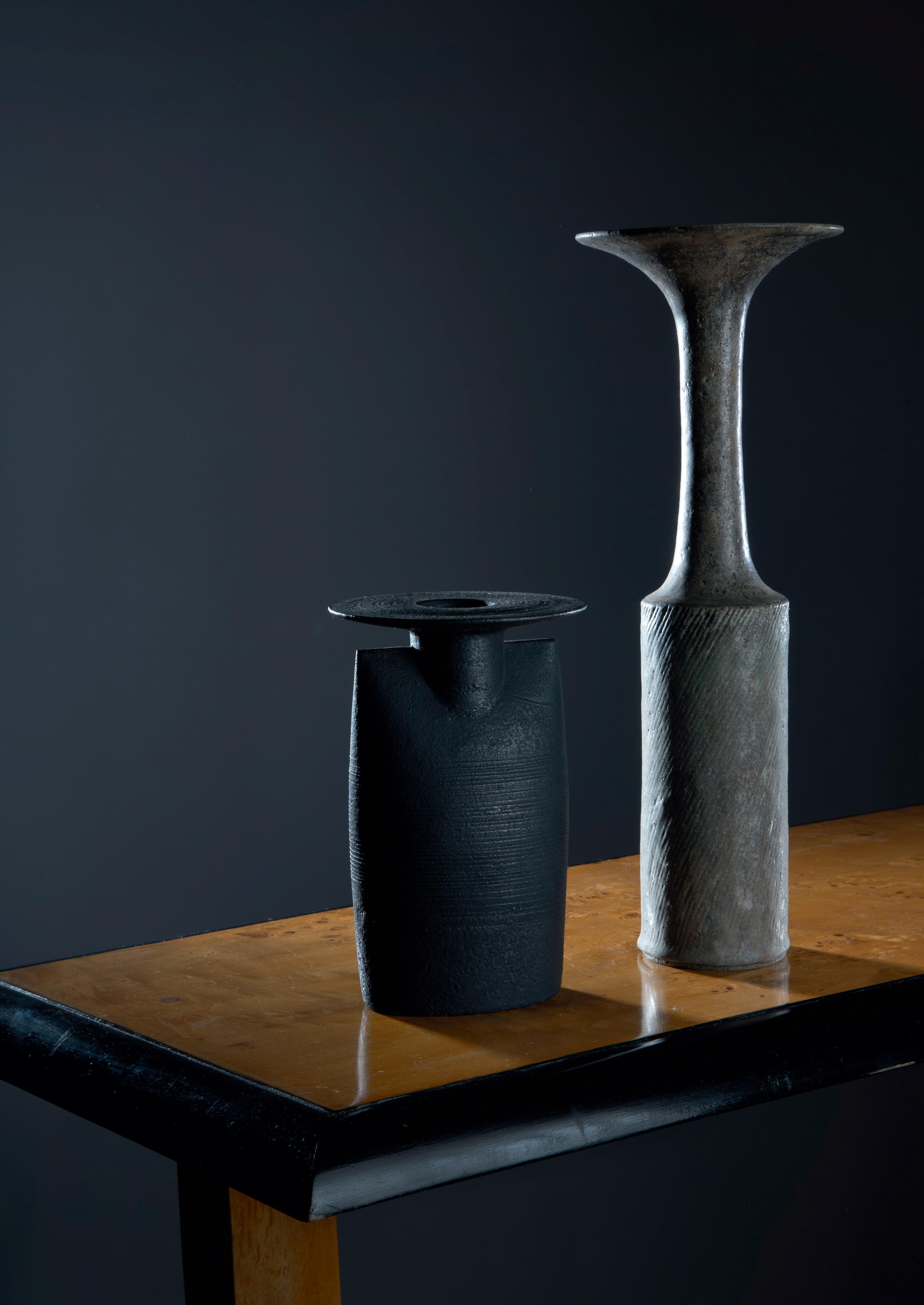
Estimate: £20,000-£40,000*
right:
Rie (1902 – 1995)
A tall bottle with flared rim
Estimate: £6,000-£10,000*
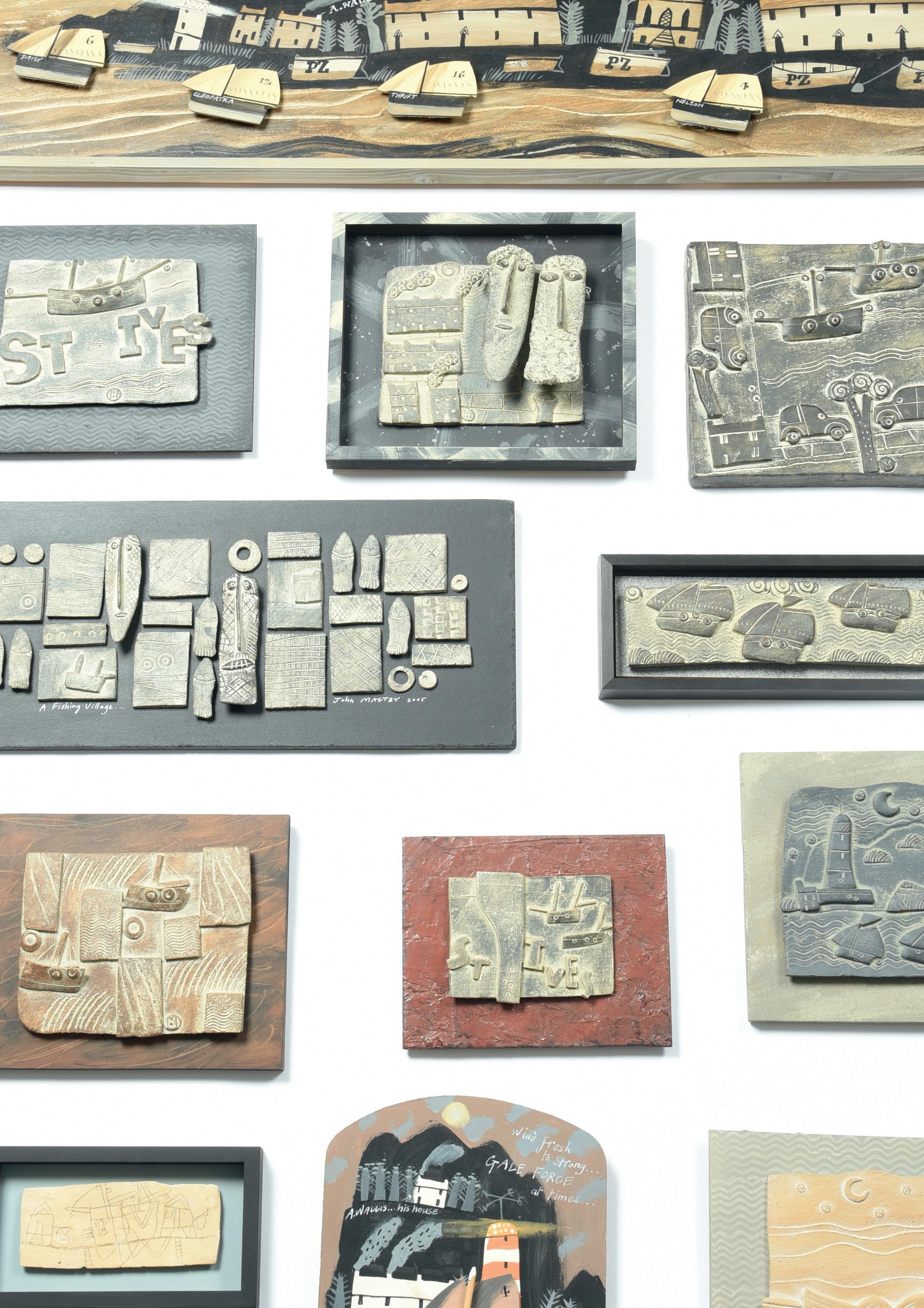
A collection of tiles by John Maltby (1936-2020)
Estimates ranging from £300-2,000*
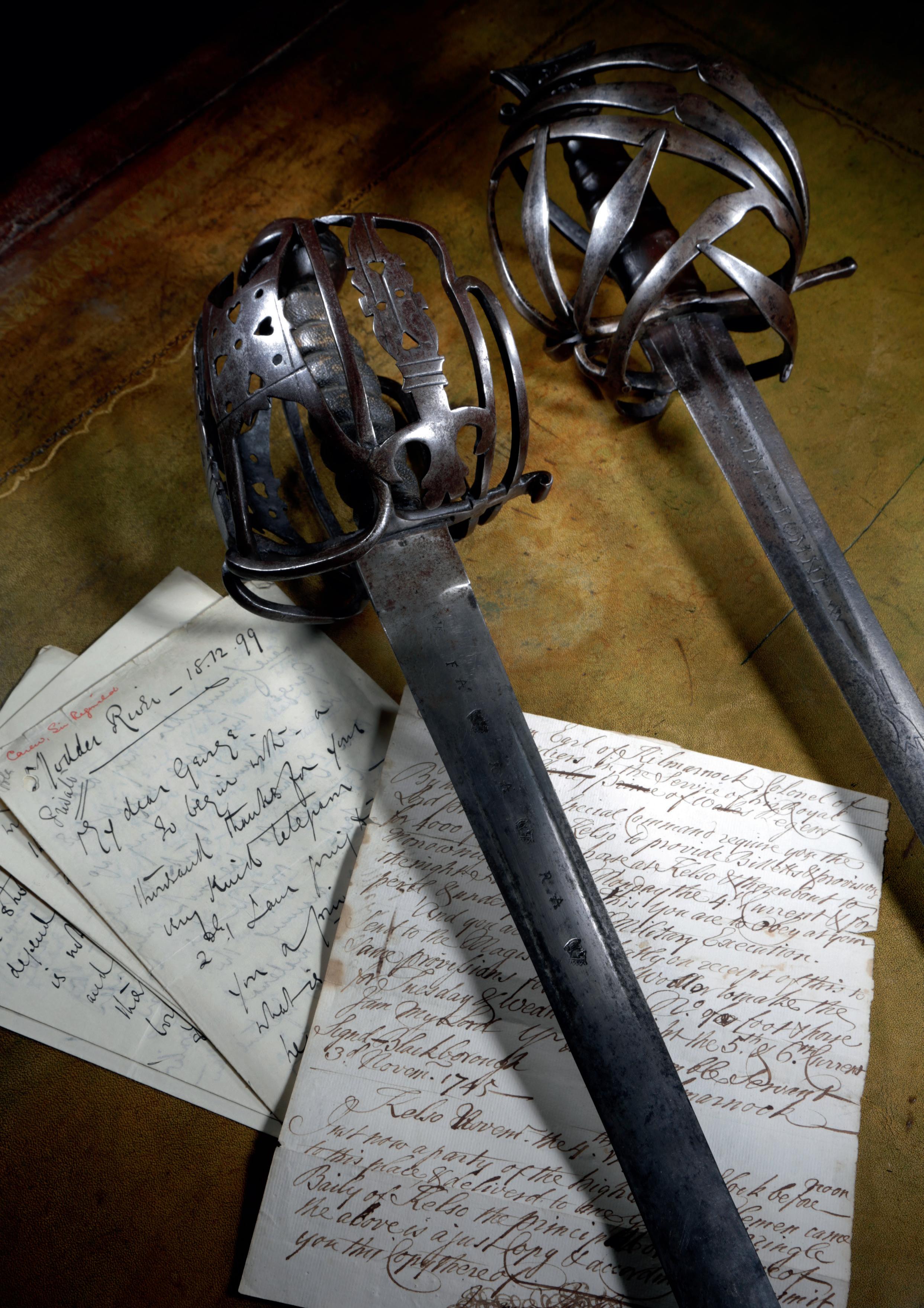
Estimate: £500-700*
Top left:
A Highland basket-hilted sword
Estimate: £1,000-1,500*
Top right:
A Venetian schiavona
Estimate: £1,000-1,500*
Below left:
A letter from Major-General Reginald Pole-Carew discussing the Boer War Battle of Modder River
Estimate: £400-600*
This department often consults historical documents when researching the biographies of medal recipients, and we also have an interest in selling them. The June 2026 catalogue will include two very interesting archives:
A collection of letters written to the Right Honourable George Wyndham (18631916) provides fascinating insights into fin-de-siècle political matters and offers collectors some important autograph signatures.
Of great interest is a letter from MajorGeneral Reginald Pole-Carew discussing the Boer War Battle of Modder River, a marginal British victory in which the author played an important part. His sharp criticism of his commanding officer, Lieutenant-General Lord Methuen, is fascinating to read.
Separately, a small but remarkable group of documents concerns the Jacobite Rebellion of 1745 and includes a
contemporary duplicate of a requisition order for military provisions for the rebels. We illustrate it here with a nice example of a Highland Basket Hilted sword, also to be included in the June auction, as well as a scarce Venetian schiavona.
We don’t often choose to include deactivated firearms in our catalogue, but we make exceptions for really worthy examples. The U.S. .45 Thompson submachine gun is notable for its adoption
by the British Army in the desperate early years of the Second World War. The ‘Tommy Gun’ is most famous for its use by the British Commandos in their gallant and audacious raids against German-held targets.
The ever-pragmatic Admiralty, meanwhile, modified an established German design to produce the Lanchester SMG. These two classic weapons are a reminder of Britain’s successful defiance of a brutal autocracy.
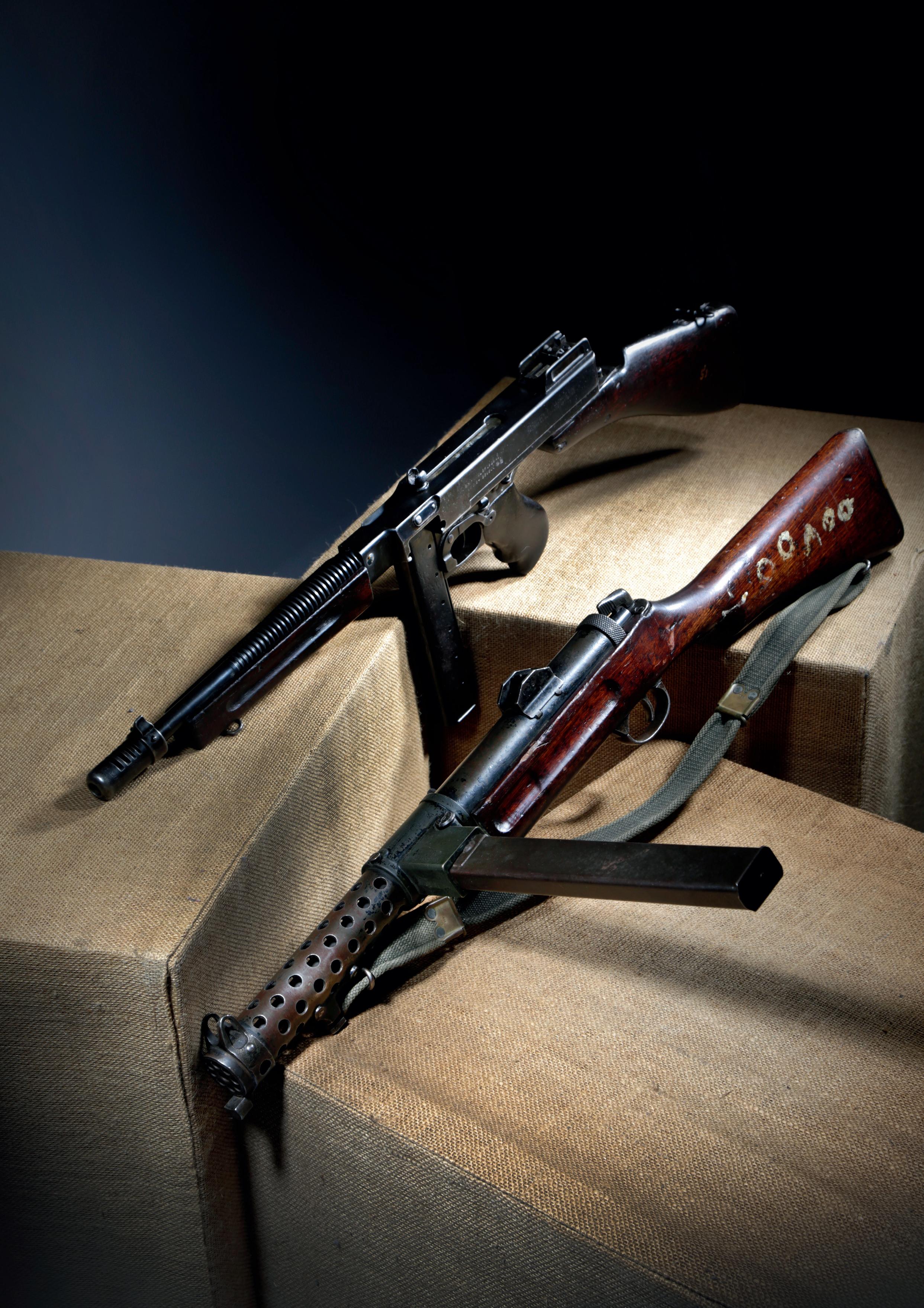
Illustrated top
A U.S. .45 Thompson submachine gun or ‘Tommy Gun’
Estimate: £600-800*
Below:
A Lanchester SMG
Estimate: £400-600*
Mark Yuan-Richards
+44 (0)1722 411854 myr@woolleys.live
Neil Grenyer MRICS +44 (0)1722 446974 ng@woolleys.live
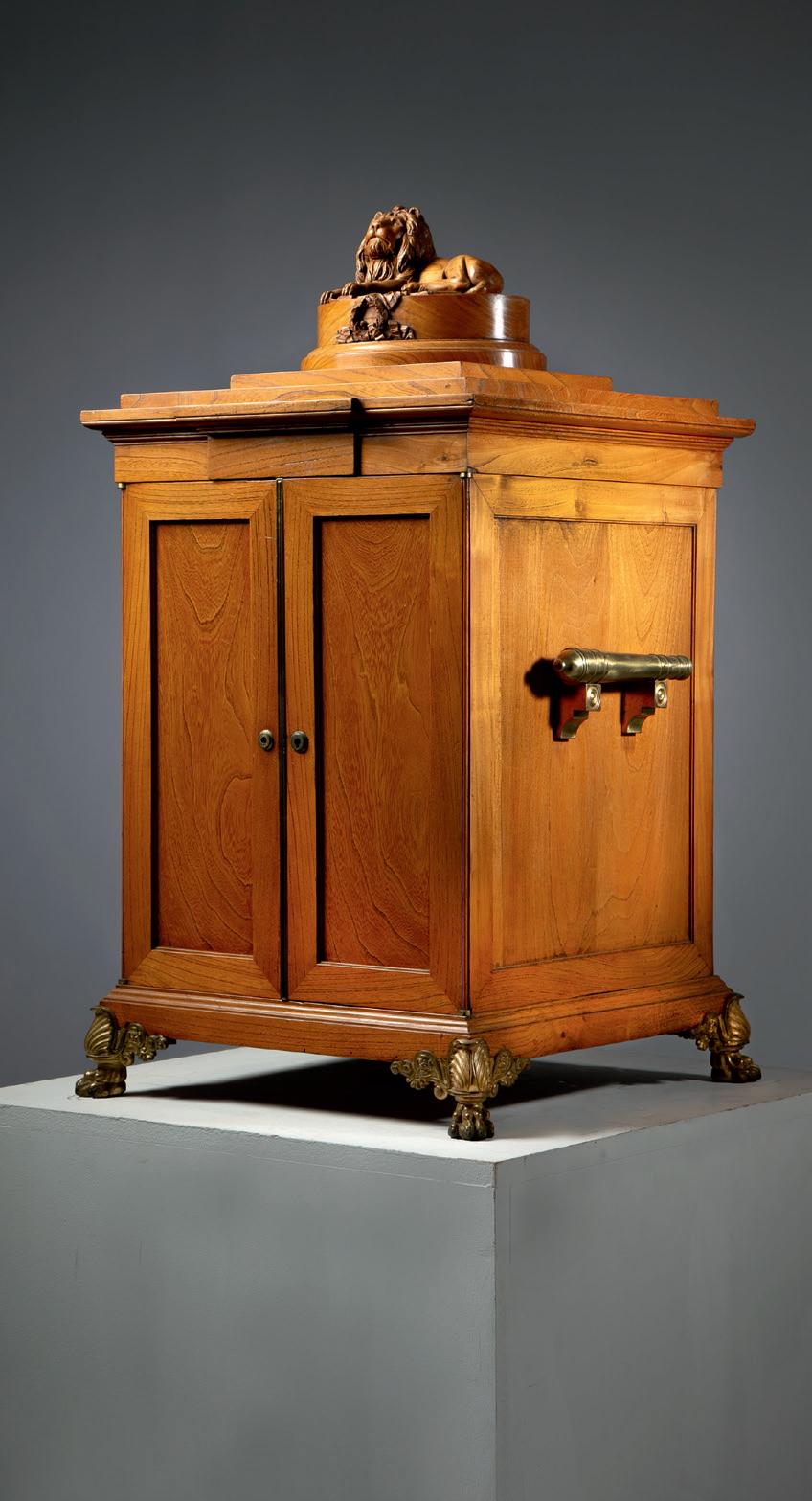
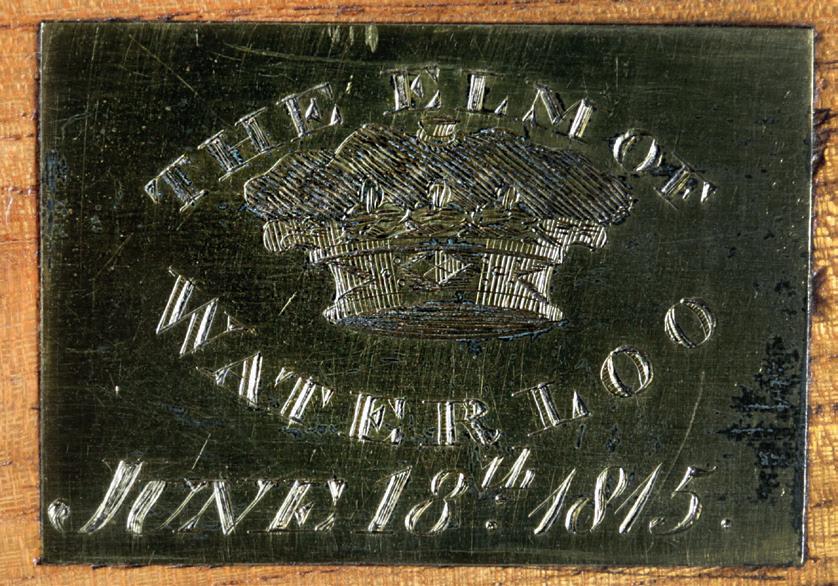
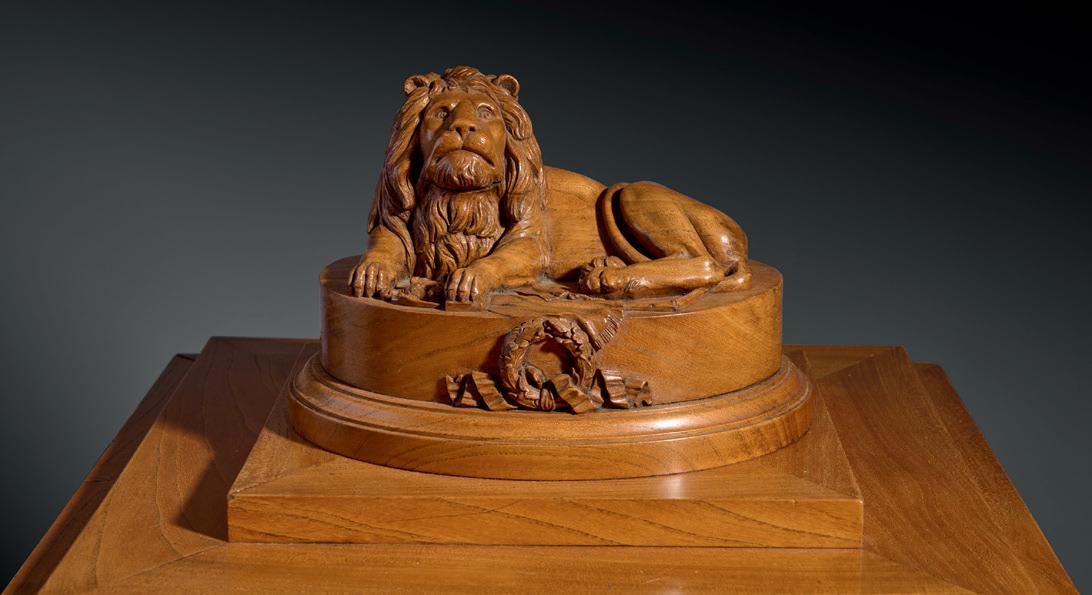
Our 30th June Fine Furniture sale will feature an exceptionally rare Regency cabinet crafted from the legendary Waterloo Elm.
The ancient Waterloo Elm stood on elevated ground overlooking the fields of the Battle of Waterloo. It marked the very spot from which Arthur Wellesley, 1st Duke of Wellington, surveyed the French troops before defeating Napoleon in 1815. The tree soon became a celebrated landmark and a powerful emblem of Liberty. Patriotic visitors made pilgrimages to the site, often removing small fragments as keepsakes. By 1818, the oncemighty elm had been reduced to little more than a stripped trunk.
As the remains were being felled by its owner, they were purchased by John George Children, Fellow of the Society of Antiquaries. Upon returning to England, Children commissioned Thomas Chippendale Junior to create a triumphal throne from the timber for the Prince Regent, delivered in 1821. A second chair was made for Children’s daughter, Anna, and was later presented to the Duke of Wellington. Children also sold portions of the remaining timber to the Duke of Rutland, who commissioned another chair, now preserved at Belvoir Castle.
Anna later recorded that at Halstead Place, Kent, her father kept ‘a small stand made … out of the portion of the tree with the bark on … a work table and a cabinet for minerals’—all fashioned from the historic elm.
Following Children’s death in 1852, Anna inherited the estate. Halstead Place and its contents were dispersed in 1920, though there are no surviving inventory lists the furnishings. The present cabinet was acquired at a house sale in Kent in the 1920s. The stand and work table mentioned by Anna remain untraced.
This remarkable cabinet, directly linked to one of Britain’s most defining military victories and to the celebrated Waterloo Elm itself, carries an estimate of £15,000–£20,000*.
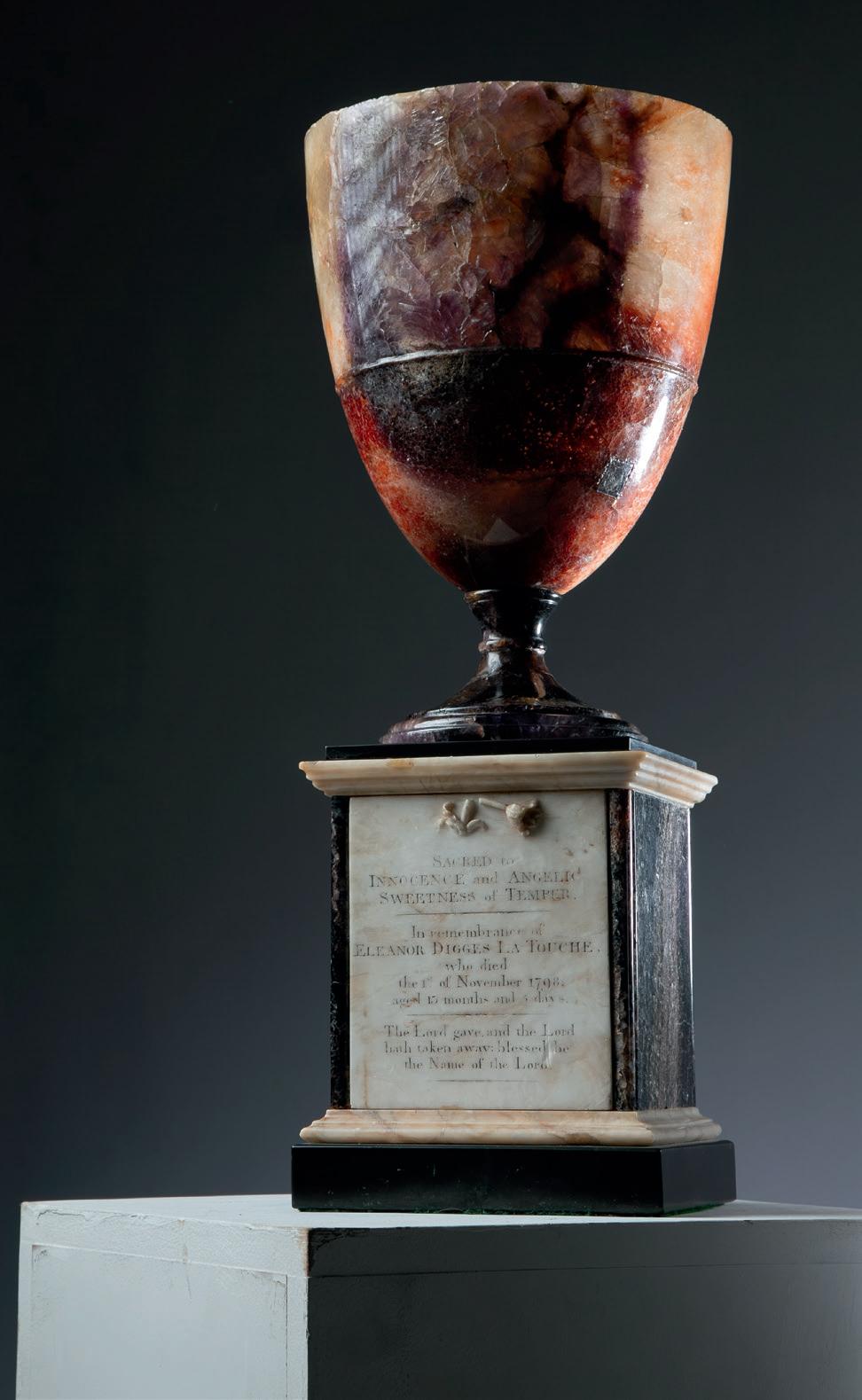
Illustrated right:
A large George III Blue John urn with a remembrance dedication for ‘Eleanor Digges La Touche’ who died on the 1st of November 1798.
Estimate: £1,000-1,500*
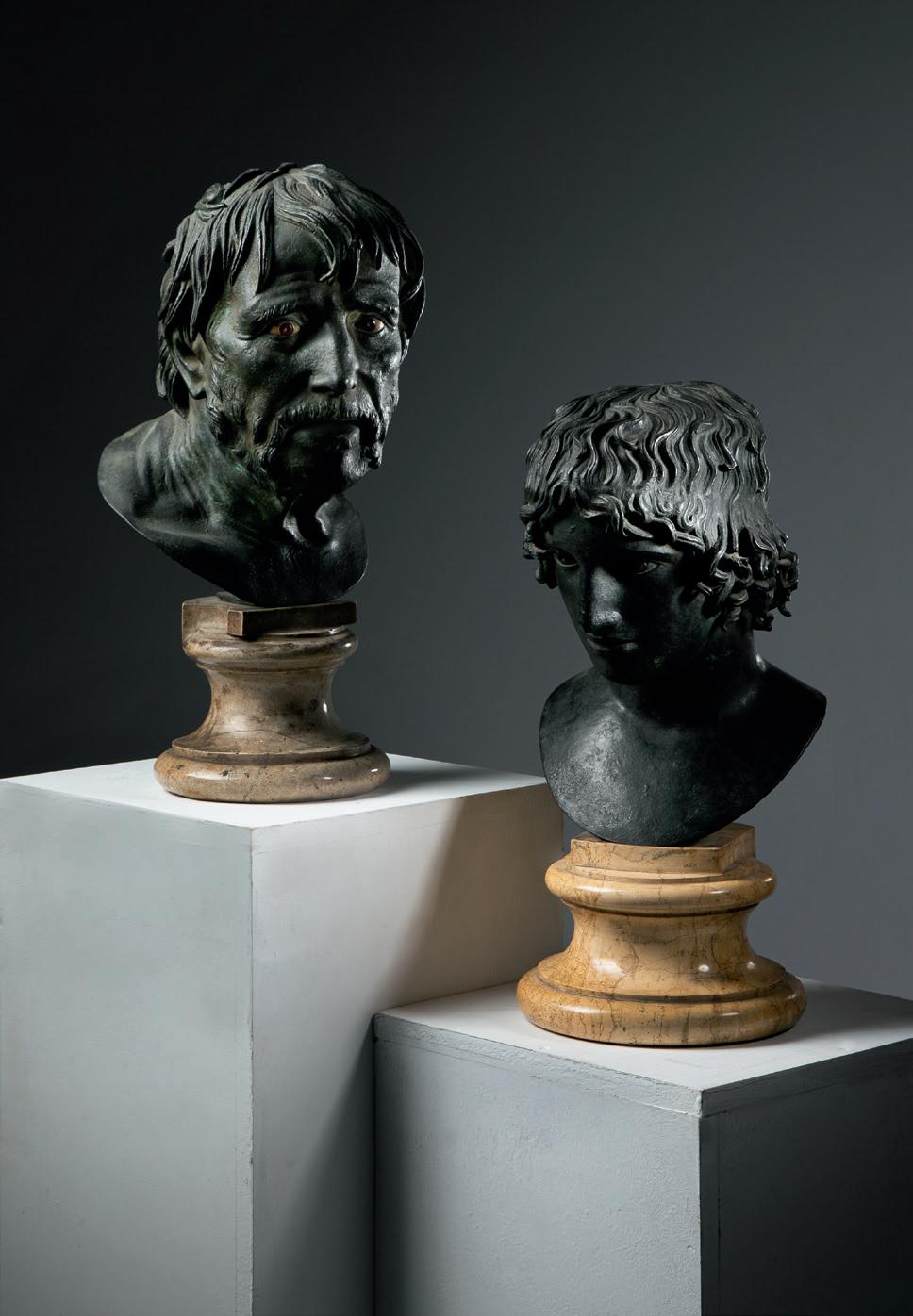
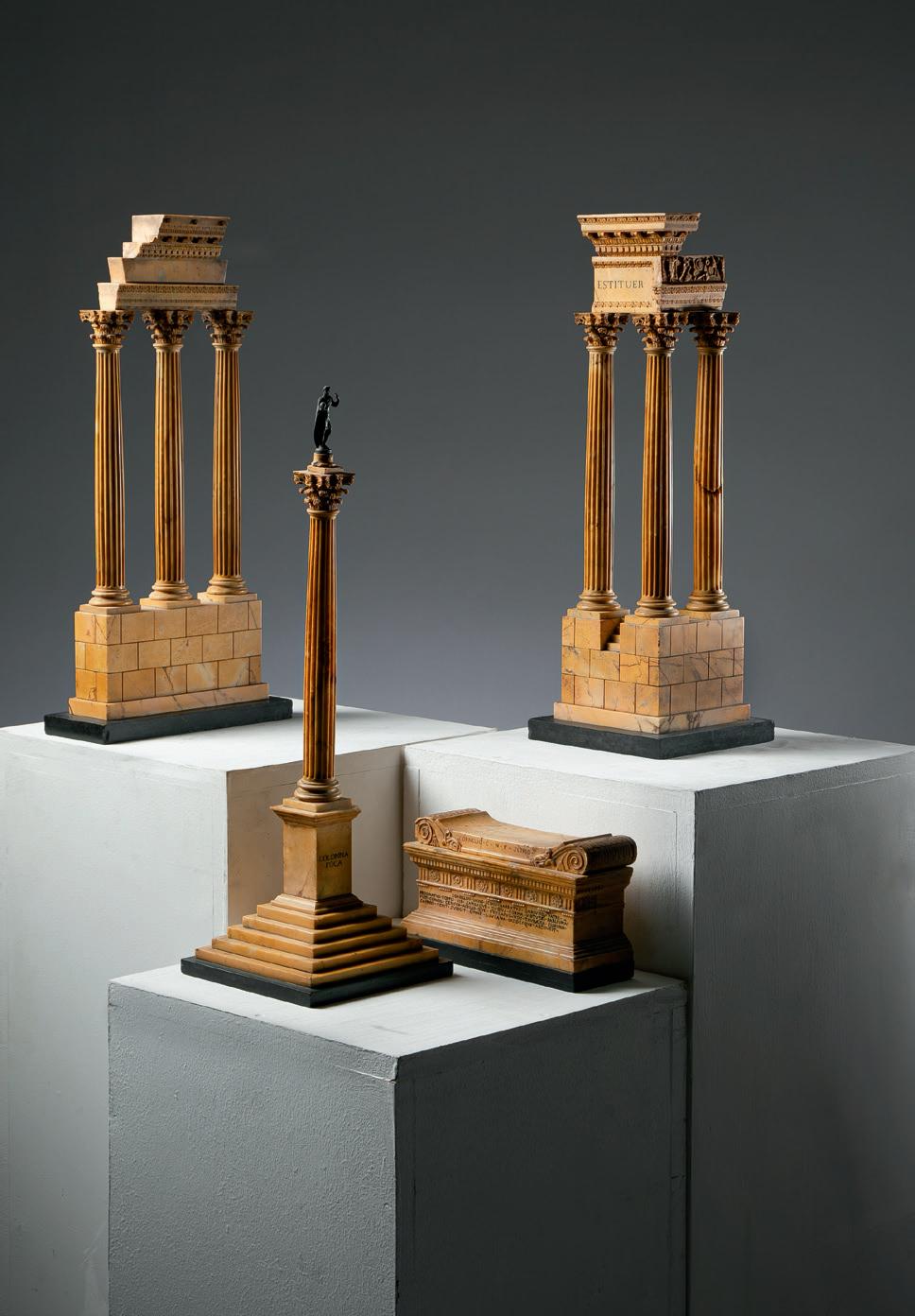
Illustrated below:
Left: After the Antique. Two Italian bronze Grand Tour busts, one of the pseudo Seneca.
Estimate: £2,000-3,000*
Right: A collection of Italian giallo antico Grand Tour models, including the The Temple of Vespasian, the Temple of Castor and Pollux, and the Column of Phocas.
Estimate: £2,000-3,000*
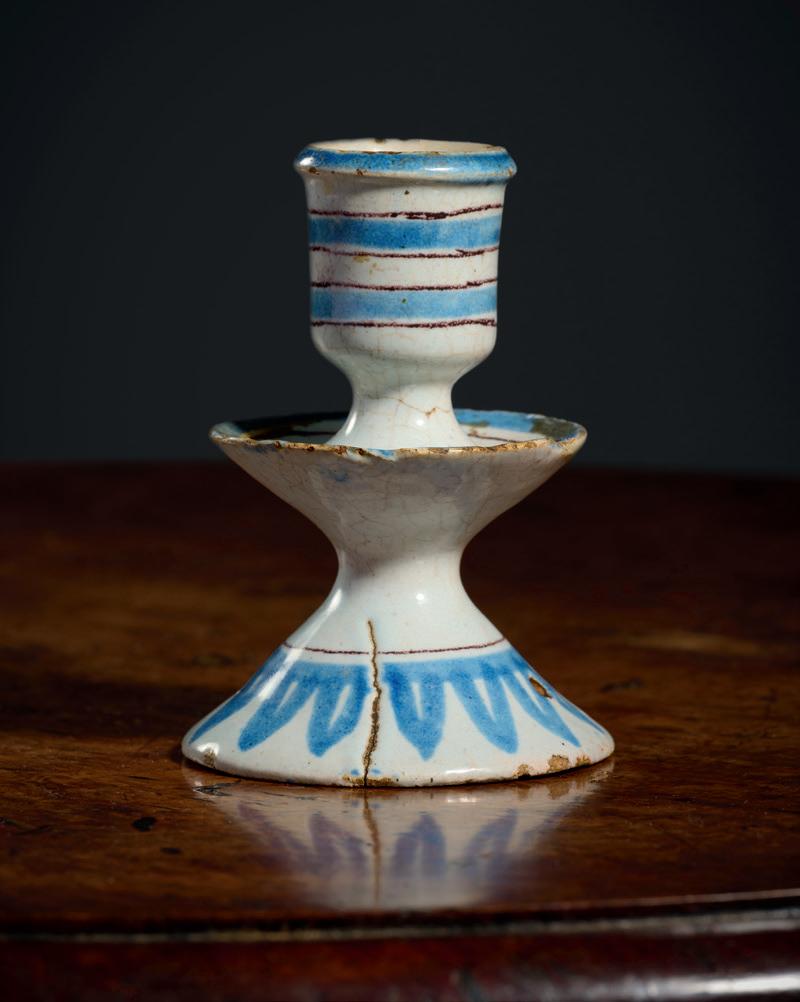
This rare candlestick, illustrated above, was one of the highlights from the Ida Clarke Collection sold in January. Christopher and Ida Clarke started their antiques business in Stow on the Wold in 1961. Ida took a particular interest in Delftware, forming the collection over the next 40 years. This candlestick was one of her first purchases, acquired from DM & P Manheim, at Grosvenor House Antiques Fair in 1966, and remained one of her favourite pieces in the collection.
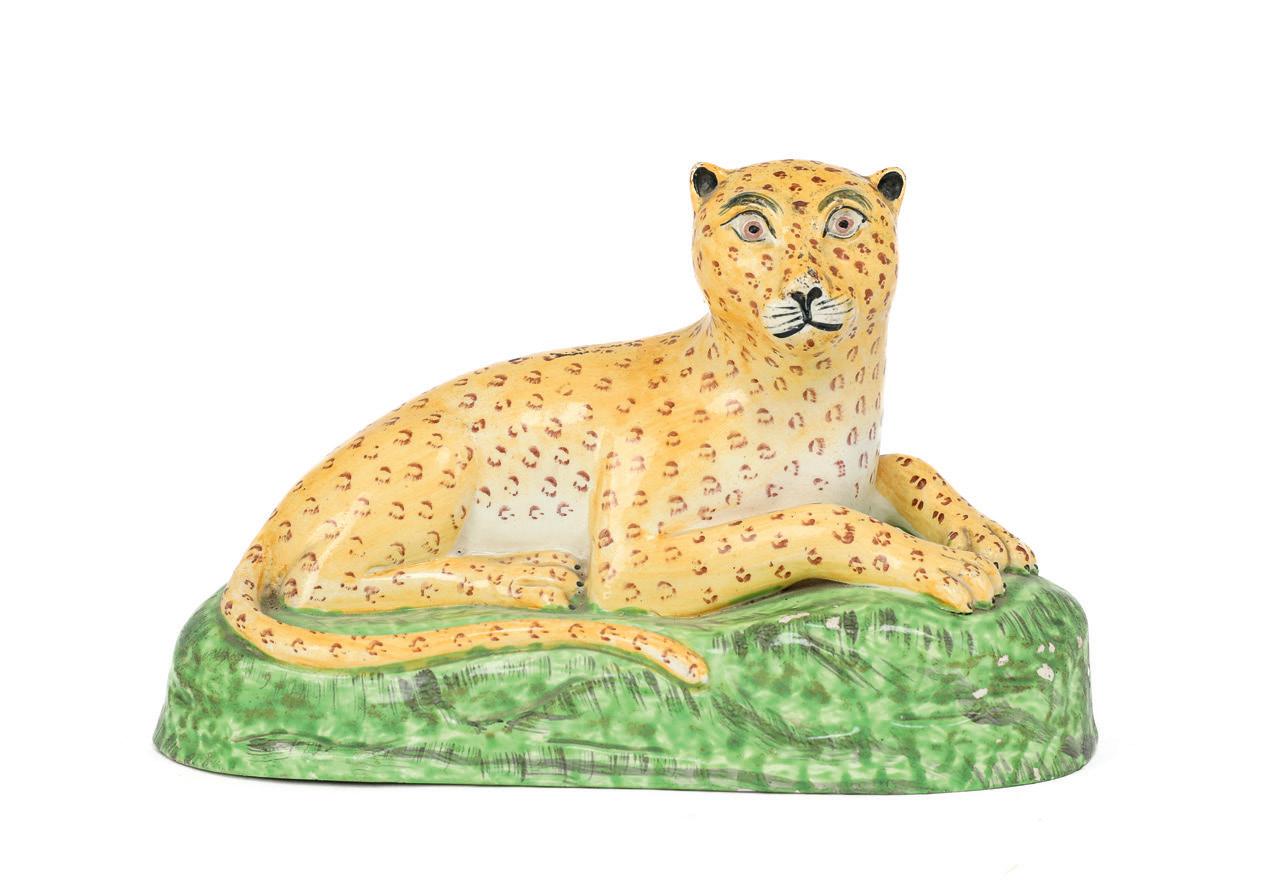
Staffordshire in the 19th century produced a wide range of figures for the domestic market, with models of animals inspired by travelling menageries and illustrated books. Leopards, like other exotic animals, reflected the Georgian and later Victorian fascination with animals from faraway places, even if potters often had never seen the real animal.
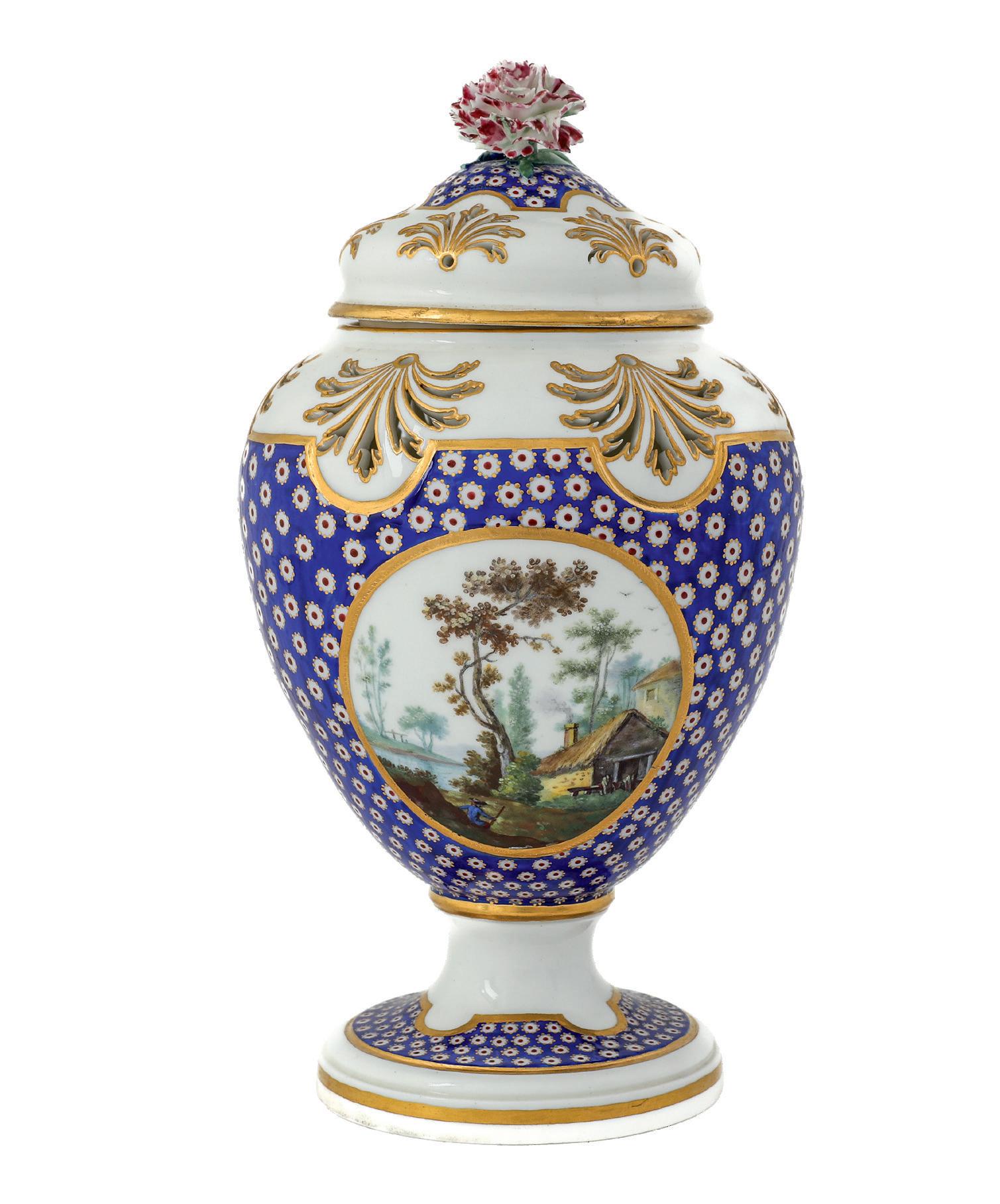
The Sèvres potpourri ‘Pompadour’ vase and cover, illustrated right, was designed to hold a fragrant mix of dried flowers, herbs, and spices used to mask smells and pleasantly scent a room. The name ‘Pompadour’ derives from the association with Madame de Pompadour (1721 1764), who was the official mistress of King Louis XV of France (1710-1774), and was known for her enthusiastic patronage of the Sèvres factory, acquiring and commissioning fine porcelain.
Illustrated right:
A Sèvres potpourri ‘Pompadour’ vase and cover, dated 1764
Sold for £10,160*
Sold
Will Hobbs +44 (0)1722 339752 wh@woolleys.live
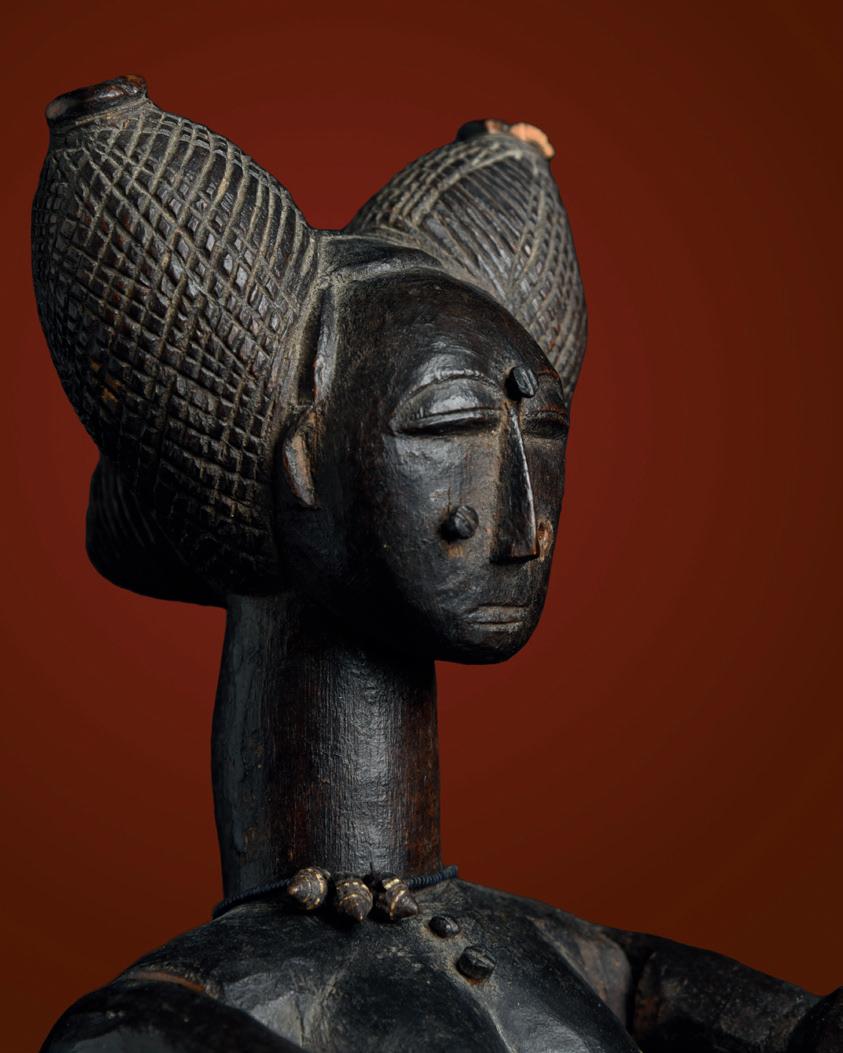
I believe there is a collector in all of us; some just haven’t found their area of interest, but those that have, whether a small piece here and there acquired out of curiosity or a full-on quest to learn as much as possible about an object, the itch/bug is certainly there. Over the last decade, I have been fortunate to meet some passionate collectors and see their collections, no two the same and fortunate to be asked to sell them.
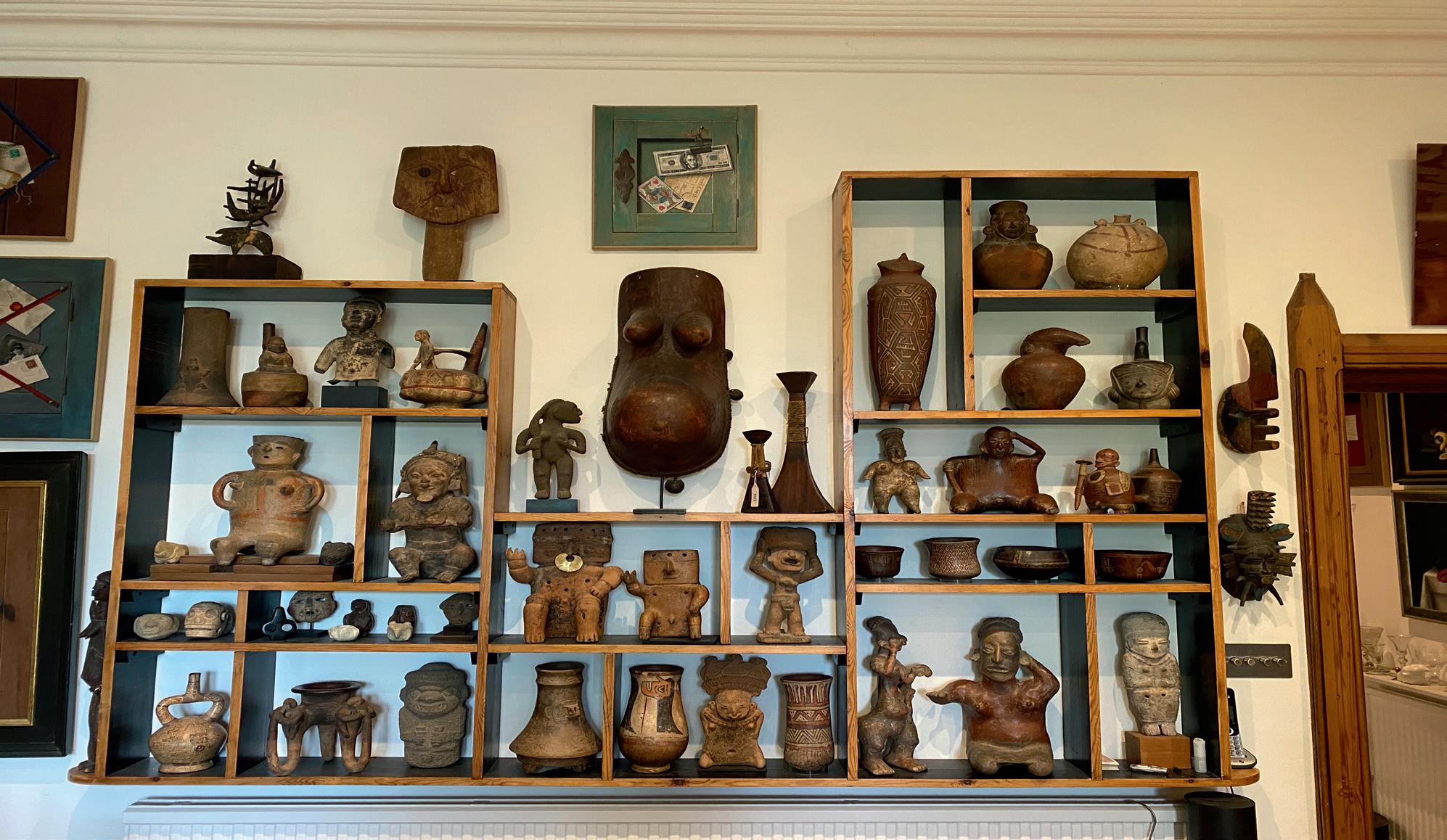
Recently, the Romy Rey Collection, which included African, Oceanic, Pre-Columbian and North American art, was so vast that it was sold over four sales, including one online for her jewellery, titled ‘Adornment.’ The collection had evolved from a few African figures and masks, acquired in Paris and New York, that slowly grew, and after a visit to Mexico, Romy managed to source pottery, masks, textiles and carved stones from the ancient peoples of Central America. Over time, the collection filled her four-storey house in Richmond, with wall shelves and open bookcases displaying the different cultural objects in a tasteful and organised manner. Many of the pieces would be taken into her studio, where she would draw and paint groups or single items, whilst seeing the whole as a living collection.
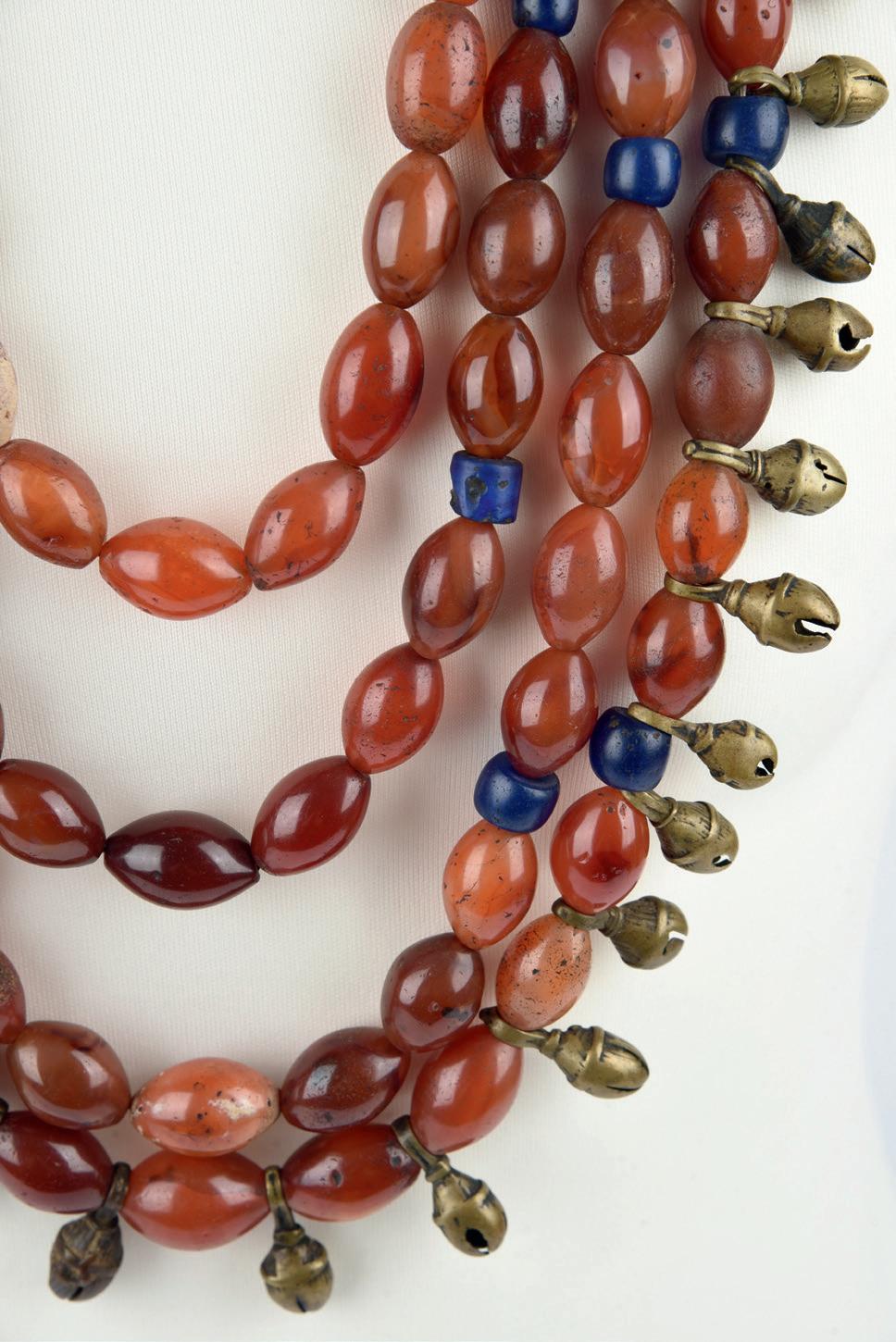
Illustrated left A Naga woman’s necklace belonging to Romy Rey Sold for £3,750*
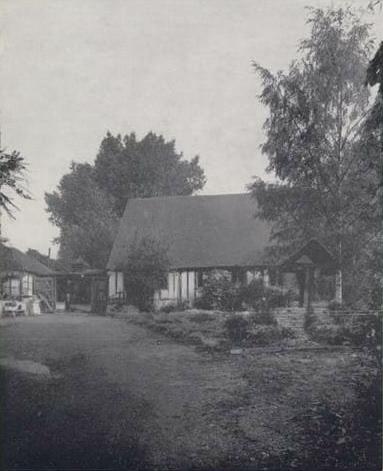
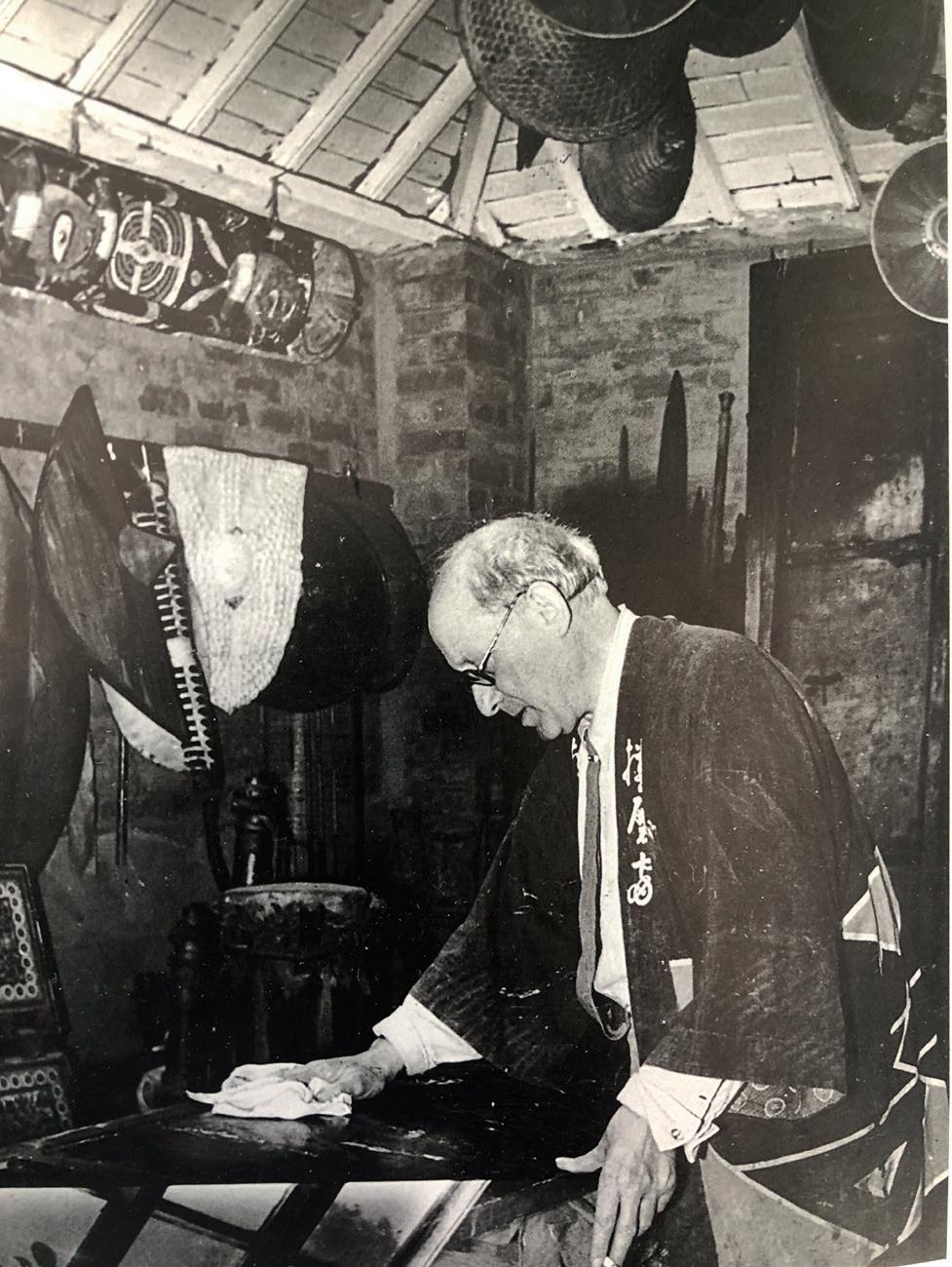
Another recent collection was that of William Ohly. Born in 1883 in Hull, he moved with his family in his early teens to Frankfurt and then to Berlin, where his career as a sculptor flourished. In 1934, driven by the rise of the Nazis, he moved to London, where he continued painting and printmaking, whilst buying and selling Chinese art, medieval sculpture and paintings, eventually opening The Berkeley Gallery, on Davies Street. The Gallery attracted collectors as well as the young artists of the time, for whom many exhibitions were held. After the war, William bought a large house and outbuildings on a three-acre site in New Barnet, Hertfordshire. His vision was to establish an art commune, The Abbey Art Centre, which he managed by creating thirteen studios and converting a tithe barn into a museum, housing his collection of objects from around the world, in an attempt to inspire his residential artists. On his death in 1955, his son, Ernest, continued the Berkeley Gallery and his wife, Kate, the Art Centre. All the proceeds of the collection have gone back into the family run institution, striving to keep William’s legacy alive.
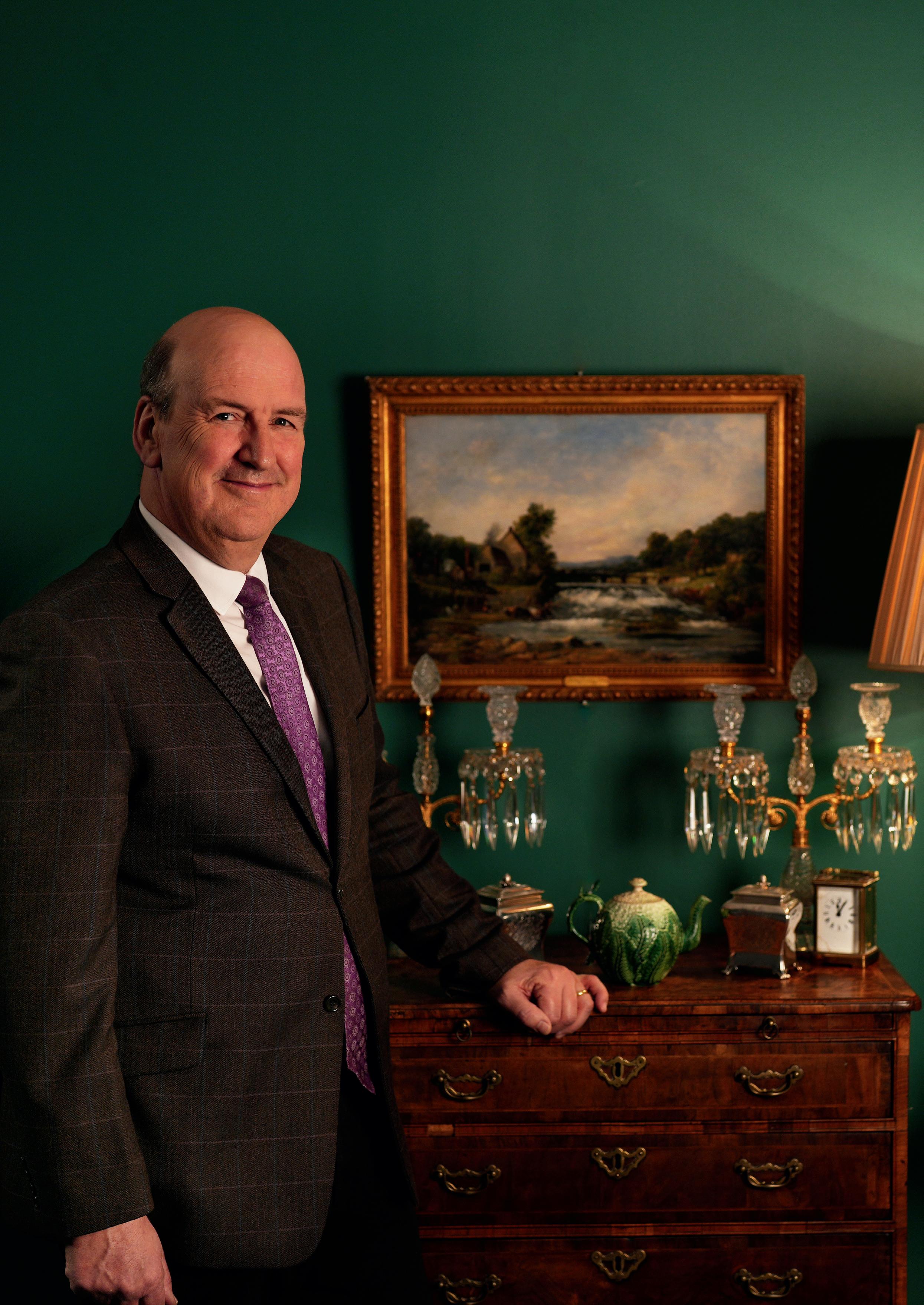
How do I sell something at auction? Here are some of the questions we are frequently asked by clients considering selling at auction at Woolley and Wallis.
1. How do I get something valued and how much does it cost?
In the first instance, take some photographs of your item and send them, with a brief description including dimensions and note of any damage to valuations@woolleys.live and we will respond with a suggested auction value. A valuation for sale is free, even if you choose not to sell in the end.
2. What if I have a houseful or a large collection to sell?
You can send photographs or a list to valuations@woolleys.live and we can give you an initial assessment. Often, a valuer will come to see you in your home to assess your collection for potential sale by auction.
3. Will I be charged if my item turns out to be of no value?
No. Whether your item is worth £10 or £10,000, the sale valuation is still free.
4. I don’t have a computer. Can I speak to someone on the telephone about my requirements?
Yes. You can call the Valuations Department on +44 (0)1722 424 502 and we will discuss your requirements and, where appropriate, arrange a visit to your home.
5. If I decide to bring my item to Woolley and Wallis for valuation, where do I go and do I have to make an appointment or can I just walk in?
It is best to make an appointment since our specialists are often out on visits. We have two Salisbury premises (in the city centre and at Old Sarum), and our Mayfair Galleries in London. For advice on talking to specific departments, call our general switchboard on +44 (0)1722 424 500.
6. Finally, why sell at auction at all when I can sell directly on the web myself?
Auctions are the great barometer of the art and antiques market. They are where the healthy competition zones in and with our extensive database of collectors and dealers, we have access to a worldwide pool of bidders. Our knowledgeable specialists, with hundreds of years of experience between them, can add value to your item with accurate cataloguing, extensive footnotes and realistic estimates.
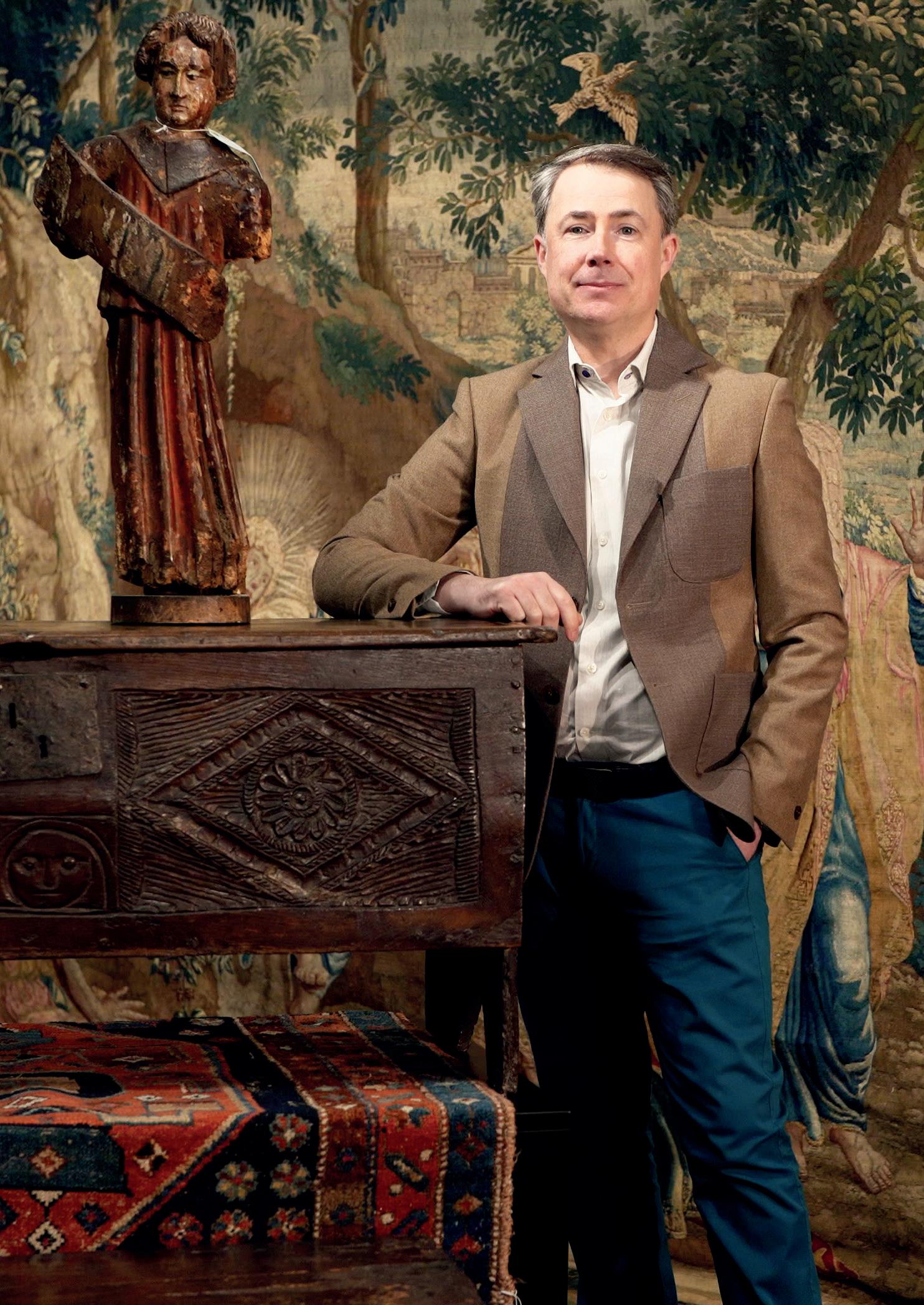
The single-owner sale Paul Fitzsimmons: A Life in Oak, held on 10–11 March 2026, delivered outstanding results, realising a total of more than £1,032,000* and achieving an impressive 95% sellthrough rate. The sale comprised over 700 lots assembled across a thirty-five year career by Devon dealer Paul Fitzsimmons of Marhamchurch Antiques.
Fitzsimmons’s collection was guided by principles more akin to those of a private collector or curator, with a focus on acquiring rare, unusual, and historically important objects, particularly those that were undocumented or little understood.
The auction attracted strong international interest from both established collectors and new bidders, notably from the United States, drawn by the rare opportunity to acquire exceptional English and Continental early furniture and works of art. Bidding remained consistently robust across both sale days.
Mark Yuan-Richards, Associate Director and Furniture Specialist, commented:
“The collection was one of the largest and most historically significant to come to market in many years, and we were honoured to present such an extraordinary array of early oak furniture and works of art.”
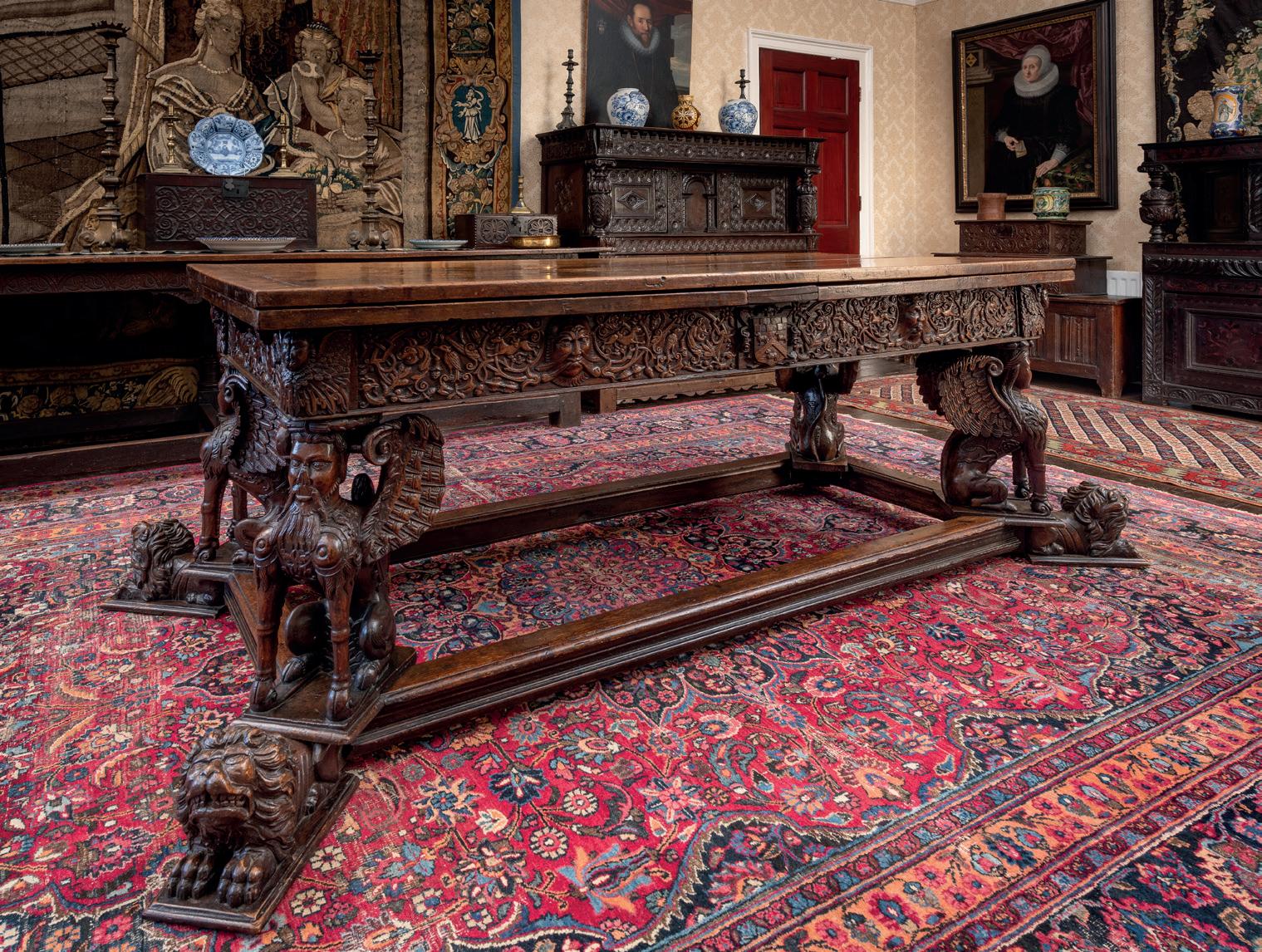
The standout lot of the auction was the Lambert Table dating from the Golden Age of the English Renaissance which sold for £126,200*. Measuring over seven feet in length and extending to nearly thirteen feet, it is considered one of the earliest and most elaborate surviving examples of extending furniture from the Elizabethan period.
Notable results on day one included an important set of four
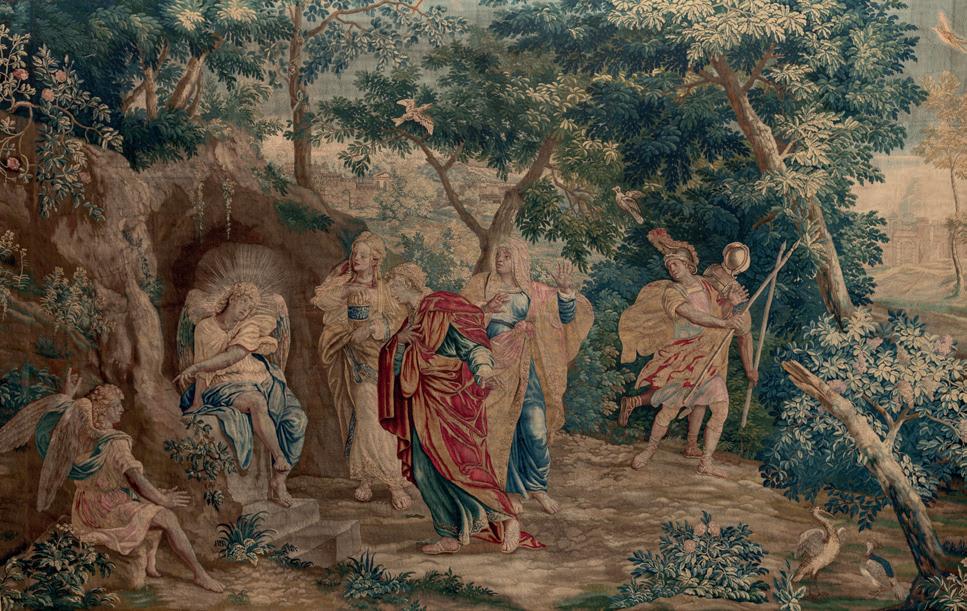
Illustrated above:
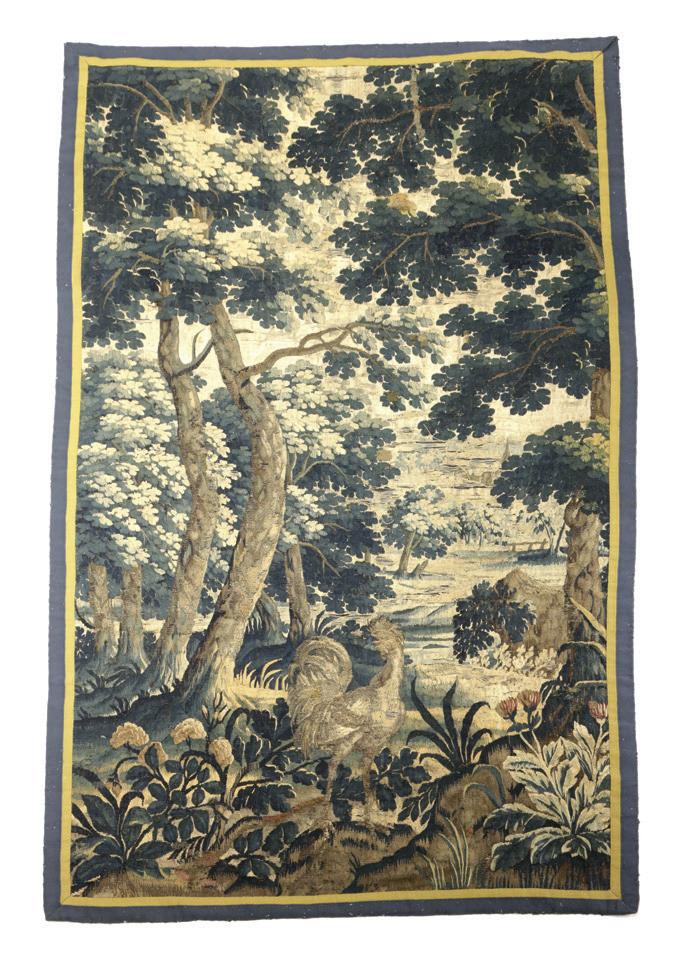
Lot 84: A monumental and fine mid-17th century tapestry, The Three Marys at the Tomb, Brussels, circa 1650.
Sold for £27,920*
15th-century oak and polychrome-decorated figural corbels from East Anglia, which achieved £35,480*. Two substantial mid-17thcentury Brussels wool and silk tapestries, The Three Marys at the Tomb and On the Road to Emmaus, sold for £27,920* and £20,320* respectively.
On day two, a superb 15th-century iron-bound dome-lid chest, English or possibly from the Low Countries (circa 1450–1500), realised £25,400*. An important Henry VII/VIII preReformation processional cross, probably from Westminster, London, one of perhaps only twenty known examples, with related works held by the V&A and major UK cathedrals, sold for £19,050*.
“The sale’s tremendous success is a testament to Paul Fitzsimmons’s knowledge, eye, and enduring enthusiasm for early furniture,” added Mark Yuan-Richards.
Opposite:
Head of Furniture
Mark Yuan-Richards with highlights from the Paul Fitzsimmons: A Life in Oak sale.
Illustrated right:
Lot 500: The Lambert Table, an important Elizabeth I elaborate, fantastical and exquisitely carved oak draw-leaf table, circa 1575-1600.
Sold for £126,200*
Sold
Sold for £44,300*
Sold for £176,600*
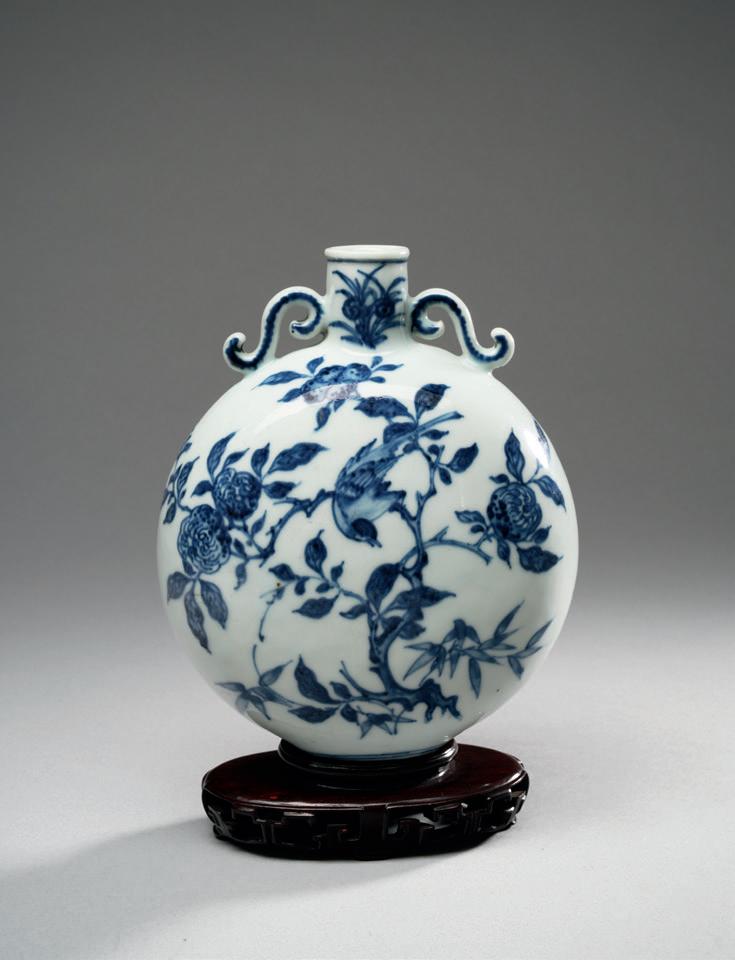
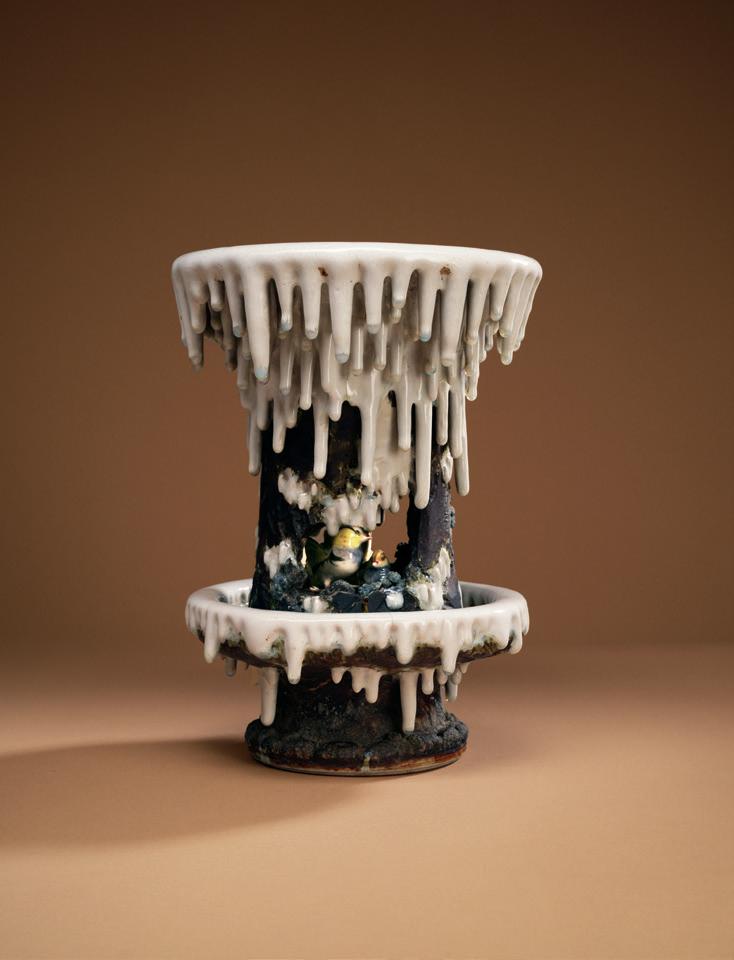
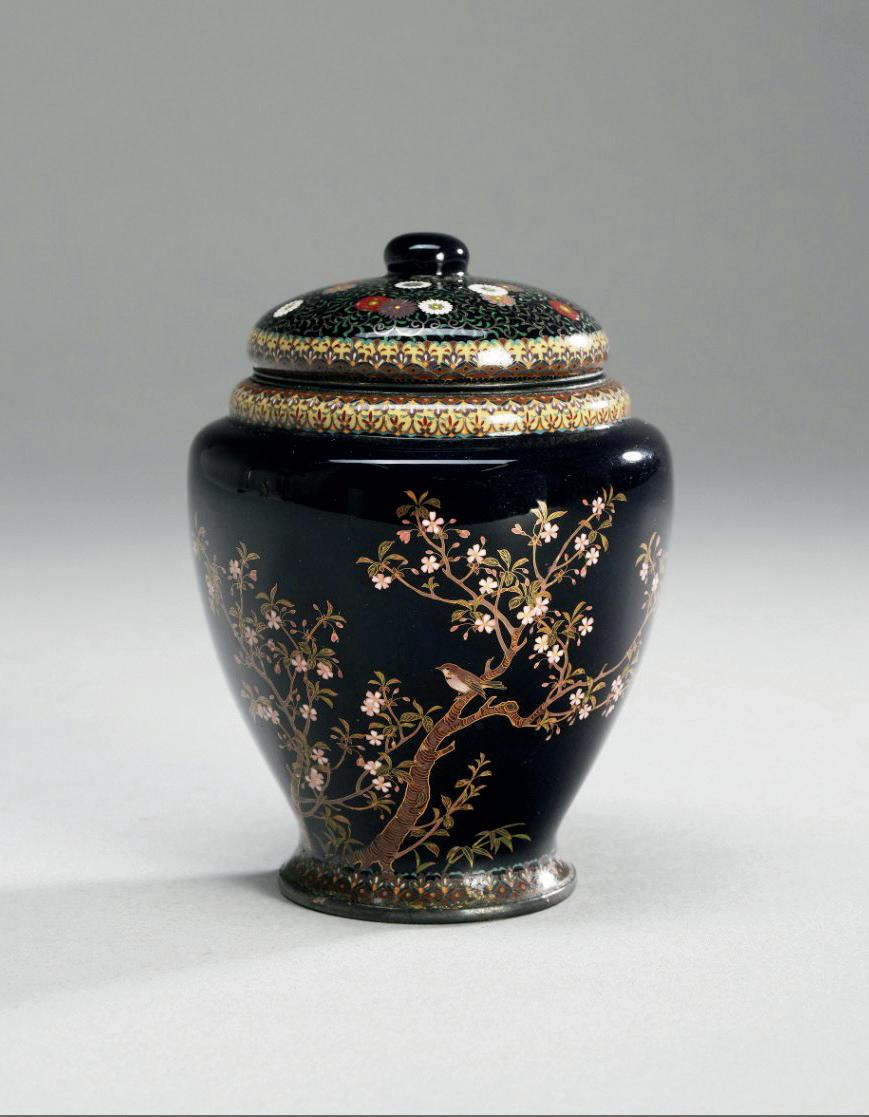
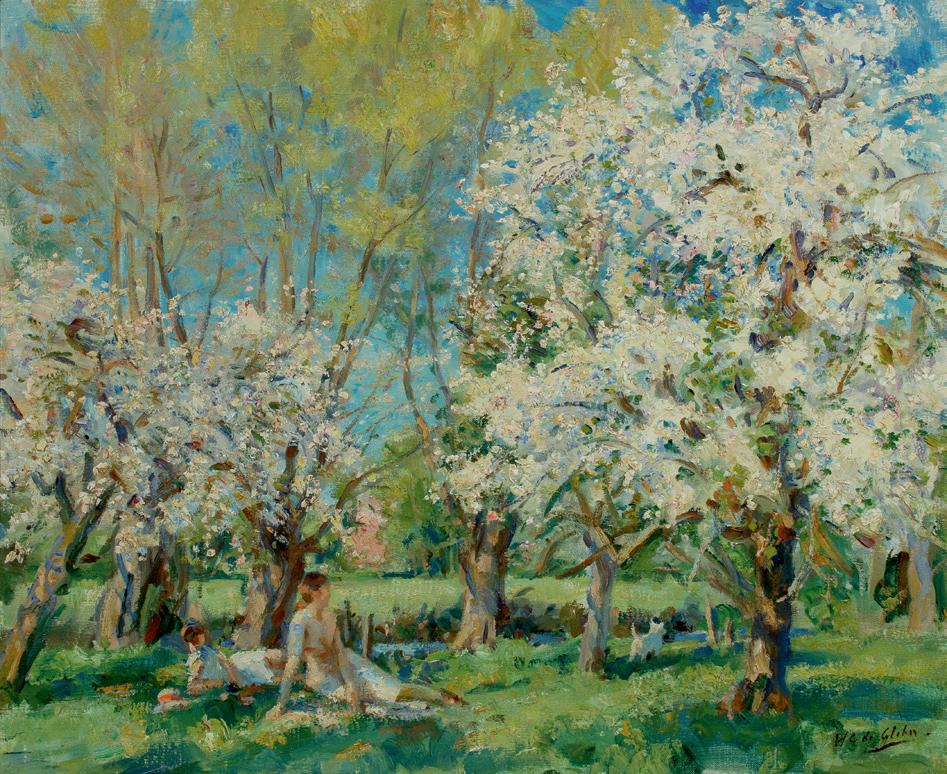
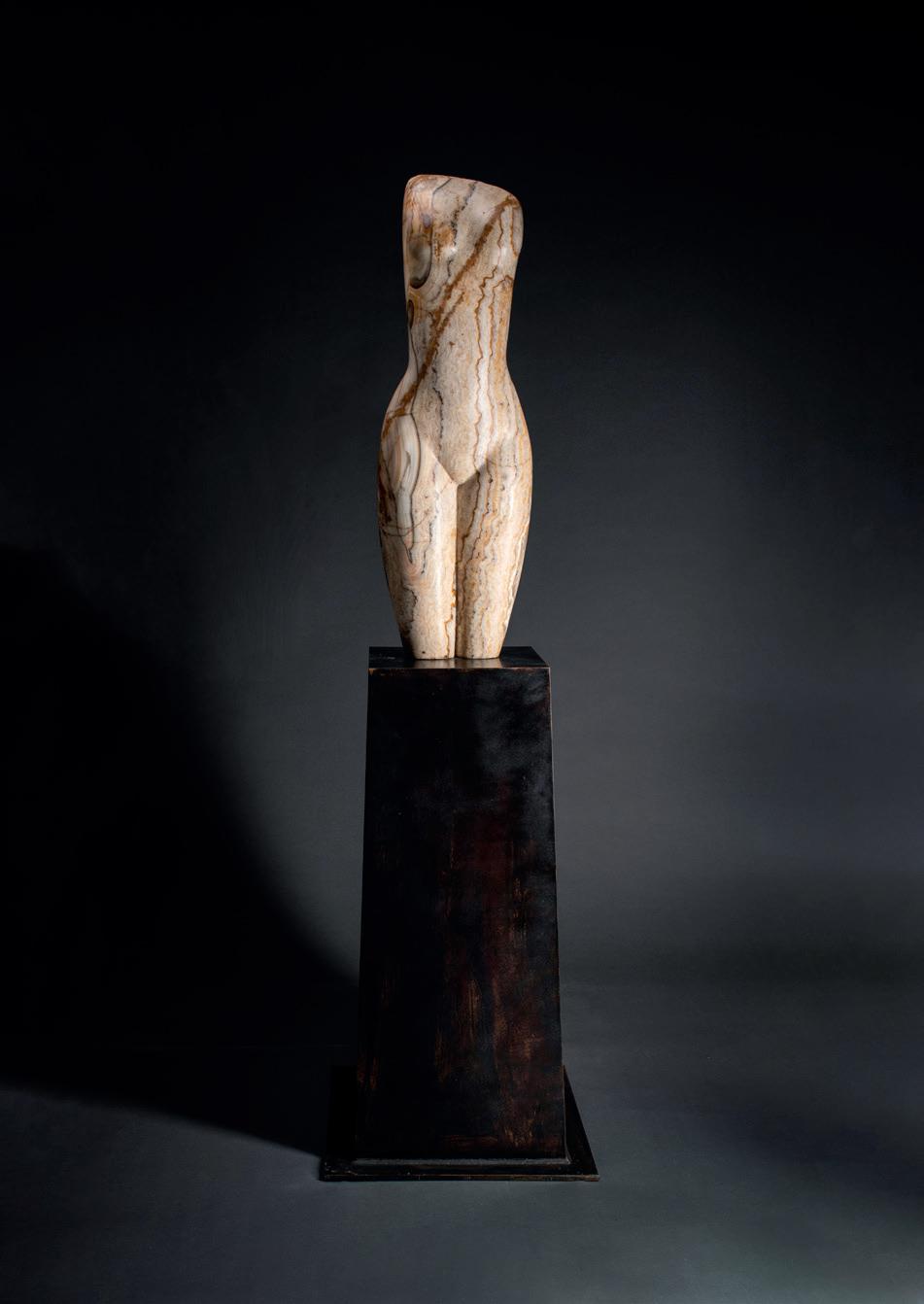
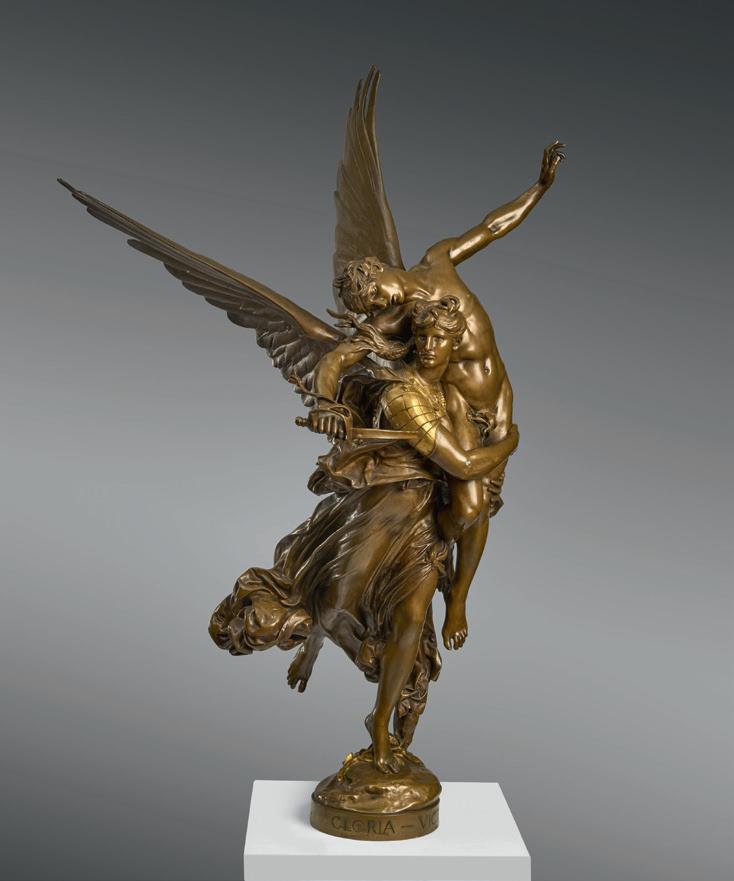
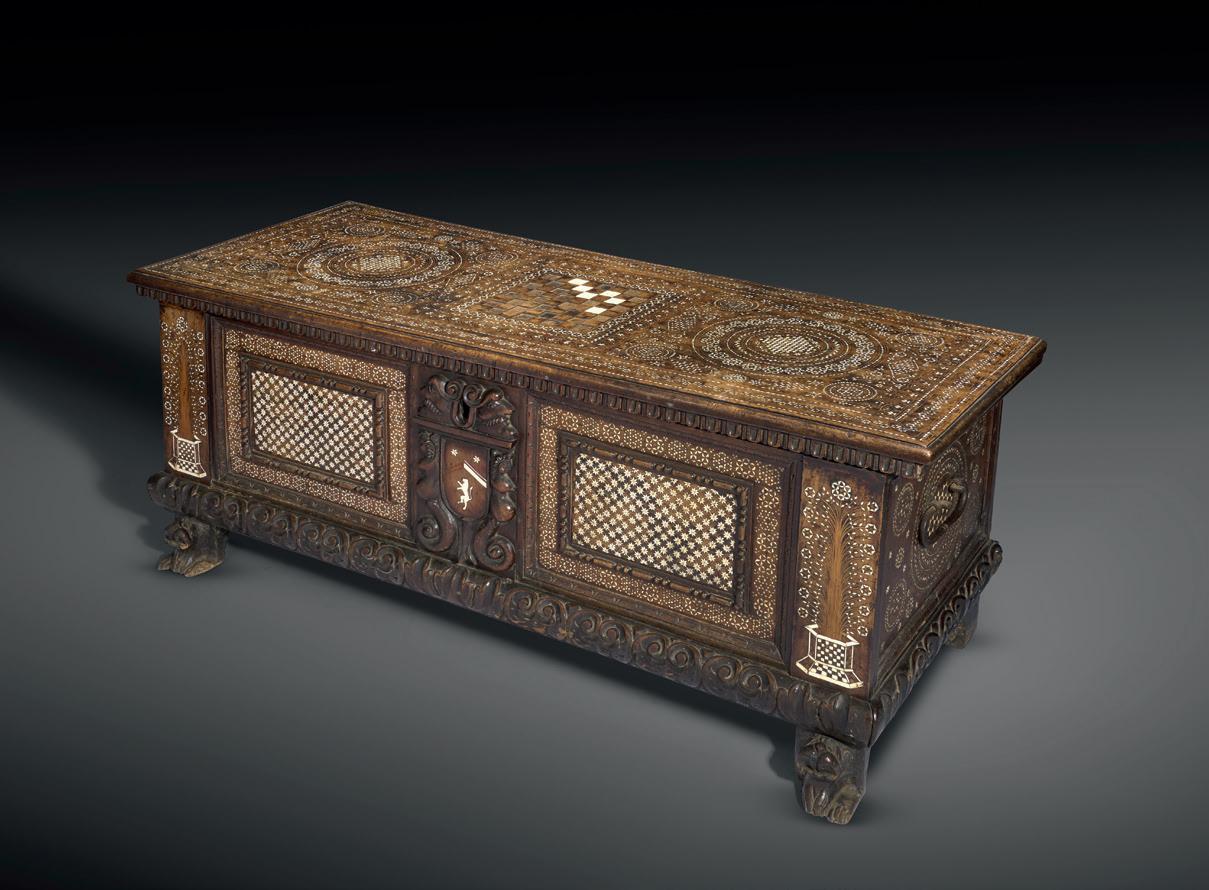
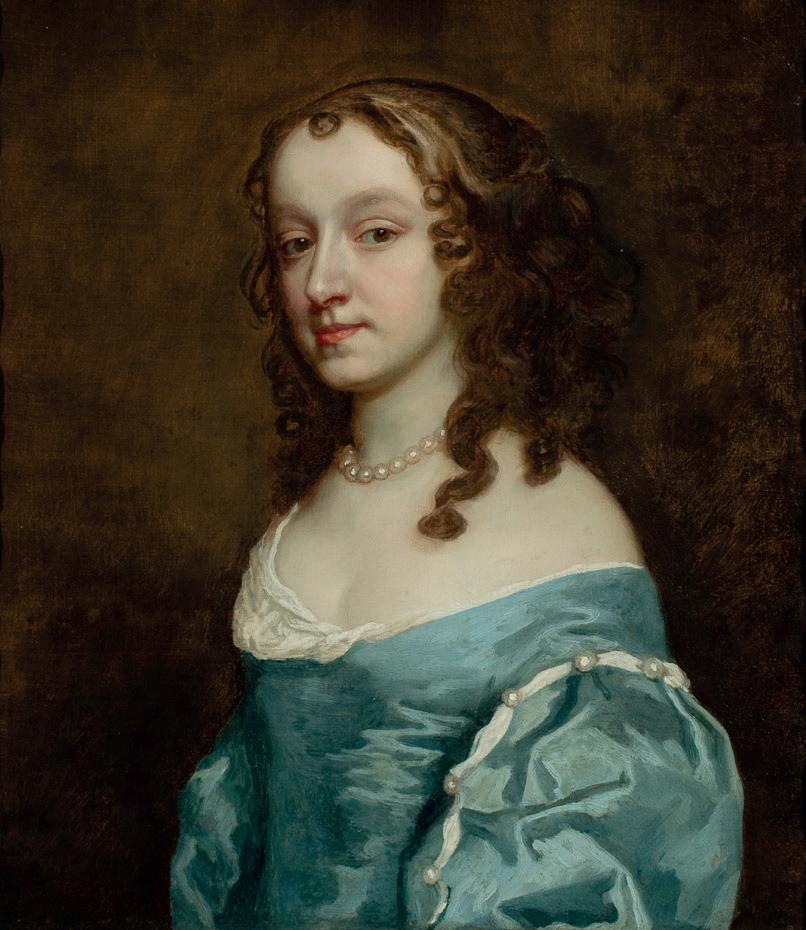
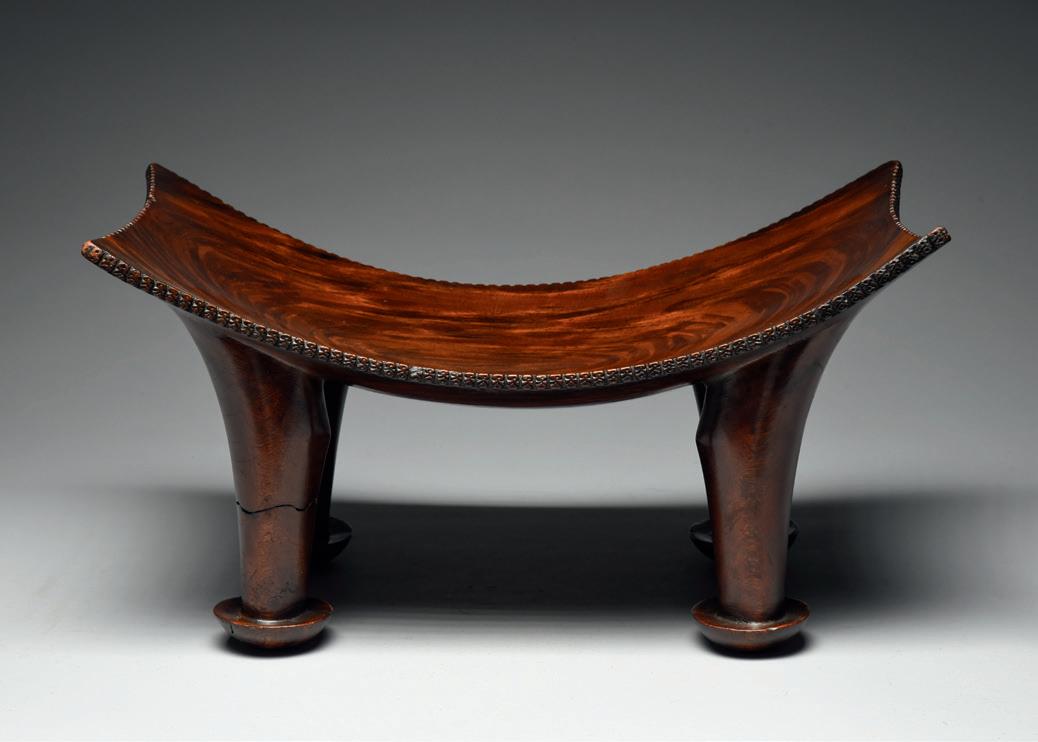
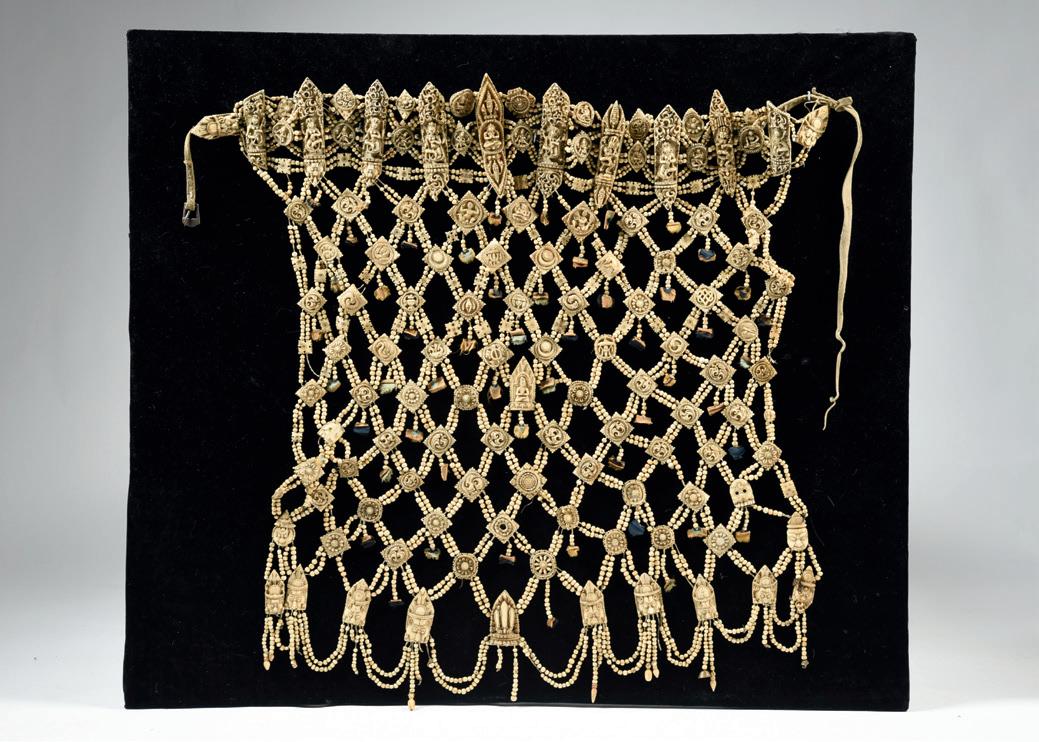
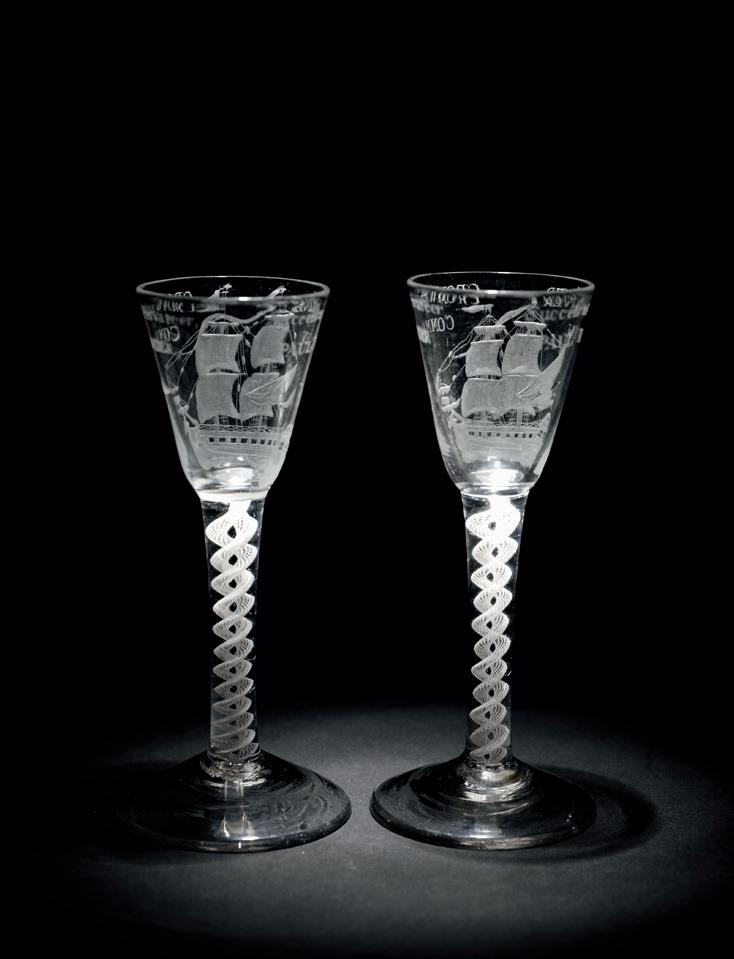
Left:
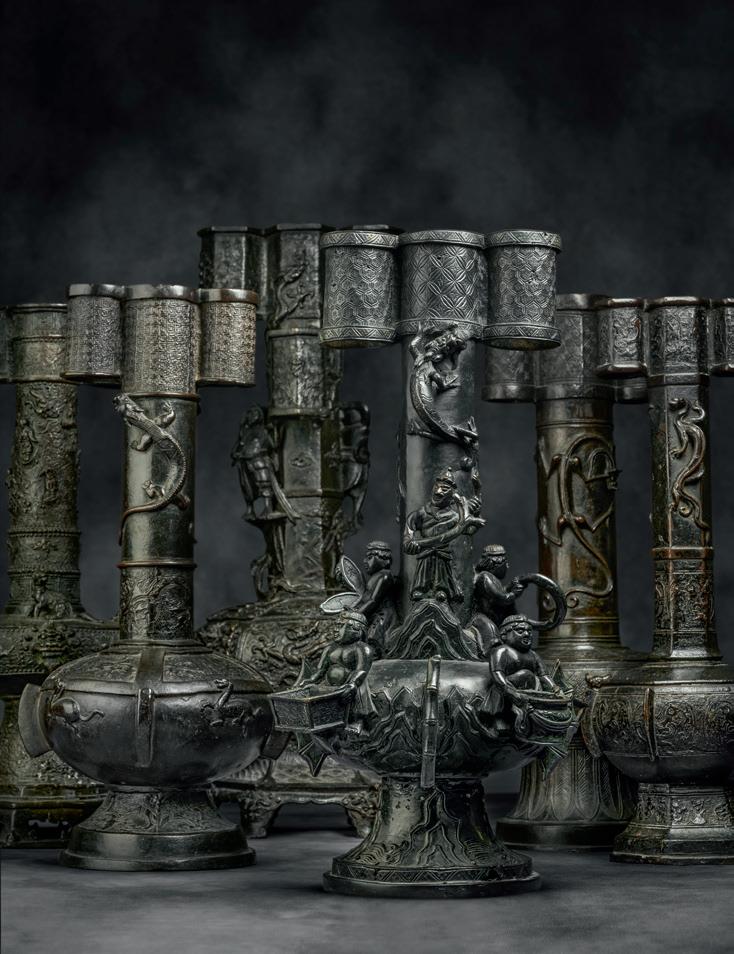
An Austral Islands stool no’oanga, Rurutu Island, Polynesia Sold for £25,400*
A Tibetan ritual apron, carved bone beads and plaques Sold for £17,780*
A rare pair of ‘privateer’ opaque twist wine glasses, circa 1760 Sold for £11,430*
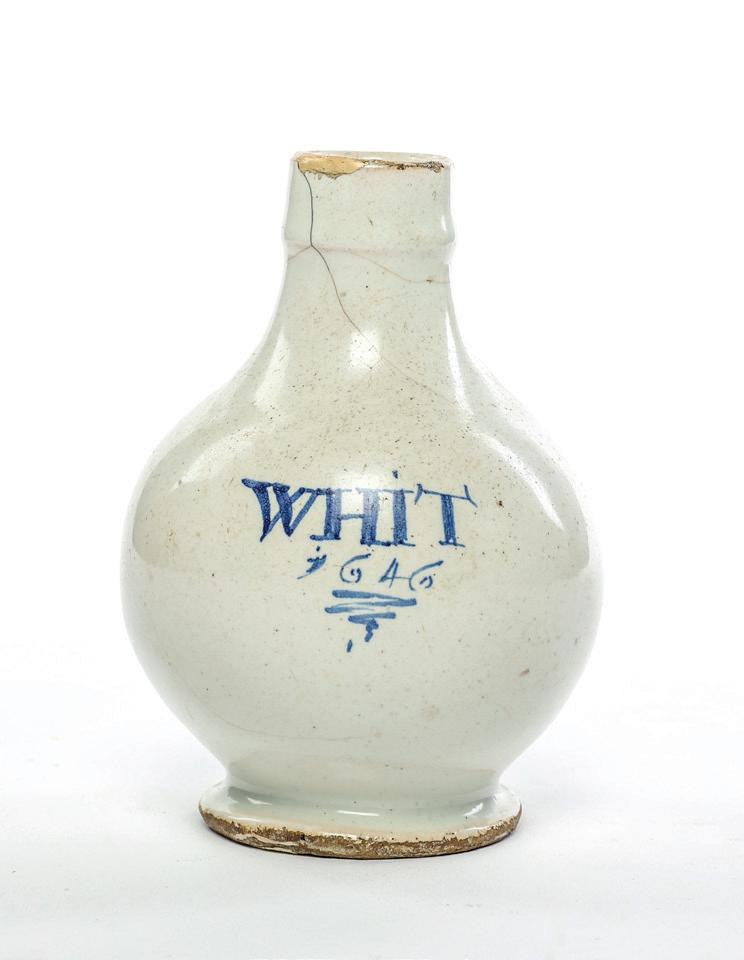
A rare delftware wine bottle dated 1646, Sold for £4,064*

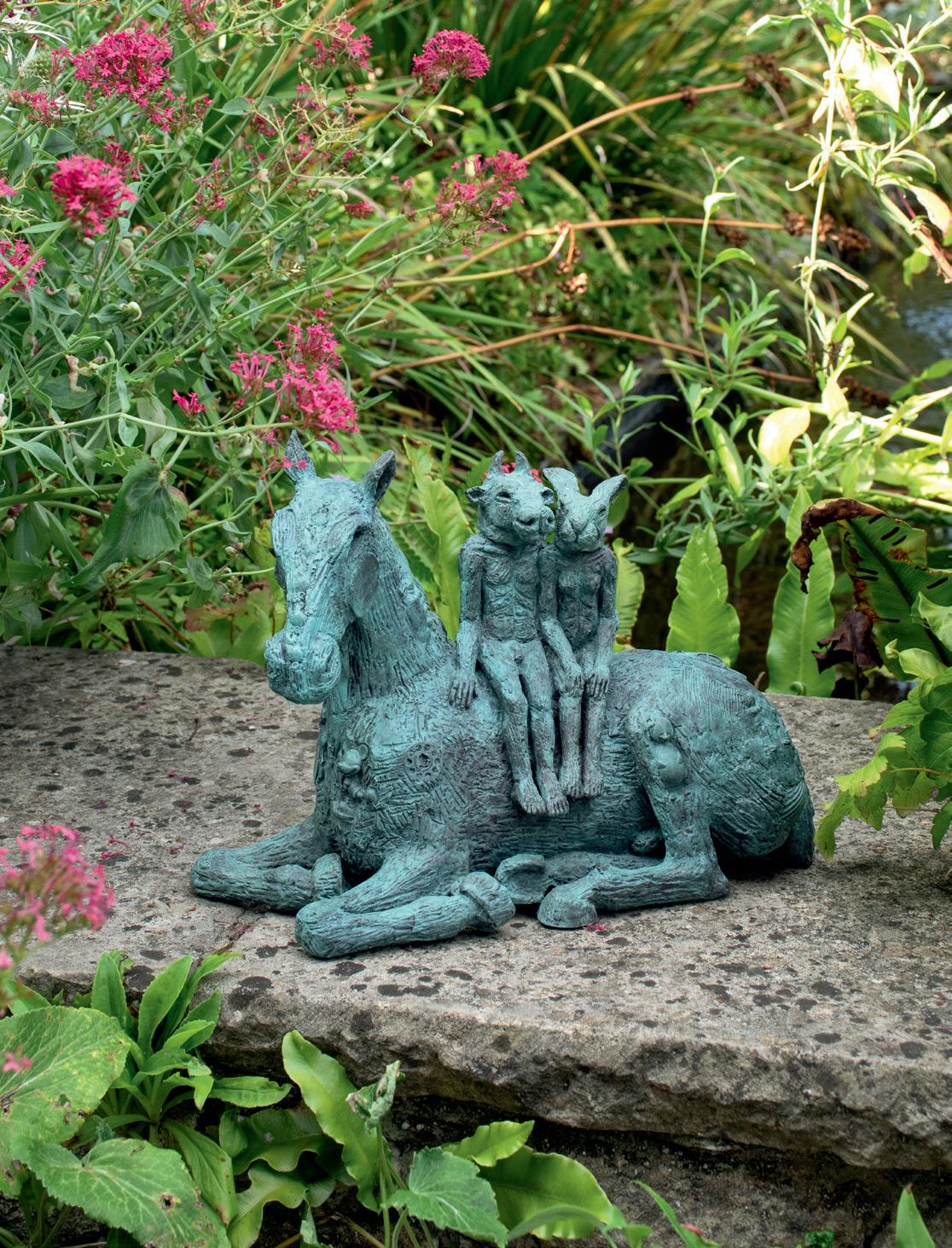
The third Horatio’s Garden Art Auction that took place in October 2025 achieved record results, raising just over £92,000 across ninety lots, the highest total in the event’s history.
Generously consigned by a wide range of leading and emerging contemporary artists, the works were offered to benefit Horatio’s Garden, the UK charity that creates and cares for beautiful, accessible gardens in NHS spinal injury centres. The auction featured a diverse array of paintings, sculptures, ceramics, and photography, alongside unique art classes and portrait commissions, with prices ranging from £50 to £10,000.
The online sale, hosted by Woolley and Wallis in partnership with The Saleroom, concluded at 5pm on Sunday 26th October amid a flurry of last-minute bids.
Horatio’s Garden Art Auction Evening View:
Highlights included several exceptional sculptural works; Nic Fiddian-Green’s equestrian bronze Still Water sold for £11,000 and Mark Coreth’s Swoop of Three Swifts realised £6,500. Celebrity artist and former Dire Straits guitarist John Illsley’s painting Fishing off the Needles sold for £1,250, while Sarah Armstrong-Jones’s Studio Window made £3,600. Works by emerging artists attracted enthusiastic bidding, reflecting both the strength of support for Horatio’s Garden and the vitality of the UK’s contemporary art scene.
This year’s total marks a notable increase on previous years: £70,000 in 2021 and £63,000 in 2023. As in past auctions, Woolley and Wallis and The Saleroom waived all bidding and online fees.
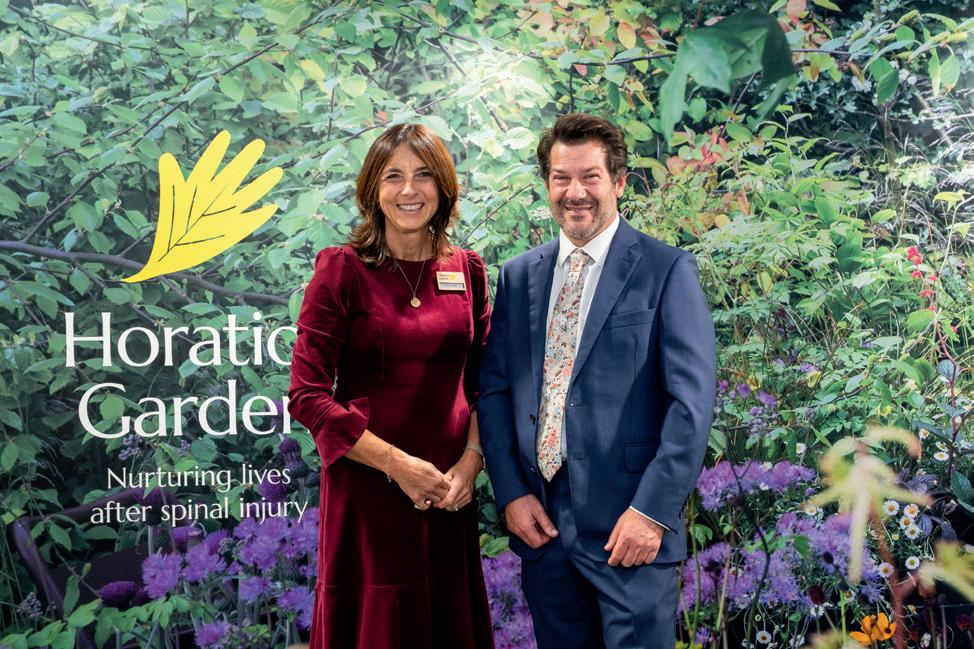
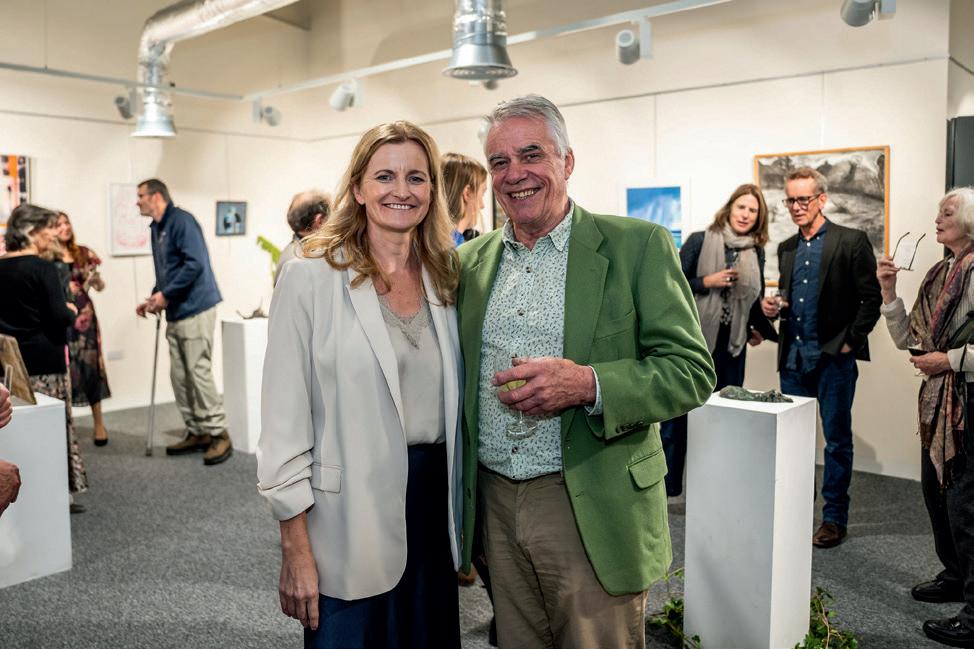
Top left: Founder of Horatio’s Garden Dr Olivia Chapple OBE with Chairman John Axford
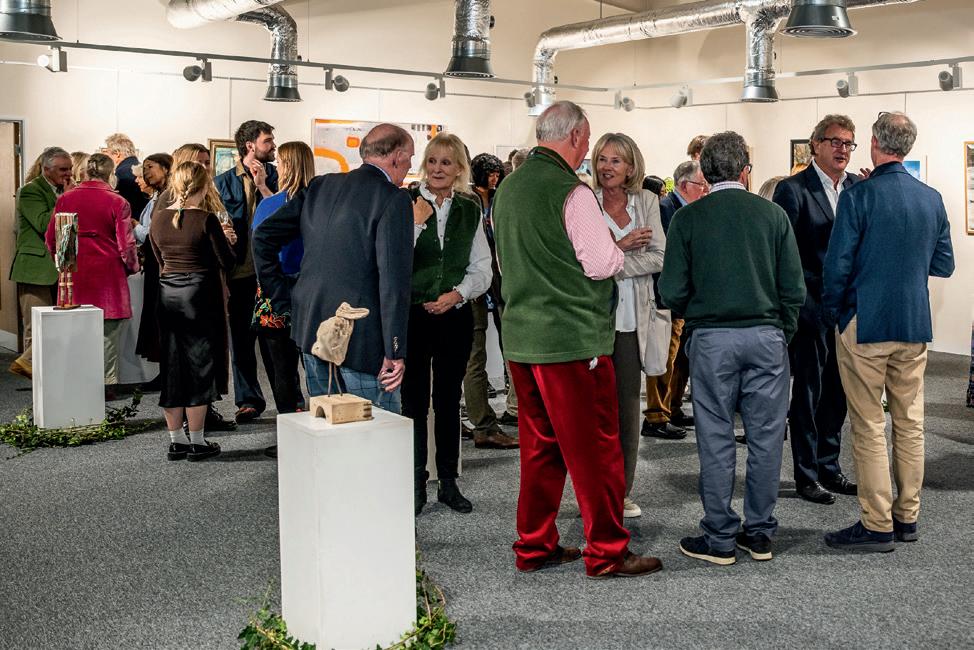
Top right: A busy private viewing at our Old Sarum Galleries
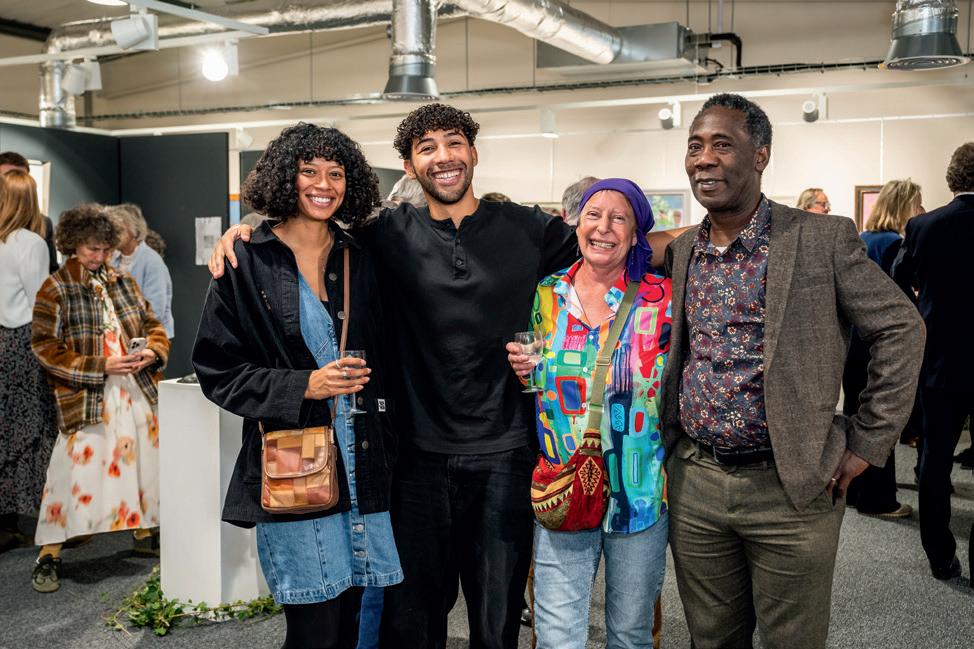
Bottom left: Artist Joshua Donkor attending the exhibition with friends and family
Bottom right: British furniture designer Matthew Burt with Managing Director Natalie Milsted
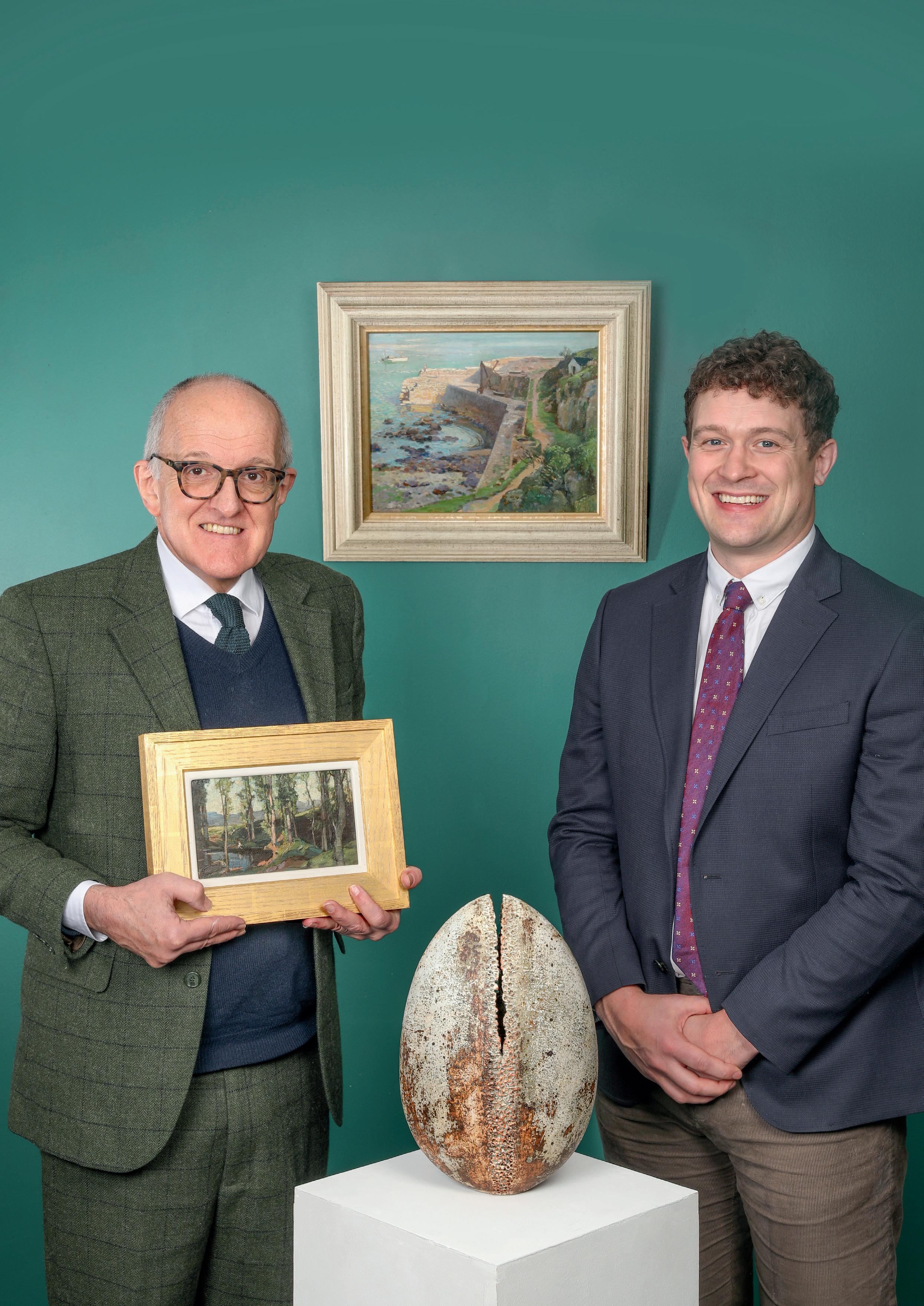
We are thrilled to welcome two new faces at Woolley & Wallis: Richard Kay joins the Paintings Department as a specialist, while Max Fisher takes the helm as Head of 20th Century Design. We sat down with them to find out what drives their passion for arts and antiques, and get their views on the current art market.
1. What auction trends do you see for 2026 and beyond?
Richard: The works of female artists who established their own styles and who were not imitating their male peers are gaining renown and deservedly so. In addition, Indian collectors are becoming more determined with their purchasing.
Max: Growing demand for cross-category collecting and renewed interest in craft and quality. I think collectors should also be paying closer attention to potters like Ewen Henderson and Ruth Duckworth. Both created wonderful sculptural ceramics that are hugely important in the British studio pottery movement.
2. What is the most exciting or unexpected object you have encountered so far in your career?
Richard: It is a joy to be surprised by unexpected finds in this business and to discover afresh a treasure that has been overlooked in the past. A fine and quintessential oil painting by Pieter Brueghel the Younger, found in a cottage and long dismissed by others as just a copy, will stay in my memory. It made over £750,000 in 1996.
Max: I’ve discovered so many amazing items, but my favourite to date was a Jennifer Lee bowl destined for the charity shop. Unmarked and only 5cm high, it went on to make £6,500.
3. What are the advantages of selling at auction?
Richard: It is reassuring to be able to tell a vendor that a lot to be sold at auction will be broadcast worldwide on the internet; however, despite the convenience of the internet, we still attract many eager clients to all our sales. The hubbub of a saleroom is a joyful experience for sellers and buyers alike.
Max: Being able to sell in a competitive, specialised market with sales curated full of lots that complement each other.
4. How has the market changed since shifting online/to a global audience?
Richard: The added outreach is unbeatable. Before the internet, we would have needed to notify specific collectors if (say) an Australian picture was being offered for sale. Nowadays, all those collectors (and many more besides) will be aware of the sale, be they in Andover, Adelaide or Amsterdam.
Max: It’s become faster, more accessible, and more internationally competitive, meaning that there is now a real focus on true specialists who know their market and area of expertise.

The directors were delighted to welcome Ed Beer to the Board in July 2025. Ed joined Woolley & Wallis as a Paintings Specialist in 2019 after gaining experience with a London picture dealer and at another auction house. He is a familiar presence on the rostrum, auctioneering sales across numerous specialist departments.
“I have greatly enjoyed expanding my role at Woolley & Wallis and hope I can help the company go from strength to strength.”
Woolley and Wallis is pleased to announce the appointment of Neil Grenyer MRICS as Head of the British & Continental Ceramics & Glass Department. Neil joined the firm in April 2022 following a distinguished career, including at Bonhams and Lawrences Fine Art.
With extensive experience in appraising ceramics, glass, and furniture, Neil takes leadership of the department at a significant time, ahead of the Fine and Important Glass auction on 14 April.
Neil Grenyer commented: “Being appointed Head of the Ceramics and Glass department feels like a true full-circle moment, and I am delighted to take on the role”.

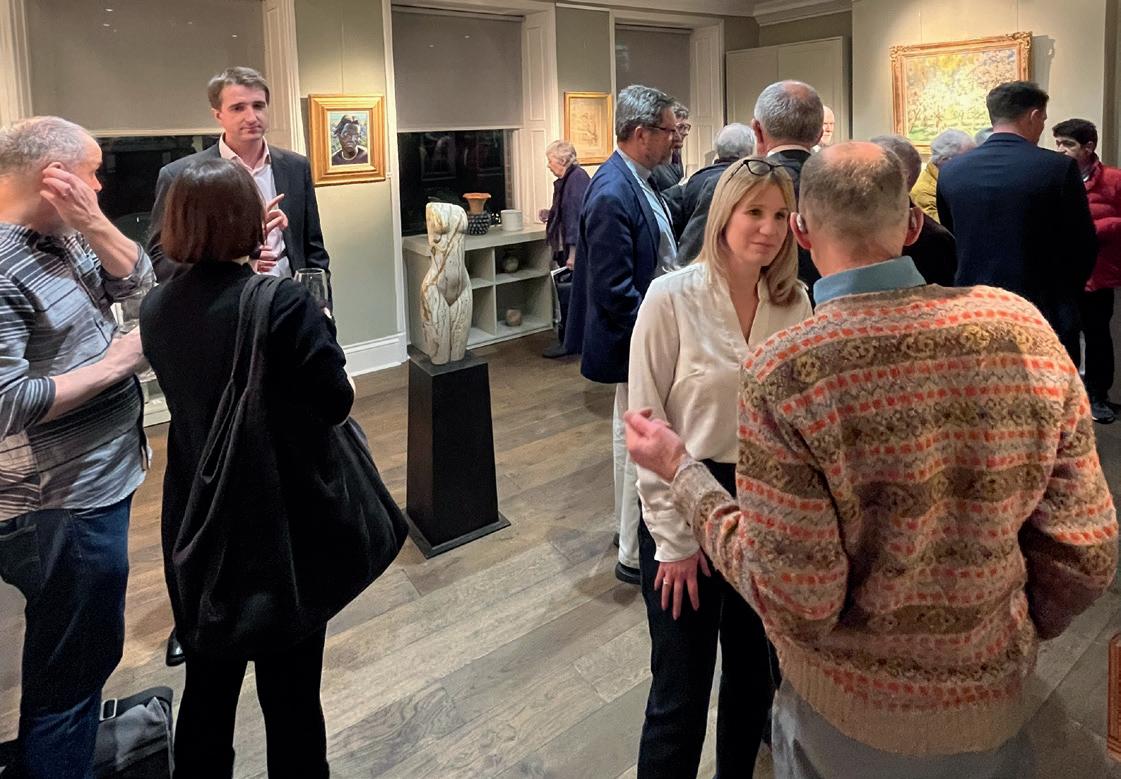
Our Mayfair Galleries at 17 Clifford Street have played host to several successful sale previews and functions since extending our premises at the end of last year. Pictured is the well-attended exhibition for the British Art Pottery and Modern British & 20th Century Art sales in December last year.
We are looking forward to holding more events over the coming months, including an exhibition of Japanese artworks relating to the Samurai in April, in advance of our Japanese Works of Art sale on 20th May.
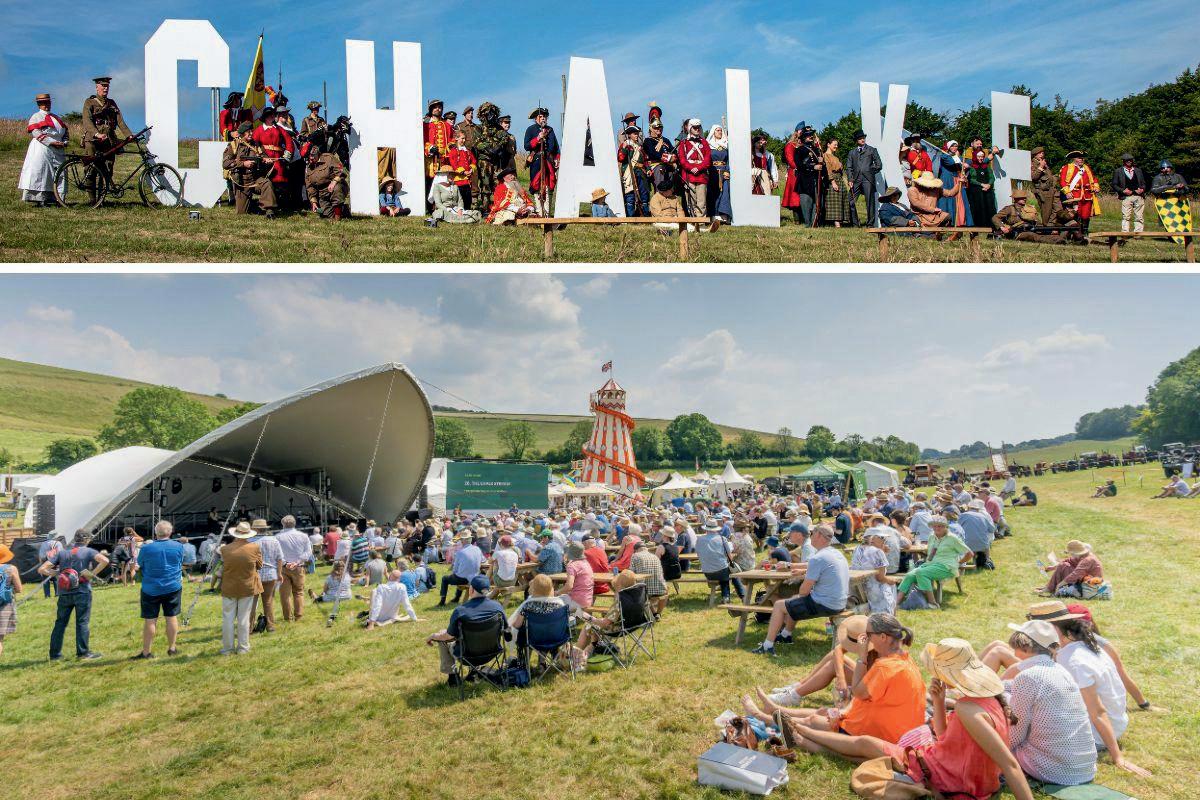
Woolley & Wallis is delighted to continue its longstanding involvement with the Chalke History Festival, the UK’s largest celebration of the past. Set in the heart of the Wiltshire countryside, the festival blends world-class talks and living history demonstrations with a vibrant summer festival atmosphere.
Further information regarding our sponsorship will be published on our website over the next few months.
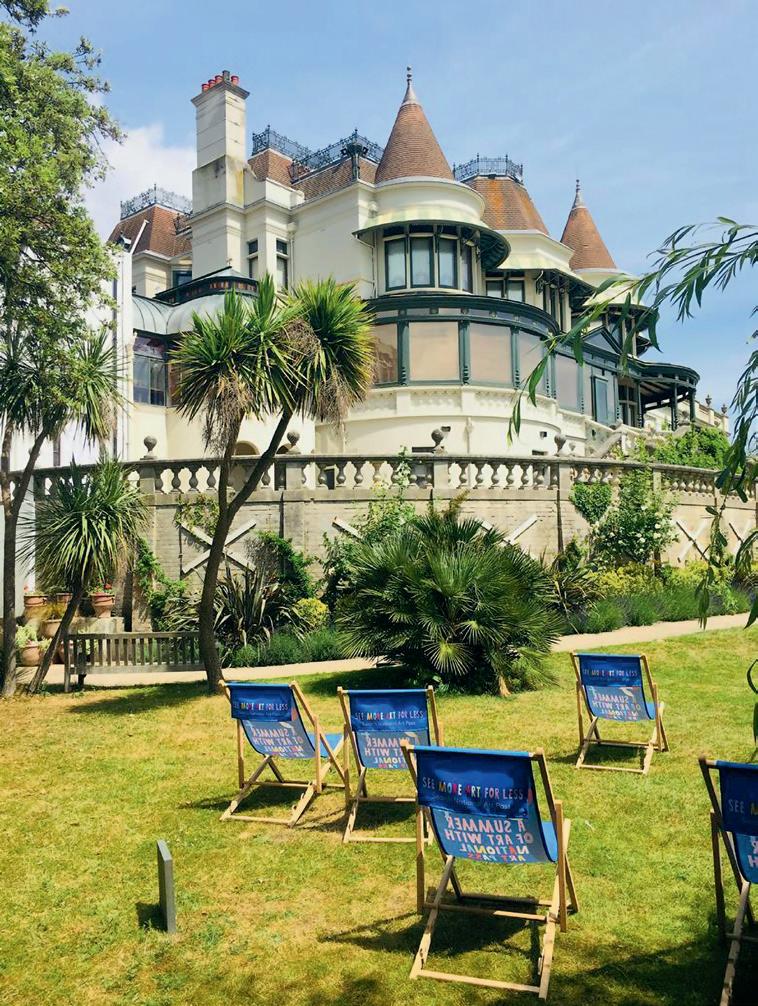
The Russell-Cotes Art Gallery & Museum is a Grade II* listed Victorian villa on Bournemouth’s East Cliff. Built in 1901 as a lavish birthday gift, this unique museum-house showcases a world-class collection of artworks and antiquities.
Woolley & Wallis specialists will be hosting a special evening at the museum on Tuesday 2nd July, from 6pm-8pm. Experts will be on hand to give auction valuations for Ceramics, Silver, Asian Art, Paintings, and other fine art and collectables. As visitors explore the historic house, they will also be given the opportunity to enjoy live piano music and attend short, insightful talks on specific highlights within the galleries.
Tickets are £18 (£15 for Friends Members of the Museum) and include a glass of wine or a soft drink. For further information, please email events@ woolleys.live or the museum at russellcotes@bcpcouncil.gov.uk.
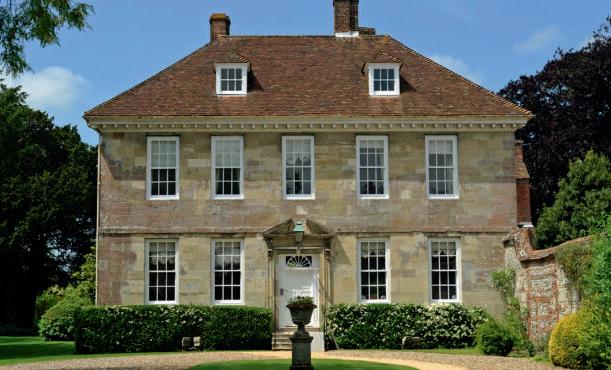
In 2025, four of our specialists gave talks at Sir Edward Heath’s former home, Arundells, in Salisbury’s Cathedral Close: Richard Kay on British marine paintings, John Axford on Chinese porcelain, Alexandra Aguilar on Japanese prints, and Ed Beer on paintings by Lavery and Churchill. Once again, we are delighted to announce an evening of talks on Thursday 23rd July, which will explore the connection between maritime history and the arts - from ‘Privateer’ glasses and the Dutch East India Company to the coastal influence of St Ives pottery. From 5.30pm, guests will be able to enjoy a reception in the garden and the opportunity to explore the house and gardens at their leisure, before the talks start at 7pm.
Tickets are £18; for further information please email events@ woolleys.live.
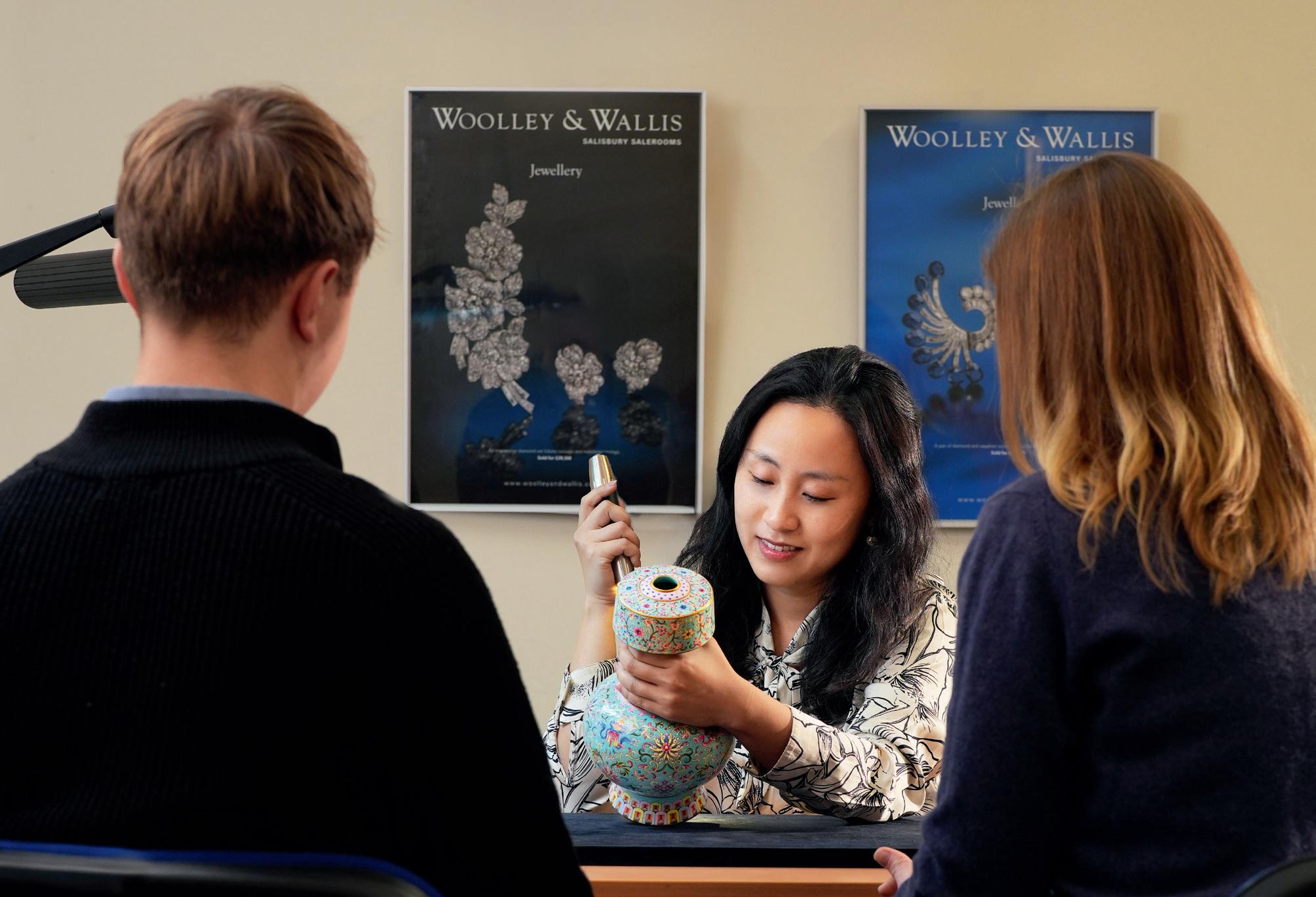
Our specialists are holding monthly valuation days at both our Mayfair Galleries and Salisbury Salerooms, and look forward to welcoming you.
• Mayfair Galleries – every first Wednesday of the month*, 10am-2pm 17 Clifford Street, London W1S 3RQ
• Salisbury Salerooms – every last Friday of the month*, 10am-1pm 51-61 Castle Street, Salisbury SP1 3SU
Please check our website for additional information, or contact our Valuations Department:
Jeremy Lamond MRICS FRSA
+44 (0) 1722 424502
jl@woolleys.live
*Dates may vary.
Frances Woodhams
+44 (0)1722 446965
fw@woolleys.live







Chairman
Head of Asian Art
John Axford MRICS +44 (0) 1722 424506 jea@woolleys.live
Director & Japanese Works of Art
Alexandra Aguilar +44 (0) 1722 424583 aa@woolleys.live
Jewellery
Marielle Whiting FGA +44 (0) 1722 424595 mw@woolleys.live
African & Oceanic Art Antiquities
Will Hobbs +44 (0) 1722 339752 wh@woolleys.live
Paintings
Victor Fauvelle +44 (0) 1722 446961 vf@woolleys.live
Medals & Coins, Arms & Armour
Ned Cowell +44 (0) 1722 341469 nc@woolleys.live
British and European Ceramics & Glass
Neil Grenyer MRICS +44 (0) 1722 446974 ng@woolleys.live







Managing Director Finance & Compliance
Natalie Milsted FCCA +44 (0) 1722 424599 nm@woolleys.live
Director & Paintings
Ed Beer +44 (0) 1722 446962 eb@woolleys.live
Silver
Rupert Slingsby +44 (0) 1722 446956 rs@woolleys.live
Furniture, Works of Art & Clocks
Mark Yuan-Richards +44 (0) 1722 411854 myr@woolleys.live
Chinese Paintings
Freya Yuan-Richards +44 (0) 1722 424589 fyr@woolleys.live
20th Century Design
Max Fisher +44 (0) 1722 424505 mf@woolleys.live
Valuations
Jeremy Lamond MRICS FRSA +44 (0) 1722 424502 jl@woolleys.live