
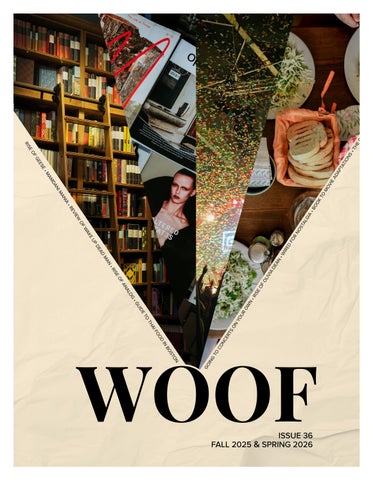
Dear Reader,
Thank you for taking the time to read the 2026 print edition of Woof Magazine!
As a team, we are incredibly proud of the magazine that we were able to produce. This culmination of stories and designs from the 2025-26 academic year reflects months spent brainstorming, writing, editing, designing and revising. Thank you to our team of section editors, copy editors, writers and designers for their dedication and hard work.
Thank you to our Creative Directors — Suhaan Shah and Amanda Logcher — for countless hours of communication and design oversight and for, along with the two of us, taking on a fourth of the presidency role. We are proud to finally be able to showcase everyone’s work in print.
From book recommendations to braving concerts alone to some of the most explosive public figures of the year, this magazine has something for everyone. Not only does it provide a glimpse into the trends and stories that defined our year, but it also reflects student life and interests at Northeastern University. We hope you enjoy!
Although not every article we’ve published could be featured, you can read more at woof-mag.com and find us on Instagram @nuwoof.
Your Editors-in-Chief, Grace Sawin and Jeta Perjuci


KOLIOS
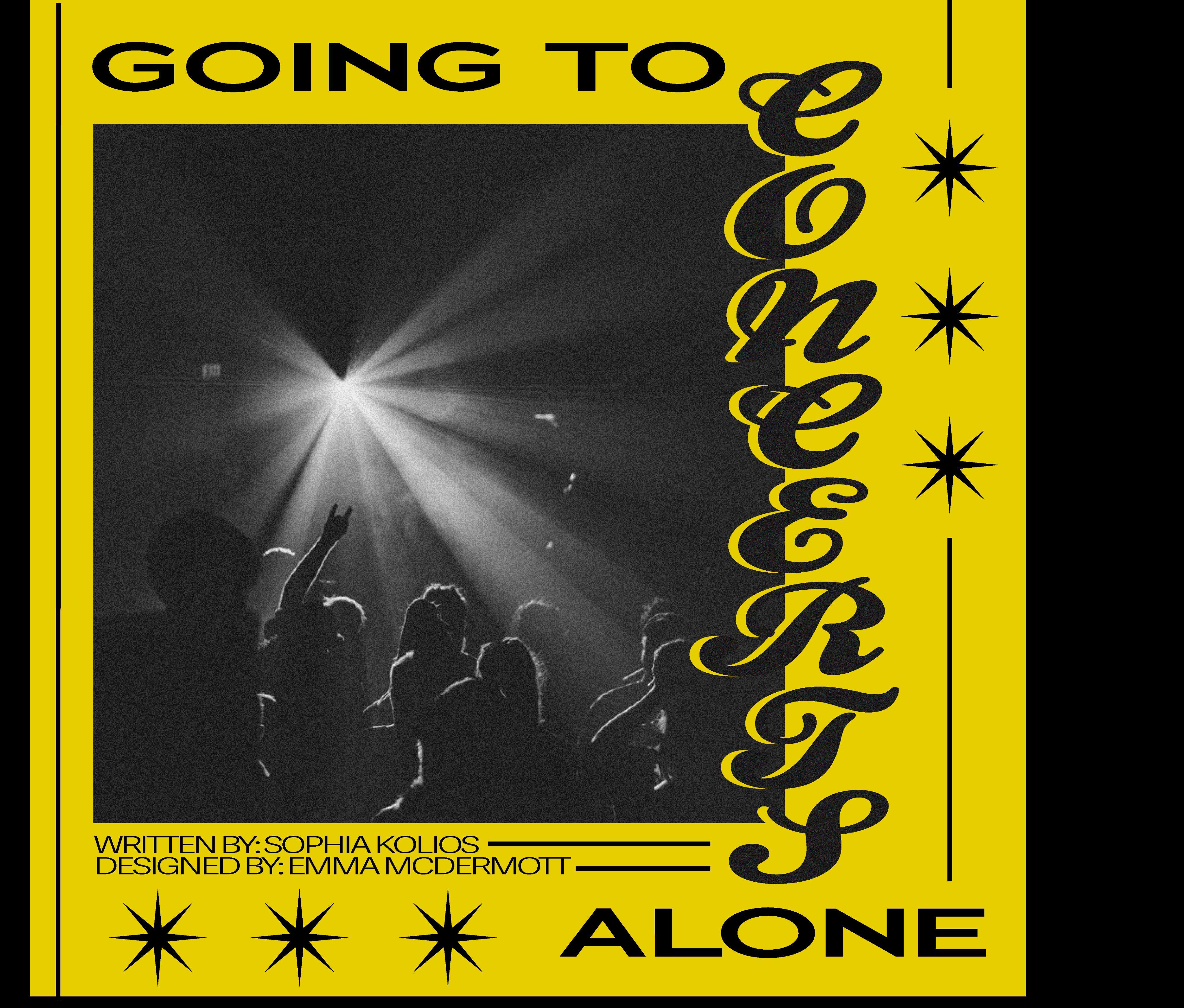
for being alone. Though this is something that still crosses my mind, I have been reminded time after time that nobody is staring at me — everyone is busy enjoying their own concert experience. As an outgoing girl, there is something so freeing about finding other girls at venues and asking to hang out with them. I have met a handful of incredible people at concerts that I still stay in touch with, all because I complimented their outfit and struck up a conversation about an artist we both love.
I was an awkward 15-year-old girl who had recently fallen in love with concerts when Snail Mail announced that her band was going on tour. I bought two tickets, one for me and one for my mom, who was graciously my concert buddy during those terrible teenage years (even though she despised my music taste and dragged her feet each time she had to drive us to downtown Los Angeles for a long general admission show). This concert was different, though; she suggested I go into the venue on my own while she waited in the car. This independence was revolutionary for me as I realized I had no one to dance with, walk to the restrooms with or even chat with.
So, how did I end up falling in love with this often nerve-wracking solo activity?
Sometimes, going to a concert alone is the only option for fulfilling the lifelong need to scream the lyrics to Buddy Holly. Here are some of my top tips and realizations I have developed throughout the years of going to concerts solo.
The main fear that still lingers when I’m on my way to a concert venue on my own is the innate worry of being judged by strangers
At these venues, everybody has one thing in common: they are all fans of the performer. Keeping this in mind helps me appreciate that everyone in a shared space forms a community, and there is something genuinely exciting about discussing the fandom with others who are a part of it.
Safety is another worry when attending concerts alone, so maintaining a precautionary routine ultimately helps me ease up and live in the moment. Before going out, concert or not, I always let somebody know where I’m headed, when the event starts and when I’m expecting to be back home. Whether this be my boyfriend, my best friend, a sorority sister or even my mom who lives over two thousand miles away, it is crucial
crucial for someone trusted to know my whereabouts. Keeping my fully charged phone on is also non-negotiable. Many venues do not allow pepper spray, so I keep an emergency alarm keychain on my bag wherever I go. If the concert is general admission, I always stay on the outskirts of the pit, with a general idea of where the exits and security are located. I also limit myself to just consuming water inside the venue since reducing impairment is critical for me to be able to relax and stay present. Some of these rituals may seem over the top, but being alone in an overwhelming environment calls for these procedures, especially since the goal is to have fun!
For me, going to concerts alone is a choice I enjoy making. Friends can be busy and music tastes don’t always align, but fulfilling the years-old dream of dancing to your favorite artists’ songs is a beautiful and rare occurrence that cannot be passed up just because others cannot accompany me. Besides, this is a choice I love because I enjoy spending time by myself and meeting new people. Going to the beat of my own drum is something I value heavily, and sometimes taking myself out to an event is just how I refresh and rediscover the beauty of being alone
WRITTEN BY Madison Kim // DESIGNED BY Claire Lin
Everyone knows that if you’re looking for a good co-op, Northeastern University is the way to go. But is that one-of-a-kind opportunity worth the headache of the infamously complicated housing system? Your first year won’t be affected by this because you’ll be guaranteed a standard dorm with no lottery, but look ahead to your second year and think again. Believe it or not, a $95 difference per semester can determine whether you get a fully functional kitchen or no cooking space at all, according to Northeastern’s 2025–2026 Upperclassmen Housing Rates chart. And the worst part? You may have no control over which one you get.
There are three cost tiers, economy, standard and enhanced, that students can “choose” from, but the lottery system ultimately decides where they end up. And here’s the catch: those labels don’t always line up with reality; sometimes “enhanced” housing is more of a downgrade. The quality differences within the same tier — and even across tiers — are wildly disproportionate, sometimes laughably so.

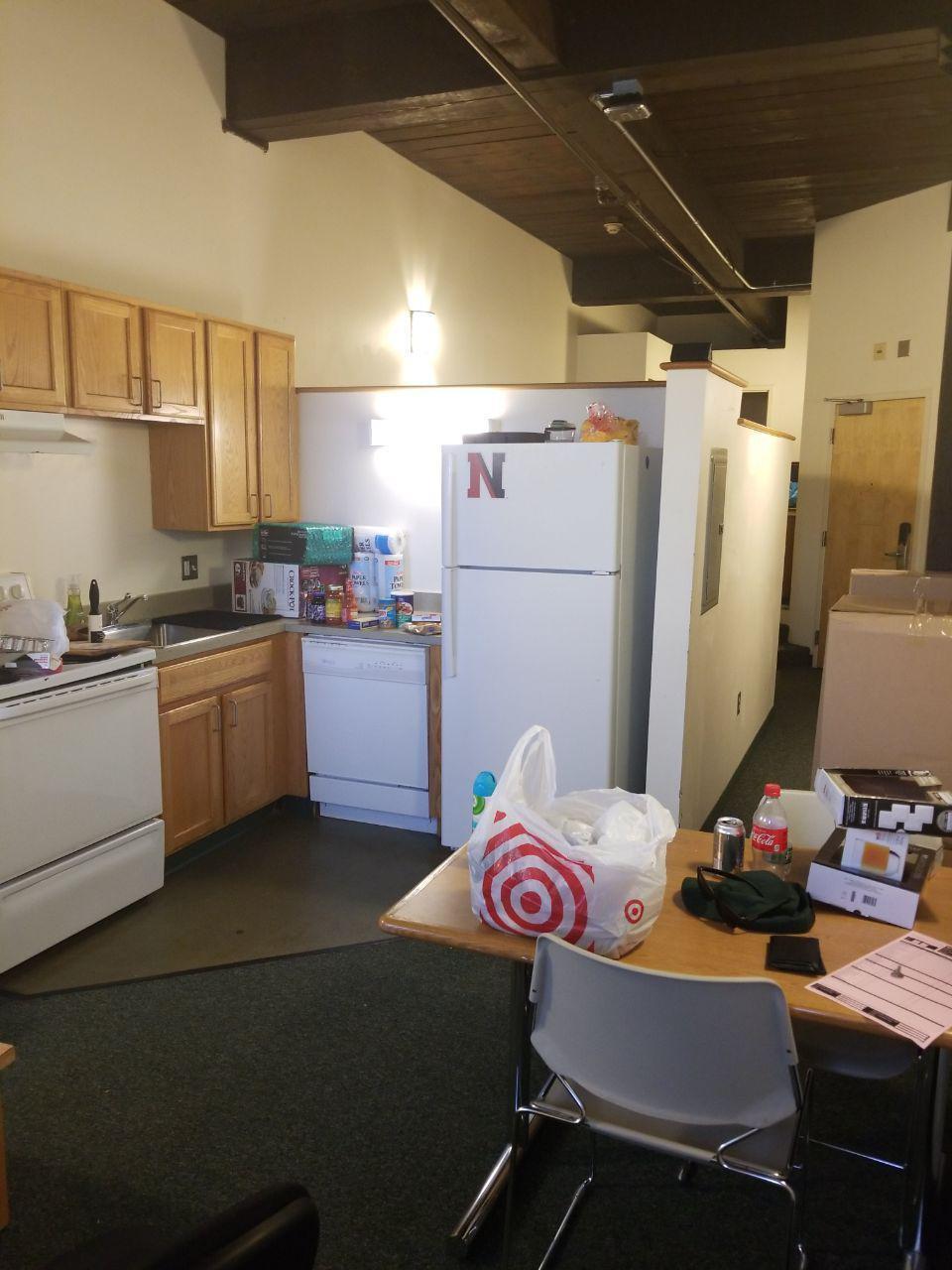
Take 780 Columbus Ave, a standard apartment-style dorm. If you’re lucky enough to land here, it feels like you’ve hit the jackpot. This setup comes with a private bathroom, a full kitchen with a large fridge, a small but separate living room with two lounge chairs (a bit on the ugly side, but functional enough), a coffee table and a dining table with three chairs. Natural light pours in through oversized windows in the living room and bedroom — residents can open them to let in a fresh breeze, making the place feel even more spacious.
The double bedroom includes elevated beds, two desks with storage, two closets and dressers underneath the bed. There’s even an automatically locking door for further privacy. Add to that the convenience of being a five-minute walk from the dining hall at International Village and nearby food spots, including Bangkok Pinto and Juicy Greens, and you’ve got one of the most coveted setups on campus. The only real downside might be the 12-minute walk to Marino Recreation Center, but the dining hall’s proximity makes it a tradeoff most students don’t mind.
Contrast that with International Village (IV) — technically an enhanced semi-private suite with double rooms like 780 Columbus, supposedly a tier above it. The irony? The square footage is drastically smaller. The room features bunk beds, one built-in closet and one freestanding wooden dresser, crammed between two desks with hutches. The suites don’t include a minifridge or microwave, so residents have to rent those separately. Four students share a single bathroom (two doubles connected), and the awkward window setup (a large fixed pane and a skinny sliver that barely opens) does little to help. To make matters worse, the long, narrow layout leaves only about two feet of space between the desks and beds, and the dim

lighting makes the space feel even more claustrophobic. Double rooms in IV average around 90–95 square feet per person, while singles range from 130–150. The university doesn’t list comparable data for 780 Columbus, but the difference in usable space is obvious even without exact numbers.
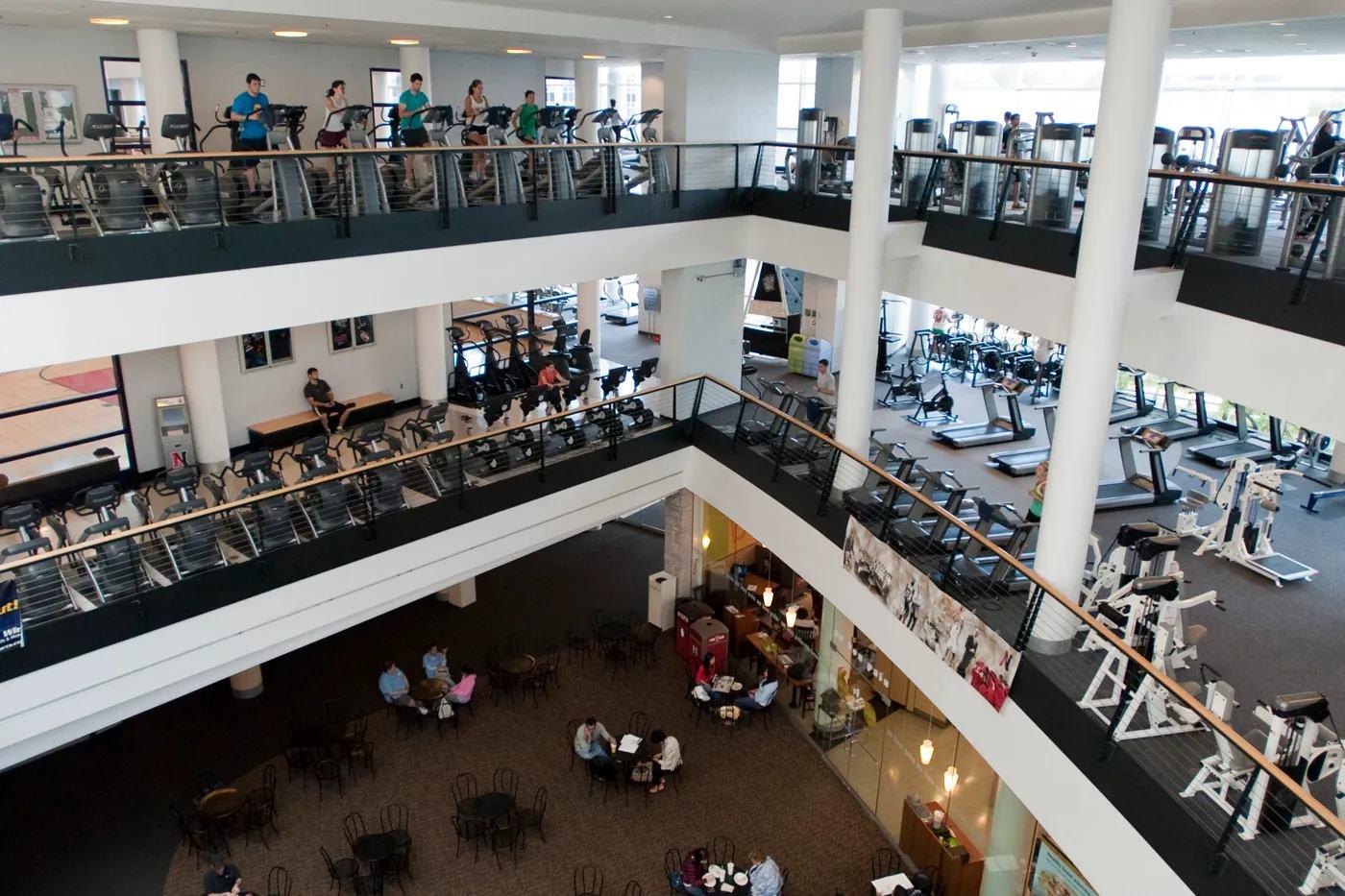
There are upsides, of course. The building has its own gym and dining hall attached, which is undeniably convenient. But for some students, this convenience turns into isolation — they rarely have a reason to leave IV, and the dorm can start to feel like a trap.
These two dorms spotlight not just the lottery’s uncertainty, but the deeper issue of Northeastern’s misleading housing tiers. 780 Columbus is labeled as “standard” while IV is considered “enhanced,” yet it’s $95 cheaper per semester and offers a dramatically worse living experience. Enhanced? Hardly. Northeastern housing, like private university housing more broadly, really is a gamble.
What I’ve laid out is just one comparison among many possible ones — but it shows how drastically your college living situation can vary depending on the luck of a lottery number. And sometimes, it isn’t even luck; it’s the university’s own tier labels that give students the false impression that paying more will guarantee something better.
The housing lottery reflects a larger truth about Boston’s housing market: high prices are everywhere, but uneven returns on what you pay. If you’re a current or prospective Northeastern student, it’s worth taking a closer look at the housing system before you pick your tier, because understanding your options can make all the difference in your college experience.


November 2025
The United States Immigration and Customs Enforcement, or ICE, was created after the 2002 Homeland Security Act, in an attempt to professionalize legal immigration enforcement. Lingering fear of terrorism from the recent 9/11 attacks and a desire for a stricter border were both primary motivators of the agency’s establishment. At this time, the general public was mostly concerned with preventing another attack (or cross-border crime) and favored its creation. Early ICE agents were often involved in rooting out those who had violated visa rules and finding people with active deportation orders.
Until recently, many Americans didn’t even think about ICE regularly — it was really only important to citizens living in border states.
In 2025, ICE is much more active than it used to be — especially in Boston, where it has run largescale enforcement sweeps. Arrests are no longer limited to those with false visas or no documents; even some without
criminal convictions or just minor offenses have been swept up in these operations. There are several well-documented cases of people who were detained that had lawful status or otherwise had previous charges dropped.
Take for example the case of José Pineda, an East Boston landscaper, who was pulled over on his way to work May 27, 2025. Despite having paperwork in his car that showed he had Temporary Protected Status, he was still arrested and taken to ICE’s Burlington facility. He reports he was berated in both English and Spanish during his arrest, and officers even seized his social security card, his driver’s license and $600 in cash. He was kept overnight for no reason other than the fact the ICE agents who arrested him thought they should
— a decision that caused both him and his family serious emotional trauma.
“I came to this country for safety,” said Pineda in a statement to GBH News. “ICE treated me like a criminal because of how I look and where I’m from — even though I followed every rule.”
Perhaps the most well known case of ICE overstepping their boundaries, at least among local students, is the story of Rümeysa Öztürk. On March 25, 2025, the Tufts University doctoral student was approached by several plainclothes figures who refused to identify themselves when asked. They forcibly placed her in handcuffs and took away her phone. Had the event not been caught on tape by a nearby security camera, it is likely it would not have received as much attention as it did. She was later discovered to have been taken to a South Louisiana ICE processing center that same night.
In response to questions surrounding the motivations

behind detaining Öztürk, a spokesperson from the Department of Homeland Security stated, “A visa is a privilege, not a right. Glorifying and supporting terrorists who kill Americans is grounds for visa issuance to be terminated. This is commonsense security.”
And what was the “glorification of terrorism” the DHS spokesperson referred to? Öztürk had co-written an op-ed in the Tufts student newspaper, criticizing the university’s response to Israel’s attacks on Gaza. Terminating someone’s visa based on their contributions to a college student newspaper is unlawful and unethical. On May 9, 2025, more than a month after her unlawful arrest, a federal court ordered her release from the the detention center. She was freed,
much to the delight of her friends and colleagues, but her kidnapping still represents a larger, darker spot on the activity of ICE in the modern day.
“Spending over six weeks in detention for writing an op-ed is a constitutional horror story,” said Monica Allard, staff attorney at the ACLU of Vermont. “Her release is a victory for everyone committed to justice, free speech, and basic human rights.”
Even though ICE was originally established to protect U.S. citizens from national security threats, its modern operations suggest that these days, that might only be a cover story. There is sufficient evidence to prove that ICE’s actions extend far beyond what they originally claimed their purpose was, and certain agents’
blatant disrespect for due process and ethical conduct is not something to be normalized.
These events suggest a need for better accountability within ICE, or at the very least, a less aggressive way of sorting out border control. In response, a nationwide wave of protests has since taken shape, including “ICE Out” strikes and demonstrations in cities such as Minneapolis, Portland, Los Angeles and New York, where hundreds of events were held to demand accountability for unfair treatment. The scale of these demonstrations make it clear that the public is not going to forget about humane immigration enforcement, regardless of pressure from the federal government.
Written by Quinn Pasmantier // Designed BY Suhaan Shah

January 2026
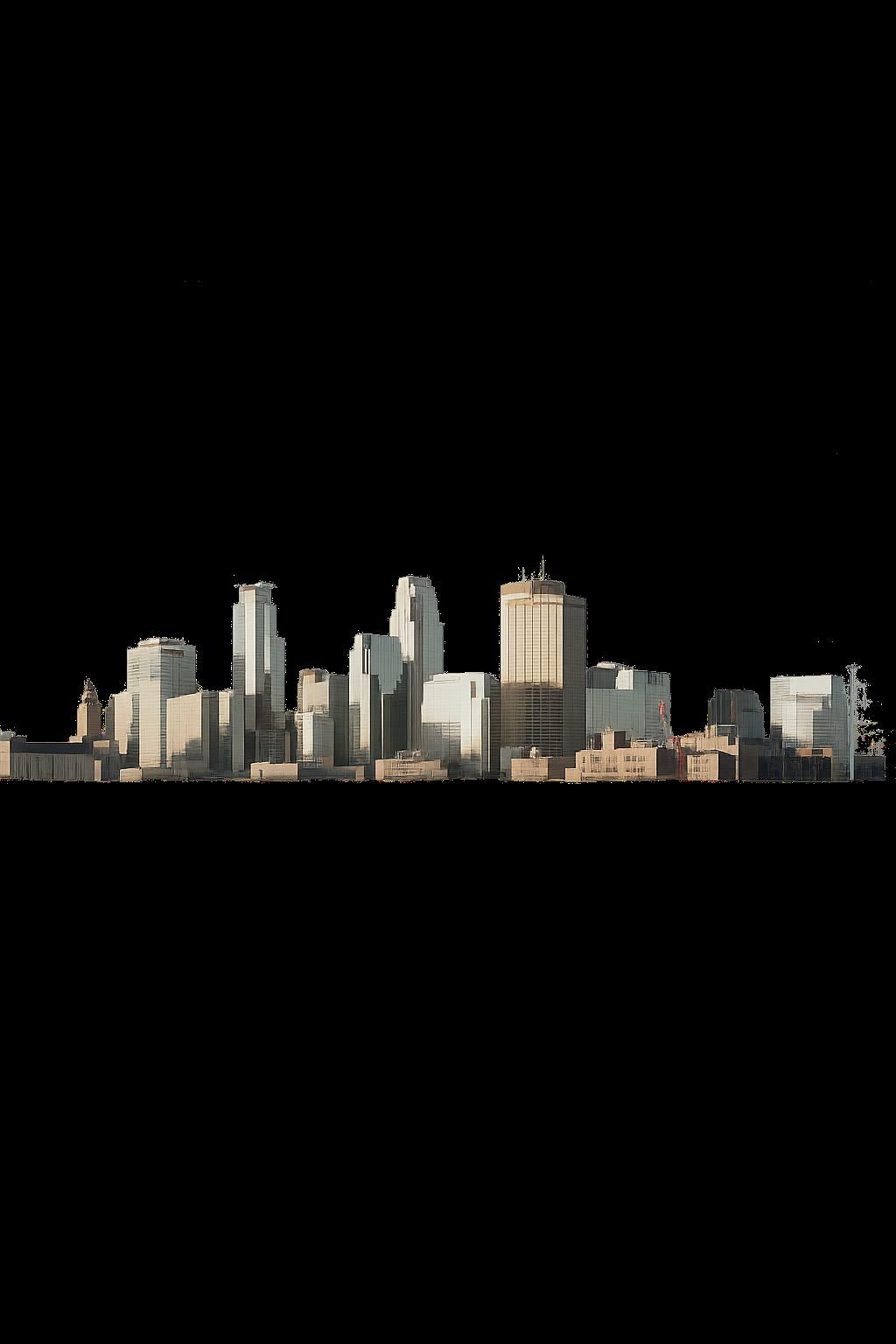
Two minutes changed everything in Minneapolis. Between 9:35 a.m. and 9:37 a.m. on Jan. 7, 2026, a U.S. Immigration and Customs Enforcement (ICE) agent fatally shot Renee Good, a 37-year-old mother and U.S. citizen. What started as a standard operation soon became an incident that would reverberate across the nation.
Less than three weeks later, another Minneapolis resident, Alex Pretti, was killed during a federal immigration operation, deepening national scrutiny of ICE’s expanding role and use of force.
Good and Pretti’s deaths were not isolated incidents. They came amid a broader expansion of federal immigration enforcement efforts led by President Donald Trump. Since his presidential campaign in 2016, Trump has centered much of his platform on immigration policy. Shortly after taking office in 2017, he issued a hardline immigration crackdown enacted through his executive order to increase ICE staffing to 10,000 personnel, with expanded enforcement powers.
This marked a sharp departure from previous ICE priorities under the Obama
administration, which primarily focused on individuals who committed severe crimes.
Under President Trump, ICE has been targeting anyone suspected of entering the country illegally, regardless of criminal history. This shift has led to a rise in the number of arrests and encounters nationwide. From the opening of the controversial detention facility "Alligator Alcatraz" to unprecedented federal funding for the agency, enforcement efforts have intensified. ICE raids across communities have shot up, and Trump-issued policies like the permit to arrest near schools has only heightened fear in families. By 2025, ICE recorded its deadliest year in two decades, with 32 deaths reported under custody. And this trend has only continued — as of March 2026, there have already been a reported 13 deaths. Perhaps one of the most shocking encounters involving ICE since Trump began his second term immigration crackdown were the
deaths of Renee Good and Alex Pretti, which unsettled the nation. Both Good and Pretti were U.S. citizens with no known serious criminal histories, yet they were killed by federal immigration agents during enforcement operations in Minneapolis. Their deaths have since led legal experts and civil liberties organizations such as the ACLU to question the scope and application of ICE’s powers, especially when outcomes include lethal force against civilians regardless of immigration status.
Typically, ICE focuses on detaining and removing non-citizens suspected of violating immigration laws, but recent cases in Minnesota suggest its encounters have extended far beyond that mandate. One lawsuit filed by the ACLU of Minnesota alleges 20-year-old citizen Mubashir Khalif Hussen was tackled and detained by masked ICE agents on his way to grab coffee. He continuously pleaded “I’m a citizen.” Hussen was forced into an SUV and taken to a correctional facility, where he was held for several hours.
Human Rights Watch and other
observers have analyzed the video footage of Good and Pretti’s encounters and expressed concern that the situation did not involve a threat to justify self defense by the ICE agent. These incidents have sparked national conversations on how Trump’s broadening of ICE’s powers has only increased extreme aggressive actions towards communities and upended countless families' lives.
“The massive presence of ICE agents as part of Operation Metro Surge has disrupted civic life in the Twin Cities. Minnesotans are at risk of being stopped by ICE while going to work or shopping for groceries,” said Greene Espel attorney Kshithij Shrinath.
As the investigation on Good’s and Pretti’s death continues, their cases have become a symbol of pushback against heightened immigration enforcement in the United States. Protests across the country have come in a variety of forms. In Los Angeles, residents
monitored ICE agents on sidewalks and parking lots while notifying their networks when they spotted an arrest. In the midwest, Chicago residents were two steps ahead. Before Trump announced the Chicago crackdown Operation Midway Blitz, a public warning system in the form of orange whistles were given to volunteers by immigrant rights organizations. A more confrontational activist surge has settled in Minneapolis involving residents yelling at ICE agents, recording them with their phones and posting in front of their hotels making noise. Since the fatal shootings of Good and Pretti, tensions only rose in Minneapolis, with residents throwing snow balls, trailing and honking with their cars and calling the agents “Nazis” or “fascists.”
While ICE agents are reportedly pulling back from Minneapolis after weeks of protests and intense local resistance, according to Border czar Tom Homan, federal immigration enforcement in
Minnesota and across the United States remains in flux. The withdrawal underscores how contested these operations have become, but it does not answer the lingering questions exposed by the deaths of Renee Good and Alex Pretti. At the same time, lawmakers remain at a standoff over funding for the Department of Homeland Security, with debates over additional oversight contributing to legislative gridlock.
While uncertainty looms over the future of immigration enforcement, the intense public outcry and political negotiations as a result of the crackdown also presents opportunities for reform. Whether this leads to meaningful limits on federal enforcement, or temporary tactical shifts, remains to be seen.
What is certain is that the cases of Good and Pretti have sparked national conversation over how this country enforces its immigration laws, and who gets to decide how far those powers should extend.
Written by Anusha Rathi // Designed by Suhaan Shah



noun /nəˈstaljə/ A sentimental longing or wistful affection for a period of the past.

SHAH


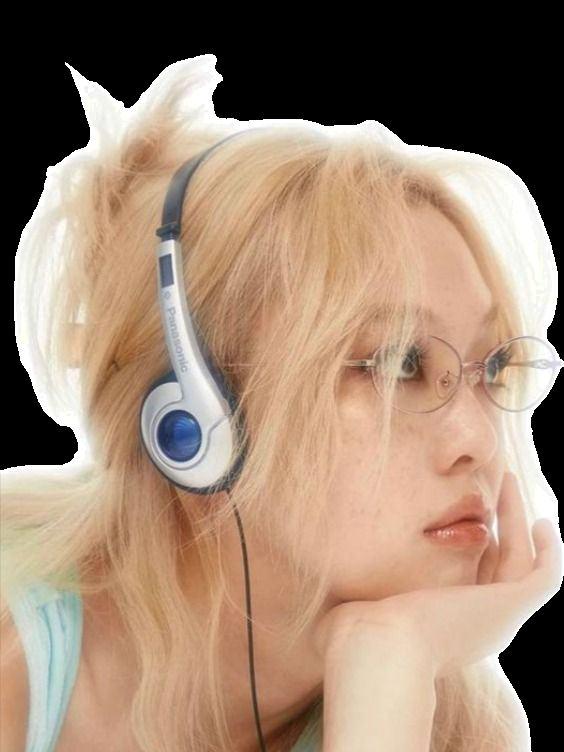
Hot take: Wired earphones are over. Always tangled, cables snapping; basically the worst, right?
Well, apparently not — wired earphones are back.
Yes, the same ones we all ditched for AirPods. Somehow, they are cool again. But the return of wired earphones isn’t just a tech choice, it’s a cultural statement.
Back in 2016, we ditched these cords when Apple removed the headphone jack, declaring the end of cables and ushering in the age of wireless audio. AirPods and bluetooth headphones quickly became mainstream.
So why are people suddenly reaching for the same visible cords most of us thought were long gone?
This resurgence isn’t about sound quality or nostalgia alone. Wired earphones have re-emerged as part of the broader Y2K revival — the return of early 2000s aesthetics, from low-rise jeans and chunky shoes to flip phones and digital cameras. These vivid accessories invoke the vibe of an earlier digital age; one that valued character over seamless perfection.
There is something about the early 2000s that feels like a mini cultural
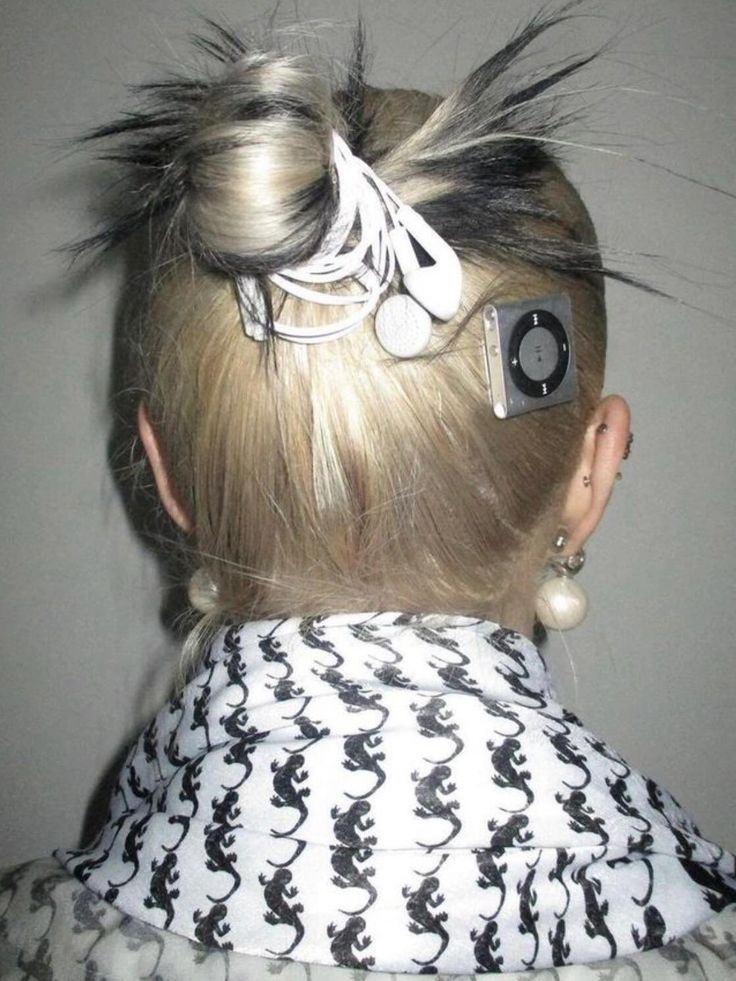
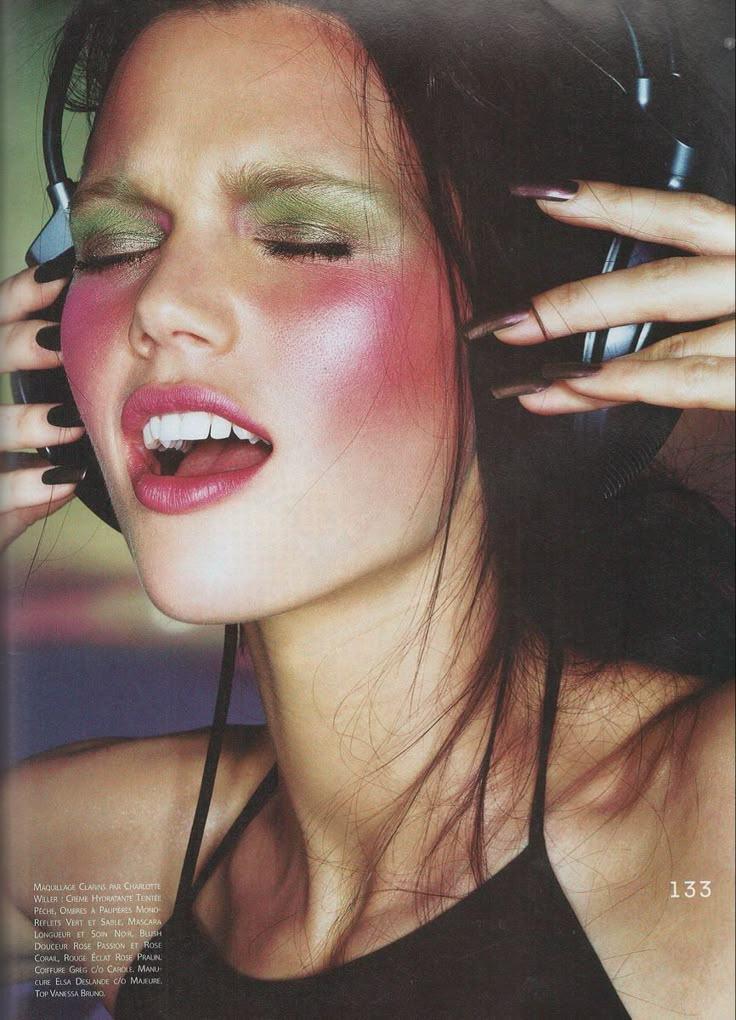
renaissance. Today, wired earphones extend beyond utility. Instead, they serve as a deliberate aesthetic. Unlike wireless, which are mostly invisible or sleek, wired earphones flaunt their presence. Cords twist and dangle, openly defying minimalism, making the person noticeably bold while adding a hint of nonchalance. Wearing them is like saying, ‘‘I don't care about looking perfect.” In many ways, they have morphed into new jewellery: unmissable, quirky and surprisingly versatile.
Across college campuses, everyone has AirPods. But the ones with wires? The AirPod crowd blends in, while the wired crew stands out, evoking a retro and artsy vibe, like someone straight from a music video. These cords, paired with low-rise jeans, vintage hoodies and messy hair, complete the look. It’s not just audio, it’s a fashion statement; casually tangled wires embody main-character energy in a world that is always striving for flawless perfection.
Platforms like TikTok and Instagram have amplified the wired aesthetic. Mirror selfies with dangling cords, “get ready with me” videos featuring wired headphones on the dresser — these small moments spark nostalgia and make the aesthetic feel lived in, not staged.
The trend isn’t confined to Gen Z circles either. They’ve been loved
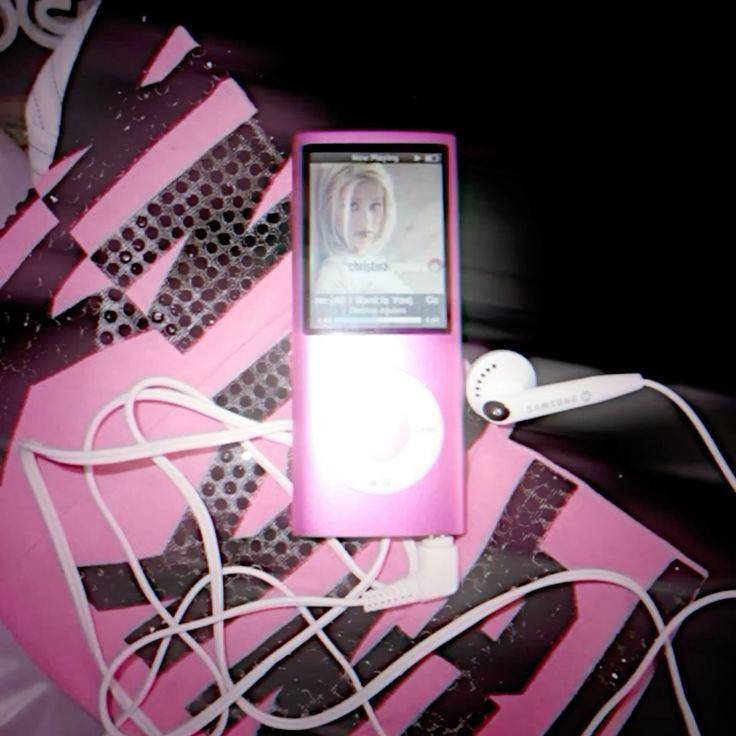
by celebrities, too. Paparazzi shots of Bella Hadid, Harry Styles, LilyRose Depp and Charli XCX have all captured them with wired earphones, instantly reframing wires from obsolete to effortlessly chic. Their embrace of the trend turns the accessory into a trend signal, blending tech throwback energy with fashion influence.
So why does this pocket accessory matter today?
Wired earphones are a way to hold onto that early 2000s retro energy, connecting us to a different era, when technology was loud, colorful and full of personality. They are a little messy and sometimes imperfect, but you can’t miss them. It’s exactly why they feel so real and personal. In a world where everything online appears polished, grabbing a pair of wired earphones is almost rebellious. A small but powerful connection to simpler, more authentic moments filled with a distinctive aura.
Wires may still tangle, but maybe that’s the point. They are not efficient, but they are expressive — never futuristic, just familiar. Choosing wires feels like opting out of seamless upgrades, like saying not everything has to evolve or stay relevant. More than accessories, they are now loud statements of nostalgia, retro charm and personality.

“Polished,” “devoid of cliche” and “timeless” — these are all phrases that have been attributed to rising English pop star Olivia Dean after her sophomore album, “The Art of Loving,” was released in early September 2025. Despite her relative anonymity in the U.S., Olivia Dean has begun catching critics’ attention, especially after opening for Sabrina Carpenter’s 2025 leg of the famous “Short n’ Sweet Tour.” After nearly nine years in the industry, beginning when she was just 17, Olivia Dean is finally beginning to enjoy the larger rewards of her hard work, amassing over 61 million monthly listeners as of March 2026.
Dean has often cited her complex feelings about her career as one of her main inspirations — especially after her time at BRIT School, a free-to-attend but difficult to impress performing arts school in Selhurst, England. At just 15, she was making three-hour round trips just to attend classes everyday, and found herself struggling with motivation and burnout.
"I wanted to go there like hell or high water," Dean said in an interview with the BBC. “The tap has to run brown before it runs clear. I just can't express enough that I've written a lot of bad songs."
Dean, however, utilized this struggle in a way that benefitted her: attracting the attention of managers. At her 2019 graduation concert, she played an original
piece which impressed Emily Braham, who became her manager and still works with the singer today. Braham secured Dean an audition with popular soul and house music group, Rudimental, which, to her shock, she passed. Olivia Dean’s first show was in front of 16,000 people at the Sziget Festival in Budapest, as a backing vocalist for the band. Later that year she would go on to release her first EP titled “Ok Love You Bye.” The soul-infused nature of the title track drew in listeners, and many appreciated the cutting honesty of the lyrics.
After the success of this EP, Olivia Dean began planning for her debut album, “Messy,” though the process was long and difficult.
“I love art in many different forms. I was listening to a lot of vinyl and crate-digging, and listening to a lot of Brazilian music,” said Dean in an interview with Vogue Magazine. “I’d really love to go back to Brazil. I would love to go to Carnival and really just leave it all in the street at my feet.”
Inspired by soulful, beat-focused styles like Brazillian, Dean eventually dropped the 12-song album on June 30th, 2023. Fans were instantly impressed: the style had a clearly more mature feel to it compared to her EP.
The album touched on themes previously unexplored, like “the difficulty and change that growth brings, communicating how Dean finds herself through the creation of music,” journalist Amelia Barret commented. Another fan, English journalist Issy Packer from the music website “Clunk” spoke on behalf of Olivia Dean’s fans in the latter half of her review:
“Navigating life and love. These repeating tropes do not offer anything new…but it’s Dean’s sound that makes it so distinctive.”
Following the release of her sophomore album “The Art of Loving” in 2025, Dean’s influence has extended beyond the UK.
“Nice To Each Other,” one of the album’s most popular tracks, has caught the eyes of many American listeners. The album’s blend of pop and soul is unique — “complicated, sweet, a little messy, but ultimately and entirely human,” Joanna Rose wrote for the music website The Honey Pop. With her U.S. debut on Sabrina Carpenter’s tour, the release of her new album and an upcoming headlining spot at Lollapalooza, Dean is well on her way to gaining the wider audience she has long deserved.


In 2016, a group of high schoolers formed a band. They had no intentions of stardom, just a love for the game. They were quirky, artistic kids from Brooklyn, attending progressive school and playing in their free time.
Those kids are now known as the up and coming rock band Geese.
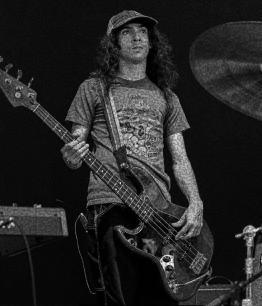
Geese was formed by its four main members, vocalist and keys player Cameron Winter, guitarist Emily Green, drummer Max Bassin and bassist Dominic Digesu. They originally went by a different name, Opolis, playing gigs and releasing two albums in 2018 and 2019. Those have since been scrubbed from the Internet, creating a blank slate for the band’s new image — one of despair, curiosity and brilliance. The name Geese was then born, playing off of Green’s high school nickname “Goose.”
The band signed with Partisan Records in 2020, capitalizing off the time that COVID-19 gave them to flesh out their sound. Working with producer Tim Putnam, the band dropped their first album, “Projector,” in 2021. They also added a second guitarist, Foster Hudson, who later left the band to pursue his academic goals.
Since then, they have released three albums and two EPs, with their last album, “Getting Killed,”
produced in just 10 days with the help of Kenneth Blume, reaching top rankings on multiple 2025 best album lists.
The New York Times named it the best album of 2025, with pop culture music critic Lindsay Zoladz describing the art as having “stingingly wise lyricism,” “hypnotic grooves” and “emboldened rawness,” going on to say the album marks “an arrival of a great New York band.”
The breakout was almost immediate, as the band has now appeared on magazine covers, performed their music on talk shows and hosted an episode of SNL. This begs the question, why the sudden change?
Truthfully, bands and artists blow up all of the time, but Geese’s trajectory appears to be different. Their sound is similar to the small artists that someone will tell you about once, you’ll listen and enjoy their music, but you won’t remember their name. It’s indie, underground rock music made for no one but the artists themselves. So why did this one stick?
It is not a question that can be answered directly, but the age of rock is upon us; reemerging with a strong foothold. Basement bands have returned and people are craving head banging tracks.
The sound that Geese creates grabs your attention. It’s weird, a little off putting, with a mixture of overlapping sounds that, if put together in a less creative way, would simply sound like a bad elementary school band concert. But the combination of distinct sounds paired with Cameron Winter’s rasp creates the perfect storm of feeling and sentiment. Winter shared in an interview with GQ, “I like the feeling of hearing people struggling against their own limits, like trying to break through. They go to the very tippy-top of what they think they’re capable of, and that’s why it’s beautiful.” His voice is raw, he whines and he wails in sounds that reveal deeper layers of authenticity in the music the band creates. His sound is similar to the vocals in many old rock bands, like Radiohead and Led Zeppelin — two bands he named as inspirations in an interview with Sun 13.
Winter is a frontman that sets the tone well for the overall symbol Geese emulates. If you were hoping to learn more about them from public appearances, you might hit a dead end. The band, especially Winter, is known to joke around in interviews, often lying for the fun of hyperbolic storytelling. They have started to appear in more planned live media events, but their general demeanor remains exactly what you would expect from a rock band: sarcastic and aloof.
Trends are turning over quicker than ever, but Geese, reminiscent of old 70s and 80s rock, holds a special weight of modern rock that is here to stay. To think that we watched four kids in Brooklyn, jamming after school, skyrocket to fame. It seems Geese will continue to rise as long as they maintain their authentic sound.


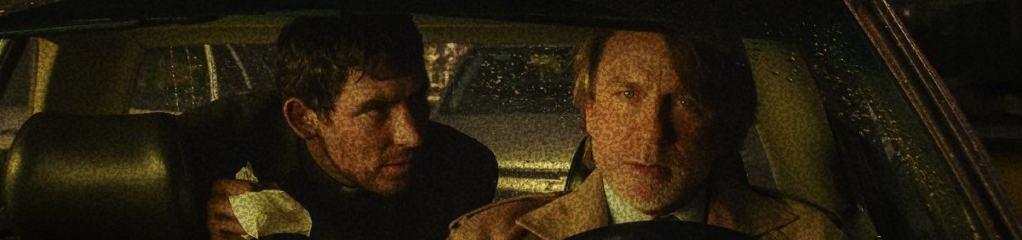

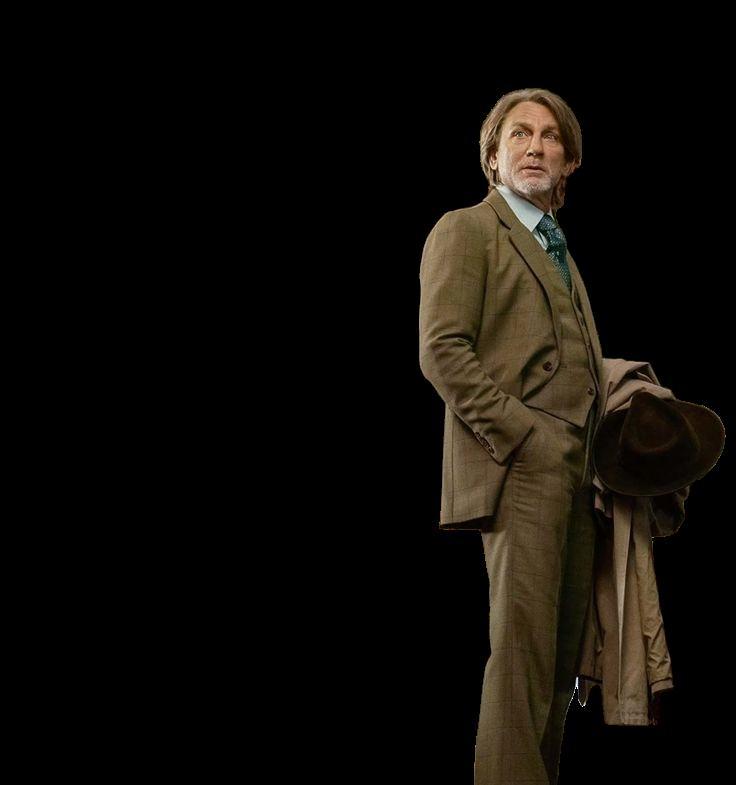
Detective Benoit Blanc is back again for a Gothic whodunit, and his return to the big screen certainly does not disappoint. The highly anticipated third installment of Rian Johnson’s “Knives Out” series leads viewers through baffling twists and gripping misdirects while delivering relevant social commentary on religion, radicalization, redemption and intolerance.
A classic “locked-room” mystery ensues when the divisive head priest of a church suddenly drops dead during a sermon. The only witnesses are Father Jud and the Monsignor’s circle of loyal devotees, who follow his every word with a cultlike eeriness. The town is quick to blame Jud, though they all hold dark secrets that they would do anything to keep concealed. From racing to find a hidden diamond to witnessing a supposed dead man come back to life, Jud needs to prove his innocence with the help of the detective.
While the film features satirical references to rage baiting and right-wing messaging through the character of Cy Draven, it also includes more emotional lessons about how to live with and support each other, shown through the character Louise. Though Bridget Everett’s appearance was brief, she
absolutely stole the show. As Jud gets more and more caught up in the race to find the murderer, tension building, his frantic phone call with Louise suddenly breaks that momentum when she asks him to pray for her. He freezes for a moment. He remembers why he became a priest in the first place. And he sits with her. The moving conversation made for a beautiful scene as Louise seeks help navigating her mother’s illness. It perfectly summates everything that went right with this film.
“Wake Up Dead Man” features incredibly moving performances from Josh O’Connor, Josh Brolin and Glenn Close. Sadly, though, for a film series known for its quirky star-studded ensemble, the rest of the cast seemed to fall flat. As a fan of powerhouse actors Andrew Scott and Kerry Washington, I found myself pining for more depth from the other characters. Though their unique motives are ultimately revealed, they fail to leave much of an impact on the story. Additionally, Mila Kunis was a jarring choice for a small-town cop… dare I say, the film’s only miscast character.
Moody and cinematic, the lighting was an integral part of the film’s messaging, shifting from rays of warm golden light to cold, empty darkness, then back again.
The movie features a variety of different lighting settings — “day, night, overcast day, sunny day, dusk, dawn, early morning warm light slicing in,” according to cinematographer Steven Yedlin. This was a refreshing change of pace in comparison to other popular films today that are often lit darker and flatter, and force viewers to strain their eyes.
“Wake Up Dead Man” is undoubtedly a bizarre story: a murdered man risen from the dead, dissolved bodies in a tub of acid, a missing inheritance waiting to be found. But what else would we expect from a “Knives Out” mystery?
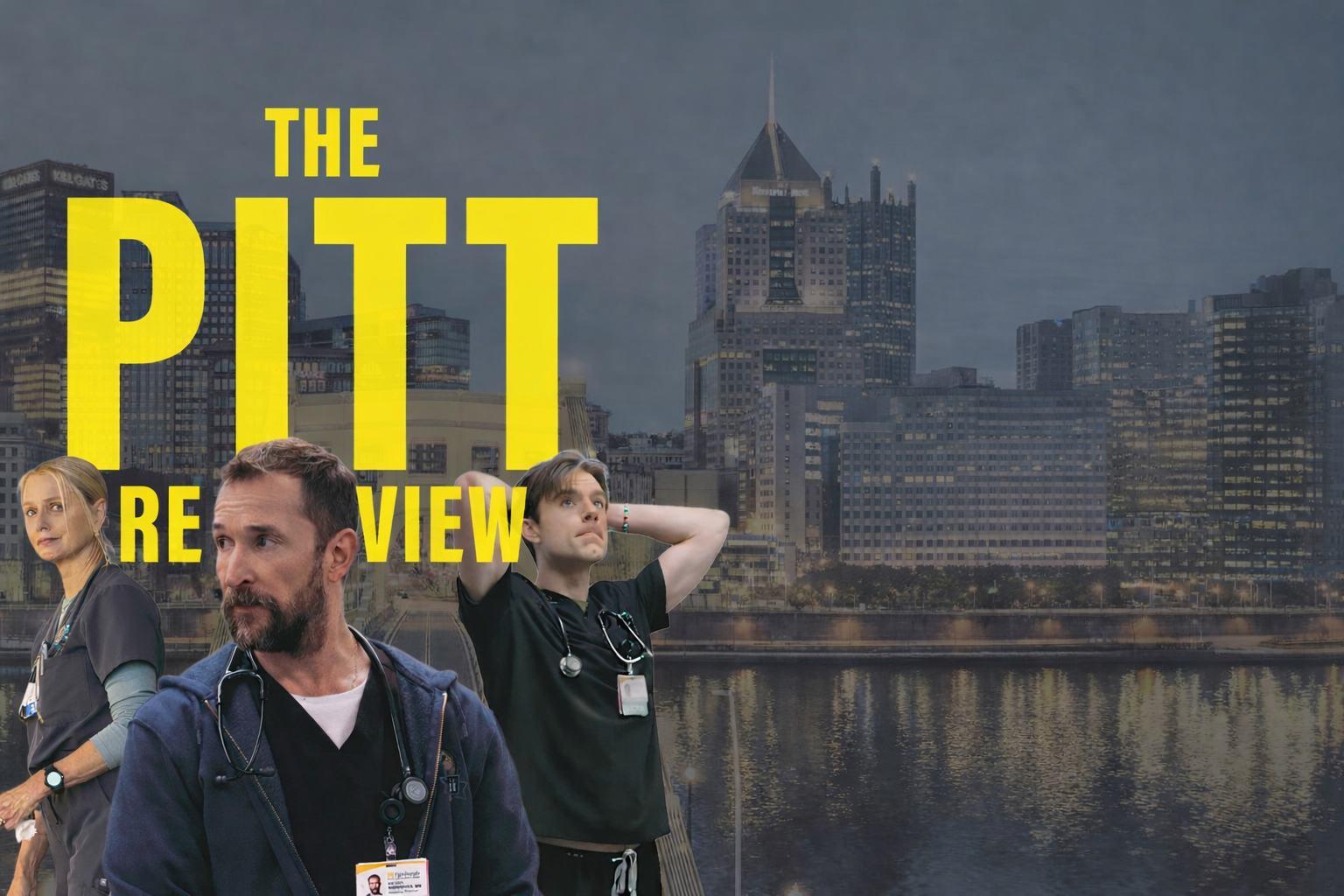
“The Pitt,” an American medical drama series, is set in the fictional Pittsburgh Trauma Medical Center. Season one follows emergency department staff over the course of one 15-hour shift. Despite the popularity of medical dramas, this unique format sets it apart.
Following its first season, “The Pitt” was a massive success. The first 14 episodes averaged around 10 million viewers, with viewership increasing by 200% for the premiere of season two. The show has received an overwhelmingly positive reaction from healthcare workers, who commend it for its accuracy and vulnerability.
This award season, “The Pitt” is winning big. Taking home awards at multiple award shows, including the Golden Globes and Emmys.
I spoke with ER Techs and nurses at Brigham and Women’s Hospital in Boston to see why the medical drama has resonated so strongly.
Mitchell Goldberg has worked as an ER Tech since 2024, beginning as a co-op and staying on through his graduation from Northeastern in December 2025. He finds “The Pitt” to be the most accurate medical show he’s seen, and says “no other shows compare to it.”
Unlike popular medical shows like “Grey's Anatomy” or “House M.D.,” which offer an unrealistic, dramaladden portrayal of the healthcare industry, “The Pitt” leans into the chaotic nature of the ER to satisfy viewers’ desire for drama. It has been described as a testament to healthcare workers, nailing small details that those removed from
the industry may not pick up on.
“The types of patients we see, even down to the turkey sandwiches the patients request, people wouldn’t really think about if they don’t work in healthcare,” Goldberg said.
One scene in “The Pitt,” where they had to use analog, reminded him of when EPIC healthcare’s system went down in 2025, immobilizing companies across the U.S., including the Brigham and Women’s ER, who had to chart manually, an incredibly time consuming process. The shutdown also forced doctors to manually request medication for patients and track where patients were using a physical whiteboard.
Iris Chang has worked alongside Goldberg as an ER Tech since July 2024. She started watching “The Pitt” when it initially aired because she had seen TikTok videos about its supposed accuracy. To her, “each scene that happened in season one, you can expect to see at work.” The portrayal of “frequent flyers,” individuals who are regulars in the ER, especially resonated with her.
However, this accuracy can be a double-edged sword.
“If I had a tough shift at work, I don’t think I would be turning on ‘The Pitt,’” Chang said. Although its realism is widely acclaimed, the volume of high-level traumas can be draining to watch, and somewhat unrealistic. Chang said you can expect to see one to two traumas per shift at Brigham, whereas “The Pitt” features
upwards of 20 in season one alone, before ending with a 112patient mass casualty event at the fictional music festival “Pittfest.”
“We wouldn’t see all of these high intensity, high impact cases in one shift,” said Goldberg, “It’s dramatized for the show.”
Michaela Kane has worked in the ER for two years, beginning as a Tech and now working as an RN. As a fellow nurse, Dana is her favorite character, who Kane described as the “epitome of a charge nurse” that “takes no shit.”
Kane found the scene where Nurse Dana is attacked by an impatient ER visitor an accurate depiction of the violence nurses frequently experience. Due to their close proximity to patients, nurses are at high risk for workplace violence. Every hour, two nurses are assaulted in the acute care setting, according to a Press Ganey Survey Report.
Kane agreed that “The Pitt” is realistic, but for her, the medical authenticity and the social issues it touches on especially stand out. Although “Grey’s Anatomy” scratches the surface of these issues, “The Pitt” does so more authentically.
It is clear that “The Pitt” is hitting home for ER staff, and every awards season only amplifies its reach.
WRITTEN BY KACEY MCNAMARA
DESIGNED BY ISABELLA STONE
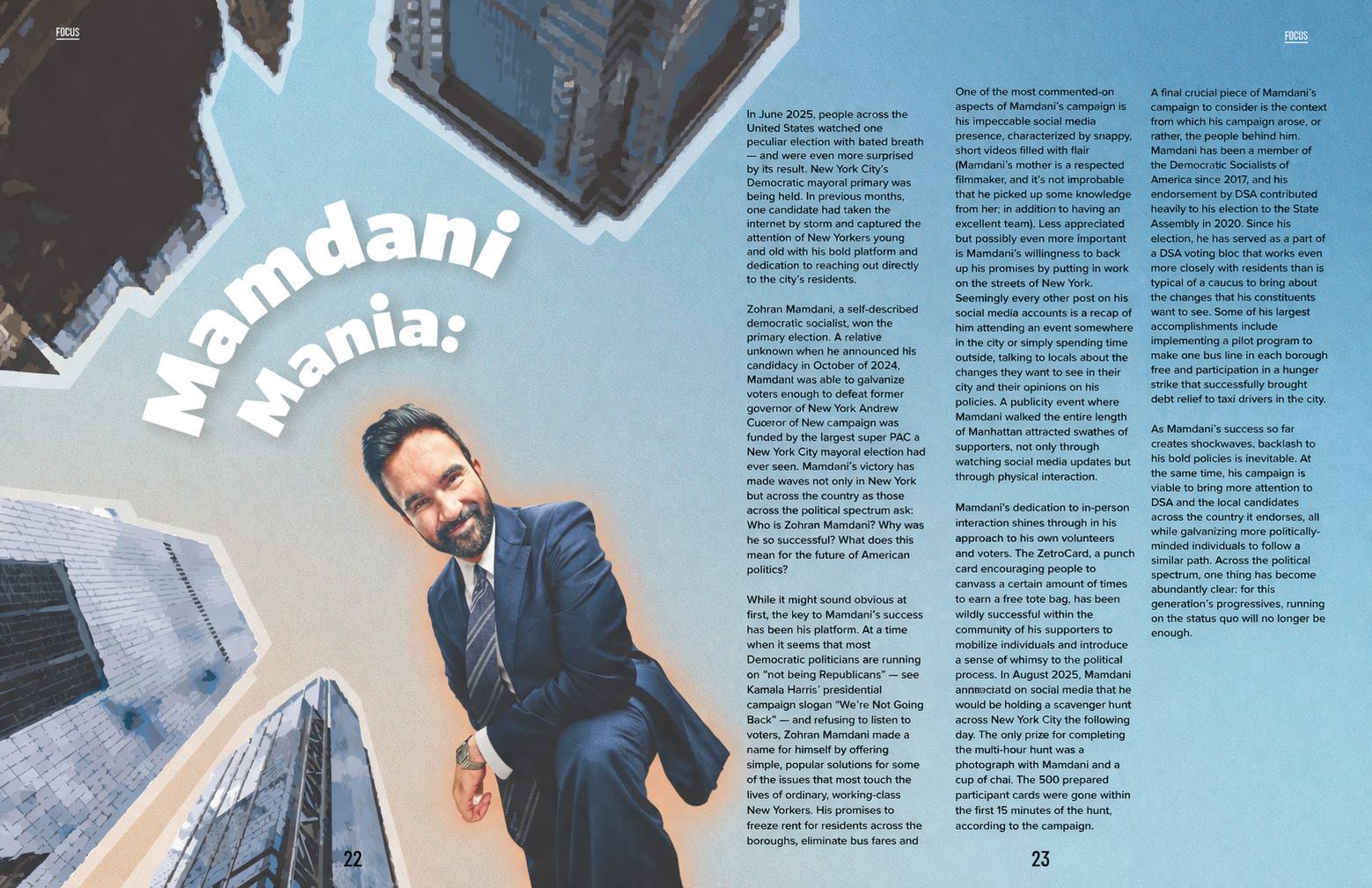
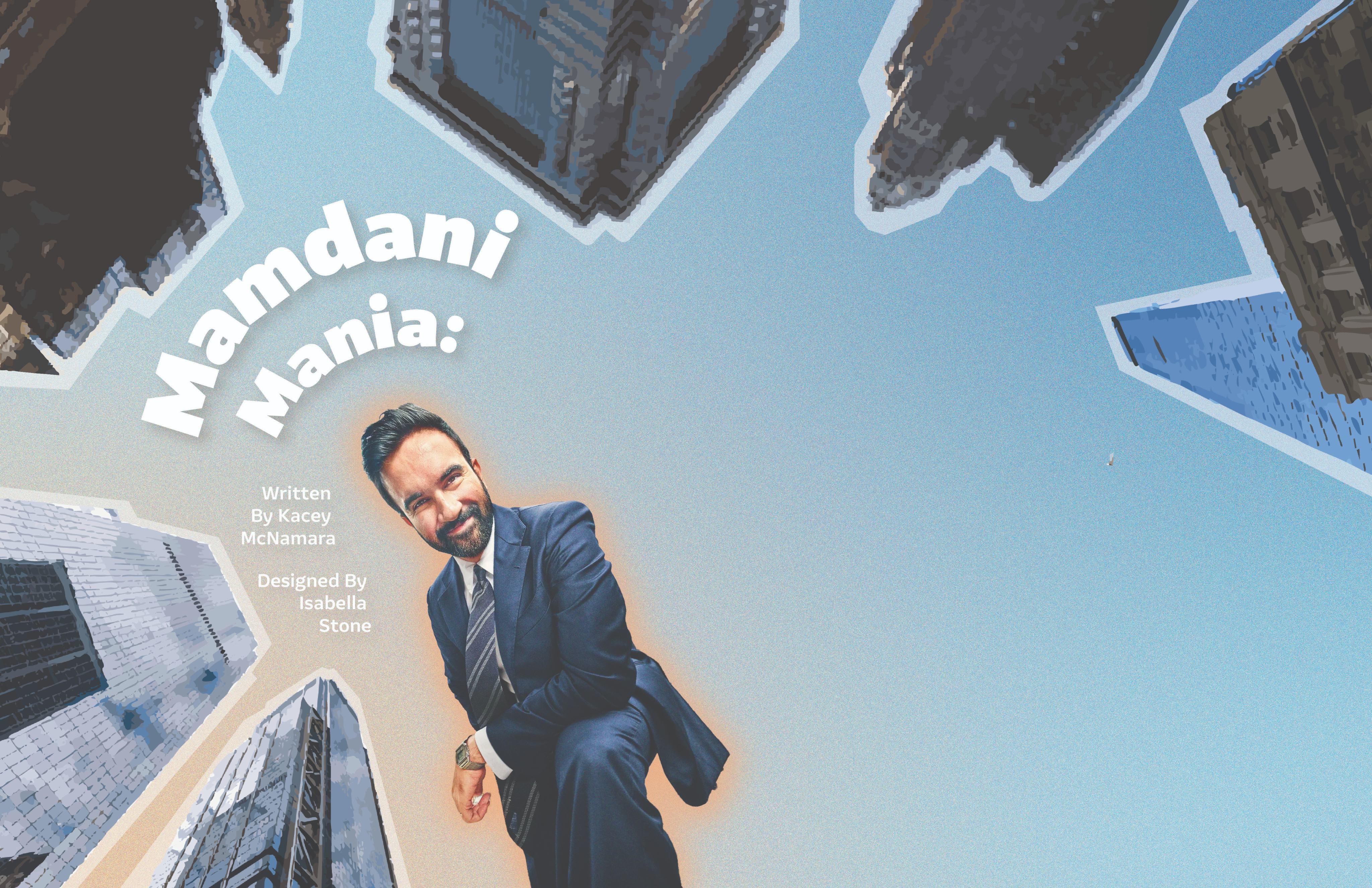
In June 2025, people across the United States watched one peculiar election with baited breath — and were even more surprised by its result. New York City’s Democratic mayoral primary was being held. In previous months, one candidate had taken the internet by storm and captured the attention of New Yorkers young and old with his bold platform and dedication to reaching out directly to the city’s residents.
Zohran Mamdani, a self-described democratic socialist, won the primary election. A relative unknown when he announced his candidacy in October of 2024, Mamdani was able to galvanize voters enough to defeat former governor of New York Andrew Cuomo, whose campaign was funded by the largest super PAC a New York City mayoral election had ever seen. Mamdani’s victory has made waves not only in New York but across the country as those across the political spectrum ask: Who is Zohran Mamdani? Why was he so successful? What does this mean for the future of American politics?
While it might sound obvious at first, the key to Mamdani’s success has been his platform. At a time when it seems that most Democratic politicians are running on “not being Republicans” — see
Kamala Harris’ presidential campaign slogan “We’re Not Going Back” — and refusing to listen to voters, Zohran Mamdani made a name for himself by offering simple, popular solutions for some of the issues that most touch the lives of ordinary, working-class New Yorkers. His promises to freeze rent for residents across the boroughs, eliminate bus fares and implement free, universal childcare have thrilled voters, especially young people across class and racial lines.
One of the most commented-on aspects of Mamdani’s campaign is his impeccable social media presence, characterized by snappy, short videos filled with flair (Mamdani’s mother is a respected filmmaker, and it’s not improbable that he picked up some knowledge from her, in addition to having an excellent team). Less appreciated but possibly even more important is Mamdani’s willingness to back up his promises by putting in work on the streets of New York. Seemingly every other post on his social media accounts is a recap of him attending an event somewhere in the city or simply spending time outside, talking to locals about the changes they want to see in their city and their opinions on his policies. A publicity event where Mamdani walked the entire length of Manhattan attracted swathes of supporters, not only through watching social media updates but through physical interaction.
Mamdani’s dedication to in-person interaction shines through in his approach to his own volunteers and voters. The ZetroCard, a punch card encouraging people to canvass a certain amount of times to earn a free tote bag, has been wildly successful within the community of his supporters to mobilize individuals and introduce a sense of whimsy to the political process. In August 2025, Mamdani
announced on social media that he would be holding a scavenger hunt across New York City the following day. The only prize for completing the multi-hour hunt was a photograph with Mamdani and a cup of chai. The 500 prepared participant cards were gone within the first 15 minutes of the hunt, according to the campaign. Evidently, the game’s appeal was not any prize, but simply the invitation to get to know and appreciate New York a little deeper while potentially making some friends along the way.
A final crucial piece of Mamdani’s campaign to consider is the context from which his campaign arose, or rather, the people behind him. Mamdani has been a member of the Democratic Socialists of America since 2017, and his endorsement by DSA contributed heavily to his election to the State Assembly in 2020. Since his election, he has served as a part of a DSA voting bloc that works even more closely with residents than is typical of a caucus to bring about the changes that his constituents want to see. Some of his largest accomplishments include implementing a pilot program to make one bus line in each borough free and participation in a hunger strike that successfully brought debt relief to taxi drivers in the city.
As Mamdani’s success so far creates shockwaves, backlash to his bold policies is inevitable. At the same time, his campaign is viable to bring more attention to DSA and the local candidates across the country it endorses, all while galvanizing more politicallyminded individuals to follow a similar path. Across the political spectrum, one thing has become abundantly clear: for this generation’s progressives, running on the status quo will no longer be enough.

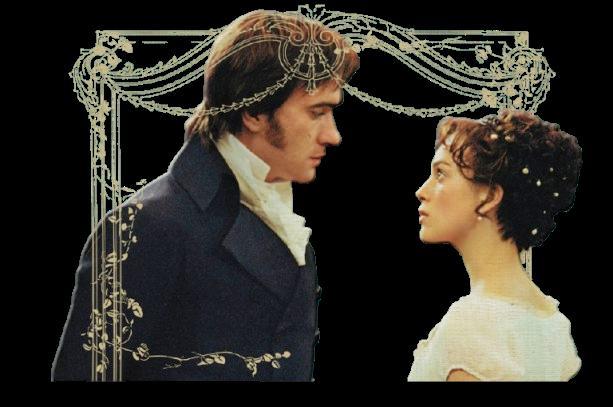

Book-to-movie adaptations have always sparked debate, but lately every new release seems to come with mixed reactions — split between audiences who experienced the story for the first time on screen and readers who walked in with a version of the story already in their heads. There seem to be two types of people: those who think the book was better than the movie, and those who haven't read the book.
The movie adaptation of Emily Henry’s novel “People We Meet on Vacation,” released in January 2026, sparked this debate. Some viewers called it one of the best romantic comedies in years, while others, specifically fans of the book, felt key moments and internal dialogue that made the story emotional were missing. I watched “People We Meet on Vacation” without having read the book, and I agreed with the viewers who considered it a great rom-com. However, I understood the feeling of walking out of the movie theater slightly dissatisfied after I watched the film adaptation of Andy Weir’s “Project Hail Mary.” While I genuinely liked the movie and can see why others loved it, it never quite matched the voice, humor and detailed problemsolving that made me love the book. Movies rely on action and dialogue while books thrive on internal dialogue and feelings, making it impractical to translate one medium into another. So when people argue about which version is better, they’re often not comparing the same experience. Often, the “better” version is simply the one you encountered first.
Adaptations attract movie studios because they come with proven
narratives and built-in audiences; a bestselling novel has already demonstrated that people care about its characters and story. However, this means that before the film even releases, audiences have strong opinions about casting, tone and visuals, as no adaptation can perfectly match what every reader pictured. The 2024 adaptation of Colleen Hoover’s novel “It Ends With Us” shows just how quickly excitement can turn into scrutiny. Blake Lively, cast as the female lead, is more than a decade older than the character she was portraying. Although her age was altered in the script, fans were already feeling the disconnect between how they imagined Lily Bloom and how she would appear on screen, creating tensions around the movie before it was even released.
Similarly, Louisa May Alcott’s 19thcentury classic “Little Women” has inspired seven major film adaptations, while Jane Austen’s “Pride and Prejudice” boasts a whopping 17 film and television versions. These coming-of-age stories have stood the test of time, with their themes of family, love and personal growth allowing for seamless interpretation across generations, proving that no version is definitive and that their relevance only grows over time.
Still, books and movies often work in tandem, building on each other’s success instead of competing for it. Many viewers first encountered franchises like “Harry Potter,” “Twilight” and “The Hunger Games” series on screen, and new generations continue to pick up the novels because of the films. These adaptations made it so these characters have recognizable faces, making it difficult to separate the text from its on-screen counterpart. The popularity of certain adaptations has made it so new installments are written with the expectation of being adapted, as seen with Suzanne Collins returning to The Hunger Games series with prequels like “The Ballad of Songbirds and Snakes” and “Sunrise on the Reaping,” with announcements of their film adaptations quickly following the book releases, ensuring their relevance for years to come.
Occasionally, the movie becomes more famous than the book it originated from. Many audiences might not realize that stories like “The Godfather,” “The Notebook” or even “Fight Club” began as books, and in some cases, the film versions diverge significantly from their source material. When this is the case, it raises the question: Which version is the “original” in cultural memory? Whether you prefer the book or movie version, it is undeniable that film has the ability to refine, elevate or completely reinterpret a story.
Neither medium replaces the other. Books offer an inside look at a character’s mind, giving readers space to imagine and form a personal connection with a story, while movies offer immediacy, bringing stories to life in a way that can be seen and experienced collectively. In the end, it isn’t about which version is better, but how we experience the stories in the first place.
There is something so comforting yet exciting about Thai cuisine, making it perfect for a variety of occasions. All in one bite, you will get notes of sweet, spicy, sour and salty flavors; the perfect balance of soft and crunchy, creamy and chewy within each mouthful. As you make your way through each dish, your taste buds come alive with diverse flavors, but they’ll never be too overwhelmed. Scattered throughout the Boston area, there are a variety of Thai restaurants where you can experience these intense flavors.
Mahaniyom in Brookline
Starting off with my all-time favorite: Mahaniyom. Located about 25 minutes from Northeastern’s campus on the T, this Thai tapas bar has a menu filled with authentic flavors. The restaurant itself is pretty small but super cute. Because of its size, I would recommend making a reservation prior to dining in. As a tapas style restaurant, it gives you the opportunity to try many phenomenal dishes. The first thing I order at every Thai restaurant is Thai tea. There are two other dishes I insist you try: the beef panang, with its rich, softly spicy flavor, and the pad thai, which is the best I’ve ever had, with the perfect balance of sweet and nutty in each bite.

Further from campus, but 100% worth the trip, is Thonglor. It takes about an hour by train and 25 minutes by car, but that is a journey I’d be willing to take over and over to go back. The crispy duck curry is by far my favorite, and of course, mango sticky rice for dessert. This was one of my first Thai restaurants in Boston and it set the bar very high.
Right in Porter Square, about 40 minutes on the T, you will find Sugar & Spice Thai Restaurant. I think it’s safe to say that they have one of the best massaman curries in the city. It's rich, sweet and nutty, with very mild heat, making it such a comforting dish. The entire restaurant is so pleasantly aromatic you won’t ever want to leave. And to finish off such a perfect meal: the mango sticky rice, of course.
over any dish. On top of that, it costs around $15, making it a great place for college students on a budget.
Located on the C branch of the Green Line, Rod D by Sitti Thai Cuisine is the perfect place to stop after a day of shopping at Coolidge Corner. I also love the pad see ew with crispy chicken here, as well as the tofu triangles, which come with a side of a sweet peanut sauce, making it the perfect appetizer while waiting for your main dishes to arrive. Another reason why I love it here is that you can order dessert to your table from (or walk over to) the place next door: Oasit's Sweet Dessert Studio. You have to order the shibuya honey toast — it may be one of the best desserts I’ve ever had. Served with ice cream of your choosing and covered in fresh berries, the thick, warm, honeylathered toast is absolutely delectable.
main dishes in the aromatic dining room. Paired with a sweet dipping sauce, the fries are crunchy on the outside and warm and soft within. I tried a few dishes here, but the massaman burger was by far my favorite: a traditional burger, sliced in half, soaking in rich massaman curry. It was definitely the best burger I’ve had in a long time. And again, finish off your night with the mango sticky rice. Around 35 minutes from campus, Black Ruby is a great dinner spot with a modern yet cozy vibe.
Just a 15-minute walk from campus, Rod Thai Family Taste is my go-to spot for takeout. The food is always super fresh and the employees are incredibly friendly. I usually go for the pad see ew with crispy chicken, one of my favorite thai dishes, but their indonesian fried rice is also delicious. It also comes with a side of sweet chili sauce, which is great
Finally, if you’re looking for something a little different, I would recommend Black Ruby: Thai Craft Burger and Dining. The restaurant puts a unique modern twist on traditional Thai flavors. To start, the scallion fries are perfect to hold you over while you wait for your
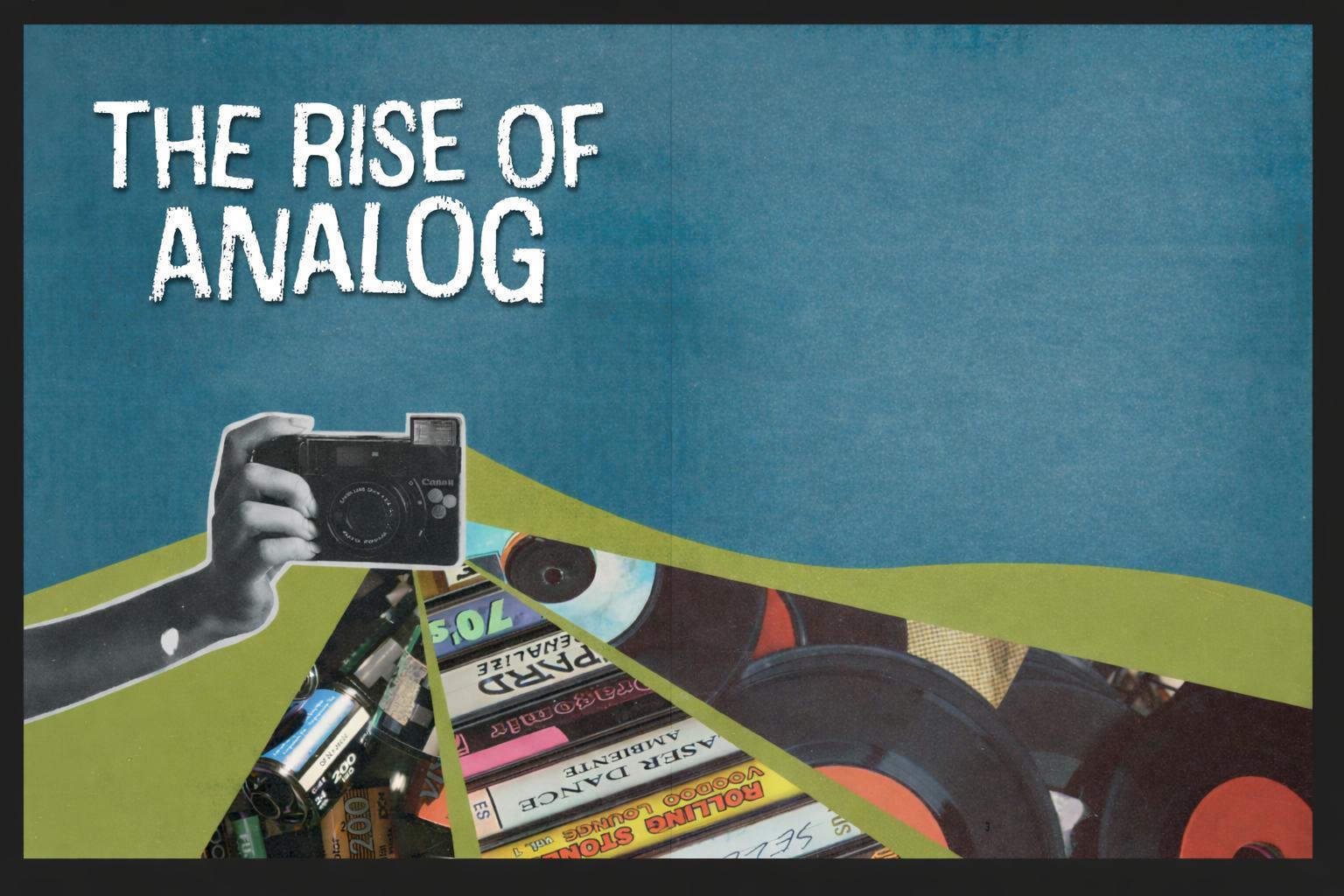
In a culture defined by algorithms, streaming and constantly consuming media, an analog counter-movement is slowly growing in popularity. Increasingly, individuals have been calling 2026 “the return of analog.” Analog media is physical and more handson, and analog living encourages living offline.
As our society is overwhelmed by digital consumption and overload, leading to fatigue — or as Gen Z and Gen Alpha would describe it: “brain rot” — analog media is rather nostalgic and engages our senses, unlike the mundane activity of endlessly scrolling with no real purpose.
The analog revival stems from individuals wanting to be more active consumers of media, embracing and even seeking out more tangible experiences. Digital forms of media can sometimes feel impalpable and momentary. Many people miss the physicality of objects, like holding physical books instead of reading off a screen.
Through a desire for more mindful engagement, people are actively bringing back analog hobbies; either relearning old skills, picking
up new hobbies or attending inperson workshops. Studies have shown that analog media may help increase mindfulness, retention and reduce chronic stress for individuals.
Vinyl records, once replaced by CDs in the late 1980s, have increased in sales and are now seen as a trendy item to have in one’s music collection, mainly due to Gen Z redefining vinyl in the modern era. Once an obsolete and outdated item, this generation has transformed the way we approach music listening. Instead of passively listening to digital music, vinyl is valued for its proactive approach.
Analog photography has also grown in popularity. The digitalization of media has made photography more accessible, enabling people to take highquality pictures through phones, editing and photo adjustments. Nevertheless, many are embracing film and vintage styling, drawing inspiration from 90s influences, as film photography captures more depth and texture than digital photography.
The compelling nature of film tends
to lie in its emotional authenticity, enhancing the scene’s depth. Film photography is particular in the way it uses tone and cinematic elements to trigger nostalgia in viewers, rooted in a longing for the past.
Additionally, more people are buying digital cameras rather than solely relying on their phones to take pictures. Photographers appreciate the patience and attention required when taking a photo, and phones have made it so you can click endlessly and capture a moment without even realizing it, taking away from the mindfulness that photographers were initially drawn to. Other activities that are gaining momentum include artistic practices like pottery, painting, knitting, puzzlemaking and more. Engaging with the tools these activities require, like paints and brushes, allows us to have a more engaged and tactile approach to creativity.
More people are embracing analog living as awareness of personal wellness grows, with the goal to slow down, be present and escape the constant pace of digital media. In 2026, this shift encourages us to reconnect with offline hobbies and be more intentional with how we spend our time, by finding a healthier balance between going online and living offline.
WRITTEN BY AYA PFEUFER DESIGNED BY SILVIA LAM & SUHAAN SHAH
Hey there!
Thank you for viewing our 36th issue of Woof Magazine! We have worked extra hard to put together a collection of strong and visually appealing articles for you to enjoy. This whole journey is a testament to the creativity and effort everyone put into this magazine.
We would also like to extend a heartfelt thank you to our outgoing Creative Directors — Isabella Stone and Gigi Peterson — their guidance and vision have meant so much to this team and Woof wouldn’t be what it is without them. Designing for a magazine is certainly not an easy task, so we want to give a shoutout to all of the designers for their contributions this year.
We have enjoyed working with you every step of the way — guiding and learning with you through the process.
Thank you for being part of our little creative world :D
Your Creative Directors, Suhaan Shah and Amanda Logcher
EDITORS-IN-CHIEF
Grace Sawin & Jeta Perjuci
CREATIVE DIRECTORS
Amanda Logcher & Suhaan Shah
SOCIAL MEDIA & WEB COORDINATOR
Quinn Pasmantier
OUTREACH COORDINATOR
Isabel Delpha
SECTION EDITORS
Diya Kumar, Sanjana Mishra, & Santhana Sethuraman
COPY EDITORS
Advaita Raghavan & Sophia Kolios
WRITERS
Aya Pfeufer, Anusha Rathi, Grace Sawin, Isabel Delpha, Jeta Perjuci, Kacey McNamara, Kayla Goldman, Klara Stevens, Madison Kim, Quinn Pasmantier, Sanjana Mishra, Sophia Kolios & Suhaan Shah
DESIGNERS
Ava Varela, Bella Stone, Claire Lin, Emma McDermott, Grace Sawin, Lillian Belanger, Amanda Logcher, Silvia Lam, Sanjana Mishra & Suhaan Shah
COVER DEISGN Suhaan Shah
