
Between the

Meet the Holmesheoran Family
Invisible Hands: Get to Know Mr Sanjay
Kedarnath: A Journey to My Own Heart
My Home: Mr Deun Shares His World
Cultivating the Heart: Lessons from Compost
Outdoor Focus
Holy Yolk
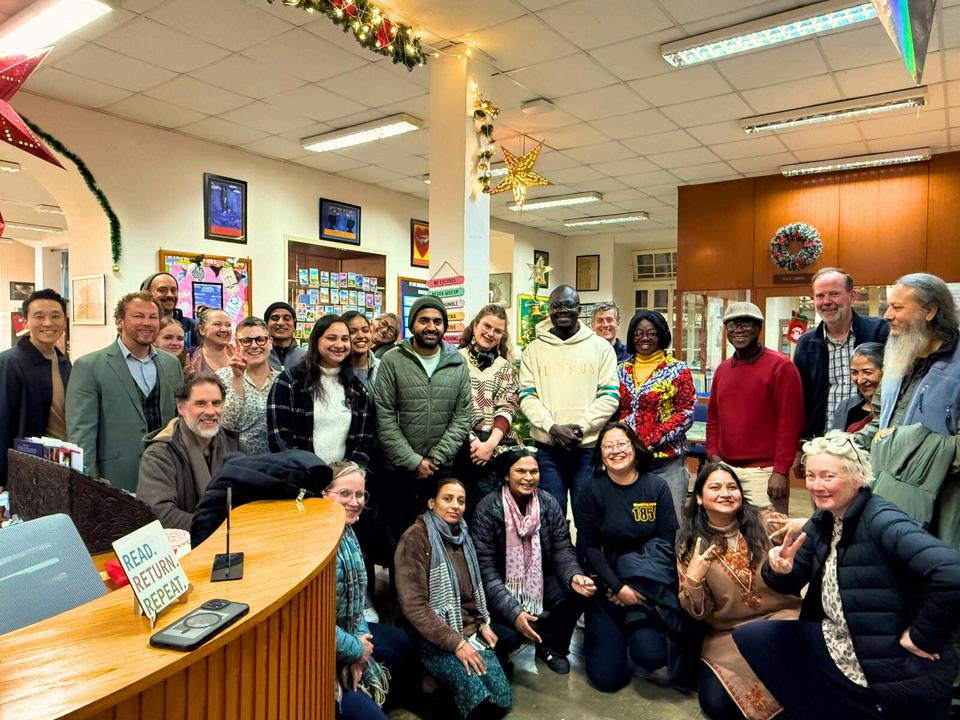
Mr Joel on Our New Living Library
Ginger: A Year of Joy on the Hillside
Learning the Slang: New Zealand
A Heartwarming Nepali Choila
Restaurant Review
Book Review
Early Years
A Friendship Written by Destiny
A Place I Never Dreamt of Visiting
Writers’ Club
Masterclass
Meet the Holmesheoran Family
Embracing
Life at Woodstock
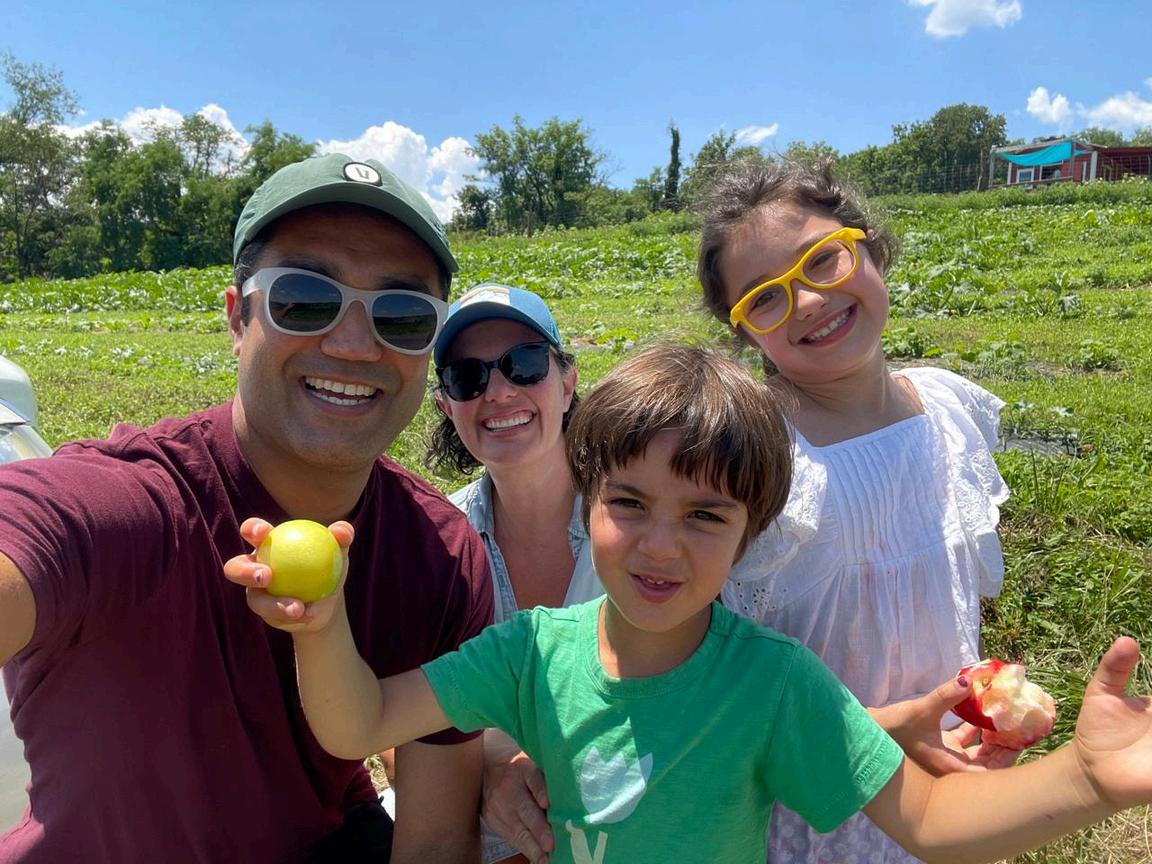
Woodstock School recently welcomed two dynamic leaders to its community: Ms Maggie Holmesheoran, our Dean of Student Life, and Mr Mohit Holmesheoran, the newly appointed Registrar. Along with their children, the Holmesheorans have embarked on an exciting new chapter in the Himalaya. We asked with them share more about their journey, values and hopes for the future.
A Journey Back to India
The Holmesheorans’ move to Woodstock was part of a significant career shift Both Maggie and Mohit previously worked as diplomats for USAID in the International Humanitarian and Development sector. When their agency was dismantled, they began looking for opportunities to return to India, a place close to their hearts Mohit, originally from Haryana, and Maggie first met at the University of Hyderabad, so the chance to reconnect with family and friends was deeply meaningful Additionally, Maggie had long been familiar with Woodstock through alumni friends and had even spent time in Landour studying Hindi at the Landour Language School. ‘The neighbourhood felt familiar’, she recalls. Their first impression of Woodstock? ‘We arrived during a serious monsoon rainstorm, and the rain continued for almost three months! We’re now loving the sunshine and beautiful fall weather.’
Home Away from Home
Before moving to Mussoorie, the family lived in the Washington DC area They fondly remember their neighbourhood and church community, their e-bike adventures, Mohit’s CrossFit gym and even their micro flower farm ‘We miss having a full-size oven for baking,’ they admit with a smile, proof that their love for cooking runs deep.
Three Words that Define Them
When asked to describe their family in three words, they chose: homesick, hopeful and heartfelt ‘We miss our old routines and community, but we’re hopeful about building a beautiful life here Public service is central to who we are, and helping Woodstock students become global citizens is part of that mission.’
The Perfect Day
For the Holmesheorans, the perfect day starts with a fancy breakfast and plenty of time outdoors, biking, hiking or exploring interesting places like the zoo. In Landour, they enjoy strolling into town and trying new restaurants. Evenings often end with a movie or a lively card game.
Shared Passions and New Discoveries
Cooking, gardening and playing games bring the family together Maggie, who grew up in a gameloving household, ensures card and board games are a regular feature Mohit is an avid runner, Maggie loves yoga and hiking, Wren is passionate about art and Kai enjoys cooking and making music. Since arriving in the Himalaya, they’ve embraced a walking lifestyle, and Mohit has taken to trail running with the cross-country team.
Surprises and Adjustments
One unexpected realisation? ‘We didn’t know how much of our routine revolved around cooking and baking together,’ Maggie says Adapting to new kitchen equipment and local food systems has been a learning curve, but one they’ve embraced wholeheartedly.
Looking Ahead
The family is excited for their children to deepen their Hindi skills, enjoy cosy evenings by their bukhari stove and explore Mussoorie’s stunning trails They’re also looking forward to upcoming family visits
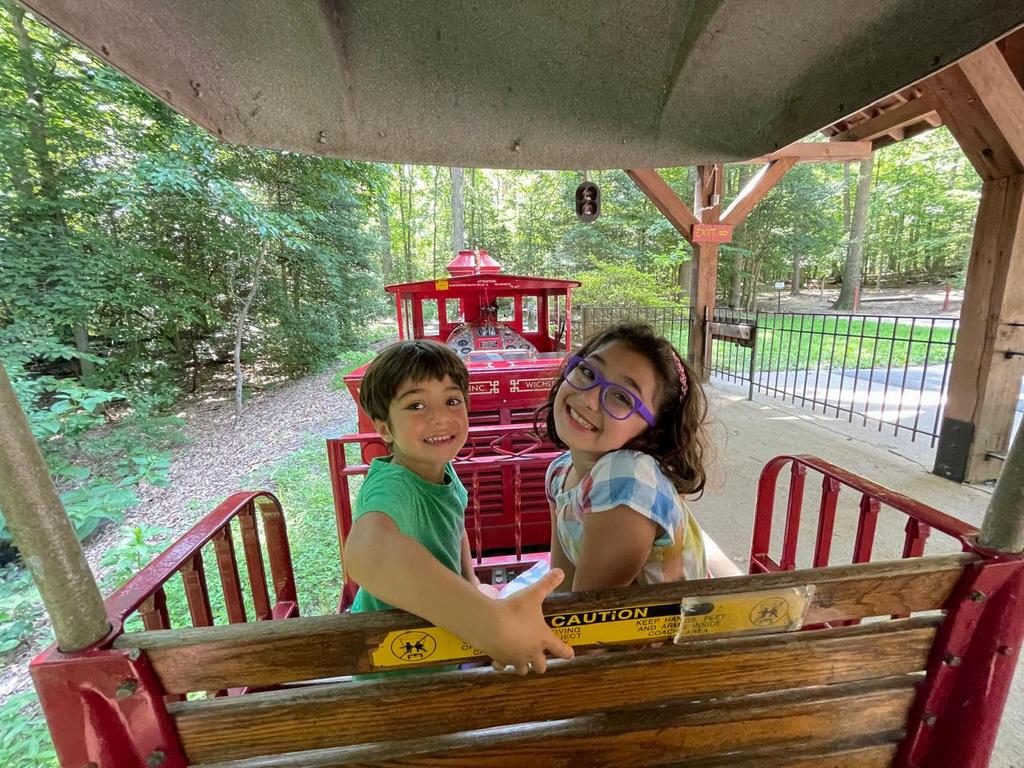
‘Life is full of surprises, and embracing those surprises gives you the gift of a journey of new discoveries’ - Maggie
Invisible Hands Meet Mr Sanjay
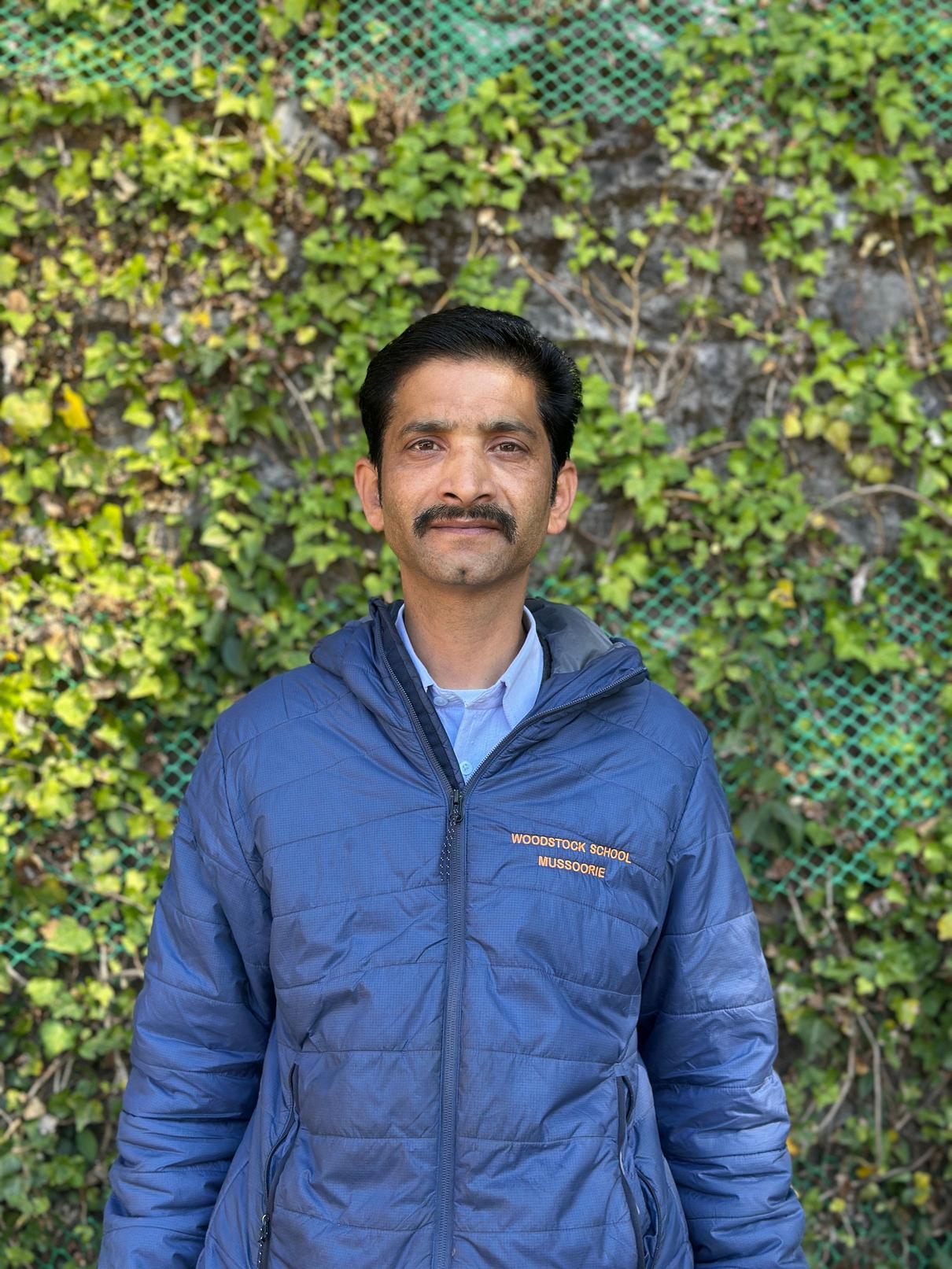
Despite his long tenure, Sanjay remains humble. He lives with his mother and is not married yet. ‘Our situation was very poor when I started. There was only one earning member for five people. I had to leave my education behind and start working,’ he says. His advice to the younger generation? ‘Keep courage Work hard Things will get better ’
When asked what motivates him, Sanjay smiles ‘I pray from within I tell myself to do my work well every day. That inner desire keeps me happy and brings a smile to my face.’
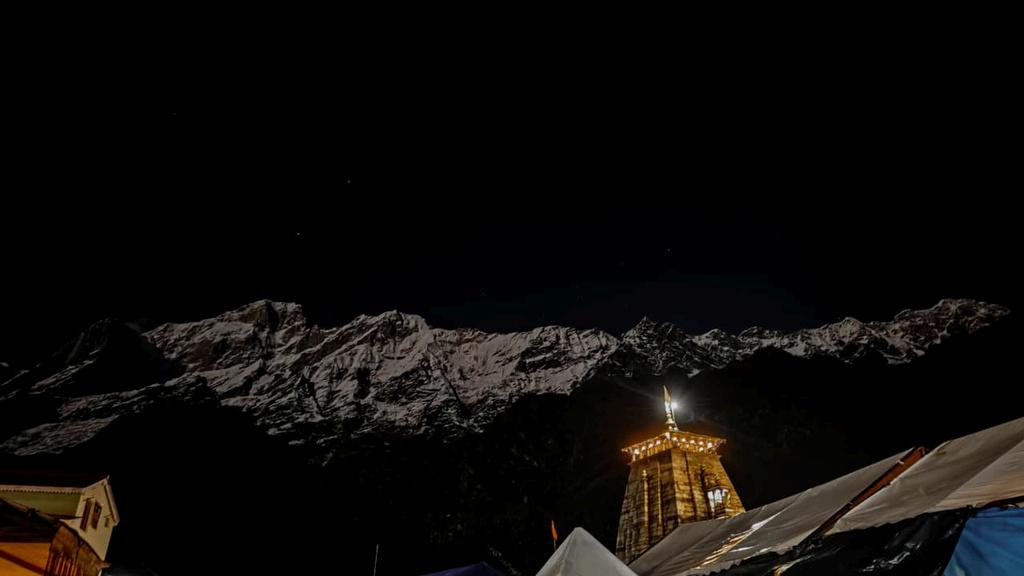

Kedarnath:A Journey to My OwnHeart
Back in 2020, life knocked me flat. COVID had damaged my lungs so badly that doctors quietly told my family that long walks might never be safe again. I could feel my own body betraying me, every breath was heavy, every step a gamble. But all I could hear in my head were my grandmother’s words: ‘Don’t give up.’ I didn’t
I challenged myself, one tiny step at a time Some days I pushed too far, fell sick, ended up in bed for days, but I never let myself stay down for too long. I went on treks. I tried adventure sports. Stood on mountaintops shivering but proud. It was almost like I was negotiating with my own body: ‘See? We can do this’ Somewhere along the way, my faith, in myself, in life, in whatever was listening up there, cracked and healed, over and over. And then came Kedarnath.
Most people come here because of their faith, their devotion. For me, it was a promise. A dream I had carried in my pocket since childhood. My grandfather’s dream. I grew up on his stories of the Himalaya, of Kedarnath and its history, of how being there makes you feel very small but very alive. I always knew I would go, someday
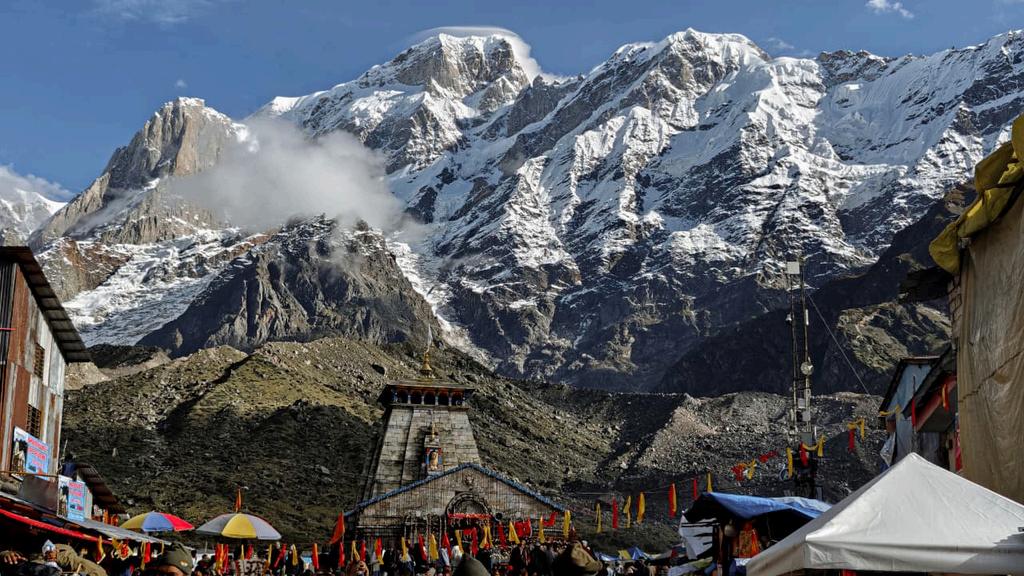
The first few kilometres felt easy My body was warmed up, my mind buzzing with excitement But soon the path got steeper, narrower. My lungs began to burn. Every bend revealed yet another climb waiting for me. There were moments I wanted to stop, moments when my chest felt like it was collapsing, but I couldn’t. Not here. Not now
At one point, I slipped. I fell hard. My palms stung, my knees hurt, but what hurt more was the sudden wave of fear that maybe this was the end of my trek. And then, I don’t know, something shifted. A stranger behind me asked if I was okay, offered me water, and told me to keep going. I did. I dragged myself back up and, step by step, I kept moving.
The Mandakini river roared below us the entire way, fierce and alive, as though reminding me that life doesn’t pause for anyone. When I stopped to catch my breath, I looked up, and there they were. The mountains. Towering, silent, ancient. They didn’t care who I was or what I had been through, and yet somehow, just standing there, I felt understood.
I thought of 2020 again, of doctors shaking their heads, of oxygen cylinders and sleepless nights And I smiled, because here I was. Ten hours of climbing, with bad lungs, tired legs, aching shoulders, and still standing.
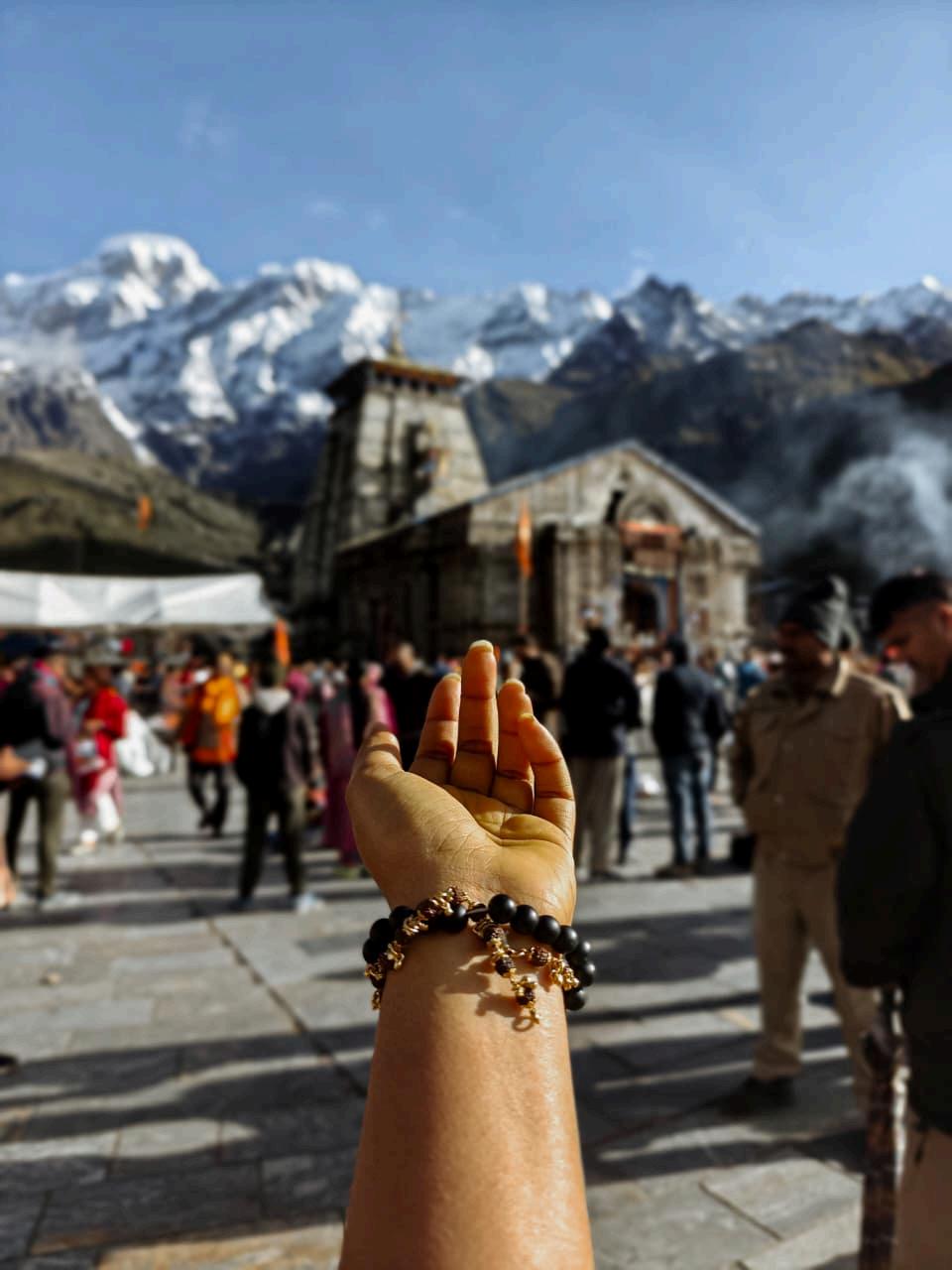
Some would call this trek a pilgrimage. I call it proof. Proof that the human spirit is stubborn. Proof that you can fall and still get up Proof that the body remembers how to heal, if you keep believing in it.
When I finally reached Kedarnath, I didn’t cry. I just stood there, quiet, breathing it all in. The snow-capped peaks, the prayer flags flapping in the wind, the strangers cheering as if we had all done this together. And in a way, we had.
This trek taught me again that nothing worth having comes easy. You fight for it, through pain, through fear, through the voice in your head telling you to quit. And when you finally reach your destination, you realise it was never just about the destination at all. It was about proving to yourself that you could get there
제주도 (Jeju Island), South Korea

혼자옵서예! (honjaopseoyai, ‘Welcome’ in Jeju dialect). Jeju Island, located in the south of South Korea, is a renowned tourist destination among Koreans and foreigners throughout the year due to its natural beauty, relaxed yet cool vibe, and diverse culinary offerings, particularly various seafood and the famous ‘black pork’. As the plane approaches Jeju International Airport, you begin to see black basalt rocks all along the coast and across the landscape 하르방 (harubang, ‘Old Man’ in Jeju dialect) statues, made of these basalt rocks, welcome you everywhere.
Renowned for its clean and organised environment, Jeju Island offers beautiful trekking and hiking trails throughout the island, while also inviting you to indulge in stunning beaches with crystal-clear water One of my favourite spots, not far from my house, was a great place to enjoy the gentle sea breeze while watching a pack of dolphins casually swim along the coast. Jeju has four distinct seasons throughout the year, and I do miss the cherry blossom season in the Spring, when one can also see canola flowers. Strolling along a mountain road covered with cherry blossoms and canola flowers with a coffee in hand was always a perfect day for me.

Ah, I must say that I also really miss the Jeju seafood, such as grilled 갈치 (galchi, hairtail fish) and raw mackerels I can eat endless amounts of perfectly grilled hairtail fish, as it melts in my mouth the moment I put it in. It pairs perfectly with Korean sticky rice and savoury authentic 김 치 (gimchi, Korean fermented cabbage). And how about Jeju’s famous black pork barbecue? Regardless of whether it is marinated or non-marinated, it is tender yet pleasantly chewy and absolutely delicious. I normally wrap a perfectly grilled pork piece in a lettuce leaf and a sesame leaf with just a good amount of grilled garlic and 쌈장 (ssamjang, a Korean spicy soybean paste for wraps).
For any Korean skincare product enthusiasts, I am pleased to inform you that Jeju is home to Innisfree. Innisfree's flagship store & cafe is in the city of 서귀포 (Seogwipo) alongside 오설록 (Osulloc Tea Museum), where you can see green tea being grown and processed. Most Innisfree products are made from natural ingredients that can be found in Jeju. If you happen to visit this store, you might find some limited editions or Jeju-only products
If you go to Korea, I strongly recommend visiting Jeju, and not just Seoul (although you should certainly experience Seoul too; I was born and raised there and can recommend it!). Take a cup of green tea or artisanal coffee and walk along the coast or beach, enjoying the scenery of Halla Mountain and the small hills on the other side. You might even spot dolphins

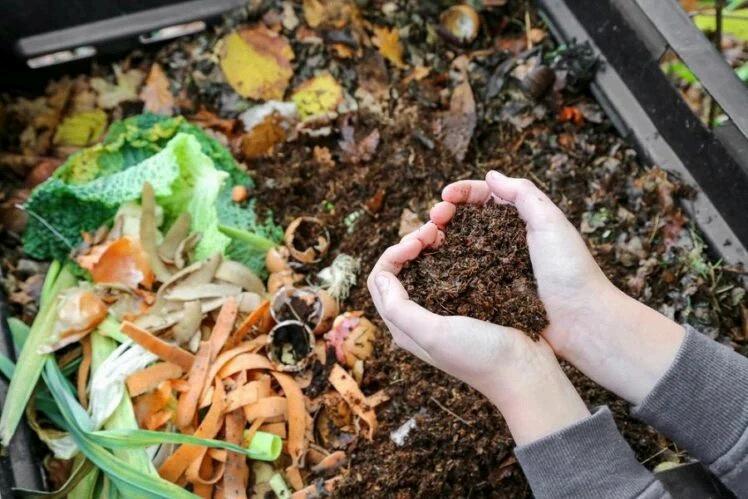
While her openness is admirable, it can also leave her vulnerable. She has experienced heartbreak when friends, lacking the sensitivity she naturally possesses, fail to reciprocate her care. These moments are never easy, but I’ve taught her to view them through a different lens; as opportunities to ‘cultivate compost’ in her heart
Compost begins as decay, organic matter breaking down into something unpleasant. Similarly, hurtful words, actions and disappointments can feel like layers of rot piling up. Yet, over time, that very decay transforms into rich, fertile soil capable of sustaining new life In the same way, the pain we endure can become the foundation for empathy, wisdom and resilience.
We have a choice in how we respond. We can allow weeds – resentment, anger, shame – to take root, hardening our hearts Or we can allow these experiences to break down slowly, creating a safe, nurturing space for others The truth is, weeds grow quickly and easily Compost takes time, care and patience.
Acknowledging pain, speaking openly with trusted people, listening to wise counsel and allowing yourself to heal, these are the practices that protect the heart Over time, the hurts and betrayals of life can become the very soil from which compassion and love grow, enabling us to offer refuge and grace to those who cross our path.
‘Not only so, but we also glory in our sufferings, because we know that suffering produces perseverance; perseverance, character; and character, hope.’ – Romans 5:3–4

Outdoor Focus

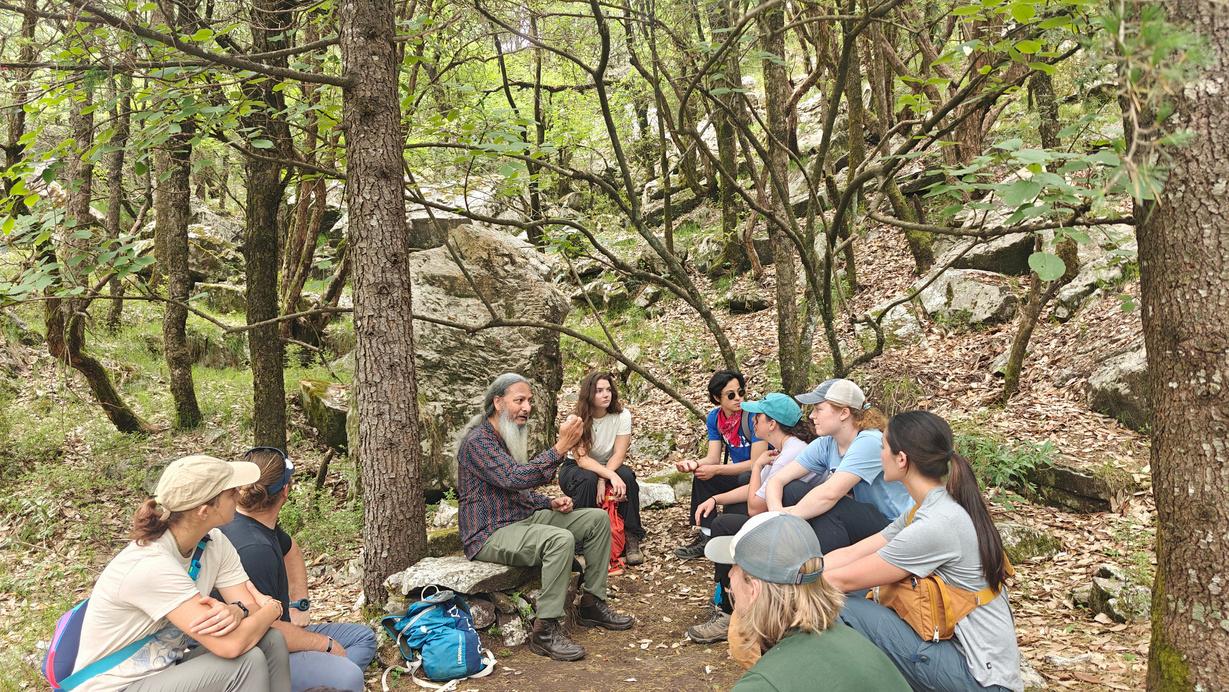
Freshly bestowed with the Award for Excellence by the Adventure Tour Operators Association of India (ATOAI), the Hanifl Centre has had an incredibly dynamic and productive academic year so far, marked by continuous engagement, impactful training programmes, and a strong commitment to outdoor education and wilderness preparedness. The Hanifl Centre remained active through the summer break, hosting 23 students from the University of Pittsburgh on a rigorous 41-day Himalayan Health and Wilderness First Responder programme This immersive experience deepens students’ understanding of health and safety in a remote environment as they experience it first-hand in the peak monsoon months The participants were fourth-year undergraduate students, mostly pursuing pre-med and nursing programmes, and earned nine college credits for this programme. As Woodstock staff and students began returning to campus for the new academic year, the Centre was simultaneously bidding farewell to these students.
In the months that followed, the Hanifl Centre was conducting multiple out-station Wilderness First Aid courses These included specialised training for participants of the Professional Safari Guide Course at Nature Guides Academy in Kanha, guides from the Uttarakhand Tourism Development Board in Rishikesh, river guides and staff at Snow Leopard Adventure in Rishikesh, and instructors at Tata Steel Adventure Foundation in Kuflon, Uttarkashi Each of these sessions was tailored to the unique needs of the participants, reinforcing the Hanifl Centre’s role as a leader in wilderness safety education across diverse outdoor sectors
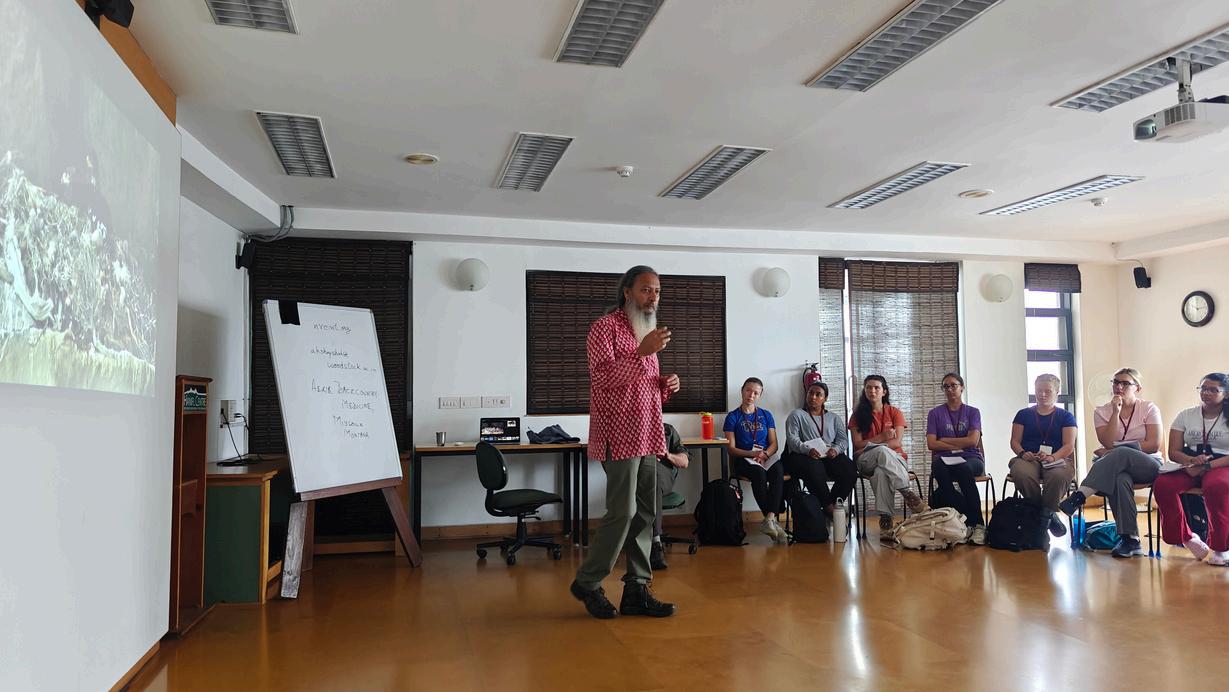
Additionally, the Hanifl Centre conducted an ATOAI Responsible Adventure Tourism Guide Course at the Indian Mountaineering Foundation (IMF) in New Delhi, covering essential topics such as Risk Management, Leadership and Wilderness First Aid to further strengthen the adventure tourism ecosystem in India Hanifl Centre instructors also travelled to MUWCI in Pune to introduce faculty and students to Wilderness First Aid, fostering a culture of preparedness and safety in educational settings Back on campus, Hanifl hosted a comprehensive nine-day WFR course that welcomed participants from the school staff, their spouses and external individuals eager to equip themselves with life-saving skills. This was followed by a shorter two-and-a-half-day course, also held at Hanifl, catering to those seeking a condensed yet impactful training experience and including participants from various facets of the outdoor world Hanifl Director Mr Akshay Shah also took the time to host a walk to Jabarkhet Nature Reserve for the Board school.
involved in preparing for October’s and coordination, and the outstanding am’s diligence and dedication

Akshay Shah

learned from a long-forgotten source that eating too many eggs is somehow related to hepatitis The ‘obvious logic’ was that people with hepatitis often have yellowish skin – the same colour as an egg yolk. And for general health, egg yolk was an enemy, according to the coach in a gym I went to. ‘It’s just fat and cholesterol; throw the yolk away’, he advised.
Interestingly, most egg-limiting advice – apart, of course, from the connection between yolk colour and hepatitis – had solid scientific background It was believed that cholesterol in eggs can increase cholesterol in the blood. The American Heart Association once suggested a limit as low as three eggs per week, due to the believed risk of heart disease.
Luckily for egg lovers, however, the scientists of the past got it all wrong. The confusing part was that most high-cholesterol products, like bacon, butter or palm oil, are also high in saturated fat. And it is saturated fat that clogs your blood vessels and thus damages the heart. Eggs are an unusual exception in that they are low in saturated fat but high in cholesterol And cholesterol in food, contrary to the beliefs of the past, does not affect the cholesterol in the blood.
Rejoice, egg lovers. There is now no strict limit on the number of eggs you can eat per day for the general population, and egg yolk is now recognised as an important source of vitamins and minerals Take this into account as you enjoy boiled eggs, omelettes or sunny sides from our dining hall!
Just hoping they don’t add too much unhealthy oil for frying. And, well, also hoping that the scientists got it right this time.
Andriy Yanovych
Mr Joel on Our New Living Library
things ong conquer y ary simple unspok promise: here I am, please tell me your story; here is my story, please listen.’ – Susan Orlean, The Library Book
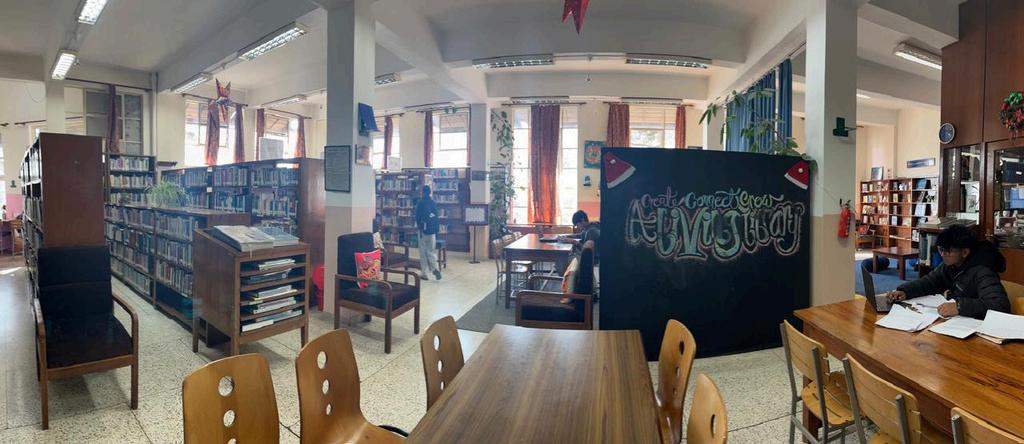
For over 170 years, Woodstock’s libraries have held stories that shaped generations. Today, libraries are no longer silent rooms of shelves; they’re dynamic spaces for learning and connection. At Woodstock, we’re embracing the concept of living libraries: vibrant, evolving hubs that honour tradition while fostering creativity and collaboration. A living library is more than four walls. It offers quiet study and reflection, but also spaces for discussion, wellbeing and inspiration. We’re creating zones that invite engagement: a relaxation corner, collaborative areas, focused study spaces and displays that make collections accessible.
Guided by our library team and student councils, we’re transforming the Upper Years and Quad libraries into warm, flexible environments. Changes include decluttering, adding study desks with hillside views, refreshing furniture and creative projects like decoupaged tables of vintage maps. Future plans include a student mural, a blackboard wall for community voices and thoughtful design that connects us to our surroundings. Woodstock’s libraries are living, growing spaces, shaped by and for our community
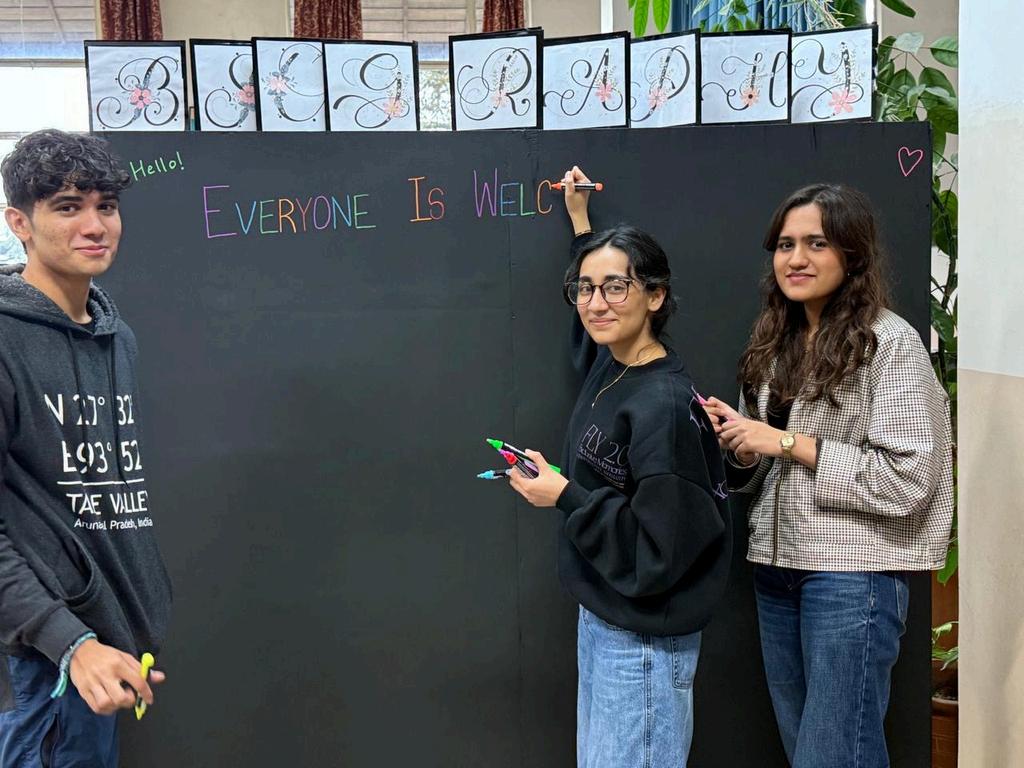
Collections & Systems – Relevant, Accessible, and Alive: Our libraries are evolving beyond physical spaces. We’re rethinking collections and systems to make them vibrant and relevant. We’re streamlining books, letting go of outdated titles and curating fresh, engaging resources that support both academic research and the joy of reading. On the digital side, we’re trialling new platforms to ensure seamless integration with classroom learning and easy navigation. Whether in print or online, our goal is a living collection that grows with our community and sparks curiosity.
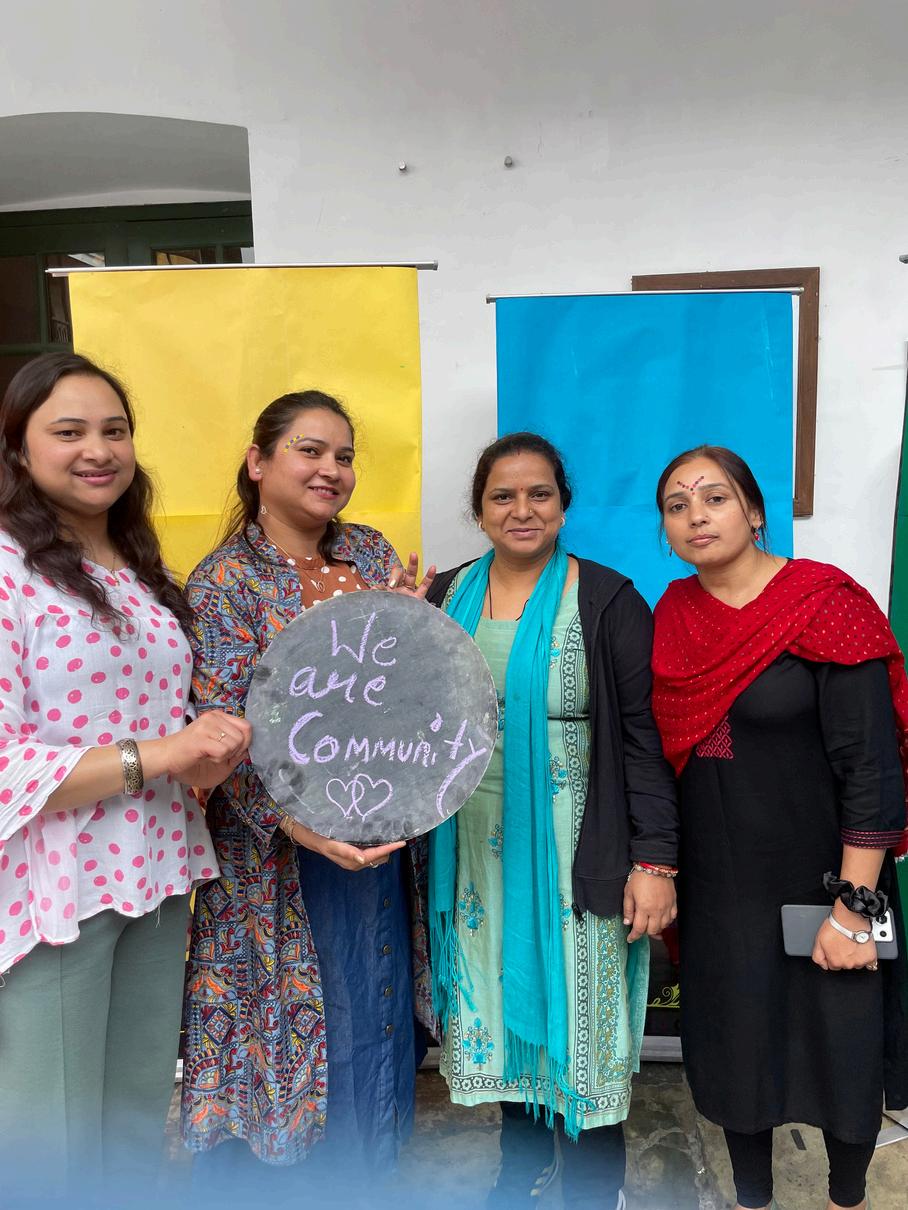
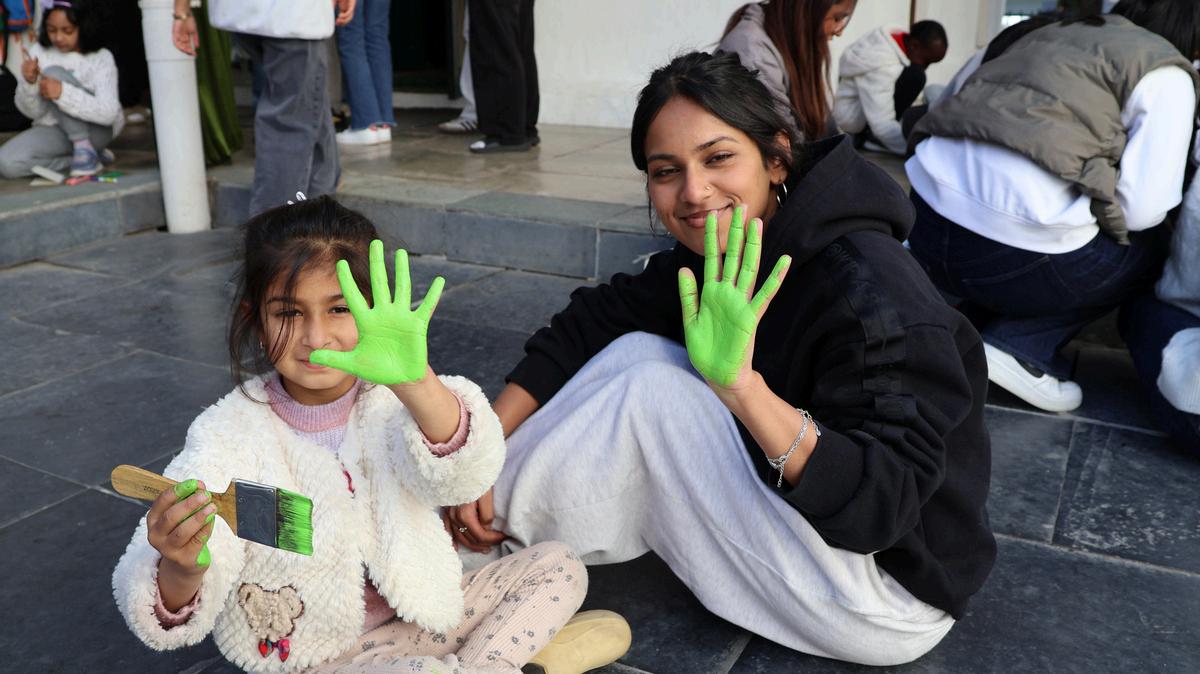
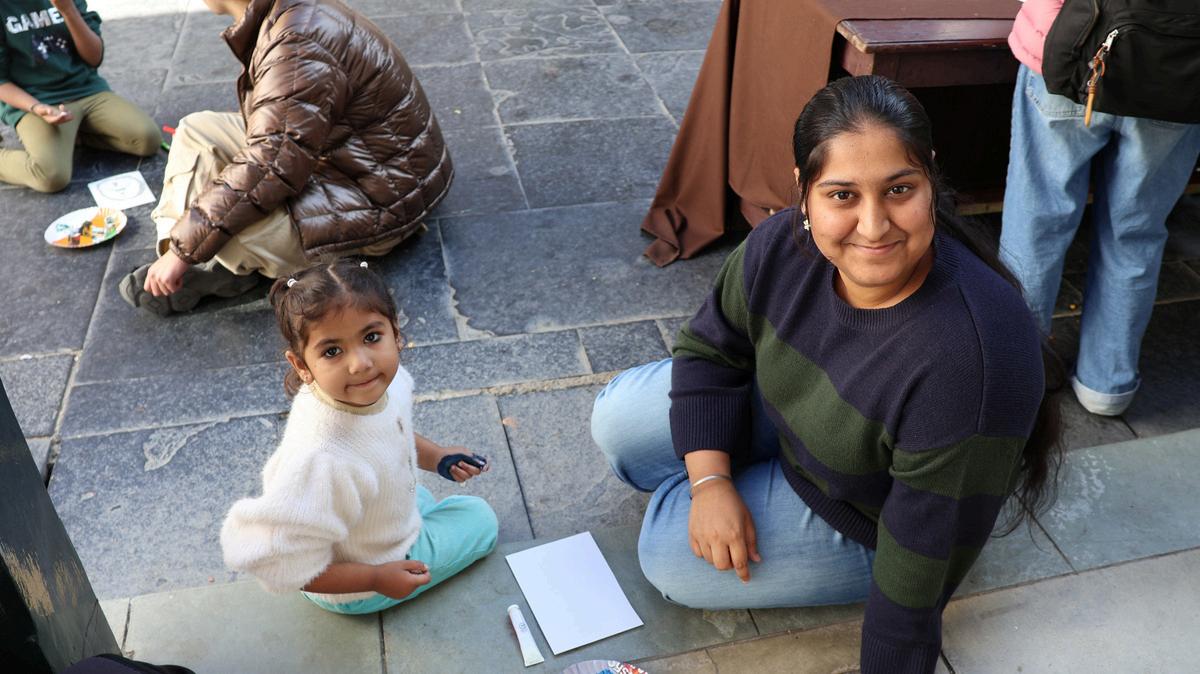
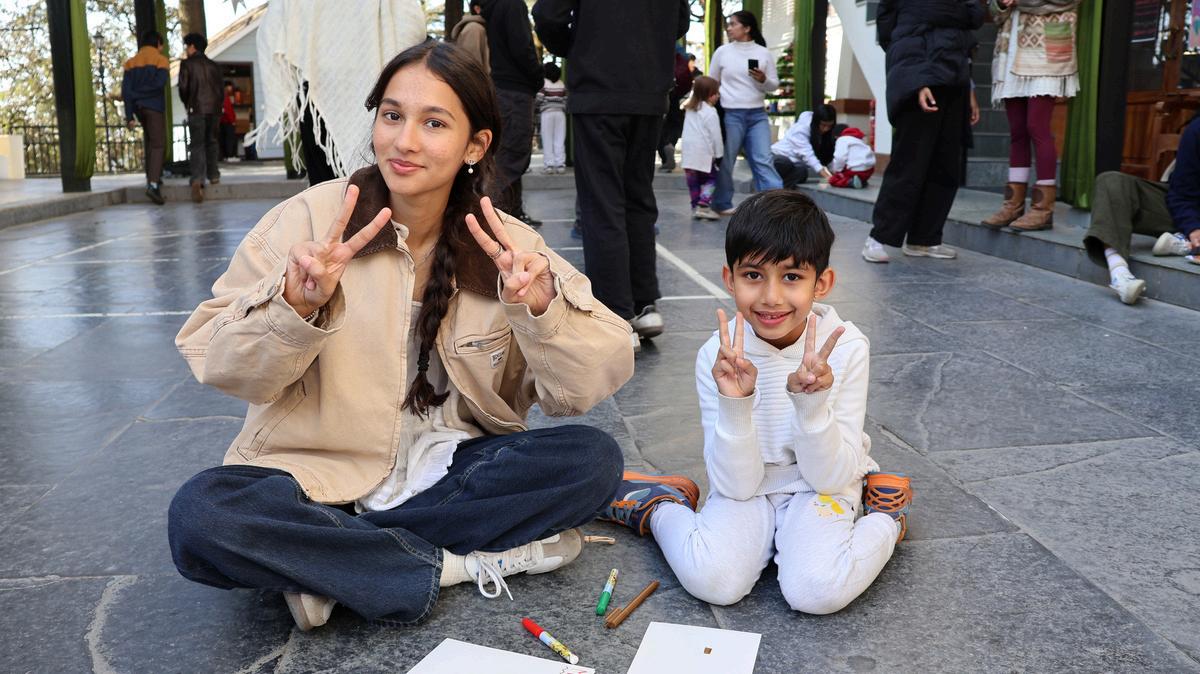
Activities & Events – Celebrating Stories: Events remain central to Woodstock’s library culture, now aligned with the living library vision. Our first whole-school event, International Dot Day, celebrated creativity and identity, reminding us that every person carries a story worth sharing. Looking ahead, we’ll co-create inclusive, dynamic events with students and staff, celebrations that foster connection, creativity and belonging. Beyond major events, we’re introducing smaller, ongoing activities: creative displays, pop-up competitions, quizzes and interactive installations that keep the library alive every day.
Teaching & Learning – Building Skills for a Changing World: A living library is about more than shelves; it’s about empowering learners. We partner with teachers and students to strengthen information skills, from finding credible sources to shaping ideas confidently Our mission is to equip every learner with tools for navigating a complex world and to nurture curiosity and critical thinking for lifelong learning.
Looking Ahead: This vision is still unfolding — and that’s the beauty of it. Together, we’ll keep shaping a library that is truly alive
Joel Ford



Ginger: A Year of Joy on the Hillside
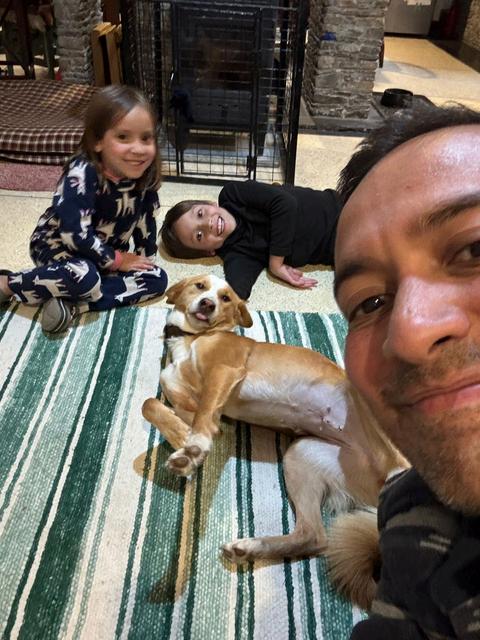
A year ago Ginger decided that Mr Ady, Ms Priya and their family needed her Technically they adopted her, but anyone who has seen her in action knows she is the one in charge She has claimed the spotlight with the confidence of a seasoned diva.
Life with Ginger is never dull. She appears in a classroom or the CFI building with admirable stealth, and we knows how to get what she wants Ginger will get her cuddle, her rub or her treat, and she will do it with style

Her influence stretches far beyond the household. On the Hillside she is a familiar figure, striding about like a local councillor canvassing votes. Neighbours and fellow walkers are greeted with her trademark friendliness, a wag of the tail and a look that says “you know you want to share that biscuit ” Even the most serious dog owners pause to greet her, often leaving with a smile
Despite her boldness she is famously gentle. Children adore her, adults indulge her and she has become her side of the Hillside’s unofficial mascot. Her presence has brought a touch of humour and warmth to the community, proving that sometimes the best neighbour is four-legged and slightly cheeky. For her family Ginger is more than a pet She is loyal companion, comic relief and master of mischief, all rolled into one very friendly package
Learning the Slang: New Zealand
New Zealand has a vibrant and unique slang that reflects its laid-back culture and Kiwi humour. From everyday expressions to quirky phrases, these words are part of what makes conversations in Aotearoa so distinctive. Here’s a quick guide to some popular Kiwi slang you might hear:
Kiwi: Refers to the iconic, endemic flightless bird and to New Zealanders themselves –NOT to the fruit, which is ‘kiwifruit’!
Jandals: Flip-flops or thongs, perfect for the Kiwi beach lifestyle.
Sweet as: Indicates approval or agreement, synonymous with awesome or excellent.
Chilly bin: A cooler or ice chest, essential for keeping drinks cold during a Kiwi barbecue.
Bach: Pronounced ‘batch’, a holiday home or beach house
Choice: Excellent or cool, expressing admiration for something.
She'll be right: Expressive of a laid-back attitude, conveying that everything will be okay.
Togs: Swimsuit or bathing suit, essential for a day at the beach.
Mate: Friend or buddy, similar to Hindi’s bhai.

Cuz: Short for cousin, but often used casually to address friends or acquaintances



Flavours of the WorldNepal


A Heartwarming Nepali Choila
Smoky Memory and Spiced Traditions for Every Table
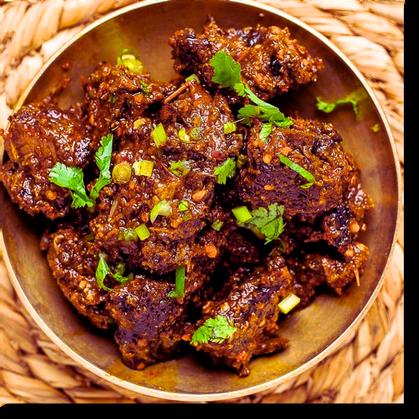
Here’s a classic recipe for Nepali Choila (Chhwela/Choyla), a beloved Newari dish, usually made with grilled or smoked meat tossed in bold spices Traditionally it’s made with buffalo meat, but you can substitute with chicken, mutton or even paneer, soya chunks or boiled potatoes for a vegetarian version
Ingredients (for 3–4 servings)
500 g buffalo meat (or chicken/mutton/paneer/soya chunks/boiled potatoes)
2 Tbsp mustard oil (for authentic flavour)
1 Tbsp regular vegetable oil (for cooking)
1 tsp fenugreek seeds (methi)
1 Tbsp garlic paste
1 Tbsp ginger paste
1 tsp turmeric powder
1 tsp cumin powder
1 tsp coriander powder
1 tsp chilli powder (adjust to taste)
Salt (to taste)
2 medium onions, thinly sliced
2–3 green chillies, chopped
2 Tbsp fresh coriander leaves, chopped
2 tomatoes (roasted) and made into a paste
½ tsp timur (Sichuan pepper, optional but traditional)
Juice of 1 lemon
Preparation
1.Cook meat: Roast or grill the meat until slightly charred for a smoky flavor (you can also boil then pan-sear if preferred). Cut into bite-sized cubes.
2.Prepare tempering (tadka): Heat mustard oil and veg oil in a pan, add fenugreek seeds and let them darken, then add garlic and ginger paste and sauté until aromatic.
3 Mix spice: Add turmeric, cumin, coriander, chilli powder and a little salt. Stir well.
4 Combine: Add the cooked meat pieces and coat with the spice mix, then toss in sliced onions, green chillies, fresh coriander and tomato paste.
5 Add finishing touches: Sprinkle crushed timur for that authentic kick, drizzle lemon juice and mix thoroughly.
6 Serve: Best enjoyed warm with beaten rice (chiura), roasted soybeans and a cold beverage!

Restaurant Review
If you’re looking for a dining experience that blends timeless charm with comfort food done right, Emily’s at Rockeby Manor is the place to be. The star of the show? Their fish ’n chips – a golden oldie that’s as classic as the restaurant itself Perfectly crisp batter encasing tender, flaky fish, paired with golden fries that hit all the right notes It’s the kind of dish that makes you pause and savour every bite But Emily’s isn’t just about the food; it’s about the atmosphere Step inside and you’re transported to another era Retro tunes in the background, setting a nostalgic tone The library dining room invites you to grab a book and linger, while the old croakie floorboards creak underfoot, adding to the sense that you’ve wandered into the 1900s. The stone walls complete the picture, radiating a rustic elegance that’s hard to find these days.
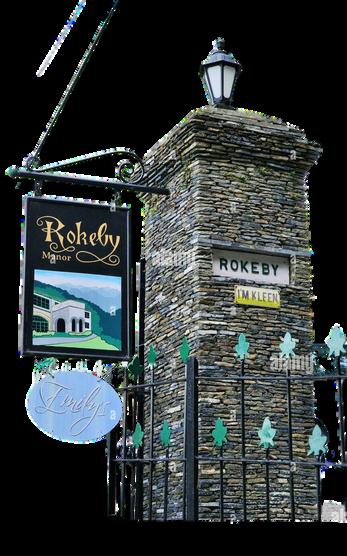
In short, Emily’s is all about old-world charm; a cosy escape where history meets hearty flavours. Come for the fish ’n chips, stay for a blast from the past!

I have fainted only once in my life for non-medical Back in Grade 8, we were asked to undergo a routine health check. Girls had to go in two-by-two, and even though my friend was with me, the idea that she might see my body – or rather, a part of my body of which I was deeply ashamed – was so overwhelming that I collapsed
Years later, Brené Brown’s I Thought It Was Just Me (But It Isn’t) gave me the words for that experience. Her research into shame and vulnerability explains that ‘shame loves secrecy’; it grows stronger in the dark corners of our minds but weakens when brought into the light
While reading the book, I experienced a moment that really brought this truth home At a gathering, a friend casually mentioned something personal about herself She said it out loud, in front of everyone, without hesitation I froze It was the very thing that, for me, had been a lifelong source of unspeakable shame, the thing that had caused me to faint in Grade 8, the thing I couldn’t speak about with my parents or even a boyfriend And there she was, saying it openly, like it was nothing That moment cracked something open for me Shame loses its power the second it is named.
This is not just a book of theory; it’s an invitation to live differently, to meet shame with courage, to replace isolation with empathy, and to recognise that we are never truly alone in our struggles

Anonymous




A Friendship Written by Destiny
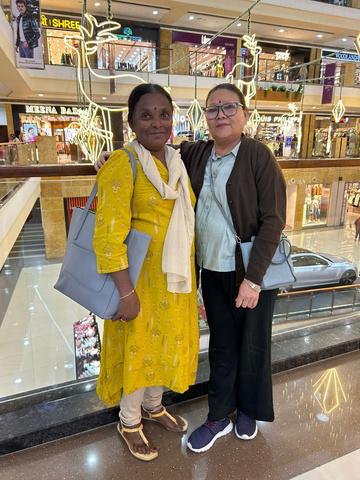
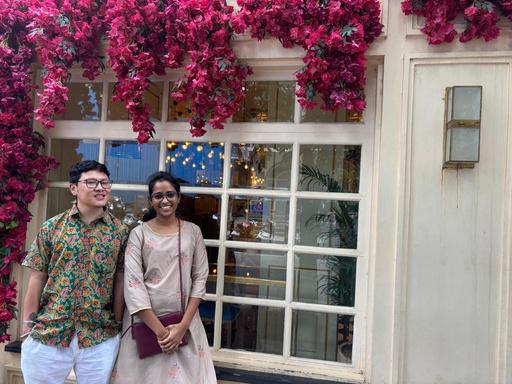
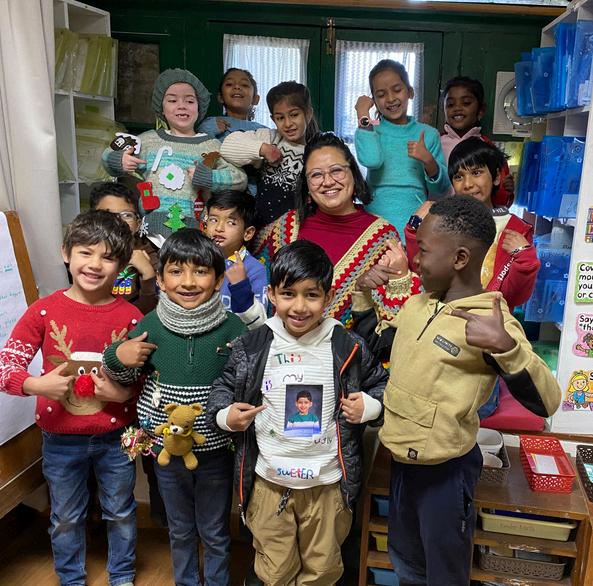
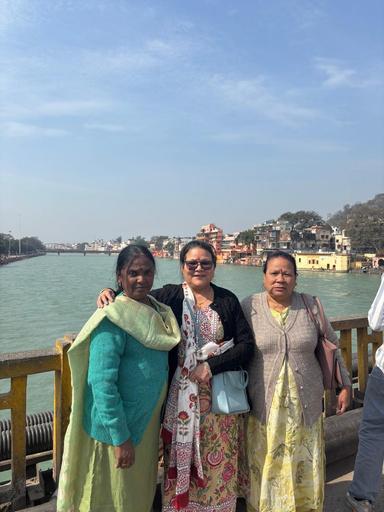
Four years ago, I began my journey at Woodstock On the very first day of school, during an online department meeting, I was introduced to a colleague who, like me, had just joined. In conversation, he mentioned he had studied in Bangalore Instantly, I knew he must have gone to the same college I had attended And sure enough, he had. Both of us had walked the halls of St Joseph’s College in Bangalore, though we never crossed paths back then. Looking back, I can only believe that destiny had saved our meeting for Woodstock
That chance introduction marked the beginning of a friendship that has since grown into something much deeper. Over the years, through challenges and triumphs, we have stood by one another, offering encouragement when it was most needed and celebrating every small victory together. Our connection has never been limited to work; it has become a bond woven into the fabric of our lives
Through this relationship, I have also learned to see life differently. Prabin has a way of finding the good in every situation, no matter how challenging, and he always looks for ways to help. His kindness and positivity have inspired me to shift my perspective towards hope and possibility. At the same time, he is hilarious in the most unexpected ways His sharp sarcasm and effortless humour can make me laugh at any moment, a side of him not many know, but one that has brought me countless moments of joy
Another beautiful part of our friendship is how much we celebrate our cultures together. Most weekends, Lian, Arthur, and I spend time at his home enjoying a delicious Nepali thali, while he and his family come to ours to relish the dosas and sambar my mother lovingly prepares especially because his mother enjoys them so much These shared meals have become more than just food; they are celebrations of culture, togetherness, and the warmth that binds our families even closer
Interestingly, our story of friendship is mirrored by our families. Our mothers share a closeness that sometimes feels even stronger than ours, reminding me that relationships have a way of extending beyond the people directly involved My children, Lian and Arthur, cherish him as ‘Prabit Uncle’ For them, he isn’t just a friend of their mum and dad; he is family They look forward to every moment spent with him, and in their innocence, they’ve given a name to the bond I feel so deeply: brotherhood
This is not just the story of two colleagues who found common ground. It is the story of how friendships grow into family, how shared experiences strengthen bonds, and how life has a way of bringing the right people together at the right time Meeting Prabin here at Woodstock wasn’t just fate; it was a reminder that the relationships we build, whether in college, at work or through family, are the threads that give our lives meaning. For me, Prabin is more than a colleague or a friend. He is a brother from another mother, and this is a bond I know will last a lifetime.
Aishwarya Dasappa

A Place I Never Dreamt of Visiting
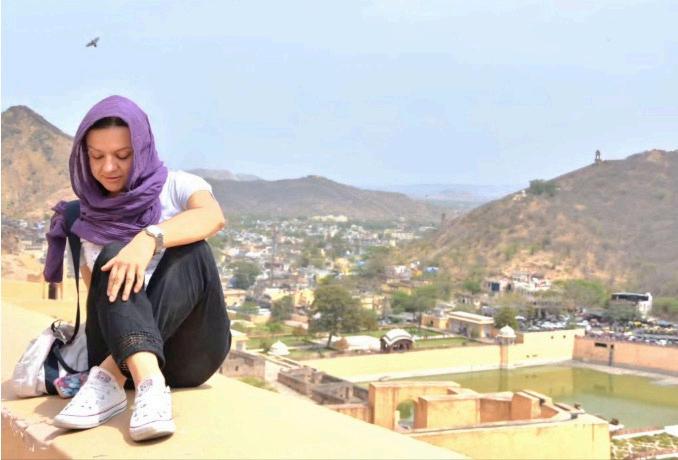
Since I first left my country, Colombia, I have been a traveller because of my profession, and India has been an oasis in my teaching career.
If someone had asked me a few years ago which countries I could imagine myself living in, this incredible land would never have been on the list. Yet life has a way of surprising us with the most unexpected opportunities. One day, a friend casually asked me, ‘Angie, would you like to teach in India?’ Without hesitation, I replied with an enthusiastic ‘Yes!’ At that moment, my focus was on the teaching experience rather than the cultural or historical journey I was about to begin
The surprises started even before landing On the flight, I had my very first taste of Incredible India through its food
The spicy dishes served on board caught me completely off guard After a long journey, I realised that my adventure had already begun; with flavours unlike any I had ever experienced Arriving in Delhi was overwhelming yet fascinating: the crowded airport, the distinctive traditional scent in the air, and the vibrant, bustling city that welcomed me A mix of emotions filled my mind as I thought to myself, ‘I will stay here for a year or, at most, for the two years of my contract ’
Since then, India has been nothing short of rewarding What began as a professional opportunity has grown into a profound personal journey I have been surrounded by hospitable, caring people who have made me feel at home despite the distance from my own country Teaching here has been more than a job; it has been an invitation into a culture rich in warmth, tradition and resilience After a difficult teaching experience elsewhere, I never imagined I would fall in love with teaching again, but Chennai gave me that renewed passion Its atmosphere and, above all, the support and genuine character of the students gave me the strength to remain there for four wonderful years Later, moving to the Queen of the Hills has b nally rewarding It has nurtured my confidence in my ability to connect with stud on them, and it has also challenged some of my fears Whether camping in the wild ti d il lk t d f school, nature reminds me of resilience and be Looking back, I realise that the place I never dr life. This vast and diverse country has surpri imagined.
Thank you, India!


Writers’ Club
Jamun Tree
Who is that being?
‘Jamun’ this being is.
What makes this a ‘who’ instead of an ‘it’?
Look closely and you will repeat
The Jamun is a ‘standing people its body clothed with a green creeper’ Its arms are stretched wide with swings hanging for its human people Its leaves are shiny and decorated, with a broken branch that looks amputated The legs hold the soil together, under which are stories unspoken
The Jamun tree was once free, with the ability to spree One day it dawned upon the tree ‘what being human is likely to be?’
So the tree set foot searching for a look, of a suitable human He found on the way two gentle-looking male, with a female tender
The gentle-looking male presented their tale and sought the Jamun tree for refuge They were in exile for a fourteen year tide and had to abide to live in the jungle
The Jamun tree froze with the tale of remorse and such human misery
He deepened its root and produced the fruits to nourish the family
For fourteen years the family of three stayed under the Jamun's shade
The Jamun's wish of knowing human being was hence fulfilled
From: Foraging: A Poetry Collection
by Upasna Ghale
From the COMMS TEAM: Because we know you LOVE to create your own posters, here are some handy TIPS, designed especially for you!