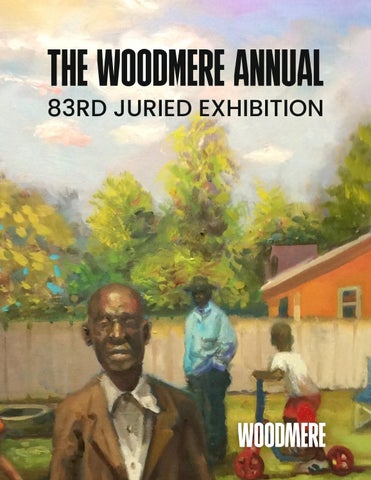
THE WOODMERE ANNUAL 83RD JURIED EXHIBITION
sincere
and
THE WOODMERE ANNUAL 83RD JURIED EXHIBITION
June 27–September 6, 2026
CONTENTS
Director’s Foreword 2
William R. Valerio, PhD
A Conversation with Ron Tarver 4 Amy Gillette, PhD
Works in the Exhibition 16
Woodmere extends
thanks
appreciation to Harriet and Larry Weiss, Jeanne Ruddy and Victor Keen, Dan Gordon, and an anonymous donor for their support of the exhibition and digital catalogue.
DIRECTOR’S FOREWORD
It is a great privilege to work with Ron Tarver as the juror of Woodmere’s 83rd Juried Exhibition which this year centers on the theme of family. Tarver invited artists in and around Philadelphia to consider the concept of family broadly or intimately—as inheritance, a chosen community, a structure of care, a site of rupture or disappointment, an assemblage of salient objects—in ways that traverse time and place.
Tarver also posed several questions that resonate with the semiquincentennial, the 250th anniversary of the American nation: How do ideas about families shape our collective identities? In what ways might notions of kinship, responsibility, and belonging contribute to our understanding of a society that was founded on lofty ideals of freedom, fairness, and representative democracy? The selected works respond to these queries from the perspectives of a great diversity of artists who work across a great array of chosen mediums.
Currently the chair of the art department at Swarthmore College, Tarver started his career in photojournalism; in fact, our friendship began in 2010, when he was hired to photograph me for an article in the Philadelphia Inquirer about my appointment as Woodmere’s director. Since then, his work has evolved into areas traditionally considered more “fine art.” He has also been a leader in organizing group exhibitions, including House of the Living in Elkins Park, a powerful installation of photographs of gun-violence victims etched into the glass panes of an historic greenhouse (soon to be reimagined at the Awbury Arboretum). Notable among our projects together at Woodmere is A Million Faces: The Photography of John W. Mosley (2017), for which Tarver was a crucially important thought partner who helped us understand and bring to light the accomplishments of that great Philadelphia photojournalist.
Tarver’s practice exemplifies rigorous visual inquiry, compassionate storytelling, and a commitment to documenting lived experience. Woodmere’s collection includes many wonderful individual photographs by Tarver and several complete projects, among them
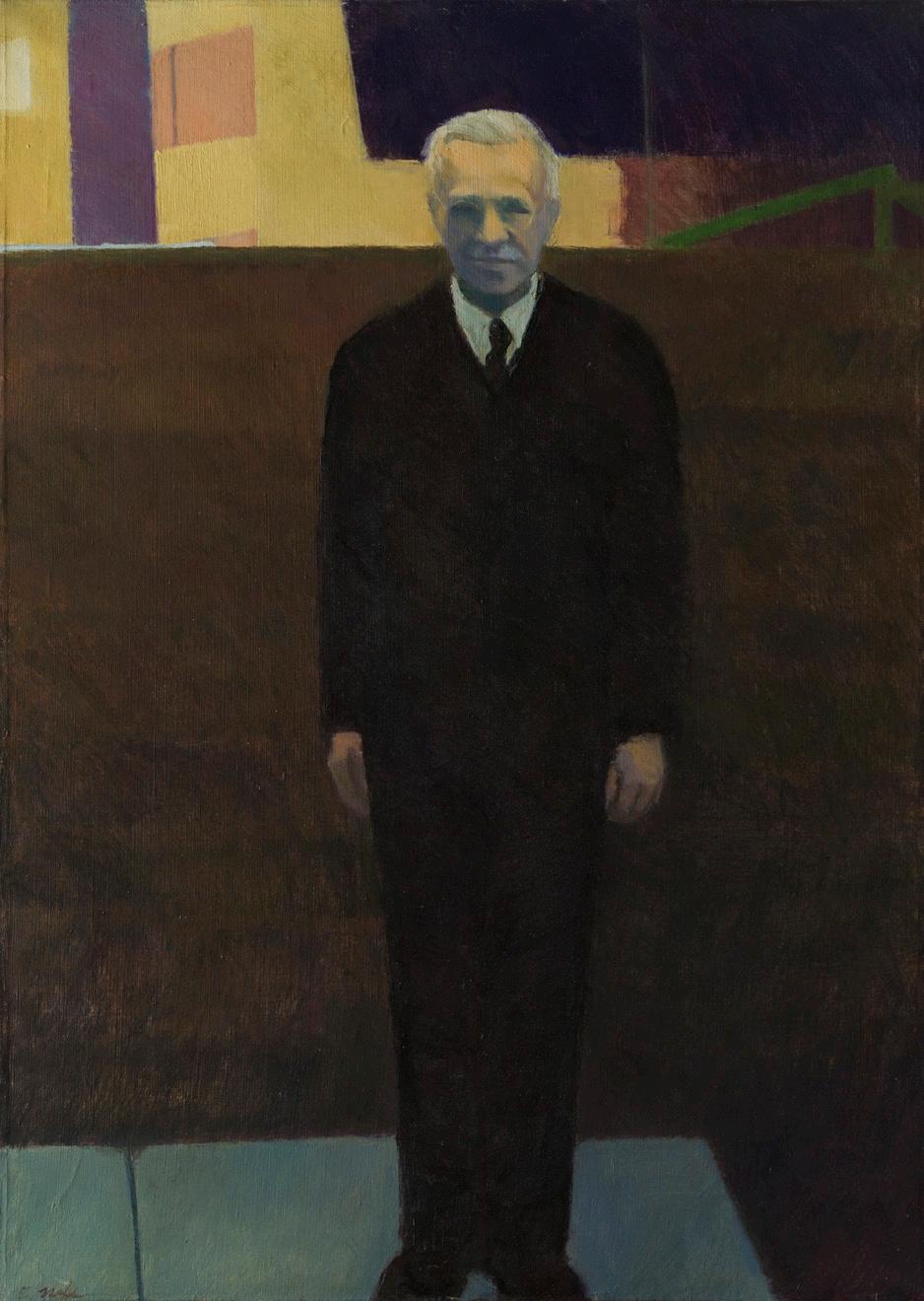
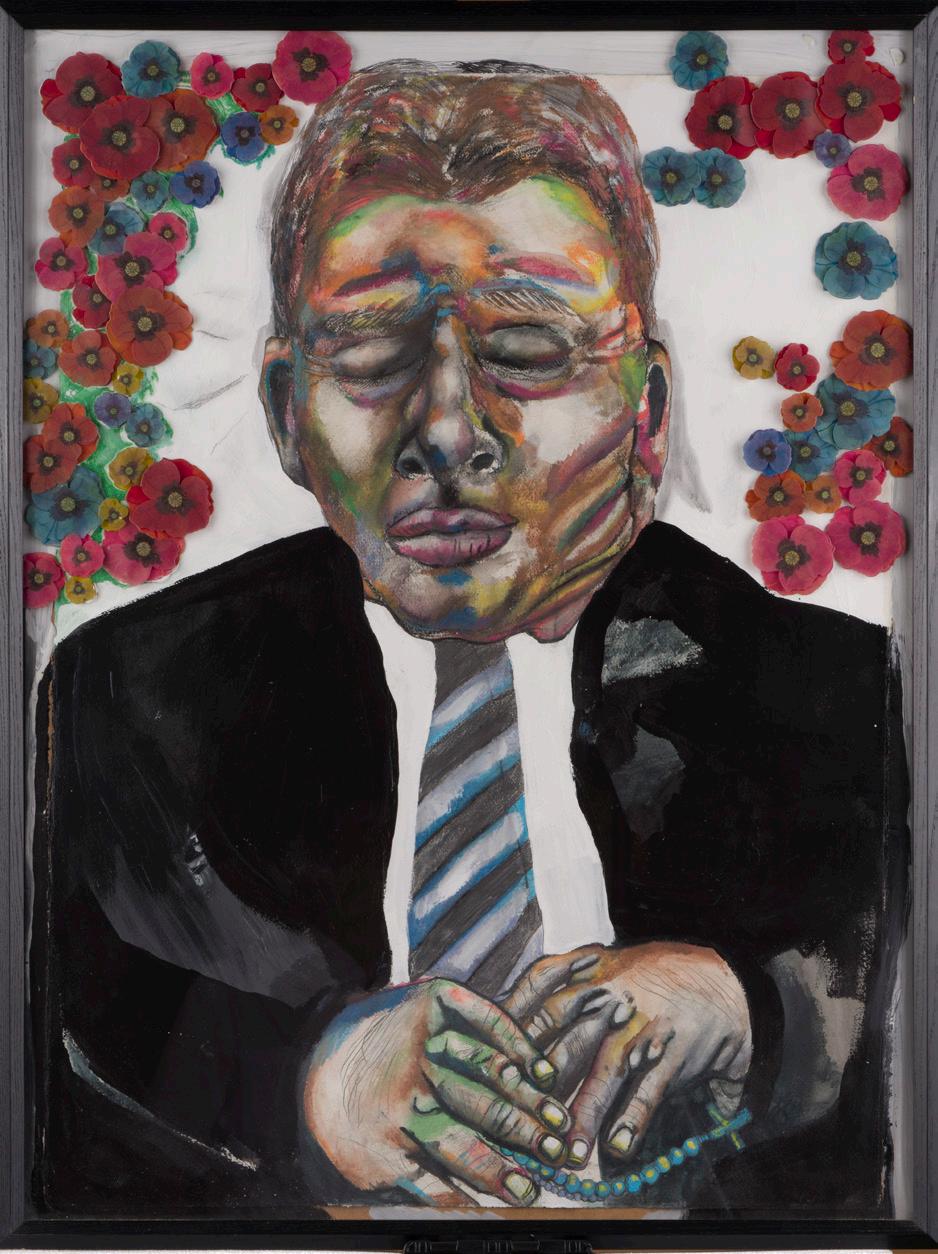
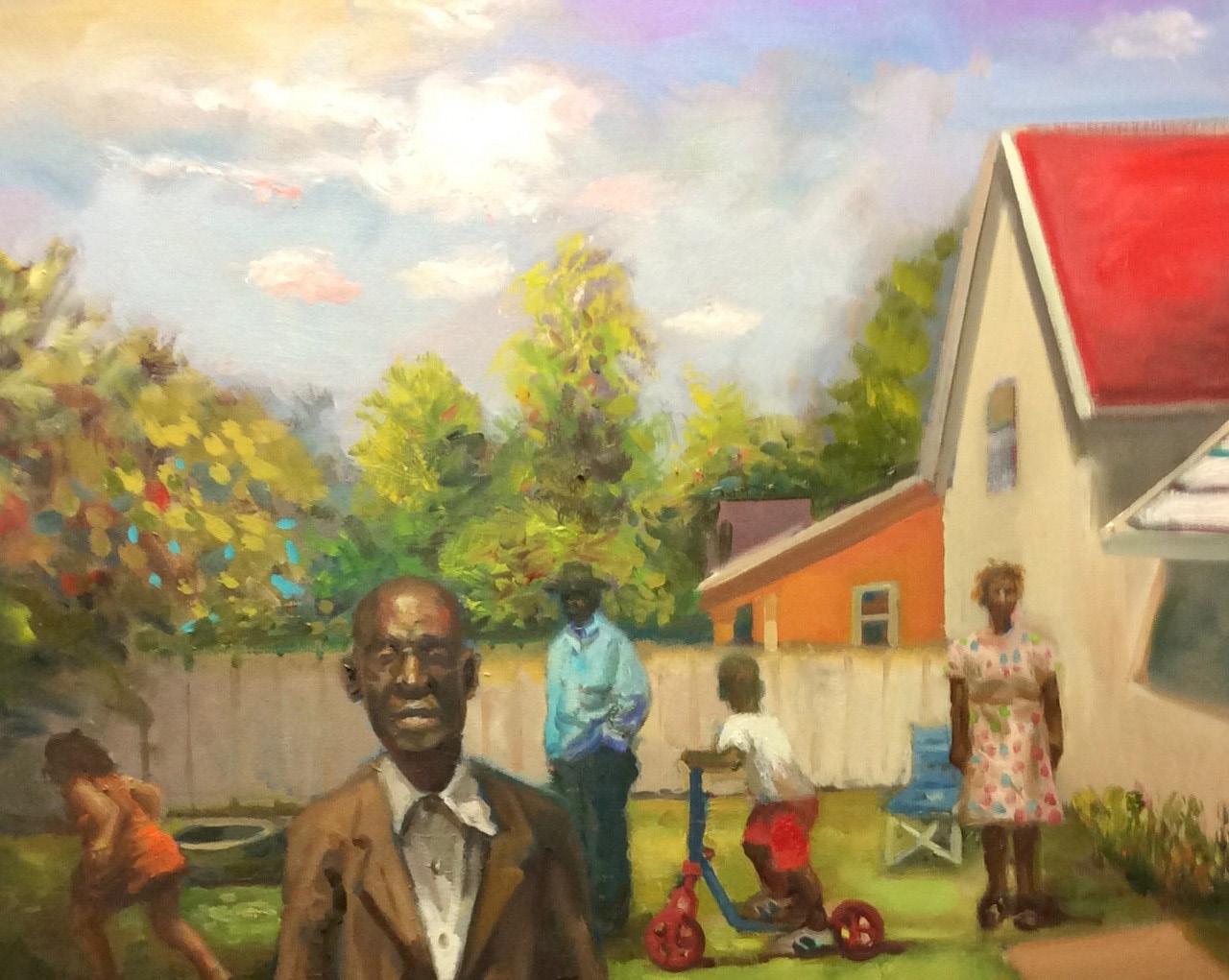
The Long Ride Home: Black Cowboys in America (1993) and Mr. Hackney’s School (2011). Both are powerful explorations of race in the US, and the latter helped earn Tarver and the Inquirer’s journalist team the 2012 Pulitzer Prize for Public Service. Woodmere asks our Annual jurors to include their own work among the voices of the exhibition they create, and as such we are thrilled to show Tarver’s photographs. We also ask our jurors to select art from the museum’s collection, and with a gesture that is powerfully haunting, Tarver chose two artists’ portraits of their deceased parents: Edith Neff’s Old Man (Portrait of the Artist’s Father in the Backyard at 758 North 26th Street) (1967) and Ashley Flynn’s Dad in His Casket (2010).
We extend our gratitude to Tarver and all the artists selected for the exhibition for sharing their work with Woodmere’s community. As always, the museum’s staff executed all aspects of the show with professionalism, positive spirit, and verve, and we owe special thanks to Amy Gillette, Rick Ortwein, Laura Heemer, and Juliana Liska. We acknowledge with appreciation the generous support of our funders and patrons, including an anonymous supporter, The Drumcliff Foundation, and Victor Keen and Jeanne Ruddy, whose long-term commitments to Woodmere continue to sustain our exhibitions and public programs.
WILLIAM R. VALERIO, PHD
The Patricia Van Burgh Allison Director and Chief Executive Officer
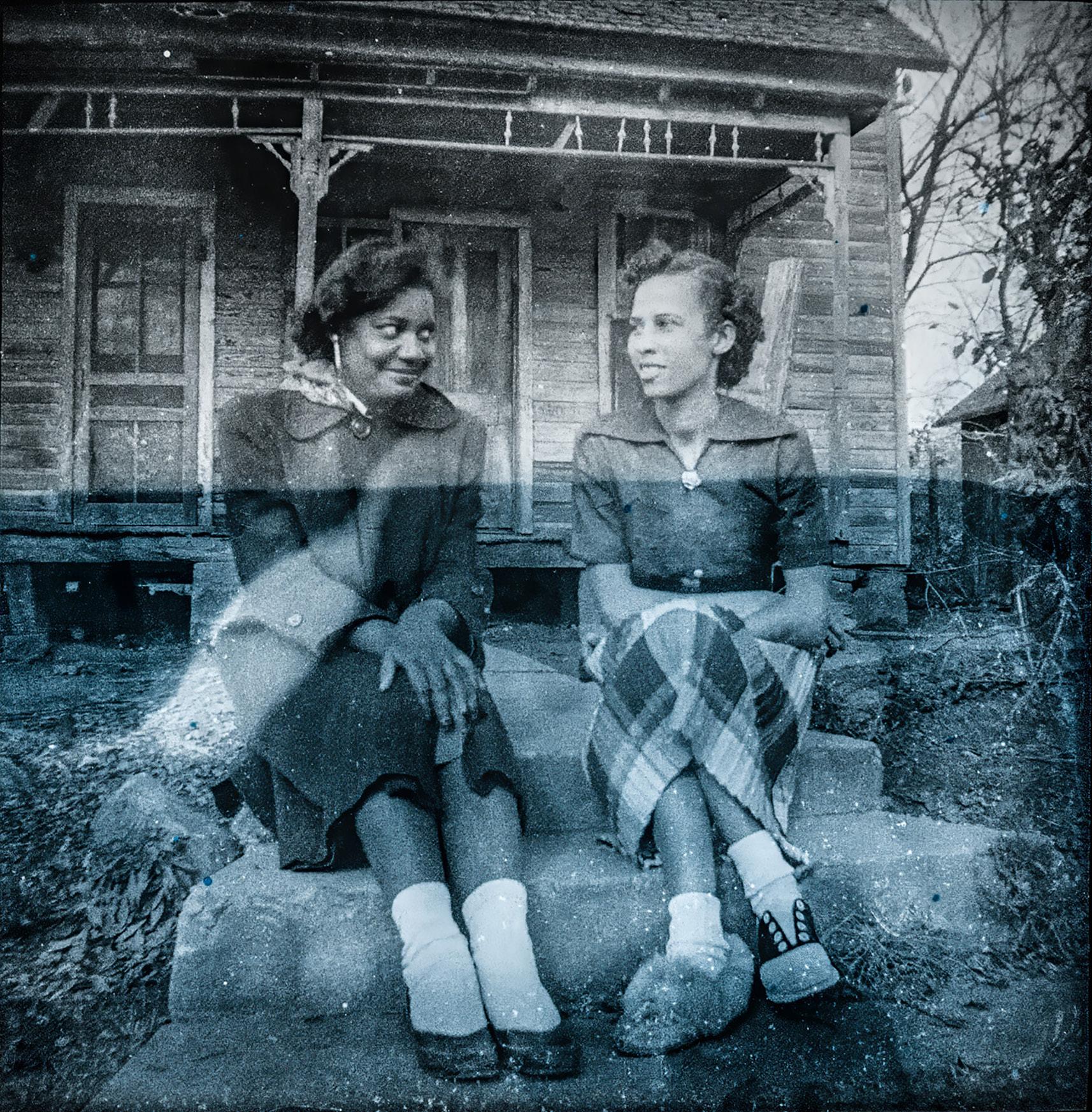
Lead Me Guide Me 2025, by Ron Tarver (Courtesy of the artist)
A CONVERSATION WITH RON TARVER
Ron Tarver is associate professor and art department chair at Swarthmore College, and the juror of the 83rd Annual Juried Exhibition. On May 11, 2026, Tarver met with Woodmere Director William Valerio and Associate Curator Amy Gillette to discuss the exhibition’s theme of family.
AMY GILLETTE: When Woodmere asked you to be the juror of this show, how did you arrive at the theme of family?
RON TARVER: I’ve been working with my father’s work since 2017, trying to understand what my family was about, and in particular what my father was about, because he was a difficult person to understand. had a reasonably decent upbringing. My parents stayed together for sixty years, but they had a difficult relationship. My father struggled with alcohol, so there was a lot of stress. He was also a very brilliant man. In another era, he would have been an engineer or a tech entrepreneur. He had that kind of mind.
GILLETTE: Do you have a sense of what contributed to his struggles with alcohol?
TARVER: His father died, and from what I understand from my brother—who’s ninety-five now and still very sharp—that’s when the alcoholism began. My grandfather and father were extremely close. I also think there had to be frustration, because my father really was brilliant. He was doing things nobody else around him was doing. He built a radio out of cardboard and wire at a time when hardly anyone even had radios. So think there was frustration in that.
GILLETTE: You mentioned arriving at the theme of family because you’ve been thinking about your own family history. Where did you grow up?
TARVER: In Oklahoma.
GILLETTE: Were you interested in art as a kid? Was it part of your family life?
TARVER: Very much so. My mother was the person always thought of as the artist. She did arts and crafts, drew well, and had a strong aesthetic sense. My father I thought of as the tech guy. He had me following electrical schematics when I was six years old. I never considered him an artist until started working with his photographs. Then I realized he had a remarkable aesthetic sensibility—something close to Mike Disfarmer. [Disfarmer (1884–1959) became known posthumously for his photographs of everyday people in rural Arkansas after Julia Scully published them in her 1973 book Modern Photography.]
GILLETTE: I’m looking at the work now and understanding what you mean. Amazing.
TARVER: What Disfarmer did was run this ramshackle little studio where he’d pull people off the street and photograph them. That’s very similar to what my father did.
GILLETTE: Your father photographed people professionally?
TARVER: Yes, he had a small photography business.
WILLIAM VALERIO: Would you include some of your father’s photographs in the show?
TARVER: Possibly. inherited his complete archive— about a thousand negatives and three hundred prints. Years ago, I organized all of it because my father used to literally nail negatives to the wall in his darkroom. My summer job was pulling them down, washing them in the bathtub, and cleaning off the dust. Eventually I made archival albums cross-referenced with contact sheets and gave them to my parents for an anniversary gift. My father asked, “Why’d you do that for?” I didn’t say it aloud, but really did it for myself. wanted to know what was there.
GILLETTE: Did your father understand his photography as art, technology, or business?
TARVER: Mostly technology. In the 1940s and ’50s photography felt cutting-edge. Having a darkroom, making prints—that was exciting. But he was also documenting the people around him.
The town I grew up in, Fort Gibson, had only about nine hundred people then—roughly half Black, half white, plus a large Native American population. There was a Black side of town and a white side of town, but from everything I’ve gathered, people generally got along. Nearby towns were sundown towns, but Fort Gibson wasn’t, and I still wonder why.
VALERIO: I was just at the Brooklyn Museum seeing the spectacular exhibition Seydou Keïta: A Tactile Lens [October 10, 2025, to May 17, 2026], and as you describe your father’s work, I keep thinking about it. Keïta photographed people in postcolonial Mali in a studio environment. His subjects dressed in their finest clothes and used props—cars, radios, jewelry—to project modernity and aspiration.
GILLETTE: That reminds me of Krista Thompson’s 2015 book Shine: The Visual Economy of Light in African Diasporic Aesthetic Practice about the cultural importance of being illuminated, literally becoming the subject of light. Do you think your father’s clients felt something similar—that having a portrait made carried prestige or power?
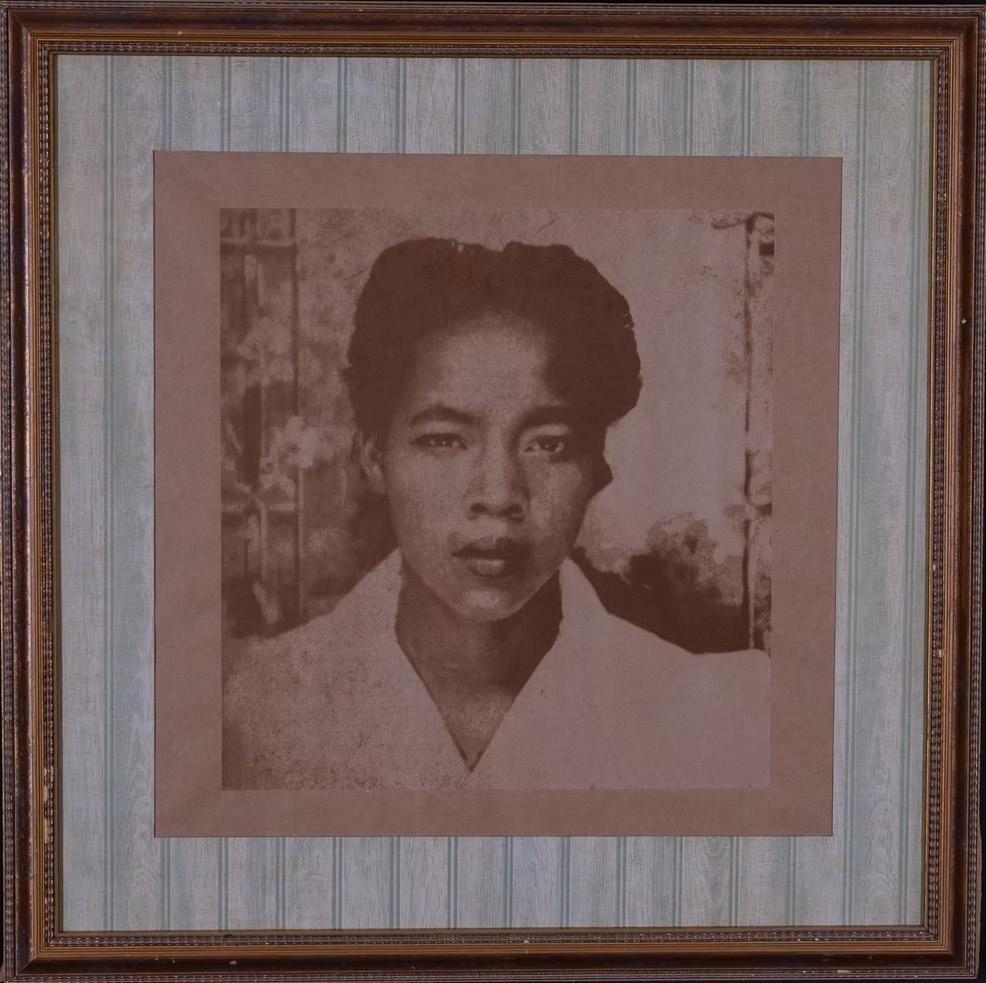
TARVER: Probably, yes. My father even stamped some prints “Tarver Productions.” He offered portrait services with backdrops and setups, though all of that happened twenty-five years before was born. never actually saw him take a photograph. What I’ve been trying to do with my father’s photographs is use images made during the Jim
The Test 2020, by Ron Tarver (Courtesy of the artist)
Crow era to speak to our own time. began making collages and experimental works. One piece involved laser-burning an image of a light-skinned woman—later I learned she was my aunt—into a brown paper bag. wanted the image physically embedded into the material. Later I became interested in damaged prints—chemical stains, scratches, deteriorated emulsions. I realized those damaged surfaces could metaphorically connect to the harm inflicted by Jim Crow. When I scanned the prints, silver residue created extraordinary colors. I’ve been framing them in vintage frames and titling them after Negro spirituals and hymnals.
VALERIO: Earlier you described racial coexistence in your town, but Jim Crow America was also structured by segregation. Was the harmony partly because everyone stayed in their lane?
TARVER: There were certainly racist incidents. I remember trick-or-treating as a kid and having someone dump an ashtray into my candy bag. But for the most part, people coexisted. My closest friends today are Trump supporters. They’re white, Southern Baptist, rural Oklahoma people, and they’re still like family to me.
GILLETTE: That’s difficult for many people to reconcile emotionally.
TARVER: It’s complicated.
VALERIO: That complexity is very present in the exhibition. The show isn’t presenting a sentimental version of family. It includes transgender families, unconventional family structures, estrangement, loneliness, care, and conflict.
TARVER: Exactly. I wanted the show to confront the complicated parts of family. When I reviewed
submissions, kept asking: was this work genuinely made with family in mind, or was the theme being forced onto it? I wanted works where the question of family felt deeply embedded.
GILLETTE: Did you notice any recurring patterns in the submissions?
TARVER: Absolutely. actually wanted to make a spreadsheet categorizing them: houses, couples, parent-child relationships, symbolic unions, photographs versus paintings. There were clear recurring structures.
GILLETTE: One work that struck me was Ronald Washington’s painting Close Friends which features a group of men sitting together by one of their stoops. It raises the question of chosen family.
TARVER: Right. And I think proximity matters. grew up with these people. My white Trumpist friend Bub in Fort Gibson has been part of my life for more than fifty years.
VALERIO: In this age of Trump, clashing political views and contradictory positions are common within families and between closest friends. Have you been able to talk about your different political views?
TARVER: Not really in those exact terms. I’ve had to learn to navigate those contradictions my whole life. I had to learn how to be Black. I grew up around white people in rural Oklahoma. My relatives from Oklahoma City felt cosmopolitan to me. They dressed differently, spoke differently, carried a whole Black urban culture I didn’t know. Later, when documented the Deep Deuce neighborhood in Oklahoma City, I realized how much Black history had been absent from my upbringing and education.
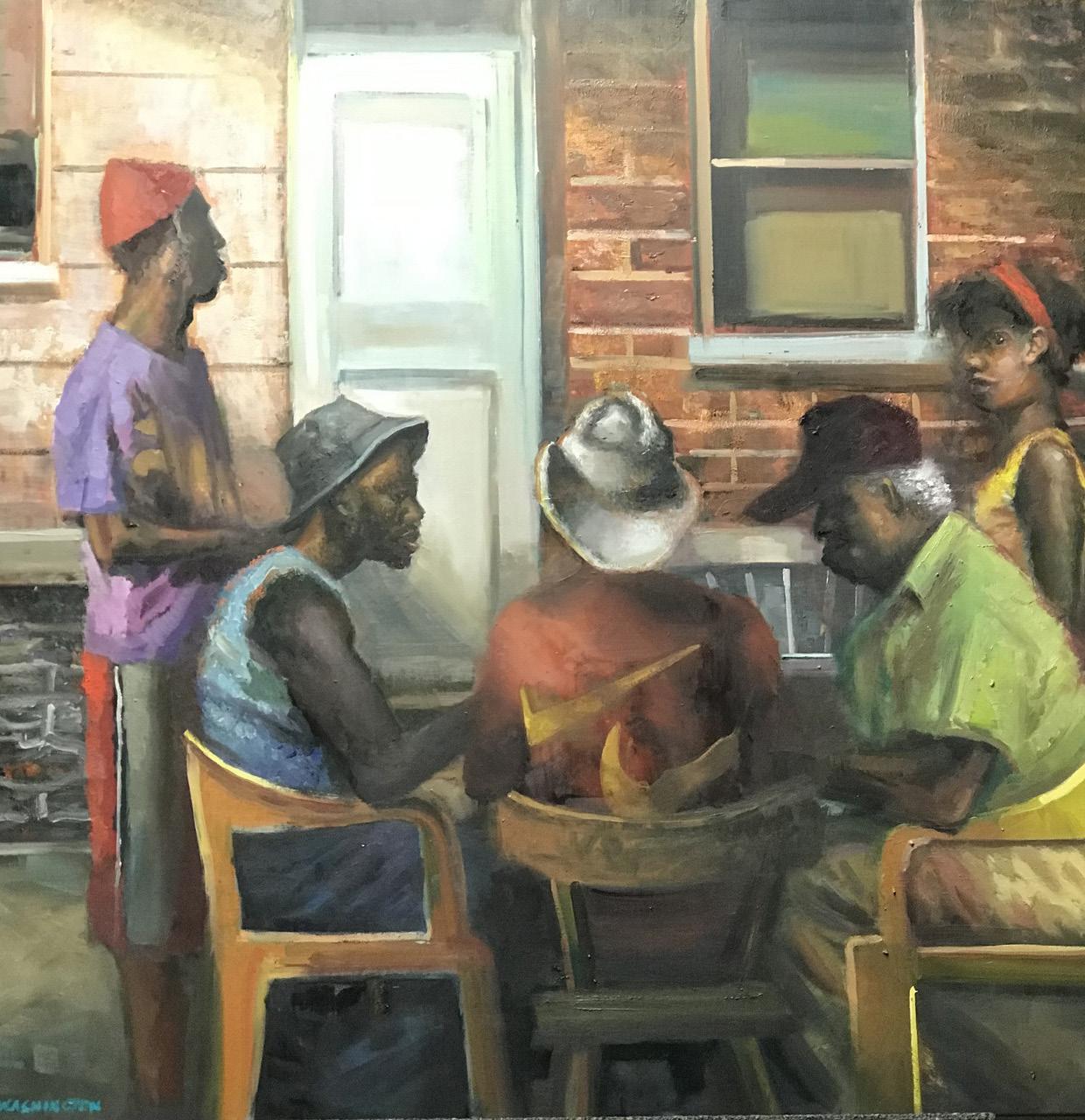
Close Friends 2024, by Ronald Washington (Courtesy of the artist)
GILLETTE: So family is also about inherited history and culture.
TARVER: Absolutely, though in my case it’s complicated. I knew more Native American history than Black history growing up. My ancestors, Ed and Jane Tarver, had been enslaved in Virginia. After emancipation they settled in Texas, received land, expanded it into hundreds of acres, and eventually discovered oil. That history was always there, but I didn’t engage deeply with it until much later.
VALERIO: Your own family today reflects enormous racial complexity too.
TARVER: Yes. I have white grandchildren. My granddaughter is one of the great joys of my life.
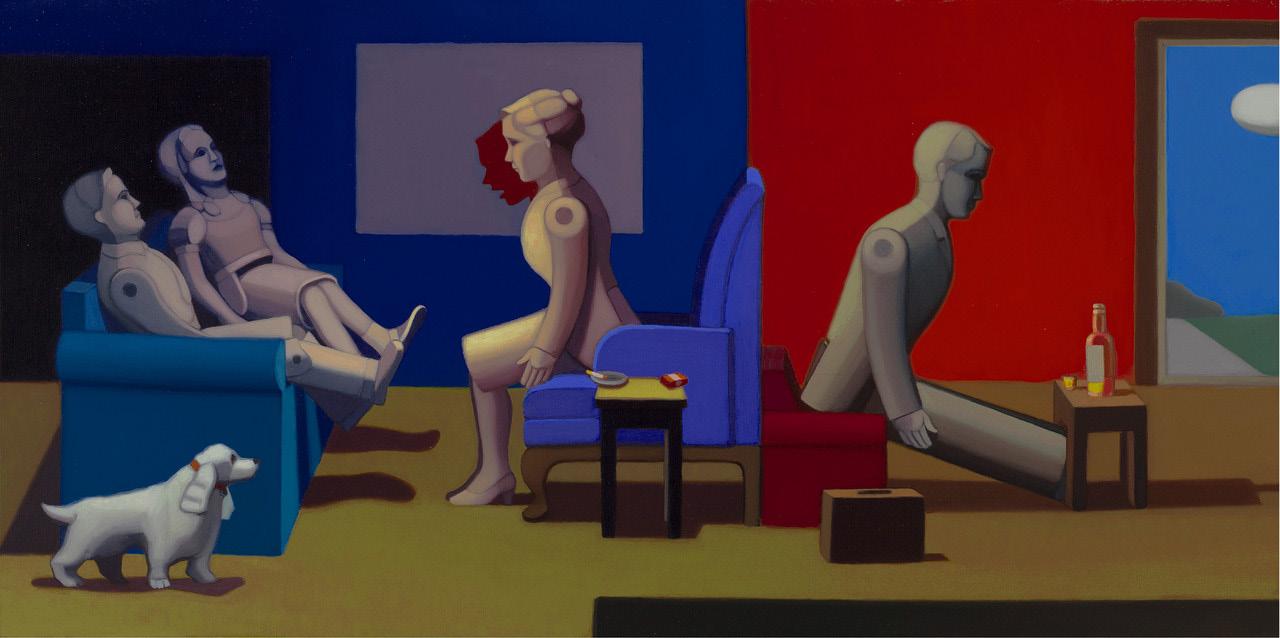
VALERIO: One work I found especially moving was Nancy Grimes’s Custody
TARVER: I love that painting because it’s open to interpretation. To me it evokes the emotional stiffness and fracture of divorce and custody battles. When my daughter got married this weekend, my ex-wife, her husband, my former inlaws—we were all together. Families become these incredibly layered emotional structures.
GILLETTE: In Custody the father figure sitting alone beside a bottle of alcohol is especially poignant.
TARVER: Exactly. It speaks to deterioration, loneliness, and separation. When my marriage ended, I fought hard for shared custody of my children. Those emotions are real.
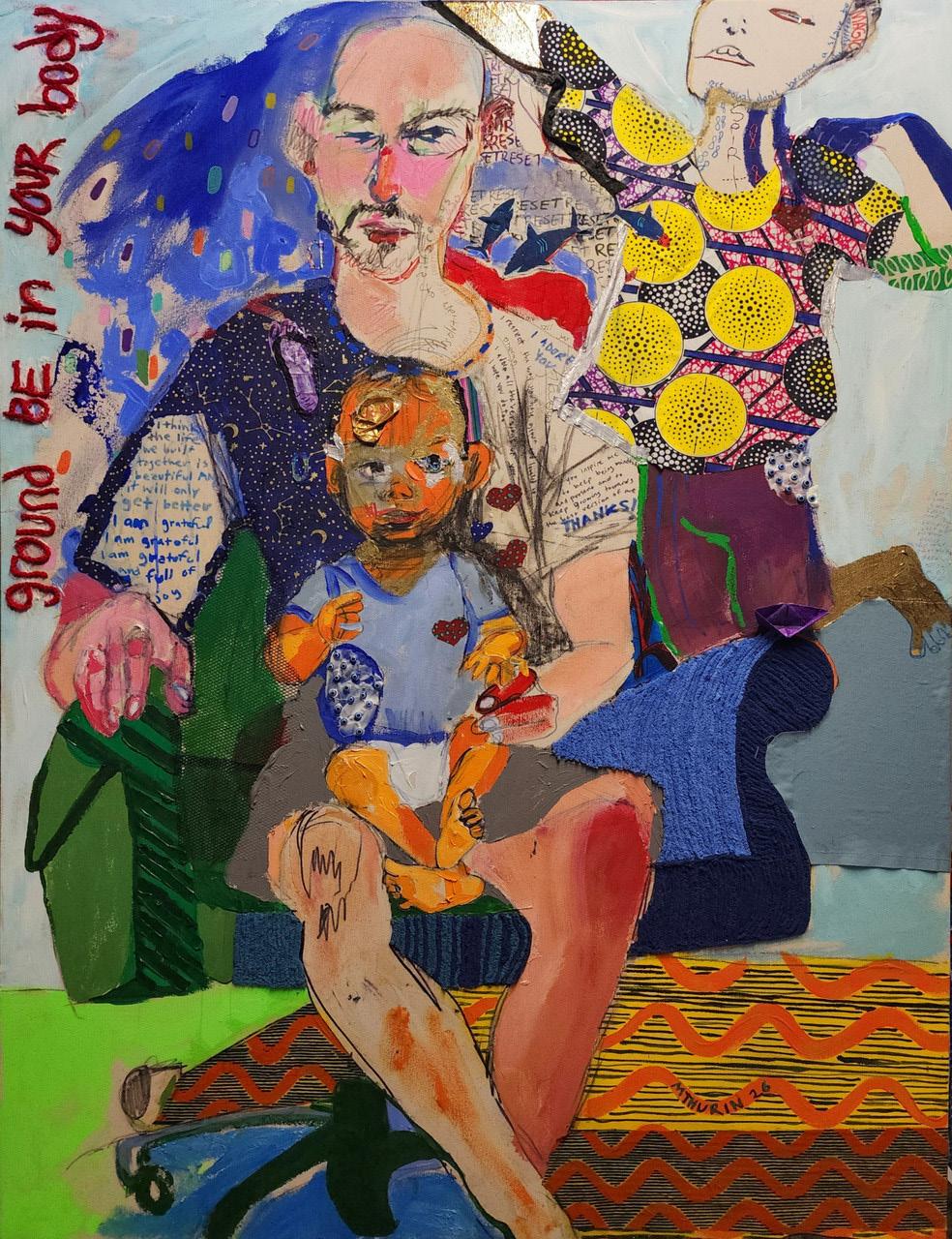
GILLETTE: One very positive family story in the show is the work by Mickayel Thurin and her family, including a spectacular painting by her son Maurice.
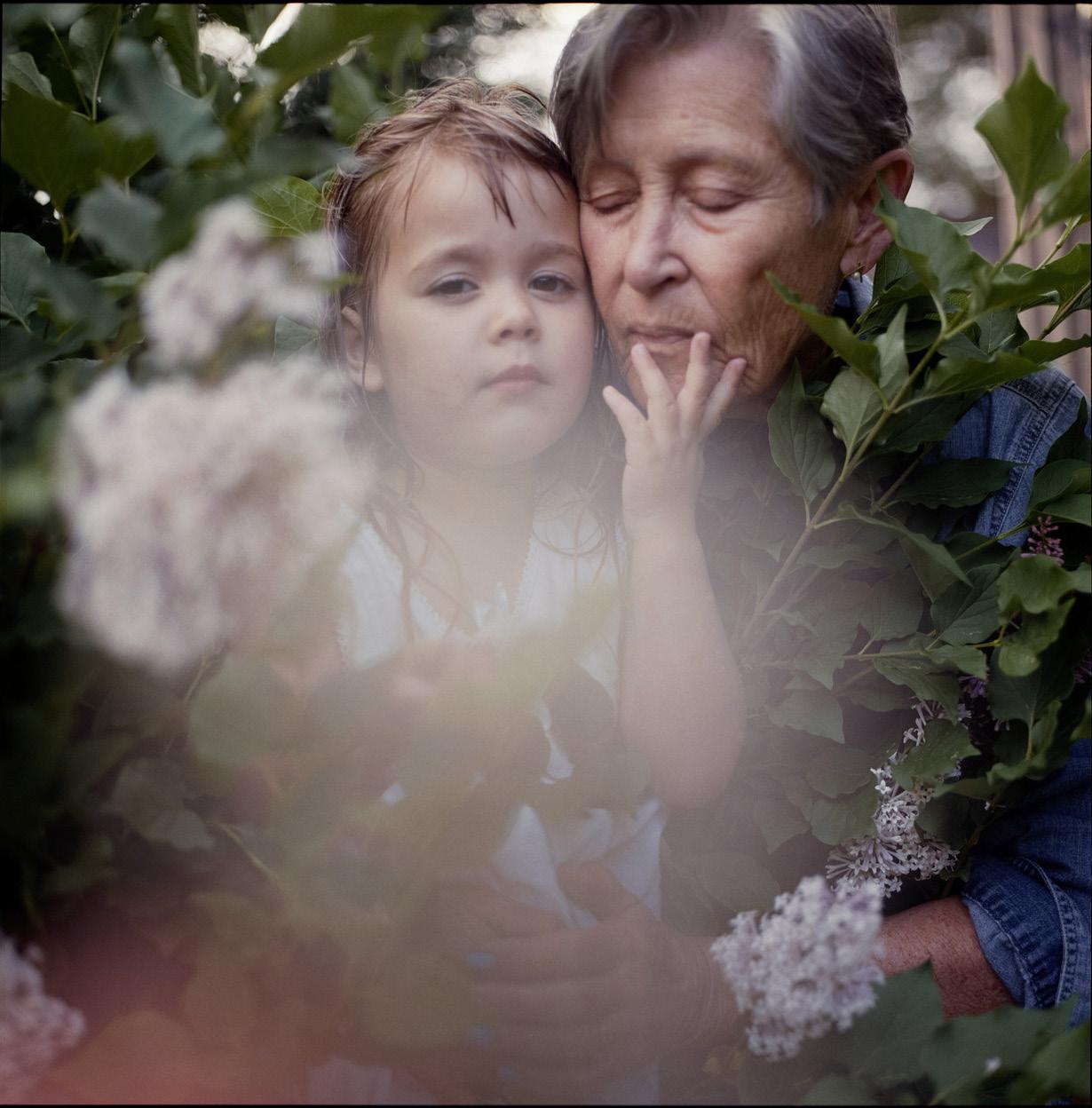
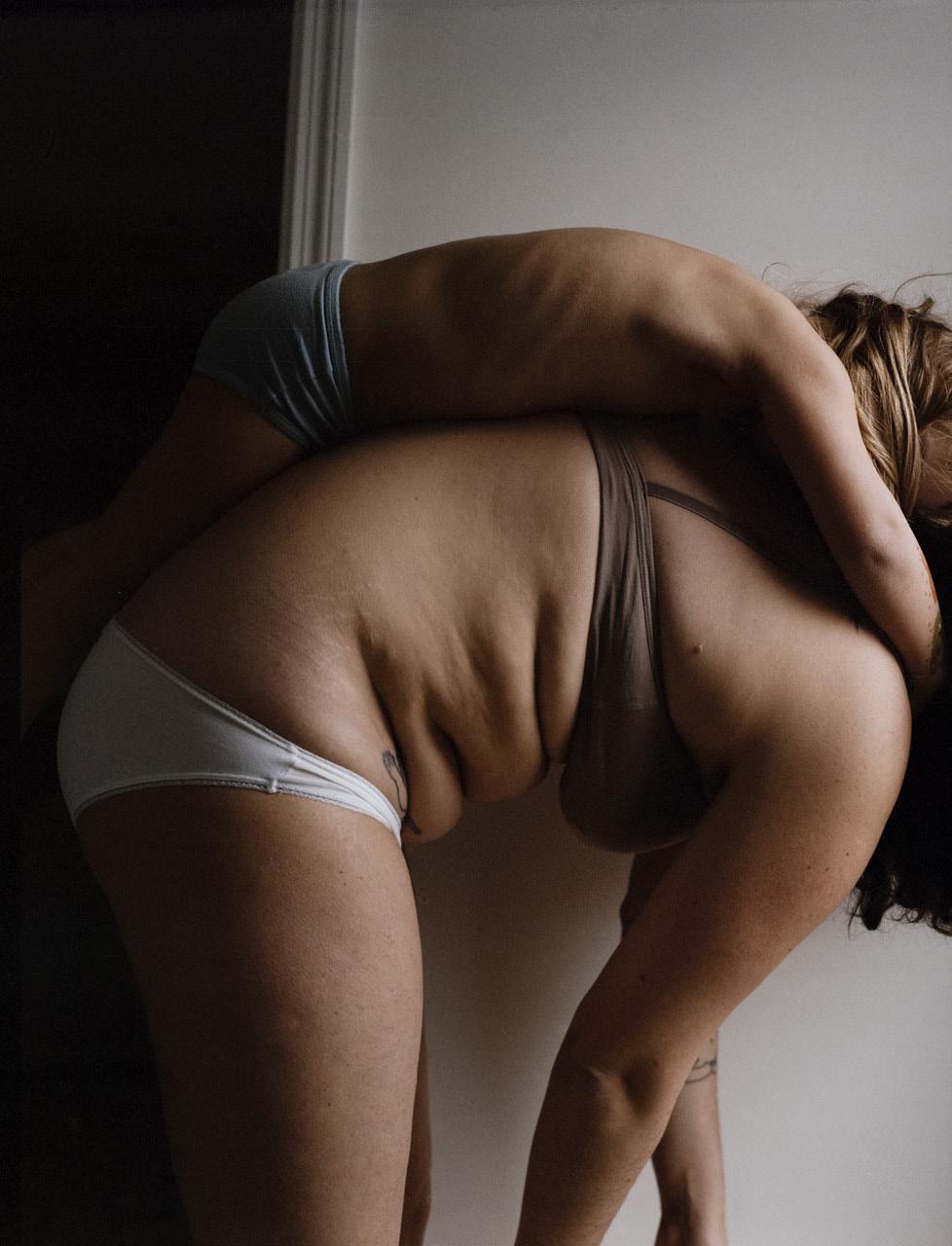
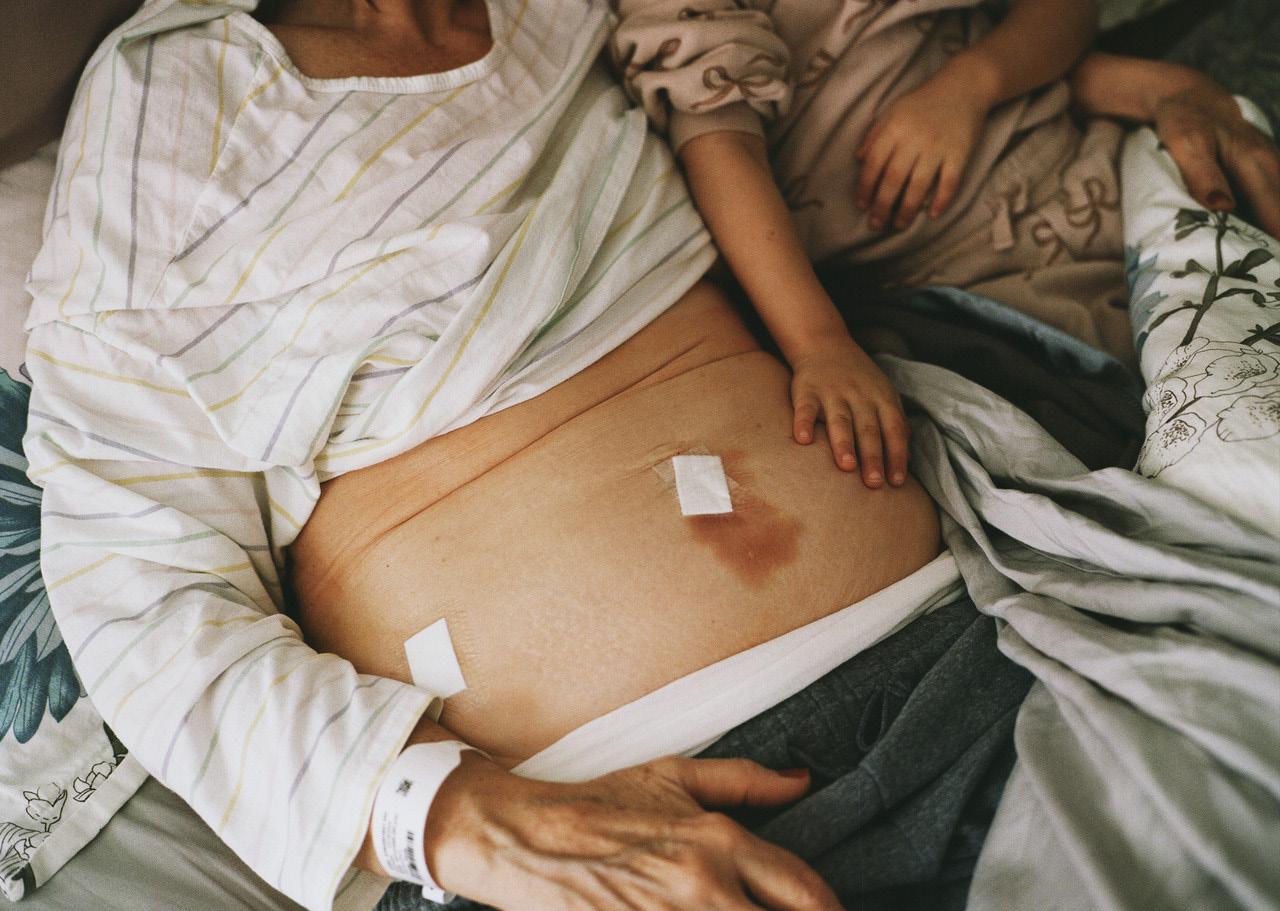
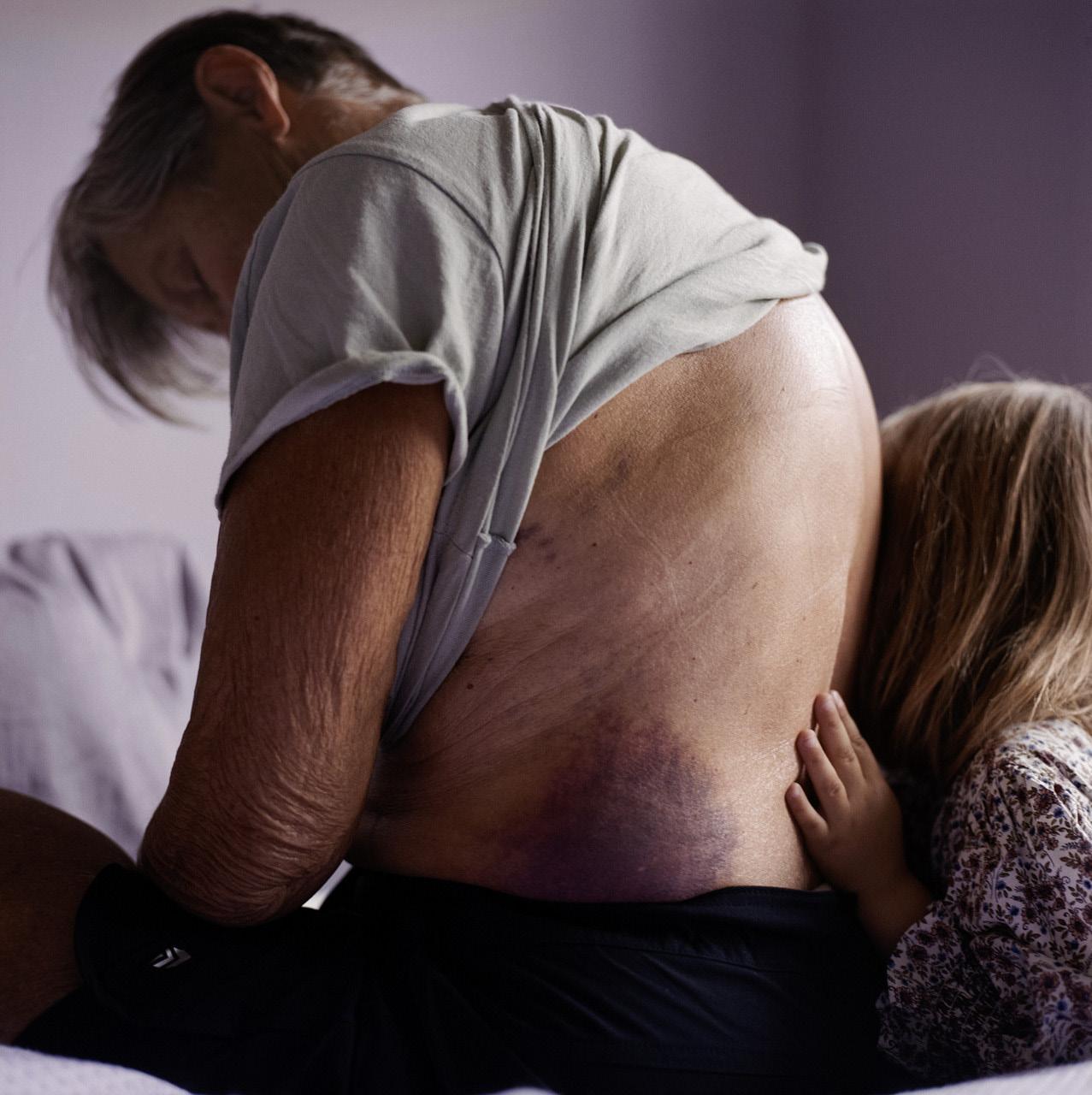
TARVER: That’s wonderful. love seeing creativity passed between generations. Similarly—Jillian Guyette’s very compassionate photographs of old, young, and scarred bodies remind me of how my little granddaughter had surgery recently, and she became very conscious of her scar. I’ve had surgery too, so we compared scars together. One body aging, another body just beginning life. That’s family too.
GILLETTE: Earlier you described what you inherited artistically from your father. What did you inherit from your mother?
TARVER: Wonder. Curiosity. She encouraged experimentation. She made crackle-glass artworks, ceramics, all sorts of things. She let me taxidermy birds in the house as a kid. She nurtured curiosity rather than suppressing it.
GILLETTE: Often think that children themselves become creative catalysts for artists and parents— to speak from my experience with my kids, anyway.
TARVER: Absolutely.
GILLETTE: Since Woodmere focuses on Philadelphia artists, in what ways do you think Philadelphia itself shapes the idea of family in this exhibition?
Custody 2017, by Nancy Grimes (Courtesy of the artist)
Family Portrait 2026, by Mickayel Thurin (Courtesy of the artist and Gross McCleaf Gallery)
Untitled from the series We Keep Swimming, Until We All Reach Home 2023, by Jillian Guyette (Courtesy of the artist)
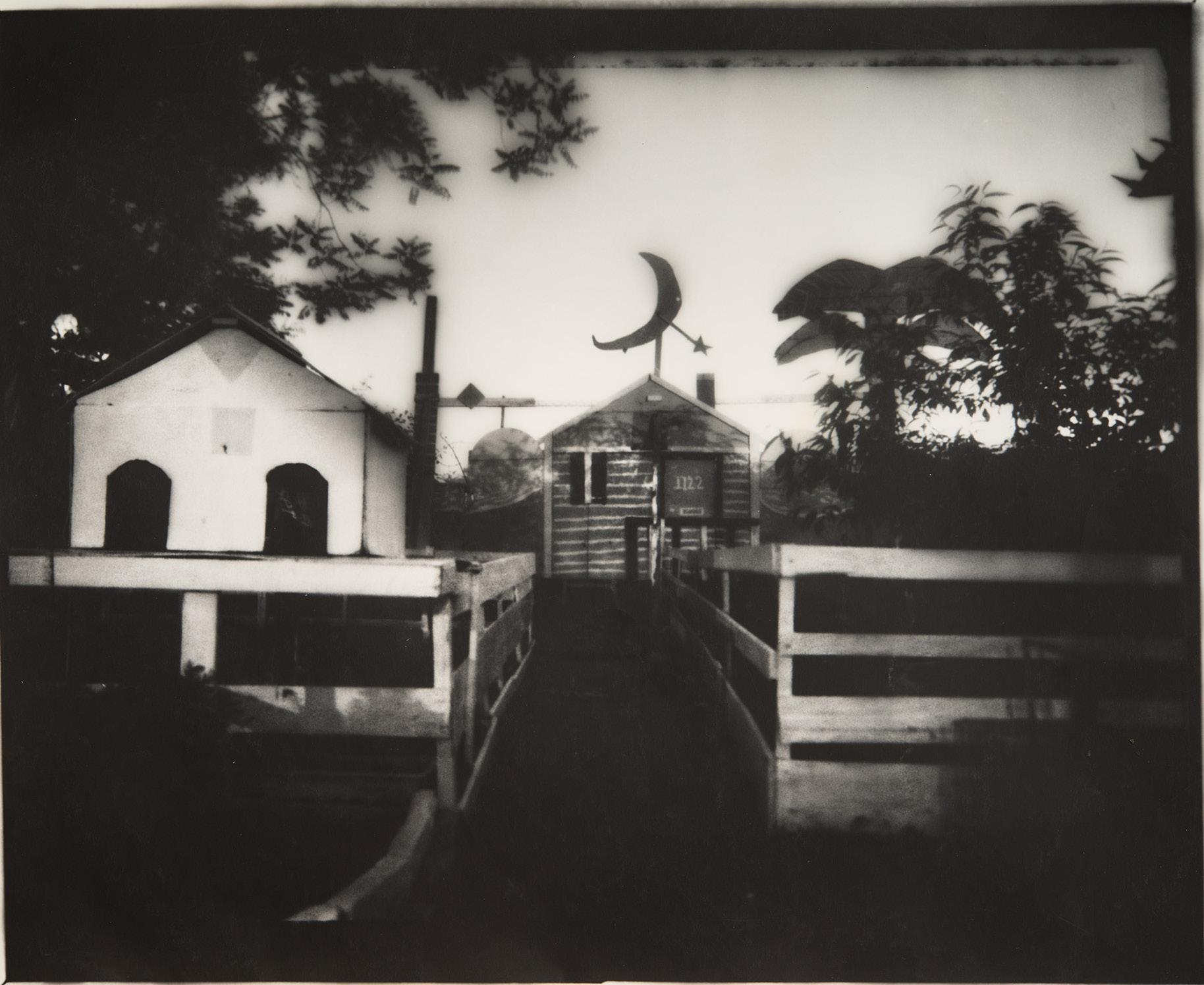
TARVER: Row homes were astonishing to me when I first moved here. They embody closeness and proximity. Philadelphia creates intimacy through density. The stoop culture here matters too—people bringing their relationships outside, sitting together, talking, playing dominoes. I once photographed a group of Puerto Rican men who had built a plywood façade resembling a Puerto Rican village. I made a forty-five-minute exposure of it. The long exposure transformed the light and turned the sky white. That photograph became very important to me.
GILLETTE: Photography literally means “writing with light,” so that seems especially meaningful.
TARVER: Exactly.
GILLETTE: Since the exhibition coincides with Woodmere’s America 250 project, Arc of Promise how do you think your exhibition connects to the scope and depth of American history?
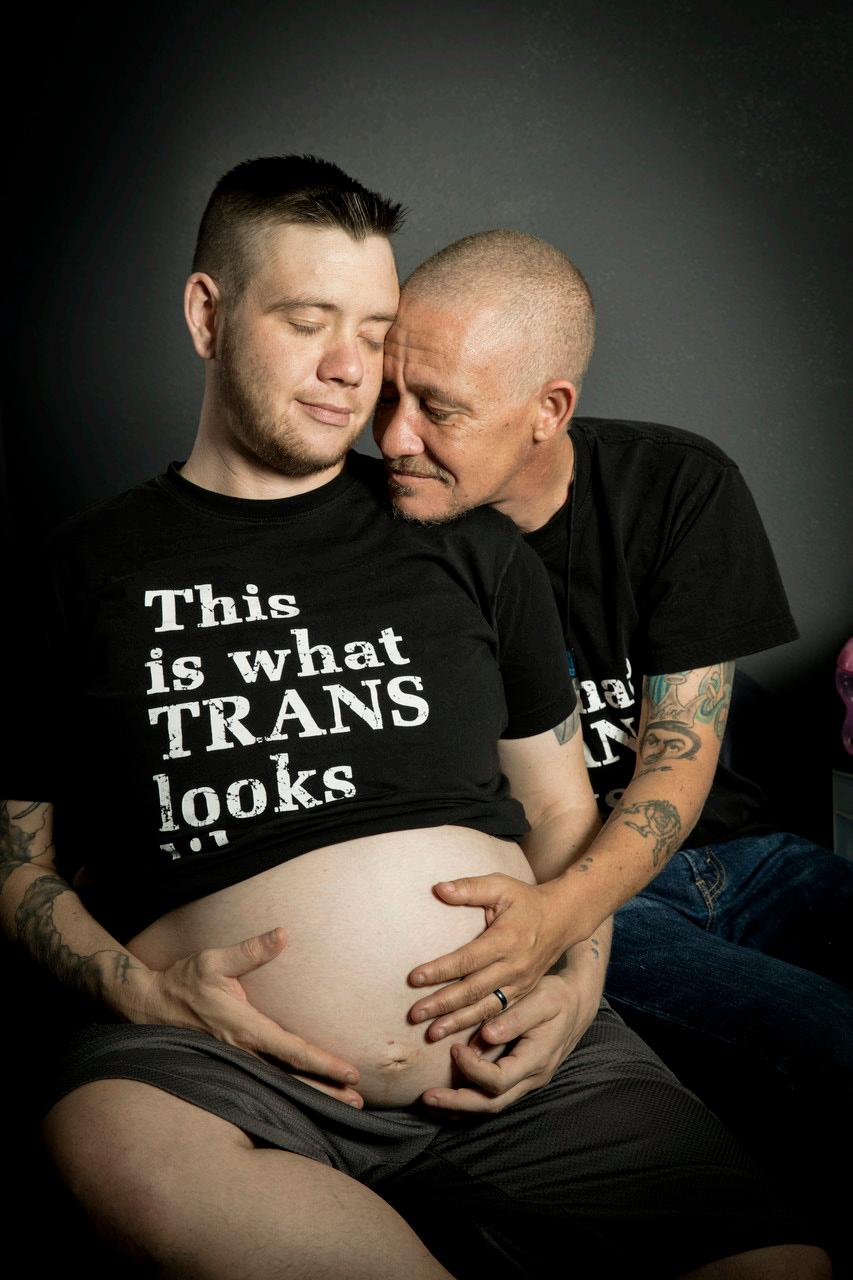
TARVER: wanted complexity. There’s a simplistic fantasy of the nuclear family, but real families are complicated. That’s why love the image of the pregnant man in the exhibition, Barbara Proud’s Owen and Blue, Transgender Men (2017). It challenges rigid assumptions about family and identity.
VALERIO: Your show offers artists’ views of the future. The Arc of Promise looks at the past, hoping to serve as a launch point for visitors to form their own ideas ideas about the future.
TARVER: don’t think history moves in a smooth arc. There are bumps, reversals, scars.
GILLETTE: This is something that think we each take for granted—but why, exactly, do you think that arc should move toward greater openness, diversity, and acceptance?
TARVER: For me, it comes from wanting to create hope. When my former wife and I had interracial children, thought of them as symbols of possibility. And my mother always told me was meant to do something meaningful; I took that as an obligation to try to do good in the world. First through journalism, later through art. I want to illuminate people who haven’t previously had light shone on them.
Owen and Blue, Transgender Men 2017, by B. Proud (Courtesy of the artist)
Mr. Pabon’s Garden 1992, by Ron Tarver (Courtesy of the artist)
VALERIO: I relate strongly to that ethical position. I grew up believing that the differences between people are sources of strength.
TARVER: But the challenge is that people often don’t know how to love neighbors who are different from themselves.
GILLETTE: Living and working in Philadelphia places us in proximity with difference, and to Bill’s point, believe this enriches us all.
TARVER: And yet I didn’t want the show to pretend all tensions are resolved. Many of these works remain unresolved emotionally. There are grieving figures, fractured families, loneliness. There are portraits of fathers on deathbeds—I am fascinated
by what compels someone to make a portrait of a dying parent. It’s not morbidity. Something profound drives that need to document and understand.
VALERIO: An artist keep thinking about is Edith Neff. We have a posthumous portrait she made of her father after his death, and it’s a deeply haunting image. We also have a portrait by Ashley Flynn of her father in his coffin.
GILLETTE: Merrill Mason has also contributed a portrait of her father on his deathbed to this exhibition. One other thing I noticed was the role of animals and pets as family members.
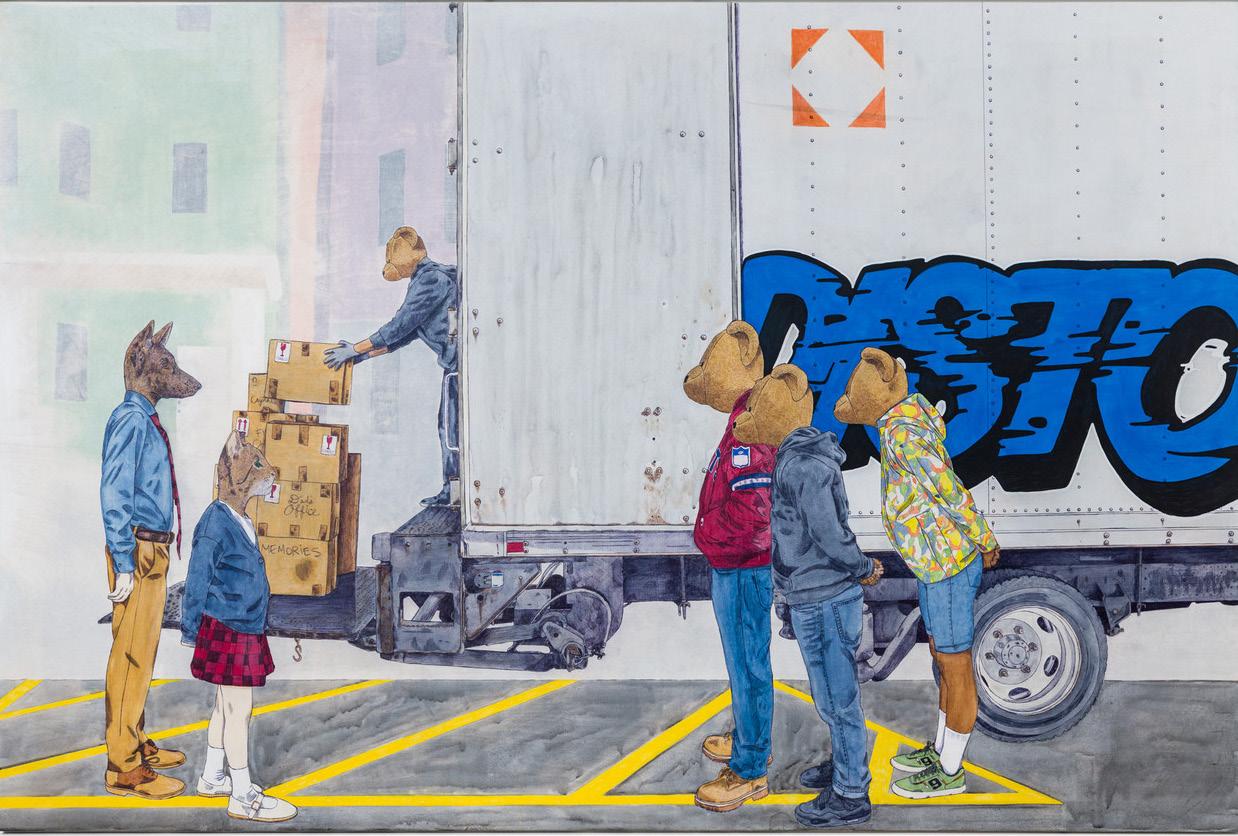
TARVER: Absolutely. In Sean Lugo’s work, Gentrification the animals stand in for human social tensions. But in other works, the pets are clearly sources of comfort and devotion, especially
ASHLEY FLYNN American, born 1985 Dad in His Casket 2010 Mixed media on board, 33 x 25 1/8 in. Gift of Robert and Frances Kohler, 2019
EDITH NEFF
Old Man (Portrait of the Artist’s Father in the Backyard at 758 North 26th Street) 1967 (Promised gift of Dr. Maria B. Smith)
Gentrification 2025, by Sean Lugo (Courtesy of the artist and Paradigm Gallery)
Jose Moreno’s Maria with Dogs I’m currently working on a project about birds, actually, and thinking a lot about human-animal relationships.
GILLETTE: One final question: what do you hope people walk away with after seeing this exhibition?
TARVER: Questions. I don’t want people to walk in and instantly agree with everything. The best outcome would be people leaving the museum, going to dinner afterward, and arguing about what they saw. I’d especially love people with very different political views to come see it. hope it opens conversations.
GILLETTE: think it will. The works are individually so compelling and collectively create a rich conversation about family, of course, as well as identity, care, and belonging.
TARVER: Curiosity matters too. I hope people leave curious.
GILLETTE: That feels like a beautiful place to end.
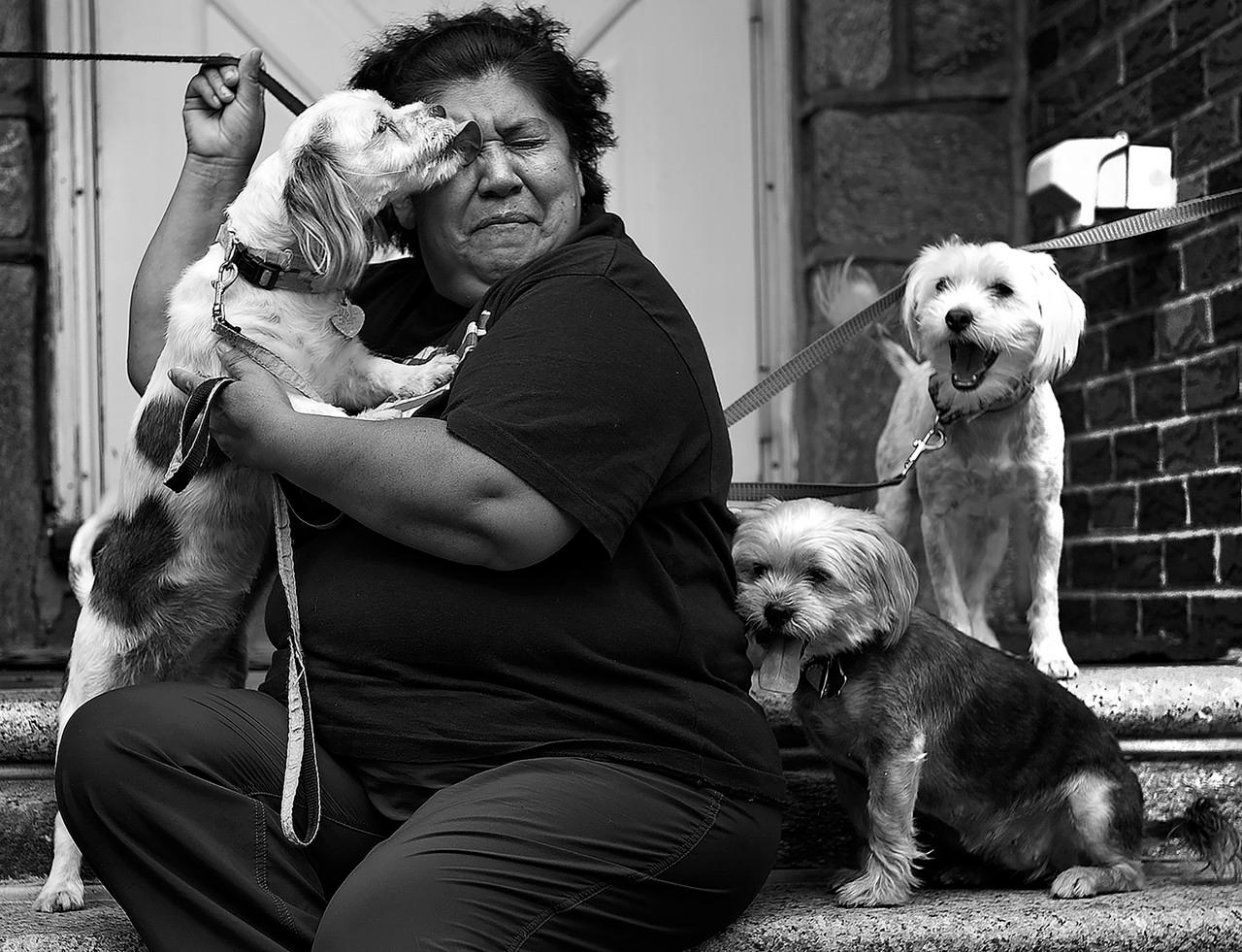
Maria with Dogs 2012, by José F. Moreno (Courtesy of the artist)
WORKS IN THE EXHIBITION
ELYNNE ROSENFELD ALLENSON
American, born 1954
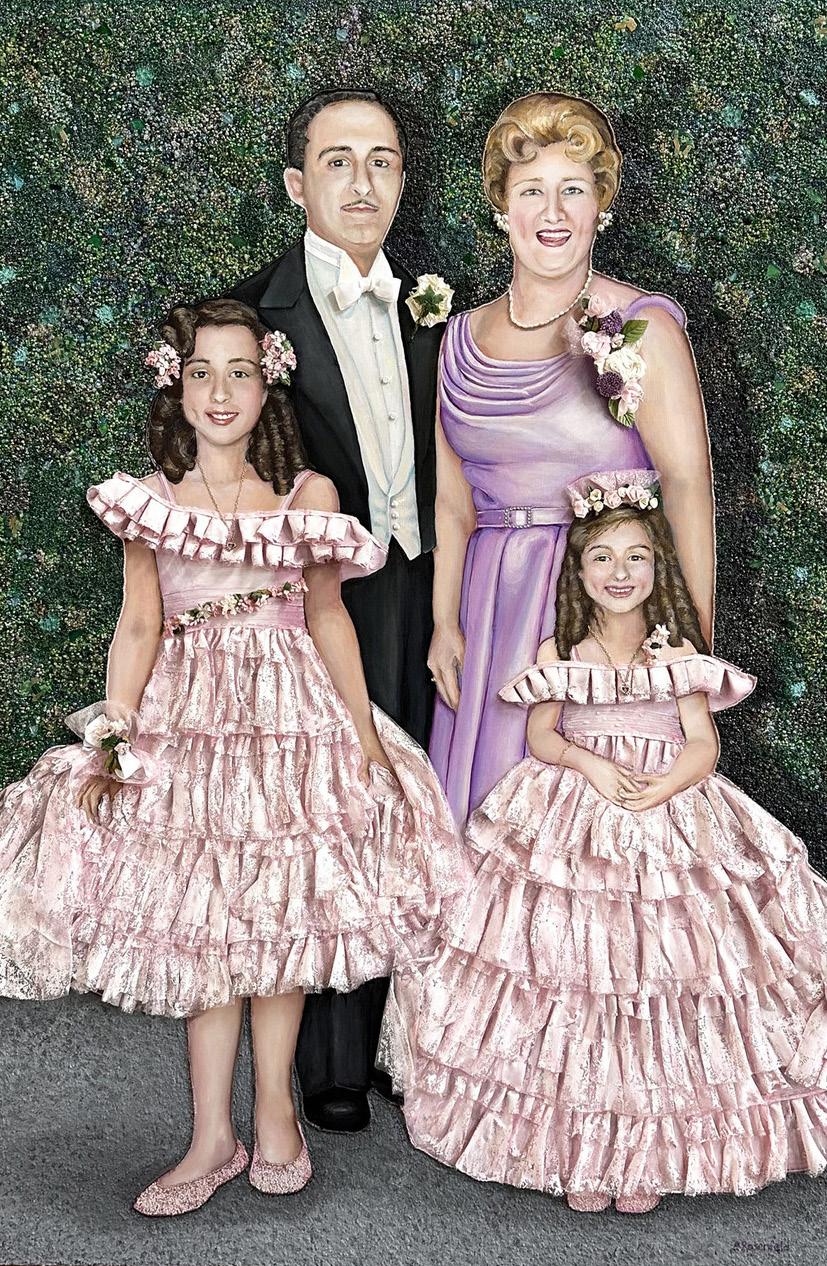
Nuclear Family 2024
Acrylic and mixed media on canvas, 56 x 42 in.
Courtesy of the artist and Cerulean Arts Gallery
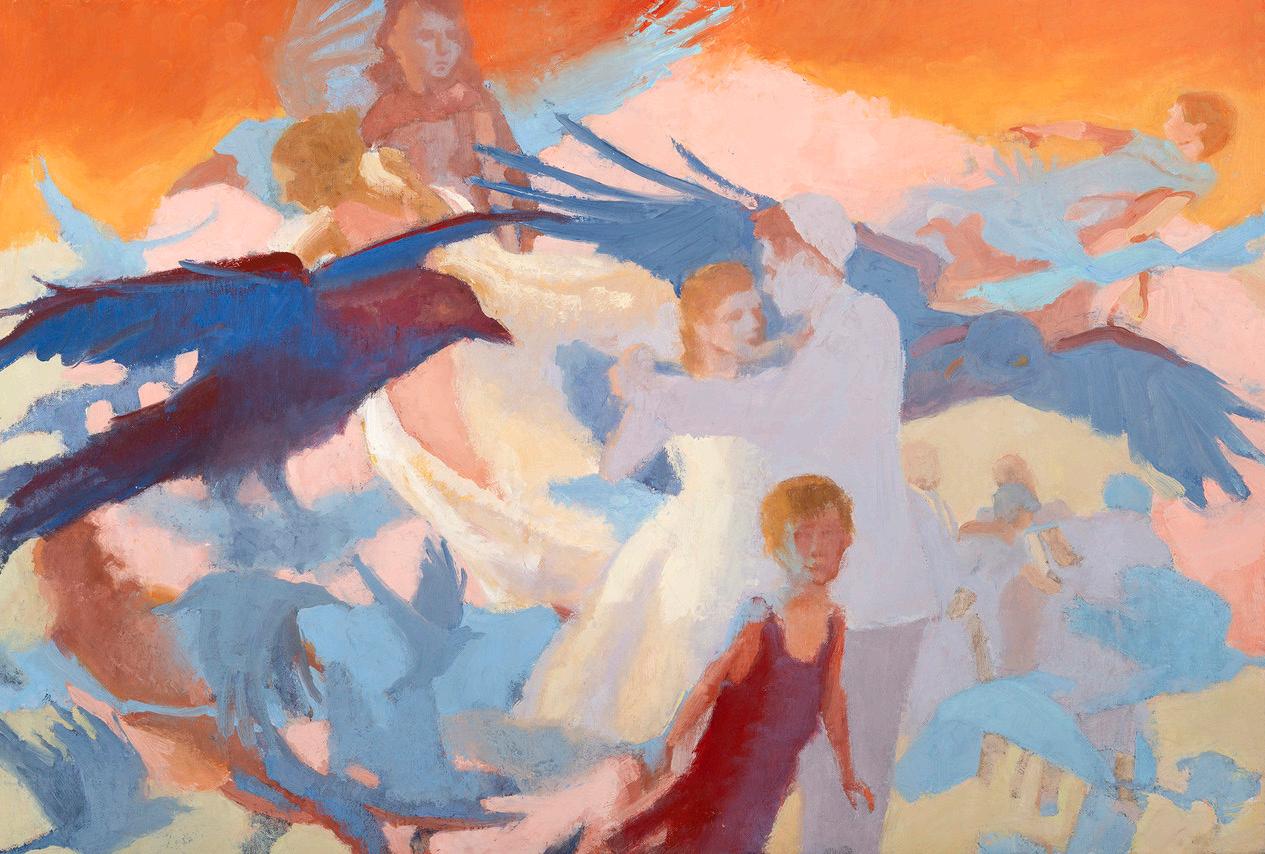
ETHAN AMES
American, born 1969
JESSIE TRISTAN READ
American, born Italy 1975
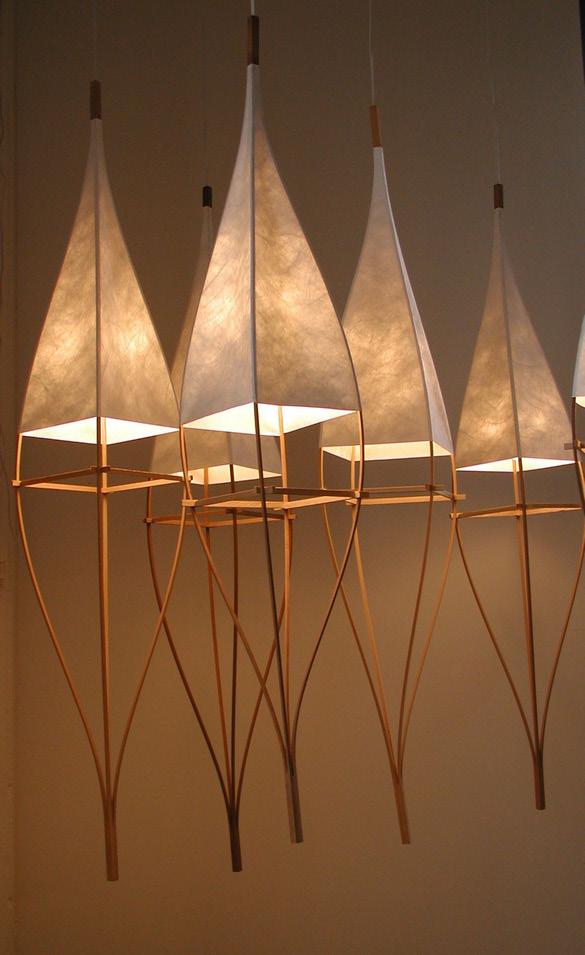
Suspended Light 2026
Lamps, 8 x 8 x 8 ft.
Courtesy of Jessie Tristan Read Studio
JENNIFER BAKER
American, born 1956
Elegy 2022
Oil on linen, 84 x 216 in.
Courtesy of the artist
SARAH BARR
American, born 1968
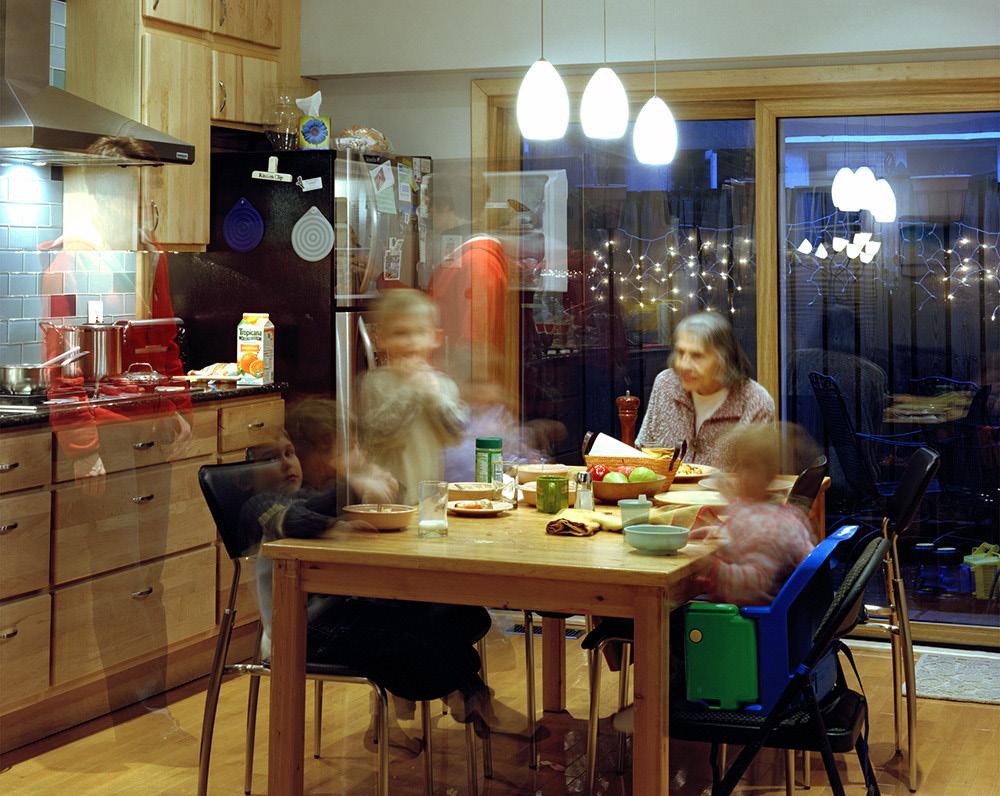
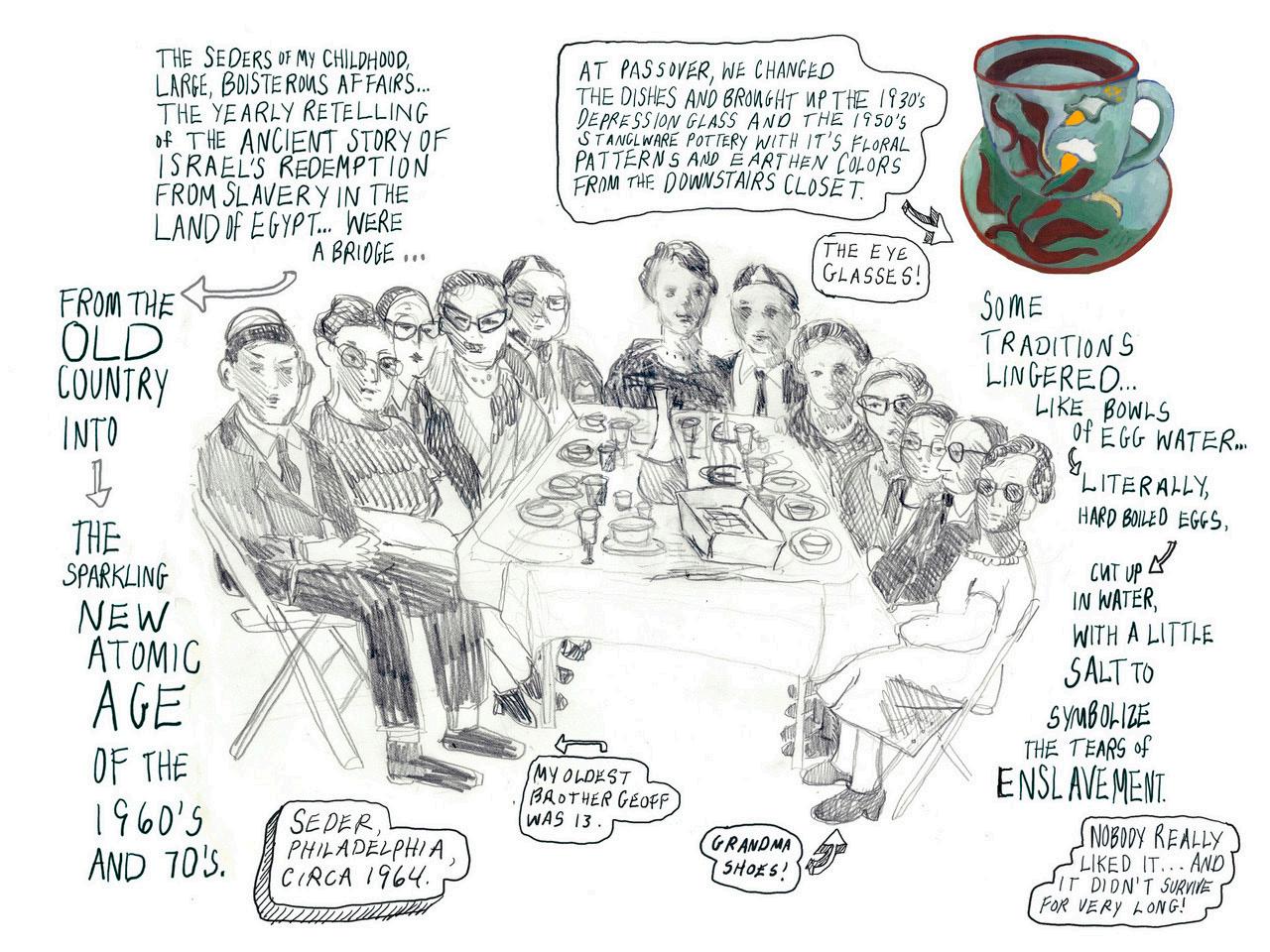
Dinner with Baba 2006
Archival pigment inkjet print, 24 x 30 in.
Courtesy of the artist
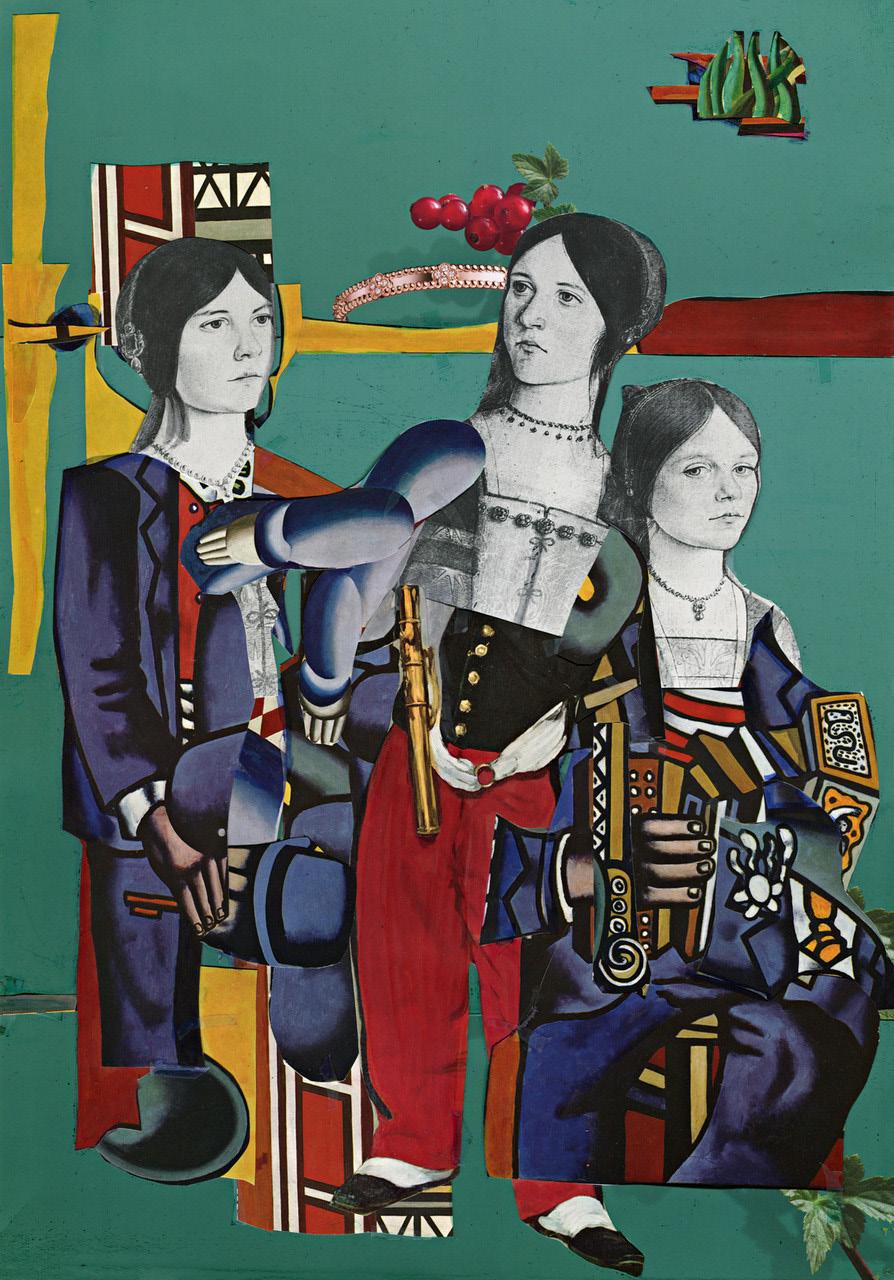
ERNESTO BECKFORD
American, born Argentina 1958
Kept Apart 2023
Mixed media collage, 16 1/2 x 11 1/2 in.
Courtesy of the artist
1988
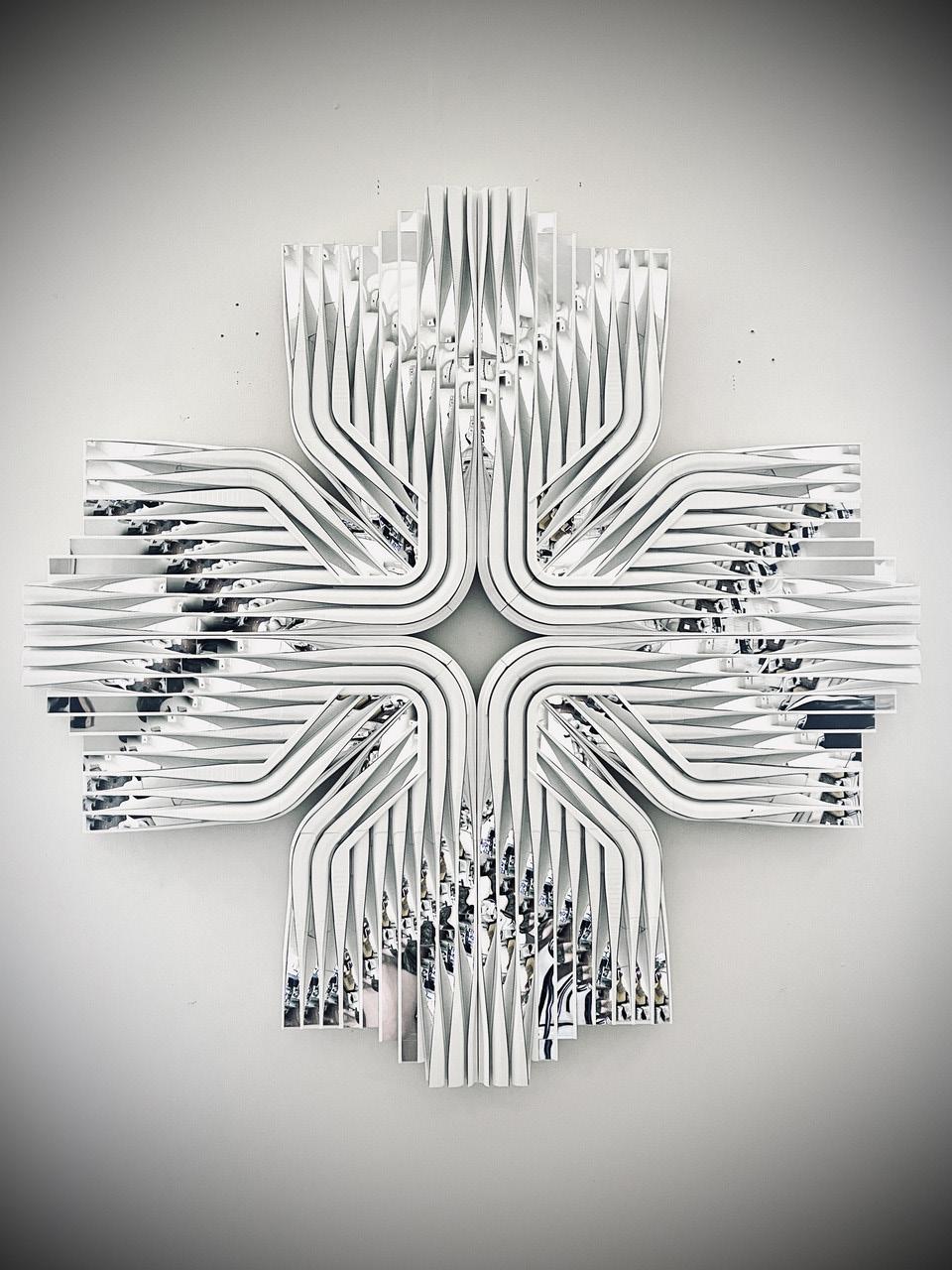
Unity, 2026
Polylactic acid (PLA), aluminum, and mirrored acrylic, 42 x 42 x 2 in.
American, born 1957
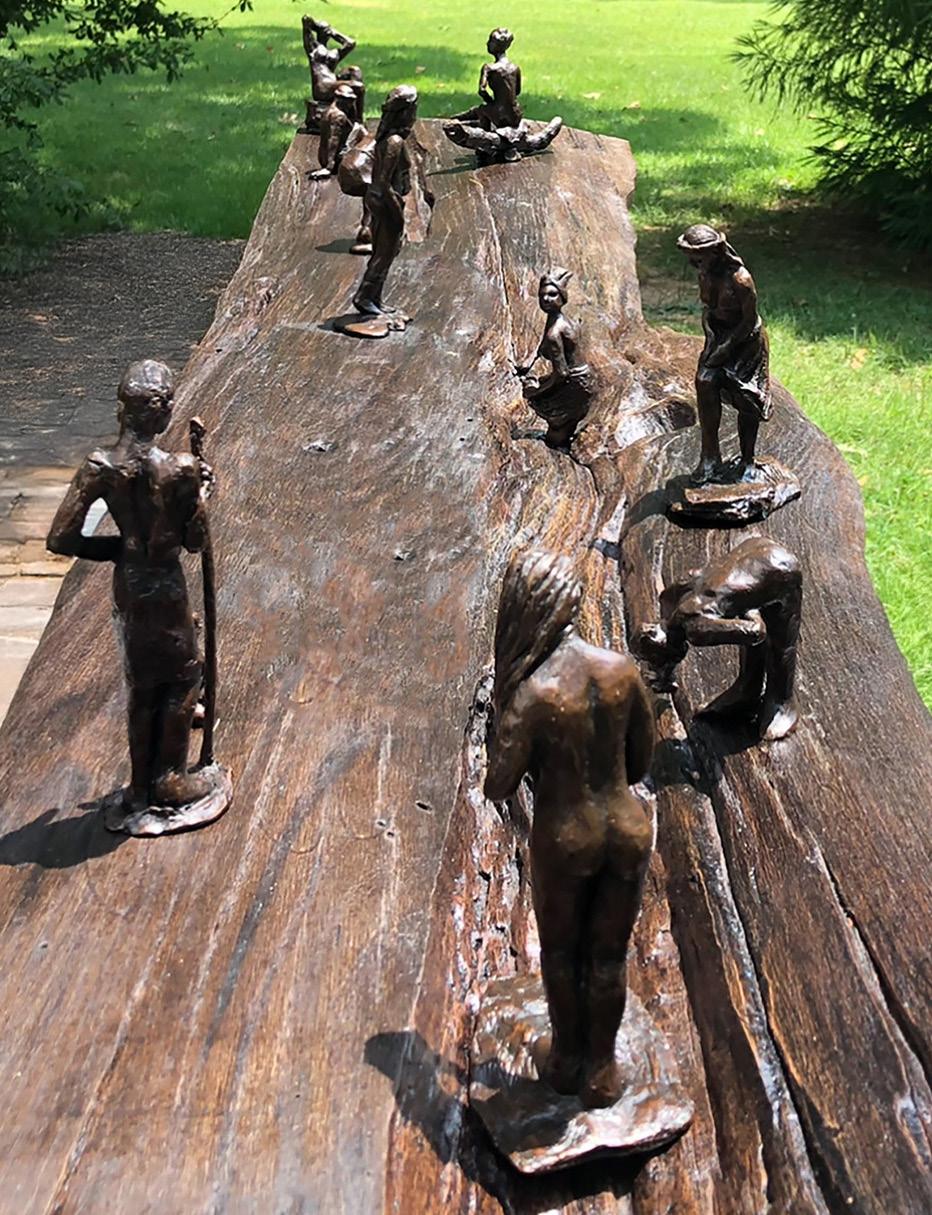
Bathers of the Brandywine 2024 Bronze, 6 x 13 x 66 in.
Courtesy of Morris Cook Studio
DONEGAN American, born 1951
Who Do Think I Am 2020
Textile, 18 x 22 x 2 in.
Courtesy of the artist
JIM BIGLAN
American, born 1966
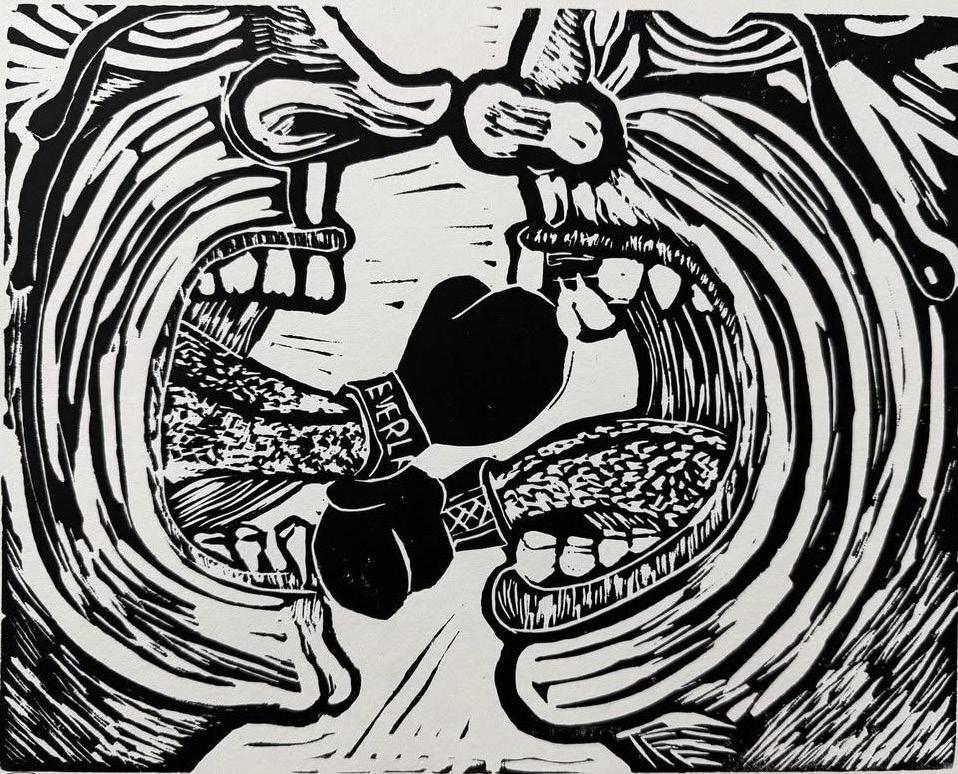
Fight 2025
Linocut, 18 x 16 in.
Courtesy of the artist
MARY ANN BUCKLIN American, born 1960
Faith 2025
Oil on canvas, 12 x 12 in.
Courtesy of the artist
MARY ANN BUCKLIN American, born 1960 Moses 2026
Oil on canvas, 12 x 12 in.
Courtesy of the artist
PHILLIP CHANG American, born
Courtesy of the artist
MORRIS COOK
STEVE
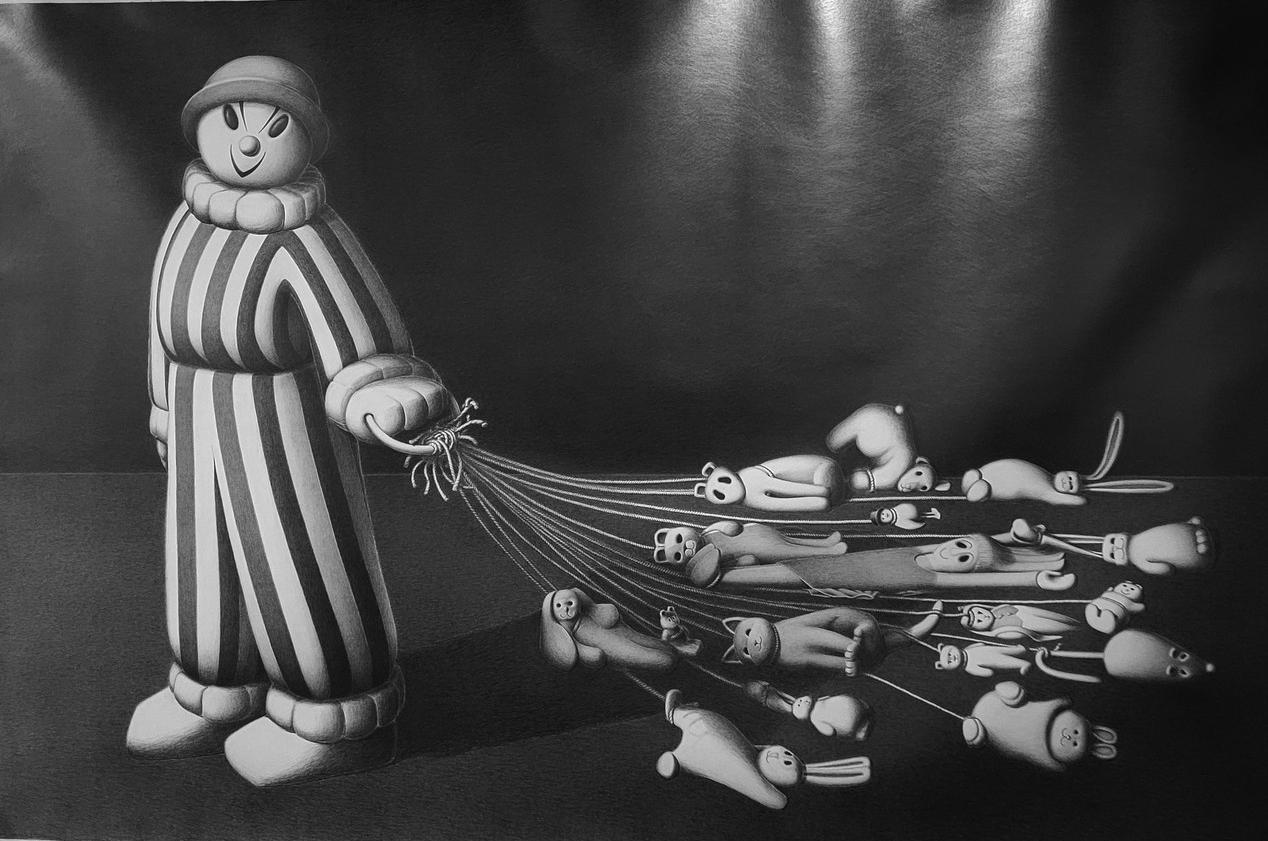
Mr. Clown Talks His Friends for a Midnight Stroll, 2023, by Elaine M. Erne (Courtesy of the artist)
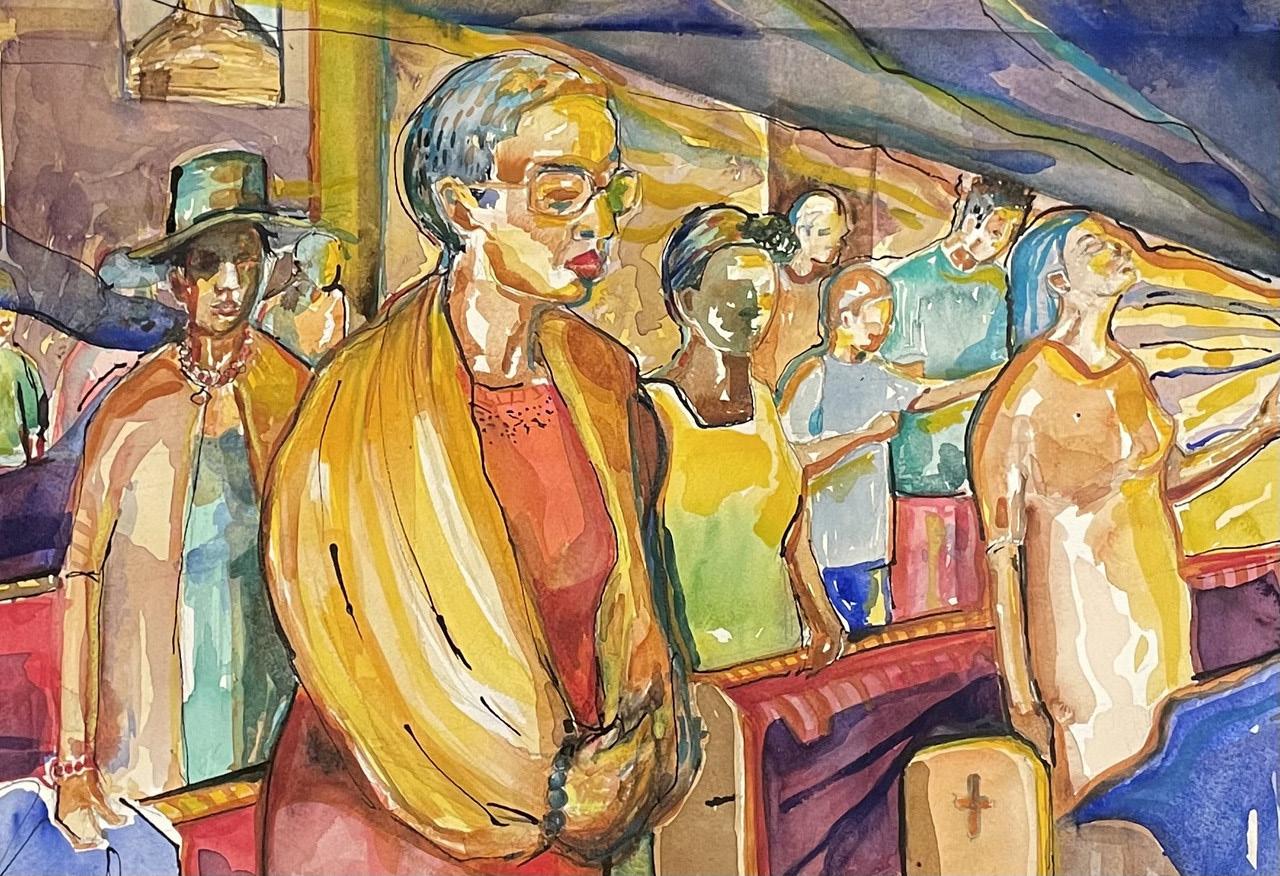
Holy Spirit 2025, by Melissa P. Tolbert-Womack (Courtesy of the artist)
Kept Apart 2023, by Ernesto Beckford (Courtesy of the artist)
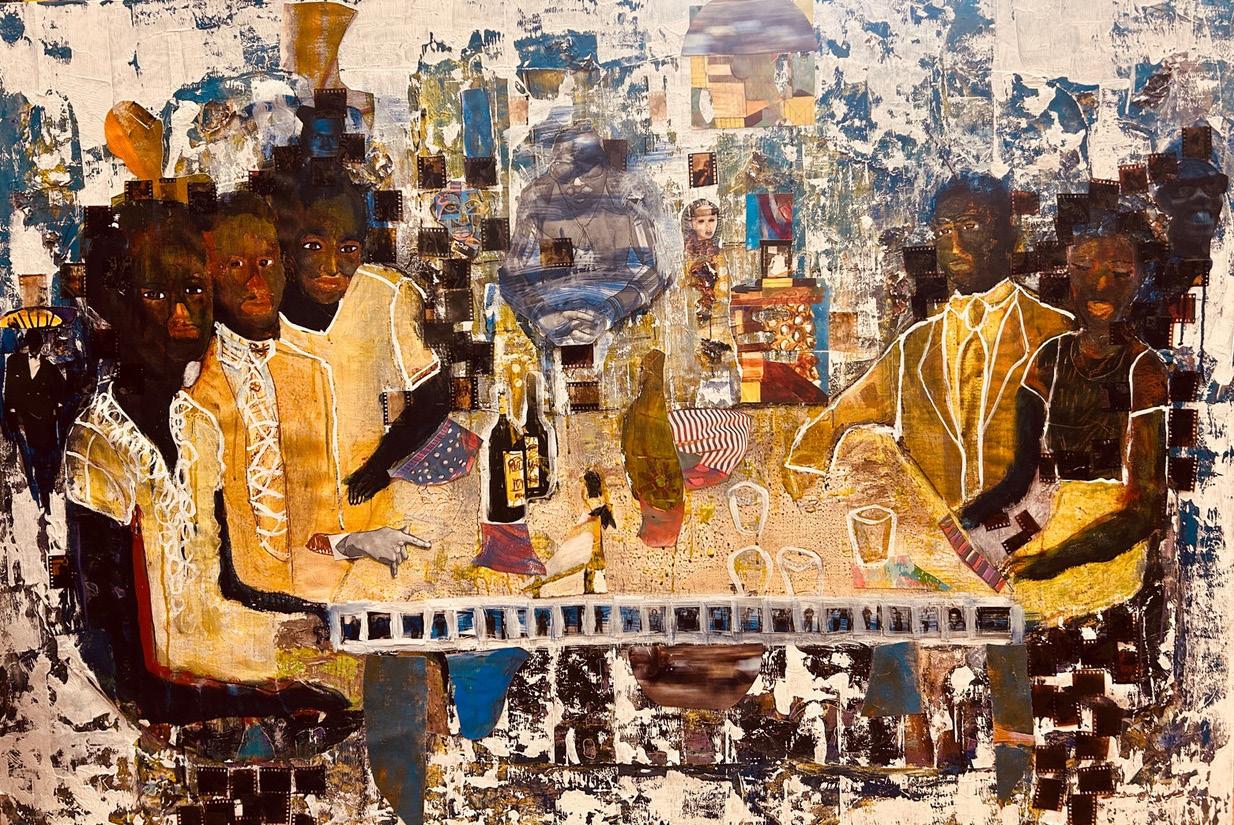
We Are Light, 2024, by Mikel Elam (Courtesy of the artist)
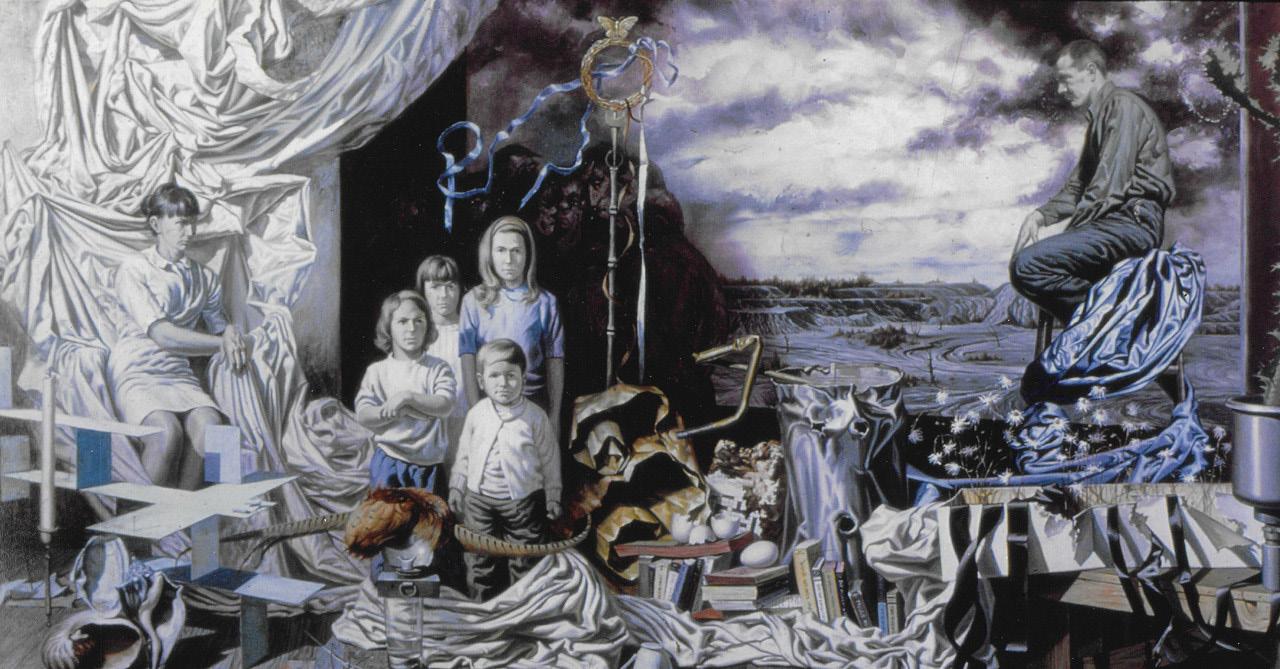
Chasm 1974, by Paul Gorka (Courtesy of Christine Clay Gorka)
I Think about the Weight, 2023, From the series We Keep Swimming, Until We All Reach Home by Jillian Guyette (Courtesy of the artist)
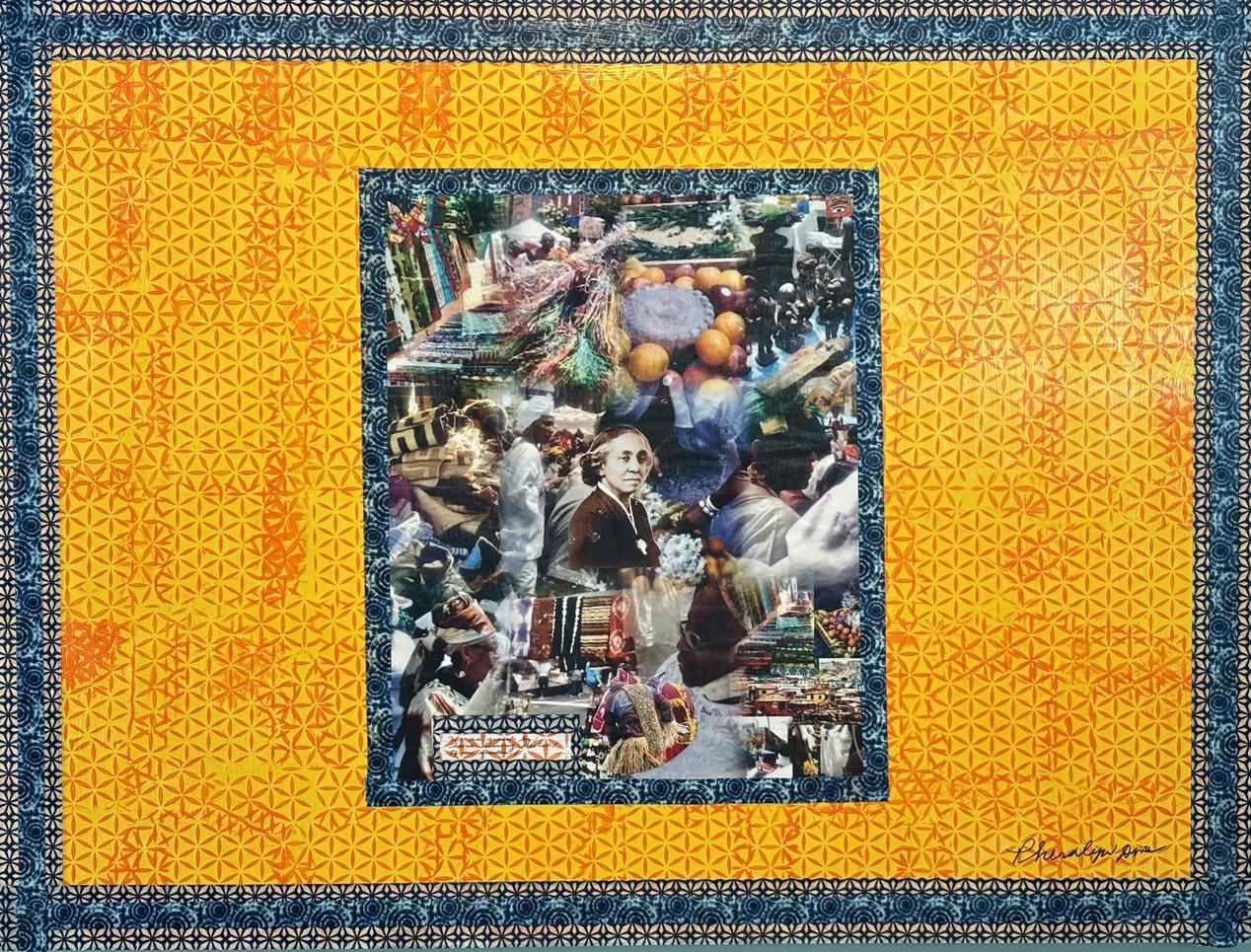
PHERALYN DOVE
American, born 1955
Guided by Spirit, 2026
Mixed media, acrylic on wood, photography, collage, 36 x 48 in. Courtesy of the artist
HARRISON DOYLE
American, born 1988
The Doyles, H. Doyle, and All Brothers 2025
Acrylic on panels, 40 x 40 x 1 1/2 in. overall
The Doyles courtesy of the Cullen family; H. Doyle courtesy of WP Gallery and the artist; All Brothers courtesy of the Anderson family
MIKEL ELAM
American, born 1964
We Are Light 2024
Mixed-media collage on canvas, approximately 40 x 60 in.
Courtesy of the artist
DAVID ENRIQUEZ
American, born Mexico 1992
Tehuana 2022
Acrylic on paper, 3 1/2 x 2 1/2 in. Courtesy of the artist
ELAINE M. ERNE
American, born YEAR
Mr. Clown Talks His Friends for a Midnight Stroll, 2023
Graphite pencil on paper, 94 x 144 in.
Courtesy of the artist
MINDY FLEXER
American, born 1961
Two 2019
Oil paint on linen mounted on panel, 20 x 30 in.
Courtesy of the artist
Nuclear Family 2024, by Elynne Rosenfeld Allenson (Courtesy of the artist and Cerulean Arts Gallery)
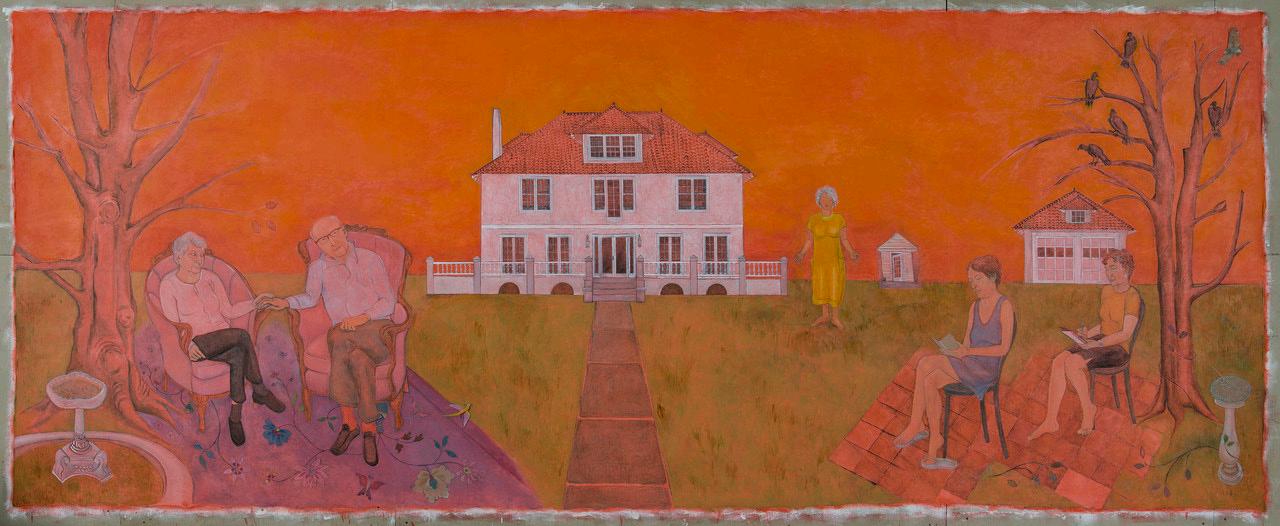
Elegy 2022, by Jennifer Baker (Courtesy of the artist)
Suspended Light 2026, by Ethan Ames and Jessie Tristan Read (Courtesy of Jessie Tristan Read Studio)
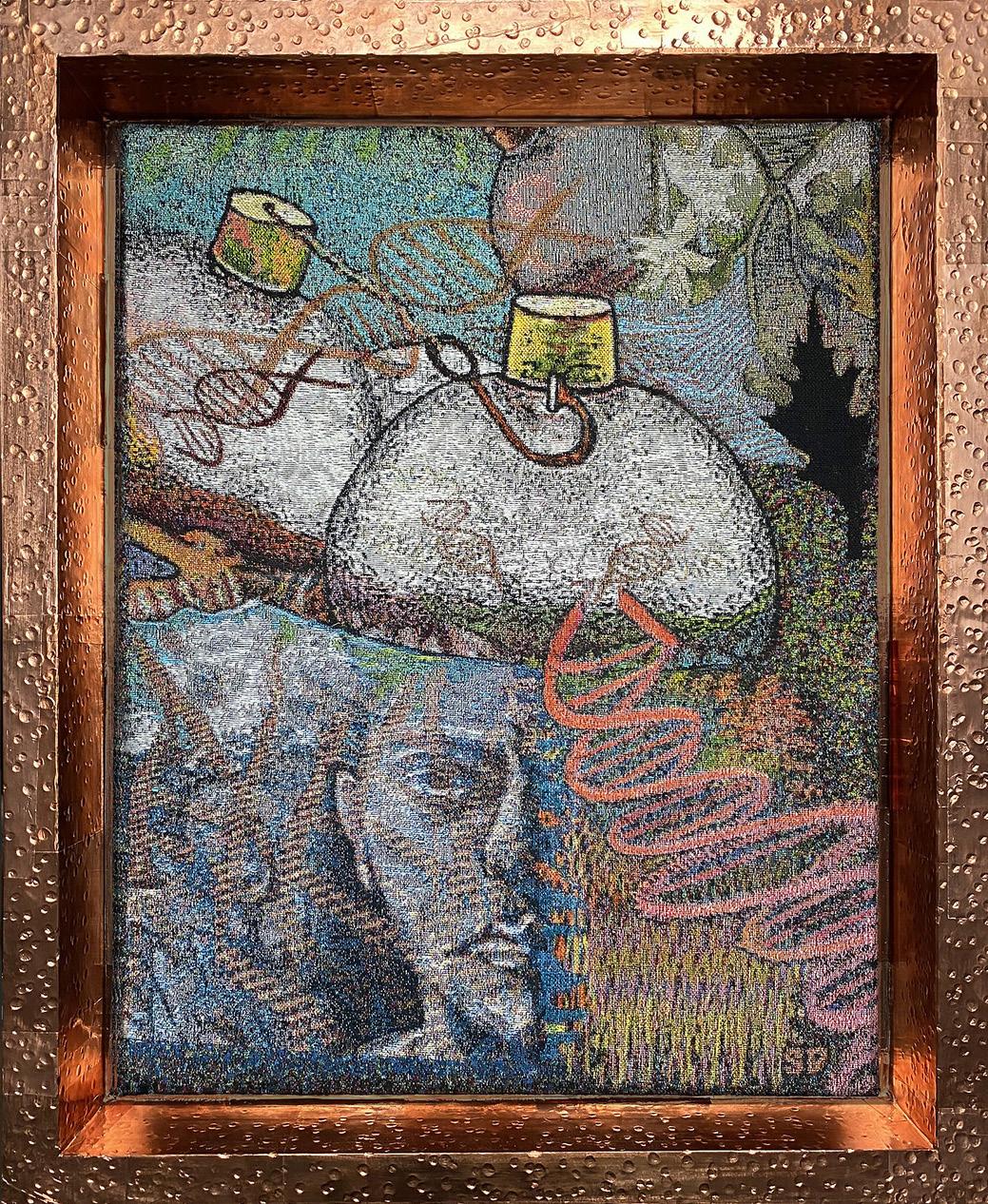
Who Do Think I Am 2020, by Steve Donegan (Courtesy of the artist)
Two 2019, by Mindy Flexer (Courtesy of the artist)
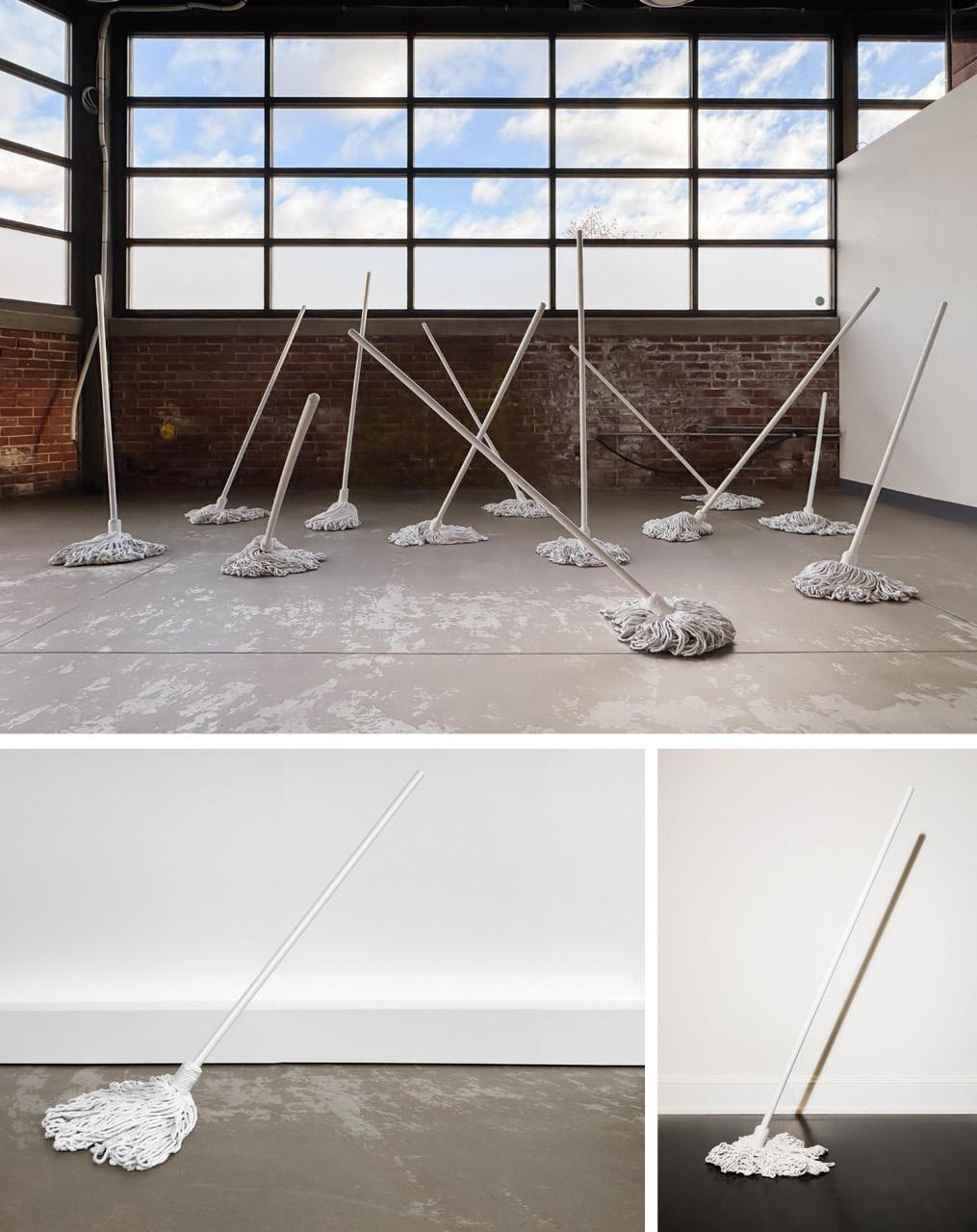
Mops 2024-26, by Pam Korman (Courtesy of the artist)
Unity 2026, by Phillip Chang (Courtesy of the artist)
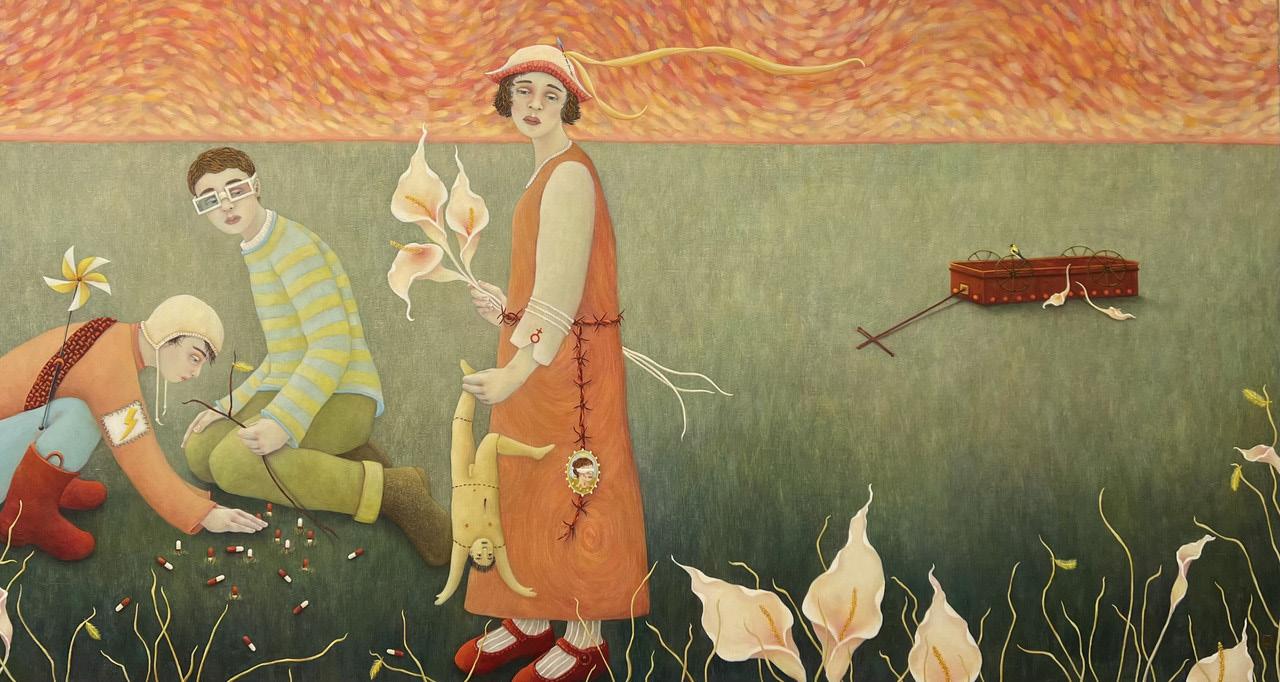
PAUL GORKA
American, 1931–2020
Chasm 1974
Oil on canvas, 92 x 50 in.
Courtesy of Christine Clay Gorka
NANCY GRIMES
American, born 1950
Custody, 2017
Oil on linen, 16 x 32 in.
Courtesy of the artist
GARY GRISSOM
American, born 1946
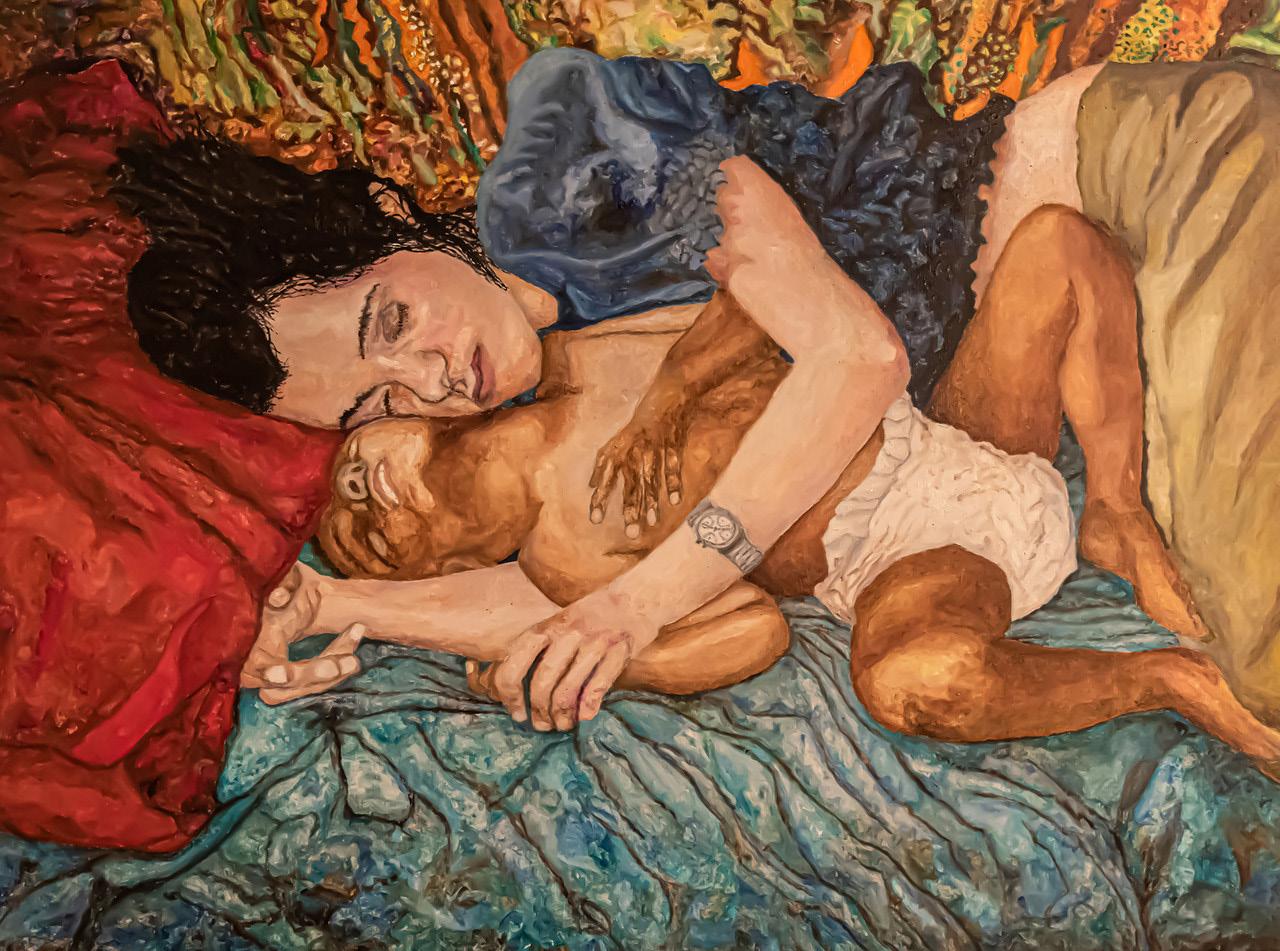
Yoha Holding Yaqub Sleeping 2024
Oil on panel, approximately 18 x 24 in.
Courtesy of the artist
JILLIAN GUYETTE
American, born 1990
Untitled 2023
Archival digital print on Hahnemühle rag paper, 12 x 12 in.
From the series We Keep Swimming, Until We All Reach Home
Courtesy of the artist
In Care of Ribs, 2024
Archival digital print on Hahnemühle rag paper, 12 x 12 in.
From the series We Keep Swimming, Until We All Reach Home
Courtesy of the artist
Without Ovaries 2024
Archival digital print on Hahnemühle rag paper, 12 x 16 in.
From the series We Keep Swimming, Until We All Reach Home
Courtesy of the artist
I Think about the Weight 2023 Archival digital print on Hahnemühle rag paper, 12 x 16 in.
From the series We Keep Swimming, Until We All Reach Home
Courtesy of the artist
TERRELL HALSEY
American, born 1993
Space and Time: Nana’s Earrings, 2024
Archival inkjet print, 11 x 14 in.
Courtesy of the artist
MIGUEL HORN
American, born 1983
Abu 2024
Acrylic, gold, Delaware River silt, epoxy, and wood, 120 x 84 x 96 in.
Courtesy of the artist
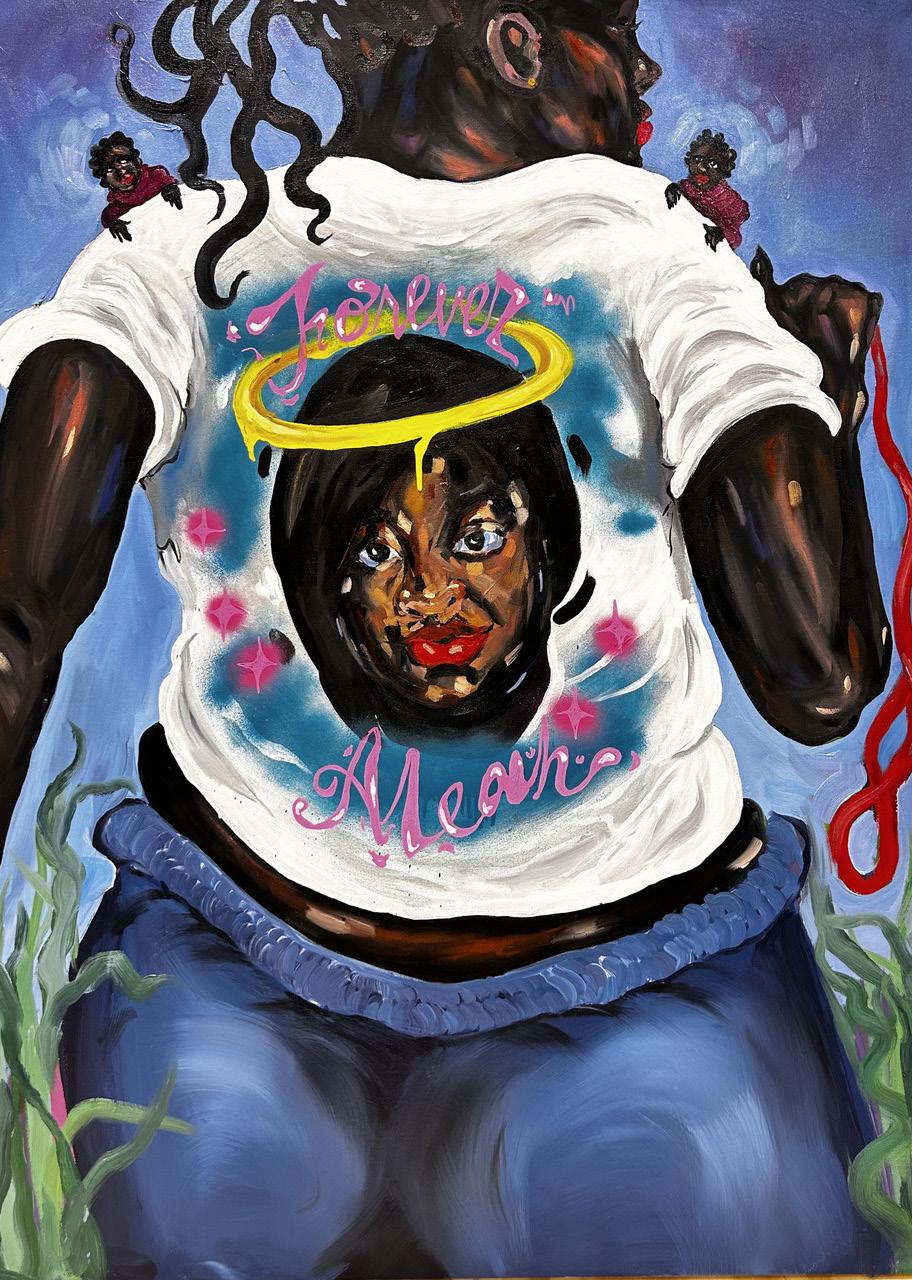
Shroud 2026, by Patricia Renée Thomas (Courtesy of the artist)
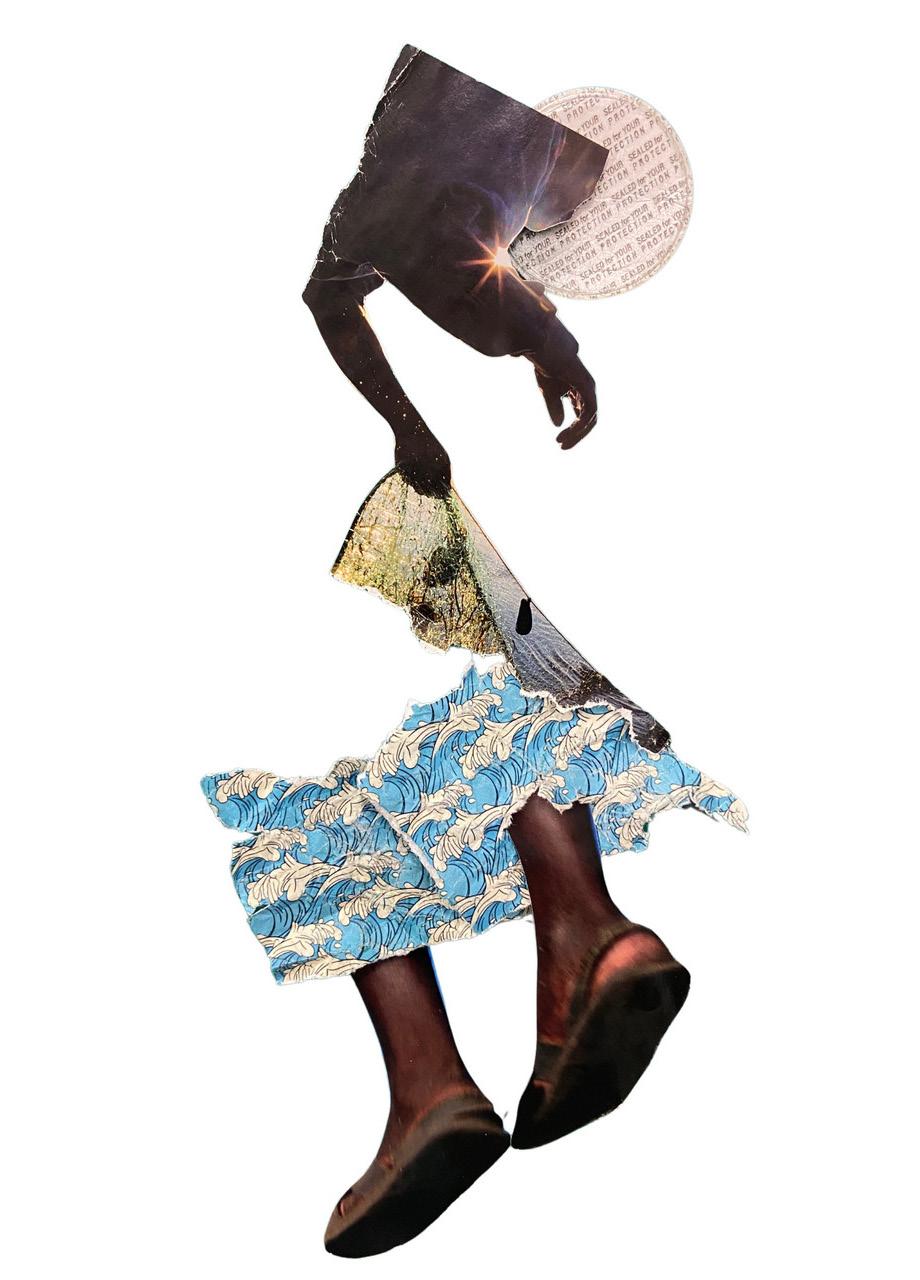
The Blues #001 2024, by Jillian M. Rock (Courtesy of the artist)
In a Garden We Plant 2025, by Rachel Romano (Courtesy of the artist)
Without Ovaries 2024, From the series We Keep Swimming, Until We All Reach Home by Jillian Guyette (Courtesy of the artist)
26 WOODMERE
Guided by Spirit 2026, by Pheralyn Dove (Courtesy of the artist)
Fight 2025, by Jim Biglan (Courtesy of the artist)
Grandma’s Back 2026, by Ronald Washington (Courtesy of the artist)
Dinner with Baba 2006, by Sarah Barr (Courtesy of the artist)
DOT JACKSON
American, born 1990
Shared Load 2026
Organza and rabbit-skin glue, 17 x 17 x 30 in.
Courtesy of the artist
MADELINE KENNEDY
American, born 1990
George Floyd Memorial March, Brooklyn 2020
Archival pigment print, 20 x 16 in.
Courtesy of the artist
PAM KORMAN
American, born 1964
Mops, 2024–26
Cotton, wood, and concrete, dimensions variable
Courtesy of the artist
SEAN LUGO
American, born 1981
Gentrification 2025
Acrylic and ink on mixed media wood panel, 50 x 74 x 2 in.
Courtesy of the artist and Paradigm Gallery
CHELSEY LUSTER
American, born 1997
Johanna and Jahné 2023
Oil, glitter, acrylic, and marker on canvas, 60 x 48 in.
Courtesy of the artist
MASON
American, born 1949
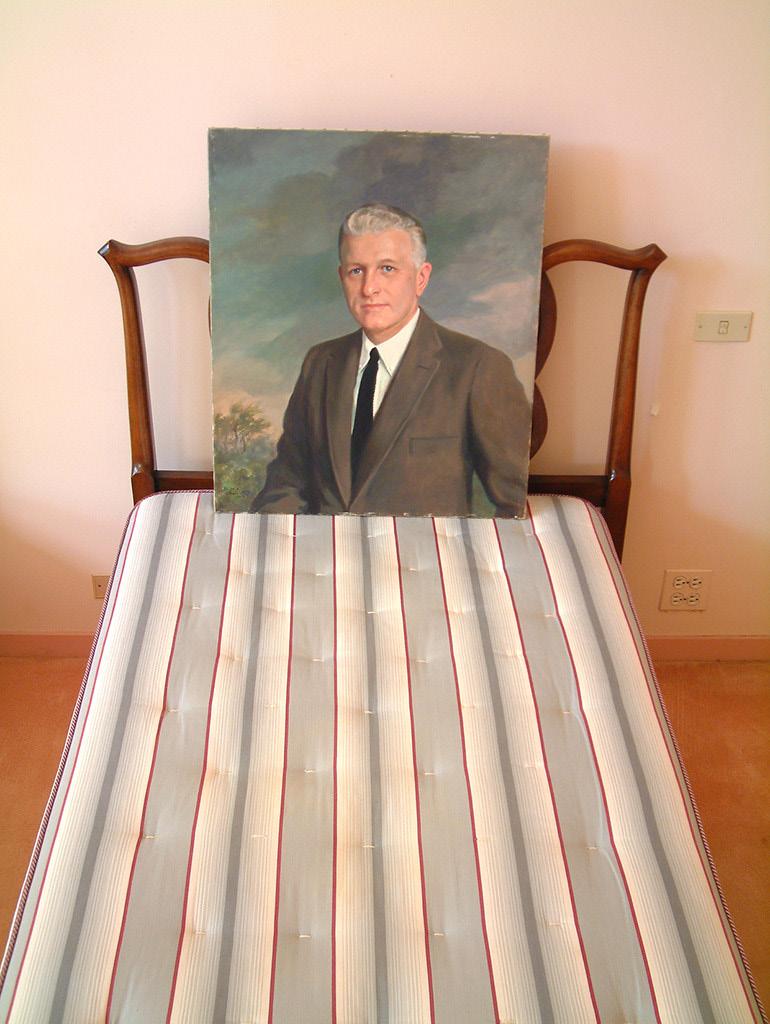
Portrait of My Father on His Deathbed 2003
Photograph, 10 x 8 in.
Courtesy of the artist
My Best Friend My Brother 2025, by José F. Moreno (Courtesy of David Grain)
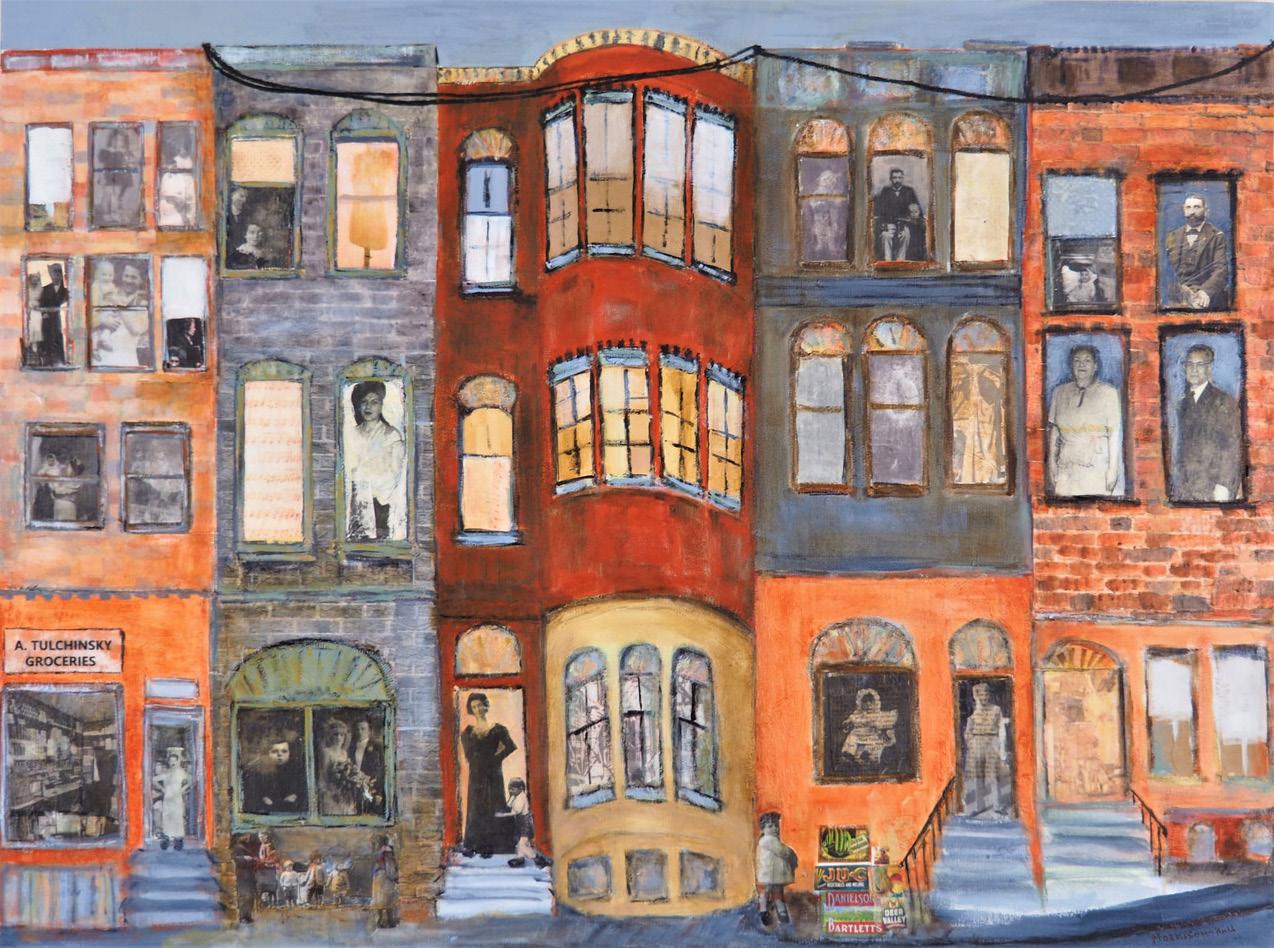
Families and Friends Lived Close to Each Other 2022, by Gail Morrison-Hall
(Courtesy of the artist)
MERRILL
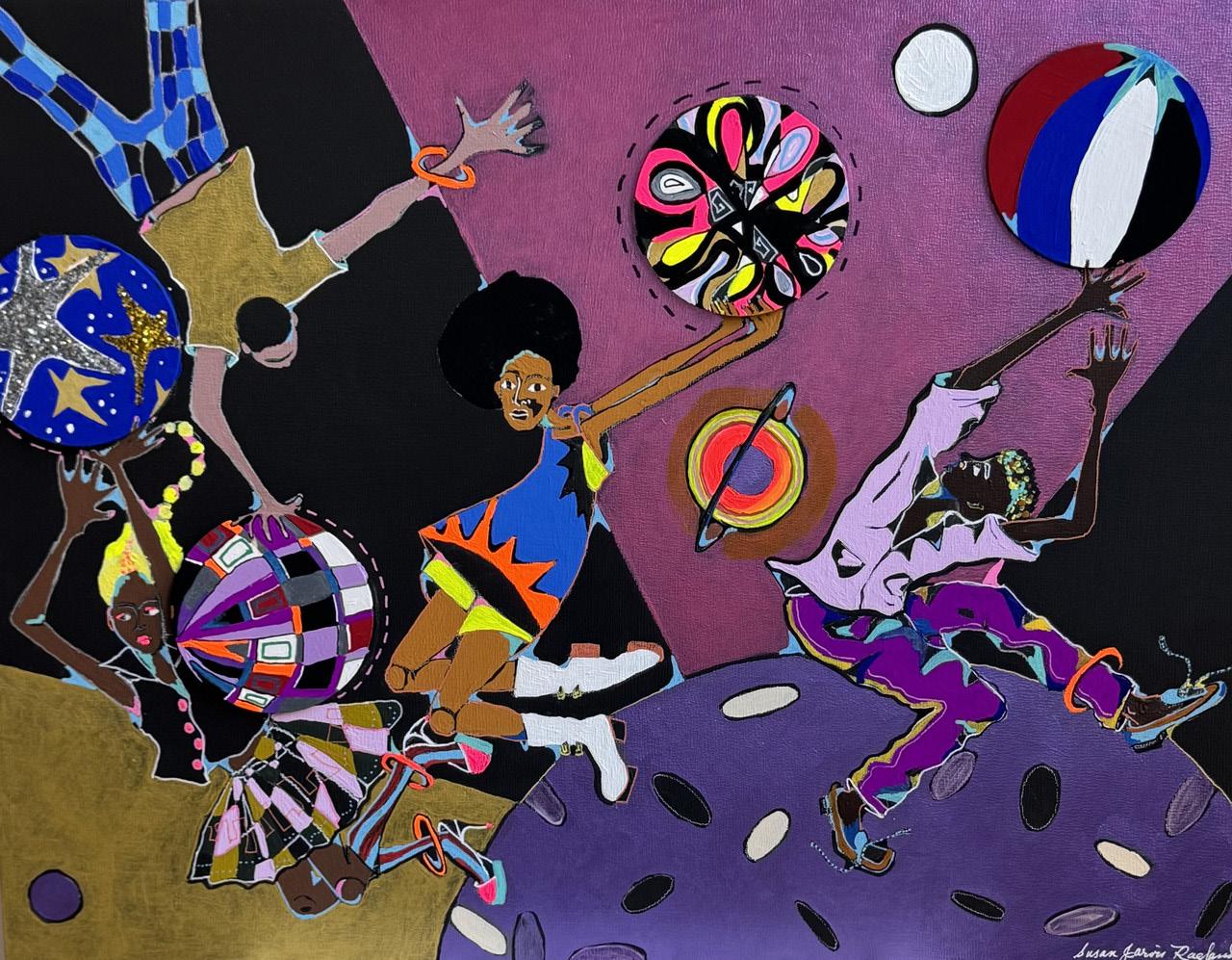
Creatives on Planet Wheee! 2025, by Susan Jarvis Ragland (Courtesy of the artist)
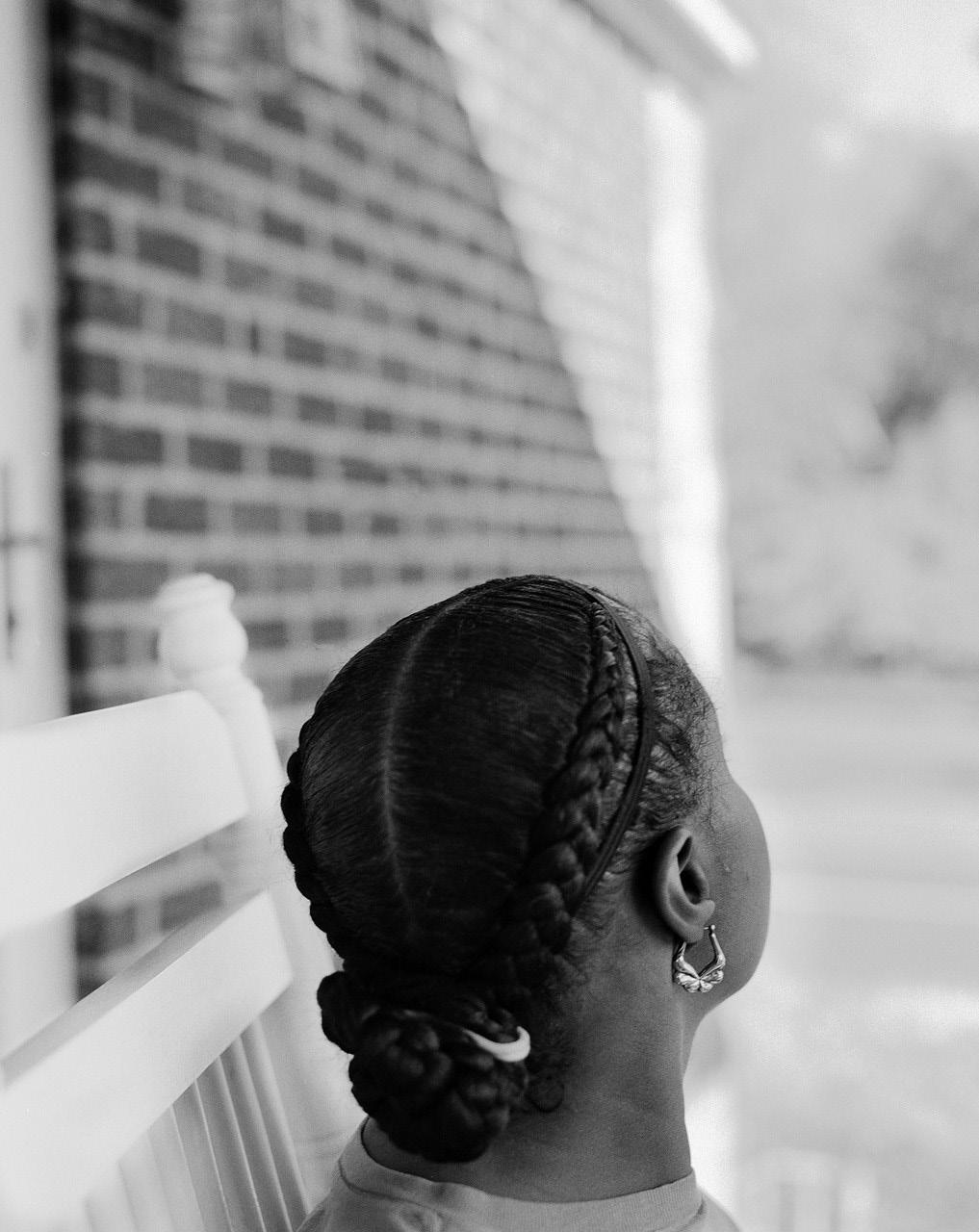
Space and Time: Nana’s Earrings 2024, by Terrell Halsey (Courtesy of the artist)
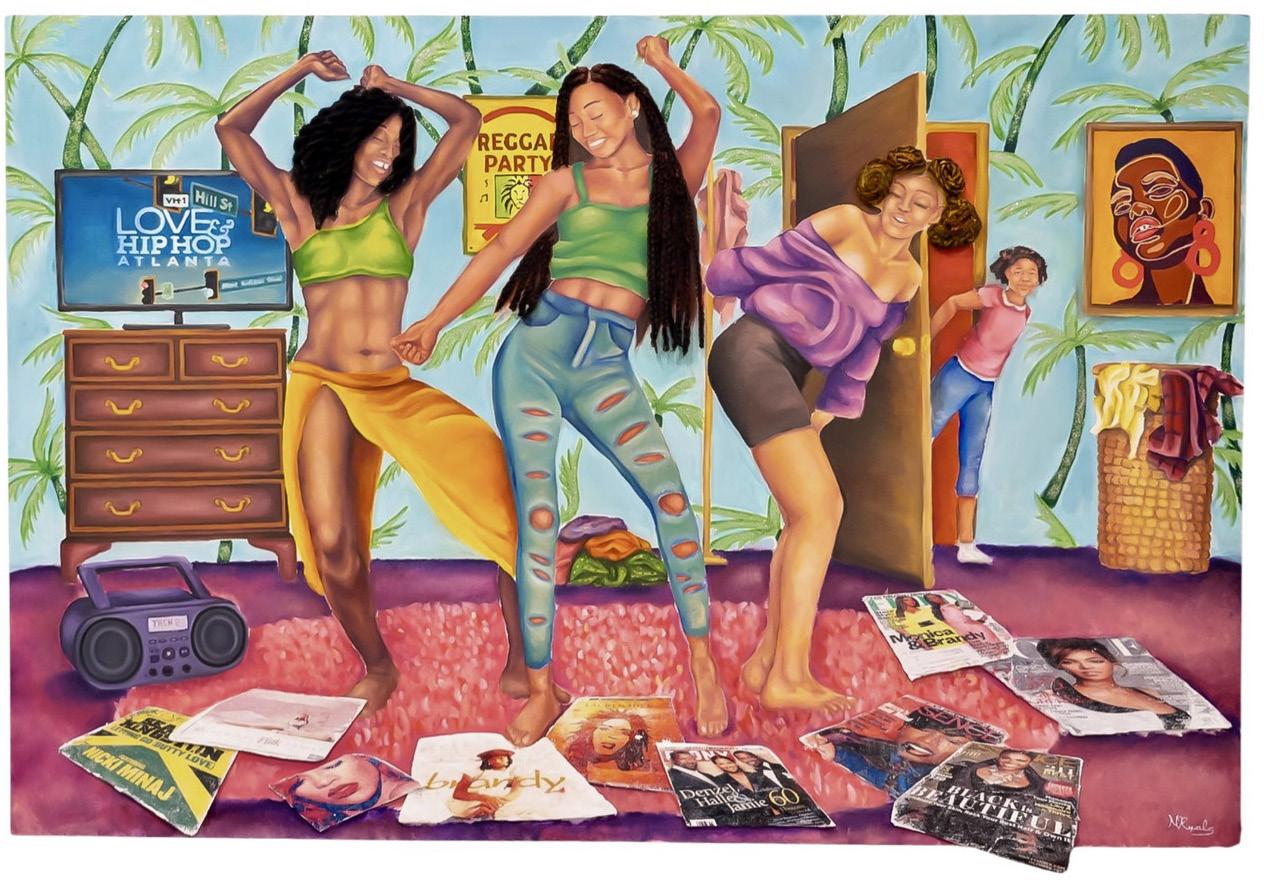
Shoo, Get Out of Your Sister’s Room 2024, by Nevaeh Ryals (Courtesy of Nevaeh Ryals)
NAZANIN MOGHBELI
American, born 1975
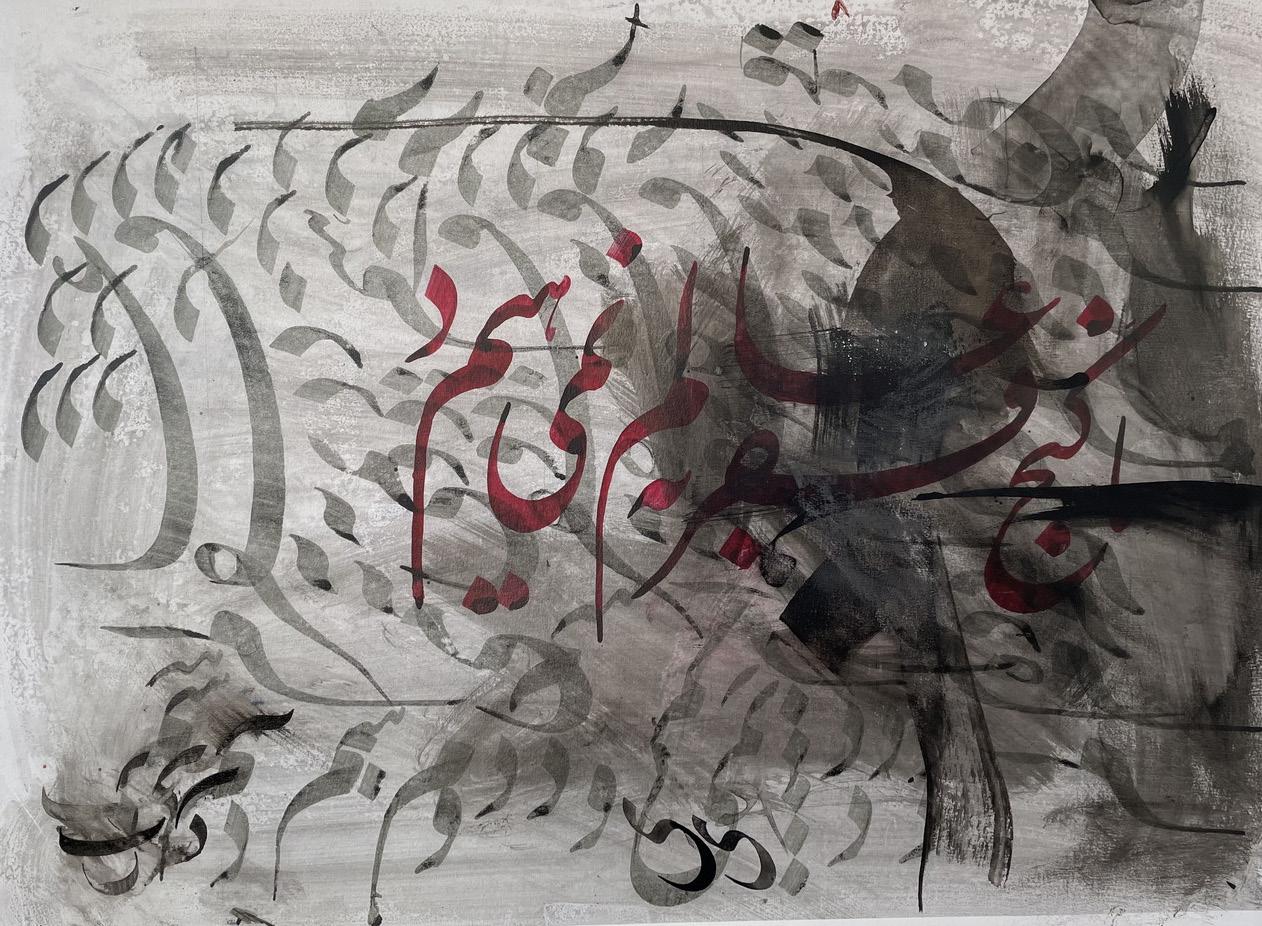
Words from Mother III 2024
Mixed media on paper, 14 x 24 in.
Courtesy of the artist
JOSÉ F. MORENO
American, born El Salvador 1969
Maria with Dogs 2012
Digital photograph, 10 x 8 in.
Courtesy of the artist
My Best Friend My Brother 2025
Digital photograph, 16 x 20 in.
Courtesy of the artist
GAIL MORRISON-HALL
American, born 1944
Families and Friends Lived Close
to Each Other 2022
Mixed media on canvas, 36 x 48 in.
Courtesy of the artist
EWELINA NOWAKOWSKA
American, born Poland 1981
The Concrete Muse, 2014
Photograph, 14 x 10 in.
Courtesy of the artist
ALFRED ORTEGA
American
Family Bonds 2024
Oil on canvas, 48 x 36 in.
Courtesy of the artist
ANDREA PACKARD
American, born 1963
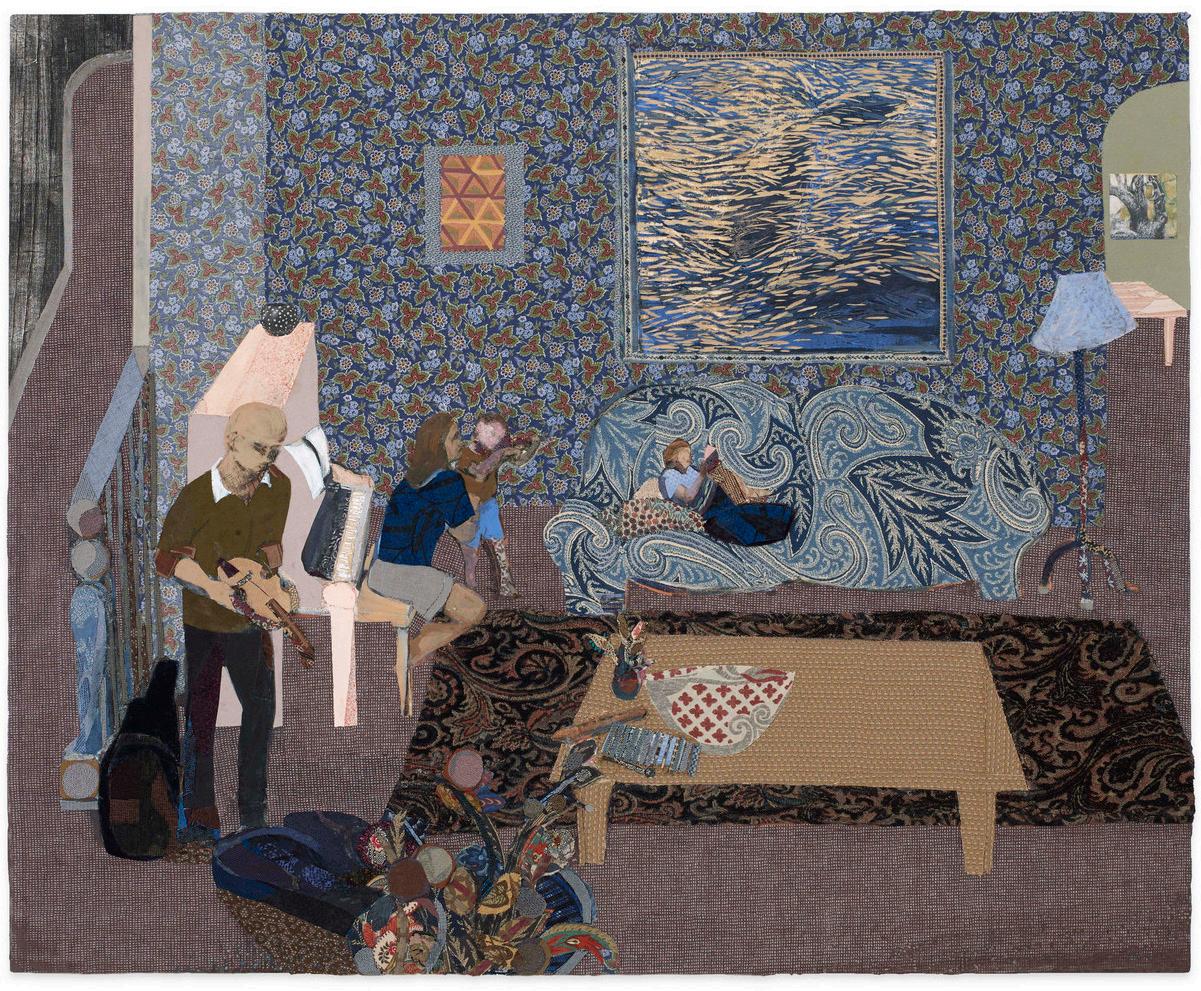
Music and Melville (Family Group), 2016
Mixed media and fabric on paper-mounted panel, 46 1/2 x 56 1/2 in.
Courtesy of the artist
J. A. PANETTA
American, born 1956
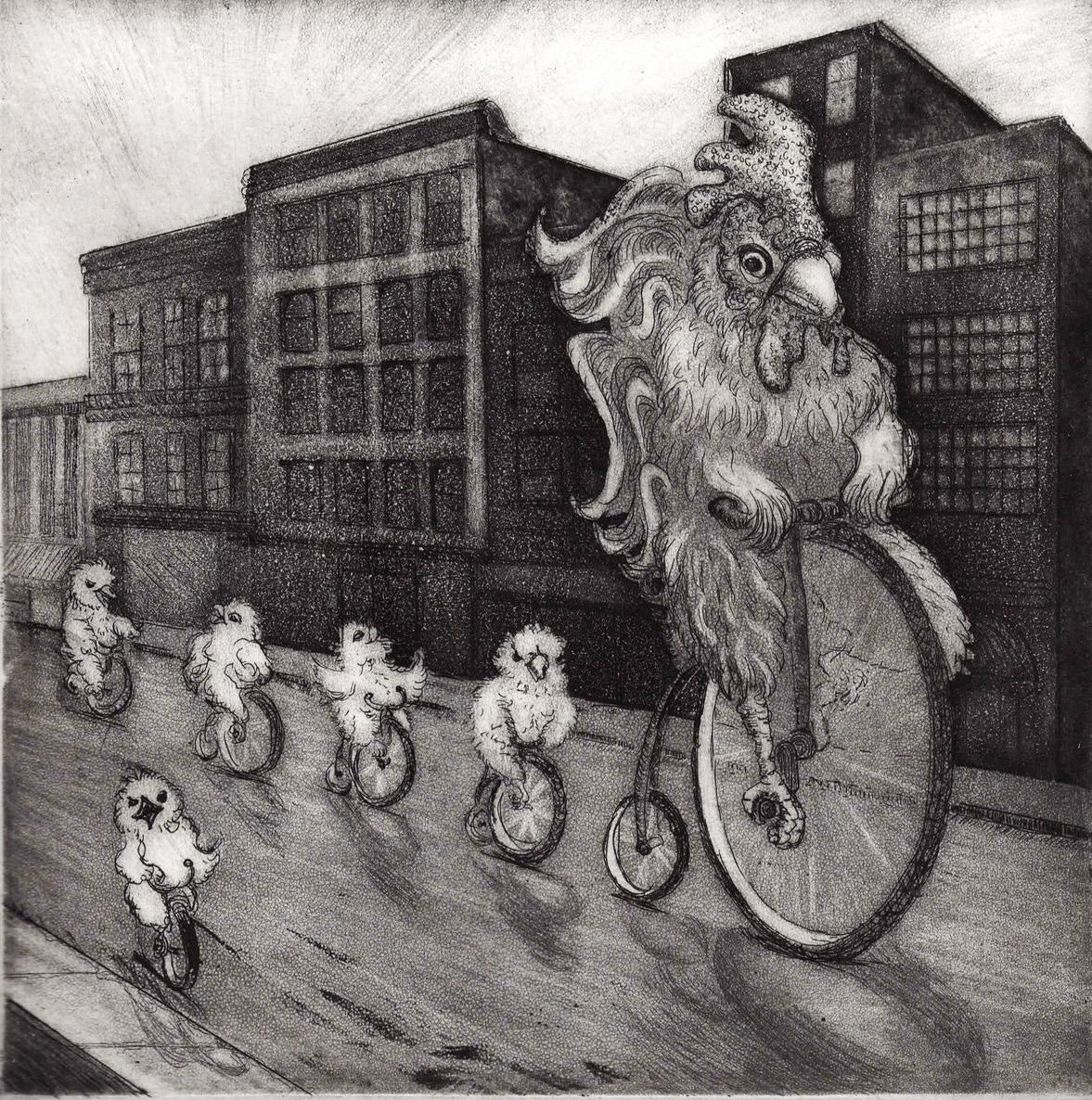
Chicken Penny Farthing 2022
Aquatint and etching, 12 x 12 in.
Courtesy of the artist
AMIE POTSIC
American, born 1971
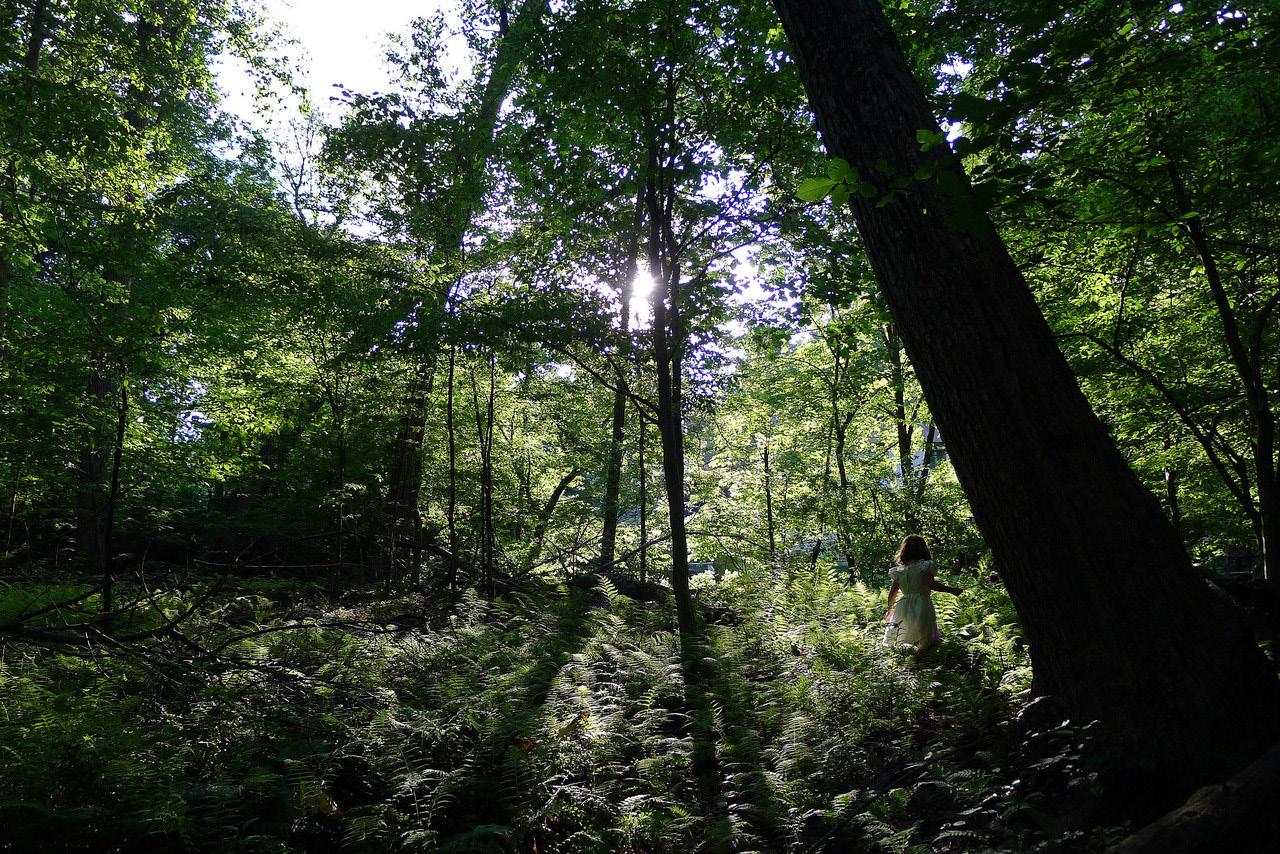
Girl in the Garden #1, 2019
Archival pigment print, 22 x 23 in.
Courtesy of the artist
Danger in Paradise #3 2019
Archival pigment print, 22 x 29 in.
Courtesy of the artist
JOHN JAMES PRON
American, born 1947
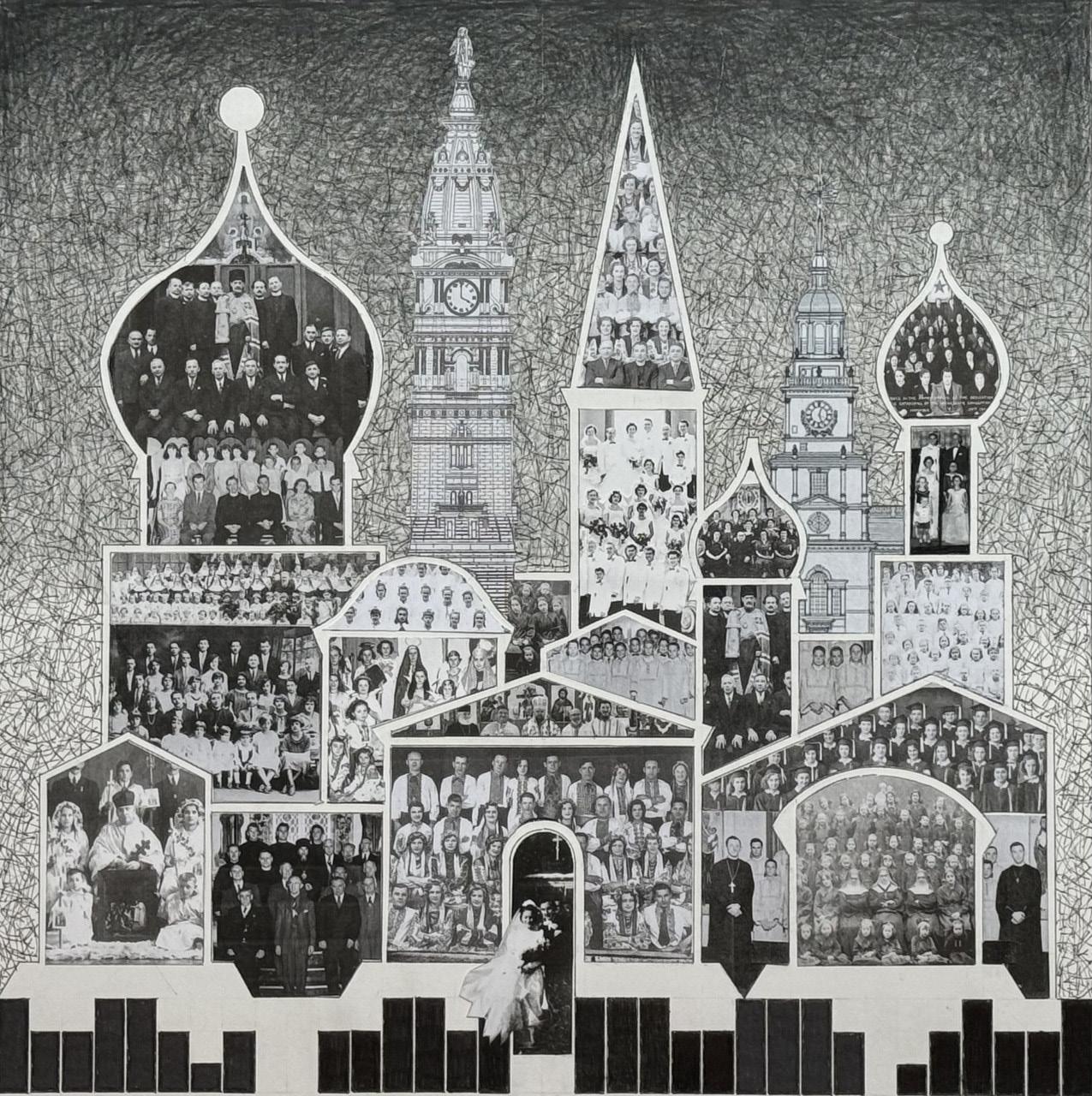
Omnipresent Churchlife 2024
Mixed media collage, 20 x 20 in.
Courtesy of the artist and Cerulean Arts Gallery
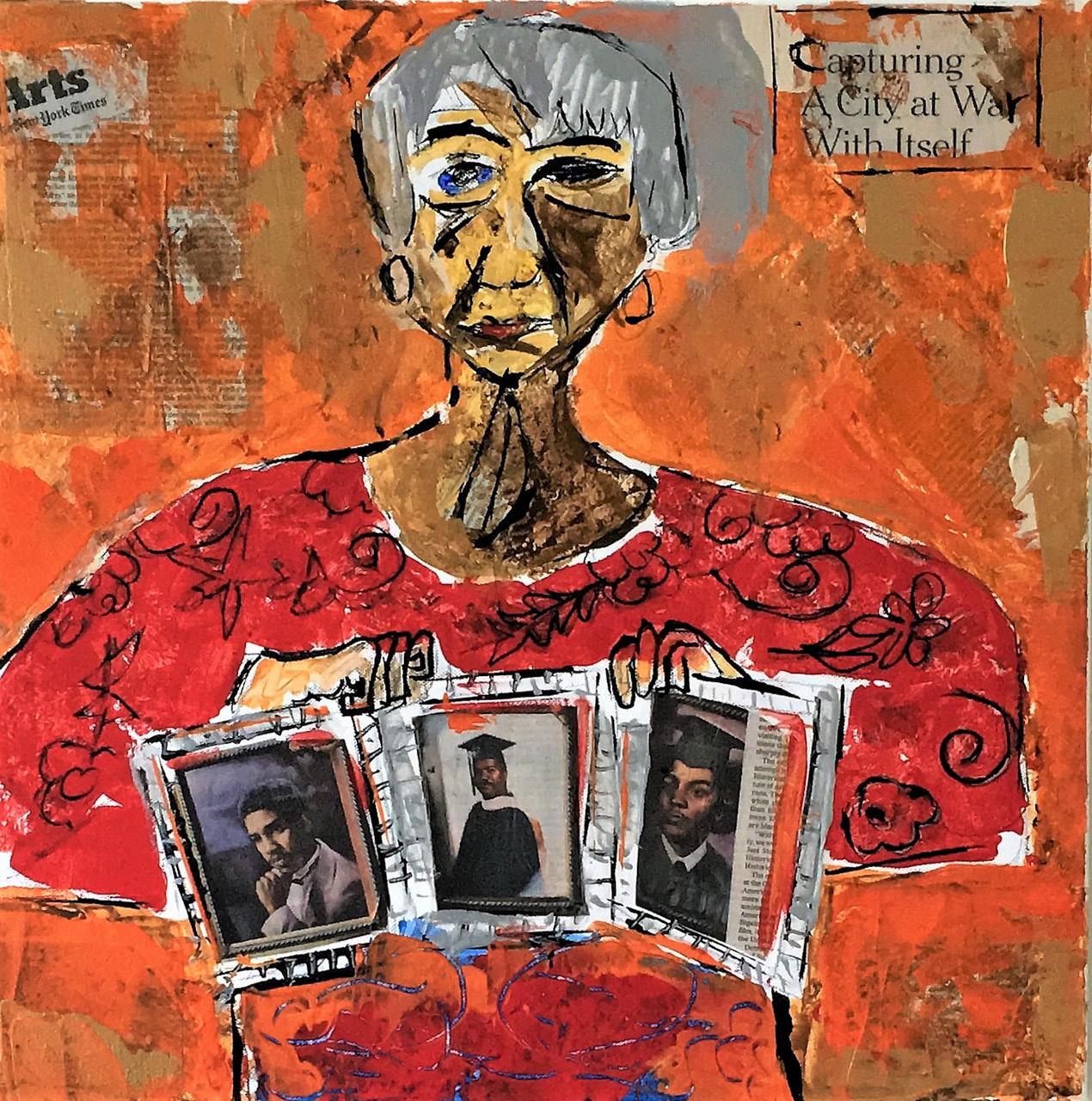
The Grandmother 2017, by Barbara Shelly (Courtesy of the artist)
Chicken Penny Farthing 2022, by J. A. Panetta (Courtesy of the artist)
Danger in Paradise #3 2019, by Amie Potsic (Courtesy of the artist)
Abu 2024, by Miguel Horn (Courtesy of the artist)
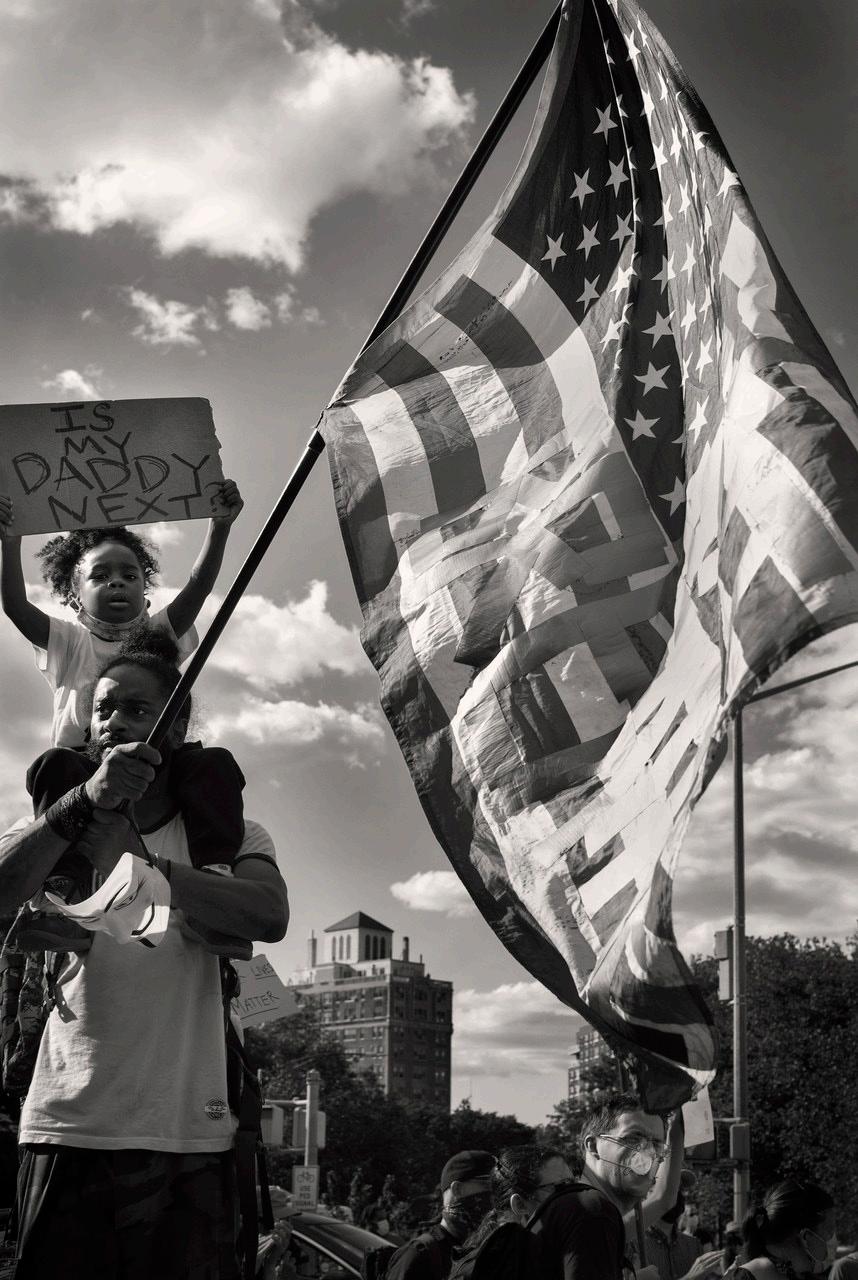
George Floyd Memorial March, Brooklyn 2020, by Madeline Kennedy (Courtesy of the artist)
Yoha Holding Yaqub Sleeping 2024, by Gary Grissom (Courtesy of the artist)
B. PROUD
American, born 1956
Owen and Blue, Transgender Men 2017
Archival pigment print, 40 x 28 in.
Courtesy of the artist
Ja’Mel and Alphonso, Trans and Nonbinary Couple 2021
Archival pigment print, 40 x 29 in.
Courtesy of the artist
SUSAN JARVIS RAGLAND
American, born 1961
Creatives on Planet Wheee!, 2025
Mixed media on canvas with plywood cradle, 18 x 24 x 1 in.
Courtesy of the artist
QIAIRA RILEY
American, born 1996
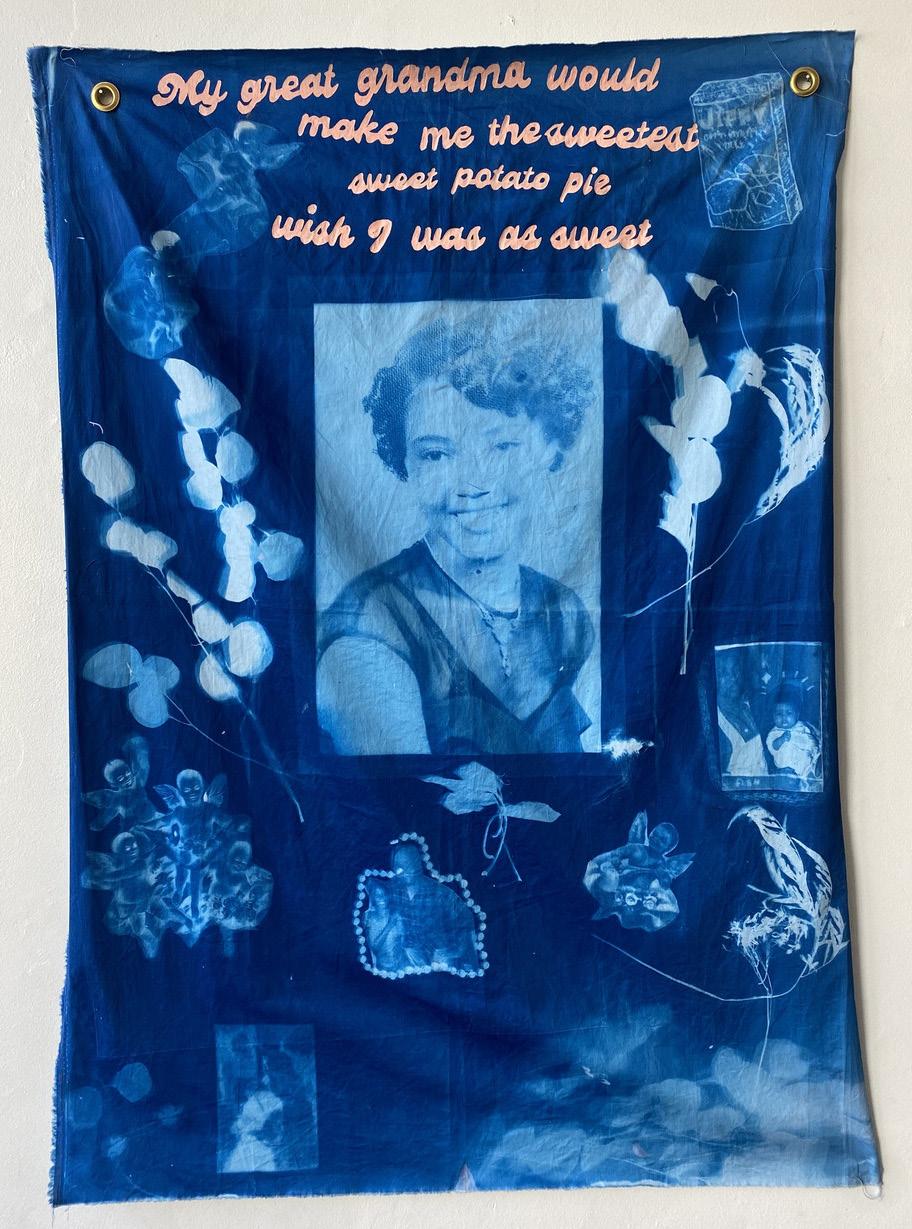
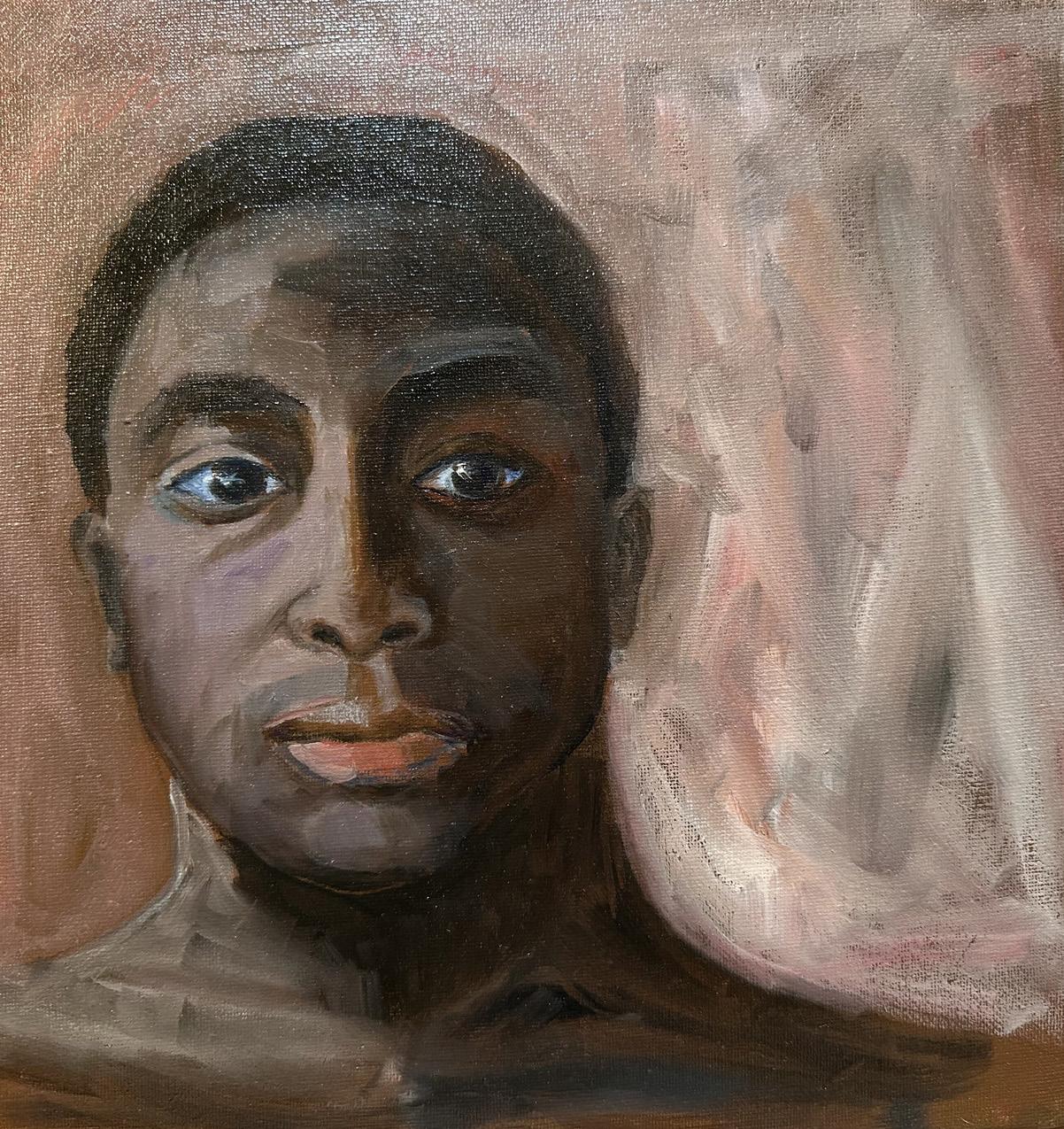
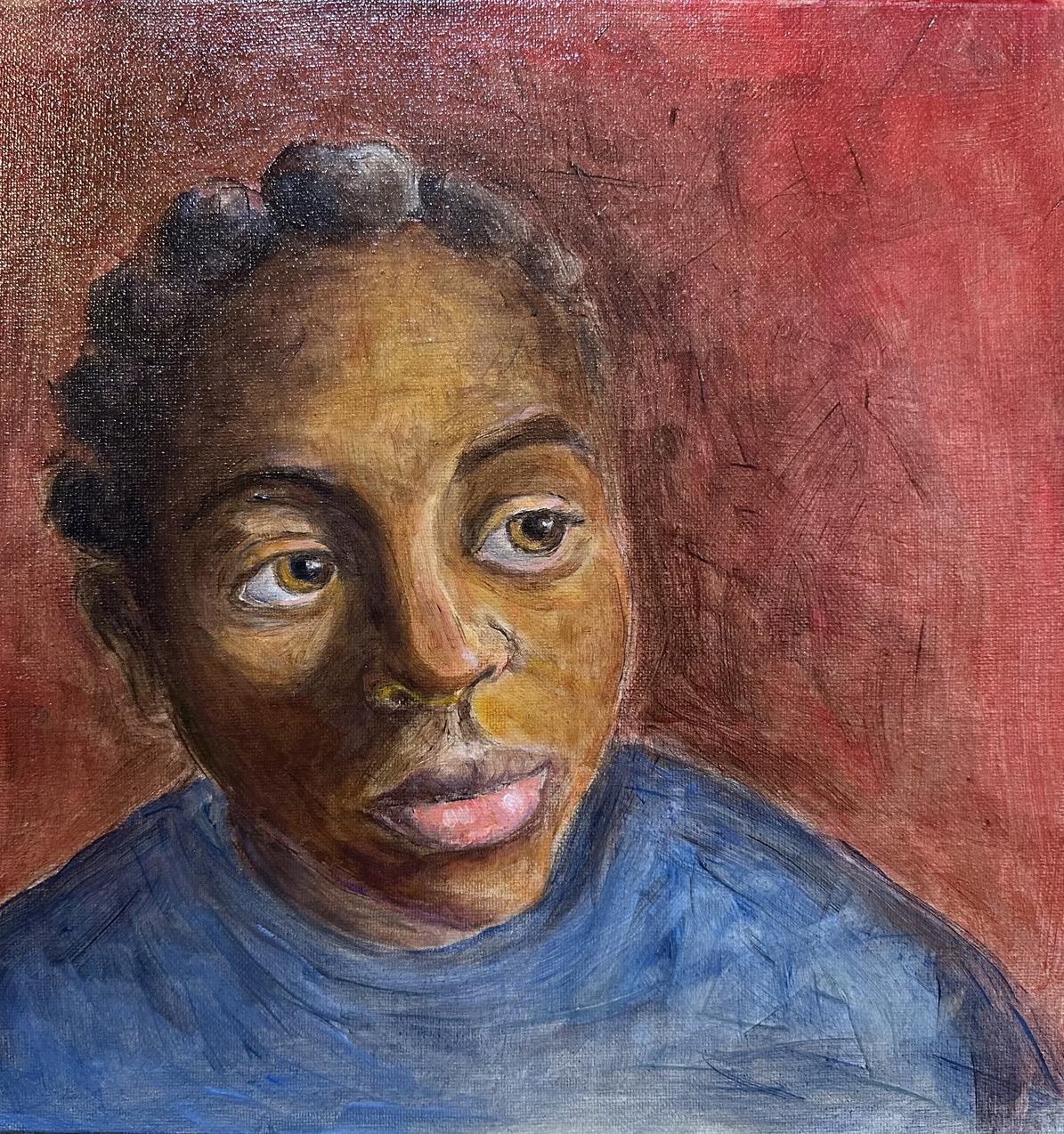
Wish I Was as Sweet 2023
Acrylic paint on cyanotype cotton, 30 x 40 in.
Courtesy of the artist
JILLIAN M. ROCK
American, born 1982
The Blues #001, 2024
Collage, 18 x 24 in.
Courtesy of the artist
RACHEL ROMANO
American, born 1958
In a Garden We Plant 2025
Oil on linen, 46 x 81 in.
Courtesy of the artist
NEVAEH RYALS
American, born 2002
Shoo, Get Out of Your Sister’s Room 2024
Oil paint and mixed media on wood, 4 x 6 feet
Courtesy of Nevaeh Ryals
Portrait of My Father on His Deathbed 2003, by Merrill Mason (Courtesy of the artist)
Music and Melville (Family Group) 2016, by Andrea Packard (Courtesy of the artist)
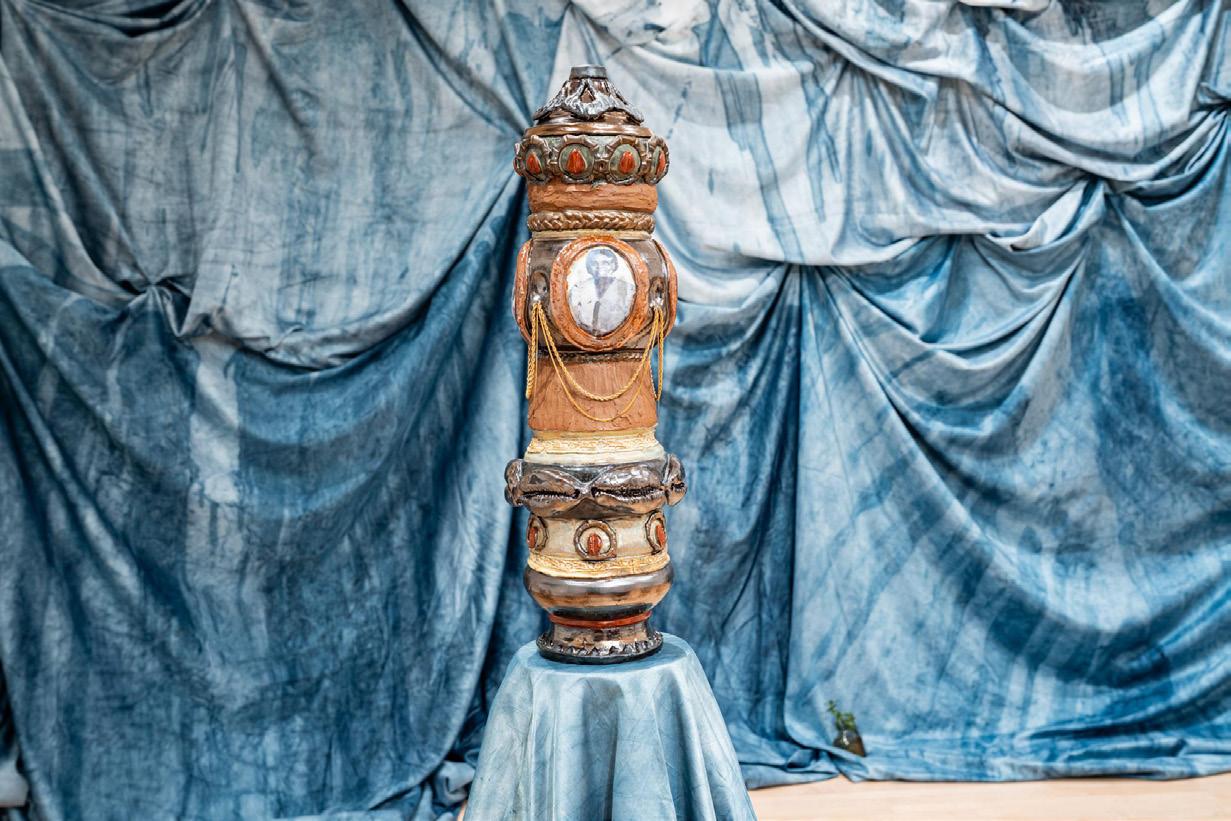
Matriarchs 2025, by Angelique Scott (Courtesy of the artist)
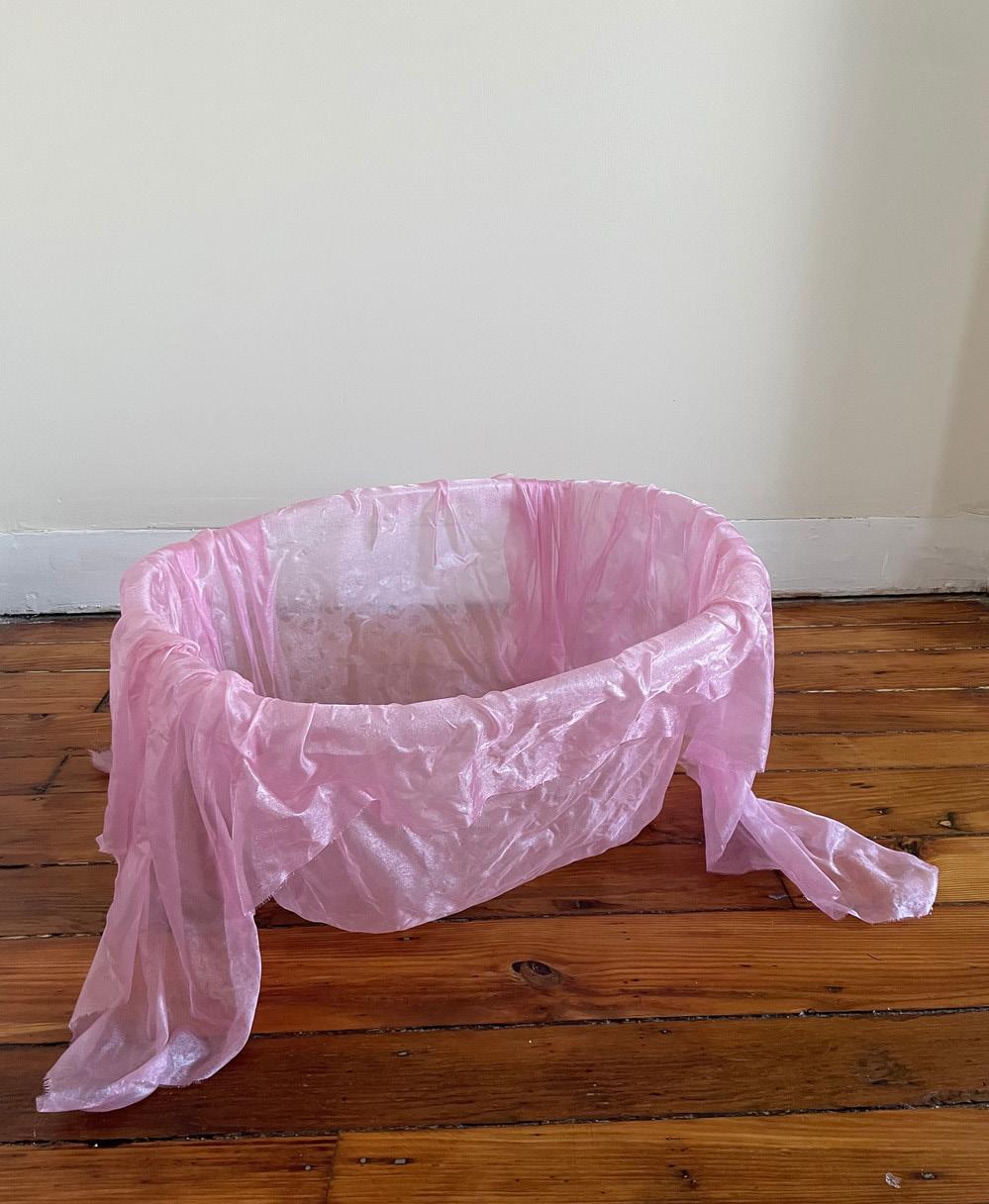
Shared Load 2026, by Dot Jackson (Courtesy of the artist)
Wish I Was as Sweet 2023, by Qiaira Riley (Courtesy of the artist)
Bathers of the Brandywine 2024, by Morris Cook (Courtesy of Morris Cook Studio)
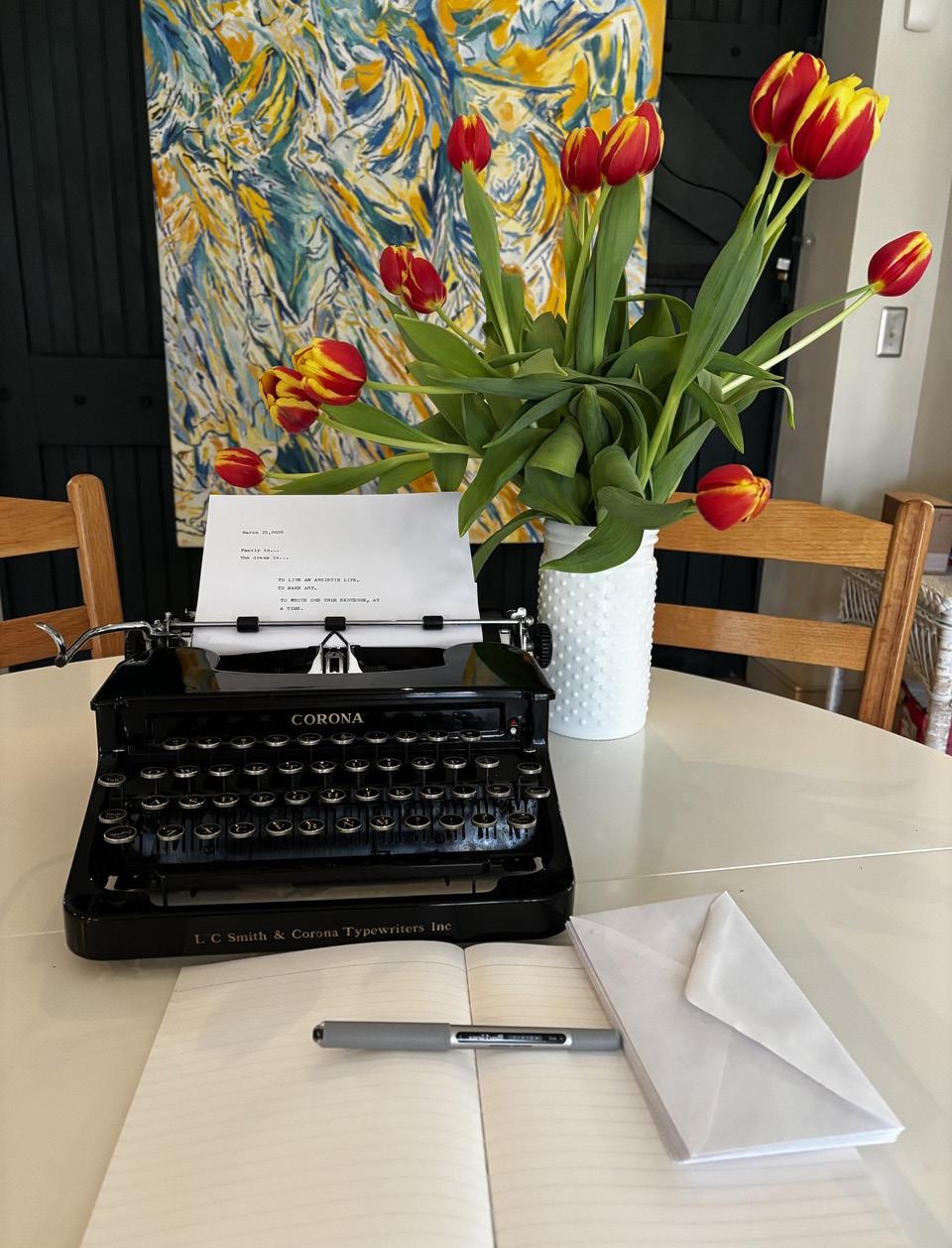
The Poet 2016, by Jennifer Converse Schelter (Courtesy of the artist)
The Concrete Muse 2014, by Ewelina Nowakowska (Courtesy of the artist)
JENNIFER CONVERSE SCHELTER American, born 1966
The Poet, 2016
Analogue epistolary art, including a restored 1930s “Silent” Smith & Corona typewriter, 5 x 13 x 21 in.
Courtesy of the artist
ANGELIQUE SCOTT
American, born 1995
Matriarchs, 2025
Ceramic, glaze, and rope/snake chain, 8 x 18 x 10 in.
Courtesy of the artist
BARBARA SHELLY American, born 1950
The Grandmother, 2017
Acrylics, magazines, newspaper, markers, 16 x 18 in.
Courtesy of the artist
EMILY STEINBERG American, born 1964
In the Land of the Beech Trees #4 2026
Pencil drawing, digital handwriting, print
Courtesy of the artist
CRAIG STOVER American, born 1971
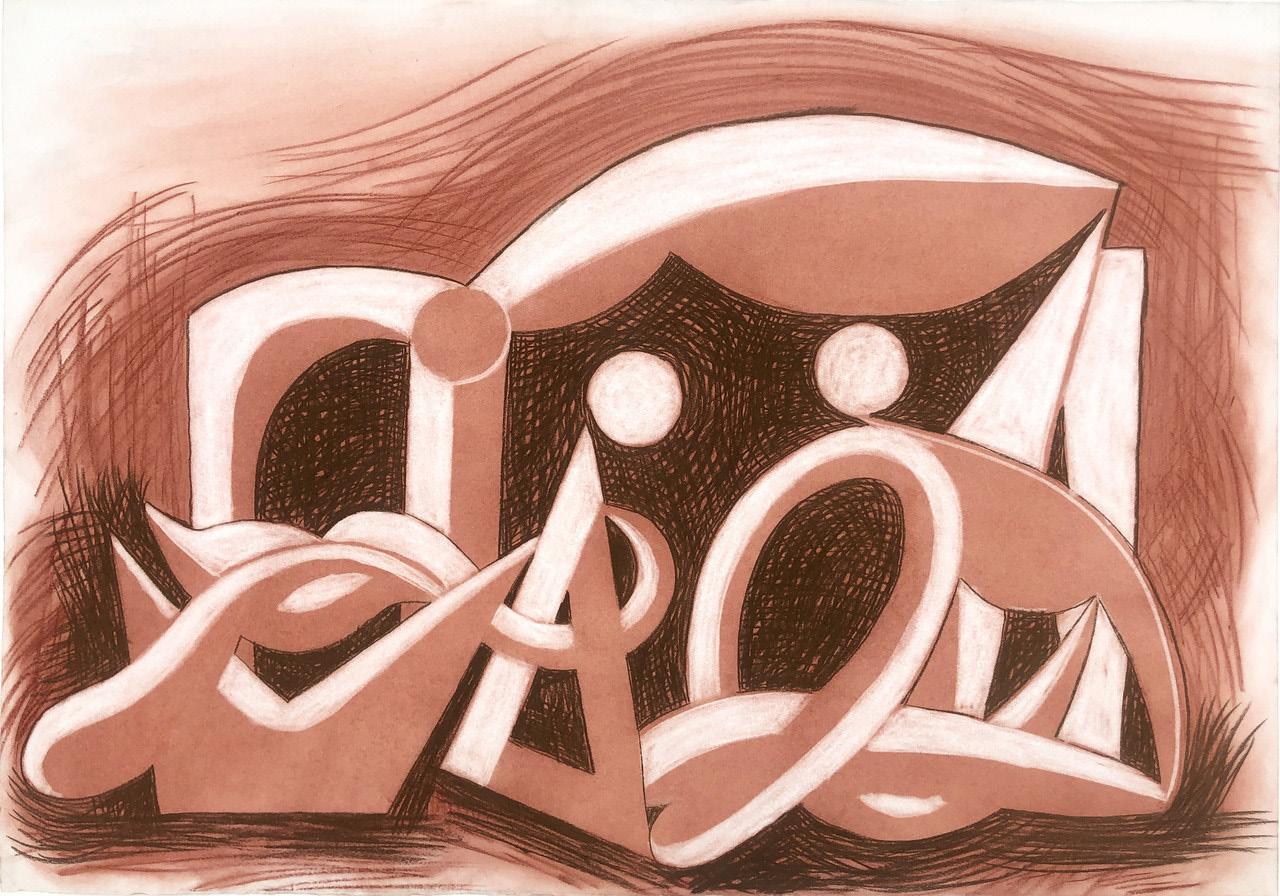
The Acrobats 2025
Chalk and pastel on paper, 29 x 40 in.
Courtesy of the artist
PATRICIA RENÉE THOMAS
American, born 1995
Shroud 2026
Oil, spray paint, and marker on canvas, 36 x 48 in.
Courtesy of the artist
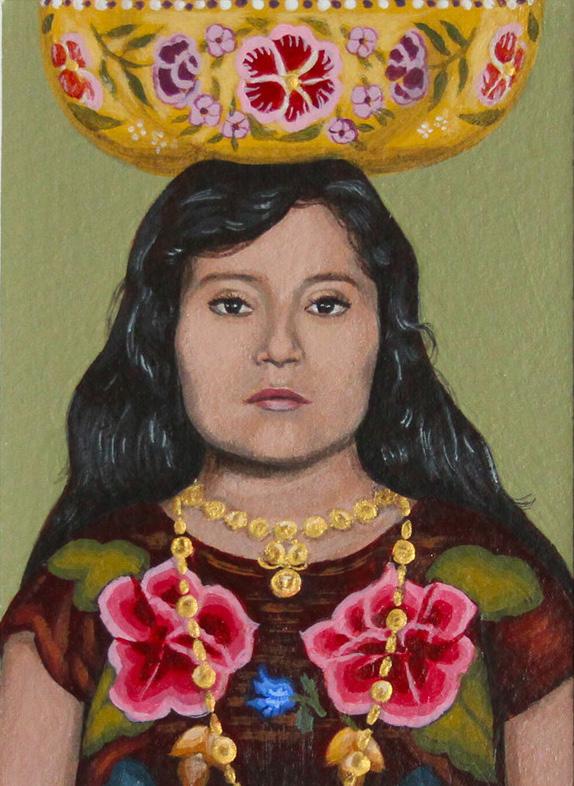
Tehuana 2022, by David Enriquez (Courtesy of the artist)
In the Land of the Beech Trees #4 2026, by Emily Steinberg (Courtesy of the artist)
WOODMERE
Moses 2026, by Mary Ann Bucklin (Courtesy of the artist)
In Care of Ribs 2024, From the series We Keep Swimming, Until We All Reach Home by Jillian Guyette (Courtesy of the artist)
Omnipresent Churchlife 2024, by John James Pron (Courtesy of the artist and Cerulean Arts Gallery)
Faith 2025, by Mary Ann Bucklin (Courtesy of the artist)


MICKAYEL THURIN
American, born 1987
Family Portrait 2026
Mixed media, 60 x 44 in.
Courtesy of the artist and Gross McCleaf Gallery
ELLEN TIBERINO
American, born 1973
Am I Blue 2015
Raku-fired ceramic mask and stained-glass mosaic, 24 x 24 in.
Courtesy of the artist
BLAISE TOBIA
American, born 1953
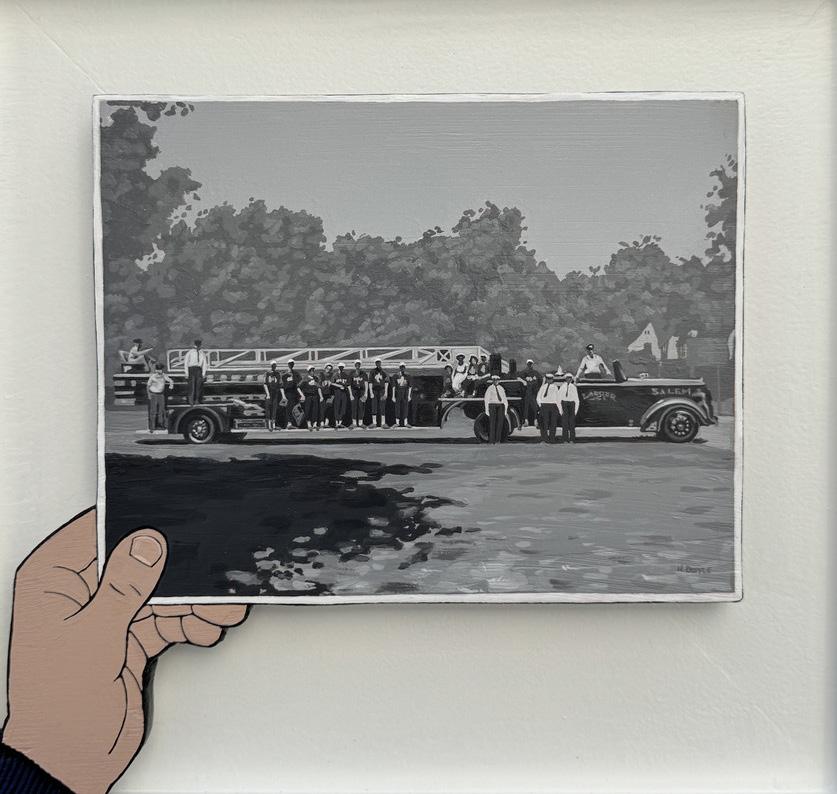
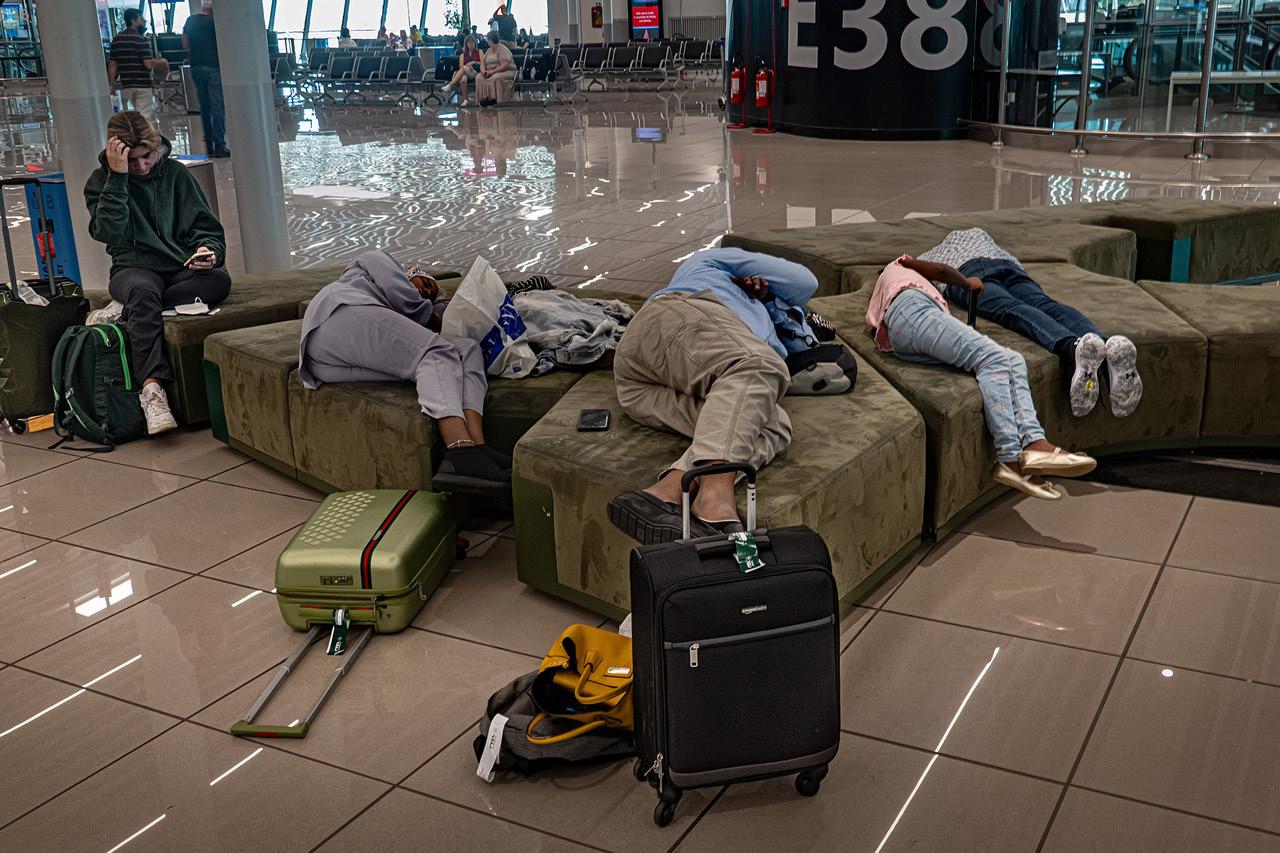
Airport Family, 2022
Archival inkjet print, 17 x 22 in.
Courtesy of the artist
MELISSA P. TOLBERT-WOMACK
American, born 1970
Holy Spirit, 2025
Watercolor and ink, 14 x 17 in.
Courtesy of the artist
RONALD WASHINGTON
American, born 1957
Grandma’s Back, 2026
Oil on canvas, 24 x 30 in.
Courtesy of the artist
Close Friends 2024
Oil on canvas, 36 x 36 in.
Courtesy of the artist
All Brothers 2025, by Harrison Doyle (Courtesy of the Anderson family)
The Doyles 2025, by Harrison Doyle (Courtesy of the Cullen family)
H. Doyle 2025, by Harrison Doyle (Courtesy of WP Gallery and the artist)
The Acrobats 2025, by Craig Stover (Courtesy of the artist)
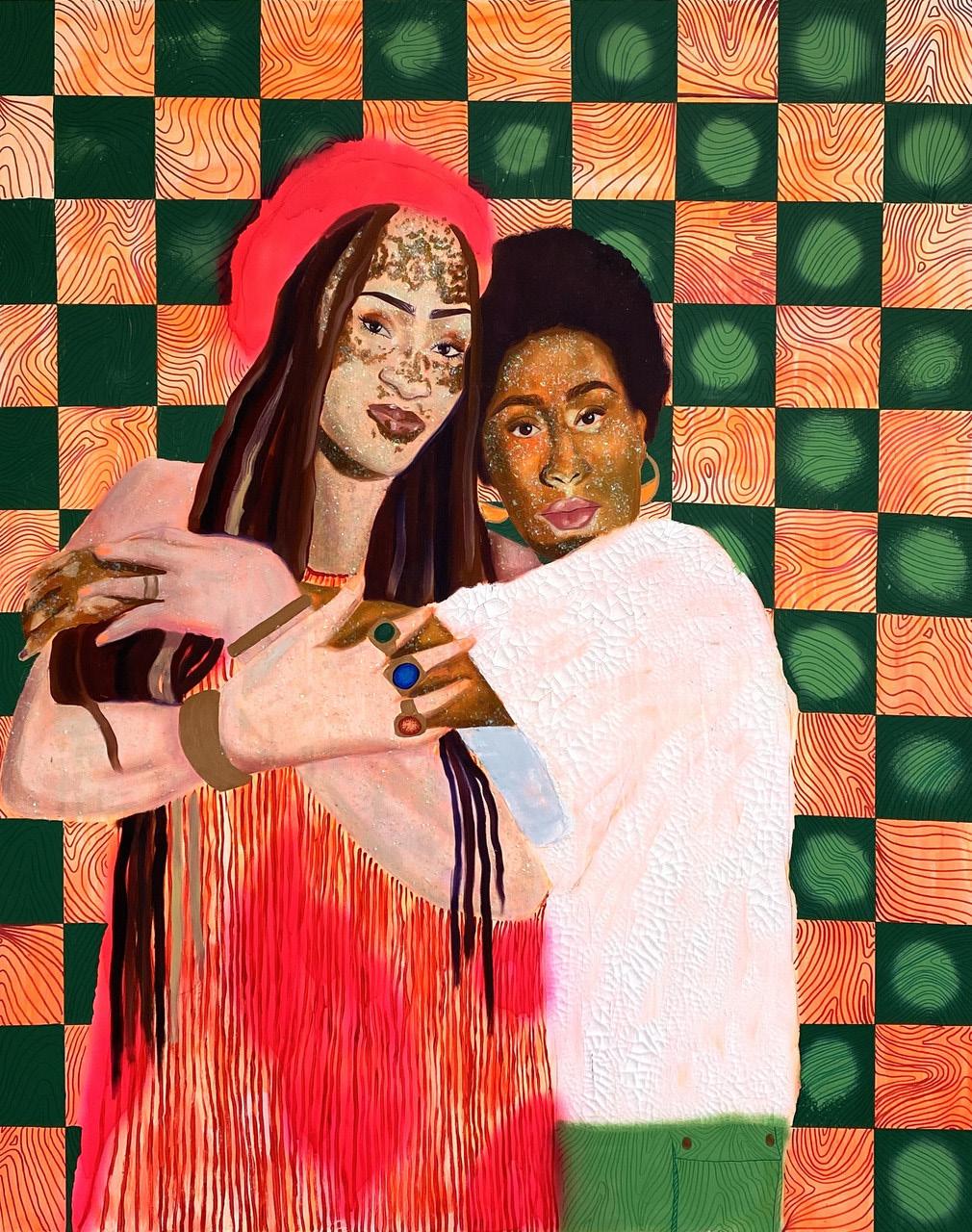
Johanna and Jahné 2023, by Chelsey Luster (Courtesy of the artist)
Girl in the Garden #1 2019, by Amie Potsic (Courtesy of the artist)
Words from Mother III 2024, by Nazanin Moghbeli (Courtesy of the artist)
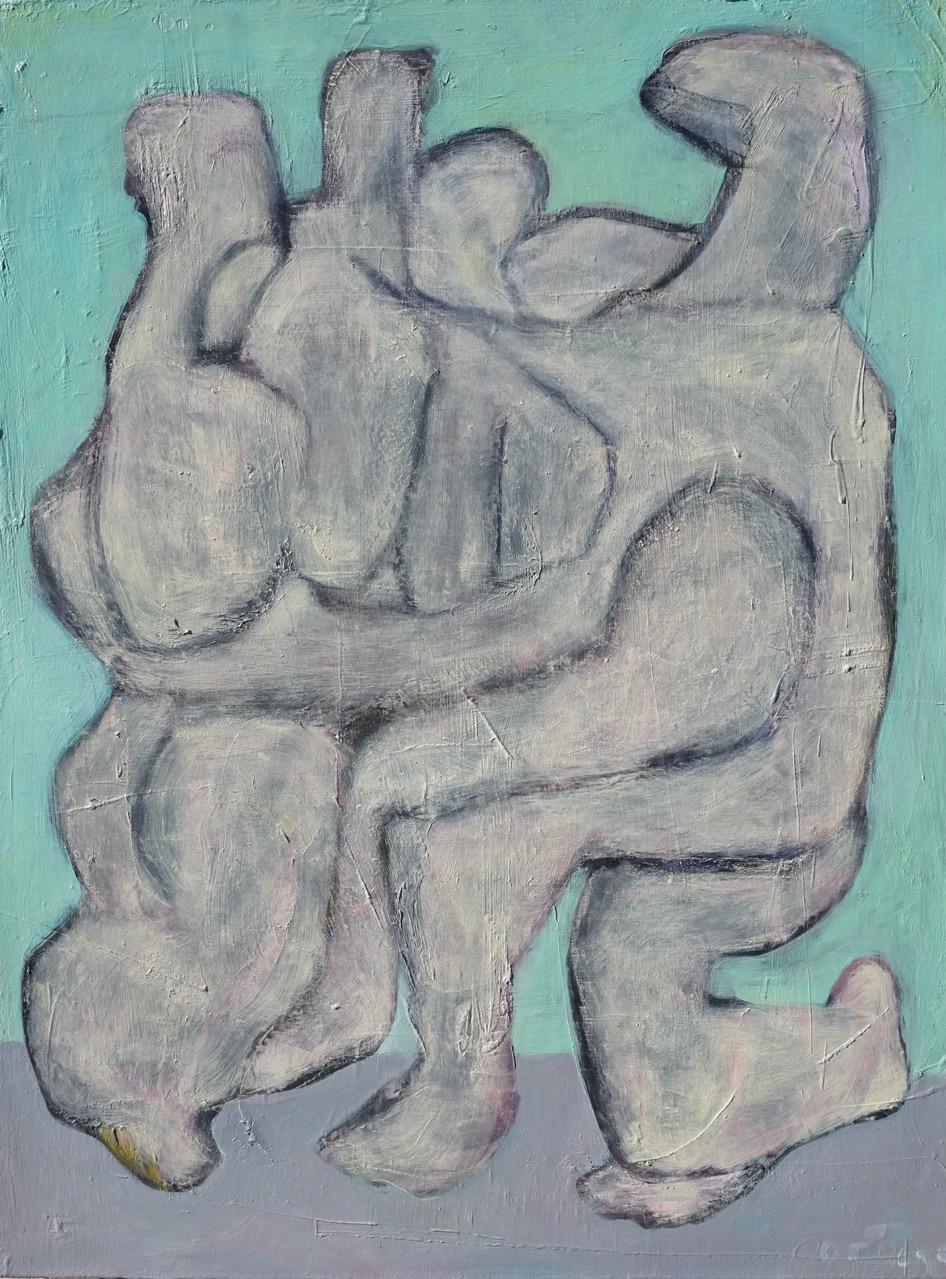
BY THE JUROR
RON TARVER
American, born 1957
The Test 2020
Laser print on brown paper in a vintage frame, 27 x 26.5 in.
From the series An Overdue Conversation with My Father
Courtesy of the artist
Mr. Pabon’s Garden 1992
Toned gelatin silver print, 15.5 x 19 in.
Courtesy of the artist
Lead Me Guide Me 2025
Pigment ink print, 29 x 29 in.
Courtesy of the artist
Soldier for the Lord 2025
Pigment ink print, 29 x 29 in.
Courtesy of the artist
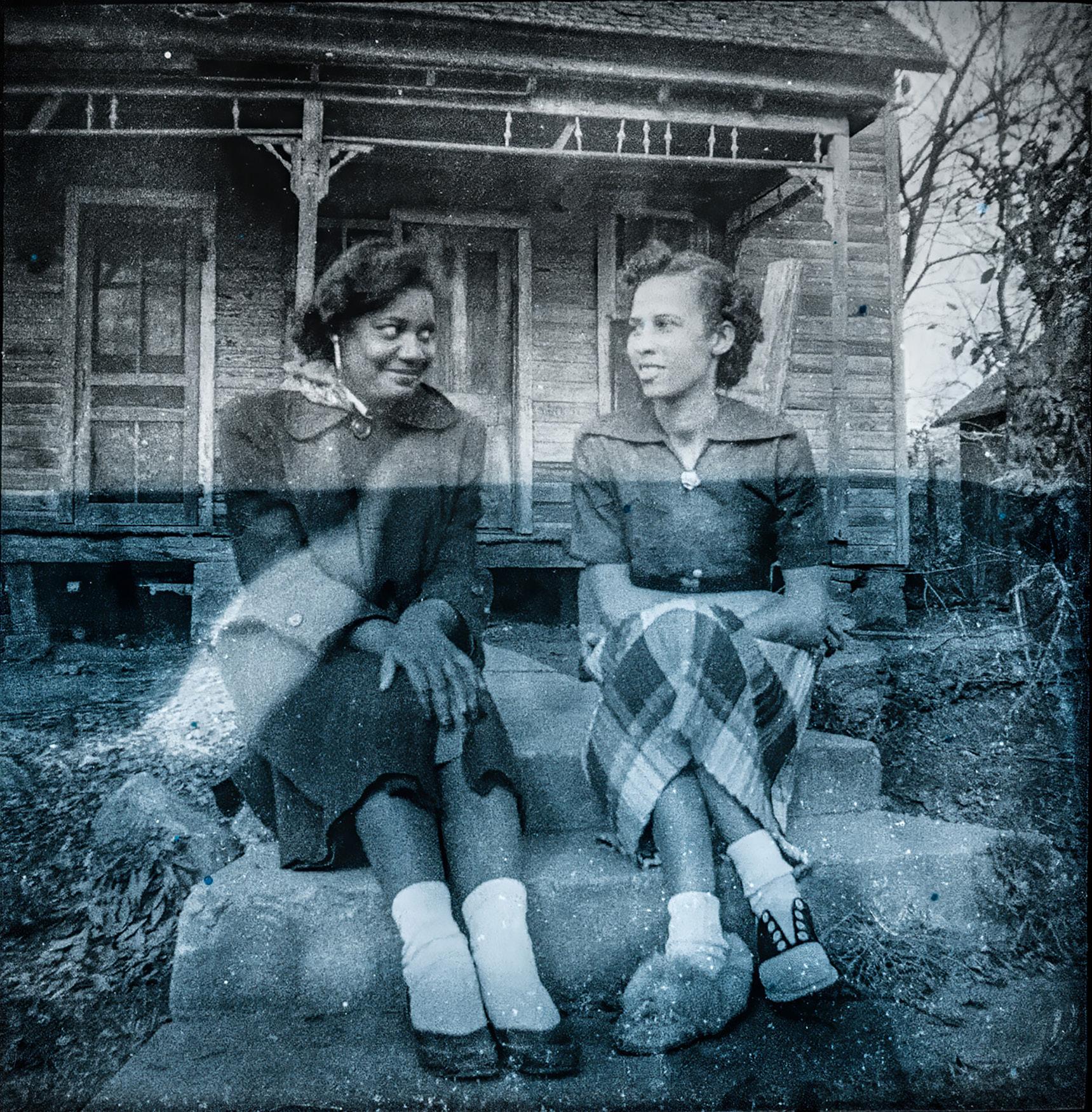
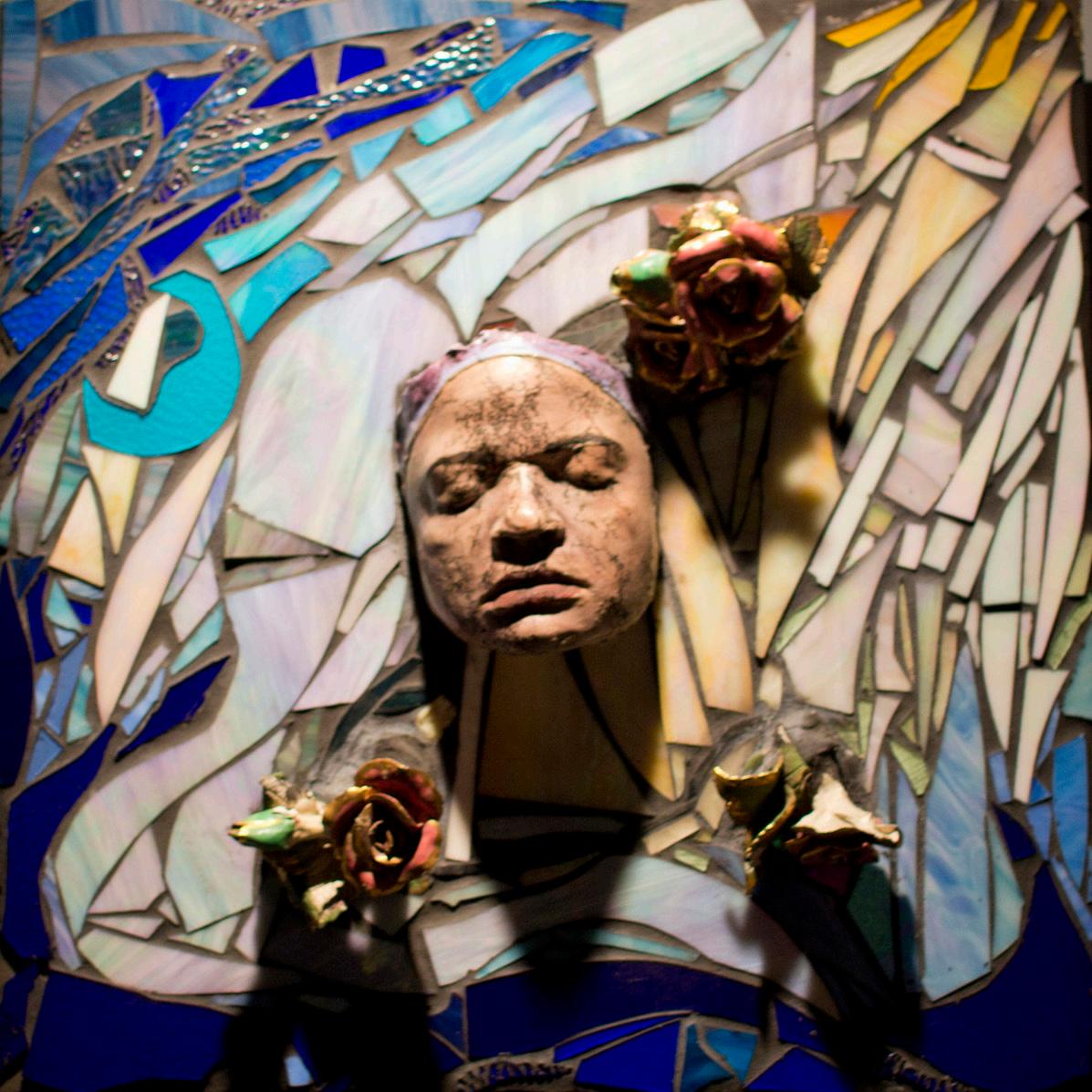
Am Blue 2015, by Ellen Tiberino (Courtesy of the artist)
Family Bonds 2024, by Alfred Ortega (Courtesy of the artist)
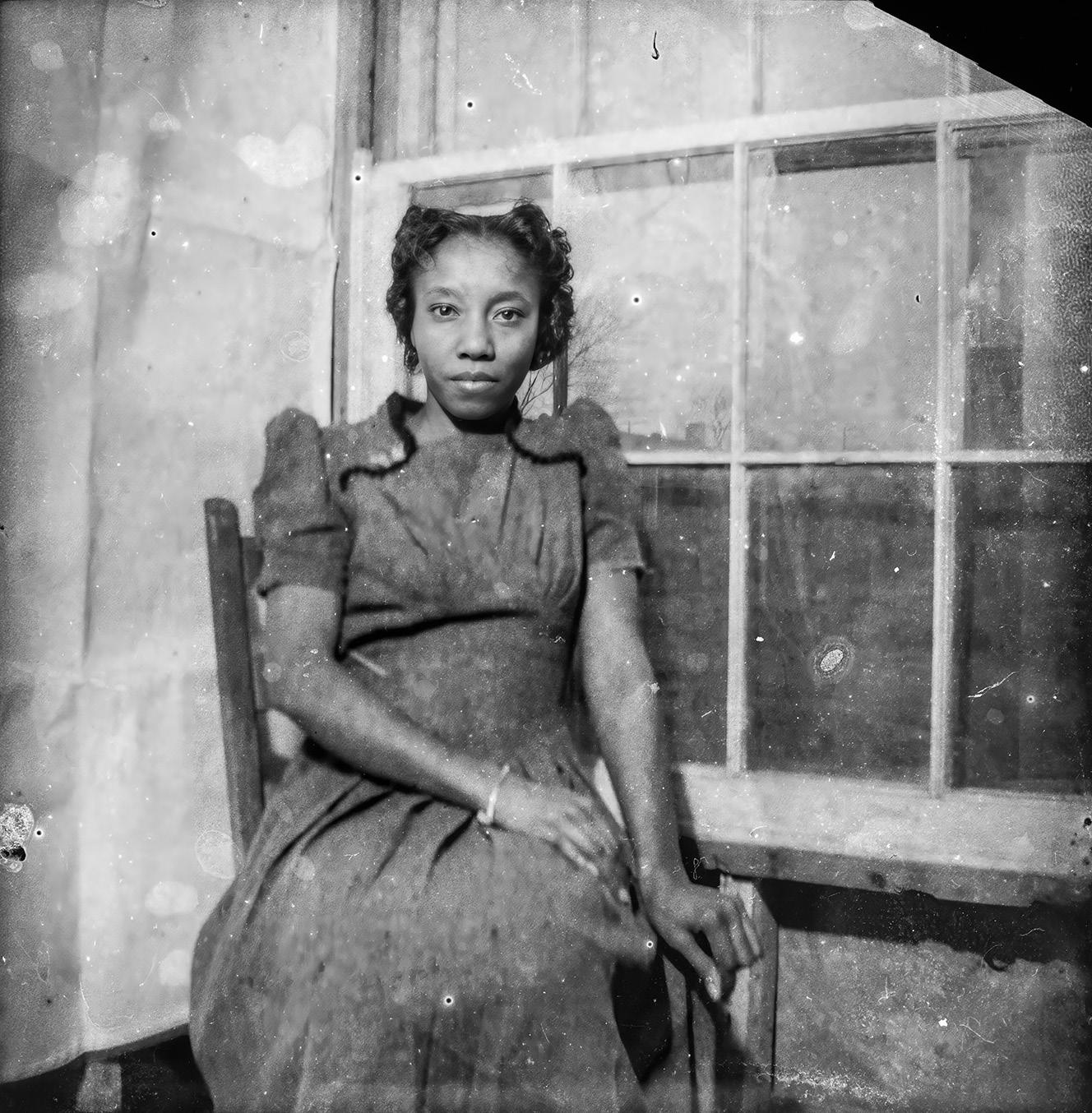
Lead Me Guide Me 2025, by Ron Tarver (Courtesy of the artist)
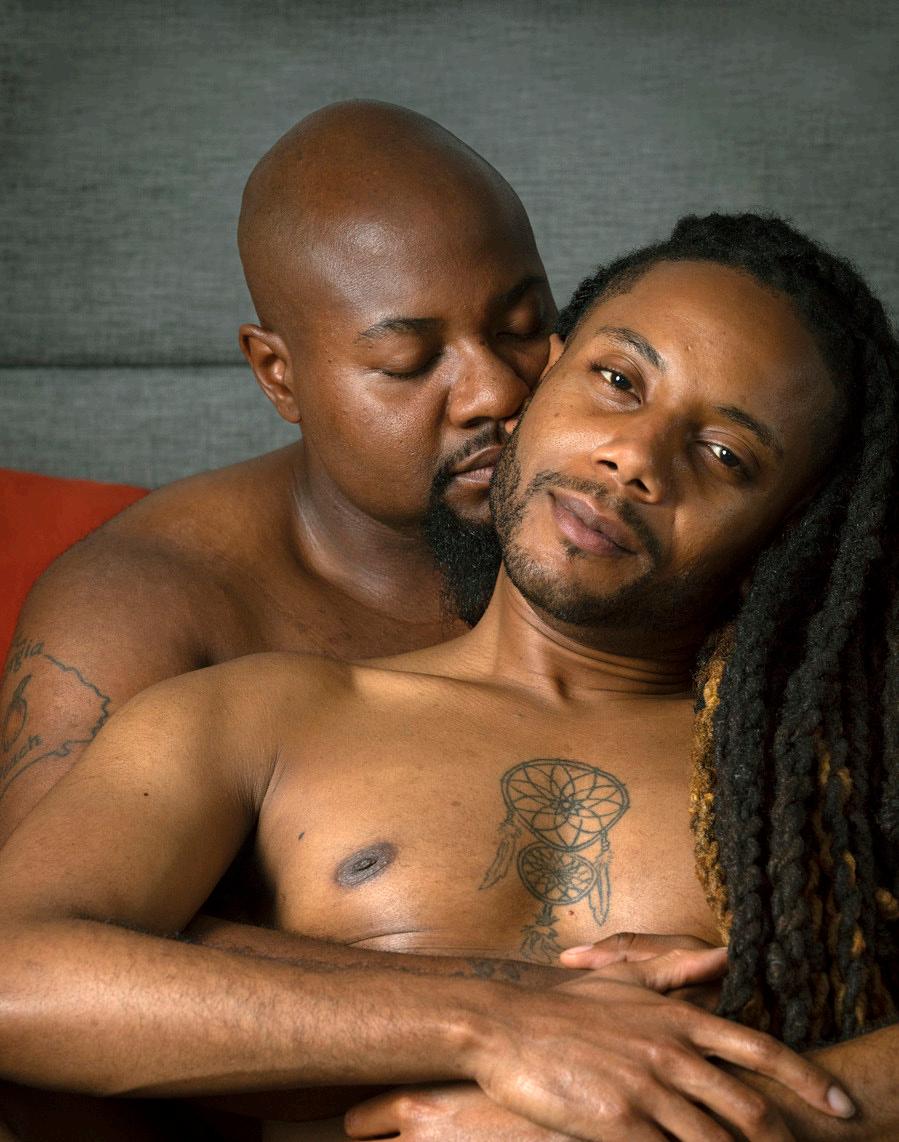
Ja’Mel and Alphonso, Trans and Nonbinary Couple 2021, by B. Proud (Courtesy of the artist)
Soldier for the Lord 2025, by Ron Tarver (Courtesy of the artist)
receives state arts funding support through a grant from the Pennsylvania Council on the Arts, a state agency funded by the Commonwealth of Pennsylvania.
any
without
Woodmere
©2026 Woodmere Art Museum. All rights reserved. No part of this publication may be reproduced or transmitted in any form or by
means
written permission of the publisher.
Catalogue designed by Barb Barnett and Hayley Romansky, and edited by Gretchen Dykstra.
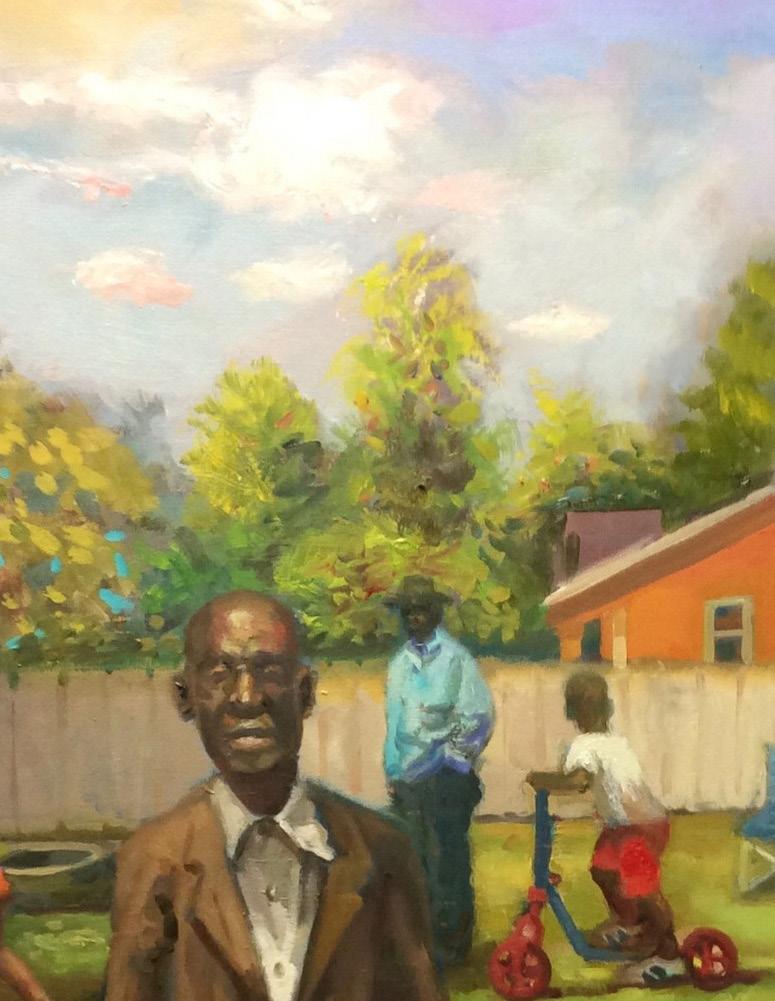
Front cover: Grandma’s Back (detail), 2026, by Ronald Washington (Courtesy of the artist)
Airport Family 2022, by Blaise Tobia (Courtesy of the artist)