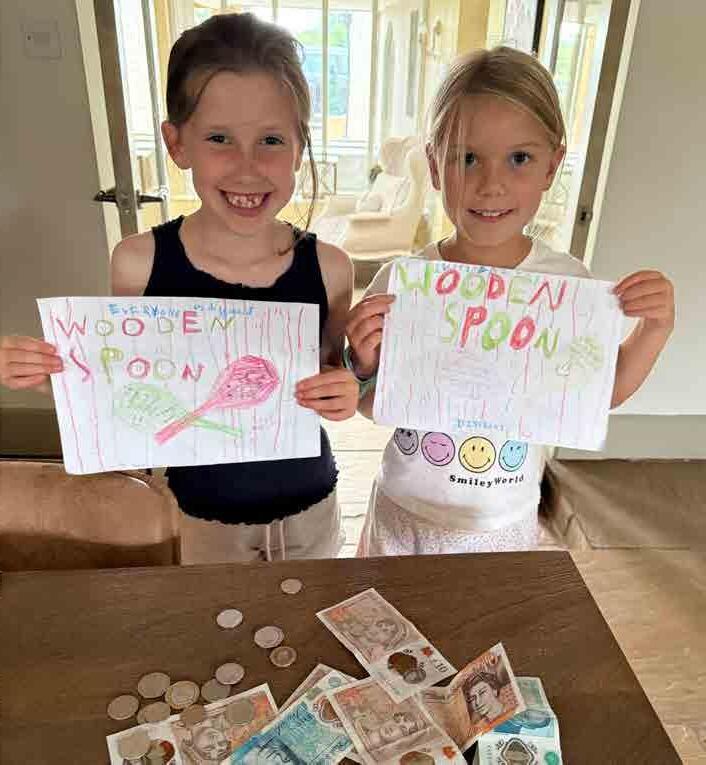

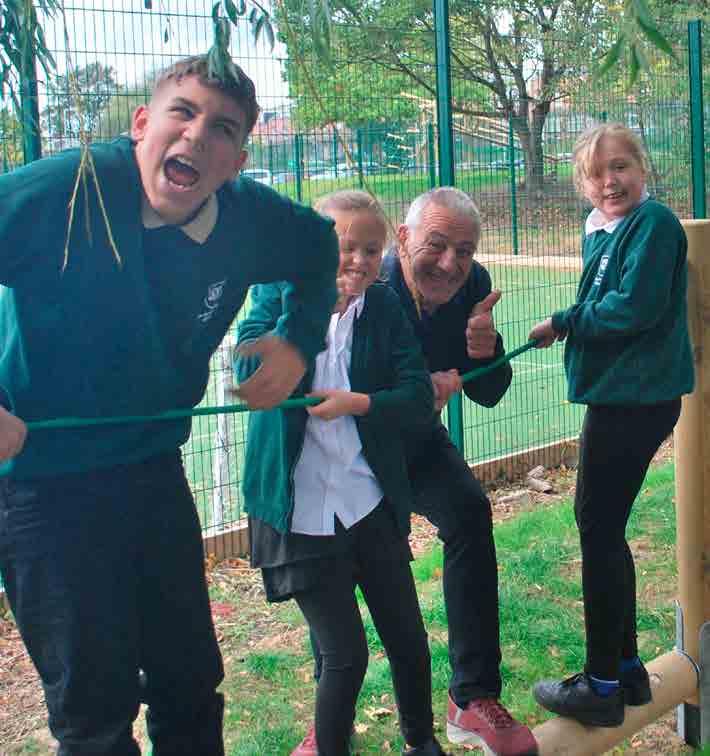

This has been a landmark year for Wooden Spoon. For the first time in our history, we donated £2 million to projects supporting children and young people with disabilities or facing disadvantage.”

This has been a landmark year for Wooden Spoon. For the first time in our history, we donated £2 million to projects supporting children and young people with disabilities or facing disadvantage.”

Our strategic ambition to support the next million children is now ahead of target, with delivery expected in year four rather than year five of our strategy.”
We are two years into our five year strategy and I am immensely proud of what we have achieved together as a charity. Across a challenging national landscape, where rising demand, shrinking resources and declining public donations continue to put significant pressure on the charity sector, our community has shown extraordinary commitment and resilience. Thanks to that collective effort, we remain on a strong trajectory, achieving 35% income growth between 2021/22 and 2025/26 and continuing to expand our reach and impact.
This has been a landmark year for Wooden Spoon. For the first time in our history, we donated £2 million to projects supporting children and young people with disabilities or facing disadvantage. Through a more streamlined grant-making process, we have been able to shorten timescales and ensure that funds reach the children who need them more quickly. Our strategic ambition to support the next million children is now ahead of target, with delivery expected in year four rather than year five of our strategy: an achievement made possible only by the generosity, dedication and energy of our supporters, volunteers and partners
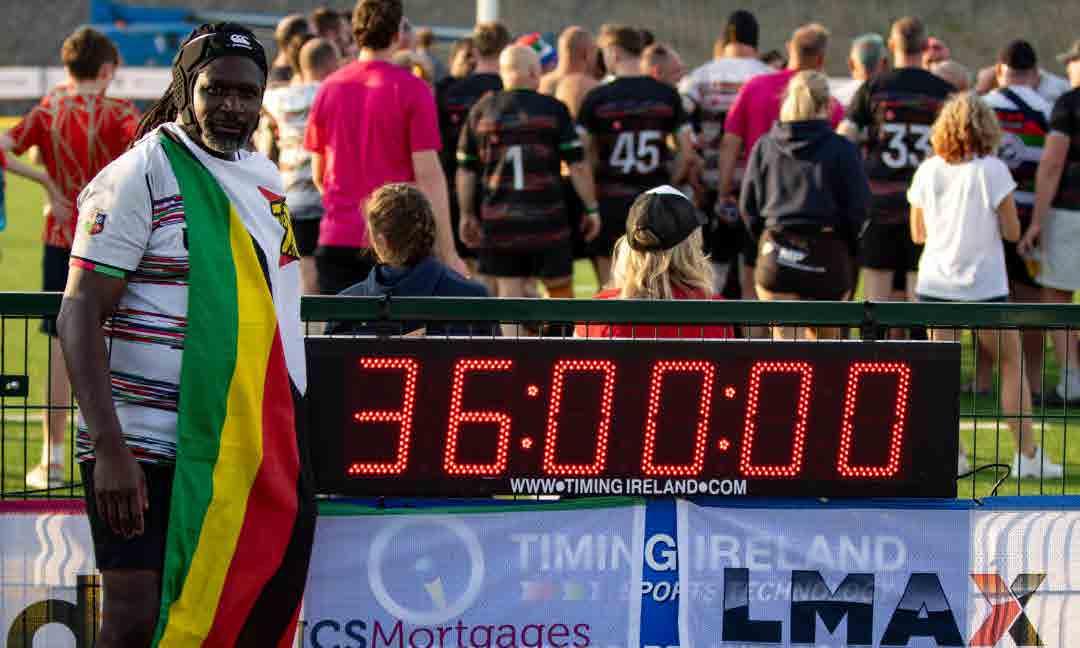
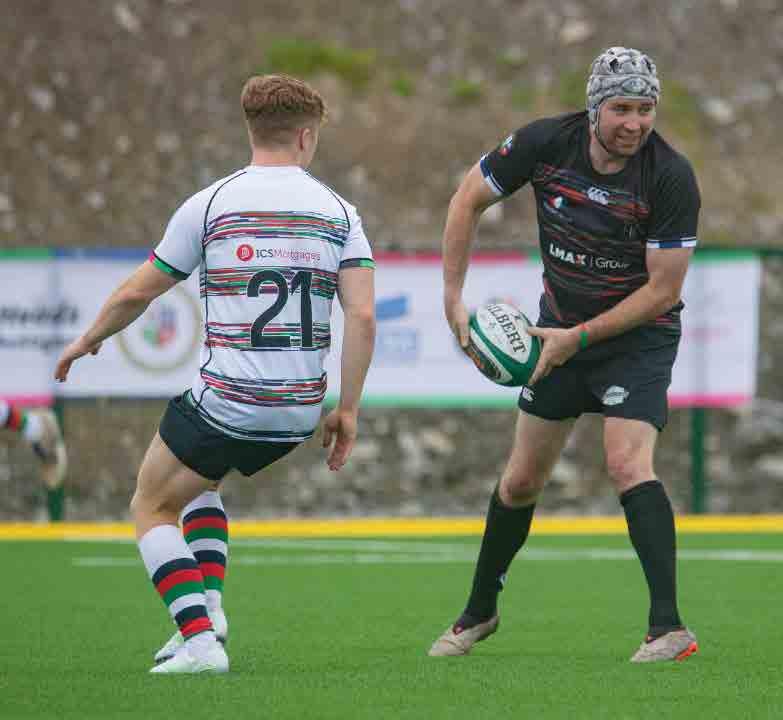
Once again, our partnership with The British & Irish Lions Trust has created valuable opportunities in helping us attract new corporate supporters and providing the platform to achieve two Guinness World Records for the Longest Games of rugby ever played. We are also delighted to have welcomed Canterbury as our new official kit supplier, a partnership that brings both value and fresh engagement opportunities.
Alongside this, the launch of our inaugural National Wooden Spoon Day was a proud milestone, galvanising our supporters and strengthening our sense of shared purpose across the Wooden Spoon family.
Looking ahead, our focus is clear. We will broaden and diversify our fundraising offer, deepen engagement with corporate and major donors, and refine our grant-making process to ensure funds are targeted at children affected by the most pressing current issues.
None of this is possible without the passion of our volunteers and the generosity of our supporters.
Thank you for being part of this journey.

Sarah Webb, CEO Wooden Spoon

It is with great pleasure that Wooden Spoon’s annual report provides detail of its continuing success, growth and development. The most visible and significant achievement is passing the milestone of £2m being distributed to 150 projects in the last year.
Underpinning an ambitious five year strategic plan, is an integrated structure addressing all aspects of Wooden Spoon’s operation with the culture of a “one team” approach which links the Board of Trustees, executives, staff, regional committees, volunteers and partners. Secure governance, accountability and transparency provide a safe environment in which everyone involved can engage with creativity, energy and fulfilled, meaningful, purpose. A shared commitment and
collaborative outlook, means that Wooden Spoon’s outlook is broad and embracing – funded projects are enduring investments in society’s welfare.
Hope you enjoy the report and please visit woodenspoon.org.uk for information on current activity.

Quentin Smith, Retiring Chair Wooden Spoon

Every meaningful initiative begins with a simple idea – this charity was founded on exactly that belief and it is a privilege to be taking the chair’s baton from Quentin to continue making a tangible difference in the lives of the children and families who need it most.
Our mission is clear – to positively transform the lives of children and young people through the power of rugby – and we are committed to doing so with integrity, transparency, and a deep sense of responsibility. But more than that, we want to build a community – one that listens, learns, and acts with empathy.
It will take collaboration, resilience, and continued belief in what we are trying to achieve. But with your support, I am confident we can continue to turn intention into impact for children and young people.
Ali Gilbert, Incoming Chair Wooden Spoon
Wooden Spoon is a grant-making charity funding life-changing projects across the UK and Ireland. We exist to help the 1.2 million children living with a disability, the 30% of children growing up in poverty, and the 3 million children experiencing mental health issues to live their best lives.

Since 1983, with the support of the rugby community, from grassroots clubs to national unions, we have £34 million in grants, positively impacting more than 2 million children and young who are disadvantaged, disenfranchised, or living with
By harnessing the power of the rugby family, we inspire participation, raise funds, and create inclusive opportunities for young people.
Our work is shaped around four core themes : Giving children the chance to: Play, Learn, Thrive and Be Safe
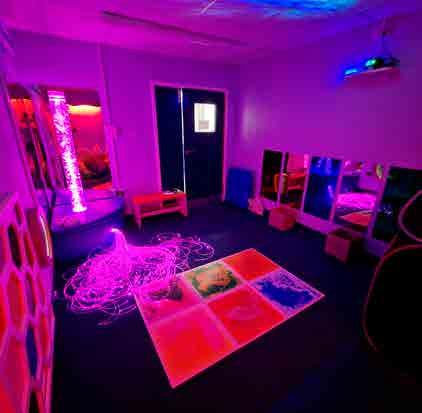
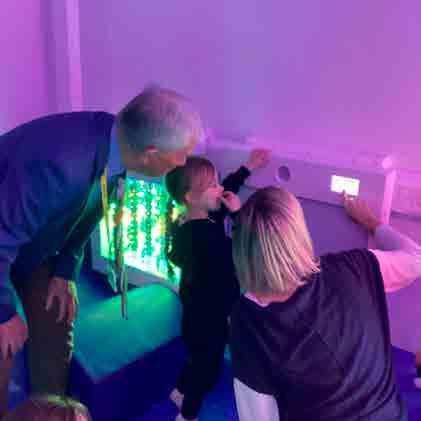
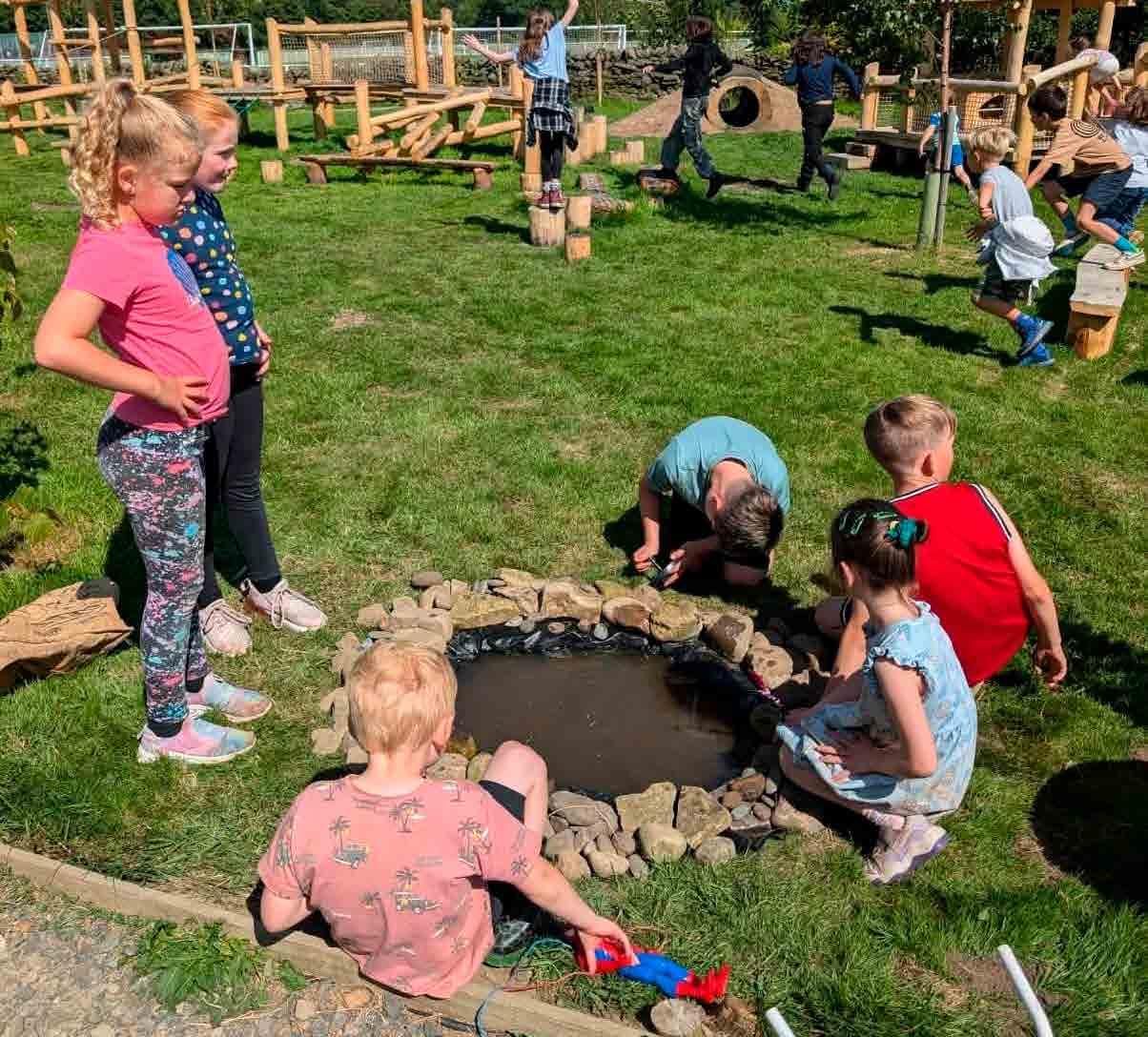
Across all four themes, we fund sensory rooms and gardens, specialist medical and sports equipment, playgrounds, sports programmes, health and wellbeing initiatives and education projects
Working in partnership with local organisations and the rugby family, we create inclusive, safe environments, giving every child the chance to play, learn, thrive and be safe

By harnessing the power of the rugby family, we inspire participation, raise funds, and create inclusive opportunities for young people.”
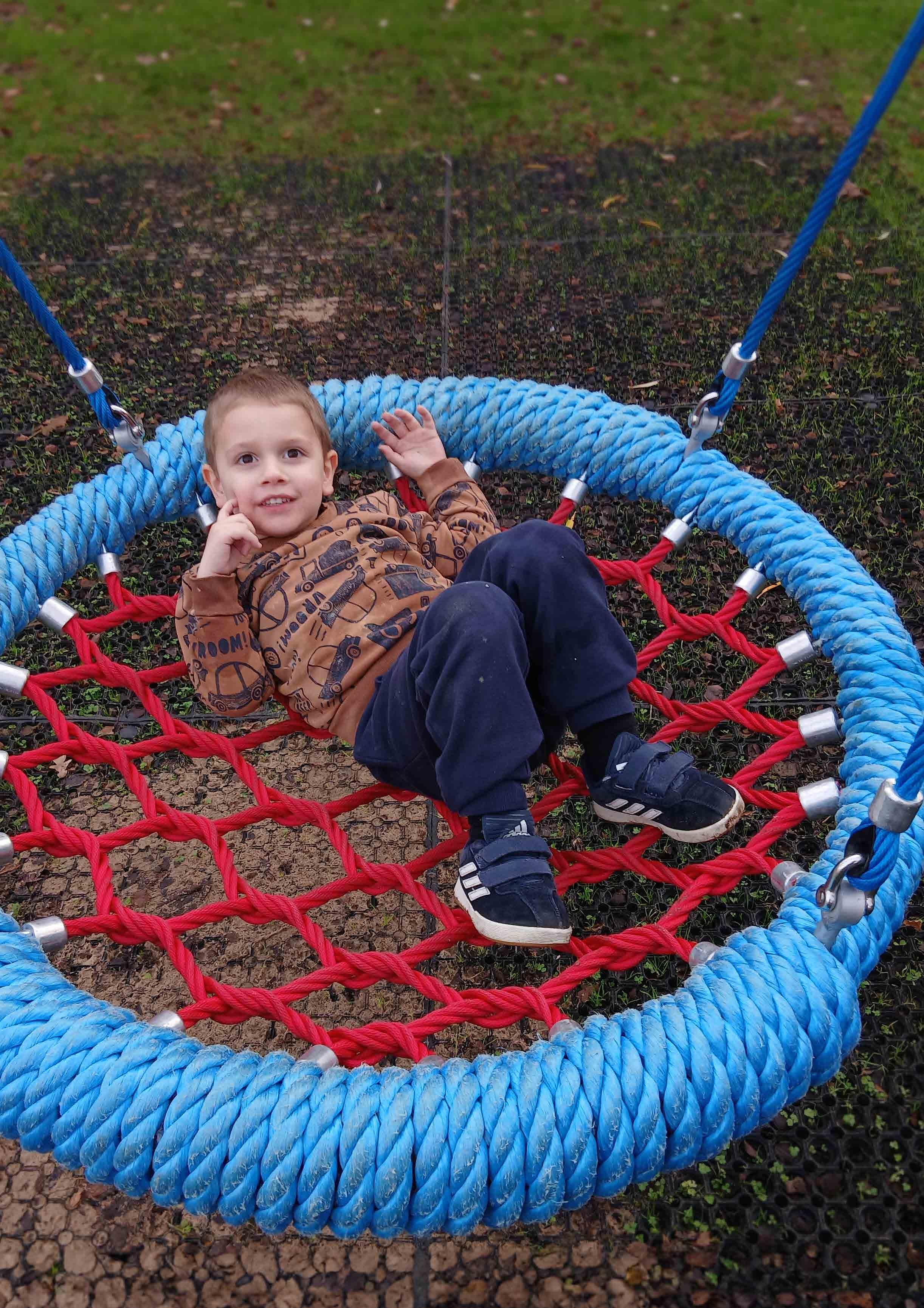
We fund inclusive playgrounds, sports facilities and programmes that enable children to be active, confident and connected.”
Removing barriers to sport and inclusive play
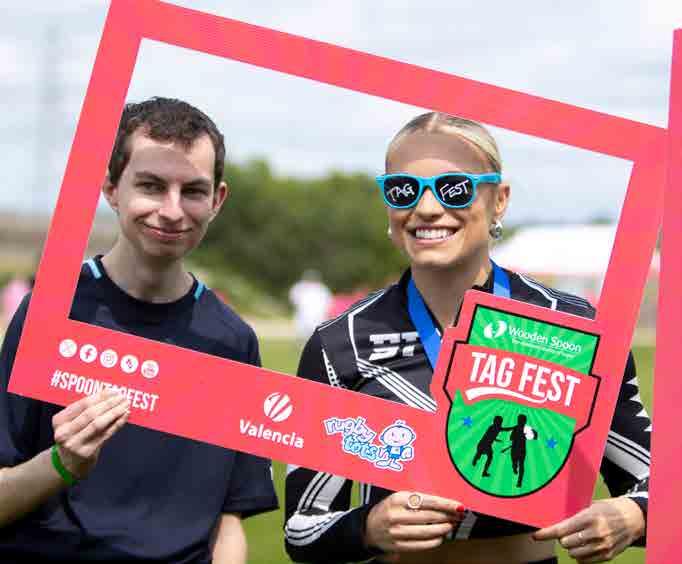
We fund inclusive playgrounds, sports facilities and programmes that enable children to be active, confident and connected, including initiatives such as the Wooden Spoon International Tag Rugby Festival (Tag Fest), which gives children with mild to severe learning difficulties the opportunity to take part in rugby, often for the first time, and experience a sense of belonging and teamwork.
1 IN 5
pupils in the UK are persistently absent from school2
3 IN 4
children with disabilities do not play sport at school1
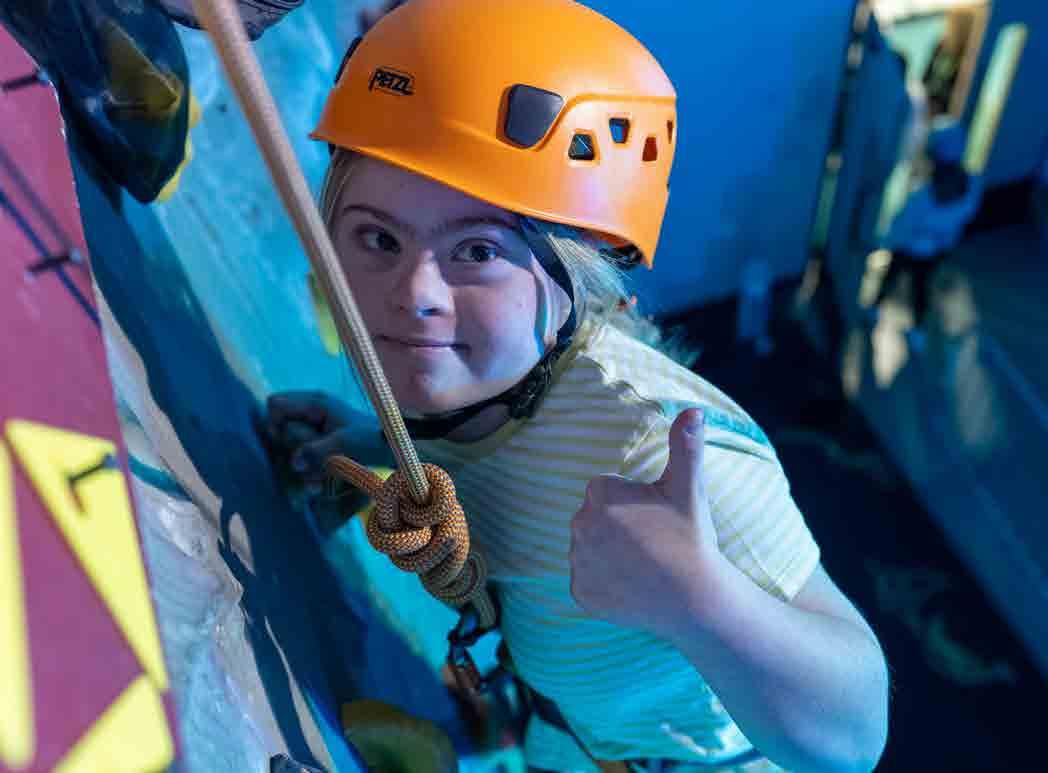
Pupils with no absences are 2.2x likely to achieve 5+ good GCSE grades. We support projects and programmes such as The School of Hard Knocks that equip children and young people with essential life skills and supportive learning environments through the sport of rugby.
Supporting mental health, wellbeing and basic needs
Our grants tackle the challenges preventing children from thriving, including food poverty, caring responsibilities, bereavement and mental health recovery. Through initiatives such as Pass the Plate and programmes like The Wave Project, we help reduce hunger, isolation and anxiety while building confidence and resilience. Since 1983, we have funded over 100 sensory spaces across the UK and Ireland, investing £4.6 million and supporting more than 202,000 beneficiaries
30% of children in the UK live in poverty3
1 IN 5 children in the UK are neurodivergent4
1 IN 5 children experience a mental health issue5
Children face increasing risks from online bullying, exploitation, loneliness, knife crime, gangs, substance misuse, and suicidal tendencies. We fund projects that promote safeguarding, raise awareness, provide early intervention and support rehabilitation, ensuring children and young people feel protected and secure.
Roughly 15% to over 25% of students have experienced cyberbullying, with studies showing an upward trend over time 6
1 Gibson, O ( 2024, September 1) The Guardian
2 explore-education-statistics.service.gov.uk/ pupil attendance at schools 2026
3 social-mobility.data.gov.uk childhood poverty 2025
4,5 NHS Survey Mental Health in Children and Young people in England (2024)
6 https://www.ons.gov.uk/ Bullying and online experiences among children in England and Wales: year ending March 2023
7 https://www.narf.org.uk/ NASUWT survey in collaboration with Natasha’s Foundation
1 in 13 children have a diagnosed food allergy, whilst 60% of UK schools do not provide staff training on allergy management 7
This results in children living with food allergies being unsafe, unprotected and vulnerable in school leading to social exclusion and negative wellbeing.
150 projects supported
28 regions

£2,095,639 grants donated
60,436 children and young people supported
We exist to help the 1.2 million children living with a disability, the 30% of children growing up in poverty, and the 3 million children experiencing mental health issues to live their best lives.”


REGIONAL VOLUNTEERS
£1 MILLION+
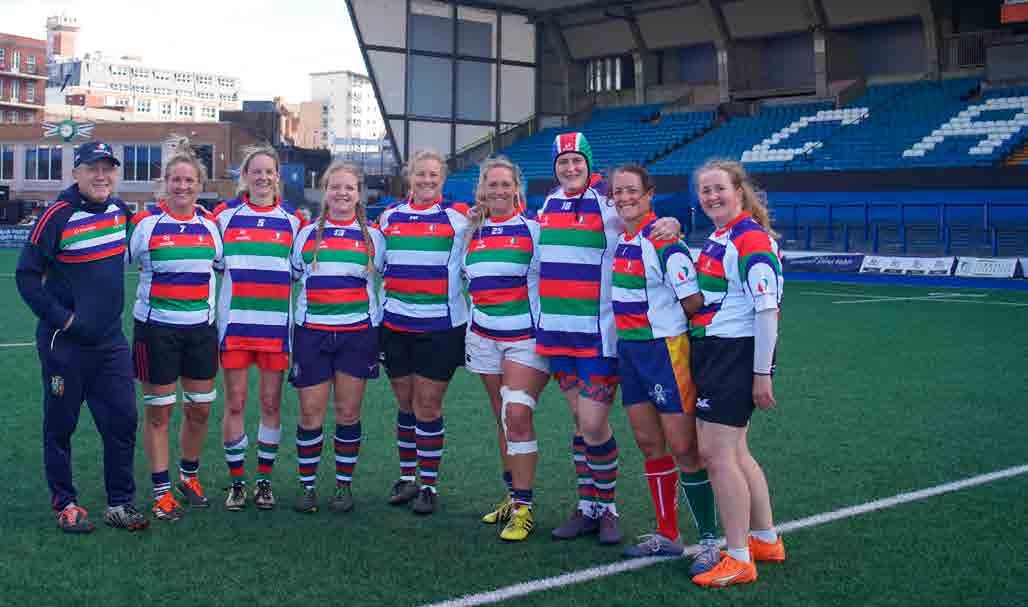
THE LONGEST GAME
£64,873
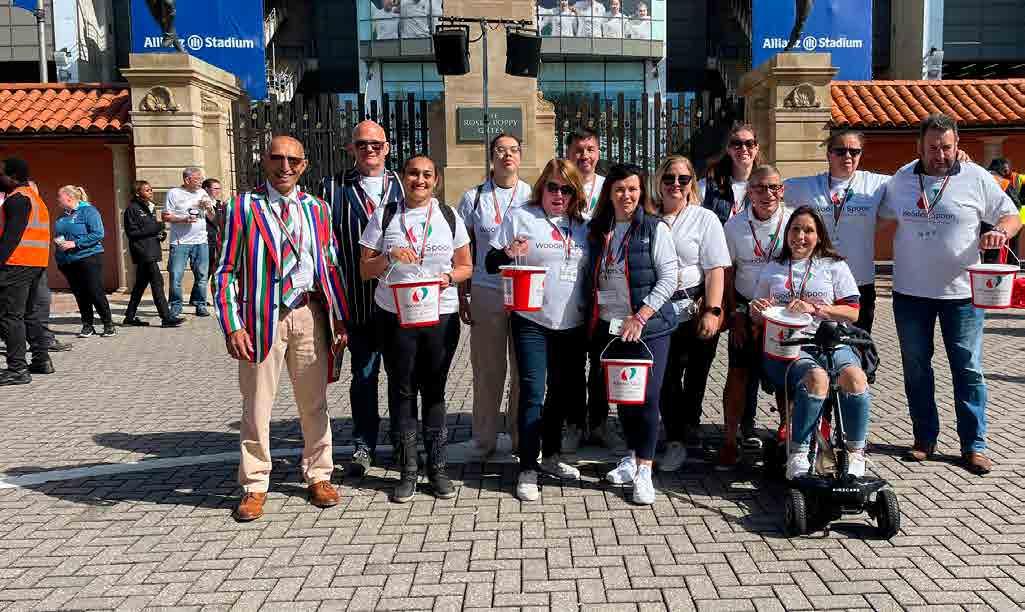
RUGBY
£37,417
PASS THE PLATE APPEAL
£37,417

THE LONDON MARATHON
£48,266

CORPORATE SUPPORTERS
£399,704

INDIVIDUAL CHALLENGES
£19,752
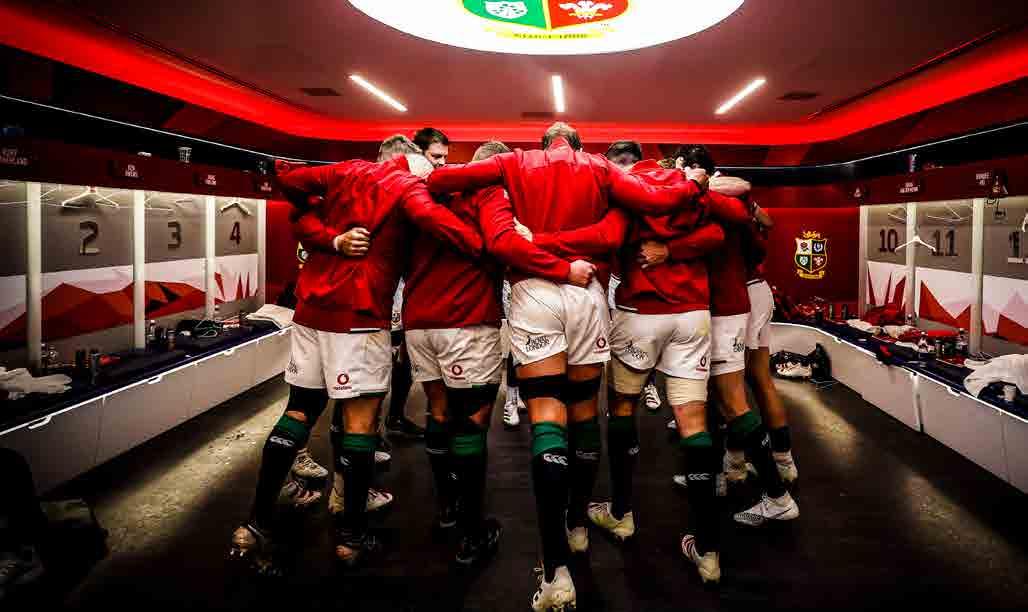
PRE/POST TOUR ROAR EVENTS
£53,885
Our corporate and rugby supporters have helped us raise our profile and go above and beyond with our fundraising enabling us to support more children who need our help.












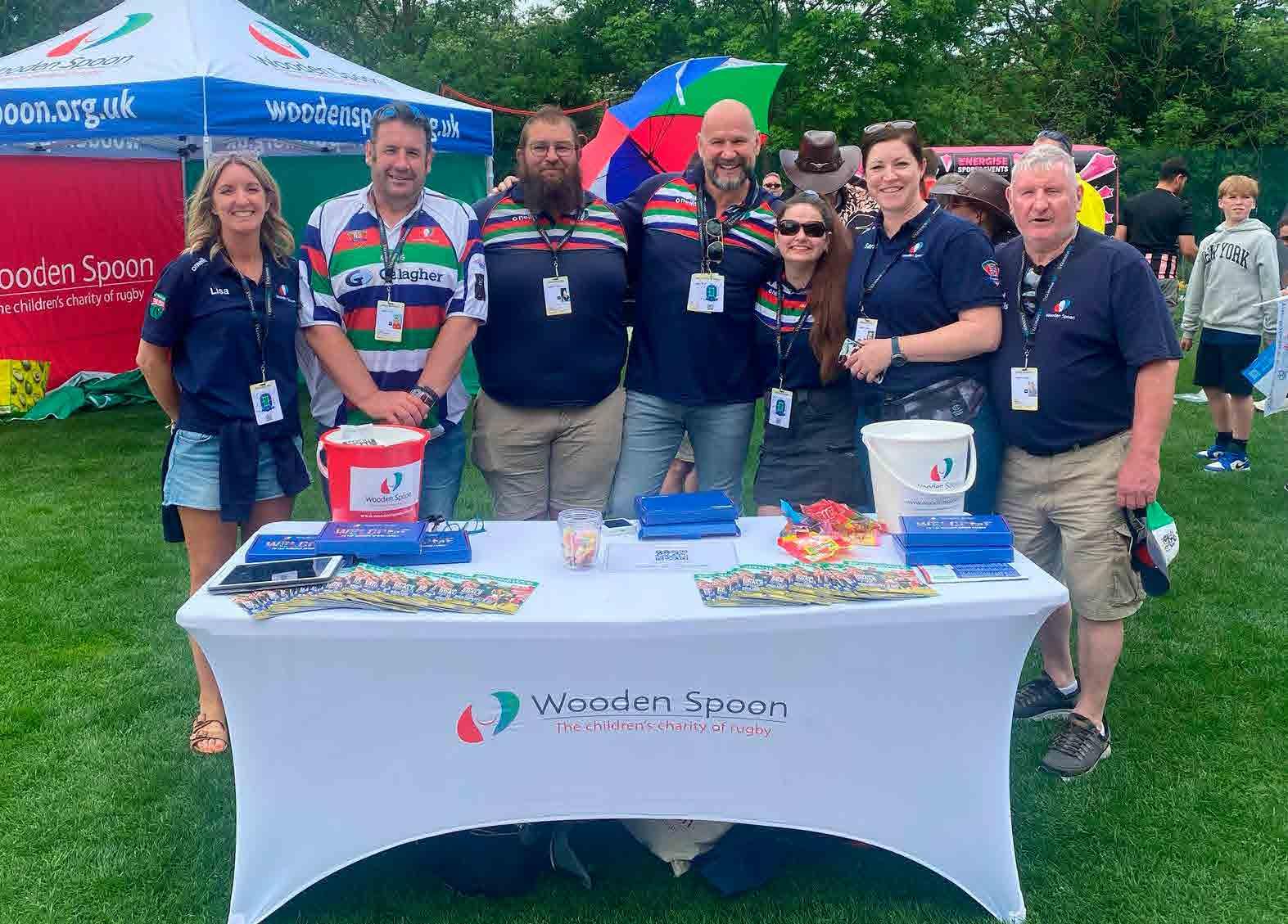

Britain’s vast network of charities and voluntary groups is under severe financial strain, with rising demand, shrinking resources, and a steep decline in public donations. Despite this, Wooden Spoon is still tracking at 35% income growth from 21/22 to 24/25.
Our strategic aim of helping the next million children is ahead of target with us set to achieve this in year 4 rather than year 5 of our strategic plan. This can only happen with continued support and growth of our income across our supporting communities.
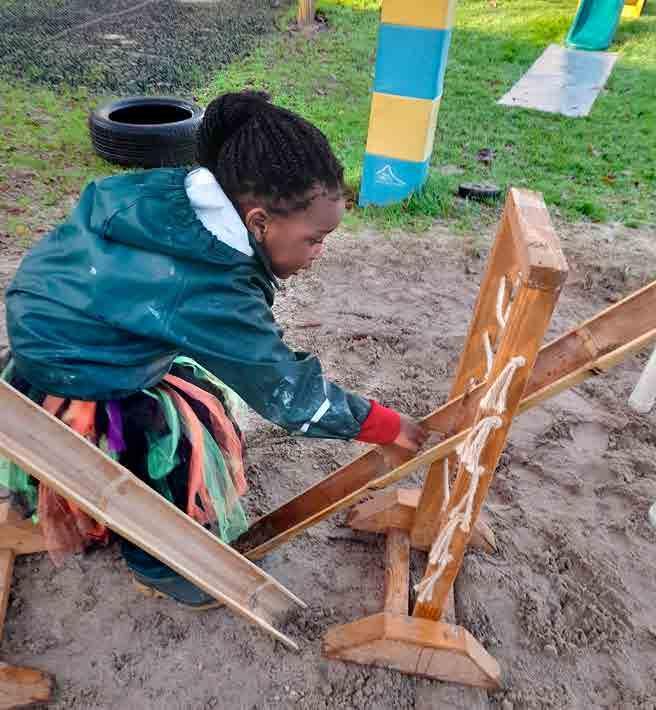
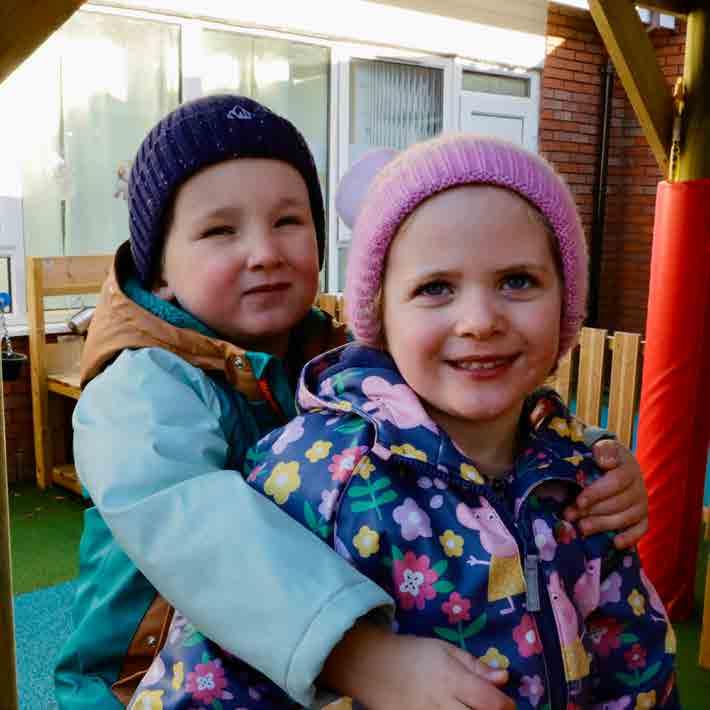
We exist to help the 1.2 million children living with a disability, the 30% of children growing up in poverty, and the 3 million children experiencing mental health issues to live their best lives.”

Next year we will:
This year brought both challenges and opportunities in a competitive fundraising landscape.
Key highlights:
• Attracted new corporate partners and sponsorship income for our rugby festivals, Guinness World record attempt, events and golf days.
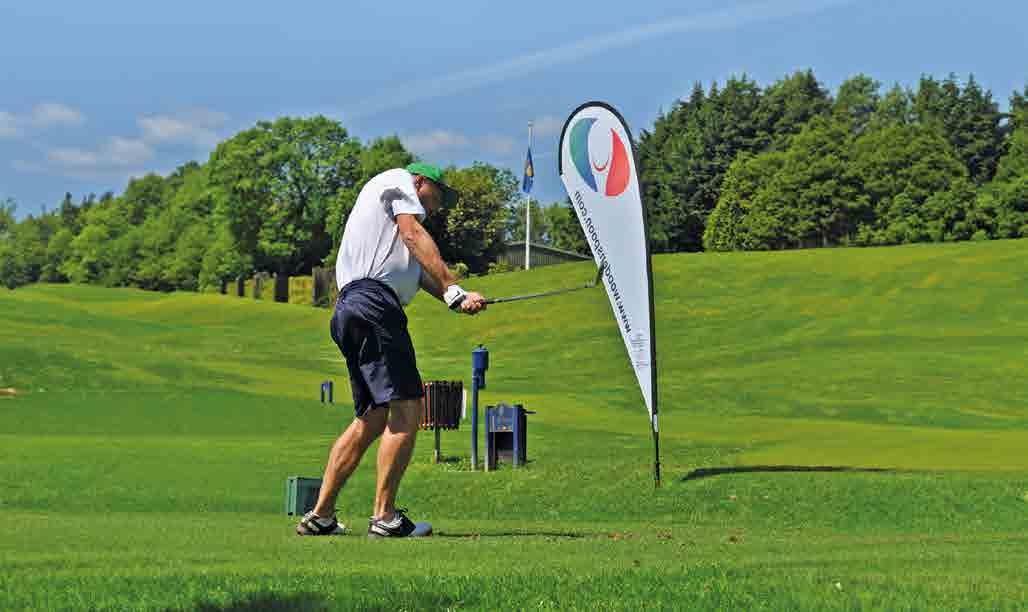
• Developed a wider range and increased participation in individual challenges including Runs, Hikes, Golf Days, fun-runs.
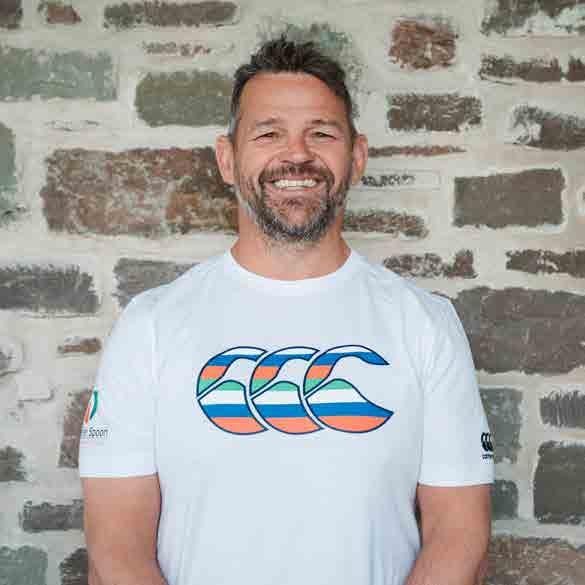
• Retender for Official Wooden Spoon kit supplier. New relationship with Canterbury provides value for money, charitable income stream and new engagement opportunities.
• Two Guinness World Records for the Women’s and Men’s longest games of rugby.
• Charitable individual and sponsorship income as well as media awareness.
• Expand individual challenge options, including smaller and accessible events, and identify our next flagship challenge.
• Review the Supporter membership product offer(s) to help maintain and grow membership with existing and new audiences.
• Broaden our network of Major Donor supporters with an attractive range of fundable and demonstrable grant giving opportunities.
• Deepen engagement with new and existing corporate supporters through visits, volunteering, fundraising and challenge events, combined with the use of PR to benefit charity income.


Next year we will:
• Refine grant-making processes and embed key themes across all activity.
• Ensure distribution of regional reserves to match need.
• Make follow-up visits to projects for impact reporting a standard practice.
• Use key data to make sure that grants are supporting children affected by current issues.
A landmark year, with £2 million donated to projects for the first time, supporting more children than ever.
Key achievements:
• Achieved efficiencies, shortened timescales and improved user experience with a streamlined grant process from Expression of Wish to award of grant.
• Increased communications and social content from funded projects.
• Delivered Tag Fest Disability festival for 300 children.
• Grouped communications of projects under ‘Giving Children a Chance to Learn, Thrive, Play, and be Safe’ to ensure visibility of the problem that we aim to assist and our impact.

Community engagement strengthened across multiple channels.
Key achievements:
• Enhanced newsletters and storytelling, communicating the “why” behind our work.
• Social media content more varied and engaging, with video and photography.
• Guinness World Record Longest Game, Inter-services tournament partnership and first National Wooden Spoon Day raised awareness and community engagement.
• Charity partnership status for the British & Irish Lions Trust during the tour to Australia.
Next year we will:
• Produce more engaging social content across our themes, including project stories, videos, ambassador involvement, and regional collaboration.
• New Volunteering programme to mobilise the wider Wooden Spoon family and adopt a broader range of more flexible regional volunteering opportunities
• Relaunch the Partner Rugby Club Programme and Schools programme with targeted recruitment.
• Bolster Regional committees, assist with succession planning, and look to revitalise targeted Wooden Spoon regions with wider volunteer base and mix of newer events including engaging inner-city areas.



Operational improvements delivered strong foundations for growth.
Key achievements:
• Improved efficiency by improved technology integration across our digital membership, events and prospect databases.
• Strengthened financial tracking and Board reporting.
• DBS compliance for our committee and event volunteers.
• Improved Membership communications and supporter experience.
• Updated the governing documents of the charity to ensure continued compliance.
• Undertook tender processes for our insurance, audit, and investment management partners.
Next year we will:
• Support regions with simplified committee workloads, enhanced toolkits and training, and increased accessibility for volunteers.
• Continue system automation and integration, ensuring consistent Salesforce database use and data compliance and accountability.
• Audit Wooden Spoon’s Equality, Diversity and Inclusion activities and identify areas for improvement for Wooden Spoon.
• Produce a sustainability action plan to ensure we take steps to minimise our impact on the environment.
• Ensure we are taking advantage of developing technology to support our charitable aims, particularly the use of AI.
• Continue to improve financial transparency through dashboards, KPI monitoring, and clearer staff reporting.
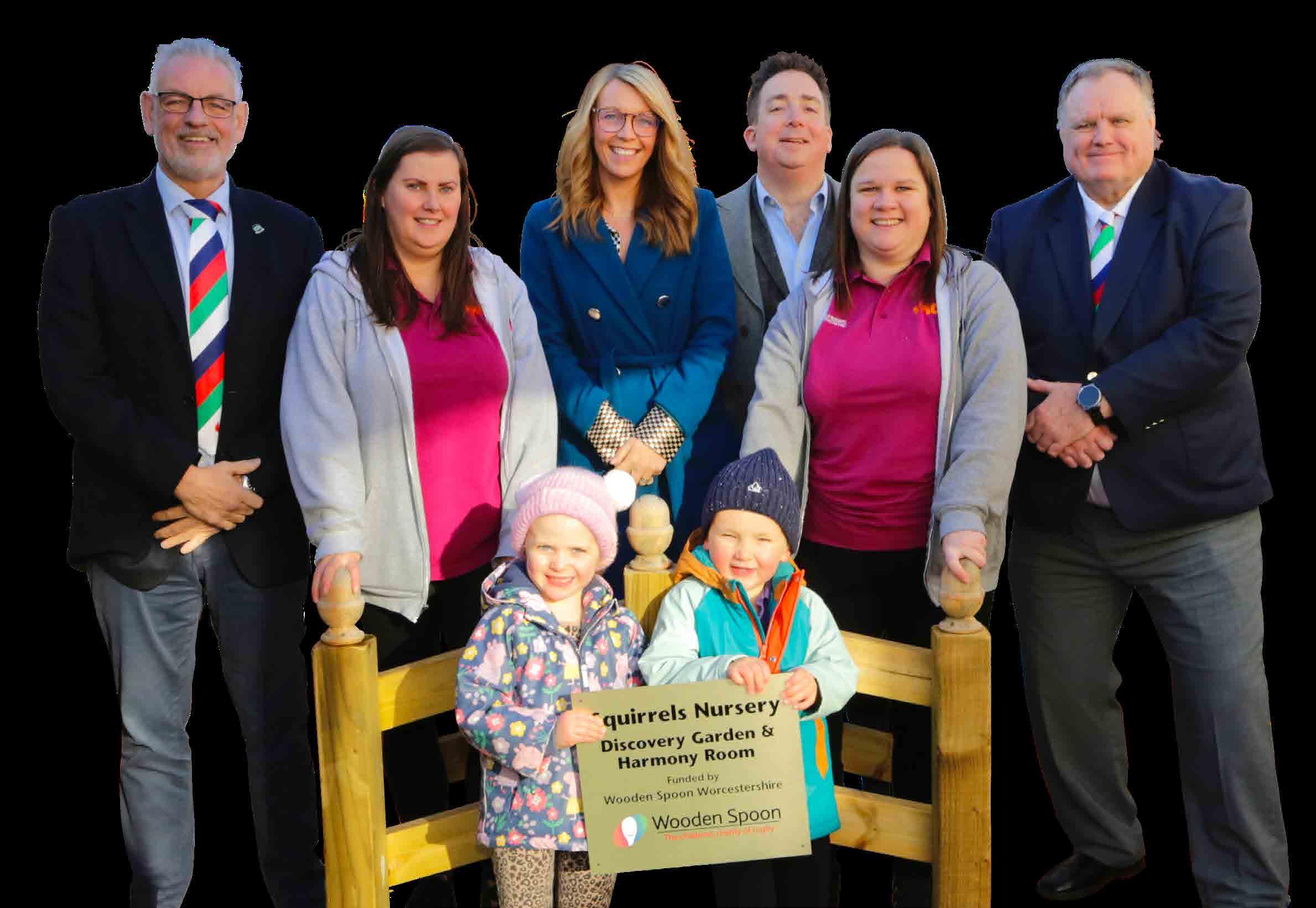
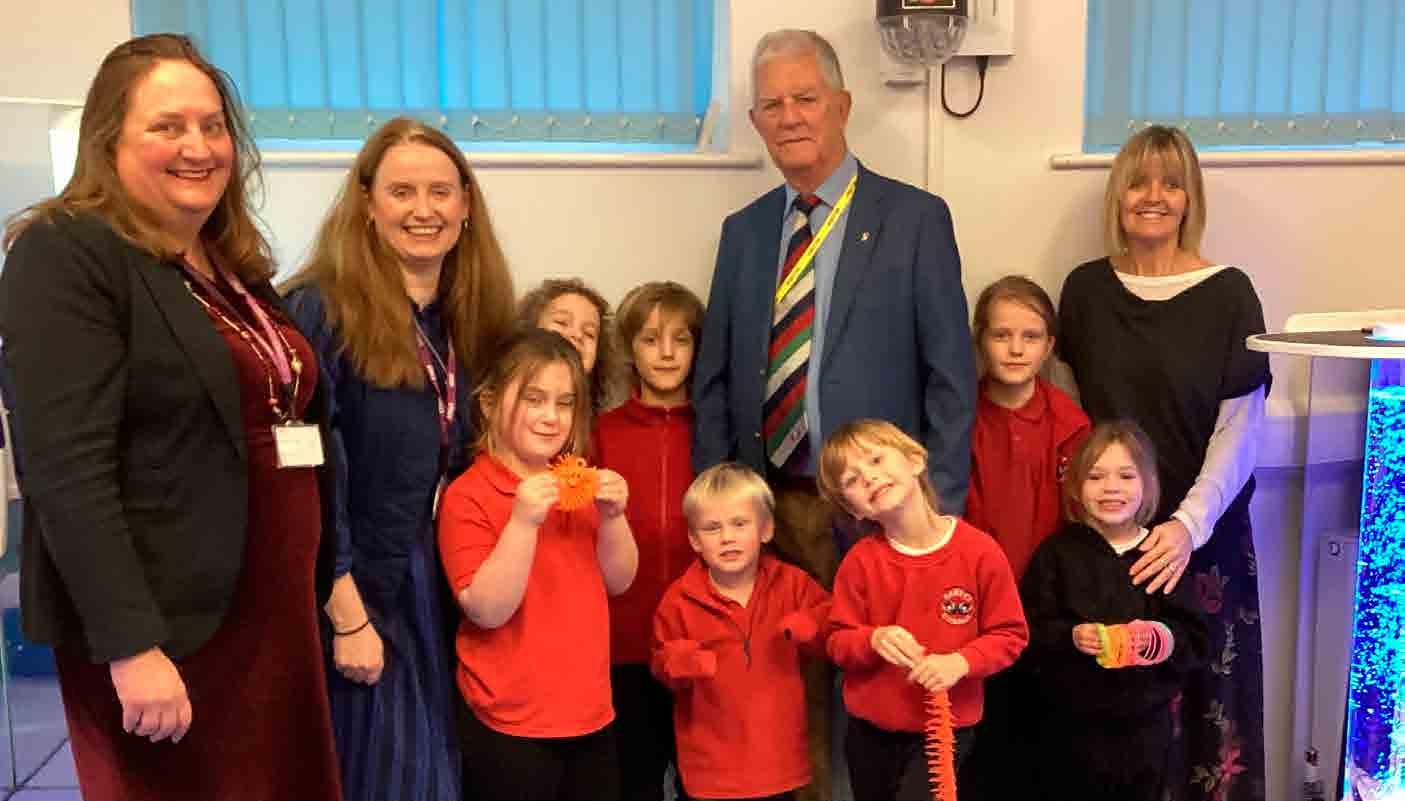
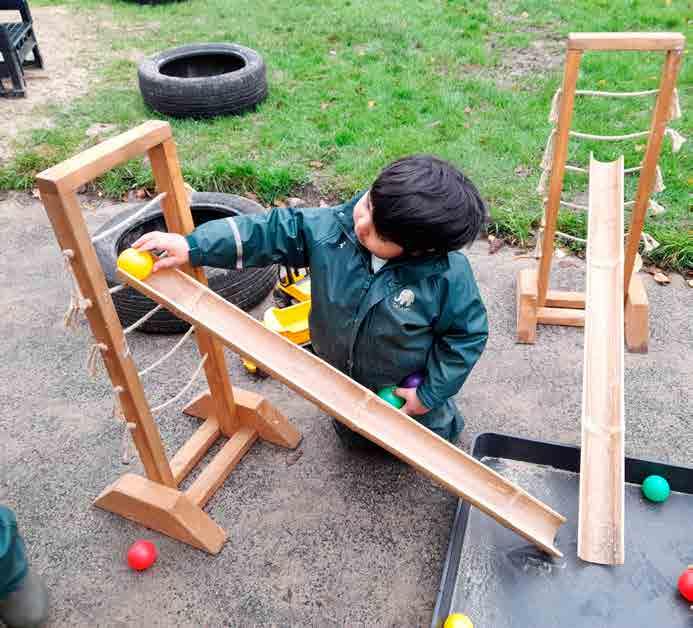
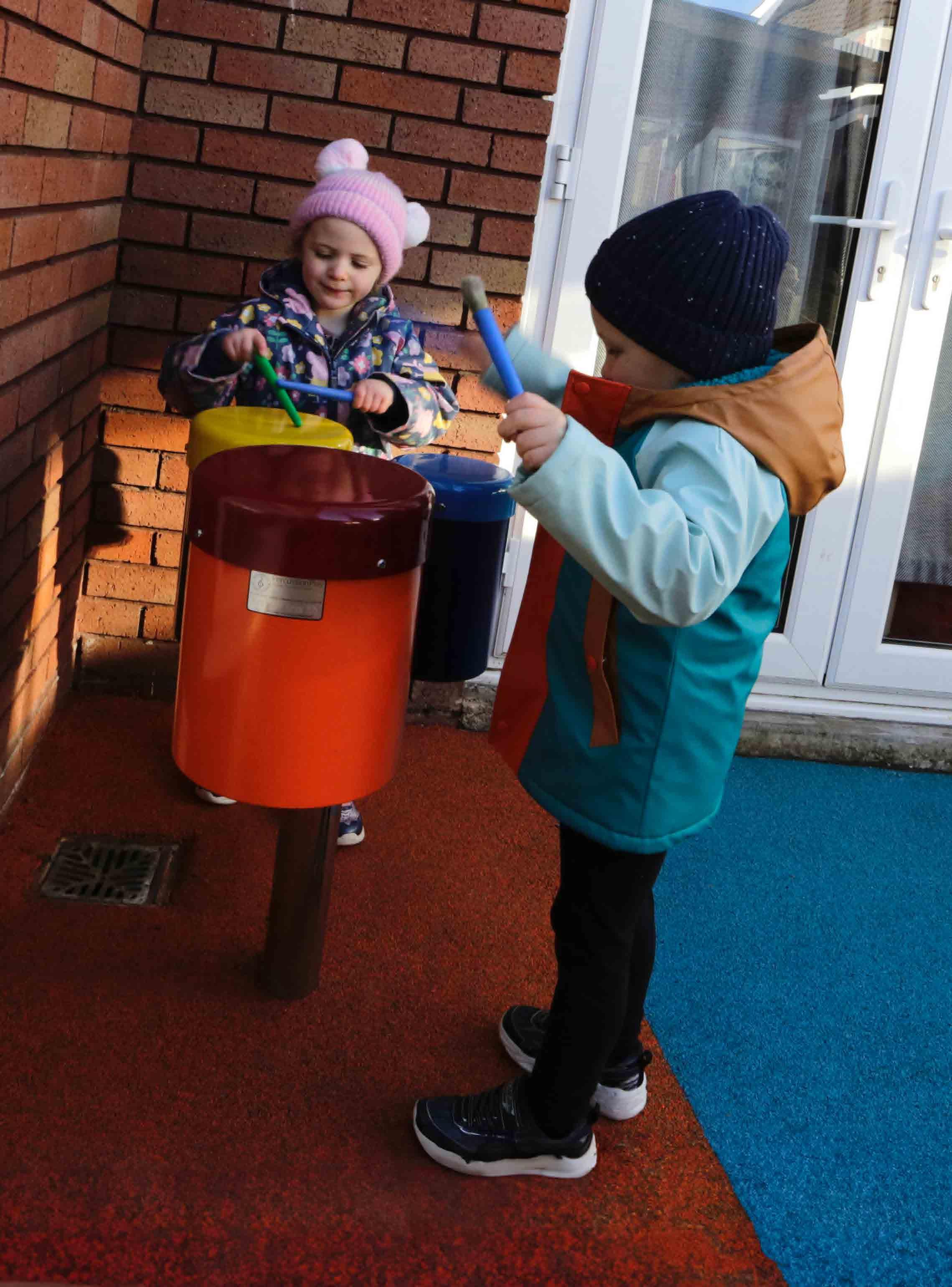
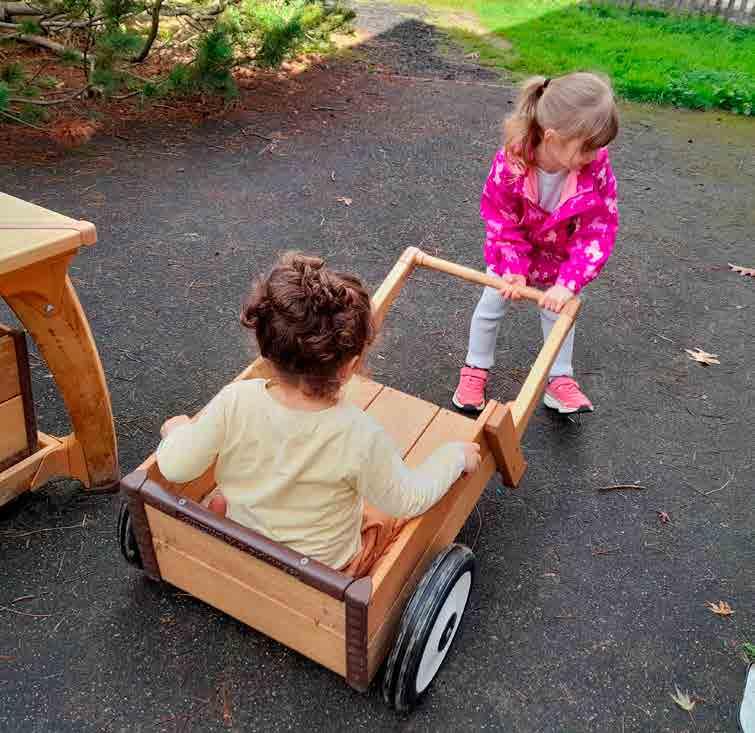
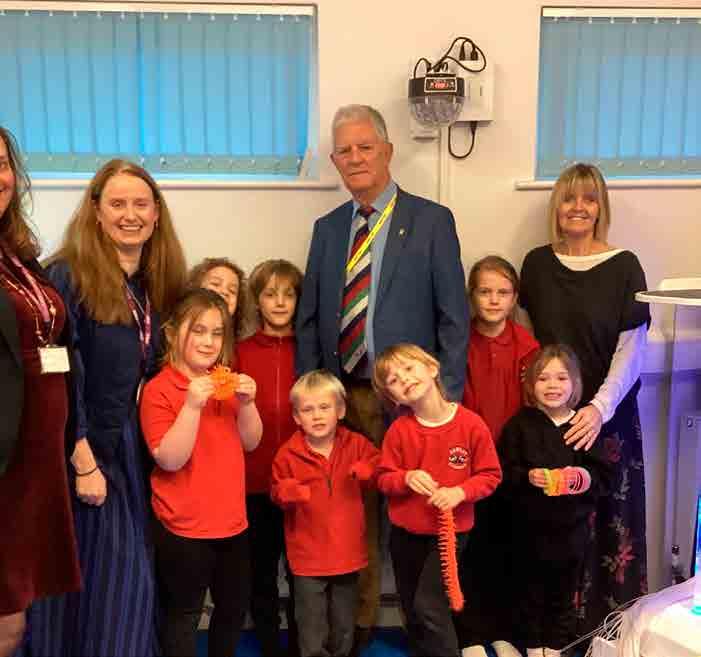
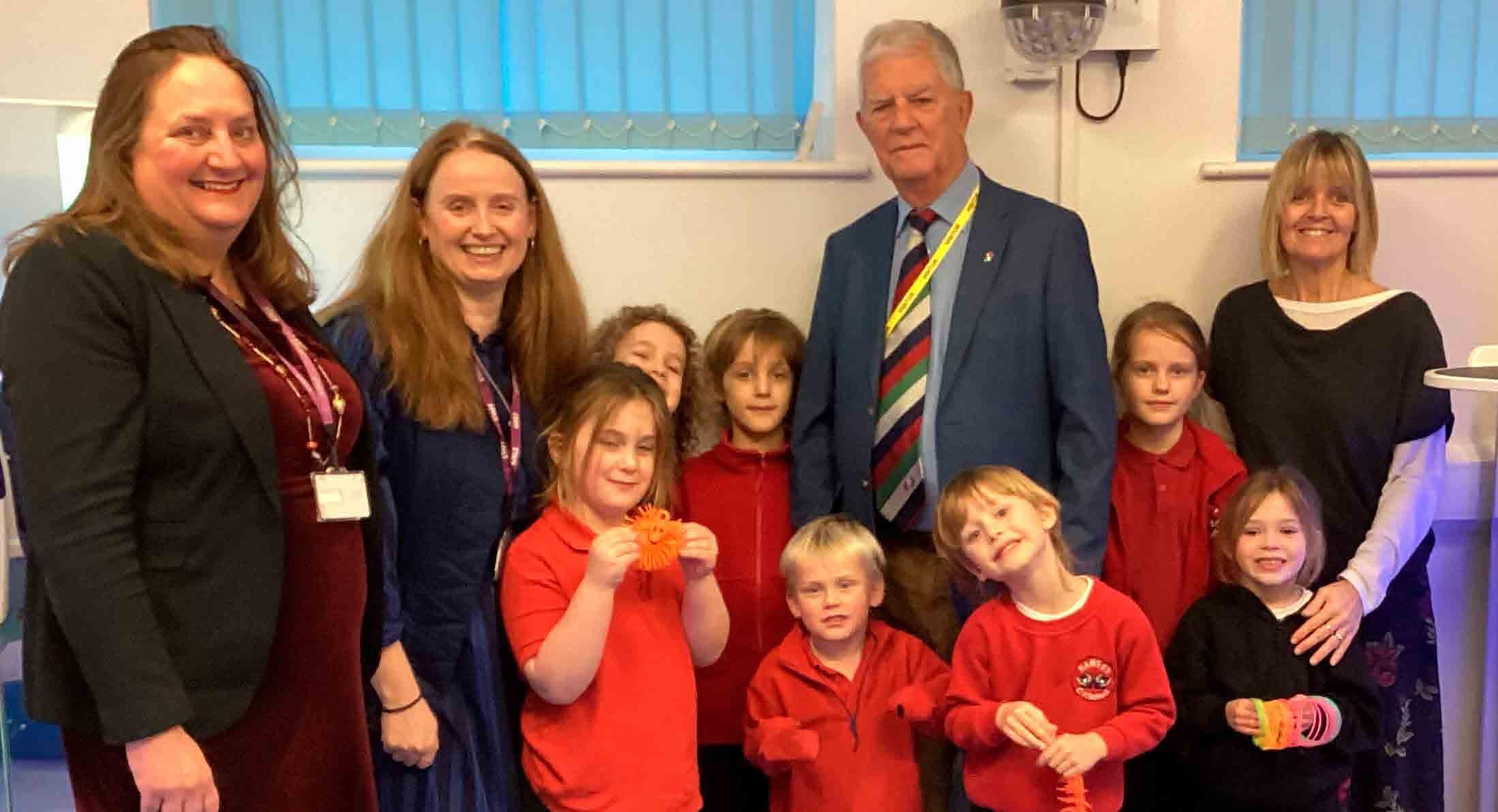
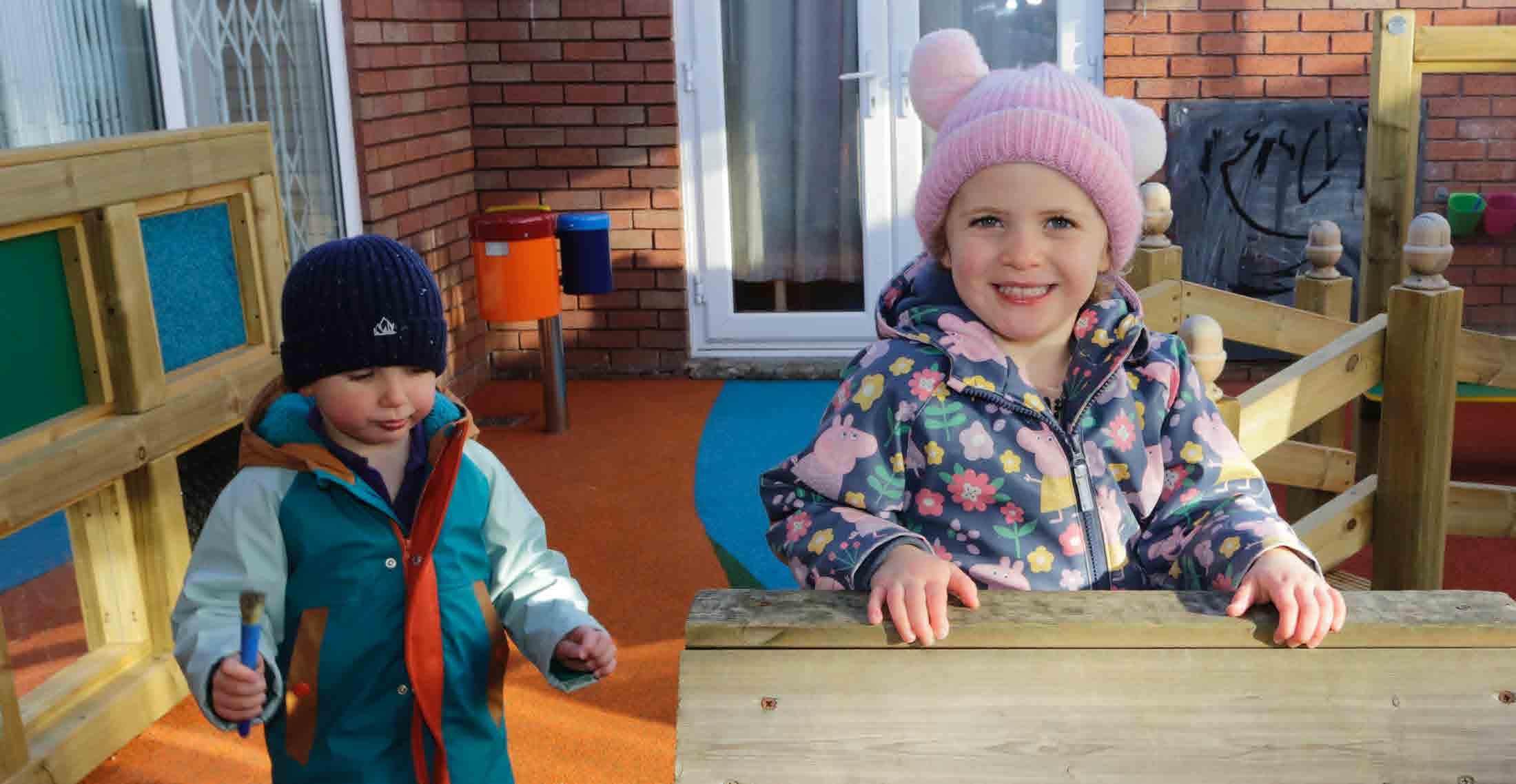
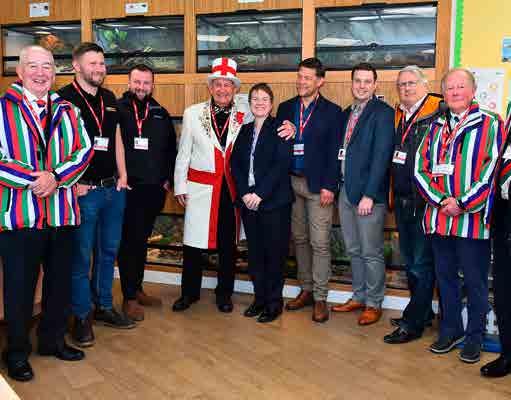
Squirrels Nursery in Worcestershire, supported by Wooden Spoon in 2025
Play projects split by age
Age 0-4
Age 5-11
Play projects split by category
Autism
Blindness
Deafness
Deprived
Emotional
Hearing
Intellectual
Multiple
Orthopaedic
Other
Speech
Specific learning
Visual

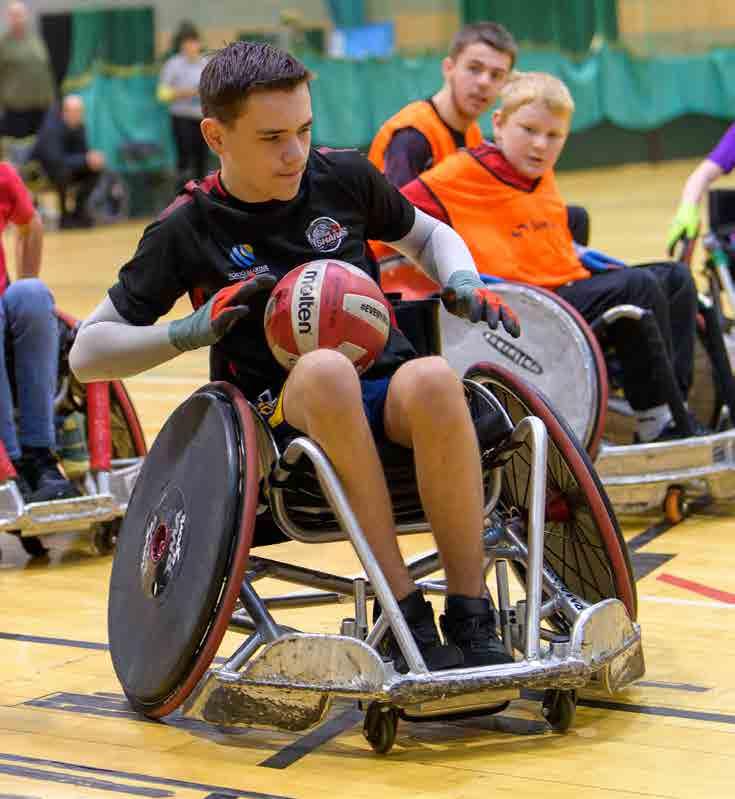
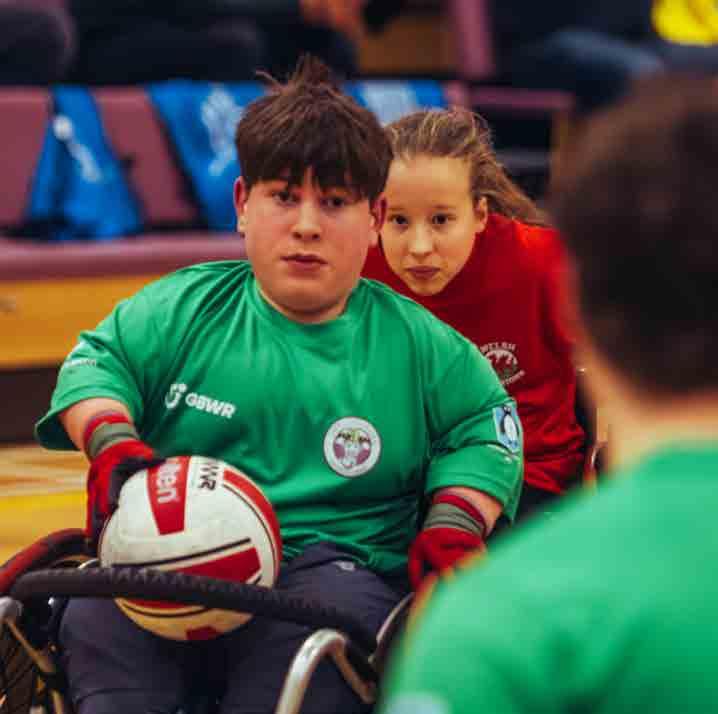
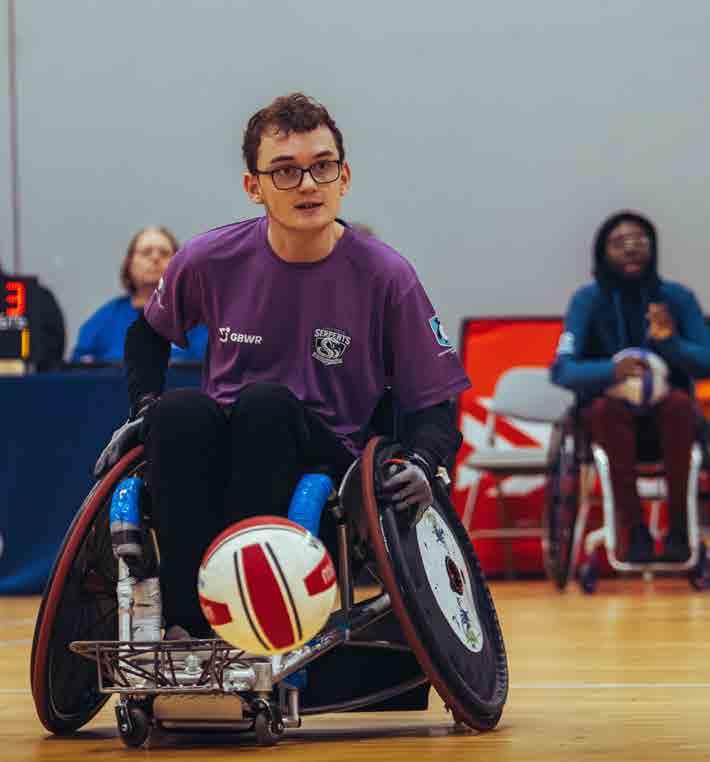
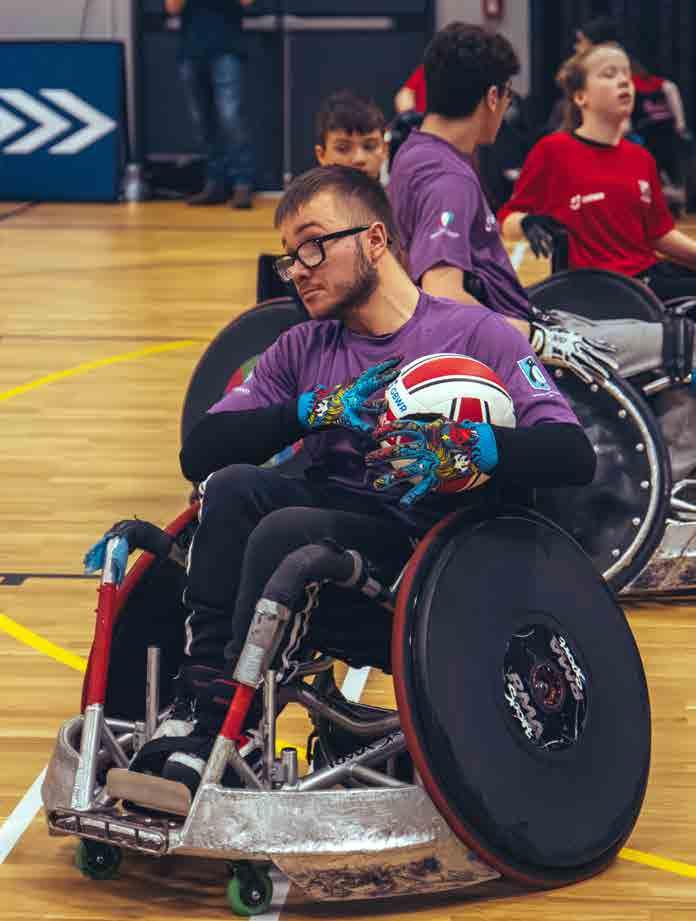
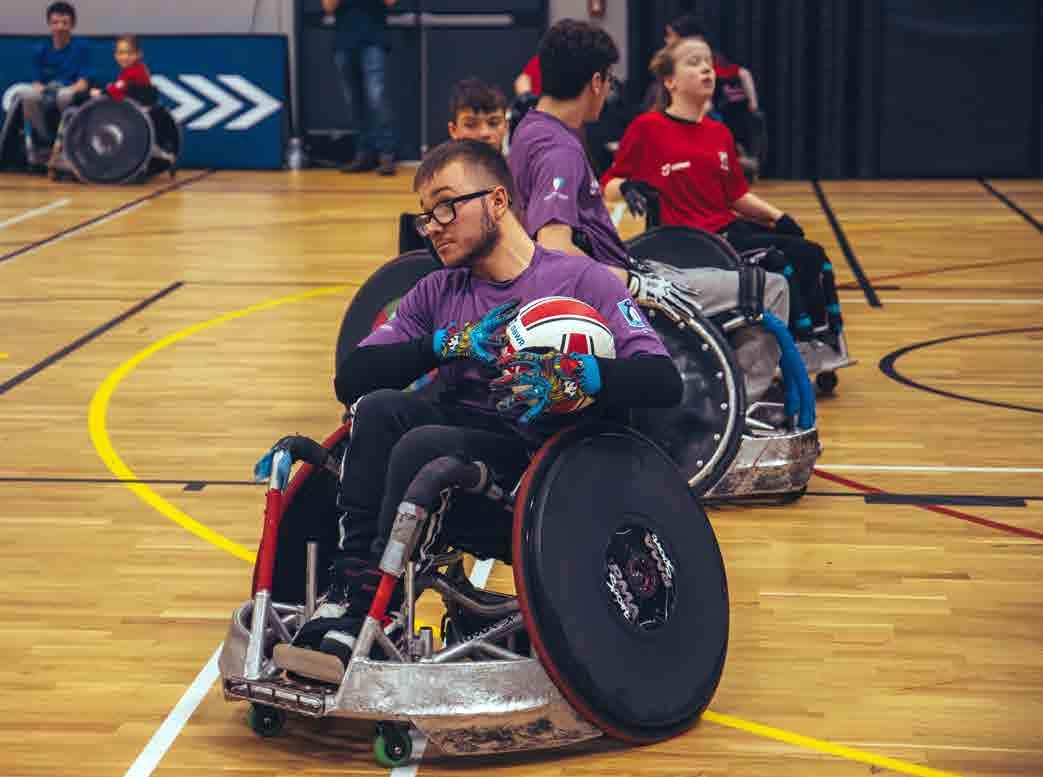
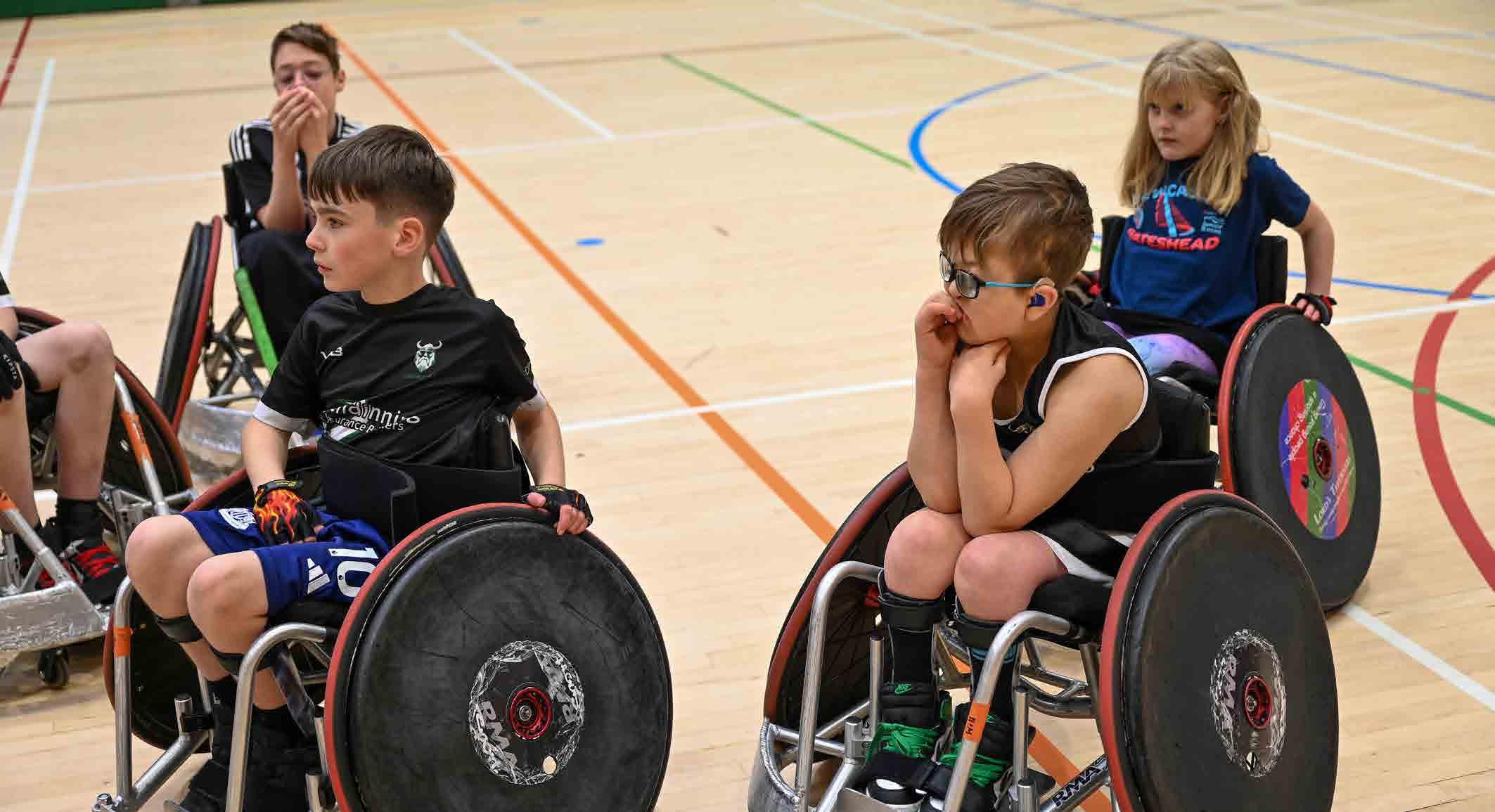
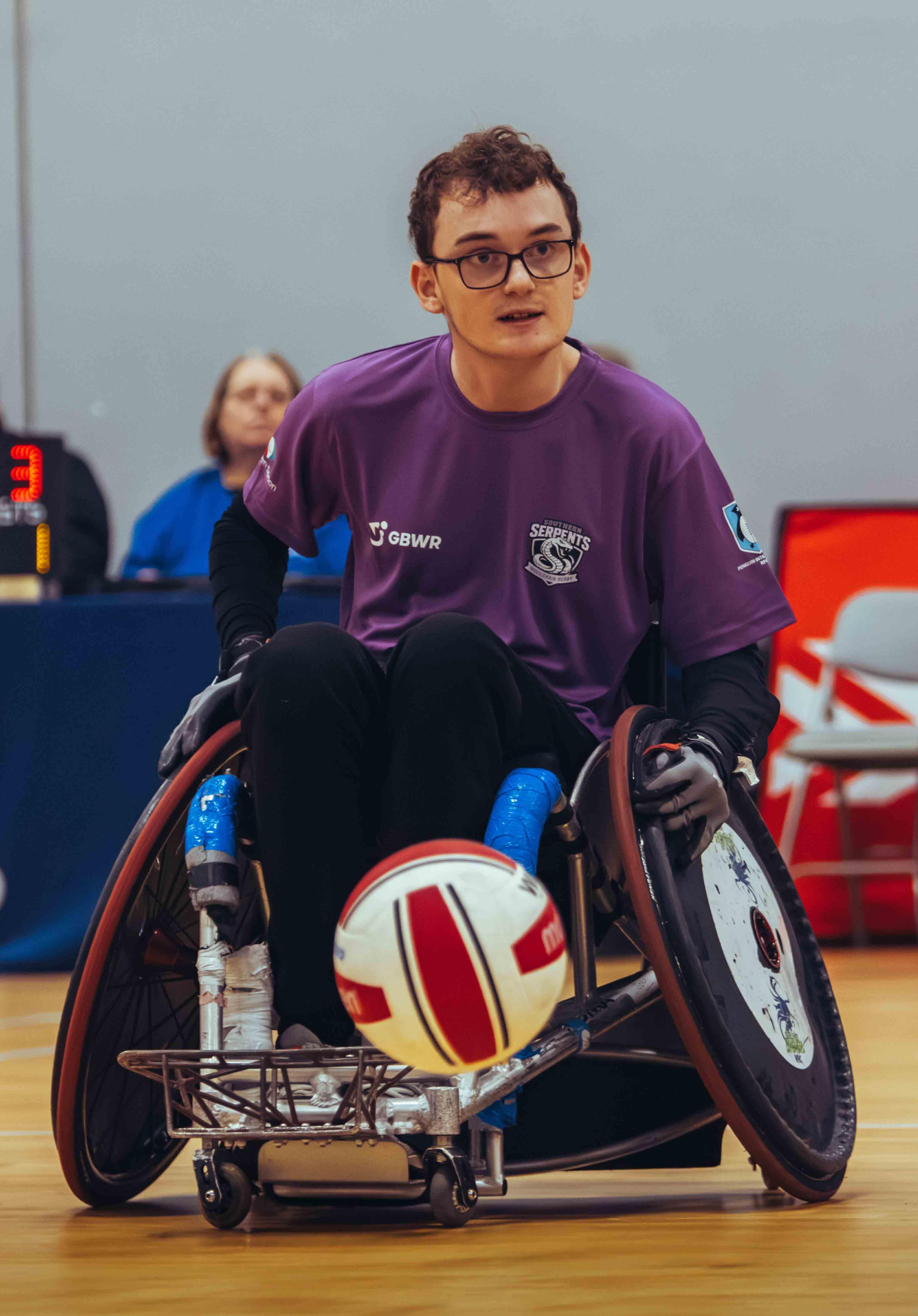
The Wooden Spoon GBWR Junior Regional Academies provide a dedicated space for junior wheelchair rugby players to train, compete and grow together, with access to high-quality coaching and a clear pathway towards performance, and even Paralympic representation.
Will has been playing at his local wheelchair rugby club for the last three years. Will’s dad Gary, explains how the game, and the club, has been transformative for his son:
“Will has Crouzon syndrome, a premature fusion of the skull which causes all kinds of pressure on the brain, major breathing issues and facial disfigurement. This year he had major facial surgery. Despite this, Will still turned up at wheelchair rugby sporting his metal frame that secured facial advancement. He is also a full-time wheelchair user and has recently been diagnosed with hand disabilities. He wears hearing aids, glasses and has recently been diagnosed with ADHD and a skin condition. But this all has made Will the character and fighter he is today – he doesn’t see himself as disabled, would you believe? He faces his many daily challenges head on, and if you ask anyone who knows him, nothing stops him.”
“He became involved in wheelchair rugby at the age of six, as we’d seen the sport on the Paralympics. We found a local club and met the most amazing group of warm, friendly and like-minded individuals. It made a huge difference to Will’s life firstly, apart from swimming, it was the only sport he found where he fitted in,
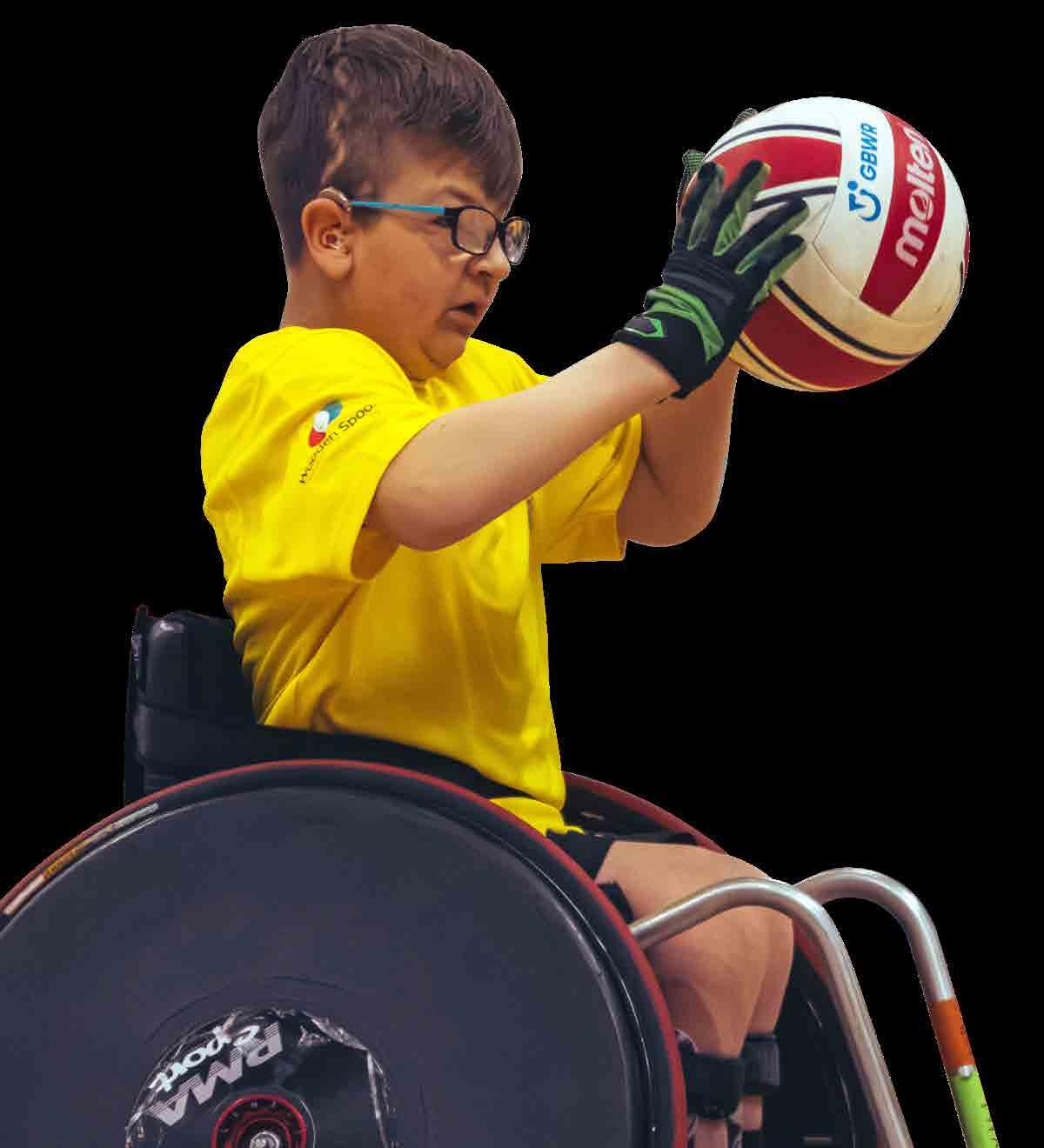
everyone as equal, everyone was like him. I’ll never forget that first training session, seeing his face light up as he ‘got stuck in!’ It also impacted family life so positively. As a group of parents, we’ve watched our kids mature, keep fit and develop skills in a sport. It’s also such a relief to meet similar people with similar experiences, it’s like a therapy session most weeks!”
I think the thing that Will ultimately enjoys is doing a sport with children the same as him. All his friends at school play regular able-bodied sports, but this is his time to shine. Forming the club has enabled Will to build up a group of friends that will hopefully grow with him over the years and this too is one thing that he absolutely loves. Lastly Will loves the fact he can smash the living daylights out of his mates… which kid wouldn’t like that?
We recently held a presentation night, where all the kids received a trophy, the kids involved had never been to a presentation night before, while siblings would be going to football presentations or athletics all the time, so this was their big moment!
It’s vital for charities like Wooden Spoon to keep supporting clubs like ours, as this is a lifeline. It allows disabled kids to be part of a club, exercise (obviously health benefits), socialise (mental health benefits) and grow and develop all kinds of life skills.
I believe we’re only at the beginning of something big in junior wheelchair rugby, but it won’t get anywhere without your help. The sport needs help developing and growing, with funding, to build leagues and hopefully a junior GB team in the future, which is my dream for the sport.
Region: National Corporate funding through Young’s Pub
Grant awarded: £20,000
Awarded to: Wooden Spoon GBWR Regional wheelchair rugby academies
Learn projects split by age
Age 0-4
Learn projects split by category
Autism
Blindness
Deafness
Deprived
Emotional
Hearing
Intellectual
Multiple
Orthopaedic
Other
Speech
Specific learning
Visual
Combe Pafford caters for pupils with learning and physical difficulties aged eight to 19.
Wooden Spoon’s donation meant the school could build the Animal Centre, where students can learn how to care for animals. Headteacher, Sally Banfield, shares what this means to the children and the teachers at the school:
“Our students all have a diagnosis of moderate learning difficulties, many also have autism and/or physical and sensory disabilities. Their challenges are mainly in their cognitive ability to learn and retain information.
“This, in conjunction with any autistic and physical needs, can make learning very hard for them. Normally, when children join us, they are working five years below their age-related peers. That said, when they leave us, this gap has shrunk a lot.
“All of our children will access and gain qualifications in Maths, English and Science – some at GCSE level, others at functional skills and entry level. We also offer animal care from Year 9, with our vocational taster sessions, right up to Year 12 and 13 for our sixth form students.
“The new animal centre really brings the subject and the care of the animals ‘alive’ for the students. We have been able to house a bigger range of animals in the purpose-built pods and cages. The heating units mean the students have many more animals and a wider variety to work with.
“The fact that it feels ‘real’, and the range of animals they now have to work with, are the two main reasons the children love the animal centre so much. The students can handle the animals and have their learning classroom in the same space, it is hugely beneficial. The new room has really raised the profile of animal care in the school. The subject is now right in the middle of the school and children have to walk past it every day at breaktime and lunchtime.

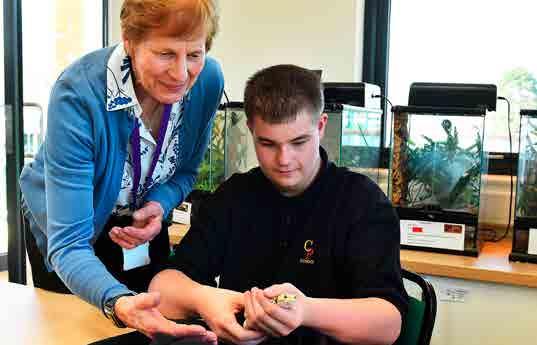
“They can see the animals, and I am hopeful that the take-up of animal care for our Year 9 options will be positively increased because of the new room.
“Without the funding from Wooden Spoon, the school would not have been able to afford to include the new animal are room in the new build. The funding allowed us to purchase the wonderful house/cages/pods for the wide range of animals we now have and install the state-of-the-art heating system that the animals need to live.
“Other nearby schools also use our animal care facilities to support their young people, allowing Combe Pafford to support other areas of our local community.
“Our vocational facilities are the envy of most schools. We have a fully-functioning cafe, two garages, a hair design salon, a horticulture area and a construction yard; in addition to the animal care suite. Wooden Spoon have already generously donated to the car garage and the hairdressing salon. Without this support we simply wouldn’t have been able to develop the facilities that we have got.
“A huge part of the journey for students at Combe Pafford, is that they learn the skills, knowledge and experience that will allow them to gain meaningful employment when they leave us. Our vocational programme plays a huge part in this and the facilities we have are so important in this journey for them.”
Region: Wooden Spoon Devon
Grant awarded: £10,000
Awarded to: Animal Care centre and equipment
Thrive projects split by age
Age 0-4
Thrive projects split by category
Autism
Blindness
Deafness
Deprived
Emotional
Hearing
Intellectual
Multiple
Orthopaedic
Other
Speech
Specific learning
Visual
North Pembrokeshire faces significant, but often hidden deprivation. Despite its coastal reputation, the decline of traditional industries has resulted in high unemployment, poor transport links, and financial hardship for many families.
Fishguard sits within the 20–30% most deprived areas in Wales for education, and over a third of children in Preseli Pembrokeshire are living in poverty.
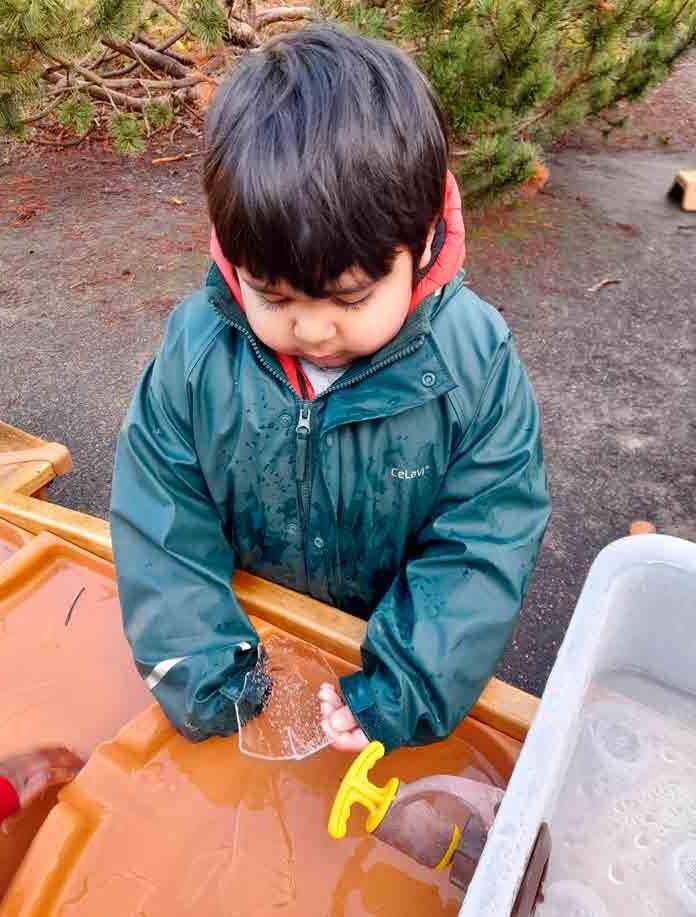
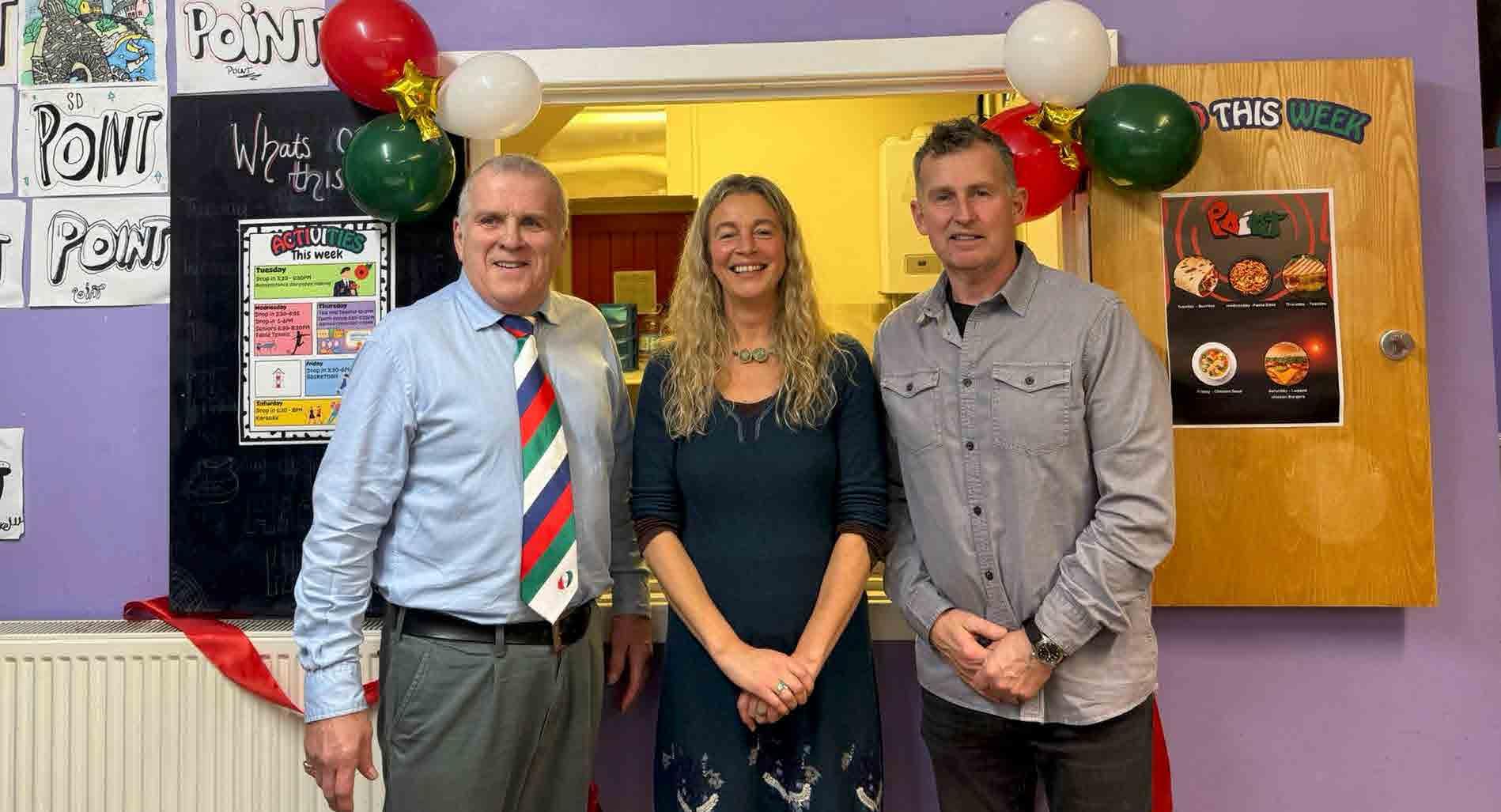
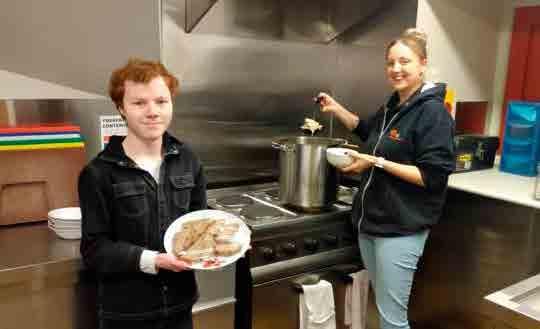
In response to these challenges, POINT provides a trusted, open-access hub for young people aged 10–25. Alongside safe spaces and positive activities, POINT delivers free hot meals and opportunities to build essential life skills, particularly supporting those facing disadvantage, trauma, isolation, and barriers to education, employment, and wellbeing. Wooden Spoon Wales has funded the upgrade to their kitchen.
Sally’s story
Sally’s journey began with curiosity and a willingness to try something new through the cooking project. At the outset, she expressed uncertainty, having never prepared a full meal on her own before. Despite this, she was eager to learn and step out of her comfort zone. With the support of the facilitators and peers, Sally gradually gained confidence in her ability to follow a recipe, handle ingredients, and manage her time in the kitchen.
As the sessions progressed, Sally became noticeably more confident and engaged. She developed practical skills such as chopping, seasoning, and coordinating different parts of a meal simultaneously. More importantly, she began to take ownership of the cooking process, making small decisions independently and showing pride in the food she created. Her enjoyment and enthusiasm grew, especially when she received positive feedback from others who tasted her dishes.
By the end of the program, Sally reflected on how much she had grown, not just in skill but in self-belief. She highlighted feeling proud of herself, particularly for completing tasks she once thought were too difficult. The experience left her feeling more independent and motivated to try new things in the future.
Sally’s journey through the cooking project illustrates how a supportive, hands-on environment can empower a young person to discover new capabilities and develop lasting confidence.
All names have been changed to protect the identity of the young people and all photos aren’t related to the case study but show the kitchen facilities.
Region: Wooden Spoon Wales
Grant awarded: £10,000
Awarded to: POINT
Be Safe projects split by age
Be Safe projects split by category
Blindness
Deafness
Deprived
Age 0-4
At just 23 months old, Oscar was diagnosed with a brain tumour, news that no parent is ever prepared to hear.
He underwent surgery at King’s College London before beginning a clinical trial of targeted chemotherapy at The Royal Marsden NHS Foundation Trust in May 2024.
For any parent, discovering that your child has cancer is devastating. But beyond the diagnosis itself lies another harsh reality: watching your child endure repeated medical procedures.
Children undergoing cancer treatment are often underweight, dehydrated, and physically weakened by chemotherapy. As a result, routine procedures such as blood tests and cannula insertions become significantly more difficult.
For babies and toddlers like Oscar, whose arms and veins are tiny, these procedures can be particularly distressing. Multiple attempts are often required to access a vein, increasing discomfort and anxiety for both the child and their family.
Oscar’s mum recalls one particularly traumatic moment: “Etched in my memory is a 6am incident at King’s College Hospital when a doctor was trying to insert a cannula ahead of an MRI scan. Watching your child go through that is heartbreaking.”

A nurse at The Royal Marsden mentioned the use of a portable ultrasound device , such as a Sonosite machine, which can scan a patient’s arm to identify the best vein before attempting cannulation or blood sampling.
At the time, the paediatric oncology department did not have one of these machines.
However, after numerous unsuccessful attempts to obtain blood from Oscar, a nurse from the adult cancer centre kindly brought their machine to the paediatric ward.
The difference was immediate and profound.
Using ultrasound guidance:
• Veins could be identified quickly and accurately
• Fewer attempts were needed
• Procedures became faster and less painful
Oscar’s mum describes the impact: “I cannot tell you what a difference this has made to my whole family’s level of trauma surrounding these appointments. It makes the whole process much easier, more efficient, less painful, and less stressful for everyone involved.”
Thanks to funding from Wooden Spoon, a Sonosite ultrasound machine will now be permanently available within the paediatric department at The Royal Marsden. This means:
• Every child undergoing treatment can benefit
• Fewer painful multiple attempts at blood tests
• Reduced distress for families
• Improved efficiency for clinicians
• A more compassionate care experience
For children like Oscar, and for the families standing beside them, access to this equipment transforms hospital visits from traumatic ordeals into more manageable experiences.
Region: National
Grant awarded: £25,000
Awarded to: The Royal Marsden Hospital
Wooden Spoon was established in 1983 and registered as a charity in England and Wales in October 1984 (Charity Registration 326691). In February 2008 Wooden Spoon also registered in Scotland (Charity Registration SC039247). It is a company limited by guarantee, registered in September 1984 in England and Wales number 01847860 and latest Articles of Association amended in December 2025.
The charity comprises of a Council of Trustees, a national office headed up by a Senior Management team based in Hampshire, 38 volunteer Regional Committees and a subscribing social membership of over 6,000. The charity has a 100% owned subsidiary company WSS Events Ltd.
Wooden Spoon is governed by its Articles of Association. These provide that the charity will be overseen by the Trustees who are both the only full members of the charity and its directors. Together, the Trustees comprise the Council.
New Trustees are appointed by the Council which seeks to ensure that there is a broad range of relevant skills, encouraging diversity whilst giving due consideration to the range of experience required. The Trustees serve a three year term but can be reappointed for further three year terms.
The Trustees provide their time at no charge to the charity. The charity has no share capital and hence the Trustees have no disclosable interests in the company. No dividends may be paid to any members. Trustees are provided with details of their responsibilities as charity Trustees upon their appointment and receive training in the role of Trustee as part of their induction. Trustees are encouraged to continue to attend training events to brief them on their legal and other obligations under charity and company law whilst also assisting them in their role as a Council member.
The Council of Trustees meets at least four times each year. It is responsible for the effective governance of the charity and for safeguarding the charity’s assets. The Trustees approve the commissioning of projects and the awarding of grants. In addition to sitting on the four sub-committees, Trustees are encouraged to help organise events, support the regions and attend project openings.
The Trustees who have served in the year and the Legal and Administrative information on page 53 form part of the Trustee Report.
In order to promote good governance and best practice, the Council of Trustees has four committees.
The Projects Grants Committee responsibilities are to review all the charity’s project proposals whether submitted by the regional committees or the national team, to ensure that the charity’s projects comply with its charitable purposes and to approve the projects that meet its criteria. In line with criteria, grants for projects are made to institutions or charities only and the senior management team carry out due diligence on each application prior to submission to the committee. Regional committees are involved in project nomination and review, the project grant is made from the charity but it will be denoted as a project from the Wooden Spoon region where the local fundraising took place. All Trustees receive advance copies of all the projects to be approved and are invited to join the monthly meetings. The committee has delegated powers to the Committee Chair and the Director of Projects & Systems for projects below an agreed level, however, all projects are considered at the monthly meeting and if appropriate full approval is given. On issue of the grant letter the charity is then committed to the project and it is identified as a liability.
The Governance Committee is responsible for ensuring that all matters of good governance and best business practice are effective throughout the entire charity, both at the national administrative office and in the Regions. The Committee maintains a risk register, reviews the execution of all delegated responsibilities with management and monitors the practical application of internal controls.
The Audit Committee is responsible for overseeing the charity’s preparation of annual accounts, considering reports from the auditor and advising the Council on financial control and accounting matters, in liaison with the Chief Operating Officer.
The Investment Committee considers investment policy and considers the risk of investment of free cash resources in liaison with information from external advisors.
The Council of Trustees ensure that all activities are undertaken to further charitable purposes.
The key management personnel of the charity comprise of the Senior Management Team. The Chief Executive Officer is responsible to the Council of Trustees for the day to day running and execution of strategy and policy and is supported by the Chief Operating Officer, Director of Projects & Systems, and the Director of Fundraising & Marketing..
The terms and pay of all staff is reviewed in April annually and recommendations are made to the Board. Pay for staff and reviews are benchmarked to similar organisations. The charity encourages fairness and respect, equal opportunity and ensures that everyone’s contribution is recognised and valued. It actively implements family friendly policies for its staff and encourages training and personal development.
The performance of the charity is measured by the Council against the approved annual budget on a quarterly basis.
The charity is very much a regional organisation in its method of operation. Currently there are 38 Regional Committees operating across the UK, including Wales as one region, 3 in Scotland, 1 in Northern Ireland and 33 in England. These are staffed entirely by volunteers (there are 260 volunteers recorded) who are drawn from its social members and led by a ‘Chair’ along with a committee formed of varying roles such as treasurer, projects lead, events officer, social media officer etc.
The constitution of the Regional Committees is established by the Trustees and is set out in the charity’s Administration Manual. The national office communicates with the regions through the regional team offering timely support with admin, events and fundraising etc as well as offering central services support such as marketing & finance to ensure the smooth running of their regional activities. There is a ‘National Volunteers Conference’ annually which our committee members are invited to attend which is a key event for the charity to communicate and share our vision to our regions. Regular communications from our regional team out to our committee members via a monthly newsletter and monthly online Team Talk meetings.
Fundamental to the charity’s culture is that all funds raised in a particular Region are, to the extent possible, then invested in operational or capital projects in that Region; “local funds for local projects”. In addition,
national fundraising, is where possible, used to provide further support for projects in the Regions. Each region has a page on the main website detailing their events and projects and this is co-ordinated with our national calendar.
We acknowledge the tremendous dedication provided to the charity by all its volunteer supporters whose fundraising activities take place across much of the United Kingdom, in the Isle of Man, the Channel Islands and the Republic of Ireland.
The Trustees have considered the major risks to which the charity is exposed. The risk register, which includes strategic and operational risk, is reviewed and updated at quarterly Governance and Trustee meetings with appropriate actions identified. Specific areas of activity are reviewed on a monthly basis.
The financial year has seen activity increasing in all the fundraising areas, the considerable input made by our regional volunteers and the national fundraising team.
Throughout the year consideration has also been given to the longer term as the economic and fundraising environment changes and impacts our supporters.
In addition particular attention has been paid to the charity’s ability to continue to reach its beneficiaries. During the year the charitable grant giving activities increased from £1.5m to £2.0m and the grant process takes due care and consideration so the grants will benefit those most in need.
The Trustees are confident that reasonable systems have been established to manage and identify new and existing risks, steps are put in place to mitigate risks and with forward planning for the charity to be better prepared for future eventualities. These systems include monthly review of the financial results, diligent preparation and regular review of budget and regular reforecasting throughout the financial year.
Wooden Spoon is involved in funding and participating in numerous activities and projects involving children and vulnerable young adults. The charity considers the welfare of children and vulnerable young adults to be of the utmost importance. Wooden Spoon’s rules and procedures ensure that all staff and volunteers who may have contact with children and young adults are DBS checked, and this is recorded and monitored at the head office.
The Trustees confirm that they have complied with the duty in section 17 of the Charities Act 2011 to have due regard to public benefit guidance published by the charity Commission. The Annual Report highlights the significant activities undertaken to carry out our aims for the public benefit and our achievements measured against those aims.
Wooden Spoon has adopted the charity Governance Code and benchmarked the charity’s effectiveness against the seven principles that make up the Code. The Code’s principles have been revisited and reflected upon and where appropriate have led to new or updated policies. As an example of actively considering the Code the recent recruitment of a new Trustees carefully considered the need to secure a broader range of relevant skills and a more diverse board.
The charity’s staff continue to work closely with the Governance Committee to ensure the charity is compliant with the data protection legislation. The charity does not sell or give data to third parties.
All supporters and donors have been contacted to ensure they are happy to continue to receive updates and materials from us. There have been no breaches or complaints to report to the Information Commissioners Office.
The charity has built on fundraising income and generated an increase to £3,794,202 (2025: £3,623, 133).
The charity’s fundraising levels as set out in the Operational Review on page 32. Head office costs were increased to £693,993 (2025: £608,926) as resource risk was identified and increased resources were needed to support all fundraising, on-going digital upgrade work and regional activity. The overall costs have increased to £2,270,889 (2025: £1,665,691).
Gross income by Type 2026 v 2025 (£000’s)
£2,500
£2,000
£1,500
£1,000
Expenditure on charitable activities has increased in the year to £2,098,347 (2025: £1,506,730). The pace of grant giving has increased compared to the prior year and the commitment to grants made but not yet drawn is set out in the Note 12 to the Financial Statements which has reduced.
Wooden Spoon ended the year with an overall expenditure of £575,034 (2025:£460,712 surplus). This deficit in the year was entirely due to committing more funds to support more children that any prior year in Wooden Spoon history. We are looking to support an additional 1million children by the end of the five-year strategy and this additional expenditure supports that aim.
The year has returned a full programme of social events and the regional engagement and the resourcefulness of our volunteers has seen a regional net income of over £1m. Our membership has shown a slight decline although there remains the opportunity to sign new members at the events.
The charity has set out its strategic aims for the five years to 2030 will continue with a clear goal to further improve the margin on its total income through a combination of sensible investment in efficiencies and a focus on growing higher margin sources of revenue.
Wooden Spoon complies with the standards set in the Fundraising Regulator’s Code of Fundraising Practice and is also a member of the Institute of Fundraising. Wooden Spoon staff and volunteers carry out the charity’s fundraising activities and do not employ external agencies to carry out fundraising on its behalf. Our fundraising staff are aware of the need to be sensitive and careful when engaging with vulnerable people and if people do not want to give or wish to stop giving their decision is fully respected. Any complaints received are recorded and investigated. There have been no fundraising complaints recorded in the past year.
The Trustees and the Senior Management Team aim to ensure that Wooden Spoon’s fundraising is respectful, open, honest and accountable to the public. The charity considers the objects and the beneficiaries of the organisation when fundraising is planned.
The charity’s primary income sources in this financial year include:
Subscriptions: We enjoy the support of over 6,000 members who donate an annual subscription to the charity. This significant regular giving every year supports Wooden Spoon’s work and notably allowed sustainability. Members receive Spoonews (our in-house magazine) twice per year, invitations to regional and national events when staged, the opportunity to win national and international rugby tickets and the opportunity to wear the charity’s distinctive tie or broach in the colours of the England, Scotland, Wales and Ireland rugby teams.
Campaign and Donations: Donations have remained at a consistent level for several years and the generous support of major donors has allowed continued support of the charity’s work and project grant giving.
Legacy: The charity has received funds from legacies is supporters wills that amount to £9,000 (2025: £59,000).
Major Gifts: Wooden Spoon has benefited from a number of major gifts this year from an individual supporter.
Events: The charity’s ability to stage events in the financial year has been without restrictions. The national team were able to support the London Marathon fundraising in April 2025 and an expanded Veterans Rugby Festival which including teams from across the regions, took place in September 2025. Fundraising has continued at a local level with regular golf days, cycle rides and individual pursuits. Events including sporting dinners and lunches, with the frequent help of high-profile members of the rugby community, have been taking place throughout the year and many regions held events around the men’s Rugby World Cup in the autumn and both men’s and women’s Six Nations events remaining very popular. Our objective is always to maximise the funds generated at each event and the vast majority of our events are run by the regional volunteer committees whose hard work and commitment are at the heart of the charity. Their enthusiasm and incredible efforts have contributed significantly and our regional fundraising is now over £1m.
Corporate Engagement: Our engagement continues with the corporate community.
Youngs Pubs have engaged in fundraising events for the year including multiple pub events and initiatives, Player at the Pump evenings and an on-going commitment to fundraise in the forthcoming year for which we are grateful.
We are enormously grateful to Rugbytots, Youngs Pubs, Omerta and all of the other corporate supporters and their employees and associates for their hard work and generosity.
Donated Goods and Services: The charity receives donations of services from both corporate supporters. We are very grateful to all donors and in particular to FedEx for providing their services on a pro bono basis.
The charity is fortunate to have incredible regular supporters and donors who have continued to donate despite all the economic pressures and disruption over the last few years.
The aim for the year has been to continue to build and focus the fundraising efforts achieved over the last few years and to accelerate our grant giving. A five year strategy plan is now in place building the charity further forward.
Alongside this we had identified a need to enhance our support for our regions and volunteers and refresh our offering to rugby, communities and individual givers through our membership journey.
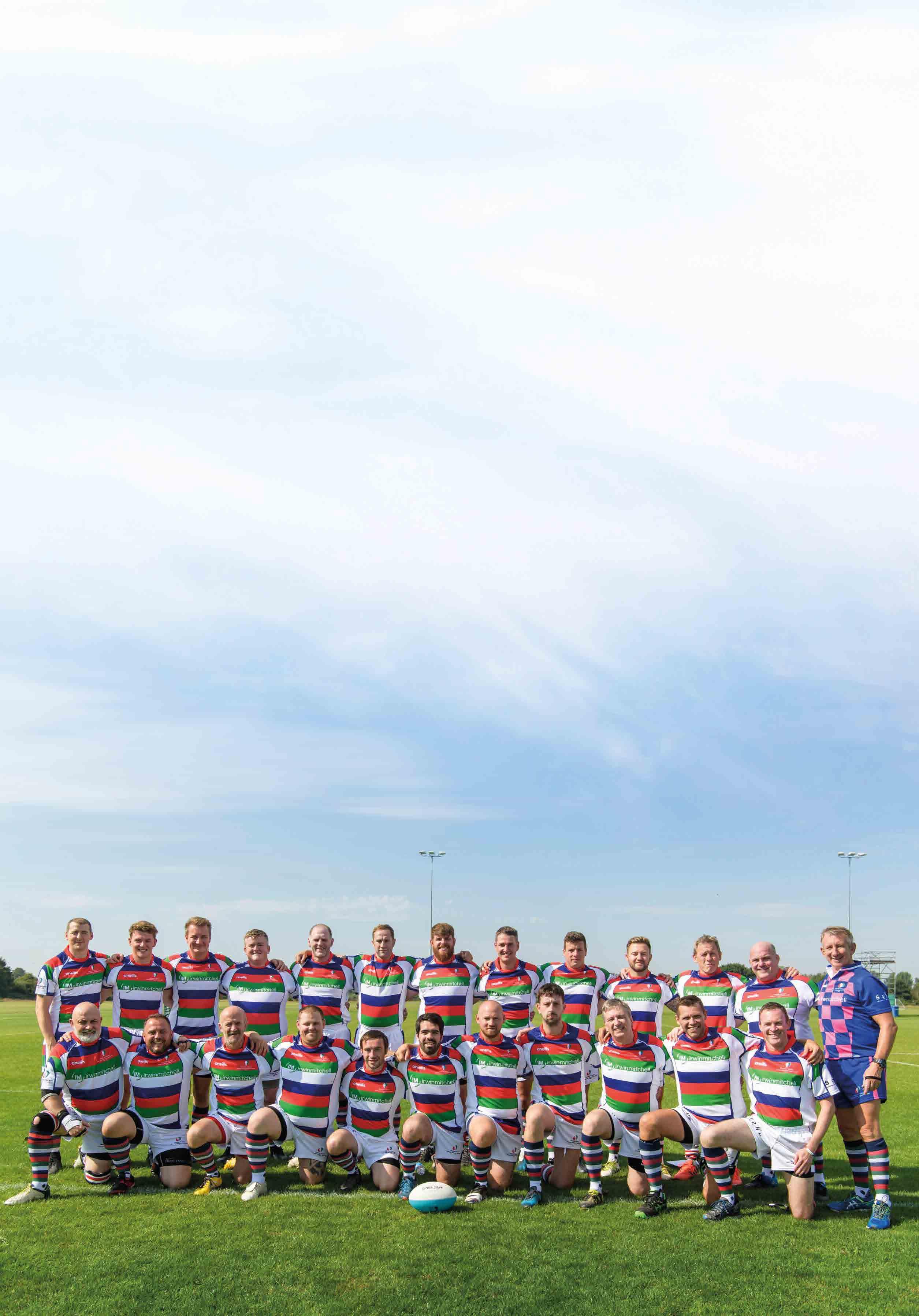
The Veterans Festival in September 2025 is now part of the annual calendar and has helped to introduce new volunteers and providing support to the regions who enter and fundraise for their teams. The incredible support of players, volunteers and regional input has been heartwarming, and the event goes from strength to strength with over £100k raised between regionally and nationally including shirt sponsorship.
Hybrid working continues and operational management of all areas of activity is carried out using remote IT services and video conferencing. The year has seen an upgrade in our customer relationship system and the external development team has worked with the Director of Projects & Systems to minimise any impact of the upgrade. Throughout the year all other IT services to the charity remained stable and all of the charity’s management and internal controls were maintained.
The charity has improved the office space available and our staff well-being remains of highest importance.
There are allocated team days and regular all-in team days to ensure teams are communicating. Meetings have taken place alongside continued provision of an employee counselling service.
The charity’s objective is to donate its surplus over the medium term, subject to maintaining reserves in accordance with good accounting and business practices.
The Council is aware of the Charity Commission’s guidance concerning reserves policies. The policy is reviewed on an annual basis and the Trustees updated the policy relating to unrestricted reserves to better reflect current best accounting practice, and to align the reserves policy more logically with the charity’s operations.
A significant part of the charity’s reserves are generated through regional activities. The charity’s policy has always been, and continues to be, to release such funds where possible for grants to charitable projects in the financial year following that in which they were raised. The Trustees have previously considered that the reserve policy should explicitly recognise this practice and have designated those funds which are now shown in these year end figures. Our current long-term target for free reserves is £500,000, this sum is greater than our unrestricted reserve but in the short term is considered sufficient to meet ongoing operations and to build during the coming year.
The Trustees consider that the Unrestricted Reserves are now the Free reserves of the charity. This policy provides an amount of year end reserves of a scale which should permit the charity to continue its normal style of operation.
Restricted Funds: The reserve covers all funds received by the charity for named specific purposes that have yet to be spent.
Designated Funds: The reserve represents funds have been Designated by the Trustees and commit these funds where possible for grants to charitable projects within the financial year following that in which they were raised.
Unrestricted Funds: The reserve represents the Free reserve of the charity to continue usual operations.
The table shows the value of these reserves at the end of the financial year. 31 March 2026 £ 31 March 2025
2,460,502 3,056,882
Free reserves which represent unrestricted reserves less fixed assets at the year-end total £43,270. The charity will utilise reserves to operate the charity.
The Trustees consider the financial position of the charity to be satisfactory and are of the view that the charity is financially secure and is a going concern.
Auditor
Crowe U.K. LLP have indicated their willingness to continue in office.
In preparing this report, the directors have taken advantage of the small companies exemptions provided by section 415A of the Companies Act 2006.
The annual report has been approved by the Council of Trustees and signed on its behalf by:
Ali Gilbert Chair
The Trustees (who are also Directors of Wooden Spoon Society for the purposes of company law) are responsible for preparing the Trustees’ Annual Report and the financial statements in accordance with applicable law and United Kingdom Generally Accepted Accounting Practice (United Kingdom Accounting Standards).
Company law requires the Trustees to prepare financial statements for each financial year. Under company law the Trustees must not approve the financial statements unless they are satisfied that they give a true and fair view of the state of affairs of the charitable company and of the incoming resources and application of resources, including the income and expenditure, of the charitable company for that period. In preparing these financial statements, the Trustees are required to:
• select suitable accounting policies and then apply them consistently;
• observe the methods and principles in the Charities SORP;
• make judgments and estimates that are reasonable and prudent;
• state whether applicable UK accounting standards have been followed, subject to any material departures disclosed and explained in the financial statements; and
• prepare the financial statements on the going concern basis unless it is inappropriate to presume that the charitable company will continue in business.
The Trustees are responsible for keeping adequate accounting records that are sufficient to show and explain the charitable company’s transactions, disclose with reasonable accuracy at any time the financial position of the charitable company and enable them to ensure that the financial statements comply with the Companies Act 2006, the Charities and Trustee Investment (Scotland) Act 2005, the Charities Accounts (Scotland) Regulations 2006 (as amended) and the provisions of the charity’s constitution. They are also responsible for safeguarding the assets of the charitable company and hence for taking reasonable steps for the prevention and detection of fraud and other irregularities.
Insofar as each of the Trustees and Directors of the charity at the date of approval of this report is aware there is no relevant audit information (information needed by the charity’s auditor in connection with preparing the audit report) of which the charity’s auditor is unaware. Each Trustee/Director has taken all of the steps that he/she should have taken as a Trustee/ Director in order to make himself/herself aware of any relevant audit information and to establish that the charity’s auditor is aware of that information.
By order of the Council
Ali Gilbert Chair
Opinion
We have audited the financial statements of Wooden Spoon Society for the year ended 31 March 2026 which comprise the Statement of Financial Activities, Balance Sheet, Statement of Cash Flows and notes to the financial statements, including significant accounting policies. The financial reporting framework that has been applied in their preparation is applicable law and United Kingdom Accounting Standards, including Financial Reporting Standard 102 The Financial Reporting Standard applicable in the UK and Republic of Ireland (United Kingdom Generally Accepted Accounting Practice).
In our opinion the financial statements:
• give a true and fair view of the state of the charitable company’s affairs as at 31 March 2026 and of income and expenditure, for the year then ended;
• have been properly prepared in accordance with United Kingdom Generally Accepted Accounting Practice; and
• have been prepared in accordance with the requirements of the Companies Act 2006 and the Charities and Trustee Investments (Scotland) Act 2005 and Regulations 6 and 8 of the Charities Accounts (Scotland) Regulations 2006 (amended).
Basis
We conducted our audit in accordance with International Standards on Auditing (UK) (ISAs (UK)) and applicable law. Our responsibilities under those standards are further described in the Auditor’s responsibilities for the audit of the financial statements section of our report. We are independent of the charitable company in accordance with the ethical requirements that are relevant to our audit of the financial statements in the UK, including the FRC’s Ethical Standard, and we have fulfilled our other ethical responsibilities in accordance with these requirements. We believe that the audit evidence we have obtained is sufficient and appropriate to provide a basis for our opinion.
In auditing the financial statements, we have concluded that the Trustees’ use of the going concern basis of accounting in the preparation of the financial statements is appropriate.
Based on the work we have performed, we have not identified any material uncertainties relating to events or conditions that, individually or collectively, may cast significant doubt on the charitable company’s
ability to continue as a going concern for a period of at least twelve months from when the financial statements are authorised for issue.
Our responsibilities and the responsibilities of the Trustees with respect to going concern are described in the relevant sections of this report.
The Trustees are responsible for the other information contained within the annual report. The other information comprises the information included in the annual report, other than the financial statements and our auditor’s report thereon. Our opinion on the financial statements does not cover the other information and, except to the extent otherwise explicitly stated in our report, we do not express any form of assurance conclusion thereon.
Our responsibility is to read the other information and, in doing so, consider whether the other information is materially inconsistent with the financial statements or our knowledge obtained in the audit or otherwise appears to be materially misstated. If we identify such material inconsistencies or apparent material misstatements, we are required to determine whether this gives rise to a material misstatement in the financial statements themselves. If, based on the work we have performed, we conclude that there is a material misstatement of this other information, we are required to report that fact.
We have nothing to report in this regard.
Opinions on other matters prescribed by the Companies Act 2006
In our opinion based on the work undertaken in the course of our audit:
• the information given in the Trustees’ report, which includes the directors’ report prepared for the purposes of company law, for the financial year for which the financial statements are prepared is consistent with the financial statements; and
• the directors’ report included within the Trustees’ report have been prepared in accordance with applicable legal requirements.
Matters on which we are required to report by exception
In light of the knowledge and understanding of the charitable company and their environment obtained in the course of the audit, we have not identified material misstatements in the directors’ report included within the Trustees’ report.
We have nothing to report in respect of the following matters in relation to which the Companies Act 2006 and the Charities Accounts (Scotland) Regulations 2006 requires us to report to you if, in our opinion:
• adequate and proper accounting records have not been kept; or
• the financial statements are not in agreement with the accounting records and returns; or
• certain disclosures of Trustees’ remuneration specified by law are not made; or
• we have not received all the information and explanations we require for our audit.
As explained more fully in the Trustees’ responsibilities statement set out on page 34, the Trustees (who are also the directors of the charitable company for the purposes of company law) are responsible for the preparation of the financial statements and for being satisfied that they give a true and fair view, and for such internal control as the Trustees determine is necessary to enable the preparation of financial statements that are free from material misstatement, whether due to fraud or error.
In preparing the financial statements, the Trustees are responsible for assessing the charitable company’s ability to continue as a going concern, disclosing, as applicable, matters related to going concern and using the going concern basis of accounting unless the Trustees either intend to liquidate the charitable company or to cease operations, or have no realistic alternative but to do so.
We have been appointed as auditor under section 44(1) (c) of the Charities and Trustee Investment (Scotland) Act 2005 and under the Companies Act 2006 and report in accordance with the Acts and relevant regulations made or having effect thereunder.
Our objectives are to obtain reasonable assurance about whether the financial statements as a whole are free from material misstatement, whether due to fraud or error, and to issue an auditor’s report that includes our opinion. Reasonable assurance is a high level of assurance, but is not a guarantee that an audit conducted in accordance with ISAs (UK) will always detect a material misstatement when it exists. Misstatements can arise from fraud or error and are considered material if, individually or in the aggregate, they could reasonably be expected to influence the economic decisions of users taken on the basis of these financial statements.
Details of the extent to which the audit was considered capable of detecting irregularities, including fraud and non-compliance with laws and regulations are set out below.
A further description of our responsibilities for the audit of the financial statements is located on the Financial Reporting Council’s website at: www.frc.org.uk/auditorsresponsibilities
This description forms part of our auditor’s report.
Extent to which the audit was considered capable of detecting irregularities, including fraud
Irregularities, including fraud, are instances of noncompliance with laws and regulations. We identified and assessed the risks of material misstatement of the financial statements from irregularities, whether due to fraud or error, and discussed these between our audit team members. We then designed and performed audit procedures responsive to those risks, including obtaining audit evidence sufficient and appropriate to provide a basis for our opinion.
We obtained an understanding of the legal and regulatory frameworks within which the charitable company operates, focusing on those laws and regulations that have a direct effect on the determination of material amounts and disclosures in the financial statements. The laws and regulations we considered in this context were the Companies Act 2006, the Charities Act 2011 and the Charities and Trustee Investment (Scotland) Act 2005, together with the Charities SORP (FRS 102). We assessed the required compliance with these laws and regulations as part of our audit procedures on the related financial statement items.
In addition, we considered provisions of other laws and regulations that do not have a direct effect on the financial statements but compliance with which might be fundamental to the charitable company’s ability to operate or to avoid a material penalty. We also considered the opportunities and incentives that may exist within the charitable company for fraud.
Auditing standards limit the required audit procedures to identify non-compliance with these laws and regulations to enquiry of the Trustees and other management and inspection of regulatory and legal correspondence, if any.
We identified the greatest risk of material impact on the financial statements from irregularities, including fraud, to be within the accuracy of legacy income and the override of controls by management. Our audit procedures to respond to these risks included enquiries of management about their own identification and assessment of the risks of irregularities, designing audit procedures over legacy income, sample testing on the posting of journals, reviewing accounting estimates for biases and reading minutes of meetings of those charged with governance.
Owing to the inherent limitations of an audit, there is an unavoidable risk that we may not have detected some material misstatements in the financial statements, even though we have properly planned and performed our audit in accordance with auditing standards. For example, the further removed non-compliance with laws and regulations (irregularities) is from the events and transactions reflected in the financial statements, the less likely the inherently limited procedures required by auditing standards would identify it. In addition, as with any audit, there remained a higher risk of non-detection of irregularities, as these may involve collusion, forgery, intentional omissions, misrepresentations, or the override of internal controls. We are not responsible for preventing non-compliance and cannot be expected to detect non-compliance with all laws and regulations.

This report is made solely to the charitable company’s members, as a body, in accordance with Chapter 3 of Part 16 of the Companies Act 2006 and to the charitable company’s Trustees, as a body, in accordance with Regulation 10 of the Charities Accounts (Scotland) Regulations 2006. Our audit work has been undertaken so that we might state to the charitable company’s members those matters we are required to state to them in an auditor’s report and for no other purpose. To the fullest extent permitted by law, we do not accept or assume responsibility to anyone other than the charitable company and the charitable company’s members as a body, for our audit work, for this report, or for the opinions we have formed.
Guy Biggin, Senior Statutory Auditor, for and on behalf of Crowe U.K. LLP
Statutory Auditor 4th Floor, St James House, St James Square, Cheltenham, Gloucestershire, GL50 3PR
Date:

Including Income and Expenditure Account for the year ended 31 March 2026
The notes on pages 44 to 52 form part of these financial statements.
3,056,881
These accounts are prepared in accordance with the special provisions of Part 15 of the Companies Act relating to small companies and constitute the annual accounts required by the Companies Act 2006 and are for circulation to members of the company.
The financial statements on pages 39 to 52 were authorised and approved by the Council on June 2026 and were signed on its behalf by:
Ali Gilbert Chair
For the year ended 31 March 2026
The charity is a private company limited by guarantee (company no. 01847860) and a registered charity in England and Wales (charity no. 326691), and in Scotland (Scottish registered charity no. SC039247) which is incorporated and domiciled in the UK. The address of the registered office is Sentinel House, Harvest Crescent, Fleet, England, GU51 2UZ.
Basis of preparation
The financial statements have been prepared in accordance with Accounting and Reporting by Charities: Statement of Recommended Practice applicable to charities preparing their accounts in accordance with the Financial Reporting Standard applicable in the UK and Republic of Ireland (FRS 102) (effective 1 January 2019) – (Charities SORP (FRS 102)), the Financial Reporting Standard applicable in the UK and Republic of Ireland (FRS 102), the Charities Accounts (Scotland) Regulation 2006 and the Companies Act 2006.
Wooden Spoon Society meets the definition of a public benefit entity under FRS 102. Assets and liabilities are initially recognised at historical cost or transaction value unless otherwise stated in the relevant accounting policy note(s).
Preparation of the accounts on a going concern basis
The charity reported a cash outflow of £563,564 from operating activities for the year. The charity has continued project grant commitments and these are recognised at the time that Trustees agree the support. The Trustees are of the view that the charity is financially secure and that on this basis the charity is a going concern. In particular they have noted the level of free reserves carried forward will be continually monitored to ensure that the future awarding of project grants takes into account the financial position of the charity and the charity is responding to current situations promptly.
The charity has a wholly owned subsidiary WSS Events Ltd. The financial statements since March 2021 have been prepared as a single entity as the subsidiary has been dormant.
Income is recognised when the charity has entitlement to the funds, any performance conditions attached to the item(s) of income have been met and it is probable the income will be received and the amount can be measured reliably.
Income comprises membership, donations, income receivable from events held during the year and interest receivable. Donations are recognised when received and comprise amounts received which are not connected to fundraising events. All other income is accounted for on a receivable basis. Income principally arises within the United Kingdom. Related gift aid is recognised when a donation is received.
Legacy entitlement is taken as the earlier of the date on which either: the charity is aware that probate has been granted, the estate has been finalised and notification has been made by the executor(s) to the Trust that a distribution will be made, or when a distribution is received from the estate. Receipt of a legacy, in whole or in part, is only considered probable when the amount can be measured reliably and the charity has been notified of the executor’s intention to make a distribution.
Income from grants, whether ‘capital’ grants or ‘revenue’ grants, is recognised when the charity has entitlement to the funds, any performance conditions attached to the grants have been met, it is probable that the income will be received and the amount can be measured reliably and is not deferred
Donated professional services and donated facilities are recognised as income when the charity has control over the item, any conditions associated with the donated item have been met, the receipt of economic benefit from the use by the charity of the item is probable and that economic benefit can be measured reliably. In accordance with the Charities SORP (FRS 102), the general volunteer time of the supporter is not recognised. Please refer to the Trustees’ annual report for more information.
Donated professional services and donated facilities are valued on the basis of the amount the charity would have been willing to pay to obtain the services on the open market; a corresponding amount is then recognised as expenditure in the same period.
Interest on funds held on deposit is included when receivable and the amount can be measured reliably by the charity; this is normally upon notification of the interest paid or payable by the Bank.
Restricted funds are those funds which are to be used in accordance with specific restrictions imposed by donors or which have been raised by the charity for a particular purpose. The details of which are set out in the notes to the accounts.
Designated funds comprise accumulated surpluses and deficits on income generated in our regions. They are available for use at the discretion of the Council for commitment to Projects.
Unrestricted funds comprise accumulated surpluses and deficits on general funds. They are available for use at the discretion of the Council in furtherance of the objectives of the charity.
Charitable activities comprise grants and donations paid or committed to charitable projects. Committed charitable expenditure shown in note 12 represents the total value of the charitable projects for which approval has been granted. Payment of funds to the beneficiary organisation is contingent on specific performance criteria being met. When grant applications are approved by the Trustees the grant and a grant letter is issued to a beneficiary organisation and the charity recognises a liability for the amount approved as based on experience it is more probable than not the grants will be paid.
Fundraising and costs of fund raising include the expenses of fundraising events, promotional activities, staff and other costs directly involved in the relevant activity. Membership and donations costs are covered by staff costs involved in the operation of the Charity.
All expenditure is included on an accruals basis and is recognised when there is a legal or constructive obligation to pay. Costs have been attributed to one of the financial categories of expenditure in the Statement of Financial Activities (SOFA).
Governance costs relate to the compliance with constitutional and statutory requirements and included within support costs.
Where costs cannot be directly attributed to a particular heading, they have been apportioned to each functional category of expenditure. The allocation is based on several criteria including an assessment of time spent.
Pension contributions are made to either the employees’ group arranged Auto Enrolment scheme, the staff members own pension scheme or cash for the employee to make their own pension contributions. The amount charged to the Statement of Financial Activities in respect of pension costs is the contributions payable in the year. Differences between contributions payable in the year and contributions actually paid are shown as either accruals or prepayments in the balance sheet.
Tangible fixed assets are stated at cost, net of depreciation and any provision for impairment. Depreciation is provided on all tangible fixed assets at rates calculated to write off the cost of each asset to its estimated residual value on a straight line basis over its expected useful life, as follows:-
Other equipment
Computer equipment
33 1/3%
33 1/3%
Assets costing less than £500 are not capitalised.
Fixed asset investments are stated at cost. Provision is made for any impairment in the value of fixed asset investments.
All irrecoverable VAT on revenue costs is charged to the statement of financial activities.
Trade debtors, other debtors and accrued income are recognised at the settlement amount. Prepayments are valued at the amount prepaid net of any discount.
Creditors are recognised when the charity has a present obligation resulting from a past event that will probably result in the transfer of funds to a third party and measured or estimated reliably. Creditors are normally recognised at their settlement amount after any trade discounts are due.
Cash and cash equivalents
Cash is represented by cash in hand and immediately accessible deposits with financial institutions.
Taxation
The company is a registered charity, and as such is entitled to tax exemptions on all its income and gains properly applied for its charitable purposes.
Financial instruments
Financial assets and liabilities are measured at settlement value.
Critical accounting judgements and key sources of estimation uncertainty
In the application of the charity’s accounting policies, which are described above, Trustees are required to make judgements, estimates, and assumptions about the carrying values of assets and liabilities that are not readily apparent from other sources. The estimates and underlying assumptions are based on historical experience and other factors that are considered to be relevant.
• Depreciation – The charity depreciates its assets at rates calculated to write off the cost on a straight-line basis over the expected useful economic lives.
• Impairment of debtors – The charity makes an estimate of trade debtors and other debtors. When assessing the impairment of trade debtors and other debtors, management considers factors including the credit rating of the debtor, the ageing profile of debtors and historical experience.
for the year ended 31 March 2026
Detailed below is the breakdown of the Income and Expenditure expended by the charity in the various areas of operation. Further breakdown of the staff and support costs, with the allocation to different activities is detailed in the subsequent pages.
All grants have been made to institutions.
Significant grants made in the year are set out below:
Natasha Allergy Research Foundation
Pass the Plate
Maddy’s Mark
School of Hard Knocks
National Autistic Society
Dogs for Good
Eden Valley Hospice and Jigsaw
Glasgow Children’s Hospital Charity
Growing Places
Farms for City Children
£75,000 Health and Wellbeing
£50,000 Health and Wellbeing
£50,000 Health and Wellbeing
£50,000 Education Skills & Training
Chance to Be Safe
Chance to Thrive
Chance to Play
Chance to Learn
£37,545 Sensory Rooms and Gardens Chance to Learn
£35,000 Health and Wellbeing
£35,000 Specialist Equipment and Facilities
£34,730 Specialist Equipment and Facilities
£30,000 Playgrounds & Outdoor Activities
£30,000 Health and Wellbeing
Chance to Thrive
Chance to Thrive
Chance to Thrive
Chance to Play
Chance to Learn
The total employee benefits of the key personnel of the charity were £312,479 (2025: £254,713). During 2026 the key personnel included the Chief Executive Officer, the Chief Operating Officer, the Director of Projects and Systems and the Director of Fundraising and Marketing.
No Trustee received any emoluments during the year ended 31 March 2026 (2025: £nil). During the year expenses totalling £6,501 were incurred by 4 Trustees (2025: £841 incurred by 4 Trustees) which mainly relate to travel.
The charity provides a contribution to the pension schemes of all staff. In the current financial year £32,017 has been paid (2025: £23,309).
No staff were made redundant in the year (2025 none).
Support costs incurred in the operation of the charity are detailed above. These costs are apportioned to each category of expenditure. The apportionment is based on the people committed to delivering the income related to these categories.
FedEx provide delivery services on a pro bono basis and the market value of these services is included above and has also been included in income to recognise these services were kindly donated free of charge.
No legal and professional costs were incurred in connection with Governance matters during the year.
The Society has an investment of £2 being the share capital of WSS Events Ltd. The investment represents 100% of the ordinary share capital of WSS Events Limited (a company registered in England and Wales) comprising two ordinary shares of £1 each. WSS Events Ltd has been dormant since March 2021. The charity invested the CCLA Ethical Fund in 2024 and closed the investment during the year. In previous years the charity received a donation of shares in Esher rugby club and a Class A Debenture in Murrayfield (Scottish Rugby) which will expire in 2045. These assets are recorded as an investment at a notional value of £1 each.
Deferred income has arisen as there are events which are taking place in the financial year to 31 March 2026 for which some revenue has been received in the current year.
Other Restricted Funds
During the year the charity has granted restricted donations where the funds have been applied to the specific requirements of the donor or their representatives.
Note 15
The reserve represents funds have been Designated by the Trustees and commit these funds for specific grants to charitable projects within the financial year following that in which they were raised.
This represents the amount available to be expended at the discretion of the Trustees.
Donations in kind are included in income when the benefit to the charity is reasonably quantifiable and measurable. They are valued by the Trustees at the amount the charity would have been willing to pay for the goods or services on the open market.
The donations in kind received in the year recognised in the statement of financial activities within donations totalled £4,000 (2025: £5,428). This represented postal delivery services of £4000 (2025: £5,428 included in the Cost of Raising funds.
Donations in kind of time and services given to the charity by all its volunteers and supporters are of great value. As the value of these services is not capable of quantification with reasonable certainty, no amounts have been included in the financial statements for these valuable contributions.
The charity is extremely grateful for the support it receives from its numerous unpaid volunteers and other supporters.
Grants made by the charity are payments to third parties in the furtherance of the charitable objects of the charity. In the case of a grant offer being made this is accrued once the recipient has been notified of the grant award and a grant letter issued. The notifications give the recipient a reasonable expectation that they will receive the grant. Grants awards that are subject to the recipient fulfilling performance conditions are only accrued when the recipient has been notified of the grant and any remaining unfulfilled condition attaching to that grant is outside of the control of the benefitting charity.
The charity is a company limited by guarantee and has no share capital. The liability of each member in the event of a winding-up is limited to £1.
Trustees are deemed related parties to the charity and as such reporting of donations made directly to the charity is required. The Trustees are volunteers and donate their time at no cost to the charity. There were no donations from Trustees. (2025: Nil). During the year Wooden Spoon granted £10,000 to Worcester Warriors Community Foundation, £2,500 is yet to be drawn and held in Committed Charitable Expenditure. John Gibson a Trustee of Wooden Spoon is also a Trustee of the Foundation. He abstained from any discussion or decision in connection with this grant.

Patrons
Her Royal Highness,
The Princess Royal KG, KT, GCVO, GCStJ, CD, QSO
The Rugby Football Union
The Scottish Rugby Union
The Welsh Rugby Union
The Irish Rugby Football Union
President
Nigel Timson
Trustees
Adrian Alli
Ali Gilbert
Brett Bader
Christine Braithwaite
Jane Harwood
Joanna Coombs
John Gibson
Mark McCafferty
Quentin Smith
Rufus Hack (Resigned 30th April 2026)
Sarah Wight
Victoria Sparkes
Company Secretary
Ben Waterhouse
Registered Office
Sentinel House
Ancells Business Park
Harvest Crescent Fleet
Hampshire GU51 2UZ
Independent Auditor
Crowe U.K. LLP
4th Floor
St James House
St James Square Cheltenham
Gloucestershire GL50 3PR
Principle Bankers
Barclays Bank PLC
Town Gate House
Church Street East Woking Surrey GU21 6AE
Solicitors
Clifford Chance LLP
10 Upper Bank Street London E14 5JJ
Wooden Spoon thanks our volunteers, supporters and the rugby community who all work with us to help vulnerable children and young people in the UK and Ireland.
Here are just some of them:
Our regional volunteers
Our corporate supporters
Our major donors
Our individual supporters
Our challengers and fundraisers
Our partners including the British Lions Charitable Trust