LANDSCAPE MASTER PLAN
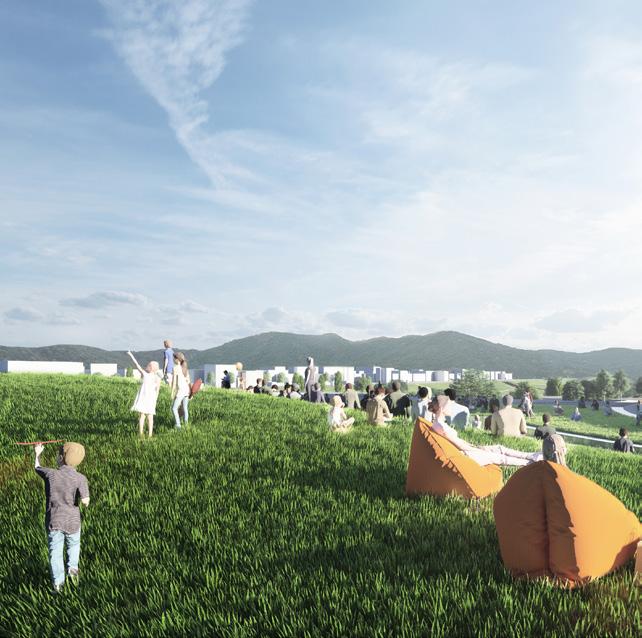
Rooftop
Three-dimensional outdoor space program
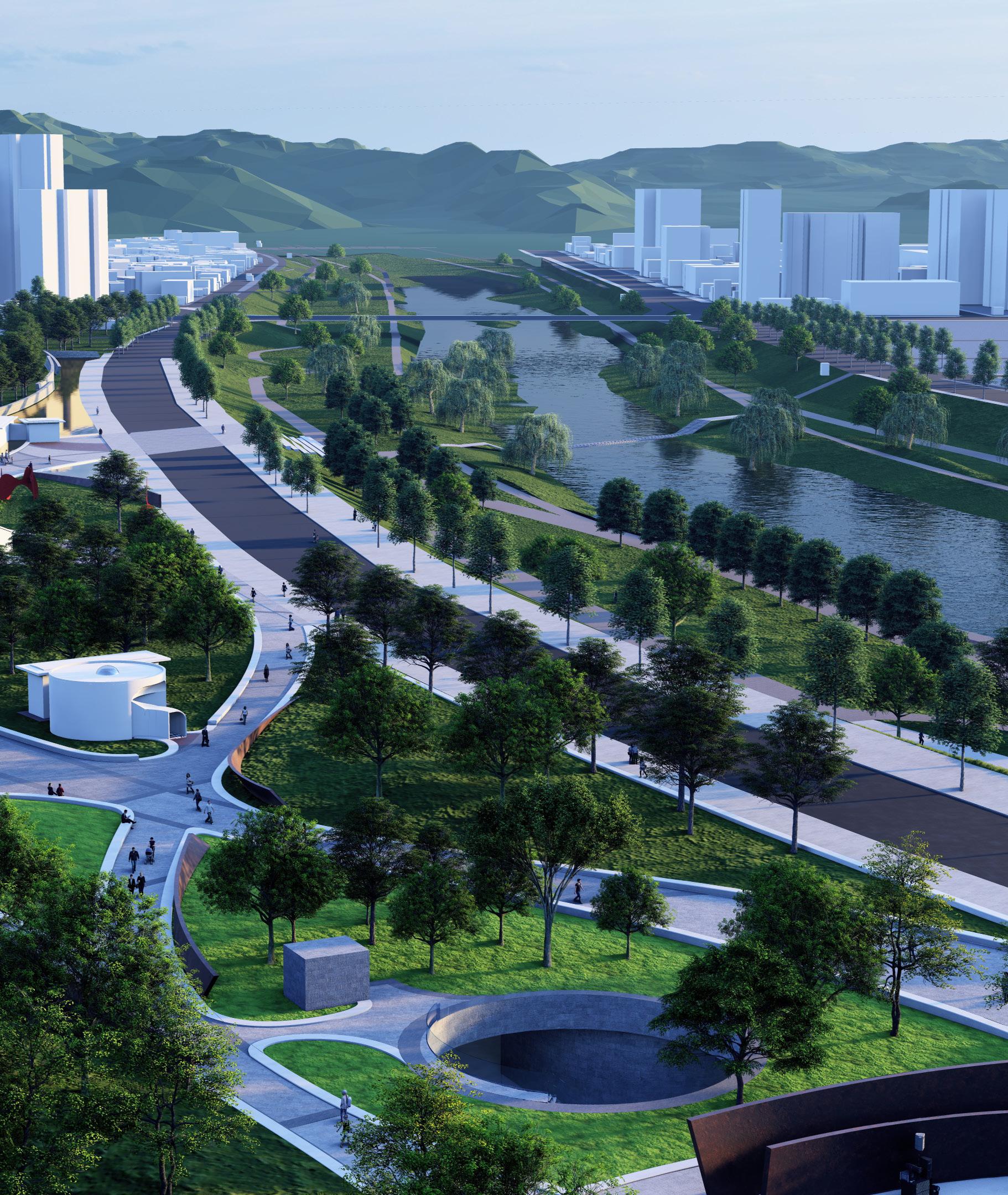
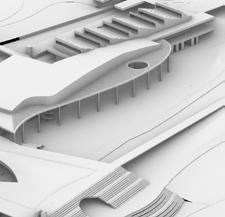
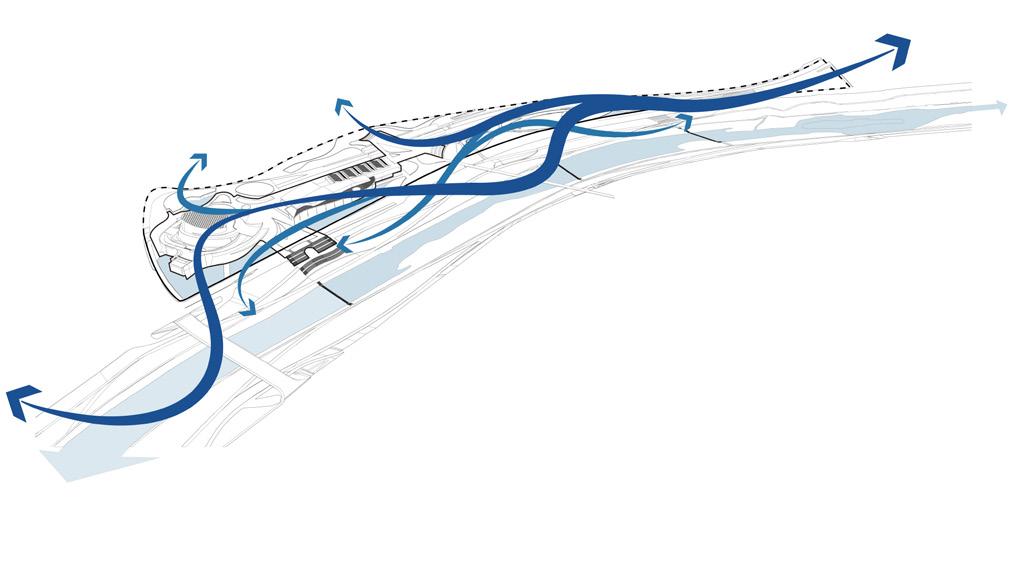
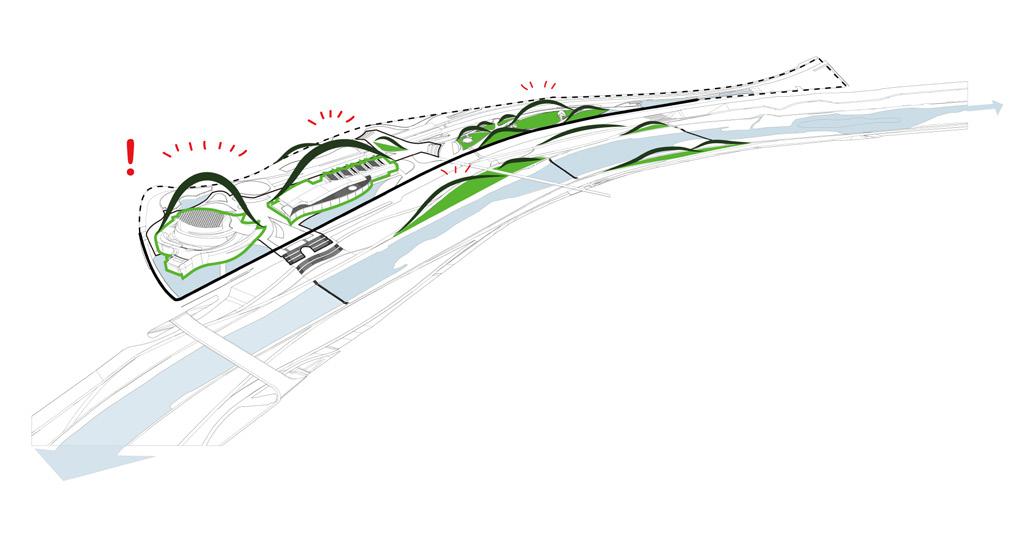
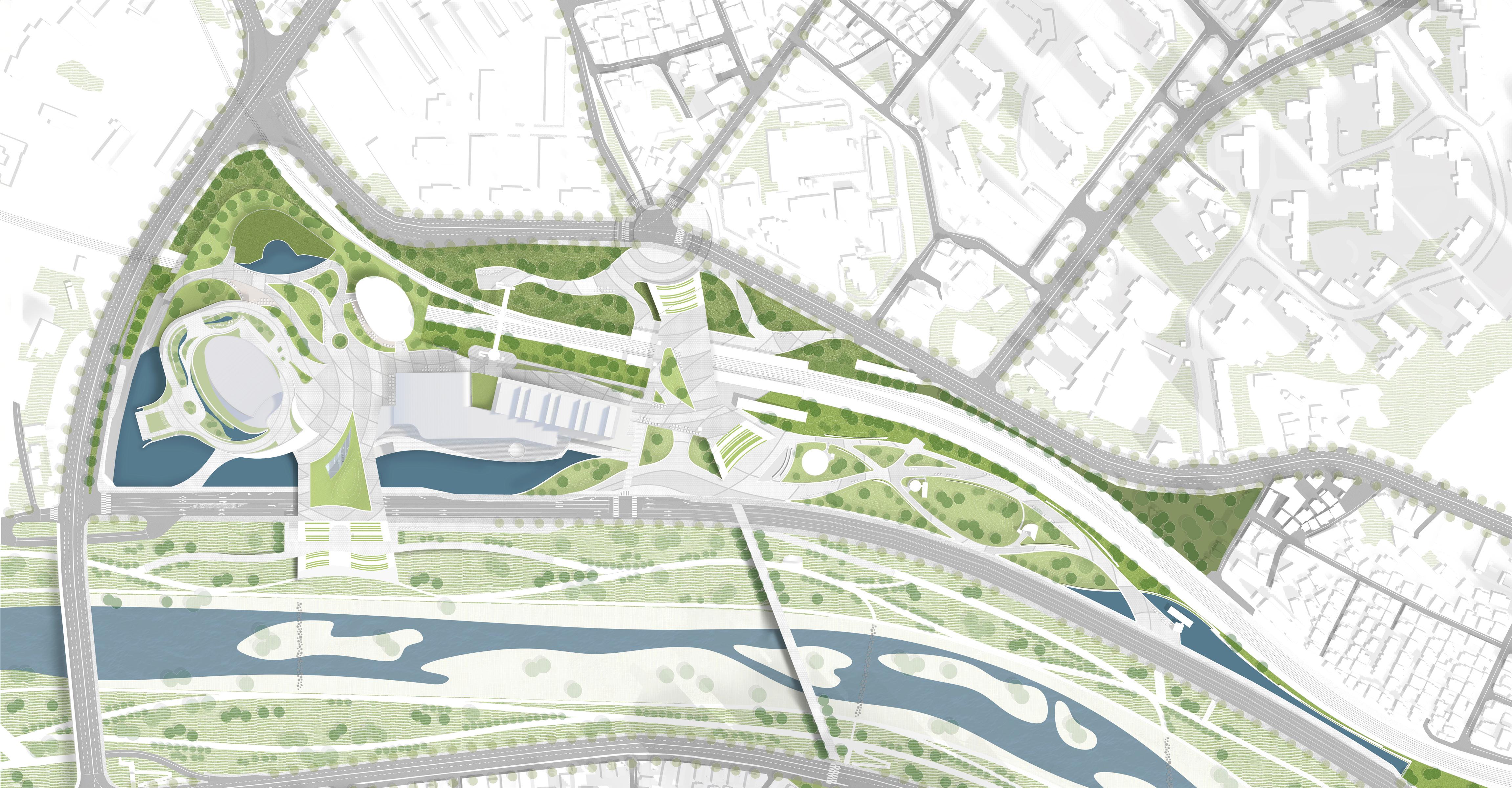
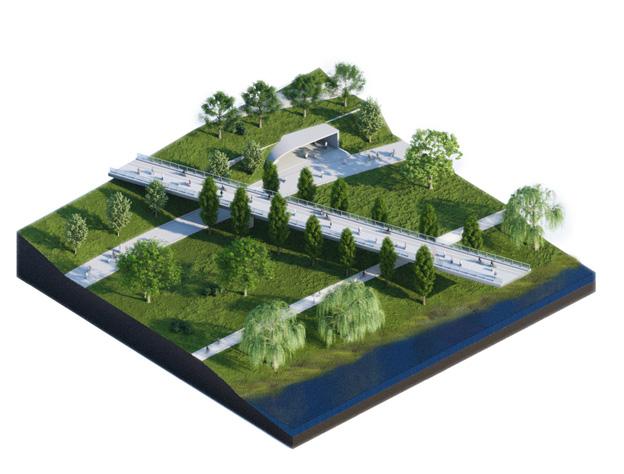
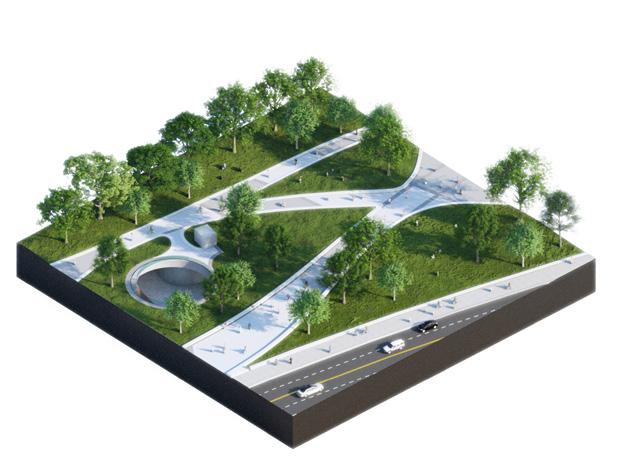
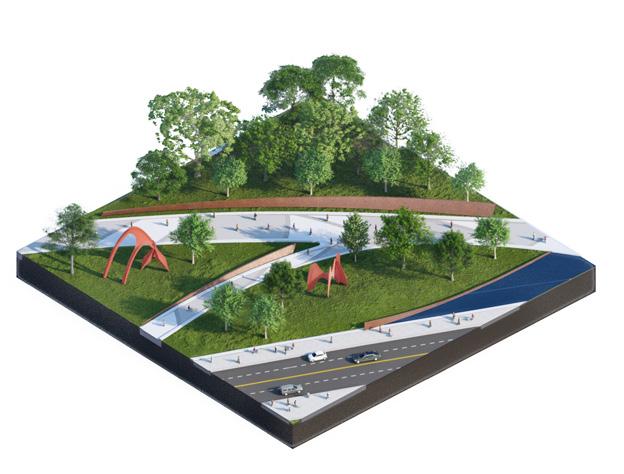
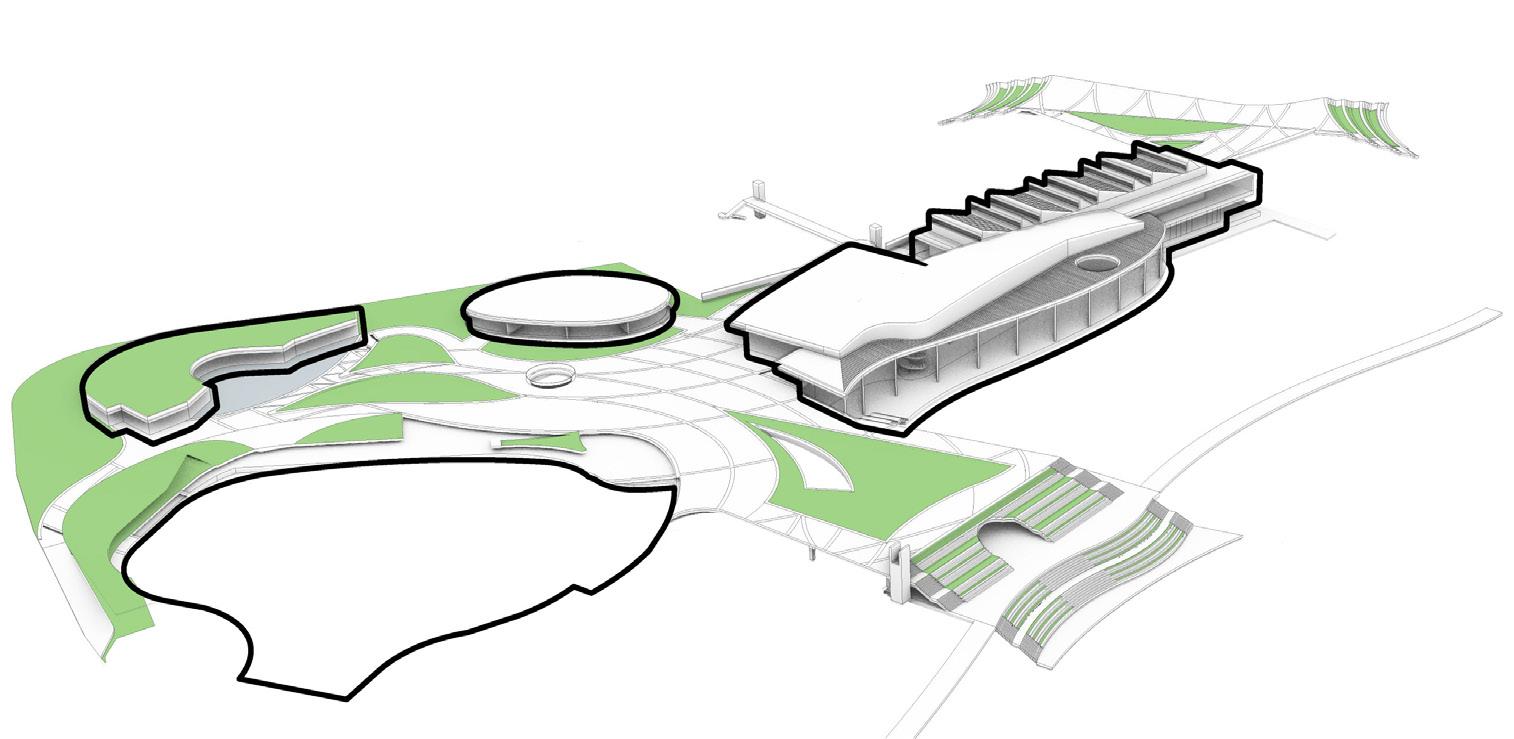
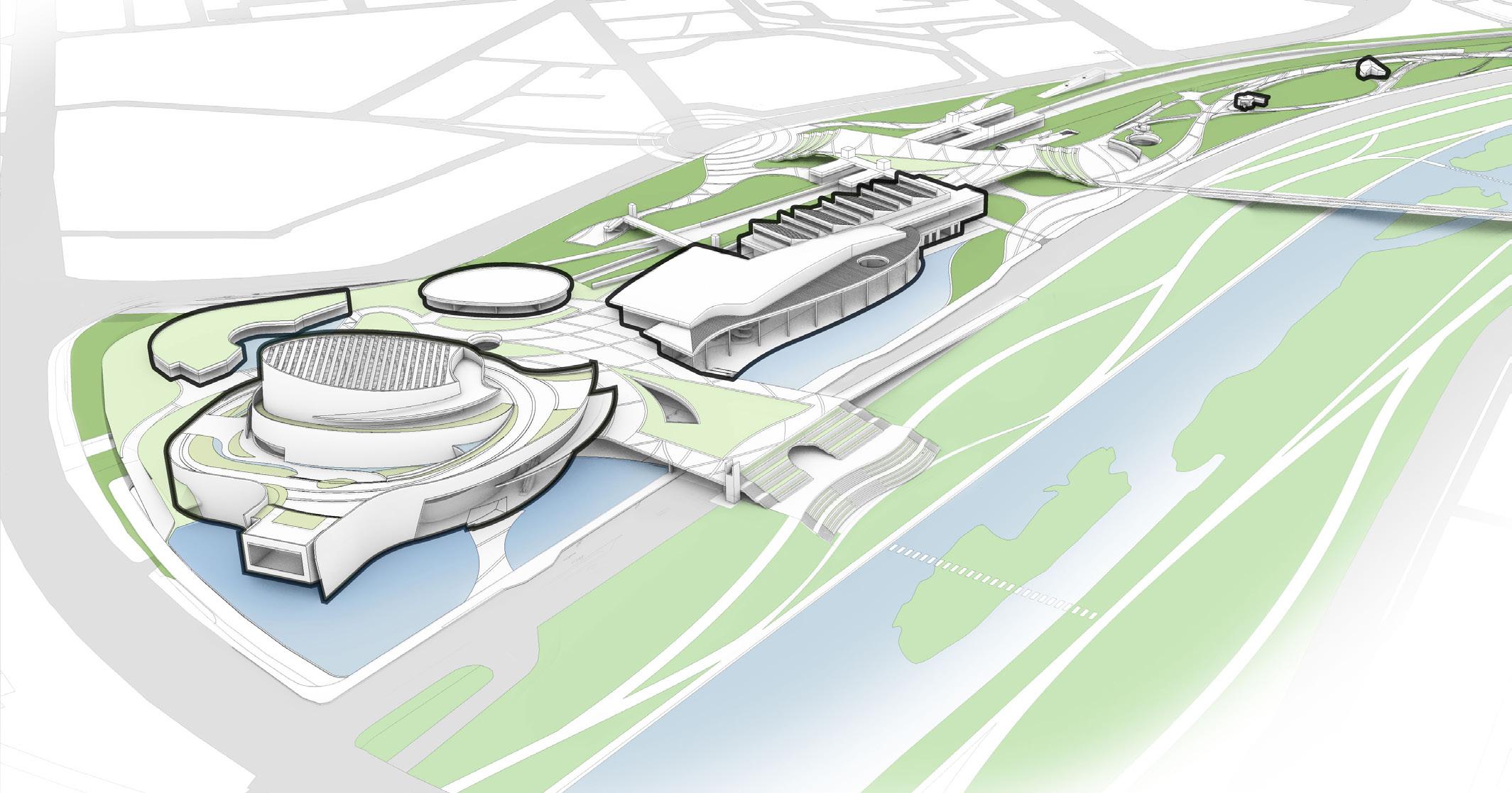
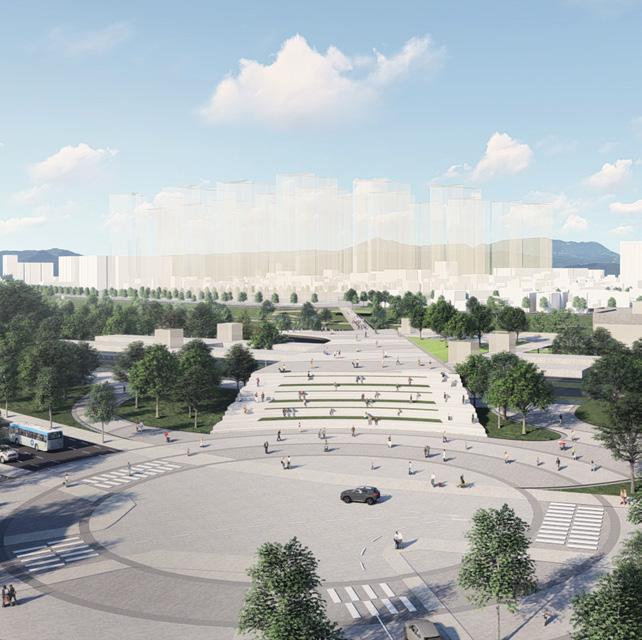
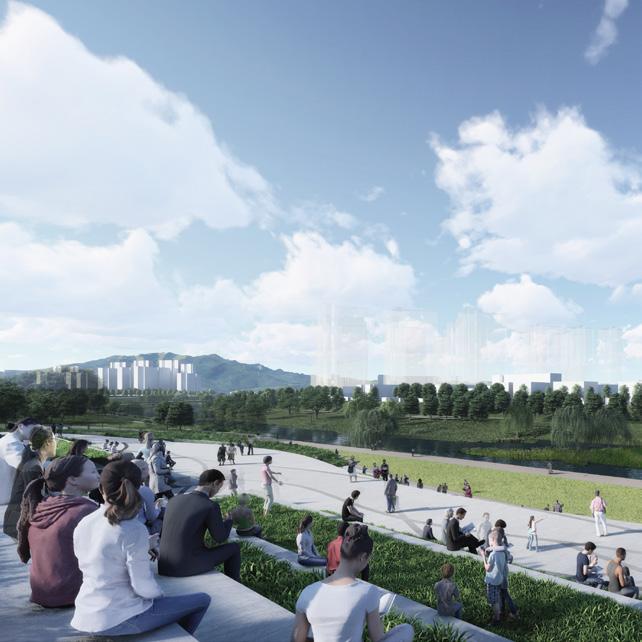
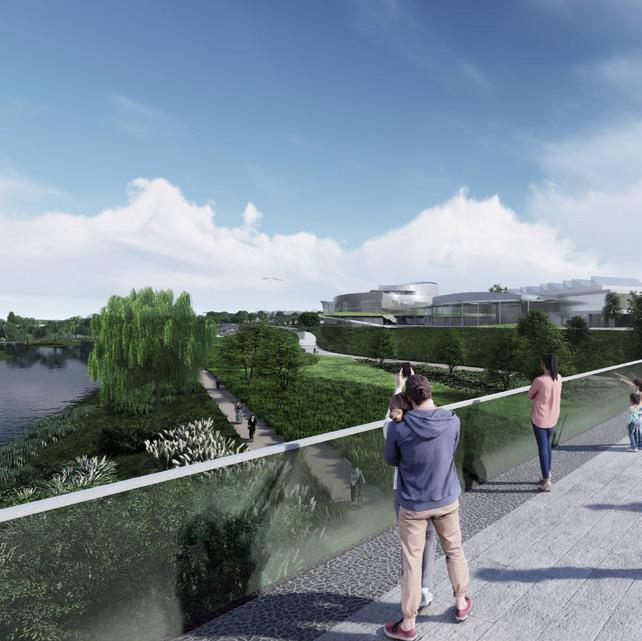
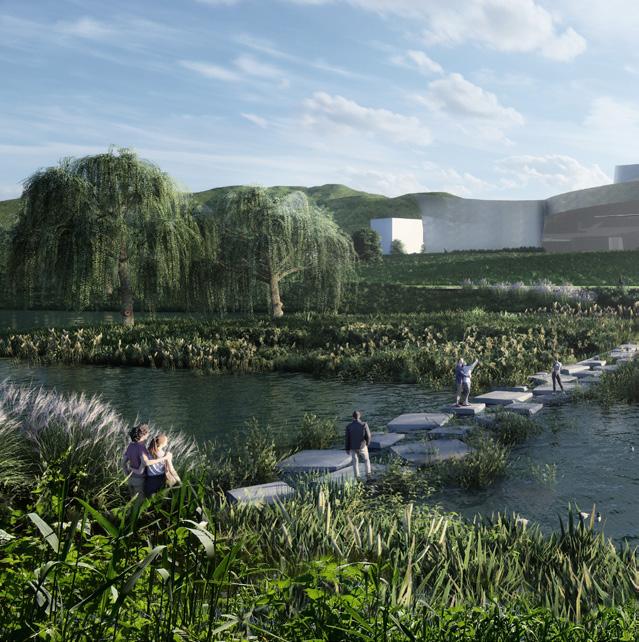
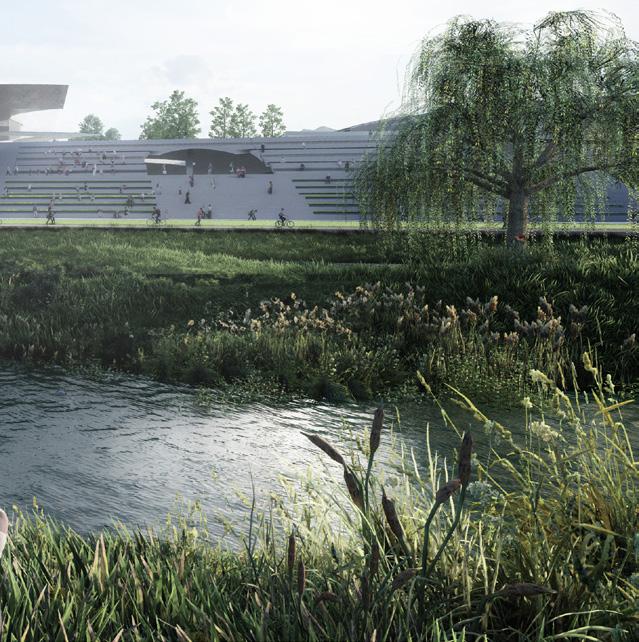
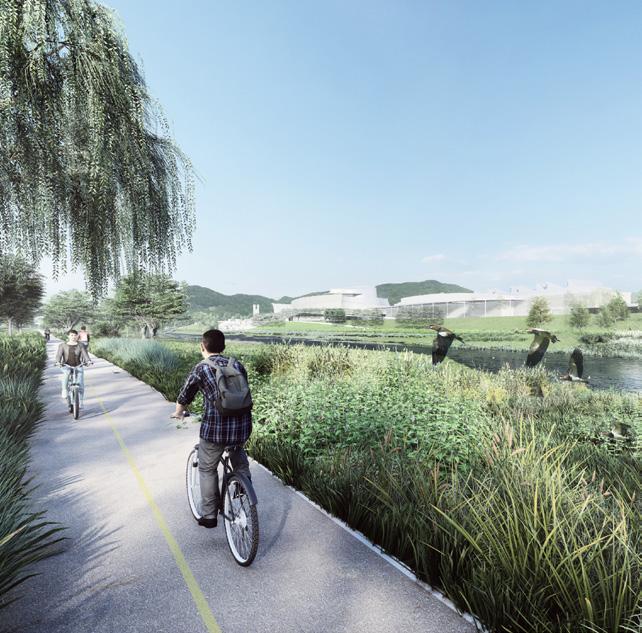
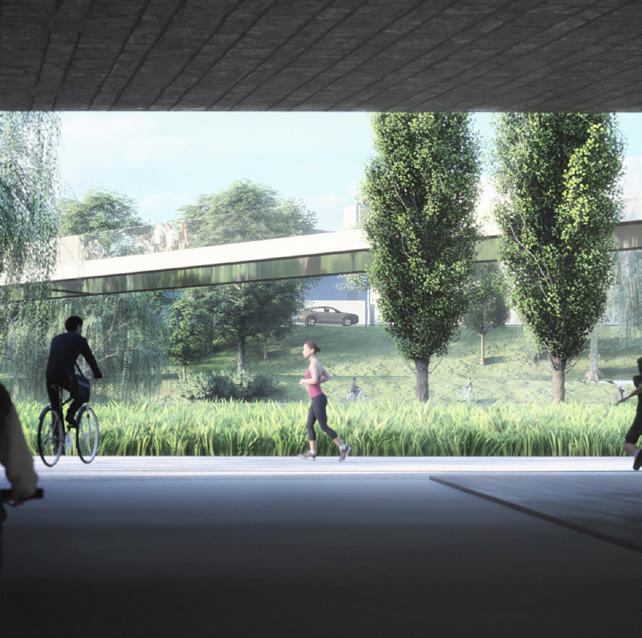
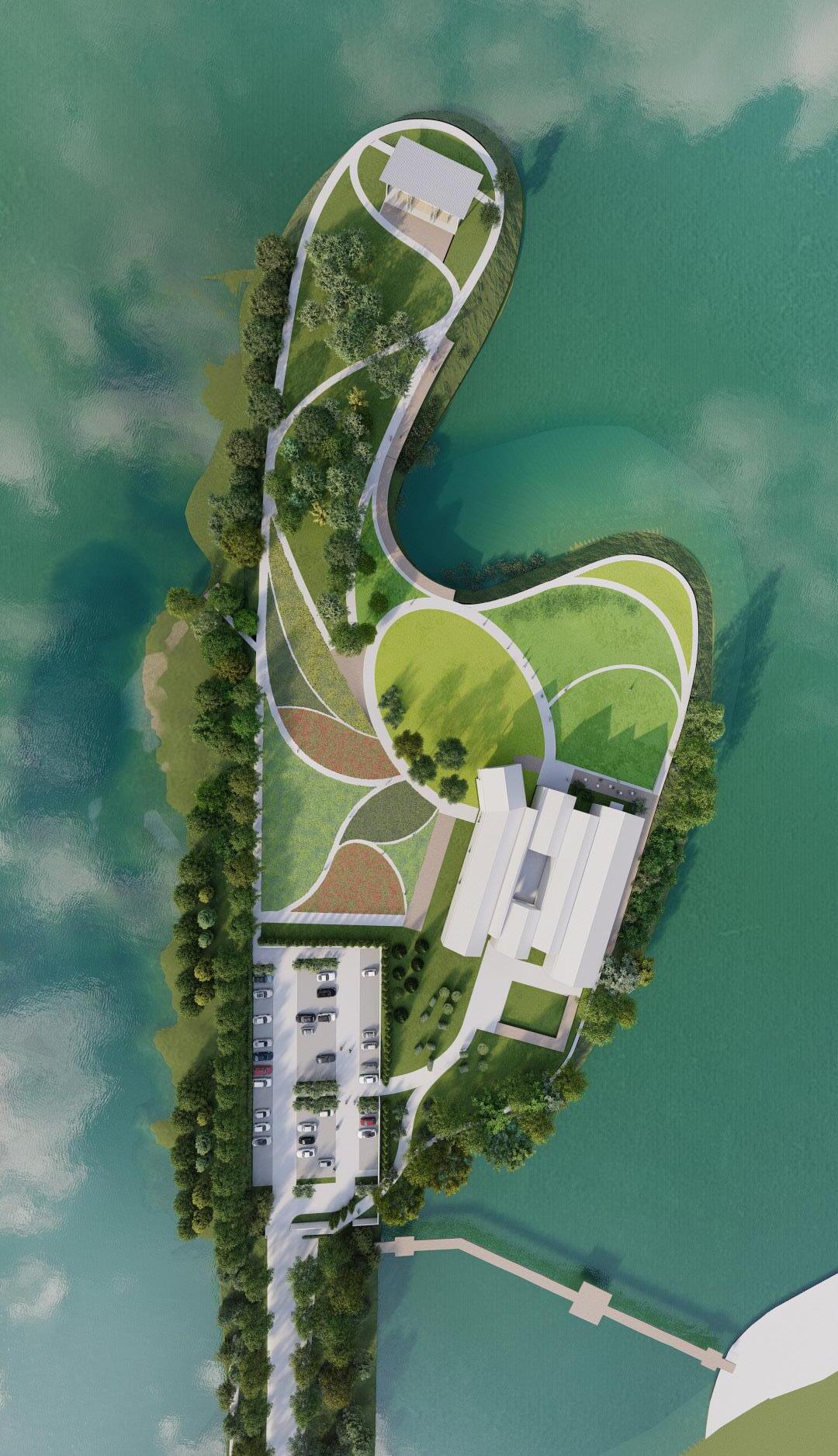
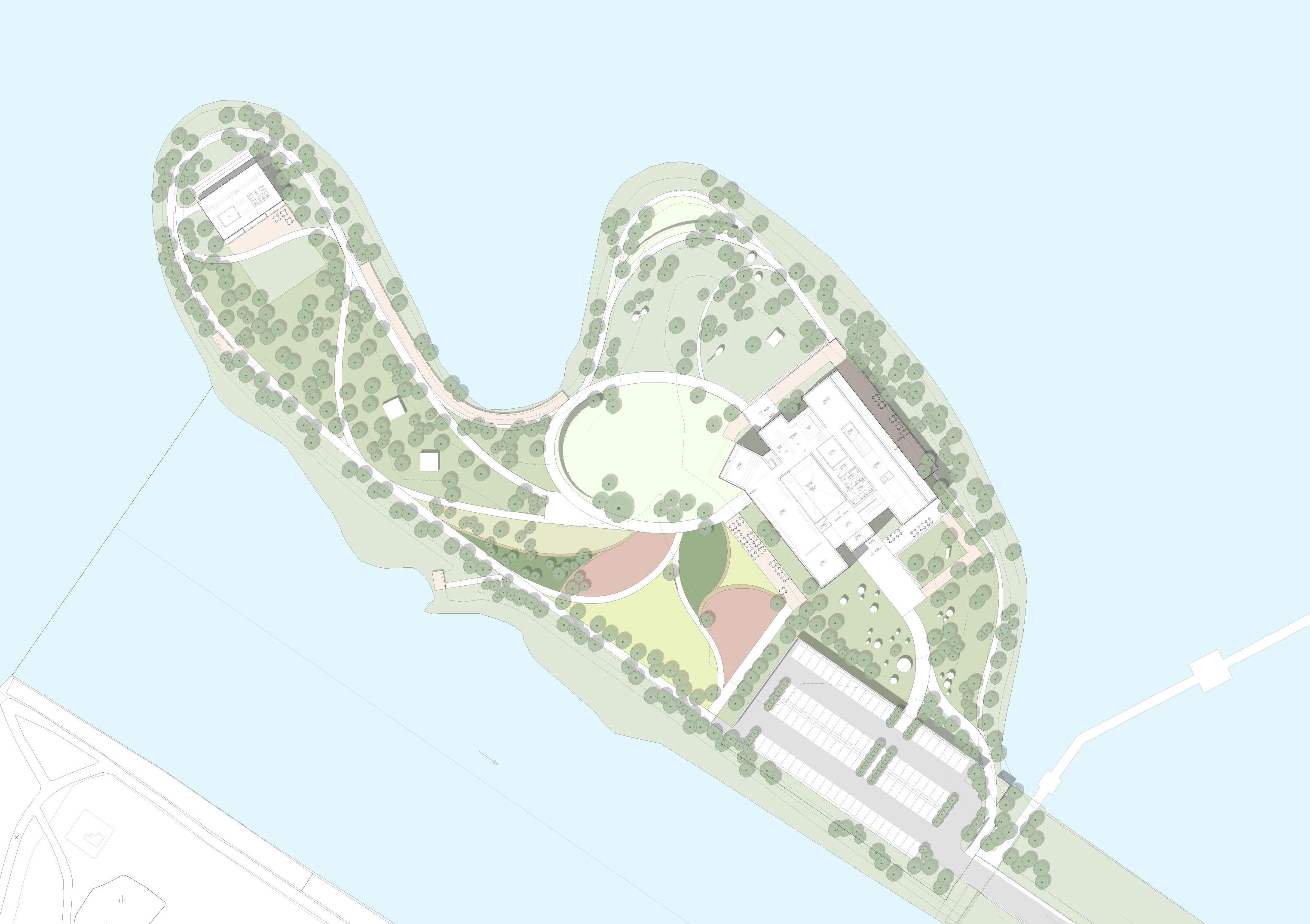
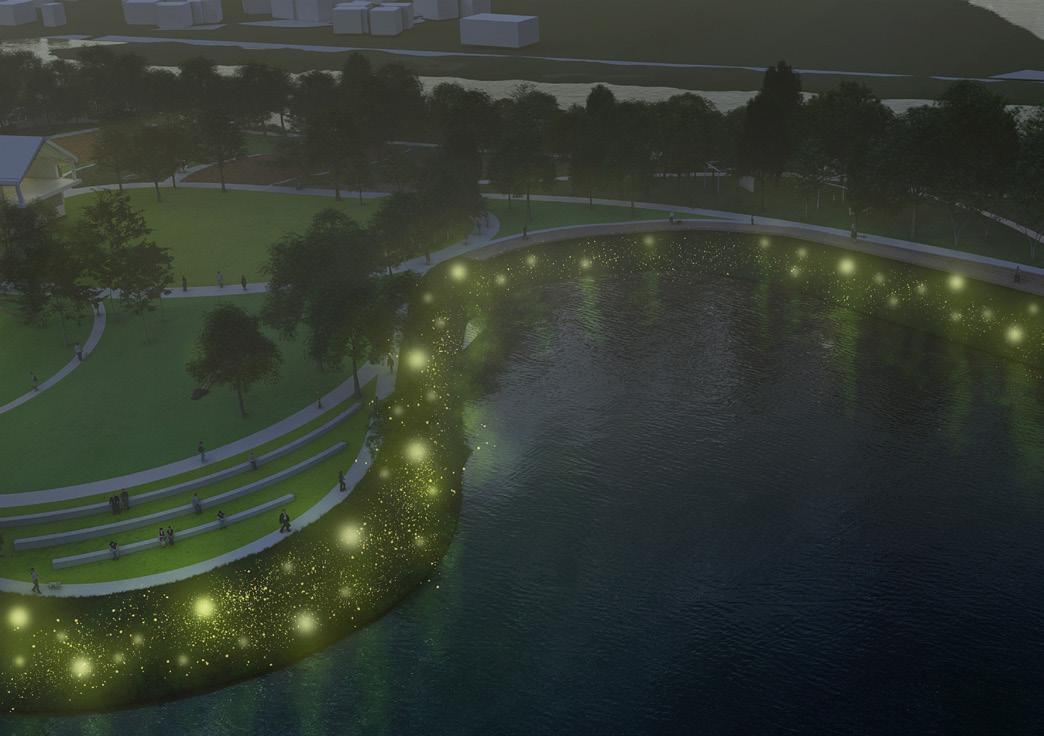
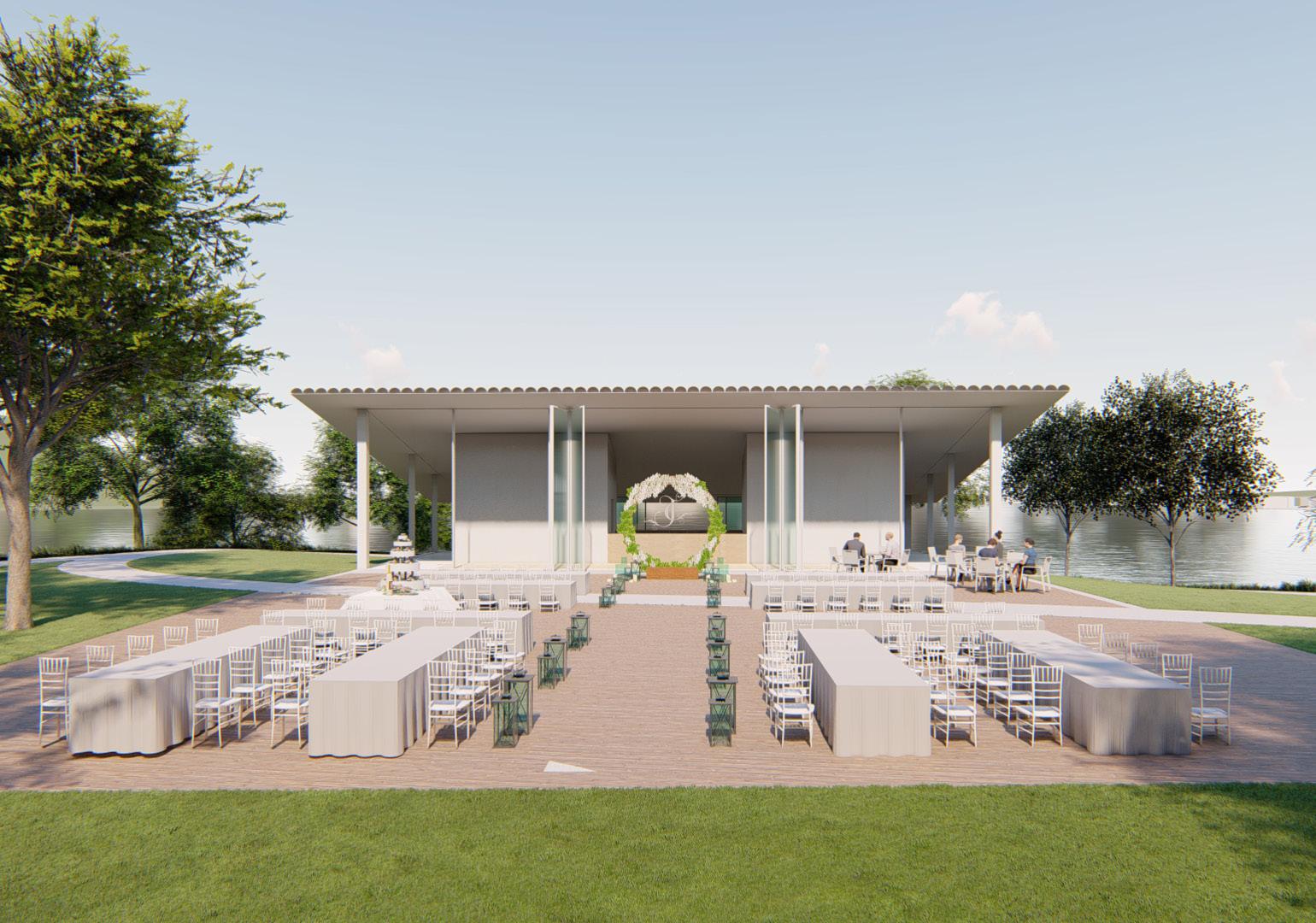
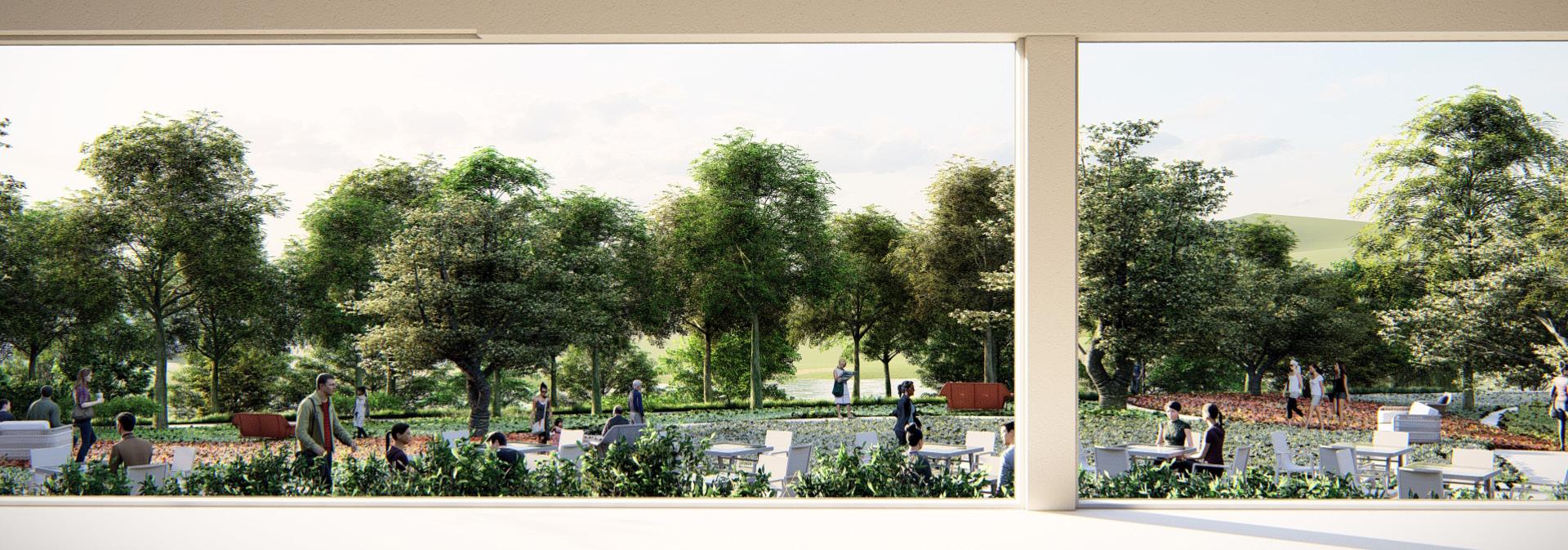
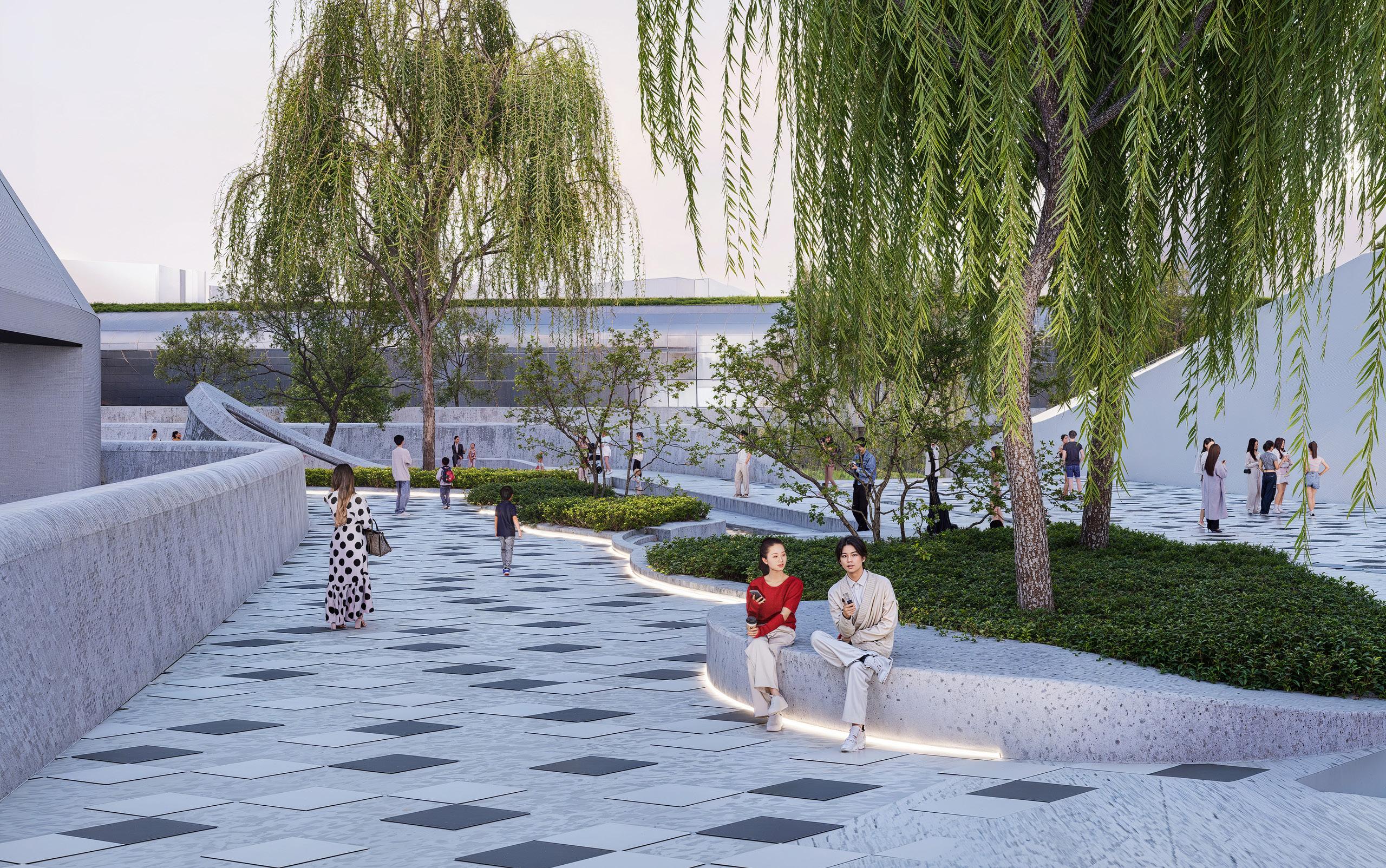
Daejeon Art Park is composed as a layered spatial system, consisting of a lower level organically connected to Yudeung Stream, a mid-level platform linking the Music Hall and Art Museum, and a rooftop garden situated above the Music Hall. The lower level serves as a transition zone where the riverside nature blends seamlessly with the park’s landscape.The mid-level forms a cultural platform, connecting the Music Hall and Art Museum through a spacious plaza, botanical garden, and other public programs. Finally, the rooftop garden offers a circular walking path above the Music Hall, allowing visitors to experience panoramic views of the surrounding environment.This three-dimensional composition provides a diverse spatial experience that integrates natural, cultural, and architectural layers.
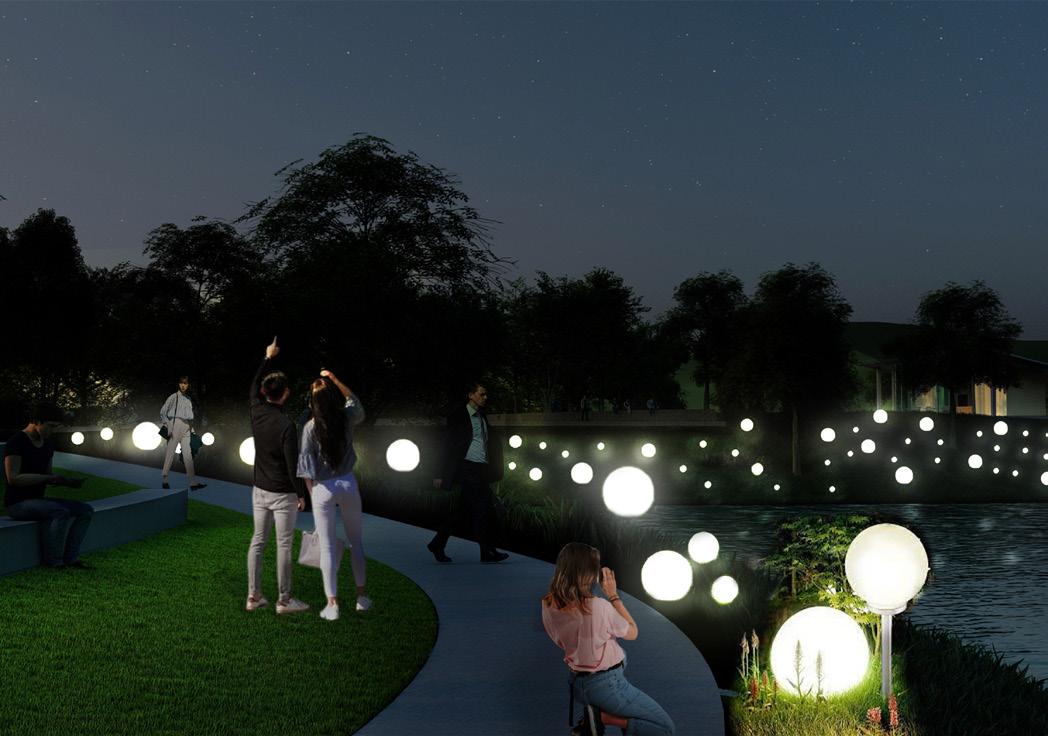
A place of relaxation for citizens, A place for gathering and enjoyment
Daejeon Art Park is a naturally healthy waterfront park that harmonizes with its surroundings without compromising the landscape, providing a comfortable resting space. It aims to enhance easy accessibility, park usage and elevate the quality of people’s life for residents by implementing diverse programs. Positioned as a cultural space, it seeks to become an integral part of daily life by integrating various outdoor programs. The park endeavors to create a cozy natural and cultural space where visitors can enjoy and heal without any pressure at any time.
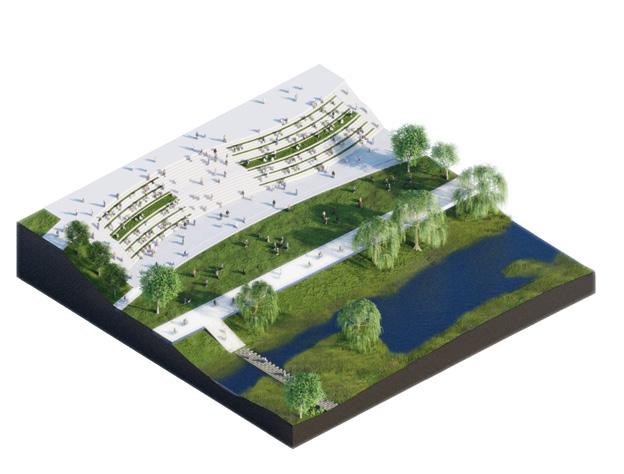
Lawn Mounding in the Central Square
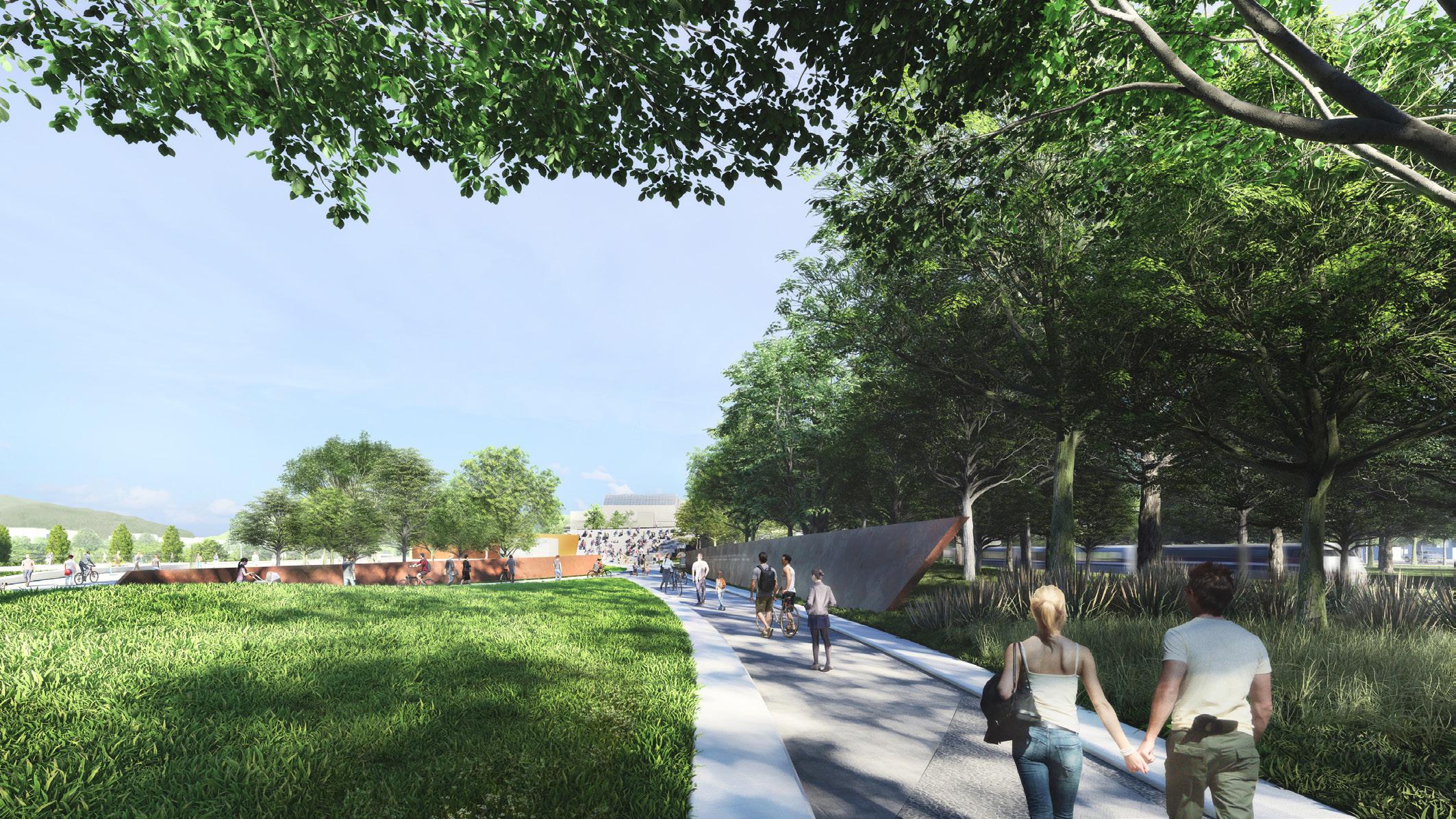
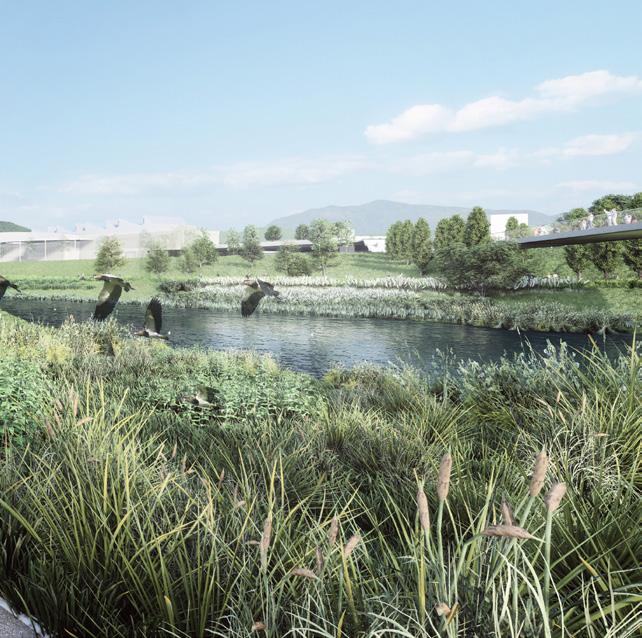
Riverside Nature along Yudeung Stream
Stepping Stones and Natural Wetlands
Bicycle Path along Yudeung Stream
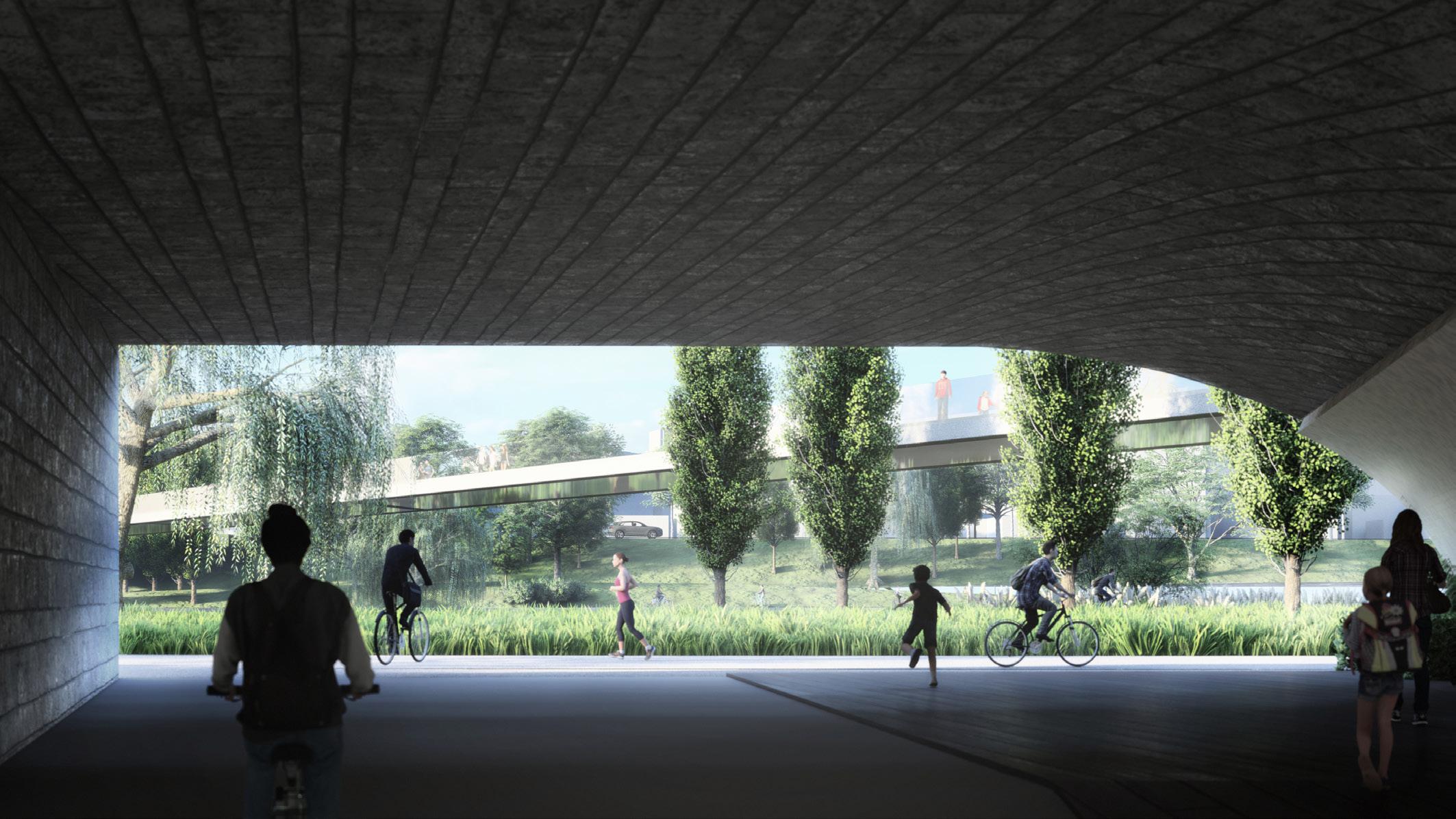
Yudeung Stream Bird Sanctuary Approaching Yudeung Stream through the Underpass
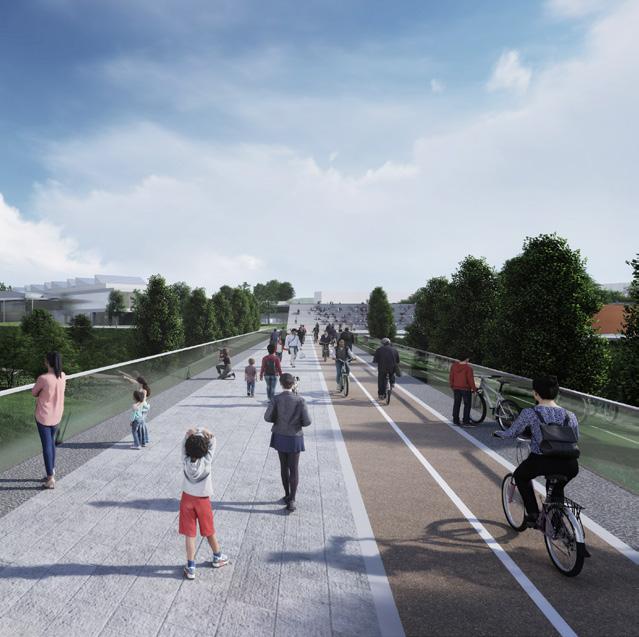
View of the Yudeung Stream from the Pedestrian Bridge
Pedestrian Bridge with Scenic Tree Plantings
Park Trail along Yudeung Stream
Riverside Stand along Yudeung Stream Linking Eodeokmaeul-ro Crossing
Hall
Museum
Field
Yudeung Stream
Sculpture Park
Jungchon Station
EVERY SCENE IS NATURE
Golf & Resort Tourism Facilities Development, Danyang Design Development with SKM Architects (Seoul)
Amplifying the Landscape: Subtle Interventions in Native Terrain
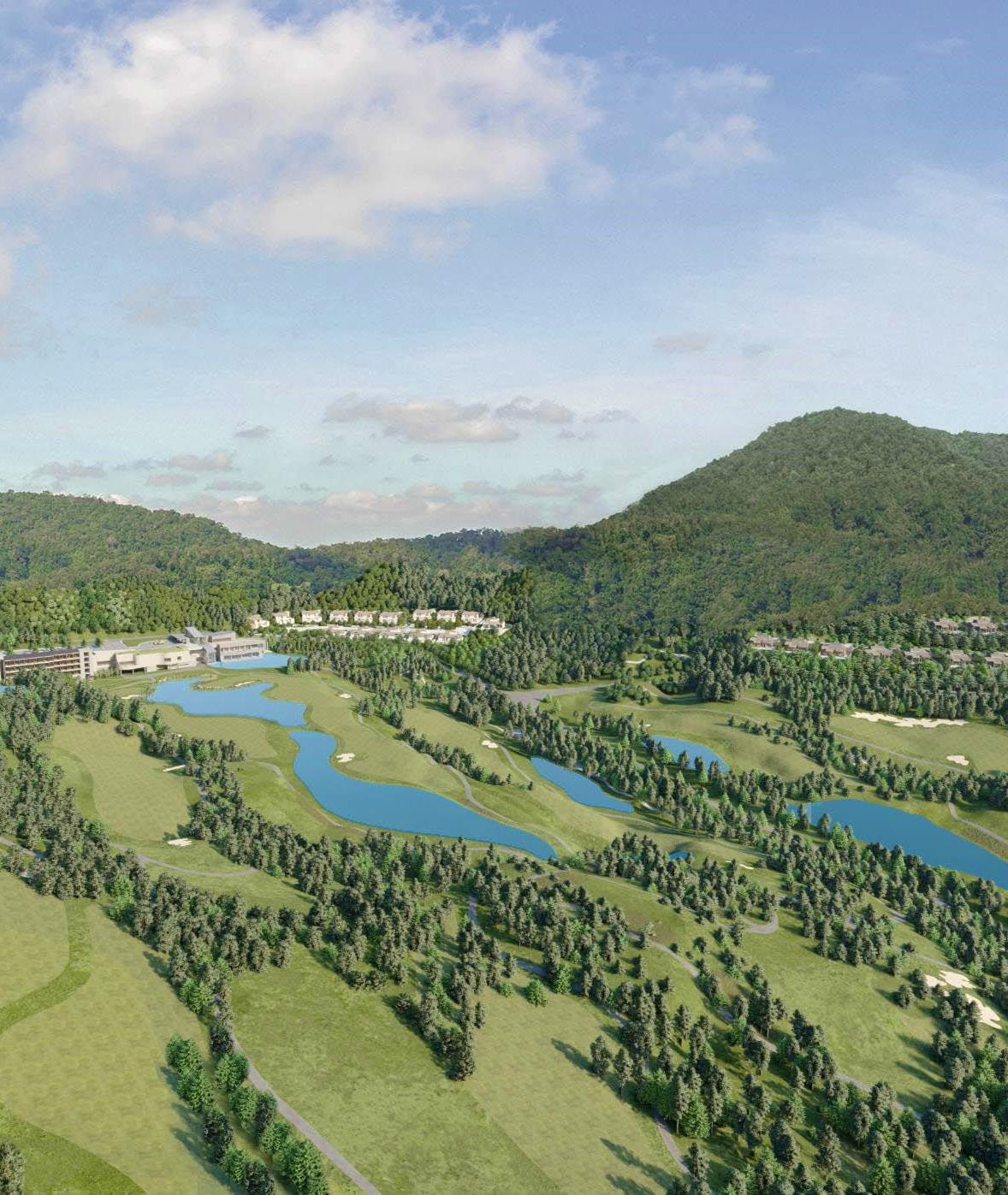
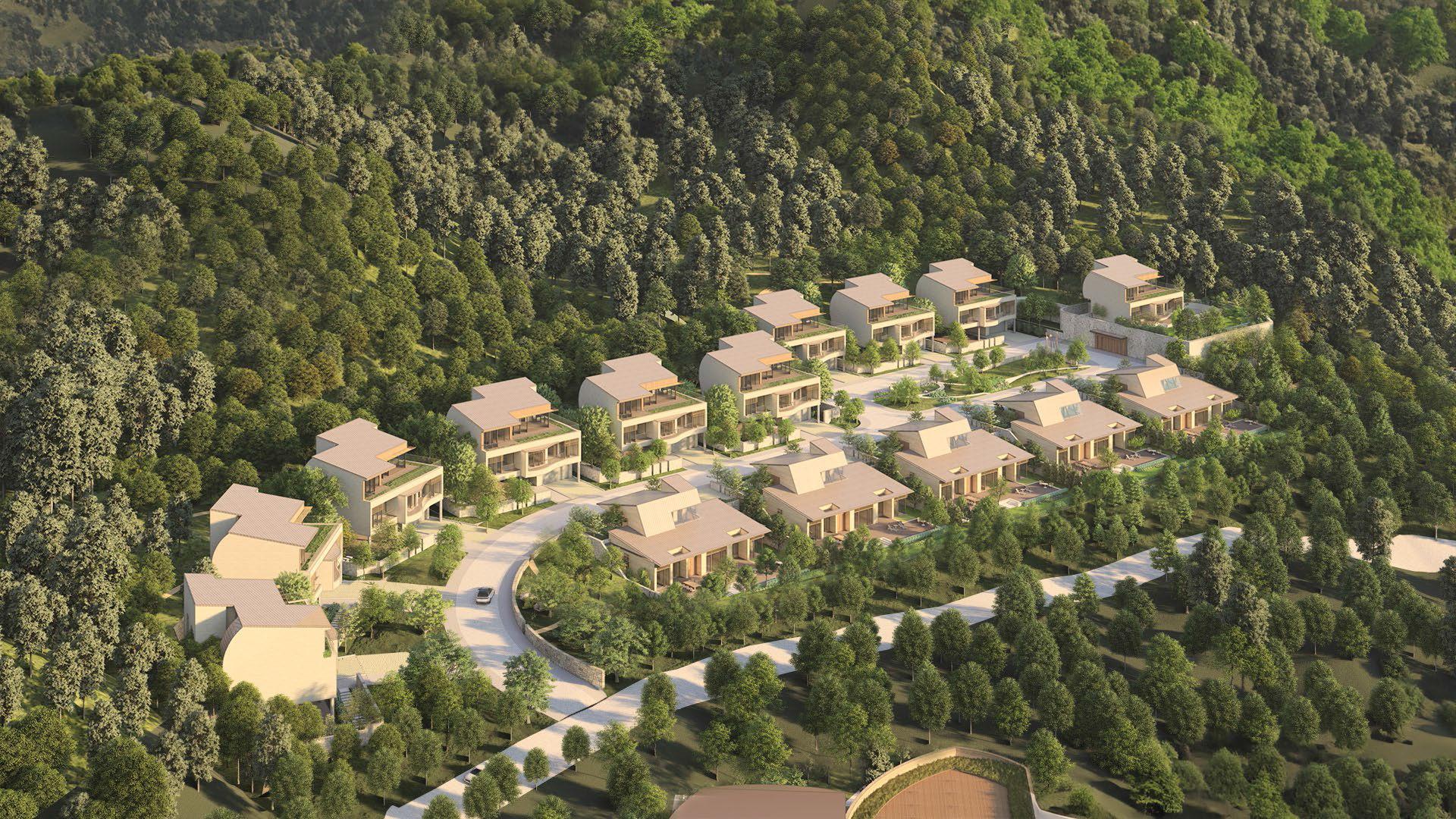
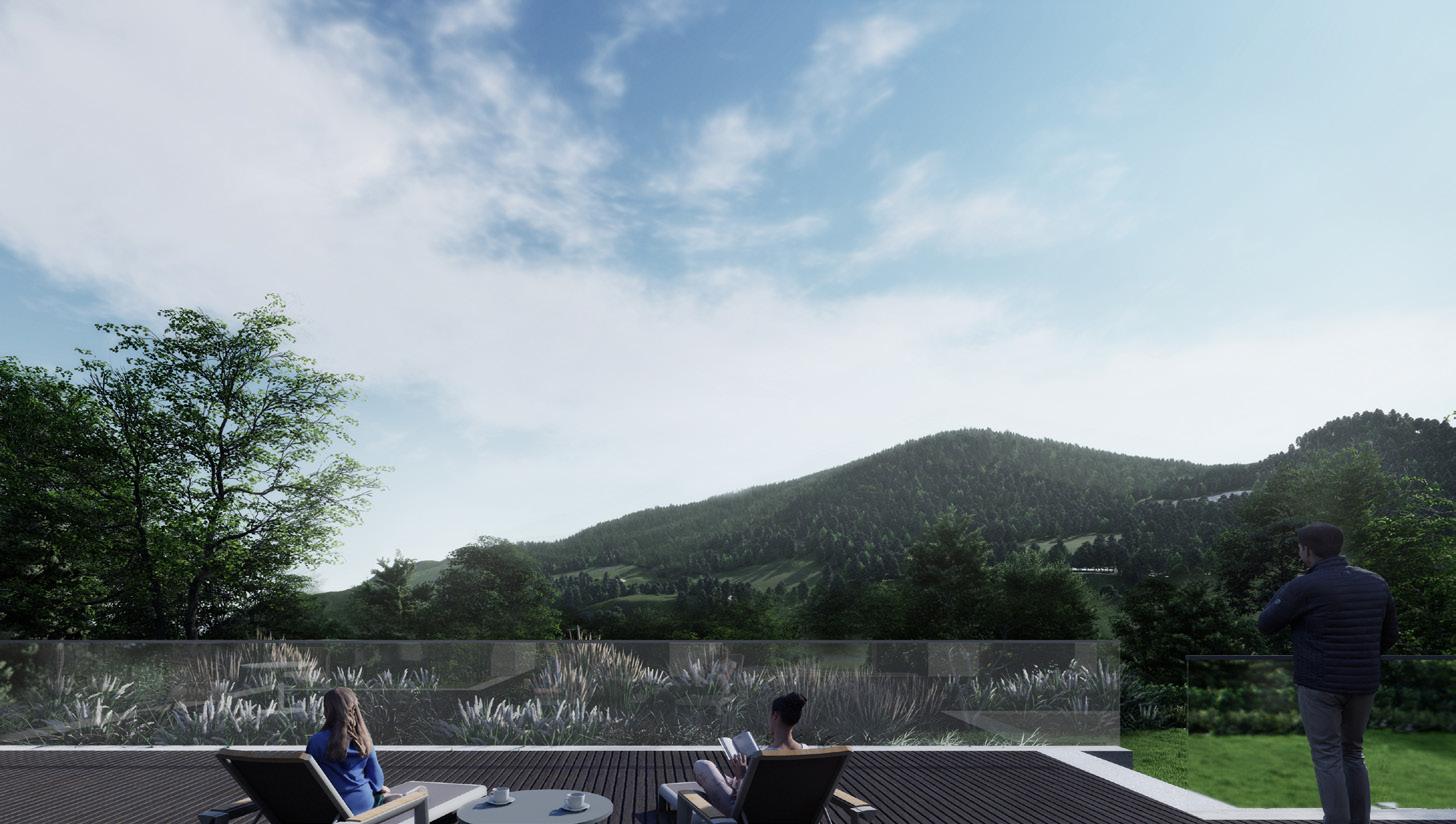
This project proposes a premium resort complex that embraces the rich natural setting of the Baekdudaegan mountain range. Designed as a four-season destination, the site offers a spa healing experience immersed in nature, while also integrating a high-end golf and leisure program.
As a model case of Liquid Politan—a regional revitalization strategy aimed at countering population decline—the development creates attractive, livable environments through compelling spatial design and curated content. Positioned
within the central inland region, the resort not only enhances the value of the landscape but also contributes to the sustainable activation of the local community.
The landscape concept is grounded in minimal intervention, aiming to preserve and enhance the site’s existing ecological and topographical character. By sensitively responding to the terrain of the 800-meter elevation, the design maximizes the use of native features while creating subtle and immersive spatial experiences that harmonize with the surrounding nature.
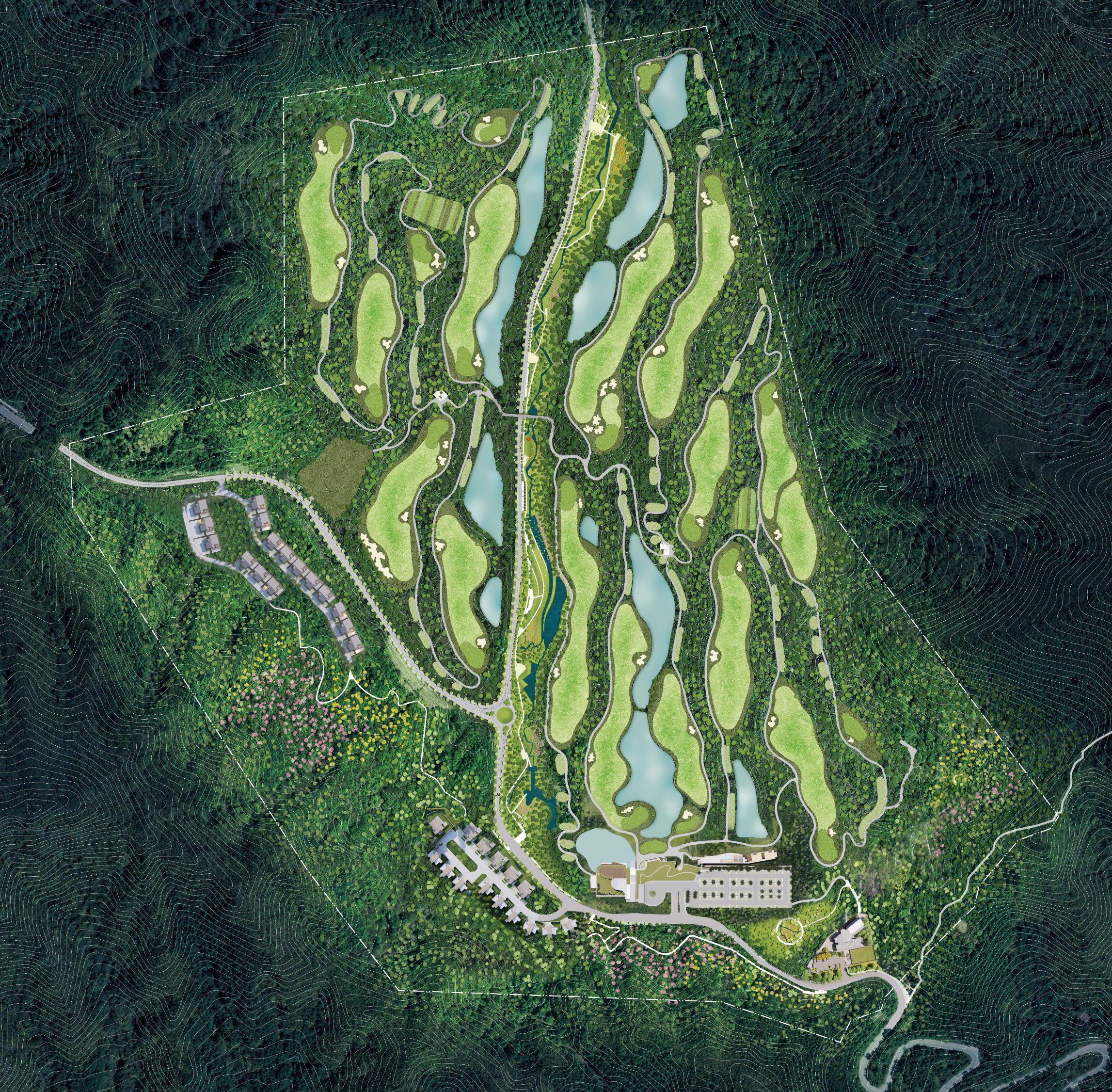
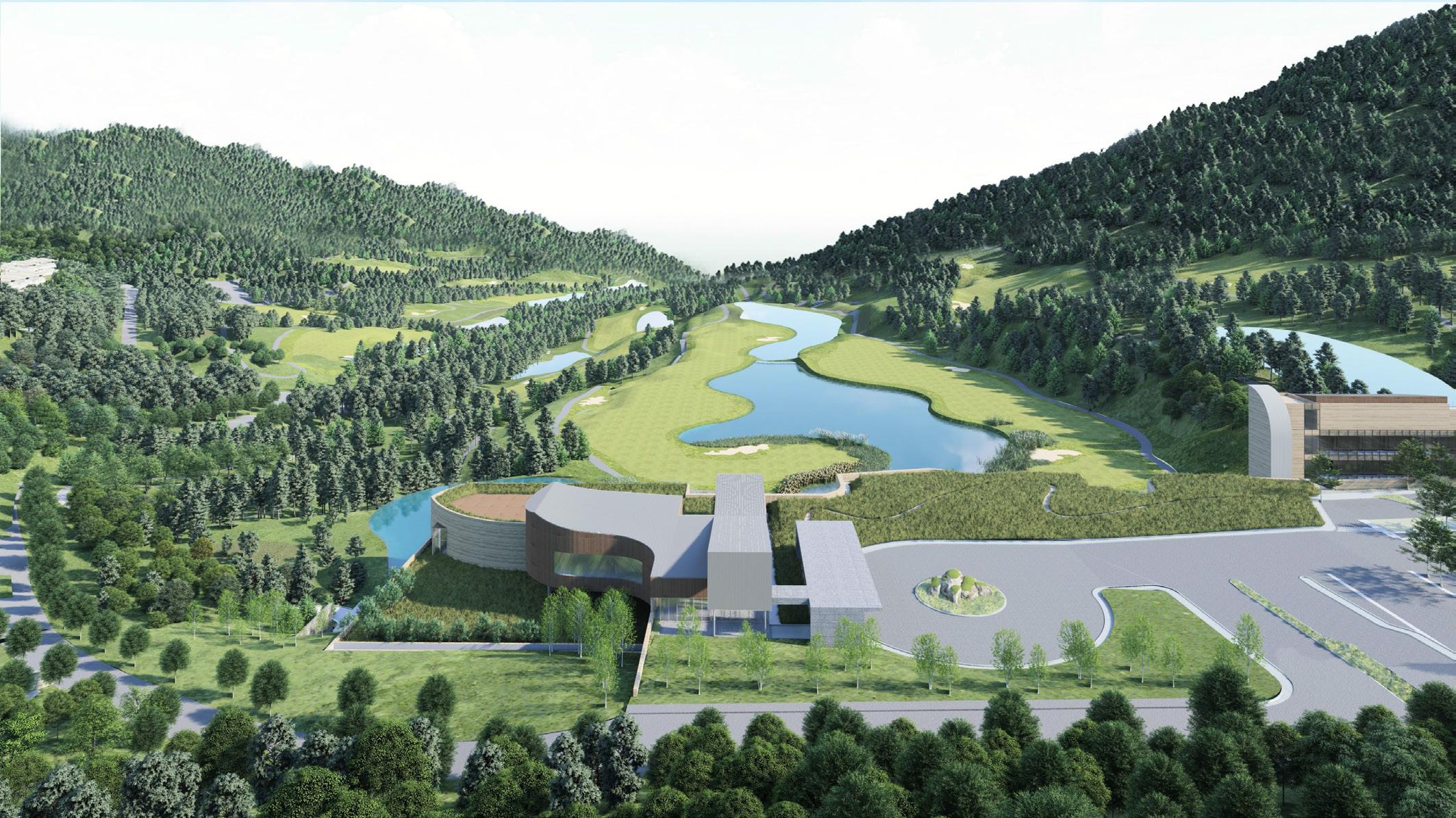
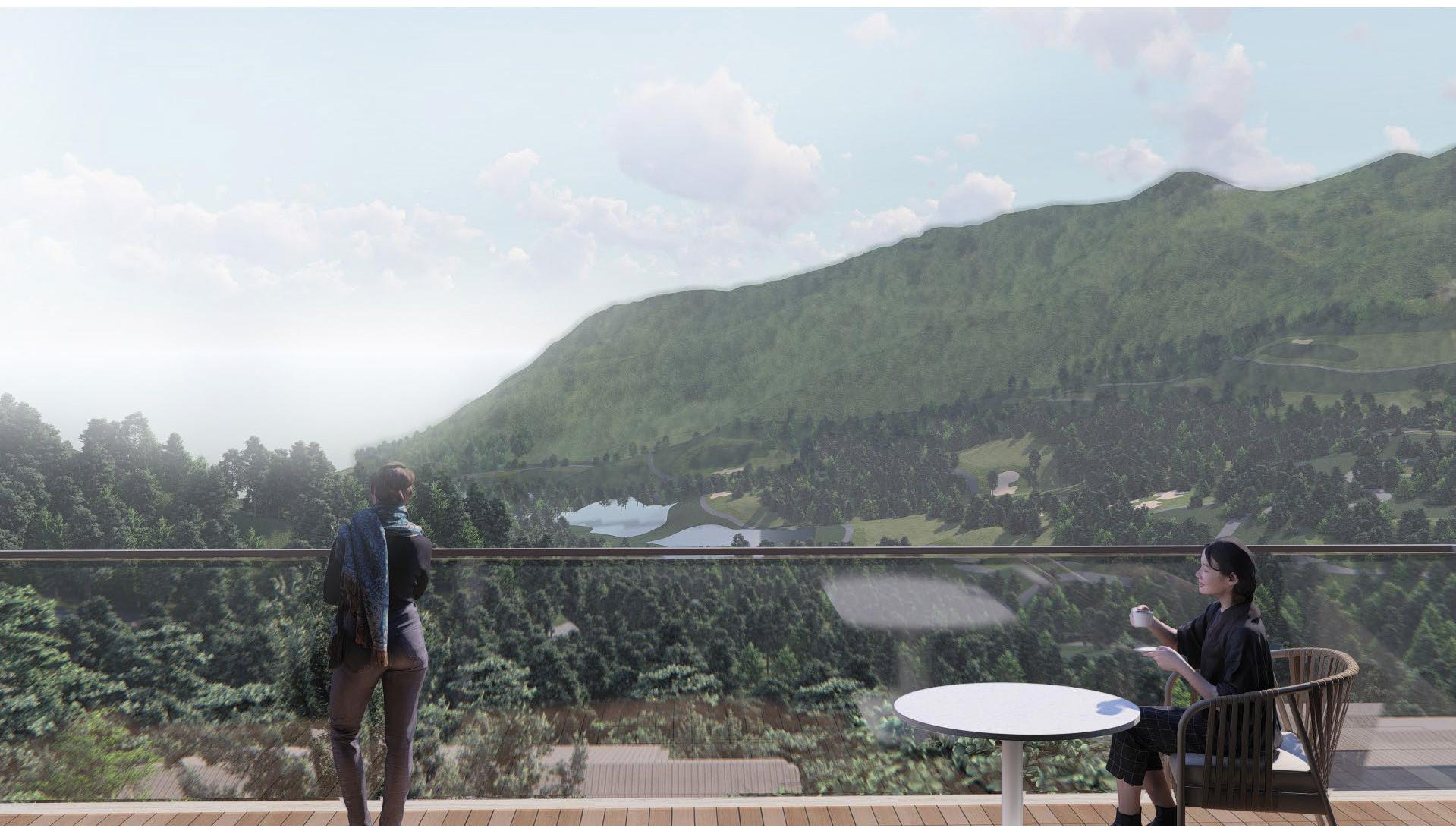
The masterplan is organized into five main components: the golf course, clubhouse, spa hotel, two private villa villages (Zones A and B), and a multi-use cultural facility. Each program plays a distinct role in shaping a holistic landscape experience. The clubhouse acts as a threshold between the built environment and the natural terrain—serving as a point of transition where architecture meets landscape. The private villas offer a lifestyle immersed in nature, allowing residents to engage with the land as part of their everyday routine. In contrast, the spa hotel provides a destination for retreat, where guests can relax and enjoy expansive views of the surrounding mountains and forest.
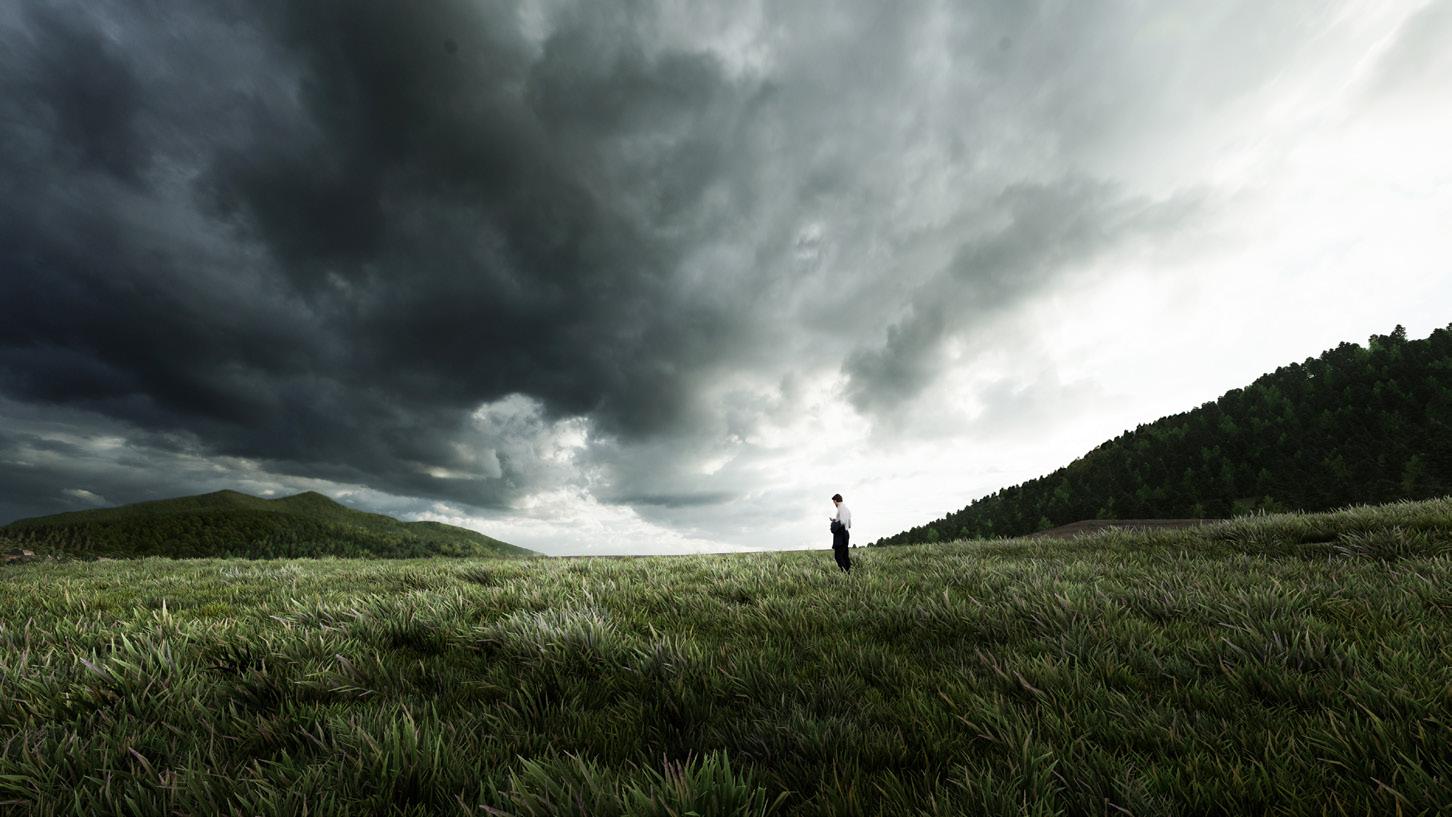
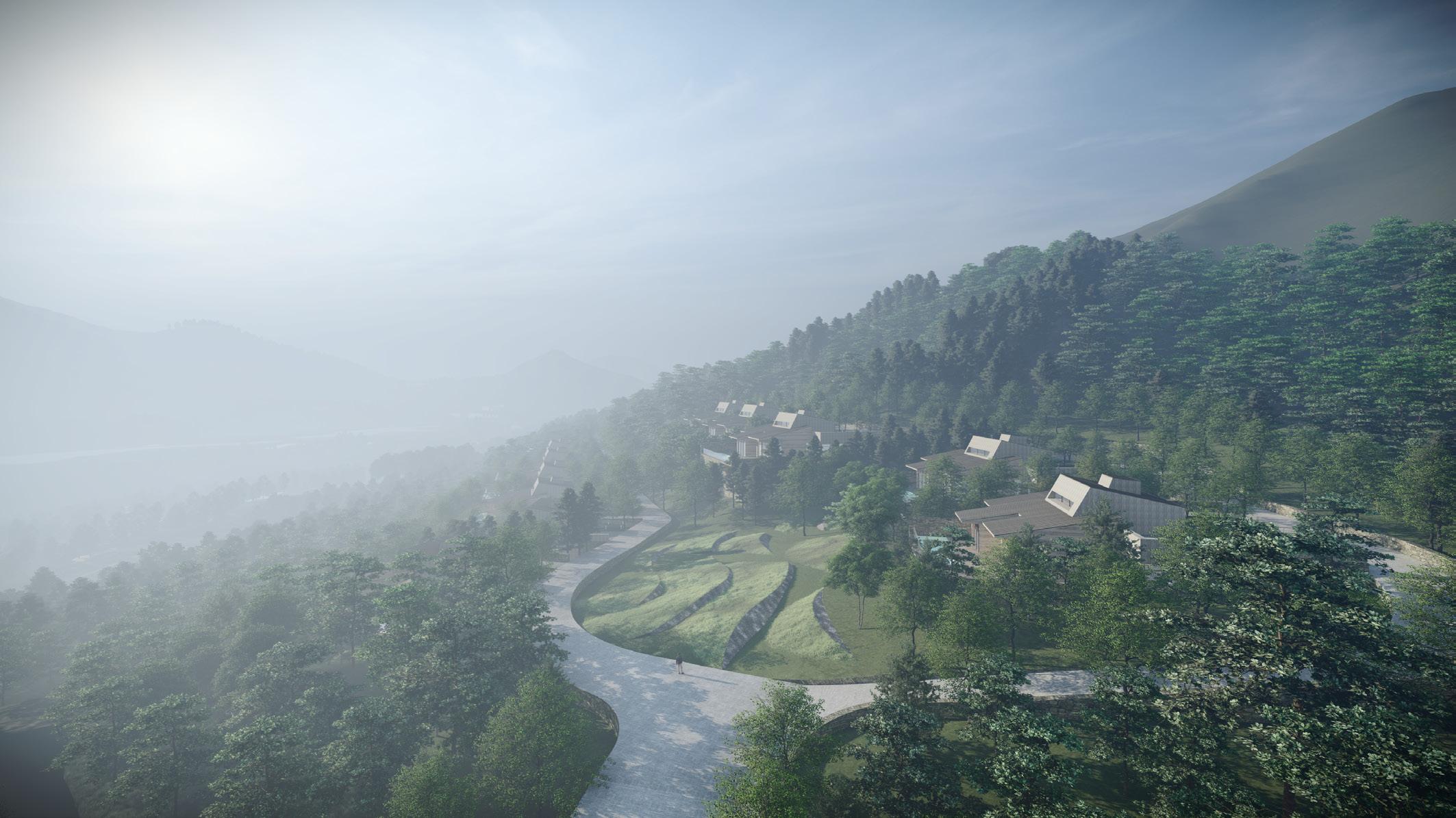
The Meadow is the first natural space that welcomes visitors to the site. It serves as a vital landscape zone where users experience a meaningful meeting between nature and space - a symbolic encounter with nature.
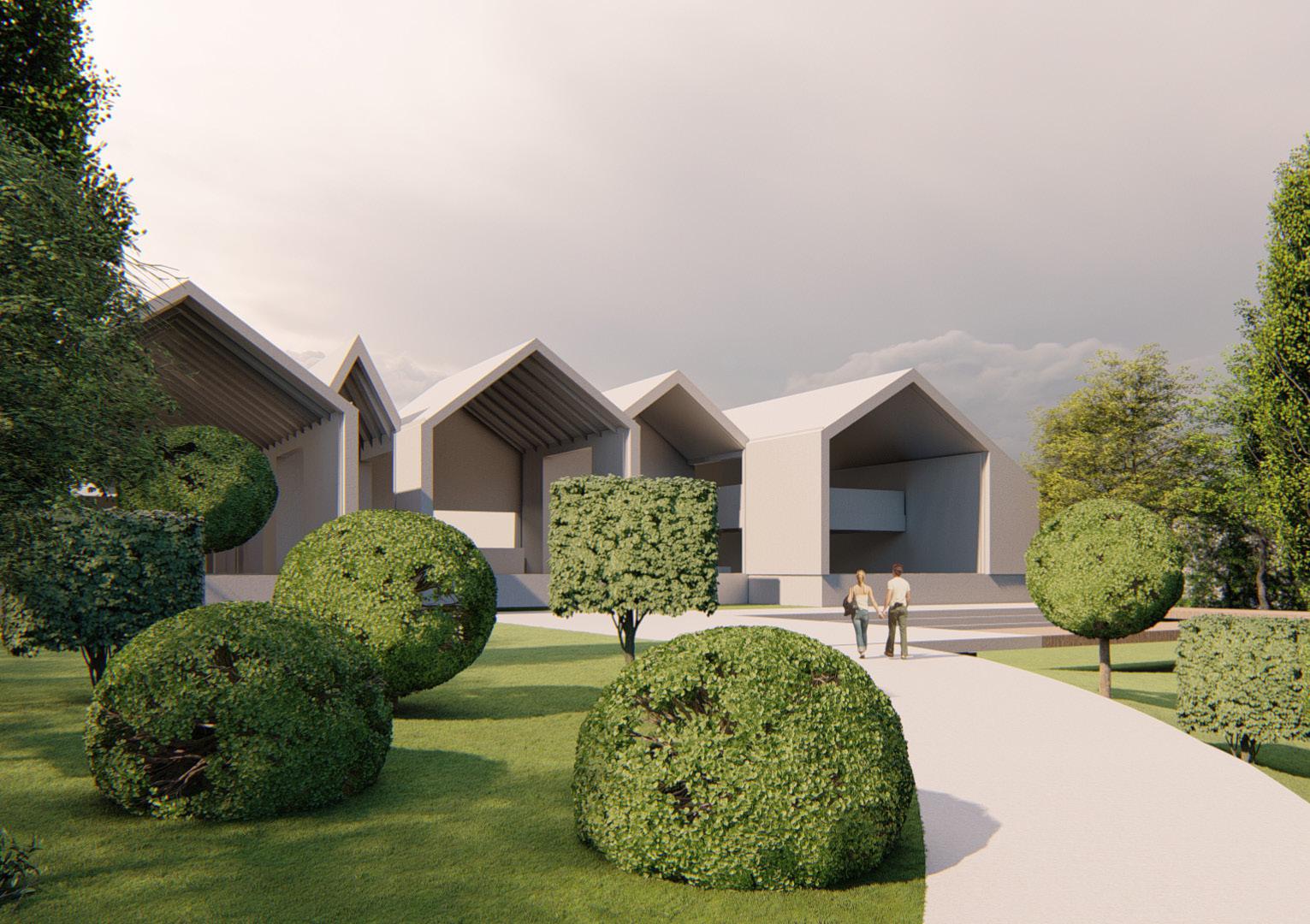
The clubhouse architecture, organically arranged along the ridgeline, embraces a vast, open meadow that respects and frames the surrounding landscape. This expansive green field, nestled in the natural terrain, provides a stunning viewpoint that harmonizes with the adjacent golf course and invites appreciation of the site’s untouched beauty.
The meadow also synchronizes with the changing seasons and time of day, reflecting the colors, textures, and moods of nature. It becomes a memorable and emotional space a place of reflection and resonance with the land
The Meadow Encounter with Nature
The Meadow Encounter with Nature
Danyang Golf & Resort Masterplan
Private Villas (B-Zone)
Private Villas (A-Zone)
Jeosureung
Zone A features villa-style residences immersed within a forested landscape that blends seamlessly with the surrounding mountains. The result is a peaceful and cozy environment that invites calm and introspection.
A walking path winds gently through the site, connecting major programs such as the clubhouse, the cultural reservoir complex, and Zone B. More than just circulation, this path allows for quiet immersion in the forest, offering moments of healing and escape through companionship with nature.
Carefully selected signature trees at the entrance enhance the uniqueness of the experience, while the central garden features a linear stone wall and artistically placed trees with refined forms. This space becomes a forest signature garden a curated landscape where scenic composition and visual depth create a contemplative and emotionally rich environment.
The Forest Land Art: A Special Encounter with Nature
Zone B, together with Zone A, is designed as a place to stay within nature, not just next to it. The landscape concept embraces and adapts to the natural environment, minimizing disturbance and preserving the site’s inherent terrain.
At the main entrance and central area, landforms are sculpted with respect to topography, inspired by the flowing lines of the Baekdudaegan mountain range. These gestures form a land art landscape that expresses the natural geometry of the earth.
This area offers a sensory and immersive experience, using elevation changes and curated planting to evoke a unique atmosphere. Between the terrain, visitors discover quiet, introspective spaces, while active programs such as a tennis court integrated into the topography offer leisure and surprise. Altogether, Zone B provides a special meeting with nature through form, rhythm, and experience.
The Forest Signature Stay in Nature
TIDAL OF TIME AND WISDOM
Creating an Unprecedented, Enduring Time Museum and a Learning-Oriented Library in Incheon, Korea
What should the cultural complex, museum and public library, located in the neighborhood park of Incheon Geomdan New Town look like?
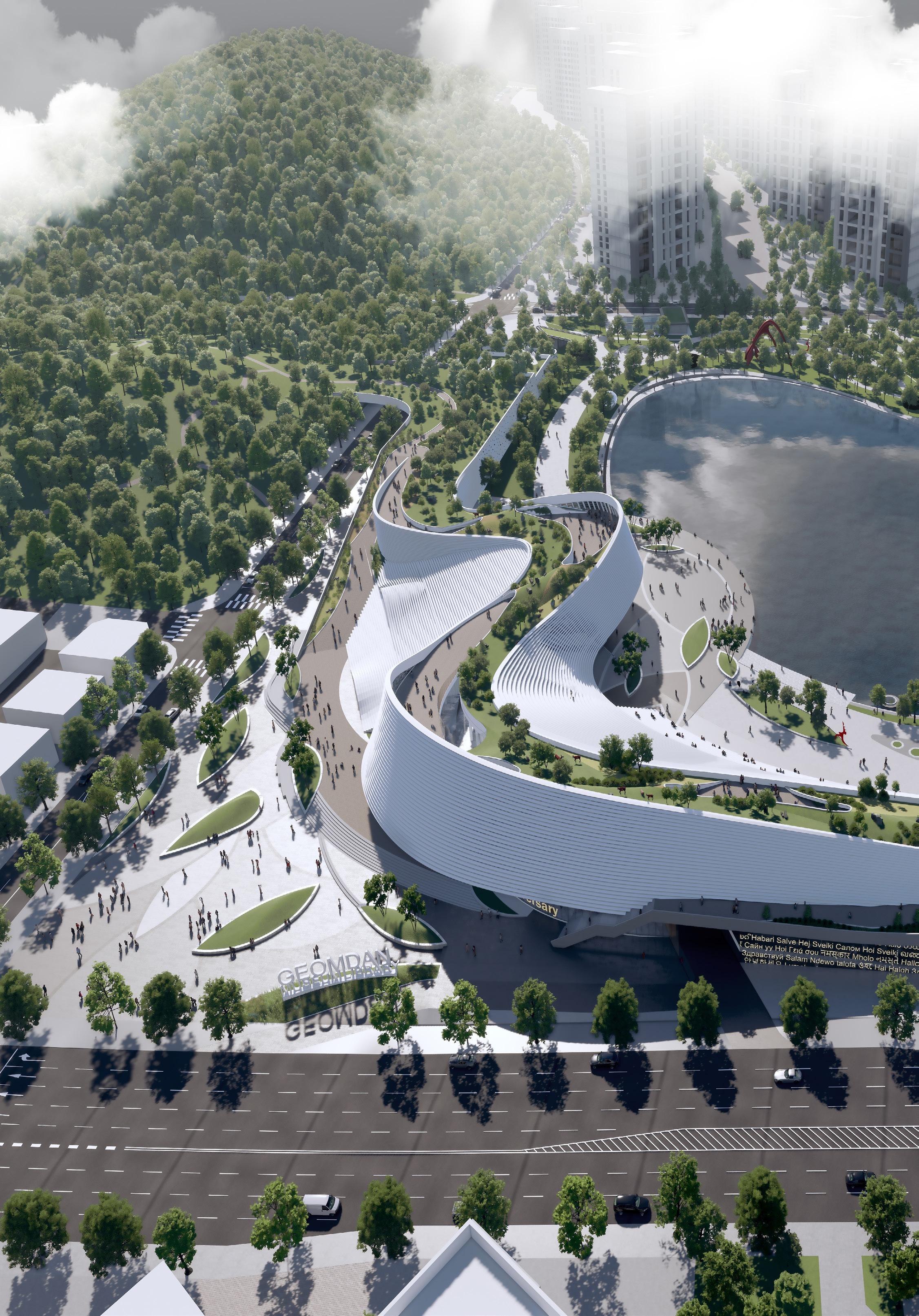
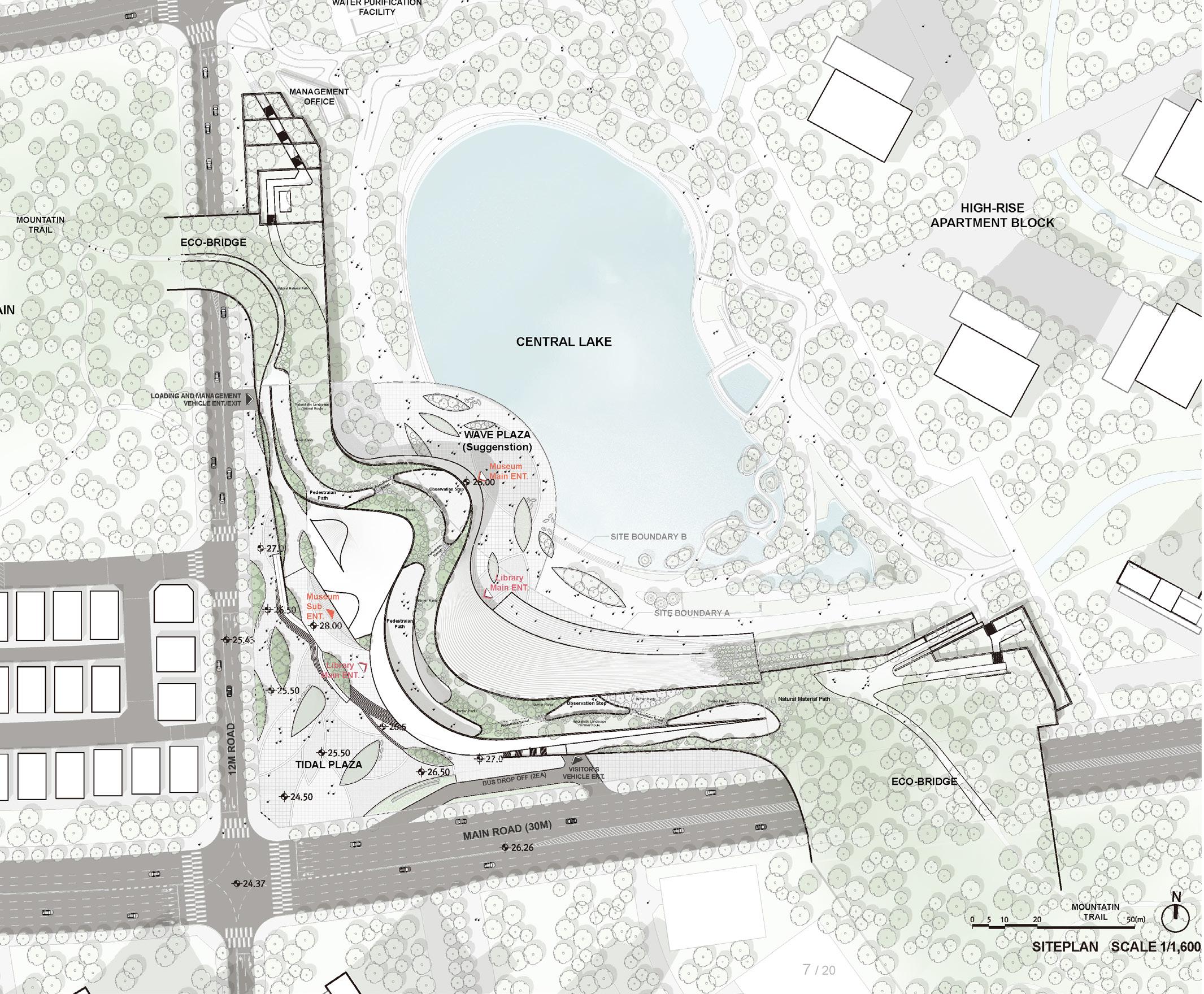
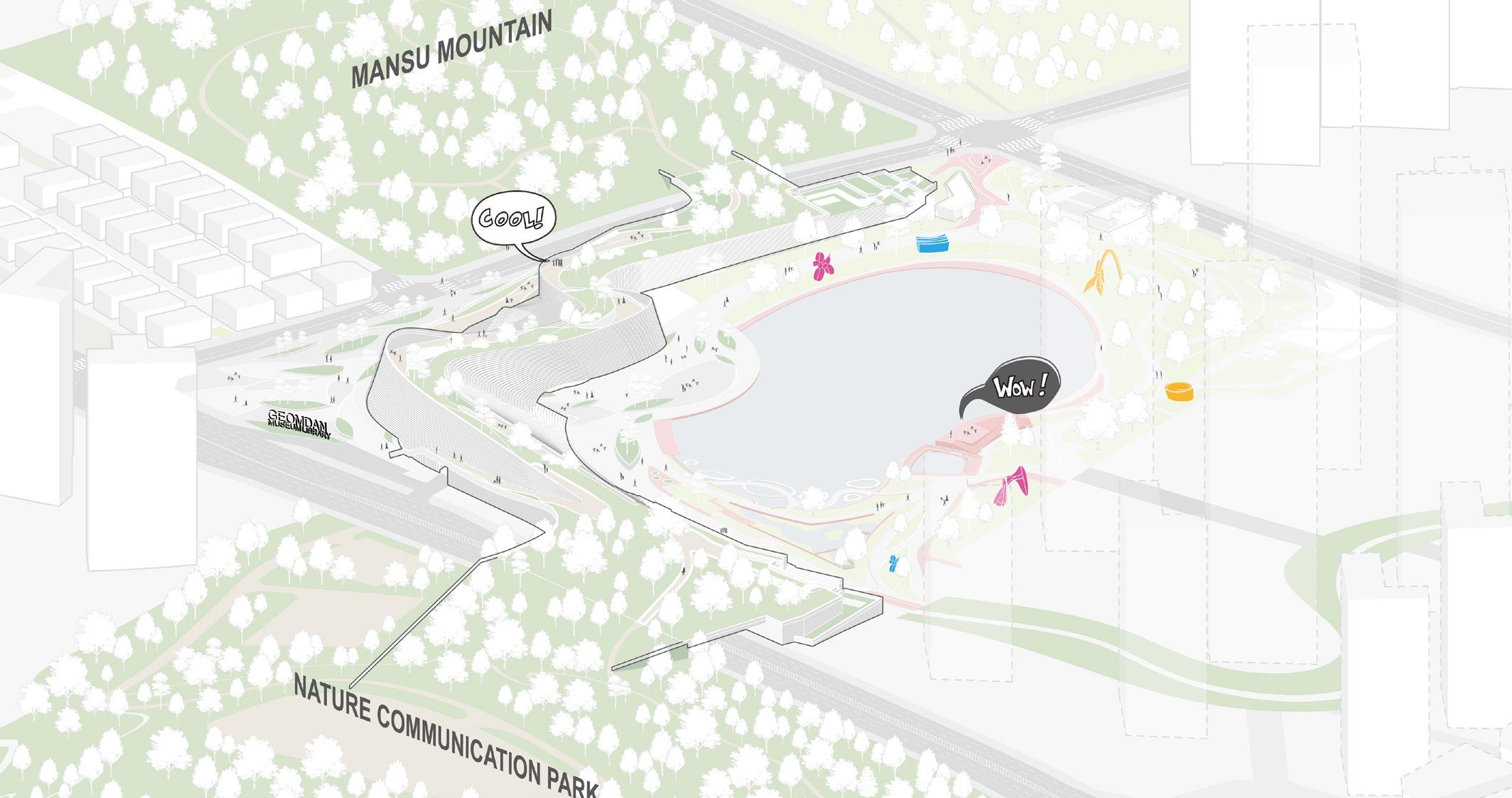
As the artifacts excavated during the development process show, the Geomdan New Town area has been a place of life from the Neolithic Age to the Joseon Dynasty then now the Geomdan New Town is about to rise as a central city in the northwestern part of Incheon through an influx of more than 180,000 people. The museum and public library complex, which will be constructed at this site, should be a space where citizens remember the past time of Geomdan and share knowledge as well as a future-oriented place where people coexist with nature. We minimized to transform topographical conditions given to the site to preserve pre-existing ecological condition and proposed a wave-shaped building mass so that museum and library could blend into the existing ecosystem. The mu-
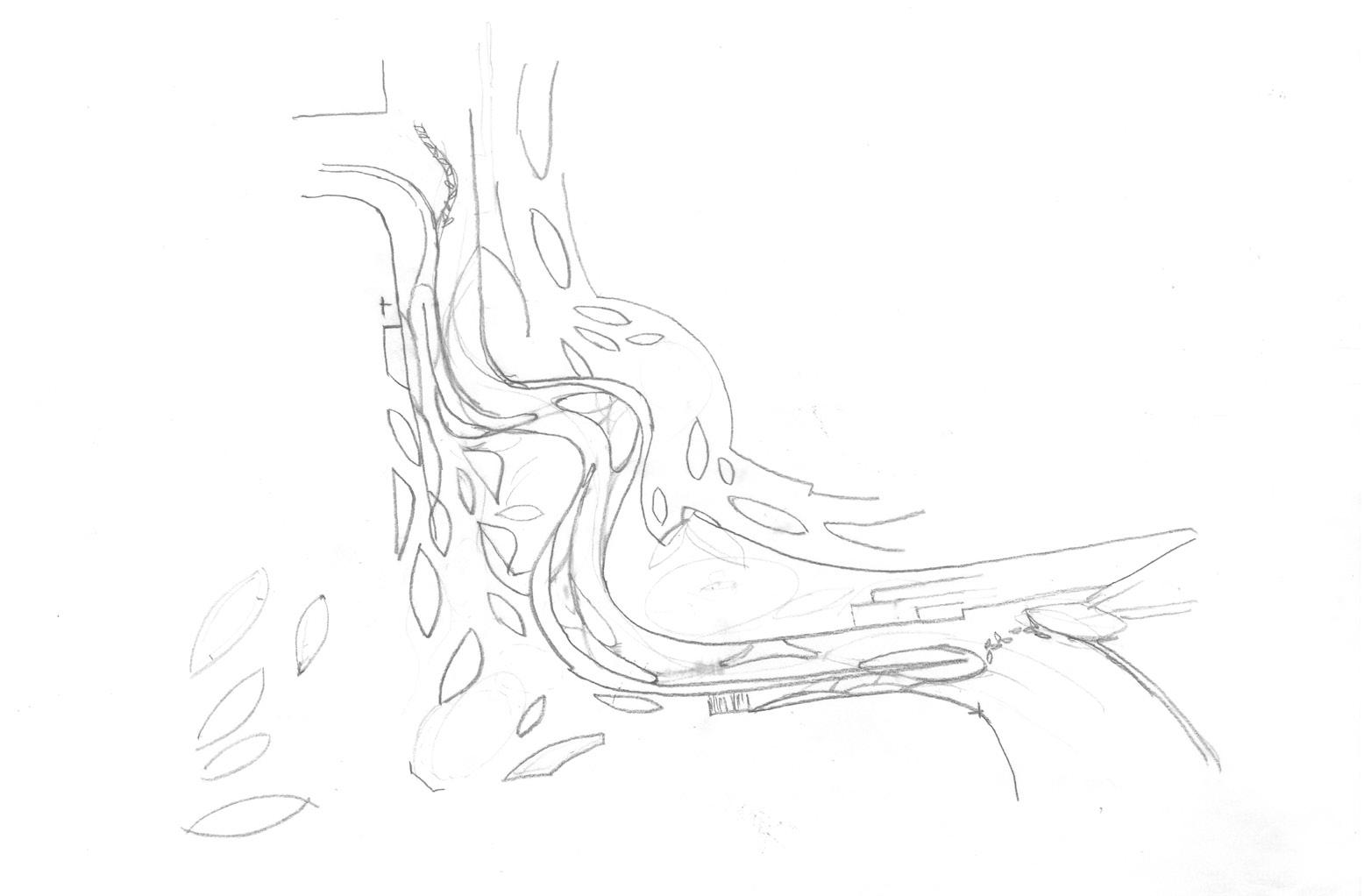
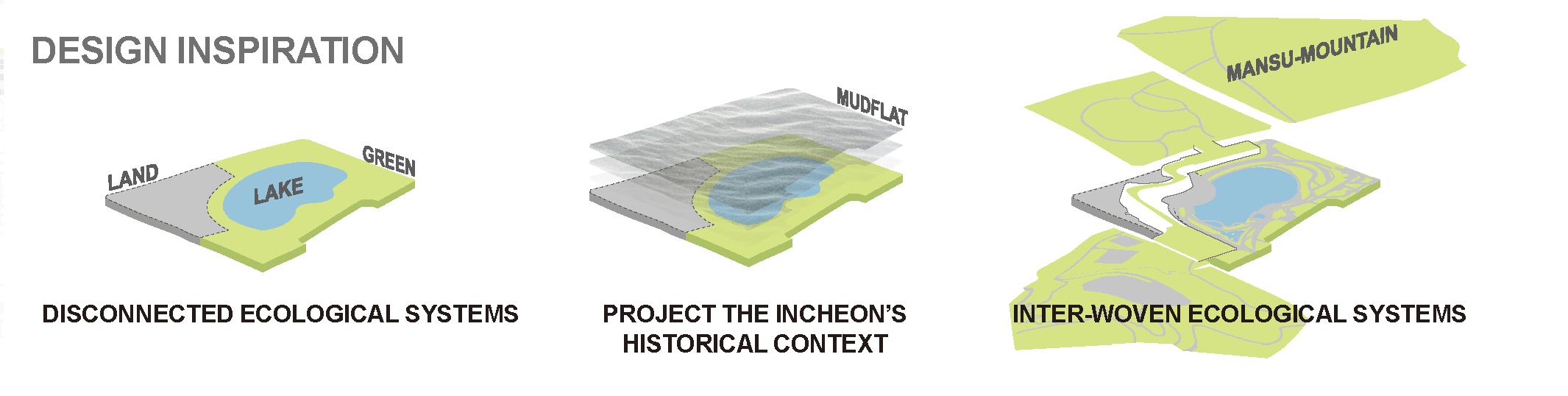
seum and public library complex symbolizes a wave of connection and coexistence that connects the two ecosystems, which were divided into the northwest and southeast of the site, unlike the past method of breaking the continuity of the ecosystem with the construction of new cultural complex. Thus, we would like to call this proposal, “Tidal of Time and Wisdom”. The Tidal of Time and Wisdom, is a museum and public library complex as an ecologically-friendly yet completely new local landmark that has never been seen before in the target area to be developed as a high-tech urban waterside complex with various functions. Our proposed, Tidal of Time and Wisdom, would create unprecedented landscaped figure which is harmonized on topographical site and wave-shaped mass while preserving nature and coexisting as part of the ecosystem in Incheon Gumdan New Town. Hope Incheon’s citizens would have new experiences.
Design Concept
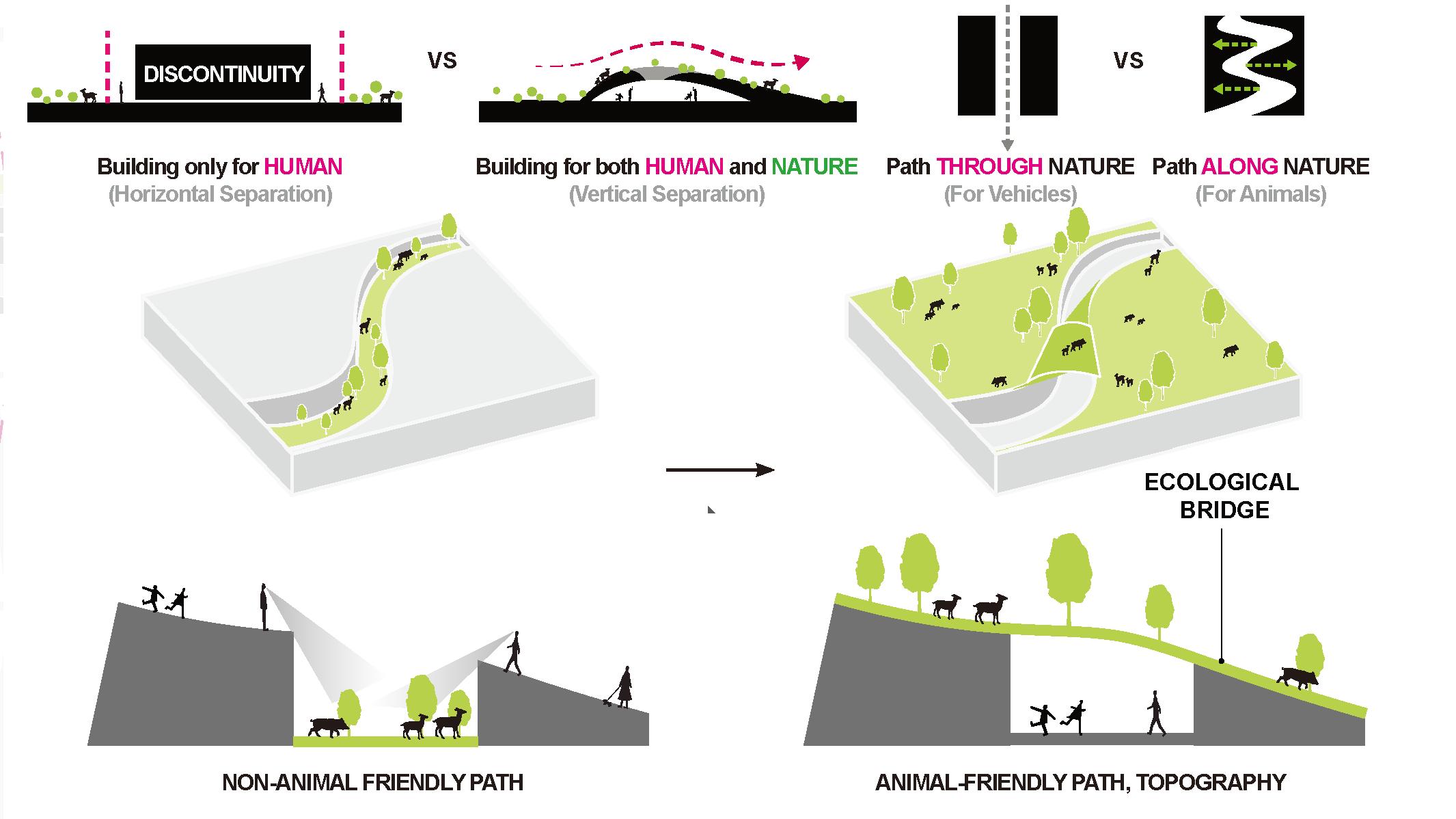
Firstly, considering the elevation difference of the site, which has a fan-shaped feature with a low elevation in the southwest corner and a high elevation in the southeast and northwest corners, natural changes are made to the shape of the building to adapt to nature. In addition, since the site is adjacent to Mt. Mansu in the north and south, preservation of the ecosystem is required, so we have created a museum and library as an ecologically friendly architecture that can preserve the ecosystem by serving as a passage connecting the Mt. Mansu. In the past, infrastructures and architectures such as roads simply recognized nature as an object of human use, resulting in the disruption of animal and plant habitats and damage to the ecosystem.
Design for Ecosystem
Based on the premise that humans should coexist with nature, we wanted to create a space where the continuity of the ecosystem, such as the movement of animals and plants, is maintained even if a new building is built on the site, and humans could enjoy and experience the nature. To this end, the floor of the building roof is designed solely as a passage for people, and the ecological passage for animals and plants has a cross section higher than the passage for people. It is also advantageous to protect plants and animals by adopting a structure in which people do not look down on plants and animals from above
SNOOPY ISLAND “NEXT EPISODE OF DOGHOUSE”
The Doghouse is divided into two spatial experiences: before and after entry. Before entering, visitors encounter the world of Peanuts, the beloved comic in which Snoopy appears. After entry, they arrive at the Snoopy Room, a space designed from Snoopy’s point of view. This outdoor environment offers an imaginative experience of being inside Snoopy’s house.
Although Snoopy’s doghouse appears small from the outside, its interior is much larger than it seems. Instead of lying down
immediately upon entry, visitors descend a staircase into a foyer with a cabinet. Beyond that, they can explore a living room with a TV, a magical laboratory for experiments, and many other unexpected spaces. This contrast between the compact exterior and expansive interior serves as the landscape narrative motif of “Next Episode of Doghouse” in Snoopy Island.
The design unfolds under the theme: “Snoopy’s Imagination Becomes Reality –Inside-Out of Doghouse.”
Cafe & Complex, Gyeongju
Snoopy Island Inside-Out of the Doghouse
Snoopy’s doghouse, as we see it from the outside, is deceptively small. But in Snoopy’s world, it contains multitudes: a foyer with a cabinet at the bottom of a stairway, a cozy living room with a TV and sofa, even a magical laboratory for his wildest dreams. This paradox—of small on the outside, infinite within—inspired the landscape story titled “Next Episode of Doghouse”, with the thematic concept:
“Snoopy’s Imagination Becomes Reality Inside-Out of the Doghouse.”
This is not a conventional spatial concept grounded in human scale, but one constructed entirely through Snoopy’s eyes. The design reinterprets the tiny interior of the doghouse as a vast and ever-expanding world—one that is now transplanted into the real setting of Bamseom Island in Gyeongju.
In this world, artworks collected by Snoopy form an open-air sculpture park along the visitor path. His love for Van Gogh becomes a pathway of starlight a walk through “Starry Night”. A wide carpeted field becomes his personal living room, vibrant with textures and color.
Ultimately, Snoopy Island is a place where visitors see Gyeongju through Snoopy’s gaze. The forested paths of Bamseom, the panoramic views of Bomun Lake, and the subtly embedded moments of wonder all serve as devices that allow Snoopy’s imagination to gently blend into the natural and cultural landscape of Gyeongju.
Here, Snoopy’s dream becomes real. A landscape where imagination takes root.
THE PLACE OF MEMORY “ULMEONG”
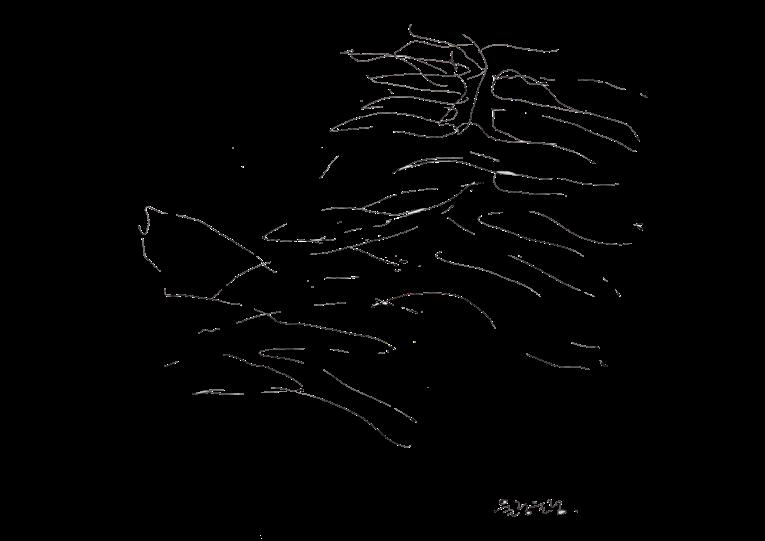
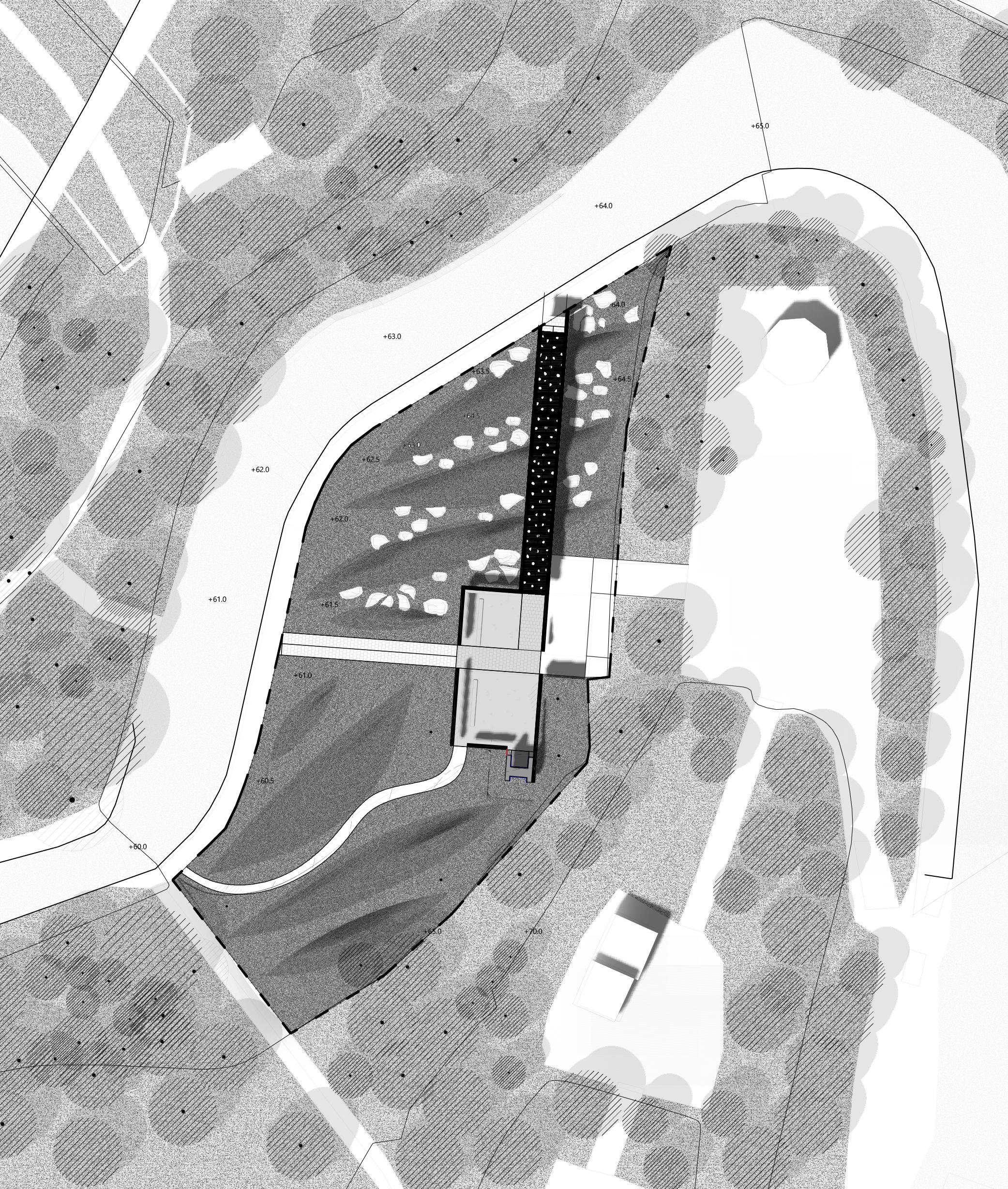
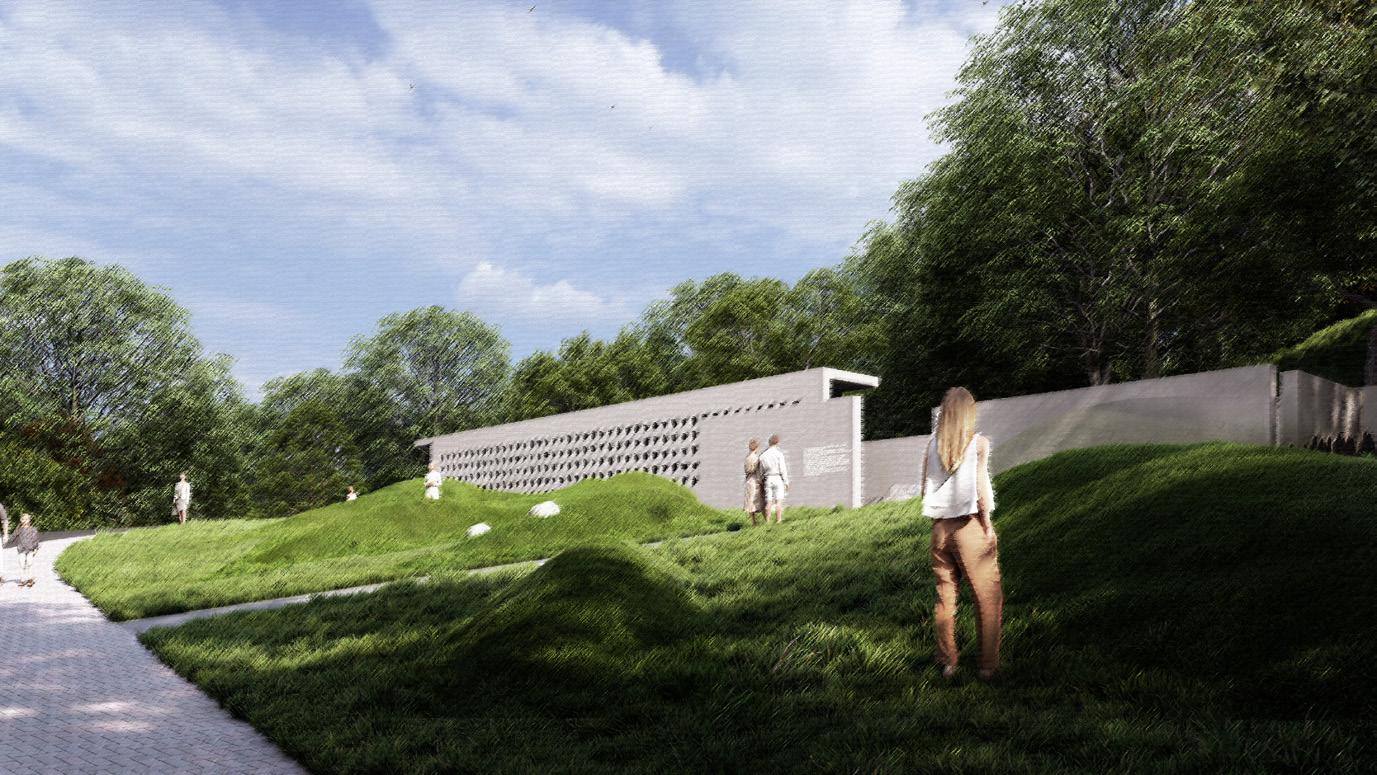
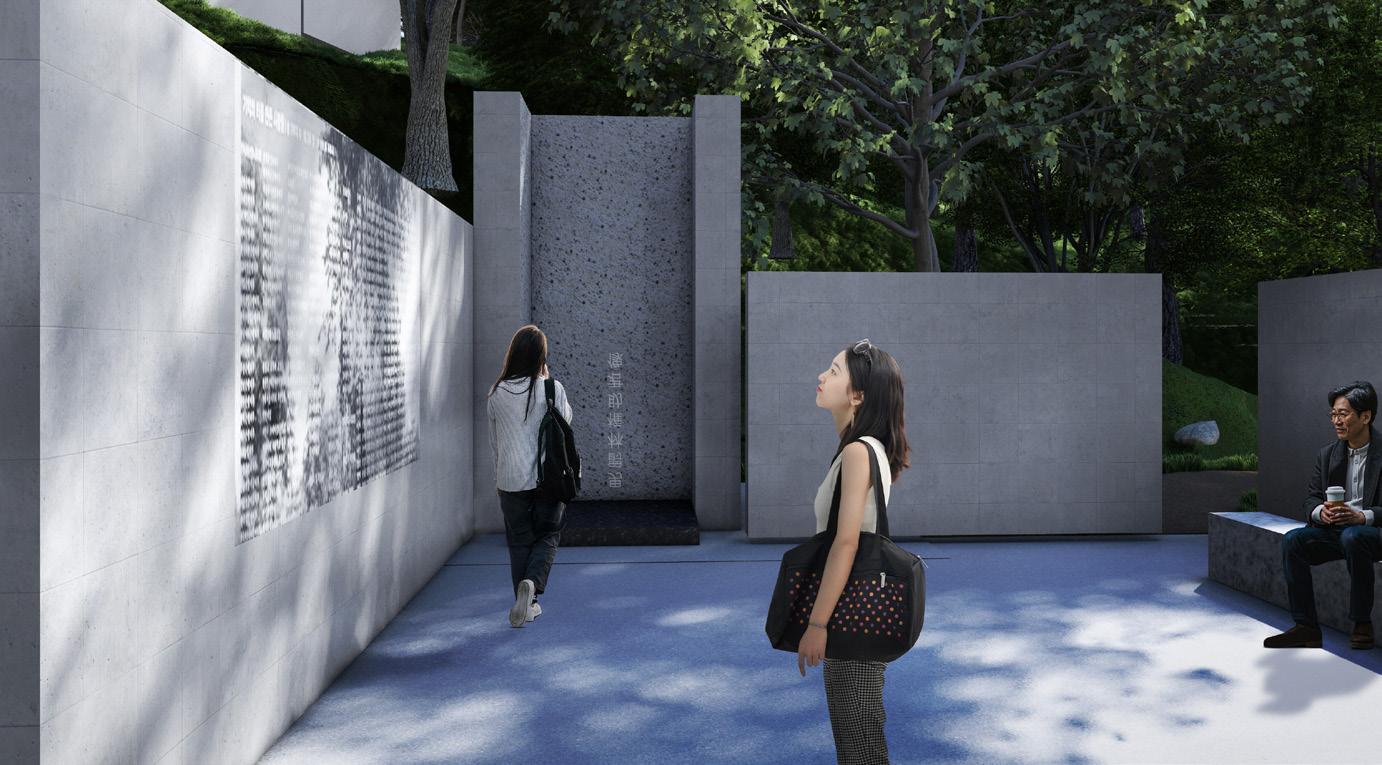
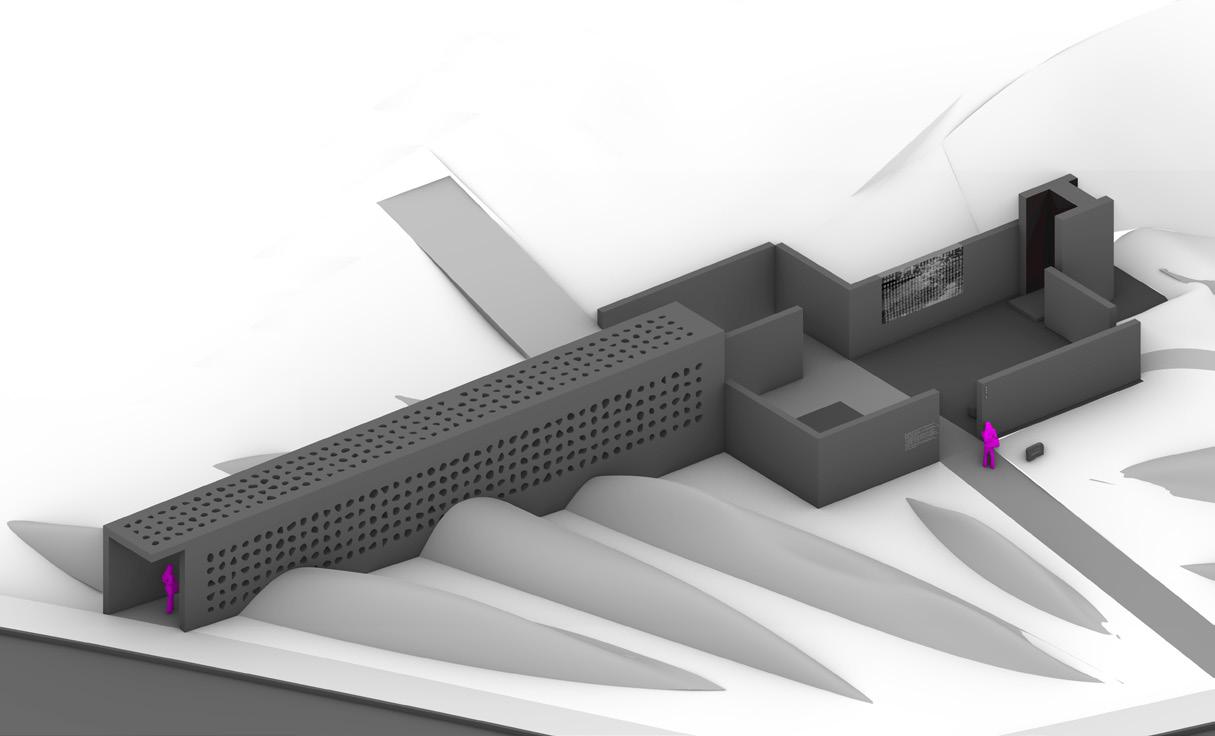
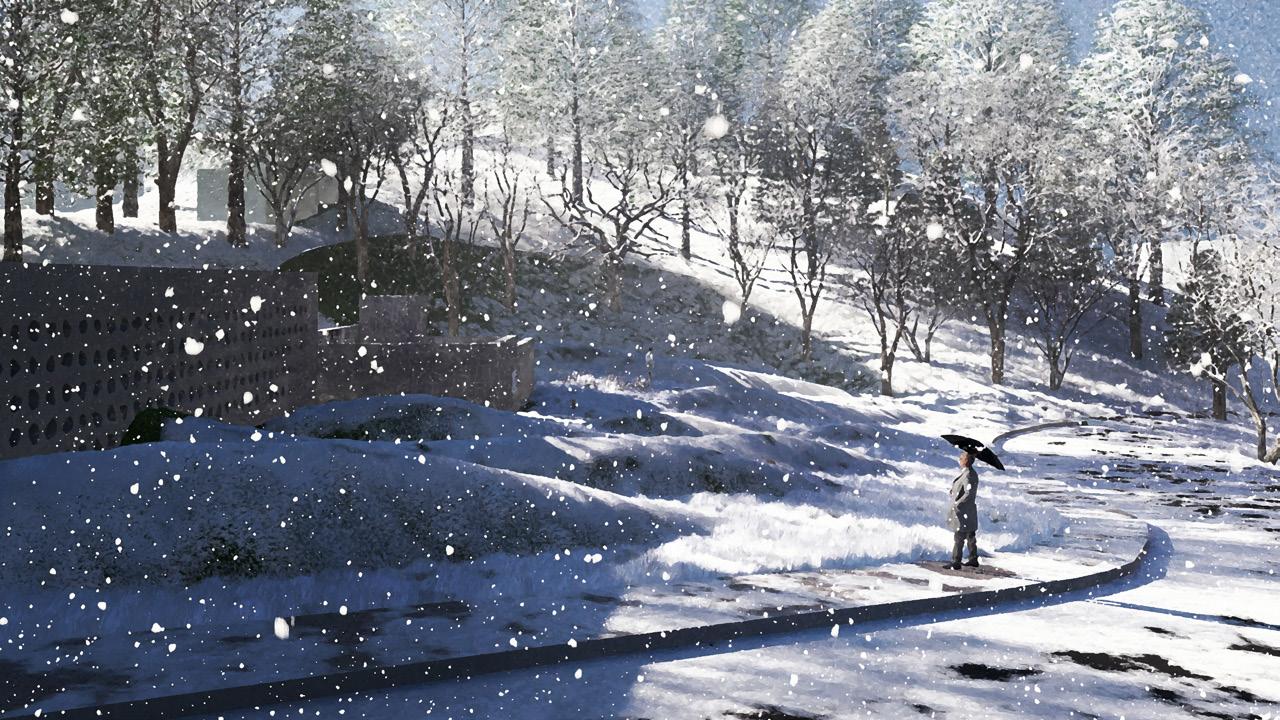
The Place of Memory is a collective ground of remembrance both a massive repository of memory and a site that holds the pain of history. Through the metaphorical expression “trembling ground,” we sought to first embed the wounds of the past and the scars of history those borne by the victims of military sexual slavery into the earth itself.
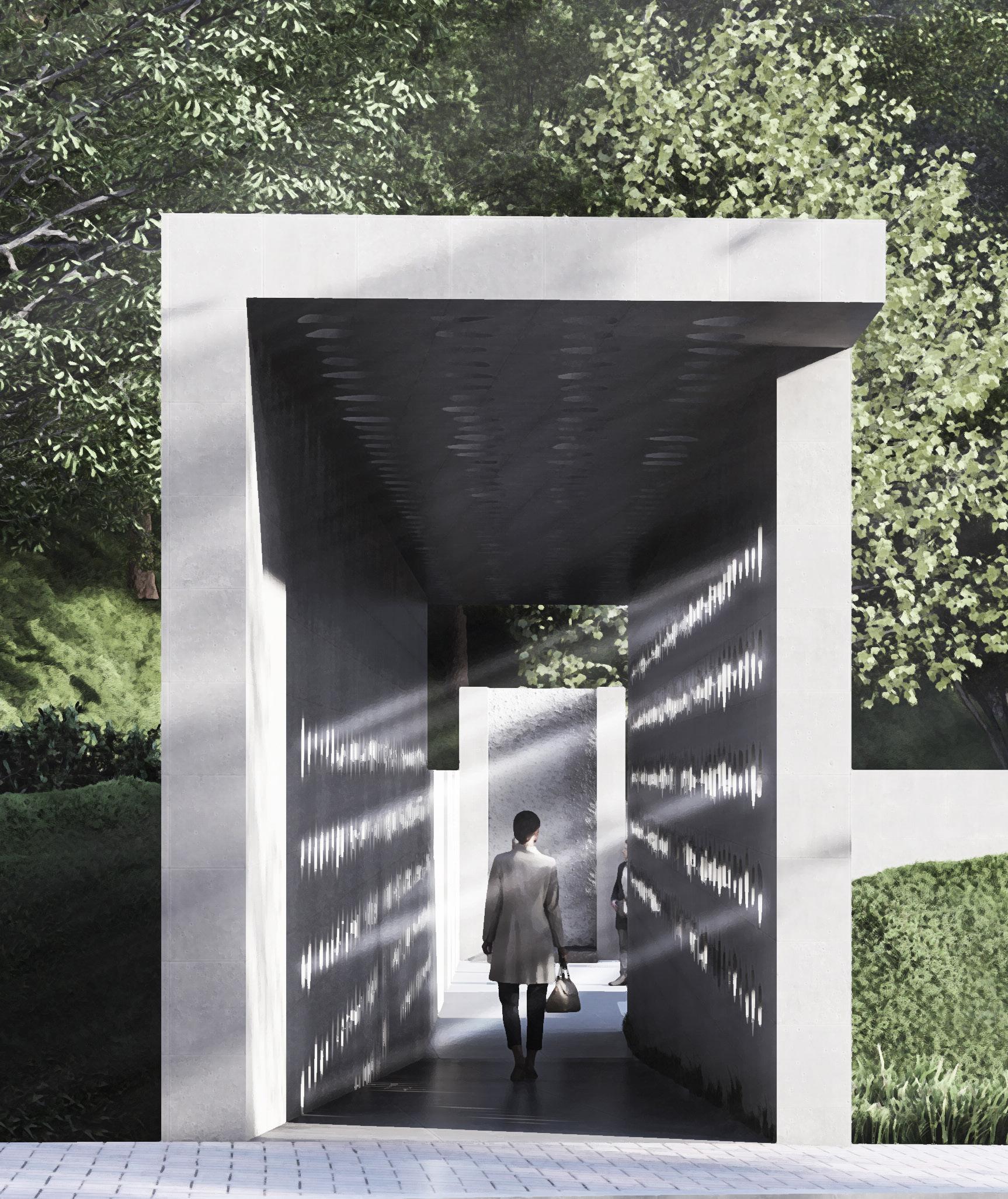
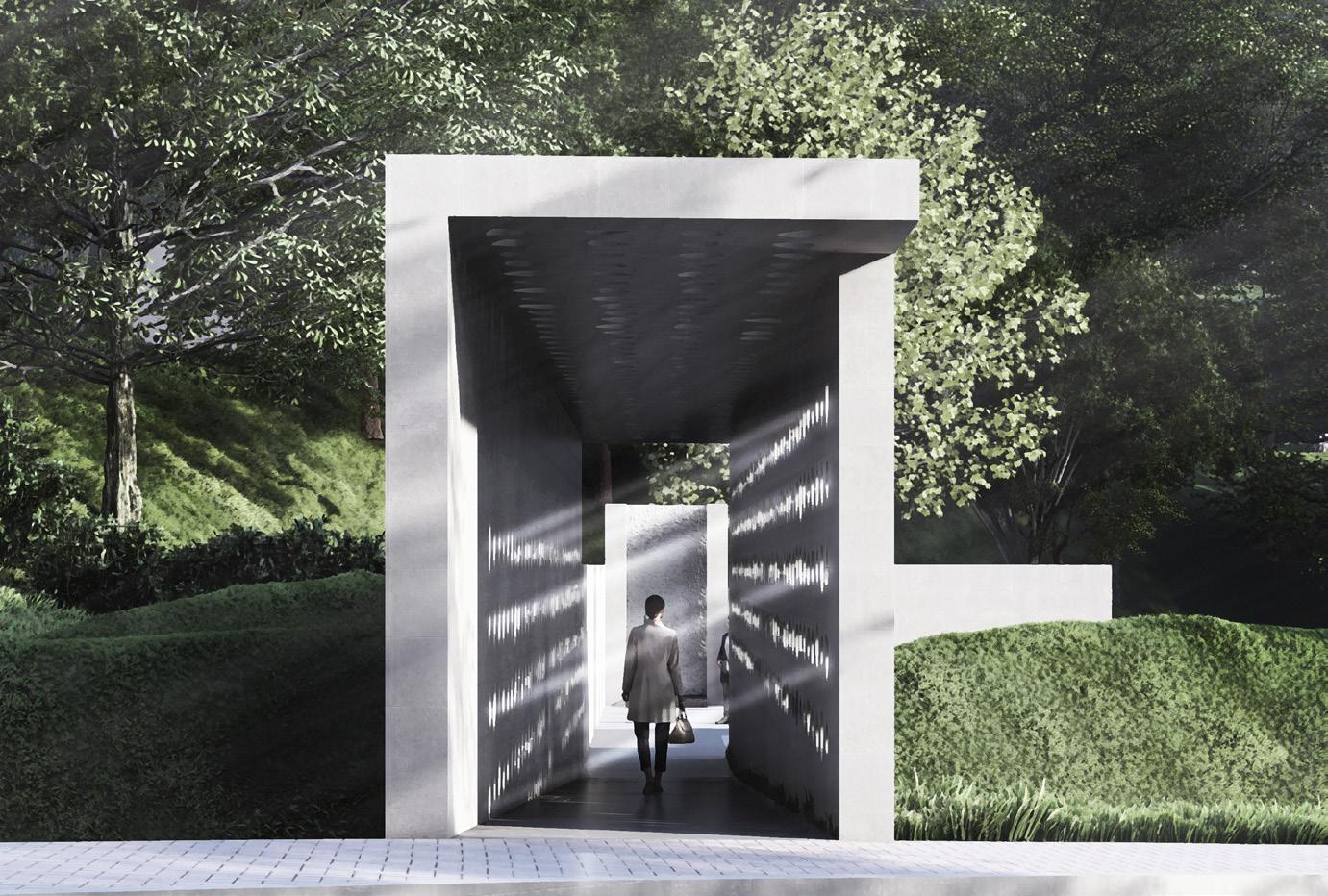
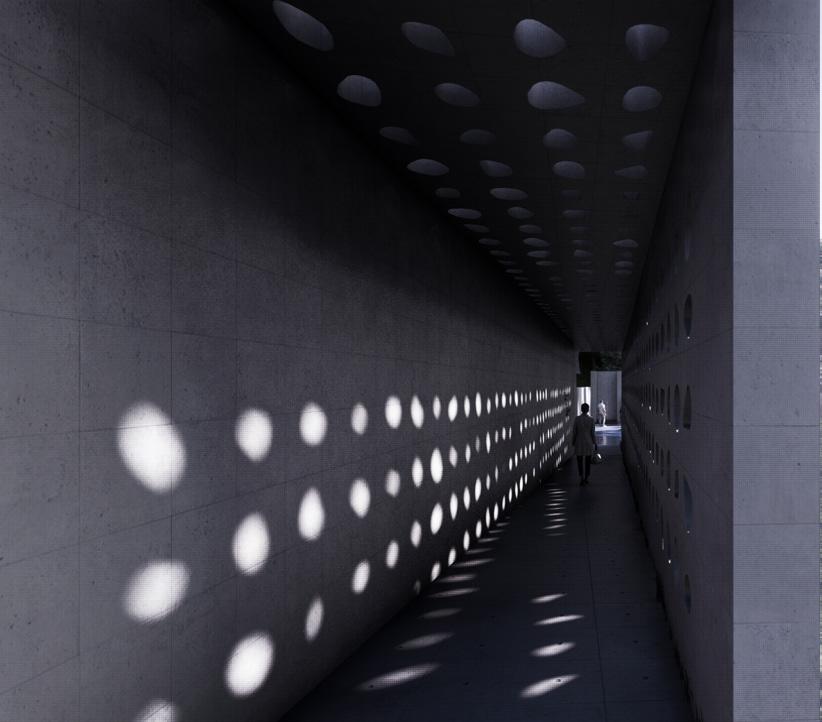
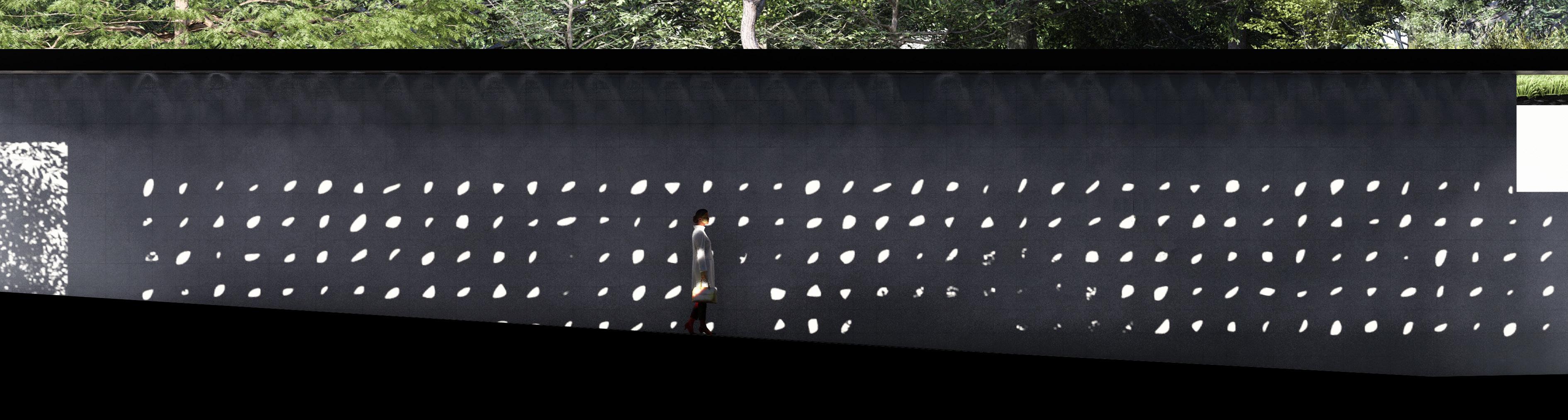
At the Wall of Memory, 247 bruised openings were carved out, symbolizing
pain that is transformed into light. As visitors step into the Chamber of Ventilation, they are invited to pause and reflect on the memories held within. The journey then loops back outward, allowing one to imagine a return to everyday life carrying those memories with them.
This is how The Place of Memory: Ulmeong was conceived where memory becomes landscape, and pain is quietly illuminated.
Namsan Memorial Park Reconstruction Competition
The Place of Memory: Ulmeong
Path of Hardship, Trembling Earth Embedding Pain into the Ground, and Remembering
In moments of uncertainty, not knowing where to go, I trembled atop waves that pushed endlessly forward.
I trembled inside a vehicle that shook without end.
A wave of nausea, a lingering ache.
Time passed but the pain did not fade. It became a bruise that will never heal.
4. Memory Room of Bruises
3.
The Wall of Memory and the Chamber of Ventilation
As visitors pass through the Trembling Ground, they arrive at the Wall of Memory a space defined by a path of 247 bruises and an enclosed Chamber of Ventilation.
The 247 marks, each with a distinct shape, symbolize the pain of 247 women. Though these forms represent wounds, they are rendered in light transforming the space from darkness into one of reflection and gentle illumination.
The Chamber of Ventilation serves as a contemplative space: a quiet room for confronting emotional tremors, remembering the bruises, and offering silent tribute. It is both enclosed and solemn, providing a moment of pause. Additionally, this space gathers and repositions key elements from the original Place of Memory, allowing visitors to grasp the full narrative of the memorial at a glance.
THE PLACE OF MEMORY “YUGYEONG”
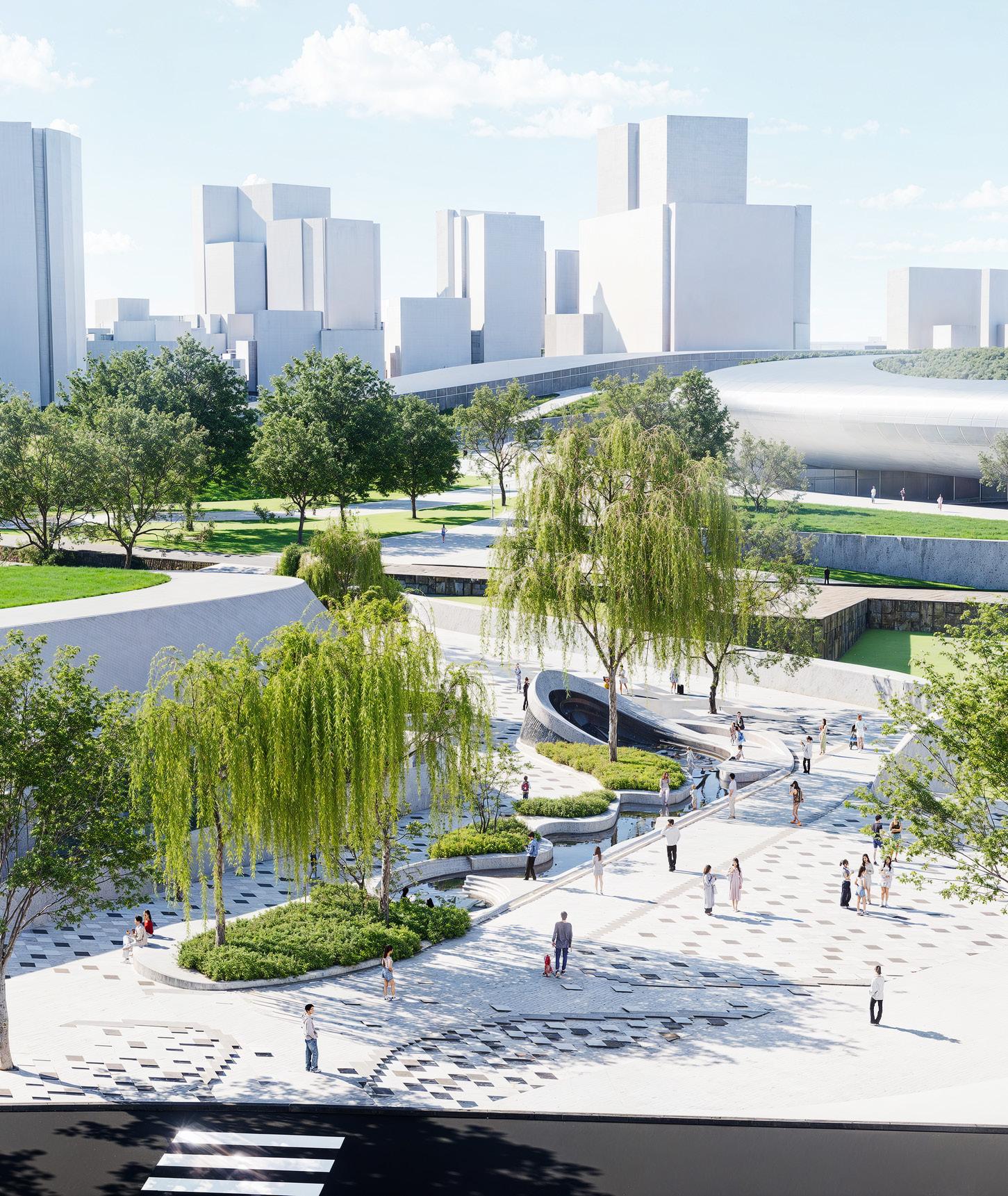
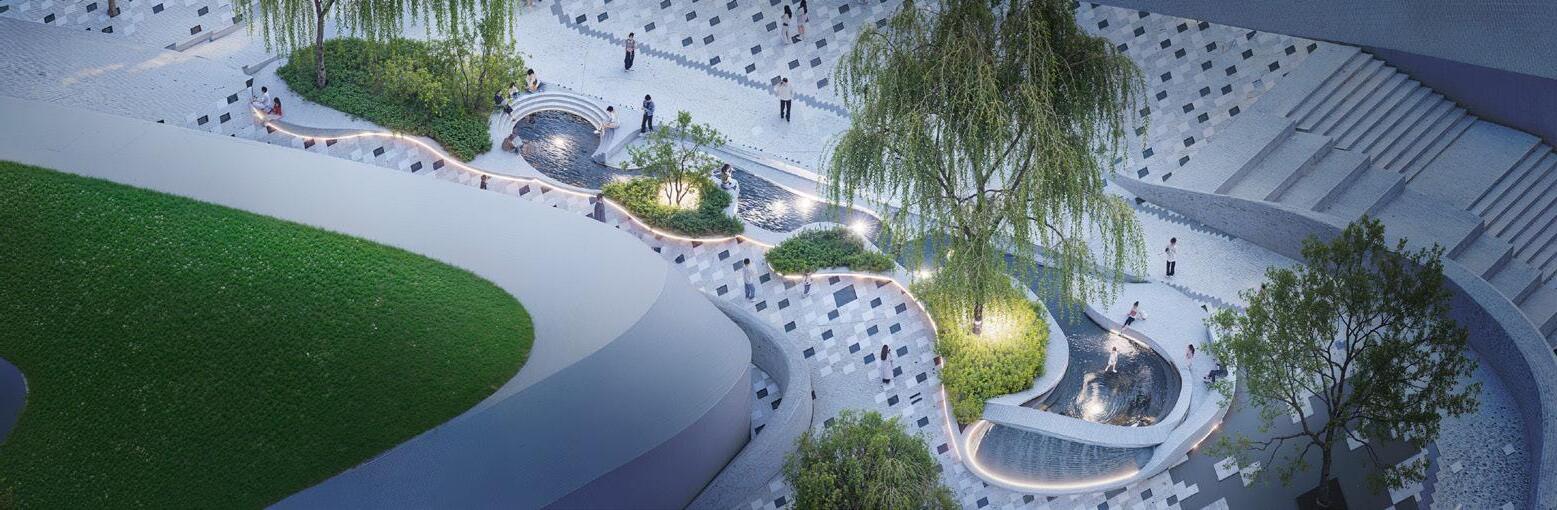
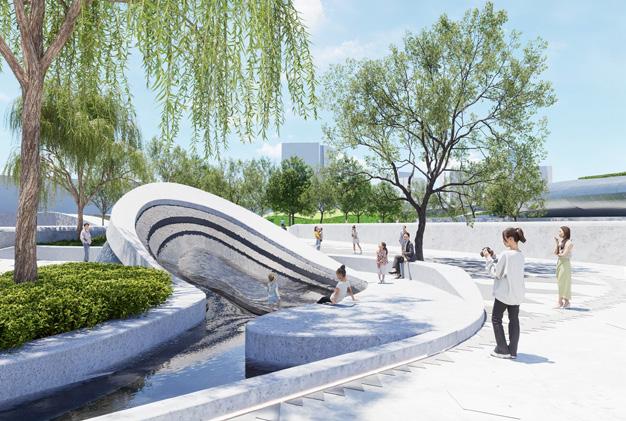
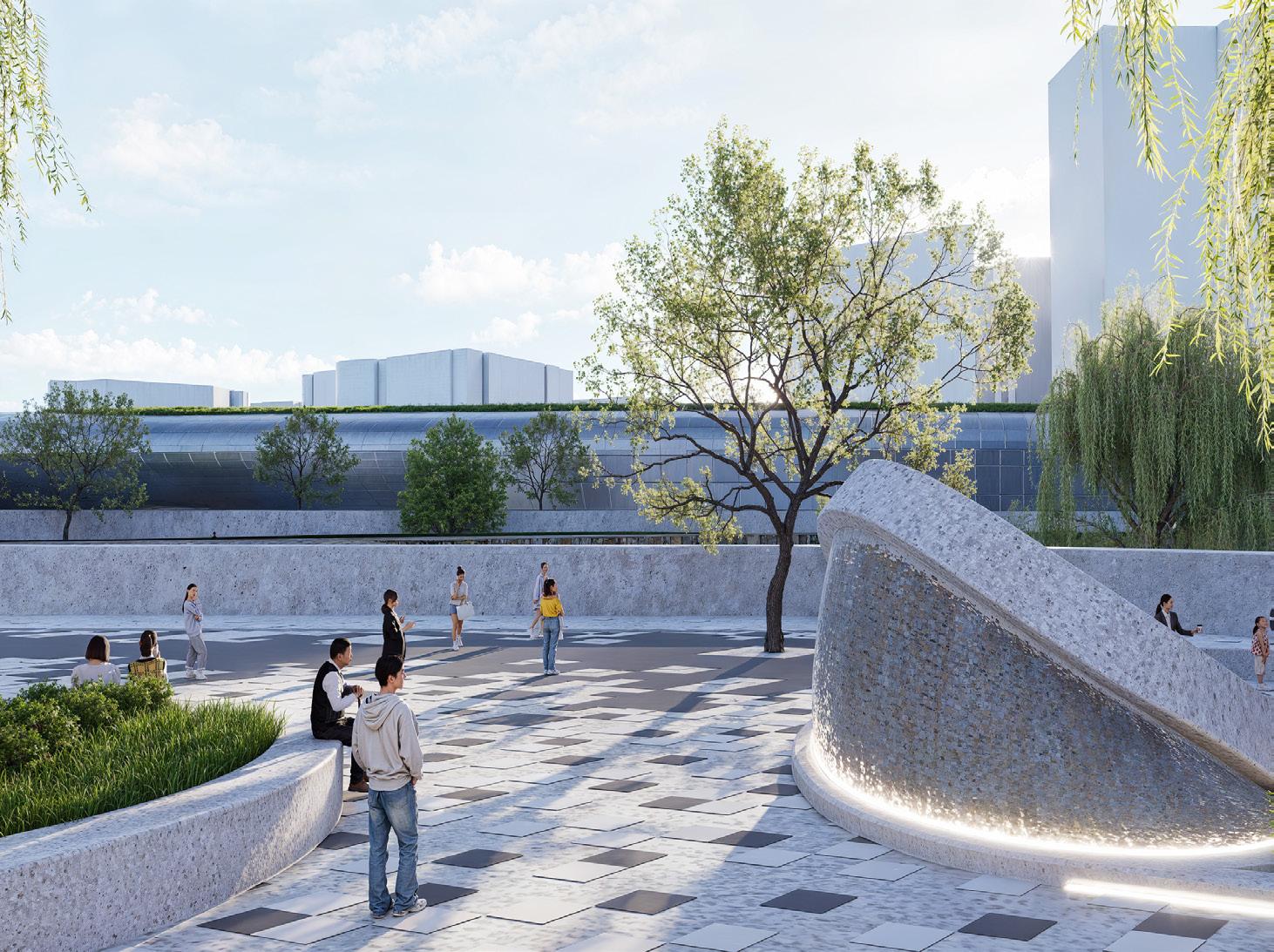
This space reinterprets the atmosphere of traditional riverside landscapes in a contemporary way. Designed as a waterfront environment where people and nature coexist within the flow of time, Yugyeong offers a harmonious experience of water, light, and scenery.
Visitors can enjoy interactive water play areas where children and adults alike engage with the water, creating joyful moments. In other zones, reflective water surfaces and subtle movements of light provide a calm and scenic expe -
rience. The central structure enhances the space’s uniqueness through dynamic visual effects created by flowing water.
The use of Yugyeong shifts with the seasons, offering ever-changing spatial experiences. As time and nature progress, this space becomes a vessel for new memories, reconnecting people with the essence of water and landscape. Blending nostalgic charm with modern sensibilities, Yugyeong is envisioned as a place for healing, reflection, and communion with nature.
Yugyeong: A Contemporary Interpretation of Waterside Memories
Design Process of Yugyeong: Flowing Time and Landscape
The design of Yugyeong began with a reflection on historical landscapes specifically, the everyday scene of people washing clothes by the water’s edge. This familiar yet poetic image became the conceptual foundation for creating a contemporary waterscape that blends human activity with natural flow.
We sought to reinterpret this past landscape into a modern context by designing a water-friendly public space where people could interact with water, nature, and each other. Rather than treating water as a static feature, we approached it as a dynamic medium that embodies the passage of time and seasonal change.
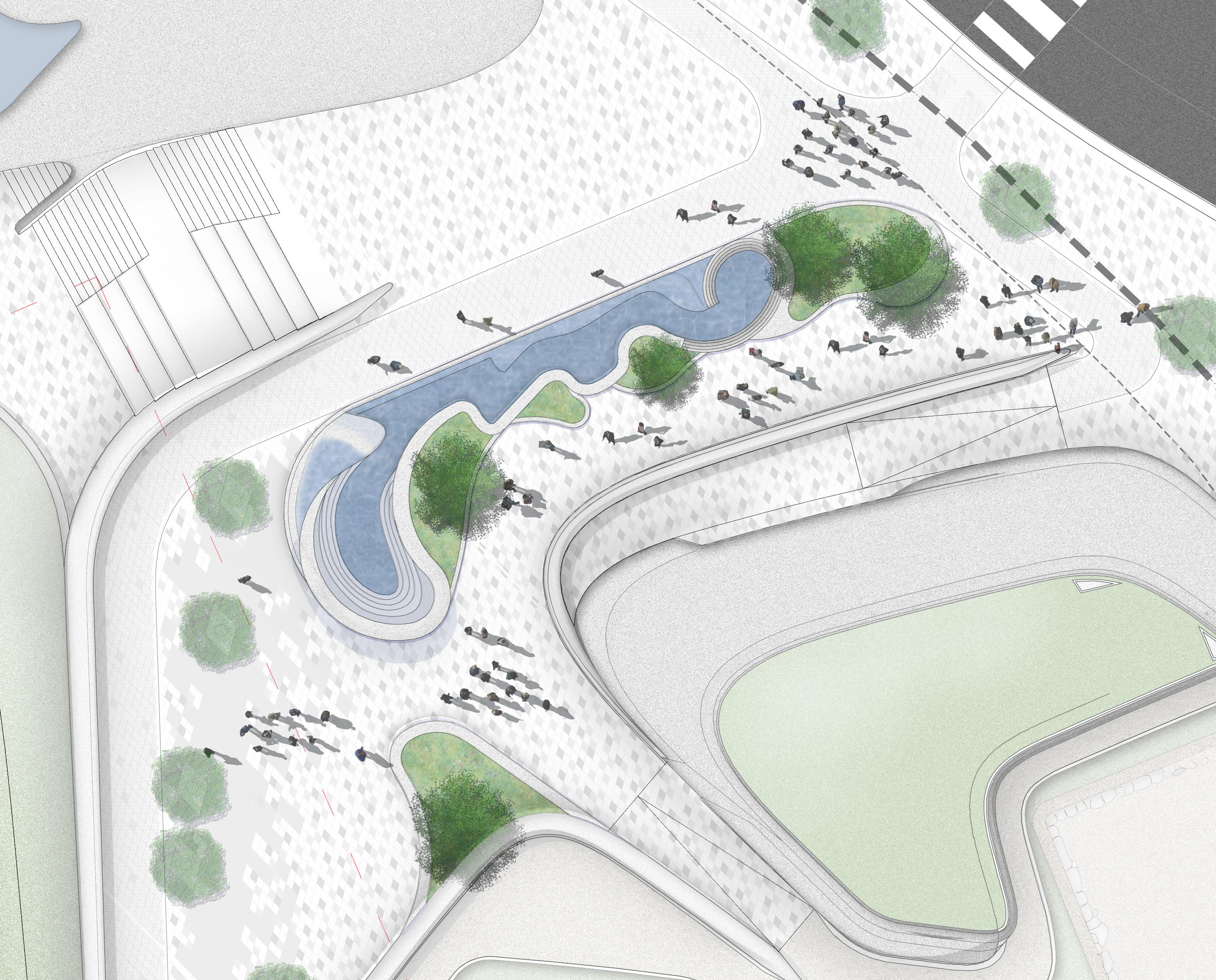
The spatial composition was organized into three main zones: a playful water zone where children and adults can enjoy shallow water activities, a scenic zone designed for visual appreciation of flowing water and reflected light, and a core structure that integrates water flow with architectural form to enhance the sensory experience.
At the heart of the space, a water source symbolizes the flow and circulation of time. It serves as both a visual focal point and a place for rest and contemplation. Surrounding it, a naturally formed water plaza blends seamlessly with adjacent gardens, creating an open and inviting shelter where water paths and green spaces converge. These two elements source and plaza are organically connected, infusing the space with vitality and emphasizing its central character as a place for gathering, relaxation, and interaction.
Functioning as a refreshing waterscape during the summer, Yugyeong offers a space where visitors can engage in playful water activities and appreciate the gentle flow of water. In spring and autumn, as the water level recedes, the exposed terrain transforms into a sculpted landscape, inviting people to enjoy picnics, small events, and moments of leisure in harmony with nature.