March 2026

March 2026
25% Off Expires 3/31/26
*With the mention of Women’s Edition
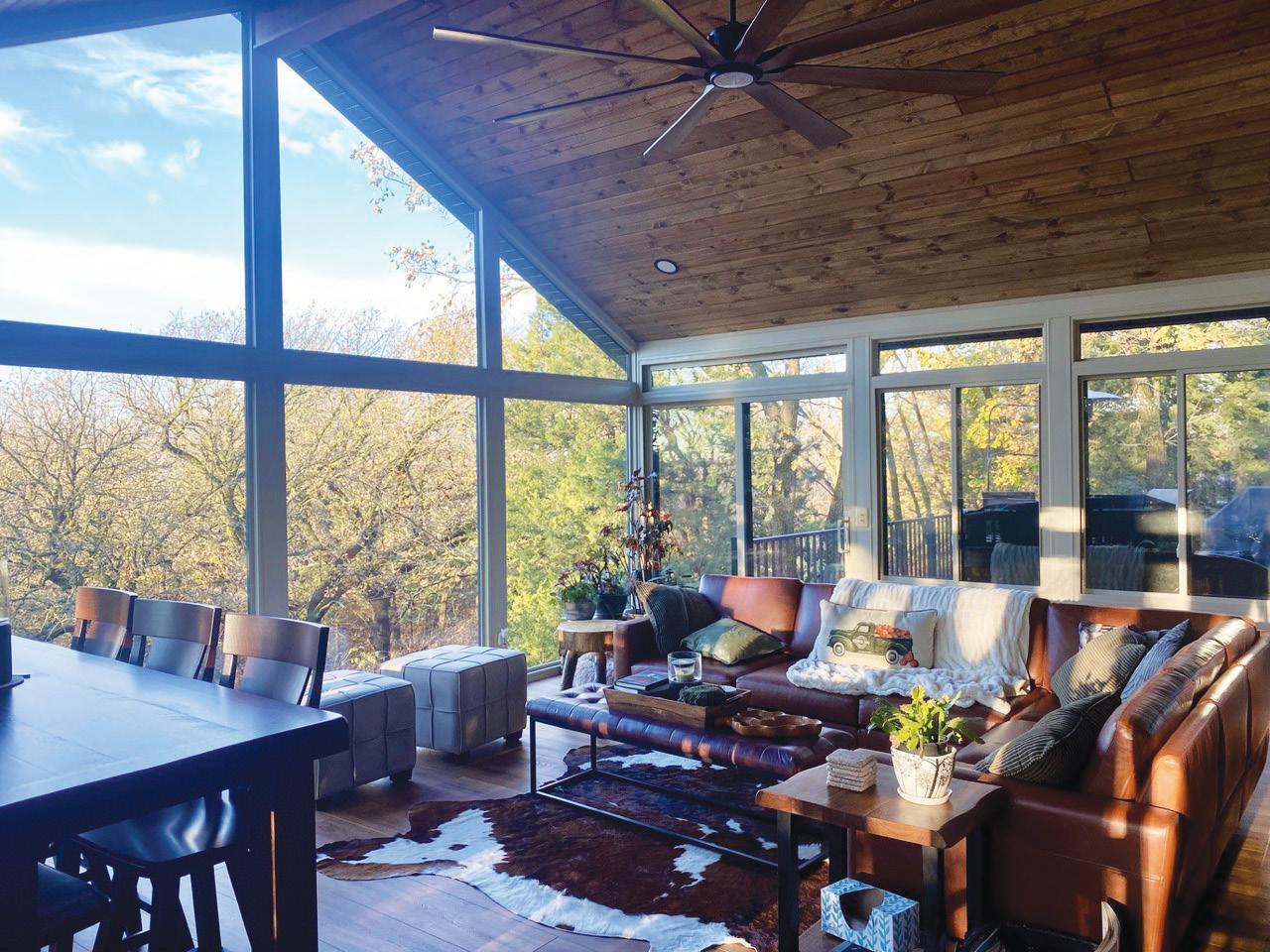
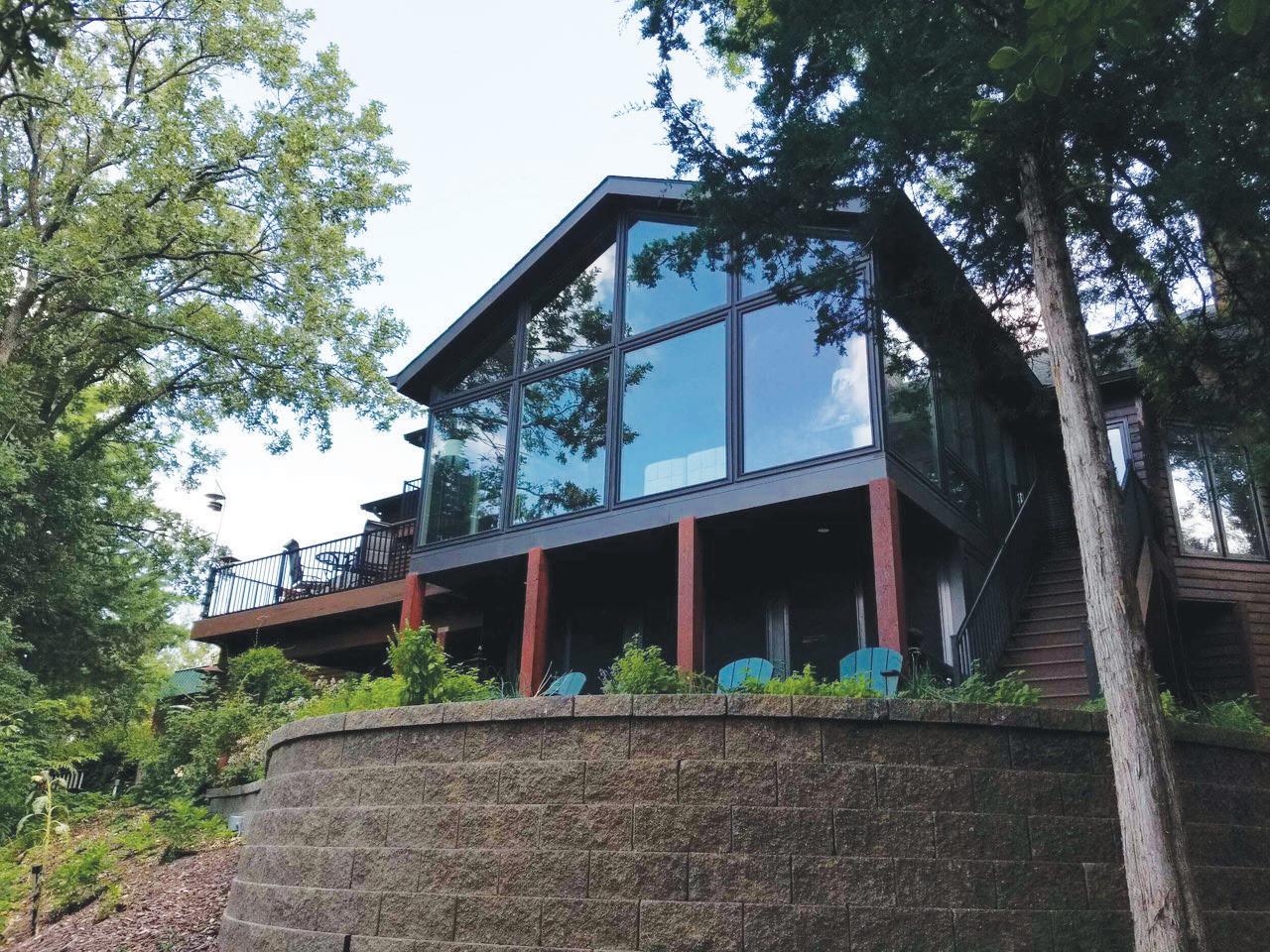
Stop worrying about children, pets, wildlife and debris falling into your window wells.
Since 2017, Guardian Window Well Covers has been creating custom cover designs to enhance the safety and functionality of egress window wells. Our covers keep children and pets protected from falling into window wells, while keeping your window wells free of debris and elevating the aesthetic appeal of your home. These USA-made products are built to last and are backed by a 5-year warranty.
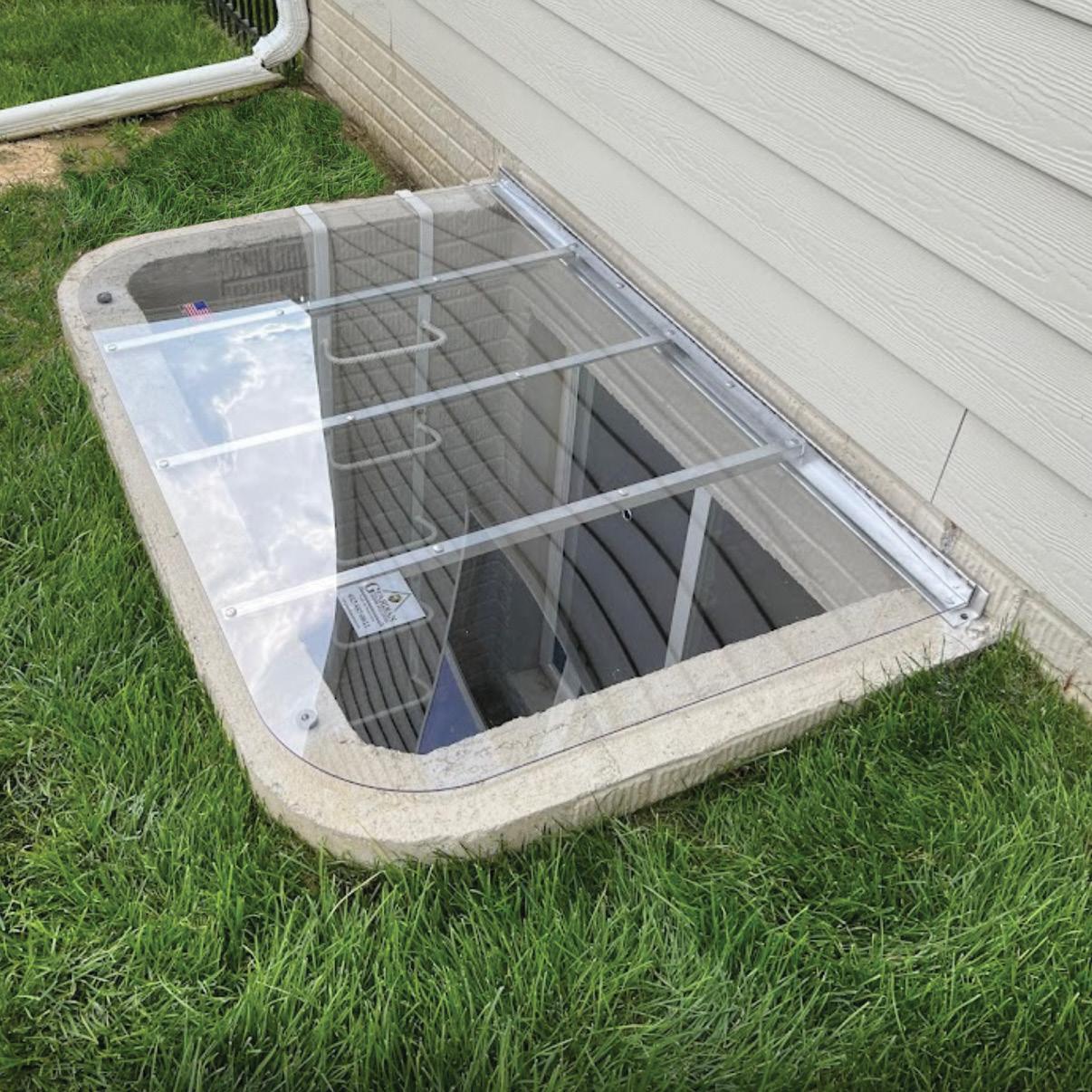

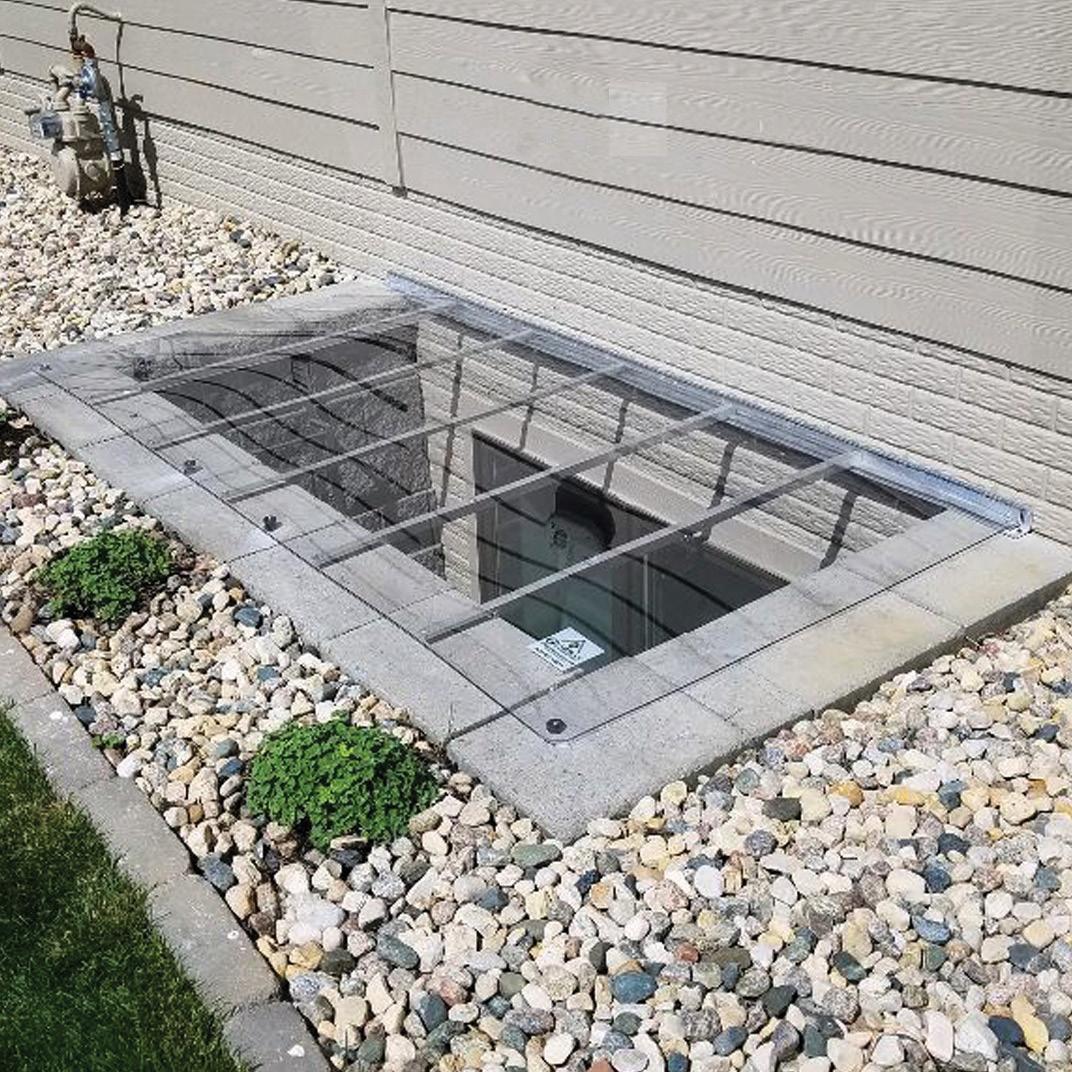
Custom-built for your home • Elevating both function and beauty
Industry-Leading Innovation • Unmatched Quality

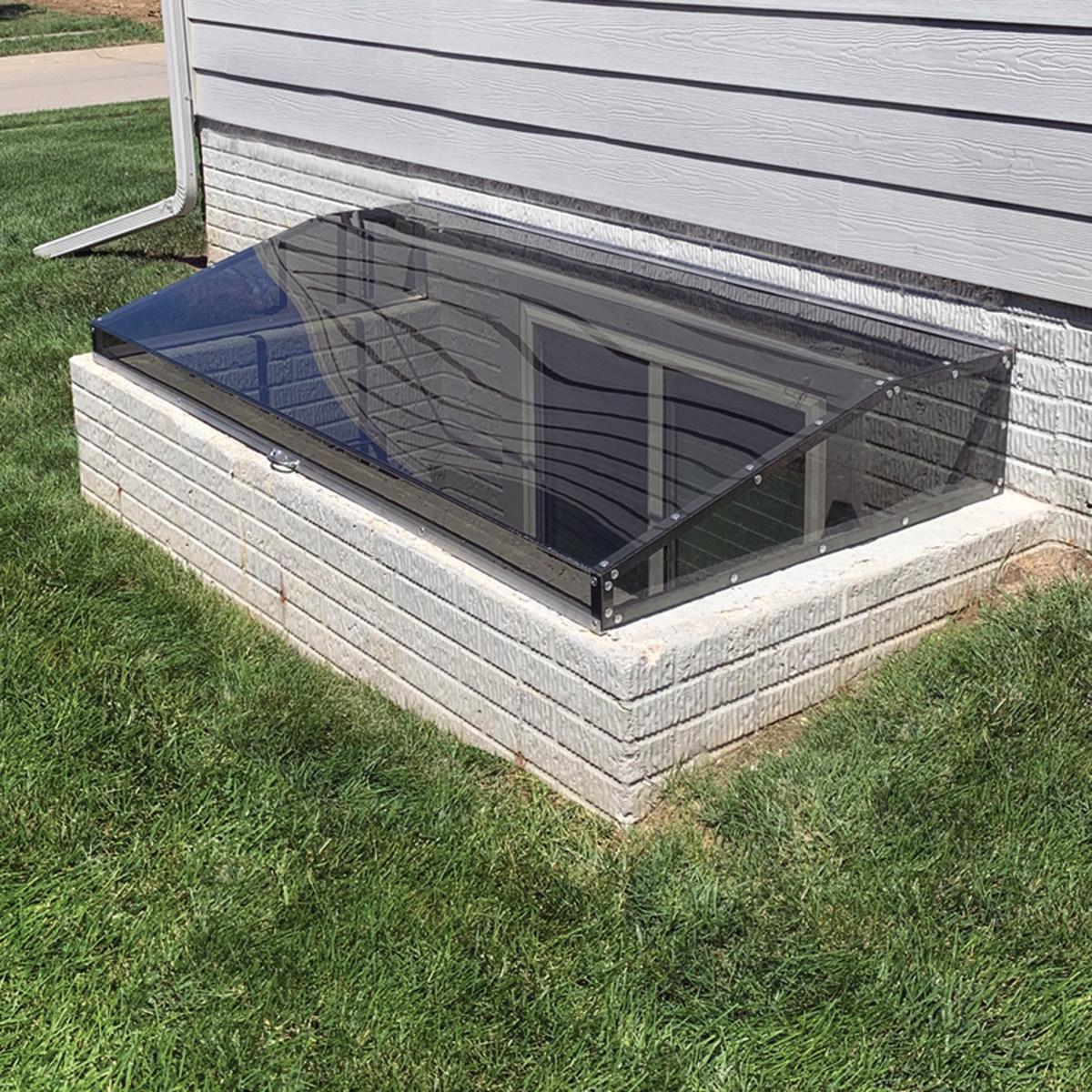

“Afterresearchingoptionsforwindowwellcovers,wedecidedtouseGuardian andcouldn’tbehappier.Afterourinitialcontact,theirrepcameoutanddouble checkedourmeasurements.Lessthan2weekslater,theywerebackoutand installingthecovers.ThefolksatGuardianaregreattoworkwithandthe coversarephenomenal.Ihighlyrecommendedthem!!”—MikeWilliams






EBOO (Extracorporeal blood oxygenation and ozonation)
is one of the most effective forms of ozone therapy available in the world today!
Benefits of EBOO IV Therapy are:
• Inactivate viruses, bacteria, yeast, parasites, fungi, and protozoa
• Boost immune system
• Relieve pain and inflammation
• Enhance athletic performance
• Stimulate oxygen metabolism
• Improve energy
• Decrease chronic function
• Decrease inflammation
• Detoxify the body
• Promote longevity
• Improve circulation
• Heal or recover faster from wounds, surgery, etc.

At Omaha Health Therapy Center, we are always searching for effective ways to advance and improve human health! Call today 402-763-9335 to schedule. or schedule an appointment online today at www.chelationomaha.com





Ilove the month of March. Yes, I know we typically have a snowstorm, but we all know it will be gone soon. It’s as if the planet is waking up after a very long nap. The birds start chirping, daylight savings time kicks in, and the buds cautiously poke their heads out. It feels like we are all alive again!
This year, my plan is to do some spring cleaning in my mind and heart. Every day, I am going to take a whole lot more deep breaths. I am going to stop beating up on myself if I do not get everything done on my to-do list. I am going to release all need for anger and resentment. I am going to rediscover my inner peace. I will affirm, every morning, “Good things keep happening to me.” And last, but not least, I am going to look for things that feel good. No matter where I am going, no matter what I am doing, no matter whom I am doing it with, I am going to look for what I want to see, for things that feel good.
This is not my typical approach to spring cleaning, but I know that it is the right path this year. Taking care of ourselves is typically at the bottom of most of our lists. We make sure our spouses, children, grandchildren, friends, and family are good. Many times, I simply run out of steam before my name gets called! So to heck with the cleaning of closets, the washing of windows, the cleaning of the junk drawer. I know this is a better plan for me this year. What about all of you?
This month, Manny will celebrate his birthday. He turns 60 on March 8th. Milestone birthdays like this are special. I have always found them to be a moment to reflect, celebrate, and revitalize. Of course, every birthday is important—it’s the day we arrived on this planet! But decade birthdays deserve special celebration. Happy birthday, Manny. Manny shares his birthday with International Women’s Day, which was established in 1911. It is a global, non-partisan day for gender equality. This year’s theme is “Give to Gain.” This is a global call that emphasizes giving support, knowledge, resources, and visibility to women and girls all over the world. I can certainly get behind that!
I hope you are all as excited as I am about the coming of spring! We’ll talk next month.
P.S. Happy birthday to my son-in-law, Ken Rosa, and my daughter-in-law, Sam Van deWalle.
Janet Van deWalle, National Publisher
Positive Thought of the Month
“In the springtime, the heart regrows hope.”—Angie Weiland-Crosby

Writers Wanted: Looking for fame, not fortune? Women’s Edition is seeking writers eager to gain recognition and experience in professional publishing. Many of our contributors have gone on to become nationally published. To apply, please email Carissa Rosa, Operations Manager, at carissa@wew3.com.
New Cassel and the Franciscan Adult Day Center are celebrating 41 years of providing supportive services to the Omaha Metro. If you have a loved one that may be in need of these services, check out their ad on page 14 and the article on page 12.
Beyond The Vine is saying farewell. After bringing joy to the Omaha community for decades, they are closing their doors. Stop in for great sales while the inventory lasts. We also want to say Thank You for being a longterm advertiser and wish Rose the best in her retirement. See their ad on page 35.
Trusted Life Choices is proud to announce they are now a preferred provider for Medicare’s Guide program. Do you have a loved one who suffers from dementia? This program may be for them. See their ad on page 22 for more information.
Want to learn more about Nebraska and celebrate the country’s 250th anniversary? History Nebraska can help you with both. They will be planning upcoming special exhibits to celebrate 250 years! See their ad on page 49 and learn more in the article on page 38.




Cuddly
Clear
Business
Income
Peak
Kids


Shift








• Andrew Trainer, M.D., F.A.C.S., C.P.I.
• Patrick Leu, M.D.
• Emily Kean-Puccioni, M.D., F.A.C.O.G.
• Brett Hill, M.D., B.C.
• Rebecca McCrery, M.D., F.A.C.O.G., F.A.C.S.
• Charles Brent Wakefield, M.D.
• Judson Davies, M.D.
• Andrew Arther, M.D.
Advanced Practice Providers
• Michaela Duggan, MPAS, PA-C
• Carrie Cadorna, MSN, ACNP-BC
• Marnie Dellutri, MPAS, PA-C
• Cara Schiessler, MSN, ACNP-BC
• Adele Harrison, MSN, FNP-C
• Megan Lusienski, MPAS, PA-C
• Alexei Rosenthal, DNP, FNP-C
• John Bishay, M.D.
• Amandeep Mahal, M.D., F.A.C.O.G.
• Christopher Corder, M.D.
• Jennifer Dwyer, M.D.
• Anthony Oberle, M.D.
• Sida Niu, M.D.
• Euclid DeSouza, M.D., F.A.C.S.
• John Horgan, M.D., F.A.C.S.
• Caleb Miller, M.D.
• Andrew Blazek, M.D.
• Jordan Stegman, M.D.
• Cole Bowdino, M.D.
• Brandi Edgman, MSN, FNP-C
• Taylor Hepp, MPAS, PA-C
• Marty Ussery, MPAS, PA-C
• Megan Johnson, MSN, FNP-C
• Ashley Au, DNP, FNP-C
Party Time Mushroom Pâté
By Kate Beiting
Rinse, dry, and chop 1 cup of fresh mushrooms. Fry 5 slices of bacon until crispy, then crumble. Cook half of a chopped onion in the bacon drippings. Mix together one 8-ounce package of softened cream cheese and 1/2 cup of sour cream. Add the bacon and mushrooms. Pour into a baking dish and bake for 30 minutes at 350 degrees. Serve with crackers, crispy toasts, and veggies.
Irish Soda Bread
Soak 3/4 cup of raisins or currants briefly in hot water to plump. Drain, pat dry, and set aside. Whisk together 2 cups of flour, 1/3 cup of sugar, 1/2 teaspoon of salt, 1 and 1/2 teaspoons of baking powder, and 1/2 teaspoon of baking soda. In a separate bowl, mix together 1 egg (lightly beaten), 2/3 cup of buttermilk, and 1 Tablespoon of melted butter. Stir the dry ingredients into the wet, just until moistened. Add the raisins or currants. Turn the dough out onto a floured counter, knead lightly, and shape into a plump disk. Cut a cross on top. Place the loaf on a buttered pan or cookie sheet. Bake at 350 degrees for 30–35 minutes. Cool on a wire rack. Slice and serve. Pass the butter, jam, hot tea, or coffee.
Put a 5-pound beef brisket into a large baking dish. Rub 4 cloves of minced garlic all over the brisket. Sprinkle the brisket with 2 teaspoons of salt and 1 teaspoon of pepper. With the fat side up, top with 3 medium onions (sliced), 1 can of crushed or diced tomatoes, 2 celery stalks (with leaves), 1 fresh bay leaf, and one sprig each of
fresh rosemary and thyme. Pour in 2 cups of dry wine.
Cover with aluminum foil and seal. Bake for 3 hours in a 325-degree oven (baste a few times). After 3 hours, add 6 peeled and sliced carrots and bake, uncovered, for another 30 minutes. Test for doneness with a meat thermometer. You can serve and eat now or refrigerate overnight to serve the next day.
After the meat has cooled, place on a cutting board, trim all the fat, and slice across the grain. Return the meat to the dish, then cover and refrigerate overnight. When ready to serve, skim the fat and strain the liquid for gravy (reduce over medium heat to make the gravy). Reheat the brisket in a 350-degree oven for 30 minutes. Save the veggies. Serve with noodles, rolls, breads, and so on.
Put a flat cut of corned beef into a slow cooker. Add the spice packet and a bay leaf, if you have one, along with any other seasonings you like. Add 4 cups of beef broth and one sliced onion. Cook on low for 8 hours. After 4 hours of cooking, add 5–6 small red potatoes. With 1 hour to go in the cooking time, add 1 small head of











cabbage (rinsed, trimmed, and cut up). When ready to serve, slice the corned beef across the grain. Serve with dark rye bread, pretzel rolls, and mustards.
Quick Beer Bread
Mix together 3 cups of self-rising flour, 1/2 cup of sugar, 12 ounces of beer, and 1/4 cup of melted butter. Plop into a lightly greased loaf pan. Bake at 350 degrees for 40 minutes. Brush a bit of additional melted butter on top, then bake for another 10 minutes.
Pour 1 or 2 bags of frozen shrimp (peeled, de-veined) in a baking dish, along with 2 sticks of butter. Add whatever spices you like— fresh minced garlic, Cajun spices, chopped basil, salt and pepper. Bake at 425 degrees for 12–15 minutes, stirring halfway through. Serve with buttered pasta—the sauce is in the dish.
Lenten Seafood Chowder
Make a cashew cream by blending 1 cup of raw unsalted cashews in a high-speed blender with 3/4 cup of water (regular or coconut). Blend for 1 minute until smooth and creamy. (If you do not want to do this, substitute with coconut cream in a can.) Set this aside to add later.
In a large soup pot, melt 2 Tablespoons of butter. Add 1 diced onion, 2 cloves of minced garlic, 1 diced carrot, and 1 stalk of diced celery. Cook for 3–5 minutes (watch the garlic; it burns easily). Pour in 1/3 cup of dry white wine and 5 cups of chicken or seafood stock. Add 4 peeled and diced Russett potatoes.
Bring to a boil, then turn the heat down to medium and add thawed seafood, cut into pieces: 8 ounces of any white fish, 8 ounces of lobster meat, and 16 ounces of peeled and de-veined shrimp (tails


removed). Add one teaspoon of Old Bay or any other seasonings you like. Cook for 10 minutes on medium heat. Add the cashew or coconut cream. Taste test, adjust spices, and heat through. Garnish with fresh parsley. Serve with crusty buttered bread or crackers.
Original Reubens
Mix together 1/2 cup of mayonnaise, a dab of mustard, 1 Tablespoon of Thousand Island Dressing, and a bit of pickle relish. Set out 8 slices of good rye or pumpernickel bread (to make 4 sandwiches; adjust as needed). Spread the mayo mix or additional whole grain mustard on each slice of bread. On four of them, pile on thin slices of cooked corned beef or shaved pastrami, Swiss cheese slices, and drained sauerkraut. Close up the sandwiches, butter the outside of the bread, and fry up in a heavy skillet (additional butter optional) until the sandwiches are to the desired crispness. Serve with sliced dill pickles.
Irish Eyes Bundt Cake
Mix 1 box of basic yellow or white cake mix (no added pudding) with 4 eggs, 1 cup of orange juice, 1/3 cup of vegetable oil, and 1 small box of pistachio-flavored instant pudding. Mix on low for 2 minutes, then on medium for 3 minutes. Pour 2/3 cup of the batter into a 12-cup greased and floured Bundt-style pan. Pour 1/3 cup of bottled or canned chocolate syrup into the remaining batter in the mixing bowl, then pour that batter into the cake pan. Cut through the batter with a knife to swirl. Bake at 350 degrees for 50–60 minutes, until done. Cool the cake, invert, and drizzle with chocolate glaze or ganache or powdered sugar. Pass the ice cream, chopped pistachios, and additional chocolate syrup.



Baby, it’s still cold outside! Winter in the Midwest is no joke. After the cold of this winter, everyone is looking forward to hearing the birds sing, seeing those little peeps of green appear around us, and shedding those heavy dark layers of clothing! 2026 will be a year of easy, comfortable, relaxed dressing. Find the best version of yourself with comfort and confidence.
If you struggle with what to wear every day but love to look put together and fashionable, 2026 is the year for you. You need clothing that works for your lifestyle, your personal needs, and your body. Today’s looks are easy, relaxed, and made of fabrics that stretch comfortably. This is the time to really look at what is in your closet. Does each piece feel good on you? Does each item make you feel confident? Editing out the pieces that don’t fit that description will give you room to breathe. Sometimes it’s hard to get rid of items that you have loved for years. How about putting them out of sight for a while and seeing if you really miss them?

By Holly Bell


Elevated basics are the focus for dressing in 2026. There are only a few pieces you really must have. Here are the five basic wardrobe staples that you will find yourself wearing repeatedly with confidence any time this year.
1. The perfect white tee. An easy-fit, cotton-blend white tee will always look appropriate; the neckline and sleeve length are up to you. Look for a thicker cotton blend that you cannot see through. Choose a body skimming fit that lands at a length you can choose to tuck in or wear untucked.
2. The perfect fit black trousers. Today’s trouser cuts are tailored but relaxed, with a body skimming fit that falls straight from the hip.
3. The most flattering jeans. Finding your perfect jeans can be taxing. A dark solid wash is always flattering and works for all seasons. Find the cut that is right for you, whether it is a boot cut, straight leg, flare, or wide leg. A bit of stretch in the fabric and waist will keep you comfortable. Don’t forget the two-finger rule when selecting your favorite jeans. You should be able to comfortably slide two fingers in your waistline, ensuring comfort when sitting or moving. You may have to try on several pairs, but when you find your denim gem, it is worth it!
4. A tailored black blazer. It is amazing how throwing on a black blazer elevates any outfit. Go with classic styling here so you can wear it with love for years. I have found that a small shoulder pad is flattering, along with a length that hits around your hip bone.
5. The little black dress. This basic has been around for years, and for good reason. A simple black dress in a flattering shape will take you anywhere. It’s versatile in that you can add a vest, blazer, scarf, or jewelry to vary your look.


Now that you have the basics covered, it’s time to add those pieces that show your personality. This year, consider a camel-colored sweater. The color camel always looks expensive! Add a black or white flowy blouse or a vintage jacket to your look.
Adding a bit of color to your wardrobe is always a fun element. Do you want to know what will be popular this spring? Blue! Blue in all shades, from capri blue to royal blue. Any shade of blue will add calming and fresh softness to your outfit.
Try to resist pairing your blue with black. A softer, more modern approach is pairing it with brown, camel, or white. The Pantone Color of the Year is Cloud Dancer, a soft lofty white that provides a serene neutral base.
As the lines between active wear and everyday wear have blurred, dressing requires a balance between comfort and structure. Mixing tailored pieces, such as blazers, leather jackets, or trench coats, with athletic apparel is on point. If you want to elevate it, accessorize with gold jewelry or a jaunty scarf.
Are you familiar with the 80/20 rule of fashion? It means that we usually wear just 20 percent of what is in our closet, and the other 80 percent is seldom worn. In 2026, let’s think about this and modify our closet so it is closer to 80 percent worn and 20 percent seldom worn. Think of how fun it will be to get dressed when your closet is full of things you love to wear!
Even with the focus on comfort this year, your aim is still to use elevated basics to put together intentional and polished looks. We are turning away from fast fashion and leaning more toward pieces with longevity. The key is to make your fashion work for you. We have a whole new year to do it!






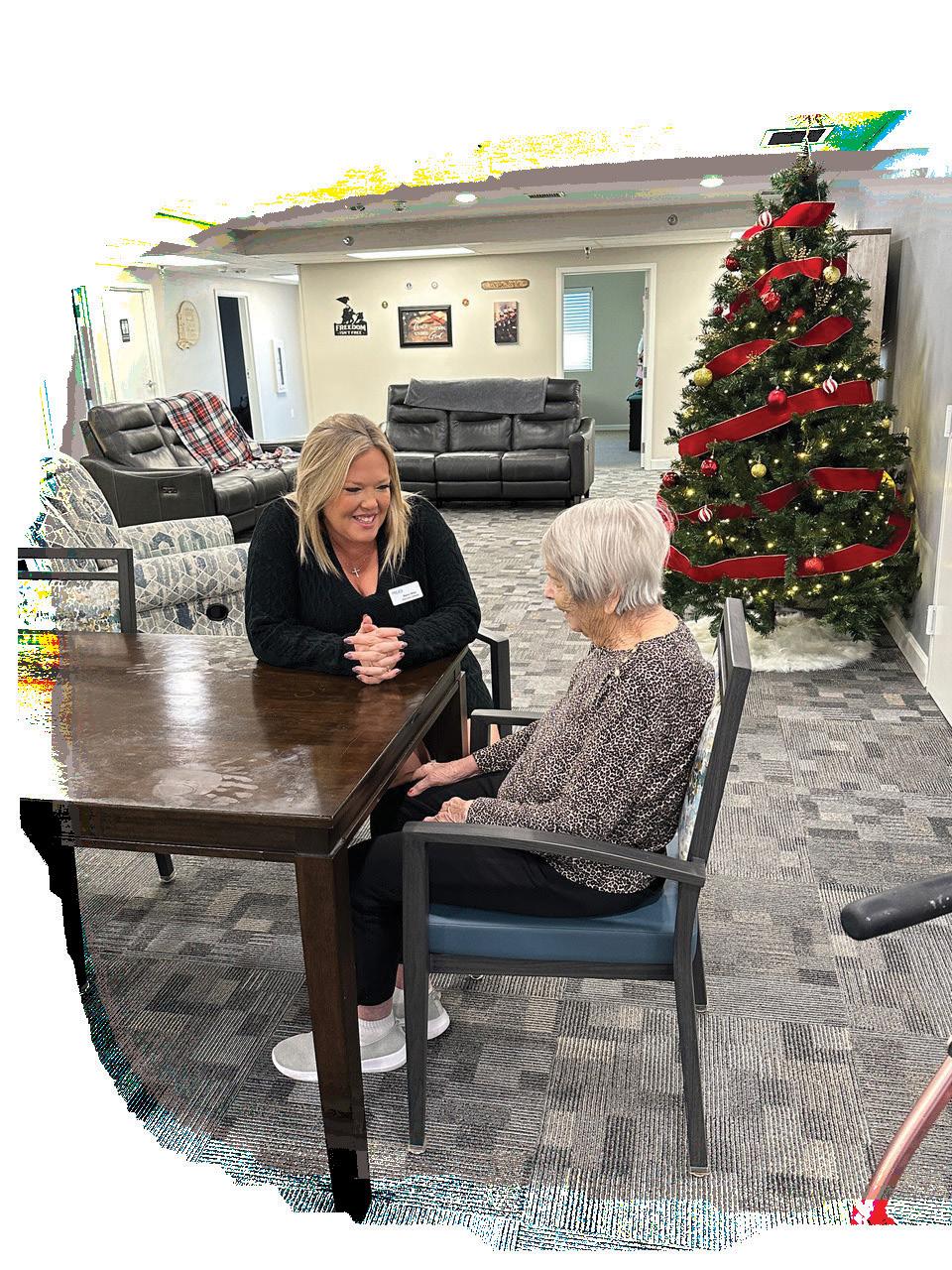
Adults who have dementia, Alzheimer’s disease, or other special needs may not be able to stay at home without supervision. Even if they can manage at home alone, disability can bring isolation, both for the person with the condition and the family member who may be serving as caregiver. The services at an adult day center offer significant advantages for adults with dementia or other special needs. They combat isolation with socialization, helping to maintain independence and providing family and caregivers with much-needed respite and relief.
By Linda Sutherland
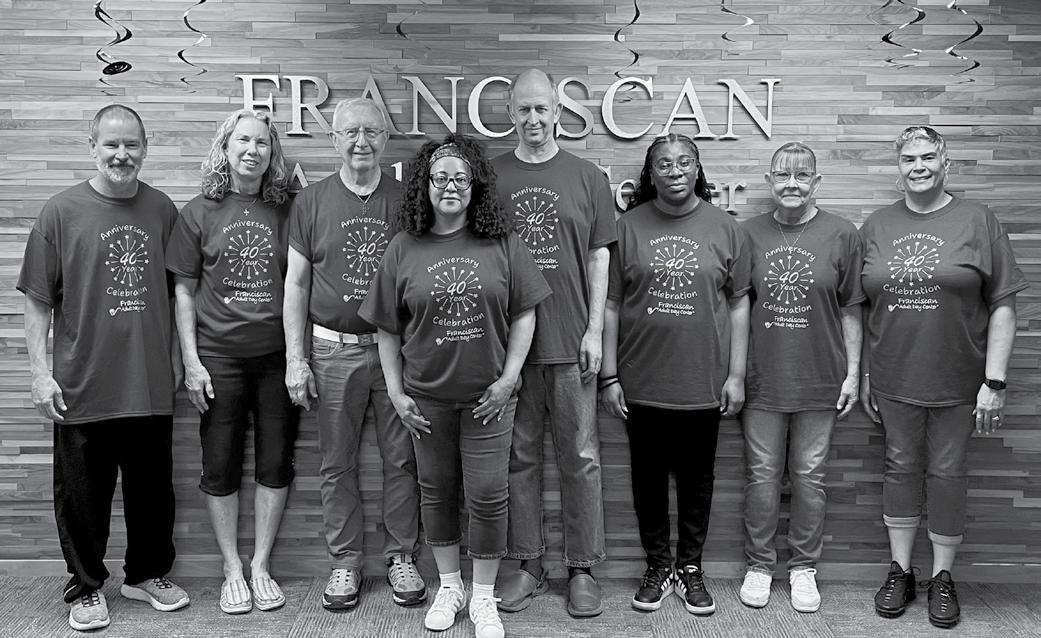
The Franciscan Adult Day Center, started in 1985 at New Cassel Retirement Center, has been providing support services and benefits for 41 years. They provide cognitive engagement, new friendships, a structured environment, and a safe place in a supervised setting for adults who need a consistent routine.
When someone you love and care for cannot be home alone, you need a secondary supervision option—a place where they will be cared for lovingly and safely. The Franciscan Adult Day Center is just such a place. Their staff has an incredible amount of experience and training, and they are completely dedicated in their drive to provide the highest quality care and support to their participants.
At the Center, each participant is provided with a hot breakfast and lunch, a snack, and activities throughout the day to improve their physical, mental, and cognitive health. They can engage in physical exercise, including Tai Chi classes. The staff offers arts and crafts, and outside entertainment comes to the Center several times a month. Participants receive pet therapy via visits from animals, and they go on field trips to such places as museums, the Henry Doorly Zoo, and the Kiewit Luminarium. There is a lot going on here!
The relief you feel when you find a place that allows you to continue working while your loved one is cared for by supportive and attentive people cannot be measured. Caregivers very much need a support system of people who understand what they are going through. The Center offers this support in the form of a caregiver support group and an early-stage Alzheimer’s support group. These groups enable people to share feelings and concerns, talk through coping strategies, and learn about other community resources. It can be overwhelming to take on a caregiving journey, and meeting other caregivers who are facing the same issues can be very comforting.
Melanie Haynes-McCurry is the Director of the Franciscan Adult Day Center, and she brings with her 33 years of experience. It is very clear when speaking with Melanie that she loves her work. Her dedication and belief in what the Center provides shine through in her descriptions of the program and its participants. She enjoys providing a wide
variety of activities, including games, art, crafts, music, group outings, personal care, nutritious meals and snacks, pet therapy, and entertainment. Everything she does is with an eye toward the enhancement of her participants’ physical, mental, and cognitive health.
Melanie shares that the Center works with funding sources such as Medicaid, the Veterans Administration, long-term care insurance, and the Eastern Nebraska Office on Aging. Current participants range in age from 27 years to 98 years. Transportation to and from the Center (in accessible buses with wheelchair lifts) is available for a fee. The recently-remodeled Franciscan Adult Day Center is open to participants from 7:00 a.m. to 6:00 p.m., Monday through Friday. The cost per day is $85.
New Cassel Retirement Center is an active retirement and assisted living community celebrating 53 years this June 1st. We are faith-based and offer daily Mass and rosary. Some residents move in on our base retirement price but the entire building is licensed assisted living. We can add or subtract a care level at any time without moving apartments. We were blessed to received a $900,000 grant from the Dr. Wayne Ryan and Eileen Ryan Fund. This gracious gift updated our building! We transformed the auditorium with beautiful chairs and airport-quality carpeting. On our Main Street is a new salon, library and craft/sewing room, fitness center with NuStep machines and a beautiful new gift shop at the entrance. The new Grab N’ Go dining choice in our Gathering Place for our residents has extended hours for continental breakfast and soup/sandwiches for supper.
Circumstances are always changing, but life can be enriching and fulfilling at any age, with the right support. Whether you are considering retirement living or have a loved one who requires care during the day for their safety and well-being, New Cassel Retirement Center can meet your needs. New Cassel was founded by the School of Sisters of Saint Francis and is a licensed assisted living facility.
Franciscan Adult Day Center is located inside New Cassel Retirement Center at 900 North 90th Street, in Omaha. Call for a tour today to see their welcoming community, 402-393-2113 or visit them online at newcassel.org.

• Accommodates up to 250 guests in the ballroom
• Beautiful hardwood dance floor
• The Lounge is second to none with its marble-topped bar & fireplace
• Dimmable lighting, audio and video capabilities
• You can use your own caterer
• Easy accessible service areas
Ample attached garage parking
Scottish Rite Masonic Center is truly an impressive venue to host any personal or corporate event. Whether you use the ballroom, lounge or take advantage of the 400 seat auditorium, this is a special place for receptions or events.
Let us help you make your event extraordinary.




“We have always enjoyed working with Women's Edition over the past 30 some years. Over the years, we have created many new customers, after they saw one of our ads or one of the write-ups on our shop. The articles they have written on the store and owner over the years are always well written, in depth, and continue to create buzz for our business. We love that they know us all by name and really strive for us to get the most out of our advertising. Women's Edition will always be a place we will happily advertise.”
— Dwaine Ferguson, Owner










March will be a deeply personal and reflective time for you. Intuition is heightened, making this a powerful time for creative expression and emotional healing. You may feel called to reassess your goals or redefine success on your own terms. In relationships, compassion flows easily, but remember to protect your energy. Grounding practices will help you stay centered. This is also a wonderful month to trust your dreams and listen to your inner guidance.
Aries (Mar. 21 – Apr. 19) While your natural instinct is to act quickly, this month rewards strategic thinking before charging ahead. You may feel a renewed sense of motivation toward personal goals. Take time to refine your plans rather than rushing execution.
Taurus (Apr. 20 – May 20) Stability is important to you, but this month asks you to loosen your grip ever so slightly. Unexpected changes may be opportunities in disguise. Trust your adaptability more than you usually do.
Gemini (May 21 – Jun. 20) This month brings clarity. Conversations, both planned and spontaneous, will play a major role in your progress. Be mindful of listening as much as speaking. In your personal life, you may reconnect with someone from your past or revisit an idea that deserves a second chance.
Cancer (Jun. 21 – Jul. 22) You may feel pulled between responsibilities and your own needs, but finding equilibrium is essential. Steady effort will pay off at work. Allow others to support you as much as you support them.
Leo (Jul. 23 – Aug. 22) This month, be prepared to pair confidence with humility. Leadership opportunities may arise, but success depends on collaboration rather than control. Romantic energy is strong, making this a favorable time to express affection or reignite passion.
Virgo (Aug. 23 – Sep. 22) March is a month of recalibration for you. You may feel inspired to declutter—physically, mentally, or emotionally. At work, your attention to detail will be appreciated, but avoid perfectionism. Progress matters more than flawlessness.


Libra (Sep. 23 – Oct. 22) Relationships take center stage this month. Whether romantic, professional, or platonic, balance and fairness are essential themes. You may be called to set boundaries or redefine expectations.
Scorpio (Oct. 23 – Nov. 21) This month, you may uncover hidden truths or gain insight into a situation that has lingered unresolved. Channel intensity constructively through creative or physical outlets. In relationships, authenticity is non-negotiable.
Sagittarius (Nov. 22 – Dec. 21) March brings a renewed sense of curiosity and optimism. Travel plans, learning opportunities, or new philosophies may capture your attention. This is a favorable time to expand your horizons. In personal matters, honesty and humor will strengthen connections.
Capricorn (Dec. 22 – Jan. 19) This month emphasizes long-term planning and responsibility. When you feel pressure to perform or meet expectations, remember to acknowledge how far you’ve come. In relationships, allow yourself to relax and be present. Connection doesn’t always need to be productive to be meaningful.
Aquarius (Jan. 20 – Feb. 18) You may feel inspired to break away from outdated norms or experiment with new approaches. Social connections are particularly stimulating. Trust that your unique perspective is valuable, and allow your creativity to shine.


By Savannah Rosa
Bringing plants into your home is an easy and enjoyable way to make any room feel healthier and more welcoming. Many people get houseplants for aesthetic reasons, but the right plants in the right areas of the home can do much more than look nice. They can help clean the air, boost your mood, and support your overall well-being.
The most important thing is to pick plants that fit your lifestyle and living space. Whether you’re just starting out or have cared for plants for years, knowing how to choose and take care of indoor plants helps you create a home that not only looks beautiful and full of life but also benefits your health.
Many people like air-purifying plants. While no plant can completely clean indoor air, some can help lower certain toxins and make the air fresher. The snake plant is a good example and a great choice. It’s easy to care for, grows in low light, and releases oxygen at night, making it great for bedrooms. The peace lily is another solid choice. It helps filter common indoor pollutants and looks beautiful. Peace lilies prefer indirect light and do well in living rooms or home offices where you can care for them regularly.
If you want to boost focus and productivity, try adding plants that help with mental clarity. Pothos, philodendrons, and rubber plants are rugged and easy to care for, so they work well in home offices. Pothos, with its trailing vines, grows in many lighting con-
Family-Owned. Veteran-Owned. Focused on You.
ditions and looks great on shelves or in hanging baskets. Having plants in your home office or study can lower stress and help you stay focused, especially during long work or study sessions.
If you want to relax, calming and fragrant plants can help. Lavender is well known for its soothing scent and can help you unwind and sleep better. It grows best in bright light with good airflow, so a sunny window or bright bedroom is ideal. Jasmine is another good option. Its gentle, sweet smell is linked to less anxiety and better sleep. These plants are perfect for bedrooms or quiet areas where you can enjoy their fragrance.
Basil, rosemary, mint, and thyme are easy to grow indoors and can be used fresh in your cooking. Herbs like bright light, so a sunny kitchen window works well. Besides being useful in the kitchen, many herbs have natural antibacterial qualities and pleasant smells that help keep your kitchen fresh. Growing your own herbs also encourages healthier cooking and helps cut down on food waste.





Bathrooms are often overlooked for plants, but they’re great spaces for plants that love humidity. Ferns, orchids, and spider plants all thrive in warm, moist air. Spider plants are especially popular because they’re easy to care for and help clean the air. Ferns bring a lush, green look and grow well in indirect light, making them good for bathrooms with frosted windows or soft lighting. Adding these plants is a simple way to turn an ordinary bathroom into a relaxing spa-like space.
If your home doesn’t get much sunlight, low-light plants can really help. ZZ plants and cast iron plants are known for thriving in low light and for needing very little water. They’re perfect for hallways, entryways, or corners that don’t get much sun. Since they’re so hardy, these plants are great for beginners or anyone with a busy schedule.
It’s also good to think about plants that support your emotional well-being. Studies show that caring for plants can lower stress and give you a sense of purpose. Succulents and cacti are popular because they’re easy to care for and look interesting. They do well on desks, shelves, or windowsills with plenty of light.
Taking care of plants can be very calming and rewarding. Most houseplants like bright, indirect light, so spots near windows but out of direct sun are usually best. Turning your plants now and then helps them grow evenly, and grouping them together can help keep moisture in the air. Also, remember that some plants can be toxic to pets, so it’s important to check before bringing new plants into a pet-friendly home.
Houseplants do more than just decorate your home. They bring nature indoors, help make your space healthier and calmer, and support your well-being. Picking plants that match your home and routine lets you enjoy these benefits every day. Whether you add just one cactus or fill your home with a variety of foliage and flowers, houseplants help create a personal sanctuary that can make your life better.

Sources for this article included: almanac.com, urbanstems.com, and goodhousekeeping.com.
Providing




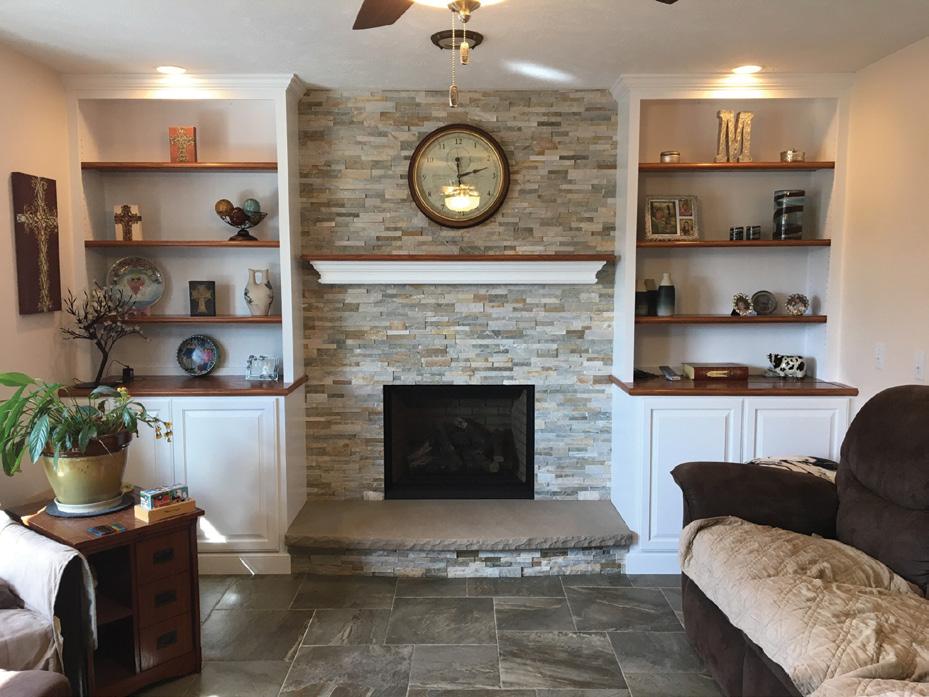
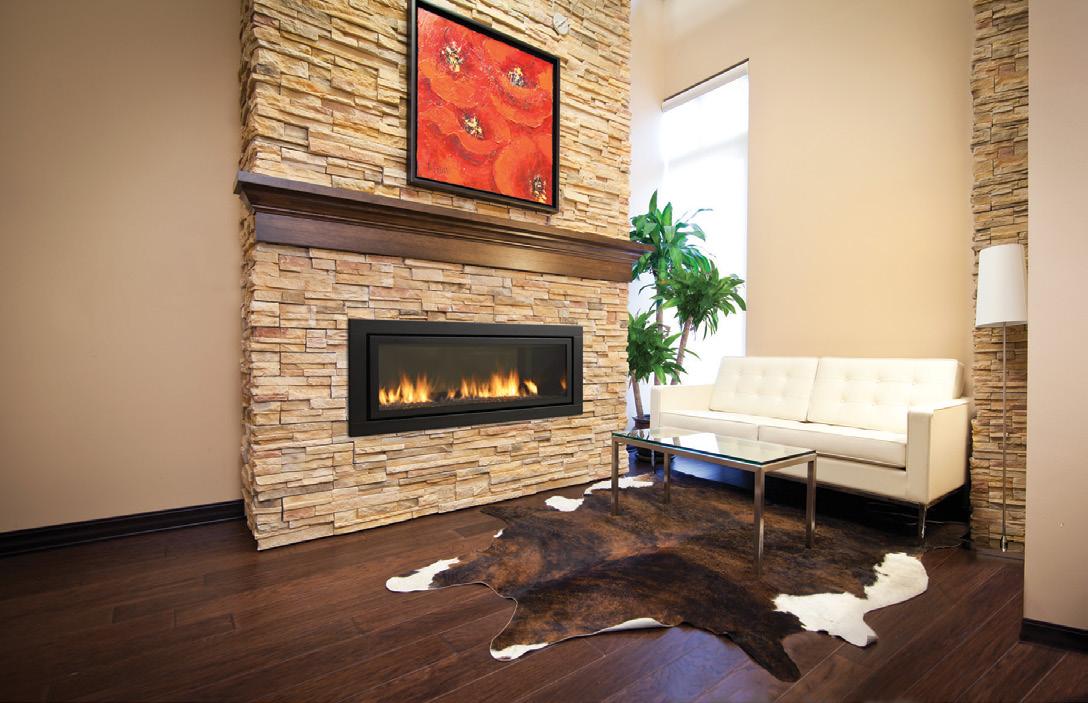
For homeowners and business owners alike, masonry is more than a structural necessity—it is a lasting investment in beauty, craftsmanship, and durability. While trends may shift and materials evolve, the difference between work that simply functions and work that truly elevates a space often comes down to the hands and experience behind it. In a time when speed and shortcuts are increasingly common, true masonry remains both an art and a science…one that rewards patience, precision, and skill.
For more than four decades, Calco Enterprises, Inc. has been quietly shaping Omaha’s residential and commercial landscape with exactly that philosophy in mind. Founded in 1986, Calco Enterprises is a full-service masonry contractor based in Omaha, serving clients throughout the metro area and beyond.
The company specializes in brick, block, stone, and glass block masonry, offering services that include new construction, renovations, restoration, chimney repair, stoop work, and the repair of deteriorated masonry. With more than 45 years in business and hundreds of completed projects, Calco has earned a reputation for craftsmanship, reliability, and long-term results.
At the helm is president and owner Cal Peters, Sr., whose journey into masonry began far from the job sites he now oversees. Raised on a farm near West Point, Nebraska, Cal was first introduced to the trade by a neighbor who made a strong living as a professional mason. Intrigued by both the opportunity and the craftsmanship involved, Cal enrolled at Northeast Technical Community College, where he spent six months learning the foundations of the trade. After graduating, he worked for several masonry companies in Omaha, gaining hands-on experience before deciding to go out on his own.
The name “Calco” reflects that entrepreneurial leap by combining Cal’s own name with a shortened version of “company.” What began as a small operation has since grown into a fully insured masonry firm known for its attention to detail and uncompromising standards.
Today, Cal remains deeply involved in every aspect of the business. He personally bids each job, provides free estimates, oversees operations, and manages client relationships. From the earliest design conversations to material selection and scheduling, Calco’s process is collaborative and hands-on. Clients are encouraged to customize their projects, while Calco’s long-standing relationships with trusted suppliers ensure access to quality materials and efficient timelines. Most projects can be scheduled within a month, and all workmanship is guaranteed for one year.
For Cal, working with a skilled, experienced mason is not optional—it is essential. Poor workmanship, he explains, often reveals itself quickly. Improperly installed materials may crack, loosen, or fail entirely, sometimes within just a few years. “If the quality isn’t there, it doesn’t stay on the wall,” Cal says. Inferior materials or rushed installation can make even the most attractive design short-lived.
In recent years, Cal has seen a growing number of manufactured or “masonry-look” materials enter the market. While some alternatives
By Leslie Byrne

can be effective when properly installed, he cautions that lower-quality products and poor preparation often lead to problems. Without correct bonding techniques or surface treatment, materials may begin separating within a year. “It’s not always the stone itself,” Cal notes. “It’s how it’s installed.”
The Midwest’s harsh freeze-and-thaw cycles only magnify these issues. “That climate is tough on everything,” Cal says, “but good workmanship lasts longer.” When it comes to hiring his team, in many cases, he can tell within a day whether a mason truly understands the craft.
The company employs a close-knit group of eight tradespeople, including seasoned journeymen and team members who trained on the job. Many have been with Calco for more than 20 years, which is a testament to the culture Cal has built. Meticulous workmanship and strong relationships form the foundation of the business.
Over the years, Calco Enterprises has left its mark on some of Omaha’s most recognizable spaces. Notable projects include the Legacy Chophouse building at 171st and West Center Road, featuring hand-laid four-inch conventional stone, and the Plaza development at 156th and Maple Streets, where Calco completed masonry work across multiple buildings to create a cohesive and striking visual presence.
Looking ahead into 2026, Cal notes a clear shift in client preferences. Stone continues to dominate, particularly for homeowners and businesses seeking a distinctive, high-impact look. However, for clients with the budget, especially those remodeling older homes, brick remains an important and often-requested material, valued for its authenticity and ability to preserve original character.
With decades of experience, strong community ties, and an unwavering commitment to doing things the right way, Calco Enterprises continues to set the standard for masonry work in Omaha. If you want to enhance your space with lasting materials and thoughtful design, reach out to Cal Peters and his team at 402-360-2100 or calcoenterprisesinc.com.


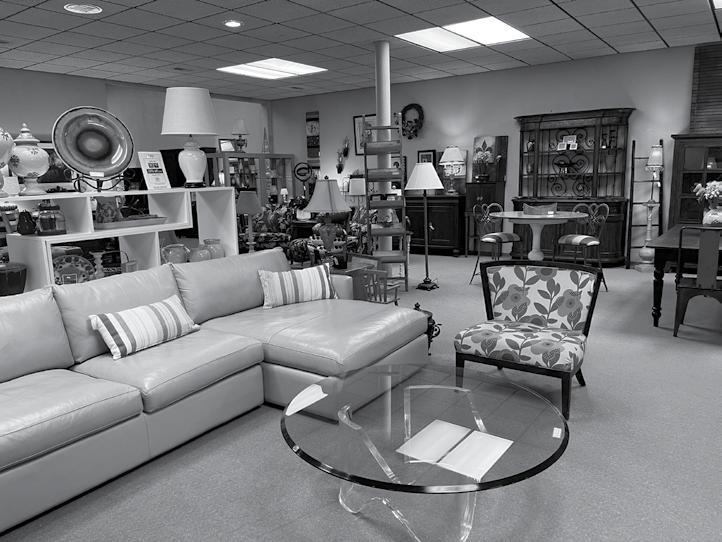


All children deserve a safe, comfortable place to lay their heads. Across the US, too many boys and girls go without a bed—or even a pillow—to sleep on. These children end up sleeping on couches, blankets, and even floors. This can affect their happiness and health. That’s where Sleep in Heavenly Peace comes in. We’re a group of volunteers dedicated to building, assembling, and delivering handbuilt bunk beds to children and families in need.


Spring is just around the corner, and your house probably could use some serious refreshing. The transition between cooler and warmer seasons is the perfect time for a fresh start for your home. Remember, your house has basically been closed up all winter, with no fresh air to speak of. Odors and stains can lurk in your furniture, rugs, window treatments…yep, everywhere. And it is a pretty good bet that your windows are dirty.
By Linda Sutherland
The benefits of a seasonal home refresh are many. It offers you improved well-being and a more inviting atmosphere to share with family and guests. It brings renewed energy to your home and a “feel fresh” feeling that is quite invigorating. Research has much data to offer on how a clean, organized space promotes calm and how seasonal changes offer a natural opportunity for renewal, just like a mental reset! There are great advantages to a total home refresh. Once you start the process of deep cleaning, you will be amazed at what else it encourages.
Decluttering is a huge advantage in a household. You can start by organizing mindfully and eliminating items that you never or rarely use. Swapping out seasonal items makes you more mindful of what you own and makes the process of letting items go easier. An organizational professional can help you make those choices and can offer creative and clever ideas for storing and displaying all the items you choose to keep.
Clean windows promote a better mood and definitely let more light into a room. If you do just one room every few days, you will be pleasantly surprised at how quickly it gets done. If you’d rather not do it yourself (I get it; it’s a lot!) there are some great window cleaning services out there that will come to your house and have your windows sparkling in no time. They can do interiors and exteriors, removing the winter dirt and grime and increasing the brightness of your home.
Let’s not overlook your window coverings! Whether you have blinds, drapes, curtains, or shutters, they will need a serious cleaning after trapping dust and dirt all winter. Most drapes and curtains will be better off if they’re professionally laundered. You may not realize that blinds are accumulating a film of gunk that requires more than a duster. A home cleaning service will have the cleaning supplies and tools to get the job done in no time.
Carpet and upholstery cleaning greatly improve air quality and reduce allergens by removing the trapped dust mites, dander, pollen, mold, and pollutants that regular vacuuming misses. Carpets basically act like giant air filters by collecting all the particles that settle from the air. These trapped particles can get moved around by foot traffic and HVAC systems that throw them back into the air. If, for some reason, your carpet has gotten damp, it can grow mold and mildew that worsen allergies and create unpleasant odors.
Sounds unappetizing, does it not? That is why professional carpet cleaners use deep extraction to eliminate all the microscopic irritants, especially in high-pile carpets and furniture. They use powerful equipment to extract all the dust mites, pollen, and dander within the fibers. Steam cleaning and thorough drying methods will kill dust mites and prevent mold growth, which, in turn, reduces respiratory triggers. Deep cleaning creates a much healthier living space for you and your family.
If you have area rugs instead of carpeting, you’ll need a professional rug cleaner. These companies (sometimes combined with carpet cleaners) can take your rugs to their facilities for cleaning and even repair. They’ll bring back rugs that look and smell better than new.
Something I recently learned is that a cleaning service can also extract and remove pollutants like toxic gases and particles that stick to carpet fibers. Investing in professional carpet cleaning can literally mean fewer doctor visits and improved respiratory health!
Now, let’s move on to the bathrooms. Yes, we clean our bathrooms; no one’s suggesting that we don’t. Over time, however, the grout between shower tiles and floor tiles can start to look awful. We may not even notice it, since we are in there all the time and the change can be so gradual. Go take a hard look at your bathroom tile and grout with open eyes…I bet that you will want to get your grout and tile professionally cleaned.
There are companies that specialize in cleaning, sealing, and re-coloring grout. As their before and after pictures show, the difference after an expert has refreshed grout and tile is a huge improvement. They will also seal your grout to keep the grime from rebuilding. Generally speaking, you should have your grout and tiles professionally deep-cleaned once a year.
Air duct cleaning is something that I feel very strongly about. Cleaning your air ducts removes built-up dust, allergens, mold, and who knows what else that recirculates through your home. When you have a professional service clean your home’s air ducts, it immediately improves indoor
air quality, reduces allergy triggers, and eliminates odors. It can even increase the efficiency of your HVAC system, which leads to lower energy bills. It might even extend the life of your heating and cooling systems altogether.
Air duct cleaning removes dust, dander, pollen, and mold spores that can cause all kinds of health issues. Having your air ducts cleaned will also eliminate sources of musty smells and pet odors. Keeping household dust out of the air keeps it out of your lungs and off of your surfaces, which means better breathing and less dusting to do. Importantly, having your ducts cleaned clears away flammable dust and debris, reducing home fire hazards.
Air duct cleaning doesn’t need to be done that often—many companies recommend every 18 months or so, on average. Make sure to check the air filter on your furnace every time you change it (every three months). If it is clogged with dust and debris, that is a pretty good sign that your air ducts need cleaning. If the vents in your rooms seem to be collecting dust, that’s another sign. If, by chance, you have had a major renovation or new construction in your house over the winter, a duct cleaning is a must.
As soon as weather permits, you probably will want to go outside and take stock of your deck, patio, and other outdoor areas that have just survived another winter.
A power wash is a great way to refresh a deck or patio. It gets all the gunk and dirt off and can make it look almost new again. Speaking from experience, there is something very satisfying about using
a power washer to give surfaces new life. Of course, you can also hire someone to do it for you. After all, it’s fun but also messy.
While you are outside, take a look at the exterior of your house. Odds are that it needs a good power washing, as well. Dirt and grime and spider webs have been hanging out there all winter, and “power” is what it is going to take to make your house sparkle again. It’s also a good time to assess whether 2026 is the year that your home should be re-painted or re-sided.
You might also consider a spring cleaning of appliances like your dishwasher and clothes washer. (It took me a long time to learn that there are filters in washers and dishwashers and that they need regular cleaning.) We are now blessed with specialized cleaning tablets to freshen up dishwashers, garbage disposals, and washing machines. Keeping up with regular cleaning of these items will help ensure that your appliances run more efficiently and have fewer repair issues. And your home will smell better, too!
I hope you have been inspired to start your seasonal home refresh. Cleanliness, organization, clean air, fresh fabrics, and clean carpets all contribute to a much better mood for us, as well as much healthier air to breathe. The day-to-day lives that we lead with our pets, our kids, our guests, and so much more all lead to daily dirt and grime. We just need to be mindful of how we can keep our living spaces cleaner and how much healthier our homes can be.
Sources for this article included: epa.gov, modernistic.com, and homesmiles.com.







Trusted Life Choices, a locally owned, woman-led home care company serving the Omaha metro for over 10 years, is a preferred provider for Medicare’s GUIDE program. GUIDE supports individuals living with dementia and their caregivers by improving quality of life, helping clients remain safely at home longer, and offering respite services of up to $2,500 annually at no cost to eligible participants. With compassionate, relationship-driven caregivers and non-medical home support, Trusted Life Choices is committed to easing the caregiver burden. Learn more by calling 402-982-9245.
At the Omaha School of Massage Therapy, our program is dedicated to teaching and promoting natural and holistic health through massage and bodywork, along with complementary alternative therapies. Our instruction provides a thorough, working knowledge of a wide range of therapeutic massage and bodywork techniques, the structure and function of the human body, and the development of strong professional habits.
We strive to ensure our graduates master the skills needed for a long and successful career in massage therapy while also understanding the importance of giving back to their community.
For more information about our classes or to schedule a massage, please call 402-331-3694.
Vein disease isn’t about appearance as much as it is about your health. Do you suffer from leg pain, swelling, restlessness, and skin discoloration? These are very common symptoms of vein disease. Left untreated, it can cause serious health issues. At VENUS, you may be surprised at how easily and comfortably you can improve your daily life. There is no downtime to recover, there’s no sedation or heavy medicines needed, and treatments are covered by medical insurance. You can go right back to work or exercise, and you will feel better and look better, too.
VENUS Vein Clinic—Your Go-To Vein Clinic. Don’t wait a day longer, call today at 402-979VEIN (8346) or visit VenusVeinClinic.com.
Train for a rewarding career in massage therapy at a trusted massage school serving students since 1991.

To request more information, call, email, or go online:
Call: 402-331-3694
Email: info@osmt.com www.osmt.com



The Paw Spa Pet Resort
At The Paw Spa Pet Resort, we offer first class boarding, daycare, and grooming! Our knowledgeable staff are passionate about what they do. We love all dogs that walk through our doors! Our state-of-the-art facility was designed with your dog’s safety and comfort in mind. Our expert groomers will also have your pup looking and feeling like the bark of the town! Call us at 402-516-8888 and check out our website ThePawSpaPetResort.com. Plan your next visit with peace of mind, whether it’s for boarding, day care, or grooming.
beem® Light Sauna
Unlock the power of advanced light therapy with beem® Light Sauna. The only solution offering all 5 therapeutic wavelengths in a single session. Experience the rejuvenating effects of blue (450nm) and green (525nm) light for skin clarity and mood, while red (650nm) light promotes cellular repair and vitality. Dive deeper with dual near-infrared (810nm & 980nm) wavelengths, penetrating muscles and joints to relieve pain and accelerate recovery. Whether you seek beauty, wellness, or performance, beem® delivers powerful, full-spectrum therapy in one convenient session. Step into the future of healing. beem® Light Sauna – total wellness at the speed of light.
Book your first session and experience the light your body has been craving.
Call 531-205-2130 or visit beemlightsauna.com.
Women’s Edition
Put your money where your market is. Women ages 25–64+ make or influence the majority of purchasing decisions for themselves, their families, and their households. Reaching this audience means connecting with consumers who value quality, trust, and long-term relationships with the brands they choose.
For as little as $298.40 per month, your business can enjoy a full month of targeted advertising to middle- to upper-income women who are actively engaged in their communities and ready to invest in products and services that matter to them. Our publication delivers consistent exposure in a trusted environment, helping your message stand out and stay top-of-mind. If you’re ready to reach the decision-makers who drive today’s marketplace, this is where your advertising dollars work harder. Call 402-397-0732 for more information.





When the weather can shift from blue skies to wind and hail in a matter of minutes, your roof isn’t just part of your home’s curb appeal—it’s your first line of defense. Behind some of the area’s most reliable and beautiful roofs is JB Harris, owner of locally operated Fremont Roofing Company. His company is built on something even sturdier than shingles alone: integrity.
JB didn’t set out to become a roofer. Like many good origin stories, his started with a curveball. In the mid-to-late 2000s, he worked in real estate, remodeling and flipping houses. Then, the market tanked. Around the same time, his parents’ home was hit by a hailstorm. The contractor they hired took their money and disappeared. “That was a turning point,” JB says. “I felt like roofing was an industry that could probably use some honest contractors who know how to do the work instead of just how to sell the job.”
Fremont Roofing was born in 2012, grounded in accountability and craftsmanship. JB’s team includes some staff members who are dedicated solely to making sure that the work is completed correctly; other team members handle insurance coordination or pricing accuracy with vendors. Every customer has a project manager—an actual person they can call with questions instead of dialing an 800 number. Customers love the hands-on structure, which brings fewer surprises, clear communication, and projects that stay on track.
Just ask Deb W., who gave the company a five-star review. “Fremont Roofing replaced my roof in June,” says Deb. “It is exactly as I wanted it and they left NO mess behind! Chris was my contact person. He was very upfront and honest about the entire process. I recommend Fremont Roofing to everyone needing roof replacement.” JB is elated that Deb is so pleased with her new roof, but he also notes that “roofing isn’t all we do.” His team of exterior experts replace siding and gutters, as well.
JB loves to clear up roofing myths and talk about tricky jobs they’ve tackled. One of the most interesting jobs was roofing North High School, all 329,000 square feet! The project involved a silicone roof coating designed to extend the life of an aging roof by decades and is a testament to how the company operates: adapt, solve, and get it done right, even in a night shift under the stars. “It was seven stories up, logistically very hard, and we had to do it in the dead of summer,” JB laughs. “We learned very quickly that we had to work at night.”
JB thinks one of biggest roofing misconceptions is the meaning of the word composite. “A lot of people think ‘composite’ automatically means ‘better,’ but almost everything in the world is a com-
By Janette Calabro

posite.” The most common roofing material, used on roughly 80 to 90 percent of homes in the area, is the composite asphalt shingle, sometimes called a heritage or architectural shingle. It’s made of fiberglass and other materials and strikes a balance between durability, affordability, and appearance.
Weatherwood roofing shingles (made from asphalt, fiberglass, and mineral granules) are also popular, mimicking the look of old wood shakes or natural wood. They work with any house color, too. “We’re seeing a lot of dark grays and black,” says JB. “Darker roofs give a more prestigious look and really make a home stand out.”
His best advice for homeowners looking to stay in their home is to invest long-term in the roof. Vinyl composite and steel roofing are stronger options. These materials can mimic slate, shake, clay tile, or even traditional shingles—often so convincingly that you can’t tell the difference from 50 feet away. Vinyl composite is three to five times more resistant to hail damage than standard asphalt. “If you’re planning to stay in your house a long time, it makes sense. You might save two to three thousand a year on your insurance premium. Over 30 years, you’re paying yourself back.”
For all the technical talk, his favorite part of the job is deeply personal. “Helping someone who doesn’t know where to start” is one of the more human sides of roofing, he notes. “If we can help someone understand the process and guide them through it, that’s huge. I’ve gotten a lot of hugs over the years.”
Another big part of JB’s advice is to research potential contractors and look for a real business with a physical address, truck, materials, and a good track record. In an industry clouded by storms, Fremont Roofing Company stands out. Their goal is honest work done by people who care. That’s something worth building on! To get your roofing questions answered, visit fremontroofingco.com or call 402-727-9400.





By Annabelle Hayes
I enjoy putting together a new outfit, but I often feel as if I wear the same shoe time and time again. I hesitate to mix it up, afraid to go out of my comfort zone or that my feet will be killing me by the end of the night. Many people build an outfit without considering their shoes, even though the wrong shoe can break the whole look. There are some ways to ensure a stylish shoe without having to give up the comfort our go-to shoes afford.
We must begin by understanding the importance of supporting our feet. We tend take our feet for granted. In truth, the body is more connected than we realize, and feet have a major effect on our bones and joints as a whole. Stability and good posture both stem from good footwear, and going without can lead to a variety of issues throughout the body. These can include pain everywhere from your ankles to your hips and up into your back. A better sense of balance will reduce pain and boost your energy, as well.
Some common things you want to look for in shoes to ensure these health benefits include aspects like good arch support, cushioning, and a medium fit. Arch support helps reduce strain on soft tissue and evenly distributes pressure throughout the body. Cushioned shoes help your body absorb less impact from movement. A medium fit means your shoe feels secure but your
toes still have some wiggle room.
Even if you aren’t currently feeling the negative side effects of improper footwear, keep in mind that prevention is always easier and cheaper than correction. And frankly? You may be experiencing more foot discomfort than you realize, especially if the pain you’re experiencing is referred pain that you feel more in your joints than in your feet. You don’t have to live with that!
Now comes the fun part: choosing comfortable, fashionable shoes. It is a good rule of thumb to have two pairs of comfortable everyday shoes to wear. You’ll get maximum flexibility if you choose a neutral color, like white or black, as they will tend to match most outfits.

Consider getting different types of sneakers for these go-to shoes. Choose one that is a little nicer, for dressing with everyday wear, and one that is meant for walking around and higher levels of activity.




March 1st
March 2nd
March
March 4th
March 6th
March 9th
March 10th
March 12th
March 13th
March
March
March
March
March
March
Splitting up the responsibility of the everyday shoe into two pairs will allow maximum capabilities without sacrificing aspects like arch support for a cuter design.
I would also try to have a good pair of slip-on shoes, a pair of boots, and a nice pair of heels (wedges or a kitten heel will distribute your foot pressure more evenly).
If you prefer to wear heels often, check out websites and stores that sell heels for dancers. These shoes are designed with a lot more preventative care, as described earlier.
These are the main categories of shoes that you will tend to rotate between. Again, sticking to neutral colors enhances versatility. You can always splurge on a special pair in a bolder color.
If you have favorites that you can’t give up but that don’t feel comfortable, consider adding orthotic inserts. These offer comfort and stability without changing the appearance of the shoe. For some people, generic inserts are sufficient; other people need custom orthotics prescribed by a podiatrist.
If you have never gotten your feet evaluated by a professional, you’re missing out! Visit your local shoe store to get proper sizing and see what you actually should be looking for. They can also help with explaining the sizing in different shoe styles (surprise! it varies). For example, with any sort of heel, you will want to size up half a size, as your foot tends to swell when it’s held at an angle. This swelling can cause major discomfort, leaving your feet aching and your plans cut short.
Some boots and shoes can be re-heeled or repaired, but all shoes will eventually need to be replaced. You’ll be able to see some signs of wear and tear, but it’s also important to listen to your body. If it is aching more than usual, take a look at the condition of your shoes.
Don’t be afraid to try something new when it comes to shoes! They can make or break your entire day. Head to a local shoe store for professional guidance and find your new favorite shoes. Feeling comfortable and cute is a surefire way to enhance your confidence and your health.
Sources for this article included: atlantichealth.org, heartandhealth.com, and footcaremd.org.












By Loretta McCollum
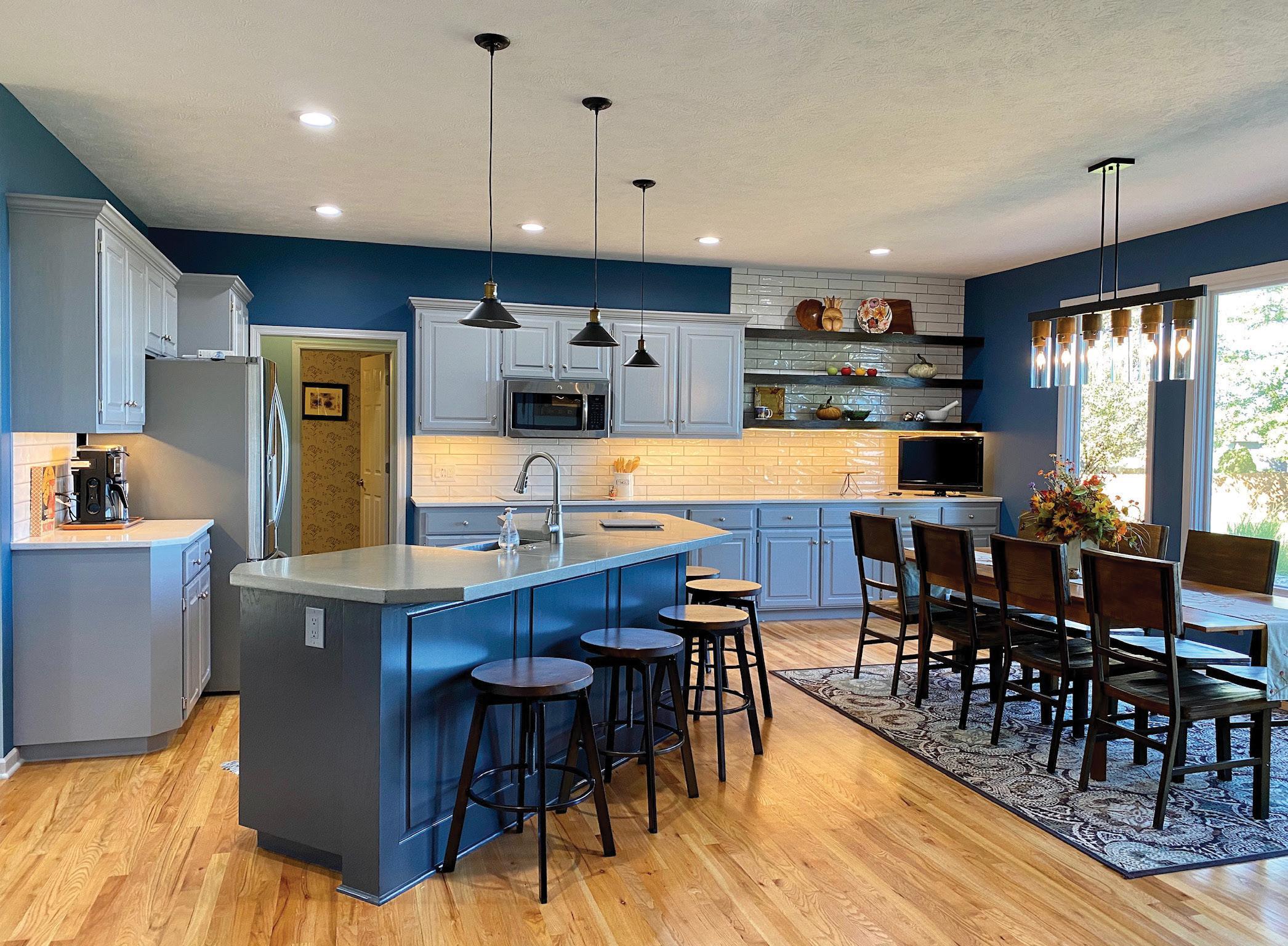
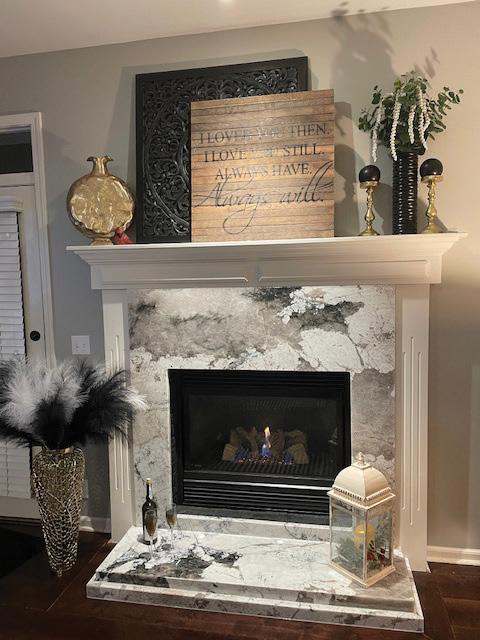
Countertops play a central role in modern kitchens, combining daily functionality with strong visual impact. As open floor plans and multiuse spaces become standard, countertops need to be durable, low maintenance, and design forward. Current trends emphasize large slabs with minimal seams, waterfall edges, matte or honed finishes, and the use of mixed materials to create contrast. Sustainability and performance upgrades influence choices as much as appearance.
Marble remains one of the most recognizable countertop materials. Its natural veining, soft coloration, and classic appeal instantly elevate a space and contribute to resale value. Marble stays cool, making it ideal for baking and pastry work. However, it is porous and relatively soft, meaning it can stain, scratch, and etch when exposed to acids. Regular sealing and careful use are required, making marble better suited for bathrooms, islands, or lightly used kitchens.
Granite is a durable natural stone valued for strength and heat resistance. It handles heavy use well and comes in a wide range of colors and patterns, each slab being unique. When properly sealed, granite resists stains and moisture effectively. The main drawbacks are periodic resealing and price variation, as rarer colors and thicker slabs increase costs. Despite this, granite remains a reliable choice for busy kitchens.
Laminate countertops are among the most affordable options available. They are lightweight, easy to clean, and offered in countless designs, including convincing stone and wood looks. Modern printing technology has significantly improved their appearance. On the downside, laminate lacks heat resistance, can chip at edges, and is


difficult to repair once damaged. It is best suited for secondary spaces or strict budgets.
Concrete countertops offer a bold, contemporary aesthetic with extensive customization options. Colors, textures, and embedded materials can be tailored to the design. Concrete is durable and heat resistant but requires sealing to prevent stains. Hairline cracking is common due to curing and should be expected. Its weight and installation complexity can also increase costs.
Solid surface materials provide a seamless, nonporous countertop solution. Integrated sinks and backsplashes create a clean, modern look, and scratches can often be repaired by sanding. However, solid surfaces are less heat resistant than stone and may lack the natural depth some homeowners prefer.
Recent performance innovations have expanded countertop possibilities. Engineered stone and quartz surfaces now use improved resins for greater stain resistance, UV stability, and impact strength. Nano-coatings add water repellency and antimicrobial protection. Porcelain slabs and laminates deliver impressive durability while remaining thinner and lighter, increasing design flexibility.













the
to
—Cathy Meyers








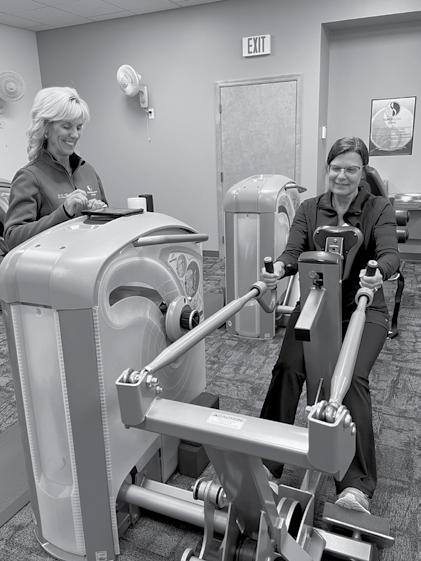
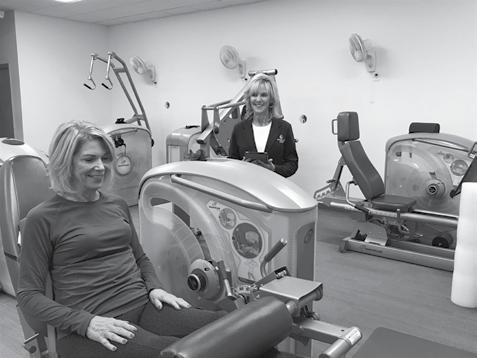
OsteoStrong® works for people of all ages and levels of activity to promote skeletal strength, which impacts the entire body in many ways, using a process known as Osteogenic Loading.
Regency Circle, Ste. 125 omaharegency@osteostrong.me
“After 13 months I had a new DXA scan and the Dr was amazed that I had a 7.2% increase in bone density of my hip!” Kathy P.

OsteoStrong is simple: Only 15 minutes per week Sweat Free Sessions No workout clothes needed Backed by Scientific Research




Design trends favor simplicity and cohesion. Book-matched slabs create dramatic focal points, while integrated backsplashes reduce visual clutter. Color palettes lean toward warm neutrals, soft whites, and subtle veining, reflecting a preference for timeless interiors over bold statements.
In choosing the right countertop, considerations include lifestyle, durability, esthetics, and budget. High traffic kitchens benefit from durable, low maintenance materials, while decorative spaces can prioritize appearance. Considering long-term care and resale value helps ensure a smart investment.
Installed countertop costs per square foot can greatly vary. Laminate is on the lower end of the cost spectrum, followed by solid surface, granite, quartz, and concrete. Costs increase with custom edges, cutouts, and complex installations.
Affordable alternatives that look expensive include high-definition laminate, butcher block accents, porcelain slabs, recycled glass surfaces, and concrete overlays. These materials deliver upscale style while keeping costs manageable. Budget planning plays an essential role in countertop selection and often determines how materials are combined. Homeowners can reduce costs by choosing standard edge profiles, limiting seams, and avoiding unnecessary thickness. Using premium materials on a kitchen island while selecting a more affordable option for perimeter counters creates visual impact without overspending. Remnants are another effective strategy for bathrooms, laundry rooms, and bar tops.
Installation quality should never be overlooked, as improper fabrication can shorten a countertop’s lifespan regardless of material. Factoring in maintenance costs, repair potential, and long-term durability ensures the countertop remains attractive and functional for years, making thoughtful planning just as important as the material itself.
Ultimately, countertops represent a balance between beauty, performance, and cost. Trends may shift, but durability and suitability remain constant priorities. By understanding material strengths, realistic budgets, and daily use requirements, homeowners can make informed decisions.
Whether choosing natural stone, engineered surfaces, or creative alternatives, the best countertop enhances both function and design. A well-chosen surface supports everyday tasks, complements the overall interior, and delivers long-term value without unnecessary expense. Careful planning today prevents regret tomorrow and ensures that the investment performs beautifully for many years ahead. Practical choices ultimately create the most satisfying and enduring results overall.
Sources for this article included: popularmechanics.com, thisoldhouse.com, and consumerreports.org.



By Leslie Byrne
We laugh about it more than we talk about it. Jokes about crossing your legs before a sneeze, comments about knowing every restroom location at the mall, or memes that make light of leaks and urgency are everywhere. Pelvic health has quietly become part of pop culture humor, yet real conversations about it are still rare. That silence matters, because pelvic health plays a much bigger role in women’s lives than many realize.
Pelvic health refers to how well the pelvic floor functions. The pelvic floor is a group of muscles and connective tissues that support the bladder, bowel, and uterus. These muscles help control bladder and bowel function, support sexual health, stabilize the core, and even contribute to posture and lower back support. When everything is working as it should, we don’t give it much thought. When it’s not, the effects can show up in ways that interfere with daily life.
Pelvic health issues are incredibly common. According to the National Institutes of Health, nearly one in four women in the United States experiences at least one pelvic floor disorder. Other research suggests that up to half of women will experience a pelvic health issue at some point in their lives. Pregnancy, childbirth, high-impact exercise, menopause, chronic constipation, surgery, and even prolonged sitting can all affect pelvic floor function.
Urinary incontinence is probably the most talked-about pelvic health concern, but it’s far from the only one. Pelvic health issues can also include pelvic organ prolapse, pelvic pain, pain during intercourse, difficulty fully emptying the bladder or bowels, and chronic lower back
Our expert interventional radiologists work with your doctor to diagnose and treat fibroids with minimally invasive options like UFE.

Schedule your appointment today and experience
or hip pain linked to pelvic instability. Many women experience more than one of these symptoms at the same time.
Despite how common these issues are, many women accept them as a normal part of aging or motherhood. Others feel embarrassed or unsure about how to raise the topic with a healthcare provider. The reality is that pelvic health symptoms are not something anyone has to “just live with.” They are medical concerns. In many cases, treatment is easier and more effective than people expect.
Care often begins with identifying contributing factors such as urinary tract infections, constipation, medication side effects, or dietary triggers. Mayo Clinic experts note that caffeine, alcohol, carbonated drinks, artificial sweeteners, chocolate, and spicy foods can all irritate the bladder. Some medications, including those used to treat high blood pressure, can also increase urinary frequency.
One of the most effective treatment options for many pelvic health conditions is working with a pelvic floor physical therapist. These providers are licensed physical therapists who have received additional, specialized training in evaluating and treating the

Uterine Fibroid Embolization
UFE works by blocking blood flow to fibroids, causing them to shrink— ideal for women who want relief without surgery.
• Minimally invasive, outpatient procedure
• Relieves symptoms like heavy bleeding, pain, and fatigue
• Short recovery time and low risk of complications
• Preserves the uterus
• Most insurances cover treatment for symptomatic fibroids
muscles, nerves, and connective tissues of the pelvic floor.
According to the American Physical Therapy Association, pelvic floor therapists complete advanced coursework and clinical training focused on internal and external pelvic exams, muscle coordination, pain management, and bladder and bowel function. This specialized training allows them to identify whether muscles are weak, tight, or uncoordinated; then, they can tailor treatment accordingly. For many women, this targeted approach leads to meaningful improvement without medication or surgery.
For individuals who need additional support, other treatments are available. These include interventional therapies such as Botox injections and nerve stimulators implanted under the skin to help regulate bladder function.
Surgery is the best option for some individuals. Several different procedures are available; the best choice of procedure depends on the cause of the symptoms.
Laser surgery is one of the latest advancements, offering immediate improvement with little to no downtime. This type of procedure can often provide benefits beyond bladder control, making it an option that menopausal women may consider to address multiple concerns in a single treatment.
Pelvic health also deserves attention before problems arise. Preventive care can help reduce the risk of future issues. The American College of Obstetricians and Gynecologists encourages women to maintain a healthy weight, stay physically active, manage constipation, avoid smoking, and pay attention to changes during and after pregnancy or menopause.
Perhaps the most important step is changing the conversation. Pelvic health deserves the same openness as discussions about heart health, mental health, or bone density. If a symptom affects your comfort, confidence, or quality of life, it’s worth discussing with a healthcare provider. And don’t worry about bringing up what feels like an awkward subject—your healthcare provider has heard it all before.
If you’ve ever laughed off a symptom, quietly adjusted your routine, or assumed discomfort was just part of life, know this: You are not alone, help is available, and pelvic health is something you can take control of. Sometimes, the hardest part isn’t treatment, it’s starting the conversation.
Sources for this article included: mayoclinic. org, hopkinsmedicine.org, and my.clevelandclinic. org.








Just a short walk from Nebraska’s historical and architecturally significant State Capital Building in Lincoln lies another treasure. Imagine a space where the past presents itself in vividly painted pictures, full of images that give you a glimpse of your neighborhood many years ago. This is the Nebraska History Museum, located at 131 Centennial Mall North, in Lincoln. Through years of love and carefully curated objects (125,000 of them!), the museum shows you that history matters.
The vision statement of the Nebraska State Historical Society is clear: “Our vision is ‘Inspiring curiosity and discovery by welcoming all to explore Nebraska’s past, understand our present, and shape a better future together.’ Whether you visit one of our museums and historic sites, listen to one of our podcasts, read our magazine, or just follow us on social media, we hope that everyone takes a little time to learn and experience Nebraska’s rich history.”
Fourth graders in Nebraska spend much of their school year learning about the history of their home state. That fourth grader next door may be aware of facts and discoveries about Nebraska that you never knew…or have forgotten. Chris Goforth is the Director of Operations for Nebraska History Museum, as well as its satellite museums across the state. He invites us to bring a group to the museum to uncover wonders.
A field trip to the museum is a great experience! Many of us are not aware of what occurred here before Nebraska was a state. For every famous footprint, there are millions of quiet folks who traveled over land bridges, fjords, rivers, mountains, and streams to establish their clans or villages. Introduce your children or grandchildren to these brave souls! If history to you is a vague and foggy thing, pencil in a field trip to the museum to experience it firsthand. If a visit is not possible, check out the user-friendly NSHS website (history.nebraska.gov).
One of the current exhibits at the museum is “Nebraska Unwrapped,” a collection of 150 archaeological and historic artifacts that connect visitors to the history of the state. The network of historical sites and museums around Nebraska contains noteworthy documents, memorabilia, and photographs of state history. There are podcasts available, as well as virtual tours. The museum is planning upcoming exhibit and events celebrating the 250th birthday of the United States this July 4, 2026.
What do you know about the great chiefs and tribes who explored and carved out lives in a rugged, unforgiving, and ever-changing climate? Have you visited Fort Robinson or the historic Neligh Mill? What about the George Norris House, the Neihardt Center in Bancroft (home to poet laureate John Neihardt), or the historic Kennard House in Lincoln? If you were a “going West pioneer,” you had to get to Chimney Rock by late June to not be at risk of snow on your trek. Have you seen the rock?
All across the state, there is a network of State Historic Markers pointing out something grand that happened on that very spot, before you got there.
By Kate Beiting

Do your kids or grandkids a favor: Take a road trip and map out a couple of those markers.
Trivia question: Did you know that the inventors of Kool Aid, frozen dinners, Vice Grips, and Central Pivot Irrigations systems were all Nebraskans? If you are a WWII history buff, you know that the Higgins Boats that landed in Normandy were designed by a Nebraskan. You may be aware that Johnny Carson is a Nebraska native, but do you also know the names Willa Cather, John Neihardt, Edna Ferber, and Mari Sandoz?
“Visit us,” says Chris. “We will show you how history is alive and engaging. History teaches us so much about our past but also our present and future. We have stories that show us how it was, mistakes and all.” There are various levels of membership to the museum (refer to the website), but with a $75 annual fee, you’ll receive four editions of the Nebraska History Magazine, discounted educational programs, and a membership to the Time Travelers program, which provides reduced or free admission to museums nationwide.
As Nebraska author Willa Cather observed so poignantly, “Anybody can love the mountains, but it takes a soul to love the prairie.” The Nebraska History Museum is located at 131 Centennial Mall North, in Lincoln. Museum hours are Tuesday through Saturday, from 9:00 a.m. to 4:00 p.m. The daily admission price for adults (19 years and older) is just $5. Kids ages 5 to 18 get in for $3, and kids under 5 years are free. For more information, check out history.nebraska.gov, find them on Facebook, or call 402-471-4782.






By Linda Barnes
Seniors want many of the same benefits of travel that they enjoyed when they were younger: relaxation, new experiences, meeting interesting people, or exploring diverse cultures. However, seniors may need adaptations to itineraries that are geared toward younger vacationers. Fortunately, the travel industry has recognized that activities can be adjusted to meet these requirements. Senior-friendly amenities make travel easier than ever for older Americans.
Many senior travelers enjoy planned tours that feature a professional guide, carefully designed itineraries, organized transportation, and comfortable lodging. Planners make sure that activities are appropriate and arrange for any special accommodations. Some travel agents concentrate specifically on senior travel.
The relaxed pace and excellent amenities of river cruises appeal to many seniors. They can visit several countries while enjoying onboard activities, comfortable cabins, and onshore excursions.
Bus and train tours are especially good for scenic travel. Mobility needs can be accommodated with accessibility features. Group tours are a good choice for seniors, with everything planned for worry-free travel. Air conditioning and accessible restrooms ensure the utmost in comfort. Seniors can enjoy the scenery without the stress of driving. Stops along the way include historical sites or cultural venues. Well-planned senior travel achieves a balance between activities and time to rest.
The benefits of travel positively affect physical health as well
as mental well-being. The change of pace and new experiences improve mood and attitude. An overload of stress hormones can be diminished by a new perspective. Novel activities improve cognitive skills, as well.
Seniors are increasingly opting for cruise vacations as a way to enjoy several destinations without the inconvenience of frequent packing and unpacking. Many such cruises are planned with seniors in mind. Rooms have accessible features, and medical assistance is available. On-board activities are planned to appeal to older travelers. A travel agent can advise which cruise lines are the best for seniors.
Some cruises have senior discounts, with many offering single rooms for individual travelers at lower rates than traditional rooms for two or more. Seniors should be aware that Medicare and most private insurance does not cover health care outside of the United States. Travel insurance is readily available and a wise investment; your travel agent can talk you through it.
“At Haven Hospice, our purpose is to inspire patients and their loved ones, provide a safe space to navigate their journey, and allow us to walk beside them as they write their final chapter.”
Hospice is a Medicare covered service
We offer a variety of services including—
• Physician services
• Skilled Nursing services
• Hospice aide visits 5 times a week (Mon.-Fri.)
• Social service visits
• Bereavement support

• Religious and spiritual support
• Volunteer visits
• Medical equipment and supplies
• Massage Therapy
• Music



Special accommodations for passengers with reduced mobility can vary among cruise lines, so be sure to ask. Book early, as the number of accessible rooms may be limited. Some seniors (like my husband, who has undergone hip replacement) will reserve a mobility aid for the trip even if they do not normally use a wheelchair. Some companies rent such equipment especially for cruises.
The cruise line should advise you about shore excursions: how long the activity lasts, what level of physical ability is needed, and information about accessibility on shore. Anyone embarking on a cruise should bring along ample prescription and over-the-counter meds. If you have concerning medical issues, consider traveling with a companion.
Regardless of the mode of transportation for your senior travel, be sure to take advantage of planned activities designed to facilitate meeting new people. Most tours make sure to include fun ways for travelers to interact.
Air travel will involve some special considerations for seniors. You may be able to avoid long lines at security check and skip removing shoes. Take advantage of pre-boarding, if offered. Most travelers are packing light to avoid wrangling heavy luggage and preclude extra charges for checked luggage. Everyone needs to be familiar with the internet, as you may be required to use self-service devices or text features during travel.
Some popular destinations right now are Florida, New England, Canada, and Alaska. Portugal, New Zealand, Japan, and Italy are attracting senior vacationers, too. Seniors generally want to be safe when traveling, and your agent knows which destinations have low crime rates. And, of course, everyone wants pleasant weather!
Special deals and discounts may be even more critical to those on fixed incomes. Activities designed for seniors and built-in leisure time are key factors for a great trip. Depending on the destination, good local transportation may be essential to a first-rate experience.
Cultural events or hobby-related activities may be of interest to some travelers. With such a variety of opportunities, seniors should be able to find an ideal mode of travel and a great destination for a fun getaway. Whether it is a cruise, senior group tour, or journey by train, safe and enjoyable traveling for seniors is much easier to access than it has been in the past.



“Our mission is to offer small- to medium-sized businesses an affordable way to reach women, ages 25 to 64 plus, in the middle to upper income level. This demographic group makes or influences over 85% of all buying decisions in this country.”
—Janet Van deWalle, Founder/National Publisher
Now is the time to plan for a great vacation! Get ready to enjoy all the benefits of travel and the joy that new experiences bring.
Sources for this article included: ncoa.org, usatoday.com, and seniorsite.org.

By George Morgan
The American economic engine is the greatest wealth-producing machine the world has ever known. At the turn of the 20th century, it produced $4 billion in revenue for the American people. Last year, it produced $30 trillion—a 4,000 percent increase. In 1900, a handful of individuals (known as robber barons, by the way) owned 70 percent of the nation’s assets. In 1950, less than 3 percent of the American population owned stocks. Today, 60 percent of American families own stock, and they account for 73 percent of the national wealth.
We can attribute the growth of the American economic engine both to our capitalist system and to the ingenuity and determination of the American people. The shift in the ownership of its output came about in 1975 with the introduction of the 401(k) program. The name 401(k) comes from a section in the tax code which allows workers to deduct a portion of their wages and invest it in a tax-sheltered account, to be used in their retirement years.
In its initial form, a 401(k) plan was cumbersome and expensive. It began when an employer decided to offer a plan. They contracted with a full-service brokerage firm and a licensed broker. At that time, the full-service brokerage firms had in-house plan administration departments that were responsible for the enrollment of the employees, monitored the plan’s assets, and filed the necessary tax documents. The broker provided the plan participants with a menu of mutual funds from which they were required to build and manage their own portfolios. The brokers’ compensation came from the mutual funds they placed in the plan’s fund menu. Thus, the potential for a conflict of interest existed.
It’s important to note that the 401(k) program was a 180-degree paradigm shift from the nation’s previous pension retirement format. Under the pension program, the employer was responsible for the investment decisions, and the assets remained with the employer, who paid them out on a regular schedule to the employee.
Under the 401(k) format, the employer remains partially involved, but the onus is on the employee to make the contributions and manage their own investments. Also different: At the end of the day, the assets belong to the employee, not the employer. Should the employee leave their job, they are able roll their 401(k) dollars into an individual retirement account (IRA), where the employee has complete ownership and control.
Since its inception, there have been several seismic shifts in how 401(k) plans are administered, making them even more user friendly. The first came in 1976, when Jack Bogle invented the index fund. This allowed 401(k) plan participants an opportunity to create investment portfolios that were both effective and efficient. Prior to the introduction of index funds, the only options available to 401(k) plan participants were actively managed funds that were costly and underperformed Bogle’s alternative.
A second significant event occurred in 2015, when the employees of a California utility company sued their employer, claiming that all the options in their plan’s mutual funds menu carried high maintenance fees, even though less expensive options were available. The Supreme Court ruled that employers have a fiduciary responsibility to
provide their employees with cost-efficient funds. If employers failed to do so, they would be required to compensate their employees for their investment losses.
Several decades ago, the major discount brokerage firms began encroaching on the legacy Wall Street firm’s dominance in 401(k) plan administration. The discount brokers began offering electronic packages that provided plan administration services at dramatically lower prices than those of the full-service firms, which worked in a manual administration format. In addition, the discount brokers could house the plans’ assets and provide transaction services at a close-to-zero cost. The discount brokerage firms are currently the dominant players in the 401(k) plan administration market. If things continue on their current trajectory, they will soon be the only players left in that space.
Another 401(k) plan midcourse adjustment worthy of mention is the growing use of target date funds. During the formative years of the 401(k), money market funds were the default vehicle for participants who failed to make a specific investment choice. Several decades ago, states began substituting target date funds as the default choice. Today, 43 percent of all 401(k) accounts hold target date funds.
The magnitude and importance of today’s 401(k) program is staggering. There are over 90 million plan participants, and they own a total of $12 trillion in assets. In addition to this, another 30 million Americans have retired and rolled their assets over into IRAs, bringing the total value of the program to over $35 trillion. This is a figure 15 percent larger than the current GDP of the United States. Last year, these assets produced $1.5 trillion in additional wealth for those who had the forethought and discipline to forego instant gratification and the dedication to wisely manage their own 401(k).
Editor’s Note: George Morgan has five decades’ experience in all phases of the investment process. He is currently the Founder and Principal of Morgan Investor Education. His website is morganinvestoreducation.com.
The opinions voiced in this material are for general information only and are not intended to provide specific advice or recommendations for any individual. To determine which investments may be appropriate for you, consult your financial advisor prior to investing.
For more than three decades, Regg and Wally’s Tack and Saddlery has served as a pillar of the local equestrian community. What began 36 years ago as a conversation between friends has grown into a trusted destination for English riders of all ages, disciplines, and experience levels. At its heart, Regg and Wally’s is not just about tack and apparel; it’s about people, horses, and the relationships that connect them.
When owner Cheryl “Sam” Matranga and her former partner, Patrice Urban, first opened the doors, their motivation was deeply personal. An avid horsewoman with a lifelong dream of owning her own store, Sam saw a clear need in the community for a tack shop specializing in English-style riding and decided to fill it herself. Sam and Patrice built the business from the ground up, focusing on quality, knowledge, and genuine service. That commitment has remained unchanged since day one.
Step inside Regg and Wally’s today and you’ll find far more than saddles on racks. The shop offers a wide range of essentials, from bits and helmets to riding boots, competition jackets, and supplements for horses. Whether a customer is preparing for their very first lesson or gearing up for competition in jumping or dressage, the goal at Regg and Wally’s is the same: to provide the right equipment for the rider’s specific needs and style.
The personalized approach is something customers immediately notice. One shopper, Olivia, shares, “Everyone was so nice, helped me find something budget-friendly and quality. Definitely a good choice if you’re in the area!” For Sam and her team, helping riders stay within their budget while still investing in safe, reliable gear is a point of pride.
Among the many milestones over the years, one stands out as particularly meaningful. Five years ago, the business moved into a larger space, allowing for a broader inventory and an enhanced customer experience. The expansion marked not only physical growth but also a reflection of the trust and loyalty the shop has built within the community.
More room meant more space for expanded offerings. Most recently, they have branched into country wear to better reflect the diversity of today’s equestrian world. The offerings now include items such as waxed coats, Dubarry boots, and Wellies. The addition of these new items allows Regg and Wally’s to welcome a broader audience while staying true to their roots.
One of Sam’s ongoing challenges is bridging the divide between English and Western riders. Sam acknowledges that breaking the ice with Western riders hasn’t always been easy, but it remains a goal that she’s passionate about. Her view is that riding disciplines may differ, but the love of horses is universal. She strives to create a space where everyone feels comfortable walking through the door.
Supporting new riders is a particularly important part of that mission. Regg and Wally’s offers a barn discount to riders currently taking
By Savannah Rosa

lessons, encouraging them to invest in proper, safe gear while they’re learning. The emphasis has always been on education and long-term success, not quick sales.
That philosophy is especially evident to first-time riders. Lisa Stokes, a beginner, describes her experience by saying, “As a beginner to horseback riding, I walked into Regg and Wally’s feeling a bit overwhelmed—but the staff made it so easy. I felt no pressure to buy a thing, and I left feeling confident, well-equipped, and excited to come back.”
The foundation of Regg and Wally’s success lies in their values. The business is proudly family-oriented, and Sam credits her knowledgeable employees as the key to keeping everything running smoothly. Their firsthand experience allows them to offer honest advice and practical solutions that customers have come to rely on.
Honesty is central to how the store operates. Sam is deeply committed to staying within customers’ budgets and ensuring that they leave with equipment that truly fits their needs. She never pushes unnecessary upgrades. In her view, good service means listening, understanding, and guiding—not upselling for a larger profit.
Even the shop’s name reflects that heartfelt connection to horses. Regg and Wally’s was named after two beloved equine partners: Wally, an Anglo-Arab horse that went foxhunting, and Reggie (Regg), was a beautiful hunter-jumper show horse. Rather than naming the business after themselves, Sam and her previous partner chose to honor the horses that inspired it all.
Thirty-six years later, Regg and Wally’s Tack and Saddlery remains a place where tradition meets trust, and where every rider can find not only the right gear but a genuine sense of belonging. Whether you’re a seasoned equestrian or just beginning your journey with horses, Regg and Wally’s is the perfect place to find all the gear you need. Stop by their store at 2949 North 204th Street, Suite 106, in Elkhorn, or give them a call at 402-289-1175 to learn more. Find them online at reggandwallystackandsaddlery.com.
By Savannah Rosa
March is a great time to consider one of the simplest ways to help pets live longer, healthier lives: regular vet checkups. Most pet owners provide plenty of love, good food, and daily care, but wellness visits can get overlooked, especially if a pet seems happy and healthy. These routine visits are important for keeping pets at their best, even when they appear to be fine, by helping to prevent illness.
In order to understand the importance of regular vet checkups, it’s helpful to understand how regular vet care works behind the scenes to keep pets healthy in ways owners might not notice at first. The American Veterinary Medical Association (AVMA) says preventive care helps vets spot small changes early, often before a pet shows any signs of illness. Dogs and cats are good at hiding pain or discomfort, so problems can develop quietly and go unnoticed by people who aren’t sure what to look for. Regular checkups give vets a health baseline for each pet, making it easier to spot when something isn’t quite right. Finding issues early can make a big difference in treatment and results.
Understanding what happens during these visits can show why they’re so valuable. A routine vet visit is more than just a quick look. During a wellness exam, vets check things like weight, body condition, heart and lung sounds, eyes, ears, skin, and joints. They also review vaccination needs based on your pet’s lifestyle. These

factors include time spent outdoors, travel plans, or contact with other animals.
Dental health is important, too. Problems with teeth and gums are common and can affect the whole body. Many vets also ask about behavior, appetite, energy, and daily routines. These questions help owners adjust care as pets grow and change.
The main benefit of regular vet visits is early detection of health issues. The American Animal Hospital Association (AAHA) says that many serious conditions, such as kidney disease, diabetes, arthritis, and heart problems, are easier to manage when detected early. Routine blood tests and screenings can reveal hidden issues, and treating problems early often means less invasive care and more comfort for pets.
A good checkup schedule depends on an animal’s age and life stage. Puppies and kittens typically visit the vet several times in their first year for vaccinations, growth checks, and guidance on preven-
Since working with Women’s Edition, my call volume has increased exponentially in just a matter of months. The customers reaching out to me fit my target market and are quick to share with me where they saw my ad. Women’s Edition took the time to get to know me and understand my needs in reaching out to, and connecting with, the right customer. Advertising in Women’s Edition is producing results even faster than expected!

— Sonja Skadberg,
3 Day Kitchen & Bath Authorized Dealer
tive care. Adult pets generally do well with annual wellness exams to maintain good health and catch changes early.
Senior pets, often considered those over seven years old, benefit from more frequent visits, typically every six months. The ASPCA notes that aging pets can experience rapid health changes, making regular monitoring especially important during their golden years.
Vet visits can be stressful for some pets and owners, but a little preparation goes a long way. Helping pets feel comfortable starts at home. Leaving carriers out for cats to explore, giving treats during car rides, and staying calm at the vet can reduce anxiety. Dogs may benefit from short, positive trips to the clinic that don’t always include an exam.
Scheduling appointments at quieter times and bringing favorite toys or blankets can also help pets feel safe. When owners are confident and positive, pets often notice. If your pet is still anxious even after these steps, talk to your vet about medications to help manage anxiety, instead of letting it keep you from going to the vet.
Preventive care helps pets stay healthy and can reduce emergency visits and long-term costs. While routine vet visits might seem like an extra expense, catching issues early often prevents more costly treatments. Managing dental care, weight, and early organ function changes can save owners money and stress, while also sparing pets from pain and discomfort. Ultimately, the way veterinary care is delivered can make all the difference in the experience. Veterinary care should feel friendly and supportive, not intimidating. Vets are partners in your pet’s health. They offer advice that fits each pet’s needs, lifestyle, and personality. Asking questions, sharing what you notice at home, and following your vet’s wellness plan all help build a strong relationship with your veterinary team. Many clinics also offer wellness plans, reminders, and flexible scheduling to make routine care easier.
Vet checkups are one of the best gifts you can give your pet. These visits help pets stay active, comfortable, and happy at every age. By making preventive care a priority now, you invest in more tail wags, gentle purrs, and special moments for years ahead. A little care today can mean a lifetime of healthier tomorrows for both pets and their people.
Sources for this article included: aspca. org, aaha.org, and nehumanesociety.org.
Locally owned. established 1998 Pet Lover approved.






Considering an upgrade to your kitchen or bathroom?
You don’t need a full remodel to make a dramatic impact. The right countertops can transform a space entirely. For more than 30 years, the experts at Premier Countertops have helped homeowners turn ordinary kitchens and baths into beautiful, functional spaces. Leading the Premier Countertops team is owner Lori Ludwick, whose experience and commitment to quality ensure every project is done right—from design to installation.
Lori, a native of Omaha, says she and her late husband, Mory, kind of fell into the business of countertops. “Mory could do just about anything,” Lori says. “He had done an estimate for a remodel that involved some countertop work. He underestimated that part of the project, and a colleague helped him navigate the process. It sparked his interest in countertops, and our company was born.” They started small, offering solid surface countertops like Corian. They expanded their product and services over the years.
Stepping into the Premier Countertops showroom, customers are greeted by hundreds of samples from leading manufacturers. While the selection may seem overwhelming at first, Lori and her team are there to make the process comfortable. Every project begins with precise field measurements taken during an in-home visit. Customers can also provide a drawing from which an estimate can be created. They will then receive a digital template, should they decide to move forward. Any changes will be sent to the customer for approval prior to fabrication. Materials are then selected, and a detailed quote is provided.
Once the homeowner decides to move forward, a staff member returns to create a digital template, which is sent to the customer for review and approval. After approval, the countertop is fabricated at Premier Countertops’ facility by a team of ten skilled fabricators who ensure quality control from start to finish. The last step is professional installation. Craftsmanship is guaranteed for one year; material warranties vary based on the materials selected.
Customer service is at the heart of everything they do at Premier Countertops. Lori’s philosophy is simple and uncompromising: “If I wouldn’t accept something in my own home, I won’t put it in someone else’s,” she says. “We walk our customers through the process so they understand exactly what to expect. Education helps set clear expectations.” Education is such an important piece of what they do! Most people are not experts in countertop materials, and they may not know how different surfaces behave during the fabrication process. For example, certain surfaces have more flexibility than others. A laminate has much more bend than natural stone.
When Premier Countertops first started, Lori notes, quartz was virtually unheard of. “Now, everyone manufactures quartz,” Lori says. “Because of this, the cost has come down significantly.” Twenty years ago, quartz was commonly found in a speckled pattern, but only a few manufacturers still make that pattern today. “White with gray was the most popular choice among our customers last year, though some manufacturers were starting to move to warmer colors.” The newest option is printed quartz, in which a pattern is printed on the quartz so
By Carissa Rosa

Lori Ludwick
it looks more like a natural stone. The pattern looks three-dimensional but does not go all the way through the stone.
Lori notes that each type of countertop has advantages and disadvantages, but her favorite countertop option is natural stone because each slab is unique. Every surface is different, she notes, and you see depth that you don’t see in other types of countertop materials. People hesitate to get natural stone because it stains, but it can be sealed. “If you like granite, don’t stay away just because you think it’s hard to maintain it,” she advises.
After more than 30 years, what keeps Lori going in the countertops business? “When it’s all said and done, customers call me and they are happy…and that is what keeps me going,” she says. “I love happy customers! That’s what makes it all worth it.” Her customers seem to agree. Roy, a recent customer, writes, “The guys have come and gone. They did a great job! Your countertop makes the kitchen look so much better. I will gladly recommend your company to anyone who needs new countertops.”
Premier Countertops is here to help. If you are considering new countertops, stop in and see what they have to offer. They are located at 8720 L Street and are open Monday through Friday from 8:00 a.m. to 4:30 p.m. You can also visit them online at premiercountertops.com or call 402-991-7258.
Whether we’re getting ready for a busy day or relaxing in the evening, our homes provide an umbrella of comfort and security. One thing within our homes that is integral to these activities is the level of illumination of a given space. How do you turn on the lights in the morning? Are they too bright while you’re getting ready? Can you easily dim the lights to get the proper mood setting when you’re entertaining or watching a movie?
Lighting control has become an increasingly popular feature in modern homes, offering far more than simple on-and-off functionality. By allowing homeowners to manage how, when, and where light is used, lighting control systems deliver benefits that span comfort, efficiency, security, and lifestyle enhancement.
One of the most immediate advantages of lighting control is improved comfort and convenience. With dimmers, scenes, and schedules, homeowners can tailor lighting to suit different activities and moods. Bright, focused lighting can support work or study, while soft, warmer tones create a relaxed atmosphere for evenings. Preset scenes make it possible to adjust multiple lights at once with a single touch or voice command, eliminating the need to walk from room to room, adjusting switches.
Energy efficiency is another major benefit. Lighting control systems help reduce unnecessary energy consumption by ensuring that lights are only on when they’re needed. Timers, occupancy sensors, and daylight sensors automatically turn off lights in empty rooms or dim them when sufficient natural light is available. Over time, this smarter use of lighting can significantly lower electricity bills and reduce a household’s environmental footprint. It can also reduce maintenance and dramatically extend bulb life.
Lighting control also enhances home security. Automated lighting schedules can make a home appear occupied when residents are away, deterring potential intruders. Motion-activated exterior and interior lights provide added safety by illuminating pathways, entrances, and dark areas as soon as movement is detected. This not only discourages unwanted activity but also helps residents navigate their property more safely at night.
In a new home build, the typical wall clutter of a bank of light switches can be reduced to a single, clean-looking keypad. However, lighting control is not just for new homes; it can easily be added to an existing home without intrusive wiring or mess. It is as simple as replacing the old standard switches with new controllable dimmers.
Finally, lighting control adds value and appeal to a property. As buyers increasingly look for smart, energyefficient features, a well-designed lighting control system can make a home more attractive on the market. Lighting control is truly the evolution of the outdated light switch.
Is lighting control the next step for your home? One of the region’s foremost experts on luxury lifestyle technology is available to help. Contact Doug Dushan at simplifiyourhome.com or 402-800-7862 for



Calco Enterprises, Inc.
Calco Enterprises has been in the business for over 48 years. We can provide phenomenal masonry work for residential and commercial projects alike.
“While looking through your monthly edition of Women’s Edition, I saw an article regarding Calco Enterprises. I needed 2 retaining walls repaired so I contacted Calco Enterprises. Cal was professional and his team was amazing. The work was done in a timely manner and after the job, his team cleaned up everything so well you couldn’t even tell they were ever there. Very pleased with the results.” A.B.
Call today for a free estimate 402-630-2100.
Garden View Manor
It has been a dream come true for Christi and Bret to open up a residential senior living home that provides high quality assisted care in a beautiful and cozy home setting. We are dedicated to providing a safe and secure home where our residents live with comfort, dignity, and the respect they deserve. Make our home, your home!
Visit our website gardenviewelkhorn.com for a virtual guided tour or call us today at 531-999-2264.
Heafey, Hoffmann, Dworak & Cutler
Celebrating life since 1852. Heafey, Hoffmann, Dworak & Cutler provide caring and compassionate funeral and cremation services to the families in our area. Our staff and directors are committed to serving families by solving problems and providing personal satisfaction.
We have expanded our facilities and staff over the past 13 years to meet the growing funeral service and cremation needs of today’s families. Being family-owned and -operated for four generations is one of the cornerstones of our development.
Every detail is considered in planning a meaningful tribute to your loved one. Though not a complete list of our services, the following are several that are available: traditional service, graveside service, memorial service, and “celebration of life” service.




The Grout Doctor®
The Grout Doctor® of Omaha is the one to call for all of your grout and tile restoration needs! We are locally owned and operated and backed by a nation-wide network.
Why The Grout Doctor®? Because we specialize in tile, grout, and stone repair, and we care. We are highly trained and knowledgeable, professional, timely, and insured. We use our own proprietary products, which are safe, effective, and gentle on our environment. We have been breathing new life into old tile, grout, and natural stone for over 25 years. Call today 402-393-2565 for a Free Estimate!
New to View has something for everyone! From the Adventures of Kool-Aid Man to the Omaha Supernovas, find a piece of Nebraska’s pop culture and recreation history that everyone in your family can enjoy. See new and never-before-displayed items, discover new pop culture and sports stories from Nebraska, and learn about the people, events, and objects shaping Nebraska’s history. New to View: Showcasing Sound, Screen, & Sports is on display for a limited time. See it now at the Nebraska History Museum, 131 Centennial Mall North, in downtown Lincoln. Visit our website: history.nebraska.gov.
“If you need to have an amazing experience while you’re not feeling amazing, you need to visit Midwest Urgent Care. The staff made me feel very welcome and everybody was just phenomenal. They take the time to get to the bottom of your health issues and make sure you are 100% taken care of. I encourage you to visit Midwest Urgent Care, if you need to be taken care of. Thank you Midwest Urgent Care for taking such good care of me and my family!”
—Megan
At 120th & Dodge: Open M-F, 9 a.m. - 7 p.m., Sat.-Sun., 9 a.m. - 3 p.m.
At 167th & Maple: Open M-F, 8 a.m. - 8 p.m., Sat.-Sun., 9 a.m. - 5 p.m.








Over the years, I have written a lot in this column about the importance of making a decision. As we know, nothing really changes in our lives until we make a commitment to go down a better path.
In my life, I have made some good decisions and some bad decisions. As the years in my life proceed, I’ve noticed that I am looking at situations differently than I did in the past. Back in the day, my goal was to make sure everyone in my life was happy. I was the strong one. I was the caretaker. I was the fixer. I made my decisions based on what would be best for everyone else. There is a big problem with this approach.
“Every decision you make reflects your evaluation of who you are.” –Marianne Williamson
Ouch! That one really hurt. What did my method of decision-making say about what I thought about myself? I realized that I felt everyone else was more important than me. I realized that I had spent the majority of my life trying to make everyone else happy. I realized that, in the end, I was hoping that if I gave everyone else everything that they wanted from me, they would be happy. It doesn’t work that way!
“Sometimes you don’t realize you are actually drowning when
By Janet Van deWalle
you are trying to be everyone else’s anchor.” – Anonymous
This was a big revelation, but here’s the part that I really wasn’t prepared for…those people in my life who were used to me jumping through every hoop to please them didn’t much like it when I started taking care of me. I had trained them very well to expect me to come to their rescue, to do whatever it took to make their day…regardless of the consequences to my own well-being.
“Don’t set yourself on fire to keep others warm.” – Anonymous
As we know, every decision has many possible outcomes. Some we see; some we don’t. Some feel great, and others make us feel as if we have been sucker-punched. Since I’ve changed my approach to making decisions, I’ve had each of these outcomes occur. The good thing is that I have learned so much about myself and about others in my life.
This path of making “selfish” decisions can be a rocky road. I will tell you this, though: It’s your time to seek your joy and follow your bliss. Go for it!
“Sometimes in life, you have to make a selfish decision and do what’s best for you.” – Saquon Barkley
Women’s Edition has been a great tool for our business. With their guidance on graphics and wording, we are getting calls and emails from great fitting customers, so the message is clear in regard to the problem we solve. We have been able to reach new customers on an individual basis. We are so happy to have formed this relationship. It helps us help our customers transition into senior living with a lot less stress!
—Hannah Diediker, CSA


Thrift stores have seen an incredible rise in popularity in the last few years. There are several reasons for this upward trend, including the environmental costs of always purchasing new items, the rising costs that are driving consumers to save money, and the influence of social media personalities who are encouraging consumers to join the search for unique and affordable items. Secondhand shopping has become a savvy and practical way to shop responsibly and express your own personal style.
Affordability is something that is on everyone’s mind these days. Rising inflation, paired with the cost of living, makes thrift stores a wonderfully budget-friendly alternative to retail. There is nothing quite like the thrill of finding a one-of-a-kind designer item or a vintage piece that allows you to express your own personal style. There is also nothing quite like finding out that your taste is much loftier than your bank account. Thrift shops are the answer! They enable you to find a virtual treasure trove of clothing possibilities that would have been over your budget.
In a world where consumer waste seems to dominate all aspects of our lives, thrift shops provide a viable and refreshing alternative. Thrift shopping speaks to the core of mindful consumption and sustainable living by promoting conscious buying habits that significantly reduce landfill waste.
Conscious consumerism is the practice of making thoughtful purchasing decisions to support companies and products that align with your personal values. Along with this comes consuming less and opting to buy secondhand items to reduce the demand for new production.
Another aspect of conscious consumerism is avoiding harmful products and purchasing sustainably sourced options. Don’t forget that we, as consumers, have the power to drive better business practices with our spending habits.
By choosing to shop at thrift stores, you are directly contributing to environmental conservation efforts. The production and eventual disposal of clothing have significant environmental impacts, including water pollution and the emission of greenhouse gases. When you give secondhand items a new life, you help lower the demand for new products and help preserve natural resources.
Although thrifting is an impressive way to purchase items on a budget, it can easily lead to overconsumption if you don’t shop intentionally. As far as fashion finds go, ask yourself these questions: Will I actually wear this? How can I style this piece or pieces with what I already own? What are two to three occasions for which I could see myself wearing this item? Remember, just because something is inexpensive doesn’t mean you should buy it.
By Linda Sutherland

What should you look for when you’re thrifting? You might be surprised at the great wool or cashmere deals that you can find secondhand. Experts say you should never buy a new button-down shirt, as there are hundreds available in thrift stores. Always check out denim clothing for vintage styles. Don’t forget accessories! You can find wonderful jewelry, purses, bags, and belts.
Step out of your comfort zone by checking out sections that you wouldn’t normally peruse. It’s pretty rare to go into a thrift store with a specific piece in mind and actually run across it. Basically, keeping an open mind without being too specific in what you are looking for is the key.
Thrifting provides opportunities to find unique items that aren’t in everyone’s home (or aren’t in everyone’s home anymore). There might even be a cultural or historical connection, since many art and vintage items can reflect a specific historical period. There’s a reason that you’ll find collectors and antique dealers at thrift stores! They appreciate the craftsmanship of older items and realize their intrinsic value.
Importantly, thrift shopping also supports local communities and charities by funding social programs like job training, housing, and food assistance through their sales revenue. Many thrift stores are run by non-profits, with all proceeds going to fund services like homelessness prevention, veteran assistance, family support, and educational programs.
When you purchase from a thrift store that reinvests in the local community, you are indirectly supporting programs that provide vital services to those who need them. Thrifting is not just a lifestyle choice. It is a commitment to supporting local communities, spending our dollars efficiently, and reducing waste.
Whether you consider yourself a seasoned thrifter or a newbie, it’s always a great time to try your hand at secondhand shopping. You will be surprised at the hidden gems you will find and happy with the creativity and talent it might bring out in you. I highly recommend it, but be warned—you may love the thrill of the chase so much that it becomes a new obsession!
Sources for this article included: minimizemymess.com, thrivabilitmatters.org, and repurpose.global.
Remember when you were a kid, and an adult would say, “Mind your manners!” when you’d done something that apparently displeased them? I remember wondering what “manners” were. I knew “mind” meant to obey Mom’s rules or to watch over something, like my little brother. I decided to check the dictionary for the official meaning. According to my 1991 edition of Webster’s, manners (always plural in this sense) are customs of social behavior and may be good or bad.
Most (but not all) adults know what’s expected behavior-wise in their own culture, though some behavioral expectations have changed. Basically, I think society expects us to follow certain guidelines: Be respectful. Be pleasant. Be aware of your surroundings…including other people. Be kind. Most of all, remember the magic words: “please” and “thank you.”
The most important of these guidelines, in my opinion, is to be respectful and considerate of others. Imagine you’re sitting at the end of a row and there are vacant seats further in…do you stand, easing the way for others, or scoot over, if it’s open seating? Consider a group of friends holding a conversation…do you interrupt or stand by, waiting for a break in the conversation and your opportunity to be included? Respect and consideration of others is directly related to one’s awareness of their surroundings and purpose.
When with a large group or attending a social event, such as a movie, concert, or other live performance, be aware of the people
a personalized, in-depth evaluation to understand your child’s needs, with a clear roadmap to set them up for success. Learn more or book online at www.clurepsychology.com


Lynne Clure, PhD
By Marge Shoemaker
around you. Many venues will make an announcement regarding phone use, suggesting a silenced bell tone and no recording of the performance. Sometimes there’s even a suggestion that conversation be kept to a minimum.
I know you all do these things without even being aware you’re doing them. The thing to remember is that you are the one setting an example for the kids. When you notice someone approaching the same door you are, hold it open and allow them to enter first, whether they are younger or older than you. You hold the door for your group, anyway, and it only takes a short time to hold it for someone else. I’m reminded of a time that a father and son were leaving an establishment as I was hurrying across the parking lot on a chilly day. They stopped, waited until I got to the door, and then the son held the door for me. I thanked the young man and commended Dad on raising a gentleman.
Performing small kindnesses for others lets them know they are seen. Practice “seeing” people. No matter their age, most people enjoy recognition that they exist. A friendly greeting or smile may make their day. Teach the kids by example! Be kind. Be pleasant. Mind your manners and theirs. Show the kids that the magic words really do make a difference!
If you have questions or comments, please email Marge Shoemaker at marge7463@cox.net.

By Liz Hebda
Have you ever noticed that cleaning the kitchen can feel like something of an avalanche? You might start out by wiping down the countertops, and then you realize that the fronts of the cabinets could use a wipe, too. This leads to cleaning the backsplash, the sink, and the window over the sink. The front of the refrigerator has some fingerprints…and now you notice that the interior is a little sticky. When you’re done, the floor needs to be cleaned. It can really snowball, but the kitchen is so lovely and welcoming when it’s done!
This is much the same with a clean vehicle. You start by wiping up one spill, and you end up spending all afternoon cleaning the car. That clean car feeling is wonderful, and you don’t have to do it all yourself! Let’s take a look at why and how to keep your vehicle clean and pleasant.
The weather in Nebraska takes its toll on a vehicle’s exterior. In the summer, we have dirt and dust, bugs, pollen and sap, and grime from fumes and road debris. In the winter, we get the salt and chemicals that are put on the roads to improve our driving conditions. Accumulation of grit on a vehicle’s body leads to scratches, dulling of the color, and— worst of all—rust. This is not just an aesthetic issue! Door latches can get corroded, windshields can get scratched, headlights can get dirty and foggy. These problems contribute to poor visibility, which makes us all less safe on the road.
Experts recommend washing a vehicle’s exterior every other week. If you’re doing it yourself, be sure to use a car washing mitt. If you’re going through a car wash, choose one that uses soft bristle brushes and gentle soaps. If the drying cycle of the car wash doesn’t leave your vehicle fully dry, finish the job with a microfiber cloth.
Cleaning the interior of a vehicle is about maintaining the finishes, removing sources of contamination, and providing a pleasant environment for driver and passengers. No one loves riding in a messy car!
The first step is often vacuuming. Keeping car mats on the floor is a must—they can be removed easily and given a good soap and water wash. Vacuuming the crevices of upholstered seats is also valuable; crumbs and dirt tend to gather. Wiping down leather or vinyl seats prolongs their finish and removes spills. Be sure to use a cleaner that is designed for this purpose (you can get them at car care stores).
It’s surprising how dirty the inside of vehicle windows can be. Wash them the same way you would clean a mirror, with a microfiber cloth and a non-streak cleaning formula. Finally, dust the front panel of the vehicle, wiping out cup holders and cleaning the steering wheel and door handles.
Even if you’re keeping up on spot-cleaning, a professional detailing is important from time to time. Every aspect of your vehicle will be thoroughly and professionally cleaned—exterior, interior, and motor. You can’t beat that clean!
The exterior is washed by hand, reaching every part of the vehicle. This includes the undercarriage, where a claying process will remove bonded contaminants like tar. A hand-applied polishing product will remove minor scratches, swirls, and oxidation, restoring the shine of the vehicle. When these steps are completed, wax is applied, and the vehicle is given a final rub-down.

The interior cleaning is much the same as you might do at home, but it’s much more intense. Vacuuming, seats, mats, windows—everything is cleaned with professional products and tools.
The motor takes special care to clean. Sensitive parts like battery terminals are covered with plastic to protect them from cleaners. A spray degreaser is applied to parts that have a lot of grime, and all the components are wiped down with a specialized shop cloth. Cleaning flexible components like hoses and belts prolongs the life of these units.
Keeping your vehicle clean can be time-consuming, but it’s well worth the effort. If you plan to sell, the next-to-new look will bring you a better price. If you’re planning to drive your vehicle for many years to come, regular detailing will ensure more years of reliable performance for you.
If you want your vehicle, like your kitchen, to feel warm and welcoming, keeping it clean is a basic step that can’t be overlooked. Engage the professionals on a regular basis and do the spot-cleaning yourself, and you’ll balance convenience and expertise for a long-lasting and positive relationship with your vehicle and your passengers.
Sources for this article included: carcare.org, kbb.com, and caranddriver.com.
In the words of fashion maven Coco Chanel, “beauty begins in the moment you decide to be yourself.” Dr. Kelly Schroeder, the owner of Venus Vein Clinic, similarly believes that beauty encompasses the whole being. It’s vital to be comfortable in your own skin! Since 2019, Dr. Kelly Schroeder and her board-certified staff at Venus Vein Clinic have been helping people look and feel their best.
Venous and lymphatic issues, such as varicose veins and spider veins, have long been the focus of the work at Venus Vein Clinic. Recently, they have expanded their services to include laser treatments. In the past, Dr. Schroeder would have referred her patients to a dermatologist for these skin rejuvenation treatments. She is excited to offer these new services because she can help clients take the next helpful step right at Venus Vein Clinic.
Xeo+ Cutera Laser Genesis is a cutting-edge treatment to rejuvenate the skin. Dubbed the “Hollywood Facial,” Laser Genesis is a safe, non-invasive option that can be tailored to each individual, skin type, hair color, and area of the body. It can address a wide range of skin concerns, such as rosacea, unwanted hair, wrinkles, age spots, active acne, spider veins, scars, and more.
Trained staff members use four handpieces to customize the rejuvenation process. Depending on the procedure and the area, a client may need a few sessions, but most treatments are finished in less than 30 minutes. No anesthesia is needed for the procedures; the devices actually feel cool and comfortable against the skin. Some individuals might experience a mild pinching sensation in sensitive areas. As with most procedures considered to be cosmetic, insurance companies don’t usually cover the cost of Laser Genesis treatment.
Patients can usually return to normal activities after the treatment, but they should avoid UVA and UVB rays. If a client is in the sun after the procedure, an SPF of 50 is suggested. The best time to do the laser procedures on sun-exposed areas is before summer starts, so schedule your self-care today with the staff at Venus Vein Clinic and transform your life with radiant skin. Everyone deserves to feel beautiful!
The heart of Venus Vein Clinic is still the treatment of vein issues. If your legs ache, swell, or feel heavy by the end of the day, or if you experience restless legs or have concerns about spider veins and varicose veins, the staff at Venus Vein can help. Call and schedule an appointment for an evaluation and diagnosis. Different procedures are available to improve vein circulation and issues, including sclerotherapy, radiofrequency ablation, and Venaseal. Patients generally feel immediate relief after procedures, and they should expect to wear compression socks as support for a while.
By Tracy Bellamy

Dr. Kelly Schroeder, owner
Dean Loftus developed a painful, burning venous ulcer and began searching for help. He found Venus Vein Clinic online and, though hesitant, he visited. “It was one of the best decisions I’ve ever made,” Dean says. “Dr. Schroeder is the first doctor ever to tell me, ‘We’re going to make you feel better!’ Hearing those words, I knew I was in the right place.” Dr. Schroeder and the staff performed Venaseal procedures on both of his legs. The ulcer started to heal immediately, and it was gone in a week.
“Everyone at Venus Vein Clinic was fantastic and treated me with kindness and compassion,” Dean continues. “It is a testament to Dr. Schroeder that every person on her staff is as kind and caring as she is. It isn’t often we can say a medical procedure is a pleasure, but it was definitely a pleasure being treated by the Venus Vein Clinic.”
Dean is right about the vibes at Venus Vein Clinic! An upbeat and positive philosophy is evident in the entire staff’s interactions with other staff and clients. They want to help their clients live their best possible lives, doing the activities they enjoy without enduring the pain of vein disease.
It’s amazing how much better a life can become when vein issues aren’t ignored! When restless legs are diagnosed and treated, clients get better sleep. With better sleep, clients are more active during the day and have the strength and stamina to make good decisions about healthy eating and activity. With good food and more activity, a person’s mood becomes more positive, which helps improve relationships. An active life all starts here!
Make a decision to put yourself first and address your painful or cosmetic issues at Venus Vein Clinic. Seek beauty in all that you do! Venus Vein Clinic is located at 9202 West Dodge Road, Suite 303, in Omaha. You can reach them at venusveinclinic.com or by calling 402-979-8346.

Whether it’s “in like a lion, out like a lamb” or vice versa, the month of March has a reputation for chaos. While the weather rises and falls like a roller coaster, the clutter in our mysterious “junk drawer” reminds us that winter is on the way out. That means it’s time for a good spring cleaning and some organization. Enter the unsung heroes of modern living: professional home organizers and professional cleaning services.
Think of these pros not as indulgences but as sanity-savers! In a world where time is the most precious commodity, professional organizers and cleaners help simplify daily life in ways that go far beyond a tidy shelf or a sparkling sink. They create homes that work better, feel lighter, and support real-life routines, including messy schedules.
Why does less mess equal less stress? Clutter sneaks up quickly, zapping energy and reducing focus so that even small tasks feel a bit overwhelming. Studies show that disorganized, dusty homes increase stress and moodiness, disrupt sleep, and create potential physical hazards.
Professional organizers specialize in decluttering “things” but also in reducing decision fatigue. Sometimes, the hardest part is getting started. For example, picture that section of your closet where you keep the things that you like but never wear. An organizer can help you decide whether to keep or donate.
Organizers have a keen eye. They can assess how you actually live, not how Pinterest thinks you should live, and create a plan for real life. That might mean turning a disorderly entryway into a drop zone that works for everyone—kids, pets, and last-minute grocery runs.
You get the idea. If you’re a busy mom who spends 20 minutes a day looking for everyone’s shoes, or if mornings feel like an obstacle course, an organizer will be well worth the cost. Depending on your goals, an organizer can transform a spare bedroom into a multi-purpose office space, guest room, or dream storage area.
Meanwhile, professional cleaners free up time for anyone trying to balance that imperfect space between work, travel, and personal life (in other words, all of us!). Consistent support from a professional cleaning service helps families and homes breathe more comfortably.
These trained cleaners reduce allergens, dust, and bacteria in our homes, creating a healthier indoor environment. Cleaners find small issues, like leaks and mold-prone areas, before they become big problems. Deep cleans are recommended at least twice a year, to get all those hard-to-reach areas for a more comprehensive clean.
You can often divide up your budget to combine a DIY task like daily tidying with bigger decluttering projects or deep cleaning with the pros. Organizers and cleaning services are good teachers. They will leave behind simple systems to help your upkeep when they’re not there.
It’s important to note that one of the biggest misconceptions about getting a pro to help organize and clean is that the service is only for
By Janette Calabro

large homes or luxury lifestyles. The truth is that these skilled experts are just as happy to work within a studio apartment as within a sprawling estate, and they often provide more bang for your buck in smaller spaces where every square foot matters.
An organizer is trained to rethink the layout of your space (that awkward corner might be a storage win). The result? More functional space that will feel larger and more open. Simple tweaks to space can build life changes. A new baby, new routine, or a work-from-home shift may require a new setup. The goal isn’t perfection, but adaptability.
What do real life transformations look like? Maybe a family of four graduates from “snack avalanches” to a reformed pantry with labeled bins and clear zones. Grocery shopping might get a lot easier, with less food waste, and the kids can pack their own lunches! Or take the example of stress-free Sundays. In this scenario, hiring a biweekly cleaning service helps homeowners reclaim about eight hours a month, freeing up mental space for days off.
How do you choose your cleaning or organizational professional? Ask about process, not just price. Do they provide customized solutions? Check reviews and referrals. They aren’t required to be bonded or insured, but it’s highly recommended in case of a mishap. Start small to test whether your pro is a good fit for your lifestyle.
March is all about momentum, a shift from hibernation to possibility. Hiring professional organizers and cleaners will return you to clean, organized space, and that’s peace of mind. A spring refresh isn’t a new paint color—it’s walking into a calm, clean, manageable home!
Sources for this article included: thisoldhouse.com, southernliving.com, and hgtv.com.
Songs have been sung, books have been written, and romantic movies have blossomed before our very eyes on the big screen because of it. What is it? Why, the moon, of course. What is it about the moon that makes us swoon?
For centuries before humans landed on this great white orb, scientists, philosophers, astronomers, and stargazers have feasted their eyes on this globe in the sky, contemplating theories, facts, and fiction. The moon conjures up countless visual arts, performing arts, poetry, and magic. There’s also another side to the whimsical moon—no, not the dark side…the scientific side! Let’s look at both.
We all know the moon orbits the earth, but did you know that the distance from the earth to the moon is about 239,000 miles? Because the moon spins on its axis in the same amount of time (exactly) that it takes to orbit the earth, earthlings only ever see one side of the moon.
The moon is visible in eight phases from the earth. The phases, in order, are new moon, waxing crescent, first quarter, waxing gibbous, full moon, waning gibbous, third quarter, and waning crescent. The moon cycle repeats about every 29 days. 2025 boasted three super moons. These full moons seem larger than usual because they appear during perigee—that is, the time during its orbit that the moon is closest to the earth. We had the usual 12 full moons in 2025. Every two and a half years, give or take, we get a 13th full moon (known as a “blue moon,” though it is not blue in color).
According to National Geographic, the moon was formed about 4.5 billion years ago. It was made of debris from an explosive collision between early-stage earth and another heavenly body. Because the moon has no protective atmosphere, the surface temperatures are extreme, boiling in the sun’s light and colder than the North Pole at night. Fun fact: Moon dust smells a lot like gunpowder.
What about the moon’s effects on seafarers? We’ve all heard that the moon’s gravitational forces cause tidal bulges, or high ocean tides, on the side of the earth that is closest to the moon, but did you know that a lunar eclipse saved Christopher Columbus? Space. com notes that Columbus had a copy of the almanac with him while stranded in Jamaica. “He soon discovered from studying its tables that on the evening of Thursday, Feb. 29, 1504, a total lunar eclipse would occur, beginning around the time of moonrise.” Columbus used the moon to frighten the local people into providing his crew food and provisions. Saved by the moon!
Native American people used colorful names to describe each full moon, tracking every passing year and season. The names stuck,
By Janette Calabro

though dates change every year. In 2023, January 6 debuted a Wolf Moon and February 5 revealed a Snow Moon. March 7 conjured up a Worm Moon, while April boasted a Pink Moon. On May 5, a Flower Moon bloomed, followed by a Strawberry Moon on June 5. The 3rd of July turned out a Super Buck Moon that year, and August 1 brought a Super Sturgeon Moon. On August 31, you may have enjoyed the Super Blue Moon. As harvest season begins, September’s Super Harvest Moon glows from the sky. October is a Hunter’s Moon. November was the time of year when traps were set to ensure fur supplies for the winter before the swamps froze over; it brings the Beaver Moon. December produces a Cold Moon—a good time to bring out the blankets!
The bright light of our moon has shined down on us for billions of years, creating a counterweight for earth. Planets without a moon can wobble, creating extreme weather such as more frequent ice ages. The moon won’t vanish anytime soon, but if it did, ocean tides would cease, the earth would be more prone to asteroids, earthquakes and volcanoes may worsen, and the earth might spin faster, resulting in shorter days.
The moon has impacted most of human society and culture for centuries. Close your eyes and imagine Shakespeare’s gently lit balcony scene from Romeo and Juliet. The romantic scene may not have fared as well without the moon’s light and magic. Tonight, remember to enjoy the moon’s glow (a direct influence of the sun). As writer and clergyman Norman Vincent Peale said, “Shoot for the moon. Even if you miss, you’ll land among the stars.”
Sources for this article included: space.com, nationalgeograpic. com, and nasa.gov.
By Loretta McCollum
Roofs are critical components of your home, yet they are often overlooked until a problem arises. Serving as the first line of defense against weather, roofs preserve structural integrity, and contribute significantly to a home’s energy efficiency and value. Understanding why roofs matter, how they age, and the options available for care and replacement can help homeowners make informed decisions that protect both their safety and their investment.
At its most basic level, a roof exists to shield your home from rain, snow, wind, hail, and extreme temperatures. A compromised roof can allow water intrusion, which may lead to mold growth, wood rot, and even structural failure. In severe cases, weakened roofing materials can collapse or detach during storms, posing a serious risk to occupants and passersby.
Roofs also play an important role in fire resistance and ventilation. Certain roofing materials are designed to resist sparks and embers, especially in wildfire-prone areas. Properly designed roofs help regulate airflow in attics, preventing moisture buildup that could weaken the structure or create unhealthy living conditions.
Roofs greatly influence a home’s energy efficiency. A well-maintained roof with proper insulation and ventilation helps regulate indoor temperatures by reducing heat loss in winter and heat gain in summer. This lowers the demand on heating and cooling systems, resulting in reduced energy bills and a smaller environmental footprint.
Modern roofing materials often incorporate reflective or “cool roof” technologies that reflect sunlight rather than absorbing it.
These materials are especially beneficial in warmer climates, where excessive heat absorption can make homes uncomfortable and costly to cool. Even traditional roofing systems, when properly installed and maintained, can significantly improve a home’s energy performance. Beyond aesthetics, a solid roof adds value by protecting the rest of the home. Since water damage can affect insulation, ceilings, walls, and electrical systems, a good roof preserves the value of the entire structure. Investing in roof maintenance can prevent costly secondary damage.
All roofs age over time, regardless of material. Some common signs of roof aging include cracked, curled, or missing shingles; bald spots where granules have worn away; discoloration or dark streaks; and sagging areas. Inside the home, water stains on ceilings or walls, musty odors, and increased humidity can also indicate roof problems.
Other warning signs include damaged flashing around chimneys and vents, clogged or deteriorating gutters, and excessive granules collecting at downspouts. Recognizing these signs early allows homeowners to address issues before they escalate into major repairs.
Roof Restoration
Roof restoration is an option to rejuvenate aging asphalt


•
“The
Sally D.



shingle roofs that aims to extend their lifespan without a full replacement. Instead of tearing off old shingles, a specially formulated oil is sprayed onto the surface to replenish oils lost over time, restoring flexibility and durability. It is a cost-effective alternative to conventional roof replacement.
Asphalt shingles have petrochemical oils that keep them flexible and weather-resistant. Over years of sun, wind, and rain, these oils evaporate, making shingles brittle and prone to cracking. A plant-derived formula (e.g., soy methyl ester) is sprayed onto the roof. The oil penetrates through the granules into the asphalt core, effectively replenishing lost oils and restoring flexibility.
After treatment, shingles absorb the oil and can regain flexibility and improved resistance to weather and impacts. Lab testing has shown treated shingles may have reduced hail-impact damage and maintained water resistance.
Application typically takes a few hours and costs a fraction of a full roof replacement—often up to 80% less in total cost.
Roof Replacement
Roof replacement, on the other hand, involves removing the existing roof and installing a completely new system. While more expensive, replacement is necessary when a roof has reached the end of its lifespan or has suffered extensive damage. Rejuvenation is best suited for roofs that are aging but still structurally sound, while replacement provides a long-term solution when rejuvenation is no longer effective.
There are several common types of roofing materials, each with unique advantages. Asphalt shingles are the most popular due to their affordability and ease of installation. Metal roofs offer exceptional durability, fire resistance, and energy efficiency. Tile and slate roofs are known for their longevity and aesthetic appeal, though they require stronger structural support. Wood shakes provide a natural look but demand more maintenance and are less fire-resistant. Choosing the right roof depends on climate, budget, architectural style, and long-term goals.
Roofs play a vital role in protecting homes, enhancing energy efficiency, and maintaining property value. By understanding how roofs age, recognizing warning signs, and exploring options like rejuvenation, homeowners can make informed decisions that extend roof life and prevent damage.
Sources for this article included: ventsmagazine.com, architectureartdesigns. com, and roofingmagazine.com.






“Home is not a place, it is a feeling,” writes Irish novelist Cecelia Ahern. Upon meeting Rich and Julie Pohlad inside one of their custom homes, you immediately feel at ease. They both understand how a home needs to fit each individual family comfortably. These friendly Nebraska natives are the first step on your journey to building a new home or doing a major renovation.
Pohlad Custom Homes, a family business, has been building luxury homes in the Omaha area since 1997. Rich is a graduate of Southeast Community College in Milford, and Julie graduated from Midland University in Fremont. Pohlad Custom Homes focuses their work in counties that are within an hour of Omaha, including Washington, Dodge, Saunders, Sarpy, and, of course, Douglas.
To experience one of their custom homes, visit their Teakwood model at 20145 W Street, in Omaha, at the South Stream Residences, a villa community for which Pohlad Custom Homes is the exclusive builder. They are open Monday through Friday from 8-6 or on Sundays from 1-4. This luxurious community is located off of 204th and George B. Lake Parkway and is in the Gretna school district. This section of homes has 20 lots offering four different designs: The Teakwood, Oakwood, Elmwood, and Ashwood.
All four models offer four bedrooms and three bathrooms, along with a spacious two or three car garage. The Elmwood and Ashwood models are 3,009 total square feet. The Teakwood has 3,191 square feet and the larger Oakwood comes in at 3,361 square feet. The finished lower level in each home includes a bedroom, bathroom, and bar area. Spacious kitchens offer large islands and quartz countertops.
All of the homes exhibit beautiful custom woodwork, high vaulted ceilings, and artistic flairs throughout the dwelling. These lots are currently available, and the price range begins at $750,000.
If you want to look at other homes they have designed and built, check out their website (pohladcustomhomes.com). The website includes many photographs and walk-through videos of different plans, rooms, finishes and styles. Salt Grass Villas in the Prairies, Pohlad’s first luxury ranch villa community is located in southwest Omaha along Skyline Drive. You will find the same quality, feel and craftsmanship being built in the new community at South Streams Residences. Pohlad Custom Homes also builds single family residences in Sanctuary Ridge and Blue Sage Creek, to name a few.
Pohlad Custom Homes has been recognized for exquisite work and has been awarded the Best of Omaha for many consecutive years. Their homes have been highlighted on the Street of Dreams, and they are BBB-accredited with an A+ rating.
Rich firmly believes that his construction crew and his extended staff create all the pieces of the puzzle; that’s why this family business has been successful. Rich’s brother, Jay, is also involved in all aspects of the building and remodeling, as you can see on their website. Rich’s wife, Julie, and Jay’s wife, Sara, work with Pohlad Custom Homes as REALTORS. An Omaha interior designer, Kris Patton (owner of Interiors Joan & Associates) provides
By Tracy Bellamy

custom interior design consulting services.
Rich and Julie are quick to praise the professionalism and craftsmanship of the crew. They are artists and visionaries, and the fine tuning matters when it comes to a custom home. Rich and Jay believe in being hands-on with all their projects. They are involved in every step of the process, from scheduling to working at the site.
Good communication is essential to good relationships with customers. As Julie states, “If we say we’ll do it, we will. Follow-through is important in business and in life.” Customers Ben and Nicole love the level of communication they got from Pohlad Custom Homes. “We heard horror stories from others about building a home for the first time,” they say. “We luckily cannot relate because we had an enjoyable, at ease experience building with Pohlad Custom Homes. They had an outlined plan and included us in all decision-making, so we always knew what to expect.”
Rich and Jay believe in building each home as though their family is the one moving in, so customer satisfaction is vital. Janice and Tom worked with Pohlad Custom Homes to build a home in Omaha while they were living in Arizona, and they couldn’t be happier with the process and the final result. “I would do it again in a heartbeat,” says Janice, “except I love the home I have now!”
Pohlad Custom Homes does have repeat customers (maybe Janice will be one of them someday!) because they focus on customer satisfaction. Homes are finished in a timely manner, the company uses cost-effective methods in building, and they always take the time to pay special attention to the details. In addition to larger remodeling projects, Pohlad Custom Homes generally builds six to eight new homes per year.
With Pohlad Custom Homes, you’ll be building relationships as well as a beautiful home. Contact Julie Pohlad at 402-669-5018 or Sara Pohlad at 402-850-7918 to reserve a lot or to ask about the available opportunities to find your next stunning home.






Most of my days are pretty similar. I wake up, go to work, check emails, go home or run errands, prepare meals, rinse and repeat. Nothing extraordinary. Sometimes I feel like my life is on autopilot and I don’t truly recognize what is taking place around me.
If you feel the same way, I’m guessing that you, too, tend to associate “gratitude” with the big-ticket moments like birthdays, anniversaries, promotions, or other accomplishments. The issue becomes that if we only allow ourselves to feel grateful during the big moments, we are missing out on a lot of potential happiness and opportunities to appreciate what we have in life.
“Enjoy the little things, for one day you may look back and realize they were the big things.” — Robert Brault
Most of life happens in the in-between moments. There are things to appreciate every day, in your morning routine, on your drive to work, in a quiet night at home with family—you just have to look for them. I promise you can find small things to be grateful for every day. This morning, I took a moment to appreciate the beautiful colors in the sky as the sun was coming up. On many days, I have not paid any attention to the sunrise, but it was beautiful, and I was grateful that I stopped to appreciate it.
Finding gratitude in the everyday can be challenging at first, but once you set the intention, you start noticing the little things. The sunrise, the shared meal, the perfect parking spot—those moments will start to present themselves more often, and you will find yourself in a

better and more appreciative mood.
By Carissa Rosa
I’m not saying you won’t face challenges; we all have them. Practicing gratitude does not mean ignoring these things, it just allows us to recognize that there is good even on the hard days. When we stop to recognize what is still working, what is still supportive, it shifts our experience.
“Acknowledging the good that you already have in your life is the foundation for all abundance.” — Philosopher Eckhart Tolle
Over time, practicing gratitude can become more of a habit. It changes how we view the world and how we approach life’s challenges. When we practice gratitude daily and find it in our everyday activities, life can become more enjoyable.
It’s not happiness that brings us gratitude. It’s gratitude that brings us happiness.” — Brother David Steindl-Rast
Today may be just another ordinary day, but that is okay. Focus on the small things you can be grateful for. Today, I am grateful for the conversation I had with my daughter over brunch. I’m grateful that the sun is shining, at least for a little while. I’m grateful for the $2 stuffed animal we got our dog that she loves.
“Let us be grateful to the people who make us happy; they are the charming gardeners who make our souls blossom.” — Marcel Proust








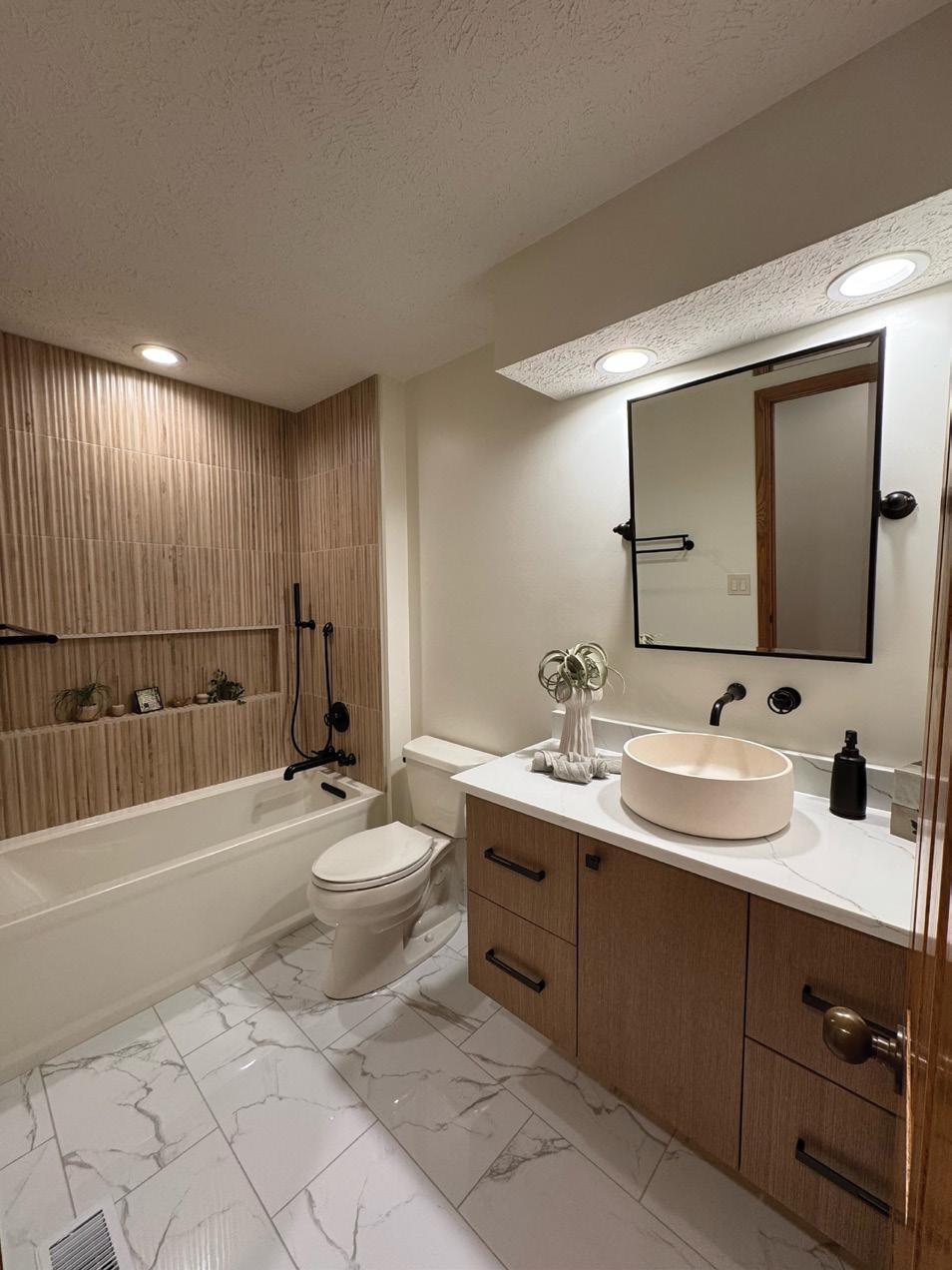
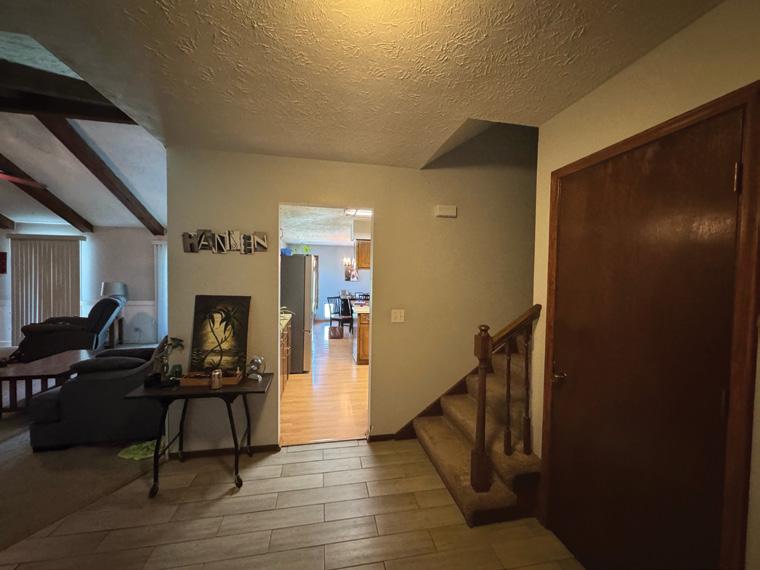

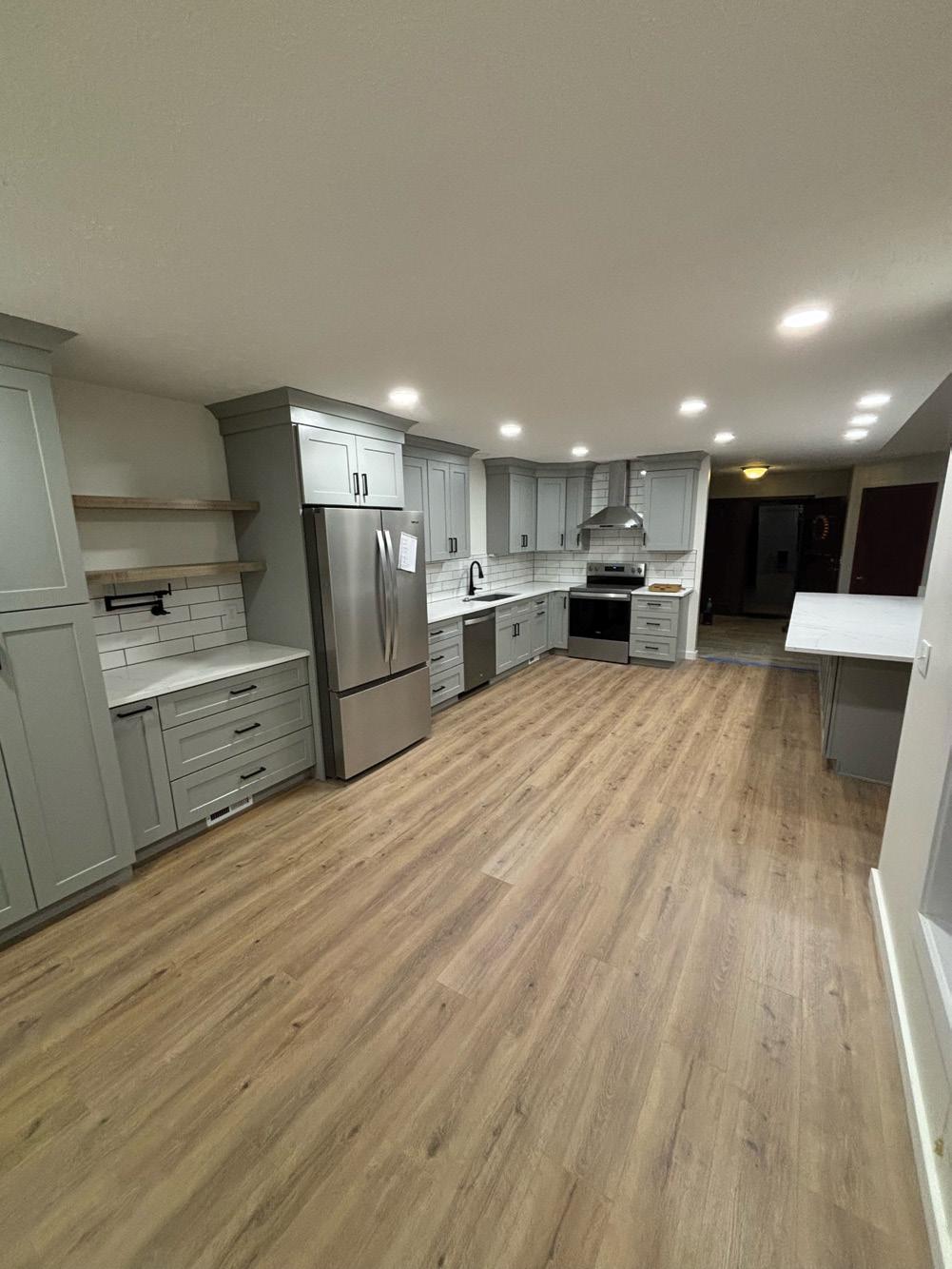
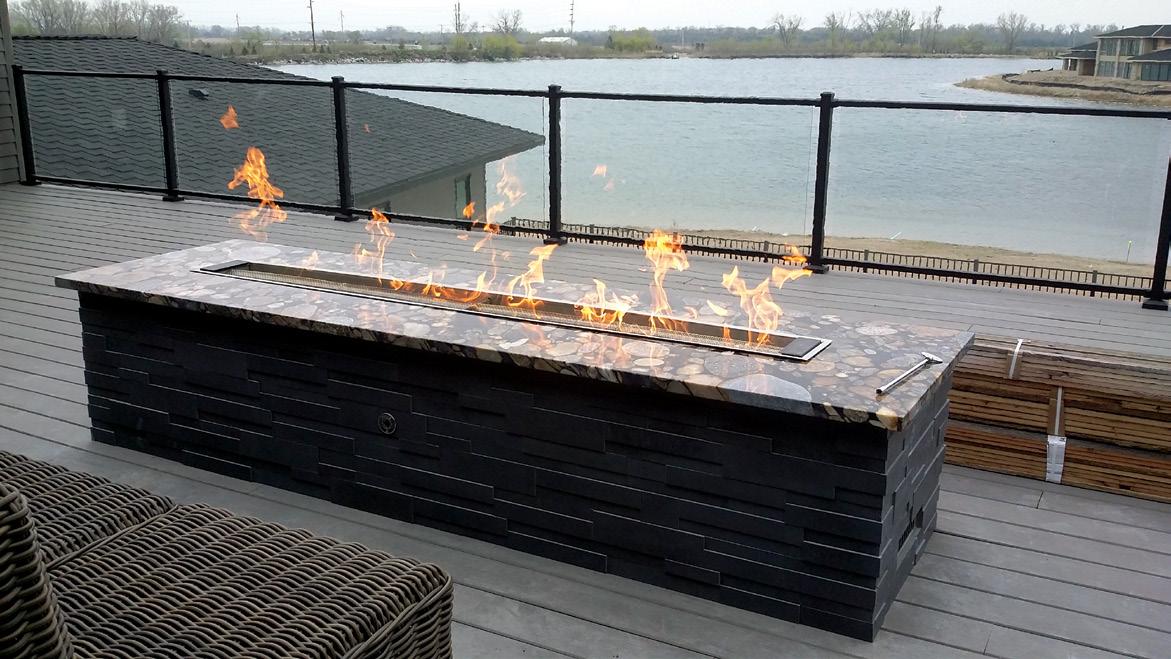
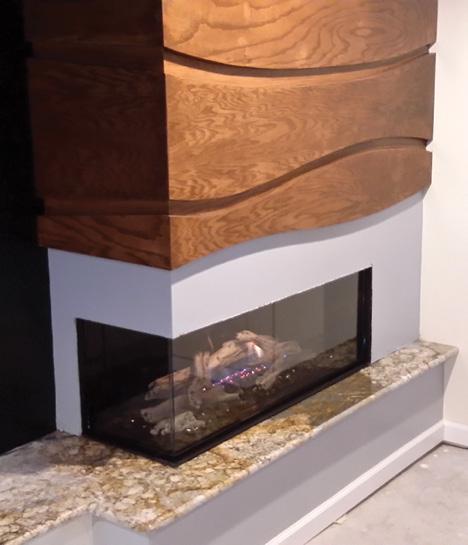

Turning your drafty fireplace into a high efficiency heater will add value and comfort to your home. Whether you are thinking of redesigning or refacing the look of your current fireplace or adding a fireplace to any room of your home, Claxton Fireplace Center can assist you with all your needs. We offer In-House design and complete installation services. FEATURING REGENCY HEARTH PRODUCTS FOR 35 YEARS WITH A STYLE FOR EVERY HOME DÉCOR.