A safe space to talk and listen



Written and compiled by Edna Thomas

Written and compiled by Edna Thomas
When we think of grief, we often envision visible expressions of sorrow—tears, solemn faces, or the heaviness in one's heart. However, there exists a grief that hides behind smiles, laughter, and seemingly ordinary days. It's a subtle ache, a thread of hidden grief woven into the fabric of trauma. This is called “Masked Grief”.
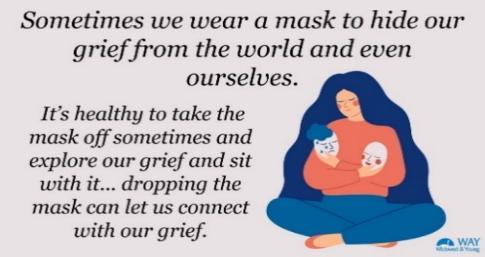

One writer has this to say about masked grief, first, think of it in a context of hidden emotions. People in bereavement often put up a brave front or pretend that they are fine, when they’re not. You might say they are actually putting on a “grief mask” to hide or protect their true feelings from the outside world.
Another writer said, masked grief is about trying to push down or supress the feelings of grief in the hope that they’ll eventually go away of their own accord. Someone who is masking their grief will usually try to act as if life has carried on as normal, exhibiting what they perceive to be “normal” behaviour


Masked grief is grief that is held inside and not shown to others. The griever may try to be calm or put on a happy face for others, but they are still hurting.
Masked grief has been described as when a person experiences the effects of grief without recognising them as grief. Instead, the emotions get disguised, often surfacing in behaviours or health issues.
An example of masked grief include:
• A person who loses a partner might throw themselves into work, appearing “productive” while avoiding their feelings
• A teenager grieving a parent might become defiant or withdrawn at school.
• Someone may complain of unexplained pain or fatigue, which is really grief expressed through the body.
Other Types of Grief:
• Normal Grief
• Anticipatory Grief
• Delayed Grief
• Secondary Loss
• Traumatic Grief
• Disenfranchised Grief (Ambiguous)

Normal Grief
• Normal grief is the name given to a typical grieving process. While unpleasant, traumatic and painful, there is nothing abnormal about this type of journey through grief; And while it might be different for everyone, the general pathway and emotions are similar.
Masked Grief
• Masked grief is when you are unable to recognize that your symptoms and behaviours are related to loss.
• Symptoms are often masked as either physical symptoms or other maladaptive behaviours.
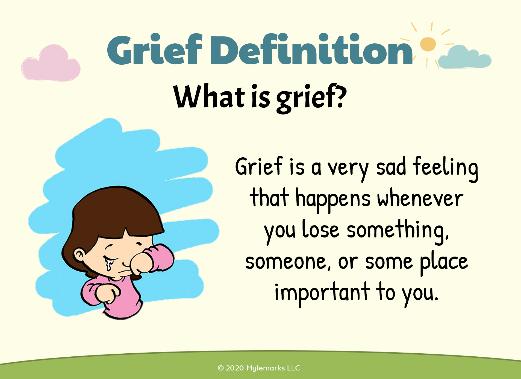

Normal Grief:
• The difference is that normal grief still has an outlet. While you hold in your tears at work, you might still come home and sob for your loved one or a pet and how quiet the house is without them.
Masked Grief:
• With masked grief, the person’s outward behaviour seems unaffected despite deep inner turmoil.
• Also, with masked grief, though the emotions stay firmly buried, it’s not that they’re being managed, it’s that they’re being denied (theralphsiteshop.com).
• Ironically, masked grief tries to hide emotions but ends up creating more”.
It is said that, “masked grief is typically more common in men or in cultures and societies where there are “rules” that suggest how you should behave after a loss. Masked grief also happens to those who do not let on to others that they have suffered a loss”.
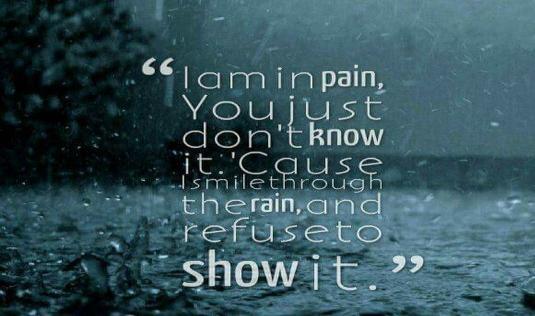
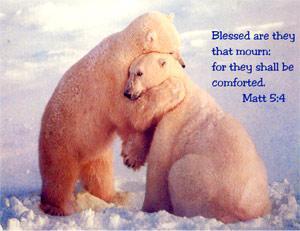
Quote: Masked Grief
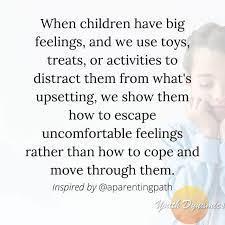
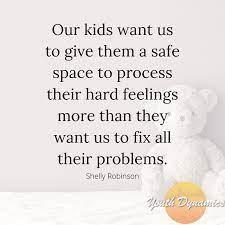
As adults, we never want to see our children suffer. We tell them things such as “Don’t feel bad” and “We will get you a new one” when they lose that balloon or toy. Rather than allowing our children to express and vent that emotional pain; without even realizing it, we are instead encouraging them to suppress it.
As life moves on, we suggest to them, when dealing with an emotionally painful event that they “Be Strong” and “Keep busy,” as a way of dealing with their loss so that it will hurt less. This really does little to deal with that emotional event, it instead further encourages children to stuff their sad and unhappy feelings inside (griefrecoverymethod.com).
In the long run, masked grief is significantly detrimental. It keeps its victims in a kind of limbo between staying in the past and moving forward, and the emotional toll of that experience can be devastating not to mention the physical suffering that often goes along with chronic grieving (Psychology Today).

One writer said masked grief is a defense mechanism where the mind disguises painful emotions, often learned in childhood, preventing healthy processing and leading to burnout or other issues. For example:
• Cultural expectations to stay composed, move on, or not cry push people to suppress feelings.
• Worry about seeming weak, emotional, or burdensome to others.
• The immediate demands of life—such as financial pressures, job deadlines, or caregiving for others often force individuals to push through emotional pain to remain functional.
• Always staying busy because stillness feels threatening.
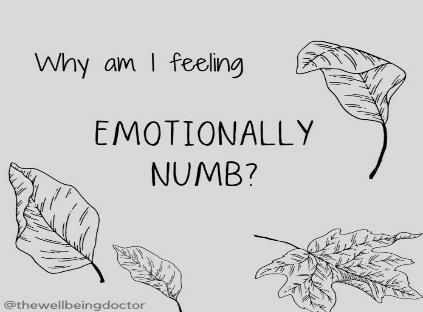
• Numbness- just not feeling much at all.
• Being angry all the time but not knowing why
• Deep fatigue that sleep doesn’t fix
• Irritability, snapping at the people you love

That is why masked grief is such a problem. Failure to identify this common response to loss means that many people are treated strictly for the symptoms, rather than the underlying problem. When we treat the symptoms, rather than the real problem, nothing is done to deal with the underlying emotional pain (griefrecoverymethod.com).
In some cases, people who experience sadness or grief – especially men who were raised to believe they shouldn’t be vulnerable – are more likely to channel those feelings into emotions that are seen as more socially acceptable.
Women, on the other hand, are often told that they’re “too sensitive”, “too emotional” or “hysterical” for expressing their emotions, so may mask their grief with destructive behaviour to protect against this kind of criticism. (https://theralphsiteshop.com/what-is-maskedgrief/)
52% of the men we surveyed said that wanting to appear strong was one of the other reasons they hid their emotions while grieving, with another 35% stating that they didn’t want any sympathy (Sue Ryder).
▪ Masked grief shows up in men more than women.
▪ Too often, from boyhood on, a man is told, “man up; boys don’t cry; suck it up.
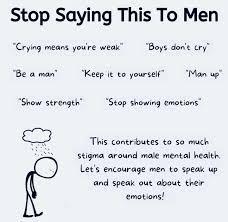
▪ ” Telling this to young children will teach them to suppress emotions. Grown-ups have been telling boys this sort of thing for a very long time. Unfortunately, this causes harm to a child and continues in adulthood. Quote
▪ When we worship God in our grief and declare him worthy of our trust, even in our deepest sorrows when we choose to rest in his goodness and sovereignty, even when our circumstances feel hopeless we bring glory to his name. Having hope doesn’t mean we won’t grieve. Having hope means we grieve with the confidence that God “will himself restore, confirm, strengthen, and establish you” (1 Peter 5:10)
Someone who is Experiencing Masked Grief Might Display the Following:
• Difficulty identifying or expressing emotions, feeling detached from your feelings.
• Persistent feelings of emptiness or numbness, even in seemingly normal situations
• Engaging in avoidance behaviours to distract from or suppress emotions
Taking care of yourself while you’re grieving can seem nearly impossible; but when you suppress your grief it makes taking care of yourself and others worse. Learn to grieve in a healthy way. Remember that it is okay to feel overwhelmed; it is part of the healing process.
Finding Acceptance Requires a Journey
• Remember that acceptance is not about forgetting or being "okay" with the loss, but about acknowledging the new reality and finding a way to live with it.
• Creating rituals and memorials can help in honouring the loved one and providing a sense of comfort.
• Acknowledge the reality of the loss
• Embrace the pain of the loss
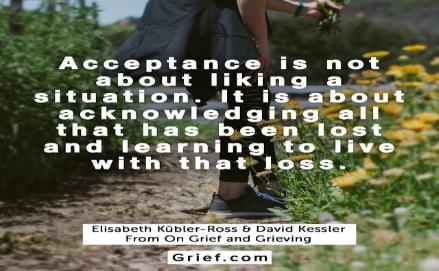


▪ Grief is emotionally exhausting. You may feel guilt, anger, sadness, and detachment. Most people will feel detachment or even numbness in the first days of grief.
❖ Could You Be Experiencing Masked Grief?
IF YOU ARE, PLEASE DO NOT SIT IN SILENCE; PLEASE CONTACT YOUR GP, FAMILY MEMBERS OR FRIENDS AND TALK TO THEM ABOUT YOUR FEELINGS.YOU CAN ALSO CONTACT THE GRIEF HELPLINE BELOW FOR HELP AND SUPPORT.
▪ Cruse Bereavement Support: Offers telephone, face-to-face, and online support for all types of loss.
▪ Samaritans: 24/7 support for anyone in distress. Call 116 123.
• Stop being strong; give yourself permission to not be okay. Society often pressures people to "carry on," but suppressing grief only prolongs the healing process.
• Get in touch with your feelings. Whether you cry, get angry, break things, or none of these, it’s alright. Not everyone will grieve as you do, and that is OK.
• Avoid Comparison: Your grief is unique; do not compare your journey to others.

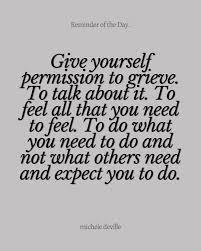

• Give yourself permission to stop acting "fine" or "strong" and accept that you are struggling
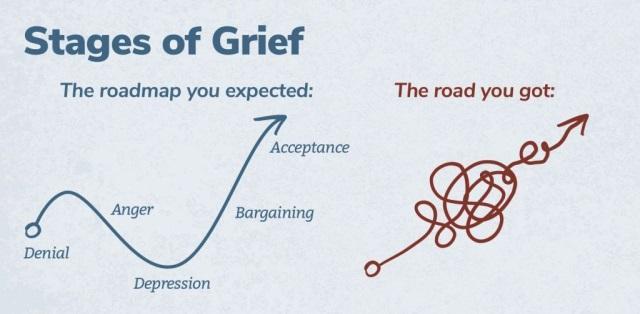
Though no two people grieve exactly the same way, several frameworks help identify and understand the emotions.
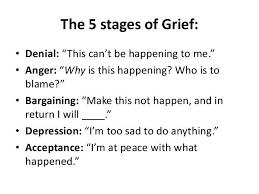
The Five Stages of Grief
The five stages of grief are part of the framework that makes up our learning to live with the one we’ve lost. They are tools to help frame and identify what we might be feeling. But they are not stops on some linear timeline in grief. Not everyone goes through them or goes in a prescribed order (Elizabeth Kubler-Ross).
The Bereavement Café Support Group is here to support you in your grief journey. As a group, we provide a safe environment for those who are living with grief either through the loss of a loved one or any other significant loss you might be experiencing right now. We believe that sharing can help you feel connected with others who are going through a similar experience, and in turn, helps those who are new to the experience of grief to feel understood.
▪ As a Support Group, we thrive to cultivate an attitude of acceptance, empathy and listening in a non-judgemental manner.
▪ Nourish your body with healthy foods
▪ Keep connected with family and friends.
▪ Write down your thoughts and feelings in your journal
Please Note! *The resources used in this Newsletter were taken from various books on grief, information and images from the Internet websites; therefore, no extract should be taken from this newsletter and used for any other purpose than to help you navigate your way through your grief journey.
Blessings - The Bereavement Support Team