Tracy Richter Vice President of Planning Services, HPM
Mark Schoeman Design Principal, ABA Studios
David Schrader Managing Partner, SCHRADERGROUP
Michelle Smyth....................................................Principal Architect, McMillan Pazdan Smith
Arnold Swanborn Design Principal, CO Architects
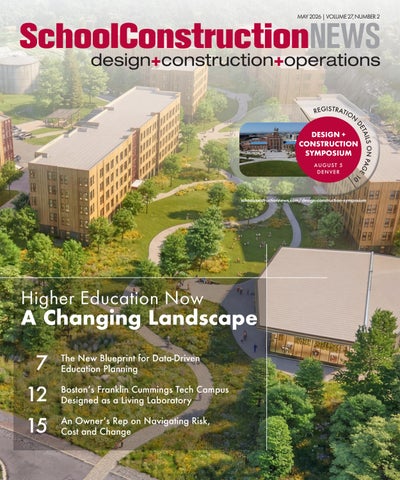
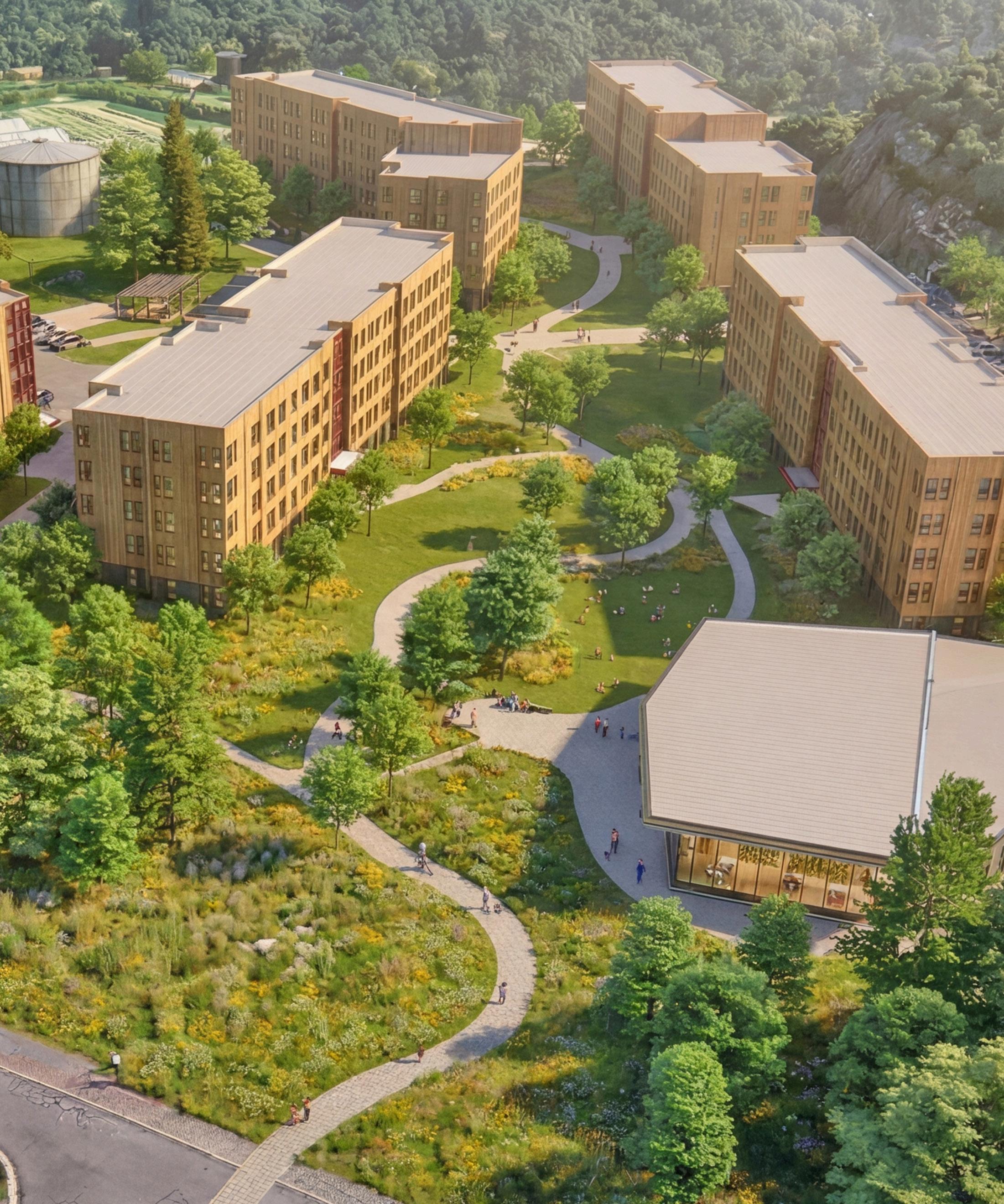
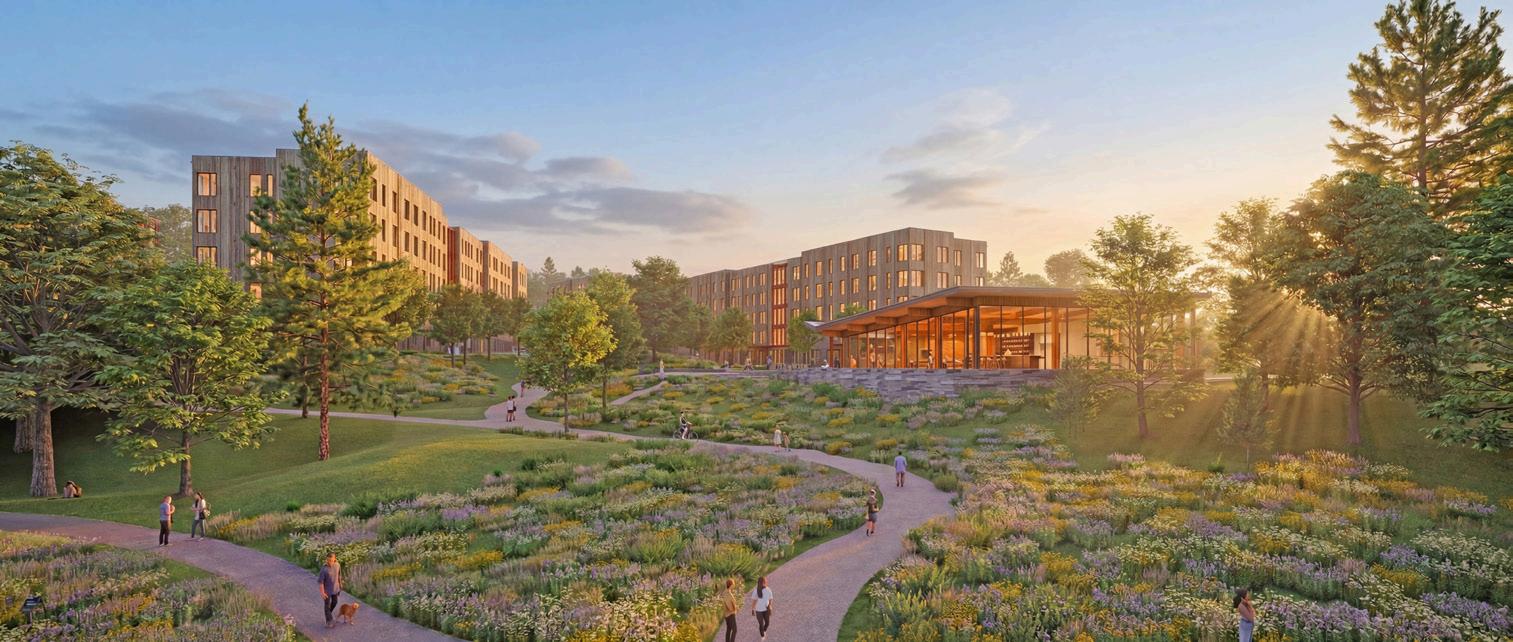
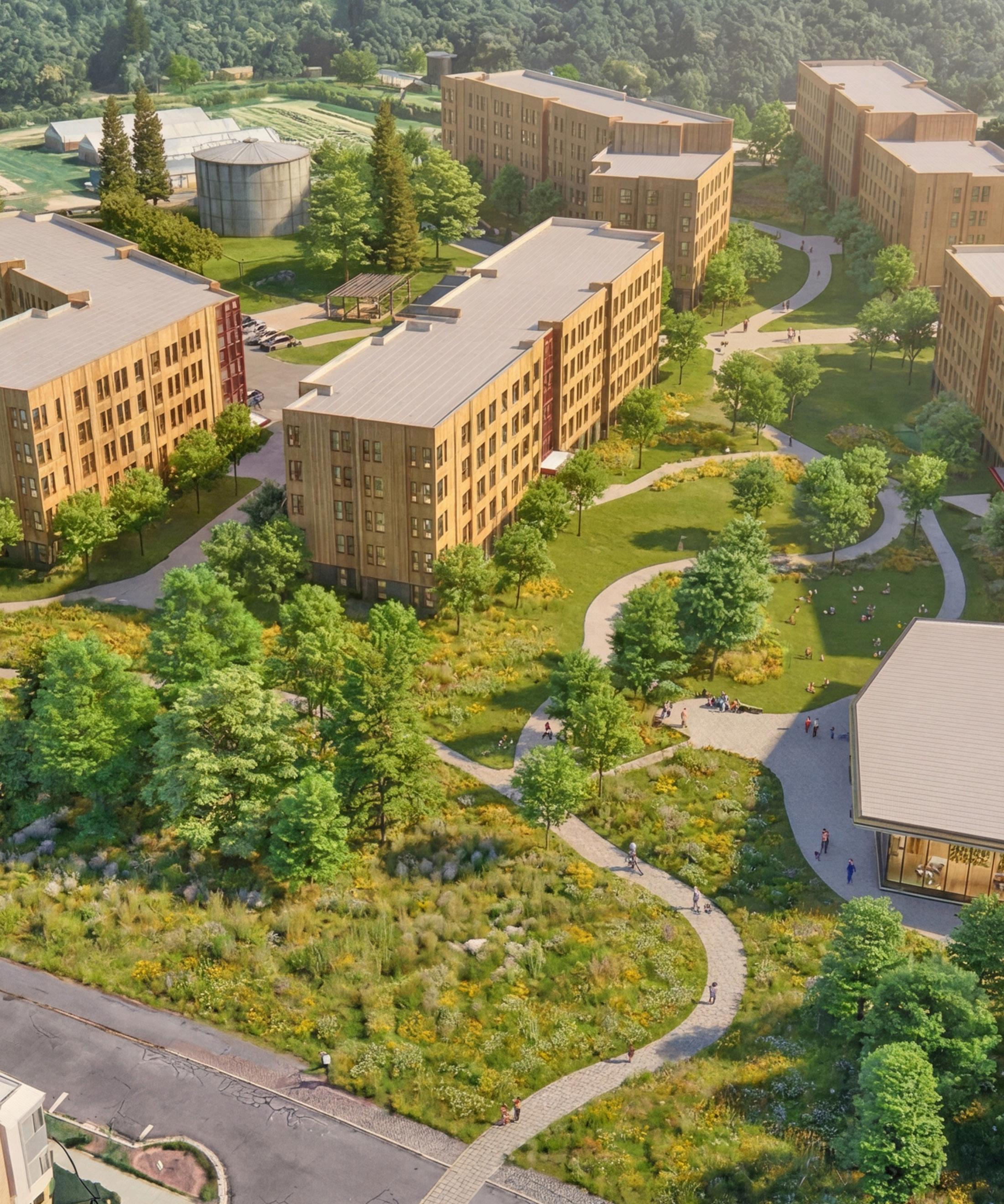
& OPERATIONS COVER IMAGE: CORNELL UNIVERSITY MAPLEWOOD GRADUATE HOUSING PHASE II
SHOWCASE
PRODUCTS
HOUSING
DESIGN
& RECREATION
& CONSTRUCTION
& WELLNESS
SCENE
President
Torrey Sims
Sales
Vice President of Sales and Marketing
Clow
Sarah Clow, Vice President of Sales and Marketing sarah@wmhmedia.com Subscription
Quattrocchi Kwok Architects (QKA), a planning and design firm serving Northern California’s education industry, has elevated Eddie VanSlambrouck and Tiffany Young to Principal, both joining the eight-person executive leadership team responsible for overall firm strategy.
Currently Director of Design, VanSlambrouck has 20 years of experience in the industry designing and managing complex projects for Bay Area school districts. In this role, he has grown the firm’s internal design team to collaboratively support projects across all its studios and develop standards that ensure graphic consistency and high-quality deliverables. With dedicated expertise in 3D modeling and sustainable design, VanSlambrouck is both a LEED Accredited Professional and a certified Accredited Learning Environments Planner through the Association for Learning Environments.
Young began with QKA as a receptionist in 1996 and has largely been with the firm since, currently serving as Director of Operations.
Responsible for DSA certifications, coordination of multiple offices, resource planning, staff communications, onboarding, and managing the firm’s administrative functions, she brings more than 20 years of dedication, skill and firm history knowledge to her leadership. As Principal, Young’s role will expand to managing all aspects of the firm’s business operations, including human resources and finance.
Reggie Stewart recently joined MOA Architecture Inc. of Greenville, S.C., as Project Manager. In this new role, he will refine systems, strengthen project execution and serve as a trusted point of contact for clients. He brings more than two decades of experience in higher education, K–12, and institutional facilities planning and design.
Most recently, Stewart served as Director of Space Management within Planning, Design & Construction at Clemson University, where he worked closely with university leadership to align academic and research-space planning with shortterm needs and long-range campus strategy.
Throughout his career, Stewart has guided projects from schematic design through construction administration, coordinating consultants, facilitating stakeholder meetings, and ensuring compliance with building codes and accessibility standards.
A LEED Accredited Professional BD+C and architectural licensure candidate, he brings strong technical knowledge in AutoCAD, Revit, Bluebeam, and facilities data systems, paired with a commitment to sustainable design and data-informed decision-making. He earned his bachelor’s degree in architecture from Oklahoma State University.
Gilbane Development, a national leader in integrated real estate development, announced the appointment of Mark Lawson as Development Director for Business Development based out of the firm’s Tampa Bay office. Lawson joins Gilbane following an extensive career working within and alongside universities, giving him firsthand knowledge of the unique demands and priorities of campus development for higher education institutions.
Lawson’s responsibilities include sourcing new partnerships with higher education institutions, building and maintaining relationships with key university stakeholders and officials and strengthening Gilbane’s strategy to support its growing public-private partnership pipeline.
Prior to joining Gilbane, Lawson served as the P3 Portfolio Director for the Board of Regents of the University System of Georgia, where he managed the financial and operational aspects of P3 projects. Lawson holds a Master of Science in real estate and a Bachelor of Science in urban studies from Georgia State University.
EDUCATION OFFICIALS
Ravi V. Bellamkonda was recently appointed the 18th president of The Ohio State University by the university’s Board of Trustees. As president, Bellamkonda leads the state’s flagship, public research university with six campuses in Ohio and a student body of more than 67,000.
Bellamkonda, who trained as a bioengineer and neuroscientist through a doctorate at Brown University and a postdoctoral fellowship at the Massachusetts Institute of Technology, joined Ohio State in January 2025 to serve as Executive Vice President and Provost. As Chief Academic Officer, he oversaw the university’s core academic enterprise, which includes 15 colleges, four regional campuses and more than 8,800 faculty.
Prior to Ohio State, he served as the Provost and Executive Vice President for Academic Affairs at Emory University and as the Vinik Dean at Duke University’s Pratt School of Engineering.
Regis University’s Board of Trustees has named Shawna Cooper Whitehead, Ed.D., as the university’s 29th President. When Cooper Whitehead assumes the presidency on July 1, she will be the first woman to serve in the role in the university’s nearly 150-year history.
Cooper Whitehead has built a career spanning more than two decades across Jesuit and Catholic universities, top-tier research institutions and professional schools, with expertise in enrollment management, strategic planning and community engagement. She has also been a consistent voice on issues of student formation, restorative justice and mission-centered leadership at Jesuit institutions.
She comes to Regis University from Boston College, where she has served since 2021 as Vice President of Student Affairs. Prior to Boston College, she served as Vice President of Student Services at Seton Hall University. Previously, Cooper Whitehead served as Assistant Provost at Loyola University Chicago.
Cooper Whitehead earned a Doctor of Education from Boston University, a Master of Education from National Louis University and a Bachelor of Science from the University of Illinois.
COMPANY NEWS
Apogee Architectural Metals has appointed Rama Menon as vice president of product management and marketing and Mike Pedersen as Vice President of Design and Technical Services.
Menon will focus on growing and sustaining the company’s North American market leadership for its Alumicor, EFCO, Linetec, Tubelite and Wausau Window brands.
Recognized for driving growth and operational excellence in large, complex organizations, Menon brings more than 15 years of global experience in product development, portfolio strategy and business transformation.
Most recently, Menon served as senior vice president of floorcare for Nilfisk, one of the world’s leading manufacturers of professional cleaning equipment. He previously worked in various roles at Honeywell and Cummins. He earned a bachelor’s degree in electrical engineering from Christian Brothers University in Memphis and an MBA from the University of Memphis.
Part of the Apogee Architectural Metals Leadership Team, Pedersen will lead engineering and technical services across the organization, strengthening the integration of design, product performance and project execution. He will also focus on advancing design and engineering capabilities that support complex project requirements from energy performance and code compliance to constructability and long-term durability.
Pedersen brings nearly two decades of experience in the building envelope industry, having spent the majority of his career with Permasteelisa North America, where he held several senior leadership roles including executive general manager and chief operating officer.
CALENDAR
Facilities & Campus Energy Summit May 12-13 | Washington, D.C.
School Planning Conference
June 23-26 | Tampa, Fla.
NASRO National School Safety Conference
June 28-July 2 | Reno, Nev.
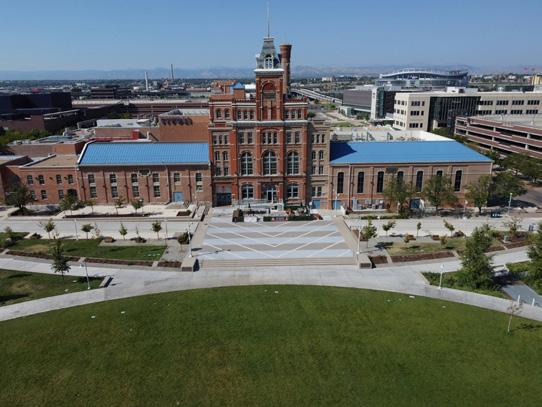
SCN Design & Construction Symposium
Aug. 5 | Denver
See registration details on page 10.
VanSlambrouck
Young
Stewart
Bellamkonda
Cooper Whitehead
Menon
Pederson
Lawson
Campus Design for the Post-Linear Learning Era
By Maggie Marlin, IIDA
The COVID-19 pandemic forced higher education to answer an uncomfortable question: if the classroom is the only place that matters, why bother with a campus at all?
Universities responded by completely rethinking what makes physical space valuable. The answer isn’t more classrooms: it’s everything around them. Walk into a new college building today and the spaces between classes command as much design attention as the lecture halls. Faculty from different departments share collaborative spaces. Students work alongside industry partners in innovation labs. Libraries have evolved into social infrastructure, where connection matters as much as collection.
This shift isn’t just about amenities. As technology reshapes how knowledge gets transmitted and artificial intelligence handles more of the rote work of education, education design is doubling down on what can’t be automated: human connection, hands-on collaboration and the kind of creative thinking that only happens when people come together in physical space.
According to Gensler’s Design Forecast, released earlier this year, education is undergoing a fundamental transformation that’s reshaping not just how students learn, but how entire learning environments are conceived and built. Three major trends are driving this evolution, and they’re already visible in projects across the country.
Learning Without Lanes
The first big shift? Learning is no longer linear, and neither is the campus.
Students today aren’t just earning degrees; they’re collecting skills. They might spend mornings in traditional lectures and afternoons in apprenticeship programs with campus industry partners, pause their degree to launch a venture, then return for an executive MBA a decade later. Education has become modular, customizable and continuous, which means campus spaces need to evolve into flexible ecosystems that can support everything from micro-credentials to business incubators to lifelong learning hubs.
Western Kentucky University’s Gordon Ford College of Business at Amy and David Chandler Hall illustrates this approach. The building consolidates resources including academic advising, peer tutoring, financial aid guidance and even a ‘Suited for Success Closet’ where students can borrow business attire for interviews. It’s designed to support students wherever they are in their journey, whether they’re navigating their first semester as a first-generation student or preparing to pivot careers mid-degree.
On the first floor, the trading lab displays real-time stock market changes through Bloomberg Technology terminals, giving students access to professionalgrade financial analytics typically reserved for working professionals. Sales classrooms include set-ups of real-world environments that students might encounter when making a sales pitch, blurring the line between academic exercise and professional practice. The most forward-thinking element might be the simulation lab, which uses augmented and virtual reality for marketing strategy exploration. The floor is deliberately furniture-free, allowing for fully immersive AR and VR experiences. It’s a space designed not for how students learn today, but for how they’ll need to learn tomorrow, and return to learn again years from now.
Western Kentucky also demonstrates this principle through strategic design choices: core objectives included creating spaces so students would linger before and after
scheduled classes, accommodating everything from traditional undergrads to professionals pursuing executive education, with spaces that stay flexible enough to evolve alongside industry needs.
What AI Can’t Replicate
If campuses can’t compete with AI on information delivery, they need to own what technology can’t touch: collaboration, community and creativity. Libraries, incubators, makerspaces, and other campus “third spaces” are being reimagined to prioritize hands-on, project-based and team-driven work. The social experience of learning becomes a competitive advantage.
This is where projects like Western Kentucky’s Commons at Helm Library come into play. The facility transformed a 1930s building that once housed the university gymnasium into a new intellectual hub at the historic academic
heart of campus. The Commons combines social spaces, including food service venues that accommodate 900 guests, with library and student support services. It’s designed to serve both campus-based and commuter students, creating a destination that pulls people in rather than just providing study carrels.
The project has earned numerous awards, including the IIDA/American Library Association Library Interior Design Award and Best in Show, precisely because it understands that the future library is less about book storage and more about human connection.
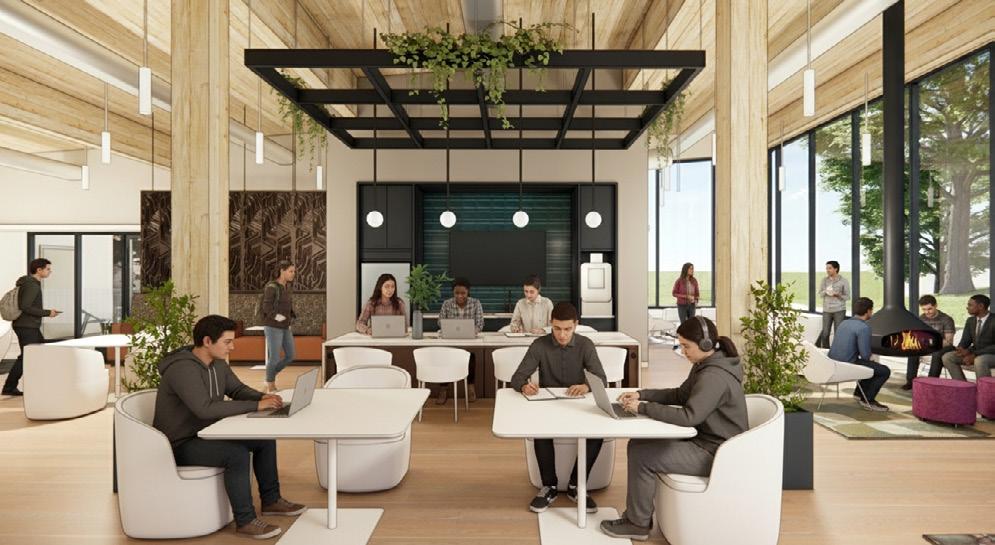
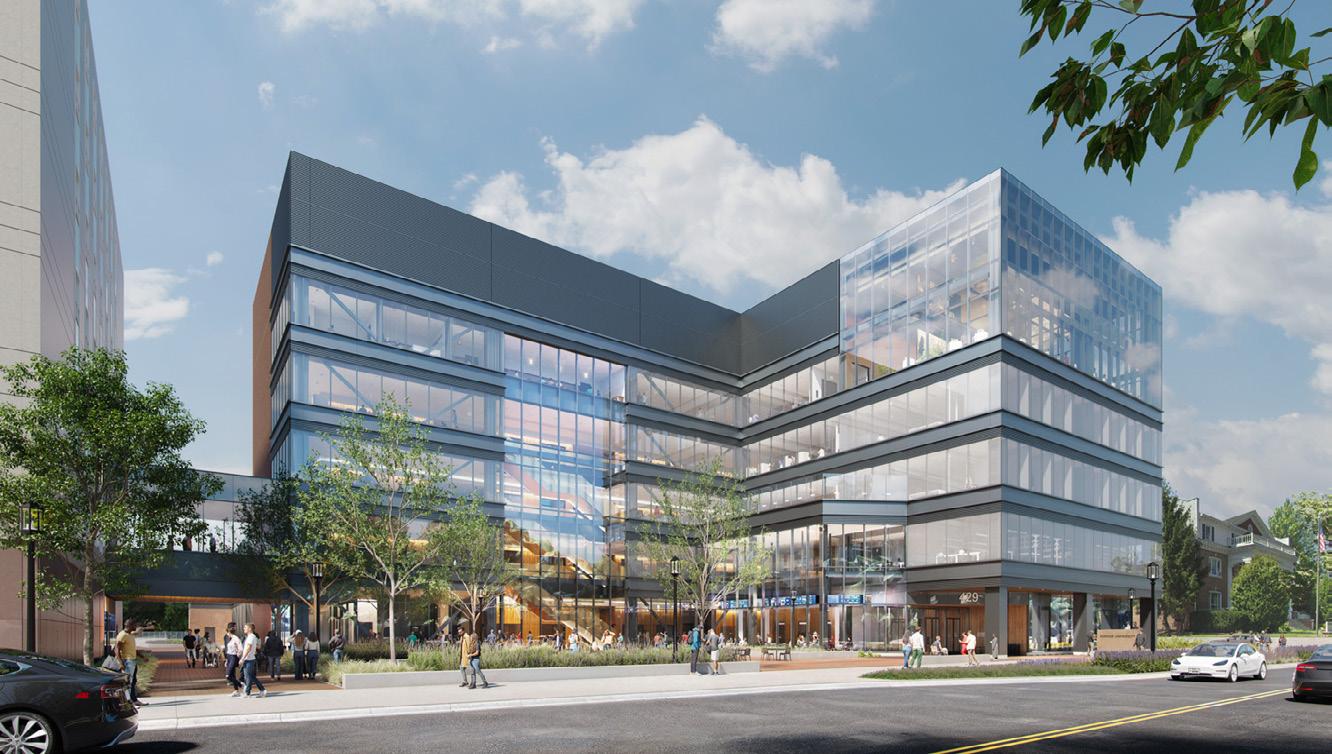
Purdue University’s Mitch Daniels School of Business, scheduled for completion in 2027, also uses this philosophy. The building integrates business, technology, and engineering classrooms and labs with advising offices, flexible collaboration areas, and an auditorium for campus-wide conferences and events. Recognizing that the high-traffic site lacked green space, the design team added a courtyard for outdoor breaks and events. At night, the glazed facade will glow with activity, telegraphing the innovative combination of spaces within and framing the School of Business as a forward-looking and vibrant community.
With a future-forward outlook, the building includes a full prototyping and engineering lab where students can merge technical and business skills in real-world development scenarios. It offers spaces students might encounter in corporate workplace environments, preparing them not just with knowledge but with the collaborative muscle memory they’ll need in their careers.
The Global Campus
The third trend might be the most ambitious: top university brands are becoming global,
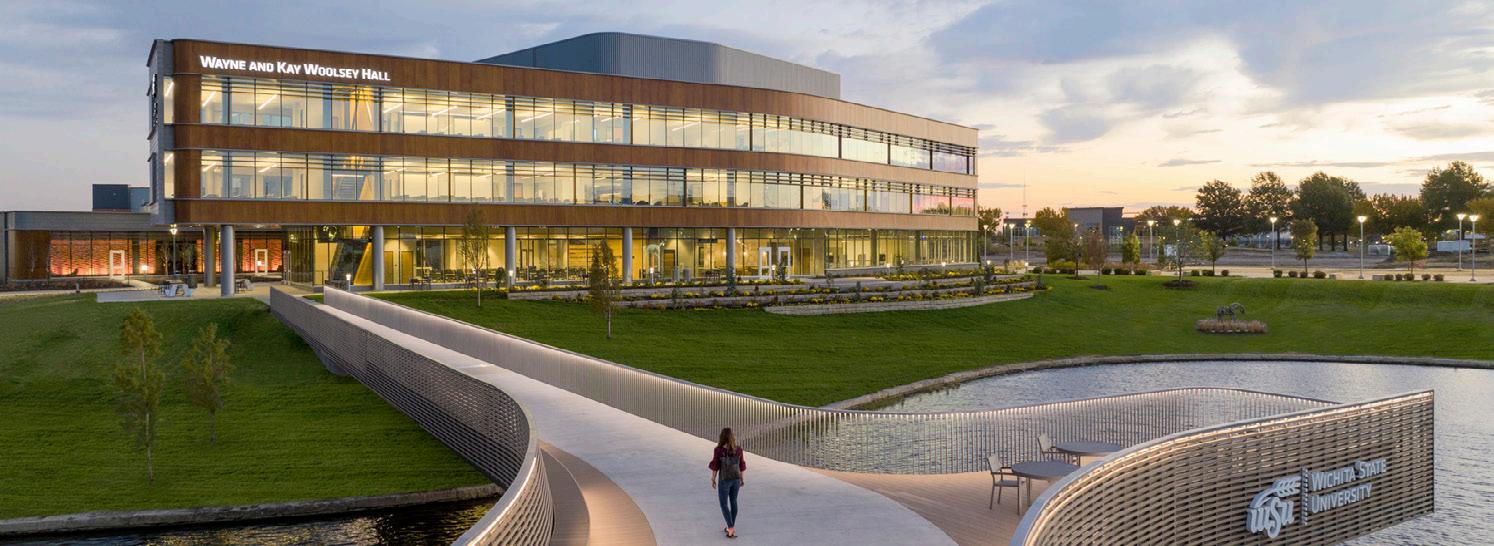
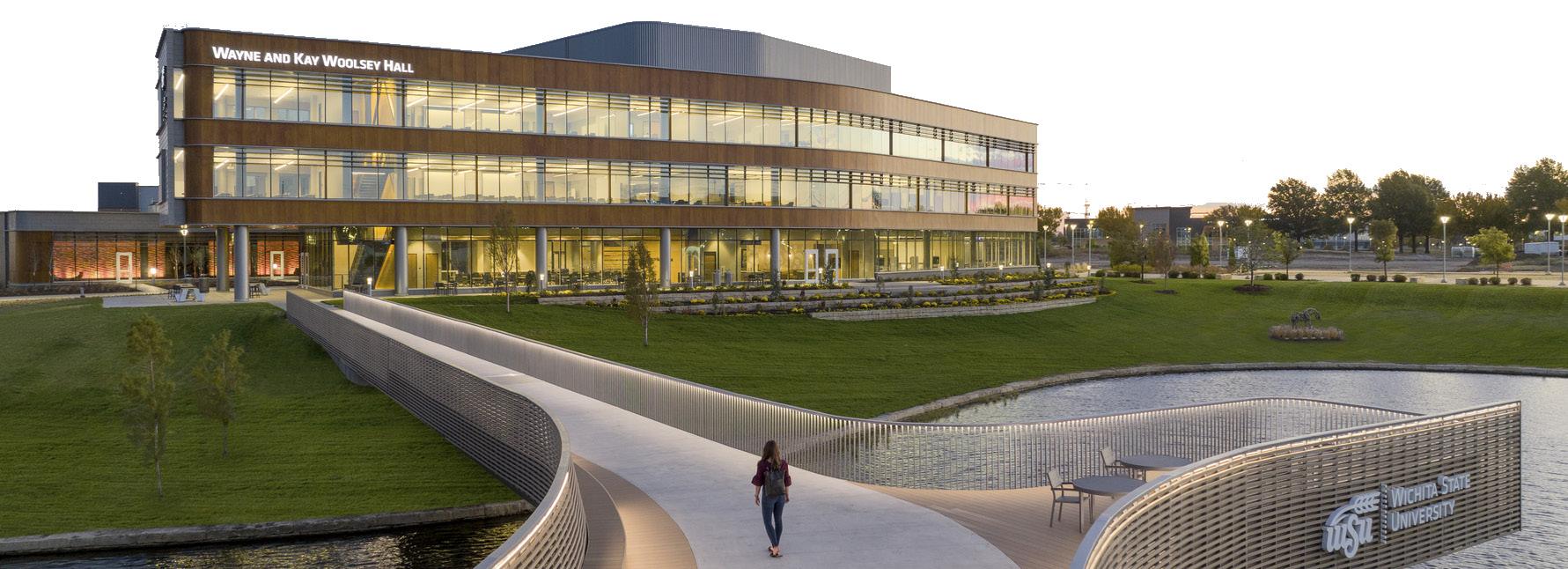
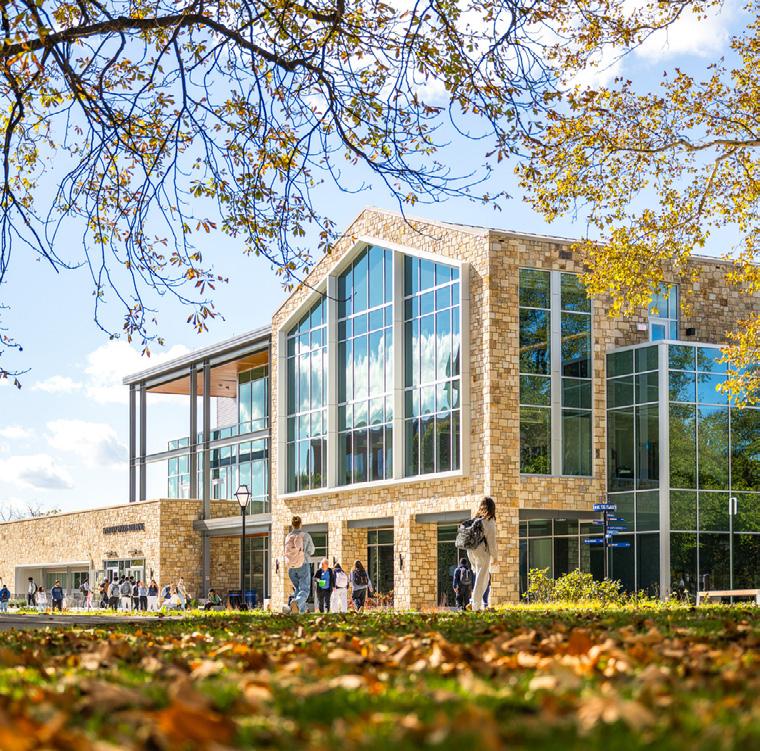
Wichita State University’s Barton School of Business at Woolsey Hall. | Photo Credit: Jason O’Rear
The Purdue University Mitch Daniels School of Business is scheduled for completion in 2027. | Photo Credit: Gensler
community-integrated and entrepreneurial. Higher education is expanding across borders, both physically and economically, from boutique campuses in global cities to academic research partnerships that drive economic development.
This shift requires campus buildings that can flex to accommodate international partnerships, host visiting scholars, support research commercialization and serve as economic engines for their regions. Universities
are embedding themselves in their communities, forming industry partnerships and treating their physical footprint as a strategic asset.
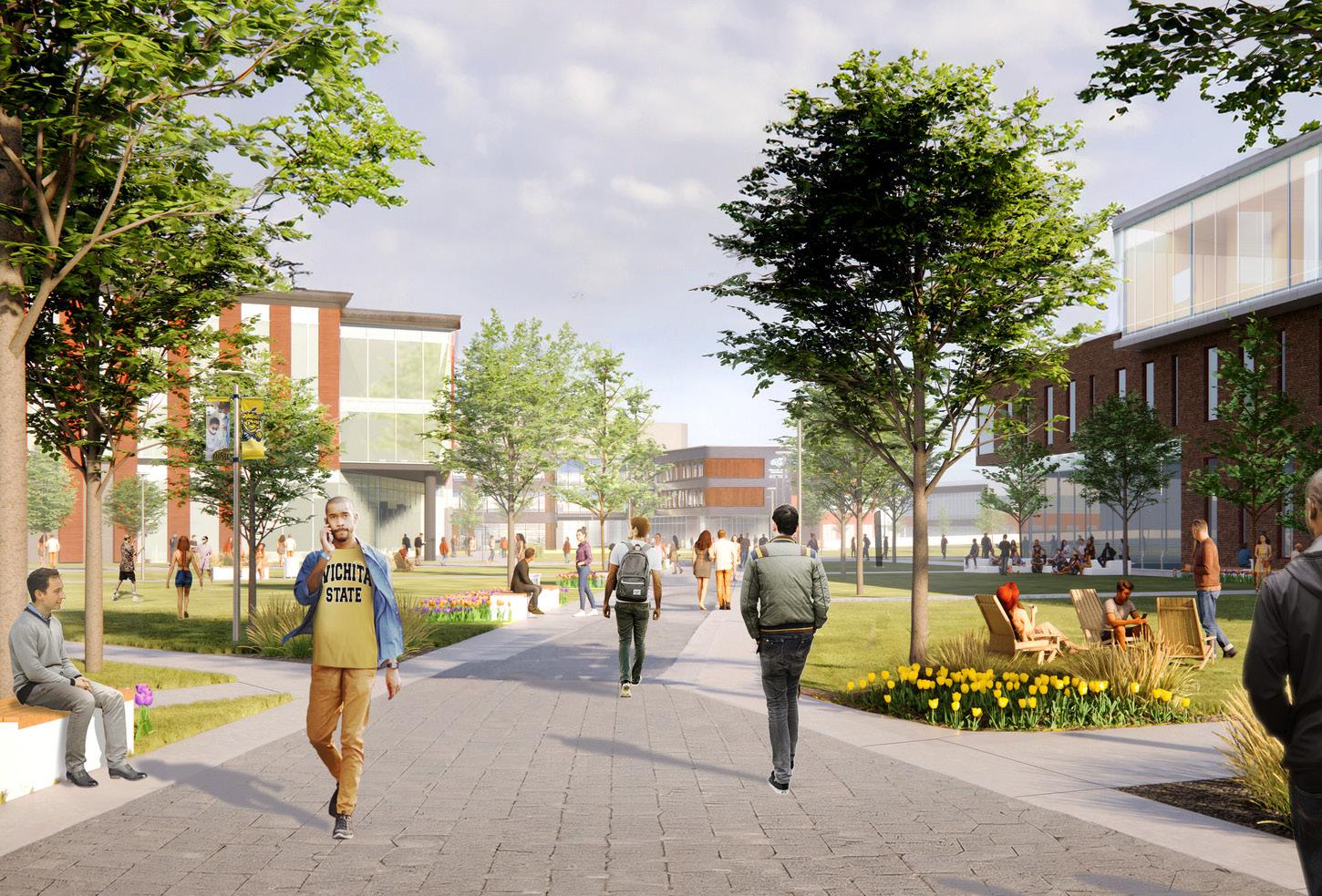
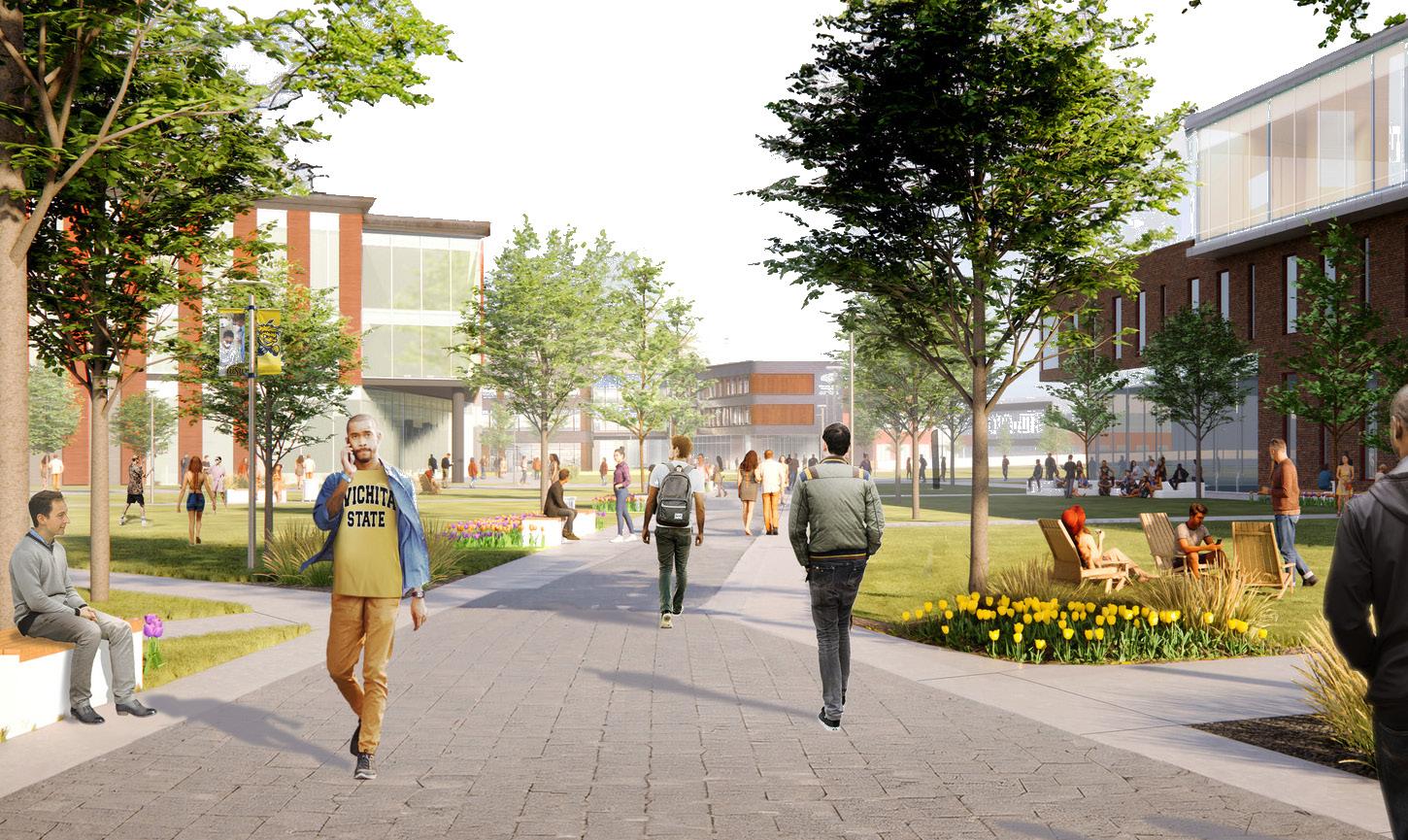
Wichita State University offers a current example of this active transformation. Gensler worked with the university to update its 10-year campus master plan with the goal of creating an “18-hour campus” where students, faculty, staff and the community could connect beyond regular class hours. The master plan unites the academic core and the innovation district with a new main lawn that replaces existing buildings and parking areas, establishing a vibrant main street district that links directly to the surrounding community.
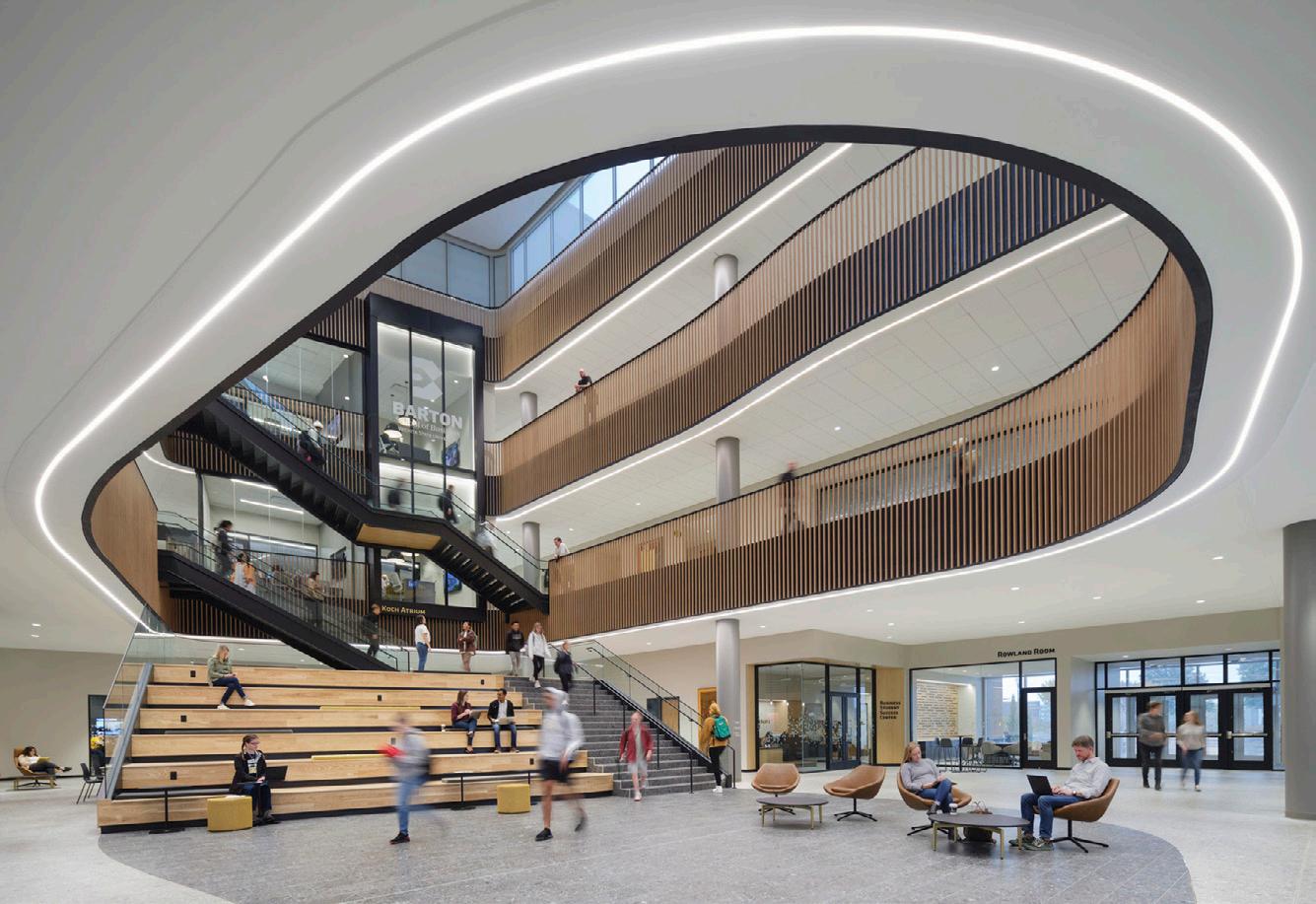
Woolsey Hall, the home of the Barton School of Business, embodies this vision architecturally. From the start, administrators envisioned that it would serve as a threshold between the original campus and the innovation district. The building had to be refined enough to host CEOs yet welcoming enough for a first-generation college student. Faculty departments and administration are co-located for the first time, with a connected suite organized around a central atrium. The layout intentionally blurs departmental lines, while business centers provide dedicated space for industry partners to work alongside students and professors.
Like Wichita State, Purdue University is rethinking how campus buildings can serve multiple constituencies. The Mitch Daniels School opens its doors to visiting professionals through the inclusion of a Corporate Engagement Center. A dedicated classroom with adjacent breakout spaces supports small-group learning, while an adjoining co-working area offers a comfortable place for business visitors to work or collaborate between sessions.
Both Woolsey Hall and the Mitch Daniels School serve as statements on how universities can drive economic development while remaining true to their educational mission. These trends signal a fundamental shift in how universities think about capital investment. Buildings are no longer overhead: they’re strategic tools for attracting talent, driving research and anchoring communities.
Claflin University Breaks Ground on Center for Biotechnology and Innovation as STEM Agenda Enters Next Phase
By Lindsey Coulter
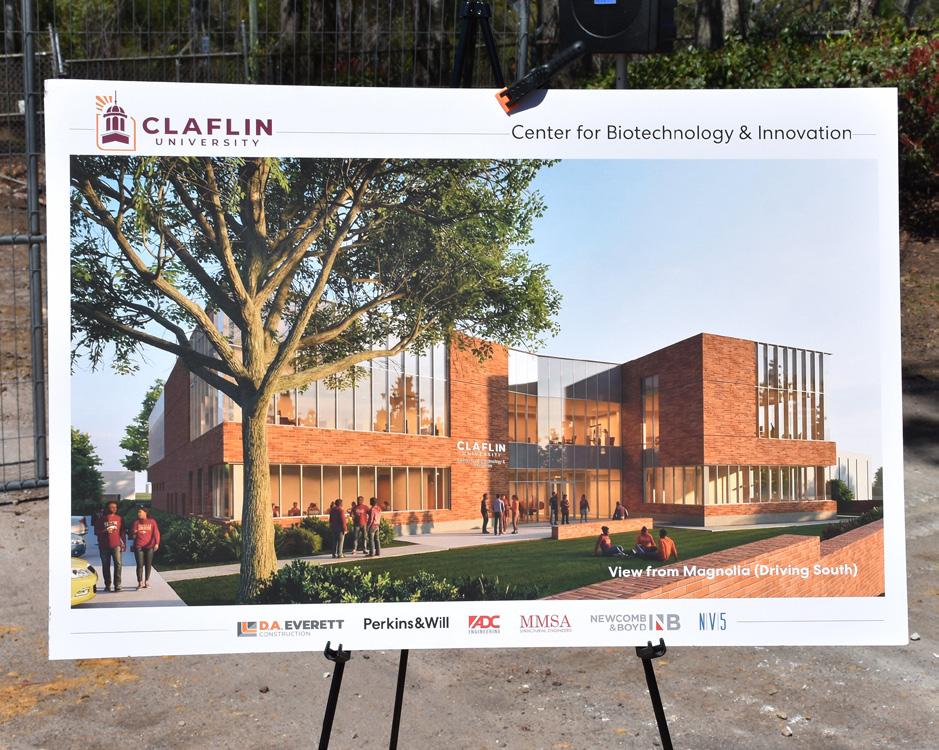
ORANGEBURG, S.C. — Claflin University marked the start of construction on its new Center for Biotechnology and Innovation with a March 20 groundbreaking ceremony, framing the project as a milestone in the institution’s STEM legacy. The new facility is designed to expand research capacity and provide students with access to advanced technologies that support both in-person and online instruction.
According to a statement by the university, the two-story Center for Biotechnology and Innovation will span nearly 32,000 square feet. The footprint will partially cover the site of Dunwalton, which served as the official residence of Claflin presidents beginning in 1971.
In remarks during the ceremony, Claflin President Dr. Dwaun J. Warmack connected the new construction to the university’s earlier decision to replace a former president’s residence with the James S. Thomas Science Center.
“We cannot compete in the marketplace for the best STEM graduates with a 1971 facility,” Warmack said. “So, the board agreed it was imperative that we build the Center for Biotechnology and Innovation to compete for outstanding STEM scholars.”
The project was supported by a grant of more than $17.4 million from the National Institute of Standards and Technology. When complete, it will house the university’s biotechnology, computer science, computer engineering and cybersecurity programs. Plans also call for advanced labs supporting biotechnology, cybersecurity, artificial intelligence and robotics, as well as flexible classrooms, 3D printing and rapid prototyping.
The groundbreaking as part of its STEM Agenda, which the university characterized as an effort to strengthen STEM education through classroom innovation and expanded research opportunities.
“This building represents the future of learning discovery,” said Donovan A. Everett, CEO of D.A. Everett Construction Group, who managed the construction project.
“Our responsibility is not just to build a facility, but to deliver it with excellence, safety, accountability and to honor Claflin’s vision every step of the way. “Together we’re committed to delivering a facility that represents Claflin’s Legacy, supports its academic mission and inspires innovation for generations. This building is an investment in students, the faculty and the Orangeburg community.”
Floyd Cline II, Managing Principal for Perkins&Will, said it was inspiring to see Claflin University continue to blaze new trails in higher education while providing students with world-class opportunities.
“The Center for Biotechnology and Innovation is a powerful example of Claflin’s commitment to excellence,” he said. “Perkins&Will is proud to partner with the University to create a facility that not only supports cutting-edge research and learning but also empowers the next generation of innovators and leaders.”
The project team also includes ADC Engineering, MMSA Structural Engineers, Newcomb & Boyd and NV5.
Maggie Marlin, IIDA, is a designer in Gensler’s Chicago office with a Master of Arts in Interior Design.
Wichita State University’s Campus Master Plan rethinks how buildings can serve multiple constituencies. | Photo Credit: Gensler
The Barton School of Business at Woolsey Hall was designed by Gensler in collaboration with GastingerWalker& Architecture. | Photo Credit: Jason O’Rear
The Center for Biotechnology and Innovation will span nearly 32,000 square feet. | Photo Credit: Claflin University
Workforce30 Offers a Blueprint for Data-Driven Education Planning
By Lindsey Coulter
A growing number of education leaders are rethinking how to align their institutions with evolving workforce demand—but few efforts are as comprehensive as Workforce30. Developed through a collaboration between architecture, design, engineering and planning firm SHP and Washington State College of Ohio (WSCO) in Marietta, Ohio, the initiative reframes higher education strategic planning as a community-wide, data-informed process grounded in economic realities, student outcomes and cross-sector collaboration. The result was a deliberate pivot away from siloed planning.
Reframing Strategic Planning
making sure we’re not duplicating efforts,” said Carrie Malatesta, Vice President, Interior Design, for SHP. “Resources—whether financial, instructional or physical—are not expanding, so we have to work together to pool them in a way that leads to community success.”
For Parker, that broader lens was essential.
“There’s so much happening across nonprofits, K-12 and workforce training organizations that it only makes sense to align around shared data and goals and to leverage the strengths of organizations already doing this work in the community,” Parker said.
Data That Challenges Assumptions
pathway from early education through higher ed. It’s about giving students opportunities to explore and understand their options at every stage.”
From Data to Design and Investment
While Workforce30 is rooted in research, its implications directly inform facilities planning and capital investment decisions. Parker noted how the process challenged traditional assumptions.
“In the past, there were plans to expand the WSCO campus, build a student center or add amenities,” she said. “There was this idea that if we build it, students will come—but higher education has been disrupted. That model doesn’t hold anymore.”
The Workforce30 study originated from a decision to challenge conventional planning models. Rather than beginning with facilities or program expansion, the process started with a fundamental
A defining feature of Workforce30 is its rigorous use of labor market, demographic and student aptitude data—often revealing conclusions that run counter to prevailing narratives.
“For example, there was a strong belief that we needed more nursing programs,” McMahon said. “But when we looked at the data, we found we were actually overproducing nurses in the region. That led to deeper conversations about retention, wages and why graduates weren’t staying.”
The process combined national datasets with localized insights to create a more accurate picture of workforce dynamics, which sparked really robust discussions and gave WSCO leaders the confidence to make decisions about where to invest, where to expand and where to potentially scale back.
Instead, the college is rethinking how space is used and shared and refocusing on how the campus and its underutilized spaces can serve the broader community—not just students. That shift toward more intentional planning and inclusivity also reflects a broader trend toward flexibility and collaboration.
“We’re much more open to thinking about how facilities can support shared use,” Parker added. “That includes bringing more partners onto campus and creating spaces that serve multiple purposes.”
McMahon connected those decisions back to data.
“We’re using this approach to guide investments in programs and facilities,” he said. “It helps answer why a community should invest in one area over another based on both workforce demand and student aptitude.”
question posed by WSCO President Dr. Sarah Parker: what does the community actually need?
“We needed to understand how WSCO fits into the ecosystem of learning and everything already happening in the region before making decisions for the college,” Parker explained.
That question led to a thoughtful process of analyzing economic and workforce conditions driven by Shea McMahon, Vice President with SHP. The SHP team fully assessed the college’s existing offerings and gathered significant data to provide the foundation that would guide the institution’s longterm decision-making and form the ultimate strategic plan.
“This was about creating a North Star,” McMahon added. “SHP facilitated both the quantitative and qualitative sides so the community could align around a shared understanding of workforce development.”
Building a True Learning Ecosystem
At the core of Workforce30 is the concept of a “learning ecosystem,” which expands education planning beyond institutional boundaries to include K-12 systems, employers, nonprofits and civic leaders.
“When we introduce the idea of a learning ecosystem, people nod their heads,” McMahon said. “But when we ask how well they know their K-12 superintendents or other community partners, the relationships are often surface-level at best.”
SHP’s role was to operationalize that concept and to help WSCO establish those critical connections.
“What we brought to the table was a way to articulate that ecosystem and help communities break out of their silos,” McMahon said. “It allowed the institution to reach beyond their traditional role and invite others into shaping a shared future.”
The approach also highlighted inefficiencies and the importance of coordination.
“This is about breaking down silos, but also
The findings also highlighted broader demographic challenges.
“We are seeing a major workforce replacement issue,” McMahon said. “There are significantly more people nearing retirement than entering the workforce. This is not just a regional issue— it’s something we’re not talking about enough nationally.”
These insights reshaped how stakeholders understood both opportunity and risk.
“Every major occupational group showed projected openings over the next decade,” McMahon added. “The data ultimately showed that people can build careers locally—but only if the pathways are clear and aligned.”
Workforce Needs and Human Outcomes
Beyond supply and demand, Workforce30 introduced a critical layer often absent from workforce planning: alignment between jobs and individual aptitude.
“We get so focused on filling vacant jobs that we don’t stop to think about whether people will actually be happy in those roles,” Parker said. “We’ve seen that with nursing—students pursue it for the return on investment, but many burn out quickly or leave the field.”
A Blueprint for Communities Nationwide
Workforce30 represents a scalable model for addressing complex workforce and education challenges, and SHP is eager to help other institutions apply the process to their own strategic planning efforts.
“I hope people take this [tool] and use it,” McMahon said. “Whether you’re a college, a business or a school district, you can bring these stakeholders together and align around a shared plan, because even if populations decline, that doesn’t mean communities have to decline. With
Let’s return to the entering-exiting dilemma for a moment.
The integration of student assessment data helped reframe success metrics, aligning career pathways with individual strengths and interests, not just economic demand, a perspective Malatesta echoed in the context of planning and design.
“There are aptitudes around fields like manufacturing, but students don’t always understand what those careers look like today,” she said. “This data gives us tools to design spaces and programs that support exploration and help students find the right path. We’re talking about creating a
the right data and alignment, communities can still thrive.”
Parker emphasized the importance of collaboration, rather than competition, among education institutions in achieving that outcome.
“We need to start thinking about how we work together,” she said. “When we’re all using the same data and focusing on the same challenges, we can create solutions that are actually sustainable.”
Ultimately, Workforce30 is less about a single study and more about a shift in mindset.
“If we align around a shared direction, we can create something intentional,” McMahon said.
The “learning ecosystem” concept was core to the Workforce30 project. | Photo Credit (all): SHP A
Designing Higher Education Spaces That Nurture, Not Just Teach
By Wendell Brown, AIA, NCARB, LEED AP
Architects have the power to create campus environments that meaningfully shape how students feel and function every day, complementing counseling, healthcare and community support systems. Across the country, educators and college or university leaders are confronting the growing challenge of student wellness.
At ESa, this philosophy is grounded in wellness architecture. It is not a single feature or design trend, but a belief that guides how spaces are imagined and built. The built environment should actively support the people who occupy it by encouraging healthier habits, reducing stress, strengthening social connection and fostering a greater sense of belonging.
When design shapes physical, emotional and even spiritual well-being, campuses can become places that not only educate students but help them thrive.
From Sustainable to Healthy Buildings
The design community has long focused on sustainability, energy efficiency and environmental responsibility. For years, architects asked how buildings affect the planet. Today, architects are asking another big question: how do buildings affect the people inside them?
Alongside protecting natural systems, architecture must also address the health of the people who occupy these spaces every day. Sustainability and wellness are now complementary priorities. Organizations such as the U.S. Green Building Council and the WELL Building Standard have reinforced this shift, encouraging buildings that support both environmental performance and human health.
This shift comes at a critical moment. As rates of anxiety, depression and social isolation among young people have risen dramatically, campuses are increasingly asked to respond not only as places of learning but as environments of respite.
The Biology Behind Better Spaces
Design’s impact is grounded in science. In the same way that sustainability has become a baseline expectation, designing for human wellbeing, especially in spaces shaping future generations, deserves the same level of attention.
According to the National Alliance on Mental Illness, 1 in 5 adults struggles with mental health each year, and the Pew Research Center’s Survey of US Teens ages 1317, conducted in 2018, notes 70% of US teens see anxiety and depression as a major problem among their peers. At the same time, modern lifestyles are creating new health challenges. Increased screen time, sedentary habits and social isolation, despite constant digital connectivity, are reshaping how people interact with their environments.
Because students move across campus throughout the day, those spaces should consistently support wellness alongside academic and extracurricular life. Research shows that environments influence more than behavior—they can also affect biology. Environmental stimuli can affect the production of hormones and neurochemicals that regulate mood, motivation and emotional health. Elements such as natural light, spatial openness, material warmth and sensory experiences contribute to feelings of safety and engagement.
Architecture can help. When spaces evoke positive emotional responses, they can trigger biological reactions that improve how people feel within that environment. In this way, a thoughtful “sense of place” can support wellbeing, even in small ways.
Translating Science into Design
The case for human-centered design is not simply philosophical. Understanding how dopamine triggers and environmental psychology influence the body and brain allows architects to translate wellness principles into tangible design strategies. Physical environments can dictate human behavior, mood and performance; whether a student feels energized or fatigued, connected or isolated, calm or overwhelmed.
Wellness can take many forms and often serves as useful reference points for architects when shaping early concept designs across a range of projects, such as:
1. Physical wellness: Encouraging movement and energy
rich spaces can help students manage stress and improve focus. Many campuses integrate indoor gardens with food-prep spaces to allow students to engage with nature while learning about nutrition and sustainability. The Moravian University HUB features a dedicated wellness suite and terrace, providing a quiet, contemplative retreat.
“People need both big communal spaces for energy and connection and smaller rooms for privacy or quiet,” said Emily Karbo, ESa Clinical Operations and Design Specialist. “Offering options lets users choose what supports them in the moment.”
3. Spiritual and reflective wellness: Spaces for identity and community
Students benefit from environments that support reflection, personal identity and connection to something larger than themselves. Moravian’s multifaith prayer rooms, including ablution facilities, accommodate diverse spiritual practices while remaining adaptable for quiet reflection. Flexible, multipurpose rooms support faith-based gatherings, meditation or contemplation, and can easily transition into community spaces.
Spaces that promote movement, daylight exposure and social interaction support physical health and alertness. For example, at Moravian University, the Haupert Union Building (HUB) displays a monumental sculptural stair that connects all three floors, encouraging movement while serving as a social focal point. Common areas and cafés provide spaces for students to gather, share meals and build relationships. Meanwhile, classrooms and shared spaces at Belmont University’s Thomas F. Frist, Jr. College of Medicine are oriented to maximize daylight, improving alertness and cognitive performance while reducing energy use.
“The people using a space every day often have a gut feeling about what will work, and it’s our job to translate that insight into environments that truly support them,” said ESa Principal Ben Metz.
2. Emotional wellness: Spaces for respite and restoration
Environments that provide quiet, sensory-
At Shenandoah University’s The HIVE, the Collaboratory, a new multi-functional gathering space, is the renovated armory’s signature element. Intentionally designed to encourage interaction, exploration and interdisciplinary learning, the clerestory windows and glass curtain walls bring in natural light and create an open, airy interior for connection. Locating resources across campus rather than in a single “recreation and wellness building,” helps normalize these activities by meeting students where they are. Designers can also consider distributing smaller spaces or wellness pavilions throughout campus to reduce stigma and encourage everyday engagement to support meditation, spiritual practice and community gatherings. These interventions are small but cumulative, helping students feel more energized, focused and connected throughout their day. Translating wellness science into physical spaces doesn’t require radical redesigns. It just needs intentional choices around an understanding of how architecture interacts with human biology and behavior.
The Future of Wellness Architecture
Wellness architecture is not a trend, but the next step in responsible design thinking. Architecture cannot cure the complex challenges facing today’s students, but it can influence how they experience their daily environment.
Successful college or university campuses are not defined solely by how they look. Their real impact lies in how they make people feel. This principle can live on past a project’s completion through post-occupancy evaluations that confirm lessons are carried into future designs. When buildings are designed intentionally, they can support healthier behaviors and create environments where students feel more balanced, connected and prepared to learn.
Wendell Brown, AIA, NCARB, LEED AP, is a Principal at Nashvillebased architecture firm ESa.
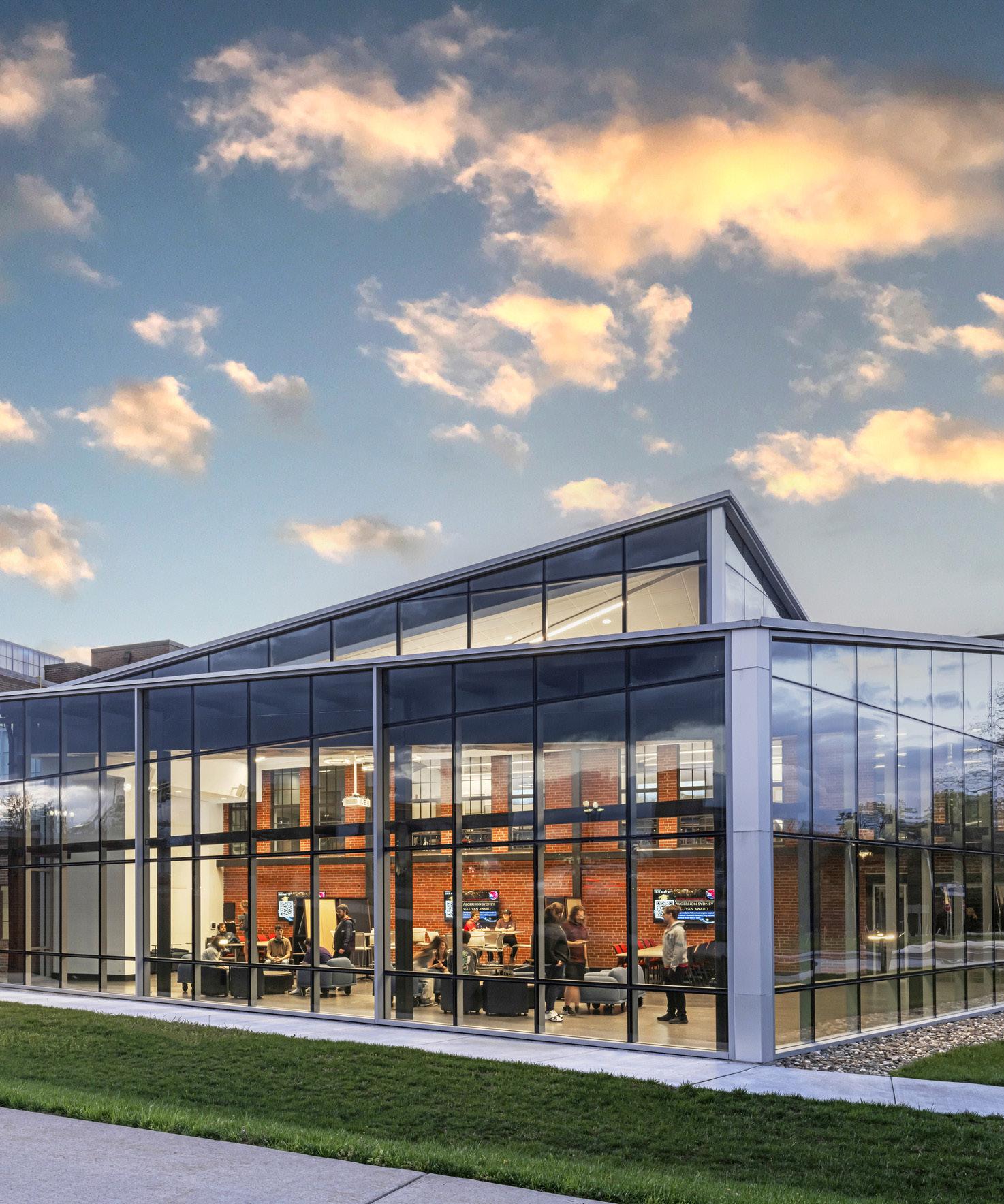
Belmont University’s Thomas F. Frist, Jr. College of Medicine, is oriented to maximize daylight, improving alertness and cognitive performance.
Photo Credit: Jeremiah Hull
At Moravian University, common areas provide spaces for students to gather, share meals and build relationships.
Photo Credit: Nick Chismar
The Moravian University HUB features a dedicated wellness suite and terrace.
Photo Credit: Nick Chismar
2026 Higher-Ed Outlook Increasing demand for interdisciplinary academic buildings that maximize resources
By Arnold Swanborn, AIA, LEED AP
The last decades have seen a convergence of space, of intellect and of expertise. At the same time, greater efficacy has become pervasive in the boardroom and in our personal lives. Think Amazon, DoorDash, Waymo and other advances of convenience. This momentum has led to greater specialization, and, by default, greater interdependency. While technologies such as the internet, social medial platforms, artificial intelligence and greater computing power have collapsed distance, time and reach, economic realities have shifted education. Lower enrollment, reduced public funding and a demand to provide more for less are the new norm.
Moreover, today’s pressing issues—including climate resilience, precision medicine and artificial intelligence—demand teams that span disciplines. These realities are reshaping how colleges and universities conceive projects where teaching and discovery take place. Collaboration and multi-purpose space are no longer aspirational. They are the foundation of modern academia.
New Construction: Shared Spaces, Shared Savings
For institutions, the interdisciplinary model offers both pedagogical and financial advantages. When multiple departments share lecture halls, breakout rooms and study lounges, universities can optimize space. Efficiency matters as
government grant funding tightens, and institutions look for smarter ways to stretch capital budgets. What is constant is the need to differentiate. As a result, the convergence/hybridization of space forces design professionals to be creative, leading to innovative new space types and solutions bespoke to specific needs of each institution.
Flexibility and adaptability are the design ethos. The University of Arizona’s Health Sciences Innovation Building (HSIB), an interprofessional training facility for health sciences professionals, exemplifies this trend. The program consolidates the training of students in medicine, nursing, pharmacy and public health in a flexible, adaptable building. It is predicated on an open loft concept —a 220-foot by 90-foot column- and vertical-infrastructure-free, nine-story volume—that anticipates limitless reconfiguration for future adaptability as needs, pedagogy and program evolve. The strategy is a sustainable and efficient approach to the building’s long-term viability, yet bespoke to the building’s mission to attract, retain and train future professionals who will ideally serve the health needs of rural Arizonans.
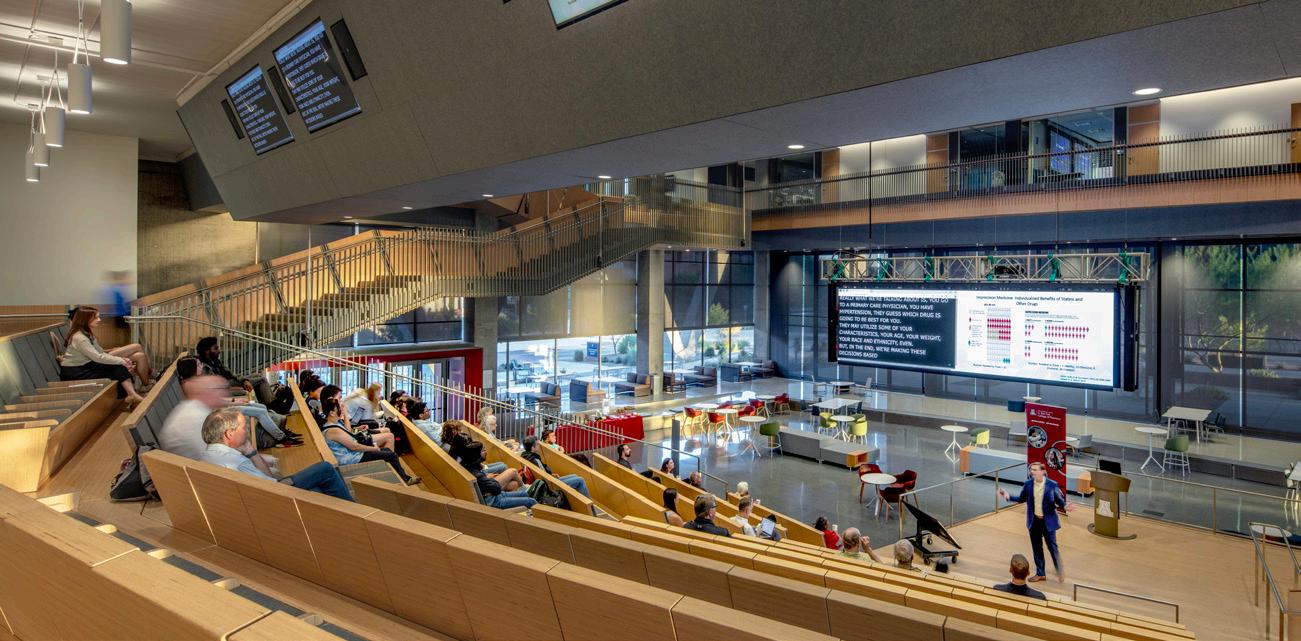
Programs and community are organized around a dramatic ground-floor Forum, a gathering space that accommodates everything from intimate seminars to large community events. The Forum is quite literally the building’s living room—flexible, welcoming and designed to knit a diverse community through integrated technology, including a robust sound system and carefully considered acoustics, seating and supportive storage—all while visually connecting to campus. The space further supports lectures in a tiered configuration, allowing more flexible learning environments on the upper floors. These include learning studios, which are flat-floor flexible environments of various sizes and are also planned to be scalable.
A first-of-its-kind simulation deck provides flexible space for interprofessional simulated training. The space is based on the Hollywood stage set, a reconfigurable black box for simulating large and small hospital settings, mass casualty events and standard healthcare environments—for both students and professional continuing education.
The project was designed before the pandemic, which fundamentally changed officing and the requirement to be in-person. It anticipated a new model for faculty offices and collaboration. Offices are smaller, sized for purpose—not title. They’re modular, able to flex between small meeting rooms or offices and organized in neighborhoods. The focus is on the collective over the individual, understanding that a desk can be anywhere but that the reason to be together is for collaboration and serendipity. The floor plan achieves this flexibility and still manages to provide all working environments with natural daylight on a very deep, efficient floor plate.
Adaptive Reuse: Breathing New Life into Existing Structures
As we consider financial resources, not every initiative requires new construction. Adaptive reuse offers a compelling alternative honoring institutional heritage while meeting contemporary needs.
Rockhurst University in Kansas City demonstrates how a thoughtful renovation can catalyze a new academic identity. Sedgwick Hall is the oldest building on campus. It was recently reopened as a Nursing and Health Sciences school, complete with a simulation center, health assessment labs and dedicated study spaces. The renovated facility provides hands-on learning that was simply not possible before.
At UCLA, the renovation of the Paul Revere Williams-designed La Kretz Botany Building turned the aging mid-century historic building into a LEED Platinum-certified departmental hub. It consolidates a department previously scattered across multiple buildings and breathes new life and contemporary functionality into an aging facility by thoroughly reimagining the interiors. Connecting learning and working to the exterior and replacing enclosed spaces with glass-lined corridors and open-plan laboratories. Staff report that the onceoverlooked building has become a hive of knowledge exchange, a place people genuinely enjoy coming to work. This building is a place designed, at its core, for the people who experience it.
Looking Ahead: Public-Private Partnerships and the Next Frontier
If the current trajectory holds, the next wave of interdisciplinary facilities will push collaboration beyond campus borders and into the realm of public-private partnerships. The most ambitious projects already underway suggest what that future looks like.
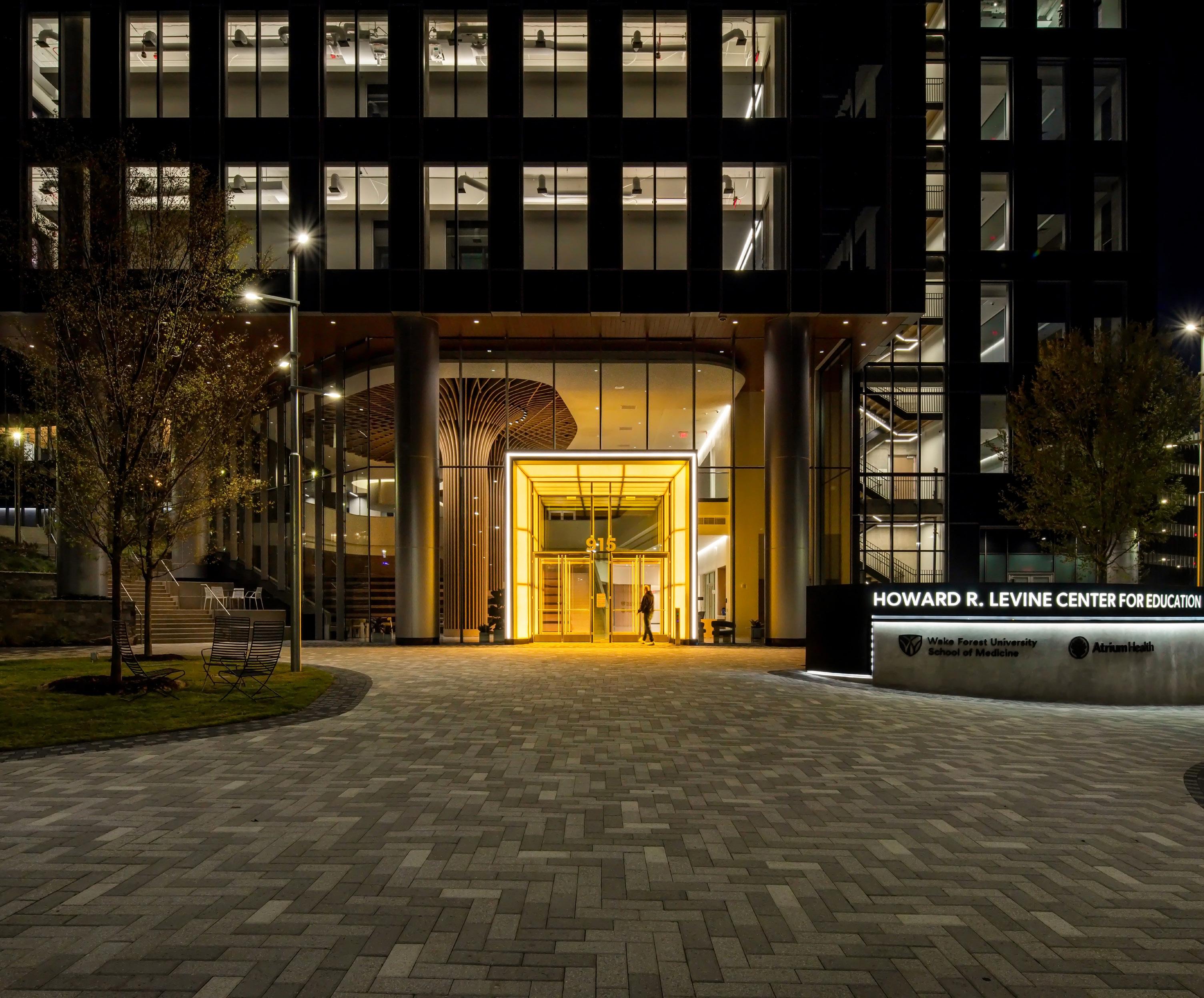
In Charlotte, N.C., The Pearl Innovation District represents a bold new model, of public-private partnership. This model bringings together the private and public sector to build/finance the project. Ventas, Wexford Science & Technology, and Atrium Health teamed to develop The Pearl. It houses the Wake Forest University School of Medicine and the Carolinas College of Health Sciences alongside IRCAD North America, the renowned French surgical training institute. Strategic partners such as Siemens Healthineers and Johnson & Johnson MedTech maintain a presence in the district, creating an ecosystem where medical education, research and development and clinical training converge.
The throughline connecting these projects—brand new construction, renovated buildings or the establishment of a brand-new medical innovation district—is a conviction that the best work happens when boundaries dissolve. When capitalization on the convergence and consolidation that brings disparate disciplines under one roof is greater than the sum of the parts. This approach unlocks potential for moments of connection, discovery and shared purpose. For institutions planning the next generation of campus construction, the question is no longer whether to build interdisciplinary, but how far to take the concept.
Sedgwick Hall was modernized to accommodate Rockhurst University’s top-rated nursing school. | Photo Credit: Michael Robinson
Arnold Swanborn, AIA, LEED AP, is Design Principal at CO Architects and a member of the School Construction News Editorial Advisory Board.
University of Arizona’s Health Sciences Innovation Building features a multipurpose Forum that hosts lectures, seminars and community events. | Photo Credit: Bill Timmerman
SECURE YOUR SPOT
Early Bird Pricing Ends May 31
August 5, 202 6
T ivoli Turnhalle – Denverʼs Auraria Campus
Coffee, lunch & happy hour included
KEYNOTE ADDRESS
Dr. Drew Coleman
Chief of Schools, Jeffco Public Schools
Dr. Drew Coleman, Chief of Schools for Jeffco Public Schools, will share insights on leadership, equity, school culture and how the built environment can help or hinder student success.
New Partnership with SchoolBondFinder Brings Bond, Referendum Insights to School Construction News
By Petra Sucher
As school districts nationwide grapple with aging infrastructure, evolving educational models and heightened community expectations, K-12 bond measures have become a critical mechanism for funding transformation. Beyond simple capital campaigns, these referendums reflect shifting priorities around safety, flexibility and long-term facility performance.
Recognizing the critical value of connecting readers with bond- and referendum-related insights, School Construction News is proud to announce a new partnership with SchoolBondFinder that will bring SchoolBondFinder’s expertise and capital project bond insights to School Construction News readers. SchoolBondFinder provides a data-driven lens into how districts are planning, proposing and delivering projects—offering stakeholders a clearer view of where investment is occurring and how those decisions are shaping the future of learning environments.
The School Bond Finder K-12 Bond Platform
SchoolBondFinder specializes in tracking K-12 capital project bonds across the nation. Our platform monitors school district bond initiatives across key stages, providing stakeholders with crucial data on project scope, financing and voter outcomes.
· Watch List: Districts may be added to this list following initial activities such as a facilities study, demographic study, capital improvement plans review or a feasibility survey.
· Proposed List: A bond is moved to this list once a school board officially approves a referendum for a vote. At this point, the vote date, official ballot language, use and amount are finalized.
· Passed/Failed List: Updates on school bond referendum votes—both passed and failed—are typically available on our platform within 24 to 72 hours of the official results being released.
A Recap of 2025 Bonds
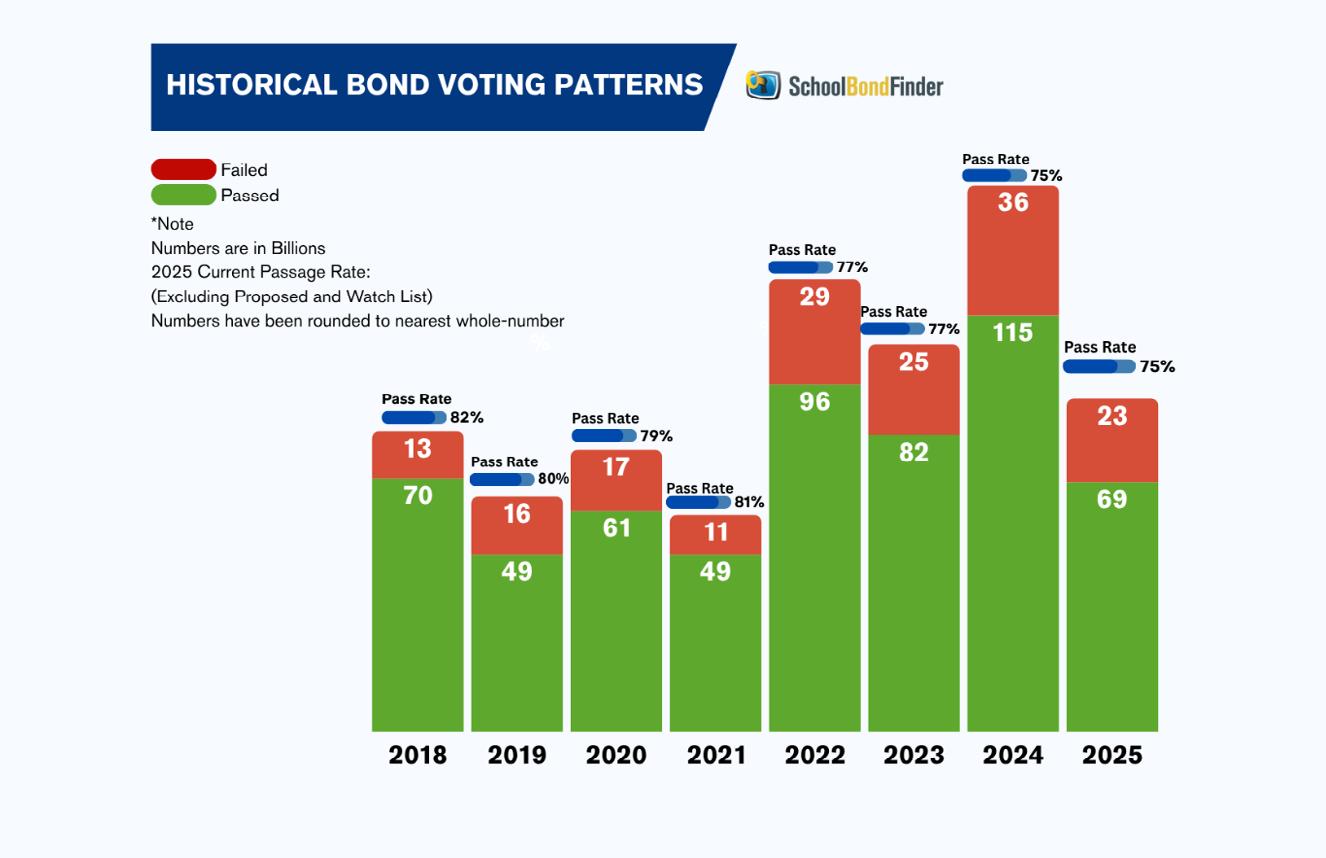
As the first quarter of 2026 wraps up it is important to look back at 2025 for reference. In 2025 SchoolBondFinder tracked $91 billion worth of bonds. Approximately $69.2 billion passed, whereas $22.7 billion failed. The overall passage rate for 2025 was 75%, which aligns with the trend observed over the last few years. Our research team tracks school bond activity nationwide, with the highest total bond amounts recorded in Texas ($18.4 billion), California ($6.1 billion), Ohio ($3.5 billion), Washington ($3.4 billion), and Pennsylvania ($3.0 billion) in 2025.
Historic Trends
The chart above illustrates spending amounts for both passed and failed referendums over the past eight years. Election years typically show an increase
in both the number and total value of bonds proposed, a trend often attributed to higher voter turnout during presidential elections, which can improve referendum passage rates.
An eight-year longitudinal analysis (2018–2025) highlights consistent trends in K-12 bond funding, offering insight into evolving educational priorities. During this period, bond measures most frequently supported the following project areas:
· Speciality Areas
· Instructional Areas
· Athletic Facilities
· HVAC SystemsElectrical and Lighting Upgrades
· Electrical / Lighting Upgrades
Given that most instructional buildings were built before the 1970s, it is no surprise that infrastructure upgrades are a top priority for school districts. Capital improvements continue to be focused on modernizing student learning environments. These spaces include classrooms, libraries, laboratories and specialized facilities. The goal is student-centered learning, achieved through flexible environments that incorporate mobile furniture, integrated technology and versatile layouts.
2026 Year to Date - First Quarter
As of March 2026, approximately $6 billion in K–12 bonds have been approved. Roughly 267 bond measures were tracked in the first quarter, resulting in a 70% passage rate. Approved bonds were concentrated primarily in specialty areas (ie cafeterias, sensory rooms, admin spaces), HVAC systems and instructional spaces. The top three states (WA, KS, and IL) account for about 66% of the total bond amount passed in Q1.
2026 Bond Priorities
The SchoolBondFinder database is currently tracking a total of 1,478 bonds scheduled for 2026 and beyond, as of March. Approximately 117 bonds are scheduled to go to vote throughout the month of April, with more elections scheduled in May and June. The combined Proposed and Watch List bonds represent approximately $56 billion in potential opportunity.
K-12 School bonds are currently prioritizing construction, capital improvements, technology upgrades and security enhancements. Many districts are seeking smaller, more targeted amounts for referendums, which may be more appealing to taxpayers and could be a more achievable strategy compared to large, multimillion-dollar bonds.
· Facility Longevity and Maintenance: There is a growing focus on facility longevity and maintenance over expansion. Renovation and repair projects are the most frequent, while new construction and major system/envelope upgrades represent higher-value contracts.
· Student-Centric Modernization: A significant portion of bond funding targets modernization and expansion of areas directly impacting student learning and extracurricular activities. This includes projects focused on flexible learning spaces, modern classrooms and auditorium renovations, showing a high demand for multi-purpose furniture solutions.
· Infrastructure and Safety: Basic infrastructure remains a consistent priority. Projects related to safety/security and system/building envelope upgrades, such as HVAC replacement, roof repairs and security show a commitment to the health, safety, and long-term goals of school facilities.
More Info and Insights to Come
Looking ahead, the trajectory of K-12 bond funding suggests a more strategic, targeted approach to capital investment—one that balances fiscal realities with the urgent need to modernize facilities. As districts continue to prioritize infrastructure resilience, student-centered design and operational efficiency, access to timely, reliable data will remain essential. Platforms like SchoolBondFinder are critical resources for A/E/C stakeholders, providing the in-depth insights necessary for better decision-making and efficient utilization of K-12 funding opportunities.
Watch for quarterly insights from SchoolBondFinder to learn more about upcoming opportunities.
Petra Sucher is the Marketing Engagement & Analytics Manager with SchoolBondFinder.
This chart illustrates spending for passed and failed referendums. Election years typically show an increase in the number and value of bonds proposed, a trend often attributed to higher voter turnout during presidential elections. | Photo Credit: SchoolBondFinder
A Living Laboratory How design shapes learning at Franklin Cummings Tech
By Lindsey Coulter
By Lindsey Coulter
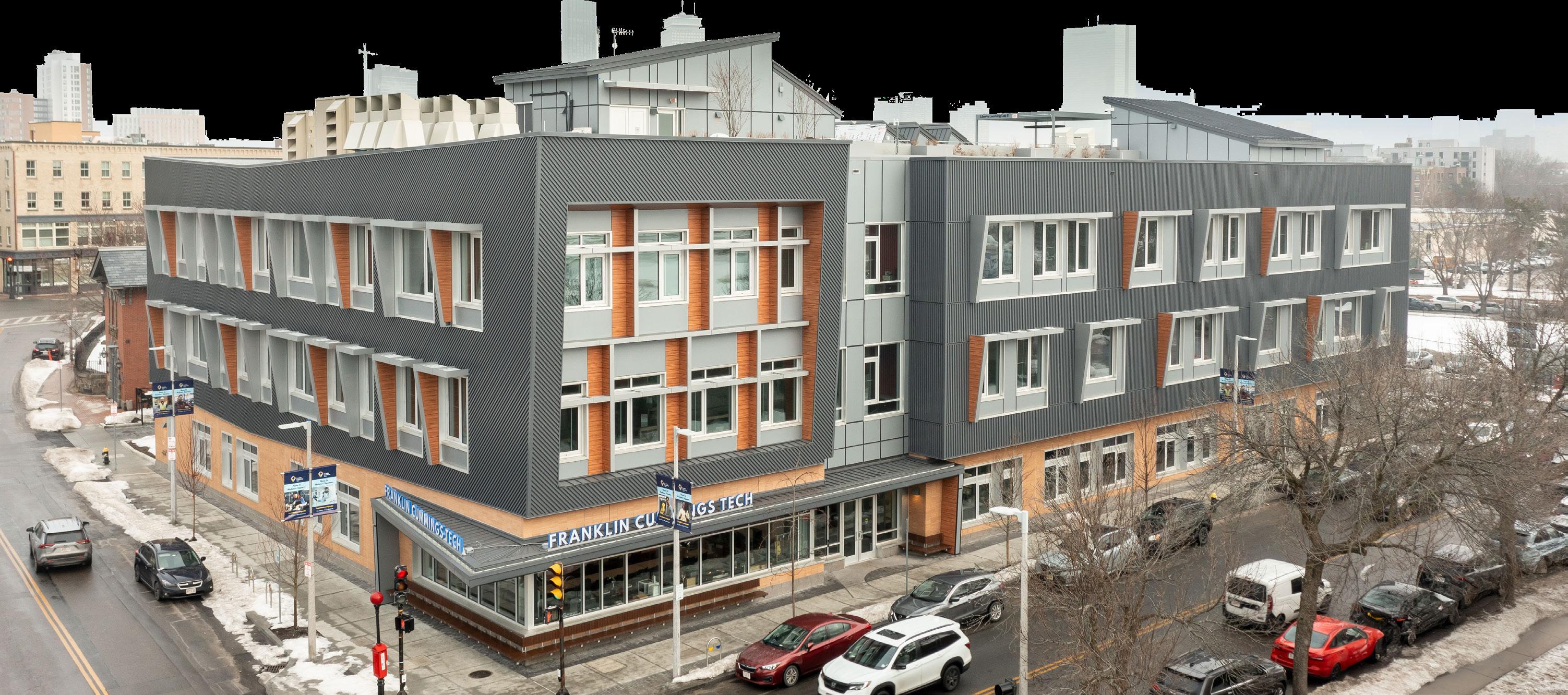
In Boston’s Nubian Square, the new home of Franklin Cummings Tech reflects a fundamental shift in how the institution delivers technical education. The project expresses the college’s mission through architecture, aligning physical space with evolving workforce demands, student needs and institutional identity.
Designed by Studio G Architects, with collaborating architect STUDIO ENÉE, the approximately $75 million, 68,000-square-foot facility replaces a significantly larger legacy campus while expanding programmatic capability, advancing sustainability goals and reshaping the student experience. The result is a highly efficient, purpose-built environment that reflects both the realities of urban development and the future of technical education.
Bringing the project to life required a highly iterative, collaborative process spanning years, leadership transitions and shifting institutional priorities. From site selection through programming, design and construction, each phase required careful coordination, producing a building that
functions not only as a place of learning, but as a teaching tool itself.
Site Selection as Strategic Foundation
The Franklin Cummings Tech campus welcomed its first students in January, but the path to opening day began with a nearly four-year programming and planning effort, beginning with identifying the right site—an approach rooted in access, equity and alignment with the college’s mission.
“We were initially hired for site selection and programming,” said Gail Sullivan, managing principal and founder of Studio G Architects. “The school needed to be in the city of Boston and located near public transportation.”
Given Boston’s density and real estate constraints, finding a suitable parcel proved challenging. However, when a site on Harrison Avenue became available, the decision came quickly.
“We went and saw the site and within 24 hours the offer was made,” Sullivan said. “It was a unanimous, fairly instantaneous decision.”
The location placed the institution directly within the community it serves, strengthening accessibility for students
The design team carefully calibrated building orientation, façade composition and shading strategies to optimize energy performance.
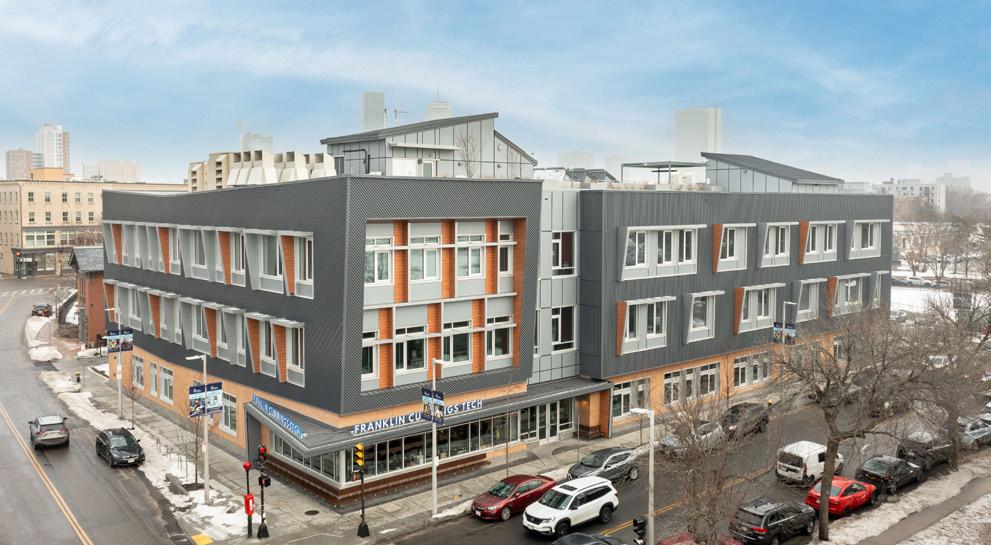
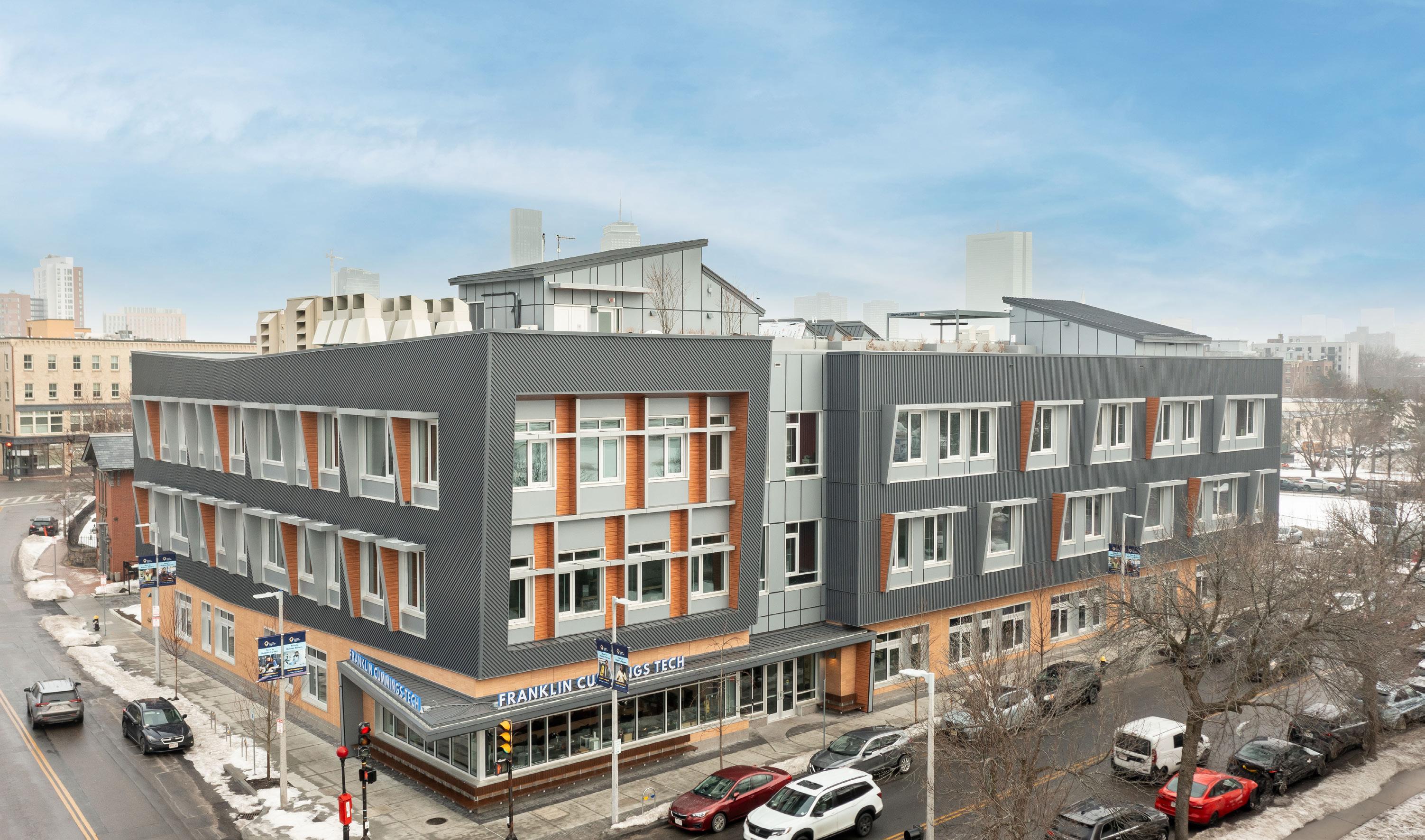
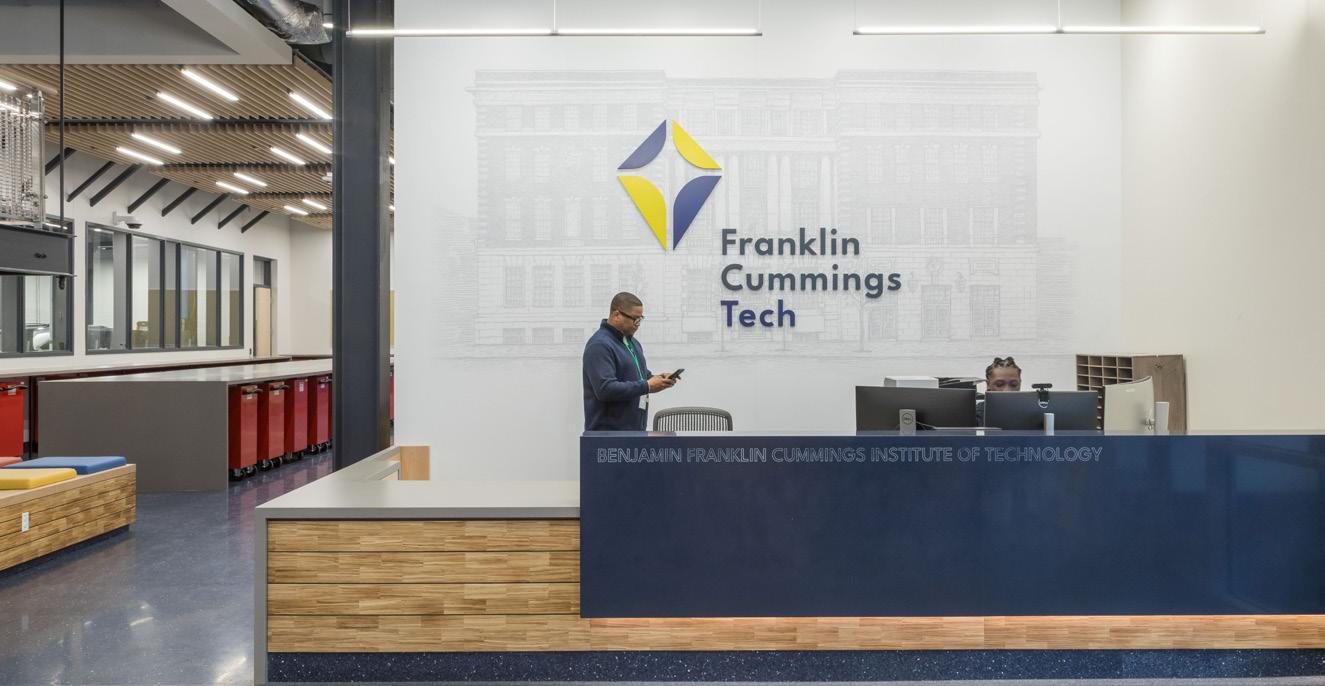
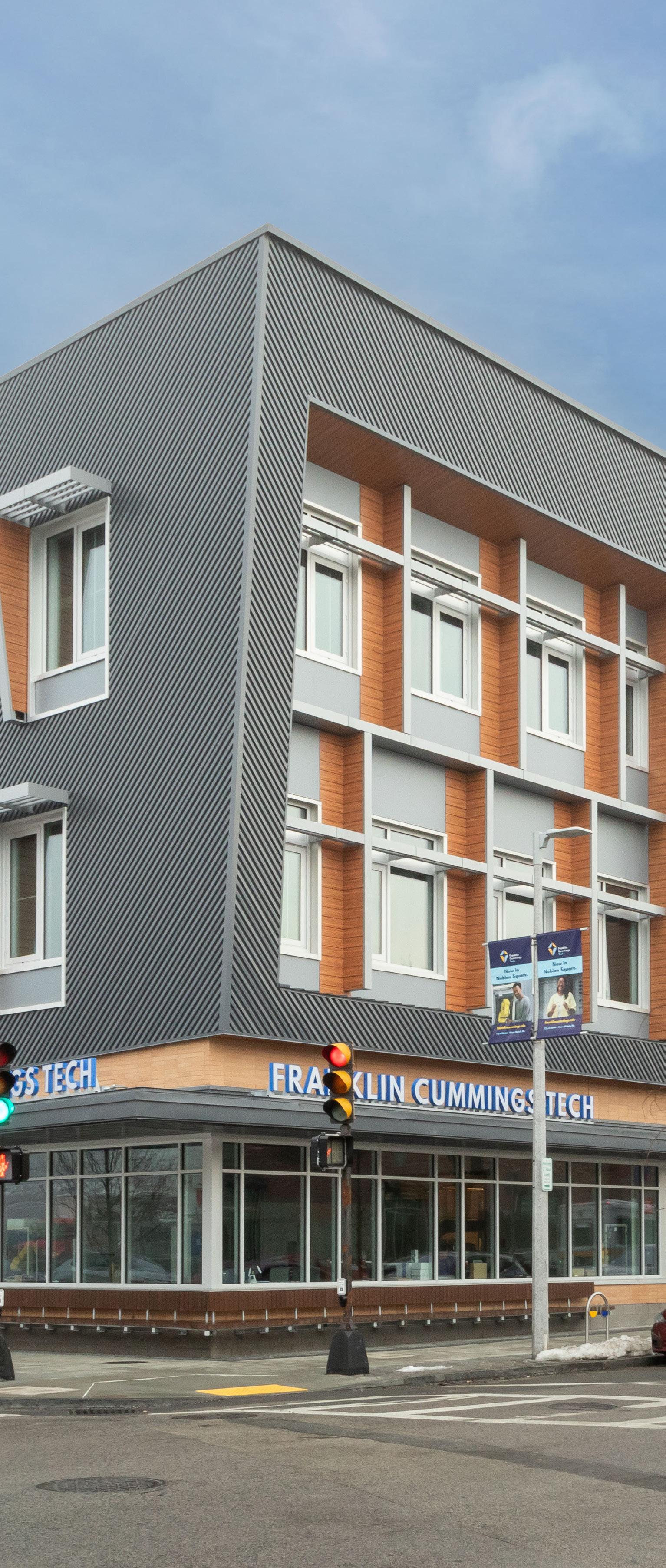
The new Franklin Cummings Tech welcomed its first students in January. | Photo Credit (all): Damianos Photography
and embedding the college within the fabric of Nubian Square. The move also contributes to the neighborhood’s ongoing revitalization, reinforcing the institution’s role as both an educational and civic anchor.
Programming Through Change and Constraint
While site selection was swift, programming proved more complex. The design process unfolded amid leadership transitions, financial constraints and evolving academic priorities. Studio G Architects began by interviewing all department leaders, but balancing the distinct needs of each program presented inherent challenges, particularly as the college worked to align its offerings with emerging workforce demands. At the same time, financial realities required a significant reduction in overall building size.
“We shrank the facility from 104,000 square feet to 70,000 square feet because cost was a big factor,” Sullivan said.
Despite the reduced footprint, the new building ultimately delivers greater efficiency and functionality than its predecessor.
“The previous facility had a lot of wasted space,” said Marvin Loiseau, Ed.D., Chief Academic Officer and Dean of Academic and Student Affairs for Franklin Cummings Tech. “Constructing a purpose-built space really allowed us to be efficient. Everything is placed purposefully and strategically so that we can ensure that we’re supporting our students.”
At the same time, the institution’s academic direction continued to evolve, prompting design adjustments.
“New programs in wind-turbine maintenance and solar installation were introduced midway through the process,” Sullivan said. “So, we had to revisit the program to adapt to new needs. It was a multilayered process.”
These shifts underscore the dynamic nature of modern technical education, where facilities must remain adaptable to changing industry demands and student pathways.
Designing for Flexibility and Utilization
With a smaller footprint came an increased emphasis on maximizing every square foot.
“If you’re shrinking your space by that much, you have got to create a lot of flexibility,” Sullivan said. “You have to guarantee that every space is used through the whole day and into the evening.”
To achieve this, the design eliminates traditional single-use spaces such as a dedicated auditorium and reduces the number of private faculty offices. Instead, it introduces well-appointed hoteling spaces for educators and teaching environments that can shift based on need.
A key example is the second-floor learning space, where operable partitions and a large movable glass wall system allow three classrooms to combine with
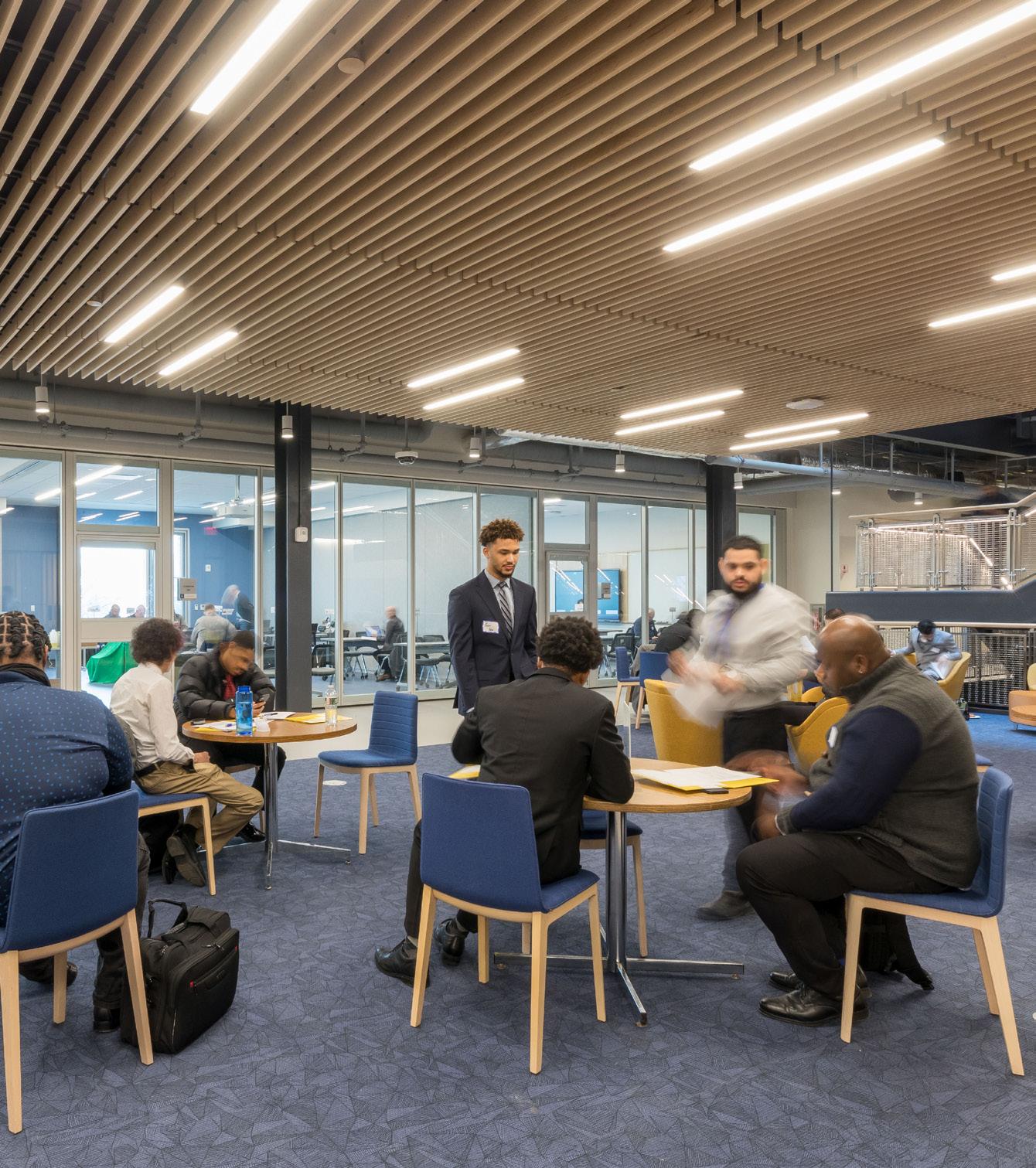
The Commons into a single space accommodating up to 500 people. This approach provides the functionality of a large assembly space without sacrificing daily usability.
Flexibility also extends to informal and student-centered spaces, addressing a critical gap identified in the previous facility.
“In the previous building, there really wasn’t student-centered space, but here there are dedicated areas for students: study commons, meeting rooms or places to just hang out,” Loiseau added. “It gives them flexibility and a sense of ownership.”
PROJECT TEAM
Client/Owner: Franklin Cummings Tech
Project Manager: Leggat McCall Properties
General Contractor: Dellbrook One Way
Architect: Studio G Architects
Collaborating Architect: STUDIO ENÉE
Landscape Architect: Ground Inc.
MEP Engineer: Cosentini
Structural Engineer: Foley Buhl Roberts & Associates
Civil Engineer: Nitsch Engineering
Acoustics: Acentech
PRODUCT DATA
Corrugated metal siding: PAC-CLAD
Phenolic siding: Abet Laminati
Windows & storefront: YKK AP
Roofing: Elevate
Roof deck: Wausau Tile
Terrazzo flooring: DePaoli Mosaic Company
Resilient flooring: Wineo Purline
Carpet: J+J Kinetex
Rubber flooring (stair B): Nora
Folding glass wall: Modernfold Acousti-Clear
Tile: Crossville and Best Tile
Transparency as Pedagogy
One of the most distinctive aspects of the project is its emphasis on transparency as both a design strategy and an educational tool.
“Transparency was fundamental,” Sullivan said. “This is a technical college, so we wanted to make sure that the building expresses itself in a way that students can also learn from it.”
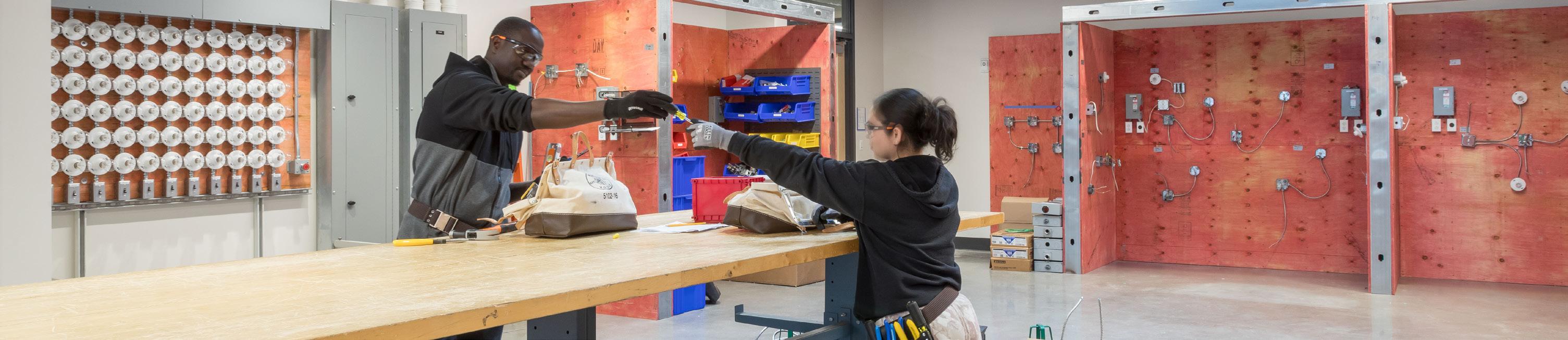
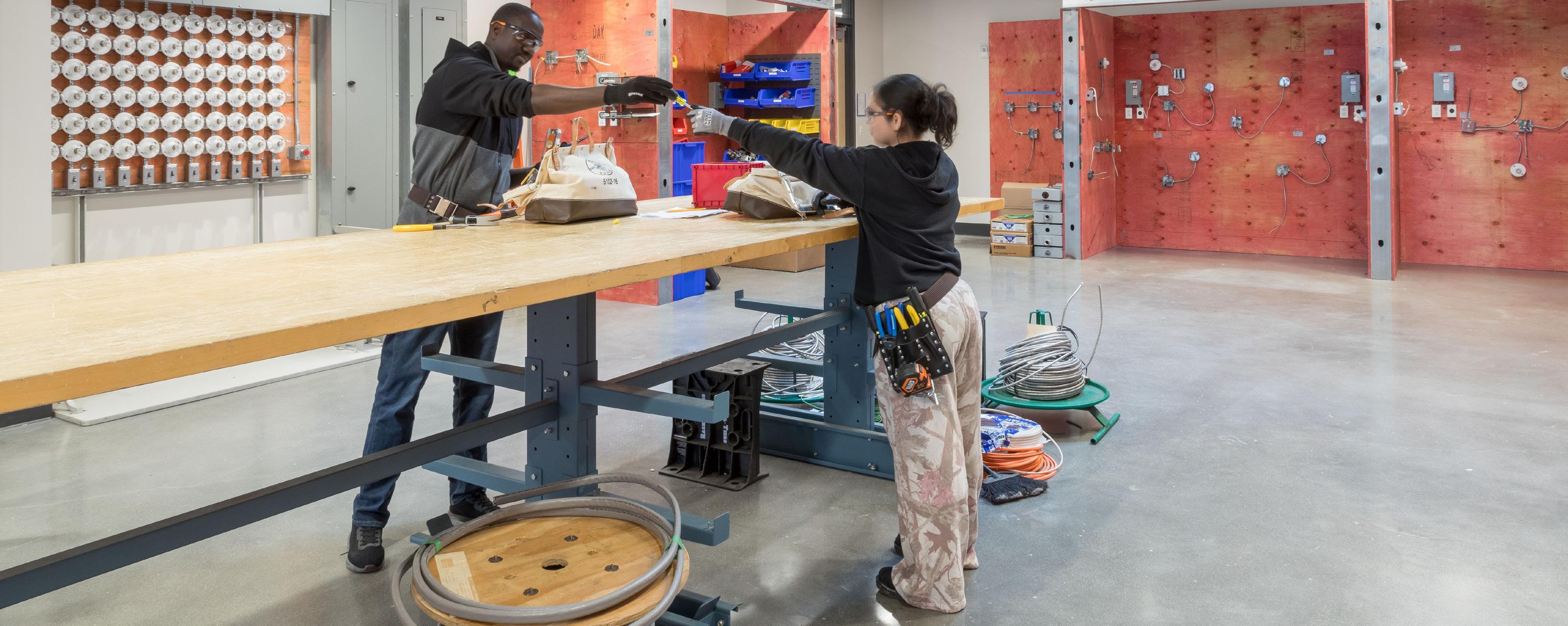
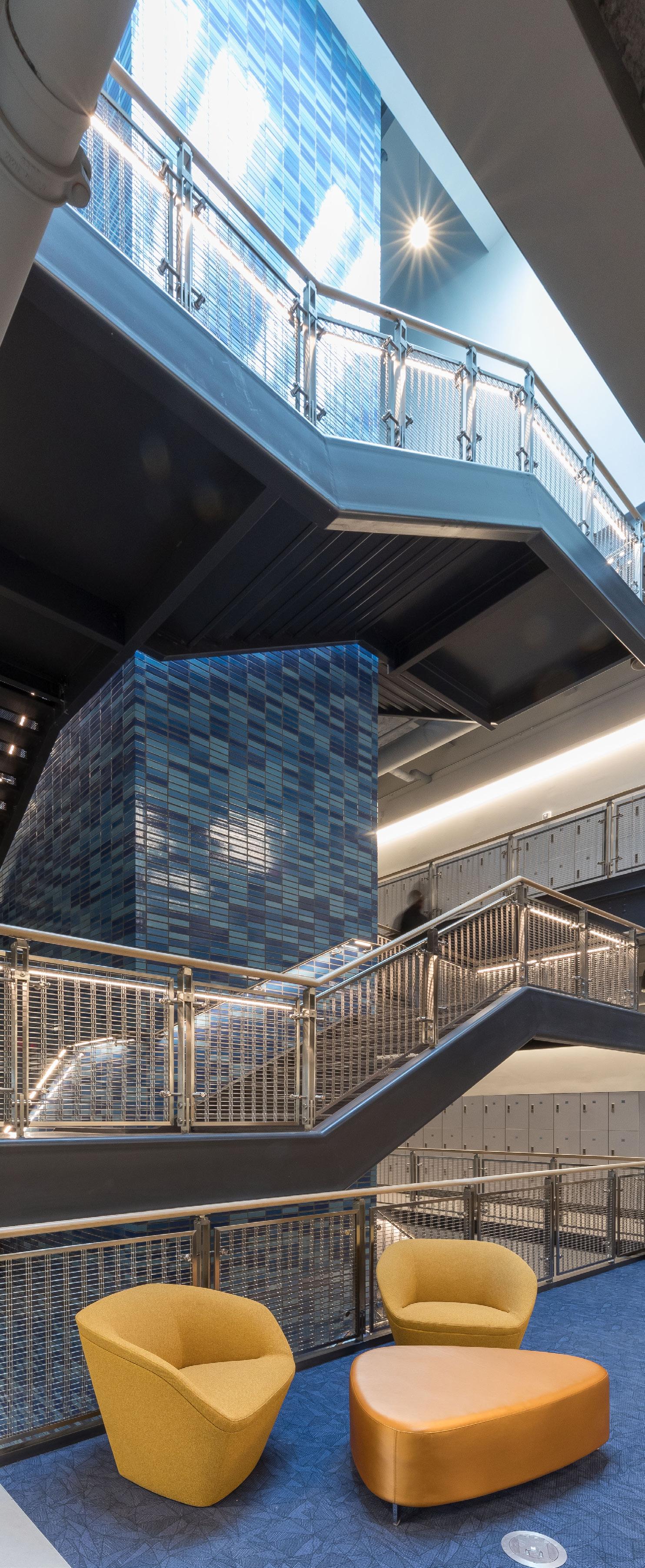
To achieve this, the design exposes mechanical, electrical and HVAC systems, transforming building infrastructure into a visible, interactive learning resource. This approach allows students to observe and understand the systems they study in real time.
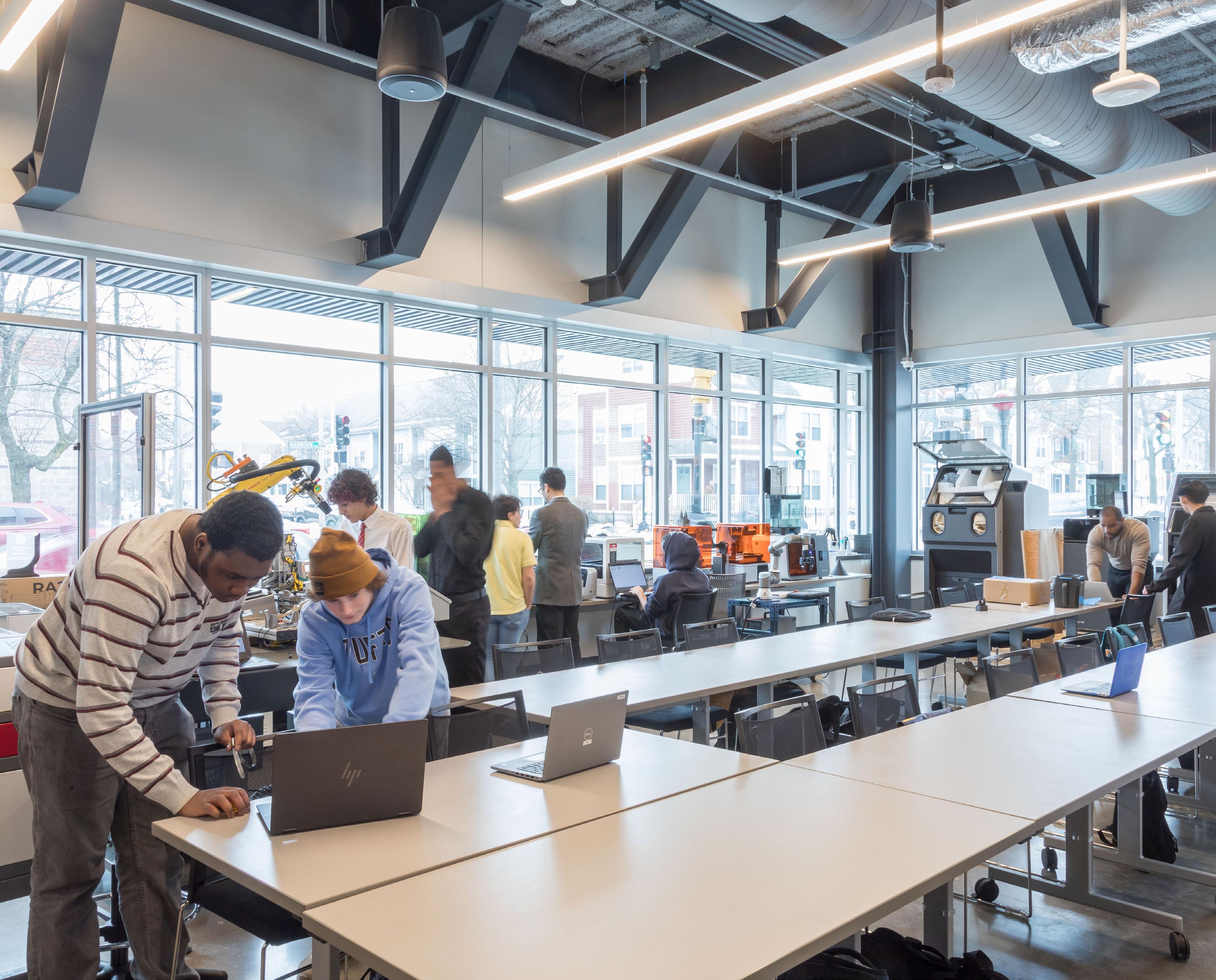
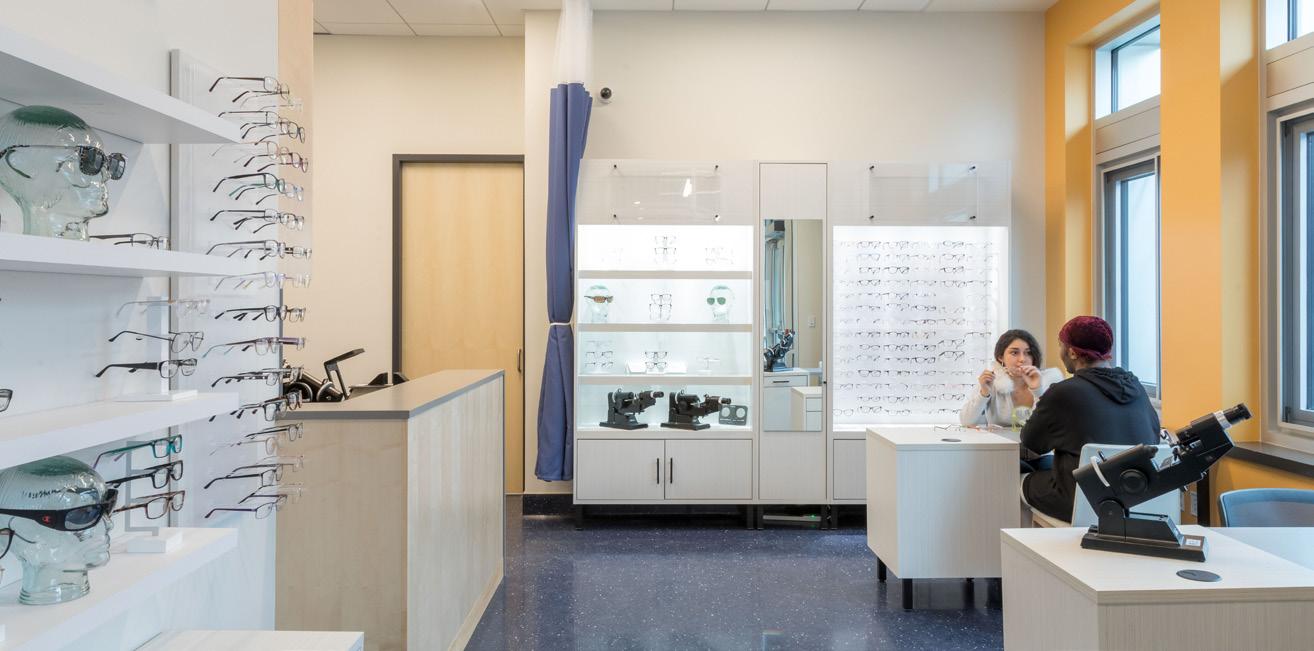
This transparency extends to the building’s relationship with the surrounding community. Ground-floor programs are intentionally positioned to engage the public realm, including a robotics lab, an opticianry clinic and a glass-front automotive lab where students service vehicles.
“We wanted to put education on display,” Sullivan added. “To draw in prospective students and their families from the street.”
The building is also a living laboratory for students in energy and trades programs. A rooftop learning lab integrates HVAC systems and photovoltaic panels, providing hands-on training aligned with careers in the green economy.
Designing for Connection
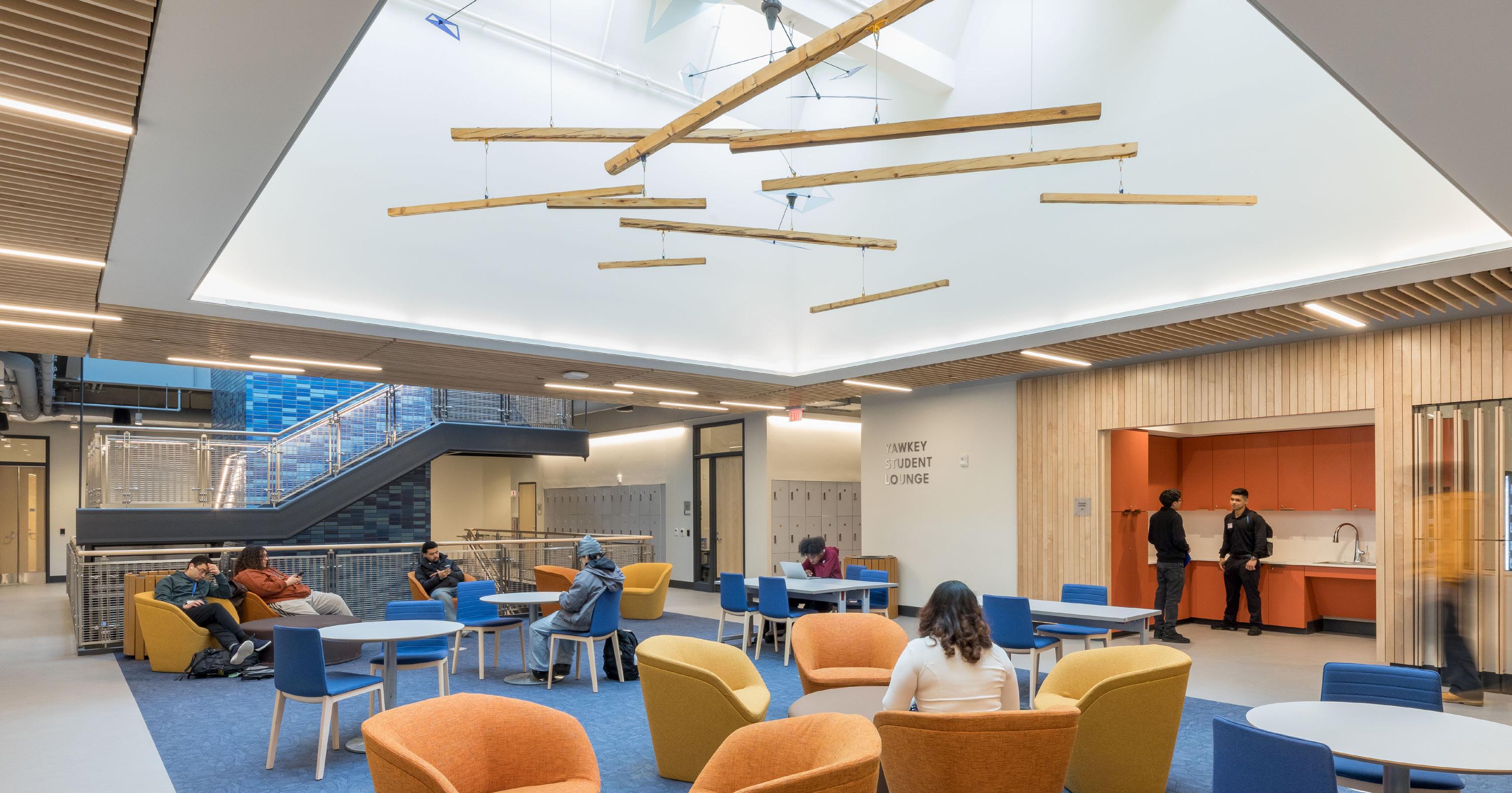
Beyond academic functionality, the building is designed to foster interaction and community across disciplines. At its core is a central “donut” layout—a skylit, open lounge that serves as a hub for student activity.
“Students would say they didn’t know anybody outside their program,” Sullivan said. “That’s not a college experience.”
The building addresses this challenge by encouraging visibility and movement across programs, creating opportunities for informal interaction. By prioritizing shared space and connectivity, the building supports a more holistic student experience—one that balances technical training with social engagement.
All-Electric and Passive-First Design
Sustainability was a core consideration from the outset, resulting in an allelectric, net-zero-ready building that prioritizes passive design strategies and
New wind-turbine maintenance and solar installation programs were introduced midway through the design process.
Beyond academic functionality, the building is designed to foster interaction and community across disciplines.
thermal performance.
The design team carefully calibrated building orientation, façade composition and shading strategies to optimize energy performance while maintaining daylight access. Exterior shading devices and carefully scaled window openings reduce solar gain, while the building’s orientation minimizes glare and heat absorption.
“Going from a 1900-era building to a brand-new, energy-efficient facility is nothing short of amazing,” Loiseau said. “It allows students to see building systems in real time and connect what they’re learning directly to the environment around them.”
This integration of sustainability and education further reinforces the building’s role as both infrastructure and instructional tool.
Complex Constraints, Creative Solutions
Like many urban projects, the Franklin Cummings Tech project required navigating a range of sitespecific constraints. Among the most complex was the roof, where multiple systems and programmatic elements had to coexist within limited space. The roof accommodates mechanical equipment, energy-recovery systems, solar arrays, skylights and outdoor learning areas, all carefully coordinated to maximize performance and usability.
“Every project has roof competition, but this one had serious roof competition,” Sullivan said.
The site’s proximity to a historic burial ground introduced additional considerations.
“We had to do noise studies and shadow studies to prove that the building would not unduly impact the cemetery,” Sullivan said.
These constraints required careful planning and coordination, ultimately shaping key aspects of the building’s orientation and design.
Materiality and Identity
Despite budget limitations, the project establishes a strong architectural identity through thoughtful material selection and detailing.
“Cost constraints were a huge factor,” Sullivan said. “We thought, if we design a simple box, how are we going to make this still an absolutely gorgeous building?”
The solution combines corrugated metal, brick and wood-look panels to create a balanced and expressive façade.
“The corrugated metal expresses that this is a technical college, but then we softened it with the brick and wood-look panels,” Sullivan said.
The building’s entry is anchored by a prominent canopy, reinforcing a sense of inclusivity and accessibility.
“It’s really mostly about welcoming people,” Sullivan said. “It sends a ‘come on in’ message.”
This approach reflects the institution’s broader transformation, aligning its physical environment with a renewed identity and mission.
A Measurable Impact on Students
Ultimately, the success of the new campus is reflected in how it is experienced by students. Early feedback suggests the building is already transforming the academic environment.
“My favorite comment was from a couple of students who said, ‘I really feel like I’m in college now,’” Sullivan said.
The statement highlights a significant shift from the previous facility, where students did not experience the same sense of identity or belonging.
Institutional metrics also point to early success.
“Since opening, we’ve had a significant number of programs bringing people on campus, and that visibility is important,” Loiseau said. “We also have a 20% increase in applications for this fall, which is a really good thing.”
A Model for Future Technical Education
The Franklin Cummings Tech campus offers a replicable model for urban institutions navigating financial constraints, evolving workforce demands and limited space.
By aligning architecture with pedagogy, operations and community context, the project demonstrates how design can function as both infrastructure and catalyst for transformation. As the college approaches the end of its first semester in Nubian Square, its new facility continues to reflect excellence, evolution, community and pride.
Flexibility and informal, student-centered spaces address a critical gap identified in the previous facility.
The robotics, automotive and opticianry programs are positioned on the ground level to increase visibility and engage the public.
Navigating Risk, Cost and Change in Higher Ed Construction
Owner’s Rep George Swetz of Skanska on how colleges and universities are prioritizing investments and aligning capital projects with institutional goals
By Lindsey Coulter
Higher education construction is entering a period defined by financial pressure, shifting enrollment patterns and rising expectations around sustainability and student experience. Institutions are reevaluating how capital projects support longterm value, flexibility and campus identity, while navigating cost volatility and complex stakeholder demands. In this environment, the owner’s representative perspective is increasingly critical to project success.
George Swetz, executive vice president and general manager of Skanska Integrated Solutions, has served in this critical role across multiple high-profile projects and is well-versed in guiding institutions through these challenges. Swetz brings more than four decades of experience across program management, construction and real estate to higher education projects, and spoke with School Construction News (SCN) about how colleges and universities are prioritizing investments, managing risk and aligning capital projects with institutional goals. His perspective as an owner’s representative offers a behind-the-scenes view of decision-making, emphasizing long-term value, stakeholder alignment and financial stewardship.
SCN: Which types of projects are receiving the most investment today, and why?
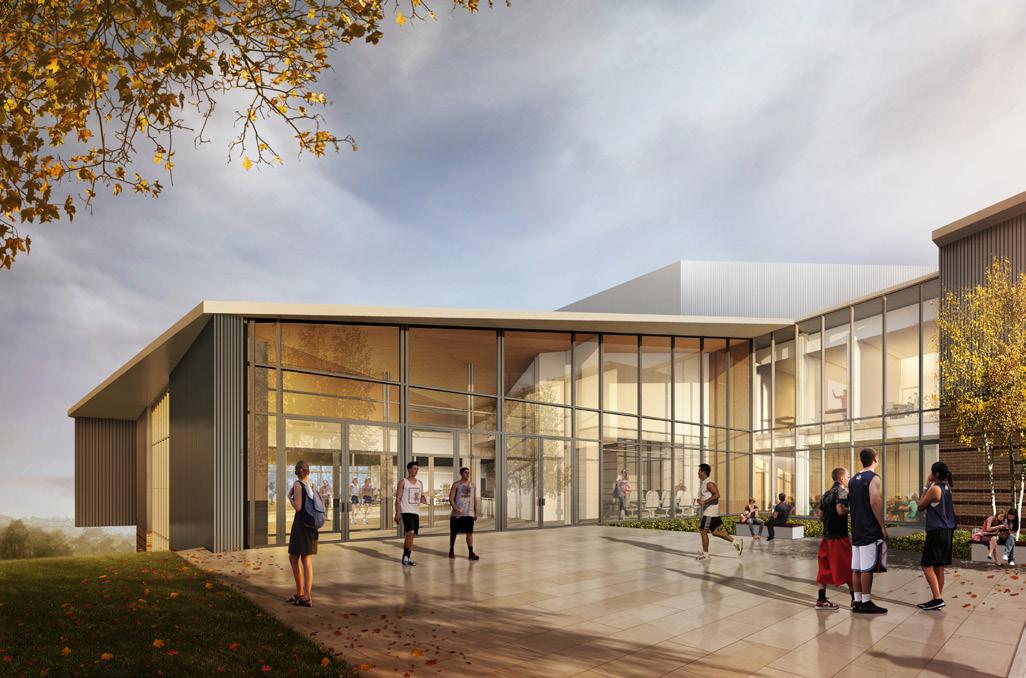
SWETZ: Some of the investments we see today are in projects that support student wellness, institutional identity and campus vitality. Facilities like the Brimmer and May School New Recreation & Wellness Center in Newton, Mass., as well as the College of the Holy Cross Hart Center at the Luth Athletic Complex reflect a growing emphasis on athletics, health, and student wellbeing as core components of the academic experience.
strengthening the full campus, not just adding space. As owner’s reps, Skanska helps institutions prioritize investments that align their mission, student impact and long-term financial stewardship.
SCN: How are enrollment trends and evolving academic programs influencing capital planning decisions?
SWETZ: Fluctuating enrollment and evolving academic priorities are pushing institutions to be more strategic in capital planning. This is where Skanska gets to help translate institutional priorities into capital plans that remain resilient as students’ needs and programming evolve. Owners are increasingly tapping us to better understand how they can focus on buildings that can serve multiple functions and adapt over time rather than highly specialized, single use spaces. At the College of the Holy Cross Hart Center at the Luth Athletic Complex, the integration of practice facilities, sports medicine, strength training and shared meeting spaces reflects that need for multifunctional programming. Similarly, the Williams College Museum of Art supports academic instruction, research and public engagement within one flexible cultural facility.
SCN: How are institutions structuring partnerships to better manage risk and control costs?
SWETZ: Institutions are placing greater emphasis on stakeholder engagement. Including faculty, athletics leadership, facilities teams, and administration has become essential to managing the project, but also its reputation. Owner’s representatives act as the central liaison, ensuring feedback is translated into clear project direction and risks are addressed early. This approach helps owners maintain control while avoiding costly changes or reputational damage.
SCN: With continued cost volatility in materials and labor, what strategies are helping institutions maintain project budgets?
SWETZ: Early planning and proactive cost management are critical in today’s uncertain market. Owner’s reps rely heavily on early cost modeling and tracking during preconstruction. Disciplined change management with the general contractor is also key to protecting budgets. The goal is not just to stay on budget today but also to avoid decisions that create financial strain on the customer.
SCN: Where are you finding opportunities to achieve long-term operational savings?
SWETZ: Long-term operational savings are often realized through early design decisions. Investments in efficient mechanical systems, durable materials and programs that are the appropriate size can significantly reduce lifecycle costs. The Brimmer and May Recreation & Wellness Center reflects how facilities that are focused on wellness can also be designed for high performance and long-term efficiency. At the Williams College Museum of Art, Skanska is embedding sustainability through Passive House design principles and additional strategies that track toward Living Building Challenge
certification, setting a strong foundation for longterm energy and operational savings. We have a team of dedicated sustainability experts who are supporting this and can help institutions evaluate these types of decisions through a lifecycle lens, not just cost.
SCN: How are life-cycle cost analyses influencing material selection and long-term campus planning?
SWETZ: Lifecycle cost analysis is increasingly central to how institutions evaluate materials and overall projects. Owners are weighing long term maintenance and energy performance alongside initial construction costs. At the Williams College
Museum of Art, this perspective impacts decisions around architectural quality and operational efficiency. At the College of the Holy Cross Hart Center at the Luth Athletic Complex, life-cycle evaluation is especially important given the intensity of use in athletics and training spaces.
SCN: What emerging technologies are starting to influence campus projects?
SWETZ: Digital modeling and AI enabled planning tools are increasingly influencing how higher education projects are planned and delivered. Skanska uses data and analytics to help institutions reduce uncertainty so they can make confident decisions and achieve more predictable outcomes throughout the project. Data-driven modeling can help us advise across highly technical decisions. For large, program-intensive facilities, it’s important for us to understand scheduling, procurement and phasing across athletics, training and student support functions. Data-informed supply chain intelligence also allows us to advise owners on material and equipment lead times and recommend adjustments when delays occur.
SCN: Looking ahead, what trends or policy shifts will most influence higher education construction?
SWETZ: Over the next decade, financial pressure, sustainability expectations and evolving student needs will continue to shape higher education. Institutions will increasingly prioritize flexible, high performing facilities that deliver longterm value, investing strategically in assets that support academic, cultural and student life goals simultaneously.
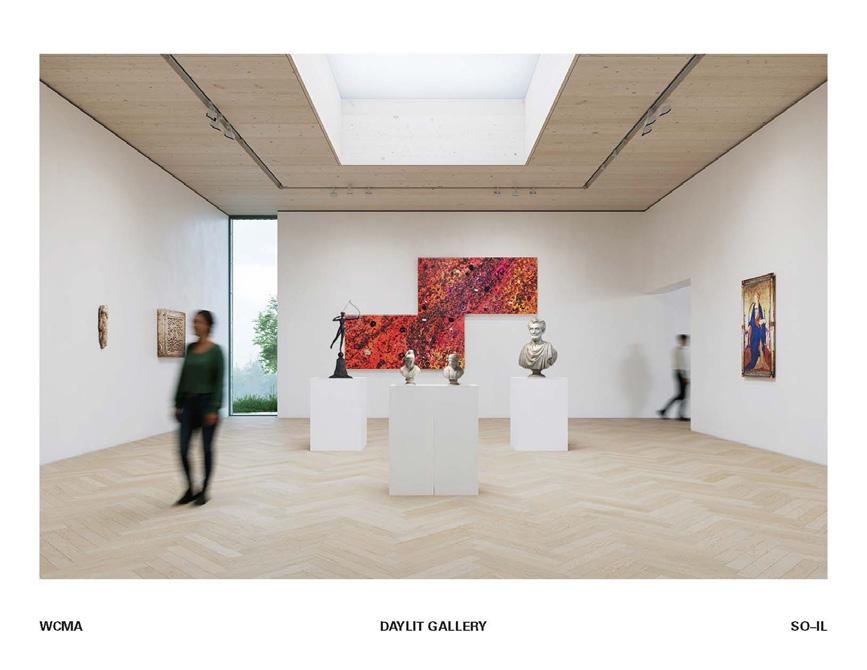
Cultural and academic investments such as the Williams College Museum of Art have demonstrated how institutions are also reinvesting in assets that support teaching, community engagement, and donor interest. In each case, these projects are about
Swetz
The Williams College Museum of Art demonstrates how institutions are reinvesting in assets that support teaching, community engagement and donor interest.
Photo Credit: SO II, Perry Dean Rodgers
Skanska is providing program management services for the renovation and expansion of the Hart Center and addition of the new Field House. | Photo Credit: Skanska
STANDOUTPRODUCTS
Security Door System
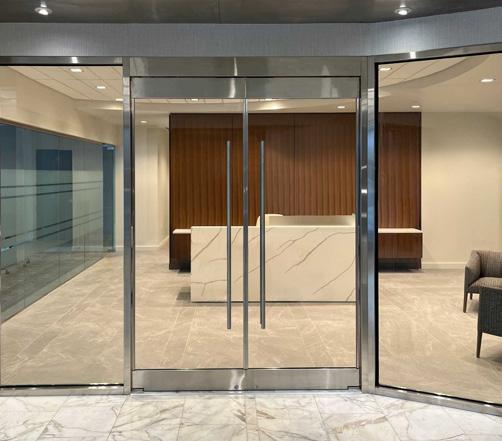
DefenDoor by Ballistic Glass & Armor is a security door system engineered to enhance building protection against forced entry and ballistic threats. The system integrates reinforced materials and glazing to provide a protective barrier while maintaining visibility and accessibility. Designed for applications such as schools and public facilities, DefenDoor is intended to support controlled access and occupant safety. The system can be incorporated into new construction or retrofit projects, aligning with broader security strategies. Its design emphasizes durability, impact resistance and compatibility with existing architectural and security infrastructure.
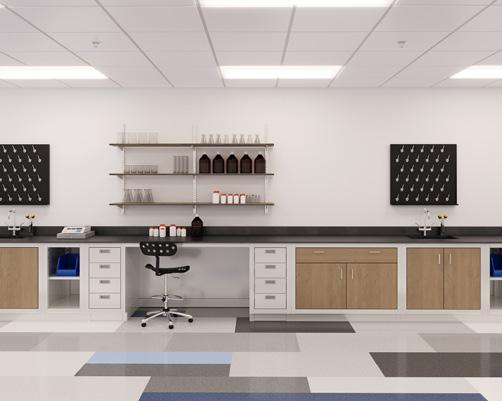
The RGX modular casework system from Formaspace is designed to provide adaptable, reconfigurable workspace infrastructure for laboratory, technical and educational environments. Constructed with 2-inch tubular steel frames and customizable panel options, including phenolic, steel and laminate finishes, the system supports a range of applications, including configurations with plumbing and sinks. Components are reusable, replaceable and expandable, allowing layouts to evolve with program needs. The bolt-together design reduces installation time and cost, while mobility offers an alternative to fixed casework. RGX integrates with traditional millwork and is available with multiple surface and finish options.
Formaspace formaspace.com
Transitional Flooring
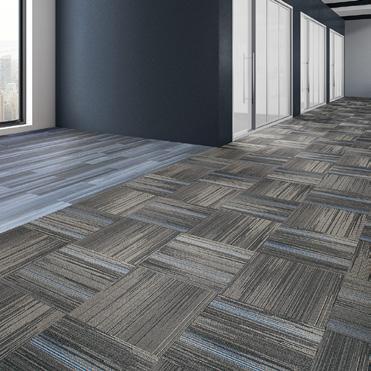
Fiction + Non-Fiction from J+J Flooring Group is a flooring collection designed to support interior environments through coordinated patterning and material performance. The collection offers complementary styles intended to be used individually or in combination, enabling designers to create varied visual compositions across spaces. Developed for commercial applications, including education settings, the flooring supports durability and design flexibility. The pairing concept allows for transitions between zones while maintaining a cohesive aesthetic. The collection is positioned to address both functional and experiential considerations in interior environments, balancing performance requirements with visual continuity.
J+J Flooring
jjflooringgroup.com
Freestanding Booth
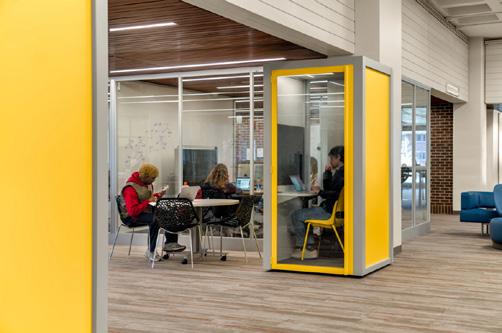
KI’s WiggleRoom concept explores adaptable furniture solutions intended to support evolving pedagogies in higher education environments. The approach emphasizes flexibility, allowing students to shift between individual focus and collaborative engagement within the same space. Configurations are designed to accommodate movement, varied postures and multiple learning modalities, aligning with research on student engagement and comfort. By enabling quick reconfiguration, WiggleRoom supports active learning strategies and diverse instructional formats. The concept is positioned to help institutions maximize space utilization while addressing changing expectations for informal and formal learning settings across campus environments.
Mini Dome Camera
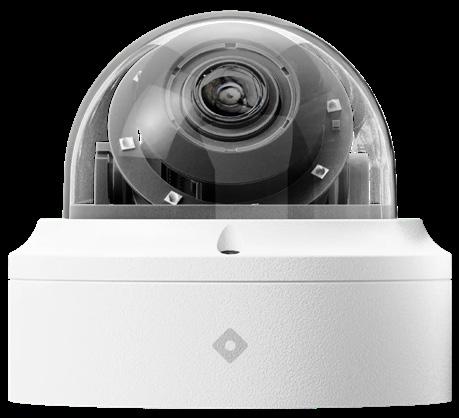
The R200 Mini Dome Camera from Rhombus is an all-purpose security solution designed for general visibility across commercial and institutional environments. It features a 5MP image sensor with 2592-by-1944 resolution, a 2.8 mm focal length and a wide field of view. The unit supports up to 2x digital pantilt-zoom and includes infrared night vision with a range of up to 100 feet. Built for durability, it is rated IP66 for weather resistance and IK10 for impact protection. The camera supports Power over Ethernet installation, onboard storage options and integration with the Rhombus sensor network for analytics and monitoring.
Rhombus rhombus.com
Lounge Screen
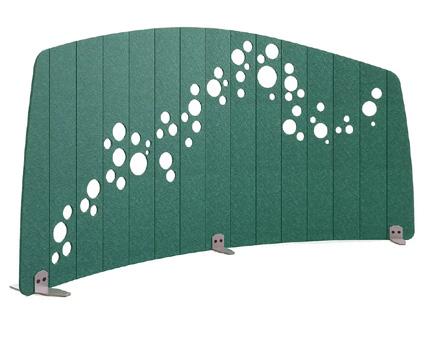
The Flowform Learn Lounge Screen – Bubbles by Smith System is a mobile, partial-height divider designed to support flexible learning environments. Constructed from sounddampening PET felt, the screen provides acoustic buffering while maintaining open sightlines through its perforated pattern. Measuring 12 inches deep, 96 inches wide and 47.75 inches high, it is semi-rigid for stability and includes steel feet with felted bottoms. The screen can be repositioned easily and rolled up for storage. Designed to integrate with Flowform Learn Lounge seating and tables, it helps define individual and small-group zones within collaborative educational settings.
Smith System smithsystem.com
KI ki.com
How Universities Can Compete for Students in a Changing Landscape
By Paul Choquette, III
It is a difficult time to run an American college or university. Challenges lurk around every corner: there’s policy uncertainty in Washington with potentially significant financial impacts, changes to U.S. demographics could cause changes to enrollment trends—not to mention the rising costs associated with a degree. This broader environment makes it far more challenging for administrators to win what is rapidly becoming a fierce competition for student attention and enrollment as they apply to a wider range of schools than ever before. Schools with modern, updated, and amenitized physical infrastructure—facilities and housing alike—are best equipped to win this competition and manage the current and forthcoming challenges facing the sector. Given the tough financial climate, that might seem like bad news. But that misses a truly exciting trend in the industry: schools can engage in public-private partnerships (P3) with integrated, experienced firms to reduce costs, deliver projects at speed and scale, and bring an adaptable model to position themselves for success.
The Student Housing Supply Crisis
Let’s start by looking at student housing. There is an extreme mismatch between supply and demand on America’s campuses. The top 175 American universities had capacity to house only about 20 percent of students on campus in 2025. The situation is not much better off-campus, with the overwhelming majority of privately-owned, purpose-built student housing near campuses 95 percent occupied. This drives prices up even as students expect innovative amenities on campus.
Gone are the days of the traditional dorm we remember from our own college experience, with just about a fifth of students preferring that arrangement. Instead, students increasingly want single rooms or apartment-style living, coupled with social programming to foster a meaningful sense of connection. And this no longer applies to just undergraduates or underclassmen: upperdivision students also want to live on campus.
Demographic Shifts and Rising Competition
It’s also worth considering the upcoming demographic changes coming to the sector, with the number of American high school graduates expected to have peaked in 2025 and projected to decline for the next 16 years.
This tells us that there could be some demand relief to a housing submarket with no current vacancy. It also reinforces that institutions will now find themselves subjected to far more competition for student attention and dollars.
The P3 Model as a Strategic Solution
That’s where the P3 model comes in. Gilbane has helped colleges and universities renovate or create 16,000 modern student beds last year alone in a way that shows that creative solutions across the built environment can overcome just about any challenge.
The primary issue to solve is, as usual, financial. But there is also urgency. These projects must
be delivered against academic schedules and conducted in a rapidly evolving landscape for students and administrators.
Gilbane’s design-build-finance-operate-maintain model allows the firm to accelerate schedules, support long-term accountability and save schools money. Under this model, the company manages the entire construction and development process from start to finish. It also handles the long-term operation of the facilities themselves—creating one point of accountability.
The model works.
Case Study: Palm Beach Atlantic University
At Palm Beach Atlantic University (PBAU), Gilbane is helping deliver a $240 million development with a new, 25-story mixed-use residence hall. The partnership is creating 990 new student beds, and generating new dining, health, recreation and parking facilities.
The endeavor, however, costs just $9 million of university equity while correcting outdated master leasing agreements that were preventing PBAU from retaining housing, dining and parking revenue. The project broke ground several months ago and will be finished ahead of the 2027-28 academic year.
Case Study: University of Rhode Island
This model is also being applied to the University of Rhode Island, where Gilbane is designing, building and developing 1,100 new student beds across 400,000 square feet. It includes two new residence halls with apartment-style suites as well as the reconstruction of graduate student housing. A similarly accelerated timeline applies: the first phase will be done in 2027, with the new campus facilities fully completed in 2028.
Expanding Beyond Housing
The Gilbane P3 model brings expanded solutions to existing educational clients and helps those higher institutions deliver more than housing. The power of the approach can help universities with projects that may require complex phasing, long-term operating plans and coordination with multiple stakeholders.
At the University of South Carolina (USC), the P3 model is supporting a new home for the School of Medicine on its emerging Health Sciences Campus. This verticallyintegrated approach brought predictability to USC and will deliver state-of-theart classrooms, research labs, medical simulation spaces, a health-science library and event spaces, creating a new a permanent downtown health sciences campus for the university on an accelerated timeline.
A Path Forward for Colleges and Universities
College—and the built environment that shapes it—is changing quickly, and so are student (and parent) expectations. But as each of these transformational developments demonstrates, solutions to these complex problems do exist. Better yet, those solutions can be executed without additional strain on alreadystrapped financials.
For administrators, parents, and students alike, this is a breath of fresh air. And for all concerned with the future of American higher education, it is a reminder that while college may change and evolve, those that smartly plan for the future will be here to stay.
Paul Choquette III is Regional President for Gilbane Building and leads the firm’s national Public-Private Partnership (P3) strategy.
At the University of South Carolina, the P3 model is supporting a new home for the School of Medicine.
Photo Credit: The SLAM Collaborative, The Boudreaux Group
PBAU is investing in a new, 25-story mixeduse residence hall. | Photo Credit: CUBE3
The University of Rhode Island North Building.
Photo Credit: Catherine Scott, University of Rhode Island
How Third Spaces Are Redefining Student Life on College Campuses
by Liz Snyder
“Third spaces” on campuses are now central to student well-being and academic success.
Just as recess supports younger students’ development, higher education is increasingly investing in amenity spaces designed for educational settings with spaces that promote mental health, enhance academic performance, reduce burnout and strengthen the campus community. Architects and administrators now view these environments as critical rather than optional. For facility leaders and project teams, amenity spaces also address practical challenges, from maximizing square footage and improving circulation to creating multipurpose environments that serve both daily student use and revenue-generating events.
As campuses adapt to the demands of Future-Ready strategies, universities are embracing flexible design approaches that empower students to learn outside traditional classrooms. Adaptable solutions, such as operable glass wall systems, are redefining conventional facilities and setting new standards for learning. These easily operable systems not only expand usable space but also introduce the health and wellness benefits of outdoor connection. Across campuses, libraries, cafeterias and student centers are already being reimagined through this lens.
learning style, mood and activity.
Just like playgrounds offer different zones for young students, campuses now require different zones for different uses: quiet zones, active zones, social gathering areas, private focus pods and group project rooms. Flexibility is now a defining feature of campus design.
Third Spaces as Essential Campus Infrastructure
College campuses are evolving from rigid academic environments into lifestyle ecosystems. As a result, amenity design has become strategic rather than supplemental. “Third Spaces,” a term coined by Ray Oldenburg, an American sociologist, describes the places outside of the home (the first place) and the workplace (the second place) where people go to connect with their community. In an environment where productivity and growth are the primary focus, third spaces play a vital role in maintaining balance.
Today’s amenity spaces are expected to transition seamlessly between multiple roles, serving as informal gathering areas, study zones, collaboration hubs, mentoring spaces and event venues.
In Northern California, West Valley College was built in the early 1970s and has since suffered from problems associated with that era’s lackluster community college design. The Campus Center, a newer building and a central hub for students to socialize, eat and buy supplies, created another issue; it cut off two nearby outdoor plazas from each other, leaving them isolated and underutilized. To resolve this, the school tore down the existing single-glazed storefront windows and installed ten thermally broken aluminumframed retractable glass walls. The systems have transformed the space into a multipurpose room for student use and for incomegenerating events. When the systems open, the campus center truly becomes an indoor/ outdoor gathering space to meet the everyday needs of the college. The Campus Center blurs the line between indoor and outdoor spaces, creating a place where Northern California’s temperate weather can be enjoyed as students socialize and study on the plaza. The glass walls enable furniture layouts to expand or retract, supporting everything from casual seating to larger gatherings.
Architectural elements must support this adaptability. Exterior retractable glass walls provide numerous benefits for administrators, designers and builders alike: maximizing square footage, enhancing daylight and ventilation through fully or partially opened panels, and improving circulation. Low profile sill designs meet ADA compliance requirements while accommodating rolling furniture, service carts, and heavy foot traffic, key considerations for facility teams focused on safety, accessibility and durability.
Acoustics are equally important in spaces that must shift between focused study and collaborative activity, delivering productive, distraction-free environments where students can engage in various activities without disruption. Operable systems can be specified that offer sound control ratings up to STC 45, allowing facilities teams to quickly reconfigure spaces from quiet study areas to lively collaborative hubs while maintaining a sense of connection across the school.
Interior glass wall systems accommodate this constant change with dynamic glass panels that transform learning spaces on the fly. A single classroom can be divided into smaller learning environments, allowing two completely different subjects to be taught simultaneously. At Stanford University, for example, an otherwise traditional classroom space seamlessly connects to a quiet sitting area via a sound-rated glass wall system, enabling quick, easy transitions and, when needed, adapting to various activities. With operable interior partitions, classrooms can effectively expand into hallways or communal spaces, allowing facilities teams to better use existing square footage.
Wellness-Driven Design
Universities are increasingly leveraging the benefits of indoor-outdoor learning spaces through design solutions such as exterior retractable glass walls. These easily operable systems reap the health and wellness benefits of the outdoors. As a result, students are drawn to these bright, airy spaces to enjoy quiet study sessions or commune with classmates.
High-traffic areas, such as cafeterias and libraries, benefit from wide, flexible openings, such as those created by operable glass walls. These systems improve circulation and traffic flow while also expanding usable square footage for a variety of student activities.
At Arizona Western College’s cafeteria, the multi-paneled opening glass walls not only create a relaxing, bright and airy lunch spot but also facilitate traffic in and out of the busy space, ensuring safe, efficient movement. These spaces extend the realm of traditional learning, creating areas for networking and collaboration, as well as a place of retreat from busy study and class schedules.
Flexible Campuses: Zone-Driven Design
One thing younger, tech-savvy generations have taught us is that learning can happen anywhere, especially when given proactive academic spaces for independent study. Students benefit from choosing environments based on
Recent studies have found that these natural elements improve students’ attention and retention, as well as their overall mood and energy levels. As a bonus, embracing natural light and fresh air through retractable glass walls reduces reliance on artificial lighting and air conditioning, thereby lowering costs and promoting eco-friendly practices.
MIT’s Hayden Library demonstrates these strategies. Expansive folding windows flood the space with daylight and frame views of a landscaped courtyard. Three opening glass window walls create immersive learning spaces and an ambiance that blurs the lines between indoors and outdoors. At the same time, interiors are flushed with fresh air to promote a healthy environment, creating a vibrant space for collaborative projects or quick study sessions. The systems’ aluminum frames align with existing fenestration, creating seamless integration that supports both aesthetics and performance. MIT’s Hayden Library exemplifies how wellness-driven design can be realized in practice, with operable walls that bring natural light, fresh air and flexibility to high-traffic learning zones.
Design solutions for modern educational environments do not need to be onedimensional. Retractable glass walls leverage innovative design and aesthetics to elevate learning spaces through flexibility, indoor-outdoor connectivity, adaptable interior spaces and optimized square footage. These systems have been independently tested for air, water, structural, forced-entry, operation, and sound control with excellent results. For colleges and universities focused on student success, wellness, and long-term campus value, adaptable glass wall systems are becoming an essential component of future-ready design.
Liz Snyder is Director of Product Marketing for NanaWall Systems.
The light-filled MIT Hayden Library. | Photo Credit (all): Courtesy of NanaWall
At Stanford University, traditional classrooms connect to a quiet sitting area.
Modernizing an Icon Inside the complex expansion of the Cotton Bowl Stadium
By Lindsey Coulter
The expansion and renovation of the 91,000seat Cotton Bowl Stadium represents a complex intersection of historic preservation, structural rehabilitation and modern event-driven construction logistics. Located in Dallas, the nearly century-old stadium has long served as a central venue for major collegiate athletics and large-scale public events. The
106,000-square-foot, $140 million project focused on expanding concourses, upgrading circulation and strengthening existing structural systems while maintaining continuous operations tied to annual events such as the State Fair of Texas.
Working Within an Active, Historic Venue
Delivering a major structural upgrade within a 90-plus-year-old stadium required a construction strategy that accounted for both the building’s age and its ongoing use. Unlike ground-up construction, the project team, led by JE Dunn Construction, operated within tight seasonal windows, requiring precise phasing and schedule discipline.
One of the most critical early decisions was committing to multiple, detailed layout and investigation passes before major demolition. That upfront work helped the team understand how much the existing structure had settled and where elevations were out of tolerance, so they could adjust the new work to match reality instead of relying solely on drawings and avoid rework in tight event windows.
“We also structured the phasing around the State Fair and major games, building a schedule that treated those dates as immovable milestones and then stacked our critical path activities around them,
including 24/7 self-perform operations at peak to stay ahead of the curve,” said Tyler Reilly, Senior Project Manager with JE Dunn Construction.
Early alignment between stakeholders—including the City of Dallas, the architecture team of Overland Partners, JE Dunn and other trade partners—was equally critical to maintaining schedule certainty.
“We aligned early with the owner, design team, and trade partners on a ‘no surprises’ approach—
frequent coordination meetings, quick decision turnaround and clear escalation paths—which kept us in front of issues,” Reilly said.
Integrating New Structure with Settled Systems
A defining technical challenge of the project involved integrating new structural systems into an existing facility that had experienced decades of settlement. Variations in elevation and alignment required continuous verification and adaptive detailing in the field.
Tying new structural systems into a 90-plusyear-old stadium that had experienced settlement reinforced how important it is to verify every assumption in the field. The project team learned quickly that elevations and alignments varied more than expected, requiring the team to lean heavily on survey data and repeated layout checks to ensure the new framing, decks and concourses would perform as designed when connected to the existing bowl.
“Another key lesson learned was building flexibility into both details and sequencing,” Reilly added. “Close coordination with the engineer allowed us to adjust connection details and pour sequences on the fly when existing conditions did not match the original plans, without losing time on the schedule.”
This adaptive approach extended to workforce strategy, where self-perform crews played a central role in managing unknown conditions typical of legacy concrete and steel structures.
Sequenced Demolition and Temporary Structural Support
One of the most technically sensitive scopes involved removing existing switchback ramps that were integral to the stadium’s structural system. Rather than conventional demolition, the team implemented a carefully engineered sequence supported by temporary works. Collaborating with a third-party engineer, the team installed a full scaffolding system that acted as a catch deck for each ramp and a temporary load path before any concrete was removed.
“We started demolition from the top landing and worked one level at a time, sequencing it so that as soon as a section of ramp came out, the corresponding temporary bracing and shoring were already in place to maintain stability,” said Reilly.
This “demo, brace, verify” methodology ensured that load paths remained intact throughout demolition and transition phases, allowing new structural elements to be introduced without compromising overall stability.
Structural Strengthening Through Concrete Encasement
To support expanded concourses, new escalators and increased occupancy loads, the design called for strengthening existing structural members through concrete encasement. This solution balanced performance requirements with the constraints of the original stadium geometry.
“Encasing the existing columns and beams with roughly six inches of additional concrete was driven by the need to carry the increased loads from the widened concourses and new circulation elements, including escalators and expanded fan areas,” Reilly said. “The engineer determined that strengthening the existing members in place was the most effective way to support the new program while working
within the constraints of the historic bowl geometry.”
That decision heavily influenced construction sequencing. The teams worked floor by floor, installing reinforcement, placing the encasement, and then pouring new structural decks in a very controlled order to gradually transfer loads and remove temporary bracing.
The process also introduced heightened inspection requirements, with engineers verifying reinforcement placement, bonding conditions and clearances at each stage before proceeding.
Managing Concrete Operations in a Constrained Environment
Executing large-scale concrete work within an active, multi-level venue required a logistics-driven approach. With limited access, vertical circulation constraints and ongoing events nearby, construction sequencing became a central operational challenge. The team relied on detailed pour planning, including night and off-hour placements, to keep trucks,
Elevations and alignments varied more than expected, requiring the team to lean heavily on survey data and repeated layout checks.
pumps and crews moving without impacting stadium operations.
“At peak, we had around 90 self-perform crew members on site working around the clock, which required tight coordination with safety and operations to manage material hoisting, congestion and fatigue in a vertical environment,” Reilly said.
Breaking work into discrete zones and levels enabled crews to maintain continuity between pours while preserving safe access and egress routes throughout the project.
Balancing Preservation with Modernization
Beyond structural and logistical complexity, the project required a careful balance between preserving the historic character of the Cotton Bowl and delivering modern amenities expected in contemporary venues. The team grounded the project in respecting iconic features while hiding modern upgrades in plain sight.
“We preserved the character of the bowl and its sightlines while integrating new systems—like escalators, wider concourses, upgraded life safety and improved accessibility—that fans expect from a modern venue,” Reilly added.
Maintaining visual continuity while introducing new infrastructure required close coordination across trades, particularly in areas involving penetrations, finishes and sightline-sensitive elements.
“We set out to deliver a completely upgraded fan experience without losing the soul of the Cotton Bowl—the place still had to feel like the same old stadium people grew up with, just finally brought up to today’s standards,” Reilly said.
Early alignment between stakeholders was critical to the project’s success. | Photo Credit (all): Chad M. David, AIA
Tight seasonal windows requiring precise phasing-schedule discipline.
Mass Timber as a Catalyst for Biophilic, Sustainable Campus Design
By Henry Weinberg, AIA, LEED AP BD+C, and Laura Rushfeldt, AIA, LEED AP
Humans have an innate desire to connect with nature, yet we spend nearly 90 percent of our lives indoors. In academic settings, where students learn, live and socialize, this disconnect can have real consequences for focus, mental health and well-being. Mass timber construction offers a powerful way to bring the warmth, texture and psychological benefits of nature indoors, while also advancing sustainability goals and, in many cases, matching or outperforming traditional steel construction on cost.
A growing body of research shows that biophilic design, the integration of natural elements, particularly wood, into the built environment can improve cognitive performance, creativity, and mood while reducing stress and fatigue. Spaces that incorporate visible wood elements are consistently perceived as warmer and more welcoming, fostering social interaction and a stronger sense of belonging. For higher education institutions focused on student wellness and community-building, these qualities are increasingly viewed as essential.
CBT Architects is applying these principles at Cornell University’s Maplewood Graduate Housing Phase II, a new off-campus residential community designed to house 800 graduate students. At the center of the project is a freestanding Community Center, referred to as the Clubhouse, conceived as the social and programmatic “heart” of the development. Entirely constructed from mass timber, the pavilion-style building demonstrates how biophilia, sustainability, and cost responsibility can align.
The 11,000-square-foot, single-story Clubhouse will consolidate wellness and community programs into a single central location, becoming a highly visible show point and social hub for leisure and connection. A floor-to-ceiling window wall wraps the public areas and reinforces the project’s strong indoor-outdoor connections by offering unobstructed views of the surrounding landscape and flooding the interior with daylight. Adjacent to the building, a generous spill-out terrace supports indoor-outdoor dining, events and daily relaxation— further strengthening the connection between architecture and nature.
The Biophilic Advantage of Mass Timber
Utilizing approximately 84 cubic meters of mass timber, including gluelaminated (glu-lam) columns and beams and cross-laminated timber (CLT) ceiling panels, the fully exposed structural elements allow occupants to experience the material directly, visually, spatially and emotionally.
This exposure is key to maximizing biophilic benefit. Unlike steel, which typically requires layers of fireproofing and finish materials, mass timber can remain visible, allowing its natural grain, color and texture to define the interior character. The result is a simpler, thinner assembly made up of fewer materials, reducing embodied carbon while enhancing aesthetic impact.
By centralizing both community programming and mass timber construction into the Clubhouse, the design consolidates benefits for all residents. Rather than spreading timber features thinly across multiple buildings, the project achieves
maximum impact with a focused investment, creating a shared social hub where biophilic design is experienced daily.
Sustainability Beyond Structure
Sustainability at the Maplewood Graduate Housing complex extends beyond material choice. The Clubhouse and six surrounding residential buildings are designed to meet Passivhaus principles, emphasizing super-insulated envelopes, airtight construction, high-performance glazing, thermal-bridge-free detailing and heat recovery ventilation. Together, these strategies significantly reduce operational energy demand and long-term carbon emissions.
Rethinking the Cost Conversation
One of the most persistent misconceptions about mass timber is cost. While early projects carried premiums tied to perceived risk and uncertainty around emerging building systems, as well as limited supply, market conditions have shifted rapidly. As more manufacturers come online and design teams gain experience, mass timber is increasingly achieving cost parity with, and in some cases outperforming, traditional steel construction.
At Maplewood, the design and construction team conducted side-by-side cost analyses of steel and mass timber structural systems at multiple design milestones. The results consistently showed comparable material and construction costs. Several factors influenced this outcome.
First, the Clubhouse’s modest scale made it less efficient for steel fabrication shops, while mass timber providers, particularly those seeking to expand in the Northeast, were eager to deliver a highly visible, proven project. Competitive bidding at one pricing milestone showed mass timber coming in lower than steel.
Second, designing for mass timber from day one allowed the team to optimize the building around material efficiencies. As a single-story, Type V structure with a relatively small footprint, the building does not require a fire-rated ceiling assembly. This enabled the use of 3-ply CLT panels instead of thicker 5- or 7-ply assemblies, reducing material volume and cost.
Third, efficient structural spans further streamlined construction. Glu-lam elements are spaced at 15 feet on center, allowing simple one-way spanning without the need for deeper primary framing elements such as girders. This structural clarity simplified mechanical distribution, reduced coordination complexity, and supported faster installation—delivering schedule efficiencies alongside cost control.
Finally, pricing stability played a role. Steel costs are historically volatile, influenced by global demand, tariffs and energy prices. Mass timber pricing, by comparison, has tended to be steadier, offering owners greater predictability during design and procurement.
A Model for Future Campus Projects
The Maplewood Clubhouse illustrates how mass timber can serve as a practical, scalable solution for higher education projects seeking to improve student well-being, reduce environmental impact and maintain fiscal discipline. By aligning biophilic design, sustainable performance and cost parity within a single building, the project challenges outdated assumptions and provides a compelling model for future campus construction.
For schools and universities navigating rising construction costs and heightened sustainability expectations, mass timber is no longer an experimental option—it is an increasingly competitive, human-centered choice.
Henry Weinberg, AIA, LEED AP BD+C, is an Associate Principal at CBT Architects. Laura Rushfeldt, AIA, LEED AP, is an Associate Principal at CBT Architects.
At the center of the project is a freestanding Community Center, referred to as the Clubhouse.
Shifting Priorities, Technology Integrations and the Value of Preparedness
Security master planning expert Rick Amweg on keeping campuses safe
By Lindsey Coulter
As universities balance openness with rising safety expectations, strategic security planning has become both more complex and more critical. Few professionals understand that intersection better than Rick Amweg, a consultant with Security Risk Management Consultants (SRMC), based in Columbus, Ohio.
Amweg works across higher education, healthcare, government and other sectors, advising institutions on risk, operational strategy and security design. In higher education, his work focuses on developing campus security master plans that align with institutional missions while addressing evolving threat profiles. Drawing on decades of experience, Amweg emphasizes that effective planning goes far beyond technology—requiring a clear understanding of risk, behavior and how campuses function day to day.
Amweg spoke with School Construction News (SCN) about how universities can build proactive, integrated safety strategies that support both security and the open campus experience.
SCN: When developing a campus security master plan, where do you begin?
AMWEG: You always begin with a college or university’s risk, mission and behavior, which are unique for each institution. Things like geography and operational characteristics help to make each institution unique. For example, a typical Midwest university is different than, say, East Coast or West Coast colleges, which are often very urban and have a lot more security presence and physical nature to their security, like fences and gates.
Then you have to look at how [the institution] operates day to day, not just in philosophy but in actual operational characteristics. Do they have security, police or both, and how do they deploy those services and protect faculty, staff and students?
SCN: How should a security master plan align with a broader campus master plan?
AMWEG: A security master plan should always align with the campus master plan; not compete with it. Campus master plans clearly address a lot more than just campus safety and security, but there has to be an element that addresses campus safety and security, and then that should defer to the campus security plan, which gets into the nuts and bolts. It also has to deal with things like phasing and budgets and life cycles of equipment that either currently exist or are proposed. It’s not a ‘this plan vs. that plan’ situation. The campus master plan should have those safety and security elements built into every
aspect of it, especially when you’re talking about architectural development and changes to the built environment. This is where building in vs. tacking on becomes important. It’s much cheaper, much more efficient and effective if you’re building those security elements into development that’s outlined in the campus master plan.
SCN: How do you approach threat and vulnerability assessments on large, open campuses?
AMWEG: It really has to do with threat context: understanding that there’s a different threat context based on the design and use of a particular building. Residence halls have a different threat context than a basketball arena or a football stadium. Even within academic buildings, there are differences based on what goes on inside. But the danger in using only that single lens is that you miss how everything works in relation to one another. You have to understand that overnight, students are primarily in residence halls, but during the day they’re moving across campus. That shift in activity changes the risk profile, and everything has to be evaluated in that broader context. It really is a gap analysis. The plan is how you implement what’s needed to get there, but it also has to include how you exercise it, train it and practice it so it’s not just a static document on a shelf.
SCN: How are campus safety priorities shifting?
AMWEG: Traditionally, campuses responded to what was most likely to occur: car break-ins, bicycle theft, those kinds of things. Today, there’s more focus on rare but high-impact events.
When you ask people what makes them feel unsafe, they’re not going to list those common crimes. They’re going to talk about active shooters and events that impact their personal safety in a very direct way. That has moved safety planning beyond prevention. It now includes detection and delay, with better locks, alarms, lighting and communication systems. Prevention, detection, delay across all types of incidents, and then communication to the campus community are critical.
SCN: What role does data play in shaping effective security strategies?
AMWEG: Data provides context. It shows patterns and pressure points—where crimes occur, times of day, days of the week. Those are very quantitative things that help define the problem. But that’s also where it can fall apart.
A lot of institutions don’t marry that with the qualitative piece. You have to use that data to shape your response and create a comprehensive safety plan. That includes understanding how events affect your community and how your strategies improve safety.
Campuses are getting better at that. They’re looking not just at what happened, but what led to it and how their environment contributes to risk.
SCN: How should campuses approach technology and system integration?
AMWEG: We have walked into situations where all the technology is 30 years old and practically unusable, but typically, what we see is a layered approach to technology where video, access control and intrusion alarms were all implemented at
different times. The problem is that those systems don’t always work well together.
What we try to move clients toward is a ‘single pane of glass’ concept, where systems are integrated into one interface. It makes operations more efficient and effective, especially during critical incidents. You don’t want someone in a security operations center looking at three different screens for three different systems. When things go badly, it’s much easier to operate if everything is in one place.
SCN: Where do campuses most often fall short in preparedness?
AMWEG: One of the biggest issues is creating a plan and then putting it on a shelf. Many campuses feel like the job is done once the plan is written, but training, exercises and validation are critical. You must test the plan and make sure people understand their roles.
Another common issue is overreliance on limited resources. For example, you may only have 15 people available, but your plan assumes you’ll have 50.
Then there is decision-making authority. During a crisis, authority may shift away from the traditional hierarchy, but if that hasn’t been practiced, it creates confusion. You don’t want to figure that out in the middle of an emergency.
SCN: What emerging technologies are shaping campus security today?
AMWEG: We’re seeing more nontraditional technologies entering the space—license-plate readers, drone technologies and advanced biometric systems to make access more seamless. Licenseplate readers can be used for something as simple as parking enforcement, or they can connect to broader databases depending on how they’re deployed. The key is that these technologies require active participation from security leaders. They have to decide how, if at all, to integrate them into existing systems.
SCN: Why is this work so important?
AMWEG: Having a strong security master plan creates a safer environment because of the recommendations we make and the decisions that security leaders implement, but it also helps people actually feel safer moving about the campus. That’s really what it comes down to: creating a secure environment where education and everything else can happen.
The firm has provided safety and security insights for Harvard University. | Photo Credit: Pascal Bernardon
SRMC has worked with the University of Virginia to strengthen campus security. | Photo Credit: Sean Lee
How Future-Ready Classrooms Can Support Neurodiverse Learners and the Evolving Needs of Higher Education
By Carol Stolt, Allied ASID, WELL AP
Higher education is changing fast, and learning spaces must keep pace. As technology, pedagogy and mental-health awareness reshape how students learn, designing for neurodiversity has become essential— not optional. The question is no longer whether to accommodate different needs, but how to create environments where every student can thrive.
Many institutions are finding that what supports neurodiverse learners—adaptable lighting, varied seating and better acoustics—improves learning for
everyone. By combining empathy, flexibility and technology, colleges can strengthen equity, comfort and belonging while preparing for what’s next.
From Accommodation to Empowerment
Traditional classrooms were built for uniformity: fixed layouts, identical desks and one teaching model for everyone. But learning has never been one-sizefits-all. Neurodiverse students—including those with ADHD, autism, dyslexia and anxiety—process information differently, and designing for that range benefits all learners.
Empathetic design starts with listening. Understanding how students respond to light, sound, temperature and space helps create environments that support focus and calm. Even small shifts—such as dimmable lighting, localized temperature control, or seating that allows movement or enclosure—can significantly improve engagement. What once required “special accommodations” becomes a shared benefit that reinforces a sense of belonging.
When designers collaborate closely with faculty and students, empathy yields practical solutions that elevate access to empowerment.
Designing for Diverse Needs Without One-SizeFits-All Solutions
The first challenge is flexibility. What supports one learner may distract another, so the goal is to provide choices. Adjustable lighting, zoned temperature control and a range of seating—from firm and soft to standing-height—help students find what best supports focus. Soft, enveloping seating
can also improve comfort and attention for some learners.
Acoustics matter just as much. Thoughtful use of microphones, speakers and sound-absorbing materials ensures everyone—onsite or online—can participate fully. The best solutions feel seamless: inclusive by design, not added later.
Still, physical comfort and flexibility are only part of the equation. Technology now plays an equally important role in shaping inclusive learning experiences.
Supporting the Integration of Emerging Technologies
Artificial intelligence (AI), immersive learning and hybrid teaching are reshaping the academic experience, making technology integration foundational. AI can personalize instruction, offering meaningful support for neurodiverse students who may be less comfortable speaking up in class.
Designers can prepare with resilient infrastructure—ample power, flexible desk space and modular layouts—along with cameras, monitors and innovative AV systems that support hybrid learning and keep remote students engaged.
Just as important, technology should strengthen human connection, not replace it. The best classrooms pair digital capability with peoplecentered design, supporting focus, comfort and belonging as tools evolve.
Breaking Down Stigma and Building Belonging
Design is as psychological as it is physical. Spaces that normalize difference reduce stigma and strengthen community. Circadian-rhythm lighting can support mood and well-being, especially for students with anxiety or sensory sensitivities. Acoustic zoning reduces distractions, and shaded windows help limit glare that disrupts focus.
These strategies support both student wellbeing and recruitment. Today’s learners expect responsive, inclusive environments and institutions that fall behind risk losing them to those that invest. More campuses are measuring success not only by outcomes, but by belonging—recognizing that inclusive design improves engagement, retention and mental health.
But inclusion alone isn’t enough; higher education must also keep pace with the rapid changes reshaping how students learn.
Keeping Pace with Rapid Change
Technology moves fast—and so do expectations. Today’s students are digitally native and expect connectivity, adaptability and seamless hybrid learning. At the same time, new teaching models demand spaces that can shift quickly from collaboration to immersive, hands-on work without disruption.
To stay ahead, institutions must plan five to ten years forward, investing in flexible infrastructure that
can absorb change. Classrooms designed to adapt can integrate emerging tools—like augmented reality and AI tutors—without costly renovations.
The urgency is apparent: universities that fail to modernize risk outdated facilities and reduced appeal to a generation seeking connection, purpose and innovation.
Key Takeaways
· Flexibility first. Varied furniture, adjustable lighting and thermal control empower focus and comfort.
· Empathy matters. Design that listens and removes barriers fosters dignity and belonging.
· Future-proof now. Investing in adaptable frameworks protects against obsolescence.
Well-being wins. Environments that support calm and connection improve retention and mental health.
A New Standard for Learning
The future of higher education depends on spaces as dynamic as the students who use them. Designing with neurodiversity in mind isn’t accommodation—
it’s a commitment to equity, innovation and growth. The best classrooms will balance technology with humanity, using AI to personalize learning while design supports comfort and belonging.
With modest upgrades—dimmable LEDs, flexible furniture and acoustic balance—colleges can transform traditional rooms into inclusive, future-ready environments. As leaders plan campus investments, the message is clear: designing for inclusion is designing for the future.
In an era of rapid change, the institutions that lead will be those that treat inclusive design not as a checkbox, but as the standard for how learning should feel—adaptive, empowering and for everyone.
Carol Stolt, Allied ASID, WELL AP, is Design Principal with FGM Architects.
Adjustable lighting, zoned temperature control and a range of seating are critical.
Photo Credit: Craig Dugan Photography
Spaces that normalize difference also reduce stigma and strengthen community. | Photo Credit: Jim Corbett
Classrooms designed to adapt can integrate emerging tools without costly renovations. | Photo Credit: Craig Dugan Photography
How District Energy Puts Carbon Neutrality Within Reach for Higher Education
By Rob Thornton
Over the last two decades, colleges and universities have done serious work on climate. Many have cut emissions, purchased renewable electricity, upgraded lighting and controls and improved building performance. They have also set bold targets to achieve carbon neutrality by 2030, 2035 or 2040. Higher education understands its role as a laboratory for innovation and leadership.
And yet, in facilities meetings across the country, a familiar moment is playing out. Someone puts the original decarbonization roadmap on the table and says, “We need to revisit this.”
That’s not a failure of ambition. It’s a reflection of campus reality. Colleges and universities are complex “mini-cities,” balancing aging infrastructure, deferred maintenance, new construction, enrollment shifts, research growth, tight capital budgets and a changing climate that is driving higher cooling loads and more demanding resiliency expectations. Add grid constraints and volatile energy markets, and even well-built plans can drift off schedule.
The question isn’t whether campuses can decarbonize. It’s whether they can do it at scale, reliably, and at a cost they can live with, while keeping students, faculty, and patients comfortable on the hottest day of the year and the coldest night of the winter.
That’s where district energy comes into the conversation.
District energy is a shared thermal infrastructure for heating and cooling. Instead of each building owning its own boiler, chiller, cooling tower and control strategy, a campus can serve multiple buildings from a central facility that distributes steam, hot water or chilled water through an underground piping network. Aggregating thermal loads is the foundation that makes decarbonization, resilience and campus growth easier to deliver in practice.
District Energy’s Advantages and Opportunities
Most campuses manage dozens, sometimes hundreds, of buildings with different vintages and uses. If each building must solve heating and cooling on its own, the result is predictable: redundant equipment, oversized capacity, scattered maintenance risk and replacement cycles that rarely align with the institution’s long-term carbon strategy.
On the cooling side, building-level chiller plants are commonly sized with 30% to 100% more capacity than a comparable district cooling solution, because each building must plan for its own peak. When you aggregate loads, peaks diversify. The system can be sized and operated for overall performance, not individual buildings. That translates into higher
efficiency, lower peak electric demand and lower lifecycle cost.
On the heating side, district energy creates optionality. A central facility can integrate multiple heat sources over time, including combined heat and power (CHP), high-efficiency boilers, electric boilers, industrial heat pumps, geothermal exchange, wastewater heat and waste-heat recovery from data centers. The “right” technology can evolve as markets and policies evolve, without forcing every building to undergo a complete mechanical reinvention at the same time.
There’s also a campus construction benefit: district energy is a real estate strategy.
When you reduce rooftop chillers and cooling towers and shrink basement mechanical rooms, you give the institution valuable space back. That space becomes labs, classrooms, patient care, storage, amenities or simply less congestion for maintenance staff. It also reduces noise and vibration, improves architectural flexibility and makes it easier to renovate historic buildings without fighting the constraints of modern HVAC equipment.
Resilience is another differentiator. District energy systems can be designed with N+1 redundancy, multiple fuel pathways and thermal energy storage (chilled water, ice or hot water) that decouples production from use. For a campus, this strengthens the ability to ride through grid disturbances, extreme weather and peak pricing events while prioritizing mission-critical loads.
Just as important, district energy can be built in phases, which aligns with how campuses are built—one project at a time, one renewal cycle at a time, guided by a master plan. Instead of treating HVAC replacements as disconnected emergencies, district energy turns them into a coordinated capital program: plant modernization, distribution expansion and standardized building energy transfer stations. When planned early, this reduces rework, simplifies future tie-ins and keeps projects moving even when a building schedule slips.
Where District Energy Is Driving Impact
Across the country, universities are demonstrating what modern district energy can achieve.
Cornell University built a global reference project with Lake Source Cooling, using cold deep lake water to meet a large share of campus cooling needs,
reducing electricity consumption and avoiding traditional refrigerants. Cornell is now advancing Earth Source Heat, a deep geothermal initiative designed to meet most annual heating demand and sharply reduce reliance on fossil fuels. The lesson is clear: start with an innovative anchor project, then build the next layer.
Princeton University is converting its campus from steam to hot water, improving distribution efficiency and supporting lower-temperature operation. Its TIGER and CUB projects are designed to integrate heat pumps and geo-exchange, paired with renewable power resources and microgrid capability. Converting an entire campus is not quick, but Princeton shows how a multi-year program stays coherent when each phase ties back to a long-term thermal strategy.
The University of Virginia highlights a complementary truth: efficiency and district energy are partners, not competitors. UVA has delivered significant reductions through sustained buildingefficiency efforts (controls, retro-commissioning, targeted retrofits) and upgrades to central facilities. The result is smaller, smarter loads served more efficiently and cost-effectively.
Key Lessons for Campus Leaders and Project Teams
Campuses considering district energy, whether new systems or major modernizations, should keep four fundamentals in mind:
1. Lower-temperature networks improve efficiency and expand technology options. Moving from steam to hot water, and designing for lower supply temperatures where feasible, reduces distribution losses and improves compatibility with heat pumps, geothermal exchange and heat recovery.
2. Thermal energy storage is a decarbonization and resiliency multiplier. Storage enables peak shifting, load growth management, and more innovative use of renewable electricity. Produce heat or cooling when power is cleaner or cheaper, then use it later.
3. Building efficiency is non-negotiable. District energy is not a license to ignore building performance. Controls, maintenance and targeted upgrades to envelope and ventilation reduce the load the district system must serve, improving both economics and emissions outcomes.
4. Phased implementation reduces risk and builds momentum.
Few campuses can convert everything at once. The strongest programs start with anchor loads, deliver early wins and use each phase to inform the next, technically, financially and operationally.
Conclusion
Higher education has an outsized opportunity to model practical decarbonization, especially in a world where budgets, timelines and building conditions do not always align.
District energy helps make carbon neutrality achievable by making the problem bigger in a good way. You aggregate loads to create economies of scale, integrate diverse low-carbon resources over time, and innovate through storage, heat recovery and electrification pathways that are difficult to deploy one building at a time.
Or, in three words that guide much of our work at IDEA: Aggregate. Integrate. Innovate.
Rob Thornton has served as President and CEO of the International District Energy Association since 2000.
Princeton University is converting its campus from steam to hot water to improve efficiency. | Photo Credit (all): IDEA
The University of Virginia has delivered significant energy reductions through sustained efficiency efforts.
Transforming Critical Infrastructure
Energy-as-a-Service across higher education and healthcare
By Caleb Haynes, PE, SASHE
Hospitals and universities may appear to operate in very different worlds. One saves lives, while the other shapes them. Yet behind the scenes, both rely on complex, energy-intensive facilities that must function around the clock. Both operate sprawling, energy-intensive facilities that must stay functional 24/7, often in the face of aging systems, tight budgets, and growing pressure to reduce carbon emissions. In recent years, healthcare has found a way to break this cycle without shouldering massive upfront costs through Energy-as-a-Service (EaaS).
This model, which shifts the financial and operational burden of energy upgrades to a thirdparty partner, has enabled hospitals across the country to modernize infrastructure, cut energy costs and meet ambitious sustainability goals. The lessons from these healthcare success stories can offer a roadmap for higher education leaders navigating the same pressures.
Why Healthcare Turned to EaaS
Hospitals are no strangers to high-stakes decision-making, and when it comes to infrastructure, the stakes are especially high. Power interruptions or equipment failures aren’t just inconveniences; they can put patient care at risk. Yet many healthcare systems, like universities, have carried a growing backlog of deferred maintenance due to budget constraints, leaving them with outdated HVAC, lighting and central plant equipment that consume more energy than necessary.
EaaS provides a way out. Instead of securing capital to fund projects themselves, healthcare systems partner with providers like ENFRA to design, finance, install and maintain critical upgrades. In return, the organization makes predictable service payments over time, often offset entirely by guaranteed energy savings.
For hospitals, the motivators are clear: improve resilience, control costs and advance sustainability commitments without diverting funds from core operations.
From Concept to Results: A Look at Healthcare’s Wins
Across multiple projects, healthcare systems have achieved measurable benefits:
· Adventist Health launched a 30-year, $457 million EaaS partnership that promises a system-wide utility cost reduction of roughly 20%, with the Glendale campus alone seeing a 61% drop in electricity purchases and a 64% reduction in Scope 2 emissions.
· Novant Health entered into a $855 million, 30-year EaaS agreement, the largest of its kind in U.S. healthcare, that will bring infrastructure upgrades, guaranteed savings and resiliency improvements with no upfront capital outlay.
· Conway Medical Center is upgrading its chiller plant and lighting systems while adding on-site battery storage. Once complete, the project is expected to deliver double-digit percentage reductions in energy consumption, improve resiliency during peak demand or outages and secure millions in projected lifetime savings.
· PIH Health is leveraging EaaS to modernize infrastructure without incurring new debt,
providing financial flexibility to support future expansion.
While each project is unique in structure, the common thread is clear: EaaS is transforming “someday” wish lists into actionable, budgetneutral solutions.
The Higher Ed Connection
If these results sound familiar, it’s because universities face almost identical challenges. Large residence halls, research labs, dining facilities and athletic complexes require vast amounts of energy, and many campuses are grappling with deferred maintenance lists stretching into the hundreds of millions of dollars. Several universities have already proven the model:
· Tulane University partnered with ENFRA through its “RISE” initiative, using EaaS to modernize critical infrastructure, enhance backup generation for greater campus resilience and advance long-term sustainability goals. The partnership also launched the innovative “360 Promise” workforce program, committing to hire 360 Tulane graduates over the next 30 years.
· Abilene Christian University (ACU) pursued an EaaS solution to reduce operating costs while enhancing campus reliability and sustainability, allowing the university to reinvest in its academic mission without taking on new debt.
· Hampton University entered a 20-year EaaS partnership delivering $213 million in anticipated savings and addressing $41 million in deferred maintenance. Campuswide upgrades, including new central plants, digital controls, LED lighting, and the ENFRA Connect® platform, will cut energy and water use by 46% and emissions by 37%.
Like hospitals, universities also operate in environments where downtime is unacceptable — whether it’s keeping dorms heated during a winter storm or ensuring uninterrupted power for sensitive research equipment. The healthcare sector’s experience shows that EaaS can address all these needs without forcing institutions to choose between infrastructure improvements and academic priorities.
Dispelling Common Misconceptions
Some CFOs and facilities leaders hesitate to explore EaaS because they assume it will mean losing control over campus infrastructure or committing to long-term contracts that are hard to change. In reality, reputable EaaS providers build in flexibility, aligning contract terms with the institution’s financial and operational needs.
Others worry that the savings are overstated. However, the healthcare examples demonstrate that when contracts include performance guarantees, meaning the provider assumes the risk if savings aren’t achieved, the financial outcomes are both predictable and verifiable.
Practical Advice for Getting Started
For higher ed leaders ready to explore EaaS, healthcare’s experience offers a few clear steps:
1. Assess the energy baseline
Work with an experienced provider to gather detailed data on energy consumption, maintenance costs and equipment condition. This creates
a reliable benchmark for measuring future improvements.
2. Engage stakeholders early
Bring CFOs, facilities directors, personnel and other stakeholders into the discussion from the start to align goals and expectations.
3. Look for performance guarantees
Select a partner willing to commit to measurable outcomes, ideally with contract structures that tie payments to actual savings.
4. Think beyond single projects
Healthcare’s biggest wins came from comprehensive, campus-wide strategies rather than piecemeal upgrades. Bundling improvements can unlock greater efficiency and cost savings.
5. Highlight the mission connection In healthcare, tying energy savings back to patient care helped build buy-in. In higher ed, framing EaaS as a way to free resources for teaching, research and student services can do the same.
A Smarter, Resilient Path Forward
Universities don’t have to reinvent the wheel when it comes to tackling infrastructure modernization and campus resilience. Healthcare has already proven that EaaS can deliver real, measurable results, even in complex, missioncritical environments with limited budgets. By adopting these strategies, higher education leaders can not only cut energy costs but also accelerate progress toward carbon reduction goals, strengthen reliability and redirect funds toward their core academic mission. The path forward is already paved; it’s just a matter of following it.
Caleb Haynes, PE, SASHE, is a licensed mechanical engineer and the Senior Vice President of Development at ENFRA.
Step inside the spaces that are redefining how students learn and educators teach. At EDspaces 2026, the ideas, designs, and innovations that transform education aren’t just discussed—they’re built, experienced, and lived.
Space Shapes Learning Kansas City, MO October 28-30,