DSI-NRF Centre of Excellence in Human Development
Individual and Society


DSI-NRF Centre of Excellence in Human Development
Individual and Society
The DSTI-NRF Centre of Excellence in Human Development (CoE-HUMAN) exists to place people at the centre of South Africa’s development agenda. Its vision is grounded in the understanding that human development is a comprehensive bio-psychosocial process, extending beyond basic needs to include freedom, security, achievement, belonging and the opportunity for people to lead meaningful lives. Central to this vision is the belief that child, family and community wellbeing, supported by effective health, education and social protection systems, forms the foundation for national progress. As the only DSTI-NRF Centre of Excellence dedicated to advancing research and innovation in the human and social sciences, CoE-HUMAN plays a distinctive role in producing rigorous evidence, building research capacity, translating knowledge into policy and practice, and strengthening the systems that enable people to thrive.
In 2025-26, CoE-HUMAN continued to demonstrate how excellent science can improve lives. Its work spanned life-course development, intergenerational development, and socio-ecological and transformational development, with projects addressing mental health, non-communicable disease risk, nutrition, violence, climate change, early childhood development, adolescent development, household economics, and care pathways. The CoE-HUMAN’s contribution lies not only in generating high-quality research, but in ensuring that evidence is translated into public awareness, community-based innovation, and capacity development for the next generation of researchers. This positioning was strongly echoed in stakeholder reflections describing the CoE-HUMAN as a pre-eminent platform for human development science in South Africa and the continent, with a growing archive of longitudinal, socio-economic and health data that will continue to inform research and policy for years to come.
The year was marked by strong performance against the Centre’s formal targets. CoE-HUMAN achieved 51 of 56 Service Level Agreement and Business Plan targets, representing 91% of total targets achieved. The Centre delivered 30 peer-reviewed journal articles, with a further 20 papers in review. Four published articles appeared in journals with impact factors above five. The Centre also delivered four policy inputs/evaluations, convened or funded 10 workshops, symposia or seminars, and produced eight dissemination nuggets.
The Centre’s impact was also visible in its reach and partnerships. Researchers affiliated with CoE-HUMAN leveraged R2,486,028.67 in research and innovation grant funding in 2025. The Centre supported 15 Master’s students, 13 doctoral students, and 10 postdoctoral fellows. Its student profile reflected the Centre’s transformation mandate: 93% of supported South African students were Black African, Coloured or Indian; 75% were female; 28% came from historically disadvantaged institutions; and 30% of postdoctoral fellows were non-South African. Dissemination also expanded, with 32 media items across print, radio, television and social media, reaching an estimated 24,332,505 people and generating R895,302 in advertising value equivalent. CoE-HUMAN maintained 34 collaborative agreements, reflecting a broad national and international partnership base.
A major public engagement highlight was the CoE-HUMAN’s continued support for the South African Child Gauge, which in 2025 focused on the intersections of violence against women and children. This edition called for integrated approaches to break the silos between services for women and children and to disrupt the intergenerational transmission of violence. The work brought together government, civil society, academia, UNICEF, the Children’s Institute, and other partners to develop a shared evidence base and practical recommendations for trauma-informed, family-centred and gender-transformative responses. The launch brought
together 125 researchers, policymakers and practitioners, and the broader media campaign around the Gauge generated national dialogue on violence prevention, family wellbeing, and child rights.
CoE-HUMAN also advanced community-based innovation. The Wits Health HUBB entered its sixth year of operation in Soweto, continuing to demonstrate the power of youth as health ambassadors. Since inception, the HUBB has provided basic health screening to more than 120,000 community members and trained 95 formerly NEET youth as Health Promotion Officers. In 2025, a new cohort of 121 Health Promotion Officers was launched, with 108 placed at the Soweto Safe-Hub and 13 at the Alexandra Safe-Hub. Through May Measure Month, the HUBB reached 3,360 people with blood pressure screening, health education and referral support, and it extended child health screening into Gauteng schools. Through its digital Nano courses on depression, suicide, gender-based violence, diabetes, hypertension and pregnancy-related health, almost 100,000 young people from rural and urban areas completed youth-focused health awareness modules.
Mental health remained a major area of scientific and social contribution. The Brain Gym (Boikoetliso Ba Boko) project continued to improve access to mental health support for adolescents and young adults living with anxiety, depression and suicidal ideation in Soweto. The intervention operates from a dedicated community-based therapeutic space and is delivered through trained community health workers supported by professional supervision. By the end of 2025, 200 adolescents and young adults have completed the pilot programme. The programme’s evaluation is guided by MRC process evaluation principles, incorporating participant, caregiver and adolescent advisory feedback to strengthen feasibility, acceptability and implementation learning.
The CoE-HUMAN continued to build national data infrastructure. The fourth wave of the South African Human Development Pulse Survey began in October 2025, targeting 3,600 adults aged 18 years and older across all nine provinces. This follows three earlier nationally representative panels conducted in 2021, 2022 and 2024. Wave four focuses on the effects of socioeconomic pressures on food insecurity, substance use, public attitudes to obesity policy, mental wellbeing, health literacy, multimorbidity, household subsistence, social security, social support and quality of life. This platform
strengthens the Centre’s ability to generate timely national evidence on the changing conditions shaping human development in South Africa.
Capacity development remained one of CoE-HUMAN’s defining contributions. The Accelerated Postdoctoral Programme continued to support emerging researchers through a structured model of mentoring, academic writing, project design, implementation, data analysis and career development. By 2025, the first and second cohorts had completed the programme, while cohorts three and four were progressing through a group-learning model designed to strengthen scientific leadership. The programme has also generated new collaborative research on mental health, breast cancer screening, adolescent nutrition, teenage pregnancy, community health workers and non-communicable disease prevention.
CoE-HUMAN’s commitment to transformation was further reflected in its partnerships with historically disadvantaged institutions. In 2025, four grants were awarded to researchers from HDIs, including Mangosuthu University of Technology, Walter Sisulu University, Sefako Makgatho Health Sciences University and the University of Limpopo. These awards supported research on employability, indigenous knowledge in meal planning, community-based interventions to address inequalities, and other priority areas aligned with South Africa’s development agenda. This work strengthens institutional research capacity while widening participation in human development science.
Overall, 2025 was a year in which CoE-HUMAN consolidated its role as a national asset for evidence-informed development. The Centre produced high-quality science, expanded public engagement, strengthened youth and community-based interventions, supported postgraduate and postdoctoral researchers, deepened partnerships with historically disadvantaged institutions, and sustained a visible national conversation on the conditions that shape human development. The year’s work reaffirms the CoE-HUMAN’s core proposition that rigorous, people-centred research can inform better decisions, strengthen systems, and improve lives across generations.
If we were in conversation with the President
Mr President, South Africa’s greatest challenges are not only economic, they are human development challenges. At this moment, the country is facing a convergence of pressures: high unemployment and youth exclusion, deep inequality, violence against women and children, food insecurity, poor mental health, rising non-communicable disease risk, climate vulnerability, and weakening trust in institutions. Stats SA reported an official unemployment rate of 31.4% in Q4 2025, with 34.0% of young people aged 15-24 not in employ
First, South Africa needs a national evidence platform on children, adolescents and families. This should track how early adversity, violence, mental health, nutrition, education, household stress and social protection shape life chances from childhood into adulthood.
Second, South Africa needs communitybased prevention science. The country must know which interventions work in real communities to prevent poor mental health, chronic disease, food insecurity and youth exclusion


Professor
Brendon Barnes | Professor in the Institute for Social and Health Sciences (ISHS): College of Human Sciences, University of South Africa
The Centre of Excellence (CoE) in Human Development is the pre-eminent Centre for the study of human development in South Africa and the continent. As chairperson of the Steering Committee, I, along with other members of the steering committee, am proud and impressed by the high level of research produced. The CoE’s research covers important aspects of life-course, socio-ecological, and intergenerational dimensions of human development. Drawing on a variety of innovative transdisciplinary social and scientific methods, the research covers projects including, but not limited to, nutrition, non-communicable disease, mental health, climate change, masculinities, and household economics. The CoE is associated with one of the longest-running birth cohort studies of children born in democratic South Africa, which has profoundly shaped our thinking about human development in South Africa and beyond.
The CoE is not content with just producing high-impact research publications. It translates that knowledge into policy, guidelines, and real-world action in service of government, civil society, practitioners, and the private sector. Crucially, the CoE has a strong focus on the capacitation of the next generation of researchers. Many students and emerging researchers have benefited from postgraduate scholarships, training programs, and postdoctoral fellowships. The CoE’s capacity development is often implemented through its extensive networks that include relationships with historically disadvantaged institutions.
The CoE in Human Development is the epitome of research excellence for the benefit of society, magnifying its research impacts through networks, capacity development, community engagement, advocacy, and policy.
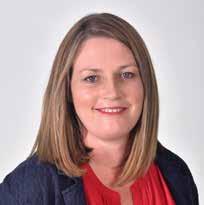
Prof Lauren Graham | Associate Professor and Director of the Centre for Social Development in Africa, University of Johannesburg
The COE-Human has come to be an internationally recognised site of robust data, thinking, and training in the field of human development. While it has always had a strong public health focus, it has successfully pushed the boundaries of this discipline to engage meaningfully with the social policy issues that affect individual, family, and community life, health, and well-being. It has been a critical site of interdisciplinary and cutting-edge research and training. There are, I believe, four key legacies that the COE-Human has developed. First is the significant science impact of its research. Staff, students, and affiliates are publishing in highly regarded journals, and this work is being well cited. Second is the legacy of data from the Birth to Thirty data through to the South African Human Development Pulse Survey and many other robust datasets. It has generated an archive of socio-economic and health-related data that will be used for years to come.
Third is the innovation it has developed. Brain Gym and the Wits Health Hubb amongst other similar evidence-based innovations, are making real impacts in the lives of individuals, whilst also demonstrating how to bring together science and innovation in the public health and social programming and policy space. Finally, the COE-Human has had a remarkable impact on training excellent scholars of human development for the future. The Postdoctoral Accelerated Programme stands out as one that really places fellows in an excellent position to leapfrog forward in their careers and become internationally regarded academics. The COE-Human is a real asset to the academy, to human development research and practice, and to the country.
Mr Nathan Sassman | Director: Centres of Excellence at the National Research Foundation
The Centre of Excellence in Human Development (CoE-HUMAN) is the only Department of Science, Technology and Innovation (DSTI) and National Research Foundation (NRF) Centre of Excellence dedicated to advancing research and innovation in the human and social sciences. Its mission is to place people at the center of South Africa’s development agenda by generating evidence that enhances the well-being of individuals, families, and communities across context and time.
Human Development is viewed as a comprehensive bio-psychosocial process – extending beyond the satisfaction of basic needs to include the pursuit of freedom, security, achievement, belonging, and the opportunity for people to lead meaningful lives of their own choosing. Central to this vision is the belief that child and family wellbeing, supported by effective systems of health, education, and social protection, forms the foundation of national progress.
Through its five core pillars – Research, Human Capability Development, Information Brokerage, Service Rendering, and Networking – CoE-HUMAN produces high-quality knowledge, strengthens academic capacity, and translates complex evidence into actionable insights. These contributions support policy formulation, programme design, and decision-making across the country’s human development landscape. The CoE's national relevance and impact were affirmed when it was recognised as a finalist in the 2024 NRF Impact Awards, underscoring its leadership in driving research excellence, social relevance, and measurable societal value. CoE-HUMAN continues to serve as a trusted partner to government, academia, and civil society, advancing a vision of a South Africa where every individual has the opportunity to thrive.
Dr Sagren Moodley | Director: Basic Sciences – Department of Science, Technology and Innovation
The Centre of Excellence in Human Development has ambitiously demonstrated its scientific excellence in life-course development, intergenerational development, and socio-ecological and transformational development through its transdisciplinary and multi-institutional mode of collaborative research. The work of the CoE clearly illustrates the transformational power of a people-centered focus, advocating for policies to be refocused on empowering people to be agents of change and building trust in institutions, and exploring new choices to ensure equitable progress. The CoE is at the vanguard of conducting research that can be used to construct a more just and humane world.
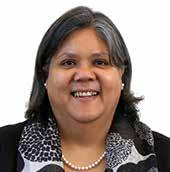
Human development progress, however, is experiencing an unprecedented slowdown, with the weakest increase in the Human Development Index (HDI) since 1990, a 2025 Human Development Report from the UNDP indicates. This deceleration is due to a lack of sustained recovery after the 2020-2021 crises and is marked by widening inequalities between rich and poor countries, particularly affecting the lowest-HDI nations.
Looking ahead, there needs to be a growing focus on the intersection of human development with issues like governance, social cohesion, socio-economic transformation, inequality, and new technologies like Artificial Intelligence (AI). Understanding the long-term effects of childhood adversity and improving early interventions are critical areas for future research and policy. The uneven recovery from the pandemic suggests a need for targeted strategies to address the specific challenges faced by different regions and income groups. The UNDP 2025 Human Development Report highlights AI's potential to reignite human development by augmenting human capabilities, creating new opportunities, and redesigning approaches to development.
AI's impact is not predetermined. Positive outcomes depend on choices societies make to leverage the technology to expand human freedom and capabilities. There must be ongoing research into whether AI can provide solutions to accelerate human development, such as improving creative possibilities and augmenting what people can do. Other critical priority areas that need to be explored include:
z Climate change: Extreme weather events are increasing, disproportionately affecting vulnerable populations and hampering development progress; and
z Digital divide: The digital transformation, including AI, offers opportunities, but developing economies risk being left behind due to limited connectivity and lower tech readiness.
Dr Vusi Malele | Deputy Director: High-End Skills at the Department of Science and Innovation
South Africa is experiencing different challenges that are opportunities for deepening research, development, and innovation (RDI). The CoE in Human Development is in the pathway of such opportunities through the ability to develop impactful outcome-driven RDI activities. These activities have indicators that assist and contribute meaningfully to different stakeholders. The CoE has developed the ability to track, measure, and report on different health and development studies that boost the governance and performance indicators of this country. The CoE continues to conduct RDI that is relevant to the health and development of this precious country, South Africa.
Ms Mastoera Sadan | Chief Sector Expert in the Department of Planning, Monitoring and Evaluation of the national government of the republic of South Africa
The study of human development is key to understanding the complex social phenomena that the South African government is confronted with. The CoE-HUMAN is the only DSTI-NRF Centre of Excellence established in human and social sciences that builds our understanding of the complexity and changing dynamics of society. Through the research we can enhance our understanding of child and family health and well-being, both across time and in context.
While human development is enabled by state provisions for health, education, and protection to ensure economic and social security, the government and academia should ideally work in a partnership whereby the research informs and researchers critically engage with the government.
The work of the CoE HUMAN fills the lacunae in the human and social sciences, together with other research institutions, in providing rigorous research that informs our understanding of social phenomena and assists with making difficult policy choices. The research undertaken can strengthen the impact of public policies to harness human capability. The three main areas of research on life-course development; intergenerational development, and socio-ecological and transformational development. These areas of research provide research studies that provide empirical evidence on the complexities of human development.
It has been through the foresight of the NRF to set up the Centres of Excellence, which builds on the knowledge base of human development and builds the research infrastructure and capacity to undertake the research. The CoE makes an important contribution to the scientific body of scholarship. The design of the CoE makes it possible for researchers to collaborate across disciplines on long-term projects that are both relevant to the local context and internationally competitive.
Policy makers often work in contexts where political decisions hold sway, and there is often a tendency for short-term thinking and planning in government, which frequently results in social phenomena being dealt with in an episodic manner. The research produced by the CoE provides policymakers with empirical evidence, which assists in engaging with complexity and with human development over the life course. It also fosters longer-term thinking.
Policymakers require good-quality empirical evidence to inform their policy choices in this challenging terrain. The limited use of research evidence and other evidence by policymakers can be ascribed to either not being aware of research undertaken or poor access and sometimes limited skills to critically appraise and engage with the research. These factors could hamper the ability of policymakers to use evidence effectively.
The brokerage role of the CoE is vitally important, as it raises awareness of the research produced, and through support to publications such as the Child Gauge, it makes research accessible to policymakers. These publications foster a better understanding of the country’s complex social dynamics and assist in shaping the policies and programmes that aim to address these complexities.
Dr Mongezi Mdhluli | Chief Research Operation Officer in the Office of the South African Medical Research Council President
Dr Mongezi Mdhluli is the Chief Research Operation Officer (CROO) in the office of the SAMRC President. He is responsible for the research operations of the SAMRC, the Project Management Office, Research Operations (including laboratory operations) Ethics Committee and the Research Integrity Office and overseeing the efficient operations of the Insectary and PUDAC. Prior to the CROO position, Mongezi was employed in the SAMRC as a Scientist and then moved to head the supply Chain Management Division. Mongezi completed his PhD at the University of the Western Cape and MBA at the University of Stellenbosch Business School.
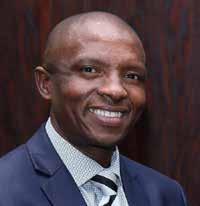

Prof Brett Bowman | Senior Director: Research Development – Research and Innovation, University of the Witwatersrand
Brett Bowman is the Senior Director for Research at the University of the Witwatersrand (Wits), Johannesburg. He is tasked with overseeing the Research and Innovation Office and driving initiatives that strengthen the university’s role as a leading research-intensive institution. A Fulbright alumnus, he holds a B2 rating (considerable international recognition) from the National Research Foundation (NRF) for his primary research, which focuses on the causes, correlates, consequences, and situational dimensions of violence.

Prof Aryeh D. Stein (Chair) | Professor in the Hubert Department of Global Health of the Rollins School of Public Health at Emory University
The Annual Performance Report of the Centre of Excellence in Human Development (CoE-HUMAN) is always a cause for celebration. This year, again, the CoE-HUMAN is excelling in its missions of conducting high-quality research, training and developing the research capacity of South Africa, and disseminating research findings to the community, practitioners, and policymakers. All of this is commendable.
A couple of highlights come to mind when reflecting on the CoE-HUMAN's science. The Wits Health Hubb continues to thrive, and now in its 6th year of operations, it continues to train young people to serve as health ambassadors to their community. These young people provide blood pressure screening and other activities throughout Soweto. Formal evaluation of the Health Hubb model is ongoing, and results of the Health Hubb’s activities are being disseminated through scientific publications.
The CoE-HUMAN is further developing its innovative approach to postdoctoral mentorship through the Accelerator Programme. Two cohorts of junior researchers have now completed this two-year programme, and the third and fourth cohorts are currently in process. In this programme, trainees engage in a structured trainee model designed to develop both their scientific skills and their leadership. I had the privilege of attending one of their gatherings in Johannesburg, and they shared their excitement and intense satisfaction with the model of training, which is more structured and collaborative than traditional programmes. It is also rigorous, requiring trainees to rapidly identify their area of research and generate multiple publications – a necessary but sometimes challenging benchmark that will stand them well as they progress through their academic career.
The CoE-HUMAN continues to develop its interactions with Historically Disadvantaged Institutions (HDIs) throughout South Africa, through bursaries and competitive research awards. Four grants were awarded in 2025, building on a total of seven that were awarded in 2022-4. Human development is not just about individuals but also
institutions. The CoE-HUMAN is doing both. This is but a fraction of the work of the CoE-HUMAN. I look forward to continued excellence in the years to come.
Prof Mark Stoutenberg | Professor and Head of Department, Department of Sport & Exercise Sciences, Durham University (UK)
The Centre of Excellence (CoE) in Human Development has established itself as a leader in advancing high-quality, innovative research in human development. The scientific work produced by the Centre is consistently rigorous and deeply responsive to the developmental challenges facing South Africa, particularly in the Greater Johannesburg region. One of the Centre’s notable strengths is its collaborations and partnerships, as the CoE-HUMAN has successfully built and maintained partnerships not only within South Africa but also across Europe and North America, extending its global footprint. These international collaborations enhance the scientific robustness of the CoE’s work and ensure that its outputs meaningfully contribute to global conversations on human development. The CoE has demonstrable success securing grant funding that reflects both the excellence of its scientific outputs and the confidence that funders place in its capacity to deliver impactful, policy-relevant research. The sustained funding strengthens the Centre’s infrastructure, supports innovative research initiatives, and expands opportunities for emerging scholars.
Support for these emerging scholars is yet another significant contribution of the CoE. The Centre provides exceptional training for doctoral students and postdoctoral fellows, offering high-quality mentorship, methodological development, and access to collaborative networks that are truly first class. The career trajectories of these graduates – many of whom move into influential roles across academia, government, and various research sectors – demonstrate a multiplier effect from the Centre’s investment in talent. Finally, the CoE’s achievements are strongly underpinned by its excellent leadership. The strategic direction provided by the leadership team cultivates a culture of excellence, collaboration, and innovation, shaping the Centre’s identity and sustaining its impact nationally and internationally. In summary, CoE-HUMAN continues to deliver scientific work of high merit and global relevance. Its strong local and global leadership, successful partnerships, funding performance, and outstanding training programmes position it as a premier institution with an enduring impact on human development research and practice.
The past year has been one of ongoing achievement for the Centre, marked by scientific excellence, deepened partnerships, and a growing footprint of influence across South Africa and the global human development community. Through its integrated focus on life-course and intergenerational development, the Centre has continued to generate rigorous, policy-relevant evidence that speaks to some of the most urgent challenges of our time, while remaining firmly anchored in the lived realities of individuals, families, and communities.
On the global stage, the Centre’s research has made significant contributions to international debates on human development, health, and social wellbeing. Largescale longitudinal and comparative studies, including the South African Human Development Pulse have positioned the Centre as a trusted source of high-quality data

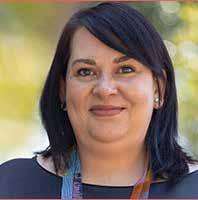

and analysis from the Global South. These projects not only advance scientific understanding across contexts, but also ensure that African perspectives and experiences shape global agendas on development, equity, and wellbeing.
Evan more importantly, the Centre has produced sustained local impact. Across urban and rural settings, research has been translated into practical interventions that strengthen community capacity, improve access to services, and support healthier life trajectories. Initiatives such as the Wits Health Hubb, and Brain Gym, demonstrated how evidence-driven innovation can improve health literacy, enable early detection, and empower communities to become active agents of change in their own environments.
Alongside its research and societal impact, the Centre has continued to invest meaningfully in human capacity development. Through its Postdoctoral Accelerator Programme, the Centre is cultivating a next generation of scholars equipped to lead impactful, interdisciplinary research. The Scientific advisory committee had the privilege to engage with the participants of this program this past year during the SAC in-person meetings, and could reflect on the impact that this program has on training the next-generation of leaders in human development research. This commitment to transformation, inclusion, and academic excellence ensures that the Centre’s influence will be sustained well into the future.
Taken together, the achievements of the past year reflect a Centre in full stride: producing world-class science, translating knowledge into action, shaping policy and practice, and improving lives. The Centre’s work stands as a powerful testament to the role of people-centred, collaborative research in advancing human development locally, nationally, and globally. It is growing a legacy of excellence, relevance, and impact.
Prof Mapaseka Luyanda Seheri | Director: Research and Innovation, Sefako Makgatho Health Sciences University
Prof. Mapaseka Seheri is a Research and Innovation Director at the Sefako Makgatho Health Sciences University. Her seventeen years of experience in the academic institution Sefako Makgatho Health Sciences University (SMU) Department of Virology and Research and Innovation Directorate) has provided her with broad knowledge in research excellence and impact, teaching and learning, as well as the ability to successfully lead research enterprise and academic groups. She is a recognized scholar and leader and has extensive experience in molecular virology, disease surveillance systems, molecular epidemiology, interaction between host and virus, viral diversity, genetics and evolution, whole genome sequencing, and bioinformatics for rotavirus and norovirus as well as other diarrhoeal pathogens, gut microbiome, and metagenomics research.
She has earned local and international recognition in the field of diarrhoeal diseases and rotavirus, where she has made valuable contributions in the introduction of the rotavirus vaccine in the African continent and pioneered whole genome sequencing in the African continent. Her key focus research area addresses childhood diarrhoeal
diseases nationally and regionally, prioritising the health of women and children to achieve the United Nations Sustainable Development Goals (SDGs) that would reduce maternal, neonatal, and under-five mortality by 50% in the African region.
Dr Sphesihle Felicitas Nqweniso | Biokineticist & Senior Lecturer: Department of Human Science, Faculty of Health Sciences, University of Fort Hare
Dr Siphesihle Nqweniso is a Biokineticist and Senior Lecturer in the Department of Human Movement Science in the Faculty of Health Sciences at the University of Fort Hare. She is a dedicated academic whose research focuses on child health and physical activity promotion, with an emphasis on the implementation of school-based interventions targeting cardiovascular disease risk factors and body composition among children and adolescents from resource-limited communities. Dr Nqweniso has been involved in a long-standing 10-year multidisciplinary and multi-country collaboration project, KaziBantu (www.kazibantu.org), where she developed a schoolbased physical education toolkit based on the South African school curriculum. She was the project coordinator in the KaziAfya research project, an internationally funded, multidisciplinary intervention study implemented across South Africa, Côte d’Ivoire, and Tanzania.
Her scholarly work has contributed to the development of impactful school-based programmes, such as KaziKidz, which aim to enhance physical literacy, improve fitness levels, and promote healthy lifestyles among school children in resource-limited settings. Her international research partnerships include collaborations with the University of Basel (Switzerland), Swiss Tropical and Public Health Institute (Switzerland), Ifakara Health Institute (Tanzania), and Centre Suisse de Recherches Scientifiques (Côte d’Ivoire). Her research continues to influence the development of school-based health interventions and non-communicable disease prevention efforts, positioning her as a voice in advancing health equity through education and physical activity in South Africa and beyond.
Dr Gudani Mukoma | Lecturer and Researcher: Department of Biokinetics, Recreation & Sports Science, University of Venda
Dr Gudani Goodman Mukoma is a Lecturer in the Department of Biokinetics, Recreation, and Sport Science at the University of Venda and an Honorary Researcher at the SAMRC/Wits Developmental Pathways For Health Research Unit (DPHRU). He holds a PhD and MSc (Med) from the University of the Witwatersrand and a BSc in Biokinetics from the University of Venda. An NRF Y2-rated researcher, Dr Mukoma’s work focuses on non-communicable disease (NCD) risk, obesity, physical activity, nutrition, and adolescent health. He is the Principal Investigator of the Vhembe Household-based NCD Risk Factors Screening Project, screening over 1,200 adults for key health indicators, and the Chief Scientific Investigator on an IAEA Coordinated Research Project assessing sugar intake biomarkers in Soweto.
With over eight years of multidisciplinary research experience, he has published more than 25 peer-reviewed papers and actively mentors postgraduate students. Dr Mukoma serves on several academic and professional committees, including the Human and Clinical Trials Research Ethics Committee (HCTREC) and the Faculty Research Integrity and Innovation Committee (FRIIC).
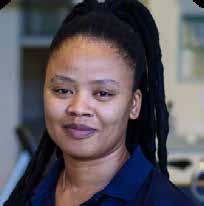


Prof Ernest Khalema | Deputy Vice Chancellor and Head of the College of Law and Management Studies, University of KwaZulu-Natal
Prof Ernest Nene Khalema, PhD, is a full professor of development studies and currently the Deputy Vice Chancellor and Head of the College of Law and Management Studies at the University of Kwazulu-Natal (UKZN). He is a former Dean and Head of School of Built Environment and Development Studies (2018-2024) at UKZN and simultaneously served as acting Dean of the School of Applied Human Sciences (2020) at UKZN. Before joining UKZN, Professor Khalema spent a decade at various Canadian universities (2001-2011) with his last post as an Assistant Professor of Social Work at the University of Calgary (2005-2011). Prof Khalema further served as Adjunct Professor of Public Health at the University of Alberta’s School of Public Health (2012-2018). A critical sociologist, development specialist, and mixed methodologist his research focuses on the political economy of development, migrant integration, youth studies, sexual reproductive health and rights, new urbanism, and social epidemiology. Additionally, he has held various positions in the research community including serving South Africa's Human Sciences Research Council (HSRC) as a Senior Research Specialist and later promoted to Chief Research Scientist/Specialist (2011-2016), where his pioneering work on global migration, gender equity, urban demography, and informality studies earned widespread recognition both nationally and internationally. Professor Khalema has an extensive publication record, comprising 10 books, over 70 refereed articles in accredited journals and book chapters, 40 technical research reports, 4 policy briefs, as well as contributions to more than 80 academic papers and 25 posters presented at conferences locally and globally. His numerous awards in teaching, research, leadership, and community service highlight his commitment and contributions to human development, inclusivity, and implementation science, with UKZN recognising him among its top 30 researchers. His leadership of more than 30 interdisciplinary, multiyear, and multi-country research projects, with secured funding exceeding R60 million, underscores his exceptional capacity to drive impactful research and engagement that advances responsive human development interventions across the life-course, policy directives that impact praxis, and community empowerment for emancipation and transformation.
Human development begins with people. It begins with the child growing up in a household shaped by both care and constraint; the adolescent trying to imagine a future while carrying the weight of anxiety, poverty or violence; the young person looking for skills, work and purpose; the caregiver holding a family together under pressure; and the community health worker who becomes a trusted bridge between services and everyday life. This is the work of the DSTI-NRF Centre of Excellence in Human Development. We study human development not as an abstract concept, but as something lived in homes, schools, clinics, and communities. We ask how people grow, how disadvantage accumulates, how resilience is built, and how systems can be strengthened so that more South Africans can live healthy, dignified and meaningful lives.
The past year has made this mission even more urgent. South Africa continues to face deep and overlapping challenges: inequality, unemployment, food insecurity, violence against women and children, mental health distress, the rising burden of non-communicable diseases, climate vulnerability, and unequal access to digital and technological opportunity. These are not separate problems in people’s lives. They intersect. They shape childhood, adolescence, family wellbeing, health, learning, work and ageing. They also demand a different kind of science: science that is rigorous, long-term, interdisciplinary, policy-relevant and close enough to communities to understand what really matters.
In 2025-26, CoE-HUMAN continued to evolve in response to this reality. We are no longer only a centre that produces excellent research. We are a national platform for people-centred evidence, capacity development, public engagement and social innovation. Our work links long-term cohort studies with national surveys, policy-facing publications, community-based interventions, postgraduate training, postdoctoral development and
partnerships across universities, government, civil society and historically disadvantaged institutions.
For policymakers, this means evidence that can support difficult decisions. Human development policy cannot be built on short-term thinking alone. It needs data that show how early adversity, household conditions, education, health, violence, employment and social protection interact across the life course. It needs evidence that helps government move beyond silos and design responses that reflect how people live. This is why our support for the South African Child Gauge remains so important. The 2025 focus on the intersections of violence against women and children speaks directly to a national crisis. It shows that preventing harm requires family-centred, trauma-informed and integrated systems that protect both women and children, rather than treating their needs as separate.
For scientists, this year’s work demonstrates the continuing importance of long-term, transdisciplinary research infrastructure. Human development cannot be understood through one discipline, one dataset or one
moment in time. It requires epidemiology, psychology, sociology, economics, public health, implementation science, developmental science and policy analysis to work together. The Centre’s research across life-course, intergenerational and socio-ecological development continues to generate evidence on the pathways through which social conditions become embodied as health, wellbeing, risk and opportunity. Just as importantly, we are investing in the next generation of scholars who will carry this work forward.
For South Africa, our work is about making science useful and visible. Evidence becomes meaningful when it helps a young person access mental health support, when it trains youth as health ambassadors, when it supports blood pressure screening in a community, when it helps families and practitioners understand violence differently, or when it gives decision-makers clearer insight into the pressures facing households. Through initiatives such as the Wits Health HUBB, Brain Gym, LifeLab Soweto, the Human Development Pulse Survey and community-based NCD screening, the Centre continues to show that research can move beyond publication and become part of the everyday architecture of prevention, care and possibility.
The resilience of CoE-HUMAN has been tested in a demanding research and funding environment. Yet resilience, for us, has not meant simply continuing as before. It has meant adapting with purpose. It has meant sharpening our focus on the issues that matter most for South Africa’s future: children and families, adolescent wellbeing, mental health, chronic disease prevention, violence and the capabilities people need to thrive in a changing world. It has meant building partnerships that extend the reach of the Centre, including with historically disadvantaged institutions, so that human development science is more inclusive, more nationally distributed and more responsive to the communities it serves.
This direction aligns strongly with South Africa’s Science, Technology and Innovation Decadal Plan. The Decadal Plan calls on the national system of innovation to address societal grand challenges, strengthen skills, support health innovation, contribute to a capable state and help shape the future of society. CoE-HUMAN’s contribution is to ensure that people remain at the centre of that agenda. Technological progress, artificial intelligence, climate adaptation, health innovation and economic renewal will only be meaningful if they expand human capability, reduce inequality and improve the conditions of everyday life. The human and social sciences are therefore not peripheral to the Decadal Plan; they are essential to its success.
Looking ahead, we will continue to strengthen South Africa’s evidence base for human development across the life course. We will expand our work on implementation and intervention science so that promising ideas can be tested, adapted and scaled. We will deepen our engagement with policy and practice so that evidence travels further and faster. We will continue to support emerging researchers, especially those whose work strengthens South Africa’s scientific capacity and transformation agenda. And we will engage contemporary challenges through a distinctly people-centred lens. I am deeply grateful to the DSTI, NRF, the University of the Witwatersrand, our Steering Committee, Scientific Advisory Committee, partner institutions, funders, collaborators, students, postdoctoral fellows, community partners and the CoE-HUMAN team. The achievements reflected in this report are collective. They represent the work of people who believe that excellent science and public purpose belong together. This annual report tells a story of productivity, but more importantly it tells a story of commitment to evidence and to the future of South Africa. Human development is not only what we study, but also what we are working to make possible.
Prof Shane Norris | Director
Prof Norris is the Director of the DSTI-NRF Centre of Excellence in Human Development and Director of the MRC/Wits Developmental Pathways for Health Research Unit, Department of Paediatrics, at the University of the Witwatersrand. He is an epidemiologist with research interests that include child growth and development, obesity, and intergenerational risk of metabolic disease.
Dr Khuthala Mabetha | Centre & Research Manager
Dr Khuthala Mabetha is the Centre & Research Manager of the DSTI-NRF Centre of Excellence in Human Development. She holds a PhD in Demography and Population studies from the University of the Witwatersrand. After completion of her PhD studies, she subsequently became a Postdoctoral Fellow at the MRC/Wits Developmental Pathways for Health Research Unit in the Healthy Living Trajectories (HeLTI) Consortium, which consists of a multidisciplinary team that spans across four countries, namely South Africa, China, India, and Canada, and aims to develop evidence-based interventions that strive to improve maternal, child, and infant health.
She is a trained Demographer by profession and has been trained to apply various quantitative, qualitative, and mixed-methods research methodologies to various studies. She has co-authored more than 25 peer-reviewed papers published in various international journals. Her research interests are centered particularly on child health and family, population health dynamics, and health transitions with regard to why the health of the population is changing, particularly in relation to children, families, and young women.
Ms. Kholeka Vikilahle is the Finance Officer of the DSTI-NRF Centre of Excellence in Human Development. She has a wealth of experience in business administration support and project management. She previously worked for Wits Business School and Henley Business School SA as a Programme Manager. Before that, she fulfilled the role of Business Development Manager and Relationship Manager in the vehicle finance space for WesBank and Motor Finance.
Ms. Rebecca Mudau is the Research Assistant and Administrative Officer of the DSTI-NRF Centre of Excellence in Human Development. She has a wealth of experience in business administration support. She previously worked for the South African Post Office as a Data Capturer and Call Centre agent. Before that, she fulfilled the role of Customer Service Agent for South African Airways. Her career began at BCA as a part-time administrator and receptionist.




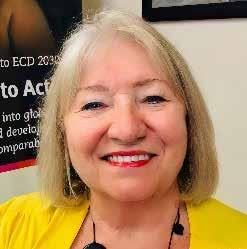
Prof Linda Richter | Distinguished Professor
Linda Richter is a Distinguished Professor in the Centre, a developmental psychologist with a PhD from the University of Natal. Linda is the author or co-author of more than 400 papers, books, chapters, and reports on basic and policy research in child and family development. She led the development of South Africa’s National Integrated Early Child Development Policy and Programme, adopted by Cabinet in 2015, as well as the 2017 Lancet Series Advancing Early Child Development: From Science to Scale. Linda is also the Principal Investigator of several large-scale, long-term collaborative projects, including Birth to Thirty, a birth cohort study of 3,273 South African children followed up for 30 years. Linda is currently writing a book on the study and has just received the NRF Lifetime Achievement Award for 2021, recognizing her extraordinary contributions to science in and for South Africa and globally. Linda is also a member of the Wellcome Trust Discovery Award Interview Panel.
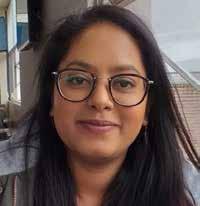
Sara
Dr Sara Naicker is a Research Project Manager in the Centre. She has managed several projects – both large- and small-scale, based in South Africa and abroad, on early childhood development, child and adolescent health and well-being, and families and children in vulnerable contexts. Dr Naicker’s current work on adversity assesses the extent to which exposure to multiple and cumulative adversities in childhood is associated with poor health and wellbeing in adulthood.


























The CoE-HUMAN continued to support strategic grants in 2025, focusing on broad themes around climate change, adolescent mental health, child and adolescent development, nutrition, environmental sustainability, and non-communicable disease risk factors.
The 2025 issue of the Child Gauge focuses on the intersections of violence against women and children.
Two new collaborative partnerships were formed with two Historically Disadvantaged Institutions, and research grants were awarded to these new partners, which are Mangosuthu University of Technology and Walter Sisulu University.
Two opportunity grants focusing on the theme "community-based interventions to address inequalities" were also awarded to researchers from two Historically Disadvantaged Institutions, which are the University of Limpopo and Sefako Makgatho Health Sciences University.
Four research grants were awarded to researchers from Historically Disadvantaged Institutions, with three of the grants awarded to women.
The percentage of Black South African students (including Coloured, Black and Indian students)
The percentage of female students
The percentage of students from historically-disadvantaged institutions
of Postdoctoral fellows
Researchers affiliated with the CoE leveraged a total of R2,486,028.67 in research and innovation grant funding in 2025.
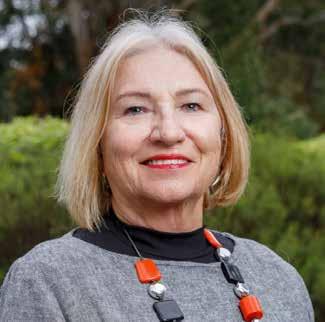
The DSTI-NRF Centre of Excellence in Human Development is pleased to announce that the Centre’s Distinguished Professor Linda Richter was conferred the title of Professor Emerita by the University of the Witwatersrand on the 16th of September 2025. This honour recognises her exceptional scholarly contribution to the University of the Witwatersrand’s Faculty of Humanities. Prof. Linda’s distinguished academic career, outstanding achievements, visionary leadership, lasting impact on students, colleagues, and the broader academic community, and her dedicated service to the university has created an enduring legacy within the university community. We extend our warmest congratulations and sincere appreciation for her years of excellence and commitment, and also look forward to her ongoing participation in the research and academic endeavours of the university.
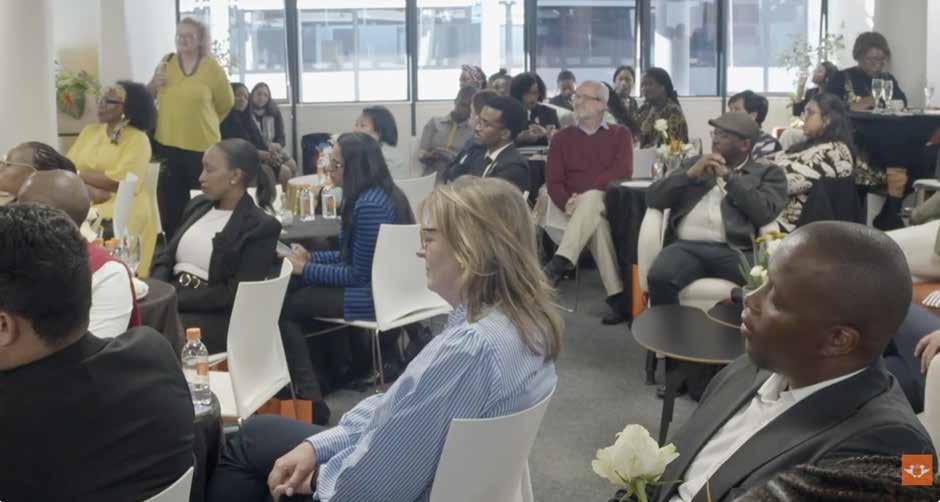
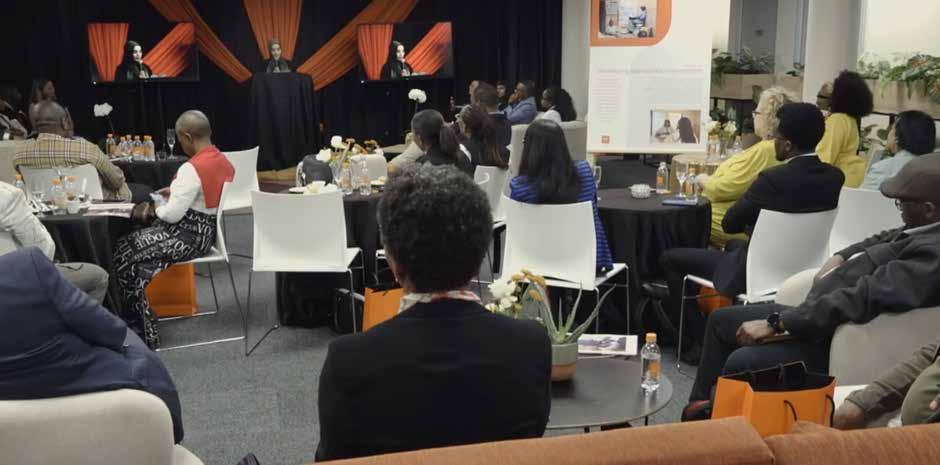
On 21 August 2025, the Centre for Social Development in Africa (CSDA) marked its 21st anniversary milestone. The CoE-HUMAN has been working closely with the CSDA for the past four years as a collaborator on the Communities of Practice (CoP) for Child Wellbeing project, which addressed multifaceted challenges affecting child wellbeing in South Africa. The CoE-HUMAN also maintains its collaborative partnership with the CSDA through the CSDA Director, Prof. Lauren Graham, who sits on the CoE-HUMAN’s Steering Committee and supports initiatives and efforts that aim to improve human development.
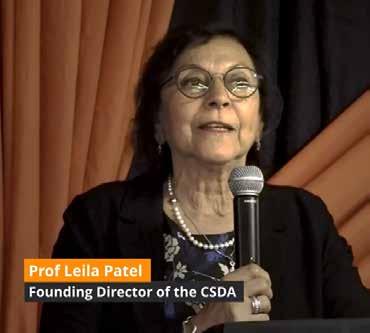
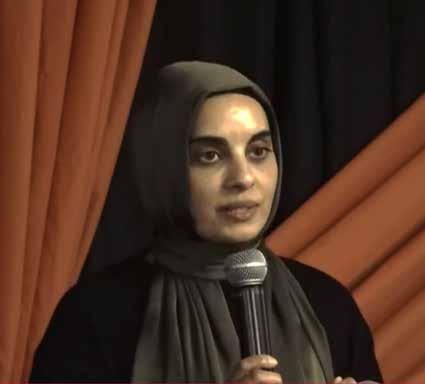
The 21st anniversary celebration brought together a wide community of people who have shaped, supported, and grown with the Centre over the last two decades. Research collaborators, funders, civil society partners, NGOs, colleagues from government and the private sector, students, alumni, former staff, and friends of the CSDA all gathered to recognise how far the Centre has come and to reflect on the journey ahead.
The event also highlighted the CSDA’s long-standing partnership with other research centres, including its partnership with the Centre of Excellence in Human Development (CoE-Human), where Professor Lauren Graham, the CSDA’s Interim SARChI Chair, serves on the board, and where the CoE Director, Professor Shane Norris, previously sat as a CSDA board member.
The programme reflected on the Centre’s beginnings, its evolution, and its impact. Speakers revisited the vision that inspired the CSDA’s founding in 2004, ten years into South Africa’s democracy. At that time, Professor Leila Patel established the Centre with a bold idea: that engaged, rigorous research could be a powerful force for social justice in a society still grappling with poverty, inequality, and exclusion. The CSDA started as a small, under-resourced unit, driven by Prof. Patel’s determination and shaped by early collaborators such as Ndangwa Noyoo and Tessa Hochfeld. Despite limited resources, the Centre quickly became known for its high-quality applied research and for building partnerships across government, civil society, and international networks.
The early years were marked by studies that helped establish the CSDA’s reputation. These included the Johannesburg Poverty and Livelihoods Study with Prof. Thea de Wet and Dr Marcel Korth, research on social development curricula in Southern and Eastern Africa funded by the IASSW, and work on the implementation of the White Paper for Social Welfare. The Centre also contributed to a five-country study on volunteering with VOSESA and Washington University, which was later published as a special issue of Service Enquiry. Small but strategic grants from SANPAD and AusAID, along with collaborative projects such as the Siyakha Youth Assets Project, played an important role in building the CSDA’s credibility and capacity.
A major turning point came in 2015 when Prof. Patel was awarded the DSTI/NRF South African Research Chair in Welfare and Social Development (SARChI). This

long-term investment allowed the CSDA to expand its research footprint, introduce the MPhil in Social Policy and Development, and mentor a growing cohort of postgraduate and postdoctoral fellows. Over time, the Centre supervised more than 47 emerging scholars and strengthened its influence in policy development, including in areas such as integrated social protection, “cash-plus” interventions, and whole-family approaches. Today, Professor Lauren Graham leads the SARChI Chair in an interim capacity, continuing to guide the Centre with a commitment to engaged research and inclusive leadership.
The celebration also highlighted the CSDA’s broader achievements over its 21 years. These include more than 500 journal articles, 90 research reports, 157 book chapters and 22 books, as well as the graduation of more than 100 postgraduate students and fellows. Beyond numbers, the event emphasised the human impact of the Centre’s work. This was made especially powerful through the testimony of Teboho Moloi, a young participant in the Basic Package of Support (BPS), who shared how the programme helped him move from a place of deep hopelessness to finding confidence and inner strength. His story reminded attendees that the CSDA’s work is ultimately about people, dignity, and possibility, not only research outputs.
As South Africa continues to confront persistent inequality, unemployment, and the legacies of exclusion, the CSDA used this moment to recommit itself to advancing social justice through rigorous, relevant, and
inclusive research. The 21st anniversary was not only a celebration of past achievements; it was an affirmation of the Centre’s future direction. It reinforced the CSDA’s ongoing commitment to evidence-informed policy, grounded practice, and research that centres dignity, justice, and community wellbeing.
Looking back on its journey from a small unit to a respected centre of research and impact, the CSDA@21 celebration served as a reminder of what can be achieved
through vision, persistence, strong partnerships, and a shared belief in social development. As the CSDA looks to the future under the leadership of Professor Sadiyya Haffejee, the focus shifts toward unleashing the full potential of the CSDA team. This next phase will prioritise empowering researchers to take ownership in their thematic areas, pursue innovative, policy-relevant work and an ongoing commitment to challenging the field of social development to respond more robustly to the needs of the Global South.

The South African Child Gauge is published annually by the Children’s Institute, University of Cape Town, to monitor progress towards realising children’s rights. At least for over 10 years, the CoE-HUMAN has been supporting and collaborating with the Child Gauge and has contributed funding towards each edition of the Child Gauge, annually. The 2025 issue of the Child Gauge focuses attention on the intersections of violence against women and children and how early exposure to violence can spark an intergenerational cycle of violence that has huge human, social, and economic costs.
It aims to build a shared understanding of the intersections of violence against women and children – as they co-occur in the same households, share the same risk factors, and drive an intergenerational cycle of violence. It therefore challenges the ways in which programmes, research, and policies on violence against women and children have historically been siloed – and calls for a more integrated approach to support both women and children.
This issue of the Child Gauge also identifies opportunities to strengthen systems by providing trauma-informed and family-centered services to prevent the intergenerational transmission of violence, and it showcases promising practices – such as gender-transformative programming – that can help promote healthier, non-violent relationships in families, schools, and communities.
A draft concept note for the 2024/25 Child Gauge was developed in April 2024 to guide our collective think-
ing on the intersections of violence against women and children under the thought leadership of the editorial team – Lucy Jamieson (Children’s Institute), Professor Shanaaz Mathews (Department of Paediatrics and Child Health, UCT), Dr Mercilene Machisa (MRC), and Lori Lake (Children’s Institute). A roundtable was hosted in Gauteng on 28 June 2024 that brought together 26 stakeholders from government, civil society, and academia, including representatives from the national Department of Social Development, Department of Women, Youth and Persons with Disabilities, and the Department of Planning, Monitoring and Evaluation, to identify key research and policy priorities.
Based on this input, the editorial team developed a set of draft frameworks to guide the conceptualization of a set of 11 chapters. This was followed by the first meeting of the editorial advisory committee on 27 August 2024 that brought together experts in violence prevention from a range of disciplines and sectors to provide critical feedback:
z Joy Watson, The Prevention Collaborative
z Harsha Dayal, Department of Planning, Monitoring and Evaluation
z Sinah Moruane, UNICEF South Africa
z Elizabeth Dartnell, SVRI
z Elona Toska, Adolescent Accelerators Research Hub, UCT
z Benita Moolman, African Feminist Studies Department, UCT
z Wiedaad Slemming, Children’s Institute
z Nicholas Dowdall, LEGO Foundation
This was followed by a series of further editorial meetings to further sharpen the framing and focus of each chapter and the commissioning of the Gauge chapters. This includes six content chapters:
1. Introduction – why we need to address the intersections of violence against women and children (Shanaaz Mathews)
2. An intersectional approach to violence prevention in the first 1,000 days (Aislinn Delany, Phiwe Nota and Wiedaad Slemming)
3. An integrated response to violence in the home (Lillian Artz and Wessel van den Berg)
4. Addressing violence in – and through – schools (Patrick Burton)
5. Engaging communities (Mercilene Machisa and Sebenzile Nkosi)
6. Towards an enabling environment (Joy Watson and Liz Dartnell)
A set of five short essays to outline the building blocks of an effective system to prevent and respond to violence:
1. Leadership and coordination (Matodzi Amisi and Tarisai MchuMchu-McMillan)
2. Laws, policies and strategies (Lucy Jamieson)
3. Finance (Russell Wildeman, Matshidiso Lencoasa)
4. Human resources (Suzanne Clulow)
5. Integrated data systems (Franziska Menck, Katharine Hall and Harsha Dayal)
We also invited the UN Secretary General’s Special Representative on Violence against Children and the Ministers of Women and Social Development to share their high-level strategic insights and plans to address the intersections of violence against women and children.
We brought the lead authors together for a writing retreat on 29-31 January 2025 to share their emerging drafts, build a common language and vision, and strengthen alignment across the different chapters.
In addition, we commissioned a series of 36 cases to showcase examples of best and promising practice.
The central focus on violence prevention was then complemented by our annual review of legislative and policy developments affecting children, together with an analysis of child-centered indicators to track progress for children from 2002-2024.
All chapters were subject to an internal review by members of the editorial team.
This was followed by a double-blind peer review by experts in the field. In addition, the editorial advisory committee provided feedback to strengthen coherence across the full set of 11 chapters, so we are grateful for their input and that of 36 peer reviewers for their critical and constructive feedback.
Following the authors’ changes, all chapters were subject to a plain language and conformity edit to ensure that the findings are accessible to a wider audience and to ensure that all chapters conform to the CI’s house style.
Final copies of the chapters were then forwarded to the designer for typesetting and graphic design, followed by several rounds of proofreading and corrections before being sent to the printers.
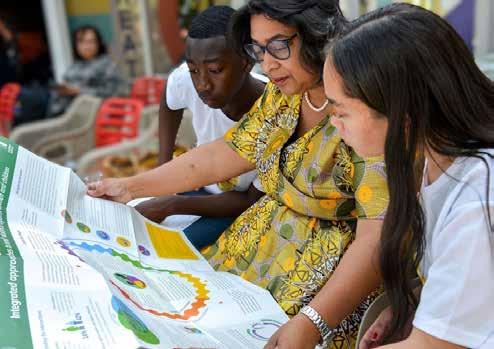
We met with our editorial advisory committee on 3 October to review and refine the key messages emerging from each chapter. We then met as an editorial team to identify the key messages emerging out of the Child Gauge as a whole in order to guide the drafting of the poster, policy brief, and press release – calling on South Africa to: Break the Silos. Break the cycle. The poster and policy brief were published and disseminated with the Child Gauge report at the launch on 4 November and are available on the CI website for download:
z Full report
z Poster
z Policy brief
The key messages were also shared with Christina Nomdo and her team of child human rights advocates to guide their work on the child- and youth-friendly summary.
This year the summary will take the form of an A3 Z-fold which can be tucked discretely into a blazer pocket, and a series of social media cards that young people can use to share the key findings and recommendations from the 2025 Child Gauge.
These materials will be accompanied by a series of podcasts based on interviews with Gauge authors, conducted by child reporters at RX Radio. This collection of child- and youth-friendly materials will then be launched at the Nelson Mandela Children’s Fund Digital Futures Conference in the first week of December.
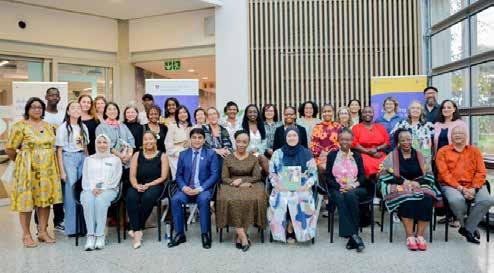
The launch of the Child Gauge took place on 4 November at the Hasso Plattner d-School, University of Cape Town. It brought together 125 researchers, policymakers, and practitioners dedicated to the building of healthy relationships within homes, schools, and communities and to strengthening systems to prevent the intergenerational transmission of violence. (See Appendix 3: Invite list and Appendix 4: Attendance register.)
The Minister of Women, Youth and Persons with Disabilities, Sindisiwe Chikunga, delivered the keynote address, and the findings were presented by our lead editors Lucy Jamieson (Senior Researcher, Children's Institute) and Pro-
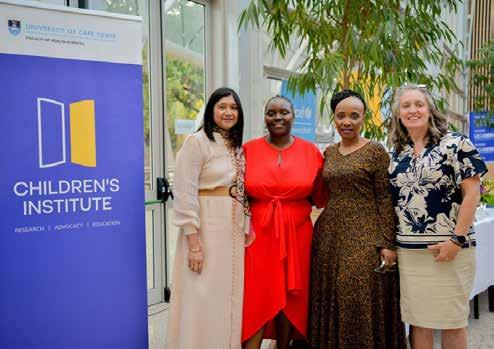
Minister of Women, Youth and Persons with Disabilities, Sindiwe Chikunga, with lead editors Shanaaz Mathews, Mercilene Machisa and Lucy Jamieson
fessor Shanaaz Mathews (UCT Faculty of Health Sciences, and evaluation lead for the global programme What Works to Prevent Violence Against Women and Girls).
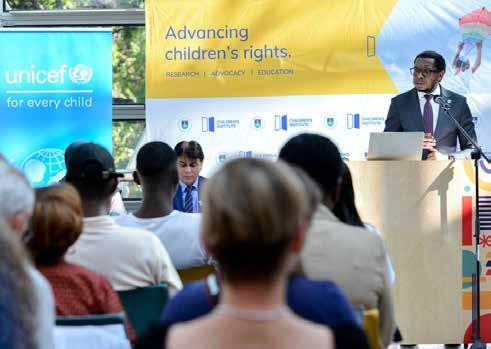
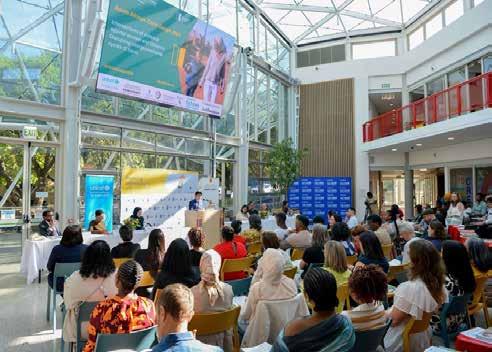
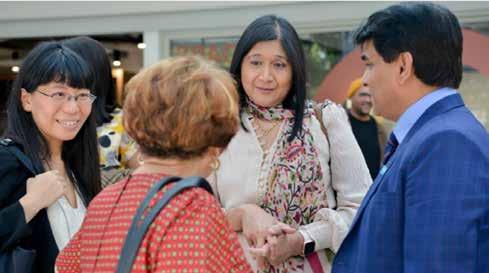
Contributing to the panel discussion were Professor Tracey Naledi, Deputy Dean of the UCT Health Sciences Faculty; Professor Mosa Moshabela, UCT Vice-Chancellor; Irfan Akhtar, Deputy Representative of UNICEF South Africa; and Dr Linda Ncube-Nkomo, CEO of the Nelson Mandela Children’s Fund.
Our high profile media campaign aims to inform, guide and stimulate national dialogue and debate and has already generated significant media coverage – with a total of 88 news items from 4-18 November – with a total reach of 50 million, and an advertising value equivalence of over R5.3 million.
This includes the publication of three opinion editorials in the Sunday Times, Daily Maverick and Independent newspapers (with a further op ed due to be published in the Conversation next week).
Highlights from the Gauge media coverage include the following interviews and opinion editorials:
Newzroom Afrika Call to implement policies to curb violence
eNCA
Child safety: SA Child Gauge released
SAfm Parenting: SA Child Gauge 2025
CapeTalk SA Child Gauge 2025
Daily Maverick SA Child Gauge 2025 spotlights intersection of violence against women and children
News24
UCT report calls for urgent action to break cycle of violence against women and children
TimesLive Home is the most dangerous place: UCT report on cycles of violence against women and children
Sunday Times op ed G20 leaders must end violence to boost prosperity
News24 op ed Beyond punishment: Systematic solutions to end school violence
Daily Maverick op ed
Empowering communities –strategies to break the cycle of violence against women and children
In the past two weeks, (8-18 October), the Child Gauge has also generated 17,887 impressions on FaceBook and 15,144 on LinkedIn, and 755 (and 529 unique) website views.
We have also planned a series of policy engagements to deepen dialogue and discussion and ensure the findings gain traction with key decision makers in government and civil society.
Pre-launch engagements include:
z Western Cape Violence Prevention Unit – 17 October
z G20 Pre-Summit – 16 October
z G20 Summit – 30 October
Post-launch engagements include:
z The Department of Paediatrics and Child Health Clinical Meeting – 5 November
z Khayelitsha and Eastern Sub-Structure Adolescent Forum – 6 November
z City of Cape Town ECD Indaba – 8 November
z National Child Care and Protection Forum –20 November 2025
z Child Health Priorities Conference – 28 November
z NMCF Digital Futures Conference – 6 December
And we will continue to deepen this process of engagement in the first quarter of 2026.
Violence against women (VAW) and violence against children (VAC) are endemic in South Africa.[i] The South African Demographic Health Survey showed that more than a quarter (26%) of women aged 18 years or older had experienced physical, sexual, or emotional violence by an intimate partner in their lifetime, [ii] with 25%-45% of children in South Africa witnessing domestic violence perpetrated by their mother’s intimate partner.[iii] Children and their families followed up in the Birth to Thirty Plus study, in Soweto-Johannesburg, revealed that over 90% of this cohort were exposed to several forms of violence, including physical and sexual abuse, at some point in their lives.[iv] The risk for child physical punishment and different forms of abuse is also highest in male-dominated households where marital conflict and VAW is common.[v] Witnessing family violence or experiencing sexual assault in childhood increases the risk of girls becoming victimised later in life and of boys perpetrating intimate partner violence [vi]
Violence against women and children (VAWC) often co-occurs in the same households and shares similar risk factors, such as gender inequality, male dominance, marital conflict, misuse of substances, and weak institutions that do not offer protection against violence.[vii] In South Africa, as elsewhere, the prevailing social and cultural context promotes a gendered hierarchy of men in a superior position to women and children that provides the space in which men’s violence towards women and children is widely tolerated.[viii]
Given the intersections and intergenerational transmission of VAWC, a life-course perspective is critical to understanding how these types of violence co-occur and reinforce one another at different life stages. Life-course approaches and perspectives have the benefit of enhancing our understanding of the pathways from victimisation to the perpetration of violence, which are essential in guiding violence prevention. Programmes, research, and policies on VAW and VAC have historically operated in silos – with different funding streams, strategies, terminologies, rights treaties, and lead agencies. Globally, there has been an increasing recognition that there is an urgent need to bridge this divide, as research and services focused on one form of violence in isolation from the other may overlook the important risks, vulnerabilities, and consequences of violence within families and across the life course. There have also been calls for closer collaboration between the two fields to help countries enhance their efforts to end both forms of violence, in line with their commitments to achieving the 2030 Sustainable Development Goals. In South Africa, the National Strategic Plan on Gender -Based Violence and Femicide (NSP on GBVF) provides a policy and programming framework to ensure a coordinated national response to the crisis of gender-based violence and femicide. It has been championed by the Presidency and aims to provide interventions that target both women and children. But an analysis by the Centre for Child Law found that this was a missed opportunity to provide an integrated framework for addressing VAC and VAW given its limited focus on children.[ix]
The 18th issue of the South African Child Gauge (2025) will consolidate and interrogate the latest evidence in order to:
1. Build a common language and framework to enhance understanding of the intersections and drivers of VAC and VAW.
2. Critique the legal and policy processes, institutions, and environments mandated to prevent and respond to VAWC across the life course.
3. Highlight successes and challenges in providing traumainformed and family-centered interventions and the impacts on service users.
4. Identify programmatic interventions to reduce intergenerational transmission of VAWC, with a focus on adolescence as a period of heightened risk.
5. Showcase examples of best practice and promising programmes and identify key ingredients of successful interventions, e.g., gender transformative programming.
6. Review and identify opportunities to strengthen processes, systems, and the capacity of service providers to deliver prevention programmes and survivor-centered therapeutic and support services.
[i] Norman, R., Schneider, M., Bradshaw, D., Jewkes, R., Abrahams, N., Matzopoulos, R., & Vos, T. (2010). Interpersonal violence: an important risk factor for disease and injury in South Africa. Population Health Metrics, 8(1), 32: 1-12.
[ii] National Department of Health (NDoH), Statistics South Africa (Stats SA), South African Medical Research Council (SAMRC), and ICF. South Africa Demographic and Health Survey 2016. Pretoria (South Africa), and Rockville (MA): NDoH, Stats SA, SAMRC, and ICF. 2019.
[iii] Ward CL, Artz L, Leoschut L, Kassanjee R, Burton P. Sexual violence against children in South Africa: a nationally representative cross-sectional study of prevalence and correlates. Lancet Global Health. 2018;6(4):e460-e468.
[iv] Richter, L. M., Mathews, S., Kagura, J., & Nonterah, E. (2018). A longitudinal perspective on violence in the lives of South African children from the Birth to Twenty Plus cohort study in Johannesburg-Soweto. South African Medical Journal, 108(3): 181-186.
[v] Fulu, E., Miedema, S., Roselli, T., McCook, S., Chan, K. L., Haardörfer, R., ... & Huque, H. (2017). Pathways between childhood trauma, intimate partner violence, and harsh parenting: findings from the UN Multi-country Study on Men and Violence in Asia and the Pacific. The Lancet Global Health, 5(5), e512-e522.
[vi] Abrahams, N., & Jewkes, R. (2005). Effects of South African men’s having witnessed abuse of their mothers during childhood on their levels of violence in adulthood. American journal of public health, 95(10), 1811-1816. Machisa MT, Christofides N, Jewkes R (2016) Structural Pathways between Child Abuse, Poor Mental Health Outcomes and Male-Perpetrated Intimate Partner Violence (IPV). PLoS ONE, 11(3): e0150986. doi:10.1371/journal.pone.0150986.
[vii] Guedes, A., Bott, S., Garcia-Moreno, C., & Colombini, M. (2016). Bridging the gaps: a global review of intersections of violence against women and violence against children. Global Health Action, 9(1), 1-15.
[viii] Jewkes, R. and Morrell, R. (2010), ‘Gender and Sexuality: Emerging Perspectives from the Heterosexual Epidemic in South Africa and Implications for HIV Risk and Prevention’, Journal of the International AIDS Society, 13: 6.
[ix] Muller K. 2022. An assessment of the National Strategic Plan on Gender based violence & femicide: A child rights perspective. Center for Child Law. University of Pretoria. South Africa.
In 2025, the Countdown to 2030 Early Childhood Development (ECD) Country Profiles was comprehensively updated with the latest data across 40 indicators covering 197 countries.
Launched globally during a United Nations General Assembly (UNGA80) side event, the profiles offer a panoramic view of how young children around the world are growing, learning, and being cared for. They track progress across the five components of the Nurturing
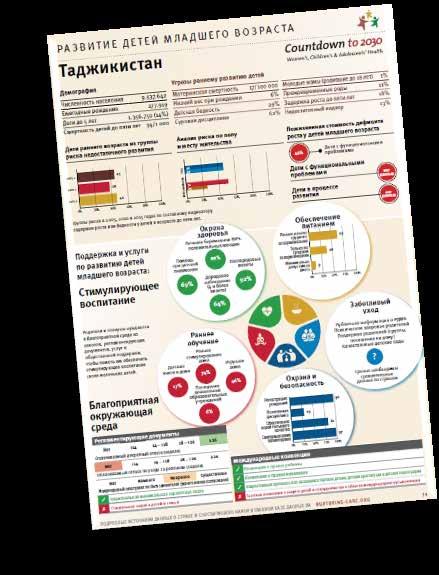
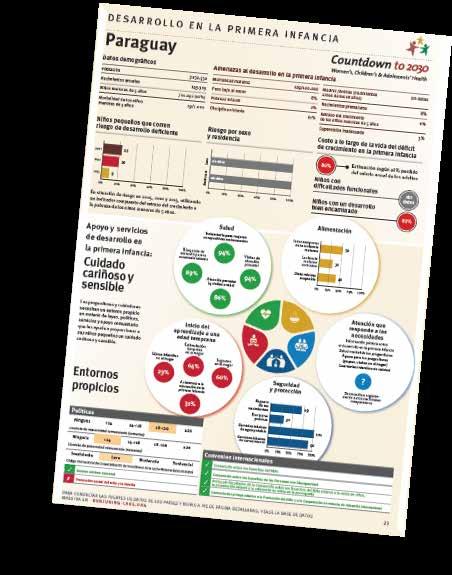
Care Framework: health, nutrition, security and safety, early learning, and responsive caregiving, as well as the broader policy and enabling environment that supports these domains.
Drawing on Demographic and Health Surveys (DHS), Multiple Indicator Cluster Surveys (MICS), national censuses, and inter-agency modelled estimates, the updated profiles present a globally comparable evidence base for policymaking, accountability, and advocacy.
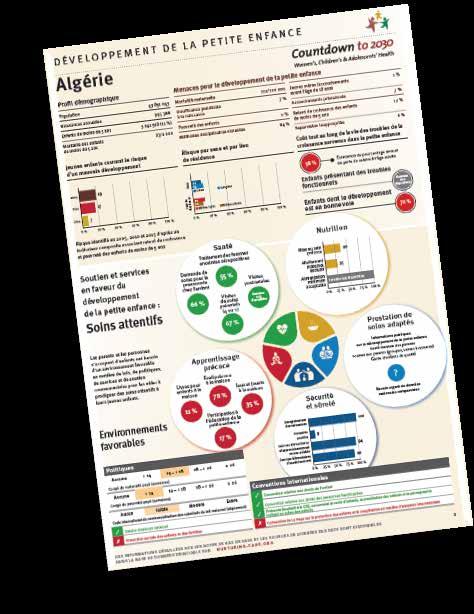
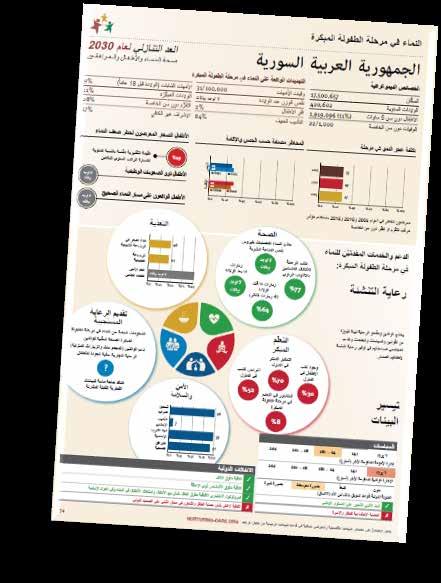
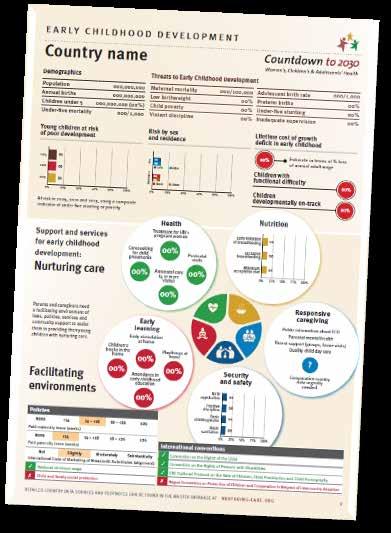
Data availability has improved markedly in this new round:
Child- and family-social-protection data are now available from 85 percent of countries (up from 37 percent in 2020). Overall, 48 percent report on children developmentally on track and with a minimum acceptable diet, and 30 percent provide data on children with functional difficulty. While progress in data coverage is clear, large gaps persist, particularly in responsive caregiving, early learning quality, and safety indicators, pointing to areas where further investment in data systems is urgently needed.
Africa regional launch: From profiles to policy and action
In parallel with the global release, Africa launched its own regional ECD profiles for the first time in 2025, responding to demand from Member States and the African Union Commission (AUC) for data tailored to African priorities and realities.
Although the proportion of children at risk of not reaching their developmental potential is gradually declining, the new profiles confirm that Africa continues to carry the highest global burden of risk, underscoring the urgency of accelerated action.
Hosted by the Africa Early Childhood Network (AfECN), UNICEF, WHO, and the AUC as a high-level side event of the 4th International Conference on Public Health in Africa (CPHIA 2025), the launch brought together Ministers of Health, Education, and finance; AU organs such as AUDA-NEPAD and Africa CDC; regional economic communities; UN agencies; civil society; youth leaders; and the media.
The event featured opening remarks from African Union leadership, a scientific presentation titled From Science to Action, and a high-level panel discussion on From Data to Systems Strengthening. A live demonstration showed participants how to interpret an indicator panel and use profile data to inform national and regional planning.
Regional insights: Diversity and shared challenges
Findings from the regional profiles highlight the continent’s diversity:
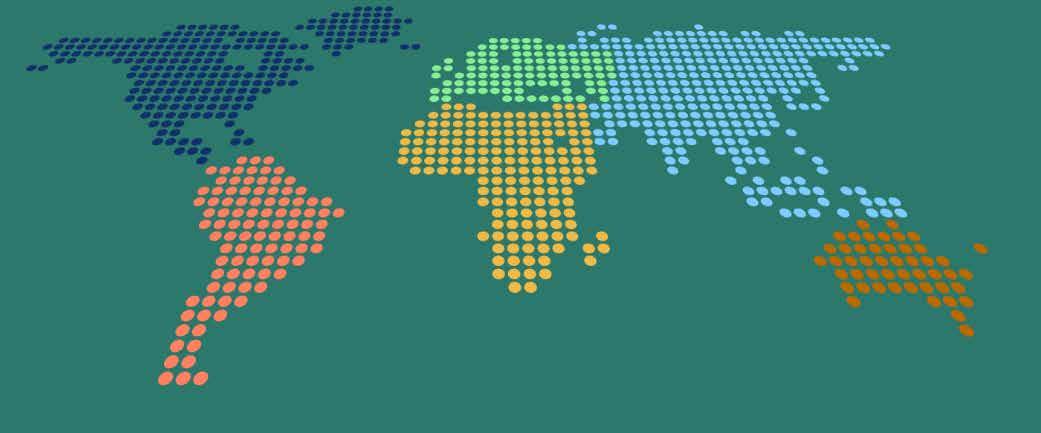
z Central Africa faces high stunting rates (around 40 percent) and child poverty (64 percent), with early-learning participation still as low as 6 percent.
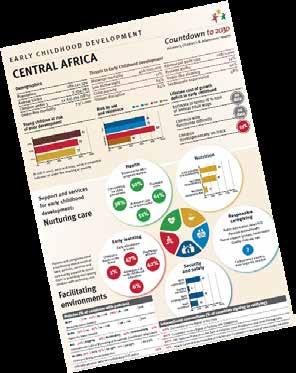
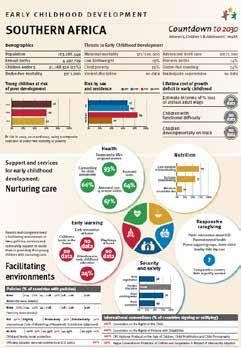
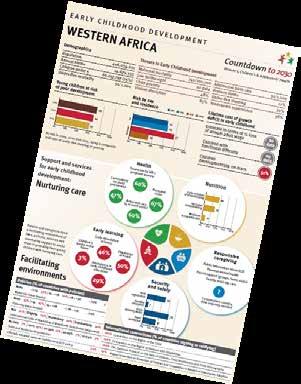
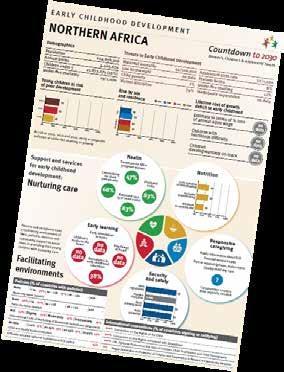
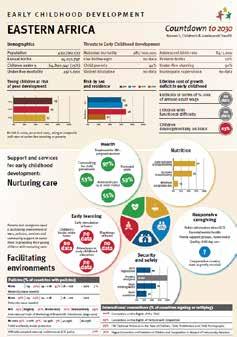
The African regional profiles are organised by 5 regions
z West Africa shows moderate stunting (~30 percent) but widespread violent discipline (83 percent) and limited access to quality early learning.
z Eastern and Southern Africa record stunting near 30 percent and early-learning enrollment between 9 and 24 percent, evidence of expanding access but persistent quality gaps.
z North Africa has near-universal health coverage (> 90 percent) and the lowest stunting levels (~12 percent) yet continues to struggle with equity and stimulation gaps.
Across all sub-regions, data on responsive caregiving remain unavailable, highlighting a critical measurement frontier for the next phase of Countdown’s work.
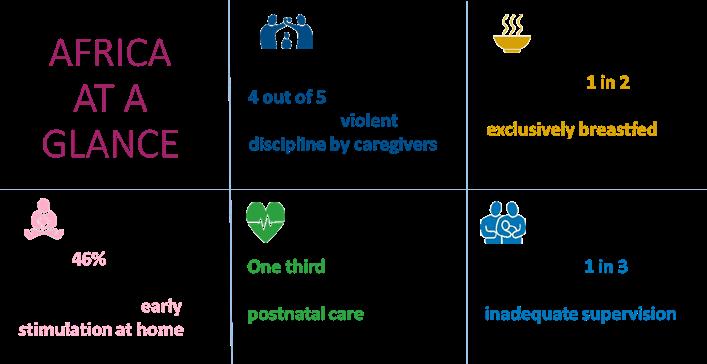
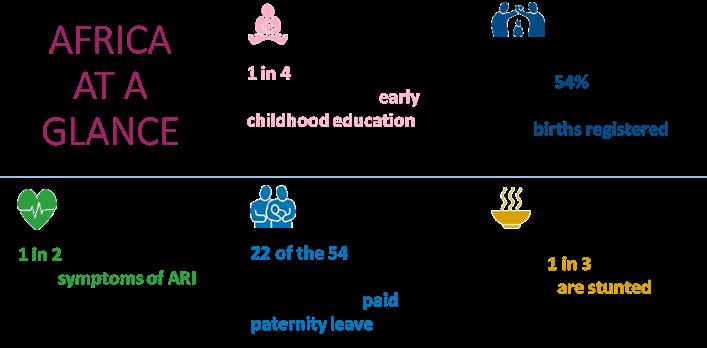
Together, the global and African launches mark a turning point in how early-childhood data are collected, shared, and used. They connect the world’s most comprehensive child-development database to Africa’s regional accountability frameworks, transforming data into action and strengthening the evidence base for every child’s right to survive, thrive, and learn.
The Centre of Excellence in Human Development (COE-HUMAN) continues to play an active role in advancing the global and regional early childhood development agenda, contributing evidence, analysis, and strategic support to initiatives such as Countdown to 2030 and the African Union’s continental ECD frameworks.
Momentum and next steps
The Africa launch generated renewed political and technical commitment to use the profiles for planning, monitoring, and accountability. Member States and partners agreed to align their actions with continental frameworks such as Agenda 2063, the AU Continental ECD Strategy, and CESA 16-25.
Consensus emerged around three priorities: investing in integrated data systems, scaling up quality early learning, and translating evidence into advocacy and financing commitments.
Follow-up actions include integrating ECD indicators into AU ministerial processes and regional scorecards to sustain visibility and accountability.
Download Country Profiles and Database
https://data.unicef.org/resources/countdown-to-2030-ecd-country-profiles/
https://www.countdown2030.org/early-childhood-development-profiles
https://ecdan.org/ecd-knowledge-gateway/country-profiles/

https://nurturing-care.org/resources/ country-profiles
https://static1.squarespace.com/static/593d4cce440243665c38b698/t/68f9ca 990f86c539839747e5/1761200793190/ Country+Profiles.pdf

In January 2025, cohort 3 of the Postdoc Accelerated Programme of the CoE-HUMAN conducted a rapid online survey among a sample of 1,000 South African adults between 18 and 65 years old. The survey was conducted via the Ipsos i-say online panel. The survey was concluded when 1000 respondents completed the survey, and participation was verified using digital fingerprinting, bot detection, and fraud checks.
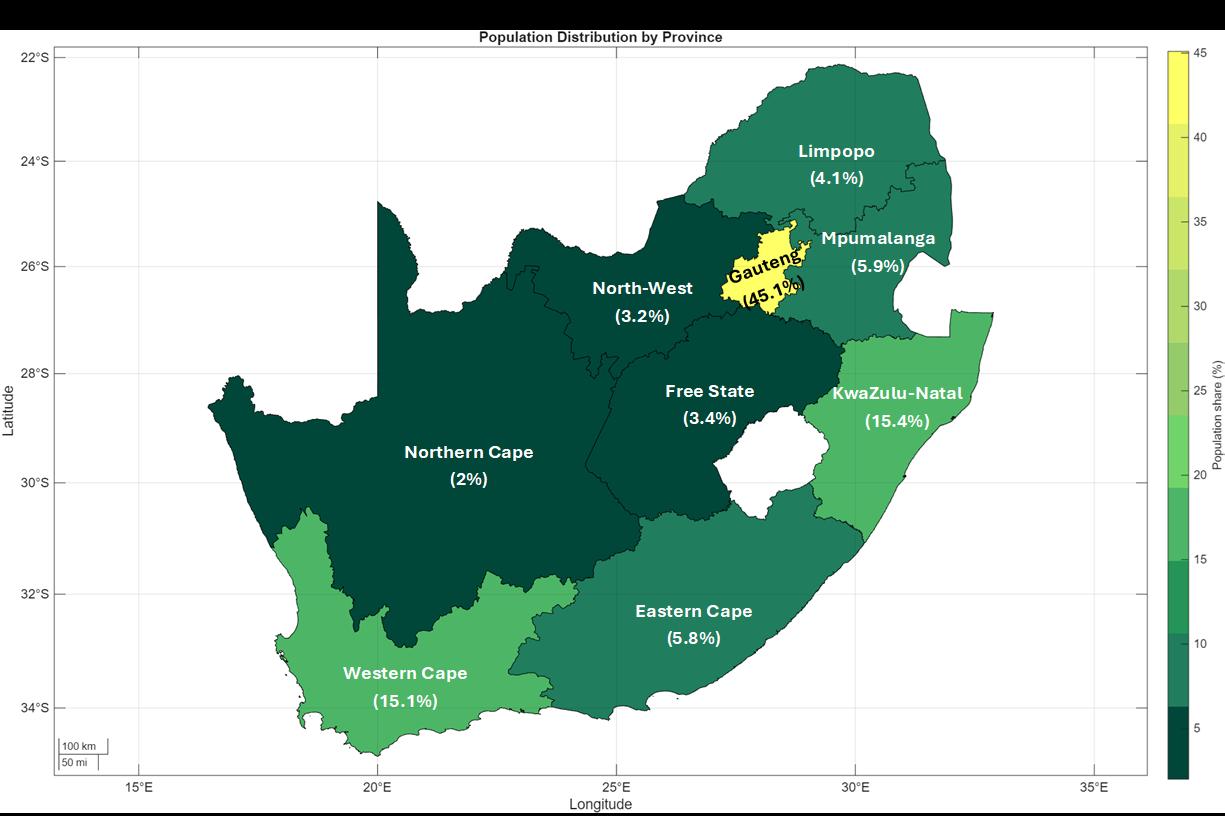
The topical theme of the survey focused on mental health knowledge, attitudes, behaviours and sociodemographic influences. The aim was to investigate how sociodemographic factors (SES, sex, education, employment, and urbanicity) influence mental health knowledge (literacy), attitudes (stigma), behaviours (health-seeking and practices), and outcomes. This entailed:
z Describing sociodemographic differences in knowledge, attitudes, behaviours, and health status.
z Examining how these factors influenced mental health outcomes.
z Testing whether mental health literacy (MHL) and stigma mediated the association between sociodemographics and help-seeking behaviour using structural equation modeling (SEM).
The main survey findings were:
Mental Health Knowledge, Attitudes, and Behaviours
z Knowledge (MHL): Higher SES, education, and employment were associated with significantly greater mental health literacy. Women and urban residents scored higher on recognition of risks and endorsed clinical and psychosocial treatments.
z Attitudes (Stigma): Stigma was consistently higher among men, unemployed, and less educated participants. Higher SES, education, and employment were linked with lower stigma and more favourable attitudes toward professional care.
z Behaviours:
– Health-seeking was more likely among respondents with a higher SES, who were
tertiary-educated, employed, and among female respondents.
– Health practices: Higher SES and education were associated with healthier diets, physical activity, and good work-life balance, but also higher smoking, alcohol, and drug use – reflecting a dual burden of advantage and risk.
z Sociodemographics: Tertiary education directly increased the likelihood of diagnosis, possibly due to better awareness and reporting.
z Health Status: Chronic conditions nearly tripled the odds of a mental health diagnosis.
z Behaviours:
– Protective behaviours included daily fruit/vegetable intake, longer work hours, and good work-life balance.
– Risk behaviours included alcohol use, recreational drug use, and frequent stress, which increased odds substantially.
Pathways from SES to Help-Seeking (SEM Results)
z Higher SES increased MHL but had no direct effect on stigma or help-seeking.
z MHL reduced stigma and increased help-seeking.
z Stigma negatively predicted help-seeking.
z Mediation pathways:
– SES MHL Help-seeking (significant; 55% mediated effect).
– SES MHL Stigma (strong indirect pathway).
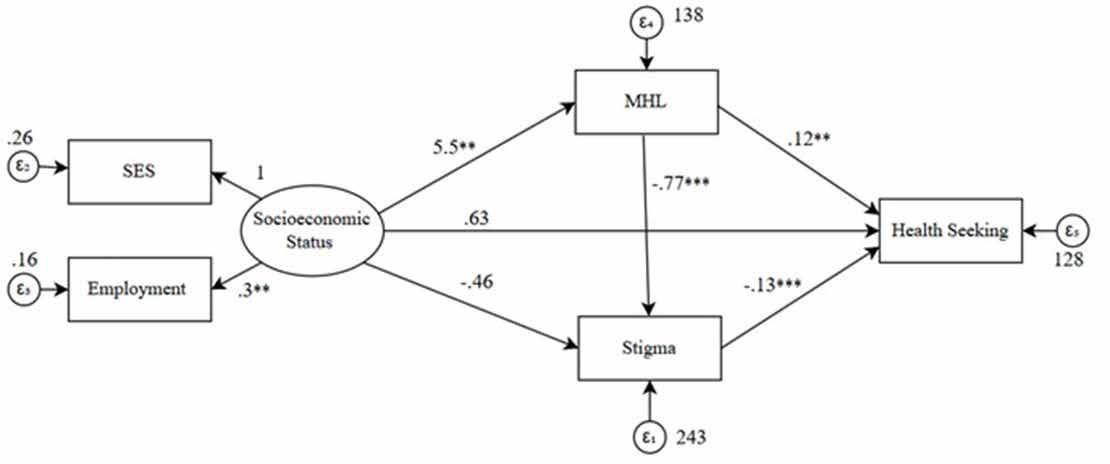
Structural Equation Model of the Association between Socioeconomic Status and Help-Seeking Behaviour via Mental Health Literacy and Stigma
z Higher SES, education, and employment enhance MHL, reduce stigma, and encourage help-seeking but are also linked with risky health behaviours.
z Tertiary education is the only sociodemographic factor directly associated with diagnosis.
z Chronic physical conditions strongly increase the risk of mental health conditions.
z Stress and substance use are major risks, while diet and work-life balance are protective.
z MHL is a critical mediator, shaping stigma reduction and increasing the likelihood of care-seeking.
Research output from 2025 Mental health in context Fast Facts survey: Alcock S., Leal M., Beukes J., Thompson U., Norris SA. Mental Health in Context: Knowledge, Attitudes, Behaviours, and Sociodemographic Influences in South Africa (manuscript in preparation).
In early 2025, cohort 2 of the Postdoc Accelerated Programme of the CoE-HUMAN conducted a rapid online nationally representative panel survey among 1000 South African women aged 18-49 to investigate the social, behavioural, and relational determinants of mental health across the socioeconomic spectrum (i.e., the pathways through which socioeconomic position (SEP) influences mental health in South African women).
The survey captured a wide range of variables, including household composition, education, income, health behaviours, family functioning, childhood adversity, sleep quality, and symptoms of depression and anxiety. It further highlights the interwoven effects of early adversity, household structure, family functioning, and behavioural risk factors offering new insight into modifiable drivers of poor mental health in contexts of inequality.
The sample included 1,000 women aged 18-49, grouped into low, middle, and high socioeconomic tertiles using the Living Standards Measure (LSM). The women were recruited through stratified sampling to ensure broad representation across income levels and provinces. The panel design allowed for follow-up on select indicators and offers potential for longitudinal insights, although this report focuses on the baseline cross-sectional analysis. Findings provide critical insight into how material conditions, health behaviours, and family dynamics jointly shape psychological vulnerability in South African women. A strength of the study lies in its use of validated, contextually appropriate instruments
(e.g., PHQ-9, GAD-7, FAD-GF) and its analytical framework, which employed generalised structural equation modelling (gSEM) to test complex pathways between socioeconomic position (SEP) and mental health.
Key features of the analysis included:
z Stratification by Living Standards Measure (LSM), with SEP categorised into tertiles (low, middle, and high).
z Use of validated mental health measures: GAD-7 for anxiety and PHQ-9 for depression.
z A battery of psychosocial, behavioural, and family environment questions around Adverse Childhood Experiences (ACEs), family functioning (Family Assessment Device – FAD-GF) family stress, sleep quality, substance use, and diet quality.
Alongside descriptive and regression analysis we used Generalised Structural Equation Modelling (gSEM) to examine direct and indirect pathways between SEP and mental health outcomes.
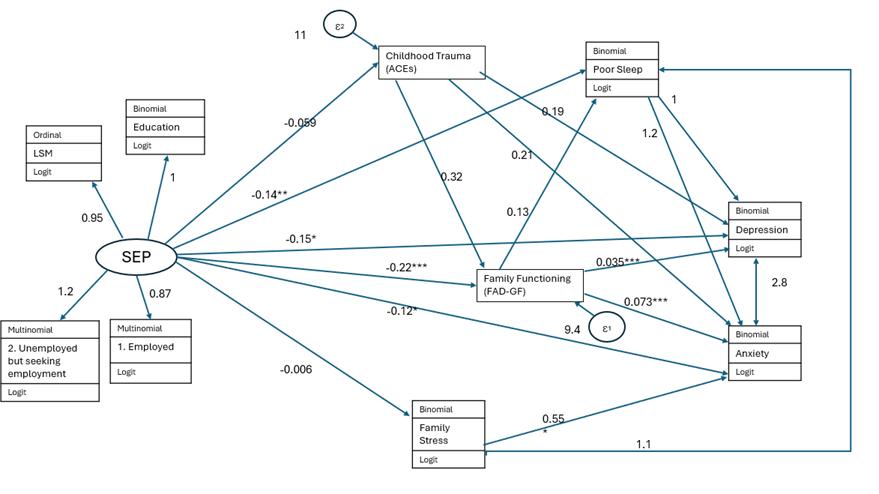
Key descriptive findings:
z While all groups reported exposure to stressors, probable depression (40.1%) and probable anxiety (39.8%) were prevalent across the sample, with the highest rates concentrated in the low- and middleSEP groups.
z Women in the higher LSM tertile reported better family functioning and greater access to resources, but also a higher prevalence of chronic illness, alcohol use, and poor diet, reflecting shifting health risks associated with urbanisation and income.
z Nearly half of respondents (47%) reported poor sleep quality, and more than a third reported financial strain, caregiving burdens, or family conflict.
z Childhood adversity was also commonly reported, with 69% of the sample reporting at least three adverse childhood experiences.
z Patterns of psychological distress were not evenly distributed: anxiety symptoms appeared more widespread across income groups, while depressive symptoms showed a clearer socioeconomic gradient.
Key inferential findings:
z SEP was a strong and consistent predictor of both depression and anxiety.
z Chronic conditions, alcohol use, and poor diet were more prevalent among higher LSM women, reflecting a potential “education paradox” where greater socioeconomic advantage coincides with increased exposure to lifestyle-related health risks.
z Across all models, poor sleep emerged as one of the strongest independent predictors of both probable depression and anxiety. It was one of the most influential mediators, accounting for a significant portion of the SEP-mental health relationship.
z Family functioning mediated the SEP-anxiety pathway (12.3%) but not the SEP-depression relationships.
z Childhood adversity was significantly associated with both probable depression and probable anxiety but did not mediate SEP’s effect on mental health.
z Depression and anxiety were strongly interlinked, with anxiety mediating most of SEP’s effect on probable depression and probable depression fully mediating SEP’s effect on probable anxiety –
highlighting the need for integrated prevention and treatment approaches.
z Household structure and density showed no significant associations with mental health, suggesting that dynamic factors such as resource strain and emotional conflict may be more influential than static household characteristics.
Research output from 2025 Social determinants of depression and anxiety Fast Facts survey: Stuart L., Craig A., Desai R., Hart C., Norris SA. The Social Determinants of Depression and Anxiety in South African Women Across Socioeconomic Strata (manuscript in preparation).
Comparative analysis of knowledge, attitudes and breast cancer screening practices among women in South Africa and the United States: a multinational study
In May 2025, Cohort 4 of the Postdoc Accelerated Programme of the CoE-HUMAN conducted a rapid cross-sectional online survey among a sample of 1,000 women from South Africa and 1,000 women from the United States aged between 35 and 70 years old. The aim was to (i) compare breast cancer screening-related knowledge, attitudes, and practices (KAP) among women in the US and SA, and (ii) to assess how knowledge and attitudes influence screening behaviours, including clinical breast examinations and mammography screening.
The survey captured a wide range of sociodemographic data such as age, level of education, marital status, parity and family history of breast cancer, including standardised country income measures. Knowledge, attitudes and screening practices were assessed using KAP and Health Belief Model (HBM) constructs, were collected using validated KAP instruments.
The main preliminary survey findings were as follows:
Key inferential preliminary findings:
z US women had higher odds of engaging in screening behaviours in relation to South African women.
z The odds of screening uptake increased with age, tertiary education, marital status, parity and family history of breast cancer.
z Stigma was associated with greater screening participation and high self-efficacy for breast selfexamination lowered uptake.
Full analyses are currently underway and will be completed in the first quarter of 2026.

In October 2025, the CoE-HUMAN started data collection on the Fourth Wave of its nationally representative South African Human Development Pulse survey among 3,600 respondents aged 18 years and older across the nine provinces of South Africa. The fourth wave consists of a repeated cross-sectional panel (referred to as Panel 4) that follows the first, second, and third nationally representative panels surveyed in September-October 2021 (Panel 1: n = 3,402); MayJune 2022 (Panel 2: n = 3,459); and April-May 2024 (Panel 3: n = 3,171).
Wave four of the survey focuses on several aspects, particularly those surrounding the effects of exacerbated socioeconomic challenges on food insecurity, substance abuse, public opinions about obesity policies, mental wellbeing, health literacy, multimorbidity, household subsistence, social security and support, and quality of life.
The key results of the survey will be disseminated in 2026.


Dr Mashudu Manafe from the Sefako Makgatho Health Sciences University (SMU) aims to conduct a study focusing on Indigenous Knowledge in Meal Planning in rural South Africa. Indigenous knowledge (IK) is central to home food cultures, including seasonal planning, preparation, and culturally appropriate dietary practices in rural South African communities.
IK is shared primarily by the older generation and is passed down from one generation to generation, affecting nutrition behaviour and food security (Masekoameng and Molotja, 2019). The practices not only ensure the use of locally occurring resources but also transfer nutritional diversity and cultural identity to the community (Mabhaudhi et al., 2021).
However, this food knowledge system is undermined by urbanisation, changing dietary habits, and the failure to integrate it into the official public health and nutrition policy (FAO, 2022). With young generations resorting to industrially processed foods, loss of traditional food knowledge exacerbates escalating malnutrition and noncommunicable diseases in rural communities (Shisana et al., 2021). This trend also reflects the underlying inequalities in access to nutrition education and relevant dietary knowledge.
Recent studies emphasise the potential of employing community-based interventions to support better intergenerational food knowledge transfer to reduce nutrition disparities (Dorji et al., 2024). Limpopo intervention lessons indicate that empowering elderly people to share conventional cooking processes had a posi-
tive impact on food variety among rural adolescents (Mogashoa and Selepe, 2023).
Although efforts to address South Africa's food insecurity and malnutrition are on the rise, significant nutritional shortages persist in rural communities, where formal diet instruction and diverse diets are not the norm. Here, traditional meal planning and food preparation knowledge (IK), or skills passed down from experienced elders, has been the foundation of household dietary adequacy and food security for decades.
However, such intergenerational knowledge transfer is increasingly eroded due to urbanisation, migration, changes in food preferences, and exclusion of traditional knowledge systems from public health programmes. The result is that younger generations lose contact with traditional food consumption patterns, leading to malnutrition and increased reliance on highly processed and low-nutrient food.
Current nutrition interventions do not necessarily reflect the lived conditions, cultural context, and indigenous resources of rural communities. This is a critical gap in culturally relevant solutions that draw on indigenous
knowledge in the quest for equitable nutrition outcomes.
Solving this issue is necessary not only for better health outcomes but also for the preservation of cultural heritage, social cohesion and for the development of sustainable and inclusive policies that are adjusted to local realities.
Dr Mashudu Manafe’s project entitled “The Role of Indigenous Knowledge in Meal Planning in Rural South Africa: A Community-Based Intervention to Address Nutritional Inequalities” aims to explore Indigenous Knowledge in rural food planning and to launch a participatory community intervention that reconnects youth to the elderly through culture-based nutrition education. Overall, Dr Manafe's study aims to achieve the following objectives:
z Explore customary meal planning and food preparation habits in two rural communities in South Africa.
z Investigate intergenerational food knowledge transmission and its impact on home eating habits.
z Identify knowledge transfer barriers and measure their role in nutritional inequality.
z Develop and conduct a community-based intervention through participatory workshops.
z Co-produce nutrition education materials with local relevance with community members.
Dr Manafe aims to employ a Qualitative Participatory Action Research (PAR) design to facilitate the ownership of outcomes by the community. The intervention will involve (i) facilitated nutrition-sharing workshops by elders; (ii) practice cooking sessions and traditional food; (iii) production of illustrated community recipe booklets and posters; and (iv) community feedback and a celebration event.
The study is expected to kick off later in this last quarter of the year.
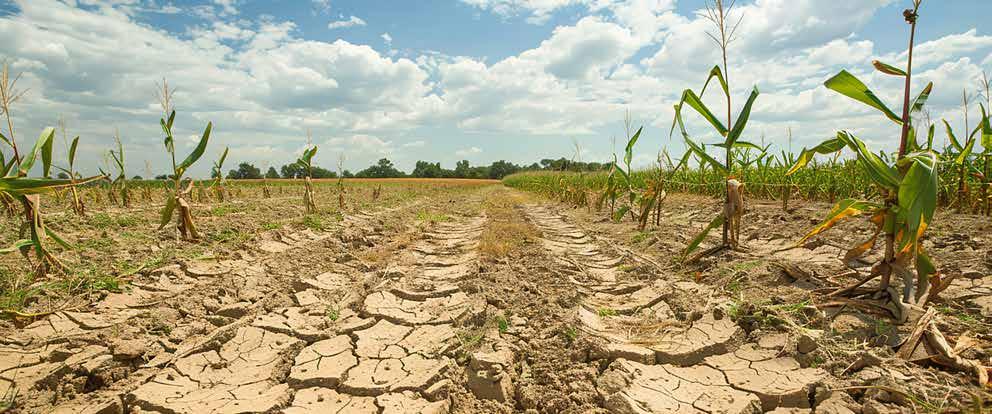
Prof. Livhuwani Muthelo from the University of Limpopo aims to conduct a study focusing on digital health and climate change. Climate change is recognised as one of the most critical global challenges, with far-reaching implications for agricultural systems, food security, and livelihoods worldwide. In regions such as the Limpopo Province, South Africa, where agriculture is the cornerstone of the economy and the livelihoods of communities, the impacts of climate change are particularly acute.
Women in rural areas often bear the effects of climate change due to their roles in both agricultural production and household resilience. They are not only primary caregivers but also key decision-makers in managing household food security and adapting to environmental changes (Doss et al., 2018). However, their contributions to agricultural resilience and adaptation strategies are
often overlooked or undervalued in policy and development initiatives.
Prof Livhuwani Muthelo’s project entitled “Leveraging Digital Health for Climate Change Adaptation: Strategies to Promote Reproductive Health and Safety of Women in Limpopo’s Agricultural Industry” aims to
determine the impact of climate change and develop digital health supported climate change adaptation strategies for the health and safety of women in the agriculture industries in Limpopo province. This will entail examining the specific impacts of climate change on agricultural farmworkers in Limpopo Province, South Africa, and exploring the role of digital health solutions in monitoring, mitigating, and adapting to these health-related impacts. Overall, Prof. Livhuwani’s study aims to achieve the following objectives:
Phase 1 – Objective 1: Situational analysis
z Assess the knowledge of female farm workers about the reproductive health effects of climate change.
z Identify environmental risk factors that affect women's health in the farming industry.
z Describe the reproductive challenges experienced by women during hot/cold temperatures in the farming industry
z Identify existing digital health interventions to address climate change and women’s health issues in the agriculture industries in Limpopo Province.
Phase 2 – Objective 2: Development and validation of digital health adaptation Strategies
z To partner with the farming community and stakeholders in developing community-based digital women's health coping strategies.
Globally, breast and prostate cancers are the most common cancers in women and men, respectively. The incidence of new breast cancers is expected to reach over 3 million/year and new prostate cancers to 2.9 million per year by 2040, with the greatest increases in low- and middle-income countries (Coles et al., 2024; James et al., 2024).
In sub-Saharan Africa, the burden of non-communicable diseases (NCDs) is growing, with the highest incidence of hypertension and stroke in the world (Akinyemi et al., 2021; Gouda et al., 2019), while in Soweto, the preva-
z To validate the strategies developed with experts in environmental, reproductive, and occupational health.
Phase 3: Implementation and Evaluation of Strategies
z To implement community-based digital health coping strategies/interventions on occupational health exposures, extreme temperatures, building occupancy, and practices to improve women’s reproductive health in farming industries of Limpopo Province.
z To evaluate the impact of women's digital health community-based coping strategies/interventions to improve health in agriculture industries of Limpopo Province.
Phase 4: Integrate climate health adaptation strategies with existing women's digital health APP
z Integrate the climate health adaptation strategies with the existing Women's digital health APP.
This study is also expected to kick off later in this last quarter of the year.
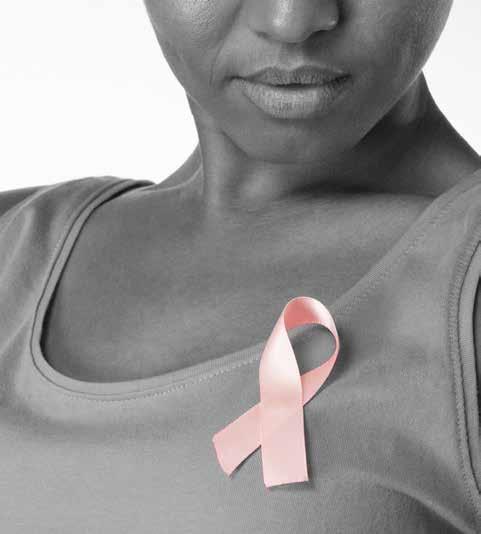
lence of hypertension is reported to be as high as 54% amongst adults (Gómez-Olivé Olivé et al., 2017). Globally, cardiovascular disease and cancer have been reported to co-exist in 15% of breast cancer patients (Zmaili Zmaili et al., 2024), while in sub-Saharan Africa, including South Africa, breast and prostate cancer patients experience high levels of multimorbidity (27-89%), with the highest levels in Soweto (Ayeni et al., 2021; Ayeni et al., 2020; Mapanga et al., 2022). For breast and prostate cancer patients in Soweto, the concordant comorbidities such as hypertension (61 - 66%), obesity (57%), and diabetes (45 - 47%) were the most reported comorbidities, compared to HIV (14 - 20%), a discordant comorbidity.
In Soweto, a largely Black population of 1.9 million people experiences significant day-to-day economic and social stress, which negatively impacts their mental and physical health. Low socioeconomic status and low health literacy present barriers to lifestyle changes, risk mitigation, early symptom recognition, and engagement with healthcare facilities (Craig et al., 2022; Prioreschi et al., 2021). While hypertension, diabetes, and other non-communicable diseases are mostly diagnosed and treated in primary care clinics and sometimes in specialised clinics, cancer is diagnosed and treated at separate oncology clinics in tertiary-level hospitals. This siloed approach results in a lack of coordinated care, with increased risks of treatment interactions and poorer health outcomes, while patients must navigate and coordinate numerous clinic visits and pharmacies. It is imperative that an integrative approach to the management of these interacting comorbidities is adopted through collaborative care in the health system with patients, thereby empowering them to manage risks for disease and to take responsibility for their healthcare (Mapanga Mapanga et al., 2019; Stein et al., 2019).
Understanding the patient’s contextual journey to care from first symptom recognition to navigating the health system for the diagnosis and treatment of their cancer and comorbidities is a crucial first step in assessing the actual complexity of care for both patient and the health system alike, as well as the socio-economic, physical, and emotional impact of their interactions on the patient. Understanding the patient’s contextual journey to care from first symptom recognition to navigating the health system for the diagnosis and treatment of their cancer and comorbidities is a crucial first step in assess-
ing the actual complexity of care for both patient and the health system alike, as well as the socio-economic, physical, and emotional impact of their interactions on the patient.
Dr Charmaine Blanchard’s project entitled “Exploring the multiple pathways to care for breast and prostate cancer patients in South Africa” aims to understand the experiences of patients with breast or prostate cancer and comorbid diseases navigating the health system for diagnosis and ongoing management of their cancer and comorbidities, using a qualitative narrative inquiry approach to explore participants' lived experiences of navigating care while living with cancer and other non-communicable comorbidities. This will be done by:
z Mapping their healthcare journey from diagnosis to current management of their cancer and comorbid diseases to identify obstacles and facilitators to effectively managing their comorbid diseases.
z Using their life history narrative and co-created maps to understand the physical and psychosocial impacts of the managing their cancer and comorbidities on their well-being.
z Discussing and exploring with the participants potential solutions to the challenges they face accessing healthcare services for their comorbid diseases.
This study is also expected to kick off in the last quarter of this year.
Maternal and infant health outcomes remain profoundly shaped by inequities in access, quality of care, and communication within healthcare systems. Understanding the barriers and enablers to equitable care across the continuum – before, during, and after pregnancy – is critical to improving both clinical outcomes and patient experience.
Chris Hani Baragwanath Academic Hospital (CHBAH), as one of the largest referral centers in Africa, provides a unique setting to explore this dynamic from the perspectives of both healthcare providers and women receiving care.
Dr Ashleigh Craig’s project aims to explore healthcare providers' perspectives on concerns (barriers) to and opportunities for equitable maternal and neonatal healthcare delivery across the continuum of care as well as to understand women’s lived experiences of navigating healthcare before, during, and after pregnancy, including their needs, concerns, and perceptions of quality and respect in care. The project intends to:
z Co-develop solutions to strengthen communication and trust between women and providers.
z Identify structural and interpersonal gaps in the maternal care pathway that could be addressed through future interventions or service design.
The study will employ a two-phased qualitative approach that uses in-depth interviews, life history methods, and participatory engagement. The study will be conducted at the Chris Hani Baragwanath Academic Hospital with healthcare providers and women who have had a baby and live in Soweto, South Africa.
The Men in Transition study explores the lived experiences of Black men living in Soweto, Johannesburg, and how these experiences shape men’s decisions about their own health, their partner’s and children’s health, and broader life choices such as education. Understanding these dynamics is critical to improving male health engagement, family well-being, and developmental outcomes in South Africa. Dr Lukhanyo Nyati’s study recruited men from two established research cohorts: (1) the Bukhali Trial and (2) the Birth-to-Thirty (Bt30) study, to explore how men’s environment, motivations, and life experiences influ-
ence their health and development trajectories.
With men from the Bukhali Trial, the study investigated barriers and enablers to men’s participation in reproductive health and research. Findings were disseminated through one peer-reviewed publication in BMC Public Health (2023) and a second manuscript currently in the second round of review at PLOS Global Public Health.
These studies found that men’s engagement with reproductive health is deeply influenced by their social environments, cultural beliefs, and economic circumstances. While many men expressed genuine interest in support-
ing their partners and being involved in pregnancy and early fatherhood, structural and social barriers such as unemployment, stigma, and perceptions that reproductive health is “women’s business” often limited their participation. Encouragingly, men’s narratives also revealed emerging shifts in gender norms, with growing emphasis on emotional presence, caregiving, and partnership during pregnancy.
With men from Bt30, the study explored how men’s lived experiences, masculine identities, and motivations influence their life choices, particularly decisions around schooling and transitions into adulthood.
Completing high school is a critical developmental milestone, yet many young men in South Africa discontinue schooling due to socioeconomic hardship, unstable home environments, and behavioural challenges. This study found that men’s motivations for education and health were closely tied to their constructions of masculinity, family expectations, and perceived opportunities for social mobility. Men who reported strong role models, stable support systems, and a sense of purpose were more likely to persevere through schooling and make positive health decisions. Conversely, those facing early adversity, unstable family structures, or economic marginalisation were at greater risk of disengagement from both education and health-seeking behaviour.
Findings from this component have led to one manuscript currently under review (Negotiating Fatherhood: Young Men’s Narratives of Care, Responsibility, and Struggle in a low-income South African setting) and one draft manuscript in preparation (Navigating Masculinities within a Post-Apartheid Democracy: Black South African Men’s Experiences at the Crossroads of History, Culture, and Social Change).
The study has contributed to capacity building by training:
z One Masters student (Mr Tshepang Headman, Wits).
z Mentorship for one postdoctoral fellow (Dr Urlridge Thompson, CoE Human Development, Wits).
z Mentorship for one PhD student (Mr Leballo Tjemolane, UWC).
Preliminary findings from the project have been shared through a series of community dialogues and engagement activities in the Western Cape. These sessions aimed to spark local conversations about masculinity, health, and responsibility. Engagements were held with:
z Adult men in Khayelitsha – focusing on masculinity and violence
z Teenagers and young adults in Stellenbosch – exploring masculinity, education, and future aspirations
z Youths and adults in Parklands – exploring safe spaces for men to be express emotional vulnerability and mentorship
z Youths and adults in Gugulethu – exploring safe spaces for men to be express emotional vulnerability and mentorship.
z Develop a research programme to generate more evidence
z Produce policy briefs to inform men’s health, reproductive health, and education initiatives.
z Pilot community-based interventions that promote men’s engagement in health and schooling.
z Strengthen collaborations with African researchers on comparative studies of masculinity and well-being.
Together, these strands provide a multi-layered view of how Black men in Soweto navigate health, identity, and responsibility across the life course.
The UNICEF Caring for the Caregiver (CFC) project is a mental health promotion intervention that aims to mitigate the effects of adversity on caregiving and to reduce the impact of caregiving stress on caregiving practices. The package was designed by Prof Tamsen Rochat and Dr Stephanie Redinger, and through their current grant from the UNICEF Early Childhood Development sector, they are overseeing the training, adaptation, implementation, and research activities of the package across the globe.
The past year has really been an exciting one for the UNICEF Caring for the Caregiver (CFC) project.
z The CFC project has continued with the global roll-out, which is now up to 26 countries – from consulting with governments about potential implementation strategies to training of incountry teams and supporting the adaptation and implementation of CFC on the ground.
z The CFC team has designed and developed a demo website with the help of John Bertram from Tangerine Design. The website guides visitors through the CFC journey, allowing them to learn how CFC has been adapted and used around the world, as well as its impact through research results and country case studies.
z The CFC team presented the intervention at Kenya’s Nurturing Care for Early Childhood Development (NCFEDC) technical working group meeting.
z The project in Uganda has been registered with the Pan African Clinical Trial Registry (PACTR202503583996421).
z The Caring for the Caregiver Adolescent supplement was completed in April 2025 and launched by UNICEF on their adolescent mental health hub.
z The UNICEF Latin America and the Caribbean regional office completed their adaptation process and has the package available in Spanish. They have requested a refresher training with the Spanish materials, and there is interest from 5 countries for implementation (Chile, Peru, Nicaragua, Ecuador, Honduras).
Tunisia training took place from the 9th to the 13th of December 2024 in Tunis with 20 participants from the healthcare system and academic institutions. Training was facilitated by master trainers, Suzanne Clulow and Fortunate Lekhuleni.
Suzanne Clulow conducted training in Mali, 12-16 May 2025 together with co-facilitators from the UNICEF WCAR Office (West and Central African Region). This was the first CFC training to be conducted in French, using a newly translated version of the package. An adaptation workshop was also completed on the 17th of May 2025.
Jennifer Leger, CFC Co-facilitator Trainer in Mali, UNICEF West and Central Africa: “By the end of the training, I witnessed a quiet yet meaningful and extremely powerful shift. Participants began advancing
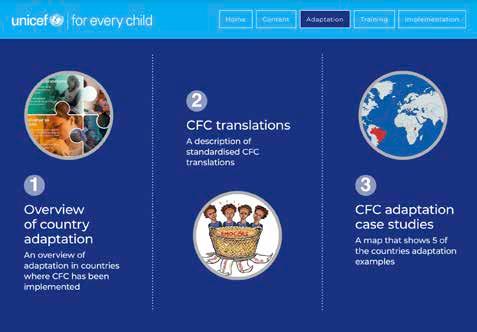
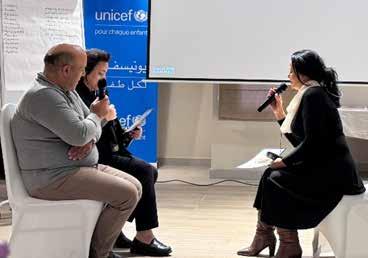
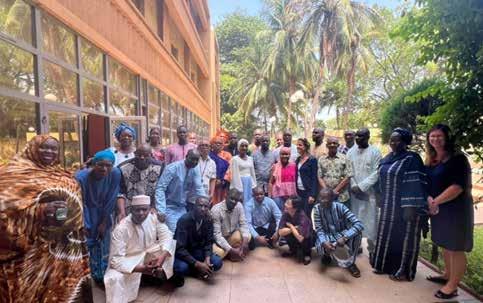
from a posture of delivering “quick solutions” towards one grounded in openness, presence, empathy, collaboration, and care. This transformation was not only supported by the CFC approach itself, its tools, and its specific training method, but also by the strong and supportive relationships these enabled us to build along the way.”
Research activities continue to grow, positioning CFC as a globally relevant, evidence-based intervention.
z Sri Lanka is undertaking an extensive research project and has gained ethical clearance. 40 in-country trainers have completed 23 district trainings. Each district training had 40 Public Health Midwives and 5 supervising officers with a total of 1035 trained in CFC so far. The team from the University of Witwatersrand is providing support.
z A research project is being planned for 2026 in Brazil and Zambia to test the adolescent supplement that was completed in 2025.
z UNICEF Uganda country office has received funds for potential scale-up and funds for further research.
z The data collection for the quasi-experimental research project with a control group in Uganda was completed in April 2025 with analysis of the data underway.
CFC was launched on the 21st of November 2024 with a total of and 552 attendees from 98 countries. 102 attendees from higher learning institutions, 96 from UNICEF itself. 25 attendees were from the governmental sector. Some of the NGO sector represented at the launch included members of Save the children, USAID, Sangath. Hiymaya, Grow Great, Embrace, International Rescue Committee. Additionally, 1175 people registered and received the presentation.
z The caregiver outcomes from the validation study are under peer review.
z Three publications from the Uganda study are in the phase of analysis and being drafted and will be submitted in late 2025 / early 2026.
305 in-country trainers prepared
1,644+ frontline workers trained across multiple regions
4000+ caregivers reached directly with support
26 countries trained, 6 new countries busy with onboarding
2 regional translations – French and Spanish
1 website
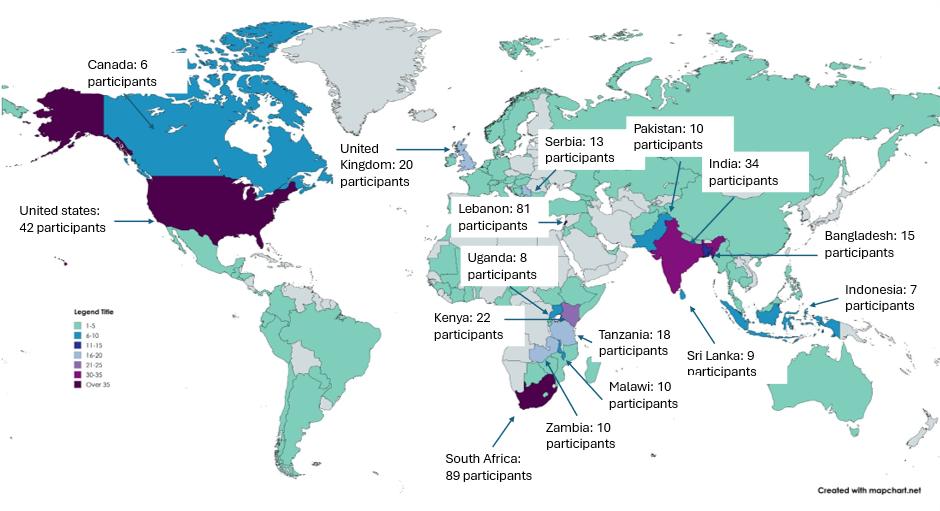
A map showing the spread of participants across the globe
Boikoetliso Ba Boko (B3: exercising the mind) is an intervention prototype focused on adolescent and young people with a mental health condition. By creating a dynamic and engaging therapeutic environment for those dealing with anxiety, depression and suicidal ideation living in Soweto, South Africa, we are improving access to mental health support for adolescents and young adults.
B3 has invested significantly in strengthening its human resources capacity. A social worker (coordinator) and five certified community health workers (CHWs), each holding a national qualification certificate, joined in February 2024. They successfully completed a 4-week training programme to deliver the intervention and continue to receive weekly supervision and on-site training from the project psychologist. In February 2025, the CHWs were trained in Problem Management Plus (PM+), further enhancing their skills as community mental health workers. The CHWs presented at the Mind Your Health Event on 11 July 2025, showcasing their expertise in raising mental health awareness, combating stigma, and promoting help-seeking behaviours within the Soweto community. From August to November 2025, three interns were trained as support staff. Each has opted to pursue further training as community health workers, ensuring continuity and sustainability of the programme.
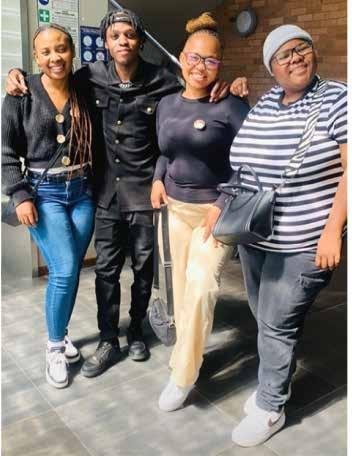

B3 operates from a fully functional two-level building constructed from shipping containers. The facility provides confidential and therapeutic spaces and houses four stations – Talk, Think, Feel, and Move – each dedicated to different intervention activities. Participant recruitment began in April 2024 and remains ongoing. By the end of 2025, a total of 200 adolescents and young adults will have completed the programme, with continuous intake of 30 participants every 10 weeks.
The evaluation framework is guided by the MRC guidance on process evaluation of complex interventions, including caregiver and participant focus groups (July 2024, ongoing thereafter), in-depth participant interviews (ongoing), and adolescent advisory focus groups (ongoing). This process evaluation ensures continuous
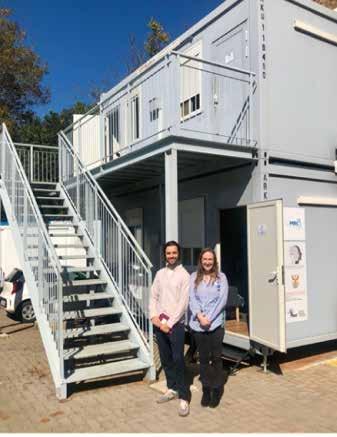

learning and programme refinement, integrating feedback from staff, participants, and caregivers.
B3 also strengthened its academic and research partnerships in 2025. We hosted a doctoral student from Emory University in May, who engaged with the team on-site. This placement provided an opportunity for knowledge exchange and exposed potential avenues for future research collaboration and co-location of projects.
In July 2025, Dr Claire Hart attended a Grant Writing Retreat in Southampton for early career researchers, focusing on academic writing, grant development, and career progression through intensive writing sessions, strategic planning, and peer-to-peer learning. She also represented B3 at a “Grants with Coffee” session at Southampton Hospital, where senior researchers shared insights on proposal evaluation, common pitfalls, and strategies for crafting clear, innovative, and feasible applications.
B3 aims to submit a proposal to the Wellcome Mental Health Award (November 2025) while continuing to explore sustainable funding opportunities to expand and sustain the intervention.
Publications linked to this project:
Desai, R., Stuart, L., Mapanga, W., Hart, C., & Norris, S.A. (2025). Adolescent social media use and mental health in sub-Saharan Africa: a scoping review protocol of current research. BMJ Open, 15(4), e097291. https://doi.org/10.1136/ bmjopen-2024-097291
Hart, C., & Norris, S. A. (2024). Adolescent mental health in sub-Saharan Africa: crisis? What crisis? Solution? What solution?. Global Health Action, 17(1), 2437883. https://doi.org/10.1080/16 549716.2024.2437883
Hart, C., Desai, R., Stuart, L., & Norris, S. A. (2025). Boikoetliso Ba Boko (" exercising the mind"): Protocol for a mixed methods feasibility and acceptability study of a prototype mental health intervention for adolescents and young people with anxiety and depression Authors. Frontiers in Child and Adolescent Psychiatry, 4, 1569135. https://doi.org/10.3389/frcha.2025.1569135
Mental health is one of the five major non-communicable diseases (NCDs), with wide-ranging consequences for global health, society, and the economy. Conditions such as depression, anxiety, and childhood adversity are classified as NCDs and are also established risk factors for diabetes and coronary heart disease. These illnesses are closely linked to behavioural risk factors – including poor diet, obesity, and physical inactivity – which are increasingly driven by rapid urbanisation and the global spread of unhealthy lifestyles. This cross-sectional mixed methods study, conducted by a team from DPHRU, assessed the mental health and physical activity levels of 40 South African adolescents (half healthy weight and half living with obesity) and documented their families’ dietary habits through photography. The photographs will be used to illustrate variation in food types and quantities consumed across families on a weekly basis. Adolescence is a critical period, as 75% of mental disorders begin

before age 25 and more than half of young people experience mental illness during their lifetime. Alarmingly, around one-third of suicide attempts involve adolescents. Mental illness is a leading cause of disability and poor outcomes in youth, accounting for 45% of the disease burden in those aged 10 to 24. Despite the growing prevalence of mental disorders and unhealthy lifestyle patterns among adolescents, access to effective management and treatment remains limited in many low- and middle-income countries.scent mental health in low- and middle-income countries.
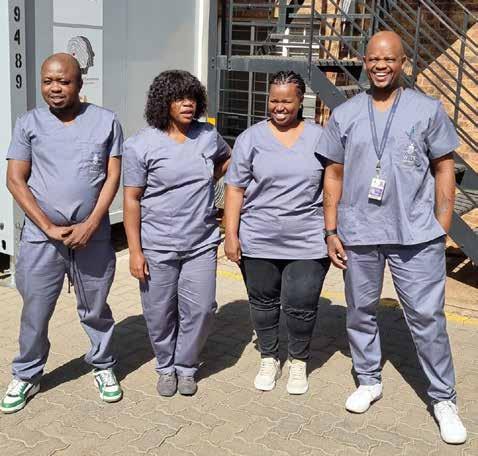
Mind-Food-Space is a mixed-methods photographic observational study conducted in an urban South African context, focusing on households in Soweto. Soweto, a township of major historical importance for its role in the anti-apartheid movement, covers more than 200 km² and is home to around 1.3 million people. In recent decades, economic shifts have reshaped food environments and lifestyle behaviours, with the rapid expansion of shopping malls, fast food outlets, and improved transport routes influencing both food choices and levels of physical activity. Mind-Food-Space is a mixed-methods photographic observational study conducted in an urban South African context, focusing on households in Soweto. Soweto, a township of major historical impor-
tance for its role in the anti-apartheid movement, covers more than 200 km² and is home to around 1.3 million people. In recent decades, economic shifts have reshaped food environments and lifestyle behaviours, with the rapid expansion of shopping malls, fast-food outlets, and improved transport routes influencing both food choices and levels of physical activity.
The project is 95% complete, with only the kitchen inventory photography and the second adolescent indepth interview outstanding; we are currently in the data cleaning, qualitative transcription, and analysis phase, with Axivity data transformed, descriptive statistics tabulated, and all food diary consumption/purchased food items photographed and edited.
Informed consent and survey administration (covering mental health, childhood adversity, self-efficacy, and physical activity) was conducted face-to-face, with a professional team supervising the photographic processes. Consent was obtained within participants’ homes. Both adolescents and adult household members were provided with food record sheets to document all foods consumed and/or purchased each day over a 7-day period. Trained fieldworkers collected anthropometric measurements and blood pressure readings from adolescents as well as other household members at home. In addition, daily physical activity was assessed using wrist-worn accelerometers, which adolescents are required to wear continuously for 7 days, enabling analysis of time spent in sedentary, light, moderate, and vigorous activity. Following completion of data collection, in-depth interviews were conducted with adolescents to explore their perceptions and experiences of food and physical activity environments, providing deeper insights into their lived realities.
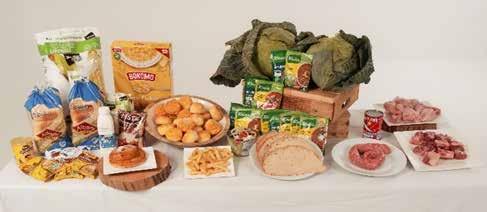
The project is anticipated to generate the following outputs: four peer-reviewed scientific journal articles, one media brief (The Conversation piece), and one NRF (CoE-Human) research nugget.
z A mixed-methods paper (quantitative, qualitative, and descriptive) examining factors associated with mental health.
z A visual paper showcasing photographic documentation of food consumed and purchased, as well as kitchen inventory photography.
z A paper on dietary diversity.
z A paper on ultra-processed food consumption.
Ngeyethu Info is an app designed to support South African women through their first year of motherhood, which is contextually relevant, links in to public services, is established to improve early childhood development, and is freely accessible for all mothers, thus being considerate of the economic circumstances for many women in South Africa. The potential impact of the rollout of such an app includes improvement of maternal and child health during the first year of life, optimising early childhood development, and the knock-on economic effect of improving these outcomes, as well as the longer-term intergenerational effect this may have.
The Ngeyethu app is fully developed and live on the App Store. Currently Dr Alessandra Prioreschi is seeking funding to continue the hosting and maintenance of the app. She is planning to host an official launch soon.
Publication output linked to this project
z Prioreschi A, Pearson RM, Richter L, Bennin F, Theunissen H, Cantrell SJ, Maduna D, Lawlor DA, Norris SA. Protocol for the PLAY Study: a randomised controlled trial of an intervention to improve infant development by encouraging maternal self-efficacy using behavioural feedback. BMJ Open. 13:e064976. doi:10.1136/bmjopen-2022-064976
z Bennin F, Norris SA, Prioreschi A. Determining the perceived acceptability of an intervention designed to improve health literacy around developmentally appropriate play during infancy with a community advisory group of mothers in Soweto, South Africa. PLOS Global Public Health. 2024 (in press)
z Bennin F, Norris SA, Prioreschi A. The Feasibility and Acceptability of an App-Based Intervention Aimed at Improving Maternal Health Literacy Regarding Infant Play and Development: Mixed Methods Study. JMIR Form Res. 2025 Sep 4;9:e76517. doi: 10.2196/76517.
Publications under review/in preparation
z Theunnisen H, Dennis CL, Prioreschi A. Formative research to co-create & test acceptability of intervention content designed to improve breastfeeding self-efficacy.
z Prioreschi A, Pearson RM, Richter L, James D, Lawlor DA, Norris SA. Process evaluation learnings from the PLAY study: recommendations for nurturing care and early childhood development interventions in under resourced contexts.
Conference/seminar presentations
z Prioreschi A. The Ngeyethu Info App. Preconception Health and Care: Window of Opportunity to Tackle the NCD Burden, SAMRC Pretoria, South Africa. 2024
z Prioreschi A. Feasibility and preliminary findings from the PLAY Study: A randomised controlled trial to improve maternal self-efficacy for promoting infant growth and development. Johannesburg Health District Research Committee: Enhancing PHC service delivery outcomes through research. Johannesburg, South Africa 2024. Oral presentation.
z Bennin F, Norris SA, Prioreschi A. Determining the perceived acceptability of an intervention designed to improve health literacy around developmentally appropriate play during infancy, with a community advisory group of mothers, in Soweto, South Africa. Oral presentation. International Society for
Behaviour, Nutrition and Physical Activity. Omaha, USA. 2024. 17-20 May
z Theunissen H, Dennis CL, Prioreschi A. Formative Research to co-create and determine the acceptability of intervention content designed to improve breastfeeding self-efficacy and outcomes in Soweto, South Africa. Oral presentation. International Society for Behaviour, Nutrition and Physical Activity. Omaha, USA. 2024. 17-20 May
z Prioreschi A. “I always wondered if my baby is able to feel my love for them” Development and pilot testing of video feedback to improve maternal selfefficacy. International Congress on Infant Studies Glasgow, Scotland 2024. Poster presentation
z Prioreschi A. Feasibility and preliminary findings from the PLAY Study: A randomised controlled trial to improve maternal self-efficacy for promoting infant growth and development. Johannesburg Health District: Enhancing PHC service delivery outcomes through research Johannesburg, South Africa 2024. Oral presentation
z Bennin F, Norris SA, Prioreschi A. Opportunities for active play: Determining the effect of a 12 month intervention aimed at improving maternal health literacy around infant play and development in a low income-community in Johannesburg, South Africa. International Society for Behavioural Nutrition and Physical Activity (ISBNPA). New Zealand. 2025. 11-14 June.
z Bennin F, Norris SA, Prioreschi A. Determining the perceived acceptability of an intervention designed to improve health literacy around developmentally appropriate play during infancy, with a community advisory group of mothers, in Soweto, South Africa. Digital Health Africa 2025 Conference (DHA2025). Uganda. 2025. 3-4 September
z Theunissen H, Dennis CL, Prioreschi A. Formative Research to co-create and determine the acceptability of intervention content designed to improve breastfeeding self-efficacy and outcomes in Soweto, South Africa. Poster presentation. Nutrition Society of South Africa and Association for Dietetics in South Africa Congress, Durban, 2024. 2-4 October
Student graduations
z Dr Fiona Bennin, University of the Witwatersrand (2025)
z Dr Sarah Cantrell, University of the Witwatersrand (2025)
Community Engagement
z PLAY Study participant feedback event in July 2024. Over 200 participants attended, and were provided lunch and a gift that was donated by donors I secured, as well as a report of their study data and health status. This was attended by stakeholders such as community clinic staff, media, Wits research staff, and students.
The Household Non-Communicable Disease (NCD) Risk Factor Screening Project in South Africa's Vhembe District aims to assess NCD prevalence, risk factors, and management strategies in a rural context. Led by principal investigator Gudani Mukoma and others, this mixed-methods study combines household-based screenings with stakeholder insights to inform targeted interventions. The project addresses the disproportionate NCD burden in low- and middle-income countries (LMICs), particularly in resource-limited areas like Vhembe, where NCDs contribute significantly to morbidity and mortality. By stratifying participants based on risk profiles (e.g., hypertension, obesity, life-
style behaviours), the study supports the development of culturally relevant preventive measures, aligning with Sustainable Development Goals for health by 2030.\
The project is progressing well, with certain components of qualitative data collection from key stakeholders successfully completed, while quantitative screening is currently in progress. Key accomplishments thus far include the preparation of scholarly manuscripts, upcoming presentations at academic conferences, and submissions to peer-reviewed journals, all of which highlight the significant impact and contributions of this research to the field.
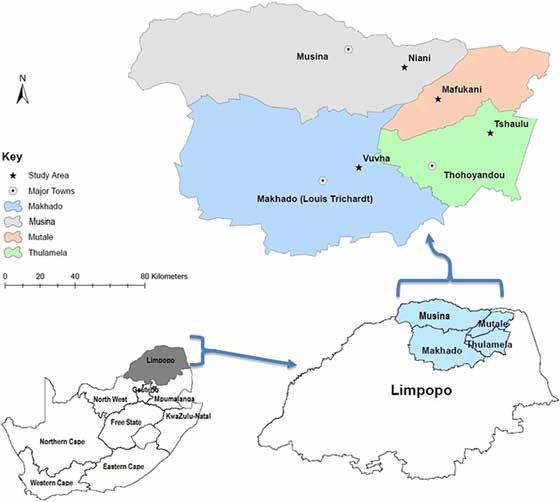
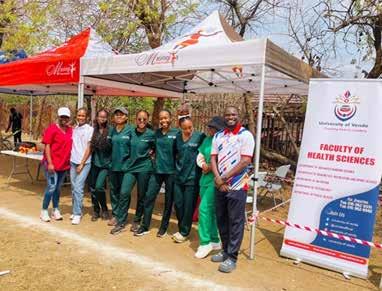
Work Package 1 (WP1): Qualitative Component
Data collection through In-Depth Interviews (IDIs) with biokineticists has been concluded. These interviews targeted professionals across various settings in South Africa with experience working in rural communities to explore their role in NCD early detection and prevention.
z Participant Profile: The analysis included 10 biokineticists with an average age of 38 years and 13 years of professional experience. More than half worked in public sector facilities (mainly military hospitals), with practice settings evenly split between urban and peri-urban contexts; only two were rural practitioners. Most served middle-income clients and frequently encountered NCDs such as hypertension, diabetes, and obesity. While resources were generally adequate, one-third reported limited access to equipment or facilities. Most healthcare professionals collaborated with others, but only two worked full-time in rural communities. All of them participated in community health programs in rural areas at least once a year. This highlights a lack of structured prevention efforts for underserved rural populations.
z Key Findings: Biokineticists described their capabilities in screening for NCD risk factors, delivering prevention and health promotion activities, and managing patients via structured exercise programs. However, contributions are hindered by systemic barriers, affordability issues, and low visibility. Participants advocated strongly for integrating biokinetics into primary healthcare and community-based models to enhance early detection and prevention in rural South Africa.
A manuscript titled "Exploring Biokineticists' Role in the Early Detection and Prevention of Non-Communicable Diseases in Rural South Africa: A Qualitative Study" is currently in preparation.
Work Package 2 (WP2): Quantitative Component
Household-based NCD risk factor screenings are actively underway in Makhado and Thulamela municipalities within Vhembe District. These screenings measure variables such as dietary habits, physical activity, blood pressure, random blood glucose, and cholesterol, enabling risk stratification for targeted interventions.
As of October 1, 2025, a total of n=221 individuals have been screened, with n=1,039 remaining to go. Below is a breakdown of progress recorded, supported by pictures.
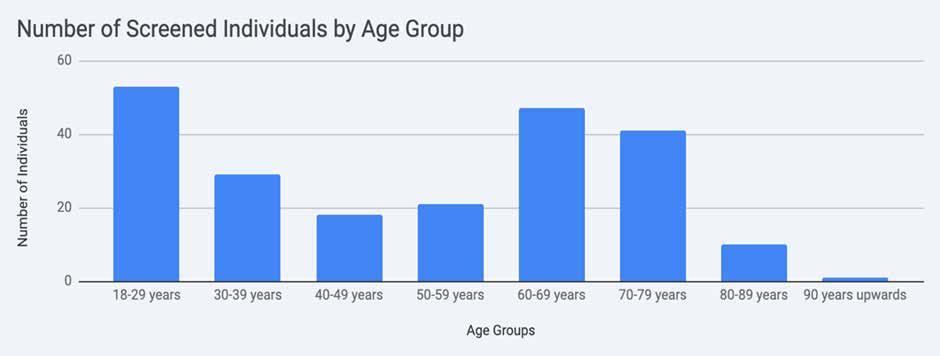
Screened individuals (n = 221) by Age
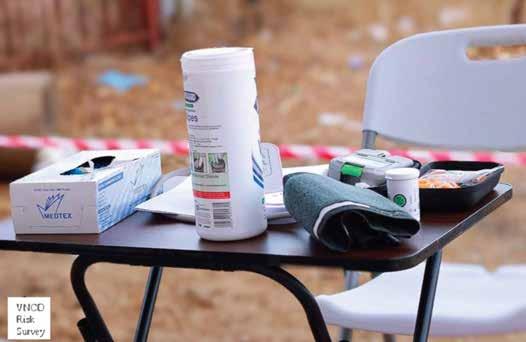
Below: Project team conducting NCD risk screening in various households
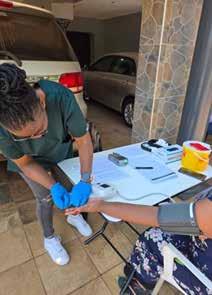
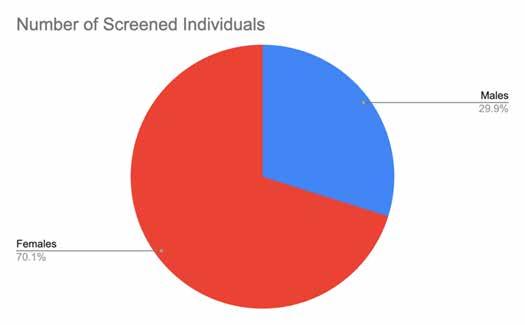
Above: Screened individuals by gender
Below: Individuals (n = 3) referred to primary health facilities who have started treatment
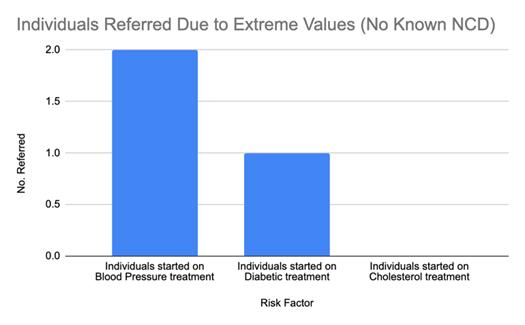
The project is making significant strides in screening and early detection with the intent of addressing the NCD burden within the Vhembe District, a rural area grappling with poverty, inadequate infrastructure, and high NCD mortality rates. By gathering data from a diverse range of stakeholders, including biokineticists, the study has pinpointed barriers such as limited resources, accessibility challenges, and fragmented health systems, while also identifying opportunities for multidisciplinary approaches.
The project has demonstrated a direct impact on the community through early detection and referrals of screened individuals for treatments related to conditions like hypertension and diabetes, which could help reduce premature deaths. Moreover, the qualitative insights gathered highlight the untapped potential of biokinetics in preventive care, fostering advocacy for their integration into public health care, especially rural health frameworks.
Overall, the project advances equitable health outcomes and supports national strategies for NCD control in the wake of post-COVID-19 inequities.
The project has provided valuable Work-Integrated Learning (WIL) opportunities for third-level biokinetics students, allowing them to gain hands-on experience in rural NCD screening and community health interventions. This initiative bridges academic training with practical application, fostering the next generation of professionals equipped to address NCD challenges in underserved areas.
Strategic partnerships have been established to enhance project implementation. Notably, a partnership with the “Khomanani Health Research & Wellness Centre,” based at Ha-Majosi village, has facilitated community entry and resource sharing. This partnership leverages local infrastructure to support data collection and stakeholder engagement, ensuring culturally sensitive and effective outreach.
The protocol was presented at the University of Venda’s Research Open Day and won the Best Poster Presentation Award. Findings from the manuscript on Bioki-
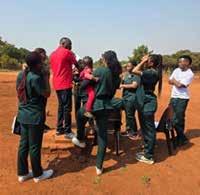
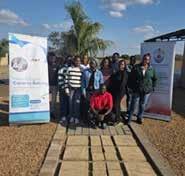
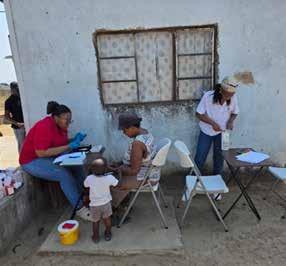
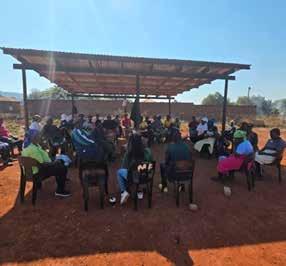
NCD screenings, Biokinetics students and staff, the “Khomanani” partnership workshop, and a community entry meeting in Maungani village
neticists' roles will be presented at the upcoming Life Through Movement International Conference (LTMIC), organised by the Biokinetics Association of South Africa (BASA), from October 9-11, 2025. This presentation will highlight the study's qualitative results and advocate for enhanced community-level prevention efforts.
z The study protocol has been submitted to JMIR Research Protocols and is currently under peer review.
z No additional media outputs have been generated to date, but the upcoming conference presentation may lead to further dissemination.
z 2025 Vice Chancellors' awards: Dr Gudani Mukoma received the NRF-rated Promising Young Researcher award and the Emerging Researcher who brought in the most external research funding in 2024.
Future activities include completing data collection for both work packages, quantitative data analysis, finalising the WP1 manuscript for submission, and exploring collaborative interventions based on findings. This project exemplifies the Centre of Excellence in Human Development's commitment to addressing NCDs in underserved communities, leveraging local insights for sustainable health improvements.
Dr Matshidiso Sello’s study sought to examine how household-level economic disruptions affect caregiving practices and child nutritional outcomes during times of economic distress. The evidence generated is intended to inform social protection and childcare policy responses. The main objectives of the project were to:
1. Describe the prevalence and types of economic shocks experienced by South African households;
2. Examine the relationship between economic shocks and changes in childcare arrangements;
3. Analyse the impact of different childcare arrangements on child malnutrition outcomes, considering caregiver type, caregiver education, and household food security; and
4. Provide policy recommendations for enhancing support systems for families during economic downturns.
This report provides an overview of key project activities, research outputs, and emerging findings, while reflecting on the broader academic and public impact achieved during the reporting period.
The project used secondary data sources to explore the connections between household shocks, childcare, and nutrition. We analysed data from the Communities of Practice (CoP) for Child Wellbeing Outcomes, which used the Child Wellbeing Tracking Tool (CWTT) to capture multidimensional child wellbeing indicators across domains such as economic and material wellbeing, education and learning, optimal nutrition and food, good health, protection and care, and psychosocial wellbeing. To strengthen the analytical depth, the project incorporated data analysis using the Demographic and Health Surveys (DHS) for South Africa and Lesotho.
This allowed for cross-country comparative analysis and decomposition of socioeconomic inequalities in child stunting and undernutrition. Together, these datasets enabled a nuanced understanding of how structural and household-level factors interact to shape children’s nutritional wellbeing.
The research findings were presented at both international and national conferences, providing opportunities to share insights and engage with a diverse network of researchers and practitioners. The project was showcased at two international conferences: the 24th International Consortium of Social Development (ICSD) Biennial Conference, held at Rajagiri Business School in Kakkanad, India, from 8 to 10 January 2025, and at the 30th International Population Studies Conference, hosted at the Brisbane Convention Centre in Australia from 13 to 18 July 2025. On both occasions, the presentation titled “Lessons Learnt in Using Digital Tools to Improve Child Wellbeing Outcomes” highlighted innovative approaches to collecting and analysing data on children’s wellbeing.
In South Africa, the findings were presented at the Early Childhood Intervention (ECI) Conference, held at the PPS Building in Rosebank, Johannesburg, from 12 to 13 August 2025. The title of the presentation was “Bridging Systems for Early Childhood Wellbeing: Lessons from a Community of Practice for Child Wellbeing Outcomes.” Through these engagements, the project contributed to critical discussions on how digital innovations can enhance the monitoring of child well-being and highlighted the relationship between household economic resilience and positive child outcomes.
The first analysis on the paper titled “Trends and Factors Associated with Stunting and Underweight among
Early Grade Learners in Low-Quintile Schools in Johannesburg (2020-2022),” examined changes in child nutritional outcomes in five low-income Johannesburg schools over a three-year period. The findings revealed a positive decline in stunting from 14% in 2020 to 10% in 2022, suggesting gradual improvement in chronic malnutrition indicators among early grade learners. However, this progress was offset by a worrying increase in the underweight prevalence, which doubled from 6% to 12% over the same period, signalling growing acute nutritional vulnerability. Gender differences were striking: male learners were significantly more likely than females to be both stunted (aOR = 3.41, 95% CI: 1.00 - 11.56) and underweight (aOR = 5.08, 95% CI: 1.04 - 24.70).
Although high rates of caregiver depression (70.5%) and household food insecurity were documented, these factors were not statistically significant predictors of children’s nutrition in the adjusted models, possibly reflecting indirect effects or timing issues in measurement. Overall, the study suggests that while efforts to address chronic malnutrition may be yielding some gains, the sharp rise in underweight, particularly among boys, points to emerging, short-term nutritional stress linked to household food insecurity and the lingering socioeconomic effects of the COVID-19 pandemic. The findings underscore the need for adaptive, context-specific interventions that simultaneously target both chronic and acute forms of malnutrition.
The second analysis, “Understanding Inequalities in Childhood Stunting in South Africa and Lesotho: A Decomposition Analysis,” investigated the structural determinants of nutritional inequality in two neighbouring Southern African countries. The results showed that the prevalence of stunting was higher in Lesotho (35.6%) than in South Africa (27.4%). In both countries, children from poorer households and those born to mothers with lower levels of education were disproportionately affected by stunting. The Concentration Index (CCI) further confirmed significant inequality in both contexts, 0.1442 (p<0.001) for South Africa and 0.1818 (p<0.001) for Lesotho, with inequality being more pronounced in Lesotho. The decomposition analysis revealed that maternal education, household wealth, rural residence, and household composition were the primary contributors to these disparities, although the magnitude of their effects varied between the two countries.
These findings highlight the deep-rooted structural inequities that perpetuate child malnutrition, demonstrat-
ing that poverty and limited maternal education remain powerful determinants of stunting. The study emphasizes the need to strengthen maternal education, social protection systems, and rural development policies as key strategies to reduce inequities in child nutrition. It concludes that achieving equitable improvements in child health outcomes requires integrated, multisectoral approaches that align nutrition, education, and social welfare interventions.
The project has two manuscripts currently under review:
z Sello, M., Phiri, M., Fikani, N., Musonda, E and Patel, L. “Trends and Determinants of Severe Child Nutritional Status among Early Grade Learners in Low-Quintile Johannesburg Schools (2020-2022).”
Submitted to The Open Public Health Journal (Reference: BMS-TOPHJ-2025-165, submitted 19 June 2025).
z Sello, M., Musonda, E., Mubita, A., Fikani, N & Phiri, M. (under review). “Understanding Inequalities in Childhood Nutrition Status in South Africa and Lesotho: A Decomposition-Analysis Approach.”
Submitted to International Journal of Population Studies (Manuscript ID: IJPS025400159, submitted 29 September 2025).
In addition, the project team published an article in The Conversation which sparked significant dialogue about child hunger and social support.
z Patel, L., Sello, M., & Haffejee, S. (2025). "23% of South Africa’s children suffer from severe hunger: we tested some solutions – experts." The Conversation, 31 March 2025.
The research gained national visibility through multiple media engagements, including radio and television interviews:
z Cape Talk (10 April 2025) – Discussion on child hunger and economic vulnerability.
z SA FM (1 April 2025) – Conversation on communitybased responses to child well-being.
z Channel Africa (1 April 2025) – Insights on regional child nutrition and family resilience.
z Newsroom Afrika (1 June 2025) – Dr Sello discussed examining the implications of grant dependency
amid economic shocks: “Over 40% of South African households now rely on social grants to survive.”
The project’s findings add to the growing body of evidence demonstrating that economic instability has profound and far-reaching effects on child development and well-being. Beyond highlighting the vulnerability of children to household shocks, the study strengthened empirical understanding of how such shocks influence childcare practices and nutritional outcomes. Moreover, the findings informed key social policy debates on child grants, nutrition support, and the role of maternal education in breaking deprivation.
By disseminating insights through accessible communication platforms, the project further raised public awareness about the intersections between economic
The Birth to 40 (Bt40) cohort is South Africa’s longest-running large-scale birth cohort study, following individuals born in Johannesburg-Soweto, South Africa, in 1990. As participants reach mid-adulthood, this follow-up survey aims to assess how early life exposures have influenced health and human capital outcomes across the life course. This protocol outlines the design of a cross-sectional household survey to reconnect with approximately 1,800 remaining cohort members.
The co-investigators (Dr Ashleigh Craig and Dr Khuthala Mabetha) of the BT40 study entitled “BT40 – A Longitudinal Birth Cohort Study which Repeatedly Follows up the Life Experiences of a Cohort of People from the 1990s Onwards” aim to examine how early life trajectories have shaped current human capital and health outcomes in mid-adulthood. The study intends to do the following:
z Describe the current socio-demographic, socioeconomic, physical, and mental health status of the cohort.
z Assess the prevalence of chronic disease risk factors, including overweight/obesity and elevated blood pressure.
hardship and child well-being. Collectively, these contributions align closely with South Africa’s policy priorities of reducing child poverty, advancing early childhood development, and promoting equitable social protection systems.
The project has advanced knowledge on the multifaceted relationship between economic shocks, childcare practices, and child nutrition in South Africa. Through research, collaboration, and public engagement, this work demonstrates the transformative potential of CoPs to integrating stakeholders working in social protection, education, health, and nutrition policy to build resilience among vulnerable households and promote sustainable child development in South Africa.

z Identify social and structural determinants of mental health and well-being.
z Enable future re-engagement and data linkage with existing longitudinal data for life-course analyses.
This study will employ a multimodal data collection approach that entails in-person quantitative interviews and physical measurements with original members of the BT40 cohort born in 1990 that will be conducted at the participants’ homes by trained fieldworkers, as well as telephone interviews or self-completion online surveys via REDCap for those not reachable in person.
This study is expected to kick off later this year.

In 2025, the COE-HUMAN advanced its work on understanding violence across the life course through the analysis of the Birth to Forty (Bt40) cohort. A study, recently accepted for publication in PLOS ONE, represents one of the few longitudinal analyses of childhood violence trajectories in Africa.
Using 18 years of data, the analysis identified two distinct developmental trajectories for both physical and sexual violence victimization.
z For physical violence, most children (about twothirds) experienced some violence during their teenage years, but these experiences tended to lessen as they got older. However, about one in three continued to experience violence that worsened over time and persisted into adulthood.
z For sexual violence, most young people reported only occasional or short-term experiences during adolescence. But for about one in four, the risk of sexual violence increased as they grew older, especially in the later teenage years.
These patterns show that while many young people eventually move out of violent situations, a significant group remain trapped in cycles of abuse that can extend into adulthood. Early intervention during childhood and adolescence is therefore critical to breaking these cycles.
Early life conditions, such as being male, lower maternal education, and household socioeconomic adversity, were significant predictors of the chronic physical-violence trajectory, highlighting the developmental origins of vulnerability to violence.
However, the analysis also revealed gaps in existing violence measures, particularly around intimate partner violence (IPV) and non-physical forms of coercion and control. Previous Bt20+ waves relied heavily on physical and sexual victimization items, with limited coverage of psychological, financial, digital, and legal forms of IPV.
To address these measurement gaps, the COE-HUMAN team has developed and incorporated a new suite of IPV questions in the ongoing Birth to Forty (Bt40) data collection round. These updated instruments capture the bidirectional nature of violence (both victimization and perpetration) and extend to financial control, reputational harm, technology-facilitated abuse, and co-parenting conflict. This expansion will allow for a more nuanced, gender-inclusive understanding of relationship dynamics and intergenerational transmission of violence.
Together, this year’s work reflects the Centre’s commitment to generating longitudinal, contextually grounded evidence to inform violence prevention and resilience-building strategies from early childhood through adulthood. By strengthening measurement and analysis across successive Bt30/Bt40 waves, COE-HUMAN continues to contribute robust South African evidence to global conversations on the developmental and structural roots of violence.

The CoE-HUMAN has, over the years, proactively undertaken initiatives to establish and strengthen collaborative research partnerships with Historically Disadvantaged Institutions (HDIs). These partnerships involve engaging with and supporting research initiatives led by HDIs to advance research excellence and strengthen capacity within the field of human development. In 2022, three HDIs were awarded research grants namely University of Mpumalanga (grant awarded to Prof. Geoffrey Mahlomaholo); Durban University of Technology (grant awarded to Prof. Gugu Mchunu) and University of Limpopo (grant awarded to Prof. Eric Maimela). In 2023, two additional grants were awarded to Nelson Mandela University (grant awarded to Dr David Morton) and University of Zululand (grant awarded to Dr Sheetal Bhoola). In 2024, two grants were awarded to University of Venda (grant awarded to Prof. Ademola Jegede) and University of Fort Hare (Dr Leocadia Zhou). In the current year (2025), four grants were awarded to Mangosuthu University of Technology (grant awarded to Prof. Aubrey Bakae Mokoena), Walter Sisulu University (Dr Sandra Chikotie) and opportunity grants that focus on community-based interventions to address inequalities (as seen on pages 59-62) were awarded to Sefako Makgatho Health Sciences University (Dr Mashudu Manafe) and University of Limpopo (Prof. Livhuwani Muthelo). A showcase of the various research projects conducted by the HDIs is as follows:
From 2019 to date, approximately 2818 children have passed away in South African public hospitals. Journalists emphasise that the recent Covid-19 pandemic has only exacerbated these statistics and that wasting and dramatic weight loss are the predominant causes of the high number of deaths. The Bill of Rights in our Constitution (Section 28) indicates that “every child has the right to basic nutrition, shelter, health care, and social
services, as well as the right to be protected from maltreatment, neglect, abuse, or degradation” (Republic of South Africa, 1996). However, the most recent reports indicate that one in three children are stunted and one in four households report child hunger.
Dr Sheetal Bhoola’s project entitled “An investigation of child malnutrition and neglect in KwaZulu-Natal" seeks
to determine the prevalence of malnutrition, child hunger, and child neglect within the UThungulu District in KwaZulu-Natal. This study aims to identify and understand the various ways in which children experience neglect and malnutrition. Dr Bhoola and her colleagues aim to investigate the types of acute malnutrition prevalent in this area. They also aim to determine the interconnectivity of malnutrition to child hunger and child neglect in India and South Africa (lack of resources that allow children to be hygienic and lack of adult care).
Project activities for 2025:
Dr Bhoola presented her work at the International Sociological Association 5th World Forum – Rabat, Morocco, 6-11 July 2025: “The Efficacy of South Africa’s National School Nutrition Program in the King Cetshwayo District, Kwazulu-Natal, South Africa.”
Completion of the collection of primary data
The below-mentioned data has been collected and is currently being analysed for the write-up purposes of the report and respective journal articles. The following interviews were completed, and all the data has been collected, and Dr Bhoola and her colleagues are now in the process of analysing and building thematic sections
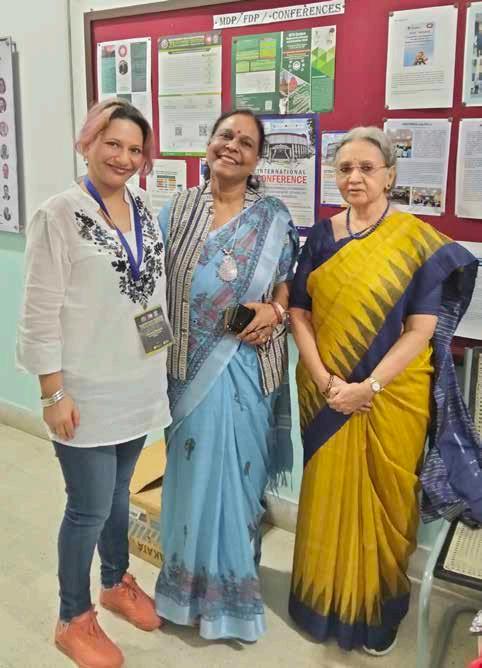
for the publications. The first of which will be the policy analysis between Indian and South African food nutrition policies that are in place at present. The interviews that have been conducted are as follows:
z Interviews with 50 children between the ages of 8 years and 13 years.
z Interviews with 20 caregivers and parents who live within this district.
z Interviews with 5 nurses from government health clinics.
z Interviews with 15 teachers located at three schools.
Published: 3 journalistic media articles based on this study:
z Bhoola, S. Why are our national food and nutrition policies not up-to-date, focused and properly effective? The Post. 23 May 2023. Link: Why are our national food and nutrition policies not up-to-date, focused and properly effective?
z Bhoola, S. Caring for South Africa's Children: Addressing Child Neglect and Abuse. The Daily News, Cape Argus and The Star. 11 June 2025. Link: Caring for South Africa's Children: Addressing Child Neglect and Abuse
z Bhoola, S. Investigating the National School Nutrition Programme: addressing tender fraud and nutritional needs. The Daily News, Cape Argus & The Star. 10 September 2025. Link: Investigating the National School Nutrition Programme: addressing tender fraud and nutritional needs
In process: (2 Scholarly articles):
z In review: Voiceless Beneficiaries: A Child-Rights Perspective on the National School Nutrition Programme in Rural KwaZulu-Natal" submitted to African Journal of Developmental Studies.
z Finalisation of writing stage: The social and economic impact of the aged caregiver and child neglect in rural KwaZulu-Natal.
Women and girls in South Africa rely extensively on public transport, particularly the minibus taxi system, yet their everyday mobility is shaped by persistent insecurity, harassment, and the threat of gender-based vulnerability. Research across South Africa has documented patterns of harassment, coercion, transactional exploitation, aggression, and fear among women commuters. Young girls labelled as “taxi queens” in the Western Cape experience coercive sexual relationships with taxi drivers, while female university students in Gauteng report polyvictimisation, unsafe driving, exposure to street crime, and frequent sexual harassment. Taxi ranks, often poorly lit and unregulated, amplify risks linked to waiting time, unpredictable travel schedules, and male-dominated industry dynamics.
Despite these widespread concerns, little empirical evidence has captured how women in Durban specifically experience taxi travel, how safe they feel, or what interventions they support. Prof. Gugu Mchunu’s exploratory project entitled “Optimising safety for women and young girls as minibus taxi commuters in Durban” aims to provide a baseline study to contribute to the paucity of research in this area. Phase 1 of the baseline study aimed to generate evidence to inform gender-responsive safety interventions within the taxi industry. Using the socio-ecological model, the study examines the individual, relational, community, and societal factors shaping women’s safety experiences in taxi transport. The purpose of this baseline assessment is to generate foundational evidence that will inform the co-design of practical, implementable, and community-supported interventions to make taxi transport safer for women and girls in Durban.
Data was collected across five major taxi ranks in Durban, selected to capture a diverse range of commuting environments, safety conditions, and passenger demographics. These locations represent high-volume mobility nodes where women and girls regularly board, disembark, and wait for taxis, making them ideal for assessing safety perceptions in real commuting contexts. The target population consisted of female commuters aged 18 years and older who use minibus taxis as part of their regular travel. A total of 81 women taxi commuters, primarily young women aged 18-34 years, participated in the survey.
Key findings:
z The findings reveal a system where women’s mobility is characterised by necessity, vulnerability, and hypervigilance.
z Nearly 90% of respondents use taxis daily or several times per week, underscoring deep reliance on this transport mode.
z Approximately 29.6% reported direct victimisation ranging from verbal harassment to aggression, while 46% expressed feeling “unsafe,” including somewhat unsafe, unsafe, or very unsafe.
z Only 2.5% reported feeling very safe.
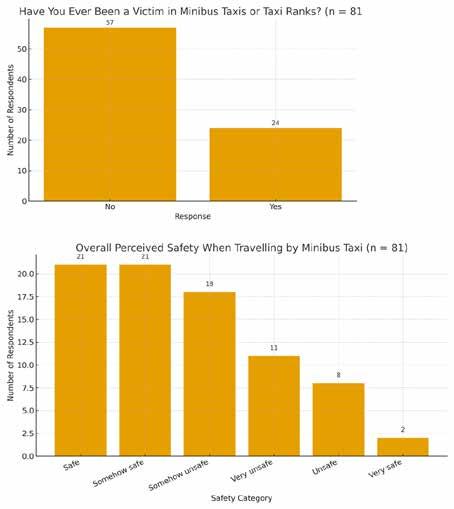
Prevalence of victimisation and overall perceived safety among women and girls who use minibus taxis in Durban
Women also expressed strong support for structural and programmatic safety solutions. More than 60 respondents endorsed the introduction of publicly displayed taxi schedules, computerised ticketing, women-only transport services, and improved safety at taxi ranks and stops. These findings highlight clear priorities for action: modernising taxi operations, improving infrastructure, strengthening oversight, and implementing gender-sensitive behaviour change initiatives.
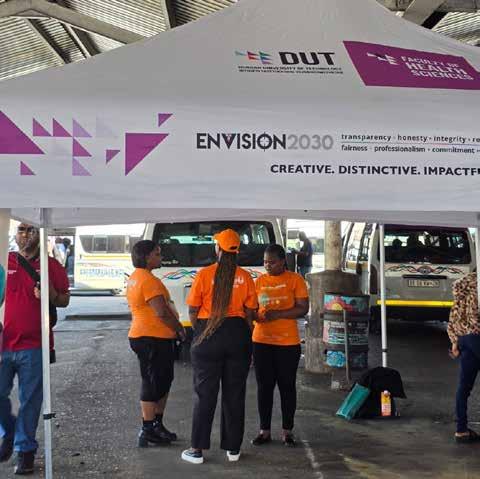
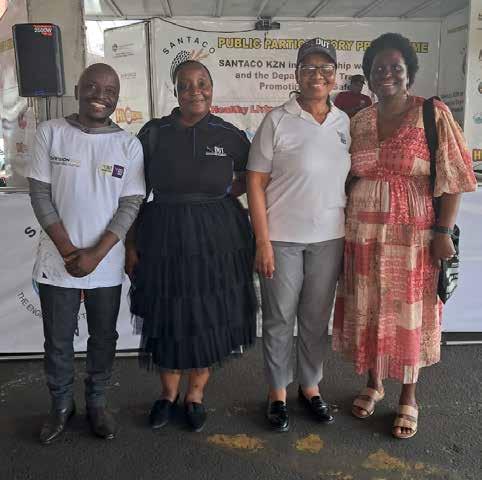
The evidence establishes a strong foundation for Phase 2 of the project, during which women, taxi operators, and stakeholders will co-design contextually appropriate safety interventions.
Way forward:
z At least 2 journal articles will be submitted for publication at the beginning in 2026.
z Abstract submission for conference attendance, in order to disseminate study findings.
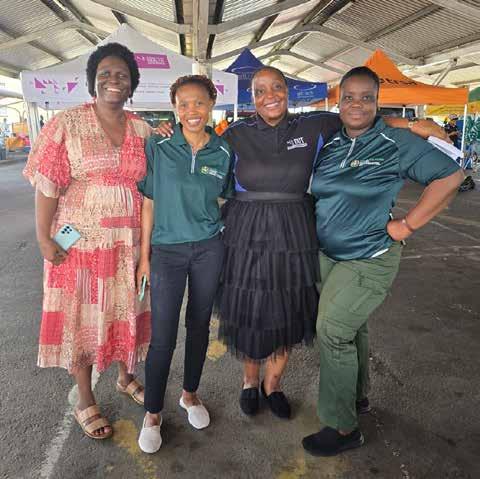
z Phase 2 of the study – co-designing appropriate interventions.
z At least one dialogue or workshop session will be run with women commuters.
z Finalization of the project report for submission before October 2026.
Community-based healthcare has its own economic challenges, particularly for families who are caring for a relative with dementia. However, utilising community health workers (CHWs) who are affiliated with the primary healthcare system can help alleviate some of the pressures on families who are caring for relatives with dementia by equipping CHWs in Nelson Mandela Bay with the necessary knowledge and skills regarding dementia care to support such families. Dr David Morton’s project entitled “Preparing Community Health Workers to support family caregivers of relatives with Dementia in nelson Mandela Bay, South Africa” aimed to:
1. Explore and describe family members’ experiences of caring for relatives with dementia;
2. Explore and describe CHWs experiences of supporting family members caring for relatives with dementia;
3. Explore primary healthcare nurses ‘ views of the needs of CHWs supporting family caregivers of relatives with dementia;
4. Determine the support and training needs of CHWs supporting family members caring for relatives with dementia;
5. Develop a training program based on the empirical findings of Phase 1 for CHWs to support people caring for their relatives with dementia; and
6. Assess the effectiveness of the training program to impart knowledge of dementia among CHWs.
The progress of the study in 2025 is as follows:
Questionnaires were distributed to Professional nurses working in clinics across Subdistricts A, B, and C. Similarly, questionnaires were also distributed to community health workers operating in the same subdistricts. A total of four field workers were assigned to distribute the questionnaires. These field workers collectively visited 20 clinics within the three subdistricts.
Over the course of the study, several challenges were encountered. These challenges included safety concerns in Subdistrict B, whereby some fieldworkers un-
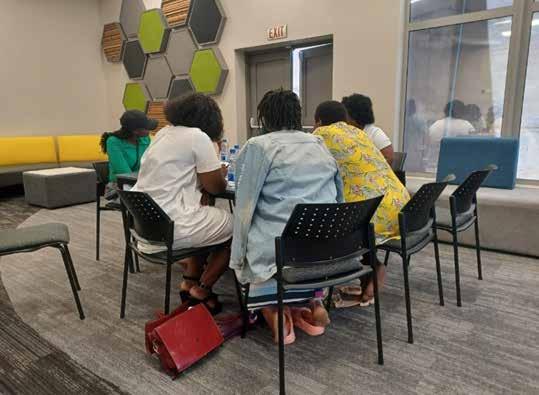
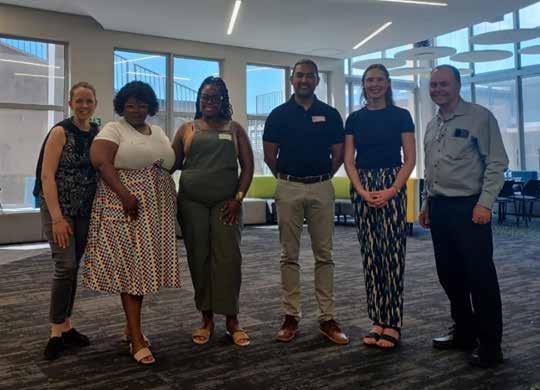
derstandably felt uncomfortable entering certain areas due to the fact that several clinics were located in areas affected by “gang activity,” resulting in perceived and actual safety risks. For instance, one clinic was closed during part of the data collection period because of repeated gang-related incidents. Hence, some field workers were initially reluctant to enter these high-risk areas. An additional field worker with prior familiarity and comfort in navigating the affected areas was recruited. This field worker, together with another field worker, successfully covered all required clinics except one specific clinic, which remained inaccessible until recently. Once reopened, attempts were made to collect the remaining questionnaires from the clinic, although challenges persisted.
Unwillingness of respondents to complete the questionnaires
Another challenge was that some CHWs were unwilling to complete the questionnaire. For instance, field workers reported that at some clinics, CHWs requested payment in exchange for completing the questionnaires. In addition, a general lack of interest was observed in certain locations. Furthermore, some nurses declined participation due to heavy workloads and competing responsibilities. Multiple concurrent research projects at the clinics appear to have led to survey fatigue, further reducing response willingness.
Despite the challenges, a substantial number of responses were received, with 106 completed questionnaires received from community health workers and 96 completed questionnaires received from the professional nurses. All completed questionnaires were captured by Mrs. Gouws. The captured dataset was forwarded to the statistician for data analysis. Analysis is currently ongoing, and the return of the processed data is expected soon. Efforts continue to retrieve additional questionnaires from the specific clinic, which has since reopened. Collection remains uncertain due to lingering logistical difficulties.
Three focus group interviews with community health workers were conducted at the Missionvale Campus of Nelson Mandela University. A suitable venue was secured to facilitate all three sessions comfortably and professionally. Each focus group comprised seven participants, ensuring manageable group sizes and quality discussions. Participants were drawn from the study’s target population and represented a range of perspectives. Each group was facilitated by a team member, supported by an assistant. The assistant was responsible
Impacts of climate change include slow-onset events and extreme weather events, which may both result in losses and damages. Studies show that these can take the form of Economic Losses and Damages (ELD) and Non-Economic Losses and Damages (NELD). Both the ELD and NELD may weaken socio-ecological devel-
for distributing consent forms and information sheets, providing stationery, managing logistical needs, and operating digital audio recorders. Three digital recorders were purchased specifically for the study to ensure high-quality audio capture.
The focus group facilitators were Dr Ashwin Navsaria, Mrs. Sbongile Ntleko, and Dr Lourett Smith. The assistants were Dr David Morton, Ms. Nomawethu Vamva, and Ms. Lisa Gouws. The participants were all provided with tea and muffins before the interviews. After the completion of the lunch, participants were provided with lunch and a juice. All the participants were compensated for their transport costs.
A dementia workshop will be presented on 6 December 2025. Dr Morton and his colleagues anticipate around 50 community health worker participants. It will take place at Missionvale Campus at the same venue as the focus group discussions. The workshop will consist of a pre-test questionnaire followed by a workshop and breakaway sessions followed by a post-test questionnaire.
The dementia study has progressed well despite notable challenges, particularly in Subdistrict B. Significant questionnaire returns from professional nurses and the successful completion of three focus groups mark key achievements during this reporting period. Although participation among community health workers was limited and safety concerns caused delays, mitigation strategies helped ensure wide coverage across the subdistricts. Data analysis is underway, and outstanding questionnaire recovery remains a priority. Continued efforts will focus on completing data collection and advancing to the next phase of the study, namely, the dementia workshop.
opment in that they undermine the sustainable use of resources, which itself is a core aspect of the right of populations to subsistence and conservation as envisaged in key provisions of international human rights instruments. Professor Ademola Jegede’s project entitled “Assessing Climate-related Loss and Damage Impacts
on Socioecological and Transformational Development in Vhembe District Municipality, Limpopo Province” aims to:
1. Establish the connection between ELD and NELD with climate change trends in the municipality;
2. Profile the interface of ELD and NELD with socioecological and transformational development; and
3. Inform policy decision-making on the development of climate resilience and sustainable development strategies in the Vhembe municipality.
The project was registered with the University Research and Innovation Directorate. After completing all the necessary processes in the Ethics Policy of UNIVEN for obtaining ethical clearance for a project of this nature, Prof. Jegede and his colleagues obtained ethical approval for the implementation of the project in the two sites on 15 May 2025.
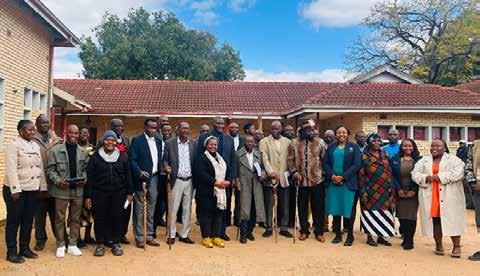
On the 30th of July, IMCHPR visited Manenzhe Village to introduce the project's objectives, methodology, and expected outcomes. Following the introduction, the focus group exercise was conducted to gather valuable insights into the community's experiences and perceptions regarding climate-related loss and damage.
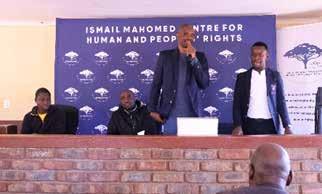
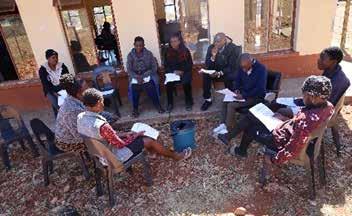
Upon the invitation of the Hosi (Chief) of the Mhinga Village, on the 28th th of July, the Ismail Mahomed Centre for Human and Peoples’ Rights (IMCHPRs) visited Mhinga Village to introduce the project and inform the community about its objectives, methodology, and expected outcomes. The purpose of this visit was to sensitise the community and obtain their consent to participate in the project. During this visit, the project's goals were explained to the community members, who were also allowed to ask questions. At the meeting, a future date was fixed for the focus group exercise in the community.
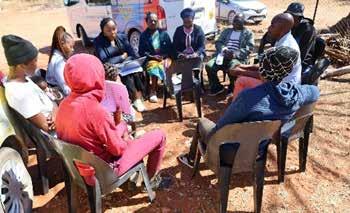
As scheduled by the community, on the 14th of August 2025, the IMCHPR visited Mhinga Village, where it conducted focus group exercises and gained valuable in-
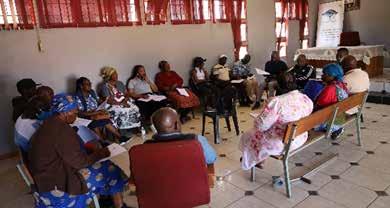
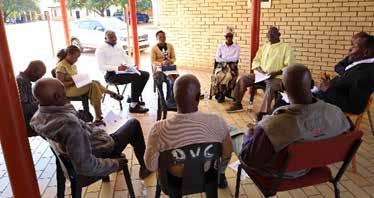
sights into the community's experiences and perceptions regarding climate-related loss and damage. It also identified key informants from each group.
The research team has started with the key informant process, while the semi-structured questionnaire will follow shortly after the key informant exercises.
The DSTI-NRF Centre of Excellence in Human Development (CoE-HUMAN) was invited to the launch of five new Centres of Excellence and four new Institutes at the University of Venda (UNIVEN) on the 20th of November 2025. This initiative solidifies the existing collaborative relationship and builds upon the CoE-HUMAN’s established engagement and partnership with UNIVEN over the next two years. This prestigious event marked a significant historic occasion and milestone in the university’s academic and research advancement, highlighting the establishment of new Centres of Excellence and Institutes that will foster innovation, collaboration and elevate excellence across disciplines. The event featured a combination of opening and welcome addresses, keynote addresses, messages of support, cultural performances and the presence of a local chief, creating a rich and engaging experience.
In his opening remarks, UNIVEN Chief Operating Officer Mr Botwe Kraziya described the event as a moment for celebrating and recognising the important achievements made to date. He characterised the day as “historic,” noting that it signalled the beginning of “something new” and the setting of “history in motion.” He
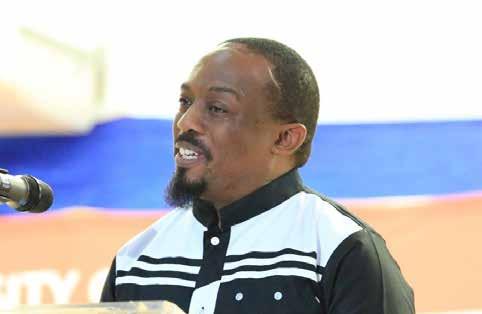
highlighted that the centres of excellence and institutes form part of broader “national, continental, and global initiatives.” Mr Kraziya also acknowledged influential leaders such as Chief Justice Ismail Mahomed and President Oliver Reginald Tambo, whose enduring contributions exemplify “excellence, service, intellectual leadership, and sacrifice.” Mr Kraziya concluded that as a historically disadvantaged institution, UNIVEN is poised for growth. He further held that the launch of the centres and institutes reinforces that UNIVEN may be rural-based but has a national mandate that drives research in rural spaces. He further echoed the sentiment that “excellence is not abstract; it is rooted in service. Let’s all create future leaders together”.
The keynote address was delivered by Dr Makhapa Makhafola, the Chief Operating Officer of the South African Qualifications Authority (SAQA). Dr Makhafola reflected on how this initiative emerged stating that
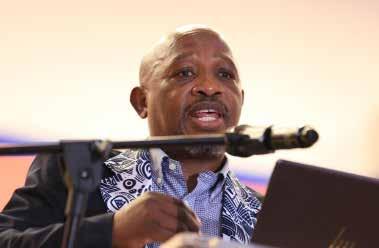
“This idea started in 2002, to nurture, sustain excellence in research, and generate highly skilled human resource capacity”. He held the sentiment that when Centres and Institutes are spoken about, it is important to speak about collaborations in order to capacitate the continent. He maintained that it is vital to create public dialogues that focus on how to strengthen research capacity and collaborations, as well as how to enhance capacity building within the academic community. He urged that research must be practical and impactful and believed that it is critical to recruit peers and scholars within the continent to capacitate centres to sustain research excellence, knowledge transfer, and transformational leadership and contribute to sustainable development for communities and societies.
He advised that for the new centres and institutes to be successful, they need to have effective governance and management committees that will provide strategic guidance and diverse staff that is multidisciplinary and strategically supports institutions. Of importance,
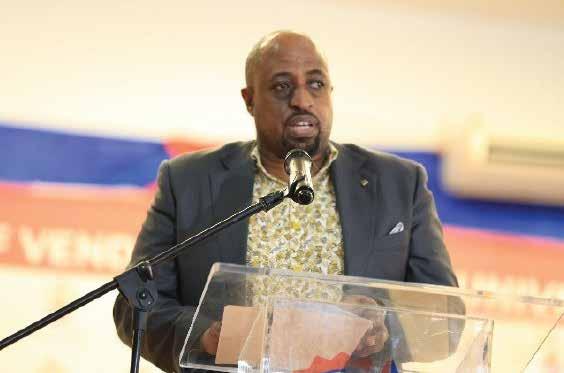
he emphasised that the new centres and institutes need to “think of operational models and be able to adapt.” They also need to be “innovative and practical and scale up research as well as have internal innovation policies and robust support systems as a university.”
The launch address and the unveiling of the centres and institutes was delivered by the Vice-Chancellor and Principal, Prof. Bernard Nthambeleni. In his address, Prof Nthambeleni emphasised that the Centres of Excellence and Institutes reflect UNIVEN’s mission to advance high-quality research, expand postgraduate training, and address some of the society’s most pressing challenges. He echoed that the centres are designed to be hubs of collaboration and innovation. He further held that they are more than just physical spaces but “mancapacity and collaborations, as well as how to enhance capacity building within the academic community. He urged that research must be practical and

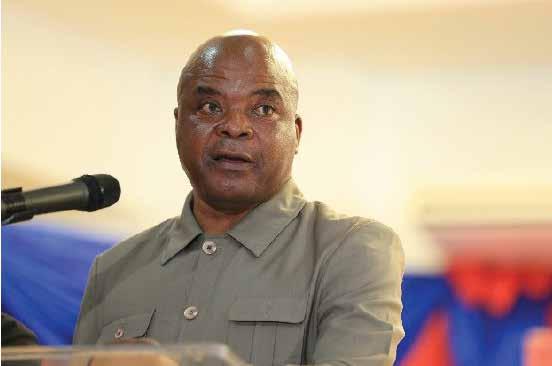
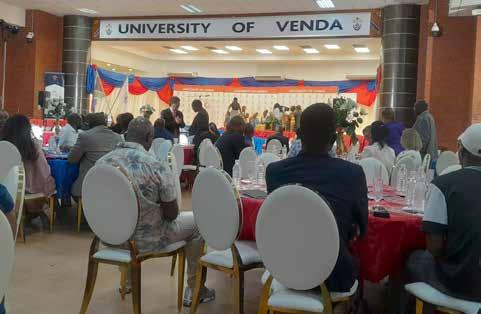
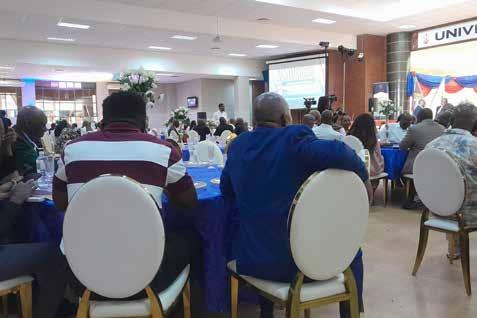
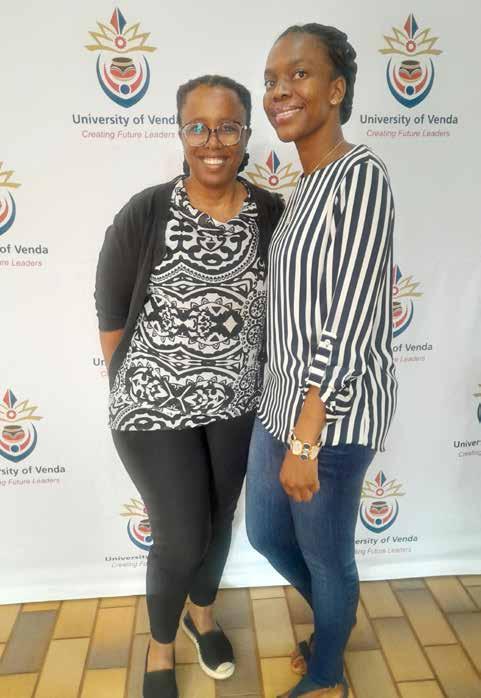
impactful and believed that it is critical to recruit peers and scholars within the continent to capacitate centres to sustain research excellence, knowledge transfer, and transformational leadership and contribute to sustainable development for communities and societies.
He advised that for the new centres and institutes to be successful, they need to have effective governance and management committees that will provide strategic guidance and diverse staff that is multidisciplinary and strategically supports institutions. Of importance, he emphasised that the new centres and institutes need to “think of operational models and be able to adapt.” They also need to be “innovative and practical and scale up research as well as have internal innovation policies and robust support systems as a university.”
The launch address and the unveiling of the centres and institutes was delivered by the Vice-Chancellor and Principal, Prof. Bernard Nthambeleni. In his address, Prof Nthambeleni emphasised that the Centres of Excellence and Institutes reflect UNIVEN’s mission to advance high-quality research, expand postgraduate training, and address some of the society’s most pressing challenges. He echoed that the centres are designed to be hubs of collaboration and innovation. He further held that they are more than just physical spaces but “manifestations of representation of the future”. He noted that each centre will serve as a beacon of knowledge and foster an environment where groundbreaking research can flourish.
As he officially inaugurated the Centres of Excellence and Institutes, Prof. Nthambeleni emphasised that this achievement marks the start of a long-term journey. “The true measure of our success will not be the accolades we receive, but the positive changes we bring about in our communities and the world”. He urged students, staff, industry partners, and community leaders to embrace this opportunity and contribute to building a research environment defined by excellence and relevance. Together, let us create a future where UNIVEN stands as a beacon of innovation, knowledge, and societal progress.”
The five new Centres of Excellence that were launched in this prestigious event are as follows:
z Ismail Mahomed Centre for Human and People’s Rights
z Es’kia Mphahlele Centre for National and Global Dialogue
z MER Mathivha Centre for African Languages, Arts and Culture
z Centre of Excellence in Mass Spectrometry
z Vuwani Science Resource Centre
The four new Institutes are as follows:
z African Musicology Institute
z Institute for Pathogen and Global Health Research
z Institute for Rural Development
z OR Tambo Institute of Governance and Policy Studies
Vulnerable communities in post-apartheid South Africa are often exposed to a range of adversities, which includes poverty, violence, unstable housing, substance abuse, and systemic discrimination, that can disrupt the development of individuals through their life course development. Townships like Umlazi are symbolic of South Africa’s spatial inequality, historically designed to segregate Black communities from economic centers. Despite investments in infrastructure, basic services, and social welfare, these areas continue to struggle with high levels of unemployment (above 35%), substance abuse, poor educational outcomes, environmental degradation, and intergenerational poverty (StatsSA, 2022). Moreover, the fabric of parenting has been strained by decades of social dislocation, HIV/AIDS, and youth disenfranchisement. While much has been studied on isolated adversities, less attention has been paid to the cumulative and interactive effects of multiple adversities on individuals’ transition from childhood to adolescence and subsequently to adulthood and their roles as parents.
There is limited understanding of how multiple or cumulative adversities intersect to affect adult developmental outcomes and parenting practices, particularly in vulnerable communities where such adversities are common and interrelated. Therefore, there is an urgent need for an integrated research framework that examines the interplay between parenting, household resilience, socioecological systems, and transformational development, particularly in high-density, low-income urban settings like Umlazi.
Prof. Aubrey Mokoena’s project entitled “The Intervening Effect of Multiple /Cumulative Adversaries on Parenting and Human Life Course Development in a Vulnerable Community: An Interdisciplinary Perspective” aims to critically investigate the moderating role of intergenerational parenting in transformational development processes within Umlazi Township, Durban, using a socioecological and transdisciplinary framework that reconciles social and environmental objectives. This will be done through:
z Examining the relationship between cumulative adversities and parenting practices.
z Assessing the development outcomes (emotional, cognitive, and social) in adolescence and adulthood.
z Exploring protective factors (e.g., social support, coping strategies, and community resources) that mediate adverse outcomes.
z Recommending intervention strategies informed by interdisciplinary insight to support resilient parenting and healthy adulthood development.
z Identifying the types and prevalence of adversities experienced across the entire human life course development in the selected community.
A mixed-method approach that allows methodological triangulation to enhance robustness and interpretative depth will be adopted for the study.
This study is expected to kick off later this year.
Youth unemployment remains a significant socio-economic challenge in South Africa. Presently, the unemployment rate for youth aged 15 to 24 years is 62.4% (Stats SA, 2025). However, youth with higher educational attainment have better employment outcomes. Youth who complete their matric experience have an unemployment rate of 47.6%. In comparison, those who obtain vocational or technical education face a rate of 37.3%, and university graduates experience a much lower rate of 23.9% (Stats SA, 2025). While youth unemployment is a national issue, the Eastern Cape faces several barriers, including structural poverty, slow industrial growth, and inadequate institutional capacity, which exacerbate the difficulties university graduates face when seeking employment (Kerr & Luescher, 2018). Despite increased access to higher education, many students, particularly those from rural, historically disadvantaged communities, struggle to transition successfully from university to the workforce.
For many students and graduates, the transition from studies to work is a pivotal phase that can significantly impact their career trajectories (Allen & van der Velden, 2007). In South Africa, this transition is especially challenging for those coming from historically disadvantaged institutions. They often face higher unemployment rates due to multiple factors such as employer preferences, inadequate institutional resources and high dropout rates (Sonn, 2016; Walker & Fongwa, 2017). Given these circumstances, more scholarly attention needs to be paid to the transition experiences of final-year students at historically disadvantaged institutions.
Dr Sandra Chikotie’s pilot project entitled “Pathways to Employability: A one-year life course pilot study of final-year students at WSU” aims to understand the transitional experiences of final-year students in the Faculty of Management and Public Administration Sciences (FMPAS) at Walter Sisulu University (WSU) as they prepare to enter the labour market. Recognising that employability is a dynamic process shaped over time by socio-economic factors, individual agency, institutional support, and broader labour market conditions (Tomlinson, 2017), the study adopts a life-course perspective (Elder, 1998; Shanahan, 2000) to examine how the transitional experiences of students are shaped by
academic preparation as well as broader trajectories, including personal development and structural limitations or opportunities.
The study aims to generate baseline data on students’ perceived readiness for employment by capturing the multidimensional factors that affect their transition experiences. These insights will enable FMPAS and other faculties within WSU to initiate a graduate tracking system, providing a basis for sustained research and intervention strategies that support improved outcomes for graduates. Key objectives include:
z Identifying and documenting key milestones and pathways in the transition from university to employment.
z Assessing how socioeconomic background, gender, and academic experiences influence finalyear students’ expectations and preparedness for entering the labour market.
z Evaluating the perceived impact of soft skills, entrepreneurship training, and institutional support mechanisms on final-year students’ self-efficacy and employability.
z Co-designing and developing a functional prototype graduate tracking system to monitor graduate outcomes and inform long-term institutional interventions.
z Generating recommendations for improving student readiness, employability support mechanism and graduate tracking practices.
This study is also expected to kick off later this year.
The Accelerated Postdoctoral (AP) Training Programme, under the leadership of Wits Professor Shane Norris, was introduced in August 2021. This fellowship is intended to equip postdoctoral researchers with the skills and experience needed to progress to the senior researcher level within two years. The programme encompasses mentoring, academic writing, project design and implementation, data analysis, and career development planning. The first cohort completed the programme in 2023, and the second cohort has completed the programme. The Centre welcomed the third and fourth cohorts between April and June 2024, both of which are currently engaged in a structured group learning model designed to strengthen their research expertise and scientific leadership and will complete the programme in June 2026.
Cohort 2 completed their fellowship in the AP programme in October 2025. Below, cohort 2 share their experiences of the programme, highlights, lessons learned, contribution to their professional development, and advice to remaining cohorts.
thing much more dynamic – a community of scholars who valued mentorship, innovation, and collaboration.

Dr Claire Hart had recently com pleted her PhD and had returned to full-time private practice as a counselling psychologist when she first learned about the AP programme. Although passionate about her clinical work, she realised that she missed the intellectual stimulation and impact of research. Dr Hart’s PhD supervisor recognised this and encouraged her to reconnect with academia by reaching out to Prof. Shane Norris, who led the programme. After an inspiring conversation with Prof. Norris, Dr Hart knew that the Accelerated Programme would challenge her, deepen her research skills, and allow her to contribute meaningfully to mental health research in South Africa.
Her first few months of being in the programme were both humbling and energising. Dr Hart quickly realised that, despite completing a PhD, her learning journey was far from over. The programme stretched her to work collaboratively in research teams and to develop new skills in conceptualisation, data analysis, and academic writing. She initially expected a structured postdoctoral experience focused on publications but found some-
One of the most exciting projects that Dr Hart is part of and is currently leading is an innovative, multimodal mental health intervention for at-risk adolescents and young adults in Soweto. The programme integrates Brain Gym, Problem Management Plus (PM+), and Virtual Reality techniques to reduce symptoms of anxiety and depression. Being part of this project has been transformative for Dr Hart, as it combines her passion for evidence-based interventions with her commitment to community engagement. Dr Hart said it has been fulfilling to witness participants respond positively to a model that is both scientifically grounded and culturally relevant.
With regard to what she has learned from the programme, Dr Hart indicated that when she started the programme, she was used to working independently and trusted her own processes. Through the programme, she has learned the true value of collaboration: how to communicate openly, share responsibility, and draw on the diverse strengths of her colleagues. She has developed greater confidence in both qualitative and quantitative analysis, enhanced her academic writing, and learned to navigate complex research projects with adaptability and structure. Before joining, all her publications were sole authored. However, now, she has co-authored multiple papers as part of collaborative teams. She said this shift reflects not only professional
growth but also personal transformation in how she approaches research and teamwork.
In terms of professional development, Dr Hart held the view that the programme has been instrumental in helping her clarify and advance her professional goals. In the short term, it has strengthened her research profile through high-quality publications, grant writing, and leadership in intervention research. In the long term, she said it has set her on a path toward research independence and academic leadership. She said the programme also allowed her to align her work with broader social impact: conducting self-directed, innovative research; building capacity through training and supervision; and contributing to national mental health policy through evidence-based interventions. She held that she now has a clear vision for her research career, grounded in scientific excellence and social relevance.
When reflecting on the programme in relation to her strengths, weaknesses, challenges that she has endured in the programme as well as her accomplishments, Dr Hart mentioned that the programme has been uniquely responsive to her strengths while helping her identify and address areas for growth. As someone who thrives in dynamic, unpredictable environments, she learned to use structure and forward planning to channel creativity into consistent productivity. One of her biggest challenges was learning to slow down and work methodically within larger collaborative frameworks. Among her proudest accomplishments are co-authoring multiple peer-reviewed papers, leading innovative intervention projects, and training the first-ever cohort of community mental health workers in Soweto. These achievements reflect both personal and professional growth fostered through the programme.
Dr Hart’s highlights of the programme are the relationships she has built with other academics. Working with a multidisciplinary team has been both intellectually enriching and personally fulfilling. She said she has also valued the opportunity to contribute to participatory action research and community mental health partnerships. Mentoring early-career mental health professionals and supervising postgraduate students has also been a deeply rewarding aspect of her journey.
Dr Hart believes that the programme is exceptional in its ability to bridge the gap between early postdoctoral research and academic independence. She said it provides not only technical training but also mentorship,
collaboration, and exposure to interdisciplinary research at the highest level. The focus on real-world impact makes it a model for cultivating the next generation of research leaders in South Africa. Personally, she felt that it has been transformative, refining her skills, strengthening her networks, and solidifying her commitment to evidence-based, community-driven mental health research. She also held the notion that the programme has been comprehensive and well-tailored. As she transitions into independent research roles, she wishes that the programme could have offered formalised sessions on academic leadership, team management, and longterm funding strategies that could further strengthen career progression pathways.
For the continuing cohorts, she advised that they should “approach the programme with openness, curiosity, and humility.” She further indicated that they should “use the opportunity to learn from others, to experiment with new ideas, and to stretch beyond their comfort zones.” She further held that the programme offers an incredible platform to contribute to meaningful change in one's field and community. The relationships that an individual builds will shape their research career in unexpected and deeply rewarding ways.
Dr Lauren Stuart first learned about the AP programme when a colleague of hers who had subscribed to the CoE-HUMAN mailing list sent her the advert for the programme. She then applied and was accepted into the programme within a month. Dr Stuart found the first few months of the programme somewhat overwhelming. She said she was exposed to new methodologies that were very new to her. She mentioned that it was quite an adjustment. Although she did expect the first few months to be hard, she said she was mentally prepared for it. Dr Stuart also appreciated getting to know the rest of her cohort in the first few months, as she indicated that they were a great source of support.
One of the most exciting projects that Dr Stuart was part of was the Health on the Margins project, which is the first project she conceptualised and secured independent funding for. The project explored the health and working conditions of informal traders and domestic workers in Johannesburg – a topic that Dr Stuart values
because it links health, labour, and dignity, giving visibility to people whose struggles are often overlooked.
With regards to what she has learned from the programme, Dr Stuart indicated that over the past two years, she has deepened her expertise in designing and delivering independent research projects. She also mentioned that she developed some transferable skills in statistical modelling, quantitative analysis, and qualitative coding. She said the programme also sharpened her ability to integrate complex data into clear, policy-relevant insights.
In terms of professional development, Dr Stuart said the programme has been central to her growth as an independent researcher. In the short term, it has pushed her to lead more complex projects and approach advanced statistical methods with more confidence. Looking ahead, she said it has given her the grounding to build a sustainable academic path. One of the biggest outcomes for Dr Stuart has been securing a second postdoctoral fellowship in a unit she knows well, with a supervisor she deeply respects and truly enjoys working with. That sense of continuity has not only given Dr Stuart stability but also the chance to keep contributing to meaningful, policy-relevant research.
When reflecting on the programme in relation to her strengths, weaknesses, challenges that she has endured in the programme as well as her accomplishments, Dr Stuart mentioned that when she first started working with Dr Prioreschi, she was the very first principal investigator that she collaborated with, and had absolutely no background in statistical analysis or modelling. Dr Stuart often left those early meetings feeling completely overwhelmed and confused, unsure of even the basics. Several months on, she had another meeting with her on the very same paper, where they needed to make major statistical changes. This time, Dr Stuart was able to follow and fully understand everything that Dr Prioreschi explained. That moment made Dr Stuart realise just how far she had come and the huge leaps in confidence and capability she had gained through the programme compared to when they first started working together.
Dr Stuart’s highlights of the programme was getting to work with excellent academics such as Prof. Shane Norris, Dr Prioreschi, Prof. Lisa Ware and Dr Ashleigh Craig. She also appreciated getting to work with the other postdocs, not only in her cohort but in the other two cohorts as well. Being allowed the time and space to
focus solely on outputs was also a great experience for Dr Stuart. She said this is often not the case when “you are more integrated into the administrative functions of a unit”. Her second highlight was the opportunity to present some findings in an elevator pitch format, and she was awarded Best Elevator Talk at the CPUT Conference in Cape Town. This recognition highlighted both the relevance of the project and the communication skills Dr Stuart developed through the programme. Dr Stuart’s third highlight of the programme has been her mentorship with Prof. Ware. Through this, she was able to work on two outputs and also submit a funding application. The application process was incredibly useful and eye-opening, giving her a real sense of the depth of effort and thought that goes into preparing a strong proposal. Reaching the final stages of the application process already felt like a huge achievement for her – and while she hopes for a successful outcome, the experience itself has been invaluable for her development.
Dr Stuart believes that the programme has been invaluable as an early postdoc. It really showed her the pace at which she should be working in order to make the most of these years and set herself up for success. She said the experience has helped her focus on building strong writing habits, which she now sees as essential for securing better grant funding and, ultimately, a research-focused academic post. She held that this is something that she will continue to work on and improve. She further echoed the view that she would have appreciated the opportunity to attend a good-quality and in-depth training programme for biostatistics at the start of the programme. While the university does offer free training sessions, she said the ones she attended were not that helpful unfortunately. She held the view that it is also not very easy to secure one-on-one meetings with the statisticians at Wits. She thinks this needs to be a priority, especially for postdocs who don’t come from statistical backgrounds.
Her advice to future cohorts would be “to really make the most of the time Prof. Norris and the other researchers give you – their input and guidance are invaluable. If they offer their time or advice, take them up on it. Don’t be afraid to ask questions when you don’t understand something; those moments often lead to the biggest breakthroughs in learning and confidence.”

Dr Rachana Desai first learned about the AP programme when she was nearing the end of her first postdoctoral fellowship. Her supervisor recommended the programme as a valuable opportunity to deepen both Dr Desai’s scientific and personal development. Dr Desai said it felt serendipitous, as her contract was concluding just as the next cohort was forming. Prof. Shane Norris happened to be looking for one final participant to round out the group, and Dr Desai was fortunate to be invited to join a few weeks later. The timing aligned perfectly. In terms of her experience of the programme, Dr Desai said from the outset, the expectations of the programme were clearly laid out: “We were to aim for 20 publications”. Initially, she felt that this was an impossible goal, as her previous experience had set the benchmark at just one or two papers per year.
She was, however, curious to see how such an ambitious target could be achieved. She said she and her cohort were, from day one, given datasets and tasked with collaborating closely with senior researchers and each other. Weekly group meetings kept them aligned, and they engaged in reflective exercises to better understand how they respond to interpersonal triggers across different social domains, which is an essential skill for working in collaborative teams. Dr Desai said she had expected the programme to follow a more traditional mentor-student model, like what she had experienced before: hierarchical, with guidance flowing top-down. Instead, she said it was refreshingly peer-driven. She said they had to rely on one another for support, quickly build rapport, and draw on each other's strengths to move the work forward. Dr Desai said the programme exceeded her expectations, as she entered with a fixed idea of what structured research support might look like and emerged with a new understanding of collaborative, distributed leadership and team-based productivity.
One of the most exciting projects that Dr Desai was part of and led during the programme was a longitudinal epidemiological paper on pregnant women and birth outcomes – an area well outside her comfort zone. She said taking on this challenge pushed her to learn new analytical techniques and showed her that, with the right strategic tools, she could write and contribute meaningfully to any topic. Dr Desai had to step into a
leadership role, coordinating a team of co-authors, setting clear expectations, and drawing on their individual strengths to move the project forward.
Regarding what she has learned from the programme, Dr Desai held that since joining the programme, she has experienced substantial growth both academically and personally. Academically, she learned that there are strategic “recipes” for constructing papers – frameworks that help conceptualize, write, and publish efficiently. She said this has transformed how she approaches research outputs, allowing her to work with greater speed and clarity. On a personal level, she has developed a stronger sense of leadership. She also said she has learned to set clearer boundaries, spend her time more strategically, and build and maintain professional relationships through intentional networking. She has also become more aware of her emotional triggers and how to manage them, especially in collaborative settings. Dr Desai said drawing on peer support has been a key part of this journey, reinforcing the value of shared resilience and collective momentum.
In terms of professional development, Dr Desai said the programme has significantly shaped her professional development by giving her greater choice, agency, and purpose in how she wants to structure her career. Before joining, she often moved from one role to the next without intentionally reflecting on what truly made her feel fulfilled. Through this experience, she has gained the tools and confidence to design a career that aligns with her values and strengths. In the short term, she has become more strategic and intentional about the projects she takes on and the collaborations she pursues. Long term, the programme has opened up new possibilities. She said she now sees a viable path toward becoming an academic entrepreneur, with the potential to lead her own research programme. This shift has been both empowering and clarifying, giving her a renewed sense of direction, impact, and hope.
When reflecting on the programme in relation to her strengths, weaknesses, and challenges that she has endured in the programme as well as her accomplishments, she held the view that one of her longstanding weaknesses has been statistical analysis. She often felt unsure of how to approach it and doubted her ability to execute it well. The programme challenged her to rapidly learn new techniques, and she made many mistakes along the way, re-running analyses to the point of
frustration. Over time, she said she developed more effective strategies to avoid common pitfalls and gained confidence in her analytical skills. Dr Desai said another challenge was learning to reflect and be vulnerable, especially when receiving criticism and needing to improve quickly. At times, the workload felt overwhelming, and the expectations seemed unrealistic given the pace of delivery. Yet, these moments pushed her to grow. She said she learned to manage pressure, regulate her responses, and lean on her peers for support. Despite these challenges, she has made meaningful progress. She said she now approaches complex tasks with more clarity and resilience, and she has come to see these experiences as accomplishments in themselves: markers of growth, not just output.
Dr Desai’s most profound highlight of the programme was the journey of self-discovery: “reflecting on who I was, who I am, and who I have the potential to become.” She said her peer group became a solid support system, both professionally and personally. She felt that the sense of camaraderie and shared purpose was deeply grounding. Another standout experience was being in Prof. Norris’s presence and absorbing the depth of knowledge and wisdom he generously shared with her and her cohort. She held that his insights shaped not only how she and her cohort approached their work, but also how they understood themselves within it. Another highlight was being awarded a small grant to pursue a research topic of our choice. She said this opportunity gve her the freedom to manage staff, collect qualitative data, and publish her findings. She said it was an empowering experience that deepened her confidence in designing and executing research from start to finish.
She believes that the overall merit of the programme lies in its ability to accelerate not just academic output but also personal and professional transformation. It offers a rare combination of structure and autonomy –
clear expectations paired with the freedom to lead, experiment, and grow. The emphasis on rapid publishing, collaborative leadership, and self-reflection creates a dynamic environment where participants are stretched beyond their comfort zones and supported in building new capacities. She also felt that what sets the programme apart is its holistic approach: “It doesn’t just train researchers; it cultivates resilient, strategic, and purpose-driven professionals”. The peer-led model fosters deep connection and mutual accountability, while the exposure to senior mentors and real-world datasets ensures that learning is grounded and impactful. For Dr Desai, the programme has been a catalyst for reimagining her career with greater agency, clarity, and confidence.
Dr Desai believes that one thing she would have benefitted from is more structured, foundational training in statistical analysis at the start of the programme. She said it would have helped ensure that everyone had a shared baseline of understanding and could engage with the data more confidently from the outset. This would have reduced early-stage confusion and created a more level playing field for collaboration. She also thinks more intentional team-building activities early in the programme would have helped the group align more quickly. Getting to know each other’s working styles, strengths, and communication preferences would have strengthened their ability to collaborate and support one another throughout the process.
Her advice to future cohorts would be “lean into the discomfort, trust the process, and make the most of the peer network. The programme isn’t just about output; it’s about discovering how you want to shape your career with purpose and agency. If you’re open to learning, collaborating, and evolving, this experience will transform how you work and what you believe is possible.”
Cohort 2 were awarded opportunity research grants to put their learning in the AP programme into practice. The cohort independently ran various projects and served as principal investigators in their respective projects. The projects are described below:
Overall Project Summary
This exploratory study investigated the perspectives and practices of traditional health practitioners (THPs) regarding mental health care in Soweto. Between July and the present, the research team completed training, recruitment, and interviews with 20 THPs, including herbalists (izinyanga) and diviners (izangoma). The study was guided by the biopsychosocial model, providing a framework to explore biological, psychological, and social aspects of mental health care within traditional healing practices.
Collaboration with The Centre of Excellence in Human Development
The Centre of Excellence in Human Development (CoE-HUMAN) played a pivotal role in supporting this project by:
z Providing Resources: Offering access to necessary infrastructure and support for smooth project execution.
z Connecting Researchers: Acting as a connector within the human development field in South Africa, linking the research team with experts and networks.
z Fostering Research Excellence: Concentrating existing expertise to support locally relevant and internationally competitive research.
z Supporting Capacity Development: Helping train and mentor research staff, aligned with South Africa’s transformation agenda.
This support facilitated culturally sensitive recruitment, data collection, and ethical oversight, strengthening the overall rigor and impact of the project.
Preliminary reflections highlight several key insights:
z Diverse Conceptualisations of Mental Health: THPs’ understanding of mental health conditions incorporates spiritual, social, and cultural dimensions, often attributing mental illness to ancestral displeasure, witchcraft, or social disharmony.
z Range of Treatment Approaches: THPs use a combination of counselling, rituals, herbal remedies, and divination to manage mental health conditions. Healing is conceptualized holistically, addressing both spiritual and psychosocial factors.
z Assessment of Effectiveness: Treatment success is evaluated by client well-being, spiritual balance, and social reintegration, reflecting outcomes that extend beyond symptom reduction.
z Collaboration with Formal Health Systems: While some THPs refer clients to biomedical services when necessary, barriers exist, including mistrust, lack of formal recognition, and limited communication channels with clinics.
z Community Role: THPs play crucial roles in early identification, culturally sensitive counselling, and psychosocial support, highlighting their potential as partners in community-based mental health interventions.
This research underscores the potential of integrating THPs into broader mental health strategies through task-sharing initiatives. Key policy and practice implications include:
z Guidelines for Collaboration: Developing structured referral pathways between THPs and formal mental health services could enhance early detection and treatment continuity.
z Capacity Building: Training THPs in basic mental health literacy while respecting traditional practices may improve community mental health outcomes.
z Policy Recognition: Formal recognition of THPs in mental health frameworks could reduce stigma and promote culturally appropriate interventions.
Academic Contributions: The team is preparing manuscripts based on thematic analysis of the interview data. Preliminary findings are expected to be submitted to peer-reviewed journals in mental health, public health, and social sciences.
z Interviews Completed: 20 in-depth interviews with THPs, conducted in participants’ preferred languages.
z Pilot Testing: Conducted with two THPs to refine interview schedules and vignettes.
z Data Analysis: Currently underway using thematic analysis (Braun & Clarke, 2006) to identify recurring patterns and insights from participants’ narratives.
This project provides valuable insights into the perspectives and practices of THPs regarding mental health in Soweto. Preliminary findings indicate that THPs are integral to community mental health care, offering culturally sensitive approaches that complement formal mental health services. Ongoing analysis will further clarify how traditional healing practices can be effectively integrated into community-based mental health strategies, informing both policy and practice.
Project Overview and Collaboration with CoEHUMAN
South African adolescents average over nine hours of daily screen time, exceeding the global average of six hours, with social media as their primary activity. Adolescence is a sensitive developmental stage, and social media use (SMU) has reshaped how adolescents live, learn, and interact. Globally, debates persist around regulating adolescent SMU through parental controls, school policies, and government bans, despite limited evidence of their effectiveness. These discussions often reflect high-income contexts and overlook the distinct social and digital realities of the Global South.
Adolescents in low-income communities face compounded risks from violence, trauma, and mental health
stigma, which may be intensified by digital threats such as cyberbullying and AI-driven manipulation. While social media can deepen these vulnerabilities, it also serves as a lifeline, offering connection, expression, and support. This study centers Global South perspectives to challenge universal narratives on SMU and examine the unintended consequences of regulation. It explores how adolescents (aged 14-15) and caregivers in Soweto, a low-income urban area, navigate SMU within interacting individual, household, and community dynamics.
In partnership with CoE-HUMAN, the project received funding, ethical oversight, infrastructure to host participants, and mentorship. Local research assistants, fluent in community languages and familiar with the community, played a key role in recruitment and focus group facilitation. Data collection was from May to August 2025 using snowball sampling to recruit adolescents and their primary caregivers. Six focus groups were conducted in Soweto, three with adolescents and three with caregivers. Researchers developed a participatory tool called the social media wall (see photos attached), where participants sorted popular platform icons into categories: used often, tried once, or do not use. This simple activity sparked rich discussions on social media experiences, regulation strategies, and perceptions of hypothetical bans.
Using an ecological framework, this qualitative study revealed multi-level insights into adolescent and caregiver experiences and regulatory practices with social media in Soweto.
Individual Level: Adolescents used social media for emotional regulation, connection, entertainment, and learning, but late-night use often contributed to sleep disruption. They preferred trending platforms and employed informal self-regulation strategies such as time limits, battery depletion, and content curation. Caregivers valued social media for staying connected and supporting their child’s learning but expressed concern over harmful content and negative behavioural influence. App choices diverged, with caregivers favouring platforms offering free data or cheaper data bundles.
Household Level: Most adolescents owned smartphones and accessed social media via home Wi-Fi. Some shared devices with siblings or caregivers, raising privacy concerns and increasing the risk of exposure to
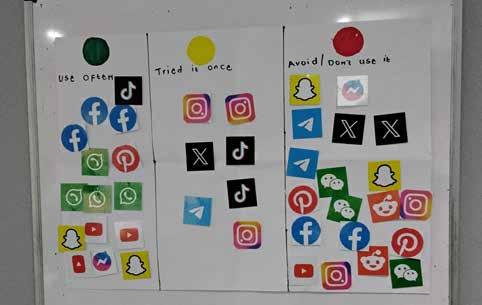
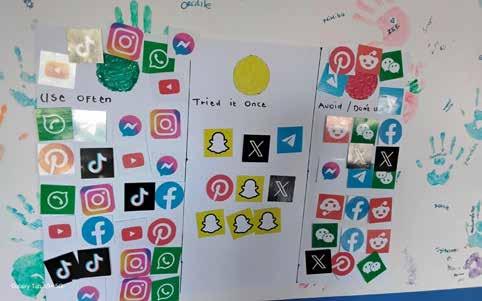
risky content. Many adolescents lived with grandparents, often assisting them online. Caregiver mediation varied by proximity, which would dictate their mediation over their child’s SMU. Some relied on trust and open dialogue, while others employed restrictive rules and strategies. Generational misunderstandings led adolescents to hide online activity, while some caregivers monitored use without their child’s knowledge and worried about the image their children portrayed online. Caregivers blame excessive use of social media to their child’s irritability and neglect of household responsibilities, leading to household conflict.
Community and Government Level: Data costs and loadshedding shaped usage patterns and were used by caregivers to regulate SMU. Safety concerns led some parents to prefer their child to be online at home over participating in risky and unsupervised outdoor activities. School policies varied, with some banning phones and others integrating digital tools into lessons. Hypothetical government bans were met with mixed reactions: adolescents expressed resistance or adaptability, while caregivers supported regulation but doubted its enforceability.
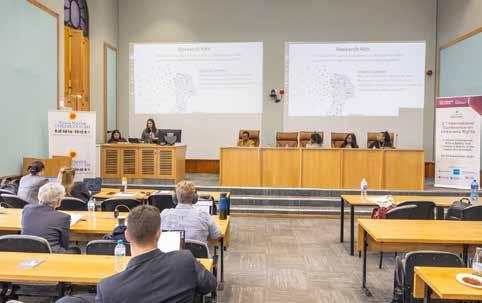
This study offers critical insights for policymakers and practitioners seeking to regulate adolescent SMU in low-income urban contexts. Key recommendations include:
z Avoid one-size-fits-all regulatory models; instead, codesign policies with youth and caregivers.
z Recognise the role of digital infrastructure and affordability in shaping access and exposure.
z Support schools in developing balanced digital engagement strategies.
z Promote digital literacy across generations to reduce misinformation and foster safer online environments.
z Consider the unintended consequences of protective regulation, especially in contexts where SMU offers safety, connection, and autonomy.
By grounding policy debates in empirical evidence and lived experience, this research contributes to more equitable and effective digital governance.
z A manuscript is in preparation for submission to “Social Media + Society”
z This paper was presented at the 2nd International Conference on Children’s Rights: Artificial Intelligence, Online Safety and Children’s rights in the Digital Environment hosted at Stellenbosch University in September 2025
Dr Lauren Stuart – Health at the Margins: Exploring Risks to Worker Well-being and Quality of Life in South Africa’s Informal Sector
This qualitative study explored how work environments, livelihood insecurity, and health behaviours shape the physical and mental health of informal workers in Johannesburg, focusing on domestic workers and informal traders. Using an adapted occupational-health framework, the study examined how exposures such as chemicals, dust, heat, ergonomic strain, long hours, and commuting risks intersect with psychosocial stressors and chronic conditions. Between May and August 2025, the research team completed recruitment, data collection, and preliminary thematic analysis with 16 participants (8 domestic workers and 8 informal traders), generating rich insights into everyday working conditions and their effects on well-being.
Collaboration with the Centre of Excellence in Human Development
The Centre of Excellence in Human Development (CoE-HUMAN) supported this project through:
z Research Infrastructure: Providing administrative support, access to data-collection facilities in Soweto, and secure data-management systems.
z Scholarship and Expertise: Facilitating methodological refinement and conceptual alignment with occupational-health and socialdeterminants frameworks.
z Capacity Development: Supporting training and mentorship of research assistants and contributing to researcher development aligned with national transformation priorities.
z Network Building: Enabling connections with peers working in informal work, public health, and labourmarket policy.
This support strengthened the study’s methodological rigour, ethical oversight, and integration into broader human-development research agendas.
Preliminary analysis highlights several emerging insights:
z Distinct but Overlapping Occupational Exposures: Domestic workers primarily face chemical exposures, repetitive housework, and employer-controlled environments, while traders experience dust, smoke, heat, long hours, and policing-related risks.
z Ergonomic Strain and Fatigue: Both groups report chronic fatigue and musculoskeletal pain driven by lifting, standing, and repetitive tasks; however, the pressures differ: employer expectations versus business survival.
z Psychosocial Stressors: Domestic workers emphasise strained employer relations, unpredictable schedules, and low wages, while informal traders describe financial insecurity, stock losses, law enforcement harassment, and constant vigilance.
z Health Behaviours and Coping: Workers use both positive and harmful coping strategies, including prayer, social support, self-medication, and, for some, painkillers or alcohol to maintain performance.
z Healthcare Access: Domestic workers’ access is shaped by employer permission and fear of reprimand; traders face income loss when seeking care, leading to delays and reliance on over-thecounter medications.
z Early comparative findings suggest that informal workers experience shared pressures such as precarity, long hours, and chronic strain, but in occupation-specific ways shaped by their environments.
z These emerging patterns indicate potential value in exploring interventions that address common structural challenges across informal work (e.g., income insecurity, access to services, exposure to hazards).
z At the same time, any future strategies or guidelines may need to remain flexible and responsive to
the distinct contexts of each worker group (e.g., employer-controlled homes vs. open public trading environments).
z These insights may help inform more nuanced, context-sensitive approaches for practitioners, municipal actors, and community partners working with informal workers.
Further research and stakeholder engagement will be needed before drawing firm implications for policy or programme design.
The team is developing a manuscript informed by ongoing thematic analysis of the interview data, with submission planned for peer-reviewed journals in public health, occupational health or labour.
Cohort 3 is currently working on a project entitled “Understanding Dementia in Soweto, South Africa: Multiple Perspectives and Public Health Challenges,” which aims to address critical gaps in dementia research in South Africa by focusing on Soweto, an under-resourced urban community where dementia care is shaped by limited infrastructure, cultural beliefs, and stigma. Dementia affects an estimated 3.8-11% of South Africans over the age of 65, yet it remains underdiagnosed and poorly understood in low-resource contexts.
The primary aim is to explore knowledge, beliefs, experiences, and care practices around dementia from three perspectives, namely the general adult population (knowledge, beliefs, and attitudes), caregivers/family members (lived experiences, burdens, and coping strategies), and healthcare providers (knowledge, attitudes, and day-to-day practices). By capturing these perspectives, the project seeks to inform culturally and contextually appropriate dementia awareness, prevention, and care strategies in South Africa.
The study will use an exploratory qualitative design, conducting focus group discussions with 30-55 participants (10-15 per group) recruited from the Middle-Aged Soweto Cohort (MASC), caregiver networks, and healthcare institutions. Validated instruments (e.g., DKAS, DAS, KIDE) will inform focus group schedules that will guide the discussions.
At present, the full protocol has been submitted to the Wits Human Research Ethics Committee (Medical), and the cohort is awaiting final feedback. Recruitment and data collection will begin once ethical clearance is granted.
Cohort 4 is currently working on 4 qualitative sub-studies that form part of the Ntshembo trial, which is a trial addressing health and nutrition in adolescent girls. The study site is based at the SAMRC/Wits Developmental Pathways for Health Research Unit (DPHRU) located within Chris Hani Baragwanath Academic Hospital. The four sub-studies that are currently in progress are as follows:
1. Understanding how adverse childhood experiences and related trauma of adolescent girls affect their ability to engage with a public health intervention: This study aims to understand how adverse childhood experiences (ACEs) and related trauma of adolescent girls in Soweto affect their ability to engage with a public health behaviour change intervention. This qualitative investigation aims to recruit 20 adolescent girls and 5 community health workers facilitating the intervention in Soweto.
2. Understanding the Impact of a Positive Pregnancy Test Result: Perspectives of the Adolescent and Caregiver and What Support is Needed Around Rapid Testing: This study aims to understand, from the perspective of adolescent girls and caregivers, the impact of positive pregnancy tests on adolescent girls and the support needed around rapid testing in Soweto, South Africa. This is a cross-sectional study using a qualitative research design. Data will be collected through in-depth interviews with 20 selected pregnant girls, aged 14-19 years old, from the Ntshembo trial.
3. Ultra-Processed Food Literacy in Urban South Africa: Insights from Adolescent Girls and Their Caregivers: The aim of this study is to examine and
understand the nutrition literacy of adolescent girls and their caregivers relating to ultra-processed foods in Soweto, South Africa. The study will include participants assigned to the control arm of the Ntshembo Trial. Twenty-four adolescent girls and 24 caregivers (6 participants per focus group discussion) will be selected through purposive sampling.
4. How community health workers' abilities support health stability in adolescent girls in unstable contexts: qualitative evidence from South Africa: the aim of this study is to understand how CHWs support health stability in adolescent girls in unstable contexts in South Africa. This study will include participants assigned to the intervention arm of the Ntshembo Trial. The participants will be selected through a purposive sampling design to recruit 20 adolescent girls and 5 CHWs. One-on-one in-depth interviews (IDIs) will be conducted with the participants.
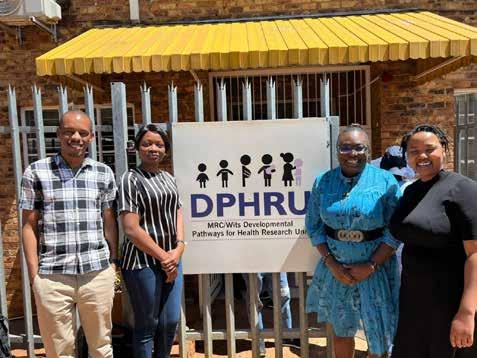
In March 2025, during the first year of his postdoctoral fellowship, Dr Raylton Chikwati was featured on eNCA News to discuss findings from his original research published in the March 2025 issue of The Lancet Global Health, one of the leading journals in public health. The study revealed three key insights: (i) The prevalence of type 2 diabetes has risen significantly within just six years, from 6% to 11% in an African cohort of close to 12,000 individuals (ii) the increase is most pronounced in peri-urban areas experiencing rapid lifestyle changes; and (iii) the sharpest rises occurred in South Africa compared to East and West Africa.
During the interview, Dr Chikwati highlighted that several modifiable factors, such as physical inactivity, elevated blood glucose, and excess abdominal fat, contribute to this growing burden. He emphasised the importance of regular blood sugar screening and public awareness to support early detection and prevention, noting that diabetes develops gradually over time. In his interview, he also discussed sex differences, with men shown to develop diabetes at lower BMI levels due to less pro-
tective fat storage compared to women. Men tend to accumulate more abdominal fat than women, who are known to accumulate more leg fat.
In recognition of this work, Dr Chikwati also received recognition through the Clinical Diabetes Publication Award for Best Original Research Paper at the 57th Annual Congress of the Society for Endocrinology, Metabolism, and Diabetes of South Africa, held in Durban in May 2025.
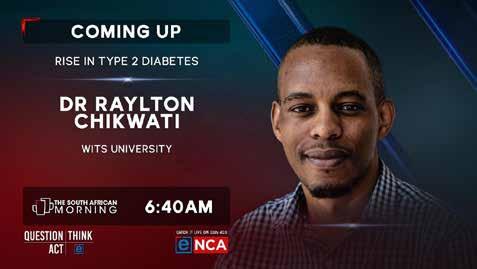
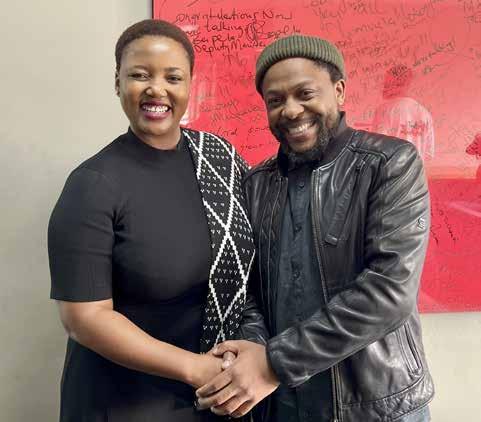
Teenage pregnancy remains a significant social and public health concern in South Africa. The country has invested immense resources in efforts to reduce unplanned pregnancies among teenage girls. Despite these investments, the numbers continue to be stubbornly high. On March 20, 2025, Dr Petlele was invited to participate as an expert in a four-member panel discussion titled "Teenage Pregnancy and Incest," aired on a commercial radio station based in Gauteng: POWER (FM) 98.7. This two-hour conversation was hosted by Dr Mbuyiseni Ndlozi during his mid-morning talk show, POWER Talk.
The purpose of the show was to approach the teenage pregnancy narrative from a disruptive and unconventional perspective, interrogating why girls are often the sole focus of the discourse when men are equally involved in conception. Dr Petlele's recently published research interrogating the identity of men who father children with teenage girls in South Africa anchored a significant part of the conversation on a less frequently discussed topic. Men are an equally important part of the pregnancy equation, yet the issue is often framed solely as a problem for girls, with little attention given to the men involved, who are shielded by society.
During the conversation, Dr Petlele informed POWER Talk listeners that, based on available birth registry data, the men who father children with teenage girls in the
country are primarily between the ages of 20 and 29, followed by teenage boys. This highlights a significant gap in interventions, which should be targeting both sexes to yield the desired results. Another critical aspect of the panel discussion was the prevalence of incest, where the fathers of children born to teenage girls may be their own fathers, brothers, or other family members who exploit these young girls. All guests were in agreement that sexual grooming remains a taboo subject in our society, and the extent to which it manifests in our households continues to be swept under the carpet.
Link to interview: https://lnkd.in/d8vuj9Jn
Link to research article: https://doi.org/10.1007/ s10389-024-02361-5
On 4-5 April 2025, Dr Lauren Stuart was awarded “Best Young Scientist Elevator Talk” at the Cardiometabolic Health and Diabetes Africa Congress, hosted by the SAMRC/CPUT Cardiometabolic Health Research Unit. The award recognised her for demonstrating clarity, impact, and excellence in scientific communication. Her presentation shared findings from a Soweto-based community pilot study that assessed health referral uptake following home blood pressure screening, evaluated the feasibility of telemedicine, and explored barriers to follow-up. The study was a collaboration between Wits Health Hubb, the Centre of Excellence in Human Development, and Durham University. Her attendance at the congress would not have been possible without the support of Prof. Lisa Ware, Prof. Shane Norris, and the Wits Research Office.
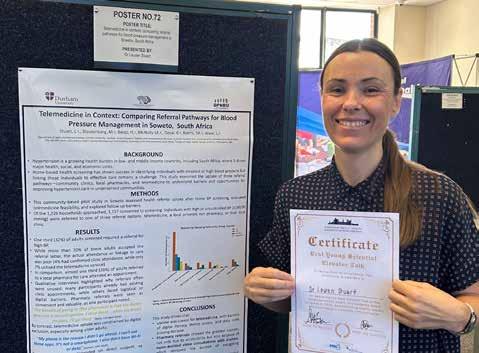
The Wits Health HUBB (WHH) has now entered its sixth year of operation in Soweto, continuing to demonstrate the capability, commitment, and innovation of young people as health ambassadors within their communities.
Since its inception, WHH has grown into a dynamic youth development and research project that not only equips youth with skills and opportunities in the health sector but also delivers vital community health services where they are most needed. To date, we have provided basic health screening to over 120,000 community members in Soweto and trained 95 formerly NEET (not in employment, education, or training) youth as Health Promotion Officer (NQF Level 3), creating a dual impact on both community wellness and youth empowerment.
The Strategic Grant [STRATGNT2023-01] provided by the Centre of Excellence in Human Development (CoEHD) in 2023 has further enabled the WHH to strengthen its evaluation of the programme, by capturing the breadth of our impact on youth, households, and the wider ecosystem of health and youth development stakeholders. This support has strengthened the WHH’s ability to deliver meaningful outcomes while shaping the evidence base for youth-led health interventions.
In line with our sustainability and growth strategy, and in pursuit of reaching and transforming the lives of even more young people, the WHH has now expanded its footprint beyond Soweto into Alexandra, Johannesburg, establishing new partnerships and extending opportunities for training, employment, and health service delivery.
Our aims remain steadfast: to activate health consciousness and promote personal well-being among youth; to increase equitable access to healthcare within communities; and to provide meaningful work experience, accredited training, and pathways to qualifications in the health sector for formerly NEET (not in employment, education, or training) youth. This report presents key highlights of 2025, illustrating how WHH continues to expand its reach, deepen its partnerships, and strength-
en its contribution to both youth empowerment and community wellness.
The year began with a strong demonstration of our commitment to youth training and capacity building. Between 31 March and 11 April 2025, WHH welcomed learners from a local health training provider for their workplace modules. This period marked a critical bridge between theoretical instruction and applied learning. Learners engaged directly in blood pressure and glucose measurement, facilitated support groups, and gained practical exposure to palliative care training. This immersive experience not only built technical competence but also instilled confidence, ensuring that participants are well-prepared to enter the health promotion field as skilled, compassionate, and capable practitioners.
Thanks to our strategic partnership with Wits HSD, the WHH was able to welcome a new cohort of 121 Health Promotion Officers on 1 June 2025, strengthening WHH’s collaborative model of training, placement, and mentorship. Notably, this intake coincided with Youth Month in South Africa, a period that commemorates the Soweto Uprising of 1976 and celebrates the power, resilience, and potential of young people, making the launch of this cohort especially symbolic and special. Among the new intake, 108 youth were placed at the Soweto Safe-Hub precinct and 13 at the Alexandra SafeHub, with the total of 121 highlighting the sustained demand for youth employment pathways into the health sector.
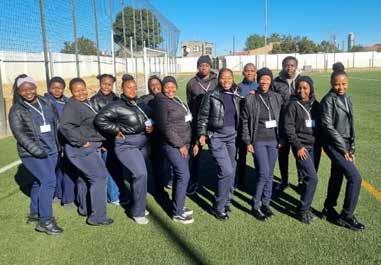
The cohort commenced a structured 12-month learnership designed to build their technical skills and leadership potential. Their training began with practical sessions in blood pressure and glucose screening, healthy conversation skills, and workplace readiness. Complementing their classroom training, exposure visits, such as a guided tour of a local water treatment facility, deepened their appreciation of the essential role clean water has in supporting public health. These experiences reinforced the reality that health promotion is interconnected with broader systems, equipping the youth with a holistic appreciation of their role in advancing community well-being.
Recognising that prevention must start early, the WHH collaborated with the Childhood Hypertension Consortium of South Africa (CHCSA) and the Department of Basic Education (DBE) to extend health screening services into schools in Gauteng. Screenings conducted at selected schools reached 201 learners, ensuring that children and their families had access to blood pressure screening and health education. A further demonstration of WHH’s commitment to integrate preventive healthcare within educational settings and lay the groundwork for healthier, stronger futures.
WHH enhanced its community impact through a dynamic series of health awareness campaigns tailored to local community needs and priorities. Each event combined health education and engagement to support lasting health behaviour change. Our Health Awareness Campaigns included:
The Impact Drive Campaign (18 July 2025): In partnership with the South African National Blood Service (SANBS), the WHH supported efforts to encourage blood donation and raise awareness of its life-saving importance.
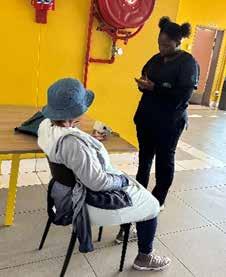
Community health initiatives remain central to WHH’s mission. During the international May Measure Month campaign (2025), a global awareness campaign urging people to check and manage their blood pressure, the WHH mobilized across Jabulani, Moletsane, Tladi, and Molapo in Soweto to conduct large-scale screenings and health education sessions. In total, 3,360 individuals were reached, who received checks for blood pressure, targeted health education on prevention, and referrals to clinics and health partners for follow-up care. This significant outreach effort not only improved early detection but also reinforced WHH’s role as a trusted anchor of community-based healthcare access, bridging the gap between households and primary healthcare.
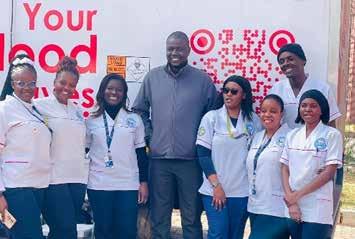
She Matters Campaign (9 August 2025): For this campaign, we partnered with LifeLine to celebrate and empower women in prioritizing their health. We also hosted workshops on entrepreneurship, equipping women with tools to safeguard their well-being while sustaining small businesses.
Kidney Health Awareness Campaign: In partnership with kidney researcher Professor Lebo Gafane-Matemane (NWU) and clinical scientist and kidney disease expert Professor June Fabian (Wits), we held an initiative to inform and engage communities on kidney disease prevention and the importance of organ donation. The initiative included the kidney health -focused community-based organization - Open Eye Foundation, stimulating conversations that are frequently missing at the local level and demonstrating the WHH’s capacity to mobilize diverse stakeholders while prioritizing community voices and needs.
In 2024-2025, the WHH further strengthened its collaboration with Zlto, a digital social innovation platform that rewards young people for positive social behaviours through a blockchain-based, data-free system accessible across the country. With support from the CoEHD, the Health HUBB has been able to make available a suite of Nano courses that cover issues highly relevant to youth, including depression, suicide, gender-based violence, diabetes, hypertension, and the impact of these conditions during pregnancy. These courses are designed to be interactive, practical, and easy to access, ensuring that young people not only gain knowledge but also feel empowered to act within their own lives. To date, almost 100,000 young people from rural and urban areas have successfully completed the courses, equipping themselves with skills to recognize early warning signs, adopt preventive behaviours, and seek support where needed. Feedback from participants has been overwhelmingly positive, pointing to the significant role these courses play in raising awareness, building confidence, and encouraging healthier choices among South Africa’s youth.
Young people’s perceptions of Hypertension and hypertension health behaviour: Evaluating the impact of Health Education and Employment.
The Wits Health HUBB recently submitted a research article for publication to the Health & Social Care in the Community journal, which explored young people’s perceptions of hypertension (HTN) and related health behaviours. The purpose of the study was to understand whether, and in what ways structured health training and employment programmes influence a shift in young
people’s perceptions of HTN risk and engagement with prevention. Specifically, it compared two groups: those who participated in Community Health Worker (CHW) training and those youth who were not in any employment, education or training (NEET).
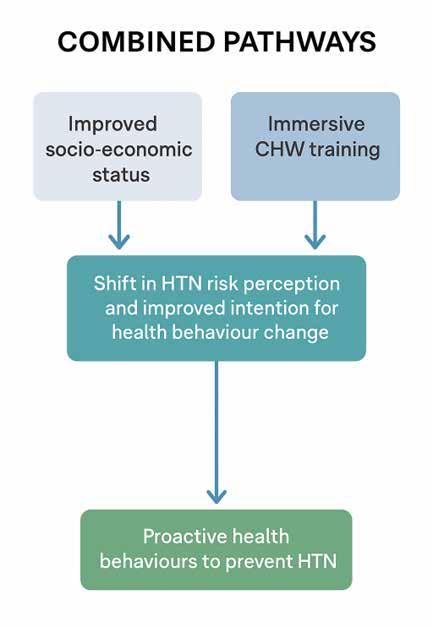
Findings reveal that CHW trainees reported being more proactive in adopting preventive health behaviours for HTN, responding positively to health advice, and engaging in regular blood pressure (BP) self-checks. This was associated with a greater perceived sense of self-efficacy and intention to change behaviour to prevent HTN or manage BP, reinforced by applying HTN knowledge in their daily life and through community work, where they observed peers living with uncontrolled HTN. As a result, the CHW trainees recognised their own vulnerability, even at a young age to HTN, and with this knowledge and experience, they described feeling more in control to manage their health. By contrast, the group of NEET young people showed no intention to change their health behaviour to prevent HTN, perceiving HTN as a concern mainly for older people. Negative clinic experiences and fear of diagnosis were reported as barriers to screening. Where positive health behaviours were reported, these were generally unrelated to HTN prevention, and many in this group indicated they would only act to prevent HTN if symptoms appeared or a serious
diagnosis was made. As a result, this group was not actively engaging in practices to prevent or manage HTN.
Overall, the results highlight that improving young people’s health literacy and socio-economic status through structured health training and employment may create combined benefits to improve both economic and health trajectories.
While the data collection took place in 2021, the findings remain highly relevant, as they highlight the intersections of youth employment, health education, and non-communicable disease prevention, areas that continue to be critical for public health and youth development policy in South Africa.
Mitah Suping (Local Community Member)
“I live in Jabulani. Being part of this community and having access to the Safe Hub and the Wits Health HUBB has truly been a blessing in my life. For a long time, managing my health, especially my high blood pressure, was a challenge. Going to the clinic meant waking up early and then waiting in a queue. That all changed when I discovered the services offered by the Wits Health HUBB. Suddenly, I didn’t need to travel far or wait in long lines at the clinic. The Wits Health HUBB is just a short walk from home, […] the staff took time to educate me about my condition. I learned how to manage my blood pressure through my diet, regular exercise, and consistent monitoring. Having this kind of support, right here in my own community, has made a real difference. I feel healthier, more in control, and far more informed about my own well-being. The Wits Health HUBB didn’t just offer me a service, it offered me peace of mind, and for that, I am truly grateful.”
Siyabonga Tebele (2025-2026 Health Promotion Officer trainee)
“Being a community health worker with Wits Health Hubb for the past few months has had a transformative impact and added significant value on me personally and professionally. This learnership has not only provided me with the opportunity to have a meaningful impact at the grassroots level in my community but also
the unique capacity to influence positive and tangible health outcomes. An important part of my experience so far has been doing blood pressure screenings in the local communities. Seeing the knowledge and skills taught to us by our facilitators reflected by us as trainees in our community is both rewarding and empowering. Furthermore, this program has strengthened my intention to take care of my own health and encouraged me to want to work hard in my role during and beyond the learnership. The training from Wits Health HUBB has left a big impression on me already and I believe it can only get better for the remainder of the program. I intend to carry the knowledge and skills I’ve developed and continue to develop into new professional contexts in future, and this is a joy and privilege I will always owe to the Wits Health HUBB”.
Oratile Raboshaga (2025-2026 Health Promotion Officer trainee) “Before joining the Wits Health HUBB, I knew nothing about health. Losing my grandmother to health issues made me realize how important this knowledge is, and now I feel empowered to make better choices for myself and my loved ones. Thanks to the Wits Health HUBB, I believe I can help change someone else’s grandmother’s life too, as well as their loved ones. This program has helped me grow, opened my eyes, and I’m truly grateful because it is giving me the chance to change not only my life, but also the lives of those I love”.
Banjo, H. P., Stoutenberg, M., McNulty, L. K., Spears, D., & Ware, L. J. (2025). Exploring the Acceptability of Web-Based Health Modalities in Individuals With Hypertension: Qualitative Study. Journal of Medical Internet Research, 27, e72568–e72568. https://doi.org/10.2196/72568


LifeLab UK is an innovative education and research initiative based at the University of Southampton, designed to enhance young people’s understanding of the connections between lifestyle, health, and science. By integrating research, education, and public engagement, LifeLab UK translates cutting-edge health science into meaningful learning experiences that promote behaviour change, with a particular focus on early-life health and the prevention of non-communicable diseases.
As South Africa faces a challenging convergence of high unemployment, increasing rates of chronic diseases (including cardiometabolic and mental health conditions), persistent infectious diseases (such as HIV and TB), limited healthcare resources, and the world’s highest level of income inequality, the original LifeLab Soweto study was designed to strengthen health literacy among NEET (not in employment, education, or training) youth aged 18-25 years in Soweto. Central to the approach was the establishment of a Youth Health Council, which co-developed a stress-focused health literacy intervention tailored to the lived realities of young people in this community. The intervention was piloted with 100 additional NEET youth, and findings indicated that it was both feasible and acceptable. Importantly, it significantly improved health literacy – particularly around blood pressure – and motivated positive behaviour change. The study also underscored the critical role of social environments and healthcare access in shaping young people’s health perceptions and choices.
Building on this success, we proposed to adapt the LifeLab model for early adolescents (13-14 years) enrolled in two Soweto secondary schools. Adolescence is a pivotal developmental stage where lifelong health behaviours are formed, yet young people often lack the tools and support to navigate stress, diet, and physical activity in a rapidly changing urban environment. By integrating health literacy into schools, we aim to reach adolescents earlier, when interventions may have a stronger preventive impact.
The proposed programme will be co-designed with active input from adolescents, teachers, caregivers, and subject experts, ensuring cultural and contextual relevance. It will be aligned with the Grade 8-9 curriculum to enhance feasibility and sustainability within the school setting. The project will test acceptability, feasibility, and short-term impacts on adolescent health literacy, stress management, and health behaviours. If successful, this approach has the potential to scale more broadly, contributing to improved adolescent health outcomes and informing policy on school-based health education in South Africa.
The LifeLab Soweto project will be conducted in two phases. Phase 1 involves formative research and co-design, including qualitative in-depth interviews and participatory workshops with key stakeholders, which will inform the development of a prototype curriculum and implementation framework. Phase 2 focuses on the pilot implementation of LifeLab Soweto in two selected secondary schools, accompanied by pre- and post-intervention feedback from students and teachers to assess the programme’s feasibility, acceptability, and initial impact.
Field activities are ongoing, with Phase 1 of the project now around 90% complete.

November 5, 2024 & February 6, 2025
Professor Philimon Gona, MPH, MSc.,PhD, FAHA is a full professor of biostatistics and founding Chair of the Public Health Department at University of Massachusetts Boston; a Fellow of the American Heart Association; a Principal Collaborator of the Global Burden of Disease Study; and a two-time US Fulbright Scholar at North-West University, South Africa, professor Gona earned his PhD in Biostatistics and MPH in Epidemiology from Boston University. Professor Gona developed statistical leadership in the pharmaceutical industry managing multiple biostatistics teams conducting clinical trials for new drug development for submission to the US Food and Drug Administration including an experimental therapeutic vaccine for HIV. At the Harvard School of Public Health Department of Biostatistics, he provided statistical and
epidemiological leadership at the Center for Biostatistics in AIDS Research for the Paediatric AIDS Clinical Trials Group focusing on opportunistic infections (OIs) associated with perinatally-acquired HIV in children. He developed risk prediction models in cardiovascular diseases at the Framingham Heart Study. As Principal Collaborator of the Global Burden of Disease Study, Professor Gona has led and continues to lead writing and publishing scientific papers addressing the burden of disease in 16 countries in Southern Africa Development Community (SADC).
Professor Gona’s webinars at Wits’ Centre of Excellence in Human Development was titled “Chronic Disease Risk Prediction and More: An Epidemiologic Random Walk: reflections of a statistical team scientist”. He discussed his work: i) as a statistical team scientist at the US National Heart and Lung & Blood Institute’s Framingham Heart Study. ii) as a Research Scientist at the
Harvard University School of Public Health Department of Biostatistics’ Pediatric Aids Clinical Trials Group; iii) as Principal Collaborator for the Global Burden of Disease (GBD) Study; iv) as a US Fulbright Scholar at North-West University; iv) current work collaborating with Wits University, Ezinsha, and the University of Connecticut writing two NIH R01 grant applications.
1. Risk prediction models using panel of biomarkers at the US National Heart, Lung & Blood Institute’s Framingham Heart Study (FHS).
Biomarkers are often used to augment traditional risk factors to predict future clinical events such as cardiovascular disease or mortality, but statistical problems (type I and II error) arise that may lead to incorrect findings if the number of markers is large. We used a novel panel of 10 biomarkers to augment traditional risk prediction for first cardiovascular disease, mortality, hypertension, and other endpoints. We employed an omnibus likelihood ratio test to select informative markers for each endpoint, taking care to avoid statistical errors. We demonstrated that the informative markers improved risk prediction by 7% (C-statistic=0.85 with markers vs. 0.78 without markers). Over an 8-year follow-up period, individuals with elevated markers (5th quintiles of multi-marker score) experienced >20% cumulative probability of death compared to <5% for individuals in 1st and 2nd quintiles (see box). Similar, but less severe, patterns were observed with incident cardiovascular disease.
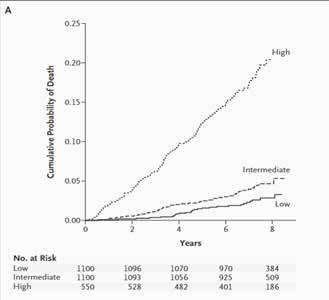
2. HIV-associated opportunistic infections (OIs), Harvard School of Public Health, AIDS Clinical Trials Group, Center for Biostatistics in AIDS Research
Using a cohort of >3500 children with perinatally acquired HIV, we demonstrated that secondary prophylaxis for OIs could safely be discontinued in children on ART who are immunologically and virologically stable. We also showed a dramatic decline in OIs such as bacterial infections between the pre- and post-HAART era; also, our data revealed declining rates of serious bacterial infections among HIV-infected children with immune reconstitution who have discontinued OI prophylaxis. A substantial proportion of the children developed hypercholesterolemia that was more common with some protease inhibitors.
3. Principal Collaborator for the Global Burden of Disease (GBD) Study.
Lead author on a number of papers focused on 16 countries in the Southern African Development Community (SADC):
z Trends in the burden of most common obesityrelated cancers;
z Changes in BMI, obesity, and overweight in SADC countries;
z Intersection of HIV and Anemia in Women of Reproductive age; d) Oral rehydration solution coverage in under 5 children with diarrhea;
z Changes in HIV/AIDS morbidity and mortality in SADC;
z The burden of self-harm among males and females in SADC;
z Racial disparity in mortality from TB in the US between states with and without a history of racist Jim Crow laws.
4. Fulbright Scholar (2021-2022) & Fulbright Specialist 2024 July/Aug at North-West
z Changes in summary exposure values attributable to elevated metabolic risk factors for hypertensive heart diseases in South Africa, 1990-2021 (South Africa Hypertension Society Conference, Sandton, August 2024.;
z The burden of hypertensive heart disease in South Africa, 1990-2021: Findings from the 2021 Global Burden of Disease Study (ready to submit manuscript).
Manuscripts in the pipeline:
z The burden of hypertensive heart disease and HIV in South Africa, 1990-2023;
z The burden of ischemic heart disease in South Africa, 1990-2023;
z The burden of diabetes mellitus and kidney disease in South Africa, 1990-2023
Media coverage:
www.umb.edu/news/recent-news/dr-gona---beaconsmagazine/
www.citizen.co.za/potchefstroom-herald/ news/2022/05/14/fulbright-scholar-provides-expertknowledge-at-nwu/
5. NIH grant applications with scientists at Wits University, Ezinsha, & UConn.
z Addressing the impact of co-occurring conditions in marginalized communities of people with HIV in urban South Africa. Multi-PI: Musenge (Wits)/Bulled (UConn). Role: Co-Investigator/Study Biostatistician
z Resources for Improving Service Engagement) to address the HIV and comorbidity syndemic in lowresource urban communities in South Africa (RISE).
Multi-PI: Lalla-Edward (Ezinsha)/Bulled (University
of Connecticut); Role: Co-Investigator/Study
Biostatistician
Professor Gona used his work to showcase the role of a collaborating statistician, a team scientist working in a variety of settings locally and globally. Statisticians, by the unique nature of their training in the mathematical sciences, should not be just followers waiting to receive instructions. Study PIs should involve their statistical colleagues very early on at study conception. As a scientific leader, the statistician should not perceive their role to be that of a data analyst. Instead, the statistician should stand up and take pride in being the true champion of the scientific method that they are, based on the unique training, expertise, and education in the mathematical sciences that fellow team members do not always have (and may be oblivious to the fact that they do not have).
Professor Gona (phil.gona@umb.edu) is open to collaborating of projects using GBD Study data or NIH/Foundation grant applications similar to the work described in #4 and #5 above.
The Scientific Advisory Committee (SAC) of the CoE-HUMAN hosted two mentoring webinars for Masters and PhD students on the 21st of August 2025. Webinar 1, entitled “What Science I am doing and how I have applied it to Life Course Theory or Epidemiology” focused on the current scientific research and work that the SAC is doing and how it is applicable or fits into the frameworks of the Life Course theory and/or epidemiology. The SAC shared information with the students on the discipline, approach, subjective matter, and the purpose and how they are applying this work in the life course.
This was followed by a second webinar entitled “How to build a successful academic career following a PhD.”
The SAC committee shared some academic tips and advice with the students on how to build a successful academic career after a PhD in order to help them to develop into established, independent researchers. They also advised students on how to secure stable academic
positions, contribute meaningful research, and make an impact in their fields. This included both practical and strategic steps.
Dr Claire Hart and Dr Simone Crouch had the privilege of attending a grant-writing retreat in Southampton in July 2025. The retreat brought together early-career researchers to focus on academic writing, grant development, and career progression, while also creating opportunities for networking and collaboration. The week was structured to balance intensive writing sessions, strategic grant planning, and peer-to-peer learning. Below is a summary of activities and key takeaways.
The retreat opened with an overview of our ongoing papers and a session to detail current tasks and prioritisation. This exercise allowed us to map our writing progress, identify gaps, and set realistic goals for the week. In the evening, we attended a networking dinner, which provided a relaxed environment to connect with colleagues, share research interests, and explore future collaborations.
The focus on Tuesday was on identifying available grant opportunities and aligning them with their individual research trajectories. Prof. Shane Norris guided them through different UK and international funders, including Wellcome, MRC, and UKRI, and emphasised strategies for tailoring proposals.
They then undertook career mapping exercises, linking our medium- and long-term goals with specific grant types. This session highlighted the importance of strategic planning, ensuring grant applications are part of a coherent research pathway.
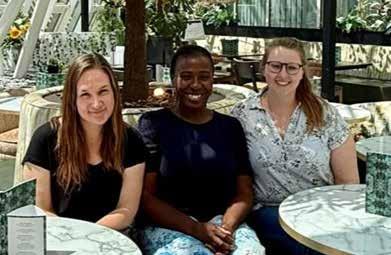

Dr Hart and Dr Crouch were joined on Tuesday by Dr Olatundun Gafari, whose participation created additional opportunities for collaboration. They were able to assist in reviewing her grant application, providing constructive feedback on structure, clarity, and alignment with funder priorities. This exchange not only strengthened her proposal but also provided Dr Hart and Dr Crouch with further insights into grant writing from a reviewer’s perspective.
Wednesday was dedicated to academic publishing. Dr Hart and Dr Crouch reviewed each other’s manuscripts and worked on paper mapping exercises, which involved outlining journal targets, timelines, and co-author responsibilities. In parallel, we engaged in discussions on interpreting results and statistical outputs, followed by concentrated writing time. This mix of peer review and focused writing helped accelerate progress on manuscripts while sharpening our critical feedback skills.

On Thursday, Dr Hart and Dr Crouch travelled to Southampton Hospital for a “Grants with Coffee” session with senior researchers. This was a rare opportunity to hear directly how experienced academics evaluate grant proposals, what stands out, common pitfalls, and how to craft a compelling narrative. The candid discussion demystified the review process and underscored the importance of clarity, innovation, and feasibility in successful applications.
The final day was reserved as a writing day, giving them uninterrupted time to consolidate the week’s learning, finalise sections of manuscripts, and draft components of grant applications. This focus day was highly productive, with many of them meeting or exceeding the goals they had set on Monday.
The retreat was highly beneficial both professionally and personally. Dr Hart and Dr Crouch left with:
z Clearer grant strategies, including specific Wellcome and UKRI calls to target in the next 12 months.
z Progress on manuscripts, with significant sections of papers drafted or revised.
z Expanded networks, having connected with researchers across disciplines who share similar challenges and aspirations.
z Practical insights into how reviewers approach grant assessment, which will directly strengthen my applications.
z The week balanced productivity with collaboration and created a supportive environment to focus on research outputs while thinking strategically about career development.
The CoE-HUMAN hosted a postdoctoral mentoring event for the Accelerated Postdoctoral fellows on the 19th of August 2025. The mentoring event was hosted by Prof. Shane Norris (CoE-HUMAN Director and Director at SAMRC Developmental Pathways for Health Research Unit), who invited the CoE-HUMAN's Scientific Advisory Committee to engage with the postdoctoral fellows and share practical mentorship insights. The members of the Scientific Advisory Committee (SAC) of the CoE-HUMAN, Prof. Marcus Stoutenberg, Prof. Aryeh Stein, and Prof. Zane Lombard, shared strategies for navigating career paths, including information on their research backgrounds. The SAC members further provided inputs on the work they have done in the life course. The postdoctoral fellows posed questions
on how capacity can be built to enable researchers to engage effectively in implementation work or projects.
The SAC members held a masterclass centered on the theme “If I knew then what I know now,” during which they reflected on their own experiences and shared practical insights drawn from their professional journeys. The tips that the SAC members provided to the postdoc fellows focused on:
z Having an intentional plan but being open to evolving and being flexible.
z Forming networks with senior academics, given that they come with a variety of networks.
z Have an impact on things that make a difference.
z Using an applied lens to understand why things are important.
z Make critical contributions to answer questions in a strategic and effective methodological, statistical, etc., way.
z Think about added value, e.g., creating something that one can contribute to.
z Amplify impact to make a difference out there, e.g., through evidence-based interventions.
z Knowing the literature in one’s field.
z Creating opportunities for students to shape their ability to carry out scientific work outside the academic space.
z Being well versed in a specific subject matter.
In conclusion, the SAC members advised the postdoctoral fellows to start engaging in forums for early-career researchers on discussions pertaining to what they bring to a group, team, or collaboration, as well as to start asking relevant questions that are in line with their field of work, in order to develop into leading academics. They
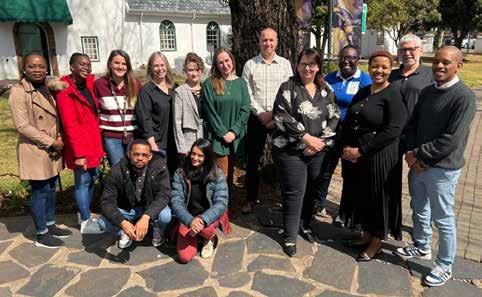
advised that postdoctoral fellows ought to have a locus of control and power to change the ways of engagement. They further reiterated that skills development and the provision of independent research grants is crucial in building the capacity of postdoctoral fellows, particularly building capacity and competency based on an individual’s specific track, as well as exposing them to interdisciplinary teams that fit their right skillset.
The CoE-HUMAN, in collaboration with the University of Southampton, hosted a collaborative grant-writing retreat in the United Kingdom, at the Leonardo Royal Hotel in Southampton Grand Harbour from the 31st of March to the 4th of April 2025. The retreat was led by Prof. Shane Norris (CoE-HUMAN Director and Director at the SAMRC Developmental Pathways for Health Research Unit), and Dr Ashleigh Craig (Researcher at SAMRC Developmental Pathways for Health Research Unit) and Dr Khuthala Mabetha (Centre & Research Manager)
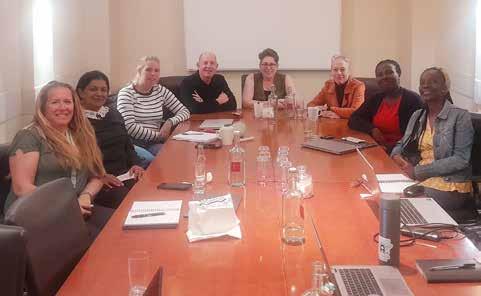
were among the collaborators who participated in the grant writing retreat.
During the course of the week, Prof. Norris, Dr Craig, and Dr Mabetha worked with other collaborators from the University of Southampton (Prof. Mary Barker, Dr Olatundun Gafari, Prof. Mark Chapman, Prof. Craig Hutton, Mr. Jon Lawn, Mr. Duncan Hornby, Dr Sarah Shaw, and Prof. Anne-Sophie Darlington) on various activities. These included working on the Wave 4 Human Development Pulse survey, which will be implemented in South Africa this year, particularly by brainstorming on additional new key themes to add to the existing survey conducted in Waves 1 to 3. The team further worked on writing a UK Economic and Social Research Council (ESRC) grant application focusing broadly on climate change and food security. The activities included formulation of research questions and objectives and finalising the grant application by reviewing the grant requirements, structure of the application, budget, earmarking the date for submission, and other key details. In the latter part of the week, the team engaged in a discussion by brainstorming other research ideas and other grant applications. These included discussions on new topics that focus on brokering conversations between


healthcare providers and people planning for pregnancy (journey of care) to understanding complex interactions between climate change, economic shocks, social vulnerability, livelihood, public health, and food security. In conclusion, a Mind-Food-Space (MFS) project meeting and discussion was also held around ideas of cre-

ating an art exhibition, collaborating with communities, and conducting focus group discussions with families on their perceptions of specific food (what they think about a particular type of food, what they eat, and what they would like to eat) as well as running a scientific dissemination and engagement.
Prof. Lucy Green and Prof. Mary Barker from the University of Southampton visited the CoE-HUMAN and SAMRC/Wits Developmental Pathways for Health Research Unit (DPHRU) from the 7th to the 14th of February 2025. Upon arrival, Dr Ashleigh Craig provided a tour of the research unit, offering a summary of the various projects currently underway, including an update on Mind-Food-Space, a project they were particularly interested in pursuing further. A similar session was conducted by Dr Khuthala Mabetha, who gave an overview of the projects being carried out by several researchers in the centre.
The week-long discussions focused on establishing collaborative partnerships between the DPHRU, CoE-HUMAN, and University of Southampton. Topics included opportunities for dissemination and science engagement both in South Africa and the United Kingdom, as well as brainstorming ideas for new collaborative projects.
A lekgotla between the CoE-HUMAN's Scientific Advisory Committee, Steering Committee, National Research Foundation (NRF), and the Department of Science, Technology, and Innovation (DSTI) was held on the 20th of August at the National Research Foundation Offices. The lekgotla provided a platform for focused discussions, collective reflection, and strategic planning to strengthen collaboration and address shared priorities. Prof. Shane Norris set the scene of the discussion by providing an overview of the CoE-HUMAN scientific work. This was then followed by robust discussions on the elements that the CoE-HUMAN should expand on to better understand the science of the Centre better. This included a discussion on how capacity development and science can help grow the centre, with the DSTI being more relevant, particularly strategically for research. Further discussions were held around research gaps that can be pursued by the centre, opportunities of partnership between the NRF and DSTI, the long-term plan of the CoE-HUMAN, and how to leverage capabilities among teams to become competitive. Further discussions also focused on best practices for implementing high-end grants and the sustainability of the centre.
The SAMRC/Wits Developmental Pathways for Health Research Unit (DPHRU) hosted a series of Science Talks for the postdoctoral fellows on the last Fridays of every month, beginning from September to October 2025. The workshops were hosted by Prof. Lisa Micklesfield and Prof. Lisa Ware, who invited various researchers from various institutions to share their research work. The aim of the workshops was to promote learning and encourage continued discussions that would culminate in the generation of further research questions.
The first researcher who was invited to give a talk on the 26th of September 2025 was Prof. Julia Goedecke, the Chief Specialist of Scientists at the Biomedical Research and Innovation Platform at the South African Medical Research Council, an Honorary Professor at the University of the Witwatersrand, and a co-Principal Investigator of the Middle-aged Soweto Cohort (MASC) study.
Above: NRF and CoE-HUMAN team
Below (left to right): Prof. Shane Norris, Mr. Nathan Sassman, Prof. Aryeh Stein, Prof. Barnes and Dr Sagren Moodley
The second invited researcher who gave a talk on the 31st of October 2025 was Dr Kalpana Sabapathy, a clinical epidemiologist from the London School of Hygiene & Tropical Medicine. Prof. Goedecke gave a talk on the pathophysiology and mechanisms underlying type 2 diabetes risk in Black African populations living in sub-Saharan Africa, while Dr Sabapathy gave a talk on her Wellcome Trust-funded project that focuses on the significance of hypertension in early adulthood research in Zimbabwe.
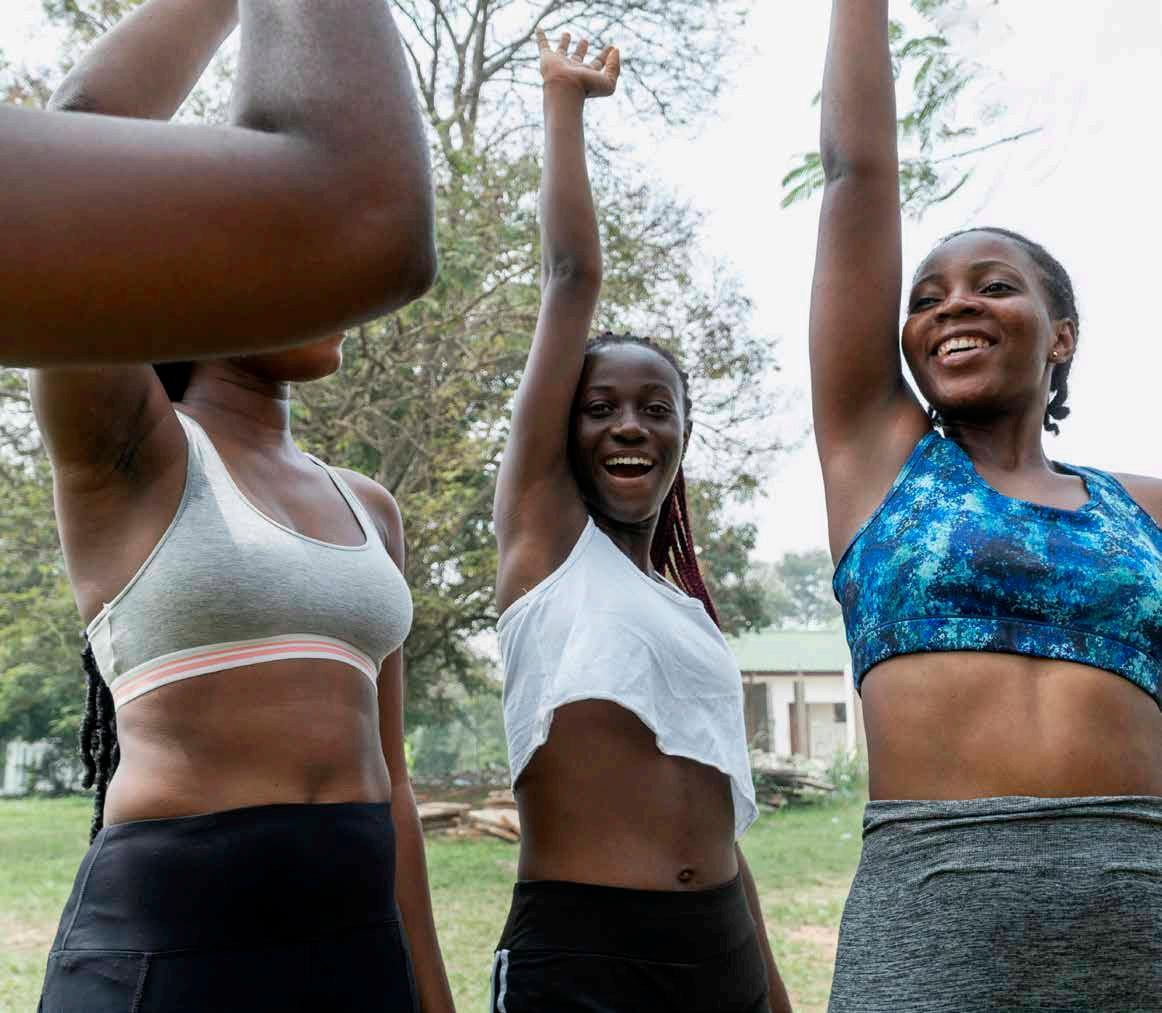
the study of interactions between societies, households and their natural environment

Hart, C., Desai, R., Stuart, L., & Norris, S. A. (2025). Boikoetliso Ba Boko (‘exercising the mind’): Protocol for a mixed-methods feasibility and acceptability study of a prototype mental health intervention for adolescents and young people with anxiety and depression. Frontiers in Child and Adolescent Psychiatry, 4, 1569135. https://doi.org/10.3389/frcha.2025.1569135
Dr Claire Hart from the University of the Witwatersrand seeks to provide a thorough understanding of how the Boikoetliso Ba Boko (B3) adolescent mental health prototype can be effectively assessed and expanded in communities with limited resources.
B3 is an 18-month Phase I intervention study of a community mental health program focused on young people. B3 will be assessed using a mixed-method approach that combines quantitative data from cost analysis, process fidelity, and mental health assessments with qualitative process evaluation data on acceptability and feasibility. With 35 years of expertise conducting research and working with the Soweto community, the Developmental Pathways for Health Research Unit, headquartered within Africa's largest hospital in Soweto, will serve as the study's site.
The study aims to recruit 200 young adults (20-24 years) or adolescents (14-19 years). The Patient Health Questionnaire-9 and Generalized Anxiety Disorder-7, two recognised screening tools that are frequently used in this context, will be used to identify individuals who are at risk for depression, anxiety, or suicidal ideation. Participants will be recruited through established referral pathways from screening programs in Soweto. A social worker will determine the eligibility of each recommendation.
Participants must meet the following requirements in order to be eligible: (i) reside in Soweto; (ii) be between the ages of 14 and 24; (iii) score on screening tools as being at risk for depression, anxiety, or suicidal thoughts; and (iv) have a primary caregiver who resides
in the same household and can grant consent to participate (for those under the age of 18).
The Global Youth Mental Health framework served as the basis for the B3 prototype's implementation of youth mental healthcare interventions. Three fundamental principles were highlighted in accordance with the Global Youth Mental Health framework: (i) affordability for sustainable integration into South African community settings; (ii) an appealing physical structure to encourage attendance; and (iii) adequate staffing in accordance with the current health service model.
The establishment and implementation of B3 provides a proactive approach to the mental health needs of youth, especially in environments with limited resources. The results of this study will be vital in guiding the creation of a Phase II randomized controlled trial procedure that will evaluate the B3 prototype's sustainability, scalability, and effectiveness. Based on participant feedback and data analysis, the prototype can be improved using the insights from this Phase I implementation research, illustrating how particular components contribute to its overall efficacy. In order to ensure that the broader efficacy trial is both ethically and practically sound, this feasibility study will also identify possible risks and obstacles.
The B3 prototype has been ethically approved by the University of the Witwatersrand's Human Ethics Research Committee (M231045 MED23-09-040) and is registered with the Pan African Clinical Trial Registry (PACTR202409702283764).

R.,
Mapanga, W.,
& Norris, S. A. (2025). Adolescent social media use and mental health in sub-Saharan Africa: A scoping review protocol of current research. BMJ Open, 15(4), e097291. https://doi.org/10.1136/bmjopen-2024-097291
Dr Rachana Desai from the University of the Witwatersrand’s scoping review aims to map and explain the available information on social media usage (SMU) and mental health among adolescents (aged 13-19 years) in Sub-Saharan Africa.
The objective is to (a) summarise and describe the characteristics of the existing literature, (b) describe the nature of the relationship (e.g., association, mediation, causation, and others) between SMU and mental health, and (c) summarise how the literature addresses different subpopulations such as gender, urban-rural settings, and socioeconomic status. Researchers will use this review as a springboard to fill research gaps, develop regionally suitable theoretical frameworks, and advance methodology in this area.
This scoping review will be carried out in compliance with Arksey and O'Malley's guiding framework for scoping reviews, which was later improved by Levac et al. and is part of the Joanna Briggs Institute's scoping review manual. The framework outlined by Arksey and O’Malley is iterative and reflexive and is based on six methodological stages: (1) identifying the research question, (2) identifying relevant studies, (3) study selection, (4) charting the data, (5) collating, summarising and reporting the results and (6) consultations. This iterative search procedure ensures thorough coverage of SMU's causes and effects.
PsycINFO, PubMed (Medline and OVID), Web of Science, LILACS, and Scopus were the databases that were searched. The inclusion and exclusion criteria for this review will be guided by the PCC framework, which prioritizes population (P), concept (C), and context (C). Studies with broader age ranges (e.g., 9-13 or 18-35) will only be included if the results for adolescents (13-19) can be extracted independently or are explicitly provided. While SMU among adolescents will be the primary focus of this review, perspectives from parents, educators, and medical professionals will also be included. There will be studies available in any language, with translation assistance available as needed.
Empirical research, conference reports, reports from global agencies (e.g., UNICEF, WHO), and dissertations with full text availability will all be considered.
Due to the use of unpublished secondary data and the absence of human participants, this study did not require ethical approval from a human research ethics committee. The findings of this review will be published in a peer-reviewed publication and presented at pertinent conferences.

Craig, A., Mukoma, G., Mapanga, W., Mtintsilana, A., Dlamini, S. N., Micklesfield, L. K., & Norris, S. A. (2025). Public attitudes towards responsibilities and actions to curb obesity in South Africa: Second South African Human Development Pulse Survey. South African Journal of Clinical Nutrition, 1–8. https://doi.org/10.1080/16070658.2025.2498872
Dr Ashleigh Craig from the University of the Witwatersrand conducted a nationally representative study that assessed nutrition knowledge among adult respondents in South Africa (SA) using a dietary recommendation knowledge (DRK) score and the prevalence of those who had been told by a healthcare professional (HCP) that they were overweight or obese. This study also looked at respondents’ attitudes and support for taking action on the growing obesity pandemic.
This cross-sectional study used data from the South African Human Development Pulse Survey by the Department of Science and Innovation (DSI)/National Research Foundation (NRF) Centre of Excellence in Human Development, which surveyed a nationally representative sample of adults over the age of 18. A group of seasoned field workers from all nine of South Africa’s provinces collected data in May and June of 2022. Computer-assisted personal interviewing technology was used to conduct in-person interviews with 3,459 participants nationwide.
As reported nationally in 2016, over half of South African women (68%) and over a quarter of men (33%) were overweight or obese; however, only 3.2% of the overall study sample reported that an HCP had informed them that they were overweight or obese, with a higher percentage of females (3.5%). Furthermore, KwaZulu-Natal province reported the lowest percentage of respondents (1.0%) who said they had been informed by an HCP that they were overweight or obese, while Mpumalanga province recorded the highest percentage (5.5%).
According to the study’s findings, patients are less likely to be informed that they are overweight or obese, and relatively few people are aware of their excess weight. Evidence from this national survey indicates that respondents who scored in the highest tertile of the DRK score, which is suggestive of higher nutrition knowledge, indicated that “gyms and leisure centers,” “health care professionals,” and “individuals themselves” were responsible for helping to reduce overweight/obesity in the country. This suggests that reducing overweight/ obesity in South Africa was seen as both an individual (i.e., the individual themselves) and a collective (i.e., gyms and leisure centers and HCPs) responsibility. Additionally, when comparing urban and rural environments, urban respondents cited most of the suggestions (by ≥0.4%) than rural respondents.
The majority of respondents in this national sample had a moderate DRK score (71.1%), which is corroborated by the South African National Health and Nutrition Examination Survey, which assessed general nutrition knowledge and found that South Africans had a moderate level of nutrition knowledge.
The authors propose that combining several approaches (such as public awareness campaigns, community engagement, corporate responsibility, and educational initiatives) could result in a strong framework for tackling the intricate problems associated with lifestyle-related illness.

Dr Johanna Beukes from the University of the Witwatersrand conducted a scoping review, which aimed to evaluate the types and scope of early childhood development (ECD) interventions in Sub-Saharan Africa using the Nurturing Care Framework (NCF).
This review followed the methodological guidance of the Joanna Briggs Institute Manual for Evidence Synthesis (Peters et al. 2022), which was based on Arksey and O’Malley’s (2005) foundational framework, and was carried out in accordance with the Preferred Reporting Items for Systematic Reviews and Meta-Analyses Extension for Scoping Reviews (PRISMA- ScR) guidelines (Tricco et al. 2018).
Randomized controlled trial (RCT) studies on ECD interventions in Sub-Saharan Africa were included in this review. Included also were sources published between 2019 and 2024. PubMed, MEDLINE (Ebsco), Web of Science, ProQuest, and PsychInfo were all searched in
September 2024. Rayyan was used to review full texts and abstracts.
Initially, 85 articles were identified; these were then filtered based on their full text. Records with incorrect study designs (n = 43), incorrect populations (n = 10), duplicate studies (n = 7), and proposals rather than full studies (n = 4) were excluded. As a result, 21 studies were included in the review after meeting the eligibility criteria.
The 13 countries in Sub-Saharan Africa represented by the papers in this study show regional differences in the scope and focus of research. The most notable
countries are Kenya, Tanzania, and Zimbabwe (n = 3, each), followed by Ethiopia, Sierra Leone, and Malawi (n = 2, each); and Madagascar, Burkina Faso, Uganda, Guinea-Bissau, the Democratic Republic of the Congo (DRC), South Africa, and Ghana (n = 1, each).
Studies aimed at children between conception and 8 years were found using the search terms “early development,” “early childhood development,” and “ECD,” as the World Health Organization (WHO) defines these years as ECD.
The Nurturing Care Framework (NCF) domain – good health, nutrition, responsive caregiving, early learning, and safety and security – was used to organize the interventions. The most common (n = 9) and most beneficial interventions for children’s development and weight were those that focused on nutrition. The second most common intervention (n = 2) was responsive care, which led to fewer children’s behavioral issues, fewer reports of maltreatment, and less support for corporal punishment. Each of the other three NCF dimensions – early learning opportunities, safety and security, and excellent health – had a single intervention that focused only on it, and the outcomes for children’s development were inconsistent.
The results illustrate reported efficacious intervention; however, there is a prevalence of nutrition-focused interventions, and while multidimensional interventions were reviewed, they did not typically encompass all parts of the NCF. The review also identified significant gaps in the single-domain and multi-domain focused research on ECD interventions. In order to ensure that local ECD needs are adequately met, the results at the study level emphasize the necessity for research involving more varied geographic contexts and underrepresented regions in Sub-Saharan Africa. This study highlighted the urgent need for longitudinal studies to evaluate the long-term effects of ECD interventions at the research level, especially in low- and middle-income countries (LMICs).
The review concluded by showing regional differences in research activity and emphasizing that, in this setting, nutrition-focused interventions are the most prevalent and yield the best results for children’s development. According to the authors, ongoing investment in research is critical for informing practice and policy to assist child development in resource-limited contexts and, ultimately, building human capital.
Alcock, S., Leal, M., Beukes, J., Nyati, L. H., Thompson, U., & Norris, S. A. (2025). Maternal age and parity influences on health outcomes: A multivariable regression analysis of mothers and infants. BMC Pregnancy and Childbirth, 25(1), 1094. https://doi.org/10.1186/s12884-025-08194-8
Dr Stephanie Alock from the University of Witwatersrand examined the effects of maternal age and parity on maternal health risks such as body mass index (BMI), gestational diabetes mellitus (GDM), and hypertension, as well as infant birth outcomes including birth weight, length, and gestational age, in an urban South African cohort.
The Soweto First 1000 Days (S1000) cohort, a longitudinal pregnancy research conducted at the SAMRC/ Wits Developmental Pathways for Health Research Unit (DPHRU) at Chris Hani Baragwanath Academic Hospital (CHBAH) in Soweto, Johannesburg, provided the data for this study.
The study included 830 pregnant women from the S1000 cohort, aged 18 to 44 (median age of 29), who lived in the Soweto region and attended antenatal care at CHBAH.
Nulliparous women had lower BMI (26.28 vs. 28.57 kg/ m², p < .001), higher rates of small-for-gestational-age (SGA) deliveries (22.9% vs. 15.3%, p < .001), and lower childbirth weight (2960 g vs. 3185 g, p < .001). Conversely, mothers who were older than 23 and had at least one child had higher BMIs (26.3 vs. 28.6 kg/m², p < .001), higher rates of hypertension (13.7% vs. 6.3%, p < .001) and GDM (13.6% vs. 5.8%, p = .012), and a higher percentage of large-for-gestational-age (LGA) infants (8.8% vs. 3.2%, p = .009).
When paired with younger maternal age, mothers under 23 years who had at least one child delivered infants
with higher birth weight and length z-scores than nulliparous women (2960 g vs. 3185, p<.001), indicating a protective effect of reproductive experience.
Maternal age-parity groups varied significantly, according to group difference analysis. Nulliparous women were more likely to have completed higher education, which is consistent with both global and South African trends. Consistent with other studies, mothers older than 23 who had at least one child had a higher prevalence of HIV, which may have been caused by prolonged sexual activity and increased cumulative exposure to HIV risk factors.
The findings imply that pregnancy and birth outcomes are influenced by both maternal age and parity. The results also highlight the importance of examining the manner in which underlying mechanisms – such as inflammation, vascular and metabolic adaptations, and placental function – affect the association between maternal age, parity, and birth outcomes, potentially clarifying causal pathways. The results also highlight the necessity for prenatal treatment to take into consideration growing chronic disease risks, including GDM and hypertension, as well as reproductive history (i.e., parity) in addition to normal maternal age screening. Lastly, this study emphasizes how South Africa and other LMICs need improved prenatal care recommendations.
According to the authors, in order to shed light on how the timing and frequency of childbirth affect maternal and fetal outcomes, future research should concentrate on incorporating more specific reproductive histories (i.e., age at first birth, total number of pregnancies, and interval between pregnancies). Future research should also take biological and physiological indicators into account in order to comprehend the underlying mechanisms that connect maternal age, parity, and metabolic risk to birth outcomes. To provide a more thorough evaluation of the impact of maternal age and parity on infant outcomes, future research should incorporate maternal age extremes.

Status of Service Level Agreement and Business Plan
Targets 2025
The CoE-HUMAN had a total of 56 Service Level Agreement (SLA) and Business Plan (BP) targets for 2025 (Appendix 2).
1 ≥40 peer-reviewed publication that acknowledge funding from the CoE ≥ 5 peer-reviewed publications, acknowledging the CoE (impact factor >5) 30
We have published 30 scientific papers, and a further 20 papers are in review. Factors which have resulted in fewer paper papers being published are as follows:
1. Prioritising High-Impact Research – Our efforts were directed toward delivering work of the highest scientific quality, which often meant undertaking extra analyses, refining manuscripts further, and choosing journals strategically to enhance their overall impact.
2. Rigorous Peer Review Process – Several of our manuscripts are currently progressing through the review stages.
3. Evolving Research Directions – As fresh data and insights became available, several papers were updated or broadened to include the most current evidence, ensuring that our findings stayed relevant and meaningful.
4. Collaborative Engagement – Because our research spans multiple disciplines, we have actively collaborated with co-authors, partners, and other participants to enhance our manuscripts. This collaborative process has occasionally lengthened timelines but has ultimately improved the quality of our outputs.
We will keep improving our approaches to speed up the finalisation of the remaining manuscripts, while still upholding the highest standards of scientific excellence.
2 ≥ 30 total number of bursaries awarded
3 ≥ 4% NonAfrican continent students (other than SADC)
4 Increase in leveraged funds
A number of students did not meet NRF selection targets. The CoE-HUMAN will run support sessions during the funding application period to assist students to navigate the application system and NRF requirements.
The CoE-HUMAN did not receive applications from non-African continent students. Plans will be developed to secure additional resources so that more competitive funding opportunities can be offered.
Several project grants are planned for 2026. These also include applications for international funding opportunities.
Preamble:
This Service Level Agreement is linked to the Memorandum of Agreement between the NRF and the University of the Witwatersrand.
Activities related to the Current Stage:
z Research outputs
– Research outputs of students will be increased to 40+ journal article outputs in ISI- recognised journals and reporting of research outputs will indicate the roles of authors, students, and collaborators.
z Networking
– The CoE is reaching out to Historically Disadvantaged Institutions to increase its grant and student support in these institutions.
– Stronger working relationships established with key stakeholders’ communications people (DSTI, NRF, Wits Comms, Wits Alumni)
z Knowledge transfer
– The CoE shall make available to the NRF, on a quarterly basis (March, June, September, and December), current “nuggets” of information for publication on the CoE website.
– While the current high level of knowledge transfer activities will be maintained, we intend to concentrate dissemination activities to 3-4 carefully selected topics per year.
z Service delivery
– CoE researchers maintain a high level of service delivery through membership of professional and disciplinary societies, editorial boards of journals, and policy committees in South Africa and abroad.
z Capacity development
– Student capacity development will be carried out through the outlined training workshops
– Attendance and feedback (rating) from each training workshop will be documented and presented. In addition, the postdoctoral accelerated programme introduced by the CoE will contribute to the training and professional development of postdoctoral students through mentoring, academic writing, project planning, and implementation.
z Growing team spirit
– The CoE works to maintain its excellent relationships with stakeholders, CoE researchers, grantees, and students.
– The CoE will work closer with the SAMRC Developmental Pathways for Health Research Unit
z Sustainability
– Exploring potential collaborators, partners, and funders is ongoing, and the CoE will continue to apply for research and innovation grants to increase its leveraged funds and grow its research and innovation outputs. Leveraged funds will be a key indicator.
– A detailed short- and longer-term sustainability plan to the Steering Committee.
z Financial responsibilities:
– The CoE shall present an audited set of financial statements at the March-April 2026/7 Steering Committee meeting reflecting the financial situation of the CoE during the previous financial year (January to December 2025).
– The CoE shall submit quarterly cash-flow statements within 15 days of the end of each quarter, indicating expenditure and commitments.
z Reports due in this Stage:
– The CoE shall submit an Annual Progress Report by no later than March 2026/7 to be reviewed by the CoE Steering Committee.
– The CoE shall comply to the NRF rule to submit the NRF online APR and shall meet the deadline set by the NRF (which currently is the end of March, unless a new date is set and provided that it is communicated two months in advance)
– The CoE shall submit a Statement of Compliance by no later than March 2026/7.
– The CoE will put out a call for postgraduates and postdoctoral fellows in March 2026/7 and ensure successful candidates from this call respond to the annual NRF call as part of its obligations in terms of nominations.
z Standard Output Targets per annum in the Current Stage:
1. Research
– Number of peer-reviewed publications that acknowledge funding from the CoE (must be ISI rated)
– Number of peer-reviewed publications, acknowledging the CoE (impact factor ≥ 5)
– Policy inputs or policy evaluations ≥ 2
– CoE researchers maintain or improve their NRF rating ≥ 4
2. Education and Training
– Total number of bursaries awarded ≥ 30 in total
– 1% of bursaries will be awarded to disabled students
– Women ≥ 55% of all students
– ≥ 95 % of all students supported will be South African
– Black South African students ≥ 90% of all SA students supported (Black = African, Coloured, Asian and Indian)
– Only up to 2% of bursaries will be awarded to international students (SADC; other African; non-African continent students)
– Post-doctoral Fellows: < 15% of all bursaries awarded
– Education and training workshops, conferences, symposia ≥ 5
3. Dissemination
– Dissemination pieces (“nuggets”) ≥ 4
– CoE Events (Exhibitions, symposia, conferences, etc.) increased to 10
– Media coverage (print, radio, television, social media) ≥ 30
4. Networking
– Collaborative agreements in total ≥ 20
– Growing and Supporting Excellence Campaign – visit to 2 Historically Disadvantaged Universities with intention to sign 2 Collaborative Agreements
– Number of workshops, symposia, seminars convened or funded ≥ 5
5. Service
– CoE researchers serving on journal editorial boards = 2/3
– CoE researchers serving on local science or policy committees = 2/3
– CoE researchers serving on international science or policy committees = 2/3
z Special Output Targets for the Current Stage:
– Stronger working relationships established with key stakeholders’ communications people (DSTI, NRF, Wits Comms, Wits Alumni)
– Host student training events
– The CoE will continue to strive to have a sound working relationship between the CoE host institution and the satellite institutions.
– Allocate 2 Opportunity Grant to researchers in HDIs
Present audited financial statements at the March-April 2026 SC reflecting financial situation of the CoE-HUMAN during previous financial year (January-December 2025)
to comply with NRF rule to submit the NRF online APR and shall meet the deadline set by the NRF
CoE-HUMAN shall submit a Statement of Compliance by no later than March 2026
37 CoE-HUMAN will put out a call for postgraduates and postdoctoral fellow in March 2026 and ensure successful candidates from this call respond to the annual NRF call as part of its obligations in terms of nominations
In total the CoE-HUMAN has 56 SLA and BP targets for 2025:
1. 37 NRF SLA Targets
2. 19 COE-HUMAN BP Targets
Of the 38 SLA Targets:
1. 33 have been achieved.
2. Four (4) will not be achieved:
– ≥40 peer-reviewed publication that acknowledge funding from the CoE and ≥ 5 peer-reviewed publications, acknowledging the CoE (impact factor > 5)
– ≥ 30 total number of bursaries awarded – ≥ 4% Non-African continent students (other than SADC)
– Increase in Leveraged Funds
Of the 19 BP Targets:
1. 18 have been achieved.
2. 1 deferred to 2026:
– Promoting preconception health to realise a triple dividend: (i)improved health now and for the future; and (ii) minimise transfer of intergenerational risk
Thirty articles published in journals (4 with impact factors of >5)
Alcock, S., Leal, M., Beukes, J., Nyati, L. H., Thompson, U., & Norris, S. A. (2025). Maternal age and parity influences on health outcomes: A multivariable regression analysis of mothers and infants. BMC Pregnancy and Childbirth, 25(1), 1094. https://doi.org/10.1186/ s12884-025-08194-8
Banjo, H. P., Stoutenberg, M., McNulty, L. K., Spears, D., & Ware, L. J. (2025). Exploring the Acceptability of Web-Based Health Modalities in Individuals With Hypertension: Qualitative Study. Journal of Medical Internet Research, 27, e72568–e72568. https://doi. org/10.2196/72568
Baruwa, O. J., Akokuwebe, M. E., Adeleye, O. J., & Gbadebo, B. M. (2025). Socio-demographic disparities in basic under-two immunization coverage: Insights from the 2016 Malawi demographic and health survey. BMC Public Health, 25(1), 882. https://doi.org/10.1186/ s12889-025-22143-2
Beukes J, Alcock S, Leal M, Thompson U, Draper CE, Norris SA. Exploring Early Childhood Development Interventions for Building Human Capital in Sub-Saharan Africa: A Scoping Review. Child Care Health Dev. 2025 Jul;51(4):e70138. doi: 10.1111/cch.70138
Craig, A., Mabetha, K., Gafari, O., & Norris, S. A. (2025). Health literacy, multimorbidity and its effect on mental health in South African adults: A repeated cross-sectional nationally representative panel study. Frontiers in Public Health, 13, 1622005. https://doi.org/10.3389/ fpubh.2025.1622005
Craig, A., Mabetha, K., Stephenson, J., Schoenaker, D., & Norris, S. A. (2025). Preconception health knowledge, attitudes and behavioural intentions among adults: A multi-country study. Reproductive Health, 22(1), 66. https://doi.org/10.1186/s12978-025-02015-z
Craig, A., Mukoma, G., Mapanga, W., Mtintsilana, A., Dlamini, S. N., Micklesfield, L. K., & Norris, S. A. (2025). Public attitudes towards responsibilities and actions to curb obesity in South Africa: Second South African Human Development Pulse Survey. South African Journal of Clinical Nutrition, 1–8. https://doi.org/10.1080/160 70658.2025.2498872
Crouch, S. H., Ware, L. J., Norris, S. A., & Schutte, A. E. (2025). The efficacy of a low-sodium salt substitute enriched with potassium to improve sodium-to-potassium ratio and reduce blood pressure in adolescents and their families in Soweto, South Africa: Study protocol for randomised controlled trial. Trials, 26(1), 468. https://doi.org/10.1186/s13063-025-09184-z
Desai, R., Stuart, L., Mapanga, W., Hart, C., & Norris, S. A. (2025). Adolescent social media use and mental health in sub-Saharan Africa: A scoping review protocol of current research. BMJ Open, 15(4), e097291. https://doi.org/10.1136/bmjopen-2024-097291
Draper, C. E., Motlhatlhedi, M., Klingberg, S., Mabetha, K., Soepnel, L., Pentecost, M., Nkosi, N., Mabena, G., Barker, M., Lye, S. J., Norris, S. A., & Weller, S. (2025). Young women’s health behaviours in context: A qualitative longitudinal study in the Bukhali trial. Social Sciences & Humanities Open, 12, 101622. https://doi. org/10.1016/j.ssaho.2025.101622
Gardiner, C. V., Mohlomi, L., Draper, C. E., Hlungwani, T., Lye, S. J., Norris, S. A., Muller-Kluits, N., Torres, N., Watson, D., & Pentecost, M. (2025). Perceptions of preconception health messaging and responsibility: Engaging with ‘health helpers’ in the Healthy Life Trajectories Initiative-South Africa trial. Journal of Biosocial Science, 1-20. https://doi.org/10.1017/S0021932025100345
Hart, C., Desai, R., Stuart, L., & Norris, S. A. (2025). Boikoetliso Ba Boko (‘exercising the mind’): Protocol for a mixed methods feasibility and acceptability study of a prototype mental health intervention for adolescents and young people with anxiety and depression. Frontiers in Child and Adolescent Psychiatry, 4, 1569135. https://doi.org/10.3389/frcha.2025.1569135
Hart, C., Desai, R., Stuart, L., Norris, S. A., & Prioreschi, A. (2025). Examining breastfeeding self-efficacy as a mediator between maternal food insecurity and breastfeeding practices in Soweto, South Africa. South African Journal of Clinical Nutrition, 1-8. https://doi.or g/10.1080/16070658.2025.2492534
Hewitt, D., Besharati, S., Williams, V., Leal, M., McGlone, F., Stancak, A., Henderson, J., & Krahé, C. (2025). Is cultural context the crucial touch? Neurophysiological and self-reported responses to affective touch in women in South Africa and the United Kingdom. Social Cognitive and Affective Neuroscience, 20(1), nsaf082. https://doi. org/10.1093/scan/nsaf082
Jasmine, U. H., Nduna, M., & Nkala-Dlamini, B. (2025). Intergenerational continuity of protective parenting practices in Dhaka, Bangladesh. PLOS ONE, 20(2), e0300160. https://doi.org/10.1371/journal.pone.0300160
Masuluke, I., Kolkenbeck‐Ruh, A., Mutabazi, J. C., Zarowsky, C., Norris, S. A., Levitt, N., & Ware, L. J. (2025). Understanding Attrition in the South African Integrated Intervention for Diabetes Risk After Gestational Diabetes (IINDIAGO) Study: A Qualitative Study of Postpartum Lifestyle Intervention Disengagement. Reproductive, Female and Child Health, 4(3), e70038. https://doi.org/10.1002/rfc2.70038
Mchunu, G. G., Kuupiel, D., Ncama, B. P., Isike, C., Kistan, M., Pillay, J. D., & Duma, S. E. (2025). Public transport systems and safety of female commuters in lowand-middle-income countries: A systematic scoping review. BMC Women’s Health, 25(1), 264. https://doi. org/10.1186/s12905-025-03821-0
Mhlambi, T. N. (2025). “Opening Up the Future.” The Journal of Musicology, 42(1), 63–89. https://doi. org/10.1525/jm.2025.42.1.63
Mhlaba, M., Mohitshane, T., Mnisi, N., Nevhufumba, E., Torres, G., Zech, F., Jooste, C., Vermeulen, B., & Ware, L. J. (2025). The health status of South African youth joining Youth Employment Initiatives: A health promotion opportunity. Health Promotion International, 40(3), daaf061. https://doi.org/10.1093/heapro/daaf061
Mtintsilana, A., Mapanga, W., Craig, A., Dlamini, S. N., & Norris, S. A. (2025). Self-reported hypertension prevalence, risk factors, and knowledge among South Africans aged 24 to 40 years old. Journal of Human Hypertension. https://doi.org/10.1038/s41371-02400957-8
Nwaila, G. T., Rose, D. H., Frimmel, H. E., & Ghorbani, Y. (2025). An Integrated Geodata Science Workflow for Resource Estimation: A Case Study from the Merensky Reef, Bushveld Complex. Natural Resources Research. https://doi.org/10.1007/s11053-025-10471-4
Partap, U., Tadesse, A. W., Shinde, S., Sherfi, H., Mank, I., Mwanyika-Sando, M., Sharma, D., Baernighausen, T., Drysdale, R., Worku, A., Tinkasimile, A., & Fawzi, W. W. (2025). Burden and determinants of anaemia among in‐school young adolescents in Ethiopia, Sudan and Tanzania. Maternal & Child Nutrition, 21(S1), e13439. https://doi.org/10.1111/mcn.13439
Prioreschi, A., Wrottesley, S. V., Adair, L., Ward, K. A., & Norris, S. A. (2025). The triple burden of obesity, HIV, and anaemia during pregnancy and associations with delivery outcomes in urban South Africans. South African Journal of Clinical Nutrition, 38(2), 91-100. https://doi.org/10.1080/16070658.2025.2484902
Richter, L. M. (2025). Generational health and well-being. South African Journal of Science, 121(5/6). https://doi. org/10.17159/sajs.2025/21259
Shinde, S., Noor, R. A., Mwanyika-Sando, M., Moshabela, M., Tadesse, A. W., Sherfi, H., Vandormael, A., Young, T., Tinkasimile, A., Drysdale, R., Baernighausen, T., Sharma, D., & Fawzi, W. W. (2025). Adolescent health and well-being in sub-Saharan Africa: Strengthening knowledge base and research capacity through a collaborative multi-country school-based study. Maternal & Child Nutrition, 21(S1), e13411. https://doi.org/10.1111/mcn.13411
Silubonde, T. M., Draper, C. E., & Norris, S. A. (2025). A survey of perceptions and behavioural responses towards the COVID-19 pandemic in South Africa. African Journal of Primary Health Care & Family Medicine, 17(1). https://doi.org/10.4102/phcfm.v17i1.4702
Stuart, L., Desai, R., Hart, C., & Norris, S. A. (2025). Advocating for an integrated healthcare model for women of reproductive age in low- and middle-income countries. Critical Public Health, 35(1), 2512842. https://doi.org/1 0.1080/09581596.2025.2512842
Wang, D., Shinde, S., Drysdale, R., Vandormael, A., Tadesse, A. W., Sherfi, H., Tinkasimile, A., Mwanyika-Sando, M., Moshabela, M., Bärnighausen, T., Sharma, D., & Fawzi, W. W. (2025). Access to digital media and devices among adolescents in sub-Saharan Africa: A multicountry, school-based survey. Maternal & Child Nutrition, 21(S1), e13462. https://doi.org/10.1111/ mcn.13462
Whitehead, K. A., Raymond, G., & Bowman, B. (2025). Cross-Cutting Preferences in Interactional Trajectories Toward Violence. American Journal of Sociology, 130(6), 1526–1593. https://doi.org/10.1086/734912
Ngake, B.K.M., Tsawe, M., Mhele, K., & Miyambu, L.N. (2025). Covariates of age at sexual debut among adolescent girls in Ratlou Local Municipality, South Africa). In Mhele, K., Tsawe, M., & Palamuleni, M.E (Eds.), Reproductive health isssues among young people in southern africa. AOSIS Publishing.

Intergenerational transmission of parenting practicesis an emerging study area in Bangladesh. The continuity of protective parenting practices between two generations of Bangladeshi women was investigated in this study.
Intergenerational transmission is the process by which ideas, actions, values, and patterns of interaction are handed down from one generation to the next within a family. This notion emphasizes how family dynamics and connections affect individual development throughout age groups, with a focus on the impact that parents and other family members have on their children’s views and life choices.
Intergenerational transmission of parenting practicesis an emerging study area in Bangladesh. The continuity of protective parenting practices between two generations of Bangladeshi women was investigated in this study. Additionally, it found several factors and learning resources that influenced the development of protective parenting practicespassed down from previous generations as well as the introduction of new practices.
The parenting styles of the middle class in Bangladesh’s capital, Dhaka, were the focus of this study. When selecting the middle class as the research population, the following factors were considered:
(i) Most middle-class lives revolve on their families, and their main goal is to set up their children for success in the future;
(ii) History indicates that the middle-class population played crucial roles in sociocultural activities, intellectualism, political reform, and leadership and
(iii) the middle class accounts for a significant proportion (25%) of the total population of Bangladesh.
The social constructivist paradigm and a qualitative research methodology were used in this study. A cross-sectional hermeneutic phenomenological research design was also used. The study sought to understand the meaning and
1: Process model of intergenerational continuity of protective parenting practices. Own childhood experiences of being parented
Family members' (partner, father, father-in-law, mother-in-law) advice
Instruction and advice from own mother
Observation (Modelled by own mother, sometimes, both parents)
Society, Culture, and Environment (urban legends, traditional beliefs, peer group, elders in community, social insecurity, access to media)
Project against own situation
Choose, adopt, adapt, or alter parenting beliefs and practices
Parenting practices
Child's behavior and characteristics
process of continuity of protective parenting practices developed in the Bangladeshi cultural environment via the experiences of two generations of mothers.
Semi-structured in-depth interviews with 22 purposively selected participants of 11 mothers (second generation; also known as G2) and 11 maternal grandparents (first generation or G1) were conducted to investigate the parenting habits of two generations of Bangladeshi mothers. Three criteria were used to choose the participants:
a) mothers (G2) with at least one grade 1 to grade 12 schoolgoingchild,
b) maternal grandmothers (G1) who are available and fit for an in-depth interview, and
c) participants who do not have developmentally or intellectually challenged children. The grandmothers were the mothers’ biological mothers, or primary caregivers of the mothers.
In order to understand the patterns, origins, meaning, and process of continuity of protective methods of parenting based on the experiences of two generations of mothers, the following were discovered:
● Mothers (G2) learned about chaperoning and saving for their children’s future by seeing their moms’ (G1) habits. Both generations’ parenting techniques included chaperonage, but G2 women’ behaviors changed and varied in response to changing safety concerns in their social setting.
● G1 and G2 participants reported similar activities, including educating children to divulge their daily locations, monitoring their social circle, and establishing gender boundaries, with minor variations in the mother generation (G2). This shows the continuation of some activities from one’s own childhood experiences.
● Maternal grandmothers (G1) have a significant impact on teaching parenting skills. Mothers (G2) cited maternal (G1) advice and direct instructions as sources of information on protective parenting practicessuch as gender boundaries, limiting children’s mobility, and traditional rituals.
● Participants indicated additional learning possibilities beyond learning from their mothers. G2 participants occasionally obtained advice and suggestions from fathers and husbands regarding taking children to school. Family members supported and promoted protective parenting practices, primarily out of concern for safety.

www.wits.ac.za/coe-human
In the context of social and cultural interaction, the results imply that protective parenting practices are acquired through parental coaching, modeling, experience, vicarious learning, and observations. Mothers occasionally stated that certain parenting techniques were instinctive after experiencing them themselves.
In addition to examining the continuity of protective parenting techniques across two generations of Bangladeshi mothers, this study also identified several factors and learning sources that influenced the development of protective parenting techniques passed down from previous generations as well as the introduction of new methods.
Even though customs and lifestyles have been gradually altered by urbanisation and globalisation, this study shows that maternal grandparents have a significant role in developing safe parenting practicesin Bangladesh.
The authors suggest that to expand research on the intergenerational continuity of parenting techniques, future studies should consider fathers, grandfathers, and paternal grandparents. Further research is necessary to determine the magnitude and mechanism of these factors in intergenerational continuity, as well as the function of additional contributors.
Reference:
Intergenerational continuity of protective parenting practices in Dhaka, Bangladesh
Umme Habiba Jasmine1*, Mzikazi Nduna2, Busisiwe NkalaDlamini3
Affiliations
¹ Department of Psychology, University of the Witwatersrand, Johannesburg, South Africa
² AVREQ, University of Stellenbosch, Stellenbosch, South Africa
³ Department of Social Work, University of the Witwatersrand, Johannesburg, South Africa
*Joint first authors
Corresponding author: Umme Habiba Jasmine, uhjasm@gmail.com
Acknowledgement: The support of the DST-NRF Centre of Excellence in Human Development at the University of the Witwatersrand, Johannesburg in the Republic of South Africa towards this research is hereby acknowledged. Opinions expressed and conclusions arrived at, are those of the author and are not to be attributed to the CoE in Human Development. We thank the research participants for their valuable time and for sharing their personal experiences. We extend our gratitude to Professor Mohammad Mahmudur Rahman of the University of Dhaka for his availability for discussions and invaluable encouragement, and S. Aminul Islam, Honorary Professor, University of Dhaka, for their guidance on the social and cultural aspects of Bangladeshi society. We are sincerely thankful to Mrs. Rabeya Khatun and Ms. Bina Akhter for their technical support during the data collection phase and to Livhuhani Manyatshe for language editing the draft of this manuscript.
1st
Director: Prof Shane Norris
www.facebook.com/CoEHuman
twitter.com/CoEHuman


Examining breastfeeding self-efficacy as a mediator between maternal food insecurity and breastfeeding practices in Soweto, South Africa.
Background
One of the most important aspects of the early infant caregiving environment is meeting the infant'snutritional needs. According to the World Health Organization's recommendations for improving early childhood development, exclusive breastfeeding is the most comprehensive and best form of nourishment for the first six months of an infant's life.
In low- and middle-income countries (LMICs), approximately 250 million children (43% of children under the age of five) - are at risk of not reaching their full developmental potential. Children's sensory-motor, cognitive, and social-emotional development in these regionshas been demonstrated to be greatly impacted by factors such as poverty, poor health and nutrition, and inadequate care.
This study examined the possible mediation role of breastfeeding self-efficacy in the association between breastfeeding practices and maternal food insecurity among Black South African mothers who live in urban areas and have infants younger than one month.
This study is a component of the broader PLAY Love And You (PLAY) community-based randomised controlled trial, which aims to increase maternal self-efficacy in the first year postpartum by providing behavioral feedback and health literacy content, with the goal of ultimately improving infant development. Shortly after giving birth, 210 mothers were recruitedfrom two community clinics in Soweto, an urbanpoor township in Johannesburg. All participants were primary caregivers of their infants, resided in Soweto, and were older than 18.
Participants who had infants older than a month at the time of data collection and those who lacked information on their current breastfeeding status were not included in this analysis for the current study. Thus, 197 mothers were included in the sample for this research. Participants gave a written consent for the inclusion of material, including the use of personal data (such as demographic and survey data) and any other relevant study materials (such as audio and video recordings) acquired
as part of the study. They were informed that their data would be completely anonymised, ensuring that they could not be identified from it.
The following measures were used:
Outcome variable – Breastfeeding practices in the first month after delivery were assessed by asking mothers if they were currently breast-feeding (outcome recorded as yes or no).
Exposure variable – Food insecurity was assessed using a modified Community Childhood Hunger Identification Project (CCHIP) index that had been validated for household-level food insecurity. A specific CCHIP index question addressed perceived food insufficiency, maternal food insecurity, and altered food intake as a result of resourceconstraints. A score of one or more, that is, one affirmative/positive (Yes) response out of a maximum of three, indicated which mothers were ever at risk of food insecurity. Two follow-up questions were asked for each item to measure the degree of such food insecurity over the past 30days. A score of one or more, or one affirmative/ positive (Yes) response out of a maximum of six, indicated a current risk of maternal food insecurity.
Mediator variable – The Breastfeeding Self-Efficacy Short Form29 was used to measure maternal breastfeeding selfefficacy within the first month after birth. The 14-item 5-point Likert scale includes statements with the phrase 'I can always…' with responses ranging from 'not at all confident' to
very confident. Statements address many elements of breastfeeding, including whether the infant is seen to be getting enough milk and latching on correctly, as well as how the mother feels about and copes with breastfeeding. Higher aggregate scores indicated higher levels of self-efficacy with breastfeeding. The Breastfeeding Self-Efficacy Short Form demonstrated strong internal consistency (α = 0.98), indicating its suitability for assessing breastfeeding self-efficacy in this population.
Confounders – The model was adjusted to account for the potential effects of confounding variables known to be associated with maternal food insecurity and breastfeeding self-efficacy. A self-report questionnaire was used to measure maternal socio-demographic characteristics such as age, education level, and relationship status. The mother's age was classified as a continuous variable, her educational level as, "Not completed matric/completed matric (Grade 12)", and her relationship status as, 'Single/married/in a relationship/cohabiting." Mothers were asked if their baby was breastfed within the first hour of giving birth, and the outcome was recorded as yes or no.
Generalised Structural Equation Modelling (GSEM) was used to determine whether maternal food insecurity (exposure variable) was associated with current breastfeeding status (outcome variable), and whether these associations were mediated by breastfeeding self-efficacy.
The study found no statistically significant relationships between the exposure-mediator, mediator-outcome, and exposure-outcome variables. The mediation analysisfound that maternalfood insecurity, whether experienced historically or currently, had no statistically significant relationship with breastfeeding status, either directly or indirectly through breastfeeding self-efficacy.
Given the lack of a significant overall effect, it is possible that mothers' decision to breastfeed is not solely influenced by food insecurity. Furthermore, the direct effects were not statistically significant, suggesting that breastfeedingself-efficacy was not a relevant mediator in this case. This would suggest that, despite their importance, mothers' perceptionsand beliefs about breastfeedingdo not adequately mitigate the impact of food insecurity on actual breastfeeding practices.
Despite the fact that breastfeeding was not linked to food insecurity in this study, some noteworthy findings on education did surface. Food insecurity was linked to lower levels of education, which is in line with previous research emphasising the socioeconomic determinants of health.
Among the women in this study, 28% were currently experiencing food insecurity, and 36% had a history of it. Findings from a related study on women in Soweto are in line with these prevalence rates. The complexity of the relationship between breastfeedingpractices and food security has been highlighted by the conflicting findings of earlier studies on the subject.
Although the study's findings showed that among urban Black South African mothers, maternal food insecurity did not significantly correlate with either breastfeeding status or selfefficacy, they nevertheless point to crucial areas for further investigation and intervention. Strategies to improve breastfeeding confidence among a wider range of mothers can be informed by an understanding of the characteristics that contribute to strong self-efficacy in this population.
Early breastfeeding initiation- placing the infant to the breast within the first hour of birth- and maternal relationship status werepositively correlated with high breastfeeding self-efficacy. Additionally, current breastfeeding status and breastfeeding self-efficacy were linked.

The results did not confirm the anticipated mediation function of breastfeeding self-efficacy, but they did show that breastfeeding status was not statistically substantially correlated with maternal food insecurity, either historical or current. Contrary to earlier research, findings imply that food insecurity might not be a significant factor linked to breastfeeding practicesin this sample.
According to the authors, promotingbreastfeeding may depend heavily on resolving educational inequalities and improving social support for mothers, especially single mothers. Reinforcing early breastfeeding initiation may also be an important component of mother and childhealth programs aiming at increasing breastfeeding rates.
Furthermore, in order to better understand the long-term effects of these concerns, the authors suggest that future research should take into account the specifics of exclusive breastfeeding, look at other psychological and social aspects, and use longitudinal designs.
Examining breastfeeding self-efficacy as a mediator between maternal food insecurity and breastfeeding practices in Soweto, South Africa. Claire Hart¹, Rachana Desai¹, Lauren Stuart¹, ShaneA Norris¹,² and Alessandra Prioreschi¹
Affiliations
¹ SA-MRC/Wits Developmental Pathways for Health Research Unit, Department of Paediatrics, University of the Witwatersrand, Johannesburg, South Africa
² School of Health and Human Development, University of Southampton, Southampton, UK
Corresponding author: Claire Hart, claire.hart@wits.ac.za
Funding: This work was supported by the National Institute for Health Research (NIHR) (using the UK’s Official Development Assistance Funding) and Wellcome (222007/Z/20/Z) under the NIHR-Wellcome Partnership for Global Health Research. The views expressed are those of the authors and not necessarily those of Wellcome, the NIHR, or the Department of Health and Social Care. This study was funded by the DSTI-NRF Centre of Excellence in Human Development at the University of the Witwatersrand, Johannesburg.
1st Floor, School of Public Health, University of the Witwatersrand York Road, Parktown, Johannesburg 2193, South Africa
Director: Prof Shane Norris
www.facebook.com/CoEHuman twitter.com/CoEHuman www.wits.ac.za/coe-human

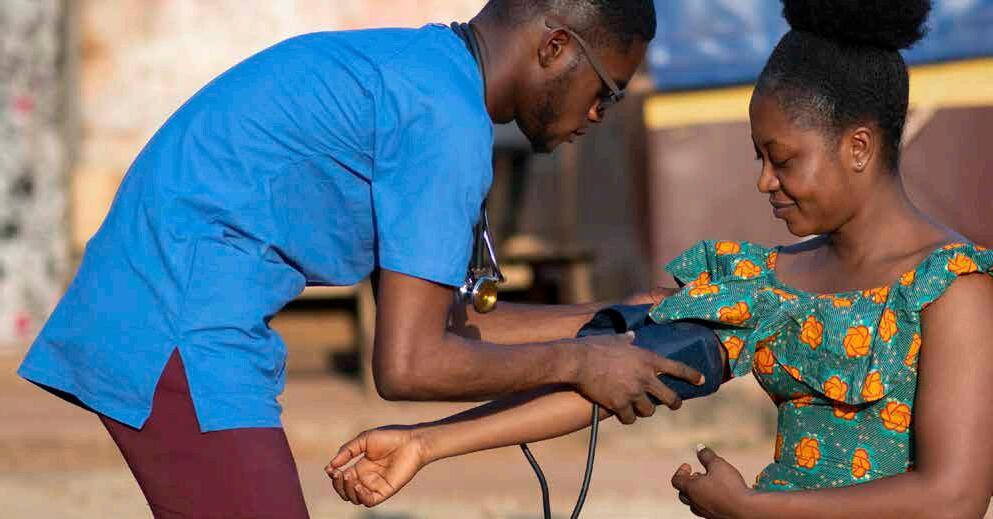
Self-reported hypertension prevalence, risk factors, and knowledge among South Africans aged 24 to 40 years old
Background
Hypertension, often known as high blood pressure, is defined by the World Health Organisation (WHO) as a blood vessel pressure of 140/90 mmHg or above. Little is known about the prevalence, risk factors, and potential preventative measures of hypertension in young adults, despite the fact that it poses a serious public health burden in South Africa (SA).
Approximately 1.3 billion people aged 30 to 79 have arterial hypertension, defined as systolic blood pressure (SBP) >140mmHg and/or diastolic blood pressure (DBP) ≥ 90 mmHg (140/90 mmHg), or are on hypertension treatment. SubSaharan Africa (SSA) has the highest documented prevalence of hypertension (27%), with countries SA being disproportionately affected.
This study assessed the knowledge, prevalence, and potential risk factors related to self-reported hypertension in young adults from South Africa.
Methodology
A cross-sectional online survey was administered to 1000 young individuals in South Africa (ages 24 to 40; 51.0% of them were female). Only respondents with internet accesswere included. Consequently, the sample that was collected might not accurately reflect SA's overall population.
As illustrated in Figure 1, an online cross-sectional survey was carried out in July 2022 utilising an 'i-Say panel' – which is an online platform where users can participate in surveys and other sorts of market research to earn points.
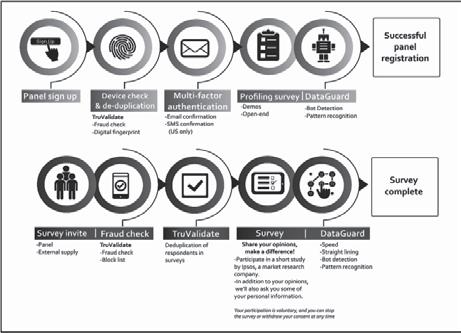
Age, gender, ethnicity, household assets, housing density, employment, and educational status were among the demographic factors and socioeconomic status (SES) indicators included in an online demographic questionnaire written in English and administered through IPSOS in the respondent's preferred language (e.g., English, IsiXhosa, IsiZulu, Setswana, and Tshivenda). A list of 12 household amenities –such as a computer or tablet, television, refrigerator, car, washing machine, microwave, flush toilet, tap water, electricity, generator, and air conditioner – were used to create a wealth index score, which was then utilised as a proxy for socioeconomic status.
In order to gather self-reported medical history data, the participants were asked if they had been informed by a doctor or other medical professional if they had any of the following conditions: high blood pressure, high cholesterol, diabetes, obesity, chronic kidney disease, and/or common mental health conditions like depression and anxiety. Additionally, the frequency and current smoking status was noted and divided into four groups: (i) 0-1; (ii) 1-5; (iii) 6-10; and (iv) 11 or more. Alcohol use and frequency was also measured and divided into four groups: (i) once a week; (ii) twice or three times a week; (iii)every day, and (iv) occasionally/not every week. The average number of days in a week that the respondent participated in physical activity (>30 minutes per day) that was hardenough to increase their heart rate or for them to sweat was also recorded.
Stata® version 17 (Stata Corp Ltd, College Station, Texas, USA) was used for all statistical analyses. Descriptive statistics were used to analyse the general characteristics of the study participants. The association between the binary scores and the relevant independent variables (overall health, disease burden, lifestyle factors, province, and socio-demographic characteristics) was assessed using chi-square tests (χ2) with confidence intervals.
According to the study population, most participants reside in the provinces of KwaZulu-Natal (13.60%), Western Cape (14.8%), and Gauteng (47.6%). There were notable disparities between the reported prevalence of hypertension in men and women among these research participants aged 24 to 40. Among women, the prevalence of hypertension was 27.5%, whereas in men, it was 20.4%.
This study emphasises the favorable correlation between having a biological mother with hypertension, being hypertensive, learning about the dangers of uncontrolled blood pressure, and monthly blood pressure monitoring. The following factors were found to be protective against
hypertension: (i) full-time employment; (ii) a higher SES (wealth index 4 and 5); (iii) six to seven days of exercise per week and (iv) not consumingalcohol. The degree of schooling, stress management, and sleep quality did not significantly correlate with hypertension.
This study found a worrying prevalence of hypertension among young individuals, which suggests a high unmet need for care, even though the prevalence of hypertension was slightly lower than that found in other studies. Although the precise prevalence of hypertension in SA is poorly documented, estimates range from 19.0% to 56.0%, with uncontrolled hypertension being higher at 13.5% to 75.5%. The comparatively low hypertension prevalence (24.0%) recorded in this study may be explained by the inclusion of young adults, as other studies in South Africa have demonstrated a correlation between an increase in the prevalence of hypertension and age. This study’s findings are consistent with a prior study that examined sex-stratified data and found that the prevalence of hypertension among individuals aged 15 and over in South Africa was greater in women (48.0%) than in men (45.0%). However, according to the 2012 South African National Health and Nutrition Examination Survey (SANHANES) and the 2016 South African Demographic and Health Survey (DHS), men had significantly higher rates of hypertension than women. These differences were attributed to factors like urbanisation, high cholesterol, smoking, and the consumption of alcohol.
The stated prevalence in this study is substantial and a public health issue because young adults have relatively little information of hypertension and how to prevent it, regardless of the differences in frequency between men and women. Additionally, the vast majority of people with good knowledge were probably hypertensive, suggesting that they may have acquired this information by both dealing with medical professionals and having hypertension.
The top five interventions (strategies) that respondents believed would have an influence on managing, preventing, or reducing hypertension are displayed in Figure 2 below. Getting reminders/notifications from community health workers to go for blood pressure checks Community health workers to help you set goals to exercise regularly
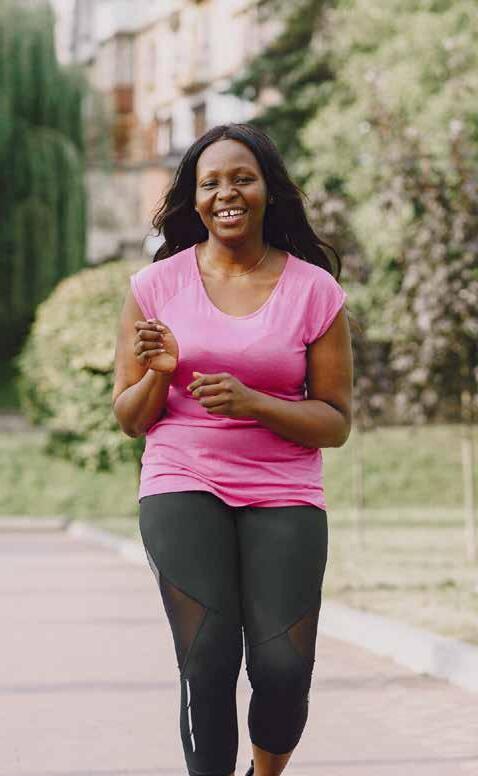
Furthermore, this study revealed that even when combined with knowledge of hypertension, people with university education had nearly twice the likelihood of having hypertension compared to individuals with only high school education. This could suggest that more investigation is required to examine and evaluate the complex relationship between education-acquired knowledge of hypertension and having hypertension.
Previous research has demonstrated a connection between heredity and hypertension, and this study found that those with a biological mother with hypertension were 79.0% more likely to have hypertension themselves.

www.wits.ac.za/coe-human
The World Health Organization (WHO) has identified excessive alcohol consumption and physical inactivity asmodifiable risk factors for hypertension.As a result, this study's conclusions suggest engaging in physical exercise six to seven days a week and abstaining from alcohol are both protective against hypertension and significant as possible markers for both preventing and managing hypertension.
Non-hypertensive status is linked to both full-time employment and higher socioeconomic status (SES) (wealth index 4 and 5). Here in South Africa, a study found that black women without medical insurance(which was linked to poverty and unemployment) were more likely to have high blood pressure.
A number of biological processes, including obesity, insulin resistance, vascular function and oxidative stress, and inflammation, have been linked to the interaction between mental health disorders and hypertension, despite the fact that the exact mechanisms behind these relationships are still unclear. Additionally, stress has been linked to increased endothelial dysfunction and pro-inflammatory cytokine production, both of which are linked to arterial stiffness. Chronic stress can also lead to bad eating habits, such as consuming more salty foods, or a decrease in physical activity.
Community health workers were identifiedby young adults as a crucial resource for managing, preventing, and reducing hypertension in their age group. Although it is acknowledged that leading a healthier lifestyle is challenging, the authors recommend that young adults be encouraged to adopt it.
Reference:
Self-reported hypertension prevalence, risk factors, and knowledge among South Africans aged 24 to 40 years old.
Asanda Mtintsilana1,2,#,WitnessMapanga1,AshleighCraig1,2, SiphiweNDlamini1,3,Shane A Norris1,2,4
Affiliations
¹ DSI-NRF Centre of Excellence in Human Development, University of the Witwatersrand, Johannesburg, Gauteng South Africa
² SA MRC/Wits Developmental Pathways for Health Research Unit, Department of Paediatrics, Faculty of Health Sciences, School of Clinical Medicine, University of the Witwatersrand, Johannesburg, South Africa
³ School of Physiology, Faculty of Health Sciences, University of the Witwatersrand, Johannesburg, South Africa
⁴ School of Human Development and Health, University of Southampton, Southampton, UK
# Contributed equally.
Corresponding author: Asanda Mtintsilana; asanda.mtintsilana@wits.ac.za
Funding: Open access funding provided by University of the Witwatersrand.
1st Floor, School of Public Health, University of the Witwatersrand York Road, Parktown, Johannesburg 2193, South Africa
Director: Prof Shane Norris
www.facebook.com/CoEHuman twitter.com/CoEHuman


Preconception health is defined as an individual's health behaviours and status prior to conception. It is critical for attaining positive pregnancy outcomes and promoting long-term health for both parents and children.
Background
Preconception health is defined as an individual's health behaviours and status prior to conception. It is critical for attaining positive pregnancy outcomes and promoting longterm health for both parents and children.
While preconception health information can be a potential approach to improving reproductive outcomes, it differs greatly depending on access to healthcare, education, and socioeconomic status (SES). The lack of access to vital health information and services frequently prevents people from lower-resource households from fully comprehending important preconception care aspects such as exercise, nutrition, and chronic condition management.
Therefore, this study aims to shed light on similarities and differences in preconception knowledge and practices, providing insights into how various nationalcontexts influence attitudes and behaviours.
Survey data containing information around preconception health knowledge, attitudes, behavioural intent and preferences prior to conception were collected in April 2024 from respondents residing in five countries – USA, Malaysia, Kenya, South Africa, and the UK (Figure1).
North America, Africa, Europe, and Asia were all represented in this selection. Malaysia (MYS) is categorised as a low-income
Figure 1: Survey data containing information around preconception health knowledge, attitudes, behavioural intent and preferences prior to conception were collected from respondents residing in five countries
country, South Africa (RSA) and Kenya (KE) as middle-income countries, and the United States (USA) and the United Kingdom (UK) as high-income countries (HICs). The countries were selected to represent various kinds of healthcare and economic developments.
The survey concluded when 1000 respondents from each country completed it and were found to be legitimate by the backend checks. Targeted from the general population of the recruited country panel, the study sample (total n = 5000) was based on the following demographics, which were the same for each country: (i) equal numbers of men and women; (ii) 65% of the sample was from the 18–30 age group; (ii) 25% was from the 31–45 age group; and (iii) 10% was from the 46–55 age group. The survey was conducted in English in each of the five countries to guarantee uniformity and consistency. This allowed for standardised replies and made it easier to compare and analyse data from these diverse areas.
Ipsos' proprietary i-Say panel, an online platform where users can earn points by participating in surveys and other types of market research, was used to distribute questionnaires online. There were two primary steps involved: (A) panel registration and (B) in-survey completion. Individual-level recruiting was used, and the exclusion criterion was that no two respondents from the same household may take part. Respondents were selected to be representative of men and women aged 18-55 in each country with internet access.
The data was analysed using IBM® SPSS® version 29 (IBM Corporation, Armonk, New York) and STATA version 18.1, and plotted using GraphPad Prism version 5.03 for Microsoft® Windows (GraphPad Software, San Diego, California, United States).
A total of 5000 respondents (51.9%) with a similar age distribution throughout the countries (18–35 years: 65%; 36–45 years: 25%; 46–55 years: 10%) took part in the survey, as it was designed to reach 1000 respondents per country. Many respondents in South Africa, the United States, and Malaysia stated that they were single or had never married (≥ 49.2%), but most respondents in the United Kingdom and Kenya stated that they were married or cohabiting (≥ 52.6%). Additionally, most respondents were employed in all five countries (from 82.0% in Kenya to 69.9% in the USA).
Preconception knowledge, attitudes, and behavioural intent are displayed in Figure 2 below for the entire study population as well as for each of the five countries.
Many respondents (50.3%) self-reported having adequate preconception knowledge. Malaysia had the highest percentage of respondents with inadequate knowledge (42.5%), while the USA sample had the highest percentage of respondents with goodknowledge (13.8%). This result
Figure 2: Preconception health:A.knowledge about preconception health,B.attitudes towards changing behaviours before pregnancy and,C.behaviour of accessing preconception services if available and if planning a pregnancy in the overall study population and in each country.
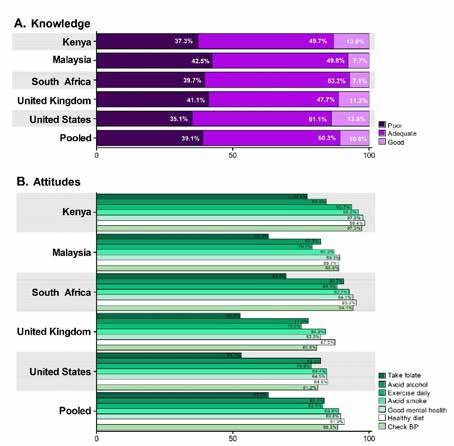
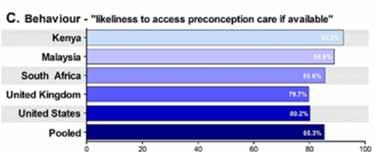
indicates that the various economically developed countries differ significantly in their preconception health awareness. This is consistent with a prior study that found women of reproductive age from high-income countries (HIC), including the United States, had higher levels of knowledge.
Regarding preconception health behaviours that should be changed prior to pregnancy, most participants said they thought it was necessary to stay away from alcohol (83.5%) and smoking (88.9%), maintain positive mental health (89.6%), and eat healthily (91.0%). Although 63.2% of the study populationbelieved that taking folate was important, Kenyan respondents were significantly more likely to agree (77.4%).
In general, over three-quarters of respondents in each country stated that they would seek preconception health care services if they were offered at their clinic if they were planning a pregnancy (≥ 79.1%). Compared to men, a greater proportion of women (by +7.1%) in the pooled sample showed adequate preconception health awareness. Surprisingly, a greater proportion of men from the UK, USA, Kenya, and Malaysia (by ≥1.9%) than women cited the value of regular exercise.
In the pooled sample of respondents, physical health was considered as the most important component before pregnancy, closely followed by relationships and family. Financial stability came in fourth, followed by living conditions, employment or education, and climate, with mental health coming in third.
Clinic doctors were the most preferred sources in the overallpopulation, followed by nurses in second place and obstetricians/gynaecologists in third place. Family and friends came in fifth place, and pharmacists came in fourth.
Newspapers and magazines were rated as the least preferred source, while social media and the internet came in sixth.
Socioeconomic position (SEP)on preconception behavioural intent (p = 0.014) and parity on preconception attitudes (p<0.001) were found to have significant direct effects in the Generalised Structural Equation Modelling (gSEM), Figure 3 below. The results also showed that the association betweenSEPand preconception attitudes was mediated inconsistently by preconception knowledge.
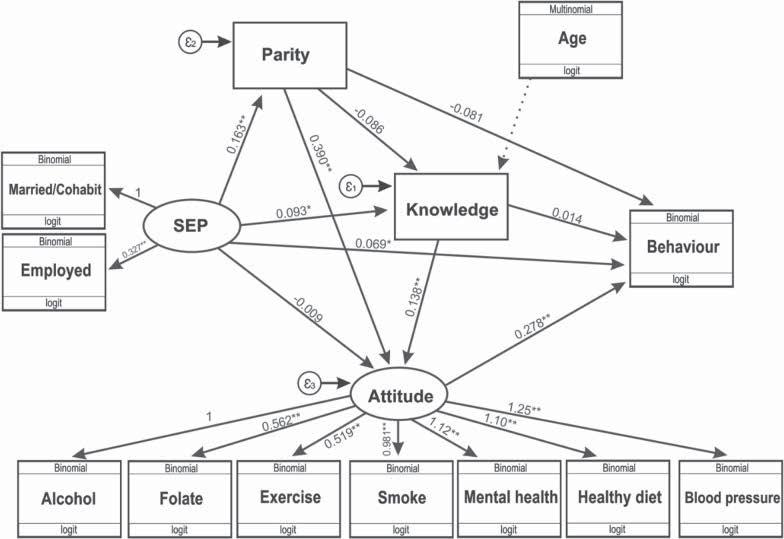
In conclusion, this multi-country survey indicated notable variations in respondents' behaviour intent, attitudes, and preconception health knowledge among five economically diverse countries. There were disparities in the elements that respondents prioritized before becoming pregnant, which probably reflected differences in healthcare availability, socioeconomic status, and culture. The study also showed different degrees of awareness of preconception care and varied preferences for preconception health information sources. Overall, the results highlight the necessity of customised preconception health treatments that consider regional cultural variations as well as socioeconomic considerations to enhance health outcomes.
www.wits.ac.za/coe-human
Reference:
Figure 3: Socioeconomic position (SEP)on preconception behavioural intent and parity on preconception attitudes were found to have significant direct effects in the Generalised Structural Equation Modelling.
Preconception health knowledge, attitudes and behavioural intentions among adults: A multi-country study.
A Craig1,K Mabetha2,J Stephenson3,D Schoenaker456,S A Norris4,7
Affiliations
¹ SAMRC/Wits Developmental Pathways for Health Research Unit, Department of Paediatrics, School of Clinical Medicine, Faculty of Health Sciences, University of the Witwatersrand, Johannesburg, South Africa.
² DSI-NRF Centre of Excellence in Human Development, Faculty of Health Sciences, University of Witwatersrand, Johannesburg, South Africa.
³ Elizabeth Garrett Anderson UCL Institute for Women's Health, University College London, London, UK.
⁴ School of Human Development and Health, Faculty of Medicine, University of Southampton, Southampton, UK.
⁵ MRC Lifecourse Epidemiology Centre, University of Southampton, Southampton, UK.
⁶ NIHR Southampton Biomedical Research Centre, University of Southampton and University Hospital Southampton NHS Foundation Trust, Southampton, UK.
⁷ SAMRC/Wits Developmental Pathways for Health Research Unit, Department of Paediatrics, School of Clinical Medicine, Faculty of Health Sciences, University of the Witwatersrand, Johannesburg, South Africa.
Corresponding author: Ashleigh Craig; ashleigh.craig@wits.ac.za
Funding: The financial assistance of the Department of Science and Innovation (DSI) and the National Research Foundation (NRF) towards this research is acknowledged. Opinions expressed and conclusions arrived at, are those of the author and are not necessarily to be attributed to the DSI-NRF. SAN is supported by the South African Medial Research Council (SAMRC). DS is supported by the National Institute for Health and Care Research (NIHR) through an NIHR Advanced Fellowship (NIHR302955) and the NIHR Southampton Biomedical Research Centre (NIHR203319).
1st
Director: Prof Shane Norris
www.facebook.com/CoEHuman
twitter.com/CoEHuman
The effects of being not in employment, education, or training (NEET), particularly for long periods of time, are associated with poor healthbehaviours such as increased substance use (drugs, alcohol, and tobacco) and low levels of physical activity.
Estimates indicate that between one-third and half of South African adolescents aged 15 to 34 are not in employment, education, or training (NEET). This is a growing concern given the rising trend of NEET particularly in South Africa(Quarterly Labour Force Survey. Quarter 1: 2024 2024).
The effects of being NEET, particularly for long periods of time, are also associated with poor healthbehaviours such as increased substance use (drugs, alcohol, and tobacco) and low levels of physical activity. While Youth Employment Initiatives (YEIs) help young adultsbecome more employable, they rarely take their health into account.
The purpose of this study was to characterise the health status of previously NEET young people who joined YEIs to establish the foundation forassessingthe impact of YEIs on youth health and determining the necessity to integrate health services within these programmes.
Methodology
Formerly NEET youth(18-35 years) were recruited in South Africa from October 2020 to December 2023 using a purposive sampling technique. The study included 193 young people: 146(76%) were female, 187 (97%) were black, and 6 (3%) were mixed race.
A self-administered online survey on REDCap was used to gather data on socio-demographic characteristics, health, and health-related behaviours. With assistance from the study team, each participant completed the survey in person or by remote videoconference at their respective places of employment. A professional nurse contacted and referred participants who reported moderate to severe levels of anxiety or depression, suicidal or self-harming thoughts, or a blood pressure reading suggesting possible hypertension to the relevant health services for additional assessment.
AnadaptedCommunity Childhood Hunger Identification Project (CCHIP) was used to measure food security. The following questions were asked:
(i) 'Does your household ever run out of money to buy food?'
(ii) 'Do you ever limit the size of meals or skip them because there isn't enough money or food?'
(iii) 'Do you go to bed hungry because there isn't enough money to buy food?
Each question was accompanied by two questions:
(i) 'Has it happened in the last 30 days?';
(ii) 'Has it happened at least 5 times in the last 30 days?'.
Each positive response received a score of 1, while negative responses received a score of 0,resulting in a food security score ranging from 0 to 9. Food security, at-risk of food insecurity, and food insecurity were indicated by scores ranging from 0-1, 2-4, and 5-9.
The Perceived Stress Scale (PSS-10) was used to measure selfreported current stress levels, while the Generalised Anxiety Disorder 7 (GAD-7) questionnaire was utilized to determine the existence and severity of generalised anxiety disorder. Body mass index (BMI kg/m2) and waist-to-height ratio (waist and height measured in centimeters) were determined using established standards to distinguish between good and unhealthy body habitus. Blood pressure was taken using a certified automated instrument (M3 Omron, Japan). Data for all participants were analysed using SPSS version 29.0.2.0 [IBM, New York] and compared between two age groups (18-24.9 years and 25-35 years) to aid in the development of targetedinterventions.
The findings indicated that many young people who join YEIs are immediately at risk for depression and anxiety, and had recently thought about harming themselves,particularly those between the ages of 18 and 24, who also reportedhigher rates of tobacco and recreational drug use. Additionally, overweight and obesity, as well as elevated blood pressure, are common in this young adult population and rise with age, putting them at risk for cardiometabolic diseases such as diabetes, heart disease, and stroke.
A significant number of young people had moderate to severe anxiety levels and increasedperceived stress, indicating that stress and anxiety are aprevalent issueamong South African NEET youth.
Furthermore, the research showed that many NEET youthwho joinYEIs may be experiencing moderate to severe depression symptoms. Depression symptoms in NEET young people have previously been linked to social isolation when they are removed from social settings such as school and the workplace. The youth in this study, however, had already established a connection with their training peers in a professional environment. This implies once more that more interventions are required to support improvements in the mental health and general wellbeing of young people. The study found that one-third of young people reported having recently considered suicide or self-harm, which is concerning and emphasises the need for such interventions.
The majority of participants avoided smoking andconsumed alcohol in moderation. Nonetheless, approximately 10% of young people did report smoking and/or engaging in potentially harmful alcohol use, possibly as a coping mechanism to deal with stress, indicating the need for focused

support within YEIs. A higher percentage of the younger group reported using recreational and over-the-counter tobacco products.
These findings showed that a third of young people continue to experience substantial levels of food insecurity, at least when they are first participating in a YEI. Furthermore, the findings show that access to healthy foods should be considered in any health behaviour intervention, as a significant number of young people are at risk of food insecurity. Interventions that provide food subsidies, discounts, or cash incentives for healthy foods, for instance, may assist young people in YEIs by increasing their access to healthy food options and lowering food insecurity.
Many NEET youth in South Africa only have matric (high school) education or less, and while a tertiary education greatly increases an individual's chances of successfully entering the labour market, a lower education level increases the risk of being NEET (Graham and Mlatsheni 2015, De Lannoy and

Mudiriza 2019). Although half of the young people in the study had attended higher education, only half of them were able to complete their studies and graduate.
These study’s findings are consistent with earlier studies that found that NEET youth had ten times greater rates of obesity than their peers who were not NEET. Furthermore, people with lower socioeconomic status (SES) have a tendency to have higher average BMIs throughout their lives than people with higher SESs (Newton et al. 2017), which suggests that early adult intervention may have long-term health effects. This highlights how crucial it is to implement behavioural interventions that promote health from an early age in order to help people maintain their health as they age (Höld et al. 2018).
Lastly, the participants of this study were mostly black females, the group most likely to be impacted by NEET status, and all were of reproductive age. Thus, integrated health interventions in this population may have three benefits:
www.wits.ac.za/coe-human
(i) lowering obstacles (such as poor mental health) to the best possible participation in YEI training programmes; (ii) promoting longer-term health and economic benefitsfor young people; and
(iii) promoting better maternal, paternal, and child health for future generations.
There are significant effects on young people's mental, physical, and general wellness when they are unemployed and not in education. Initiatives to improve youth employability are crucial in South Africa. However,the findings demonstrate that high levels of poor physical, mental, and overall well-being may indicate that young people who participate in these programmes are not best positioned to take advantage of these opportunities.
Integrating programmatic content and assistance to improve youth health and well-being while also developing skills and capacity for economic success will benefit individuals, communities, and the country as a whole.
Reference:
The health status of South African youth joining Youth Employment Initiatives: a health promotion opportunity MimiMhlaba1,TsholofeloMohitshane1,NqobileMnisi1, ElelwaniNevhufumba2,GeorgiaTorres2,FlorianZech3, CareyJooste4,Bridget Vermeulen1,Lisa J Ware1
Affiliations
¹ SAMRC/Wits Developmental Pathways for Health Research Unit, Faculty of Health Sciences, School of Clinical Medicine, University of the Witwatersrand, Chris Hani Baragwanath Hospital, 26 Chris Hani Road, Soweto 1864, (Egoli) Johannesburg, South Africa.
² Department of Exercise Science and Sports Medicine, University of the Witwatersrand Education Campus, 27 St Andrews Road, Parktown 2193, (Egoli) Johannesburg, South Africa.
³ Founder and Managing Director, AMANDLA Social Enterprises, 16 Baker Street, 7th Floor, Rosebank 2196, (Egoli) Johannesburg, South Africa.
⁴ Head of Innovation, Development Bank of Southern Africa (DBSA), 1258 Lever Road, Headway Hill, Midrand 1685, South Africa.
Corresponding author: Mimi Mhlaba, mimi.mhlaba@wits.ac.za
Funding: This work was supported by a strategic grant from the DSI-NRF Centre of Excellence in Human Development [STRATGNT2023-01], hosted by the University of the Witwatersrand, Johannesburg. LJW is supported by a career development award from The Wellcome Trust UK [301436/Z/23/Z].
DPHRU at the University of the Witwatersrand is supported by funding from the South African Medical Research Council. The Wits Health Hubb was supported with funding from the Development Bank of Southern Africas Development Labs program (DLabs) and their implementing partner Amandla Ku Lutsha.
1st Floor, School of Public Health, University of the Witwatersrand York Road, Parktown, Johannesburg 2193, South Africa
Director: Prof Shane Norris www.facebook.com/CoEHuman twitter.com/CoEHuman

This study examines the triple burden of obesity, HIV and anaemia during pregnancy, and associations with delivery outcomes in urban South Africans
Non-communicable diseases (NCDs) have rapidlybecome the leadingcauses of morbidity and mortality in low- and middleincome countries (LMICs)because of urbanisation-related lifestyle changes and thegrowing obesity epidemic. For example, in South Africa, one-third of pregnant women are obese, placing themselves and their foetus at risk of both acute and long-term complications. In particular, pre-pregnancy obesity and excessive gestational weight gain (GWG) have been identified as predictors of adverse delivery outcomes, such as preterm delivery and delivery of a large-for-gestational age (LGA) or macrosomic (≥4 kg) infant. Furthermore, the long-term effects of maternal overnutrition include an increased risk of offspring obesity and cardiometabolic disorders.
Urbanisation and the shift to energy-dense, processed, and micronutrient-deficient diets have contributed not just to the increase in obesity, but also to ongoing nutritional deficiencies. Specifically, between 23% and 33% of South African women are anaemic atconception, with iron deficiency thought to account for around half of the cases. HIV (with and without treatment) and anaemia have alsobeen linked to adverse delivery outcomes such as preterm birth and low birthweight, with postulated mechanisms viathe placenta. This contributes to the triple burden of disease, which has become common in
developing African contexts where obesity and NCDs coexist with nutritional deficits and a high HIV/AIDS prevalence.
Thus, the primary objectives of this study were:
(i) to explore the distinct associations between anaemia, HIV (with ARV treatment), obesity, and delivery outcomes in South African women living in urban areas
(ii) to determine whether these co-morbidities may interact in any way.
The Soweto First 1000-Days Study (S1000) is a longitudinal pregnancy cohort which was established at the Chris Hani Baragwanath Academic Hospital (CHBAH) in Soweto, Johannesburg, South Africa, at the South African Medical Research Council (SAMRC)/Wits Developmental Pathways for Health Research Unit (DPHRU) between 2013 and 2016. Black South African women (self-reported ethnicity) were included if they were residents of Soweto or the greater Soweto area, at least 18 years of age, preferably less than 14 weeks (but no more than 20 weeks) pregnant with a singleton and naturally conceived foetus, with no history of diabetes or epilepsy at the time of recruitment.
Data were collected at six different stages during pregnancy (<14 weeks, 14–18 weeks, 19–23 weeks, 24–28 weeks, 29–33 weeks, and 34–38 weeks), and at delivery. During the baseline visit (<14 weeks gestation), trained members of the research team collected maternal demographic, pregnancy-related, and socioeconomic variables using interviewer-administered questionnaires.
A HemoCue finger prick test (https://hemo-cue.com/en/) was used to measure hemoglobin levels (g/dl) at each visit, and the results were adjusted for smoking status and altitude. Anaemia was then classified as an adjusted baseline haemoglobin level of <11.0 g/dl. Height and weight were measured at the baseline visit. Baseline weight was used as a proxy for pre-pregnancy weight and BMI was calculated. Women were classified as obese (≥30.0 kg/m²) or not obese (<30.0 kg/m²). The participants’ antenatal clinic card was used to verify the women's self-reported HIV status at each prenatal visit. Delivery data included calculated gestational age, and newborn birthweight, length and head circumference. The International Newborn Size at Birth Standards Application tool was used to calculate birth weight centiles and weight-to-length z-scores in order to classify small-for-gestational age (SGA), large-forgestational age (LGA), low birthweight and macrosomia.
StataSE version 16.0 (StataCorp, College Station, TX, USA) was used to analyse data for 789 mother-newborn pairs. The differences in delivery outcomes according to baseline maternal morbidity status were assessed using linear or logistic regression. Multivariable linear regression models and logistic regression models were used to test the associations between triple burden exposures (obesity, HIV-positive status, and anaemia) and potential interactions between these exposures and delivery outcomes.
The median age of pregnant women was 29 years old. At baseline, 34% of women were obese, 33% had HIV, and 26% were anaemic. Nearly half (47%) of the women had only one morbidity, 42% had two conditions at baseline, while 5% had the triple burden of obesity, anemia and HIV.
We found that maternal obesity at baseline was associated with delivery of larger infants (birthweight-to- length z-score), as well as an increased risk of an LGA delivery. Maternal HIVpositive status and anaemia were not independently associated with any delivery outcomes, but women with anaemia alone, as well as those with obesity and anaemia were more likely to deliver an SGA infant. We found no interactions
www.wits.ac.za/coe-human
between the triple burden exposures on delivery outcomes. While thisstudy supports the preceding findings for the urban African setting, it also provides new information on the relationship between maternal obesity and delivery outcomes in the context of multiple maternal co-morbidities.
Conclusion
This study shows that regardless of other pre-existing conditions, women who achieve a healthy body weight before conception may lower their chances of delivering a newborn who is too large or too small for their gestational age, therefore decreasing their child’s risk of obesity in early childhood, and later in life. In order to affect the intergenerational epidemic of obesity and NCDs, interventions targeted at lowering the burden of obesity in adolescent girls and young women are essential, as areappropriate nutritional managementintervention for obese pregnant women.
Furthermore, the resultshighlight the need for additional investigation into the intricate relationships between maternal co-morbidities and their possible impact (individually and in combination) on the short- and long-term health of mothers and their children.
Reference:
The triple burden of obesity, HIV, and anaemia during pregnancy and associations with delivery outcomes in urban South Africans Alessandra Prioreschi¹, Stephanie V Wrottesley¹, Linda Adair², Kate A Ward¹,³ and Shane A Norris¹,⁴
Affiliations
¹ SAMRC/Wits Developmental Pathways for Health Research Unit, Department of Paediatrics, University of the Witwatersrand, Johannesburg, South Africa
² Department of Nutrition, Gillings School of Global Public Health and School of Medicine, University of North Carolina at Chapel Hill, Chapel Hill, NC, USA
³ MRC Lifecourse Epidemiology Unit, Human Development and Health, University of Southampton, Southampton General Hospital, Southampton, UK
⁴ Global Health Research Institute, School of Health and Human Development, University of Southampton, Southampton General Hospital, Southampton, UK
Corresponding author: Alessandra Prioreschi, alessandra.prioreschi@wits.ac.za
Funding: This research was funded by the South African Medical Research Council (SAMRC) and commissioned by the National Institute for Health Research (NIHR) for the NIHR Global Health Research Group on leveraging improved nutrition preconception, during pregnancy and postpartum in sub-Saharan Africa through novel intervention models, Southampton 1000 DaysPlus Global Nutrition, at the University of Southampton, through UK Official Development Assistance (ODA) via the Department of Health and Social Care. AP was supported by the National Institute for Health Research (NIHR) (using the UK’s Official Development Assistance (ODA) Funding) and Wellcome [222007/Z/20/Z] under the NIHRWellcome Partnership for Global Health Research. The views expressed are those of the authors and not necessarily those of Wellcome, the NIHR or the Department of Health and Social Care. In addition, SVW, AP, and SAN are supported by the DST-NRF Centre of Excellence in Human Development at the University of the Witwatersrand, Johannesburg, South Africa. SVW is also supported by the University Research Office and School of Clinical Medicine at the University of the Witwatersrand, Johannesburg, South Africa. The funders had no role in study design, data collection and analysis, decision to publish, or preparation of the manuscript.
Director: Prof Shane Norris
www.facebook.com/CoEHuman
twitter.com/CoEHuman

This study examined the association between health literacy and multimorbidity using repeated cross-sectional nationally representative data, with an emphasis on mental health among South African adults
Health outcomes are significantly influenced by health literacy, which affects people's capacity to understand, access, and effectively utilise health information. Health literacy is crucial in determining not only physical health outcomes (such as multimorbidity) but also mental health. This is particularly when it comes to conditions like depression and anxiety, in South Africa, where there are still gaps in access to high-quality healthcare.
This study examined the association between health literacy and multimorbidity using repeated cross-sectional nationally representative data, with an emphasis on mental health among South African adults(18 years and older).
Methodology
Following the first and second nationally representative panels, which were carried out in September–October 2021 (Panel 1: n= 3,402) and May–June 2022 (Panel 2: n = 3,459),
respectively, this cross-sectional study was repeated in April 2024 [now referred to as Panel 3]. Face-to-face interviews were conducted in panel 3, with3,171 respondents from all provinces in South Africa (as shown in Figure 1 below).
The study acquired ethical approval from the Human Research Ethics Committee (Non-Medical) of the University of the Witwatersrand, South Africa (H21/06/36), and respondents provided written informed consent. Tablets were used to collect the data in real time, and a secure database system was used to manage it centrally. Age, gender, marital status, employment status, education level, and household assets were among the demographic data gathered from respondent households.
In order to determine socioeconomic status (SES), a household asset score was then calculated in accordance with the Demographic and Health Surveys household questionnaire.
Households approached (n=173)
Participants recruited (n=153)
Participants not home or declined to participate (n=20)
Participants with incomplete data* (n=18)
Participants with complete data for analysis (n=135)
Figure 1: Study flow diagram. * Participants were unable to complete the measurements and/or questionnaire due to previous scheduled appointments or voluntary withdrawal
neighbourhood. This degree of involvement is comparable to a home-based screening program that was implemented in rural India and reached about 90% of the targeted households (Basu et al. 2019). Additionally, the researchers’ discovered that the household members were quite receptive to the advice given, accepted the house visits, and were eager to learn more about their cardiovascular health.
Similar to earlier research done in South African settings (Medina- Marino et al. 2021; Ngcobo and Rossouw 2022), household members expressed a high level of comfort with the CHW-led home visits. This is surprising considering the high reported crime rates in the area, but it also suggests the trusted role that CHWs occupy in the community.
www.wits.ac.za/coe-human
According to follow-up interviews, a significant number of community members expressed pleasure with the personalized treatment they received, which they said they were not getting at the local health clinic.
Given that the community members responded favourably to the blood pressure and physical activity screenings as well as the brief counselling, the success of the home visits in this study underscores the potential to increase easily accessible, community-based health care opportunities for NCD prevention and management. CHWs in LMICs might be the vital force required to confront the rising tide of NCDs through primary prevention and health promotion, given the ongoing growth of CHW duties and responsibilities imposed through the task shifting of health-care services in under-resourced regions.
Reference:
Acceptability andfeasibility ofhome-based hypertension andphysical activity screening bycommunity health workers inanunder-resourced community inSouth Africa
Mark Stoutenberg1,2,Simone H Crouch3,Lia K McNulty1,Andrea Kolkenbeck-Ruh3,4,Georgia Torres2,Philippe J L Gradidge2,Andy Ly1,Lisa J Ware3,5
Affiliations
¹ Department of Kinesiology, College of Public Health, Temple University, 237 Pearson Hall, 1800 North Broad, Philadelphia, Pennsylvania 19122 USA.
² Centre for Exercise Science and Sports Medicine, School of Therapeutic Sciences, Faculty of Health Sciences, University of the Witwatersrand, Wits Education Campus, 27 St. Andrews Road, Parktown, Gauteng, 2193 South Africa.
³ SA MRC/Wits Developmental Pathways for Health Research Unit (DPHRU), School of Clinical Medicine, Faculty of Health Sciences, University of the Witwatersrand, Corner College and Clinic Road, Chris Hani Baragwanath Academic Hospital, Soweto, 1864 South Africa.
⁴ Cardiovascular Pathophysiology and Genomics Research Unit, School of Physiology, Faculty of Health Sciences, University of the Witwatersrand, 7York Road, Johannesburg, 2193 South Africa.
⁵ DSI-NRF Centre of Excellence in Human Development, University of the Witwatersrand, Wits Education Campus, 27 St. Andrews Road, Parktown, Gauteng, 2193 South Africa.
Corresponding author: mark.stoutenberg@temple.edu
Funding support: Open access funding provided by University of the Witwatersrand. The Wits Health Hubb is supported by the Development Bank of Southern Africa through a partnership between Wits Health Consortium (University of the Witwatersrand) and Amandla Ku Lutsha and a grant from the DSI-NRF Centre for Excellence in Human Development [STRATGNT2023-01].
1st Floor, School of Public Health, University of the Witwatersrand York Road, Parktown, Johannesburg 2193, South Africa
Director: Prof Shane Norris
www.facebook.com/CoEHuman
twitter.com/CoEHuman

A multilevel psycho-demographic analysis of the Gauteng City-Region Observatory’s (GCRO) quality of life survey (2009-2024).
Evaluating subjective well-being requires an understanding of quality of life (QoL), with life satisfaction being acknowledged as a crucial socioeconomic indicator. Psycho-demographic research emphasises how socialisation, gender identity, language, racial group membership, cultural distinctiveness, and demographic traits interact with internal psychological processes to affect subjective well-being. Thus, people's comparison of their present situation to their ideal existence, taking into account both financial and spiritual factors, is reflected in life satisfaction.
Therefore, this study explored gender-related variations in life satisfaction among sex-stratified South Africans living in the Gauteng province.
Methodology
This study useddata from the Quality of Life (QoL) survey conducted by the Gauteng City-Region Observatory (GCRO) between 2009 and 2024. The University of Johannesburg, the University of the Witwatersrand, the Gauteng Provincial Government, and the South African Local Government Association have partnered to form the GCRO.
Following the exclusionof missing variables in the dataset cleaning, the total number of South African nationals from the
2009–2024 GCRO datasets was 70,314, consisting of 33,325 males and 36,990 females for the sample size for this study. The age range of 18 to 48+years was included in the sample size of 70,314, which was obtained by combining the datasets from various survey years.
The field collection instrument included the GCRO Quality of Life Rounds 1-7 (2009-2024) survey – Full Questionnaires. These questions focused on:
1. demographic details of the enumerated population (population group, sex, age, language);
2. housing (dwelling type, tenure, satisfaction with dwelling, perceived quality of housing and housing allocation);
3. household services (water, sanitation, refuse removal, energy sources);
4. migration and health (including disability);
5. education and employment (including employment sector);
6. community services (amenities, transport, leisure activities, safety and crime);
7. financial data (including debts, income, and social grants);
8. household assets (Telephone, Television, Computer, Radio, Music system, Satellite TV [e.g., MNET, DSTV], Internet connection, Car, Bicycle, Fridge);
9. public participation and governance;
10. perceived personal well-being; and
11. quality of life of respondents.
Data was managed and analysed using the statistical software STATA version 2021.
This study underlined the impact of age, education, income, employment, household size, medical assistance, and media access as major factors influencing life satisfaction among individuals in Gauteng, South Africa. Males (63.5%) and females (63.3%) reported somewhat different levels of life satisfaction, according to the grouped bar chart below.
Due to cultural and socio-economic factors, women generally reported higher levels of satisfaction, despite the slight gender discrepancies.
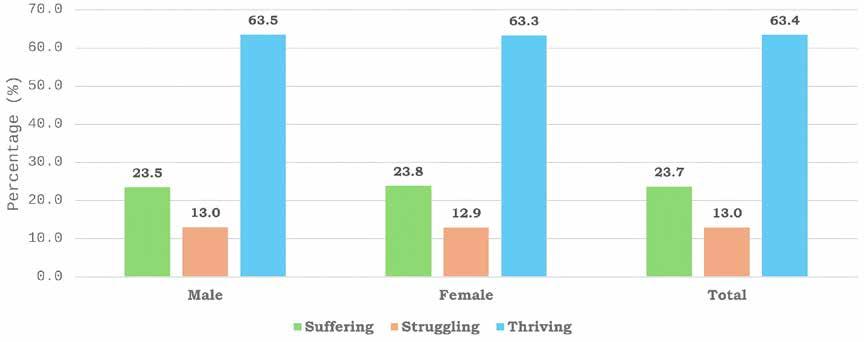
According to the stacked bar graph below, the age groups 18-27 and 38-47 years old indicated the highest levels of strugglingand suffering life satisfaction. However, the age groups of 28-37 years and 48+ years indicated the highest levels of thriving life satisfaction.
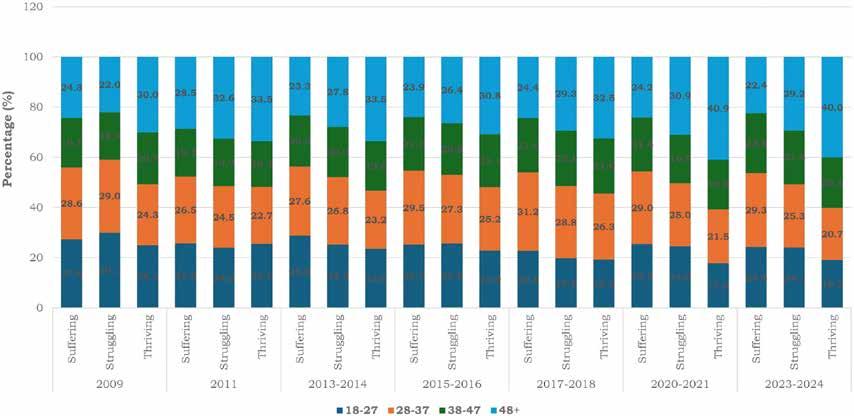

According to the findings, income, employment, and higher education all considerably improve life satisfaction (p<0.000). Middle-aged life satisfaction is greatly influenced by career fulfillment, job satisfaction, financial stability, and concerns about debt and retirement. While conflict and a poor work-life balance reduce satisfaction, supportive social and familyrelationships improve it. For older persons, life satisfaction is determined by their health, financial security, social ties, living conditions, and access to healthcare, with excellent health and economic stability enhancing satisfaction and chronic disease or financial strain decreasing it.
In order to increase life satisfaction outcomes, thesefindings highlight the significance of addressing education, employment, and health access while taking gendered and age-specific requirements into account.
Conclusion
The authors recommend that policymakers establish agetargeted social programs for middle-aged adults, such as financial literacy training, career support, and healthcare access, as well as ensure social engagement and support systems for older persons, in order to sustain high life satisfaction.
Based on their findings, the authors make three main suggestions for South Africa:
1. The Gauteng City Region Observatory (GCRO) should incorporate sociology, psychology, and psycho-
www.wits.ac.za/coe-human
demographics into its surveys to conduct intersectional studies of gendered life satisfaction and well-being.
2. To address economic and social deterioration, municipalities should implement activities that empower both men and women. Simultaneously, public awareness efforts on gender roles and stereotypes should promote equality, allowing people to pursue personal and professional goals free of customary constraints.
3. Provinces must implement gender-responsive policy measures to alleviate systemic inequities.
Reference:
“Gender dimensions of quality of life”: The determinants of life satisfaction among South Africans residing in the Gauteng province – using a multilevel psychodemographic analysis of the GCRO’s quality of life survey (2009-2024).
Akokuwebe, M. E.1, Likoko, S.2, Miles-Timotheus, S.3, & Mabala, M.4 Affiliations
¹ SAMRC Developmental Pathways for Health Research Unit, Department of Paediatrics, School of Clinical Medicine, Faculty of Health Sciences, University of the Witwatersrand, Johannesburg, South Africa
² Demography and Population Studies, School of Social Sciences, University of Witwatersrand, Johannesburg, South Africa
³ Demography and Population Studies, School of Social Sciences, University of Witwatersrand, Johannesburg, South Africa
⁴ Group Finance, Johannesburg, South Africa
Corresponding author: Monica Akokuwebe, monica.akokuwebe@wits.ac.za
Funding: The author(s) received no specific funding for this work.
1st Floor, School of Public Health, University of the Witwatersrand York Road, Parktown, Johannesburg 2193, South Africa
Director: Prof Shane Norris www.facebook.com/CoEHuman twitter.com/CoEHuman
15 April 2026
The Council University of the Witwatersrand, Johannesburg PO BOX 3
2050
Wits
South Africa
AGREED -UPON PROCEDURES REPORT IN RESPECT OF THE NATIONAL RESEARCH FOUNDATION (NRF) AWARDS RECEIVED BY THE UNIVERSITY OF THE WITWATERSRAND FOR THE CENTRE OF EXCELLENCE IN HUMAN DEVELOPMENT FOR THE YEAR ENDED 31 DECEMBER 2025
Purpose of this Agreed-Upon Report
We have performed the procedures agreed with you and enumerated below with respect of the National Research Foundation (NRF) awards received by the University of the Witwatersrand for the Centre of Excellence in Human Development for the year ended 31 December 2025
Our report is solely for the purpose of assisting the University of the Witwatersrand in in reporting to the NRF on the Cash Flow Analysis relating to the Centre of Excellence in Human Development for the year ended 31 December 2025 and may not be suitable for another purpose.
Responsibilities of the Engaging Party and the Responsible Party
The University of the Witwatersrand has acknowledged that the agreed-upon procedures are appropriate for the purpose of the engagement.
NRF, as identified by the University of the Witwatersrand is responsible for the subject matter on which the agreedupon procedures are performed.
We have conducted the agreed-upon procedures engagement in accordance with the International Standard on Related Services (ISRS) 4400 (Revised), Agreed-Upon Procedures Engagements. An agreed-upon procedures engagement involves our performing the procedures that have been agreed with the University of the Witwatersrand and reporting the findings, which are factual results of the agreed-upon procedures performed. We make no representation regarding the appropriateness of the agreed-upon procedures.
This agreed-upon procedures engagement is not an assurance engagement. Accordingly, we do not express an opinion or assurance conclusion.
Had we performed additional procedures, other matters might have come to our attention that would have been reported.
Managing Partner:

Agreed- upon procedures report in respect of the National Research Foundation awards received by the University of the Witwatersrand for the Centre of Excellence in Human Development for the year ended 31 December 2025
Page 2 of 5
We have agreed complied with ethical and independence requirements as described in the independent regulatory Board for Auditors ‘code of professional conduct for registered Auditors (IRBA Code) and in accordance with other ethical requirements applicable to performing audits in South Africa. The IRBA Code is consistent with the corresponding sections of the international Ethics Standard Board for accountants’ international code of ethics for professional accountants (including international independence Standards)
The firm applies the International Standard on Quality Management 1, Quality Management for Firms that Perform Audits or Reviews of Financial Statements, or Other Assurance or Related Services Engagements, which requires the firm to design, implement and operate a system of quality management, including policies or procedures regarding compliance with ethical requirements, professional standards and applicable legal and regulatory requirements.
We have performed the procedures described below which were agreed upon with the University of the Witwatersrand on with respect to the NRF awards received by the University of the Witwatersrand for the Centre of Excellence in Human Development for the year ended 31 December 2025.
1. Inspect that the declared income and expenditure is correct and that all income and expenditure as per the general ledger has been declared by agreeing the Centre of Excellence in Human Development Cash flow Analysis to the general ledger for the period. The transactions, both expenditure and income will be subject to the procedures stipulated below.
2. Inspect that:
a) Two steering Committee Board meetings were held in the period of funding, and minutes for both meetings have been adopted and signed by the Chairperson of the Board.
b) The Steering Committee approved the Business Plan, and those minutes of the meeting as well as the Business Plan was submitted to the NRF.
3. Inspect that the grant funds were used to advance the research agenda by:
a) Selecting a sample being ten percent of the expenses per the general ledger.
No exceptions were noted.
No exceptions were noted.
No exceptions were noted.
No exceptions were noted.
Agreed- upon procedures report in respect of the National Research Foundation awards received by the University of the Witwatersrand for the Centre of Excellence in Human Development for the year ended 31 December 2025
Page 3 of 5
b) Agreeing with Beverley Manus (University of the Witwatersrand: Finance Manager Research Office) that the transactions selected in procedure 3(a), are appropriate.
c) For the samples selected, perform the following procedures:
a. Obtain the source documents (invoices, payslips, expense breakdowns and travel claim expense forms, etc.) for items selected from the general ledger and agree the details per general ledger to the supporting documentation inspected.
No exceptions were noted.
c) For the samples selected, we performed the following procedures:
a. We obtained the source documents (invoices, payslips, expense breakdowns and travel claim expense forms, etc.) for items selected from the general ledger and agreed the details per general ledger to the supporting documentation inspected.
b. Inspect the nature of expenses as per the supporting documents description and compare the nature of expenses to the purpose of research, as stipulated in the business plan.
c. Inspect the date as per the source documentation and agree that it was recorded in the correct financial period, 1 January 2025 to 31 December 2025 based on when the goods or services were received.
d. Inspect the source documentation and agree that it is in the name of the University of the Witwatersrand.
e. Inspect the source documentation and where VAT is levied, that it is correctly recorded in the general ledger by agreeing the VAT amount per the source document to the VAT amount recorded in general ledger.
Per inspection of the invoice, we noted that the sample recorded has an amount of R5 540.01 whereas the invoice has an amount of R4 700 resulted on a difference of R840.01
No exceptions were noted.
No exceptions were noted.
No exceptions were noted.
No exceptions were noted.
Agreed- upon procedures report in respect of the National Research Foundation awards received by the University of the Witwatersrand for the Centre of Excellence in Human Development for the year ended 31 December 2025
Page 4 of 5
Procedures
4. For the grant funds utilised on nomination of students, agree the amount per the student nomination form to the amount paid to the student by obtaining the relevant student accounts.
5. Inspect that the funds were spent in accordance with the signed Memorandum of Agreement (MOA), by obtaining signed representation from university management.
6. Confirm that the activities pursued by the Centre of Excellence in Human Development related to the 5 Key Performance Areas (KPAs), by obtaining signed representations from university management.
4. Student nominations by grant holders no longer take place. Students apply directly with the NRF.
No exceptions were noted.
No exceptions were noted.
Our report is solely for the purpose set forth in the first paragraph of this report and for your information and is not to b e used for any other purpose or to be distributed to any other parties. This report relates only to the accounts and items specified above and does not extend to any financial statements of the University of the Witwatersrand taken as a whole.
Deloitte & Touche
Registered Auditor
Per: Spiro Tyranes CA(SA); RA Partner

Agreedupon procedures report in respect of the National Research Foundation awards received by the University of the Witwatersrand for the Centre of Excellence in H uman D evelopment for the year ended 31 December 2025
Page 5 of 5
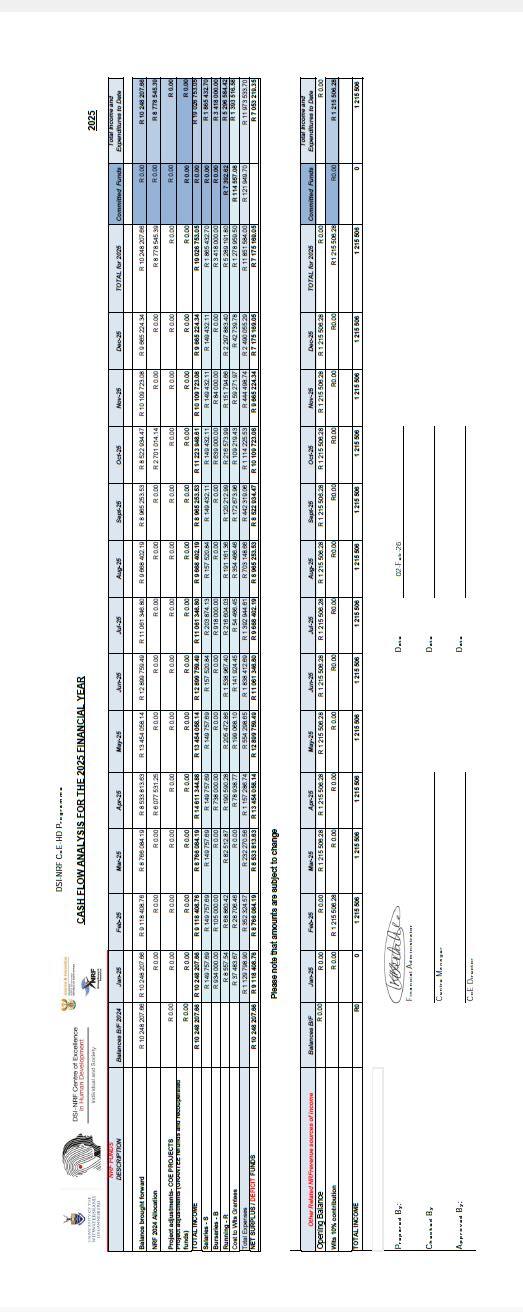
This will be done electronically by the Designated Authority

Professor ..............................................................
Deputy Vice-Chancellor: Research and Innovation
Date: Prof Lynn Morris