

Annual Integrated Report 2025
Introduction Welcome to our 2025 Annual Integrated Report
A new approach to reporting
Wits University has previously published two reports, namely an Annual Report and an Integrated Report. In 2024, we embarked on the journey towards integrated reporting, advocating our transition towards an integrated management model and reporting process. Integrated reporting provides for a broader explanation of performance compared to traditional reporting. The goal is to communicate our purpose accurately and concisely and present how the University creates and preserves sustainable value for Wits and its stakeholders over time.
In an extensive consultation period involving the entire Wits community, including students, academic and professional administrative staff, Council members, and the Chancellor, the Wits 2033 Strategic Framework was developed, followed by a five-year Implementation Plan (2023-2027). The report structure has been organised to present Wits’ commitments and key performance focus areas for 2025, as outlined in and aligned to the Wits 2033 Strategic Framework.
Our Annual Integrated Report reflects the full scope of the University’s operations for the reporting period of 1 January to 31 December 2025 and outlines the progress made against our 2033 Strategic Framework. In the third year of the University’s Framework, the Council determined that the new roadmap should position Wits as the premier academic centre for leading research and innovation in the country and the Global South. We have revised our reporting approach to achieve more impactful reporting. We report on performance according to the four strategic focus areas of our Strategic Framework against the backdrop of a productive academic year.
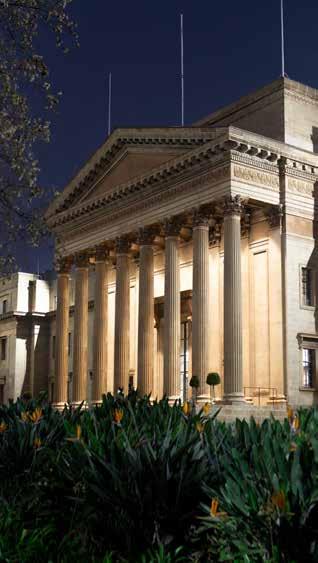
The report complies with the Department of Higher Education and Training’s (DHET’s) Regulations for Reporting by Public Higher Education Institutions, and adheres to the principles of the King IVTM Report1 on Corporate GovernanceTM for South Africa, 2016 (King IVTM). The University is supporting a phased transition from King IVTM to King V2. In light of this, we will review our governance structures, policies and frameworks.
We focus on value creation in an academic and social operating context. In the 2024 Report, we introduced six resources of capital, as identified by the International Integrated Reporting Council (IIRC), on which we depend to create value. Our move to integrated reporting illustrates how our University utilises these different capitals and their interdependence on each other. This year, we expand on how we transform these capitals into results for our stakeholders and communities.


1 Copyright and trademarks are owned by the Institute of Directors in South Africa NPC and all of its rights are reserved.
2 Refer to page 89
Vision and values
Our purpose is to make a positive impact on society by creating and advancing global knowledge and fostering graduates to be leaders with integrity.
VISION
• By driving innovation throughout the University, embracing the diversity of our people, disciplines and ideas, Wits will be a place where our students and staff thrive.
• We will strive to empower our graduates to be socially-responsive and adaptive to an everchanging world.
• We will build on Wits’ 100 years of academic scholarship and research excellence, and use our abundance of knowledge, talent, and innovation to find solutions to the challenges of the 21st century.
• Our locale will enable us to lead from the Global South, to serve as a hub of knowledge on the continent to advance inclusive and sustainable futures for all.
• We will be at the leading edge of innovation and academic excellence in the Global South.
Strategic Framework
VALUES
• Excellence underpins all that we do.
• Our people are at the centre of what makes Wits great. We are collegial, open-minded, and respectful, and we are accountable and always act with integrity. We foster a welcoming environment and embrace the diversity of our backgrounds.
• Innovation is what drives us forward.
• We enable a space to create, collaborate, and engage in robust and informed debate, across disciplines and boundaries.
• We are committed to using our knowledge for the advancement of our community, city, country, continent, and the globe.
Central to the Wits 2033 Strategic Framework is the advancement of a people-centred University, grounded in an ethos of excellence and innovation across all spheres. To ensure alignment between our vision, values, and strategic intent, Wits will prioritise four key focus areas over the next decade: academic excellence, sustainability, identity, and social impact. The strategy acknowledges that the University’s values (excellence, innovation, collaboration, impact and people-centredness) are cross-cutting and affirms that maintaining a leadingedge position is only possible through consistently embedding these values in everything we do.
The Wits 2033 Strategic Framework sets the high-level strategic direction for the University, from which a comprehensive implementation plan has been developed. Each of the four themes outlined below is supported by a set of commitments that the University aims to fulfil by 2033.
Wits’ Identity

Strategic Framework’s Focus Areas
The Wits identity defines and shapes all that we do: the types of students and staff we develop; the research we undertake; our culture; who we partner with; and how we are perceived by the world.

The academic project is at the core of the University. Wits is known for excellence in teaching and learning, and in research. The shift for Wits 2033 is in placing our people at the centre, enabling a space for collaboration across disciplines, and encouraging innovative ways of approaching our curriculum and knowledge production.


Social Impact
Throughout Wits’ history, we have harnessed our knowledge for social good and have been the University at the forefront of addressing challenges faced by South Africa. We continue to be a catalyst for change and play an active role in our society, in addressing climate change, inequality, public health, and social justice.

Wits’ Sustainability
The fiscal environment will increase the competition for resources among universities both locally and globally. Wits must take an integrated approach to our sustainability that includes integration of all operations (financial, systems, the academic project and campus environment).
How we create value
At Wits University, our purpose is to make a positive impact on society through creating and advancing global knowledge; and fostering graduates to be leaders with integrity.
At the core of the Wits 2033 Strategic Framework, is the advancement of a people-centric University with an ethos of excellence and innovation across all spheres of the University. To align our vision and values with our strategy, Wits creates value by focusing on the following four areas: advancing a shared identity, pursuing academic excellence, achieving social impact and ensuring sustainability. These remain Wits’ primary focus.
We build on Wits’ 100 years of academic scholarship and research excellence, and use our abundance of knowledge, talent, and innovation to find solutions to the challenges of the 21st century. We interact with a wide range of stakeholders and have strategic partnerships that add value and contribute to our success. How we create value is encompassed in our motto Wits. For Good
Wits’ Identity
We commit to people and culture, brand and reputation, place and partnerships, and a transforming student experience.
Academic Excellence
We commit to student success, graduates of the future, advancing the pursuit of fundamental knowledge, knowledge generation for societal advancement, building a pipeline, and innovation and academic entrepreneurship.
VALUE
Social Impact
We commit to active citizenship and advocacy, strengthening democracy and governance in South Africa and tackling climate change and inequality.
We commit to reimagining work and institutional life, financial strength, modernising systems and operations, and a campus of the future. Wits’ Sustainability


People and culture
Institutional cultures process — Development of an institutional implementation plan.
Staff development and training — Driving targeted staff development and training initiatives.
Organisational design initiatives — Engaging in financial, Systems and Operations and Human Resources (HR) reorganisation initiatives with the divisions of Finance, CFO and HR.
Align HR policies, procedures and practices — Reviewing and revising policies.
Staff remuneration and benefits — Completing performance management and remuneration system.
Transformation and social justice initiatives — Finalising the Gender Equity Framework.
Place and partnership
Strengthen Wits’ place in the City — Assisting the City of Johannesburg through commissioned research.
Strengthen Wits’ place in the region — Developing local and national relationships, including the Gauteng Research Triangle, Universities of Venda and Limpopo. Exploring new partnership with the University of Mpumalanga.
Strengthen Wits’ place on the continent — Intensifying African relationships through the African Research Universities Alliance (ARUA) and the African Engineering and Technology Network (Afretec). Partnering with University of Ghana and Makerere University on a collaborative PhD programme on African Futures.
Strengthen Wits’ place globally — Developing and expanding three international strategic partnerships at Level five of engagement. Establishing and maintaining collaborations with international networks such as Europe’s Civic University Alliance (CIVIS), UNA Europa, and Association of Commonwealth Universities (ACU).
Brand and reputation
People and culture
Strategic internal and external branding and communications campaign — Implementing changes recommended in the website audit by the end of the year.
Wits Shop — Executing the marketing and branding strategy for the retail store. Executing the Communications Campaign.
WAF — Developing an alumni relations campaign to grow the Wits Annual fund, strengthen Witsie pride and maintain local, national and international alumni engagement.
Centenary momentum — Continuing the centenary drive to enhance engagement and outreach with stakeholders.
Student experience
Gateway to Success (GTS) programme — Reviewing and improving the GTS programme. Ensuring first-year student transition and support, fostering a sense of belonging.
Postgraduate student — Collaborating with the postgraduate community to improve the postgraduate student orientation and experience.
Wits’ mental health strategy — Creating the student mental health forum. Working collaboratively with stakeholders on mental health campaigns, including advocacy initiatives.
Policy on residence bed allocation — Establish six living learning communities that function across residences: social justice, leadership, green campus initiative, health and wellness, women in leadership, and LGBTQIA+ .
Student success
Managing undergraduate enrolments in line with institutional goals and DHET targets. Reducing attrition rates by 3%. Ensuring quality curriculum, teaching and learning, and assessment.
Advancing the pursuit of fundamental knowledge
Increasing the number of approved DHET units from the previous year. Growing our research output.
Building a pipeline
Growing the number of active postdoctoral fellows.
Graduates of the future
Maintaining our science, engineering and technology profile. Increasing new international student enrolment. Increasing new first-time entering, part-time, and distance students.
Aligning all types of publications to one or more SDGs - 70%. Knowledge generation for societal advancement
Innovation and academic entrepreneurship
Holding a five-day course for aspiring African innovators and entrepreneurs to learn skills to transform ideas into market-ready solutions with participants from South Africa, Africa and through the Afretec Network.
Active citizenship and advocacy
Participating in public engagement on contemporary issues.
Engaging in partnerships with civic organisations on matters such as HIV and Aids/Vaccinations.
Targeting research and advocacy with regard to influencing Government health policy.
Improving the lives of the communities we serve, participating in initiatives in various faculties.
Student training, engagement and service delivery in various industries and public service sites.
Strengthening democracy and governance in South Africa
Positioning Wits as the leading research institution by strengthening democracy and governance through initiatives in various faculties.
Each faculty to partner with civic society and other HEIs
Climate change and inequality
Development of the Institutional Plan positioning Wits as a leading research institution on climate change and inequality with five-year targets.
Building partnerships with the Presidential Climate Commission, Business, Labour and Civil Society on climate change support.
Developing research capabilities on the social impact of climate change, including research on critical minerals.
4. Sustainability
Reimagining work and institutional life
Development of a plan for the reduction of Wits’ carbon footprint with five-year targets, which was presented at the final Council meeting in 2025.
Establishment of a dedicated sustainability unit and design of an HR structure and resourcing plan.
Development of a sustainability implementation plan and multiyear budget requirements for short, medium and long-term interventions. Completion of an Energy Performance Certificates (EPC) as baseline for all buildings by the end of 2025.
Continuation of ongoing sustainability initiatives, such as the photovoltaic (PV) rollout and recycling initiatives, subject to funding availability.
Modernising systems and operations
Implementation of campus safety, improvement, and efficiency plans.
Introduction of appropriate technologies and optimised maintenance planning and delivery: space optimisation and management, energy and utility management, managed services contract and partnerships.
Operationalise the Wits Sterkfontein Caves. Commencement of all components of operations, including security, grounds maintenance, retail, signage and internet.
Delivery of approved key infrastructure projects:
• Wits Brian and Dorothy Zylstra Sports Complex (completion by end of 2026);
• Wits Academic Centre at Chris Hani Baragwanath (completion 2026 due to contractual delays);
• WSOA Fine Arts Rooftop Studio (completion by the end 2025); and
• FHS Library project (completion by mid-2026).
Financial strength
Delivering an unqualified audit outcome from the external audit process, and a clean audit outcome on the grant audits.
Providing a minimum of break-even Councilcontrolled budget and financial results in line with the long-term break-even plan.
Delivering a cash flow and student debt efficiency ratios from operating activities in relation to total income.
Producing solvency and liquidity growth in net assets.
Achieving financial sustainability by reaching a 60:40 UG:PG target, reducing student debt year- on-year by at least 10% and tracking a percentage of investments directed towards sustainable or socially responsible assets via the Finance Committee of Council (FinCo) and University Finance and Investment Committee (UFIC).
Reaching a target of R4.2 billion for the Centenary Campaign by the end of 2025.
Recording Research and Innovation external annual income by Wits, Wits Commercial Enterprise(WCE), Wits Health Consortium (WHC).
Student experience
Revised the 2025 Wits Spatial Development Framework (WSDF) deliverables to producing the first review of the strategic frameworks for seven portfolios: five faculties, Research and Innovation, and student housing and sports.
Formalised the framework as an ongoing continuous plan reviewed at Wits Campus Planning and Development Committee (WCPDC) regularly.
Linked the framework to the academic needs and the strategy of the University, including as part of the Sustainability Strategy.
Revised remit of WCPDC to be finalised by mid2025 to address and ensure this.
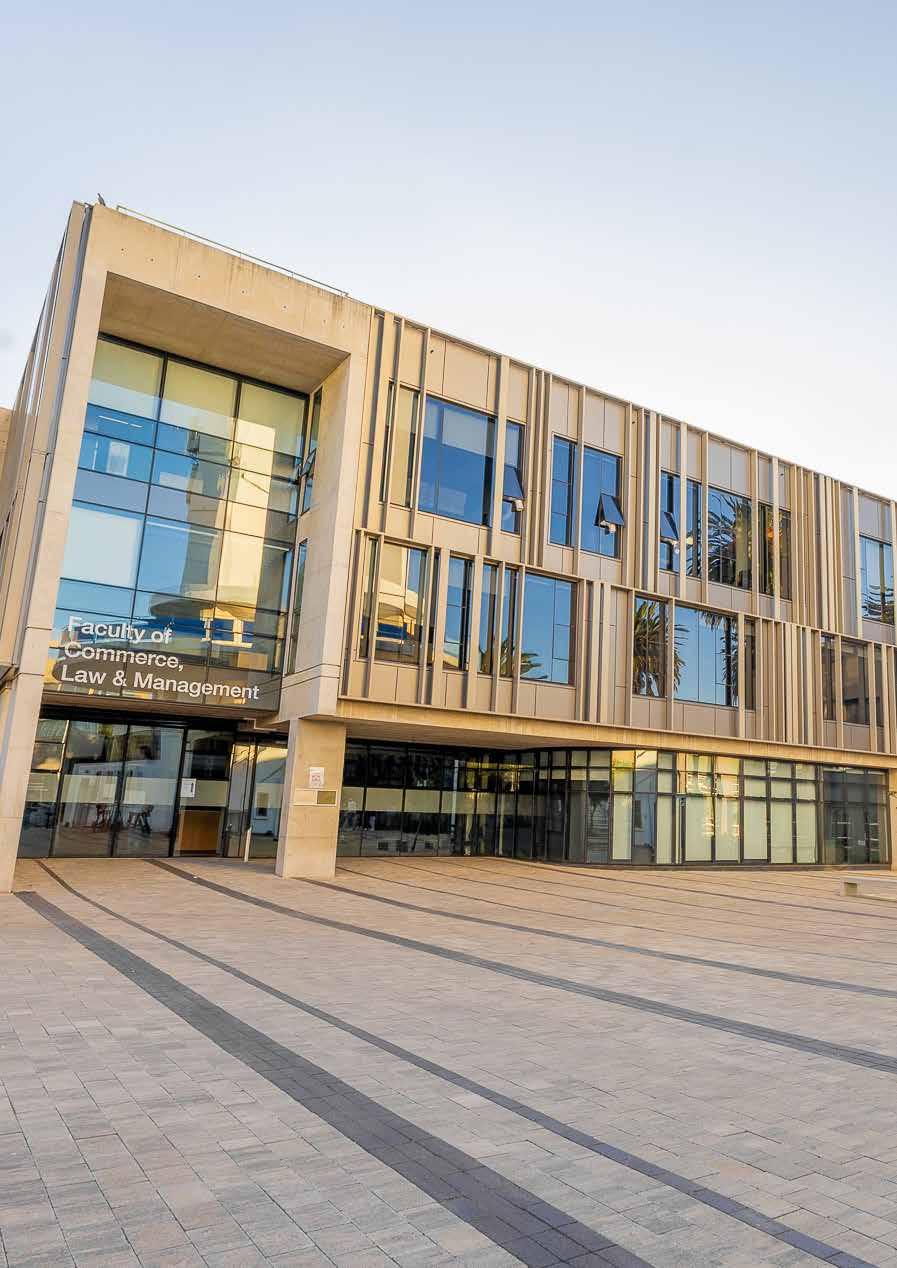
New Building
“I am pleased that in 2025 we successfully relocated our Road to Success Unit to the new Commerce, Law and Management (CLM) admin building adjacent to our informal study spaces for greater visibility and accessibility.“
— Jason Cohen Dean | Faculty of CLM CLM

About this report
The report’s objective Report overview
This Annual Integrated Report covers the full scope of the University’s operations for the reporting period from 1 January to 31 December 2025. Throughout this period, Wits has continued to strengthen institutional capital by complying with applicable governance requirements and good-practice rules and regulations, while enhancing management systems, processes, and organisational structures.
The University identifies the principal priorities that shape the institutional budget for the current year and lays the foundation for the multiyear projects aligned to the Wits 2033 Strategic Framework.
Our report provides:
9 an outline of significant results; and 9 key opportunities and risks that informed our performance in 2025.
We endeavour to present a balanced opinion that will provide stakeholders with a clear understanding of the University’s progress. Our leadership reports endeavour to provide context to key successes achieved in the respective portfolios in the year.
This report also presents financial information relating to the University’s operations for the fiscal year under review in Chapter six. The full financial statements are included in the Annexure: Our financial reports.
The emphasis on value creation reflected in this report aligns with the principles of the International Framework of the IIRC, which affirms that “communication about value creation should be the next step in the evolution of corporate reporting”.
Scope and boundary
Content overview

Growing the next generation of changemakers and global scholars
Innovating and pioneering knowledge
Advancing society by addressing climate change, inequality, promoting social justice and public health
Strengthening democracy and governance in South Africa
Transforming the global university landscape while bringing our continental partners along on this journey
The Annual Integrated Report is a key institutional document that provides a detailed and comprehensive overview of the University’s performance and future outlook, reflecting the University’s continued commitment to its strategic priorities. The report offers in-depth insight into a range of areas, including, but not limited to, academic performance, corporate governance, and the University’s financial performance and position.
Executive Reports
• Chairperson of Council
• Vice-Chancellor and Principal
• DVC’s portfolio overviews
The role of materiality
Council approved the application of the King IVTM process management approach in determining what is considered material for this report.
Materiality of the report content
The 2025 Annual Integrated Report reflects the University’s commitment to transparency, accountability, and service excellence, and aligns with the principles of good governance as set out in King IV™. It further complies with the regulatory requirements of the Higher Education Act, 1997 (Act No. 101 of 1997), as amended.
Process for determining materiality
The University follows a comprehensive and collaborative process to identify material matters for inclusion in the report. This process is facilitated by a dedicated task team comprising representatives from various divisions, including the Senior Executive Team (SET), Professional and Administrative Staff (PAS), and the Office of the University Registrar. The task team is mandated to ensure that the report presents a holistic, balanced, and accurate reflection of the University’s performance and strategic priorities.
The materiality assessment is informed by key institutional frameworks, including the Annual Performance Plan, the 2023–2033 Strategic Plan, the Institutional Scorecard, and the Risk Register.
Assessment
9 identify potential risks and opportunities;
9 assess performance indicators in relation to strategic objectives;
9 align reporting content with the needs and expectations of internal and external stakeholders; and
9 evaluate stakeholder engagement and risk.
Material matters are identified through a multidimensional assessment process that takes into account legal and regulatory requirements, stakeholder expectations, and institutional risk assessments.
Process
9 Legal and regulatory compliance: ensuring adherence to reporting requirements prescribed by the DHET.
9 Stakeholder priorities: engaging with students, academic and professional staff, donors, and community partners to identify key concerns and information needs.
9
Risk-based evaluation: assessing risks that may affect the University’s operations, financial sustainability, reputation, and stakeholder interests.
9 External environmental analysis: evaluating the impact of national and global operational environments on the University’s sustainability and strategic direction.
Material matters are prioritised based on their likelihood, potential impact, and alignment with the University’s strategic objectives. The University’s Risk Register, which cascades to faculties, schools, and support units, serves as a dynamic tool for the continuous assessment of materiality.
Commitment to Transparency and Stakeholder Responsiveness
The University’s approach to materiality is underpinned by a strong commitment to efficiency, sustainability, and stakeholder responsiveness. The University works closely with its internal and external auditors to uphold principles of good governance and has established a range of policies and mechanisms to support ethical conduct. These include the Wits Integrity Hotline, which enables whistleblowers to report concerns related to compliance and governance. Instances of malfeasance are addressed in accordance with applicable disciplinary, civil, and criminal procedures.
Stakeholder feedback obtained through these processes and procedures informs the materiality assessment process, ensuring that the report remains relevant, reliable, and responsive to stakeholder needs.
The University’s performance is reported across the four strategic themes outlined in the Strategic Framework and the Institutional Scorecard, incorporating both financial and non-financial information.
Governance and Integrated Reporting Alignment
In line with the principles of King IV™ and the Integrated Reporting Framework, the University adopts integrated reporting to demonstrate value creation over time. This report provides a balanced overview of the University’s strategy, governance, performance, and future prospects, taking into consideration the economic, social, and environmental context in which it operates.
The University remains committed to good governance, ethical leadership, and long-term sustainability. The 2025 Annual Integrated Report provides a transparent account of the University’s progress towards achieving its strategic objectives and delivering value to all stakeholders.
Our reporting process
Reporting Compliance and Guidance
9 The King IVTM Report on Corporate Governance for South Africa 2016 (King IVTM).
9 The International Integrated Reporting Framework.
9 The requirements of the DHET’s Regulations for Reporting by Public Higher Education Institutions as published in Government Gazette No. 37726 of 9 June 2014.
9 The financial statements, from page 130, are prepared in accordance with the relevant policies of the International Financial Reporting Standards (IFRS) as issued by the International Accounting Standards Board (IASB) and the DHET Regulations for Reporting.
9 Deloitte & Touche audited the Annual Financial Statements and provided an unqualified opinion on page 121.
9 The Department of Business Intelligence Services (BIS) extrapolated institutional management indicators and other statistical data.
9 The integrity of non-financial data relied on during our combined assurance process.
9 The Council’s Audit and Risk Committee reviews the Report and presents a final version for approval at the Council meeting in June each year.
Integrity of the report
The integrity of the University’s statutory reporting is of paramount importance. The report is subject to rigorous scrutiny to ensure accuracy, completeness, and compliance with applicable regulatory standards. The Senior Management Team plays a pivotal role by contributing to the content and providing strategic guidance, oversight, and endorsement.
In addition, the Risk Committee, comprising experienced and suitably qualified members, evaluates potential risks and their impact on the report, ensuring that any vulnerabilities are appropriately identified and addressed. This further strengthens assurance on the integrity of the report.
All stages of the reporting process, from data collection and analysis to disclosure, are undertaken with due diligence and transparency, ensuring that stakeholders can have full confidence in the reliability and integrity of the University’s statutory report.
Staff, Student, Research and Awards Data
Institutional data is extracted and verified by the Principal Data Scientists within the BIS Department. The following reporting tools are utilised to ensure the accuracy and integrity of data submitted to the Higher Education Information Management System.
Institutional data
Oracle Business Intelligence: Used to access dashboards that present summarised and integrated information across multiple reporting periods.
Business Objects: Used to generate detailed financial and HR operational and management reports.
Power BI: Used to access executive summaries and detailed information relating to individual students and staff members.
Assurance and Council approval
All statutory and non-statutory reports of the University of the Witwatersrand are subject to a series of quality assurance processes prior to formal approval.
The Council is responsible for providing strategic oversight of the University, approving major developments, and reviewing of institutional reports. Council’s decision-making authority is set out in the Statute of the University of the Witwatersrand, in accordance with the Higher Education Act. The University’s reports comply with the reporting requirements prescribed in Sections 41 and 69 of Act 101, as outlined in the Regulations for Reporting by Public Higher Education Institutions.
The quality assurance measures below are implemented to ensure that the information presented in the reports is accurate, reliable, and appropriately reviewed prior to approval.
Finance
The University’s financial, risk management, and internal reporting processes provide comprehensive information on the Group’s financial position and performance. This information is relevant to Wits’ investors, funders, donors, regulators, and other key stakeholders. The information disclosed is used to assess the University of the Witwatersrand Group’s financial strength and performance, including strategic risks, statements on internal controls, and related disclosures.
The DHET grants are reviewed by Deloitte & Touche in accordance with agreed-upon procedures. During the period under review, KPMG served as the University’s internal auditors.
Deloitte & Touche audited the Consolidated and Separate Annual Financial Statements and issued an unqualified audit opinion. The Annual Financial Statements were prepared on the premise of Wits as a going concern in accordance with IFRS. The audited Annual Financial Statements were reviewed by the FinCo and the Council Audit and Risk Committee (CARC) prior to their approval by Council.
Council’s aproval of this report
Council’s approval process
Once the Annual Integrated Report has been finalised, it is submitted to Council for review. Council members are afforded seven days to review the report and provide feedback, which is then considered at the scheduled Council meeting. Following a detailed review and scrutiny of the report, proposed amendments are incorporated, after which the report is resubmitted to Council for final consideration and approval.
The Council confirms that it has carefully reviewed and assessed the contents of the Annual Integrated Report. The Council collectively takes responsibility for the preparation and presentation of the report and is satisfied that it has thoroughly evaluated the accuracy, completeness, and reliability of the material matters disclosed. The Council is responsible for ensuring the integrity of the report and further affirms that the report is prepared in accordance with the annual reporting framework and reflects due consideration of all relevant aspects.
The Council approved the 2025 Annual Integrated Report on 4 June 2026.
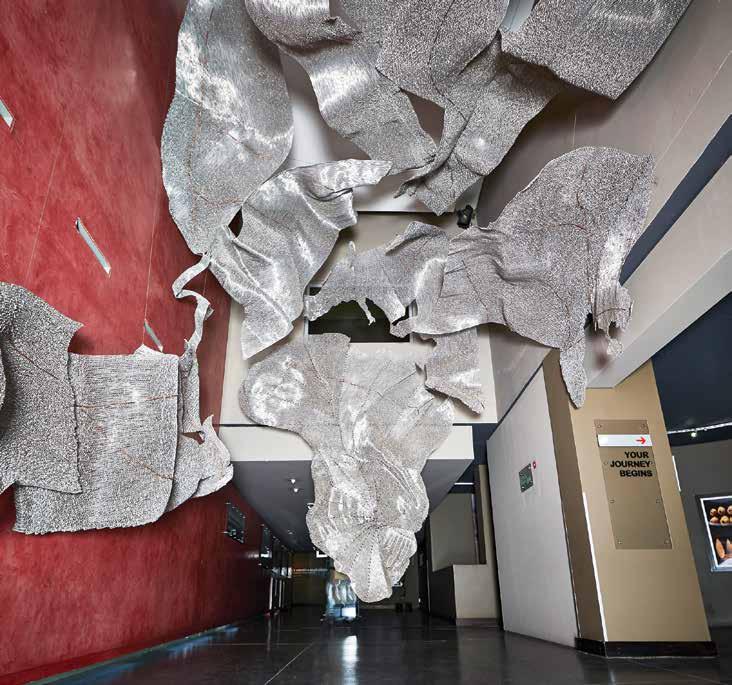
Exhibitions
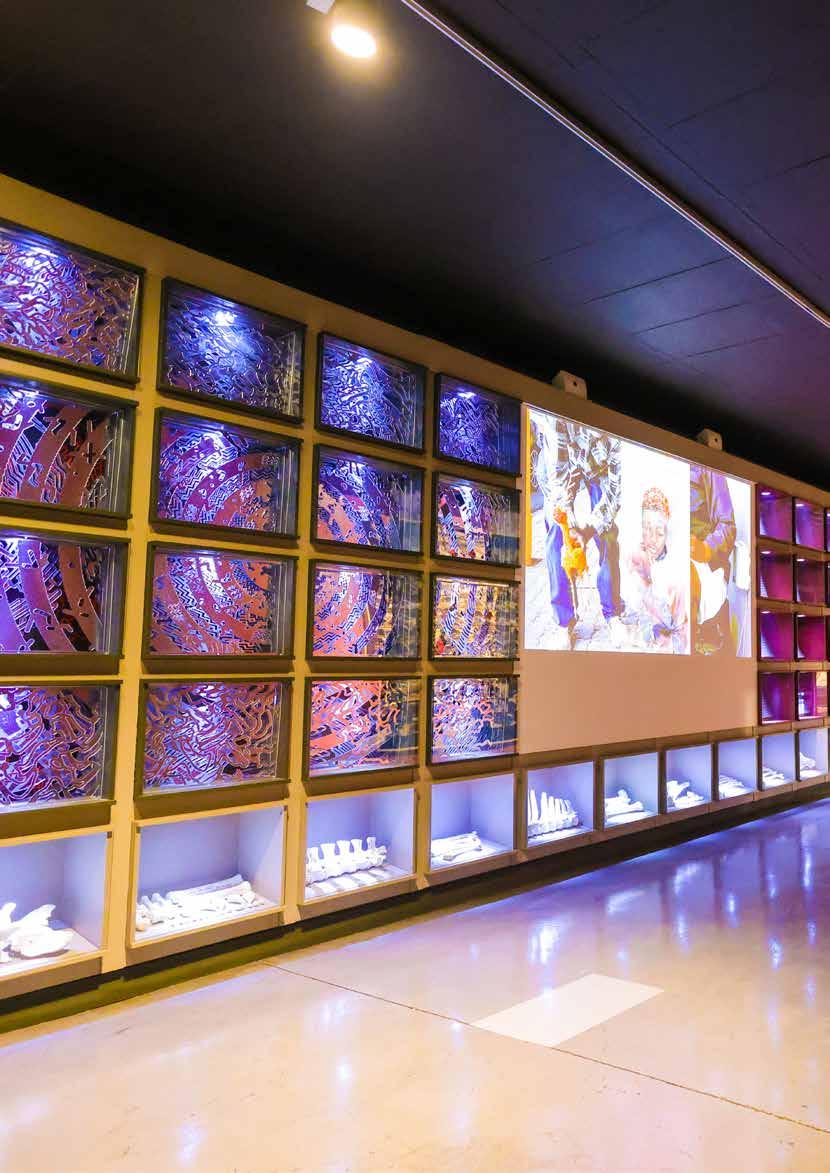
The Origins Centre boasts an extensive collection of rock art from the Rock Art Research Institute at Wits.

Who we are today and our history
Wits today
Wits University is renowned for its academic excellence, research and innovation, and commitment to social justice. Located in the economic hub of the continent, the University has been inextricably linked to the development of the City of Johannesburg for over 100 years.
Spanning seven campuses in Parktown and Braamfontein, Wits’ reach includes a digital innovation precinct, sports complex, the Wits Rural Campus in Mpumalanga, the Wits Sterkfontein Caves in the Cradle of Humankind, a World Heritage Site, and Pullen Farm.
It is the only university to own a private hospital – the Wits Donald Gordon Medical Centre. Home to the Wits Anglo American Digital Dome, the Wits Art Museum, the Origins Centre, and several other museums and galleries, Wits’ cultural footprint is well embedded in the City of Johannesburg and beyond. The Chris Seabrooke Music Hall opened in 2022, while the revamped Wits Anglo American Digital Dome and the renovated Wits Sterkfontein Caves opened to the public in 2025.
Other spaces of interest include the Palaeosciences Centre and Fossil Vault, that houses a valuable collection of fossils, and the Historical Papers and Archives, which curates national treasures, including former president Nelson Mandela’s Rivonia Trial papers on behalf of the people of South Africa. These are just some examples of Wits’ contribution to South Africa’s science, heritage, arts and culture, all of which are firmly embedded in the academic project.
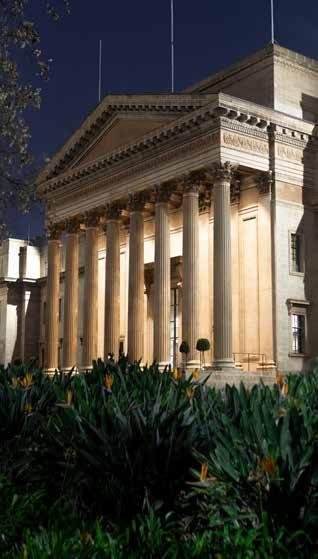
Academics and researchers have been driving innovation across the globe. For example, Professor Benjamin Rosman was cited as a TIME Top Thinker in AI in 2025, following on two other Wits graduates, – Pelonomi Moiloa and Shakir Mohamed who were named among TIMETM Magazine’s 100 Most Influential People in AI in 2023. The Tshimologong Digital Innovation Precinct was opened at Wits in 2016 and brings together people from across disciplines to engage in digital entrepreneurial activities that transform our world for good. An invention born in this precinct, the Pelebox, was also announced as one of TIME’s best creations.
Wits is home to two commercial companies, Wits Enterprise and the Wits Health Consortium, as well as Wits Plus, a company offering bespoke short courses, which was reimagined and reopened in 2024 to enable access to education and to promote lifelong learning.
In 2025, the University broke ground on the Wits BioHub, conceived as Africa’s first fully integrated “bedside-to-bench-tobreakthrough”campus,which will open in Parktown in 2026. Similarly, the state-of-the-art Brian and Dorothy Zylstra Sports Complex, an integrated sports complex for training, research, and clinical practice, will open its doors next year.
Ranked in the top 1% to 1.5% of universities worldwide, generally positioned in the top 250 to 300 globally. QS World University Rankings 2025: #267.
The history of Wits
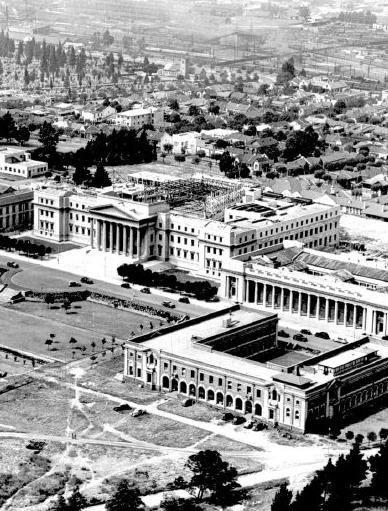
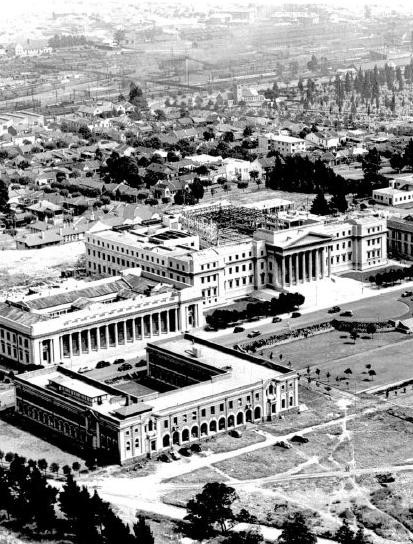
Wits University was founded in Kimberley in 1896 as the South African School of Mines. Eight years later, in 1904, the School was moved to Johannesburg and renamed the Transvaal Technical Institute. The School’s name changed yet again in 1906 to Transvaal University College. In 1908, a new campus of the Transvaal University College was established in Pretoria. The Johannesburg and Pretoria Campuses separated on 17 May 1910, each becoming a separate institution. The Johannesburg campus was reincorporated as the South African School of Mines and Technology, and in 1920, the school was renamed the University College, Johannesburg.
The open years
On 1 March 1922, the University College, Johannesburg, was granted full university status after being incorporated as the University of the Witwatersrand. The Johannesburg municipality donated a site in Milner Park, north-west of Braamfontein, to the new institution as its campus and construction began the same year, on 4 October 1922. The first Chancellor of the new University was Prince Arthur of Connaught, and the first Principal (a position that would be merged with that of Vice-Chancellor in 1948) was Professor Jan Hofmeyr, who set the tone of the University’s subsequent opposition to apartheid when, during his inaugural address as Principal, he declared that universities “should know no distinctions of class, wealth, race or creed”. From the outset, Wits was an open university with a policy of non-discrimination on racial or any other grounds.
Initially, there were six faculties – Arts, Science, Medicine, Engineering, Law and Commerce – 37 departments, 73 academic staff and approximately 1 000 students. In 1923, the University began moving into the new campus, gradually vacating its former premises on Eloff Street for the first completed building in Milner Park: the Botany and Zoology Block. In 1925, the Prince of Wales (the future Edward VIII) officially opened Central Block (which includes the Great Hall).
The University’s first library was destroyed in a fire on Christmas Eve in 1931. Following this, an appeal was made to the public for the construction of a new library and the acquisition of books, and the William Cullen Library opened in 1934. From a total enrolment of 2 544 students in 1939, the University grew to 3 100 in 1945. During World War II, Wits was involved in important research on the use of radar.
Growth and opposition to apartheid
Wits protested against apartheid in 1948 and the separation policies and in 1957 issued a joint statement titled “The Open Universities in South Africa” which committed to the principles of university autonomy and academic freedom, values which the University holds dear today.
In 1959, Wits protested against the Extension of University Education Act, 1959 (Act No. 45 of1959) marking the beginning of a period of conflict with the apartheid regime.
This resulted in numerous police invasions of campus to break up peaceful protests, as well as the banning, deportation and detention of many students and staff. Government funding for the University was cut and redirected to other universities.
The University continued to grow (from 6 275 students in 1963 to 10 600 in 1975, and to over 16400 by 1985), and the expansion of the campus became imperative. In 1984, West Campus, formerly the Milner Park showgrounds, was acquired. In 1964, the medical library and administrative offices of the Faculty of Medicine moved to Esselen Street in the Hillbrow district of Johannesburg.
In 1968, the Graduate School of Business was opened in Parktown. A year later, the Ernest Oppenheimer Hall of Residence and Savernake, the new residence of the Vice-Chancellor (replacing Hofmeyr House on the main campus), were both established, also in Parktown. That same year, the Medical School’s new clinical departments were opened. However, the Medical School moved premises again and is now situated in York Road, Parktown – the complex was opened on 30 August 1982.
Expansion into Braamfontein also took place. In 1976, Lawson’s Corner, renamed University Corner, was acquired. Senate House (now Solomon Mahlangu House), the University’s main administrative building, was occupied in 1977. The Wedge, a building formerly owned by the National Institute of Metallurgy, was taken over by the University in 1979. In 1984, the Milner Park showgrounds was renamed West Campus.
Today, the campuses span some 400 hectares, with over 400 buildings. In 1989, the Chamber of Mines Building for the Faculty of Engineering on the West Campus was opened, and the brickpaved AMIC deck (now the Sibanye Stillwater-Innovation Bridge) was built across the M1 motorway to link the East and West Campuses.
The University was desegregated in 1990, prior to the abolition of apartheid. Several of apartheid’s critics and societal leaders were students and graduates of the University. The University continued to expand with about 19 500 students enrolled by 1999. The number increased to about 30 000 students ten years later, and in 2025, approximately 40 000 students were enrolled at the University.
In 2012, five major capital projects were opened: the Wits Art Museum (which houses over 12 000 works of African Art), the FNB Building (now the Margo Steele School of Accountancy), the Science Stadium, the fourth quadrant of the Chamber of Mines Building (now the African Rainbow Minerals (ARM) Building), and the new School of Public Health Building.
In 2015 and 2016, the #RhodesMustFall and #FeesMustFall movements impacted campuses across the country. Students protested against high university fees, which eventually resulted in government student funding policies being changed. Workers were also insourced across the country, and transformation of the academy was under the spotlight.
The renaming of Senate House to Solomon Mahlangu House and Central Block to Robert Sobukwe Block took place in the wake of the #FeesMustFall protests. Other name changes include the Mathematical Sciences Building, renamed in honour of Dr Thamsanqa Wilkinson “Wilkie” Kambule and the Chamber of Mines Building to the ARM Building. University Corner was also renamed after the renowned writer and activist Es’kia Mphahlele as part of Wits’ continuing transformation plan.
Wits University celebrated 100 years of excellence in 2022. Celebrations took place throughout the year and saw the opening of new buildings and major capital. Alumni reunions were held in the US, UK, Australia and South Africa. Witsies made it to Times Square in New York and also celebrated the Homecoming Weekend, a light show, a performance by William Kentridge at the Linder Auditorium, a concert, a parade, and other activities.

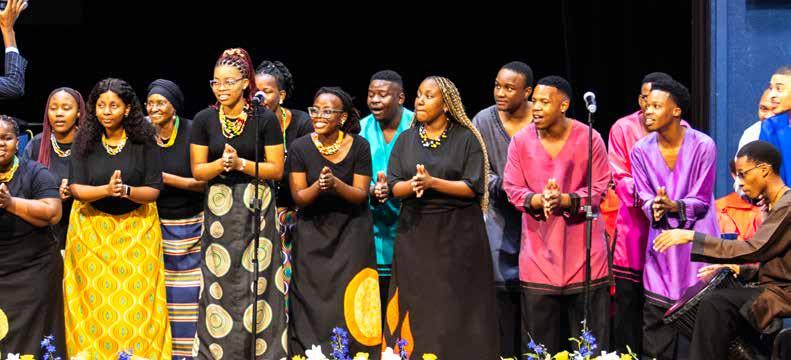
The Wits Choir
Wits today...
FACULTIES
Five faculties
Wits offers over 3 000 courses through five faculties, namely:
• Commerce, Law and Management;
• Engineering and the Built Environment;
• Health Sciences;
• Humanities; and
• Science.
LIBRARIES
11 libraries
Wits is home to 11 libraries, with students having to access over 1.5 million books and journals
RESIDENCES
17 residences
Over 6 000 of about 40 000 students are accommodated in 17 residences and student villages.
CLUBS
Over 30 clubs
Over 30 sport clubs and societies are available.
MUSEUMS
Seven museums
Visitors, staff and students can explore Wits’ seven museums, namely:
• the Wits Sterkfontein Caves;
• the Wits Theatre;
• the Wits Anglo American Digital Dome;
• the Tshimologong Digital Innovation Precinct; and
• the Wits Chris Seabrooke Music Hall.
Student enrolment by Faculty

Other statistics
5 928 Staff
1 762
4 166 Joint staff 1 854 Academics
International students
PAS staff
Joint staff – These staff members engage in both academic and clinical activities and are not paid by the University.
Located in the economic hub of Africa
400+ buildings
6 campuses (including the Wits Rural Campus)
11 libraries
18 residences
3 commercial companies (Wits Health Consortium, Wits Enterprise and Tshimologong)
1 short course company (Wits Plus)
Wits is the custodian of the Sterkfontein Caves in the Cradle of Humankind, a UNESCO World Heritage Site
Wits is in a joint venture with Mediclinic, who operates the Wits Donald Gordon Medical Centre, a private teaching hospital
Wits has offices in the UK, USA and Australia


Developing employable graduates
10 859
Highly employable graduates in 2025 EGO office 95%
Employed within six months of graduating Wits Graduate Exit survey
Ranked
54th in the world, based on the number of Fortune Global 500 CEOs (Times Higher Education (THE) Alma Mater Index)
99.5% of the QS World University Rankings 2025 for employment outcomes Ranked in the top
+250 000
Graduates in 101 years Alumni database
97th Ranked in the world for alumni employability, Center for World University Rankings (CWUR)
Wits ranks in the top 1.5% of universities in the world CWUR


Student profile
Notable graduates
Wits University is ranked among the Top 100 universities in the world for alumni success. For over a century, Wits has produced illustrious alumni who are considered world leaders in almost every profession.

WALKING WITH GIANTS
Ranked 14th in the world in the QS World University Rankings 2025 for Learning Experience.
Wits is the home of changemakers who impact the world for good. Our students walk in the footsteps of luminaries such as Donald Gordon, Johnny Clegg, Gail Kelly, Thuli Madonsela, Sibongile Khumalo, Patrice Motsepe, Robert Sobukwe, Ruth First, Maria Ramos, William Kentridge, Robert Brozin, Adrian Gore and generations of many others who have left a legacy in society.
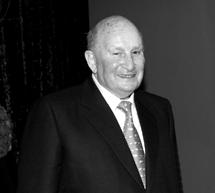

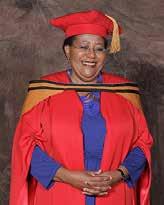
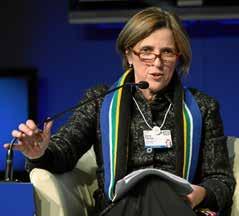

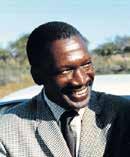

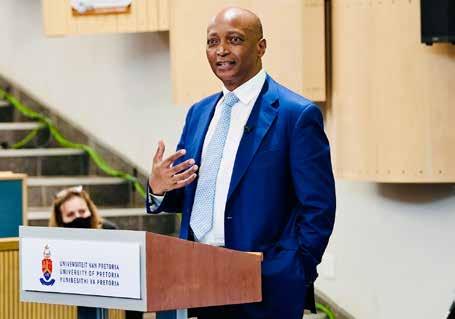
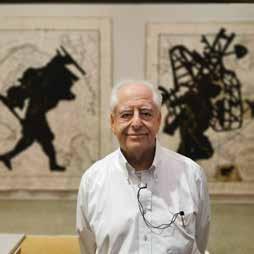


Donald Gordon
Johnny Clegg
Gail Kelly
Thuli Madonsela
Robert Sobukwe Ruth First
William Kentridge
Robert Brozin Adrian Gore
Sibongile Khumalo Patrice Motsepe
Maria Ramos
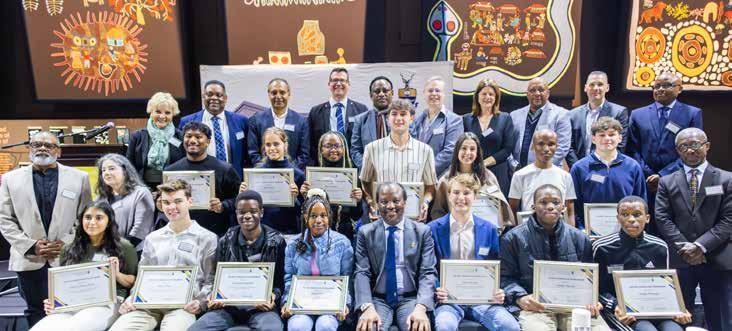
Honorary graduates for 2025
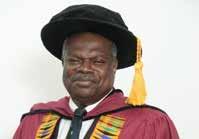
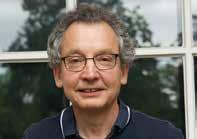
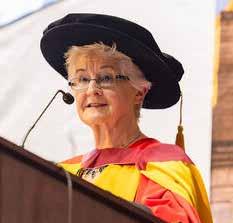
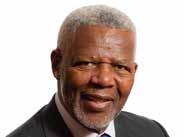
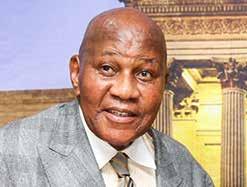

Professor Ernest Aryeetey
Doctor of Commerce (DCom)
As the Secretary-General of the ARUA and former Vice-Chancellor of the University of Ghana, Professor Aryeetey is recognised for fostering African research and delivering keynote speeches on leadership and inequality.
Professor David Dyzenhaus
Doctor of Laws (LLD)
A distinguished legal philosopher and alumnus of Wits University, Professor Dyzenhaus was awarded an honorary Doctor of Laws in April 2025 for his profound impact on legal theory. He specialises in administrative and constitutional law, focusing on the rule of law, legal positivism, and the South African legal order during and after apartheid.
Professor Jennifer Glennie
Doctor of Education (DEd)
Professor Glennie was conferred with the degree of Doctor of Education in recognition of her outstanding contributions to the advancement of education and social justice. Her leadership and vision exemplified the core values of the University, and we remain immensely proud to have celebrated her achievements and lifelong commitment to learning during our May graduation ceremonies.
Wits University is deeply saddened to learn of the passing of Jenny Glennie.
Mavuso Msimang
Doctor of Commerce (DCom)
Dr Msimang is a distinguished South African struggle veteran, public servant, and anticorruption advocate who was awarded an honorary Doctor of Commerce degree by Wits University in July 2025.
Dr Kaizer Motaung
Doctor of Commerce (DCom)
Kaizer Chiefs founder and football icon, Dr Kaizer Motaung, was awarded an honorary Doctorate in Commerce (honoris causa) by Wits University on 15 July 2025. He was recognised for his immense contribution to South African football, business, and youth development over five decades.
William Henry Frankel
Doctor of Laws (LLD)
Dr Frankel received the award for his anti-apartheid activism and his profound contribution to the betterment of South Africa.
Frankel, a South African-born lawyer and human rights activist, was honoured for his decades of underground and public work supporting the fight against apartheid and helping to build South Africa’s post-1994 democracy.
Key events in 2025

Nelson Mandela is one of four Wits Nobel Prize winners
• Nelson Mandela (Peace);
• Sydney Brenner (Medicine);
• Nadine Gordimer (Literature); and
• Aaron Klug (Chemistry).
A plethora of significant outcomes were achieved during the year in various domains: Research, Innovation and Academic Excellence, Infrastructure, Cultural and Heritage Projects, Sustainability, Climate and Environmental Leadership, Global Partnerships and Strategic Alliances, Digital Innovation, Entrepreneurship and Commercialisation, and Governance, Ethics and Leadership.
Wits is driving research-led innovation to address African challenges in health, urbanisation, and sustainability, supported by the Wits Innovation Centre (WIC) and a focus on translating research into social and economic impact.
Research, Innovation and Academic Excellence
Wits was ranked first for innovation performance among universities in sub-Saharan Africa (THE-linked Innovation Index/Global Innovation Index 2025).
The University broke ground on the Wits BioHub, Africa’s first fully integrated bedside-to-bench-to-breakthrough research campus.
Wits: H2O, a multidisciplinary water research centre addressing South Africa’s water challenges, was launched.
New research infrastructure, including the Earth Observatory and the African Research Centre for Ore Systems Science was opened.
The Machine Intelligence and Neural Discovery (MIND) Institute received US$1 million in core funding from Google.org and secured a R33 million partnership with IBM.
Researchers were awarded significant funding for Artificial Intelligence (AI)-driven climate and environmental research, including grants from the Bezos Earth Fund.
Wits launched innovative projects, including AI and African Music, the second phase of the Rhisotope Project to protect rhinos, and the AfriCAT mental health digital tool.
Researchers were recognised internationally, including Professor Precious Matsoso in Nature’s 10 and Professor Benji Rosman, who was recognised as one of the top thinkers in AI and made the TIME100 AI list. Two other Witsies made this list in recent years.
In collaboration with the Property and Infrastructure Management Division, and the Campus Planning and Development (CPD), Campus Innovation Laboratory is developing long-term heritage and sustainable building strategies and programmes for the various campuses of Wits University.
Infrastructure, Cultural and Heritage Projects
The Wits Anglo American Digital Dome opened to the public in 2025, welcoming thousands of visitors, researchers, academics, and students.
The Wits Sterkfontein Caves reopened, reinforcing Wits’ role in palaeosciences research, public heritage, and tourism.
The Blombos Museum of Archaeology was recognised as the best innovative project in its field.
Wits worked with Jozi My Jozi and other partners to upgrade public spaces, including urban improvements in Braamfontein and Ameshoff Street.
In 2025, the University cemented its leadership in sustainability, climate change, and environmental justice by integrating research, teaching, and campus action to meet the net-zero by 2050 goal. Wits focuses on Africa-centric solutions to climate change, bridging the gap between scientific modelling, policy, and social equity.
Sustainability,
Climate and Environmental Leadership
Wits was awarded major grants for climate risk modelling, biodiversity, and AI-based environmental forecasting.
The Wits Sappi Chair in Climate Change and Plantation Sustainability was renewed.
Wits hosted and contributed to global climate dialogues, including at the Conference of the Parties (COP).
Academics and students presented public exhibitions and initiatives exploring water, energy and food insecurity, including Agitation at the Origins Centre.
Wits advanced biodiversity and ecosystems research through the Future Ecosystems for Africa Programme.
Africa in the G20: Advancing Solidarity, Equality and Sustainability – The Amplifying African Voices for Strategic Action (AFSA) conference was held in November 2025. The theme, “Africa in the G20: Advancing Solidarity, Equality, and Sustainability,” aligns with the G20 Summit theme set by the host country, South Africa.
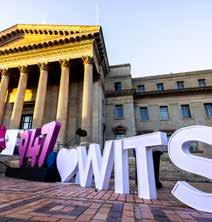

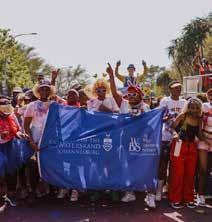
At Wits University, our vision extends beyond borders. The Internationalisation and Strategic Partnerships Office drives global engagement by fostering meaningful collaborations with leading universities, research institutions, industry partners, and international organisations.
Global Partnerships and Strategic Alliances
Wits became a signatory to the Africa Charter for Transformative Research.
Wits is a partner in the first Wits-CNRS International Research Centre in Africa.
The University strengthened participation with CIVIS European University Alliance and the ARUA, among other initiatives, and expanded strategic partnerships with universities and institutions in Europe, North America, Asia and Africa.
Wits hosted high-level international delegations, diplomats, and global thought leaders, including renowned Professor Jeffrey Sachs.
The Centre for Entrepreneurship at Wits Business School (WBS) was established in 2025. Named the Wits Crucible – Centre for Entrepreneurship and New Venture Creation, the centre is dedicated to advancing entrepreneurship, entrepreneurial leadership, and the development of Small, Medium and Micro-Enterprises.
Digital Innovation, Entrepreneurship and Commercialisation
The Wits Innovation Centre (WIC) and Wits Enterprise launched three new spin-out companies.
Wits joined the University Technology Fund II to support the commercialisation of university-based research.
The Fak’ugesi African Digital Innovation Festival was successful, as were multiple innovation challenges.
Students represented Wits in global innovation competitions, including engagements in China.
The new Mervyn King Centre of Research is to champion corporate governance and sustainability.
Governance, Ethics and Leadership
The Mervyn King Centre for Corporate Governance and Sustainability was launched at the WBS.
Professor Iginio Gagliardone was appointed as the inaugural SA–UK Bilateral Research Chair in Digital Humanities.
Wits launched new Academic Chairs in Photonics, AI, and Sustainable Business Transformation.
Researchers hosted high-profile public lectures on AI, ethics, sustainability and climate change.
Exhibitions
The interactive exhibits at Origins Centre take visitors on an extraordinary journey of discovery, beginning with the origins of humankind in Africa and then moving through the development of technology, art, culture and symbolism.
Origins Centre


Chancellor
Dr Judy Dlamini
The Chancellor Report of the Chancellor
It was an honour to serve the first year of my second term in 2025, after completing my first six-year term in November 2024. I am happy to share a few milestones that were achieved during the year. The Female Academic Leaders Fellowship (FALF), an organisation I founded when I became Chancellor, celebrated her fifth-year anniversary through the launch of FALF Day and sharing what was achieved during the first five years. FALF Day is the brainchild of FALF Alumni Association (FALFAA), which is led by Dr Dineo Tsabedze.
FALF contributes to one of the Wits 2033 Strategic Framework pillars, namely, Wits’ identity, which focuses on its people, culture, brand, partnerships and publications. She has formed partnerships to develop people, increase research capacity and help to solve societal problems in keeping with our motto, Wits. For Good!
The FALF-NRF-Wits Research Chair was launched in 2025, through the partnership with Ford Foundation and the National Research Foundation (NRF) to manage the challenge of gender-based violence and femicide (GBVF). We welcomed Professor Relebohile Moletsane, an esteemed scholar with expertise in gender and education, and girlhood studies, to the School of Human and Community Development within the Faculty of Humanities to lead the Chair. The 2025 FALF Annual Research Symposium was themed around GBVF and the role of men in tackling societal challenge, culminating in the launch of a book co-authored by teachers from rural KwaZulu-Natal and the Eastern Cape, titled Mirrored Lives of Change. The Senior DVC, Professor Ruksana Osman was honoured for her selfless contribution to Wits University and the empowerment of fellow academics and students at the annual Chancellor’s Dinner.
FALF partnered with the Women Development Business Trust in funding a Research Chair in Gender Equality. We look forward to employing a multidisciplinary approach in addressing gender inequality in society, commencing with institutions of higher learning.
A partnership between FALF and the University of Oxford through their African Initiative (AfOx), funded by Standard Bank, celebrated the successful completion of the first cohort. The fellows who participated in the first cohort included Associate Professor Jane Ndlovu from the Faculty of Commerce, Law and Management, Dr Prudence Ditlopo from the Faculty of Health Science and Dr Josephine Lalle from the Faculty of Engineering and the Built Environment.
I would like to thank Wits Executives who have supported the FALF Project, the funders who have enabled the funding of 107 fellows over the past five years and the three Research Chairs, including the FALF-FREF-NMU Research Chair hosted at Nelson Mandela University, which focuses on entrepreneurship and financial inclusion. I would like to congratulate the 19 FALF fellows who were promoted to Associate Professor level. Wits University remains committed to the diversifying leadership; inclusivity and excellence are two sides of the same coin.
Thank you.

Dr Judy Dlamini

Chair of Council
Mr Issac Shongwe
The Chair of Council
Report of the Chair of Council Context
At the close of my second and final term as the Chairperson of Council of Wits University, I thought it apt to reflect on highlights of the past year, but also on some of the themes that have persisted through the two decades with which I have been associated with Wits.
Over the years, I have served in several capacities – as a member of the Board of Governors, Chair of the WBS Advisory Council, Deputy Chair, and then as Chair of Council. I am pleased to say that over these two decades, Wits has made tremendous progress and remains undoubtedly one of the leading HEIs in the world.
Achievements
Wits is ranked among the top 1.5% of universities in the world, out of about 25 000 HEIs. In 2025, it was ranked No.1 for innovation performance in the THE-linked Innovation Index among all universities in sub-Saharan Africa. The WBS has just achieved triple accreditation and has a strong leadership team in place that is entrenching the Wits brand globally.
I believe that these achievements are a result of the University’s commitment to academic and research excellence, social justice, and the advancement of the public good – key pillars of both the previous and current strategic framework.
Today, Wits’ research is shaping the future of work, be it through reimagining medicine, safe and sustainable mining, new energy health tech, fintech and digital initiatives, mitigating climate change, and building a society in which good governance and ethics are embedded. The establishment of Tshimologong, the WIC and the strengthening of other entities, such as Wits Enterprise, have seen ten new startups develop in recent years. Wits is now a partner in the University Technology Fund – again offering new opportunities for innovators.
The advent of Covid-19, AI, large language models and other innovative technologies prompted Wits to pivot from traditional learning and teaching to blended learning and teaching, while embracing new digital platforms. We used these global disruptions to advance the creation of new knowledge, to innovate in learning and teaching and to serve and advance society for good. For example, during the pandemic, researchers, students, and clinical teams were on the frontline – working in hospitals and clinics, developing new vaccines, and working in communities to save lives. Similarly, the MIND institute was launched to study human, animal and AI, from our perspective in the Global South. This year, Wits launched postgraduate degrees in cybersecurity in the School of Computer Science, essential qualifications to prepare our students for the future world of work.
Challenges
These disruptions continue in a global world that is continuously shifting, where geopolitics impacts the socioeconomic outcomes of countries across the world. Wits, too, was not spared this year, with approximately R1.8 billion in US funding for health projects rescinded, impacting jobs, research, and the closure of clinics. This example reminds us that we need to become self-sustainable and even more resilient in the long term.
Sustainability
Wits is in a far stronger financial position than it was 20 years ago, and it remains financially stable, achieving unqualified audits year after year. However, it is still imperative for Wits to build reserves to safeguard its future. The Centenary Campaign was a start and exceeded all expectations, raising over R4.2 billion for specific projects – a record for any South African university. This allowed the University to pursue several major projects, including the upgrading of the Planetarium to the Wits Anglo American Digital Dome, the reopening of the Wits Sterkfontein Caves, the Chris Seabrooke Music Hall and the state-of-the-art Brian and Dorothy Zylstra Sports Complex, due to open in 2026, among other initiatives.
However, student funding challenges persist. This year marks a decade since the start of the #FeesMustFall movement, and while there has been some progress, the missing middle remains unfunded, student debt continues to rise, and subsidies do not keep up with higher education inflation. This is a serious challenge that should remain on the agenda of the next Chairperson of Council, Mr Terence Nombembe, the former Audit-General of South Africa, who takes over in 2026.
Leadership
Over the years, I have had the honour of serving alongside many extraordinary leaders, including Professors Adam Habib and Zeblon Vilakazi FRS, and their Executive Teams. I believe that under the leadership and guidance of the Senior Executives over the last two decades, Wits has grown in stature and influence, standing as a beacon of academic excellence and social conscience across Africa and the world. Of course, none of these achievements would have been possible without those academics and staff who serve Wits tirelessly.
I step down knowing that Wits is in good hands. I have been blessed to lead a dedicated Council – 30 individuals from all walks of life, who give of their time voluntarily, united in their passion for this institution. They have navigated the last decade with integrity, accountability, and a shared commitment to the public good, and under the leadership of Mr Nombembe, I am sure that Wits will rise to greater heights.
Strength to you.
Ke a leboga. Enkosi. Thank you.

Mr Isaac Shongwe

The Leadership
The Senior Executive Team
Professor Ruksana Osman
Senior DVC: Academic


Professor Lynn Morris DVC: Research and Innovation

Professor Ian Jandrell DVC: Systems and Operations

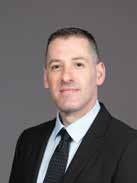
Professor Jason Cohen
Dean: Commerce, Law and Management
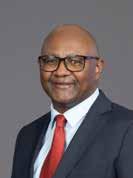
Professor Mucha Musemwa Dean: Humanities
Professor Zeblon Vilakazi Vice-Chancellor and Principal
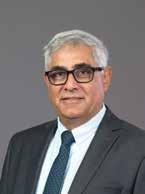
Professor Imraan Valodia Pro VC: Climate, Sustainability, and Inequality

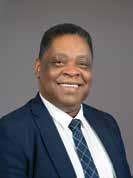
Jerome

Professor Thokozani Majozi Dean: Engineering and the Built Environment

Professor Nithaya Chetty Dean: Science
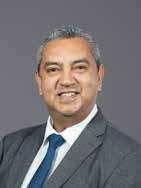
Professor Garth Stevens DVC: People Development and Culture
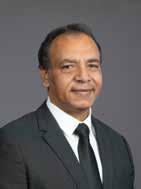
Professor Shabir Madhi Dean: Health Sciences
Carol Crosley University Registrar
Maureen Manyama Chief Financial Officer
September Dean of Students
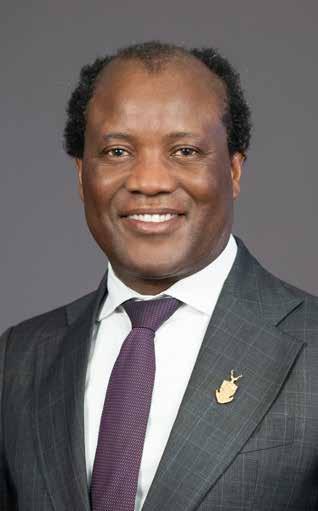
Vice-Chancellor and Principal
Professor Zeblon Vilakazi
Self-evaluation report of the Vice-Chancellor
Report of the Vice-Chancellor and Principal on management and administration
The year 2025 marked an important milestone for me as Vice-Chancellor and for the University. It signalled the end of my first five-year term as ViceChancellor and the third year of implementing the Wits 2033 Strategic Framework. It also marked the start of my second term following the renewal of my contract as Vice-Chancellor and provided me with an opportunity to carve out my strategic imperatives for the University for the next five years in the context of the broader Wits 2033 Strategic Framework which sets out Wits’ vision and mission for the next ten years, and which pivots in the main, around driving the following imperatives:
1. Academic Excellence, which aims to enable student success, develop graduates of the future, advance the pursuit of fundamental knowledge, generate knowledge for societal advancement, build a pipeline of academics and drive innovation and academic entrepreneurship.
2. Sustainability by reimagining work and institutional life at Wits, ensuring the financial strength of the organisation, modernising systems and operations and building a campus of the future.
3. Social impact by encouraging active citizenship and advocacy, strengthening democracy and governance in South Africa through the academic discourse and focusing on addressing climate change and inequality from an institutional perspective.
4. Wits’ Identity with a particular focus on its people, culture, brand, reputation, its locale, partnerships and the student experience.
The Wits SET, staff and students have once again done well in navigating and embracing these strategic areas of focus with the institutional targets for 2025 broadly achieved. This is despite having to endure a financially constrained environment, funding cuts and water and electricity interruptions on campus.
Academic Excellence
Enrolment and throughput numbers in 2025 were as follows: enrolment increased by 5% for undergraduates and by 7% for postgraduates, while throughput decreased by 2%, respectively. The new Learning and Teaching Plan, which was approved by the Senate and Council in 2024, was in its first year of implementation, with an associated monitoring framework having been piloted in two faculties. In alignment with the Learning and Teaching Strategic Plan, a pilot project to develop and offer micro-credentials was also conducted through Wits Plus Pty (Ltd), a short-course company. A review of the Senate Standing Orders on the Assessment of Student Learning and its procedural documents also commenced. Given the impact of AI, the Standing Orders were reviewed to include Faculty-specific guidelines on the fair use of AI in assessments and research reports.
In terms of Wits’ programme offerings, we commenced a review of select programmes in the Faculty of Science and Health Sciences. The Academy for Mathematical Pedagogy and Innovation for First Years (AMPLIFY) Programme was also introduced to remove barriers to passing Maths at University level. Several programmes were converted to online offerings in 2025, inclduing those in Law and Business Administration, among others.
Our publication rates improved in 2025 by 10% with a continued effort to improve publication in the field of Science, Technology, Engineering and Mathematics and the publication of 30 highly cited papers and six “Hot Papers”. Our early-career academic support programmes have continued, and the number of early-career academics (ECAs) and postdoctoral fellows have increased significantly in 2025.
Student enrolment by
To this end, I note that the WDA and the revised Graduate Online Learning and Development (GOLD) Programme were implemented. These initiatives represent the two primary postgraduate curriculum legs of the Strategic Plan for Postgraduate Research Training (2023-2027).
We continue to make strides in the area of innovation through the WIC, which was established in 2023. Since its establishment, the number of disclosures, commercialisation transactions and spin-out companies has increased.
Sustainability
On the sustainability front and through the portfolio of the Deputy Vice-Chancellor (DVC): Systems and Operations, we have developed a five- year plan to reduce Wits’ carbon footprint. Plans also commenced to establish a Green Tech Innovation Hub in collaboration with the Pro Vice-Chancellor (Pro VC): Climate Sustainability and Inequality portfolio. Ongoing sustainability initiatives include the photovoltaic rollout and recycling initiatives.
Wits remains financially sound, with the entities in the Wits Group of Companies also performing well in 2025, notwithstanding the impact of funding cuts to the Wits Health Consortium in particular. Wits achieved an unqualified audit outcome for 2025, and a surplus was reported for 2025. In addition, our assets continue to exceed our liabilities. This is notwithstanding higher inflation rates, subsidy cuts, reduced funding streams and challenges associated with the changes to funding arrangements by the National Student Aid Financial Scheme (NSFAS). There was a concerted effort in 2025 to reduce the cumulative student debt owing to the University, and while there has been a reduction, the levels of debt still remain an ongoing concern, with more needed to combat this at a sectoral level. The management team also continued to roll out cost-saving initiatives, grow our endowment schemes and generate third-stream income.
Social Impact
Making a societal impact through the academic discourse, clinical and teaching-training platforms and outreach programmes remains a priority for Wits. The Wits Centre for Entrepreneurship trained its first cohort of start-ups. To this end, we continued to convene several programmes through the Afretec Programme, which is a collaborative programme with the University of Edinburgh aimed at driving digitisation across Africa, with Wits as the lead academic institution. Together with Edinburgh, we have also enabled a number of students to pursue their master’s in partnership with the Mastercard Foundation. In addition, the US$150 million collaboration with Imperial College London (UK), the Australian National University, the University of California (Berkeley) and the University of British Columbia to form a Centre for Future Materials, based at Imperial, is in its implementation phase. The Centre is a multidisciplinary, global effort to deliver a step-change in the approach to materials’ extraction, use and reuse, in a way that is more environmentally, economically and socially sustainable in support of the energy transition. It will empower diverse and interdisciplinary teams to deliver fundamental, innovative and transformative science, engineering and social science solutions along the mining and metals value chain with environment, society, and governance at its core.
Through the research on GBVF by the Research Chair, our Faculty of Humanities forged strong partnerships with local schools, NGOs, community leaders, and survivor networks to drive education, advocacy, and evidence-based action against gender-based violence.
We participated in the Science20 activities as part of the G20 Summit through the theme “Climate Change and Wellbeing”. We led the deliberations that resulted in a statement, supported by all member countries, which was presented at the G20 Summit in November 2025. We actively engaged with the Presidency for the purpose of outlining Wits’ capabilities in aligning with the Presidency’s G20 priorities, and offered Wits’ expertise in the areas of debt sustainability, climate change and energy transition, disaster resilience and critical minerals.
We also opened the new Mervyn King Centre for Corporate Governance and Sustainability at the WBS, dedicated to ethics, corporate governance and environmental sustainability. Wits also broke ground on Africa’s first fully integrated BioHub. The Wits BioHub is conceptualised as Africa’s first fully integrated “bedside-to-bench-to-breakthrough” campus. Unlike traditional research centres, it brings together discovery science, clinical practice, and commercialisation pathways in one fit-for-purpose-built environment. The Wits: H2O was also launched. This Centre enables the University not only to strengthen its academic excellence but also to drive meaningful solutions to one of South Africa’s most pressing challenges, namely water security.
Other statistics
As we do each year, we ran our novel GTS Induction Programme again in 2025. The programme continues to help bridge the gap between high school and university. This is in addition to the student support programmes offered by the faculties and residences. Our Faculty of Engineering and the Built Environment participated once again in the Next Engineers Programme, once again, which is a global initiative spearheaded by local and global industry partners and the Gauteng Department of Education. This initiative aims to cultivate a diverse future pipeline of engineers from under-served communities, offering them access and hands-on exposure to engineering concepts and careers, and providing financial support for those pursuing engineering degrees at the University. These are but some of the plethora of activities, programmes and initiatives that have been implemented in 2025 which have made a societal impact.
Wits’ Identity
Turning now to Wits’ Identity, the Deputy Vice-Chancellor: People Development and Culture introduced a system to track the implementation of the Institutional Cultures Survey, which was completed in 2024. There was also a key focus on staff planning, with emphasis on staffto-student ratios and succession planning.
We also prepared for the launch of the new Wits Shop and refreshed the Wits website. We convened successful alumni reunions in Dubai and Dublin and met with alumni and potential individual donors in the UK, US, and in South Africa. The Afretec and Wits–Edinburgh Sustainable African Futures (WESAF) Programmes continue to flourish, enabling collaboration within and outside of the borders of our continent. In addition, we have been intentional about leading research in the fields of AI and Quantum Computing.
In closing, the 2025 academic year, which marked the end of my first term and beginning of my second term, was a momentous year and I look forward to the next chapter for the University.
Thank you.

Professor Zeblon Vilakazi
Deputy Vice-Chancellor’s overviews on portfolios for 2025

Senior Deputy Vice-Chancellor: Academic
Professor Ruksana Osman
Senior Deputy Vice-Chancellor: Academic
It is such a pleasure to provide a brief critical review of our learning and teaching intentions and actions. We have made significant shifts to centre staff and students in the work of the University. Through focusing on several areas, we worked collectively to advance learning, teaching, and student success.
The last few years have been defined by unprecedented change in higher education, compelling us to reimagine and transform how we teach and support student learning. The Covid-19 pandemic thrust us into Emergency Remote Teaching in early 2020, while the emergence of generative AI in late 2022 challenged traditional approaches to assessment and academic integrity. Yet amid these disruptions, we demonstrated remarkable resilience and adaptability in implementing our new Learning and Teaching Plan (2025–2029) approved by Senate, always keeping student success at the heart of our decisions and actions.
Our achievements have stemmed from our ability to balance change with continuity. While rapidly adopting innovative technologies and pedagogical approaches, we have remained committed to academic excellence and student success. We have developed innovative ways of engaging students both online and in-person. We have expanded our data analytics capabilities to better predict and support student success, implementing AI models and dashboards that enable proactive intervention. Similarly, the advent of AI tools nudged us to rethink assessment practices while reinforcing our emphasis on critical thinking and authentic learning.
Perhaps most significantly, the pressures catalysed unprecedented collaboration across the University in the service of student learning. Academic Affairs, Student Affairs, and faculty Teaching and Learning Units worked in concert to provide holistic student support. The Postgraduate Research and Development Office strengthened its focus on student support through enhanced collaboration with Academic and Student Affairs. Academic staff from all faculties and academic development staff based in faculties and in the Centre for Learning, Teaching and Development (CLTD) collaborated in supporting academics in their role as university teachers. Various offices in the University collaborated in developing guidelines for the fair use of AI in the academy more broadly.
This systematic and intentional cooperation – spanning teaching innovation, student support, and technological implementation – became a defining characteristic of our work in the University. The integration of our efforts created a more cohesive and responsive learning environment that better served our diverse student body.
Academic members of staff have adapted to new teaching modalities, and PAS members have provided dedicated support for the knowledge project of the University. Currently, we are testing our adaptability and resilience to shift between contact, online, and blended learning important lessons along the way. Our varying levels of digital literacy, the complexity of creating engaging digital content and curricula, and the ongoing challenge of navigating an increasingly uncertain world marked by rapid technological advances remains at the forefront of our strategy and our practices. We take pride in seeing and observing our remarkable capacity to be a learning university.
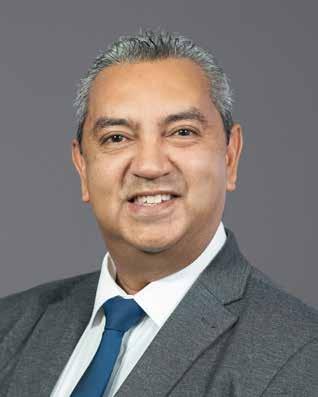
Deputy Vice-Chancellor: People Development and Culture
Professor Garth Stevens
Deputy Vice-Chancellor: People Development and Culture
The People Development and Culture portfolio embodies the University’s commitment to a people-centred institution. It recognises that people are at the core of the institution’s intellectual, academic, administrative and support resources, enabling us to fulfil our primary mandate. This mandate acknowledges the centrality of the development of graduates, who will become future practitioners, researchers, academics, scientists, professionals, industry experts, and intellectuals, and who will all be crucial to South African, African, and global advancement and development. Key priorities in the portfolio are focused on ensuring an institutional structure, size, composition, vision, mission, and practice that guarantee that we remain a fit-for-purpose, world-class, 21st-century public university.
During 2025, we were once again attentive to the acquisition of talented staff, their retention, and their development. This included postgraduate and postdoctoral support, early- and mid-career academic transition programmes, diversifying the academy to be more inclusive, and seeking out critical, scarce and distinguished staff in their respective fields, among others. Intervening across the entire pipeline of human development has allowed us to attract and retain the necessary skills and intellectual capital that have made Wits University the premier institution that it is. In addition, we invested significantly in the academic project to address staff-tostudent ratios that need to be optimised for the delivery of academically excellent programmes. We also relaunched the Annual Performance Incentive Initiative for our PAS, as part of a matrix of career development, advancement, vocational upskilling, study support, and incentivising a service-orientation culture. During 2025, the largest Institutional Cultures Study undertaken at Wits to date was released, with recommendations aligned to meeting the objectives of the Wits 2033 Strategic Framework, and aimed at enhancing a people-centred environment in which staff and students can thrive optimally.
As part of revitalising our regulatory ecosystem, a raft of staff policies, practice notes and procedures were revised, repealed, integrated, and approved. Our holistic, wrap-around support services to staff include financial literacy, wellness initiatives, a range of medical insurance options, robust retirement fund benefits, and the Employee Assistance Programme. Wits University continues to be one of the leading employers in the higher education sector in terms of salary competitiveness, ensuring talent management within the bounds of affordability and long-term sustainability. These services are all rendered through our well-established Human Resource, Employee Relations, Human Resource Development, Human Resource Information Systems, and Remuneration and Benefits Offices.
From an organisational design perspective, Wits undertook a review and restructuring of the Systems and Operations portfolio as well as our Finance Division. Plans were also initiated for a review and redesign of the Human Resources functions of the University to ensure greater efficiencies in delivering human resource services that are more agile, as well as a review of the institutional design that was an outcome of changes that were brought about by the restructuring of the University in the early 2000s.
With regard to our social justice thrusts, our Transformation and Employment Equity Office (TEEO) implemented our revised transformation pillars to guide the institution in addressing diversity, equity and inclusion (DEI) internally, and to reimagine its role in relation to the broader public. Our Employment Equity and B-BBEE Initiatives were vigorously sustained, with the B-BBEE scorecard rating being maintained at Level 4. The TEEO and Gender Equity Office (GEO) continued to conduct advocacy campaigns and provide psychosocial support services to address discrimination and gender-based harms.
These developments in 2025 illustrate our commitment to enhancing our identity, promoting excellence, advancing our social impact, and ensuring long-term sustainability. Furthermore, they contribute to a people-centred culture that is reflective of an anchor institution in public life that models active citizenship, reflects the changing nature of our society, is responsive to the vexing questions of our time, and foregrounds our commitment to excellence, social transformation, justice and the public good.

Deputy Vice-Chancellor: Research and Innovation
Professor Lynn Morris
Deputy Vice-Chancellor: Research and Innovation
In 2025, Wits consolidated its position as a leading research-intensive university on the African continent and a globally engaged innovation partner. Ranked the top university in sub-Saharan Africa for innovation performance in the 2025 Global Innovation Index, Wits continues to demonstrate that excellence in research, translation and societal impact are mutually reinforcing.
Our scholars are shaping global scientific and technological discourse. Professors Derick Raal, Shabir Madhi and Andrew Forbes were named to the 2025 Clarivate Highly Cited Researchers list. Dr Precious Matsoso’s inclusion in Nature’s 10 and Professor Benjamin Rosman’s recognition in the TIME100 AI list reflect the calibre of intellectual leadership emerging from Wits. Our next generation of scholars is equally distinguished, with Professor Mitchell Cox and Dr Simone Richardson awarded NRF P-ratings. These individual achievements signal a broader institutional strength across science, technology and innovation. The year also marked significant advances in photonics and quantum science. The launch of the Chair in Photonics under Dr Angela Dudley, alongside expanding work in quantum light research, positions Wits at the forefront of enabling technologies that will underpin next-generation communications, sensing and computation.
The Wits MIND Institute has matured rapidly, securing US$1 million from Google.org and a R33 million partnership with IBM. The embedding of AI across faculties has been strengthened by awarding an NRF Chair in Digital Humanities and the Investec Chair in AI and Sustainable Investing. These investments affirm confidence in our AI ecosystem and have catalysed new interdisciplinary initiatives, including the AI and African Music pilot in partnership with the WIC. This work reflects our commitment to ensuring that generative AI evolves in dialogue with African creative industries and knowledge systems.
The integration of the WIC and Wits Enterprise is strengthening our translational pipeline. Three new spin-out companies were registered in 2025, spanning air quality technologies, methods to extract biological compounds and novel lipid formulations for vaccine design. These achievements reflect the depth of our intellectual property portfolio, expand our innovation footprint and contribute directly to economic development.
Despite significant US funding cuts affecting aspects of our health research architecture, we broke ground on the Wits BioHub in Parktown. This will be Africa’s first fully integrated “bedside-to-bench-to-breakthrough” research campus, accelerating biomedical translation and strengthening health innovation ecosystems.
Wits continues to lead in climate science and sustainability. The renewal of the Sappi Chair in Climate Change and Plantation Sustainability, together with an award from the Bezos Earth Fund to the Wits Climate Risk Modelling Project, strengthens our climate resilience research. By integrating AI-driven weather modelling into medium-range forecasting across Africa, Wits is contributing to more adaptive and riskinformed societies. The launch of Wits: H2O further underscores our commitment to addressing South Africa’s water security challenges through integrated, transdisciplinary research.
Our ongoing investments and interventions in postgraduate research training to ensure a sustainable knowledge pipeline are maturing and demonstrating significant yields. In 2025, our GOLD programme went fully online and is now asynchronous, which clearly aligns with the needs of our students. In addition, our Graduate Research Management system is active and we are now able to better manage the life cycles of the research of all of our PhD students. The first year of the WDA was a resounding success. There are several early indicators that these interventions are effective in strengthening our postgraduate pipeline. We have exceeded our enrolment targets, time to graduation is decreasing and our students are consistently contributing approximately 10% to our overall accredited publication output.
Our activities, outcomes and outputs demonstrate that Wits’ research and innovation talent and infrastructure remain robust and futurefacing in a year marked by geopolitical uncertainty, technological acceleration and ecological urgency. We remain steadfast in our commitment to research excellence for the global good. The achievements of 2025 attest to our sustained investment in developing the next generation of scholars, advancing the spirit of innovation, and producing knowledge with impact from the leading edge of the Global South.
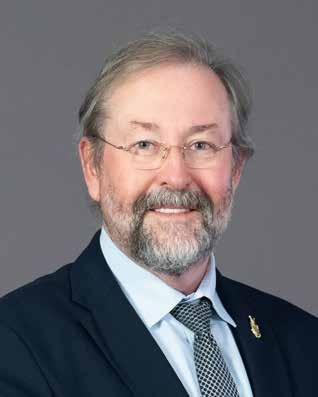
Deputy Vice-Chancellor: Systems and Operations
Professor Ian Jandrell
Deputy Vice-Chancellor: Systems and Operations
2025 marked a significant milestone in the evolution of the Systems and Operations portfolio, defined by a strategic restructuring that has created a more coherent, responsive, and future-proof machine. The portfolio has been successfully organised into five distinct departments: the Operations and Facilities Management (OFMD), Campus Planning and Development (CPD), Information and Communications Technology (ICT), Campus Protection Services (CPS), and Occupational, Health, Safety and the Environment (OHSE). This new structure has eliminated silos, clarified mandates, and established a unified direction. A concurrent skills audit, developed in partnership with our central Human Resources Division has enabled the creation of targeted training programmes, empowering our teams as we move towards reducing our historical reliance on external service providers. Furthermore, the portfolio has developed plans to support the “lean-in” strategy, fostering collaboration with the City and social partners to drive urban renewal and create a safer, more vibrant precinct beyond our campus borders.
Our commitment to sustainability has transformed from aspirational goals into more tangible action, placing Wits at the forefront of higher education’s response to climate change. The formal Sustainability Committee, a collaborative body of academics and operational leaders, drove the development of a comprehensive Carbon Footprint Reduction Plan with five-year targets, which was presented to the final Council meeting. This strategic framework is already yielding results, anchored by the integration of sustainability into the core role of our Head of OHS&E and working in support of the Office of the Pro Vice Chancellor Climate, Sustainability and Inequality. Operational achievements in 2024 were substantial: Energy EPCs were issued for all targeted buildings, creating a vital baseline for future savings, and the Louis Pasteur Eco-Centre business case was completed. Across our campuses, the Wits community is now engaging with clearly labelled, colour-coded recycling bins, and our bus routes have been intelligently optimised, reducing scheduling during academic breaks.
Significant progress was made in modernising our campus infrastructure and systems, enhancing both operational efficiency and the user experience. Phase 1 of the new Gallagher Access Control System was successfully demonstrated, paving the way for a more secure and seamlessly managed campus environment. Internally, our maintenance capabilities were dramatically strengthened by appointing ten new plumbing and ten new HVAC companies, directly addressing critical infrastructure needs. In parallel, the Archibus System advanced to its Oracle integration testing phase. A landmark achievement was the successful commissioning of the Wits Sterkfontein Caves Project on 15 April 2025. This project not only delivered essential repairs, maintenance, and ICT enablement but also established formal maintenance and security strategies and a joint operational budget, ensuring the long-term preservation of this World Heritage Site. All major infrastructure projects, including the Wits Brian and Dorothy Zylstra Sports Complex and the Wits Academic Centre at Chris Hani Baragwanath, remain on track.
The safety and wellbeing of our community remained paramount, with CPS recording several significant improvements in 2025. Beyond the initiation of a new access control system and the upgrading of outdated alarm infrastructure, CPS adopted a proactive, intelligenceled approach. Targeted crime prevention initiatives were launched to specifically address cell phone snatching and theft by extending their reach into the suburbs surrounding our precincts. This firm focus on security was matched by a dedication to service excellence, including the inculcation of a culture of teamwork and responsiveness and the full establishment of a one-stop Service Centre. Concurrently, the review of the WSDF progressed on schedule with this forward-looking framework designed to be tightly linked to academic strategy. It will produce a prioritised five- to ten-year infrastructure development plan aligned to the new Capital Expenditure Policy, ensuring that our physical environment continues to enable and inspire the world-class work of our students and researchers for decades to come.
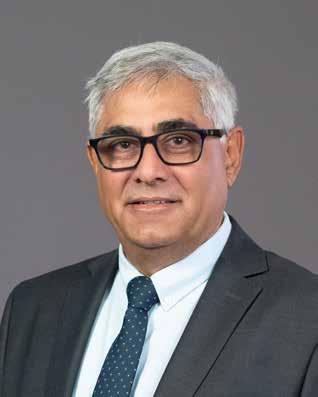
Deputy Vice-Chancellor: Climate, Sustainability and Inequality
Professor Imraan Valodia
Pro Vice-Chancellor: Climate, Sustainability and Inequality
In 2025, the Office of the Pro Vice-Chancellor (Pro VC) for Climate, Sustainability and Inequality consolidated and expanded its role in advancing Wits University’s commitment to inclusive and sustainable futures, in alignment with the Wits 2033 Strategic Framework. The year was marked by strengthened interdisciplinary research, high-profile public engagement, deepened policy influence, and tangible progress on institutional sustainability.
The Office continued to position Wits as a leading African university for climate change, sustainability, and inequality, with emphasis on just transitions, evidence-informed policymaking, and regional and global partnerships.
Research Leadership and Interdisciplinary Collaboration
Research activity in 2025 spanned all faculties and was anchored in close collaboration with key centres and institutes, including the Global Change Institute, Southern Centre for Inequality Studies (SCIS), Wits Mining Institute, Centre for Researching Education and Labour, and the Energy Leadership Centre. These collaborations advanced cutting-edge work on environmental sustainability, climate resilience, political economy, and inequality.
An interdisciplinary seminar programme featured five high-profile public lectures, including a flagship address by Sir David King on the future of the Paris Agreement. Wits hosted the Inter-Faculty Symposium on Climate, Sustainability and Inequality, convening more than 80 academics and postgraduate students and showcasing 30 research contributions across faculties. The Symposium has become a cornerstone for interdisciplinary exchange and collaboration.
The Pro VC’s Postdoctoral Fellowship Programme continued to strengthen research capacity, with an additional fellow appointed in 2025, bringing the cohort to nine. Fellows’ research addresses climate risks, urban heat, energy transitions, agriculture, extractivism, and social justice across Southern and West Africa.
Major Research Initiatives and Policy Engagement
Several significant collaborative research projects reached milestones in 2025. SCIS, with support from the International Development Research Centre (IDRC), developed a Care-Climate Nexus Conceptual Framework, which led to approval of a new African Care-Climate Research Hub with partners across East and Southern Africa. This exemplifies Wits’ leadership in feminist and interdisciplinary climate research.
Projects undertaken with the PCC on employment, work, and social ownership for a just transition were completed, with outputs published or in advanced stages of dissemination. Additional research funded by the Open Society produced policy-relevant analyses on green industrialisation, mineral endowments, and the macro-fiscal implications of climate transitions across Africa.
In the context of South Africa’s G20 presidency, the Office of the Pro VC convened a series of high-level research roundtables focused on debt sustainability, green industrialisation, care and climate, and inequality. These engagements strengthened links between research, policy, and public debate and extended Wits’ global visibility.
The Pro Vice-Chancellor was appointed to the G20 Extraordinary Committee on Global Inequality. The Committee’s report has received widespread international endorsement.
Teaching, Students and the Next Generation
The Climate Change and Me course continued as a compulsory first-year offering, reaching students across all faculties and embedding climate literacy in the undergraduate curriculum. Student engagement was further supported through a reflective writing competition, with selected blogs published on the University’s Climate, Sustainability and Inequality platform.
The WESAF master’s and doctoral programme continued to train emerging scholars focused on sustainable development pathways in Africa.
Partnerships, Advocacy and Global Engagement
The Office deepened strategic partnerships with institutions, including the PCC, University of Leeds, Horizons Institute, Sciences Po Lyon, the South Afrcian Institute of Internation Affairs (SAIIA), the United Nations University World Instituted for Development Economics Research, and the University of Texas at Austin. These collaborations supported joint research, workshops, and the establishment of a transnational research collective on inequality, injustice, and the green transition.
Innovation and Institutional Sustainability
The GreenTech Hub was approved as a strategic initiative to link Wits’ climate research expertise with industry needs, advancing innovation for climate adaptation and mitigation in partnership with Wits Enterprise and international collaborators.
Implementation of the Wits Sustainability Strategy gained momentum in 2025, with measurable progress toward the University’s netzero 2050 goal. Key achievements included expanded solar PV capacity, off-grid infrastructure at Wits Rural, improved water security, enhanced recycling and waste diversion, energy performance assessments across buildings, and increased integration of sustainability into governance and operations.
Conclusion
In 2025, work deepened in scale, visibility, and policy relevance - particularly in the context of South Africa’s G20 presidency. Through interdisciplinary research, strategic partnerships, teaching innovation, and institutional transformation, Wits is strengthening its contribution to equitable and sustainable futures in Africa and globally.
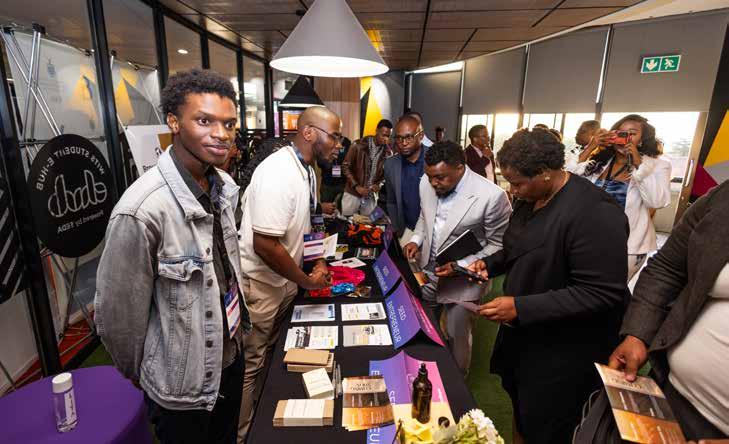
Launch of the Student E-Hub
Deans’ overviews on faculties Faculty and School configuration
Faculty and Schools
Faculty of Commerce, Law and Management
Schools
• Accountancy
• Economics and Finance
• Business Sciences
• Law
• Wits Business School
• Wits School of Governance (WSG)
Faculty of Engineering and the Built Environment Faculty of Health Sciences
Schools
• Electrical and Information Engineering
• Civil and Environmental Engineering
• Chemical and Metallurgical Engineering
• Mechanical, Industrial and Aeronautical Engineering
• Mining Engineering
• Construction Economics and Management
• Architecture and Planning
Schools
• Pathology
• Clinical Medicine
• Oral Health Sciences
• Public Health
• Therapeutic Sciences
• Biomedical Sciences
Faculty of Humanities
Schools
• Wits School of Arts
• Wits School of Education
• Humanity and Community Development
• Literature, Language and Media
• Social Sciences
03 01 02 04
Faculty of Science
Schools
• Animal, Plant and Environmental Sciences
• Molecular and Cell Biology
• Physics
• Chemistry
• Geography, Archaeology and Environmental Studies
• Geosciences
• Computer Science and Applied Mathematics
• Mathematics
• Statistics and Actuarial Science
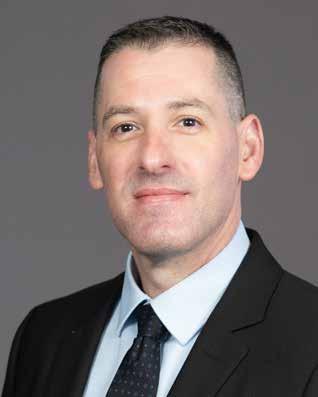
Dean: Faculty of Commerce, Law and Management
Professor Jason Cohen
Focus areas for 2025
Wits 2033 and AI
G20
Profiling academic staff
Refreshing of academic programmes and curricula
Report of the Dean of Commerce, Law and Management (CLM)
It gives me immense pleasure to reflect on the collective achievements and progress of the Faculty of Commerce, Law and Management in 2025 in the focus areas of academic excellence, social impact, partnerships, and people development and transformation.
The Faculty is proud of its achievements in 2025, which encompasses the following noteworthy triumphs: defining the narrative on gender equality at the G20, exceeding our postgraduate targets, success in maintaining academic sustainability, outstanding performance of students in specific schools, overcoming challenges experienced in technology, attaining accreditation for new academic programmes and increasing the Faculty’s research productivity and outputs. Three Schools surpassed all previous records in output realisation.
We continued to profile work under the four themes of Inequality and the Economy, Governance and Democracy, Climate Change, and Digital Transformation, with an increasing emphasis on AI, along with its ethical use and implications in teaching, learning, research, and assessment.
Our postgraduate Schools (WSG and WBS) were particularly active in the G20. WSG did great work on shaping the public discourse, particularly around issues of gender equality.
The WBS was involved in the B20 part of the process, hosting a dialogue with the B20 task force in September to explore the role of Digital Transformation and Employment and Education.
Our #CLMInsights series was ramped up in 2025 and continues to serve as a highly accessible platform for profiling the excellent work of our academics.
New undergraduate offerings, such as BCom in the field of Financial Sciences, along with new postgraduate programmes and curricula in development and newly launched, in the areas of sustainability accounting, healthcare leadership and cybersecurity management.
Challenges turned into solution-building opportunity
Academic sustainability Concerns over retirements and sustainability of the professoriate were met with success in internal academic staff development, with four promotions to full Professor, eight promotions to Associate Professor, and ten promotions to Senior Lecturer recorded in 2025. We were also pleased to appoint Professor Anita Bosch as the new Head of School of Business Sciences.
In terms of transformation, we are seeing an increase in black South African appointments, including under the University’s Diversifying the Academy Programme, and an increase in the number of women promoted in the Faculty.
Technology and ESG
Postgraduate throughputs
Flexibility in student learning
We have met technology disruption and the challenges confronting our environment, society and governance head-on. We launched the Mervyn King Chair in Corporate Governance and Sustainability to bolster our research, teaching and outreach into good governance and sustainable value creation, and the Faculty, in collaboration with the Wits MIND Institute, has secured a Chair from Investec Bank on AI and Sustainable Business Transformation. We hosted several events and conferences that included the Academy of African Business and Development, African Cyber Law, Women in African Judiciaries, Global Fintech, and Global Climate Finance conferences, Post-Election Conference, along with successful panels on topics such as inflation targeting, along with a symposium on natural gas to highlight the gas cliff which was widely covered in the media.
Postgraduate throughput has been challenging, but important initiatives in the areas of postgraduate writing and research methodology are bearing fruit. Postgraduate processes are being streamlined and new Standing Orders to facilitate the administration and progression of candidates have been approved.
Successful introduction of new fully online programmes, such as PGDip in Finance, and accreditation received for a fully online LLB. A growing number of students are now qualifying from across our range of fully online programmes.
Key achievements
Strong enrolments
Student success
Curriculum and accreditations
Research intensive
2025 ended with 5 116 undergraduate student enrolments and exceeded our postgraduate enrolment target with 6 489 candidates. CLM remains the largest Faculty in the University on student numbers with a strong commitment to excellence in teaching and learning.
We applaud the outstanding performance of students from our Margo Steele School of Accountancy in the 2025 SAICA IAC exam, securing first place and three spots in the top ten, with an overall outstanding pass rate that cements our reputation and contribution to transforming the profession. Our School of Economics and Finance students continued to dominate the Nedbank and Old Mutual Budget Speech competition with a clean sweep in the postgraduate category and two of the top three places in the undergraduate category. A team of insurance and risk students from the School of Business Sciences shone on the global stage with a strong placing in the Spencer-RIMS Student Risk Management Challenge finals held in Chicago. Our Law students excelled in numerous moot competitions, including advancing to the Global Rounds of the John H. Jackson Moot in Geneva.
A number of new academic programmes proceeded for accreditation review, including a Bachelor of Business Science and a PGDip and master’s in Sustainability Accounting, while we concluded agreements for our joint Global Executive MBA with KEDGE Business School. We are serious about our quality assurance processes and excited to report that we secured EQUIS accreditation for the WBS.
It is also pleasing that we continued to sustain our research productivity and outputs, with an upward 9% increase in our accredited journal article outputs and with three CLM schools recording all-time research output records. We are pleased to report that our research covered all 17 of the Sustainable Development Goals (SDGs), with a focus on SDG 3 (Good Health and Wellbeing), SDG 7 (Affordable and Clean Energy), and SDG 4 (Quality Education).
Future focus areas
9 Building the academic talent pipeline, growing the professoriate, and planning effectively for leadership succession.
Continued emphasis on accreditations, partnerships and enhancing professional programmes.
9 Thought leadership in Financial Sciences, AI and Digital Transformation, embedding AI into our teaching and learning processes and building AI acumen among students.
9 Ongoing contributions to strengthening entrepreneurship, governance and sustainability through work of our centres and academic programme offerings. 9 Growth in non-degree short courses and executive education.

CLM Graduations

Dean: Faculty of Engineering and the Built Environment
Professor Thokozani Majozi
Focus areas for 2025
Report of the Dean of Engineering and the Built Environment (EBE)
2025 was a year of significant success and growth in the Faculty. We attained various successes during the academic year; however, the most substantial attainment is that we are proud of our developments in transforming the undergraduate curriculum, driving research excellence, and enhancing efficiency in administrative processes. The establishment of the Faculty Mentorship Programme (FMP) for research capacity growth was also a noteworthy achievement. Key progress was recorded in achieving strategic priorities, and the advancement in the Hydrogen Pilot Plant Initiative was remarkable.
Diversity, equity and inclusion In 2025, DEI remained a foundational strategic pillar for the Faculty. This pillar is reflected in the Faculty’s efforts in broadening student access, strengthening student support, and fostering a more inclusive academic environment for both staff and students emanating from diverse backgrounds. Among the 2025 teaching and learning interventions, this commitment is evident in the holistic academic, eco-social and psychosocial support offered in the main, through the Academic Development Unit, and other structures that enable students to feel a sense of belonging within the Faculty. The Faculty ran support programmes for Early Career Academics (ECAs) with the aim of growing a diverse people profile for the Faculty. The DEI pillar aligns with the Faculty’s broader vision of producing globally relevant graduates with local significance.
Transforming undergraduate curriculum
Drive research excellence
Transforming the undergraduate curriculum was one of the Faculty’s most visible priorities in 2025. This pillar is reflected in curriculum innovation initiatives such as the rollout of Data-Driven Decision-Making (DDDM) in first-year engineering, progress in developing both the Mechatronics Engineering Programme and the Artificial Intelligence in Practice short courses. Foundational teaching and learning through improvements in Engineering Common First-Year courses, blended learning approaches, and experiential learning initiatives, such as the Innovation Challenge, were strengthened. These developments show a deliberate move toward offering a more future-focused, digitally responsive, interdisciplinary, and industry-relevant undergraduate curriculum.
Driving research excellence continued to be one of the key strategic focus areas in 2025. Emphasis remained on securing more distinguished professors, developing research partnerships, postdoctoral development, and industry-linked research initiatives. Progress was made in establishing collaborations such as the CSIR -Wits Centre for Cybersecurity, Hydrogen Localisation Initiative with Air Liquide and the Localisation Support Fund, Wits–Rio Tinto Centre for Future Materials collaboration, and research opportunities linked to the Africa Education and Technology Network (Afretec). The Faculty’s strategy is not only to increase research output, but also to strengthen the societal relevance, interdisciplinarity, and impact of its research activities, both nationally and internationally.
Focus areas for 2025 continued
Increasing efficiency in administrative processes
Increasing efficiency in administrative processes remained a critical enabler of the Faculty’s academic and strategic objectives. Key improvements were observed in the streamlining of postgraduate enrolment processes, driven by enhanced coordination and collaboration between the Registry, the Office of the Assistant Dean: Postgraduate, and the Faculty’s Schools. This improved alignment improved administrative turnaround times. This highlights the Faculty’s ongoing commitment to building responsive, integrated, and efficient administrative systems that support academic excellence.
Challenges turned into a solution-building opportunity
9 The Faculty continues to adopt a proactive and solution-oriented approach to addressing key challenges, transforming them into opportunities for growth and innovation. Historical challenges related to the development and retention of target academic demographics led to the establishment of a structured FMP, aimed at supporting ECAs through guided mentorship, career development, and research capacity building.
9 Constraints in research funding have catalysed the search for stronger and more strategic partnerships with industry. These collaborations have not only enhanced funding opportunities but have also contributed to the development of high-impact initiatives such as the Hydrogen Localisation Initiative and the planned CSIR–Wits Centre for Cybersecurity, positioning the Faculty at the forefront of nationally relevant and future-focused research domains.
Key achievements
9 The Faculty recorded several notable achievements, reflecting progress across its strategic priorities. Among these is the advancement of the Hydrogen Pilot Plant Initiative, a flagship project currently in its development phase, with a plan to make it operational by the fourth quarter of 2027. This initiative represents a significant step toward strengthening the Faculty’s contribution to sustainable energy solutions and the Just Energy Transition agenda. Other key achievements include research output units increasing by approximately 15% compared to 2024, postdoctoral appointments increasing to 30 and two new additional appointments being made on the Distinguished Professors Programme. Additional achievements include the successful rollout of innovative curriculum initiatives such as DDDM, improvements in student success, and enhanced support systems. Collectively, these achievements demonstrate the Faculty’s continued commitment to academic excellence, research impact, and societal relevance.
Future focus areas
9 The Faculty has identified several strategic focus areas to guide its strategic impact. These include strengthening Faculty branding with the aim of enhancing global visibility and reputation. The continued development and implementation of the Hydrogen Pilot Plant remain a priority as a key driver of research, innovation, and industry collaboration.
9 The Faculty will also intensify efforts to foster stronger partnerships with industry, enabling collaborative research, funding opportunities, and pathways that enhance student employability. The drive toward fundraising for research is also envisaged to emanate from other faculty initiatives, such as the Wall of Fame, hence ensuring long-term sustainability of the Faculty.
9 The Faculty remains committed to diversifying its academic staff and student profiles, aligning with its broader DEI goals. These focus areas collectively advance the Faculty’s strategic vision.
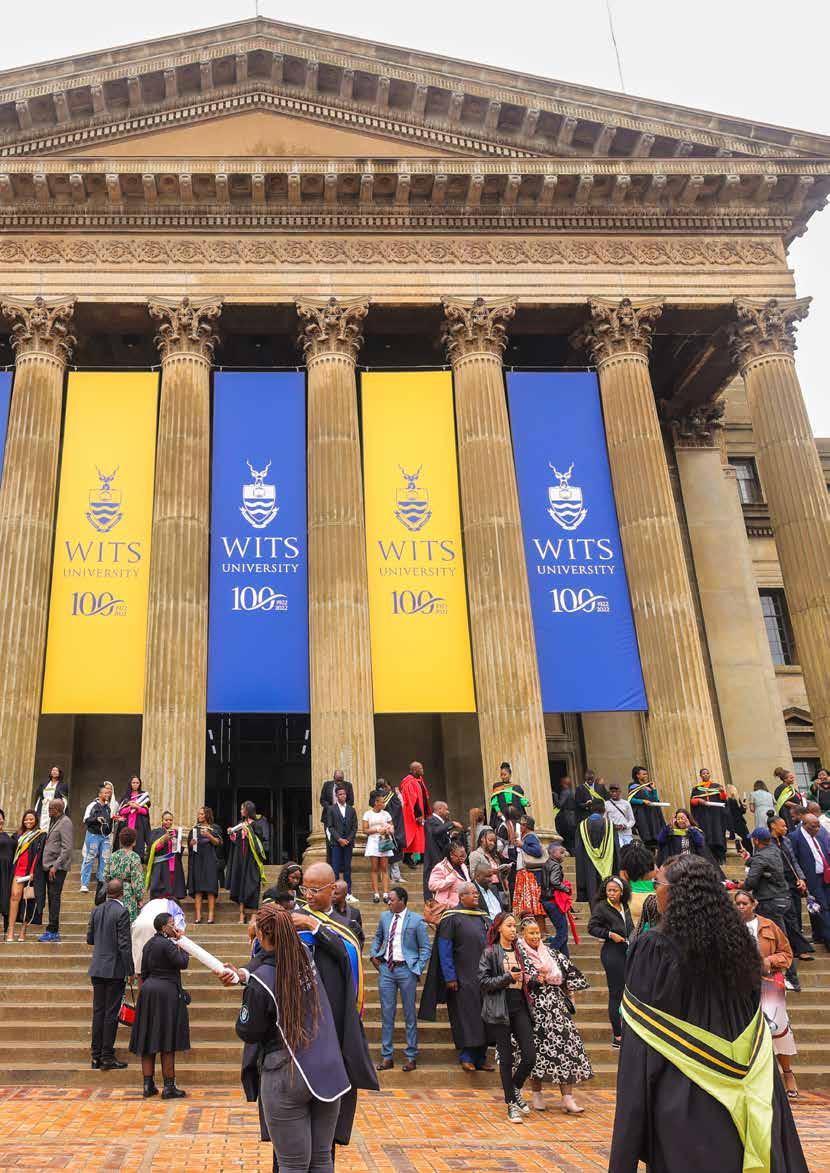
EBE Graduations
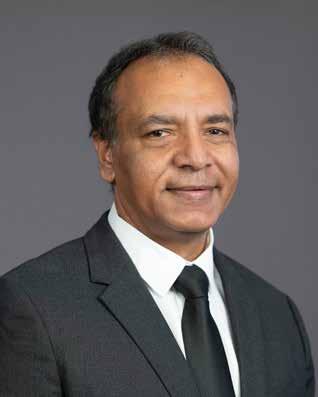
Report of the Dean of Health Sciences (HSci)
In 2025, the Wits Faculty of Health Sciences demonstrated success through highimpact research, particularly in AI, HIV/TB, and gene therapy, alongside strategic structural changes. Key achievements included establishing the new School of Biomedical Sciences, launching AI-focused research, and publishing groundbreaking clinical trials. In addition, the Faculty is proud of its achievements in strengthening postgraduate throughput and research governance, activating of strategic research and academic infrastructure, successful implementation of major curriculum reforms, restructuring of postgraduate and research leadership portfolios and substantially advancing the Wits BioHub.
Focus areas for 2025
9 Consolidation of undergraduate curriculum renewal, including implementing the revised MBBCh curriculum and launching the Graduate Medical Entry Programme (GEMP-I), alongside sustained accreditation stability across professional programmes.
9 Strengthening postgraduate governance and throughput, through the appointment of a dedicated Assistant Dean for Postgraduate Affairs, the introduction of structured early-stage postgraduate coursework, and targeted interventions to improve time-to-completion.
9 Strengthening research governance and strategic coordination, through the appointment of an Assistant Dean for Research, consolidation of Faculty research priorities, and follow-through from the July 2025 Research Retreat.
9 Stabilisation of the Faculty’s clinical teaching platform, through targeted academic appointments, continued engagement on joint staffing models, and coordinated institutional responses to unresolved partnership with the Gauteng Department of Health and Memorandum of Agreement challenges.
9 Advancement of Faculty-wide digital and AI-enabled teaching and learning, with School-level AI strategies embedded as a formal leadership performance requirement and expanded use of blended and technology-supported pedagogies.
9 Activation of strategic research and academic infrastructure, including Phase 1 delivery and launch milestones of the Wits BioHub in 2025, alongside progress on priority infrastructure projects supporting teaching, learning, and research.
Dean: Faculty of Health Sciences
Professor Shabir Madhi
Challenges turned into a solution-building opportunity
9 Prolonged uncertainty and strain in joint staff appointments and academic citizenship addressed through a Faculty-wide joint staff culture survey, generating concrete evidence on identity, belonging, workload, and support, and enabling targeted strategy development informed directly by staff-identified pain points.
9 Health Professions Council of South Africa (HPCSA) accreditation risks transformed into a catalyst for comprehensive curriculum renewal, strengthened academic oversight, and clearer accountability for programme quality and sustainability.
9 Persistent postgraduate delays reframed into an opportunity to formalise structured research training early in candidature, improving preparedness, progression, and supervision quality.
9 Fragmented research infrastructure and siloed entities used to motivate coordinated, Faculty-led platforms for translational research and institutional alignment.
9 External funding shocks, particularly the US Government grant cuts, mobilised into a coordinated emergency response across Faculty leadership, WHC, and the University, protecting postgraduate students and key research capacity while repositioning for funding diversification.
Key achievements
9 Successful implementation of major curriculum reforms, with the revised MBBCh recognised by national accreditation bodies as innovative and future-facing, and GEMP-I launched in 2025.
9 Formal restructuring of postgraduate and research leadership portfolios, improving strategic focus, governance clarity, and operational support for postgraduate education.
9 Launch and early success of clinician-scientist development pathways, with intercalated MBBCh–PhD and Specialist Clinician Scientist PhD candidates progressing toward completion.
9 Tangible advancement of the Wits BioHub, including completion of Phase 1 planning, BSL-3 laboratory development milestones, and the September 2025 sod-turning ceremony.
9 Faculty-wide recognition of academic excellence, leadership, and transformation, reflected in multiple national and international awards, senior appointments, and student leadership achievements.
Future focus areas
9 Translation of joint staff culture survey findings into actionable strategies to strengthen academic citizenship, mentorship, induction, and institutional belonging.
9 Completion and operationalisation of the Wits BioHub as a flagship African translational research and innovation precinct.
9 Continued stabilisation of the clinical teaching and training platform through sustained engagement with provincial and national partners on staffing and governance frameworks.
9 Expansion of postgraduate enrolment and supervision capacity, including diversification of postgraduate offerings and improved funding sustainability.
9 Modernisation of Faculty infrastructure to support teaching, learning, and research, including library redevelopment, HVAC upgrades, and clinical learning environments.
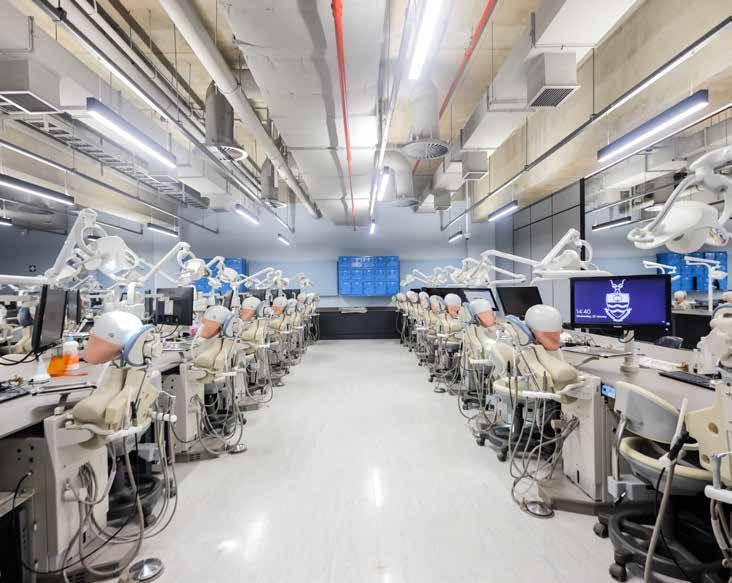
Health Sciences Phantom Laboratory
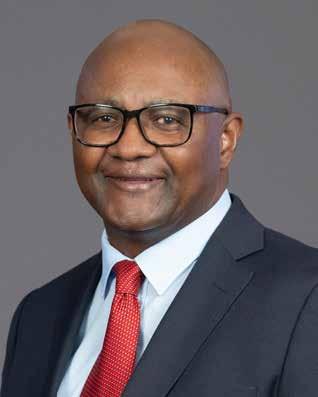
Dean: Faculty of Humanities
Professor Mucha Musemwa
Focus areas for 2025
Report of the Dean of Humanities
In 2025, the Wits Faculty of Humanities excelled by pioneering African-centred research that challenges traditional European frameworks, hosting annual research days to foster innovation. Success is driven by a focus on critical, interdisciplinary studies and postgraduate development through the WDA. The Faculty is proud of its achievements for the 2025 academic year in research excellence and creative innovation, developments in AI and digital innovation, tangible changes in community engagement and global visibility, progress with policy relevance and national priorities, strategic growth and advancement in interdisciplinary collaboration and improvement in social justice and inclusion.
Interdisciplinarity and collaboration All Schools emphasised cross-departmental and cross-disciplinary research, blending Arts, Social Sciences, Education, and Humanities.
AI, digital innovation, and technology
Strong focus on AI literacy, digital creativity, Extended Reality (XR), Virtual Reality, computational methods, and digital humanities.
Social justice and inclusion Shared commitment to diversity, equity, language rights, gender justice, migration, and community engagement.
Creative and practice-based research
Performance-as-research, participatory media, community arts, storytelling, and experiential learning.
Challenges turned into a solution-building opportunity
Declining or uneven research outputs
Addressed through writing retreats, teaching buyouts, structured accountability, and monitoring systems.
Infrastructure/ resource constraints
Shared facilities, collaborative use of studios, and investment in digital labs and production spaces.
Funding limitations
Research culture gaps
Global inequalities in knowledge circulation
Shift toward consortium-based, externally funded projects, grant-writing workshops, and international partnerships.
Strengthened through lecture series, seminars, and thematic research clusters to embed collective responsibility.
Expanded international networks, editorial positions, and collaborative platforms to amplify African-centred scholarship.
Key achievements
Prestigious appointments and recognition
Research excellence
Creative innovation
Community engagement
Multiple NRF ratings, SARChI Chairs (Education and Labour, African Languages, Digital Humanities), UNESCO Co-Chair, MASSAf and international fellowships.
Accredited outputs across journals, books, creative works, and innovative practice-led projects.
AI-driven storytelling, XR films, large-scale compositions, exhibitions, and site-specific performances.
Participatory filmmaking, community music initiatives, public lectures, memorial events, and cultural activism.
Global visibility International conferences, collaborations, and leadership in continental networks (e.g., Afretec, ARUA, African Investigative Journalism Conference).
Emerging scholar success
Significant grants, fellowships, and publications by ECAs across all Schools.
Future focus areas
Deepening Africancentred scholarship
Scaling AI and digital research
Strengthening research pipelines
Expanding research in African performance, languages, migration, heritage, and creative economies.
Sustainable funding and infrastructure
Generative media, immersive storytelling, computational demography, digital humanities, and virtual production.
Mentorship, supervision development, postgraduate capacity, and structured pathways for creative outputs.
Interdisciplinary clusters and networks
Policy engagement and societal impact
Building digital labs, sound studios, performance spaces, and consortium-based funding models.
Expanding thematic collaborations across Schools and Departments, embedding interdisciplinarity as a core practice.
Continued contributions to national debates on education reform, labour-market alignment, language equity, health, and social justice.

Dean: Faculty of Science
Professor Nithaya Chetty
Focus areas for 2025
Report of the Dean of Science
Over the past year, researchers across the nine Schools and two major research institutes within the Faculty of Science (FoS) have made significant contributions to research and innovation across diverse disciplines, delivering impactful, innovative work that strengthens South Africa’s National System of Innovation and advancing global knowledge.
FoS holds four South African Research Chair Initiative (SARChi) Chairs, and has the highest number of NRF rated scientists, totalling 138 (11 of which are A-rated scientists), among all faculties at Wits, along with 11 distinguished Professors, and 15 Research Entities recognised by the University Research and Innovation Committee (UR&IC). These entities conduct research toward greater knowledge and innovation.
In 2025, FoS graduated a large cohort of postgraduate and undergraduate students, reflecting its commitment to academic excellence and capacity building. FoS researchers have secured millions of rands in competitive research and equipment funding (including the National Equipment Programme (NEP) offered by NRF), thus strengthening the University and national research infrastructure. These achievements have been further recognised through numerous accolades and awards at both national and international levels. Furthermore, FoS hosted an inaugural innovations event towards the end of 2025, bridging the gap between scientific research and innovation.
Academic staff within the FoS engage in a broad spectrum of research areas, including wildlife conservation, nanomaterials, disease biology, energy-related solutions, quantum physics, and global climate change, among many others. In parallel, FoS placed a strong emphasis on expanding postgraduate enrolment, strengthening its research and teaching portfolios, and increasing research funding and bursary support across the Faculty. FoS embarked on initiatives such as a new unit, called AMPLIFY, short for Academy for Mathematical Pedagogy, Learning, and Innovation for first-year, that will centralise the delivery of large gateway maths courses that are vital for degrees in Science, Engineering, and Commerce. FoS at Wits University and the French National Centre for Scientific Research (CNRS) launched the first joint International Research Centre (IRC) in Africa. Wits is only one of seven IRCs worldwide.
Challenges turned into a solution-building opportunity
Rhisotope Project
The Rhisotope Project is an anti-poaching campaign, which aims to deploy scalable technology to help protect rhinos and preserve Africa’s natural heritage. Led by Professor James Larking (Radiation and Health Physics Unit) and Jessica Babich, 20 rhino horns have since been injected with low doses of radioisotopes that can be detected at international borders to prevent trading. This profound research was featured on BBC News in London and Johannesburg in 2025.
Challenges turned into a solution-building opportunity continued
Climate change and challenges Research led by Professor Francois Engelbrecht (Director of the Global Change Institute, Wits) has confirmed, that climate change significantly intensified the April 2022 Durban floods, which claimed 544 lives and displaced tens of thousands, making it the deadliest flood disaster in South Africa’s history. Published in Communications Earth & Environment, the study used a “kilometre-scale” climate attribution modelling to show that rainfall during the event was 40–107% heavier than it would have been in a pre-industrial climate, driven by a warmer atmosphere, a warming Agulhas Current, and altered wind patterns. The findings represent a major advance in Africa’s capacity to attribute extreme weather to climate change and highlight the growing urgency of strengthening early warning systems, disaster risk reduction, and climate resilience planning as extreme rainfall events are projected to intensify in a warming world.
Cashew nutshell in mRNA vaccine development
Black mambas as metal pollution indicators
The Antiviral Gene Therapy Research Unit at the Faculty of Health Sciences and the Synthetic Organic Chemistry Lab (Professor Charles de Koning) in the School of Chemistry have secured R7 million to develop vaccine-enabling compounds derived from cashew nutshell liquid – a by-product of the cashew industry that is abundant across Africa. This innovation offers a sustainable, low-cost alternative to petroleum-based and patent-restricted lipids, strengthening South Africa’s leadership in vaccine-enabling technologies and supporting the African Union’s goal of producing 60% of vaccines locally by 2040. In partnership with CPT Pharma, the project will scale up local production, demonstrating how scientific excellence and industry collaboration can advance vaccine self-sufficiency and address global health challenges through sustainable, locally sourced solutions.
A study led by Professor Marc Humphries (School of Chemistry) found that black mambas accumulate heavy metals such as mercury, lead, cadmium and arsenic in their scales, making them effective biological indicators of environmental pollution. By analysing scale clippings from snakes in Durban, researchers showed that snakes from industrial and commercial areas had higher metal levels than those from green spaces, suggesting this method could map urban contamination without harming the animals, as they often remain in the same spaces for years. Therefore, their heavy-metal loads may provide a holistic measure of environmental health, with implications for both ecosystem and human health risk assessments. The findings of the study were published in the journal Environmental Pollution
Exhibition and outreach PhD researchers from Wits University’s Plant Evolution and Speciation Lab (School of Animal, Plant and Environmental Sciences) played a key role in a public science exhibition held at the Oppenheimer Life Sciences building, which attracted approximately 4 500 learners and members of the public under the theme “Connections.” The event showcased engaging displays from all Schools within the FoS, as well as contributions from external organisations, highlighting the interconnectedness of science, biodiversity, and society. Supported by the Faculty and coordinated by a dedicated organising team, the exhibition successfully promoted scientific literacy, inspired future scientists, and demonstrated the Faculty’s strong commitment to outreach, collaboration, and public engagement.
Faculty Innovation Day
FoS, under the leadership of Professor Mandeep Kaur (Assistant Dean: Research and Innovation), launched its very first Faculty-wide Innovation Day, “Catalysing Change: Ideas, Impact and Innovation,” in collaboration with the WIC and WCE, bringing staff, students, and industry partners together to explore innovation beyond traditional academic outputs. The event showcased ongoing innovative projects, connected researchers with industry, and highlighted institutional resources that support intellectual property, commercialisation, and innovation training. It was a great success, and the event encouraged a shift from a “publish or perish” mindset to “innovate for impact,” underscored the need for greater structural and funding support, and marked an important step toward embedding innovation into the Faculty’s research, teaching, and postgraduate training.
Key achievements and awards
9 Professor Rendani Mbuvha (School of Statistics and Actuarial Science) was awarded a grant by the Bezos Earth Fund for research in climate risk modelling. Wits is one of the 24 organisations that were selected to receive US$50,000 Phase I grants for their innovative AI-driven projects.
9 Professor Daniel Wamwangi and Dr Abhishek Pandey (School of Physics) received an NRF NEP equipment grant of ~ R18 million for third-generation multifunctional state-of-the-art highly sensitive Superconducting Quantum Interference Device (SQUID) equipped with a vibrating sample magnetometer known as MPMS3 SQUID, with applications in Material Science, Energy, Geology, SolidState Lighting, and Bio-Medical Sciences.
9 Professor Nosipho Moloto (School of Chemistry, SARChI Chair in Energy Materials) on her appointment as the Provost Visiting Professor of Nanotechnology at Imperial College London.
9 Professor Mandeep Kaur (School of Molecular and Cell Biology) and Dr Bernhard Zipfel (Evolutionary Studies Institute) received a B2 NRF rating, and Professor Timothy Sibanda (School of Molecular and Cell Biology) received a C2 rating.
9 Professor Glen T. Nwaila (School of Geosciences) was awarded the Overall Wits Most Cited Author Award in Elsevier Journals for the period January 2024 to June 2025, with eight publications in just 18 months, and an impressive 158 citations.
9 Professor Jennifer Botha (Evolutionary Studies Institute) published in Nature (IF 48.5) titled: Mosaic Anatomy in an Early Fossil Squamate.
9 The Institute for Collider Particle Physics headquartered at Wits, and led by Director Professor Bruce Mellado, has been named one of the global recipients (out of 350 applicants) of the prestigious ODESS 2025 Prize from the Pierre Fabre Foundation in France.
9 Professor Andrew Forbes (School of Physics) received the NSTF–South32 Award in the special annual theme: “Quantum Science and Technology,” in a function at the Sandton Convention Centre and the prestigious Harry Oppenheimer Fellowship Award.
9 Professor Glynis Goodman (School of Animal, Plant and Environmental Sciences) was awarded the prestigious Silver Medal for lifetime contributions to Botany made at the South African Association of Botanists’ conference that was hosted at Wits Rural.
9 The Distinguished Professorship Programme Screening Committee approved the appointment of Professor Blundy at 50% for a period of three years as Distinguished Professor in the School of Geosciences.
Future focus areas
9 The FoS will focus on improving our innovation portfolio and creating an enabling environment for researchers to use our strong research capabilities to create innovative solutions. Innovation represents an important potential source of third-stream income, while also enabling us to make practical and impactful contributions to commerce, industry and society. The focus will also be placed on generating more research funding from international funders and expanding our research footprint across all continents by establishing strong collaborations.

Science Graduations
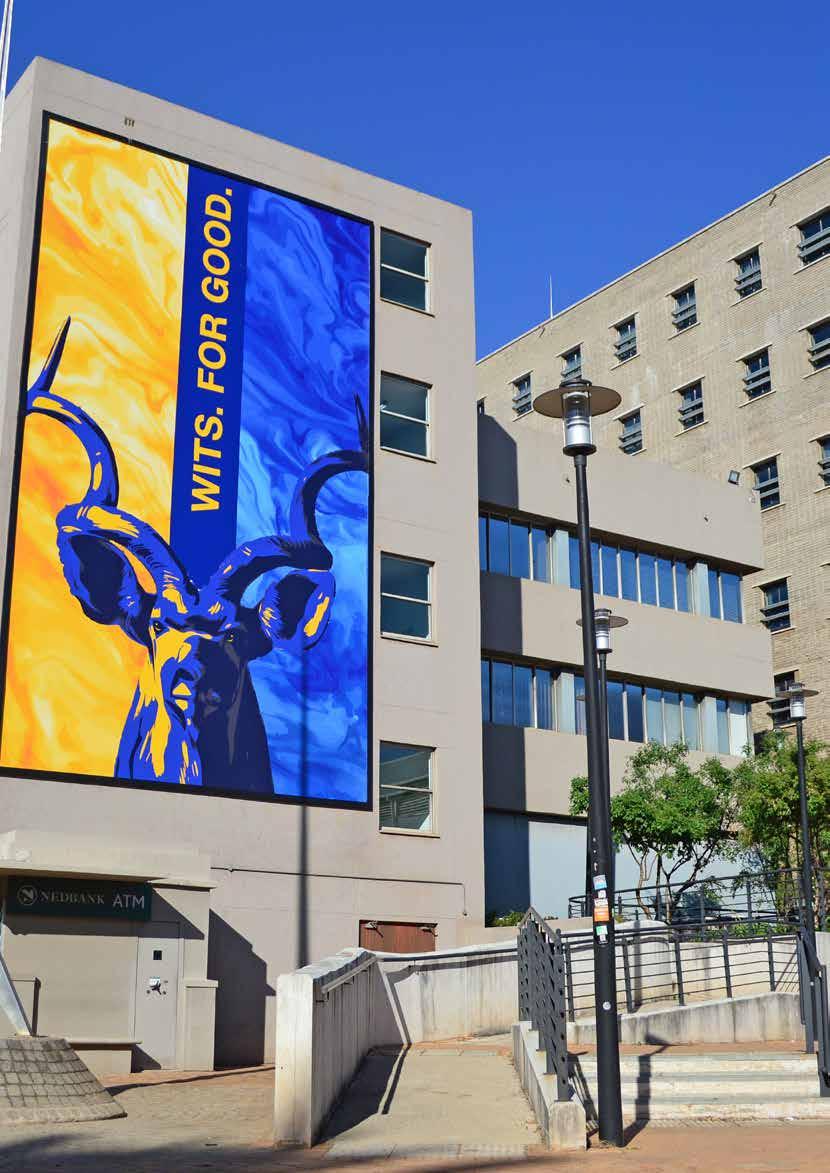



Postgraduate and Academic Focus
Hybrid and fully online programmes were heavily featured in postgraduate studies (including the WDA) and professional development.

Hybrid Events and Development
Key events, such as the Postgraduate Open Day (October 2025) and learning and teaching conferences, were held in a hybrid format, allowing in-person attendance at venues like the Braamfontein Campus or online via platforms such as MS Teams.
Hybrid model

WITS 2033

Infrastructure Upgrades
The WBS Campus upgraded, converting many classrooms into hybrid, technology-equipped venues to support both remote and in-person attendance.

Digital Transformation
The University is focusing on enhancing curriculum design, using AI for personalisation, and ensuring ‘‘active learning’’ pedagogies are maintained in digital environments.
The shift towards online and part-time options allows Wits to grow its student base beyond the limits of physical infrastructure. Students receive a robust learning experience that combines high-quality in-person instruction with the convenience of virtual platforms.
Matching the Skills Demand
The need for stronger alignment between higher education, labour-market requirements, and broader economic priorities is of growing importance in our country and on the continent.
Despite persistent unemployment, the country continues to experience notable gaps in key skills areas.
Our emphasis is on expanding work-integrated learning opportunities, strengthening partnerships with industry, and revising curricula to ensure graduates acquire competencies that are relevant and future-focused.
The growing importance of entrepreneurship and the rapid development of AI underscore the need to prioritise interdisciplinary learning, critical analysis, and effective problem-solving.
We will continue to deepen collaboration with industry stakeholders and policymakers to narrow the divide between education and employment, enabling graduates to enter the workforce with confidence and to play a meaningful role in advancing South Africa’s economic development.
South Africa as a Study Destination
South Africa is a rapidly growing, high-quality study destination, offering affordable tuition, world-ranked universities and diverse cultural experiences. As a top global destination, it offers a lower cost of living and tuition compared to Western countries, particularly for Southern African Development Community regional students.
• Academic Quality: South Africa boasts the highest university standards in Africa, with several institutions ranked among the top 300 globally.
• Affordability: Tuition fees and living costs are significantly lower than in the UK, USA, or Australia, offering high value for money.
Key aspects of studying in South Africa
• Language and Instruction: English is the medium of instruction at most universities, though some offer courses in Afrikaans.
• Academic Calendar: The academic year typically runs from February to late November, consisting of two semesters.
• Student Life and Culture: Known for its ‘‘Rainbow Nation’’ diversity, the country offers vibrant social scenes, stunning natural landscapes, and a wide range of outdoor activities.
Understanding a Transforming Student Community
Our student population is heterogeneous, comprising first-in-family students, mature and employed learners, caregivers, and students from across the region and beyond.
Many continue to navigate financial insecurity, social pressures, and wellbeing challenges that have a direct impact on their academic engagement and persistence.
Initiatives such as the NSFAS have significantly increased participation in higher education. However, funding constraints and administrative pressures continue to affect student success.
National and institutional conversations about curriculum transformation continue to reinforce the importance of epistemic justice and the integration of locally grounded knowledge systems within teaching and learning.
Amid these intersecting realities, Wits remains committed to strengthening comprehensive student support structures, including academic development initiatives, psychosocial and mental health services, and targeted interventions that reflect the lived experiences of today’s students.
By recognising and responding to the varied needs of our student body, we aim to cultivate an inclusive and enabling learning environment that advances both academic excellence and the principles of social justice.
2033 Strategic Framework
Elements of our strategy
Vision
• Wits’ Vision 2033 sets out the University’s ambition to be a globally competitive, people-centred institution that advances excellence, innovation, and sustainability through four strategic pillars. It affirms Wits’ commitment to knowledge creation, the development of ethical global leaders, and the delivery of transformative solutions to societal challenges in Africa and beyond, supported by strong governance, stakeholder engagement, and collaborative partnerships.
The Strategic Plan
• The Wits Strategic Plan 2023–2033 provides a roadmap for positioning the University at the forefront of knowledge creation and societal transformation in the Global South. Anchored in four strategic pillars, the plan draws on Wits’ heritage, partnerships, and people-centred ethos to drive innovation, cultivate ethical leadership, and address societal challenges through interdisciplinary research and responsible citizenship.
• The Performance Scorecard, developed by the SET in consultation with key stakeholders and approved by Council, serves as a strategic tool to advance the University’s mission. It translates the objectives of the Strategic Plan into measurable Key Performance Indicators, enabling focused monitoring of progress across academic excellence, social impact, sustainability, and operational effectiveness.
The Institutional Plan
• The Institutional Plan operationalises commitments linked to the Performance Scorecard by promoting transparency and ensuring stakeholders are informed about institutional performance, challenges, and strategic priorities. Aligned with the University’s strategic objectives, it provides ongoing updates on progress by clearly outlining responsibilities, timelines, and outcomes, reinforcing accountability and sustainable growth.
2033
The Performance Scorecard
Performance: Advancing a shared identity
Cultivating impactful relationships – Our people
Our brand
Wits University’s brand is grounded in academic and research excellence, a commitment to social justice and the advancement of the public good. Our public intellectual independence is powerfully expressed through our new slogan – Wits. For Good. – which we entrenched in 2025. This was done through the adoption of a new marketing strategy, corporate video, website audit, and laying the groundwork for building the brand through Wits’ merchandise and a revamped Wits Shop.
The Wits. For Good. positioning captures both the University’s enduring contribution to creating new knowledge, educating the next generation of ethical leaders and critical thinkers, and its commitment to societal good. For more than a century, Wits has been a place where ideas are tested, futures are shaped and leaders are formed.
The Wits 2033 Strategic Framework places brand and reputation at the centre of the University’s long-term sustainability and impact. Wits is intentionally leveraging its history to reinvigorate and strengthen the brand both nationally and globally. This includes actively promoting the University’s achievements in teaching, research and innovation to enhance our reputation, deepen stakeholder engagement and reinforce our position as a leading university on the continent and in the Global South.
Going forward, the focus will be on spotlighting Wits’ research and innovation, leading change through its public intellectuals, and building the Wits brand through our people, culture, and shared identity.
Place and partnership
Wits’ identity is inseparable from place. Situated in the heart of Johannesburg, the University is shaped by the City, the province, the country, and the continent it serves. Our location is therefore not merely geographic; it carries responsibility and opportunity and influences how we teach, the questions we pursue through research, and the ways in which we engage society.
Johannesburg remains central to this identity. Wits operates within one of the most dynamic and complex urban environments on the African continent. The City reflects both the challenges and the possibilities of South Africa’s democratic project. In this context, universities have an important civic role to play. Beyond our academic mission, Wits contributes to dialogue, innovation and collaboration aimed at strengthening the social, economic, and cultural vitality of the City.
During the year, we strengthened our engagement with civic, institutional and development partners across the Braamfontein Precinct and the broader Johannesburg ecosystem. These engagements focused on urban regeneration, economic development, innovation ecosystems, and the role universities can play in shaping more inclusive cities.
Part of this work includes collaboration with partners involved in the Jozi My Jozi Initiative, which brings together civic leaders, institutions and businesses committed to strengthening the vitality of Johannesburg’s inner city. Through these engagements, Wits contributes research insight, convening capacity and institutional leadership to discussions about the future of the City and the role universities can play in supporting urban renewal and inclusive development.
Our place-based approach is also strengthened through participation in the Universities Anchor and Placemaking Network, an international initiative exploring how universities can contribute more intentionally to the development of the cities and regions in which they are located. Through this network, Wits participates in global conversations on the civic role of universities while learning from peers about how institutions can act as anchor institutions through procurement, research partnerships, innovation ecosystems and community engagement. These principles align closely with the vision articulated in the Wits 2033 Strategic Framework, which calls on the University to be globally excellent, deeply African, and socially embedded.
Partnership remains the mechanism through which this vision is realised, and the University continues to play a convening role in strengthening relationships between the University and partners across government, industry, philanthropy, and civil society. These engagements help connect Wits’ academic strengths to national priorities and societal challenges while positioning the University as a trusted partner in addressing complex issues.
A clear example of this collaborative model is the partnership between Wits researchers, clinicians and public health institutions that has enabled the development and deployment of the 1Beat digital health platform, now integrated into paediatric services at Chris Hani Baragwanath Academic Hospital.
Wits’ partnership model also extends to a wide range of national, continental, and global research collaborations. The CNRS–Wits International Research Centre continues to strengthen scientific collaboration between South Africa and France, enabling joint research across fields such as Physics, Mathematics and the Social Sciences while creating opportunities for scholar exchange and collaborative doctoral training within a select global network comprising just seven leading universities worldwide, including Wits.
At a continental level, Wits remains an active member of the ARUA, which brings together leading research universities across Africa to strengthen the continent’s research capacity and collaborative scholarship. Through ARUA’s thematic research centres, Wits researchers contribute to collaborative work addressing major challenges, including climate change, energy systems, urbanisation, and public health.
Our partnerships also extend to global academic networks. Through initiatives such as Afretec, a collaboration with the University of Edinburgh, Wits continues to advance digital innovation and technology capacity across Africa while supporting postgraduate training and research collaboration.
These partnerships ensure that Wits participates meaningfully in global scientific and intellectual conversations while strengthening research networks across Africa and the Global South. They also reinforce the University’s ability to mobilise knowledge, resources, and expertise in response to complex societal challenges.
Wits also maintains strong engagement with national and provincial government institutions. Universities play a critical role in supporting evidence-based policymaking and national development priorities. Through sustained dialogue and collaboration, Wits contributes research insight and analytical capacity to discussions on issues ranging from health systems and digital innovation to energy transition and economic development.
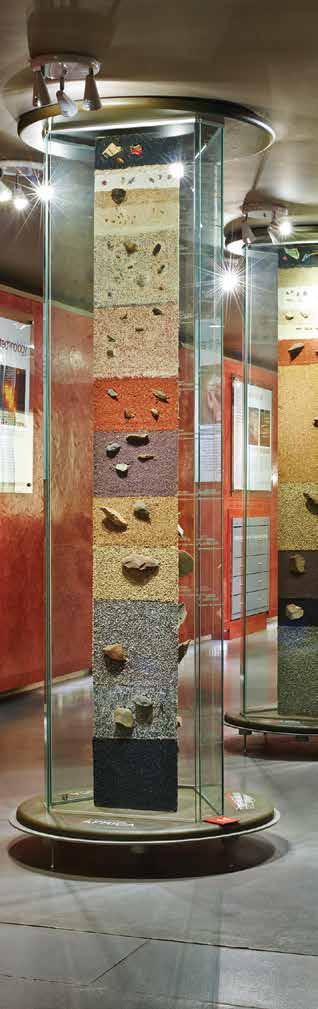
While Wits remains firmly rooted in Johannesburg, our partnerships extend to national and international networks. Collaborations with leading universities and research institutions around the world enable knowledge exchange, joint research and student mobility. These relationships ensure that Wits contributes to global scientific and intellectual conversations while remaining grounded in the realities and priorities of the African continent.
Across these engagements, we increasingly embrace a collaborative problem-solving model. The challenges facing our societies are complex and interconnected, and addressing them requires cooperation across institutions, disciplines and sectors. Through partnerships with cities, governments, industry, civil society and global academic networks, Wits continues to expand its capacity to generate knowledge, foster innovation and contribute to the public good.
As we continue to implement Wits 2033, place and partnership remain central to how we define institutional success. Our ambition is to be a university that is globally respected for its academic excellence while remaining firmly anchored in the society it serves. In 2025, we strengthened Wits’ role as an anchor institution in Johannesburg, expanded strategic relationships across sectors and continued to build the partnerships necessary to advance knowledge, innovation and societal progress
Student experience
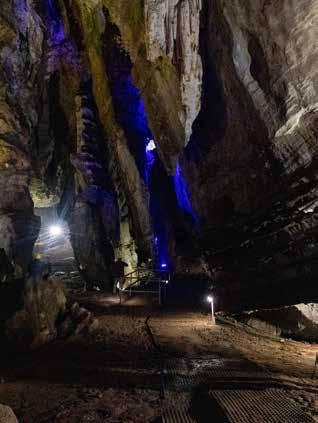
Wits 2033 is a place where students and staff thrive, where graduates are prepared to be socially responsive and adaptive in an ever-changing world. The student experience is central to this vision. To provide an expanded, holistic student experience that ensures time at Wits empowers every future graduate to become a leader in society.
In 2025, the University prioritised student experience as a strategic enabler of student success, retention, and graduate readiness. Interventions were designed to support students across the full student lifecycle, from transition and belonging, through leadership and development, to wellbeing, cultural engagement, and co-curricular excellence. The initiatives outlined below reflect a coordinated institutional approach to creating enabling environments in which students can thrive academically, socially, and personally.
Initiatives for Students
1. Exposing our students to a cosmopolitan student life and experience that fosters a sense of belonging and the development of lifelong networks and friendships.
In 2025, initiatives to support a diverse student community, fostering belonging and connections were implemented. Key programmes included the GTS, a ten-day-long academic and student life orientation programme to ensure smooth transition for first-year students. A formal review of the First-YearExperience Programme (FYE) was initiated through the hosting of the FYE Thought Leadership Workshop.
The workshop brought together practitioners and experts in student transitions and acclimatisation from higher education institutions and industry. The engagement generated evidence-based insights to inform the redesign and enhancement of key FYE components, including the GTS Programme, with the objective of improving first-year student integration, academic preparedness, retention, and success.
The postgraduate orientation was as a three-day programme aimed at easing students’ transition into Wits and providing clarity on academic expectations and available support services. This initiative was delivered through a collaborative partnership between the Division of Student Affairs, the Postgraduate and Research Offices, Faculties, and the Postgraduate Students’ Association, with a strong focus on building postgraduate networks. Further efforts to strengthen postgraduate community building included the hosting of two postgraduate book club events during the course of the year, aimed at fostering connection and a sense of belonging among postgraduate students Wits residences accommodate nearly 6 000 students, reflecting South Africa’s demographics, with a small number of international students. These residences foster transformative living and learning experiences, helping students challenge stereotypes and embrace a global perspective. Residence programmes promote a sense of belonging through Living and Learning Communities, aiding students in adapting to university life. Campus Housing and Residence Life continually works to ensure an inclusive and supportive environment that embodies the University’s culture of excellence.
Initiatives for Students
2. Offering our students a wide range of student development experiences and challenging intellectual engagements that enable them to become active citizens and leaders in all sectors of a diverse society.
Other statistics
As part of institutional efforts to promote ethical leadership and social responsibility, the Division hosted the second annual Student Leadership Conference. The conference focused on developing graduates who uphold the University’s core values, with particular emphasis on integrity, ethical conduct, and responsible citizenship. The programme featured keynote addresses by Professor Barney Pityana (GCOB) and Dr Judy Dlamini, contributing to critical engagement on leadership within contemporary professional and societal contexts.
The Emerging Leadership Programme reached a significant milestone through formal review and accreditation by the CLTD and Quality and Academic Planning Office. This approval enables accredited certification through Wits Plus, strengthening the institutionalisation of co-curricular learning and ensuring quality-assured recognition of student leadership development.
Building on these leadership development initiatives, the Journey of Discovery in China Programme was successfully implemented for the second consecutive year, offering students an immersive international learning experience. Ten undergraduate and postgraduate students from across all five faculties participated in academic engagements with partner universities, student-led presentations on innovation, industry exposure visits to Huawei and the New Development Bank, and a structured dialogue on global trade hosted by South Africa’s Consul-General in Shanghai, Her Excellency Joyce Tsipa. The programme broadened students’ perspectives and enhanced their intercultural understanding, global awareness, and academic development.
Entrepreneurial development has continued to gain momentum through the Student Entrepreneurship Hub. Over 1 200 students participated in the SEED Programme in 2025, and the programme is formally recognised on the co-curricular transcript. These initiatives contributed to innovation, entrepreneurial capability, and graduate employability. Notably, the Wits Enactus Club won the national competition and advanced to the semi-finals at the Enactus World Cup 2025 held in Thailand.
Civic engagement and social responsibility were further strengthened by the All-Residences Sub-Council Midterm Review, hosted in partnership with the National University of Lesotho. The review combined strategic reflection with community-based engagement, including a collaborative environmental and food security initiative at Khoobeng Primary School.
3. Promoting an environment of care and holistic wellness.
For the year 2025, the Campus Health and Wellness Centre provided high-quality primary healthcare to over 22 435 students, an increase from 15 079 in 2024, addressing a diverse range of health and wellness issues. Key activities include attending to all on-Campus medical emergencies, the promotion of primary health care services during the orientation period, and the delivery of quality affordable youthfriendly heath care services, including mental health support through a dedicated psychiatric nurse and a part-time psychiatrist.
The Counselling and Careers Development Unit enhanced student experience and success through strategic initiatives. The Mental Wellness Strategy advanced via partnerships, emphasising best practices in counselling and mental health advocacy. Career services strengthened industry connections, hosted career events, and promoted employability. Collaborations with academic faculties and co-curricular programmes were successfully implemented. Additionally, a 24-hour Student Crisis Line and App were secured for 2024–2027.
In response to ongoing challenges related to student food insecurity, the Wits Community Citizenship Office developed a model container kitchen through a sponsorship arrangement. The facility was designed to enhance the quality, safety, and efficiency of daily hot meal provision to students registered in the institutional meal support programme. Complementing this intervention, the Food Sovereignty Hub was launched on Campus in collaboration with the Co-Operative and Policy Alternative Centre. These initiatives form part of the University’s broader student support and social inclusion framework.
Initiatives for Students
4. Encouraging an appreciation for the arts, culture, and sport.
In 2025, Wits had a bumper year on the sporting front, with student athletes achieving significant success across multiple sporting codes. Wits rugby won the Young Guns Championship, strong third-place finishes by both the women’s and men’s football teams in the Pirates Cup, a third-place finish by the women’s team in the Women’s Varsity Football competition, and qualification of both football teams for the 2026 Varsity Football season. Basketball recorded an exceptional year, with both the women’s and men’s A teams crowned 2025 USSA Champions, while netball also secured qualification for the 2026 Varsity Netball competition.
Conclusion
The 2025 student experience portfolio reflects a year of consolidation and strategic strengthening across the student lifecycle. Through targeted interventions to support belonging, leadership development, wellbeing, and co-curricular excellence, the University advanced its commitment to holistic student success. These initiatives provide a strong foundation for refining and scaling high-impact student experience programmes in alignment with Wits 2033.
Strategy and strategic achievements – institutional positioning
Wits continues to participate in the World University Rankings as part of its objective on global benchmarking and positioning. In comparison with other South African universities, Wits is generally ranked at number 1 or 2 in South Africa by the three major world university rankings agencies.
(Shanghai
To align with the Wits 2033 Strategy, several institutional initiatives were undertaken to strengthen Wits’ positioning, social impact and sustainability:
9 Launched as part of the institution’s centenary celebrations, a comprehensive research project was undertaken to examine Wits’ institutional culture, history and transformation journey. The study has generated important insights to inform strategic interventions aimed at building a fit-for-purpose institution. Findings from the study have already influenced discussions and institutional planning.
9 Several other institutional surveys and research studies were also conducted to ensure Wits is still on track in creating a healthy environment that is free of prejudice, gender, and race discrimination, supportive of all students and University stakeholders regardless of their status, taking into account power differentials. The surveys and research studies conducted include, among others, the First-Year-Student Experience Survey; Undergraduate Student Experience Survey and Graduate Exit Survey (focusing on graduate employability).
9 Wits produced a Student Background Information report for the Council on its needs. This information allows the University, at both the management and faculty level, to thoughtfully plan and allocate resources necessary to support students.
Performance: Pursuing academic excellence
Performance against our Strategy
International Networks
Wits is an active member of several regional and global university networks and alliances, including the Association of Commonwealth Universities, Association of African Universities, ARUA, Consortium for Advanced Research Training in Africa, Afretec, BRICS Network University, CIVIS, Una Europa, and the South Africa–Sweden University Forum (SASUF).
Highlights of network engagements in 2025 included:
• Contributing to roundtable discussions and parallel sessions at the fifth Biennial International Conference.
• Participating in the Early-Career Research Fellowships Programme.
Network
Engagements
• Participating in virtual and in-person events marking the launch of SASUF+ (2025–2028), as well as stakeholder meetings.
• Co-leading Work Package 5 (Communication and Dissemination).
• Representing the SASUF Student Network in a panel discussion during the Science Forum South Africa.
CIVIS
• Hosting a visit from Professor Stefan Lang, Secretary General of CIVIS.
• Delivering the Blended Intensive Programme in maternal and neonatal immunisation – the first programme of its kind in Africa.
• Co-teaching a new master’s programme in Transdisciplinary Studies of Climate, Environment and Energy.
International Partnerships
The visit from Sigrun Aasland, Norway’s Minister of Research and Higher Education, provided an important opportunity to showcase the breadth and impact of collaborative research between Wits and Norwegian partners, focusing on this occasion on projects in journalism, conservation and evolutionary studies.
A joint IRC – the first of its kind in Africa – was launched in partnership between Wits and the CNRS. The IRC will foster research collaboration, support the development of early-career researchers and strengthen postgraduate programmes, specifically in Paleosciences, Physics, Mathematics and Environmental Sciences.
Wits strengthened engagements with its strategic international partners through joint funding calls and events. Seed funding grants were awarded to Wits researchers collaborating with colleagues at Emory University, Queen’s University Belfast, University of Tübingen and University College London.
SASUF
Key initiatives delivered in collaboration with strategic partners included:
9 Public Voices Fellowship, a Science Communication and Public Engagement Programme for early-career researchers, presented in partnership with University College London; and
9 Africa Research Day, an initiative focused on resilience and self-reliance in international collaboration, hosted in partnership with the University of Edinburgh.
AI Student Support at Wits University
Our strategy for advancing student success is grounded in several core institutional frameworks. These include the Wits Learning and Teaching Strategic Plan 2025–2029, the Wits Institutional Framework for Student Success (2019), the Wits Strategic Plan, and the Strategic Plan for Postgraduate Research Training (2023–2027), alongside other relevant policies. Together, these frameworks guide our commitment to delivering holistic support that enables academic success, personal development, and meaningful social engagement.
In 2025, we did substantial work in providing support to students on the use of AI, including Generative AI (GAI) in learning and research. We developed an Academic Integrity-Based Framework for the Fair and Productive Use of AI at Wits. The purpose of this framework is to provide staff and students with contextually valued practices regarding the fair and productive use of AI in advancing research, innovation, learning and teaching at the University. This framework is not a policy document but rather a set of six integrated principles that provide a common outline, ensuring that academic integrity and research ethics are upheld. The principles are:
Framework Principles
Principle 1: Upholding integrity and personal accountability. Scholars remain fully responsible for the originality, accuracy, and ethical integrity of their work, regardless of any AI tools used.
Principle 2: Fostering AI literacy.
Principle 3: Adapting research, teaching, and assessment practices.
Principle 4: Prioritising human oversight and augmentative use.
Principle 5: Managing institutional risk and promoting responsible use.
Principle 6: Advancing equitable, inclusive, and socially just AI practices.
Staff and students should understand how AI works, its limitations, and its ethical implications to use it critically and appropriately.
Academic practices must be redesigned to ensure valid outcomes and protect institutional standards in an AI-enabled environment.
AI should support and enhance human judgement, not replace critical thinking or academic responsibility.
AI use must align with legal, ethical, and institutional requirements, particularly regarding data security, privacy, and intellectual property.
AI integration should promote fairness and avoid reinforcing existing social, economic, or educational inequalities.
We recognise that unequal access to digital infrastructure, affordable data, and reliable devices can disadvantage members of our University community, and we are committed to actively addressing the digital divide by providing equitable alternatives and access pathways where AI use is permitted.
We also commit to the ongoing critical evaluation of AI tools for embedded biases and will prioritise ethical, responsible use that is responsive to the needs of our diverse, multilingual community and aligned with our broader transformation goals.
This approach equips students with ethical, critical, and adaptable AI capabilities that are increasingly essential in a rapidly changing world of work. By aligning academic integrity, digital literacy, and equity with future-focused skills, it enhances graduates’ employability, resilience, and capacity for lifelong learning.
Performance: Achieving social impact
Performance against our Strategy
Social Justice
Our social justice impact can be gleaned from initiatives directed towards a more just and equitable institutional environment within Wits, as well as our social justice interventions that impact directly or indirectly on prosocial outcomes in the broader society.
The flagship Carnegie Diversifying the Academy Programme invested R11.49 million across 31 grants in 2025, bringing cumulative investment since inception of Phase 3 to R33.80 million. Over 55% of total funding has supported Lecturer-level appointments, with substantial portions also directed to postdoctoral fellows and Senior Lecturers. The Wits @100 Cultures Study was completed, and its findings were released in August 2025.
Covering seven domains (brand and reputation; people and culture; DEI; teaching and learning; research and innovation; place and partnerships; and management and governance), the study, which is the largest ever undertaken at Wits, will guide culture change interventions over the next three to five years. The Language Diversification, Multilingualism and Translanguaging Programme, funded by a R2.5 million DHET grant, trained 164 academics in multilingual pedagogy, standardised multilingual signage, and provided South African Sign Language interpreting at major events. We submitted a new five-year Employment Equity Plan aligned with the 2025–2030 Sectoral Numerical Targets. The student profile (75% African, 61% women) reflects a strong pipeline. B-BBEE performance was strong in enterprise and supplier development (46.78% of spending to black-owned suppliers), socioeconomic development, and Board representation.
The Online Reporting Tool for gender-based harm, gender-based violence, bullying, and discrimination went live on 17 October 2025. Developed by the GEO, in collaboration with the TEEO, the platform offers a secure, confidential, and accessible space for complainants, witnesses, and third parties to report incidents. In response to theCriminal Law (Sexual Offences and Related Matters) Amendment Act, 2007 (Act No. 32 of 2007) (SORMA), the University has taken proactive steps to strengthen institutional safeguards against gender-based harm. To align with the requirements of SORMA, the GEO, in partnership with the Employee Relations, Human Resources, and the Registrar’s Offices, has developed guidelines for the vetting of staff and students, aimed at enhancing accountability and protection from gender-based harms. A draft guideline has been developed for the disclosure of information following a finding of guilt and/or dismissal in cases of gender-related misconduct. The guideline is intended to provide a clear framework for how such outcomes are communicated and ensure that disclosures are handled in a manner that respects the rights of all parties while upholding institutional responsibility. The GEO provides ongoing confidential, trauma-informed support to individuals affected by sexual and gender-related misconduct. It also facilitates sustained, informed, and proactive advocacy interventions across campus, raising awareness about gender-based harm and violence and advancing gender equity within the University.
Finally, the University has multiple, primarily public-facing entities that are engaged in social justice interventions, policy translation and development work, and research to inform socially just outcomes in a range of contexts. These include, among others, the Wits Centre for Diversity Studies, the African Centre for Migration Studies, the Centre for Applied Legal Studies, the Mervyn King Centre for Corporate Governance and Sustainability, the Centre on African Philanthropy and Social Investment, the SCIS, the Global Change Institute, the Wits Centre for Journalism, and some 28 entities in the Faculty of Health Sciences focused on furthering population health and wellbeing.
Framing Social Impact: Inequality and Climate Action
During the 2025 academic year, the Office of the Pro VC advanced Wits University’s social impact agenda by centring inequality as a structural barrier to effective climate action and sustainable development. Aligned with the Wits 2033 Strategic Framework, this work is grounded in the understanding that climate change exacerbates inequality and that unequal social, economic, and political systems undermine the legitimacy, feasibility, and durability of climate responses.
The Office’s activities focused on generating evidence, shaping public and policy debate, and building capacity around just transitions, care, employment, ownership, and global governance – domains where inequality most directly constrains climate outcomes.
Teaching, Capacity Building and Partnerships
Social impact was further advanced through teaching and partnerships. The compulsory first-year course Climate Change and Me continued to embed climate and inequality literacy across all faculties, while student reflections published on the University’s Climate, Sustainability and Inequality platform amplified youth voices on climate justice.
Strategic partnerships with the PCC, the University of Leeds Horizons Institute, the University of Texas at Austin’s Rapoport Center for Human Rights and Justice, and participation in the United Nations Framework Convention on Climate Change processes (including COP30) strengthened Wits’ role in global debates on inequality, justice, and climate governance. The Wits–Edinburgh Sustainable African Futures Programme continued to support emerging scholars researching equitable development pathways.
Research for Climate Justice and Just Transitions
A major achievement in 2025 was the advancement of the Care–Climate Nexus, developed with support from the IDRC. This work demonstrates how climate change intensifies unpaid and underpaid care work, disproportionately affecting women and reinforcing gender and income inequalities that limit adaptive capacity. The research culminated in the approval of an African Care–Climate Research Hub, supporting interdisciplinary and regionally grounded research across East and Southern Africa, with the Aga Khan University as a knowledge partner.
Collaborative research with the PCC on employment, work, and social ownership for a just transition reached completion in 2025. These projects addressed the distributional consequences of climate policy and highlighted the importance of inclusive ownership and decent work in securing public support for climate action. Outputs have been published or are in advanced dissemination stages, including the working paper The Political Economy of Social Ownership in South Africa.
Complementary projects funded by the African Climate Foundation and Open Society Foundations examined macro-fiscal impacts of transition, green industrialisation, and critical minerals, investigating how countries in the Global South can design industrial policy to ensure local benefit in the transition.
Policy Engagement, Multilateralism and the G20
In the context of South Africa’s G20 presidency, the Office of the Pro VC prioritised research translation and policy engagement. The Care–Climate Nexus was examined at a W20 Summit side event in October 2025, with contributions from the PCC, HSRC, Wits, and the Global Alliance for Care. Research outputs were disseminated to summit participants, extending the global reach and policy relevance of the work.
A further roundtable on climate change and inequality amid challenges to multilateralism was co-hosted with Sciences Po Lyon, SAIIA, SCIS, and the Wits Department of International Relations. The dialogue highlighted how global inequality and weakened multilateral institutions constrain coordinated climate action, particularly for developing economies.
In recognition of his scholarly and policy contributions, the Pro Vice-Chancellor, Professor Imraan Valodia, was appointed by President Cyril Ramaphosa to the G20 Extraordinary Committee on Global Inequality, chaired by Nobel laureate Professor Joseph Stiglitz. The Committee’s report underscored the urgency of addressing global inequality and proposed the establishing of an International Panel on Inequality. Since its release, more than 500 inequality experts have endorsed its recommendations, reinforcing the centrality of inequality to global climate and development governance.
Conclusion
In 2025, the Office of the Pro VC demonstrated that inequality is not ancillary but foundational to the success of climate action and sustainability. By integrating research, teaching, and policy engagement, Wits has contributed evidence and leadership that advance more just, inclusive, and politically viable climate pathways – locally, regionally, and globally. This work reinforces the University’s role as a critical actor in shaping climate responses that address inequality as a prerequisite for lasting social and environmental impact.
Leveraging the Alumni Constituency
With over 250 000 graduates around the world, the Alumni Office provides ongoing opportunities for alumni to remain connected, involved and engaged with the University through various initiatives.
These initiatives provide a basis for a lifelong mutually beneficial relationship that encourages alumni to support the achievement of the University’s strategic objectives as donors, volunteers, ambassadors, and champions.
Alumni reunions in Dublin and Dubai
Online events, including a presentation by Robyn Curnow
Screening and discussion of documentaries on student protests against apartheid and Robert F. Kennedy’s visit to South Africa
Webinar on navigating geopolitical tensions
Other in-person events included a career discussion panel for young alumni
Two alumni events at the digital dome
Communication to alumni included the WitsReview magazine, which received the Chairperson’s Award of Excellence, a Platinum Award, and a Gold Award at the 2025 Marketing and Advancement in Education Excellence Awards
A newsletter and an extensive number of alumni success stories on the alumni website were shared on social media
Initiatives
The Founders’ Tea
Initiatives
Social Networks
Various city and regional alumni chapters around the world act as social networks connecting local alumni, and new chapters were launched in Dublin and Dubai.
Class reunions are a foundation for alumni connection, and two outstanding ones held in 2025 were the 50-year anniversaries of the Civil Engineering and Electrical Engineering Classes of 1975.
One of the objectives of Alumni Relations is to provide lifelong learning opportunities, and a new WhatsApp channel was created to alert alumni to public lectures and other educational opportunities at Wits.
Access to campus libraries and facilities remains an important benefit for alumni. About 1 000 new campus access cards were issued to alumni, and about 2 000 renewals were made during the year under review.
The flagship pre-alumni event jointly hosted by Alumni Relations and Wits Sport, the annual Spirit Game and Witsie Reveal, was held in February.
The Executive Committee of Convocation met three times during the year and has initiated a number of ongoing projects, including alleviating student debt, a student work initiative, and masterclasses for young graduates hosted in the School of Law.
Performance: Ensuring Wits’ sustainability
Sustainability Strategy and Update on its Implementation
In 2025, Wits University made tangible progress in implementing its Sustainability Strategy, approved in 2023 and aligned with the institutional commitment to achieve net-zero carbon emissions by 2050. The strategy has moved decisively from planning to execution, with visible outcomes across infrastructure, operations, governance, teaching, and research. These advances contribute directly to multiple SDGs and embed sustainability more deeply into the University’s core functions.
Energy Transition and Carbon Reduction
Significant strides were made in decarbonising the University’s energy systems. During 2025, 1 791 kWp of new solar PV capacity was installed across multiple campuses, including the Harold Holmes Library, Wartenweiler Library, residence blocks, and campus gatehouses.
In parallel, 610 kWp of solar water heating was installed at student residences, reducing electricity demand and operating costs.
A major milestone was achieved at Wits Rural, where the installation of a battery bank enabled the facility to operate fully off-grid, strengthening energy resilience while reducing emissions.
The University also completed energy performance ratings for 70 of 79 buildings, providing a data-driven basis for prioritising efficiency improvements in future phases of implementation.
Water Security and Waste Management
Progress on water sustainability focused on resilience and efficiency. 12 boreholes were successfully refurbished and brought into use, primarily for irrigation, reducing reliance on municipal water supply. Waste management improvements included the distribution of 50 stainless steel recycling bins across campuses and sustained improvements in waste diversion. Between January and December 2025, Wits achieved an average recycling rate of 13.74% and a hazardous waste diversion rate of 64.36%, reflecting growing operational maturity in waste management systems.
Sustainable Infrastructure and Campus Innovation
Campus-based sustainability initiatives expanded in scale and visibility.
Eight solar benches were installed across campuses to provide renewable-powered charging points, with additional installations planned for 2026.
The University also purchased its first electric vehicle, marking an initial step towards decarbonising the institutional fleet.
More sustainable dry carpet-cleaning practices were introduced, reducing water and chemical use in campus maintenance.
Greening efforts included the planting of 40 trees on the Parktown Management Campus, contributing to urban biodiversity, shading, and carbon sequestration.
Governance, Teaching and Institutional Integration
Beyond infrastructure, 2025 saw strengthened integration of sustainability into institutional governance and academic life. Environmental sustainability considerations are increasingly embedded in decision-making processes, supported by coordination through the Office of the Pro VC.
Teaching and research initiatives complement operational implementation. Sustainability themes are integrated into curricula, notably through the compulsory first-year Climate Change and Me course, while research and partnerships reinforce evidence-based approaches to sustainability transitions. Together, these initiatives ensure that operational progress is reinforced by institutional culture change and skills development.
Conclusion and Outlook
The 2025 academic year marked a consolidation phase in the implementation of the Wits Sustainability Strategy, with measurable progress across energy, water, waste, infrastructure, and governance. These achievements demonstrate that sustainability is becoming operationally embedded rather than aspirational. With foundational systems now in place, 2026 is expected to deliver further scaling of renewable energy, efficiency improvements, and deeper integration of sustainability across the University’s operations, teaching, and research – advancing Wits’ trajectory toward a low-carbon, resilient future.
Environmental Services Initiatives on Campus
The University has moved with purpose to embed efficiencies, realise cost savings, and implement broader sustainability strategies as part of its commitment to environmental stewardship. While many initiatives are ongoing or part of longer-term plans, we highlight the tangible, on-the-ground achievements of 2025.
The following “fun facts and numbers” demonstrate real progress. Although not all of these initiatives have fully resolved our systemic challenges – such as navigating the ongoing City water crisis – they have decisively set us on a course to better manage our resources and reduce our ecological footprint.
Environmental Services Initiatives
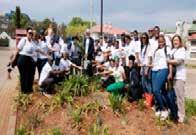
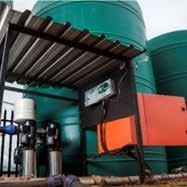
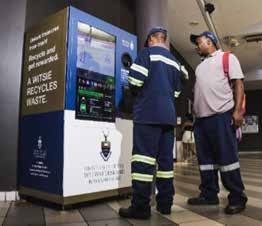
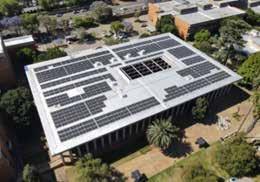
Greening the Campus and Celebrating Arbour Day
In a significant display of environmental citizenship, members of the Wits community planted 40 trees on the Parktown Management Campus. This initiative was part of the Department of Forestry, Fisheries, and the Environment’s flagship Ten Million Trees Project, with the trees generously donated by Eskom. This effort not only enhances the beauty and biodiversity of our campuses; it also contributes to national carbon sequestration goals.
Water Conservation and the Borehole Revival Project
Addressing water security head-on, a specialist contractor was appointed to recondition all boreholes across our campuses as Phase 1 of an ongoing project.
There are 11 boreholes on the Braamfontein Campus, and this initiative has been a resounding success.
By using borehole water to irrigate our large sports fields and lawns, we have saved a substantial R3.1 million on municipal water costs to date. Phase 1 of this project is now at 70% completion. Furthermore, the Wits Rural Campus continues to operate exclusively on borehole water, consuming between 270 000 and 300 000 litres per month, demonstrating a complete off-grid solution for its water needs.
Transforming Waste Management
Our approach to waste underwent a visual and statistical transformation in 2024. We procured and distributed 50 new, attractive stainless steel recycling bins across our campuses. Unlike their concrete predecessors, these bins are both aesthetically pleasing and fully recyclable. This investment in infrastructure has directly contributed to a dramatic shift in recycling behaviour: general recyclables recovered from our waste stream surged from just 3% in January 2025 to an impressive 26% by August. Even more remarkably, our hazardous waste diversion rate improved methodically from 10% to an outstanding 82%, reflecting a more rigorous and responsible approach to dangerous materials.
Energy Efficiencies and Solar Rollout
Our Solar Photovoltaic Project, targeting a total of 6 000 kWp, continues to gain momentum. In 2025, we added 888 kWp of new capacity, bringing our total installed PV base to 2 216 kWp. As this energy is fed directly into our on-site medium-voltage grid, every kilowatt-hour of solar energy consumed represents a direct saving on electricity purchased from City Power. Below are the installations at the Wartenweiler and Harold Holmes Libraries, respectively.
In a landmark development, a battery bank was installed at the Wits Rural Campus, effectively taking that site fully off the grid and dramatically reducing a monthly energy bill that previously exceeded R 70 000. To complement this, we commenced the process of assessing energy usage in our buildings. To date, 50 of the 79 buildings earmarked for certification in 2025 have received their EPCs, establishing a crucial baseline. While the results were better than anticipated, we can now focus our efforts on the underperforming sites to further control consumption. Finally, adding a touch of innovative convenience, eight solar benches have been installed across the Braamfontein, Management, and Health Sciences Campuses, with final branding now complete.
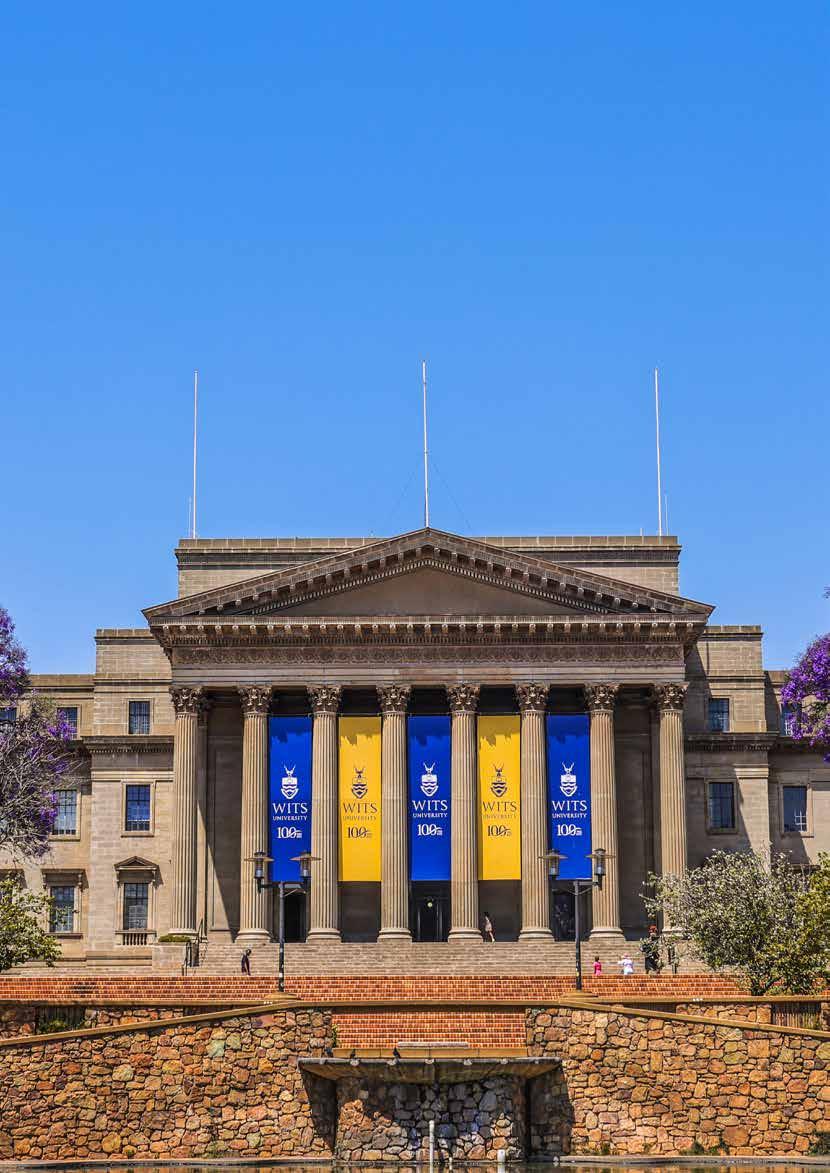
Governance structure
Governance
and Vice-Chancellor’s Advisory Bodies and their Standing Committees
Senate Standing Committees
Statutory Bodies
– Academic Planning and Development Committee
– Senate Committee on Teaching and Learning
– Information and Communication Technology Reference Committee
– Financial Aid, Scholarships and Merit Awards Committee
– Wits Readmissions Committees
– University Research and Innovation Committee
– Students Services Advisory Committee
– Executive Committee of Council
– Finance Committee of Council
– Council Information, Communication and Technology Committee
– Remuneration Committee of Council
– Council Audit and Risk Committee
Combined Assurance Committee
Governance Bodies
Statutory Bodies
ExCo of Convocation UF (Advisory Body)
Vice-Chancellor and Principal
SET–SMG
SET–OHS&E

Vice-Principal
Legend
ExCo of Convocation – Executive Committee of Convocation
UF – University Forum
SRC – Students’ Representative Council
SET–HoS
SET–Internal Audit
SET–Risk (Function) PEC
Legend
VCO
Tender Committee
Vice-Chancellor’s Advisory Committees
– Vice-Chancellor’s Office
SET – Senior Executive Team
SET–SMG – SET–Senior Management Group
SET–HoS – SET–Heads of School
SET–OHSE&E – SET–Occupational Health, Safety and Environment
TSC – Transformation Steering Committee
TIC – Transformation Implementation Committee
DPSC – Distinguished Professors Screening Committee
WGCEOs – Wits Group CEOs Committee PEC – Procurement Executive Committee
Our governance approach
Mandate in terms of the
HEI Act
The University’s governance framework is established in terms of the Higher Education Act, 1997, and is read together with the University’s Institutional Statute and Council-approved Governance Charters.
In terms of the Act and Statute, Council is the highest governing body and is responsible for oversight of the University’s strategic direction, financial sustainability, risk management, and overall performance. Council exercises its fiduciary duties in the best interests of the institution, within its public mandate and legislative obligations.
The governance framework provides for a clear delineation of roles across Council, Senate, the Institutional Forum, and Executive Management. Council retains oversight; Senate is responsible for academic governance; and Management is accountable for implementation and operational execution. This structure enables effective oversight, accountability, and institutional checks and balances.
Council discharges its responsibilities through a formal committee structure, operating under approved terms of reference and aligned to the principles of ethical and effective leadership, transparency, accountability, and integrity, as reflected in King IVTM and embedded in Council’s Charter.
The University remains committed to maintaining a governance system that is compliant, responsive, and aligned to best practice, ensuring effective stewardship and sustained public trust.
Governance in diversity
Governance in education directly shapes DEI, leading to better decisionmaking, reduced groupthink, and improved student outcomes.
Central to our governance approach is a commitment to diversity among our staff and students, and within the ideas that we espouse. This involves a range of policies and compliance-related practices that regulate and institutionalise this commitment to diversity in the daily cadences of the institution’s management and operations, with oversight from its governance structures. In addition, the University is guided by a strategic transformation plan that is focused on addressing historical inequities within the higher education sector, and is simultaneously attentive to emerging social fractures of exclusion. Finally, core to the University’s governance is a fierce defence of the principles of institutional autonomy, independence, and academic freedom, to ensure that the flow of ideas is not stifled and that knowledge archives are continually expanded to be more inclusive.
Since 2025, the University has been guided by these six pillars within its Strategic Transformation Plan, and remains committed to DEI.
While the six distinct pillars guide transformation at the University, they are strategically interconnected, aiming to enhance the University’s transformative agenda and foster a forward-looking institution that is responsive to the challenges of DEI.
T rans fo rmat io n Pl a n
P illar s

Diversifying the W its Academy
Expanding Knowledge Archives
Language Diversification, Multilingualism and Translanguaging Institutional Naming, and Visual and Spatial Redress Enhancing Institutional Culture Public Engagement
As we envision the University’s future, we recognise the legacies of past inequities that continue to find resonance in the contemporary world, as well as the global context of overlapping and inter-related challenges currently. In addition, and aligned to the 2023 Report on the State of Transformation in South Africa’s Public Universities, the University is committed to the importance of internal historical institutional redress, but also to external public engagement in the service of broader social transformation and the public good.
Strategically, this involves demonstrating a spectrum of transformation efforts, ranging from being responsive to national employment equity imperatives at all levels of the University, to institutional redress, anti-discrimination interventions, social justice advocacy, institutional change processes, and upholding the fundamental principles of academic freedom, institutional autonomy, and independence, while fulfilling our role as an anchor institution through external engagement with multiple publics.
This institutional commitment to being a diverse, equitable, inclusive, and people-centred University within our context, is embedded in our governance approach, and is directed towards providing an expanded and cosmopolitan experience that prepares staff and students for an engagement with diverse ideas, people, and contexts both inside and outside of the University.
Institutional governance
The University Council
Wits Council comprises academic and non-academic persons appointed under the Statute of the University of the Witwatersrand, the majority of whom are non-executive. 60% of the members of the Council are persons who are not employed by or students of Wits University. The role of Chairperson of the Council is separate from that of the Wits University CEO, the Vice-Chancellor and Principal.
Matters especially reserved to the Council for decision-making are set out in the Statute of Wits University, by custom and under the Higher Education Act, 1997. The Council is responsible for the ongoing strategic direction of Wits University, approval of major developments, and the receipt of regular reports from Executive Officers on the day-to-day operations of its business.
Council membership
Mr Isaac Shongwe Chair and Council Electee
BA Hons (Economics and Politics) (Wesleyan, USA, P.Phil (Oxford)
Mr Terence Nombembe Vice-Chair and Council Electee BCom (UNITRA) B Compt Hons (UNISA); CA SA
Ms Carol Crosley Secretary to Council University Registrar: BA (Wits) H Dip Ed (Wits) Honours (UNISA) MEd (Wits)
Ms Clare Nyama Ministerial Appointee BA Hons (Manchester Metropolitan University), Postgraduate Diploma in Business Administration (UNISA), Programme for Management Development Certificate (GIBS), Master of Business Leadership (UNISA)
Ms Nasima Badsha Ministerial Appointee MSc (Natal), Graduate Certificate in Education (Leeds), BSc (Hons) (London)
Ms Ayanda Dlodlo Ministerial Appointee MBA (MANCOSA), PGDip: Business Management (MANCOSA), HCert: Shipping and Transport (London Institute of Transport and Shipping)
Corporate Governance Strategy, Formulation Value-Based Leadership Style (The ability to get people to work together), Organisation Development
Risk Management, Governance Oversight, Auditing and Finance
Governance and Compliance Administration, Leadership and Management
Portfolio Management, Asset Management, Financial Planning, Investment Management, Planning
Higher Education Policy, Management and Governance
Governance, Policy, and Leadership, International Relations and Security, Financial Oversight and Operations, Stakeholder Engagement
Name Composition Qualifications Skills
Dr Stephen Smith Ministerial Appointee PhD in Tax Law (UCT), BComm (SA), BComm (Hons), Advanced Taxation Certificate (SA) –Honours in Tax Law, LLM Programme in Tax Law at UCT for Non-Degree Purposes
Mr Mandlakayise Thabethe Ministerial Appointee
MCom (Information Systems) (Wits), B Tech (IT) (Technikon Witwatersrand), NDip (IT) (Technikon Witwatersrand)
Ms Nomfundo Ngcobo Member of the ExCo of Convocation LLB, Law (Wits), PGDip, Advanced Company Law (Wits), LLM, Commercial Law (UNISA), Development Economics (Stellenbosch), PGDip Management (GIBS), MBA (GIBS)
Ms Kgomotso Mufamadi Member of the ExCo of Convocation
Associate Professor Mfanelo Ntsobi
Premier’s Appointee
Mr James Teeger Donor Electee
BA (Political Studies and Law) (Wits), LLB (Wits), LLM (Wits), Social Entrepreneurship (GIBS)
PhD: Management of Technology and Innovation (Da Vinci Institute of Technology and Management), master’s in Administration (UWC), Bachelor of Administration Honours, Bachelor of Military Science (Stellenbosch)
BA: Commerce and Honours Accounting (Wits), CA (SA) HDip Tax Law (UJ)
Professor Michael Katz Donor Electee
Ms Lusanda Kgakololo Council Electee
Ms Tracey Rossini Council Electee
BCom (Wits) LLB (Wits) LLM (HLS) LLD (honoris causa) Witwatersrand)
Bachelor of Science Honours, Bachelor of Science (Microbiology with Distinction) (University of the Western Cape)
BSc: Mathematics and Computer Science (Wits), BCom: Quantitative Management and Industrial Psychology (UNISA), Systemic Team Coaching
Ms Hawa Bibi Khan Council Electee B. Accounting (UKZN), Hons. Commerce (UNISA), CA (SA), Private Equity and Alternative Investments, Property Dev (UCT), Cert. Fin Markets (UJ)
Financial Strategy and Public Finance, Investment and Development Finance, Governance, Risk, and Oversight, Stakeholder Engagement and Leadership
Technology Leadership and Systems, IT Governance, Risk, and Compliance, Innovation and Business Alignment, Stakeholder Engagement and Leadership
Leadership and Governance, Financial Oversight and Fundraising, Strategy, Policy, and Ethics, Stakeholder Engagement and HR, Industry Knowledge (Hospitality and Mining)
Mediation and Arbitration, Facilitation, Disciplinary and Grievance Procedures Coaching
Educational Technology Integration, Digital Learning Strategies, and Academic Research. Strong Leadership and Governance Experience. Organisational Sustainability, Policy Analysis, and Strategic Oversight of Large Institutions and Public Projects
Investment Management, Structured Finance, Executive Leadership, Corporate Governance, and Community Leadership, underpinned by his CA (SA) and Tax Law Qualifications and Extensive Board-level Experience
Legal, Governance, Serving on Boards of NGO’s, Educational
Strategy, Organisational Development, Transformation, Consulting
Innovator, Turnaround Specialist, Business Growth Partner, and Startup Creator as Driver, Executor, Strategist, Alchemist, and Team Coach
Finance and Investments Ideation, Innovation and Strategy Partnerships and Deal-Making Consciousness Coaching
Name Composition
Mr Arnold Basserabie Council Electee BSc (Maths, Math Stats) (Wits), ASSA (USA Society of Actuaries) and CFP (The Financial Planning Institute of Southern Africa)
Student enrolment by
Strategic, Financial, Investment, Human Relations
Mr Marthinus Liebenberg Council Electee BCompt, BCompt Hons (UNISA), CA (SA)
Mr Gavin Hartford Council Electee BSocSci (Hons) in Industrial Sociology (UCT)
Professor Zeblon Vilakazi Vice-Chancellor and Principal BSc (University of Manchester), MSc (Wits), PhD (Wits)
Professor Ruksana Osman Vice-Chancellor’s Appointee (SET) BA, HDip Ed, BEd, MEd, PhD
Professor MboyoDi-Tamba Vangu
Professor Mfaniseni Sihlongonyane
Professor Uma Kollamparambil
Professor Nosipho Moloto
Professor Joel Quirk
Senate Electee MD (University of Kinshasa), MMed; MSc and PhD (Wits), Cert Exec MBA (University of Nebraska)
Senate Electee BA and PGCE (University of Swaziland), MSc (DP) (Wits), PhD (University of Oxford)
Senate Electee PhD in Economics (Jawaharlal Nehru University, New Delhi), M Phil Applied Economics, MA Development Economics, BA Economics (Calicut University)
Senate Electee BSc, BSc Hons, MSc, PhD (Wits)
Academic Staff Electee BA, BA Hons, PhD (Australian National University)
Professor Jason Cohen Deans’ Electee BCom Hons, PhD (Wits)
Mr Tumishi Madihlaba Non-Academic Employee Electee
BA Politics and Management (Wits), PG Diploma in Management – PDM (WSG), PG Diploma in IT Management (Mancosa), PG Diploma in Labour Law (UJ), Certificate – Labour Dispute Resolution Practice (Wits)
Finance, Business Intelligence, Business Planning and Analysis, Risk Management and Compliance
Business Strategy, Mediation and Arbitration, Transformation, Facilitation, Business Performance
Research, Higher Education Management, Strategic Management, Nuclear and High-energy expert
Higher Education Management, Research, Teaching, and Equity in Education
Management, Research, Teaching, and Molecular Imaging Expert
Higher Education, Teaching and Learning, Research, Legal Framework and Management
Data Analyst Skills, Operational Understanding at Ground Level of Academic and Non-Academic Matters as Head of School
Higher Education Teaching and Learning, Research and Innovation
Research Excellence, Teaching and Supervision, Academic Leadership, Project and Grant Management, Editorial and Publishing Expertise, and Engagement with Global Policy Debates on Slavery, Trafficking, and Human Rights
Strategic Leadership in Higher Education, Research Excellence in Information Systems and E-commerce, Advanced Teaching and Supervision Capacity, and International Academic Collaboration
General Management, IT Management, Contracts Management, Governance, Policy Making
Name Composition
Other statistics
Ms Nombulelo Chiya SRC President Student Student
Mr Mahloromela Seabi PGA Chairperson Student Student
Council statement on corporate governance
Council Statement on University Governance
The governance of the University is grounded in the Higher Education Act, 1997 and the Institutional Statute (as amended in February 2018), which together provide the overarching legal and regulatory framework for its governance structures and operations.
Council, as the highest governing body of the University, exercises ultimate authority subject to the Act and the Statute, and is responsible for ensuring that governance practices support the achievement of the University’s strategic objectives and long-term sustainability. Senate is accountable to Council for all academic matters, including teaching, learning, and research, as well as any functions delegated to it.
In terms of section 30 of the Higher Education Act, the Vice-Chancellor and Principal is responsible for the management and administration of the University. The SET, through defined portfolio responsibilities, supports the Vice-Chancellor in discharging these duties, with delegated authority aligned to their respective roles.
The SET provides a platform for coordinated executive leadership, enabling the effective consideration of complex institutional matters and supporting decision-making aligned with the University’s vision, mission, and strategic objectives, within the framework of applicable legislation, the Statute, and institutional rules.
In line with the Higher Education Act, the University’s governance structures include, inter alia:

• The University Forum (Institutional Forum), a statutory advisory body to Council in terms of section 31(1) of the Act
Governance Committees
• Convocation, through its Executive Committee, which governs alumni-related matters
• The Students’ Representative Council, which represents the interests of the student body
The University remains committed to the application of sound corporate governance practices, informed by the King IVTM Principles and evolving King V developments, to support ethical leadership, accountability, and sustainable value creation.
King IVTM and V Principles
King V is the latest South African corporate governance code, which was released on 31 October 2025 and is effective from 1 January 2026. It emphasises 13 core Principles that focus on ethical leadership, sustainable value creation, and transparent reporting. It is designed to be a simplified, outcomes-based framework, focusing on ethical culture, performance, and stakeholder inclusivity. The 13 Principles are structured around key governance pillars.
The Application of King IVTM Principles at Wits University
Principle
Principle 1: Ethical and Effective Leadership
The governing body should lead ethically and effectively. This principle emphasises the importance of integrity, competence, responsibility, accountability, fairness, and transparency in leadership. Council members are expected to act in the best interests of the organisation, fostering an ethical culture and ensuring sustainable value creation.
Principle 2: Organisational Ethics
The governing body should govern the ethics of the organisation in a way that supports the establishment of an ethical culture. This means that the Council should lead by example, adopt a code of ethics and conduct, and ensure that an ethical culture is embedded in the organisation’s strategy.
Principle 3: Responsible Corporate Citizenship
The governing body should ensure that the organisation is and is seen to be a responsible corporate citizen. This principle underscores the organisation’s role in society, emphasising responsibilities towards the economy, environment, and communities. It involves overseeing and monitoring how the organisation’s activities affect its status as a responsible corporate citizen.
Principle 12: Technology and Information Governance
The governing body should govern technology and information in a way that supports the organisation in setting and achieving its strategic objectives. This includes ensuring that IT strategies are integrated into the overall business strategy, overseeing the management of information (including security and privacy), and leveraging technology to enhance performance and sustainability.
Reference
Council provides ethical and effective leadership, grounded in integrity, accountability, transparency, and competence. Governance processes, including quorum requirements and formal decision-making protocols (Wits Statute, Section 86), support disciplined and transparent oversight. The structured rotation of Council membership (Section 90(7)) further strengthens continuity, independence, and institutional memory. This can be better understood by referring to the Council members’ Qualifications and Skills table in chapter 5 of this report.
Council governs organisational ethics to entrench an ethical culture across the University. Oversight of policies, codes of conduct, and leadership accountability mechanisms ensures that ethical standards are embedded in strategy and operations. The Statute provides a stable governance framework, with continuity and implementation provisions (Sections 89–90) reinforcing ethical governance across institutional structures. This can be understood in the Wits 2023–2033 Strategic Framework in chapter 1 and 4 of this report.
Council ensures that the University operates as a responsible corporate citizen, with oversight of its social, economic, and environmental impact. Compliance with applicable legislation (Wits Statute, Section 90(9); Universities Act) underpins this responsibility, while the Wits 2033 Strategic Framework (Wits. For Good.) anchors the University’s commitment to sustainable and inclusive societal impact.
Council governs technology and information to support strategic objectives, operational efficiency, and institutional resilience. The use of electronic communication and digital governance processes (Wits Statute, Section 86) enables effective, timely, and transparent decision-making. Oversight encompasses data governance, information security, and the alignment of technology with institutional strategy. The Statute further provides for the implementation of governance changes (Section 90), reinforcing the University’s commitment to leveraging technology to enhance operational effectiveness and strategic alignment.
Principle 13: Compliance Governance
The governing body should govern compliance with applicable laws and adopted, non-binding rules, codes, and standards in a way that supports the organisation being ethical and a good corporate citizen. This entails ensuring that compliance is understood not just as an obligation but as a cornerstone of ethical conduct and corporate citizenship.
Council ensures that compliance is governed in a manner that supports ethical conduct and responsible institutional citizenship. The Statute provides a clear mandate for lawful and compliant operations (Sections 89–90), including the repeal of prior governance frameworks and the establishment of structures aligned with applicable legislation, including the Universities Act, 1955 (Act No. 61 of 1955).
Council oversight ensures that compliance is embedded within risk management, internal controls, and governance processes. The implementation and oversight of the Statute (Section 90) further reinforce the University’s adherence to all applicable legal and regulatory requirements, and support the achievement of its long-term strategic objectives.
Further contextual detail is provided in chapter 5 of this report.
Principle 14: Remuneration Governance
The governing body should ensure that the organisation remunerates fairly, responsibly, and transparently to promote the achievement of strategic objectives and positive outcomes in the short, medium, and long term. This principle focuses on aligning remuneration policies with the organisation’s values and strategy, ensuring that compensation practices are equitable and promote sustainable performance.
Council ensures that remuneration practices are fair, responsible, and aligned with the University’s strategic objectives. Oversight is exercised through the Remuneration Committee (RemCo), supported by institutional HR policies and executive oversight by the Deputy Vice-Chancellor: People Development and Culture. This governance framework ensures transparency, equity, and alignment with performance and institutional priorities.
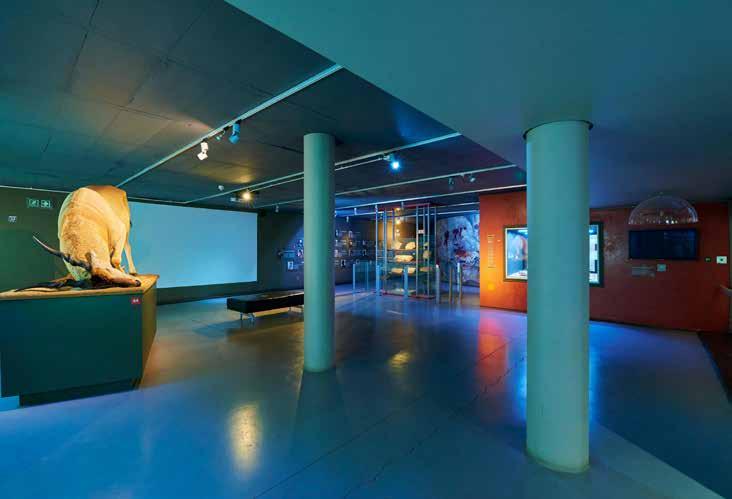
Council and Committees of Council
Membership and attendance of meetings in 2025
Committee feedback reports
Council
Role
The Council of the University of the Witwatersrand is the institution’s highest governing authority, responsible for setting strategic direction, safeguarding financial sustainability, and ensuring effective governance in accordance with the Higher Education Act, 1997 and the University’s Statute. Comprising a majority of external members, Council exercises independent oversight, approves major institutional decisions, and monitors performance through regular reporting, thereby upholding institutional integrity and advancing academic excellence.
Key Focus Areas
In 2025, Council directed its oversight to key priority areas aimed at sustaining institutional excellence and long-term viability.
These focus areas reflect Council’s commitment to advancing the University’s academic leadership and societal impact.
Financial Sustainability and Resource Stewardship
Council maintained oversight of the University’s financial position, including revenue diversification, cost containment, and student funding pressures. This aligns with Wits’ emphasis on the “economic and financial wellbeing of the institution” as a core strategic objective.
Governance, Risk and Compliance Oversight
Council ensured the effectiveness of governance structures, compliance with the Higher Education Act, 1997 and institutional policies, and oversight of risk management, internal controls, and regulatory reporting. This reflects Council’s statutory mandate as the University’s highest governing body.
Performance and Strategic Delivery
Council oversaw the implementation of the University’s strategy through performance monitoring, including the use of institutional indicators, reporting frameworks, and accountability mechanisms across portfolios. Wits explicitly links governance to monitoring performance against strategic imperatives.
Council sub-Committees
Council sub-Committees continued to play a critical role in supporting effective governance and strategic oversight across the University. Each sub-Committee is mandated to focus on specific areas of oversight, including academic matters, finance and resources, student affairs, research and innovation, transformation and inclusion, governance and policy, and risk and compliance.
Through detailed deliberation and focused oversight, these sub-Committees monitor performance, consider key institutional risks and opportunities, and make recommendations to Council. This enables Council to take informed decisions that are aligned with the University’s strategic objectives, values, and long-term sustainability.
Executive Committee of Council (ExCo)
Role
The ExCo of Council acts on behalf of Council between scheduled meetings, ensuring continuity in governance and the timely discharge of Council responsibilities. ExCo considers urgent and time-sensitive matters within its delegated authority, oversees the implementation of Council resolutions, and provides strategic guidance on key issues requiring interim attention.
Through this role, ExCo supports Council in maintaining effective oversight, upholding institutional integrity, and advancing the University’s financial sustainability and academic mission.
Membership
External members
Mr I Shongwe (Chair)
Mr T Nombembe (Vice-Chair)
Ms N Badsha
Mr A Basserabie
Mr G Hartford
Professor M Katz
Ms L Kgakololo
Ms HB Khan
Internal members
Professor Z Vilakazi (Vice-Chancellor and Principal)
Professor R Osman (Senior DVC: Academic)
Ms C Crosley (University Registrar)
Professor J Cohen
Professor U Kollamparambil
Ms N Chiya (SRC)
Mr T Liebenberg
Ms K Mufamadi
Ms N Ngcobo
Associate Professor M Ntsobi
Ms C Nyama
Ms T Rossini
Mr J Teeger
Mr T Madihlaba
Professor N Moloto
Professor J Quirk
Professor F Sihlongonyane
Professor W Vangu
Mr MS Seabi (PGA)
Key Focus Areas
The ExCo exercised delegated authority from Council to address urgent and time-sensitive matters, ensuring continuity in governance between Council meetings. During 2025, ExCo maintained focused oversight across key areas supporting institutional stability, effective governance, and strategic delivery. Key focus areas included:
Areas
Governance Continuity and Decision-Making
Acted on behalf of Council in respect of urgent matters within its delegated authority, ensuring timely decision-making and continuity of governance processes between Council meetings.
Strategic Oversight and Performance Monitoring
Supported the implementation of the Wits 2033 Strategic Framework through ongoing monitoring of institutional performance and alignment of executive actions with strategic priorities.
Financial Sustainability and Resource Stewardship
Provided oversight and guidance on the University’s financial position, including budgetary planning, cost containment measures, and student funding considerations in a constrained economic environment.
These efforts reflect ExCo’s role in supporting institutional stability, reinforcing accountability, and enabling effective strategic execution.
Finance Committee of Council (FinCo)
Role
The FinCo supports Council in overseeing of the University’s financial sustainability and resource stewardship. The Committee reviews and makes recommendations to Council on the annual budget, financial performance, and key financial policies, ensuring alignment with the University’s strategic objectives.
Through focused oversight and detailed financial scrutiny, FinCo monitors revenue and expenditure trends, assesses financial risks, and provides guidance on measures to strengthen financial sustainability. In doing so, the Committee supports Council in upholding fiscal discipline and enabling the University’s long-term strategic priorities.
Membership
Mr T Liebenberg (Chairperson of FinCo)
Mr I Shongwe (Council member)
Ms C Nyama (Council member)
Professor W Vangu
(Member of Senate on Council)
Professor J Cohen
(Member of the Deans on Council)
Professor Z Vilakazi (Vice-Chancellor and Principal)
Mr L Baartman (SRC Treasurer)
Ms M Manyama (Chief Financial Officer)
Professor R Osman
(Senior DVC Academic)
Professor J Quirk
(Member of the Academic staff on Council)
Membership
Mr T Madihlaba
(Member of the Non-Academic staff on Council)
Mr T Nombembe
(Chairperson of the Council Audit Committee)
Key Focus Areas
(Member appointed by reason of special knowledge/expertise) Vacant
(Member appointed by reason of special knowledge/expertise) Vacant
The FinCo maintained focused oversight of the University’s financial health, sustainability, and accountability during the reporting period. The Committee’s key areas of focus included:
Areas
Budgetary Oversight
Reviewed and recommended the annual budget to Council, ensuring alignment with strategic priorities and financial sustainability objectives.
Quarterly Financial Monitoring
Considered quarterly financial reports, monitored revenue and expenditure trends, and assessed variances against approved budgets.
Audited Financial Statements
Reviewed the Annual Financial Statements and audit outcomes, and made recommendations to Council for approval, ensuring the integrity of financial reporting.
Tuition Fee Policy Consultation
Provided input on tuition fee proposals, balancing affordability considerations with the University’s financial sustainability requirements.
Capital Project Evaluation
Evaluated major capital projects and infrastructure investments, ensuring alignment with strategic priorities and appropriate financial planning.
Council Audit and Risk Committee (CARC)
Role
The CARC assists Council in fulfilling its oversight responsibilities in relation to audit, financial reporting, internal controls, risk management, and compliance. The Committee considers and makes recommendations to Council on the appointment and discharge of internal and external auditors, as well as the approval of audit plans.
Through its oversight, CARC supports the University in maintaining transparency, integrity, and accountability across its financial and operational processes.
Membership
Mr T Nombembe
Chairperson
Mr T Liebenberg
Chairperson of FinCo
Mr A Basserabie
Member appointed by Reason of Special Knowledge
Professor M Katz
Member appointed by Reason of Special Knowledge
Ms N Ngcobo
Member appointed by Reason of Special Knowledge
Key Focus Areas
The CARC maintained focused oversight of audit, risk, and compliance matters in support of Council’s assurance responsibilities. Key focus areas included:
Areas
Financial Reporting and Audit Oversight
Reviewed interim and Annual Financial Statements and audit outcomes, ensuring the integrity of financial reporting and alignment with applicable standards.
Internal Audit, Risk Management and Combined Assurance
Oversaw the internal audit function, the effectiveness of the risk management framework, and the combined assurance model to ensure coordinated assurance across key risk areas.
External Auditor Appointment and Independence
Considered matters relating to the appointment, performance, and independence of external auditors, and recommended these to Council.
Fraud Risk, Ethics and Compliance
Monitored fraud risk management, ethics frameworks, and compliance processes, including the effectiveness of internal controls.
Structural Alignment of Assurance Functions
Oversaw the consolidation of assurance-related structures to strengthen coordination, eliminate duplication, and enhance overall governance effectiveness.
Remuneration Committee of Council (RemCo)
Role
The RemCo supports Council in overseeing the University’s remuneration framework and related policies. The Committee considers and makes recommendations to Council on the overall remuneration strategy, including parameters for executive remuneration and periodic reviews. It also determines, within approved frameworks, the remuneration of the Vice-Chancellor and Principal.
The Committee is chaired by the Chairperson of Council, ensuring alignment with sound governance practices and consistency with Council oversight.
Membership
External members
Mr I Shongwe (Chairperson of Council)
Ms L Kgakololo (Chairperson of the Human Resources Committee)
Mr T Liebenberg (Chairperson of FinCo)
Mr T Nombembe (Chairperson of CARC)
Internal members
Professor Z Vilakazi (Vice-Chancellor and Principal)
Professor R Osman (Senior DVC: Academic)
Professor G Stevens (DVC: People Development and Culture)
Ms L Carosin (SET–SMG member)
Key Focus Areas
The RemCo maintained focused oversight of remuneration practices to ensure fairness, competitiveness, and alignment with the University’s strategic and financial context. Key focus areas included:
Areas
SET Variable Remuneration Review
Considered and made recommendations on remuneration for Senior Executives, including the Vice-Chancellor and Principal, ensuring alignment with performance outcomes and approved frameworks.
Salary Increment Evaluations
Reviewed proposed salary adjustments for academic, professional, and administrative staff, balancing market competitiveness with affordability and financial sustainability.
Monitoring of Remuneration Trends
Monitored national and sectoral remuneration trends to inform decision-making and support the University’s competitive positioning.
Governance and Compliance
Ensured that remuneration practices were aligned with governance standards, policies, and regulatory requirements, promoting transparency and accountability.
Council ICT Committee
Role
The Council ICT Committee supports Council in overseeing the strategic direction and governance of the University’s ICT environment. The Committee ensures that ICT strategy, investments, and initiatives are aligned with the University’s strategic objectives and enable effective academic, research, and administrative operations.
Through its oversight, the Committee monitors the performance, risks, and sustainability of ICT systems and infrastructure, supporting the integration of technology to enhance institutional effectiveness and innovation.
Membership
Ms T Rossini Chairperson
Professor M Sihlongonyane
Internal member of Council
Professor Z Vilakazi Vice-Chancellor
Professor R Osman
Senior DVC: Academic
Ms C Crosley University Registrar
Ms M Manyama
Chief Financial Officer
Professor I Jandrell DVC S&O
Dr S Mpofu
Professor J Cohen
Professor C Wright
Ms P Tshabalala
Mr M Harris
Dr K Pillay
Ms N Cwaba
Chief Information Officer
Faculty Deans’ representative
Member appointed by reason of special knowledge
Member appointed by reason of special knowledge
Member appointed by reason of special knowledge
Member appointed by reason of special knowledge
SRC member
Mr E Mashishi PGA member
Vacant
External member of Council
Key Focus Areas
The Council ICT Committee maintained focused oversight of the University’s ICT environment to support strategic enablement, operational resilience, and risk management. Key focus areas included:
Areas
Strategic ICT Initiatives
Oversaw the implementation of key ICT projects aligned with the University’s strategic priorities, including digital transformation and systems modernisation.
Systems Availability and Network Performance
Monitored the reliability and uptime of critical IT and network services to ensure continuity of academic, research, and administrative operations.
Project Governance and Oversight
Reviewed the delivery of major ICT projects, ensuring adherence to timelines, budgets, and defined outcomes.
Financial Management and ICT Risk
Considered ICT-related expenditure and associated risks, ensuring value for money and alignment with institutional priorities.
Audit and Compliance
Oversaw ICT audit outcomes and compliance with relevant policies, standards, and regulatory requirements.
Service Delivery and SLA Performance
Monitored service delivery against agreed service-level agreements, ensuring responsiveness and quality of ICT support services.
Cybersecurity and Information Security
Oversaw cybersecurity initiatives and controls to safeguard institutional data, systems, and digital infrastructure.
Board of Residences (BoR)
Role
The BoR oversees the governance of the University’s residence programmes, ensuring effective policy implementation, operational oversight, and the promotion of a safe and conducive living and learning environment.
Membership
Mr J September
Mr T Mogaladi
Professor Z Vilakazi
Ms C Crosley
Mr D Gozo
Professor N Elleh
Professor R Smith
Mr B Mugwena
Ms Z Lubisi
Ms N Cele
Mr T Tlomatsana
Ms M Mapheto
Mr B Setsepu
Mr S Mothadi
Dean: Student Affairs and Chairperson
Deputy Chair and Deputy Dean: Student Affairs
Vice-Chancellor and Principal
University Registrar
Chairperson: Residence Finance Committee or Nominee of the CFO
Senate Representative
Heads of School Representative
Director: CHRL
Residence Warden
Chair: All Residence Council (ARC)
ARC Representative
ARC Representative
SRC Representative
PGA Representative
Key Focus Areas
The BoR maintained focused oversight of residence governance and operations to support a safe, inclusive, and conducive student living and learning environment. Key focus areas included:
Areas
Governance and Oversight
Ensured effective governance of residence programmes, including alignment with institutional policies and regulatory requirements.
Policy Implementation
Monitored the implementation and effectiveness of residence-related policies and frameworks.
Student Welfare and Development
Oversaw initiatives aimed at enhancing student wellbeing, development, and the overall residence experience.
Infrastructure and Facilities Management
Considered the maintenance, renewal, and development of residence infrastructure to ensure safe and fit-for-purpose facilities.
Financial Oversight
Reviewed residence-related budgets and expenditure, ensuring financial sustainability and efficient resource utilisation.
Stakeholder Engagement
Engaged with key stakeholders, including students and University structures, to inform decision-making and strengthen residence governance.


Chief Financial Officer
Maureen Manyama
The key financial ratios overview is as follows:
Overview of the financial year
Report of the Chief Financial Officer
Overview
The 2025 audited Annual Financial Statements reflect a financially resilient group operating within a constrained macroeconomic and higher education funding environment. The Wits group continued to prioritise financial sustainability, operational stability, governance excellence, and strategic investment in support of the academic and research mandate.
The Group’s net asset position (R13.42 billion) strengthened during the 2025 financial year, reflecting continued balance sheet resilience and prudent financial stewardship. The Net assets grew ahead of liability growth, supported by positive operating performance, investment portfolio growth and disciplined financial management. The strengthened net asset base enhances the University’s long term financial sustainability, improves its capacity to support and prioritise strategic investment priorities. The University’s net asset position of R10.74 billion, reported an 11.71% year -on-year growth.
The external audit process was successfully concluded, with management maintaining strong engagement with the auditors, governance structures, and oversight committees throughout the audit cycle. Management continued to strengthen the internal control environment, governance processes and risk management practices aligned with the principles of good governance and combined assurance. The University remains committed to maintaining high standards of financial integrity, accountability, transparency and regulatory compliance.
The Wits Group
The Wits Group comprise:

WHC (Wits Health Consortium). WCE (Wits Commercial Enterprise). WJ (Wits Junction). WF (Wits Foundation). WI (Wits Incubator). WP (Wits Plus), all are 100% owned entities of the University of the Witwatersrand. WDGMC (Wits Donald Gordon Medical Centre), which is a 50.10% joint venture that the University has entered with Mediclinic.
The Wits Group delivered a strong financial performance for the 2025 financial year.
The 2025 financial year concluded with a strengthened balance sheet position and the Group Net Asset Value of R13.42
BALANCE SHEET [GROUP]
The increase in cash flows for the year was modest, with the Group ending the financial year with cash and cash equivalents of R3.75 billion.
CASH FLOWS [GROUP]
Financial Performance
The Wits Group has reported a surplus for the year of R1.43 billion for the financial year under review, compared to R704 million in the prior financial year, with the overall performance largely driven by the results of the University.
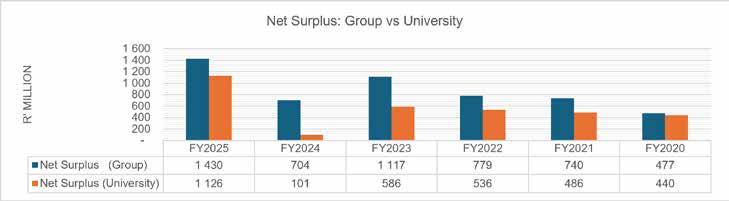
Revenue Performance Overview
The Total Income of R13.06 billion achieved by the Wits Group for the 2025 financial year.
The strong Group financial performance was primarily driven by year-on-year (YoY) growth in State subsidies & grants of 6.10% to R2.88 billion, Tuition Fee Income of 7.36% to R3.14 billion and Other Income, which increased significantly by 70.96% to R2.24 billion. The University recorded 43,843 students’ enrolments, representing a 6.18% increase compared to the 2024 academic / financial year.
The Other Income Group performance is largely influenced by the restricted External Income which has doubled year-on-year to R1.58 billion. The overall performance was however, partially offset by a year-on-year decline in research contracts of 11.33% to R3.24 billion and a decrease of 18.79% to R560 million in interest, dividends and fair value gains / (losses).
The year-on-year decline of R129.54 million in Interest dividends, and exchange rate gains / (losses) was largely driven by the interest rate cuts experienced during the 2025 financial year, resulting in a R65 million reduction in interest income earned on investments and bank accounts. Interest income from Other Receivables declined by R48.99 million year on year, primarily due to changes in the student fee policy, whereby the payment due date was moved from 01 April to 01 July to align the payment terms for both sponsored and self-funded students.
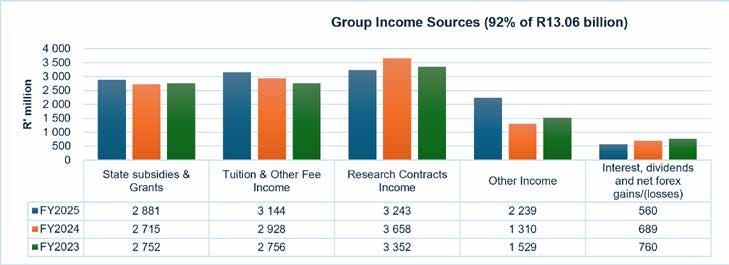
The University’s key sources of income are State subsidies & grants as well as Tuition & Other fee income:
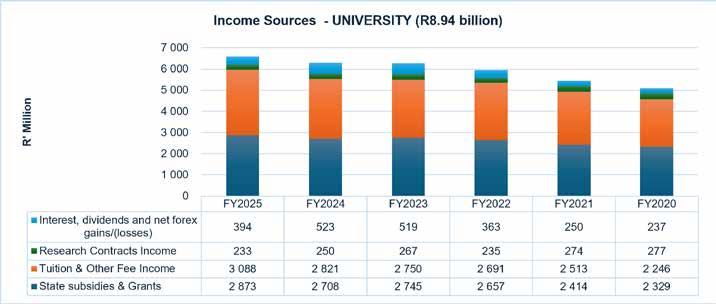
Expenditure
Performance Overview
Total expenditure amounted to R11.51 billion, reflecting a year-on-year increase of 3.04%.
Student enrolment by
The increase was primarily driven by employee costs, which grew by 3.22% to R6.68 billion, and other operating costs, which increased by 5.18% to R4.45 billion. This was partially offset by a significant reduction in expected credit losses to R24 million, representing a 76.92% decrease year on year, following the adoption of the new policy (Receivables and Credit Risk Management Policy) and the normalisation of provision levels.
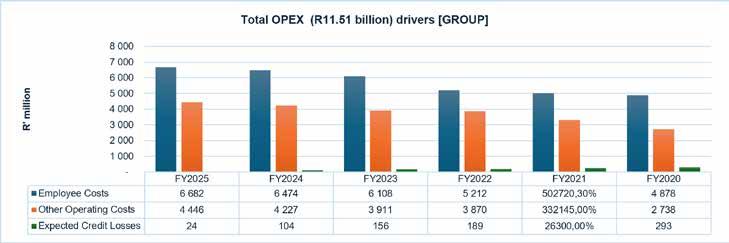
The University’s total Opex drivers are:
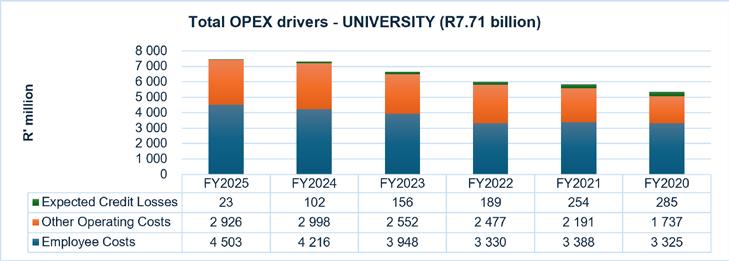
The employee costs at the University level are predominantly Council – controlled, and an overall year on year increase of 6.8%.
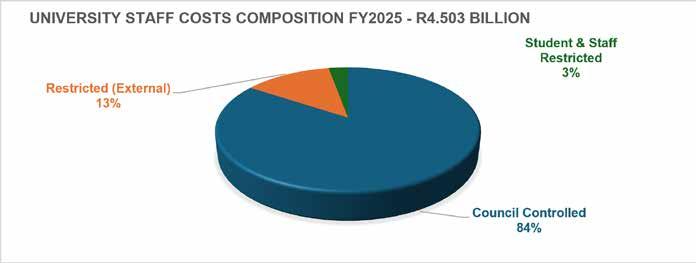
Other statistics
Other operating costs increased year on year by 10.80% to R3.78 billion (Other Operating Expenses excluding Other Expenses R663.58 million, per note 9 ). The growth was mainly driven by increases in management fees of 29.68%, IT – related costs of 10.51%, fixed property costs of 11.65%, and repairs and maintenance costs of 20.78%. The increase in costs was partially offset by the R202 million year on year savings realised in bursaries, consulting fees, laboratory consumables, and travel-related expenses. The University has Bad debt written off and provision of R83 million during the period under review, in line with the prevailing policy.
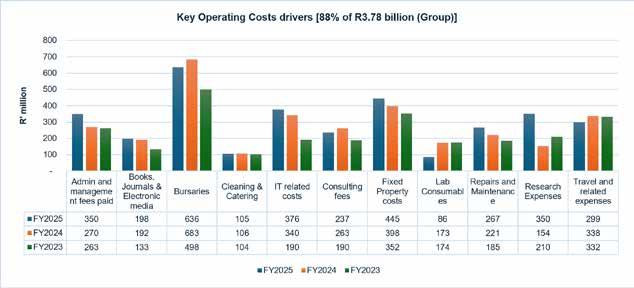
The Other Operating Expenses drivers at the University level are as follows:
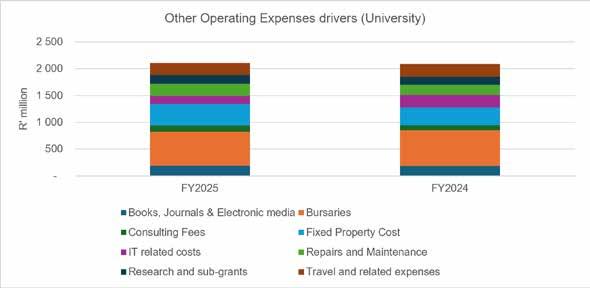
Financial Position
The Group’s total assets increased by 7.44% year on year to R22.14 billion, while total liabilities remained relatively stable at R8.72 billion, reflecting modest growth of 1.20%. The net asset value increased significantly by 11.93% year on year to R13.42 billion.
Key Assets
The key asset categories all recorded positive year-on-year growth. Property, Plant and Equipment (Group) increased by 3.17% to R9.20 billion mainly influenced by assets additions of R677.23 million for the year.
The University funded 82.86% of the R677.23 million total capital investment for FY2025. The assets additions were influenced by R382 million invested in land and buildings and R289 million invested in furniture equipment and other assets. The “other equipment (Group)” category includes laboratory and educational equipment, artwork, and computer equipment.
Total Investment increased by 13.05%, growing from R6.33 billion (2024) to R7.16 billion (2025). Approximately 75.48% of the investments are locally invested, predominantly across the following asset classes: listed equities, bonds and money market unit trust funds. At Group level, investment income capitalised for the period under review amounted to R361 million, while the fair value adjustments totalled R522 million. The University capitalised investment income of R316 million and recorded fair value adjustments of R400 million for the period under review.
Trade and Other receivables increased by 20.65% year on year to R1.74 billion. Trade and Other receivables include student debtors amounting to R730 million for FY2025. Student debtors contributed 41.83% of the total trade and other receivables balance in 2025, compared to 56.15% in 2024. The University reported an increase in gross student debtors from R1.24 billion (2024) to R1.33 billion (2025), with the net student debtors after the expected credit loss of R528 million and R730 million respectively. Cash and Cash equivalents reflected modest growth of 3% to R3.75 billion, of which R3.47 billion is predominantly attributable to the Wits entities.
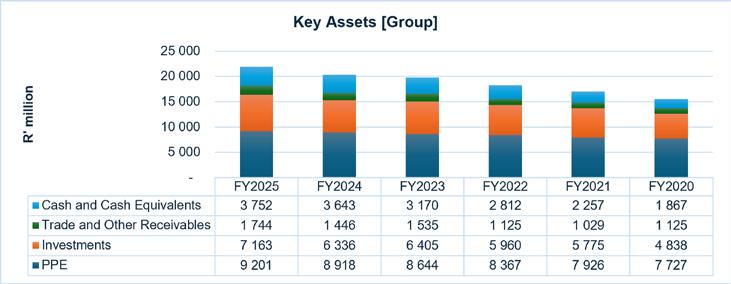
Key Liabilities
The total Liabilities at Group level of R8.72 billion was on par with the 2024 balance. The key liabilities drivers are outlined below:
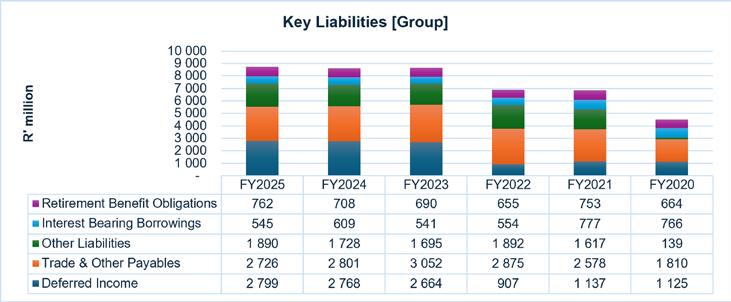
The Retirement Benefit Obligations recorded a year-on-year growth of 7.59% to R762 million. An actuarial valuation of the defined benefit obligation was performed in accordance with International Accounting Standard 19 (IAS 19). The total obligation of R762 million comprises R557.41 million attributable to retirees and R204.50 million attributable to employed members. The following key liabilities categories declined year on year, namely Trade and Other payables; Other Liabilities; Interest Bearing borrowings.
The restricted funding obligations at group level consists of IFRS deferred income, Government grants and Income received in advance:
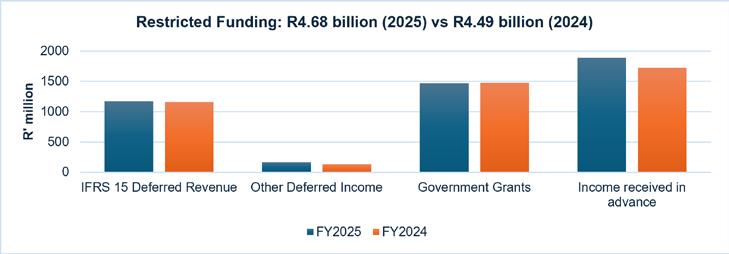
Financial aid and sponsorships disbursed by the University
The University disbursed financial aid and scholarships to support access, affordability and student success. These awards include bursaries, scholarships, fee remissions, and other forms of student financial support funded through University resources, donors, sponsors and external funding partners.
The disbursements were directed primarily toward tuition fees, accommodation, allowances and other approved study – related costs. The financial aid and scholarships portfolio remains a key component of the University’s commitment to widening access, advancing transformation and supporting inclusive higher education outcomes
The Financial Aid and Scholarship Office disbursed R2.62 billion to 30,782 students compared to R2.33 billion disbursed to 30,057 students in FY2024. The funds disbursed increased by 12.25% to R2.62 billion for the 2025 financial year.
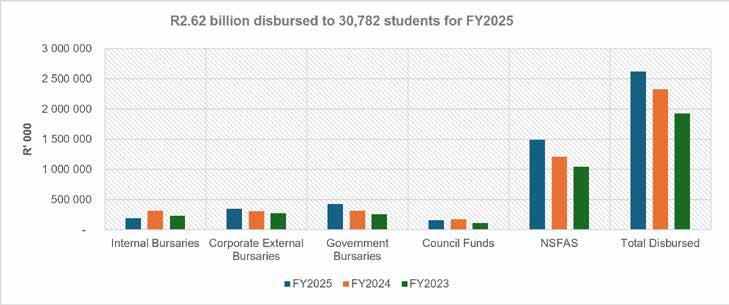
composition
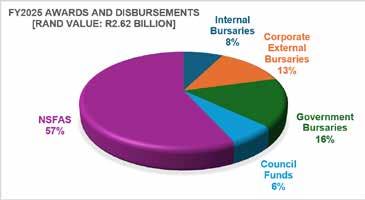
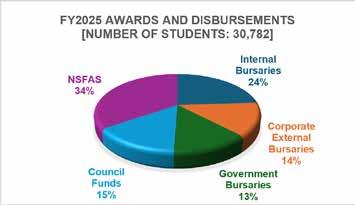
Financial Outlook
The 2026 financial environment is expected to remain challenging due to economic pressures, constrained public funding, infrastructure demands, student affordability concerns and rising operational costs. Management will continue to focus on the following to ensure that atleast a break-even performance is achieved:
The University remains committed to delivering on its strategic objectives while maintaining prudent financial stewardship and preserving its long-term financial sustainability.
Report of the Audit Committee for the year ended 31 December 2025
The Council Audit and Risk Committee (CARC) is pleased to present its report for the financial year ended 31 December 2025. The Committee has conducted its affairs in accordance with its written charter, as approved by Council, and has duly discharged the responsibilities entrusted to it. The Council Audit Committee, as an independent non-executive body accountable directly to Council, plays a critical oversight role in providing assurance to Council regarding the adequacy and effectiveness of the University’s risk management, internal control, governance, reporting and other related matters.
Audit Committee Responsibility
The overarching purpose of the Audit Committee is to support Council in discharging its oversight responsibilities in relation to financial reporting, internal control systems, financial reporting, and the management of financial risks, to oversee the (internal and external) audit process; and to monitor the University’s compliance with applicable laws and regulations, performance against predetermined objectives and adherence to its code of conduct. Both the internal and external auditors have unrestricted access to the Audit Committee, including the opportunity to engage periodically with the Committee Chairperson, thereby reinforcing their independence.
Composition and Meetings
The Committee comprised four (4) members, all of whom are independent and possess relevant financial and governance expertise. The Committee meets at least twice per annum as per the committee charter.
The Vice-Chancellor, Deputy Vice-Chancellors, Chief Financial Officer (CFO) and other senior management together with internal and external auditors attend the meetings, by invitation.
Attendance at these meetings is recorded and was as follows for the financial year under review:
Name of Member Year Appointed
Chairperson
Mr T Nombembe*
Professor M Katz Member
Mr T Liebenberg
Chairperson of FINCO
Ms N Ngcobo
Member Appointed by Reason of Special Knowledge/ Expertise
Mr A Basserabie
Member Appointed by Reason of Special Knowledge/ Expertise
* Appointed as the Chairperson of Council effective 01 January 2026.
Duties assigned by Council
The Committee fulfils an oversight role regarding the University’s Integrated Report and the reporting process, including the system of internal financial controls. It is responsible for ensuring that the University’s internal audit function, which is outsourced, has the necessary resources, standing and authority within the organisation to enable it to effectively discharge its duties. Furthermore, the Committee oversees cooperation between the internal and external auditors and serves as a link between Council and these assurance service providers.
The Committee ensures that the audit work for both internal and external audit is completed as per the relevant guidelines and approved plans. During the year under review, the Committee met with the external auditors and with the internal auditors without management being present, to satisfy itself that the auditors are comfortable with the role and performance of management in fulfilling their duties and functions.
The Committee provides assistance to Council in the following areas:
Statutory duties
In the conduct of its duties, the Committee has performed the following statutory duties:
9 The University obtained an approval from the Office of the Auditor General South Africa (AGSA), for an extension of Deloitte’s contract and term for the financial year ending 31 December 2026. The Committee assessed the performance of the external auditors and is satisfied of their independence.
9 Reviewed and approved the budget for the fees to be paid to the external auditor and reviewed the terms of engagement.
9 Ensured that the appointment of the external auditor complies with the Higher Education Act 10 of 1997 (as amended), and any other legislation relating to the appointment of auditors.
9 Determined the nature and extent of those non-audit services that the external auditor has or may provide to the University and confirmed that it did not compromise the auditors’ independence.
9 Pre-approved fees within determined limits of the overall external audit fee for ad-hoc audit work and the provision of non-audit services to the University by the external auditor.
External Audit
The Committee oversaw the external audit process, including the review of the external auditor’s independence, objectivity and effectiveness. The external auditors confirmed their independence in terms of relevant regulatory and professional requirements as prescribed by the Independent Regulatory Board for Auditors (IRBA). The Committee reviewed the audited Annual Financial Statements and related audit findings and is satisfied with the quality and transparency of the audit. The Committee concurs with the audit opinion.
The Committee, in consultation with executive management, agreed to the terms of engagement, audit plan and budgeted audit fees for the 2025 financial year.
The Committee recommended that Council note the appointment of Mr E. Ramasodi as the designated auditor for the 2026 financial year in line with partner rotation requirements. Consultation with, and concurrence from, the Office of the AGSA was obtained. The Committee further confirmed that both the audit firm and the designated auditor are accredited by the Independent Regulatory Board for Auditors (IRBA).
Internal Audit
The Internal Audit function operates in terms of a risk-based internal audit plan approved by the Committee. The Internal Audit function is outsourced to KPMG effective from the 2024 financial year. During the year, Internal Audit conducted audits covering key areas namely: Property and Infrastructure Management Process (OFMD: Hard Services); Third stream/ Restricted Income – risk based reviews; Highlevel Financial controls review on two selected faculties; Procure to Pay review; Principal and Agent VAT review; Employee and employee’s dependent bursaries; Student admission and registration process (excluding processing done by the Fees office); Technical security review; IT Risk and controls assessment (COBIT based).
The internal auditors have a responsibility for reviewing and providing assurance on the adequacy of the internal control environment across all the University’s operations and is responsible for apprising the Committee at its scheduled meetings of the following:
9 Status of the deliverables in the audit plan against the approved internal audit plan.
9 Status of the resolutions on internal audit findings on all the completed audits; and
9 The forthcoming year’s internal audit plan.
Risk Management
Council has assigned oversight of the risk management function to a separate Council Risk Committee. The Audit Committee also reviews the minutes of the Council Risk Committee and considers the impact of financial reporting risks, internal financial controls, information technology risks and fraud risk as it relates to financial reporting. Enterprise-wide risk management (EWRM) has been outsourced to BDO effective March 2024. The Committee has worked closely with the Council Risk Committee and confirmed that material risks facing the University were identified, monitored and mitigated appropriately during 2024. Effective from the 2025 financial year, the University has merged the Council Risk Committee and the Council Audit Committee into a single committee, now referred to as the Council Audit and Risk Committee (CARC). Internally, a management level Combined Assurance Committee, chaired by the Vice-Chancellor, has been established following the merger of the Risk Management Committee and the Internal Audit Committee.
Evaluation of the audited Annual Financial statements
The Committee reviewed the audited Annual Financial Statements (AFS) of the University and its controlled entities for the year ended 31 December 2025 and is satisfied that they comply with the International Financial Reporting Standards (IFRS), the Ministerial Reporting Framework for Public Higher Education Institutions and other applicable legislation. Following thorough deliberations and discussions with the external auditors and the Chairperson of the Finance Committee, the CARC recommended the audited Annual Financial Statements for the year ended 31 December 2025 to Council for approval.
Expertise and experience of the Chief Financial Officer and finance function
The Committee has considered and has satisfied itself of the overall appropriateness of the expertise and adequacy of skills and resources of the University’s finance function and experience of the senior members of management within the finance function.
Compliance and Legal Matters
The Committee reviewed the University’s compliance with legal and regulatory requirements. The Committee is satisfied that it has complied with its legal, regulatory, and other responsibilities.
Sustainability reporting
The Committee has considered the exposure of the University to sustainability risks and has concluded that it is not necessary to engage an external assurance provider to perform an assurance engagement on key sustainability performance information included in the Integrated Report.
The Committee considered the University’s sustainability information as disclosed in the Integrated Report and has assessed its consistency with operational and other information known to Committee members, and for consistency with the annual financial statements. Based on discussions of the sustainability information with management, the Committee is satisfied that the information is reliable and consistent with the financial results.
Conclusion
The Committee is satisfied that it has fulfilled its mandate as contained in its charter. The Committee confirms that it is confident in the integrity of the University’s financial reporting processes and effectiveness of internal controls and governance practices.
Managing risks to strategy delivery
The University continued to maintain a structured and proactive approach to enterprise risk management, recognising risk management as an enabler for strategy execution, financial sustainability, institutional resilience and value creation whilst supporting the academic and research mandate.
The University operates within a dynamci environment characterised by economic volatility, constrained funding, technological disruption, increasing regulatory requirements as well as evolving stakeholder expectations. Effective risk management therefore remains fundamental to achieving the University’s strategic objectives and fulfilling its mandate and vision of being the leading research institute.
Risk Governance
Council retains ultimate accountability for risk governance and oversight. This responsibility is exercised through the Council Audit and Risk Committee (CARC), Combined Assurance Committee (CAC), Council and other governance structures. The Senior Executive Team (SET) is responsible for embedding risk management within strategic planning, operational management and decision-making processes. Risk management is integrated across faculties, support divisions, controlled entities and major projects.
The Chief Financial Officer and Risk Consultants (BDO Advisory Services (Pty) Ltd) provides Enterprise Risk Management services and facilitates the reporting of risk management to the relevant governance structures.
The University’s Risk Management Framework aligns with:
9 King IV Report on Corporate Governance for South Africa
9 ISO 31000 Risk Management Principles and Guidelines
9 Higher Education Governance requirements
9 The University’s approved Risk Management Policy
Risks Appetite and Risk Tolerance
During the year, the University continued to implement its enhanced Risk appetite and tolerance framework / methodology. The overall Institutional risk appetite remains conservative, reflecting: 9 The University’s public accountability responsibilities. 9 Dependence on government funding and donor support.
9 The need to protect academic reputation and research excellence. 9 Financial sustainability requirements.
9 Stakeholder expectations regarding governance and stewardship.
The Council approved risk appetite remains at Level 6 on a scale of 1 to 25, indicating a generally low tolerance for risks that may compromise the University’s long-term sustainability, reputation, regulatory compliance or strategic objectives.
The risk appetite framework continues to mature and provides management with clearer guidance regarding acceptable risk-taking, escalation thresholds and oversight requirements.
Enterprise Risk Management Activities during FY2025
During the year under review, the University:
9 Continued quarterly monitoring of strategic and operational risks.
9 Enhanced reporting through the Strategic Executive Team Risk Dashboard.
9 Embedded ESG considerations into the enterprise risk management process.
9 Strengthened risk monitoring and accountability mechanisms.
9 Continued integrating risk management into strategic planning and budgeting processes.
9 Expanded oversight of faculty and Professional Administrative risk registers.
9 Reviewed emerging risks across the higher education landscape.
9 Continued implementation of the Council approved risk appetite framework.
Strategic risk profile
At the 2025 yearend, key strategic risks were monitored at SET level and reported to Council namely:
1. Instability in South Africa and Higher Education Funding Crises. The continuing socio-economic challenges facing south Africa, combined with funding pressures within the higher education sector, remain a significant strategic risk.
2. Institutional funding pressures and financial sustainability. Financial sustainability remains a critical strategic priority.
3. Technology risk. Technology and cybersecurity remain among the University’s most significant risk exposures.
4. Infrastructure risk. Infrastructure risk remains the highest residual work within the University’s strategic risk profile, which requires ongoing monitoring.
5. Environmental, Social and Governance (ESG). Environmental sustainability, climate change and governance matters continue to receive increased strategic attention.
6. Research funding challenges. The university continues to diversity research funding sources, strengthen industry partnerships and enhance grant application support structures. Research funding remains a strategic focus area given global funding uncertainties.
7. Transformation, institutional culture and staff profile. Transformation and institutional culture initiatives continue to mature through the work of the People Development and Culture portfolio, Employment Equity programmes, Diversity and Inclusion initiatives and culture – building interventions.
8. Teaching and Learning. The University continues to implement its Learning and Teaching Strategy 2025 -2029, supported by robust academic governance structures, quality assurance process and student success initiatives.
Emerging risks
The University continues to monitor emerging risks through all its governance structures. A notable emerging risk identified during the year relates to the reduction of international donor funding, particularly the withdrawal of certain USAID – supported programmes affecting higher education and health research initiatives. This had implications for entities operating within the University’s broader ecosystem and highlights the importance of continued diversification of funding sources.
Other emerging risks under active monitoring include:
9 Artificial intelligence governance and ethical use.
9 Cybersecurity threats.
9 Climate related disruptions.
9 Regulatory changes affecting higher education.
9 Research funding volatility.
9 Talent attraction and retention.
9 Geopolitical uncertainty affecting international funding
Combined Assurance
The University continues to strengthen its Combined Assurance Framework by integrating risk management, internal audit, management assurance and external assurance activities.
Management has prioritized the enhancement of monitoring mechanisms, accountability structures and evidence-based reporting to improve visibility over mitigation actions and control effectiveness. Future enhancements will focus on: 9
Faculty Risk Themes
Faculty risk assessment identified several recurring themes across academic divisions: 9
These risks continue to be monitored through faculty governance structures and are incorporated into institutional risk oversight processes.
Risk Management Outlook for 2026
The University enters 2026 with a mature and increasingly integrated enterprise risk management framework.
Council and management are satisfied that the University’s risk management processes remain effective and continues to support the achievement of strategic and operational objectives while maintaining appropriate oversight of current and emerging risks.
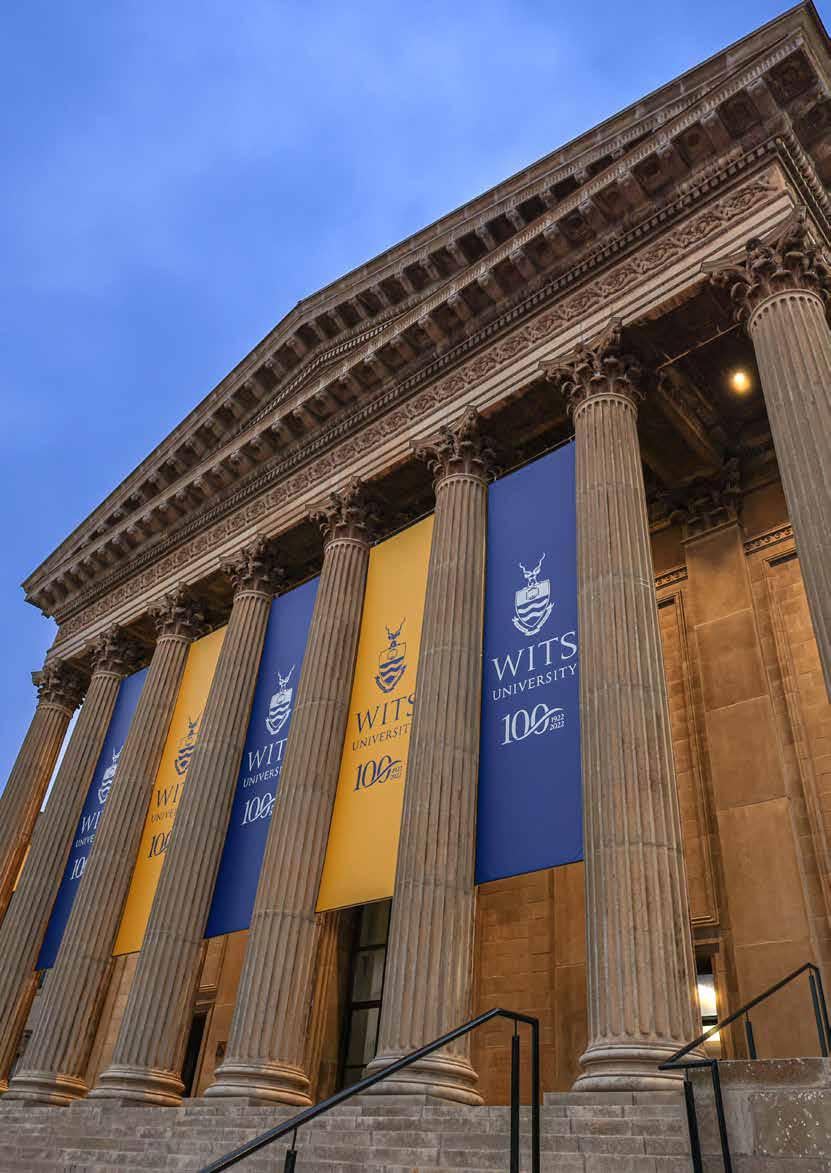
Annexure Financial Reports
University of the Witwatersrand - Johannesburg
Consolidated and Separate Annual Financial Statements for the year ended 31 December 2025
UniversityoftheWitwatersrand-Johannesburg
ConsolidatedandSeparateAnnualFinancialStatementsfortheyearended31December2025
COUNCIL'SSTATEMENTOFRESPONSIBILITYOFTHECONSOLIDATEDANDSEPARATEANNUALFINANCIAL STATEMENTS
The Council is responsible for the preparation, integrity and fair presentation of the consolidated and separate annual financial statements for the University of the Witwatersrand, Johannesburg.
The consolidated and separate annual financial statements, presented on pages 130 to 189, have been prepared in accordance with IFRS ® Accounting Standards as issued by the International Accounting Standards Board (IASB ®) and in the manner required by the Minister of Higher Education and Training in the regulations in terms of the Higher Education Act, 1997 (Act No. 101 of 1997), as amended, and include amounts based on the judgements and estimates made by management. The Council has also prepared the other information included in the annual report and is responsible for both its accuracy and consistency with the annual financial statements.
The going concern basis has been adopted in preparing the consolidated and separate annual financial statements. The Council has no reason to believe that the University of the Witwatersrand, Johannesburg together with its related entities will not be a going concern in the foreseeable future, based on forecasts and available cash resources. The viability of the institution is supported by the content of the financial statements.
The consolidated and separate annual financial statements have been audited by the independent auditing firm, Deloitte & Touche, who were given unrestricted access to all financial records and related data, including minutes of meetings of the Council and all its sub-committees. The Council believes that all representations made to the independent auditors during the University of the Witwatersrand, Johannesburg's group audit are valid and appropriate.
University of the Witwatersrand - Johannesburg
Consolidated and Separate Annual Financial Statements for the year ended 31 December 2025
APPROVAL OF THE CONSOLIDATED AND SEPARATE ANNUAL FINANCIAL STATEMENTS
The consolidated and separate an nual financial statements of the University of the Witwatersrand, Johannesburg on pages 130 to 189 were approved by the members of Council on 29 June 2026 and signed on its behalf by:

Mr. T Nombembe
Chairman

Professor Z Vilakazi
Vice Chancellor and Principal

Ms. MM Manyama
Chief Financial Officer
Independent auditor’s report to the Minister of Higher Education, Science and Technology on the University of the Witwatersrand
Report on the Audit of the Consolidated and Separate Financial Statements
Opinion
1. We have audited the consolidated and separate financial statements of the University of the Witwatersrand and its subsidiaries (the Group) set out on pages 130 to 189, which comprise the consolidated and separate statement of financial position as at 31 December 2025, the consolidated and separate statement of comprehensive income, statement of changes in equity (reserves and funds), and statement of cash flows for the year then ended, as well as notes to the consolidated and separate financial statements, including a summary of material accounting policies.
2. In our opinion, the consolidated and separate financial statements present fairly, in all material respects, the financial position of the University of the Witwatersrand (University) and its subsidiaries as at 31 December 2025 and their financial performance and cash flows for the year then ended in accordance with IFRS Accounting Standards as issued by the International Accounting Standards Board and the requirements of the Higher Education Act and the Regulations for reporting by Public Higher Education Institutions, 2014, issued in terms of the Higher Education Act of South Africa, 1997 (HEA).
Basis for Opinion
3. We conducted our audit in accordance with International Standards on Auditing (ISAs). Our responsibilities under those standards are further described in the Auditor’s Responsibilities for the Audit of the Consolidated and Separate Financial Statements section of our report.
4. We are independent of the Group and University in accordance with the Independent Regulatory Board for Auditors’ Code of Professional Conduct for Registered Auditors (IRBA Code), as applicable to audits of financial statements of public interest entities, and other independence requirements a pplicable to performing audits of financial statements in South Africa. We have fulfilled our other ethical responsibilities in accordance with the IRBA Code and in accordance with other ethical requirements applicable to performing audits in South Africa. The IRBA Code is consistent with the corresponding sections of the International Ethics Standards Board for Accountants’ International Code of Ethics for Professional Accountants (including International Independence Standards).
5. We believe that the audit evidence we have obtained is sufficient and appropriate to provide a basis for our opinion.
6. In terms of the IRBA Rule on Enhanced Auditor Reporting for the Audit of Financial Statements of Public Interest Entities, published in Government Gazette No. 49309 dated 15 September 2023 (EAR Rule), we report:
Final Materiality
7. The scope of our audit was influenced by our application of materiality. An audit is designed to obtain reasonable assurance whether the financial statements are free from material misstatement. Misstatements may arise due to fraud or error, and they are c onsidered material if individually or in aggregate, they could reasonably be expected to influence the economic decisions of users taken on the basis of the consolidated and separate financial statements.
8. Our determination of materiality is a matter of professional judgement and is affected by our perception and understanding of the financial information needs of intended users, which is the quantitative and qualitative factors that determine the level at which relevant decisions taken by users would be affected by a misstatement. These factors helped us to determine the scope of our audit and the nature, timing and extent of our audit procedures and to evaluate the effect of misstatements, both individually and in aggregate on the consolidated and separate financial statements as a whole.
9. Based on our professional judgement, we determined materiality for the consolidated and separate financial statements as a whole as follows:

Managing Partner: ML Tshabalala
A full list of partners and directors is available on request

Independent auditor’s report to the Minister of Higher Education, Science and Technology on the University of the Witwatersrand (continued)
Final Materiality (continued)
Materiality considerations
Final materiality amount
Basis for determining materiality
Rationale for benchmark applied
Group audit scope
Consolidated financial statements
R146 million
1.5% of income adjusted for non-recurring items that are not representative of normal business/activity levels .
A key judgement in determining materiality is the appropriate benchmark to select, based on our perception of the needs of shareholders. We considered which benchmarks and key performance indicators have the greatest bearing on shareholder decisions. We determined that income remained the key benchmark. The rate of 1.5% applied, which is consistent with the prior year, was determined by considering the history of the audit outcomes and our understanding of the Group.
Separate financial statements
R120 million
1.5% of income adjusted for non-recurring items that are not representative of normal business/activity levels .
A key judgement in determining materiality is the appropriate benchmark to select, based on our perception of the needs of shareholders. We considered which benchmarks and key performance indicators have the greatest bearing on shareholder decisions. We determined that income remained the key benchmark. The rate of 1.5% applied, which is consistent with the prior year, was determined by considering the history of the audit outcomes and our understanding of the University.
10. We tailored the scope of our audit in order to perform sufficient work to enable us to provide an opinion on the consolidated financial statements as a whole, considering the structure of the group and the accounting processes and controls
11. We selected components at which audit work in support of the group audit opinion needed to be performed in order to provide an appropriate basis for undertaking audit work to address the risks of material misstatement. Our selection was informed by taking into account the component's contribution to relevant classes of transactions, account balances or disclosures.
Based on our assessment, we performed work at 6 components (2024: 6 components). The following audit scoping was applied:
• 2 components (2024: 2 components) were subject to a audits of financial information; and
• 4 components (2024: 4 components) were subject to audit of one or more classes of transactions, account balances or disclosures.
These 6 components account for 99.8% of the Group’s income (2024: 99.7%), and 99.9% of the Group’s total assets (2024: 99.9%).
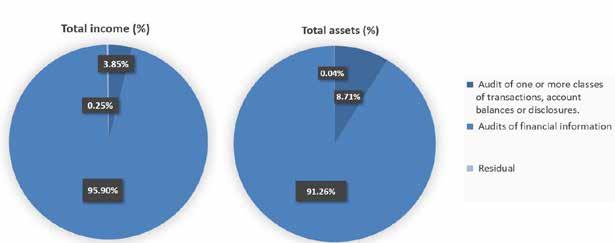
s Independent auditor’s report to the Minister of Higher Education, Science and Technology on the University of the Witwatersrand (continued)
Key Audit Matters
12. Key audit matters are those matters that, in our professional judgement, were of most significance in our audit of the consolidated and separate financial statements of the current period. These matters were addressed in the context of our audit of the consolidated and separate financial statements as a whole, and in forming our opinion thereon, and we do not provide a separate opinion on these matters.
13. In terms of the EAR Rule, we are required to report the outcome of audit procedures or key observations with respect to the key audit matters and these are included below.
Key audit matter
How the matter was addressed in the audit
Revenue recognition pinpointed to the occurrence of Grants and Donations income for Specific Purposes
The Group and University recognises revenue and other income from donations, grants and other restricted receipts from funding for specific purposes. Once the conditions attached to the grants have been met, either in line with IAS 20, Government grants or IFRS 15, Revenue from Contracts with Customers as disclosed in note 3 and note 4, the revenue and other income is recognised.
The nature of these contracts arising from the donations, grants and other restricted receipts require fulfilment of specific contractual obligations. These obligations require expenditure to be incurred in accordance with the conditions set out in the contracts, in order for revenue and other income to be recognised. These contracts usually occur over multiple years.
Based on the material value of the funding for specific purposes and as a consequence of the complexities in assessing whether the grant conditions have been met to allow for the revenue and other income to be recognised, this has been considered as a key audit matter. This required an increased extent of audit effort, including the need for us to involve our specialists with expertise in Information Technology (IT).
In responding to the identified key audit matter, our audit procedures included the following:
• Performed tests on the design and implementation of relevant internal controls within the deferred revenue business cycle, as well as substantive testing of recorded funding for specific purposes transactions in order to assess the validity thereof.
• Assessed the revenue recognition policies for compliance with IFRS 15 Revenue from Contracts with Customers and IAS 20 Accounting for Government Grants.
• Performed substantive procedures on the project reconciliations relating to the funding for specific purposes balance and tested the occurrence of specific funding expenditure.
• For funding for specific purposes revenue, we selected a sample of transactions and traced to supporting documentation to determine if the revenue was only recorded for items meeting the grant conditions as per the contract, with a key focus to ensure that the amounts recognised as revenue are matched to the related costs incurred for that specific purpose.
• Procedures were performed on the Oracle projects module by our IT team to test the report logic and parameters applied by management in extracting the reports from the system.
Based on the procedures performed above, the occurrence of revenue and other income for specific purposes is appropriate in all material respects.
Responsibilities of Council for the Consolidated and Separate Financial Statements
14. The Council, is responsible for the preparation and fair presentation of the consolidated and separate financial statements in accordance with IFRS Accounting Standards as issued by the International Accounting Standards Board and the requirements of the Higher Education Act and the Regulations for reporting by Public Higher Education Institutions, 2014, issued in terms of the Higher Education Act of South Africa,1997 (HEA), and for such internal control as the Council determines is necessary to enable the preparation of consolidated and separate financial statements that are free from material misstatement, whether due to fraud or error.
15. In preparing the consolidated and separate financial statements, the Council is responsible for assessing the Group and University’s ability to continue as a going concern, disclosing, as applicable, matters related to going concern and using the going concern basis of accounting unless the Council either intend to liquidate the group and/or university or to cease operations, or have no realistic alternative but to do so.
Independent auditor’s report to the Minister of Higher Education, Science and Technology on the University of the Witwatersrand (continued)
Auditor’s Responsibilities for the Audit of the Consolidated and Separate Financial Statements
16. Our objectives are to obtain reasonable assurance about whether the consolidated and separate financial statements as a whole are free from material misstatement, whether due to fraud or error, and to issue an auditor’s report that includes our opinion. Reasonable assurance is a high level of assurance, but is not a guarantee that an audit conducted in accordance with ISAs will always detect a material misstatement when it exists. Misstatements can arise from fraud or error and are considered material if, individually or in the aggregate, they could reasonably be expected to influence the economic decisions of users taken on the basis of these consolidated and separate financial statements.
17. A further description of our responsibilities for the audit of the consolidated and separate financial statements is included in the annexure to this auditor’s report.
Report on the audit of the annual performance report
Introduction and scope
18. In accordance with the Public Audit Act 25 of 2004 (PAA) and the general notice issued in terms thereof, we must audit and report on the usefulness and reliability of the reported performance information against predetermined objectives for selected objectives presented in the annual performance report. The Council is responsible for the preparation of the annual performance report.
19. We selected the following objectives presented in the annual performance report for the year ended 31 December 2025 for auditing. We selected objectives that measure the Group’s performance on its primary mandated functions and that are of significant national, community or public interest.
Objectives
Academic excellence:
2.1 Student Success.
2.2 Graduates of the future.
2.3 Advancing the Pursuit of Fundamental Knowledge
2.4 Knowledge Generation for Societal Advancement
2.5 Building a Pipeline
2.6 Innovation and Academic Entrepreneurship
Pages in the annual performance report
Purpose
Appendix B Institutional Scorecard as at 31 December 2025. The purpose of the particular indicator is to measure the academic excellence of the University.
20. We evaluated the reported performance information for the selected objectives against the criteria developed from the performance management and reporting framework, as defined in the general notice. When an annual performance report is prepared using thes e criteria, it provides useful and reliable information and insights to users on the University’s planning and delivery on its mandate and objectives.
21. We performed procedures to test whether:
• the indicators used for planning and reporting on performance can be linked directly to the University’s mandate and the achievement of its planned objectives.
• all the indicators relevant for measuring the University’s performance against its primary mandated and prioritised functions and planned objectives are included.
• the indicators are well defined to ensure that they are easy to understand and can be applied consistently.
• the targets can be linked directly to the achievement of the indicators and are specific, time bound and measurable to ensure that it is easy to understand what should be delivered and by when, the required level of performance as well as how performance will be evaluated.
• the indicators and targets reported on in the annual performance report are the same as those committed to in the approved initial or revised planning documents.
• the reported performance information is presented in the annual performance report
• there is adequate supporting evidence for the achievements reported .
22. We performed the procedures for the purpose of reporting material findings only; and not to express an assurance opinion.
23. We did not identify any material findings on the reported performance information for the selected objectives.
Independent auditor’s report to the Minister of Higher Education, Science and Technology on the University of the Witwatersrand (continued)
Other matter
24. We draw attention to the matters below.
Achievement of planned targets
25. The annual performance report includes information on reported achievements against planned targets and provides explanations for over and underachievement’s.
Material Misstatements
26. We identified material misstatements in the annual performance report submitted for auditing. These material misstatements were in the reported performance information of the Academic Excellence target. Management subsequently corrected all the misstatements, and we did not include any material findings in this report.
Report on the audit of compliance with legislation
Introduction and scope
27. In accordance with the PAA and the general notice issued in terms thereof, we must audit and report on compliance with applicable legislation relating to financial matters, financial management and other related matters. The Council is responsible for the University’s compliance with legislation.
28. We performed procedures to test compliance with selected requirements in key legislation in accordance with the Auditor General of South Africa (AGSA) findings engagement methodology. This engagement is not an assurance engagement. Accordingly, we do not express an assurance opinion or conclusion.
29. Through an established AGSA process, we selected requirements in key legislation for compliance testing that are relevant to the financial and performance management of the University, clear to allow consistent measurement and evaluation, while also sufficiently detailed and readily available to report in an understandable manner. The selected legislative requirements are included in the annexure to this auditor’s report.
30. We did not identify any material non-compliance with the selected legislative requirements.
Other information in the annual report
31. The Council is responsible for the other information. The other information comprises the information included in the Annual Integrated report of the University of the Witwatersrand titled “202 5 University of the WitwatersrandJohannesburg Annual Integrated Report to the Minister of Higher Education, Science and Technology”, which includes the Report of the Report of the Chancellor, Report of the Chair of Council, the Report of the Vice -Chancellor and Principal, the Council Audit and Risk Committee and the Report of the Chief Financial Officer . The other information does not include the consolidated and separate financial statements, the auditor’s report and those selected objectives presented in the annual performance report that have been specifically reported in this auditor’s report.
32. Our opinion on the financial statements and our findings on the reported performance information and compliance with legislation do not cover the other information and we do not express an audit opinion or any form of assurance conclusion on it.
33. In connection with our audit, our responsibility is to read the other information and, in doing so, consider whether the other information is materially inconsistent with the consolidated and separate financial statements and the selected objectives presented in the annual performance report, or our knowledge obtained in the audit, or otherwise appears to be materially misstated.
34. If, based on the work we have performed, we conclude that there is a material misstatement of this other information, we are required to report this fact. We have nothing to report in this regard.
Independent auditor’s report to the Minister of Higher Education, Science and Technology on the University of the Witwatersrand (continued)
Internal control deficiencies
35. We considered internal control relevant to our audit of the consolidated and separate financial statements, reported performance information and compliance with applicable legislation; however, our objective was not to express any form of assurance on it.
Other reports
36. We draw attention to the following engagements conducted by various parties which had, or could have, an impact on the matters reported in the University’s consolidated and separate financial statements, reported performance information, compliance with applicable legislation and other related matters. These reports did not form part of our opinion on the financial statements or our findings on the reported performance information or compliance with legislation.
Agreed-upon procedures
37. Agreed-upon procedures engagements were performed for grants, other funding and similar items. Below is the list of Agreed-upon procedures engagements performed or are in the process of being performed:
NRF Grant and Scholarship Funding
Accredited Research output
Collaborative Project Promoting the Implementation of a National Student Data Warehouse (NSDW)
Advising
National Collaborative Project: National Framework for Enhancing Academics as University Teachers for the University of the Witwatersrand (NFFEAUT)
December 2025
procedures performed over the grants received and its utilisation.
December 2025 Verification procedures performed over the grant received and its utilisation.
December 2025
December 2025
Verification procedures on the research output of the university as reported to DHET
procedures performed over the grant received and its utilisation.
December 2025 Verification procedures performed over the grant received and its utilisation.
December 2025 Verification procedures performed over the grant received and its utilisation. Deloitte
Independent auditor’s report to the Minister of Higher Education, Science and Technology on the University of the Witwatersrand (continued)
Agreed-upon procedures (continued)
Presidential Employment Stimulus Initiative (PES)
Language Grant
Nurturing Emerging Scholars Programme (NESP)
New Generation of Academics Programme (nGAP)
University Staff Doctorial & Junior Research Fellowship programme (USDP
Future Professors Programme (FPP)
DHET Grants:
• University capacity development grant.
• Clinical training grant (Including Nelson Mandela Fidel Castro Collaborative grant).
• Foundation provision grant.
• Infrastructure and Efficiency grant.
Auditor tenure
31 December 2025
31 December 2025
31 December 2025
31 December 2025
31 December 2025
31 December 2025
31 March 2026
Verification procedures performed over the grant received and its utilisation. Deloitte
Verification procedures performed over the grant received and its utilisation.
Verification procedures performed over the grant received and its utilisation.
Verification procedures performed over the grant received and its utilisation.
Verification procedures performed over the grant received and its utilisation.
Verification procedures performed over the grant received and its utilisation.
Agreed upon procedures to assist in indicating whether the funding was utilised in accordance with the DHET requirements and the related proposals/agreements submitted.
Deloitte
Deloitte
38. In terms of the IRBA rule published in Government gazette number 39475 dated 4 December 2015, we report that Deloitte has been the auditor of the University of the Witwatersrand and its subsidiaries for five years.

Deloitte & Touche
Registered Auditor
Per: Spiro Tyranes CA(SA); RA Partner
29 June 2026
Deloitte
Deloitte
Deloitte
Annexure to the auditor’s report
Auditor’s responsibility for the audit
1. As part of an audit in accordance with the ISAs, we exercise professional judgement and maintain professional scepticism throughout our audit of the consolidated and separate financial statements, and the procedures performed on the reported performance information for selected objectives and on the University’s compliance with selected requirements in key legislation.
Consolidated and Separate Financial statements
2. In addition to our responsibility for the audit of the consolidated and separate financial statements as described in this auditor’s report, we also:
• identify and assess the risks of material misstatement of the consolidated and separate financial statements whether due to fraud or error, design and perform audit procedures responsive to those risks, and obtain audit evidence that is sufficient and appr opriate to provide a basis for our opinion. The risk of not detecting a material misstatement resulting from fraud is higher than for one resulting from error, as fraud may involve collusion, forgery, intentional omissions, misrepresentations, or the over ride of internal control.
• obtain an understanding of internal control relevant to the audit in order to design audit procedures that are appropriate in the circumstances, but not for the purpose of expressing an opinion on the effectiveness of the University’s internal control.
• evaluate the appropriateness of accounting policies used and the reasonableness of accounting estimates and related disclosures made.
• conclude on the appropriateness of the Council’s use of the going concern basis of accounting in the preparation of the financial statements. We also conclude, based on the audit evidence obtained, whether a material uncertainty exists relating to events or conditions that may cast significant doubt on the ability of the University of the Witwatersrand and its subsidiaries to continue as a going concern. If we conclude that a material uncertainty exists, we are required to draw attention in our auditor’s report to the related disclosures in the consolidated and separate financial statements about the material uncertainty or, if such disclosures are inadequate, to modify our opinion on the consolidated and separate financial statements. Our conclusions are based on the information available to us at the date of this auditor’s report. However, future events or conditions may cause the University to cease operating as a going concern.
• evaluate the overall presentation, structure and content of the consolidated and separate financial statements, including the disclosures, and determine whether the consolidated and separate financial statements represent the underlying transactions and events in a manner that achieves fair presentation.
• Plan and perform group audit opinion to obtain sufficient appropriate audit evidence regarding the financial information of the entities or business activities within the group to express an opinion on the consolidated financial statements. We are respons ible for the direction, supervision and performance of the Group audit. We remain solely responsible for our audit opinion.
Communication with those charged with governance
3. We communicate with the Council regarding, among other matters, the planned scope and timing of the audit and significant audit findings, including any significant deficiencies in internal control that we identify during our audit.
4. We also provide the Council with a statement that we have complied with relevant ethical requirements regarding independence, and to communicate with them all relationships and other matters that may reasonably be thought to have a bearing on our independence and, where applicable, actions taken to eliminate threats or safeguards applied.
5. From the matters communicated to those charged with governance, we determine those matters that were of most significance in the audit of the financial statements for the current period and are therefore key audit matters. We describe these matters in this auditor’s report unless law or regulation precludes public disclosure about the matter or when, in extremely rare circumstances, we determine that a matter should not be communicated in this auditor’s report because the adverse consequences of doing so wo uld reasonably be expected to outweigh the public interest of such communication.
Compliance with legislation – selected legislative requirements
6. The selected legislative requirements are as follows:
Legislation
Higher Education Act, Act, 101 of 1997
Sections or regulations
Asset Management
Sections 20 (5); 40(3)(a)(i); 40(3)(a)(ii) and 40(3)(a)(iii).
Procurement and Contract Management
Sections 27(7)(c); 27(7)(e); 27(7)(A)-(C); 34(4)(a); 34(4)(b); 34(5) and 34(6)
Annual Financial Statements
Sections 41(1)(b)(ii) and 49U(1), 41(2)
DHET: Directive on the submission deadline of University financial statements to external auditors RRPHEI 7(4)(b)(xii)
Regulations for Reporting by Public Higher Education Institutions
Public Audit Act 25 of 2004
Prevention of Corrupt Activities Act, Act 12 of 2004
Strategic Planning
Regulations 4(1); 4(2); 5(1); 5(2)(a); 5(2)(d); 5(2)(g); 5(2)(m) and 6(2)(a – d)
Annual Financial Statements
Regulations 7(4)(b)(xii) and 7(4)(b)(xii)
Annual financial statements
Section 14(2)b
Consequence Management
Section 34 (1)
University of the Witwatersrand - Johannesburg
Consolidated and Separate Financial Statements for the year ended 31 December 2025
Consolidated statement of financial position
University of the Witwatersrand - Johannesburg
Consolidated and Separate Financial Statements for the year ended 31 December 2025
Consolidated statement of financial position
University of the Witwatersrand - Johannesburg
Consolidated and Separate Financial Statements for the year ended 31 December 2025
Consolidated statement of cash flows
University of the Witwatersrand - Johannesburg
Accounting Policies
1. General information
The University of the Witwatersrand - Johannesburg, is a Higher Educational Institution governed by the Higher Education Act of 1997 (as amended). The University provides Higher Education and has very active and broad based research programmes. The University has various entities incorporated to meet the specific needs of the various activities of the University, evolving into a Wits Group.
2. Summary of material accounting policies
2.1 Statement of compliance
The consolidated and separate financial statements of the Wits Group were prepared in accordance with the requirements of the International Financial Reporting Standards (IFRS ® Accounting Standards), interpretations issued in accordance with the IFRS interpretations Committee (IFRS IC), requirements as issued by the International Accounting Standards Board (IASB), and in the manner required by the Minister of Higher Education and Training in terms of section 41 of the Higher Education Act of 1997 (as amended).
The consolidated financial statements comprise the annual financial statements of the University and its related entities for each reporting period ended 31 December.
2.2 Basis of preparation
The consolidated and separate financial statements have been prepared under the historical cost convention, as modified by the revaluation of certain financial assets and liabilities.
The preparation of the annual financial statements in conformity with International Financial Reporting Standards requires the use of estimates and assumptions that affect the reported amounts of assets and liabilities, and disclosure of contingent assets and liabilities at the date of the annual financial statements, and the reported amounts of revenues and expenses during the reporting years. Although these estimates are based on management's best knowledge of current events and actions, actual results ultimately may differ from those estimates.
These financial statements are prepared and presented in South African Rands (ZAR) and rounded to the nearest thousand as the functional and presentation currency. The accounting policies adopted are consistent with those of the previous year, except where the Group has adopted the International Financial Reporting Standards amendments that became effective during the year.
2.3 International Financial Reporting Standards, amendments and interpretations issued but not yet effective for 31 December 2025 year-ends
The following new accounting standards , amendments and interpretations have been published that are not mandatory for 31 December 2025 reporting periods and have not been early adopted by the Group. These standards are not expected to have a material impact on the University in the current or future reporting periods and on foreseeable future transactions.
• IFRS 7 and IFRS 9- Amendments to the Classification and Measurement of Financial Instruments.
• IFRS 9 -Amendment to the Derecognition of lease liabilities.
• IFRS 10 and IAS 28 -Amendment to the sale or contribution of Assets between an Investor and its Associate or Joint Venture
• IFRS 18 - Presentation and Disclosure in Financial Statements.
• IFRS 19 - Subsidiaries without Public Accountability: Disclosures.
• IAS 7 - Amendment to replace the term 'Cost method' with 'at Cost'
IFRS 18 is effective for reporting period beginning on or after 1 January 2027, the standard is expected to have a material impact on the financial statements. Management is currently assessing the detailed implications of applying the new standard on the group's consolidated financial statements. The amendments to IFRS 7, 9, 10 and IFRS 19 , effective 01 January 2026 and 01 January 2027 respectively, are not expected to have a material impact on the Group.
University of the Witwatersrand - Johannesburg
Accounting Policies
Summary of material accounting policies continued...
2.4 Significant accounting judgements and estimates
In preparing the annual financial statements, management is required to make estimates and assumptions that affect the amounts represented in the annual financial statements and related disclosures. Use of available information and the application of judgement is inherent in the formation of estimates. Actual results in the future could differ from these estimates which may be material to the annual financial statements. Significant judgements include:
Revenue from contracts with customers
The Group applied the following judgments that significantly affect the determination of the amount and timing of revenue from contracts with customers:
Determining the timing of satisfaction of research contracts
The Group concluded that the revenue for research services is to be recognised over time because the customer simultaneously receives and consumes the benefits provided by the Group. The fact that another entity would not need to reperform the research that the Group has undertaken to date demonstrates that the customer simultaneously receives and consumes the benefits provided by the Group. The Group recognises revenue on the basis of stage completion for each research contract. The stage of completion is determined according to the deliverables noted in each contract, as well as the Group’s performance against them.
Provision for expected credit losses
The Group applies the IFRS 9 simplified approach to measuring expected credit losses which uses a lifetime expected loss allowance for all trade receivables. To measure the expected credit losses, trade receivables have been grouped together on shared risk characteristics and the days past due. The expected loss rates are based on the underlying make-up of the receivable, payment trends and history of the market, political and social conditions for each category.
Contingent liabilities
Management applies its judgement to the advice it receives from its attorneys, advocates and other advisors in assessing if an obligation is probable, more likely than not, or remote. This judgement application is used to determine if the obligation is recognised as a liability or disclosed as a contingent liability.
Tangible assets
Management has made certain estimations with regards to the determination of estimated useful lives and residual values of items of property, plant and equipment.
Taxation
The University has received an Income tax exemption, however related entities in the Group are not exempt from taxation, and therefore the following taxation policies are applicable to the Group and not the University:
Judgement is required in determining the provision for income taxes due to the complexity of legislation. There are many transactions and calculations for which the ultimate tax determination is uncertain during the ordinary course of business. Where the final tax outcome of these matters is different from the amounts that were initially recorded, such differences will impact the income tax and deferred tax provisions in the period in which such determination is made.
University of the Witwatersrand - Johannesburg
Accounting Policies
Summary of material accounting policies continued...
The Group recognises the net future tax benefit related to deferred income tax assets to the extent that it is probable that the deductible temporary differences will reverse in the foreseeable future. Assessing the recoverability of deferred income tax assets requires the Group to make significant estimates related to expectations of future taxable income. Estimates of future taxable income are based on forecast cash flows from operations and the application of existing tax laws in each jurisdiction. To the extent that future cash flows and taxable income differ significantly from estimates, the ability of the Group to realise the net deferred tax assets recorded at the Statement of Financial Position date could be impacted.
Post-retirement obligations
The Group provides post-retirement healthcare benefits to its retirees. The entitlement to these benefits apply to employees employed by the Group before 1 January 2006, and is usually conditional on the employee remaining in service up to retirement age and the completion of a minimum service period.
The liability recognised in the Statement of Financial Position in respect of post-retirement healthcare benefits is the present value of the obligation. The present value of the post-retirement healthcare obligation is determined by discounting the estimated future cash outflows at reasonable interest rates. The current service costs are recognised as an expense in the period that the relevant employee services are received.
The post-retirement healthcare obligation is calculated annually by independent actuaries using the projected unit credit method.
Re-measurements, comprising of actuarial gains and losses, are recognised immediately in the statement of financial position with a corresponding debit or credit to the accumulated reserves through other comprehensive income in the period in which they occur. Re-measurements are not reclassified to profit or loss in subsequent periods.
2.5 Basis of consolidation
Business combinations
Subsidiaries are all entities over which the Wits Group has control. The Group controls an entity when the Group is exposed to, or has rights to, variable returns from its involvement with the entity and has the ability to affect those returns through its power over the entity. Subsidiaries are fully consolidated from the date on which control is transferred to the Group. They are deconsolidated from the date that control ceases.
Business combinations are accounted for using acquisition method. The cost of an acquisition is measured as the aggregate of the consideration transferred, measured at acquisition date fair value and the amount of any non-controlling interest in the acquiree. For each business combination, the Group measures the non-controlling interest in the acquiree either at fair value or at the proportionate share of the acquiree’s identifiable net assets.
Acquisition costs incurred are expensed and included in administrative expenses. When there is a disposal or loss of control of a related entity, the consolidated financial statements would include the results for the part of the reporting period during which the Group had control. Any difference between the net proceeds on disposal and the carrying amount of the subsidiary is recognised in the surplus for the respective period.
Any contingent consideration to be transferred by the acquirer will be recognised at fair value at the acquisition date. Contingent consideration classified as an asset or liability that is a financial instrument and within the scope of IFRS 9: Financial instruments, is measured at fair value with changes in fair value recognised in profit or loss.
University of the Witwatersrand - Johannesburg
Accounting Policies
Summary of material accounting policies continued...
All inter-company transactions, balances and unrealised surpluses and deficits between Group companies are eliminated. Where necessary, accounting policies for controlled entities have been changed to ensure consistency with the policies adopted by the University of the Witwatersrand - Johannesburg.
Associates and joint ventures
Associates are all entities over which the Group has significant influence but not control or joint control. Investment in joint arrangements are classified as either joint operations or joint venture, depending on the contractual rights and obligations of each investor rather than the legal structure of the joint arrangement.
At the University and Group, the investments in associates and joint ventures are accounted for using the equity method of accounting. Under the equity method, the investment is initially recognised at cost, and the carrying amount is increased or decreased to recognise the investor’s share of the profit or loss and other comprehensive income of the investee after the date of acquisition.
Dividends received or receivable from associates and joint ventures are recognised as a reduction in the carrying amount of the investment.
When the Group’s share of losses in an associate or joint venture equals or exceeds its interest in the associate or joint venture, including any other unsecured receivables, the Group does not recognise further losses, unless it has incurred legal or constructive obligations or made payments on behalf of the associate or joint venture.
The Group determines at each reporting date whether there is any objective evidence that the investment in the associate and joint ventures are impaired. If this is the case, the Group calculates the amount of impairment as the difference between the recoverable amount of the associate or joint venture and its carrying value and recognises the amount separately in the statement of profit or loss and other comprehensive income.
Profit or loss and unrealized gains resulting from upstream and downstream transactions between the Group and its associates and joint ventures are recognised in the Group’s financial statements only to the extent of unrealized investor’s interest in the associates and joint ventures. Unrealised losses are eliminated unless the transaction provides evidence of an impairment of the asset transferred. Accounting policies of associates and joint ventures have been changed where necessary to ensure consistency with the policies adopted by the University.
The consolidated annual financial statements incorporate the assets, liabilities and operations of the following University entities:
University of the Witwatersrand Foundation - Non-profit trust of the University
Wits Commercial Enterprises (Pty) Ltd - Wholly-owned subsidiary of the University
Wits Health Consortium (Pty) Ltd - A wholly owned subsidiary of the University
Wits Junction Residences (Pty) Ltd - A wholly owned subsidiary of the University
Wits Incubator (Pty) Ltd - A wholly owned subsidiary of the University
WitsPlus (Pty) Ltd - A wholly owned subsidiary of the University
Third Stream (Pty) Ltd - A wholly-owned subsidiary of Wits Health Consortium (Pty) Ltd
The Wits University Donald Gordon Medical Centre (Pty) Ltd – Joint Venture 50.1% shareholding
Smartspot Quality (Pty) Ltd - Associate of Wits Commercial Enterprise (Pty) Ltd holding 3.5% interest
2.6 Foreign currencies
Foreign currency transactions are accounted for in Rands at the exchange rates prevailing at the date of the transactions. Gains and losses resulting from the settlement of such transactions and from the translation of monetary assets and liabilities denominated in foreign currencies are recognised in the statement of comprehensive income in the year in which they arise.
Balances denominated in a foreign currency and outstanding at year end are translated at year end exchange rates.
University of the Witwatersrand - Johannesburg
Accounting Policies
Summary of material accounting policies continued...
2.7 Property, plant and equipment
Land and buildings comprise mainly of buildings which house lecture theatres, offices, laboratories, sport facilities, residences, hospitals and related buildings. Property and equipment are initially recorded at cost. Subsequently, these are measured at cost less accumulated depreciation and impairment.
Historical cost includes expenditure that is directly attributable to the acquisition of the items.
Subsequently, costs are included in the asset’s carrying amount when they meet the recognition criteria of property and equipment. All other repairs and maintenance are charged to the statement of comprehensive income during the financial period in which they are incurred.
Maintenance and repairs, which do not meet these criteria, are expensed as incurred. Donated assets to the Group are recognised at fair value at the date of donation.
Land is not depreciated as it is deemed to have an indefinite useful life. Depreciation on assets commences when it is available for use as intended by management.
Depreciation is calculated on the straight-line method to write off the cost of assets to their residual values over their estimated useful lives as follows:
Buildings
Leasehold improvements
Computer equipment
Furniture, equipment and machinery
Vehicles
Education and laboratory equipment
Artwork
Right-of-use assets
• Library books and periodicals are written off in the year acquired.
20-200 years
Shorter of lease and useful life
3-10 years
5-20 years
7-15 years
5-20 years
25 years
Shorter of lease and useful life
At the end of each reporting period, management reviews the estimated useful lives and residual values of property, plant and equipment to ensure they remain appropriate. To assess asset useful lives, management examines factors such as the extent to which fully depreciated assets are still actively used. Where the above estimated useful lives are inappropriate for a specific asset, management adjusts the depreciation rate for the specific asset to a more appropriate useful life.
Derecognition
The carrying amount of an item of property and equipment is derecognised on disposal or when no future economic benefits are expected from its use or disposal and the gain or loss arising from the derecognition of an item of property and equipment is included in profit or loss when the item is derecognised.
2.8
Intangible assets
Intangible assets comprise of an ERP system, Course development and IT software. These assets are initially recorded at cost and subsequently measured at cost less accumulated amortisation and impairment.
Amortisation is charged on the straight-line method over the estimated useful lives of the assets. The estimated maximum useful lives are:
University of the Witwatersrand - Johannesburg
Accounting Policies
Summary of material accounting policies continued...
Software
years
years
The carrying amount is reviewed annually and adjusted for impairment where it is considered necessary. The assets’ residual values and useful lives are reviewed, and adjusted if appropriate at each reporting date.
2.9 Impairment of non-financial assets
At each reporting date, the Group reviews the carrying amount of its tangible assets to determine whether there is any indication that those assets may be impaired. If any such indication exists, the recoverable amount of the asset is estimated in order to determine the extent of the impairment, if any. Where it is not possible to estimate the recoverable amount for an individual asset, the recoverable amount is determined for the cash-generating unit (CGU) to which the asset belongs.
An asset’s recoverable amount is the higher of an asset’s fair value less costs to sell and its value in use. In assessing value in use, the estimated future cash flows are discounted to their present value using a pre-tax discount rate that reflects current market assessments of the time value of money and the risks specific to the asset. In determining fair value less costs to sell, recent market transactions are taken into account, if available.
If the recoverable amount of an asset or CGU is estimated to be less than its carrying amount, the carrying amount of the asset or CGU is reduced to its recoverable amount. Impairment losses are recognised as an expense immediately, unless the relevant asset is carried at a revalued amount under another IFRS standard, in which case the impairment loss is treated as a revaluation decrease under that IFRS standard to the extent of the revaluation surplus with any excess recognised as an expense in the statement of comprehensive income (OCI).
Where an impairment loss subsequently reverses, the carrying amount of the asset or CGU is increased to the revised estimate of its recoverable amount, but so that the increased carrying amount does not exceed the carrying amount that would have been determined had no impairment loss been recognised for the asset or CGU in prior years. A reversal of an impairment loss is recognised as income immediately, unless the relevant asset is carried at a revalued amount under another IFRS standard, in which case the reversal of the impairment loss is treated as a revaluation increase under that other IFRS standard. Assets
2.10 Financial instruments
(i) Classification
Classification of a financial instrument, or its component parts takes place on initial recognition. Each instrument is classified as a financial liability, a financial asset or an equity instrument in accordance with the substance of the contractual arrangement and the definitions of a financial liability, a financial asset and an equity instrument.
Financial assets classification
The Group classifies its financial assets in the following measurement categories
» Financial assets subsequently measured at fair value through profit or loss; and
» Financial assets subsequently measured at amortised cost.
The classification depends on the entity’s business model for managing the financial assets and the contractual terms of the cash flows. The Group reclassifies debt investments when and only when its business model for managing those assets changes.
For assets measured at fair value, gains and losses are recorded in the statement of comprehensive income as net changes in fair value of investments.
University of the Witwatersrand - Johannesburg
Accounting Policies
Summary of material accounting policies continued...
Financial liabilities classification
The Group classifies financial liabilities into the following category:
» Financial liabilities subsequently measured at amortised cost.
The Group does not carry any financial liabilities at fair value through profit or loss. Management determines the classification of the financial liabilities at initial recognition, and re-evaluates this designation at each reporting date.
The Group's financial liabilities are borrowings, trade and other payables, and other liabilities.
(ii) Initial recognition and measurement
Purchases and sales of financial assets are recognised on trade-date, the date on which the group commits to purchase or sell the asset. A financial asset (unless it is a trade receivable without a significant financing component) or financial liability is initially measured at fair value plus, for an item not at fair value through profit or loss (FVTPL), transaction costs that are directly attributable to its acquisition or issue. A trade receivable without a significant financing component is initially measured at the transaction price.
(iii) Subsequent measurement
(a) Debt instruments
Subsequent measurement of debt instruments depends on the Group’s business model for managing the asset and the cash flow characteristics of the asset. There are three measurement categories into which the Group classifies its debt instruments:
• Amortised cost: Assets that are held for collection of contractual cash flows where those cash flows represent solely payments of principal and interest are measured at amortised cost. Interest income from these financial assets is included in finance income using the effective interest rate method. Any gain or loss arising on derecognition is recognised directly in the statement of comprehensive income. Impairment losses are presented as a separate line item in the statement of comprehensive income.
• FVOCI: Assets that are held for collection of contractual cash flows and for selling the financial assets, where the assets’ cash flows represent solely payments of principal and interest, are measured at FVOCI. Movements in the carrying amount are taken through OCI, except for the recognition of impairment gains or losses, interest income and foreign exchange gains and losses which are recognised in surplus or deficit. When the financial asset is derecognised, the cumulative gain or loss previously recognised in OCI is reclassified from equity to the statement of comprehensive income and recognised in other gains/ (losses).
• FVPL: Assets that do not meet the criteria for amortised cost or FVOCI are measured at FVPL. A gain or loss on a debt investment that is subsequently measured at FVPL is recognised in the statement of comprehensive income and presented in net changes in fair value of investments in the period in which it arises.
(b) Equity instruments
Changes in the fair value of financial assets at FVPL are recognised in other gains/ (losses) in the statement of comprehensive income as applicable. Impairment losses (and reversal of impairment losses) on equity investments measured at FVOCI are not reported separately from other changes in fair value.
(c) Investments
Investment Mandates confer to the Asset Managers complete (or sole and absolute) discretion, subject to the restrictions imposed by law, by the University or the agreements themselves, to manage the investment portfolios by purchasing and selling investments as well as investing or reinvesting of cash proceeds, dividends and interest accruing from the investments, within the ambits of the Investment Mandates so as to attain the investment objectives.
All investments previously classified as available-for-sale are with effect from 01 January 2018 classified as investment financial assets. They are included in non-current assets unless management intends to dispose of the investment within 12 months of the reporting date.
University of the Witwatersrand - Johannesburg
Accounting Policies
Summary of material accounting policies continued...
University investments are made in unit trusts, global balanced funds, non-discretionary tailored funds, deposit notes and shares.
Equity instruments are held for trading and are required to be classified as FVPL, with dividend income recognised in the statement of comprehensive income, as management has not made an irrevocable choice to categorize equity instruments through Other Comprehensive Income, these instruments are therefore categorised as FVPL.
Investments categorised as debt instruments have been assessed by management as not qualifying for measurement at either amortised cost or fair value through other comprehensive income as they are held for trading and are therefore classified as FVPL, with interest income recognised in surplus or deficit.
Gains and losses arising from changes in fair value of investment financial assets are recognised in the statement of comprehensive income as net changes in fair value of investments.
Interest and dividend income are taken to the statement of comprehensive income in the period in which they arise.
(iv) Derecognition
Financial asset
The Group derecognises a financial asset when the contractual rights to the cash flows from the financial asset expire or it transfers the rights to receive the contractual cash flows in a transaction in which substantially all of the risk and rewards of ownership of the financial asset are transferred.
Financial liabilities
The Group derecognises a financial liability when its contractual obligations are discharged or cancelled, or expire. The University also derecognises a financial liability when its terms are modified and the cash flows of the modified liability are substantially different, in which case a new financial liability based on the modified terms is recognised at fair value.
(v) Impairment of financial assets
The Group assesses on a forward-looking basis the expected credit losses associated with its debt instruments. The impairment methodology applied depends on whether there has been a significant increase in credit risk.
(a) Impairment and credit risk exposure
For trade receivables, the Group applies the simplified approach permitted by IFRS 9, which requires a lifetime expected loss allowance to be recognised from initial recognition of the receivables. To measure the expected credit losses, trade receivables have been grouped together on shared risk characteristics and the days past due.
(b)Credit risk categories
For purposes of expected credit losses (ECL) assessment, trade and student receivables are categorised into performing, overdue, defaulted and written-off balances based on payment behaviour and credit risk characteristics.
Performing debtors
Performing receivables comprise balances that are current or not past due and for which no significant increase in credit risk has been identified. These balances are assessed as having low credit risk and are included in the expected credit loss model using historical loss rates adjusted for forward-looking information.
Overdue debtors
Overdue receivables represent balances that are past contractual payment terms but have not yet met Group's definition of default. These receivables remain subject to collection processes and are provided for using lifetime expected credit losses based on ageing profiles.
University of the Witwatersrand - Johannesburg
Accounting Policies
Summary of material accounting policies continued...
Definition of default
A receivable is considered in default when payment is delinquent for a prolonged period consistent with IFRS 9 and the Group's historical recovery experience.
While IFRS 9 includes a rebuttable presumption of default at 90 days past due, the Group has determined the following default definitions based on the nature of the debtor categories and historical collection patterns:
• Student debtors: 90 days past due
• Trade debtors: 120 days past due
• Sundry debtors: 150 days past due
Balances classified as defaulted are assessed individually or collectively for impairment depending on the nature and significance of the exposure.
Write-off policy
Receivables write-offs occurs when there is no reasonable expectation of recovery, following exhaustion of all recovery and collection procedures. Indicators include, amongst others, prolonged non-payment, failure to engage in repayment arrangements for a period of greater than 120 days past due date, or confirmation that recovery action is no longer economically viable.
Write-offs are recognised against the impairment allowance and do not preclude future recoveries where applicable.
2.11 Leases
At inception of a contract, the group assesses whether a contract is, or contains a lease. A contract is or contains a lease if the contract conveys the right to control the use of an identified asset for a period of time in exchange for consideration. At inception or reassessment of a contract that contains a lease component, the Group allocates the consideration in the contract to each lease component on the basis of their relative stand-alone prices.
Group as a lessee
The Group recognises a right-of-use asset and a lease liability at the lease commencement date. The right-of -use asset is initially measured at cost, which comprises the initial amount of the lease liability, plus any initial direct costs incurred and less any incentives received.
The right-of-use asset is subsequently depreciated using the straight-line method from the commencement date to the earlier of the end of the useful life of the right-of-use asset or the end of the lease term. The estimated useful lives of right-of-use assets are determined on the same basis as those of property, plant, and equipment. In addition, the right-of-use asset is periodically reduced by impairment losses, if any, and adjusted for certain re-measurements of the lease liability.
The lease liability is initially measured at the present value of the future lease payments that are not paid at the commencement date, discounted using the Group’s incremental borrowing rate.
The Group uses the incremental borrowing rate as the discount rate. The lease payments included in the measurement of the liability comprise of the following:
• Fixed payments, or variable lease payments that depend on an index or a rate, initially measured using the index or the rate as at the commencement date; and
• Lease payments in an optional renewal period if the Group is reasonably certain to exercise an extension option.
University of the Witwatersrand - Johannesburg
Accounting Policies
Summary of material accounting policies continued...
The lease liability is measured at amortised cost using the effective interest method. It is re-measured when there is a change in future lease payments arising from a change in an index or a rate, or if the Group changes its assessment of whether it will exercise a purchase, extension or termination option. When the lease liability is re-measured this way, a corresponding adjustment is made to the carrying amount of the right-of-use asset or is recorded in the statement of comprehensive income if the carrying amount of the right-of-use asset has been reduced to zero.
Short-term leases and leases of low-value assets
The Group has elected not to recognise the right-of-use assets and lease liabilities for short-term leases of equipment that have a lease term of 12 months or less and leases of low-value assets, including IT equipment. The threshold for these low-value assets is R75 000. The Group recognises the lease payments associated with these as an expense on a straight-line basis over the lease term.
Group as a lessor
When the Group acts as lessor, it determines at lease inception whether each lease is a finance lease or operating lease. To classify each lease, the Group makes an overall assessment of whether the lease transfers substantially all of the risks and rewards incidental to ownership of the underlying assets. If this is the case, the lease is classified as a finance lease, if not, as an operating lease.
The Group recognises lease payments received under operating leases as income on a straight-line basis over the term of the lease as part of other income.
2.12 Taxation
Income tax expenses
Current and deferred taxes are recognised as income or an expense and included in profit or loss for the period, except to the extent that the tax arises from:
• transaction or event which is recognised, in the same or a different period, directly in equity, or
• business combination.
Current tax and deferred taxes are charged or credited directly to equity if the tax relates to items that are credited or charged, in the same or a different period, directly to equity.
2.13 Employee benefits
Pension obligations
The pension schemes comprise two state controlled defined benefit plans and two privately administered defined contribution plans. The pension plans are funded by contributions from the Group, taking account of the recommendations of independent qualified actuaries and are charged to the statement of comprehensive income in the year to which they relate. The Group has no further payment obligations once the contributions have been paid.
Leave accrual
Entitlements to annual leave are recognised when they accrue to employees. An accrual is made for the estimated liability for annual leave as a result of services rendered by employees up to the reporting date.
University of the Witwatersrand - Johannesburg
Consolidated and Separate Financial Statements for the year ended 31 December 2025
Notes to the Consolidated and Separate Financial Statements
3. Revenue from contracts with customers
The Group disaggregates the revenue from contracts with customers as follows:
3.1
3.2
4.
University of the Witwatersrand - Johannesburg
Consolidated and Separate Financial Statements for the year ended 31 December 2025
Notes to the Consolidated and Separate Financial Statements
5. Net fair value gain/(loss) on financial assets
6. Interest, dividends and exchange rate gains/ (losses)
8. Finance costs
University of the Witwatersrand - Johannesburg
Consolidated and Separate Financial Statements for the year ended 31 December 2025
Notes to the Consolidated and Separate Financial Statements
9. Other operating expenses
The following items are included in other operating expenses:
*In the prior year, auditor’s remuneration was disclosed as an aggregate amount. Comparative information has been represented to align with current year disclosure.
**Included in this line item for the Group, are security expenses (R16.8m), Bad debts and provisions (R83.0m), Communication related costs (R30.0m), Contingency expenses (R40.8m), Legal fees (R21.2m), and Cost of sales ( R36m).
University of the Witwatersrand - Johannesburg
Consolidated and Separate Financial Statements for the year ended 31 December 2025
Notes to the Consolidated and Separate Financial Statements
Figures in R `000
10. Property, plant and equipment
Balances at year end and movements for the year
Reconciliation for the year ended 31 December 2025 - Group
Balance at 1 January 2025
Movements for the year ended 31 December 2025
Details of land and buildings are available for inspection at the office of the University and its related entities. The University is not permitted to dispose of or otherwise alienate in any manner any immovable property acquired with the financial assistance of the State without prior approval of the Minister of Higher Education and Training. In the case of wholly owned subsidiaries, the approval framework is governed by their respective governance structures.
Certain of the above items of land and buildings are used as security for a loan as set out in note 29
* Other equipment includes Laboratory and education equipment, Artwork and Computer Equipment.
Reconciliation for the year ended 31 December 2024 - Group
Balance at 1 January 2024
(2,921,883)
University of the Witwatersrand - Johannesburg
Consolidated and Separate Financial Statements for the year ended 31 December 2025
Notes to the Consolidated and Separate Financial Statements
Figures in R `000
Property, plant and equipment continued...
Movements for the year ended 31 December 2024
balance at 31 December 2024
Reconciliation for the year ended 31 December 2025 - University Balance at 1 January 2025
Closing balance at 31 December 2025
for the year ended 31 December 2024 - University
at 1 January 2024
University of the Witwatersrand - Johannesburg
Consolidated and Separate Financial Statements for the year ended 31 December 2025
Notes to the Consolidated and Separate Financial Statements
Figures in R `000
Property, plant and equipment continued...
Closing balance at 31 December 2024
University of the Witwatersrand - Johannesburg
Consolidated and Separate Financial Statements for the year ended 31 December 2025
Notes to the Consolidated and Separate Financial Statements
Figures in R `000
11. Right-of-use assets
for the year ended 31 December 2025 - Group
University of the Witwatersrand - Johannesburg
Consolidated and Separate Financial Statements for the year ended 31 December 2025
Notes to the Consolidated and Separate Financial Statements
Figures in R `000 Right-of-use assets continued...
for the year ended 31 December 2025 -
balance at 31 December 2024
University of the Witwatersrand - Johannesburg
Consolidated and Separate Financial Statements for the year ended 31 December 2025
Notes to the Consolidated and Separate Financial Statements
Figures in R `000 12. Intangible assets
University of the Witwatersrand - Johannesburg
Consolidated and Separate Financial Statements for the year ended 31 December 2025
Notes to the Consolidated and Separate Financial Statements
Figures in R `000
Intangible assets continued...
for the year ended 31 December 2025
Reconciliation for the year ended 31 December 2024 - University
at 1 January 2024
balance at 31 December 2024
University of the Witwatersrand - Johannesburg
Consolidated and Separate Financial Statements for the year ended 31 December 2025
Notes to the Consolidated and Separate Financial Statements
13. Goodwill
Effective 1 March 2013, Wits Health Consortium Proprietary Limited acquired 100% of the issued share capital of Third Stream (previously Speer Management Services) Proprietary Limited, resulting in goodwill arose on consolidation.
Goodwill is assessed annually for impairment in accordance with IAS 36. Management considers both external and internal factors when assessing whether indicators of impairment exist at the cash-generating unit level.
For the current reporting period, an impairment indicator assessment was performed, and no indicators of impairment were identified. Accordingly, no impairment has been recognised.
14. Investment in joint venture
Details of the material Joint Venture
Name of Joint Venture
Reconciliation of the carrying value of the interest in Wits
The carrying amount for SmartSpot at year-end is R125 thousand, (2024: R47 thousand).
*The loan is interest free and is repayable only when the parties agree in writing. The loan has been subordinated to the extent of the amount owing to The Standard Bank of South Africa Limited by the medical centre. This loan has been subordinated in favour of the bank and will remain in force up until and including the date on which the bank's claims are settled in full or the date on which the facilities are terminated or cancelled, whichever is the later date.
University of the Witwatersrand - Johannesburg
Consolidated and Separate Financial Statements for the year ended 31 December 2025
Notes to the Consolidated and Separate Financial Statements
15. Loans receivable (payable) to/from Group companies
*The loan is unsecured, bears no interest and has no fixed terms of repayment. The Shareholder, University of the Witwatersrand, Johannesburg agrees to subordinate its loan as long as the assets of the company exceeds its liabilities as fairly valued. The University has no intention to call on the loans.
**The University granted it's subsidiary, Wits Health Consortium (Pty) Ltd the loan of R147million for the acquisition of a property known as "Isle of Houghton". This loan bears no interest with no fixed dates and terms of repayment.
*** The purpose of the loan to WitsPlus (Pty) Ltd was to ensure that its operations are active and effective, including recruitment of staff, the provision of office space and the general operations of the company. The loan bears no interest and is repayable at a time mutually agreed upon by the parties.
16. Inventories
The costs of individual items of inventory are determined using weighted average costs. The cost of inventories recognised as an expense and included in "other operating expenses" amounted to R55.2 million (2024: R22.1million) for the Group, and R27.6million (2024: R15.9million) for the University. Refer to Note 9 for the details of the amount expensed in the current reporting period.
Inventory carried at Net Realisable Value is Rnil (2024: Rnil) for both the Group and the University.
University of the Witwatersrand - Johannesburg
Consolidated and Separate Financial Statements for the year ended 31 December 2025
Notes to the Consolidated and Separate Financial Statements
17. Trade and other receivables
Impairment and risk exposure
The Group applies the IFRS 9 simplified approach to measuring expected credit losses which uses a lifetime expected loss allowance for all trade receivables. To measure the expected credit losses, trade receivables have been grouped together on shared risk characteristics and the days past due.
The expected loss rates are based on the underlying make-up of the receivable, payment trends and history of the market, political and social conditions for each category.
Trade receivables are written off where there is no reasonable expectation of recovery. Indicators that there is no reasonable expectation of recovery include, amongst others, the failure of a debtor to engage in a repayment plan with the Group, and a failure to make contractual payments for a period of greater than 120 days past due date.
Movements in the provision for loss allowance of trade receivables are as follows:
University of the Witwatersrand - Johannesburg
Consolidated and Separate Financial Statements for the year ended 31 December 2025
Notes to the Consolidated and Separate Financial Statements
Trade and other receivables continued...
The loss allowance as at 31 December 2025 in accordance with IFRS 9 was determined as follows for trade receivables.
31 December 2025
The loss allowance as at 31 December 2024 in accordance with IFRS 9 was determined as follows for trade receivables.
31 December 2024
Student debtors
Student debtors that are not expected to be written off are not considered impaired. As at 31 December 2025 , student debtors of R729 million (2024: R528 million), were past due but not impaired.
The ageing of student debtors is as follows:
Movements in the provision for loss allowance of student debtors are as follows:
University of the Witwatersrand - Johannesburg
Consolidated and Separate Financial Statements for the year ended 31 December 2025
Notes to the Consolidated and Separate Financial Statements
The loss allowance as at 31 December 2025 was determined as follows for student receivables.
31 December 2025
31
loans
Credit quality of Financial Assets - Trade Receivables
The credit quality of financial assets that are neither past due nor impaired can be assessed by reference to historical information about counterparty default rates:
Counterparties without external credit rating:
Group 1 - Existing student accounts with some
Group 2 - Trade debtors with some defaults in the past
3 -
University of the Witwatersrand - Johannesburg
Consolidated and Separate Financial Statements for the year ended 31 December 2025
Notes to the Consolidated and Separate Financial Statements
18. Deferred taxation
Deferred taxation arises from two subsidiaries of the Group and is calculated on all temporary differences according to the balance sheet method. The University has received exemption from Income Tax in terms of Section 10(1)(cA) of the Income Tax Act.
University of the Witwatersrand - Johannesburg
Consolidated and Separate Financial Statements for the year ended 31 December 2025
Notes to the Consolidated and Separate Financial Statements
or
* The amount disclosed in the prior year for Money
well as the Non-current and Current split was correct. The
current year as well as the sub-total for Local Investments. Movements in investments at fair value through profit or loss:
* At year-end, a portion of investment is reclassified to cash and cash equivalents where such investments meet the definition of cash equivalents in accordance with IFRS.
Fair value hierarchy
The table below provides an analysis of financial instruments that are measured subsequent to initial recognition at fair value, grouped into Level 1, 2 and 3 on the degree to which the fair value is observable.
University of the Witwatersrand - Johannesburg
Consolidated and Separate Financial Statements for the year ended 31 December 2025
Notes to the Consolidated and Separate Financial Statements
Figures in R `000
Investments at fair value through profit or loss continued... The fair value hierarchy has the following levels:
• Level 1 - represents fair value measurements which are derived from quoted prices (unadjusted) in active markets for identical assets. The markets from which these quoted prices are obtained from are the bonds market, the stock exchange as well as other similar markets;
• Level 2 - represents fair value measurements which are derived from inputs other than quoted prices included within Level 1 that are observable for the asset or liability, either directly (i.e as prices) or indirectly (i.e derived from prices); and
• Level 3 - represents fair value measurements which are derived from valuation techniques that include inputs for the asset or liability that are not based on observable market data (unobservable inputs).
The level in the fair value hierarchy within which the fair value measurement is categorised in its entirety is determined on the basis of the lowest level input that is significant to the fair value measurement. The significance of an input is assessed against the fair value measurement in its entirety. The financial assets and liabilities measured at fair value in the statement of financial position are grouped into the fair value hierarchy as follows:
The fair values of the publicly traded financial instruments are based on stock exchange prices as at the reporting date. A register of investments is available for inspection at the offices of the University.
The Wits Group does not have any level 3 investments.
University of the Witwatersrand - Johannesburg
Consolidated and Separate Financial Statements for the year ended 31 December 2025
Notes to the Consolidated and Separate Financial Statements
20. Operating lease asset
The University has entered into lease agreement relating to land and buildings with its wholly-owned subsidiary, Wits Junction Residences Proprietary Limited. Lease income is recognised on a straight-line basis over the lease term.
The current and non-current portions are determined with reference to the maturity analysis of undiscounted lease payments receivable disclosed below.
The following table sets out a maturity analysis of lease payments receivable, showing the undiscounted lease payments to be received after the reporting date.
* In the prior year the maturity analysis did not separately disclose the maturity for each of the years individually for years 1 to 5. This has been included in the current year. 21. Loan receivable
*The loan was advanced to fund the 2026 BBBEE skills development initiative. The loan is unsecured, interest free, and repayable in full at the end of a twelve-month term.
**A loan was advanced to the Wits University Donald Gordon Medical Centre (Pty) Ltd by the University of the Witwatersrand Foundation. The loan is unsecured and interest free and is repayable only when the parties agree in writing. R1.0 million of the loan is repayable only out of distributable profits of the medical centre.
University of the Witwatersrand - Johannesburg
Consolidated and Separate Financial Statements for the year ended 31 December 2025
Notes to the Consolidated and Separate Financial Statements
22. Cash and cash equivalents
23. Reserves and Funds
Restricted Property, plant and equipment reserve
revaluation reserve
Restricted use funds
University of the Witwatersrand - Johannesburg
Consolidated and Separate Financial Statements for the year ended 31 December 2025
Notes to the Consolidated and Separate Financial Statements
R `000
Reserves and Funds continued...
Endowment and contingency reserve
Endowment and contingency reserve
Accumulated reserves
24.1 Pension schemes
The Group and University established pension schemes covering substantially all employees. The pension schemes comprise two state controlled final salary defined benefit plans and two privately administered defined contribution plans. The assets of the funded plans are held independently of the Group's assets in separate trustee administered funds. Independent actuaries value the schemes periodically. The Group has no known liabilities at 31 December 2025 in respect of any of its pension schemes.
University of the Witwatersrand - Johannesburg
Consolidated and Separate Financial Statements for the year ended 31 December 2025
Notes to the Consolidated and Separate Financial Statements
The Group provides post-retirement healthcare benefits to its qualifying retirees. An actuarial valuation of the defined benefit obligation was performed as at 31 December 2025 in accordance with IAS 19. The obligation is presented as non-current liabilities based on the timing of expected benefit payments. The present value of the Group’s obligations is as follows:
The University is a going concern with its assets fairly valued exceeding its liabilities. There are no legal plan assets matching this liability. The University manages this liability cognisant of its moral and legal obligations, together with consideration of the University’s sustainability and affordability over the duration of the liability.
The method used for establishing the service cost is the Projected Unit Credit Method prescribed by IAS 19 Employee Benefits. Actuarial gains and losses are recognised as they arise.
24.2.1 Amounts recognised in the statement of comprehensive income in respect of this scheme are as follows:
University of the Witwatersrand - Johannesburg
Consolidated and Separate Financial Statements for the year ended 31 December 2025
Notes to the Consolidated and Separate Financial Statements
Figures in R `000
and post-retirement benefit healthcare benefit obligations continued...
24.2.2 The amount included in the Statement of Financial Position arising from the Group’s obligation in respect of the defined benefit post-retirement medical aid plan is as follows:
to the
debited/(credited) to the statement of
24.2.3 Sensitivity analysis
The provision for post-retirement healthcare obligations is particularly sensitive to changes in the assumption regarding future increases in medical scheme contributions. Illustration of the impact of a 1% increase or decrease in the assumed future rate of medical inflation:
Illustration of the impact of a 1.0% increase or decrease in the assumed discount rate:
University of the Witwatersrand - Johannesburg
Consolidated and Separate Financial Statements for the year ended 31 December 2025
Notes to the Consolidated and Separate Financial Statements
Figures in R `000
The assumptions have been based on the requirements of IAS 19 Employee Benefits. The main actuarial assumptions used for the valuation at 31 December 2025 and 2024 were:
Demographic assumptions
Retirement age
An average retirement age of 64 (2024 – 64) was used.
Mortality
Mortality pre-retirement has been based on the SA 85-90 table, and mortality post-retirement on a PA (90) ultimate rated down 2 years + 1.00% p.a improvement from 2006.
Withdrawal
Withdrawal from service of the Group was assumed as follows:
Age of spouse
It was assumed that a husband was four years older than his wife.
Continuation of membership at retirement
It was assumed that 100% (0% discontinuance rate) in-service members of the scheme will continue to participate in the medical scheme upon reaching retirement.
University of the Witwatersrand - Johannesburg
Consolidated and Separate Financial Statements for the year ended 31 December 2025
Notes to the Consolidated and Separate Financial Statements
25. Trade and other payables
26.1 IFRS 15 Deferred revenue*
* This represents deferred income arising from restricted grant funding received for specific projects, where funds are received in advance of the related activities being performed. Revenue is recognised in profit or loss over the period in which related project costs are incurred and conditions attached to the funding are met. Depending on the activity these projects can span over 1-5 years. The significant portion of these funding activities are research related whilst other activities will include funding of capital projects. The grantor agreements generally stipulate that any funds remaining on the project on completion, must be remitted back to the grantor, unless agreed to with the grantor, can be retained by the University.
26.2 Other deferred income
University of the Witwatersrand - Johannesburg
Consolidated and Separate Financial Statements for the year ended 31 December 2025
Notes to the Consolidated and Separate Financial Statements
Deferred Income continued...
26.3 Government Grants
27. Other Liabilities
*Operating lease income from Netcare for the lease of parking which commenced on 01 April 2013 for the lease term of 15 years. Helpmekaar College NPC relates to the lease of the Astro Turf hockey pitch which commenced on 29 January 2014 for the lease term of 20 years.
27.2 Income received in advance
This represents deferred income arising from restricted grant funding received for specific projects, where funds are received in advance of the related activities being performed. Revenue is recognised in profit or loss over the period in which related project costs are incurred and conditions attached to the funding are met.
These projects are short-term in nature and are expected to be completed within 12 months of commencement.
* In the prior year the disclosure of the receipts and the amounts realised to income were not disclosed separately and have been included in the current year and prior year.
University of the Witwatersrand - Johannesburg
Consolidated and Separate Financial Statements for the year ended 31 December 2025
Notes to the Consolidated and Separate Financial Statements
Set out below are the carrying amount of lease liabilities and the movements during the financial period:
*This amount relates to equipment for which the University is a lessee, classified as low-value assets in terms of IFRS 16 –Leases. These leases are exempt from recognition as right-of-use assets, as the individual asset values fall below the prescribed low-value threshold.
**This amount relates to rental payments expensed for the lease of the Reverse Vending Machine, for which the University has applied the short-term lease exemption in accordance with IFRS 16 – Leases.
University of the Witwatersrand - Johannesburg
Consolidated and Separate Financial Statements for the year ended 31 December 2025
Notes to the Consolidated and Separate Financial Statements
*The loan from RMB was initiated in 2012 with a repayment term of 20 years. The loan is secured by a mortgage bond over land and buildings situated at Portion of Erf 815, Parktown Township. Interest is charged at an average rate of 12.41% per annum. The loan was fully settled subsequent to the current financial year-end (refer to Note 40).
**FNB borrowings relate to two loans received. The first loan is unsecured, bears interest at the prime-lending rate minus 0.8%, and is repayable over 10 years. The second loan is secured, bears interest at prime less 0.03%, and is payable over 3 years. This loan was obtained to assist the company with the purchase of Portion 1 of Erf 111 and 31 Princess of Wales Terrace, Parktown Township, Gauteng.
University of the Witwatersrand - Johannesburg
Consolidated and Separate Financial Statements for the year ended 31 December 2025
Notes to the Consolidated and Separate Financial Statements
University of the Witwatersrand - Johannesburg
Consolidated and Separate Financial Statements for the year ended 31 December 2025
Notes to the Consolidated and Separate Financial Statements
Figures in R `000
31. Senior management compensation and directors emoluments
The following disclosure, as required by the Minister of Higher Education and Training, relates to compensation paid to members of the University's executive team.
Key management
Vilakazi, Z
Crosley C
Chetty, N
Morris, L
September, J
Jandrell ,I
Stevens, G
Osman, R
Valodia, I
Majozi, T (resigned, 31 Dec 2025)
Madhi, S#
Manyama, M
Cohen, J
Musemwa, M
Designation
Vice Chancellor and Principal
University Registrar
Dean: Faculty of Science
DVC- Research and Innovation
Dean of Students
DVC- Systems and Operations
DVC- People development and culture
Senior DVC: Academic
Pro-Vice Chancellor: Climate Change
Dean: Faculty of Engineering and the Built Environment
Dean: Faculty of Health Sciences
Chief Financial Officer
Dean: Faculty of Commerce, Law and Management
Dean: Faculty of Humanities
The following disclosures relate to compensation for all executive staff members of the University and directors emoluments of the Group related entities. Remuneration is based on the cost of employment to the Group comprising flexible remuneration packages.
2025
Salaries, Bonuses and Performance related Employment and Fees paid (Nonpayments other Benefits Executives)
Council members do not receive remuneration for their services.
We have set out below the detail of Senior Management Compensation of the University as required by the Higher Education Act for financial year 2025:
University of the Witwatersrand - Johannesburg
Consolidated and Separate Financial Statements for the year ended 31 December 2025
Notes to the Consolidated and Separate Financial Statements
in R `000
* Employment benefits include UIF, SDL, and other allowances.
In the prior year, employee medical aid and provident fund contributions were included under employee benefits. From the current year, these amounts are included within the remuneration component, as they form part of employee's total cost-to-company remuneration and do not represent additional benefits as defined in IAS 19 Employee Benefits.
This change represents a reclassification in the presentation of employee remuneration to better reflect the structure of total compensation. Comparative information has not been re- presented as the impact relates only to presentation and has no effect on total employee remuneration disclosed.
# Paid by Wits Health Consortium, a wholly owned subsidiary of the University
** As a mandatory condition of the appointment as Vice Chancellor (VC), the VC is required to occupy the residence, “Savernake”, the consequence of which, the VC will be liable for fringe benefits tax. The total impact of this fringe benefit amounts to R2.1 million. (2024: R2.0 million)
University of the Witwatersrand - Johannesburg
Consolidated and Separate Financial Statements for the year ended 31 December 2025
Notes to the Consolidated and Separate Financial Statements
Figures in R `000
Senior management compensation and directors emoluments continued... Council members do not receive remuneration for their services.
We have set out below the detail of Senior Management Compensation of the University as required by the Higher Education Act for financial year 2024:
31.2 Compensation 2024
University of the Witwatersrand - Johannesburg
Consolidated and Separate Financial Statements for the year ended 31 December 2025
Notes to the Consolidated and Separate Financial Statements
University of the Witwatersrand - Johannesburg
Consolidated and Separate Financial Statements for the year ended 31 December 2025
Notes to the Consolidated and Separate Financial Statements
in R `000
University of the Witwatersrand - Johannesburg
Consolidated and Separate Financial Statements for the year ended 31 December 2025
Notes to the Consolidated and Separate Financial Statements
Figures in R `000
33. Financial Risk Management
The University is exposed to a variety of financial risks such as:
- Market risk
- Credit risk
- Liquidity risk
- Capital risk
The Risk Management and the Council Risk Committee, identifies, evaluates and co-ordinates the management of strategic risks faced by the Group. Risk management processes are reviewed regularly for continuing relevance and effectiveness. The Council Risk Committee reports to the Council. A report on the risk management process that is being followed is presented to the Audit Committee and to the Council of the Group on a regular basis.
The Group varies its investment philosophy depending on the term of the financial instruments and the risk profile. To this end portfolios have been established, with investments in bonds, equities, and money market portfolios. The portfolios have specific investment and return on investment mandates, which are monitored and adjusted where necessary.
33.1 Financial risk factors
a) Market risk
Market risk is the risk that the fair value or future cash flows of a financial instrument will fluctuate because of changes in market prices. Market risk comprises three types of risk: currency, price, and interest rate risk.
The group's exposure to market risk relates primarily to its investments which are measured at fair value through profit or loss. The University and Foundation Investment Committee (UFIC) identifies, evaluates, co-ordinates the management of the above mentioned risk and has an oversight over all the investments on behalf of the Foundation. The management of these risks is carried out under the UFIC Treasury Policy.
Currency Risk
Currency risk arises when future commercial transactions, recognised assets and liabilities are denominated in a currency that is not the group's functional currency.
The group has foreign exchange exposure to the extent of foreign sales transactions which are settled on normal trade terms and to the extent of foreign investments. The Group manages foreign exchange risk through the Investment and Finance Committee of the Board of Governors of the Foundation who mandate the fund managers. The fund managers report to the Committee on a quarterly basis.
The table below presents amount invested offshore at year-end which are denominated in a US Dollar currency. Refer to Note 19 for the fair values of the various investment types:
At 31 December 2025, if the USD had strengthened by 10% for example, against the Rand with all other variables held constant, the surplus for the year would have been R175.7 million (2024 : R52.6 million) higher/lower, mainly because of a Rand increase/decrease in the carrying value of the USD denominated Investments. The 10% variation in the exchange rate is based on the average forward rate for 12 months in respect of underlying currencies.
University of the Witwatersrand - Johannesburg
Consolidated and Separate Financial Statements for the year ended 31 December 2025
Notes to the Consolidated and Separate Financial Statements
Figures in R `000
Financial Risk Management continued...
Price Risk
The Group is exposed to equity securities price risk because of investments held by the Group and classified in the Statement of Financial Position as investments at fair value through profit or loss. The Group is not exposed to commodity price risk. To manage its price risk arising from investments on equity securities, the Group diversifies its portfolio. Diversification of the portfolio is done in accordance with the limits set by the Investment Committee.
Price sensitivity analysis
At 31 December 2025, if the FTSE/JSE CAPI, the Dow Jones index (NASDAQ) increased by 10% for example, with all other variables held constant and all the Group’s equity instruments moved according to the historical correlation with the index, equity would have been R274.0 million for the Group and R202.7 million for the University. (2024: Group R214. 0 million, University R160. 8 million) higher/lower. Due to the unpredictability of equity market returns, a general indicative percentage of 10% is used to highlight the changes in market value on equity instruments.
Cash flow and fair value interest rate risk
The group is exposed to interest rate risk from external borrowings. The interest rate for the long-term loan is fixed and is funded with the income generated from capital project that was funded by this liability. The group's income and operating cash flows are substantially independent of changes in market interest rates due to the diverse investment split between equities and cash based investments and therefore no formal interest rate risk management policy exists.
Interest rate sensitivity
At 31 December 2025, if the interest rate during the year had been 25 basis points (2024: 25 basis points) higher for example, as an indication, the interest earned would have been R17.7 million for the Group and R8.4 million for the University (2024 Group: R11. 8 million, University: R9. 7 million) higher.
University of the Witwatersrand - Johannesburg
Consolidated and Separate Financial Statements for the year ended 31 December 2025
Notes to the Consolidated and Separate Financial Statements
Figures in R `000
Financial Risk Management continued...
b) Credit risk
Credit risk arises from short-term cash, cash equivalent investments, trade receivables, other receivables and investments.
Credit risk is the risk that one party to a financial instrument will cause a financial loss for the other party by failing to discharge an obligation.
Trade Receivables
Receivables comprise of outstanding student fees, loan receivables and a number of customers dispersed across different industries and geographical areas. The group is exposed to credit risks arising from student receivables related to outstanding fees.
This risk is mitigated by requiring students to pay an initial instalment in respect of tuition and accommodation fees at registration, the regular monitoring of outstanding fees, and the institution of debt collection action in cases of long outstanding amount. In addition, students with outstanding balances from previous years of study are only permitted to renew their registration after settling 50% of the outstanding amount. Students may not graduate with outstanding debt. The University no longer grants loans to students.
Other receivables are monitored on an ongoing basis with the result that the University's exposure to bad debt is not significant, and there is no significant of credit risk at year end.
Investments and cash and cash equivalents
The group places long-term and short-term investments with reputable financial institutions. A multi-manager approach is followed for the management of investments in order to limit investment risk. Funds are invested in various divergent portfolios, with specialist mandates developed to contain risk within set parameters.
The group's exposure to credit risk arises from default of the counterparty, with a maximum exposure equal to the carrying amount of these financial instruments R7.2 billion (2024: R6.3 billion). In order to hedge investment funds against fluctuations, investment managers strive to invest some of the available funds abroad. Adjustments to the fair value of investments are recognised in a fair value fund until such time as the investment is sold, in which case the profit or loss on sale will be recognised in the Statement of Comprehensive Income.
University of the Witwatersrand - Johannesburg
Consolidated and Separate Financial Statements for the year ended 31 December 2025
Notes to the Consolidated and Separate Financial Statements
Figures in R `000
Financial Risk Management continued... 33.2 Liquidity risk
Prudent liquidity risk management implies maintaining sufficient cash and marketable securities, the availability of funding through an adequate amount of committed credit facilities to meet debt repayment and operating requirements. The group have minimised liquidity risk as shown by its substantial cash and cash equivalents. The group manages its cash flow forecast on a monthly basis reporting to the Senior Executive team and Finance Committee.
The table below analyses all cash flows from the financial liabilities into the time buckets in which they are contractually due to be paid:
Year ended 31 December 2025Group
Year ended 31 December 2024Group
Year ended 31 December 2025University
University of the Witwatersrand - Johannesburg
Consolidated and Separate Financial Statements for the year ended 31 December 2025
Notes to the Consolidated and Separate Financial Statements
Figures in R `000
Financial Risk Management continued...
33.3 Capital risk management
The group's objective when managing capital are to:
• safeguard its ability to continue as a going concern, and
• maintain an optimal capital structure to reduce the cost of capital.
In order to maintain the capital structure, the Group has ensured a sound financial position by limiting exposure to debt and increasing investment and cash balances. This objective is met by a well-planned budget and cash flow process each year, in which the strategic objectives of the entities are addressed.
The capital of the Group comprise both restricted funds designated for specific purposes and unrestricted funds, being funds that can be employed by Council at its discretion.
34. Non-current asset held for sale
34.1 Description
During the 2025 financial year, Wits Health Consortium, a subsidiary of Wits University, committed to a plan to dispose of two office buildings located at 31 Princess of Wales Terrance, Parktown, and 8 Blackwood Avenue, Parktown. These properties are currently classified within the land and buildings asset category.
The properties were actively marketed for sale and met the criteria for classification as non-current assets held for sale in terms of IFRS 5 Non-current Asset Held for Sale and Discontinued Operations. These assets are available for immediate sale in their present condition and the disposal is considered highly probable within 12 months, in line with IFRS 5 requirements.
An offer to purchase both buildings was received, and due diligence was in progress as at the reporting date. Management expects the disposal to be completed before the end of the 2026 financial year.
34.2 Carrying value of assets held for sale
reclassified to held for sale
impairment loss recognised*
Carrying amount at year-end classified as held for sale
*An impairment loss was recognised in profit or loss to write the assets down to fair value less costs to sell.
University of the Witwatersrand - Johannesburg
Consolidated and Separate Financial Statements for the year ended 31 December 2025
Notes to the Consolidated and Separate Financial Statements
35. Commitments
Capital Commitments
Significant capital expenditure contracted for at the end of the reporting period but not recognised as
as follows:
Capital commitments are to be funded from internal resources, and where applicable, donations and Government grants.
36. Income tax paid
The University has received exemption from normal Income tax in terms of Section 10(1) (cA)(i) of the Income Tax Act. However, some of the university subsidiaries are not exempt from income tax.
* The accounting surplus before income tax only included the entities with taxable income in the prior year. In the current year the total consolidated accounting surplus as well as the exempt income has been included. The comparative information has been updated accordingly.
University of the Witwatersrand - Johannesburg
Consolidated and Separate Financial Statements for the year ended 31 December 2025
Notes to the Consolidated and Separate Financial Statements
Figures in R `000 37. Related party transactions
37.1 Senior Management Compensation and Directors emoluments
Details relating to Senior management compensation and Directors emoluments are disclosed in Note 31.
37.2 Transactions and balances with related parties
Ltd
Residence (Pty) Ltd
University of the Witwatersrand - Johannesburg
Consolidated and Separate Financial Statements for the year ended 31 December 2025
Notes to the Consolidated and Separate Financial Statements
Figures in R `000
Related party transactions continued...
WitsPlus (Pty) Ltd Related party balances
Related
Intercompany loan accounts
Details relating to the University intercompany loan accounts are disclosed in Note 15.
38. Contingent liabilities
The Group had contingent liabilities at 31 December 2025 in respect of:
Moletele and Mnisi - Land Claim
The University owns certain properties forming part of the Wits Rural Facility (“WRF”), which are located within the broader Guernsey Farm area. Certain WRF properties, together with properties owned by third parties, are subject to a land restitution claim by the Moletele and Mnisi Community. The University, together with other affected landowners, is opposing the claim, and the matter is before the Land Claims Court.
The proceedings are ongoing. A condonation application brought by the claimants was dismissed with costs, and there have been no further developments since the last reporting date.
The outcome of the matter cannot be determined at this stage. An adverse finding may result in the loss of ownership of the affected WRF properties. Accordingly, no provision has been recognised, and the matter has been disclosed as a contingent liability.
Kunokhanya Trading - Legal Claim
During 2022, the University was awarded an IDC grant for the implementation of the Social Employment Fund programme, administered through the Wits Health Hubb. Kunokhanya Trading was appointed to provide training services at a contract value of R963 030. In August 2023, the IDC terminated the grant prior to the transfer of any funds.
During 2024, Kunokhanya Trading instituted legal proceedings for payment of the invoiced amount. During July 2025, the University was joined as a defendant to the proceedings. The claim is being defended, and an exception has been raised against the plaintiff’s pleadings, which the plaintiff has indicated will be amended.
The matter is ongoing, and the outcome cannot be determined at this stage. Accordingly, no provision has been recognised, and the claim has been disclosed as a contingent liability.
University of the Witwatersrand - Johannesburg
Consolidated and Separate Financial Statements for the year ended 31 December 2025
Notes to the Consolidated and Separate Financial Statements
Figures in R `000
39. Custodianship
Maropeng a’ Afrika Leisure (Pty) Ltd is the entity that operates the facilities at The Cradle of Humankind Heritage Site. The University is the custodian of Sterkfontein Caves and owner of intellectual property associated with the site. During 2009 the shareholders in Maropeng a’ Afrika Leisure (Pty) Ltd decided to withdraw from the entity. In order for the entity to keep operating, a decision was taken for the University to be the custodian of the shares. As the University does not exercise control over Maropeng a’ Afrika Leisure (Pty) Ltd, the entity was not consolidated or included in the University/Group accounts. Currently the University is the custodian of 88% of the shares in Maropeng a’ Afrika Leisure (Pty) Ltd, which is held on behalf of The Gauteng Provincial Government.
40. Subsequent Event
Early-settlement of long-term borrowings
Subsequent to year-end, on 30 January 2026, the University fully settled its long-term borrowings with RMB.
The total settlement amount was R528.2million, comprising the outstanding capital balance of R465.4million, hedge break costs of R34.9 million, present value margin costs of R50.9 million, partially offset by a discount of R22.9 million.
As the settlement occurred after the reporting date, it has been treated as a non-adjusting event in accordance with IAS 10Events after the Reporting Period. The amount is disclosed here due to its material nature.
The University, through the Council is not aware of any other matter or circumstance arising since the end of the financial year which would materially impact these Annual Financial Statements.
41. Going Concern
The Group annual financial statements have been prepared on the going concern basis. The council performed a review of the Group's ability to continue as a going concern in the foreseeable future and therefore, based on this review, considers the preparation of the annual financial statements on this basis to be appropriate.
Whilst the current ratio and liquidity ratio has regressed slightly year-on-year, the University has access to its funds invested through the 4 Assets Managers, with a balance of R4.46 billion and it is classified under the Non-Current Assets on the Statement of Financial Position.
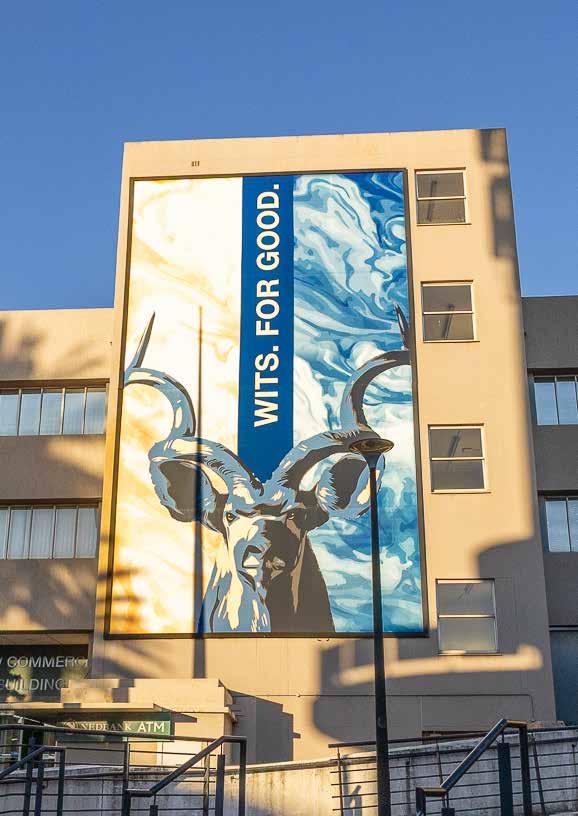
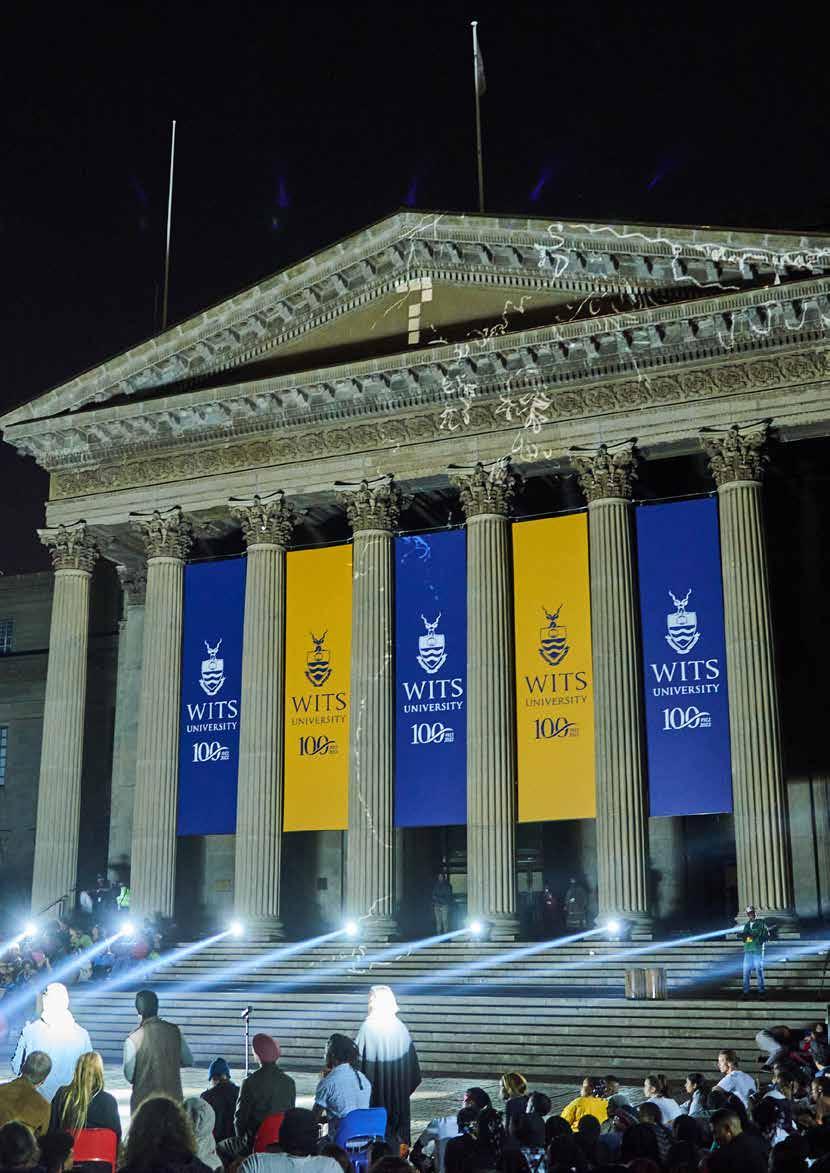
Appendix A 2025 Council
Self-Assessment Report
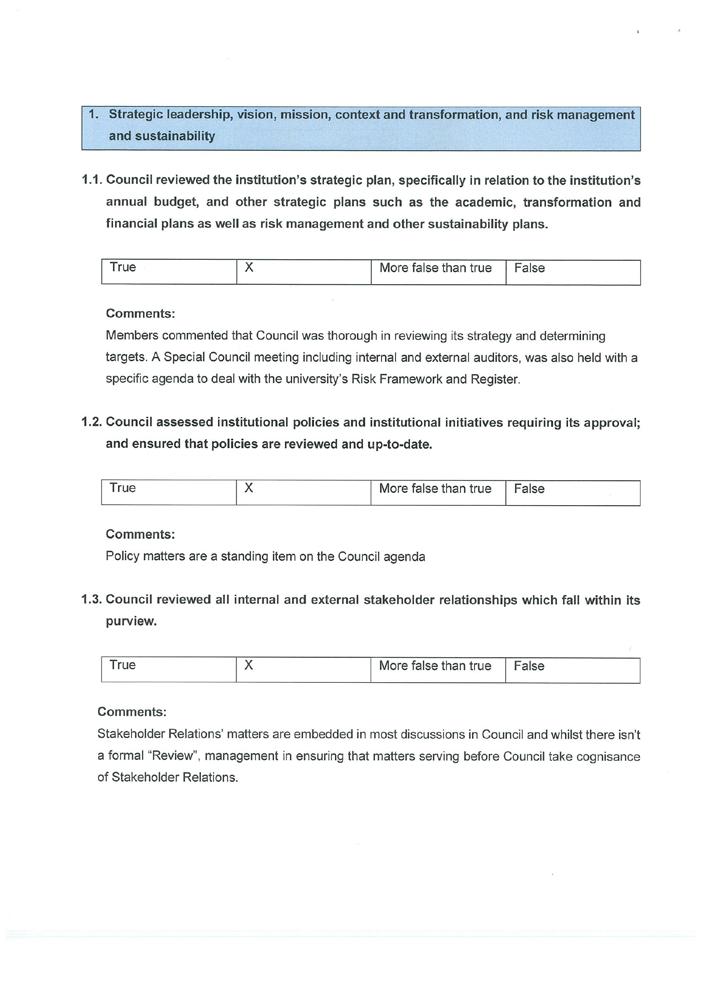
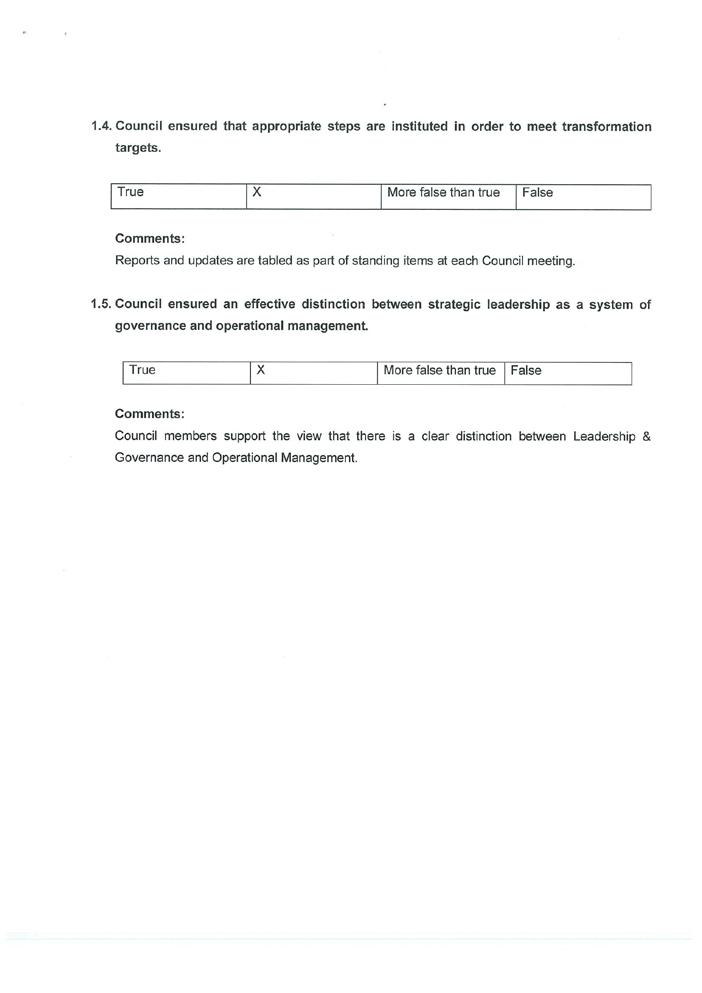
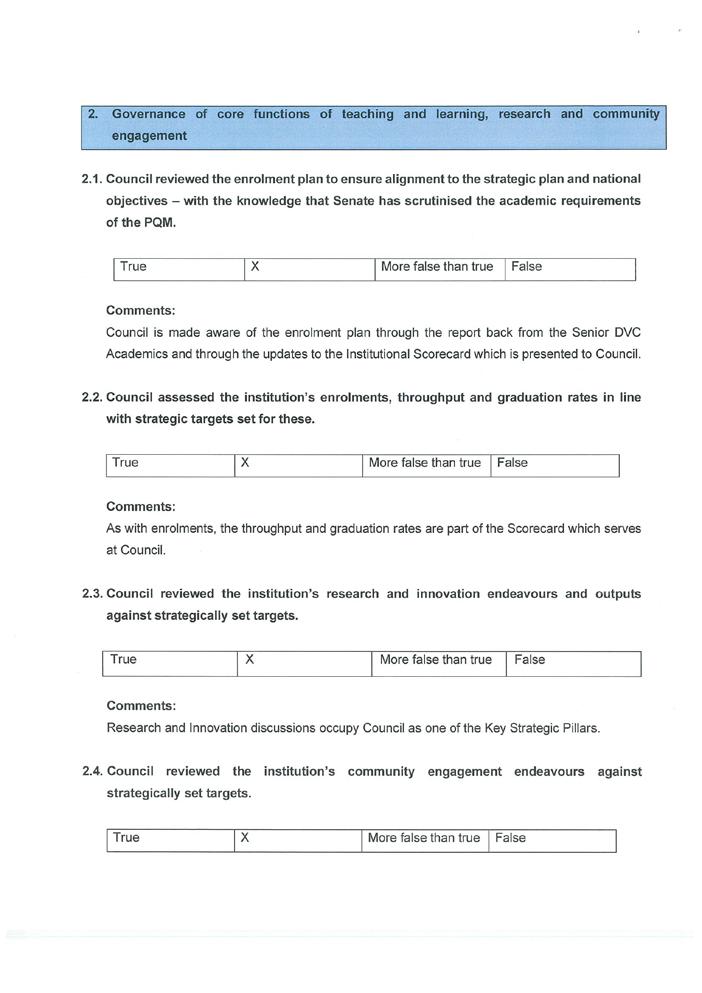

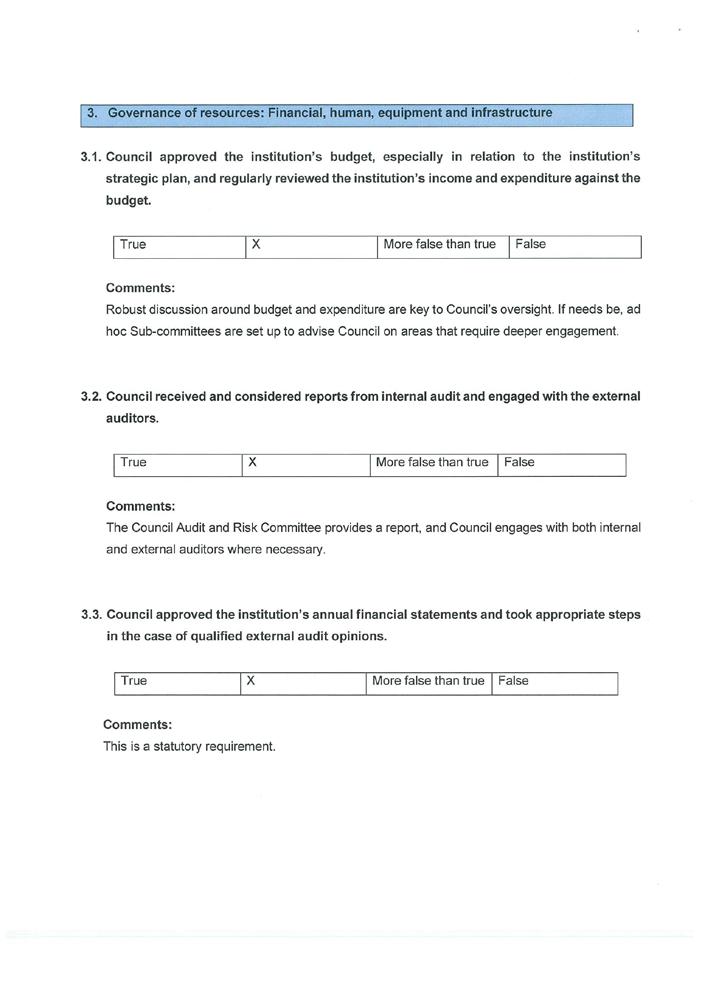


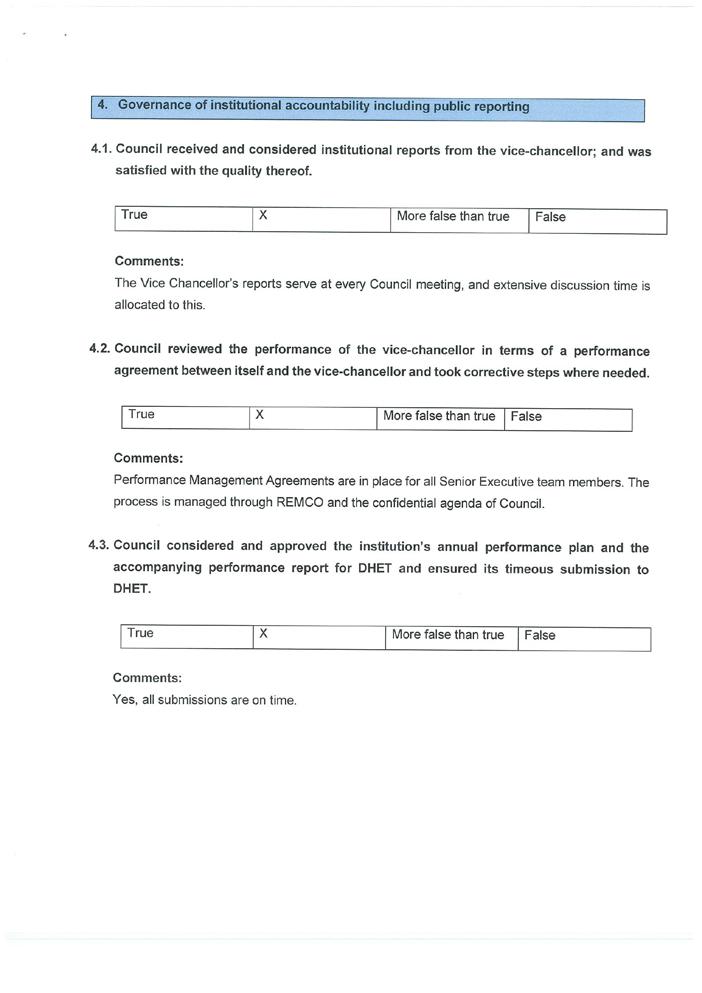
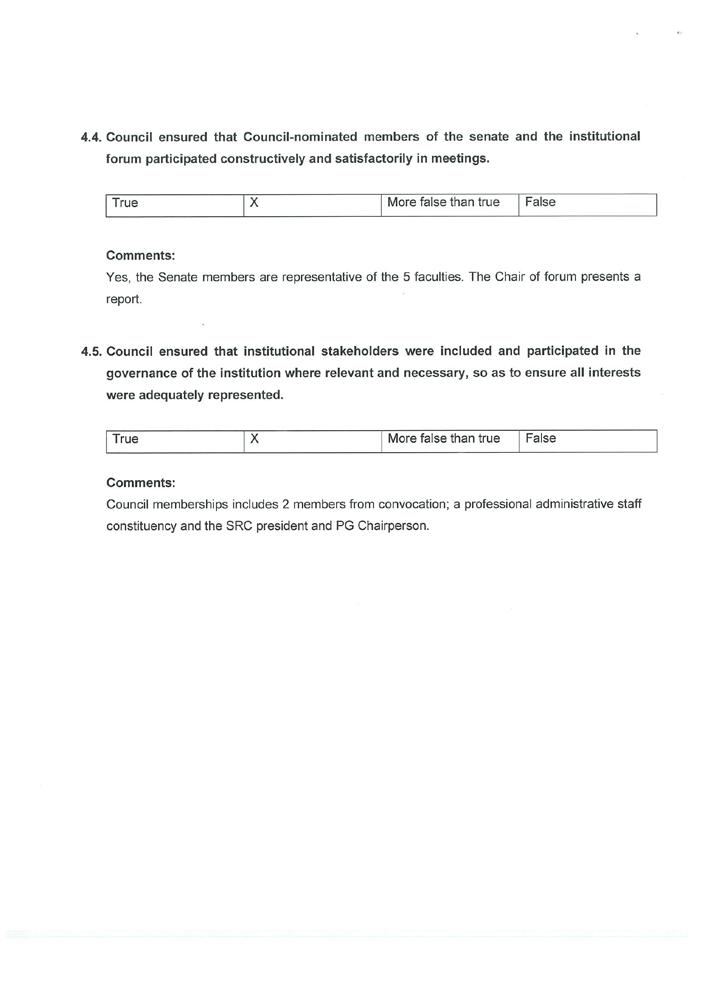

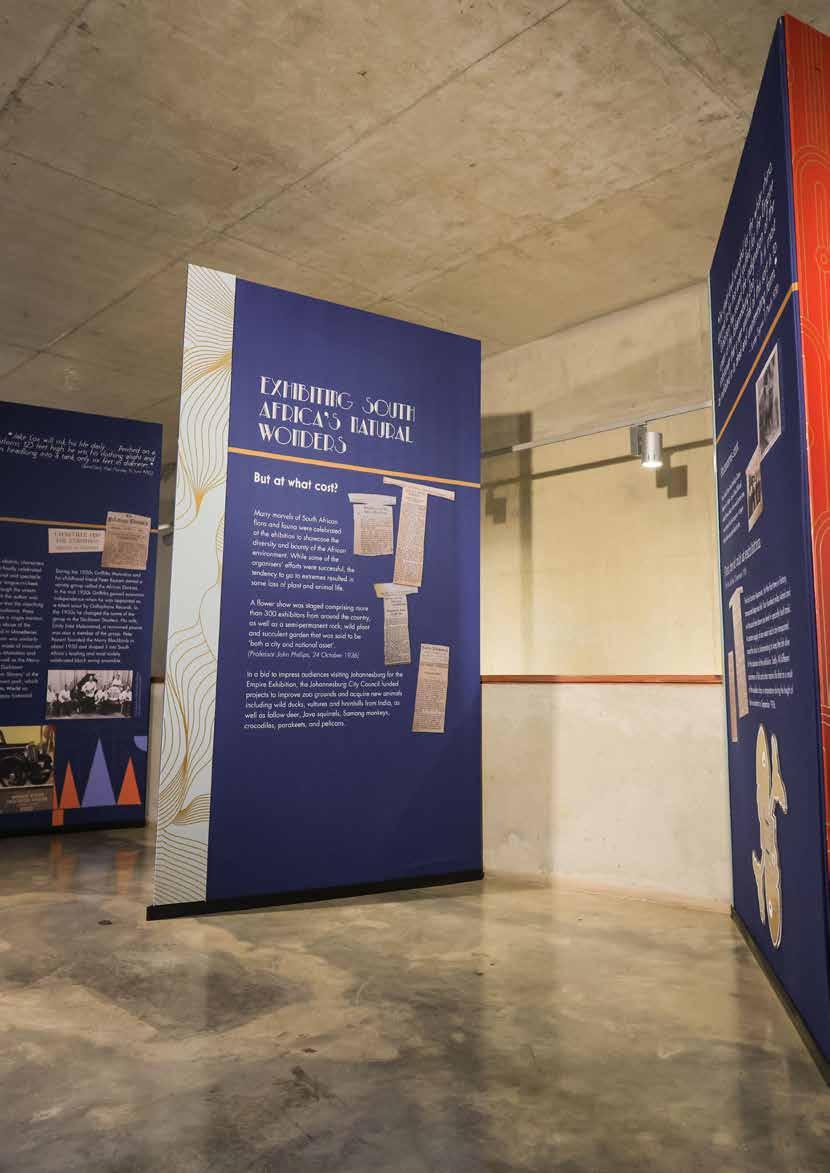
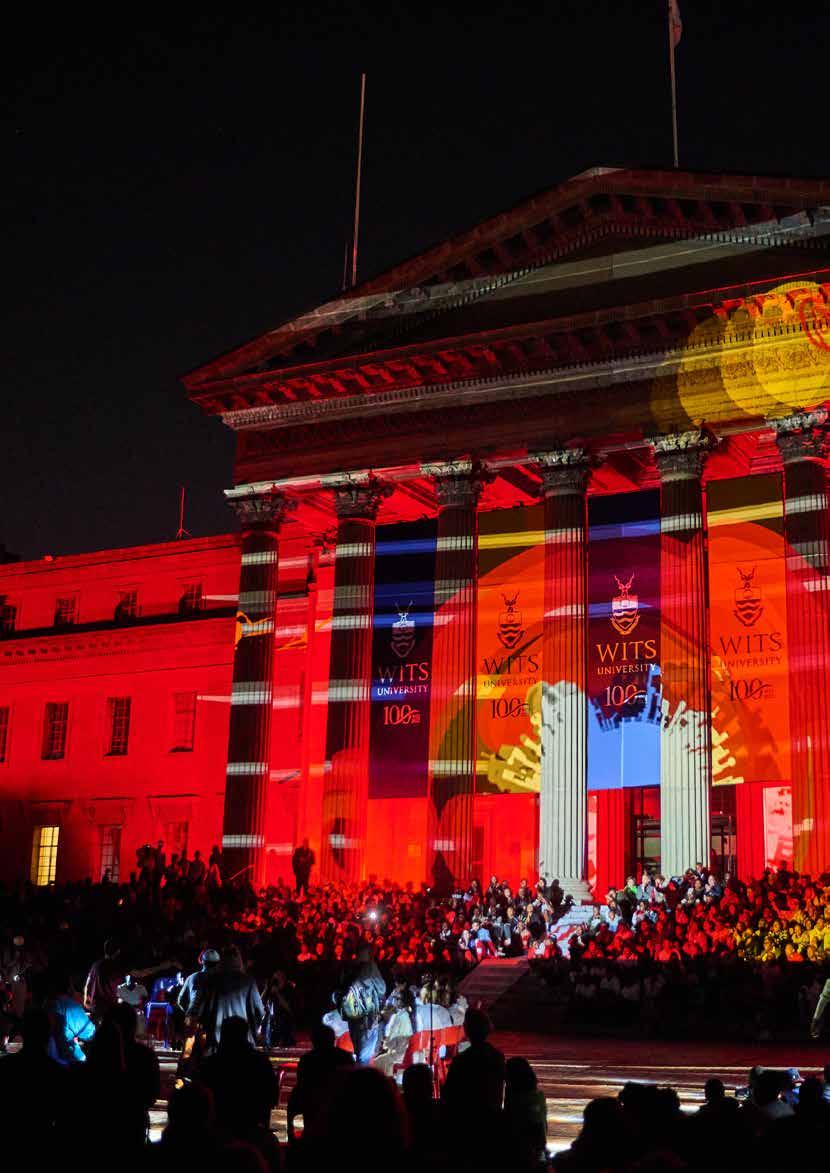
Appendix B 2025 Institutional Scorecard
Wits Identity
KEY PERFORMANCE INDICATORS 2025
1.1
TARGETS
Strategic objective: People and Culture -
1.1.1 Institutional Cultures Process
1.1.2 Staff Development and training
1.1.3 Organisational Design Initiatives
AS AT 31 DECEMBER 2025
(DVC: People Development and Culture)
Dissemination of full institutional cultures study outcomes; recommendations to align with 2033 strategy; development of an inistutional implementation plan
Finalisation of Workplace Skills Plan, Annual Training Report, Mandatory and Discretionary Grants; Implementation of training schedule
Support Finance, Systems and Operations and HR re-organisation initiatives
Dissemination completed; recommendations per area defined; TEEO establishing tracking system for monitoring implementation plan
Submission of reporrt, plans and grants completed; training ongoing
Deans provided feedback on SET strategic redirection of resources to the Faculties to support strategic apppointments as part of first year of monitioring; 5-10 year analysis of stafffing ratios, staff/student ratios, attrition rates, age cohorts, etc. alongside staff planning recommendations; ongoing support to S&O and Finance in theior re-organisation processes; HR stabilisation of staff in progress and centralised oversight of decentraliused functions implemented.
1.1.4 Align HR Policies, Procedures and Practices
1.1.5 Staff
Remuneration and Benefits
Review, revise and repeal policies as per the policy review matrix
1.1.6 Transformation and Social Justice Initiatives
Conclude annual labour negotiations; performance management and remuneration system for PAS; career pathway framework for PAS; finalise staff wellness and wrap-around support framework
Over the past 36 months, we have reviewed and/or repealed just under 50 policies and management guides; project to overhaul our policy ecosystem that is available on the intranet set for 2025 completion; Human Resource Information Management Systems updated with over 20 upgrades and automations.
Recognition agreements with ASAWU and ALTSA, awaiting changes from NEHAWU, monitoring two additional unions seeking recognition; 2025 salary negotiations completed, 2026 salary negotiations with academics and PAS initiated; API developed and rolled out for PAS; ER training across faculties, integration of complaints and grievance procedures into single policy; salary alignment process completed, salary progression model defined and rolled out to faculties; wellness forum initiated and completed Wellness Day successfully; REMchannel reviews concluded; email for life project approved; utilise Zoluhle Financial Services to support financial literacy; UWRF involved in retirement planning sessions with staff, engaged to support staff who have elected to access monies via the new two-pot system.
B-BBEE and EE compliance; track language implementation plan; Finalise Gender Equity Framework; CDTA tracking; public engagement seminar series; institutional change initiatives
New EE Plan updated and submitted with new targets; provisional self-assessment B-BBEE Level 4-5 score; first year of Language Project reviewed successfully and second year of funding received; report on CDTA and tracer study initiated; online intelligence system procured, revised and launched; disclosure/naming practice note in draft; SORMAA practice note developed; Gender Equity Framework in draft.
Wits Identity (continued)
KEY PERFORMANCE INDICATORS 2025 TARGETS
AS AT 31 DECEMBER 2025
1.2 Strategic objective: Brand and Reputation Leverage and promote a Wits identity to enhance relationships, reputation, and revenue - (Advancement Coordinator and HoU)
1.2.1 Research, conceptualise and execute a strategic internal and external marketing, branding and communications campaign to promote Wits’ achievements, in order to enhance our reputation both locally and in selected countries abroad. Profile Wits, its research, teaching and learning, people and alumni through paid, earned, shared and owned media.
1.2.2 Develop and execute campaigns to grow the Wits Annual Fund (WAF), strengthen Witsie pride, identity and spirit, and enhance the quality, currency and comprehensiveness. Maintain centenary momentum for local, national and international alumni engagement and outreach.
1.2.1 Implement the new signage policy before year-end. 1.2.2 Implement the changes recommended in the website audit by year-end. 1.2.3 Secure a retail partner for the Wits Shop by 31 March 2024. 1.2.4 Implement the marketing and branding strategy by year-end.
1.2.5 Execute the internal and external communications campaign by year-end.
FHS: Prototype dashboard for internal research communication and researcher profiling developed by year-end.
1.2.1 The signage policy is completed. 1.2.2 Website is currently being edited for a revised framwework and design. 1.2.3 The Wits Shop retail partner is secured. 1.2.4 The marketing and branding strategy is being implemented. 1.2.5 Internal and external communications strategy is being implemented.
1.2.2 Develop an alumni relations campaign to grow the Wits Annual Fund (WAF), strengthen Witsie pride, identity and spirit, and maintain local, national and international alumni engagement and outreach.
1.2.2 Well attended alumni reunions were held in Dubai and Dublin in September to launch alumni chapters in those countries. Chapter convenors were appointed and are actively engaging local alumni. A thank you event for WAF donors will be held in the Wits Anglo American Digital Dome in November. A WAF fundraising appeal will be made in late November or early December. The alumni and donor CRM systems have been transferred to Salesforce so that we have one CRM going forward.
Wits Identity (continued)
1.3 Strategic objective: Place and Partnership - (SET)
1.3.1 Strengthen Wits’ place:
- In the City
- In the region
- On the continent
- Globally Assist the City of Johannesburg and Gauteng region through commissioned research.
- Nature local and national relationships, including the Gauteng Research Triangle (GRT), Universities of Venda (UniVen) and Limpopo (UL). Explore new partnership with University of Mpumalanga (UM) & Mpumalanga (UM)
- Deepen African relationships through ARUA & AFRETEC. Partner with Universities of Ghana and Makerere on a collaborative PhD program on African Futures.
- Develop and maintain 3 international strategic partnerships at level 5 of engagement.
- Grow the relationship with Tsinghua (https://www.tsinghua.edu.cn/en/) and Peking (https://english.pku.edu.cn/) Universities by two levels
- Establish partnerships with Imperial College London, the University of California at Berkley, the University of British Columbia, and Australia National University in collaboration with the AFRETEC Partnership.
- Establish and maintain collaborations with international networks like CIVIS, UNA Europe, and ACU.
- Extend relationships with Edinburgh/ Leeds/SOAS/UCL/Tubingen/ Queens University Belfast/ NorthEastern
As part of the Rio Tinto Centre for Future Materials, we are hosting colleagues from Australia National University, Canberra, Imperial College, London, University of British Columbia, Vancouver and University of British Colombia,Vancouver as well as University of California, Berkeley. The workshop will explore how circular principles can be embedded across the lifecycle of energy storage – from material extraction and design to reuse, recycling and recovery We have engaged in a number of AFRETEC and WESAF activities. For AFRETEC:An Afretec sponsored short course, Advancing Peer Review and Supervision Practices through AI and Data Analytics, was hosted at Wits in April 2025. This initiative aimed to develop faculty expertise in peer review, teaching, and supervision through evidencebased strategies and the integration of AI and data analytics. Academics from Wits, WESAF, and AFRETEC institutions participated in this capacity-building programme to establish a cross-institutional community of practice. 'The Afretec Network Principal Investigators Meeting was held from June 2-4, 2025 in Kigali, Rwanda, hosted by Carnegie Mellon University -Africa. This was the first meeting where research teams, comprised of researchers from partner institutions across the network, presented their work over the first two years of funding.
HUM: Africa in the G20: Advancing Solidarity, Equality and Sustainability (The Amplifying African Voices for Strategic Action (AFSA) conference) - African Centre for the Study of the US (ACSUS) at the forefront of linking globally renowned partners in collaboration for the analysis and elucidation of the intricate relations between African nations and external powers, providing alternatives for balanced relationships forged in African interests.
HUM: The annual African Investigative Journalism Conference (AIJC), hosted by the Wits Centre for Journalism, together with the Carlos Cardoso Memorial Lecture and the African Investigative Journalist of the Year Award, strengthens Wits’ place in the city as a hub for civic dialogue, in the region through honouring journalistic integrity, on the continent as Africa’s leading platform for investigative journalism, and globally as a convenor of thought leadership advancing media freedom and democracy.
Wits Identity (continued)
KEY PERFORMANCE
1.3.1 Strengthen Wits’ place
- In the City
- In the region
- On the continent
- Globally (Continued)
This conference has brought together Investigative Journalists from over 45 African Countries. CoJ: Ongoing discussions regarding research output collaboration; MoU between Gauteng Provincial Goverment and 7 Gauteng-based universities; ongoing collaborations via the GCRO (https://www.gcro.ac.za/)
- GRT: Exploring adding Soweto to the GRT SAPRIN network; UNIVEN part of ENERGISE consortium, funded through the DAAD JET programme; UM nodes on mining and AI in context of PPhDP
- ARUA: ongoing participation in CoEs, CoREs and ECR fellowships
- AFRETEC: Research grants (https://www.wits.ac.za/news/ latest-news/research-news/2025/2025-10/afretec-networkawards-23m-in-multi-institutional-research-grants.html);
- WESAF: buidling multilateral relationship between universities of Edinburgh, Ghana and Makerere
- Strategic partners: U Edinburgh (level 5), including SAUK SARChI in Digital Humanities, Africa Research days and reciprocal visits; UCL, including Public Voices science communication initiative (https://www.wits.ac.za/news/latestnews/research-news/2025/2025-04/ucl-wits-partnershipempowers-researchers-in-science-communication.html);
- CNRS, including soon-to-be-launched Wits-CNRS International Research Centre (IRC) as a first in Africa
- China: Signed agreement with Tsinghua as strategic partner; high-level visits from Chinese universities, Shanghai investment company and Ministry of Science and Technology
- Strategic networks: Increased participation in CIVIS, including first in Africa BIP in maternal and neonatal health (https://www. wits.ac.za/news/latest-news/research-news/2025/2025-09/ birth-of-first-african-blended-intensive-programme.html); Una Europa embedded in IIES workshop and PPhDP proposal;
- SASUF new phase launched (2025-2028), lead for work package 5 - Seed funding with strategic partners (UCL, QUB, Tuebingen, Emory); joint PhD with SOAS; exploring partnerships with Colombia (GLOSOUTH project)
1.4 Strategic objective: Student Experience - (Dean of Students)
1.4.1 Ensure effective first year student transition and support through the FYE – Gateway to Success programme (in partnership with academic affairs and faculties).
Expose students to a cosmopolitan student life and experience that fosters a sense of belonging and the development of life-long friendships and networks.
The GTS survey report has been finalised and presented to several University committees. In June, a thought leadership session focused on the First-Year Experience (FYE) was convened, attracting participation not only from the faculty but also from three other universities.
FHS: Opening of the new FHS building entrance that creates student centered spaces
Wits Identity (continued)
KEY PERFORMANCE INDICATORS 2025 TARGETS
1.4.2 Ensure effective first year student transition and support through the FYE – Gateway to Success programme (in partnership with academic affairs and faculties).
1.4.3 Collaborate with the postgraduate sector to improve on postgraduate student orientation and experience.
- Review and enhance the Gateway to Success programme
AS AT 31 DECEMBER 2025
The planning committee for the 2026 GTS has been established with STPU taking the lead on coordination and project management. A cohort tracking study is scheduled for completion at the end of the 2025 academic year. 2026 GTS dates are finalised and incorporated in the institutional almanac.
Development of a postgraduate student, and research friendly, university culture
1.4.4 Implementation of the Wits mental health strategy
- Establish the student mental health forum.
- Work collaboratively with stakeholders on mental health campaigns, including advocacy initiatives.
Quarterley review and planning meetings of the student mental health forum;
- Blended mental health service offerings;
- Advocacy and awareness campaigns, with particular focus on prevention.
Capacity building psychoeducative / supportive skills workshops for students and staff cohorts
In 2025, two book clubs were hosted to promote a reading culture and extend learning beyond the classroom. Additionally, two postgraduate workshops were held focusing on funding literacy and academic writing.As per previous years,planning for the 2026 Postgraduate Orientation has commenced, with the initial meeting held to clarify roles, responsibilities, and programme design. The orientation will run over three days, combining a central welcome day, faculty-specific sessions, and the Postgraduate Association Social event.
The CCDU recorded a significant increase in student demand for therapy services since August, with support primarily addressing depression, anxiety, academic stress, and relationship concerns. Expanded capacity through UCDP-funded therapists improved access to care and psychoeducation. Collaborative partnerships with internal and external stakeholders enhanced mental health outreach and preventative programming, including World Mental Health Day, Men’s Mental Health initiatives, and campus-wide campaigns such as Suicide Prevention Month and Mental Health Month. Planning for 2026 is underway through a multistakeholder workshop to advance the institutional Mental Wellness Strategy and strengthen prevention-focused efforts.
WESAF’s recent activities include the 3rd sustainability school convened in Edinburgh in late April 2025 as part of the learning pathway that will see the 24 selected PhD Fellows completing their proposals before the end of the year.Moreover, WESAF has strengthened the Wits partnership with the University of Edinburgh, laying a strong foundation for future joint degrees between Wits and other partner institutions. Innovative programme components such as a fully online joint degree and integrated workplace placements are also laying the groundwork for future masters and doctoral level training. Plans for reciprocal visiting academic appointments between Wits and the University of Edinburgh are being developed. In addition, strategic initiatives are progressing to strengthen relationships with the University of Ghana and, potentially, Makerere University, supported by the involvement of WESAF scholars currently enrolled in the programme.
Wits Identity (continued)
KEY PERFORMANCE INDICATORS 2025
1.4.5 Implement policy on residence bed allocations
1.4.6 Address residence culture by entrenching living learning communities as an integral part of residence life, and addressing issues of first year transition.
- Establish 6 living learning communities: social justice, leadership, green campus initiative, health and wellness, women in leadership, LGBTQI+ functioning across residences.
- Ensure that a well-structured orientation and residence life programme is developed that is distinct from other providers; - Implement residence allocations policy: first year preference, that includes spaces for students within a 30km radius, uphold academic criteria as per policy
- In context of expanding private accommodation provision and the NSFAS cap, monitor implementation of first year preference policy, and make appropriate policy recommendations by mid-year 2025; - Develop and implement a marketing and communications plan that better make Wits residence offerings known to university community and future applicants
- Establish residences as spaces that fosters a sense of belonging and the development of lifelong networks and friendships;
- Work towards residences becoming inclusive spaces;
- Promote and celebrates diversity;
- Address social justice issues;
- Expose residence students to a cosmopolitan student experience;
- First year transition and orientation embedded in the principles of human rights and residences as welcoming inclusive spaces.
- Focussed attention on ‘2. Academic Excellence ‘!E11ens Residence as a first year male residence, - Ensure appropriate oversight and support to the student leadership in Men’s Residence;
- Development of a programme that supports the normalization of Knockando residence; Collaborate with student leaders and various stakeholders on a diversified residence life programme offering that caters for a diverse range of needs and interests;
AS AT 31 DECEMBER 2025
CHRL implemented targeted marketing strategies to attract first-year students to University residences for January 2026. The Residence Admission Policy was revised to accommodate deserving students whose personal contexts justify residence placement despite proximity to campus. House Committee members have been elected and aligned with CHRL’s strategy to ensure a safe, inclusive, and value-driven 2026 residence orientation. Residence wardens will oversee and approve only programmes that support a positive and respectful transition for new students
Residence culture remained a key priority in 2025. A commissioned study examined the root causes of tensions between Men’s Hall of Residences and Knockando Residence, leading to improved understanding and resolution of past conflicts. Efforts to deepen inclusivity across all Wits residences will continue into 2026. Wits residences also excelled in sustainability efforts, securing first place in the Green Campus Competition held at Nelson Mandela University in July 2025.
Following the successful normalisation of Knockando Residence in 2024, first-year students were able to return in 2025. Similarly, Men’s Hall of Residence has now been normalised, allowing the 2025 first-year cohort to return next year, subject to academic and financial eligibility. Ongoing efforts focus on embedding University values across all residences to create an inclusive and values-driven living experience.
Academic Excellence
University of the Witwatersrand (2023 - 2033) **DHET Targets
KEY PERFORMANCE INDICATORS 2025 TARGETS AS AT 31 DECEMBER 2025
2.1 Strategic objective: Student success - (DVCs R&I and Academic, Deans, Registrar)
2.1.1 Postgrad completions – Hons, Masters, PhD, PG Diplomas for previous year
2.1.2 **Manage UG enrolments in line with institutional aspirations and DHET targets
5 700 completions
6535 (Previous year’s data)
2.1.3 **Undergraduate qualified for the previous year (completions) 5 667 5376 (Previous year’s data)
2.1.4 **FTEN Enrolments 5 794 6 637
2.1.5 Publication units (co)authored by Wits students in previous year
2.1.6 Attrition Rates
units
units
Academic Excellence (continued)
KEY PERFORMANCE INDICATORS 2025 TARGETS
2.1.7 Ensure quality curriculum, teaching and learning, and assessment
(1) As per the 2025-2029 Learning and Teaching Strategic Plan, we plan to develop a monitoring framework for annual reviews of the Plan for Faculties and services, (2) The Programme Review task team, established in the last quarter of 2024, will consult with facilities, industry and other partners to determine the best practices for Programme Reviews Framework. We will design and test the framework for Programme Reviews at Wits, including the development of a shared document space for reviews and associated documents for use in monitoring and evaluation across the University.
AS AT 31 DECEMBER 2025
(1) We are piloting the Learning and Teaching Strategic Plan monitoring framework in Faculties. (2) Programme Reviews have been conducted in two Faculties under the pilot programme. The process and reviews are now being assessed and a plan for 2026 is being developed in QAPO and with Faculties.
New dedicated 1st year teaching unit for Maths and Applied Maths has been established; All 1st year courses in the Faculty of Science will undergo an independent review starting with Maths and Applied Maths in 2025, and then Chemistry in 2026.
EBE has strengthened its monitoring of course performance through systematic tracking of high-risk courses and targeted program and course reviews. The faculty implemented blended pedagogical, eco-social, and psycho-social interventions that significantly improved student outcomes. By last year (2024), courses with pass rates below 66% dropped from 77 to 22, and those below 50% from 39 to 7. EBE continues to expand its lifelong learning initiatives through the development of industry aligned short courses. A DataDriven Decision Making course is scheduled for 2026, alongside six AI-focused courses ranging from Introduction to Artificial Intelligence and AI Strategy and Implementation to Advanced No-Code AI Tools and Applications developed in collaboration with Wits Plus.
2.2 Strategic objective: Graduates of the Future - (DVCs R&I and Academic, Deans)
2.2.1 Maintain Science, Engineering and Technology profile 50%
2.2.2 **Postgrad enrolments – Hons, Masters, PhD & PG Diplomas 18 071 (DHET target) 17 760
2.2.3 New to Wits and new to programme Target - UG 180
Target - PG 400 (approx. 4%), Currently registered 869
2.2.4 Increase new FTEN, Part-time and Distance Students
(Audited)
UG: 111
135 (Audited)
PG: 339
500 (Audited)
310 (PT= 289 AND Distance = 21)
Academic Excellence (continued)
KEY PERFORMANCE INDICATORS 2025
2.2.5 Flexible and lifelong learning opportunities
TARGETS
(1) Work with the strategic intent of Wits Plus (Pty) Ltd to ensure that short course offerings are of the highest quality, (2) Offer microcrendentials that can provide access to, or form part of, formal programmes, as well as supporting career development, (3) Offer new fully online degree programmes.
(4) Strengthen the link between QAPO, CLTD and Wits Plus to quality assure the short courses in development for 2025, (5) Pilot 4 microcredential projects across the faculties and (6) develop two in-house fully online degree programmes with the CLTD and faculties.
AS AT 31 DECEMBER 2025
(1) The APDC Short Course Sub Committee is running very smoothly, with a greater focus on strategic guidance and policy documents. We are currently reviewing the Assessment Guidelines for Short Courses, the motivation form requirements (as this is a living document), entry criteria and alignments with degree programmes. We will next focus attention on an AI guideline for short courses.
(2) Approvals and re-approvals of courses are happening timeously, with strong input from Faculties, QAPO, CLTD and Wits Plus. FHS and FEBE both now have constituted Short Course Committees. (3) One microcredential is in market and one is near completion and will go live early in 2026
FS - New short course developments in all faculties, e.g. Geosciences. PGDip in Science in Data Science is offered in hybrid mode with about 120 students. A fully online mode awaits CHE approval. Closer collaboration between faculty T&L units and CLTD to enhance cooperation and impact.
CLM - Executive education revenues exceeded year to date budget . The University's first 20-hour micro-credential “Health and Healthcare through an Economic Lens” delivered by Professor Booysen has been completed and delivered in September.
FHS: In the process of developing a fully online Masters in Tropical Medicine. Development of the GOLD Platform, a Wits sytems for postgraduate learning and supervision.
EBE continues to expand its lifelong learning initiatives through the development of industry aligned short courses. A Data-Driven Decision Making course is scheduled for 2026, alongside six AIfocused courses ranging from Introduction to Artificial Intelligence and AI Strategy and Implementation to Advanced No-Code AI Tools and Applications developed in collaboration with Wits Plus. These courses will be delivered in both asynchronous and synchronous online formats to maximize accessibility locally and internationally, reinforcing the faculty’s commitment to lifelong learning and industry relevant education.
2.3 Strategic objective: Advancing the Pursuit of Fundamental Knowledge - (DVC Research and Innovation/Deans)
2.3.1 Number of approved DHET units from the previous year 2 000 1993.21 (Audited)
2.3.2 Research output: number of journal articles, books, chapters, and proceedings papers indexed by the Web of Science. (Year to date) 3 300 3608
Academic Excellence (continued)
2.3.3 **Research output per instructional research staff (all permanent academic staff)
2.3.4 Facilitate impactful research and scholarship outreach (Open Science Publishing) Wits authored publications using Transformative Agreements ( TAs ) 33% of all publications in TAs
(Audited)
(TAs) journal articles
2.3.5 Wired Space usage as measured through website access accounts 2 000 website hits (uploads) 2014 (Audited)
2.3.6 Number of students and academics undergoing library training (hybrid/ plenary) 20 000 11 104 (Audited)
2.4 Strategic objective: Knowledge Generation for Societal Advancement - (DVC Research and Innovation/Deans)
2.4.1 Number of all types of publications aligned to one or more SDGs. 70%
(Web of Science) 69% (Audited)
2.5 Strategic objective: Building a Pipeline - (DVC PG R&I and DVC: People Development & Culture Human)
2.5.1 Number of active postdoctoral fellows 270 post docs 274
2.6 Strategic objective: Innovation and Academic Entrepreneurship - (DVC Research and Innovation)
2.6.1 Number of idea registrations (disclosures) 28 ideas 49
2.6.2 Midstream indicator: number of Wits staff and students trained on innovation and entrepreneurship training courses (year to date) 120 delegates 144 delegates
2.6.3 Downstream indicator: total number of spinouts from inception (accumulative) 5 spinouts 7 spinouts
2.6.4 Advertising value equivalent (AVE) recorded for press releases at the time of reporting
million
Social Impact
KEY PERFORMANCE INDICATORS 2025
TARGETS
3.1 Strategic objective: Active Citizenship and Advocacy - (SET)
3.1.1 - Public engagement on contemporary issues - Engaging in partnerships with civic organisations on matters such as HIV and Aids/ Vaccinations
3.1.2 Bridging high school to university studies
Students to engage with climate change and me course to increase awareness and skills
Climate Change and Me to be offered to first year students at the start of 2025.
AS AT 31 DECEMBER 2025
GTS programme includes Climate Change and me. Postive responses in Student Survey results to course
3.1.3 Research and advocacy targeted at influencing Gvt health policy
3.1.4 Student training, engagement and service delivery in various industries and public service sites
(1) Review and strengthen the Gateway to Success programme for first year students to enable easier adjustment and preparedness for University Life; (2) Address bottleneck courses in the first year. (3) 2025 is the fifth year of the GTS programme for first year students. Following the 10 day programme, we will undertake an extensive review of the programme. Based on the reports and feedback on the five years, we will strategize and make adjustments to the 2026 programme with Faculties, Student Support and other institutional stakeholders. (4) Develop in-house pre-university online courses for Maths and Chemistry to benchmark first year students and prepare them for the content of these courses.
5 Initiatives (1 per Faculty)
(1) a review of GTS has been done and the 2026 programme is finalised. (2) AMPLIFY, a programme in the Faculty of Science has been developed to assist with bottleneck courses in first year Mathematics and Applied Mathematics (3) a review report of the five- years of GTS is being compiled with Institutional Research, Student Affairs and Academic Affairs, this extensive report will be made available to Faculties and used to improve the orientation programme going forward.
5 Initiatives (1 per Faculty)
CLM: 67 candidates enrolled in the MBA Healthcare Leadership
HUM: Continuous work being done particularly in the School of Human and Community Development on topics suchas addressing ageing care, and social work in generational thinking. Work is carried out via the successful Umthombo Lecture Series.
CLM: Centre for Entrepreneurship trained first cohort of 20 startups (sponsored by Anglo Foundation). Entrepreneurship Education Summit hosted at WBS bringing together multiple centres from across Wits.
HUM: Student redirected fees have been increased for 2026 to facilitate improved teacher/community training and teaching experience both at the School of Education and Social Work department. Assessment of this increase will be monitored for effectiveness.
Social Impact (continued)
KEY PERFORMANCE
3.1.5 Improving lives of the communities we serve
5 Initiatives (1 per Faculty)
AS AT 31 DECEMBER 2025
CLM: Wits Entrepreneurship Clinic undertook BANKSETA funded project at Wits Agincourt’s research centre. toward a more just and equitable society.
FEBE participates in the Next Engineers Program (NEP), a global initiative led by General Electric and FHI360 with local partners to develop a diverse pipeline of future engineers. The program engages over 3,500 high school students aged 13-18 from underserved communities, providing hands-on engineering exposure and financial support for university studies. Johannesburg is the first African city in this initiative, which aims to reach more than 85,000 students in approximately 25 cities worldwide by 2030. FEBE hosted over 100 students at its annual winter camp in July, and 40 students from the second cohort graduated in October.
FHS: The FHS contributes to the communities through the above work integrated learning activities in UG and PG programmes. The MRC/Wits Rural Public Health and Health Transitions Unit (Agincourt) continues to work closely with Community Development Forums (CDFs), indunas (local leaders), and the community, improving health and quality of life. Many of the fieldworkers and other staff are are community members - the Unit thus provides employment in the area. Several other community outreach programmes including dental prgrammes at Schools. Wits RHI outreach in inner city for maternal health and STD prevention.
FH: Through the GBVF Research Chair, Humanities has forged strong partnerships with local schools, NGOs, community leaders, and survivor networks to drive education, advocacy, and evidence-based action against gender-based violence. At the FALF Conference, research undertaken in communities explored themes such as the normalisation of GBVF, inequalities in schools, positive masculinities, and the use of digital tools and AI for justice.
3.1.6 Commit to the International Decade of Sciences for Sustainable Development 2024 - 2033 Ten activities (seminars, workshops, commentaries, public engagements, educational programmes, etc) that align with the IDSSD
FHS: Advancing Equitable Health Innovation - Through platforms like the WITS Biohub, vaccine development initiatives, and affordable diagnostic research, the Faculty is already creating accessible, locally relevant health solutions that directly tackle health inequities in Africa — fully aligned with the Decade’s call for science for all.
Building Interdisciplinary Science Capacity - With multi-omics, clinical trial networks, planetary health research, and AI-enabled discovery, the Faculty is actively fostering interdisciplinary and open science ecosystems that train the next generation of African scientists and strengthen global partnerships.
The WITS Biohub sod-turning event took place in September, and strides are being made towards its development and completion.
Social Impact (continued)
AS AT 31 DECEMBER 2025
3.2 Strategic objective: Strengthening Democracy and Governance in South Africa - (SET)
3.2.1 Partnerships with HEI and civic society 5 Initiatives (1 per Faculty)
CLM: Agreement with Kedge was concluded for 2026 global executive MBA intake. First candidate completed on jointPhD with ISS Erasmus. PhD programme with SOAS ongoing. MoU with The cole des Hautes tudes Commerciales du Maroc. Graduate exchange agreement with University of Warwick.
FHS: Wits workpackage lead in SASUF partnership.
FHUM: Teacher Choices in Action’ Module developed by a team of teacher educators from around the country to address long-standing concerns about the variable quality of student learning during WIL. The development of the module was part of a DHET capacity-building initiative to prepare student teachers for school-based learning. Since 2020, more than 60,000 preservice teachers from 24 South African HEIs have completed the module. A fresh MOU has been signed.
FS: Engaging with UJ and University Limpopo to drive membership of ASSAf, and in so-doing helping nurture the next generation of professors. Actively involved in the National Science Deans’ Forum to build synergies and support for national initiatives, e.g. engaging with the NRF about the funding challenges for research in Science.
FEBE: partnered with Embry Riddle University, USA, on a Degree Programme to extend our MSc Aeronautics to include credit agreement between the two institutions and extending our MSc to include MSc Aerospace and MSc in Unmanned Aerial Vehicles (UAVs). We have also signed an agreement with Pforzheim University, Germany, to include a student and staff exchange at undergraduate and postgraduate levels that will support postgraduate industrial and mechatronics studies.
On the civic society front, we have been significantly engaged with Science20 activities as part of the G20 through the theme Climate Change and Well-Being’. We led the deliberations that resulted in a statement, supported by all member countries, which will serve at the G20 Summit in November 2025. FEBE, through Center for Urban and Built Environment Studies (CUBES) has continued to work with communities in Alexandra township to improve their lives through the City Studio initiative.
Social Impact (continued)
KEY PERFORMANCE INDICATORS 2025 TARGETS
3.2.2 Position Wits as leading research institution strengthening democracy and governance
5 Initiatives (1 per Faculty)
AS AT 31 DECEMBER 2025
CLM: WSG hosted post-election conference in March ’25. WSG hosted SAIGA Women’s month event. WSG launched corporate affairs exec ed offering in partnership with Cambridge. WSG hosted workshop on anti-corruption, and multiple other events e.g. on advancing global governance. Launch of Mervyn King chair in WBS. Faculty sponsored book project Disciplining State Capture with Jonathan Klaaren and Professor Themba Maseko as co-editors is proceeding.
FHS: Wits RHI collaboration with civil society and government advanced PrEP access and HIV prevention policy. FS: engaging with JoziMyJozi and has set aside funding for 6 projects that involve PG students in support of innovation in the City.
3.3 Strategic objective: Climate Change and Inequality - (Pro Vice-Chancellor: Climate, Sustainability and Inequality)
3.3.1 Develop of an institutional plan to position Wits as leading research institution on climate change and inequality
3.3.2 Build partnerships with Presidential Climate Change Commission, Business, Labour and Civil Society on climate change support.
3.3.3 Develop research capabilities on the social impact of climate change, including research on critical minerals
Plan with 5 year targets developed
Strategic plan developed and being implemented
2 collaborative initiatives across the university
Major projects on employment and social protection developed with the PCC; GCI collaborating with UNU-WIDER-Treasury SATIED programme; Major G20 report on inequality prepared under the leadership of Nobel laurette Stiglitz with prof Valodia member
Initiate cross-faculty project on climate change, minerals and renewables
Large research project, funded by Open Societies Foundations, on green minerals being impelemted
Sustainability
KEY PERFORMANCE INDICATORS 2025 TARGETS
AS AT 31 DECEMBER 2025
4.1 Strategic objective: Reimagining Work and Institutional Life - (DVC: Systems and Operations and Pro ViceChancellor: Climate, Sustainability and Inequality)
4.1.1 Develop plan for reduction of Wits’ carbon footprint
4.1.2 Establishment of a dedicated sustainability unit and design of an HR structure and resourcing plan.
4.1.3 Development of a sustainability implementation plan and multi-year budget requirements for short, medium and long-term interventions
Plan with 5 year targets developed in draft form for consideration by Senate
Continuous efforts, responsive plans, driven the formally established Sustainability Committee comprising PVC personnel, DVC S+O personnel, academics. Formal plan presented at final Councill meeting 2025.
Appointment of Sustainability Officer
As presented at Council Retreat 2024 by PCV and DVC. Established in Planning division of Campus Planning and Projects Department
Finalise base-line information across all identified focus areas:
a. Energy b. Water c. Transport d. Waste e. Infrastructure by August 2025 (premised on completions of planned roll-out of meters).
Categories a-c: establish savings targets and publish by year end. (Savings to reach up to 5% in categories by the end of 2025.)
Category d (and a): to finalise Louis Pasteur Eco-Centre business plan.
Complete Energy Performance
Certificates as base-line for all buildings by end of 2025.
Target met. The Plan with 5 year targets was developed and presented to the September 2024 Senate meeting.
Progress was presented on the ongoing projects in pursuit of the goal, including the overall Wits 2050 Vision; the PV installations project running out of CPD; the recycling and waste management projects running out of OFMD; the GreenTech Innovation Hub; the Minerals and Decarbonization Centre; the African Synthesis Centre and the Just Energy Transition Research Centre; amongst others.
Completed. The redefined role of Head of OHSE has been augmented to incorporate Sustainability as a key deliverable and core component, thus satisfying the need for a sustainability officer. This elevates the ‘E’ in OHSE. The Head: OHSE will work closely with PVC, OFMD and CPD.
The plan has been developed and the targets have been met as follows:
a. Energy - Target met. EPCs issued for all targeted buildings and the project continues.
b. Water - On track. A complete infrastructure assessment and measurement is underway to be completed by end of 2026. Already significant saving have been attributed to the use of borehole water.
c. Transport – On track. Bus routes have been optimised and the bus schedule was adjusted according to the academic calendar, resulting in reduced scheduling during study breaks. An evaluation project on the running of the electric bus is ongoing. d. Waste – On track. The Eco Centre business case is being developed while the ear-marked land is rezoned.
e. Infrastructure - OFMD through CPD has appointed a team of Mechanical, Civil, and Fire Engineers to assess and design bulk infrastructure packages (water systems, sewer systems, fire lines, and bulk storage reservoirs). Detailed engineering studies and designs are expected to be completed by the first quarter of 2026.
The Sustainability Expo initially scheduled for October 2025 has had to be postponed to 2026.
Sustainability (continued)
KEY PERFORMANCE INDICATORS 2025
4.1.4 Continuation of ongoing sustainability initiatives, such as the PV rollout and recycling initiatives, subject to funding availability.
TARGETS
Targets in line with 2050 strategic plan to be developed for measurement
Roll out additional 800 kWp of PV by year end - to take installed base to close to 2 MWp); Finalise transport master plan Double (by number or visibility) labelled recycling bins across all campuses; Finalise Transport Master Plan to optimise routes and vehicle and fleet management; Finalise Louis Paster Eco-Centre Business Plan for funding.
4.2 Strategic objective: Financial Strength - (CFO)
4.2.1 Deliver Unqualified Audit Outcome from the external audit process, and clean audit outcome on the grant audits.
Unqualified Audit Outcome for the FY2024. Clean audit outcome on grant audits. Timeous submission of the audited Annual Financial Statements to the DHET; and DHET Grant reports.
AS AT 31 DECEMBER 2025
(i) PV installations - On track. Despite the delay in the PV Rollout project continuation due to the waterproofing project delays at the Wartenweiler (in progress) and Harold Holmes Libraries (complete), 888 kVp will have been been rolled out in 2025. The Bohlaleng and Leseding Blocks are due for completion by year end. (ii) Waste bins- complete. Clearly-labelled, colour-coded and Witsbranded recycle bins have been placed across all campuses. (iii) Transport- On track. Following the appointment of transport engineering consultants, the intended Transport Masterplan is on track to be completed by mid-2026 as initially envisaged. Campus access surveys have been conducted. (iv) The Louis Paster Eco-Centre – On track. The Business Case was developed and completed and the detailed business plan is being completed while the land parcel is rezoned.
The University obtained an Unqualified Audit outcome on the Consolidated and University Annual Financial Statements for the period ended 31 December 2024. The audited AFS were submitted on 27 June 2025 together with the University's Integrated Report. The DHET Grant reports were submitted timeously within the prescribed deadlines of 28 February and 31 May 2025 respectively.
The university delivered an unqualified audit outcome for FY2024, and the AFS submitted to DHET before end of June 2025 deadline. The IEG grant has been submitted to DHET at end of February 2025. The Other grants were reviewed as part of the AUP by Deloitte and submitted to DHET at the end of May 2025.
4.2.2 A minimum of break-even Council controlled budget and financial results. Residences budget in –line with the long-term break-even plan.
(a) A surplus greater than or equal to zero. (b) Total Staff costs / Total Income (55%). © Staff Costs/Total Costs (60%) (d) Operating Surplus/Total Income (10%).
A surplus has been reported on the Financial Results for the 9 months ended 30 September 2025. The October 2025 financial results were not available on the time of this submission.
(a) A surplus of R55 million is forecasted for the financial year ending 31 December 2025, as the University has already achieved its full year Tuition Fee income; and financial performance against the YTD budget reported favourable variances (all green). (b) 53.33% based on the Total Income (R4.860 billion) and Total Salaries (R2.592 billion) as at 30 September 2025. (c) 62% based on Total Staff Costs of R2.592 billion and Total costs of R4.174 billion as at end of September 2025. It should be noted that there was total savings/ delayed spending of R105 million YTD.
Sustainability (continued)
KEY PERFORMANCE INDICATORS 2025 TARGETS
4.2.3 Cash Flow & Student debt Efficiencies ratios. (a) cash flow from operating activities in relation to total income. (b) Student debt before provision for impairment / Tuition and Other Fee Income
4.2.4 Solvency and Liquidity – (a) Growth in Net Assets. (b) Solvency Ratio of at least 1. © Current ratio of at least 1. (Unencumbered current assets / unencumbered current liabilities)
4.2.5 Financial Sustainability
(a) Cash flow from operating activities as a percentage of income (22%). (b) Student debt before provision/ Tuition and Other fee Income (38%)
AS AT 31 DECEMBER 2025
The ratios will be calculated at year-end. The total student debt balance as at 30 September 2025 was R1.956 billion (after factoring the R189 million NSFAS payment received during the first week of October 2025).
The proposed bad debt write-off for the 2025 financial year as submitted to FINCO is slightly lower than FY2024,which is indicative of the improvement within the student debt.
(a) Net assets > 2024 audited Net Assets. (b) Solvency Ratio >1. (c) Current ratio of greater than or equal to 1.
The comparison will be done at year -end.
(a) Achieve a 60:40 UG:PG target. (b) Perform Activity Based Costing for 2 faculties (2025); 2 faculties (2026) and 1 faculty (2027). (c) Reduce Student Debt year-on-year by at least 10%. (d) Financial impact or saving of energy reduction initiatives by S+O. (e) Carbon footprint reduction costs or savings - track investments to reduce carbon emissions whilst aligning with environmental sustainability goals. (f) Track a percentage of investments directed towards sustainable or socially responsible assets via FinCo and UFIC.
4.2 Strategic objective: Financial Strength - (DFO)
4.2.6 Continue with the Centenary Campaign, to fundraise in SA, the UK, US, and Australia. Increase the number of donors from all sectors who give to Wits.
Reach a target of R4,2 billion for the Centenary Campaign by the end of 2025.
(a) 59:41 ratio as at 30 September 2025 (reference the Financial results presentation). (b) The activity based costing was done for the whole university and the Course costing model was presented at the FINCO meeting of 05 November 2025.
The monitoring of student debt is ongoing, there is a slight improvement as compared to prior year. The University also benefited from the early settlement discount drive whereby R48 million was received from over 1000 students.
Current forecast is R4,2 billion at the end of 2025 including all commitments and pledges
4.2 Strategic objective: Financial Strength - DVC Research and Innovation
4.2.7 External annual income for research recorded by Wits, WCE, WHC
R 2.8 billion (this target needs to change due to the USA Funding cuts. Recommended value is R980 m)
R2,0 Billion. Majority of funding lost due to US cuts recouperated for the short term.
Sustainability (continued)
KEY
4.3 Modernising Systems and Operations - (DVC Systems & Operations. SET)
4.3.1 Implementation of campus safety, improvement, and efficiency plans
Operationalize the Wits Sterkfontein Caves
Introduce appropriate technologies and optimised maintenance planning and delivery:
a. The Gallagher Access Control System - Phase 1 completion by the end of 2025;
b. Conclude the ‘PIMD’ (Operations and Facilities Management Department) Procurement Innovation - Request for Solutions (RFSs) to the industry/ market for by the end of 2025 for the following categories:
(I) Failing and ageing bulk infrastructure assessment and procurement plan;
(ii) Space optimisation and management;
(iii) Energy and utility management; and
(iv) Managed services contract and partnerships
All components of operations (security, grounds maintenance, retail, signage, internet) in place and fully functional
(a) Target met. Phase 1 of the Gallagher Access Control System has been demostrated to progress such that the deadline of 31 December 2025 will be met.
(b) The Archibus system is at its testing phases of Oracle integration. The project has been delayed but is now fully on track, with the integration being tested module-by-module. Moreover, the Jobbing contractors’ panel which caters for most general maintenance works has been included (appointing 10 x new Plumbing companies and 10 x HVAC companies.)
The planned RFS's have had to be put in abeyance noting that Wits has developed its own solutions and will now only approach the market for procurement purposes. The targets have been met. See also 4.1.3 above.
4.3.2 Delivery of approved key infrastructure projects within stakeholder expectations not limited to
(a) the Wits Brian and Dorothy Zylstra Sports Complex (completion by end of 2026);
(b) the Wits Academic Centre at Chris Hani Baragwanath (completion pushed to 2026 due to contractual delays);
(c) the WSOA Fine Arts Rooftop Studio (by the end 2025);
(d) FHS Library project (budget approval dependent) complete by 2026 (target is mid 2026).
Wits Sterkfontein Caves: The Maintenance and Security Strategies have both been finalised for 2026; and opex budget jointly agreed between the Faculty of Sciences and the S&O Portfolio was requested, such that continued support of the facility by the S&O division can be adequately planned for. The Sterkfontein Caves Project was commissioned on 15 April 2025, following successful repairs and maintenance projects and the completion of a green-field ICT project.
FHS: Wits Brian and Dorothy Zylstra Sports Complex on track for completion by end of 2026. The Library Project has been greenlit and construction will commence in 2026 until yearend. Wits Academic Centre at Bara is currently in process. Regarding the FHS Library Redevelopment/reimagined project: the balance of the budget has been included in the 2026 Council budget (and it has also been included in closed DHET IEG7 funding application). The revised target completion date for the project is mid-2027.
On track. Apart from the WSOA Fine Arts Rooftop Studio which was earmarked for completion by the end of 2025 but has been delayed, all the other projects are on track for completion and delivery in 2026 as scheduled.
Sustainability (continued)
KEY PERFORMANCE INDICATORS 2025 TARGETS
4.4 Campus of the Future - (DVC Systems and Operations)
4.4.1 2025 Wits Spatial Development Framework
4.4.2 Alignment of DOAD with CPD Remit
Revision of deliverables to produce the first review of the strategic frameworks for seven (7) portfolios: five Faculties, Research and Innovation, and Student Housing and Sports, by December 2025.
Formalised as an on-going continuous plan reviewed at WCPDC regularly. To for formally and tightly linked to the Academic needs and the strategy of the University - including as part of the Sustainability Strategy. Revised remit of WCPDC to be finalised by mid 2025 to address and ensure this.
Completed by mid 2025.
AS AT 31 DECEMBER 2025
On track. The review of the Wits Spatial Development Framework (SDF) is ongoing, with the target to produce the strategic frameworks for the identified portfolios by end of 2025. The review will establish the portfolio's operational needs, along with a prioritised 5-10 year infrastructure development plan in support of the needs, subject to funding availability, for all 5 Departments and 5 Faculties.
The SDF is also actively including thoughts around a “Lean In” strategy – which has been presented at SET/HoS/SMG and Senate and is aligned to the VC’s next 5 year plan.
To support all of this a new Capital Expenditure policy refining the decision-making process has been submitted to Council for final approval. Aligned to this, the WCPDC Remit revision and the DOAD are to be updated accordingly.
On track. The WCPDC Remit revision was to serve at the VCO and SET in late October – but is to be refined now, along with the DOAD, based on the new Capital Expenditure policy.

Appendix C Acronyms
Acronyms
ACU Association of Commonwealth Universities
AFSA Amplifying African Voices for Strategic Action
AI Artificial Intelligence
AMPLIFY Academy for Mathematical Pedagogy, Learning, and Innovation for first-year
Afretec African Engineering and Technology Network
ARUA African Research Universities Alliance
BRICS Brazil, Russia, India, China, and South Africa, alongside Egypt, Ethiopia, Iran, Saudi Arabia, and the United Arab Emirates
CARC Council Audit and Risk Committee
CFO Chief Financial Officer
CIVIS Civic University Alliance
COP Conference of the Parties
CPD Campus Planning and Development
CPS Campus Protection Services
DCom Doctor of Commerce
Ded Doctor of Education
DEI Diversity, Equity, and Inclusion
DHET Department of Higher Education and Training
ECAs Early-career academics
FALF Female Academic Leaders Fellowship
FinCo Finance Committee of Council
FMP Faculty Mentorship Programme
FoS Faculty of Science
GBVF Gender-Based Violence and Femicide
GEMP Graduate Entry Medical Programme
GEO Gender Equity Office
GOLD Graduate Online Learning and Development
GTS Gateway to Success
HEI Higher Education Institution
HPCSA Health Professions Council of South Africa
HR Human Resources
HVAC Heating, Ventilation, and Air Conditioning
ICT Information and Communications Technology
Acronyms (continued)
IDRC International Development Research Centre
IIRC International Integrated Reporting Council
IRC International Research Centre
LLD Doctor of Laws
MASSAf Member of the Academy of Science of South Africa
NRF National Research Foundation
NSFAS National Student Aid Financial Scheme
OFMD Operations and Facilities Management
OHSE Occupational, Health, Safety and the Environment
PAS Professional and Administrative Staff
PCC Presidential Climate Commission
PG Postgraduate
PV Photovoltaic
SARChI South African Research Chair Initiative
SASUF South Africa–Sweden University Forum
SCIS Southern Centre for Inequality Studies
SET Senior Executive Team
TEEO Transformation and Employment Equity Office
UFIC University Finance and Investment Committee
UG Undergraduate
UK United Kingdom
UNESCO United Nations Educational, Scientific and Cultural Organization
US United States
WBS Wits Business School
WCE Wits Commercial Enterprise
WCPDC Wits Campus Planning and Development Committee
WDA Wits Doctoral Academy
WESAF Wits–Edinburgh Sustainable African Futures
WHC Wits Health Consortium
WIC Wits Innovation Centre
XR Extended Reality