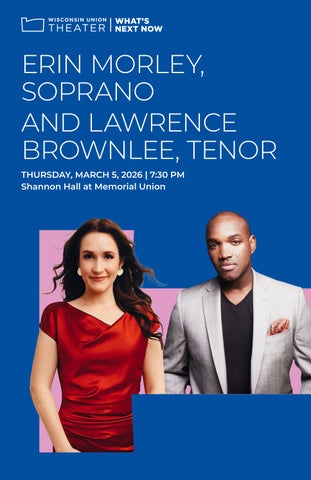
ERIN MORLEY, SOPRANO AND LAWRENCE BROWNLEE, TENOR
THURSDAY, MARCH 5, 2026 | 7:30 PM
Shannon Hall at Memorial Union


THURSDAY, MARCH 5, 2026 | 7:30 PM
Shannon Hall at Memorial Union
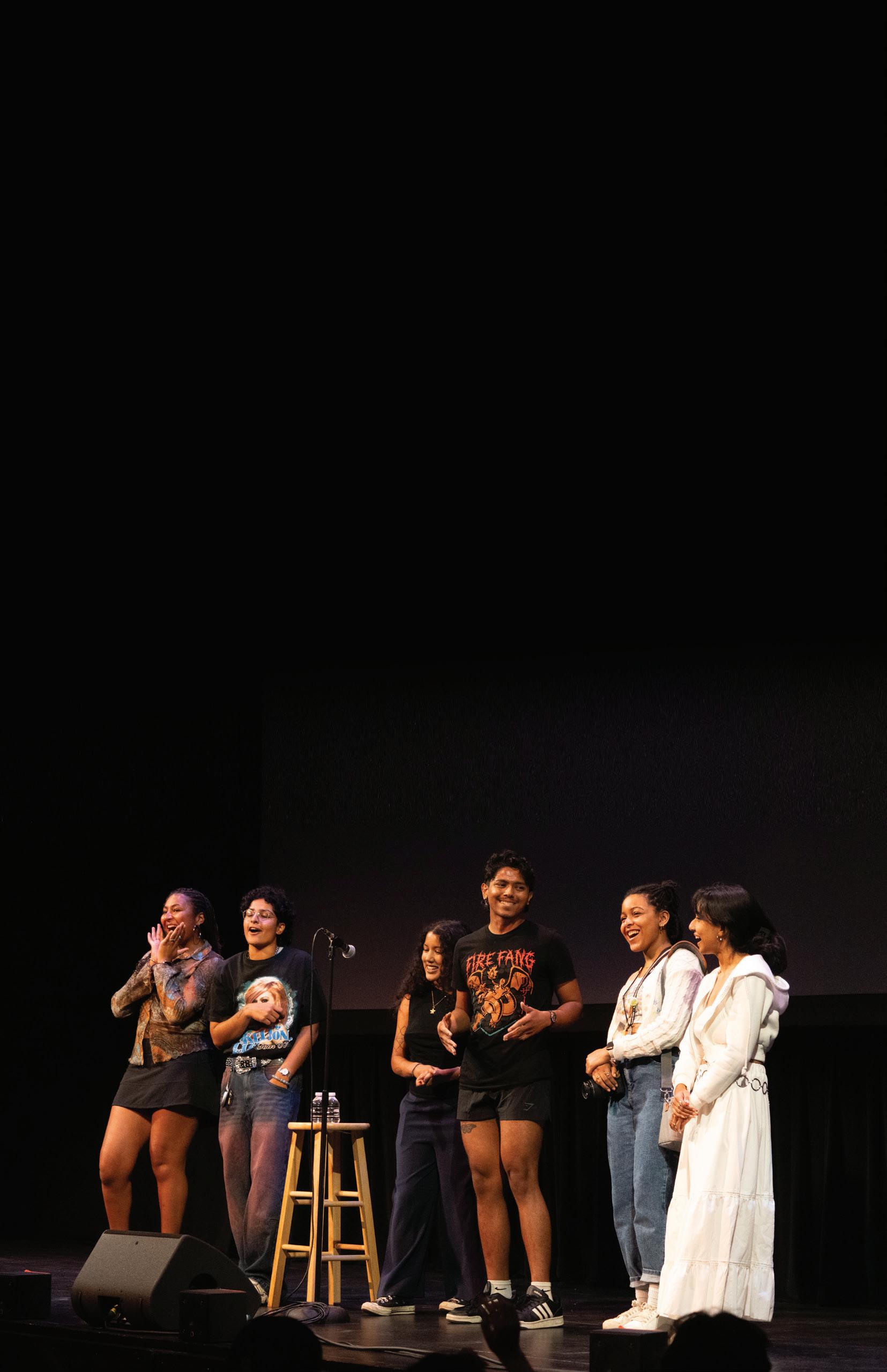
The Wisconsin Union Directorate Performing Arts Committee (WUD PAC) is a student-run organization that brings world-class artists to campus by programming the Wisconsin Union Theater’s annual season of events. WUD PAC focuses on pushing range and diversity in its programming while connecting to students and the broader Madison community.
In addition to planning the Wisconsin Union Theater’s season, WUD PAC programs and produces student-centered events that take place in the Wisconsin Union Theater’s Play Circle. WUD PAC makes it a priority to connect students to performing artists through educational engagement activities and more.
WUD PAC is part of the Wisconsin Union Directorate’s Leadership and Engagement Program and is central to the Wisconsin Union’s purpose of developing the leaders of tomorrow and creating community in a place where all belong.
THURSDAY, MARCH 5, 2026
Gioachino Rossini (1792–1868)
Giuseppe Verdi (1813–1901)
Georges Bizet (1838–1875)
Léo Delibes (1836–1891)
Bizet
Bizet
Vincenzo Bellini (1801–1835)
Delibes
Gaetano Donizetti (1797–1848)
“Ah, quel respect ... Ce téméraire qui croit nous plaire” from Le comte Ory
“Gualtier Maldè! ... Caro nome” from Rigoletto
“À cette voix quel trouble ... Je crois entendre encore” from Les pêcheurs de perles
“D’où viens-tu? ... C’est le dieu de la jeunesse” from Lakmé
“Ils verront si je mens!” from La jolie fille de Perth
“Chanson Bohème” from Carmen
“Nel furor delle tempeste … Per te di vane lagrime” from Il pirata
“Où va la jeune Indoue” from Lakmé
“Quoi? Vous m’aimez? … De cet aveu si tendre” from La fille du régiment
Le comte Ory
Ah! quel respect, Madame,
Pour vos vertus m’enflamme:
Souffrez que de mon âme
J’exprime ici l’ardeur!
La comtesse Adèle
L’ardeur?
Le comte Ory
Votre prudence, Votre obligeance
Nous a sauvé l’honneur.
La comtesse Adèle
Je suis heureuse et fière
D’avoir d’un téméraire
Soustrait à la colère
Une vertu si chère.
Le comte Ory
Vertu!
La comtesse Adèle
Oui, je suis fière
Qu’à sa colère
Échappent tant d’attraits.
Le comte Ory
En mon coeur rien n’efface
Tant de charmes et de grâces.
Cette main que j’embrasse
Vous l’atteste à jamais.
La comtesse Adèle
Que faites-vous? Ah! de grâce!
Le comte Ory
De ma reconnaissance,
Quoi! l’excès vous offense!
Et sans votre assistance, Hélas! lorsque j’y pense...
Quel était notre sort!..
Hélas! lorsque j’y pense...
D’effroi j’en tremble encor...
La comtesse Adèle
Calmez, calmez votre âme.
Le comte Ory
Ah! Madame!
La comtesse Adèle
Quel excès de frayeur!
Ah, quel excès d’ivresse, D’où vient cette tendresse?
Count Ory
Ah! What respect, Madame, For your virtues, it inflames me: Allow me to express here
The fervor of my soul!
Countess Adèle Fervor?
Count Ory
Your prudence, Your kindness
Have saved our honor.
Countess Adèle
I am happy and proud
To have saved from the wrath
Of a reckless man
Such a dear virtue.
Count Ory
Virtue!
Countess Adèle
Yes, I am proud That so many charms Escape his wrath.
Count Ory
In my heart, nothing erases Such charms and graces.
This hand that I kiss Bears witness to this forever.
Countess Adèle
What are you doing? Ah! Please!
Count Ory
Of my gratitude, What! does the excess offend you! And without your help, Alas! When I think about it... What was our fate!...
Alas! When I think about it... I still tremble with fear...
Countess Adèle
Calm, calm your soul.
Count Ory
Ah! Madame!
Countess Adèle
What an excess of fear!
Ah, what an excess of intoxication, Where does this tenderness come from?
Pourquoi cette tendresse?
La crainte encor l’oppresse. Quoique si près de lui,
Ah! vous pouvez sans crainte
Braver Le comte Ory.
Le comte Ory
Il faut avec adresse
Modérer ma tendresse;
De quelle douce ivresse
Malgré moi j’ai frémi!
Quoi, vous osez sans crainte
Braver le Comte Ory?
On le dit téméraire.
La comtesse Adèle
Je brave sa colère.
Le comte Ory
On prétend qu’il vous aime.
La comtesse Adèle
Lui?!.. Ah, quelle audace extrême!
Le comte Ory
Pour obtenir sa grâce
S’il tombait à vos genoux,
Madame, que feriez-vous?
La comtesse Adèle
D’une pareille audace
La honte et le mépris
Seraient le prix.
Ce téméraire qui croit nous plaire,
En vain espère être vainqueur;
Moi je préfère l’amant sincère
Qui sait nous taire sa tendre ardeur...
Mais on doit rire du faux délire
Et du martyre d’un séducteur.
En confiance, on peut d’avance
Braver, je pense, son insolence.
Le comte Ory
Beauté si fière, prude sévère,
Bientôt j’espère toucher son coeur;
Je ris d’avance de sa défense;
La résistance est de rigueur...
Puis l’heure arrive où la captive, Faible et plaintive, cède au vainqueur. Il faut, je pense, être en défense;
La confiance n’est pas prudence. Pour se venger, ce séducteur
Saura bientôt toucher ton coeur.
En vain tu ris de mon ardeur, J’espère encore être vainqueur.
Why this tenderness?
Fear still oppresses it. Although so close to him, Ah! You can, without fear, Defy the Count Ory.
Count Ory
It is necessary, with skill, To moderate my tenderness; With what sweet intoxication, Despite myself, I shudder! What! You dare, without fear, Defy Count Ory?
They say he is reckless.
Countess Adèle
I defy his wrath.
Count Ory
They say that he loves you.
Countess Adèle
Him?!... Ah, what extreme audacity!
Count Ory
To win your favor, If he fell at your feet, Madame, what would you do?
Countess Adèle
Such audacity
Would deserve shame and contempt, And that would be the price.
That bold one who thinks to charm us, In vain he hopes to be the victor; I much prefer the true-hearted lover Who knows to hide his tender fervor... But we must laugh at the false rapture And the torment of a seducer. With confidence, we may defy, I think, in advance, his insolence.
Count Ory
Proud beauty, prudish and severe, Soon, I hope, her heart I’ll sway; I laugh already at her defense— Resistance is the proper way...
But then the hour comes when the captive, Frail and plaintive, yields to the victor. One must, I think, stay on guard; Trust is no match for prudence.
To take revenge, that seducer Will soon know how to win your heart. You mock in vain my burning fervor— I still hope to play the victor.
Giuseppe Verdi from Rigoletto (1851)
Gilda
Gualtier Maldè... nome di lui sì amato, ti scolpisci nel core innamorato!
Caro nome che il mio cor festi primo palpitar, le delizie dell’amor mi dei sempre rammentar!
Col pensier il mio desir a te sempre volerà, e fin l’ultimo mio sospir, caro nome, tuo sarà.
Gualtier Maldè!
from Les pêcheurs de perles (1863)
Nadir
À cette voix quel trouble agitait tout mon être?
Quel fol espoir? Comment ai-je cru reconnaître?
Hélas! devant mes yeux déjà, pauvre insensé, La même vision tant de fois a passé! Non, non, c’est le remords, la fièvre, la délire! Zurga doit tout savoir, j’aurais tout lui dire!
Parjure à mon serment, j’ai voulu la revoir!
J’ai découvert sa trace, et j’ai suivi ses pas!
Et caché dans la nuit et soupirant tout bas, J’écoutais ses doux chants emportés dans l’espace.
Je crois entendre encore,
Caché sous les palmiers, Sa voix tendre et sonore
Comme un chant de ramier!
O nuit enchanteresse!
Divin ravissement!
O souvenir charmant!
Folle ivresse! doux rêve!
Aux clartés des étoiles, Je crois encore la voir, Entr’ouvrir ses longs voiles
Aux vents tièdes du soir!
O nuit enchanteresse!
Divin ravissement!
O souvenir charmant!
Folle ivresse! doux rêve!
Charmant souvenir!
Gilda
Gualtier Maldè… name of the man I love, be thou engraved upon my lovesick heart!
Beloved name, the first to move the pulse of love within my heart, thou shalt remind me ever of the delights of love!
In my thoughts, my desire will ever fly to thee, and my last breath of life shall be, beloved name, of thee.
Gualtier Maldè!
Nadir
What a turmoil within my whole being, at the sound of her voice!
What mad hope is this! How could I think I had recognized?...
Alas, before my poor insane eyes, already, this same vision has too often floated by. No, no, this is remorse, fever, madness! Zurga must know everything! I should have told him all!
Breaking my troth, I tried to see her again; I discovered her trail and I followed her; hidden in the night and sighing under my breath, I listened to her sweet chants borne away into space…
I think I can still hear, hidden under the palm-trees, her tender and sonorous voice singing like a dove’s.
O bewitching night, exquisite rapture, O delightful memory, mad elation, sweet dream!
Under the light of the stars I can almost see her slightly opening her long veils to the tepid evening breeze.
O bewitching night, exquisite rapture, O delightful memory, mad elation, sweet dream!
Charming memory!
Lakmé
D’où viens-tu? Que veux-tu?
Pour punir ton audace
On t’aurait tué devant moi.
Mais je rougis de mon effroi, Et je ne veux pas qu’on sache,
Que le pied d’un barbare a souillé d’une tâche
La demeure sacrée où mon père se cache,
Oublie et pour jamais ce qui frappe tes yeux, Va-t’en! je suis fille des Dieux!
Gérald
Oublier que je t’ai vue
Te redressant tout émue
Sous un geste triomphant?
De colère frémissante, Inflexible, menaçante
Avec ce regard d’enfant?
Lakmé
Jamais le plus téméraire, Jamais un Hindou, mon frère, N’oserait parler ainsi.
Et le Dieu qui me protège
Punira ton sacrilège
Va-t’en! Va-t’en! Sors d’ici!
Gérald
Oublier que je t’ai vue, Et cette grâce ingénue, Et ce charme pénétrant?
Ah! tu veux que je t’oublie
Lorsque je sens que ma vie
A tes lèvres se suspend?
Lakmé
Tu ne savais pas, sans doute, Quel danger tu courrais. Maintenant, suis ta route, Va! c’est la mort dont rien ne pourrait te garder, Va!
Gérald
Laisse-moi te regarder.
Lakmé
Where do you come from? What do you want?
To punish your audacity, They would have killed you before me. But I blush from my fright, And I do not want anyone to know, That the foot of a barbarian has soiled with a stain
The sacred dwelling where my father hides, Forget, and forever, what strikes your eyes, Go away! I am the daughter of the Gods!
Gérald
Forget that I saw you Standing tall, all moved, Under a triumphant gesture? With trembling anger, Inflexible, threatening, With that childlike look?
Lakmé
Never the most daring, Never an Indian, my brother, Would dare speak like this. And the God who protects me Will punish your sacrilege. Go away! Go away! Get out of here!
Gérald
Forget that I saw you, And that innocent grace, And that penetrating charm? Ah! You want me to forget you, When I feel that my life Hangs from your lips?
Lakmé
You didn’t know, perhaps, What danger you were running. Now, follow your path, Go! It is death that nothing can save you from, Go!
Gérald
Let me look at you.
Lakmé
C’est pour moi dont il sait la haine, Et c’est pour me voir un instant
Qu’il brave la mort, qu’il I’attend?
Quelle force vers moi I’entraîne?
Rien ne I’épouvante?
D’où te vient
Cette audace surhumaine?
Quel est le Dieu qui te soutient ?
Gérald
Quel Dieu?
C’est le Dieu de la jeunesse,
C’est le Dieu du printemps,
C’est le Dieu qui nous caresse
De ses baisers ardents,
Par qui s’ouvrent les calices
Des roses chaque jour,
C’est le dieu de tes caprices,
C’est I’amour!
Lakmé
II m’a semblé qu’une flamme
Avait passé sur mon âme,
L’emplissant toute d’émoi.
Quels sont ces mots nouveaux pour moi?
C’est le Dieu de la jeunesse,
C’est le Dieu du printemps,
C’est le Dieu qui nous caresse
De ses baisers ardents,
Pour qui s’ouvrent les calices
Des roses chaque jour, C’est le dieu de tes caprices, C’est I’amour!
Gérald
Oh! reste, reste encore, pensive et rougissante.
Laisse passer sur ta douce pâleur
Le charme enchanteur
De ta pudeur naissante.
Ensemble
C’est le dieu de la jeunesse, C’est le dieu du printemps, C’est le dieu qui nous caresse
De ses baisers ardents,
Pour qui s’ouvrent les calices
Des roses chaque jour, C’est le dieu de tes caprices, C’est I’amour!
Lakmé
It is for me that he knows hate, And it is to see me for a moment
That he defies death, that he awaits it?
What force pulls him toward me?
Nothing frightens him?
Where does
This superhuman audacity come from? Which God supports you?
Gérald
Which God?
It is the God of youth, It is the God of spring, It is the God who caresses us
With his ardent kisses, By whom the chalices
Of roses open every day, It is the God of your whims, It is Love!
Lakmé
It seemed to me that a flame Had passed over my soul, Filling it all with emotion. What are these new words to me?
It is the God of youth, It is the God of spring, It is the God who caresses us
With his ardent kisses, For whom the chalices
Of roses open every day, It is the God of your whims, It is Love!
Gérald
Oh! Stay, stay a little longer, pensive and blushing.
Let pass over your sweet pallor
The enchanting charm
Of nascent modesty.
Together
It is the God of youth, It is the God of spring, It is the God who caresses us
With his ardent kisses, For whom the chalices
Of roses open every day, It is the God of your whims, It is Love!
Smith
Ils verront si je mens ! ils seront tous témoins
Du combat… C’est égal…
Déjà je souffre moins!
Ah! si j’avais ce duc pour adversaire!
Car je suis contre Ralph sans haine ni colère…
Il la croit innocente… il la défend… c’est bien!
Dans ma douleur et ma misère, hélas!
Moi!... je ne crois plus à rien!
Ah!... si j’avais ce duc pour adversaire!...
Que les instants me semblent longs!...
Et quand donc le signal va-t-il se faire entendre?
Mais, seul ici, pourquoi l’attendre?
Allons, partons!
O ciel, qu’ai-je vu!
Catherine
Catherine, mourante, Qui veut vous voir pour la dernière fois!
Smith
À ses accents, aux doux son de sa voix, Je sens ma colère expirante…
Catherine
À peine au printemps de la vie, L’orage a fait fuir mes beaux jours!
Comme la fleur trop tôt flétrie, Je meurs ainsi que mes amours!
Bientôt, déplorant tes alarmes, Regrettant tes amours perdus, Henry, tu verseras des larmes
Ta Catherine, hélas ! ne sera plus!
Smith
À peine au printemps d’une vie
Qui promettait tant de beaux jours, Celle que j’adorais, flétrie, Va mourir avec nos amours!
Pauvre enfant, malgré mes alarmes
Et les tourments que je t’ais dûs, Je sens, hélas! couler mes larmes, Sur ta douleur et nos amours perdus!
Smith
They will see if I lie! They will all be witnesses
Of the battle... It doesn’t matter... I already suffer less!
Ah! If I had this duke as my opponent!
For I am against Ralph without hatred or anger...
He believes her innocent... he defends her... that’s well!
In my pain and misery, alas!
Me!... I no longer believe in anything!
Ah!... If I had this duke as my opponent!...
How long these moments seem to me!
And when will the signal be heard?
But, alone here, why wait for it?
Let’s go, let’s go!
Oh heavens, what have I seen!
Catherine
Catherine, dying,
Who wishes to see you for the last time!
Smith
At her words, the sweet sound of her voice, I feel my anger fading…
Catherine
Barely in the spring of life, The storm has chased away my beautiful days!
Like a flower too soon withered, I die just like my love!
Soon, lamenting your fears, Regretting your lost love, Henry, you will shed tears, Your Catherine, alas! will be no more!
Smith
Barely in the spring of a life
That promised so many beautiful days, She whom I adored, withered, Is going to die along with our love!
Poor child, despite all my fears
And the torments I brought upon you, I feel, alas! my tears now flowing, For your sorrow and our lost love!
Catherine
Ô beaux rêves d’or, Ô souvenirs de mon enfance, A votre puissance, Ô beaux rêves d’or, Mon coeur cède encor!
Catherine et Smith
Ô beaux rêves d’or, Ô souvenirs de mon enfance, Mon cœur cède à vos charmes! Beaux rêves d’or! Mon âme s’envivre De vos doux attraits.
Catherine et Smith
Ah! vivre un seul jour, Vivre un seul jour encore! Et puis mourir après! Doux souvenirs… Mon coeur s’enivre De vos doux attraits.
Catherine
Ah! je vais mourir, Henry, hélas! Henry, ah ! vivre un seul jour!
Smith
Ah! je pleure, ô douleur, hélas! Ô tourment! puis mourir après!
Georges Bizet
Catherine
Oh, beautiful golden dreams, Oh, memories of my childhood, At your power, Oh, beautiful golden dreams, My heart surrenders again!
Catherine and Smith
Oh, beautiful golden dreams, Oh, memories of my childhood, My heart yields to your charms! Beautiful golden dreams! My soul gets drunk On your sweet allure.
Catherine and Smith Ah! To live for just one day, To live for just one more day! And then die afterwards! Sweet memories… My heart is intoxicated By your sweet allure.
Catherine
Ah! I’m going to die, Henry, alas! Henry, ah! To live just one day!
Smith
Ah! I cry, oh pain, alas! Oh torment! Then die afterwards!
“Chanson Bohème” from Carmen (1875)
No lyrics provided.
Vincenzo Bellini from Il pirata (1827)
A lei soltanto... Ascolta.
Nel furor delle tempeste, Nello strazio della piaga, Quella immagine adorata
Si presenta al mio pensier, Come un angelo celeste, Di virtude consiglier.
Nulla io spero...
Eppure io l’amo, e peno.
Ma l’orror de’ miei pensieri
Questo amor disgombra almeno.
Egli è un raggio, che risplende
Nelle tenebre del cor.
La mia vita omai dipende
Da Imogene, dall’amor.
Per te di vane lagrime
Mi nutro ancor, mio bene:
Speranza mi fa vivere
Di possederti ancor.
Se questo avessi a perdere
Conforto in tante pene,
Ah! non potrei più reggere, Vorrei la morte allor.
Of her alone. Listen.
In the fury of the tempests, in the torment of my wounds, her adored image presents itself to my thoughts, like a heavenly angel, counseling virtue.
I hope for nothing...
And yet I love her, and I suffer.
But the horror of my thoughts
This love at least dispels. It is a ray of light, which shines
In the darkness of my heart.
My life now depends
On Imogene, on love.
How many useless tears to you, my love, I give;
To see you once again, is all for which I live.
And when this single hope is from my misery denied,
To me on this wide world, nothing but death is left.
Lakmé
Où va la jeune Indoue, Fille des parias, Quand la lune se joue
Dans les grands mimosas?
Elle court sur la mousse. Et ne se souvient pas Que partout on repousse
L’enfant des parias!
Le long des lauriers roses, Elle passe sans bruit.
Rêvant de douces choses
Et riant à la nuit!
Là-bas, dans la forêt plus sombre. Quel est ce voyageur perdu?
Autour de lui des yeux brillent dans I’ombre,
II marche encore au hasard, éperdu.
Les fauves rugissent de joie, Ils vont se jeter sur leur proie.
La jeune fille accourt et brave leurs fureurs,
Elle a dans sa main la baguette
Où tinte la clochette
Des charmeurs!
L’étranger la regarde, elle reste éblouie, II est plus beau que les rajahs!
Il rougira s’il sait qu’il doit la vie
À la fille des parias!
Mais lui, l’endormant dans un rêve, Jusque dans le ciel il I’enlève
En lui disant: “Ta place est là!”
C’était Vishnou, fils de Brahma!
Depuis ce jour au fond des bois,
Le voyageur entend parfois
Le bruit léger de la baguette
Où tinte la clochette
Des charmeurs!
Lakmé
Where is the young Hindu girl going, Daughter of the outcasts, When the moon dances
Among the tall mimosa trees?
She runs across the soft moss, And forgets
That everywhere, People turn away the outcast’s child.
Along the blooming oleanders, Dreaming gentle dreams, She slips by without a sound, Smiling at the night.
Over there, in the deeper forest— Who is this lost traveler?
All around him, eyes glint in the dark. He wanders blindly, afraid.
The wild beasts roar with delight— They’re about to strike their prey.
But the girl rushes forward, facing their rage.
In her hand is a slender wand, With a tiny bell
That rings like a charmer’s spell.
The stranger looks at her—she’s stunned.
He is more handsome than the rajahs! He would blush to know his life was saved
By the daughter of outcasts.
But he, wrapping her in a dream, Lifts her into the sky, Whispering, “Your place is here.”
He was Vishnu, son of Brahma.
And from that day on, deep in the woods,
Travelers sometimes hear The soft sound of the wand, With the tiny bell Of the charmers.
Gaetano Donizetti
from La fille du régiment (1840)
Marie
Quoi! vous m’aimez?…
Tonio
Si je vous aime!… Écoutez!… écoutez!… et jugez vousmême.
Marie Voyons, écoutons! Écoutons et jugeons!…
Tonio
Depuis l’instant où, dans mes bras, Je vous reçus toute tremblante, Votre image douce et charmante, Nuit et jour, s’attache à mes pas…
Marie
Mais, monsieur, c’est de la mémoire, De la mémoire… et voilà tout…
Tonio
Attendez… attendez… vous n’êtes pas au bout! À mes aveux vous pouvez croire!…
Marie Voyons, écoutons! Écoutons et jugeons!
Tonio
Le beau pays de mon enfance, Les amis que je chérissais… Ah ! pour vous, je le sens d’avance, Sans peine je les quitterais!…
Marie
Mais une telle indifférence Est bien coupable assurément!
Tonio
Et puis enfin, de votre absence, Ne pouvant vaincre le tourment J’ai bravé jusque dans ce camp, Le coup d’une balle ennemie…
Marie What! You love me?…
Tonio
If I love you!… Listen!… listen!… and judge for yourself.
Marie
Let’s see, let’s listen! Let’s listen and judge!…
Tonio
From the moment when, in my arms, I received you, all trembling, Your sweet and charming image, Night and day, clings to my steps…
Marie
But, sir, it’s just memory, Just memory… and that’s all…
Tonio
Wait… wait… you’re not at the end yet! You will believe my confession!…
Marie
Let’s see, let’s listen! Let’s listen and judge!
Tonio
The beautiful land of my childhood, The friends I cherished… Ah! for you, I feel it in advance, Without difficulty, I would leave them!…
Marie
But such indifference Is certainly culpable!
Tonio
And then finally, in your absence, Unable to overcome the torment, I even defied, in this camp, The strike of an enemy’s bullet…
Marie
Quand on aime les gens pour eux, monsieur, L’on conserve son existence… Entendez-vous, monsieur?
De cet aveu si tendre, Non, mon cœur en ce jour, Ne sait pas se défendre, Non, car c’est là de l’amour!
Tonio
À cet aveu si tendre, Non, son cœur, en ce jour, Ne peut pas se défendre, De croire à mon amour.
Vous voyez bien que je vous aime!
Mais j’aime seul…
Marie
Jugez vous-même!
Tonio
Voyons, écouton! Écoutons, et jugeons!
Marie
Longtemps coquette, heureuse et vive,
Je riais d’un adorateur… Maintenant, mon âme pensive Sent qu’il est un autre bonheur! J’aimais la guerre, Je détestais nos ennemis… Mais, à présent, je suis sincère, Pour l’un d’eux, hélas ! je frémis! Et du jour plein d’alarmes, Où, ranimant mes sens au parfum d’une fleur, Je la sentis humide de vos larmes… La douce fleur, trésor rempli de charmes, Depuis ce jour n’a pas quitté mon cœur.
Jugez-vous même!
Tonio Marie!
Marie
When one loves people for who they are, sir,
One preserves one’s own existence… Do you understand, sir?
To such a tender confession, No, my heart, on this day, Doesn’t know how to defend itself, No, for this is love!
Tonio
At such a tender confession, No, her heart, on this day, Cannot defend itself
From believing in my love.
You see well that I love you! But I love alone…
Marie Judge for yourself!
Tonio
Let’s see, let’s listen! Let’s listen and judge!
Marie
Coquettish, happy, and lively for a long time,
I laughed at an admirer… Now, my pensive soul
Feels there is another happiness! I loved war, I hated our enemies… But now, I am sincere, For one of them, alas! I shudder! And on the day full of alarms, Where, awakening my senses with the scent of a flower, I felt it moist with your tears… The sweet flower, a treasure filled with charms, Since that day, it has never left my heart.
Judge for yourself!
Tonio Marie!
Marie
Ah! De cet aveu si tendre, Non, mon cœur en ce jour, Ne sait pas se défendre, Non, car c’est de l’amour!
Tonio
À cet aveu si tendre, Non, son cœur, en ce jour, Ne peut pas se défendre, De croire à mon amour.
Je t’aime, Marie, Je t’aime et pour toujours, Plutôt perdre la vie Que perdre nos amours.
Marie
Sur le cœur de Marie, Tonio, compte toujours!… Plutôt perdre la vie Que perdre nos amours!
Marie
Ah! To such a tender confession, No, my heart, on this day, Doesn’t know how to defend itself, No, for it is love!
Tonio
At such a tender confession, No, her heart, on this day, Cannot defend itself From believing in my love.
I love you, Marie, I love you—and forever! Better to lose my life Than to lose our love.
Marie On Marie’s heart, Tonio, You may always count! Better to lose my life Than to lose our love!
On this evening’s program, Erin Morley and Lawrence Brownlee offer a selection of opera arias and excerpts drawn primarily from their recently released album with the Munich Radio Symphony Orchestra, Golden Age. The title, they explain, describes the renaissance of singing that blossomed in Italy and France in the 19th century and birthed the tradition known as bel canto. Literally meaning “beautiful singing,” bel canto may refer to several things today. It is used generically to identify an operatic repertoire (those of 19th-century Italy and France). More specifically, it may refer to the musical style of those operas, which showcased solo vocal lines with large leaps and elaborate ornamentation—especially coloratura—against sparse accompaniment. Finally, the meaning probably most used by vocalists, it refers to singing techniques that create pure sounds (neither nasal nor raspy) through a relaxed but controlled “instrument” (larynx, soft palette, vocal folds, diaphragm, and for some, the whole body). All three meanings help illuminate the wider historical context of the works on tonight’s program. Indeed, this period does represent a golden age of singing, one powered by singers themselves who ascended to new levels of influence over the operatic works they performed.
Nineteenth-century opera in Italy and France was a collaborative art. This cannot be overstated because, in our desire to celebrate the great musical accomplishments of the past, we often focus today on individual “genius” composers who exacted a singular artistic vision—an auteur, to borrow a term from film. But for opera, that was hardly ever the case. The composers on this evening’s program succeeded because they were not just gifted, even genius, musicians, but also generous collaborators and savvy “producers” (as we might say today) of operatic performances—both new works and revivals, at home and abroad. Even Verdi, who is hailed as the greatest composer of this tradition and who exerted more control over creative development and performance than anyone else on this program, was fundamentally a collaborator, not an auteur.
Singers were some of the most important collaborators with composers in the creative process. They were often contracted by the opera house while (or before) the libretto (the book) was written. As such, librettists, who were also important collaborators, had to create scenarios that lent themselves to certain set pieces for specific voice parts. By the time a composer started work on the score, many roles were cast and composers wrote for the singers’ specific voices. Giuditta Pasta, who originated the role of Norma, was known for her “two voices,” and Bellini crafted her character’s music to highlight the dual timbres of her voice. He crafted the role of Gualtiero from Il pirata on this evening’s program for Giovanni Rubini. Even after they had “written the music,” composers worked together with singers in rehearsal modifying and tailoring the final work. Donizetti was known to work closely with singers in rehearsal, including both Pasta and Rubini, and especially Gilbert-Louis Duprez, who he referred to as a “second father” to several of his works. Verdi’s longtime artistic collaborator, partner, and eventual wife—they scandalized their neighbors by living in sin—was renowned soprano Giuseppina Strepponi, who originated roles for Donizetti as well.
While voice quality was important, it was not the only way singers contributed to the final work. Stars were revered for their skill in ornamentation and improvisation. Singers developed this artistic tradition themselves, and several of the best took important positions at the Paris Conservatoire where they spread their influence through teaching and publishing vocal method books. One important early method book was by Laure Cinti-Damoreau, who originated the role of Countess Adèle in Rossini’s Le comte Ory, also heard on this evening’s program. Her book provided exercises for various styles of ornamentation and coloratura that singers were meant to apply to arias. Her method was not just about developing the flexibility and quality of a voice, but also developing a singer as a collaborative composer.
Since the 1970s, Rossini’s music has enjoyed a major revival in opera halls around the world, and his music is appreciated by audiences as the origin of the bel canto. After unprecedented success in Italy, he came to Paris as the first foreign composer in generations to compose for the Opéra, thus establishing the Italian-French opera axis. Within a few generations, however, his music fell out of favor, deemed too formulaic and old-fashioned. But his approach was a natural manifestation of the larger industry of his time: He usually came to an opera after the libretto was mostly complete and the librettist created the necessary set pieces for star singers. The “movement structure” (also called la solita forma) that he established would be maintained by Bellini and Donizetti until Verdi famously broke it down in his middle period—something Verdi only accomplished by exerting unprecedented influence over the librettists.
In its platonic ideal, Rossini’s movement structure starts with recitative followed by a slow movement (sometimes called the cantabile, although scholars tend to view that usage as anachronistic). It is followed by an intermediary section that moves freely between recitative, arioso, and aria styles called a tempo di mezzo (this also propels the drama and plot forward), leading to a fast movement called the cabaletta. In general, the slow movement allowed singers to ornament a simple, often sincere melody, while the cabaletta showed their virtuosity with fast runs. In duets, each character often takes a solo turn before coming together. When they do, they may respond to each other in counterpoint or dialogue, usually indicating disagreement, or they sing a due (simultaneously in parallel) indicating their emotional or intellectual alignment.
While such a formula may seem simplistic, “Ah, quel respect ... Ce téméraire qui croit nous plaire” from Le comte Ory shows its expressive flexibility. After the initial slow movement where the Count expresses his love and Countess Adèle mocks him, a tempo di mezzo builds the drama, which should lead to an argumentative cabaletta. Instead, Rossini turns down the temperature, returning to the slow movement as the characters come together before setting due course
for a virtuosic cabaletta. Rossini’s approach allowed audiences to experience a cohesive musical drama: First, his sparse orchestration showcased singers and their vocal art with ample opportunity for ornamentation and improvisation; second, his vocal lines portrayed the characters’ nuanced emotional states; and third, the composition conveyed their changing social interactions (alliances or enmity, love or hate).
Bellini died tragically young, but in his short life, he produced 10 operas that have come to be beloved staples of the repertoire. He was uniquely gifted at writing music for the voice, paying careful attention to text setting, expressive melodies, and controlled dissonances. His major innovation was the “lyric prototype,” (a phrase pattern of A, A’, B, A), another flexible formula that worked at the micro-level of the poetry. In “Nel furor delle tempeste … Per te di vane lagrime” from Il pirata, his lyric prototype creates an aria with enough internal repetition to sound song-like, but also elaborate and expansive enough to allow for compositional, and even more so, vocal interest. An entrance aria (also called a cavatina), it is meant to characterize Gualtiero, the shipwrecked titular pirate, as noble. As an entrance aria, it has a truncated version of the Rossinian movement structure: There is a slow movement without an intermediary tempo di mezzo. It ends by hinting at a brief, midtempo cabaletta that in this case eschews virtuosity for this character’s introduction—saving it for high-drama moments later on.
Donizetti rose to fame after the success of his 31st opera Anna Bolena in 1830, and over the course of the decade he produced his most famous works, including L’elisir d’amore, Lucrezia Borgia, and Lucia di Lammermoor. Despite his success in Naples, he faced continued challenges from local censors. Frustrated, he moved permanently to Paris, and he began to compose French operas, both grand and comic, “conquering” the city according to Berlioz (who often criticized his Italianate vocalism). The comic opera La fille du régiment was one of the first works Donizetti wrote in Paris, and it would be performed more than a thousand times at the Opéra-Comique by 1914. “Quoi? Vous m’aimez? … De cet aveu si tendre” maintains much of the Rossinian movement structure, but Donizetti’s approach
is characteristically fluid, mixing in recitative to fit the dialogue and using orchestration to heighten the drama. Each character gets a distinct slow aria, but the accompanying cabaletta, where the lovers overcome their disagreement, is repeated so that two characters singing the same melody individually belies their emotional connection.
With his expansive middle operas like Les vêpres siciliennes and Un ballo in maschera, Verdi released himself from any dogmatic allegiance to the movement structure, and he did so by first collaborating closely with librettists. “Gualtier Maldè! ... Caro nome,” the solo aria on this evening’s program, however, comes from his early masterpiece Rigoletto, which by and large followed Donizetti’s more fluid style. In it, Gilda, the daughter of the titular Rigoletto, confesses her love for her father’s employer the Duke (who has deceived her, disguising himself as a poor student, because he is terrible). A beloved excerpt performed often in recital, the aria plays a significant role in the opera: By falling in love with the Duke, Gilda has triggered a curse placed on her father that will lead to her death. The line “e pur l’ultimo sospir, caro nome, tuo sarà” (“and my last breath will be yours, my beloved”) thus proves prophetic, and Verdi gives it extended musical elaboration, including long cadenzas which would have been improvised (or composed) by the singer. (It is worth noting that Verdi chooses to underline this powerful moment in the opera vocally rather than orchestrally the way, say, Wagner might.) Throughout, the aria is full of ornamentation and coloratura that exhibits the full prowess of the voice.
By the second half the 19th century, the formulaic conventions of bel canto operas had become audibly obsolete for audiences. In part, this was thanks to Verdi. But also, crucially, the influence of Richard Wagner became a central concern of the discourse on Parisian concert life. Nationalists criticized German influence as degrading French art, but audiences started to expect larger orchestras, harmonic innovation, and formal freedom over obvious set pieces. While questions of modern musical innovation swirled, what
remained was bel canto vocalism, which at this point had lost most of its previous Italian connotations and become naturalized as French.
Even though he wrote the opera most frequently performed over the last century (Carmen), the “whither French opera?” atmosphere of his time did not set up Bizet for success. He was often accused of Wagnerism, although that was more a smear about modernity than an accurate assessment of his style. And he suffered all the difficulties of the Parisian opera houses and their strict requirements that caused Wagner’s first opera to flop and repeatedly roadblocked Berlioz’s productions before that. Meeting the moment nonetheless, Bizet combined a distinctive talent for deeply expressive (bel canto) vocal melodies and rich (psuedo-German) orchestration, both on full display in the lesser-known works from this program.
In La jolie fille de Perth, two lovers, Henry and Catherine, are forced apart, leading to a duel between Smith and his friend to restore Catherine’s honor—but the distress drives her mad. The orchestration of “Ils verront si je mens!” reveals Catherine’s altered state of mind with the minor-key accompaniment repetitively building tension in waves. (She also speaks of herself in third person—a telltale sign of madness in opera.) She takes a dramatic turn to a major key when she thinks of the tears Henry will shed, reminding her of his sincere love. When Henry sings, he follows the same musical trajectory, focusing on her rather than himself, and the whole number ends on a tragic note as they both expect to die from heartbreak (they live in the end; it is a comedy).
“À cette voix quel trouble ... Je crois entendre encore” from Les pêcheurs de perles begins with an extended recitative before leading to an austere solo aria. The repetitive minor-key accompaniment creates a foreboding atmosphere as Nadir admits his feelings for Leïla, thus betraying his friend Zurga after they both agreed not to pursue her in the name of their friendship. Sans virtuosic ornamentation and vocal pyrotechnics, the long sustain notes nonetheless express the character’s sense of guilt and sorrow.
After composing mainly operettas, Delibes became choir master of the Opéra, which opened doors for him to become a successful ballet composer. He wrote Lakmé, an orientalist work set in British-
occupied India, for the Opéra-Comique late in his career, but it became his greatest success. A conservative composer—at least in the environment of Wagnerism—Delibes leaned into set pieces and the bel canto tradition. In the duo “D’où viens-tu? ... C’est le dieu de la jeunesse,” for example, he used skeletal elements of bel canto operas to convey characters’ feelings and evolving relationships without rehashing any rote form. To start, Lakmé sets a tone of concern toward Gérard, a British soldier, which is immediately contrasted by his entranced love. His music remains consistent, and as they progress, the characters sing first contrapuntally, indicating their disagreement. By the end, Lakmé reveals she too has feelings for Gérald when they sing a due
Delibes orchestrations and harmony did integrate some of the expansiveness of German opera, but it remained secondary to the voice, as can be heard in “Où va la jeune Indoue.” Known as the “Bell” aria, it is a scene stealer—even within the dramatic scenario. Lakmé’s father instructs her to sing in a crowded market to draw out the foreign intruder (unbeknownst to her it is Gérald, whom her father stabs). In her song, she recounts the story of a young girl who meets and falls in love with a mysterious man who turns out to be Vishnu; saving him from peril, she gives him a wand with tiny bells. Lakmé imitates the bells reaching her highest tessitura with moments reminiscent of Mozart’s “Queen of the Night” aria. To capture the crowd’s attention, she starts by singing an extended cadenza full of runs and ornament, and such bel canto gymnastics return between narrative sections. Portrayed in the opera itself as magically captivating, the technique and style of bel canto thus proved to have lasting currency well beyond the golden age of the operas that birthed it.
—Eric Lubarsky
One of today’s most sought-after lyric coloratura sopranos, Erin Morley has been praised for the “silken clarity of her voice and the needlepoint precision of her coloratura” (The New York Times). A recipient of the Beverly Sills Award and a graduate of the Metropolitan Opera’s Lindemann Young Artist Development Program, her performances have garnered huge critical acclaim worldwide and she regularly appears on the greatest opera stages such as Wiener Staatsoper, Teatro alla Scala, Bayerische Staatsoper, Opéra National de Paris, Gran Teatre del Liceu, Glyndebourne Opera, Santa Fe Opera, LA Opera, and the Metropolitan Opera, where she has now sung more than 100 performances and has been featured in five “Live in HD” broadcasts.
In the 2024–25 season, she returned to the Metropolitan Opera with a double appearance: as Olympia (The Tales of Hoffman) and Gilda (Rigoletto). Further highlights see her return to Arena di Verona and perform the role of Cunégonde in concert performances of Candide at the Semperoper Dresden. Morley toured Berlin and Vienna as soloist with Maestro Christian Thielemann and the Staatskapelle Berlin with a program of Strauss’s Orchesterlieder, as well as appearances with Boston Baroque and Boston Symphony Orchestra. In recital, she presented Wolf’s Italienisches Liederbuch together with Huw Montague Rendall and Malcolm Martineau at London’s Wigmore Hall and Amsterdam’s Concertgebouw; and presented her “Rose in Bloom” program at Park Avenue Armory, Yale School of Music, Friends of Chamber Music, and the BRAVO! Series at Brigham Young University.
Recent operatic highlights include Pamina in a new production of Die Zauberflöte, the title role in Matthew Aucoin’s Eurydice, Sophie (Der Rosenkavalier) and Olympia (Les contes d’Hoffmann), all at Metropolitan Opera; her Teatro alla Scala debut as Zerbinetta (Ariadne auf Naxos); Gilda in a new production of Rigoletto, Tytania
in a new production of Britten’s A Midsummer Night’s Dream, Zerbinetta, and Sophie, all at the Wiener Staatsoper; Norina (Don Pasquale) and Zerbinetta both at Glyndebourne Festival; a critically acclaimed debut in one of the most iconic coloratura roles, Lakmé with Washington Concert Opera; Gilda at Staatsoper Berlin; Konstanze (Die Entführung aus dem Serail) and Sophie at Opera de Paris; Fiakermilli (Arabella) and Gilda at Bayerische Staatsoper; Lucia di Lammermoor in Nancy; Tytania, Roxana (Król Roger), Mademoiselle Silberklang (Der Schauspieldirektor), and the title role in Stravinsky’s The Nightingale, all at Santa Fe Opera. Cunégonde in Candide is another role that Morley has made her own and has performed in stellar company at LA Opera with James Conlon and actors Kelsey Grammer and Christine Ebersole; with Yannick Nézet-Séguin and The Philadelphia Orchestra with Alek Shrader, Bradley Cooper, and Carey Mulligan; and at the Carnegie Hall Centenary with John Lithgow.

Equally at home on the concert platform, Morley has performed with leading orchestras such as The Cleveland Orchestra, Chicago Symphony Orchestra, The Philadelphia Orchestra, Boston Symphony Orchestra, New York Philharmonic, LA Philharmonic, Deutsches Symphonie-Orchester Berlin, Staatskapelle Dresden, and Rotterdam Philharmonic Orchestra. Recent successes include Beethoven’s Missa solemnis with the Chicago Symphony Orchestra under the baton of Riccardo Muti; Carmina Burana with the Boston Symphony Orchestra at the Tanglewood Festival conducted by Andris Nelsons; Mozart’s Mass in C Minor for the Mostly Mozart Festival at the Lincoln Center, conducted by Louis Langrée; a tour with Harry Bicket and The English
Concert; the Chamber Music Society of Lincoln Center; the Met Chamber Ensemble in Carnegie’s Zankel Hall; and Poulenc’s Gloria with the Netherlands Philharmonic Orchestra conducted by Lorenzo Viotti at Amsterdam’s Concertgebouw and Vienna’s Musikverein. Morley also appeared in the famous televised New Year’s Eve concerts with the Staatskapelle Dresden and Christian Thielemann, performing Princess Mi in Léhar’s Das Land des Lächelns. A dedicated recitalist, Morley’s appearances include collaborations with pianists Vlad Iftinca, Ken Noda, Gerald Martin Moore, and Malcolm Martineau.
Morley spent her early years studying violin and piano, and frequently collaborated with her mother, violinist Elizabeth Palmer. An undergraduate of the Eastman School of Music, she went on to earn her master of music voice degree from The Juilliard School and her artist diploma from the Juilliard Opera Center, where she received the Florence & Paul DeRosa Prize. Morley also trained at the Opera Theatre of St. Louis as a Gerdine Young Artist, the Ravinia Festival Steans Institute, and the Wolf Trap Opera Company as a Filene Young Artist. She won first prize in the Jessie Kneisel Lieder Competition in 2002, and first place in the Licia Albanese-Puccini Foundation Competition in 2006. She also received the Richard Tucker Career Grant in 2013, the Beverly Sills Award in 2021, the Opera News Award in 2023, the Eastman School of Music Centennial Award in 2023, and the Chevalier dans l’Ordre des Arts et des Lettres from the French government in 2024.
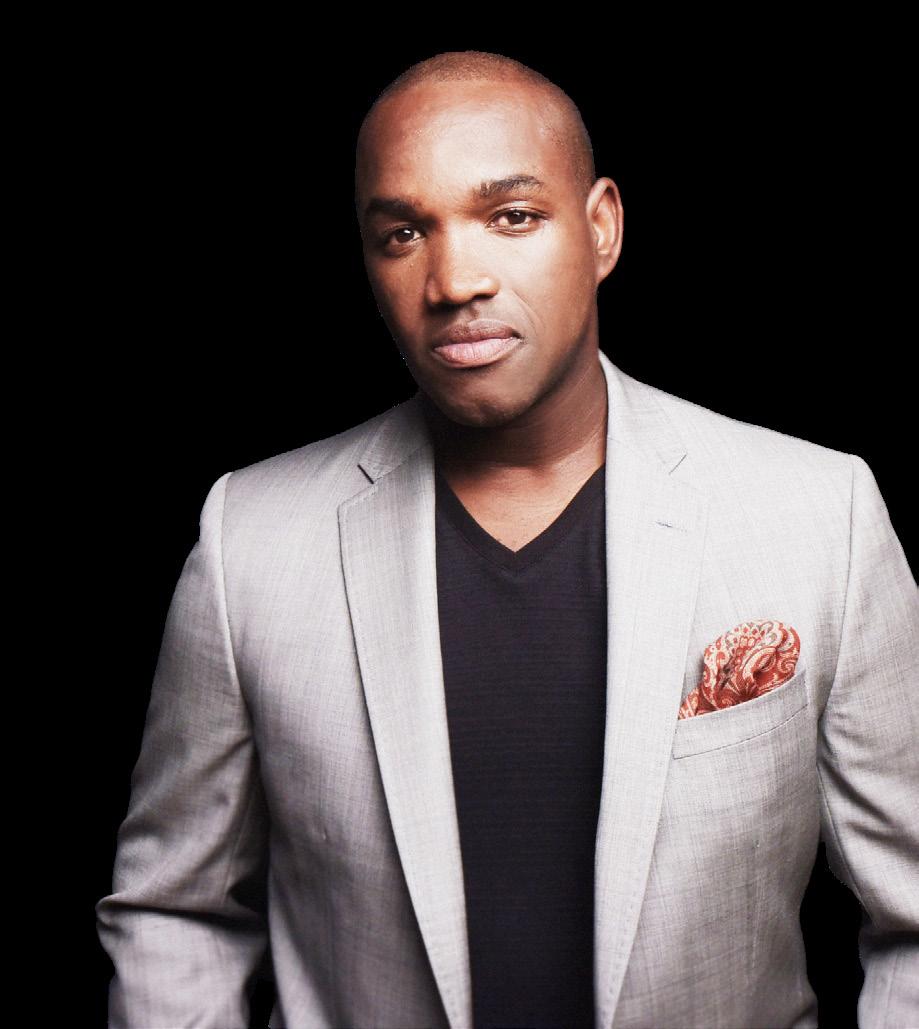
Lawrence Brownlee is a leading figure in opera, both as a singer who has graced the world’s leading stages, and as a voice for activism and diversity in the industry. Captivating audiences and critics around the globe, he has been hailed as “an international star in the bel canto operatic repertory” (The New York Times), “one of the world’s leading bel canto stars”
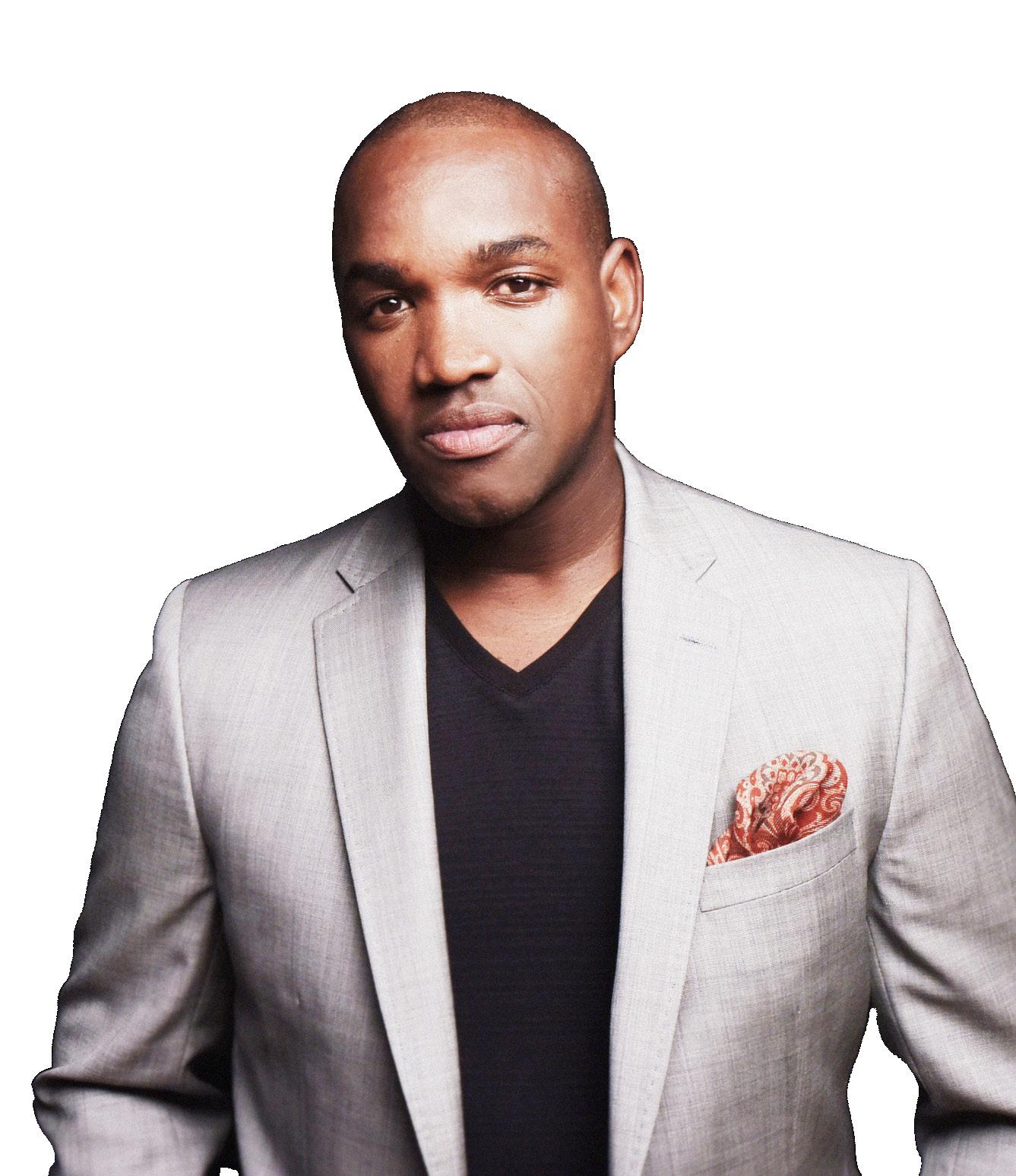
(The Guardian), and “one of the most in-demand opera singers in the world today” (NPR).
In the 2024–25 season, Mr. Brownlee made his highly anticipated role debut in the title role of Mozart’s Mitridate, re di ponto with Boston Lyric Opera. He also returned to The Metropolitan Opera as Count Amaviva in Il barbiere di Siviglia (broadcast live in HD in theaters worldwide), and joined Opéra national de Paris as Tonio in La fille du régiment and Arturo in I puritani, as well as the New National Theatre in Tokyo as Count Almaviva, and Bayerische Staatsoper as Tonio. On the concert stage, Mr. Brownlee joins Levy Sekgapane in a duo concert with the Latvian National Orchestra at L’Auditori in the closing concert, and embarks on a recital tour featuring songs from his acclaimed Rising program across North America and Europe.
Highlights of Mr. Brownlee’s recent seasons include his return as Ernesto in Don Pasquale at Teatro alla Scala Milan and as Tonio in La fille du régiment at Lyric Opera Chicago, as well as his role debuts as Tamino in Die Zauberflöte at The Metropolitan Opera, Edgardo in Lucia di Lammermoor at the New National Theatre Tokyo, and Fernand in a new production of Donizetti’s La favorite with Houston Grand Opera. In spring 2021, Brownlee joined The Juilliard School as a Distinguished Visiting Faculty Member. He serves as artistic advisor for Opera Philadelphia and is an ambassador for Lyric Opera of Chicago’s Lyric Unlimited and Opera for Peace.
In recent years, Mr. Brownlee has emerged as a pivotal voice around equity and diversity in classical music. Mr. Brownlee works with companies and engages civic organizations in the cities he visits to create programs and experiences seeking to expand opera audiences. His critically acclaimed solo recital program Cycles of My Being, a song cycle that centers on the black male experience in America today, has toured extensively, including performances at Opera Philadelphia, Carnegie Hall, the Kennedy Center, and virtual broadcasts throughout 2020.
Mr. Brownlee is a Grand Prize Winner of the 2001 Metropolitan Opera National Council auditions. He is also the recipient of numerous awards and distinctions including “Male Singer of the Year” (2017 International Opera Awards), the Kennedy Center’s Marian Anderson Award, and the Opera News Award (2021).
In October 2019, he had the distinct honor of singing at Jessye Norman’s funeral in her hometown of Augusta, Georgia.
Anonymous
Margaret Alferi & Eugene Kim
Robin Axel & Jacob Axel
Mohamed Bacchus
Martin Baggott & Jennine Baggott
Robert Bell & Jeanne Bell
Bennett Berson & Rebecca Holmes
James Bigwood & Jay Cha
Diane Bless
Cassandra Book
Michael Brody & Elizabeth Ester
Daniel Burrell Jr & Jenice Burrell
James Carlson
Peggy Chane
Janet Cohen
Charles Cohen & Christine Schindler
Mary Crosby
George Cutlip
Heather Daniels & Alan Hiebert
Kelly Dehaven & David Cooper
André De Shields
Mark Dettmann & Cathleen
Dettmann
Jaimie Dockray & Brian Dockray
Elizabeth Douma
Margaret Douma & Wallace Douma
James Doyle Jr & Jessica Doyle
Rae Erdahl
Deborah Fairchild
Hildy Feen
Marlene Fiske
Jeffrey Fritsche & Carol Fritsche
Deirdre Garton
Neil Geminder & Joan Geminder
Jean Gessl & Douglas Gessl
Michelle Gregoire & Tim Gregoire
Mark Guthier & Amy Guthier
Kristine Hallisy
Justin Hein & Paige Hein
Brent Helt
John Hirsh & Lynnette Tenorio
Seth Hoff
Matthew Huston
Carol Hyland
Arnold Jacobson
Kelly Kahl & Kimberly Kahl
Elisabeth Kasdorf
Kate Kingery
Daniel Koehn & Mark Koehn
Diane Kostecke & Nancy Ciezki
Kathleen Kotnour
Iris Kurman & Seth Dailey
Sandra Lee & Jun Lee
Christopher Louderback
Douglas Mackaman & Margaret O’Hara
Edward Manuel & Marian HoltonManuel
Shibani Munshi
Eric Nathan
Glenda Noel-Ney & William Ney
Mitchell Nussbaum & Eugenia
Ogden
Ann Pehle
David and Kato Perlman
Lisa Pfaff
Nicholas Pjevach
M Thomas Record Jr & Voula
Kodoyianni
Sharon Rouse
Ralph Russo & Lauren Cnare
Peter Ryan
Joshua Rybaski
Morgan Sachs
J Gail Meyst Sahney & Vinod Sahney
Steven Schaffer & Beth Schaffer
Carol Schroeder
Daniel Schultz & Patricia Schultz
Sarah Schutt & Donald Schutt Jr
Margaret Shields
Elizabeth Snodgrass
Polly Snodgrass
Monica St Angelo & Mark Levandoski
Mark Stanley & Krista Stanley
Lynn Stathas
Jonathan Stenger
Jason Stephens & Ana Stephens
Andrew Stevens & Erika Stevens
Millard Susman & Barbara Susman
Kimberly Svetin & Todd Svetin
Thompson Investment Management
Elizabeth Van Ness
Daniel Van Note
Rachel Waner
Glenn Watts & Jane Watts
Shane Wealti
Kathleen Williams
Janell Wise
James Wockenfuss & Lena Wockenfuss
Debbie Wong
Donors as of July 31, 2025
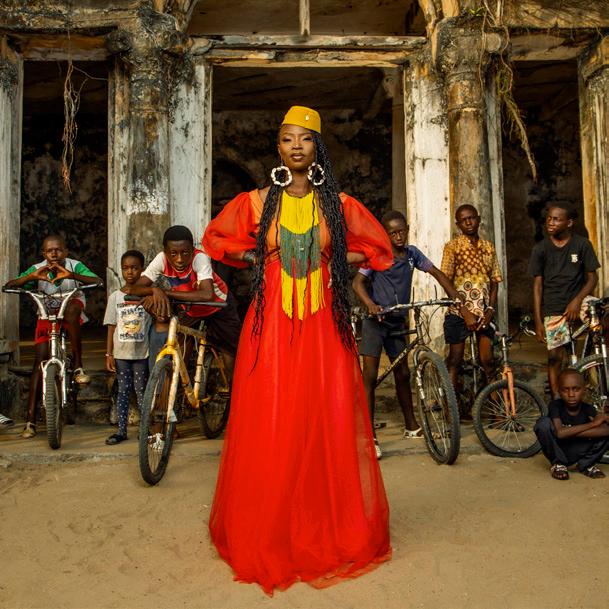
Thursday, March 12
7:30 PM
Shannon Hall at Memorial Union
Afropop
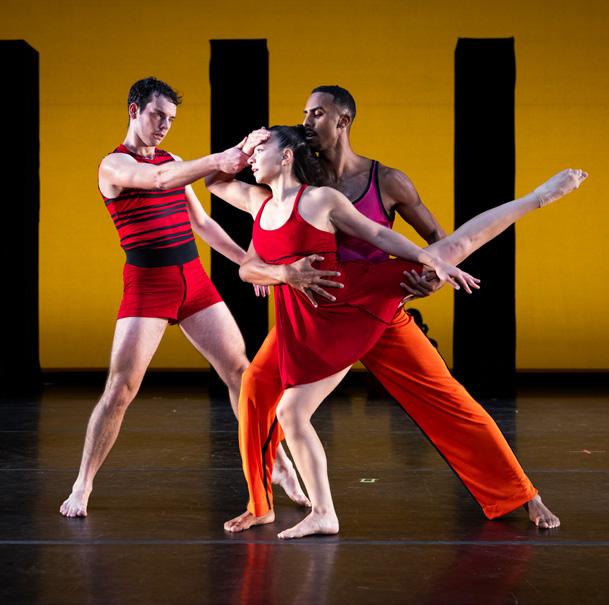
BILL
ZANE COMPANY: STILL/HERE
Wednesday, March 18
7:30 PM
Shannon Hall at Memorial Union Dance
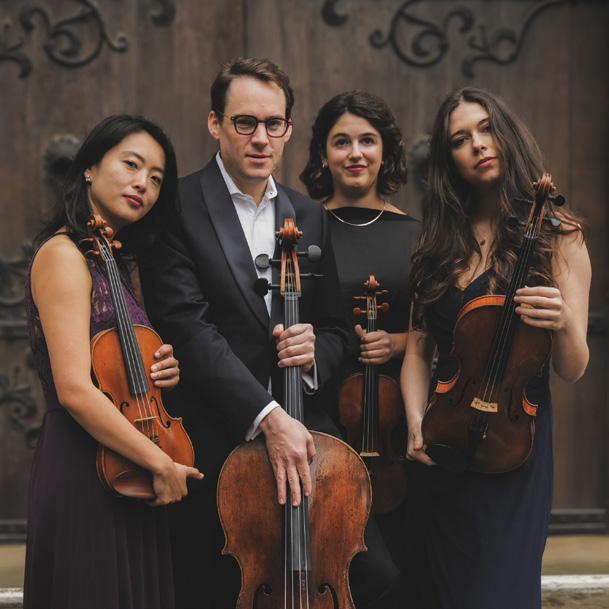
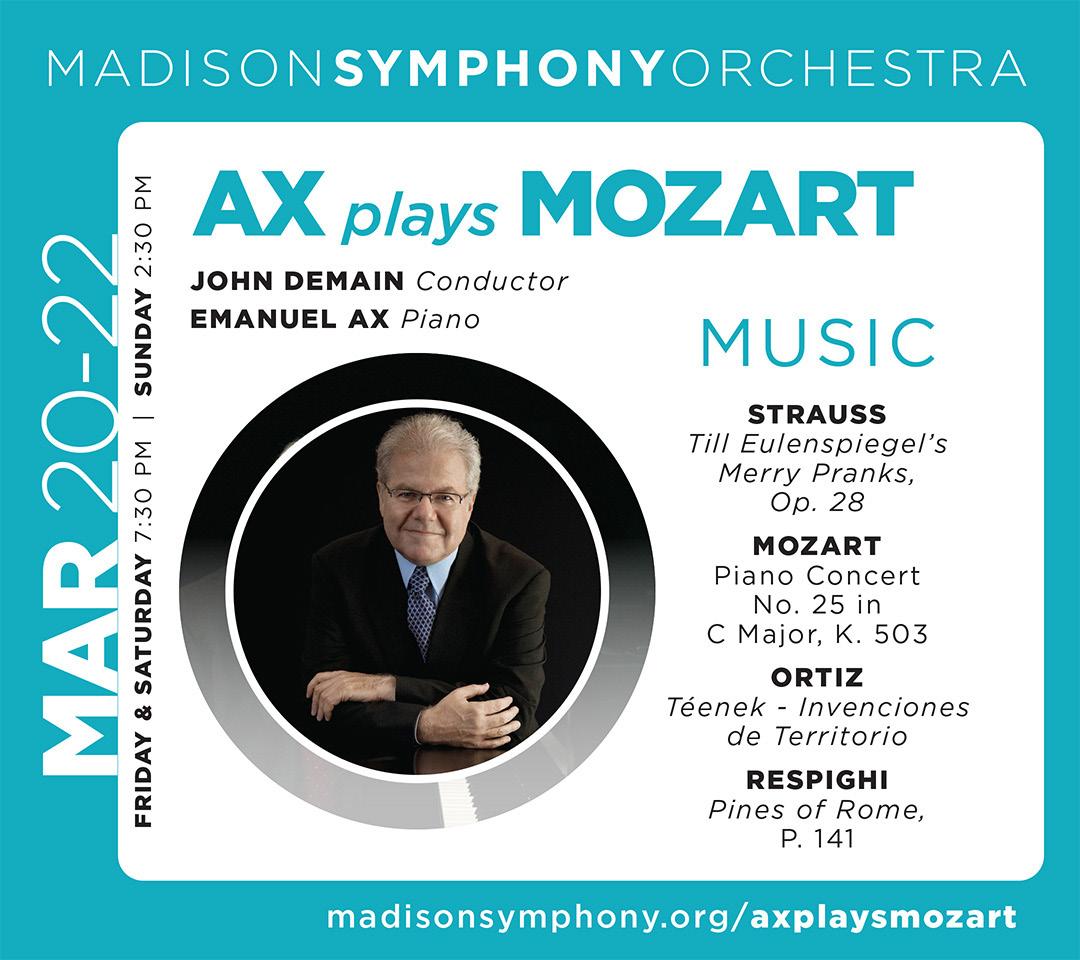
Sunday, March 22
7:30 PM
Shannon Hall at Memorial Union Classical Series
WISCONSIN UNION THEATER
Elizabeth Snodgrass, Director
Kate Schwartz, Artist Services Manager
George Hommowun, Assistant Director of Theater Event Operations
Zane Enloe, Production Manager
Jeff Macheel, Technical Director
Heather Macheel, Technical Director
Sean Danner, Assistant Director of Ticketing and Patron Services
Ted Harks, Arts Ticketing Website Systems Administrator
Eric Henkes, Lead House Manager
Ava Conrad, Rentals Assistant
Kelsey Fleckenstein, Special Projects Assistant
Mandy Descorbeth, External Relations Intern
WISCONSIN UNION DIRECTORATE PERFORMING ARTS COMMITTEE
Jordan Waters, Director
Thomas Wieland, Programming Associate Director
Lucy Kenavan, Programming Associate Director
Sabrina Ortiz, Production Associate Director
Cosette Wildermuth, External Relations Associate Director
Kalia Gordon, Marketing Associate Director