





Choosing between an overnight summer camp and a day camp isn’t just about logistics or budgeting. It’s about the kind of growth you want your camper to get. Day camps can be convenient and fun, but if you’re serious about independence, resilience, social maturity, and deep skill-building, the case for overnight camps is strong. By the end of this presentation, you’ll understand why an overnight summer camp often delivers more for kids than a day-only option and how to make that choice sensibly.
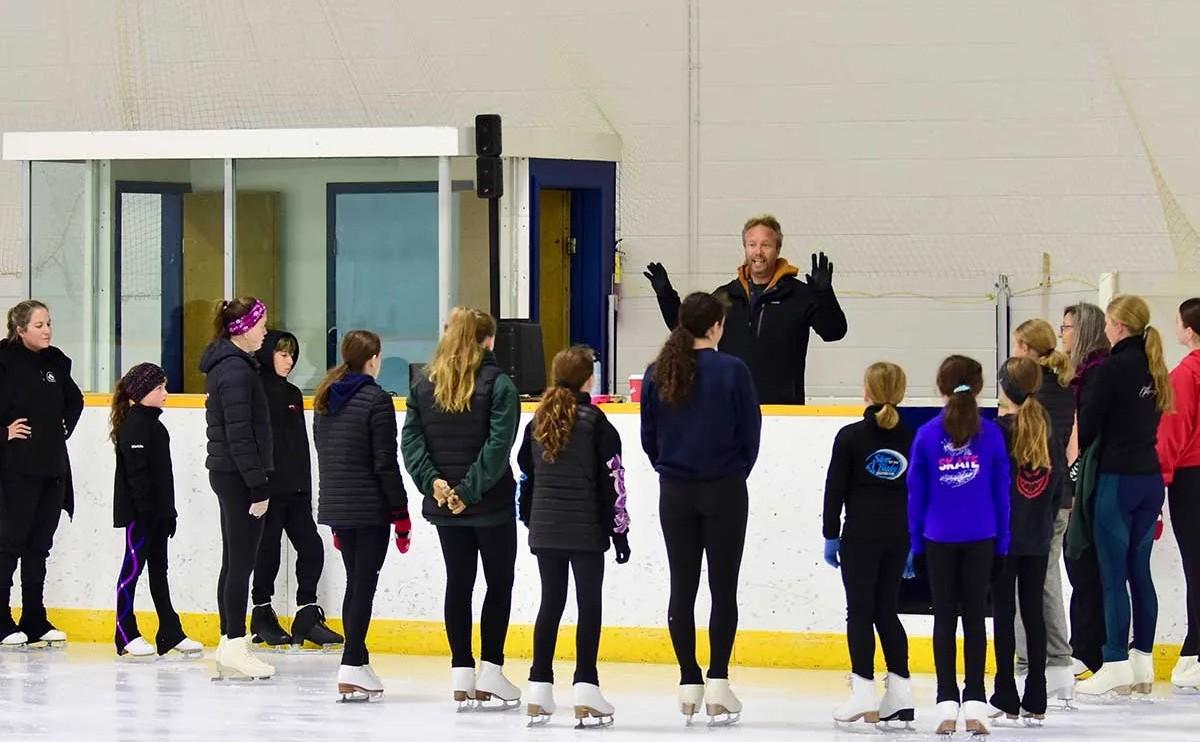

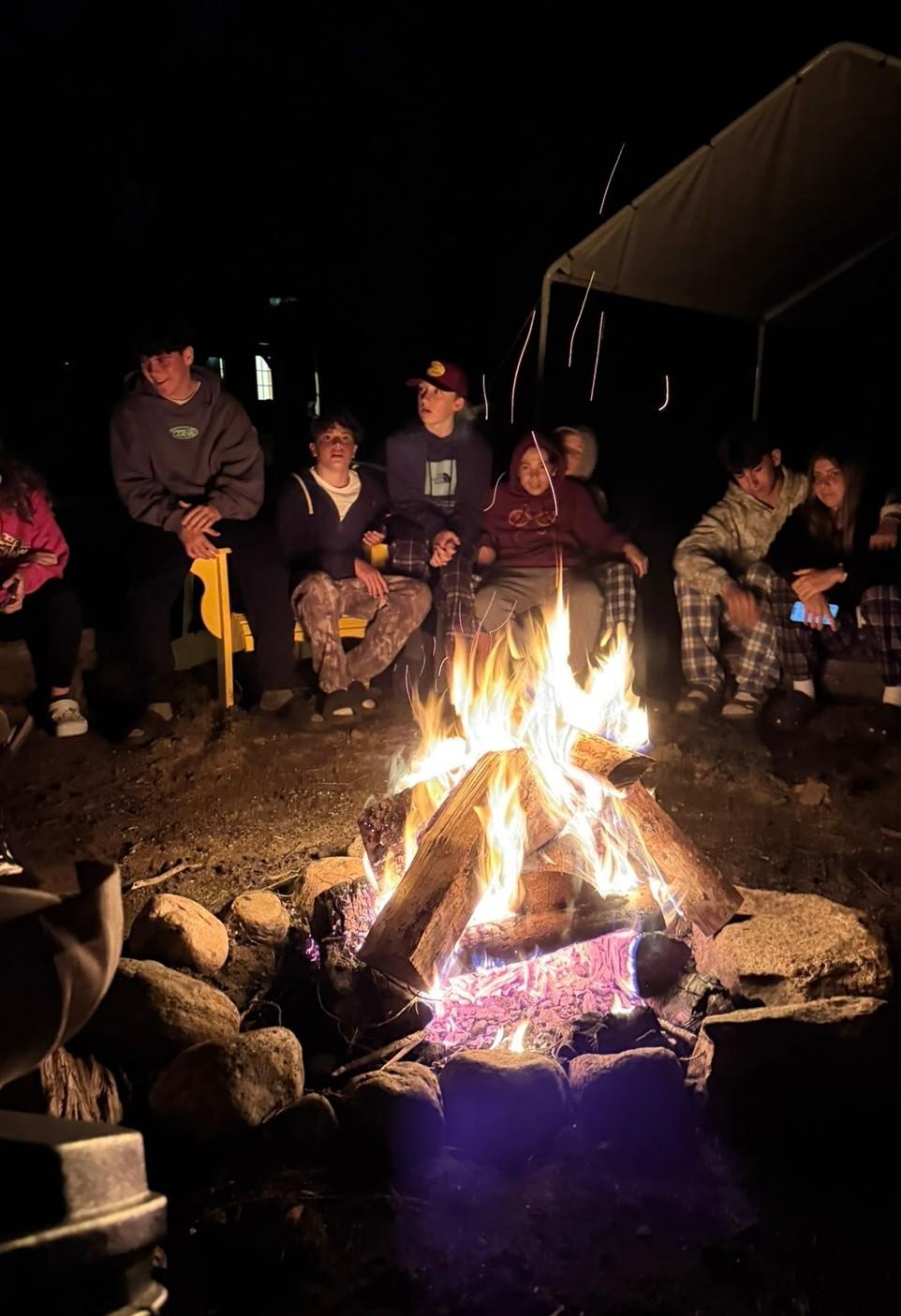
Day camps are slices of summer. A few hours of activity, drop-off, pick-up, and repeat. Overnight camps, on the other hand, are continuous environments. It consists of a daily routine, evening programming, cabin life, and nights away from parents.
This difference matters because growth is made in extended practice and lived experiences. Kids at overnight camps live what they learn, rather than merely sampling it. That’s where independence, leadership, and authentic social skills form.
One of the clearest, most measurable outcomes from overnight experiences is independence. When campers live in a cabin, manage personal responsibility, and navigate social problems without immediate parental rescue, they practice decisionmaking in a low-stakes but meaningful setting.
Multiple studies and camp-research initiatives show that overnight camp participation correlates with increased self-reliance and stronger social-emotional skills over time.

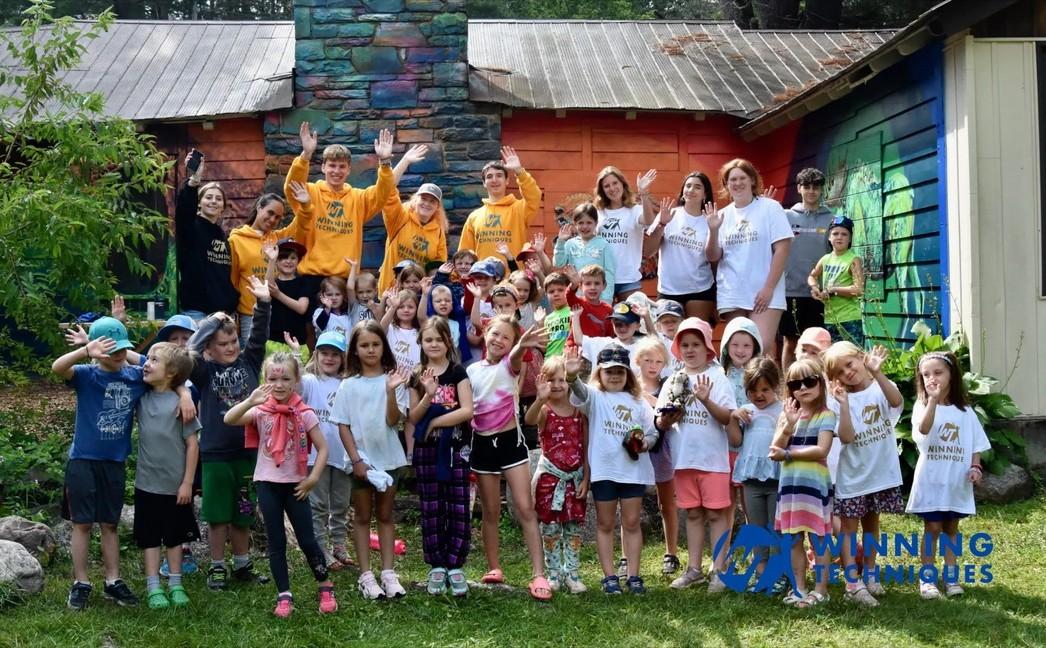
Sure, day camps create opportunities to meet peers, but overnight camps force social interaction across contexts. Such as, around meals, in cabins at night, during team challenges, and when solving conflicts together. This 24/7 social “laboratory” encourages empathy, conflict resolution, and long-term friendships.
Parents and camp professionals consistently report that overnight campers return more confident in group settings and better able to navigate complex social dynamics.
Teens carry phones everywhere; nobody is denying that. The quiet, persistent advantage of many overnight camps is encouraged digital disconnection. Limiting social media pressure for weeks improves sleep, reduces anxiety tied to constant comparison, and pushes teens into present, face-to-face interaction.
Recent reporting and camp evaluations now flag phone-free stretches as a core reason teens show measurable improvements in mood and attention after overnight sessions.
If your teen struggles with focus or social pressure online, an overnight program can be therapeutic in ways that day camp cannot match.
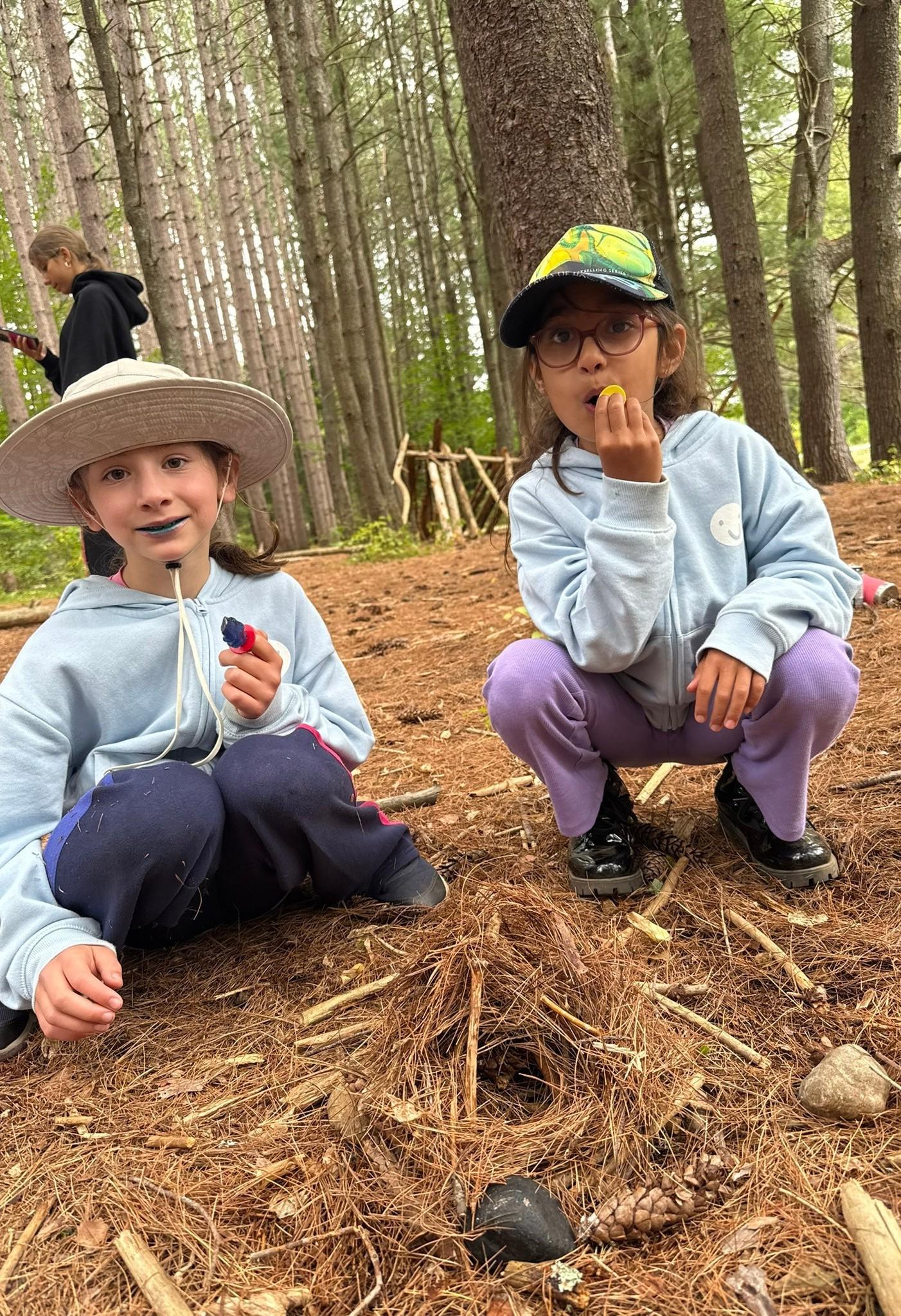
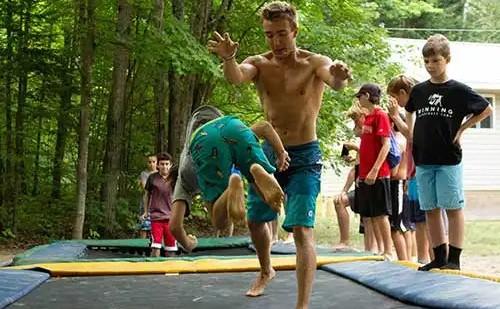
If your teen is pursuing skills like water sports, figure skating, hockey or leadership training, overnight camps usually offer more exposure and time spent with great athletes.. Specialty programs at overnight camps allow staff to sequence learning across days, build progressive challenges, and assess growth in real time. Campers also get to see first hand the dedication and discipline other athletes put into their success. Day camps can introduce skills, but overnight camps really develop them.
Missing home, cabin conflicts, and small group tensions are not pleasant for anyone, but they’re also teachable moments. Overnight campers learn to process disappointment, manage emotions, and work toward group solutions without immediate parental bailouts. That practice builds resilience.
Evidence and camp practitioners agree that campers who experience managed difficulty away from home often return more emotionally robust and adaptable. That’s a long-term payoff that day camps struggle to deliver because day programs usually end before those deeper moments arise.
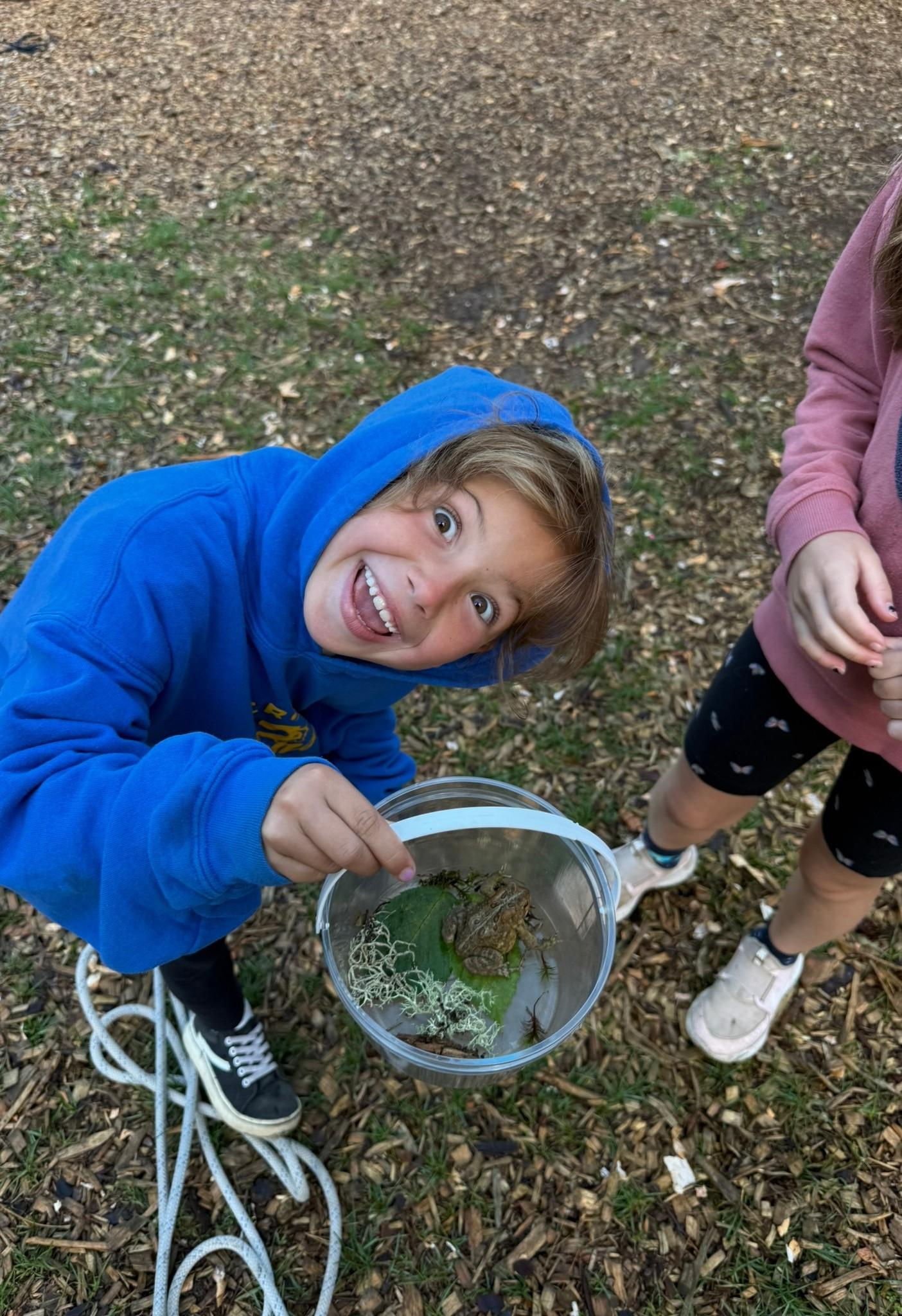
Some parents worry that overnight camps mean less oversight. Accredited overnight camps operate under strict safety standards, certified staff, and round-the-clock supervision protocols.
In many jurisdictions (including Ontario), accrediting bodies require drowningprevention training, first aid certification, and staff-to-camper ratios that are specifically regulated. So “overnight” isn’t synonymous with “risky”. It usually means structured, continuous care. What matters is choosing reputable & accredited camps.
Missing home, cabin conflicts, and small group tensions are not pleasant for anyone, but they’re also teachable moments. Overnight campers learn to process disappointment, manage emotions, and work toward group solutions without immediate parental bailouts. That practice builds resilience.
Evidence and camp practitioners agree that campers who experience managed difficulty away from home often return more emotionally robust and adaptable. That’s a long-term payoff that day camps struggle to deliver because day programs usually end before those deeper moments arise.
• Accreditation & Staff Credentials: Look for association membership, lifeguard/first aid certifications, and database-listed references.
• Camper-to-Staff Ratios: Lower is better for teens who need coaching or emotional support.
• Program Depth: Check if the activities are sequenced over days/weeks or if the camp offers progressive skill development to make the choice easier.
• Digital Policy: Decide whether the camp’s phone rules match your goals for unplugging and focus.
• Homesickness Support: Ask how counselors are trained to handle separation anxieties to ensure your kid’s mental health stays good.
• Behaviour and Safety Protocols: Get details, in writing, regarding staff training, health policies, and emergency plans.
Overnight isn’t universally better. If your child has severe anxiety at separation, medical needs that are better managed at home, or if cost/logistics are prohibitive, a day program is a sensible choice.
At the end of the day, choosing between a day camp and an overnight program comes down to the kind of growth you want for your child. Overnight camps give them room to build independence, confidence, social maturity, and real-life skills that simply can’t develop in a few daily hours.
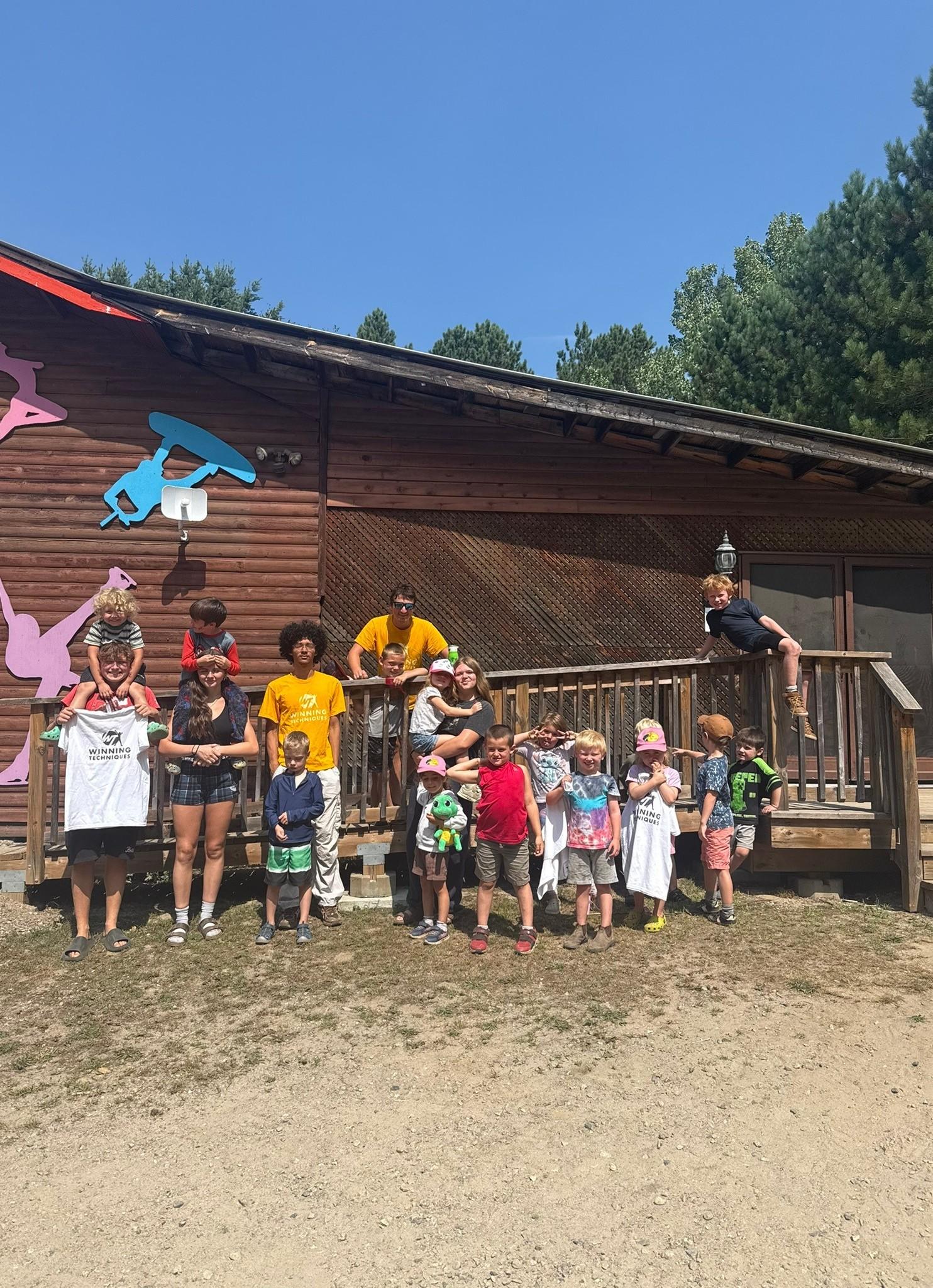
In Ontario, camps like Winning Techniques show how powerful the overnight format can be for kids who need space to grow and figure things out with support and guidance. So, if your goal is to help your camper grow, not just stay busy for the summer, an overnight camp delivers an experience that truly stays with them long after they’re home.