
Why Leadership Development Programs Help Kids Build Confidence and Life Skills

Page 1


INTRODUCTION

Leadership is often misunderstood as a trait one is born with. However, modern developmental psychology and educational research tell a different story. Leadership is a set of skills, a mindset, and a series of habits that can be cultivated from a very young age.

When you ask, “How to develop leadership skills for kids?” we aren’t talking about training every child to be a CEO or a political figure. We are talking about equipping them with the ability to make decisions, the empathy to collaborate, and the resilience to handle failure. In a world that is becoming increasingly automated and complex, these human skills are the most valuable assets a child can possess.
WHAT ARE THE 7 ESSENTIAL QUALITIES

OF A

LEADER?

Before we look at the “how,” we must define the “what.” True leadership isn’t about being the loudest voice. It’s about character. If you want to foster leadership in your child, focus on these seven pillars:

• Integrity: Doing the right thing even when no one is watching. This is the foundation of trust.

• Empathy: The ability to understand and share the feelings of others. A leader who cannot empathize cannot influence.

• Communication: Not just speaking clearly, but active listening. Leaders need to synthesize information and articulate a vision.

• Resilience: The capacity to recover quickly from difficulties. Leadership involves risk, and risk involves occasional failure.

• Critical Thinking: The ability to analyze facts to form a judgment rather than just following the crowd.

• Accountability: Taking ownership of one’s actions and their consequences, rather than offloading blame.

• Confidence: A belief in one’s ability to contribute, which encourages others to do the same.

EVERYDAY WAYS PARENTS CAN HELP

KIDS BUILD LEADERSHIP

SKILLS

Leadership development doesn’t require a podium. It happens in the kitchen, the backyard, the classroom and at camp. Here is how you can integrate leadership training into daily life.

Encourage Decision-Making

One of the fastest ways to stifle leadership is to micromanage a child’s every move. Give them controlled autonomy. Start small. Let them choose their clothes or decide the menu for Friday night dinner. As they grow, involve them in larger family decisions, like planning the itinerary for a trip. This teaches them that their choices have consequences and value.

Foster Emotional Intelligence

A leader must navigate social dynamics. Encourage your child to identify their emotions and the emotions of those around them. When a conflict arises with a peer, instead of stepping in to fix it immediately, ask them how they think they felt when that happened and what they think a fair solution would be.

EVERYDAY WAYS PARENTS CAN HELP KIDS BUILD LEADERSHIP SKILLS

Leadership development doesn’t require a podium. It happens in the kitchen, the backyard, the classroom and at camp. Here is how you can integrate leadership training into daily life.

Model “Process Over Outcome”

If a child only values the win, they will fear taking the lead in uncertain situations. Praise the effort, the strategy, and the bravery it took to try something new. When they see you handle a mistake with grace and a “lesson learned” attitude, they internalize that leadership is a journey, not a final destination.

THE ROLE OF SPECIALIZED ENVIRONMENTS FOR SKILL

BUILDING IN KIDS

While home is the foundation, specialized environments like leadership programs for kids provide the laboratory where these skills are tested and refined. In a home or school setting, children often have established roles. In a new, structured environment, they have the opportunity to reinvent themselves.

Programs at the Winning Techniques Camp focus on experiential learning. Learning by doing is significantly more effective than sitting down for lectures.

This is why many parents are seeking out the best leadership development program for their kids. They are specifically looking for immersive experiences that pull children away from screens and into real-world challenges.

HOW SUMMER CAMPS AND OVERNIGHT EXPERIENCES HELP

FOSTER LEADERSHIP SKILLS

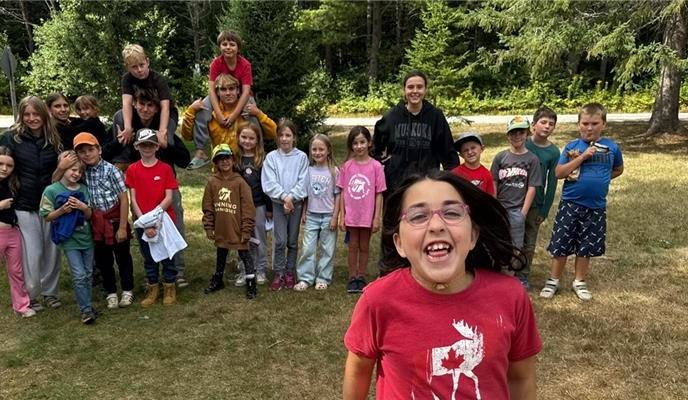
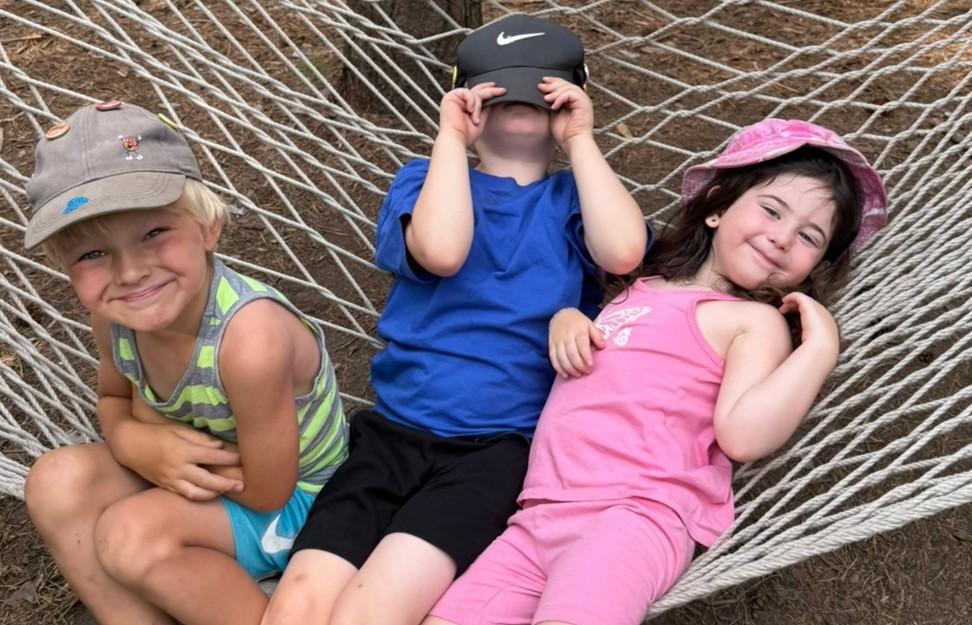
One of the most potent environments for this growth is the overnight summer camp. At a camp like Winning Techniques in Ontario, the traditional safety nets of home are replaced by a supportive community of peers and mentors. This shift is where the real growth happens.

Problem Solving in Real-Time

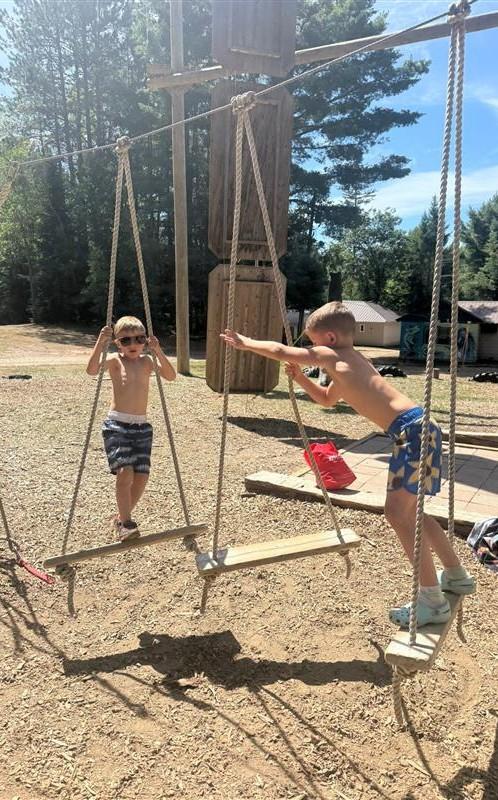
Whether it’s navigating a ropes course, coordinating a team for a relay race, or simply managing their own schedule and belongings, kids are forced to solve problems. These activities aren’t just for fun. They are micro-lessons in project management and team dynamics.

Social Navigation and Team Building

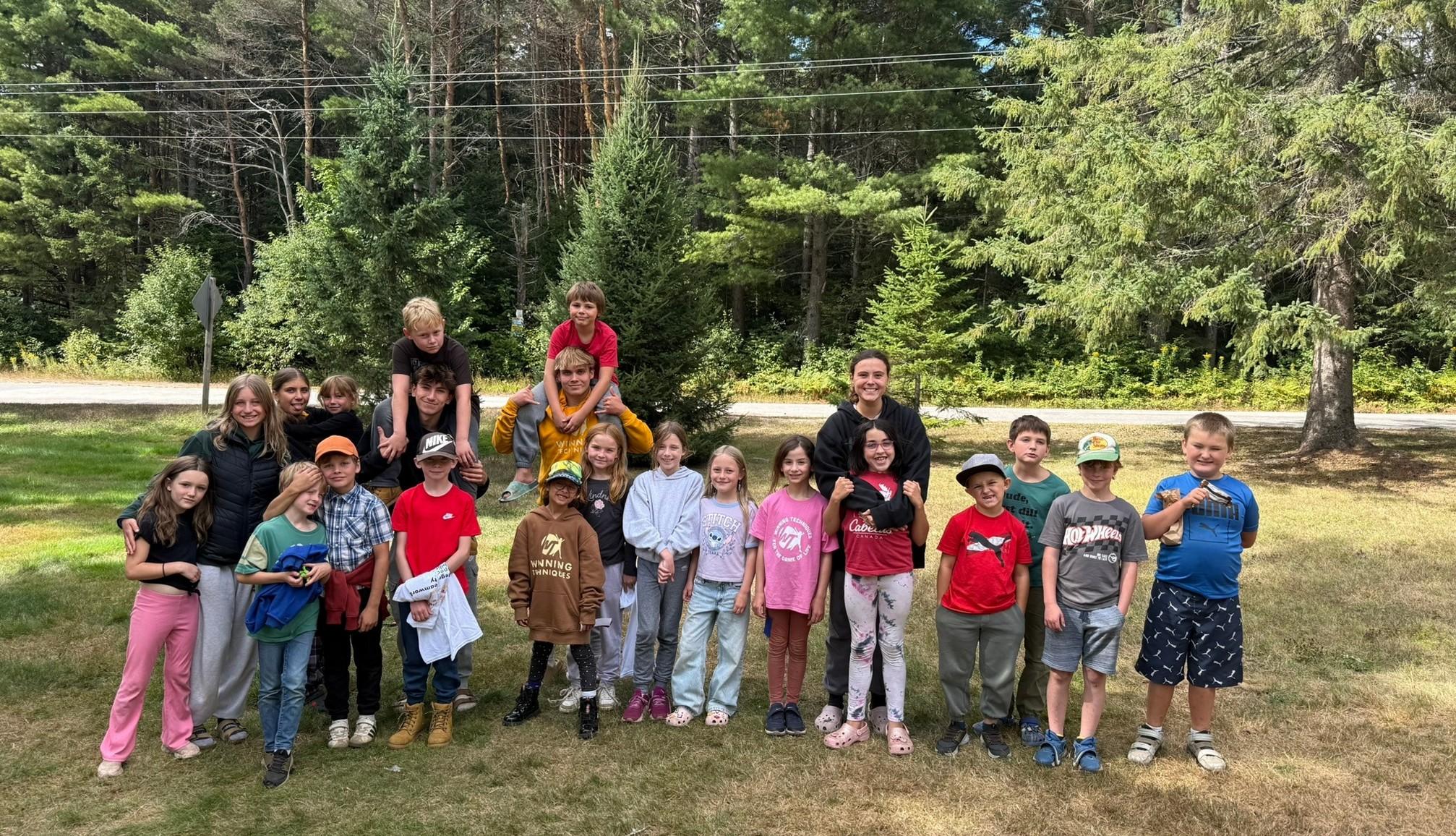
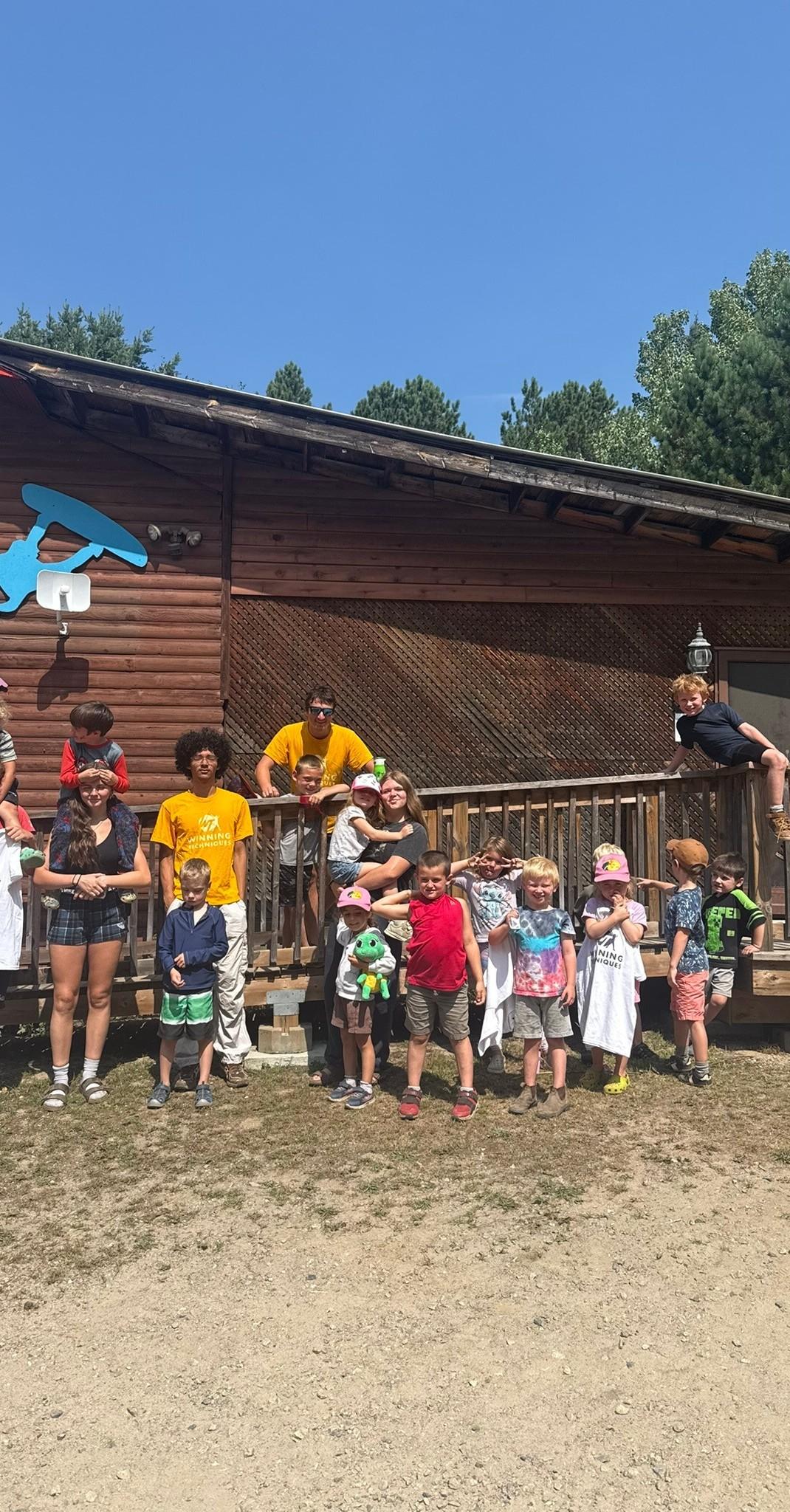
At an overnight camp, children live in cabins with peers from diverse backgrounds. They have to negotiate space, share responsibilities, and resolve the inevitable frictions of group living. This is “Leadership 101.” They learn that to reach a common goal, like winning a camp-wide competition, they must leverage the strengths of every person in the group.

HOW SUMMER CAMPS AND OVERNIGHT EXPERIENCES HELP

FOSTER

LEADERSHIP SKILLS

One of the most potent environments for this growth is the overnight summer camp. At a camp like Winning Techniques in Ontario, the traditional safety nets of home are replaced by a supportive community of peers and mentors. This shift is where the real growth happens.

Diverse Activities

Leadership is tied to self-efficacy, which is the belief that you can succeed. When a child masters a new skill, whether it’s archery, canoeing, or a team sport, their confidence surges. That confidence is transferable. The child who learns they can lead a group through a wilderness hike realizes they can also lead a group project in the classroom.

Turn static files into dynamic content formats.

Create a flipbook