THE WINE MERCHANT.
An independent magazine for independent retailers Issue 142, January 2025


Producers will have an incentive to under-declare alcoholic strength – and WSTA says rounding-down can be legal
With just days to go before the UK’s reviled new wine duty system comes into force, there are warnings that the rules are wide open to abuse and fraud.
The framework gives producers a financial incentive to declare a lower alcohol content than is actually the case. The government also stands to lose out on duty payments thanks to a loophole that seems to allow declarants to round-down the abv of wines to the nearest 0.5%.
Daniel Lambert of Daniel Lambert Wines, a leading supplier to the independent trade, points out that HMRC will be basing its duty calculations on the alcoholic strength of a wine as it’s stated on invoices and labels.
“Labels and invoices are not technical documents,” he says. “You can write pretty much anything you like. Less scrupulous producers, of which there are many in the world, or ones who don’t actually care, will do just that.
“As we all know, alcohol labelling has certain tolerances the world over. And more often than not, labels are printed one or two years in advance. If you’re a small producer in, say, Gevrey-Chambertin, three years ago your label – your wine – was at 13%. Global warming has put it up to 14.5% – but you don’t care, because you’ve printed your label and nobody’s going to check it. So you just keep going with your
labels at 13% which means, effectively, the government’s getting defrauded.”
He adds: “The lab analysis is not one of the acceptable forms of declaring abv. So in other words, the only document that you should be sure is declaring the right amount is the only one they haven’t put in the policy. It’s quite incredible.”
Lambert has been talking to officials at HMRC and Defra about the issue to try to raise awareness of the flaws in the government’s policy. But he says his arguments have fallen on deaf ears.
“From February, the whole alcohol excise system is open to abuse and fraud at quite a major level,” he says. “They’re very
4 comings & GOINGS
New arrivals, new kitchens and a couple of fond farewells
10 david perry
Selling beer wasn’t supposed to be quite like this, but still he persists
14 tried & Tested
Are winemakers really smashing their grapes with granite rocks?
21 the burning question
What are the things most likely to drive you mad at a trade tasting?
24 merchant profile
The first three decades of ND John in Swansea have been interesting
34 supermarket wines
Just how bad are they? Our panel of independents blind-tastes a few
46 Australian wine
Indies share their most important wines from Down Under
54 no and low
Nic Rezzouk of Reserve Wines makes the case for 0% abv drinks
71 Q&A: sarah abbott mw
She loves old vines and dancing, and has a soft spot for marketing
nonchalant about it, basically saying, well, even if it is open to fraud, we’re going to prosecute declarants, rather than actually fix the policy.”
The new government confirmed in its October budget that the temporary easement on the wine duty mechanism would end on February 1. From that date, excise duty on all wines between 8.5% and 22% abv will be taxed according to the strength declared on the label.
Some importers plan to minimise their duty burden by taking advantage of a discrepancy between EU and UK labelling regulations.
Simon Stannard, director of policy at the Wine & Spirit Trade Association says: “UK wine labelling rules, updated since Brexit, allow wine to be labelled to [the nearest] 0.1% abv.
“The previous rules, which are still in force in the EU, require wine to be labelled to either a whole or 0.5% abv. Wine labelled in accordance with EU rules, provided the labelled value is within permitted tolerances, will be compliant with UK labelling rules.
“A wine that lab tests show is 13.2% abv could be labelled in the EU as either 13% or 13.5% abv. In the UK, the wine labelled at 13% abv would attract 11p less duty. If the wine was labelled purely for the UK
market, then a labelled value given to a decimal point between 12.7% and 13.7% abv would be compliant.”
Asked about the incentive for importers to round-down the alcoholic strength of their wines, Stannard says “we probably wouldn’t phrase it like this”.
He adds: “There is a permitted tolerance of plus or minus 0.5% abv for most wines, and 0.8% for sparkling wines, wines in bottle for more than three years, and Australian wine.
“Those importers who have control over the labelled abv should be aware of the permitted tolerances and the consequences for duty liability.”
Lambert maintains that the situation is more complicated than it might seem because different government departments are interpreting the rules in different ways.
“Defra is responsible for the labelling, and the Treasury is responsible for the collection of duties and taxes, as you would expect,” he says.
“Defra’s line is that we follow the EU rules, because it’s part of the withdrawal agreement. So they’re working, label-wise, in 0.5% increments. They say the labels can be rounded down, so if the true alcohol is 14.6%, it’s 14.5% on the label. If it’s 14.4%, it would be 14% on the label.
“The Treasury, on the other hand, are expecting you to round up. Let’s say you’ve got the lab analysis, you’ve got the invoice and you’ve got the label. Their wording clearly states that you take the higher amount on any of those three documents.”


Editor and Publisher: Graham Holter graham@winemerchantmag.com
Assistant Editor: Claire Harries claire@winemerchantmag.com
Reporter: Jacob Stokes jacob@winemerchantmag.com
Advertising: Sarah Hunnisett sarah@winemerchantmag.com
Accounts: Naomi Young naomi@winemerchantmag.com
Admin and reader liaison: Charlotte Gingell charlotte@winemerchantmag.com


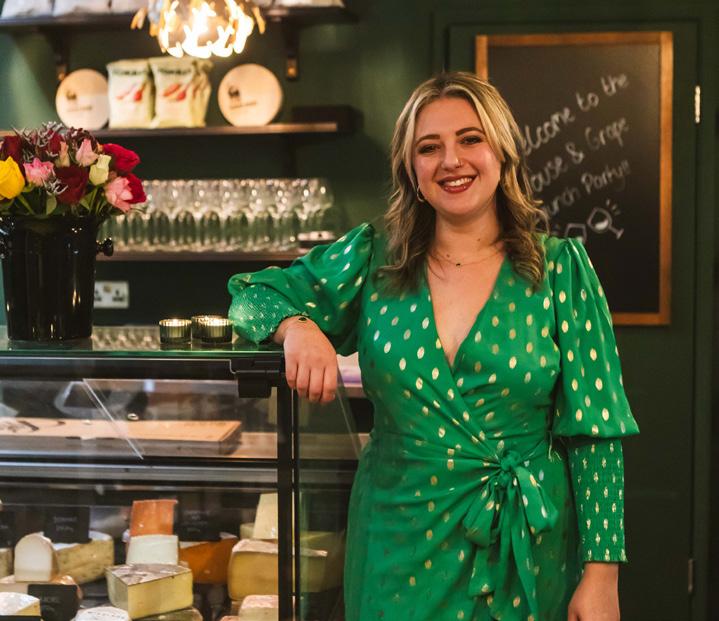
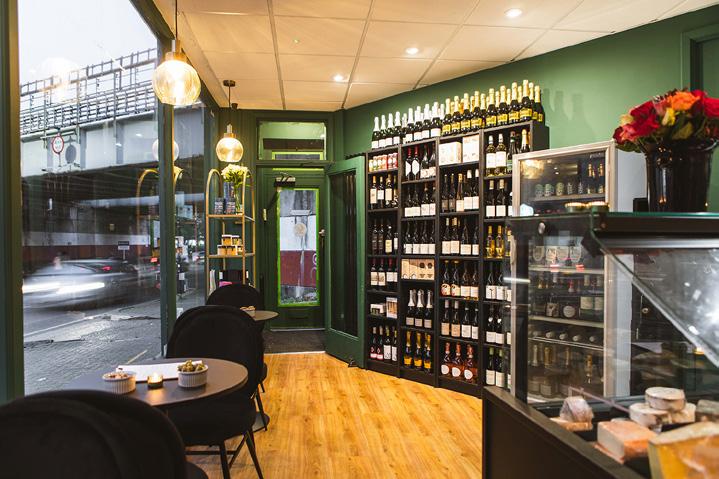
November saw the opening of Mouse & Grape in Pinner, north west London.
This is the first bricks-and-mortar store for the business that Jessica Summer started developing in 2020, and she is confident the model she’s building could be replicated to ensure steady future growth.
In March 2020, just 10 days into a new job in the property industry, Summer was made redundant. “I’ve always been quite entrepreneurial,” she says, “and I knew I wanted to have a lifestyle business where I could do something that I loved. I was very inspired by people like Holly Tucker [co-founder of Not on the High Street], and when my partner, Charlie, asked ‘what makes you happy?’, I said, ‘cheese and wine’. That’s how it started.”
Summer bought the domain name Mouse & Grape and registered the company before deciding what the business would do. She made good use of the first lockdown by completing her WSET qualifications up to Level 3 and working part-time at Dalling & Co, the indie in Kings Langley. “They were brilliant and it was a good opportunity for me to learn from Jeff [Folkins] and see how a small independent is run,” she says.
Mouse & Grape began with Summer developing a following on social media for her cheese and wine recommendations. She sent out her first hampers in December 2021 and that’s when she decided she needed to learn more about cheese.

“I had been so focused on getting my alcohol licence and doing the WSETs and I was like, ‘it’s fine, I know about cheese’, but the first time I ever cut and wrapped a cheese was my first Christmas order,” she says. “I quickly realised I should probably get some experience. I started working at Fromagerie in January ‘22 and I was there for 10 months. During that time I was still growing Mouse & Grape and started doing corporate tasting events as well as private events.”
Was a physical shop always on the cards? “Online was really important for me because I want to have a big business,” Summer says. “I was a bit worried about how a bricks-and-mortar shop could tie me down to an area, but I realised it’s really good marketing to have a shop. If you have a space that people can see, they can understand who you are and what you’re about.
“It’s so competitive online, especially with the amount of money that you have to spend on ads, on SEO, on top-notch photography. Unless you’ve got a lot of money behind you that you can just keep investing, then I think a bricks-and-mortar shop is really helpful to have alongside an online business. Really, you need both to be able to succeed.”
In terms of suppliers, “Jeroboams have
been very kind to me”, Summer says. “They really helped me with my wine selection and let me order very small quantities to get things going. It was nice to be taken seriously straight away. I think you need those people at the beginning who are almost like angels throughout your business journey, and there’s quite a few of them who have helped me.”
Ben Franks, co-founder of Novel Wines and director of Canned Wine Co, has been working with Summer for the past 18 months. “He’s been really instrumental in helping me with the business side of it. Getting everything onto Xero, forecasting, thinking ahead, being strategic.” She is also being mentored by Kim Wilson, founder of North South Wines. “She has been really great to me,” Summer says.
“I’ve got big vision and goals,” she adds. “I know what I want to achieve creatively, but the financial side of things has been a big learning for me. I’m really conscious that to open another location we first need to be profitable and in a strong position.”
• Importer Dynamic Vines opened its eponymous bottle shop and bar in Dulwich in November. Launched in 2005 by Frederic Grappe, the company specialises in biodynamic wines, and its portfolio will be available to drink in or take away.


Cork of the North’s winter wine fairs are always an opportunity for owner Marc Hough to wax lyrical about his range. So as is customary, for his recent events he put together an eight-page booklet with a paragraph describing each wine.
“I always try to make the descriptions light-hearted and entertaining,” Marc says, “and so when I got to the Paololeo Passo del Cardinale Primitivo – which is very full-bodied – I thought I would compare it to a full-bodied celebrity.”

Pavarotti came to mind, but was rejected on the basis that he died in 2007 and might be unfamiliar to younger customers. So Marc’s thoughts turned to politics, and somehow this sentence emerged: “Big, beefy, and as full-bodied as John Prescott after a long lunch.”
Marc says: “I was very pleased with this description. The booklet was sent off to the printers, and 250 copies were delivered the week later. Imagine my horror when I turned on the telly the day before the tasting event, to discover that poor old John Prescott had snuffed it.”
It was obviously too late to alter the booklet. “I had to tell all the customers at the tasting events that it was just poor timing and not bad taste on our part,” he says. “After all, I quite liked John Prescott.”
Once the two Manchester tastings were done and dusted, each attracting about 300 customers, Marc and his team went through the numbers and found that Passo del Cardinale Primitivo had been the best-selling wine at both events. “Perhaps John was helping sales, from the other side,” Marc speculates.


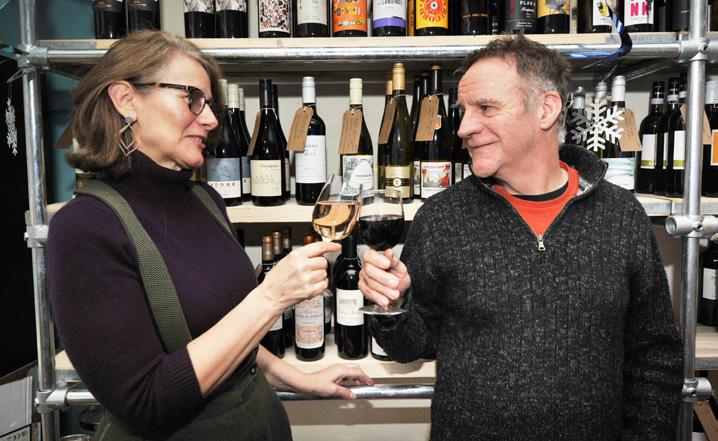
Noah’s Goat, a wine shop and licensed café, opened in Hastings in time for the Christmas trade.
Husband-and-wife team Nick and Nicky Holt are already well known in the town as they previously ran a pub. To add to their hospitality credentials, Nick also has some formal wine education, with WSET Levels 2 and 3 under his belt.
They are currently sourcing their wines from local supplier Ridge & Baird, and hope to look at some English wines too.
“We ran the pub for seven years,” says Nicky, “but it was tied and we weren’t able to order what we wanted, so this is why we’ve now started our wine shop, which has been a dream of ours.”
Hastings has seen indies come and go over the years including the eclectic Borough Wines, Beers & Books, which closed in 2019, and more recently The Bottle of Hastings, which ceased trading last summer.
“Nick and I heard The Bottle of Hastings was for sale and went to look at it,” says Nicky. “The shop itself was superb, I loved it, but it was directly opposite a big Morrisons and there was no parking.
“We’re in Hastings Old Town, it’s pedestrianised and we get a lot of passing trade. I know you can’t really tell from the first weekend of being open, but we’ve had a really positive reaction.
“We’ve only got five tables for drinking in, but it’s got a really friendly sort of bistro
vibe and we’ll cultivate that.”
The wine trade tends to attract creative people and the Holts are no exceptions. Before becoming publicans, Nicky was a television producer and Nick worked in publishing. “We’re both in our early 60s and this is probably the last thing we’ll attempt as a working couple,” Nicky says. “We thought about what we could try and make a success of before we finish our careers, and we figured as we’ve survived a tenanted pub, we’ll be all right in a nice wine shop.”
Wines by the Sea in Southsea, Hampshire, has closed. Lucy Jackson established the shop in 2021 but, with the lease coming up for renewal, she took the decision to take a sabbatical after trading for one last Christmas.
“Owning Wines by the Sea has opened so many doors and led to some incredible opportunities,” Jackson says. “But I feel like my wine knowledge and education can only grow so far without truly experiencing a place and the processes, so my husband and I intend to travel to regions we want to understand better and learn from.
“We will be starting our journey in Spain in May and continue through to Italy and then hopefully further afield to South America by the end of 2025, and Australia and New Zealand in 2026.
“It’s a decision I’ve thought long and hard about and it feels like the right time.”
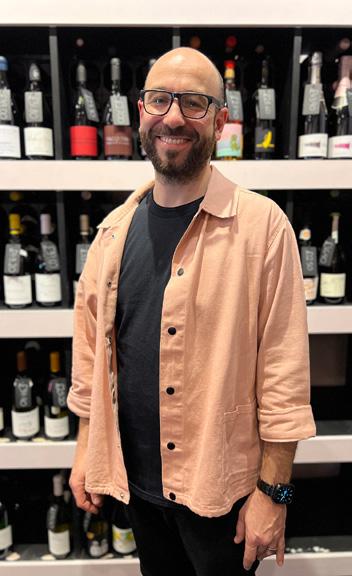
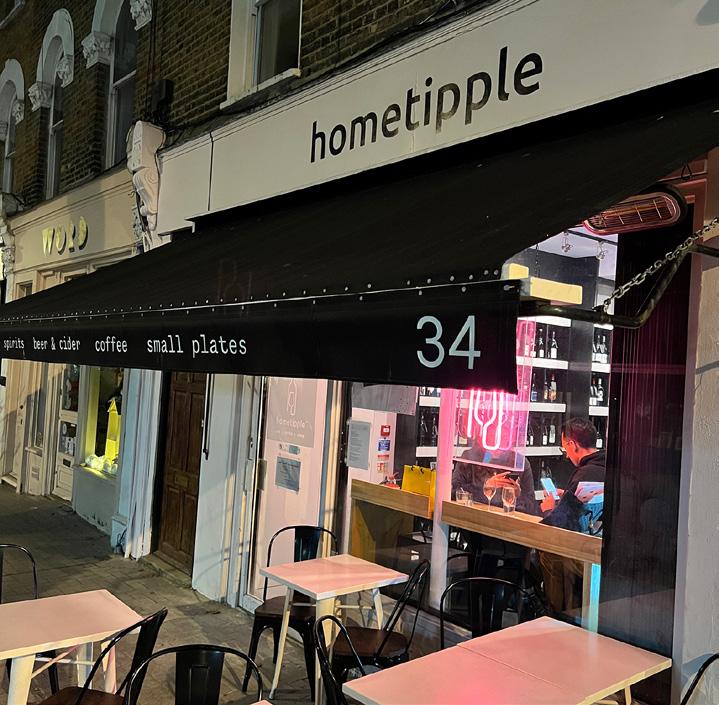
North London indie hometipple reopened in November after investing in a new kitchen.
The move will allow the business to host a series of chef residencies, which owner Mikey Studer believes will benefit sales of his growing portfolio of wines.
Hometipple began trading in April 2021 as an online retailer and moved into its physical home on Orford Road in Walthamstow in February 2023.
“After we opened, it became clear very early on that people really wanted a proper food offering,” says Studer, “and obviously with a proper kitchen a world of possibilities in terms of pairings opens up.”
When it comes to restaurants, residencies make perfect sense in a climate where there’s extra pressure on people’s wallets. Limiting availability of certain experiences can focus customers and encourage them to make that discretionary purchase. And, according to Studer, there are plenty of talented chefs to choose from. The first to be working at hometipple (Studer spells it without a capital) is Lucy Timm, who will be in residence until the end of March.
“We collated a long list of chefs working not too far away who were doing good things,” Studer says.
“We had such a positive feeling about Lucy from the beginning. We knew we needed someone who would hold our hand a little bit as we were doing it for the first time, and she has been absolutely phenomenal.”
Studer’s wine list relies on longer-term relationships and he’s grateful for the support he’s received from importers who have been with him from the start.
“Originally, when we were trading online only, we were working on a consignment basis,” he says. “So we were taking stuff under bond and we were only paying for it when it got sold.
“When we moved into the shop, we operated a more straightforward model. We’ve worked with ABS from the start and they have been incredibly supportive, absolutely brilliant, and I don’t know what we would have done without them. Alliance, specifically Ned [Llewellyn] who is their off-trade director, have also been great with us.”
Although the business has extended into the neighbouring premises to accommodate the restaurant element, hometipple is still very much an independent wine business.
“The focus at the front of the building is about the wine shop,” Studer says. “We’re probably up to about 300 wines now. We’ve got around 60 lines of spirits and probably 40 or so beers and ciders.
“We’ve also had to take on quite a few new members of staff, all of whom have been absolutely incredible, and I’m very grateful for their hard work and dedication. It’s absolutely not possible without them.”
Simon Taylor says he is “looking forward to stepping back” from Stone, Vine & Sun, the Hampshire independent he founded with Andrew Shaw in 2002.
Taylor, who remains a majority shareholder, is now non-executive chairman, working part-time in the business. Gareth Groves, who led Bibendum’s Walker & Wodehouse division when it was created and has most recently been head of commercial operations and marketing at Kingsland Drinks, takes over as managing director.
Stone, Vine & Sun is based in Twyford and recently expanded by taking on the former Wine Utopia shop in Stockbridge.
“It was too good an opportunity to miss out on, really, and if it does well we’ll definitely look for more shops in the future,” says Groves, whose career began at Oddbins. “But that’s probably not in my top three or four things I have on my desk.
“I will just be looking to get under the skin of the business in the first few months. I’m not going in there to revolutionise it in 100 days. It will be about understanding the customers, the staff, the range, how everything’s looking at the moment, and then looking to change things going forward.”
Stone, Vine & Sun imports wine from around 80 estates. “One of my priorities will be meeting those key suppliers,” says Groves. “And I’ll be getting to Wine Paris and Vinitaly. Going forward, I’m sure I’ll be doing some buying – some of everything, as you do in a small business.
“But my focus is going to be selling and the management of the business. This is not a criticism of Stone, Vine & Sun in any way, but I think it’s true of all wine businesses that it’s easier to buy than sell sometimes. I’m coming in to drive value for the shareholders, and that means selling.”
Taylor says: “Gareth has superb

Winyl in Manningtree has changed hands and will continue as a wine shop – but the vinyl sales, which made the shop unique in the independent trade, will end.
Owner Steve Tattam (pictured), who established the business in 2018 with his wife Whilmari, took the decision to sell after experiencing ill health.
experience, in particular driving sales teams. I can’t think of anyone with more suitable skills to take the business, with its portfolio of suppliers curated over 20 years, to a higher level.”
Bournemouth indie The Jolly Vintner Too ceased trading in mid December after owner Jim Dawson called in insolvency practitioners.
“Naturally this is not how I would have liked to have finished with the wine trade,” Dawson says. “However the last two years have been increasingly difficult to bear.
“The Liz Truss effect on the economy hit hard. This, coupled with the butcher two doors down closing at Easter, has meant that footfall is one third of what it was preCovid.”
Dawson believes the Covid era “was for many in the trade a false dawn, and ‘shop local’ did not survive the reopening of restaurants and pubs in early 2021”.
He adds: “It is with a heavy heart that I have taken this course of action but see it as the only way out of my current situation.
“My near 50 years on and off in the trade have been a blast and it has been my privilege to taste and drink many fabulous wines in fantastic settings with great friends, customers and colleagues.”
Winyl is now under the ownership of Dan Steggles, an experienced brewer. The shop will be rebranded Claret & Brew in honour of Steggles’s former brewery in Norfolk. While the wine range will mostly remain the same for now, there will be a new focus on craft beer.
“Dan was very upfront right at the start,” explains Tattam. “He said he didn’t know anything about buying vinyl and that he didn’t want to continue with that part of it.” This leaves Tattam free to continue to run the vinyl side of the business in an online capacity, and Steggles can put his beer specialism to use.
Steggles sold his brewing company when he relocated to Essex seven years ago. As a customer at Winyl, he was interested as soon as Tattam said he was looking to sell because he could see its potential even as a wine and beer shop without the records.
“My problem is that, although I know a lot about beer, I do lack knowledge about wine,” Steggles says. “But I am educating myself and I have been to tastings and talked with some reps who Steve has introduced me to.”
Natural wine is a category that has piqued Steggles’s interest and which is likely to be part of the product mix under his stewardship.


The parts that Guy Ritchie and giant phalluses have played in my beer range

Ioften wonder why I bother selling beer and cider. I guess it goes with the territory and it seemed like a good idea at the time.
Before I bought the shop there was a space at the front with a small domestic fridge in it. All that was in the fridge was the remains of a pint of milk. I measured the space and figured I could get a shelving unit in. I bought a large pine bookcase as it was cheaper than bespoke shelving.
I then sat down with Alice’s partner, Nick, who is a bit of a beer hound, and we went through a huge list of Belgian and German specialist beers from a Belgian specialist beer importer. Outside of the M25 the minimum order was a mixed pallet, so we came up with a list of dozens of odd beers – some of them very odd. I
then sat down and made shelf talkers for them all.
For some reason I spent the next few days whizzing around France with a mate in his new mid-life crisis sports car. We got back to Poole on the fast catamaran at 1am on a Tuesday. At 10am I completed on the sale and got the keys to the shop. At 10.10am the bookcase arrived and, thank heavens, it fitted millimetre-perfectly into the space. At 10.30am the pallet of beer
arrived. And that is when I first wondered why I bother selling beer.
Bart had rung me to say he had substituted a few. His English wasn’t great but better than my Walloon. I evidently misunderstood as he had substituted about 50% of them. Dozens of my pre-printed shelf-talkers were useless.
Eventually the bookcase was filled with exotic and unusual beers. Most had very long sell-by dates so there was no worry about them not selling quickly. They sold reasonably well, though. Well, some of them did. Now I had a dilemma. I couldn’t re-order the more popular ones as I didn’t want, or have space for, another pallet. So we were left with the very odd ones. The solution was to fill the gaps with better-known, more widely distributed but interesting beers from a more local wholesaler. It wasn’t what we set out to do and I still had to find a home for the dozens of plastic crates piled up in the yard.
Over time we evolved the range to just local beers and ciders from local craft brewers. That probably made more sense. Now we have around 30 beers and 15 ciders from 10 different producers. The ciders are on additional shelving made from a stack of wooden wine boxes. It has been a few years now since anyone has asked if we still have any 6.5% kriek lambic naturally fermented with wild yeast from fresh cherries.
WBeer takes 18% of the shelving for 2% of the sales. People buying beer and cider typically take bloody ages to spend £3
e have had another bit of a change recently. Celebrity film producer and ex-Mr Madonna, Guy Ritchie, lives just down the road. He grows wheat and has an endless supply of water from a chalky aquifer. It made sense to him to create a brewery: Gritchie. We stocked and sold all his beers (apart from the weird sours), and they were very popular. Then he got bored, bought the local airfield and closed the brewery. I’m sure there was more to it than that, but the brewery closed suddenly all the same. So we have been trying ranges from other local brewers, with mixed success.
We are only just in Dorset: I can walk into Wiltshire in about 20 minutes, and drive into Somerset in the same time. We used to sell some beers from a brewery about a
two-hour drive away on the Devon border. They were in Dorset but didn’t deliver very often. Gritchie was so close they sometimes delivered within 20 minutes of us ordering. From here, you can drive for half an hour past the brewery and still be in Dorset, but their address is Wiltshire. The new beers we have in stock come from nearby towns in Somerset and Wiltshire. Tourists want beers from Dorset.
A lot of beers in our current range are heavily hopped and call themselves things like New England IPA. Only one is what I would recognise as a traditional ale, made in Dorset and supplied in a bottle. It has a giant phallus on the label, though (you had to really, didn’t you, Cerne Abbas Brewery in Dorset?) Most are now in fancy cans with silly names like Right Platform, Wrong Station (thank you, Eight Arch Brewery, Wimborne, Dorset).
The thing that gets me most about selling beer is the space it takes for the contribution it gives. It takes up about 18% of the linear footage of shelving space for about 2% of the sales. Prices range from £2.50 to £5. The average sale is about £10. Compare that to cigars: that’s currently about 5% of sales and the humidor takes up 2sq ft of counter space. Prices range from £11 to £35 a stick and, amazingly, we have regular customers spending between £300 and £400 a time – money up in smoke! You can buy beer in our local Tesco. You can’t buy a box of Romeo y Julieta Short Churchills.
Time is the other thing that niggles. Someone popping in for wine and spirits (or cigars) may take just a few minutes to spend a fair bit of money. People buying beer and cider typically take bloody ages to spend £3, especially if they are buying that one bottle of local cider for a special present. So I wonder why I bother.
I have to keep bothering, though. At around the time the original pallet of Belgian beers arrived I had my little van sign written. The sides of it still say “Fine Cigars – Real Wine – Odd Beer”.
David Perry is the owner of
Shaftesbury Wines in Dorset
Every year, The Wine Merchant carries out a survey of its readership. The responses we receive help us put together a detailed analysis of what’s happening in the independent wine trade.
In 2024, more than 200 businesses took part and we published extensive coverage of our findings in our March and April editions. We’ll do the same in 2025.
It takes 15 to 20 minutes or so to complete the questionnaire. You can do it anonymously if you like, but if you do give us your name, we’ll only quote you if you've given us express permission to do so.
Our partner once again is Hatch Mansfield, which will be awarding a a mixed case of six wines to five respondents selected at random.
This is our most important project of the year. For more than a decade, the results have helped the entire wine trade form an accurate picture of the challenges and opportunities facing independent wine merchants. Thanks to everyone who can spare us a little time to take part in 2025.

Davy’s tricked me. Maybe your suppliers are tricking you. Let’s talk about it on Bluesky
even other multiples, so long as they’re based far enough away and they won’t be embarrassed on price.
It’s a subject that The Wine Merchant has addressed in various forms over the years, but never, for some reason, in our annual survey of independents. That changes this year. We’ve included a question about how indies feel about sharing part of their ranges with multiples – as well as local specialist rivals – and how suppliers communicate about their channel management.
Davy’s, the storied London wine merchant, was kind enough to invite a small group of journalists to its wine vaults and head office in Greenwich for a Christmas lunch. We were welcomed, as is customary, with a glass of fizz. It was poured from a bottle wrapped in a black bag and we were encouraged to guess what we were drinking.
It definitely wasn’t Champagne, but that’s pretty much all we could agree on. Noting the acidity, the lean mineral streak and lipsmacking salinity, I wondered aloud if we’d been enjoying something experimental from England. Another journalist, with a palate much better than mine, suggested cava. Our collective thoughts then turned to crémant and various outposts of the new world.
We weren’t even close. It was only when chairman James Davy informed us that we’d be able to drive home after several glasses that the penny dropped. This was actually dealcoholised Sauvignon Blanc, from Sidewood in the Adelaide Hills, marketed under the Nearly Naked brand. By the time the big reveal had taken place, all six of us had declared our admiration for what we were drinking, and I don’t think we were just being polite. It’s a decent drop, but it took Davy’s trickery to make us approach it with such open minds. Winning over consumers to alcohol-free wines will take a long time, but I suppose that’s chiefly because historically most of them have been pretty awful. The quality is improving, particularly on the fizz, where
the bubbles compensate for some of the missing palate weight. I suspect we’ll see new entrants that bridge the gap even further.
I found myself in Waitrose recently and decided to hide in the drinks department while my wife trawled the grocery aisles at her usual leisurely pace. There’s no independent wine merchant in this particular Sussex town, and in any case I wasn’t there to buy. So I hope I can bat away any accusations of disloyalty or betrayal (though perhaps not gender stereotyping).
It was striking how many wines I spotted that I’d more usually associate with the independent channel. I wondered how many of the indies that list them are aware of their presence on Waitrose shelves.
I’m not suggesting that suppliers are pulling a fast one and deceiving their customers into a false sense of exclusivity, though we all know such antics used to be more common than they are now. And it’s true that some indies will tolerate a little crossover with Waitrose, and
It was striking how many wines I spotted in Waitrose that I’d more usually associate with the indie channel
It’ll be one of the first bits of the survey I seek out when we crunch the numbers at the end of this month. Make sure your opinions are part of the mix.
The Wine Merchant stopped posting on X back in the summer. Our reasons were similar to those cited by The Guardian when it did the same thing in November. We were never Twitter’s biggest fans, even before its Muskiness became too overpowering for our tastes. But we had 6,400 followers on the platform and it was, for a while, a useful way of communicating with our readership, as well as the wine industry in its broader sense.
That usefulness had been draining away for some time. The people we care about most – independent wine merchants – were posting and engaging less, and switching to Instagram as their social media channel of choice.
We’ve done the same, and Insta has proved to be quite an enjoyable way of keeping up to speed with what many indies are doing. But it’s not as interactive as Twitter was, at its best.
So we’ve signed up for Bluesky, using the usual WineMerchantMag handle, and you’re welcome to follow us there, if you like.
I don’t think we’ll build as big a community there as we did on Twitter, but it would be good to get at least some of the old band back together. Conversations, and the sharing of information, have always been hallmarks of the wine trade. We should be able to replicate these things online without all the problems that have resulted in so many of us giving up on X.
The UnSpiral system is perfect for retail environments – and it’s limited only by your imagination
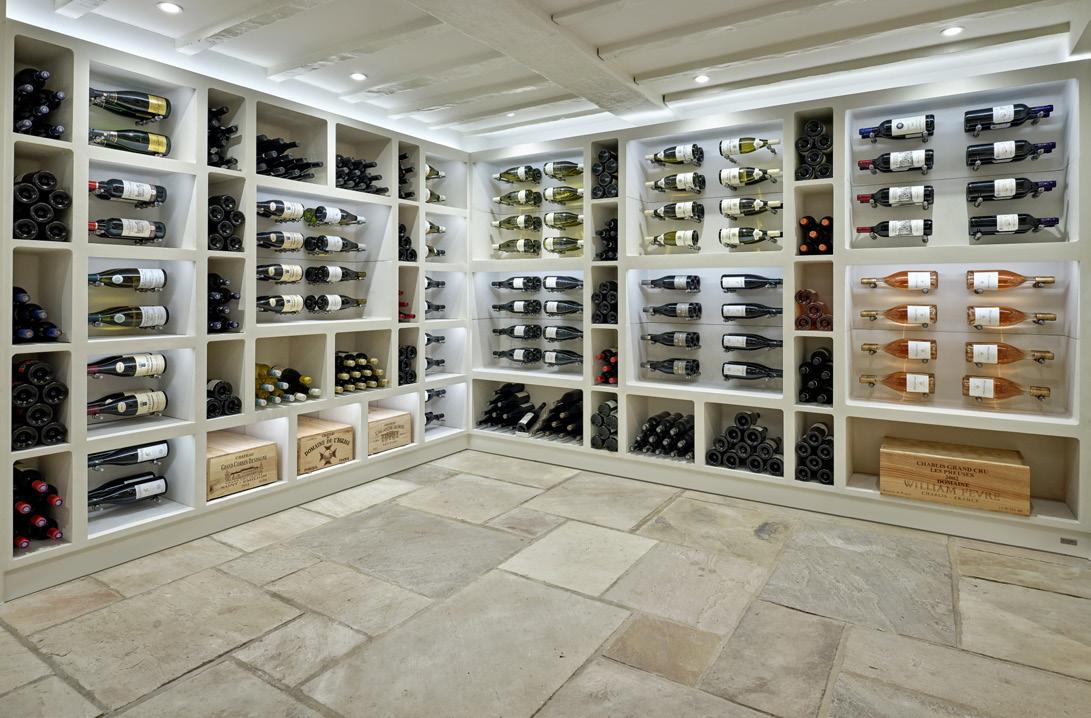
Spiral Cellars is a UK-based business which has created more than 5,000 wine cellars for its client base across the world. Its new UnSpiral Cellar system is designed for both above and underground spaces and offers almost limitless configurations, making it a perfect and affordable solution for specialist wine retailers.
Whatever part of your shop you have in mind, from a feature wall or under-counter space to an entire room, the modular UnSpiral Cellar can be arranged to suit it. It’s just as suitable for small and awkward spaces as it is for big, open-plan sales areas.
Bottles (and cases) can be displayed in a multitude of ways thanks to the range of different-sized modular pieces which tessellate seamlessly with one another.
Retailers can choose any combination from the system’s 38 sections. The bins are designed to store bottles laying down or

Bottles can be displayed upright or stacked horizontally

Double-depth display panels hold up to 16 bottles
standing up and each standard bin can accommodate 12 bottles of Champagne or up to 18 standard-sized wine bottles. There is also the option of integral low-temperature LED lighting for added sparkle.
The system is made from precast limestone concrete and its clean architectural lines offer contemporary appeal while allowing the wines to take centre stage.
UnSpiral Cellars can be ambient or climate-conditioned. If you’d like climate conditioning, the company’s in-house climate control experts will be delighted to help.
You can design your own UnSpiral Cellar or call upon the services of the Spiral Cellars’ design team, a nominal cost that’s redeemable against your resulting order. Either way, they will review your design and make sure you have everything you need to make your new wine display system a success.

Highlight some premium wines or special offers

Lighting options help you add extra sparkle to your system
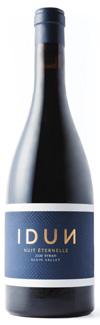
Everything’s cool about this wine, from the Elgin vineyards 300m above sea level to the smart blueand-gold label and the silky nature of the liquid itself. You might expect it to be too elegant for its own good but that’s not the case at all: the Syrah has ripened to perfection, giving concentrated berry richness but without sacrificing breezy Atlantic acidity.
RRP: £24.50 ABV: 13.5% Vindependents (020 3488 4548) vindependents.co.uk
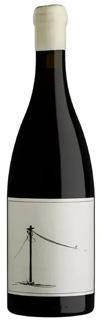
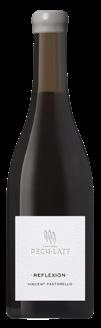
Ethereal clarity from 40-year-old dry-farmed Cinsault vines in Darling. Delicately perfumed with hints of fynbos. Layers of pomegranate, cranberries and granite-smashed strawberries unravel, while ultra-fine tannins ride the crashing waves of fruit and minerality. This is Cinsault at its charming, exquisite best.
RRP: £40 ABV: 13%
Swig Wines (020 8995 7060) swig.co.uk
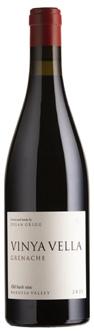
This wine is all about the fruit, the whole fruit and nothing but the fruit: specifically, the kind of fruit you might expect from 100+ year old Barossan bush vines. Cherries and strawberries so real they feel like one of your five a day. A fine balance of youthful tannins and a clean line of acidity upholds order.
RRP: £40.50 ABV: 14%
Clark Foyster (020 8819 1458) clarkfoysterwines.co.uk
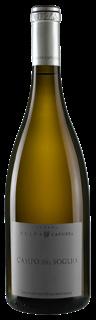
Tocai Friulano from one of Italy’s smallest DOCs based in Lombardy. A remarkable depth of sun-drenched squishy pears and golden peaches with flickers of flowers and herbs. Densely packed on the palate with a rich texture and fabulous fruit intensity; a light pithy fizzle on the finish encourages another sip.
RRP: £25.50 ABV: 14%
Astrum Wine Cellars (020 3328 4620) astrumwinecellars.com
45% Grenache, 35% Carignan, 17% Syrah and 3% Cinsault, fermented and aged in stainless steel. Served slightly chilled just as the Languedoc locals would do, it’s an extremely graceful wine. Pure in every sense of the word with lucid cherries and strawberries and violets crushed between rain-soaked rocks. A gem.
RRP: £45 ABV: 14.5%
Top Selection (0845 410 3255)
topselection.co.uk
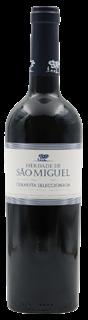
A wine that reaffirms that Portugal consistently offers astonishing value for money. A blend of Alicante Bouschet, Touriga Nacional, Cabernet Sauvignon and Syrah offering delicate floral notes, roasted herbs, blueberries and black plums. Plenty of structural interest with ripe, round tannins and a lively acidity.
RRP: £16 ABV: 14%
Raymond Reynolds (01663 742230) raymondreynolds.co.uk
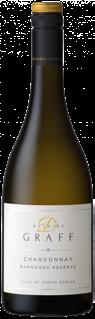
The avoidance of bâtonnage and malolactic gives a lively Chablisienne feel to this benchmark South African Chardonnay. Subtly reductive with whispers of flint. Classy oak integration from barrel fermentation and ageing in 40% new French oak for 10 months adds layers of flavour and texture. Suave and assured.
RRP: £33.49 ABV: 13.5% Hallgarten & Novum Wines (01582 722 538) hnwines.co.uk
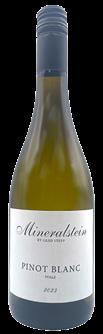
Gerd Stepp’s Riesling and Pinot Noir are wines that are quietly conquering sections of the UK independent trade. There’s a risk they could overshadow this gorgeous Pinot Blanc, which would be a shame, as it’s made with the same deft touch, with ripe, round fruit, a lemony kick and (of course) Pfalz minerality.
RRP: £19.50 ABV: 13% Ucopia World Wines (01435 517080) ucopiawines.co.uk
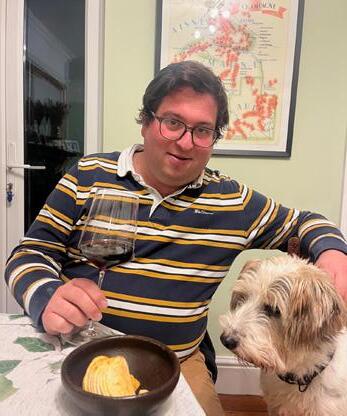
Alex has been at Alliance Wine looking after its independent clients, as well as the on-trade, for almost seven years. Since June 2024 he has been leading the team which exclusively services the indie channel.
I’ve been in the trade for almost 20 years now. I started out working in country house hotels and restaurants before moving into retail, initially because I wanted a better work-life balance. After 10 years at Majestic I moved to Red Squirrel [now Graft], which led me to Alliance.
I was born in Paris and grew up in France and in Chile. I have spent a third of my life in France, a third in Chile and a third in the UK. My dad’s side of the family was French so I guess wine was always around and very much part of my childhood. When I started in the trade I probably had a soft spot for French and Chilean wines,
but I’m really open-minded and never jump to conclusions about a wine because of its origin.
Working with independents, it’s really important to understand how their needs differ. It’s about approaching each of them individually, finding out how they work, what they need and how we can effectively support their business and give them added value. We recently set up a workshop aimed at retailers who are new to wholesaling and want to add that extra stream of revenue. We can advise them on the best way to position themselves in the market, give them tips on credit terms and run through all the practicalities of wholesale.
Our acquisition of H2Vin is a wonderful opportunity for us and has allowed us to extend our offering to include some premium Loire, Rhône and Burgundy. When the market is quite tough, people tend to look at consolidating their supplier base and look for better support rather than cherry-picking from lots of different suppliers. By extending our portfolio into these key regions, we are an even stronger proposition for independents.
is a showstopper which is also ideal for gastronomic pairings. Stéphane Bourret and his team have transformed La Bastide Blanche into a beacon of biodynamic brilliance. It’s a beauty, bursting with zesty energy, juicy dried apricot and a cheeky sprinkle of Sichuan pepper.
August Kesseler is a producer in Rheingau who just keeps innovating The Daily August Pinot Noir VDP Gutswein is made for pure, everyday indulgence. It combines Rheingau’s steep, labourintensive terroir with a touch of French finesse. It’s fresh, super approachable and packed with juicy cherry and blueberry aromas.
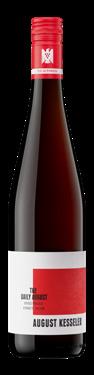
I think Europe in general is having a moment. This is partly down to the high shipping costs, but I think environmental awareness also comes into play. Since Brexit, some European countries have access to bigger marketing budgets specifically to promote their countries, so they are also getting more traction.
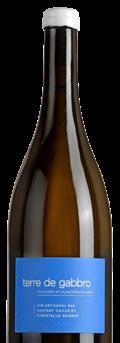
Muscadet is having a well-deserved comeback, and Domaine Le Fay d’Homme Muscadet Sélection Terre de Gabbro 2021 is a prime example of why it’s back in the spotlight. Made from 100% Melon de Bourgogne and aged on its lees, it’s fresh and zesty but with a silky feel; that classic hit of salinity and creamy edge that keeps things interesting. Vincent Caillé and Christelle Guibert have truly nailed it with this one. It retails at £22.68 and it’s absolute magic.
Pink is always popular and Bandol’s La Bastide Blanche (£28)
I live in Faversham on the Kent coast and I’m lucky that the transport links are good. I have children aged four and two. The oldest likes to kick a football around but I’m not yet having to spend my weekends on the side of a rugby or a football pitch. They keep me busy and very happy.
March will see our biggest and best-ever portfolio tastings. We’ll be in Edinburgh on March 4 and London on March 5. We’ll have over 60 different producers coming over to pour their wines and we’re inviting everyone to come along.
/ 01505 506060

The 1823 Cellar store, located in Les Quennevais, is owned by Randalls which now operates two wine shops on the island, having acquired Corkscrew Jersey last year.
Mathieu has been at the helm of 1823 Cellar since 2007. Sales director Flo Aranda says he is not so much a rising star, more an established luminary. “Mathieu has always been a star,” he confirms. “As a former sommelier, he’s brilliant at recommending wines for his customers and working to make sure they leave his shop happy. He’s really proud of his shop, too – you can see his little grin when he’s really happy with any changes he’s made.
“He’s been working with us for a long time and has always shown tremendous dedication to achieving an excellent customer experience every time. He’s definitely one of a kind and a person any employer would wish they had as part of their team. I wish we could clone him!”
Mathieu is originally from Bordeaux but says he didn’t get into wine until he arrived in Jersey.
“I was looking for adventure and I knew I wanted to work in an English-speaking country so I came to Jersey,” he says. His adventure started in a hotel where he worked in room service before graduating to the restaurant and all things wine. “It happened quite accidentally, but I remember it so well. It was an Easter Sunday lunch and one of the sommeliers didn’t turn up, so I was pressed into service.”
Initially press-ganged, maybe, but Mathieu has evidently found a career that suits his personality and he’s built valuable relationships with customers who have been coming to him for years.
“Experience brings a number of advantages,” he says. “The shop itself has relocated three times and every time the customers have followed us. You lose some and you gain some, of course, but Jersey is a fairly small place, and before I worked here I was involved with the best hotel on the island, so many people knew me from my hospitality days.
“You build up a rapport over the years. It’s like if you have a really good hairdresser or a mechanic, you rely on them. It’s all about the personal service. We are very serious about the level of service we’re giving people, and Flo and myself and other people on the team are always working towards making everybody feel special.
“It is my job to help people discover great wines, and
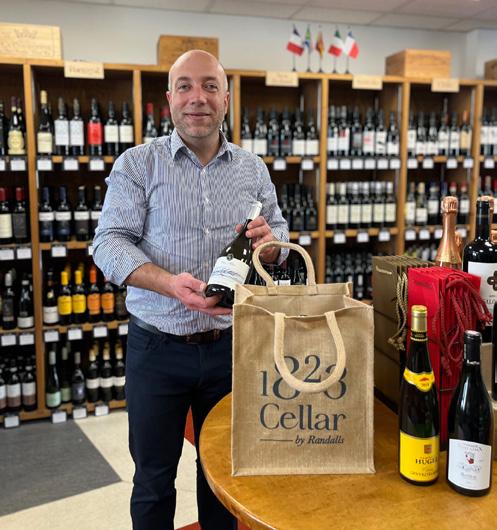
good value, so they rely on my expertise to help them find these interesting wines that they might not have picked from the shelves in the first place.”
Retail is often an attractive prospect for sommeliers who have tired of the more unsociable hours that come with hospitality, and Mathieu also appreciates the autonomy in his role at 1823 Cellar.
He says: “Even though we are part of a larger group and Flo is our boss, I feel that I’m almost running my own business, and I enjoy every aspect of it.
“I’m lucky I ended up where I am now. It’s a lovely transition from hospitality to retail; you get to keep all the advantages of the job such as working with great wine and dealing with lovely people. Well, 99% of them. I’m very good at turning someone who is a bit grumpy into a nice person, even if they come in with a corked bottle of wine that’s not corked.”
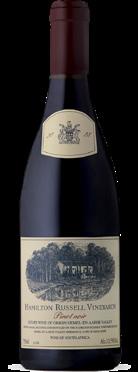
Mathieu wins a bottle of Hamilton Russell Vineyards
Pinot Noir
If you’d like to nominate a Rising Star, email claire@winemerchantmag.com




1. Which grape variety makes the driest style of Madeira? (a) Verdelho (b) Boal (c) Sercial
2. The Citrusdal mountain, noted for its Syrah and Grenache, is a wine region in which country?
3. Which of these grape varieties native to Puglia? (a) Verdeca (b) Nero di Troia (c) Aglianico
4. Which animal features on the German VDP classification symbol?
5. What was Winston Churchill’s favourite wine? nswers on page 21








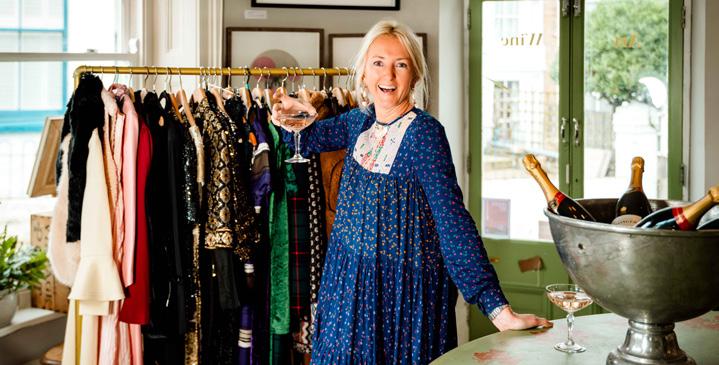
In a nutshell: Finding quality vintage fashion items should be celebrated with a glass of Champagne. Put the two together for a memorable shopping experience.
Tell us more:
“We live in a really seasonal place. It’s 80% holiday homes in our village, which creates a real challenge in terms of keeping the business going during the winter. Having been open for about a year and a half, we’ve already done a winter, and this time we’re really focusing on putting on events to keep up the cash flow and keep people coming in throughout.
“As a strategy it’s really working because we keep having events on Thursday and Friday nights. We’re becoming the place to be, regardless of if there’s an event on.”
How did you find who to partner with for this event?
“Lucy [Whelan] is a lifelong friend and she’s recently taken over a basement shop in the village for her vintage clothing business, called The Rabbit Hole. She has a huge collection of wonderful vintage stuff, and she selected her party pieces so it was a pre-Christmas and New Year party season vibe.
“We ran a paying bar and sold our house Champagne by the glass, which was really popular. The bar was busy in general with people buying other drinks too, but as we don’t usually have Champagne on by the glass, it felt really special.” 62:

Harriet Hadfield
The Halland, Seaview, Isle of Wight
Did you sell tickets?
“No, we didn’t charge for tickets. We saw it as being a win-win situation. It promoted Lucy’s new shop and people spent money at our bar.
“We just put it out on all our social media. We have very powerful WhatsApp groups here on the island. Our village WhatsApp group is 450-strong. They might not all live here, but they might be down for a weekend. We have an email newsletter as well which has now got about 550 subscribers and it’s continuing to grow.”
You have a lovely looking space. Was it designed with events in mind?
“I wouldn’t say there was a grand plan – this has all been quite accidental. My partner Chris [Jelf] started it all and he created this beautiful space in which we can play. There’s nowhere else like it: for
us on the island it really is something quite unusual.
“We’re really trying to become a hub for our community, and it makes such a difference to people in the winter. People think our village is dead this time of year, but it doesn’t need to be.”
What else have you got planned?
“We’ve already had live music events including a classical pianist and a reggae night. We’ve got a gin and literature evening coming up, as well as Christmas carols and wreath-making, which we did last year. We’ve just put in a turntable and we stock the album by Luca Wilding who lives in our village and is an incredible musician.
“We’re only licensed until 9.30pm, which suits us perfectly. When we’ve done a late licence, we realised that you don’t make any money after a certain point.”
Harriet wins a WBC gift box containing some premium drinks and a box of chocolates.
Tell us about a bright idea that’s worked for you and you too could win a prize.
Email claire@winemerchantmag.com

Carlos Blanco Blanco & Gomez, London
Favourite wine on my list
Either the Tokaji Aszu 6 Puttonyos or Tokaji Szamorodni from István Szepsy. There are many factors to consider when choosing a favourite wine, but when thinking about one that you can drink on its own, the sweet Tokaji is my favourite (even though I love an aged white Burgundy and a mature Rioja).
Favourite wine and food match
I recently tasted a 2010 Rully Blanc from Domaine Michel Briday with Brillat-Savarin and Chaource. These French cheeses tasted extraordinary with the wine.
Favourite wine trip
A couple of years ago Finca de Valpiedra hosted some wine buyers on a trip to Spain. A highlight was a hot air balloon flight over Valladolid, which was simply breathtaking.
Favourite wine trade person
Beatriz Pascual from Boutinot. Even though she has not been our sales rep for few years now, she’s understood us since we began 14 years ago. She connected with our selection of wine and always suggested what she thought could work in the shop. She has a very good palate, so all her suggestions have been spot on.
Favourite wine shop
Bottle Apostle in London. Their selection of wines is excellent for an independent.
Global wine production has plummeted to a 63-year low after frost, heavy rains and drought ravaged vineyards throughout 2024.
New figures from the International Organisation of Vine & Wine (OIV) suggest that global wine production will reach just 231 million hl this year.
Giorgio Delgrosso, head of statistics at the OIV, said: “This would represent a 2% drop from the already historically low 2023, and a 13% decline compared to the last 10-year average.
“To find a smaller vintage than 2024, we must go back to 1961. The reasons seem quite clear: climate variability, with frosts, heavy rains and droughts, has severely impacted production.”
Decanter, December 2
The boss of Naked Wines has said the brand is “in a better position, both financially and strategically” after slashing its losses during the first half of its financial year.
The Norwich-headquartered company has reported a pre-tax loss of £5.6m for the six months to September 30, 2024, down from the £9.7m loss it posted for the same period in 2023.
However, Naked Wines’ revenue also fell from £132.3m to £112.3m.
City AM, December 10

Angry French grape growers broke into a wine estate, set fire to a refrigeration unit and emptied wine vats.
The hooded vandals targeted an estate owned by Grands Chais de France, the second-largest wine producer in France.
The public prosecutor in Narbonne said the vandals left a “CAV” tag on the property, which indicates that they are part of Comité d’action viticole (Viticultural Action Committee).
They also wrote the inscription “viti en colère” at the estate in Aude, which roughly translates to “viticulturalists are angry”.
This is the latest in a string of symbolic protests against the low prices that French growers are receiving for their grapes. Decanter, December 11
A pioneering robotics project that will serve the British wine industry has secured more than £475,000 in government funding, WineGB has confirmed.
Cambridge-based Autopickr aims to create a sophisticated robot that can mimic hand-picking grapes as well as assisting with green harvesting and canopy management.
The robot can travel up and down slopes, operate at fruit zone height, and through a unique artificial vision system distinguish between unripe and ripe grapes, picking whole bunches once they are ready.
The Drinks Business, December 12
Gironde start-up company Toopi has given the go-ahead for its Lactipi Plus, a bio-stimulant produced from human urine, to be released for sale in France.
The urine is collected in composting toilets in motorway service stations, theme parks and festivals. “Once stabilised and sanitised, we add sugar to it and the Lactobacillus paracasei strain of bacteria,” says Toopi marketing manager Jean-David Kakou. Once fermented, “it only requires 25 litres per hectare of urine to dissolve 35kg of phosphorous, compared with 17,000 litres in its raw state,” he adds.
Lactipi Plus is sold as a stimulant for the vines’ root system and mycorrhiza and enhances absorption of water and nutriments. “It saves 12 litres of water per litre of product and reduces usage of mineral fertilisers and carbon emissions with no loss of yield,” claims Kakou. Vitisphere, December 12
• Outspoken right-wing Argentinian president Javier Milei celebrated his first year in office in typically modest fashion, posting a picture of a sparkling wine labelled Lágrimas de Zurdo – “Lefty Tears” –on social media. Accompanied by his rallying cry “Long live liberty, dammit”, the picture was posted on Instagram.
Wine-searcher, December 15
Answers to questions on page 18
1. (c) Sercial
2. South Africa
3. (c) Aglianico
4. An eagle
5. Pol Roger Champagne
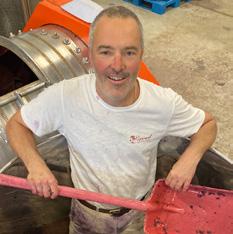


�It’s often the little, obvious things that get overlooked. Too many wines to taste, not enough spittoons, too crowded to get to the table. I go to taste, so when I’m there, I’m in the zone, or trying to be: please find a quiet corner to socialise. One real bugbear is bored exhibitors who can’t tell me anything about the wines they’re representing. Do your homework and please give me a decent pour. I need enough to swirl, taste and spit. Cheers!”
Sam Jary Black Hand Wine, Penrith, Cumbria
�Sorry to be a bore, but genuinely, I don’t think anything annoys me at a trade tasting. It’s a privilege to go to tastings, try delicious products and learn about what everyone is up to, whilst bumping into great people from the industry I love working in. At a push … a small pet peeve is hearing the word ‘smooth’ overused as a tasting note. But it’s not a hangable offence.”
Katy Kennedy Spirited, Bristol




�Shortage of glasses is always frustrating, as is a shortage of empty spittoons. Wearing someone else’s rejected Shiraz is never a good look! Also, when buyers turn up mob-handed with a flock of assistants it can be quite offputting. But overall, I think companies do a very good job when putting on tastings. Unfortunately, with most tastings taking place in the south, we are not in the position to be too picky with those that are reachable, especially in the current climate when taking time away to attend tastings is difficult.”
Jonty Haighton H Champagne winner H Bowland Forest Vintners, Whitewell
�Probably not the most original answer, but spittoons are generally an issue at trade tastings. Too few spittoons is a major annoyance, but it can also be a problem when spittoons are positioned at, or on, tables where wines are being poured. If spittoons are positioned a little away from the tables, it creates a natural flow around the tables and makes them easier to access and stops people lingering overly long at tables and effectively blocking them off to other tasters.”
Col Grandfield
The Sourcing Table, London
The oldest wine house in Champagne: Äy 1584

Due to what I can only imagine was an administrative error, The Royal Lyceum Theatre in Edinburgh commissioned me to write their Christmas show. When they were searching for a writer to adapt Treasure Island for the stage, some AI programme crunched all my columns for The Wine Merchant and decided I was the man for the job, as I write so often about island life, not to mention wine, whisky and bottles of rum. Yo ho ho.
The pirates spend most of Robert Louis Stevenson’s famous novel drunk. No matter how far ahead they are in the hunt for treasure, whenever they roll into a harbourside tavern or find a barrel of booze washed up on the beach, all good sense disappears. They drink till they’re comatose, allowing the boring but relatively sober good guys to overtake them and find the stash of gold doubloons.
My voyage south for the first night was devoid of shipwrecks, talking parrots, and pieces of eight. My treasure came in the form of warm audience reactions and some decent reviews. Friends and
family came to see the show, so of course we had to get together to celebrate. I was looking forward to something like Jim Hawkins describes after he finally escapes the island: “What a supper I had of it that night, with all my friends around me; and what a meal it was, with Ben Gunn’s salted goat and some delicacies and a bottle of old wine from the Hispaniola.”
Sadly, I wasn’t able to find any salted goat. (Come on Tom Kitchin! Surely a second Michelin star awaits if you get that on the menu!) There is a restaurant called the Hispaniola, on Drummond Street, near the university. When I was a student it was Rutherford’s, a classic old Edinburgh pub, unchanged since Stevenson drank there. The frontage remains a stunning mid-Victorian construction reminiscent of the back end of a galleon. The interior has been redecorated to pay tribute to its most famous customer: there are Jolly Rogers everywhere, muskets and cutlasses crossed on the walls, and dead pirates in cages hanging from the ceiling.
The menu is something else. If you get up

from your table to go to the toilet, you find yourself passing through the Hispaniola’s sister restaurant, Ciao Roma, which is full-on Scottish-Italian, including a huge mural of the Trevi fountain with portraits of notable Italians in the foreground: Pavarotti, Sinatra, and, er, Buster Keaton. The menu is the same in both parts of the restaurant, so we found ourselves sitting under a skeleton in a hammock, eating excellent homemade rigatoni norcina, and an extravagant ice cream dessert called tartufo di pizzo
To drink? We toasted the play and each other with a glass or two of Biferno DOC from Molise.
An Aglianico from Molise? What a bold choice! Every other restaurant I ate at over the weekend had a wine list so boring I was tempted to turn to beer. Even the two well-established, haute bourgeois establishments we visited (and there is no bourgeoisie more haut than Edinburgh’s) listed little more than piddly Pinot Grigio, manufactured Marlborough Sauv Blanc, fruitless Chilean Merlot, and couldn’t-careless claret.
I’m sure if I went to one of the handful of places in Scotland’s capital that employs a sommelier, the choice would be wider and more interesting. But to this wanderer from the north, the general impression was of a lack of imagination or commitment or passion. Maybe all three.
The Hispaniola was completely bonkers, but I loved it. If my play’s a hit I’ll return and drink their most expensive bottle, Antinori’s Tignanello. I’d go for this, not just because it’s a superb wine, but because, uniquely on the list, underneath the figures £225 are the words “Two hundred and twenty five Pounds”. What stories of dispute and conflict lie behind this spelling out? Were cutlasses pulled from the walls at bill-paying time by customers who were sure the price was £22.50? Maybe the skeleton in the hammock is someone who died of shock at finding such a costly premium wine in such a crazy piratical context. Long John Silver would surely have approved.
Duncan McLean is proprietor of Kirkness & Gorie, Kirkwall
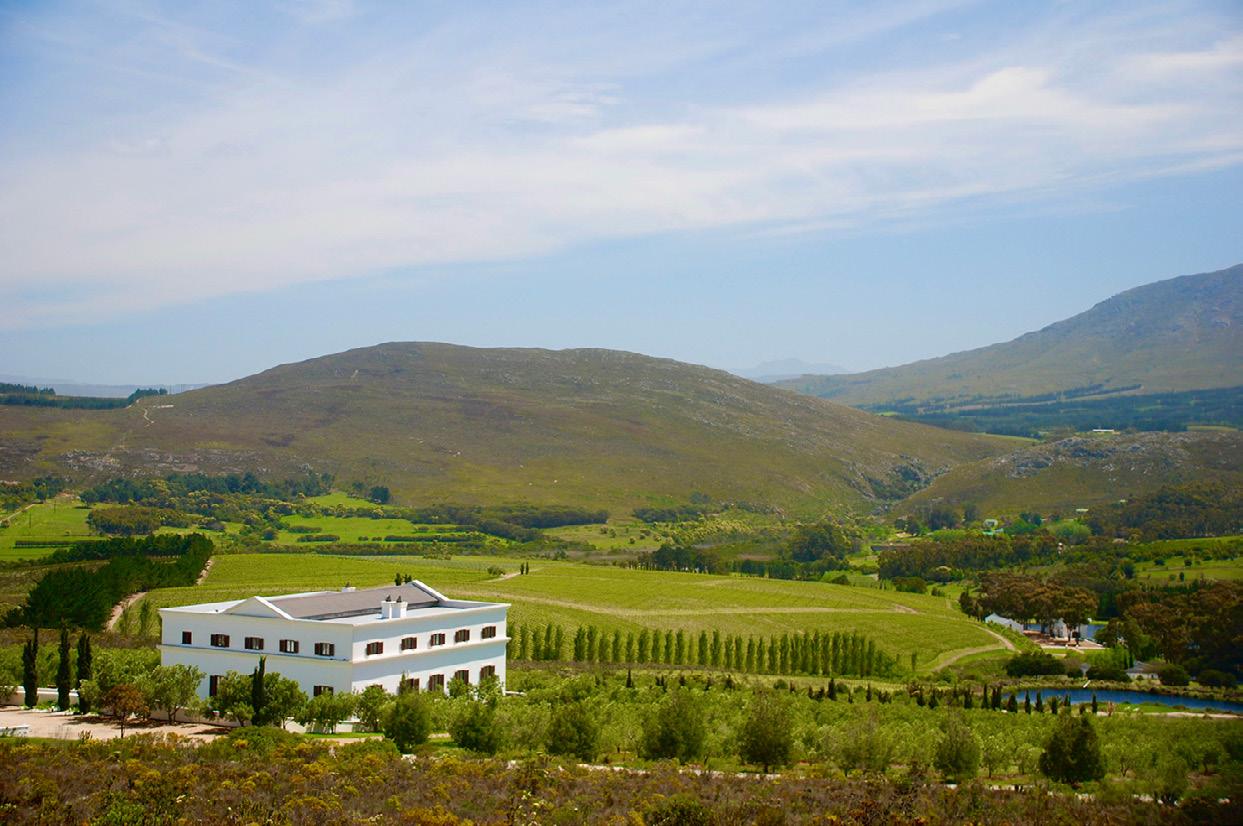
It was the pioneer in Hemel-en-Aarde, regarded today as one of South Africa's most treasured wine regions. Now, as it celebrates its half century, Hamilton Russell Vineyards is Platter's Winery of the Year for 2025
It’s 50 years since Tim Hamilton Russell took a chance on some “impoverished, undeveloped ground” in Walker Bay, South Africa.
“He gave the land a voice, expressed through wine,” says his son, Anthony Hamilton Russell. “Earlier wheat and sheep farming had not been a success. He pioneered wine in a new area, opening the door to the development of the Hemel-enAarde and its now 28 different producers and 13 wine cellars. What a legacy.”
The 170-hectare property is now one of the Cape’s most revered sources of premium Chardonnay and Pinot Noir, made in a style that is often compared to Burgundy but has an authentic South African character of its own.
“This was tired ground,” says Anthony. “Unheard ground. Impoverished even. Its beauty and its story untold, until that beautiful story was told through wine. When my father first planted the land in
1976 he gave it voice. And it sang: so well, so beautifully.”
At Hamilton Russell Vineyards, 20 parcels of Chardonnay wines are all vinified separately and blended for consistency of aesthetic, while also maintaining the character of the vintage. The nine Pinot Noir parcels give Burgundian subtlety, texture and length, a reflection of the stony, iron and clay-rich shale-derived soils on which the wines are grown.
“We are proudly building for our 45th vintage on Hamilton Russell Vineyards and our 50th year as a business,” says Anthony, who has been running the business since 1991.
The half-century milestone coincides with Hamilton Russell Vineyards being named Platter’s Winery of the Year for 2025.
“Needless to say, our family and team are proud,” says Anthony. “So far the 2025
vintage is looking extremely promising. Not quite as big as we would like, but all on track for a great year.”
In association with Mentzendorff
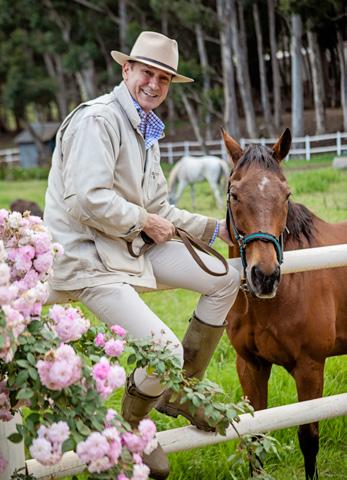
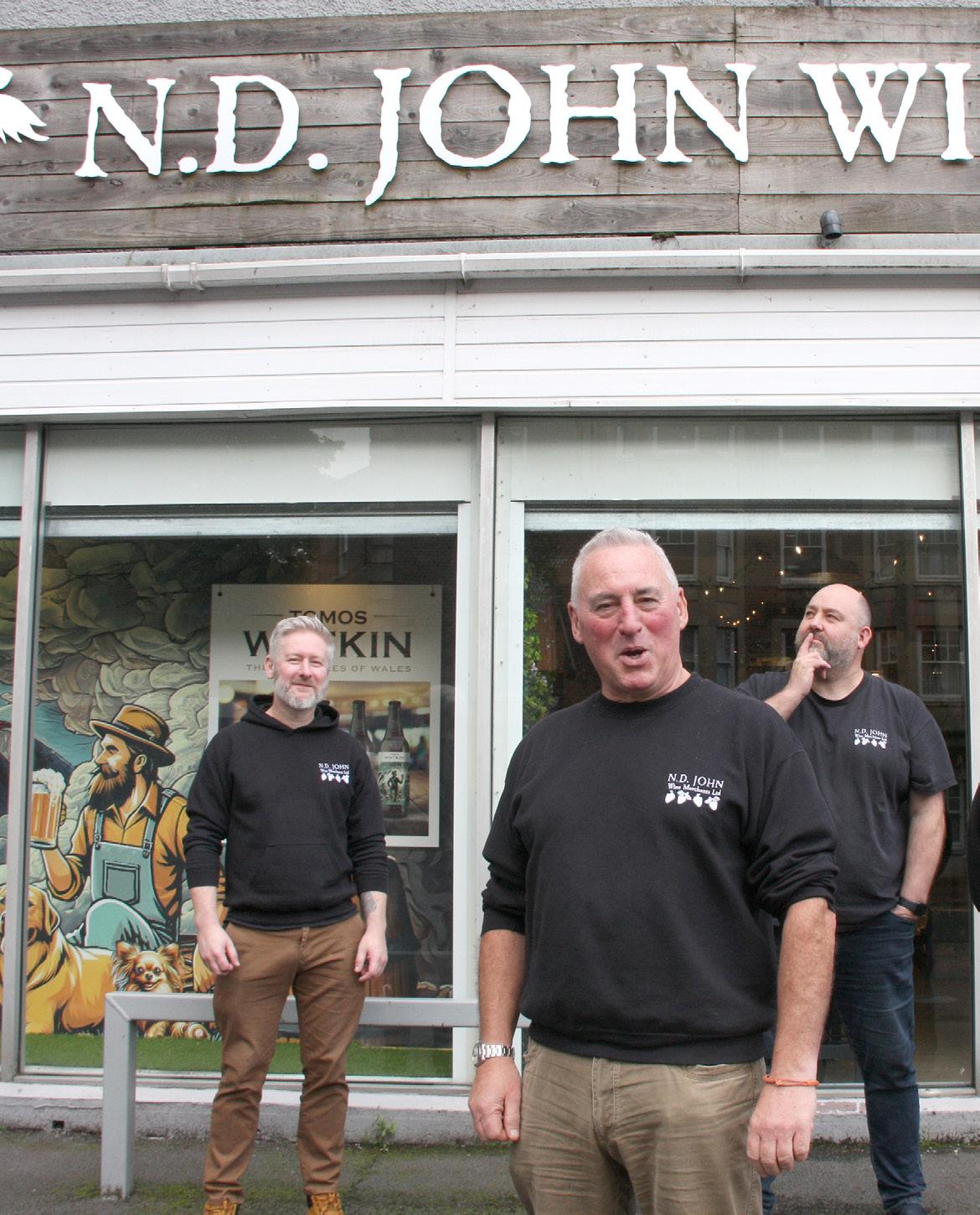
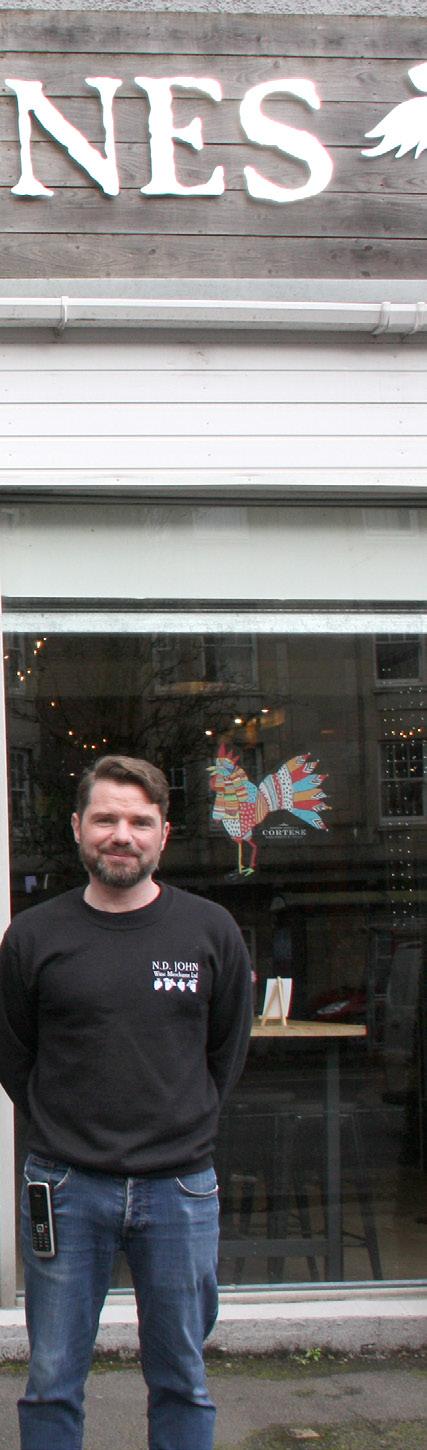
Nigel Huddleston visits a Welsh merchant that started in 1995 as a wholesaler, but now also embraces retail and onpremise sales and prides itself on its adaptability
Swansea’s ND John celebrates its 30th anniversary this year, but it feels like a business that’s constantly looking forward instead of back.
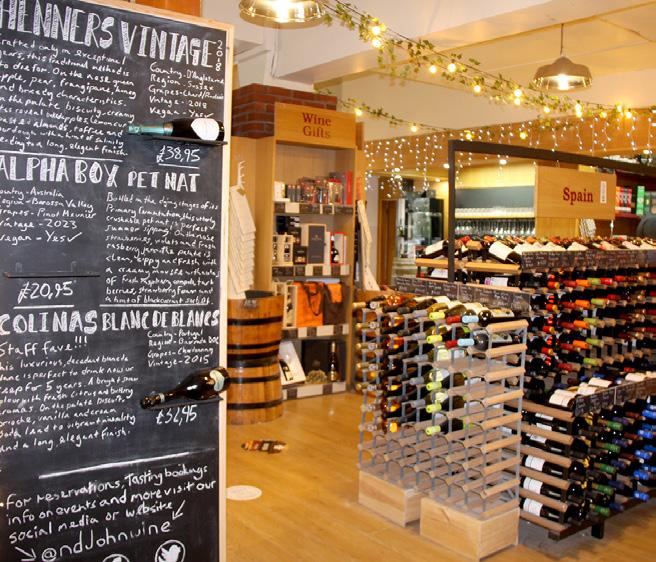
There are plans to develop the store – once a car showroom and, before that, a girls’ school – to add a further tasting area this year.
There’s already been rapid expansion in the past couple of years, with tasting flights, Enomatic machines, weekend pizzas and weekday supper clubs being introduced to great effect to yield more from the two-level retail space. In-store retail sales grew by around 54% in the space of 12 months.
It was the latest evolutionary stage in the business Nick John first established as a wholesaler in 1995, helped on the way by supplying music gig and festival riders through a contact in the Mean Fiddler group.
The first retail foray was a Majestic-style by-the-case operation from the front of the building, with wholesale warehousing to the rear, but the concept never really took off.
A proper shop followed on the site, in the once-affluent Uplands district, in 2003, but changing perceptions took longer.
“It still gave the impression when you drove past of a place that was just a warehouse where you had to go and buy a case of wine and not a bottle,” says Nick. “It took us years and years to lose that stigma.”
Ecommerce came on stream in 2007, with the main warehousing eventually moving to a separate location. Nick owns the freehold to both the store and the warehouse site.
Web business boomed during the pandemic but the mix has swung back towards conventional retail since, and wholesale has rebooted to regain its position as the most significant chunk of ND John’s business.
“We’ve kept on evolving,” says Nick. “I was probably the stick in the mud, because I’m oldest, but a newer generation is here now.
“Larger shops like this that aren’t in the centre of a major city need to diversify, and we should arguably have done so a long time ago.
“We’re not trying to heavy-handedly educate people. We want to give people a thumpingly good evening and it seems to have grabbed their imaginations.
“We purposely haven’t gone out and heavily promoted what we’re doing, because we couldn’t cope with the numbers. It’s already fully booked on Fridays and Saturdays.”
Nick was joined for The Wine Merchant’s visit by general manager Geraint Davies, and Chris James from the retail team.
Tell us more about Uplands.
Nick: It’s only a hop, skip and a jump to get into the centre of Swansea – half a mile, if that. Many years ago, it was one of the most affluent parts of Swansea.
Geraint: The house Michael Heseltine grew up in is just up the road. It became a student area – and it kind of still is, but they’re all going into these massive purpose-built blocks in the city. In the early noughties it was definitely more studenty and bohemian, a bit rough and ready. Now, it’s kind of an overspill for nightlife. There are loads of bars about 250 metres up the road. On Fridays and Saturdays, it’s jumping up there, with a slightly older crowd than goes into town. But the people who come here don’t want to go up there – and we don’t stay open late.
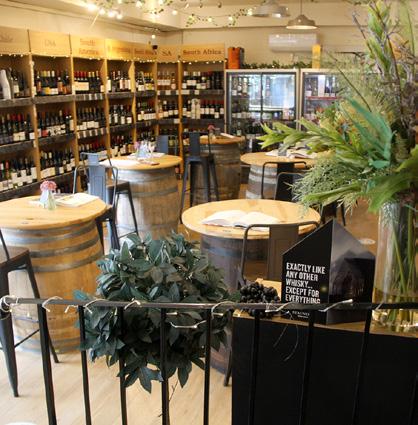
“The next phase will be to sacrifice one of the two warehouses and have a dedicated tasting room there”
Chris: It’s been growing very organically. Every time people come through that door and have a really good experience, word of mouth has slowly been building. We’ve got a good community who come here. Basically, our wine list is the shop, and they’ve got so much more choice than anywhere else.
Nick: We could do double the numbers. We could clear that area [on the top level] and do another 30 people in here but, while it’s great for people to come in and do tastings and flights, people still need to come and buy wine [to take home]. If we had 100 people in here on a Saturday it would be a struggle for someone to walk around and buy bottles of wine. We’ve got to have balance.
Have you reached an end point in your evolution, then?
Nick: No. The next phase will be to sacrifice one of the two warehouses we still have at the back and have a dedicated tasting room area type thing. There’s an appetite for it for sure. We’ve got 400,000sq ft of warehousing just up the road and we’ve got drivers out in vans every day, so the shop can be stocked quite rapidly from there, and we don’t need to worry about losing that space.
The weekend tastings and flights have made a seismic difference which is why we’ve got an appetite for taking it to another level.
What’s the current revenue split between the different parts?
Nick: Wholesale has always been the largest amount, though it’s marginal now. The [bricks-andmortar] retail side is probably the smallest part, but we were already established online before Covid, and during the pandemic that grew massively. It’s obviously calmed down a bit afterwards but we gained a lot of new customers during that period. But the biggest increase recently has been in the shop, percentage-wise.
Do you have dedicated staff for each part of the business?
Nick: There are 14 of us and we’re all multi-taskers. There are two full-timers and two part-timers in the shop and Geraint and myself occasionally step in. But they’ve got to be desperate to get me in.
Larger shops that aren’t in a city centre need to diversify, says Nick
Day-to-day, I get to the warehouse at roughly 6am and try to get an hour and a half in before everyone piles into the warehouse. Wholesale is predominantly my thing, the internet is Geraint’s –
and I do a little bit of the shop, from an overseeing point of view, but Geraint does most of that.
Geraint: There’s an overlap between the internet and retail because they’re all the same products and prices, and we’ve got our own Shopify which powers the till and online. I tend to roll them into one thing in my head.
Nick: We brought Chris in because he was a bit of a beer aficionado and brought a level of expertise. That huge beer wave has calmed down a bit now. A lot of small brewers are disappearing quite rapidly, sadly, but we still try to be involved with local brewers.
What’s your approach with the tasting machines?
Geraint: We started off using them for free samples but now we’ve got printed ND John cards and people top them up. We charge £2.50 [for the card]. They get that back if they give the card back, or they just keep topping it up. It’s just to cover the cost of getting the cards from Enomatic UK, because they’re the only people that do them. Unfortunately, we’re a bit tied there.
Nick: One of our customers described it as the pleasure card. You put it into the machine and wine comes out.
Chris: They’re not new things. You go into most major cities the UK and they’re everywhere but we’re the only place in Swansea that has them. Geraint: I think we might be the only place in Wales. Chris: We focus on changing the wines regularly. If you go to your favourite restaurant you’re drinking the same wines over and over, but we’re constantly changing the wines in the machines and
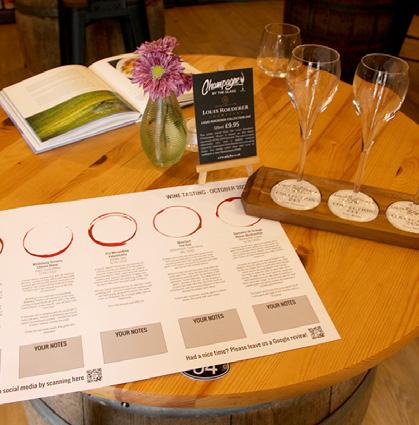
“We’re constantly changing the wines in the Enomatics and recommending new things. They work really well”
recommending new things. They work really well.
Geraint: And we don’t price it crazily. Four of us went into [a place in London] and put 50 quid on the card – and before I’d poured the fourth glass, I was heading back to the counter to get more credit. We tend to look at it a lot more sensibly. We sometimes chuck in crazy wines that are £150 a bottle, but it’s, like, five quid for a 25ml pour. I hate to think how much that might have been in some other places.
Nick: It just encourages people to try things and for us it works really well. We will have to buy more when we do the back.
Tell us about your buying process.
Nick: We went to Prowein, which is huge and the worst place on the planet and a rip-off and all those sorts of things, but we did reunite with a producer who we had the agency for many years ago.
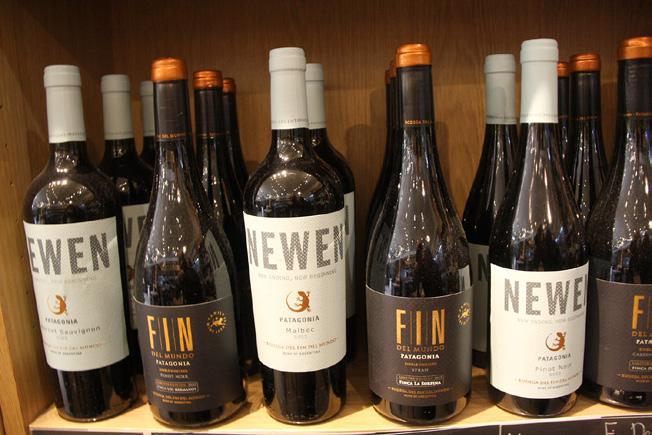
It’s from Patagonia. It’s not exclusive but we do the majority of it; we lead on the Malbec and do our own labels, that kind of thing. There are huge links between Patagonia and Wales because people from Wales sailed from Liverpool on a boat called the Mimosa and that was the first settlement in Patagonia, so we’ve majored on that. We’ve had it for a year now and we probably do just over a container a year. As it gets more trade listings, we’ll probably go to around two containers a year, which is not bad is it?
The space is ideal for tastings and flights
I’ve just done a little trip out to northern Spain to look at things like Rías Baixas, and trying to find some sensible Albariño.
Even before we did the Patagonia thing, Geraint did a trip out to Portugal and we linked up with a producer called Casal da Coelheira. We took a punt and shipped a couple of pallets. We now probably ship every two months, but every time we order it’s eight pallets. A lot of the wine is entry level and we use a bit of it in the on-trade. The more premium stuff sells in the shop at £20 or more and there’s an appetite for it. There’s lot of bangs for your bucks and Portugal produces really good value.
We’re looking for those little niches that other people haven’t got, both from a trade and retail point of view.
Do you favour direct shipping or UK agents?
Nick: Where we can find something we want to ship we’ll ship it, but we’re also part of the IWBC [Independent Wine Buyers Consortium]. It’s a great group of people. We’re all shipping individually from various places.
We also use the usual suspects because you’ve got to, really: Boutinot … we’ve got very good links with Mentzendorff, MMD, Hatch as well. We’ve started to do a lot with North South now. We’re trying to find those little nichey things from them, because they do a lot of mainstream stuff.
We use Sichel for Bordeaux and we’re shipping quite a lot direct from the region. We do buy a few private cellars as well. We bought a massive Champagne one at the beginning of the year and we’ve got another one coming on stream. We’re essentially trying to cut out a few people in between the producers and our customers and get them value, so we remain competitive and the customer gets a good deal.
Is shipping getting harder to justify?
Nick: You’ve got to be canny these days. To ship one pallet is very expensive. To ship four brings the cost down quite considerably but you’ve got to like something enough to want to ship four pallets. Or they’ve got have enough of a range to make it worthwhile. The producers must have the same passions as us. They are out there. They definitely are in Portugal!
Do they have to be able to cover both wholesale and retail lines to work for you?
Nick: Personally I’d look and say “can I put that into the trade?”. If I can, I know I can get a lot of volume out of it. If I can put three pallets into the trade
“Producers must have the same passions as us. They are out there. They definitely are in Portugal!”
and one to play with in the shop that’s the perfect scenario. Being able to supply wholesale wines is not the be-all and end-all, but it does help.
How do you split the buying between you?
Nick: Chris just buys the weird stuff. If it’s weird and it’s on the shelf, it’s him.
Chris: People are asking for skin contact wines, organic wines and pét nat, so we have a small selection. I also look after spirits and beer, working with a lot of small producers. Little things like that fall on my shoulders, so these two don’t have to worry about them.
What do you buy, Nick?
Nick: I recently renewed my love of Bordeaux. I think it’s a very special place. I’ve also started to fall back in love with northern Italy. Bordeaux is still very expensive but northern Italy is coming out with incredibly good wines and they probably represent better value.
Geraint has got the best palate of all of us.
And what excites you, Geraint?
Geraint: I definitely have a love of Champagne. I think for bangs-for-bucks Rhône is still where it’s at, although things are going up a lot. My first port of call would be southern Rhône. Everyone in the wine trade normally goes for northern Rhône, but I quite like those big juicy wines.
Nick: He finds weird southern Italian grapes that we’ve never heard of and says they’re going to be the next big thing. But to be fair we normally put them on and they do sell.
Geraint: I was on a Wine Merchant trip to Sicily and chilled Frappato has been a big thing for us as a result.
Your events include the Swansea and Cardiff International Wine Festivals.
Geraint: We created a monster and decided to kill it. On pure numbers, 1,000 people over two days is pretty impressive for South Wales for a wine tasting event. It started with Swansea for about 300 people, and we moved into a bigger venue for 600 people, and sold that out. We decided to do Cardiff as well for 350 people [in 2022 and 2023] back-to-back on the same weekend as we had all the producers over anyway.
But we got too many spirits and beers involved in the second year and I think it lost focus on the wine
and became a bit boozy. So we went back to doing a Christmas event that’s completely wine-focused and that seemed to be a lot more sensible – and we sold more wine.
Nick: While the festivals were extremely profitable, we probably weren’t giving good value to our producers and suppliers. I made the decision to take a step back.
Geraint: We became obsessed with the numbers, doing 400 one year and aiming for 600 the next, rather than thinking “is 600 too many?” It gave me Bingo Lingo vibes. Do you know that? It’s bingo on stage in an arena with dancers pulling people out the crowd – a whooped-up version of bingo, 5,000 people or whatever. It’s massive.
Nick: You do know that Swansea is the Beaujolais [Nouveau] capital of the world, though? While the rest of the UK has forgotten about that first pressing, Swansea hasn’t. It’s been going on here for ever. It’s a huge event where nearly everybody takes the day off and goes on a massive … Geraint: … day out?
Nick: Yes, day out. We got through maybe 250 cases last year.
Geraint: On the third Thursday in November every restaurant will do two, three, four sittings at lunchtime.
Chris: It’s like New Year’s Eve!
Geraint: It’s most places’ biggest day of the year.
Why do you think it survived here?
Nick: We did push to keep it going as a wholesaler. My sales pitch to my customers was: “What else could you be doing on a wet Thursday in November? Do you want to put a bit of lunch and music on and dress the place up, or do you want
The business is “looking for those little niches other people haven’t got”
to sit back and do your normal stuff and not take enough money?”
We’ve had a few scary moments over the years where the wine’s arrived on the morning, bearing in mind we have to get two pallets across to Wales in a few hours. That can be a bit dodgy, though normally we get it a week before now, so it’s not so problematic.
If anything was going to kill it, it was Covid, but it’s just kept going and it’s never going to stop. Some restaurants we supply are fully booked for the following year by the end of the day.

“Swansea is the Beaujolais Nouveau capital of the world. It’s a huge event. Nearly everybody takes the day off”
What else is still to come for you?
Nick: We’re going to try and run WSET courses because we’ve got a lot of trade customers who want to sign up to them. We already get sommeliers from restaurants coming in on Mondays to do a tasting flight to find something different.
It seems overall that things are moving in a very positive direction.
Nick: We’ve got a very good team. We work really well together and all sing from the same hymn sheet. We want to take the shop to the next level when we open the other tasting room next year. And then we will maybe start to push ourselves even a little bit more. But the guys aren’t under any pressure. We’re doing well.
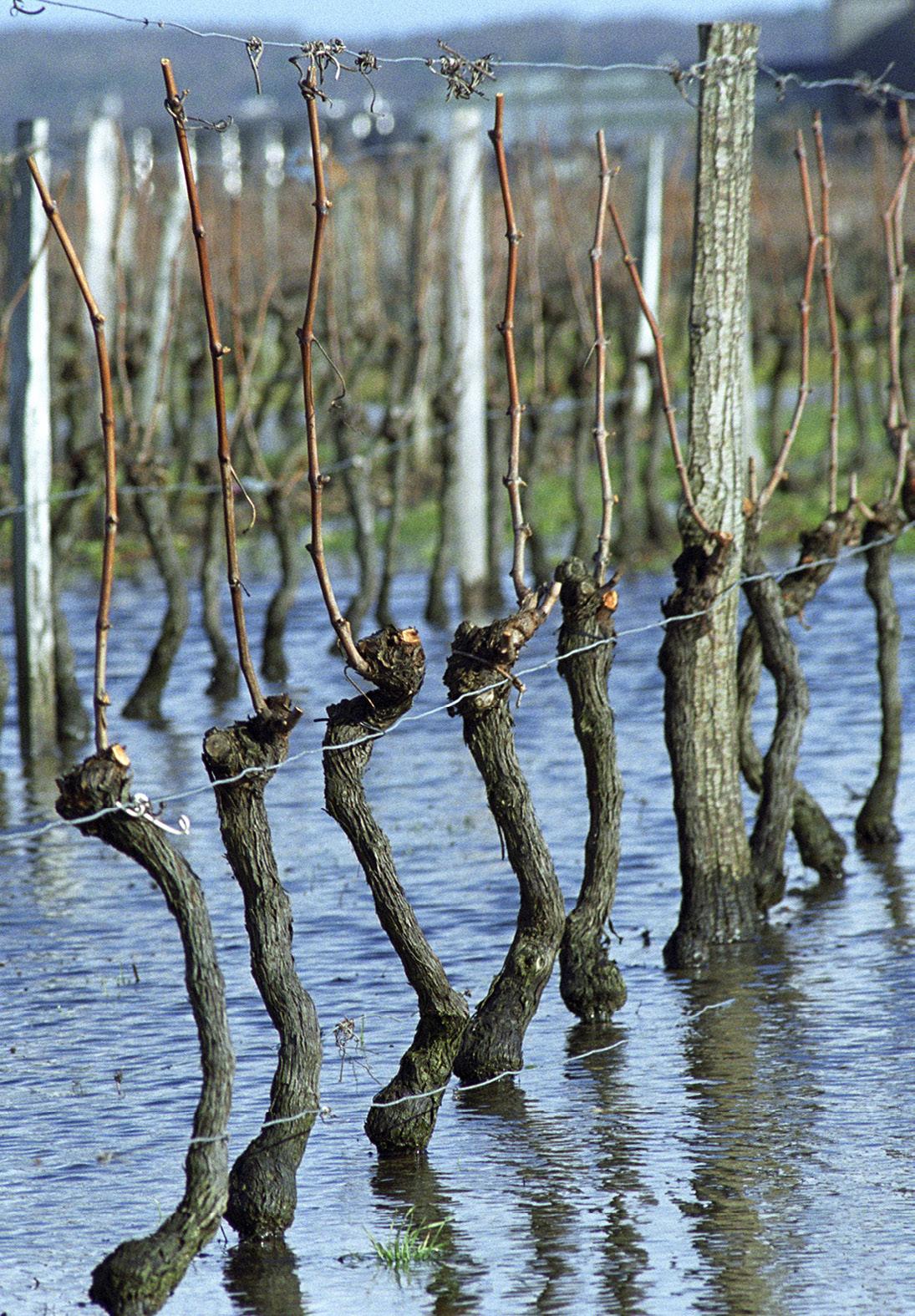
Jacob Stokes rounds up a 2024 vintage that the continent’s wine producers will be glad to put behind them
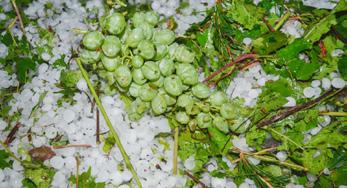
France is set for a 23% drop in production compared to last year, a reduction of 10.9m hectolitres. French growers have felt the brunt of pretty much every adverse weather event this year, with disease pressure and poor fruit set being a damaging constant almost everywhere.
Official estimates suggest that Burgundy and Beaujolais have suffered a 25% reduction in yield compared to last year. Chablis in particular saw high disease pressure due to a 50% increase in average rainfall.
Jura has seen the most drastic losses with a devastating 71% cut in production on 2023 due to severe frost and mildew.
France’s largest growing area, Languedoc-Roussillon, is having an ongoing battle with drought that last year resulted in a drop of 4% in volume compared to the average.
A government grubbing-up initiative is aiming to reduce wine production in Bordeaux. But nature has also played its part: volumes were down by an estimated 10% in 2024 compared to average volumes, the lowest since 2017.
The Loire Valley continues its gloomy trend of poor fruit set, hail and disease pressure with volume losses of 30%.
Retaining its crown as the world’s largest wine producer, Italy has seen volumes go up compared to the historically low 2023. But 2024 remains below the five-year average due to a range of factors including heavy rainfall, floods, hail and drought which contributed to disease pressure.
Producers in Piedmont and Tuscany are reporting a more old-fashioned, classic-style vintage with more moderate temperatures. But hail was a problem in Piedmont, as was flooding in Tuscany.
Producers in Trentino-Alto Adige are down 17% on the five-year average and 12% below 2023 due to severe disease pressure caused by excessive rainfall and cool temperatures.
Sicily and Sardinia are not only down on last year but also saw shortfalls of 37% and 23% respectively on the five-year average due to water stress and drought.
Opposite: Per Karlsson’s photograph of flooded vineyards in Bourgueil received a special mention in last year’s Pau Roca photography contest, organised by the International Organisation of Vine & Wine, which had the theme The Vine and Wine Sector Facing Climate Change.
Spain experienced the opposite extremes of severe drought and catastrophic floods in 2024.
Jumilla, Penedès/Cava, Priorat and the Canary and Balearic Islands all saw a continuation of dry weather, resulting in reductions in volume. Even Jumilla’s hardy old Monastrell vines struggled, with reports suggesting that the region could be facing an 80% drop in production.
Rioja has faced its smallest vintage this century with destructive rainfall heavily concentrated around harvest. Those who chose to pick before the rain are likely to have harvested less than favourably ripe fruit.
Despite harvest being completed in Valencia it is worth mentioning the catastrophic flooding that took place there in October when, in some areas, a year’s worth of rain fell in just eight hours.
This vintage in Germany is down on the five-year average by 5%. Varying weather has caused huge regional differences in yield.
The east of the country has seen the biggest losses: Saxony and Saale-Unstrut are down by 70%-73% compared to 2023.
Of the more influential growing regions, the Ahr and Mosel have seen significant losses. The Ahr is down 64% on last year due to weather-related issues and producers in the Mosel have seen hailstorms result in their smallest harvest for 50 years.
Portugal has bucked the trend in 2024, seeing a particularly favourable vintage compared to its continental counterparts with a harvest consistent with its five-year average. Producers have welcomed a vintage with more typical conditions after a cycle of challenging years.
Vignerons saw significant losses in Greece, Romania and Austria, with volumes down on their five-year averages by 10% or more. But Hungary’s harvest was up 19%, making it the one country in Europe with a production total higher than the fiveyear average.

The Wine Merchant Top 100 is back, and we’re now calling for entries from any business that supplies great wines to the independent trade.
To us, “great” doesn’t have to mean expensive. Our judges – all of them independent merchants – are looking for wines that offer superb value, whether they are priced £10 or £100. Our list of winners regularly includes wines from a broad price spectrum, and they’ve all impressed in their own way.
The Wine Merchant Top 100 judging is a blind tasting, conducted over two rounds. It involves around 40 independent wine merchants, including a senior panel which
Enter your wines now
aims to ensure consistency. These senior judges are often called upon for guidance or a second opinion by our teams of judges.
How do you select your judges?
The panel is changed every year. We try to make the group representative of the independent trade in all its forms, with indies from across the UK and representing different types of wine businesses, from traditional shops to the coolest hybrid stores. You can see the list of 2025 judges taking shape on our website.
Can indies enter their own directlyimported wines?
Email Claire Harries (claire@winemerchantmag.com) to request an entry form or visit winemerchanttop100.com. We need completed forms by March 14; the deadline for sending wines (four bottles per entry) to Sensible Wine Services is March 21. Wines cannot be on sale in any multiple (including Majestic and Waitrose) and must be available to independent merchants from UK stock.
Definitely, and we’d love to see more of these wines in the competition.
Where does the judging take place?
Our new home, since 2024, is Big Penny Social in Walthamstow. We made a short film about last year’s event that you can check out on our Instagram page.
How do the judges arrive at their decision?
Judges are split into teams and blind-taste flights of wines. A percentage of these wines go through to the second round, at which point the teams are reshuffled and the remaining wines re-flighted and tasted afresh, this time with scores and notes being submitted by the judges. The highest-scoring wines emerge as the Top 100 winners, with all other wines that made it to the second round being Highly Commended.
Find out more at winemerchanttop100.com
There are dozens of reasons to get involved. Here are nine that spring to mind
The Wine Merchant Top 100 has been running since 2013. Independent merchants recognise it as “their” competition and trust it to deliver a credible annual list of wines that deserve their attention. Many retailers organise customer tastings featuring a selection of winning wines.

To be a winner in the Top 100, a wine has to impress two sets of tasters over two rounds of judging, as well as our four-strong senior panel. As many as 10 palates can be involved in that process. It’s why we’re always happy with our list of winners.
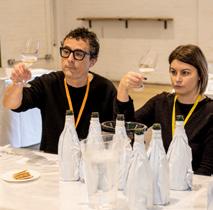
In July, we’ll publish our annual Top 100 Winners Supplement. Written by chairman of judges and Observer wine writer David Williams, it gives full details of all our winning wines, including those that just miss the cut and are Highly Commended.




Our main point of difference from other competitions is that all our judges are independent merchants. We ask them to assess wines just as they would if they were buying for their businesses, taking value for money into account as well as flavour credentials.

All Top 100 winning wines are available at the London Wine Fair. Our free-pour stand, in the heart of the floor area, is a magnet for the independent merchants who attend over the three days of the show, as well as other trade buyers, journalists and influencers.


All winners receive a certificate, and medal logos that can be used in marketing activity. These are useful graphics to add to your website and social media channels, to create POS displays or even to apply to winning bottles. We want you to celebrate your win.It's hard earned.

Regardless of where your wine finally places, it will be tasted by a number of merchants on the day. Judges regularly feed back that the Top 100 judging is one of the most useful ways of encountering new wines that they wouldn’t otherwise have discovered.



Ten of the Top 100 wines are announced as Trophy winners. These are the highest-scoring red, white, rosé, fortified and sparkling wines, as well as the wines we consider to be the bestvalue winners in all those categories. We present these prizes at the London Wine Fair.
It costs just £80 to enter a wine into The Wine Merchant Top 100, no increase on 2024. We want the competition to be accessible to wine businesses of all sizes, not just those with big budgets. Small importers are regularly among the competition’s winning suppliers.

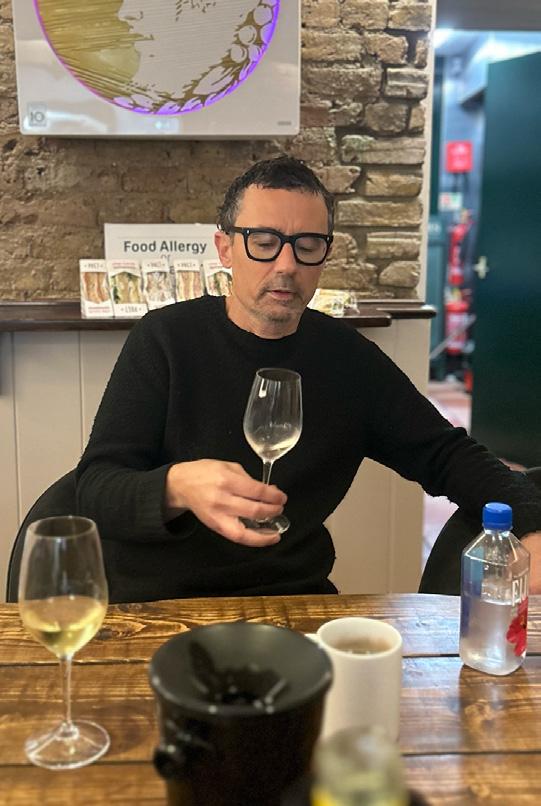


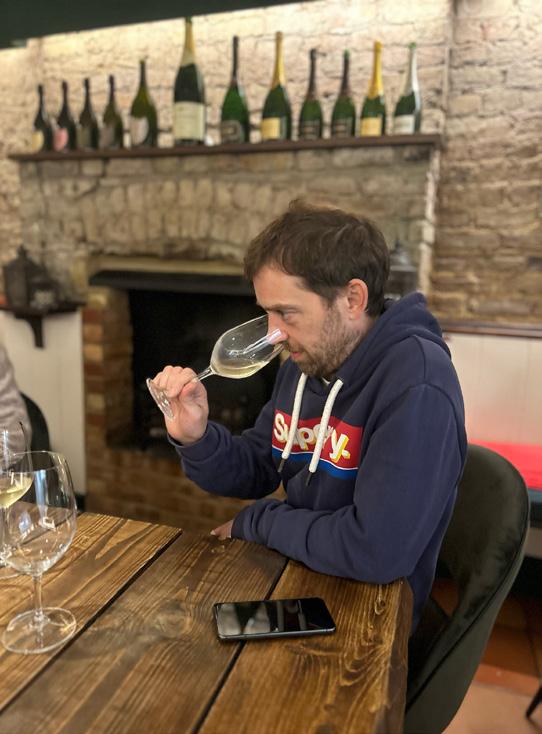
With their palates on the line, three merchants participate in a blind tasting of big-selling wines from the multiple grocers with a couple of entry-level indie outliers thrown in.
Our tasters: Jez Greenspan, The Wine Twit; Liam Plowman, Wild + Lees; and Sunny Hodge, Diogenes the Dog, all in south London
Barefoot Pinot Grigio, £8
Barefoot is a brand owned by the world’s largest single producer of wine, E&J Gallo, which accounts for nearly 3% of the globe’s entire production.
Jez: To me this just screams supermarket Pinot Grigio; being brutally honest, it’s quite dull and boring. There’s nothing wrong with it but there’s nothing great about it.
Liam: This is inoffensive. There’s no complexity to it but it’s perfectly drinkable.
Sunny: It’s a perfect supermarket wine in the sense that it’s crisp, fresh and aromatic. But it’s very linear, one-dimensional and concise.
Yellow Tail Chardonnay, £7.75
Yellow Tail has been named the International Wine & Spirit Record’s most powerful wine brand in the world for seven years in a row. It tops Australia’s exports by brand.
Sunny: Much more going on here. I’d be pleasantly surprised if I got that from a supermarket, but I feel like this wouldn’t be in a supermarket. The residual sugar is pointing me to Riesling.
Jez: I’d quite happily take that home and drink that.
By Jacob Stokes
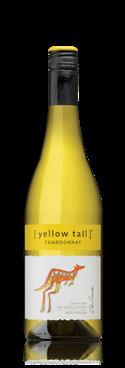
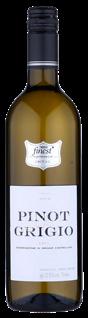
Liam: Feels a little bit confected, with a touch of oak and something a little bit funky, which is welcomed. I think this is a Chardonnay. It feels like a very dumbed-down Montrachet assembled inexpensively. Pretty nice job.
Safe to say the reveal of this wine shook the room.
Tesco’s Finest Trentino Pinot Grigio, £8
Grocery private labels have become increasingly dominant on supermarket shelves. They suggest a higher quality wine to the consumer as well as offering a bigger margin for the supermarkets.
Sunny: Again, this is very linear and one dimensional. It’s very generic. Just white wine.
Liam: It’s just so neutral, I can’t even take a stab at the variety because it just doesn’t taste of much.
Jez: Just like the first wine: dull, boring and uninteresting.
Indie White, £10.81
A white field blend from La Mancha, Spain. Made in a fresh, unoaked style.
Jez: That is horrid. If it wasn’t white, I’d maybe
think this is an orange wine because of the astringency and bitterness. Vile.
Sunny: Overly confected and weirdly candied. It reminds me of the yellow diacetyl liquid that runs from split cream. Not enjoyable.
Liam: Very sharp. Green and mineral but not in a good way.
Oyster Bay, £10.50
Known for producing archetypal Marlborough Sauvignon Blanc, Oyster Bay sits at the more premium end of supermarket offerings.
Liam: Decent for a supermarket wine. Loads of grapefruit and gooseberry; not my cup of tea, but I can see why people drink it.
Sunny: Exactly what people would expect. Does what it says on the tin but still one dimensional.
Jez: It’s not a bad bottle. Bit of tropical fruit and a lively acidity. By no means the worst Sauvignon Blanc in the world.
Made by the famous Famille Perrin, producer of the legendary Château de Beaucastel and modern icon Miraval Rosé.
Jez: Is this the chicken wine [La Vielle Ferme]?
Liam: This is exactly what the wider public want. Super pale, dry and slightly sharp.
Sunny: I think the tannic grip here is quite surprising. It’s slightly off kilter and feels as though it’s been acidified.
Campo Viejo Rioja, £8.75
Currently owned by French conglomerate Pernod Ricard but set to be sold to Australia’s Accolade by the end of 2025.
Sunny: This is overripe, stewed and over-extracted. Wouldn’t surprise me if this was a supermarket wine. Feels quite oxidatively produced.
Jez: A little bit hot with the alcohol. Not sure what it is. Doesn’t really tell you anything. I’d be very disappointed with this.
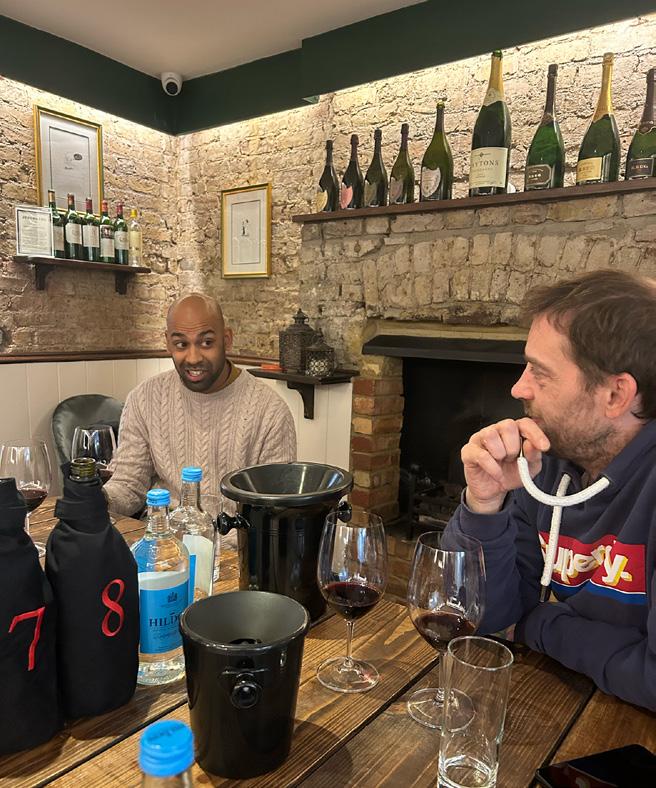
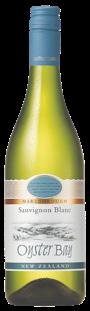
Liam: Seems to be lacking fruit: just loads of damp tannins.
Trivento Private Reserve Malbec, £10
A subsidiary of Chilean giant Concha y Toro. Trivento is often critically acclaimed: Tim Atkin MW gave the 2021 Private Reserve Malbec 93 points in his Argentina 2022 report.
Sunny: This is not bad. Nice and restrained on the nose with some little touches of greenness. If I bought that I’d be happy. Reminds me of a young Bordeaux: well managed oak, bit of pepper. Decent. This could be between £10 and £12.
Liam: The leafy element at least makes it interesting. It’s nice to have something that tastes like it is the result of a plant.
Jez: I’m not keen on this. The vegetal character is not for me.

Indie Spanish GSM, £11.99
From Valencia, aged in old 500-litre French oak vats for four months. Fermented with indigenous yeasts.
Jez: Very drinkable. A little bit of tannin and grip, nice acidity, lovely fruit. Slightly confected finish.
Sunny: Plums and blueberries. A little bit linear compared to the previous wine. Feels more manufactured. Tastes like how I’d expect a supermarket wine to taste. Not a lot going on.
Liam: Tannins are pretty good. Nice to have some grip. It has a Malbec vibe to it.
Casillero del Diablo Cabernet Sauvignon, £8
The most recognised brand of Concha y Toro. Part of a wider portfolio ranging from supermarket wines to some of the finest wines of the world.
Liam: Some Cabernet influence here. A bit of blackcurrant with some leafiness.
Sunny: I’m thinking Coonawarra Cabernet. So much eucalyptus and bell pepper.
Jez: It’s not bad at all. Little bit of grip and slightly short on the finish. Not loads going on but it’s decent. If that’s £9 I’d be happy with that.
19 Crimes Red Wine, £9.50
A label from Australia’s largest wine producer, Treasury Wine Estates, 19 Crimes has seen rapid growth since its launch in 2015. Treasury also owns Penfolds, Stags Leap and Blossom Hill.
Sunny: I’m struggling with that. Very candied, overdone and stewed. So hard to place. I would hope that was cheap as hell.
Liam: It’s got so much residual sweetness. Mass appeal, sweet, easy and not very nice. I’d have a scorching hangover drinking this.
Jez: I’d be taking this back.
Established in 2017 by one of the world’s largest wine companies, Accolade. Framed in many ways as an anti-wine establishment brand. Straplines include
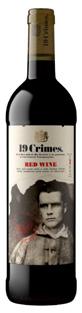
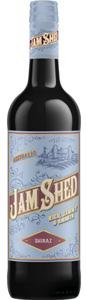
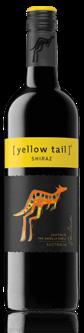
“more banter less decanter” and “life’s complicated, wine doesn’t have to be”.
Jez: That is vile. Wow. No.
Liam: Doesn’t smell of anything. Just sugar on the palate.
Sunny: I’d struggle to even call that red wine. Somehow worse than the last wine. All jam.
Brand owner Casella Family Brands claims that almost 2 million glasses of Yellow Tail are enjoyed around the world every day.
Liam: Less egregious than the last two but not good. Tastes like laundry detergent.
Sunny: Alcohol is too hot, and the tannins are out of kilter. Impossible to place. Maybe good enough for cooking.
Jez: The eucalyptus makes me think of Australia. The finish falls away immediately. Very confected and jammy.
SO. WHAT DID WE LEARN?
Jez: It’s interesting to taste some supermarket wines because I never do. It has made me grateful that I’m not selling wines that occupy these price points because if I was selling them, god knows what quality they would be compared to those.
Liam: I’d say that some of the supermarket wines were better than could be expected at the price, but they should certainly bring back the death penalty for 19 Crimes.
Sunny: There were a few shockers, which was great, and the take home is that some lines are certainly closing the gap in quality between indies and supermarket, though those lines are sporadic, almost “unicorn” supermarket wines.
• Thanks to Jeroboams in Walton Street, London, for hosting us and to Moët Hennessy for kindly supplying Ruinart Champagne to cleanse our palates. We have chosen not to name the indie wines in the tasting to spare embarrassment and because the UK importer was not involved in organising the tasting and did not nominate the wines.
Twenty years ago, after a chat with Cheshire merchant Rodney Densem, a chartered surveyor took a punt on an empty property in Dunoon and turned it into a wine shop.
The surveyor was Andy McMaster and the shop was – and remains – Argyll Vintners, a living, breathing business exploring and testing its own limits. The past two decades have seen the temporary introduction of a deli, a short-term merger with a haberdashery business and, most recently – and successfully – the addition of a bar.
This new phase is thanks to the addition of Scott McShannon, who bought a third share in the company in March 2023. Scott and Andy are supported by a growing team of full and part-timers who join original staff member Richard Ingham, the constant in the shop for the first 10 years while Andy continued to work his day job.
When you set out, did you think you’d still be here after 20 years?
Andy: Wine is not my background. I’m a chartered surveyor and I was doing a property deal with Rodney [Densem]. He started talking to me about what he did and I thought, “I’ll have a go at that”. So I bought a premises which had been sat empty for 10 years. Over the years it was a carpet shop, a toy shop, a freezer shop and a shoe shop before that. It still says shoe repairs on the gable end of the building.
I stayed doing my proper job for the first 10 years and Richard, who’s been with us from the start, ran it. I’ve been here all the time for the last 10. People think they can open the door and they’ll make money in a month, and you can’t.
It wasn’t a great dream of mine. It was just serendipity and it’s been fun.
Scott buying a third of the business is a huge plus for me. He has the hospitality gene and deals with the public.
How did the decision to open a bar come about?
Andy McMaster knew very little about wine when he established Argyll Vintners in western Scotland. By remaining open-minded about all the things a wine shop can be, he’s steered the business into territory that wasn’t on his radar when he first opened in 2005, as Claire Harries reports
Andy: I’d put the business up for sale in autumn 2019, and then Covid came along so there was no point trying to sell it during that time. Business obviously picked up then as well, so that’s when we thought about doing the bar.
Hybrids are still quite rare in Scotland. Scottish planners and building control don’t understand having a bar in a shop, and I think we are still the only one in Argyll doing what we’re doing. We changed our licence and had to do a lot of structural and building work including the addition of a disabled toilet. We opened the bar in March 2023.
To be honest, it’s made the business, because one feeds off the other. We’re licensed until 10pm but really we only do Thursday, Friday and Saturday until 8pm. It’s more of an afternoon/early evening business than a late-night one.
Scott: Because there used to be a cheese counter here, the environmental health
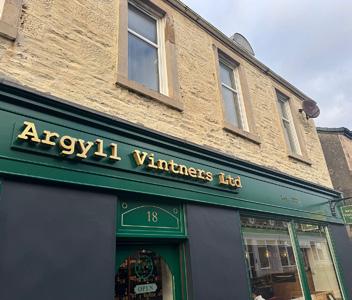
Formerly a toy, shoe and freezer shop
was all passed for what we have now. We’re not preparing any food, we’re simply putting what people choose from our fridge onto platters. The simplicity of that really works. People like being able to come in and see what’s in the fridge on the day. We have got nice cheeses and locally smoked stuff.
We have a coffee machine, too, so earlier on in the day customers might have coffees and cakes and others will choose cheese platters and wines. Before you know it, people who’ve maybe just come in for a wee taste of wine will end up being here for the whole afternoon just because it feels comfortable and you can eat, drink and have a good time.
Andy: People feel it’s a comfortable place. There’s no loud music, there’s no telly. It’s just chilled. We’ve got around 800 wines on the shelf and you can pick any one you want to drink in, plus corkage.
Have your customers become more adventurous in their tastes since the addition of a bar?
Andy: We have four whites, four reds, usually an orange wine and a rosé and some other bits on the menu. Perhaps a few spirits, but not a huge amount. Scott’s really good: he changes it every four or five weeks and he always has an oddball in there. There’s a Grand Cru Gewürztraminer at the moment and we had a Greek white, which went really well. And then we’ve
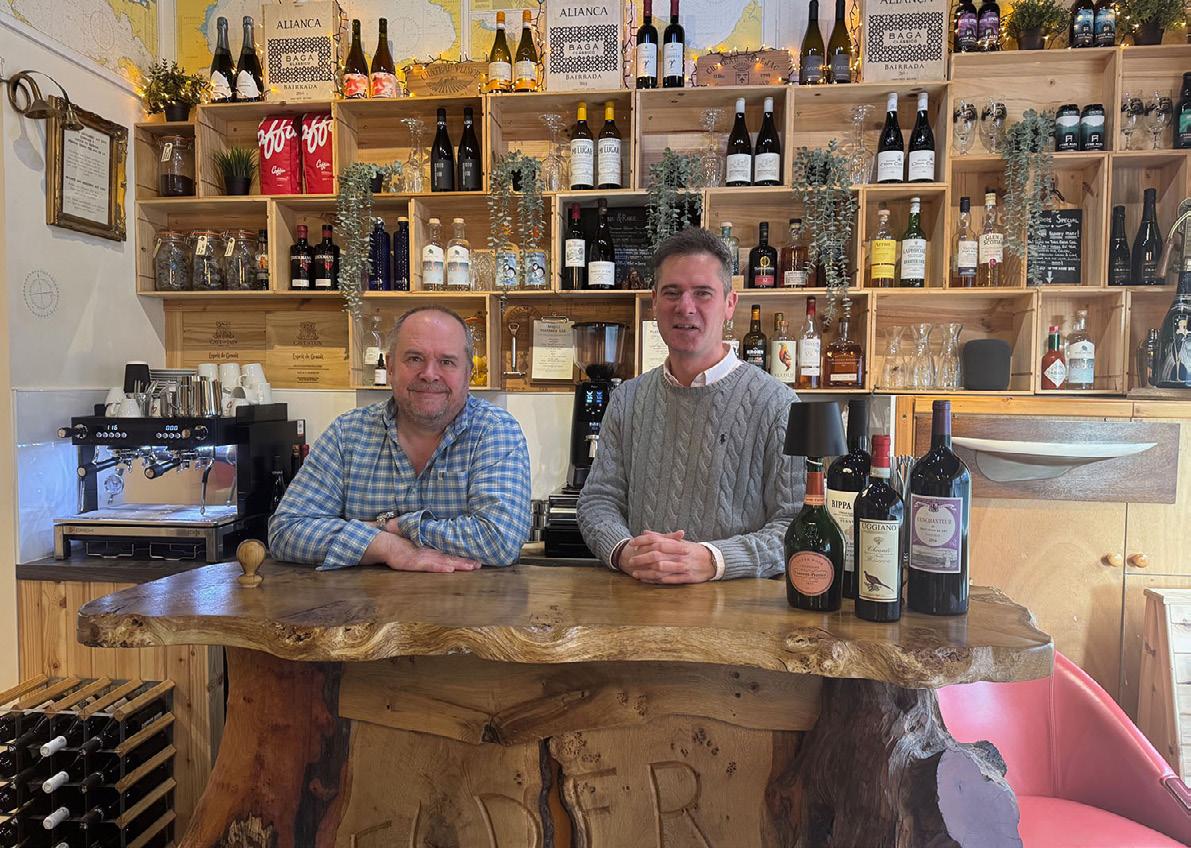
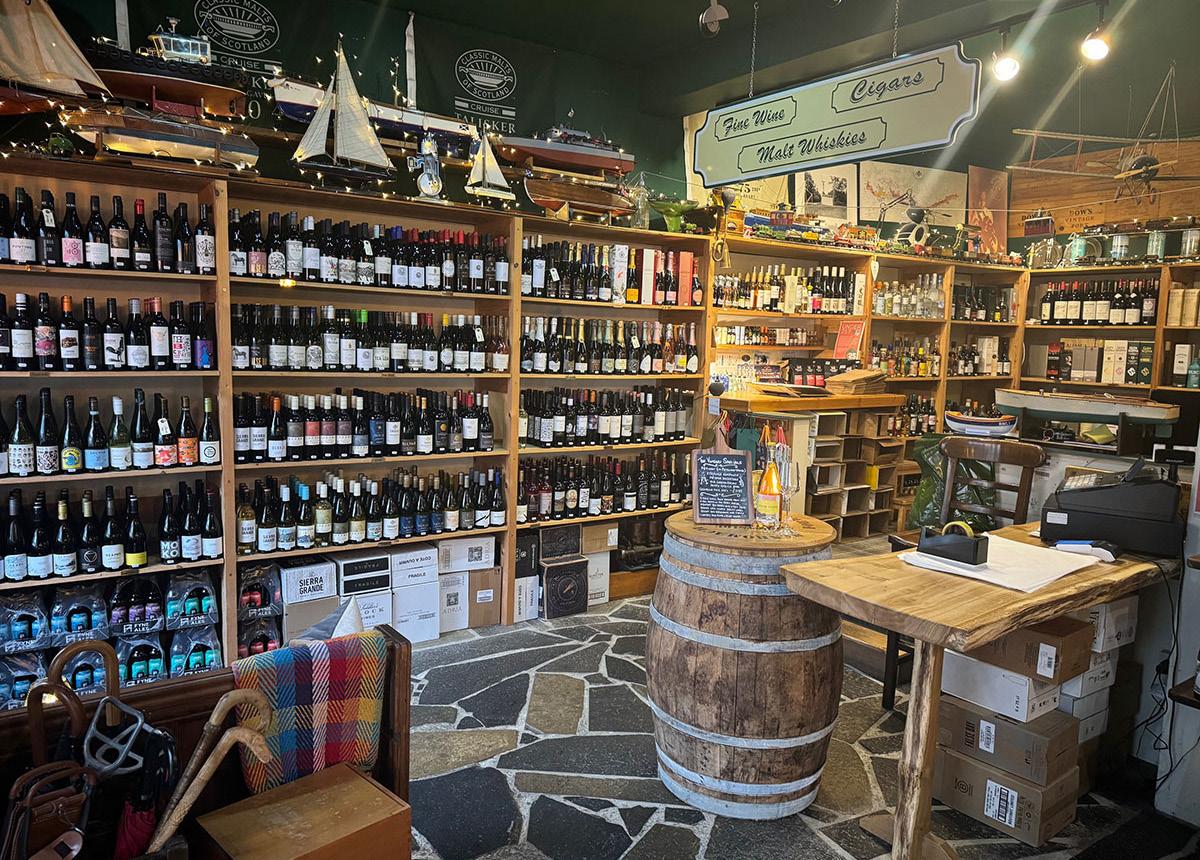
always got the Coravin and all of this lets people have things by the glass that they wouldn’t have tried before.
Those curveball wines that Scott puts on, nine times out of 10 people love them, but they never would have thought about buying them off the shelf. Suddenly you find they fly.
Scott: I think the bar goes hand in hand with what we’re doing in the shop. By giving people a little taste in the bar you see that in their retail habits too. So they’ll come back in and start choosing different things to take away with them.
I would say 90% of the business is locals. Dunoon is quite a tourist destination, but our important local market has been phenomenal.
Are you running events as well?
Scott: Yes, we’re doing private events too. Andy has such a loyal base of retail customers so we’ve not needed to do any marketing as such beyond Facebook.
Andy: I’ve worked with Nigel Wilkinson at Boutinot for 20 years and he’ll come up to do the tastings for us because he knows his stuff. People like to try to catch you out at tastings, but they can’t catch Nige out.
Which other suppliers do you work with?
Andy: We deal with maybe four or five
wine suppliers, and the bulk of it is with Boutinot because you get incredibly good support and back-up. Nobody ever tries to hunt us down for business. Ever. Maybe we see one rep a year.
The added hospitality element must call for extra staffing.
Scott: I think we envisaged it would just be a couple of tables with the odd person being around, but it’s grown so much.
Andy: I hadn’t thought about staff until the night before we opened the bar. Now, as well as Richard, we employ six part-time staff and they are all brilliant. They’re engaged and interested and all of them are great with customers.
Scott: It helps that they know about the bar and the shop, they know how popular it is so they want to be a part of it. We make sure we pay them well and we take them along to tastings, and I’ve taken a couple of them out to vineyards in Italy. It’s a great perk for them but it also adds to their wine knowledge and that reflects on how they engage with customers. We’ve been very lucky to find people who are enthusiastic.
What are the biggest changes you’ve seen over the years?
Andy: We used to do far more whisky. We used to have 200 malts, and I’m probably down to half that now. Whisky has become
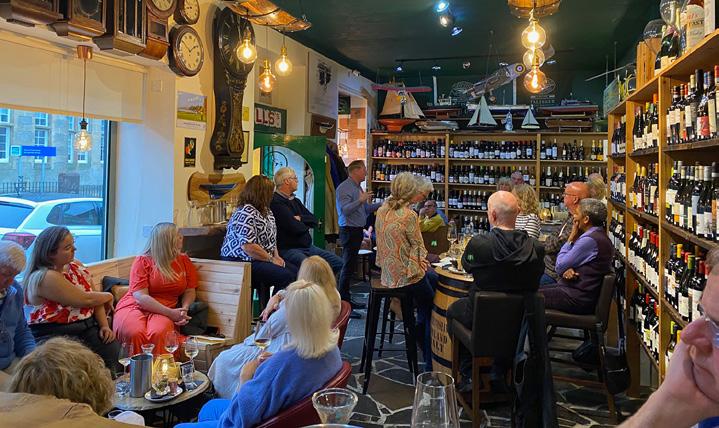
“There’s no loud music, there’s no telly. It’s just chilled”
very difficult because some of it you just can’t get hold of now and some of it will start off too expensive. The spirits industry has changed lot – gin has gone off a cliff. With wine, you’re worried constantly about this duty increase and that duty increase and what the customer’s going to do. But actually it never makes a huge difference. I’ve stopped doing things like Cloudy Bay because it’s just ludicrous. You look at the price of some of the stuff and we just can’t justify that. It’s just mad. We try and do the best we can with the tools we’ve got.
We’ve constantly changed. When we first opened, it was wine. My mum had a haberdashery shop and when the recession hit we pulled that in here to cut the wages down, so for a wee bit the shop was full of haberdashery. When she retired we put a delicatessen in. The deli didn’t really work because the amount of effort you had to put in to get a return. A deli would probably work for a lot of businesses like this, but there’s not the demand here, so you move on and try and think about what the next thing is and what is going to keep you fresh.
It’s about moving with the times. Don’t be scared. As long as it’s not costing you a fortune, have a go and see where you end up.
What’s
Andy: I don’t know where we could go from here unless we start rolling out a chain. It can be tricky if you start spreading yourself too thin. I don’t have an EPoS system or anything. All the stock is in my head, so I think I’m OK with this as we are.
We’ve been lucky that we got some grant money from our local authority [Argyll & Bute council]. It was funding from a project to improve the high street and they are paying for about 80% of the makeover of our shop front, which we wouldn’t have been able to afford otherwise. So folks should always keep an eye out for that kind of thing, which can just help you to freshen things up or change them around.
Lanchester Wines introduced the Famille Moutard range of Champagnes in 2023, and to say they've been popular would be an understatement. But did you know that the Moutard family also produces world-class wines in Burgundy?
In 2004, François Moutard purchased land and vineyards in Burgundy, marking the expansion of the Moutard family’s winemaking expertise beyond their roots in Champagne. This acquisition allowed the family to craft wines that express the unique terroirs of Burgundy while maintaining their tradition of quality and precision.
Today, the Moutard family showcases the exceptional diversity of Burgundy’s terroirs, producing wines that reflect both classic varietal expression and regional character. François’s son, Benoît, is now the family’s head winemaker, learning skills passed down through generations of the Moutard family.
Famille Moutard’s wines celebrate Burgundy’s diversity, appealing to both connoisseurs and curious drinkers seeking authentic expressions of this revered region.
The Famille Moutard Chablis is a quintessential expression of the region, offering vibrant citrus, crisp green apple and flinty minerality. Stepping up in complexity, the Chablis Premier Cru Côte de Léchet highlights the nuances of its premier cru site. Its zesty acidity, layered stone fruit and refined saline finish make it a standout for lovers of elegant white wines. These wines exemplify the Kimmeridgian limestone soils that define Chablis, delivering wines of exceptional purity and precision.
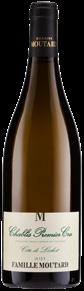
For Pinot Noir aficionados, the Gevrey-Chambertin is a true highlight. This wine embodies the power and elegance of Gevrey’s famed vineyards, with layers of black cherry, forest floor and a touch of spice. Its complexity and ageing potential make it a benchmark example of Côte de Nuits excellence.
The Bourgogne Tonnerre and Bourgogne Aligoté showcase Burgundy’s more niche appellations. The Tonnerre, crafted from Chardonnay, is a fresh, mineral-driven wine with citrus and white floral notes, perfect for those seeking an approachable yet characterful Burgundy. The Aligoté, with its lively acidity and subtle orchard fruit, is a delightful representation of this underappreciated variety, often favoured for its versatility.
Famille Moutard also excels in the Hautes-Côtes de Beaune appellation. The Chardonnay captures the essence of high-altitude vineyards, offering a balance of bright citrus, ripe pear and subtle oak influence. Its counterpart, the Pinot Noir, delights with fresh red fruit, earthy undertones and supple tannins, showcasing the finesse of Pinot Noir in this elevated terroir.

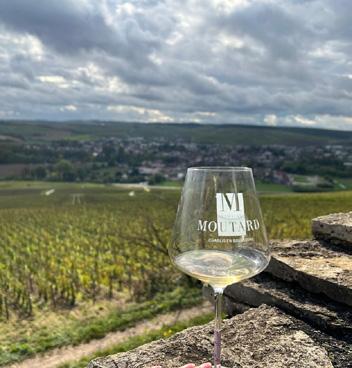
Finally, the Saint-Bris Sauvignon adds a unique dimension to Famille Moutard’s portfolio. As Burgundy’s only appellation for Sauvignon Blanc, this wine offers zesty citrus, grassy notes and a vibrant finish, providing a refreshing contrast to the region’s dominant Chardonnay and Pinot Noir.
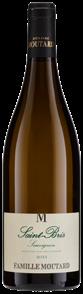
Celebrating the spirit of Champagne
The Moutard family’s expertise extends further. In the cellars under the family’s Buxeuil home, another of François’ sons, Alex Moutard, is the custodian of Distillerie Moutard, established in 1892.
Renowned for his expertise in crafting exceptional spirits, Alex embodies the passion and precision of the Moutard family. From January, Lanchester Wines customers will have access to Distillerie Moutard’s Ratafia Champenois Six Cépages – a sophisticated fortified wine crafted from the juice of six Champagne grape varieties. Perfect as an aperitif or paired with desserts, this rich and velvety Ratafia embodies artisanal craftsmanship and indulgent complexity.
Winemaking in Moldova is nothing new: it started about 5000 BCE, which is ample time to perfect the art. And yet in the UK, it feels like a new frontier of wine production.
In the case of Castel Mimi, one of the country’s most impressive producers, that’s both fair and unfair. The estate has been making wine since 1893, and is owned by a third-generation family, and has a proud track record. Yet there’s no doubting the modernisation that has transformed the way Mimi works in the winery and in the vineyard, which has already yielded success in a number of export markets.
Castel Mimi is based in Codru, Moldova’s largest wine region. It’s a diverse, heavily forested landscape with many microclimates and a mosaic of soil structures. The company was the first to introduce American rootstocks in the battle against phylloxera, grafting on indigenous as well as international varieties (one of these, Aligote, is now a Moldovan staple).
Mimi now has 170 hectares of vines, nestled between woods and orchards on the banks of the Nistru river. Its palette of varieties is broad, including Feteasca Alba, Feteasca Regala, Feteasca Neagra, Rara Neagra, Viorica, Rkatsiteli, Saperavi, Aligote, Pinot Grigio, Sauvignon Blanc, Muscat, Chardonnay, Merlot, Cabernet Sauvignon, Pinot Noir, Malbec, Riesling and Glera.
“While Moldova’s winemaking roots stretch back 6,000 years, it also embraces the energy of a ‘new world’ of winemaking, by being brave and imaginative, while producing some of the most unique blends,” says Castel Mimi’s export manager Cristian Gafin. “We’re crafting wines that have bright and fruity fresh aromas, with light hints of maturation, and being creative with labelling that stands out on the shelf.”
The company is also taking its environmental responsibilities seriously. “Sustainability isn’t just about moral
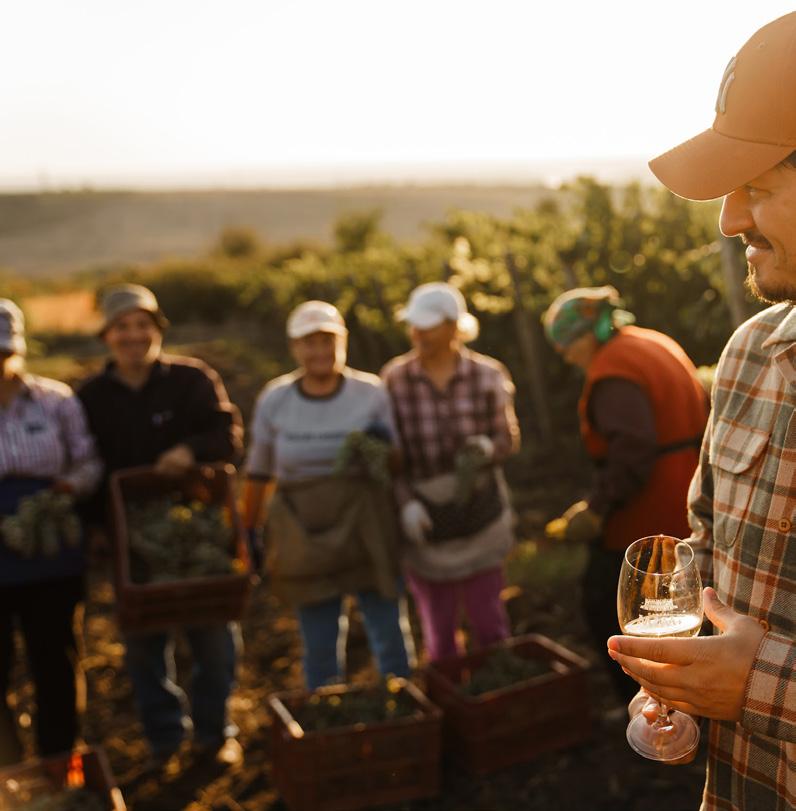
Castel Mimi is at the forefront of what might be termed a Moldovan wine revolution, wines that showcase the country's native grape varieties to full effect. No wonder business sees potential for growth in the UK's independent market
responsibility for Castel Mimi; it’s integral to improving wine quality,” Gafin explains.
The castle and its grounds have been plastic-free for several years, and a new photovoltaic park on the grounds will meet all of the estate’s electricity needs by 2027.
Composting, recycling and controlling

Among the world’s 15 most beautiful wineries
CO2 emissions are also important elements of the sustainability strategy.
“Organic grapevines are a major objective,” Gafin adds. “With small but deliberate steps we can achieve this. We have selected an area of seven hectares that we have decided to cultivate organically. In a few years we will have our first organic wine. All the work done in the vineyard aims to reduce the impact on nature.”
Where could Moldovan wines – and in particular those made by Castel Mimi – be in five years’ time?
“We envision Moldovan wines becoming globally recognised for their uniqueness and quality,” says Gafin.
revolution, making fresh, fruity the family-owned

Animaliens Rosé (€3 ex works)
12.5% abv. A blend of Pinot Noir, Saperavi and Rara Neagra made in a Provence-inspired style. A delicate nose of fresh red berry fruit, white blossoms and lemon rind. Vibrant and refreshing on the palate with a lively kick of zesty, pithy citrus. Easygoing, clean and fruity: perfect for carefree summer sipping.
Rara Neagra Rosé (€3.80)
12.5% abv. A deeper, more intense fruit profile than the Animaliens Rosé. A very pretty nose with cherries, violets and grapefruit zest. Palate entry introduces a refreshing line of acidity, with lots to offer in terms of flavour intensity and texture. Freshly cut red apple, grapefruit rind and pink pear with a drying streak of chalkiness on the finish.

“Castel Mimi wines are currently present in more than 25 markets and we’re working on expanding into new markets in Europe, the Americas and Asia.
“We think we play our part in promoting Moldova’s image as a premium wine destination. Castel Mimi has been recognised as one of the top 15 most beautiful winery châteaux worldwide, and Moldova is ranked second among the top wine tourism destinations, according to Bounce’s Wine Lover’s Index 2023.
“In the next five years, we aim to establish a stronger presence in the UK, where we believe our storytelling and quality of wines will resonate with consumers.”

a subtle herbaceousness, touches of violets and crisp mountain berries; very fresh and pure. The palate is brisk with energy, pristine fruit throughout, raspberries, redcurrants and pomegranate. A perfectly balanced structure with a clean, cool acidity and a fine, green tealike grip and a delicate flicker of introverted oak on the finish. Quite elegant and defined. Super.
Animaliens Pinot Noir/ Saperavi/Rara Neagra (€3)
14% abv. It is often so difficult to push Pinot Noir into a price point but perhaps the addition of other varieties can help it along, because this is great value. Quite rustic and savoury on the nose with black cherries, wild brambles and earthy dried spices. The palate is full of juicy berry fruit, ample acidity and soft light tannins with a savoury lining of spice throughout.
Animaliens Saperavi (€3)
14% abv. Spiced cranberries and mulberries lead on the nose with a touch of liquorice. A palate brimming with soft juicy fruit and a subtle warm spice. The structure is present enough for the wine to retain focus, but it doesn’t detract from the easy, fruitforward nature of the wine. A lighter, more easy-drinking style of Saperavi
Classic Collection Feteasca Neagra (€4.50)

Rosu de Bulboaca (€7)
14.5% abv. A blend of Cabernet Sauvignon, Merlot and Feteasca Negra. A complex nose of red plum, vanilla and cedar spice with blackcurrant leaf and petrichor subtleties. Extremely balanced and well-tempered on the palate. Like all these wines, the palate expands with real energy, gushing with fresh fruit. Extremely well integrated oak adds texture and richness with just a flickering of vanilla and cedar; the structure is elegant and compact with present but polished tannins. The finish feels like cocoa and petrichor whisked up in winter-spiced cranberry juice.

14% abv. 100% Feteasca Neagra, a variety native to Romania and Moldova. Reminiscent of a cool-climate Cabernet Franc, with a bright and clean nose led by
Produced in association with Castel Mimi
For more information contact Cristian Gafin +373 68 22 11 40 export@castelmimi.md
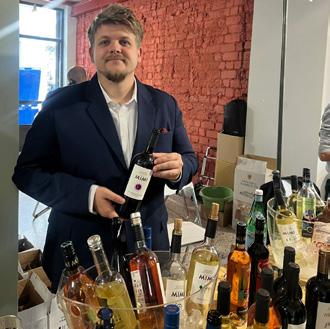
Export manager Cristian Gafin

Indies have transformed their wine offer. So why are restaurant lists still so boring?
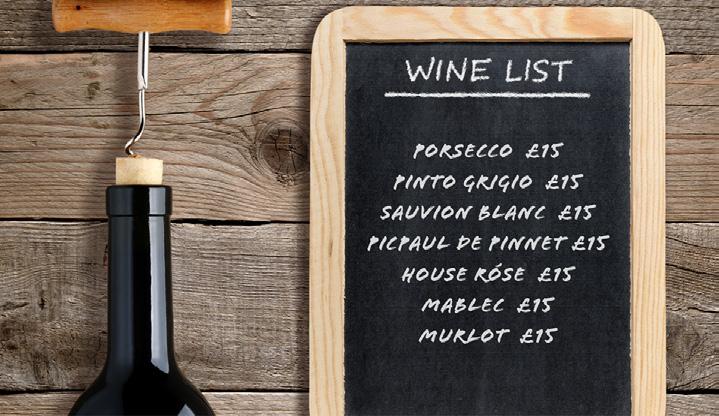
In a past life I used to write the occasional restaurant wine list. This was quite some time ago. Wine lists at that time were rather formulaic (or at least that company’s were), and I suppose wine retail was also not the glorious independent and unique beast it is now.
Fifteen *cough* years later and wine retail has changed beyond all recognition of my past self. Pét nat! Orange wine! Uruguayan wine! I could go on. Even though I am just an hour on the train from London, all these things have been slower to catch on round here, but they have very much arrived (well, perhaps not the last one).
However, I look at restaurant wine lists locally and nothing has changed. I am perhaps being a little overdramatic: after all, the Thai restaurant has Thai wine; the Japanese one, a lovely Koshu. Again, I could go on. But, when it comes to the
the restaurants serving Modern/Classic (choose your adjective) British Food, the lists are often perfunctory.
I’m genuinely confused by this. I’m not talking about the local pub that is serving burgers and pie and mash – I’m talking about places with high-quality, inventive food, and yet the wine list hasn’t fundamentally changed in 20 years. It’s like a WSET Level 3 study book is in charge of writing the list. Safe and well-known.
I feel I should add at this point that I do not wholesale. Past Cat hated dealing with those headaches – the non-payment,
the inevitable stock shortages and all for a vanishingly small margin.
Where has this lack of imagination for the wine to go with food come from? All of you wonderful independent wine shops around the country have been selling people the weirdest, most wonderful shit you can find for years.
The passion with which I’ll talk about Verdeca (now a customer favourite) and Pelaverga (a bit niche, it turns out) has given customers the confidence to try something new. That’s before I get started on my newfound love for skin-contact Soave. My customers will buy whatever I and the team tell them to.
Ican’t work out what the problem is in these restaurants. Are the sommeliers and wine buying teams not bold enough? Are the wholesalers playing it safe when showing their ranges, or does the average customer really revert to drinking either Bordeaux (expensive top end of the list) or Malbec (cheap, but not the cheapest one on the list)?
It comes as no surprise to anyone, I’m sure, that my favourite restaurants locally are the ones with interesting wine lists (note: interesting does not necessarily mean extensive). Last weekend I went for a bit of a sit down and a bite to eat after having to *shudder* work on a Sunday. One of the owners told me I really had to try their Muscat Xarel·lo blend, so I did, and he was right. It was excellent and perfect with my food.
That knowledge on his part, imparted over the course of probably no more than 30 words, convinced me to try something I don’t know (I am horribly ignorant about non-Italian wines). Admittedly, I will try any wine once, but so will my customers.
I’d love to see the occasional outlier to show me that someone is thinking about the wine as well as the food
I’m not trying to imply that we should get rid of the big hitters on wine lists, but I’d love to see the occasional outlier – specials for the season to really show me that someone is thinking about (and genuinely enjoying) the wine as well as the food, and not just using it as a cash cow.
Cat Brandwood is the owner of Toscanaccio in Winchester

Wine industry pioneer David Hohnen and his brothers Mark and Giles established Cape Mentelle Vineyards in 1970. The phenomenal Cape Mentelle journey started small with just 16 hectares of vines on what is now referred to as the Wallcliffe Vineyard.
Today the Cape Mentelle team is led by chief of winemaking and viticulture David Moulton, and senior winemaker Coralie Lewis. Joining Cape Mentelle in 2014 and 2015 respectively, and with extensive experience before joining the team at Margaret River, they continue to honour Cape Mentelle’s ethos of innovation and sustainable winemaking, driving uncompromising quality across the vineyards and winery, ensuring this is reflected in every bottle.
Committed to making sustainable wine, Cape Mentelle is a certified member of Sustainable Winegrowing Australia. This Australian programme is designed to encourage vineyards and
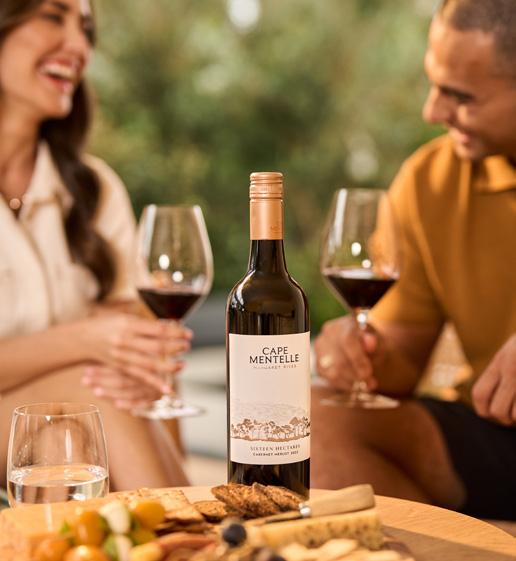
The Western Australian icon is now in its sixth decade, offering new-look wines and with a fresh commitment to sustainability in all its forms
wineries to consider environmental impacts of all their practices across land and soil, water, people and business, biodiversity, energy and waste. Intelligent water management and green electricity use are two great examples of sustainable practices in action.
All the water used in the winery is recycled thanks to a fully self-contained rain and surface water treatment system, widely regarded as a model for the Margaret River region. Since 2024, Cape Mentelle has purchased only 100% renewable energy, enabling the business to reduce emissions and make a positive impact on the environment for future generations.
The sustainability focus and change in winemaking style are helping to bring Cape Mentelle to a new audience. As we move forward into a new era where consumers are focused on eating and drinking ethically, it is wineries like Cape Mentelle that are striving to change the perception of Australian wines in the UK market.
The 16 Hectares range is an invitation to embark on the Cape Mentelle Journey. The wines are bright; a joyful exploration of classic Margaret River blends and varietals that showcases their versatility and depth, being both vibrant in flavour and expression as well as complexity.
Patrick Diggins, brand manager and Australian buyer for Bancroft Wines, says: “These wines will be aimed at independent retailers and the on-trade as we feel that this is the perfect place to reach the right audience.
“We know that the 16 Hectares range will suit and satisfy engaged, wine-focused consumers.”
The range includes a Sauvignon Blanc/Semillon blend, Chardonnay, Shiraz and a Cabernet Sauvignon/Merlot blend and will be available in the UK from the spring.
Sponsored feature Cape Mentelle is imported in the UK by Bancroft Wines. Find out more at bancroftwines.com or call 020 7232 5450
Three indies each select three wines that stand out in their Australian ranges
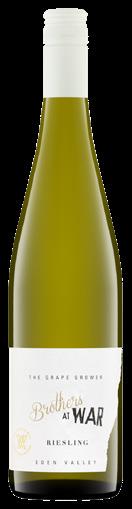
Framlingham Wine Shop, Suffolk
Grower’s Touch Durif, Riverina
£11.50 (The Antipodean Sommelier)
“This is “a long-standing customer favourite”, says Taylore. “It’s rich, savoury, great value and benefits well from just six to 12 months in the bottle from release.”
Heartland Sposa e Sposa by Ben Glaetzer, South Australia
£19.95 (Bancroft Wines)
“Not a big seller, but the intriguing blend of Dolcetto and Lagrein works a treat for those in the know,” says Taylore.
Brothers at War Riesling, Eden Vale
£16 (The Antipodean Sommelier)
A wine that “gets the balance between youthful freshness and a hint of petroleum just right,” according to Taylore.
Banstead Vintners, Surrey
Larry Cherubino Uovo Nebbiolo Cabernet, Frankland River
£22.99 (Hatch Mansfield)
“A great combination of pure fruit, freshness, depth and complexity,” is Regan’s verdict. “Our customers have really taken to this wine and it’s now on many people’s repeat-purchase lists.”
Dandelion Vineyards Lionheart of the Barossa Shiraz
£15.99 (Liberty Wines)
“Classic Barossa Shiraz at this price point that drinks this well is not easy to find, hence the reason this wine now has such a strong following in the shop,” says Regan. “Crowd-pleasing deep fruit and spice.”
Crittenden Estate Los Hermanos Tempranillo, King Valley
£23.99 (Delibo Wines)
Regan says: “With Rioja being so popular it’s no real surprise that once our customers had the chance to taste this great Tempranillo from cool-climate Victoria it became a success. Vibrant fruit, deft oak management and a great finish.”
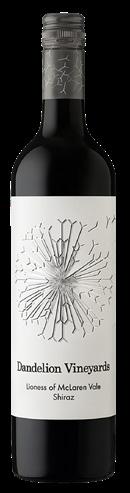
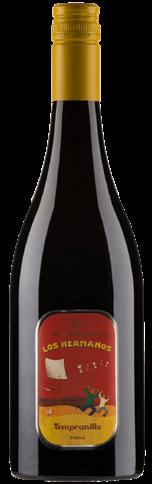
Teusner The Independent Shiraz Mataro, Barossa Valley
£25 (Enotria&Coe)
C&K describes this as “a wonderful fruit-driven expression of Barossa Valley Shiraz”, adding: “The wine is jam-packed with Barossa Shiraz flavours: plums, black fruits and warm notes of cinnamon, nutmeg and five spice.”
Yalumba The Virgilius Viognier, Eden Valley
£44 (Fells)
The producer describes this as “our flagship white wine … often regarded as Australia's benchmark Viognier”. It adds: “This elegant wine will take you on an aromatic journey as it evolves in the glass.”
Yering Station Chardonnay, Yarra Valley
£25.49 (Hallgarten & Novum Wines)
“I think it’s got a little bit slimmer in recent years, with a little bit more elegance to it,” says O’Toole. “In my own memory I think it used to be a lot bigger.”
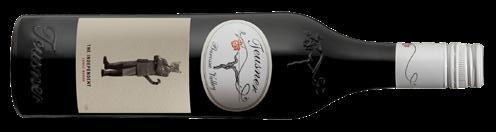
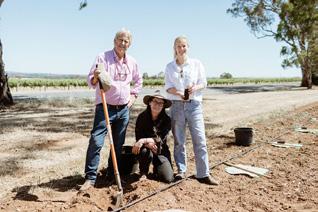
Yalumba marks anniversary Yalumba, which claims to be Australia’s oldest family-owned wine producer, has continued its 175th anniversary celebrations with a limited-edition Shiraz/Grenache blend, available in magnum. Winery staff gathered at Yalumba’s Signature vineyard for a symbolic tree-planting morning, symbolising the business’s long-standing commitment to environmental stewardship and its vision for the future.
January date for Rockford-files Rockford, established in 1984 by Robert O’Callaghan, is described by Armit Wines as “a familyowned Barossa institution using traditional Barossa grape varieties, with some vines dating back to the 1880s”. It adds: “Much of the winery equipment also dates back well over 100 years. This unique approach to traditional winemaking results in a range of wines which represent the pinnacle of quality that the Barossa has to offer.” Taste them at Armit’s Antipodean Adventure event on January 28 (Compagnie des Vins Surnaturels. 8-10 Neal’s Yard, London WC2H 9DP – contact Armit to register).
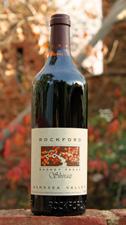
Gary's out of the loop again Don’t Tell Gary, the McPherson Shiraz created in secret by Jo Nash away from the eyes of the company accountant, now has a sister wine. Nash has worked with “a remarkable parcel of Chardonnay grapes” that she has aged in French oak barrels. According to importer Lanchester Wines, “Don’t Tell Gary Chardonnay is a specialoccasion wine with rich citrus, biscuit and pineapple notes and an underlying flower blossom”. It makes its UK debut at the Australia trade tastings.
If you compare the original 100 Best to the most recent, what jumps out at you as the biggest change over that time?
The biggest change is the increased focus on the very finest terroirs – which were all present in the first edition, but there were so many blended wines and those with “vinonymous” origins. Virtually all of the wines in the 2024 release have precise GPS locations. This is testament to Aussies coming to terms with and understanding the characters of their various plots of land and getting the most from them.
Which regions of Australia are the ones to watch right now?
There will be no surprises here: Margaret River for Chardonnay and Cabernet is simply stellar, but Frankland River is one to watch. Barossa and McLaren Vale keep hitting the high notes, but Clare and Coonawarra continually shock with their wines. Mornington Peninsula and Tasmania seem to hog the headlines –rightly – but the Yarra Valley goes about its work diligently and there is stunning value to be found here. Hunter Valley has never really lifted off in the UK, but the whites are so clean, vital and nervy, it is only a matter of time before punters realise that they make wines that hit everyone’s bullseye of desires.
Some people have found Aussie Chardonnay to be rather lean and mean in recent times. Have the Aussies started to play more to their strengths, even if it’s not quite a return to the “sunshine in a glass” fare of the mid 90s?
I think the lean and mean days are gone and the best wines have relaxed into a delightful happy medium which truly reflects their origins, as opposed to winemaking artefact or external influences. The relatively low alcohol levels and crisp acidity, coupled with extremely careful use of oak, are the emerging themes in Australia, and then regional, subregional and vineyard identity is simply draped around these pillars of flavour. This means
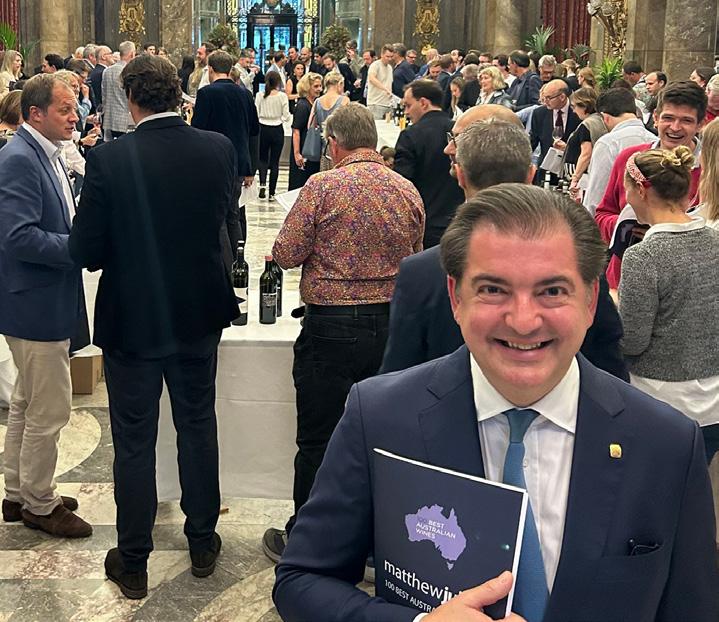
‘The
Matthew Jukes has organised his 100 Best Australian Wines project since 2003. Here’s why he’s as enthusiastic as ever about the country’s wines
most serious Aussie Chardonnay drinks well early and then has an extraordinarily long lifespan, while always retaining a semblance of innate balance. The best wines are truly world class and the value at all levels is world-beating.
Many indies remain a little cautious about Australian wine, partly because they associate it with big brands and supermarket discounting. How would you try to persuade them to take a fresh look at what’s available?
The big brands are less and less visible these days as huge numbers of boutique estates look for homes in the indie market. I would advise all indie and restaurant buyers to taste every Aussie wine they can to update their palates to what is happening today as opposed to what was happening five or 10 years ago. The country and its wines have been
transformed. It is time to take a fresh look at Australia from the ground up.
What have you learned from your consumer events about the UK public’s taste in Australian wine?
Consumers always amaze me with their extraordinary knowledge and great taste. When I tour the country each year with my 100 Best Australian Wines initiative, it often seems like consumers know more about Aussie wines than our dear old wine trade. They adore the wines, the people the country and the flavours. I find it extremely frustrating that our wine trade buyers seem to be the ones holding Australia back. I can assure you the demand is there. My events sell out in days and the attendees are insatiable. They want more Australian choice, more understanding and more variety – and Australia has these qualities in spades.
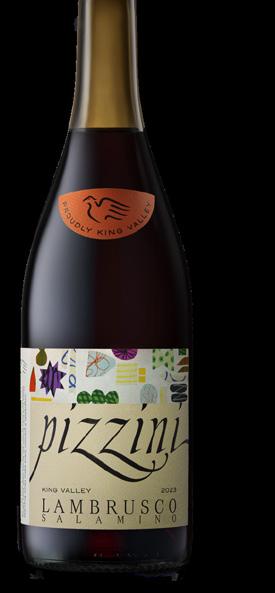
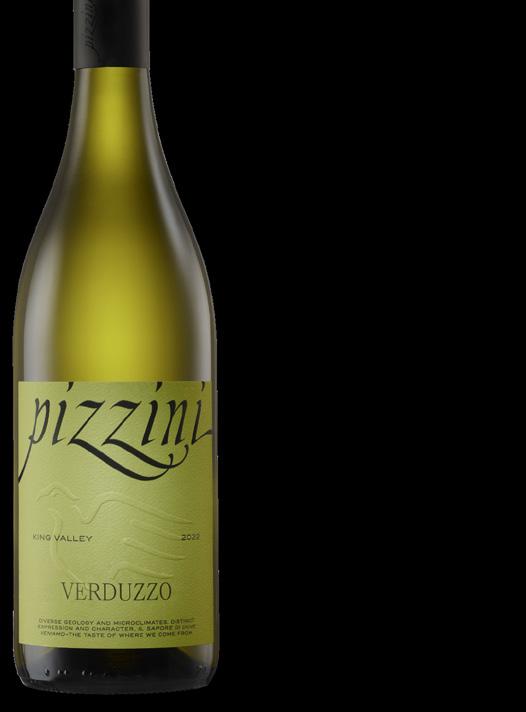
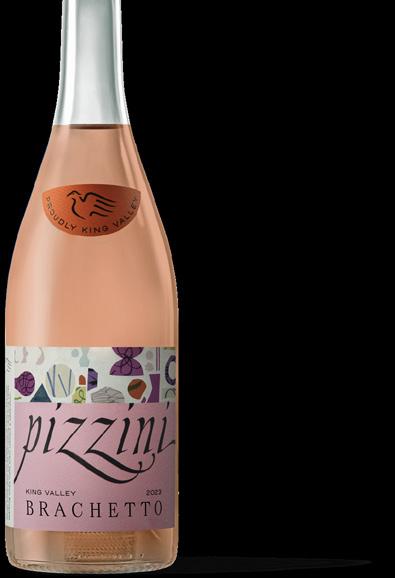


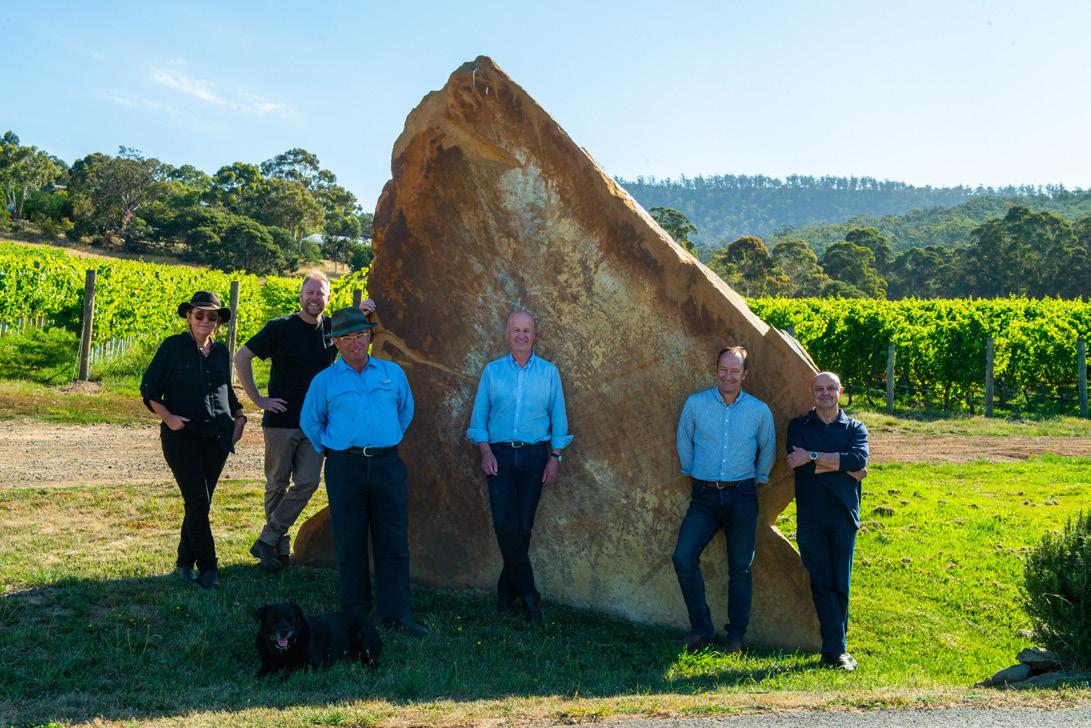
Tasmania has a reputation for fizz, but its still wines are attracting increasing attention, says Jacob Stokes
As the wine industry grapples with the paradox of a growing thirst for cool-climate wines in a warming climate, Tasmania fronts a brigade of new world regions looking to establish themselves as the new school of cool.
Tasmania is Australia’s smallest and coolest state. Vineyard plantings are minuscule: there are just 230 estates, and about 2,400 hectares under vine. To put this into perspective, England and Wales has 4,209 hectares under vine, spread across 1,000-plus vineyards.
Tasmania produces Australia’s finest sparkling wines, accounting for over 38% of production in 2024, but it is
the emerging still wines made from Burgundian varieties that are really starting to turn the heads of industry professionals: a few years ago, Tolpuddle’s Tasmanian Pinot was the only Australian wine selected for the exclusive Ficofi Club fine wine tasting in Paris. Aubert de Villaine, of Romanée-Conti, told co-owner Michael Hill-Smith that he had been advised that he must taste it.
But the quality of Tasmanian still wines isn’t new to Australian giant Penfolds, which has used a proportion of Tasmanian grapes for its premium Bin 311 and Yattarna Chardonnays since 2018, and switched its fruit sourcing of Bin 23 Pinot
Noir from Adelaide Hills to Tasmania in 2021.
But with exposure comes demand and, as might be predicted, demand for Tasmanian wine massively outweighs its supply. Tasmania represents 1.2% of Australia’s national production but 6.1% of its value, and over the past five years the price of grapes per tonne has risen year on year from $2,827 in 2019 to $3,674 in 2024.
This positions Tasmanian wines into a more premium sector of the market, but they have every right to be there. If you dared to make comparisons to Burgundy, there is no doubt which region is offering better value for money.
Newcastle indie Carruthers & Kent hosted one of four consumer events for Matthew Jukes’s 100 Best Australian Wines competition last year – and has signed up to do the same in 2025.
Co-owner Mo O’Toole says the retailer stepped up when a scheduled event in Wales had to be cancelled at short notice.
The event at Wylam Brewery was based loosely on Carruthers & Kent’s own fairs.
“We just said, this is what we do, so if it’s a similar format that works with you, we’ll have a go at doing it and see how it works.
“Matthew brought the wine, we set the whole thing up, and we charged the ticket fees to cover the costs. It was as straightforward as that.
“It’s the first time that we’ve totally

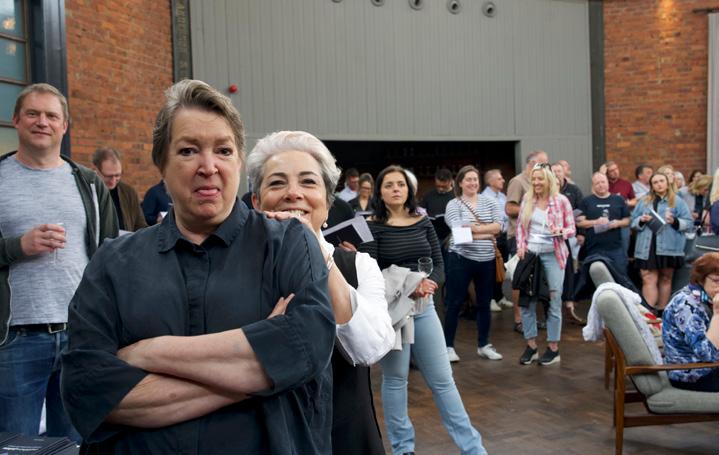
collaborated with somebody outside the business on a wine fair. So it took a little bit longer than we do for ours to get it all sorted because, you know, it’s a collaboration.
“But on the day, it went well, and there were about 220 people there.”
Most of the winning wines were available to taste and the majority of these could be ordered via Carruthers & Kent.
“We had to pick out the wines that were on our shelves and then give the customers the order form with the wines that were there,” says O’Toole. “We did have a number of them on the shelf, but we didn’t especially buy in.
“The customers really enjoyed it. It was popular. Overall it was a good thing for us to do. It was a good experience and something that we’ve never done before.”
Find out more at lanchesterwines.co.uk
Victoria RRP £TBC
From McPherson Wines, the sister to the infamous DTG Shiraz, launching in early 2025. Created in secret by McPherson’s winemaker, this is a special-occasion wine with rich citrus, biscuit and pineapple notes and an underlying flower blossom. This wine is full of texture from barrel maturation on lees, and palate richness in balance with citrus fruit and acid length. Limited edition.
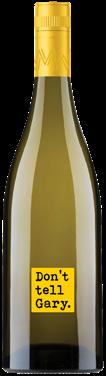
Mount Barker, Great Southern RRP £15
This Luscious Semi-Dry (LSD) Riesling is a vibrant, Aussie charmer! Bursting with zesty lime, orange blossom and a sprinkle of exotic spice, it dances on the palate with juicy fruit sweetness and crisp, refreshing acidity. Perfectly balanced, it’s an ideal match for spicy dishes, soft cheeses, or fresh fruit. Crafted with care – machine harvested at night, gently crushed, and cool-fermented in stainless steel – this wine is as fun as it is expertly made.
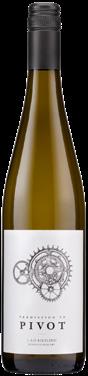
Western Australia RRP £14
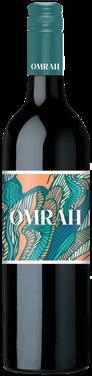
The Omrah Tempranillo is a modern Aussie take on a classic variety. Bursting with ripe cherry, juicy blackberry and a sprinkle of black pepper, it’s elegantly layered with subtle leather notes. Medium-bodied and silky smooth, its soft tannins and round mouth feel lead to a long, balanced finish of fruit and spice. Inspired by the pioneering spirit of the SS Omrah, this wine blends approachability with refined character. An adventure in every glass.
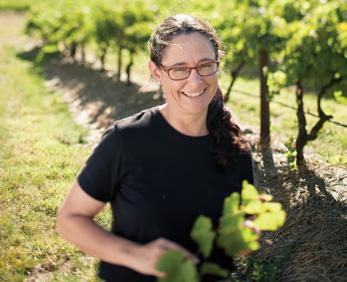
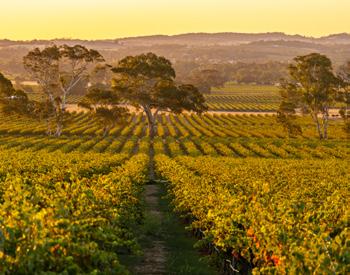
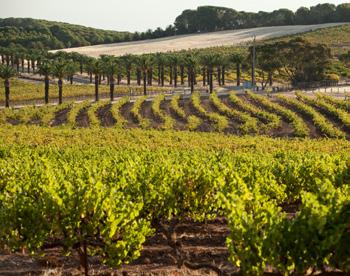
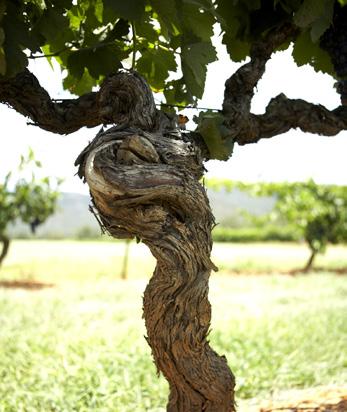
Barossa: Eden Valley
The Barossa region is split into two valleys: Barossa Valley and Eden Valley. Eden is at higher altitude (450m-500m above sea level), where the greater diurnal range allows the production of aromatic wines with high natural acidity.
Established in 1847 by Englishman Joseph Gilbert, who named the property after his home in Wiltshire. The vines came from the vineyards of William Macarthur in New South Wales, who had travelled to the Rheingau in 1837 to bring back cuttings.
Today Pewsey Vale Vineyard is a specialist single-site estate with a focus on coolclimate Riesling, best demonstrated in Pewsey Vale Estate Riesling.
Winemaker Louisa Rose is one of the world’s legendary Riesling winemakers and has nearly 30 vintages under her belt. She is now also head of sustainability and leads the strong focus on biodiversity at the estate.
The lower part of the Barossa and one of Australia’s oldest wine regions. Founded by German settlers fleeing persecution from the Prussian province of Silesia, who planted the first vines in 1843. Many of these 19th-century vines are still there today, on their own rootstock: the Barossa has an unrivalled collection of incredible, precious old-vine material, helping to produce wines of power and concentration.
The first Yalumba vines were planted by Samuel Smith in 1849 and over 175 years later the winery is still owned and managed by the sixth generation custodians of the family.
The heart of Yalumba’s legacy remains its iconic blends of Cabernet and Shiraz – a trademark of the Barossa – such as Samuel’s Collection and The Signature.
Torbreck
Although founded more recently, in 1994, Torbreck has earned an international reputation for its commitment to the remarkable old-vine resource of the Barossa. It now owns the historic Hillside Vineyard at Lyndoch and the famous Laird Vineyard in Marananga, producing unfined and unfiltered wines from vines that are more than 150 years old.
Torbreck’s commitment to producing Rhône-style wines is best shown through its Old Vines GSM or flagship wine The Steading
Arguably Australia’s oldest wine region, with the first vines planted by James Busby in 1825.
With a topography of gently sloping hills and a humid, almost subtropical climate, the Hunter relies on the mountains that surrounds it to funnel cool air from the Pacific.
The high humidity and regular cloud cover allows winemakers to produce unique wine styles unlike those of any other major wine region, including the fascinating Hunter-style Semillon, an everlasting wine that takes on incredible complexity as it ages.
Tyrrell’s
Founded in 1858 by Edward Tyrrell. Edward planted vines and constructed his first residence – an ironbark slab hut that still stands on the Tyrrell’s property.
Today the winery is managed by fifth-generation winemaker Chris Tyrrell. Tyrrell’s owns eight of the region’s 11 oldest vineyards and its pioneering spirit led to the production of Vat 1 Semillon (now Australia’s most awarded white wine) and Vat 47 Chardonnay (believed to be Australia’s first commercial Chardonnay), the style of which can be sampled in Tyrrell’s Hunter Valley range.
Margaret River
An isolated stretch of coastline surrounded by ocean on three sides. The ancient terrain of gravel loam and a Mediterranean climate moderated by the sea create ideal viticultural conditions.
A wine paradise where winemakers can take a minimal-intervention approach. A unique region where both Chardonnay and Cabernet Sauvignon can be consistently ripened, yet still produce wines of natural acidity and balance.
Vasse Felix
Margaret River’s founding wine estate, established in 1967 by Dr Tom Cullity, a cardiologist who would drive four hours every weekend on dirt tracks to plant the first vines in the region.
Vasse Felix Cabernet Sauvignon 2021, recently released, is the 50th vintage of this iconic Margaret River wine. The Filius range has the same high standard of winemaking at a more accessible price point.
Chief winemaker Virginia Willcock is one of the most awarded female winemakers in Australia and believes firmly in making elegant, low-intervention wild-fermented wines.
The first vineyards in Tasmania were planted in the 1860s, but it wasn’t until the 1970s that a resurgence in viticulture helped propel the island state on its journey to producing internationally recognised cool-climate still and sparkling wines from Chardonnay and Pinot Noir. The wild, rugged coastline and deep minerally soils produce subtle, elegant wines that are anything but ordinary.
Jansz Tasmania
Founded in 1986 to produce “Méthode Tasmanoise” sparkling wines – traditional-method wines of minimal intervention. Jansz’s Premium Cuvée NV is a benchmark of the style.
Dalrymple Vineyards
Dalrymple Vineyards was founded a year later in 1987 in the passionate pursuit of singlesite wines expressing the diversity of the breathtaking Tasmanian landscape. Its Pipers River Chardonnay showcases this unique landscape perfectly.
With vines first planted in 1838, McLaren Vale is another historic wine-producing region where proximity to the Mt Lofty Ranges and the Gulf of St Vincent helps to moderate the warm climate. The soils here are diverse – there are more than 40 unique types ranging from 15,000 to 550 million years old.
Yangarra
Yangarra is a biodynamic and organic estate with a winning combination of ancient geology, high altitude and a Mediterranean climate, providing ideal growing conditions for southern-Rhône-style wines, best sampled through wines such as Yangarra Old Vine Grenache

Fells is pleased to offer a free mixed case of some of the wines above to the first 25 readers to fill out the form accessed by scanning the QR code
Feature published in association with Fells Visit fells.co.uk or call 01442 870900
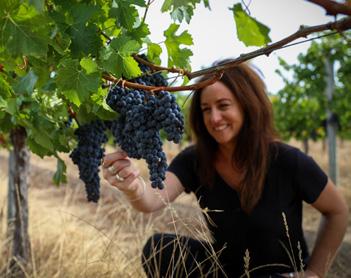
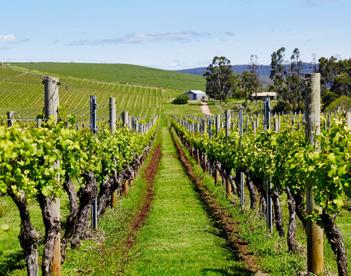
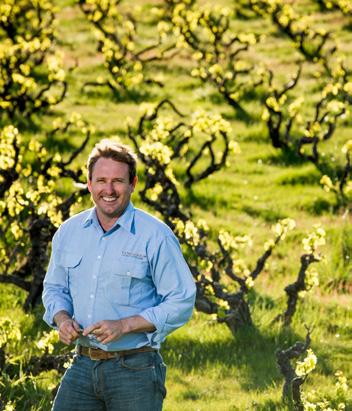
Rezzouk of Reserve
As an industry – and as individuals – I believe we need to take the noand low-alcohol (NoLo) category seriously.
We’ve all lamented the seemingly unstoppable decline in wine consumption in the UK. But let’s not kid ourselves – it’s not just wine. Pure alcohol consumption has been steadily decreasing since 20091.
Simultaneously, we’ve faced repeated challenges: rising taxes, supply chain disruption and inflationary pressures, all of which have chipped away at our beloved RRPs. Blaming the government has become a convenient default – partly because it’s easier than alienating our customers further. And let’s face it, freak events like Covid or distant geopolitical crises are well beyond our control.
But price increases alone don’t explain this consumption trend. I think there’s something deeper at play.
A decade in wine
Having joined the wine-led retail and hospitality sector 10 years ago (and still feeling like a freshman), I’ve witnessed significant progress across many areas of our industry. From where I stand, however – both professionally and personally – our relationship with alcohol still has room for improvement. Without delving too deeply into my own introspection, would it be triggering, or even erroneous, to suggest
some of us may have entered this trade to justify an unhealthy love of drink … at least on some level?
Moderation is gaining traction as a path forward. Pauline Vicard’s thoughtful piece on Areni Global2 is one example of how the topic is being embraced. And the Wine in Moderation movement, while still in its infancy, is starting to gain momentum. That said, the conversation often feels tentative, if not quite taboo anymore.
Pauline, courageously, evokes aspects from her personal story to substantiate her point. However I suspect some of you reading my words today might feel … sceptical? As someone who shares parts of

Rezzouk: “It’s a chance to embrace change”
Pauline’s back story, I know first-hand how challenging it is to maintain a balanced approach to drinking. It requires constant vigilance. And I know I’m not alone.
A personal perspective
I’m 42, a father to two young boys who test my emotional resilience daily. My wife and I are equally invested in running our home and raising our children while pursuing ambitious professional goals. In recent years, my body and mind have sent unmistakable signals: drinking the way I used to is incompatible with the life I want. And yet, like many, I enjoy (need?) a nice treat when I get home. And most often, it takes the shape of a drink. Recently, though, I found some solace in exploring the growing array of creative, alcohol-free options: kombuchas, alcohol-free cocktails and, yes, even some no-alcohol wines. It’s not a replacement; no question about that. But it helps take the itch away. I spike my Botivo with more ACV, ginger kombucha and two drops of angostura bitters and the evening is off.
Our customers feel it too Our customers face similar pressures. Financial constraints have tightened household budgets, and businesses everywhere are being forced to innovate simply to stay afloat. The demand to “train up, work smarter, be sharper” applies to all
of us and, evidently, drinking five bottles of wine a week does not align with those goals.
Social media compounds the pressure with messages like: “Want to succeed? Be more attractive, fitter, funnier …?” Whether or not we succumb to these influences, the boom in gyms popping up in every neighbourhood tells its own story. From managing calorie intake to maintaining physical health, alcohol has become an obvious target.
And then there’s mental health. Covid, lockdowns and nationwide productivity struggles have finally pushed this critical issue into the mainstream. Adverts for online therapy and psychological support are everywhere – a sign that society is taking mental health more seriously as much as an acknowledgement it is more of an issue than ever before. Once again, alcohol complicates rather than alleviates these challenges.
The NoLo opportunity
Against this backdrop, it’s no surprise that customers are increasingly curious about alcohol-free options. At Reserve Wines, alcohol-free is one of the few categories showing steady growth. It’s not a tidal wave, but the trend is unmistakable. Personally, I don’t choose alcohol-free options as often as I should – but as a buyer and a responsible parent, I’m committed to exploring this category further. Supporting innovative products that keep life fun at the table while enabling me to get up early, go for a run, and be present for my kids.
This is a chance for our industry to embrace change. By taking NoLo seriously, we can meet customers where they are, support healthier lifestyles, and perhaps even future-proof our businesses.
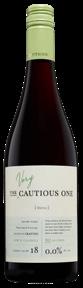
An Australian wine that’s dealcoholised in a process that distils the liquid in a vacuum, which is said to result in minimal loss of aromas. The wine is described as having a ripe raspberry aroma with juicy cherries on the palate. It has 45g/l of residual sugar.
A Spanish vino de mesa blend of Xarel·lo, Macabeo and Parellada. North South Wines says: “This wine is pale yellow, and has white fruit aromas of mature pears or apples, finishing with more tropical and exotic aromas.”
Residual sugar: 50g/l
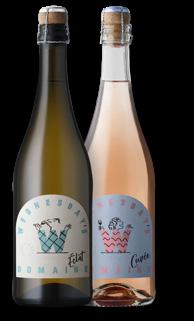
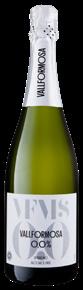
This UK business works with wineries in La Mancha to produce a range of attractively-packaged white, rosé and sparkling wines. “Our wines are gently dealcoholised using the latest technology before being blended with a handful of additions that lift body, flavour, aroma and length in the absence of alcohol,” the company says. Reserve Wines is a new customer. “The wines are pricier but, as far as I’ve tried, the best alcohol-free wines on the market,” says Nic.
Nic describes this as the alcohol-free alternative to Aperol. Lyre’s itself says: “The sweetness from orange is perfectly fused with the complex and astringent flavours of rhubarb, finishing dry and deliciously refreshing.”
1 drinkaware.co.uk/research/alcohol-factsand-data/alcohol-consumption-uk
2 areni.global/what-is-moderation-anyway

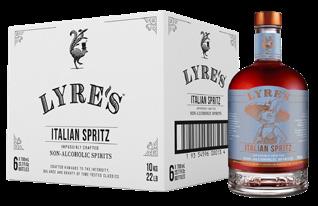

Made in a small-batch process that takes more than a year, Botivo has won rave reviews from critics such as Grace Dent in the Guardian and Alice Lascelles in the Financial Times. An unpasteurised blend of orange, wormwood, gentian, rosemary and thyme, “infused on a backdrop of aged British apple cider vinegar, balanced with organic wildflower honey,” the Herefordshire company says.
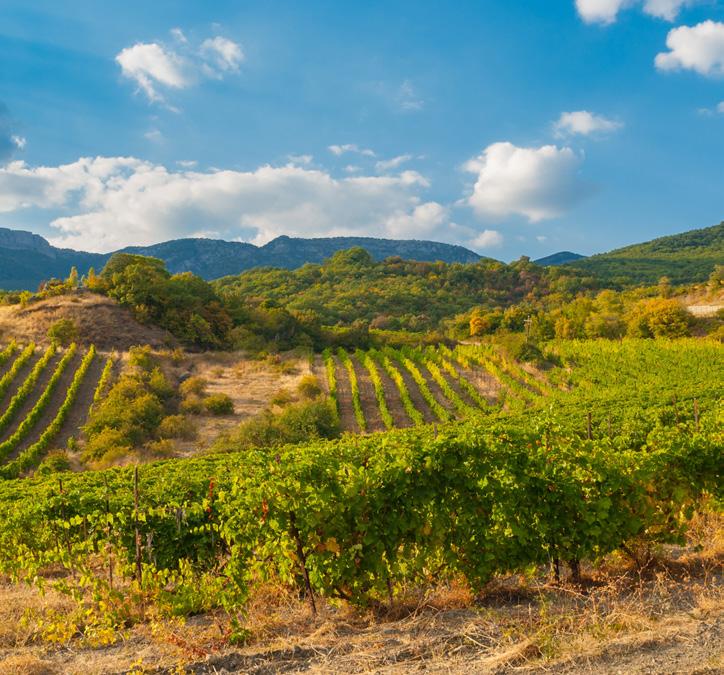
Last summer, six MWs gathered in Warsaw to conduct a tasting of wine from Ukraine, with the aim of highlighting the best that the country has to offer. After tasting 91 wines from 27 producers, 24 were declared the “top wines of Ukraine”. But what are their prospects in the UK independent trade?
Svitlana Tsybak, CEO of Ukrainian Wine Co, helped to make the tasting happen.
“We set up our company in January 2023 in the hope of gaining access to the UK market,” she says. “We have our own import and distribution channels where independent retailers can buy direct, online or through our offices.
“We have highlighted the UK as a key market. It’s very important for us because the UK has shown so much support to Ukraine and we want to have our own unique place in the country with our wines.”
Highlighting wines that may have potential in the UK, Tsybak says: “Odesa Black, which is a cross between Alicante Bouschet and Cabernet Sauvignon, is our icon red variety. These wines are already very popular in other international markets and are high quality. When people place their first order they always return for more.”
Ukranian Wine Co already supplies some indies in the UK, with Loki Wines in Birmingham among them: it has been a stockist of Ukrainian wine for around three years.
Merchants and consumers have been showing solidarity with Ukraine by buying the war-torn country’s wines. But can these ever be more than a sympathy or novelty purchase – and could Ukraine even start to emulate the success of Greece in the UK market?
Jacob Stokes reports

“As you would expect, we had a huge peak of interest after the invasion in 2022 with people wanting to support Ukraine,” says owner Phil Innes. “It really brought people’s attention to Ukrainian wine.
“However, currently most of the sales are novelty purchases and unfortunately people’s memories are very short. Now we are already seeing a slight waning in sales.”
Innes believes that the way forward for Ukrainian wines is to make improvements across the board. “The overall quality is variable,” he says. “Some producers, like Stakhovsky, for example, make
amazing wine but others are much more questionable. Typically the wines are very eastern European in style: big, bold and alcoholic, with heavy oak use. And, as we know, that isn’t a popular style in the UK at the moment.”
Focusing on international varieties might not be the best approach for Ukraine in export markets, Innes believes.
“If you choose to use international varieties, you’re competing against the whole world,” he says. “For example, I recently tried a Ukrainian Malbec – and don’t get me wrong, it wasn’t bad. But it would be selling for more than some of our premium Argentinian Malbec and with that in mind, I don’t understand the motive.”
Innes, like all indies, “lives and dies” by his recommendations and can’t risk pushing wines that undermine his reputation for quality and value.
“In my experience, the most successful Ukrainian wines have been from indigenous and Georgian varieties,” he says. “Odesa Black for example has proven to be really popular.”
Innes also believes that blends can be a great option. “If you look at Greece, for example, many consumers may avoid a 100% Xinomavro but, when it’s blended with a proportion of Cabernet Sauvignon, consumers are much more likely to engage.”
Ukraine also has some work to do with its presentation.
Innes says: “Many producers have made a real effort to improve their branding,
which is great, but much of the branding is still laughably bad. In a market where people buy with their eyes, that is something to get on top of.
“Many of the wines are in super-heavy bottles, which are becoming less and less popular in the UK for sustainability reasons.”
His conclusion: “I think the foundations for success are there. But there is a need for refinement in many areas if Ukrainian wines are to grow out of being a novelty purchase.”
Richard Bampfield MW, one of the judges in the July tasting and a strong advocate for Ukrainian wine, remains optimistic about its potential in the UK.
“Until two and a half years ago, most of us didn’t even know that Ukrainian wine existed,” he says. “After the invasion, I started off just wanting to help, but as I had more and more exposure to the wines, what I very quickly learned was that the quality is really good.
“The producers are well trained and very professional. When I speak to them, they feel that, for all the wrong reasons, their opportunity to enter global markets is now.
“Not only are the wines good, but they’re actually well suited to western palates, especially the whites which are dry, crisp and aromatic – not too dissimilar to a lot of the Greek whites that have found success in the UK.”
But Bampfield is realistic about the challenges. “The wine market is a challenging one at the minute, with declining consumption, so they’re entering at a tricky time,” he says. “There’s lots of competition on the shelves of independent merchants. These wines are going to be fighting within the competitive rest-of-theworld category, which will be difficult.”
So how do Ukrainian wines move from being a novelty (or sympathy) purchase to something more sustainable?
“Well, ultimately, it’s up to the wines to stack up, which I think they do,” says
Bampfield. “At a recent press tasting of Ukrainian wine, attendees were astonished by the overall quality on show.”
He adds: “Wine isn’t just about what’s in the bottle: we’ve got to tell a story, and Ukrainians already have many to tell. But in the coming years, when the war ends and producers go back to their vineyards, there’s going to be some amazing stories of rebirth and it is up to both the Ukrainian producers and us to ensure those stories are heard.
“I was a wine merchant for many years and if I was still one now, I’d be making sure I had Ukrainian wines in stock.”
Grande Vallée White Brut 2023, Charmat method (Chardonnay 40%, Riesling 30%, Pinot Blanc 30%)
Kolonist Bisser Brut NV, traditional method (Chardonnay 100%)
Shabo Chardonnay Reserve 2022 (Chardonnay 100%)
Beykush Winery Telti-Kuruk 2023 (Telti-Kuruk 100%)
Frumushika-Nova Muscat Ottonel 2022 (Muscat Ottonel 100%)
Villa Tinta Sukholymansky Premium Collection 2022 (Sukholymansky 100%)
Beykush Winery Arbina 2021 (Rkatsiteli 100%)
Beykush Winery Arbina 2021 (Rkatsiteli 100%)
Grande Vallée Saperavi Reserve 2022 (Saperavi 100%)
Shabo Cabernet Merlot Grande Reserve 2022 (Cabernet Sauvignon 70%, Merlot 30%)
Beykush Winery Loca Deserta 2020 (Merlot 29%, Saperavi 28%, Malbec 15%, Cabernet Sauvignon 14%, Tempranillo 14%)
GIGI Winery Alibernet Reserve 2022 (Odesa Black 100%)
Chateau Chizay Furmint Late Harvest 2022 (Furmint 100%)
VIN is the largest tasting of French wine in London, with all appellations included from Jura to the Rhône, Languedoc to Corsica.
Some of the producers attending are looking for representation and others are hoping to establish a presence in the UK. The Business France team will be announcing the UK French Champions winners and inviting visitors on iconic wine walks led by Anne McHale.
Register to attend by contacting pandora. mistry@businessfrance.fr.
Thursday, January 16
Hyatt Regency London – The Churchill 30 Portman Square London W1H 7BH
M&G founders Yannos Hadjiioannou and Stefanos Kokotos invite guests to taste the wines from their portfolio and make some new discoveries along the way.
They will be pouring wines from more than 20 producers from across Greece, including Domaine Karanika, Douloufakis Winery, Kokotos Estate, Magoutes Vineyards, Manoussakis Winery, Mylonas Winery, Nikolaou Estate, Paros Farming Community Estate, Rouvalis Winery and Zambartas Winery.
To register for the tasting or for more information, email Natasha at me@ natasha-najm.com.
Monday, January 20
Vagabond Monument 51 Gracechurch Street London EC3V 0EH
An opportunity to taste the new vintages from what’s described as the largest selection of Loire Valley wines available in the UK.
This tasting will include a broad selection of 2024 vintage whites and rosés, covering all the major Loire appellations, as well as the new releases of barrel-aged whites, reds and dessert wines. A selection of Crémant de Loire and other sparkling wines will also be on show.
Email chris@charlessydneywines.com.
Thursday, January 23
Glaziers Hall 9 Montague Close London SE1 9DD
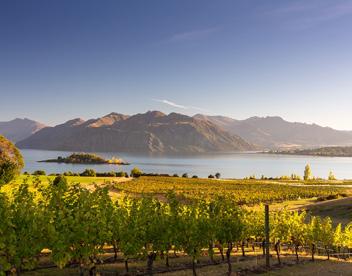
Aussie and Kiwi wine producers are coming together for the first time with collaborative tastings in Dublin, London and Edinburgh.
With 1,000 wines to explore from 200 wineries, these tastings invite you to make new discoveries, revisit the classics and
meet the producers and importers behind their wares.
Minimal-intervention wines and natural wines made by organic, biodynamic and sustainable champions will be among the highlights.
Register via eventbrite.co.uk.
Monday, January 27
The Alex Hotel 41-47 Fenian Street Dublin 2
Thursday, January 30
Royal Horticultural Halls Elverton Street London SW1P 2QW
Tuesday, February 4
The Balmoral 1 Princes Street Edinburgh EH2 2EQ
The company has seen a growth spurt during the past year and will be celebrating its largest ever showcase of wines in its 91-year history.
Across this two-day tasting event, the Hallgarten & Novum team will be joined by 200 producer partners from across the world to pour 1,000 wines, many of which are new to the range. There is also the chance to take part in panel discussions and specific focus zones, with more details to follow.
To register contact sarah.charlwood@ hnwines.co.uk.
Monday & Tuesday, January 27-28
Old Billingsgate 1 Old Billingsgate Walk
Riverside, 16 Lower Thames Street
London EC3R 6DX
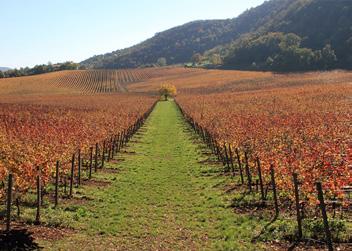
The Italian specialist hosts a tasting championing undiscovered, artisan winemakers.
Among an impressive list of producers will be Cornelissen, Miani, Inama and Massa, pouring wines made with grapes pioneered in the UK by Winetraders including Nerello, Mascalese, Timorasso, Rossese and Bellone.
To register, contact edmund@ winetradersuk.com.
Monday, January 27
67 Pall Mall
London SW1Y 5ES
The annual walk-around tasting of Union de Grand-Crus de Bordeaux members.
Register by contacting celine@otaria. co.uk.
Wednesday, January 29
London venue TBC
The German specialist importer is hosting trade tastings in three cities. Meet winemakers travelling from Germany to pour more than 120 wines including Sekt, Spätburgunder (Pinot Noir), vintage Riesling and dessert wines.
For more information and to register, contact angi@thewinebarn.co.uk.
Monday, February 3
The Royal Army & Navy Club 36-39 Pall Mall
London SW1Y 5JN
Monday, February 24
King’s College King’s Parade
Cambridge CB2 1ST
Monday, February 25
Christ Church College St Aldate’s Oxford OX1 1BD
The M7 tastings started in 2016 and return in 2025 with a line-up of more than 350 wines from nine producers. These informal, self-pour tastings for independents will feature a range of classics and curios selected to light up shelves, all specific to the sector.
Local account managers from ABS Wine Agencies, Bancroft Wines, Fells, Gonzalez Byass, Hayward Bros, Mentzendorff, New Generation Wines, North South Wines and Richmond Wine Agencies will be pouring their wines. Lunch will be provided. For more information and to register,
contact m7bristol2025@gmail.com or m7manchester2025@gmail.com
Monday, February 3
The Harbour Hotel
53-55 Corn Street
Bristol BS1 1HT
Tuesday, February 4
Lancashire County Cricket Club
Talbot Road
Manchester M15 0PW
Join Astrum for its annual tasting, with more than 40 producers in attendance. The event will include long-standing suppliers such as Cantina Terlano and Produttori del Barbaresco through to new portfolio additions looking forward to introducing their wines.
Register at marketing@ astrumwinecellars.com.
Tuesday, February 4
Mall Galleries
The Mall
London SW1Y 5AS
Tennent’s, Matthew Clark and Bibendum invite guests to taste “a wide range of wine-list essentials, new discoveries, fine wine gems and exceptional fizz”. Register at events@candcgroup.com.
Tuesday, February 4
Mansfield Traquair 15 Mansfield Place
Edinburgh EH3 6BB
The Koshu of Japan annual trade tasting returns to London at new venue, Japan House.
Nine leading wine producers from the Yamanashi Prefecture, including Château Mercian, Manns Wines and Suntory, will be presenting a diverse range of wines from the Koshu grape, including sparkling, orange and red, alongside the more familiar white wines.
Guests can register their interest for one of two expert-led masterclasses hosted by Agnieszka Swiecka and Sarah Jane Evans MW. Masterclass attendees will be led through 11 wines with a focus on terroir.
Email koshu@thisisphipps.com.
Wednesday, February 5
Japan House
101-111 Kensington High Street
London W8 5SA
This tasting includes by-the-glass highlights and fine wine specialities amongst its selection.
Register by emailing events@bibendumwine.co.uk.
Wednesday, February 5
The Pelligon 43 Bank Street
London E14 5NX
The tasting marks the 21st anniversary of the opening of Gonzalez Byass’s UK office.
Guests can explore a curated selection of wines and spirits, showcasing nearly two centuries of Gonzalez Byass heritage alongside highlights from agency brands.
The event introduces the company’s newest partner, Tuscany’s Famiglia Castellani. It’s also a chance to taste
Beronia’s new barrel-fermented Viura, and “winemaker’s choice” wines selected specifically for this celebration tasting.
Register by emailing ejones@ gonzalezbyassuk.com.
Thursday, February 6
IET London 2 Savoy Place
London WC2R 0BL
Returning after an absence of six years, South America specialists Ucopia and Vinos Latinos host an offbeat portfolio tasting highlighting small producers from across the continent.
Ucopia will focus largely on Argentina, while Vinos Latinos will show wines predominantly from Uruguay and Chile.
South London independent Diogenes the Dog will be providing the venue and showing a selection its own off-the-beatenpath and low-intervention wine imports from places including Taiwan and India.
Highlights of this tasting include a Texan Malbec, a white blend of three hybrid wines from Taiwan, an orange Brazilian sparkling wine and specialist German wines poured by Pfalz winemaker Gerd Stepp, formerly with M&S.
To register and for more details, contact carla@vinoslatinos.co.uk.
Monday, February 10
Diogenes the Dog 96 Rodney Road London SE17 1BG
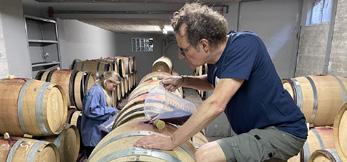
An opportunity to taste a large selection of wines from the Cachet portfolio, with focus on entry-level wines from the Languedoc alongside Georgian Saperavi from Giorgi Solomnishvili.
For more information and to register, contact david.archibald@cachetwine.co.uk.
Tuesday, February 11
Storrs Hall
Bowness-on-Windermere Cumbria LA23 3LG
Explore the best producers and wines from Tim Atkin MW’s Special Rioja Report.
This trade and press tasting will showcase wines selected for Atkin’s list of first and second growths as well as a group of producers he has highlighted as rising stars. Contact clare@island-media.co.uk.
Tuesday, February 11
One Great George Street London SW1P 3AA
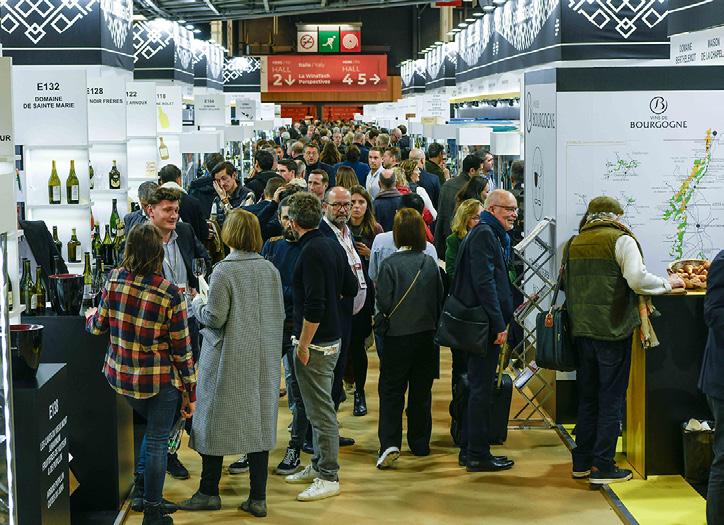
Wine Paris feels like it’s occupying the Goldilocks zone of international wine fairs: not too big, not too small, but just right. It helps, too, that it takes place in a city that is as loved as it is accessible, at least from a UK perspective. Certainly by comparison to Dusseldorf.
The sixth edition of the show should put to bed any lingering misconceptions that this is simply a French wine fair. France definitely dominates the floor space, with all of its generic bodies due to attend, and with French exhibitor numbers up 7%. But 50 other countries will also be pouring their wines at Porte de Versailles.
Organiser Vinexposium reports “doubledigit growth in floor space for several countries”, including Germany (+65%), Austria (+35%), China (+60%), Spain (+40%), Portugal (+31%) and Romania (+75%). Italy has redoubled its exhibition area and will have 30 regional pavilions spanning an entire hall.
Wine Paris will also welcome new international pavilions from South Africa, Argentina, Armenia, Chile, Hungary, North Macedonia and Uruguay – plus Australia, which is reportedly increasing
its exhibition space four-fold in 2025.
Spirits and no-low drinks also have their own space within the show.
Register at wineparis.com.
Monday, February 10 until Wednesday, February 12
Porte de Versailles
Paris
Guests will have a unique opportunity to taste the entire portfolio of Fells wines.
The selection will include wines from world-leading, family-owned producers and introduces the new wineries that have recently joined the portfolio.
To register interest in attending, visit fells.co.uk.
Monday, February 18
IET London
2 Savoy Place London WC2R 0BL
For more information and to register, events@berkmann.co.uk.
Monday, February 25
The Guildhall 71 Basinghall Street London EC2V 7HH
Tuesday, February 26
Kimpton Clocktower Hotel Oxford Street
Manchester M60 7HA
Around 40 producers will be presenting their wines at the tasting, which also features a free-pour section.
Masterclasses with guest speakers will be confirmed. For more information and to register, contact nancy@indigowine.com.
Tuesday, February 25
Lindley Hall
80 Vincent Square London SW1P 2PB

The concept of minerality is an enigma. It is extremely important in all the world’s finest wines, yet not mentioned once in over 900 pages of WSET Diploma learning materials.
This veil of mystery means that tasting is our best tool to get a grip on it. I thought I had a fairly good understanding of minerality until I visited one of the best places to learn first-hand: Itata, Chile.
A diverse geological landscape, extremely old own-rooted vines (some over two 200 years old) and a geologistturned-winemaker obsessed with shining a light on Itata’s potential: these are all ideal ingredients for a masterclass in how bedrock can impact the aromatic and physical properties of a wine.
I spent a month at the bodega of said winemaker – Leo Erazo – during the 2024 harvest. We drank a lot of wine. But my mineral epiphany came from three flights in particular.
Two Pais wines, one planted on granite and one on basalt (volcanic) soils; two Cinsault wines, also split between granite and basalt; and a flight of three skin-contact Moscatel wines, all from decomposed white granite where the difference was the height of the respective topsoil. All the wines were made almost identically.
Both the Cinsault and Pais on volcanic soils had what I would call a bright minerality: saline, flinty and direct, with a chalky tannin structure. Whereas both the wines on granite had a darker fruit profile and a broader minerality of graphite and smoke notes, suggestive of time in old oak even though there wasn’t any.
Three things about this surprised me. Firstly, how concentrated these notes were. Normally in red wines minerality supports fruit, adding a layer of intrigue and finesse. Here it was front and centre, with a flick of fruit just to remind you that it was in fact wine in your glass and not a measure of pebble juice.
Second, how different the varietal expressions were between granite and basalt. And third, and most significant, how the wines from the same bedrock had more

Counter Culture
I thought I understood minerality. Then I met Leo Erazo in Itata, Chile
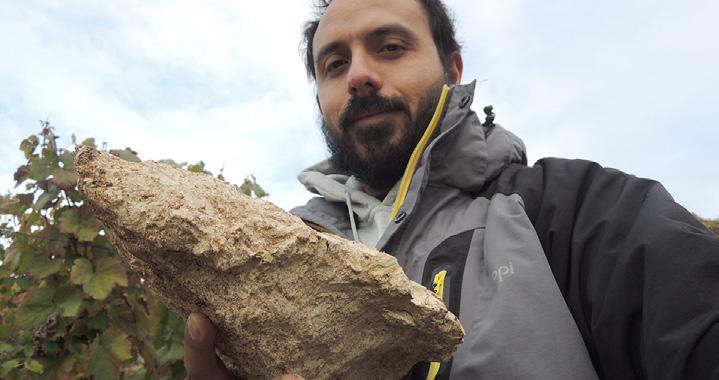
in common than the wines from the same cépage: mind-blowing. Leo told me this is down to the extremely old root systems penetrating deep into their respective rocks, a statement I’ve heard countless times but rarely tasted in practice.
The liquid geology lesson continued with Moscatel, infamously perfumed and with relatively low acid. Here the fruitto-minerality ratio decreased with the height of the topsoil. The first wine had roughly 40cm of topsoil and was pretty recognisably Moscatel with a slight flinty backbone. The second, with 20cm, was more serious. A fine wine, with beeswax, peach and white stones, the freshness coming from both acid and salinity.
The final example, called Piel de Arcilla, (my favourite of the Bravos portfolio and the only wine made by Leo’s partner, Zjos) is produced from vines planted directly into decomposed white granite. “Lean”, “precise” and “elegant” don’t even come close. “Electrifying” and “bewildering” would be more appropriate. Thankfully this
wine is fermented in tinajas to broaden it out and temper the freshness – not something that is said about Moscatel very often. There is some fruit, however, and it mingles with the earthy notes from the vintage clay vessels to create a savoury, almost stone-baked sensation. As with the reds, this supports the star of the show: minerality.
There is very limited evidence to support the claim that chemical composition of soil and bedrock has any direct impact on the aromas we find in wine. But does that matter? If you or I believe we sense flint, graphite or chalk in the wines we taste, it’s arguably less bizarre than finding notes of jasmine, honeysuckle or cranberries in our glass, or coffee or tar. Science may yet unravel these mysteries. As tasters, we should simply enjoy them.
Conor Strutt is wine manager for Plots & Parcels, a collective of chefs, somms and DJs
12-14 Denman Street
London W1D 7HJ
0207 409 7276
enquiries@louislatour.co.uk www.louislatour.co.uk

@louislatouruk


walker & Wodehouse
109a Regents Park Road
London NW1 8UR
0207 449 1665
orders@walkerwodehousewines.com www.walkerwodehousewines.com

@WalkerWodehouse

McHenry Hohnen Vintners was founded in 2004 as a venture between pioneer Margaret River winemaker David Hohnen and his brother-in-law and vine-grower, Murray McHenry.
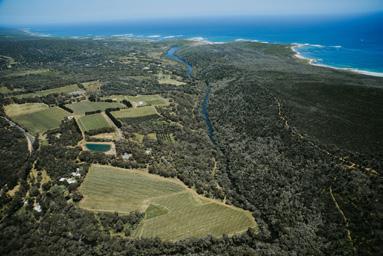
All the grapes are sourced from family-owned vineyards in the southern edge of the Margaret River region. Today, winemaking is headed up by Jacopo Dalli Cani. The McHenry Hohnen intention is to shape wines with verve and vitality. This is done by embracing a ‘hands-off’ winemaking philosophy, where each wine is a focused expression of its variety, its growing season and its individual site.
Viticultural practices embrace old-school holistic farming philosophies and biodynamic practices which cultivate an environment where the soil and its organisms, along with plants, insects and animals, co-exist in a thriving equilibrium.
Visit us at the Australia Trade Tasting in London on the 30th January 2025 at The Royal Horticultural Halls.
For more information, please contact sales@louislatour.co.uk or scan the QR code.
Wednesday 5th February 2025 1pm – 6pm
The PELLIGON, 43 Bank Street London E14 5NX
Join us for an exclusive tasting as we unveil our handpicked collection of Moments in Wine. Explore over 300 wines, each with its own unique history, character, and defining moment – from the historic 1855 Bordeaux Classification to Steiner’s teachings on biodynamics. We’ve curated a selection where every bottle represents a chapter in the evolution of winemaking. We hope you’ll join us to create your remarkable Moment in Wine.
Scan the QR code to RSVP


28 Recreation Ground Road
Stamford Lincolnshire PE9 1EW 01780 755810
orders@abs.wine www.abs.wine

@ABSWines



The Halliday Wine Companion tasting team’s Top 100 Wineries of 2024 “celebrates the best producers in Australia right now … names that resonate with excellence”. We’re thrilled to see Giant Steps in second place, with Cullen, Grosset and Mount Pleasant ranking in their Top 10, and House of Arras, Henschke, Koomilya and Tolpuddle Vineyard all making their Top 20.



Also named Winery of the Year at the 2025 Halliday Wine Companion Awards, Giant Steps is a “modern Yarra Valley icon”, says Marcus Ellis. “With the sale to the well-resourced, quality-ambitious Jackson Family and the appointment of Mel Chester [pictured] to run the show, the estate has only swelled in both prestige and potential. The acquisition of the legendary Bastard Hill Vineyard has played a large part in that. With the inaugural release, that excitement has only heightened … With so much more to do at the site, the future is a thrilling prospect.”
In seventh spot, Cullen is “at the top of its game … always striving for better and more authentic wines of place’. Grosset (eighth) – “synonymous with Riesling” – is “better than ever” and “painstakingly selected and planted sites, biodynamic farming, mature vines, meticulous fruit selection and winemaking are all instrumental”. And under winemaker Adrian Sparks, “from top to bottom, the Mount Pleasant [10th] wines are sublime, evocative of history and place and unburdened with winemaking artefact”. See the full Top 100 at winecompanion.com.au.

condor wines
Henge Court Thame OX9 2FX 07508 825 488
orders@condorwines.co.uk www.condorwines.co.uk


Condor_Wines
Condor.Wines
Condor_Wines
Condor Wines


871800
info@hatch.co.uk
www.hatchmansfield.com
@hatchmansfield

The Woolyard 52 Bermondsey Street London SE1 3UD
020 7840 3600
info@mentzendorff.co.uk www.mentzendorff.co.uk


Middlesex TW13 6JE 020 8744 5550 orders@richmondwineagencies.com @RichmondWineAG1

@richmondwineagencies

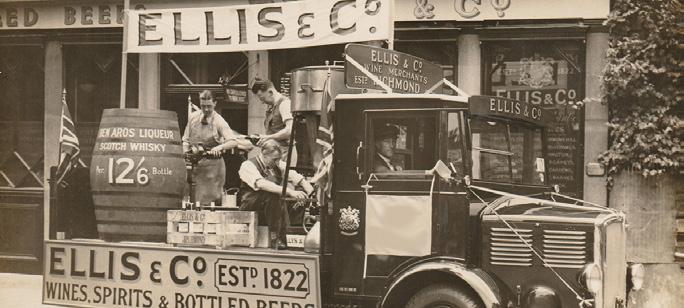
Unit 5, The E Centre
Easthampstead Road
Bracknell RG12 1NF
01753 521336
info@buckingham-schenk.co.uk www.buckingham-schenk.co.uk


@BuckSchenk @buckinghamschenk

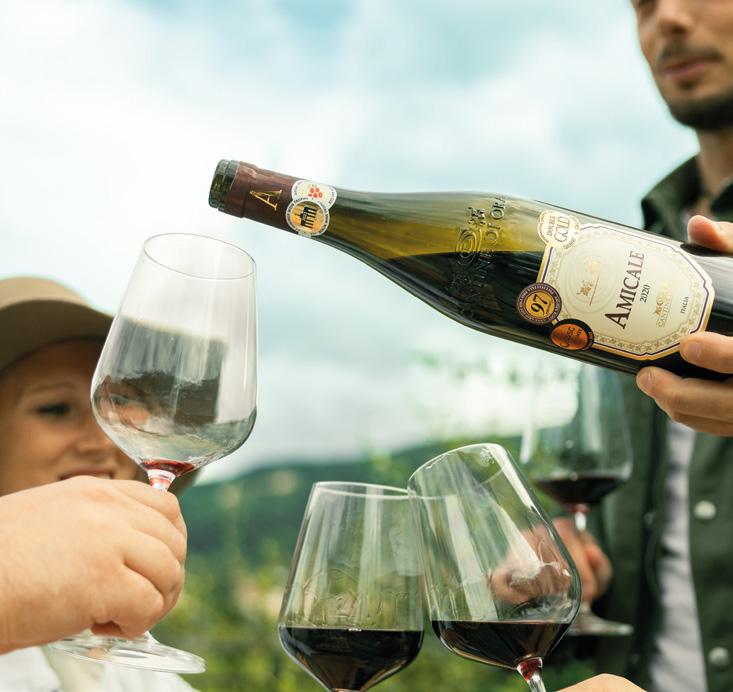
7-9 Elliott’s Place
London N1 8HX
020 7288 8888
sales@jeroboamstrade.co.uk www.jeroboamstrade.co.uk
@jeroboamstrade





Fells House, Station Road
Kings Langley WD4 8LH
01442 870 900
For more details about these wines and other wines from our awardwinning portfolio from some of the world’s leading wine producing families contact:
info@fells.co.uk www.fells.co.uk

@FellsWine

je_fells

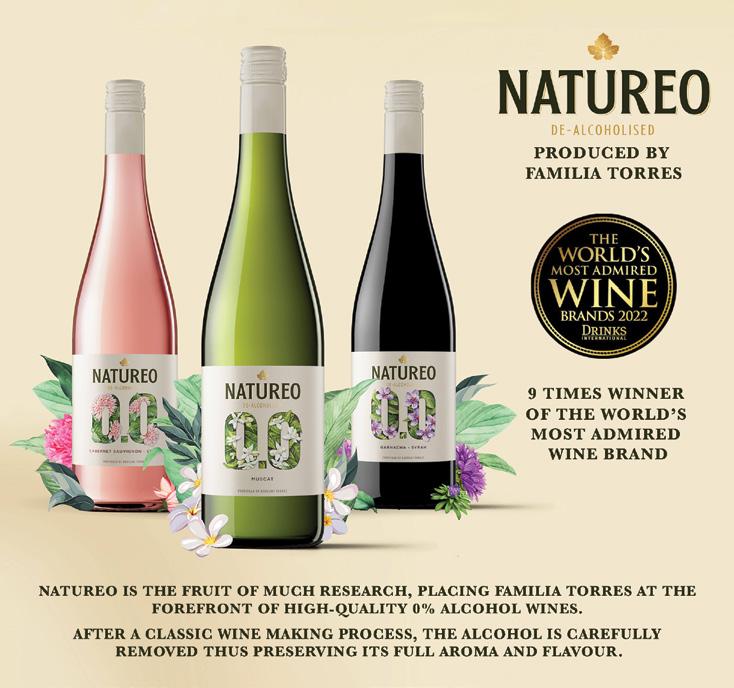


The Old Pigsty, Rose Cottage Church Hanborough OX29 8AA 01993 886644
orders@delibo.co.uk www.delibo.co.uk

The computer system for drinks trade wholesalers and importers 16 Station Road Chesham HP5 1DH
sales@vintner.co.uk www.vintner.co.uk


Sustainable and superlative Pinot Noir and Chardonnay from the original pathfinding winery of the Mornington Peninsula – the five star* Crittenden Estate in Dromana.
Garry Crittenden planted his 2ha vineyard in 1982 (now 5ha) and has handed the reins over to his children, Rollo and Zoe. The Geppetto and Peninsula ranges are the perfect introduction to the estate whilst the Zumma and Cri de Coeur exemplify the elegance that this cool-climate wine region south east of Melbourne is so renowned for.
For more information about Crittenden, please contact orders@delibo.co.uk or your account manager and banish those January blues!
*Halliday Wine Companion 2024



hallgarten wines
Mulberry House
Parkland Square
750 Capability Green
Luton LU1 3LU
01582 722 538
sales@hnwines.co.uk www.hnwines.co.uk

@hnwines


top selection
23 Cellini Street
London SW8 2LF
www.topselection.co.uk
info@topselection.co.uk
Contact: Alastair Moss
Telephone: 020 3958 0744

@topselectionwines
@tswine

















Celebrate Furmint February with our Indie-exclusive o ers on the world-class wines from Szepsye Kings of Tokaj!
“...I do feel the word genius is not too hyperbolic a word to describe the modest Mr Szepsy.”
Jancis Robinson
“Alcohol as a warp drive to the relaxation zone is not a good habit, I think”
Sarah Abbott became an MW in 2008, after 10 years of working in sales, sourcing, education and marketing roles for specialist fine wine importers. She founded her strategic consulting and communications business, Swirl, in 2008 and followed her passion for supporting emerging wine regions and vino-diversity.
What’s the first wine you remember drinking?
My family are not big drinkers. In fact, one half of my family are Methodist teetotallers. When I was 15 I got a Saturday job in a smart country-house hotel, and that’s when I first noticed wine. I noticed how seriously people took it. How beautiful the wine list was and the reverence for the cellar. I noticed the exalted status of the sommelier – like a prima ballerina or first violin, or senior hair stylist. After a busy night’s service the chef-proprietor would buy us all a drink. I didn’t know what to have and my boss said, “have a little glass of this”. It was Château Coutet – I can’t remember the vintage but I remember the golden swirly beauty of the label and the liquid.
What job would you be doing if you weren’t in the wine trade?
I love dancing. Like wine, it’s a form of ritualised collective escape and transcendence. The serious answer is that I would probably be working in marketing. I did my post-grad in marketing and worked with marketing image analysis software. I love marketing: it’s empathy, connection, analysis and coherence. I hate how parts of the wine trade denigrate it.
How do you relax?
Dancing, mostly around my kitchen, but also in Zumba, and anywhere I can, especially with my friends. I want to be
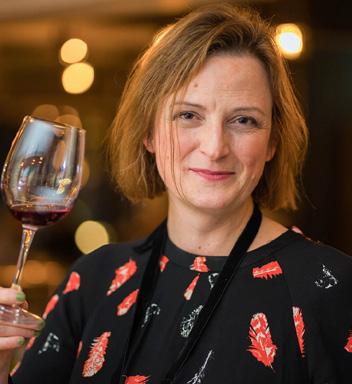
relaxed before I have my first glass of wine. Alcohol as a warp drive to the relaxation zone is not a good habit, I think. I love the gym and have recently taken up weight training. I do a few yoga and meditation weekends a year. And I swear by my Shakti mat, which is a modern-day interpretation of the bed of nails. It relaxes the nervous system through the action of acupressure.
The best book you’ve read recently? I’m coming to the end of Claire Tomalin’s biography of Charles Dickens. It makes you want to re-read all the Dickens novels you know, and track down all the Dickens essays you don’t. She doesn’t flinch from Dickens’ cruelty and neglect of his wife and family. Yet his genius, social conscience and political activism shine.
Do you have any sporting loyalties? I used to be profoundly indifferent to sport. But my husband and son are football fanatics, and over the years they have reconditioned me. So, I have taken an interest and do join in when they cheer for Liverpool. I’ve even been to Anfield with them.
Who’s your favourite music artist?
It’s impossible to pick just one. I love Stevie Wonder for the virtuoso creativity and beautiful soul in all his songs. Chaka Khan; I really love funk, actually. Aretha Franklin. Abba for dancing around the kitchen. Tim Buckley. Bruce Springsteen, especially the earlier stuff, because it reminds me of my dad. Stone Roses for pretending I’m 20 again.
Any superstitions?
“If you want to live and thrive, let a spider run alive.” I would never kill a spider. But also, I’m terrified to the point of being phobic about spiders. This creates moments of interesting tension.
Who’s your favourite wine critic?
Tamlyn Currin. I love her radical lyricism and sharp analysis. One of the most important things about any wine is how it makes you feel, and it takes courage to embrace that when domineering didacticism is the critical norm.
What’s your most treasured possession?
My great-great grandma’s engagement ring. My nan gave it to me. It’s a delicate band of fire opals and red opals. It’s not fancy or hugely valuable but when I put it on I feel connected to my nan, who was an incredible person and guide, and to her mother and grandmother. She was a young grandma and I spent a lot of time with her.
What’s your proudest moment?
I’m really proud of what we’ve accomplished with The Old Vine Conference, the non-profit I co-founded in 2021. The OIV has adopted a resolution that, for the first time, defines the meaning of old vines. Our work, alongside that of initiatives in South Africa and Italy, inspired them to set up a committee that led to official recognition for this precious resource for our industry.
What’s your biggest regret?
That I didn’t become a dancer. Maybe there’s still time. That I don’t speak Italian.
Who’s your hero?
Mary Wollstonecraft.
What’s your favourite place in the UK?
Durdle Door at first light. My family has a caravan there. My grandad used to set the alarm to walk down and see the sun come up over the coast, and we do the same.