Town Manager Shane Hale shale@windsorgov.com
Dear Windsor Residents,
It’s easy to take for granted the infrastructure and facilities behind the scenes that support our quality of life in Windsor. That is, until a road feels unsafe, a pipe fails, or a facility reaches its limit. Windsor’s Capital Improvement Plan is designed to stay ahead of those moments by maintaining what we have, fixing what needs attention, and preparing our community for what’s next.
Each year, Town staff works with the Town Board to develop Windsor’s Capital Improvement Plan (CIP). The CIP is our roadmap for maintaining, upgrading and building the public infrastructure and facilities that support daily life in Windsor, from the systems you rely on every day to the projects you’ll see taking shape in our streets and public spaces.
This year’s CIP continues a balanced focus: reinvesting in core infrastructure, improving safety and mobility, and making targeted upgrades that support the places residents gather and do business. Highlights include:
• Wastewater Treatment Facility replacement and expansion to maintain reliable service and meet future demand
• 15th St. waterline replacement, which will replace aging infrastructure to strengthen system reliability and support water pressure and fire protection
• Crossroads Blvd. & Colorado Blvd. roundabout installation to improve traffic flow and safety
• Back Lot Parking Lot (downtown) to improve access, safety and usability for residents, businesses and visitors
We know capital projects can bring short-term disruption. Our commitment, as always, is to plan carefully, coordinate work whenever possible, and communicate clearly, because these investments are about long-term reliability, safety and quality of life for the entire community.
This year, 34 CIP projects are listed in this magazine and will receive regular project updates on our Project Connect platform. These projects have been selected based on their impact on the community and their cost; no projects under $200,000 are included in this list. The entire 2026 CIP, including the projects not included here, is available in the 2026 Budget book at windsorgov.com/Budget
To follow any of the 34 major projects as they progress, visit windsorprojectconnect.com
Thank you for your continued engagement and support as we keep Windsor strong today and ready for tomorrow.
Sincerely,
Shane Hale Town Manager
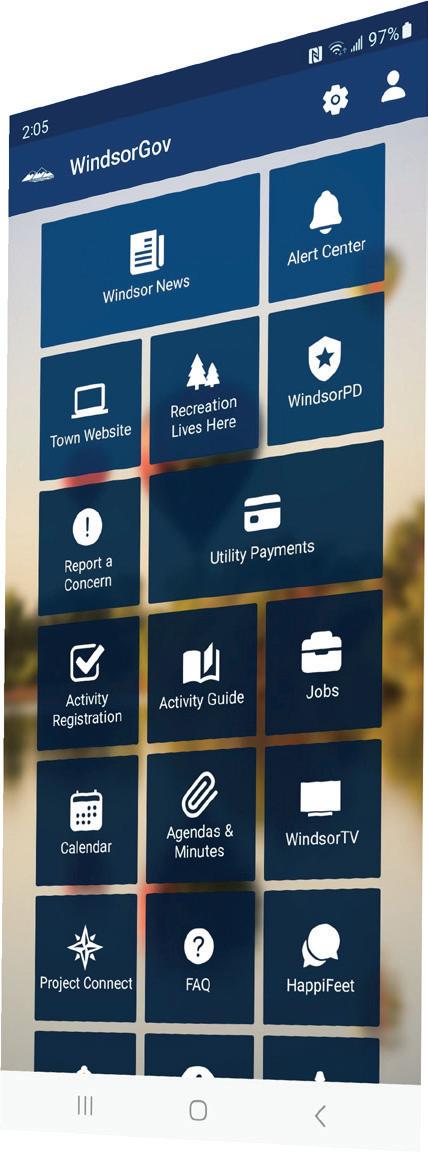
Information about major projects across town is all in one place. Learn more about the projects in this magazine, stay up-to-date on their progress, provide feedback on town plans and more using Windsor's Project Connect public engagement platform.
Want your thoughts heard? Register today to participate in public input surveys, connect directly with project managers and receive email notifications with important updates on the projects you care about most.
The Town of Windsor’s annual budget is generally divided into two major parts: Operations & Maintenance (O&M), which covers day-to-day services, and the Capital Improvement Plan (CIP), which funds larger, longterm investments in Windsor’s infrastructure—like roads, water systems, parks and public facilities.
The Capital Improvement Plan is a five-year plan that’s updated each year as part of the annual budget process. It helps the town identify, prioritize and schedule major projects so Windsor can maintain existing infrastructure and plan ahead for future needs.
Each year, town staff evaluate potential projects for the next five years and recommend which projects should receive funding in the upcoming year’s budget. Projects are considered based on many factors, including current economic conditions, safety, asset condition, growth-related needs, community benefits and the expected demand on public facilities and services.
Once staff and the town manager finalize CIP recommendations (typically in the early fall), they are presented to
the Mayor and Town Board for review. During budget discussions, Town Board members may adjust priorities, postpone projects or remove them before the final budget is adopted later in the year.
To be considered part of the CIP, a project must meet these criteria:
• Non-recurring: It’s not a routine, ongoing operating expense.
• Improves or adds a physical asset: It expands, replaces or significantly upgrades something the town owns or maintains (streets, facilities, parks, utilities, etc.).
• Long-lasting value: It has an expected life of at least five years.
• Meets a cost threshold: It costs at least $5,000.
Not every CIP project is funded the same way. Some projects are funded through the Capital Improvement Fund, supported by tax revenues and used for many community-wide infrastructure needs. However, a significant portion of the CIP is funded
through enterprise funds, particularly for water, wastewater, and stormwater projects. Enterprise funds operate more like a business: costs are paid through customer rates and fees, and those dollars are dedicated to operating, maintaining and improving the utility systems residents rely on every day.
In 2026, $93.1 million is budgeted for capital projects, or roughly 53% of Windsor’s entire budget ($176.4 million). Of the funds allocated for capital projects this year, 58% ($54.4 million) is from enterprise funds specifically, not general tax dollars.
The CIP is one of the town’s most essential tools for keeping Windsor safe, functional and ready for the future. While construction projects can create temporary impacts, these investments help protect public health, improve mobility, maintain quality facilities and reduce long-term costs by addressing needs before they become emergencies.
To explore project details, maps, traffic updates and progress reports, visit Windsor’s Project Connect platform at windsorprojectconnect.com. To view the adopted budget or learn more about the budget process, visit windsorgov.com/Budget
Windsor’s CIP includes five high-impact areas: Crossroads and Colorado Blvd., the Windsor Wastewater Treatment Facility (WWTF), Downtown Parking, the 15th St. Waterline Repair and Chimney Park. This special edition CIP covers a wide range of important projects, but certain projects are considered “high impact” because of their public visibility, dollar amount or effect on traffic when under construction.
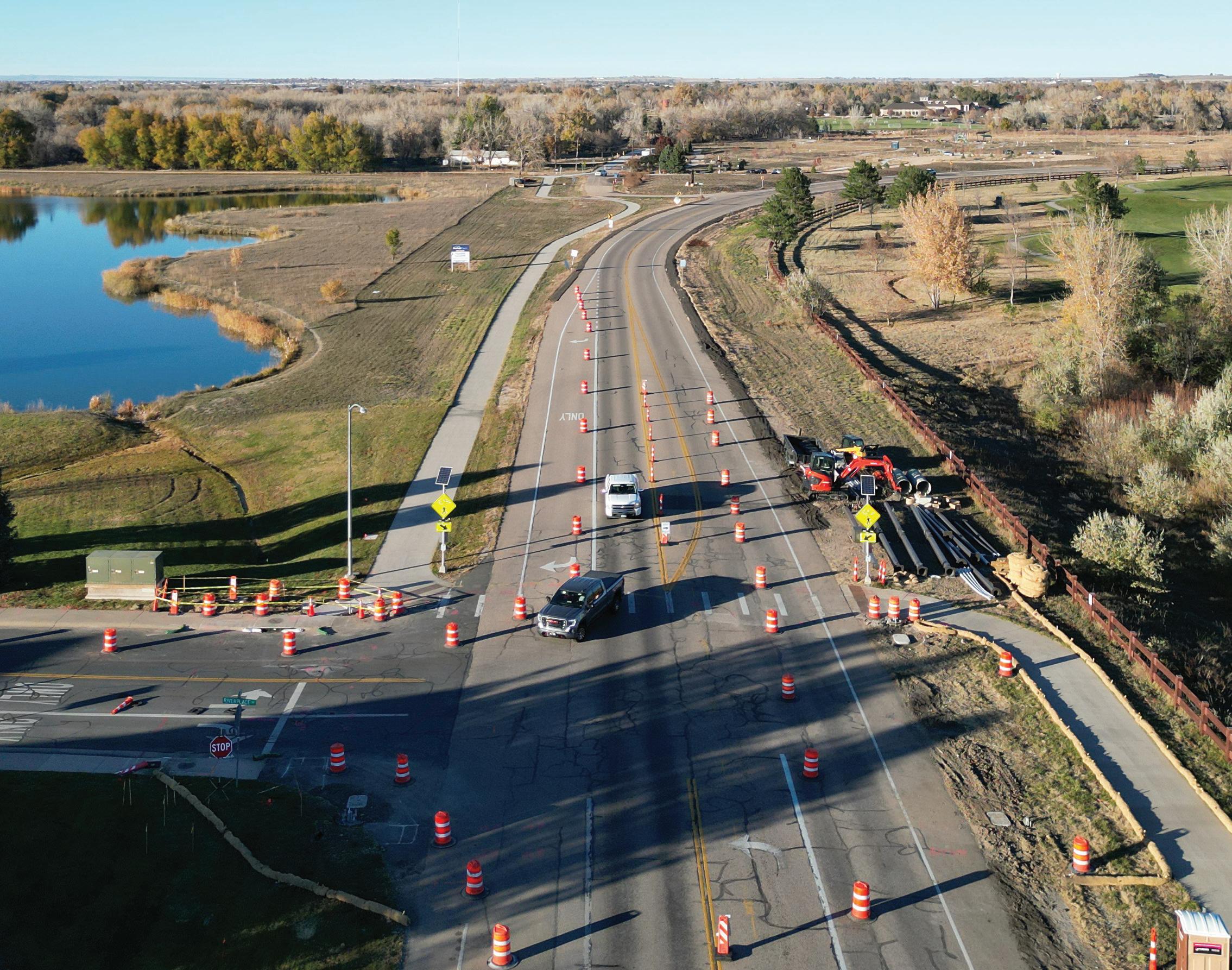
The Crossroads Blvd. and Colorado Blvd. corridors are main arterials in Windsor that many residents, business owners and commuters utilize daily to move through town and to regional communities. As the Northern Colorado region continues to grow, so does the need for traffic flow solutions to accommodate the increase of motorists, cyclists and pedestrians using this corridor every day. The Crossroads and Colorado Blvd. Roundabout project is necessary to accommodate higher traffic volumes on the Windsor/Loveland border on the south side of town. Converting the current four-way stop light to a roundabout alleviates congestion and makes the intersection safer and more efficient for residents and commuters.
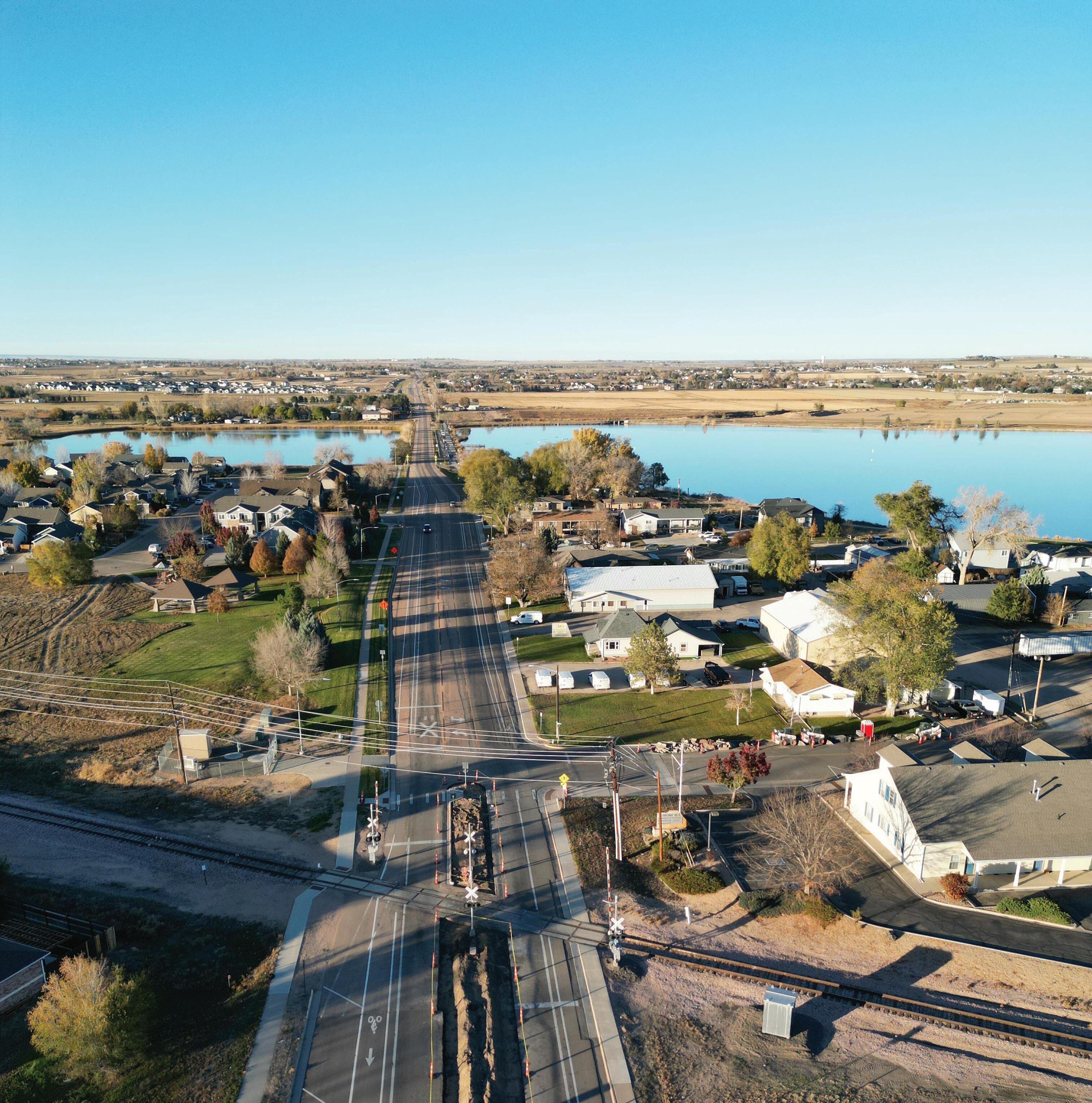
The Crossroads Blvd. Railroad Crossing Maintenance project addresses drainage problems caused by railroad track settlement at the crossing just west of CO 257, leading to rough and unsafe conditions. Once complete, the crossing will provide residents with a smoother, safer crossing.
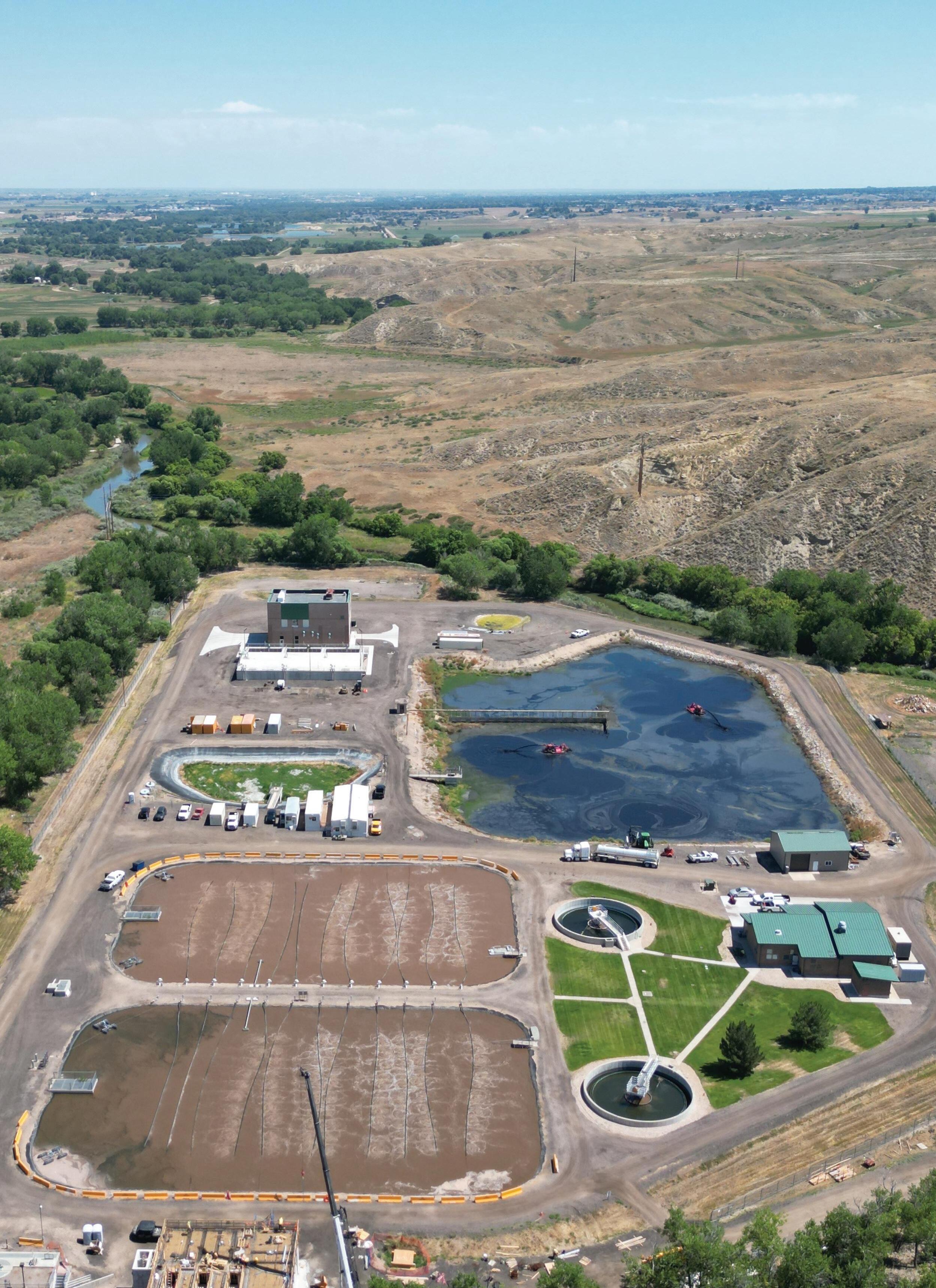
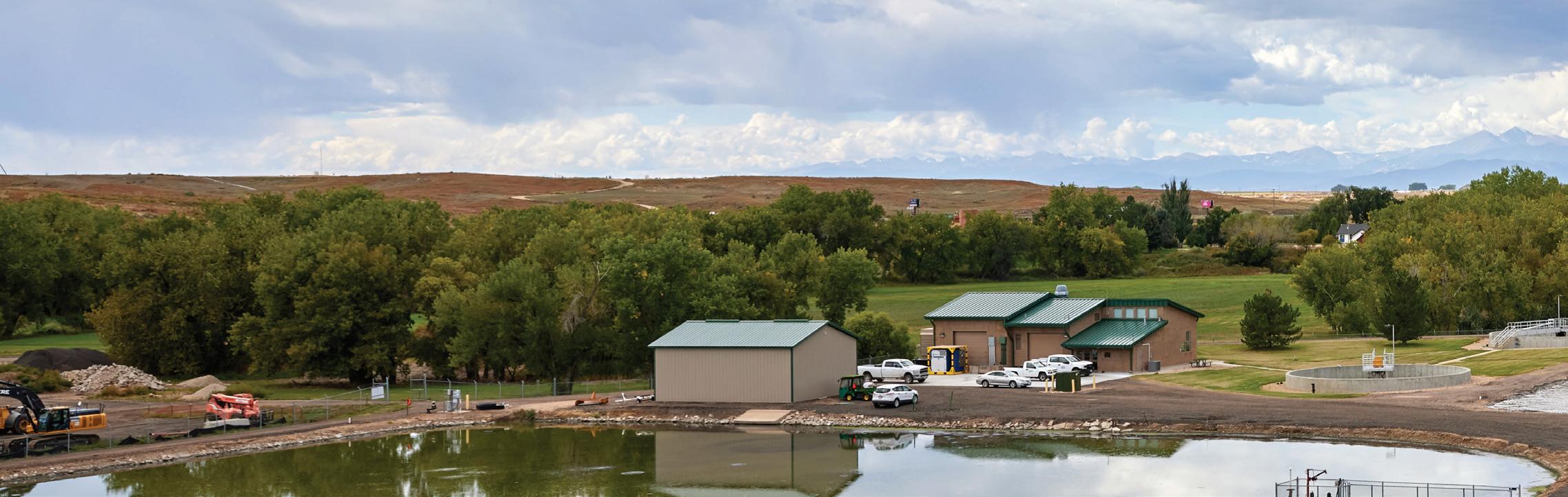
Currently, the Windsor Wastewater Treatment Facility (WWTF) is near full capacity and at the end of its 30-year service life. To protect public health and meet state and federal water-quality standards, the existing facility is being decommissioned gradually as updates are completed. Part of the gradual decommission process is completing the Wastewater Treatment Headworks Construction project, which will make prescreening more efficient and capable of handling the increased capacity needs. Screening is the first step of the wastewater treatment process, which removes any trash and inorganic material from entering the facility.
The 5th St. Backlot Parking Lot project will create dedicated downtown parking to support continued revitalization efforts. Before paving, the waterline and sanitary sewer line will be replaced to maintain reliable service and meet current standards.
The 15th St. Waterline Repair project will replace a major water line under 15th St. south of Main St. (CO 392) that is aging and susceptible to leaks, breaks and other unexpected failures. To keep service reliable for residents and business owners, this unplanned work will improve system reliability and reduce long-term maintenance costs.
At one of Windsor’s oldest parks, the Chimney Park Turf Installation project will convert grass ballfields to turf to extend seasonal use and reduce maintenance costs, while the Chimney Park Lighting Installation project will increase available field time during peak seasons, allowing more programming. Additionally, Chimney Park Pool Renovations will modernize the 30-year-old facility to enhance safety and extend its service life.
For more information on these and other projects, visit windsorprojectconnect.com
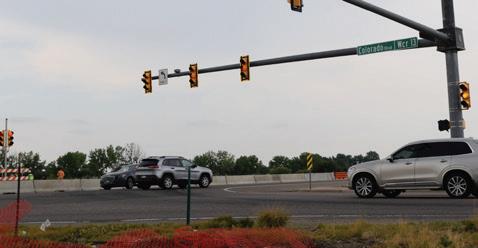
Location: Crossroads Blvd. and Colorado Blvd.
Budget: $7 million
Timeframe: Summer 2026 – Spring 2027
Currently, the intersection has a four-way traffic light stop, but the roundabout will help accommodate higher traffic volumes and provide more efficient travel for commuters. By replacing the traffic light with a roundabout, the town aims to make the intersection safer and more efficient. This project, part of the 2020 Transportation Master Plan Update, is intended to improve traffic flow and reduce congestion.
Funded in part by federal dollars, construction includes many components, including replacing the existing traffic signal with a multi-lane concrete roundabout, widening the north (Colorado Blvd.) and east (Crossroads Blvd.) approaches, and adding dedicated bike lanes, a ten-foot detached sidewalk to all sides, and medians and turn lanes.
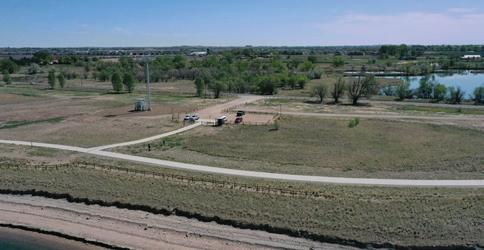
Location: Colorado Blvd. from the parking lot entrance to Kyger Reservior to just south of Jacoby Rd.
Budget: $2.2 million
Timeframe: Phase 1: Summer – Fall 2026
With the exceptional growth in Windsor in recent years, the Colorado Blvd. corridor is experiencing substantially higher traffic flows. In order to accommodate for the continued growth of Windsor, it is necessary to improve the capacity of the corridor from Main St. (CO 392) to Jacoby Rd. (CR 68 ½).
This project will be completed in two parts. The first part, will correct the segmented roadway by realigning Colorado Blvd. and shift the intersection at Jacoby Rd. (WCR 68 ½) 300 feet west. A northbound dedicated left turn lane will be added to Colorado Blvd. to alleviate congestion at the stop sign. A future phase two would connect Colorado Blvd. to Latham Pkwy. by realigning the roadway to the west and crossing the Greeley No. 2 Canal. By the end of phase two, Colorado Blvd./Latham Pkwy. will be a continuous minor arterial roadway connecting Windsor to other surrounding communities.
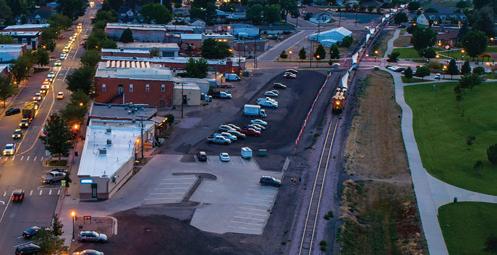
Location: The dirt parking lot east of 5th St., south of Boardwalk Park
Budget: $1.9 million
Timeframe: April – October 2026
The dirt parking lot along Ash St. from 4th to 5th St. is set to be converted into a paved parking lot. The paving of the lot will provide a more stable, durable surface for parking and pedestrian use, improving safety and accessibility. This includes replacing the existing sanitary and water lines within the lot to ensure the infrastructure meets modern standards and supports future needs. These improvements will also help with better drainage and long-term sustainability of the site. This project follows the approval of Windsor's ballot measure 200 during the January 2023 special election. Measure 200 rezoned the dirt lot to be used solely for parking purposes, limiting its use to parking and preventing other types of development in the area. This rezoning maintains the lot's role as a key parking area, ensuring that it meets the needs of both current and future users.
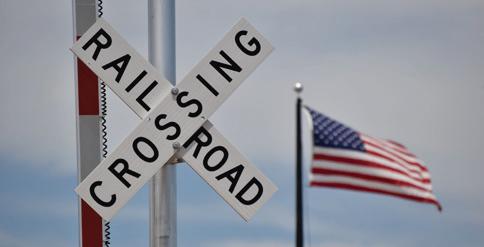
Location: Crossroads Blvd. railroad crossing, west of CO 257
Budget: $1 million
Timeframe: Summer 2026
At the railroad crossing on Crossroads Blvd. just west of CO 257, drainage problems have caused settlement at the railroad tracks, resulting in a rough and unsafe crossing. Once complete, this project will provide vehicles and pedestrians with a smoother, safer crossing. Planned improvements include removing landscaping near the tracks, adding drainage enhancements, raising the tracks and railroad panels, and milling and overlaying the roadway approaches. Concrete sidewalks at the crossing and new detectable warning devices will be installed.
The design phase is complete and the railroad has agreed to maintain the existing quiet zone agreement. While the project is scheduled for for the summer of 2026, adjustments may be necessary to avoid conflicts with other projects that might require Crossroads Blvd. as a detour route. The planned street closure could affect public access to Crossroads Blvd. for approximately three to four weeks. Residents and commuters are encouraged to plan alternate routes once construction begins to minimize disruptions.
Location: Locations Vary
Budget: $200,000
Timeframe: 2026
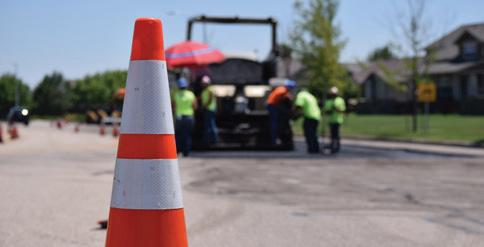
The project focuses on identifying low-cost improvements that can enhance traffic safety in the area. Some examples of these improvements include better signs and road markings, increasing sight distance for drivers, adjusting traffic signal timing, and implementing speed limit changes or other measures to calm traffic.
Safety improvements in 2026 will address some areas identified in the Vision Zero report, where low-cost improvements can be applied to reduce the risk of accidents and improve overall traffic safety. Potential improvements are focused on roads and pedestrian crossings in and near school zone areas.
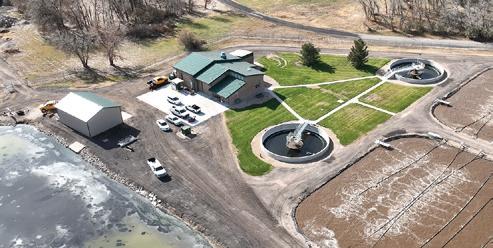
Location: Windsor Wastewater Treatment Facility (WWTF)
Budget: $33 million (2026); full project $120 million (estimate)
Timeframe: 2026 – 2028
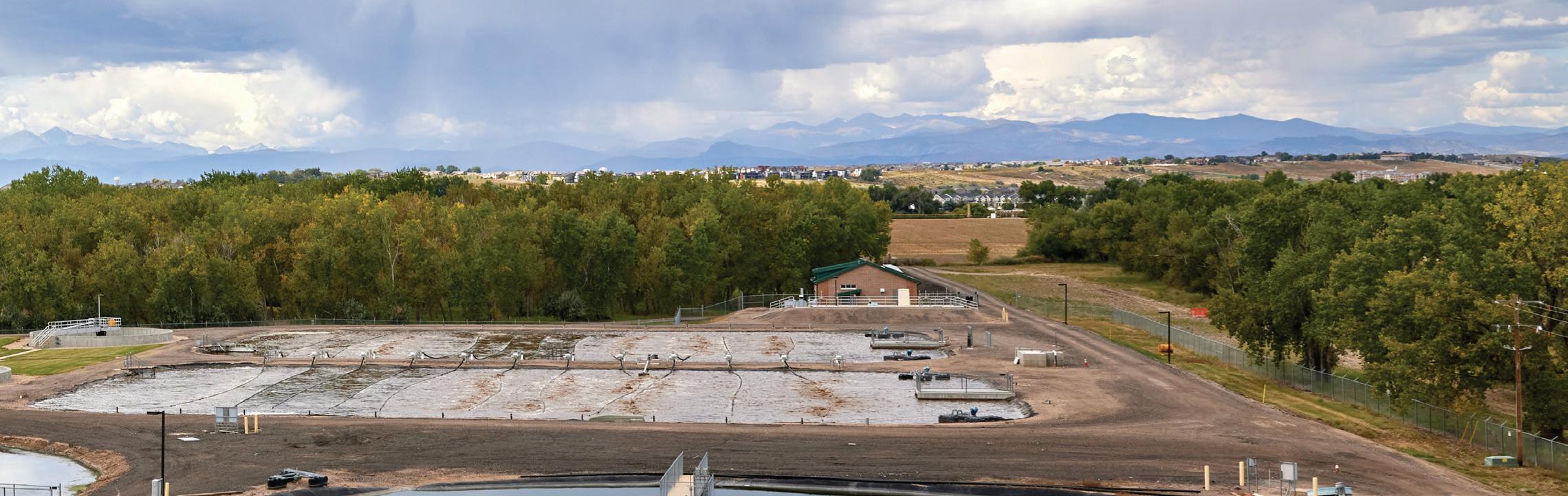
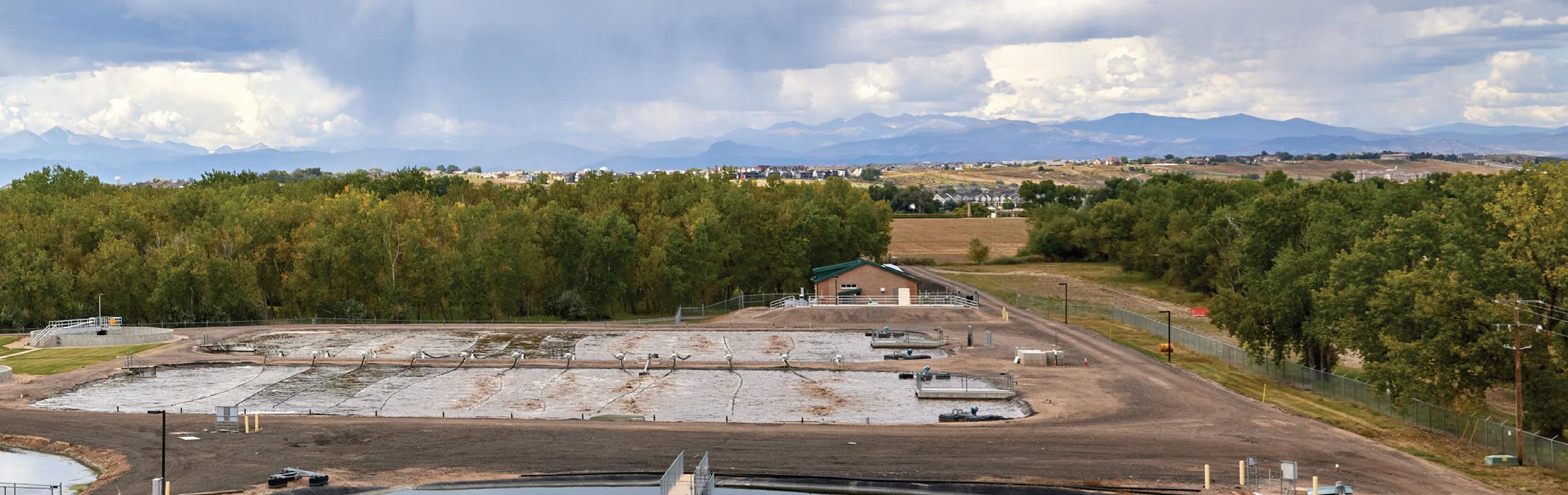
The replacement and expansion of Windsor’s Wastewater Treatment Facility (WWTF) is necessary to replace the aging facility to meet current state and federal wastewater standards and to increase the facility's treatment capacity. The expansion allows the facility to treat up to 4.2 million gallons per day (MGD), significantly increasing the town’s ability to treat wastewater and ensure that the treatment process meets environmental standards.
This new facility is being designed to handle the town's future needs, improving efficiency and providing better service to residents and businesses. It will also help protect local water sources by ensuring that wastewater is properly treated before being released back into the environment. This will maintain water quality and help meet increasing environmental and regulatory requirements.
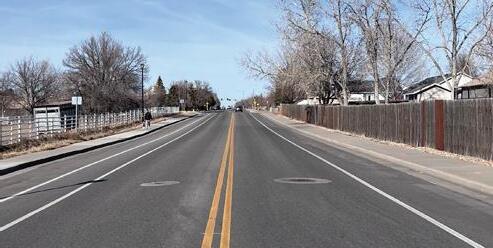
Location: 15th St. from Main St. (CO 392) to Southwood Dr.
Budget: $6.5 million
Timeframe: May – June 2026
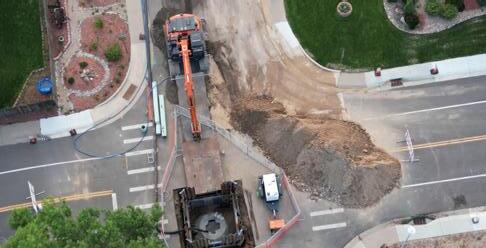
A major waterline located beneath 15th St., just south of Main St. (CO 392), is part of the town’s core water infrastructure and has been in service for many decades. As this pipe ages, it becomes more susceptible to leaks, breaks, and unexpected failures, which can lead to service interruptions, emergency repairs, and potential impacts to nearby roads and properties.
Replacing the waterline proactively will improve system reliability, maintain adequate water pressure and fire protection, and reduce long-term maintenance costs. This investment helps ensure consistent, safe and dependable water service for residents, businesses and visitors in the area now and into the future.
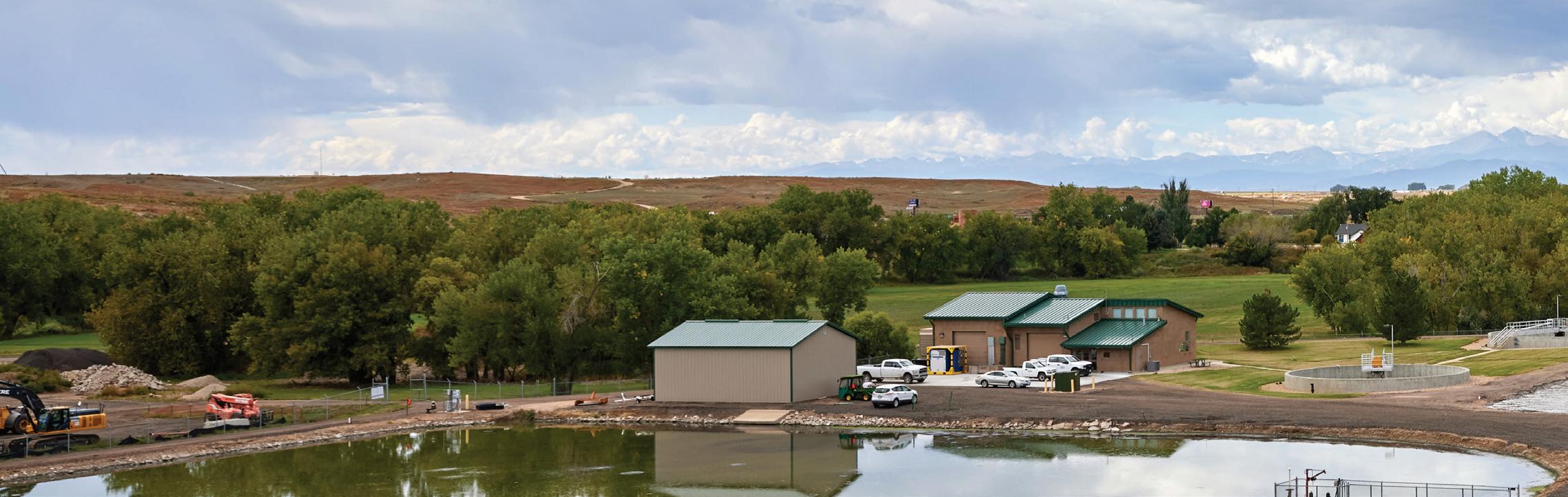
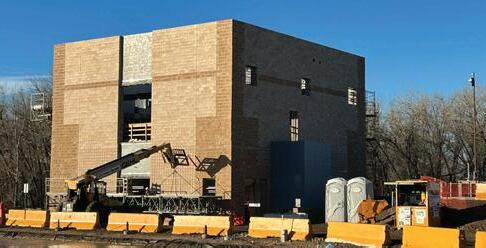
Location: Windsor Wastewater Treatment Facility (WWTF)
Budget: $5.9 million
Timeframe: Current – July 2026
The new headworks building will continue making the wastewater treatment process more efficient by increasing the capabilities and capacity of the pre-treatment process. The new headworks building construction will include new screening and grit removal equipment with improvements to the existing pump and electrical infrastructure. The new construction and improvements will increase the treatment capacity of the pre-treatment process from 2.8 million gallons per day to 4.2 million gallons per day.
Windsor’s Wastewater Treatment Facility has been operational since the 1990s and has consistently been able to meet or exceed all permit requirements and return clean, treated water back to the Cache la Poudre River. As the population in Windsor continues to steadily increase, so does the need for updated sewer infrastructure. The headworks facility is the first step in the wastewater treatment process: removing trash and inorganic material, such as sand, grit, eggshells, etc. from the wastewater entering the facility. The new headworks building will update and increase the capacity of the screening and grit removal processes.
Location: Various locations around Windsor
Budget: $1.4 million
Timeframe: Spring 2026
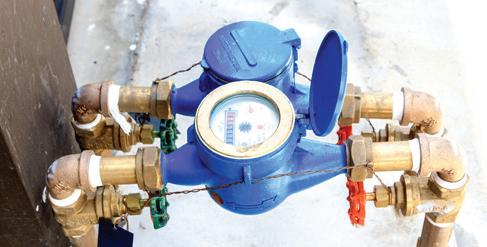
Replacing failing water meters with smart meters helps utilities collect more accurate, real-time water use data without needing manual meter readings. This improves billing accuracy, reduces operational costs and allows utilities to quickly identify system issues such as leaks, unusual usage patterns or meter malfunctions. For customers, smart meters provide greater transparency into their water use, making it easier to track consumption, detect leaks early and manage water more efficiently. Overall, smart meters support better resource management, improved service reliability and long-term cost savings for both the utility and the community.
Location: The dirt parking lot east of 5th St., south of Boardwalk Park
Budget: $1.3 million
Timeframe: April – October 2026
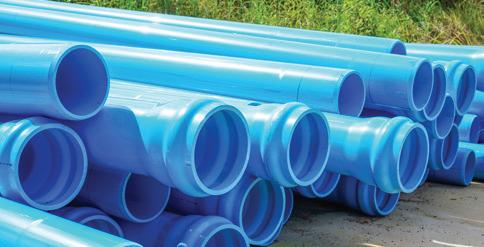
The dirt parking lot along Ash St. from 4th to 5th St. is set to be converted into a paved parking lot to allow additional parking for residents, business owners and tourists to utilize the downtown area. Before the parking lot can be paved, a new water line must be installed beneath the site. Completing the water line work first is essential to ensure reliable service, meet current infrastructure standards and avoid the need to remove or damage the paved surface later.
Replacing the water line now supports long-term system reliability and allows the site to accommodate future demands. Addressing this underground infrastructure in advance helps reduce maintenance disruptions and protects the investment in the new parking lot.
Location: The dirt parking lot east of 5th St., south of Boardwalk Park
Budget: $1.1 million
Timeframe: April – October 2026
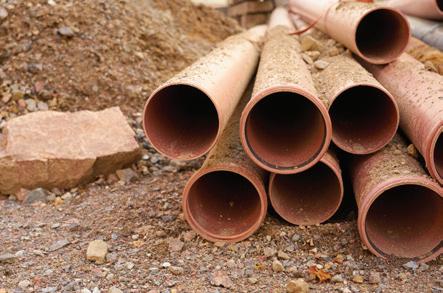
The dirt parking lot along Ash St. from 4th to 5th St. is set to be converted into a paved parking lot to allow additional parking for residents, business owners and tourists to utilize the downtown area. Before the parking lot can be paved, the existing sanitary sewer line beneath the site must be replaced. Completing this work in advance ensures the sewer system is reliable, meets current standards, and can properly serve the area without risking future failures.
Addressing the sewer infrastructure now helps prevent backups, reduces the likelihood of emergency repairs, and avoids having to disturb the new pavement later. This proactive approach protects the long-term functionality of the system and preserves the integrity of the future parking lot.
Location: Hemlock Dr., Larch Dr., Peak Ct. and Poudre Natural Area
Budget: $535,000
Timeframe: Spring-Summer 2026
The Central Sewer Basin Study, completed in early 2024, identified the need for sewer system upgrades around Hemlock Dr., Larch Dr. and Indian Trails Dr. to accommodate increased sewer demand. Sections of the sewer main that were upsized in 2025 will have new flow measurements taken, which will be used to update the North Central Sewer Basin model to identify any additional upsizing that may be required. Little, if any, disruption to residents and traffic in the area is expected.
Additionally, areas of the Poudre Natural Area that were disturbed during construction in 2025 will be reseeded in the spring.
Location: Kern Ditch, behind Chimney Park
Budget: $350,000
Timeframe: Current – Summer 2026
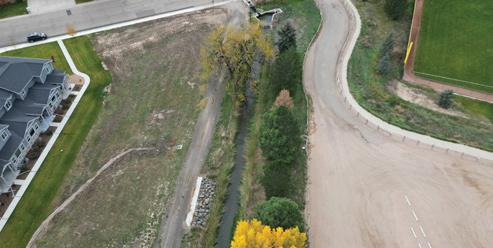
A culvert extension along the Kern Ditch helps maintain proper water flow within the irrigation and drainage system while accommodating nearby roadway or infrastructure improvements. The extension allows water in the ditch to continue moving safely and efficiently beneath roads or access points without disrupting irrigation operations or causing overflow.
By extending the culvert at the Kern Ditch, the town can improve the safety of the intersection, provide proper ADA accessibility, and improve roadway drainage, ditch functionality, and maintenance.
Location: 12th St. and Walnut St.
Budget: $650,000
Timeframe: Current – Spring 2026
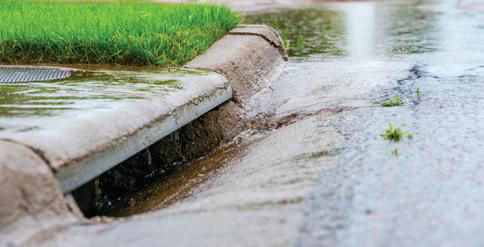
This project for 12th St. and Walnut St. will include installing a new 30-inch storm line along 12th St. to help reduce flooding during heavy rainstorms. This new storm line will improve the area’s ability to handle rainwater, preventing it from pooling on the streets and causing potential damage to properties or making travel dangerous.
In addition to installing the new storm line, the project will involve other drainage improvements to ensure water flows more efficiently through the area. By upgrading the drainage system, the town aims to reduce the risk of flooding in the future and improve the overall safety and reliability of the streets during rain events. These improvements will make the area safer for drivers, pedestrians and homeowners, especially during storms or periods of heavy rainfall.
Location: Windsor North Campus along 15th St.
Budget: $14 million
Timeframe: Summer – Fall 2026
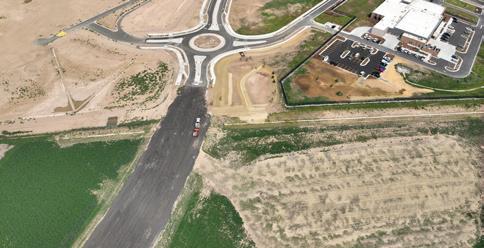
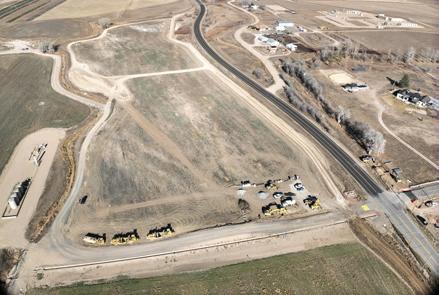
Windsor’s North Campus is designed to expand and enhance recreation opportunities across the community, with the addition of a new athletics complex as a key component. The campus brings together multiple public amenities in one location, creating a destination for sports, fitness and community activities while helping meet the needs of a growing population.
Phase one will provide additional fields and facilities for practices, games, tournaments and community programs, helping relieve scheduling pressure on existing parks and reducing travel to other communities for sports activities. By centralizing recreation opportunities and investing in modern, flexible facilities, the North Campus supports active lifestyles, youth and adult athletics, and long-term community wellness.
Location: Chimney Park Ballfields
Budget: $2.2 million
Timeframe: Winter – Spring 2026
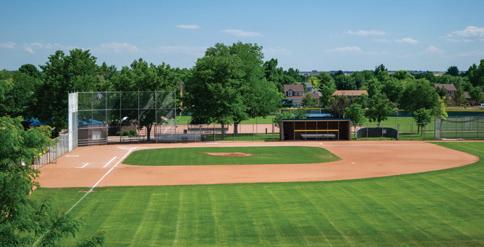
This project will see the grass at the Chimney Park Baseball fields converted to artificial turf, lowering annual maintenance costs and improving the playing surface and overall quality of the Chimney Park baseball fields. Adding artificial turf is aimed at enhancing the overall experience for those utilizing the fields while supporting recreational and competitive sports.
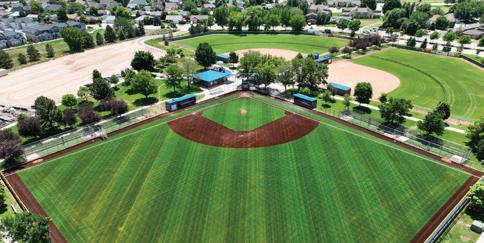
Location: Chimney Park Ballfields
Budget: $1 million
Timeframe: Winter – Spring 2026
The Town of Windsor has adopted plans to install sports field lighting at the Chimney Park Ballfields as part of its ongoing investment in community recreation. Chimney Park is a central hub for a wide range of activities, including youth and adult sports leagues, tournaments, practices and community gatherings. As participation continues to grow, demand for field time has increased, especially during peak seasons when daylight hours are limited.
Installing field lighting will allow the ballfields to be used safely and efficiently during evening hours, helping reduce scheduling conflicts, limit wear on other parks and maximize the use of existing facilities. This improvement supports local families, athletes, and organizations by providing more flexible scheduling options, expanding access to recreational programs and ensuring Windsor’s parks continue to meet the needs of a growing and active community.
Location: Eastman Park
Budget: $700,000
Timeframe: 2026
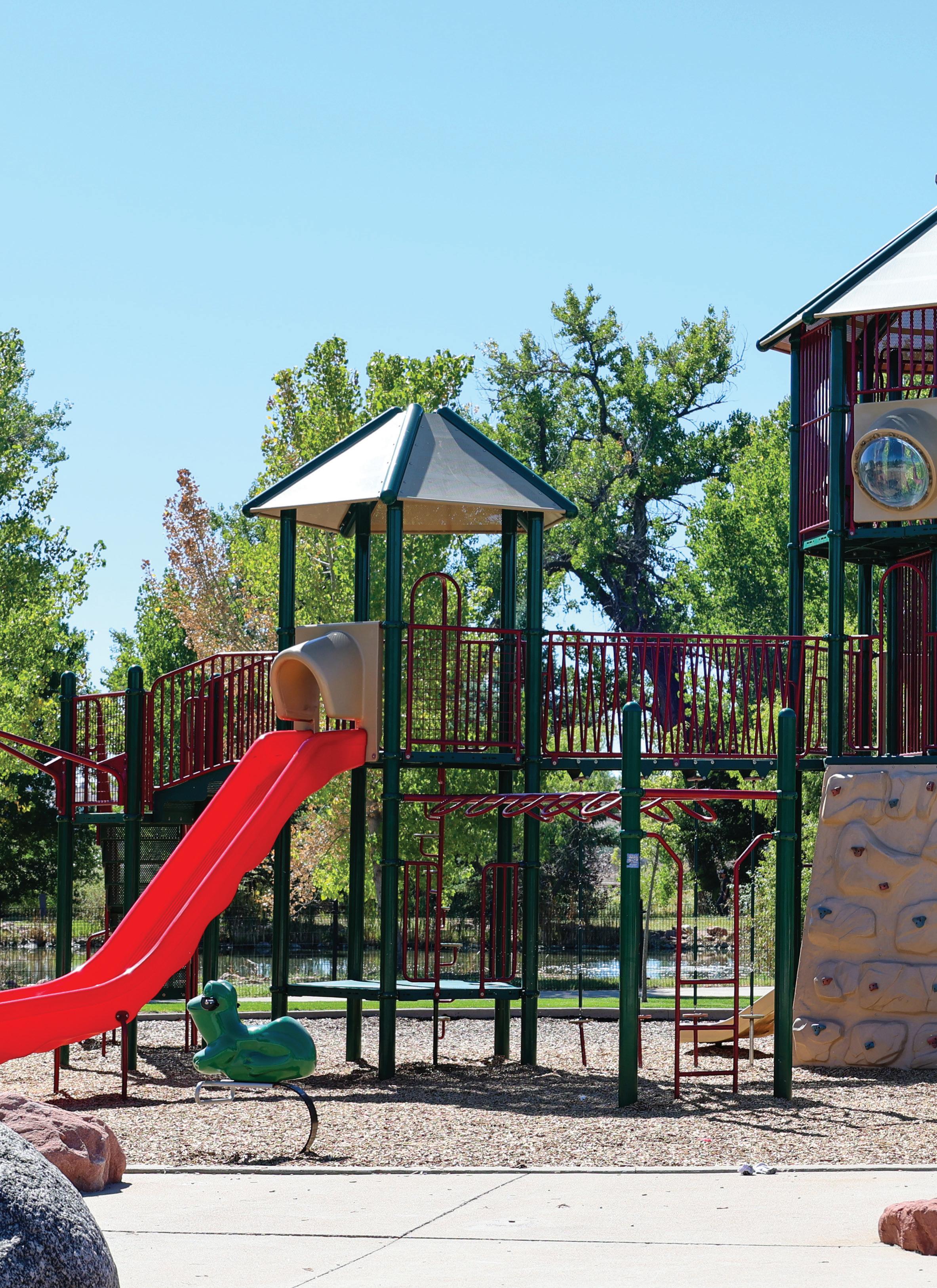
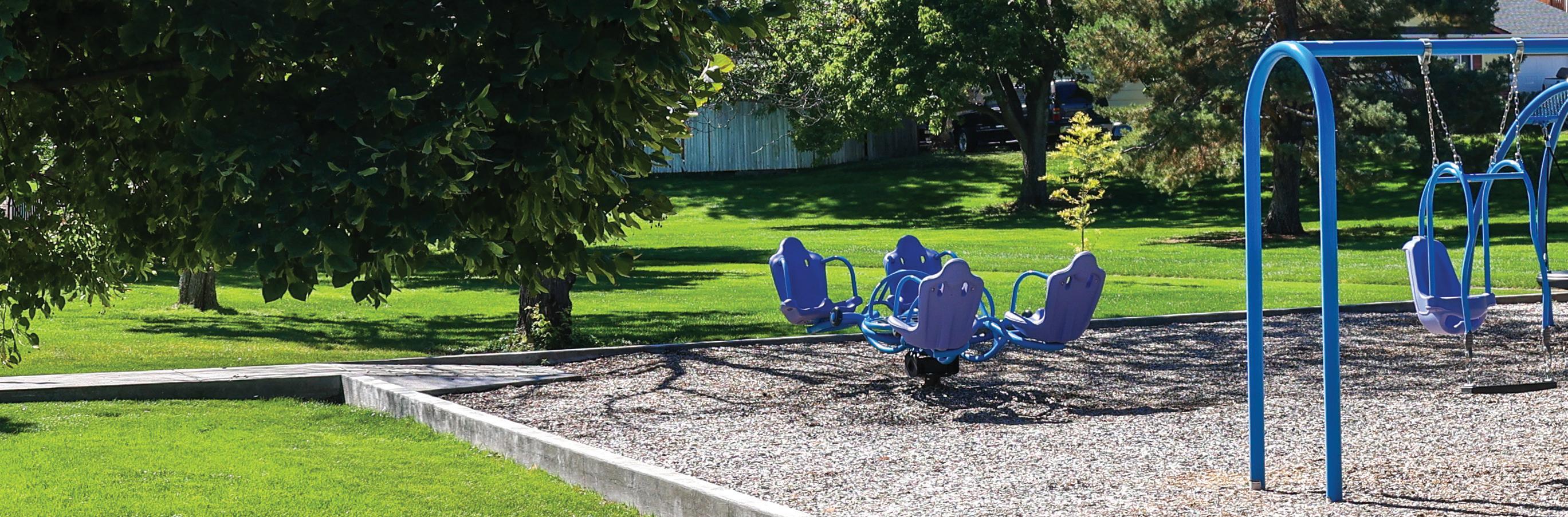
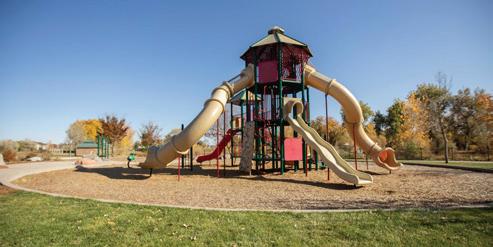
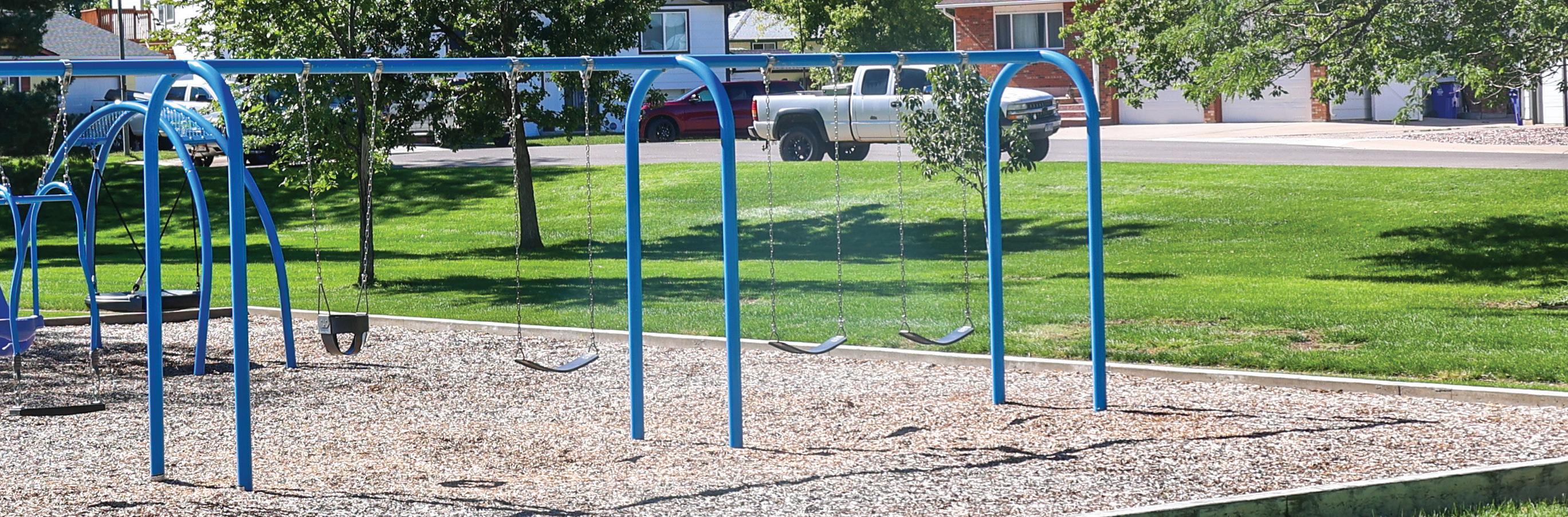
Windsor is replacing the playground at Eastman Park to ensure it remains a safe, inclusive and engaging space for families. The existing playground equipment has reached the end of its useful life, and the new playground will feature updated designs that meet current safety standards and better serve children of a variety of ages and abilities.
This replacement improves overall accessibility, encourages active play and social interaction, and enhances the park as a community gathering place. By investing in modern, durable playground equipment, Windsor is supporting healthy recreation, family-friendly amenities and long-term use of Eastman Park for the community.
Location: Windsor History Museum
Budget: $700,000
Timeframe: Spring 2026
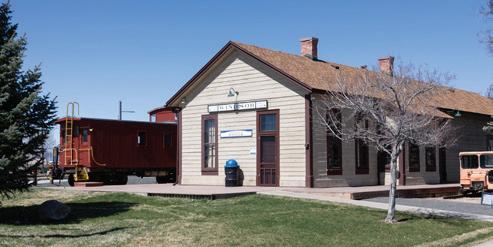
This project focuses on updating the landscaping around the Windsor History Museum. Updating the landscaping will make the museum a more welcoming place for the community to enjoy. The new landscaping is intended to make the museum property more welcoming and encourage visitors and residents to visit and explore all the Windsor History Museum offers.
Additionally, this new landscape will ensure the long-term preservation of the museum's outdoor space, making it more accessible and valuable for future generations, supporting the museum’s role as a community asset.
Location: 15th St. from Harmony Rd. to Ridgeline Middle School
Budget: $1.4 million
Timeframe: 2026
This project focuses on improving pedestrian access along the 15th St. Trail and adding additional walkways. Once complete, the trail will connect Harmony Ridge, Windsor's northernmost subdivision, with the core of town. These upgrades are designed to create a safer and more connected pedestrian environment, supporting overall community mobility. Some temporary lane closures may occur during construction. The project aligns with several key planning documents, including the Open Space and Trails Master Plan and the Comprehensive Plan.
Location: Windsor Town Hall
Budget: $1.2 million
Timeframe: Spring – Summer 2026
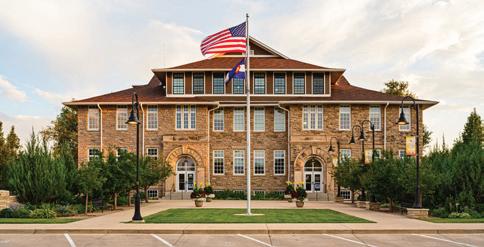
With the opening of the Community Development building, the town is now able to move forward with remodeling Town Hall to better serve residents and staff. The remodel allows town services to be reorganized more efficiently, improves accessibility for the public and updates aging infrastructure while maintaining continuity of operations.
Because Town Hall is a historic building, the project requires additional care and thoughtful planning. Renovations must balance modern functionality with preservation, ensuring that the building’s architectural character and historical significance are protected. By investing in careful, intentional improvements, Windsor is extending the life of an important community landmark while adapting it to meet current and future needs.
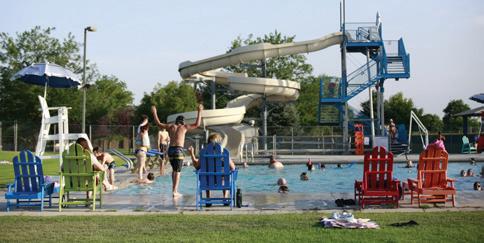
Location: Chimney Park Pool
Budget: $920,000
Timeframe: Spring – Summer 2026
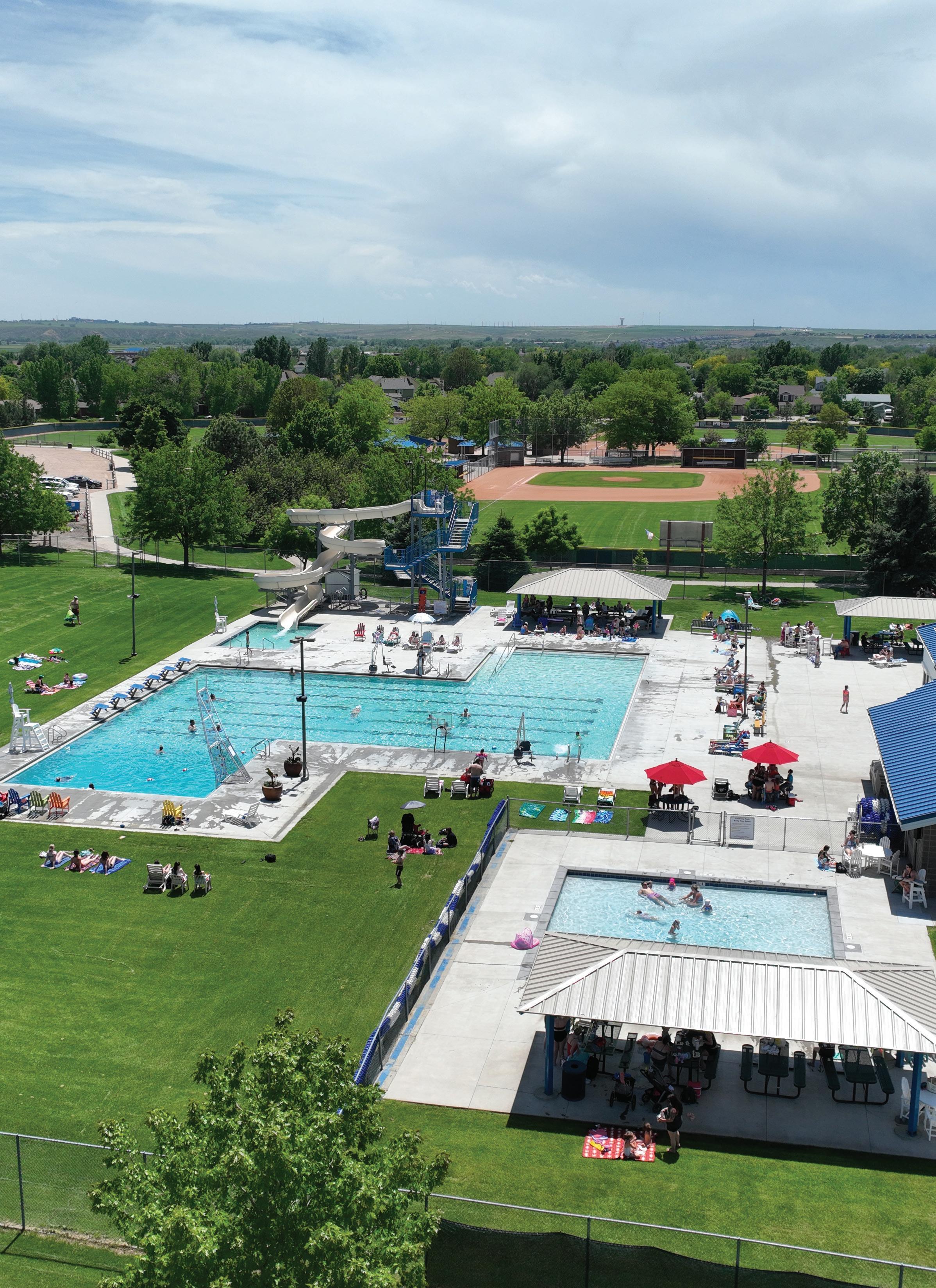
Renovating the Chimney Park Pool and its slide is an important investment in safety, accessibility and longterm usability. The pool and slide are heavily used community amenities, and updates are needed to address aging infrastructure, meet current safety standards and reduce ongoing maintenance challenges.
These renovations will improve the overall experience for families and visitors by providing safer, more reliable features and extending the life of the facility. By reinvesting in Chimney Park Pool, the Town of Windsor is preserving a popular gathering place, supporting healthy recreation and ensuring residents can continue to enjoy high-quality aquatic amenities for years to come.
Location: Various locations around Windsor
Budget: $4.3 million
Timeframe: Spring – Fall 2026
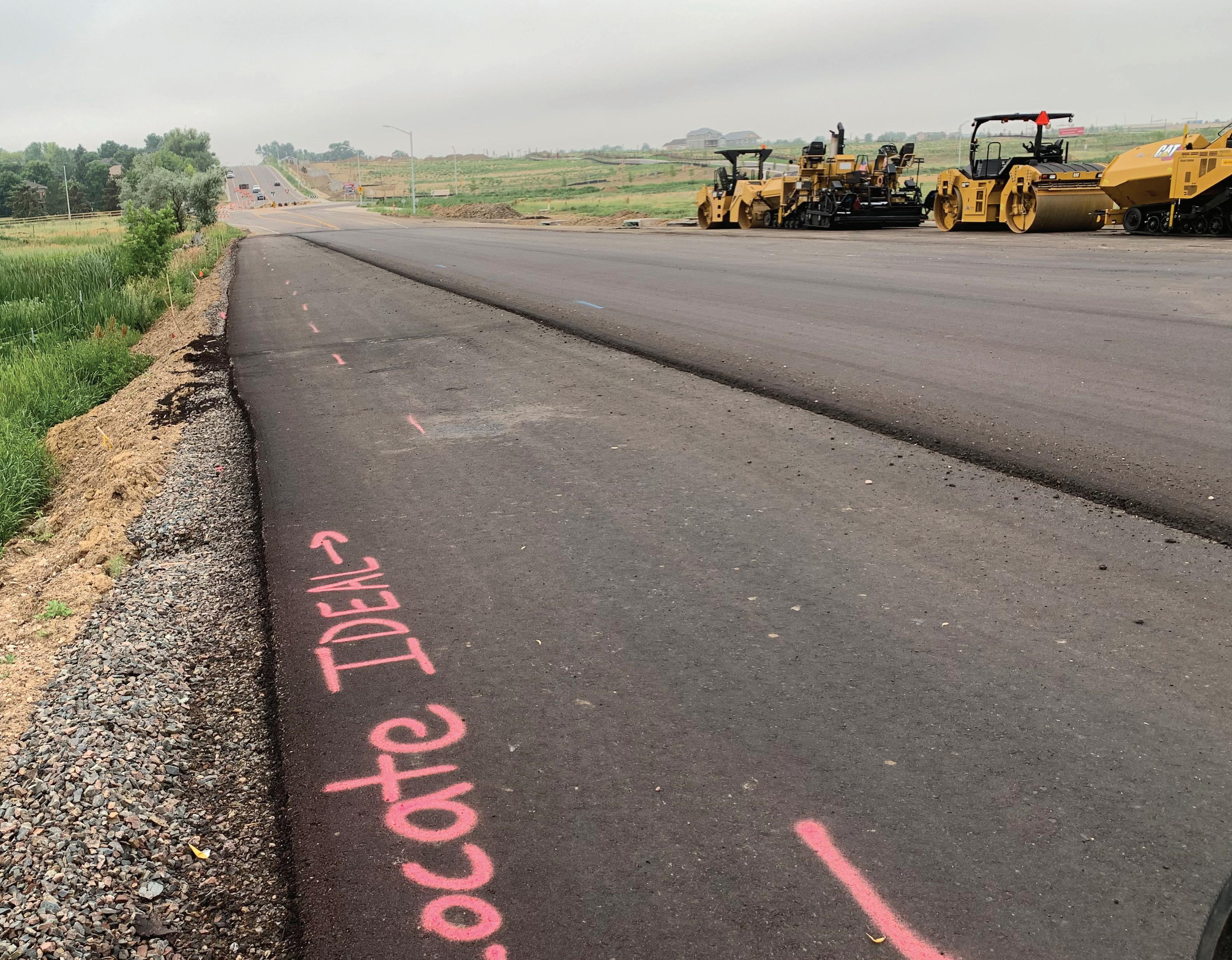
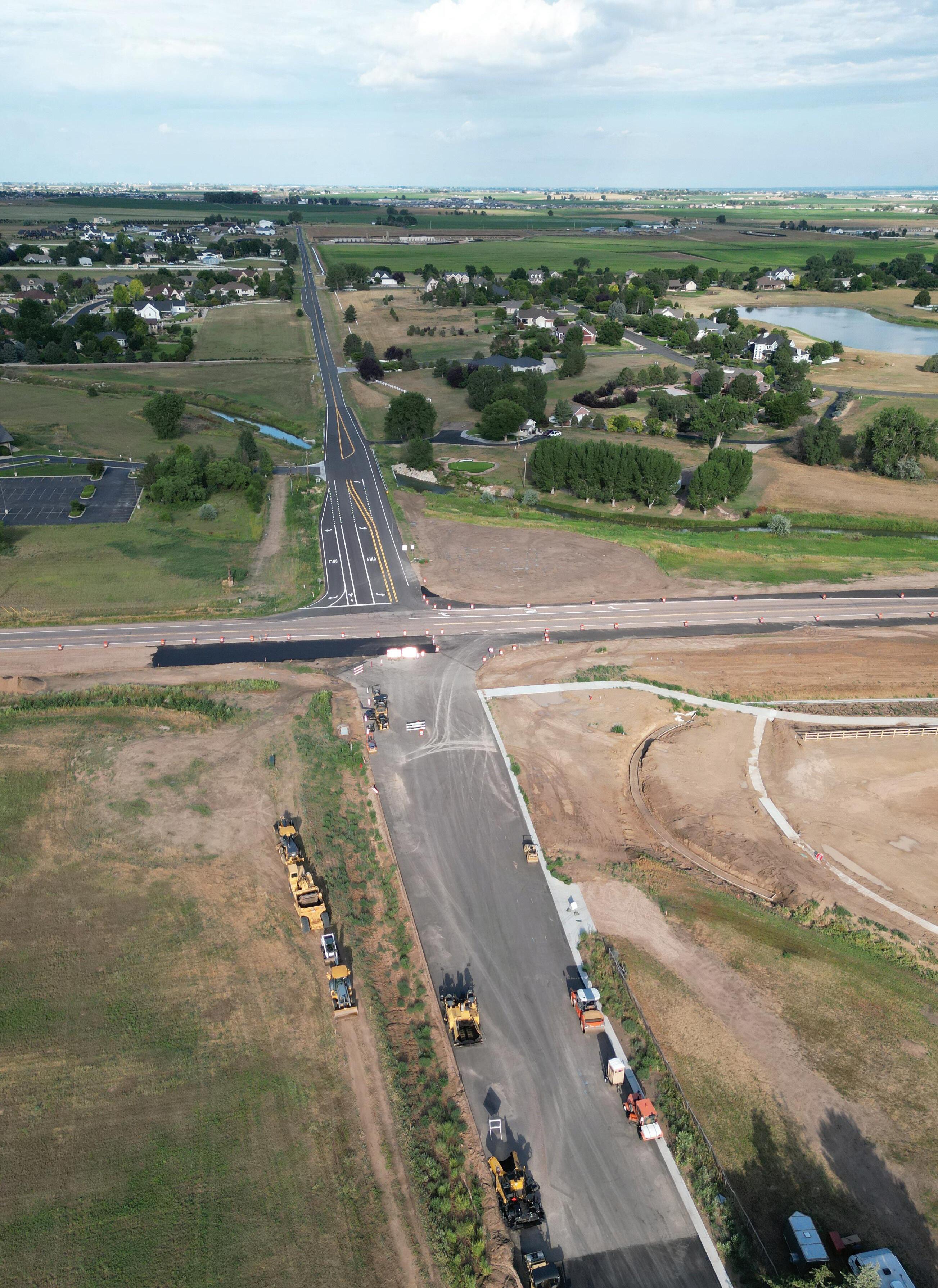
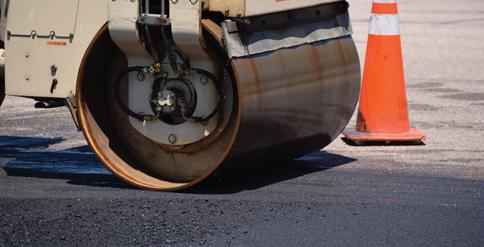
The annual Street Maintenance Program is a key part of the town’s Pavement Management Program, aimed at increasing the lifespan and renewing the condition of roads throughout the community. This program includes several important projects designed to improve and maintain our streets, ensuring they remain safe and reliable for drivers and pedestrians. By addressing different types of damage early, the program helps extend the roadway's useful life and prevent more costly repairs in the future.
Crack Repair Project:
Contractors will seal the existing cracks in the roadways to prevents further damage caused by moisture reaching the subgrade. Crack seal is the first step in roadway preservation and is completed on streets that are less than 5 years old.
Roadway Seal Project:
This process includes applying a seal to the surface of the roadway protecting it from a variety of elements. Sealing the street protects it from further sun damage and extends the overall life of the roadway.
Concrete Improvement Project:
This project replaces concrete sidewalks around town that is cracked, settled, crumbled or deteriorated. Additionally, accessible sidewalk ramps adjacent to the roadway that are out of compliance will be replaced.
Roadway Overlay:
The roadway overlay process involves applying a new layer of asphalt over an existing road surface to repair and extend its lifespan.