Western Montana's Glacier Country FY 2027 Destination Organization Plan
FY 2027 Destination Organization Plan
Strategic Agility to Ensure Forward Positioning
FY 2027 marks a year of strategic agility for Western Montana's Glacier Country, building on a strong foundation of work already in place.
Over recent years, destination stewardship has become the core of everything we do. Deep relationships with communities and partners span our eight-county region. Our brand positions us as leaders in this work. The five strategic pillars—advocate, encourage, enhance, shape and foster—continue to guide decisions. And a capable team has the organizational capacity to execute on this vision.
This foundation allows confident response to evolving conditions—shifts in how travelers discover destinations, changes in international visitation and the ongoing need to engage authentically with communities.
The Changing Digital Landscape
How travelers research and plan trips has fundamentally shifted. Travelers now move from "searching for links" to "asking for answers." Tools like ChatGPT, Google's AI Overviews, and Perplexity synthesize travel information from multiple sources, providing comprehensive answers without requiring users to visit destination websites.
The traditional funnel—social media to destination website to trip planning—is compressing. Combined with evolving privacy regulations and the deprecation of third-party cookies, this shift has changed how marketing effectiveness is measured. This shift requires more than updated content. It requires clear workflows and ownership to ensure information is accurate, timely and aligned with partners and the community.
The opportunity: position Glacier Country as a highly trusted resource that AI systems draw from when travelers ask about Western Montana.
The response: learn and adjust as this landscape evolves, prioritizing original, accurate, well-structured content; real-time local information; and authentic storytelling that establishes authority.
About
Western Montana's Glacier Country is the officially recognized destination stewardship organization for eight counties: Flathead, Glacier, Lake, Lincoln, Mineral, Missoula, Ravalli and Sanders. Along with our in-region destination organization partners, we are essential to the economic and social well-being of the 75+ communities we represent—driving direct economic impact through the visitor economy, fueling development across the entire economic spectrum, creating familiarity, attracting decision-makers, sustaining air service and improving quality of life for the people who call this place home.
Mission
Western Montana's Glacier Country partners with our Western Montana communities to welcome visitors and support livelihoods while protecting quality of life, extraordinary outdoor resources and cultural heritage.
Vision
Western Montana's Glacier Country will be the leading destination steward of our region's cultural heritage and natural environment, balancing the quality of life of our residents with the quality of our visitor experiences.
We create a destination organization plan yearly to:
BE an advocate for Western Montana
ENCOURAGE responsible tourism and recreation
ENHANCE experiences in rural communities
SHAPE demand and disperse visitors
FOSTER stronger stakeholder alignment and collaboration
Values Statement
We will passionately pursue our mission with honesty, integrity, equality and respect.
HONESTY Operate fairly and with transparency to earn the trust of public and private partners, members and the travel and tourism industry at large.
INTEGRITY Exercise sound judgment and leadership benefiting residents and visitors to Western Montana.
EQUALITY + RESPECT Celebrate and honor the diversity of Glacier Country's communities, cultures and natural beauty to foster a united sense of place.
These are the following qualities we value most:
+ Leadership/Integrity/Accountability
+ Collaboration
+ Stewardship
+ Inclusiveness/Diversity
+ Passion
+ Innovation
+ Travel/Adventure/Experience/Fun/Excitement
+ Community
+ Sustainability/Resilience
Staff
Racene Friede, President CEO
Kristi McNeal, Director of Operations and Accounting
Lucy Guthrie Beighle, Director of Communications
Debbie Picard, Director of Sales
Aerionna Skrutvold, Marketing Project Manager
Megan J. Hill Sundy, Community Liaison
Raylene Rider, Office and Bookkeeping Assistant
Contact
WESTERN MONTANA'S GLACIER COUNTRY PO Box 17631 3021 Palmer, Suite A Missoula, MT 59808 406.532.3234
gcexec@glaciermt.com
Strategic Priorities
Our primary goal: maintain a thriving visitor economy while ensuring Glacier Country remains a desirable place for residents to live and visitors to explore. We balance tourism promotion, environmental stewardship and community collaboration through five specific priorities:
Balancing Economic Growth and Sustainability: Strengthening the visitor economy while protecting natural and cultural resources.
Enhancing Visitor Experience: Providing a high-quality, authentic experience that reflects the natural beauty and culture of Glacier Country.
Improving Community Livelihoods: Supporting local economies by promoting tourism that benefits residents and businesses.
Community-Led Collaboration: Engaging with community leaders, businesses and organizations through a listening-first approach that ensures tourism supports local values and responds to community needs.
Promoting Responsible Travel: Encouraging visitors to travel responsibly and protect the environment for future generations.
Messaging strategy is based on season, community capacity and available visitor experiences. The message varies by audience, but a common theme runs through all of it: recreate responsibly.
Strong creative messaging inspires emotional connection. Potential visitors encounter it through print and digital ads, earned media articles and social media—and through the tour operators, travel agents and meeting planners we meet with at industry trade shows. From there, trip-planning tools take over.
Reaching people where they are means meeting them through AI-powered search tools, social media, our website or traditional channels like travel guides and newsletters. As traveler behavior evolves, so does our approach.
Trip planning should be easy. Visitors can request free travel guides in print or digital formats, explore our website to connect directly with communities and businesses, chat with an AI assistant, or contact trained professionals via live chat, email or phone.
Answer Engine Optimization (AEO)/Generative Engine Optimization (GEO): Digital infrastructure ensures Glacier Country appears when travelers ask AI about Western Montana. This means structured, accurate, well-organized content that positions the region as the authoritative source for travel information.
Feature films, television series and commercials generate significant economic activity for host communities—drawing out-of-town spending, creating jobs and supporting local businesses. Film-induced tourism influences travel decisions; productions like "A River Runs Through It" and the "Yellowstone" series inspire people to experience locations they've seen on screen.
TOURISM SALES
The Tourism Sales Program develops, promotes, manages and monitors group travel and marketing programs, including domestic group tours, meetings and conventions, family reunions and weddings, as well as international FIT (Foreign Independent Travel) sales.
Group travel requires a collaborative and comprehensive approach, encompassing group tours, FIT, incentive travel, sports events, meetings and conventions. Success depends on building strong business-to-business relationships with planners, tour operators and industry representatives. Domestic partnerships typically develop over 2–3 years, while international ones take 3–5 years to establish
A strong presence at travel trade shows and meetings/ convention events fosters relationships with key buyers and generates leads for tourism partners. As interest in Western Montana grows, these efforts continue to expand.
Strategic tools include dedicated microsites for tour operators and meeting planners, destination weddings, a B2B blog, quarterly newsletters, educational resources for partners, paid advertising campaigns, earned media and hosted familiarization (FAM) tours. AI tools support lead research, itinerary development, content creation and communication efficiency.
COMMUNICATIONS
The Communications Program develops, manages and monitors publicity and earned media. Strong performance with travel writers, bloggers and digital influencers helps spread messaging—highlighting lesser-known areas, offseason travel and Recreate Responsibly. We continue to attend and organize trade media shows, media events, press trips and FAM tours.
Earned media has become increasingly valuable as AI systems rely on trusted third-party sources when generating responses. Articles in reputable publications and trade outlets serve as high-ranking resources, making publicity efforts a key component of visibility strategy.
Travel media relations focus on sharing regional stakeholder information and promoting key messages to travel writers, TV producers, documentary crews and social media content creators. Sometimes this means bringing these people to the region; other times it means sending assets—such as editorial content, images, video and links—to media outlets. AI tools support content development and media research.
Crisis communications ensure clear, concise and accurate messages reach visitors. This includes working directly with media and sharing communication tips with businesses so they understand best practices for talking with visitors and posting on social media. An updated crisis plan remains ready to implement when necessary.
Preparation is imperative. Potential negative scenarios are mapped out with a PR plan for each. In FY 2027, this approach includes monitoring AI-generated content and misinformation and ensuring accurate information is positioned for AI systems to reference during crisis situations.
RECREATE RESPONSIBLY
The Recreate Responsibly effort offers guidelines for enjoying the outdoors while minimizing the impact on natural resources. Together with Glacier National Park, Montana Fish, Wildlife & Parks, Flathead National Forest, Discover Kalispell, Explore Whitefish, and Destination Missoula, Glacier Country launched "Recreate Responsibly in MT"—guiding visitors, residents and businesses to be good stewards of Montana's people, cultures and land.
Messaging covers minimizing impact, leave no trace, know before you go, wildfire prevention, aquatic invasive species and travel safety. It reaches audiences through webpages, airport signage, television and radio, billboards, fuel media PSAs, rack cards, trailhead signage, social media, videos and a tourism pledge.
In FY 2026, Glacier Country's new Recreate Responsibly website launched, expanding the initiative to be more useful and relevant.
What began as an emerging approach has become organizational DNA—stewardship principles now guide every decision, from marketing tactics to community engagement to visitor services.
The impact of the visitor economy extends beyond economics, considering its effects on nature, human health and community identities. This means balancing visitor experience with resident wellbeing, identifying visitors who provide value with optimal social and environmental impact and growing tourism responsibly.
Destination Stewardship Plan: Our strategic framework includes five high-level goals with actionable initiatives, designed to collectively optimize the year-round economy and enhance local community character.
The five strategic pillars are:
01 02 03 04 05
Be an advocate for Western Montanans
Encourage responsible tourism and recreation
Enhance experiences in rural communities
Shape demand and disperse visitors
Foster stronger stakeholder alignment and collaboration
The strength of this program lies in its involvement of all stakeholders, with the aim of benefiting residents, businesses and visitors for years to come.
COMMUNITY ENGAGEMENT
Community engagement has been reimagined to prioritize listening and responsiveness. The Community Liaison attends community meetings, connects with civic leaders and brings back what they hear for staff to evaluate and act upon when appropriate. The posture has shifted from "here's what we can do for you" to "what are you experiencing, and how might we help?" The community sets the agenda.
This work engages a broad audience to ensure efforts are inclusive, thoughtful, accurate, trusted and empowering. Project funding supports both the development and implementation of projects when appropriate.
Destination Development
Cooperative grant programs, VIC staffing grants, community event promotion, and education and outreach programs provide collaborative opportunities to leverage projects, programs and funding. These activities improve visitor destination quality while enhancing resident quality of life. Tourism management strategies are crafted and implemented with communities—locally driven, authentic and desirable.
Every community benefits from destination development. It has the potential to increase spending and tax revenues, diversify and strengthen economies, enhance recreation and support infrastructure in emerging rural destinations, and increase capacity and the length of visitor season for developed gateway communities.
The Community Liaison works directly with communities, capturing insights that inform organizational decision-making and ensuring sustainable, impactful development. Programs continue with the goal of updating, refining and expanding as able.
The Glacier Country brand showcases a profound connection to the region's natural grandeur, vibrant communities and adventurous spirit, while reaffirming its commitment to preserving its allure for generations to come. Core pillars: enrich community, enhance connection, celebrate diversity and encourage inclusivity while fostering partnerships that safeguard Western Montana.
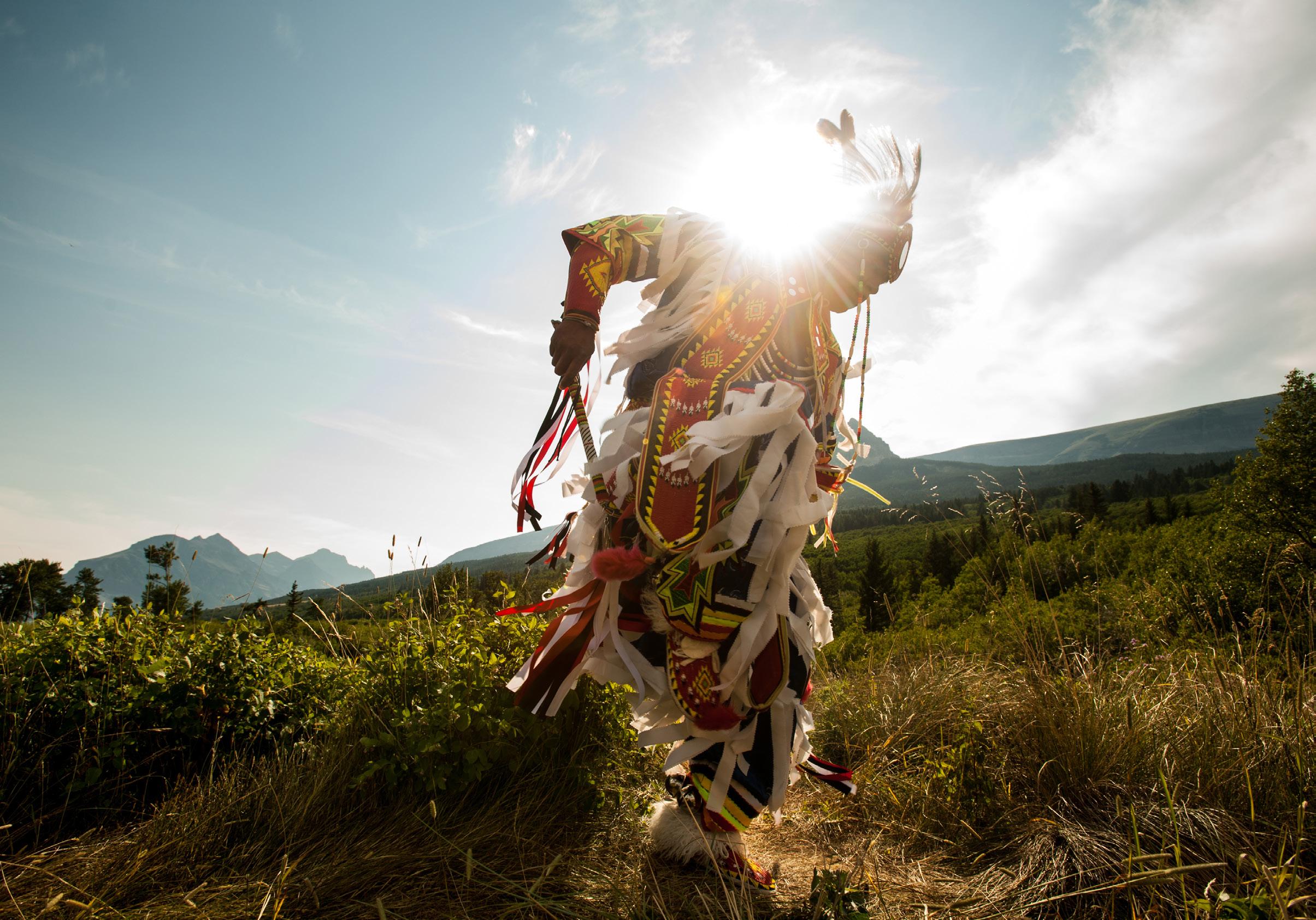
The brand honors the traditional territories of Indigenous peoples—Amskapi Piikani, Ksanka, Séliš, and Qlis , pé—while celebrating the cultural richness they bring today. It inspires year-round adventure with shared devotion to protecting Western Montana's ecosystems.
Aligning with the Montana Department of Commerce’s goals and our region's resiliency plan helps ensure the visitor economy benefits every community. Brand authority matters in AI-driven discovery—these systems prioritize content from recognized, credible sources.
Emerging Markets
We view emerging markets as what's new on the horizon— the shifts we need to anticipate and prepare for. The most significant change we're seeing is in how travelers discover and plan trips. Increasingly, potential visitors are turning to AI-powered tools as their first step in travel planning, bypassing traditional search engines and websites. This changes where and how we need to show up to remain visible and relevant.
AI-assisted trip planners represent an emerging market not as a demographic, but as a behavior. These are travelers across all our target segments who now rely on AI tools to research destinations, build itineraries and make decisions. Reaching them requires us to rethink how our content is structured and delivered—ensuring Glacier Country is present and wellrepresented in this new discovery ecosystem.
Glacier Country is a place of inspiring landscapes, welcoming small towns and deep cultural roots. Home to rich history, American Indian traditions and world-class outdoor recreation, this region offers more than just stunning scenery—it's a place where communities thrive, heritage is honored and visitors are welcomed with genuine hospitality.
As Montana's westernmost region, Glacier Country encompasses 75+ communities within the eight counties of Flathead, Glacier, Lake, Lincoln, Mineral, Missoula, Ravalli and Sanders.
+ Geographic size: 22,000 square miles
+ Population: 380,000
+ Largest communities: Missoula, Kalispell, Whitefish and Hamilton
+ Average February temperatures: High of 36 degrees Fahrenheit and low of 16 degrees Fahrenheit
+ Average July temperatures: High of 82 degrees Fahrenheit and low of 48 degrees Fahrenheit
+ Tribal Nations: Western Montana's Glacier Country is on the traditional, ancestral territories of the Séliš (Salish or "Flathead"), Ksanka (Kootenai),Qlis , pé' (upper Kalispel or Pend d'Oreille), and Amskapi Piikani (Blackfeet) peoples.
+ Seeley Swan Corridor: Bigfork, Ferndale, Swan Lake, Condon, Seeley Lake
Strengths
Our strengths are our natural landscape, people, communities, history, cultures, quality of life, services and experiences. Our opportunities are built upon these strengths, taking into consideration the wants, needs and desires of the people who call Glacier Country home. We are working with each community to determine what those opportunities are based on seasonality and capacity.
Spectacular Unspoiled Nature
+ Glacier National Park
+ Rocky Mountains, with several smaller mountain ranges
+ Geological features (Glacial Lake Missoula)
+ Wildlife
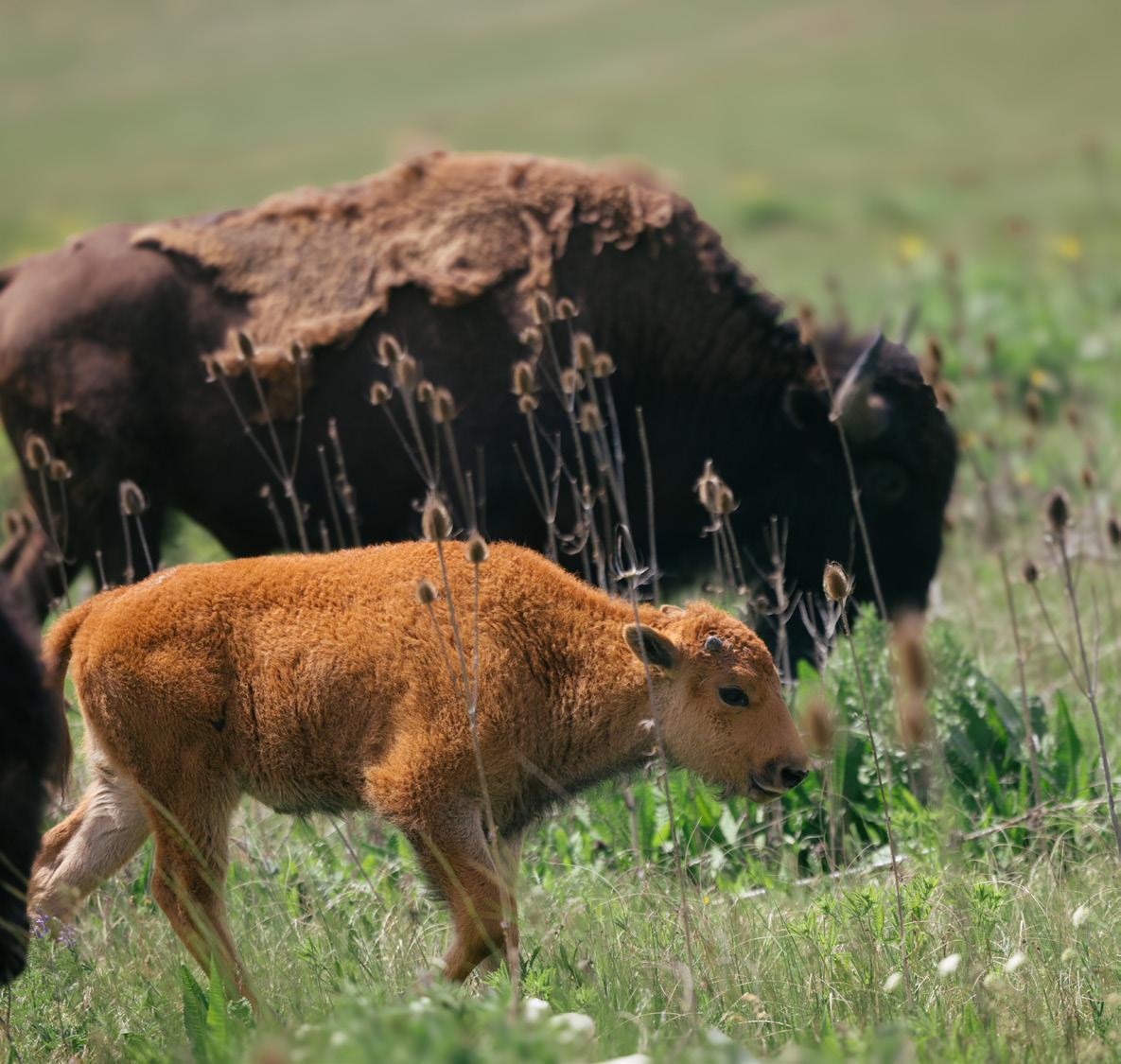
+ CSKT Bison Range
+ Montana state parks
+ National forests
+ Bob Marshall Wilderness Complex (Great Bear, Bob Marshall and Scapegoat wildernesses)
+ Cabinet Mountains Wilderness
+ Selway-Bitterroot Wilderness
+ Mission Mountains Wilderness
+ Rattlesnake National Recreation Area & Wilderness
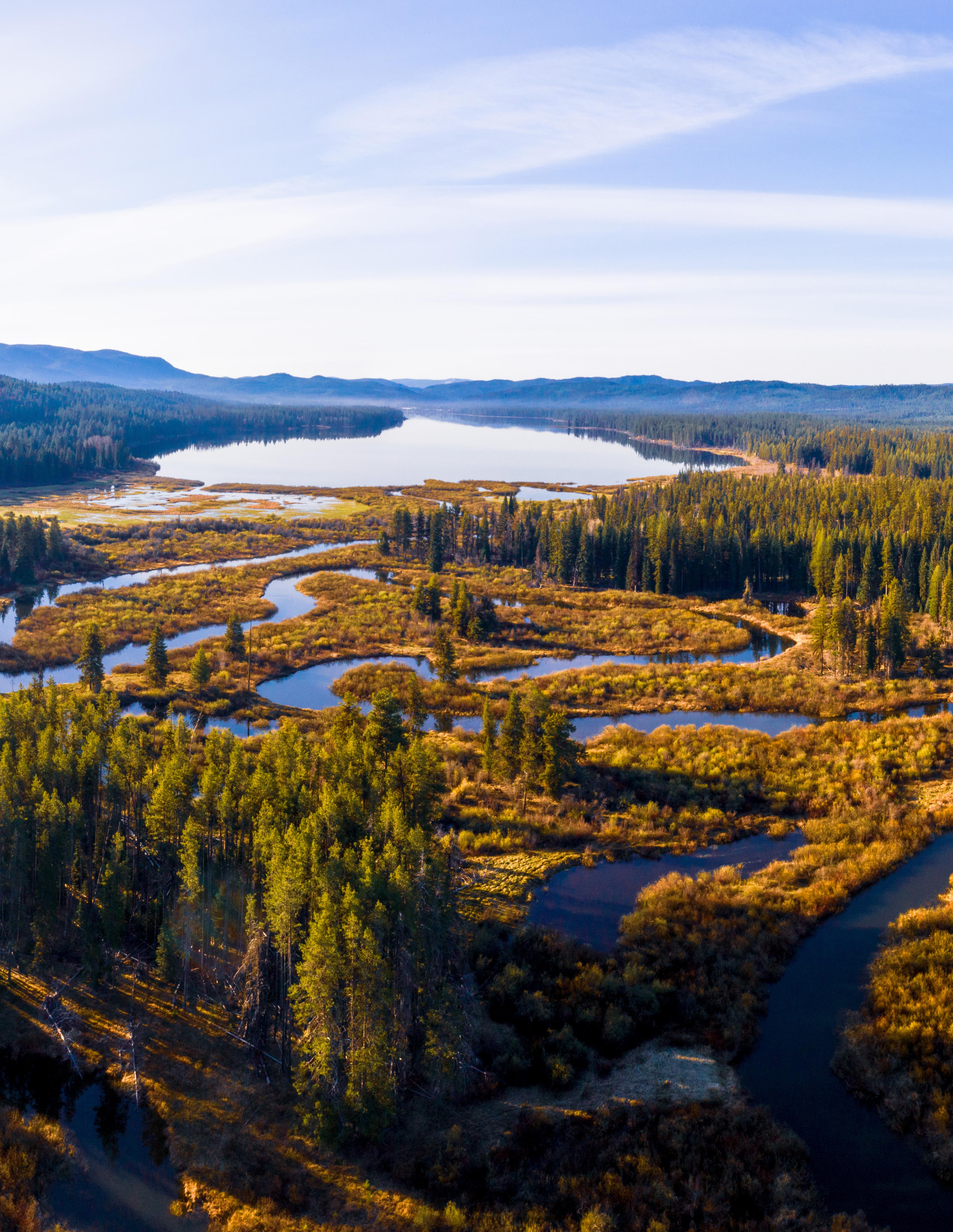
+ Flathead Lake
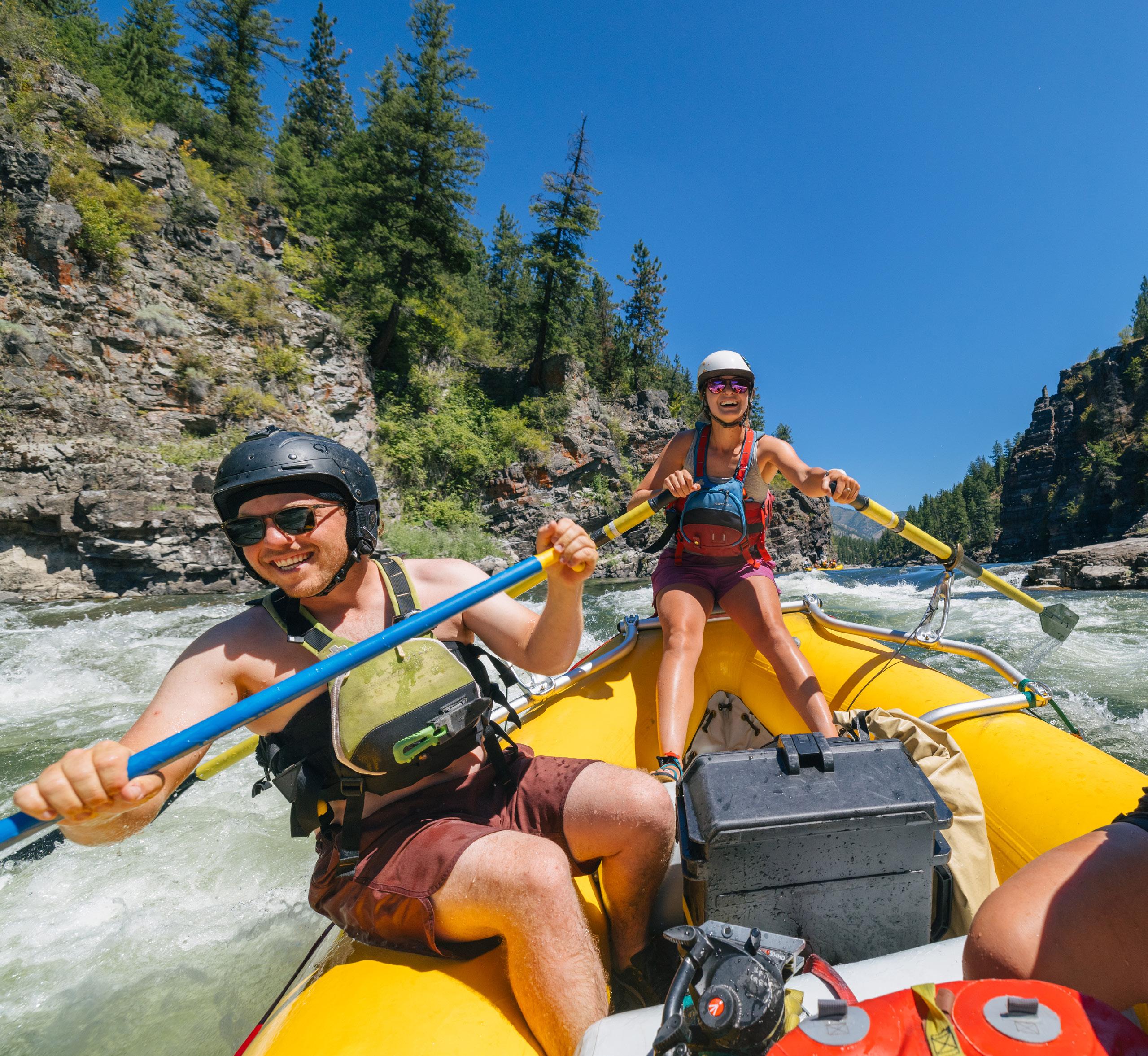
+ Lakes and rivers
+ International Dark Sky Park designation, stargazing, northern lights
V
Vibrant and Charming Small Towns
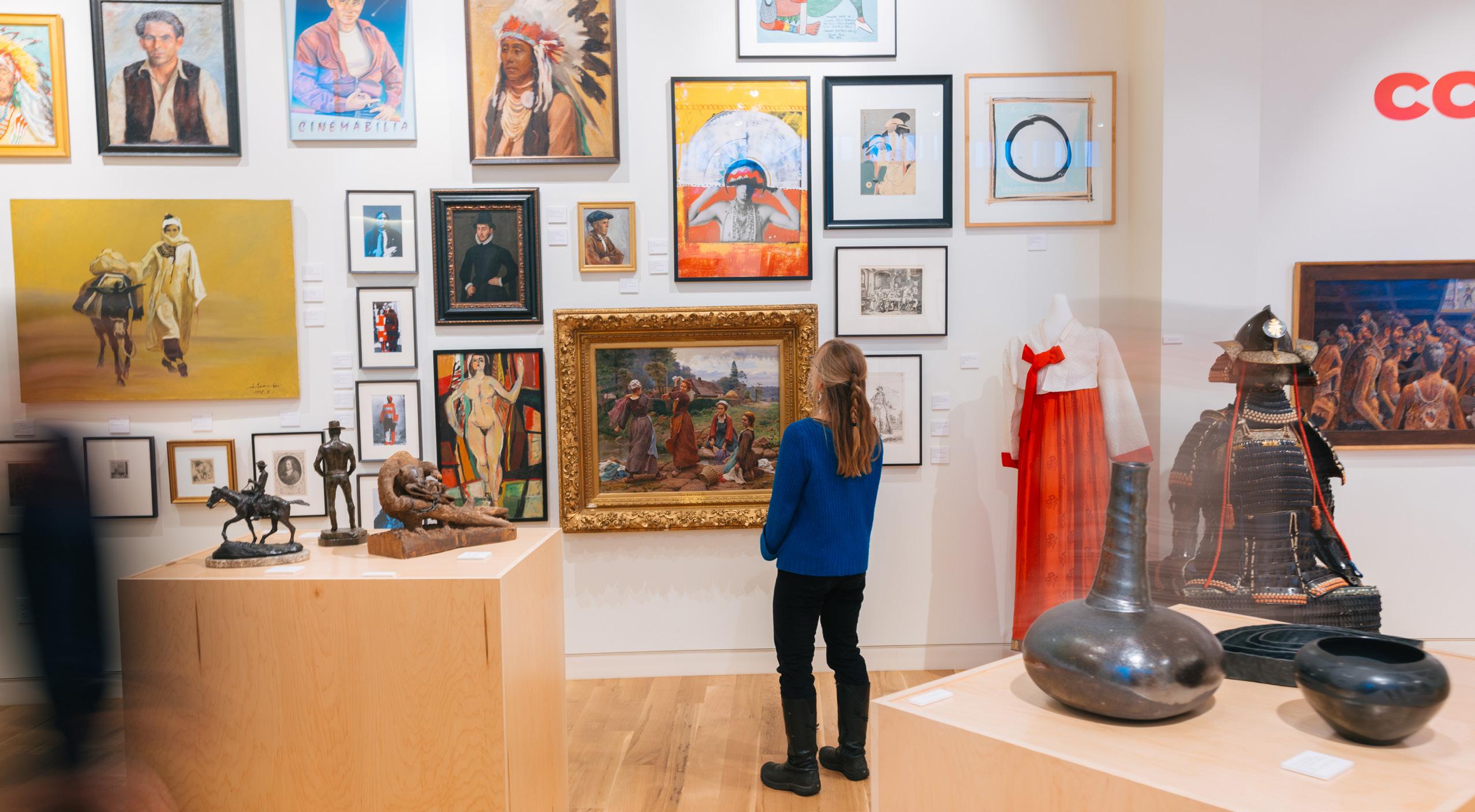
+ Art galleries
+ Artisan tours and events
+ Explorer and national historic trails: Lewis and Clark, David Thompson, John Mullan, Nez Perce Trail, Pacific Northwest Scenic Trail
+ Historic red buses of Glacier National Park
+ Historic sites
+ Historic St. Mary's Mission
+ Main-Street businesses
+ Museums
+ Live music
+ Railroad history
+ Shared border with Canada
+ Live theater
+ Two American Indian reservations/native cultures and history
Our destination benefits from a culture of collaboration among its many partners who work together to build resilient communities that value resident quality of life as much as visitor quality of experience. These public and private partners include—but are not limited to—our historical heritage sites, arts and culture organizations, agritourism entities, businesses that locally source and produce products and services, transportation entities, destination marketing organizations, local and state governments, Tribal Nations, the University of Montana, the U.S. Forest Service, the U.S. Fish & Wildlife Service, the Bureau of Land Management, Montana State Parks, Glacier National Park, conservation associations and all those who reside here. We aim to strengthen our partnership with governments and other local leaders by providing them with the necessary support to implement policies and solutions that promote healthier destinations. Our destination stewardship efforts seek to develop and strengthen these relationships.
We help community leaders, managers and policymakers identify, develop and implement best practices for sustainable tourism development that reflect their communities' wants and needs. We serve as a trusted advisor, offering strategic guidance and recommendations, and help community leaders plan for sustainable tourism growth and implement policies that preserve their cultures and way of life. Together, we partner to achieve the common goal of sustainable tourism development by helping local governments, community leaders, businesses and non-governmental organizations tackle major challenges collaboratively.
Our inclusive strategic plan aims to mitigate adverse impacts and enhance the capacity of local communities to respond to natural disasters, economic downturns and other unforeseen events.
Our seasonality results in natural fluctuations in traveler numbers, depending on the location. Overall, our region's high season is June through September. However, there are some variations throughout our eight-county region. While there are challenges in areas with higher visitor numbers, there are also opportunities for growth in those with fewer visitors
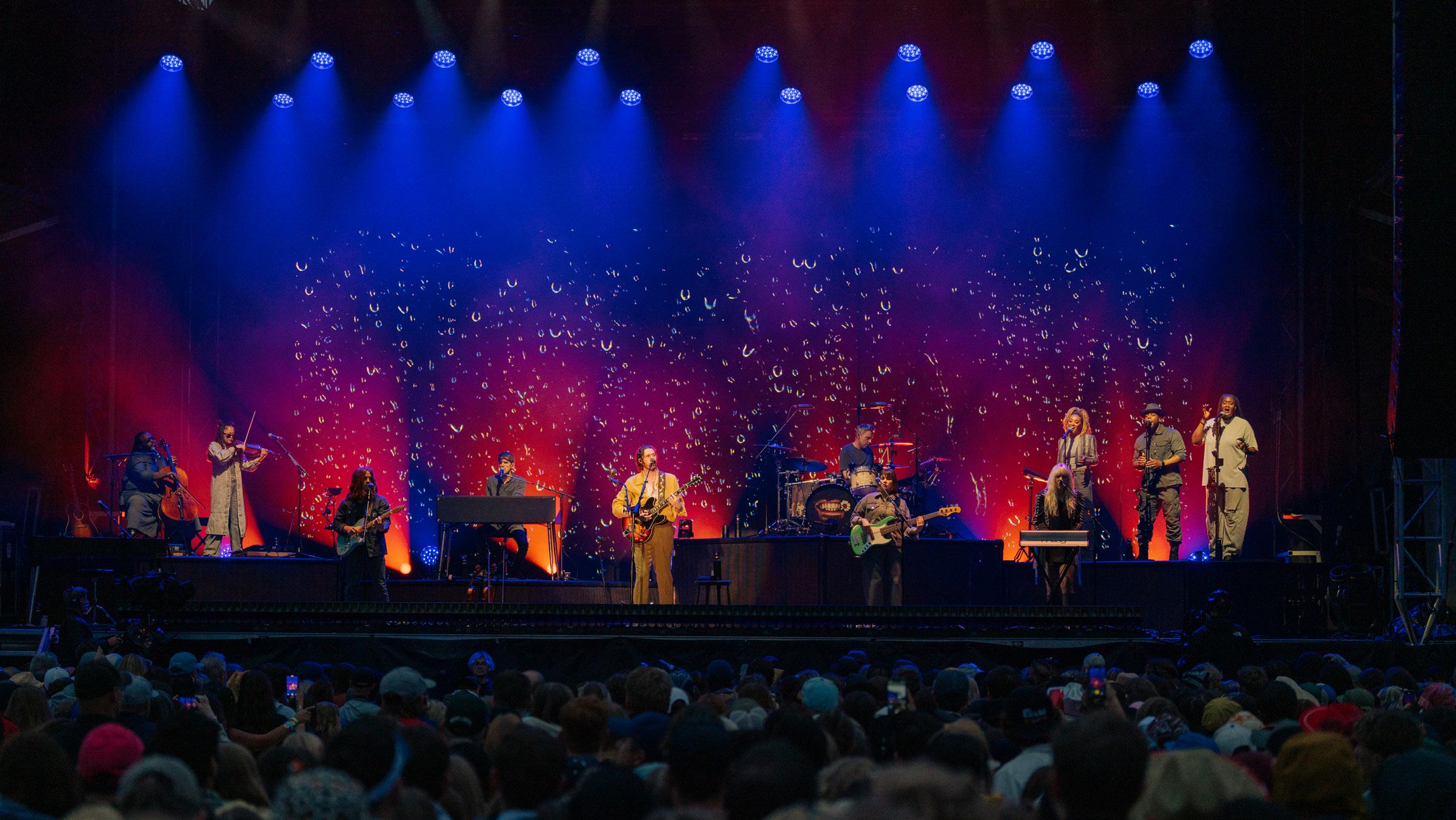
A favorite activity for locals and visitors alike is the numerous special events and festivals that take place throughout the region. These events bring prosperity to the economy, improve the livelihood of local communities and create a positive image of our destination. They also provide opportunities to appreciate our history, cultures, customs, artisans, agricultural production, musicians, thespians, athletes, culinary scenes and craft beverages. We are fortunate to have an array of natural and human-made venues to serve as backdrops for all.
We continue to stay informed and engage with partners on the latest issues, leveraging available resources when possible and appropriate. These resources include accuracy in our brand messaging and imagery; staying abreast of new marketing trends and opportunities—including the shift to AI-driven discovery; maintaining a positive tone and message in our publicity and social media efforts; working with our partners to understand the concerns and impacts our industry has at a local, statewide and national level; navigating shifts in international visitation patterns and federal policy changes beyond our control; and assisting financially, when possible, while knowing that our ultimate mission is to create demand for the tourism product our businesses and communities supply.
Community warmth is a key part of our brand, but concerns about peak-season crowding persist among residents. While net new resident growth has flattened and some tensions have eased, perceptions around crowding can still affect the visitor experience.
Strained Community Capacity
During busy months, many communities experience stretched resources. Limited workforce and housing options reduce service consistency, making it harder for both locals and visitors to fully enjoy the area.
Persistent Housing Affordability Issues
Although population growth has stabilized, affordable housing remains limited. High costs and limited availability continue to affect workforce stability and quality of life across communities.
Impacts of Short-Term Rentals
Short-term vacation rentals help meet visitor demand but can reduce housing availability for residents, especially in communities with limited long-term rental options.
Workforce Shortages in Key Sectors
Restaurants, hotels and tourism-related businesses continue to face staffing challenges. Seasonal international worker programs have been impacted by changing federal policy, reducing workforce availability during peak periods. Additionally, significant reductions in federal agency staffing have created vacancies that affect services and programs essential to our region.
Glacier National Park Access and Services
Changes at Glacier National Park—including new international visitor entrance fees, modifications to parking at Logan Pass and adjustments to the shuttle system—require clear and consistent communication. Travelers who arrive unprepared may have a diminished experience.
Federal Land Access and Operations
Changes to federal funding, land management policies, or administrative needs can disrupt services and access to public lands. Temporary closures—whether due to weather, safety, or policy changes—impact both residents and visitors. Proactive communication helps mitigate confusion and support local planning.
Infrastructure Limitations
Aging infrastructure—on public lands and throughout the region—impacts visitor access and experience. Bridge failures, road washouts, delayed openings, and limited funding for maintenance and improvements continue to be ongoing concerns.
Limited Transit and EV Charging Access
Transportation gaps between communities and a perceived lack of electric vehicle charging stations create accessibility barriers, particularly in rural areas.
International Travel Complexities
Geopolitical shifts, changing visa policies and economic uncertainty persist as ongoing challenges for international visitors. These factors affect not only their ability to travel here but also their experience upon arrival
Meetings and Conventions Market
The industry has seen increased demand and longer booking windows. However, short-term requests and rising travel costs continue to limit some opportunities
Economic Volatility and Visitor Spending
Uncertainty around costs and inflation continues to shape travel decisions. As a premium destination, Western Montana may feel these shifts more acutely, especially among price-sensitive travelers.
Weather Patterns and Environmental Change
Changing weather, wildland fires, intense windstorms, flash flooding and shifting seasonal conditions affect everything from safety to scenery. These unpredictable events influence travel patterns and public perceptions of the region.
Ongoing Crisis Response Needs
A wide range of challenges—wildland fires, severe weather events, shifting seasonal conditions, changes in access to public lands, fluctuations in international travel, and infrastructure disruptions such as airport runway closures during peak seasons—require steady, proactive traveler communication. Continued outreach helps manage expectations and promote respectful, safe travel behaviors.
Unfamiliar Recreation Practices
Some visitors and new residents are still learning how to enjoy the outdoors responsibly. Ongoing education around safety, etiquette and environmental care remains important.
Changing Digital Landscape
Privacy regulations, the deprecation of third-party cookies, shifts in social media algorithms and the rise of AI-driven discovery have fundamentally changed how we connect with audiences and measure effectiveness. Traditional digital marketing tactics are less reliable, requiring new approaches to content strategy, visibility and attribution.
Expanding Market Competition
With more options for travel—and the shift to AI-driven discovery changing how destinations are found and recommended—it's essential to position Glacier Country's unique offerings effectively and ensure visibility in an increasingly competitive landscape.
Funding for Sustainable Tourism
Destination organizations are increasingly responsible for stewardship and driving economic and community development—not just marketing. Sustaining funding for these broader roles is critical to balancing community and visitor needs.
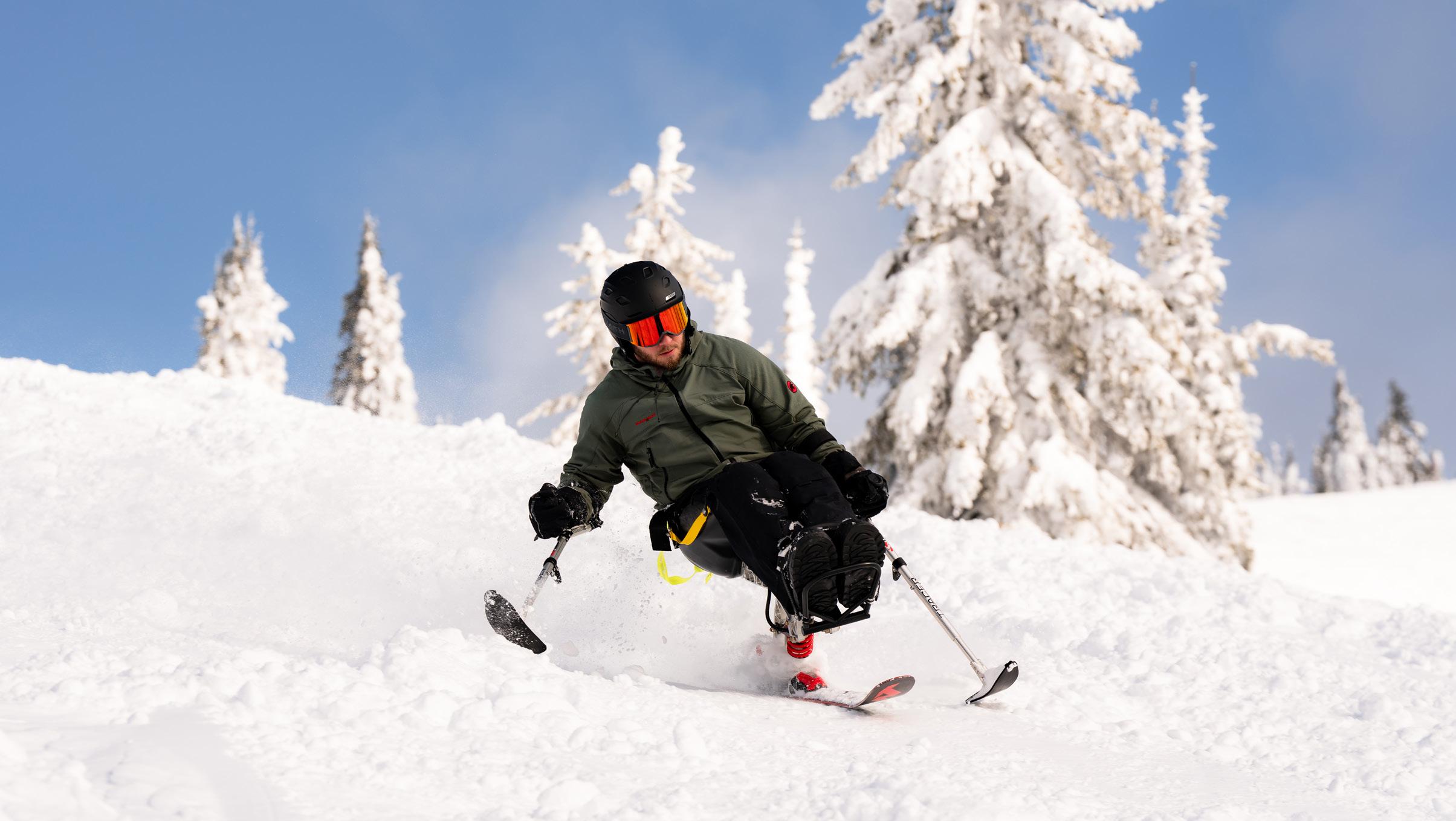
Advancing Inclusion and Access
Creating a welcoming environment for travelers of all backgrounds and abilities is essential. Encouraging broader representation and opportunity across the industry supports long-term strength and relevance.
Glacier Park Seasonality Awareness
Many travelers have the perception that Glacier National Park is only open in summer. Promoting year-round opportunities helps spread visitation, eases pressure and supports regional businesses.
Public Understanding of Destination Organizations
The role of destination organizations has evolved significantly. Beyond marketing, we now lead efforts in stewardship, community engagement, economic development, crisis response, and community and industry advocacy. Clearly communicating this broader role builds trust and strengthens our ability to serve the region effectively.
Glacier Country aims to attract individuals who, above all, respect the local residents and the lifestyle we cherish. Our communities enjoy the visitor spending, which stimulates our economy and provides opportunities for growth. Sustainable growth relies on the alignment of the interests and characteristics of those who live here and those who are visiting.
Based on season and community capacity, the following visitor segments are who we will actively message:
+ Sustainable traveler
+ Leisure traveler
+ Geo-tourist
+ Active mature
+ Families
+ Repeat visitors to Montana
Demographics
+ International traveler
+ Domestic group tours
+ Business traveler
+ Meetings and conventions
+ Reunions and weddings
+ Higher education
+ Health care
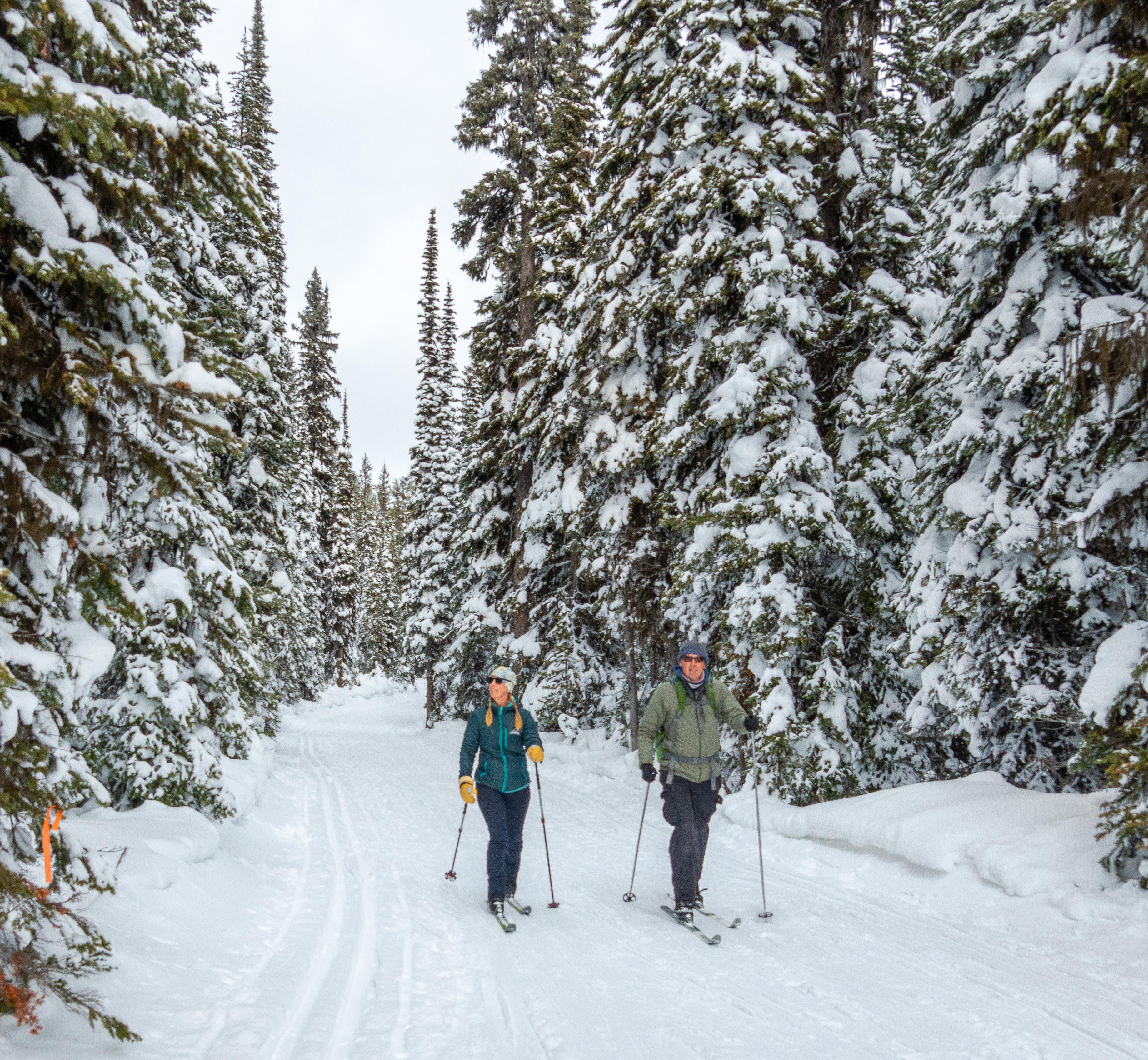
+ Winter enthusiasts
+ Music lovers
+ Filmmakers
+ Seasonal visitors
+ Income: Target audiences generally align with household incomes of approximately $100,000+. This reflects middle to higher household income travelers, and accounts for inflation and the rising cost of travel in recent years.
+ Individuals: Mid-30s+, college graduate, active, values outdoor recreation and natural spaces, take at least two vacations per year, may be traveling in groups of two or more.
+ Mature geo-traveler couples: 55+, active couples seeking high-quality experiences, longer stays, and lower-impact travel, may be traveling as groups with other friends and/or extended family.
+ Families: Multigenerational travelers, children under age 18, active families seeking outdoor recreation and meaningful experiences with nature.
+ Repeat Montana target traveler: Has previously visited Montana and is very likely to vacation within the U.S. in the next 12 months. Average age 50. Values nature, stewardship and preservation of the environment.
+ Groups: Affinity or corporate groups that value gathering and shared experiences in a natural setting. Girls' getaways and group travel continue to grow and represent an opportunity for Glacier Country.
Geographics
+ Residents: Montana
+ Drive markets within 600 miles: Idaho (Coeur d'Alene), Washington (Spokane), Wyoming
+ Canada: Calgary and Edmonton, Alberta, Vancouver, British Columbia
+ Domestic: Direct-fly markets of Washington (Seattle), Oregon (Portland), Minnesota (Minneapolis), Illinois (Chicago), Texas (Houston and Dallas), California (San Francisco, Los Angeles, San Diego), Arizona (Phoenix)
+ International (outside Canada): UK, Germany, France, Italy, Benelux, Nordic, Australia/New Zealand
Despite industry-wide declines in Canadian travel to the U.S., Glacier Country remains committed to Canadian visitors and will not reduce outreach to this important market.
Psychographics
+ Responsible visitors and recreationists: Those who are respectful and kind to our residents and good stewards of our destination
+ Unforgettable experiences: Shopping, local cuisine, breweries, distilleries, relaxing spa getaways, western offerings
Our goal is to balance a thriving visitor economy with the long-term health and vibrancy of our communities.
Build and/or maintain awareness of Glacier Country and its communities as a recognized tourism destination in identified markets and audiences in a way that balances and sustains visitation among resident, nonresident, domestic and international travelers based on seasonal capacity.
Encourage residents and visitors to be good stewards of our home by traveling responsibly.
Monitor and track the characteristics and behaviors of visitors to Glacier Country.
Monitor resident sentiment toward tourism.
Identify, monitor, participate in and support efforts around the social, economic and environmental impacts of tourism on our communities and region.
Continue community outreach responsive to local needs and priorities.
How we measure success has evolved. The shift to AI-driven discovery, evolving privacy regulations, and the deprecation of third-party cookies have made many traditional digital metrics unreliable, leading us to narrow our marketing measurement to what can be reliably tracked. Across our broader KPIs—visitor economy, sales, and community engagement—the data itself is sound, but outcomes are heavily shaped by macro conditions outside our control, including international visitation trends, federal policy shifts, weather and wildfire impacts, and seasonal capacity. A directional approach to measurement reflects the realities of operating in an environment shaped by significant external variables.
Our goal across the KPIs that follow is to demonstrate positive forward momentum measured against FY 2026 performance. Detailed results against each of these metrics will be presented in our end-of-year report, which serves as the definitive record of FY 2027 performance.
Our strategy focuses on dispersing visitors more evenly throughout the year and across lesser-known areas to reduce the pressure on popular destinations such as Glacier National Park. Rather than focusing on visitor volume, we prioritize visitor dispersal across geography and seasons, alignment with "preferred visitor" characteristics, and sustainable patterns that support community wellbeing.
Glacier Country's FY 2027 operations plan focuses on sustainable growth, community engagement and enhancing the visitor experience—while adapting to an evolving landscape that includes shifts in how travelers discover destinations, changes in international visitation, and new measurement challenges. By fostering collaboration, promoting responsible travel and protecting our natural and cultural resources, we aim to ensure that Glacier Country remains a cherished destination for generations to come.