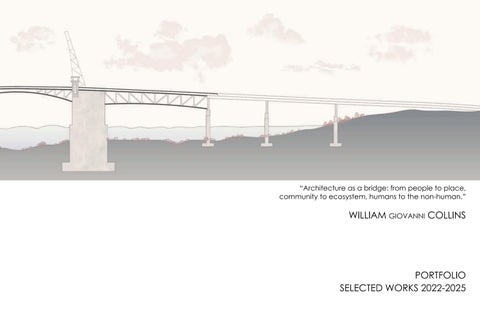

“Architecture as a bridge: from people to place, community to ecosystem, humans to the non-human.”
PORTFOLIO
SELECTED WORKS 2022-2025
PROFILE
My approach to architectural design is shaped by a lifelong interest in art, culture, photography, and travel, as well as the places that have influenced my education and perspective. Growing up in the Ozark Mountains fostered an early awareness of landscape and place, while completing a Bachelor of Architecture in the Sonoran Desert emphasized culturally responsive, climate-conscious, and sustainable design. Extensive travel to Europe, including a summer study abroad program, deepened my understanding of architecture as a cultural and experiential medium. In my capstone project, I’m treating light as both a design tool and a narrative thread. I’m exploring how it moves through a space, how it reveals materials, and how it shapes the way people feel and behave. The project has become a study of light’s dual role—its measurable impact on environmental performance and its more subtle ability to create atmosphere, guide movement, and give meaning to a place.
MEDIATOR 04-07
5 POINTS PLAZA
SOCIAL INFRASTRUCTURE 08-13
FUTURA NEXUS
01 03 02 04 06 05 BOTANY CENTER
ECOLOGICAL & SOCIAL SYSTEM
14-19
TANK 0
ABIOTIC
20-27
STUDENT - ALUMNI CENTER
RESPONSE 28-31
CAPSTONE PROJECT (TO DATE)
METAPHYSICAL
32-35
MOUNT LEMMON BOTANY CENTER
MIXED USE - LEARNING + RESEARCH
PROPOSED DESIGN
2023
MOUNT LEMMON, ARIZONA, US RHINO + ENSCAPE+ PHOTOSHOP
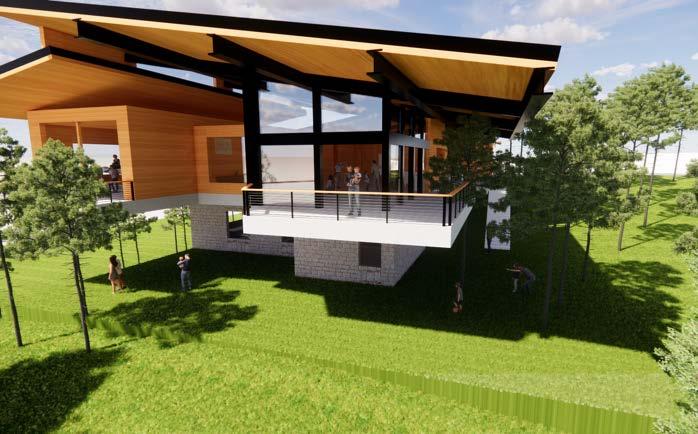
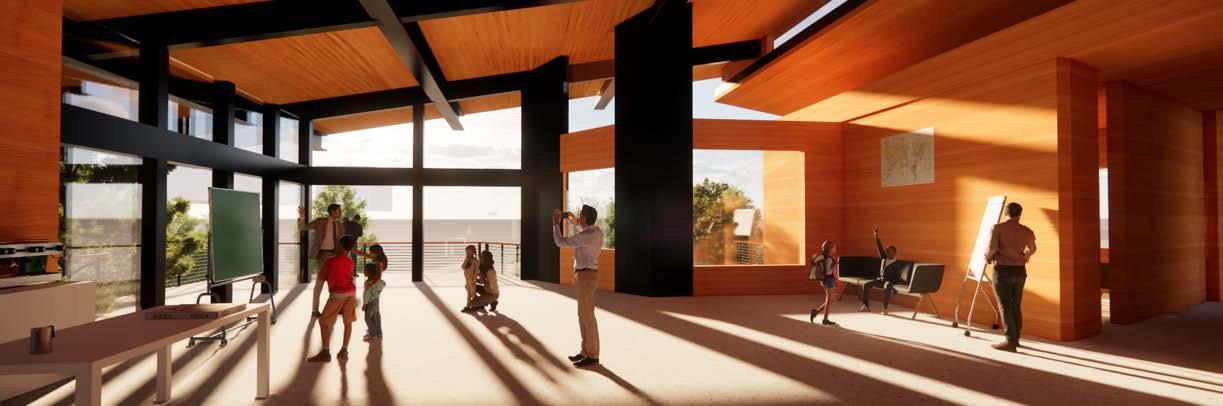
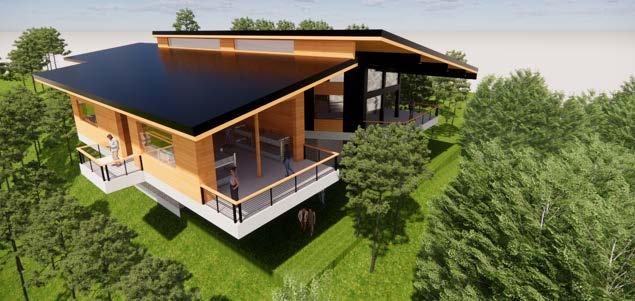
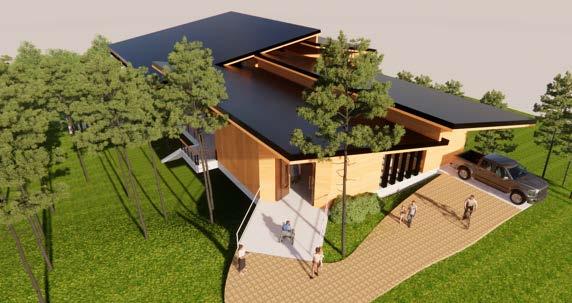
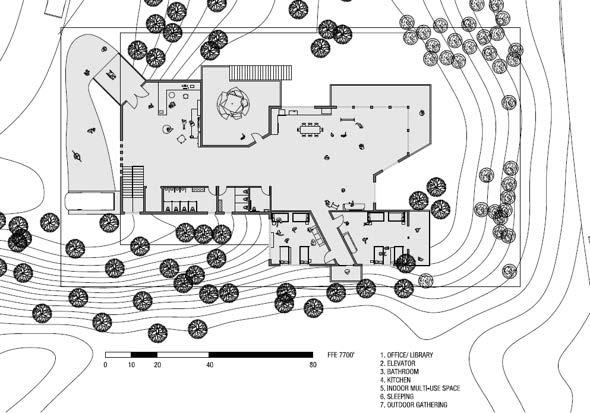
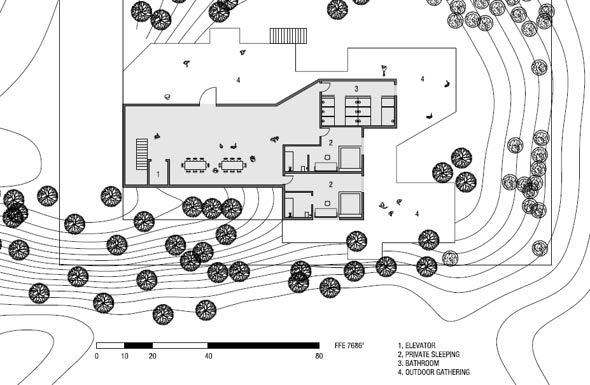
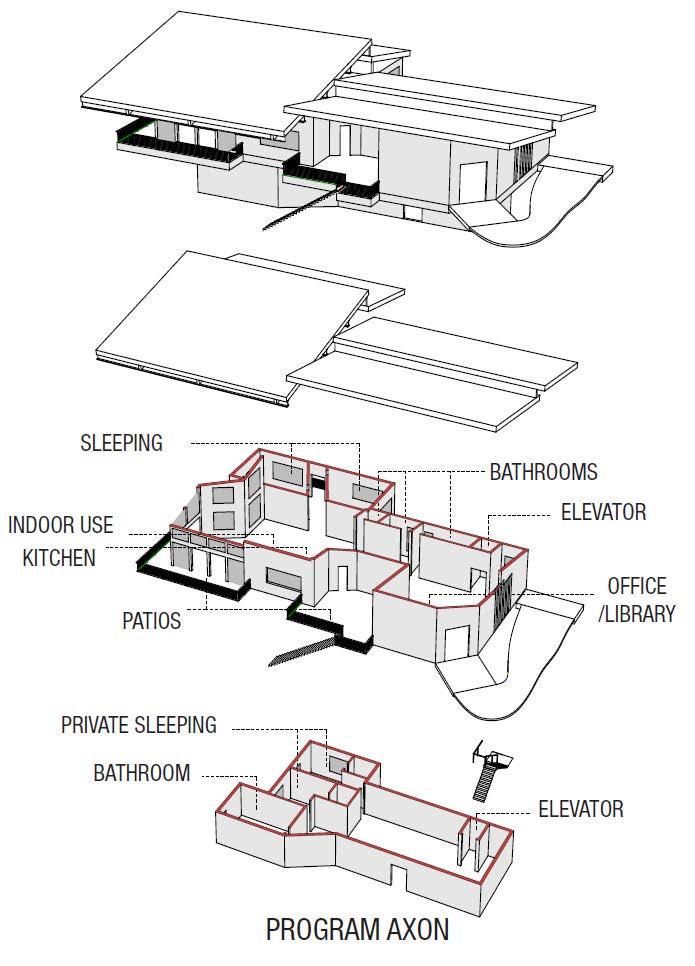
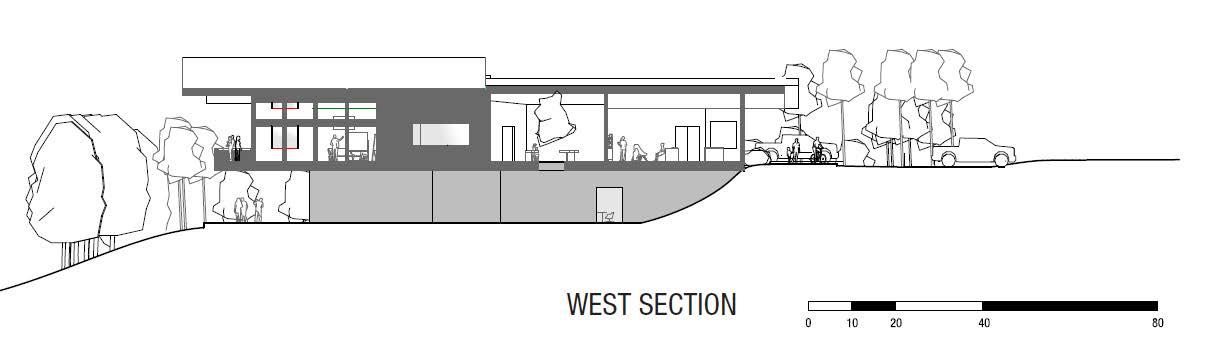
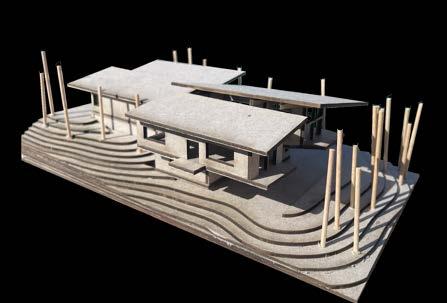
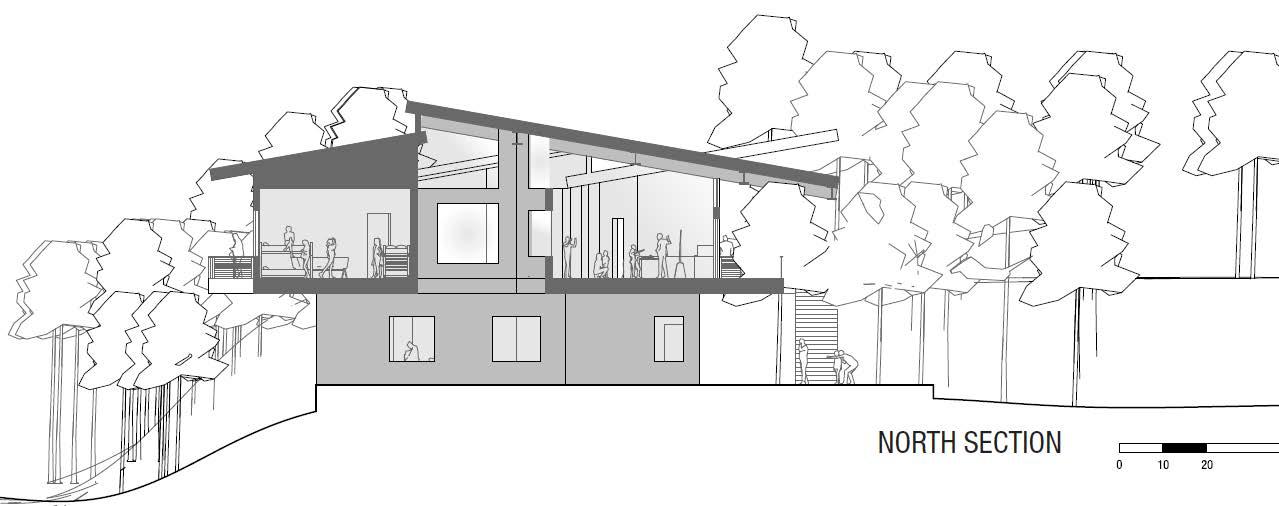
Perched above the Sonoran Desert on Mount Lemmon, the Botany Center explores architecture as a mediator between people and unfamiliar ecological conditions. Designed for school groups, overnight camps, and visiting researchers, the project invites users to leave the arid Tucson valley and experience a cooler, forested environment.
The building functions as both an educational and experiential space, encouraging direct engagement with non-desert flora and fauna. Through integration with the sloped terrain and framed views of the surrounding forest near Summerhaven, the project emphasizes architecture’s role in fostering environmental awareness and forming meaningful connections between people and place.
5 POINTS PLAZA
MIXED USE - STUDENT HOUSING + COMMERCIAL
PROPOSED DESIGN
2023
FIVE POINTS, TUCSON, ARIZONA, US RHINO + REVIT + LUMION + TWINMOTION
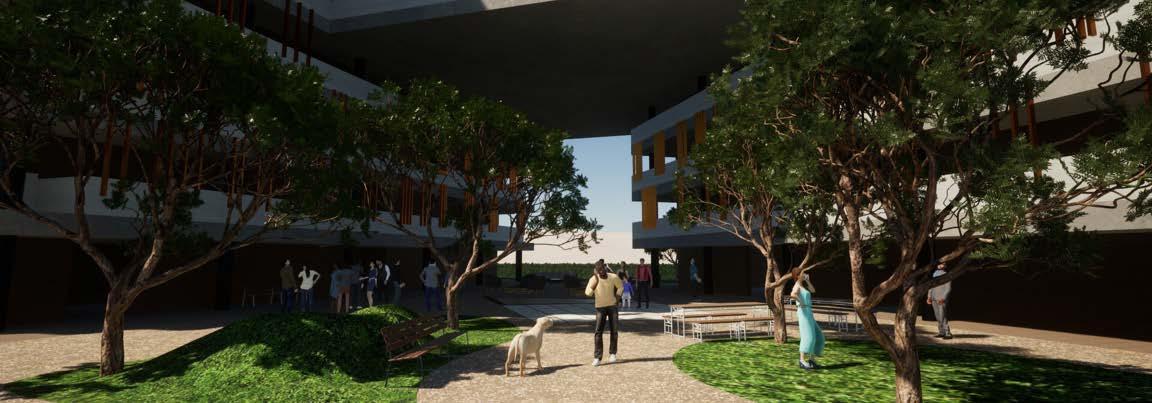
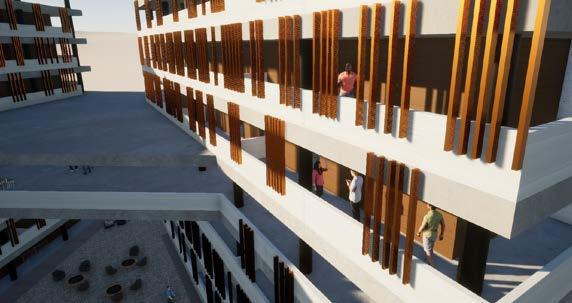
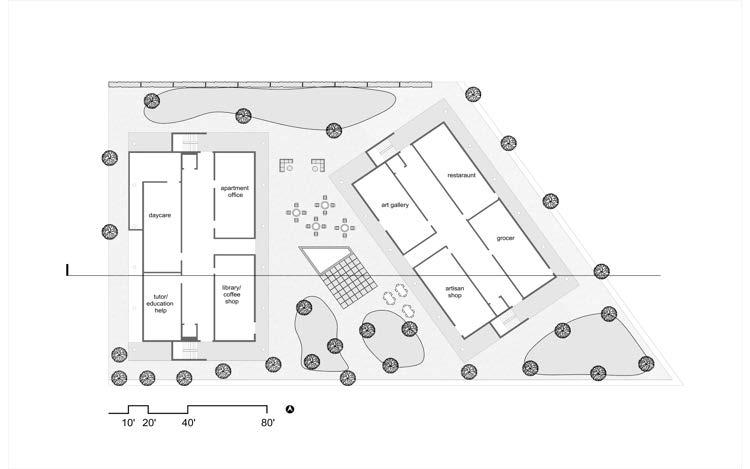
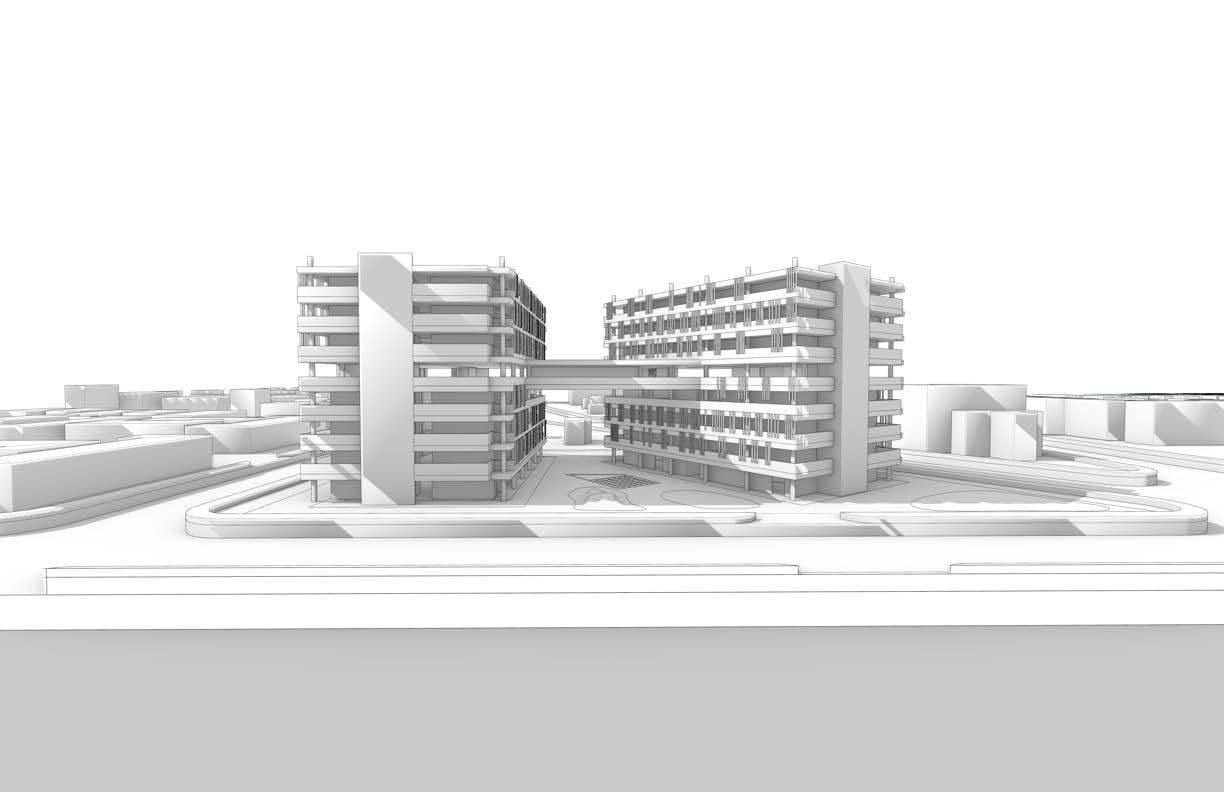
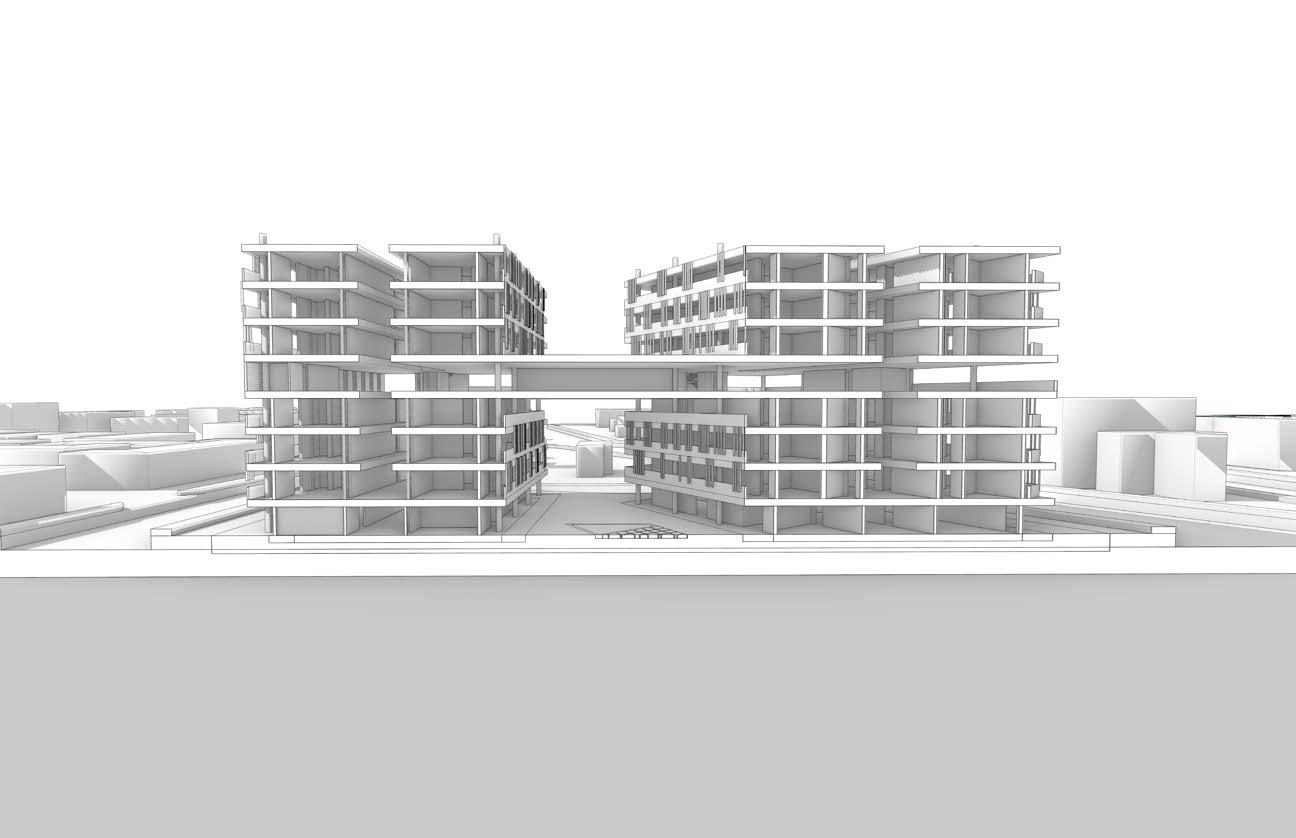
Situated at the convergence of five major roadways in Tucson’s Five Points district, this project explores architecture as social infrastructure within a dense, culturally diverse urban context. The low-income student housing tower combines residential units with a ground-level public realm of local retail, childcare, and recreational spaces. By balancing private living with shared amenities, the design promotes social interaction among residents and neighbors. Strong transit access and support for carpooling reduce reliance on single-occupancy vehicles, positioning the project as an equitable, community-centered model for urban living.
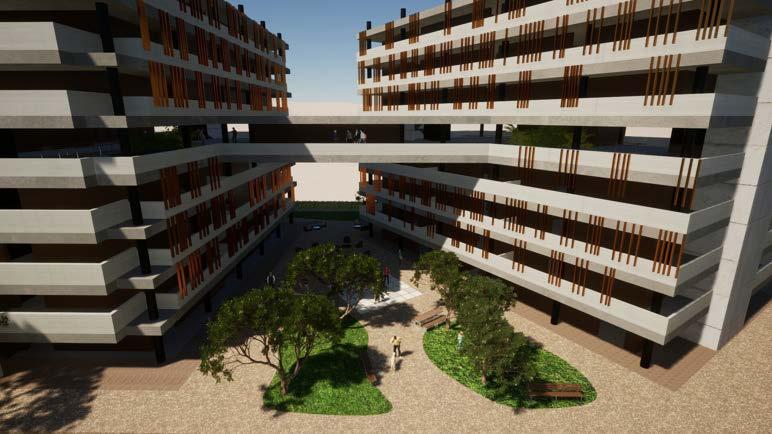
SITE PLAN
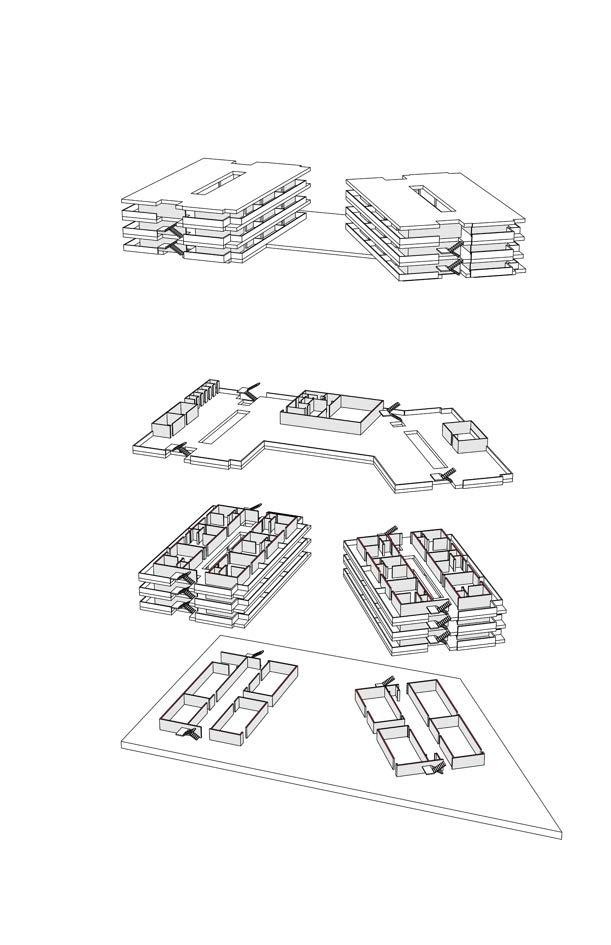
THE FIRST FLOOR IS KNOWN AS THE GATHERING SPACE. LOCAL BUSINESSES AND SHOPS INHABIT THE SPACE PROVIDING EASY ACCESS FOR TENNANTS AND LOCALS OF THE AREA. GROCERY AND CHILDCARE AMMENITIES ARE PROVIDED FOR BOTH POPULATIONS ALLOWING FOR A COMMUNITY TO GROW.
5TH FLOOR PLAN
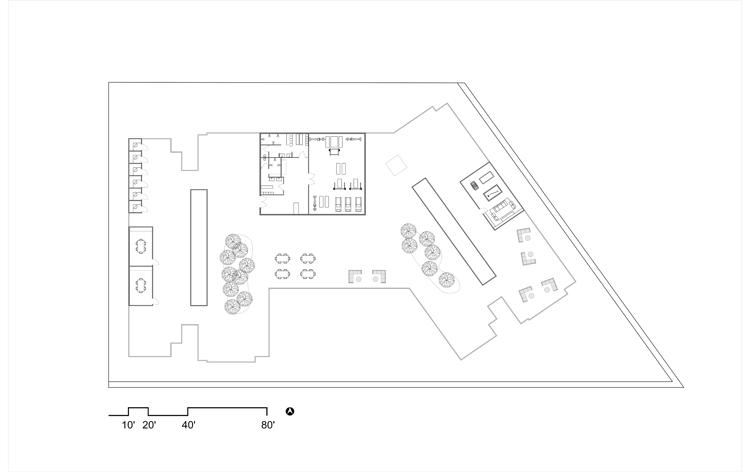
THE 5TH FLOOR ALLOWS FOR TENNANTS AND GUESTS TO RELAX AND WORK ON THEIR NEEDS. WORKOUT AREAS ALONG WITH PRIVATE WORK AREAS ALONG WITH NATURAL RESOURCE AMMENITIES ALLOW USERS TO EXPERIENCE PLEASURE AND COMFORT WITHOUT THE NEED TO LEAVE THEIR ABODE.
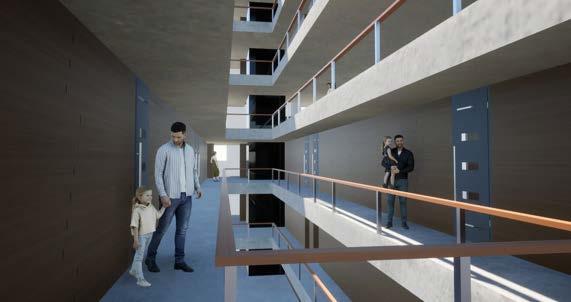
LIVING SPACES
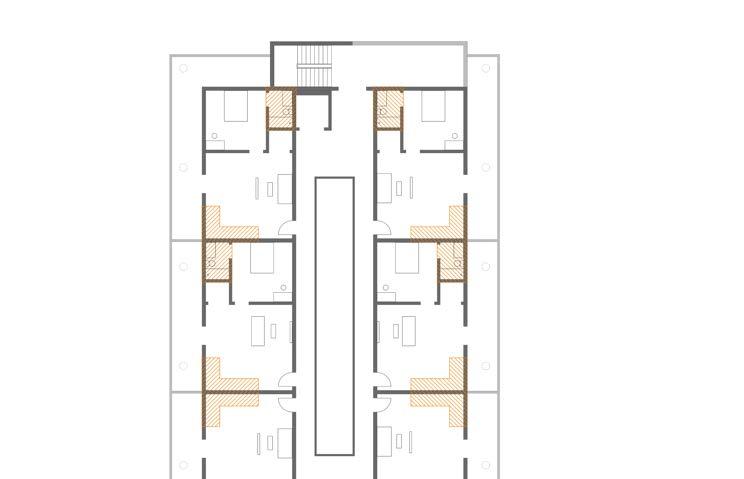
EACH LIVING CORRIDOR IS MIRRORED WITH ITS OPPOSITE LIVING SPACE ACROSS THE HALL. ALL FUNCTIONAL USES OF A LIVING QUARTER ARE PLACED TO KEEP INRASTRUCTURE TECHNOLOGIES AND AMMENITIES TOGETHER

FLOOR PLANS
EACH FLOOR PLAN IS THE SAME TO ENSURE A COMMUNICATIVE DESIGN AND RESPONSE TO EXIT STRATEGY AND ENERGY USE. A SIMILAR LAYOUT TO EACH FLOOR IS IMPORTANT IN ENSURING A SAFE ENVIRONMENT STRONG RHYTHMIC TECHNIQUES IN DESIGN.
FUTURA NEXUS
MIXED USE - LEARNING + RESOURCE
PROPOSED DESIGN
2024
TUCSON, ARIZONA
RHINO + REVIT + ENSCAPE
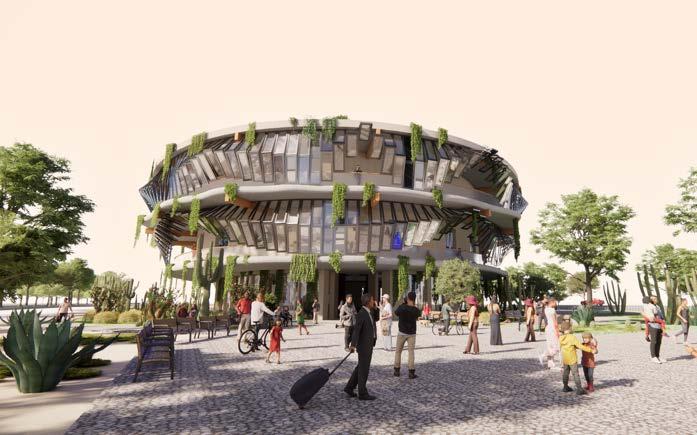
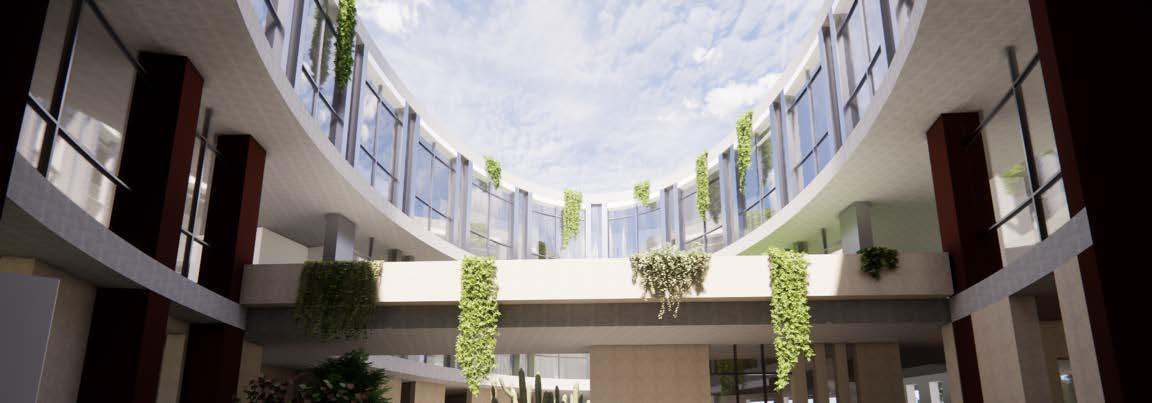
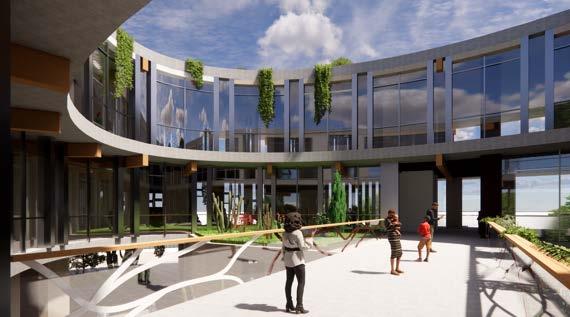
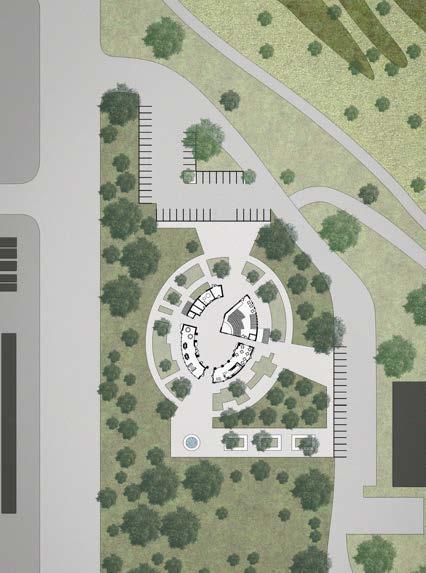
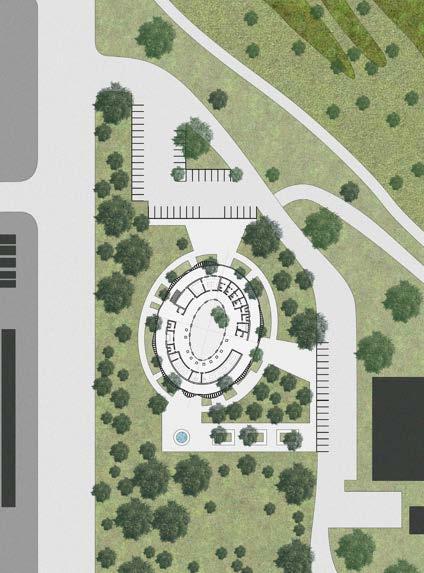
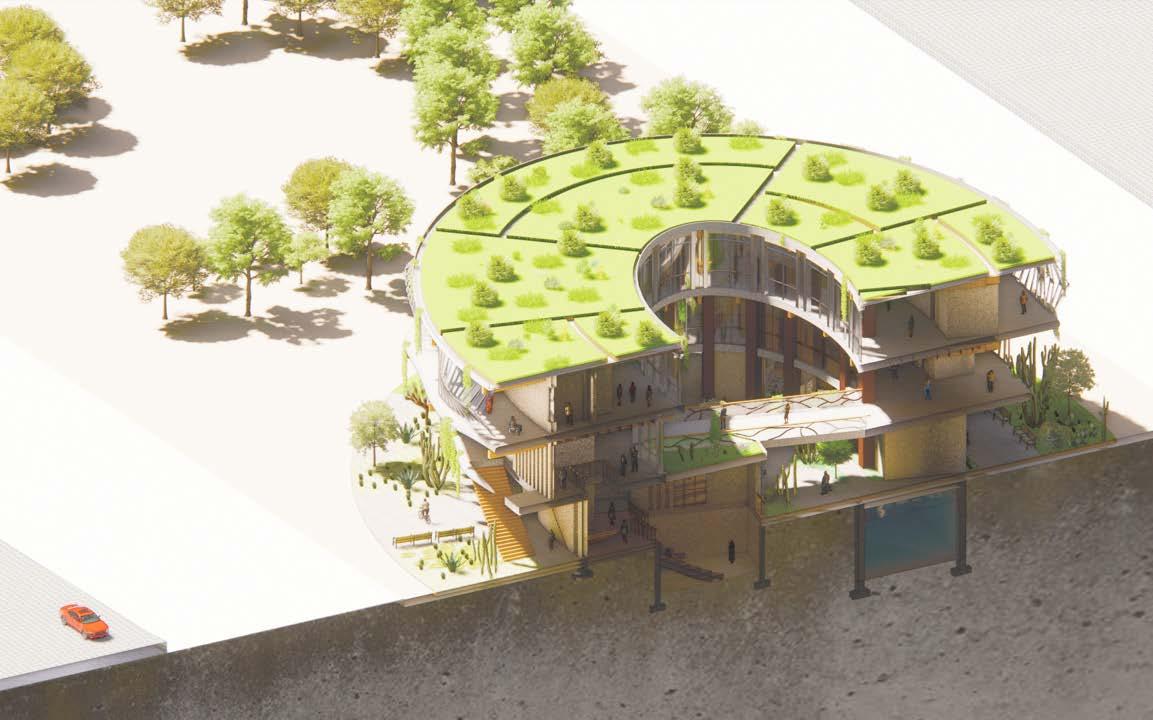
Located along the Rillito River beneath the Catalina Mountains in Tucson, Arizona, Futura Nexus positions sustainability as the primary driver of design. Guided by the AIA COTE Top Ten principles, the project frames architecture as an interconnected system aligning human activity with natural processes.
Conceived as a resource exchange and environmental education center, it functions as a civic hub integrating community engagement, ecological stewardship, and research-driven strategies. Passive, site-responsive systems are made visible, allowing the building to serve as both infrastructure and educational tool.
Envisioned as a living model, the project demonstrates net-zero strategies and adaptable techniques, reinforcing architecture’s role in long-term social and environmental responsibility.

Design for Ecology
Site grown vegetation has lowered the average temperature nearly 3° around the site of Futura Nexus and its impact will increase. Additional trees and foliage placed along Cambell Road will block noise, light and heat pollution.
Design for Integration
The centrally-fixed building delivers to users from all walks of life a sense of inclusivity and belonging. The thoughtful design balances performance with a connection among space, history, climate, and people.
Design for Energy
Solar strategies implemented along the entirity of the building move with the direction of the sun, powering much of the building and deceasing reliance on fossil fuels. Natural shading from trees mitigate a high EUI index.
Design for Change
Futura Nexus is built to last for generations, cultivating different uses for each large space. The framework of similarly-sized elements increases its usability and facilitates adaptability with rhythm and purpose.
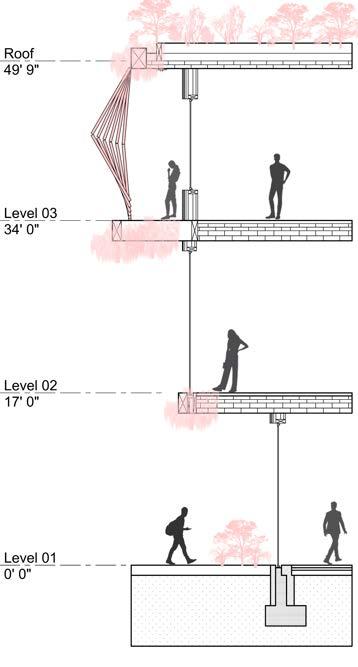
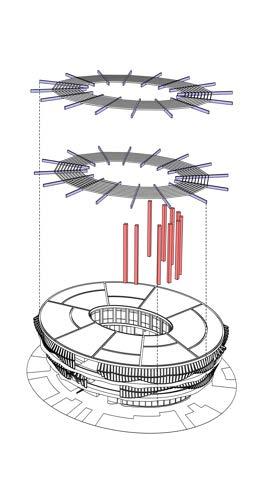
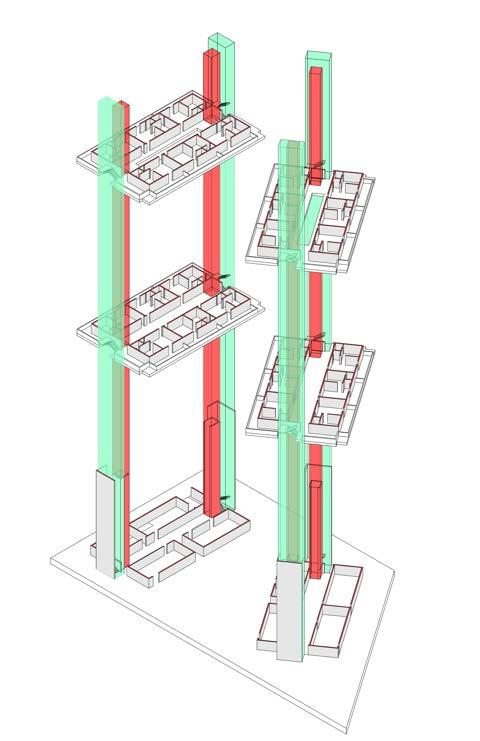
STRUCTURAL SYSTEMS DIAGRAM
Design for Economy + Resource
The use of local sustainable materials offsets the carbon footprint of travel and transport. Much of the building’s interior structure is visable, enabling people to experience the use of durable resources.
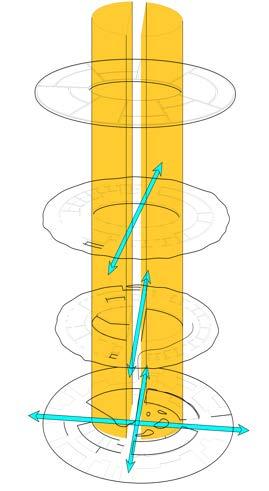
PASSIVE SYSTEMS DIAGRAM
Design for Wellness
Natural ventilation reduces the need for artificial cooling and heating which allows fresh air to flow freely around the building. The structure offers artificial cooling as needed to ensure comfort for users. Dappled light throughout the building provides natural beauty to be enjoyed by the users.
Design for Community
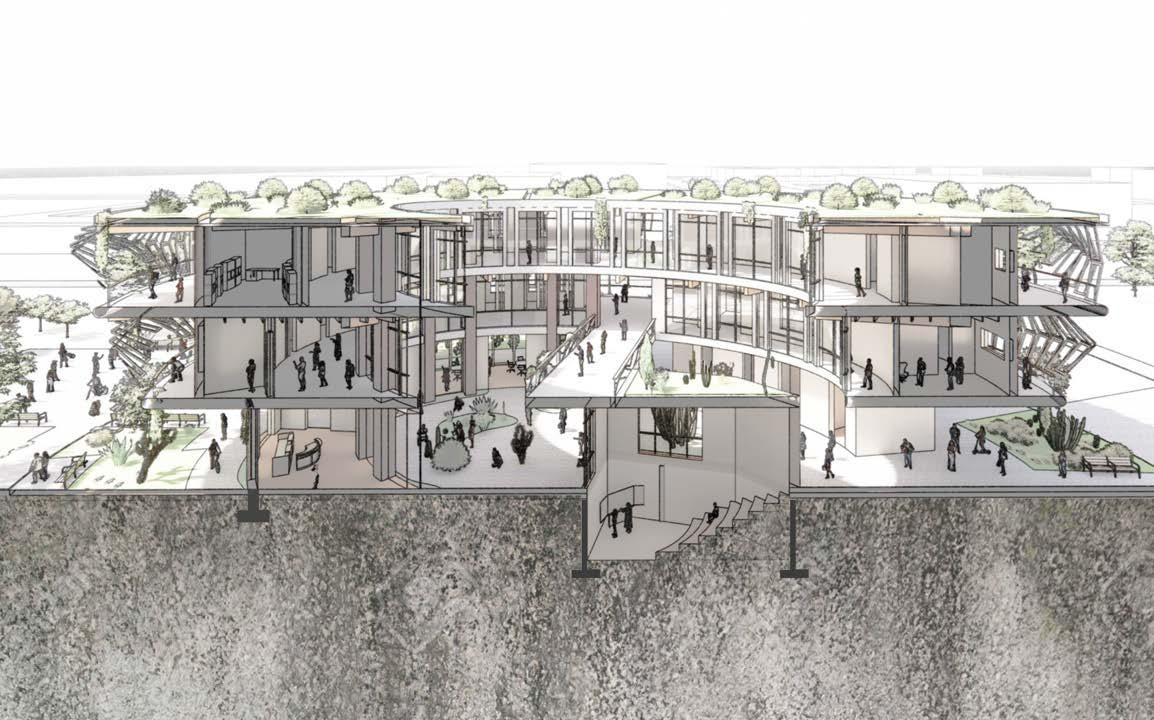
Community based programs and projects in Futura Nexus will thrive as Tucson residents and visitors witness the beauty and bounty of the Catalina Mountains. Public lectures and gatherings throughout the year will attract the community to learn about the interplay between nature and people and the vital intersection of water, climate, and belonging.
Design for Water
A 100,000 gallon cistern underneath the building will capture water runoff from the site as well as from the green roof; harvesting heavy rain from the monsoon months. Futura Nexus will become a resilient Net Zero building and demonstrate to the desert community the purpose and possibility of water conservation.
South Facing Axonometric Section
TANK 0
MIXED USE - ABIOTIC + SUSTAINABLE DESIGN
PROPOSED DESIGN
2025
TUCSON, ARIZONA
RHINO + ENSCAPE
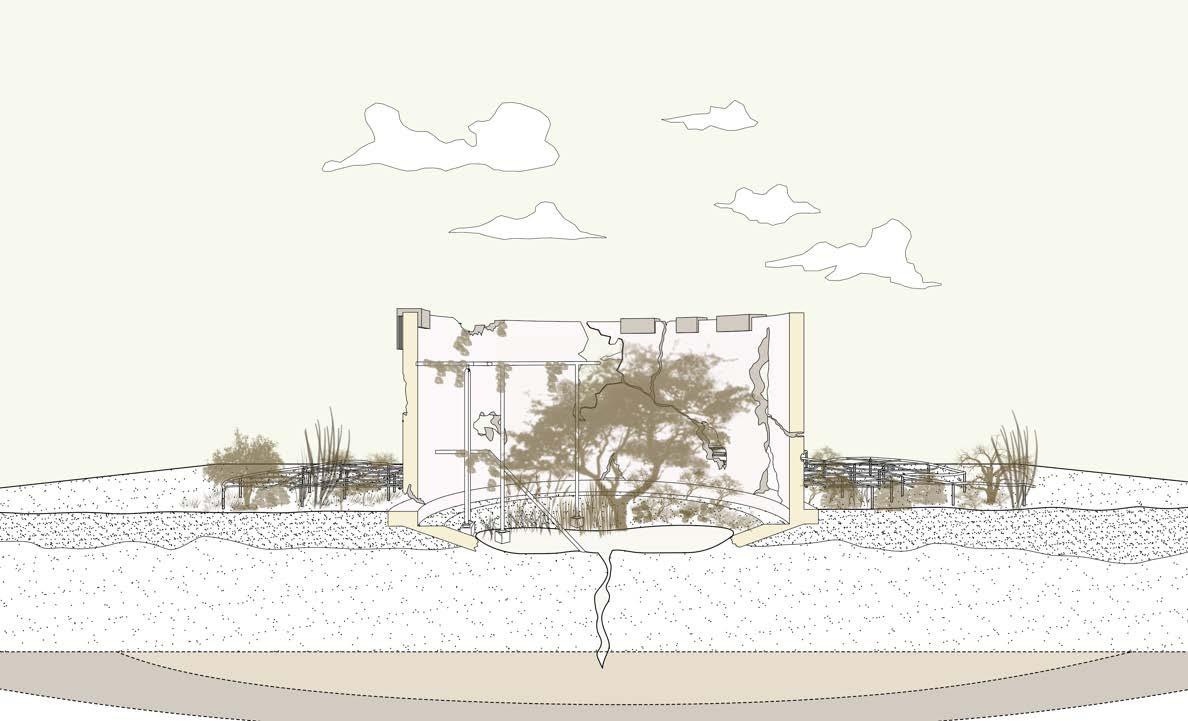
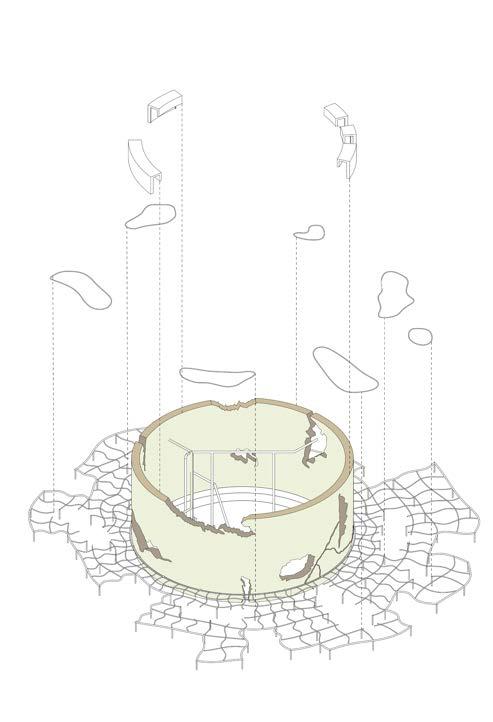
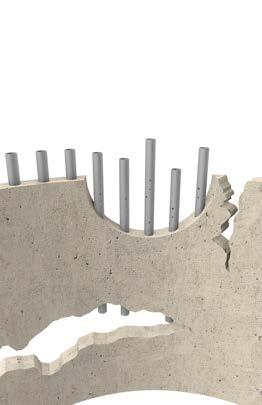
Tank 0 challenges human-centered design by positioning architecture as a catalyst for ecological reclamation. Through the controlled decay of an industrial water tank, the project invites weathering, erosion, and biological growth to gradually transform the structure.
Strategic openings retain water and expose soil, enabling native flora to establish a riparian habitat that supports biodiversity. As these systems evolve, the architecture shifts from a static object to a living ecosystem shaped primarily by non-human forces.
An elevated mesh enclosure protects the habitat while acting as a temporary scaffold for desert scrub, which eventually overtakes it. Tank 0 reframes architecture as an instrument of ecological resilience, questioning permanence, authorship, and human dominance in the built environment.
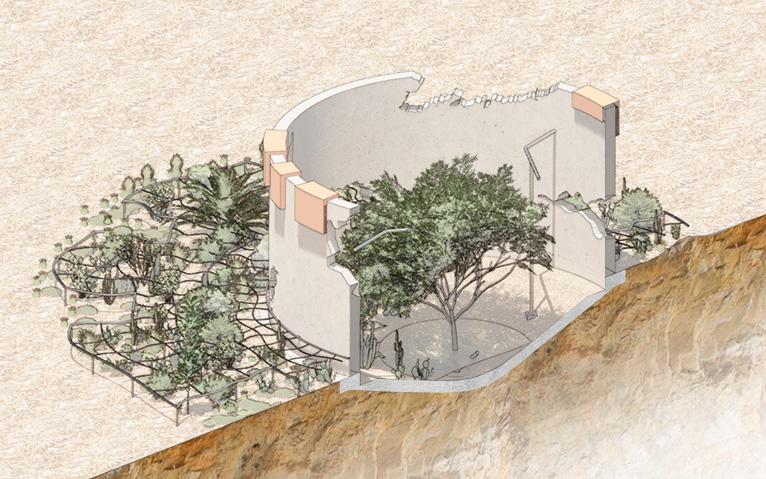




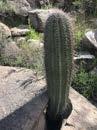


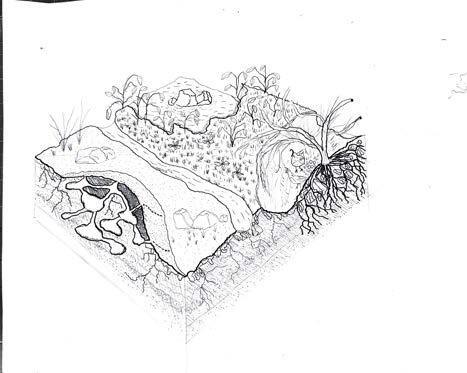


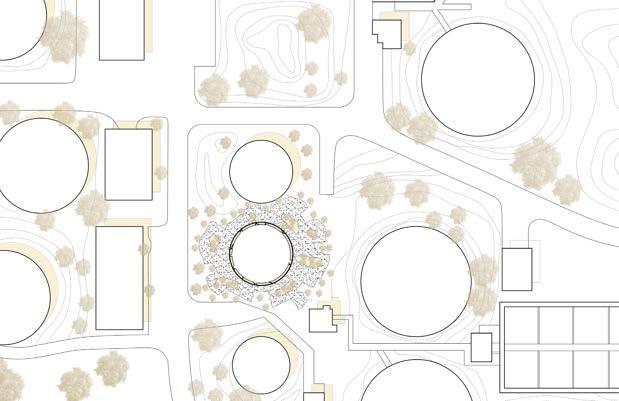
Tank 0 initiates a deliberate transfer of control from human infrastructure to natural systems. The tank is selectively degraded to invite weathering and erosion, allowing nature to expand upon introduced cracks and openings. Exposed soil and retained water support diverse native flora, forming a riparian basin that increases local biodiversity.
An elevated mesh enclosure limits human access while acting as a temporary nurse structure, supporting desert scrub that gradually overtakes and conceals the barrier as the site fully transitions into a self-sustaining ecosystem.
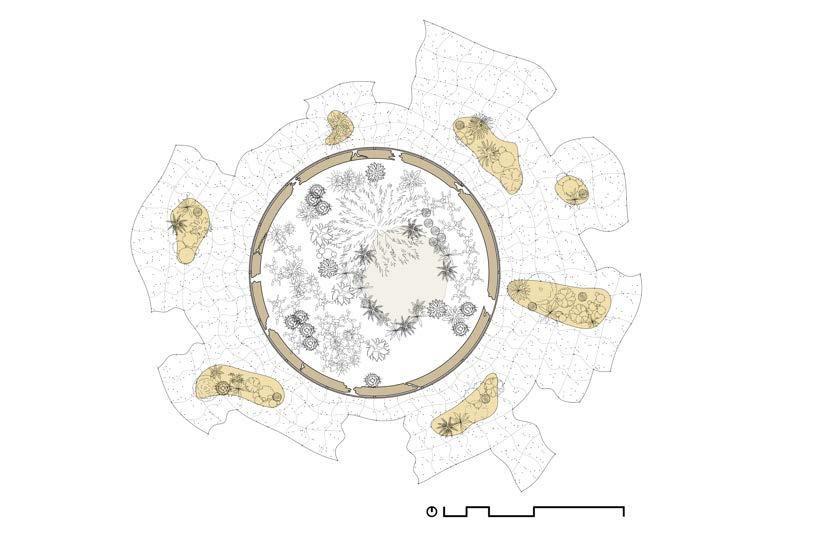
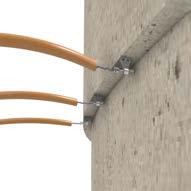
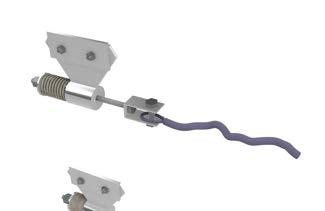
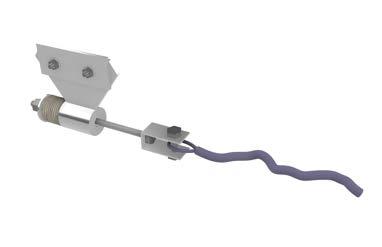
FIBER MESH TANK FASTENING SYSTEM
FIBER ROPE MESH (NURSE BRUSH GROWTH)
CLERESTORY OPENINGS
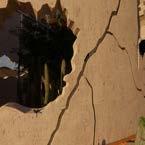
SMALL CREVICES FOR REFUGE
WEATHERING + EROSION
COVERED OPENINGS FOR SMALL ANIMALS
DEATH
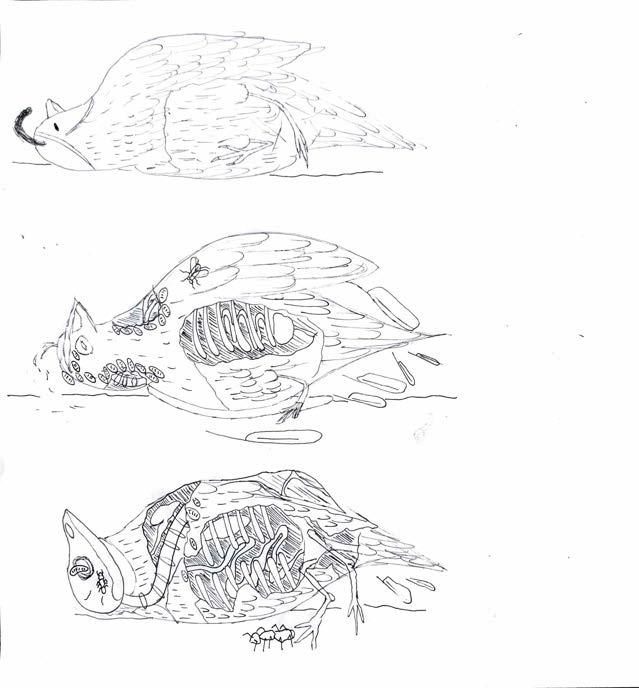
SUSTENANCE
RETURN TO DUST
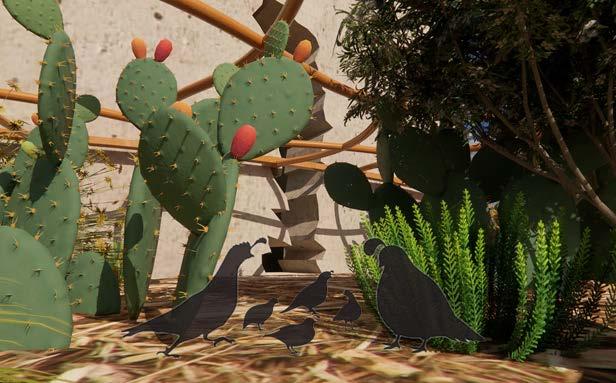
Prickly Pear Cactus has matured and produces fruit
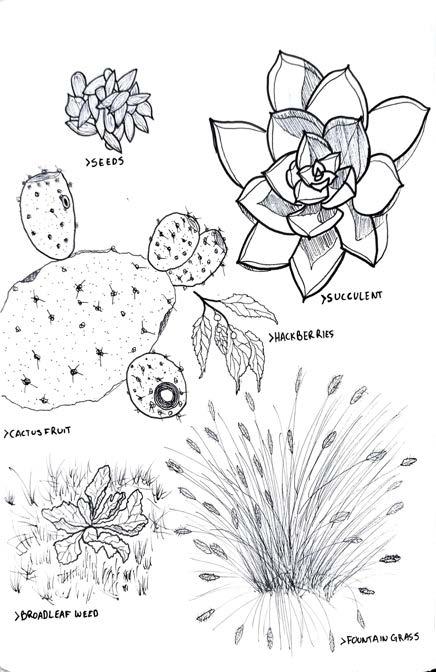
Gambel’s Quail eat the seeds of the cactus fruit

The seeds are digested and their droppings fall to the soil
Droppings fertilize soil and grow into new cacti
N N E C T E D
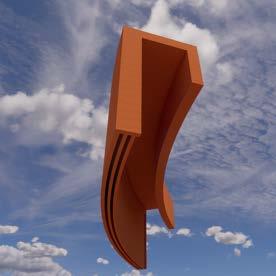
BAT ENCLOSURE WITH THE ADDITION OF ENCLOSURES FOR PRESENT BAT INHABITANTS, GREATER BIODIVERSITY CAN BE NURTURED AND IMPACT THE FOOD CHAIN
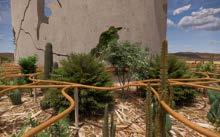
TALL DESERT SCRUB
OUTLINING THE TANK, LARGE SCRUB PIERCE THROUGH THE MESH WHICH OBSCURE VIEW OF INHABITANTS OF THE CISTERN FROM HUMANS PASSING BY AND OFFER REFUGE AND PROTECTION
WATER COLLECTION
NATURAL WATER REUSE BECOMES A VIABLE OPTION TO SUSTAIN THE TANK AND ITS INHABITANTS. RAINWATER AND HUMIDITY WILL FURTHER RETAIN WATER AND OFFER COOLER TEMPERATURES AND SUSTAINABILITY FOR THE RIPARIAN HABITAT
DETERIORATION OVER TIME

EXPLORATION OF NATURAL MATERIALS
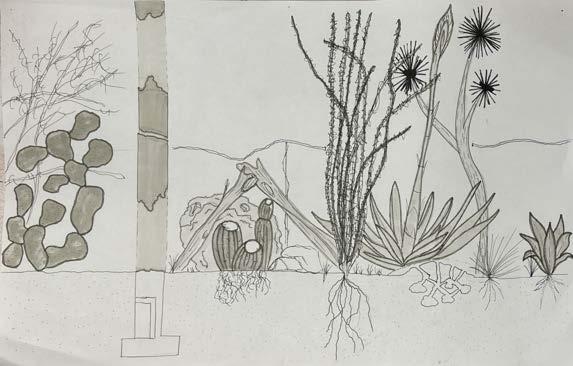
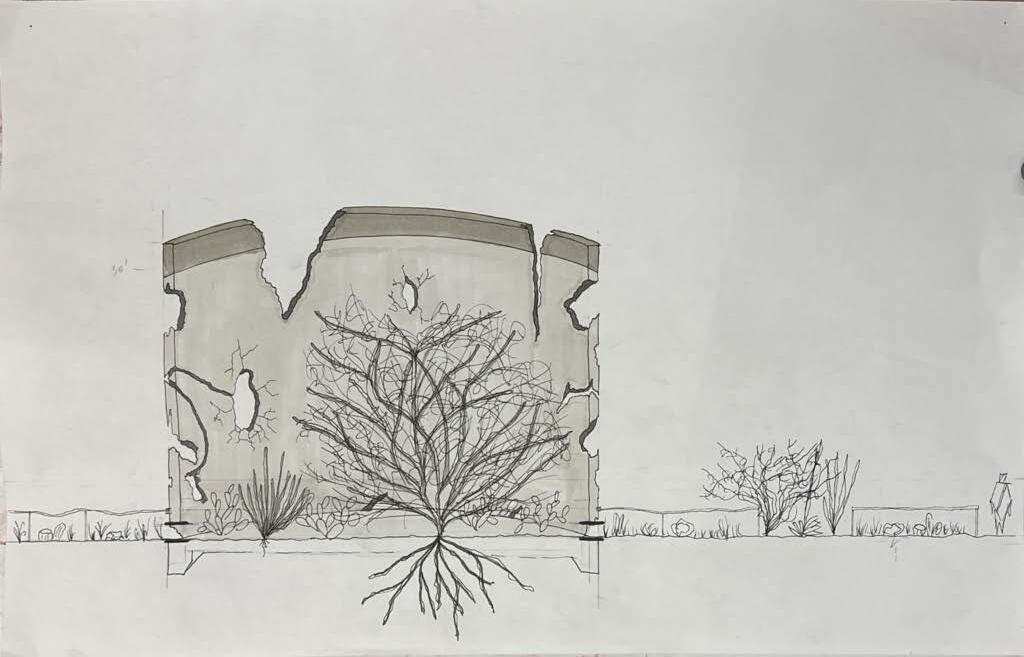
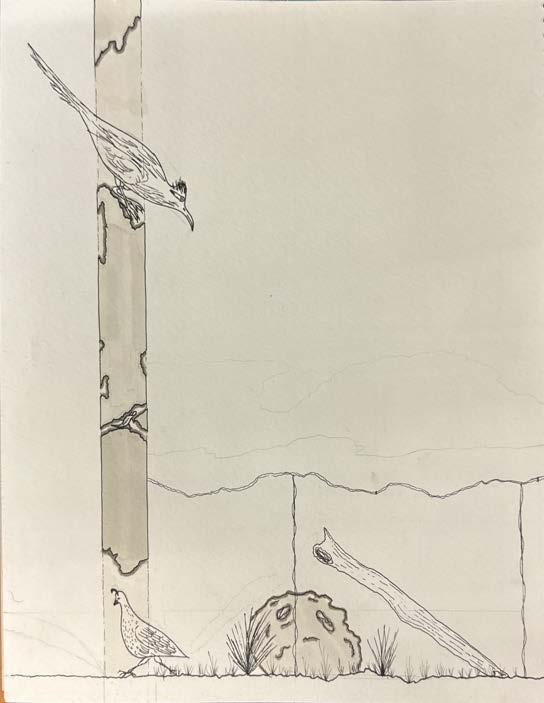
DRAWING OF NETTING AND CREVICES
RENDER OF ENCLOSED ENTRANCES
STUDENT - ALUMNI CENTER
MIXED USE - BUSINESS + LEARNING
PROPOSED DESIGN, ONGOING INSTALLATION 2025-2026
CAPLA, TUCSON, ARIZONA, US
RHINO + REVIT + AUTOCAD + LUMION + TWINMOTION + ENSCAPE + PHOTOSHOP + ILLUSTRATOR
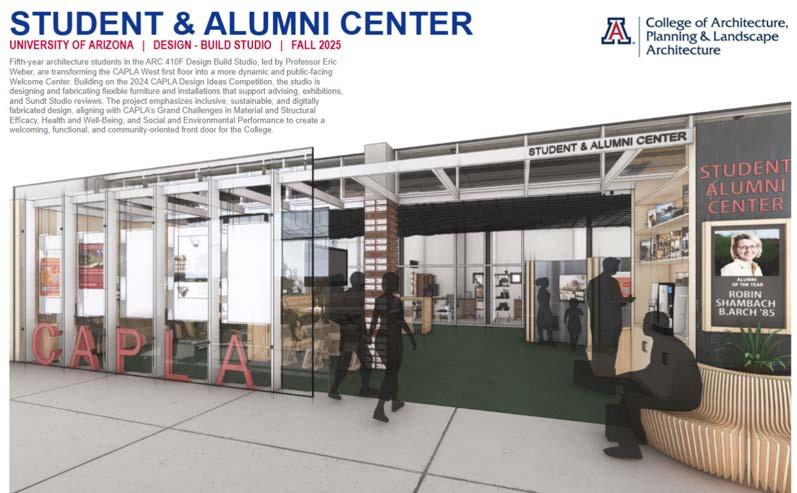
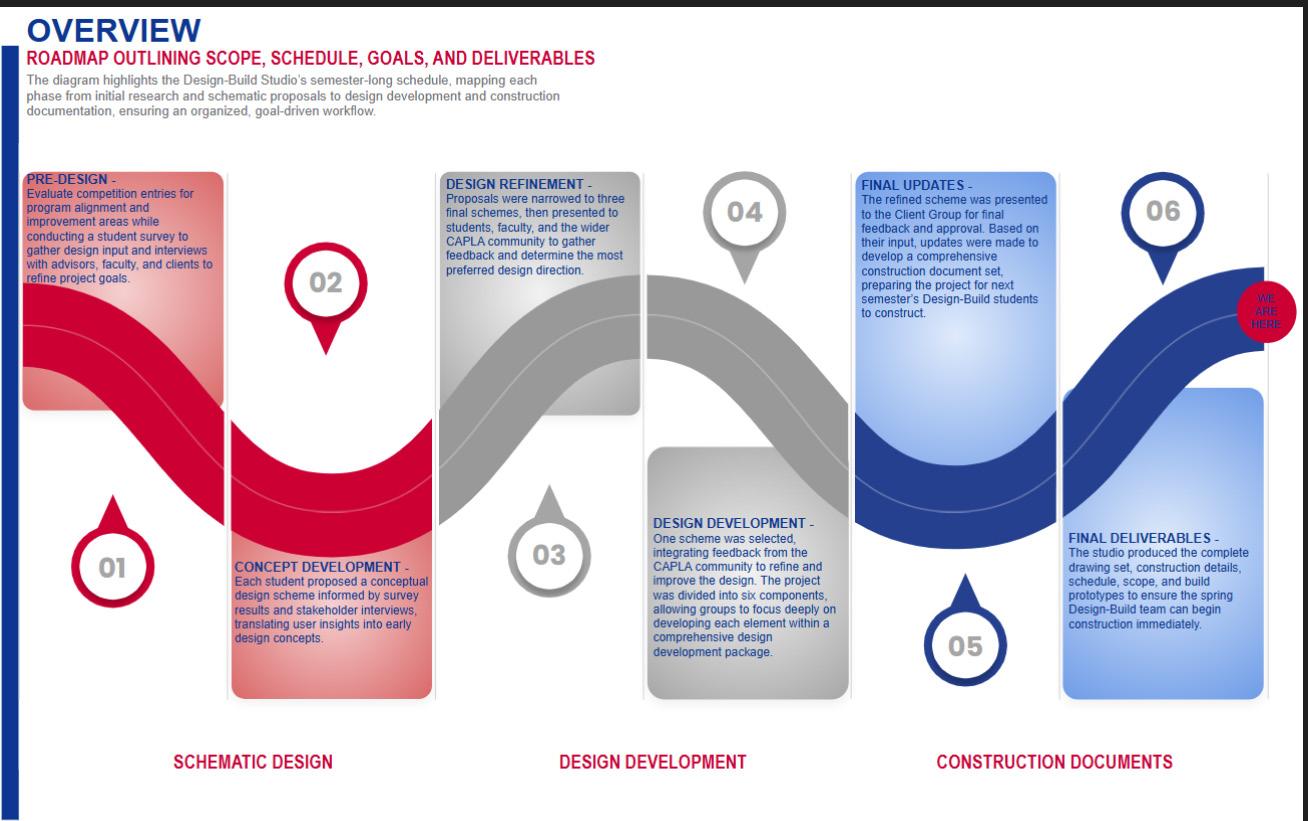
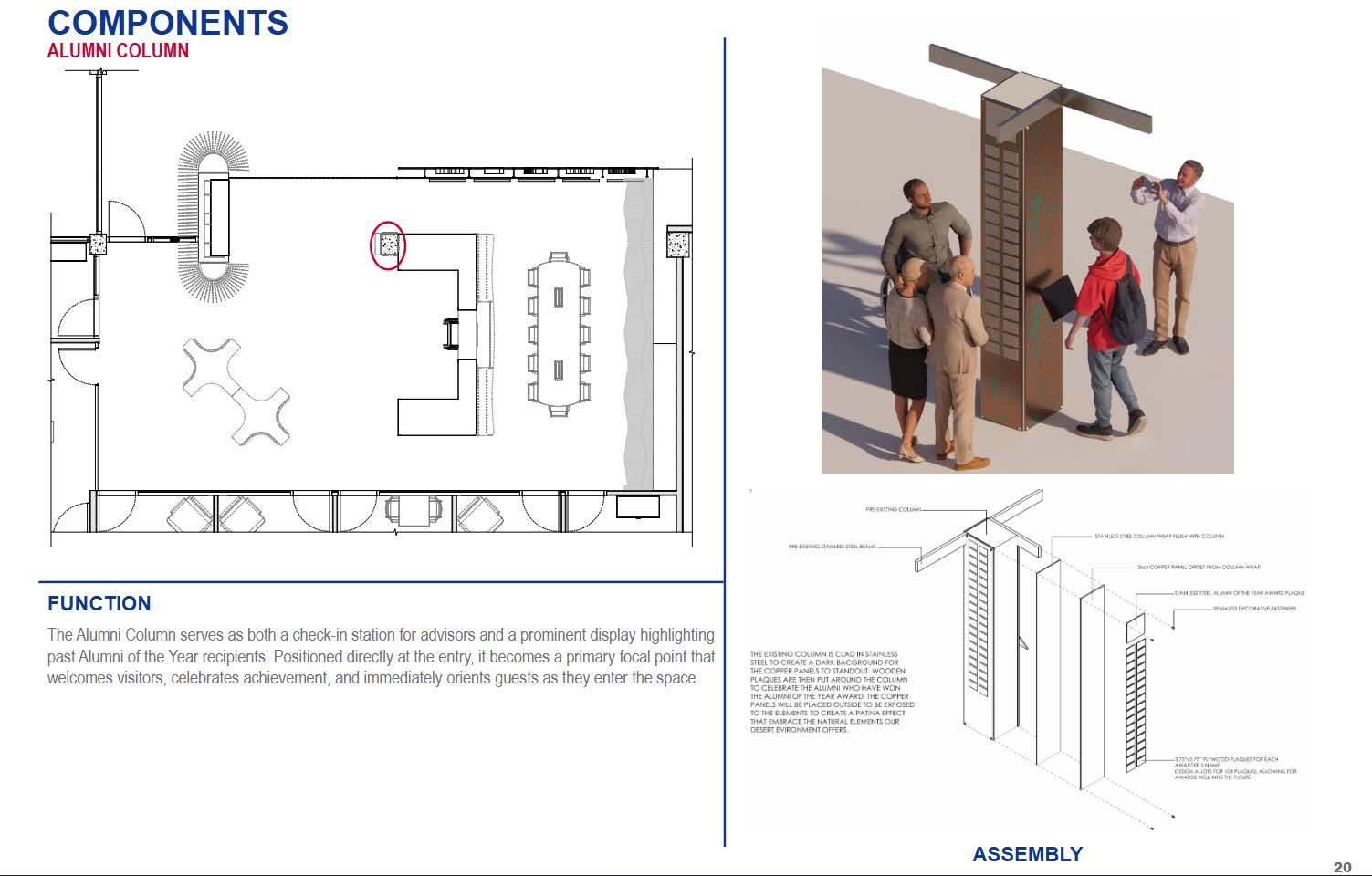
THE STUDENT ALUMNI CENTER RE-IMAGINATION IS A STUDENT-LEAD DESIGN-BUILD PROJECT THAT PUTS STUDENTS IN A POSITION TO PROVIDE A SPACE FOR BOTH STUDENTS IN CAPLA AS WELL AS ONLOOKERS OF THE SPACE INCLUDING FACULTY, ALUMNI, AND GUESTS OF THE BUILDING.
THE TEAM OF 17 STUDENTS EACH HAD A PART IN CREATING AND DESIGNING PORTIONS OF THE SPACE. STEPS WERE TAKEN TO TALK TO CLIENTS, OWNERS, AND INVESTORS. THROUGH INTERIOR DESIGN, STRUCTURAL STABILITY, CODE USAGE, AND ACCESSIBILITY; ULTIMATELY CULMINATING INTO A DESIGN PLAN THAT WILL SOON BE IMPLEMENTED INTO CAPLA THROUGH THE NEXT GROUP OF STUDENTS IN THE DESIGN-BUILD STUDIO LED BY PROFESSOR ERIC WEBER.

WATER + LIGHT
METAPHYSICAL
ONGIONG DESIGN
2025 - PRESENT
PORTLAND, OREGON, US
RHINO + REVIT + ARCGIS+ ENSCAPE + LUMION + PHOTOSHOP + ILLUSTRATOR + PHYSICAL MODELING
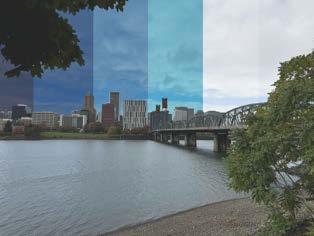
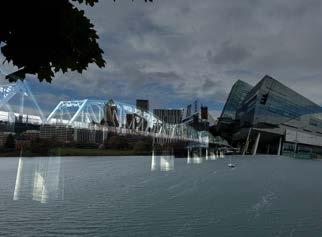
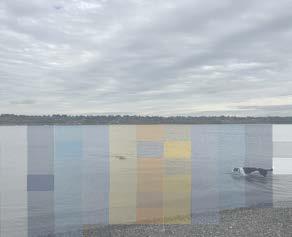
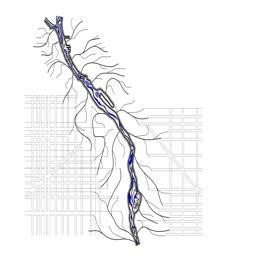
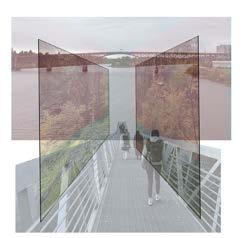
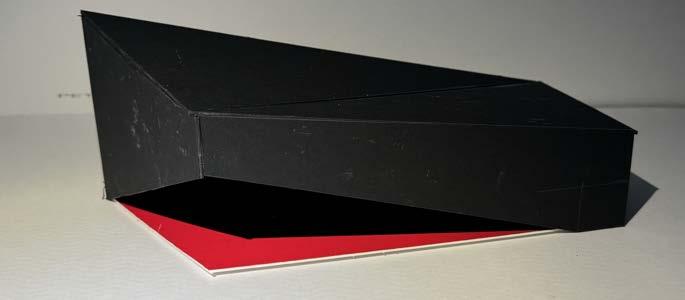
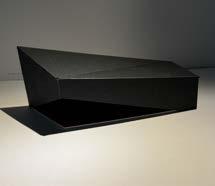
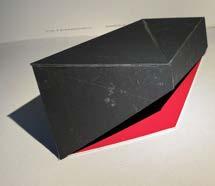
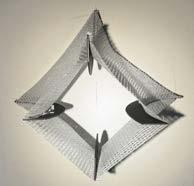
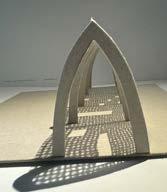
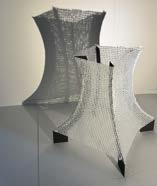
WATER + LIGHT WILL REPRESENT THE PAST 5 YEARS OF ARCHITECTURE IN CAPLA. THIS CAPSTONE PROJECT SURROUNDS ITSELF WITH THE METAPHYISCAL EXPERIENCES AND INTERACTIONS WE HAVE WITH LIGHT AND THE LOCATION OF PORTLAND, OREGON PROVIDES US WITH AN OUTLOOK OF WATER AS MATERIAL TO INFLUENCE OUR DESIGN IN THE COMING MONTHS.
SKY OPENINGS
SMALL OPENINGS
COMFORT EROSION TUNNEL
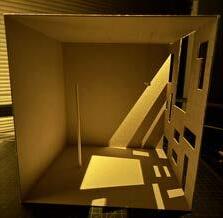
LIGHT THRESHOLD
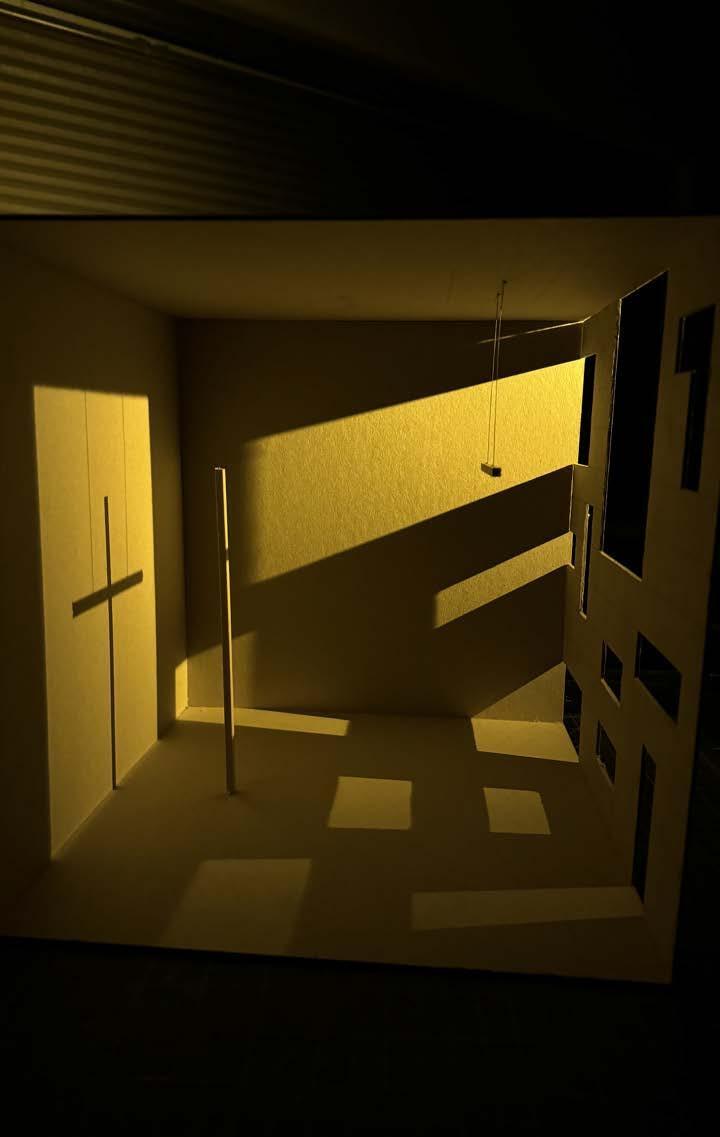
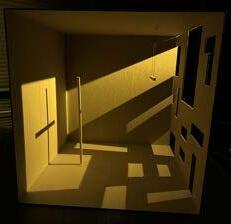
LIGHT IS USED AS A SPATIAL THRESHOLD RATHER THAN SIMPLY A MEANS OF ILLUMINATION. THE DESIGN USES THE SUN’S MOVEMENT THROUGHOUT THE DAY TO CREATE A CHANGING BOUNDARY BETWEEN THE SHELTERED AND OPEN, FROM REFUGE AND GATHERING
CELESTIAL LIGHT
THE SPACE RESPONSED TO THE SUN’S DAILY AND SEASONAL CYCLES, HIGHLIGHTING KEY MOMENTS LIKE THE SUMMER AND WINTER SOLSTICES. IN THIS, SUNLIGHT ALIGNS TWO SEPARATE ELEMENTS, CREATING TEMPORARY VISUAL CONNECTION.
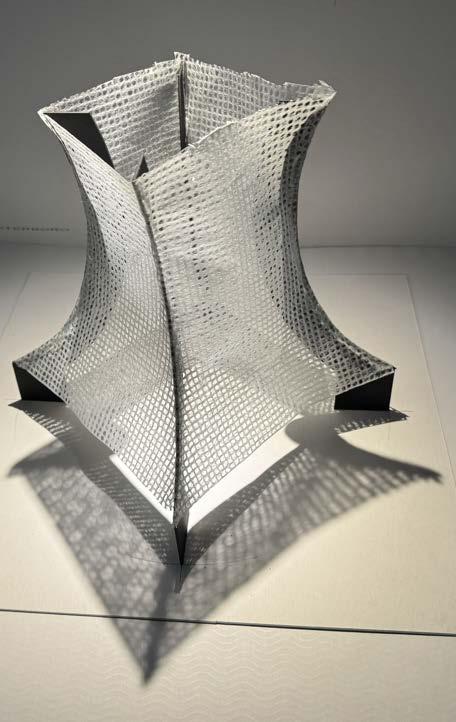
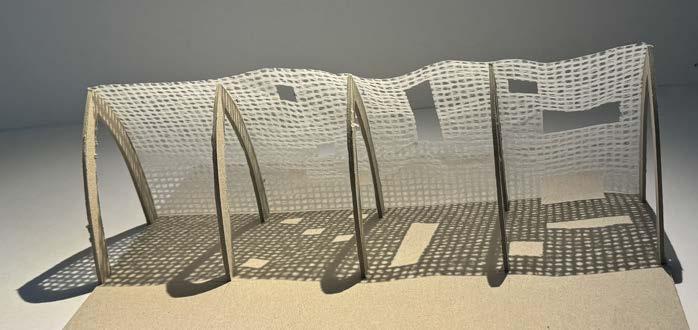
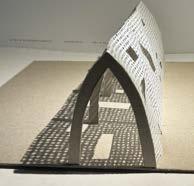
DAPPLED LIGHT
DEFINED BY A MIX OF LIGHT POOLS AND SKY HOLES, THE STRUCTURE CREATES A SITE LINE FOR VIEWERS ALONG WITH PATTERNS CREATED BY THE SUN. NEW PATTERNS WILL EMERGE FOR EXPERIENCE AND CONTEMPLATION, ALLOWING FOR PROGRESSION THROUGH THE SPACE.
ZENITHAL LIGHT
THE DIRECT CONNECTION TO THE VISUAL REALM ABOVE AND FILTERED CONNECTION FROM THE SIDES CREATES AN IMPRESSIVE VISUAL EXPERIENCE. DAPPLED LIGHT CREATES A CALM PROSE WILL MORE SEVERE PRESENCE OF LIGHT IS EXPERIENCE FROM ABOVE.