Wild Sheep Society of BC Magazine is published four times per year for the Wild Sheep Society of British Columbia by
Sportscene Publications Inc.
10450 - 174 Street
Edmonton, Alberta T5S 2G9
Ph: 780.413.0331 Fax 780.413.0388
Email: info@sportscene.ca www.sportscene.ca
Spring 2026 Issue
Editor in Chief Kyle Stelter (CEO)
Editors
Peter Gutsche
Nolan Osborne Bill Pastorek
Contributors
Larisa Murdoch
Helen Schwantje, DVM
Design & Layout
Sportscene Publications Inc.
Printing Elite Lithographers Co. Ltd.
Editorial Submissions
Please submit articles and photos to kstelter@wildsheepsociety.com
No portion of Wild Sheep Society of BC Magazine may be copied or reproduced without the prior written consent of the Wild Sheep Society of British Columbia. The views and opinions expressed by the authors of the articles in Wild Sheep Society of BC Magazine are those of the author and not necessarily those of the Wild Sheep Society of British Columbia.
MAIL AGREEMENT NO. 43363024
Undeliverable Canadian Addresses
Wild Sheep Society of British Columbia #101 - 30799 Simpson Road, Abbotsford, BC V2T 6X4 www.wildsheepsociety.com
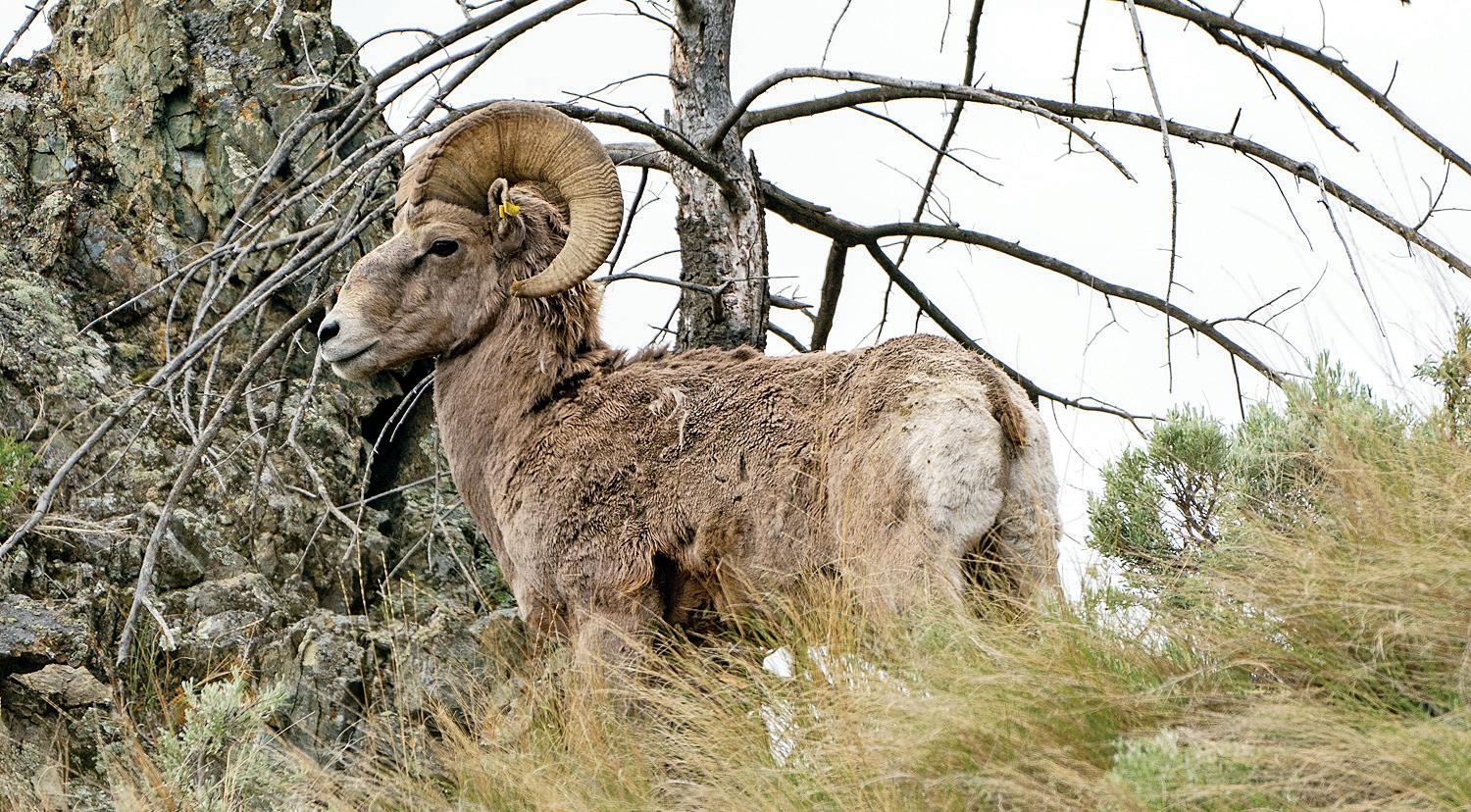
Cover photo by Matt Farquhar
Chief Executive Officer – Kyle Stelter 250-619-8415 ● kstelter@wildsheepsociety.com
President – Greg Rensmaag 604-209-4543 ● rensmaag_Greg@hotmail.com
Vice-President – Chris Barker 250-883-3112 ● barkerwildsheep@gmail.com
Vice-President – Peter Gutsche 250-328-5224 ● pgutsche@wildsheepsociety.com
Taylor Dutka
250-219-8289 taylordutka99@gmail.com
Joe Eppele 647-986-3859 joe.eppele@gmail.com
Ken Jyrkkanen 250-319-7759 Email: kjyrkkanen@gmail.com
Communications Committee
Chair: Kyle Stelter ● 250-619-8415 kstelter@wildsheepsociety.com
Fundraising Committee
Chair: Korey Green ● 250-793-2037 kgreen@wildsheepsociety.com
Government Engagement Committee
Chair: Greg Rensmaag ● 604-209-4543 rensmaag_greg@hotmail.com
Hunter Heritage Committee
Chair: Jann Demaske ● 970-539-8742 demaskes@msn.com
Indigenous Relations Committee
Chair: Peter Gutsche ● 250-328-5224 pgutsche@wildsheepsociety.com
Membership Committee
Chair: Matt McCabe ● 250-320-6048 mattmccabe.wssbc@gmail.com
Projects Committee
Chair: Chris Barker ● 250-883-3112 barkerwildsheep@gmail.com
Secretary – Colin Peters 604-833-5802 ● colin.peters12@gmail.com
Treasurer – Joe Humphries 250-230-5313 ● joseph_humphries@hotmail.com
Past President – Korey Green kgreen@wildsheepsociety.com
Justin Kallusky 236-331-6765 kallusky@hotmail.com
Benjamin Matthew MD 778-558-0996 ben.matthew@ubc.ca
Matt McCabe 250-320-6048 mattmccabe.wssbc@gmail.com
Jurassic Classic
James Mitton 778-808-9001 jamesmitton15@gmail.com
Mike Southin 604-240-7337 msouthin@telus.net
Kyle Stelter ● 250 619-8415 ● kstelter@wildsheepsociety.com
Raffles
Joe Humphries ● 250-230-5313 ● joseph_humphries@hotmail.com
Women Shaping Conservation
Rebecca Peters ● 778-886-3097 ● rebeccaanne75@gmail.com
Bookkeeper
Kelly Cioffi ● 778-908-3634 kelly@dkccompany.com
Executive Assistant
Hana Erikson ● 604-690-9555 exec@wildsheepsociety.com
Hunting Expo Coordinator
Kris Wrathall ● 604-340-4903 kwrathall@wildsheepsociety.com
Projects Administrator
Nicole Barker ● 250-361-5734 projects@wildsheepsociety.com
Danny Coyne Darryn Epp
Trevor Carruthers
s I write this, we’re only a few days removed from another incredible show season, and I am riding the momentum of show season.
There’s a certain kind of energy that comes with show season. It’s hard to describe unless you’ve experienced it firsthand, the buzz of packed rooms, the handshake conversations about future projects, and the stories shared between old friends and new faces. At the center of it all is a common purpose: ensuring wild sheep continue to thrive across British Columbia.
For the Wild Sheep Society of BC, show season is more than a calendar of events. It’s a powerful reminder of what can happen when a passionate community comes together and commits to conservation.
We kicked things off this year in the north at the Northern Fundraiser in Dawson Creek, where the Wild Sheep family once again showed up in force. The room was full of energy, conversation, and a shared excitement for the year ahead. Adding to that momentum was special guest Cody Robbins, who delivered an inspiring presentation that had the crowd fully engaged. His stories from the mountains and perspective on the importance of conservation were a perfect fit for a room filled with people who live for wild places and the animals that call them home.
Events like the Northern Fundraiser are the backbone of what we do. They bring together volunteers, hunters, conservationists, members, and supporters who believe healthy wild sheep populations are worth investing in. The energy from that night set the tone for everything that followed.
But before the next big stage of show season even arrived, conservation was already happening on the ground.
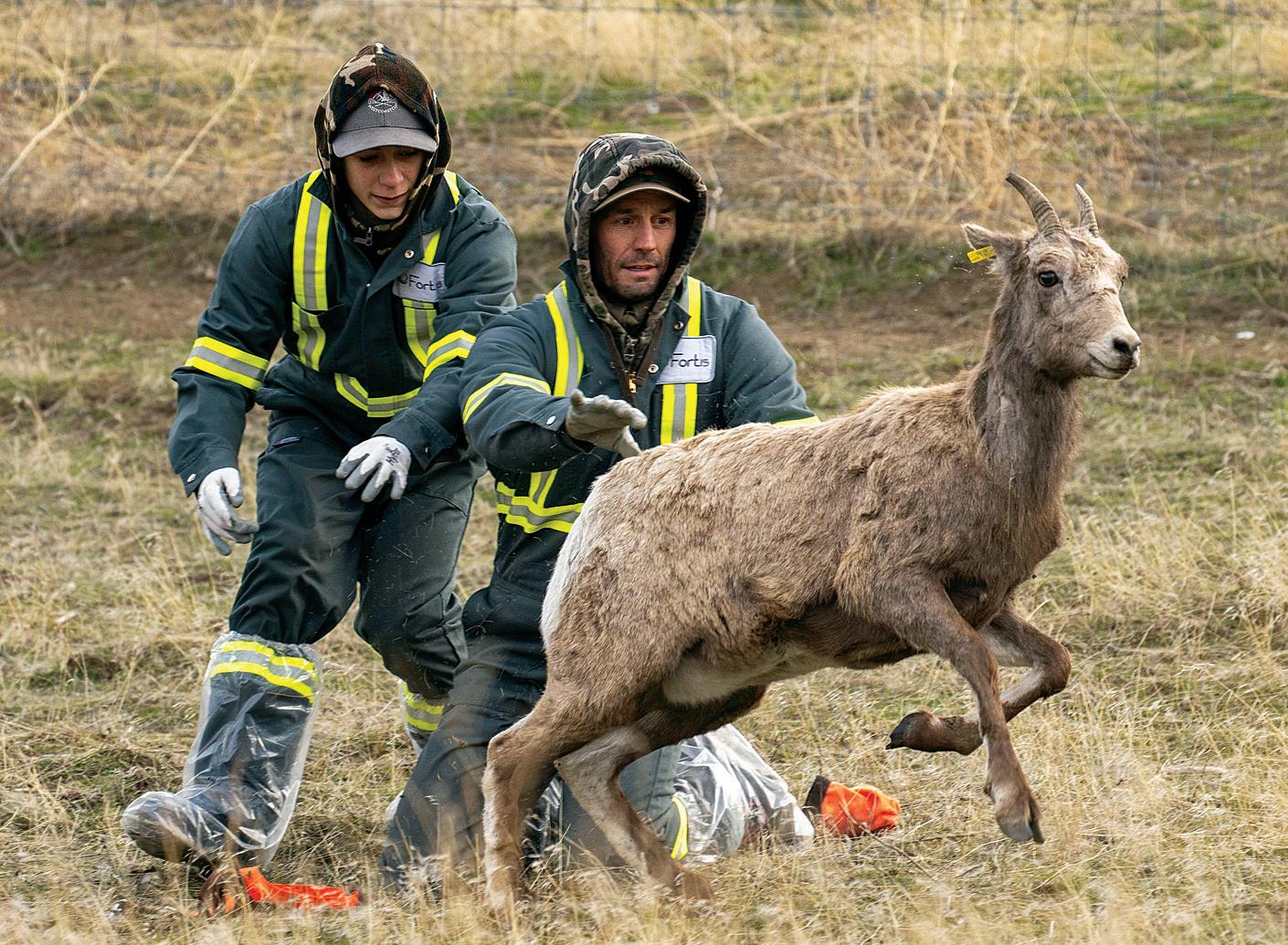
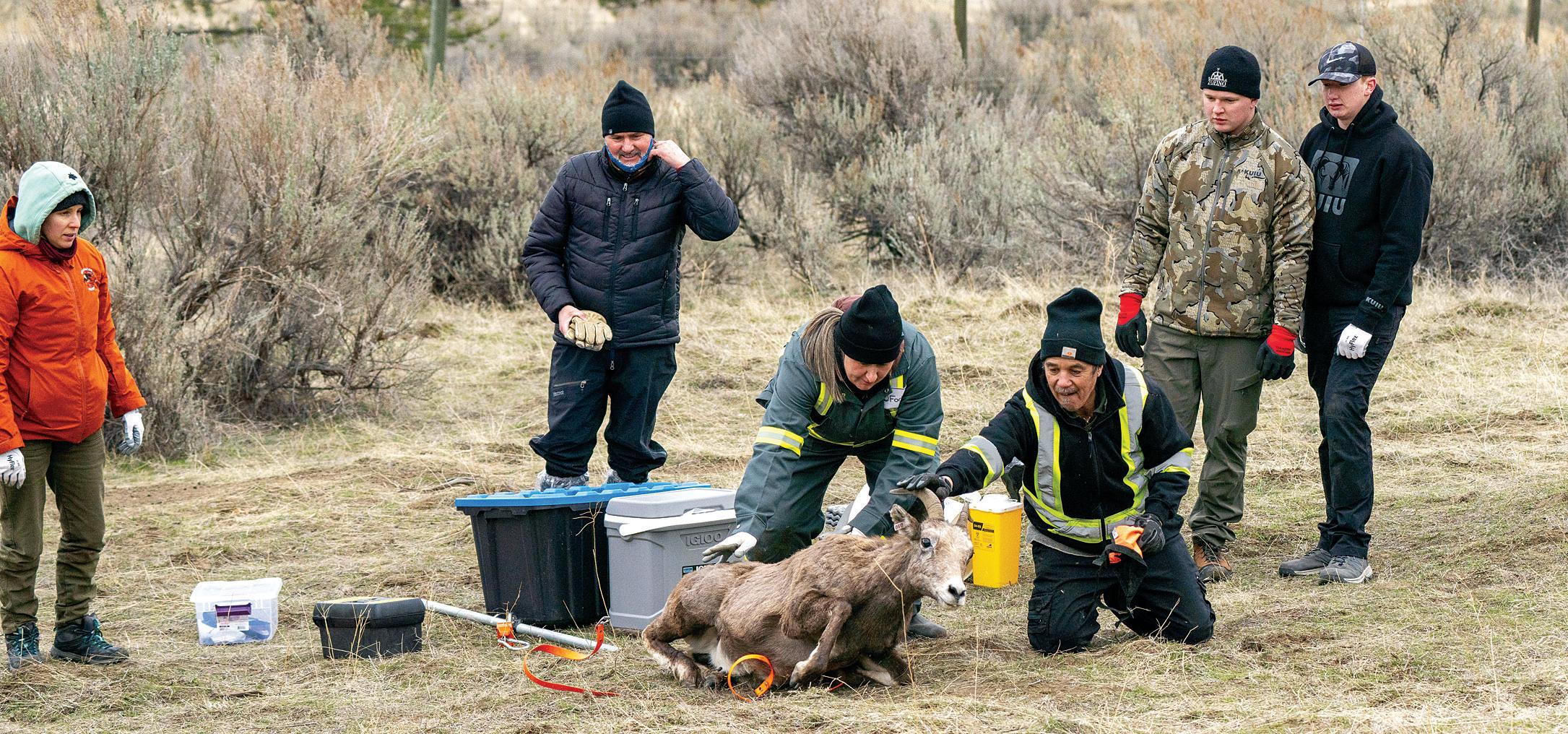
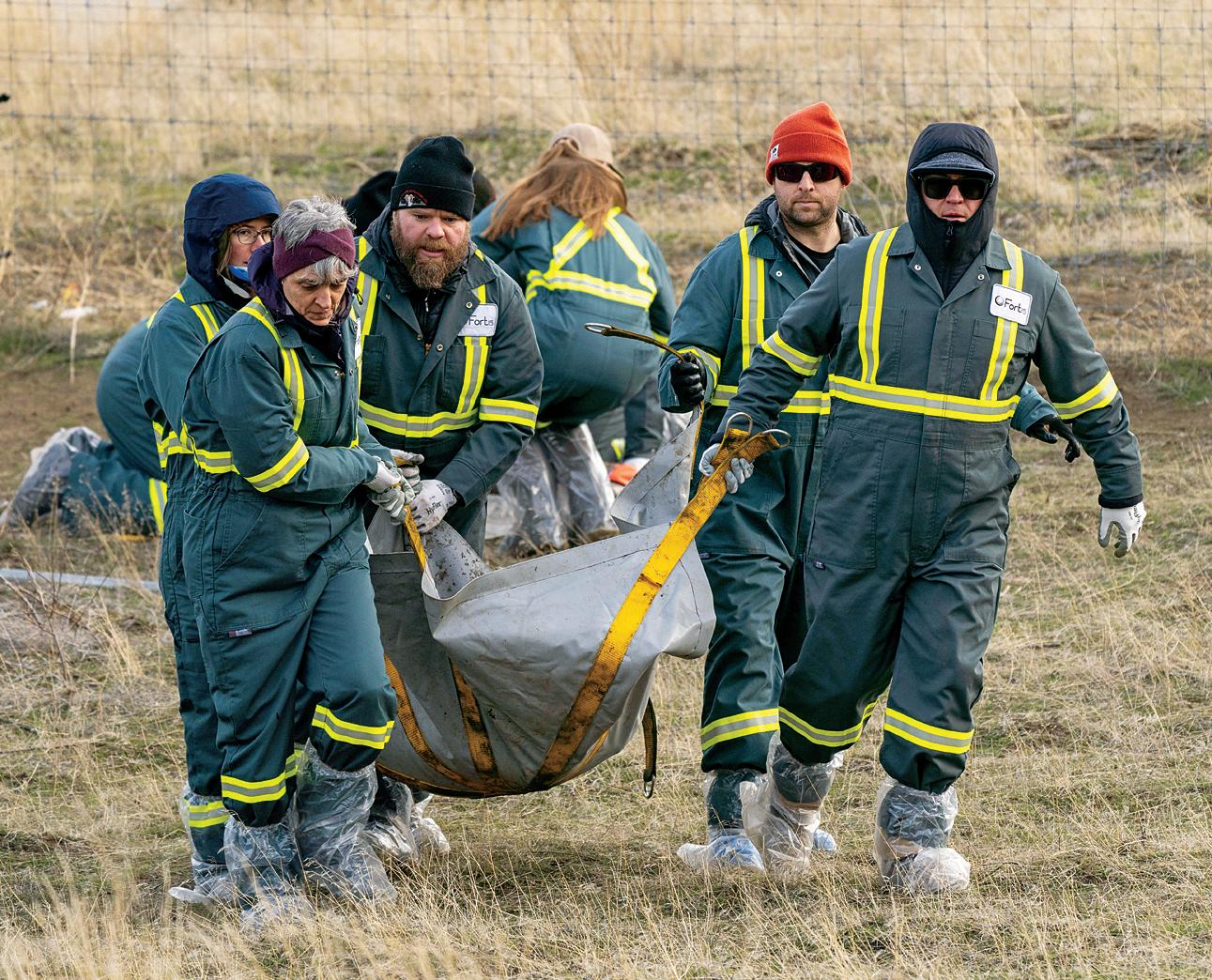
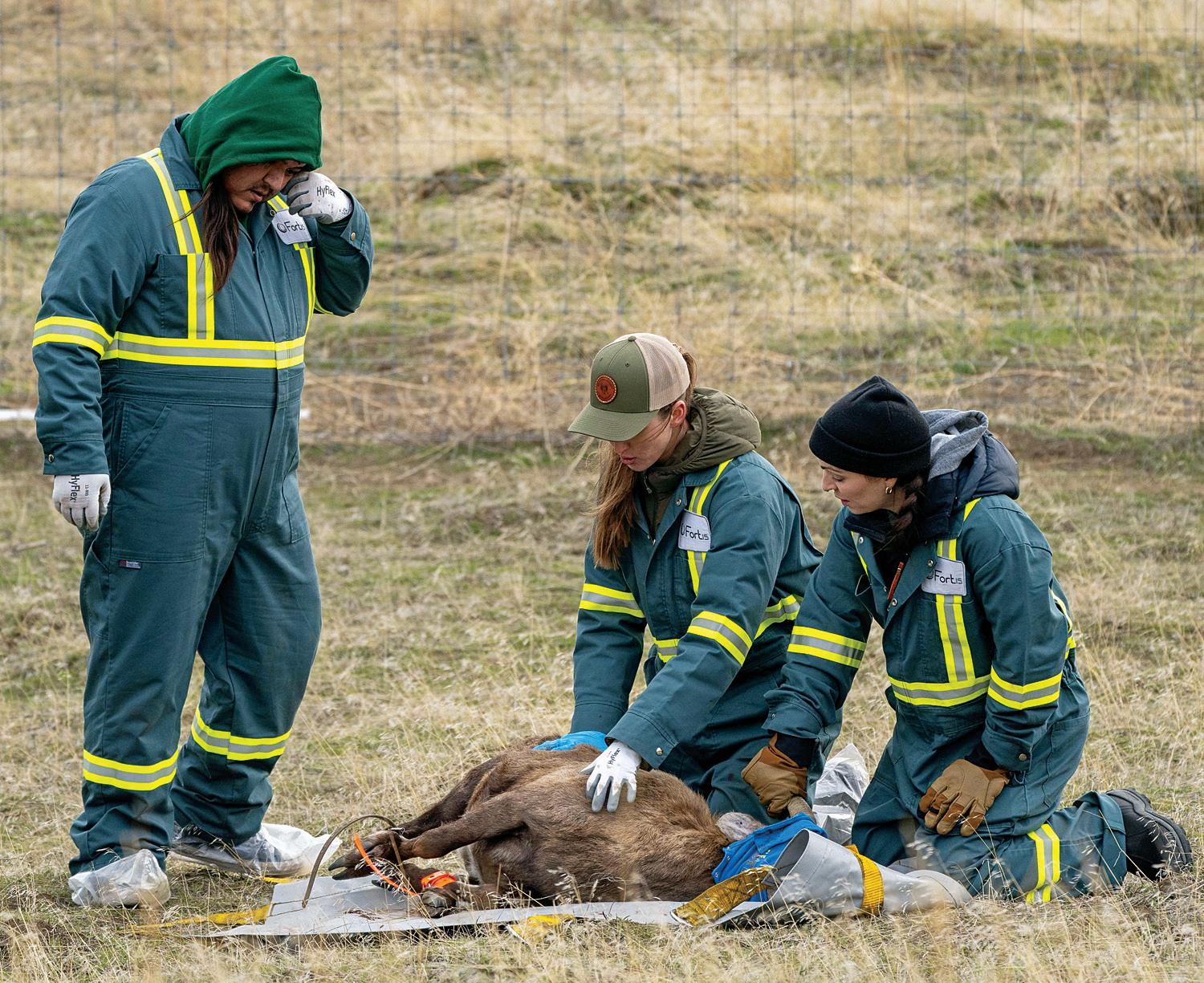
In between events, we quietly helped complete a successful transplant effort to Chasm, relocating 12 bighorn sheep—10 ewes and 2 rams—into the area. These are the projects that truly define our work. Every ticket purchased, every auction bid, and every volunteer hour ultimately contributes to efforts like this: putting sheep back on the mountain where they belong.
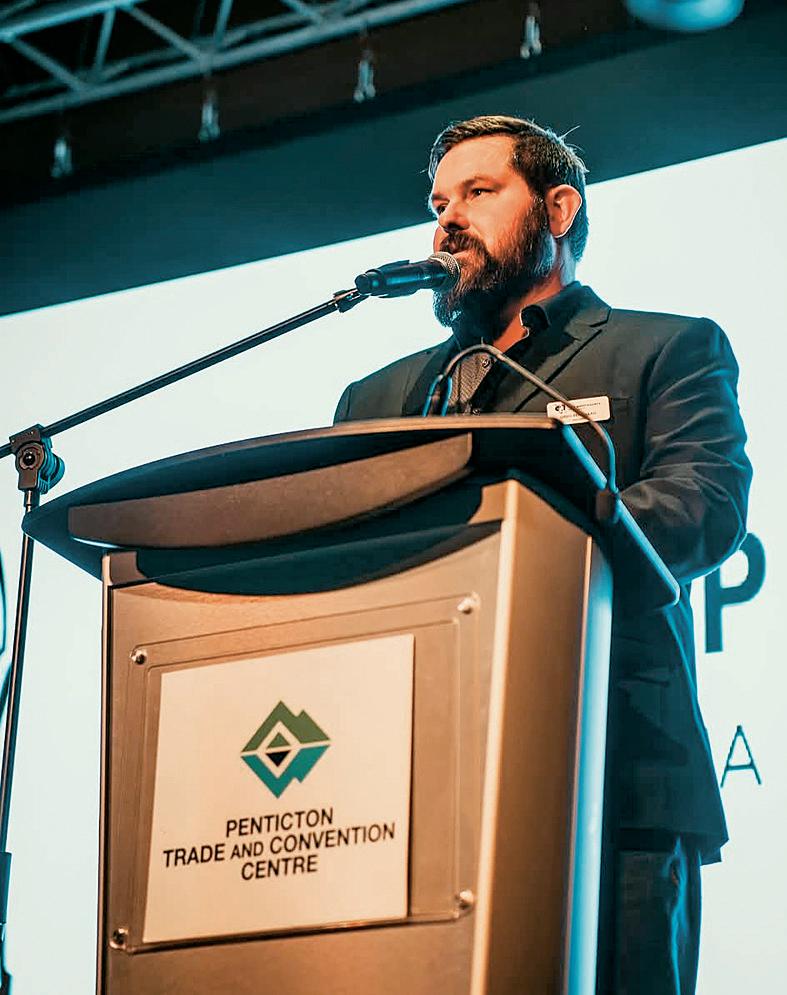
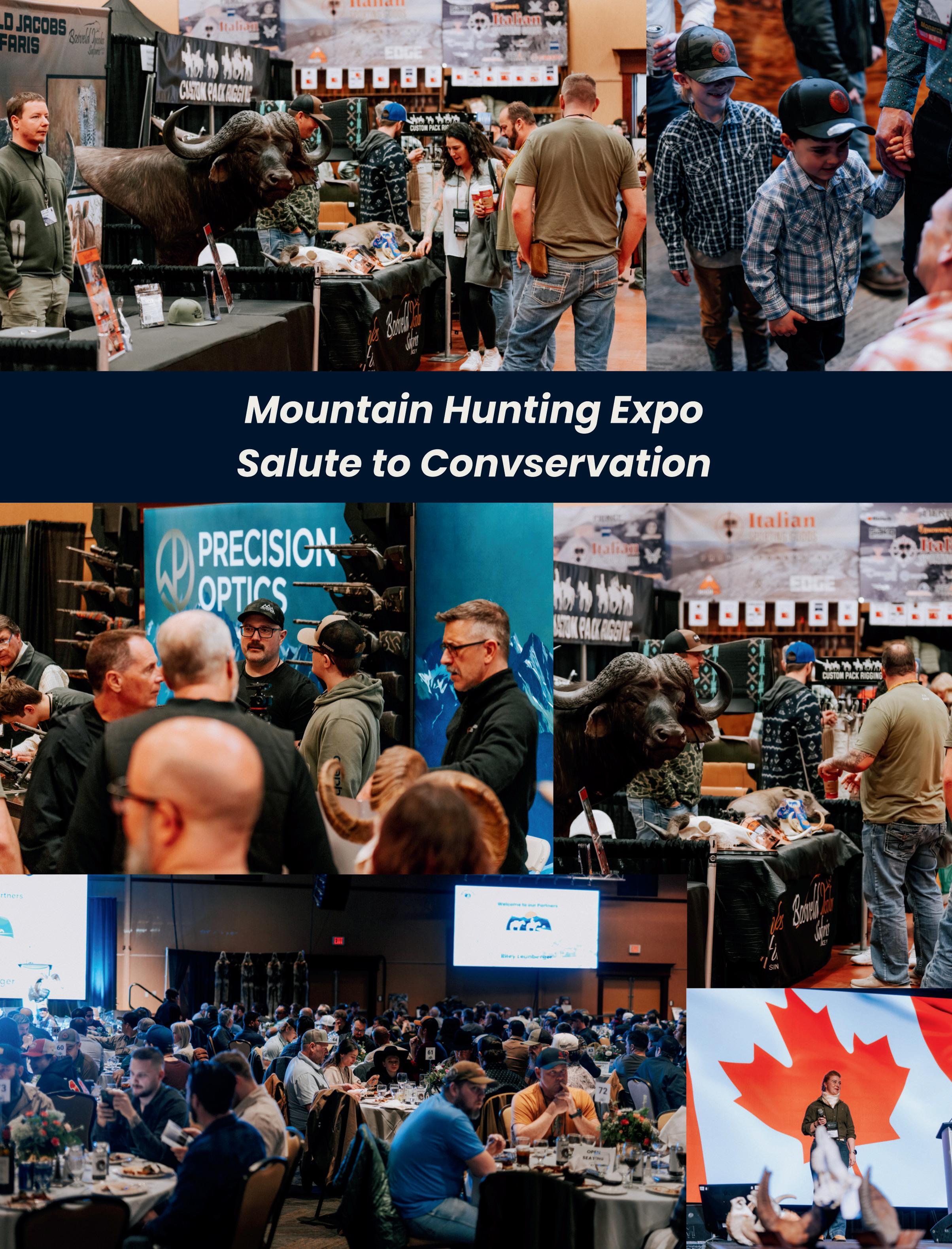
From there, the momentum carried us south to Penticton for the Salute to Conservation and Mountain Hunting Expo. This event continues to grow each year, bringing together the broader mountain hunting and conservation community. It’s a celebration not only of wild sheep, but of the people, partnerships, and shared values that make meaningful conservation work possible.
When the dust settled on last year’s fundraising efforts, the results were nothing short of remarkable.
Through the dedication of our volunteers, the generosity of our donors, and the strength of our partnerships, the Wild
Sheep Society of BC was able to put over $870,000 directly on the ground for conservation projects across the province. These funds support critical initiatives including habitat work, disease monitoring, transplants, research, and collaborative efforts with First Nations, government agencies, and conservation partners.
That number represents more than dollars. It represents people choosing to be part of something bigger than themselves.
Show season also provides an opportunity for reflection and renewal within our organization. At our Annual General Meeting in Penticton, we saw a transition on our Board of Directors.
I would like to extend a sincere thank you to Greg Nalleweg for his time and dedication while serving on the Board. Volunteers are the engine that drives organizations like ours, and Greg’s contributions have helped move wild sheep conservation forward in this province.
At the same time, I are excited to welcome Taylor Dutka as a new Director. Fresh perspectives and new energy are essential as we continue to grow, and we look forward to seeing the ideas and leadership Taylor will bring to the Wild Sheep Society of BC.
As the last banquet tables are packed away and the raffles drawn, there’s always a brief moment to catch our breath. But the work never really slows down. If anything, show season fuels the next chapter. Projects are already being planned, partnerships continue to strengthen, and new opportunities to expand our conservation impact are always on the horizon.
And before we look too far ahead, there is one thing that must be said.
Thank you.
To every volunteer who donates their time, every partner who stands beside us, every donor who gives, every hunter who believes in giving back, and every member and supporter who believes in the future of wild sheep in British Columbia, this work would not happen without you.
The Wild Sheep Society of BC is more than an organization.
We are a family.
Greg Rensmaag President of Wild Sheep Society of BC
ello everyone, I am Taylor Dutka, your newest director for the Wild Sheep Society of BC. My appreciation for the outdoors began at a young age. Some of my earliest memories are walking through the forest with my dad, quietly watching wildlife, and learning to respect the land surrounding our family farm just outside Dawson Creek, British Columbia. Those early experiences sparked a curiosity that grew into a lifelong passion for wildlife, conservation, and the outdoor lifestyle that continues to shape who I am today.
My mom also played a huge role in shaping my connection to the outdoors. Through horseback riding and travelling together across Canada and other parts of North America, she instilled in me a sense of adventure and a deep appreciation for the landscapes we explored. Ironically, seeing so many incredible places only strengthened my appreciation for the place I love most—my home in northern British Columbia.
Growing up on a farm instilled in me the values of hard work, patience, and stewardship. My parents taught me the importance of respectfully living off the land—whether it meant growing our own food, harvesting wild game, or paying attention to the natural world around us. Those quiet moments observing wildlife taught me patience and sparked my fascination with animal behaviour. As I got older, my connection to the outdoors deepened through hunting and archery. My dad and I spent years travelling across the country competing in archery events, from local shoots to national events. Those experiences were about far more than results; they were opportunities to spend meaningful time together. One highlight was winning a national title in Nova Scotia—an experience I will always be grateful to have shared with him.
I recently graduated from the University of Northern British Columbia with a Bachelor of Science in Wildlife and Fisheries. During my studies I gained field experience assisting with aerial moose surveys and projects monitoring caribou populations. I now work as a Wildlife Biologist for an environmental consulting company in Fort St. John, where I am fortunate to combine my career with the landscapes and the wildlife that inspired me growing up.
After volunteering at Wild Sheep Society of BC fundraising events, I was immediately drawn to the organization’s strong sense of community and commitment to conserving wild sheep and their habitat. That experience motivated me to run for a position on the board of directors, where I look forward to contributing my knowledge, dedication, and passion for conservation.
Spring 2026 Update
by Peter Gutsche (WSSBC Director)
he morning begins quietly in the sheep pens outside Penticton. Frost clings to the metal panels, breath hangs in the cold air, and a small group of volunteers, biologists, and veterinarians move calmly into position. Within minutes, the stillness gives way to the familiar rhythm of a sheep handling—gates swinging, voices coordinating, and hands working carefully to move each animal through the chute.
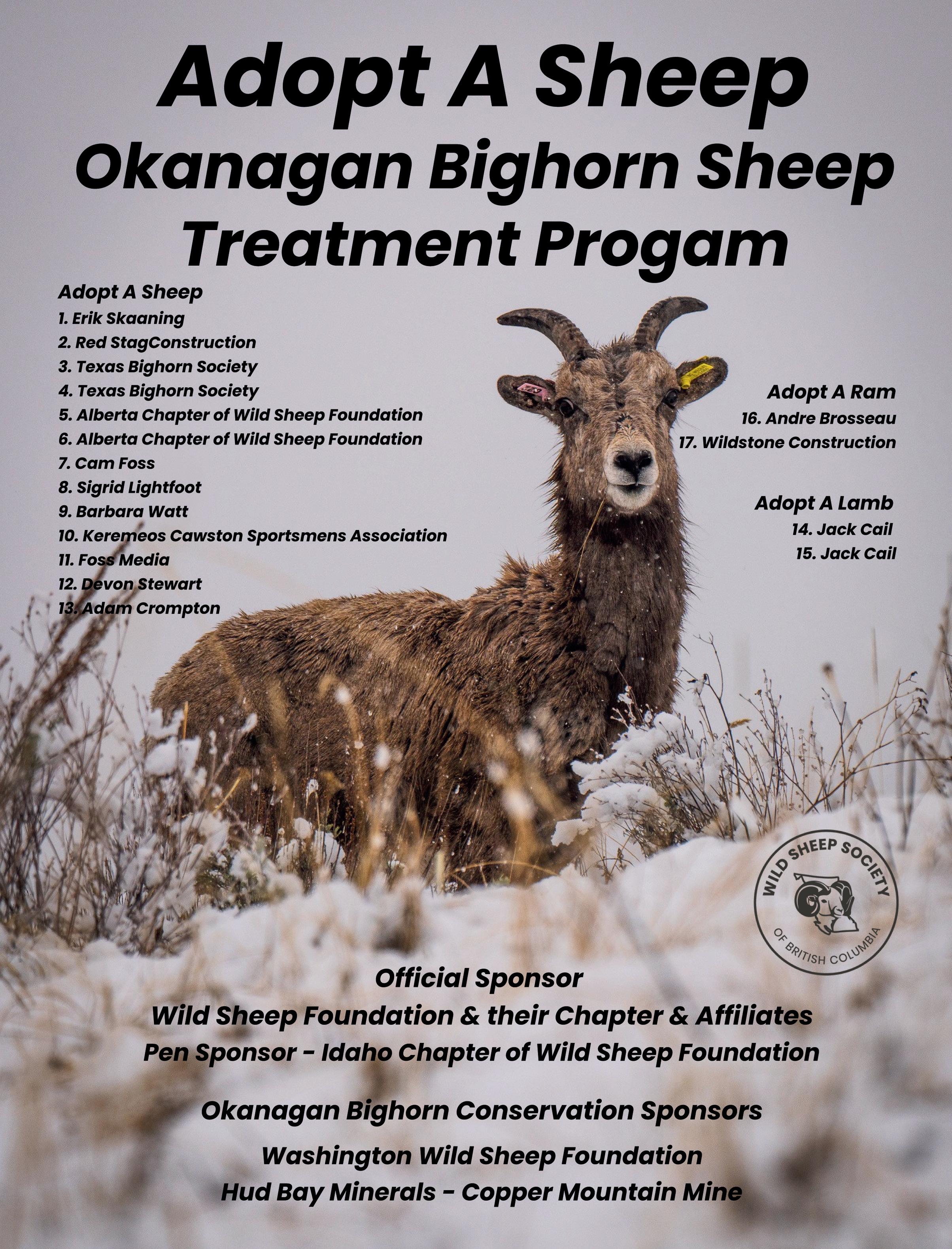
For the team behind the Okanagan Bighorn Psoroptes Treatment Project, these moments have become the heartbeat of a conservation effort that has now reached an important milestone: the one-year anniversary of the project.
Led in partnership by the Wild Sheep Society of British Columbia and the Okanagan Nation Alliance, the project represents one of the most ambitious wildlife health trials ever undertaken for bighorn sheep in North
America. The goal is both urgent and long overdue—to develop a treatment strategy capable of eliminating Psoroptic mange, a parasitic infestation that has affected Okanagan bighorn sheep for more than twenty-five years and contributed to significant declines in several herds.
The work began in early 2025 when sheep were carefully captured and placed into the Penticton holding facility. After months of preparation and monitoring, the project reached
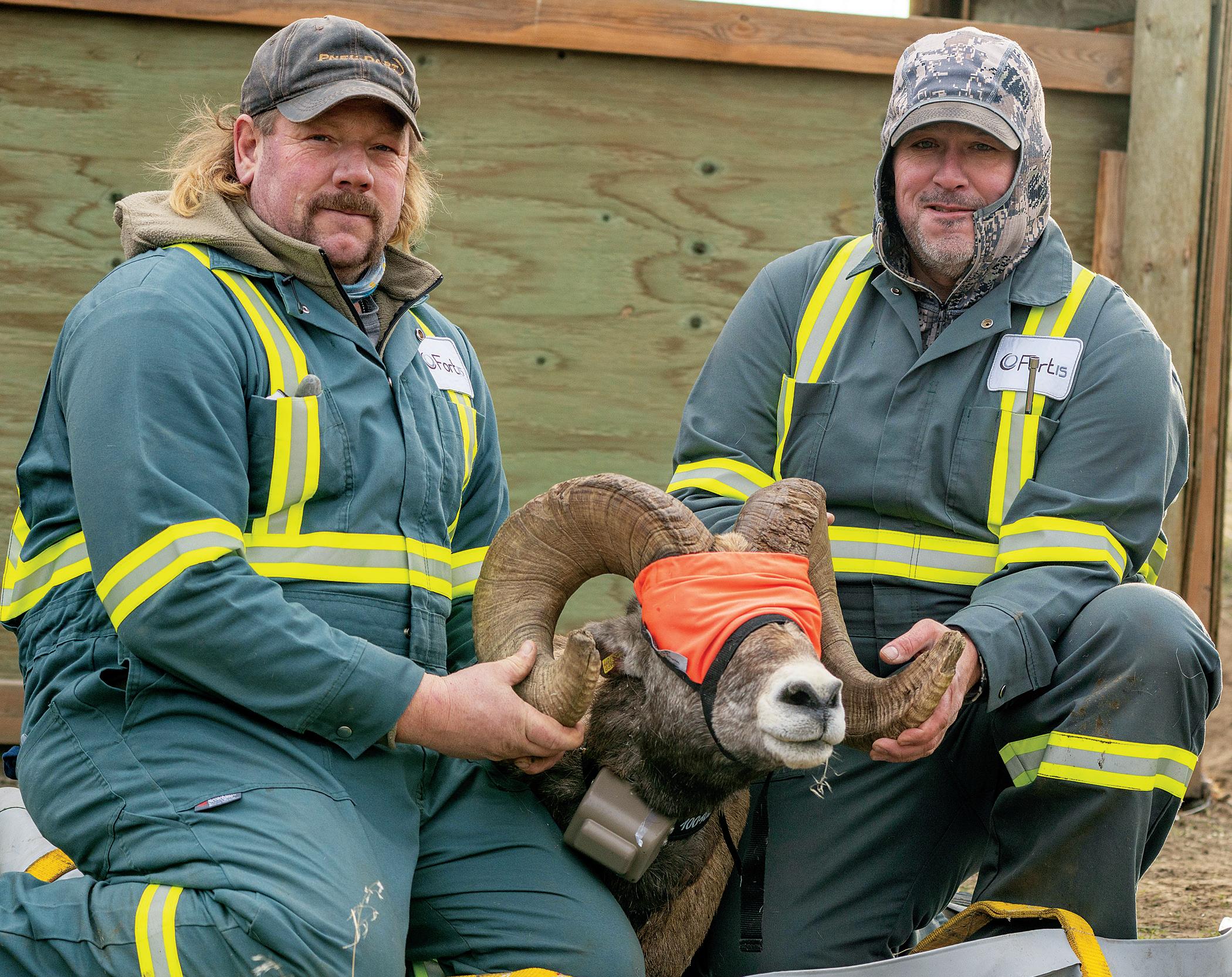
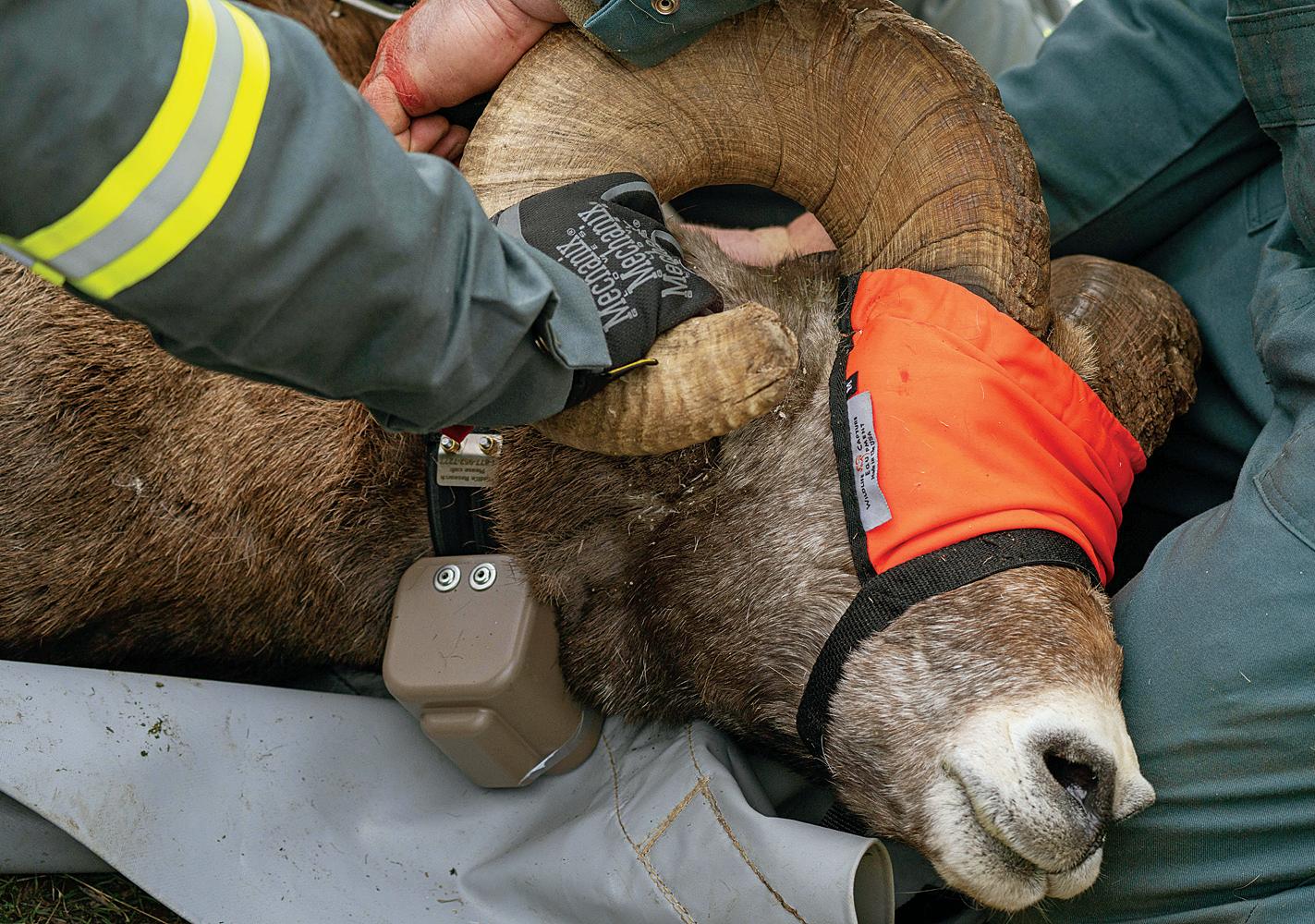
a major turning point in late November when the team conducted the first full round of treatments on the captive herd. More than thirty dedicated individuals worked through challenging winter conditions over two days to safely handle the sheep and administer the study medications. WSSBC volunteers worked shoulderto-shoulder with ONA biologists, veterinarians, Indigenous knowledge holders, and staff from BC Wildlife and Land Resource Stewardship—an extraordinary example of collaborative conservation in action.
The study is designed to test several treatment approaches side-by-side. One group of sheep received Fluralaner (Flexolt), an oral antiparasitic that showed strong promise during earlier research trials. Another group received Cydectin LA, a long-acting formulation of moxidectin designed to
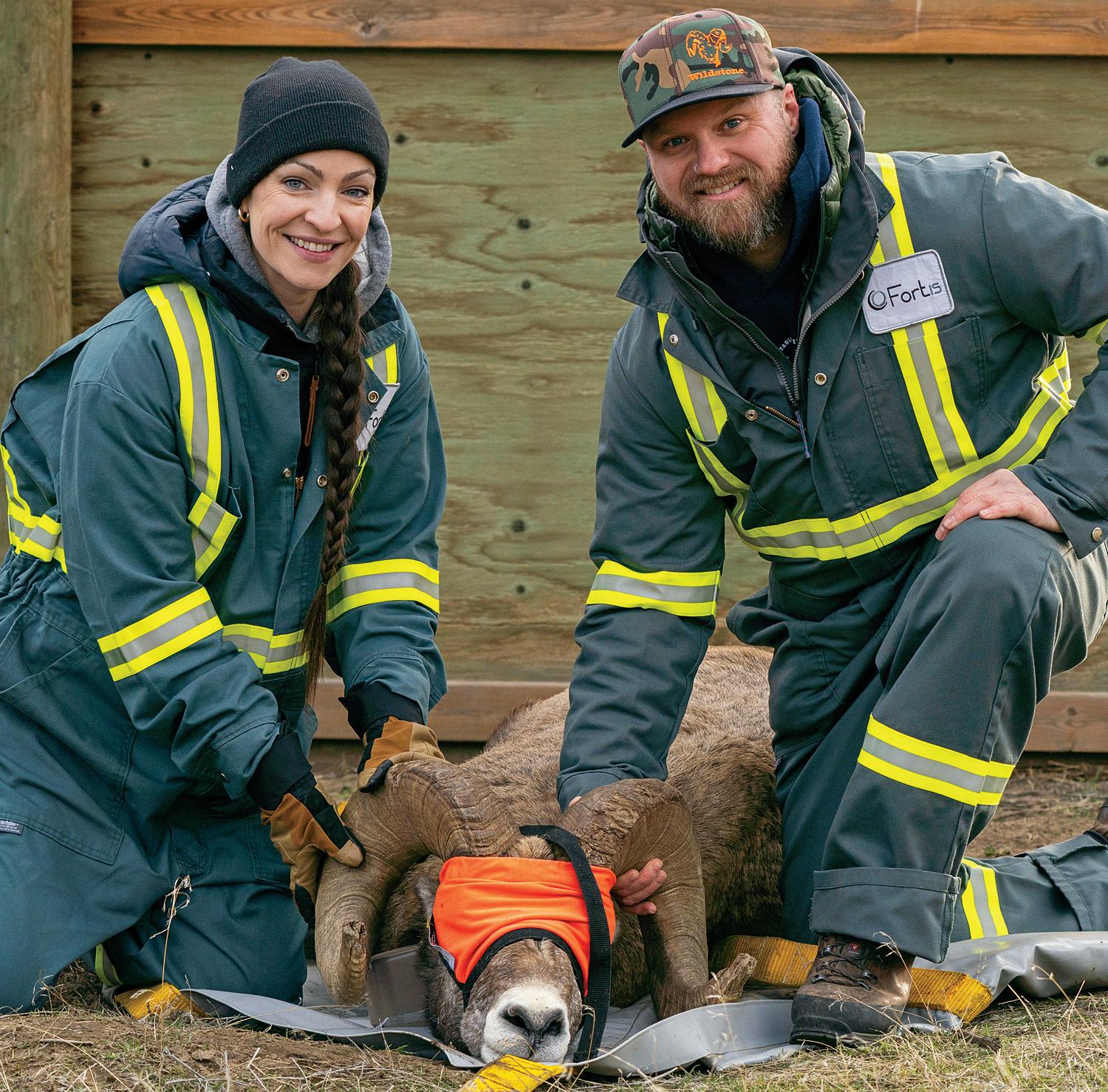
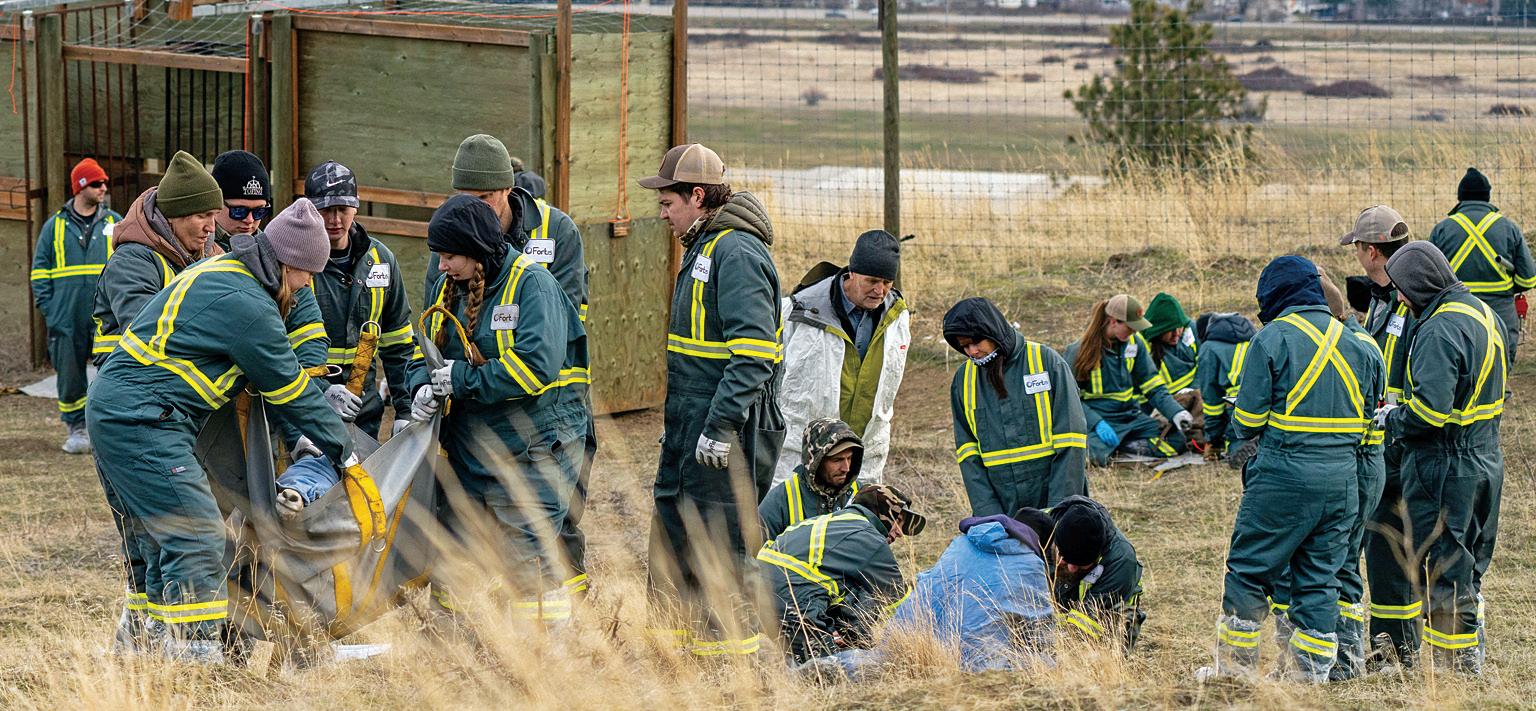
provide extended protection against parasites. A third group received a combination of both medications, pairing the rapid mite-clearing ability of Fluralaner with the longer protective window offered by Cydectin LA. A fourth pen of sheep remains intentionally untreated, allowing researchers to measure natural reinfection timelines and determine how long the medications continue to provide protection. Since those initial treatments, the project has entered the critical monitoring phase. Throughout the winter months, the team has continued monthly sheep handlings to closely track how the animals are responding. During these sessions, veterinarians and biologists evaluate healing in the ear canals and skin lesions caused by the mites, monitor body condition and weight, and collect additional samples to better understand how each treatment is performing over
time. Early observations have been encouraging, with many sheep showing clear signs of improvement following the November treatments. While much of the work happens quietly inside the pens, the project also reached an important moment this winter when supporters were invited to see the progress firsthand. During February’s Salute to Conservation Convention, Adopt-aSheep sponsors were welcomed to tour the facility and learn directly from project partners about the work underway. For many guests, it was the first opportunity to stand just a few yards from the sheep they are helping to protect—a powerful reminder that this project exists because of the dedication of WSSBC members and conservation partners.
As the project moves into its second year, the next phase of research will focus on one of the most important remaining questions: how long the
treatments last. In the coming months, the untreated control herd will be introduced into pens with treated sheep. This step will allow researchers to observe whether reinfection occurs and determine how long each medication continues to provide protection under natural exposure conditions.
Spring will also bring another important milestone—lambing season. Beginning in April and continuing through May, the ewes in the study are expected to give birth. Lambing will provide valuable insights into how treated ewes and their offspring fare within the study environment, while also marking another hopeful step toward rebuilding healthy sheep
populations in the region.
Psoroptic mange has been one of the most significant wildlife health challenges facing Okanagan bighorn sheep in recent decades. The work taking place in Penticton represents the most comprehensive attempt yet to remove this parasite from a wild population. If successful, the lessons learned here could transform how wildlife managers respond to mange outbreaks in sheep populations across North America.
None of this work would be possible without the continued support of the conservation community. The partnership between the Wild Sheep Society of BC and the Okanagan
Nation Alliance has created a powerful model for collaborative conservation rooted in both science and stewardship. Supported by provincial wildlife staff, veterinarians, volunteers, and generous donors, the project continues to move forward one careful step at a time.
And on those cold mornings in the sheep pens, as another animal moves calmly through the chute and another data point is recorded, the path forward becomes clearer. With each month of progress—and with the arrival of new lambs this spring—the team moves closer to the ultimate goal: a healthy future for the Okanagan’s wild bighorn sheep.
by Larisa Murdoch
unters and wildlife managers alike understand a fundamental truth of conservation: effective management begins with reliable information. Decisions about harvest quotas, habitat restoration, and species recovery all depend on knowing how many animals occupy a landscape and how those populations change over time.
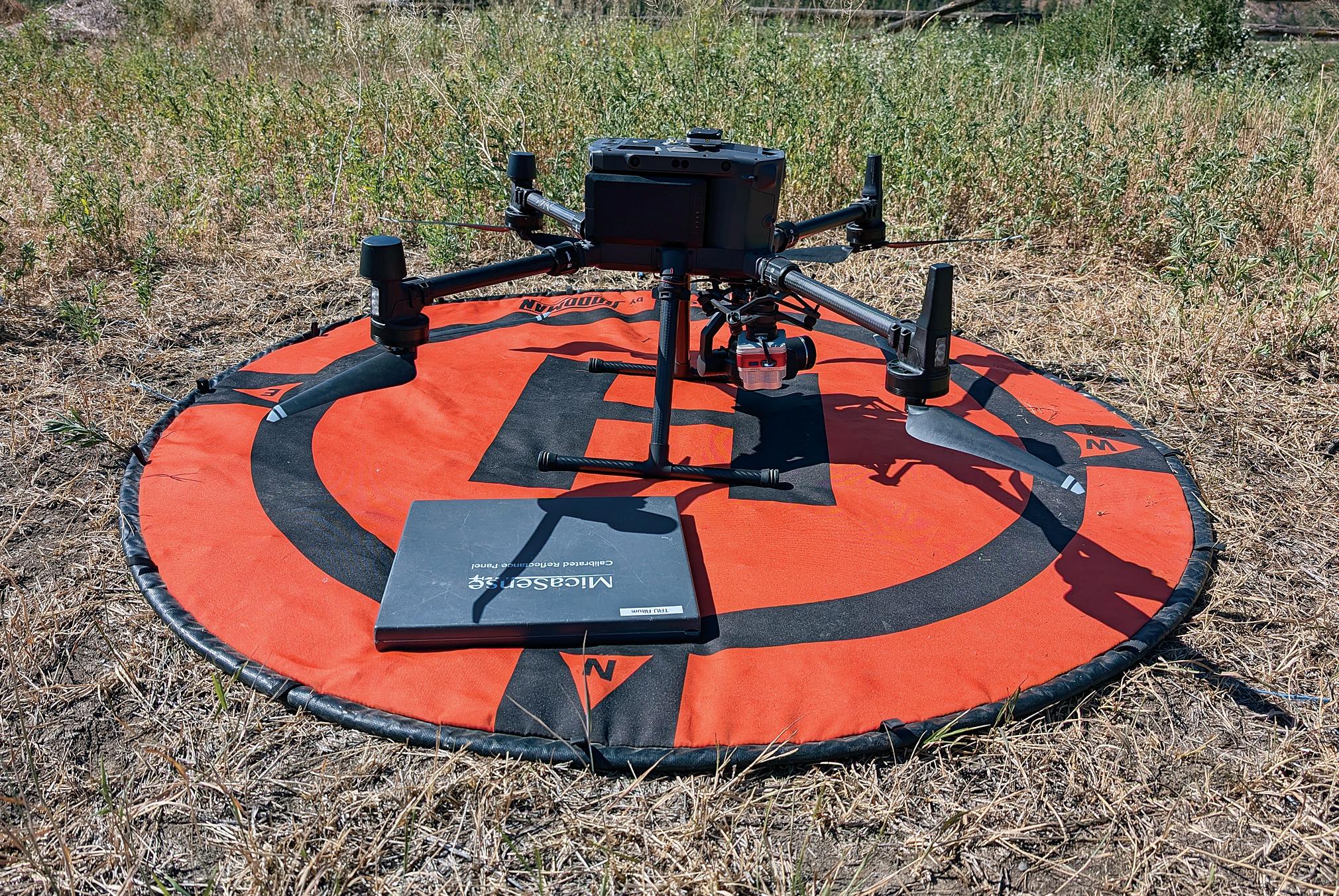
In recent years, one of the most transformative tools helping biologists gather that information has been a drone. Across Canada, unmanned aerial vehicles are reshaping how wildlife populations are monitored, how habitat conditions are assessed, and how conservation decisions are informed. When used responsibly, drones provide researchers with a safer, more efficient, and often less invasive way to study wildlife in environments that have traditionally been difficult or costly to survey.
Wildlife surveys have long relied on helicopters, fixed-wing aircraft, and ground-based transects. While these methods remain valuable, they
are expensive, heavily influenced by weather conditions, and sometimes pose risks to both researchers and wildlife. Low-altitude helicopter surveys, for example, require significant logistical coordination and fuel costs, and repeated flights can temporarily disturb animals or displace them from preferred habitat. Drones offer a practical alternative that bridges the gap between aerial and ground surveys. Small aircraft equipped with high-resolution cameras can access rugged alpine slopes, river valleys, wetlands, and grasslands with relative ease, collecting detailed imagery at a fraction of the cost of crewed flights. Conservation organizations such as the World Wildlife Fund (WWF) and professional groups like The Wildlife Society (TWS) have highlighted how drone technology improves operational efficiency by reducing fuel consumption, limiting human exposure to hazardous terrain, and allowing surveys to be conducted more frequently throughout the year. More frequent monitoring produces stronger datasets, enabling wildlife managers to detect gradual population
changes that might otherwise go unnoticed until declines become severe. In this way, drones are not replacing traditional surveys but expanding the scale and consistency at which monitoring can occur.
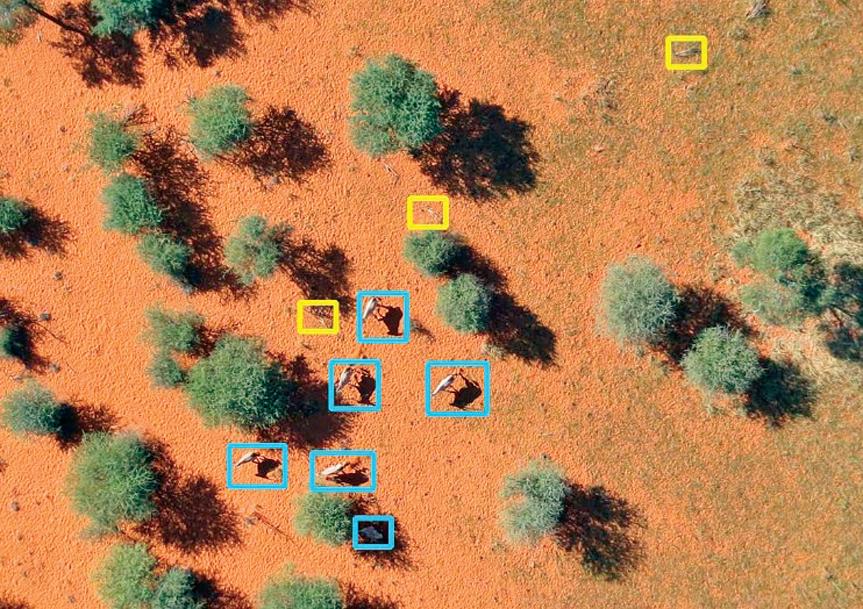
Among the most immediate applications of drones is wildlife population monitoring. High-resolution aerial imagery allows researchers to observe animals across large areas while minimizing direct disturbance. From above, biologists can document ungulates moving across open landscapes, monitor calving or lambing areas without entering sensitive habitat, and survey colonial bird nesting sites or waterfowl concentrations.
Research published in The Condor, a journal of the American Ornithological Society, demonstrated that drone imagery could accurately count nesting seabirds such as terns and gulls while reducing disturbance compared with traditional ground surveys. Although these studies focused on birds, the same analytical approaches are now being adapted for terrestrial mammals.
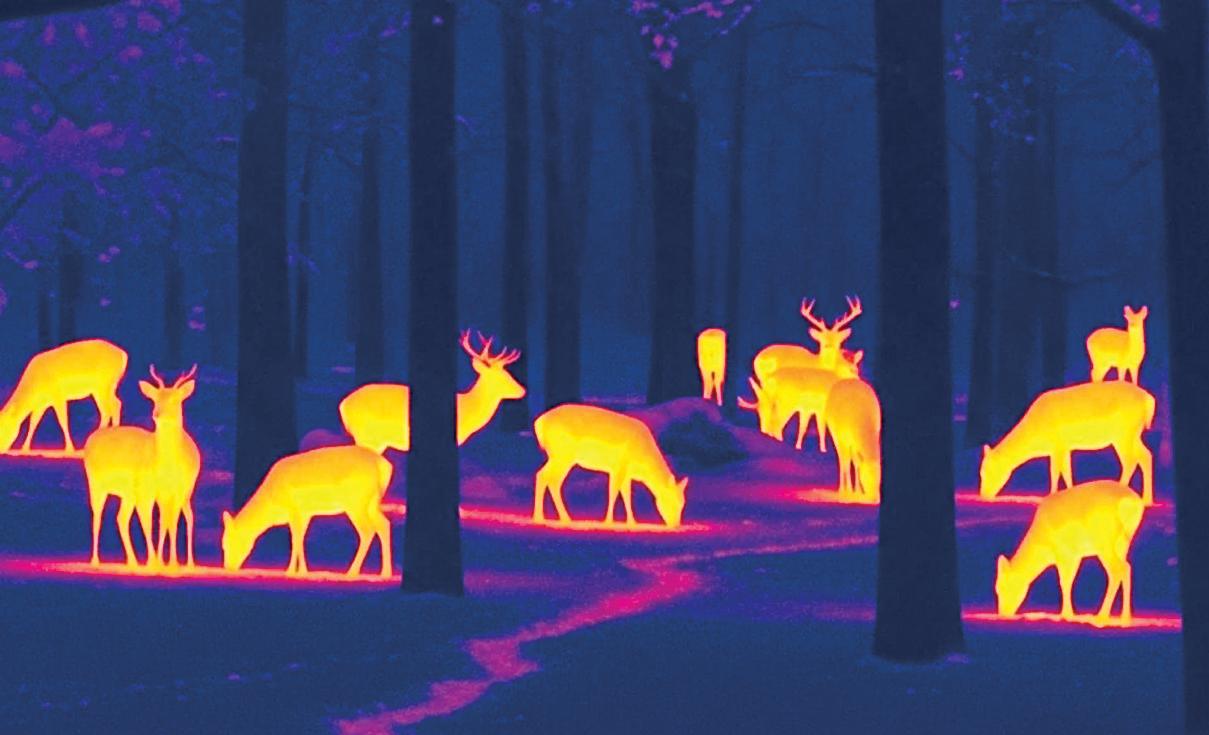
Recent scientific work examining species such as roe deer and caribou has shown promise when drones are equipped with thermal cameras. Unlike standard imagery, thermal sensors detect differences in heat signatures, allowing animals to stand out against vegetation even under low-light conditions or partial cover. Studies published in journals including Scientific Reports have demonstrated that drone-based thermal surveys, particularly when combined with automated image analysis, can achieve detection rates comparable to or exceeding those of human observers conducting conventional aerial counts. Improved detection accuracy strengthens population estimates, which in turn supports more informed management decisions.
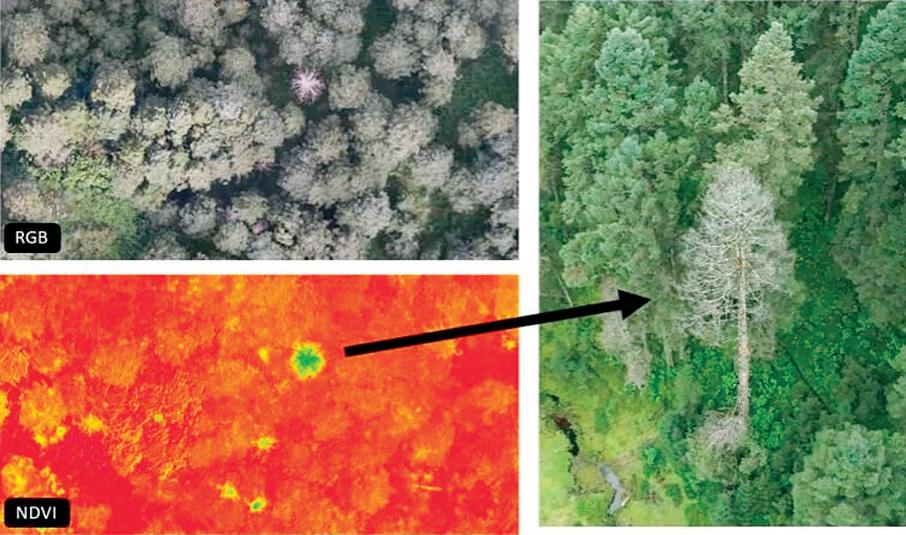
Beyond counting animals, drones provide an unprecedented view of the habitats those animals depend on. Equipped with multispectral sensors, drones can measure vegetation productivity, identify invasive plant species, assess wildfire recovery, and track seasonal changes in water availability at extremely fine spatial scales.
Agencies such as Parks Canada increasingly incorporate drone-based mapping into ecological monitoring programs, using repeated flights to document environmental change over time. These detailed habitat datasets help identify critical winter range, reveal migration corridors, and guide restoration projects toward areas where conservation investments are most likely to succeed.
Because habitat quality ultimately governs wildlife population health, improved landscape monitoring provides managers with early indicators of ecological change, allowing proactive rather than reactive conservation decisions.
Drones are also expanding opportunities to study animal behaviour while minimizing researcher presence on the ground. Traditional observation methods often require approaching animals closely, which can unintentionally influence behaviour and bias results. Aerial observation allows researchers to maintain distance while still capturing detailed information about herd structure, spacing, movement patterns, and interactions between predators and prey.
Research highlighted by the National Oceanic and Atmospheric Administration has shown that drones flown at appropriate altitudes can produce less disturbance to marine mammals than boats approaching from the water. Similar principles are increasingly applied in terrestrial studies, where careful flight planning reduces the likelihood of stress responses.
However, scientific studies also emphasize that drones are not inherently non-invasive. Flights conducted at low
Drone wildlife ID
Thermal drone image
Tree drone image
altitudes or with repeated passes can disturb animals, particularly during energetically sensitive periods such as winter or reproduction. Responsible operation therefore remains central to ethical wildlife research.
In Canada, drones are legally classified as aircraft, meaning their use is regulated under federal aviation law. Regulations established by Transport Canada through the Canadian Aviation Regulations (Part IX) require most drones weighing more than 250 grams to be registered and operated by certified pilots. Operators must maintain visual line of sight, typically remain below 122 metres (400 feet) in altitude, and obtain authorization before flying near airports or within controlled airspace.
Additional protections apply in conservation areas. All Parks Canada national parks prohibit recreational drone takeoffs and landings without special authorization, and violations may result in substantial fines. Scientific users must obtain permits demonstrating that flights will not negatively affect wildlife or visitor experience.
Even outside protected areas, federal and provincial wildlife legislation prohibits disturbing animals, including harassment during nesting, calving, or winter stress periods. These regulations reinforce a broader ethical principle shared across conservation disciplines: technology must be used in ways that prioritize animal welfare and ecological integrity.
Despite their growing role, drones are not a universal solution. Limited battery life restricts flight duration, strong winds can ground operations in mountainous regions, and dense forest canopy often obscures animals from aerial view. Equally important, the large volumes of imagery collected during surveys require substantial processing time and analytical expertise.
Organizations such as WWF emphasize that drones complement rather than replace field biologists. Ecological understanding, local knowledge, and careful interpretation remain essential components of wildlife science. Technology enhances observation but does not substitute for expertise.
The next phase of drone-based conservation is being driven by advances in artificial intelligence. Researchers are developing automated systems capable of detecting animals within imagery, repeating standardized survey routes, integrating aerial observations with GPS collar data, and monitoring habitat change across long time scales.
Machine-learning algorithms can now process thousands of images in hours, dramatically reducing analysis time and allowing wildlife managers to respond more quickly to emerging
Sources & References
trends. As these technologies mature, drones are likely to become integrated components of long-term monitoring programs rather than experimental tools.
Drones are ultimately changing conservation not because they replace existing methods, but because they expand what researchers can see. By improving the accuracy of wildlife counts, refining habitat monitoring, and enabling less intrusive behavioural studies, aerial technology provides a clearer understanding of ecosystems in motion.
In doing so, drones strengthen the scientific foundation upon which wildlife management decisions are made, offering conservationists a powerful new perspective, one that allows them to see the landscape from above.
1. World Wildlife Fund: Conservation technology and UAV monitoring initiatives
2. The Wildlife Society
3. American Ornithological Society
4. National Oceanic and Atmospheric Administration
5. Transport Canada Canadian Aviation Regulations (Part IX)
6. Parks Canada
Larisa Murdoch grew up in Ottawa, Ontario before moving west to complete her Bachelor of Science at the University of Victoria. She completed an undergraduate project studying the denning behaviour of African Wild Dogs in Zululand, South Africa, which sparked her interest in research. She is currently a student at Thompsons River University in Kamloops working on her Master of Environmental Science, where she is partnered with WSSBC, the Ministry of Water Land and Resource Stewardship, Tk’emlups, and Skeetchestn’ Indian Band investigating bighorn habitat selection with lambs. When Larisa is not focused on her thesis, she enjoys outside exploring new places, snowboarding, reading, and volunteering with the WSSBC!
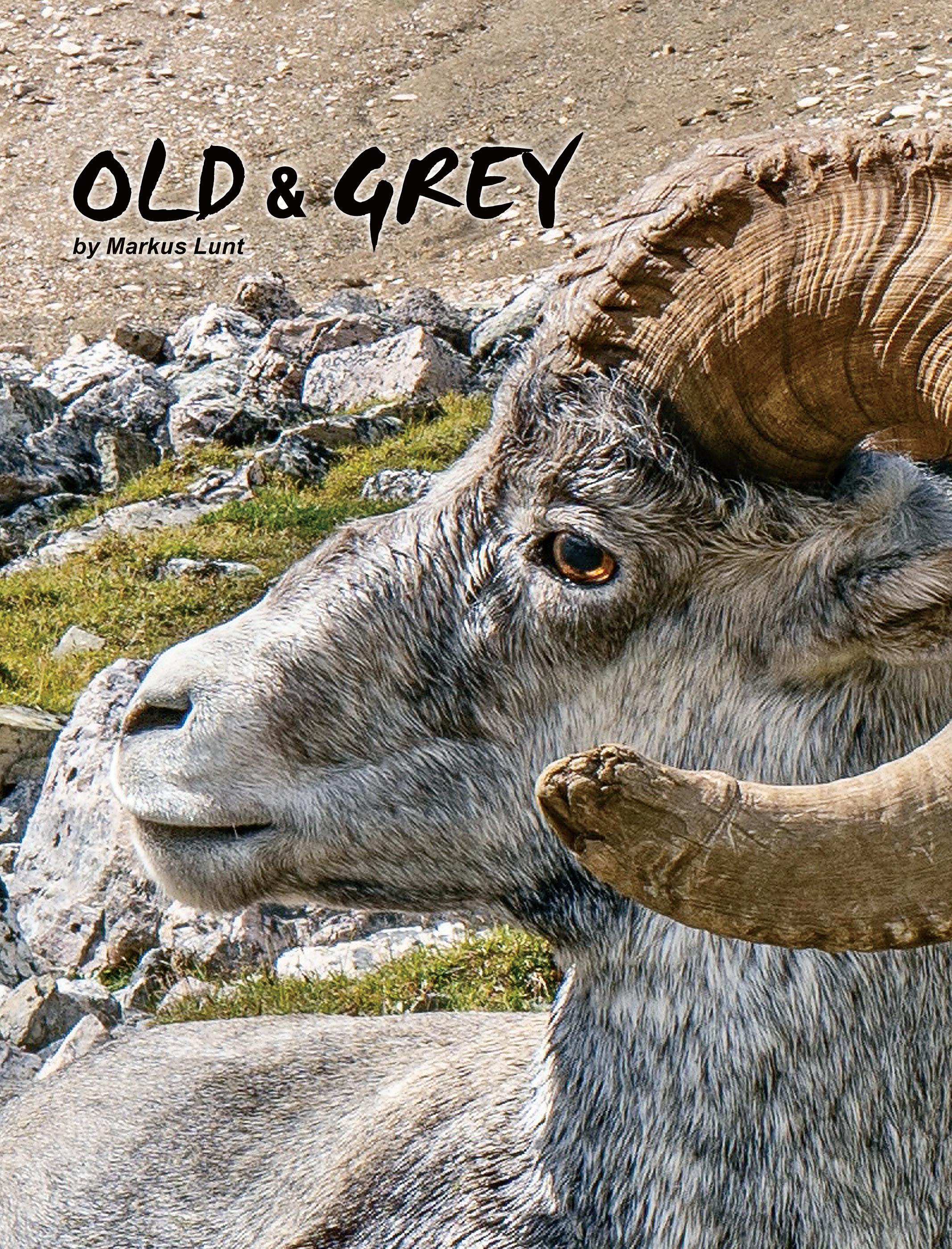
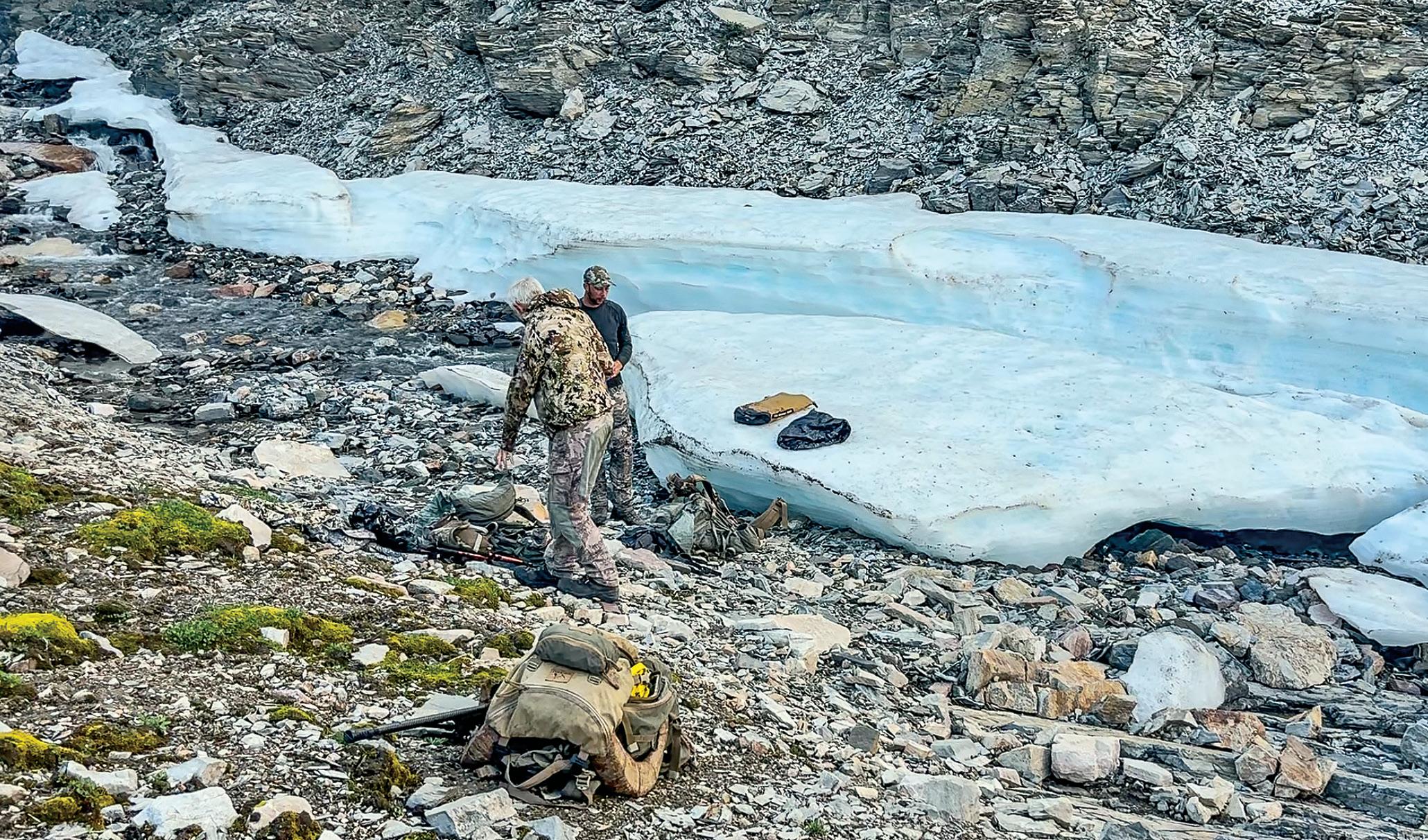
his year my dad, with some reluctance, agreed to head back to the sheep mountains to try and get himself another ram. This would be his 6th sheep hunt in a row since 2020 and at age 63 he was finally showing some signs of doubt in his capability.
The biggest reason being our last hunt in 2024, although resulting in me getting another ram, ended with my sister breaking her ankle during our hike out. She stumbled while crossing a slide area, dislodging a very large rock which tumbled down onto her. She got mostly out of the way, but her ankle got crushed between the tumbling rock and another. After getting her out from under the rock and in a stable position we assessed the injury and debated pressing the SOS button. At this point we did not know if it was broken and her account of what happened was hazy.
We spent a long time assessing her pain and movement. Eventually we got her up and she could put weight on it without much pain and could bend forward and back, however side to side was causing her a fair bit of pain. We kept her boot on and she hobbled her way a hundred yards to the creek to put it in the cold water while we designed a brace. I took a couple leg sections from my tripod to use as splints on either side of her ankle and my dad had a tenser bandage we used to wrap and leukotape to secure it.
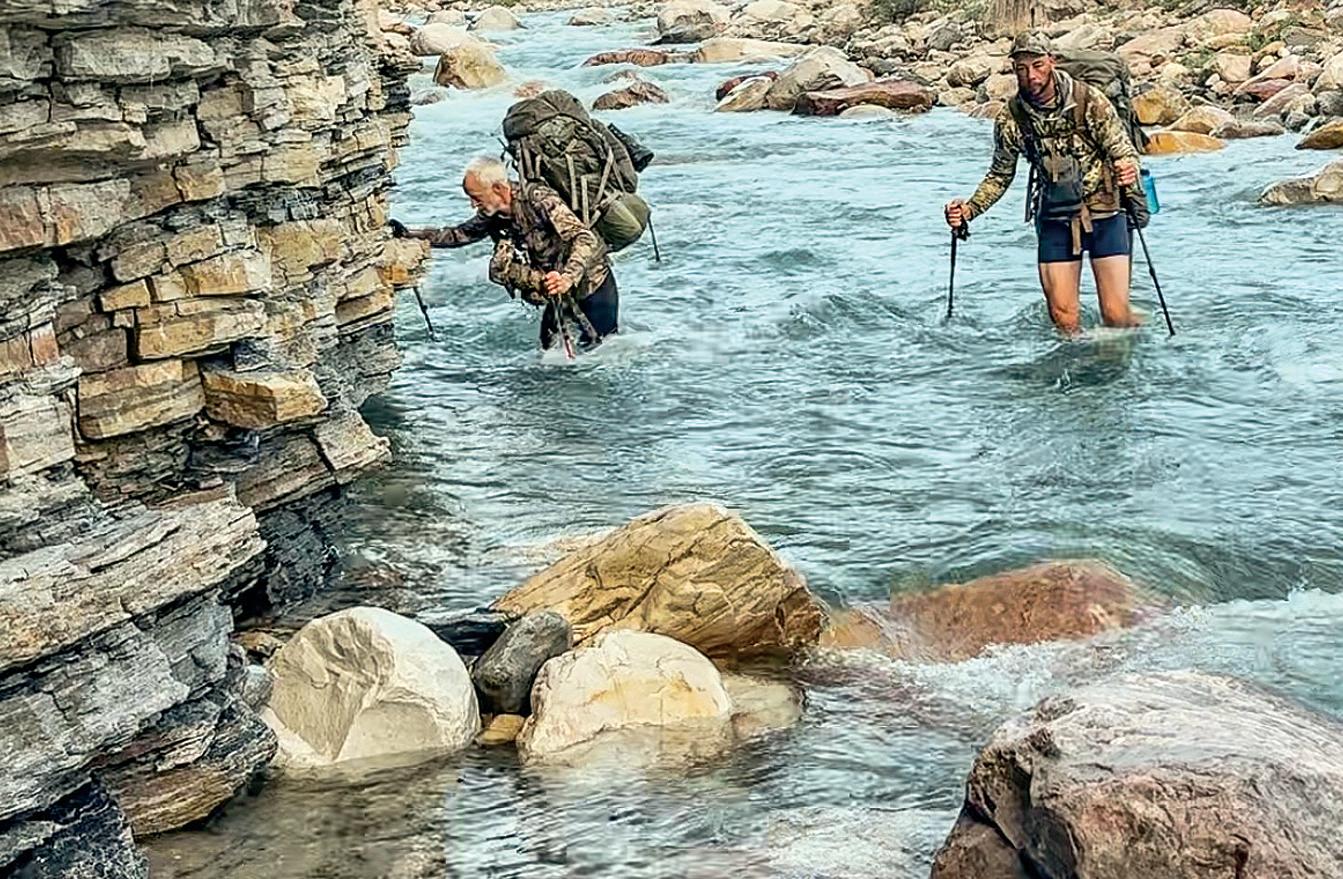
We had 8 kilometres left to go and it took us the rest of that day and half of the next (15 hours) to make it back to the lake. She kept a steady pace using her hiking poles and my dad and I relayed the 3 packs as we went. Luckily, we had brought a pack raft that enabled us to ferry her across the creek and for some sections just tow her down the nice sections.
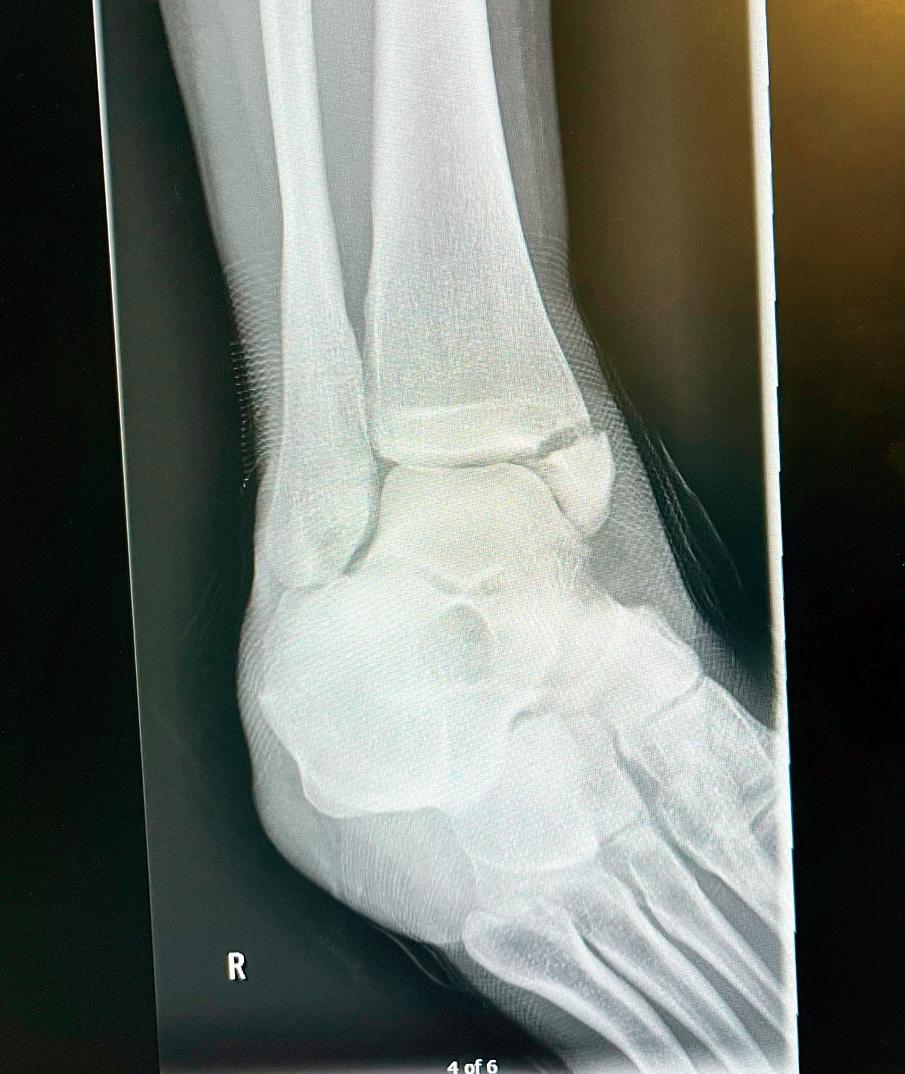
When we got out and got it x-rayed, we discovered she had broken the end off her tibia on the inside of her ankle A surgery, two screws and a few months of no weight bearing later she was back walking. Although sadly not able to join us on this year’s sheep hunt, she happily sat this one out.
After a year like that, it’s no wonder my dad hesitated this time around; the mountains had reminded us how quickly things can change.
Back to this year, it was myself and our friend Joe that would be headed back to help my dad get another ram. Knowing how grueling the last hunt was, my dad trained extra hard through the spring and summer as well as our regular program of trail cams and scouting. He hikes a hill close to home a couple times a week with increasing weight leading up to the hunt finishing at 70lbs.
Day 1, we got dropped off in good time and made it 1/3 of the way in before making camp.
The next day, we continued another
1/3 of the way in and made camp at a spot where we sometimes spot rams. The next morning, we hiked up the mountain to get a better vantage and glassed for the day. We spotted a couple potential rams, one short but heavy and another thinner, but with one side broomed. Both rams were not huge and we all agreed we could probably do better, and as we hadn’t been back to our desired location yet anyway, we decided to keep them in our back pocket for later.
The next morning, we hiked the last 1/3 to our final camp and then spent the day close to a waterfall to stay cool out of the heat.
The next day, we did the same thing as it was the day before opener and we elected not to hike up into the bowls in order to not spook any rams. We did spot a few sheep from camp as well as a bunch of other critters making for a nice rest day.
Opening morning, we were headed up the mountain early and climbed up into our first bowl only to discover it mostly empty except for a couple ewes. A little discouraged, we continued up to the peak in order to look into the next bowl that usually holds sheep.
Jokingly I said, “don’t worry, we’ll just hike up there, look down and there will be rams bedded below us,” and that’s exactly what happened.
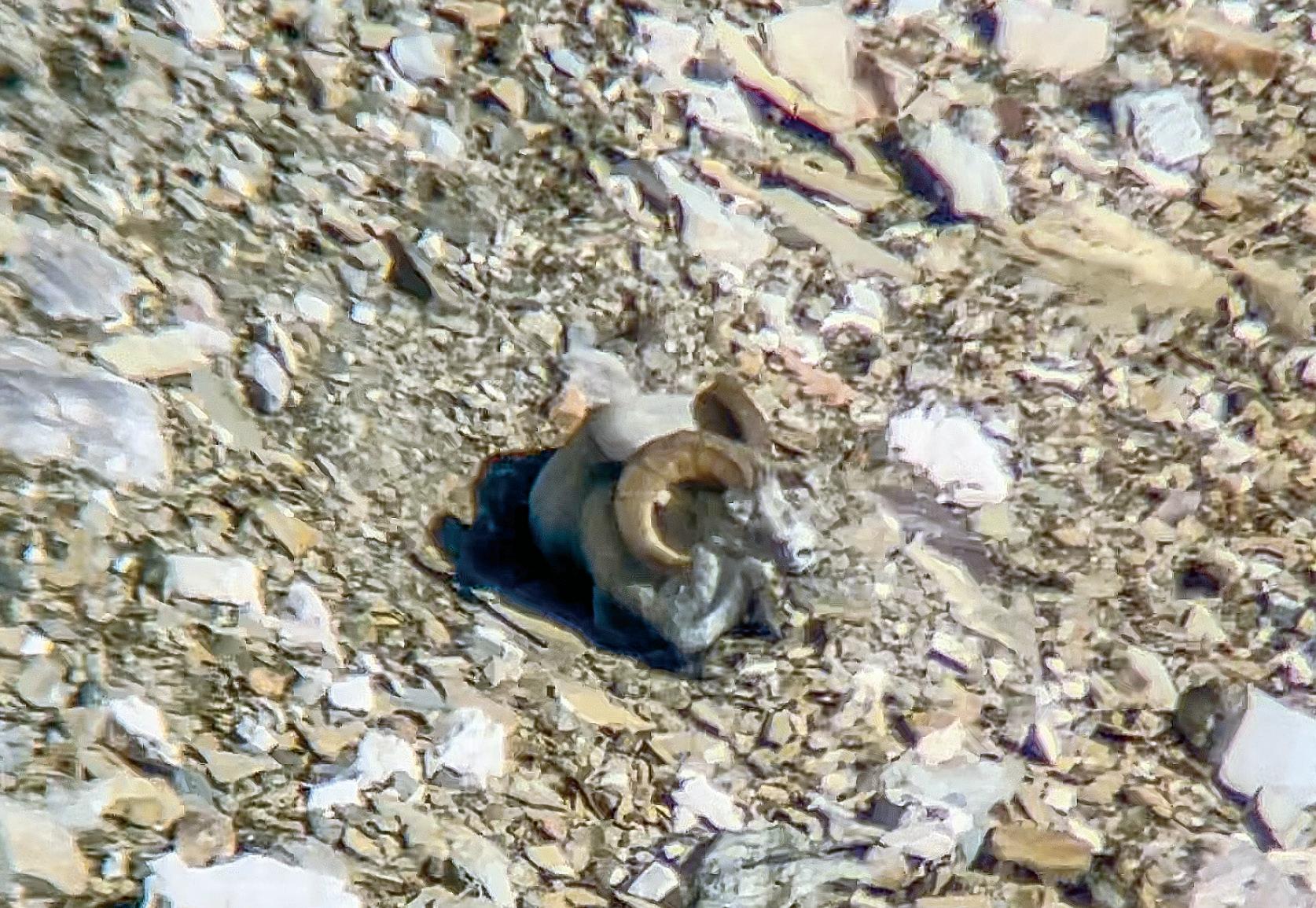
As soon as we made the peak I glassed down through the cliffs and into the gravel slide below, and spotting three rams bedded where we had seen some years prior. Immediately I could see through the binoculars from 750 yards that one was big and heavy. I chuckled and said, “I got three rams and one looks BIG.”
My dad assuming I was joking didn’t move a muscle and it wasn’t until the second time I said “grab the spotter,” did he realize I was serious.
At first look we knew he was big, had lots of rings and after one head turn we could see he was double broomed. We took some quick video through the spotter and aged him. We could see 9 rings, but thought one might be a false and with his lamb tip gone we were confident he was at least 9. The game was on.
With no way down the cliffs to the rams, we would have to go back the way we came, drop back into a different bowl and then pop up into theirs— hopefully within range. My dad and I would make the trek while Joe stayed at the peak to watch the rams as we would be out of sight for a couple hours. My dad, knowing he would be slower than me, took off immediately. Joe and I took one more look at the ram and then I took off after my dad. I caught
up to him down in the bottom and then we made the steep ascent up the shale together. Finally, when we made the top and after some difficulty, we located the rams in their same beds.
All three rams were a lot lighter colour than we are accustomed to seeing and they blended in extremely well with the light coloured rock. I ranged the rams—570 yards—too far. We figured the rams could easily get up and move closer so we decided to stay put and be patient.
After about an hour and a half, the rams had all got up and rebedded facing away from us, and the wind had picked up and was blowing straight toward us as well.
Confident the rams wouldn’t see or hear us, we dropped into the bowl and started to close the distance. We got to 450 yards but the wind had really picked up so we kept moving. As we got closer, we dropped out of sight of the rams as they were bedded in a small cut in the gravel. We worked our way to 300 yards and got set up in hopes they would get up to feed and pop out of the cut in range. As we waited we practiced a couple scenarios in case the rams came out higher or lower than expected and were all dialed in.
A little more time passed and
suddenly, things got cold and dark—we both looked up to a number of large black clouds overhead. After a quick discussion, we decided if it started raining and the rams did not get up right away then they would probably stay bedded through the storm. So as the rain drops started falling we packed up and started moving closer.
Our wind at this time was still good but we anticipated it changing soon so we hustled our way down to the bottom. Our plan was to get to the bottom and work our way to the bottom of the cut the rams were in and look up the cut for a shot—probably 100-150 yards.
With the rain, noise was now a nonissue so we hustled toward the bottom of the cut. As we were cruising through the rocks, a few lightning bolts cracked off above and behind us adding more suspense to our aggressive move.
Within a few minutes, we were just about at the bottom of the cut when we heard a weird noise coming from behind us. We looked back to see a wall of hail swiftly heading our way. The hail hit us, I kept going but my dad said there’s hail in his scope, I turned to him and saw him wiping the eye piece, I turned back to look at the bottom of the cut and there were the rams!—60 yards away just walking out into the boulder/grass area in the bottom.
I quickly alerted my dad that the rams were right in front of us and we tried to get into position. The rams were bobbing through the big boulders seemingly unaware we were there. With too many big boulders between us and the rams and no shot opportunity presenting, my dad took off after them to cut them off—I followed.
As my dad was running through the grass and big boulders his glasses filled with fog and hail. He tossed the glasses and kept going. He picked up pace and was 40 yards from the rams. I told him to stop and shoot, he looked up and saw how close they were and brought the gun up. I told him it’s the lead ram and I can see him following the ram as he bobbed through the boulders. The ram slowed and my dad almost shot, but then the ram ducked behind a boulder. The ram stayed out of sight for 20 yards then popped up on a little piece
of grass. At 60 yards freehand, I could see my dad’s barrel waving around.
“Here use this,” I said.
I set the tripod/spotter up on the ground in front of him; he rested the gun across the spotter, and bang! The ram dropped and did one roll into the rocks—dead.
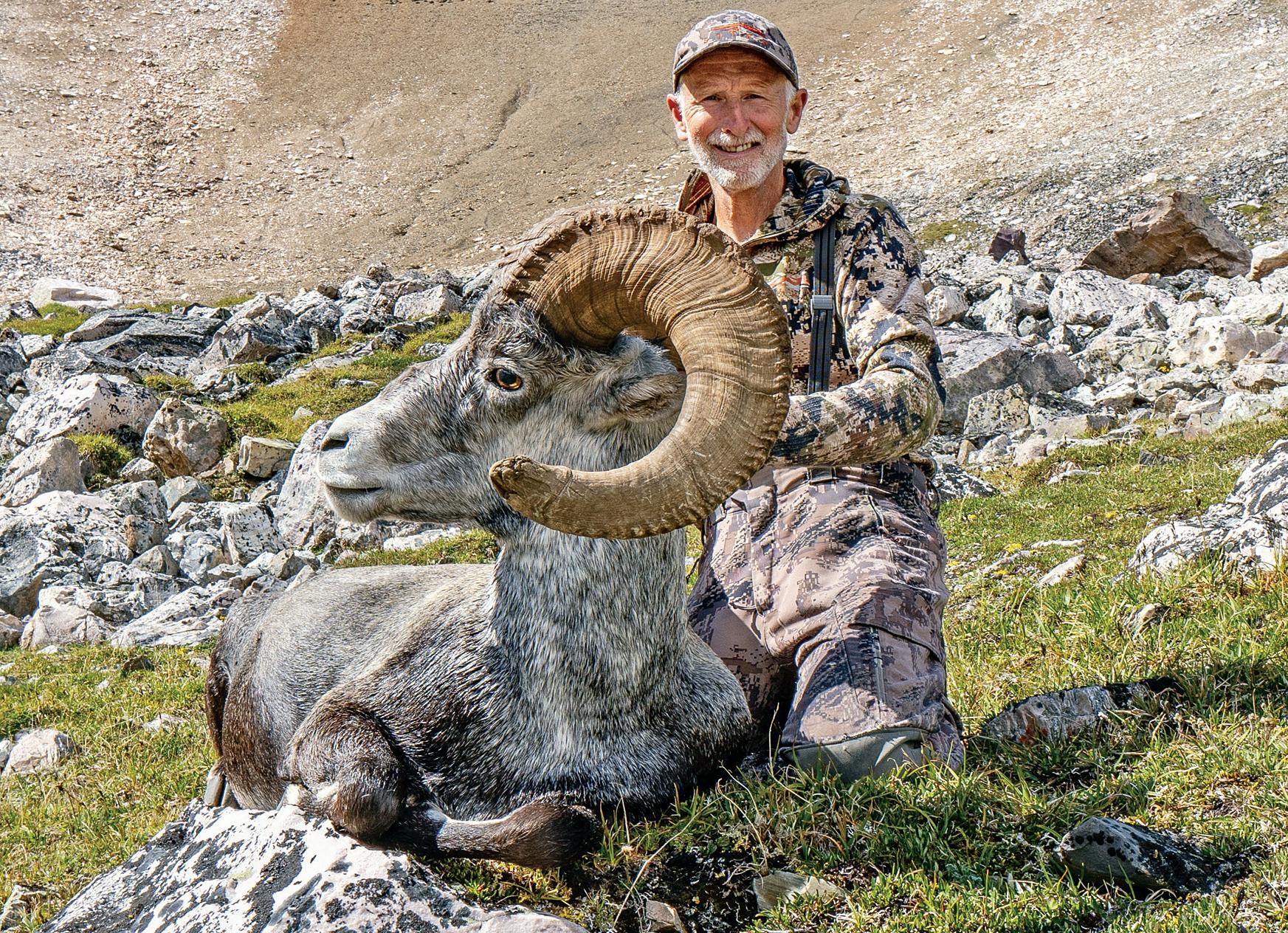
We celebrated, the hailstorm passed, and the sun came out to dry us off. Joe made his way to us, congratulated us and then we took some pictures. Upon getting to the ram, we counted his rings and could see the one ring is not a false and he had another ring at his base we couldn’t see. So showing 10 rings and missing lamb tip meant 11-year-old ram—yippee.
We got the ram all butchered and packed him back to camp, put the meat in some snow while we finished the cape, and then off to bed.
The next morning we were up in good time, loaded everything up and hiked 2/3 of the way out back out. The last day we finished the last 1/3, and then did some fishing before we were picked up and headed home. My dad carried 80lbs on the way out, Joe and I carried 90lbs.
My dad did great physically on this hunt; we hiked most of our distances in record time and this hunt went about as smooth as a sheep hunt could go.
A much needed confidence boost for my dad, and to come home with such a nice ram, possibly his last one, he couldn’t be happier.
Upon returning home I looked back at some old footage from 2 years ago. We had seen this ram in 2023, aged him at 9 and lost track of him on that hunt. At that time this ram looked like he was in rough shape. I remember us all talking about how bad his hips
looked and how he hobbled when he walked. We had named him then, Gandalf for his obvious age and colour. Now two years later the ram was in great health and his hips looked completely fine—very interesting. The ram had an easily identifiable black mark on the top of his shoulder leaving no doubt it was the same ram. Just a perfect ram for my dad, old and grey, just like him.
he strength of the Wild Sheep Society of British Columbia has always been its members. Today, our organization continues to grow and thrive thanks to the commitment and support of our community.
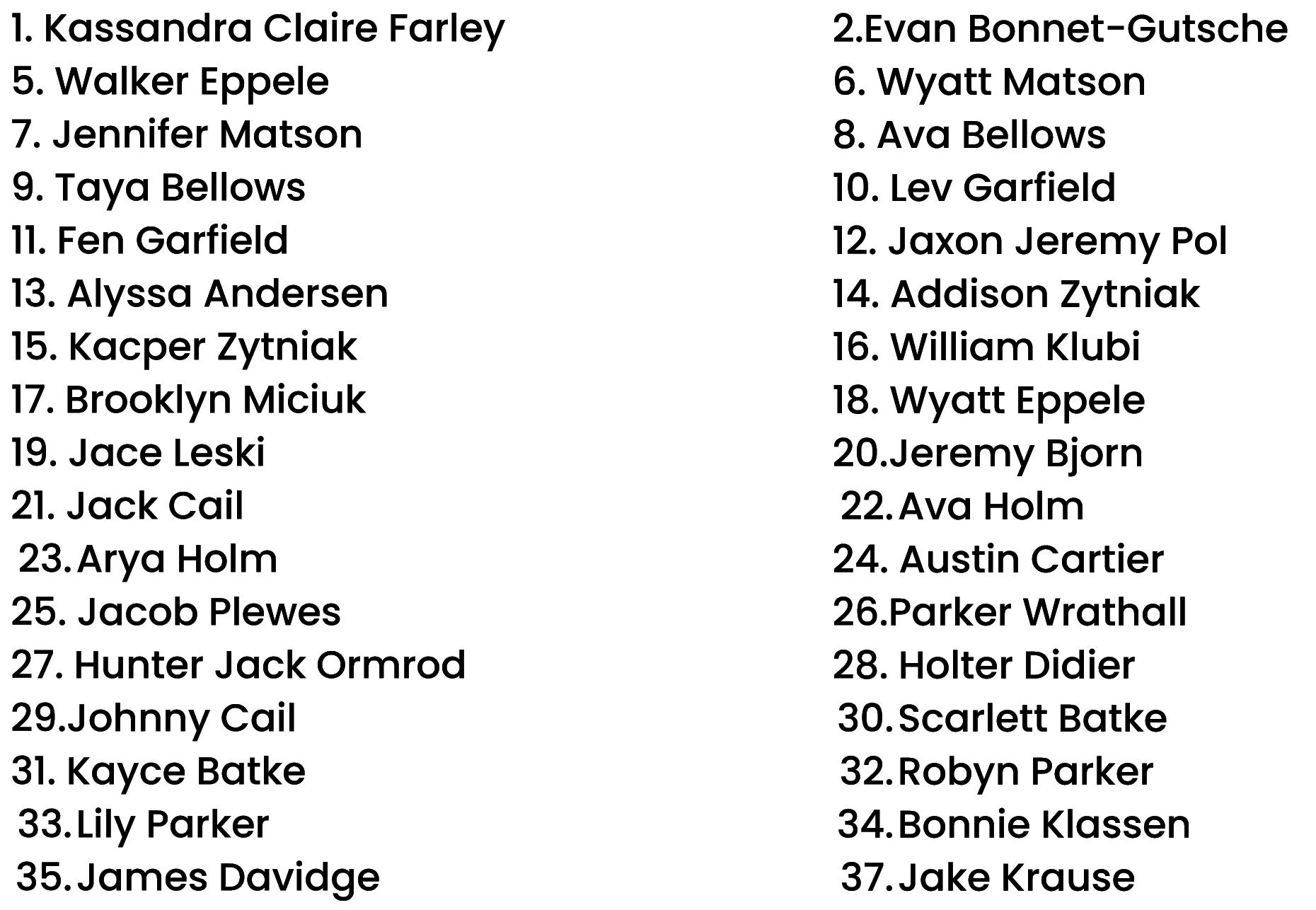
We are proud to report a total membership of 1,820 members across the province and beyond. Each of these individuals plays a role in supporting the Society’s mission and advancing wild sheep conservation in British Columbia.
Within this total:
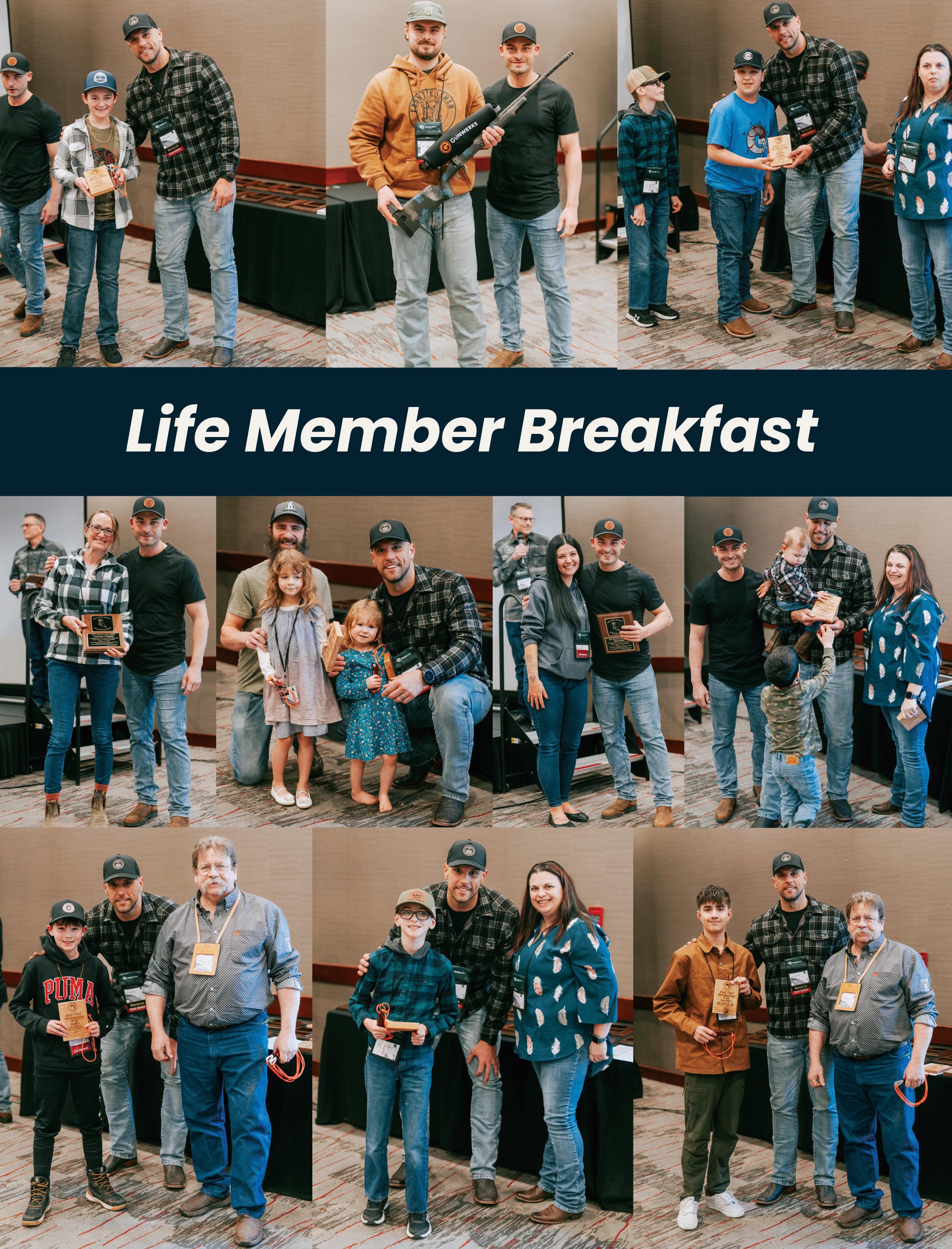
● 960 Life Members have made a lifelong commitment to the Society. This remarkable level of dedication reflects the deep connection our members have to wild sheep and conservation in British Columbia.
● 214 Monarch Members provide an extraordinary level of support through their generosity and leadership, helping ensure the Society can continue to deliver meaningful conservation work.
● 37 Youth Half Curl Members represent the next generation of conservationists. These young members are the future stewards of wild sheep, and growing this program remains an important priority for the Society.
Looking ahead, the focus of the membership committee remains centered on three key priorities: retention, growth, and youth engagement. Ensuring members feel connected and valued, welcoming new supporters into the organization, and expanding opportunities for young people will help ensure the Society remains strong for years to come.
Most importantly, we would like to extend a sincere thank you to every member of the Wild Sheep Society of BC. Your participation, commitment, and support are what make this organization possible. Every event we
host, every project we undertake, and every conservation success we achieve begins with the dedication of our membership.
Simply put, the Wild Sheep Society of BC is built by its members. Thank you for being part of this community and for helping us continue the important work of conserving wild sheep across British Columbia.
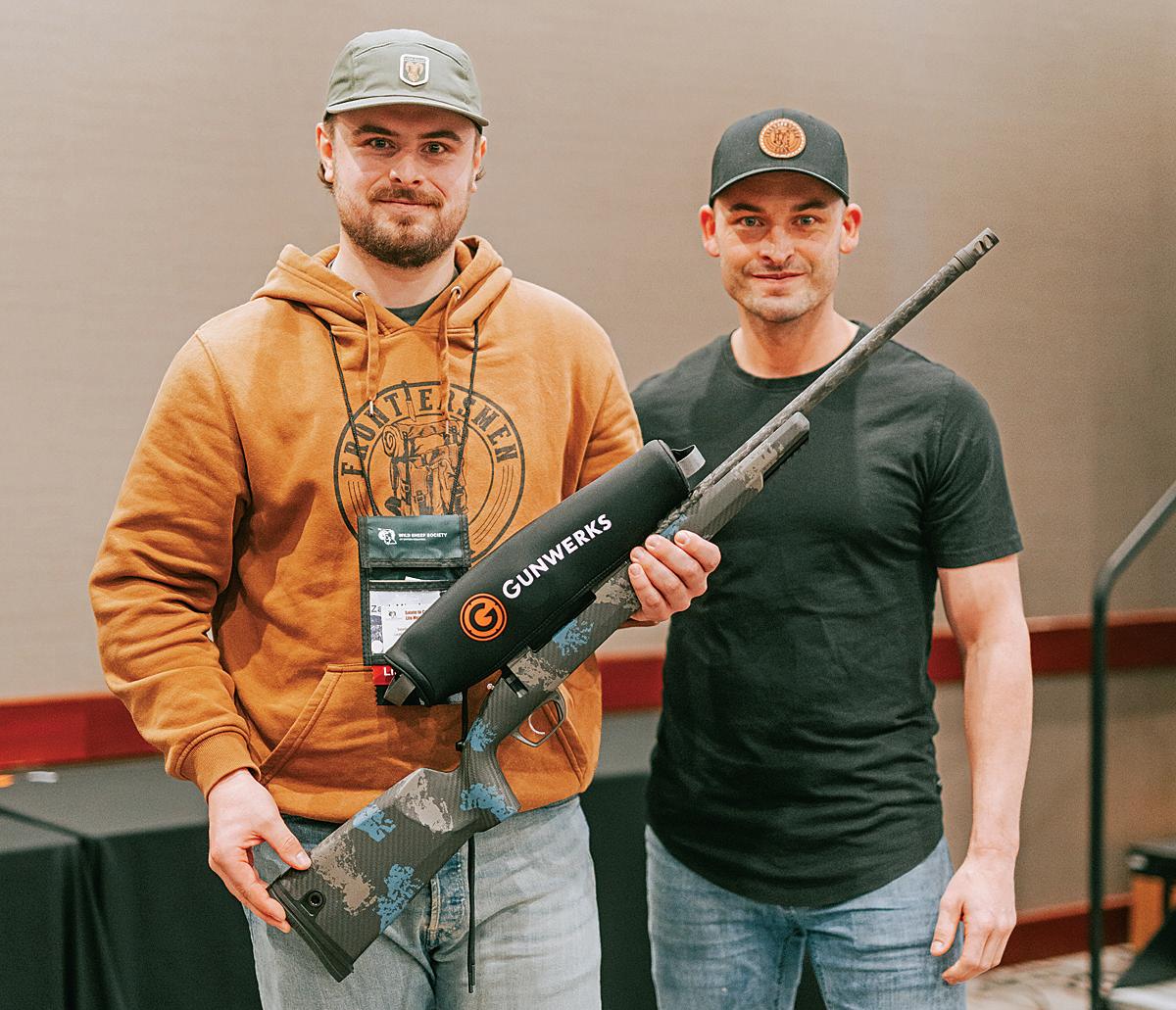
Congratulations to Zach Minaker. Zach was the lucky Monarch Member to win a Gunwerks MTX Magnus donated by Gunwerks. Steve Osminski was the lucky winner of the Fierce Rifle donated by Fierce.
Apr 11 – Spences Bridge Sheep Count
Apr 18 – Pub Night + WSR Drawing, Courtenay
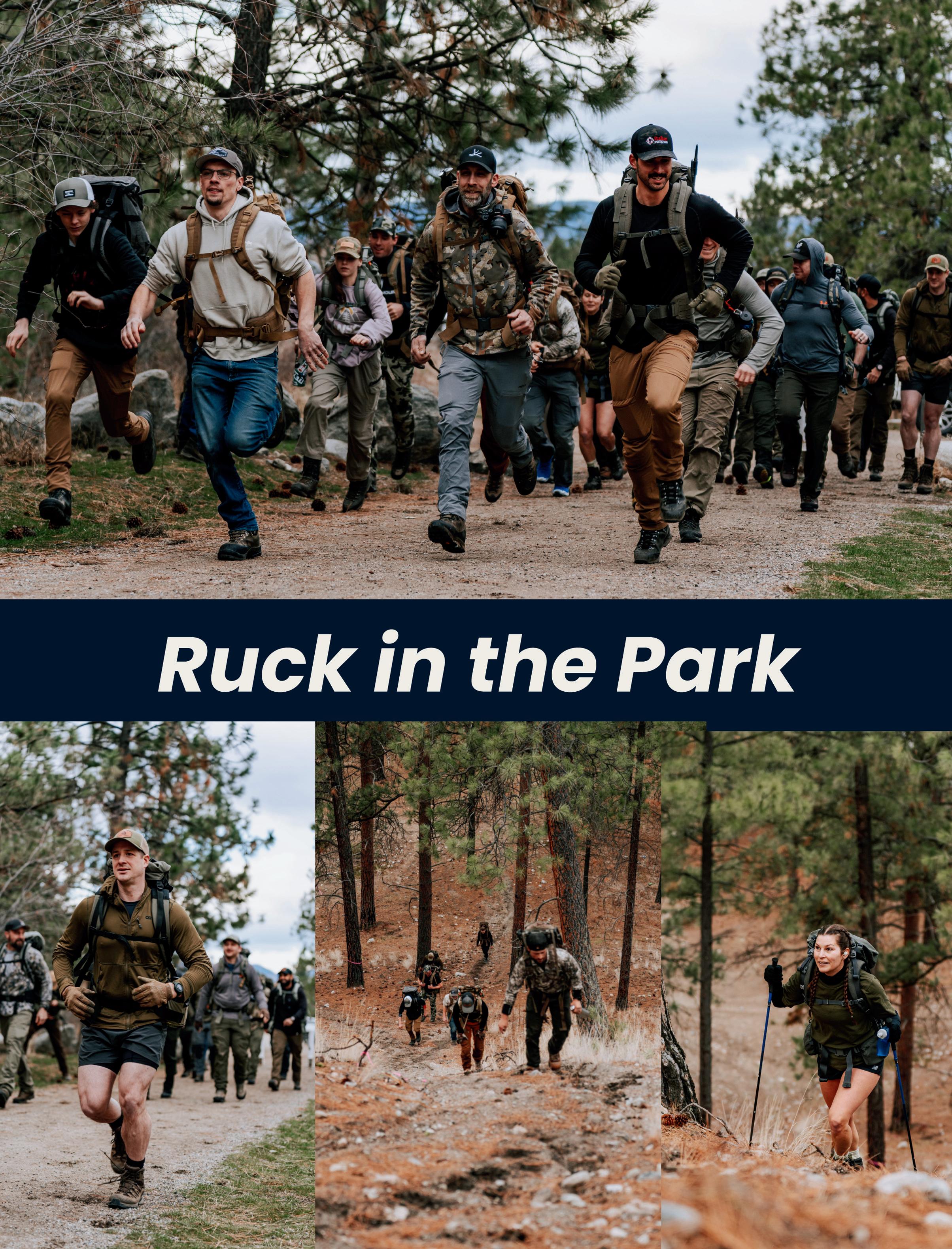
June (TBD) – Ruck for Conservation
July 11 – Fraser River Sheep Count
July 13– Fraser River Sheep Count
August 8 – Fraser River Sheep Count
August 21-23 – Jurassic Classic
by Rebecca Peters
rganizations do not simply appear fully formed. They begin as ideas, often uncertain, carried forward by a small group of people willing to commit their time, energy, and belief to something larger than themselves. When we look at the Wild Sheep Society of British Columbia (WSSBC) today, with its strong membership, respected fundraising events, and recognized voice in wildlife conservation, it is important to remember that it all started with far humbler beginnings.
In February of 1992, the first issue of Wild Sheep Forever was published (aka ‘newsletter’). It marked more than the launch of a newsletter; it marked the beginning of a movement in British Columbia dedicated to wild sheep conservation. The Society’s executive at the time included President Clarence McIvor, Vice President Lex Ross, Secretary Tim Cody, and Treasurer Kelly de Strake. Directors Dave McBride, Mitch Kendall, Harold R. Shelley, John Todd, Bob Clark, and Cor de Boon stood alongside them. A few years later, Chris Barker, Kris Wrathall, and Mike Southin joined the Society, names that remain well respected within our conservation community today. These early leaders were operating in a very different era. There was no social media, no email marketing, no online ticket sales. The internet was only beginning to take shape. Directors met in person or coordinated by telephone. Communication required intention, recruitment relied on conversation and growth depended on trust and reputation. In March of 1993, documents from the Annual General Meeting show that the Society’s net income for its first year was $751.99. That number may appear modest by today’s standards, but it represented something invaluable: belief. It reflected the willingness of a small group of dedicated individuals to build something from the ground up for the benefit of wild sheep and wildlife in British Columbia.
One of the most significant contributions in those early years
came from Bill Pastorek, who has been part of the Society since its inception and is well known for his writing. Bill founded the Society’s newsletter, Wild Sheep Forever, and through storytelling, he helped give the organization a voice. Stories connect people to purpose. They translate conservation from policy and fundraising into something human and relatable.
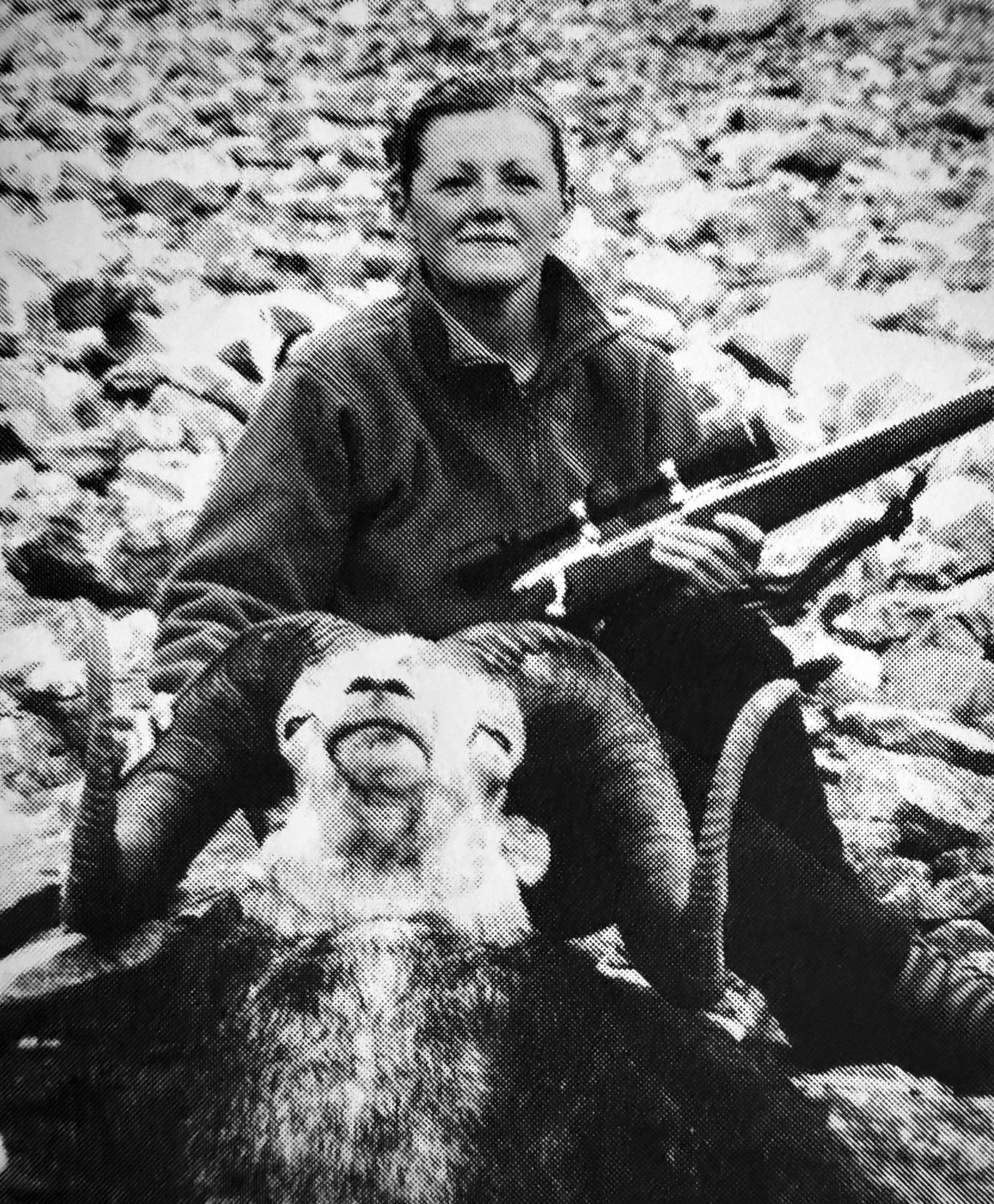
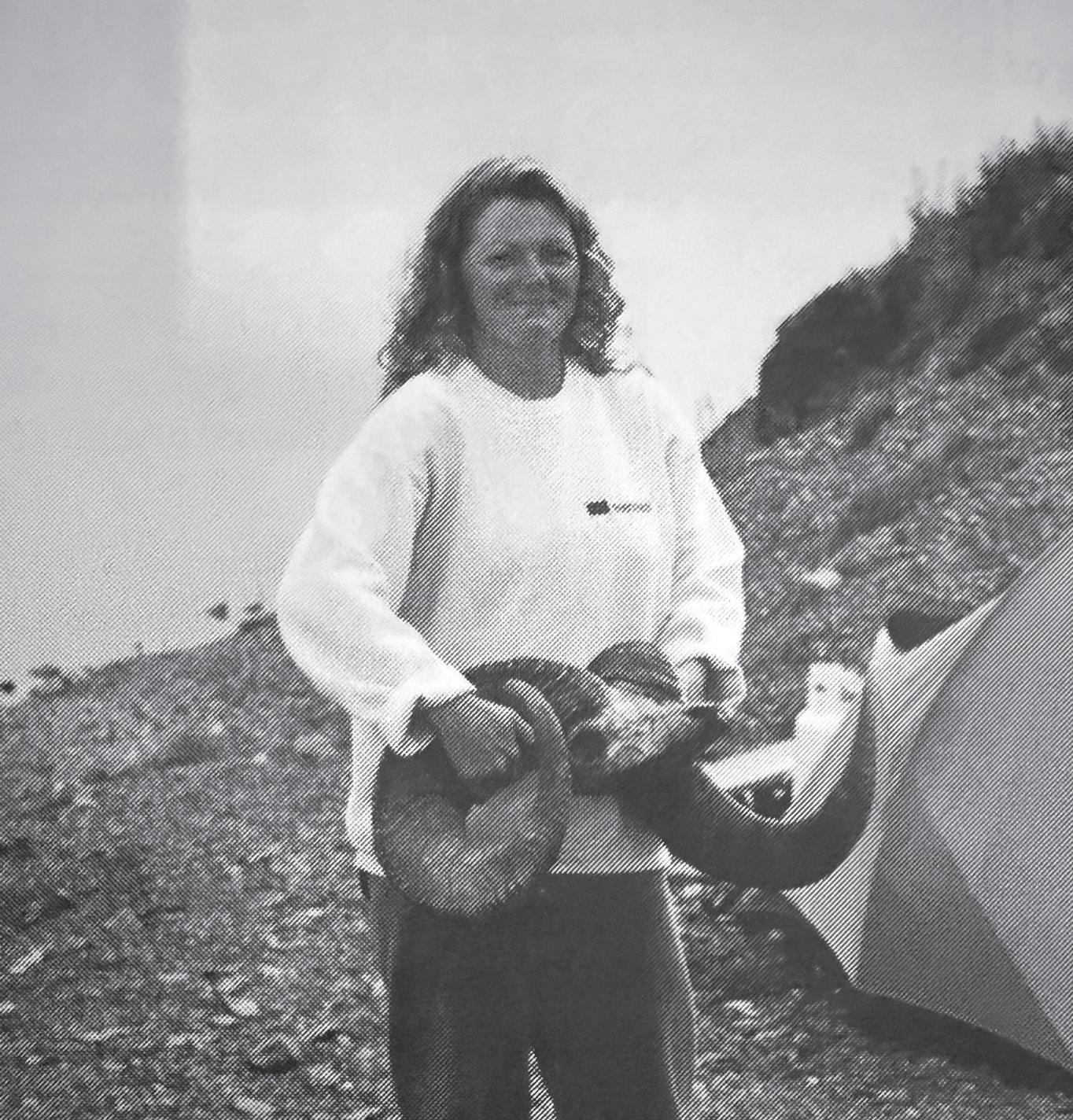
In the Fall 1994 newsletter, Bill wrote about Valerie Carter (now Valerie Green) and her husband Rick’s 14-day backpack hunt into the Muskwa Drainage. On her first hunting trip, and her first shot at big game, Valerie harvested a remarkable Stone sheep measuring 42 inches by 42 inches with 16-inch bases, green scoring 177-1/2 B. & C. points. In the spring of 1995, she won the Best Ram Award taken by a member that year.
Beyond the measurements and score, Valerie’s story is powerful for another reason: it reminds us that women have always been part of conservation. Long before structured programs or formal initiatives existed to encourage female participation, women were already in the mountains,
already contributing, already capable. Sometimes the historical spotlight simply did not shine as brightly on their stories.
As Chair of Women Shaping Conservation (WSC), reading accounts like Valerie’s reinforces something important. WSC is not an attempt to rewrite history. It is an effort to recognize it more fully. Women Shaping Conservation exists because we understand that inclusion strengthens conservation, not by replacing what came before, but by building upon it. The roots of WSC are grounded in the very foundation laid by those early leaders of the Wild Sheep Society of BC.
Understanding how the Society began gives context to where we are now. Today, WSSBC has approximately 1,800 members (at the time this article was written). The organization has raised significant funds for habitat enhancement, research, disease monitoring, and wildlife management initiatives. Our events are well attended and widely respected. Yet growth and influence cannot be taken for granted.
Membership numbers matter, particularly when engaging
with government. In discussions surrounding wildlife management, funding allocation, and policy development, representation carries weight. Governments look at numbers. They look at engagement. They assess how many citizens stand behind an issue. If each current member were to recruit one new member in the coming year, our collective voice would expand dramatically. With greater numbers comes greater influence, and with greater influence comes stronger potential to ensure that wildlife management is adequately funded. However, membership growth is not solely about statistics. It is about community responsibility. The early directors of the Society understood that conservation begins with people. They relied on conversation, relationships, and shared values. In many ways, that principle remains unchanged.
This is where Women Shaping Conservation intersects meaningfully with the Society’s broader mission. WSC was formed to create pathways for women to engage more fully in conservation leadership, education, and mentorship. But it is also about strengthening the Society as a whole.
When more women become members, attend events, participate in hunts, or step into volunteer roles, the entire organization benefits.
WSC initiatives, whether seminars, backcountry events, or mentorship opportunities, are not separate from the Society’s evolution; they are part of it. They represent the natural growth of an organization that recognizes the value of engaging the entire conservation community. When women see themselves reflected in leadership roles, in stories like Valerie Green’s, or on seminar stages alongside experienced conservationists, it reinforces a simple truth: conservation is a collective effort.
Looking back at 1992, one can only imagine the commitment required to launch a brand-new conservation organization with limited funds and limited infrastructure. Those early leaders likely could not foresee the scale of events, programs, and partnerships that exist today. Yet their passion set everything in motion. That same passion is still visible. It is evident in volunteers who dedicate hours to organizing fundraising banquets. It is present in members
and donors who generously contribute to auctions and raffles. It lives in the hunters who train throughout the year to be physically and mentally prepared for demanding mountain seasons. It exists in biologists who devote their careers to wildlife research and habitat management. It is reflected in young women and men attending their first conservation event.
The tools have changed, the platforms have evolved but the mission remains.
As we consider the future of the Wild Sheep Society of BC, it is worth asking what our contribution will be during this chapter of its history. Those who led in the early 1990s built the foundation. The responsibility now rests with current members to strengthen and expand it. That includes increasing membership, respectful dialogue in our communities, and advocating confidently for wildlife conservation.
Understanding how organizations start is important because it cultivates gratitude and accountability. The Society’s first-year net income of $751.99 was not insignificant, it was foundational. It symbolized belief and commitment. Every event we host, every new member we welcome, and every conservation project we fund is built upon that initial act of faith.
The Wild Sheep Society of BC did not begin with us, and it will not end with us. But our stewardship of this moment matters. By honouring those who came before, individuals like Bill Pastorek and the early executive and directors, we ensure that our growth is rooted in respect. By expanding opportunities through Women Shaping Conservation, we ensure that our evolution is inclusive and forward-looking.
Conservation is not static. It requires adaptation, leadership, and community engagement. It requires voices, men and women alike, willing to speak for wildlife in their own families, workplaces, and communities. If we continue to build upon the strong foundation laid in the early 1990s, and if we embrace the responsibility to grow both membership and engagement, the future of wild sheep conservation in British Columbia will remain strong.
ave you ever wondered how your rifle would perform after swimming a glacial river? Or how your stock and rings would hold up after hundreds of kilometers of bashing dwarf birch, tag alders, and buck brush?
For the last decade, I’ve been fortunate enough to spend every August and a portion of September chasing Stone Sheep as a guide. Over the years, I’ve had the pleasure of guiding many clients in the field and witnessed a wide range of cartridges, rifles, and optics at work. At this point, I’ve likely seen every major “mountain rifle” manufacturer and many boutique custom builds. And as an avid rifle nerd myself, I’ve formed a bit of an opinion on what really makes a sheep rifle.
The idea of the sheep rifle has evolved drastically over time, and in many ways, it still is. Jack O’Connor was one of the pioneers of this concept, with his famous Sheep Rifle No. 2 helping propel the idea to new heights. While he used many rifles over his career, his rifle of choice for sheep hunting was a Winchester Model 70 Featherweight chambered in 270 Winchester that he picked up in 1959 at a hardware store in Lewiston, Idaho. Upon realizing the exceptional accuracy of this particular rifle—MOA was considered exceptional in the 50s and 60s—he sent it to renowned gunsmith Al Biesen for a beautiful, trim walnut stock and additional embellishments. One of the greatest leaps in mountain rifles came in the form of Melvin Forbes Ultralight Arms (ULA) in the mid80s. Ironically, despite being the ideal sheep rifle in many ways, the mighty ULA 20 was first designed for hunting deer in the hills of West Virginia. Lightweight, reliable, and accurate, Melvin was a trailblazer when it came to ultralight mountain rifles. His ethos was to build the rifle “from the front action screw out” with careful thought put into the weight added fore and aft of that. Coupled with his revolutionary use of carbon fibre in stocks, the mountain rifle didn’t evolve past his iterations for several decades.
Most sheep hunters have long moved away from blued rifles with walnut stocks and low-power compact optics, mainly for good reasons. Judging by what my peers and sheep clients carry, the trends favor carbon-fiber barrels and stocks, stock-mounted bipod attachments, and larger ballistic turret scopes with 3-15 or greater zoom. These days, the more tactically driven, vertical-gripped 8-10lb rifles have become the de facto sheep rifle, often chambered in one of Hornady’s venerable PRC cartridges. Rifles, optics, and bullets are selected and optimized for extreme-case use. Maximum distances achieved with the highest-BC match bullets, cartridges with enough powder capacity to propel them, and rifles with the weight to absorb the recoil. And that’s without touching on muzzle brakes. I firmly believe that most sheep hunters have assembled tools designed to perform optimally at ranges that are neither practical nor plausible—or likely ethical—but have been wooed by the media discourse around long-range hunting and mountain hunting.
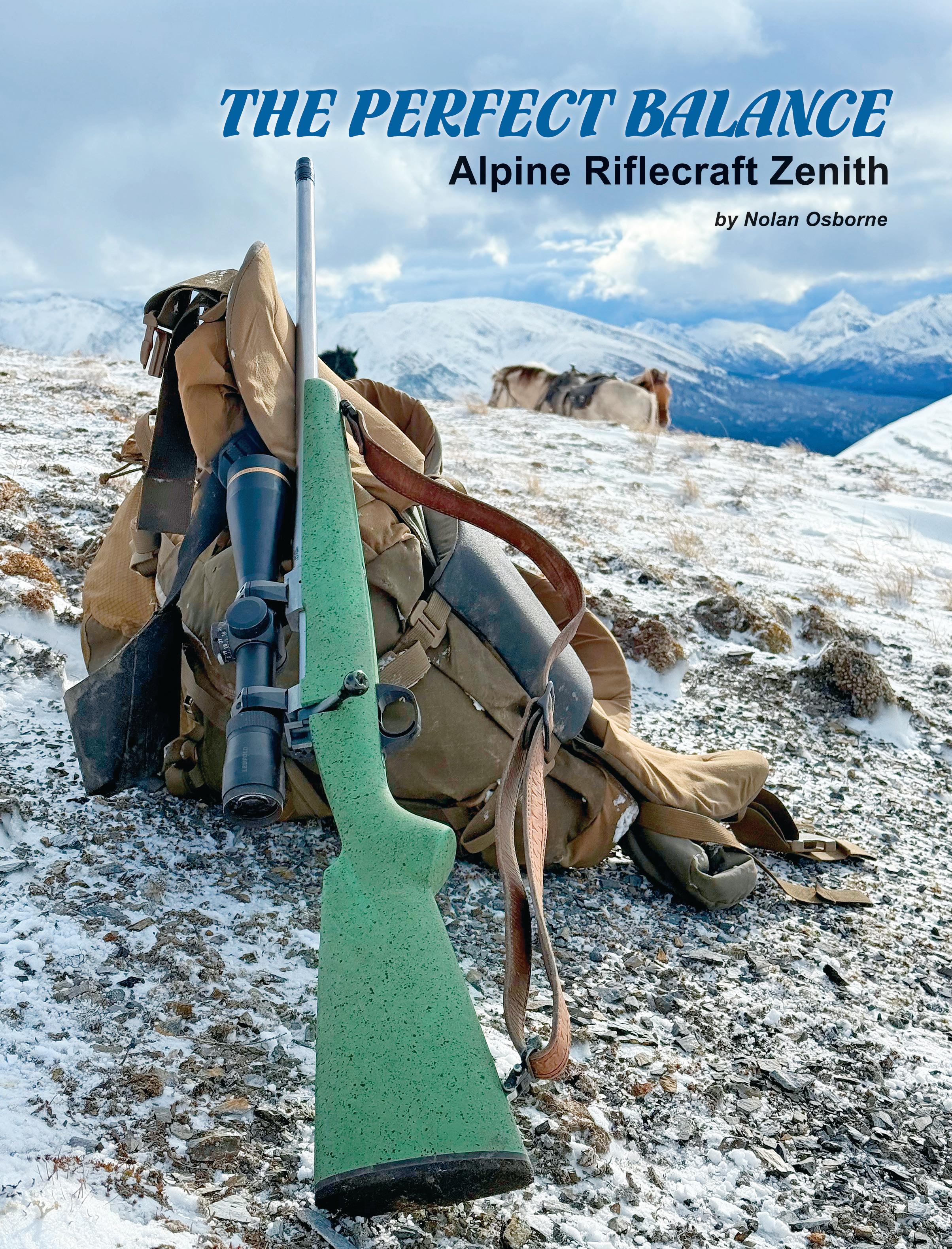
Model: Alpine Riflecraft Zenith 30STR Alpine
Cartridge: 284 Winchester
Barrel: Stainless 22” 1:8.5” twist
OAL w Brake: 42.5”
Magazine Capacity: 3+1
Muzzle OD: 0.66”
Muzzle Thread: 9/16” - 28
Drop at Comb: 0.5”
Drop at Heel: 0.2”
Rifle Weight (bare): 5.1lbs
Apline Riflecraft Rings: 3.17 oz
Rifle Weight (scoped w Leupold VX5HD 3-15x44) : 6.59lbs
Price (as tested): $9665 CAD
● Ti-CRF Action Delivers Perfect Feeding and Function
● Mechanical Ejector Gives Operator Control
● 3” Billet Magazine Offers Flexibility for Handloaders
● Single Loading Capable
● Ultra Slick Nitrided Bolt Won’t Gall or Corrode
● Reliable Striker Blocking 3 Position Safety
● Smooth Cycling Roller-Tipped Cocking Piece
● Excellent Stock Ergonomics Tame Recoil
● Weight Forward Balance Delivers Stability
● Bomb Proof Dovetail Scope Mounting System
● Hand Lapped Barrels Provide Accuracy
So what makes the perfect sheep rifle? If we’ve got past our 900-yard terminal performance visions of grandeur and somehow shaken the talons of carbon-everything vertical gripped—25x FFP scoped nine-pound guns that perform admirably while prone and less so everywhere else—where does that leave us on our quest?
The ultralight mountain rifle space still hangs on, propelled forward by the sheer willpower of companies such as Weatherby, Wilson Combat’s NULA’s, Christensen Arms FFT’s, a handful of customer builders, and the ever-diminishing supply of Kimber’s. Although light and often accurate, these rifles are mostly trimmed-down versions of their larger kin.
Simply put, a dedicated sheep rifle should be lightweight, reliable, durable, accurate, designed to fit naturally in the hand and shoulder, and not feel twitchy or unsteady while shooting and pointing. In most modern ultralights, pencil barrels are the norm, and weight is shaved where possible, not where it’s critical. Thus, leaving two of the most important factors in a rifle’s feel out of the equation: balance and stability.
Around a year ago, Mike Drury approached me at the Wild Sheep Society of BC Mountain Hunting Expo about the possibility of getting one of his new-to-market Alpine Riflecraft Zenith in my hands for a season—a guide’s torture test if you will. To say that I was ecstatic would be a gross understatement. I’d been following his progress with the rifles, and I am an outspoken fan of all things the Zenith represented:
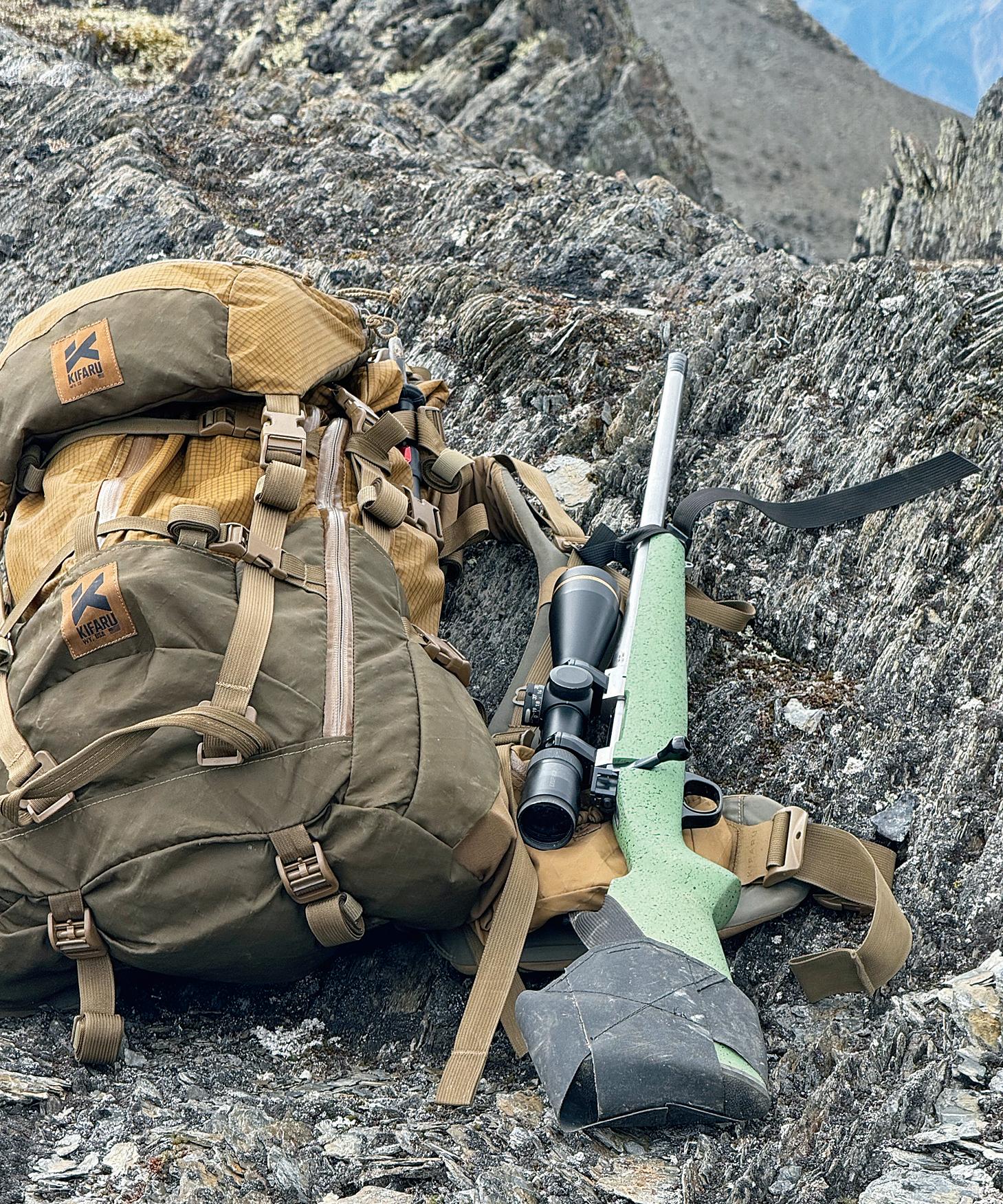
lightweight, controlled-round-feed action, 3-position safety, blind magazine, and completely Canadian-designed and manufactured. It was pretty clear through Alpine Riflecraft’s marketing and my conversations with Mike that he is a rabbit-holer. Engineer by trade, rifle nut of the highest order by nature. As an avid mountain hunter, Mike had been through the gamut of current mountain rifle offerings, then dove deep into the custom rifle side before finally coming to terms with the shortcomings of today’s lightweight rifles. Pencil barrels, narrow forends, flighty feeling rifles that are rear heavy, and frankly, difficult to shoot accurately. In a breakaway from the industry norm, with a nod to the late, great Melvin Forbes, the Alpine Riflecraft was born, and the Zenith was designed from the ground up, “from the front action screw out.” Mike understood that by keeping weight in the barrel and removing it from the action, it is possible to create an incredibly light, yet stable and balanced rifle. The Zenith rifle’s weight ranges from 4.5lbs to 5.3 lbs, depending on chambering, barrel length, and material.
“The Zenith uses a Titanium 6246 alloy, which exhibits very high strength and excellent fatigue characteristics for a lifetime of use. Combined with a hard, yet tough, salt bath nitride Alloy 4330V bolt, galling is a non-issue. As the heart of the rifle, the Zenith is made from premium materials, cuts no corners in design, and is the rock-solid foundation for our rifles.”
The backbone of the Zenith lies in its action, which is not only proprietary but also the second ever titanium CRF action produced—the first was Saterlee Arms Titanium M98, which was around $7200 for the bare action, nearly two decades ago. The Zenith action is a lean, mean, standard-bolt-face
short action featuring a mechanical claw extractor designed to flawlessly single-feed or magazine-feed, and integral scope bases. The complete action tips the scales at a scant 16.85oz, which is impressively light, but necessary to create a sub 5lbs rifle that isn’t a flittery wand in the hand.
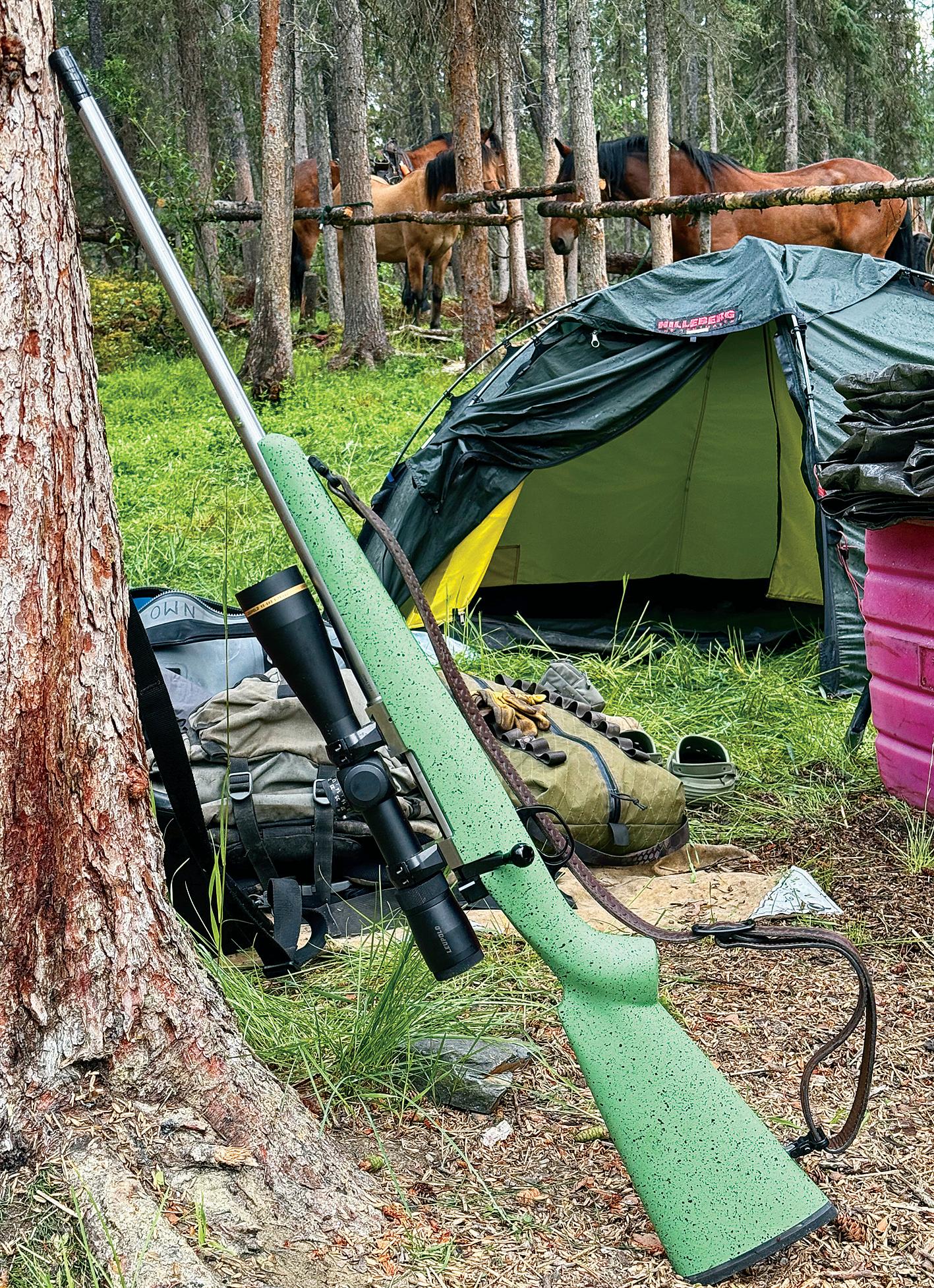
The bolt is a tool-less, field-strippable design, which is handy when you’re swimming horses across glacial rivers, or when you’re exposed to torrential rain, sandstorms, or the onslaught of early-season buckbrush pollen in a scabbard. Its slick nitride coating ensures that it won’t succumb to corrosion or galling—the latter can be a problem with Titanium actions over time. While most folks will never push their rifles that hard, I’ve seen inferior “mountain rifles” inner bolt bodies and springs rust under these conditions, even with regular disassembly and cleaning.
The stock is also of Drury’s own design, a glass-and-carbon hybrid with a modern style and classic pedigree. “The Zenith is epoxy bedded into a hand-laid, horizontally-split, wet compression molded composite stock. The result is a very lightweight continuous composite shell with high rigidity and integrity, which requires no machining or inletting.” It features a generous open grip, negative comb, ambidextrous palm swells, and a flat-bottom forend and buttstock for superior stability and recoil management. Molded-in aluminum pillars and epoxy bedding ensure your action is one with the stock, and the supergrade-style sling swivels are an elegant yet functional touch. The stock is finished with an ultra-light 15mm ground-to-fit recoil pad, which is quite comfortable. Unsurprisingly, Mike selected this recoil pad for its weight and its contribution to the rifle’s overall balance. I did say he was a rabbit-holer, didn’t I?
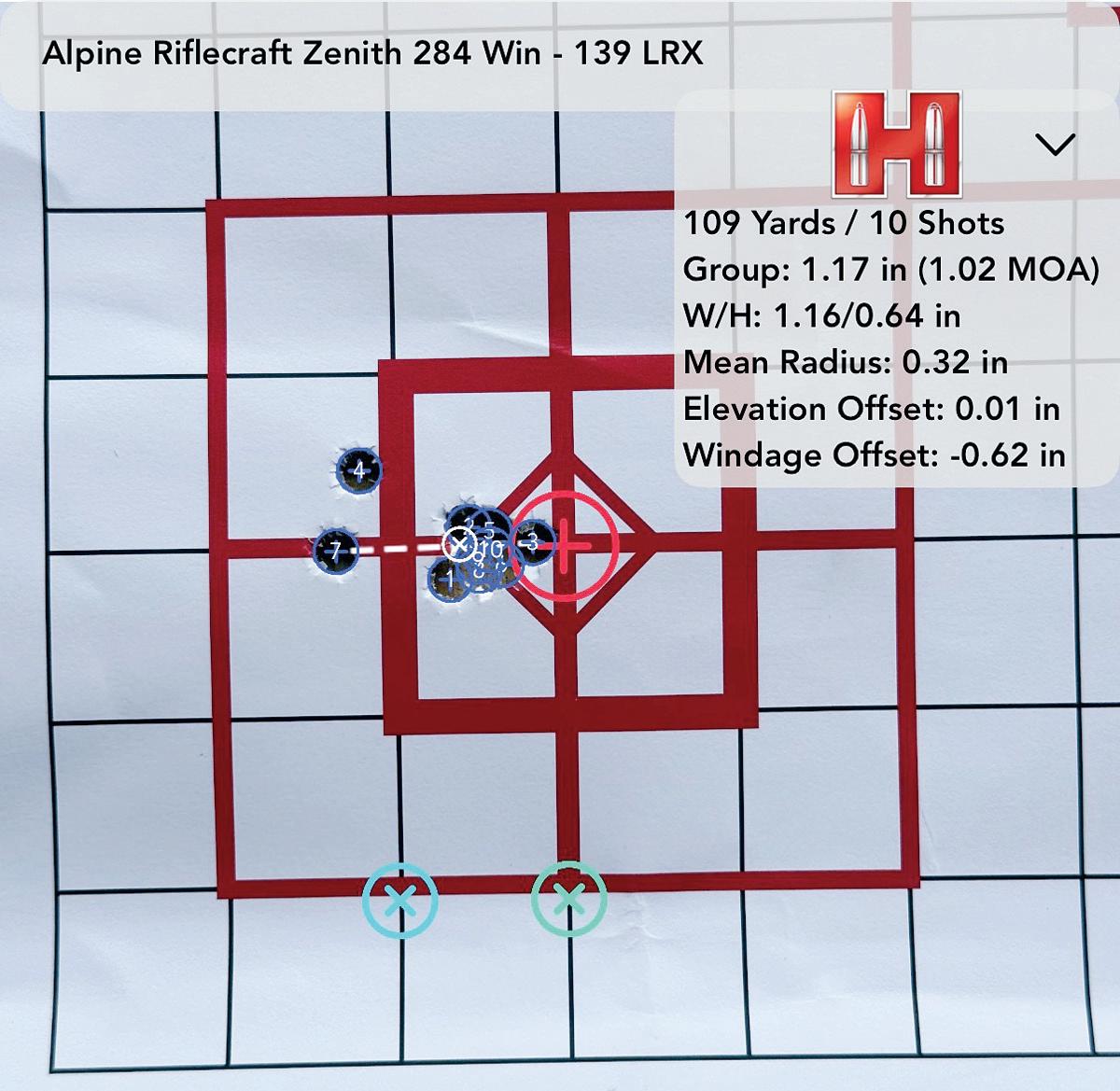
The final piece that ties the Zenith together and further separates it from the competition is the flanged mediumcontour barrel. This is what creates that wonderful, weightforward stability when shooting and handling the rifle, and it’s something every other ultralight rifle maker misses. Mike has gone so far as to create a “center of gravity” calculator, with an optimal balance point referenced in inches in front of the trigger shoe. Not only does the medium contour barrel provide the stability and balance that forms the conceptual framework of the Zenith, but it also aids in accuracy and consistency. The barrels come in 20- and 22-inch lengths, are hand-lapped, and feature a coned breach and a recessed target crown. Carbon-wrapped barrels are optional, though I prefer the look and long-term durability of a stainless pipe. The rifles come standard with a threaded muzzle cap that’s removable with the provided T-60 torx drive, and a seamless, directional timed muzzle break as an option. The muzzle brake, in combination with the stock design, is incredibly effective. All Alpine Riflecraft rifles come with a ¾ MOA test target, though I’ve yet to see one leave Mike’s shop that hasn’t produced significantly better results. When it came time to pick out a loaner rifle of my own, we discussed at length what my preferences would be for a guiding rifle, and landed on a 22” steel barrel in 284 Winchester, 13.5” LOP stock in the striking Lichen Green. I’ve packed a light 280 Ackley as a guiding rifle for several seasons, and felt that the 284 Win would be a close enough choice to still feel comfortable in the Northern Rockies as a potential bear gun. I had on hand a healthy supply of 139gr Barnes LRX projectiles, and having witnessed the efficacy of both the 139gr and 145gr LRX with sheep, bear, and moose time and again, sent them off for him to work up a load along with a well worn Leupold VX5 3-15 thats been a staple on various guiding rifles of mine over the years. As with all Alpine Riflecraft, Mike wouldn’t let the rifle leave his shop without a proof target, so the load development was in his corner. A few weeks later, I received a text with a picture of a tidy 0.48 MOA group - just a bit smaller than the ¾ moa guarantee… a feat of rifle and rifleman when we are talking about a 6.5lb rifle with scope and rings. Shortly thereafter, I had the rifle in my possession and was off to the range. I had spent the bulk of the winter and spring shooting my older and less nimble rifles—pre-64 Model 70s, and a 9lb 338 Win Mag—and I’ll admit the first group out of the Zenith was a reminder that light rifles require a little more fine-tuned technique from the bench. I tuned the Trigger Tech trigger down to 2.5lbs—my preference for a light rifle—and shot a few more rounds to adjust the zero before I fired a 10-shot group. 3-shot groups look nice, but a large sample size doesn’t lie. This produced a tidy 1.02 MOA group—8 of which made one ragged 0.46 MOA cloverleaf, with two “fliers” just outside, and an overall Mean Radius of 0.31”. Generally speaking, the average hunting rifle isn’t capable of 1.5 MOA 10-shot accuracy, so I was elated to see a 1 MOA 10-shot coming out of a 6.5lb featherweight.
The technical details matter, particularly given the rifle’s cost, and they highlight the thought and intention that went into the Zenith’s design. But a rifle like this, a true mountain rifle, really comes to life in the hills. It isn’t built to be a “safe queen” or a bench gun; it’s a thoroughbred mountain machine. The only trepidation I had when Mike asked me if I would test one for a guiding season was knowing that after the abuse it would see, it wouldn’t come back to him in new condition. This isn’t the same as handing a writer a rifle for a Kansas whitetail hunt after all.
I was fortunate enough to have this rifle in hand, scabbard, and on my pack for right around 100 days in the mountains last season, from the beginning of July through late October in British Columbia’s Northern Rockies, and some late November mule deer hunting in the southern interior. It’s been submerged more than once while swimming horses across flooded rivers, and racked up over 500 kilometers of hard horse trail, conservatively. A good bit of that time, it rode in a soaking wet leather scabbard. I don’t keep tally on the number of kilometers it was in my hand or pack, but it’s been used as a walking stick, and once to rake a young pine like a moose rack to pull a cagey old bull out of the timber—sorry about that, Mike, anything goes for a big Canadian moose. I’ve belly crawled across scree fields and boulders in pursuit of rams, and did a little cliff hugging at midnight, picking our way out of a basin we’d killed a ram in late in the day—scraping the rifle along as little as possible, but still scraping nonetheless.
Across all this abuse, the rifle showed minimal wear. The barrel had some light scuffs and scratches from my forays in the screefields, and I managed to chip off a small fleck
of paint from the buttstock somewhere along the way, but the bolt, action, rings, and screws showed no sign of wear. In fact, this is the first time I’ve seen ring and sling swivel hardware not corrode to some degree.
I’ve stretched its legs out to 800 yards on numerous occasions while target shooting, and put others behind it to do the same. While the rifle (and my choice in projectiles) isn’t designed for those ranges, it performed admirably—a testament to quality barrels, tight tolerances, and thoughtful stock design. Like most guides, I have a particular disdain for muzzle brakes, and I removed the one provided after the first few range groups. Even without a brake, the Zenith tracked straight back during the recoil impulse, allowing me to spot impacts. After a one-in-a-million freak accident on the first day of a hunt, one of my sheep clients’ bolt handles had sheared off the bolt of his custom rifle, requiring him to use my Zenith 284 for the duration. He ended up shooting his ram at 156 yards and maintained sight picture with ease, allowing him a quick follow-up shot before the ram disappeared over a ridge.
Some may roll their eyes, but I am of the firm belief that the Alpine Riflecraft Zenith is not only the perfect mountain rifle, but the best versatile hunting rifle I’ve seen
to date. It carries in the hand like your grandfather’s Model 94 30-30, shoulders with the ease of an over/ under, and is hardly noticeable in your pack. Despite its incredible lightweight, it feels stable when shooting semi-supported, freehand, or prone off a pack or bipod. It’s equally at home still hunting coastal blacktails, during long sub-zero sits in a whitetail stand, or on a true 14-day adventure marathon after stone sheep. I’ve been fortunate enough to test a few loaner rifles in the past and have handled and shot many of my clients’ high-end customs, and this is the first one that I had a really hard time returning to the owner. With a price tag of $9665 for my rifle as set up, and a young child at home, it is outside my price range. That said, it’s one of the most accurate hunting rifles I’ve ever fired, and without a doubt the most durable I’ve seen in the field.
At a time when Canadian manufacturing is at an all-time low in the hunting industry, Alpine Riflecraft is a beacon of light, setting a nearly impossible bar to follow but proving that it can be done, and done in Canada. Canadian manufacturing and unrelenting quality do come at a price, but the only improvement I could see would be if he offered it with a long-action chambered in 280 AI.
by Brian Poor – Gunwerks
very Friday during the summer months at LRU, we host a “Shooting System Readiness” day. Our clients shoot our school rifles in the L1 and L2 classes and this is the day they pull out their rifles and support equipment and apply what they have learned on their equipment. In addition, our L3 Mountain Course is shot entirely with our client’s equipment. I am always curious to see what shooting equipment people use, and despite the availability of the Revic and other “smart” ballistic-enabled laser rangefinders with onboard weather stations, I still see a lot of “basic” laser rangefinders in use. I think many hunters just don’t understand how a “smart” rangefinder can benefit them.
In this article, we are going to focus on angle compensation. However, this is just one of several things a “smart” laser is compensating for.
For this demonstration, I decided to compare two of my personal lasers which represent the “basic” vs the “smart” and see what the real-world difference was in a field scenario. The difference between the two lasers is in how they compute for inclination.
A basic laser rangefinder, meaning any laser that does not have your rifle’s ballistics programmed into it, calculates angles by determining the horizontal distance. This is known as the “Map Distance” or “Rifleman’s Rule”. In 1993 and 1994 when I worked at Scout Sniper School in the Marine Corps, we taught this method like it was the gospel. Years later I learned it wasn’t mathematically correct although it worked at medium ranges and relatively shallow angles.
The basic laser measures the straight line distance to the target and the angle, then multiplying the corresponding cosine for the angle times the straight line distance to get a horizontal range. The concept is you set your rifle’s turret for the horizontal range vs the straight line distance.
The correct way to do the calculation is to multiply the cosine for the angle times the amount of bullet drop, not the range. A “smart” laser rangefinder that knows your rifle’s ballistics can do this.
Why is the horizontal distance incorrect? As the bullet travels down range the amount of drop is not linear with range because drag slows the bullet the further it travels down range. It drops less per 100 yards traveled close
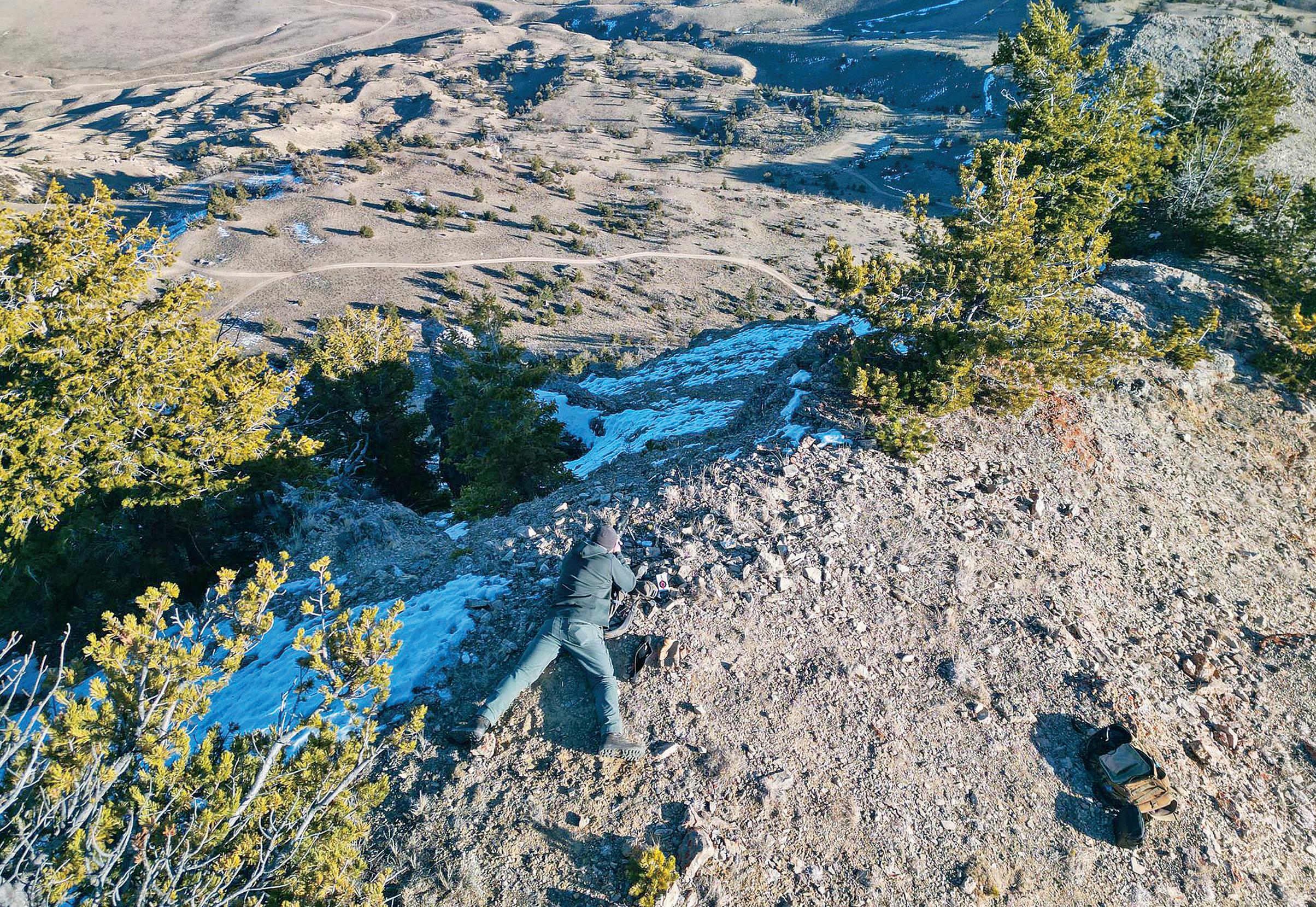
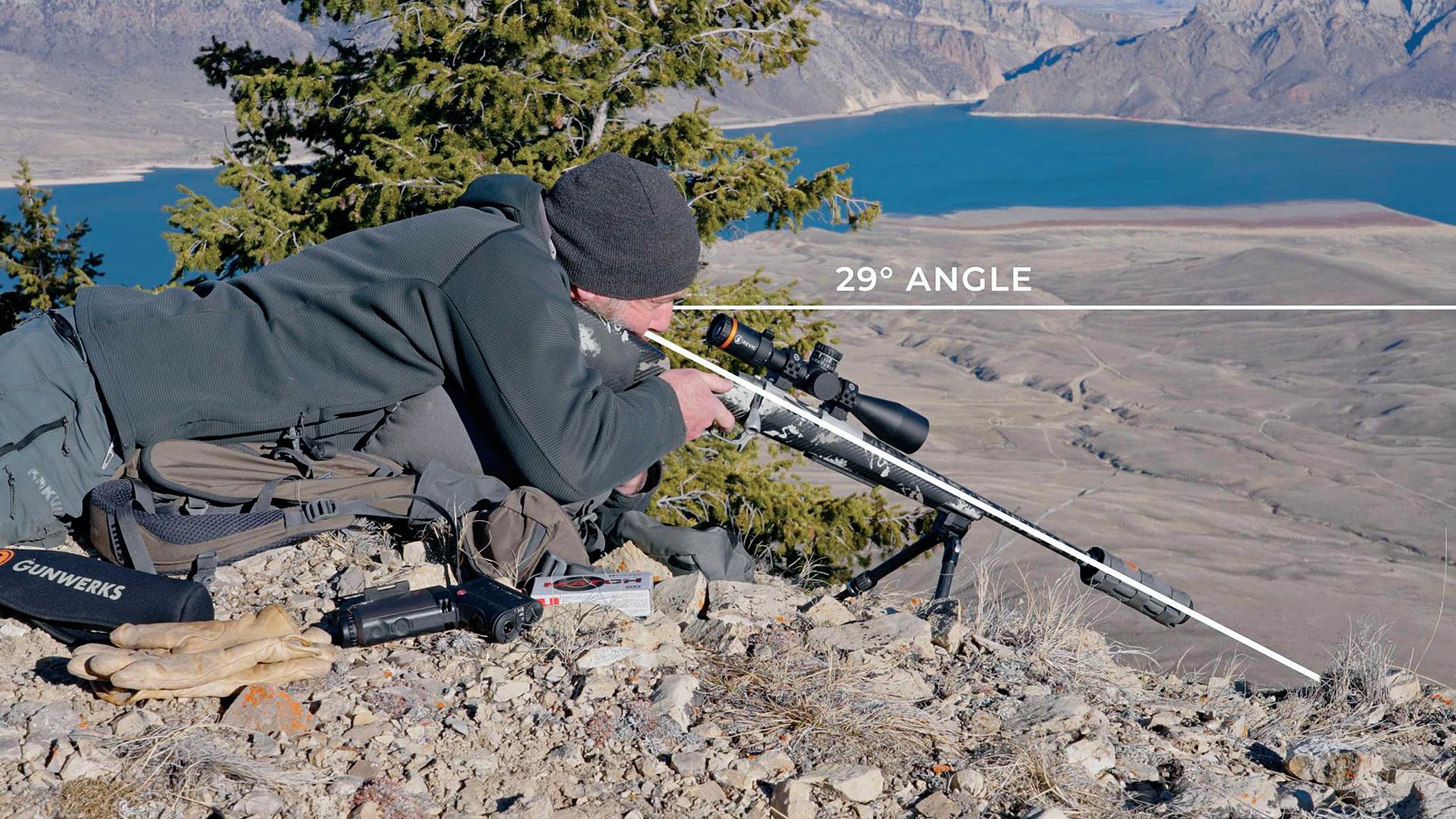
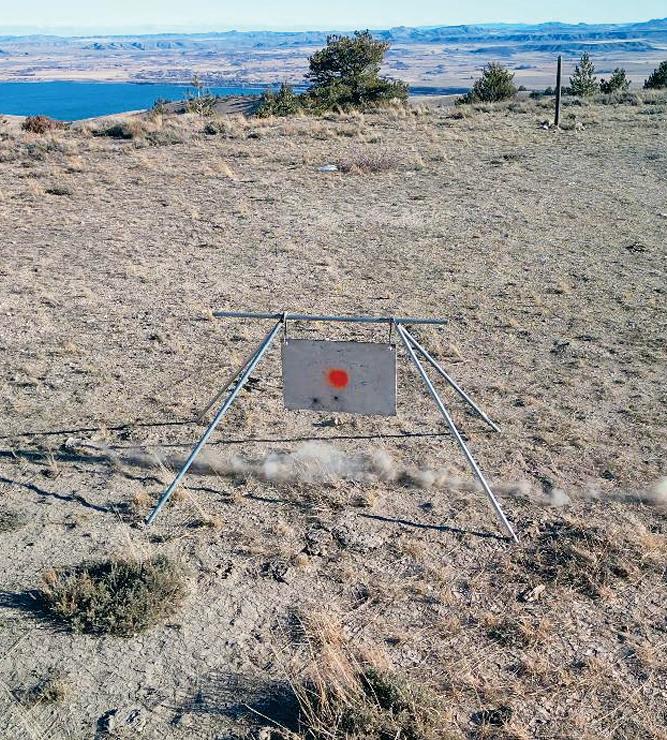
to the muzzle than it does between 700 and 800 yards. Therefore making a percentage change in range (horizontal distance) is not the same as making the same percentage change in the amount of bullet drop. At longer ranges (500 yards plus), the horizontal method used in a basic laser rangefinder will overcompensate and result in low impacts. To demonstrate this in the field I found a spot at our Sheep Mountain facility where, with some serious hiking we could get a 29° down angle with a 756-yard shot.
On the day in question, the weather was amazingly nice for a December in Wyoming. Forty degrees and clear with a gusty 10-20 mph wind. Sheep Mountain is located on the convergence between two river valleys and the gusty winds collide there making for some very tricky turbulent conditions. The target was set at approximately 6600 feet in elevation and the shooting position was at 7700 feet.
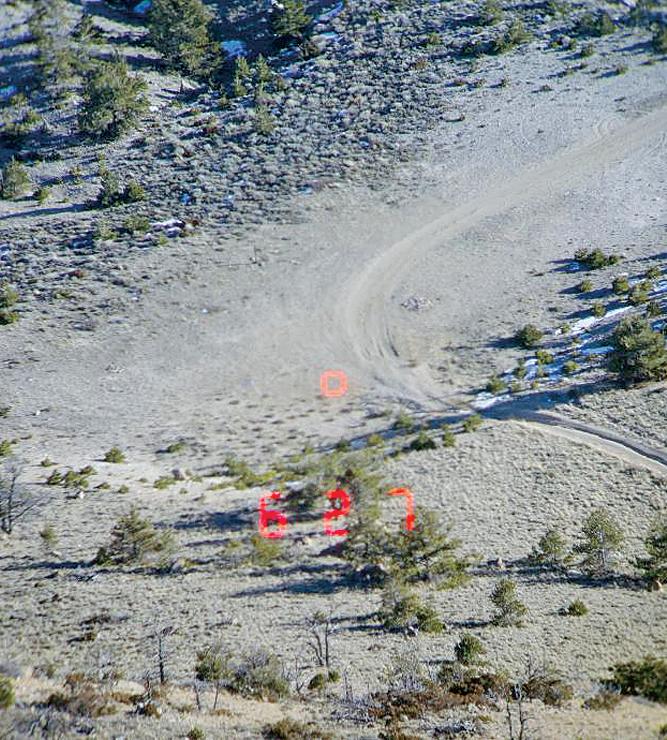
I was shooting one of our Magnus 6.5 Creedmoors with Hornady 140 ELD Match ammunition, the same setup our students use in LRU. The rifle had a Revic Acura RS 5-25I scope with a ballistic turret set for 50 degrees / 6000 feet. First, I ranged the target using my old Leica 1600 Laser. This was a good laser for its day, and I used it for years. It gave me a range of 756 yards with a horizontal range of 615. To demonstrate how bad the miss would be if we completely failed to account for the angle, I dialed the BDC turret to 756 yards and sent a shot several feet over the top of the target.
Next, I set the BDC turret for the horizontal range (627) to see what impact the “Rifleman’s Rule” or the “Map Distance” method would give me. I sent two shots and both impacted approximately 1 MOA below center. The
Why use a SMART Range Finder.00_03_45_27.Still004
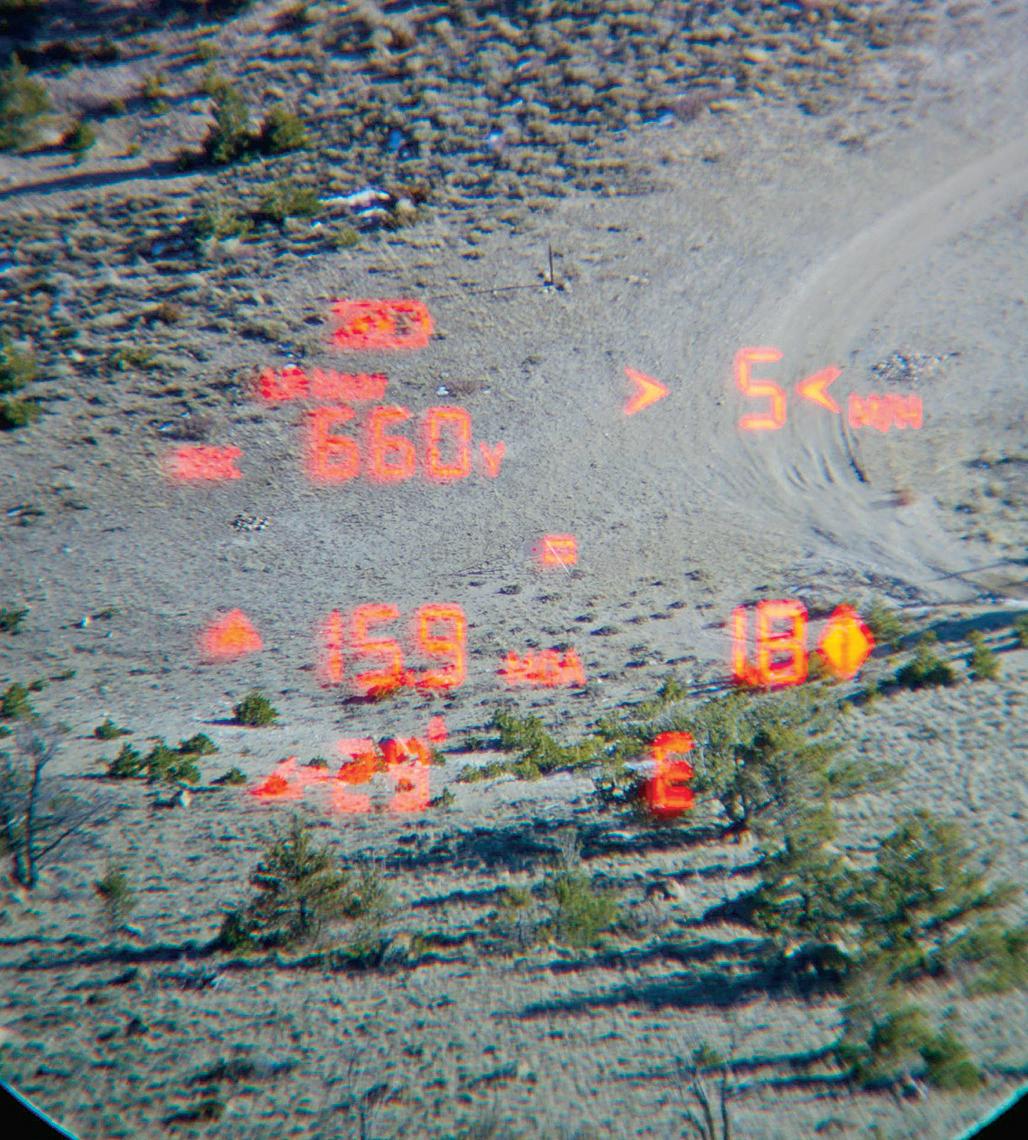
gusty wind got me on the second shot and it impacted approximately 1 moa left. Finally, I pulled out my Revic BR4 and it gave me a range of 756 with a BDC setting of 660. I dialed this on the scope and sent two shots. Both impacted perfectly level with my aiming point and just a couple of inches right of center. So at what range does this error start to matter? In my opinion, at 500 yards or less, the difference between the “basic” and the “smart” laser is negligible. Also, it takes a serious mountain to find a legitimate 30° angle at long range. If you hunt more rolling hill country the “basic” laser will work for angle compensation. Just remember at long range you have to stay fairly close to the temperature and elevation your BDC turret or range card is set for.
If we are going to attempt shots greater than 500 yards, good hunting ethics and our desire to be successful require us to be as precise as possible in all of our calculations. I call it “Murphy’s law of stacking errors”. Let’s say I’m shooting a rifle from a field position and the combined capability of me and the rifle is 1 Minute of Angle (moa) which is a 6-inch group at 600 yards. That means a “perfect shot” could land 3 inches below center by random chance. Now let’s add ½ moa (3 inches) low error due to incorrect angle compensation and a ½ moa error due to the animal moving 20 yards closer or further after you ranged him. On a good day, some of the errors will cancel out other errors… or your shot by random chance impacts at the bottom of the 6” circle… and there is ½ minute low error caused by calculating the angle incorrectly… and the animal is 20 yards further away than we thought. Our bullet is now 9 inches low, a clean miss, or a grazing brisket shot. Which scenario do you think would happen on your hunt of a lifetime with Mr. Murphy?
The Revic BR4 or the BR10 Binoculars use the Revic ballistics program and have all the onboard sensors to
Why use a SMART Range Finder.00_04_14_09
Why use a SMART Range Finder.00_04_44_07.Still009
measure air density, temperature, compass direction, and angle. It is to my knowledge, the only laser rangefinder that “knows” what temperature and elevation your ballistic turret was set for and can give you an adjusted range to dial too versus dialing for minutes of angle. This seems like a minor detail but under stress, it’s one less number to remember. In this demonstration the BR4 had me dial to 660 yards. This resulted in perfect impacts due to the laser’s ability to calculate not only the angle correctly but also the difference in air pressure, and earth-based effects.
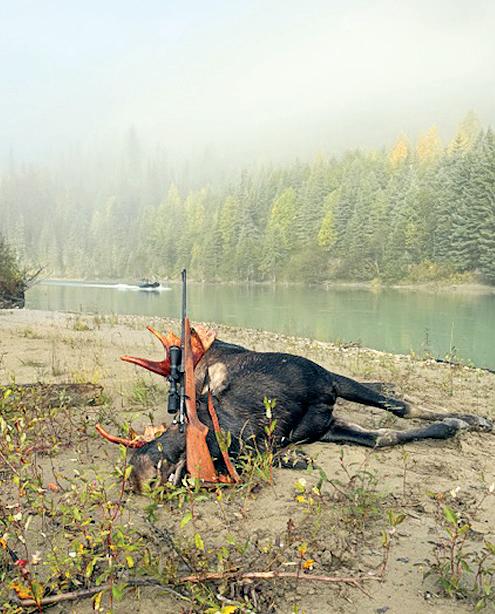
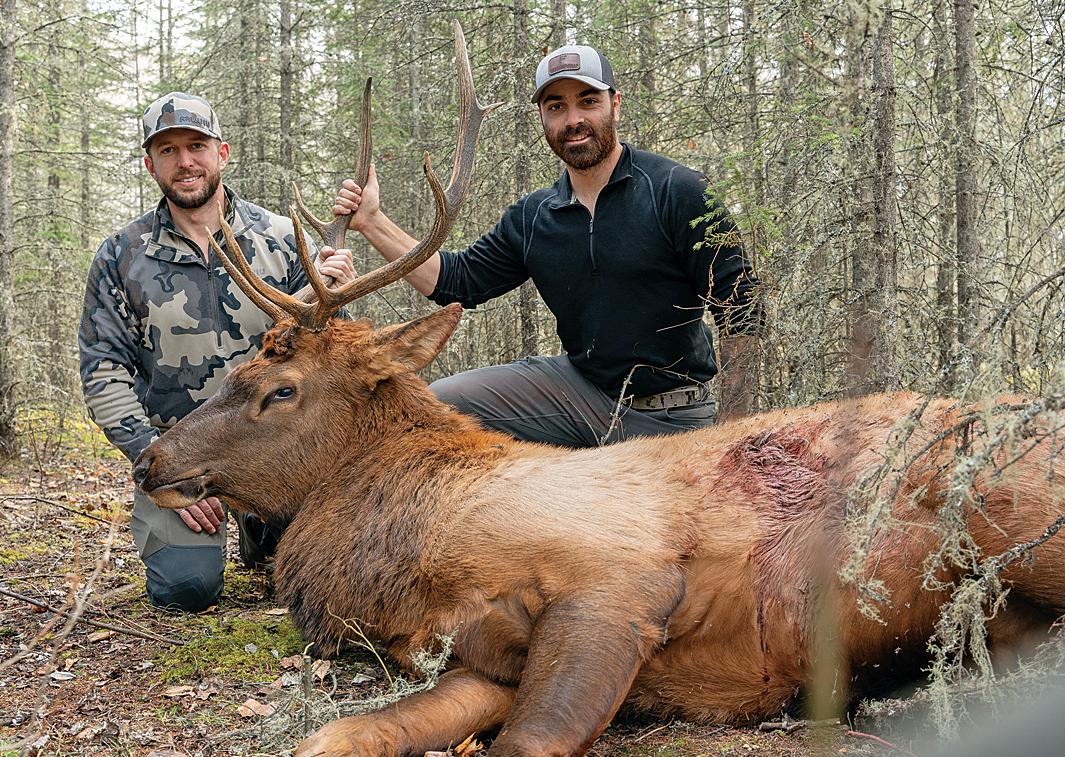
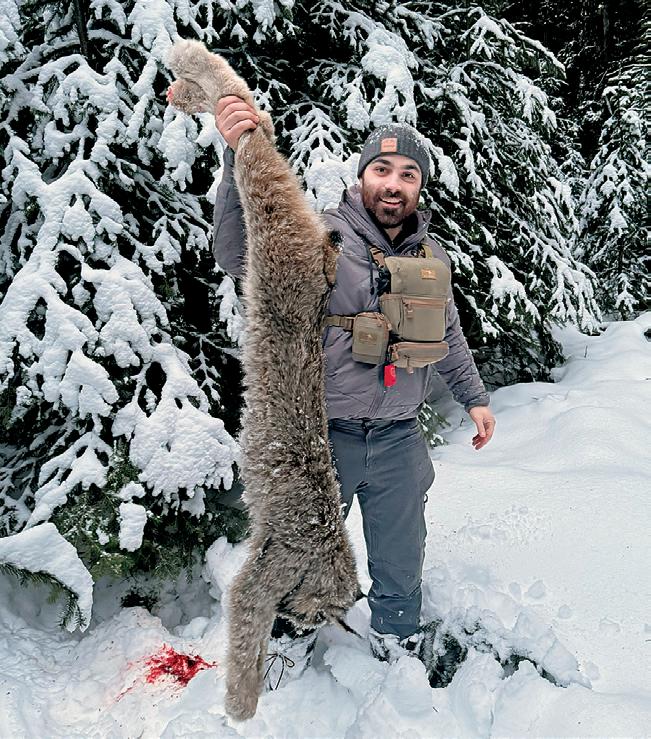
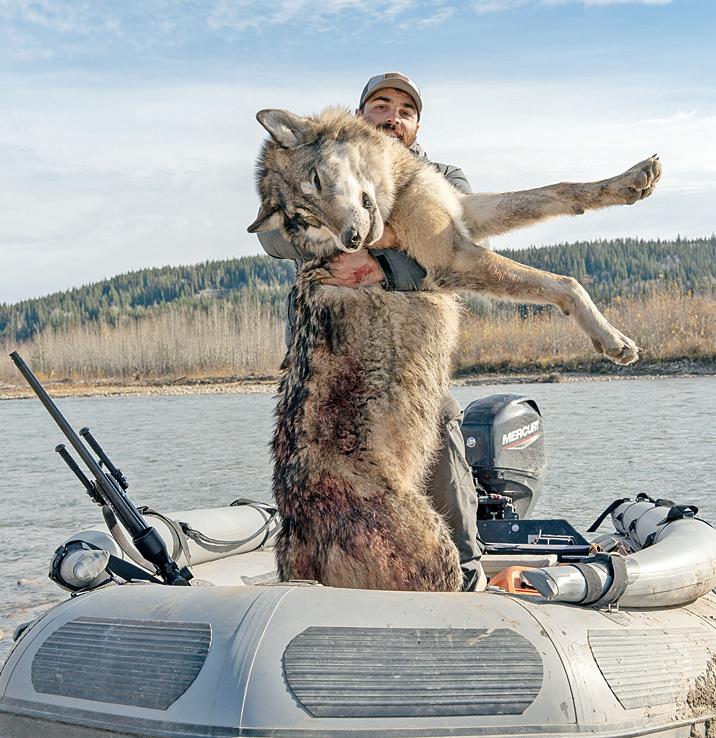
The 2025 fall was far from short on memories. From paying homage to generations of hunters past in taking a moose with a 1949 Model 70, cutting a tag on my biggest mule deer to date, or being able to save a few ungulates by taking out a big alpha wolf it was a season for the books.
– Jeff Agostinho
Members, send us your hunt story ~50 words plus a picture or two to kstelter@wildsheepsociety.com.
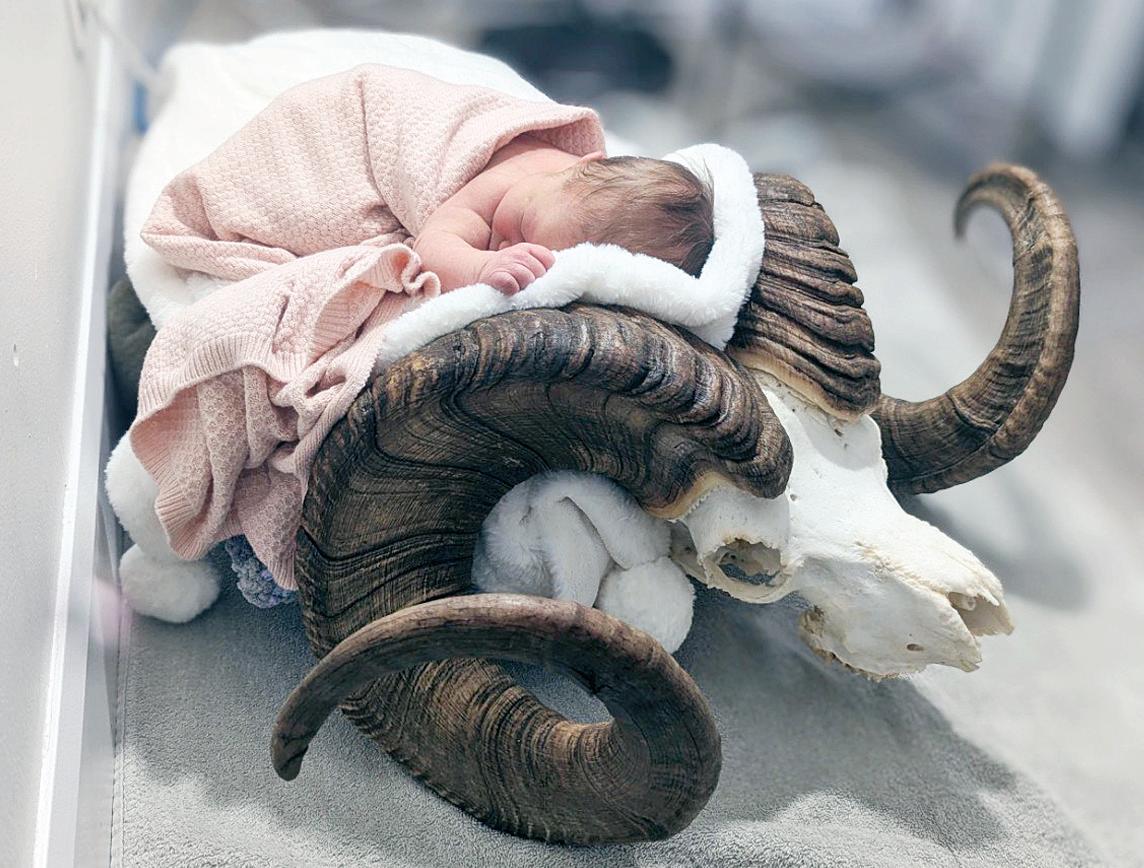
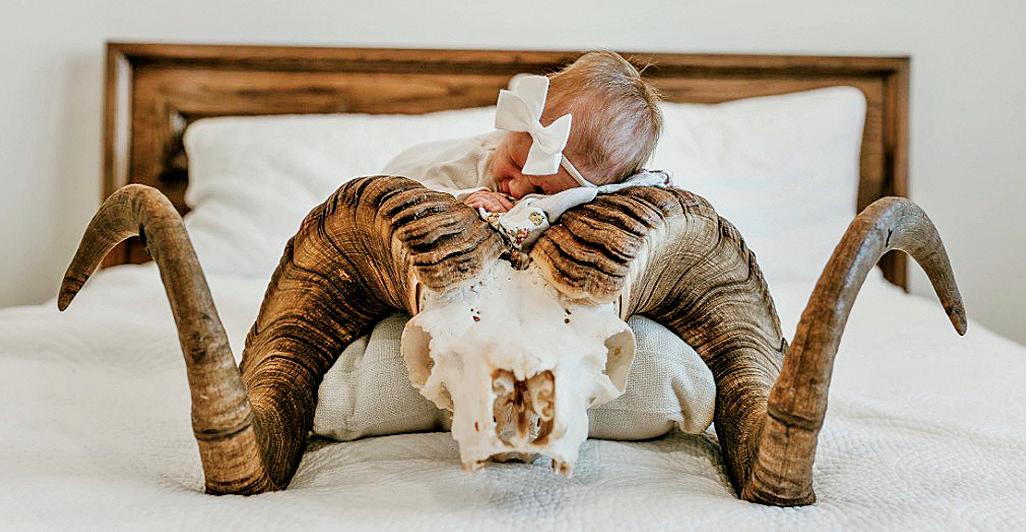
Andrew Klassen harvested this ram when his very supportive wife was 37 weeks pregnant with their first child, Bonnie Klassen—the newest member of the half curl lifetime membership.
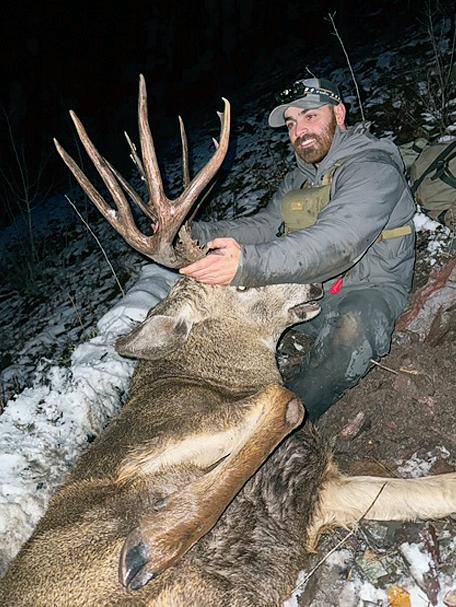
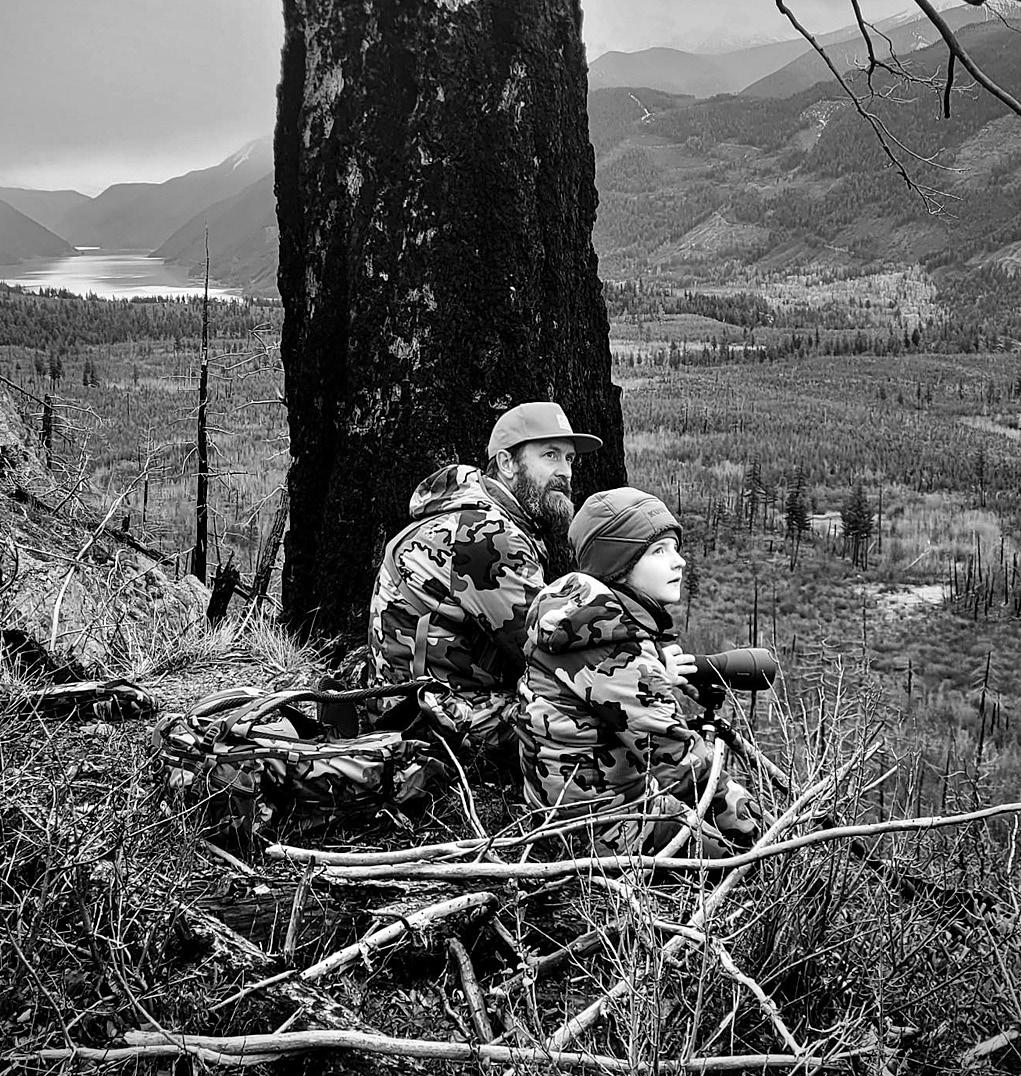
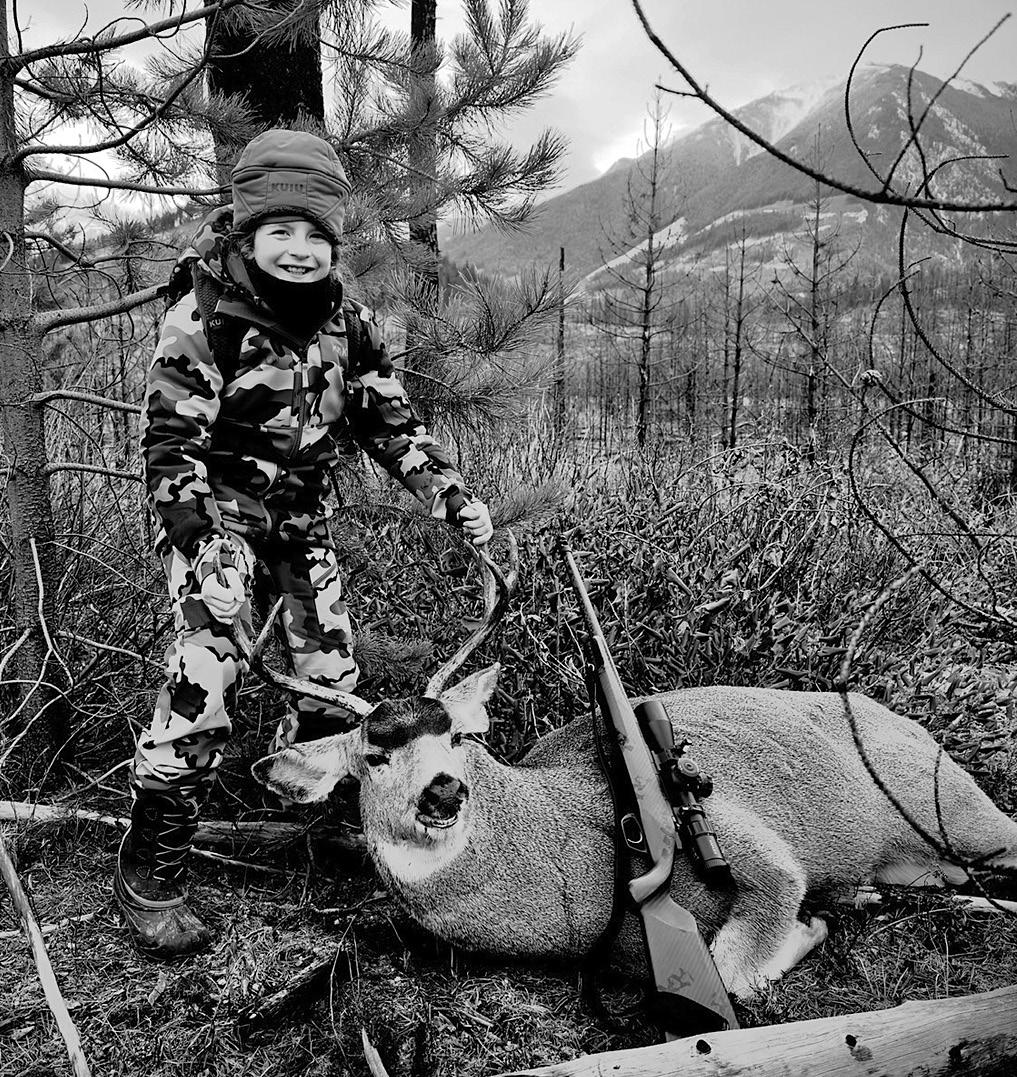
An unforgettable mountain morning. We spotted a buck nearly a kilometre away and stalked in through frozen ground and burnt pines. At the last moment he stepped into an opening—one clean shot and the buck was down. My first mainland mule deer, shared with my daughter beside me. Memories like this are what hunting is all about.
– Darren Hill