Annual Report 2025
www.wildlifejustice.org
Annual Report 2025
© Wildlife Justice Commission
Johan de Wittlaan 7
2517 JR The Hague
The Netherlands
www.wildlifejustice.org
Chamber of Commerce: 62800248
DESIGN · batweb.es
Foreword
2025: Celebrating a decade of impact
2025 was a defining year for the Wildlife Justice Commission. It marked not only one of the most operationally significant years in our history, but also our tenth anniversary—a decade since the organisation was founded at the height of Africa’s poaching crisis with a singular objective: to disrupt and help dismantle the transnational criminal networks pushing species toward extinction.
Over the past ten years, wildlife trafficking has become more widely recognised not merely as a conservation issue, but as a form of serious organised crime—one that undermines governance, fuels corruption, and is frequently intertwined with other illicit economies. Wildlife Justice has played a central role in driving this shift in understanding. Our decade of intelligence-led investigations, operational support, and policy engagement has helped transform how wildlife crime is understood and confronted globally.
Our impact in 2025
As we reflect on our first ten years, 2025 stands out as one of our most consequential. This year, we achieved the most severe and far-reaching disruptions of wildlife and marine trafficking networks in our brief history.
During the year, Wildlife Justice investigations contributed to 53 arrests across multiple jurisdictions, including the arrest of ten high-level traffickers. Among them was one of the largest pangolin-scale traffickers ever arrested in Nigeria, following years of

Olivia Swaak-Goldman Executive Director, Wildlife Justice Commission
intelligence collection and deeper penetration into complex transnational network. This arrest sent a clear signal that even the most entrenched actors in the illegal wildlife trade are no longer beyond reach.
In total, Wildlife Justice-supported operations in 2025 led to the disruption of 24 trafficking networks, eight of which we assess as severely disrupted. These outcomes significantly weakened criminal operations by crippling supply chains, blocking financial flows, and removing key facilitators from the illegal wildlife trade.
Our marine investigations programme also reached an important milestone in 2025. Our efforts disrupted networks trafficking shark fins, sea cucumbers, and other marine species. This work resulted in high-impact seizures and the arrests of key actors. For now, details of these major achievements cannot be disclosed, to protect the integrity of ongoing investigations, but they further demonstrate the growing reach and effectiveness of our marine investigations.
These results are not symbolic. Each investigation, arrest, and network disruption represents a tangible step toward accountability in a space where impunity once prevailed.
From investigations to accountability
Beyond arrests, 2025 also delivered concrete judicial outcomes. Thirteen convictions were secured in cases supported by Wildlife Justice—ten in Madagascar and three in Nigeria—reinforcing the critical link between intelligence-led investigations and successful prosecutions. Ensuring that seizures lead to arrests, and arrests lead to convictions, remains central to our approach.
At the same time, Wildlife Justice continued to advance global policy efforts aimed at strengthening criminal justice responses to wildlife trafficking. Throughout 2025, we engaged at key multilateral forums—including the 20th Conference of the Parties to the Convention on International Trade in Endangered Species of Wild
Fauna and Flora (CITES CoP20), the United Nations Convention against Transnational Organized Crime (UNTOC), the United Nations Ocean Conference, and the 11th session of the Conference of the States Parties to the United Nations Convention against Corruption (UNCAC CoSP11)—to promote the recognition of, and response to, environmental crime, including wildlife crime, as serious organised crime and to combat the corruption facilitating such crimes.
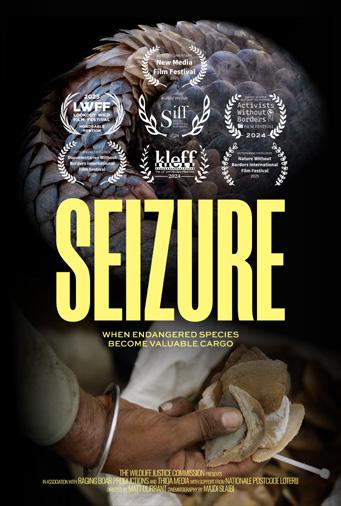
While strengthening policy responses is a priority, raising broader awareness of wildlife trafficking is also essential. The release this year of Seizure , our award-winning short documentary, offered the public a rare insight into our undercover work and the realities of transnational wildlife crime, reaching over 28,000 views in its first week.
Looking ahead
Ten years ago, Wildlife Justice was created to challenge a seemingly hopeless status quo. Today, we enter our second decade with a proven model, strengthened partnerships, and a clear sense of purpose.
Wildlife trafficking remains an urgent and evolving threat to biodiversity and governance worldwide. While prevention, demand reduction, and community engagement are essential, it is our targeted, intelligence-led enforcement—focused on dismantling criminal networks, addressing corruption, and following illicit financial flows— that is delivering measurable impact.
Wildlife Justice now has a field-tested methodology, with ten years of evidence demonstrating its effectiveness.
As we look toward our second decade, we see new areas in which our model can be applied, including fighting the illegal logging and timber trafficking that are decimating our planet’s forests. We also see new geographies where our work is needed, as we pursue traffickers and keep the pressure on their networks. With a decade of success behind us and a compelling mission propelling us, we embrace the challenges of tomorrow.
2025 was not only a year of reflection, but also a reaffirmation of why this work matters. With the continued support of our partners and donors, we remain committed to disrupting criminal networks and ensuring a future where wildlife is no longer treated as a commodity by organised crime.
A decade of impact
2025 marked our tenth anniversary—a decade of combatting one of the largest and most insidious forms of organised crime. Wildlife Justice now stands as a leading force in the global fight against wildlife trafficking.
Key achievements since our inception:
104 criminal networks disrupted
12,152 live animals rescued
355 arrests
678 intelligence reports disseminated to law enforcement partners
51 policy and technical processes strengthened by our expertise
110 events where we shared our expertise and engaged stakeholders
26 international policies influenced, including one international convention
Timeline
2016 2015
Origins
Wildlife Justice was founded by Peace Parks Foundation and WWF Netherlands, through the National Postcode Lottery’s Dream Fund, to address the shortcomings in efforts to protect endangered species.
First model
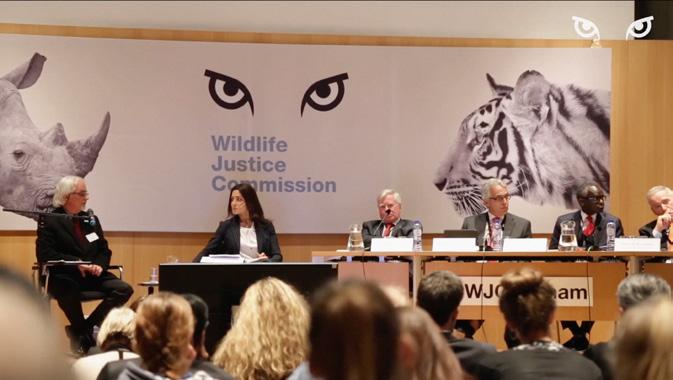
Our first accountability model: a public hearing on Vietnam. Wildlife Justice held its first and only public hearing, which helped catalyse a shift in Vietnam’s approach to wildlife crime.
2017
From Asia’s demand to Africa’s supply
Commenced targeted investigations to disrupt rhino horn and ivory trafficking networks in Southern Africa.
2019 2018
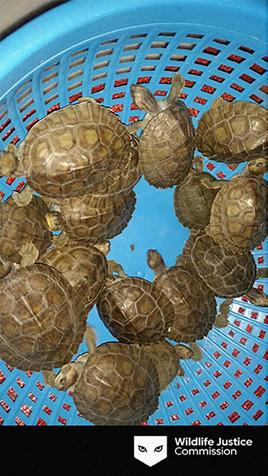
The overlooked species: Turtles and tortoises
Launched Operation Dragon to expose the crimes, the criminal networks, and the corruption driving the trafficking of turtles and tortoises.
Taking down the Wolf of Wall Street
The arrest of Vietnamese trafficking kingpin Ah Nam marked the culmination of a three-year investigation and showcased the importance of our law enforcement partnerships.

2020
Rising to the challenge
Despite the global COVID-19 pandemic, we rapidly adapted to remote operations, supporting the arrest of 24 wildlife criminals, disrupting five trafficking networks across Africa and Asia, and strengthening global enforcement, policy, and financial responses.
24 TRAFFICKING NETWORKS SIGNIFICANTLY DISRUPTED
Timeline
2023 2022 2021
Laying the foundation for disrupting Nigeria’s wildlife trafficking landscape
Project Galvanise strengthened the anti-trafficking intelligence and analytical capacity of law enforcement agencies across Southeast Asia.
We began working with the Nigeria Customs Service, a partnership that has to date disrupted multiple trafficking networks and led to 42 arrests.
We co-founded the UNCAC Coalition's Working Group on Environmental Crime and Corruption, a coalition of over 230 civil society organisations working collectively to address the corruption that enables wildlife and other environmental crime.
Targeting transporters, the linchpins of trafficking networks
Our work led to the arrest of six top-tier targets in major Vietnamese networks operating in Africa—while expanding our investigations to include big cat trafficking.
The arrest of Teo Boon Ching: known as “the Godfather”, he was one of the world’s biggest wildlife transporters, operating at the nexus of African and Asian criminal cartels trafficking rhino horns.
Smashing supply chains
Our investigations led to the arrests of 12 individuals, including three Malaysian customs officers linked to a major pangolin trafficking supply network—providing a template for collaboration with anti-corruption authorities.

2025 2024
Fighting the illegal pet trade
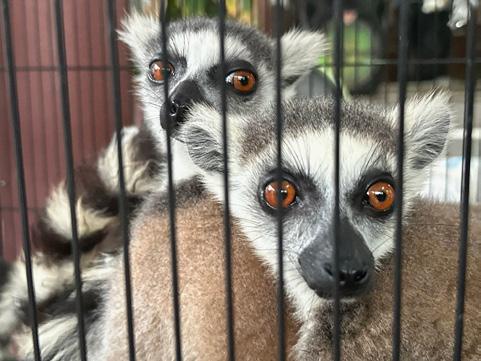
Working with Thai and Malagasy law enforcement agencies, we unravelled a prolific network smuggling endangered species from Madagascar to Thailand and beyond. More than 900 animals were rescued and returned home.
Expanding to marine species
Once again, Wildlife Justice is called to where the crisis is—applying our intelligence-led methodology to crimes involving the trafficking of marine species.
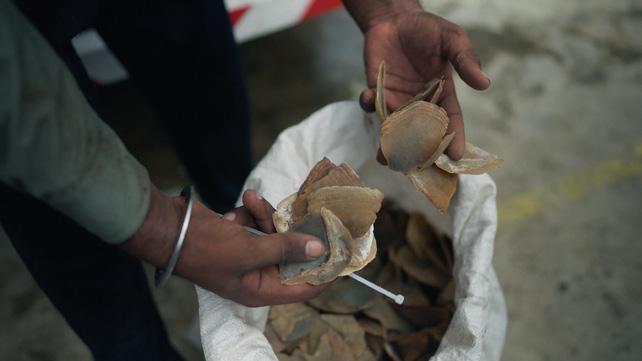
Our work contributed to the arrest of our first Chinese wildlife trafficking kingpin in Nigeria, linked to the largest pangolin scale seizure globally in four years. There have been no reported major seizures of African pangolin scales at Asian seaports or airports since January 2022.
Wildlife Justice led a coalition of civil society organisations that successfully fought for a new UN resolution on preventing and combatting corruption as it relates to crimes that affect the environment.
Unprecedented pressure on criminal networks
2025 at a glance
53 arrests
120 ground operations in 23 locations
24 networks disrupted
Successful operational engagement with 236 law enforcement partners
870 intelligence products disseminated to 57 law enforcement agencies in 34 countries
13 high-value convictions
20 international policies influenced
30 tonnes of animal products seized. (Representing approximately 25,360 pangolins killed; 25,000 seahorses killed; and over 2,500 sea cucumbers killed.)
152 live animals rescued, including critically endangered Sumatran orangutans, radiated tortoises, and Chinese pangolins, representing 145 species listed under CITES Appendices I and II
The Convention on International Trade in Endangered Species of Wild Fauna and Flora (CITES) regulates international trade in wildlife through three appendices: Appendix I (no commercial trade; highest protection), Appendix II (controlled trade under strict conditions), and Appendix III (cooperation at a country’s request).
The IUCN Red List of Threatened Species classifies species based on their risk of extinction. Vulnerable species face a high risk, Endangered species face a very high risk, and Critically Endangered species face an extremely high risk of disappearing from the wild without urgent action.
Radiated tortoises: Critically Endangered on the IUCN Red List and listed on CITES Appendix I. Their population has fallen from around 6 million in 2013 to 1.5–3 million today and they could vanish from the wild within 20 years if declines continue.
2025 was our most impactful year in the systemic disruption we caused to criminal networks trafficking wildlife and marine species. Over the course of the year, ten kingpins and other high-level traffickers were arrested during Wildlife Justice-led investigations worldwide, and significant quantities of wildlife and marine products were seized. These actions inflicted an estimated loss of 20 million USD on trafficking networks, demonstrating the extent of Wildlife
Justice’s expertise in disrupting transnational organised wildlife and marine crime networks from the top down.
Wildlife Justice investigators continue to operate across multiple regions and crime types, targeting the leadership and financial structures that enable trafficking to persist. Our intelligence-led model enables rapid deployment, precise targeting, and sustained pressure on networks operating across borders.

Strengthening partnerships to drive disruption
Wildlife Justice’s close partnership with the Nigeria Customs Service (NCS) continued to deliver landmark results in 2025. In February, a Wildlife Justice investigation led to the arrest of a Chinese trafficking kingpin in Lagos, critically disrupting the Africa–Asia pangolin scale trafficking nexus.
In April, our work with NCS led to the arrest of the Nigerian head of a major pangolin-trafficking network,
the arrests of four network members, and the seizure of their 3.7 tonne stockpile of pangolin scales—representing up to 20,000 pangolins. In addition, Wildlife Justice’s work with the NCS Prosecutor resulted in the successful conviction of three high-level Nigerian pangolin scale and ivory traffickers. These convictions are expected to reinforce the perception of risk among traffickers and strengthen the understanding that wildlife trafficking carries severe legal consequences.
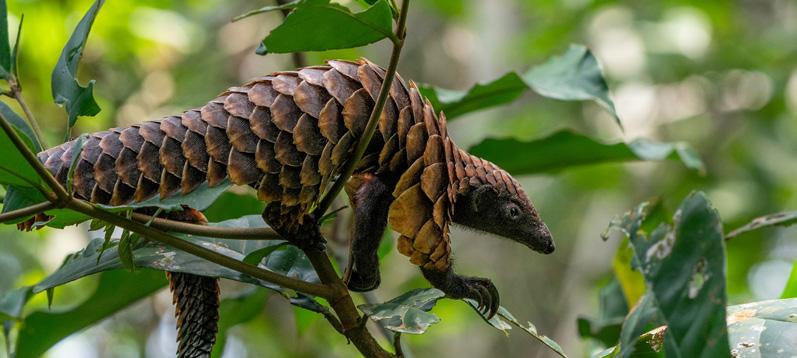
Pangolins: All eight species are at high risk of extinction. Asian species are Critically Endangered, while African species range from Vulnerable to Endangered. All are listed on CITES Appendix I.
Since the partnership began, our collaboration with NCS has achieved:
Over 25 tonnes of pangolin scales seized— representing up to 135,000 pangolins
42 arrests
15 successful convictions
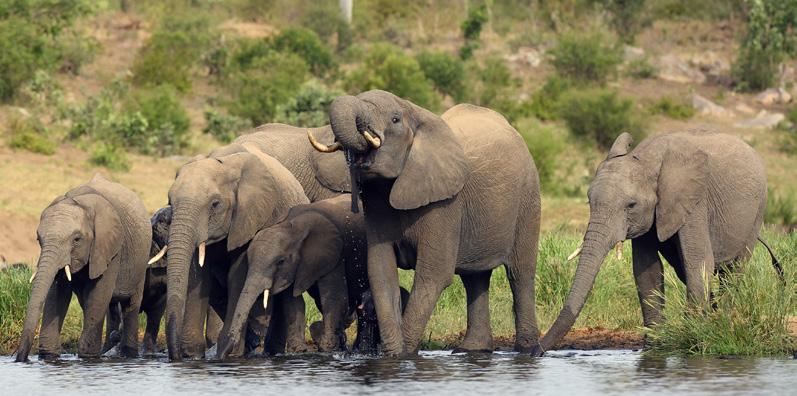
More than 1 tonne of ivory seized— representing approximately 100-140 elephants, depending on tusk size and population composition.
Elephants: African forest elephants are Critically Endangered and African savanna elephants are Endangered on the IUCN Red List. Most populations are listed on CITES Appendix I; those in Botswana, Namibia, South Africa, and Zimbabwe are on Appendix II, with regulated trade.

Wildlife Justice has shared more than 112 intelligence and evidentiary packages with NCS since the partnership commenced, including 34 produced and disseminated in 2025.
Wildlife Justice intelligence and operational support has been responsible for 91% of all pangolin scales seized in Nigeria since the commencement of the partnership in July 2021. There have been no reported major seizures of African pangolin scales at Asian seaports or airports since January 2022.
Global pangolin scale seizures are at their lowest since 2015 and are down 88% from their peak in 2019.
Multi-tonne shipments of pangolin scales have become rare, and market prices have dropped and stabilised.
From rescue to repatriation
In December 2025, four infant orangutans seized in Thailand were successfully repatriated to Indonesia, their country of origin. The rescue operation was based on intelligence provided by Wildlife Justice, working closely with Thailand’s Natural Resources and Environmental Crime Suppression Division, the United States Fish and Wildlife Service, and the United Nations Office on Drugs and Crime (UNODC). The rescue was part of our ongoing efforts to identify and dismantle criminal networks trafficking infant orangutans from Indonesia into Thailand. The orangutans are now receiving specialist care at the Sumatran Rescue Alliance Rehabilitation Centre in North Sumatra, where they will be prepared for eventual release back into the wild.
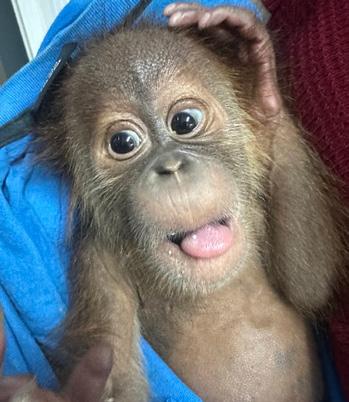
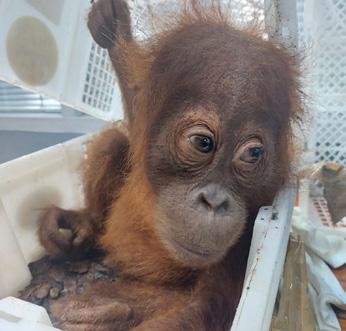
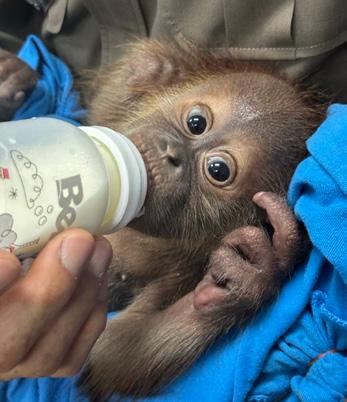
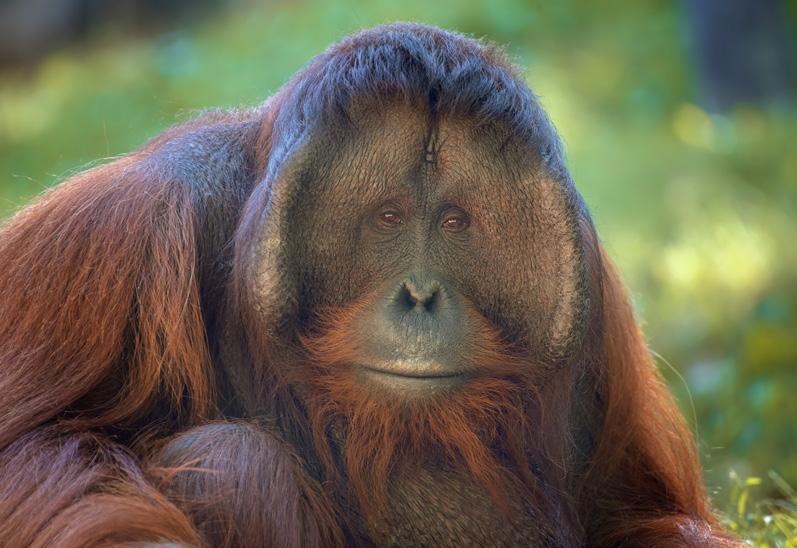
Orangutans: All species are Critically Endangered on the IUCN Red List and are listed on CITES Appendix I.
The rising tide of marine investigations
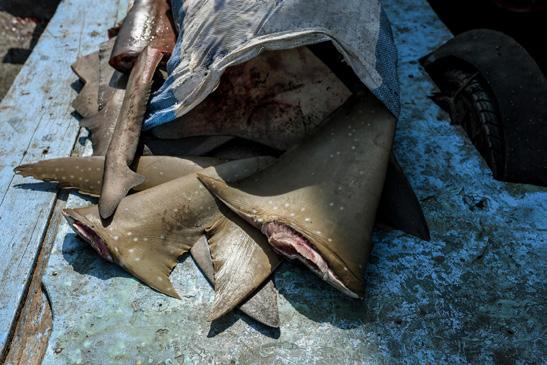
In 2025, Wildlife Justice continued to expand its work investigating marine and fisheries crime. Our investigations and intelligence support resulted in two large-scale marine seizures, details of which must remain undisclosed to protect operational security. Wildlife Justice is working directly with law enforcement agencies across major trade routes to disrupt shark fin, sea cucumber, and sea horse trafficking.
In Latin America, our investigators were invited to the Red Jaguar Network conference for a second year—where
Wildlife Justice was one of the few NGOs invited to brief police agencies working on environmental crime.
“Thanks to the strategic and financial support of the Wildlife Justice Commission, we were able to execute one of the most significant actions in the fight against trafficking of protected marine species in the country.”
– Senior law enforcement official
Sea Cucumbers: Sandfish and pineapple sea cucumbers are listed as Endangered on the IUCN Red List, reflecting severe population declines driven by overexploitation. Neither are currently listed under CITES.

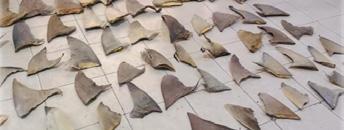
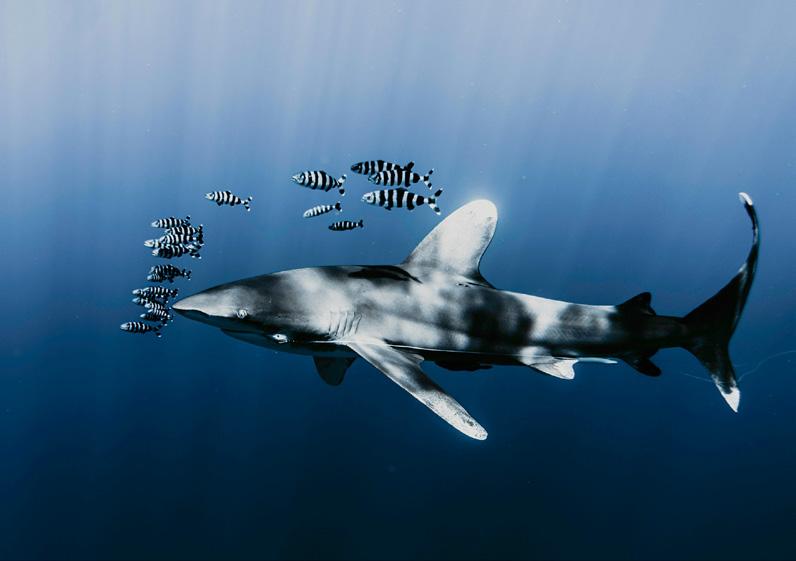
Sharks: Oceanic whitetip sharks and whale sharks are assessed as Critically Endangered and Endangered, respectively, on the IUCN Red List, and both are now listed on CITES Appendix I for the highest level of trade protection; in addition, gulper sharks, smooth-hound sharks, and tope sharks are newly listed on CITES Appendix II, reflecting ongoing risks to their populations.
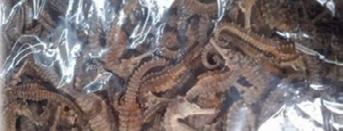
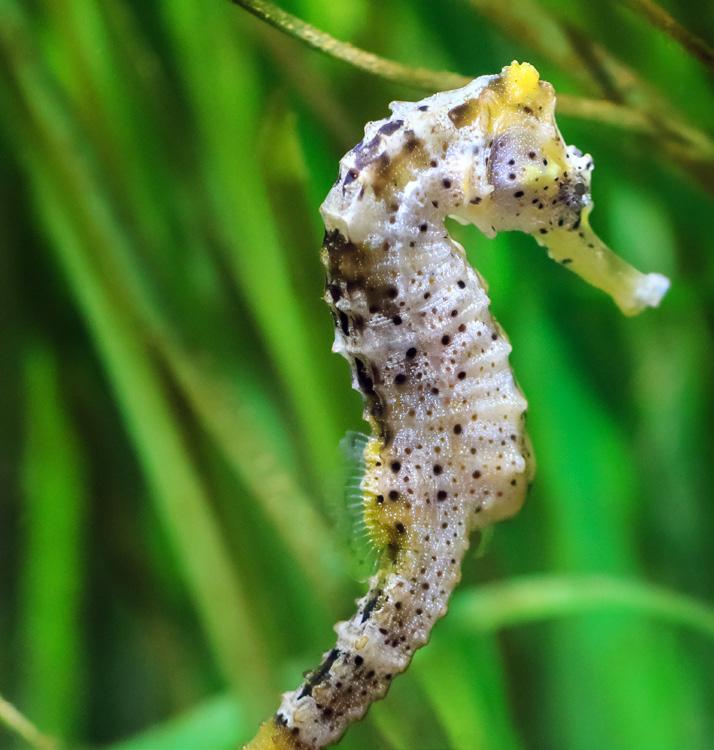
Seahorses: All species of seahorses are listed on CITES Appendix II, meaning international trade is regulated to ensure it is sustainable and not harmful to wild populations, and many individual species have varying IUCN Red List statuses reflecting that different populations face different levels of conservation concern.
Intelligence highlights: Insight to enforcement
The Wildlife Justice intelligence team produced and updated 870 intelligence products in 2025. External dissemination also increased exponentially, with 178 briefs shared with 57 partner agencies in 34 countries. This
growth reflects both the expansion of our law enforcement collaborations and the increasing value of Wildlife Justice’s contribution to the global understanding of the wildlife and marine crime landscapes.
Global recognition
Wildlife Justice’s achievements have received international recognition at the highest levels. In June 2025, at the CITES Rhinoceros Task Force meeting held in Pretoria, South Africa, the CITES Secretariat identified Wildlife Justice as a model of best practice in combatting wildlife trafficking.
The Secretariat specifically highlighted the Wildlife Justice Investigation Model as an example of effective collaboration between civil society and government authorities, demonstrating how inter-agency cooperation can deliver tangible enforcement outcomes against organised wildlife crime.
Partnerships for impact
Wildlife Justice works closely with law enforcement agencies worldwide to strengthen their ability to investigate, disrupt, and prosecute organised wildlife crime. These partnerships enable us to provide intelligence, share evidence, and support strategic enforcement operations, helping authorities dismantle criminal networks from the top down.
Mozambique
In 2025, Wildlife Justice concluded the Empowerment Strategy project, launched in 2024 with funding from the Swedish Postcode Lottery Foundation and conducted in close collaboration with the Supreme Court of Mozambique. The project delivered a strategic assessment and recommendations to strengthen the rule of law in addressing wildlife crime, which were shared with key Mozambican authorities, including the Supreme Court, Prosecutor General’s Office, National Criminal Investigation Service (SERNIC), National Administration of Conservation Areas, and National Agency for Environmental Quality Control. Wildlife Justice also completed a major training and mentoring programme for SERNIC, culminating in the installation of a dedicated server and laptops for its intelligence unit—transitioning operations from paperbased to a structured, database-driven system.
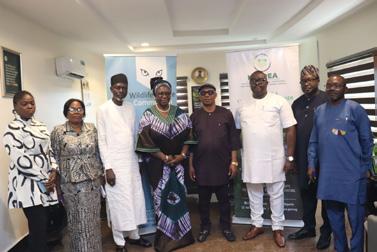
Wildlife Justice signed a memorandum of understanding with Nigeria’s National Environmental Standards and Regulations Enforcement Agency to strengthen the country’s response to organised wildlife crime. The agreement establishes a framework to combat transnational criminal networks trafficking wildlife, fish, and timber and will strengthen the fight against wildlife trafficking in Nigeria.
Online Resource Centre for Analysts (ORCA)
Wildlife Justice continues to enhance ORCA, our online platform bringing together intelligence analysts focused on wildlife, marine, and timber crime. ORCA connects like-minded professionals and enables them to share best practices, exchange insights on crime trends and analytical methodologies, and support one another
in addressing everyday professional challenges—from solving software-related issues to improving analytical workflows. By the end of 2025, more than 100 analysts from 35 organisations across 27 countries were registered on the platform.
Expanding capabilities
Wildlife Justice strengthens law enforcement skills and operational capabilities through specialised training, mentoring, and technical support to law enforcement agencies.
Zambia
In April 2025, Wildlife Justice delivered its first training programme in Zambia, bringing together senior officials from the National Prosecution Authority of Zambia, Department of National Parks and Wildlife, Ministry of Defence, Drug Enforcement Commission, and Wildlife Crime Prevention. Built around a realistic wildlife crime scenario, the programme focused on strategy development, risk assessment, decision-making, and tactical management, with intelligence analysts demonstrating the value of data-driven investigations.
Angola
In May 2025, Wildlife Justice delivered training in Luanda to support the development of Angola’s first Rapid Reference Guide for wildlife crime. The programme covered action planning, intelligence analysis tools, analytical reporting, and subject profile analysis to help identify and target high-level traffickers.
Philippines
In September 2025, Wildlife Justice, in partnership with TRAFFIC, concluded a specialised investigations and intelligence training programme for local law enforcement, strengthening intelligence and investigative capacities to combat wildlife crime.
Open-source intelligence with GI-TOC
In June 2025, Wildlife Justice partnered with the Global Initiative against Transnational Organized Crime (GITOC) through its ECO-SOLVE programme to deliver an open-source intelligence course focused on detecting, analysing, and disrupting online illegal wildlife trade.
Participants from GI-TOC data hubs in Brazil, Colombia, Indonesia, Mexico, Nigeria, South Africa, and Thailand, alongside law enforcement partners, were trained in geolocation, online security, investigative research, and intelligence reporting.
Sharing our findings
Wildlife Justice keeps law enforcement and policymakers informed of important developments in the field through the publication of reports offering comprehensive insights into our investigative findings and intelligence analysis.
Disruption and Disarray: An analysis of pangolin scale and ivory trafficking, 2015–2024
Published in 2025, this report presents an updated analysis of global pangolin scale and ivory trafficking trends over the past decade. It documents a sharp decline in significant seizures since the COVID-19 pandemic in 2020, which has held steady since. This significant reduction in the trafficking of pangolin scales and ivory is a testament to the critical impact of focused and collaborative law enforcement efforts. As our new report shows, proactive targeting of kingpins and high-level traffickers, strategic arrests, and strong international cooperation have fundamentally disrupted criminal networks operating at an industrial scale.
Is wildlife trafficking being treated as serious crime? A review of criminal offences, penalties, and implementation of the UN Convention against Transnational Organized Crime
This report examines whether national legal systems are treating wildlife trafficking with the seriousness it deserves. Drawing on research from the 19 countries that are most implicated in the rhino horn trafficking supply chain, the report examines the criminalisation and penalisation of wildlife offences, and how key provisions of the UN Convention against Transnational Organized Crime (UNTOC) have been incorporated into domestic law and implemented in practice.
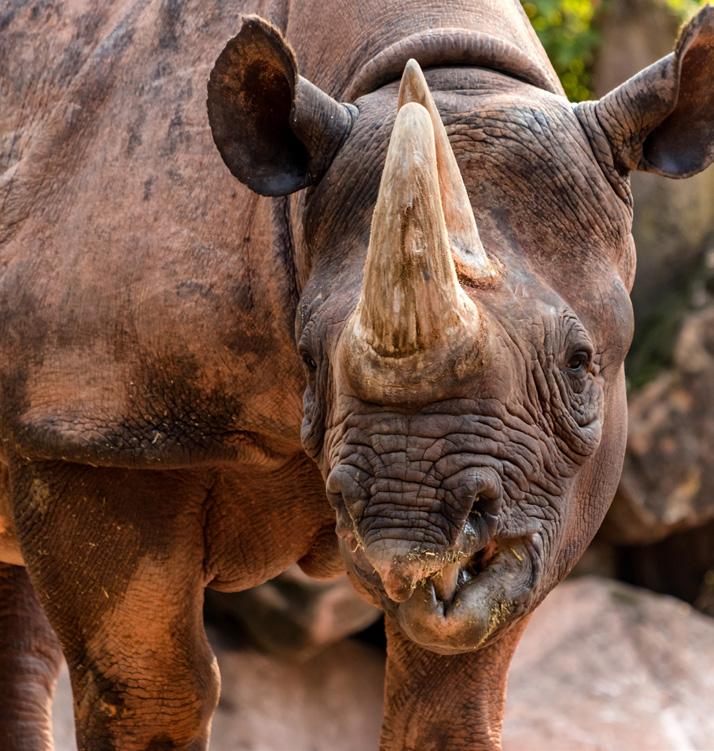
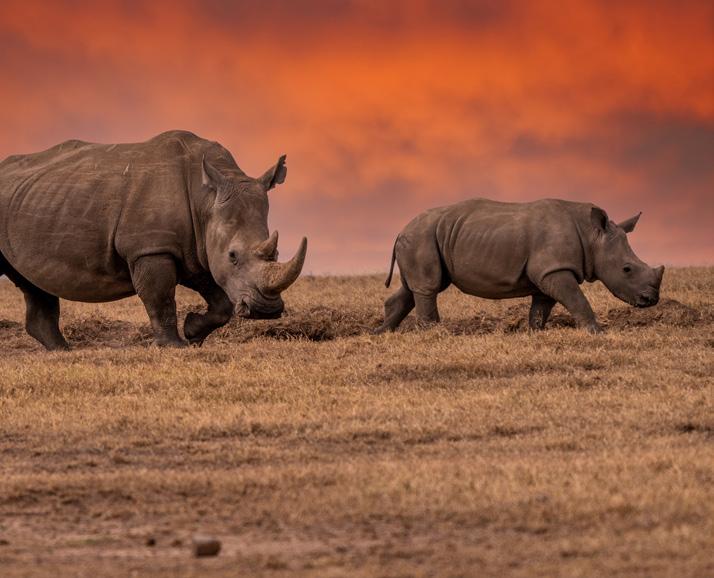
Rhinos: Black Rhinos, Sumatran Rhinos, Javan Rhinos are Critically Endangered on the IUCN Red List and listed on CITES Appendix I, facing severe threats from poaching for their horns and habitat loss.

Disruption and Disarray: An analysis of pangolin scale and ivory trafficking, 2015-2024 April 2025

Is wildlife trafficking being treated as serious crime?
A review of criminal offences, penalties, and implementation of the United Nations Convention against Transnational Organized Crime Discussion Paper, September 2025
Shaping the global response to wildlife trafficking
Strong legal frameworks, effective enforcement tools, and international cooperation are essential to deter organised wildlife crime and bring criminal networks to justice. Because these networks operate across borders, coordinated action is critical. Wildlife Justice’s policy work translates our field-based findings into practical legal and policy recommendations, advising governments on what works, where gaps remain, and how criminal justice tools can be applied more effectively.
In 2025, Wildlife Justice contributed to 20 key international policies that strengthen the global response to wildlife trafficking and associated crimes, including corruption and money laundering, while advancing increased protections for endangered and exploited species. By strengthening policy and enforcement frameworks, we support national authorities to apply stronger mandates, enhance cooperation, and reduce trafficking pressure on biodiversity.

Tackling the corruption enabling wildlife trafficking
Corruption is a major facilitator of wildlife trafficking, undermining enforcement, accelerating biodiversity loss, and inflicting lasting harm on communities, economies, the rule of law, security, and public health. Crimes such as money laundering allow criminal networks to channel billions of dollars through the global financial system, fuelling these illicit activities.
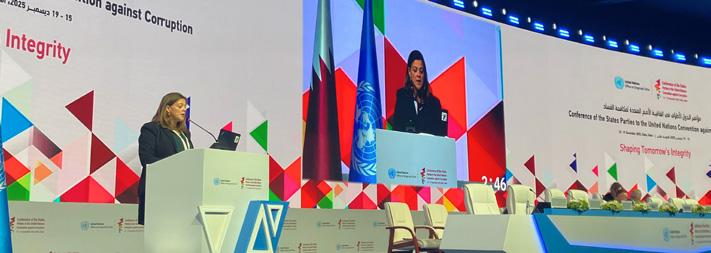
As the chair of the Working Group on Environmental Crime and Corruption (WG ECC) of the Global Civil Society Coalition for the United Nations Convention against Corruption (UNCAC), Wildlife Justice represented over 230 civil society organisations worldwide at the UNCAC 11th Conference of the States Parties in
December 2025. UNCAC is the world’s only comprehensive and legally binding anti-corruption treaty and also a key means of fighting the corruption that makes wildlife trafficking possible.
This engagement culminated in a major achievement: the adoption of Resolution 11/9 on preventing and combatting corruption as it relates to crimes that affect the environment, including wildlife trafficking. The resolution commits States to strengthen enforcement and international cooperation through tools such as financial investigations, asset seizure and recovery, joint investigations, and special investigative techniques, while promoting transparency and accountability.
Unrestricted funding from the Postcode Lottery enabled Wildlife Justice to provide sustained leadership in advocating for a dedicated UNCAC resolution addressing corruption linked to crimes that affect the environment. This flexible support made our long-term strategy, coalition-building, and policy influence possible.
Resolutions guide national implementation and shape international practice. Influencing these instruments is critical to shifting the global discourse—and action— on wildlife crime by reinforcing its recognition as a form of serious organised crime and strengthening responses to its links with corruption.
Looking ahead, Resolution 11/9 has the potential to significantly enhance the practical use of the UNCAC to prevent and combat the corruption that facilitates crimes that affect the environment worldwide, closing critical enforcement gaps and boosting international cooperation. Together with our partners, Wildlife Justice will continue supporting States to translate these commitments into concrete action, reinforcing the protection of ecosystems and communities from the most harmful impacts of corruption.
Toward a new, dedicated international legal instrument
Wildlife trafficking is rarely treated as a serious crime, despite being the fourth-largest organised criminal activity globally. Gaps in legislation, enforcement, sentencing, and cross-border cooperation continue to limit the ability of authorities to target high-level traffickers and organised criminal networks. Drawing on findings from operational investigations and legal research—published in our first policy report, Is wildlife trafficking treated as serious crime?—we advanced discussions throughout the year under the United Nations Convention against Transnational Organized Crime (UNTOC), advocating for the formal recognition and treatment of wildlife trafficking as the major threat it is.
In 2025, Wildlife Justice focused particularly on the UNTOC open-ended Intergovernmental Expert Group on Crimes that Affect the Environment (IEG CAE), established to assess legal and implementation gaps and identify responses, including the potential development of a dedicated, legally binding protocol on crimes that affect the environment. We have advocated that such a dedicated instrument is important to close legal and operational gaps, ensure consistent treatment of wildlife trafficking as serious crime, and strengthen international cooperation and accountability. In parallel, we also continue to push for more effective application of existing UNTOC provisions to these crimes.
Elevating enforcement at CITES CoP20
CITES is an important international framework for Wildlife Justice’s investigative and policy work, shaping protections for endangered species vulnerable to trafficking and facilitating cooperation to regulate and enforce international wildlife trade. At the CITES 20th Conference of the Parties in November 2025, Wildlife Justice supported stronger species protections and called for decisive action against organised wildlife trafficking networks, providing targeted recommendations and operational insights to support the effective enforcement of States’ obligations under CITES.
Building on our close partnership with the Government of Nigeria, Wildlife Justice convened a high-level event showcasing the success of our collaboration with the Nigeria Customs Service (NCS) in disrupting pangolin scale and ivory trafficking. The event presented key findings and recommendations from Wildlife Justice’s
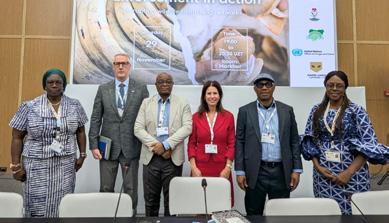
global assessment of pangolin scale and elephant ivory trafficking between 2015 and 2024. By ensuring this evidence was formally integrated into the CITES agenda and widely disseminated among governments and policymakers, Wildlife Justice helped drive informed, evidence-based decision-making to strengthen compliance and enforcement.
Wildlife Justice further advocated for and supported the adoption of several decisions, including strengthened permit controls for great apes, a new resolution addressing illegal trade in eel species, commitments to tackle corruption and illicit financial flows linked to wildlife crime, and time-bound actions to address pangolin trafficking. Together, these efforts provide a practical roadmap for improved compliance, monitoring, and enforcement under CITES.

Bridging conservation and crime
Another goal of our policy work is raising awareness of the need to address crime within conservation efforts. Successful species and ecosystem conservation depends on integrating measures to tackle wildlife trafficking into broader protection strategies.
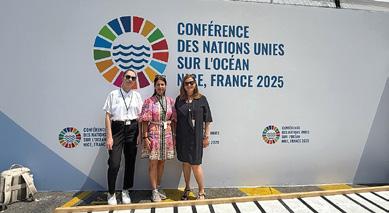
At the Third United Nations Ocean Conference (UNOC3) in June 2025, Wildlife Justice helped elevate attention to the trafficking of vulnerable marine species by advancing a criminal justice-driven approach to ocean governance. We achieved this through organising and participating in high-level events and issuing a joint statement with partners International Conservation Caucus Foundation UK, UNODC, and Environmental Justice Foundation.
As a new member of the International Union for the Conservation of Nature (IUCN), Wildlife Justice contributed to the 2025 IUCN World Conservation Congress, helping to elevate wildlife trafficking as a priority across key IUCN guiding documents. By embedding crimes that affect the environment and law enforcement approaches within IUCN’s strategic framework, this engagement lays the foundation for systematic integration of criminal justice tools into conservation practice across IUCN’s global membership—strengthening coordinated, cross-sectoral action against organised wildlife crime.
Wildlife Justice will continue working with governments and partners to ensure these pledges result in tangible protection for the world’s most threatened species.
OUR AWARD-WINNING SHORT FILM
Seizure
In December, Wildlife Justice premiered its documentary Seizure on our new YouTube channel. Made possible by the generous support of the Postcode Lottery and its players, the film offers a rare and gripping look into the hidden world of wildlife trafficking and the investigative work required to combat it.
Led by Wildlife Justice’s Chief of Investigations Steve Carmody, the film follows a global team of investigators, analysts, and undercover operatives as they work to dismantle transnational criminal networks profiting from wildlife trafficking. Filmed across multiple continents, the film demonstrates how Wildlife Justice’s intelligence-led model transforms information into enforcement and results in seizures, arrests, prosecutions, and convictions.
Seizure has received wide recognition on the international film circuit. It premiered as a finalist at the Kuala Lumpur Eco Film Festival and went on to win Best Short Documentary at both the Activists Without Borders International Film Festival and the Swedish International Film Festival. Additional accolades include Best Documentary at the New Media Film Festival, an Outstanding Excellence Award at the Nature Without Borders International Film Festival and the Documentaries Without Borders International Film Festival, and an Honourable Mention from the Lookout Wild Film Festival.
Since its release, Seizure has engaged a global audience, reaching over 28,000 viewers within its first week.
WATCH
WITH BEN GOLDSMITH
Rewilding the World
In June 2025, Wildlife Justice’s Executive Director Olivia Swaak-Goldman appeared on Ben Goldsmith’s podcast Rewilding the World, a series dedicated to exploring conservation solutions and the future of biodiversity. The episode highlighted the urgent fight against transnational organised wildlife crime and emphasised how wildlife trafficking remains overshadowed by other forms of organised crime, such as drug trafficking, despite its profound impact on ecosystems, governance, and security.

LISTEN
Our partners
As Wildlife Justice marked its 10 th anniversary, 2025 also underscored a simple truth: our work is only possible through strong, trusting partnerships. From governments and law enforcement agencies to foundations, lotteries, and individual supporters, our partners enable the long-term, intelligence-led approach required to confront organised wildlife crime.
Wildlife Justice’s model depends on sustained collaboration—sharing intelligence, building trust, and working
alongside authorities to dismantle criminal networks from the top down. This work takes time, persistence, and consistency. The results achieved in 2025 were built on years of shared commitment and investment by our partners.
We extend our sincerest thanks to the lotteries, foundations, government institutions, non-profit organisations, and individual donors who support our mission. Your commitment underpins every investigation and every step toward bringing wildlife traffickers to justice.













A special thank you to our founding partners: Postcode Lottery, WWF Netherlands, and Peace Parks Foundation.
In 2015, a group of visionaries from the Postcode Lottery, WWF Netherlands, and Peace Parks Foundation recognised that traditional conservation approaches alone were insufficient to confront the scale and sophistication of wildlife trafficking. With the support of the
Postcode Lottery’s Dream Fund, Wildlife Justice was established to bring an intelligence-driven, law enforcement-focused approach—commonly used to combat other forms of organised crime—into the fight against wildlife trafficking.
Ten years of tremendous support
Wildlife Justice’s work is cumulative. Investigations unfold over time, intelligence is built gradually, and trust with partners must be earned and maintained. The progress seen in 2025 reflects years of diligent effort, investment, and collaboration.
Without the continued support of our donors, this long-term approach would not be possible. Your confidence in our strategy allows us to stay focused on dismantling the criminal networks driving wildlife, timber, and marine trafficking, rather than short-term interventions.
Christiaan van der Hoeven Coordinator Africa, WWF NL
“A decade ago, a global poaching crisis had pushed elephants, rhinos, and other iconic species to the brink of extinction. We recognized that turning the tide on this extinction‑level threat would require a systems‑level solution. In response, we helped establish the Wildlife Justice Commission. Today, we are proud to continue our partnership with Wildlife Justice who have proven to seriously disrupt major criminal networks and stop certain illegal trade chains – leading to the protection of critical species and ecosystems from the existential threat of wildlife crime.”
To all those who have supported Wildlife Justice over the past ten years: thank you for your trust, your commitment, and your belief in our mission.
Marieke Rodenhuis Head of Charities, Postcode Lottery
Ten years ago, we helped seed the Wildlife Justice Commission from an ambitious idea that emerged within a Dreamfund partnership, with a shared goal: to confront the illegal wildlife trade threatening iconic species such as elephants, rhinos, big cats, and pangolins. With early support from the Postcode Lottery, including a contribution in 2017, Wildlife Justice was able to build on its first successes and grow into the impactful organisation it is today.
Over the past decade, Wildlife Justice Commission has delivered tangible results by disrupting trafficking networks and creating critical breathing room for spe cies and ecosystems to recover. We are proud that – thanks to our lottery players – we are able to continue our partnership and to support the mission with the trust and flexibility that allows the organisation to maximise their impact.”
In-kind
supporters
Governance
The Wildlife Justice Commission consists of Stichting Wildlife Justice Commission, a Dutch foundation; Wildlife Justice Commission International, a US non-profit; and Wildlife Justice Commission Investigations, a US nonprofit, with a branch office in Thailand. These three entities have entered into an affiliation agreement with each other. The Management Board of Stichting Wildlife Justice Commission consists of three non-executive members and one executive member. Information about
our board members and senior management is available on our public website. Members of the boards are not remunerated; the remuneration of members of senior management follows local standards in the relevant jurisdiction. Each entity of Wildlife Justice Commission has adopted the necessary rules, regulations, and guidelines to which its personnel are subject, including codes of conduct, conflict of interest policies, and whistleblower policies.
The Wildlife Justice Commission team
Wildlife Justice is privileged and proud to employ personnel of many nationalities, cultures, languages, and opinions. Wildlife Justice’s highly skilled professional team is comprised of personnel from 25 different countries. Our
people are at the core of our mission, and our impact is driven by the range of informed perspectives, experiences, and capabilities they bring to the organisation.
Risk management
Risk management is integrated and embedded into the day-to-day operational and governance structure of Stichting Wildlife Justice Commission. The main objective of risk management within the organisation is to provide awareness and take preventive measures while pursuing the objectives of the organisation. The following guidelines are observed: risks are identified, assessed, managed, and monitored; the appropriate resources are allocated to manage the risks; risks that are assessed to have an impact are managed in a proactive manner; and the relevant regulations and legal requirements are adhered to.
To safeguard the delivery of activities within our different departments, it is necessary to control and coordinate a variety of activities. These control and coordination tasks are carried out by different personnel within the organisation. Risk management is one of the ways that the organisation achieves its objectives. Because the risks discussed below would seriously impact the goals and financial position of the organisation, Stichting Wildlife Justice Commission has implemented the following mitigation measures.
To mitigate reputational risk that may result from Wildlife Justice’s operations, the organisation has developed a risk management system to carefully plan, manage, and monitor activities and the reporting of activities. The organisation has developed a suite of relevant policies to prevent other risks, such as fraud, bribery, and information security breaches; all personnel undergo regular training to ensure these policies are fully implemented. Personnel undergo regular compliance training to ensure they are fully conversant in areas such as ethics and integrity; confidentiality; anti-discrimination, harassment, abuse of power; and financial respon-
sibility. Stichting Wildlife Justice Commission adopts a zero-tolerance approach to harassment, discrimination, and abuse of power in any form. The year 2025 brought uncertainty to the nonprofit sector, including Wildlife Justice. To mitigate the impact of this uncertainty, the organisation strengthened the resilience and adaptive capacity of its development activities.
Independent financial control of Stichting Wildlife Justice Commission is conducted by an external and independent accounting firm. The organisation monitors relevant legislation and regulations to ensure compliance.
Stichting Wildlife Justice Commission has a risk committee consisting of senior management. The risk committee regularly meets to assess the state of risk in the organisation, discuss any security incidents, ensure that appropriate mitigation measures are in place, and make any changes to policies and/or processes in order to more effectively mitigate risks. The risk register is an important tool used by the committee in order to fulfil the foregoing actions and is regularly updated. The risk committee reports to the audit committee and/or the boards of directors, which examine(s) the risks of the organisation and the risk committee’s efforts to mitigate those risks. The audit committee then reports to the management board. In this way, the management board is continually involved in managing the risks facing the organisation and the measures taken to counter those risks.
Cultural and social aspects of the organisation
Stichting Wildlife Justice Commission has implemented measures to influence the culture, behaviour, and motivation of its personnel. These measures include the code of conduct, the conflict-of-interest policy, the human rights framework, the safeguarding policy, the whistleblower policy, and the policy on the prevention of sexual harassment, abuse, and exploitation. Personnel
undergo regular training to ensure the faithful implementation of these policies. Stichting Wildlife Justice Commission adheres to Dutch health and safety regulations and has adopted an absenteeism policy to help guide personnel in navigating those regulations. Wildlife Justice has an environmental policy and strives to conduct its activities in a way that respects and protects the environment.

Be a part of our fight against wildlife crime JOIN US
www.wildlifejustice.org