In Wisconsin, locally led conservation is key to healthy soils, resilient farms, clean water, and vibrant communities.

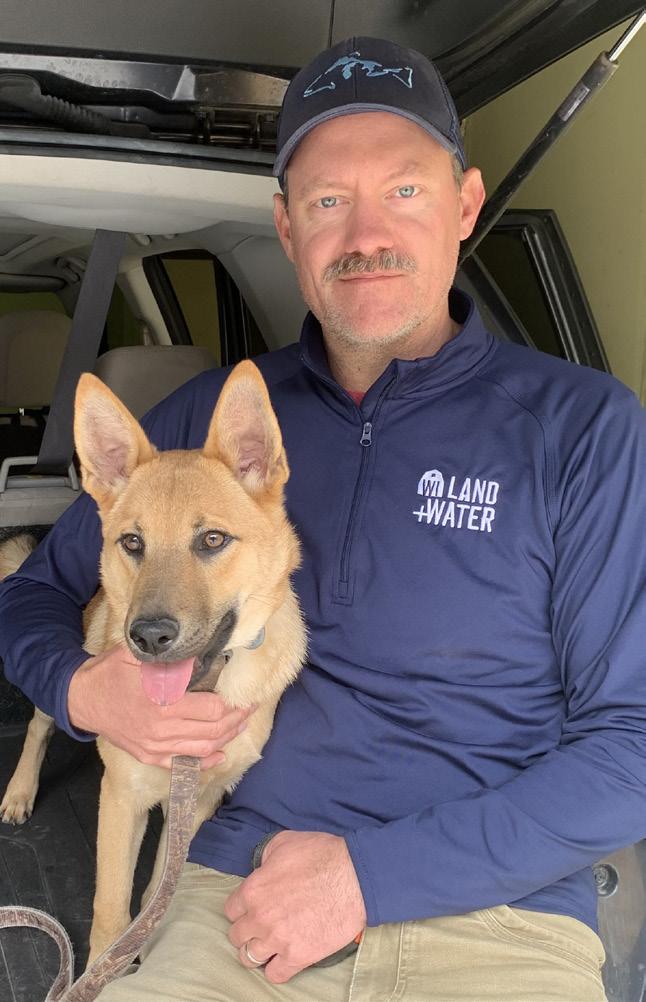
This was a year of momentum for Wisconsin's conservation community. From securing historic state budget increases to launching new programs that empower future conservation leaders, WI Land+Water worked alongside our members to strengthen locally led conservation across the state. We expanded our climate resilience work, convened professionals at every level, and shared Wisconsin's conservation story with nearly four million people nationwide. In every county we see a county conservationist showing up for their community; a local official crafting thoughtful conservation policy; a student discovering their passion for the land; or a landowner making decisions that will benefit our natural resources for generations to come. This is what locally led conservation in Wisconsin looks like, and in 2025, it was as vibrant as ever.
- Matt Krueger, Executive Director
OUR MISSION:
We empower our county conservation members to protect, conserve, and enhance Wisconsin’s natural resources for current and future generations.
Since 1953, Wisconsin Land and Water Conservation Association (WI Land+Water) has championed the work of county conservation professionals across Wisconsin. As a non-profit organization, we support more than 800 county staff in land and water conservation departments (LWCDs) and county officials on land conservation committees (LCCs). These dedicated professionals work in every county of the state, delivering boots-onthe-ground support that protects our natural resources and strengthens local communities.
A local workforce of 380 county land and water conservation department professionals who work directly with landowners and communities to implement projects that protect our lands and waters.
More than 450 county land conservation committee officials who are statutorily empowered to oversee conservation priorities and programs implemented by county conservation staff.
We have 12 staff members who work statewide from our office in Madison. Our staff bring a range of expertise and experiences to serve our members.

Our member counties are divided into eight area associations, each representing the interests of county land and water conservation programs within their specific regions. Areas meet several times a year to share experiences, coordinate with partners, and discuss local issues and policies.

Our organization is governed by a 16-member board that sets strategic direction, manages finances, and serves as ambassadors for county conservation. The board consists of two members from each of the eight area associations, with one member representing LCCs and the other representing LWCDs.

Our eight statewide committees have over 120 members, including LCC officials, LWCD staff, WI Land+Water staff, and agency partners. Led by chairs noted on the map, our committees support youth education, provide project grants, develop training and resources, guide policy decisions, build interagency partnerships, offer technical insight, and enhance professional development.
We work closely with agency and partner advisors who provide key insights for conservation issues. Our partners include WI Department of Agriculture, Trade and Consumer Protection (DATCP), WI Department of Natural Resources (DNR), USDA-Natural Resources Conservation Service (NRCS), University of Wisconsin-Madison Division of Extension, and Wisconsin Counties Association.
Northwestern Area
Area Coordinator: Heather Palmquist, Iron County
LWCD Board Rep: Eric Wojchik, Polk County
LCC Board Rep: Charles Ortman, Ashland County
Area Coordinator: Rod Webb, Pierce County
LWCD Board Rep: Chase Cummings, Dunn County
LCC Board Rep: Ken Gerhardt, Clark County
Health & Conservation Co-Chair: Chase Cummings, Dunn County
Mississippi River Basin Comm. Chair: Committee Inactive



Western Area
Area Coordinator: Gaylord Olson II, Jackson County
LWCD Board Rep: Bob Micheel, BOD President, Monroe County
LCC Board Rep: Mary Henry, Vernon County
Technical Comm. Chair: Matt Hanewall, La Crosse County
Youth Education Comm. Chair: Haillie Passow, Trempealeau County
Southern Area
Area Coordinator: Katie Abbott, Iowa County
LWCD Board Rep: Amy Piaget, Dane County
LCC Board Rep: Meg Turville-Heitz, Jefferson County
Leg/Admin Comm. Chair: Kurt Calkins, Columbia County
Outreach Comm. Chair: Katie Abbott, Iowa County


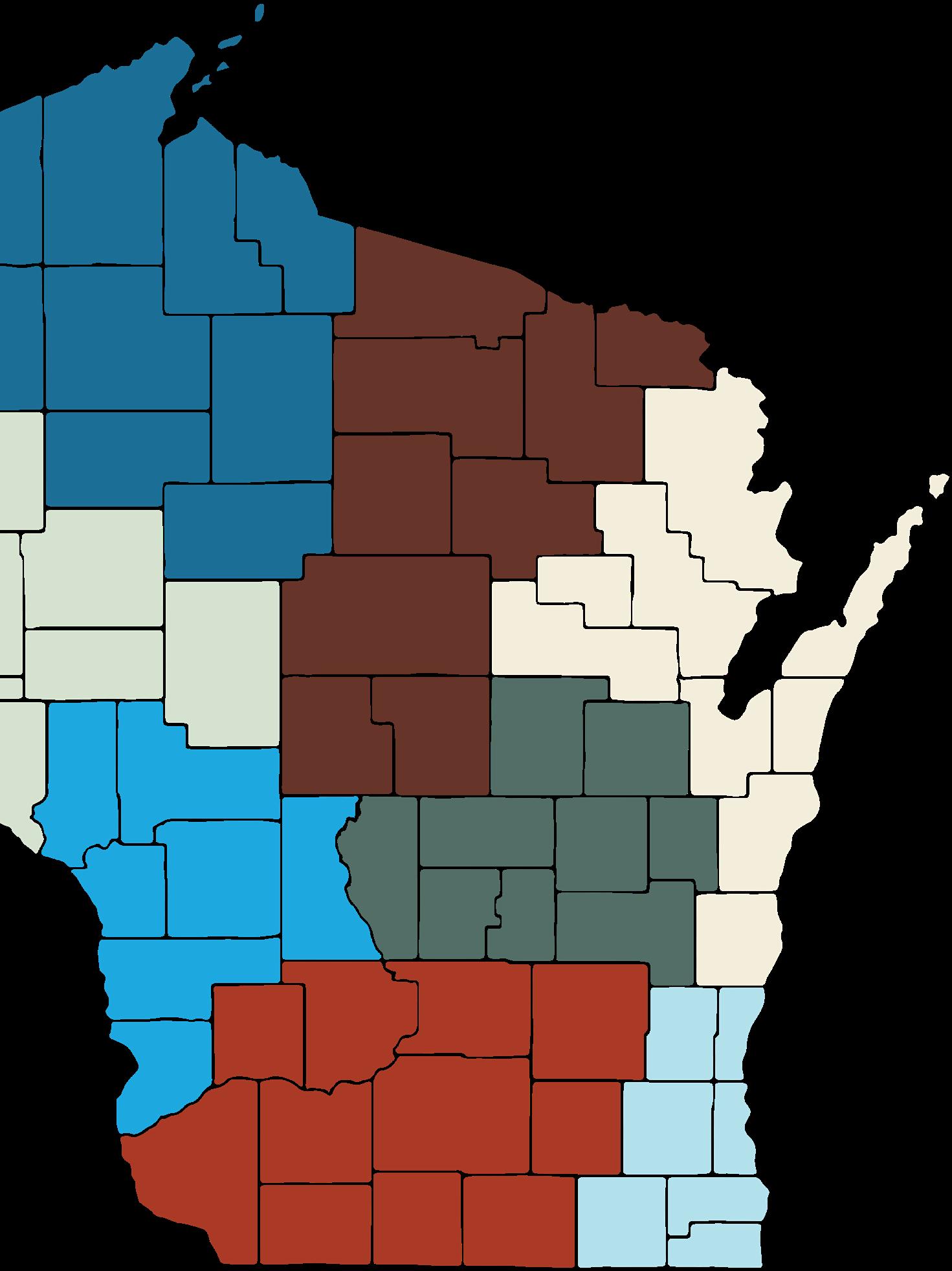
Area Coordinator: Kirstie Heidenreich, Marathon County
LWCD Board Rep: Tom Boisvert, Lincoln County
LCC Board Rep: Mike Ritter, Marathon County




Lake Michigan Area
Area Coordinator: Ken Dolata, Oconto County
LWCD Board Rep: Scott Frank, Shawano County
LCC Board Rep: Tom Mandli, Marinette County
Great Lakes Comm. Chair: Greg Coulthurst, Door County
Area Coordinator: Tony Reali, Calumet County
LWCD Board Rep: Tony Reali, Calumet County
LCC Board Rep: Mike Hofberger, Calumet County
Professional Improvement Comm (PIC) Chair: Tony Reali, Calumet County
Southeastern Area
Area Coordinator: Marissa Castello, Waukesha County
LWCD Board Rep: Marissa Castello, Waukesha County
LCC Board Rep: Monte Osterman, BOD Chair, Racine County
In 2025, we advanced conservation priorities through strategic engagement at the state, national, and local levels. From securing historic budget increases to demonstrating our unique conservation model on the national stage, we worked to elevate awareness around the critical role county conservation professionals play in protecting our land and water resources.

WI Land+Water staff, members, and board members actively participated in key committees and coalitions at the state and federal level to ensure county conservation voices shaped policy and programmatic decisions. In 2025, we maintained 8 WI Land+Water internal committees and represented county conservation on 50+ external committees and coalitions—including the Nutrient Loss Reduction Strategy Steering Committee, the Interagency Water Quality Working Group, and the NRCS State Technical Committee. This broad participation ensures that the priorities and expertise of Wisconsin's county conservation professionals are represented wherever decisions are made.
We brought Wisconsin’s collaborative approach to conservation to a nationwide audience at the National Association of Conservation Districts (NACD) Summer Meeting in Milwaukee in July. This event provided an opportunity to demonstrate our “Wisconsin model” of conservation to leaders from across the country and highlight the effectiveness of county-led conservation efforts across the state.
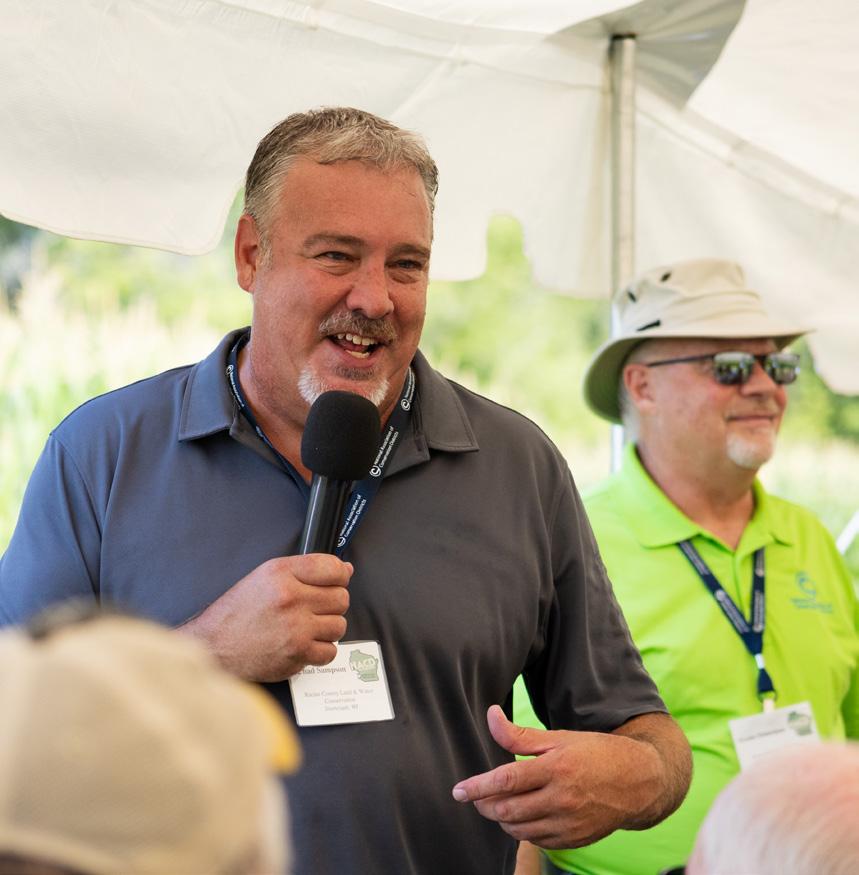
We successfully advocated for the largest state increase for county conservation staffing in years. 20 counties passed resolutions calling for increased state support for county conservation staffing, and 30 counties flew the conservation flag at listening sessions or engaged in legislative exchanges.
This groundswell of local advocacy helped make the case at the state level—through the 2025-27 State Biennial Budget, onetime funding for county conservation staffing increased to $14,589,500 in 2026 and $15,362,400 in 2027—a 30% and 37% increase, respectively, over 2025 funding levels of $11,214,400.
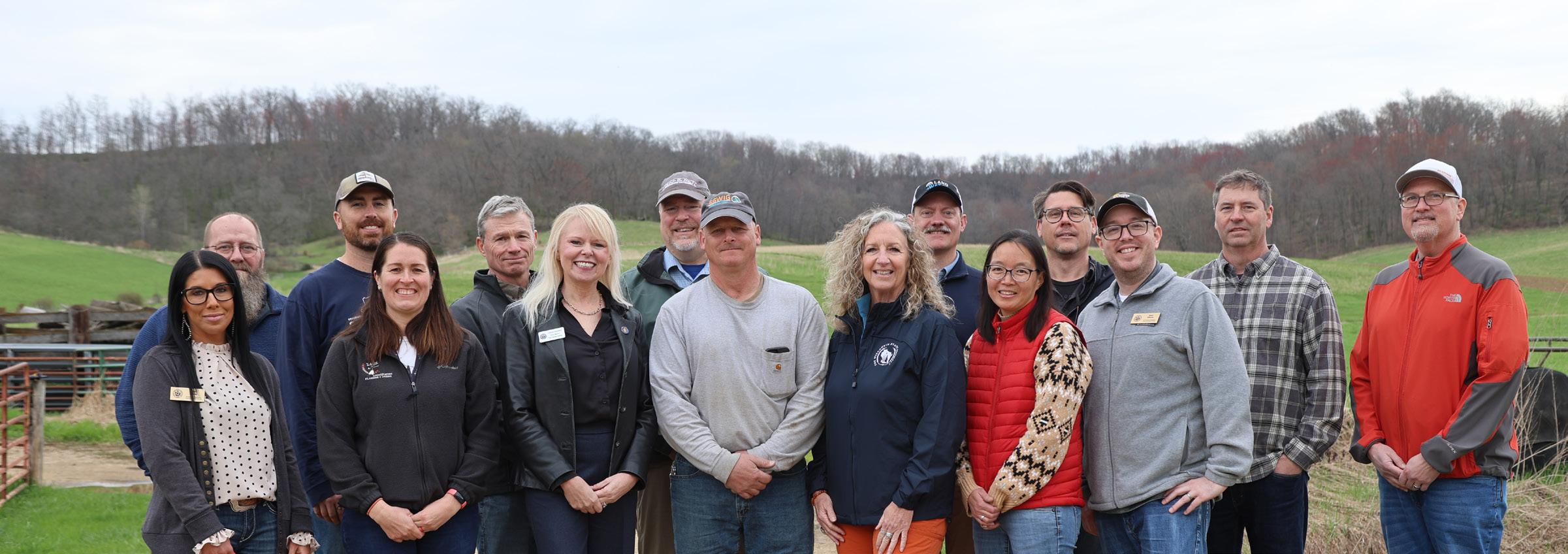
We complemented our capitol advocacy with field visits, bringing decision-makers to see county conservation in action firsthand. A particular highlight was an Earth Day visit to the Sauk County farm of Roger Bindl—WI Land+Water's 2025 Conservation Farm Family of the Year winner—with DNR Secretary Hyun, DATCP Secretary Romanski, and other agency leaders in attendance.
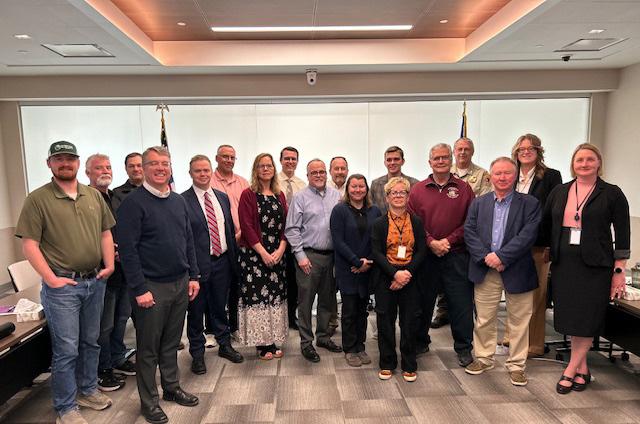
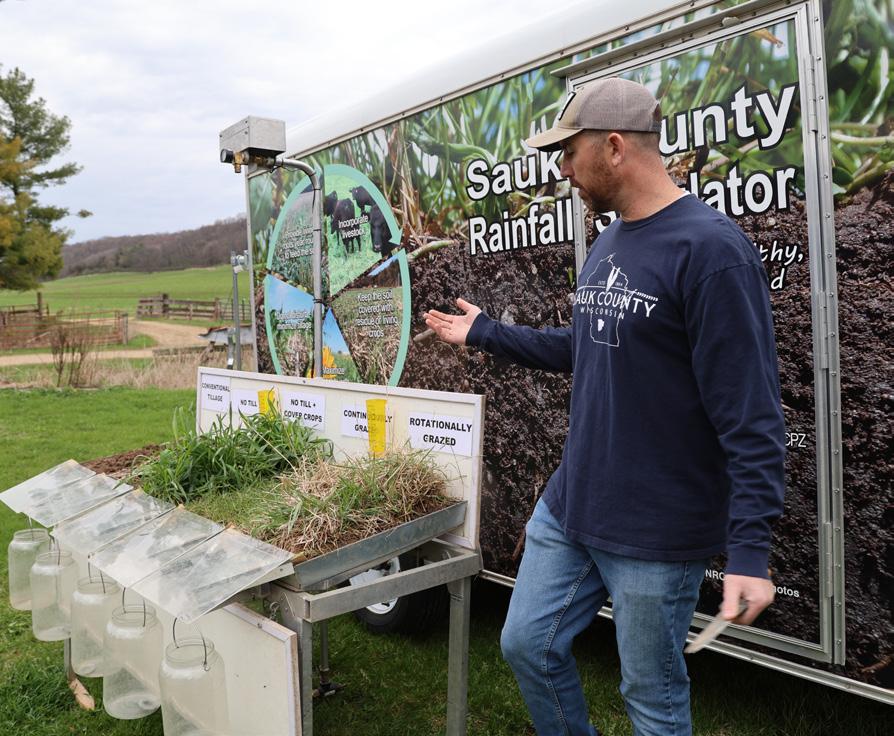
Throughout 2025, we created opportunities for conservation professionals to learn, share, and build relationships across Wisconsin. From our statewide conference to field tours, these gatherings strengthened the network of people working to protect our land and water resources.
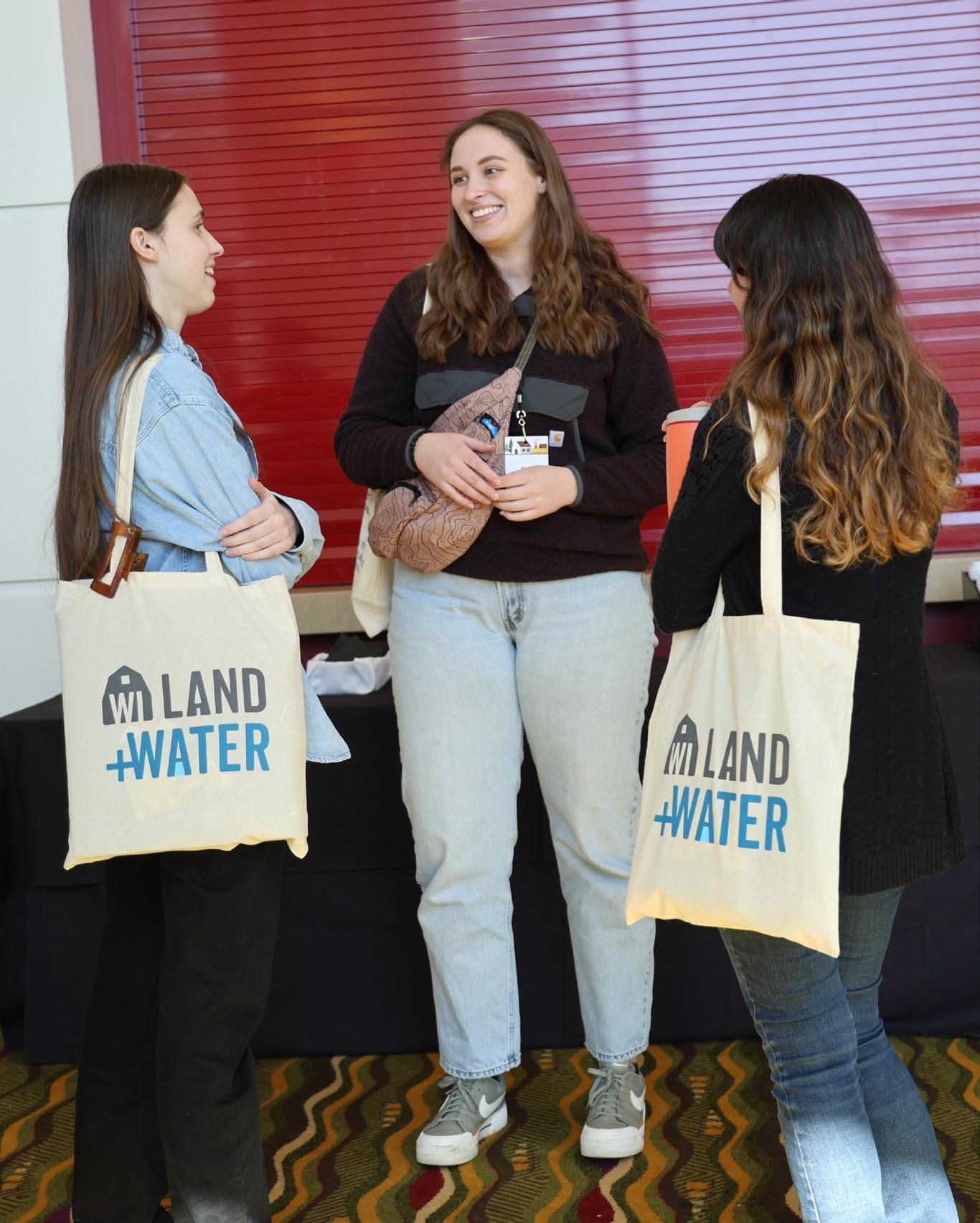
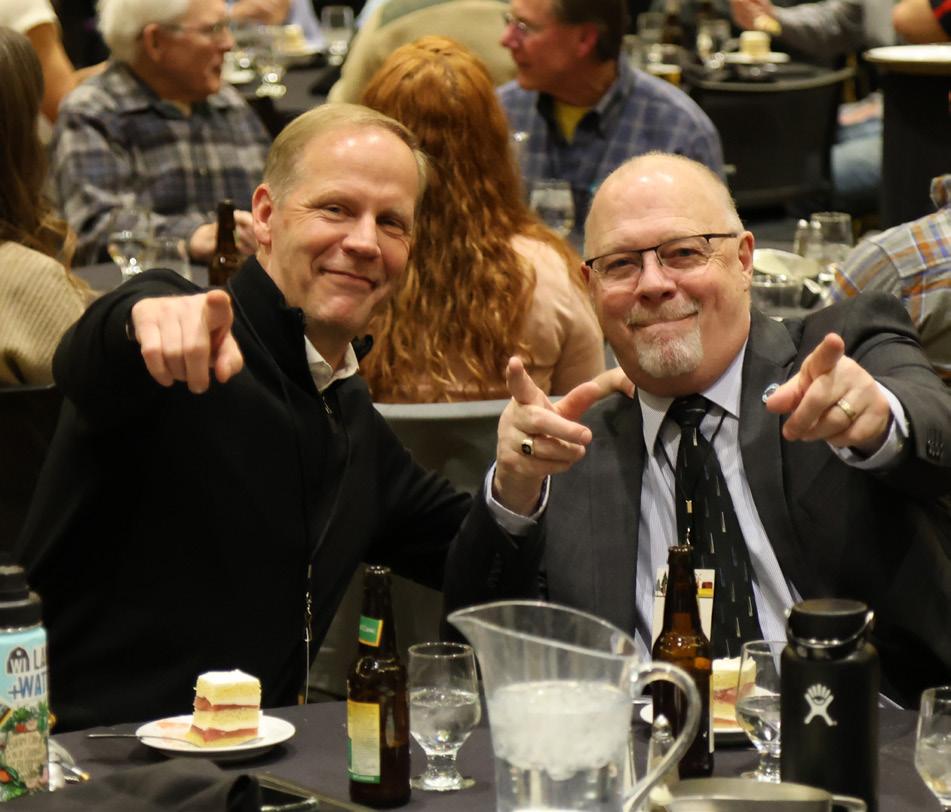
Our 72nd annual conference brought together 450 conservation professionals from around the state, including county staff, supervisors, agency partners, and conservation organizations. With support from 26 sponsors, the event featured 38 breakout sessions offering education credits and over 100 presenters. Our Conservation Awards banquet celebrated the achievements of seven outstanding members who dedicate their time, energy, and passion to conservation efforts in Wisconsin.
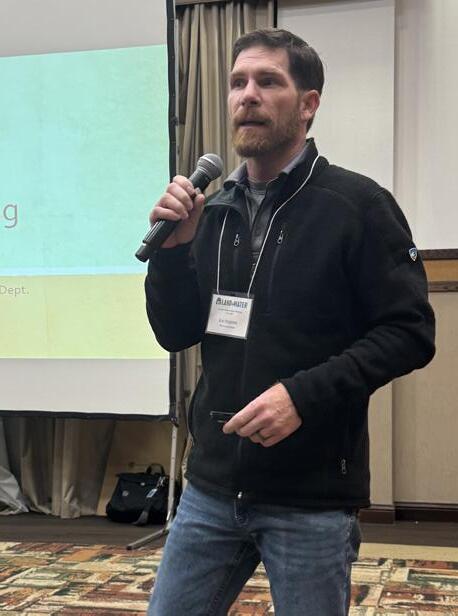
Diverse sessions covered technical issues including compliance with agricultural runoff rules, assessing hydrologic restoration opportunities, and conservation planning for a healthy and resilient future. We also had professional development focused sessions, such as conducting difficult conversations, investing in youth education programs, and core competencies of leadership.
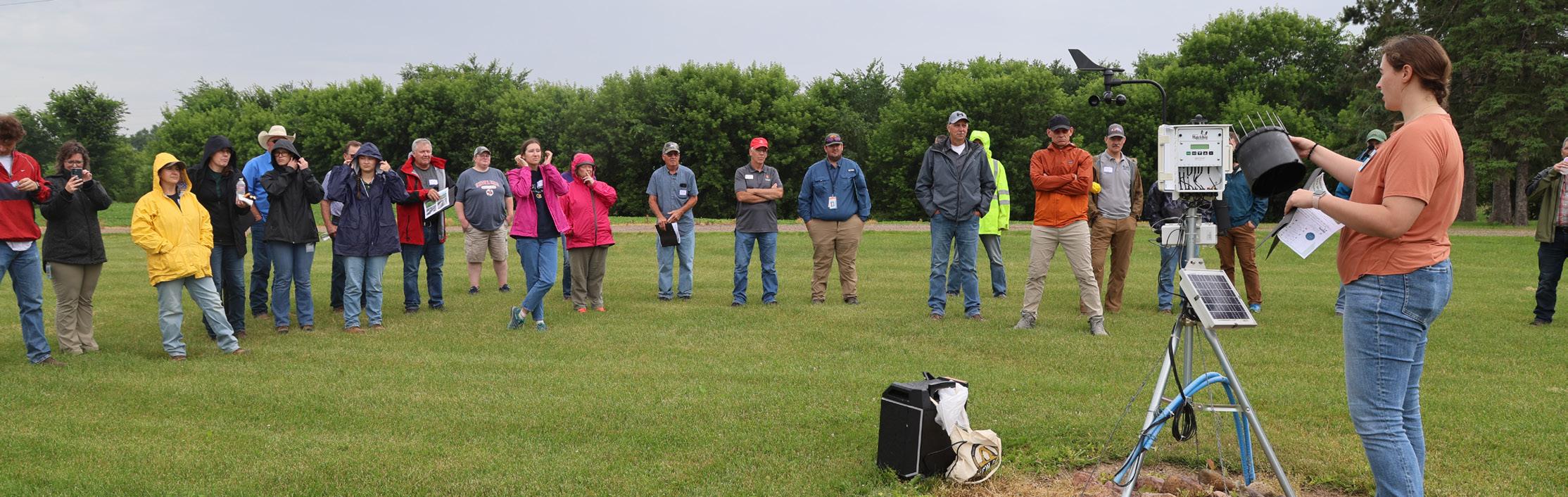
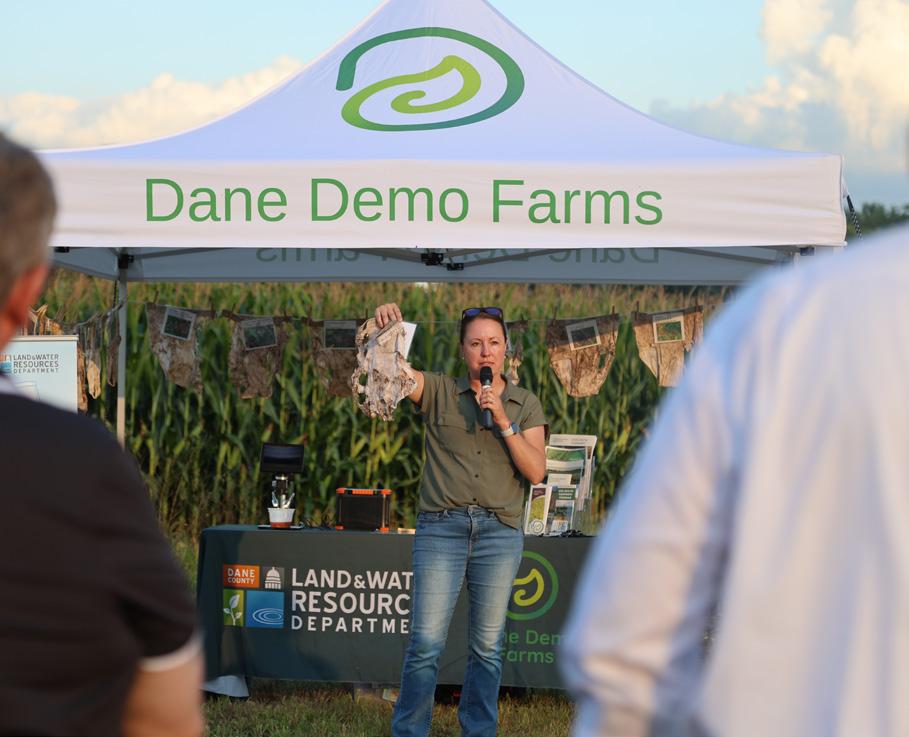
Every summer and fall, our area associations host field tours that bring conservation professionals together for a day-long conservation showcase. These events provide opportunities to see conservation projects in action, meet the people behind them, and strengthen professional connections.
In 2025, tours were hosted by Jefferson County (Southern Area), Chippewa County (West Central Area), Lincoln County (North Central Area), Washington County (Southeast Area), Winnebago County (Lake Winnebago Area), and Kewaunee County (Lake
Michigan Area). With registration fees kept between $10 and $25, these accessible tours give participants new ideas, deeper connections, and inspiration for conservation work in their own counties.
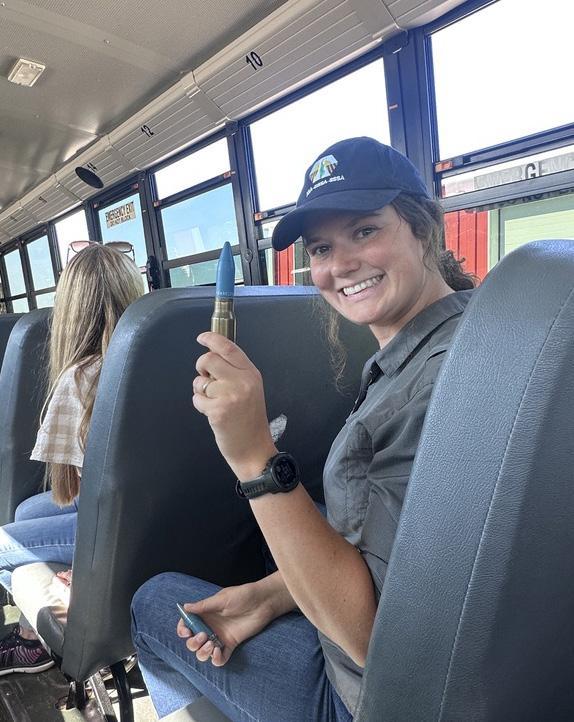
The tours begin with morning coffee and conversation, followed by bus visits to local conservation sites showcasing innovative projects—from wetland restoration and reclaimed mine sites to working farms implementing conservation practices. Presenters include landowners, county conservation staff, and agency partners.
The County Conservation Meeting took place in October in Stevens Point, providing tailored training and collaboration opportunities for county conservation leaders. The event featured workshops on managing wake-enhanced boating, tracking compliance for agricultural performance standards, and direct engagement with agency partners from DNR, DATCP, and UW-Madison Division of Extension.
By creating meaningful opportunities for participation, we empower our members to contribute their unique talents and perspectives to our shared mission. Our member-focused events and programs not only celebrate individual achievements but also remind us of what we can accomplish together. We work to ensure our members have the tools and connections they need to make a difference in their communities.
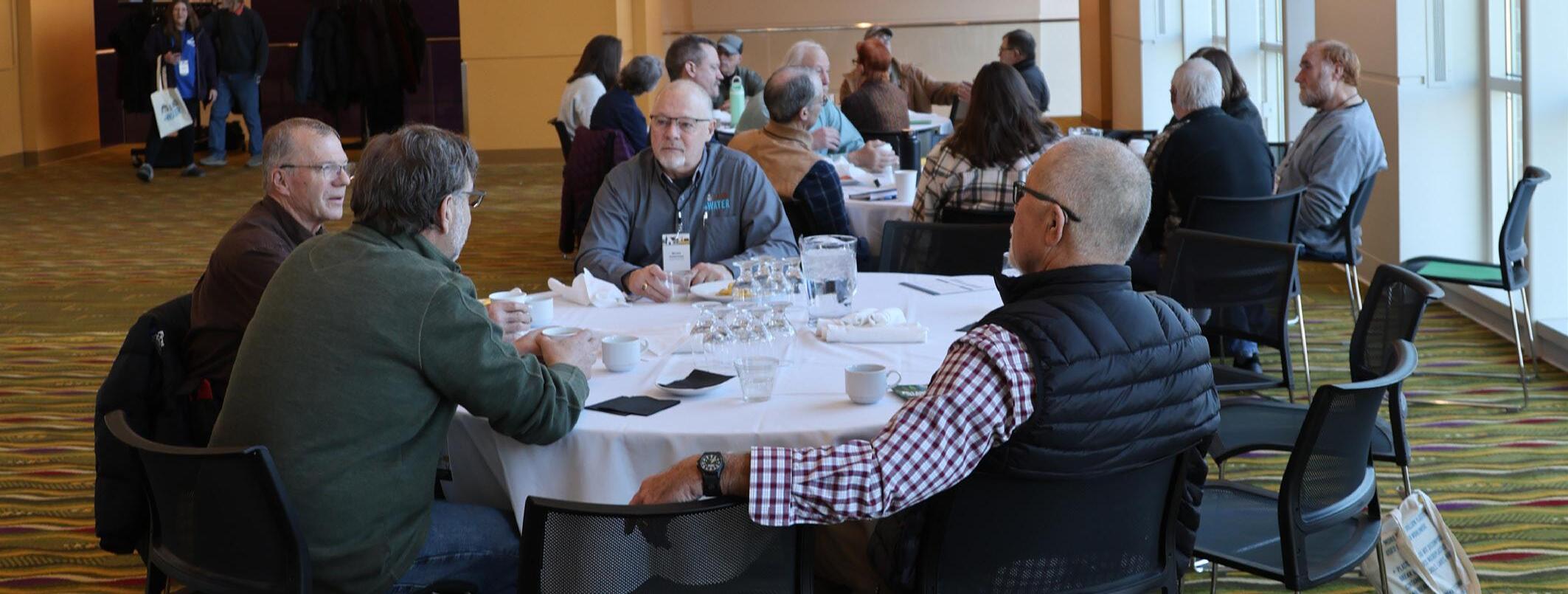
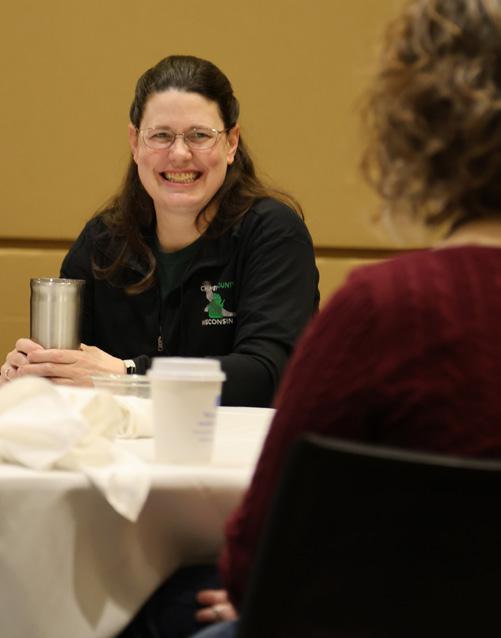
In 2025, we created spaces for county officials to connect and tackle pressing conservation topics. Two LCC Coffee & Conversation virtual events discussed LWCD funding (21 attendees from 12 counties) and renewable energy siting (18 attendees from 10 counties), featuring panelists from counties across the state and agency partners. LCC members also connected in person at the annual conference during the LCC Meet & Greet breakfast.
These casual meetings provide a dedicated, confidential space for county conservationists to connect, learn, and grow together. Held monthly on the second Thursday of each month, these informal sessions are open to county conservationists only and are never recorded— creating an environment where participants can have honest conversations. Monthly sessions have consistently averaged more than 25 participants throughout the year.
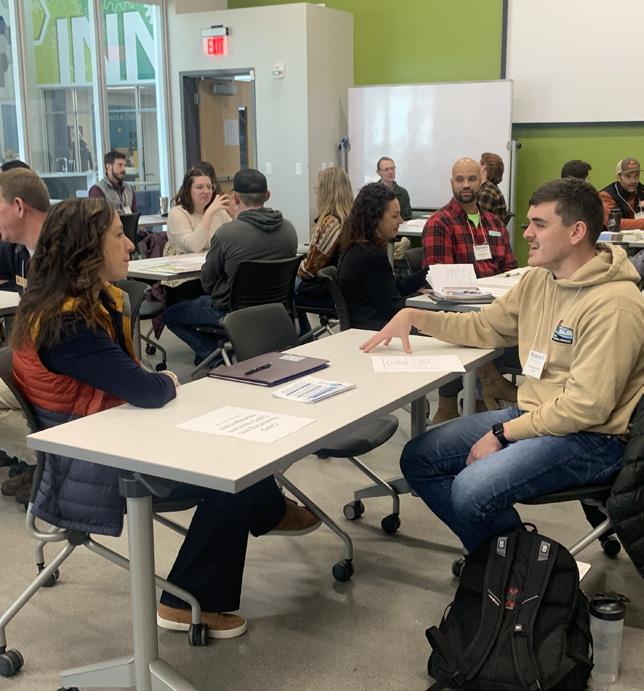
Building on the success of last year's kick-off event, the Young Conservation Professionals Network expanded its reach across Wisconsin in 2025 through a series of pop-up events designed to connect and inspire early-career conservation professionals.
These informal events gave participants opportunities to build their professional networks, see conservation work in action, and advocate for their own professional development needs. Popups were held in 4 locations across the state—Menominee, Trempealeau, Sawyer, and Sauk counties—engaging a combined 62 participants in peer connections and hands-on learning experiences.
Our Conservation Partnership Training brought conservation professionals together twice in 2025 to strengthen the relationships that get conservation on the ground. Combined, the two events engaged 88 participants from 18 counties and 14 organizations statewide. The spring training in Chippewa Falls drew 49 participants representing 9 counties and 8 organizations, while the fall training in Green Bay welcomed 39 participants from 10 counties and 12 organizations. Open to all conservation professionals, these trainings are designed to help newer staff build key partnerships while giving experienced staff the opportunity to strengthen connections and meet new colleagues.
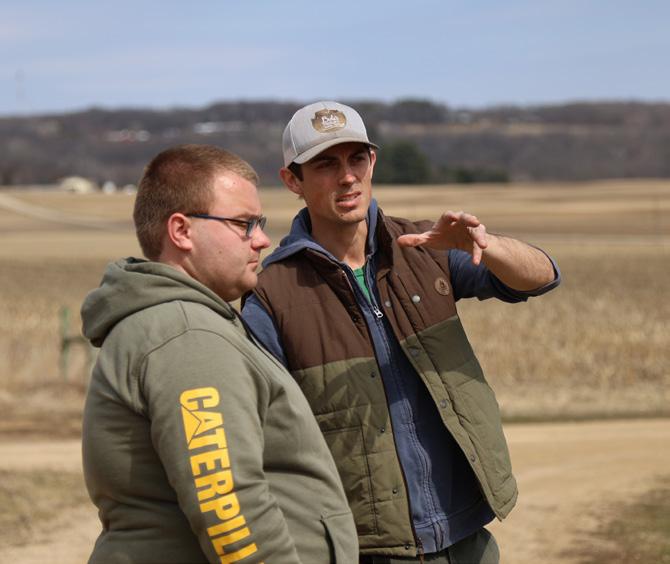
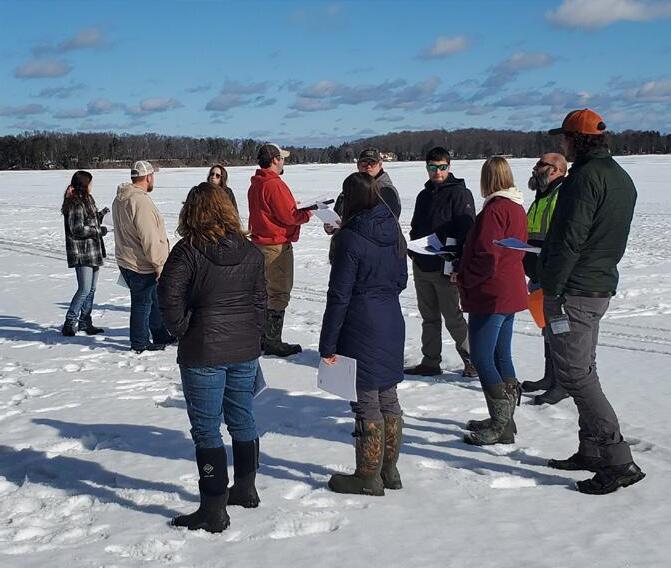
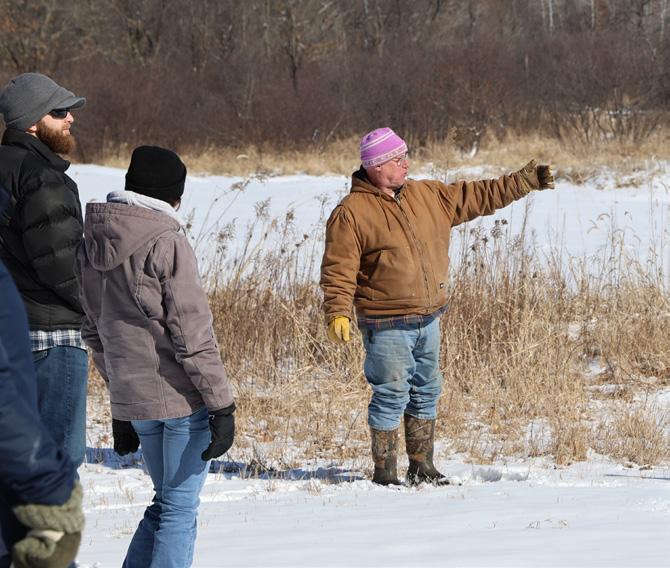
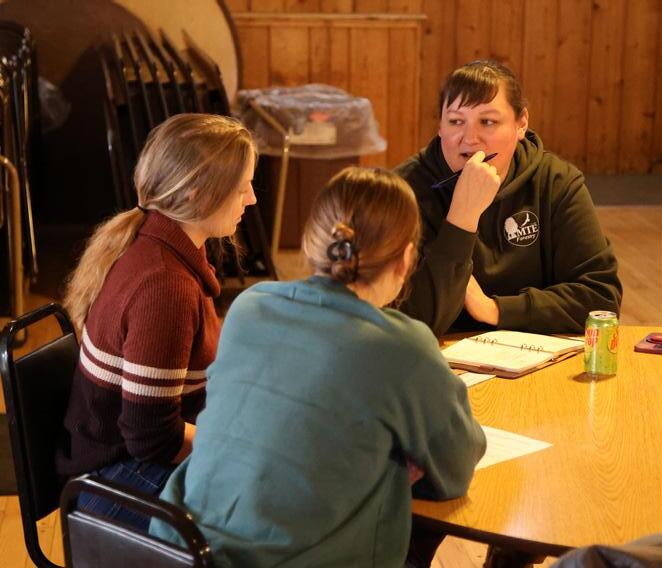
The Standards Oversight Council (SOC) is a one-of-a-kind inter-agency collaboration that develops and maintains technical standards for soil and water conservation practices across Wisconsin. In 2025, SOC's 10-member council oversaw work on 7 standards—through both full and modified development processes—drawing on the expertise of 54 team members from across the state. These technical standards are critical to ensuring uniformity in conservation work, protecting natural resources, and reducing risks for technical staff, landowners, and taxpayers alike.
In 2025, we reimagined how we celebrate the Conservation Farm Family of the Year award. For the first time, we produced a feature video for our winner, RB Farms, bringing local stewardship to life in a new way.
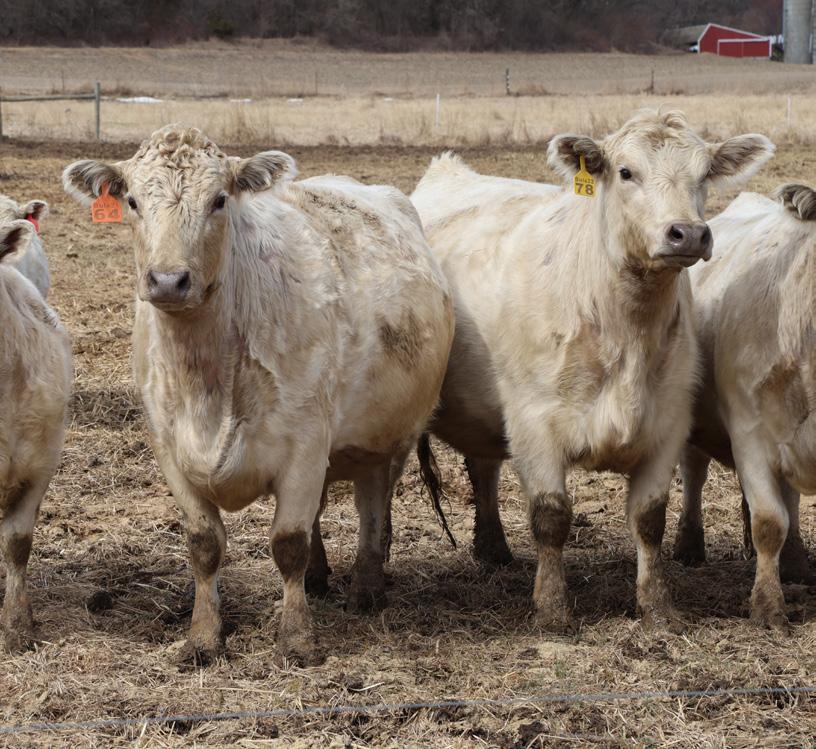
This debut production sets the stage for future educational storytelling to highlight our award winners and their dedication to the land.
Our partnership with Public News Service (PNS) significantly amplified our reach, achieving 484 airings and an audience of nearly 4 million, with 8 stories covering underreported
conservation issues in Wisconsin's hardest-to-reach rural communities.
We also continued publishing our newsletter, The Field Note, and provided story support for the 2024 DATCP Wisconsin Annual Report on Soil and Water Conservation, and contributed to the Wisconsin Counties Association Magazine.
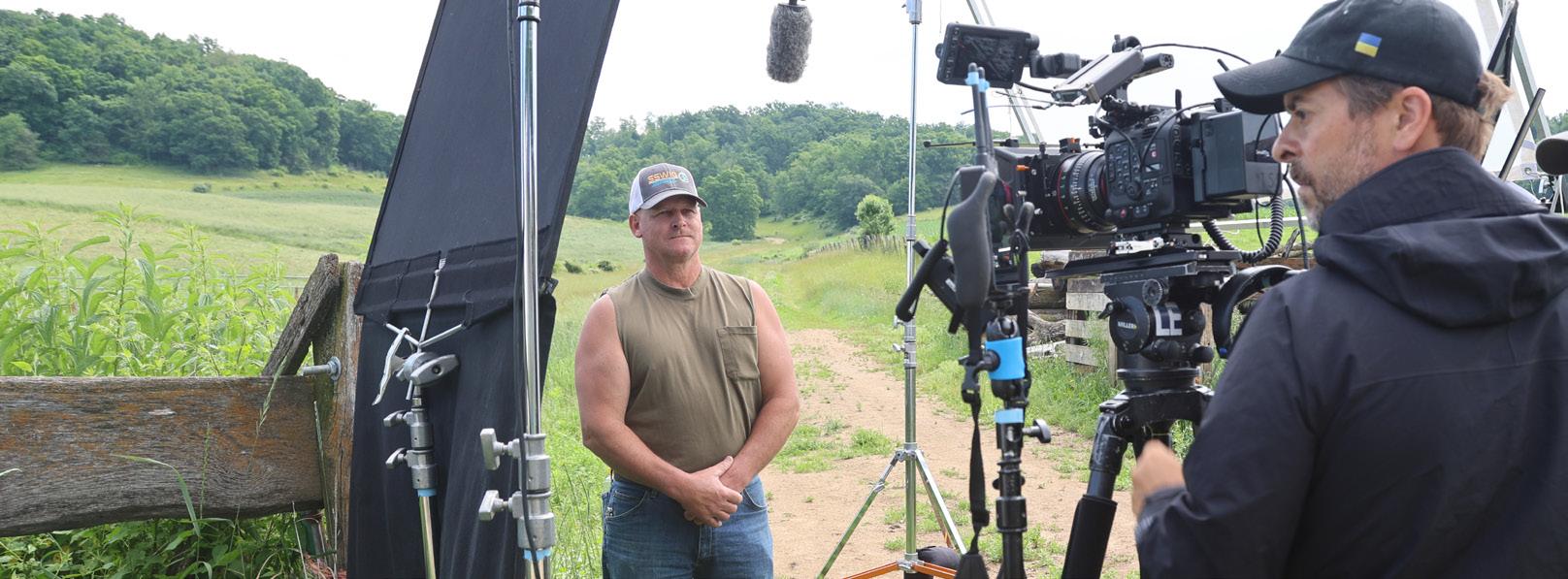
Scan to watch "Caring for the Land"

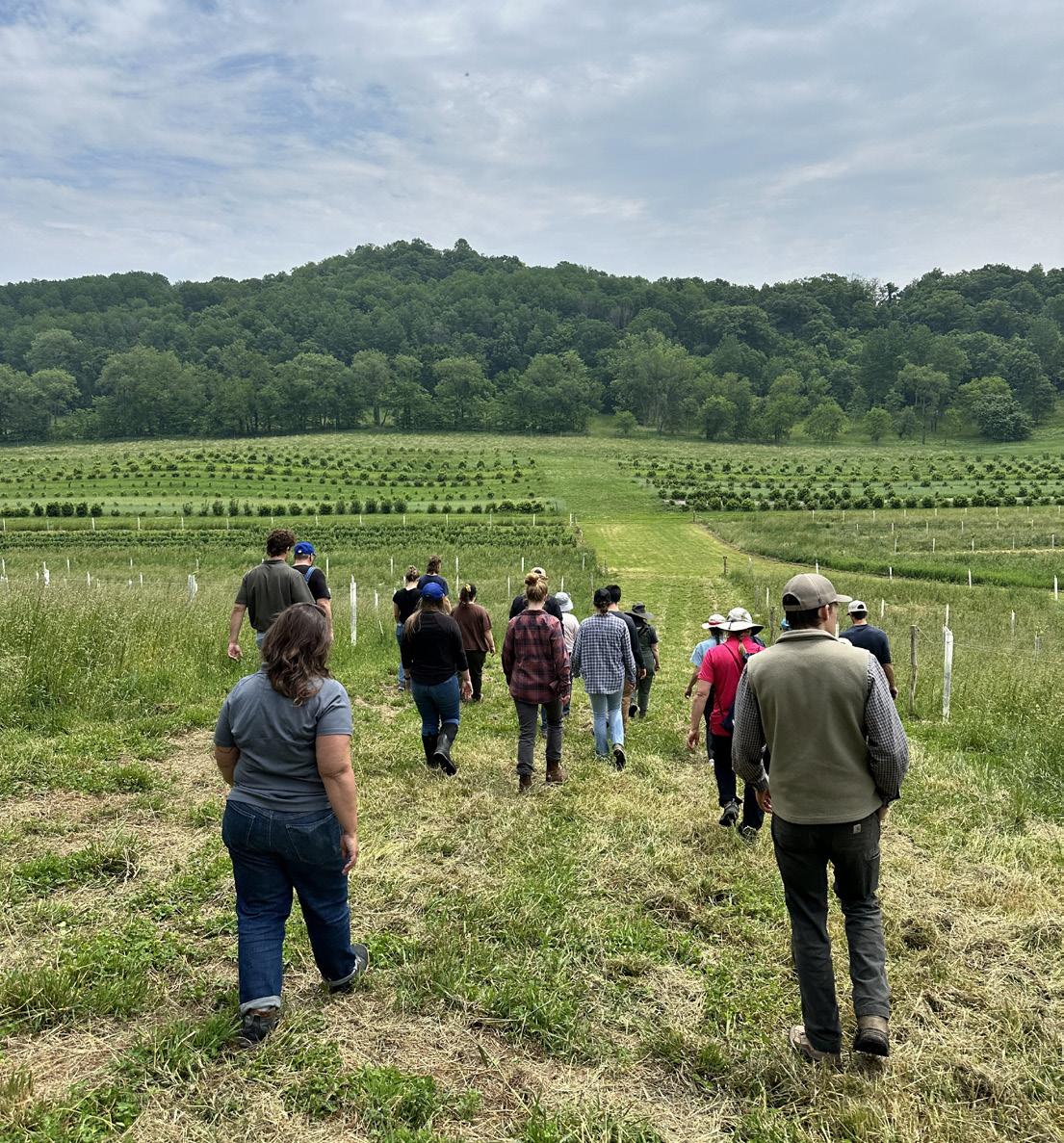
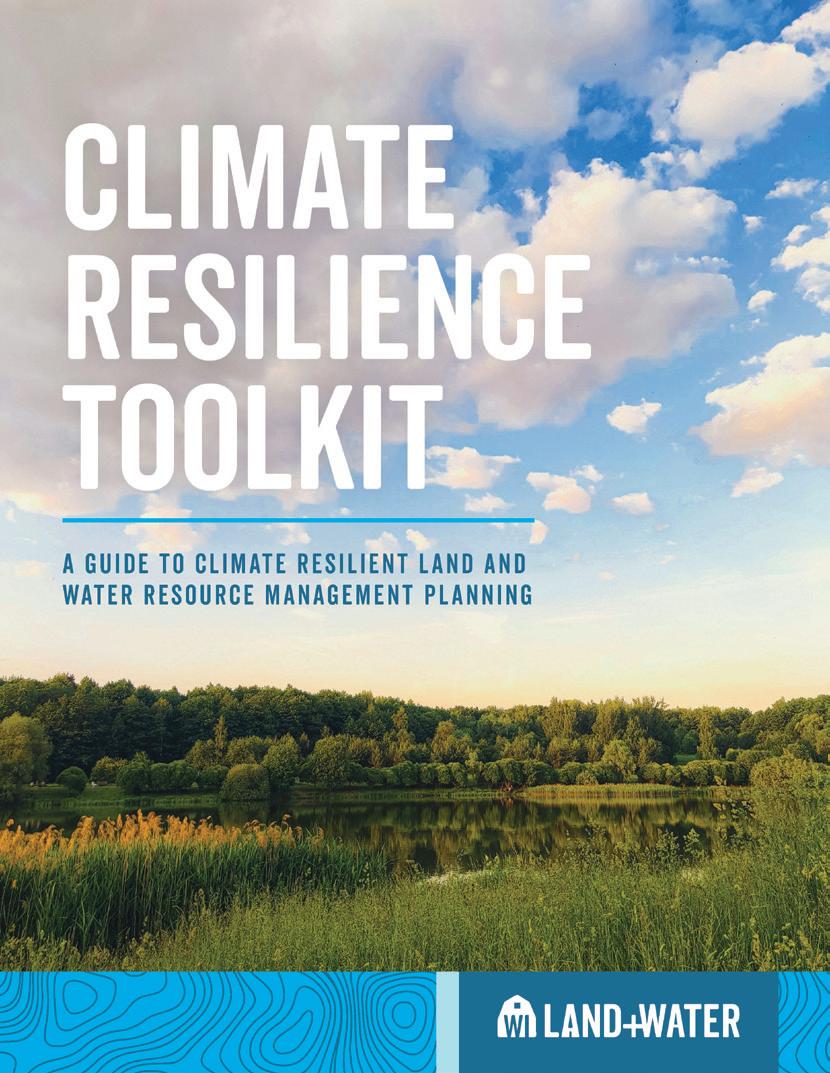
The hire of a dedicated climate specialist allowed us to significantly expand our climate work across Wisconsin in 2025. We published the Climate Resilience Planning Toolkit to help counties incorporate climate considerations into their land and water management plans, and created fact-based guidance resources to support responsible renewable energy siting. Through a close partnership with the Savanna Institute, we increased awareness and adoption of agroforestry practices statewide, conducted silvopasture training for conservation professionals, and offered cost-share funding to counties for agroforestry projects.
Wisconsin's conservation community depends on the next generation of professionals and stewards who will carry this work forward. Through hands-on camps, competitive programs, and career outreach, we work to spark a passion for conservation in young people across the state.
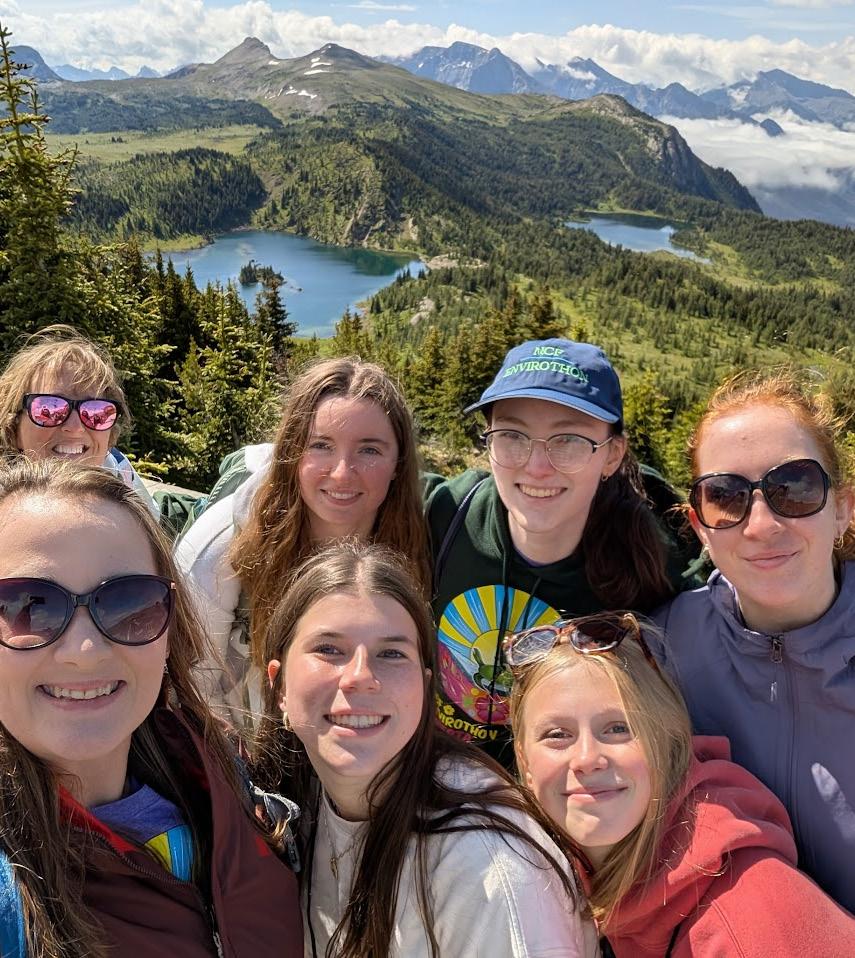
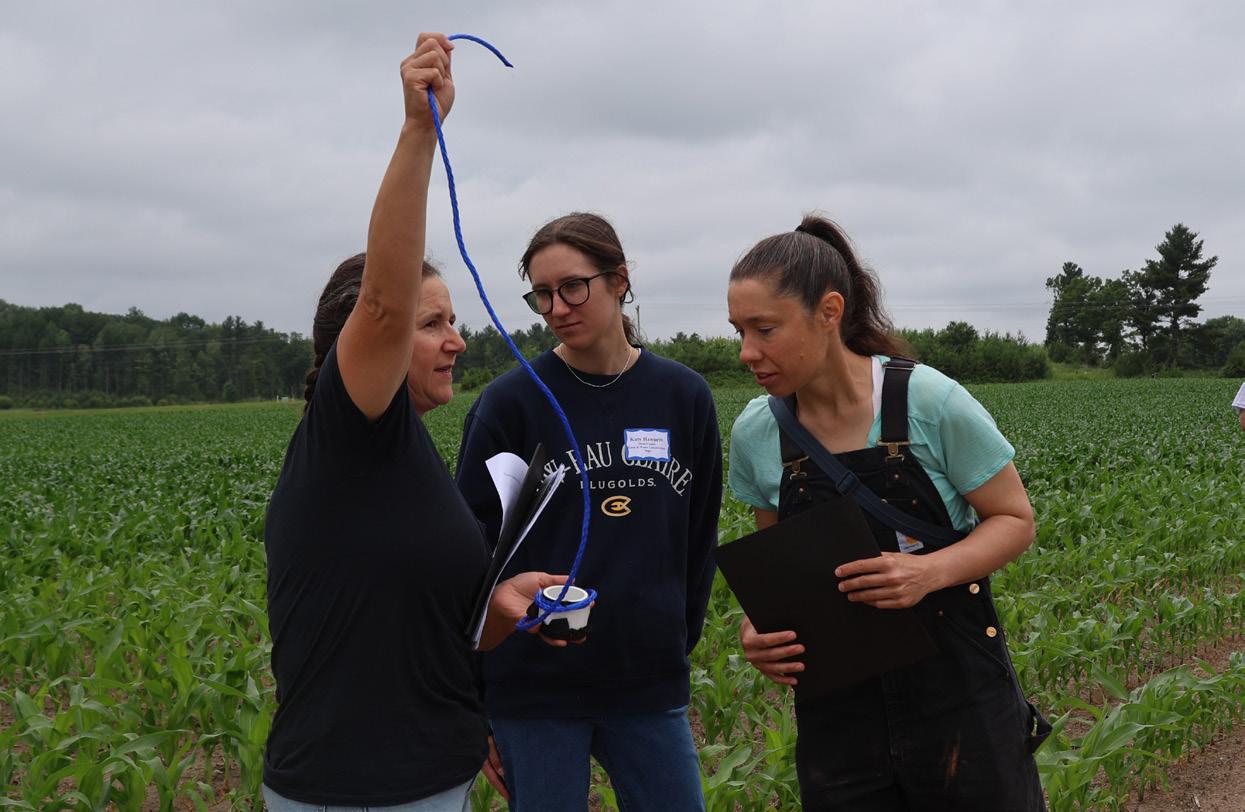
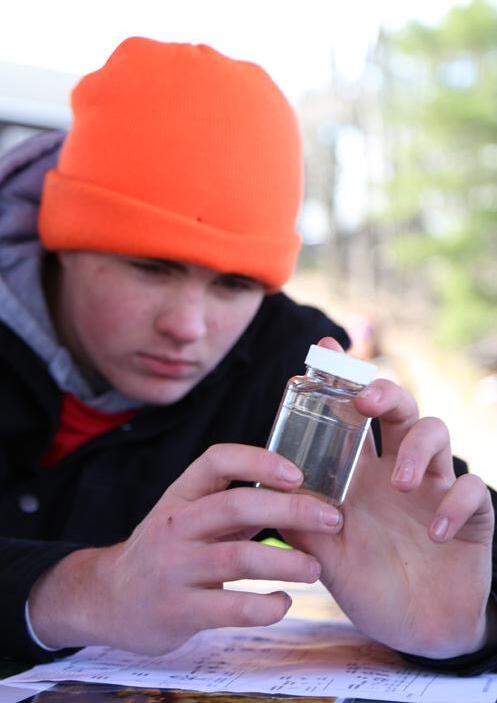
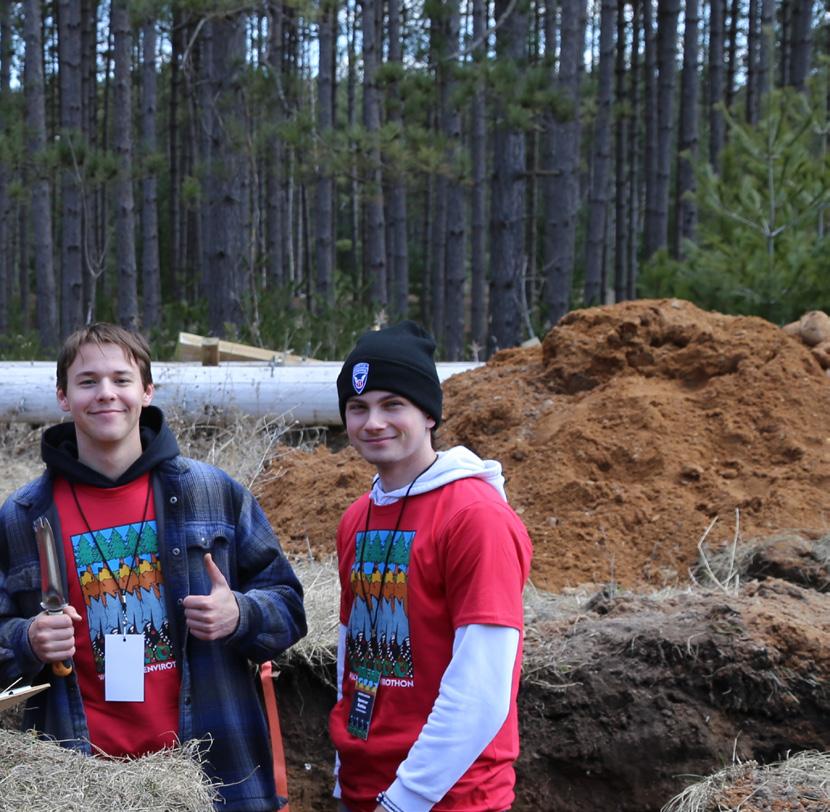
Our annual hands-on environmental science competition drew 23 teams, including 4 new schools. Cedarburg High School once again took the overall title and represented Wisconsin nationally in New Brunswick, Canada. 45 dedicated volunteers shared their time and expertise at the event’s stations: Current Issue; Aquatic Ecology; Forestry, Soils & Land Use; and Wildlife.
Our generous sponsors make the Wisconsin Envirothon possible:
» USDA-Natural Resources Conservation Service
» Smithfield Foods, Inc.
» Wisconsin County Forests Association, Inc.
» Petenwell and Castle Rock Stewards
» Pheasants Forever, Inc. - Tomorrow River Chapter
» UW-Stevens Point College of Natural Resources
» North Central Land+Water Area Association
» Lake Winnebago Land+Water Area Association
» Southeastern Land+Water Area Association
» Northwest Land+Water Area Association
» Brown County Conservation Alliance
» Pickerel Crane Lake Protection & Rehabilitation District
» Wisconsin Potato & Vegetable Growers Association
» County LWCDs across the state
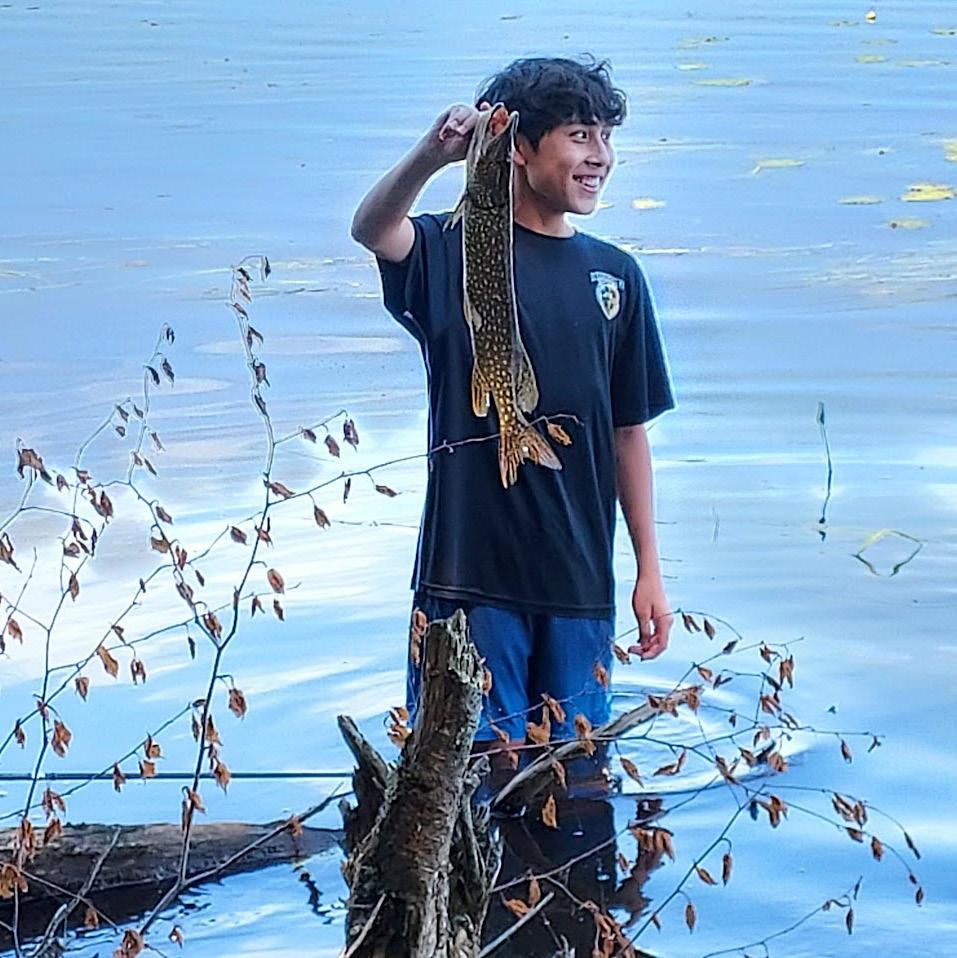
What I learned at camp will help me to try and find more volunteering opportunities in conservation, have a better understanding of tribal history, and help me provide for butterflies.
- William Gregersen, High School Camper
Thanks to the generosity of local counties, conservation organizations, and the Brad Matson Memorial Conservation Camp Scholarship, over 30 camp scholarships were awarded in 2025. These scholarships ensured that students from all backgrounds could participate in our middle school and high school conservation camps, removing financial barriers and opening doors to transformative conservation experiences for Wisconsin youth and next generation of leaders.
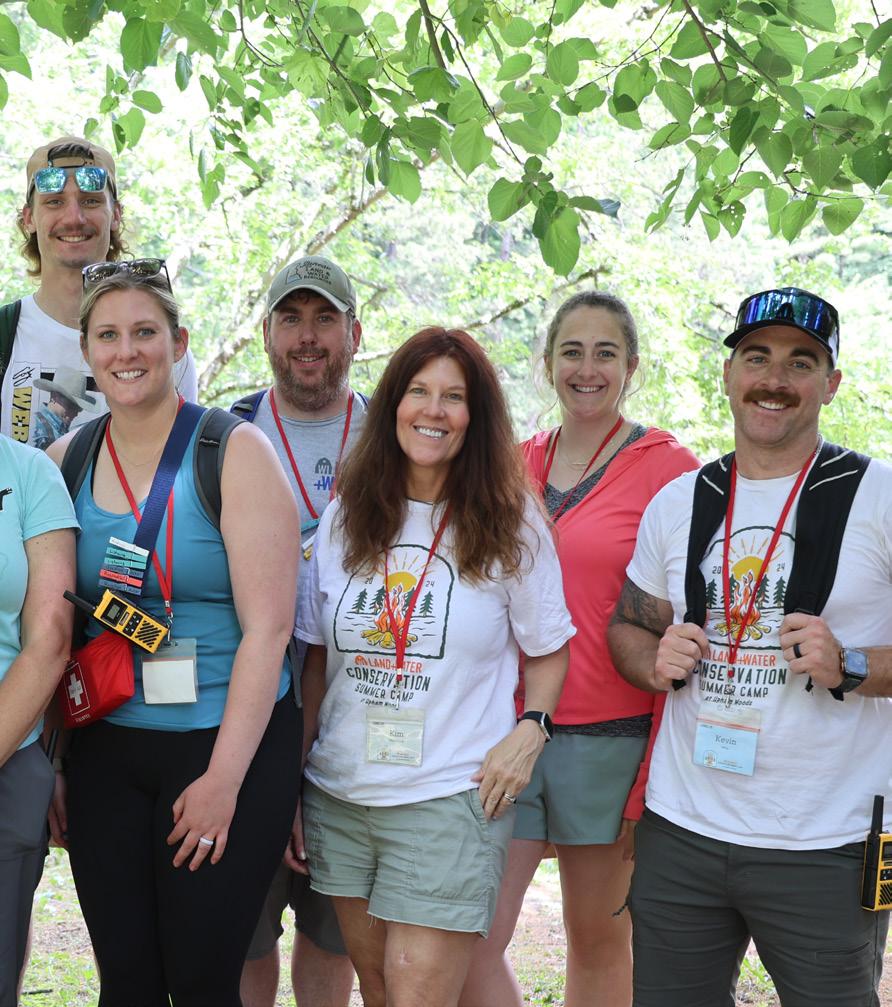
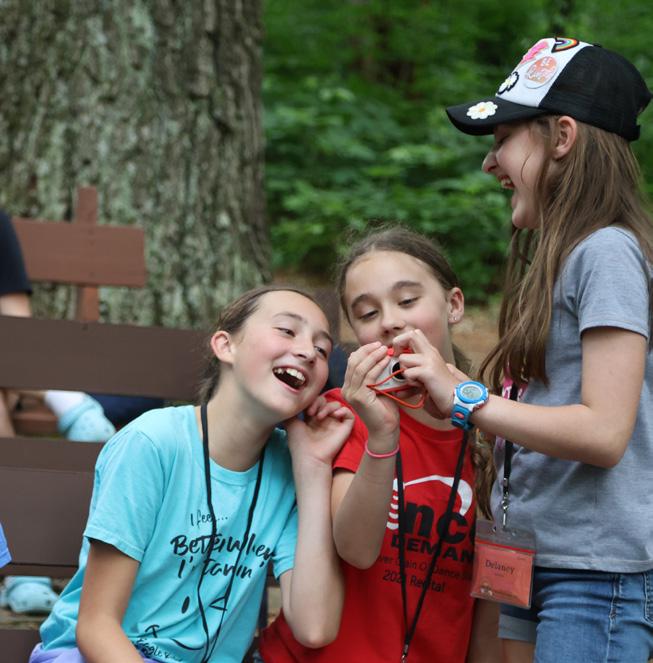
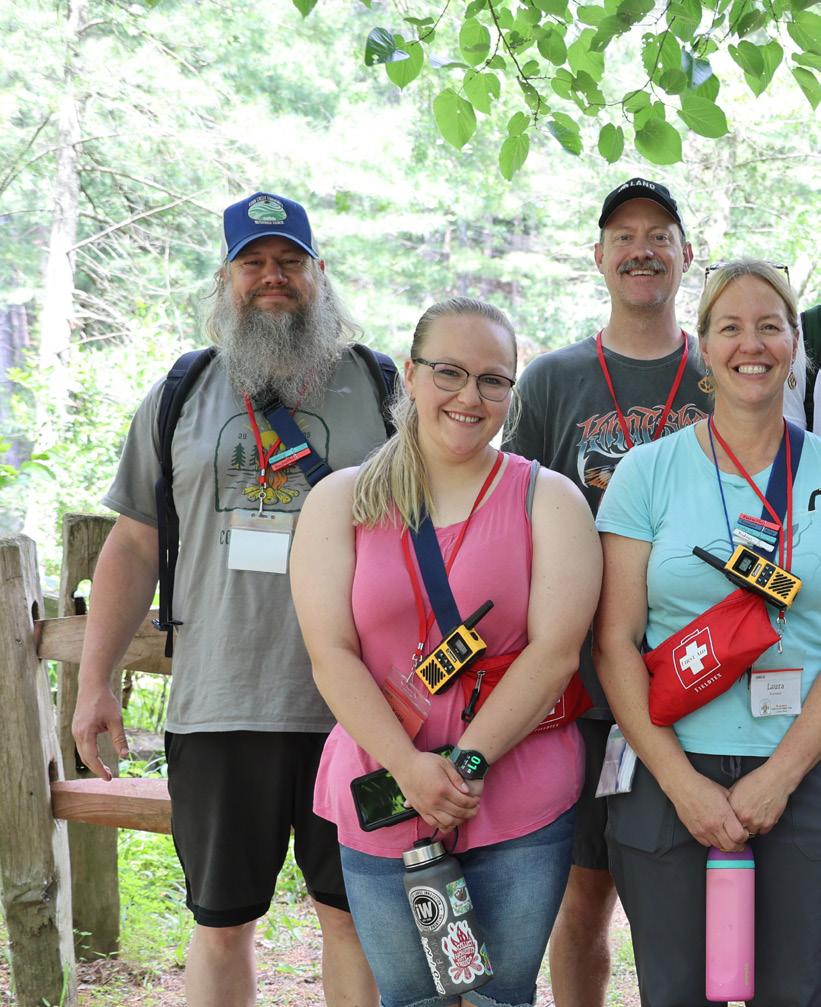
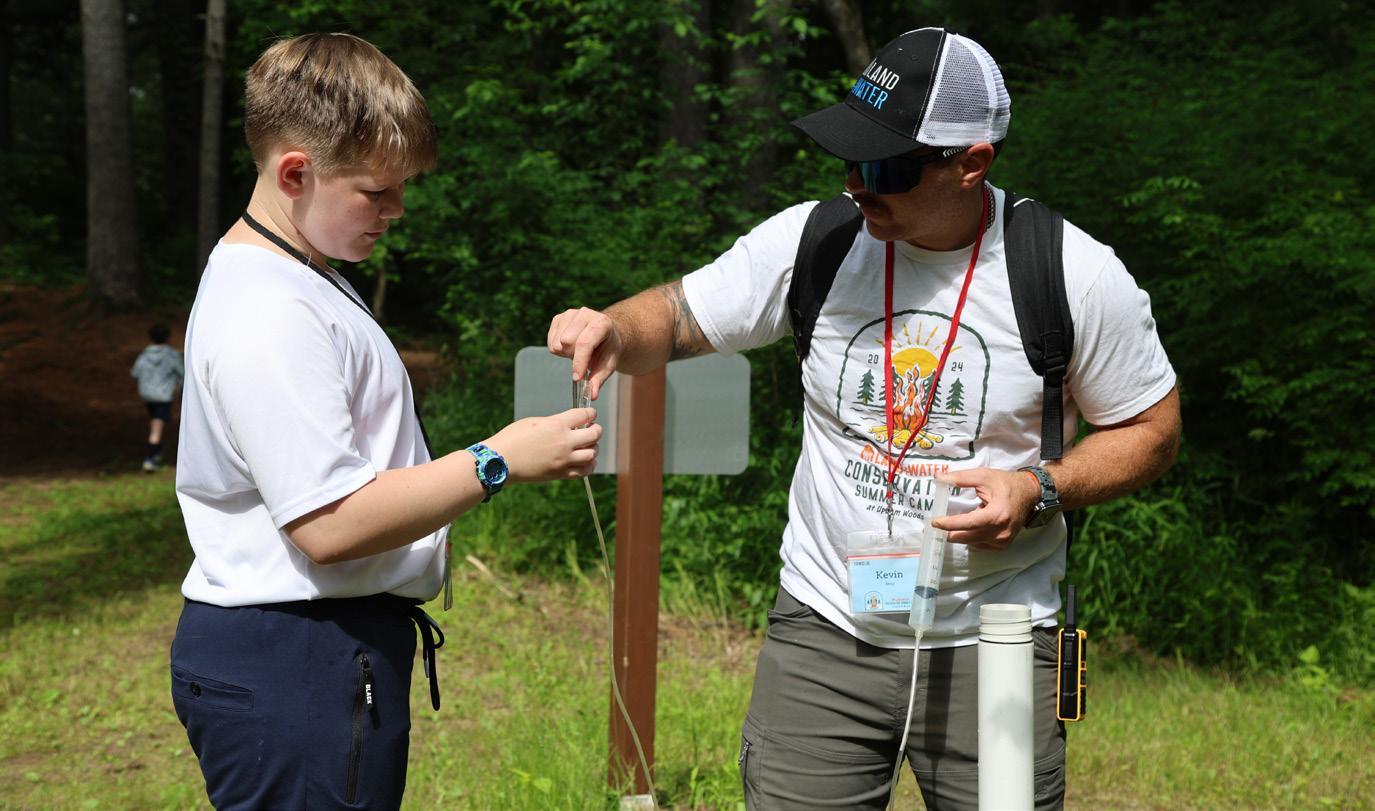
50 middle school students gathered at Upham Woods in the Wisconsin Dells for our summer camp. Through engaging activities and outdoor exploration, these young nature enthusiasts developed a deeper understanding of Wisconsin’s natural resources, all while making friends who share their love of the outdoors.
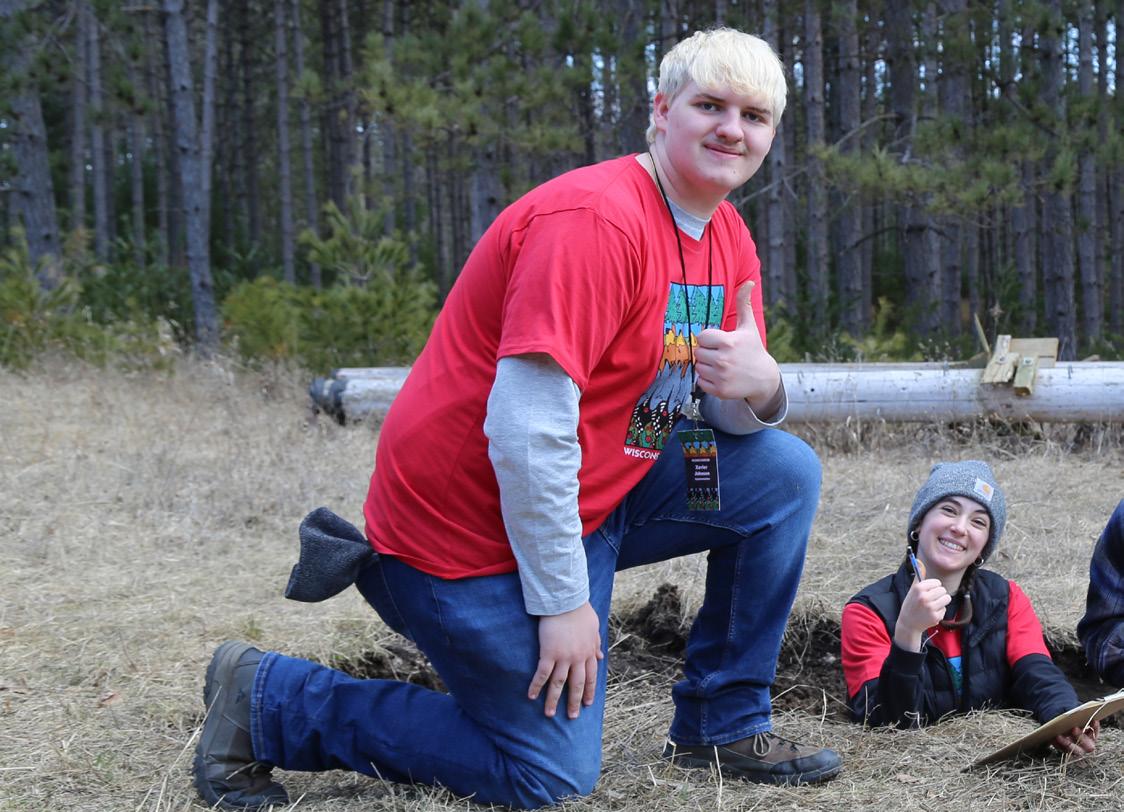
25 high school students attended our conservation summer camp at North Lakeland Discovery Center in Manitowish Waters. This immersive weeklong experience provided students with advanced conservation education, hands-on field experiences, and opportunities to explore potential careers.
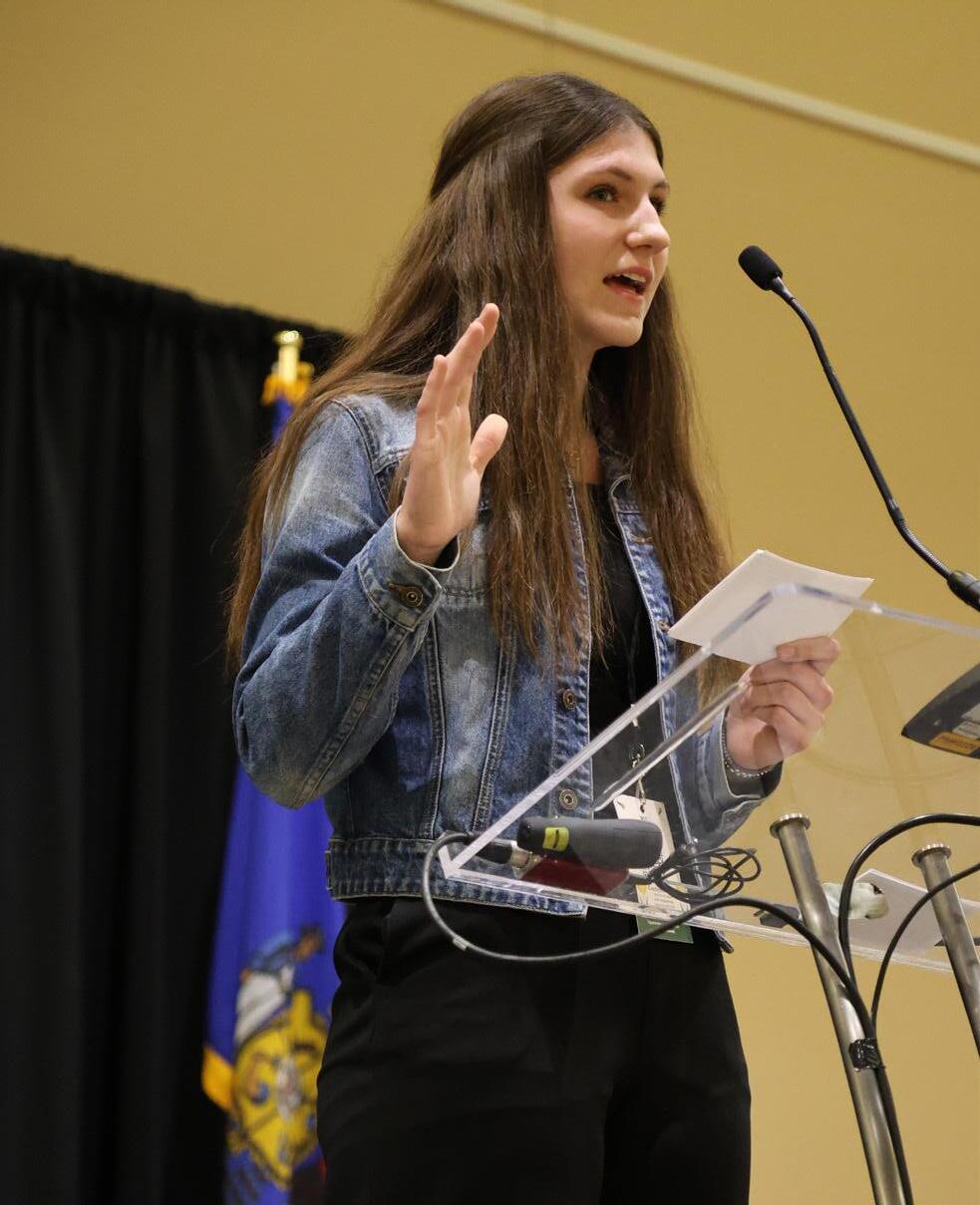
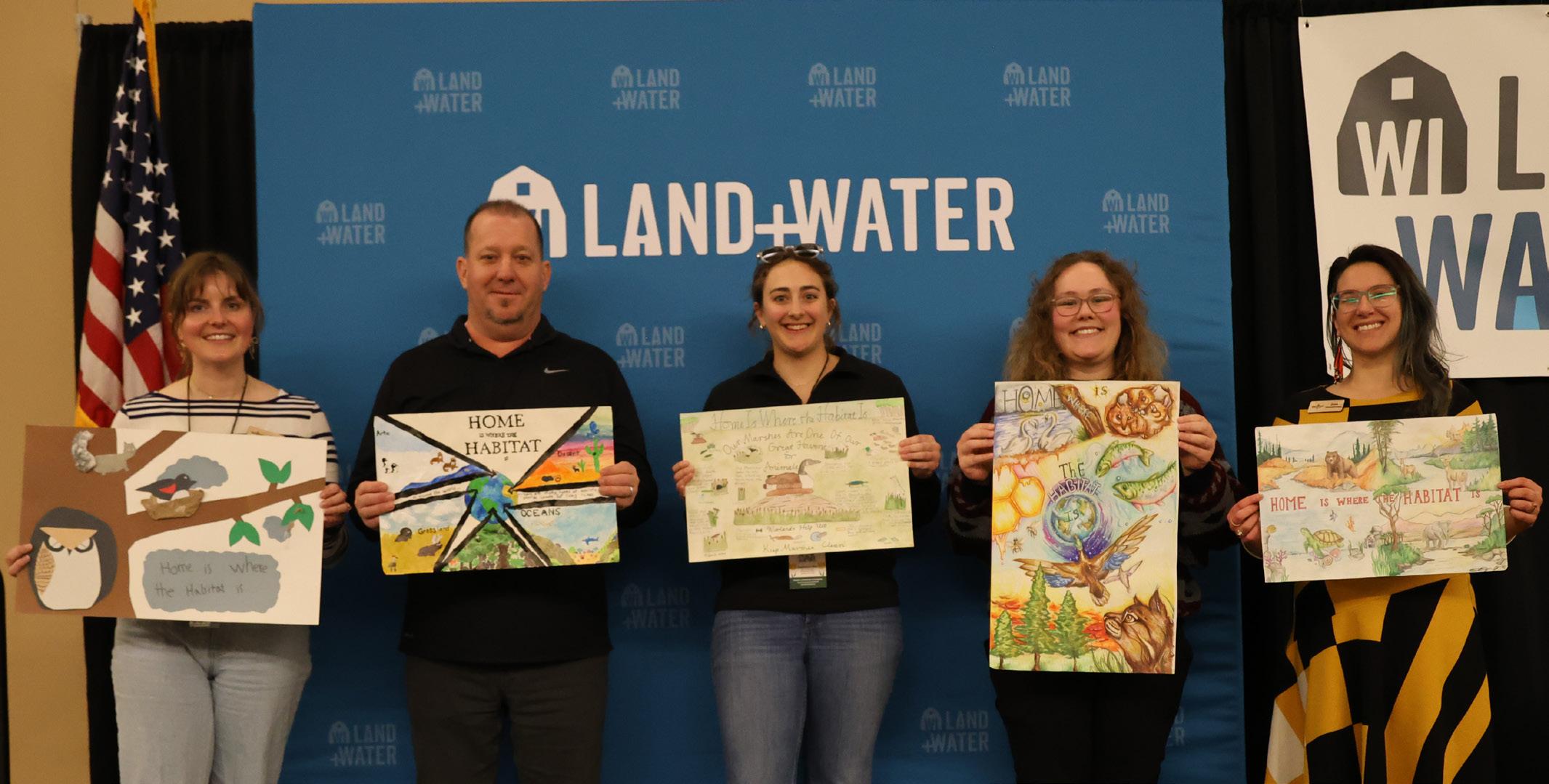
Our Conservation Awareness Poster and Speaking Contests celebrated student creativity and leadership from across Wisconsin. The poster contest challenged K-12 students in five age divisions to illustrate the year’s theme of “Home is Where the Habitat Is” and showcase the importance of healthy habitats in supporting wildlife and ecosystems. Students who advanced from local contests displayed their work at the Annual Conference, where first-place winners from each division earned the opportunity to represent Wisconsin at the National Association of Conservation Districts (NACD) Poster Contest. The speaking competition brought students together across elementary, junior, and senior divisions to present research-driven speeches on pressing conservation topics.
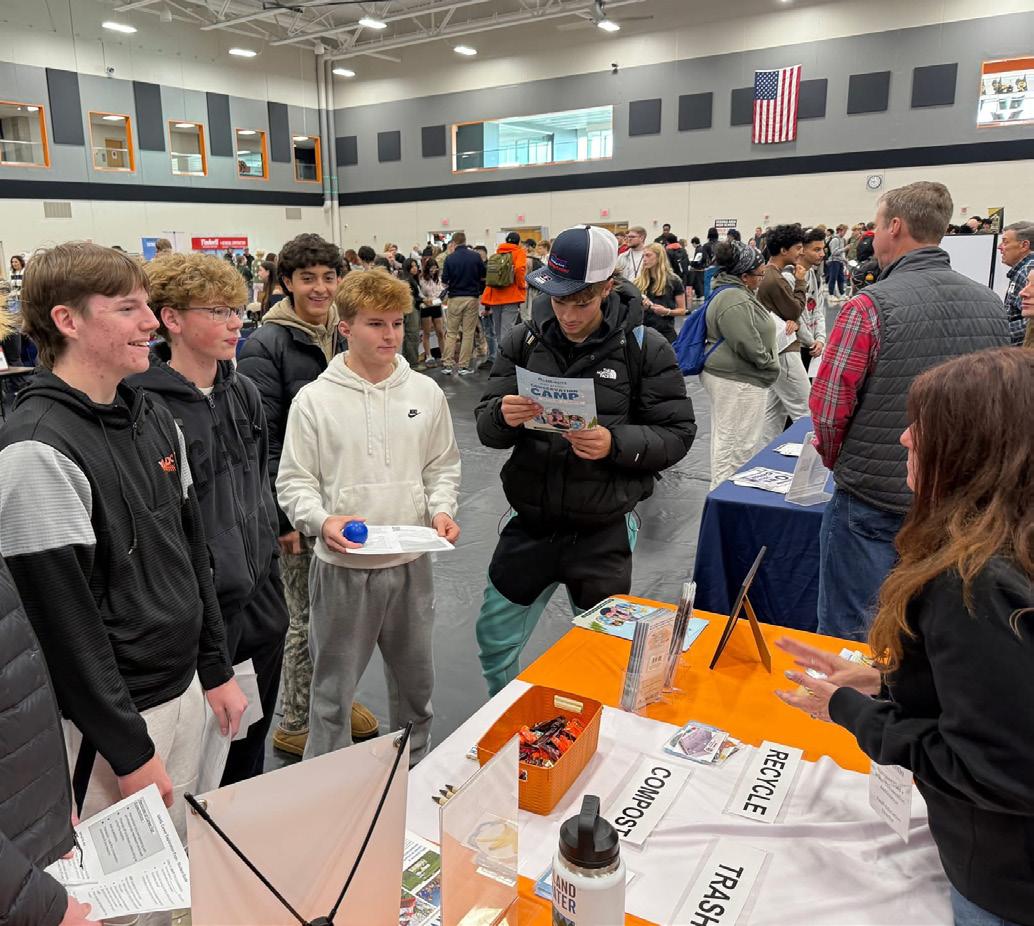
Inspired by member feedback, our new Conservation Career Pathways initiative addresses the growing need to build a strong network of future conservation professionals. We focused outreach efforts to colleges and high schools, educating students about internships and careers by highlighting the meaningful work happening in counties statewide. Our team presented at 3 colleges and attended 3 high school career fairs to share information about internships, entry-level positions, and long-term career paths in land and water conservation. With more than 20 counties currently offering internships, we’re working to ensure students know about these opportunities to gain experience and explore conservation in their own communities.
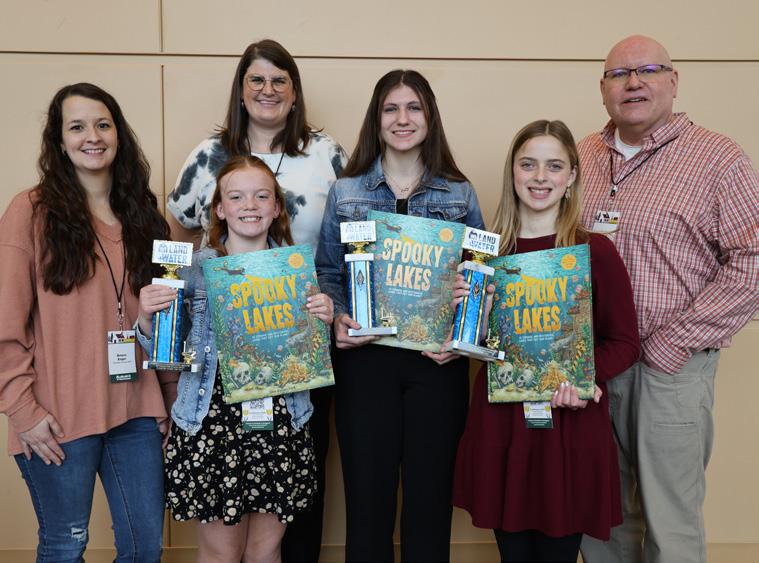
Columbia County winners with emcee Geo Rutherford, a Great Lakes advocate and author of Spooky Lakes who inspired participants with her message about the power of creative storytelling in environmental advocacy.
2,935 posters submitted by K-12 students in local area poster contests
46% increase in poster entires, with 1,363 more submissions than last year
79 speeches presented at local area and Conservation Awareness speaking contests
Columbia County swept the State Speaking Contest, claiming 1st Place in all 3 divisions
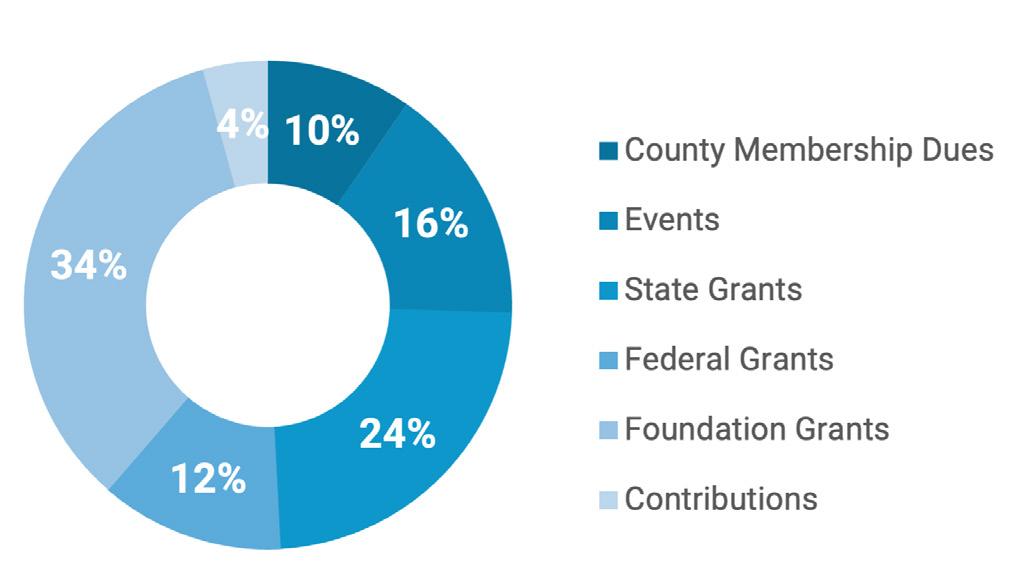
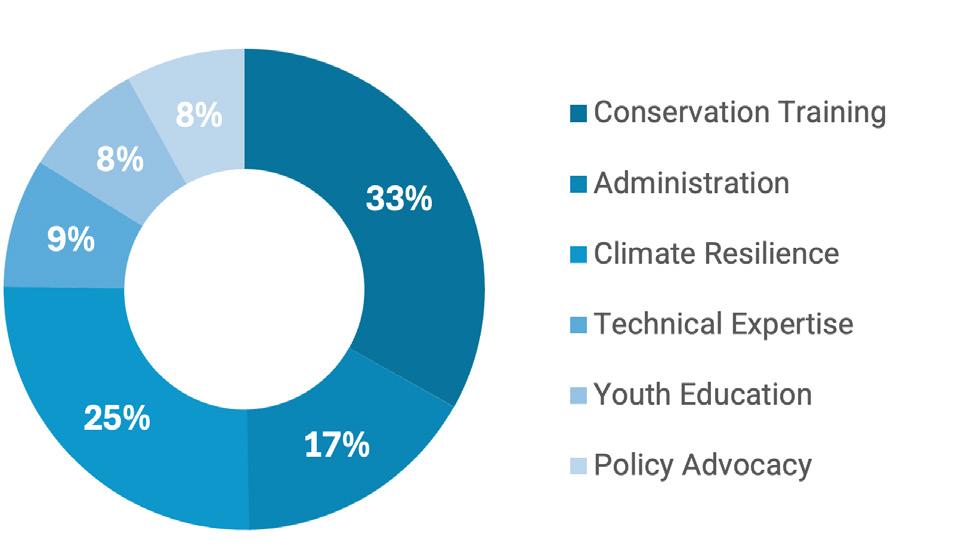
Budget Summary