



















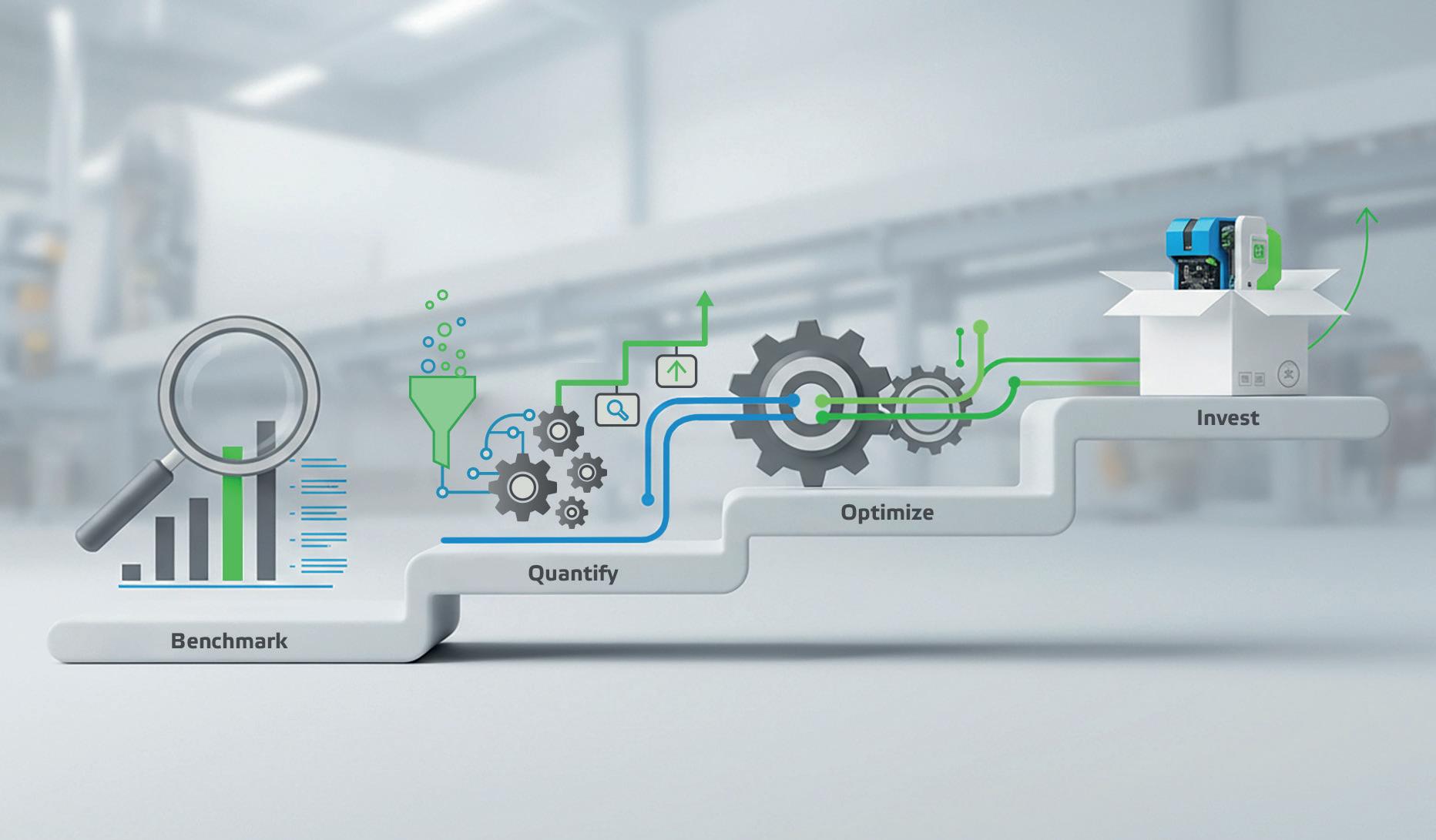
Valmet’s 4-step approach – Discover your improvement potential and turn it into action
Rising sustainability demands are pushing board and paper producers to do more with less. Resource efficiency means using energy, water, and raw materials smarter - without compromising productivity or quality.
Valmet’s 4-step approach benchmarks your current performance, identifies the most impactful improvement areas and turns them into a targeted roadmap that improves production cost competitiveness, enhances sustainability, and supports your path toward a regenerative tomorrow. Start your 4-step journey toward resource efficiency with Valmet today.
Find out more
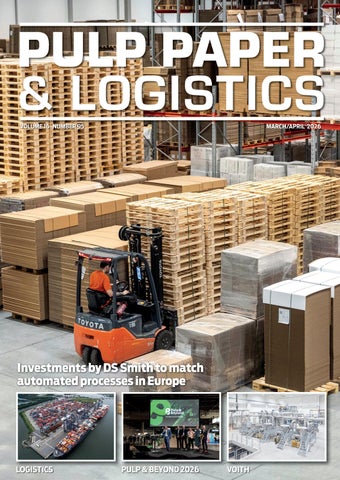
Welcome to the March-April issue of Pulp Paper & Logistics, incorporating our green packaging section.
Again we are seeing global conflict having a serious knock-on effect with rising energy costs at both industrial and domestic levels.
Energy has long been one of the biggest areas of concern to the pulp and paper industry and is continually under review. Much progress has been made in reducing energy consumption and employing technologies that reduce dependence on fossil-based fuels, but rising costs are often market influenced, so cannot be completely escaped.
Another key aspect of the current war in the Middle East is its impact on shipping logistics. Logistics is a double-edged sword, influencing both raw material supply and product delivery. And with some packaging being produced on a justin-time basis to customers there is concern that bottlenecks could start to grow if the conflict continues for much longer.
Looking forward to our May-June 2026 issue 96, we will be planning the annual shipping, ports, handling, and warehouse focus (including cranes and forklifts); energy & water saving technology plus drying technology and processes update plus renewable energy systems.
Submissions should be sent by email to pulppaperlogistics@virginmedia.com and be with us no later than 14 May.
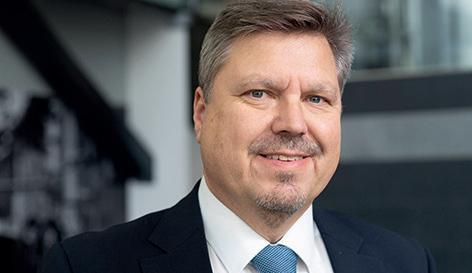
Vince Maynard, Publisher and Editorial Director


16 Issue No. 95, March/April 2026
ISSN 2045-8622 (PRINT)
PUBLISHER & EDITORIAL DIRECTOR
Vince Maynard
Tralee, Hillcrest Road, Edenbridge, Kent, TN8 6JS, UK
Tel: +44 (0) 1732 505724
Mobile: +44 (0) 7747 002286
Email: pulppaperlogistics@virginmedia.com
Email: pulppaperlogistics@outlook.com
John Nutting
+44 (0) 1732 868071
+44 (0) 7860 221486
johnnutting47@gmail.com
+44 (0) 1737 551687
+44 (0) 7785 796826
Wiffen
+44 (0) 1460 261011
+44 (0) 7851 612799
anton_print_1@mac.com
http://www.knockoutprint.co.uk
World-leading fibrebased packaging manufacturer
International Paper is planning to divide itself into two regional publicly-traded companies after its chief executive Andy Silvernail discovered that customers preferred to deal with a more local, rather than a global supplier.
The move comes just over a year since International Paper (IP) acquired Europe-based DS Smith and this January sold its cellulose fibres business to create one of the largest makers of paper packaging worldwide.
Speaking at the Bank of America Securities 2026 Global Agriculture and Materials Conference at the end of February, Silvernail said that he had “overestimated” the desire of customers to make deals on a global basis.
To be more local, the paper making giant will separate into two companies: its current business in North America, including both legacy IP and DS Smith assets; and the EMEA Packaging business made up of both legacy DS Smith
and IP assets in Europe, the Middle East and Asia.
The two packaging companies will each have focused management teams and business models, tailored investment and capital allocation strategies, and “compelling” financial profiles. The strategy is expected to take between 12 and 15 months to complete.
International Paper said that it is focused on maximising value for shareholders through its 80/20 performance system and region-specific strategies.
Combining International Paper and DS Smith enabled the company to significantly strengthen the

businesses in both North America and EMEA. Over the past year, the 80/20 approach enabled the company to recognise significant regional benefits, improve customer delivery and strengthen its relative supply position in both geographies.
“During the past year, we have created two regional powerhouses with scale, strong customer relationships, leading brands and talented teams,” said Silvernail.
“The two businesses operate in distinct market environments and are at different stages of their transformation. We have learned a lot about how to create value in each region.
“The next right step in our transformation journey to achieve full value-creation potential is to create two independent, regionally-focused companies. Taking this swift, decisive action now will enable both businesses to reach best-in-class performance and maximise long-term value creation through enhanced focus on their unique opportunities and targeted investment approaches.”
In a statement, IP said that the separation will provide it with the focus and targeted capital allocation strategy to strengthen
its position as a leading packaging company in North America, focused on customers and leading on innovation, with an advantaged cost position. Comprised of IP’s Packaging Solutions North America business, including both legacy IP and DS Smith assets, IP will continue to serve a wide range of industries with paper packaging, designed to protect products, enhance supply chains and support customer sustainability goals.
Andy Silvernail will continue to be chairman and chief executive of International Paper, with Lance Loeffler as chief financial officer, and Tom Hamic as president of Packaging Solutions North America.
In Europe, the Middle East and Asia, the newly-created EMEA Packaging will be a standalone business, operating in 30 countries as a leading provider of paper packaging, and comprised of IP’s current Packaging Solutions EMEA business, operating as DS Smith, which includes the combination of legacy DS Smith and IP assets.
As an independent company, EMEA Packaging will continue to execute its 80/20 roadmap while focusing on meeting evolving market demands, helping customers achieve their sustainability goals, and reallocating resources to drive innovation and enhanced service.
Following the separation, Tim Nicholls will be chief executive of EMEA Packaging as the new publicly-traded company. Nicholls was president of DS Smith as part of IP. David Robbie is expected to be chairman of the new company in EMEA.
Pulp and board production in Europe slipped by 1.5 percent in 2025, according to preliminary figures from Cepi, the Confederation of Paper Industries, based in Brussels.
The figure showed the industries moderate resilience in the face of rising costs, increased competition and an industrial downturn over the five years, due to adverse macro-economic trends: a sluggish demand, the heavy impact on the industry of high energy and manufacturing costs compared to global competitors, as well as growing regulatory burden in Europe, geopolitical challenges and rising trade tensions.
Graphic paper production, more fragile than other segments,
decreased by 7.2% in 2025.
Focusing only on packaging paper and board (+0.1%), tissue paper (-0.8%) and other paper and board (+0.4%), European production looked relatively stable in 2025, but was still 6.8% below the record level in 2021.
The performance of the European pulp and paper sector in 2025 has to be put in contrast with that of global competitors, and while global paper and board production remained unchanged (-0.3%), production decreased more than in Europe in most paper and board producing countries in 2025. The United States, Japan, Canada and South Korea recorded a decline of their production (-1.9% to -5.7%).
Exceptions are Brazil (+0.1%), an important pulp exporter to
Europe, and China (+2.9%), which has accelerated paper and board production since 2020.
The trade balance of paper and board, although slightly eroding, decreased by 4.4% for the Cepi area compared to 2024 but remains largely positive, a unique position amongst energy-intensive sectors in Europe. Estimated on the most recent Eurostat data (11 months), EU paper and board exports have declined by 2.2% while imports are estimated to have increased by 1.4% in 2025, showing the fragility of the EU’s global competitive position.
Recent figures published by Deloitte show however that Europe is unmatched in crucial competitiveness metrics: biomass flows directed to biomaterials and
circular material use rate, which is mainly driven by the EU’s paper and board sector.
Director general of Cepi Jori Ringman commented: “Insufficient demand remains an important limiting factor to production. A further growth potential exists in replacing fossil-based materials but there we face an unlevel playing field with fossil-based materials and asymmetric information guiding the customer choices.
“Bio-based circular materials offer advantages where it comes to supply chain resilience and European competitiveness. They are reflected in the most recent Cepi statistics and other studies published at the moment, including Deloitte’s Antwerp Declaration Monitoring Report.”
l Mondi Group reported a 3 percent year-on-year drop in sales in 2025, to €7.67 billion, with profits before tax of €269 million, 29 percent down.
people and the targeted strategic actions taken to enhance our competitive advantage.
US$146m a year earlier.
The full-year sales in 2025 of US$31.2bn, up from US$21.1bn in 2024, reflected the merger of Smurfit with Westrock that year.

Chief executive Andrew King commented: “Our industry continues to work through a prolonged cyclical downturn, yet we delivered a resilient full year financial performance, achieving underlying EBITDA of €1.0 billion. This reflects the strength of our cost advantaged and integrated assets, our quality product offering, the commitment of our
“Going into 2026, it remains unclear when geopolitical and macroeconomic conditions will improve. Paper prices are modestly lower, on average, than those seen in the final quarter of 2025. We are, however, confident in our ability to navigate these headwinds effectively through disciplined volume growth as we leverage our recent capacity expansions, strong margin management and cost optimisation.”
l At Dublin-based Smurfit Westrock, sales in final quarter 2025 were fractionally up at US$7.58 billion, but net income slipped to US$98 million, from
Chief executive Tony Smurfit said: “I am pleased to report a strong fourth quarter performance for Smurfit Westrock set against difficult market conditions.
“In 2025, we established a strong foundation for Smurfit Westrock. We exceeded our committed synergy target of US$400 million and put in place a series of customer-centric, commercial and operating initiatives. We also reduced loss making businesses and closed approximately 600,000 tons of high-cost or inefficient capacity as we continued to focus on portfolio optimisation. During the year, we further reduced headcount by over 3,000, while continuing to invest significantly behind our customers, in our asset base and operating efficiency.”

Commenting on future performance, Smurfit said: “With regard to current trading, while we have experienced significant weather events in North America and Europe, we see a generally better industry operating environment, which positions us well for continued performance in 2026.”
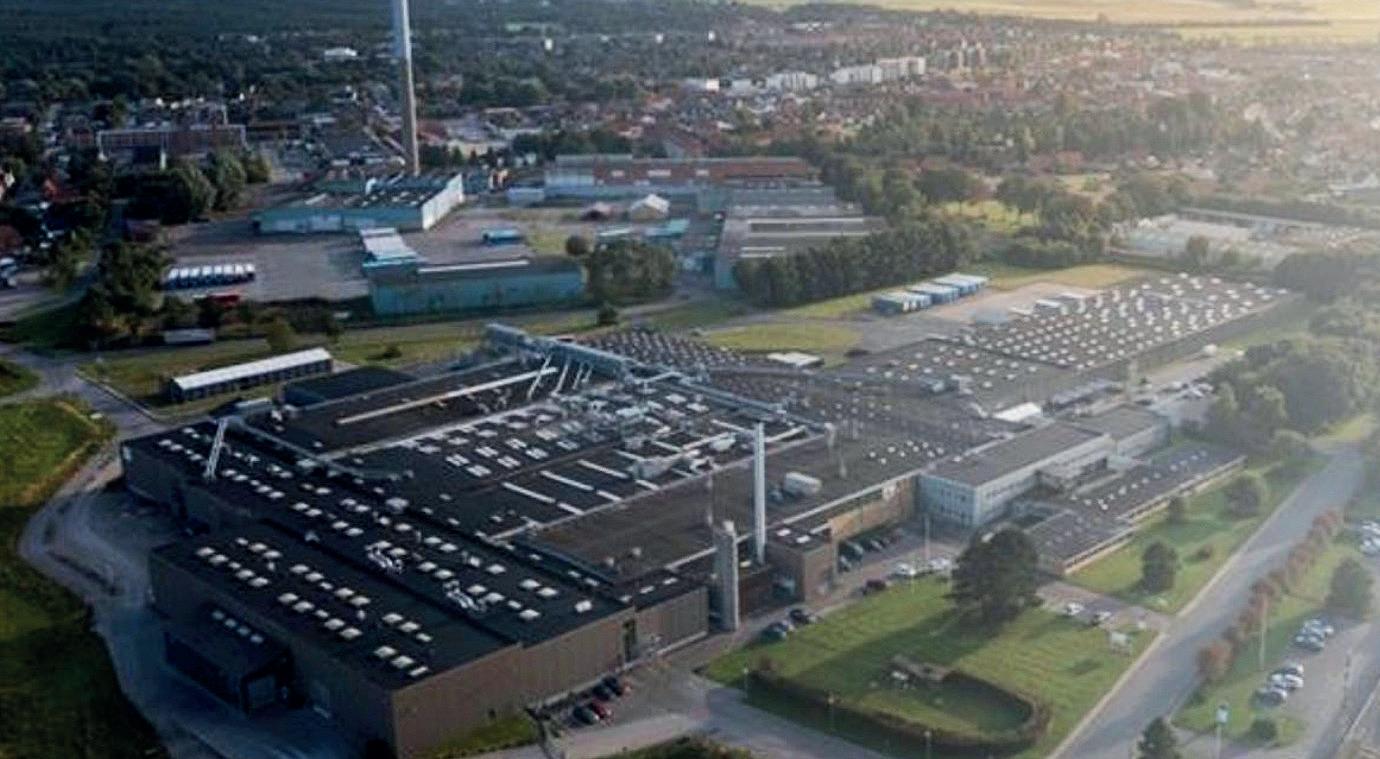
DS Smith, a division of International Paper, is investing €13.4 million to strengthen the production operations at its packaging plant at Djursland in Denmark.
The investment at the Grenaa facility will increase its capacity and competitiveness in Northern Europe with a specific requirement for automated packing production and logistics lines.
A key focus is the installation of an advanced rotary die cutting line for flexographic printing – a high-speed rotary-relief technique that uses flexible photopolymer plates to transfer quick-drying ink onto paper, and within corrugated board conversion systems.
The new additions include five printing units, and a Göpfert Rotary Die Cutter 16/28 High Board Line, representing
state-of-the-art technology in packaging production, and with a combination of servo driven technology, vacuum sheet transport, and automatic register control.
The machinery ensures accuracy throughout the production process and fast changeovers when switching from the manufacture of one product to another. It supports the creation of complex die cuts, a customised manufacturing process that uses a steel blade to cut, score, or crease corrugated cardboard into a variety of shapes – with the capacity to deliver high precision with low material waste, whilst maintaining a robust and reliable mechanical stability for operations with continuous loads.
Kristian Eriksen, sales director at DS Smith Denmark, commented:
“We see a clear trend where an increasing number of customers
are automating their packing and logistics processes. This places significantly higher demands on consistent quality and precision in packaging. With this investment, we are strengthening our ability to deliver solutions that perform seamlessly in our customers’ automated flows – both for today and in the future.”
The Grenaa facility currently provides expertise to sectors
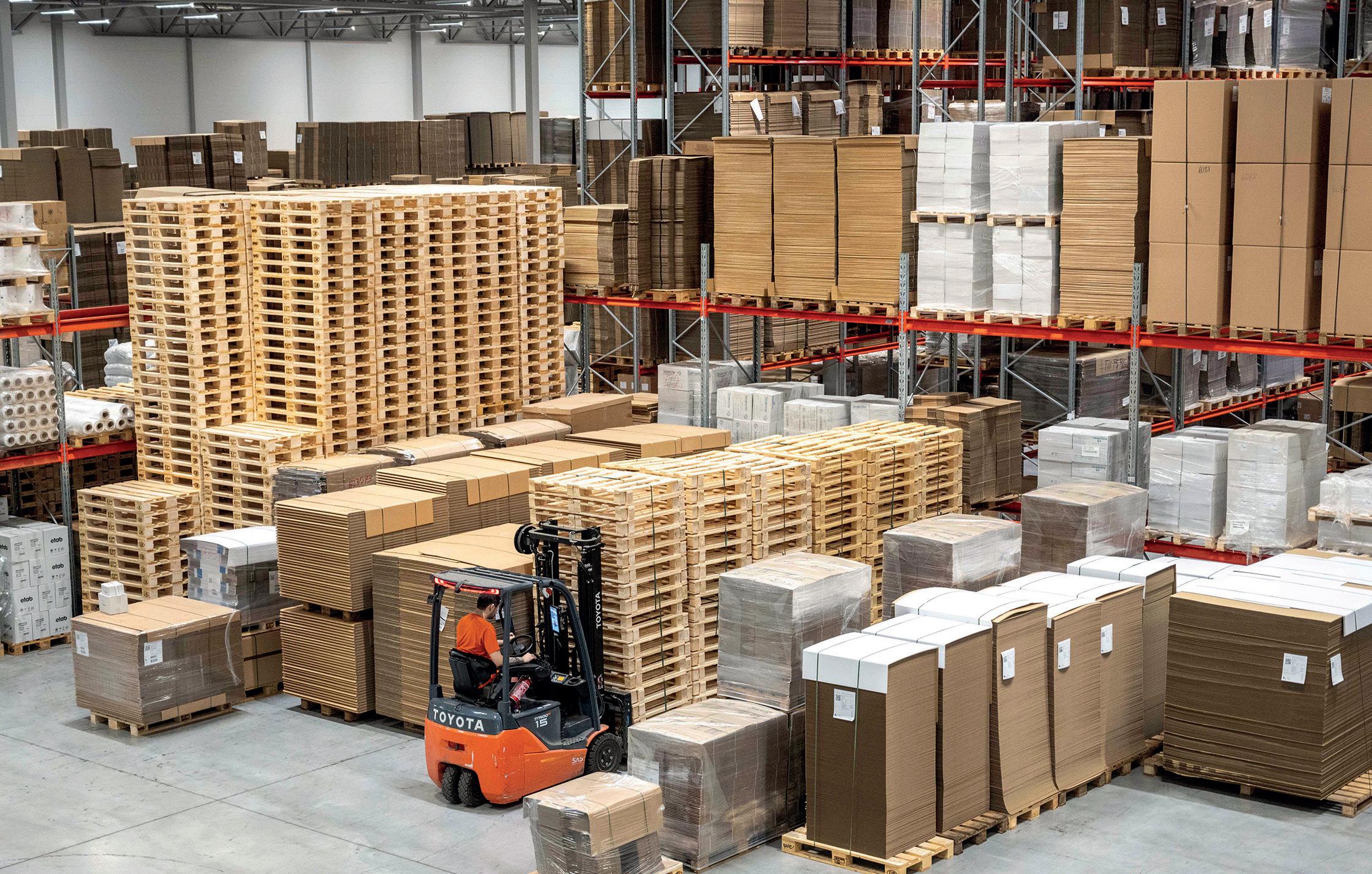
ranging from e-Commerce and food and beverage, to industrial customers. The newly upgraded packaging and production line is expected to increase its capacity at the Grenaa facility by up to 15 million sqm of corrugated board per year. The increased capacity will also contribute to shorter delivery times with enhanced stability. The new machinery will help to optimise supply chain resilience and forecasting in terms of streamlining the capability to foresee and prepare for challenges in the production process.
In addition to the investment at Grenaa, DS Smith will benefit from upgrades at its modern packaging facility at Bredasten in Värnamo in Sweden. This involves a 3,000 sqm extension and is intended to support the continued provision of the best possible services and product innovations for customers, while strengthening internal processes and operations. The transition will take place in phases with completion anticipated by June 2027. As part of the development process, current warehouse operations based out of Malmö will also be relocated to Bredasten.
To celebrate the International Day of Forests held on 18 March, ABB’s division that supports the pulp and paper industry with process improvement expertise offered a comment that outlines the opportunities that still exist to ensure that forest-based industries will continue to provide fibre-based products in future.
Wilson Monteiro, who is the global business line manager for pulp, paper and fibre in ABB’s Process Industries Division,
detailed the company’s position: “International Day of Forests is a reminder that responsible fibre use starts long before a tree reaches the mill. In pulp and paper production, practical innovation is key to enabling operators to optimise processes, improve product quality, and importantly, reduce environmental impact.
“Innovation and automation are integral to how we partner with pulp and paper mills at ABB, with sustainability acting as a driving force. Large and complex infrastructure is at the heart of
the industry, and modernisation without disruption plays a crucial role in bringing future-ready capabilities that guarantees both security and productivity.
“Our capabilities help producers use forest resources responsibly, cut energy consumption, and reduce waste, turning insights into tangible operational results. The most sustainable progress comes from starting small, proving value, and scaling improvements over time.
“There is a defining opportunity for engineers and mill operators alike to shape forest-based

ABB’s Wilson Monteiro: “Innovation and automation are integral to how we partner with pulp and paper mills”
industries that are productive, resilient, and environmentally responsible, ensuring fibre remains a renewable resource for generations to come.”








MM Board & Paper, a leading European producer of cartonboard, is expanding production of its GD2 grade MCM Smart to a third European mill. The move gives customers greater supply security, shorter delivery distances, and more flexible production planning.
In addition to the established mills at Gernsbach in Germany and Količevo in Slovenia, the GD2 recycled cartonboard grade is now also produced at the Frohnleiten mill in Austria.
This expansion further enhances supply security for customers across Europe, while strengthening lead times and flexibility, says MM. For brands and converters managing both cost efficiency and sustainability targets, reliable supply of recycled cartonboard is

a practical priority. MCM Smart is designed to meet that need, offering the processing stability that high-volume packaging lines require.
The GD2 grade is part of MM’s Multi-Mill concept, under which established board grades are produced across a number of mills. Rather than relying on a single source, customers benefit from built-in redundancy and consistent grade quality across sites, reducing exposure to
supply disruption.
MM says its Frohnleiten mill has Europe’s highest capacity for coated recycled cartonboard for folding cartons. Its location in central Austria places it within close reach of customers across Western, Eastern and Southern Europe.
Explaining the advantages of this new expansion, Piotr Kuzebski, market expansion chief at MM Board & Paper, said: “Bringing MCM Smart to MM Frohnleiten

MM Board & Paper’s Piotr Kuzebski: “Bringing MCM Smart to MM Frohnleiten is a natural next step for our MM Multi-Mill network”
is a natural next step for our MM Multi-Mill network. The site offers Europe’s highest production capacity for coated recycled board for folding cartons, and adding MCM Smart to its output means our customers have a third reliable source of supply, with shorter routes and more flexibility built in from the start.”
A bio-based and paper-based food pack has been jointly developed by UPM Specialty Materials and Paramelt. It provides strong grease protection and improved end-of-life performance, making it particularly suitable for bakery, fast food and convenience applications.
UPM’s advanced barrier base papers combined with Paramelt’s bio-based heat-seal and barrier technology deliver a recyclable paper-based pack with the grease barrier and sealing performance required for food applications. The components have been individually validated as home compostable.
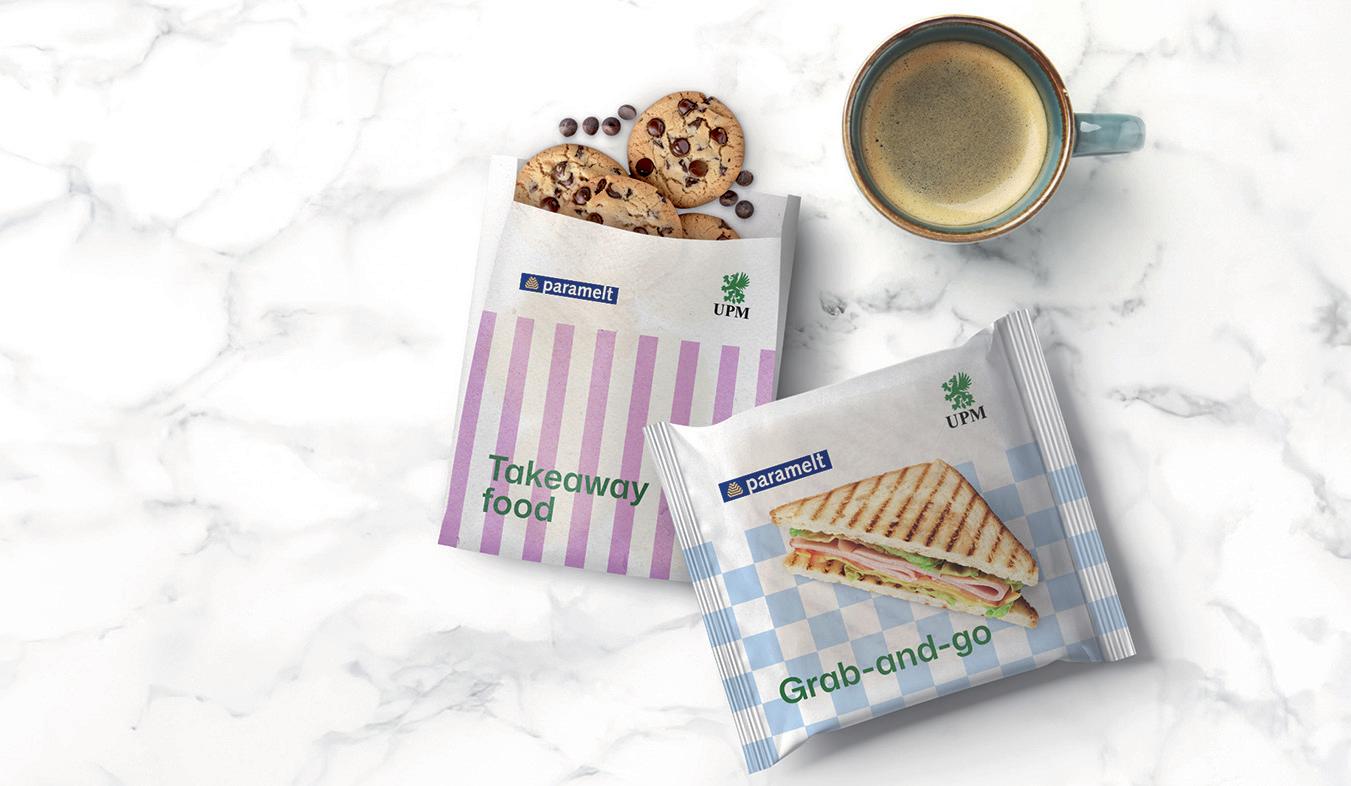
A bio-based food pack jointly developed by UPM and Paramelt is both recyclable ad compostable
Christiane Laine, senior researcher at UPM Innovation, said: “Our collaboration with Paramelt enables us to offer a bio based packaging concept with strong grease protection and proven performance
on packaging lines. Achieving this level of grease resistance at such low coat weights is highly challenging even with fossil-based coatings, and the combined concept
of our barrier base paper properties and Paramelt’s bio-based coating delivers exceptional performance.”
The pack pairs UPM Solide Lucent or UPM Prego papers, designed as a base for barrier coatings, with Paramelt’s Aquavate Bio SB 2383, a water-based coating formulated from biodegradable components. Together, these materials create a functional package suitable for a wide range of food products, including bakery, grab-and-go, and other dry or greasy goods.
The pack will be shown at Interpack from 7-13 May in Düsseldorf, Germany.
● See more Green Packaging on pages 22-29.
Holmen Board and Paper has launched Book Bright, a whiter wood containing book paper that is said to reproduce colours with clarity and intensity. The paper offers a high level of opacity and helps reduce environmental impact in the book market.
A market-leading supplier of book paper since the early 2000s, Sweden-based Holmen delivers a wide-ranging portfolio to make reading as easy and pleasurable as possible. With Book Bright, it is taking another major step forward in developing sustainable, high-performance materials for modern book production.
It combines a high level of whiteness with superior opacity, ensuring excellent readability and image reproduction with excellent print quality even at lower grammages.
Made from fresh fibres, a by product from sawmills and
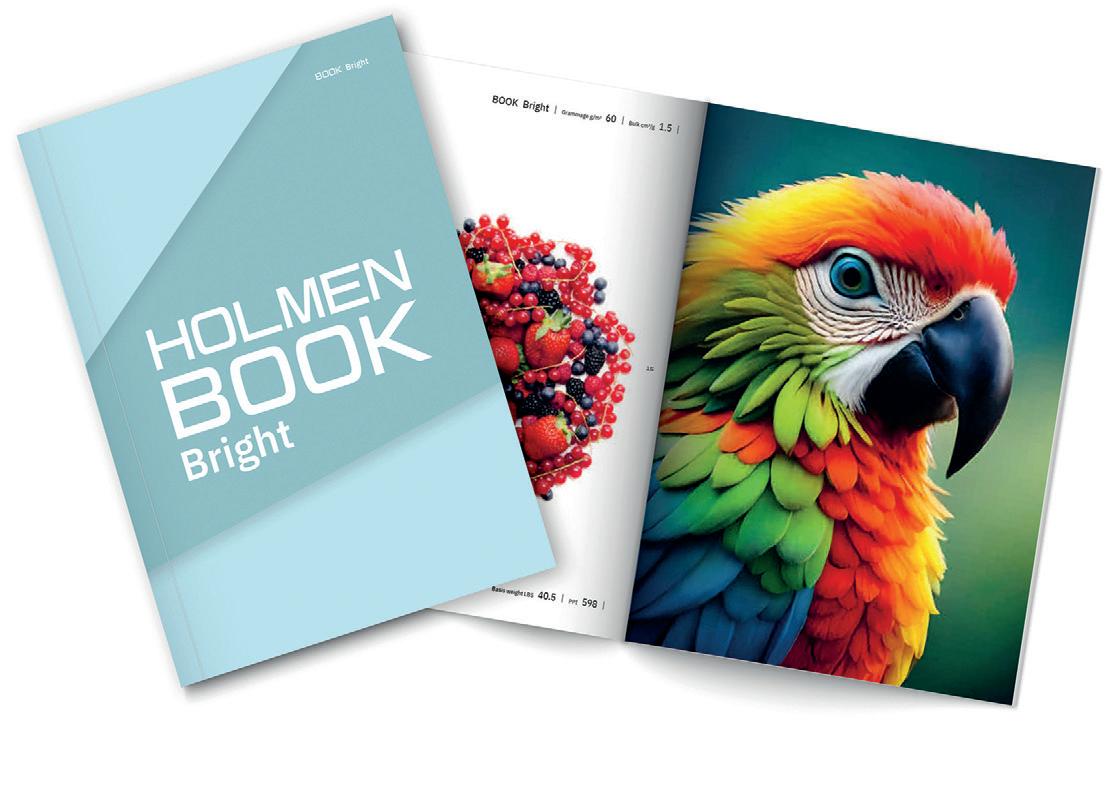
sustainable forestry, Book Bright is said to be produced in a resource-efficient way at Holmen’s paper mills, whose carbon footprint is reportedly one of the lowest in the world per tonne of paper.
Holmen’s production process preserves the properties of the fresh fibres, resulting in a higher level of page thickness
and opacity. This enables lower grammages – 60 to 70 gsm –and lower tonnages used by publishers.
The result, says Holmen, is lower emissions, a lower distribution weight and lower overall production costs.
Altogether, this helps increase the availability of affordable printed books with a low environmental impact.
“The educational market has
been leaning heavily towards digital, but rising digital costs and concerns about screen based reading are shifting the conversation,” says Christophe Irion, segment manager for educational books at Holmen Board and Paper. “Holmen Book Bright gives publishers a way to print more books with less environmental impact –supporting learning where print matters the most.”
Metsä Board has completed acquisition of the Winschoten Sheeting and Distribution Hub in the Netherlands from Konvertia Group. The acquisition is said to strengthens Metsä Board’s sheeting capacity and service capabilities in Europe.
Winschoten is one of Europe’s largest and most advanced sheeting and distribution hubs, with an annual capacity of around
100,000 tonnes with 22 employees. The terms of the deal were not disclosed.
Metsä Board will begin integrating the Winschoten Hub into its European operations, aligning production, logistics and customer service processes. This integration supports Metsä Board’s objective of improving service speed and supply reliability in the company’s key growth market Europe.
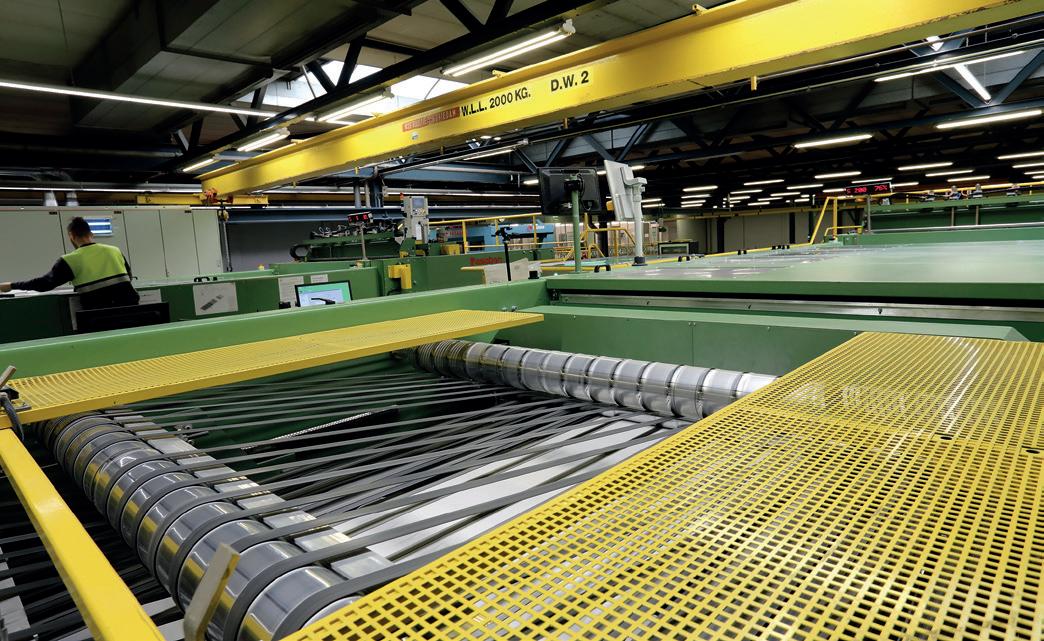
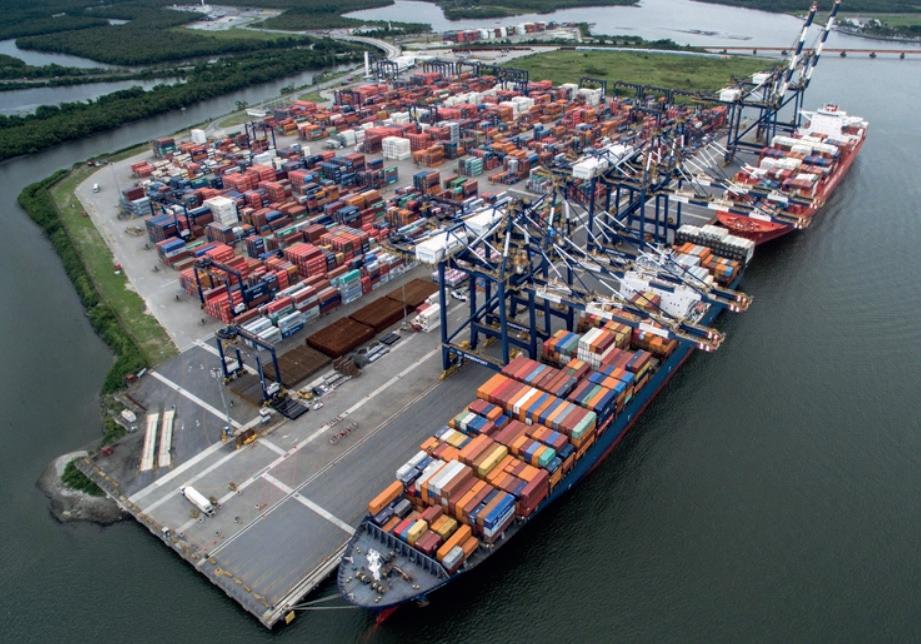
Five-year contract strengthens integrated supply chains for global pulp and paper leader Suzano, while DP World’s Santos terminal hits record container volumes in 2025. PPL reports
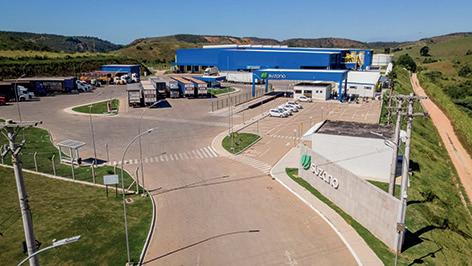
After securing a fiveyear agreement to manage warehouse and production line supply operations for Suzano, one of the world’s largest pulp and paper producers, DP World is expanding its contract logistics platform in Brazil.
Under the agreement, DP World will operate a facility of almost 5,000 sqm integrated with Suzano’s consumer tissue mill at Cachoeiro de Itapemirim in Espírito Santo. Operations began in February and include inbound receiving, inventory management, production line replenishment, and outbound distribution of finished tissue products, including toilet paper, napkins, and paper towels.
The facility has inbound handling capacity of up to 152 tons per day and outbound distribution capacity of 128 tons per day, supporting daily production of
around 19,000 bales. Products will serve key consumer markets in Rio de Janeiro, São Paulo, Minas Gerais, and Brazil’s Central-West region.
The agreement builds on a longstanding relationship between the two companies at the Port of Santos, where DP World manages logistics operations at Brazil’s largest and most modern pulp export warehouse, with capacity to handle up to 5 million tons a year.
Fabio Siccherino, chief executive of DP World in Brazil, said: “The agreement to manage Suzano’s Cachoeiro warehouse reflects continued confidence in our ability to deliver integrated, highperformance logistics solutions. By connecting port operations, warehousing, and inland distribution, we are helping create a more agile, resilient supply chain that supports long-term growth.”
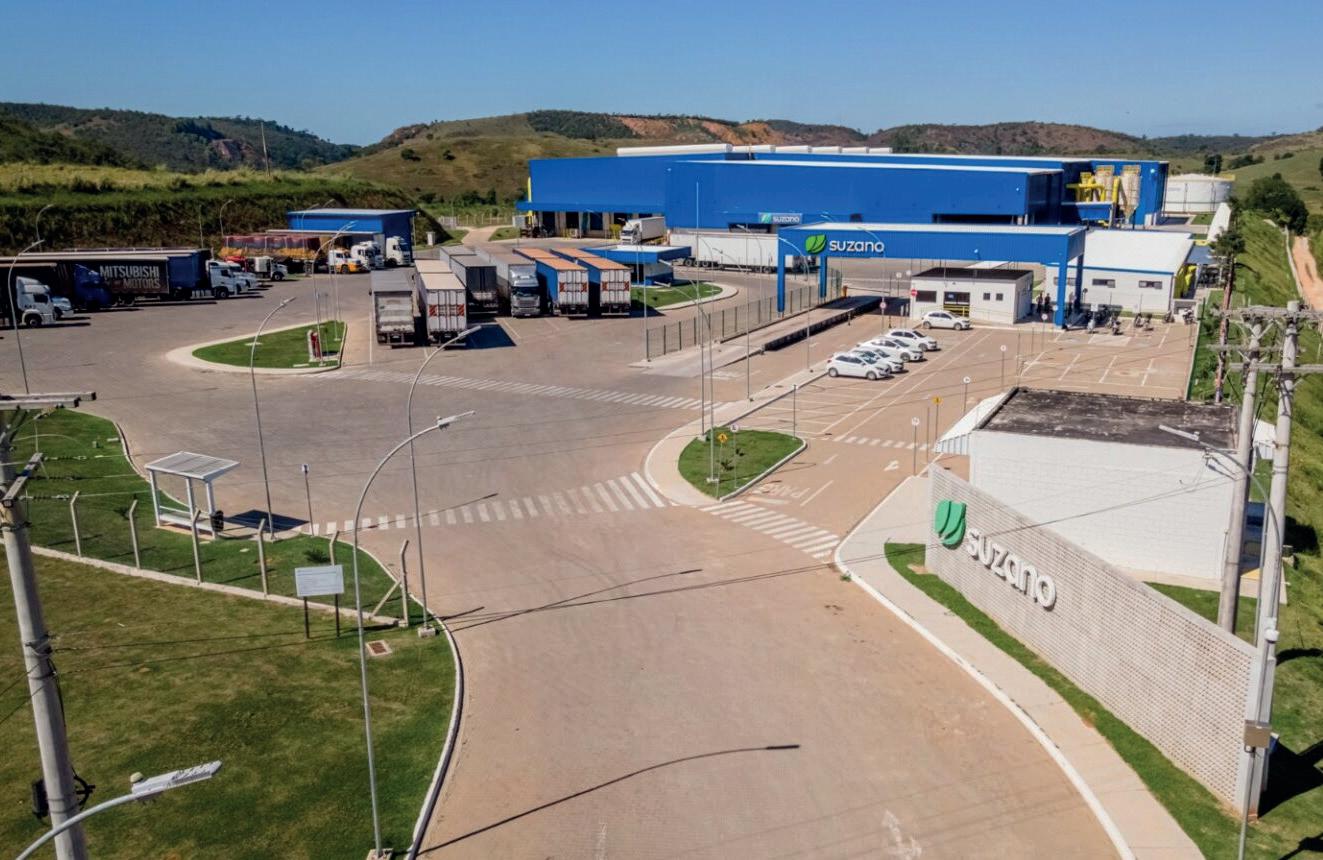

added: “We are advancing our operations with a strong focus on efficiency, innovation, and competitiveness. This new phase of our partnership with DP World reinforces our commitment to building a more agile, sustainable, and fully integrated logistics chain.”
The new warehouse operation complements continued growth at DP World’s terminal at the Port of Santos, Brazil’s leading container gateway. In 2025, the terminal handled a record 1.3 million 20-foot equivalent units (TEUs), surpassing the previous record of 1.25 million TEUs set in 2024. Current investments totalling R$1.6 billion (US$306 million) will expand terminal capacity to 1.7 million TEUs by the end of 2026, with further phases expected to increase capacity to 2.1 million TEUs, reinforcing Santos’ role as a
key trade hub in Latin America. The Suzano agreement is part of DP World’s broader strategy to strengthen its end-to-end logistics capabilities across Brazil. Over the past two years, the company has:
l Opened its first multi-customer warehouse in Cajamar (São Paulo), offering scalable shared logistics infrastructure
l Expanded its freight forwarding presence with new offices in key industrial hubs including Porto Alegre and Curitiba
l Secured International Air Transport Association (IATA) certification to enhance domestic and international air freight services.
DP World now operates nearly 100,000 sqm of contract logistics capacity in Brazil, supported by its container terminal operations at Santos and expanding freightforwarding network.
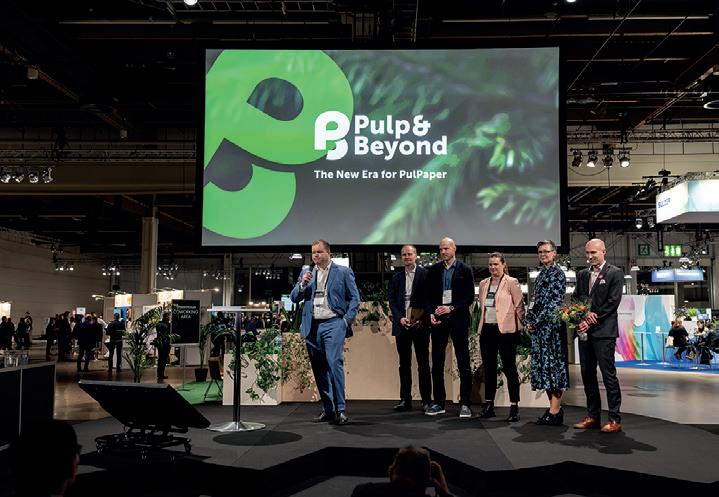
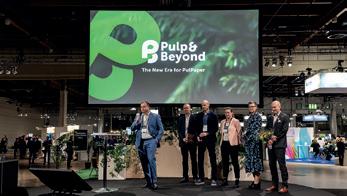
Key pulp and paper industry issues will be the discussion points at Pulp & Beyond 2026 in Helsinki in April. PPL reports
The role of artificial intelligence in process industries, innovations in the forest sector and the future of the bioeconomy, along with the critical early stage challenges faced by industry start-ups, will be showcased at Pulp & Beyond 2026, the leading event for the forest-based bioeconomy in Northern Europe.
The trade show and conferences will be held from Wednesday to Thursday, 15-16 April 2026, at Helsinki Expo and Convention Centre, Finland.
The programme for the event’s main stage features high level keynote speeches and panel discussions.
In 2024, the event attracted more than 8,000 visitors, 188 exhibitors, and more than 80 speakers.
Wednesday 15 April: AI, Innovation and Mill Projects
The event will open at 10am with welcoming remarks from Finland’s Minister of Climate and the Environment Sari Multala, and from the chair of the Finnish Forest Products Engineers’ Association (PI), Pia Nilsson, together with PI’s managing director Antti Lindqvist.
At 11am, the significance and potential of AI in process industries will be discussed in the session ‘AI as a must in process industries’ by Felipe Alcalde Arrau, chief competitiveness and innovation officer at CMPC, and Hannele Palje Rossi, information chief at Stora Enso.
At 1pm, Arauco’s research and development chief Sebastian Mandiola will discuss ‘Applied R&D: The engine behind next generation pulp production’, addressing the role of innovation in the future of the pulp industry and outlining the background to the giant Sucurio mill project. At 3pm a panel discussion titled ‘Developing wood based innovations and improving efficiency: resources, obstacles and opportunities’ will explore the development of wood based innovations and pathways to enhanced efficiency. The panel will feature Stora Enso’s group innovation and R&D chief Philip Hanefeld; VTT Technical Research Centre of Finland chief executive Kalle Härkki; A. Ahlström chair Peter Seligson; and AFRY chief executive Linda Pålsson.
Thursday 16 April: Scaling innovations and renewable solutions for the bioeconomy
The second day of Pulp & Beyond will begin at 10am with a keynote speech from Harald Dialer, UPM’s technology chief, entitled ‘Shaping the bioeconomy with renewable carbon solutions’.
At 11am, a panel discussion entitled ‘Overcoming the valley of death’ will delve into the critical early stage challenges facing start ups in the sector and strategies for navigating them. Panellists include Fiberwood chief executive Tage Johansson, Lixea founder and director Professor
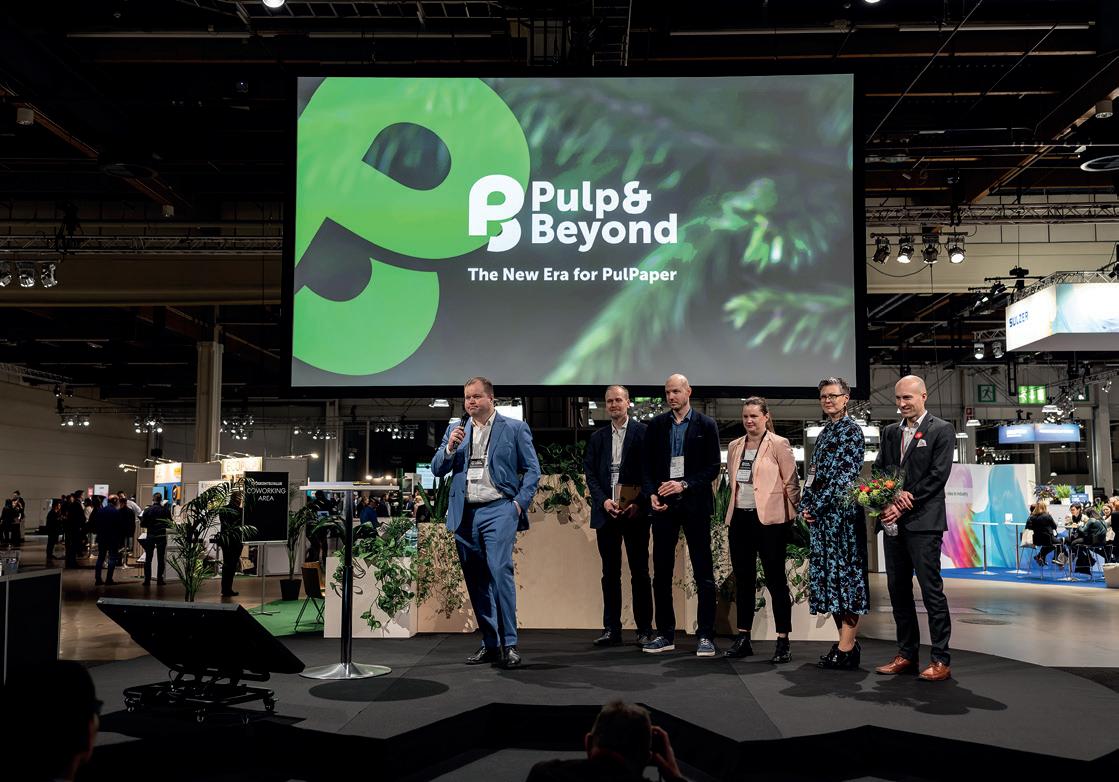
More than 8,000 professionals attended Pulp & Beyond in 2024
At 1pm, the event will feature a talk aimed at the future talents of the forest sector by philosopher Frank Martela. In his presentation ‘Happiness and Working Life – Impossible to Combine?’ he will explore whether happiness and working life can go hand in hand, offering perspectives on meaningful work, wellbeing and building balance.
Entry to Pulp & Beyond 2026 is free of charge for visitors.
More than 40 presentations are scheduled for the Pulp & Beyond Conference being held on 14 April 2026, the day before the opening of the Pulp & Beyond 2026 show in Helsinki.
Subjects include the direction of the global economy amongst growing uncertainty; the lessons from AI-driven deep-tech start up in pulp and paper; takeaways from an emission-free pulping programme; technology and policy readiness for biogenic carbon dioxide; improving energy efficiency with dewatering technology; and the latest developments in lignin research.
The cost of attending the Pulp & Beyond 2026 Conference is €460 plus VAT.
Excursions to key industry players
Pulp & Beyond 2026 excursions costing €75 plus VAT will take place on 17 April 2026. These will be to the Kemira Innovation Centre at Espoo, Stora Enso’s new headquarters, Sappi’s Kirkniemi paper mill, and to ABB’s headquarters and factory in Helsinki.
● More information from Helsinki Expo and Convention Centre, PL 21 (Messuaukio 1), 00521 Helsinki. Tel: 358 40 450 3250.
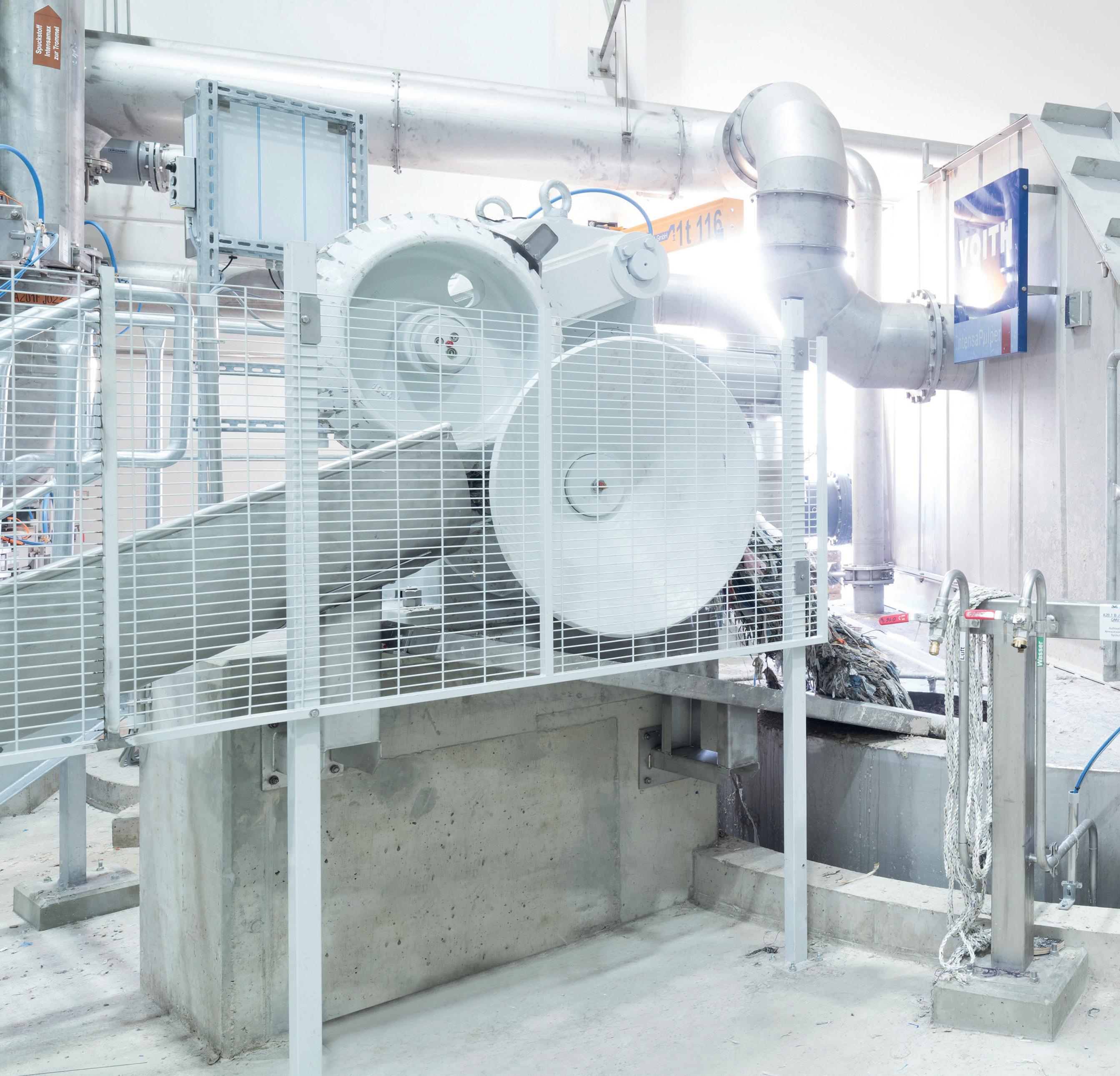



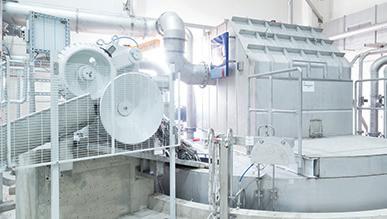
Automation is opening up new possibilities to support operators in pulping, fine screening and high-density cleaning.
Further developments within Voith’s MillOne ecosystem have enabled the optimisation of data analysis and decision making for more efficient and stable OCC lines. PPL reports
In 2025, PPL featured Voith’s MillOne ecosystem, in which paper mills were able to adopt advanced automation and artificial intelligence that enhanced human expertise and streamlined production processes. Since then the process has been applied more specifically to optimising data analysis and decision making for
more efficient and stable OCC lines.
Within Voith’s MillOne ecosystem, these approaches consolidate process data, reduce manual interventions and
contribute to more consistent resource use across the process steps. Experience from mills such as the German paper maker Schoellershammer shows that the use of these technologies
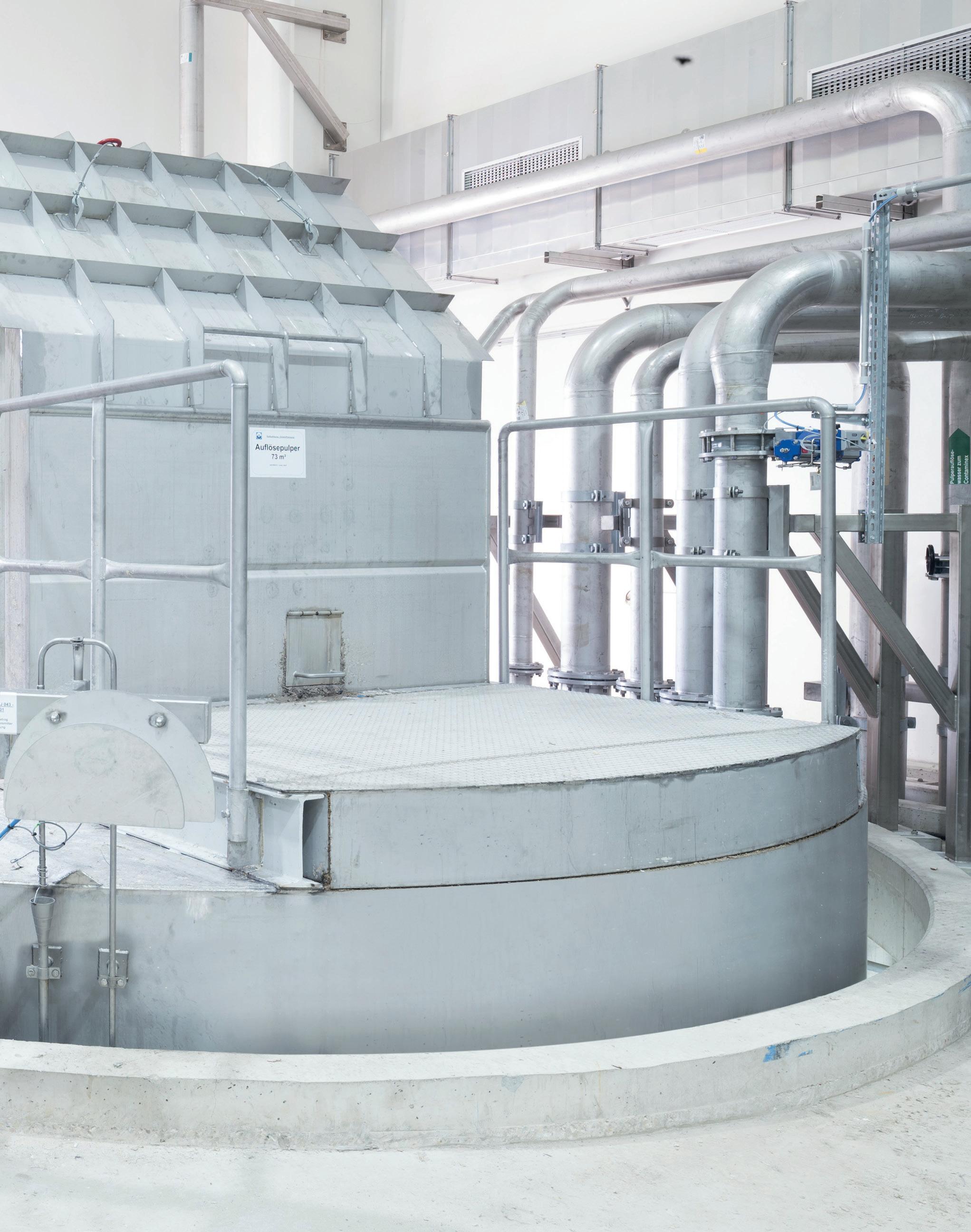
improves process stability and production performance.
Self-optimising heavyweight reject traps
The implementation of OnControl. SmartProtect improves highdensity cleaning performance by continuously monitoring the reject level in the high-density chamber, automatically adjusting
With the introduction of further automation systems, Voith is expanding the MillOne ecosystem and driving forward the digital transformation of papermaking
the flushing water quantity accordingly and adapting the emptying process in real time to the current reject quantities. This ensures that rejects are rinsed as thoroughly as possible, and cycle times are optimised to save fibre and energy costs and increase wear parts lifetime.
Schoellershammer GmbH is already using the system at its
Düren mill in Germany and is making savings in operating costs.
“Since installing OnControl. SmartProtect, we have recorded lower fibre losses and less wear on the gate valves, as they have to be operated less frequently,” confirms Armin Vetter, managing director of Schoellershammer. “The high separation efficiency also protects the downstream machines.”
of dirt peaks in real time
Based on real-time information about stock quality, OnControl. FineScreening controls the reject flow. Depending on the quality of the fine screening accept, the process parameters are automatically adjusted to keep fibre loss as low as possible, resulting in optimised resource utilisation and cost savings.
“Depending on the fibre quality, our customers were able to save up to four tons of raw material per day during the pilot installation,” says Flavio Granito, global product manager for Papermaking 4.0 at Voith Paper.
“With the new digitisation solution, we were able to significantly reduce waste in slot sorting,” Vetter reports. “The installation has already proven to be very profitable.”
The tool is applied in the pulping and detrashing module of the stock preparation, where the frequently fluctuating raw material quality presents paper manufacturers with challenges. To optimise plant operation, OnControl.Pulping Detrashing monitors parameters that are influenced by the composition of the recovered paper fed to the pulper and automatically adjusts the process parameters in real time based on this analysis.
“The control system calculates detrashing cycles individually and reacts very well to fluctuating reject quantities,” reports Karl Tessler, senior plant manager at Schoellershammer.
“As a result, OnControl.Pulping Detrashing has noticeably increased our operational reliability. Disturbances caused
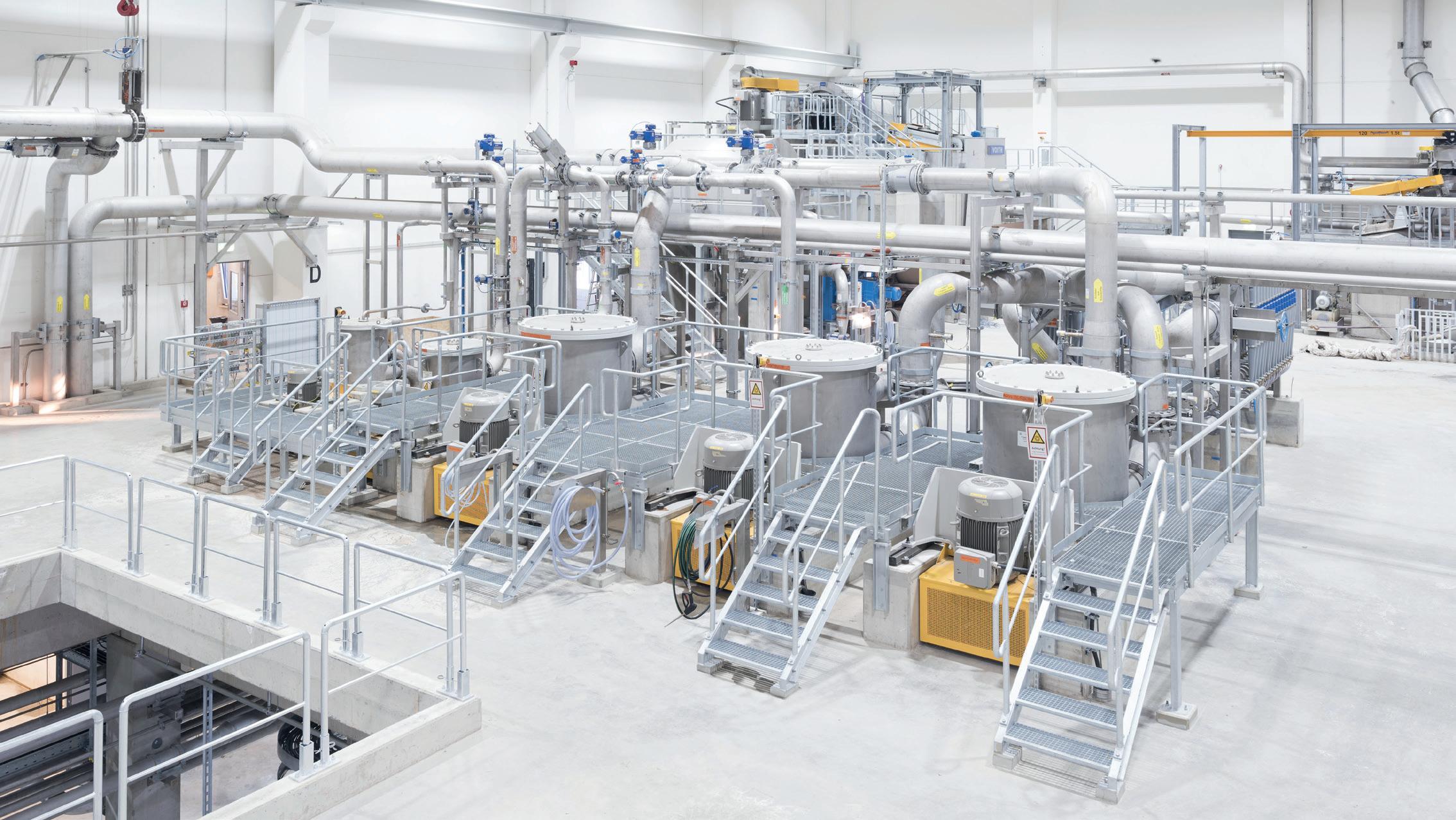
by blockages and downtimes due to overcurrent on the motors no longer occur when the control system is switched on. The rejects disposed are less contaminated with fibres, which in turn increases the fibre yield. Overall, OnControl.Pulping Detrashing proves to be a modern control system that makes full use of
technical possibilities,” Tessler concludes.
The three tools can be integrated seamlessly into Voith’s MillOne ecosystem, which brings together all mill data in one system. Its direct communication with individual modules enables machines and
processes to be monitored more efficiently, as individual data sets are consolidated and analysed holistically in real time. This supports early detection of potential issues and allows for immediate automatic or manual intervention when necessary. As a result, complexity is reduced, and operators save time. The new solutions are another big step toward autonomous stock preparation and, ultimately, toward the autonomous paper mill.
Schoellershammer GmbH, based in Düren, has roots dating back to the 18th century and remains family-owned. As early as 1950, Schoellershammer recognised the potential of the circular economy and commissioned its first paper machine for recycled paper. It aims to be one of the most sustainable manufacturers and partners in the European packaging market. As a non-integrated manufacturer, Schoellershammer does not compete with its customers and suppliers.
With two paper machines, PM5 and PM6, Schoellershammer produces more than 540,000 tons of liner and fluting paper a year, using waste paper sourced from the local region. The PM6 line was commissioned in 2016 and is
More information from https://voith.com/corp-en/ industry-solutions/papermaking/ autonomous-paper-mill/millone. html
one of the most energy-efficient paper machines in Europe. Schoellershammer manufactures containerboard exclusively from secondary fibres. In addition to standard grades, which account for about three-quarters of production, the company also produces high-performance grades, including the proprietary containerboard brands Hammerliner and Hammerflute.
Its high-performance Twinhammer brand is suitable for both testliner and fluting, simplifying raw material procurement and storage for its customers and enabling more sustainable, lighter packaging.
All Schoellershammer products are FSC certified (FSC C109985).
Stop collecting paper samples!






















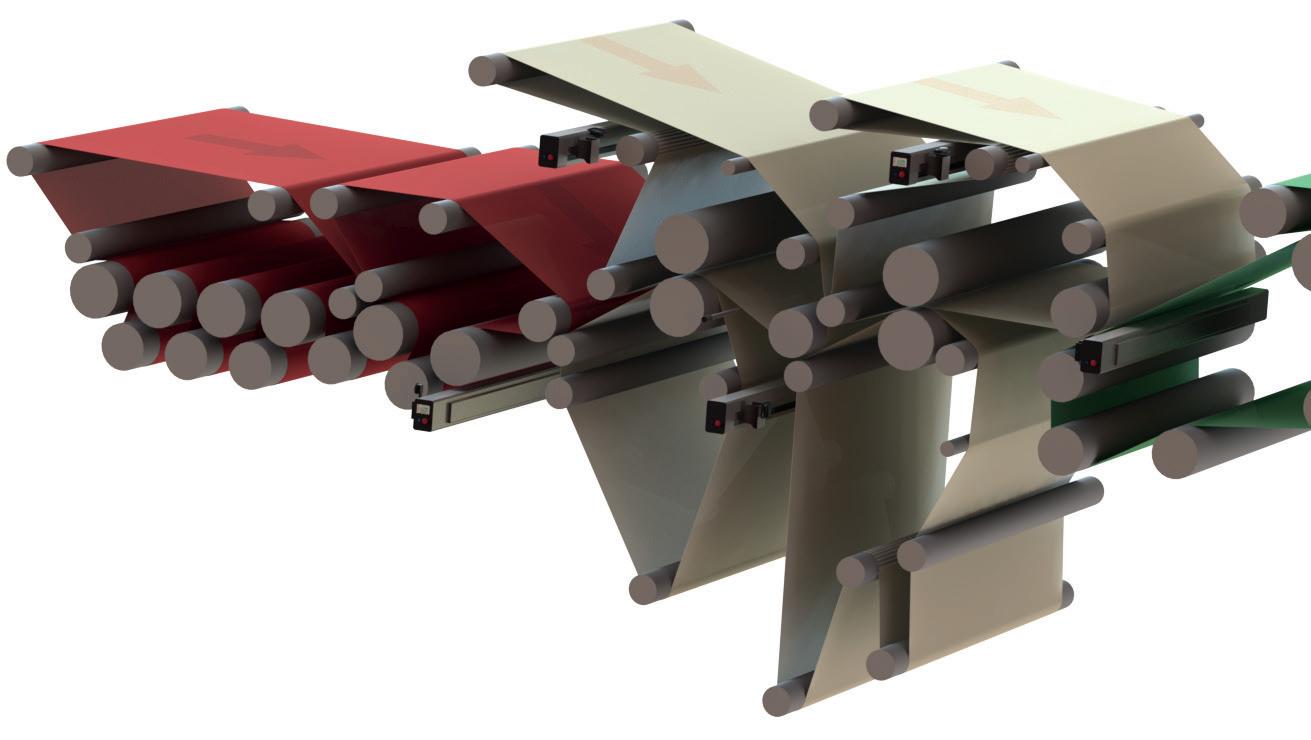
Improve your press section efficiency! SmartScan™ contactless sensor accurately measures paper web dryness after the press section 24 hours a day, 7 days a week. Using a proprietary microwave technology, it is developed to overcome the typical limits of the NIR (near-infrared) sensors. SmartScan™ is available both for fixed point positions or traversing web scan. To save hundred of thousands of Euros in energy costs, stop collecting samples, choose the safe accuracy of SmartScan™ technology.
Cristini S.p.A. Diagnostic Systems Via Bombardieri, 5 – 24020 Fiorano al Serio (BG) Italy Tel +39 035 715 111 Fax + 39 035 711 451 email diagnostic.systems@cristini.it website www.cristini.com
A new R&D programme – BioCircleToZero – unites companies, research, and universities for technological breakthroughs in Finland. PPL reports
Andritz continues to innovate new ways of increasing the value of wood at pulp mills, ultimately aiming to create biorefineries. With the recently-launched BioCircleToZero programme, funded by Business Finland, the company aims to take a giant leap forward in efforts to double the value of wood.
It is said that ‘necessity is the mother of invention’ and this certainly applies to wood use in Finland. The situation in Europe in recent years has led to rising costs of raw materials while wood harvesting in Finland is approaching sustainable limits. As a result, the focus is shifting toward maximizing the value extracted
from each stream without increasing forest use.
Johan Engström, chief technology officer at Andritz Pulp & Paper says, “We simply have to get more value out of the wood being used at pulp mills. One of the most straightforward ways to address this challenge is to burn less wood-based material in the process, increase the pulp yield, utilise side streams, such as lignin and biomethanol, or increase the value by high-value products like man-made textile fibers.
“In reality, biomass will always be burnt to some stage, but technologies for the biogenic carbon dioxide together with green hydrogen can be converted to, for example, eFuels. To
meet these challenges, we have launched the BioCircleToZero initiative and with a lot of intense, combined innovation and effort, we can realistically see doubling the value of wood in the future.”
Building a strong partner ecosystem for technological breakthroughs
Doubling the value of wood sounds like a highly ambitious task: however, there is a lot of interest and support for the programme.
The five-year BioCircleToZero programme was launched in early 2025 by ANDRITZ and supported by Business Finland, the country’s agency for trade and promotion, with a grant
of €10 million. Led by Andritz, the initiative has been set up to encourage cooperation and R&D efforts with companies, research institutes, and universities working in the field of forest product industries, energy, climate, and environmental sectors.
Expecting some 100 members, the initiative has already secured big-name supporters in the forest products industry as partners, including companies, research institutes, and universities. Business Finland has also provided an additional €20 million to partners contributing to the programme.
Kari Tuominen, chief executive officer of Andritz Finland, says of the programme: “This is an extremely important initiative. At Andritz we have always been known for developing innovative new technology that is well received by our customers.
“Although we have had many successes
in joint developments for the forest product industries in the past, with the BioCircleToZero programme we are building a large ecosystem where it is not only us bringing new technology to market. We are leading the initiative, but our partners are also key in any new development that enables the creation of added value from wood.”
Pioneering into all areas to benefit the complete wood value chain
One of the examples of innovation as part of the programme is the better use of wood at chemical pulp mills. Currently, approximately half of the wood going into a chemical pulp mill ends up being burned for energy as process residues.
Engström says: “This can, and must, be reduced. Burning such a valuable raw material should be minimised as much as
possible, especially if a commodity product is being made. There is so much more that can be done to add value to the wood instead of simply burning it.”
To address this, the programme focuses on developing added-value products from the process side streams that would otherwise be used for energy.
Engström continues: “We have already developed successful solutions for making new products out of the side streams from pulp mills and, in some cases, we have created solutions that seemed impossible, to begin with. This is what the BioCircleToZero programme has been designed for; building ecosystems that will enhance and optimise the utilisation of all areas of pulp mills, innovating and proving the feasibility of pioneering new products.”
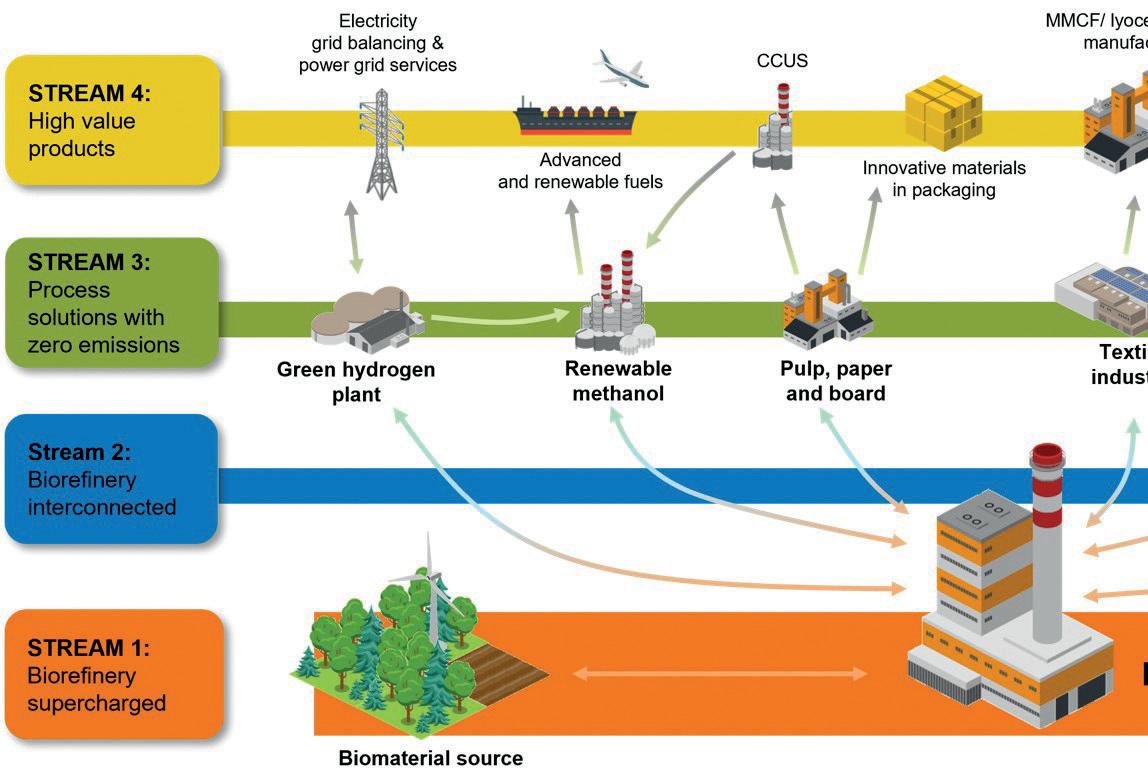
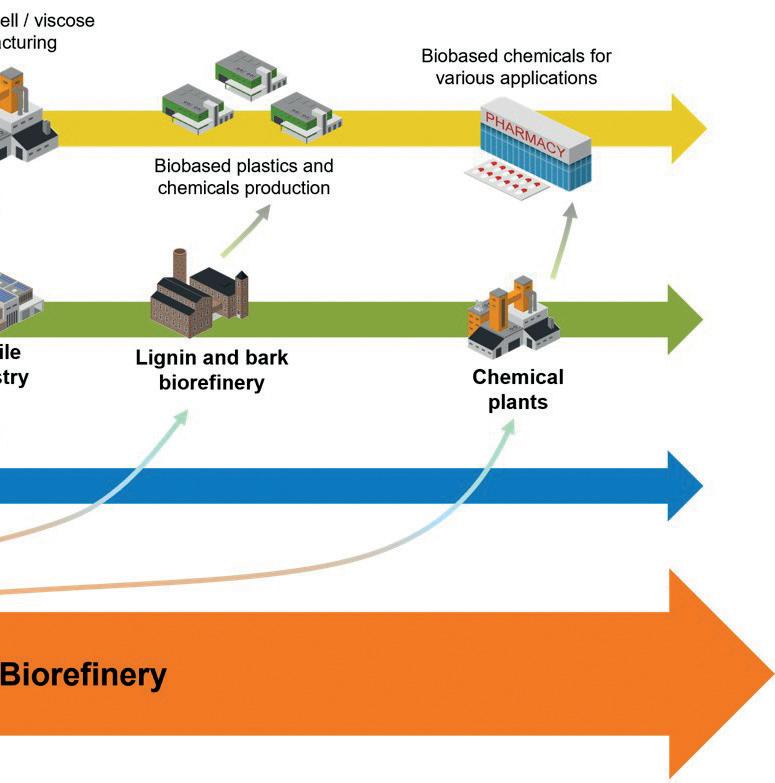
The BioCircleToZero initiative focuses on four main streams with each stream having its own set of tasks and goals:
Stream 1 : Biorefinery supercharged –Concentration on biorefinery process improvements and connections to enable emission-free production processes.
Stream 2 : Biorefinery interconnected –Focusing on enabling the ecosystem growth around biorefinery processes by opening the materials, services, and side streams flows to third parties. This stream will also evaluate and develop new business models for biorefinery ecosystems, for instance, business models that enable growth creation from negative emissions.
Stream 3 : Process solutions with zero emissions – This stream focuses on turning biogenic carbon flows into high-value renewable fuels and products by combining green hydrogen and P2X technologies with biorefinery processes.
Stream 4 : High-value products – This stream develops new processes and high-value products to create more value from pulp, such as man-made cellulosic fibers (MMCF) for the textile industry and chemicals from biobased feedstocks. Moreover, the streams encompass Andritz ’s key capabilities in biorefinery technologies and P2X.
“One of the clear directions ahead is that we must utilise all waste at pulp mills and make as many products out of the wood as we possibly can before burning it”
Johan Engström, chief technology officer at Andritz Pulp & Paper
“One of the clear directions ahead is that we must utilise all waste at pulp mills and make as many products out of the wood as we possibly can before burning it,” says Engström. “From the burnt biomass, we can collect biogenic carbon dioxide emissions to enable even more products to be made: for instance, fossil-free fuels for aviation or marine applications.”
Engström continues: “We at Andritz lead the BioCircleToZero programme, and our valued partners in the ecosystem are the contributors that follow along on our journey towards doubling the value from wood without harvesting more trees. In the initiative, we set goals for the journey. Our task is to build a complete, effective

“As a technology supplier to the pulp, paper, and bioproducts industries, the program is exciting for us as this initiative will benefit the complete wood value chain and therefore many different industries around the globe”
Kari Tuominen, chief executive officer of Andritz Finland
ecosystem, which develops pioneering solutions to achieve our ambitious and exciting aim of doubling the value of our precious wood supply.”
Kari Tuominen concludes: “This is not only about pulp and paper, but we are also pioneering into all areas of how value can be added to wood, including the production of textiles, biochemicals, biofuels and e-fuels, recycling and reusing materials and energy, and the environment. As a technology supplier to the pulp, paper, and bioproducts industries, the program is exciting for us as this initiative will benefit the complete wood value chain and therefore many different industries around the globe.”

Are you interested in the opportunity to collaborate with Andritz in Finland?
Let Andritz know and they will contact you directly. Contact them at: BioCircleToZero@andritz.com
Kari Tuominen, chief executive officer at Andritz, shares his insights into the decarbonisation journey of the company’s Pulp & Paper Business Area. From pioneering fossil-free pulp mills to spearheading carbon capture pilots and bio-based innovations, Tuominen reflects on how Andritz is turning strategy into action
We’ve been on this road long before the word ‘decarbonisation’ was even widely used.”
At Andritz, decarbonisation isn’t just a strategic priority – it’s a long-term transformation we’ve been steadily advancing for years. Decarbonisation goes far beyond environmental responsibility. It’s about driving innovation, maintaining competitiveness, ensuring compliance, and building resilience in a rapidly evolving market landscape.
Going low-carbon is also an industry-wide issue, and our strategy reflects that. We’ve built our approach on both reducing our own footprint and creating sustainable products that support our customers through their transitions.
We’ve been ahead of the curve from the very beginning, and I believe many exciting developments are still ahead of us. Since I joined Andritz 17 years ago to lead pulp mill technology development, I’ve witnessed – and been part of – some remarkable milestones. Each one has brought us closer to a more sustainable, innovative future:
l Making pulp mills fossil-fuel free. We use bark gasification or biomass to power lime kilns, producing only biogenic carbon dioxide.
l Turning side streams into products. We’re reducing emissions and growing markets for products like lignin, biomethanol and syngas. The production of our own sulphuric acid and sodium hydroxide adds to this list.
l Running carbon-capture pilots. We’re collaborating with our clients at Metsä Group to test technologies at their Rauma mill in Finland.
l Using alternatives to wood, such as our work with a customer based in Mannheim, Germany, where we’ve developed a process

that turns straw into tissue, using less water and energy.
l Driving bio-based innovation, including solutions such as carbon-negative Ekolusion insulation, the SteamX process for producing renewable black pellets, and technologies for fibre-to-fibre textile recycling.
Of course, being first out in front also means working hard to bring the market with us and shape the future of the industry. Customers are understandably cautious. With such high investment costs, it’s often difficult to find the one willing to be the first to adopt a brand-new technology. The challenge is compounded by lagging or shifting standards – regulations are what truly drive market momentum. And with fossil-based products still cheaper, profitability remains a key concern. Also: innovation doesn’t happen overnight. Getting it right is iterative, and it can take a decade or more to scale up. Fortunately, we have both the long-term tenacity and financial power to back our big ideas.
Embracing new technologies and alliances on our decarbonisation journey
One of our big targets is to find new ways to increase the value of wood – and that in itself is a decarbonisation action. We’ve already reached out to around 100 companies in the Business Finlandfunded BioCircleToZero programme to look at working together on developing new products and processes to double the value from wood without harvesting more trees. Our customers are highly interested in our plans.
We’ll also expand on the progress we’ve already made and explore other avenues –like the potential to combine carbon capture from pulp mills with green hydrogen to create renewable methanol.
This isn’t just strategy on paper. Through persistence and innovation, we’re already turning decarbonisation into reality.
Our customers see us as a reliable partner with the knowledge and clout to deliver. We should be really proud of that – and excited for what’s ahead.
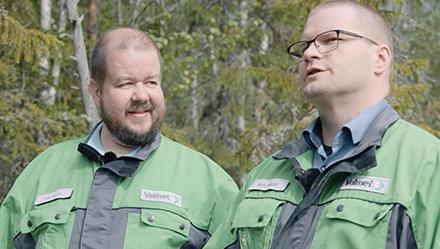
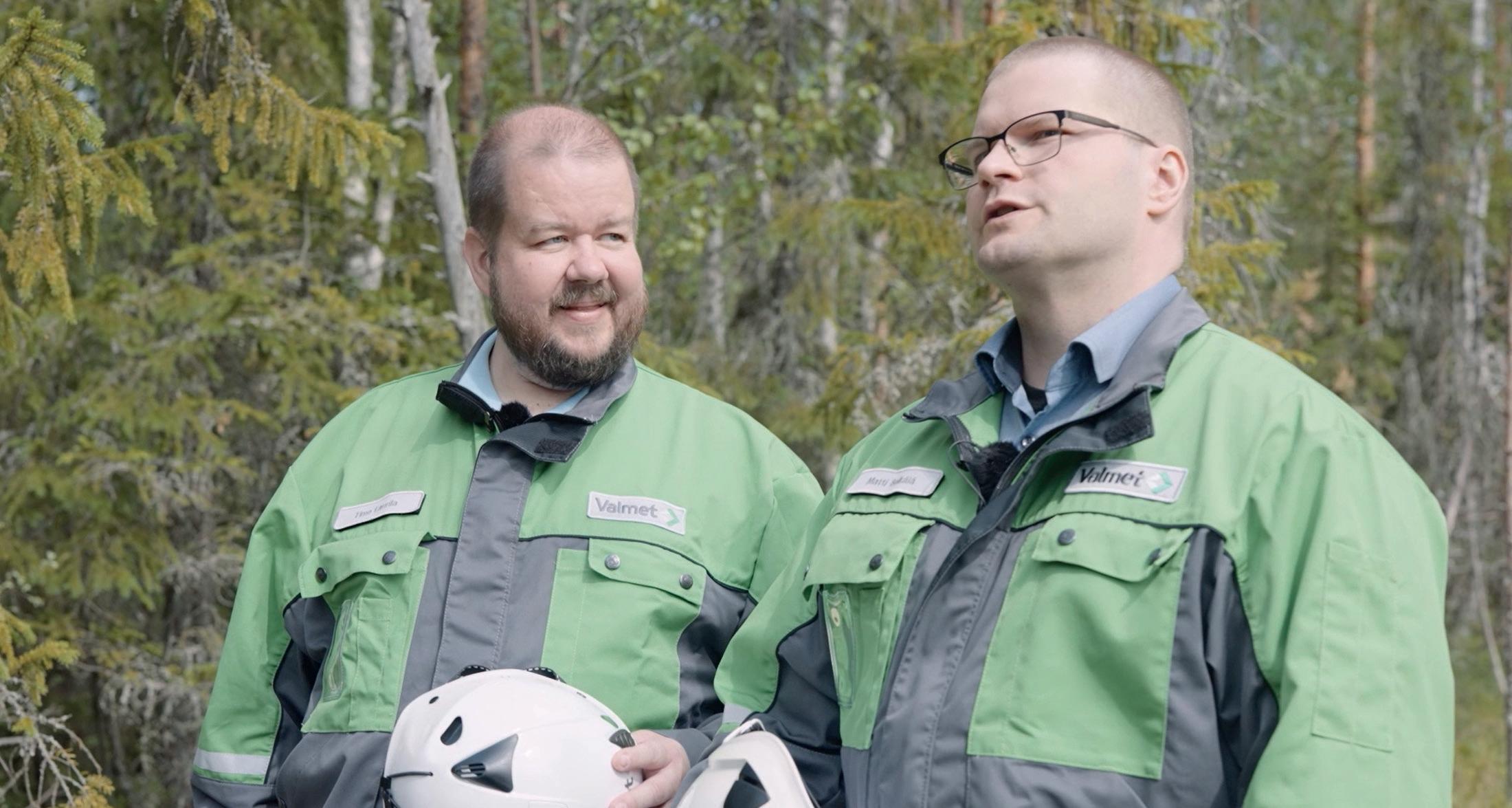
Improving mill production in both cost reduction and quality control is often compartmental. Tuning individual subprocesses helps, but taking a mill-wide view of optimisation shows the true potential. PPL talked to Valmet’s experts Timo Laurila and Matti Selkälä to learn more
Why should pulp and paper mills invest in advanced process analysers, controls and mill-wide optimisation?
Timo Laurila: Operating cost reduction targets are the most typical drivers of production control optimisation. There are also specific challenges that vary from mill to mill. Some may have capacity limitations they want to overcome.
Quite often, there are bottlenecks in the evaporation plant or recovery boiler that prevent the mill achieving its target production capacity. For others, the top priority is the high variability of pulp quality.
All these issues can be tackled individually, but we know we can get more benefit from a mill-wide approach.
Matti Selkälä: Take debottlenecking, for example. We’ve gotten the best results from combined fibreline and recovery line analysis and problem solving. While it’s possible to improve the performance of a given subprocess by adjusting that one area, Valmet has the solutions and insight to absolutely minimise the bottleneck from the mill.
Just looking at recovery boiler performance management, for example, doesn’t reveal what’s happening upstream in the
fibreline. Evaporation and boiler performance are directly impacted by the white liquor plant and fibreline operation, so if we can optimise upstream, we get better boiler capacity.
What unique solutions can Valmet offer?
TL: Valmet’s advanced measurements and controls for the fibreline allow mills to measure, model and control not only traditional parameters like Kappa, brightness, and pH, but also variables like tensile and viscosity, and how they change from cooking and the fibreline to the pulp tower.
This may be unfamiliar territory for some mills, but with Valmet’s advanced measurement and modelling technologies, these fibre properties can be directly monitored and managed in real time. You can track fibre properties throughout the fibreline to ensure end-product quality is exactly on target. Fibre properties measured by the Valmet Fiberline Analyzer, Valmet Pulp Expert, and Valmet Fiber Furnish Analyzer, together with fibreline optimisation combine our wide range of cooking and bleaching measurements.
MS: On the recovery line side, Valmet offers unique solutions like the Recovery Ash Analyzer and Recovery Liquor Analyzer. Valmet is the only supplier with the technology to measure and analyse complete chemical
recovery from the recovery boiler. We combine these measurements and combustion imaging applications with advanced process controls to enable a fully autonomous
recovery boiler that does not require an operator’s input.
This development is all part of Valmet’s long-term goal of helping customers achieve full autonomy at their mills. Everything we’re
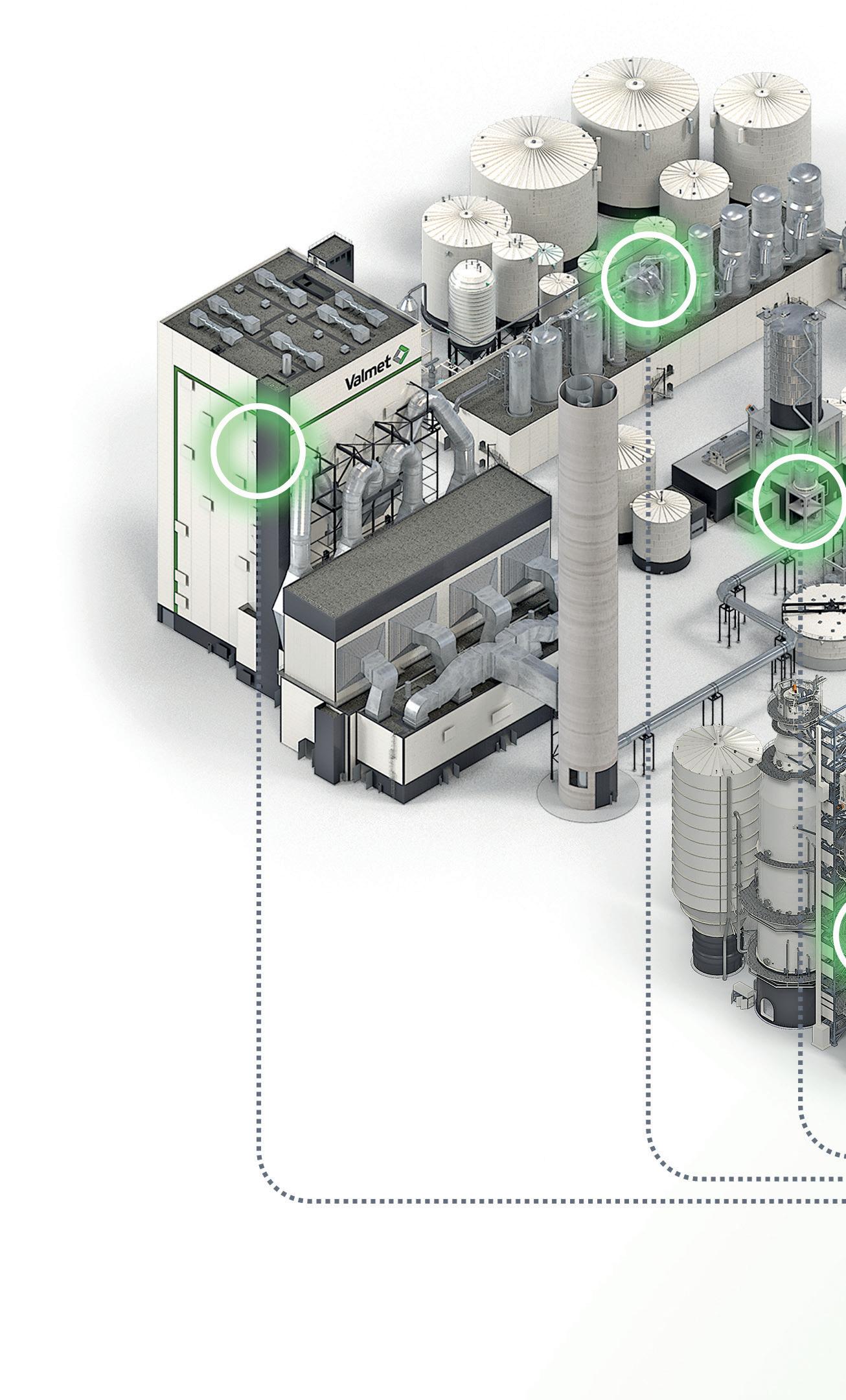
Valmet Mill-Wide Optimisation considers the entire mill balance and both the current and future states of the mill, including process area interruptions and slowdowns
bringing to the market contributes to this endeavor.
What does mill-wide optimisation mean for autonomous operation?
TL: We’re constantly evolving as we move toward more autonomous operations. It’s an exciting time for both pulp and paper mills, and Valmet alike. Reliable real-time measurements and quality modelling that cover every process and interaction down to the individual fibres
are the foundation here. With these data streams, we can feed Advanced Process Controls and offer Mill-Wide Optimisation for autonomous mill operation.
MS: Measured pulp properties create feedback loops across the mill so a paper machine or pulp dryer can tell the fibreline what needs to change when pulp quality is not in the desired range, for example. This is how the Valmet Quality Control System works already today – data
from downstream processes is translated to upstream process changes to ensure final product quality or maximize runnability.
should mills approach end-to-end optimisation?
TL: This is by no means an all-ornothing endeavor. There are critical anchor points in the mill operation that need to be solid before a mill can become autonomous: cooking, bleaching, the recovery boiler and causticising. These are the four cornerstones.
They all play a key role in pulp mill operating costs and quality optimisation. Stable cooking enables the fibreline to operate to predictable fibre property, pulp yield and bleachability targets. The bleaching plant finalises pulp quality, but critically, it also determines the fibreline’s overall operating costs.
MS: With the recovery boiler and the whole recovery line, the objective is to extract as much value from the black liquor as

possible. Second, the liquor throughput and cleanability of the recovery boiler needs to be as high as possible. If the boiler isn’t running optimally, the entire pulp and paper mill can’t run at full capacity either.
Maximising chemical recovery significantly cuts operating costs by minimising the need to purchase expensive cooking chemicals. Steam and electricity production from the recovery boiler, particularly with integrated mills, also plays a key role in sustainability.
Meanwhile, causti cising in the white liquor plant plays a key role in chemical and energy balance. Opti mum green liquor concentrati on results in the maximum white liquor concentrati on and the high availability of the white liquor plant. This leads to stable white liquor quality, supporti ng a higher yield from cooking. Thanks to the minimised deadload, evaporati on and recovery boiler
capacity and steam producti on also increase.
TL: These four cornerstones are an excellent start when targeting higher pulp yield and quality, while minimising external chemical and energy costs.
How does mill-wide optimisation support investment decisions?
TL: Fibreline and recovery line operations, as well as paper or board machines, and pulp dryers are often run independently.
Valmet bridges this gap to find the best overall production and quality operating model for the mill. You could say it’s possible to optimise and operate subprocesses according to textbook standards, but it’s only when you look at all the subprocesses in the fibreline and recovery line as a whole that you can identify and resolve production capacity and quality issues with the greatest efficacy.
This includes getting the clearest picture of where real equipment limitations have been reached, and new investments are needed.
MS: When we do subprocess optimisations first and remove the unnecessary variability, the actual quality and results of each department are under control and available for Mill-Wide Optimization.
Take liquor throughput limitation in the recovery boiler, for example. If this is the bottleneck, the control of causticising, cooking, washing and evaporation production qualities will increase the recovery boiler’s liquor throughput capacity with Mill-Wide Optimsation.
T.L.: Valmet understands the entire pulp mill operation, from the chip yard to stock preparation or pulp dryer, and from black to white liquor. In practice, we’re the only supplier that can solve challenges
in the entire pulp and paper/ board integrates. Our real-time analysers and measurements, along with advanced quality modelling, process controls, and performance solutions, address every subprocess and department in a mill.
M.S: There’s plenty to be gained from optimising individual processes. Where Valmet really makes a difference is in how we can also optimise the interactions between the different parts of the mill. That’s what brings total performance optimisation and provides the foundation for mill autonomy.
If we change the cooking, Valmet knows the impacts through the fibreline down to the final pulp quality. When we’re working on the recovery line, we know what that means for the chemical balances across the mill. Mill-wide process dynamics like chemical balance are what make Valmet stand out from the crowd.






























PAVING NEW PATHS FOR A LOW-CARBON FUTURE OF PULP AND PAPER MILLS





VISIT US AT PULP & BEYOND
APRIL 15-16, 2026
HELSINKI, FINLAND BOOTH #5D17



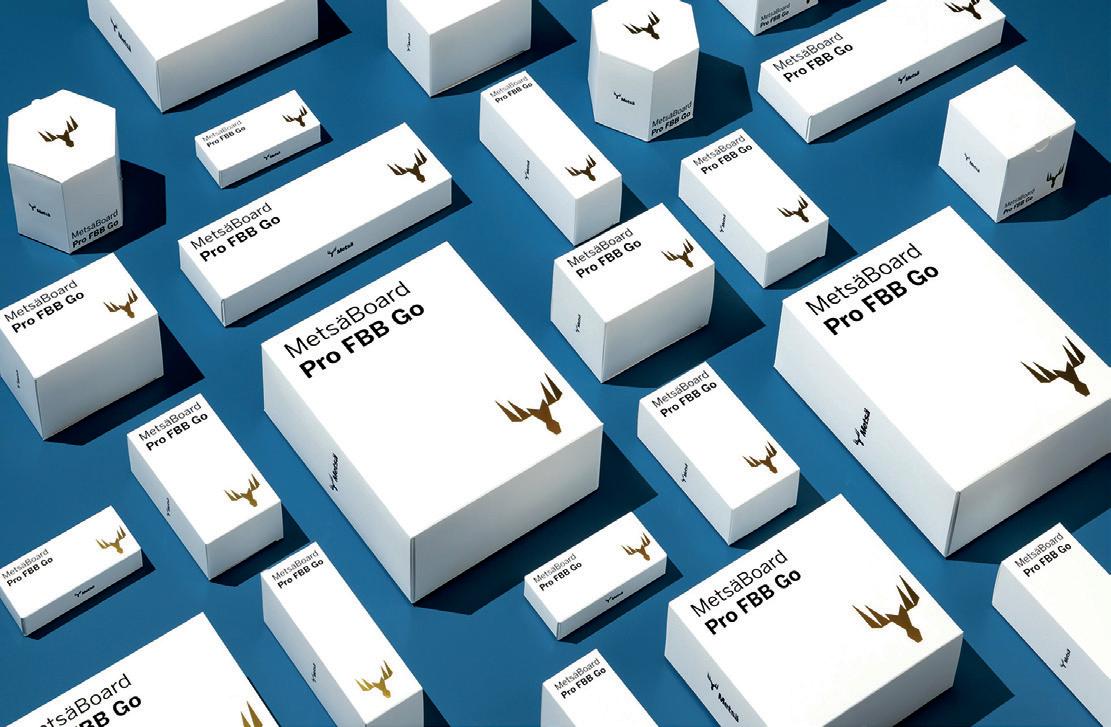
Leading producer in Europe of premium fresh-fibre paperboards, Metsä Board is launching Pro FBB Go – a new folding boxboard designed for food and pharmaceutical packaging – together with a custom-cut sheet delivery service.
For brand-owners and converters, production continuity, shifting demand and highperformance requirements are constant factors. Pro FBB Go combines a high-quality, multipurpose folding boxboard with dependable sheet availability, helping customers respond faster, keep inventories lean and operate with confidence in demanding packaging applications.
“Our customers operate in environments where demand can shift quickly. With MetsäBoard
Pro FBB Go and our new service concept, we are making production smoother, planning more predictable and supply chains more resilient, creating a real competitive advantage for our customers in Europe,” said Maarten Florizoone, European sales chief at Metsä Board.
Developed for fast-moving
brands, Pro FBB Go is designed to deliver consistent quality and reliable performance while supporting compliance needs in regulated food and pharmaceutical segments. The grade is OBA-free and features hard sizing, supporting dependable performance in frozen applications. It also
provides opportunities to reduce packaging carbon footprint through lightweighting and a high share of fossil-free energy in the mill where it is produced.
The grade comes from Metsä Board’s Husum mill in Sweden and sheeted at the company’s Sheeting & Distribution Hub in the Netherlands. This enables custom cut sheet formats with short and predictable lead times for customers.
Metsä Board’s new FastTrack Service provides folding boxboard sheets in less than three weeks in Europe. For time critical needs, the ExpressTrack Service offers delivery in less than ten days, helping converters and brandowners maintain agility in volatile supply chains and reduce the need for excess inventory.
More information from www. metsagroup.com
A GC1 folding boxboard (FBB) has been launched by Stora Enso for brands seeking both premium visual impact and efficient material use.
Performa Lumi is produced on Stora Enso’s new BM6 packaging line at its Oulu mill in Finland, and expands the Performa range alongside Performa Nova, offering a complementary option for beauty, personal care and healthcare packaging.
Performa Lumi is a CTMP board coated on both sides with a light-coated reverse, delivering high whiteness, excellent printability and a smooth surface that supports strong brand expression. It is said to be particularly suitable for

applications where shelf appeal and consistent performance are equally important.
Like Performa Nova, Performa Lumi is produced using FiberLight Tec, Stora Enso’s proven proprietary technology that enables the creation of strong and light board structures. This enables brand owners to achieve the desired functionality while optimising material efficiency.
“Performa Lumi is designed for brands that want premium appearance without unnecessary complexity,” explained Kati Ekman, head of the FBB product line at Stora Enso. “For brand-
owners, that means one board solution that can cover multiple end-uses, from beauty to personal care and beyond with reliable results.”
Performa Lumi has been designed to withstand external stresses in printing and conversion, making it well-suited for demanding end-uses. The board can be used for direct food contact and adheres to industry odour and taste standards. It is available in grades from 205-to310 gsm and offers high stiffness and efficient yield, supporting a variety of packaging formats. More information from www. storaenso.com
Koehler Paper has expanded its line of Eco products with the addition of a number of new colours to the range.
The new range is based on the latest design trends and complements the existing range with shades that are not only lively and natural, but also powerfully expressive. This makes them particularly well-suited for use in premium packaging, hang tags, shopping bags, cards, brochures and creative applications in the premium segment.
China Red, Empire Blue and Racing Green enhance the vibrancy of Koehler’s current colour portfolio. The names of these fresh additions to the available range of colours reflect their visual power and high quality.
While China Red is bold and eye-catching with its vivid red, Empire Blue conveys a sense
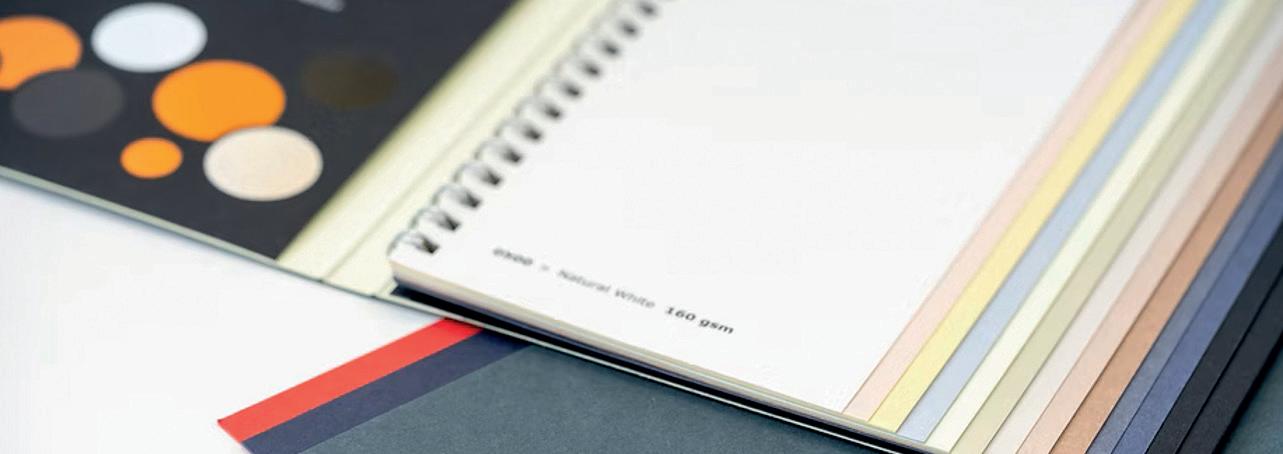
Koehler’s Eco Paper line is produced with 100 percent secondary fibres under the strictest environmental standards
of calm and timeless staying power with its deep, elegant shade of blue. Then comes Racing Green, which projects dynamism and a clear, natural character.
The paper offerings are certified with the ‘Blue Angel’ eco-label and the Eco Paper line of products. The new colours are produced
with 100 percent secondary fibres under the strictest environmental standards EU Ecolabel, are characterised by “compelling” printing and processing properties, and provide a sustainable alternative to conventional paper made of virgin fibre.
More information from www.koehler.com
The automotive tier supplier sector in Iberia is being targeted by DS Smith Technicarton with its newly-launched Fibre-Based Automotive Chassis Packaging Solution.
The versatile packaging design is intended as a protective and robust fibre-based mono-material alternative to the traditional metal reusable systems that are frequently used by manufacturers to manoeuvre automotive chassis during the production, assembly, and transportation processes of an existing supply chain.
The packaging is made from 100 percent corrugated cardboard materials and the structure comprises a recyclable box pallet folding system, a body, supporting base, and cover. Corrugated cardboard positioners are included at the base of the container and on the upper sides of the packaging structure to ensure that the heavy-duty automotive chassis parts remain fixed and secure.
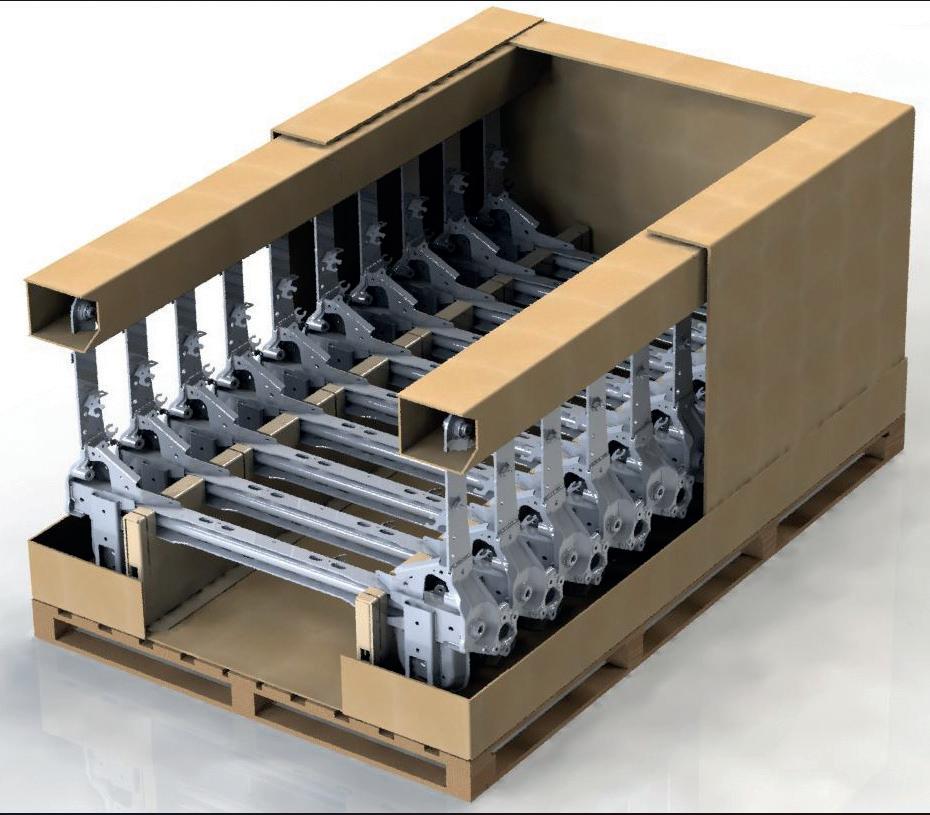
The positioners are easy to replace when required and the structure also incorporates custom inserts and dividers to allow for the optimum utilization of space.
The overall design is lightweight, recyclable, flexible and adaptable with benefits for the transportation of the heavy automotive chassis as road or sea freight, and the function of the fibre-based design retains the same technical specifications and standards of performance as non-fibre versions for the same parts.
Antonio Cebrián, cluster SMI manager for Tecnicarton Southwest EMEA, said:
“Our large dimensional and sustainable innovation for the protection of automotive chassis was created in conjunction with a major automotive tier supplier in response to supply chain challenges around their existing metal-based and reusable packaging.
“Our Tecnicarton solution is intended to ensure the continuity of production under any circumstance, and despite being incredibly robust, its lightweight design makes it easy to manoeuvre. We collaborate closely with our customers to innovate sustainable solutions that both optimise their supply chains and support their business objectives. As a company we are committed to helping them move towards the circular economy.”
More information from www.dssmith.com/ tecnicarton
The addition of the 3M Matic Case Sealing range to the equipment portfolio of Antalis Packaging further strengthens its end-of-line packaging automation range. This expansion enables Antalis to provide customers with a complete case sealing products, including application machines, taping heads and tapes.
3M is a market leader in packaging innovation, backed by more than 50 years of expertise in case sealing technology. By integrating the 3M Matic range alongside its existing case sealers, Antalis Packaging is offering customers more choice, flexibility and confidence when automating their packaging operations.
The 3M Matic range is designed to eliminate costly and inconsistent manual taping, delivering reliable, high-speed and repeatable seals at the end of the packaging line. Customers can choose from adjustable
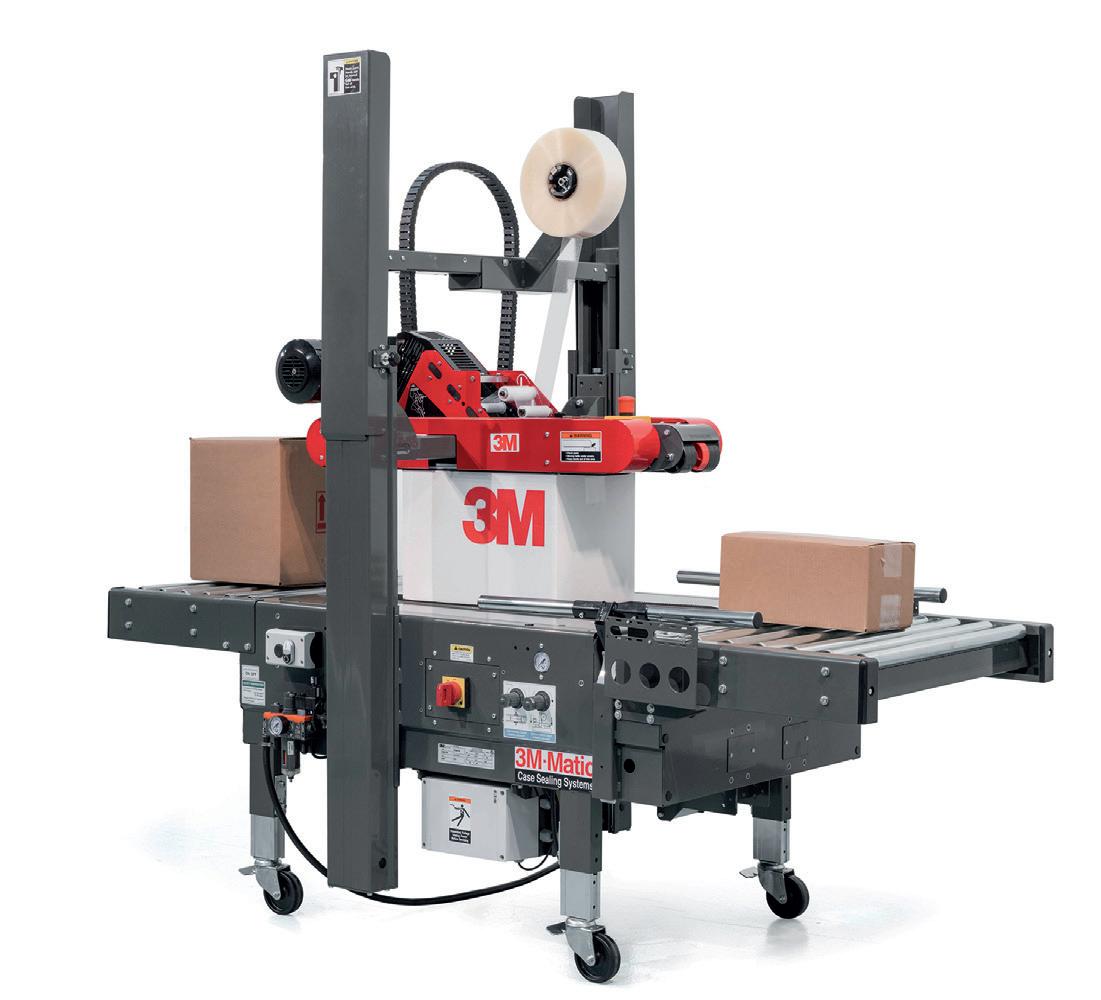
models for long runs of uniform box sizes or random models that automatically adjust to varying case dimensions, which are designed for operations handling mixed-size cartons.
The 3M Matic Case Sealing range consists of three models.
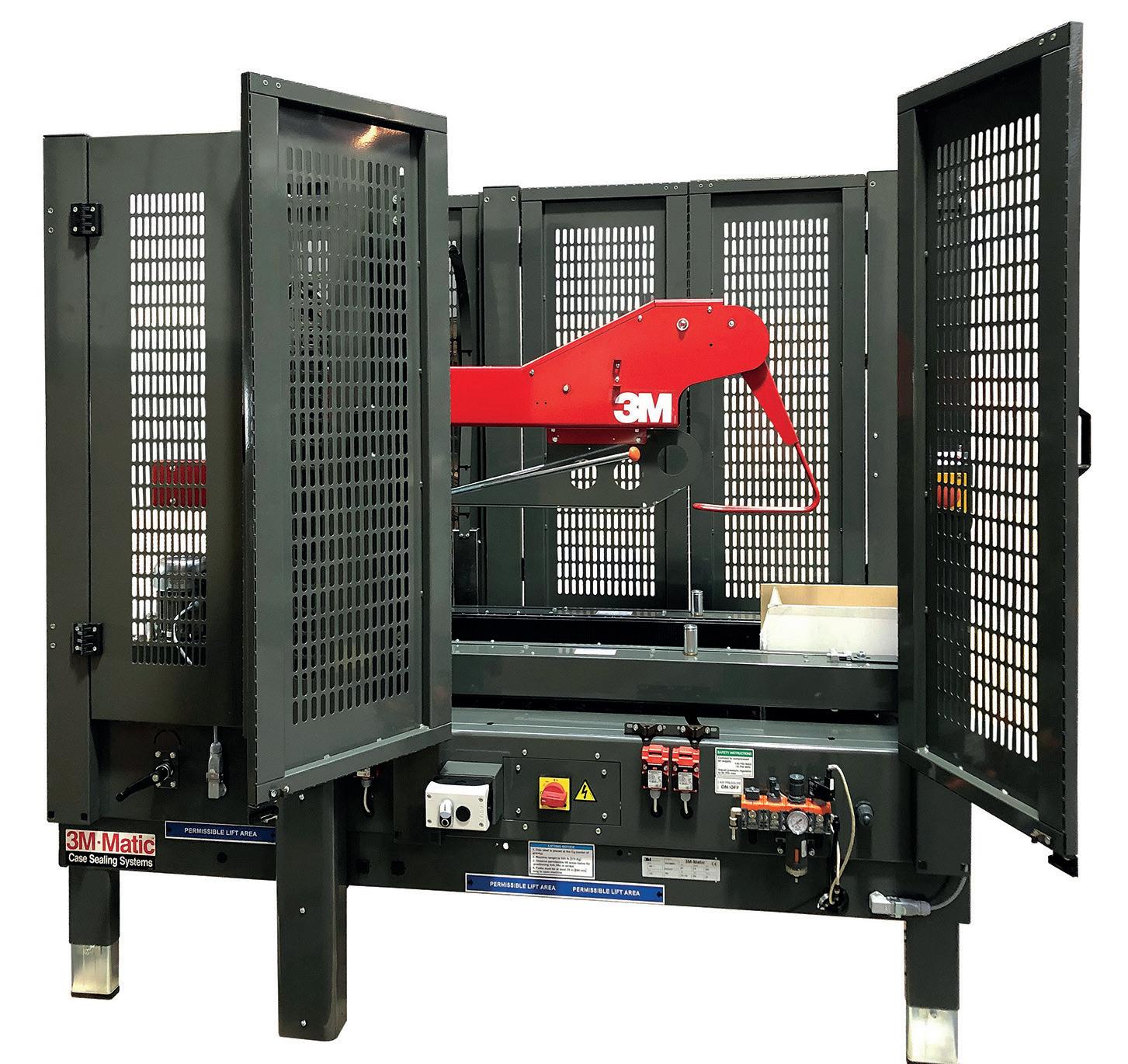
The Random Case Sealer 7000r Pro/7000r3 Pro is for handling mixed carton sizes and automatically adjusts to both case height and width. Capable of sealing up to 24 case sizes per minute, it delivers flexibility, speed and consistent performance.
The Adjustable Case Sealer 7000a Pro/7000a3 Pro is for uniform box runs and offers durability and reliability. With interchangeable two- or threeinch AccuGlide 3 taping heads, it supports evolving production needs while sealing up to 40 cases per minute.
The Case Sealer 8000af/8000af3 is a fully-automatic flap-folding case sealer that seals both top and bottom flaps. Built with welded steel construction and advanced safety features, it delivers consistent sealing performance for high-throughput operations, sealing up to 40 cases per minute. More information from www. antalis.co.uk
Lifecycle-optimised, material-agnostic programmes help reduce waste, lower total packaging costs and strengthen regulatory and ESG performance across the supply chain. SupplyOne Inc recently highlighted its comprehensive portfolio of sustainable packaging products designed to help manufacturers, distributors and brand owners reduce environmental impact while improving operational performance and total cost of ownership.
Each engagement begins with a structured assessment
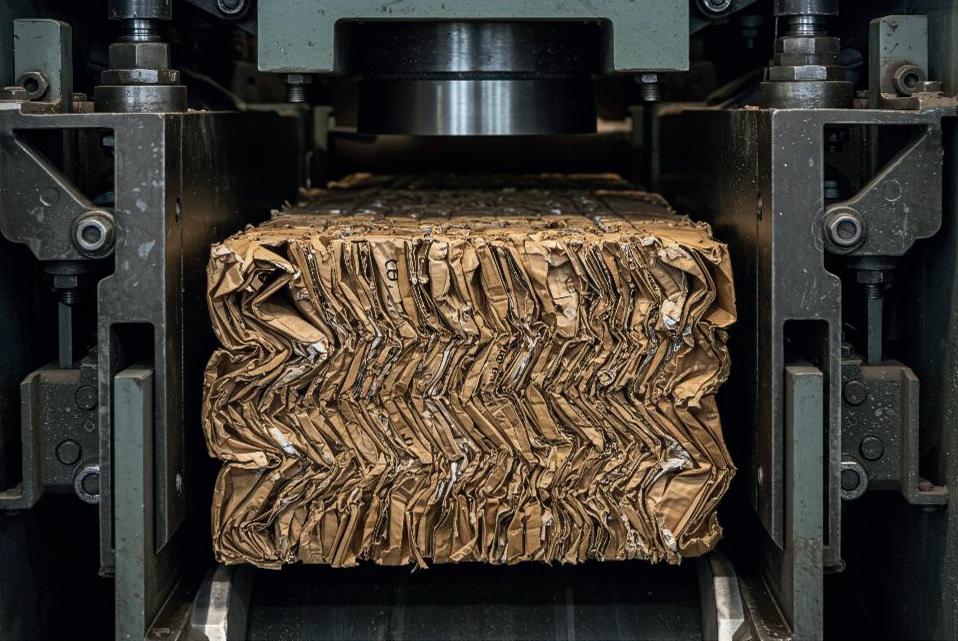
of customer goals, including waste reduction, carbon footprint, recyclability, supply chain resilience and regulatory
compliance, so that packaging specifications are aligned with clear, measurable business outcomes. By right-sizing
packaging, simplifying formats, and optimising tertiary and shipping materials, SupplyOne helps reduce material usage, freight costs, product damage and disposal expenses while maintaining required protection and brand impact.
A key feature of SupplyOne’s offering is its lifecycle optimisation methodology, which evaluates packaging from sourcing and manufacturing through transport, use and endof-life. This approach ensures that material choices, structural design and process changes contribute to both environmental gains and cost savings rather than shifting

impacts elsewhere in the value chain. Customers benefit from lower total packaging spend, reduced waste streams and a more resilient, efficient supply chain.
SupplyOne’s sustainable packaging also embeds education and claim guidance as a core component. The company helps customers interpret terms such as recyclable, compostable
and biodegradable in the context of real-world recycling infrastructure and consumer behaviour, ensuring that sustainability messaging and on-pack claims accurately reflect what happens at end-of-life. This gives brands greater confidence in meeting current and emerging regulations while building credibility and trust with their customers.
Underscoring its broader climate ambitions, SupplyOne has publicly committed to setting near-term, company-wide emissions reduction targets in line with climate science through the Science Based Targets initiative, reinforcing that its packaging innovations are part of a larger decarbonisation strategy.
Because SupplyOne is materialagnostic and experienced across
Along-standing partnership with Pacapime Hungary has enabled Mondi to deliver high-quality corrugated packaging for fresh fruit and vegetables in Central and Western Europe.
Pacapime Hungary operates a 42,000 sqm production site for corrugated packaging in Mórahalom with an annual
capacity of up to 180 million sqm. The company supplies customers in Hungary, Romania, Croatia, Serbia and Western Europe, with a strong focus on fresh produce boxes for apples, pears, tomatoes and bell peppers.
Packaging for fresh fruit and vegetables requires reliable strength, durability and effective ventilation to protect produce during transport while maintaining
attractive presentation at retail.
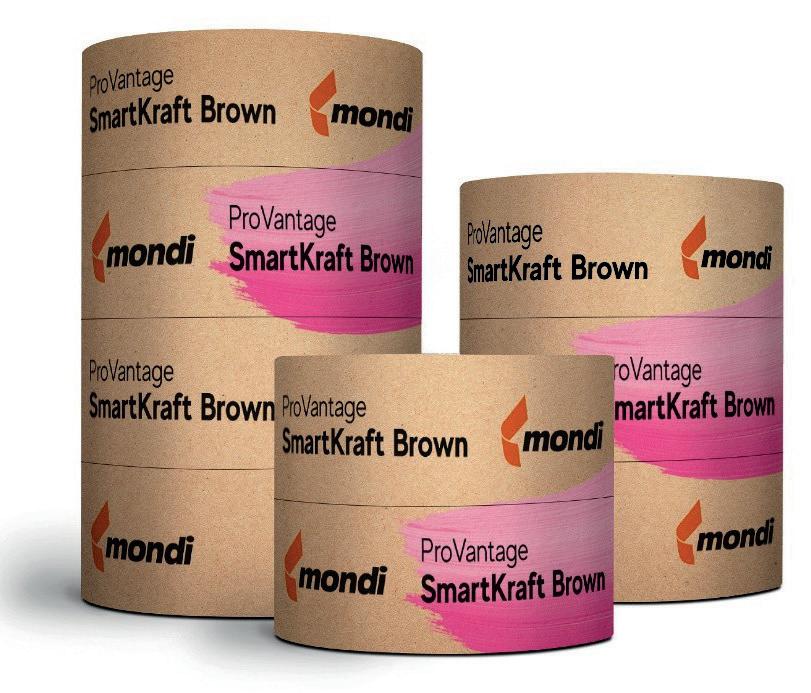
To meet these requirements, Pacapime Hungary relies on Mondi’s ProVantage SmartKraft Brown containerboard grade.
This grade features a 100 percent fresh fibre top ply, ensuring high surface integrity and consistent quality. Its strength properties support reliable burst and tear resistance, while consistent runnability and processing properties enable efficient production and dependable box performance.
“High quality kraftliners are important in fresh produce applications,” said Tom Pissens, joint managing director of Pacapime Hungary. “The paper must consistently support box performance, as our customers rely on us to deliver quality packaging every time.”
Since 2024, Pacapime Hungary has been led by the fourth generation of the Pissens family in the corrugated packaging industry. The company combines decades of expertise with a modern, lean production set-up, enabling fast decision-making and flexibility, particularly during peak agricultural seasons.
The collaboration between
multiple packaging formats, its recommendations are based on what best fits each customer’s applications, equipment and strategic priorities, enabling practical, scalable sustainable packaging programs that integrate with existing operations and support long-term value and responsible growth.
For more information www. supplyone.com
Mondi and Pacapime Hungary is built on a long-term partnership approach, including close technical co-operation and on-site containerboard support. Joint trials, data-driven optimisation and continuous knowledge exchange help ensure paper choice and packaging solutions are fit for purpose and aligned with evolving customer requirements.
“Business is about people and long-term trust,” said joint managing director Lynn Pissens. “Our collaboration with Mondi provides the stability and technical expertise that allow us to deliver consistent quality and drive innovation together.”
Sustainability is a shared priority for both companies.
Pacapime Hungary has invested in water treatment systems, solar panels and transparent certification processes to meet growing customer and consumer expectations. Mondi’s full fibre mix containerboard portfolio supports circular packaging designed to protect products while optimising material efficiency.
More information from www. mondigroup.com
Master papermaker
James Cropper Paper & Packaging has partnered in the UK with waste management company Biffa to produce Whitney the Wasteater and the Wrong Bite, a playful new children’s storybook designed to encourage proper recycling habits and community engagement.
Launched to coincide with World Book Day and aimed at children aged from two to seven, the story follows Whitney, a lovable yet ‘picky’ Wasteater, who thrives on clean, dry recyclables, but falls ill after taking a wrong bite from mixed or contaminated bins. The tale blends imaginative storytelling with practical lessons on sorting materials correctly, making recycling both fun and educational for children and families alike.
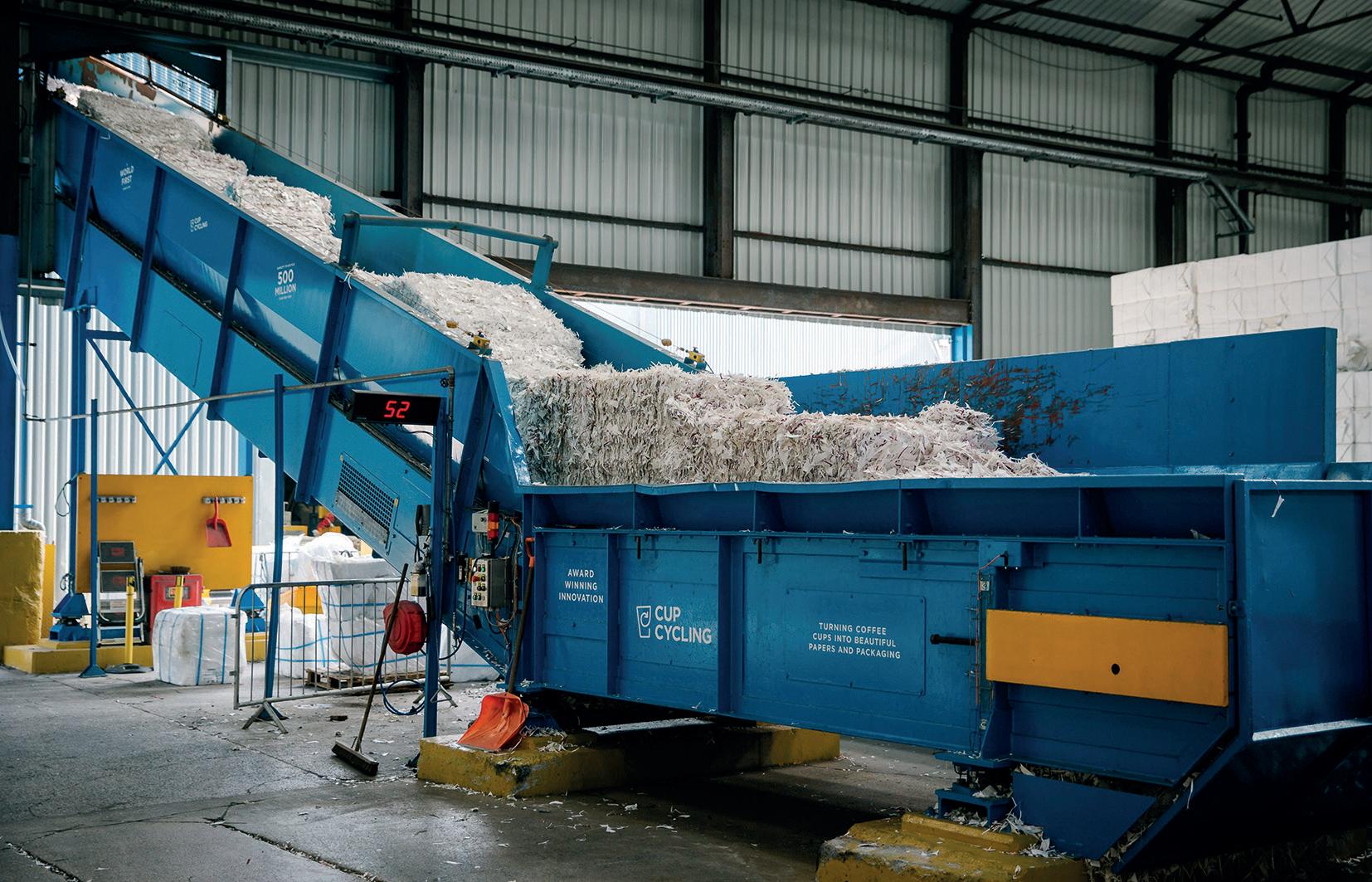
James Cropper supplied the storybook’s paper using its worldfirst CupCycling process, a system that has the capacity to upcycle up to 700 million used coffee
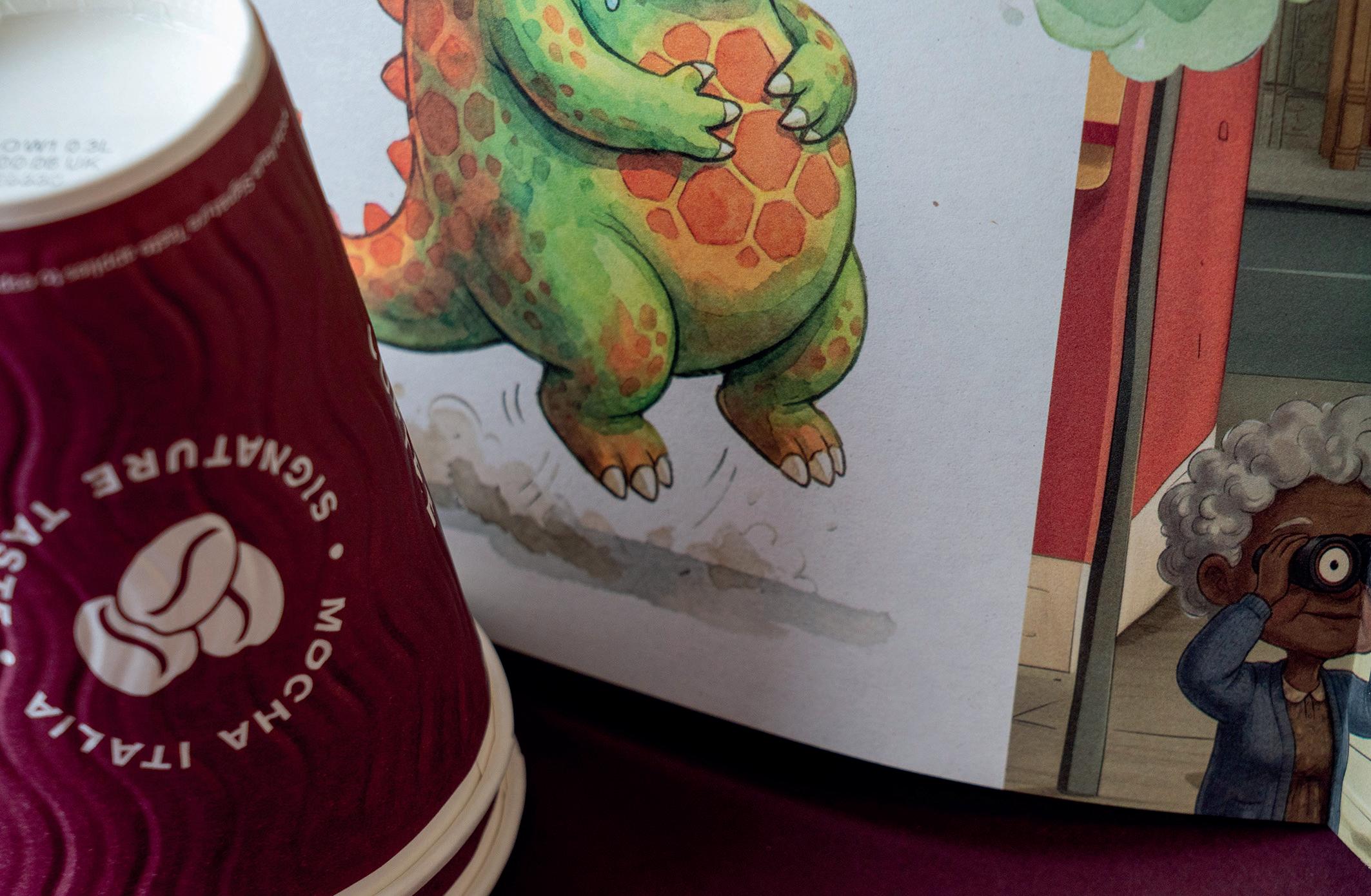
cups per year. In fact, only around 58 million are recycled annually, depending on whether people buy, use and return the correct type of cup. Each copy of Whitney the Wasteater and the Wrong Bite is made from around 15 recycled
coffee cups, turning everyday waste into something children can hold, read and enjoy.
While an estimated 3.2 billion disposable cups are used in the UK each year, less than 2 percent are currently recycled, showing that
while the infrastructure exists, participation remains a challenge. Programmes like CupCycling demonstrate how industry-led innovation can step in where policy falls short, offering young readers a tangible example of the Circular Economy in action.
Major high-street UK brands, including Costa Coffee and Greggs, are part of this system. Customers return their PE-lined cups to Costa stores to ensure they are collected and brought back into the CupCycling process. Many cups claim to be recyclable or compostable, but only PE-lined cups are suitable for this system, so it’s important for consumers to check the material.
Jordan Scott, marketing chief at James Cropper, said: “We’re proud to support Biffa on this project by supplying CupCycling paper. Whitney the Wasteater and the Wrong Bite brings recycling to life in a playful, tangible way. Children can see, touch and hold proof that
everyday materials, like a simple coffee cup, can become something beautiful when we sort and recycle correctly. It’s a story that connects imagination with real-world sustainability.”
The Wasteaters programme, created by Biffa in 2016 and relaunched last summer, uses colourful monster characters to make recycling fun and visible. The storybook will be incorporated into around 1,000 school visits per year and community engagement activities, with 100 percent of proceeds donated to WasteAid, supporting global initiatives that help communities manage and repurpose waste safely and sustainably.
Georgia Gibson, Biffa’s social value manager in Manchester, said: “Breathing life into one of our Wasteater characters in a children’s book is a wonderful way to spark curiosity about recycling from an early age.
“By using rhyme and imagination, we’re helping youngsters see how their choices matter and how small everyday actions can make a big difference to the environment.”
James Cropper’s CupCycling technology is one of only two processes in the UK capable of recycling PE-lined post-consumer coffee cups at scale. It rescues 95 percent of paper fibres for use in bespoke papers, while 5 percent of the plastic lining is used for energy recovery. The facility exemplifies how circular innovation, supply chain collaboration and material expertise can deliver measurable environmental impact.
Whitney the Wasteater and the Wrong Bite is available on-line at www.wasteaters.giftfindershop. co.uk
More information from www. paperandpackaging.jamescropper. com
DS Smith is collaborating with Elvial, a producer of aluminium products and materials, to launch Fanfold to the industrial sector in Greece.
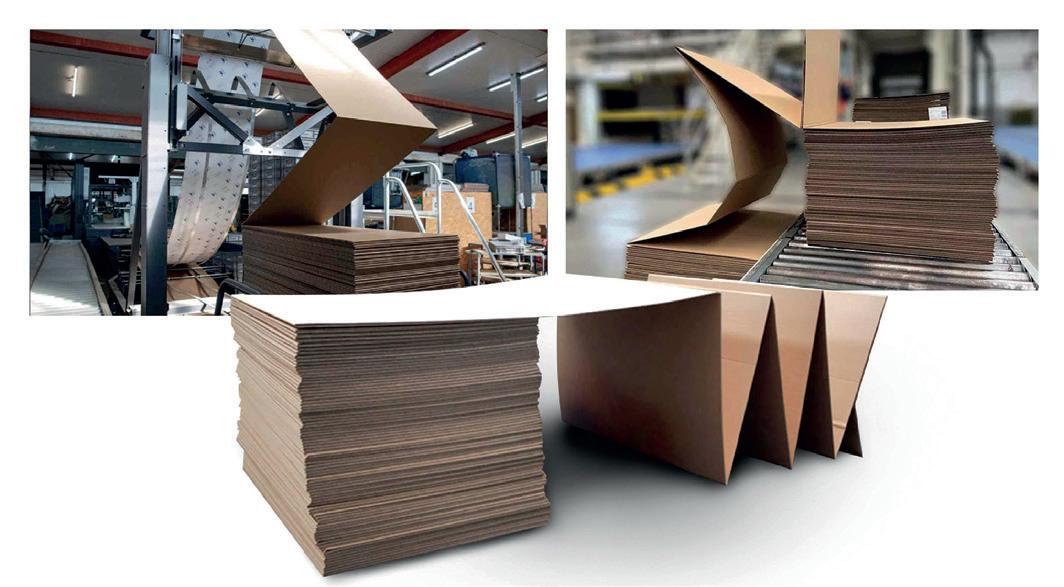
Fanfold packaging has been designed for Elvial’s specific production and supply chain requirements and is intended to provide optimum protection for the company’s heavy aluminium products during transportation. The aluminium is used in the construction of frames and sharing systems, ranging from doors and windows to lighting, automotive and medical equipment, in a variety of shapes and dimensions.
Fanfold is designed in an accordion-styled structure to allow for the folding and adjustment of sizes, and as Elvial’s products are routinely transported to customers in both local and international destinations, require robust and versatile protection as freight.
Comprised of a single-sheet of fibre-based corrugated cardboard, Fanfold replaces the multiple sheets that were previously used by Elvial with a simple packaging alternative. The design is effective in reducing material waste, preparation, assembly times and costs. It is designed for operational efficiency and, as well as taking up less space, the shape provides a natural cushioning, further eliminating any requirement for additional filling materials.
Giorgos Filippoglou, managing director in Greece’s packaging
division of DS Smith Hellas, said: “Our collaboration with Elvial reflects DS Smith’s philosophy around sustainability and the company’s commitment to creating packaging solutions that are designed to fit the operational needs of the customer as precisely as possible.
“Fanfold is a fantastic example of innovation in industrial packaging. The solution offers flexibility and reliable protection for customers’ products and meets with both a supply chain optimisation and sustainability agenda. We are proud that we are successfully helping our customers in the Greek industrial sectors and strengthening their position as competitors in the wider international marketplace.”
Fanfold benefits include:
l Dimensional flexibility: a single sheet of fibre-based packaging material that adapts dynamically to the size of each product.
l Increased product protection: enhanced containment and stability for heavy products during transportation.
l Full compatibility with
automated production lines: integration without the need for modifications to the customer’s existing process.
l Cost savings: elimination of the requirement for additional filling materials.
l Optimisation of transport and storage space: adjustment to the size of the product.
l Circular ready approach: less material, reduced waste and easy to recycle.
Tania Tzika, president of Elvial commented: “For Elvial, the superior quality and safety of our products during transportation is a strategic priority, especially due to our intense critical export activity. DS Smith’s Fanfold offers us the flexibility we need to manage and transport products of different dimensions with confidence, while simplifying our production and supply chain processes, and helping us to reach our sustainability targets.
“Our collaboration with DS Smith is strengthening the efficiency of our supply chain and supporting our company’s overall sustainability goals.”
More information from www. dssmith.com
SupplyOne Inc, a USbased value-added distributor with corrugated converting capabilities, has acquired Specialty Packaging LLC, a packaging products distributor based in East Hartford, Connecticut, for an undisclosed sum.
Founded in 2012, Specialty Packaging was founded by Chris Orsini and Keith Streib, who will continue to lead the business. In addition to being a full-service packaging provider, Specialty Packaging has an extensive range of products for food packaging, including films, trays, bags and corrugated containers.
The company’s portfolio includes its proprietary SteamRight microwavable packaging system, which is designed to enable frozen food products to steam directly within the package. The business also provides a wide range of protective packaging, equipment and service, packaging design, warehousing and logistics to its customers.
“The addition of Specialty Packaging strengthens our presence in New England while adding meaningful capabilities in packaging distribution, food packaging and equipment – two key strategic priorities for SupplyOne,” said Todd Renehan, chief executive of
SupplyOne. “Chris and Keith have built an organisation with a strong customer focus and an excellent reputation in the marketplace. We are excited to welcome their team into SupplyOne and build on their success through our national platform, expanded resources and an even broader packaging portfolio.”
Chris Orsini, managing partner of Specialty Packaging, responded: “Joining SupplyOne is an exciting next chapter for our team and our customers. SupplyOne’s scale, operational strength and commitment to service excellence will allow us to enhance our breadth of offerings to customers
has collaborated with Prymat, the Polish dried seasoning manufacturer, to create packaging that contributes to a circular economy while protecting its aromatic spices.
The partnership will see Prymat switch to new paper-based packaging, created with Mondi’s re/cycle FunctionalBarrier Paper Ultimate. This ultra-high barrier product was chosen following extensive trials and tests, which proved it to be a sustainable alternative to conventionally nonrecyclable multi-layer structures.
According to Mondi’s product impact assessment tool, FunctionalBarrier Paper Ultimate delivers a significantly lower carbon dioxide impact
compared with conventional multi-layer plastic or aluminiumbased packaging. Containing at least 80 percent high-quality paper and a functional barrier coating optimised for recycling, FunctionalBarrier Paper Ultimate is confirmed recyclable according to the latest CEPI recyclability laboratory test method, keeping valuable materials in circulation. It provides exceptional, long-lasting protection against oxygen, water vapour and grease, with an oxygen transmission rate of less than 0.5 cubic metres/sqm/d and water vapour transmission rate below 0.5 g/sqm/d, preserving the spices’ aroma and taste.
Mondi’s FunctionalBarrier Paper Ultimate also delivers high-quality
printing results that present Prymat’s spice range attractively on the shelf. The level of stiffness provides a very good dead fold, allowing the end user to fold the pack after first use to close it, and it will remain intact.
The new packaging is compatible with existing filling lines at Prymat, delivering on the customer’s sustainability goals while efficiently integrating into existing processes, eliminating the need for investment in machinery.
Adrian Goralski, managing director of Mondi Solec, said, “It is essential to understand the individual needs of each customer when creating packaging solutions. There are often several different routes to sustainability and, at

Todd Renehan, chief executive of SupplyOne: making its 47th acquisition since it was founded in 1947
while maintaining the culture and responsiveness that have defined Specialty Packaging since its founding.”
The deal is SupplyOne’s 47th acquisition, further expanding the company’s geographic footprint and strengthening its portfolio of value-added packaging across North America.
More information from www. supplyone.com
Mondi, we work closely with brands to thoroughly learn about every step of their production, distribution and end use, so that we can create and test various options and be sure we are delivering the best possible and most sustainable outcome.”
Marta Klęka-Nowa, Prymat’s public relations chief, said: “Prymat, as a leading producer of spices and food additives, has consistently sought solutions to transition from multi-layer packaging to recyclable materials. Given the very high barrier requirements and the preservation of spice quality, aroma and freshness, this posed a significant technological challenge. Thanks to our collaboration with Mondi, we were able to develop a solution that aligns our sustainability ambitions with the highest standards of product quality.”
More information from www. mondigroup.com
Technology group
Andritz is working with Nalco Water to accelerate product development and support innovation at the PrimeLine Tissue Innovation Centre (TIAC) at Graz in Austria.
Innovation is driving the future of the tissue and towel industry, meeting rising consumer expectations for softness, strength and sustainability while enabling manufacturers to optimise production. As demand grows for eco-friendly, highperformance products, innovation delivers smarter products that reduce water, fibre, and energy use, enhance operational efficiency and support long-term environmental goals.
Nalco Water, which is part of the Ecolab group, will be a strategic partner for Andritz on its pilot tissue machine at TIAC, enabling the company to test and validate its chemistries and
digital and automation systems in a controlled, industrial-scale environment. The collaboration will allow Nalco Water increased machine access to enable faster innovation cycles and speed to
market for new tissue products.
“This partnership with Andritz allows us to bring our solutions to life in a real-world setting, accelerating development timelines and enabling our
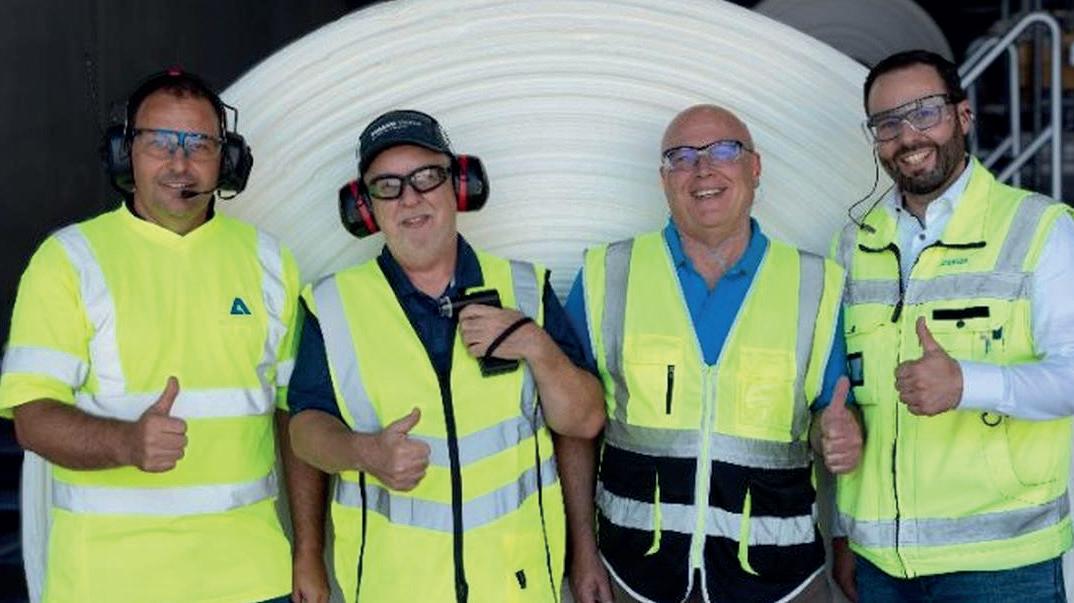
customers to trial programmes before implementation on their own machines,” said Ravi Raghavapudi, global general manager at Nalco Water Paper. “It is a significant milestone for Nalco Water and our tissue customers.”
The TIAC facility features a complete tissue production line with flexible configurations –including conventional, textured, and structured (TAD) tissue formats – along with advanced automation and monitoring systems. The collaboration also includes joint development opportunities with key global tissue producers and access to TIAC’s digital innovation platform, Metris, for enhanced process optimisation.
Nalco Water secured the collaboration through a competitive process, with its chemistries demonstrating superior performance during evaluation.
Afully automatic, process-integrated measuring device for the wet end of paper production lines – either tissue, paper or board – will be demonstrated live for the first time by Emtec Electronic at the Pulp & Beyond 2026 show being held in April.
Every 15 minutes, the FPO Fiber Potential Analyzer Online takes samples automatically from the mill’s system using two possible connection points, measures the streaming potential, zeta potential, conductivity, temperature, and pH value of the sample, and then cleans itself.
The measured values are automatically sent to the process control system. On request, the measurement data can be forwarded to a secure data cloud, where it is stored for worldwide remote access by authorised staff.
This year’s portfolio of Emtec equipment also includes two
additional laboratory measuring devices for the wet end: the CAS Charge Analyzing System for measuring particle charge in the filtrate, and the FPA Fiber Potential Analyzer for determining the zeta potential of fibres in the suspension.
For quality testing of base and finished products, the redesigned TSA Tactile Sensation Analyzer will again be on show. In addition to the familiar and standardised softness measurement, the integrated touchscreen enables intuitive operation. The new TSA can be optionally equipped for measuring air permeability, thermo-haptics, and thermal insulation, as well as with a highresolution camera.
The ACA Ash Content Analyzer provides accurate data within one minute for the detection of mineral fillers in paper and board. Without destroying the sample, it measures the total content of fillers, as well as the percentage
of individual fillers. Using the ACA replaces the complex combustion procedure and leads to considerable energy and time savings.
To discuss these products visit booth 4d7 at Pulp & Beyond 2026, where Ulli Kasten will be introducing Emtec’s new sales employee, Andrea Maldonado Castellar.
Emtec Electronic will also be in China to show its latest innovations for determining the zeta potential in the wet-end of paper production and for measuring softness of hygiene products.
At the China International Disposable Paper Expo, being held in Nanjing from 15-17 April, Emtec will partner with Hu Yuntao from Shanghai Forest & Paper Scientific Instrument at booth 8J08 .
Emtec last year celebrated 30 years in the business of producing measuring systems for the paper industry.
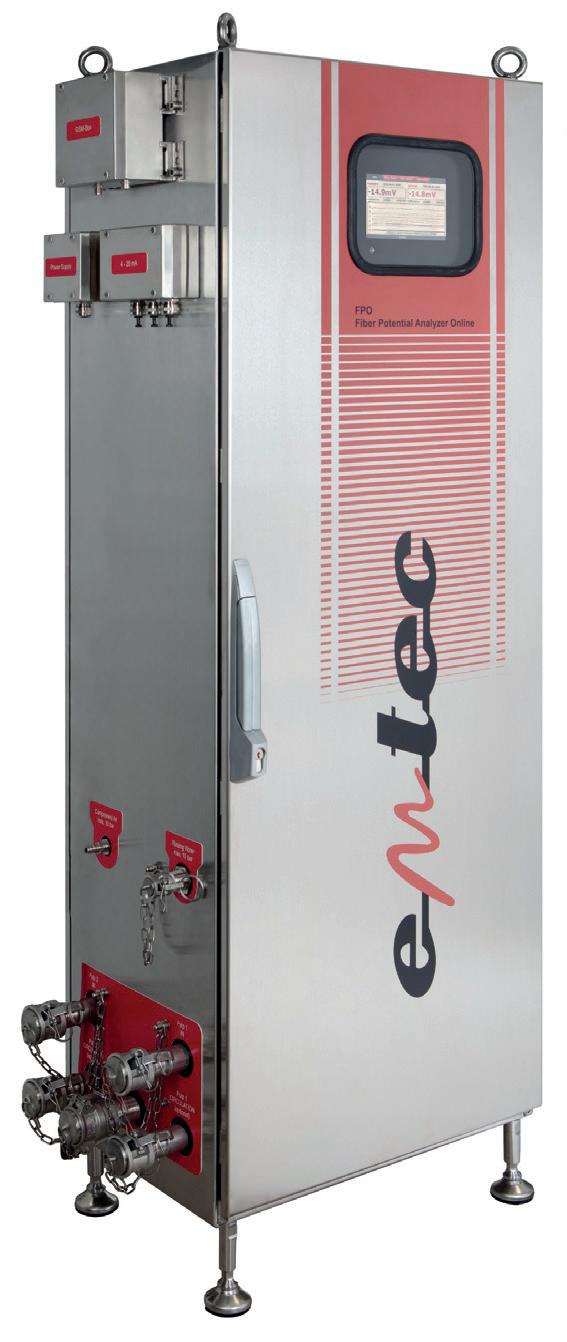
Emtec’s FPO Fiber Potential Analyzer Online automatically takes samples from a pulp mill’s system to measure streaming potential, zeta potential, conductivity, temperature, and pH
A leading pulp and paper mill in the southern United States has been helped by John Crane, a UK-based global leader in flow-control technologies, to “significantly improve” reliability and sustainability performance with a huge reduction in water consumption by means of a mechanical seal upgrade in its cellulose fibre production process.
It led to John Crane, part of the UK-based Smiths Group and a
specialist in rotating equipment, saving the mill thousands of dollars.
The project addressed persistent seal failures and excessive water use that were impacting mill reliability, operating costs and sustainability performance. By using John Crane’s heavy-duty dual-cartridge mechanical seal with Upstream Pumping (USP) seal face technology, the mill was able to extend seal life from weeks to more than a year while
reducing water demand. Previously, the mill experienced frequent mechanical seal failures, with time between repairs averaging just three weeks. These failures caused repeated production interruptions, increased the maintenance workload and operating costs. In addition, the existing sealing arrangement consumed around three gallons of water per minute, and with no conservation measures in place, created
financial and environmental challenges.
Following a technical review, John Crane’s engineers recommended the Type SB2 USP seal, designed for demanding slurry and abrasive pulp applications. The USP seal-face technology enables stable, noncontacting operation, reducing barrier fluid requirements while improving reliability and energy efficiency. The seals were installed alongside a John Crane seal
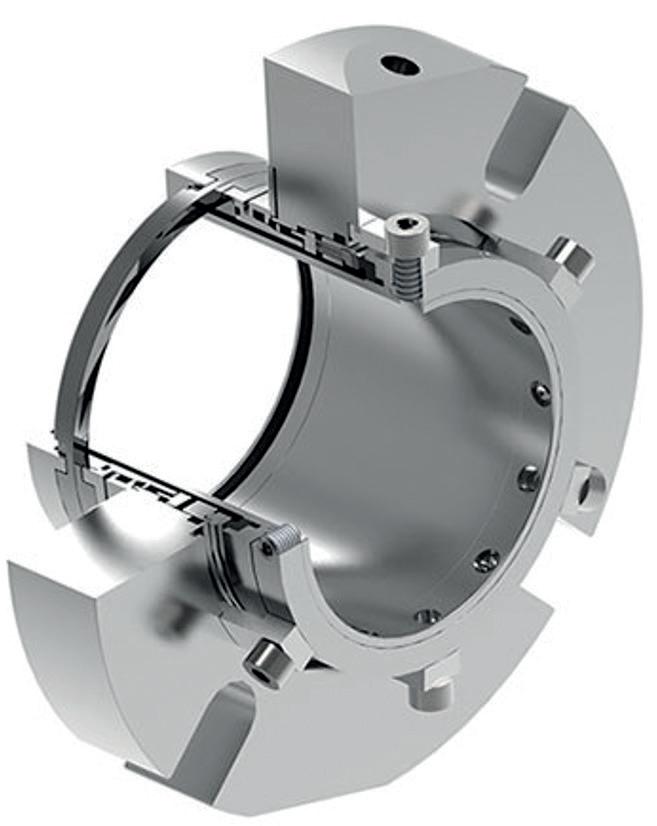
reservoir and a 5-micron filtration system, creating a robust and controlled sealing environment. The system was prepared within two weeks and installed in one week, with full support from John Crane’s field service team. Performance was rapidly validated in operation, backed by John Crane’s extensive experience in pulp and paper applications. Since installation, the undisclosed mill has increased mean time between repairs (MTBR) from three weeks to more than 12 months, almost eliminating unplanned stoppages. Water consumption has been reduced by 90 percent, down from three to 0.3 gallons per minute, and total cost of ownership has been lowered by US$75,000 through reduced
Paper maker UPM is collaborating with technology group Andritz to recycle its paper machine clothing. The initiative uses novel recycling techniques to return used fabrics and felts made from synthetic polymers to the circular economy. This avoids incinerating the clothing and its associated emissions while reducing the demand for fossil-based raw materials.
clothing removes around three tons of carbon dioxide emissions by avoiding incineration.
Around 7,000 tons of paper machine clothing is discarded from paper machines in Europe each year. Most of this waste is currently incinerated or, in some cases, sent to landfill.
maintenance and operating expenses.
The success of the project has strengthened the mill’s confidence in the Type SB2 USP seal and opened opportunities for its wider use across other slurry pump applications as part of its ongoing reliability and sustainability strategy.
“This case study highlights how advanced sealing technology can deliver measurable reliability improvements while supporting responsible water management in demanding pulp and paper applications,” said Mike Eason, chief technology officer at John Crane. “By extending seal life and cutting water use by 90 percent, we helped the mill reduce costs, improve uptime and align operations with long-term sustainability goals.”
Paper machine clothing, supplied by Andritz and others, that has reached the end of its life is collected at UPM paper mills. The collection is coordinated by HolyPoly, a German recycling company and key partner in the initiative. HolyPoly ensures proper recycling of press felts made from a range of polyamides (PA) and of forming fabrics, mainly composed of PA and polyethylene terephthalate (PET), in compliance with all relevant regulations.
Heiner Schütte, senior sourcing manager at UPM, comments, “We at UPM are delighted to collaborate with Andritz and HolyPoly to recycle our used paper machine clothing. With this initiative, we are moving the utilisation of used paper machine clothing higher up the waste hierarchy, from energy recovery to material recycling.”
The recycled paper machine clothing collected from UPM mills is currently used to produce injection-moulded parts for the automotive and furniture industries, replacing virgin polymers. The demand for such material is high, and the recycling process is already fully scalable. In addition to substituting virgin polymers, each ton of recycled
In parallel, Andritz is working to further optimise granulate quality and specifications to further enable the use of the recycled material in the demanding manufacture of new paper machine clothing.
With this pioneering initiative, Andritz aims to fulfil its responsibility as a manufacturer and exceed the extended producer responsibility requirements (EPR) planned by the EU. The project was made possible through the strong commitment and support of UPM from the outset.
The programme was launched on an industrial scale in January 2025 by Andritz together with HolyPoly and UPM. UPM has been actively involved in the development process, providing materials.
Several UPM mills in Finland and Germany are already participating in the programme.
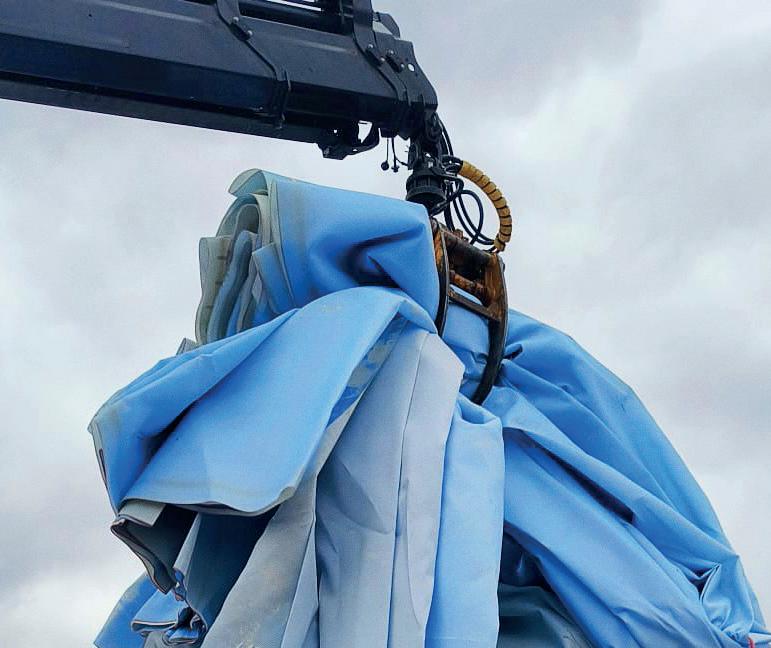
Used paper machine clothing from UPM mills is collected and recycled. This initiative by Andritz, UPM and HolyPoly reduces emissions and the use of fossil-based raw materials
Greece’s Intertrade Hellas has started up a new tissue line at its Oinofyta paper mill, near Athens, after the completion of a turnkey project by Toscotec that included newly-developed advanced automation and energysaving systems.
Using an Ahead 2.2L machine with a sheet width of 5,600mm and running at up to 2,200 metres per minute, the PM2 line has an output of up to 80,000 tons per year, producing a range of facial, toilet, napkin and towel products.
Said to combine highspeed operation with a low environmental impact, the machine features a hydraulic Headbox-ML-T and NextPress shoe press technology, which is said to ensure superior water removal while maintaining the premium bulk of the tissue.
The drying process incorporates a third-generation SYD Steel Yankee Dryer integrated with a cogeneration system managed by a Toscotec DCS, Brain, for control of the electrification and automation systems, and a system to maintain control over product quality.
Final quality of the product is guaranteed by the BulkyReel, designed to maximise the softness and caliper.
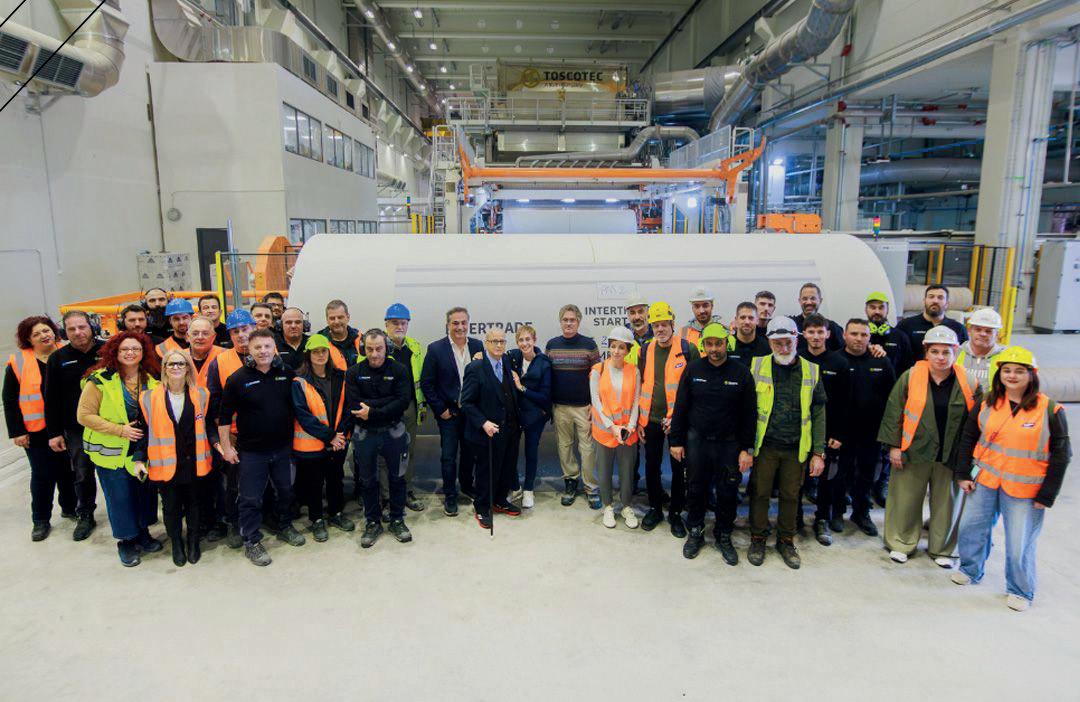
The plant is also equipped with an integrated system for stock preparation intended to minimise energy and water consumption, together with a patented SAF DD. The plant is also supported by a comprehensive wet-dust and mist removal systems, hall ventilation, and a complete roll handing and wrapping systems.
The line features a tailor-made Energy Pack, designed to meet the sustainability targets of Intertrade Hellas, such as reducing energy consumption and minimising the environmental footprint of the production process.
The integrated package is engineered with a TurboDryer for thermal recovery, which boosts the de-watering efficiency of the shoe press and increases postpress dryness. The high-efficiency Hoods are equipped with Swing configuration and optimised by DryingEquilibrium – Toscotec’s automatic balancing system. In a move toward the green transition the line features a Hydrogen Burner, designed to work with up to 100 percent hydrogen fuel while the Hoods are engineered for future electric operation.
Also included is an Optima 2600 slitter-rewinder with an automatic shaft puller. Toscotec is providing a ‘360-degree’ service package – covering detailed engineering and erection to training, commissioning, and after sales support.
Alessandro Mennucci, chief executive of Toscotec, says: “Partnering with Intertrade Hellas has been a rewarding experience. We are proud to have taken part in this project, as we helped create one of the most modern plants in the sector in Europe. We supported our partner in enhancing production and improving the quality of its product, while at the same time maintaining maximum efficiency with minimum energy consumption.”
John Delidimos, chief executive of Intertrade Hellas, added: “It is
indeed a great pleasure to work together with Toscotec on our PM2 project. We are excited to be the first to implement Toscotec’s new automation systems and energy-saving solutions. With the installation of the Toscotec machine, we are eliminating a long-standing multi-year trade deficit in tissue products in Greece, helping restore our country’s self-sufficiency and independence in tissue production.”
Established in 1992, Intertrade Hellas is a leading tissue producer in Greece. It operates three mills – Acharnes, Metamorfosi, and Oinofyta – with a product range that includes both products under the Softex and Servin brands and private-label products: toilet paper, napkins, kitchen roll for home and professional use, along with pocket and facial tissue.
MM Group in Poland has ordered a new cooking plant from Andritz for its integrated pulp and paper mill at Kwidzyn, as part of a programme to improve its sustainability and energy-efficiency.
The mill’s batch digester cooking plant will be replaced with a LoSolids continuous cooking plant designed to switch between softwood and hardwood pulp production. The investment is expected to significantly reduce energy consumption and emissions at the mill.
Commenting on the project, chairman of MM Kwidzyn Filip Drofiak said: “By adopting this advanced technology, we can considerably lower our energy consumption while gaining the flexibility to process both softwood and hardwood. These improvements support our commitment to sustainability and strengthen MM Kwidzyn’s
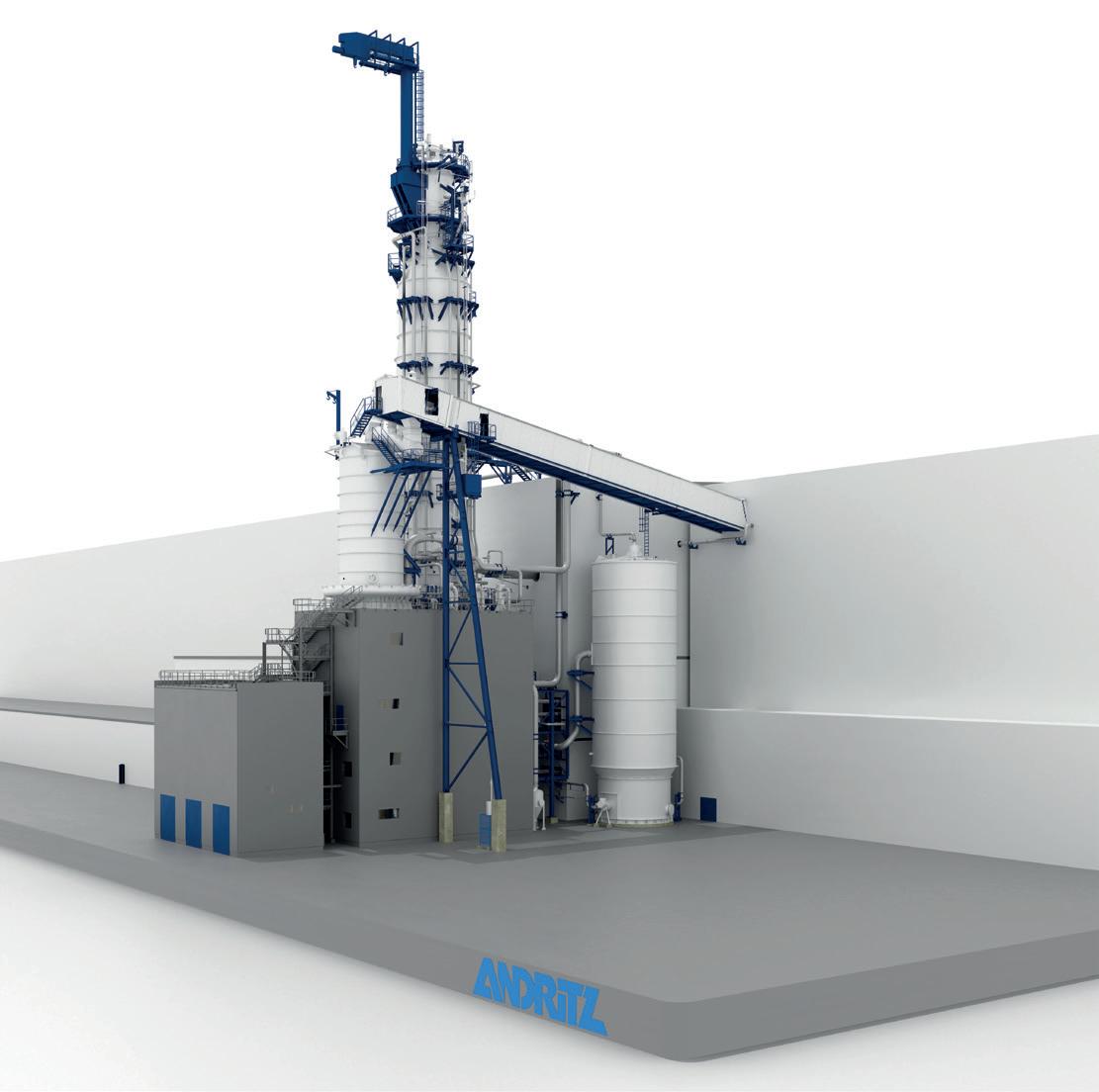
A new tissue machine is to be built in Portugal by The Navigator Company to support its converting operation in the UK. Representing an investment of €115 million, the machine will be installed at Navigators’ Aveiro mill and have capacity to produce up to 70,000 tons of tissue products per year when it starts up in March 2028. While intended to support the group’s UK tissue operations and strengthening industrial integration in the tissue segment, the project forms part of Navigator’s broader strategy to consolidate its growth in the European tissue market, the company says. In 2024, Navigator acquired UK
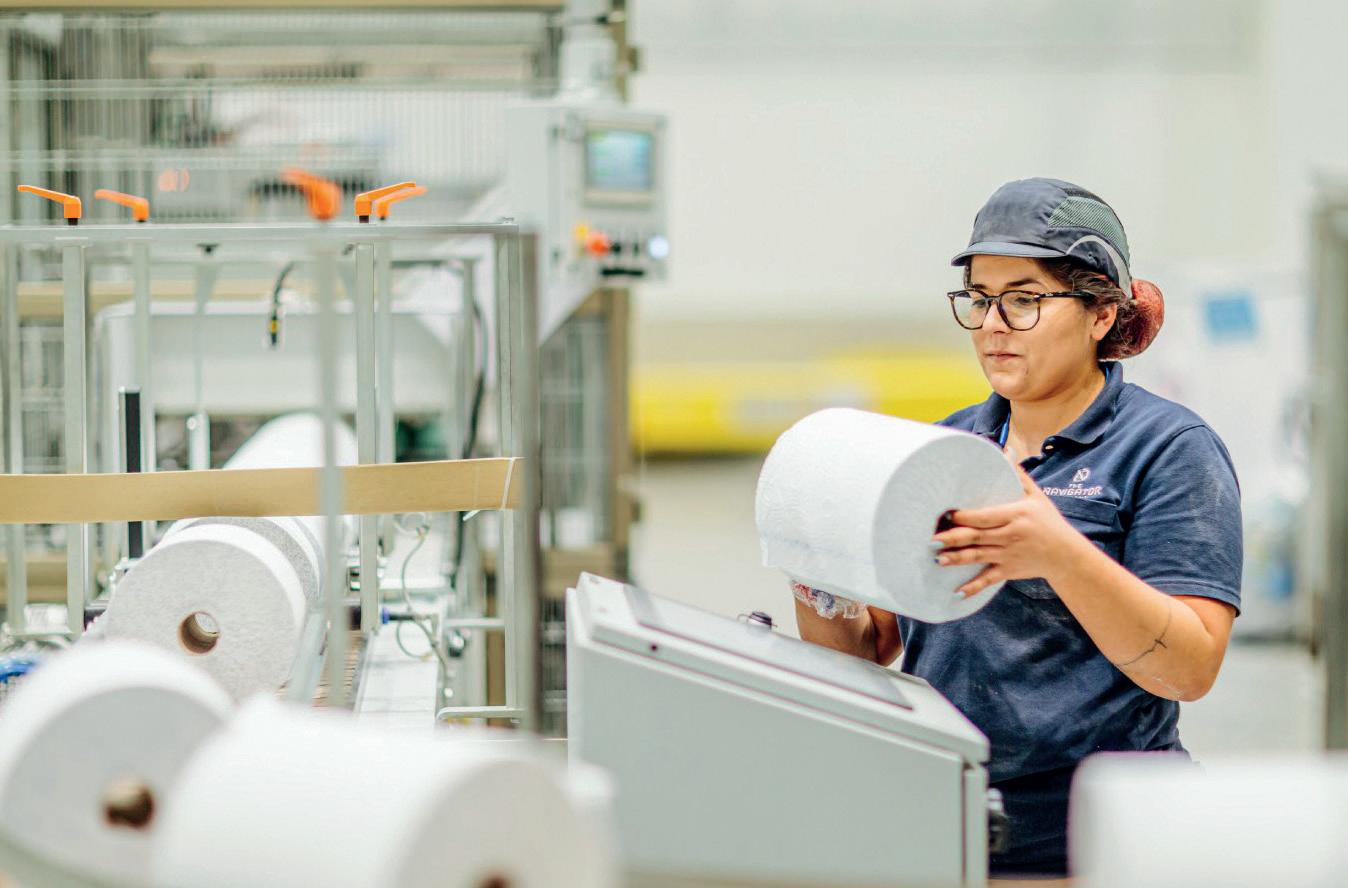
new tissue line is being installed at Navigator’s Aveiro mill to support its converting operations in the UK
competitive edge and energy independence, ensuring we remain at the forefront of board, paper, and pulp production.”
Andritz will supply a singlevessel digester enabling homogeneous cooking and process flexibility, as well as a Turbofeed chip feeding system with new Diamondback chip bin that maximises chip pre-steaming and pulp quality. The delivery also includes a vapour reboiler to improve digester heat recovery and minimise odorous gas emissions. Start-up is scheduled for the fourth quarter of 2026. MM Kwidzyn is one of Europe’s leading producers of premium virgin fibre carton board for pharmaceutical and luxury packaging, packaging kraft papers, uncoated fine papers for office and offset printing, as well as pulp.
tissue products manufacturer Accrol and renamed it as Navigator Tissue UK. Navigator’s tissue business in the UK currently does not produce its own reels but has the capacity to process around 130,000 tonnes of tissue per year.
The Navigator Company has an annual production capacity of 1.6 million tonnes of paper, 1.6 million tonnes of pulp and 375.5 MW of installed power generation. In tissue paper, Navigator has an annual production capacity of 165,000 tonnes and processing capacity of 180,000 tonnes.
Paper maker Metsä Group and engineering group Andritz have successfully started up a new demonstration plant for lignin refining at the Äänekoski bioproduct mill in Finland, marking an important step in the shift toward circular and renewable materials.
The plant will enable Metsä Group to add new lignin products to its offering, while Andritz brings its LigniOx lignin recovery technology to demonstration scale.
The project also involves Dow, a leading material science company, that collaborates with Metsä Group and Andritz to develop bio-based plasticisers for concrete and gypsum applications with modified lignin from the demo plant.
Lignin is a substance in wood that binds fibres together. In pulp production, lignin is separated from the fibres into black liquor and typically used as bioenergy. Using part of this lignin for chemical and material applications improves the mill’s resource
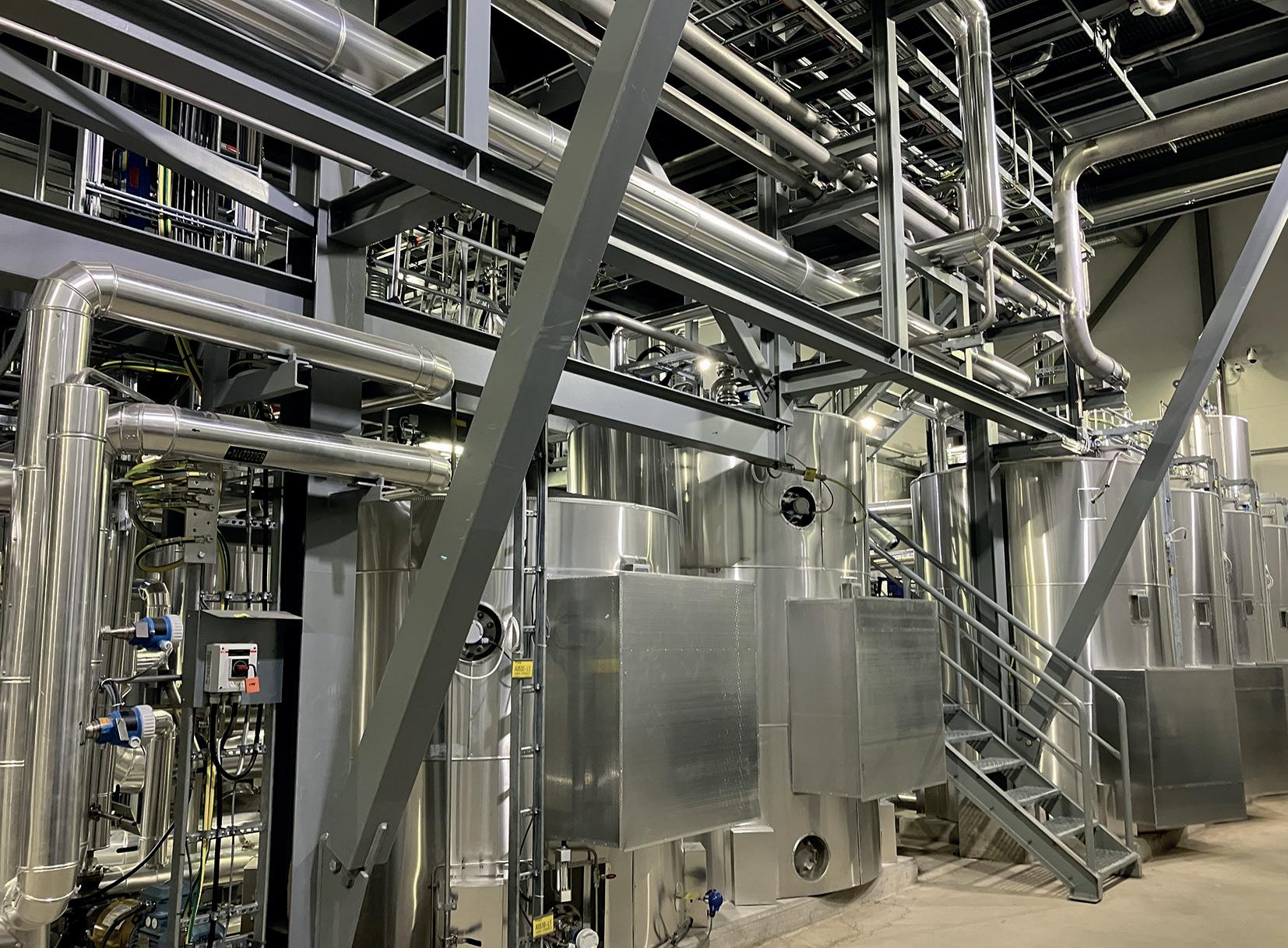
efficiency and helps replace fossilbased raw materials.
Commenting on the project, Ismo Nousiainen, chief executive of Metsä Fibre, part of the Metsä Group, said the company’s goal is to utilise wood raw material and side streams of pulp production as efficiently as possible and to create maximum added value.
“Lignin has traditionally been used as bioenergy,” said Nousiainen. “However, it also has a number of other potential uses where it can
replace fossil raw materials. The purpose of the demo plant is to ensure the functionality of the lignin product’s production process, as well as the product’s characteristics and suitability for the market. If everything goes according to plan, the next stage would be the design and possible construction of a production-scale plant.”
As part of its commitment to circular processes, Andritz is developing concepts for lignin recovery and modification to
Italy-based tissue manufacturer
Industrie Cartarie Tronchetti SpA (ICT) has started up a new mill built on a greenfield site at Deeside in the UK.
“This important milestone marks a key step in the company’s growth journey and further strengthens its presence in the UK market,” said the company in a statement.
“In recent months, the site had already begun production activities with converting lines and
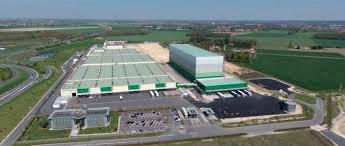
the new automated warehouse –essential, technologically-advanced components supporting efficiency,
reliability, and process optimisation.”
With the start-up of the paper machine, the mill is completing
convert pulp mill side streams into value-added products. Kari Tuominen, chief executive of Andritz Oy, said: “This project demonstrates how collaboration can reshape entire industries. Together, we’re unlocking lignin’s potential to deliver greener and innovative solutions for tomorrow and reduce reliance on fossilbased materials.”
The partners have previously collaborated in the LigniOx EU project coordinated by the VTT Technical Research Centre in Finland, which demonstrated the suitability of modified lignin as a replacement for fossil-based chemicals in concrete production at pilot scale.
The current project brings the technology to demonstration scale, supporting the next steps toward future commercial production and accelerating the transition to renewable materials. It showcases how industrial collaboration supported by partnership with research and technology organisations such as VTT can drive the shift toward a low-carbon, circular economy.
the integration of the production cycle, enabling greater flexibility and integrated management from paper production to converting and through to finished product logistics.
Founded at Lucca in Italy in 1982, Industrie Cartarie Tronchetti SpA operates eight tissue mills in Europe with total capacity of 780,000 tons a year. With 1,850 employees, sales last year were €1.05 billion. It is best known for its Foxy and Carezza brands.
To enable Koro Viet Nam Tissue Paper’s entry into the tissue business it has ordered two production lines from Andritz for its mill in Thanh Hoa Province, with start-up planned for the first half of 2027.
Designed for efficient, highspeed production of premium toilet, napkin, handkerchief, and facial tissue, the new TM5 and TM6 lines will feature a paper width of 3,650mm and a with maximum operating speed of 1,650 metres per minute each will have a daily design capacity of 104.2 tons. The lines will process pre-dried virgin pulp to deliver products with a basis weight range of 11.5-32.0 grams per square metre.
Andritz will supply a complete stock preparation system with a PrimeRefine HC T high consistency refining system, approach flow, fibre recovery, and broke systems,
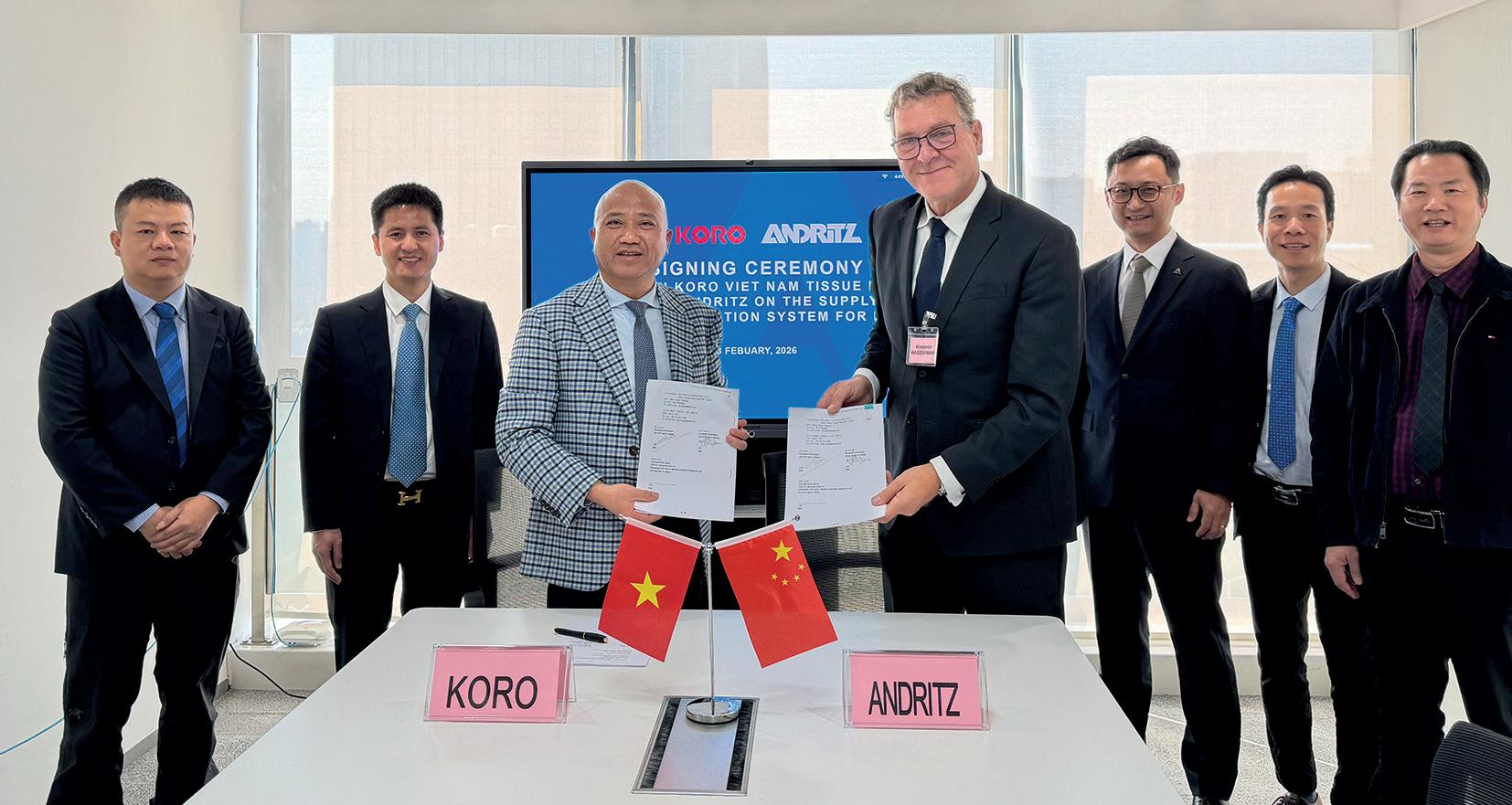
two PrimeLine Compact M 1600 tissue machines, and full automation. These technologies are said to reduce long fibre consumption and energy use while boosting operational efficiency and ensuring consistently high paper quality.
This order continues nearly two decades of cooperation with Ngo Huu Phuong, chairman of Koro Viet Nam Tissue Paper. Andritz most recently supplied a 500 t/d
OCC/PMA line for Koro’s PM2 packaging paper line in July 2025. With this latest order, Andritz adds its sixth and seventh tissue machines in Vietnam.
Commenting on the development, Ngo Huu Phuong said: “This project marks our first step into tissue production, a milestone in our company’s development. Andritz ’s excellent support during our previous projects, coupled with its
proven know-how and advanced technologies, has given us full confidence to choose Andritz as our partner for this venture. We are convinced these solutions will lay a solid foundation for our longterm success in the tissue market.”
Shi Wei, senior vice president of Paper & Textile for the APAC Region at Andritz, said: “We are honoured to support Koro Viet Nam in this milestone project and look forward to continuing our long-standing partnership. This order reinforces our position as a leading supplier of tissue machinery in Vietnam.”
Viet Nam Koro Paper JSC specialises in the production of core paper with the aim to become a leader in speciality paper in Vietnam and to export its products worldwide. Recently, Koro has invested in high-quality low GSM medium paper and tissue paper production line to deliver premium product quality.
Brazilian paper maker Mister Paper has started up a new tissue machine at its Major Vieira mill, in Santa Catrina state.
The PM2 line comprises a Smart Eco machine supplied by domestic manufacturer Hergen, which is based at Rio do Sul in southern Brazil.
The machine enables Mister Paper to move into the highquality products market.
With a sheet width at the pope reel of 2,360mm, the machine produces 36 tons per day of double ply at 15 grams per square metre, or 40 tons per
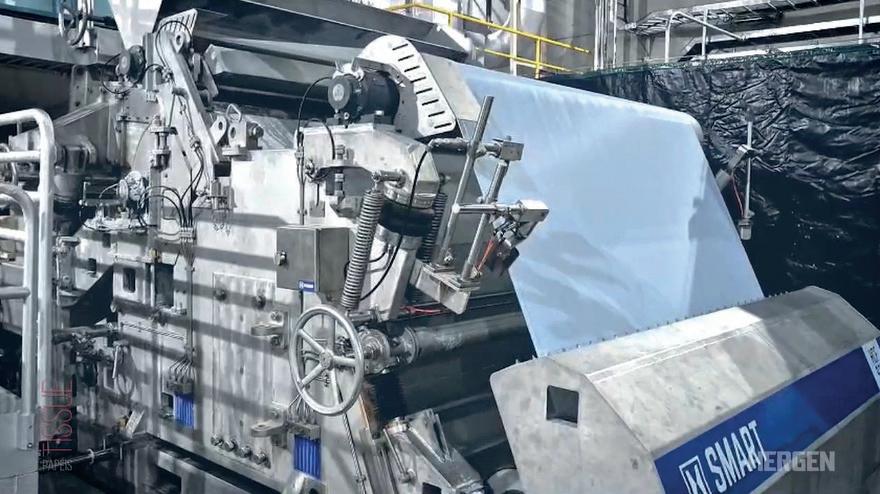
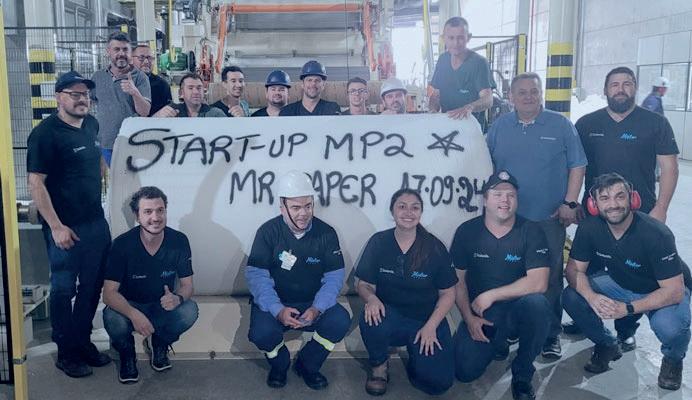
day or 21 grams of towel at per square metre.
Other equipment on the line supplied by Herber includes an iNovaFlow hydraulic headbox, an HCF920 crescent former, a steel Yankee cylinder with a
diameter of 3,660mm, and a pneumatic pope reel with shaft puller.
Herber says the Smart Yankee Dryer has a high drying capacity due to its ribbed inner surface ensuring superior heat exchange.
In addition, the machine operates with a canopy hood, whose main purpose is to extract the water vapour generated during paper drying. Using just two small fans, the canopy hood is said to have very low energy consumption.
Turkish producer of woodfree offset, coated paper and office papers, Alkim Kagit has had a runnability project completed at its Kemalpasa mill near Izmir.
Carried out by Finland’s Runtech Systems, the work on the mill’s PM2 included RunPro EasyOne high-release web stabilisers for the first dryer group. Stabiliser high-release nozzles are fed with RunPro Turbo Compressors to create effective vacuum levels at the sheet release point of top dryers.
Alkim Kagit produces photocopy and offset paper at its Kemalpasa mill, where on the PM1 line an EP Turbo Blower has been operating since 2016. The PM2 line produces the same paper grades, and with the start-up of the second paper machine, the mill’s total annual capacity will reach 215,000 tonnes.
A RunEco Vacuum System with EP Turbo Blower was installed in 2025 at the mill. Both machines are covered by RunCare service agreement, ensuring optimum operation and long life of the
vacuum system.
Commenting on the projects, Alkim Kagit’s management said:
“Throughout the project, Runtech Systems demonstrated a highly professional approach combined with a genuinely collaborative and friendly working style.
The technical team on site was experienced, responsive, and easy to work with, contributing significantly to a smooth implementation process. This positive cooperation further strengthened the long-term partnership between Alkim Kagit and Runtech Systems.”
Sales manager at Runtech Systems Tommi Leander added:
“We are thrilled to continue our strong partnership with Alkim Kagit through this third joint project. Their decision to invest in EasyOne web stabilisers reflects a clear commitment to improving runnability and process control.
“With this solution, strength properties can be optimised right from start-up, ensuring smoother operations and higher efficiency. It’s always a pleasure to work with
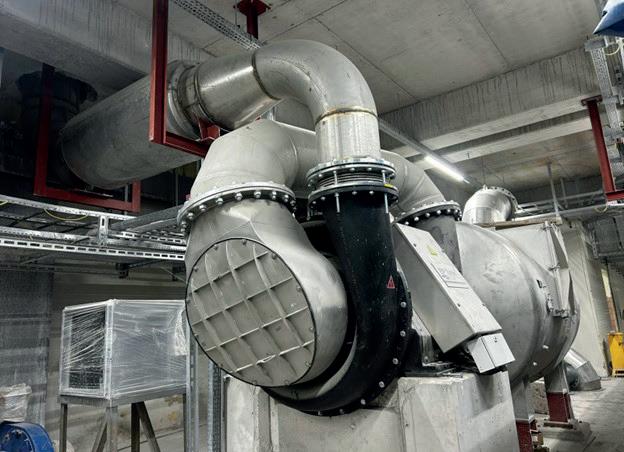
a customer who values innovation and long-term performance.”
RunPro EasyOne high release stabilisers operate without any mechanical contact with fabrics, giving easily adjustable vacuum levels and extra low maintenance costs. High-release stabilisers keep sheet in perfect contact with fabric and provide a possibility to reduce draw between press and dryer sections without losing runnability.
Runtech Systems replaces traditionally-lubricated
compressors with high-efficiency turbo compressors as standard.
The RunPro Turbo Compressor supplies compressed air at 0.3-0.6 bar using an integrated variable speed drive that ensures precise process control by directly adjusting the speed.
Alkim Paper’s mills produce woodfree offset, coated paper and office papers, of which 85-90 percent is sold in the domestic market, the remainder exported mainly to Europe.
Indah Kiat Pulp & Paper has successfully started up a newlyinstalled OCC (old corrugated containers) line and reject treatment system at its Karawang mill in Jawa Barat, Indonesia. The start-up by Andritz is said to be a major milestone in the partnership between the two companies, reinforcing their shared commitment to sustainable and high-efficiency paper production in Southeast Asia. The line is designed for a capacity of 2,000 tons per day and processes mixed OCC into high-
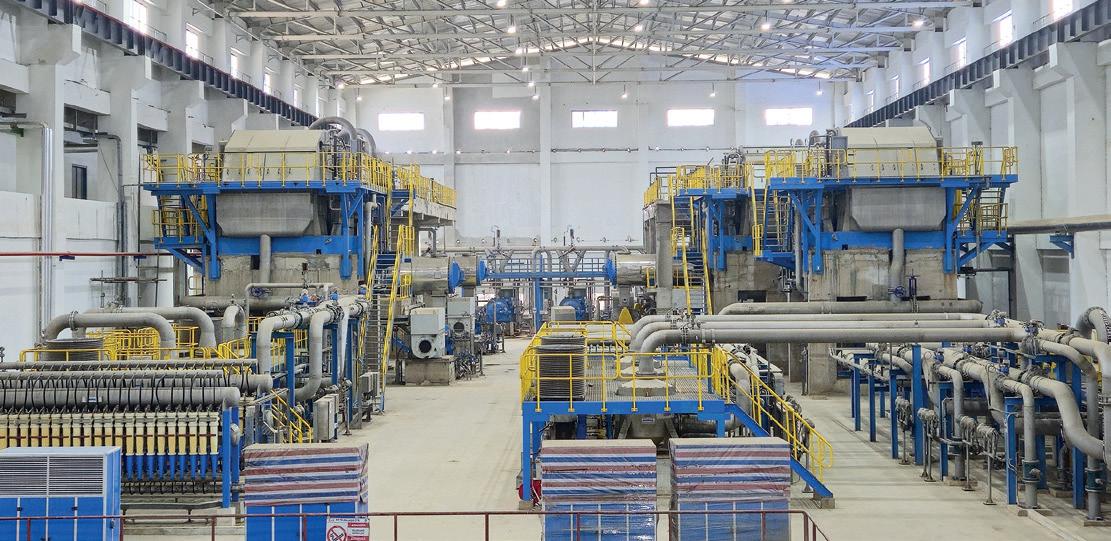
quality fibre stock for testliner production. It includes a FibreFlow
Drum Prime pulper, additional cleaning and sorting stages for efficient stock preparation, and a powerful reject treatment system. The scope of supply also includes equipment for reject compaction and a single-shaft shredder, which ensure reliable dewatering and uniform reject discharge.
Founded in 1976, Indah Kiat Pulp & Paper TBK is part of Asia Pulp & Paper (APP), and is one of Indonesia’s leading producers of pulp, paper, and tissue.
Swedish pulp and paper manufacturer Billerud has signed up ABB to modernise the PM5 line at its Gävle mill, one of its key sites for producing liquid carton board and liner.
The contract will bring new automation capabilities, updated hardware, improved quality control and upgraded drive technology to a machine that supports a significant share of Billerud’s global packaging output. The upgrades aim to improve efficiency, strengthen cyber security, reduce energy and material use and build a platform ready for next-generation digital and AI tools.
The Gävle mill plays a strategic role in the global packaging value chain. Board produced there is used in consumer goods and food applications, the facility daily producing the equivalent of
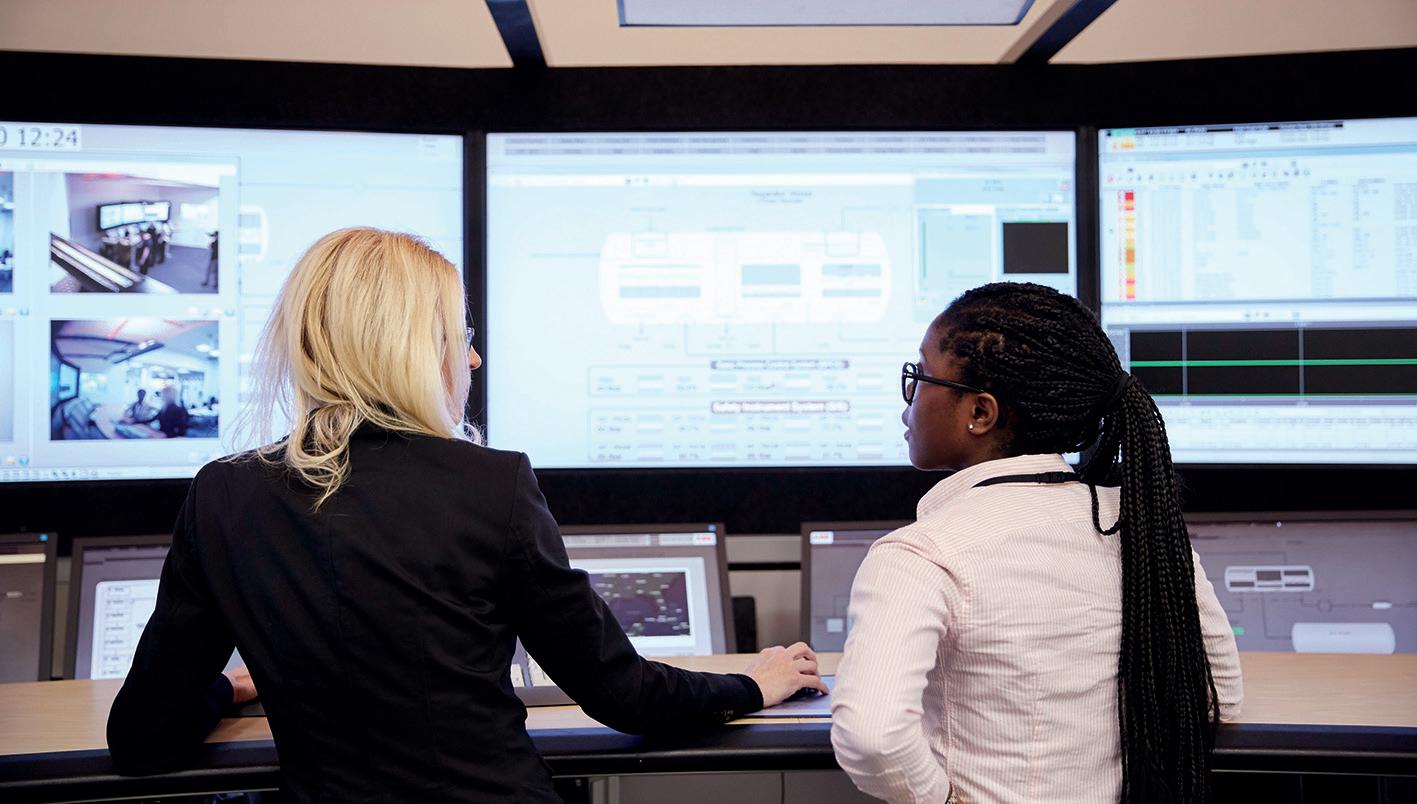
around 200 million cartons across Billerud’s network.
The modernisation project brings several core systems onto ABB’s latest platforms, including an upgraded Ability System 800xA, new-generation AC800M controllers, refreshed quality control capabilities and updated drives.
ABB said that its integration will create a mill with a more
secure and resilient automation environment that handles data more efficiently and gives operators clearer, faster insight into machine performance. Production changes can be executed with greater accuracy, helping reduce deviation from quality targets while trimming raw material use and energy consumption. The new setup also creates room for growth, giving Billerud a path
to introduce advanced process control and move toward AIsupported optimisation as its operations evolve.
“This project builds on a long relationship between ABB and Billerud in Gävle,” said Martin Björnmalm, local business line manager for pulp, paper and fibre in ABB’s Process Industries division. “Upgrading both automation and core hardware gives operators stronger tools, makes the machine more resilient, and prepares the mill for future digital improvements.”
ABB says that when the modernisation is complete, Billerud will have an automation environment built for both current needs and future growth. The system’s flexibility allows the paper maker to introduce new grades, integrate advanced analytics and continue improving resource efficiency over time.
A second deinking pulp (DIP) line has been supplied by Andritz to Xuan Mai Paper for its mill in Ho Chi Minh City, strengthening its capacity for high-quality recycled tissue production.
Designed for producing 75 tons per day and processing 100 percent mixed office waste, the line increases Xuan Mai Paper’s capacity for high-quality recycled pulp while supporting more efficient resource utilisation.
The project continues the longstanding partnership between Xuan Mai Paper and Andritz, following the installation of the first DIP line in 2020.
The new line comprises a
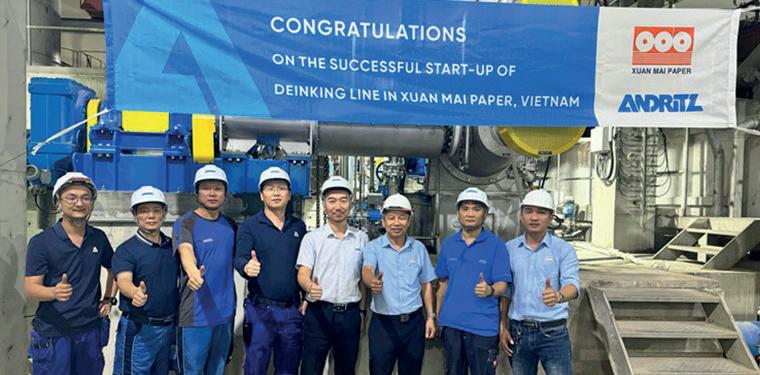
complete stock preparation system engineered for stable operation, consistent pulp quality, and improved resource utilisation. A key process is the SelectaFlot flotation system, followed by ultra-high dispersion and high-consistency peroxide
bleaching, to achieve targeted brightness and fibre recovery levels while ensuring optimum use of recovered fibres.
In addition, Andritz supplied a tailor-made drum pulper designed to integrate into the mill’s existing layout. Adapting
to the limited space, Andritz delivered layout engineering, coordinated installation and commissioning, and supported the start-up.
The chairman of Xuan Mai Paper said: “The successful startup of our second DIP line marks an important step in expanding our recycled fibre capacity and meeting the growing market demand for high-quality tissue. Andritz proved to be a reliable partner throughout the project, delivering a well-engineered solution that integrates seamlessly into our existing mill and enables efficient, stable production from day one.”
Ahlstrom Sweden AB has ordered a PrimeDry Steel Yankee from Andritz for a machine-glazed (MG) and speciality paper machine at its Billingsfors mill. Start-up is scheduled for the fourth quarter of 2026.
The steel Yankee will replace the existing cast-iron version on the PM6 line, with a view to maintaining long-term drying performance, production efficiency, and operational stability.
Ahlstrom said it selected Andritz for its technological expertise in MG production and an ability to meet a tight schedule through its flexible, global manufacturing setup. These capabilities would enable Ahlstrom to continue its MG paper production at a consistently high quality and
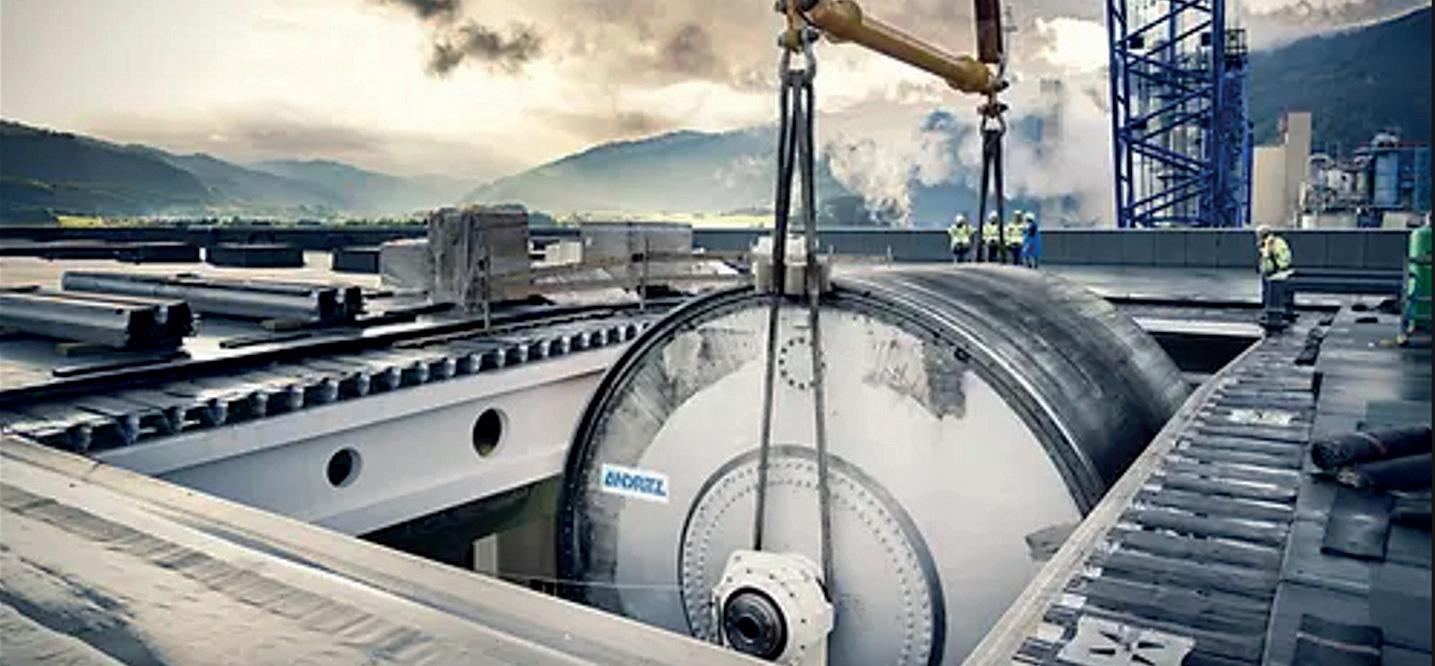
performance level.
“Being able to execute this replacement within a very short time frame is a clear advantage for us,” said Giorgio Mirone, protective materials operations chief at Ahlstrom. “Andritz demonstrated both the flexibility
and MG expertise required to meet the tight delivery schedule, making them a reliable partner for this project.”
Ahlstrom Sweden AB is part of Ahlstrom Finland, a global leader in fibre-based speciality materials. MG and speciality
papers produced at the Billingsfors mill are part of Ahlstrom’s broader portfolio for various applications, including filtration and life sciences, food and consumer packaging, building and construction, and protective materials.
Dong Tien-Long An Paper JSC has started up a new recycled fibre line at its board mill in Tay Ninh Province, Vietnam. The OCC (old corrugated containers) line, the third supplied by Andritz, is designed to process 330 tons per day of mixed OCC for the production of high-quality testliner serving both domestic and export markets.
The addition of the third line is a strategic step that increases Dong Tien’s production capacity, further enhances pulp quality, and strengthens its commitment to sustainable growth and operational excellence.
Andritz supplied the complete OCC line, including the pulping system, cleaning, screening,
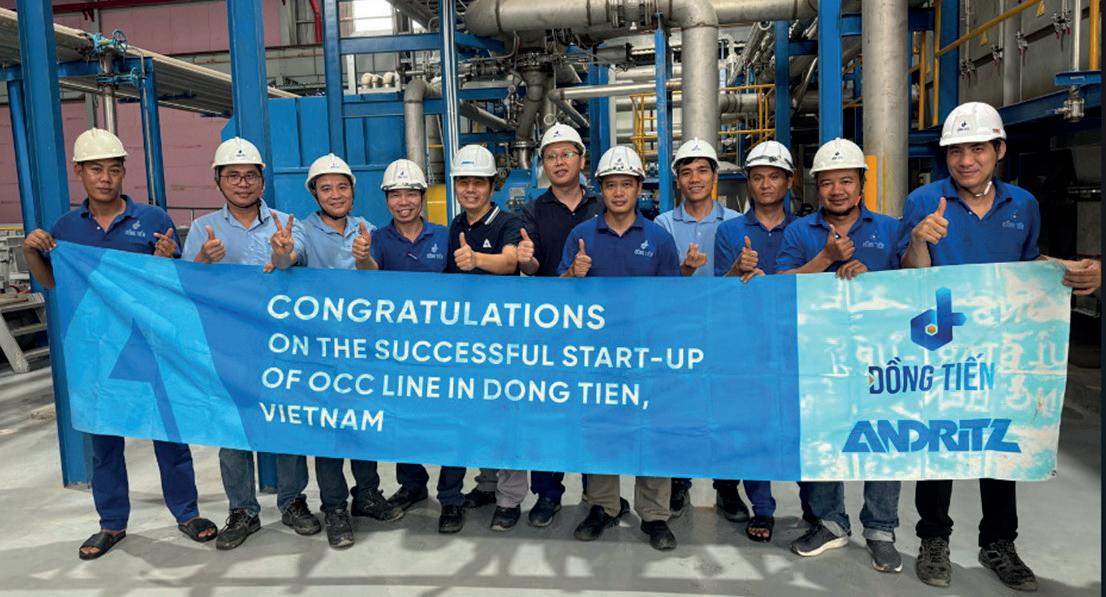
thickening, and a dispersing system for long fibres. The line features state-of-theart technology such as the PrimePulping LC system with an innovative design for minimal fibre loss during pulping and efficient reject removal, as well as the
PrimeScreen X equipped with patented rotor foils for maximum screening efficiency and reduced energy consumption.
The chairman of Dong Tien-Long An Paper JSC, Hoang Trung Son, said: “This line’s successful startup demonstrates the exceptional
teamwork between Dong Tien and Andritz. Our long-standing partnership delivers tangible results by combining Andritz ’s technical leadership with our operational excellence. This is why Andritz remains our partner of choice.”
Andritz said its collaboration with Dong Tien “goes beyond technology supply; it reflects a shared commitment to innovation, environmental responsibility, and long-term competitiveness”. Dong Tien-Long An Paper JSC is part of Dong Tien Packaging and Paper, a pioneer in waste paper recycling in Vietnam and a major player in the paper industry, and is dedicated to producing quality paper products.
Swedish market pulp producer Rottneros has appointed Per Bjurbom as its new president and chief executive. He succeeds acting president and chief executive Magnus Wikström, who has stepped down from the role.
Bjurbom brings more than 35 years of international leadership
experience in the pulp, paper and packaging industries. Over the course of his career he has held senior executive positions at a number of Nordic forest industry companies, including Nordic Paper, Billerud, Holmen and Stora Enso.
Chairman Per Lundeen said the board was confident that Bjurbom’s leadership and
The Koehler Group’s supervisory board has added a another member to the family business’ executive board. Philipp Prechtl will become the paper maker’s chief strategy officer.
This is against a backdrop of intense competition and constantly changing conditions, and increasing complexity. To consistently refine and implement the group’s corporate strategy, secure growth, and increase profitability, it was decided to expand the board of directors.
Kai Furler, chief executive of the Koehler Group, said: “We’re delighted that the supervisory board was able to get an
experienced, natural leader for the new executive board position in the form of Mr Prechtl, who has been familiar and closely associated with the Koehler Group since 2016.”
Philipp Prechtl has been part of the Koehler Group since 2022 as managing director of Koehler Innovative Solutions and Koehler Invest, a role in which he has been responsible for the areas of digital transformation, innovation, and sustainability – all of which will define the company’s future. Prechtl is a member of various advisory boards and one supervisory board.

experience would support the further development of the group. At the same time, Lundeen thanked Magnus Wikström for his work as acting chief executive and for ensuring stable leadership during the process of appointing a permanent chief executive.
Rottneros produces market pulp at two mills in Sweden and supplies fibres mainly for

packaging, board and speciality paper applications.
Sun Automation Group, a global leader in providing equipment for feeding, printing, and converting to the corrugated industry, has hired Ram Srinivasa as director of aftermarket services. In this role, Srinivasa will focus on service excellence, parts support, and long-term customer success across the company’s global installed base.
Srinivasa brings more than two decades of diverse industry experience in machine tools, corrugating, automation, and finishing operations. He began his career in the tool industry, building a strong technical foundation before moving into the corrugating sector, where he spent seven years developing a deep understanding of box plant operations. He later expanded his expertise within the automation industry before spending the last 17 years in the finishing business, where he further refined his leadership, service, and operational capabilities.
“Aftermarket support is a critical part of how Sun differentiates itself in the market,” says Greg

Jones, executive vice president at Sun, which is based in Glen Arm, Maryland. “Ram’s extensive experience and proven leadership will be instrumental as we continue to invest in service, parts availability, and customer responsiveness. His addition reinforces our commitment to supporting customers throughout the full lifecycle of their equipment.”
At the same time Sun Automation has appointed Pete Tridone as internal sales manager, to support Sun’s sales organisation by strengthening internal sales operations, enhancing customer relationships, and collaborating across sales and marketing initiatives to drive growth and efficiency.



















































Pamela Murphy European Operations Manager





In the world of pulp and paper, it’s people who unlock the greatest value.
Our 1,500 experts across 40 countries with their specialist knowledge and
Scan the QR Code to discover more






multi-generational experience, work shoulder to shoulder with customers to understand, consult and solve their biggest challenges.