



























Towards zero emissions






















PAVING NEW PATHS FOR A LOW-CARBON FUTURE OF PULP AND PAPER MILLS


PAVING NEW PATHS FOR A LOW-CARBON FUTURE OF PULP AND PAPER MILLS
Delays in receiving oil and gas supplies from the Middle East, and the resulting stress across many industries, particularly in Asia and to a lesser extent Europe, are ongoing as the Summer issue of Forest Bioenergy Review and PIM Renewable Energy goes out to our readership.
Volatile energy costs and uncertainty of supply, combined with the pressure to meet CO2 directives, are placing a massive strain on the future economic prospects of industrialised nations and again highlights the need to be both flexible in approach and diversity of energy production.
As energy insecurity continues, more industries are making significant investments in on-site energy and production and are tending to choose renewable sources such as biomass, solar and wind power as a way of mitigating potential energy disruptions in the future.
Looking forward to our Autumn issue, we will be covering regional small scale nuclear energy production, reducing waste of forestry resources and producing steam and electricity from renewable fuels. The deadline for contributions is 17th August and they should be sent via e-mail to: pulppaperlogistics@virginmedia.com



Vince Maynard, Publisher
PUBLISHER &
EDITORIAL DIRECTOR
Vince Maynard
KVJ Enterprises, Tralee, Hillcrest Road,
Edenbridge, Kent, TN8 6JS, UK
Tel: +44 (0) 1732 505724
Mobile: +44 (0) 7747 002286
E: pulppaperlogistics@virginmedia.com
CONSULTANT EDITOR
David Young
Tel: +44 (0) 1737 551687
Mobile: +44 (0) 7785 796826
E: youngeditorial1@btinternet.com
ISSN 2045-8514
Anthony Wiffen
ASTAC Business Publishing
Tel: +44 (0) 1460 261011
Mobile: +44 (0) 7851 612799
E: anton_print_1@mac.com
PRINTING
KNOCK OUT PRINT
+44 (0) 1892 823540
Unit 2 The Coppice, Petteridge Lane, Matfield, Kent TN12 7LP info@knockoutprint.co.uk www.knockoutprint.co.uk

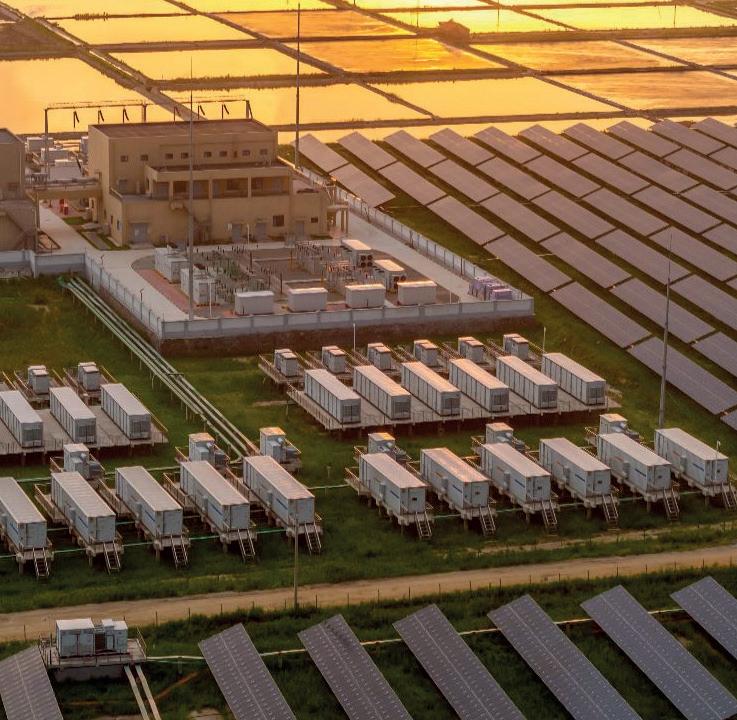
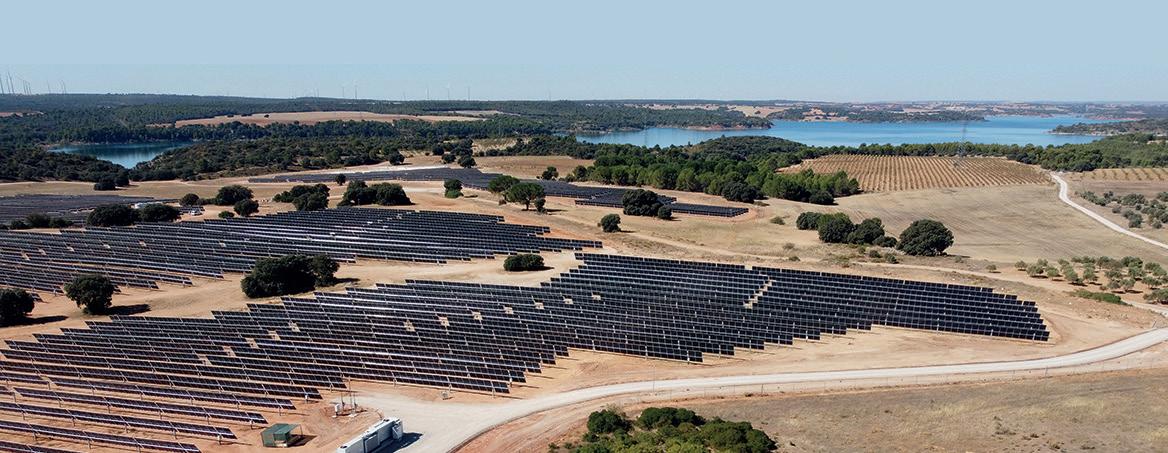
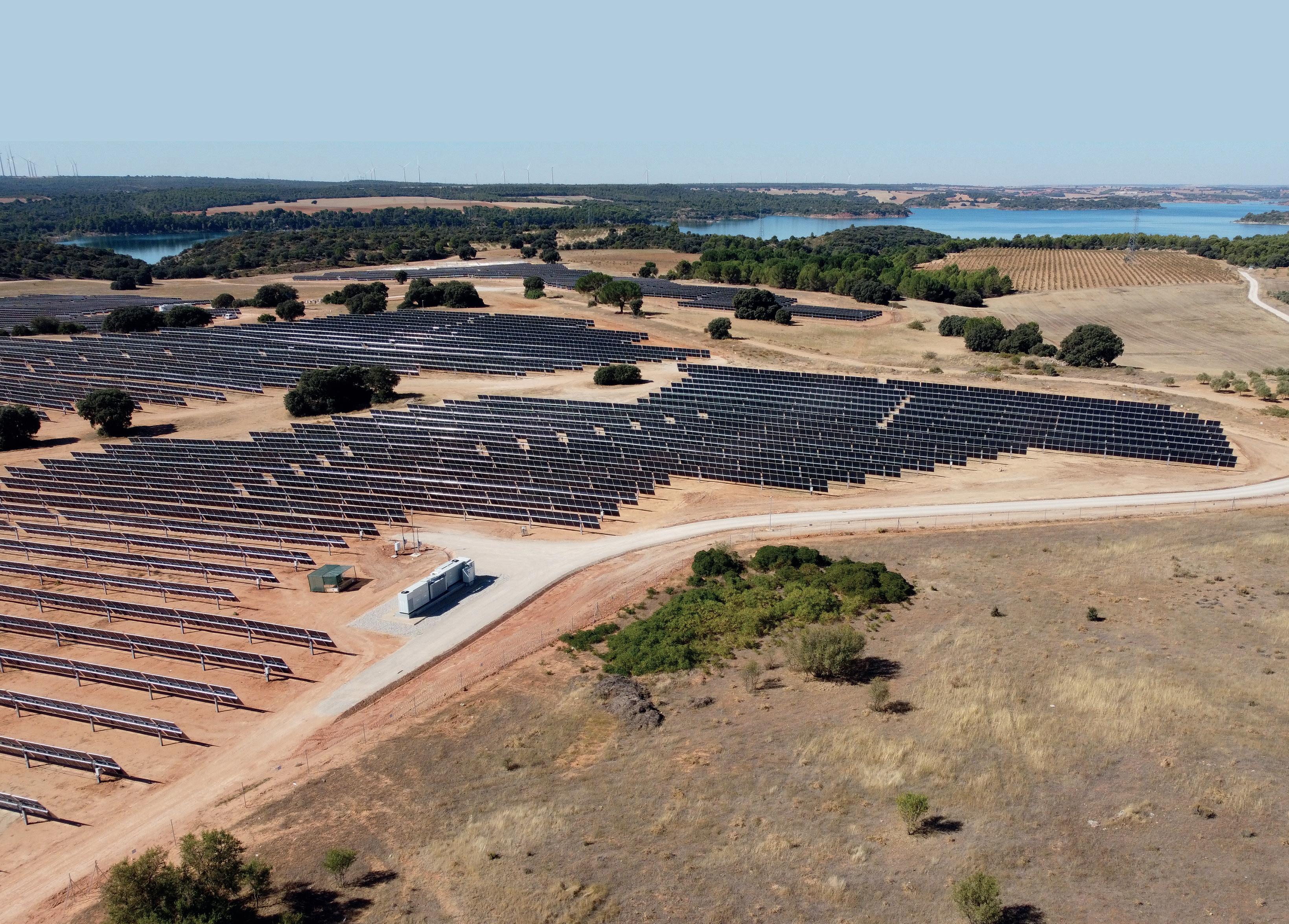
On 13 May, Matrix
Renewables announced the successful grid connection of two new renewable energy projects in Spain, Cruz de los Caminos and Piedra de la Sal, marking a further milestone in the company’s growth and consolidation strategy in the Spanish renewables market.
With the commissioning of these two projects, Matrix now reaches 15 interconnected projects in Spain, representing a combined installed capacity of 691 MW. This achievement underscores the company’s strong execution capabilities and its long-term commitment to supporting Spain’s energy transition through the development of high-quality renewable assets.
The Cruz de los Caminos and Piedra de la Sal projects have successfully completed all required technical and regulatory milestones for grid connection and are designed to deliver clean, reliable energy to the Spanish power system, contributing to emissions reduction and enhanced energy security. The projects achieved financial closing at the beginning of 2025 and count on a long-term PPA (Power Purchase Agreement) with Merck.
Highlighting the strength of the relationship established throughout the development process, Laurent Villiers, Associate Director Sourcing Lead Energies, Merck, emphatically stated: “Our collaboration with Matrix is built on a foundation of reliability, professionalism and continuous support”. Villers also noted that “the
transparency, responsiveness, and shared commitment demonstrated throughout every phase of the partnership have been instrumental in delivering meaningful and sustainable outcomes together”.
Reflecting on the significance of this milestone for the company’s growth trajectory, Sergio Arbeláez, Managing Director, Head of Europe & LatAm, said: “The grid connection of Cruz de los Caminos and Piedra de la Sal marks another important achievement for the company just over five years after its founding”. He added that “this milestone further consolidates our activities in Spain, a benchmark country in the renewable energy sector, and reflects our longterm commitment to this market”.
In parallel, Matrix is actively advancing a strategy focused on
the hybridisation of its existing and future plants, integrating energy storage systems and wind technology to optimise asset performance and enhance grid flexibility. The company is also progressing the development of stand-alone battery energy storage systems (BESS), reinforcing its ambition to build a diversified and balanced portfolio of assets capable of responding to the evolving needs of the power system and energy markets.
Through this integrated approach, Matrix aims to strengthen the resilience, efficiency and long-term value of its portfolio, while continuing to contribute to a more sustainable, flexible, and secure energy system in Spain.
More information: www. matrixrenewables.com
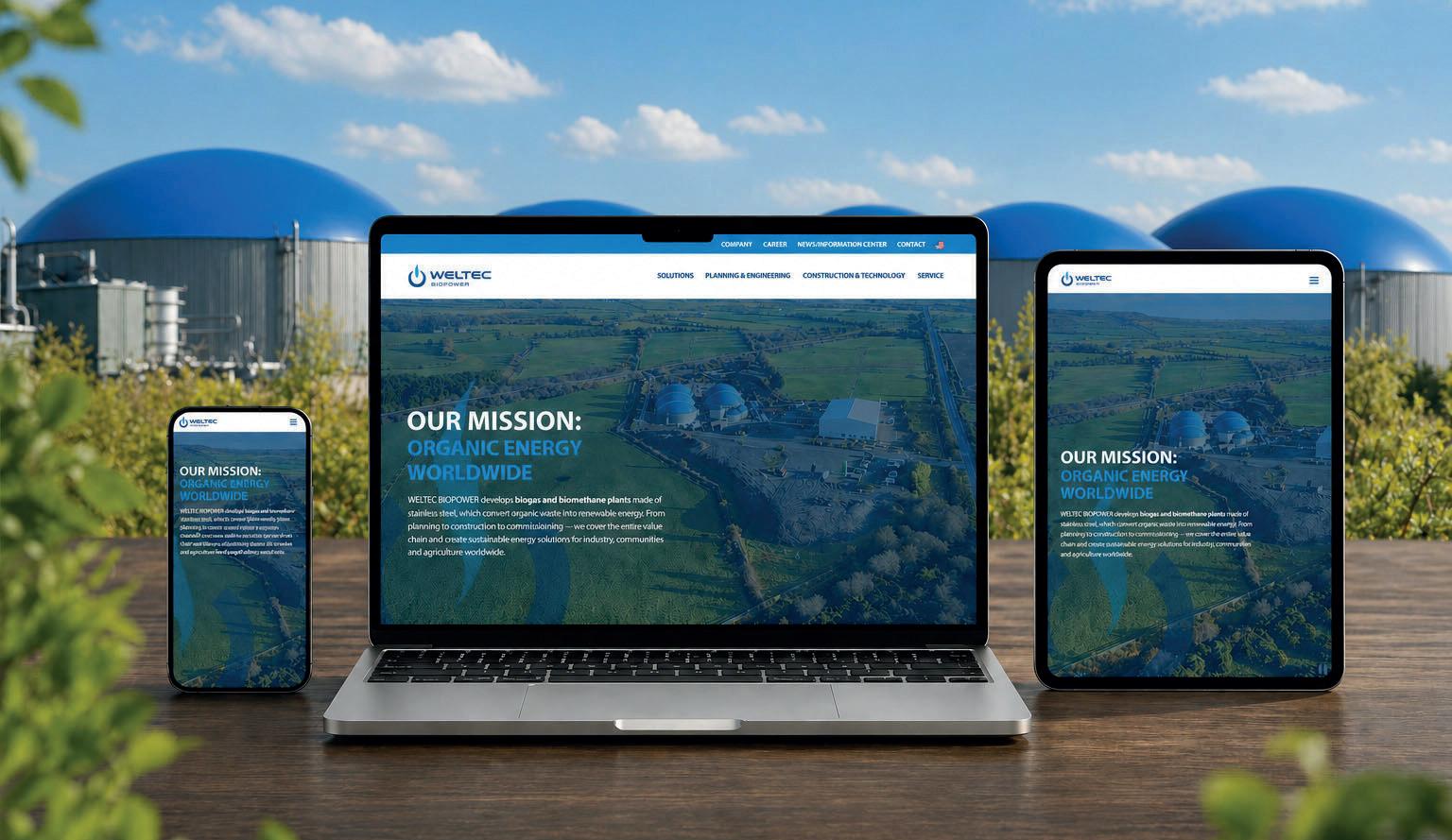
Anew website showcases Weltek Biopower's 25 years of experience as one of the world’s leading manufacturers of biogas and biomethane plants. To increase visibility of its service portfolio and improve access to information, the company has completely overhauled its website. The new website (shown below) is a modern, clearly structured, international platform offering users quick, intuitive access to information on technologies, projects and current developments.
The focus of the relaunch was on developing a clear and user-friendly website. The completely redesigned, contemporary layout ensures an improved user experience, whilst clear and intuitive navigation guarantees short click paths. Content has been systematically structured according to different target groups, including energy suppliers, agriculture, industry and investors, so relevant information can be found quickly. Furthermore, the website is fully responsive, offering an optimised display on all devices, from desktops and tablets to smartphones.
One of the key features of the
new website is the structured presentation of the company’s areas of expertise. The portfolio is organised along the process chain, covering everything from planning and plant construction to aftersales services. Emphasis is placed on Weltec’s proven technologies, especially its stainless-steel biogas plants.
The website also provides insights into biomethane production and
the generation of electricity and heat. A special feature is the 360 degree virtual tour of a biogas plant, which provides users with a realistic impression of its layout, technology and dimensions.
The platform showcases a selection of international reference projects and completed plants, demonstrating the company’s extensive experience and global presence. This section is continuously
expanded and updated. At the same time, the relaunched website serves as a central communication platform for news and project updates.
As part of the relaunch, the employer branding aspect has been significantly expanded, offering potential employees a comprehensive insight into career opportunities at the company. More information: www.weltecbiopower.de
The Sustainable Biomass Program (SBP) has launched its Greenhouse Gas (GHG) Calculator designed to support SBP certificate holders in accurately calculating and understanding greenhouse gas emissions across the biomass supply chain.
The GHG Calculator uses data from the SBP Data Transfer System (DTS) to provide a streamlined and reliable approach to emissions calculation. Built in line with SBP Instruction Document 6D, the EU Renewable Energy Directive (REDIII) and SBP Instruction Document Japan, the tool ensures alignment with key regulatory and industry requirements.
By integrating directly with DTS exports, the Calculator reduces the need for manual data handling, minimises the risk of human error and reduces the requirement for specialist technical expertise. Users can select whether to apply default values or use actual data, allowing comparison of the different methodologies for emissions disclosure.
The Calculator has been developed primarily for end-users, but also provides value across the supply chain. Biomass producers can use it to better understand the carbon footprint of their product, traders can assess the impact of transportation and certification bodies can support
verification activities during audits.
A key feature of the tool is its ability to compare emissions calculated using default values from the EU Renewable Energy Directive (RED) and the Japanese Feed-in Tariff (FIT) and Feed-in Premium (FIP) schemes with those based on real-world data.
The Calculator also enables analysis of emissions at different stages of the supply chain and allows, in some cases, comparison between market-based and location-based electricity emission factors.
The Calculator has undergone independent limited assurance verification by SGS, a globally
recognised testing, inspection and certification body, meaning its methodology and functionality have been reviewed and no material issues were identified, providing confidence in the reliability of the results.
Carsten Huljus, SBP Chief Executive Officer, commented: “The launch of our GHG Calculator represents an important step in improving the accessibility, transparency and consistency of greenhouse gas reporting across the biomass supply chain, and reflects SBP’s ongoing commitment to being a leading, data-driven certification scheme”. More information: www.sbp-cert. org
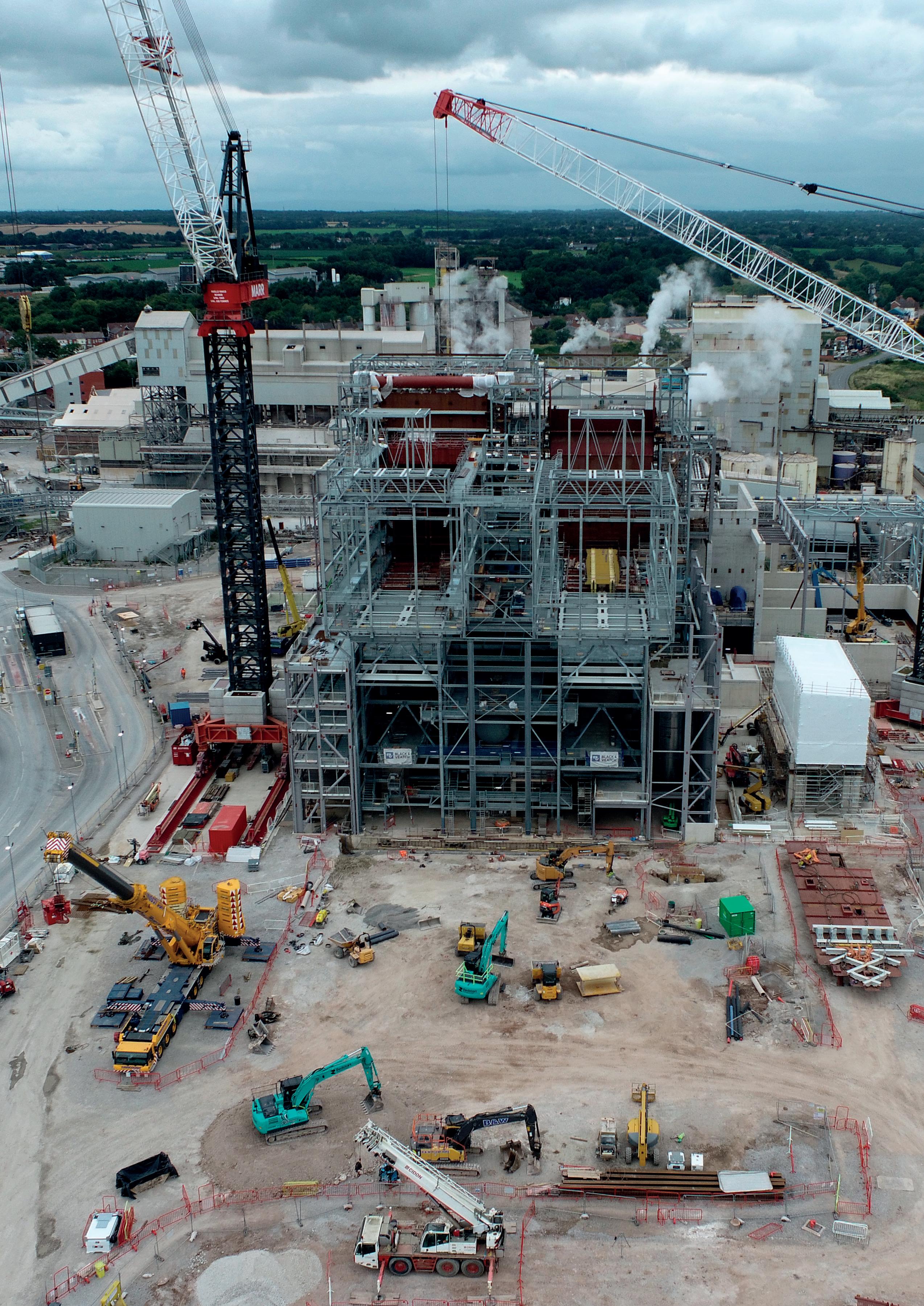
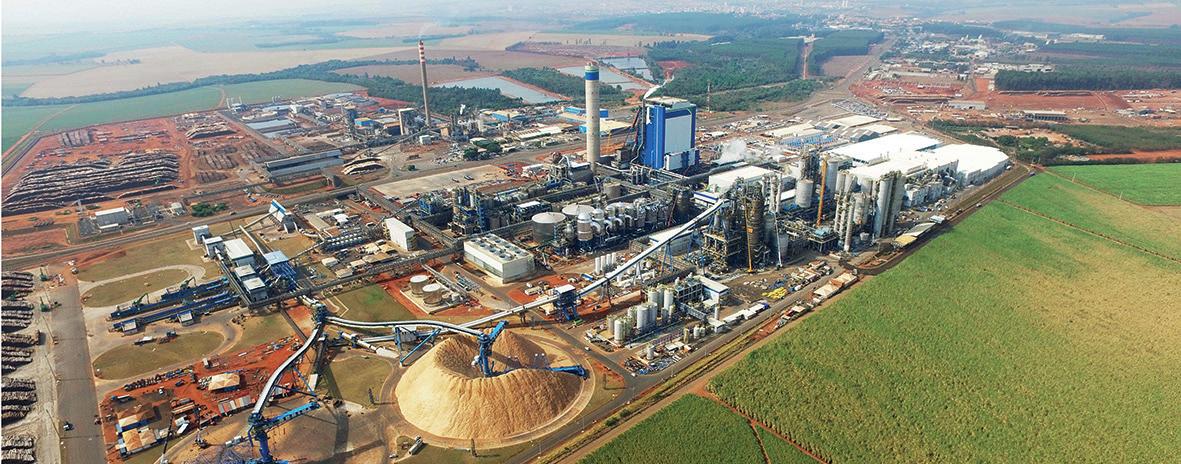
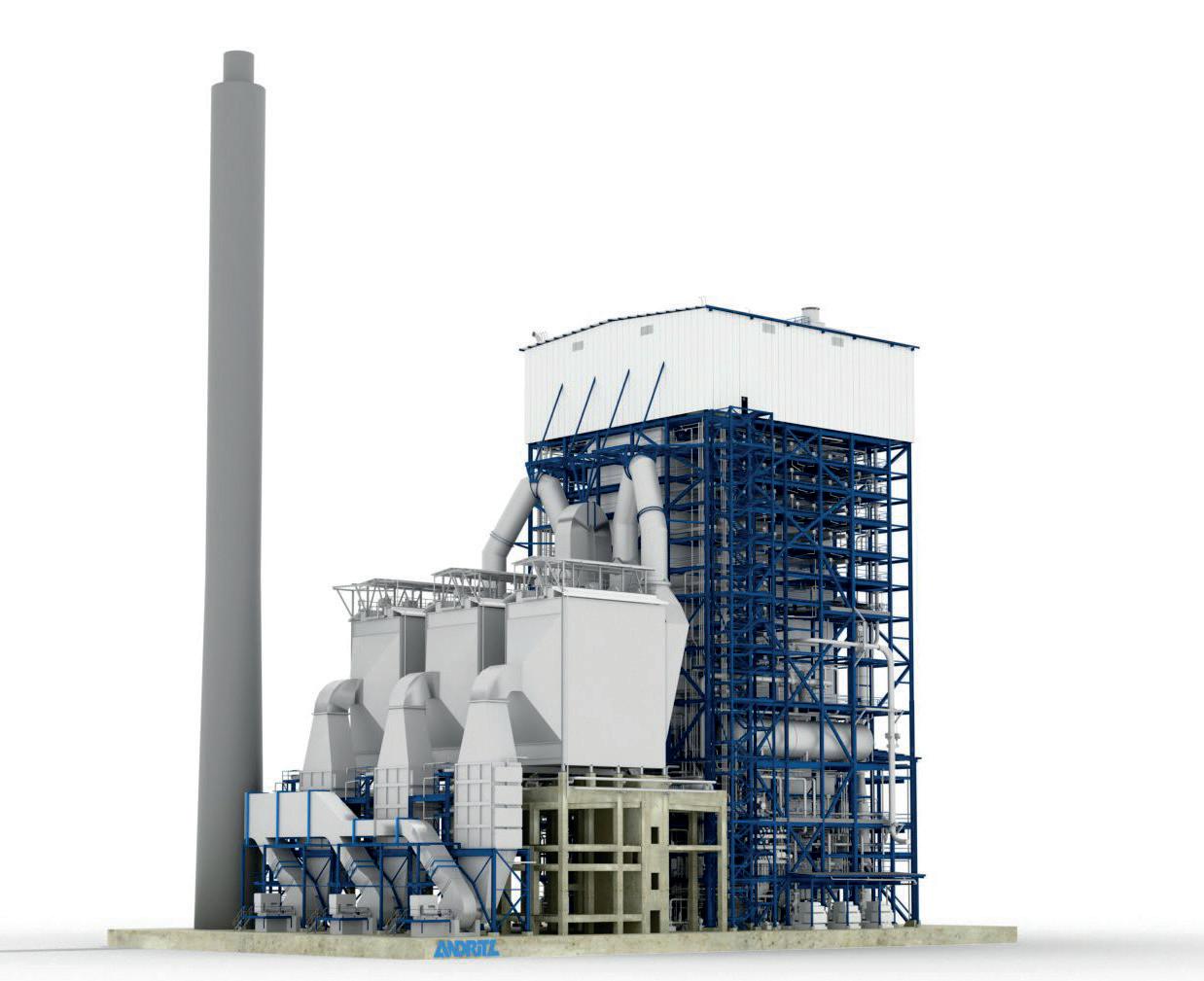
National Power Supply Public Company (NPS), part of Double A Group, has selected ANDRITZ to supply a recovery boiler and evaporation plant for a new bioenergy power plant in Tha-Toom, Thailand. The systems will be installed at the pulp and paper mill of Double A Group to recover chemicals and generate renewable energy.
By processing black liquor, a residue from pulp production, the advanced recovery boiler will produce steam to generate
green electricity for the mill and the public grid. The recovered chemicals will be reused in pulp production, supporting circular mill operations. Start-up of the recovery boiler and evaporation plant is scheduled for the second quarter of 2028.
Chainoi Puenkosoom, Board of Directors at NPS said: “We are highly impressed with the solution ANDRITZ presented to us. By implementing their technologies, our operations will benefit from a proven, reliable, and cost-effective solution for highly efficient renewable power production”.
The ANDRITZ scope of supply comprises the following:
A recovery boiler with a black liquor burning capacity of 3,300 metric tons of dry solids per day. Designed for long operating periods and high efficiency, it enables significant renewable energy production. The boiler includes an electrostatic precipitator for efficient flue gas cleaning, as well as automation and digitalisation solutions for optimised operation.
An energy-efficient black liquor evaporation plant with a capacity of 727 t/h. The plant features easyto-clean lamella heating surfaces,
ensuring high availability, superior condensate for use in other mill departments and easy operation. It is equipped with comprehensive automation and digitalisation solutions.
An integrated ash recrystallisation (ARC) system with a capacity to treat 220 t/d of ash from the electrostatic precipitator. The system reduces the ash’s chloride and potassium content while recovering sodium and sulfate for reuse in the process. ANDRITZ ARC systems have already been successfully implemented at several pulp mills in Asia.
More information: www.andritz. com
Italy’s national transmission system operator, TERNA, has approved the grid connection for Airengy’s (TASE: ARNG) massive project in the Brindisi region of the country, with storage capacity of up to 3 GWh. The project is an
equal partnership (50/50) with 7B of the Yehuda Levi Group, which operates in the energy and investment sectors in Europe.
The expected construction timeline from the date of signing the connection agreement is
about 20 months. Approximately €230 million is expected to be invested in the project, with projected annual revenue of €3550 million.
The facility will be capable of injecting up to 509.25 MW into
the electricity grid for several hours, thereby contributing to the stability of the Italian electricity grid and enabling broader integration of renewable energy. More information: www. airengy.com
According to a new report by the International Renewable Energy Agency (IRENA), solar and wind energy paired with battery storage are reliable and already today deliver cost-effective, round-theclock electricity. The economics of firm solar and wind confirm that in prime solar and wind regions, hybrid solutions combined with storage deliver round-the-clock power at lower costs than fossil fuels.
Firm levelled costs of electricity (firm costs) for solar plus storage range from US$ 54 to US$ 82 per megawatt-hour (MWh) in highquality resource regions, compared with US$ 70–85 per MWh for new coal in China and more than US$ 100 per MWh for new gas globally.
Commenting on IRENA’s new report, United Nations SecretaryGeneral António Guterres said, “The worst energy crisis in decades has exposed the true cost of fossil fuel dependence, but another path is now possible. Renewable power is increasingly the most affordable, reliable and secure option. Let us accelerate the transition, invest in energy infrastructure and strengthen international cooperation to finally deliver clean, homegrown power to people everywhere”.
IRENA Director-General Francesco La Camera added, “24/7 renewable power is now cost-competitive with fossil fuels. The long-standing argument that renewables lack
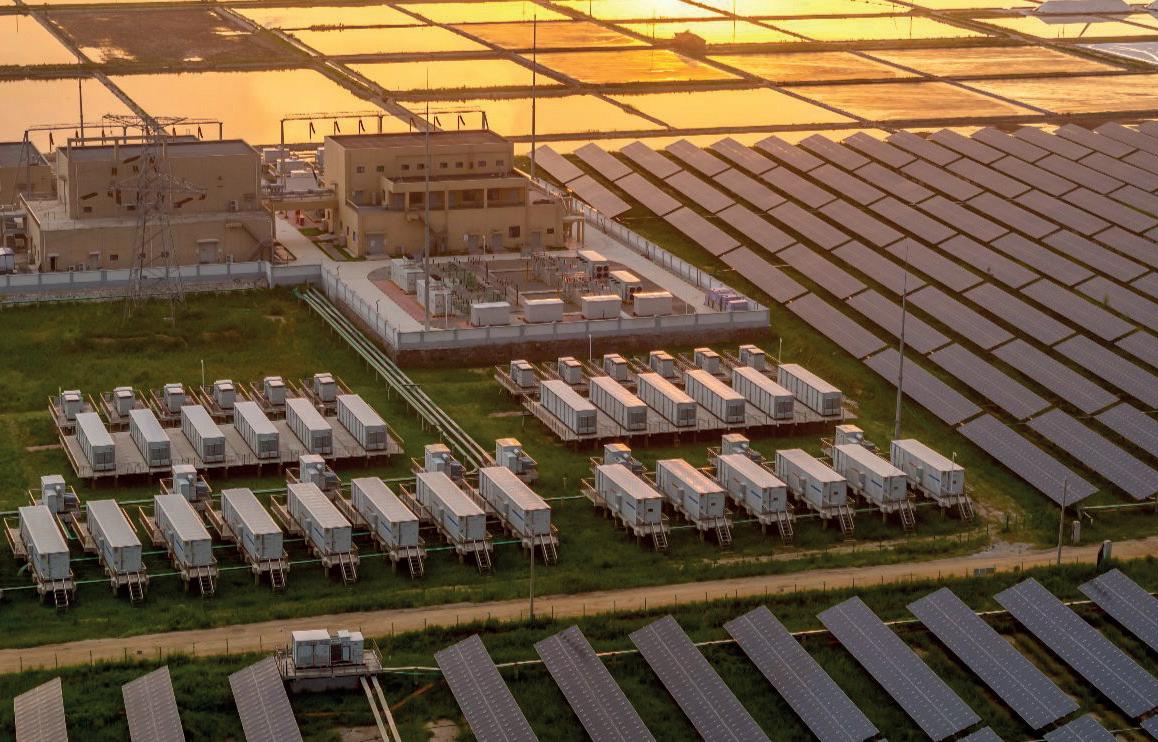
reliability no longer holds. Today, renewables can deliver reliable, round-the-clock power. As oil and gas markets remain exposed to geopolitical shocks, including ongoing disruptions in the Strait of Hormuz, we must insulate our economies with resilient renewable systems. The economics of the entire energy system have shifted: the battery revolution has driven down costs while accelerating advances in storage. The advantage of renewables is not only economic, but strategic, strengthening resilience, stability and energy security in times of crisis”.
24/7 renewable power optimises the use of constrained grid

connections, shifts electricity production to higher-value hours and reduces exposure to price volatility. These hybrid solutions are well-positioned to serve the most demanding electricity users, including artificial intelligence (AI) and data centres that require uninterrupted supply as one of the key commercial benchmarks. Firm renewables also enable the production of clean fuels for hardto-abate sectors, where economic viability depends not only on costs, but also on the ability to operate at high utilisation rates.
IRENA’s analysis shows that firm costs have declined rapidly, driven by falling costs for solar PV, wind

power and battery storage. Since 2010, total installed costs declined by 87% for solar PV and by 55% for onshore wind. Battery storage costs fell even more sharply, declining by 93%.
Further cost reductions of roughly 30% by 2030 and around 40% by 2035 are projected, bringing firm costs below US$ 50 per MWh at the best-performing sites by 2035. The United Arab Emirates' Al Dhafra complex for example, that pairs solar PV with battery storage, already illustrates what this means in practice: delivering a firm 1 gigawatt of clean electricity at around US$ 70 per MWh. More information: www.irena.org

On 28 May, Hitachi Energy opened its new UK Engineering Centre of Excellence in Glasgow, marking a major investment in the specialist skills needed to modernise the UK electricity grid and support the development of
clean energy in Scotland.
The new centre is expected to create around 100 specialised roles, including engineers, project managers and technical specialists focused on delivering critical grid infrastructure. It will support the delivery of major
UK electricity transmission and distribution projects, including the integration of renewable power, strengthening grid resilience and enabling the secure, affordable and sustainable electricity system needed for the UK’s Clean Power 2030 ambitions and Scotland’s
2045 net zero target. This opening also marks a significant step in supporting the UK government’s strategic plans to enhance local capabilities and develop a skilled workforce for the evolving energy landscape. Hitachi Energy is proud to act as

a partner that combines strong local presence with global reach, addressing increasing demand through both regional expertise and its worldwide capabilities. The company has already
recruited a significant proportion of the new roles, including technical engineers, project site engineers and specialists in planning, management, health and safety, and testing. The centre is also
intended to help attract talent from adjacent sectors, including oil and gas, manufacturing and other engineering-intensive industries, into the fast-growing electricity sector.
Laura Fleming, Managing Director, Hitachi Energy UK and Ireland, commented: “The electricity grid will be the backbone of a secure, affordable and sustainable energy system for decades to come. That makes investment in skills every bit as important as investment in technology. Our new Glasgow Engineering Centre of Excellence is about building the capability the UK needs to deliver major grid upgrades at pace.
“Scotland is already central to the UK’s clean energy future and this expansion will help ensure that more of the value created by that transition is captured here – through high-quality jobs, new career pathways and stronger local supply chains.”
The new Glasgow centre is supported by a £1.7 million grant from Scottish Enterprise as part of an overall investment of more than £3 million. The centre builds on Hitachi Energy’s existing presence in Scotland and reflects the strategic role the country plays in renewable energy generation, grid innovation and the wider energy transition.
Hitachi Energy in the UK is leading the electrification era, enabling industries, transportation and the large-scale integration of renewable energy through pioneering High-Voltage Direct Current (HVDC) technology and grid system solutions. Notable projects include the North Sea Link (NSL), which supports cross-border renewable power exchange and strengthens grid resilience, and offshore wind projects like Dogger Bank, where HVDC transmits clean energy from sea to shore.
Hitachi Energy is also delivering HVDC technology for SSEN Transmission and National Grid Electricity Transmission as part of the UK’s Eastern Green Link electricity superhighways - including EGL2 and EGL3,
The company has already recruited a significant proportion of the new roles, including technical engineers, project site engineers and specialists in planning, management, health and safety, and testing.
enabling large-scale transfer of renewable power from Scotland to demand cenres in England. Collaborations with SP Energy Networks (SPEN), including Eccles substation in Coldstream, Redshaw reinforcement project in South Lanarkshire and the new Kincardine North substation in Fife. Elsewhere, the landmark multi-terminal Caithness MorayShetland system, alongside developments such as Hornsea 3, contribute to powering millions of homes for a more secure, affordable and sustainable energy future for all.
The opening event brought together government, industry and energy sector leaders to discuss the role of electricity networks in creating economic value for Scottish communities and the importance of high-voltage direct current technology in building a more connected, resilient and flexible energy system.
The Glasgow centre will also support Hitachi Energy’s collaboration with universities, industry partners and organisations, including Scottish Enterprise, Edinburgh Science and the University of Strathclyde to encourage more young people and experienced workers to pursue careers in energy and STEM.
More information: www. hitachienergy.com
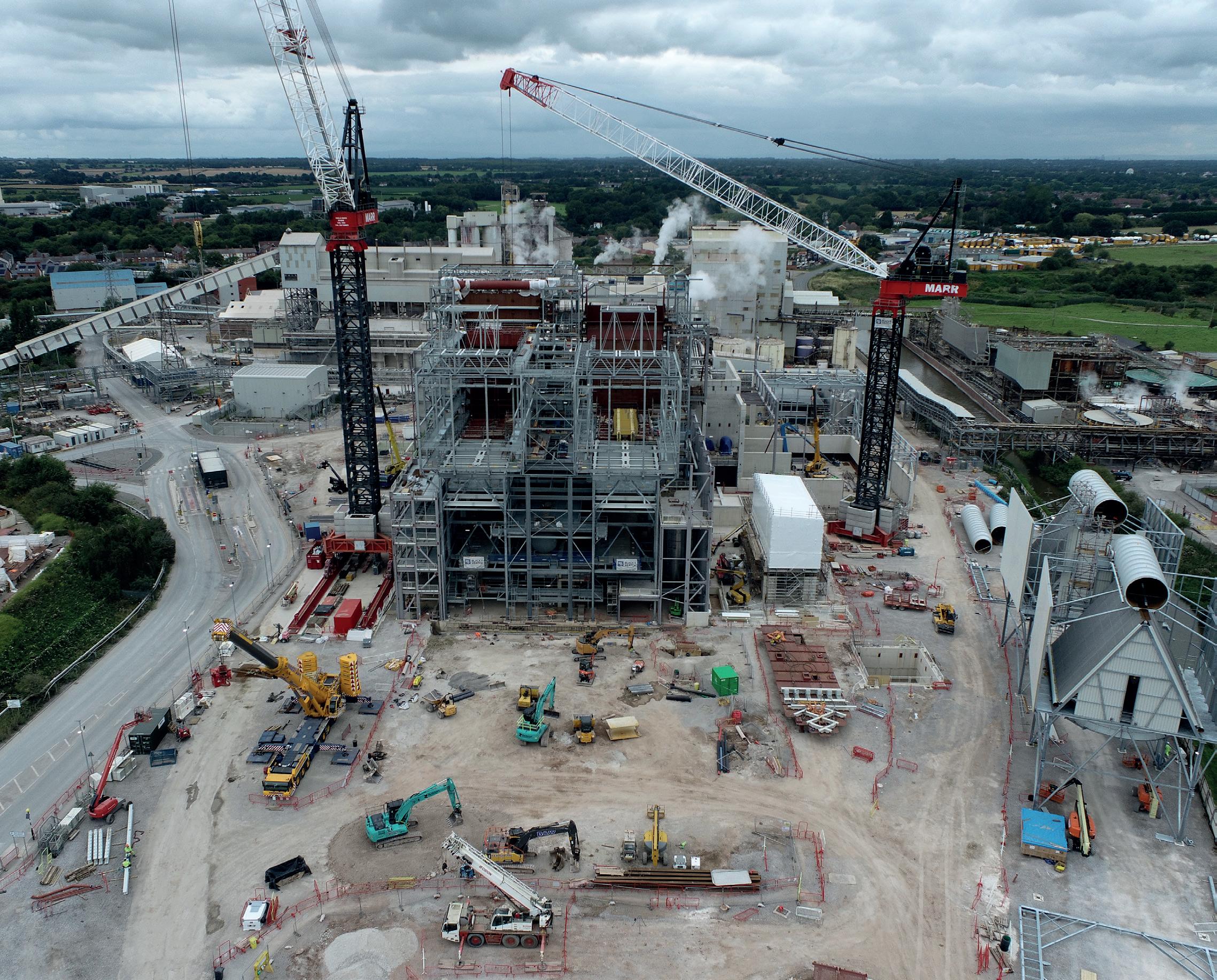
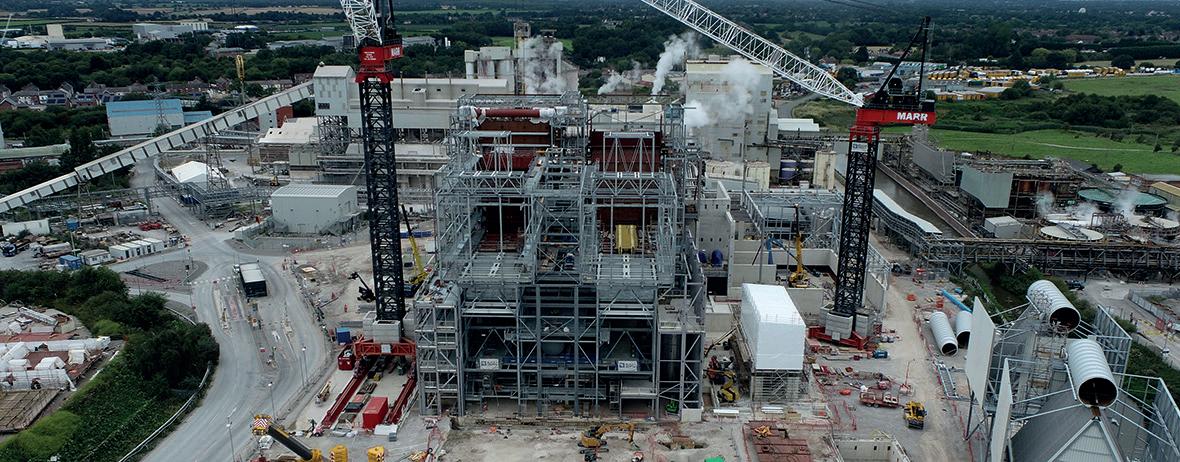
Lostock Sustainable Energy Plant Ltd (LSEP Ltd) – a joint venture between Copenhagen Infrastructure Partners and FCC Environment – has announced a £50,000 community fund to support local projects during the final construction and commissioning stages of the £480 million ‘Energy from Waste’ facility near Northwich in Cheshire.
The fund will provide grants of up to £10,000 for community and voluntary groups across the parishes of Northwich, Lostock Gralam, Lach Dennis & Lostock Green and Rudheath. It will support
projects that deliver social and environmental benefits, including: improving the local environment; helping to meet Cheshire West and Chester Council’s sustainability goals; supporting net-zero and climate emergency goals; and contributing to community health, wellbeing and social value in the area. The community fund follows a £5,000 donation from LSEP to Lostock Football Club last year.
A representative for LSEP said: “This fund is LSEP’s way of giving something back to the communities around the plant. We want to leave a positive legacy by supporting local projects that make
a real difference to people and the environment as we head towards operations in 2027”.
Applicants can apply for a small grant, up to a maximum of £2,500, or a large grant, up to a maximum of £10,000. Companies applying for either fund must be properly constituted, not-for-profit organisations, voluntary groups or registered charities with a bank account requiring at least two signatories.
Applicants have until 30 June to submit their applications. If funds are still available following this, there will be another round of applications, expected to take
place before the end of 2026.
Located at the Lostock Works site near Northwich in Cheshire, the LSEP is in the final stages of construction and is expected to be operational in early 2027. The facility will use residual waste after recycling to generate enough sustainable energy to power 125,000 homes.
The plant has supported around 800 jobs during construction, with around 50 high quality full time operational roles currently being recruited, providing jobs for local people.
More information: www. lostocksep.co.uk
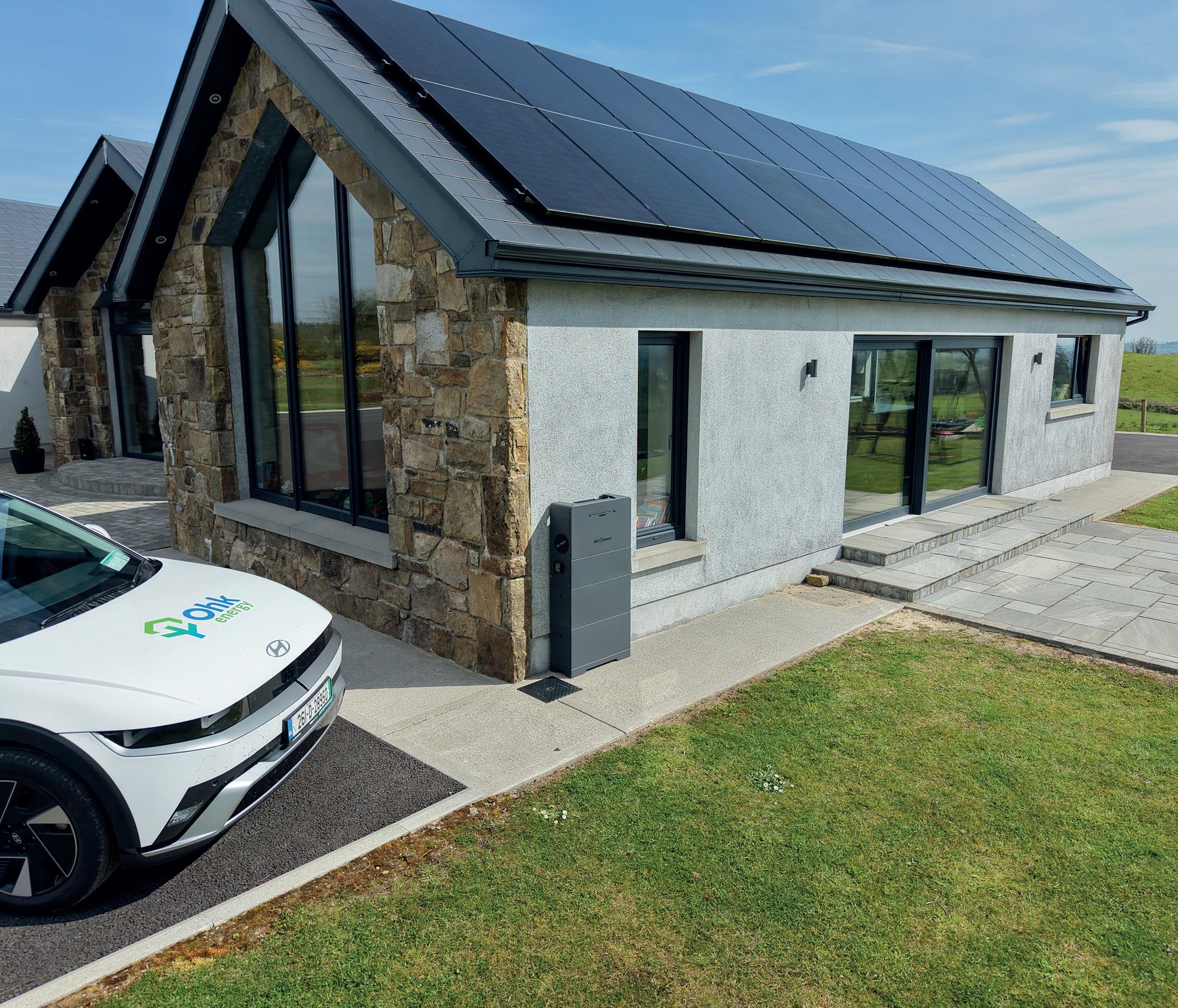
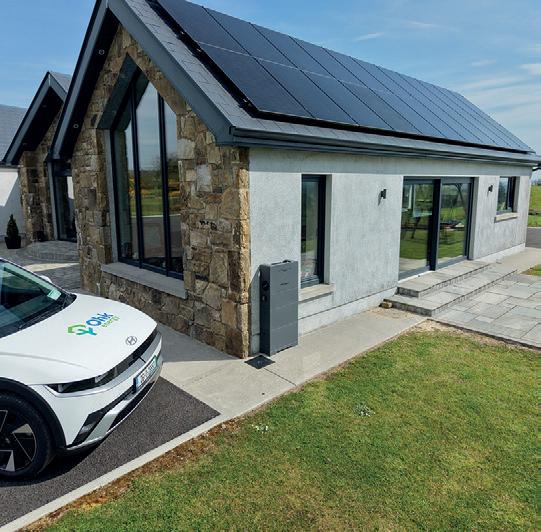
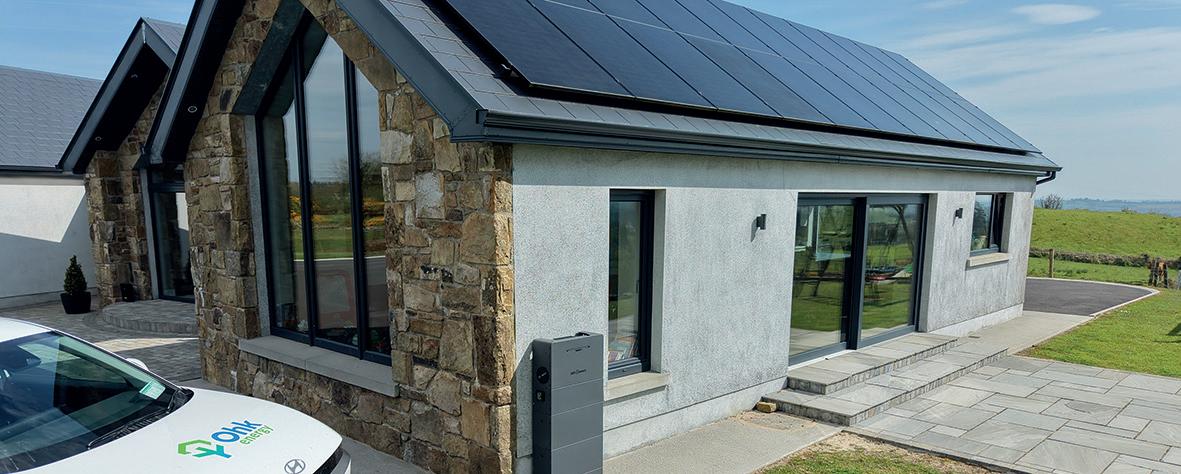
Ohk Energy, Ireland’s leading renewable energy installer, has launched
AiO Konnect, a next- generation hybrid solar and battery system built to meet the real-world demands of Irish homes. The system is a purpose - built, all- in - one solar inverter and storage solution that, unlike generic systems, has been designed by Ireland’s energy experts, from inception to completion, specifically for Ireland. Every element – from hardware to software configuration – has been optimised to deliver reliable, efficient performance in Irish homes, even in Winter, challenging weather and fluctuating grid conditions.
AiO Konnect combines a high-performance hybrid inverter, modular Lithium Iron Phosphate (LFP) batteries and an AI-powered energy management platform, all working together to
give home-owners more control, savings and independence. The sleek, stackable outdoor unit allows them to easily add storage capacity in small steps to match energy needs – from 5kWh up to 82kWh.
AiO Konnect is owned, installed and supported by Ohk Energy, with expert local technical support, meaning no third - parties and no uncertainty about who to contact if needed. “AiO Konnect is the future of home energy. Our customers deserve an energy system that’s designed for their reality, not adapted as an afterthought,” said Conor Foley, CEO at Ohk Energy.
“AiO Konnect is built for our climate, our grid and our homes, with full local installation and after-sales support. That one team experience makes a massive difference when it comes to confidence.
“Every day, people are paying for electricity they could have produced themselves. However, with solar and battery, you can take back that power, cutting bills, cutting carbon and breaking free from the grid.
“When we look around right now, we see a few things: energy costs aren’t going down and grid volatility is continuing to increase, so battery storage is no longer optional – it’s essential.”
AiO Konnect’s smart EMS uses AI to predict solar generation and household usage, automatically choosing the most cost- effective way to power homes. From solar generation and battery charging to system health, everything is easy to track and manage through one simple app, delivering maximum savings with minimum effort.
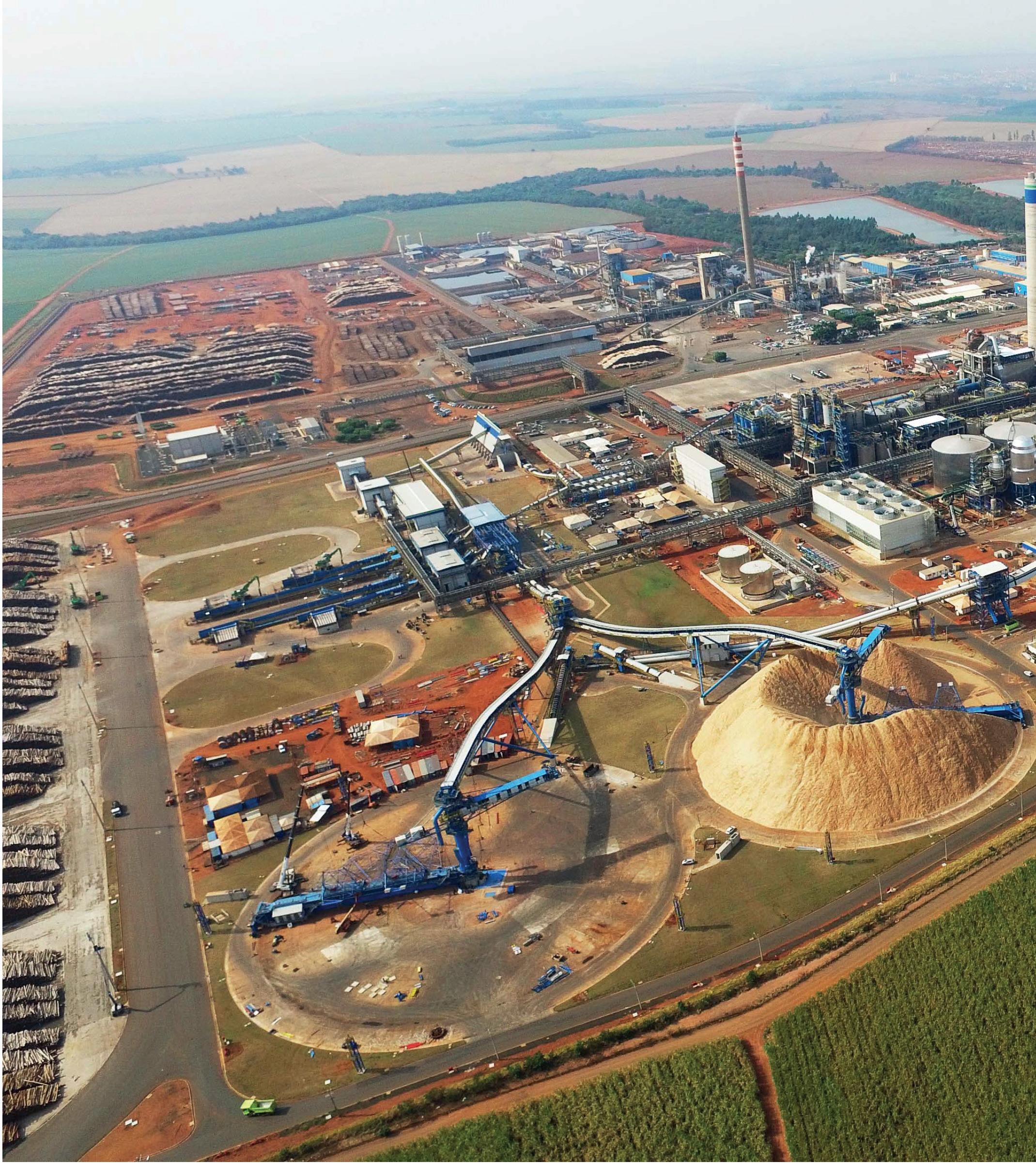
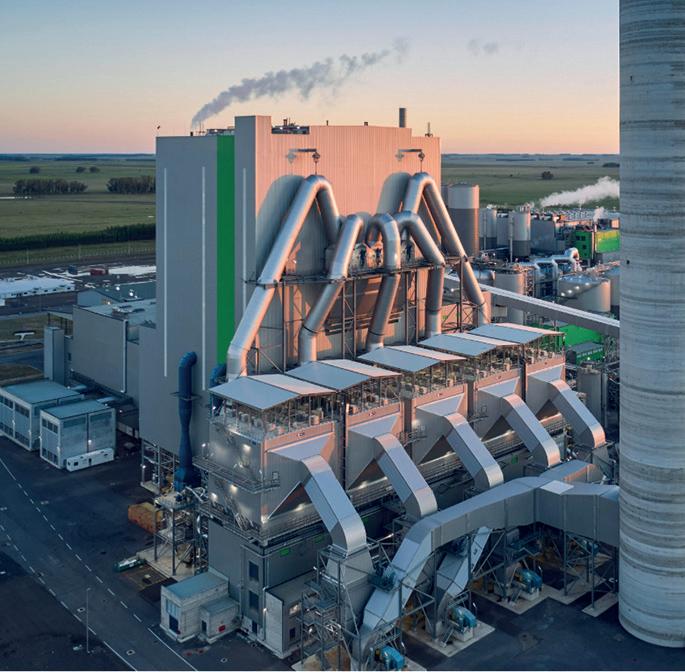
ANDRITZ is the global leader in the supply of recovery boilers to the pulp and paper industry. Furthermore, its decades of experience in designing, building and operating large boilers, from 8,000 tds/d upwards has allowed pulp mill operators to construct the true giants of the industry that we
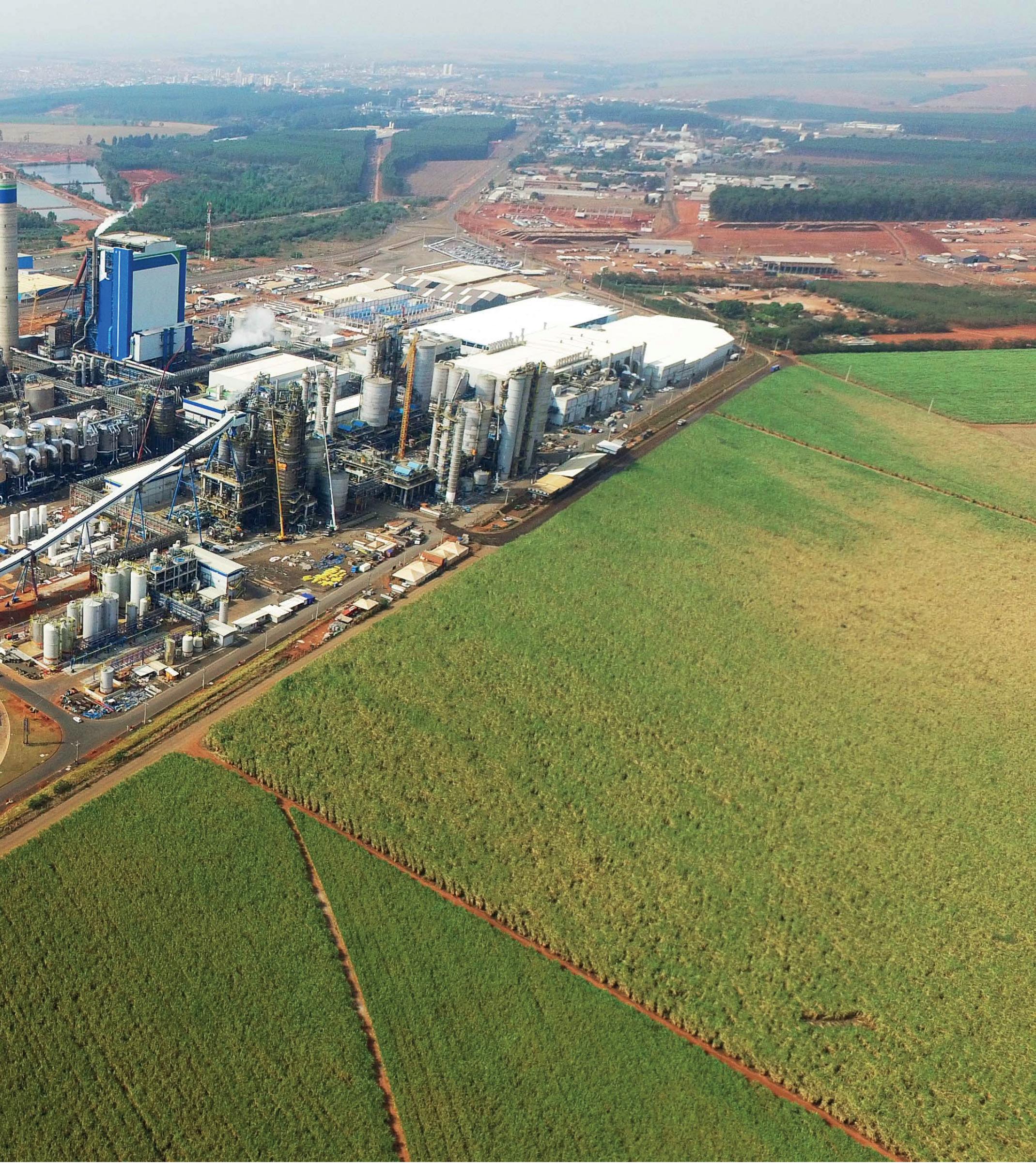
see today in Latin America and Asia. The main benefit ANDRITZ brings with its larger recovery boilers is the ability to super-size pulp mills in terms of capacity – a growing trend particularly in Latin American countries including Brazil and Uruguay, and in Asia countries, including Indonesia and China. ANDRITZ is the only supplier
on the market having proven recovery boiler references of over 8,000 tds/d, the largest being in operation for a number of years at Bracell’s mill in Sao Paulo State, Brazil. Ageu Silva, LATAM Divisional Director, Pulp & Power, ANDRITZ, said: “Up until relatively recently the size of the recovery boiler limited the capacity of the fibreline
at pulp mills. The reason for this limitation was due to availability, as when recovery boilers go down, all production at the pulp mills stops”.
Adapting technology for safety and efficiency
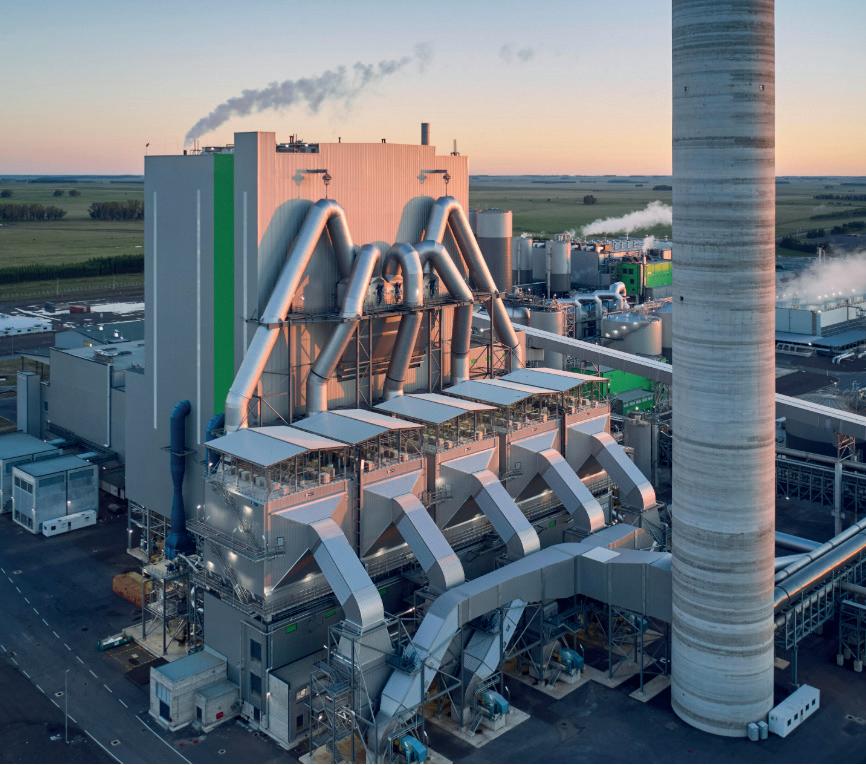
While increasing capacity, there are several examples of how ANDRITZ
has improved the technology required for larger boilers over the years. One such example is the introduction of an increased tube size diameter for furnace walls to improve circulation and avoid leakages. The larger diameter of the tubes creates less pressure drop and allows the water to circulate
better, cooling down the tubes more effectively. Silva added, “Due to the greater size of the boiler furnaces, ANDRITZ considers larger diameter tubes as the only safe solution to avoid leakages and possible explosions”. Another example is the location of the sootblowers in the boiler bank, which ensures the
boiler is kept clean for maximum uptime. Lindh explained, “For larger recovery boilers a boiler bank with two sootblower cavities is supplied to ensure the range covers all areas. ANDRITZ has also created a solution that contains a wider boiler bank spacing in order to prevent fouling or plugging in this critical
area”. Furthermore, ANDRITZ has introduced added automation and robotics to enhance safety and improve efficiency of the larger boilers. Silva stated, “We have successfully installed various digital technologies and robotics, including Smart Smelt Spout Robots, which improve the safety of the furnace
area of the recovery boiler, and our vision systems that convert process images into digital data for improved operational performance and less manual intervention”.
With the experience of having seven of the largest recovery boilers in operation or under construction around the world, ANDRITZ prides itself in fast start-up and ramp up speeds. “The speedy ramp up to full design capacity is a very important issue for our customers,” said Silva. “Our experience in the installation, start-up and ramp up of recovery boilers and complete mills is second to none, and our installations are ramping up faster and faster, often
reaching nominal capacity in record times.”
When it comes to service, ANDRITZ has located its service centres with
skilled engineers and spare parts close to customers’ mills to ensure maximum lifetime service levels.
The latest developments include
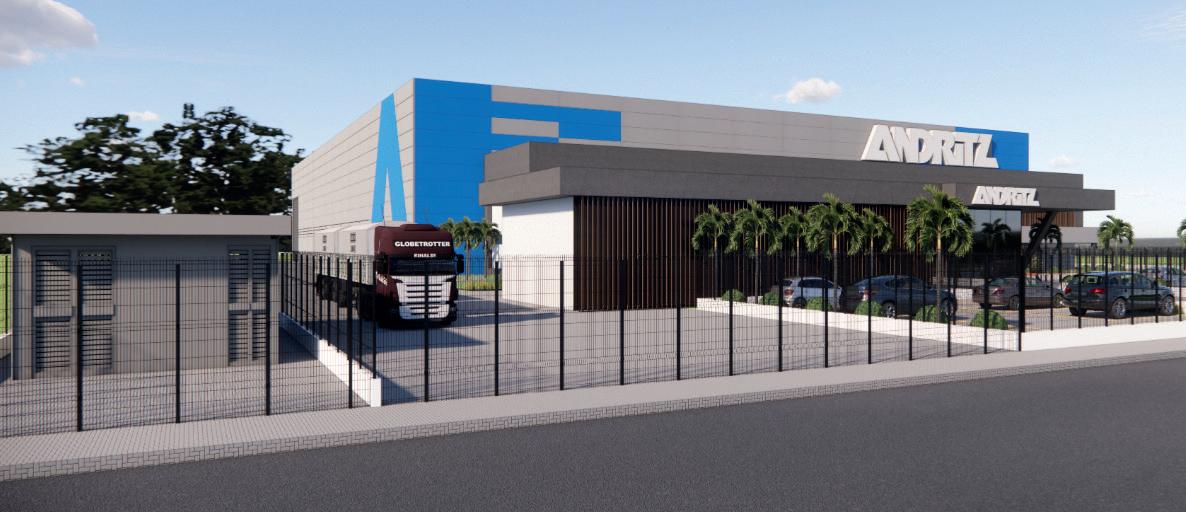
an upcoming modern service centre located at Três
Sul
in addition to the outstanding existing service centre
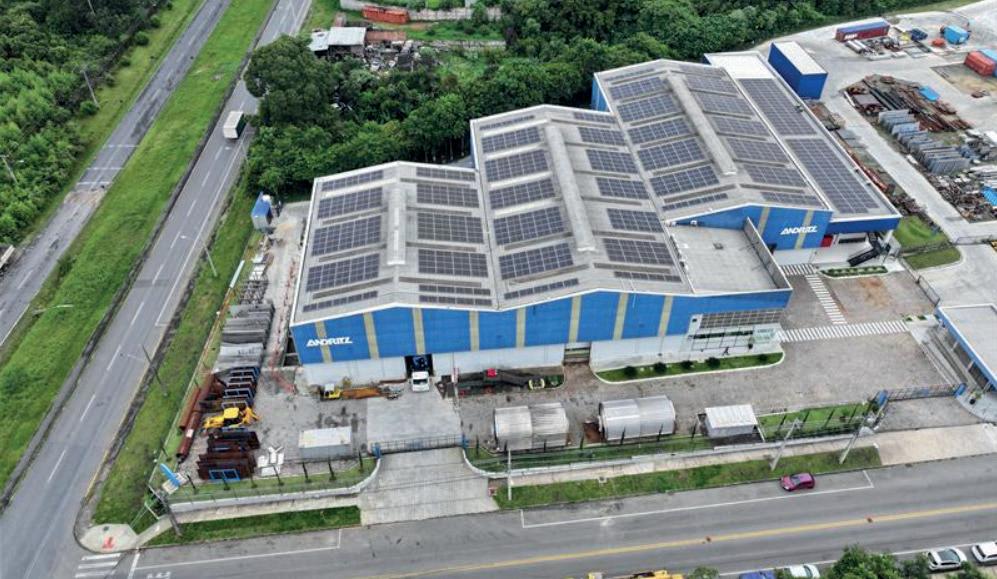
at Araucaria in Paraná state. Another development is a brand-new service centre at Palembang on the island of Sumatra in Indonesia, which will be fully operational at the end of the year. Thus centre will allow ANDRITZ to service the larger mills on the island, as well as provide services to other mills in South-East Asia.
Silva concluded, “Our customers are delighted with our exponentially growing service offerings, particularly at the heart of large, new pulp mill expansion areas.
“We now have the ability to manufacture spare parts for large recovery boilers, as well as for parts across the rest of the mill, ensuring maximum uptime and quality maintenance and service.” More information: www.andritz.com




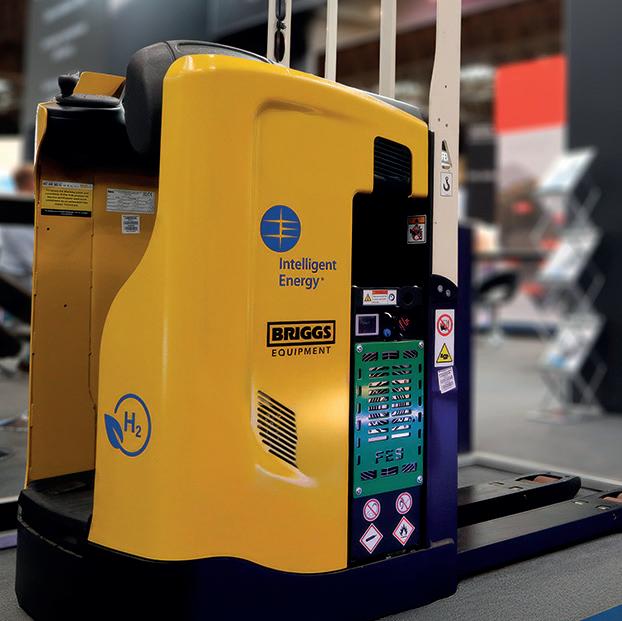
The UK’s leading hydrogen fuel cell developer, Intelligent Energy (IE), is supporting the Lighter than Aire (LtA) Hydrogen Valley project by powering a fleet of up to 40 warehouse trucks across two major logistics hubs in Yorkshire and Humber.
Backed by the EU through the Clean Hydrogen Partnership, the €20 million LtA project aims to accelerate large-scale hydrogen adoption across logistics, industry and mobility. Centred around the River Aire between Bradford and Leeds and positioned along a key transport route connecting Liverpool and Hull, the project focuses on real-world deployment in one of the UK’s busiest logistics corridors.
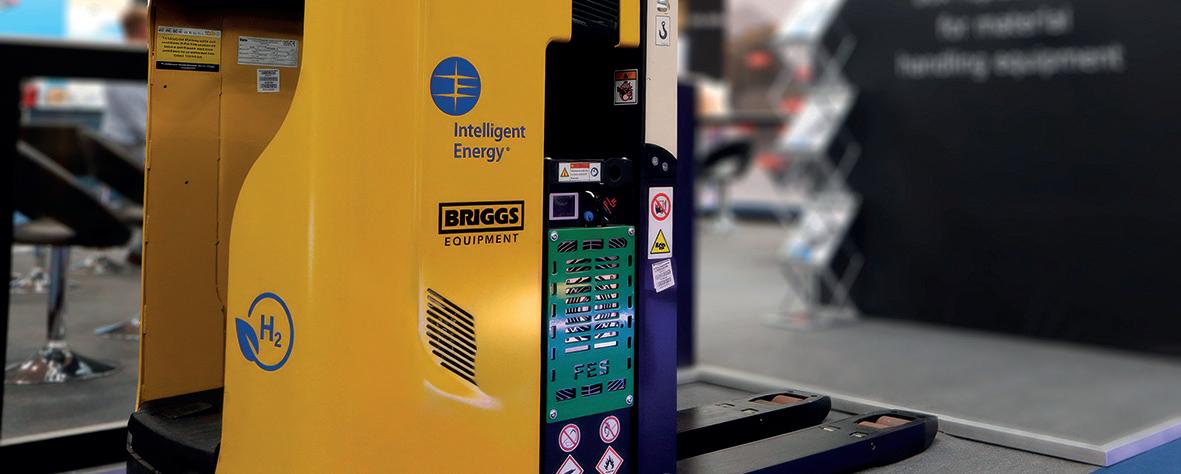
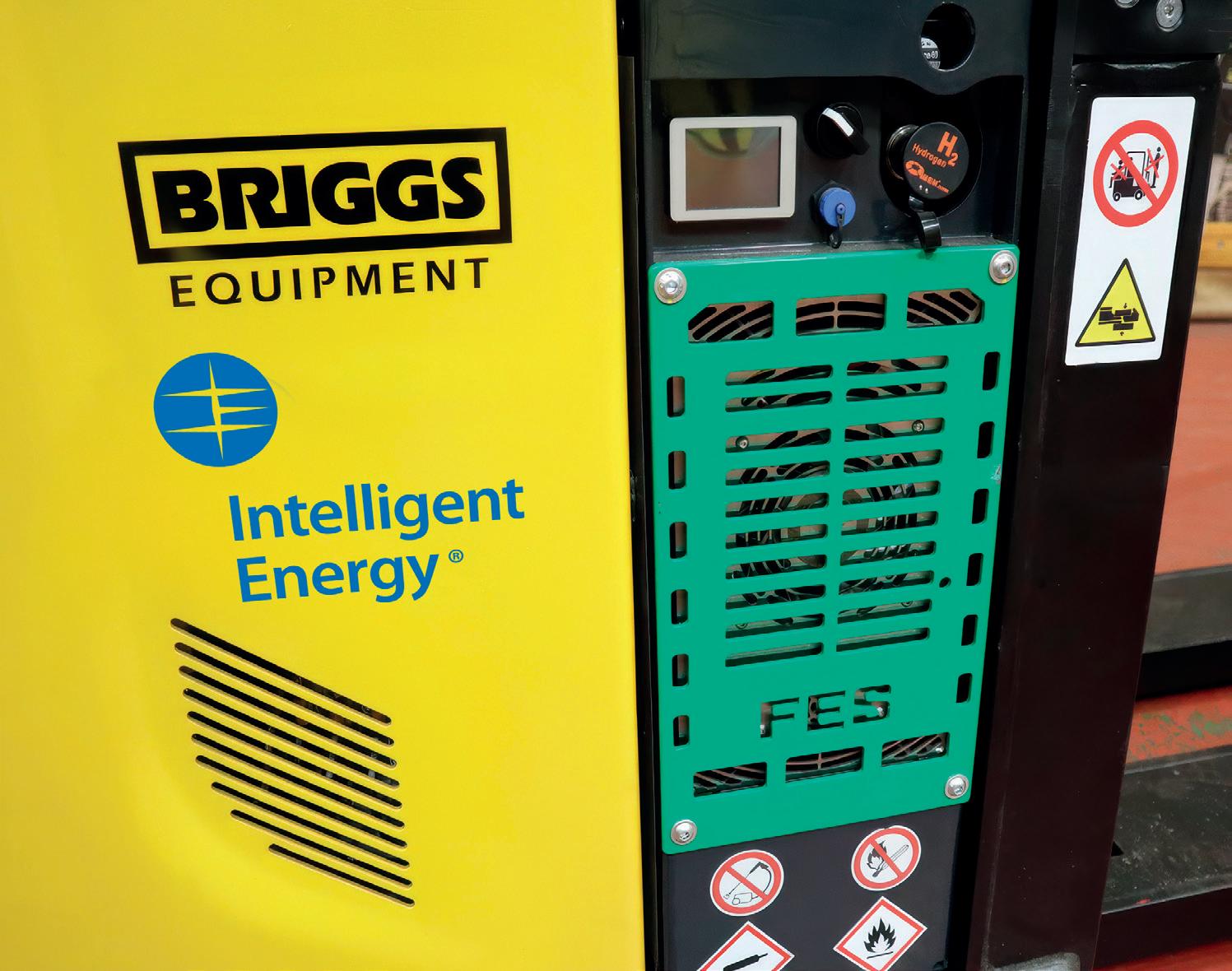
As a programme partner, Intelligent Energy – working alongside Briggs Equipment UK Ltd, the UK distributor for Hyster-Yale Materials Handling – will deploy fuel cell- powered forklift trucks equipped with its IE - LIFT battery box replacement (BBR) units. The trucks will enter operation from June, 2028, and will support warehousing across two major logistics hubs in the valley.
IE-LIFT is a drop-in replacement for traditional industrial battery tanks, integrating a fuel cell, buffer battery and hydrogen storage into a single compact unit. Refuelling takes around three minutes, eliminating long charging cycles while retaining the quiet, zero-emission operation of electric drive. IE’s systems are already in commercial use in demanding environments, including BMW’s manufacturing sites in Germany.
Each IE-LIFT system offers more than 30,000
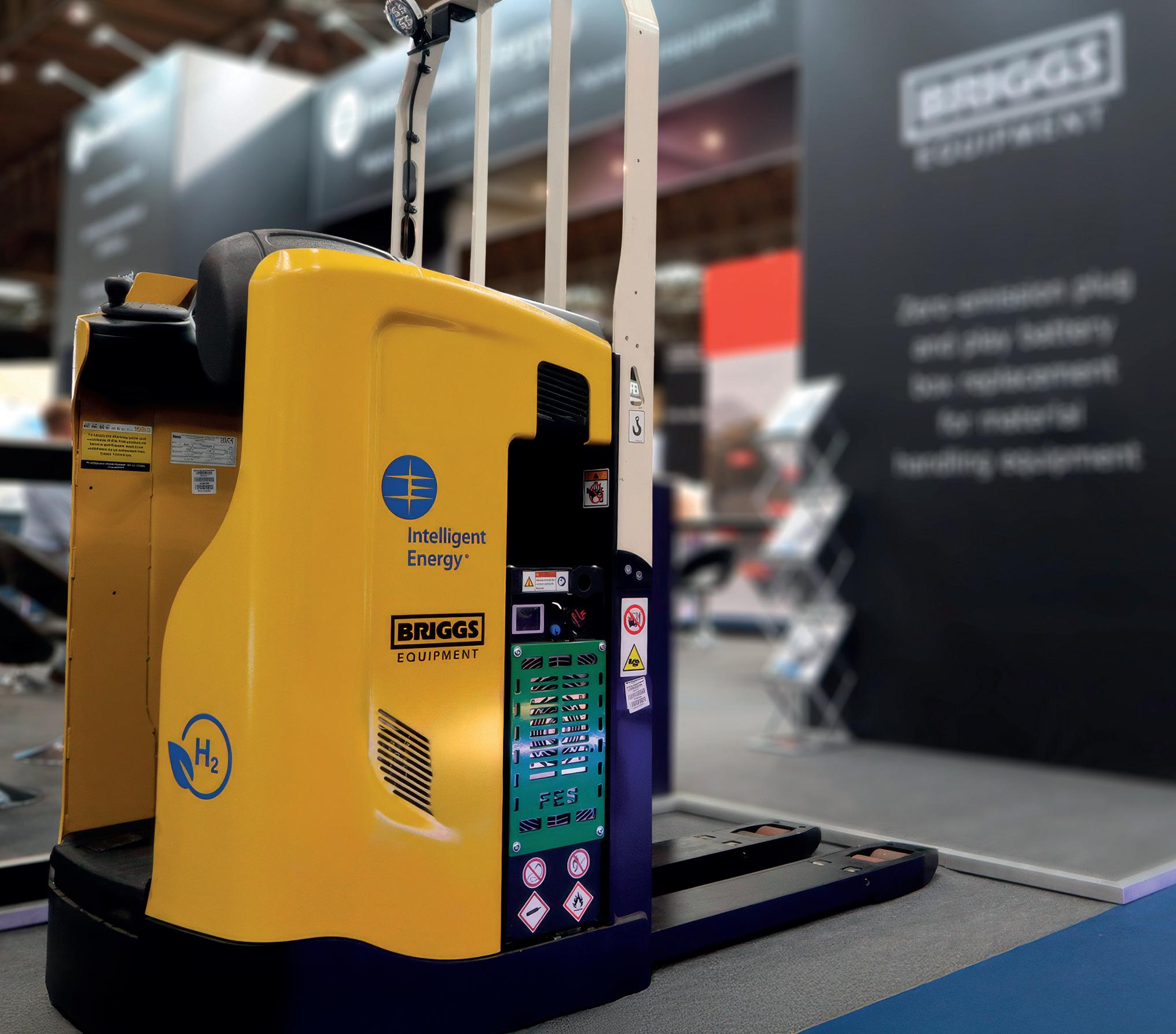
hours of service life and integrates seamlessly into a wide range of standard forklift classes without compromising payload capacity or manoeuvrability.
at Intelligent Energy, said: “The US market has set the pace in hydrogen intralogistics, with fuel cell-powered forklift trucks operating at Walmart, Amazon and other major organisations over the past decade.
“This project gives us the opportunity to deploy our IE-LIFT technology on home soil and to demonstrate its value to operators across the UK and Europe.”
The LtA Hydrogen Valley aims to remove barriers to hydrogen adoption by linking production, distribution and end use within a single regional ecosystem. In addition to material handling, the project will support the rollout of more than 150 hydrogen passenger transport vehicles, with the aim of achieving near-diesel operating cost parity through centralised supply. By embedding hydrogen-powered equipment within active logistics sites, the project will demonstrate hydrogen’s potential to cut emissions while improving operational efficiency.
For Intelligent Energy, the deployment marks a step towards wider adoption of hydrogen fuel cells in UK warehousing and intralogistics –sectors where fast refuelling, predictable duty cycles and high utilisation make hydrogen a strong operational fit.
More information: www.intelligent-energy. com













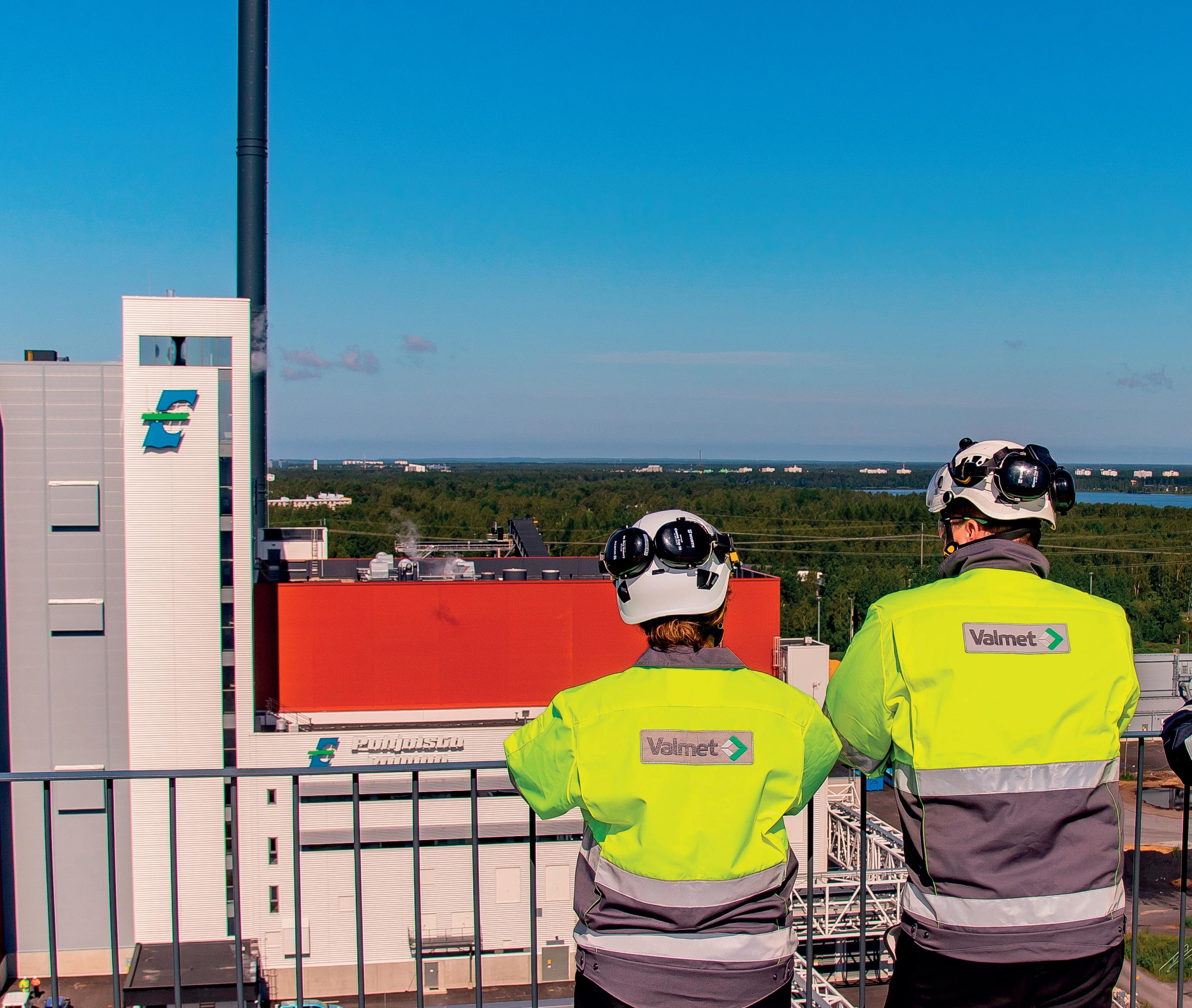

An optimal air emission control solution delivers superior environmental performance and ensures compliance with emission limits. It also significantly improves the energy and process efficiency of your production.
To control emissions in the best possible way, both technically and economically, we at Valmet offer you an unrivaled combination of innovative technology, automation, and lifecycle services to improve your performance every step of the way.
Explore our wide range of solutions, including dry flue gas cleaning, wet flue gas cleaning with condensate treatment and heat recovery, NOx control, flue gas desulfurization, and carbon capture pre-treatment solutions: valmet.com/emissions